Ilandds
Pacific
Monthly
July, 1958
Vol. Xxviii No. 12
□blished 1930
insmission by post as a newspaper J
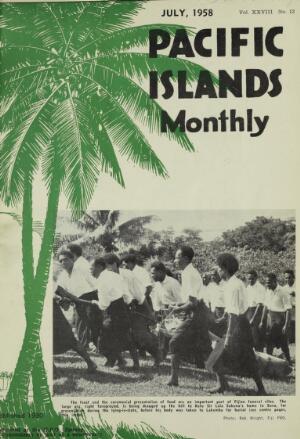
The feast and the ceremonial presentation of food are an important part of Fijian funeral rites. The large pig, right foreground, is being dragged up the hill to Ratu Sir Lala Sukuna's home in Suva, for presentation during the lying-in-state, before his body was taken to Lakemba for burial (see centre pages, Photo: Rob Wright, Fiji PRO.
Advertisements & other items, pp. 2-6 (5 items)
Acific Islands Monthly _ J U L Y , 1958
ACIFIC ISLANDS MONTHLY J U L Y , 1958
umtas
k t* s ft i •l 1 8
round-the-world
flights every week
To simplify your travel problems, two great airlines have combined to give yon an almost daily choice of round-the-world flights. f our flights a week head East via Honolulu, San Francisco and New York four a week go West via Singapore, Rome and London.
Whichever direction you want to go, whatever your reason for travelling, you will appreciate the way OANTAS-8.0. A.C. look after you at every stage, both in the air and on the ground, right around the globe.
Ask your travel agent to tel) you more about the QANTAS* 8.0.A.C. round-the-world route.
umtas
AUSTRALIA'S ROUND-THE-WORLD AIRLINE
WITH BO’AC
JQ6.84.38A
STOVES
MADE IN ENGLAND
These two Coleman Stoves are of the ono burner kerosene type and are available in both silent and roarer models. Their dimensions are height 8i inches, diameter 8* inches, approximate weight 2| lb. Both models have the same outstanding features.
Model No. 532 E
SILENT TYPE
1. Full-Size Fount with Filler Plug of wing type. 2. Air releose on side of Filler Plug. 3. Heavy Brass pressure-tested Tanks. 4. Fount and Burner firmly soldered together. 5. European-type pump. 6. Grate and Grate Supports detachable to reduce shipping space. 7. Spare parts interchangeable with similar European Stoves. D .
Representatives for the Pacific Islands:
! ROBERT GILLESPIE Pty. ltd.
3 Model No. 531 E
ROARER TYPE
PEARCE & CO. LTD
SUVA
FOE FIJI ISLANDS
DOUBLE
MOISTURE
NEW
WRAPPED
PROOF
PACKETS
% % 0 m I i <4** a c h O
WHEN NOT IN USE,
KEEP IN A CLOSED
TIN TO MAINTAIN
CRISP FRESHNESS.
Qrnott's
Biscuits
There is no Substitute for Quality
X/EXS/2
Digs holes
■ m
Seconds!
For fencing ,
erecting stockyards ,
planting trees ,
laying building
foundations.
★ ★★★ Do the job faster and easier irith the
McCORMICK
INTERNATIONAL
GL-225
POST HOLE
DIGGER
This is an “extra-strong” digger which is quickly attached to the tractor’s 3 pt. linkage. It is fitted with a 12" auger, digs to a max. depth of 36" and features a safety clutch, precision gear box and an exclusive mouldboard cleaner. The digger is safe, fast, easy to transport and weighs 410 lbs. Augers 8" and 15" wide are also available. dr $
YOUR NEAREST DISTRIBUTOR HAS FULL INFORMATION
INTERNATIONAL
HARVESTER
INTERNATIONAL HARVESTER COMPANY OF AUSTRALIA PTY. LTD
DISTRICT SALES OFFICES IN CAPITAL CITIES
WORKS; DANDENONG AND GEELONG, VICTORIA
995.32
PAPUA AND NEW GUINEA:
Steamships Trading Company Limited, Port Moresby and Samaral.
Dealers: New Guinea Goldfields Ltd., Wau and Lae; Rabaul Trading Co. Ltd., Rabaul. DUTCH NEW GUINEA: H. Englebert n.v., Hollandia. SOLOMON ISLANDS: Mr. K. H, Dalrymple Hay, Honiara.
NEW CALEDONIA: Agpnce
mobile, Noumea. TAHITI: Hintze & Company, Papeete. NFW HEBRIDES: Kerr Bros. Pry Aiu, Sydney. FIJI: Niranjan's Service Station, Suva.
New Quievza AuAibaiia Jline
Passenger and Cargo Liners:
M.S. "SHANSI"
M.S. "SOOCHOW'
S.S. "PAKHOI"
Regular services between Australia and Papua-New Guinea
JAPAN, SHANGHAI, HONGKONG, NEW GUINEA, AUSTRALIA
REGULAR SERVICE WITH THE STEAMERS: "FUNING"—"FENGN3NG"—"CHENGTIT
Japan, Shanghai, Hongkong, Madang, Kavieng, Rabaul, Lae, Samarai, Port Moresby, Sydney, Melbourne Adelaide. (Returning from Australia to Japan direct).
For further details please apply to agents or refer to the weekly advertisements in the “South Pacific Post
THE CHINA NAVIGATION CO. LTD.
(A British Company incorporated within the United Kingdom) A W #■ its* 1 I I H • *
AGENTS:
PAPUA; Steamships Trading Co. Ltd., Port Moresby, Samarai .Cables: "Steamships".
NEW GUINEA: Colyer Watson (NG) Ltd., Lae, Madang, Rabaul.
Cable: "Colyeram".
New Guinea Co. Ltd., Kavieng. Cable: "Camohe".
BRISBANE: Wills, Gilchrist & Sanderson Pty. Ltd., 400 Queen Street.
Cable: "Wilgilsand".
MELBOURNE: John Sanderson (Shipping) Pty. Ltd., 11l William Street Cable: "Syndicate".
ADELAIDE: George Wills & Co. Ltd., 33 Gilbert Place. Cables "Willsandco", JAPAN: Butterfield & Swire (Japan) Ltd., Tokyo, Yokohama, Osaka,s Kobe. Cable: "Swire".
EASTERN MANAGERS: Butterfield & Swire, Hongkong. Cable: "Swire" '
SWIRE & YUILL PTY. LTD.
2
JULY, 1958 PACIFIC ISLANDS MONTH
3
IFIC ISLANDS MONTHLY JULY, 1953
4
JULY, 1958 PACIFIC ISLANDS MONTH!
People
r. Geoffrey Horsfall, who was or Magistrate in Fiji between and 1953, has been appointed dge in Zanzibar. He is at pre judicial Commissioner in the ish Solomons. He was born in ;ralia, called to the Bar in ion, and served the British nial Office in Nigeria and ra Leone. * * * jling from Sydny in July ides, for five months leave in United Kingdom, were Mr. and A. W. Garnett. Mr. Garnett is surer, New Hebrides Con inium Government. * ♦ * r. Carl Jacobson, after some spent in New South Wales, med to his plantation outside iae, New Guinea, on the June 10.
P. W. Dill-Russell, chief of Medical Services and of the i Pacific Health Service, d through Port Moresby in July on his way back home, lad been attending a Health ce meeting in Honiara. He had mber of interesting things to o Port Moresby reporters—in ng so meth i n g about the atic change that has come over Yaws situation since the dis y of antibiotics. Yaws, once lumber-one health problem of native Pacific Islanders, had virtually been wiped out where yaws campaigns (sponsored by Vorld Health Organisation) had conducted.
J. A. van Beuge, special attache for Guinea affairs with the Netherlands sy in Canberra. His recent appointment [?] of the Australian-Netherlands plan for co-operation between their New Guinea [?] ries. Mr. van Beuge has previously been herlands delegate to the South Pacific ssion and has visited the Pacific terri where this photograph was taken.
The retiring Governor of Fiiii Ronald Garvey, KCMG, and Garvey, expect to leave Fit October, and already are eng m a round of farewell ceremco They have been at Governr House since 1952; and they g many years in the South Ps before the war. Sir Ronald reat gubernatorial rank in Bri ti Honduras in 1949.
The Council of Chiefs in Fiji! month said an emotional fare Flattering and appropriate tH were said, on behalf of the CW by Ratu Penaia Ganilau.
The Governor was presented ome valuable Fijian articles—arr others an ancient tanoa (bowll mixing kava), and a walking sa ichly embossed, made from Nam ebony.
The Chiefs also handed to Governor an address, express their loyalty and devotion, w; they asked should be presentee the Queen. His Excellency prom that it would be delivered by 1 in person, at Buckingham Paj
Back to Papua to make a sei; mental journey to the Kokoda T 1 (but this time by car) went Eng? journalist William Courtney, June. He had covered the Af tralians’ retreat and advance aid the trail in 1942 for British nee papers, and was also with the A the next year when the fighti had moved to Morobe.
Miss Weensy Renfrey was a Port Mo June bride. She wed Mr. John McDonall Taurama Chapel, on June 21.
Papuan Prints R
Exotic shirts, ex-Japan and the Islands, , worn by these happy travellers. Lucky Hr and Tex Foote, who met at the Polyne[?] Association in Sydney. Mr. Foote left Sy[?] soon after and is now in Tahiti.
A Tele-PHO
tches from the New Guinea were well known during the c war. * * * lan who has been in and out w Guinea for the past 25 years led there again in June. He . D. Williams, who this time to Lae to become Vacuum Company district manager for . Mr. Williams first went to Guinea in 1934. That time it ilso to Lae, for Guinea Air- He transferred to W. R. nter and Co. in 1936, and was with them when he enlisted e AIF. After war service he I Vacuum Oil, went to Rabaul hem, and was later trans l to Port Moresby. He left in 1955 for headquarters in iurne, as sales manager, Pacific Is branch. Now it is back to 'erritory. Mrs. Williams went him. * * * Samuel H. Elbert, Professor cific Languages at the Hawaii rsity, left Honiara by Qantas me 17 after spending over six is in the British Solomon Is protectorate. (Over)
charming bride, shown with her bride- Mr. Burt Jonkergouw, cutting their [?] cake, was Miss Frances Bryant, a nursing sister. They were married in Francis Xavier Catholic Church, Rabaul, Photo: Larry Chin
Professor Elbert, who special in the study of Polynesians, is tempting to trace by language lationships their settlement in Pacific. He has travelled wi( throughout Polynesia and his to the Protectorate will comp his survey.
The greater part of his stay wi spent on Rennell Island, an on lying island to the south of tt main Solomon Group populated Polynesian-type people. There was able to compile a Rennellel Dictionary, He subscribes to the theory tlrl the Polynesians came possibly fro Malaya and travelled by way Indonesia. He is of the opinion thi the outlying islands of the Solemn Group were populated from Wall Island. The idea that South Amern
Mr. Murray Rider, second engineer of well-known Union Co. vessel "Waihemo", Mr. Terepo Rahoi, from Rarotonga—both vi[?] to a Polynesian Assn, party in Sydney centiy. A Jele
High Chief A. P. Laovao, Speaker in House of Representatives in American San who was a member of the Special Indu Committee recently deliberating on wages Pago Pago. The committee has proposed cents per hour for workers in the cannery; not less than 52 for those in petroleum marketing industry; and 40 C[?] in miscellaneous industries. —Pan American Pri
the original home of the nesian Race has now been com ply discounted. Well, that is t Professor Elbert reckons, any * * * rs. Ellen McGrath, a Papua timer, has been residing at St. a, Brisbane, with her daughter, Mick Healey, wife of the rict Commissioner at Kavieng, Guinea. She is in poor health. * * ♦ r. Tom Farelly and Miss reen Elliott met and became iged in Port Moresby, but they elled about 2,000 miles to dulla, on the NSW South Coast, be married from the bride’s ler home. The happy event place in June. They will re to Port Moresby to live. * * * iking his first visit to New lea end of June, was Mr. T. h, Secretary-General of the h Pacific Commission. He ?d Rabaul to inspect the ities at the site of the fourth h Pacific Conference which is e held there next year. (The lous three were held in Suva, ;, and Noumea). * * * P’s visiting New Guinea in -July were thick as copra es. Just three of them: Aus m Minister for Labour and mal Service, Mr. Harold Holt, was making his first visit; the Commissioner for Pakistan, :.-General Mohammed Yousuf, for the first time; and Sir p Mcßride, for whom it was id time round. The Ministers that their visit was so that could “follow more realistically Dsals put forward for the opment of the country during ag meetings of Cabinet”. * * * s. M. T. V. Head, of Niue d, was awarded the MBE in
recent Birthday Honours for
services to Education”. * * ♦ . W. C. Groves, who has been iated with New Guinea for r years, and since the resump-
V. Harris was married to Mr. A. Heath Roman Catholic Church, Port Moresby, ne 6. —Papuan Prints Photo..
ti9 n , of Civil Administration,
Director of Education, retires Australia in August. At the Jtu meeting of the P-NG Legislati Council, occasion was taken to pc tribute to the very valuable con munity work of Mr. Groves. I t ll an official member of V Jr-NG Legco since its inaugurate
Former District officials of Papu were interested in the recer announcement that Mr. Alwyn ' Watkins had been selected j Liberal candidate for the Feder seat of Newcastle.
Mr. Watkins was in the Fapuas public service prior to World Ws ll—he was ARM at Buna Bay i 1940. He was a son of Davr Watkins, MP. Former colleague recall that he once pointed to hr baby son and said: “There goes tli future member of Newcastle is an hereditary seat, you know”. , David Watkins, a Labour stalwan held the Newcastle seat from tW inauguration of the Commonwealtt until 1935. His son, David Olive Watkins, also Labour, followed on David now is retiring from Parlis ment, and the Newcastle Labour people have selected as their candii date Aid. C. K. Jones, a form© Newcastle Mayor.
But Alwyn Watkins—“ Buddy” tt his friends—feels that the family\ political record is in danger o slipping—so he goes in to Newcastl to oppose Alderman Jones, as .
Mr. and Mrs. Cedric Hulse after th[?] marriage in the Roman Catholic Church, P Moresby, on June 20. The bride was forme Miss Paula Maher. Papuan Prints Pho
Mr. and Mrs. K. Baldwin after theis marriage at the Ela Beach Church, Po[?] Moresby, at end of May. The bride wa[?] formerly Miss V. Eedla. Papuan Prints Phot[?]
:al candidate. His chances are rated high. * * * e Venerable H. Mayo Harris been appointed Archdeacon of •aki, Auckland, and vicar of nport. Ordained in 1927, he me Archdeacon of Fiji and r-General of the Diocese of nesia in 1934. During the he served as an officer in the N and at the conclusion hostilities became a naval lain. In 1949 he received the * * * -Ministers of a Pacific Islanders :regational Church, erected by islanders, and opened recently 'okoroa, the centre of the NZ and paper industry, are the R. L. Challis, of Auckland, the Rev. L. I. Sio. ♦ * * ss Rachael Leighton, matron of TB and leprosy hospital on o Is., Port Moresby, since left Auckland in May, to con- J her year’s furough in her native lania. She is using her leave n opportunity to make known work of Papuan missionaries, had visited both islands of NZ. 10 Hospital, a Government ital, staffed and run by the on Missionary Society, is self lined, with a church and )D. •: * * Rev. S. G. Andrews, who was ?ed in Methodist Mission work iji for 20 years, and who sub ntly was secretary of Methodist gn Missions Board in NZ, has acting as Chairman of the odist Solomon Islands District ?cent months. The Rev. J. F.
[?] Fay Jones was recently married at the of England, Rabaul, to Mr. Selwyn e. They are shown here with her [?]-of-hcnour, Mrs. Joyce Lambert.
Photo: Larry Chin
t ' § v ' ■- an; <-| Metcalfe, who retired from Solomons early this year owin§ ill-health, and relinquished Chairmanship, is now living in toria. * * * For the first time for six y 1 there is a Fijian Assistant Supe; tendent of Police in Fiji. He Josefata Kuboutawa, 29, who as spector Josefata, recently retun from six months training at Metropolitan Police Training ColJ at Hendon, near London. Assist Superintendent Josefata’s prog; through the Fiji Police Force been phenomenal. He enlisted o in 1947 and has risen from ranks. During his six months! the UK, he did a course of o training at the Guard’s Train Depot in Surrey. There he had distinction of being the only allowed on parade without he; gear He has “big hair”, and thai headgear enough.
Mr. M. D. I. Gass, who until cently was Permanent the Minister of Interior, Ghana, 1 who now has been appointed Chi Secretary of the Western Pac;; High Commission, is expected arrive in Honiara in August to ts up his new duties. Mr. R. J. Minni whom he succeeds, has now react!
England with his family and is ts ing his pre-retirement leave, spent 23 years in the Colonial Stc vice—the last half-dozen in t Solomons, but the rest of them Hongkong (including four years internment in Japanese handt Residents of the Solomons ax other of the WPHC Territories we sorry to see the Minnitts go, b wish them well in their new lifes ♦ * « British Judge of the New Hebrio Condominium Joint Court, J.
Brownlees, left Vila after a two yes; term, at the end of May, but 1 successor, Judge C. F. Macaskie, 6 not arrive until July—he had goc first to Fiji to sit at the Fiji Cou of Appeals. Judge Macaskie w f hold the NH appointment om until a permanent Judge is recruits.
He performed a similar service fi
Mr. Fred Hennings, of Suva, Fiji, wit friend. Miss Rita Young, at a recent gathe in Sydney of the Polynesian Society.
A Tele-P
New Hebrides on another ion—in 1955. * * * ;ting plenty of attention in on in June were a 6 ft 5 in. i chief, his wife and their two daughters. He was Ratu sese Mara, She is Adi Lala, and two daughters, aged six and are Adi Ateca and Adi Koila.
Mara, a District Commissioner ji, is on leave and is showing unily the United Kingdom. It 4.di Ateca who last February, true Fijian grace and dignity, ited the bouquet to the Queen er when she passed through on her way to Australasia. * * * Lynn Wilson, from “back of ng”, has been enjoying a spell ave in Brisbane. He is a Zealander, but has been so long pua and New Guinea that he accepted New Guineaite. ♦ * * Hobart Spiller, a planter well i on the northeast coast of i—his place is Menapi—has a good recovery from a severe ;al operation. He is con ing in North Queensland, and nplates a visit to Europe, and 11 on the Riviera, later this * * * George Christie, well known Australian Territories, is back otland again. He visits his ■ heath every 3 or 4 years. * ♦ * mg Territories folk enjoying in North Queensland at it is Mr. Bill Bellingham, a r Papua planter. Maybe not rmer”—he retains his interest nail Koitaki”, a private rubber ition which, rumour says, i pays less than 40 cent.
(Continued on page 167)
Parkin Christian, 73-years-old resident of n Island, meets a guard at the US in Washington. Christian was a dele o the 48th world conference of Seventh dventists which began in Cleveland, Ohio, l-June.
The German Minister to New Zealand, Dr. Noehring, has just paid a mid-winter visit to Western Samoa. * * * Mr. N. C. Kelly who has been appointed to succeed Mr. E R Wmkel as Attorney-General of the Western Samoan Government, has arrived at Apia by plane to begin his new duties. * * * Mr. J. H. Donaldson who has been Headmaster of Samoa College since 1956, has left Western Samoa with his family for England where he will undertake educational re search work before returning to New Zealand. He did a great deal to improve facilities at the College and the standard of education during his two-years’ term, and residents were reluctant to see him go. * * * Recently the first prize ticket holder in an interstate consulta tion (we aren’t allowed to say which one, because it is illegal in g i ven as K - B - ftehder, fost Office, Samarai, Papua The amount was £7,000. * * * n A i^ an * a big heart is Brigadier A. E. Brown, Secretary- General of the Imperial War Graves Commission, Anzac Agency. When he was in Papua-New Guinea re recently, inspecting war cemeteries at Bomanji, Lae and Bita Paka he undertook to inspect any grave or memorial for the next of kin of any Australian serviceman buried h h6r %h a it d t 0 £ u ™ ish a report on That could be a tall order.
There are over 8,000 graves in the n^L Ce ? leter - es ’ plus hundreds of names of servicemen who lost their lives m the Territory but have no known place of burial. * * * .After a n absence of 26 vears Mr. « 7oh o Vivian Wood, of the Bank £d S ? th Wale *’ with his wi te returned some weeks ago to tho Morobe District, NG, as Manager of the Bank’s Lae branch, it was his intention to arrive about the same time as the new bank building The 8 e°v P ent ed ’ bUt he got b eforl to 1 f932 W an/w a i a '5 aUa from 1929 10 and has had an interesting time meeting again the old S During his absence from the Terri tory he was a very busy man and
had appointments at Melbourne and Brisbane as Foreign Exchange oS Cer ’ A a i ld - seven years in Head Office Administration at Sydney where he was Assistant to the City a? S fn£ tor n pri - or to. his appointment at Lae. During his term in Mel bourne he spent two months abroad Pakistfn th r B f nk ’ s agents in India, Pakistan, Ceylon and Singapore. - urin g his stay in Brisbane he took an active interest in the Com naferAuitr 1 ? 81,11^ 6 of Acc ountants tants) A fln i c lan Society of Accoun- Presidem and aTJ term as state Also, he was for thrpp rS T. par^time in Banking ?ersifv° r S g^Exch f nge afc Uni! nf Queensland; and is co vf th e standard text book Australian Banking”. He was a member of Rostrum Clubs in thl three eastern Australian cities—and cmVMe' 16 * the active Recreations have been swimming graduated to bowls and Wednesriav afternoon appointments are Tent the Lae Bowling club, P 1
Advertisements & other items, pp. 7-17 (9 items)
5
IFIC ISLANDS MONTHLY JULY, 1958
Rravboh
KVA
n
SETS
diesel
r se »»•*»*« »««■*£ lt *We feature here one of our larger industrial light and power plants which will jperate motor up to 5 H.P. 3 phase. Sets are available petrol or diesel from to 100 KVA capacities.
BRAYBON
lip BROS Pty. Ltd.
q 'XTJL 27-33 WASHINGTON SI.. SYDNEY
w Telephone MA 6853 TELEGRAMS; “Braybonian”, Sydney
11
EVEREADY
ff
BRAND
batteries
HAVE LONGER LIFE
GIVE BRIGHTER LIGHT . . .
1. 20% more power 2. Metal sealed for your protection! 3. Recover power between uses 4. Protective rolled top 5. Built for tropical conditions Anywhere . . . when it’s dark, you need an “Eveready” Flashlight powered with dependable “Eveready” “Nine Lives’ Batteries. Always insist on “EVEREADY” Brand Batteries . . . they’re backed by over 50 years of research.
EVEREADY
vfv fy. tr ('/A
The Best Protection
-for YOUR Savings
The Commonwealth Savings Bank offers you the best protection for your savings right throughout the Islands. No matter where you go you will find an office of the Bank.
There are branches at the following places: Port Moresby Goroka Madang Rabaul Kavieng Wewak Honiara Bulolo Lae Norfolk Island In addition, 57 agencies operate throughout Papua- New Guinea, 5 agencies in the Solomon Islands, and others at Fanning Island, Lord Howe Island, Nauru and at Vila and Santo (New Hebrides).
For all your savings bank needs use the Commonwealth Savings Bank —the bank that serves you best throughout the Islands and Australia.
QQ^JMOINWEALTH
BANK
Guaranteed by the Commonwealth Government of Australia
A COMPLETE
IN EVERY
BOTTLE!
* XT, ■» fM % t*.
O 5
For swift, sure three-way relief from
HEADACHE & ALL PAIN
VINCENTS ARC.
POWDERS t TABLETS
ASPIRIN • PHEHACETIN ■ CAFFEINE
W I M
CONF!O& CB
with
AVAILABLE EVERYWHERE AT ALL CHEMISTS AND STORES N.8D.41
21 chunky squares
r > A
rich satisfying flavour
so smooth •. . creamy
[}VKY*
LK O A' These are just a few of the many reasons why you’ll like Cadbury’s Dairy Milk Chocolate. Take a deep bite of Cadbury’s Dairy Milk Chocolate. Mmm . . . it’s so smooth ... so creamy ... so satisfying. There’s wonderful eating enjoyment in each of the 21 thick, chunky squares. Nourishing, too; there’s a glass and a half of pure, fresh, full-cream milk in every i lb. Buy a block today.
Cadbury’s Dairy Milk Chocolate
MD2B/HP/S
m. * m Wtt« Ml
CCA
M*
pov
noo*
oCc^.
WC& uHQ
IccaninNY
PREPARED WAX
FLOOR POLISH
FOR LINO. FLOORS. FURNITURE. LEATHER e MOTOR CARS "Twice the shine in half the time"
Piccaninny imparts a glow of youth and beauty to floor surfaces that might otherwise soon begin to show their age. There is nothing more perfect for linoleum or natural wood floors.
Piccaninny's tough wax skin protects surfaces from tropical moisture, wear and tear —saves you hours of work and gives Twice the Shine in Half the Time!
ASK FOR
PICCANINNY
BROWN STAIN FLOOR POLISH
For Jarrah, Cedar, Stained Floors & Woodwork Piccaninny Polishes are manufactured hv
PICCANINNY MANUFACTURING Co.
254 Pittwater Road, Manly, N.S.W., Australia.
M
PARKE-DAVIS
(AMOQUIN —,
Effective Single Dose Treatment for
MALARIA
SPECIALLY FLAVOURED TABLETS AVAILABLE FOR
CHILDREN
SUPPRESSIVE DOSE—
For Adults:
TREATMENT DOSE —
-3 tablets to be taken as a single dose once weekly, or 1 tablet three times weekly.
For Children: T^ rs> one infant formula TABLET once weekly or half-tablet twice weekly.
two INFANT FORMULA
°” ce weekl y or one INFANT FORMULA TABLET twice weekly.
For Adults: 3 tablets taken as a single dose A second dose of 3 tablets may be given in from 24-72 hours if fever has not subsided completely.
For Children: 1-2 years, one INFANT FORMULA TABLET as a single dose. 3-5 years, two INFANT FORMULA TABLETS as a single dose.
IMPORTANT: CAMOQUIN should be taken immediately after or during a full meal.
Obtainable from all chemists and suppliers of
PARKE-DAVIS products
PARKE, DAVIS & CO., LTD., SYDNEY
ft/* » iS = »•'! fee- Void Cecil, Cac The kitchen, under the control of Chris Alexiou so widely known as chef to the patrons of Caprice and Princes Restaurants in Sydney and the Royal at Hayman Island, provides a cuisine that will satisfy the most fastidious.
Evening meals are available from 6.30 p.m. onwards for visitors in addition to house guests.
The Dining Room caters for Dinner Parties and other special functions.
Make your reservations by letter, telephone or cable.
For Bookings Write or Phone
■Uolcl
TELEPHONE: LAE 2321. CABLES: “MORTEL”
r*? tU
P.O. BOX 331
PORT MORESBY
PAPUA
Cables: "PAPRI".
Specialising in:
EVERYTHING PHOTOGRAPHIC
EXCLUSIVE GIFTS
ORIENTAL HANDICRAFTS
BEST SELLING NOVELS
Expert Camera, Watch, Clock, Nautical Instrument, Equipment
REPAIR SERVICE
All work carried out on the premises by a fully Qualified Technician.
Territory Representatives for: Voigtlander Cameras.
Futura 33 mm. Cameras.
Sixtomat Exposure Meters.
Metz Flash Units.
Paillard Bolex Movie Equipment.
All Kodak Supplies.
King Regula 35 mm. Cameras.
Metraphot Exposure Meters.
Pelikan Products.
Hermes Typewriters. 35 mm. COLOUR TRANSPARENCIES OF PAPUA-NEW GUINEA
NATIVE HANDICRAFTS & CURIOS
PHOTOGRAPHS & ILLUSTRATED BOOKS ABOUT
THE TERRITORY
SOUVENIRS OF PAPUA & NEW GUINEA
KINGSTRAND
Frameless Aluminium Buildings
1 »■ »- VS KINGSTRAND is Inexpensive KINGSTRAND eliminates costly columns, studs and framework; standardised building units allow for speedy erection and labour economy.
KINGSTRAND is Coo]
KINGSTRAND aluminium is a good reflector of the sun's rays, a poor radiator of heat—the combined effect placing it far ahead of any other cladding material for tropical use.
KINGSTRAND is Durable KINGSTRAND aluminium is termite-proof, highly resistant to corrosion, and does not require painting for external protection.
KINGSTRAND frame’ess construction is designed for hurricane resistance with a wind loading of 120 m.p.h.—has withstood winds of 100 m.p.h.
KINGSTRAND cottage witlv aluminium-framed awningtype window. The entire home is packed in the single case shown in the
foreground.
KINGSTRAND is Easily Erected KINGSTRAND frameless buildings can be erected on any level foundation, and assembled in a few hours by unskilled labour. The only tools needed are spanner and screwdriver—walls, roofing, partitions, doors—everything is precision cut and comes packed in one compact crate ready to erect.
KINGSTRAND frameless aluminium buildings are ideal for cottages, garages, stores and other purposes. They are versatile—one unit may be erected to a variety of designs and can be dismantled and erected elsewhere with very little loss of time.
ECONO STEEL COMPANY
■4 Division of Tulloch Limited Concord Road, Rhodes, N.S.W. UF 1231. I 40 Robinson Road, Geebung, Qld. LX 302 j
AUSTRALIAN MANUFACTURERS OF KINGSTRAND FRAMELESS BUILDINGS
Agents and Distributors for Australasia, Papua, New Guinea and South Pacific Islands: Dowsett Engineering (Australia) Pty. Limited. 12 Crescent St.. Hunter s Hill, N.S.W. ;
stributed in AUSTRALIA,
WEW ZEALAND and the
'lowing PACIFIC ISLANDS:
Australian Territories: Papua.
Norfolk Is. Cocos Is. knst. Trust Territories: New Guinea. Nauru.
Irltlsh Crown Colonies: Fiji.
Gilbert & Ellice. itlsh Protectorate: Solomon Is. •itlsh Protected State: Tonga.
Z. Territories: Cook Is. Niue.
Z, Trust Territory: W. Samoa, nch Territories: New Caledonia.
French Oceania. tlo - French Condominium: New Hebrides. . Territories: E. Samoa. Hawaii.
Trust Territory: Micronesia larollne, Marshall & Mariana), tch Territory: W. New Guinea Publisher:
R. W. ROBSON.
Editors:
)Y TUDOR STUART INDER
Manager:
BELWYN HUGHES.
jEPHONES: General Business, Mortal, Advertising, Subscriptions:
MA 8197-8, MA 7101,
MA 4369, MA 1395.
0.P.0. BOX 3408, SYDNEY.
Istered Address for Telegrams, lograms, and Cables: “Pacpub,”
Sydney.
SUBSCRIPTION RATES:
Aust. and N.Z. and istrallan, N.Z., and . Pacific Is £1 4 0 Caledonia, Tahiti . £l7 0 where $3.50 U.S. or £1 10 0
BRANCH OFFICE, PAPUA-
NEW GUINEA
flc Publications (New Guinea) , Theatre Building, Fourth St., , New Guinea. Tel.: Lae 2577. :iss Pat Robertson, Manager.
BRANCH OFFICE IN FIJI:
Times Building, Gordon St., Suva. Tel.: 4043.
REPRESENTATIVE IN N.Z.:
D. Whltcombe, P.O. Box 5179, Auckland. Tel.; 42.384.
REPRESENTATIVE IN UK.:
. Wallis, 13 Rood Lane, London, 7.3. Tel.: Mincing Lane 8633.
BOURNE OFFICE: Newspaper se, 247 Collins St., Melbourne, Victoria.—Tel.: Cent. 2053.
NTS: All main trading firms stores In the Pacific Islands.
FIJI TIMES AGENCY IN
AUSTRALIA
: Pacific Publications Pty. Ltd., impress House. 29 Alberta St., ley (Telephone MA 9197-8), is Australian Agent for THE FIJI TIMES, of Suva. Fiji.
6
JULY, 1958 PACIFIC ISLANDS UIONTHL
7
IFIC ISLANDS MONTHLY JULY. 1958
8
JULY, 1958 PACIFIC ISLANDS MONTHL
9
IFfC ISLANDS MONTHLY JULY. 1958
12
JULY, 1958 PACIFIC ISLANDS MONTHL
13
FIC ISLANDS MONTHLY JULY, 1958
14
JULY, 1958 PACIFIC ISLANDS MONTH
Contents:
PEOPLE: Personal Para graphs of Islands’ Interest 5 Governor’s Firm Action Saves New Caledonia from Civil War 17 Australia and New Zealand Will Re-Appraise S. Pacific Air Services, and the French Also Get Busy .. 19 New Governor of NNG Arrives in Hollandia ... 19 HOME BASE; Sydneysider Tells What Made News in the Hub of the Pacific .. 20 Lae Has a Flap—and a Tourist Ship 20 The 30th Anniversary of the Southern Cross Trans pacific Flight 21 It’s New Guinea’s Most Unique Occasion—The Goroka Show 22 No Decision Yet Purari Power For Aluminium .. 23 Honoured By the Queen .. 23
Commentary: The Pub
lisher and the Editors’
Look at the Pacific and the World 25
Editors’ Mailbag T, '. . 27
Talk-Talk 29 New Wharf For Honiara .. 34 Over-age Trees and Unat tractive Prices Are a Factor In W. Samoa’s Copra De cline 35 The Bena Bena Incident— A Reader Comes Back To the Attack 37 New Guinea and Papua Issue Their Annual Reports —One Year Late 39 That Sea-Going Texan Is Off Again 41
Polynesia’s Infant Mortality Is Higher Than They Think 42 Survey of World Copra Market 45 The Man Who Knows How To Write On a Butterfly Wing 49 Eric Feldt Issues a Sharp Challenge to the Anthro pologists i 3 Fiji Tala n o a Vakatawa Talks of This and That .. 61 The Increasing Pressure On Fijian Landowners 66 It Is Not Always the Right Kind —But the Japanese Are Catching Fish For the Hebrides 69 Kings, Queens and Coco nuts on Pacific Islands Stamps 77
Magazine Section:
Tropicalities, 81; Crossquiz, Profile, 82; Tonga Com bines Feudalism and the Welfare State, 83; Buriat of Fiji’s Most Famous Son,. 84; Papua Owes a Lasting Debt to Polynesia, 86; Book; Reviews, 88.
This Month’s News of Shipping and Cruising Yachts 105
Pacific Report: Round-
Up of the Month’s News and Pictures (Index p, 17) 121 Sports Review 148 Shipping and Airways Time- Tables 151 Commerce and Produce .. 160 Index to Volume XXVIII (August, 1957-July, 1958) 164
Advertisements & other items, pp. 17-18 (2 items)
A Product of Poeifie Publications Pty. Ltd., Technipress
House, 29 Alberta Street, Sydney. (29 Alberta Street is 10 yards from the intersection of Gonlbnrn Street and Wentworth Avenue.)
Twin-Screw Coastal Freightei
A 200 TON
Slit 3 ■ ■
AGENTS;
NEW ZEALAND &
PACIFIC ISLANDS
Captn. G. W. Dunsford P.O. Box 3269 Auckland, N.Z.
Cable Add. "Dunship" m r
AGENTS:
AUSTRALIA & NEW
GUINEA
Henderson Trippe
Shipping (Aust.) Pty. Ltd. 76 Elizabeth St.,
Sydney
Cable Add. "Hetriship"
Cargo Winch 5 One of the two 180 H.P. Diesel Engines This vessel can be constructed and delivered to your order within 120 days. Take advantage of today’s low steel prices to expand or replace your fleet.
Generator windlass and winches all powered by same make of diesel.
Spare parts minimised*.
Generator and Service Pump Tugs, Barges, Dredges, Coasters, River Craft, Launches, Yachts, Hopper Barges,
Harbour Craft, Buoy Vessels.
PACIFIC ISLANDS SHIPBUILDING CO., LTD.
n „ „ Kowloon, HONG KONG
ox 8321, Sham Shui P.O. Cable Address . "Racshipco"
Vernor's Action Saves N. Caledonia
[?]ss Hatred Flares Up
From Civil War
The political situation in New Caledonia, by July 10, had jen brought under full control.
The machinery of government, directed personally by the ovemor, is functioning quietly and efficiently, although the mntry remains divided generally between Rightists and Leftists, ime of whom are snarling savagely at each other.
ERE is one man who comes out tf it all with credit —the lovernor, M. Aime Grimald. as fortunate for New Cale i that there was someone like rrimald, with wisdom, tolerance strength, to take charge of the cal volcano that erunted so mly on June 18. ( PIM, June, Grimald inherited this trouble the political and economic tions which dominated New lonia for many years. w Class Hatred was Bred ■ too long, the big French iy was ruled by powerful cial interests represented in metal industries and certain ig companies. Governors and administrative officials were their complaisant tools, is, life was made easy and stable for the upper classes ; Colony, and there was order and good government. But was no worthwhile place in un for (a) the poorer classes rmers; (b) the large number ixed blood people who live r close to the earth in NC; (c) the native people— lesians, closely akin to those w Hebrides and Solomons, i population today is made up ximately thus— iean and Mixed-race pie living as Euro ns 22,000 lesian natives .. .. 36,000 ese 2,700 amese (Tonkinese) .. 5,000 5 Islanders 1,000 ians 1,300 68,000 a good many years longer was necessary, the poorer s endured the arrogance, and ed political injustice at the of the rich traders and . top bureaucrats. Thus was bred , a degree of class hatred that, e late ’Forties, was becoming ;d. > class feeling really became after World War ll—probably, isult of the American occupa m France surrendered to in 1940, New Caledonia and h Oceania were left politically
and administratively and econo mically adrift. For a time, until De Gaulle’s Free France began to function, they were actually with out a government.
The first of the American divisions arrived in NC in March, 1942; and thereafter, until late in 1945, the French Pacific Territories were governed nominally by De Gaulle, but actually by the military com manders of the Allies.
New Caledonia, desperately poor for the three years following 1939, suddenly became rich. Hundreds of middle-class people, who counted little in pre-war NC, owned masses of US dollars when the war ended, and France resumed control.
Those economic changes reached from the middle into the lower classes and changed the political balance. The downtrodden people of pre-war still hated the privileged classes; and the dollars gave them something effective to hate with.
Effect of 'Anti-Colonialism 7
Nothing much happened, politic ally, in NC, for a few years—until about 1951, when colonies of France felt the effect of the changes in the
French Colonial Empire, brought about by the Fourth Republic’s attempt to save the Colonial Empire from the wave of anti-colonialism now sweeping across the post-war world.
It came to New Caledonia and
All the Fixings for a Siege
The driver of this car does not seem unduly perturbed as u gendarme examines his car for arms at a road block on the main road into Noumea, in July, during the political troubles. (See article this page).
French Polynesia and (more re cently) to New Hebrides in the shape of the French Union, under which all classes of persons in the French Colonies Europeans and indigenes and mixed race—became entitled, wherever possible and practicable, to equal voting rights in electing their representatives to the French Union Assembly.
In July, 1951, Maurice Lenormand, a well-educated French pharmacist, regarded as ardently pro-native, who had demonstrated his deep interest in ethnology by marrying a Melanesian native, closely related to the Colony’s highest native chief, got sufficient native votes to secure election to the French Union Assembly (sitting in Paris)—a position he has held ever since.
In 1952, France decided to enlarge the NC Assembly to 25—16 to be elected by Europeans, and nine by natives. Lenormand immediately challenged and fanatically fought (m Paris) the new measure: and —despite bitter opposition by the better-class Europeans of NC—he succeeded eventually in the intro duction of a common roll, for all classes. (PIM, April, 1952, p. 12) A period of turmoil was followed by the Loi Cadre, and when the rolls closed, in 1957, they carried Re names of 13,406 French and 18,964 Melanesians.
The inevitable result was the election of an Assembly, in 1957 dominated by Lenormand and his nominees, some of whom were Mela nesians.
By now, the Party led bv Lenormand was called Caledonien Lnion, and the opposition party
(mainly Rightist and De Gaullist) was mainly Republican Socialists.
The latter was led by an alert and energetic attorney, George Chatenay. Chatenay challenged Lenormand for the position on the French Union Assembly, but Lenormand again won the poll (January 8, 1956) by some 5,000 majority.
Excesses by Leftists
There was a similar development in French Polynesia, where also a common roll for Europeans and Islanders was introduced. A Leftist Party, led by Jean Baptist Celan- Jerusalemy and Pouvanaa a Oopa took control of the Government, and caused a Rightist revolt (May
Pim, P. 14).
Both the Noumea and Tahiti Assemblies, having Socialist majori ties, introduced, in 1957, measures which the Rightist sections regarded as oppressive.
In Noumea, for example, M.
Lenormand appointed a governing Council of seven Ministers, two of whom were natives and four of whom were recent arrivals from France, and suspected Reds; and these Ministers awarded themselves salaries equal to no less than £485 per month Australian, plus per quisites—a figure that would have been regarded as outrageous even in Australia, where the politicians’ snouts are so often thrust into the trough of public finance. It was sinful in NC, where declining metal prices have introduced a really lean period.
For years, the NC administrative pendulum had swung a long way
to the Right. Now, understands it was making a compensai swing away over to the Left, that reflection did not make property-owning sections any resentful of what was going on..
The Melanesian natives v wholly behind Lenormand.
Revolt by Rightists
The dissatisfaction of the Fres Empire with the French Pan mentary system confirmed merchants and traders of New Cl donia in their anger and discontj Thus, when the Chamber Deputies collapsed, and hanr power over to De Gaulle, the au Lenormand sections in New Cj: donia were ready for action.
They were deceptively quiet, some weeks. But it now is cl; that some underground organisatf was proceeding.
They made their own opportun on June 18. They assembled at De Gaullist statue (memorial to battle of Free France in 1940and made salutation; and then tic marched directly upon Governmr House, and demanded the remo] from office of Council Vi President and Premier Lenorms: and his coterie of Ministers.
It was apparent that this demci stration was organised by j Republican Socialist Party, a George Chatenay was its leader a chief spokesman.
Governor G r i m a 1 d nature? hesitated. Lenormand’s Governmli was legally in power, elected £ cording to the laws of the Freni Union. The Governor had suprek authority over the Colony; but w
(Continued on page 145)
M. George Chatenay, Noumea lawyer, leader of the Republican Socialist party (Right Wing, in spite of its name), a member of the Assembly Territoriale, harangues the crowd on June 18, demanding that the Government be dismissed.
he justified in exercising it to throw out the elected government?
Two arguments appear to have influenced him.
One was advanced by M.
Chatenay. The Loi Cadre, under which community rolls —as originally planned—were discarded in favour of a common roll, was obviously unfair and unjust; and the proof of it lay in the fact that the Mela nesian-dominated government had added no less than £lh millions to the annual administrative costs of the Territory, and was proceeding to wring this huge additional ex penditure out of the property owning classes. Furthermore, the Loi Cadre was the product of a Metropolitan Assembly now so dis credited that it had broken down and surrendered its authority to De Gaulle.
The other —and very tangible— argument was that Committees of Public Safety were springing up throughout the Territory, and challenging the governmental personnel and machinery; and, if this were not stopped, it would un questionably develop into civil war.
The Governor's Decision The Governor took the only possible course.
He suspended immediately the Government of M. Lenormand, and personally assumed full administra tive control, and responsibility for the NC Administration.
He instructed the police, and the military personnel available that all arbitrary acts —that is, any action taken outside the machinery of the law—by either Rightists or Leftists, must be immediately suppressed and the offenders arrested.
He then reported the situation fully to the De Gaullist Govern ment m Paris, and asked for in structions.
Police and soldiers took charge of all public roads and buildings; and places of public assembly were placed under strict surveillance.
Hotel bars were closed. There were some clashes, but generally the people obeyed.
Naturally, the Governor was assailed furiously by both Left and Right. Lenormand’s followers in sisted that this was an outrageous De Gaullist dictatorship. Chatenay’s Republican Socialists demanded that their organisation should have its right and proper place in the maintenance of public safety.
M. Grimald ignored them both.
So deputations of Caledonia Unionists and Republican Socialists, within the week following June 18, flew to Paris, to place their furious arguments before the highest authority.
De Gaulle Acts Quickly But Prime Minister De Gaulle had been wasting no time.
On June 18 —the very day of the first demonstration—M. Carle, an inspector of the Department of Overseas France, already had arrived m Noumea to examine and report to the De Gaulle Government on the operation of the Loi Cadre, which had established Lenormand and his £6,000 per annum Ministers so firmly in power.
On July 2, exactly three weeks later, as a result of the reports of the Governor of June 18-19, there arrived in Noumea M. Raoul Angamanne, a highly-esteemed former Governor of New Caledonia (1951-54). He and M. Carle were immediately constituted a special Mission, to assist Governor Grimald m Noumea, and advise the Prime Minister of Prance.
It was announced on July 4 that the suspension of the Lenormand government probably would con tinue until November (when, under
national agreement with De die, anew Constitution for nee —and, presumably, her over i Territories—will be submitted De Gaulle to the people. and better solution could have been id.
Political Heat and Fever
icidents which indicate the heat fever of the inter-communal tionship in NC were reported 7 in July by our Noumea sspondent: le Governor has issued anew to remain in force for one th, forbidding all persons to 7 weapons of any kind.
Lenormand challenged the jrnor’s power to suspend the trmand administration. The rtments of administration are tioning as usual; but their nistrative heads are the rnor and his officials, and not .enormand and his “ministers”, e deputation of. Republican .lists returned to Noumea on 2 from Paris in a state of mdency it appeared that, te the heavy costs of the n air journey, their repre tions were not sympathetically red. e Lenormand propaganda -sheet Calsdonien directed
acidulous comment to the British and Australian Consuls, pointing out that British and Australian “citizens” have associated them selves too prominently with the anti-Lenormand demonstrators. It demanded that these foreigners stay out of a situation affecting the internal security of NC.
A pastoral letter by Monsignor Martin, head of the Roman Catholic Church in NC, read in all the churches and widely printed, has had a calming effect. Monsignor Martin—who, incidentally, is a fervent De Gaullist—strongly con demned the Rightist demonstrations of June 18, and the lawless acts of the political organisations. He declared that only disaster could follow any governmental action based on a belief that government was obliged to serve a particular group or party. He reminded the people that there were more than one race and group in New Cale donia’s population: and there never could be peace in a country whose government directed acts of violence against a particular race or com munity.
Rightists and the Law Here, according to one corres pondent, are some of the unlawful acts of the Republican Socialists
who demonstrated between June 18 and 21: • Armed men at Bourail molested Lenormand sympathisers, and three members of the Assembly were held prisoners until freed by troops acting under the Governor’s orders. • Armed parties of Republican Socialists set up road blocks and inspected cars. Government forces dispersed them. • Two natives —one a “Grand Chief”—who are members of the Lenormand “cabinet” were forcibly detained—some reports say they were assaulted. • Asa counter to the De Gaullist demonstration of June 18, trade union members and other followers of Lenormand organised a demon stration to take place in Noumea on June 21; but the Governor forbade the gathering and brought out armed forces to see that his order was obeyed. Street assemblies were forbidden and all bars closed. • On Sunday, June 22, Lenor mand “vigilantes” discovered what they regarded as a hostile assembly of 20 men in a building about 100 yards from Lenormand’s house Security forces were called and some of the group were arrested, and the premises searched. The owner of the premises left NC by the next outwards plane.
Pacific Report
Turn to these inside pages
for more highlights of the
month’s news: Pacific Is. Society for NZ; New Fijian Leaders; W. Samoan Banana and Tourist Income; Terrigal Protests about NG Passionfruit—l2l. Papuan Resi dents Who Died in War; Howls at Fiji Customs Dept.—l 23.
Suva’s Scarce Industrial Land — 125. US Consultate Back in Suva; Where NZ Fought Japs— -127.
Mormon Invasion of Samoa; New Church at R o v i a n a—l 29.
Islanders in NZ—l3l. Nat Chalmers Wins Appeal; No Big Scale Rice Growing in NG; Surveying in BSIP; New Fiji Air- Service—l 33.
Air Centre Will Move to Moresby; Putting Value in low-grade Phosphate; Better Cocoa by Legislation; Native Observers for P-NG Legco—l3s. Skeletons on Henderson Is.; Australian Trade in Fiji; M. M. Charters Ship; P-NG Native Foresters—l 37.
Cement Pipes for Fiji; NZ is Butter Dumping; Princess on Murder Charge; Hawali-Tahlti Air Link—l 39.
Delos as Australia’s Shop Window; They Like Canned Beer—l4l.
Metho—The Mixture as Before; More Threats to Fiji Sugar—l 42.
Sputnik Weather in BSIP— -143. Salk Vaccine in B§IP; Carpenters Ploughing Problem: Gold Romance of Guinea Gold NL—l44.
PlM’s New Strip—Masta Ben and Buka—l4s.
Advertisements & other items, p. 19 (1 item)
17
FIC ISLANDS MONTHLY JULY. 1958
The Happy Tax-Gather
P-NG Commissioner of Taxation, G. W. Toogood (he’s only got a HI Tax yet, but he’s hopeful) announ joyfully as June drew to a close 1* they would probably do a great o better out of the first attempt Territory direct taxation than was pected. Maybe even £lO,OOO more, the year ended June 30.
Under Capitation Tax regulatii every male over 18, living in Territory for more than six moni: must pay £2 per annum tax. W” it was first introduced about months ago it was thought that yield would be about £lOO,OOO. I early in June, Mr. Toogood alres had £4,000 more in the sock tham had anticipated, and appeared think that another £6,000 would forthcoming before he closed off books at the end of the financial yo About £15,000 of the £llO,OOO coi from Europeans and Asians, and rest from the natives, most of whi do not understand what it is abo but paid up.
The success of the tax collect!! commented Mr. lan Downs, MLC, Goroka in mid-June, was due to t discipline, good order and loyalty the native people, and to nothing eli Few people—unless it is the gem who thought up this silliest tax of time—would care to disagree with hi
Advertisements & other items, p. 20 (1 item)
18
JULY, 1958 PACIFIC ISLANDS MONTH ft
[?]Stralia And New Zealand Re-Appraise
[?]uncemenf Soon
S Pacific Air Requirements
From a Suva Correspondent An announcement about the future operations of TEAL ill probably be made by the NZ and Australian Governments igether before the end of July.
announcement was ready for early July, but NZ Prime Minister Nash queried some : at the last minute —and then JZ Budget was upon him. ten the announcement comes it
will make at least half-a-dozen main points which will in effect restate the whole South Pacific routes in volving TEAL and Qantas.
TEAL will give away some ground, and gain elsewhere.
One of the things Qantas will probably get is the right for direct flights between Fiji and NZ, and the right to fly the Tasman on their round-the-world flights. (It is unlikely that Qantas will compete with TEAL in trans-Tas man traffic, but Qantas will have the right for its passengers travelling between say, Sydney and San Francisco, to break their journeys in NZ. Sydney office of Qantas has stated also that when Electras are in use. TEAL will not need more than 1 h planes to do its trans- Tasman job, and that Qantas will likely charter the spare half.) The Coral Route TEAL, it seems certain, will be able to keep its Coral Route going until it can get enough landing fields for land-based aircraft, and this part of the Pacific basin will have no complaints about that.
For TEAL’S name is high here.
People would be genuinely unhappy
if they thought TEAL were going to get the worst end of the stick.
TEAL is "All Right"
But the people who are directing TEAL don’t seem to be worrying too much—that, anyway, is the im pression I got from chairman Sir Leonard Isitt, and general manager F. A. Reeves, who were in Suva early July.
Sir Leonard said, “We didn’t get the aircraft we want, it’s true; but we got a good one, and anyway the type of aircraft is only a small part of the overall picture.
“That part has got a lot of publicity. But the whole pattern is what counts, and we did all right.
We have no complaints.”
Arrives
New Governor Arrives
accompanied by Mr. J. C. Baarspul who had cting-Governor, Dr. P. J. Platteel (in new Governor of Netherlands New arrives at the airport, Hollandia, on [?] in the day, Dr. Platteel assumed at a public ceremony. In reply to a of welcome he said that he realised [?] e job ahead of him was not an easy [?]id that already he had considerable [?]ion for what officials had done in the [?]often in the face of considerable dissension and great physical ies.
Platteei succeeds Dr. J. van Baal who [?] to Holland in March.
Sydney's Bit
Of Papua
Most soldiers who walked Papua’s Kokoda Trail during the war remember it for its mud rather than for its stones.
But by its stones it will be remembered.
Two huge specimens from the trail weighing 60 lbs in all (and worth about £l5 in air-freight if it were charged) arrived in Sydney by Qantas from NG in early June.
They were sent down, on re quest, by the RSSAILA in the Territory, and will be built into a wall in the Anzac Memorial Hall at St. Augustine’s Church of England, Mosman, as a memorial to those who lost their lives during the Pacific War.
New Aircraft For Rai; New Route For Tai
THE Sydney office of Transports Aeriens In t e r-Continentaux (the French international air line) confirmed, in mid-July, that their Paris-Noumea service would be extended to Bora Bora, French Polynesia, in September. This fol lowed an earlier announcement from Suva.
The “tentative schedule” for a September beginning for the pro jected service, announced in Suva, follows confirmation of the purchase by RAI of Sir Gordon Taylor’s fly ing-boat Frigate Bird 111. Sir Gordon delivered the aircraft, painted in RAl’s colours, to Papeete in June. (RAI (Regie Aerienne In terinsulaire) is an associate com pany of TAI.
It was announced in Suva at the end of last year, that TAI would begin a service between Noumea and Bora Bora (passengers then be
ing ferried to Papeete by flying boat) in January, 1958. However, this service did not eventuate.
It was certain that sooner or later, TAX would extend its operations to Bora Bora (there being no landing area on Tahiti) thus parallelling the present TEAL Coral Route service from Auckland.
The lone Solent now doing this TEAL chore will be withdrawn soon for extensive survey, and will be out of operation for some time. No provision for contact with the Cook Islands and Samoa has been made, but presumably some limited pro vision for services with DC3 land planes has been made.
It is understood that RAI will use its Solent on normal routes in French Oceania, but that it will be available for Bora Bora-Papeete work when the Noumea-French Oceania link is in operation.
Advertisements & other items, p. 21 (1 item)
19
IFIC ISLANDS MONTHLY JULY, 1958
Lae And Its
Will Ye No Come Back, Again?
Tourist Ship
From Pat Robertson WE may not blame any in dividual for the fiasco of Lae’s first tourist ship’s visit; but from the resultant performance it is hoped that those responsible lor the ship have learned enough to make the next visit—in August —more of a success.
The Duntroon, full of tourists, was scheduled to arrive in Lae on June 30. Clubs arranged dances — with specially printed tickets — townspeople made their cars avail able, charter flights to the High lands were arranged, and shop keepers dressed their windows.
However, as there was no wharf available on June 30 —the Bulolo was in—the Duntroon was directed to Rabaul, to visit Lae on the way back.
She was to have arrived at 1 p.m. on July 3, and Thorsisle moved out to accommodate her.
But it was 3.30 p.m. before she was sighted. Another hour passed before she tied up. By the time passengers got to the town it was too late to do anything much ex cept take a quick look around.
Two Meris, One Kundu
The so-called “sing-sing” pro vided by about a dozen dirty-looking wharf-labourers, and a couple of dilapidated Meris, equipped with one kundu and decorated with a few croton leaves over dirty shorts, was a disgrace to the town. Especially so, when we know that the natives love an excuse for a “sing-sing”, and there was plenty of notice of the ship’s arrival. Apparently, no one told the natives about it.
The Lae Club and the RSL Club put on orthodox dances for the visitors in the evening. But the majority of the visitors expressed disappointment that, owing to all this muddling, they were not able to visit our famous inland centres.
At 10 a.m. next day they sailed away—with what kind of an im pression we do not know, but fear to think. ,? ac . k to . Lae > New Guinea, un expectedly in early July, went Mrs.
Dorothy Stewart and her small son Macgregor, she to take over again the management of the Hotel Cecil, it has been expected that Mrs. stewart would go to Mt. Hagen to the new hotel that Mor’obe Hotels Ltd. (owners of the Cecil) flan to build there. But the Mt.
Hagen project is not advanced as ar as was expected.
Home Base
By Sydneysider
Sydney is the hub of the South Pacific, and its news is vour news. Here are some oj the things that made July headlines
Sydneysiders showed they still had hearts by contribut ing, in the space of just 48 hours, something close to £6,000 to the Help the Hurseys appeal opened by the Sydney Daily Tele graph. (The Hurseys, father and son, Hobart waterside workers, have suffered six months of victimisation since they refused to pay a compulsory levy to Labour Party political funds and were blacklisted by other mem bers of the WWF. On June 21, they declared they were down, broke and at the end of their tether; on June 22 the Telegraph opened its fund; two days later there) fwas over £5,000 in the kitty). * * * The New South Wales Gov ernment Railways Dept, excelled itself by having a record deficit of over £8 million for the year.
Commissioner McCusker blames last summer’s drought. Getting down to domestic facts, it means that every man, woman and child in the State should have spent over £2 more per head traveling by train.
How they are to be induced to do so when every five of them owns one motor vehicle, and the trains are comfortless, filthy, old fashioned, inconvenient and very, very expensive, is Mr. McCusker’s problem.
He says that no matter what, he won’t raise fares. He’d better not. Every time the fares go up, more people use bikes, cars, motor-scooters or shanks’ pony— and down goes Railways revenue. * * * Another transport revolution occurred beginning of July when, for the first time since the Harbour Bridge was opened in 1932, trams stopped running into the city from the North Shore.
The two tram tracks on the Bridge are to be converted to car lanes, at a cost of £U-£2 million and 12 months’ work.
Change-over from trams to buses has pleased motorists (be cause of freer-flowing traffic) and made suburban commuters froth at the mouth. Some have stood for an hour in bus queues, and those at intermediate stops must watch full buses sail past during peak-hours. Sydney is well on with its plan for rooting out all trams —on overseas advice.
But in spite of the experts, buses
are not as convenient, nor do they lift the crowds like old fashioned, toast-rack trams.
HIGH FINANCE: But it is not all debit. The State this year ex pects £4,700,000 from its rake-off on lotteries; £2,903,000 from rac ing and betting taxes; and £730,000 from licensed poker machines.
THE PRESS: Although the popularity of the DT Hursey Appeal (see above) and the speed with which the donations (mostly in small amounts), flooded that newspaper office were surely newsworthy, all the other daily newspapers were too busy biting their nails in chagrin to mention it. Neither did the ABC see fit to give space on its aseptic air to the fact that the Tele had done something that made every citizen, not a Commo, want to go in and pat the man agement and staff on its col lective back.
CULTURE: The Opera House Fund has reached £2lB,ooo—which means that only another £li million or so is needed before Sydney can have its Sails-on the-Harbour Opera House on Benalong Point. By the time that sum is collected it is likely that what was a revolutionary design a couple of years ago will just be old stuff.
SPORT: The Empire Games Team left by Qantas for UK and Cardiff on July 2, and returned to Sydney on the morning of July 3, having flown 1,200 miles out and then been turned back by bad weather at Nadi, Fiji.
The party—about 70 strong—got off again on the 4th, but the smiles of July 2 had turned sour as trainers and managers thought of ruined training schedules.
FASHION: Previously in structed by French, Italian, Amer can and Irish mannequins, a bevy of German models, who will show how things are done in Berlin, are currently circulating.
On arrival they were noted for three things; the shortness of their three things: the shortness of their fact that four had no inter national vaccination certificates.
After initial reluctance, they sub mitted and were re-vaccinated— on their shapely hips, should you be interested.
Advertisements & other items, p. 22 (1 item)
20
JULY, 1958 PACIFIC ISLANDS MONTHL
American Half Of Smith Team Will See
h Anniversary of [?]s-Pacific Flight
Old Bus Dedicated
e Towards the end of this month, the two surviving members f the four-man crew that made history in 1928 by flying for le first time across the Pacific between America and Australia, sing the 3-engined monoplane, Southern Cross, will relive that flight / flying again those 7,000-odd dramatic miles.
IT this time they will be doing it in a Super-Constellation, as the guests of Qantas, in roughly -fourth of the 83 hours 29 utes flying-time taken on that ; occasion. he men, of course, are Harry n, of Maine, who is now 73; and les Warner, of California, who is lis 60’s. Lyon was the navigator hat pioneer flight; Warner was radio-operator. heir two companions on that epic flight, Charles Ulm and arl e s Kingsford-Smith dis “ared in separate ocean flights 934 and 1935. ae “Southern Cross” reached bane on June 9, 1928, but the . anniversary celebrations have i delayed somewhat—for the ling of the memorial pavilion at bane airport which will per icntly house the Old Bus. lis is to be opened by the le Minister around August 17, the trip of Warner and Lyon i their wives) from the United es has been designed to fit in l this event. They will arrive in ley on August 6, and before that will have spent two or three ; in Honolulu and another days in Suva.
The Hell-Raiser
iptain Harry Lyon calls him a “nefarious character” but jars to have done pretty well for self in the intervening 30 years. j is described as living the life i country squire in his white nial mansion in Maine, and is obviously a solid, respectable en who seems to have filled t of the honorary community at one time and another, it he looks back with a chuckle he days when he was a ship’s ain, “rum runner, pioneer flier village hell-raiser”. the time Smithy and Ulm ■ looking for crew in 1928, he “on the beach” looking for a He didn’t know anything it aerial navigation but “naviga the way I would on a ship— faster”. As a method, it :ed. ley hit the right spot in Hawaii p 27 hours in the air. This had done before, of course, and it the next 3,000 miles to pin t the dot in the Pacific that Fiji, that the fliers regarded ifflcult.
They accomplished it “right on the nose”, says Lyon, with 20 minutes reserve of fuel, and after almost 35 hours non-stop flight in considerable discomfort.
Warner, too, was on the beach when the Southern Cross trip was being planned. He had just been discharged from the Navy after 16 years service as a radio man. He was pedalling pants m San Hrancisco and findmg it dull”, when a mutual friend told him that Lyon had tangled with a couple of Australians who were aiming to fly tne pacinc.
The Radio Ooerator me naaio uperaior Warner thought Lyon must have gone crazy, but he looked him up —and the Southern Cross got its radio operator.
Today, Warner is an unremarkable, grey-haired man, who has a little difficulty with his hearing.
He is in the real estate business and lives in a quiet suburban street in Hayward, California, not so far from where the Southern Cross rumbled into the dawn, just over 30 years ago.
When he and Lyon returned to the States in 1928, it was to a heroes’ welcome. California news-
papers collected over $12,000 for the pair of them, but, says Warner, “I was a real green pea —16 years in the Navy hadn’t prepared me for the variety of sharpies that were after me”. The money was gone inside two years and he went back to fixing radios until the Navy re called him in 1940.
A trip back to Australia has been a thing he has dreamed about occasionally, and now in com pany with Lyon—their trails don’t appear to have crossed in these 30 years the dream will become reality.
It's Different Now And they are going to find a lot of things that are different. When they are flying at 20,000 ft in the big pressurised cabin of the Super Constellation, drinking champagne cocktails and eating food delicasies from half the world away, they may recall the lumbering gait of the Old Bus, which flew at 100 knots and sometimes so close to the sea Warner had to reel in his radio aerial.
And when they stretch out and sleep in foam-rubber comfort, they may remember that that first flight was a strictly immobile affair, as not once during flight could they move from their quarters crouched behind the 750 gal. drum of petrol; and that radio messages from Warner, and navigational instruc tions from Lyon, were passed to the pilots, Ulm and Smithy, pinned to a long stick with a clothes-peg.
Next month, the Old Bus in its new home in Brisbane, will be dedicated as a permanent memorial not only to Australia’s own Kingsford-Smith and Ulm whose dream of trans-Pacific flight was the genesis of aerial ocean crossings that are today commonplace, but to these two Americans who helped make their dream come true.
In Suva, Lyon and Warner will examine this bronze tablet which com memorates the Pioneer flight of the Southern Cross.
Advertisements & other items, p. 23 (1 item)
21
IFIC ISLANDS MONTHLY JULY, 1958
Unique Ouuasion
They Ran An
Aerial Bus Service
Its N Guinea’S Most
Unique Ouuasion
By Pat Robertson
rTTR DOS’s, flying almost tip to tail, were an unusual sight for even blase Territorians on June 29. Most of them were headed in the same direction —to carry 160 passengers from Lae to the Goroka Show, now the chief annual event of the New Guinea Highlands. This was their third Show.
Produce, ranging from peanuts to passionfruit, was housed in specially built, kunai-roofed, pavilions. The timber and labour were supplied by native and European timber-lease holders.
Coffee beans (the “Brown Gold of the Highlands”) predominated: but exhibits of tomatoes, peas, potatoes, parsley, bananas, kau-kau and passionfruit, could have taken an honoured place in any Aus tralian Show.
Although Sunday was the third day of the Show; and was the “official opening” by Assistant Administrator Dr. Gunther—whose lengthy speech about wages, con ditions and education for natives was listened to respectfully by the Europeans and ignored by the natives enthusiasm was not blunted.
In fact, it reached its peak when groups of traditionally dressed natives—some in costumes rarely seen outside their villages—swooped down on the crowds in mock attacks, and provided fine material for the hundreds of amateur photo graphers.
Natives Provide Highlights
Another unique event was a demonstration of bird-catching by a native, whose tribe keeps the method a closely-guarded secret.
On bamboo lines, stretched be tween tall trees, the native did a “Blondin”—and came back with the bird dangling by a string from his teeth. Administration officials said he had spurned the soft kunai laid beneath the lines in case of accident, because he would rather be killed in the fall than lose face by falling.
Coffee for Lady Slim Also on exhibit—a spontaneous and patriotic gesture—was a suprise gift of 200 lbs of coffee-beans for Lady Slim, which was grown by natives of Samogozuha, about four miles out of Goroka.
When Lady Slim visited the village last year she was scheduled to stay ten minutes, but was so impressed that she remained two hours. In the meantime, the coffee has been processed, packed in two
100 lb tins and, after the necessary formalities, will be flown to Canberra.
Another highlight was a plate of scones, baked by the native cook-boi at the Goroka Hotel for exhibition in the native cooking section. In advertently, the scones were entered in the European cooking section and won second prize.
Gaily decorated floats in the Grand Parade were overshadowed when a large group of natives (Tambora, or spook men), covered from head to toe with mud, and with evil-looking hoods of the same material, whooped into the ring, doing a rather obscene symbolic dance. They had not been seen before outside their villages, and camera enthusiasts took over the arena with complete disregard for the less colourful and familiar sights.
Natives Hide Millions of Shillings
There was another interesting item at the Show week-end, when Bank officials at Goroka revealed that a huge quantity of silver, in Australian shilling pieces, is now hidden in the Highlands by these primitive natives.
At the rate of about £lOO,OOO worth of shillings a year, which have disappeared from circulation— and which in many cases could be lost forever—this Bank has used up £40,000 in shilling pieces, in eight
months. So even though there silver in them thar hills”, t; r l^ s mus t b e getting mighty she of the nimble “mark”.
A bank officer said that . occasions a labour line would cham as much as £4OO into shillings, one time. The reason? A shilli;. —or, in Pidgin, a mark—is t; recognised currency of the nativ< If a note if buried it will r» whereas the silver lasts forever.
It it hard for the native’s rell fions, of course. A native rare keeps a written record, or willl and so the money can remai buried, and forgotten.
Maybe a Trickle
No Flood but Maybe a Trickle
Government officials and others in New Guinea have been pooh-poohing the sug gestion that Asians naturalised in the Territory will descend on Australia in a flood.
Why should they, they ask, when they have their busi nesses—usually prosperous— their homes and their families in the Territory? However, it will be unusual if in time some of them do not go South to live—a number already own property in Australia.
They*re Minding Noumea s Telephones
The military was called out during the June-July “troubles” in New Caledonia. This dozen or so soldiers are not taking their ease, as you might think. They are seeing that no one interferes with Noumea’s automatic telephone exchange. Australian tourists who were in Noumea during the period, came hack and said they hadn’t known a revolution was on. (See story, p. 17, this issue).
Pasties in New Guinea Unnecessary,
Not Wanted
According to the Papua-New Guinea Director of Posts and 'elegravh*, Mr. W. Carter, Territorians are not anxious for door-to oor mail deliveries. They are quite happy to have them directed o the post office box of their place of business, where they are icked up by messengers. Wives are content to wait till Pop brings ome the mail at lunch time.
There has been a campaign for years for mail deliveries in Suva, nd recently it was suggested that it might be a good thing for -NG towns.
But, says Mr. Carter, the P & T Dept, there can’t afford Euro ean postmen—and when they find native employees who can read hey have far more important jobs for them to do than tramping round delivering letters.
[?]Rari Power For
Final Decision —Yet
[?]Mina
SLL-INFORMED paople dis count the report (widely publicised in Australian papers in June, and referred i page 19 of June PIM), that lan Krupp interests are likely evelop the North Queensland Atholl coalfield; and that r generated on that coalfield would serve in refining alumina from the vast bauxite deposits itly discovered in North nsland. ; have been definitely in ed that the proposal that ina ore be taken from Weipa k Peninsula) across Torres t to a port behind Yule Island »t of Papua), to be refined with hydro-electric power the Purari River (which southwards out of New ea and Papua), has not been doned. rveys still are being made (as ated in PIM, May, p. 13), of ossibilities of (a) Purari hydro pic power; (b) the use of the large quantities of gas tapped il-boring in Papua; and (c) ise of power generated by coal le Blair Atholl field; and no ion has been reached, or yet dicated. is beyond question that the Weipa bauxite field is of value, and will be worked very large scale. Also, it is that some source of almost lited power must be tapped, ovide the massive heat needed the final stage of producing inium. is believed that the final e will be between Purari D-electric power and Blair 11 coal-generated power; with chances—at the moment—in ir of the Purari.
A couple of indirect references by the Australian Prime Minister (Mr. R. G. Menzies) to the import ance of the oil and metal riches still to be exploited in North Queensland and Papua, strengthen the belief that the two plans which aifect Papua (oil boring and hydro electric generation) will not be readily abandoned.
Many believe that Australian Government grants will take the place of Vacuum Oil. Co. (which is withdrawing) to enable the APC to carry on the boring programme in Papua.
The Queen
Residents of Fiji & WPHC
Honoured By
AS well as the KCMG to the Governor Designate of Fiji, K. P. Maddocks ( PIM, June, p 1C), the following Birthday Honours were announced for Fiji and the Western Pacific High Commission territories:
Fiji
Order of the British Empire: Arthur Dignan Leys, Mayor of Suva.
Member of the British Empire: Miss Audrey Dorothy Harcourt, private secretary at Government House; Ben Mohammed Jannif, a prominent worker in the Boy Scout movement: Miss Ada Gertrude Naylor, Principal of Suva Girls’
Grammar School; the Rev. Norman Harvey Wright, Chief Probation Officer; and Robertson Ramsay (“Rob”) Wright, photographer for the Public Relations Office.
Member of the British Empire (Military Div.) : Commander Stanley Branson Brown, FRNVR; Major James Alexander Sangster.
Colonial Police Medal: Superin tendent Harold Stanley Sell.
Bsip
Order of the British Empire: Miss C. M. Woods, Matron, Honiara Hos pital, Certificate of Honour; Pelope Lomae, Marine Dept., Honiara.
New Hebrides
Order of the British Empire: Dr.
T. J. K. Jamieson, Presbyterian medical missionary.
G & E Colony
Certificate of Honour; William Paol Schutz.
The Crack-up
The first photograph received of the fatal crash of RAI’s Catalina in Raiatea Lagoon, French Oceania, some months ago. It was Fr. Oceania’s first fatal crash and 15 people lost their lives. Raiatea was with out a service for several months; it resumed at the end Of May. Photo: C. Brotherson.
Advertisements & other items, pp. 25-26 (3 items)
23
IFIC ISLANDS MONTHLY JULY. 1958
24
JULY, 1958 PACIFIC ISLANDS MONTHL
Morris Hedstrom Limited
Head Office: SUVA, FIJI :: Established 1868
General Merchants, Importers and Exporters,
Shipowners, Plantation Owners,
Commission and Insurance Agents
SERVICE IN THE SOUTH PACIFIC ISLANDS
Through our Large Establishments in Suva and our Numerous Branches, we distribute a wide and comprehensive range of General Merchandise and provide almost every kind of service. Our departments and associated businesses include:
DRAPERY TIMBER AND HARDWARE
MOTOR SALES BUILDING ELECTRICAL
AND SERVICE GROCERY LIQUORS
TOBACCO CONFECTIONERY DRUGS
SEA AND AIR TRAVEL SERVICE
Registered Cable Addresses: Deuba Suva Morrished Levuka Morstrom Sydney Suvamark London Morrisco Nukualofa Deuba Apia Telephones: Suva ... 3002 (10 lines) Sydney BL 5421
Branches Throughout Fiji, Samoa and Tonga
There is a Branch or Agent of Morris Hedstrom We are Sole Agents in British Drug Houses Ltd.
“Chula" Copra Dryers.
Electrolux Ltd.
General Electric Co. Ltd.
Goodyear Tyre and Rubber Co.
B. A. Hjorth & Co. (Primus Products).
Limited in every Town in the Three Territories, these Territories for Imperial Chemical Industries Ltd.
Matson Navigation Company.
Max Factor and Co. Inc.
Pacific Islands Transport Line.
Ransomes Sims & Jefferies Ltd.
Vacuum Oil Co. Pty., Ltd.
Yorkshire Copper Works Ltd.
Morris Hedstrom Limited are LLOYD'S AGENTS in Fiji and Samoa.
IN AUSTRALIA:
MORRIS HEDSTROM (AUST.) PTY. LTD.
"Wales House", 27 O'Connell Street, SYDNEY
IN GREAT BRITAIN:
MORRIS HEDSTROM LIMITED,
Barclay's Bank Buildings, 73 Cheapside, LONDON, E.C.2
Islands Federation:
Commentary
ledonian Events Are
sson For Others
HE historical background of the political disturbance in New Caledonia (fully described in an icle on page 17 of this issue) of interest to all South Pacific ritories which are moving ards self-government, and where je racial communities wish to peaceably together. ►riginally, France planned a sch eming Assembly for New Cale ia, to be constituted by the :tion of 16 members by European ?rs, and 9 members by Mela ian voters. In view of the vastly erent rights, privileges and racy of the racial groups, this fair enough—at any rate, it a move in the right direction, ut the very devoted M. Lenor id —whose judgment obviously been warped by his intense -native sentiment and his horror jolitical and economic injustices ered in the past by the Mela ans fought bitterly and ngly against that plan; and itually he succeeded in having immon roll introduced, tie outcome was inevitable. New ?donia was delivered over to the lalanced and intransigent ormand and his seven “Minis ”; and oppression and injustice transferred swiftly from the onto the Right. (The same of thing happened in French inia, where the same sort of Loral law was introduced), le collapse of the French Parlia tary system, in May, and the sfer of all governmental power »e Gaulle, gave the NC Rightists r chance. They rose in revolt June 18; whereupon the ocative Lenormand admini :ion was suspended by the srnor, and probably will remain ended until De Gaulle’s lised new Constitution has been t with in France towards the of 1958. a crisis, the French are sts. They now must realise , in communities like New donia and French Polynesia, the non roll is impracticable; and, lever and however adopted, it ; lead to injustice, oppression ultimately, revolt, emocratic” Parliaments, elected he common roll system, were ideal of the one-community ;ern nations. They worked, well gh, until their purpose was ited by political “machines”, the Parliaments are no longer )cratic, and appear to be in 'Ss of decay and collapse. They
can be saved only by drastic and far-reaching reforms in the voting system.
The one-man-one-vote system, on a common roll, never can produce democratic government in a country where there are sharp ethnic divisions in the population. An administrative system, so based, could work only on a totalitarian basis. If we are to have a common roll in places like New Caledonia, Fiji, French Polynesia, New Guinea, we might as well shorten the process by changing over directly to Communism. ☆
Comic Opera War Is Over
BY the end of June, the comic opera civil war in Indonesia was over.
President Soekarno’s “sea, land and air forces” had taken possession of the rebellious areas in Sumatra and the Celebes.
The “fighting” was notable for its painlessness, and lack of casualties.
A most commendable war!
Now the “forces” are looking for new worlds to conquer.
Soekarno, conscious of the steadily deteriorating economic con dition of his distracted country, has decided to direct attention else where by stirring up the Dutch New Guinea issue again.
There is a likelihood that the Indonesian “forces” will turn south eastwards upon New Guinea. The Dutch decided to send a cruiser and a few more men into Western New Guinea. The Indonesian Gov ernment, about July 1, declared all residents of Dutch New Guinea to be “citizens of Indonesia”.
Immediately, the less responsible metropolitan newspapers of Aus tralia—which is most of them—
began sensation-building.
“Our Defences Are Down!” “No Planes in New Guinea”, “Northern Gate is Unguarded”—those were typical headings of the kind of newspaper agitation that creates panic and builds wars. Newspaper correspondents began nagging at the Australian Ministers for Ex ternal Affairs, and Defence, asking what measures Australia is taking to meet “this new threat to our security”.
There is no Indonesian military threat to the security of the South Pacific countries. In that respect, Indonesia is no more dangerous than a grasshopper plague.
If Soekarno should turn his victorious soldiers towards West New Guinea, they could be dealt with easily by a Dutch destroyer
and a couple of well-trained com panies.
The Communists may—as is sus pected—have supplied some modern aircraft to Indonesia, but the small but very efficient RAAF is quite capable of protecting Australian New Guinea.
The danger lies, not in the military activities of Indonesia, but in its disintegration.
If the country should suffer economic collapse—and the more it plays at soldiers the more the pro cess is hastened —the way is opened to the establishment of a Com munist regime. The Communists are there waiting in organised force.
The appearance of a Communist Government, at the head of 83 million people—even if they are only Indonesians—would be an ugly thing for the South Pacific.
Meanwhile, preparations are afoot, for a conference in October, in Port Moresby or Canberra, of Dutch and Australian officials, who will discuss the co-ordination of plans for the better development of both West and East New Guinea. ☆
Islands Federation:
Possible or Impossible
THE new West Indies Federation came into existence on January 3, 1958. It is not completely self governing; but it hopes that within a few years it will be a self-govern ing State within the British Com monwealth.
It has a total land area, within these numerous islands, of about 7,800 square miles; and the total population is close to 3,000,000. The capital is Port of Spain, on the island of Trinidad.
The following are the former administrative areas which have entered into the Federation:
All these areas were in the care of the British Colonial Office. That made the constitutional procedure fairly simple.
Some similar Federation has been suggested for a section of the South Pacific Islands, as a means of solv ing a series of problems which arise in connection with their adminis trative and economic future. There are now 16 administrative areas in the South Pacific, namely:
Area (square miles) Population Leeward Is. . 715 123,000 Barbados 188 223,000 Jamaica . 4.45ft 1.500.000 Trinidad 1.5)70 878,000 Windward Is. 516 300,000 7,817 2,824,000
At first glance, the idea of a Federation here seems constitu tionally impracticable. Here are two British Colonies, two British protectorates, four Trust Territories, two French Territories, two Aus tralian Territories, one American Territory, one Dutch Territory, one Condomium —how would they ever get together?
It may be noted, however, that— except for West New Guinea, New Caledonia and French Polynesia— the official language in all of them is English. Another point is that Britain, or a British Dominion, al ready is responsible administra tive!* for 10 out of the 16.
It is not an easy problem—but it nevertheless is a problem, and it will not get any less through being ( ed.
A way to a solution was indicated when the six nations concerned set up the South Pacific Commission, in 1949. If an orthodox Federation is not practicable, some sort of a union certainly is, even if only a Customs union. ☆
Fiji Now Consults
A Professor
THE latest plan produced by the British Colonial Office for the solution of the numerous and peculiar and growing sociol-political problems of Fiji is the engagement of Professor O. H. K. Spate.
Professor Spate, Professor of Geography at the Australian National University, and a Research Scholar of Pacific Studies, has been commissioned to inquire into and report upon the working of the Fijians’ communal system.
The engagement is on all-fours with the recent appointment, as Governor of Fiji, of a 51-years-old administrative official who has spent the whole of his working life in West Africa, What can the worthy West African official, and the dis tinguished Professor of Geography from Canberra, tell the British Colonial Office about Fiji’s racial and communal problems that is not aiready available to British officials m Fiji, by contact with educated
and well-equipped people in Fiji who have lived close beside those problems all their lives?
How weary one becomes, in this harassed workaday world, of the way in which the bureaucrats try to dodge their responsibilities, and avoid decisions, by referring to out side experts the problems which— if they were fit for their highly paid jobs—they should be capable of handling themselves!
There is no mystery about Fiji’s communal problems, to call for the mumbo-jumbo of a University pro fessor.
It is simply a question of how the Fijian way of life can best be changed, from a communal village existence to a condition where they may (a) make better use of their lands and (b) more effectively meet —ec9nomically, socially, politically— the impact of the Westernised and educated Indian community.
All the necessary know-how al ready may be found in Fiji. It is a matter of creating a Government that is wise enough and strong enough to direct the necessary measures.
The embarrassing day of reckon ing is coming close, in Fiji. White hall is not going to postpone it, or make is any less embarrassing, by importing a Professor of Geography or a Scholar of Pacific Research, to waste months of time in compiling conclusions and recommendations that any one of a dozen experienced men in Fiji could make right now. ☆
Billion Spent
On The Colombo Plan
From when the Colombo Plan came into operation on July 1, 1951, up to mid-1957, the Colombo Plan countries have given the Southeast Asian countries no less than 3,500 millions of dollars (£A1,576,000,000). Of this, Australia contributed £3,242,688.
In addition, since 1949, the Inter national Bank has given the same countries loans totalling £A264 million.
Under the Colombo Plan, some 13,000 Asians have travelled over seas for professional and technical training, and hundreds of European experts, directed by United Nations and Colombo Plan managers, have gone to Asia to train Asians.
It is an idealistic conception.
Many people have no faith in it.
They believe that no effort of this kind can prevent the swamping of the European countries in the Pacific Oecan by Asian migrations.
They argue that the enormous ex penditures of the Colombo Plan could have achieved immense sociological good in the donor countries, whereas their effect on the vast populations of the Asian countries is practically negligible.
Why Do They
Hate Americans?
IN the last 20 years, the Unit States has made a gift to 1 “free world”—in efforts to hr restore the economy of natk directly and indirectly blasted two world wars—of no less th sevently thousand millions of di lars, ($70,000,000,000) which is prer close to forty billion poun (£40,000,000,000).
Many people have wondered hr America has been able to give aw this colossal sum and remain s* vent. Now they have someth* else to wonder about.
Why do an increasing number the world’s so called free natic display an increasing hatred of tt United States?
America does nothing to inju other nations. Americans abroc are friendly, helpful, generc people. And very many natia have been kept out of bankrupt by American funds, given withe strings.
Yet, lately there have been am American demonstrations in Fram in Middle East, North Africa, a], Indonesia. Vice-President Nixo making in South America a gooc will tour of the Latin republics, wj cursed, jeered at, spat upon ai. stoned in so many countries th he finally cancelled further vis< and returned home.
Now, we are told, Washingk highbrows are visiting each othe:' offices, trying to solve the proble of American unpopularity.
They may reach the answer I time. It seems apparent to ai, student of history and hums nature. It leads back directly to tl; fact that the overwhelming majorii of people are not yet fit to exercii the privileges of the freedom whk has been ladled out to themr mainly under American direction! in indigestible chunks, during tl; past couple of decades.
Up to about World War 11, Britain ruled an enormous Colonii Empire, exercising dictatorial powk with wisdom and justice. There wr not much political freedom amom her countless masses of Asiam Africans, etc. —but there were peali and order, sufficient food, no op pression, and reasonable contery ment. No attempt was made to biif their love with lavish gifts. Thfj may not have loved the British, bi they respected and trusted them and there were few —if anyT manifestations of popular hate. 1 Now all of Asia and much § Africa are “free and independent*) The inhabitants—no better off. n(t likely to be—seldom miss a chanc of being unpleasant to the WestJ|
Status Population Fiji Br. Cr. Colony 375,000 Papua Aust. Territory 350,000 N. Guinea • Aust. Trust . . 1,250,000 Solomons Br. Protect. .. 100,000 N. Hebrides .
Condominium . 50,000 N. Caledonia ..
French Terrty. 60,000 W. Samoa .
NZ Trust . . . 100,000 E. Samoa USA Terrty. . 23,000 Gilbert & Ellice Br. Cr, Colony 40,000 Cook Is NZ Terrty. . . 17.000 French Oceania French Terrty. 55,000 Nauru Aust. etc. Trust 3,500 Norfolk Is.
Aust. Territory 1,000 West N. Guinea Dutch Terrty. 700,000 Micronesia .
US Trust 60,000 Tonga Ind. Br. Prot. 55,000
Advertisements & other items, pp. 27-28 (2 items)
25
' 1 F I C ISLANDS MONTHLY JULY, 1958
26
JULY, 1958 PACIFIC ISLANDS HONTHII
The Edirors' Maillag
Jews: No Future
sour note from a reader in \a: lote what PIM says about the bility of introducing income in this Territory. It does not rise me. Some years ago a man me that this country was no and there was no future in it use there were no Jews here, aid, and proved it to me, that always were in places where ‘ was a profitable future.
es Murdoch Died
Years Ago
m an official in the Gilbert Ellice Islands Colony: e lady concerning whom there an inquiry (Agnes Murdoch, ght e r of the late George loch, of Abemama, G & E ly), and whose correct name Mrs. Agnes Tokatake, died on oer 10, 1951. an article in the May issue of there were references to s Murdoch, She was the half irtese daughter of George loch; she was well-educated in ;d States; and was a charming attractive young woman when named the heir to the Kuria lama king-ship, some 50 years Her son reigned briefly as nount chief in Abemama.
Cost of 'Buying
sh' 11-known Sydney merchant, \es Sullivan, refers to an article ne “PIM” (p. 14), “Nadi Face wherein the contractors for irport enlargement stated their tion of using only British-made ines. He comments: ly apparently are making a :e of necessity, as they have ternative. chines of foreign origin would to pay extra duty (I think, r cent.) and the dollar short en top of this, would put the s right out —even though the it tyro knows that the Yanks the world in this type of inery. s 25 per cent, penalty in Fiji ) many foreign goods makes dearer and harder for the residents (as it does for the itants of other British colonies) s doubtless largely responsible ecent breakaways, just as it :or the “Boston Tea Party.” yy will never learn, the latest trade figures I have
for United Kingdom show that their principal supplier for 1953-54-55 was the USA, the 1955 figures being, imports from USA, 421 millions Sterling and exports thereto 183.1 millions.
Australia, of course, unlike the USA, always buys more from Britain than she sells there, despite our im port restrictions.
I note in the latest statistics that for the ten months dated April, 1958, our imports from England were £272 millions, while our exports thereto were only £lB4 millions; and some of our exports, such as dairy products, meat, etc., are heavily subsidised and show us a handsome loss, including about £l2 millions on butter alone, while much that we import from England could be purchased more cheaply elsewhere.
Profligates, aren’t we!
Canada is so different and so much more adult than we are. They don’t keep sterling balances in England, nor appeal to the Privy Council, or even recommend any of their citizens for Imperial titles; and grateful Britain always buys far more from Canada than she sells to Canada. Canadians are obvi ously much better patriots than we are, even if they did in 1955 (my latest statistics) buy nearly nine times as much from the USA as they did from Britain.
BP Ships Lost
in World War II
From an executive of Messrs.
Burns Philp & Co. Ltd., com menting on “There Was History In These Old Pacific Ships,” in June
“Pim”:
That very interesting survey ended with the internment of the Indvna during World War I. In addition, there was the Matunga, captured by the Germans between Sydney and Rabaul.
It is worth recording that in World War 11, Burns Philp lost the Macdhui, Neptuna, Tulagi, Lakatoi, Mamutu and Matafele; and the Malaita was torpedoed but man aged to reach port and was laid up for the rest of the war.
The Mangola went ashore in Torres Straits and was afterwards towed off, over several hundred yards of reef (where she was high and dry) by an American salvage shin.
The two vessels of special in terest were the Tulagi and Mamutu.
The Tulagi was torpedoed south of Colombo, and only two rafts, with seven men each, got away. One floated for from 50 to 60 days be
fore it was washed ashore in the Seychelles. The other raft was never seen again.
There were a great many lives lost on Mamutu and (if I remember rightly), only one survivor, who was seen in the water from a ’plane which came over after the SOS had been sent out. This man gave a very good description of the attack on the vessel, and the sinking of the boats which con tained any survivors.
There is a very descriptive account of the sinking of the Tulagi in Sydney Sun of the 7/8/44. The three European survivors were Chief Engineer R. T. Ward, 2nd Officer T.
Charles, and Purser D. S. Jacobs.
Also, there is the rather interest ing episode on the loss of the Malabar. It was supposed to have been wrecked because, when approaching Sydney in a dense fog, the captain gave the order “2 points to starboard”, and the man at the wheel by mistake put the vessel 2 points to port—at least this is the story that was told to Burns Philp.
However, where the vessel went ashore the name of the locality was changed and to-day it is known as Malabar, a suburb of Sydney.
That Old Colonial
Magic
A note from Stuart Inder, who is doing a stint on the Fiji Times : Here they are all wondering about the new Governor, and what he will be like. And with some the an ticipations are not too optimistic.
But others say that they have heard that he is “charming”, and a “gentle man”.
Others can’t get over the fact that his hobby is walking. They think it’s a pity that it isn’t just fishing, like Sir Ronald Garvey.
Advertisements & other items, pp. 29-30 (3 items)
27
IFIC ISLANDS MONTHLY JULY, IPSB
Another Bounty
Bible
A second Bible associated with the “Bounty” and its mutineers has been discovered in the United States.
This one is believed to have been owned by the leader of the mutineers, Fletcher Christian.
The first Bible, discovered some years ago and restored to Pitcairn Island, where it now is housed in a special glass case, was the official Bible of HMS “Bounty”, and apparently was taken ashore on Pitcairn when the mutineers destroyed the vessel.
Christian's Bible is owned by the New York Public Library but has been hidden, dust covered and neglected, for years.
Make YOUR Holiday a Happy One
OWN YOUR OWN CAR
Buy it from us!
Each of these selected cars is covered by a written 30-day GUARANTEE-each is mechanically perfect-your costs will be considerably lower than normal hiring rates-and there is no restriction on your enjoyment.
• Use our SPECIAL HOLIDAY PLAN-
NORMAN G. BOOTH
PIT. LTD.
Metropolitan HOLDEN DEALERS ol Mosman)
USED CAR DIVISION
259 PACIFIC HIGHWAY, HORTH
Sell it back to us!
SAVE MONEY
Buy one of our guaranteed cars.
Drive anywhere you like.
Drive your own holiday car.
When your holiday is over
BOOTHS will buy it back!
it will cost LESS for that fascinating Holiday
PHONES
XB 8049 XB 9232
SYDHEY
The Manager, NORMAN G. BOOTH PTY. ITD., 259 Pacific Highway, NORTH SYDNEY.
Without obligation, please send me free particulars at your
SPECIAL HOLIDAY PLAN
NAME
ADDRESS
mYOURSELF
Ut this pictUM...
TRAIN TO SUCCESS THROUGH THE . . .
DOUGLASS BAGLIN
■ . . SCHOOL OF PHOTOGRAPHY
Learn from the professionals and son’ll win praise {and maybe awards) for your photography.
Study m the professionals' studio-study at home. Check this list . w , of advantages:— teacher? : ’ Persona'l^af^l? 1 ' ( f aval>le T nthlv) * ‘>*«"3uished asßinnmont 0n ru fr ° m professionals • Practical - assignments © Choice of courses. RUSH THIS COUPON TO-DAY FOR DETAILS I m - I, or Write or Phone us! We'll welcome vou I our 3 modern taM< r W ' th members of our staff. See CourseTavailable indude:^. 0 e3S, ° nal S ' u,ii ° and darkroom ' [ 1 rminer 1 ] CORRE S R °NOSNCE COURSE I J PROFESSIONAL COURSE. [ ] ADVANCED AMATEUR.
Write for course outline TO-DAY to: D °i U nn LA p SS f BAG u IN u SCHOOL 0F PHOTOGRAPHY, 100 Pacific Highway, St. Leonards, N.S.W.
NAME ..
ADDRESS
STATE AGE
4 -
28
JULY, 1958 PACIFIC ISLANDS MONTH L|
Territories Talk-Talk
By Tolala
e a Look, Jimmy!
was indeed a happy thought of the South Pacific Post, of Port Moresby, to put a pen back he hand of Jimmy James and rd him space to air his thoughts, lough always in the public eye e the war, by various utter ;s and actions, and an honest ;avour to keep the Legco on an i keel, we have missed many ds pungent comments from the Drial chair of the now defunct nan Courier. personally appreciated his re aces to the uphill task we had, ediately after the war, of at jting to re-establish the Press loresby, Lae and Rabaul. member of the staff of the obe News (mentioned in June ), Syd. Richardson, who also ed with ANGAU, has made good ress along the Inky Way since Lae days. ; started in 1946 by acquiring the m Post, since then he has d the Camden News, Campbell i-Ingleburn News and the jrthur Advertiser to his news r interests.
ling
itelists
e natural enemy of philatelists, fakers, have been on the go recent months, and faked ese stamps have alerted de /es in three countries, e story includes a reference to rged 2d issue of the Harbour je, printed and circulated in ey, which was “the only at it they recall to forge postage ps in Australia,” of which reminds me of the when some pretty hefty ries were made of the old lan New Guinea stamps sur ged GRI when Australia )ied the colony in T 4. ese forgeries appeared on the on market in the ’2o’s (if I re ber rightly) and the faking in connection with the sur ;e—not the actual stamp, e original overprinting was at the Government Printing ? in Rabaul and as a result of r careless feeding at times by iressman there were numerous ilarities in registration. Some icse “errors” became valuable a collector’s viewpoint and explained the reason why a in Garrison NCO approached of the local printers with a
proposition to overprint a number of old German “ship” stamps with the valuable “errors.”
It was turned down. Some time later however, the forgeries were discovered in London. I don’t recall new whether they ever caught up with the bloke or not.
It seems, however, that it’s only a matter of time when postage stamps, wonderful revenue-pro ducers that they are, will be ruined by this pernicious (to me) system of bulk-postage-stamping which shows only uninteresting mechanical markings on the envelope.
Only recently I received one such from Aden, so it is not only the big cities which adopt the mechanical gadgets.
Where Warriors
Rest Brigadier Brown, General Secre tary of Imperial War Graves Com mission, makes another visit to war cemeteries this month in P-NG, where over 8,000 Aussies sleep in
warriors’ resting places at Moresby, Lae and Bitapaka.
These are hallowed areas and de serving of careful upkeep which, I understand, they generally receive, and doubtless are well maintained when the Brigadier arrives.
Were I the Brig. I would be in clined to keep my itinerary on the secret list and pop in unexpectedly to see that these sacred acres are well maintained at all times. It is the least we can do for those who gave all for our present way of life. (The cemeteries are kept beautifully, at all times —not just when the Brigadier calls — Ed. PIM ).
Not far from Bitapaka cemetery is the oldest site in the Territory chosen as a war memorial centre, and its selection is somewhat unique.
In 1934, a move was made in Rabaul to form an automobile club, with the result that a car picnic was organised by local motoring enthusiasts and Tom Ellis (then chief clerk of the Lands Dept.) who, incidentally, didn’t own a car, suggested that the venue of the picnic should be in the vicinity of where the first Australian soldiers fell in the First War.
This was on the Kabakaul-Bita paka road where Australian troops first met the enemy and the casualties included Captain Pockley (who should have received a decora tion for his action in giving his medical brassard to a wounded German being sent back for treat ment. It was a brave act.) (to p. 32)
20 Years of Dutch Rule
At the end of May, 1938, a Dutch police patrol in charge of Mr. J. P. K. van Eechoud pitched camp at Enarotali, on the Wissel Lakes, in Netherlands New Guinea, and made the first steps towards bringing this area under control.
Recently, on the 20th anniversary of this event, there were celebrations at the outstation, and as it happened that the founder of the post, who has in the interval become a well-known writer of novels with a New Guinea background, was revisiting the Territory, he became one of the honoured guests.
The photograph shows the present District Officer, Mr. Jan Massink, addressing local headmen who had come in for the occasion.
Though the number of cars was limited, some thirty owners turned up and an association was formed nd was known as the Automobile Club of New Guinea, with Dr. N, B.
Watch as president.
Well do I remember the start of the field day from Tex Roberts’ garage in Casuarina Avenue, and Mrs. Rhpda Coote cut the ribbon.
It was a great picnic, held near Kabakaul, and as a result of public interest in the site having been awakened, it was decided that a memorial should be erected in “this vicinity”.
Tom Griffiths, the then Admin istrator, gave his approval and Bill McGowan, of the Public Works De partment, designed the memorial and the last public appearance made by Tom Griffiths before hand ing over to Brigadier McNicoll was
his attendance at the unveiling ceremony.
There are few remaining of those who took a principal part in that ceremony: Tom Griffiths, “Nobby”
Clark, Tom Brennan, Tom Ellis, Bill McGowan, Jock Bennie and Phil Coote. They have all gone to their long rest.
Another Automobile
Club—Why Not?
All that is left of the Automobile Club (insofar as I know) is an occasional Club badge (also designed by McGowan) and a long-for gotten bank credit of some £3O.
Someone with automobile club aspirations in Rabaul might now re suscitate this old-time organisation, adopt the old badge (which was cast by Amor, of Sydney) and col lect the £3O as a starting fund.
Coffee Units
For Sale
Goroka Coffee (Holdings) Lto was not original in its idea of offen mg units in a plantation insteau of the usual shares. Rugen Harbout Coffee Estates, tried out thf same scheme for a property dowr m Bougainville, but it did not prow the success anticipated, nor did ir resemble the money-making unfj re-afforestation schemes in NZ a about that time.
So far as I can recall, Rugen wa* the only unit-selling company ii the TNG. It folded up just 20 year ago.
The name was a bit confusing Rugen Harbour is situated on thu SE New Britain coast; the pro< perty was located inland fronr Raua Bay in Bougainville. Reason i When the company was first formeo it was intended that the Ruger Harbour area should be developed but a change of venue switched ii to Bougainville.
To Drink or not to Drink . . .
That is the question insofar as. the indigenous population of P-NG is concerned. This local Territorial! problem has received some ventila-, tion in recent weeks as a result ol< the metho-ising of the Malagunase on the outskirts of Rabaul. (Poor old Malagunans seem destined to be a focal point in the more un savoury affairs of New Britain. It: was here the strikers foregathered in 1929 when there was a general walk-out of Rabaul labour.) Father Dwyer produced some statistics that, although described as startling by some people, were accepted more or less laconically by more experienced residents who have been able to foresee coming events.
Ever since the Bill to legalist native drinking was introduced im 1953 there has been controversy and of all the pros and cons which: have been tossed about in the P-NG Legco, I still like best the remark! of Mrs. Doris Booth who, whem amendments were brought forward) in March, 1955, described thes absence of booze in Manila (PIM where she attended a South Easi Asian Conference and concluded!
“Let us give to the native peopled what is good in our way of life, now those things which will help to def stroy them.”
But those words were spoken oveiji three years ago, don’t forget, and in P-NG, where Speed governs|2 Change, official opinion tends nowf —more than ever—to favour disf criminate native drinking.
The metho sprees outside Rabaul ! will probably be used as arguments;?, in favour of permits being granted!! to privileged parties and thati. doubtless, will be the ultimate de- cision of the Administration which! i
erto has always adopted a rnal interest in the natives er its trusteeship, y own opinion is that the iting of any permits would be [stake before three or four years’ ijustments during the transition Dd have by no means been con ed. There are very few natives en amongst the sophisticates— can safely be given their heads the matter of independence, e of them have become ment intoxicated with the superficial vledge we have given them; let tot add physical intoxication by ding them to obtain grog, it, when the time does arrive, i selected men may be granted lits to drink, let’s consider ing available a good wholesome r with a low alcoholic content, i two breweries in the Terri this should now be possible.
‘ Guys
»w and then, as I browse ugh news items dealing with snt-day P-NG affairs I have impression that the Territory— all modern countries —is iring its quota of “wise guys.” course, the trouble with this of homo sapiens is that he is ;ssed of that “little knowledge” h is said to be a dangerous y, added to which he invariably a chip on his shoulder, the days of long ago, when I running a labour line, planting outs which are now over forty > old, I remember only too well one or two wise guys in the ex boats-crews who had filed overseas; one-time boss demoted for some misde lour, and now and then a lad had worked in Samoa or Fiji. often I noticed that these tisfied sophisticates constituted little cell of discontent in the of plantation life, variably they attracted other ontents within their influence, e wise-guys must have room in h to develop their somewhat -eyed ego. I singled them out some “specialist” job in order ay up to their ego. And it paid ends. think the Administration d be well advised to follow this m in dealing with present-day isticates (whether capable or who return from scholastic es overseas. Satisfaction breeds ty; dissatisfaction breeds dis on and, which is worse, creates e ground in which to sow > of subversion.
to Drinking
see where Keith McCarthy s the metho ball back into the >erra court, pooh-poohing the that natives picked up the : from the Japs during the pation, or even before, from on fishermen.
I agree with him. During my 3h years in the boob at Rabaul I don’t remember a single case of metho drinking by the Jap troops, not even in 1944, when their grog ran short. When saki and beer supplies diminished, the Japs turned to local plonk, made from pawpaws, rice, bananas and coconut toddy. I heard of specially favoured natives being given saki by the Jap services— usually the Army, seldom the Navy, but there was a fair amount of liquor pilfered by the more dar ing indigenes.
It is pretty obvious that metho drinking was introduced by a poor type of white in most cases, and this was rife (sad to relate) when our troops were in Rabaul before the Japs landed.
In passing, it is interesting to note that in TNG during the 1937- 38 period there were 129 natives convicted of possessing or drinking liquor, and no Europeans or Asiatics convicted of supplying it. The amount of metho imported into the country for that same period was valued at £572.
Even Canberra must face up to the fact that metho-drinking is a typical Australian aberration.
Empire or
Commonwealth?
In June PIM (p. 119) we read of the “Burns Philp empire. . . .”
Does this, in fact, refer to the BP common wealth or just its “vulgar riches”? (Over)
Advertisements & other items, pp. 31-35 (5 items)
29
I F I C ISLANDS MONTH I. Y JULY, 1958
30
JULY, 1958 PACIFIC ISLANDS MONTHL
The man
advertisement The average person "just DOESN'T KNOW HOW to remember," says
Langford-Penny!
WITH TH
As the guest speaker at, say, a Rotary Club dinner, Sydney psychologist Mr. W. Langford-Penny not
only REMEMBERS THE NAMES
OF NEARLY ALL PRESENT, but
will also, by way of further demonstration, ask his audience to write down, each under the other, the figures 1 to 10. To then call out 10 different five-figure numbers, one at a time, and write them down alongside the key-figures 1 to 10.
Within a minute or two, a list something like this will have grown: 1. 50131 2. 88288 3. 76364 4. 89791 5. 85279 6. 51734 7. 56943 8. 46351 9. 43607 10. 18439 Langford-Penny will then ask someone to stand up and read the completed list of numbers once through. He has then HEARD these 10 numbers TWICE ONLY ! ! ! At no time has he actually SEEN the figures!
Yet he will give, from memory, the 10 sets of figures, in correct order — backwards or forwards! Or at random! “What is number 6, please?” Like a flash comes the answer— “ No. 6 is 51734.” Or, halfhoping to trick him, someone may ask — “number 89791, how about that?” “That,” Langford-Penny assures him, “is the fourth number on the list!”
AT THE END OF HIS ADDRESS,
having spoken for an hour or more, with no chance whatsoever to give further thought to the numbers, it is found that they are still tucked securely away in his memory. He can still give them all —without hesitation or error. He explains that he could, if necessary, retain them to the end of his days.
Amazing? Not Really!
AMAZING? “Not really,” says Mr, Langford-Penny, “merely ' a matter of KNOWING HOW to remember. It’s as easy as all thatV He then goes on to say that he once had —or THOUGHT that he had —a very poor memory.
A business man, he was constantly embarrassed, as just one example, by his inability to remember people’s names. “Heaven knows I tried hard enough”, he says, “I used
to REPEAT THE NAME OVER
AND OVER AGAIN in the back of my head when meeting a person, but, invariably, the conversation
took over, and, ten minutes or so later, the name would he completely gone ... I used to write down a list of the things that I had to do.
Excellent idea! Provided that I could remember where I had put the confounded piece of paper!”
But all that belongs to the past.
For, just about the time that he was really worried about his “poor” memory, he read something to the effect that—, . the average person is NOT using more than 10 to 15 per cent, of his REAL, INHERITED memory-power”. This set him rocking back on his heels. His living was being made, not by using the muscles of his arms, but by the intelligent use of whatever mental power he might possess.
“. . . IF” he reasoned, “IF I HAVE
A MENTAL POTENTIAL OF 85
PER CENT., OR MORE, WHICH I
AM NOT USING, simply through lack of know-how, then I most certainly WANT TO KNOW
HOW ! ! !”
Langford-Penny further reasoned that every intelligent man, woman and child would likewise be interested in learning HOW to
UNDERSTAND and USE 1
TELLIGENTLY and EFFECTIVE.
—his or her memory-powers.
He studied, experimented a researched for seven years befi feeling qualified to put pen paper. Particularly was he anxio to get away from the ideas of t spate of memory-training cour that came into existence in t early 1900’s. “Who today” reasoned, “would buy a vintage c when the late models offer so mu in vast improvements?” * * Langford-Penny’s course instruction “YOUR MEMORh
HOW IT WORKS! HOW TO W
IT!” —copyrighted and register under the trade name of “THEN" met with instant success. To prcc to the public that “TRENT” w 100 per cent, sincere, genuine ai efficacious, Mr. Langford-Pem approached the N.S.W. Poll Department. The course was rigio tested by the Criminal Investigatii Branch of the Police Departme: and came through all tests wi flying colours. Newspaper
“GEOGRAPHY, TOO, IT MATTERS NOT WHAT YOU ARE
STUDYING, YOUR JOB IS TO—REMEMBER!”, Langford-Penny
explains to 11-years-old Maree Brownlee, at a Sydney suburban school.
iSEMENT
MR. W. LANGFORD-PENNY
"MALINOA'S"
SUPERCARGO
Thirty-odd years ago, Mr.
Langford-Penny was supercargo and wireless officer of the B.P. steamer “Malinoa”. trading out of Levuka, Fiji. Today he is recognised as a leading authority on memory.
A few weeks ago he returned to Sydney after a three months tour of New Zealand, during which time he addressed members of a Government body in all cities throughout the Dominion. His New Zealand visit was so well received that his Company is now advertising the “TRENT” course in all the N.Z. periodicals. Many hundreds of New Zea-
aer
zines and radio stations carried uccess story to the four corners le Globe and soon letters of iry came pouring in from all the world.
ky-Perky Old History
Is Now Good Fun!"
gently, at a Sydney suburban >l, Langford-Penny addressed xth Class of boys and girls age age of 11 and 12 years) ays and means of remembering. speaking to them for twenty tes, he handed a copy of the ling newspaper to the class ier and invited the teacher to at random, 10 items of news, to number them 1 to 10. Mr. tord-Penny then read the ten sd news items, slowly, to the He read each item—ONCE {! He then handed the news- ■ back to the teacher, inviting to ask ANY boy or girl in the ANY number from 1 to 10. each and every case, by USING echnique which Mr. Langfordy had explained in his 20tes talk, the boy or girl rned was able to INSTANTLY from memory, details of the of news corresponding to the »ers called out. (11 and 12-year mind you!)
History books were then opened.
A page was selected that was new to the class. A cursory run-through —to get a general idea of what it was all about. Then EXACTLY
THE SAME TECHNIQUE as was
used with the news items was applied. Imagine the excitement when it was then discovered by the children that they could, promptly and correctly, answer questions (even trick questions) shot at them by the teacher and Mr. Langford- Penny. “Erky-perky old history”, was, they agreed, “quite good fun, exciting and interesting” when It was learnt this way. AND HOW
EASY TO REMEMBER!
Subsequent periodical tests showed that the subject matter — intelligently acquired by the CORRECT USE of the children’s memory-powers—was just as easily RETAINED in their memory.
landers have already enrolled for the course, and enquiries continue to pour in.
Under the trade name of “TRENT”, Mr. Langford-Penny’s course—“YOUß MEMORY! HOW
IT WORKS! HOW TO USE IT!”
—is available, at a reasonable fee. to ail serious-minded persons who fully realise the importance of having a THOROUGHLY RELI- ABLE MEMORY. It is made available only under strict, yet fair, conditions. The course is in the form of SEVEN booklets, designed specifically for COMPLETE HOME INSTRUCTION. The instruction is so simple that even school children, with parental guidance, can gain immediate and lasting benefit. ALL
MEMBERS OF YOUR FAMILY
CAN BENEFIT! Rigidly protected by copyright, “TRENT” is the ONLY course of its kind in ex-
istence. A WRITTEN GUARANTEE
accompanies every course.
If you are interested, and would like to receive full details, kindly complete and post the coupon below. (Write briefly, if yon do not wish to cut your copy of “P.1.M.”).
By return, you will receive literature giving you full details of the course. Your enquiry is treated as confidential literature comes to you in a PLAIN, SEALED envelope . . . places you under no obligation whatsoever.
The coupon Is for your convenience but DO, please, carefully PRINT your NAME and FULL
ADDRESS—CLEARLY!
School child or managing director, air lines pilot or planter, accountant or public servant, trader or Service man, clerk or housewife —it matters not WHO you are, says Langford- Penny —anyone so wishing can quickly develop a memory which is trustworthy and efficient. It is just a matter of correct instruction.
This correct instruction is available in the “TRENT” course, written and presented by Sydney psychologist, Mr. W. Langford-Penny.
THEY HAD PROVED,
EYOND ALL SHADOW OF
OUBT, THAT IT IS
DSSIBLE TO REMEMBER
ETAILS HAVING HEARD
TEM ONCE ONLY!
"HEY DIDN’T SEE THE
"EMS OF NEWS, MARK
DU!)
MR. W. LANGFORD-PENNY, Principal, “TRENT” MIND AND MEMORY DEVELOPMENT PTY. LTD.,
BOX 4578, G.P.0., SYDNEY, N.S.W.
I am genuinely interested in what I have read, and would like to receive, without obligation, full details of the “TRENT” course of MIND and MEMORY development.
Mr., Mrs., Miss, Dr., Rey
CLEARLY
PLEASE
PIM7B
TRENT MIND AND MEMORY
DEVELOPMENT PTY. LTD.,
14 Pitt St., Sydney, Australia (next Lyceum Theatre), Market St., Sydney, Australia (opp. Woolwortns). s: MA 5686 :: BM 6393 :: JB 4857
hk,khkfk
Manufacturers for over 50 years of tough, reliable S. & L" PIPES and FITTINGS specially made for GAS, WATER, STEAM and other purposes.
Distributors, also, of GALVANISED IRON—plain or corrugated. NUTS and BOLTS. ELECTRODES,
AND WELDING EQUIPMENT —JOHN VALVES
AND SAUNDERS VALVES (SPECIALLY SUITED
FOR DIFFICULT FLUIDS).
, . sum
AGENTS FOR NEW GUINEA TERRITORY
BURNS FHILP (H.G.) LTD.
FOR FOOD SERVICE SEND TO
McILRATH'S
202 PITT ST., SYDNEY
AUSTRALIA
Cable Address: ROTUNDA, Sydney.
Our trained Island order staff specialise in attention to
.every order.
We also carry and supply a full range of quality groceries at competitive prices, together with leading brands of Australian Ales, Wines, Spirits, Tobacco and Cigarettes at competitive in bond prices. Wheat, Bran, Pollard, Laying Mash, Poultry Pellets, Potatoes and Onions also available.
All prices f.0.b., Sydney, no additional charge for ordinary cases or packing.
Subject to stocks and market fluctuations.
"NORCO"
PORK SAUSAGES
16 oz. tins, 31/6 doz.
'TOM PIPER"
Sausages & Vegetables—Steak
& Vegetables—lrish Stew. 8 oz. tins, 19/6 doz.; 16 oz. 33/- doz.
I.X.L. SPAGHETTI
(in Sauce) 4 oz. tin, 8/6 doz.; 8 oz,, 14/doz.; 16 oz., 25/- doz.
I.X.L. BAKED BEANS
4 oz. tins, 8/- doz.; 8 oz.. 13/6 doz.; 16 oz.. 23/6 doz.
PERSIL
16i oz. cartons, 22/6 doz.; 31 oz., 41/- doz.; 46i oz., 61/6 doz.
"V.C."
STRAWBERRIES
(in Syrup) 16 oz. tins, 35/6 doz.
KIA-ORA SOUPS
Tomato Vegetable Pea Asparagus Scotch Broth Celery Pea with Ham 8 oz. tins, 14/6 doz.; 16 oz., 22/6 doz.
NESCAFE
2 oz. tin, 3/11; 8 oz., 15/9 ■ ’ ■ ■ 5 ;
RINSO
17 oz. cartons, 22/6 doz.; 32 oz,, 41/- doz.; 48 oz., 61/6 doz. .
I.X.L. SWEET CORN
4 oz. tins, 11/3 doz.; 8 oz., 18/9 doz.; 16 oz., 29/6 doz.
I.X.L. Tomato Sauce
7 oz. tins, 11/6 doz.; 15 oz., 19/6 doz.; 28 oz., 33/- doz.
SURF
DETERGENT POWDER
13i oz. cartons, 34/6 doz.
31
IFIC ISLANDS MONTHLY JULY, 1958
33
I F I C ISLANDS MONTHLY JULY, 1958
& New Guinea
Now Available
Handbook of Papua & New Guinea
2nd Edition The Handbook of Papua and New Guinea, 2nd Edition was published last month and is now on sale throughout the Pacific Islands and Australia. Price is 10 - (posted: 1/extra within British Empire; Foreign, 1/9) or $1.50 U.S. (includ
ing postage).
Comprising 288 pages, with a special map of the two Territories, it contains all details of the administrative and com mercial organisation in both Papua and New Guinea, plus a complete list of all European residents.
There is a description of each of the 15 Districts, with some local maps; a list of all Departmental officers, showing correct names, titles and positions; lists of all trading firms in each District; details of all communications—such as airfields, radiophone networks, timetables; lists of fees and taxes; the Customs tariff.
The structure of the Administration is described, with an outline of the activities and responsibilities of each Department.
A section is devoted to the Statistics of the combined Territory.
There are particulars of commerce and industry, and of the Missions.
This is a Handbook which any person dealing in any way with Papua and New Guinea must have on his desk.
Copies may be obtained at most bookstores in Australia; at all stores in Papua and New Guinea and from the publishers
Pacific Publications Pty. Ltd.,
Technipress House, 29 Alberta
Street, (PO Box 3408), Sydney. pLJ O ”* Papua-New Guinea agents: Pacific Publications (NG), Ltd.. Theatre Block, Fourth St., Lae, NG.
In Melbourne: Pacific Publications Pty.
Ltd., Newspaper House, 247 Collins St.
Since the one-time conservative Royal Empire Society has become the Royal Commonwealth Society one cannot help but wonder where the definitions of Empire stop and Commonwealth start.
Rather strangely, perhaps, the word “Commonwealth” to me con jures up days of Cromwellian austerity when Britain’s monarch had his head lopped off. But then that was some 300 years ago.
So far as Fm concerned, the word “Empire” will still retain its original meaning, whether our Asian neighbours like it or not.
With No Ties Attached Many eyes from all global points are watching with interest the P-NG experiment with regard to merging of social interests. Many theories have been advanced from those with practical experience.
In recent issues of South Pacific Post, D. M. Fienberg, a one-time Officer of the District Services who became an official on Australia’s UNO staff, has written some in teresting articles dealing with current political and social matters existing between the European and P-NG indigenes.
An outstanding feature is that his ideas conform in many ways to the Rules laid down by the High lands Committee some months ago, and of which lan Downs was one of the prime movers.
According to this policy there must be inalienable co-operation between the Europeans and natives m order to carry on. That may be possible for the Europeans, but will the native, with his new gained knowledge, be prepared for such a partnership?
Modern history records that, once one-time “underprivileged” races have attained their independence
they want no inter-racial partm ship.
The sudden illness of Morobe District Commissioner Mr. Horrie Niall—shown here far right-on June 18 shocked Territorians. He suffered a stroke and was admitted to Lae District Hospital, later being flown to Port Moresby. This was one of the last functions he at tended in Lae—the opening of the new brewery on June 4. With him, left to right, are Mr. R. Meier, the brewer, Mr. Lee Ashton, a director of the com pany, and the Administrator of Papua- New Guinea, Brigadier D. M. Cleland.
New Wharf Fo [?]
Honiara
THE construction of port facilltii at Point Cruz, Honiara, is w: under way and completion the first stage of the project ■ expected to be finished by yeai end.
The new wharf, of steel she? piles, will be 415 ft in length an the estimated cost of £190,000 is b« ing met from proceeds of Japans* v/ar assets.
Two hundred and seventy feet t the wharf will have a minimui depth of water of 10 ft and tH remainder decreasing to a minimm of 4 ft—which still isn’t much uu to overseas vessels.
However, the construction of mooring dolphin adjacent to tH wharf is under consideration \ enable these larger vessels to If accommodated.
Point Cruz has had a whai before, of course, American bull but by and large Honiara is a unsatisfactory port. Tulagi, a sma island about 20 miles away, with good harbour was the capital befoi the war, and was used for dis charging cargo for some years afte it. But, alas, like many othe similar wharves in the SW Pacifl it fell into disrepair.
Advertisements & other items, p. 36 (1 item)
Order Form
nf 6 fhf C ° Py ( C °P ies > of the Handbook of Papua and New Guinea, 2nd Edn., to the address Pe .l°w. Remittance (cheque. M/O, P/N) is attached for .. to poltage C ° St ° f thB Hand t>°°k” and
NAME
ADDRESS
[?] W. Samoa's
er-age Trees, Unattractive ces
Opra As Factor
Conomics
(From Our Apia Correspondent) is a well known fact that the current financial difficulties facing the Samoan Government a result of the wrong financial cy of the past years were caused some extent by economic prob s connected with Samoan agri ;ural development. W. Samoa s nomy is almost exclusively de dent on agriculture, mile at present the banana ex t industry is booming with )rd exports to the New Zealand :ket, and while Samoan cocoa ns are meeting with a strong land at rising prices from over ; the oldest branch of Samoan iculture, and for many years the nstay of the Samoan economy, le copra industry—is not only mant, but shows the lowest pro tion figures for many years, s combined with a decrease in :e which seriously affects pro he S ’decline of the copra industry attributable to various causes, •ing the first months of 1958, copra crop was seriously laged by very dry weather con ons and was therefore much tiler than normal. The ravages the rhinoceros beetle were ther contributing factor for the line. fith more shipping space and erly increased quotas for bana offering in 1957, and particu y in 1958, Samoan producers e inclined to concentrate on ana growing and neglect cutting ra at much reduced prices, he Government grading of ra, which was unpopular from beginning, was an additional urent to Samoan producers, he Department of Agriculture started a campaign to en rage Samoan planters to pro e more and better copra and, 1958, to attempt to at least, ob l the minimum quantity of 10,000 5 of copra which was to have i delivered to the Unilever ipany, under contract. But as ooks at present it is extremely btful whether the campaign can ;eed. continuous decrease in copra iuction was only to be expected fiew of the fact that practically the coconut plantations in ;tern Samoa are over-age, and t for long years no substantial iantings have been undertaken. ; is possible that the present m of the banana industry may
not last much longer. New Zealand claims that no more than about one million cases of bananas can be absorbed at present and our neighbouring territories of Fiji and Tonga which are good customers for New Zealand products naturally want their shares in New Zealand’s banana imports. Though sufficient shipping facilities have been made available to transport bananas from Samoa to New Zealand, dis tribution of bananas throughout New Zealand is difficult to organise, though there is undoubtedly a large potential market for bananas in New Zealand country towns and districts.
Should banana exports to New Zealand be again restricted from
the present peak, this might in duce the Samoan planters to give more attention to their copra out put to make up the deficiency in their income.
Bulolo Dredge Shipped Away
When the Thorsisle sailed from Lae, NG, on July 8, she took with her one of the original dredges flown into Bulolo in the 1930’5.
The dredge, which has been dis mantled, has been sold to new Bolivian owners and will be shipped to South America and eventually be flown through a 16,000-ft pass in the Andes to its ultimate destina tion. (See PIM, June, p. 133).
Advertisements & other items, pp. 37-38 (2 items)
35
CIFIC ISLANDS MONTHLY JULY, 1958
A.N.Z. Bank
provides progressive
banking service
throughout the
South-West Pacific
A call or enquiry from you at any of the following Branches will be v/elcomed.
Port Moresby Mr. F. A. S. Robertson, Manager Lae - Mr. E. N, Stene, Manager Rabaul - - Mr. G. M. White, Manager Suva - Mr. E. B. Povey, Manager Lautoka - - Mr. R. J. Hogan, Manager * Our free booklet, “Bank Accounts for Everyoneis now available at all A.N.Z.
Bank branches. Ask for your copy.
ANZ
A.N.Z. BANK
AUSTRALIA AND NEW ZEALAND BANK LIMITED Cheque Accounts AUSTRALIA AND NEW ZEALAND SAVINGS BANK LIMITED Savings Accounts
" 1 ■—■— AMZ467 HPSBR «"—■
w
10 cu. ft. bucket
speeds your work!
AND IT WILL LIFT HIGHER THAN 10 FEET -
McCORMICK
INTERNATIONAL
GL-240
POWER LOADER
GL994.32. m
This is a manoeuvrable, multi-purpose machine
custom-made for the B-250 tractor. It features
an especially designed independent hydraulic
system for finger-tip control of both the booms and the bucket. The unit is mounted to the tractor by 4 pins a job taking only minutes.
It is designed to do all your carrying, loading
and lifting jobs.
INTERNATIONAL
HARVESTER
INTERNATIONAL HARVESTER COMPANY C
AUSTRALIA PTY. LTD. DISTRICT SALES OFFICE
IN CAPITAL CITIES. WORKS: DANDENONG AN
GEELONG, VICTORIA.
DISTRIBUTORS:
PAPUA AND NEW GUINEA: Steamships Trading Company Limited, Port Moresby and Samarai. Dealers; New Guinea Goldfields Ltd., Wau and Lae; Rabaul Trading Co. Ltd., Rabaul. DUTCH NEW GUINEA: H. Englebert n.v., Hollandia. SOLOMON ISLANDS: Mr.
K. H. Dalrymple Hay, Honiara. NEW CALE- DONIA: Agence Automobile, Noumea.
TAHITI: Hintze & Company, Papeete. NEW HEBRIDES: Kerr Bros. Pty. Ltd., Sydney. FIJI: Niranjan's Service Station, Suva.
Visitors From Over Ihe Border
Third Escaping Party
Cident At Bena
Bena
)RE interest than is normal in an official war history was
red by The Japanese
ist, reviewed in PIM in Jan , and in which was outlined 5 of the early incidents in the in New Guinea, One of the people to write us about the ry—notably about the omis of the full story of the New ea Volunteer Rifles from the
—now comes back again,
t the Bena Bena incident, i exercised the pens of two readers in April PIM (page He is Roy Macgregor, of mg, and he says: ippears from your remarks, so from others, that there has ;en some misunderstanding leadership of parties of :s rescued from New Guinea, he number of parties, your information there were The first party was landed jadjim in February, 1942, from Administration vessel Thetis I had previously brought out ; Sepik River with a convoy ir other vessels to provision adang and proceed to New i on rescue work, i ship, after being victualled, anded over by me to others I stopped to take over one others which was, by night, orting stores from Madang to jim for native carrier lines, )ok them into base depots and ntu. nteen were on this trip and rest and medical attention, /ere taken by me to Kaigulin e Ramu River and handed to Greg Neilson and Reg second party arrived about April in the Edith, with Lieut, r (later Capt. Palmer, MC) Manus Island from where lad escaped under the eyes i Japanese. They also were and taken by me to the spot and handed over. They the Ist Commando-Indepen tompany. these parties were eventu aken out by planes from Hagen. low come to the third party. :onsisted of four Europeans, .11 Luff, plantation manager, 11 Scannell, miner from We- Tom Gallon, road master, : and Mr. Law, radio opera
tor from Bitapaka and Lieut.
Dawson with maybe eight soldiers, I assembled this party at Bogadjim, leaving early August. Messrs, Luff and Scannell were riding horses. The party was brought first to Kianantu, thence to Bena Bena.
Whilst we were at Kianantu, Jerry Pentland had flown in with a Dragon Rapide.
I was working under Navy at the time and on orders from Captain Penglase at Madang. Whilst at Bena Bena a few days after arrival, I received the following signal. “IN
Future All Evacuations To
Take Place From Here Re-
Peat From Here” (Signed)
Kanga Force, Wau.
On Jerry’s first trip back he informed me that he was told back at Moresby that he was to fly back only American Airforce personnel.
On being asked for his informant, he quoted Capt. Townsend.
From this information, and acting on the text of the signal received, I decided to go to Wau. At Kianantu I split the party into two.
Messrs. Luff and Scannell and one soldier decided to remain at Bena Bena.
The second party I put in charge of Mr. Law (afterwards killed by Japanese behind Saidor with Lincoin Bell). The second party was to leave on the second day behind us and the one lot of carriers, well managed by Police-boys, was to serve both parties.
Eventually, after an uneventful trip down to the Markham River and up the Watut, we reached Sun shine and later Bulwa where the NGVR Headquarters were. Lieut, Dawson with the soldiers proceeded on to Wau.
Lieut. Dawson remained at Wau whilst the others were flown out.
The Japanese were at the time dropping bombs in the area and the place was under fighter cover.
I, later on, with Jim Leahy took 200 indentured natives (ex. Bulolo Gold and NGG labourers) over the top to Bulldog, where Jim brought back supplies from there to Bulwa.
I proceeded on down the Lakekamu eventually reaching Moresby after being seven weeks on the track, in Moresby I called upon Captain Townsend and asked him about this Wau “order” and he informed me that he knew nothing about it, nor had he any authority whatsoever to make such, as he was with ANGAU, another Unit.
Lieut. Dawson (later Lt. Col.
Dawson) was not in charge of the third party as he has stated in your March edition. in reference to the NGVR Sec tion of the War History as men tioned in PIM, May issue, I may state that no one of the Madang Unit has been contacted. By your reference to the History now having gone into print, it would appear that it will be another incomplete book.
Visitors From Over Ihe Border
The Dutch-Australian entente cordiale is being strengthened by visits between Australian and Netherlands NG officials. Recently the District Commissioner of Hollandia, NNG, paid a visit to Wewak, and in June, Sepik District Commissioner, R. R. Coles, and Mrs Coles returned the call. Here they are being greeted at Hollandia by District Officer J. W E. Solcer. Dr. F. R. J. Eibrinka Jansen, DC Hollandia, is shown facing the camera. photo- w e Tausent
Advertisements & other items, pp. 39-40 (3 items)
37
1 F I C ISLANDS MONTHLY JULY. 1958
38
JULY. 1958 PACIFIC ISLANDS MONTH
S'coUisk Cream
It’s all a matter of BALANCE in blending that makes
Whisky
outstandin
PW; ' N
Distributors: AUSTRALIAN MERCANTILE, LAND S FINANCE CO./ LTD., 35A York Street, Sydney. Cables, Merch,.,k Phone: Bl
the photographic system
of many possibilities
r of Permits: • close-ups to 9'/j" © sports pictures with coupled range finder • glamorous soft focus portraits © elimination of reflections © panorama pictures up to 360° o choice of format and increased number pictures per roll o single exposures 6 x 6 on plate or sheet film • exposures 24x36 mm on 35 mm film • adjustment with Filters for best color pictures in any light • adjustment with filters for best contrast in black and white pictures © infrared photography • underwater photography Rolieiftex 6x6 Rolleiflex 4x4 Rolleicord Va FRANKE & HEIDECKE . BRAUNSCHWEIG • GERMANY
Ie State Of Papua-New Guinea
resting—But Year Old
• We received the printed annual reports of the Territory of pua and New Guinea for the statistical year 1956-57 in July, two ys after the close of accounts for the statistical year 1957-58.
NSEQUENTLY, there is not nuch interest in the figures for L 956-57 —their significance may been altered by the events developments of the following . June 30, a year ago, there 2,700 persons in the P-NG c service—632 at headquarters, n Papua, 1,219 in New Guinea, 318 “unattached”, might have been supposed somewhere among the 2,700. were a couple of efficient 5 who could have compiled an c, so that the earnest searcher find in these 411 pages, the :ular data or statistics which 1 show the cost of maintaining ,700 in Papua and New Guinea, i there is no index—and a proportion of the data relat -3 P-NG is divided between two volumes—the annual reports, ctively, of Papua and New 3a —and not summarised, haps, some day, one or two s 2,700 officials could be spared Dmpile a few figures which I cover both Territories. After ley are treated as one admini ve unit; and the seeker after administrative costs, details ide, details of revenues, popu i, and so forth naturally for an over-all figure, example, one wants to know ost of running this Territory. 3 Finance is divided—arbitra ge suspects—between the two tories; and to get the full pic- Dne has to compile one’s own thus: Papua New Guinea Total al ipts . 1,501,193 2,652.517 4,153,710 i by ralia . 4,146.911 5,498,179 9.645,090 ■ 5,648,104 8.150.696 13,798.800 iiture 5.585,841 8.150,696 13,736,537 analysis of the expenditure shows >f the £13,700,000, a total of about ,000 is allotted to capital works, and purchases. itemplating the figures thus 3d, one is left with three out ing impressions; Vhat a sick and sorry Terri it would be if there was no Godmother in Australia to le more than two thirds ot >st of administration.
Grants by Australia, in that fear, were over millions. millions were spent on 1 assets. Therefore, Admini m service absorbed about £6 ns more that P-NG earned, ler words, every man, woman 3hild in Australia, in 1956-7, a free and unconditional gift
of 15/- to the Administration ser vice in P-NG—or about £1 per head if we include the money spent on capital works. • Financial wizardry must have been employed to enable New Guinea, in 1956-7, to spend exactly the amount of New Guinea’s revenue, and not one pound more or less—although there were more than 8 millions of them.
It always is interesting to see the population figures of the big Terri tory. Much of the guess-work is now out of it—the following seems close to the mark:
We have the same fun and games with figures when trying to ascer tain the Territory’s overseas trade situation in 1956-57. The figures are divided between Papua and New Guinea. Divided, they have little significance—added together, w F e get this: Value of Exports .. .. £13,078,814 Value of Imports .. .. £19,580,233 The adverse trade balance is, of course, more than set-off by the gifts of the Australian Government, the sums provided by the oil com panies for boring in Papua, and various “hidden revenue”.
Since the 1952-53 period, the total exports have grown from £11,786,113.
A few months hence, we may know the figures for the 1957-58 period, which naturally have more signifi cance.
A few changes in the quantity and value of exports may be noted —once we have again performed the unnecessary chore of adding the figures from the two reports:
1951-53 1956-57 Copra £ £ (tons) Coc. Oil 76.903 4,547,493 79,018 5,658,438 (tons) Plywood, etc, (s. — — 11,339 1,315,776 ft.) , Cocoa — — 36 mil. 985.433 (tons) Coffee 475 147,503 2,138 463,180 (tons) Rubber 34 10,438 373 183,458 (tons) Gold 390 1.344,359 340 1,058.658 (oz) .
Trochus 138,640 1,709.400 78.856 1.333,128 (tons) Cutch * 533 369,258 (cwt) — * Not available. 3,004 8,899
Advertisements & other items, pp. 41-42 (3 items)
39
IFIC ISLANDS MONTHLY JULY, 1958
(msMadeYoiing
fm !&S Specialising in Pacific Island Insurances.
FIRE—MOTOR VEHICLE—MARINE
—HULLS AND CARGO-
EMPLOYER’S LIABILITY.
BONDS—in accordance with Administration Ordinances —COPRA insured from drier to buyer—and all other classes arranged at lowest current rates.
Established Agencies throughout the Territory of Papua and New Guinea.
RABAUL, T.N.G.
Managing Agents: New Guinea Co., Ltd.
Island Representative: G. D. A. Kent, Rabaul Branch.
SUVA, FIJI.
Colony of Fiji Branch Office: W. R. Carpenter & Co. (Fiji), Ltd., Bldg., Suva.
Branch Manager; R. W. Connolly.
Southern Pacific Insurance
Co., Ltd.
Head Office: The Wales House, 66 Pitt St., Sydney.
(msMadeYoiing
Vigour Renewed
WITHOUT OPERATION
If you feel old before your time or suffer from nerves, brain and physical weakness, you will find new happiness and health in an American medical discovery which restores youthful vim and vigour quicker than gland operation. It is a simple home treatment in tablet form, discovered by an American doctor. Absolutely harmless and easy to take, but the newest and most powerful invlgorator known to science. It acts directly on your glands, nerves and vital organs, builds new, pure blood, and works so fast that you can see and feel new body power and vigour in 24 to 48 hours. Because of its natural action on glands and nerves, your power and memory often improve amazingly.
And this amazing new gland and vigour restorer, called Vi- Stim, has been tested and proved by thousands in America, and is now available at all chemists here. Get Vi-Stlm from your chemist to-day. Put it to the test. See the big improvement in 24 hours. Take the full bottle under the guarantee that It must make you full of vim, vigour and energy, and feel 10 to 20 years younger or money back.
Vi-StlmS"
The friendly family car. . .
The ‘Major’ is the better-class family car you’ve always wanted . . . one to add zest to your day-by-day motoring.
It offers a high standard of comfort for five people. It has clean, modern styling, and outstanding handling qualities. Its forceful power-to-weight ratio gives you more power than you’ll ever need—provides performance that gets you there sooner and lets you stay longer. And all this with up-to-40 m.p.g. economy!
That’s just the briefest possible outline of the ‘Major’ story. A test-drive with your Nuffield Distributor or Dealer will complete it—show you how friendly a family £ar can be! MORRIS MlNOR—famous young brother to the 'Major'—still King of the Road in its class.
Morris
mm 0 i
Major
The Morris 'Major' is backed by B.M.C.
Approved Parts and Accessories.
NMJ.S 48.8 MC 2
DZEX2
Him
BMC;
Sold and Serviced by Authorised Nuffield Distributors and Dealers Everywhere.
40
JULY, 1958 PACIFIC ISLANDS MONTHL
Ea-Going
Exan Is
Ff Again
By Alan Fitzgerald
’ELL - known yachtsman and author John Caldwell, with his wife Mary, and three kids, set from Sydney end of July in ketch Outward Bound on a Id cruise which they think may five years. )hn had to work right up till Friday before he sailed because needed the money for the trip, the two years it has taken him build the 45 ft ketch he has 1 all available funds, uring this time he has worked a yardman at the Rushcutter ht Service, a subsidiary of the Lsing Yacht Club of Australia, lushcutters’ Bay, Sydney, where and the family lived on the ward Bound while it was being pleted. i also gave lectures at the club his seafaring adventures.
Family of Enthusiasts
is plans are pretty vague at moment. He will sail up through Barrier Reef and around the t to Darwin, then via Singapore Suez to England, pending on the sales of his book, Family at Sea he may a year in England before sail to the States, and then back .ustralia which is “home”, hn reckons writing is a lot ir way of making a living than ping the hulls of racing yachts, ter he may try his hand at >n. But meantime he hopes to e a book out of the coming ge on the Outward Bound. s wife Mary, and sons John Stevie (7) and Roger (5) mately all share his enthusiasm life on the rolling wave, lough we seem to remember his books that Mary is sick he time, except when steering boat). ger was born in Tahiti during /oyage of the Tropic Seas, five ! ago, and it was this leisurely which provided the material 'amity At Sea. sold Tropic Seas after he ar in Sydney and built a home tried to face up to suburban as a personnel officer in a firm. It didn’t work out. So old the house and set to, to Outward Bound.
Blue Texan Toes
the June day on which he 3 me out to the ketch, an icy ir wind was blowing, and I in my tweed overcoat while was barefoot and wearing ns and a “T” shirt, rugging off the cold he said /as born in Texas (in 1919)
where the wind blew down off the “Pan Handle”.
Nevertheless his Texan toes were blue with the cold!
Although a seagoing Texan, John Caldwell knows how to put the Australian Slanguage to good use.
“Gripes” he said, and it sounded fair dinkum.
Actually he served with the RAAF during the latter part of World War 11, after he was re jected for the US services because of a punctured ear drum.
It was this armed service re jection that sent him to sea. The Merchant Marine was the only ser vice open to him in the States and after two years service in the North Atlantic and South Pacific he found himself in Australia.
Thinking he was putting “one over” the RAAF. he enlisted, only to find out that his “punctured ear drum” had healed.
He assured me that punctured ear drums were far from unusual
in US. “Frank Sinatra had one and that’s why he coudn’t get into the forces”.
Even the manager of the Brooklyn Dodgers had a punctured ear drum.
In the RAAF he met Mary and married her. After the War he returned to the Merchant Service and bought the cutter Pagan in Panama on the recommendation of Mrs Peggy Bourke, who with her husband was piled up in the yacht Venturer on a coral reef off Queensland last month.
John sailed the Pagan across the Pacific well nearly across the Pacific (he was wrecked in the Fiji Islands) —to rejoin his wife in Australia.
It was his adventures on Pagan that provided the meat for his first book Desperate Voyage which ran to nine impressions He and his wife and son John, then returned to California and with the money from the book bought Tropic Seas. The addition to the family (Roger) arrived a few months later in Tahiti.
Below, the Texan in his T shirt (on a winter’s day); ana at right, “Outward Bound”, the 45-ft ketch he will sail round the world with wife Mary and the kids.
Advertisements & other items, p. 43 (1 item)
41
1F I C ISLANDS MONTHLY JULY, 1958
Polynesia's High
It's Bigger Than They Think
Infant Mortality
• According to the figures youi find in the official reports, th infant mortality rate in Nez Zealand’s trust territory of Wei Samoa is less than that of tft New Zealand Maoris.
THE Maori figure is 70-80 deatl per thousand.
The Samoan figure, say tH reports, is about 50 per thousan —which compares fairly favourabc with the NZ European figure » 20 per thousand.
But, as a matter of fact, officii estimates in Samoa are incorreo The mortality rate there is 70-1 per thousand—the same as tH Maori figure.
The incorrect official figure is no the result of any deliberate figure forgery by Samoan or N officialdom.
It merely serves to underline tH difficulty of getting accurate in formation from many Island territories.
Experts on Job
But on the medical side, ani way, a team of experts from NZ University of Otago is attemptin to put the records straight.
First results are interesting.
The team has been working fc several years. It changes its com position from time to time, but \ present it is headed by Profess John Miles, Professor of Micrr biology at Otago—a tall, careles dresser, with an easy manner an a fanatical interest in ski: diseases.
Also on it are Dr. Derr; McCarthy, NZ Island Territorie Research Officer (currently in tH Cooks), and Dr. M. J. Marples, clever woman who is seniii lecturer in microbiology at tH University.
Other staff members and studenr (who make trips to the Islands ; vacation) help out.
It was their first-hand investigsi tion that placed the Samoan infaii mortality figure at 70-80 pi thousand.
Samoan women, queried at horn by the investigators, revealed thu had given birth to many mo?: children than they had botherr to tell the Government about.
Some had died, and just “g£ buried”, so what was the purpoc of sending in returns?
Among other things, the medico team has found that a well-mean ing attempt to improve the healil of some of the Islands’ childre
s in fact been the cause of iths.
Fish to the Swiftest n Samoa, as elsewhere (for it a widespread habit, extending as as Indonesia) authorities have ached against the unhygienic ctice of mothers pre-chewing d for children being weaned, hit they haven’t always been e to replace the practice with lething better.
'he result: Younger ones, de red of pre-chewed food handed by mother, have had to fight their food against older and mger children—who hand back n the scrum odd bits they don’t he (elder ones retain the fish, babies get the taro and remain lerfed. he investigators noted a distinct rovement in health among dren old enough to do their own ting.
In the Cooks it's Higher )me members of the team have i interested in the high mor •Y r ate of the Cooks—l2o per isand at Aititaki, but even ier—3oo per thousand, in the them Cooks. 3t those in the Northern Cooks, i big money from pearl shell, 3 been more prosperous than e in overcrowded, lower-income taki. hy the much higher mortality le reason, the medical team has [d, is in this difference in' pros ie poorer southerners subsist on and natural foods, for they * no money for anything else. ieir richer northern neighbours, plenty of work and plenty of ey, don’t bother to fish—but i another can of preserved food, id thus help to double their in mortality rat e.— STUART ER .
Advertisements & other items, p. 44 (2 items)
42
JULY, 1958 PACIFIC ISLANDS MONTHL
Turners Supply Company Limited
PSH
WB
BOOST YOUR SPIRITS!
Beat boredom GO^
• thlic
l °us Chew P.K. Gum.
Good chewing relieves monotony.
Gives you a nice little lift.
Brighten up dull moments.
B.efteshtoS
F.U
TURNERS & GROWERS LTD.
AUCTIONEERS FRUIT & PRODUCE MERCHANTS
AUCKLAND NEW ZEALAND
WE SPECIALISE IN THE EXPORT TO THE TROPICS
OF NEW ZEALAND PRODUCE, POTATOES, ONIONS,
APPLES AND FRUITS IN
All Inquiries to our Export Organisation;
Turners Supply Company Limited
Box 1370, Cables: Auckland, N.Z. “Tusco,” Auckland
ended Training
Amp's
order that a department of 1 and preventive medicine may :tablished at the Central Medical ol in Fiji (where most of the itant Medical Practitioners of South Pacific Territories are ted), The Nuffield Foundation, ngland, has made a grant of grant of £15,000 was made some ago, but estimates showed that vas insufficient. When they ted this, the Nuffield Trustees sdiately increased the grant 5,000.
Curios'-And some Yank Enterprise
A MERICAN passengers on the freighter Thorsisle, here in Lae on July 4 were notable for American enterprise.
While Thorsisle lay off Apia, Samoa, a Samoan in an outrigger canoe came padding along, offering curios for sale, including the usual toy canoes.
When he was asked how much he wanted for his own canoe he was taken aback a little, but quickly asked 20 dollars. He sold for 15 dollars, and transferred to a friend’s canoe. The canoe equipped with paddle and seat was hauled aboard
and stowed in the hold.
The purchaser, Mr. Oifutt, of Glendale, California, told us here that he has three children back home, and when he puts the canoe in his own private pool, “those kids are going to have one helluva time.’’
He also plans “a New Guinea room” and so equipped himself with ail kinds of trophies in Lae, includ ing bows and arrows and native carvings.
And in Lae, on July 4, this little bit of America celebrated Independ ence Day with customary fervour. — PR.
Advertisements & other items, pp. 45-46 (3 items)
43
IFIC ISLANDS MONTHLY JULY, 1958
Caught/., in a flash
v v
BROWNIE
with Kodak’s easy-to-use
FLASH Jl CAMERA
Mu , n ]' Dad and Junior can all enjoy the fun of picture snapshots outdoors or fnr fl ac k ma * 9 w . ,t *\ Kodak's Brownie Flash II Camera. For regular attached) 5 ?i“ hIT
Kodak
(Australasia) PTY. LTD.
DEALERS THROUGHOUT THE ISLANDS
ss 79 B 3 x 85 B World, eceiver L 4 x 6681 Transistorized Portable radi
PHILIPS
• * 75
PHILIPS 5 new batterysets
Philips’ research workers have gained advance
positions in the battle to combat high battery drain of battery-operated radios. Once more it is true, that Philips radios have been designed for use all over the world, in
temperature and condition.
Offering:
Ultra sensitive speakers, designed
particularly for battery sets .
The famous efficient 25 mA valves Magic eye warning system Battery saving switch in top models Special HQ short wave coils. Outstanding sensitivity on SW, etc-
every clime.
AG 2148 Battery recordplaye o
PHILIPS
o
PHILIPS
AG 9129 Battery recordplayer
Greater listening
pleasure
longer battery life
Burn® p£-'. IP 6W Hebrides > Ltd -> Vila and Luganville.
Burns PM la clZln M n°‘ S* k * Al ° fa > Vavan and Haa P at > To »S* Islands.
Burnl Ph n>l It Co> Ud > Pa 8° Pa S 0 ’ Eastern Samoa.
ComoloTrJ F ( H Sea) C °- Ltd - A P ia > Western Samoa, Compto.rs Fran s a.s des Nouvelles Hebrides, Vila and Luoam die FM Tr S ad e ina en c S New Caledonia. * w ' ,!W '- S«^ G FranM o"a*i P °" La,. ! a & B 2 X 85 B Worldreceiver
44
JULY. 1958 PACIFIC ISLANDS MONTHL
World Copra
ear of Adequate Supplies"
Market Survey
Prom Material Supplied by P-NG Copra Marketing Board IE marketing problems of copra and coconut oil received atten tion at the Annual Congress of International Association of d Crushers, held in Brussels y in June. elegates numbering 556 from 28 itries, attended the Congress.
Papua and New Guinea Copra •keting Board was represented Mr. G. R. B. Patterson (Senior r ernmont Trade Commissioner, Australia House, London). le Copra Quality Sub-Commit recommended the introduction, he grading of copra, of a mini n oil content of 66i per cent, a maximum FFA content of 4 cent., with reciprocal payments re and below those standards ;ertain contracts, was stated that, as both Oil FFA content are major factors uality to the processor, the in uction of quality grading on basis would be a considerable rovement on the present method isual assessment, lese recommendations were re ?d to the London and Amster- Copra Trade Associations for r consideration, but it is not vn when any further action will aken. In the meantime, quality inues to be assessed on the s and sniff” method, i estimated world production consumption of edible oils dur -1958, the conclusion reached was 1958 would be a year of con ed adequate supplies, with pro ion nicely balancing consump- The 1958 Estimate of Produc , in terms of oil or fat, was a as 30,070,000 metric tons, as ws: Metric tons ble” Type Oils, includ l Cottonseed, Ground
it, Soya Bean .. .. 11,050,000
m” oils including 00,000 tons Coconut Oil 3,450,000 ustrial” Type Oil eluding Linseed, Castor >an, etc 3,538,000 nal Fats —Butter, ird, Tallow 11,240,000 ri n e Oil—W hale, ierm, Fish 837,000 le quantity of Copra and Coco- Oil available for export in the ent year was estimated as fol-
Indonesian Production
Little information was forthcom ing during June on production, but a rough guess was that supplies are pretty well back to normal.
Information from several sources indicates that the effects of the pro longed drought in the Philippines will be noticeable for the next four to six months, and there is specula tion in regard to the future.
With the extreme difference in prices between liquid oil and coco nut oil, further substitution may take place, especially in the Euro pean edible field. Should Indonesia resume full shipments and copra
Indonesia 200 2 Malaya 65 95 Philippines .. .. 900 90 Sarawak/ NBornqo 18 1 Fiji 1 25 Papua and New Guinea 65 25 W. Samoa 12 — Tonga 23 — Other British Oceania 30 — French Oceania (N. Hebrides, etc.) 50 Other Countries 35 — 1,357 311 Combined Total (as Oil) 1,166,000 tons.
In ’000 metric tons Dzambique ... 40 8 lychellcs ... 6 — nzibar 2 5 •ylon 40 60
irket at higher prices, a drastic adjustment could occur.
Dn July 1, the London oil seed irket was extremely quiet. It (Uld appear that Unilever and ne other consumers have as big »cks as they care to carry in the ?sent world market position, and ? reluctant to enter into new [itracts. rhere are over 100,000 tons of tale oil yet to be disposed oi, in dition to considerable quantities palm oil.
U 1 this could have an effect on ces which have, in fact, fallen isiderably in recent weeks.
Prices in New Guinea rhe P-NG Copra Marketing ard, reporting on July 1, said >ra is still comparatively high in ce compared to other oil seeds, e month’s price fluctuations have •n as follows: s hilippine FM average for May, 8: £6B/18/6 Stg. c.i.f.
Average for June, 1958; £67/7/6 :. c.i.f., UK/Continent. ’he tentative main ports purchase ce, paid by the Board ex-coastal js’ slings at Government wharves, ex Board transport at ware ise door, P-NG, remains un mged at: lot Air ... £47 0 0 per ton 'MS £46 0 0 „ „ imoke ... £45 7 6 „ Delivery to Kabakaul sub-depot, 3/6 less in all grades). ’reduction in P-NG for the iod January/May, 1958, shows a ht increase on the figures for 7, actual tonnages being: anuary/May, 1957, 37,800 tons. anuary/May, 1958, 38,200 tons. •n these figures, indications are t P-NG production for the year . be around 98,000 tons or even ittle higher, as the second half ;he year invariably yields heavier n the first half.
re for Giant
ails
new snail bait has been de d by the New Guinea Depart it of Agriculture, which will trol the giant snails that have sed heavy losses among the )a plantations of New Britain New Ireland. he snails were introduced by Japs as a tasty dish, during the ae bait consists of a cardboard , coated with a mixture of aldehyde and flintkote, which ut around the seedlings, i agricultural spokesman said snails were attracted to the which was “instantaneous” i they touched it.
Advertisements & other items, pp. 47-48 (3 items)
45
CIFIC ISLANDS MONTHLY JULY, 1958
Warnock Bros. Limited
PRESBYTERIAN AND METHODIST SCHOOLS' ASSOCIATION
THORNBURGH
AND
BIACKHEATH COHERES
CHARTERS TOWERS, NORTH QUEENSLAND
For BOYS AND GIRLS—PRIMARY-UNIVERSITY
Courses available:—ACADEMlC, COMMERCIAL, INDUSTRIAL, HOME SCIENCE.
MUSIC and ART OF SPEECH taught.
AGRICULTURAL SUBJECTS TO JUNIOR:—Farm Engineering, Tropical Agriculture.
Excellent sporting facilities, swimming pool, good climate.
The Third Term commences 2nd September.
Prospectus from the Principal, G. E. Thomson, 8.C0m., or Secretary, City Mutual Bigs., 90 Queen Street, Brisbane, Queensland.
Warnock Bros. Limited
AUCKLAND, N.Z.
Manufacturers of well known brands of Laundry Soap
"KIA ORA" AND "NATURU"
★ Obtainable from Auckland and Island Merchants
BUYERS OF ISLANDS' PRODUCE
Exporters catering to South Pacific Areas with branch offices in Fiji and New Guinea
JOHNSON’S WAX 1958 ADVERTISING
PROMISES BIG PROFITS FOR YOU!
★ 7 HALF-PAGE COLOUR ADS. IN WOMAN'S DAY ★ TV —JOHNSON'S WAX PLAYHOUSE. WED., 8.30, TCN, HSV o <M %
i JpH NSO
L WAX
•Jill S. C. JOHNSON & SON PTY. LTD.. ROSEBERY. N.S.W, The World's Largest Makers of Wax Polishes
SJ6O
46
JULY, 1353 PACIFIC ISLANDS MONTH!
The Shau Expands Into Morobe
A DEVELOPMENT of importance . to the Morobe section of New Guinea took place recently when the directors of the Wau Show Committee decided to expand their organisation into the Morobe District Agricultural Society, and to hold the Show at Wau, Lae, and other centres of the Morobe area, in rotation.
The next Show—which will be called the Morobe District Show— will be held at Wau on November 16; and the schedule of exhibits, just issued by Hon. Secretary Noel Owers, shows a number of interesting sections—farm produce, kitchen produce, many varieties of fruit,
live stock, cakes and pastry, needle work, arts and crafts, flowers, children’s handiwork, Coffee has a section to itself, but CO coa is included in farm produce, ... , , „ .
An interesting development is represented by sections for native producers, wherein competition is invited in various kinds of crops* fruits and native handicrafts. The Commonwealth Bank, with corn mendable vision, has given a, number of valuable trophies for competition in these native sections; and if the Committee succeeds in getting the natives’ interest, the result may be far-reaching.
Advertisements & other items, pp. 49-50 (3 items)
Cific Islands Monthly July, 1958
Inquiries Abe Invited
Concerning the Distribution and
Sale of All Typ es of
Merchandise in the
Pacific Islands
WE ARE AUSTRALIAN AGENTS FOR—
MILLERS LTD., Fiji.
8.5.1. TRADING CORPORATION
G. fir E.I.C. WHOLESALE SOCIETY, Tarawa.
MAX HALECK, Pago Pago, American Samoa.
Original Invoices Supplied. Quotations on Request. ★
MORRIS HEDSTROM (Ausf.) Ply. Ltd.
ISLAND MERCHANTS
Woles House, 27 O'Connell St., Sydney.
Box No. 2512, G.P.0., Sydney. Cable Address: “MORSTROM”, Sydney.
BANKERS: BANK OP NEW ZEALAND. SYDNEY.
Continental
Continental
!ss‘ a SO(;p Soap and food products of the Unilever companies are well-known throughout the South Pacific.
Copra, from this area, forms the basic material for a number of Unilever products.
These products play an important part in improving hygiene and providing attractive, nourishing foods for the rapidly growing white and native populations of Papua, New Guinea, the Solomon Islands, New Caledonia, New Hebrides, Samoa, the Fijian Islands and Tahiti.
The complete Unilever range of food and soap products is available through Wholesale, Retail and Indent Houses in all areas.
Export Division,
J. KITCHEN & SONS PTY, LTD.,
representatives for the Unilever Organisation, Lever Brothers Pty. Ltd., J. Kitchen & Sons Pty. Ltd., and World Brands Pty. Ltd.
Continental
m S^T
Ve/vet
JR.36.SPIM
48
JULY, 1958 PACIFIC ISLANDS MONTHL
On A Butterfly Wing?
Man Who Knows How
Would You Like Your Name
From STUART INDER, in Suva Anybody who meets Mr. Wan Wing-Sum cannot help being mpressed by his ability to write 3,000 characters on the back f a postage stamp, or print a poem on the antennae of a •utterfly.
IPECIALLY when he apologises for having to take off his glasses to do it. nt it seems to me that the more inating of his many skills is the that enables him to collect ’s for the personal scrapbook he ies about with him. Heads of ernment everywhere seem sit ducks for Mr, Wan’s charm, is a first rate PRO going to ;e. an Wing-Sun is a 36-year-old gkong born Chinese who is at ent on a tour of the Pacific, d, in a quiet sort of way, as
‘‘Lynx-Eyed Calligraphist”.
» had a look at New Guinea, s of Australia and New Zealand, is currently in Tahiti, before ig his exhibition to Fiji in early ist. ;’s been on his tour for some ths, but he’ll be on it for some ths more, because he’s going on [onolulu and New York before rning to his two children in ?kong. s wife is at present in Mel ne, but will catch up with him jwhere along the route.
Not Much Money
in it
mey is something of a problem t I gather it could be worse.
Wan says he doesn’t make i from his exhibition of *raphy and painting, but ese friends help him get by. s Chinese friends are the ese communities everywhere in Pacific, all of whom seem >ed to welcome him, supply him accommodation, and help with air fares —which are an ex ive item, as everybody knows. •. Wan thus visits only the d territories with established ese communities, aether or not his welcome has ding to do with the fact that > a member of the Arts Com ic of the Chines 3 Ministry of ation on Formosa, I don’t know has two business cards, one ing his official position and without). probably helps, but there can’t uch doubt that Mr. Wan’s tour
is successful mainly because Mr.
Wan is obviously no fake.
He’s a clever exponent of the ancient Chinese art of calligraphy.
The Scrolls to Prove it He has plenty of beautiful scrolls to prove it, and many delicate paintings executed in watercolours on Formosa-made bamboo paper.
But his favourite stunt—and he admits he pulls it as a crowd stealer, or to convince would-be sceptics—is the trick of producing one of his business cards and asking the name of the nearest member of the audience.
Then he removes his glasses, picks up his brush, and with his eyes only a few inches from the brush tip, proceeds to print the name on the card.
When Mr. Wan pulled that demonstration on me in Suva, where he made a brief exploratory visit in July, I had to call for a magnifying glass to read what he’d written without his glasses!
Mr. Wan says he demonstrates that to all the national leaders he has in His 800k —but that doesn’t
explain how he gets to see them in the first place.
Mr. Wan doesn’t show this book to everybody, in case too much handling damages it, but it’s worth a half-hour of anybody’s time.
Among the people who have had some nice things to say about Mr.
Wan in The Book are the Presidents and dictators of just about every South American State—some few of whom, alas, have been bumped off in the last 12 months.
Others, such as President Mag saysay, of the Philippines, have died for other reasons.
What the VlP's Said Each VIP has a page to himself in which he has been invited to supply Mr. Wan with a personal, signed reference.
Facing each page is another with a full-page photograph of the VIP —usually with an arm around Mi-.
Wan’s slim shoulders. Mr. Wan takes the photographs himself— w.th a camera equipped with a tim ing device.
Magsaysay’s reference says: “What seems to be a happy fact is that scholarly Mr. Wing Sum is, with his admirable patience and diligence, reawakening the interest of his countrymen in the ancient Chinese arts.” .
Malcolm MacDonald, Com missioner-General for SE Asia, wrote: ‘‘To a layman like myself, his writing is indeed a marvel.”
Australian Prime Minister Robert Menzies, to whom Mr. Wan pre sented a painting (Menzies offered to pay for it, but Mr. Wan wouldn’t have that) wrote: “The skill with which you endorsed the picture im pressed me very much.” (Over)
fZ Prime Minister Nash also a page). r Hugh Foot, who signed The c when he was Governor of aica, in 1956 (he is now in us) wrote a page or two of high >e, followed by the observation “I was especially interested at ig the messages from other *rnors and amused to read their ;e of the art of calligraphy— wed by their illegible signa i ” is note of Sir Hugh’s was a bit nuch for the Governor-General few Zealand, who wrote: “My friend Sir Hugh Foot has, I •ved, taken an opportunity to a sly dig in the ribs to his v Governors and chides them y for their illegibility. Com ntly aware that this charge, at cannot be laid at my door. 1 much pleasure in signing my
-Cobham.”
. Wan says his VlP’s are not to collect —in fact, he says, are “very easy.” hardest? far, says Mr. Wan, it’s Sir Id Garvey—Governor of Fiji. i won’t see me,” said Mr. Wan ay he went up to Government 5 to try. aebody hastily pointed out Sir Ronald was probably very that day, preparing for a trip.
Advertisements & other items, pp. 51-52 (3 items)
49
I F I C ISLANDS MONTHLY JULY, 195 8
Bargain
c;3
KEROSENE
REFRIGERATORS
FAMOUS MAELSTROM S.K.
Amazing Low Price
J Years 9
. . any breakdown we send you a complete freezer replacement. All reconditioned throughout, NEW cream baked enamel. NEW fittings. Price £24/10/- F.O.W. (we pay freight if you wish).
WRITE NOW
FOR FREE BOOKLETS
We’ll send you full details— Electrolux, other brands too.
East Coast Agency Pty. Ltd., Box 4809, G.P.0., Sydney. Regd. Office; 17 Macquarie Place, Sydney.
Fast!
Simple !
Sturdy
THE FAMOUS
■Hotpoint
CLOTHES WASHER
makes washday
quick and easy!
32 volt and petrol d
AUSTRALIAN
Sales Offices at Sydney, Newcastle, Brisbane, Rockhampton, Townsville, riven Gay new mix or match colour schemes.
New easy-reach fingertip controls.
Sophisticated full-length styling.
Hose-attachment fills washer at a tap’s turn.
Power-driven pump empties tub.
New non-splash curl-over tub rim.
Water heated by built-in element.
Fastest washing method of all.
Average family wash finished in 1 hour.
Fully versatile power wringer.
Famous Hotpoint “Triplex” washing action.
Trouble-free peak-performance year after year.
Price £9B/10/- (£lO4/17/- with heater).
PLUS FREIGHT
models available
•*L
ELECTRICAL INDUSTRIES PTY. LTD.
Wollongong. Lismore, Canberra, Melbourne, Geelong, Adelaide, Broken Hi: Cairns. Hobart, Launceston. Agents in W.A.: Atkins (W.A.) Ltd.
mm .H9B A
GROVE
geitßW&S tv 111 «&TO f** c -
W. H. GROVE
& SONS LTD.
Established 1896.
P.O. BOX 490, AUCKLAND,
NEW ZEALAND.
ISLAND
MERCHANTS
REPRESENTING
MANUFACTURERS
THROUGHOUT THE
PACIFIC ISLANDS
In Fiji as:
W. H. GROVE & SONS
(FIJI) LTD.
Office and Sample Room Bank of New South Wales Chambers, Suva, Fiji.
50
JULY, 1958 PACIFIC ISLANDS MONTHL,
Moresby's New Hospital
ex Clubs published New Guinea
1 Australian-born Association : Apex (“fellowship and com lunity service”) is expanding ustralia’s Territory of New ;a. i National President (Arthur n, of Morwell, Victoria) made :ial trip to present the Rabaul jae Clubs with their Charters. iut 150 Apexians, their wives friends, with distinguished ;, witnessed the simple, im ve ceremony at Rabaul. Two later it was repeated at the Cecil, Lae. prospects of future Apex ntions in the Territory were sed formally at Rabaul, when •esidents of the three Territory (Neil Nicklasson, of Port by; Maurice Stevens, of il; and Howard Vinning, of discussed with National Pre- Arthur and former District nor Gordon Dixon the forma f a separate District embrac le Territory clubs. The nom n of Past-President Bill ’, of Port Moresby, was de upon. It will be submitted to Dne Convention at Townsville tober. fact that New Guinea folk aircraft like Australians catch
trams was brought home to Pre sident Arthur when he found him self on a chartered DCS from Port Moresby to Rabaul, calling at Lae to pick up the Lae Apexians.
The forward journey was un eventful —apart from a storm or two—but the return journey was de layed 24 hours whilst the Apex air craft searched for a coastal vessel that had radioed distress signals.
Mr. Arthur remarked that the Lae Apex Club had made history when the Lae Charter was not pre sented on the date set down by National Council. What better way of showing that plank in the Apex platform of “service to the com munity” than by delaying the pre sentation of the Charter to allow their aircraft to render aid?
Moresby's New Hospital
Port Moresby’s big new hospital, about four miles out of the town, opened for European business ia early July, Those patients then ia the old hospital were transfeireu 1.1 a fleet of ambulances.
The native section of the hcsrilal was opened by Sir Arthur Faiaen last October and has been Jug brisk business ever since.
The whole establishment, which covers several acres, is bu i on flat country not far from the _uburb of Boroko. It has cost in the vicinity of £500,000. It is cnac, eventually, a native medical school for training Assistant Med.cal Practitioners (who now are trained in Suva) will be built n xh
Advertisements & other items, pp. 53-54 (3 items)
51
IFIC ISLANDS MONTHLY JULY, 1958
Fountain
Ist Prizes
Royal Show
0 1957 & 1958
OTHER
FAMOUS
FOUNTAIN
PRODUCTS
sponges
& scones
w
QLste
«>UCI
V by won TA N
SELF-RAISING FLOUR
The high prize-winning standard set at last year's Roya!
Easter Show is maintained in special triple-sealed-for-thetropics 2-lb. packets and in 2-lb. and 7-lb. tins.
Try this Prize-winning Recipe for Scones: 3 cups Fountain Self-Raising Flour 1 teaspoon of salt 1 teaspoon of butter 4 pint of milk Sift flour three times with salt added. Rub in butter with fingertips. Mix with a knife. Knead well and bake fcr 15 minutes in a moderate oven.
FOUNTAIN
W. C. Douglass Limited, Foveaux St., Sydney, Australia Rich, Red Fountain Brand Temato Sauce is vacuum sealed to retain its freshness of flavour.
Vitamin-filled Fountain Brand Tomato Jaice, served chilled, is a delicious, thirstquenching drink.
1
//texpetefye...
—• :r - » I
NA C ?UN
SASH
Wherever you live, and whatever the climate , Noco Sunsash Louvres can give your home both comfort and distinction.
LOUVRE WINDOWS
Apart from their distinctive modern appearance, Naco Louvres give your home all the benefits of natural air-conditioning while being draught and weather-proof. It’s a simple matter, for instance, to convert an open verandah into a cheerful room with Naco Louvres. They need no mullions, and you can do the job yourself in no time with a few ordinary household tools. Add to the comfort of your home with Naco Louvres.
A PRODUCT OF
N. V. APPLETON PTY. LTD,
G.P.O. BOX 715 K
BRISBANE, AUSTRALIA
NACO SUNSASH—THE WORLD’S LARGEST SELLING LOUVRE WINDOW For further Details, Leaflets, and Supplies ex stock, consult our Distributors and Stockists:
NEW CALEDONIA
Etablissements Ballande, NOUMEA.
NEW HEBRIDES
Comptoirs Frangais des Nouvelles-Hebrides,
PORT VILA and SANTO.
FIJI, TONGA, WESTERN SAMOA
Burns Philp (South Sea) Co. Ltd.
TAHITI
Societe Franco-Oceanienne, Boite Postal 19,
PAPEETE.
PAPUA, NEW GUINEA, NEW BRITAIN
Steamships Trading Co. Ltd., PORT
MORESBY.
Burns, Philp & Co. Ltd.
Colyer Watson (New Guinea) Ltd.
52
JULY. 1958 PACIFIC ISLANDS MONTHL
Sharp Challenge To Anthropologists
way With the Theory of Gradualness, He Says
By Eric Feldt, well-known former officer of the New Guinea administration
• What has been the value of the anthropologist in the establishment of European administration in Northern Australia and the Islands?
Why is the anthropologist—usually a highly-trained man with a University degree—not always treated with the respect that is accorded other professional men, like doctors, or navigators, or pharmacists? These are some of the questions the author attempts to answer here.
lAYBE, laymen, in their con tacts with anthropologists, got wrong impressions. Some — rhaps only a few —anthropoloits who did field work in New linea were noted for their trnedness rather than their manliness. [t appears that, sometimes, to in the confidence of their native sts, they lived as did the natives md so they presented themselves Europeans dressed in a laplap, shaven —perhaps not dirtier than j natives, but looking dirtier be ise of their white skins.
With these initial impressions, a )d many laymen, observing an 'opological activities, came to the iclusion that the writers gener y were on the side of any tives who were against Euro ins.
Anyone acquainted with the work le by Professor Elkin on behalf Australian aborigines must be wed by his sincerity and devo n to their welfare; but it is abtful if Professor Elkin can say ;h certainty that his —or any asures that can be devised —will sure that the aborigines will de op and take their place in the dern world. las he the confidence that a ;tor has, when he says that a iken leg will heal in a certain le? One gets the impression that only hopes that the measures he locates will be effective.
A Little Each Way Conversely, when Nauru (for ex ple) is discussed, the anthropo ist points out that the rents and r alties paid to the native uruans have made them favoured rds, parasitic upon the phos ate industry, with the loss of ir manliness and independence, t what an outcry there would ve been if the Mandatory vers had simply told the Nau ms to sink or swim by their own r ices!
"he anthropologists cannot have aoth ways. n their writings on the sad re ts of the visits of the early alers, traders and beachcombers the Pacific, they always stress great harm that was done to ;ive peoples by the trade in arms
and liquor.
This was undeniably so. But some books suggest that the natives had
these goods forced on them. It is obvious that the natives wanted to drink the rum and fire the muskets at their enemies. Very rarely is it mentioned, for instance, that a Fijian Chief, listening to the sales talk of an arms salesman, asked him to demonstrate by shooting one of his subjects.
Where culture is described, such items as the launching of war canoes over bound captives, the killing of parents by their sons, or the more revolting parts of head hunting on the Sepik in recent years, are played down.
Europeans who have known savages feel that there is a lack of judicial detachment in such de scriptions. (Over)
S-sch—Teacher s Looking!
All the universal mischief of childhood, is expressed in the raised finger and smiling faces of these two Rahaul youngsters.
The photograph was taken at the newly opened native pre-school centre, at the Catholic Mission, Rahaul. This obviously is not the pre-school class; the children are of assorted ages and there appears to he a sprinkling of Junior Red Cross Members in teacher’s audience.
Photo: Larry Chin.
One-Sided Viewpoint on Labour , It is on the subject of employ nent of native labour that the ayman, particularly the employer, daims that there is one-sided :reatment.
One instance: Most anthropolo gists treat with derision the claim >f the Queensland Government, ifty or more years ago, that the :anaka labour on the canefields vas content to stay there. As a mall boy on my father’s canefarm n North Queensland, I saw the Lismay of the kanakas when they ound they had to return to their slands homes.
As this is not in accord with the xpectations of the anthropologist, le sticks to his doctrinaire opinion nd fails to accept the facts.
In New Guinea, there has been he outcry that the non-return of tative labourers has disrupted illage life, and the employer has een blamed for this.
Of the many anthropologists who isited New Guinea and investi ated native villages, none seems :> have visited a labour line and nquired why natives went to work nd why they stayed there. Anyone f experience in New Guinea could ill them the answers.
Natives, even though they could ibsist and earn money in their illages, went to work to get away ■om the utter boredom of village fe and to see a bit of the world, hey stayed at work because they referred it to returning home.
The employer is naturally re mtful when, having obeyed the lw and a bit over, he is accused f “exploiting” the native when he as been giving him a better living lan he would have had in his llage.
Factors that are Ignored Administrative officers, from ex srience, feel that the anthropolo st does not state the full case hen he conveys the impression lat native communities lived by istoms which had, in effect, the •rce of law. Little, if any, mention made of the machinery of en ircement.
In written law there are always msiderable differences in interpre tion; and there must be more here customs are known by word mouth only. Experience shows tat the “big man” of a village, icked by a powerful family, finds any exceptions in his favour hich the common man can not.
Something similar might even ippen in Sydney!) In discussions on the effects of cruiting, a factor rarely men oned, is the excess number of ales over females in the New uinea native population. This ids to the marriage of immature males to much older males. If is continues, it will have a dele rious effect on the population.
There is a tenable argument that the removal of surplus males by re cruiting, provided this surplus is not exceeded, would be beneficial.
Yet I have never seen this facet of the problem discussed by any anthropologist.
With the inherent weakness of most sociological studies—where individuals are submerged in the consideration of larger entities — anthropological writings do not mention the very friendly personal relationship that exists between in dividual Europeans and natives.
There are men who have had the same “boys” working for them for many years—people who under stand each other and consider each other, though they both observe the “caste” distinctions between them.
In most cases it appears that the native does not want it otherwise.
These thousands of cases must have a definite effect on the rela tionship between natives and Euro peans generally.
It may be that “caste” distinc tions between European and native are over-emphasised. In the early days of the Pacific, chiefs were treated with deference by visiting ships; castaway sailors and runa way convicts were suppliants, and could assert no claims to su periority. In general, the native must have been treated as a social equal. And a fat lot of good it did him!
Cephalic Index versus Experience
To the layman who has lived in, say, New Guinea, the anthropolo gist sometimes seems to go a long way round to get to his destina tion.
He may know the cephalic index, physical measurements, blood grouping, sib, clan and social organ isation of a native people: but if given all the available informa tion about, say, five natives, it is doubtful if he could identify them.
But, an experienced European could say at a glance: “That’s a Buka: that’s a Manus; that’s a Tolai; that’s a Sepik; that’s a Markham.”
Nor does the anthropologist seem to take account of the dour self sufficiency of the Buka, the sensi tive pride of the Manus, the money hunger of the Tolai, the dependa bility of the Wewak, the tenacity of the Sepik, or the courage—with a dislike of hard work—of the Laewomba—all factors of more im portance than the shape of the head when dealing with those people.
Finally, the layman feels, when reading anthropological works, that the native is never to blame for anything.
It is never said that the natives had a chance and missed it through their own laziness and fecklessness.
It is always someone else’s fault.
It is stressed that the natives had shown their fitness to survive in their own environment. But Dar
winian fitness surely must include ability to adapt oneself to a change in environment. It can be done.
There were natives of some Paci fic Islands who found themselves :ar behind the West in technology.
But they sprang off their tails and ;aught up in fifty years; and in an >ther forty years they made us ipring off ours. The Japanese.
There is substance in the lay nan’s charge that the anthropolo ;ist is one-sided in stating a case. s erhaps he should be—perhaps that s his role. But while he states only me side of a case, his opinions will le received with doubt and his ad ice with reserve.
Perhaps he has to overstate his ase to get it heard. Perhaps I am verstating this one.
That Cry of "Detribalisation"
In the eyes of the anthropologist, tie Administrations, Missions and mployers have committed the grave rime of detribalisation of the atives.
It is pointed out that, before the dvent of the whites, the native ad a social structure and a way f life adapted to his environment, hich ensured his survival. (To hich the ordinary man replies that ) did sparrows, mountain sheep ad any other gregarious fauna.) The anthropologist says the lange of environment, caused by le advent of the whites, has riven the native from his way of fe, to his detriment. (It surely did i the past, replies the ordinary an, but that is water under the ’idge. For the last fifty years, acific Islands populations have sen increasing.) So now, they say, to preserve the itive, any influence towards de ibalisation must be resisted.
But this is a modern world. Any here else, such attachment to the ist would be called romanticism, ae native’s only chance of sur val is to adapt himself to the esent, which means detribalisa m.
In Fiji, it looks as if the Fijians 11 have to do some smart work in at direction if they are to survive :ainst the Indians.
Furthermore, it is impossible to event natives adopting anything Dm Western ways which the itive considers of benefit to him [f.
It was tried, in a minor way, at mch Island.
Tench was closed to recruiting. ) patrols or missions visited it. was left alone and isolated for number of years.
Then a patrol was sent to see w they were faring. It was met the beach by natives who lined l , who burst into song—just recog sable as the National Anthem— -1 by a native Mission teacher, rhe natives themselves had gone t to have a look at the world.
When they found there was a rule against signing them on for labour, the answer was easy—they said they came from places other than Tench. Did they want to go on living in accordance with their own viable way of life? Not (Pyg malion) likely!
Perhaps the idea of maintaining an anthropological zoo is no longer entertained. But it is not long since it was seriously advocated. But there is still opposition to detribal isation, though this is accepted if done gradually. In this connection, gradually seems to mean as slowly as possible.
Between wars, Papua was held in comparative virtue for its grad ualness, while the neighbouring
Mandated Territory was blamet for allowing too rapid commercial isation. In fact, conditions in botl Territories were little different.
In both there was no market overall loss of population, thougl an odd tribe or so (e.g., the Nini gos) disappeared. There seemed U be a slight fall-off in numbers ir the first generation after contac with whites, then a recovery in th< next generation.
Papua and New Guinea wen probably the only two Pacific area: in which there was no great drof in the native population after con tact with Europeans—but did wt get any praise for it!
The policy of gradualness had its effect on the Europeans, as well at
the natives in Papua, leading to a loss of initiative which was near stagnation.
Hubert Murray's Blue!
So, in 1923, in Papua Today, Sir Hubert Murray reported that all the natives in Papua were being brought under control and that there were but few who were not under Administration influence.
Exploration by unpopular private enterprise, from the despised Man dated Territory, caused a major re vision in this estimate seven years later.
It is interesting to reflect what a howl of derision there would have been in the Press if General Wis dom had made a “blue” comparable to Sir Hubert’s. As it was. Sir Hubert Murray’s error in judg ment was passed over in discreet and tactful silence.
More than anthropological opinion was responsible for this. Sir Hubert Murray had a good Press, which is one of the facts of modern life, and is a curry of very mixed ingredients. (Even journals, including Pacific Islands Monthly, which did not judge a Territory solely by its policy of native welfare and criti cised the Mandated Territory for lot assisting development suffi ciently, were kindly disposed to wards Papua, where much less was lone in that respect, in accordance vith its policy of gradualness.) Is this policy of gradualness to ce adhered to? Does it mean we ire to go as slowly as we can? Have ve time? Has anthropology any >ther contribution to make to ad ninistration?
What Anthropology Could Do
We should set out what we are rying to achieve in Papua-New juinea. Australia is paying for it, n the main, and Australia frankly vants a strategic return for its noney; but not at the cost of in ustice and oppression.
The natives want to survive and •rosper in the modern world, what ver doctrinaire romanticists say o the contrary. The Missions want o teach religion. Capital wants a leld for investment, with stable
conditions, so that it can get a re turn on its money.
And the ordinary Australian, liv ing in the Territory, wants to go on much as he is, but not to be penalised if he is successful.
The common objective which should meet all requirements is the development of the indigen ous population into a people able to stand on its own feet in the modern world, with cultural, commercial and religious ties with Australia, with English as its common language.
This is not an impossibility, as the good personal relationship be tween natives and Australians shows.
Caste distinctions will disappear when the cultural differences have gone. There will be room for Aus tralian capital, technical knowledge and integrity for as long as any one can foresee.
Then the problem becomes, not how slowly wfe can modernise the native but how quickly, without damage to him. The special know ledge of the anthropologist should be turned in this direction. We want him to tell us what to do now, not what should not have been done in Nuka-Hiva in 1858.
It is suggested that the proper sphere for field work now is not among the primitives, but in the progressive communities which are trying to modernise themselves, using present-day methods of agri culture and marketing, with a money economy.
For instance, some natives are now making real money. Should they make wills; or, if they die intestate, should their assets be distributed by the old bow-and arrow custom, even when the as sets include a modern sawmill?
Should there be regulation of the employment of one native by an other?
In this, there is no room for the congenital pessimist, such as the one who told me years ago that medical treatment of natives was bad, as it destroyed their natural resistance to disease.
And a final word of advice to anyone who undertakes this assign ment is that he should wash, shave and keep his pants on in public.
Advertisements & other items, pp. 55-62 (4 items)
53
ACIFIC ISLANDS MONTHLY JULY, 1958
'Aspro'
Save yourself days of dreary discomfort when
COLDS. FLU °' FEVER "*■'
The quicker you attack a cold or fever with ‘ASPRO’ the better your chance of speedy recovery. At the first signs of colds or ’flu take ‘ASPRO’ and save yourself days of discomfort. You know, nothing acts
AT THE FIRST SIGNS:
At the first indication that you are getting a cold, take 2 or 3 ‘ASPRO’ tablets every 3 hours right through the day. When you go to bed, take 3 ‘ASPRO’ tablets with a hot lemon drink. Drink it just as hot as you can.
This ‘ASPRO’ treatment relieves that groggy, miserable feeling, eases away your aches and pains and that shivery sensation. ‘ASPRO’ breaks the fever that makes you feel so miserable, brings wonderful relief.
Take ‘ASPRO’ also as a gargle to soothe sore throat. as surely and as safely as ‘ASPRO’. ‘ASPRO’ acts in a way that only ‘ASPRO’ can.
Use this proved ‘ASPRO’ treatment and gain quick relief from colds, ’flu and fever. ‘ASPRO’ does not harm the heart and is perfectly safe for children
when given according to dosage
recommendation. 9S»I* DON'T LET A COLD A GRIP. TAKE
'ASPRO'
IN TIME
sweetened
PULI CREAM
CONDENSEP
milk
Ro °UCE OF AUSTRALIA
TOORALAC
Tooralac quality milk products are made from pure, fresh, pasteurised dairy milk. For flavour, nourishment and creamy richness use Tooralac milk products.
Also manufacturers and distributors of
FRESH and TINNED BUTTER
Manufactured by:
BRITISH UNITED
DAIRIES PTY. LTD.
33-35 King Street, Melbourne, Australia Cable Address: “Handbury”
Your enquiries would be appreciated either to us direct or through our export representatives for the Pacific Islands:
DEMKA AGENCIES Pn. Lull
2-12 Carrington Street, Sydney, Australia
Mn*u
Moans
If you cough, wheeze, can’t breathe or sleep well due to Asthma, Catarrh or Bronchitis attacks, get MENDACO from your chemist or store today.
MENDACO works through the blood and bronchial tubes to dissolve and remove offending phlegm congestion. Then your cough Is curbed, you can breathe freely, sleep like a baby, and regain natural energy. Satisfaction or money back le guaranteed. Save this notice.
SKIN ITCH
Mnlnutk
Don’t let ugly, disfiguring Pimples, Eczema, Acne, Ringworm. Psoriasis, Blackheads or Itching, Cracking, Peeling, Burning Skin Troubles make life miserable and spoil your fun.
Don’t be embarrassed and feel inferior because of a bad skin.
Now every chemist has a new American Hospital Discovery called Nixoderm that stops the itch in 7 minutes, kills germs and fungus and in 24 hours begins to heal the skin clear, soft and smooth. No matter how long you have suffered or what you have tried, get Nixoderm from your chemist to-day under positive guarantee to return your money if not entirely satisfied
Stop Kidney
Pdisoninglodadt
If you suffer from Rheumatism.
Sleepless Nights, Leg Pains.
Backache, Lumbago, Nervousness. Headaches and Colds, Dizziness, Circles under Eyes, Swollen Ankles. Loss of Appetite or Energy, you should know that your system is being poisoned because germs are impairing the vital process of your kidneys. * j niuucjo Ordinary medicines can’t help kin much, because you must W n the germs which cause these trebles, and blood can’t be pure till kidneys function normally Stop troubles by attacking cause with Cystex—the new scientific discovery which starts benefit in rB \, C * yat ? x mast prove entlreiy satisfactory and be exactly k.-J 11 .®* 110111 ® you need or money back Is guaranteed. Get Cystex from your chemist or store today.
I « % * 0 5S 3® % 2 ss /
STOP termites
v 1 and timber borer too, with
dieldrin
concentrate (15%)
SHELL
k&W/A
AGRICULTURAL
CHEMICALS
Termites have a taste for timber and their ability to live on it is unique among insects. If you let them set tooth on your buildings you’ll soon be faced with expensive repairs. “Dieldrin” is being used throughout the world today to stop both termites and timber borers by big pest control operators and it has proved its long lasting effectiveness on both new and old dwellings. Just add water to dieldrin and apply to the soil around foundations. An impregnable barrier will remain for years. For timber borer “dieldrin” is applied with kerosine, by brush or spraying.
Shell Chemical
(AUSTRALIA) PTY. LTD. (Inc. in Vic.)
Melbourne • Sydney • Brisbane • Adelaide • Perth • Hobart An Associate of The Shell Co. of Aust. and registered user of its Trade Marks.
Ask for information from Burns Philp today, or contact Mr. D. O'Neill, Shell Chemical's representative at Burns Philp, Port Moresby.
VAtny
The next best
thing to a pipeline of rich
country milk is a tin of
Sunshine
With a tin of Sunshine in your kitchen, you always have milk “on tap.” Anything you can do with fresh milk, you can do (often more conveniently!) with Sunshine —it’s perfect for every “milk” recipe.
What’s more, Sunshine is money-saving milk. There’s no souring, no waste . . . for Sunshine stays fresh and pure right to the last spoonful.
PASTEURISED, HOMOGENISED, made by NESTLE'S
sunshine
I M: creaH ,K
sobered
5R3.57
SINCE 1924
STAR LINES!
★ MacROBERTSON'S CONFECTIONERY
★ LEGGOS' TOMATO PRODUCTS
★ WINDOLITE PLASTIC GLASS
★ ROX GREASE GUNS
★ RICHMOND BEER
Export Agents for Pacific Islands: S. E. TATHAM & CO. PTY. LTD. 178 COLLINS STREET, MELBOURNE Cables: “Set”, Melbourne ★ Buyers and Shippers ★ Pacific Island Traders
HIGH-FIDELITY RECORD REPRODUCTION
ROGERS
All you need for Hi-Fi reproduction is a good turntable and pick-up arm, a good amplifier and one, two or three good loudspeakers. Even with your old records, Hi-Fi brings out
qualities previously hidden.
AMPLIFIER AND CONTROL UNIT
Since It was first introduced, the R.D. Junior has achieved and maintained world leadership in the medium-priced amplifier field. • Lower Frequency Response: 30-20,000 c.p.s. • Switched bass and variable treble controls.
Four record characteristics.
Independent low-pass filter.
Peak output 14 Watts.
ANY INFORMATION OR ADVICE YOU NEED, CONTACT: United Radio Distributors OR Tropical Radio, 17S Phillip Street, Sydney. Musgrave Street, Telegrams: URD Sydney. Port Moresby.
WE CAN SUPPLY YOU WITH ALL YOUR OTHER HI-FI NEEDS. TOO.
Goodmans Speakers and Cabinets.
Quad II Amplifier, Control Unit, A.M. Tuner.
Connoisseur Pick-up and Transcription Motor.
Ferrograph Tape Recorders.
Nothing replaces the last rinse in Reckitt’s Blue to keep clothes really white.
Reckitt's
Blue
QUEENSLAND
INSURANCE
CO. LTD.
(Incorporated 1886 In Australia) Assets Exceed £11,000,000 Head Office:
QUEENSLAND INSURANCE
BUILDING. 80-82 PITT STREET,
SYDNEY.
Specialists in South Sea Fire, Marine & Accident Insurance Apply to:— FlJl.—Branch Office: J. F. Drury, Manager.
Burns Philp (South Sea) Co. Ltd.
VlLA.—Burns Philp (N.H.) Ltd.
Comptoirs Francais Des Nouvelles Hebrides.
NOUMEA.—L. & W. Johnston.
NEW GUlNEA.—Manager for the Territory of Papua and New Guinea. R. D. Kennedy.
PORT MORESBY—SAMARAI—LAE
—MADANG—KAVIENG— RABAUL.
Burns Philp (New Guinea) Ltd.
Resident Officer at Rabaul: K. Johnson.
PAGO PAGO.
Burns Philp (South Sea) Co. Ltd.
G. H. C. Reid & Co.
OTHER SOUTH SEA ISLANDS
Burns Philp (South Sea) Co. Ltd.
Also to any of the Company’s Offices in Australia or N.Z.
For Sale: One US Consulate Building
.. American Consulate building and the adjoining residence situated on Mt. Coffyn, and with a commanding position in the commercial centre of Noumea , was advertiseed for sale in June , „ A™ 6™™ Consulate will move from Noumea, in the next t 0 s ™ a now considered much nearer the centre of Q ravit V Man Noumea. When the latter location was thP %nn™ %n%L W Z r ' v ° d T bt ex vected that the siting of mToiTes%£Zn™ lon m Noumea woutd enhancs the lm - Whatever other pros and cons there may be Consular officials are going to be delighted in the change for the better in their cost And Vl £n,n N hn? e fh Vn^ 6S are fantastic > ™en ™ relation to Australia.
And Suva has the edge on Australia in this department.
More than 1,000 Tons of Aluminium
at the Brussels World Fair
A \m The Atomium, symbol and centre o) the Brussels World hair, 1958. This 320 ft. high structure represents an elementary iron crystal. The nine large spheres, each 59 ft. in diameter, are made from steel, clad With high purity electrolyticallybrightened aluminium. The spheres, which are connected by tubes enclosing escalators, will house exhibits showing the results of research into peaceful uses of atomic energy.
Aluminium is once again proving itself to be the Metal of the Age in this era of scientific adventure. Architects and designers of many nations are using this strong, light, corrosion-resistant metal with imagination and ingenuity at the Brussels World Fair in the national pavilions and exhibition halls. Here are
just a few examples:—
58
CANADIAN PAVILION
Aluminium span windows, stairway and external doors.
BRITISH PAVILION
30 tons of NORAL aluminium used for the roof.
AMERICAN PAVILION
Aluminium extrusions used to support transparent plastic roof.
RUSSIAN PAVILION
340 tons of aluminium sheet and extrusions used in the roof.
SPANISH PAVILION
Aluminium window frames.
TURKISH PAVILION
Aluminium roof.
PALAIS DES TRANSPORT
150 tons of aluminium used in the roof structure.
PALAIS II
About 70 tons of aluminium used for the anodised facade
PALAIS DE L’ELECTRICITE
An aluminium facade
ROAD TRANSPORT VIADUCT
2,600 ft. viaduct will incorporate a decorative aluminium balustrade.
Aluminium Union Limited
(Incorporated in Canada) OCEAN HOUSE. 34 MARTIN PLACE, SYDNEY. N.S.W. * Sales Agents: New Zealand: RICHARDSON, McCABE & CO LTD Wellington, Auckland, Christchurch.
Fiji, Western Samoa and Tonga; MORRIS HEDSTROM LIMITED, Suva, Fiji.
Cook Islands: A. B. DONALD LTD., Rarotonga, Cook Islands.
French Oceania: ETABLISSEMENTS DONALD TAHITI. Papeete Tahiti.
New Caledonia and New Hebrides: ETABLISSEMENTS BALLANDE, Noumea, New Caledonia.
Territory of Papua-New Guinea: BURNS PHILP (NEW QUINEA) LIMITED, Port Moresby.
LONDON MONTREAL CALCUTTA SYDNEY BRUSSELS
55
ACIFIC ISLANDS MONTHLY JULY, 1958
57
\CIFIC ISLANDS MONTHLY JULY, 1958
Fiji Talanoa
Vakatawa Talks
Of This And That
It is hard for non-Fijians, unless they have lived among Fijians for a long time, to appreciate the depth of feeling which stirred the Fijian people when Ratu Sir Lala Sukuna died.
HE was the man above all others to whom Fijians of all pro vinces looked for guidance and leadership. They had immense pride in his achievements.
He had his critics among them, ff course. No leader in history has oeen accepted as faultless. But underneath there was a feeling hat came close to reverence.
A lot of overseas newspapers and aroadcasting stations wrongly de scribed him as the “paramount ihief” of Fiji. Even the London limes erred.
The paramount chief is the Ainivalu (“Root of War”), of Bau. fhis title, originally assumed by rakobau when conquest gave him jaramountcy throughout most of he Fijian islands, is now held by as great-grandson, Ratu George )akobau.
It is not hereditary, but is con erred, usually on a member of the 2akobau family, by the chiefs of Jau.
Confusion often occurs in the linds of non-Fijians about the po rtion of the traditional chiefs and he administrative leaders ap iointed by the Government or the bjian Administration.
Roko Tui, for instance, is a hiefly title which has come down rom pre-cession days, but now it leans the administrative head of province. It sometimes happens bat the traditional high chief of bat province is also appointed 'oko Tui, but nowadays this does ot often happen.
The Roko Tui is frequently a fan who was not born in the rovince, and he need not even be I chiefly rank.
On Fijian ceremonial occasions, le traditional high chiefs are ac :rded special honours, and they ave certain rights in custom, but ley quite possibly have no official osition in the government of the rovince.
Even the name Council of Chiefs nowadays misleading. Commoners ho have been made Roko Tuis are utomaticallv members of the ouncil of Chiefs, and other corn oners may be elected as members 7 the various Provincial Councils.
The general position is a bit like lat of the Duke of Norfolk in re tionship- to a British Cabinet Minister.
When there is a coronation the uke comes into his own. He has
hereditary rights and duties, but these have nothing to do with the day-to-day government of Great Britain.
The cabinet minister, on the other hand, has administrative authority and helps to form government policy, but he need not be of noble birth.
The Fijian equivalent of a Duke of Norfolk who became Prime Minister would be, roughly, a Vuni valu of Bau who was appointed Secretary for Fijian Affairs.
The Banana
Boosters
The high-powered delegation which went from Fiji to try to in duce New Zealand to buy more bananas came back with a lot of sympathy for the New Zealand Government’s economic and politi cal problems, but with very little comfort for Fiji’s banana growers.
The New Zealand Government
undertook to accept this year’s out put from Fiji, but would make no promises for the future.
Apparently, their main concern is what the Russians or the Guate malans or the Poles may say in the United Nations if any cut is made in imports from a Trust Territory, so they have to accept all of Western Samoa’s production.
Then they promised to try to fit bananas from Fiji and Tonga into whatever was left of the market.
This was all very well, but the announcement of the Samoa First policy coincided with a sudden spurt in Samoan production of bananas, as has been reported in PIM recently. (See elsewhere this issue).
Samoan exports in May were over 100,000 cases. If this rate continues —and the question from Fiji’s point of view is how big that “if” is—New Zealand can look to Western Samoa alone for over a million cases a year.
Then there was another shock.
The delegation from Fiji was told that New Zealand could not ab sorb more than a million cases, or at the most a million and a quarter, per year.
So where does that leave Fiji?
The prospect is not the sort of tning that would encourage any normal business enterprise to launch out on new capital invest ment in the banana industry.
But the Fijian provincial autho rities, encouraged by years of ex hortation by New Zealand Fruit
Farewell to a Fiji Chief
It was estimated that 25,000 people crowded the streets and wharf area of Suva, when the body of Ratu Sir Lala Sukuna was taken aboard the Adi Maopa (named after his mother) for the voyage to Lakemba. A goodly part of the crowd obviously boarded MV "Yanawan", and she is shown here with a decided list, as the people rush to the side to see the last of “Adi Maopa” (far right). —Photo by Rob Wright, of Fiji PRO.
Distributors Ltd., (the monopoly buyers of bananas for the New Zealand market) to grow more and still more bananas, have been doing [ust that.
Plantations, and very good plan ;ations, established by Cakaudrove Fijians near Savusavu under the mergetic leadership of Ratu Penaia janilau are just coming into pre diction.
There are other new plantations m Ovalau and other Lomaiviti slands.
So long as New Zealand remains he only market for Fiji bananas he prospect for the growers seems retty grim. It is almost exclusively Fijian industry, and in some reas provides the only source of icome for villagers.
Fiji bananas are kept out of Aus :alia by government action, in ured by pressure from Australian rowers.
Fiji can hardly be blamed for uking a little cynically at the >stly enthusiasm of Australia and ew Zealand for the Colombo Plan boost the economy of Asian itions.
A little thought for Pacific untries whose loyal friendship is been abundantly proved in peace id war would be helpful.
mericans
ack in Suva
The United States Government ■s acknowledged reality and is to jpen the American consulate in Lva.
There was a consulate there for my years, but in a post-war jnomy drive it was closed, to ther with the one in Tahiti, and consulate business for the tropi -1 South Pacific was concentrated Noumea. rhe main reason for this was un itedly the decision at that time set up the headquarters of the iu t h Pacific Commission at umea, but the consulate arrange mt has become more and more workable. s eople from Tahiti, both Samoas, : Cooks, Tonga and Fiji wanting do business with the consulate ve had to write to Noumea and :n sometimes wait weeks for a ily because of poor communica- Some have made the costly rney to Noumea via Sydney to to speed things up.
Occasional trips by the Consul Fiji and the eastern islands have ped, but the main result has n to emphasise the absurdity of mg to conduct Fiji and Poly la operations from Noumea, ncidentally, when the consulate ; moved from Suva, the US Gov ment did not break all terri al ties with Fiji.
It owned a commanding house site at Tamavua. It had been used during the war by an anti-aircraft battery.
A couple of years ago, the Ameri can Government decided to sell the site, but nothing final was done.
Now the site will probably be used for a new home for future consuls.
Suva Has
the Lot
Suva’s advantages are obvious. It is a port of call for the main trans pacific shipping lines, a junction for cable and radio services, base
for the Coral Route flying boat service to Polynesia, and on the same island as Nadi international airport, where all north - south trans-Pacific airliners call.
The Americans were unwise when they moved the consulate to Noumea. It has been clear from the start that the South Pacific Commission headquarters should never have gone there, either.
The mistake has cost the Com mission dear, in money, efficiency and effectiveness.
Perhaps the United States Gov ernment’s realistic decision about its consulate will induce the Com mission governments to follow suit.
High Cost of
Government Yachting
The waterfront at Suva, always aitical of those set in authority, lad a field day when the vessel R,a Marama arrived from Singa >ore.
When she was first ordered she tas described in official handouts ,s the Governor’s Yacht. Then as nurmurs began to be heard about he expenditure of a rumoured F 66.000 from public funds on such project, the handouts turned her ito an administrative and naval raining vessel, or, at the worst, the ew Government yacht.
When she arrived, it soon became lear to those who went aboard lat the designers at least had had 0 doubt about her purpose.
In what would be described, in a rivate yacht, as the owner’s state )om, her accommodation could istly be described as luxurious.
Further aft, two small cabins mtain four austerity bunks, and lat completes the passenger ac >mmodation. She can carry no trgo.
At a time when financial belts •e being tightened severely in gov nment and commercial enter •ises and in private households, te spending of £F66,000 to carry jo people round Fiji in luxury has casioned some sharp comment.
It is the sharper because those 10 know cannot understand why, len Fiji builds wooden ships of gh standard, an order for such a ssel should have had to go to ngapore, especially when delivery volved sending a special crew all e way from Fiji.
Just to aggravate the situation, so happened that at the time 1 Marama arrived, the American ch Kuru was in Fiji waters. She truly luxurious, and fitted with ch things as air-conditioning and scial refrigeration. *The owners let it be known that sy would consider offers to buy c yacht, and the price, so it is sorted, was well under half the >t of the Ra Marama.
xylene Age—
ashbasins for All rhe appearance of terylene on 5 Fiji tailoring scene in the past ir or two has transformed men’s thing habits. [There was a time when the only rect wear was white drill, rrousers were 6/- a pair and a lor-made coat cost 12/-. A shirt 4/- completed the outfit.
Newcomers bought six pairs of users and two coats and with ndry at 10/- a month, they were .1 and economically catered for, torially. ’he only snag about this whole
sale initial equipment was that all your clothes wore out at the same time.
Bank clerks serving three years in Fiji found that their white trousers just lasted the distance.
For the final month or two there were frayed cuffs and patches round pockets and seats, but there was usually still enough shaped material left to make a parting present to the houseboy before going aboard the ship.
After the white drill period came the time when Palm Beach was the thing, at least for superior occa sions.
Now the story is terylene.
Two pairs of shorts, a couple of terylene shirts and a terylene suit
for formal wear can produce a well dressed man, but not for the few shillings of the white drill days.
Such an outfit costs about £4O, but the convenience is great.
After wearing one pair of shorts you wash them in a hand basin, hang them up, and in a few hours, while you wear the second pair, the first pair is dry, and perfectly ci eased without the need for iron ing.
Shirts, too, need no ironing, and dry a few hours after being washed.
Even suits, if linings, pockets, padding etc., are made of terylene too, can be washed with soap and water. No ironing, no dry-cleaning, no trouble. (No houseboy? — Ed. PIM).
Advertisements & other items, pp. 63-67 (4 items)
61
ACIFIC ISLANDS MONTHLY JULY, 1958
for YOU
There is
H.R.l.Successful Career Training Covers: Accountancy Secretaryship Cost Accountancy and Factory Organisation Banker's Institute Examinations Practical Banking and Securities Local Government Examinations Bookkeeping (all grades) Farm, Station and Dairy Bookkeeping Effective Correspondence Private Secretaries (for ladies) Commercial Shorthand (Pitman's) Business Fundamentals Advertising Salesmanship Retail Practice and Selling Wholesale Softgoods Course Hardware Distributors' Course Ticket and Showcard Writing Business Administration Merchandising Management All Business Subjects
a Big Future
- if Qualified!
Merchants, Bankers and business organisations are always seeking the fully qualified man. YOU can be that man— successful—prosperous, with a bright future—simply by studying at home in your spare time. The Hemingway Robertson Institute will gladly assist you in your ambition.
Since 1897, H.R.I. has been preparing ambitious men and women for all business positions. Our tuition is simple, practical and modern and whilst being up-to-the-minute with the latest, the H.R.I. training method is certain of success.
Under tt.tl.t. You Make \o Experiment To H.R.1.-—Please send me informative literature, FREE!
Name Interested in Address -A i js bo i •
IMentingtuay Kabvrtson Mnstiiuiv
Ifi Consulting Accountants - Professional Tutors 126 BANK HOUSE - BANK PLACE - MELBOURNE Offiess all Capital Cities, Neweastls and Launceston w
Every HYTEST Axe and Tool is
As TOUGH as they make 'em !
Axes, Canoe Adzes, Tomahawks, Cultivating Hoes When they are branded Hytest, they are forged from special B.H.P. alloy steel. Hytest axes include the popular Three-Quarter sizes —Craftsman (Half Green, Half Bright) and Challenger (All Blue)—with 21 lb. heads and 28inch handles, with matching Tomahawks (1 Tib. heads, 16-inch handles).
See the full range of Hytest Axes and Tools stocked by your Island Merchant or Storekeeper.
HYTEST AXE & TOOL PTY. LTD.
Collins Street, Alexandria, N.S.W., Australia
~5
Sam
Under New Management
llha
Wau, New Guinea
Bob Zeelen invites you to spend your holidays in the most beautiful valley in New Guinea.
A direct Qantas service from Port Moresby sets you down in 50 minutes; a daily ’plane service from Lae takes 30 minutes, or you can motor through magnificent scenery to enjoy weeks of
luxury living, swimming and golf.
Tariff, which includes laundry—£2s a week.
Tourists may book at Qantas, Sydney, or write direct to Bob Zeelen, Hotel Wau, Wau. New Guinea.
Meals of an international flavour are served during the whole stay, and include such favourites as: Vichysoisse Soup • Bami Goreng • Hungarian Goulash • Spatchcock • Filet Mignon served with continental salad • Chocolate Volcano • Local fruit and coffee • Danish and Dutch cheeses.
LAUNDRY
BLUE
1- oz Squares packed in 1-lb packets 1-cwt wooden cases.
If local Supplies not available write: — WILLIAM EDGE Cr SONS LTD., BOLTON, ENGLAND
Gitepiajfli Sewce
Buying Agents for all Pacific Territories
and Authorised Agents for
LOTUSLAND
INNERSPRBNG
MATTRESS
The Lotusland #/ 40 ,# Winker Innerspring Mattress has soft, flexible prebuilt borders which cannot sag or break down with use; attractive, uniform button tufting. The spring unit is manufactured entirely in the Lotusland Factory. Look for the "40" Winker label.
COLEMAN
LANTERNS
AND STOVES
Coleman Appliances, Lamps, Lanterns, Irons and Stoves have for many years been bringing better ways of living to people everywhere. They bring greater comfort and happiness with better light, easier and faster ironing and better cooking.
MASSE
DRY-FRESH
BATTERIES
They're One-Pak. Everything including dry-charged battery, polythene bottles, each with its own pourer, containing acid of correct specific gravity ready to pour.
Springs into life immediately acid is added. Has Permassep Separators and Massaloy Plate grids.
ROBERT GILLESPIE PTY. LTD.
22 YOUNG STREET, SYDNEY
Phone; BU 2221 Cables; “Robergill”
Associate Companies
ROBERT GILLESPIE (N.G.) LTD.
LAE . . MADANG . . RABAUL . . PORT MORESBY
BE SURE OF THE BEST!
m V' id*
WHITE
ROSE
3t, PJ„i 31
our
WHITE ROSE FLOUR MILLING
CO. PTY. LTD.
Ultimo, Sydney, N.S.W. BA 4027 Cables: “WHITEROSE”, Sydney.
63
*CIFIC ISLANDS MONTHLY JULY, 1958
65
CIFIC ISLANDS MONTHLY JULY, 1958
Increasing Pressure On Fijian
Solution for a Major Problem
Landowners
• The primary problem of Fiji — namely, ownership of most of the land by the Fijians, who, because of their system of communal life, do not make effective use of it, is discussed in this article by ,( Tavite”.
It is to be remembered that there are now 155,000 Fijians and 180,000 Indians in Fiji.
AS a solution of Fiji’s most urgent problem, it is suggested that the Fijian Affairs Ordinance be overhauled, and that all Local
Government machinery and institu tions be incorporated in one body.
This is put forward by men who have had a lifetime of experience
in Fiji, and who have the Colony’s and the Fijians’ interests at heart.
For too long, the Fijian has been maintained as a race apart from his fellow-men, by an Admini stration which—up to now—will not face up to facts.
Economic, social and political pressures are putting an increasing burden on the Fijian. The only way to prepare him to accept respon sibility is to scrap the outmoded regulations and customs which hamper his freedom; and bring all forms of local government under the one administration.
This is a task which, with the necessary legal powers, could be assumed by the present Department which now attends exclusively to Fijian Affairs.
The second step, which will have to be taken sooner or later, is the reform needed at central govern ment level.
Is He So "Different"?
The main objection put forward by opponents of any plan to release; the Fijian from the retarding influences of the present admini stration, and those of his wasteful and uneconomic customs, is the old cry that ‘"the Fijian is so different”,; Different from whom? one asks,: The reply is that “he isn’t ready and has to be protected”.
The only difference between the Fijian and anyone else is that he has been “protected” to the stage> where he is losing the economic, social and political battle to his more progressive fellows. He cannot any longer accept the benefits deriving from his present social and political set-up without assuming: corresponding responsibilities and duties.
If the Fijian isn’t ready nowJ he never will be.
The talk about protection is ad-j vanced in the main by those chiefs, officials and people who want to see the entrenched traditionalism continue. The main reason probably is that in any change, the privileges which attend the old order, or most of them, will inevitably go by the: board.
The transfer to the Fijian of more responsibility should awaken him to his obligation to cultivate or use his land, and to assume ai
jigger role in the Colony’s trade ind political development.
The longer he is kept apart, in lis own water-tight system of local government, while being hampered ly un-economic customs and ommunal duties, the less chance te has of using his land to the •est advantage—and the longer it dll take him to fit into his proper lace.
How, in God’s name, can the 'ijian assume his responsibilities, nless he is given the chance to rove himself!
His Salvation—or Undoing The able report of Mr. Mac- DUgall, on the Fijian Administra on, which recently was tabled in iji’s Legislative Council, points out irtain un-economic anomalies and eaknesses in the system.
Unfortunately, the terms of ference precluded Mr. Macdougall om recommending any sweeping Langes; and it would appear that iless a positive lead is given to e Fijian—and he accepts it —the it us quo is to remain indefinitely, th a few inconsequential modifica ms.
Land vested in the Native Lands ust Board is one of the Fijian’s lin assets. It can be either his vation or his undoing. [t can be his salvation if he is 'en the land, and the wherewithal start work on it. Work it he ist —otherwise he cannot justify ; holding on to it indefinitely, :hout improving it, to the dusion of his other and less for late fellow-men. lis undoing could come about if s situation is simply left to drift phen inexorable pressures, nomic, social and political, would npel him to surrender his land, f such a parlous situation came >ut —and it could —it would then seen that the Fijian is no dif mt from anyone else. ’ortunately, any wise and far ing Administration now has the lortunity to provide, in any stitutional change, that land ding, or ownership of a certain srmined value, through absolute, it or common ownership, would one of the necessary qualifica is in the electoral status of a ?r, both at local and central ernment levels. his would ensure that the Fijian i is worth his salt would have say in the respective central or 1 government machinery, which, t was properly designed, would :e it possible for him, if not to rol, then to take his place with :rs in the control of the affairs he Colony. lerefore let us say Yadra Viti ke-up, Fiji). Given the good of all, it should be possible to a workable solution of the »lems with which we are faced.
Revising Communal
System
Since this article was written the Fiji Government has ar ranged that an inquiry into the workings of the Fiji communal system be made by Professor O.
H. K. Spate, of the Research School of Pacific Studies, of the Australian National University, Canberra.
Advertisements & other items, p. 68 (1 item)
Abdec Drops
Robust Growth lor Baby
with
PARKE-DAVIS
ABDEC DROPS
** -- V Ten to twenty drops of ABDEC daily, given as a single dose in fruit juice, milk or the feeding formula, is all that is required to ensure an adequate intake of all essential Vitamins.
PROTECT YOUR CHILDREN'S HEALTH
Give Abdec Drops Regularly for Healthy Development Throughout Childhood m
For Adult Health and Vitality
PARKE-DAVIS
ABDEC KAPSEALS
Just one Abdec Kapseal daily provides ten essential vitamins for your protection. Abdec Kapseals, by correcting vitamin deficiencies, will build resistance to infection, increase vitality and improve nutrition during convalescence.
Obtainable from all chemists and suppliers of Parke-Davis products.
PARKE, DAVIS & COMPANY, LTD.
(Inc. U.S.A.)
SYDNEY
- V*! U'n S
'"W > fp
Birth-Pangs of Self-Government
THE pains attending the birth of self-government in the New Zealand Trustee Territory of Western Samoa continue.
The new Legislative Assembly, after a lengthy session on finance, completed its deliberations in June, and adjourned, and there is peace.
Newly-elected Samoan members were generally critical of the Gov ernment’s finance plans and would not approve the proposal to in crease customs duties.
With a large increase in banana shipments the Government expects the Territory’s finances to improve
before September 30. Despite re strictions on overseas trade, New Zealand seems ready to consume all the bananas that Samoa and Fiji can produce this season.
The three Samoan leaders Tamasese, Malietoa and Mataafa— left Apia in June for New York where New Zealand’s annual re port on Western Samoa is to come before UNO Trusteeship Council for consideration. The chiefs are expected to explain the Samoans attitude towards controversial mat ters like universal franchise and the Matai system of representation.
Advertisements & other items, pp. 69-70 (2 items)
Cific Islands Monthly July. 1958
jkfbrooks
ETABLISSEMENTS DONALD TAHITI
HEAD OFFICE QUAI DU COMMERCE PAPEETE
Telegraphic Address: “DONALD, PAPEETE”.
General Merchants (Wholesale & Retail) & Shipowners
Importers Cr Exporters
Branches Throughout the Marquesas Islands ASSOCIATE HOUSES: A B Donald. Ltd.. Auckland, N.Z.; A. B. Donald. Ltd., Rarotonga, Cook Is.; Dominion Fruit Co., Suva, Fiji.
Lloyd’s Agents.
Booking and Handling Agents for Tasman Empire Airways, Ltd.
Agents and Distributors for:
FRANCE: Hennessy Cognacs; Marie Brlzard & Roger Liqueurs; Charles Hledsieck Champagne; Gruber Beer.
NEW ZEALAND: Vacuum Oil Co. (N.Z.), Ltd., Petroleum Products.
SWEDEN: Hjorth & Co.. Primus Stoves; Elektrolux Refrigerators & Motors.
GERMANY: Breckwoldt & Co. Hamburg; Breck’s Beer, Bremen.
U.S.A.: General Steamship Corp.; Radio Corp. of America; Brown & Williamson. Ltd.; Cigarettes; Lucky Strike, Wings; Champion Spark Plug Co.; Steelcote Paints & Lacquers' Remington Rand Inc.
ENGLAND; Reckltt & Colman (Overseas), Ltd.; Hercules Bicycles; The Bank Line, Ltd.; The Shaw Savill & e , Albion Company, Ltd. ™lr P y ccTof s??R J Nas L co 4 i» C c ', LT H U s r r ranclsM '“«»•»= burns-
LTD P MAR P SE *l£&.
HOST HOLBROOK says:
r?» The difference between I “just eating” and
REALLY ENJOYING
your food is
jkfbrooks
PICKLES
HBl/QP
Distinguished
il \n n o n« Si n
A OH WoM suit
of course
Tailored to perfection by the Tailoring Division of G. B. Hari and Co. Ltd., Renwick Road, Suva. Whether it’s lounge suit, tuxedo, dinner suit or sports wear, for tropical or temperate climate, G. B. Hari can satisfy your requirements. If you live outside Suva you can order by mail. Write now for G. B. Hari’s self-measurement chart.
Serving the South Pacific
Tasman Empire Airways Limited.
New Zealand's International Airline.
Supplement
To this generation of Pacific Islands residents, the regular air services of TEAL are as familar as the sunrise, bringing modern ease of communication to this vast and vitally important section of the globe; moving men, mails
and merchandise with a speed unknown to earlier generations.
This colour map, showing the territories served and the routes followed, is inserted with the compliments of TEAL in the hope that it might be found
helpful for business files or even in school study. You will find on the back some useful facts about TEAL fares, air cargo rates and services.
Teal is proud to be a part of the South Pacific.
Helpful Information
about TEAL services in the South Pacific
Turn page here
1. Teal Offices And Agents
Aitutaki, Cook Is.: TEAL Representative, Aitutaki.
Apia, W. Samoa Burns Philp (South Sea) Co., Apia.
Auckland, N.Z. TEAL, Airways House, Customs St., E. Auck land. (P.O. Box 2201).
Christchurch, N.Z.: TEAL, 58-60 Cathedral Square, Christchurch.
P.O. Box 1458.
Kingston, Norfolk Is. Burns Philp (South Sea) Co., Norfolk.
Melbourne, Australia: Qantas Empire Air ways, Qantas House, 341 Collins St., Melbourne.
Nandi, Fiji; Qantas Empire Air ways, Nandi Airport, Nandi.
Papeete, Tahiti: Etablissements Donald Quai du Commerce, Papeete.
Rarotonga, Cook Is., Union Steamship Co. of N.Z. Ltd., Suva, Fiji: TEAL, Central Building, Victoria Parade, Suva.
P.O. Box 340.
Sydney, Australia: Qantas Empire Air ways, Qantas House, Hunter Street, Sydney.
Wellington, N.Z.: TEAL, 158-162 Featherston St., Wellington. P.O.
Box 2494.
2. Ports Of Call
On the Coral route: Suva, Samoa, Cook Islands, Tahiti.
Hibiscus Service: Nandi, Auckland.
Trans-Tasman Service: Auckland-Sydney, j Auckland-Melbourne, Christchurch-Sydney, Chr istchu rch- Melb.
Norfolk Is. Service; Auckland-Norfolk Is.
3. Aircraft Types
TEAL Super DC-6 airliners operate on all routes South and West of Fiji (see map).
The TEAL Coral Route (Suva-Tahiti) is served by TEAL double decked Solent flying boat.
4. Timetables And Fares,
Cargo Rates
Up-to-date information on TEAL timetables passenger fares and cargo rates is alway readily available from your nearest TEAL office or agent. i New Zealand's International Airlh
Serving the South Pacific.
Advertisements & other items, pp. 71-72 (2 items)
Fic Islands Monthly July, 1958
Pacific Islands Monthly July, 1958
PACIFIC ISLANDS MONTHLY— JULY, 1958
SUPPLEMENT
Japanese Are Catching Fish For
t's Not Always the Right Kind, but-
The New Hebrides
By Brett Milder
• About five years of work and worry have gone into the project since Mr. Don Gubbay of Santo, New Hebrides, got the idea of estab lishing a fishery there, based on Japanese fishing techniques and niter the style of the successful Van Camp venture in American Samoa. The worries are not over yet—like all infant industries it is having its teething troubles—but the wharf and buildings are there so are the Japanese, and they are catching fish. All this in spite of the fact that at one time it seemed that a good idea was going to be nipped in the bud through prejudice.
l/|OST of the Japanese expansion rJL of tuna-fishing through the Pacific and Southern Oceans )es on without our seeing much of at close hand.
We get the occasional fishing -ssel putting into some remote >rt with an injured man, and an ;casional one running on a reef, hey mostly work in fleets with mother-ship, and we sometimes e them at night as a blaze of jhts over a very large area.
As their lines are miles long we e obliged, by international law, keep clear of them. We there re have no idea of the conditions ider which they work, for this pe of fishing can only be com ired with small British trawlers ’ saying that for a quarter of the y they work three times as hard conditions as bad as the slaves Mediterranean galleys two thou nd years ago.
The actual fishing vessels belong co-operative societies in the dif rent Prefectures of Japan, and e fishermen are paid in shares for the fish caught, whether tuna other deep-sea varieties.
They are out to catch fish, in der to earn their living and help e family at home.
Aboard the fishing vessels they keep alive, and anything else would be regarded as a luxury.
Such things as eating, sleeping and washing are barely permitted by the exigencies of the trade, and neither time, money nor space can be spared for them.
The seven vessels long-line tuna fishing out of the Santo base in the New Hebrides, are between 80 and 150 tons, carry an average of 20 men and catch 40 tons of fish in about three weeks.
They work in unknown fishing grounds up to 600 miles away from base, keeping in touch with each other and the base by radio, but trying to prevent rival fishing vessels from Samoa and other bases from knowing how the fish are biting in their area. 21 Hours Work—Three for Sleep The lines are generally streamed once a day, either at dawn or sun set, when the fish are believed to be most likely to snap at the bait.
The bait consists of good mack erel pike, sent deep-frozen from Japan, and it apparently takes two pounds weight of bait to produce one tuna of 100 lbs.
One ton of bait therefore pro duces 50 tons of tuna, but not by sleight of hand.
Besides the ton of bait we have to add the cost of upkeep and de preciation of a vessel worth £30,000; 50 tons of crushed ice; 12 tons of diesel fuel, and 8,000 man hours Of Work. (Over)
PICTURES: Top, a composite of the establish ment at Palikulo, Santo, NH. At the time that the photograph was taken, the installations were not complete. In the lower photograph, behind Mr. Don Gubbay, whose brain-child the fishery is, and Mr. I. Koike, the works manager, can be seen the ice-conveyor which transports ice blocks from the factory, crushes them at the top of the mechanism, and sends crushed ice down a chute into the ships.
The long lines used add up to about 40 miles in length, as there are drop-lines every 50 yards which carry the bait at an average depth of 50 fathoms.
The lines take 4i hours to stream, they are given 21 hours to catch their fish, and then it takes 13 hours to haul them in and collect and stow the fish in the ice-holds.
After that the men are free to drop into a sleep of utter exhaustion for three hours, when it is time to set the lines again. This goes on for three weeks as a rule, by which time the hold is full and the vessel can return to base.
If the vessel holds 40 tons of fish, their well-earned rest at base consists of 24 hours, during which time all the fish are landed, weighed and stowed in the freezer; the vessel is then given her fuel, another supply of ice, and off she goes for another three weeks of toil, in fair weather or foul.
If the catch from a big vessel amounts to 90 tons, it gets two days in port, for the catch has to be handled and frozen in two lots.
An Idea Five Years Aqo
, 3 At Santo the fishery wharf has three berths: one for unloading the fish, which travels on conveyor belts to the freezer doors: an inside berth for loading the crushed ice and fuel oil: and an outside berth for overseas ships, bringing oil fuel f^7on r ?f,n n * wi an taking away LfJnH il 0r f the f Amencan io!^5 nd other factor y Products to The wharf has a frontage of about 130 feet, with a depth alongside of 30 feet. It is situated in the most sheltered part of Palikulo Bay, in the south-eastern corner of Espiritu Santo Island in the New Hebrides. It is just north of the eastern entrance to Segond
Channel, which today forms the port of Santo, The Santo fishery establishment was planned in 1953, but held up for some time by political objec tions from Australia, mainly from ex-servicemen.
Under the present scheme I can’t see that the Japanese can do any harm, and on the other hand their industry is a welcome item in the economy of the New Hebrides, It may be of much more value later, while keeping the Japanese interests and personnel to a mini mum.
At present the base employs 34 Japanese ashore, helped by 35 natives and five local Europeans, The 34 Japanese will be slowly replaced by natives, if it proves possible to keep them long enough to train.
The fishing base has been built and put into operation during the last three years by a combination of interests under the name of the South Pacific Fishing Company < NH > Pty., Ltd.
There are at present four com panies interested, Daiichi Bussan Kaisha (Premier Trading Co.); Nanyo Boeki Kaisha (South Sea Trading Co.) ; the Washington Fish and Oyster Corporation of USA, and the chief local organiser, D. J. Gubbay & Co. Pty. Ltd of Santo.
These four interests are to be joined by the Compagnie Fran coise des Pecheries du Pacifique, which is being registered in Vila to build a cannery at the base to can the tuna for sale to Pacific Islands and overseas countries, ex cept America, The duty is too high on canned tuna into the States, except from American territory, and it is for this reason that all the tuna from the Santo base is shipped to USA as frozen whole fish. (Over)
One of the Jap fishing boats at the wharf. Fish are being unloaded onto the conveyor and taken to the freezer.
Albacore, the Wanted Fish Most of the tuna caught belongs o the three species, Yellow Fin, Big-Eye, and Albacore. Only the atter is sent to the USA, and all hose fish over 100 lbs in weight .re cut in half as fillets.
A lot of the fish are as big as man, six feet long and 200 founds, dead or alive.
Besides the tuna there are other arge fish caught, such as Black larlin, Kingfish and Spanish lackerel. These are sent frozen to apan.
Lesser breeds of fish caught must 11 be accepted by the factory, for be fishermen are paid by weight f catch.
These lesser breeds are treated rst by being cut into small fillets, ext by boiling, then by smoking ver slow wood fires, and then assed by carbon-dioxide before bipment to Japan.
This is hardly a profitable pro uct of the factory, owing to the erce competition in Japan The fact that all fish must be urchased when only the Albacore ; wanted, does in fact, constitute real challenge to the economic orking of the establishment. This roblem is only likely to be solved hen the cannery is in operation.
The Set-Up
The Santo establishment is iperintended by a works manager, tr. I. Koike, and consists mainly t a freezer capable of holding bout 700 tons of fish. It is built at le wharf, with the fish unloading srth pointing at the main freezer x>rs.
The fish is firs: stacked in racks for 24 to 36 hours depending on size, to get it frozen hard, before stowing it in the main rooms, which each hold about 100 tons. These magnificent fish make a most im pressive sight in such large quan tities.
The freezer is run by four large ammonia machines in an engine room with space for two more.
There are also electric genera tors, and the whole design and lay-out of the plant is very efficient and convenient.
Apart from the main freezers there is an ice-making plant which makes ten tons of ice at a time This is in blocks of about 250 lbs, and these are stored until required
for the fishing vessels. It is loaded into the holds by first passing up a belt into a crusher at the load ing berth, and the crushed ice is fed through a chute.
The water used for the ice making is from a local well in which the water is rather hard, on account of the coral limestone of which this part of Santo is con structed.
It has first to be well filtered, and while it is being frozen it is very thoroughly aerated to remove the impurities in suspension or solution. This appears to be a necessary step in making ice of high lasting quality, for it does have to last for three weeks and more on each fishing voyage. (Over)
hese are the fish that are wanted; Albacore, for canning in the United States.
The fresh water well is two or three miles from the base, and about 80 tons a day are supplied by a pump, storage tank, and a )-inch pipeline to the base.
The cooling water for the main machinery and condensers is sea water at present, but a water-pond >f about 1,000 tons capacity is at aresent being excavated for this purpose at the rear of the build ngs.
Space has been left between the reezer and the pond for the can ling factory of the French com >any, which would have a con veyor-belt loading line to the over ea berth.
fhe Electricity is Home Produced
The supply of fuel oil for all the aachinery and the fleet of fishing essels has been well designed. A torage tank with a capacity of bout 1,500 tons has been built nth pipelines to and from the diarf and to each engine installa ion.
Most of the oil comes in the ompany’s own ship from Japan, ut as this is not sufficient, some il is imported by other ships and n occasional tanker.
Over 100 tons of oil a month is sed at present, because the com any must generate all its own lectricity, and this will be in reased when the canning factory in operation.
Temporary staff quarters and a mteen are situated on the sea sach a few hundred yards away 'om the works, and special carters are provided for the fish ig crews. Although they don’t ave much time to live there, they ave space for keeping their per »nal possessions, for which there no room on the fishing vessels.
A slipway is being constructed alongside the works to take vessels up to 150 tons. This will provide for all the fishing vessels and also any local small ships requiring docking. Two Japanese salvage divers are employed on the slipway at present, and these men are very useful in converting, for the needs of the fishery, some of the varied collection of American war-time scrap which lies both above and below water in the area.
The actual fishery establishment at Palikulo stands on the site used by the US forces as an auxiliary port installation, and this greatly facilitated the building of the base.
Anart from the main freezer building and engine-room at Pali kulo, the company’s main enter prise was the building of a special shin to bring supplies from Japan and to deliver the frozen Albacore tuna to the United States.
This ship is the m.v. Santo Maru of about 1,000 tons, carrying 600 tons of tuna. She does the round trip between Japan, Santo and San Francisco in 55 days.
From Japan she brings the frozen mackerel-pike as bait, and 150 tons of oil a trip. She takes back to Japan the lesser varieties of frozen tuna, the smoked fillets of mixed species and other by-products. Her speed is 14 knots.
Srnne of the Australia-West Pacific Line ships wdll also likely call for frozen fish for Japan. And there has been some shipment of frozen fish already to Honiara, BSIP, on HP’s Tulagi.
Future Hopes
There is a possibility of catch ing horse-mackerel locally in sea son to save the expensive business
of getting 150 tons of frozen bait from Japan each year.
It may also be possible to catch lobsters along the shores for freez ing or canning, and this could give alternate employment to some local natives.
The company hopes that a local beef industry will be established as a sideline for the freezer and can nery, which would be a valuable factor in the local economy, as well as providing against the danger of any stoppage of the present tuna
fishing industry.
The New Hebrides at present de pends mainly on copra exports, with a growing production of cocoa. The other exports are on the decline, and consist of coffee, trochus and green-snail shell’
Kauri pine and Sandalwood, hides, wool and scrap-metal.
There is a lot of mining survey ing under way, but the plans for large-scale production of mangan ese and other ores may never materialise.
In these circumstances the actual functioning of the fishery at Pali kuio is a welcome addition to the New Hebrides, and when the can nery is built it may prove to be of much greater value in the future.
Unloading the frozen bait from japan-upon this this bait the success of the industry is based. is a type of lmackerel pike, is costly to import, and it is hoped that a similar local will eventually be found to replace it. It is in obtaining this bait that local New Hebrideans [?] ud be nost UsefUl, if they could be persuaded to stick at the job.
Advertisements & other items, pp. 74-80 (4 items)
Nchor
If you’re in the Pacific for
BUSINESS or PLEASURE . • • • % v/?f/
•IBANK
WITH THE
y I#¥ Hie Bank of New Zealand offers a complete xwnmercial and personal banking service in the Pacific for residents, travellers and overseas justnesses. These include: Export and Import Facilities Currency Exchange Financial Transactions Trade Information and Introductions Collections and Payments Travellers' Cheques Letters of Credit Safe Custody General Advisory Service Travel Arrangements, Bookings, etc. —Savings Deposits (Fiji).
Full braches at:
SUVA, LAUTOKA, LABASA
NADI, BA (Fiji), API A (SamoaX Agencies in Fiji at
MARKS ST. (Suva), NAUSORI,
NADI AIRPORT, LAUGALA
BAY AIRPORT.
BANK OF NEW ZEALAND
P1M1.7 Established in the Pacific Islands since 1876.
50 TR
FOR
GILLESPIES
Gillespie's Anchor Flour is milled from selected high quality Australian wheats and is entoleted for purity. Its consistent high quality has made it the best-known, most asked-for brand of flour in the Islands. (Entoletion is a special new purifying process which reduces the risk of insect infection).
NCHOR
FLOUR
GILLESPIE BROS. PTY. LTD., ANCHOR FLOUR MILLS, SYDNEY Cable Address: Gillespie. Sydney. G. 1.97
AIR PHOTOGRAPHS
Every city and town in New Zealand, including rural and scenic areas.
Norfolk Is., Lord Howe, Noumea.
Suva, Lautoka, Nukualofa. Apia, Aitutaki, Rarotonga, Papeete, Moorea, Kermadecs, Rabaul, Port Moresby, Lae.
Size 10 by 8 inches—7/6 (N.Z.) ea., plus 1/- pack and post. Enquiries Invited for colour or larger sizes.
WHITES AVIATION LTD.
P.O. Box 2040, Auckland, New Zealand.
YOUR NEXT
LEAVE
Modern up to the minute homes between Dee Why and Palm Beach available to Island Residents for Holidays.
Write for information to:
J. T. STAPLETON
PTY. LTD.,
ESTATE AGENTS,
133 PITT STREET, SYDNEY.
BL 5305, BL 1737.
or any of the Branch Offices located at Dee Why, Narrabeen, Mona Vale.
Avalon or Palm Beach.
THE
YORKSHIRE
INSURANCE
CO. LTD.
(Incorporated in England)
ALL CLASSES OF
INSURANCE
Including
Fire Accident Guarantee Motor Workers Marine Island Representatives: PORT MORESBY . . E. A. James RABAUL . Pearce & Co. (N.G.) Ltd.
LAE . New Guinea Industries Ltd.
MADANG R. Macgregor MANUS . . Edgell & Whiteley Ltd.
HONIARA, 8.5.1. P. . E. V. Lawson SUVA . . Williams & Gosling Ltd.
NOUMEA R. Laubreaux
NORFOLK ISLAND . A. E. Martin
APIA E. A. Coxon & Co.
11 Next to myself I like B.V.D. best. f & xm *** mm mm ms
/ d
A YEAR OF OPPORTUNITY
FOR COPRA PRODUCERS
The Ministry of Food’s contract expired at the end of 1957.
This has opened the field to far more competition and it is the producers of the highest grade Copra who will command the market—make sure of your full share!
Invest in a “Chula” Copra Dryer now! ’Chula” Copra Dryers are designed to operate in all climatic conditions and will produce a purer copra, free from mould or discolouration.
Available in models designed to process from 1300 to 15,000 coconuts : n 24 hours.
Are you growing rubber? Then you should know more about the “Huttenbach” Rubber Machinery. You will find “Huttenbach” an invaluable asset on your plantation.
For full particulars contact our agents or write direct to
TVNESIDE FOUNDRY & ENGINEERING CO. LTD.
Skinnerburn Road, NEWCASTLE UPON TYNE, ENGLAND.
Agents : PAPUA: The B.N G. Trading Co. Ltd. Port Morseby NEW GUINEA: Burns Philp (New Guinea) Ltd. Port Morseby, Rabaul, Lae, Madang and Kavieng.
FIJI, SEMOA, TONGA: Morris Hedstrom Ltd., Suva. Fiji.
SOLOMON ISLANDS: Mendana Enterprises Pty. Ltd. P.O. Box 73, Honiara.
STEAMSHIPS TRADING COMPANY LTD.
PAPUA, PORT MORESBY and SAMARAI
Wholesale Cr Refail Merchants, Shipowners, Planters, Sawmiilers, Slipway Proprietors, Engineers, Cordial Manufacturers, Bakers and Pastrycooks, Cold Store and Ice Manufacturers, Shipping,
Customs and Insurance Agents.
MANAGING AGENTS for:
COCOALANDS LTD.
ACME BAKERY COMPANY
MARIBOI RUBBER LTD.
RUBBERLANDS LTD.
KEREMA RUBBER LTD.
AGENCIES:
NEW GUINEA-AUSTRALIA LINE
CHINA NAVIGATION CO. LTD.
LOLORUA RUBBER ESTATES LTD.
HARVEY TRINDER (N.G.) LTD.
SOLE DISTRIBUTORS for:
INTERNATIONAL HARVESTER CO. OF AUST. LTD.
ARMSTRONG-HOLLAND PTY. LTD.
Earth Moving and Logging Equipment.
FOWLER ENGINEERING PTY. LTD.
Transportation and Material Handling Equipment.
WILLYS-OVERLAND EXPORT CORPORATION
Jeep Vehicles.
HILLMAN, HUMBER AND SUNBEAM CARS
International Motor Trucks.
International Industrial Tractors and Equipment.
McCormick-International Farm Tractors and Equipment.
Australian Agents:
NELSON & ROBERTSON PTY. LTD., 197 Clarence St., Sydney and Stanley St., South Brisbane
8 m ®S2S
£#<fe/*£s/oufike &/
How refreshing to sit at ease with a glass of sparkling cool K.B. Lager . . . truly ' lager as you like it" . . . truly the favourite of men and women everywhere!
Tooth's
Lagei
BREWED AND BOTTLED BY TOOTH & CO. LIMITED
K8.155.HP
Hydro-Electricity
' Would Help'
At present all the electricity used by the Santo fish freezer and its attendant establishment, is generated by the company from imported oil. An alternative source of power could be got by harnessing the waterfall on the Sarakata River and a survey by the French Government the British part of the Condominium is maintaining its traditional role of sitting on the fence, observing—shows that there is a potential of 1200 KW to be tapped at a cost of £Stg lso,ooo.
The fishery company would be able to consume over half of this at present, and more when the cannery is established. The rest could provide Santo township with electricity.
At present one of the local tradesmen generates a small supply and sells it to various consumers—including the Government for lighting the wharf.
Other people have their own small generators.
The Condominium Govt, is perhaps waiting to sez if the fishery succeeds—unmindful of the fact that it would succeed more easily if it did not have to depend on imported oil for generating electricity.
COHD** S * P
ILK
I lb. nett
Ike \e£ia£Ct
The Famous "ANCHOR" Family includes . . .
• ANCHOR UNSWEETENED (EVAPORATED)
CONDENSED MILK
• ANCHOR FULL CREAM MILK POWDER
• ANCHOR SKIM MILK POWDER
• ANCHOR PAT BUTTER
• ANCHOR CHEDDAR CHEESE
Also ACORN BUTTER (in tins) and SNOWFLAKE
UNSWEETENED CONDENSED MILK
SOLE DISTRIBUTORS: AMALGAMATED DAIRIES LTD., AUCKLAND, N.Z.
71
ACIFIC ISLANDS MONTHLY JULY, 1958
73
ACIFIC ISLANDS MONTHLY JULY. 1958
75
ACIFIC ISLANDS MONTHLY JULY, 1958
Kings And Queens And Coconuts Have
Issues from NZ Dependencies
Appeared On Islands Stamps
• Stamps issued by the New Zealand dependencies—Cook Islands Niue, Western Samoa and the Tokelaus — are becoming almost as popular with world collectors as those of the Dominion itself The following article by K. NORMAN describes all the issues so far made.
THE Cook Islands became part of New Zealand in 1901, but stamps were issued under the Cook Islands aegis initially in 1892 when it was still a British protec torate. Since that time many in teresting pictorial issues have been made, many commemorating their discoverer, Captain Cook.
Some of the 1893 stamps carried a representation of the torea riding on the wind. This bird, a native of New Zealand, has an enormous wingspread. In the same year a portrait of the beloved Queen Makea Takau, nonpnal head of the day, was portrayed.
Captain Cook figured in two stamps in the series issued in 1920. better. In most things. He bourne.
The same series pictured the wharf at Avarua, on the island of Rarotonga. Avarua itself was the subject of a second stamp in the same series.
There was also a view of Raro tonga Harbour, while also shown were native huts at Aorangi and a picture of a palm tree, waving its eleven fronds in the air.
The 2Jd issue represented a native :hief, in all his finery, standing before a hut, with palm trees in ;he distance.
Plenty from the Cooks In March of 1932 the Cook Islands iroduced another two stamps re aiing to Captain Cook. A Jd value :ave a more realistic impression of lis landing, the Resolution lying fi'shore, while the natives beneath he palm trees seemed to be giving he landing party a royal welcome.
The Id value was a portrait of took, this time wearing the naval leadpiece of the period; and on the and issue a double Maori canoe of be type that made the original gurney from Cook Islands to settle i New Zealand about 1350 AD can e seen.
The 6d issue in that series de leted RMS Monowai on a moonlit took Islands coastline. The 10,000 m Monowai, built in 1925 for the & O Line as the Razmak, before le last war was a familiar sight a the mail service between Sydney, Wellington, Rarotonga, Tahiti and an Francisco.
Three further pictorial issues ere placed on issue in the Cook •lands in May, 1938 (a 1/- bearing b effigy of King George VI, the -, a native canoe proceeding down river estuary and the 2/-, a vil
lage scene showing a mule carry ing bananas).
Mount Te Atu Kura, on the island of Rarotonga graced a 3d stamp available in September, 1940, the framework of which included tropical fruits.
A most impressive series made their appearance in August, 1949, in ten denominations, prepared by the well-known New Zealand stamp designer, Mr. James Berry, of
Wellington. Three designs where historical in theme, the remainder showing local landmarks.
The Ngatangiia Channel, on Rarotonga, the point of departure of the natives for New Zealand in 1350 AD, was displayed on a Jd scamp, with a native in the centre spearing fish. In tripartite format, the Id value depicted Captain Cook’s likeness, a map of the Her vey Islands, 45 miles south east of Aitutaki, which he discovered in September, 1773, on his third voy age.
A tavake, or bosun bird, perched amongst some palm trees was shown on the right of this stamp.
Likewise in three-part arrange ment, the 2d issue honoured the missionary work undertaken in itially on Rarotonga in 1823 by the Rev. John Williams, of the London
Missionary Society. The first section Included a study of his schooner, The Messenger of Peace which he built at Rarotonga in 1828.
The statue in the Mall, London, aear the renowned Admiralty Arch, ff Captain Cook, in full naval uni form, highlighted the 1/- design.
A map of the island of Aitutaki, (3d); a view of the airfield on Rarotonga, with a Dakota mail fiane landing, (sd) ; a village scene )n Tongareva, Penrhyn Island, :6d); a native house and a native mgaged in mat weaving, (8d and !/-); and the island steamer, Watua, (3/-), made up the rest of he issue.
Niue Issues First stamps used on Niue, made heir appearance in January, 1902.
But it was not until July 1950 hat a distinctive pictorial series /ere distributed, with a ten-value equence, eight of which were de nted to characteristic local land larks.
The id stamp was in map design, flowing Niue’s location in the iouth Pacific and signifying the osition of more than a dozen ;land localities.
The Id design was an artistic repression of the arrival of Cap lin Cook off Opaahi Point on June ), 1774. Figures of natives were sown on the headland, with the esolution close by the rocky head ind.
The landing stage of Alofi, port r entry and seat of the Govern ment, with a native craft in the ly was the subject of a 2d value; hile on the 6d stamp, there was picture of the island trading ves 1, Maui Pomare, anchored in lofi Bay.
A limestone chasm at Matapa v-); a native house (3d); a mean spearing fish and another itive carrying bunches of bananas and and 2/-) completed the set.
Tokelaus, Too
In 1947 the Tokelau Islands were ovided with their own individual imps. They had formerly used est Samoan stamps. These again *e designed by James Berry, and mted in London.
Released in June, 1948, in three lues, the stamps adopted dis ictive designs for the individual lae |- In each case the stamps Diuded identification maps, the additionally showing the islands’ sition in the Pacific. \ village scene on Atafu, with a tive engaged in handcrafts in e foreground, appeared on the issue, with a typical thatched t on the Id representing the and of Nukunono. rhe final value was a coastal lage scene on Fakaofo, with a ling canoe passing by some huts the foreground.
80 Years of Samoan Stamps Although the first stamps for Samoa were produced in 1877, it was not until 1887 that a pictorial issue was made, with several palm trees shown as the design.
The first really “pictorial” series was introduced in 1921, with a single design showing a native hut in the background with a British flag in the near foreground.
An attractive sequence of stamps depicting Samoan life and scenery was made for the Territory in August, 1935—the first time the de scription “Western Samoa” was applied to stamps. Designs were the work of James Berry, L. Mitchell and W. J. Cooch, of Wellington, New Zealand.
A Samoan girl in native costume, with a large kava bowl, dispensing the ceremonial beverage from a cup made of coconut shell, was shown °n a ad stamp, in the background a Samoan thatched house.
The 2id issue was a full-length portrait study of a Samoan chief and his wife, in all their finery. .The Id stamp displayed a fine view of Apia, with Mt. Vaea in the background.
A tropical river scene, (2d); a deep-sea bonito fishing canoe, (3d); Lake Lanuto and the Falefa Falls iti" completed the series except for two symbolising the as sociation of Robert Louis St°ven son with Samoa. The 6d value showed his last home and the I/siamp which was a view of RLS’s tomb, on Mt. Vaea.
A striking full face protrait of btevenson again appeared on a 7d stamp included in the August 1939 senes, on the occasion of the 25th anniversary of New Zealand’s ad ministration.
The Id stamp of this issue showed a typical coast scene, a third carry ing a vignette showing the cere monial siva dancing group. A map of the territory, giving its geo graphical location and with local va?ue larkS WaS USOd for the lid A Samoan native chief, seated on the ground, his head adorned with an elaborate headpiece, was the subject of a 3d stamp issued Sep tember, 1940; and in June, 1949, an impression of the Post Office at Apia, was similarly represented, n/r t en value set was printed in March 1952 to further advertise Samoa s scenic beauty and native {VS; A 0 woman making tapa cloth,
’ f- bonito fishing canoe, (6d);
harvesting cocoa (8d) and the pre- J a i on of c ?P ra ’ (2/-); a Samoan voman, wearing decorative plumed head-dress (3/-); house-thatching th e new national flag of NPw t6 7 n , Sa ? loa fiy in S with the New Zealand ensign in a native village (Id), the tooth-billed local Pigeon (sd), and the Seal of the Territory (2d) completed the set.
Advertisements & other items, pp. 81-84 (3 items)
77
ACIFIC ISLANDS MONTHLY JULY, 1958
For Quality and Flavour
be sure its
MEATS
Famous in the Pacific
for over 80 years
Emm
PUAKATORO
apinga tikai •
PISUPO LOLOIO
TELE
IE
H t W HEIIABY LTD.
AUCKLAND
NEW ZEALAND
bulamakau
VINAKA SARA
for service
GENERAL MERCHANTS PLANTATION PROPRIETORS
SHIP OWNERS
Direct Exporters of Cocoa, Coffee, Trocas and green Snail Shell to world markets Agents for The China Navigation Co.
New Guinea Australia Line Distributors of Chrysler Cars, Dodge Trucks Humber and Hillman Cars Commer Trucks Willys Jeeps, Trucks V.B.W. Tools Coventry-Victor Engines Bentall Coffee Machinery British Ropes Ltd.
Pental Soaps G.E.C. Refrigerators The Hong Kong New Guinea Line Ltd. Lombard Insurance Co. Ltd.
Union Assurance Society Ltd.
Charles Hope Refrigerators Primus Appliances Erres Radios Vaughan Radio-Telephones Sherwin-Williams Paints Robbialac Paints Killrust Paints Lodge Spark Plugs Nordex Hardboard Panelyte Ushers Green Stripe Scotch Whisky
COLYER WATSON foSSS») LTD.
RABAUL, MADANG, GOROKA, LAE
Associated with
COLYER WATSON PTY. LTD., Sydney,
Melbourne, Brisbane, Fremantle COLYER WATSON & CO. LTD. Wellington, Auckland, Christchurch
Energetic in the
tropics?
OF COURSE ;
What a wonderful difference daily ‘AKTA-VITE makes to the whole family ! And it costs so little !
Delicious ‘AKTA-VITE* contains the vitamins you need for bounding health—A, Bj, C, D —with calcium and phosphorus for sturdy growth. Chocolate and malt flavoured, ‘AKTA-vite* can be taken in hot or cold milk, on fruits, desserts and ice-cream, in sandwiches or straight from the jar. ‘AKTA-VITE* makes life in the tropics a daily joy.
Made by Nicholas Pty. Ltd., Melbourne, Australia.
AEIS/2048
BaaaSll
o 9 V
IfYOOUM
roouioM
GOlPt#
iagcr
EXPORT SPECIAL
© w/rrot 7 ms gndyodii*notice rfe differen
JUST ONE BRUSHING WITH
Colgate
Dental Cream
while it CLEANS
YOUR TEETH
CLEANS
YOUR
BREATH
mi M r Your very first brushing with Colgate’s each morning removes up to 85% of the bacteria that cause bad breath! Yes, scientific tests prove that Colgate Dental Cream stops bad breath instantly in 7 out of 10 cases that originate in the mouth! When you brush your teeth with Colgate Dental Cream, you can actually feel how smooth and clean they are.
Scientific tests over a 2-year period show a startling reduction in tooth decay for those who brushed their teeth with Colgate’s right after eating! In fact, X-rays showed no new cavities whatever for almost 2 out of 3 people.
GET THE FAMILY ECONOMY SIZE
AND SAVE!
mM 7
STOPS
TOOTH DECAY
BEST
n
KEEPS CHILDRENS TEETH HEALTHY
Scientific tests showed that the Colgate way of brushing teeth right after eating stopped decay for more people than ever before reported in all dentifrice history.
Your teeth are whiter—brighter—and you are assured of round-the-clock protection against decay-causing enzymes.
COLGATE DENTAL CREAM IS AUSTRALIA’S LARGEST-AMERICA'S LARGEST
THE WORLD’S LARGEST SELLING DENTAL CREAM
W23IC
Acific Islands Monthly July, 1958
Tropicalities
Pacific Islands Monthly MAGAZINE SECTION
Lae’S Got A Dogophobe
A DOG in Lae, New Guinea, is truly a girl’s best friend, guardian and companion. Liv ing alone, or sharing a donga, or walking along the unlighted streets, she feels safe from molestation from natives when Fido is by her side. Husbands, too, feel happier at leaving their families alone in the house, when a dog is around for protection.
And so the dogs are cared for and loved, and it is no unusual sight to see them escorting their Dwners to and from the clubs and along the dark streets.
But there’s just one thing wrong vith the Lae dogs—they are illi terate, or at least we suppose so, Decause they will insist on lifting a leg at the sign outside the Lae 31ub, which reads “No dogs al cwed”.
Or maybe it’s disdain?
One unnamed gentleman in Lae :rovides a lot of amusement for :lub members, and a lot of fun for he dogs, although he doesn’t mean o.
His wary eye is ever alert over lis glass of beer, and seldom does dog’s presence escape him. A dog ighted, he is up in a flash, hasing it. The dog gallops off, ather enjoying the fun, and fter a while reappears at nother entrance, and so the fun oes on, for all except the gentle lan, who obviously does not en ey his drinking, or dogs.
He even writes letters to the wners about their dogs, but the ogs still come back. As one wit he should write the letter ) the dog. He might get some here.—PAT R.
/"Hen Politics Were Serious
Business
HHE early elections for the unoffi- L cial seats in the Fiji Legisla tive Council had their touches l humour.
Many will remember “Billy the anker”, who took his electioneer ig campaign very seriously, made study of elocution and—for the ke of practice—never missed a lance for an after-dinner speech.
It was at J. T. J.’s house at Ayua, one Saturday evening, that Billy” entertained a large party ith a recitation, during which his
voice sank to a whisper as he said “Hark! what do I hear?”
In the deathly silence a hoarse voice, from around the corner at the far end of the verandah, said: “Your two bob and two bob better!”
Then there was the candidate
(none other than our well-beloved Hugh Ragg, who probably to this day does not know he made the Irishism) who said, to a large audience: “I don’t wear my sleeve on my heart.”
But the best of all, was the time a planter and two lawyers con tested one of the country seats.
Said lawyer No. 1 to lawyer No. 2: “Anyway, we will be sports. You vote for me and I’ll vote for you.”
The ballot-boxes were taken to Suva for the count; and the three contestants, with quite a crowd ot voters, were at the local post office
Against a background of drying fish nets, this Papuan of Koki employs a primitive hut efficient method of rope-making Port Moresby has grown to engulf Koki, but it still is the anchorage for a fleet of lakatois on which hundreds live a wholly aquatic life ; and it also is the centre of the local fishing industry—such as it is.
Photo: N. V. Salt.
le day the results were to be tele boned through. My 50-years-old for the first two are near iough correct; but the third is iite unforgettable.
Called the Postmaster: “The lanter, 467; Lawyer No. 1,256; awyer No. 2, 1.”
And he proved that neither ot le two lawyers had been sports 7 reeling and saying, “My God, y own vote!” —C. Wager.
Sleight Of Hand On The
Fruit Front
ITARTLING news from Sweden ) indicates that soon it will be possible to produce commer ally, apples that taste like oranges, nd pears that taste like apples.
Ithough why anyone but frus ■ated fruit-hungry New Zealanders lould want apples and pears tast ig like something else is hard to nagine.
The apples that taste like 'anges are expected to have parti liar importance commercially as icy can easily be grown in cold imates and yet be used to produce kind of marmalade.
But there is surely more in a fruit than its flavour and for our money an orange will only be an orange while it is full of small cells of drippy juice. The Cook Islands’ orange growers will be advised not to go out of business yet and leave the field to NZ’s own apples.
If Swedish horticulturists really wanted to help New Zealand, they would go to work to produce maybe sweet potatoes that tasted like bananas. — D.
Another Book From
Fr. Tremblay
WRITING from Hawaii where he is now stationed, the Rev. Fr, Tremblay, SM, long-time resi dent of Tonga, said in May that he expected that a new book of his will appear in the US before 1959.
With US talent for a piquant title it is called Georgia Redhead in Samoa. It will be a story of the life of Rev. Fr. J. R. Deihl, SM, who served for many years with the Marist Mission in Samoa and was popularly known there as “Tili”.
Crossquiz
Solution oi> page 91.
Across
1. —The effigies of what two legendary British giants were destroyed by incendiary bombs in World War II? 7. What maiden was beloved by Pyra mus? 8. —Who is the patron saint of Scotland? 10. —What male bird is famous for its rich love-song heard chiefly at night? 14.—Which planet is seventh in order of distance from the Sun? 16. —ln classical mythology, who was the god of sleep? 17. —What mountain range is the highest in Scotland? 20. —What was the old-fashioned term for "paralysis"? 23.—T0 what class of animals, do crabs
and lobsters belong? 24. —Who was the first Englishman to circumnavigate the world? 25. —Of what is the mongoose the arch enemy?
Down
1. —What was the name of the German who set up the world's first printing press? 2. —Who composed the music for the Peer Gynt suites? 3. —What is aniline used in the manu facture of? 4. —Which Italian city is famous for its velvet? 5. —"Kissing's out of fashion when the .— is out of bloom"? 6. —lnto what does a cygnet grow?
9.—A n insect swallowed by an mantis? 11 .—What is the most ancient of the wind instruments? 12. —Who wrote under the pen-name of ■lia? 13. Who said "Gie fools their silks and knaves their wine, A Man's a Man for a' that"? 15. —What sea is north of Australia and south-west of Papua? 16. —What relation was Jacob to Isaac? 18. —What concave construction was intro duced into architecture by the Romans? 19. Which country sponsored Columbus' voyage of discovery? 21. —What measure is equal to 7.92 inches? 22. —Which anima’s are used for transport in the mountains of Tibet? 23. —From what is cod-liver oil obtained?
Capt. Paddon
A Link With
Mademoiselle fernande le riche, veteran schoolmistress of Noumea, des cribed herself as a "shy little mouse", but there is nothing little about her; she has a huge heart, an ample figure, tons of good humour, and a vast store of memories.
She spent 44 years teaching (at L'Ecole Suzanne Russier at Noumea) to successive generations of New Caledonian families, to whom she is L'Ancienne Institutrice.
M'lle. Le Riche was born on August 25, 1884; her father was Leon Le Riche (1854- 1888), an early settler from the island of Reunion, and her mother was Lizzie Paddon, daughter of the famous Captain Jimmie Pad don by his native wife Naitani, of Aneityum.
Paddon was the first and greatest colonist in New Caledonia, where he set up a large establishment 10 years before its annexation by the French Government. He died in 1861 at the age of 50, without leaving a will.
His estate was reputed to be worth £65,000, and this was administered by his nephew Horatio John Martin for Paddon's two brothers and two sisters, who all lived in England.
Paddon's three surviving daughters in New Caledonia were allowed to share the sum of 100,000 francs, but not allowed to marry until they came of age. This made them each worth 33,333.333 francs on marriage, and each was often referred to as "M'lle. 33,333".
This money was deposited with the Bank of NSW at Sydney, and amounted to about £1,500 for each girl, plus interest at 6 per cent. The two trustees with Horatio Martin for the estate were Robert Towns and Henry Burns, both well-known merchants connected with the islands.
M'lle. Le Riche is translating into English a record of her mother's memories of old times in New Caledonia. She also has a remarkab'e series of nearly 100 photographs of Noumea, New Caledonia and the Loyalty Islands, taken be tween 1880 and 1885 by a Sydney photographer named Duffy.
Apart from M'lle. Le Riche, Paddon s only grandchildren who may be still alive, or who may have some descendants, are Caroline Boche, and Eva-Marie and Louise Olive Lomont.
On the other hand the Martin family, des cended from Paddon's sister Anne, are well known in New Caledonia, Norfolk island and Sydney.
A Brett Milder Profile:
Feudalism Can Live Happily
Tonga Shows How
With A Welfare State
By J. Edward Brown
11HE day was overcast and humid, . with a hint of rain, making it uncomfortable for guests and officials arrayed in uniforms.
School children lined the route from the Royal Palace to the House of Parliament, a distance of a quarter of a mile, and hundreds of Tongans stood on the public park between the Palace and Parliament House watching the scene.
It was the day of the closing of Parliament.
For of course Tonga is unique amongst the various Trust Terri tories, Condominiums, Colonies and Protectorates of the Pacific, and is a constitutional monarchy of 56,000 souls, ruled over by Queen Salote, with the help of Parliament.
And Parliament is opened and closed with all the pomp and cere mony accorded much larger Parlia ments in far bigger countries.
At 10-15 a.m. the Tongan police band with gleaming instruments marched between the school child ■en, followed by the Royal Guards n their white uniforms, black caps r;ith red bands and sloped rifles.
Fhe band lined themselves up on me side of the entrance to Parlia nent House, the Royal Guards on he other.
Anybody can have themselves in cited to the opening or closing ;eremonies by writing to the Pre nier’s Office, but not many Ton :ans seem to avail themselves of he opportunity. The guests were nostly Europeans.
The invited guests moved inside Parliament House, which is only a *rge one-roomed building, and were down to their seats.
The Monarch’s chair is on a aised dais at one end. At the back f the chair are hung two flags f Tonga, (red with a white square 2 the top left hand corner on hich is superimposed a red cross). m the left of the chair, on a red ishion, was a gold crown.
Inside this spartan room, for >me two months of each year, the ongan Nobles and the elected rep ssentatives of the people sit and sake the laws of Tonga.
On this day, on the left of the lair, were the Members of Par ament and the executive bodies, n the right sat the High Court idge and other officials of the rvernment with their wives, and vited guests.
The British Consul arrived in his ar and everybody stood while the
band played the British National Anthem.
Then, boom, went the first round of a 21 gun salute fired from the waterfront. The Queen had left her palace.
The Royal Guards came to at tention.
As the 21st round was fired, the black Royal Car, flying the Queen’s personal standard, came to a halt outside the House. She stepped out.
The Guards presented arms, the band struck up the Tongan national anthem and the Royal Standard was hoisted on Parliament House.
The Queen entered the building and moved regally towards the chair. She mounted the steps, placed her handbag at the side of the crown and took a red covered book from her ADC.
She read in Tongan, using a tor toise-shell lorgnette, thanking the members for their assistance in governing Tonga.
Her short speech finished, she handed the book back to her ADC, packed up her handbag and moved out again. The whole ceremony couldn’t have lasted more than three minutes.
Another 21 gun salute commenced as the Queen drove off, and was
(Continued on page 101)
The chair was presented to Tonga by the UK government in February, 1951, on the 50th anniversary of the signing of the Treaty of Friendship between the two countries.
"...The guards prsaut arms, the band plays the national anthem ..." Queen Sal.le goes to open Parliament.
led to finish as the Queen ar id at her palace again. ’he members could now disperse their home islands, and the Gov ment Despatch Vessel Hifofua Dd by, ready to take them home the next session.
Feudal Tonga
’hough Tonga governs itself, it not done on democratic prin ts, for Tonga is a feudal king i. Democratic is something that iga is most definitely not. ut never-the-less there’s no : or general wish to change their ;em of government, bnga’s day-to-day administra i is along lines introduced by British Colonial Service away k, in an era of uniforms and Tds. Its government printed ns are based on those used in tish Colonies. Though nowadays, only man in the Tongan Ad ustration who belongs to the tish Colonial Service is the Sec iry to the Government who is led for a term of three years dee. he present system of govern it consists of a Parliament corn ed of seven nobles elected by ir peers, seven ministers ap ited by the Queen, and only hi, elected, People’s Representa s. i addition to the Parliament re are two executive bodies. One he Privy Council over which the ;en presides in person, and the er is Cabinet over which Prince igi, the Queen’s eldest son and iga’s Prime Minister, presides. ; chief executive body is the ry Council, the members of ch are appointed by the Queen. ; Cabinet performs certain :utory duties and makes deci is on executive matters of less tortance.
Not Passionate for Politics
he elections for the People’s >resentatives are held every 3e years, and only Tongan males r the age of 21 are allowed to here are no organised political ties, all seven elected members iding as independents. But there an unorganised political party >wn as the Democratic Party, s is a group of a few radicals ) wish for full representation of people, instead of the present ;em of Parliament heavily biased favour of the “ruling class”, he Democratic Party is also dly anti-European—or more nfically, anti the Europeans who le to work in the Public Service three years. ventually, there wll be no Euro ns in the Tongan government,
but their replacement is being car ried out slowly as the Tongans be come qualified to take over the top positions.
The European heads of depart ments don’t have a free hand to day either. Except for the Minister of Finance, all the Cabinet Minis ters are Tongans, and departmental heads are subject to the Minister holding the appropriate portfolio.
Qualified Tongans emerging from the universities in Australia and New Zealand are taking over top positions.
Tonga now has a Tongan Chief Medical Officer, the first Tongan to qualify as a doctor. The govern ment auditor is also a Tongan with a 8.C0m., and other men are training overseas to take over various jobs now occupied by Euro peans.
The people have few political passions. They don’t have a demo cracy, so they can’t do anything about it, and they wouldn’t want to anyway. They love their Queen and they wouldn’t want to change.
In their own way they have their cwn version of a Welfare State.
The Welfare State
All male Tongans are entitled to 8. 1 . acres of land when they reach the age of 16, and this is sufficient to grow their food crops and to produce copra to sell for cash.
Every male 16 years of age and over pays an annual poll tax of 32/- which has nothing to do with his land grant, but helps to support the free dental and medical care scheme which every Tongan is en titled to.
There is no need for pensions.
Polynesians have the perfect pen sion schemes, for nobody from the youngest baby to the oldest grand parents is unwanted. Children look after their aged parents as a mat ter of course, and youngsters are loved and wanted everywhere.
Queen Salote has to assist her in the goverment of the country (in addition to Parliament and asso ciated bodies) 33 hereditary nobles.
The first titles of nobility were bestowed by King George Tupou I, in 1875, and as with British Royalty, the titles have some association with history. Though hereditary, approval to succession is required from Queen Salote. The Queen is present at the kava ceremony when the new noble receives his title.
With all the hereditary titles, go villages and lands, and the people who live within the boundaries of a noble’s hereditary lands, owe al legiance to that noble.
Some nobles are benevolent; some are not. As in olden times in Eng land' My Lord of the Castle could do as he liked with his people, so
can a Tongan noble, within broad limits, do as he likes with his, sub ject to the all embracing rule of Queen Salote.
Being a Noble's No Fun Some nobles are autocratic. They say they want this and they want that. One might have a feast, and might say to 50 people, “I want a pig off each of you.” To another 50 he says, “I want a chicken off each of you.” He tells others to bring baskets of yams, taro and other food for the feast.
But being a noble has its respon sibilities.
A European in Tonga is married to a woman of royal blood, and during the absence of a Noble overseas, he being a close relative by marriage, took on the job of looking after this particular Noble’s interests.
He came to the conclusion, at the end of his stint, that being a noble is no sinecure. He may have many acres, and many coconuts — but he needs them all, in order to break even, so many are the calls upon him.
Nobles are supposed to be on call at any time to their people. This particular European who was act ing as locum tenens for his in-law was once awakened at 2 a.m. by his v/ife. “Give me £5 please”, she said.
One of the Noble’s people had died.
His body was on a truck outside and his relatives wanted the money for the funeral expenses.
It is a lucky noble who can sit back with a sigh and say, “I’ve got a thousand pounds in the bank and no debts”. As likely as not every thing will be mortgaged. He may be making money from his copra, but he probably owes much to the stores for bread and bully beet which he had to buy for funerals and similar events, and for his plantation workers.
He has relations, workers, and villagers, all depending on him for hand-outs, and for giving a lead in every day activity.
Some Noble’s live well; some don’t. Some live in what are little more than hovels to our eyes. One had his home next door to the government bachelor quarters where I lived.
This Noble’s town house is a bro ken down European type house with sagging verandah and roof, entirely without paint, containing two rooms. There is no glass in any of the windows, and they are covered with rusty wide mesh screens.
But perhaps he is not typical, because his hereditary lands, which go with his title, are not around Nukualofa, but in distant islands of the Kingdom.
So though they have rights and privileges which few people of ruling classes‘have today, they also have weighty responsibilities to their people.
Burial of Fiji’s Most Famous Son...
ONE would need to be a Fijian, or well-steeped in the ways of Fiji, to appreciate the long drawn-out ceremonial that occurred in the 11 days between the time of the death of Ratu Sir Lala Sukuna at sea in the Indian Ocean on May 30, and his burial at Lakemba, Lau Islands, on June 11. (June PIM, p. 61).
Everything, indeed, stopped in Fiji for the obsequies of Sir Lala.
On the official mourning day, June 9, not even the local newspaper came out. This does not happen, even for the King, in other British countries.
As Vakatawa says elsewhere, Sukuna was more than a high chief; he was a symbol of achieve ment to Fijians.
So that it was as Fiji’s greatest son that Ratu Sir Lala Sukuna.
KCMG, KBE, was buried in the small village of Tubou, on Lakemba, on June 11 and the ceremonies that preceded it, as well as the cere mony of burial itself, were rich in ritual beloved of all Fijians, and had all the dignity of which the Fipan is capable, which is con siderable.
Sukuna was a Lauan chief, from that chain of small, delightful islands that lie like a jewelled necklace to the east of the main Fijian group. Of all Fiji, they lie nearest to Tonga, and are more in fluenced by Tongan blood than the rest of the Colony.
Sir Lala had travelled widely, spoken with Kings, Queens and the men and women of th° world’s high places, but in the end his body was taken back to lie among his own people, within sound of the sighing casuarinas and the surf, on the reef.
A crowd of 25,000 lined the streets of Suva on June 9 when his body was taken to the small, dark-painted Adi Maopa, for its last, long voyage over the Koro Sea to Lakemba. The vessel reached Lakemba on the following night Thousands of Lauans, all dressed in black and wearing the traditional mat of mourning about their waists, were seated along the route along which the casket was borne.
All through the night, women kept vigil, chanting a chiefly lament, accompanied by the weird wailing of conch-shells.
In the morning he was buried with full military honours. And with the last notes of the Reveille, the conch shells were laid aside and the dirges ceased, as the people prepared themselves for yet another part of a Fijian funeral—the vast feast of baked meats, fish and vegetables with which visitors and mourners are regaled.
Photos; At top, casket carried on board "Adi Maopa" at Suva, on June 9. Lower, the feast, which ended the funeral ceremonies at Lakemba, on June 11.
Photos: Rob Wright, of Fiji PRO.
Advertisements & other items, p. 88 (1 item)
84
JULY. 1958 PACIFIC IS LA N D S MON T H L Y
The 2,000 Skulls Of Jimmy Malay
A Tomahawk Bouaht 20
(An incident of about 1898, as related by the late Walter H. Gors to R. W. Robson, and taken down by him in shorthand. Mr. Gors was a famous trader of the early Burns Philp days, and was well-known in Papua and Fiji about 50 years ago. He died before World War
A WAY back about 1898, when I represented Burns Philp in Port Moresby, I had dealings nth a famous old trader, a Malayan, named Soliem—generally ;nown as Jimmy Malay.
Jimmy had only one arm, but ie made up for it by having a Dt of wives—two acknowledged, nd God knows how many others, ’oday, I think I could point to hundred people in Papua who re descendants of Jimmy Malay.
Everyone liked Jimmy. In my mg experience, he was the best rader I ever knew —he could buy nd sell anything.
He would get perhaps £2OO worth f stuff from me, and then come ack from a trip into wild country ith enough beche-de-mer, birds f-paradise, native curios, and so on ) show a handsome profit.
The big museums of the world aid well for new specimens of OP (£7O to £80), and butterflies.
Jimmy, after one of these trips, ould find himself with £2OO or tOO profit. Within a couple of eeks, his innumerable wives and ilations, and places of entertain ent, had it all. Then off he would ), far into the jungle with another t of trade goods.
One day, after a spree, he told e he was leaving immediately for aipua, as the head of the Gulf Papua—cannibal country.
“No good going there, Jimmy,” said. “Nothing there except some ugh curios, and sago.”
“I think I do some good there, iss,” said Jimmy.
“I don’t like it,” I said. “I’ve en there, and they very nearly t me.”
“They’ll tackle a white man,” said aimy, “but they no hurt a coloured an. I’ll take plenty of cooking its for them—l’ll be all right.”
Just before that, the old BP ship anhoe had been in and Captain eele had asked if I could get him couple of skulls for Dr. Kortium, Cooktown. So I told Jimmy that, he could pick up a few skulls, I uld find a market for them.
Jimmy departed in his old boat, e PTM (named after Power, lomas and Manning, a Cooktown m).
He Had a Cargo of Heads Some weeks later he arrived in rt after dark, and sent a boy ' me.
He told me he had done well— rios, masks, bows and arrows, lelds.
Got any sago? I asked. I had an order for sago. He showed me a small quantity, on the deck.
“Is that all? A few curios, and this little bit of sago, for a month’s trip!”
“Ah ” cniH Timmv “t ctllllc , I l ot skull ® many heads of men. I show you.
They removed the hatches. I Was stunned the damn boat was
full of skulls—some bleached, some of very recent vintage.
“Good God, Jimmy, where did you get them?” I asked. “How many are there?”
“Thousands,” said Jimmy, com placently.
I was very upset. “Look, Jimmy”, I said, “If the Governor finds out about this he will hang you and your crew to the nearest tree”.
“What for?” asked Jimmy. “You said you buy a couple of skulls.
I pay sticks of tobacco for 5 skulls, and a tomahawk for 20, and a big knife for 40. I pay for every thing. I no rob Maipua people.”
“Governor will not have that,”
I said. “You have paid the Maipua people for these heads. Now they are out killing the people, to get more heads for trade.
(Continued on page 103)
ernor will be very mad. He will rge you with murder.” mmy got the wind up—he and crew were so scared that they ded to take the cargo outside reef and dump it. asked Jimmy if his crew could iepended on to keep quiet. If [ would take the heads ashore try to get rid of them. Jimmy they were all his relations — would keep quiet, f they don’t,” I said, “it will eath for all of you.”
Unexpected Profits
e got a number of copra bags, some more lanterns. There no one about, there were only it 30 Europeans in Moresby then id got the cargo of skulls safely ed away in the sheds, out of t. iere were in all about 2,000 is. on afterwards, Captain Steele s back in the Ivanhoe. I told I had the skulls for Dr. ;ium. He seemed pleased, ook here, Steele,” I said. “I v you can do a bit of trading he side, so long as you don’t k the rules. How about taking lousand skulls at a shilling ?” ; thought I was crazy, but when plained he bought a thousand s at a bob each. He said he i sell them to “every doctor museum in Australia”—and he at a good profit, that time, the main business vere doing in Moresby covered -of-paradise, butterflies, beche ier and a little copra, g had been selling plenty of is, in Europe and America, until olishly sent a consignment to n. In no time, the world’s :ets were being supplied with Guinea curios, made in Japan, a lot of our market disappeared, wever, whenever we sent out trcel of BOP’s, butterflies, or s, we now included a couple heads, and they met an ediate market. Nathan Jones, :isco, ordered 500 heads at 10/- . But the consignment of heads really rocked us went to stie’s, in London. They brought - each.
I got rid of all of Jimmy y’s cargo, and made a good t. The Governor never found but it was a delicate matter, lad started a string of stations ( the coast, and I gave the ila post (in the Gulf, not far Maipua) to a man named anan. He was a highly ited man who had been left id by a gold-seeking expedition ti collapsed; and he was tough, chanan got newspapers from pe, and he read that skulls
from Papua had been sold at Christie’s for £3/3/-.
“There’s big money in that,” he said to me, next time he was in Port. “I’m going to send some in to you.”
I hurriedly declined—and then told him the story of Jimmy Malay’s big trade.
“But you must have done well out of it,” said Buchanan.
“Yes, I did,” I said. “But it was a gruesome business, and illegal as well, and I want no more of it.”
He was stubborn, and said he would trade the skulls out, on his own account.
I strongly advised him against it.
“Jimmy Malay erred in ignorance”, I pointed out. “There would be no excuse for you”.
Soon afterwards, Governor William MacGregor left and Sir George Le Hunt arrived. That was in 1899.
H. E. 'Bogged Down' in Skulls
One day, Buchanan came in from the Gulf in a lugger, tied up at the jetty, and just emptied out about a thousand skulls, onto the wharf.
He had had no trouble in col lecting them—there were hundreds of skulls ornamenting the dobus in the Fly River area, where head hunting went on constantly. These skulls were at least clean. Some of Jimmy Malay’s still had the hair on them.
The skulls had only just been dumped, when the new Governor came across in his whaleboat from Konedobu, to attend a Council meeting.
His boat went alongside this, the only jetty. His Excellency climbed up onto the wharf, and immediately found himself bogged down in a mass of skulls.
He was new to New Guinea, and he got a great shock.
The Legislative Council was called together, and I had to attend as I was the only unofficial member.
“Gentlemen,” exploded the Gov ernor, “I never have seen a more disgraceful sight—not even in the wildest parts of Africa. I, the Governor, stepped ashore, in the principal town of the Possession, among hundreds of skulls, which manifestly had been brought in for trading purposes . . . The law does not seem adequate. I propose that we pass a new Ordinance immedi ately to prevent the export of skulls . . . What do you think about it, Mr. Gors?”
Back to Maipua
“Well, sir, to tell the truth, I know quite a lot about it,” I said.
And then I told him frankly of the Jimmy Malay incident, and how
it happened. I kept quiet only about the number of skulls that Jimmy brought in. I told them that Buchanan had brought a proposition to me, and I had declined it and I had nothing at all to do with the skulls now on our wharf.
The Governor accepted my state ment, and laws against trading in or exporting skulls was rushed through inside an hour.
Then the European policeman, with a number of Papuan con stables, went down to the jetty, made Buchanan load the skulls back onto the lugger. An officer accompanied Buchanan on the lugger, back to the Maipua district, where they were unloaded at the place they came from.
The Moresby Skulls
Some time later, another trader brought about a dozen skulls into Moresby and tried to sell them to a merchant there.
The latter said: “Don’t you know the law? You are in for a very severe penalty.”
The trader was so scared that he went right out and buried the skulls in a hols he dug in front of the hotel.
When we were putting up a store there, long afterwards, the builders cams upon that little heap of skulls.
There was much wild speculation about how they got there.
That is the explanation.
DO YOU Remember?
In July, 1938, the world was within a few months of the Munich crisis—to which Mr. Chamberlain set off with his um brella and came back announcing peace in our time—and PIM of that month echoes world uncertainty, both in politics and in commodity prices upon which depended, then as now. the prosperity of the South Pacific.
Here are some items of interest from that issue of 20 years ago: There had been another change of ideas about the future capital of New Guinea.
This time it was to be Salamaua and it was chosen by W. M. Hughes, then Minister for Territories. The former recommendation by the Griffiths committee (to make it Lae) had been rejected. Mr.
Hughes also announced that Salamaua would be linked with Wau by a road costing £150,000. * * * Naturally, there was a great deal of dissension about both the site of the capital and the proposed route of the road. None of the merchants really wanted to leave Rabaul, in spite of the danger of further volcano damage. The proposed road was to go up the Buang Valley, across the Buang Ranges and along the Snake to Bulwa or Bulolo. The road had been more than paid for as the royalty on gold (of 5 per cent.) was levied for just that purpose; but it was also proposed to have a toll upon the road. when finished, of £1 per ton of cargo. (As it turned out, of course, the capital was never moved to Salamaua: and the road was not built until the Army did it at the end of the Second World War, and then it came out on the seacoast at Lae.
Salamaua is now completely abandoned). * * * A New Caledonian gendarme who had sone ont with five other men to arrest a Japanese sam-pan (all Japanese fishing boats were called sam-pans before the war) which was poaching shell from local reefs, had had the tables turned on him when he was taken out to sea, put in a row-boat and made to find his own way home. At that, he probably fared no worse than his companions who earlier in the drama, had been made to jump
overboard and swim back to the launch which took them out. * * * * .. , th ? t a , res , dent . had written to N" 1 ® 8 that some ! ? "/!!!“. be happy to see the Terri h(( . ® Germany as they might b *“* r ‘"• tn, * nt A under „ th * German c„£,„ “ d r . * he Australian Mandate, w® 1 "* °* the . {["evances of residents were 1 st^ d l 2 bour troubles, monopolistic tendencies of local firms, and lack of sup- P« rt fr om the Australian Government and * be Administration. * * * T h( . .w, . ’
R RAN was because of a “sham p hinf his post Commonwealth rovcmmp'r' 11 the
theTe ffienS of ‘ ‘ ”owever
willine to take thp inh h * S Wh ° W * C , re Ovei 150 an D L tn/ tJ appar t en u t,y : be en received P ° St had * * * The American Archbold Expedition had made history by flying across the Pacific from California to Hollandia Netherlands New Guinea, in three hons in 54 hours flying time in a giant Cuba flvine-boat The expedition was led by Mr Richard Archbold, who had inherited some millions of Standard Oil money. The party, in eluding many scientists, planned to spend
Xt'S friT“houVSr ‘V
mountain peaks m b "“" flles •» * * The highest priced coffee on the Sydney market (Arabian) was bringing a c.i.f. price of a little over 8d per lb. Highest J™ 6 / £*” ya £ £f S J?. lb ; , ? CW ‘ nea con?a was £ll~>s/ n... i it' T Syd " ey: and rubser was ' 7d per lb, also in London.
Advertisements & other items, p. 89 (1 item)
85
CIFIC ISLANDS MONTHLY JULY, 1958
Papua Owes A Lasting Debt To Polynesia
Continually we are reminded that 50, 70 or 100 years ago, the Pacific was more one-world than it is today
• The role that the London Missionary Society played in the pacification of Papua and other parts of the Pacific is not given sufficient recognition, says TOAGUBA. And even less recognition is given to the native Polynesian missionaries who laboured in alien lands to make them safer for white men.
WITHOUT the pioneering work
of such men as James Chalmers, C. W. Abel, James Gilmour, John Kemp-Welch, W. G.
Lawes and others equally well known, the difficulties of pacifying the Papuan natives would have been far more difficult than it was.
Through these pioneers of Christian religion and education, magistrates, patrol officers, miners, traders and others were able to take advantage of the spade work already done.
Following these stalwarts were the Rev’ds B. T. Butcher, E. Pryce- Jones, Cabel Beharrel (who later went to Niue), W. N. Lawrence, C.
F. Rich and E. Baxter Riley.
However, none, or few, of their achievements could have been realised without the help of the native Pacific Islanders, who having been converted themselves, wished to convert others.
The first missionaries had reached Tahiti in the year 1797, so that by 1870, some of the converts were willing to help in civilising the untouched Papuans.
When the suggestion was made known to the Niue natives they greeted the news with great joy and the volunteers were far in excess of the numbers required.
As, however, the natives of the Loyalty Islands (of the New Cale donian group) had been asked first, it was from Lifu that the first eight native missionaries went to New Guinea, When the first meeting was called on that Island practically every able bodied man and woman volunteered.
The eight chosen left for their new work, and as soon as the news reached the native preachers of such places as Samoa, Rarotonga and Niue, they all offered their services. The Niueans were so anxious to be in the forefront of this movement that they had a ketch built, called it the Niue and presented it to the Society.
This boat was still doing good service in Papua in 1914.
The great difficulty of doing a job of mission work in New Guinea was the lack of suitable land on which to establish stations. The
mainland was unhealthy, and the natives wild and hostile to .ill aliens, irrespective of colour.
The First Step
The Lifueans sailed from their home on April 30, 1871, in charges of two veteran European Misn sionaries, the Rev, S. MacFarlane and the Rev. Mr. Murray. Their vessel was the Surprise, and after| a most strenuous voyage, she reached Darnley Island in the Torres Strait on July 1. Darnley Island is almost due south of Goaribari Island, Papua, and dis-j tant hardly more than 100 sei miles, but although the progress of the missionary work was good beyond all expectations, Goaribari Island was still heathen, 30 years later, in 1901. I mention this be-i cause in that year, the Rev. Jamesl Chalmers (Tamate) was, with the young recruit, Tomkins, killed and eaten there by the natives of Dopima village.
It was decided to make Darnley Island the first settlement and
Pioneer Missionaries Of Papua; From Left
to right they are the Rev. S. MacFarlane, the Rev. G. W. Lawes, and the Rev James Chalmers all of whom are mentioned in Toaguba's story.
These portraits come from an old book called "Picturesque New Guinea", written and illus-
trated by J. W. Lindt, a German photographer who had, in 1885, accompanied Sir Peter Scatchley, first High Commissioner to the Pro tectorate of New Guinea (Papua), to Port Moresby. Mr. Lindt's photos were reproduced
by the new "Autotype” process and in a pre face he thanks the Autotype Co. and Longmans, the publishers, for the fine job they made af his pictures. Even after 73 years Lindt's photographs are technically perfect, as can be seen from above.
it teachers with their wives and dren were landed on the beach itart their task. tie workers radiated from the headquarters and worked on nearby islands of Dauan and ai, all arrangements being con ed in a most satisfactory mer. it they were still not established any island or part of New aea, and both Mr, MacFarlane Mr. Murray were anxious to nd their sphere of operations, le services of evangalists from oa, Rarotonga and Niue were >ted and the success attained these Polynesians was really tanding.
Malaria and Arrows iese Polynesians were left *ely on their own, but practically ised the whole of the coast of la from the Dutch boundary to Cape. icy suffered many casualties, * actual losses in the early ss of their pioneering work ? 122. Some died of malaria, ; from dysentry; others were med, poisoned by the arrows of iendly tribes; killed by the ? natives with stone clubs, irs died from natural causes, nothing held them back. the year 1894, 23 years after first landing, there were still seven European LMS mis iries in the Papuan field, whilst 5 were 106 native ordained ionaries, 35 native preachers, church members, 27 Sunday Dls. 105 day schools, with 6,890 lars. e acceptance of Christianity by Samoans and other Pacific
Islands peoples, enabled the Mission to extend its pacifying influence in a most successful manner with out the necessity of calling on too many Europeans.
Tribute must be paid, of course, t 9 the men who taught the mis sionaries, who, so it was thought, being almost akin to the natives of the districts, could go out to teach the three “r’s” as well as the rudiments of Christianity.
W. G. Lawes was one of the first
pioneers of the LMS in the SW Pacific, and with MacFarlane and Chalmers established the Mission in New Guinea.
This was after a strenuous period of hard work during which time Lawes had been able to translate the Bible into the Motuan and Niuean dialects.
Lawes also founded the LMS College at Vatorata, in behind Kapa Kapa, near Port Moresby.
This college later came under the control of the Rev. R. Lewis Turner who, like Lawes, was most successful in his teaching of English and the full understanding of the Scriptures.
Tamate Murdered James Chalmers has become a legendary figure in Papua. His attitude towards all natives was one of exceeding kindness and under standing. The success which at tended all his efforts was remark able, but he was over-venturesome, and this in the end proved his undoing.
He refused to believe that he could not go on to the Island of Goaribari without meeting anything but kindness from the natives, but as we now know he and his com panion, a new-chum named Tomkins, were clubbed to death at Dopima.
Robin, the native skipper of the Niue, had pleaded with Chalmers to wait a few days before venturing on to the Island, because the Goaribarians were making very “big feast” and would not tolerate any stranger in their midst at that time.
(Continued on page 102)
Both illustrations on this page are from an old book on early London Missionary Society t in the South Seas. Called "The Martyrs of Polynesia", by the Rev. A. W. Murray, it was shed in 1885. This illustration is captioned, "Natives of Mangaia—heathen and Christian", ill be noted that in those days, clothes and Christianity were synonymous. Nevertheless, Mangaia, as well as from other of the Cook Islands, converted Polynesians went out lo ert even more primitive heathen, in Papua.
This old wood-cut illustration (it was before the days of process-engraving) is of "Arorangi Chapel, at Rarotonga". The column behind the well-dressed gentlemen in fop-hats is to the Rev. john Williams, who was on e of th e first to begin the work of the LMS in the Pacific in 1816, and who was murdered on Erromanga, New Hebrides, in November, 1839. Does any thing remain today of this old Chapel at Rarotonga?
(Continued from page 87) Chalmers took no heed but ; soon as he and Tomkins were cle;; of the Niue, Robin took what wr left of his crew and heaved up tf anchor, so that, if Tamate sense danger and turned back, with tH sails ready, they could sail out I sea without delay.
With the anchor almost on dec Robin watched the progress of tH two men, and saw that, as soon ; Tomkins landed, he was clubber and that Tamate being so clom behind him, was unable to retrea and suffered the same fate.
This put much fear into tH skipper, and not having anythin with which to beat off am mauraders, he had the sails un furled and with a good SE winu he managed to get well away befoi the dug-out canoes could get any where near him He sailed into Daru, and mad his report to the Govemmen Official who was there at the tirm There was much violent dis cussion about this awful crime, air the then officers of the Territory Government, raw and not under standing the native psychology made a mess of their efforts tf bring the culprits to Moresby; c to bring about a proper understand ing of the crime by the natives o the Island.
Early Europeans
Other outstanding early mis sionaries included the Rev. C. 1 Rich, of Fife Bay, who with Mrr Rich, did splendid work in the are? from Samarai to the west of hi station: and the Rev. C. W. Abe? of Kwato, where the men wen taught boatbuilding, carpentry wort and all trades which fitted them foe the average job to be done in NG Most of the other white miss sionaries were to a certain extent successful, but could not be caller outstanding. Some of them werr quite satisfield to carry on wherr their former incumbent had lef i off; whilst others just did thd routine job and called it a day. j They did very little real pioneer;' ing, or breaking new ground.
It is to the native pastors ant' those men and women from Samoa.
Rarotonga, Niue, etc., that the Mission owes much of its reale success; without the help of these the difficulties of the LMS woulc have been insurmountable.
The RM’s and Patrol Officers oi the early years of this century could not have landed at many of the places on the coast unless the area had already been “scouted?! by the Polynesian missionary, who could at all times tell the Patrol Officer how to get to his destination! and what sort of reception he was likely to receive when he got there. 5 ?
Advertisements & other items, pp. 90-91 (2 items)
86
JULY, 1958 PACIFIC ISLANDS MONTHL
87
IFIC ISLANDS MONTHLY JULY, 1958
The Month S New Reading
With Judy Tudor
Our books this month range through the normal and the bizarre to the merely extraordinary. A book, of course, is not merely a story any more; it is, like a modem painting, also a vehicle for expressing the author’s personality.
11HE question is, does the average . reader still primarily want a story; or is he more interested in the psyche of the writer?
It is said that the impact of TV on book reading has been severe, and that libraries and publishers have already felt the cool breeze.
Judging by some of the books that come our way, this development is not to be wondered at.
But a life where there is no fur ther room for a quiet hour with a good book, is a pretty bleak pros pect, too.
Costain Through
The Looking Glass
AUTHOR Thomas Costain has followed up that best seller, The Tontine, with Below the Salt, an extravaganza that com bines the fantasy of an Alice in Wonderland, the ancient history of Plantagenet England, and the modern American’s preoccupation with the horrors of Communism.
It is debatable whether the gim mick that Costain adopts in this story —an American Senator “re membering” back to when he lived previously, in the days of King John of England—was really neces sary: and some British readers might even see it as an American trick to show that they were re sponsible for Magna Carta.
But out of the whole boiling does emerge something, that if it does not carry the pungent message that was probably desired, at least can be awarded that blessed accolade — entertainment.
The story, even though king-size in length, manages to hold the in terest, particularly in the second portion which deals with the period from 1175 and onwards through the reigns of the crusading Richard, his brother John and John’s son, Henry 111.
The atmosphere of the story has not suffered by the writer having, with commonsense, eschewed Olde English and employed the modern idiom, and readers’ nerves have benefited considerably thereby.
Few would have the stamina neces sary to wade through 500 pages couched in the language of Chaucer.
The burden of Costain’s theme is that, with 1000 years of freedom behind us, we of the West now are
in danger of having it whittled away through inability to appreciate it.
To make his point, the author takes one elderly American Sena tor, endows him with some super natural gift whereby he can look back into the past to the day when the King’s will was as God’s and scarcely separate from it; when men were bound to the land as serfs and rarely permitted to move more than a mile from their birth place; when servants, bond or free, sat below the salt; and knights and the nobility sat above it.
The story concerns two young men, Richard, of a Saxon father and a Norman mother; and Tostig, all Saxon. Richard is of noble birth and becomes a knight; Tostig is free, but Richard’s servant; he sits below the salt, until late in the piece he wins his own silver spurs, mostly for his service to Archbishop Stephen Langton.
Richard and Tostig adventure to gether through England and France to Rome. Fighting in tournaments, rescuing damsels and princesses in distress is a prelude to the sterner business that comes later when, having become converts to the revolutionary new thought—that a King could do wrong and should be shorn of his power over the lives
of other men—they were amongi those who confronted John j Runnymede.
Both young men had a love for Richard, Eleanor of Britann and for Tostig, her base-born siste Giselle. (Eleanor was the sister ( Prince Arthur, who, if you remen ber your history, you will know m murdered by John as a threat 1 his throne). Both love affairs a: an important ingredient in tl story that Costain weaves to mat his point that the good old were scarcely that, and that fre< dom was dearly bought in the da] when a salt-cellar marked the lir of demarcation in the social seal It is highly likely that Costai did indeed mean this unorthodc method of dealing with an histor cal novel as a message (and n< merely as a gimmick).
But it is also likely that the stoi will be judged on its merits as novel and its message discounted if for no other reason than ths freedom is an unstable element.
It was noted that Richard an Tostig, when they travelled abroa did so without having first to ol tain a tax clearance, a smallpc vaccination and a currency-contr permit. And probably Tostig put r more effort into winning his spu: than the local bread-carter’s sc does now if he wants to becon managing-director of a Nation Corporation. (BELOW THE SALT, published by Wm. Col lir Australian price, 20/-.)
All Nonsense
(Part Two)
A YEAR or so ago we attempte to review here a first novel t a young gentleman name Mark Bence-Jones. It was calif
li a Nonsense, and we hoped that lat was the last we would hear of r. Hyphenated Jones.
But not so. He is back with a >cond piece of puerile nonsense J aradise Escaped) that makes the rst effort look like one of the >says of Elia.
The second novel, like the first, ntains a lot about Catholics and :otestants and seems to suggest at no matter what your religious rsuasion, you will be heir to the me fleshly sins. But if you are a itholic it is much better because u then can go to Confession and ed all responsibility.
We do not know whether Mr. ;nce-Jones is of the Faith—but if we wish to heaven someone >uld ex-communicate him.
This new epic proceeds normally d even with some promise for the st few chapters and then de aerates into such ridiculous tripe at any snotty-nose urchin, iting rude words on a lavatory ill makes more literary sense.
A.s well as presenting the relative *rits of mortal sin from Catholic d Protestant points of view, it ;o pretends to portray life rongst the aristocracy of modern igland and Ireland. Mr. B-J is fc the first writer who has den sely hinted that this stratum of ;iety is a spent force, but Mr. B-J ;s the message over just too well.
PARADISE ESCAPED, published by Peter ies. Ltd. Australian price, 18/9.)
vo Voices
Africa
ERICA speaks in The Leopard, . through the lips of V. S. Reid, a Jamaican newspaperman, i if what Africa says does not ? ays make sense, you can put it vn to art, for Mr. Reid writes a queer idiom that he did not rn on any newspaper, t purports to tell the story and
catalogue the thoughts of Nebu, a Mau Mau, stalking a white man in the Kenya bush, and being himself stalked.
Some years before Nebu had been a houseboy and one day, at the breaking of the dry season, and being alone in the house, he had taken off his clothes and danced naked in the rain in primeval ecstasy.
Shortly the mistress of the house, fair, blue-eyed, "beautiful, returned home, and being apparently afflicted with the same end-of-season madness as Nebu, is soon lying with him, begging him to take her.
Which he obligingly does.
It is this woman’s husband, whom
seven or eight years later, Nebu is stalking through the bush and as the white man lies dying from Nebu’s knife, he tells him that a misshapen son had resulted from the stormy union of years back, It is with this son that Nebu journeys on after the man is dead, until they come, in the full course of Mr. Reid’s rhetoric, to conclu slons with the leopard.
If this novel were written by a Mau Mau it might carry more weight, but although Mr. Reid is apparently of Negro descent —we are told that his ancestors went to the West Indies from Africa 200 years ago—he has lived all his life in Jamaica, and visited in England,
I It seems unlikely that this be vs upon him an insight into the u Mau mind or puts him in a ition to speak for Africa, even ugh he takes it upon himself to both. et that the novel is written is epoch in itself. Because of its ■aordinary theme and the some it Biblical writing style of its tior, it no doubt will be held as ie sort of classic by suburban lish folk who, knowing nothing Africa, like to whip themselves i scorpions for the real and hed misdeeds of their more iuresome colonising brethren.
IE LEOPARD, published by Wm. Heinemann, Australian price, 17/-.) r RICA speaks in a very different voice, in an amusing first novel by someone called Peter gate. Called Rain Doctor the is based on the fact that if Tom Bailey could not always : the miracles which the sans in his 6,000 square miles tice continually required of his presence in a village led to produce rain storms ;r than any witch doctor, r the most part light enter nent, it has an occasional us note, particularly in the ical requirements of the only y civilised natives, t throughout, amusing or us, it is different fare from Leopard and other passionate s on race relations, and prob more closely approximates people’s Africa than the us works written in spilled that these days abound, could, as easily, be most les’ New Guinea; or Fiji. They all there: The District Corn oner overdue for leave but with art of gold under his crusty er; the missionaries whose rstanding of the natives is un
seated by sentimentality: the
pean drifter who is given a is a game warden to keep him Df mischief, but whose under ling of the African is also solid uncomplicated. And finally inic, the doctor’s African medi issistant who has the trick of losing the right disease out of >ssible half dozen, while Dr. with all his training, is flum d by science.
N DOCTOR, published by Wm. Heine- Australian price, 18/9.)
Years in Sail
i Bisset
CE Sir James Bissett retired rom the sea in 1947 and came o live in Australia, he has be the best-known sailor around parts. It isn’t frequently that x Commodore of the Cunard ex commander of Queen Mary Queen Elizabeth, comes to live
here and Sir James has been God’s own gift to Rotary Clubs, historical Societies, shiplovers’ associations— and in fact to everyone who has meetings and luncheons, with speakers. Radio stations, Saturday newspaper supplements, have also benefited.
One way and another we know quite a lot about Sir James. But Sail Ho, the first of a promised trilogy covering his 50 years at sea, is still welcome, and makes interest ing reading.
Like most sailors, his writing has something of the literary style of an entry in a log-book, but the present series is in collaboration with an Australian writer P. R.
Stephensen, and has slightly more
oomph—although retaining most of its seaman-like quality which has a charm in itself, after the literary gimmicks and various Art styles with which our palates are now so frequently assailed.
Jamie Bissett came of a long line of landlubbers who thought going to sea was daft. He was brought up in Liverpool, in a happy family circle, but according to the strictest tenets of Presbyterian respectability.
As soon as he could think, he wanted to go to sea, but at 14, hav ing attained the 7th Standard at school, his education was considered sufficiently complete and he was given a job as an office boy at 4/a week in a Liverpool insurance company. (Over)
s his father pointed out, it was ob that offered great prospects advancement in a respectable leal career. ; was over a year before he could -r down his family sufficiently them to reconsider, n October 7, 1898, he and his ler presented themselves at the :es of William Thomas & Co. shipowners, of Liverpool, and father having handed over 20 len sovereigns as surety, he was nd as an apprentice in sail for ’ years, in return receiving £2O wages for the period and an irance that his master would ‘ all proper means to teach him business of a seaman”, and to dde him with “sufficient Meat, ik, Lodging, Washing, Medicine Medical and Surgical Treat t’. hen, records Bissett, the clerk ling the articles had proceeded ar as “washing”, the millionaire owner roared out: “No washing! -ed to goodness, on my ship ; can do their own washing. ;s it out!” It was deleted, imediately the business was Plete, he reported to Captain i Williams, of the County of
Pembroke. County of Pembroke was, strictly speaking, not a ship, that is, square rigged on all masts; but a barque—square rigged on the fore and main, but fore and aft rigged on the mizzen; but she was of a little over 1,000 tons gross register and to young Jamie, a beauty.
She was his home for the follow ing Ah years while he sailed three voyages to Australia and home round the Horn.
On the County of Pembroke, the work was hard, long, and danger ous; the accommodation spartan and quite comfortless; the food abominable.
The Board of Trade ration con sisted of a daily issue of i lb of salt beef or I lb of salt pork, with once a week, an issue of canned mutton instead. Once a week there was three-quarters of a pound of butter, a similar amount of jam and one pound of sugar issued per man. A few ounces of dried beans, peas, rice and fruit per week also figured on the Board of Trade scale, but these were all cooked in the soup or stew by the cook—or in the Sunday plum duff.
Each man got three quarts of fresh water per day, which was doled out by the Second Mate, but from this was deducted the cook’s whack, for cooking, tea or cocoa, which left every Individual with one quart for drinking, ablutions or laundry.
Finally, there were five cement hard ships biscuits per man per day, each pricked with 42 holes on one side, in which, as the voyage progressed, the weevils lived; and one ounce of lime-juice which every man must drink (or be fined 3d per day) and which put the vita mins into the other unpalatable mess and made it possible for British ships to stay long periods at sea without putting into port for refreshment and thus incur ring expensive harbour dues.
But young James Bissett ap peared to thrive on it.
He grew and filled out and when he was 20 and out of his time he took a job as Second Mate on the County of Cardigan for his last voyage in sail to Australia and back round the Horn.
In February 1905 he sat his First Mate’s ticket, decided he had had enough of sailing ships and looked for a job in steamers.
There endeth Sir James’ first book. iJ SA, * L published by Angus and Robertson, Ltd. Australian price, 25/-.)
Bonaparte in
Broken Hill
Arthur upfield must be writing books with both hands these days, judging by the rate at which he is turning out Napolean Bonapartes.
With Bony Buys a Woman hardly
read, the scene shifts to Broken Hill, with three elderly and appa rently harmless bachelors cyanided. and removed from this mortal coil.
Detective Inspector Bonaparte is, of course, hot on the trail of their murderer.
Bony has unconventional methods and in this event they are so ultra that we feel that they will not meet with the approval of any of the several State police-forces in which Bony appears to serve at one and the same time. Why he hasn’t been snaffled by Interpol long ago and given an international reputation, becomes increasingly amazing.
In the Silver City he is up to all his old tricks and some new ones, and for good measure there is the life in this metropolis on the edge of the wilderness adequately de scribed.
Just about everyone now from the gentlemen of the Times Liter ary Supplement and the BBC and downwards, in descending order of book reviewing importance has said they like Upheld and his half- Aboriginal detective, so at the risk of being tedious, we will simply re peat that we like him, too.
(The Bachelors Of Broken Hill, Published
by Wm. Heinemann, Ltd. Australian price, 15/6.)
Emotions
in Oversize
PARGETER’S stories al- J ways have plenty of atmos phere, and the tenseness and drama necessary for this type of psychological novel.
Although they do not precisely come into the generally accepted category of thriller, they usually deal with crime of some sort; or the darker side of human behaviour.
The three short novels in the om nibus, latest offering of this com petent craftsman The Assize of the Dying —are up to standard. The first of them, which gives its name to the volume, has been filmed as The Spaniard’s Curse, and has all the qualities necessary for a sus pense film.
A man, accused of a murder he swears he did not commit, puts a curse upon those responsible for his conviction—the Judge, the prosecuting counsel, the foreman of the jury, and the unknown mur derer. Believing that the man was innocent, a young couple set out to find the real murderer and de louse the curse. Their activities have a number of spectacular conse quences and none of the results they might have wished.
The second story also concerns murder, but is more directly con cerned with a psychological study of a woman who could do no wrong.
The final story also deals with human behaviour—the humans be ing seven, of mixed nationalities,
off for a week in the Alps by avalanche. [iss Pargeter deals with ordin people the village doctor, ir. Judges, beautiful women, et young girls, high strung ng men, and so forth—but all a half-size larger than life. It Jiis writer’s obvious conviction ;, in our emotions, we are all, way, a half size bigger than we ik we are.
SSIZE FOR THE DYING, published by Wm. smann. Ltd., Australian price, 20/-.)
-Head
h Wings
THOUGH it perhaps errs on the side of sentimentality, at times, it could be that the mentality is not altogether laced in Ivan Southall’s Bluey cott. ney Truscott—Squadron-Leader h William Truscott, DEC and according to the records of the F—was one of Australia’s ig war heroes. And not only ralia’s; it is recorded that the heads of Britain collected to him a Spitfire for his very own .icy—so named because of the ralian habit of calling red ed people “Blue”—was all ralian, only there seemed to lore of him, in every depart someone could do something he could do it just a better. In most things. He already a hero in his home , Melbourne, before the war, use he was a crack football Jr in the Australian Rules code it extraordinary brand of foot which can bring out 100,000 to
see a top flight match in Mel bourne.
The transition of Truscott from this to popular air-ace was a cer tainty—but strangely the path was far from smooth. Although Trus cott could do most things superla tively well, driving a car was not one them; and piloting a plane was another. It took him twice as long as any other man on the course to go solo, and then his instructor, who had stuck with him through all his incredible manoeuvres, when he must frequently have wished to take to a parachute, allowed it as a last desperate re sort before the Powers-that-Be scrubbed Bluey.
To the end, Bluey Truscott needed a lot of aerodrome and frequently accomplished his almost perfect landing 20 feet in the air, and got down the rest of the way by simple force of gravity.
But what he lacked in technical finesse, he made up for with the enthusiasm, courage, boundless energy that constituted his indomit able spirit. Not only was he of the stuff from which public heroes are made, his own close personal friends were legion.
In March, 1941, Truscott and his flying friends stepped onto English soil from the frozen fields of Canada and in the course of time were posted to various squadrons.
Truscott was posted to a ne squadron, the first Australia: fighter squadron formed in Eng; land, equipped with Spitfires. J was No. 452, soon to win more lha its fair share of battle honours, bi in the beginning new, raw and ue tried. To this outfit, as i s fin Flight Commander, went IrishmJ Paddy Finucane. And thus ti meeting of the giants and the seaE ing of a friendship between the! two young men, that lasted unji their deaths.
Less than a year after it hs been formed, the end came f No. 452 Squadron in Britain, I brightest stars, including Truscofc were detached and sent back horn to help fight the Pacific War, an 452 itself followed some time late He was stationed in Exmouk Gulf, on the West Australian coaii in early 1943, and part of the duti lay in escorting Catalinas for tl last part of their journey across tl Indian ocean. On March 28, 194' Truscott went off with lan Loud<: (who was killed last year nea Port Moresby in a car accidenr on one of these chores. As w their habit, they made a few passk at the lumbering Cat, flying i from the rear and breaking awi underneath. They did not ev dently notice when the Cataliji put down her floats and camel to land and when Louden made H last pass, he found himself v© close to the water. But he pullt away in time and yelled a warniii to Truscott. But it was either t late, or the ace fell victim to X own inherent weakness—bad timili or inability to judge distances—a|f his Kittyhawk plunged into the s and burst into flame. Truscott w killed instantly. (BLUEY TRUSCOTT, published by Angus I Robertson, Ltd. Australian price, 25/-.) fl
Treasure Trove
For Teenagers
Australian writer r. s. poc ecus, whose Brig alow was* much enjoyed a few month ago, has returned to writing chill ren’s books and The Tamh Treasure has all the ingredier that will make youngsters sit I and call for more.
The hero of the story is aj year old, whose father owns I island “somewhere over near t Solomons” and there is a lotj doings with buried treasure, double dyed rascals, diving, fishing, sa; mg schooners and all the rest of 1 We don’t know how much 5 Porteous knows about “islands ov near the Solomons” but at a gu(L we’d reckon that the artist w illustrates the story would do betl if he confined himself to drawl Brigalow scrub. (THE TAMBAI TREASURE, published by An and Robertson, Ltd. Australian price, 13/6.
solution in
'xico
’HEN an author puts a notice in the front of the book to the effect that all the charac are imaginary, one naturally ders why. ne wonders this with Jeremy ven, by Joyce Collin-Smith; or, e is imaginery, what caused the er to make her hero a small from a London institution who t to Mexico and became a cen figure in the revolutions of -13. seems a long way to take a 11 boy to write a story about ; nor is it easy to see why my should have been cast as did of destiny—if he was not. iwever, it is an interesting and irful little story of a country it which there are few novels, characters are well drawn and mgh Jeremy’s Uncle Titus is oubt supposed to be the villian le piece, he steals a lot of the der. The background of Mexico Mexicans is, one feels, well n. e writer has spent some time odern Mexico and has obviously considerable research into its jrn and ancient history. How —according to the jacket-flap r first two novels were about a. She lives in the UK.
EMY CRAVEN, published by Hodder and ton. Australian price, 18/9.)
it's New in
3r Jackets
ONG the new Pan books that re available this month are be following five, which have made available to us through ourtesy of Wm. Collins (Over- Ltd.:
Mining To Cook, By Mar
te Patten, BBC cookery ex on TV. Strictly speaking, not ipe book, it provides the be r with the rudiments of be ig a good cook and a house- Although designed for Euro conditions, simple cooking is ic art, irrespective of latitude, uld make a welcome gift for ng bride—or for that shower Jore experienced cooks might earn something. (Pan Giant). jRANT VIKING: by Peter hen. In July, 1956, the author red the 64,000 dollar question New York quiz programme; nonths later he won 16,000 s in the same programme. In ry, 1957, he was awarded the Medal of the Benjamin Frank ciety for “service to mankind ming new frontiers”. In Sep r, 1957, on his way back to the regions he died, but in 1953 d written this book.
Freuchen was born in Denmark but left it early because his mother had taught him that staying at home is no way to get on in the world. He had spent most of his life near the North Pole, named and first settled Thule, in Greenland, which is now an American air base, married an Eskimo girl and led a life of fabulous adventure. (Pan Giant).
Sweet Thursday: By John
Steinbeck. The second Pan printing of the robust classic of life in the raw in Steinbeck’s own brand of Southern California. (Great Pan). „„„ ihe PAPER PALACE; by Robert Harling. It presents you to the newspaper columnist, the news-
paper Baron and the newspaper editor, all engaged in a piece of skulduggery which is calculated not to enlarge your respect for news papers but which is guaranteed to entertain. Author Harling knows his newspapers, and particularly his Fleet Street. (Great Pan).
The Wind Cannot Read: By
Richard Mason. The first, and best selling novel of this writer who a few months ago gave us The World of Suzie Wong, which was reviewed in PIM. Both novels have a simi larity in that they concern young Englishmen who become entangled with Oriental girls. The Wind Can riot Read has now been filmed by the Rank Organisation starring Dirk Bogarde and a Japanese act ress, Yoko Tani. (Great Pan).
Advertisements & other items, pp. 92-98 (10 items)
88
JULY, 1958 PACIFIC MONTHLY
Land of Dohori
Where jungles darkly green meet the surrounding sea Below the heights In cloud mist buried —this land calls to me In quiet nights.
A savage land that Europeans tried to tame, And are still trying — Ranges, rivers there they found and gave a name While death defying.
In the country of the cannibals and crocodiles And fever too, Patrols plunge daring, into trackless miles To outposts new, But where the white men’s towns sunbake beneath the haze Of midday heat — And poincianas, oleanders, lush hibiscus blaze On hill and street.
This big Land of Dohori seems a timeless link With peace to give — A place where there is time to dream and think, And time to live.
Queensland VAL. BUSUTTIN.
GENERAL MERCHANTS, GENERAL AGENTS
SHIPPING, CUSTOMS
Known everywhere os
DISTRIBUTORS OF:
Trucks, cars, motorcycles and all automotive equipment.
Tractors, machinery fertilisers and chemicals for production and processing copra, rice, coffee, peanuts, cocoa, rubber.
Building Materials.
Tools, radios, stationary engines, motors, lighting plants.
General hardware Photographic materials, piecegoods, drapery and native trade lines.
Wines and spirits and groceries, etc., etc. ft »
HEAD OFFICE:
PORT MORESBY,
BRANCHES:
Port- Moresby
Somarot Madang Kavieng Kokopo Wewak Goroka \ Rabaul /
\ Bulolo /
\ Daru / \ \ Wau / , Lae The sign of service
AGENTS FOR:
Burns Philp (South Sea) Co. Ltd.
Burns Philp (New Hebrides) Ltd.
Burns Philp Trust Co.
Ltd.
Queensland Insurance Co. Ltd.
The Shell Co. of Australia Ltd.
Lloyds of London.
AUSTRALIAN
AGENTS:
Burns, Philp & Co.
Ltd.
All Slates
LONDON AGENTS:
Burns, Philp & Co.
Ltd., London House, 35, Crutched Friars, London, E.C.3.
SAN FRANCISCO
AGENTS:
Burns-Philp Co., of San Francisco, 510 Matson Building, 215 Market Street.
San Francisco 5.
Exporters of Island Produce
COCOABEANS, COFFEEBEANS, PEANUTS,
RUBBER AND TROCAS SHELL
OVERSEAS TRADE ENQUIRIES
INVITED
BURNS PHILP ("Z) LTD
B R
COLONIAL
N Ho T E m (P vO- C & rv c a CORNED mum-
PRODUCT Of Av>?< t * A
BRONTE" & "COLONIAL" BRAND
.S PEC!ALLY PACKED FOR THE PACIFIC ISLANDS
CORNED BEEF CORNED MUTTON SHEEP TONGU
CORNED BEEF with CEREAL. ROAST MUTTON OX TONGUE *
MINCED BEEF LOAF CURRIED MUTTON
ROAST BEEF
CURRIED BEEF
Available in 12-ozl6-oz. and 2-lb. cans.
Products of THE COLONIAL WHOLESALE MEAT CO. PTY. LTD.
Canning Factory:
STATE ABATTOIRS, HOMEBUSH, SYDNEY
N.S.W., AUSTRALIA
TELEPHONE: UM 8436. CABLES: "WOOLMILL," SYDNEY
89
CIFIC ISLANDS MONTHLY JULY, 1958
90
JULY, 1958 PACIFIC ISLANDS MONTHL
Solution to Crossquiz
from page 82
91
CIFIC ISLANDS MONTHLY JULY, 1858
Tciaw*'
038
LYSAGHT
makes new
rainwater
tanks last
f
/oft$ er
Ordering new galvanized rainwater tanks?
Then order a Lysaght TECT-A-TANK unit at the same time! Hangs inside the tank . . , releases crystals with the first filling which deposit a thin anticorrosive film on the inside walls. Cannot harm or affect the water in any way. Never needs replacing. Costs only a few shillings. All plumbers and hardware stores. m ode enquiries: JOHN LYSAGHT (AUSTRALIA) PTY. LTD.
Offices in all Capital Cities
TTS7
Taubnuuu pufdm [rfo/t hi
/ =22 ✓ £
TaJn
Tauirn^^
»\st#
GESf®P.
a oTL *4 U * hamel w^ti ior I rd« r fin 1 mo*!
rfvi OttfxUdt
• Sparkling Enamelised BUTEX resists sun and sea air. Leadfree !
Luxurious practical REVELITE • Wonder interior matt fini WALL ENAMEL lasts for years GAYDEC can be washed aga longer. and again. —and they’re both lead-free.
Sole Distributing Agents: NEW GUINEA; NEW GUINEA CO. LTD. Kavieng, Rabaul, Kokopo, Madang, PAPUA; STEAMSHIPS TRADING CO. LTD. Port Moresby and Samarai.
La
SINCE 1890, SUPPLIERS
TO THE PACIFIC ISLANDS
AGENCIES:
Canadian Salmon.
Japanese Textiles.
Japanese Fish, Crab & Oysters Dutch Herrings & Sardines.
Dutch Canned Hams & Meats.
Dutch Condensed Milk.
British Mining Hand Tools.
British Garden Tools.
Etc.
Associated with W. S. TAII (Hong Kong) Co. * Eur To sth. Alrica 68 &
years
o From C* Japan to
* THROUGH
W. s. TAIT & CO.
PTY. LTD.
SYDNEY N.S. W.
the New To Hebrlde To New Caledonia For All Your
Requirements
W. S. TAIT & Co. Ply. ltd. f Spring Street, Sydney, NSW,
A. B. DONALD LTD.
AUCKLAND NEW ZEALAND
cables & T'grams.: ‘'KINGDOM”, AUCKLAND. P.O. BOX 1509, AUCKLAND. C.l.
FRUIT, GRAIN AND PRODUCE MERCHANTS. GENERAL
MERCHANTS, SHIPOWNERS AND ISLAND TRADERS
Branches at RAROTONGA and throughout COOK ISLANDS
ASSOCIATE HOUSES:
A. B. DONALD (HAMILTON) LTD., HAMILTON, N.Z.
DOMINION FRUIT COY., VIRIA, FIJI
ETABLISSEMENTS DONALD-TAHITI, PAPEETE, TAHITI
REO MOTORS LTD., AUCKLAND, N.Z.
PRODUCE MARKETS LTD., AUCKLAND, N.Z.
Established Cable Address:
1870 “ WEYSEAS, SYDNEY
Place yourselves in the hands of Specialists for your requirements in
FRESH FRUIT & VEGETABLES
POTATOES ONIONS
★ We invite your enquiries
WEYMARK & SON (OVERSEAS) PTY. LTD.
l4-18 STEAMMILL STREET, SYDNEY, N.S.W.
Because
it's VACUUM PACKED
■- 3 mm - ■ ' r '^f <7 u I I fejN -c» a H o L
sln[t .G;H
—— — ) \, A VACUUM PACKED, your Capstan fine cut Tobacco is always fresh in the new Vacuum Sealed Tin.
TO OPEN. TWIST A COIN. The patented sealed lid Is easily opened by merely inserting a coin and twisting.
CAPSTAN
FLAKE FINE CUT « NAVY CUT—FRAGRANT VIRGINIA
TOBACCO
92
JULY, 1958 PACIFIC ISLANDS MONTHL
Ific Islands Monthly July, 1958
94
JULY, 1958 PACIFIC ISLANDS MONTHL
Writ
The Lesson In Holy
During his second voyage round the Horn, Bisset’s ship was becalmed off Pitcairn, the islanders came out, and Sisset swapped his Bible for three sou venir coconut boxes. The Bible had been fiven to him by his father before he lad first gone to sea and he had been nstructed to read it every day—but vhen he exchanged it for the souvenirs t was in mint condition.
The Mate had seen the transaction ind later took him to task. Bisset cas surprised because the Mate did lot appear to him as a religious man. fhen he was told this ta3e: When he Mate had gone to sea his aunt had iven him a Bible, extracted a promise hat he would read it every Sunday nd. If In dire distress, would read the Chapter of St. Matthew. The oyage lasted two years and the Mate, Ike all apprentices, spent most of the Ime being hungry and had not enough loney in ports to buy extras. But he ever read his Bible.
When he got home however, he ssured his aunt that he had, and ben she demanded *o see it; . She opened it at the Fifth hapter of St. Matthew and showed ic what was in It between the leaves -a new £5 note. T put it there for ou to find,’ says she, sarcastic, ‘but ow I know that you never opened aur Bible at all,’ and she put the £5 ote in her purse. How do you know,” ursued the Mate, “that there wasn’t £5 in that Bible you swapped this lorning for a mess of pottage?”
“I was so taken aback by this sug ;stion,” writes Bisset, “that I orried about it for weeks until I ime to the conclusion that my father ould not have played such a trick ith Holy Writ; but I never had the srve to ask him if he had.” —Sir James Bisset, in “Sail Ho”.
Advertisements & other items, pp. 99-100 (3 items)
95
CIFIC ISLANDS MONTHLY JULY, 1958
96
JULY, 1958 PACIFIC ISLANDS MONTH
Burns Philp (South Sea) Co. Ltd.
Registered Office: SUVA, Fiji
Code Address: “BURNSOUTH”
GENERAL MERCHANTS AND SHIPOWNERS
BRANCHES:
Fiji:-
Suva.
Levuka.
Lautoka, Labasa.
* Queensland
Samoa
Ba. Apia.
Sigatoka. Pago Pago.
Tavua.
Rotuma Island.
Norfolk Island. Niue Island.
Agents for:—
Tongo:-
Nukualofa.
Haapai.
Vavau.
Insurance Co. Ltd. • Bums Philp Trust Co. ltd.
Shell Company (P. 1.) Ltd.
ALSO AGENTS AND
• N. V. Appelton Pty. Ltd. (Naco Sunsash Louvres). • Ardath Tobacco Co. • Associated British Oil Engines (Exp.) Ltd. • A. J. Caley & Sons (Confectionery). • Dunlop Rubber Co. Ltd. • Ferguson Tractors (Exp.) Ltd. • General Motors-Holden's Ltd. • Charles Hope Ltd.-Cold Flame
Refrigerators.
• Hercules Cycle & Motor Co. Ltd. • Huntley & Palmers Ltd. (Biscuits).
REPRESENTATIVES FOR:
• Jantzen (Aust.) Pty. Ltd. • Joseph Lucas (Exp.) Ltd. • S. Maw Son & Sons (Surgical
Dressings).
• McAlpine Refrigeration Ltd.
• McLeay Duff & Co. (Whisky). • Mullard (Overseas) Ltd. (Radios). • O'Cedar Ltd. (Oils & Mops). • S.F. Appliances Ltd. • Slazengers (Aust.) Pty. Ltd.
• Sleepmakers Pty. Ltd.
• Standard Motor Co. • Stewarts & Lloyds (Aust.) Pty. Ltd.
Shipping, Customs and
Shipping Agents for
CUNARD LINE
(General Passenger Agents for Trans-Atlantic Services, Canada and U.S.A., to and from Europe.)
THE NEW ZEALAND SHIPPING CO.
LTD.
(Regular First Class, One Class and Tourist Class Passenger Services from NEW ZEALAND
PORTS to UNITED KINGDOM, via PANAMA.)
SHAW SAVILL & ALBION CO. LTD.
(Regular First Class, One Class and Tourist Class Passenger Services from NEW ZEALAND PORTS to the UNITED KINGDOM, via PANAMA: and
via AUSTRALIAN PORTS and SOUTH AFRICA.)
PORT LINE LTD.
(One Class Passenger Services from NEW ZEA-
LAND PORTS TO UNITED KINGDOM, via
PANAMA.)
COMPAGNIE DES MESSAGERIES
MARITIMES
(Regular First Class and Tourist Class Passenger Services from FRENCH OCEANIA to MAR-
SEILLES, via PANAMA.)
BANK LINE LIMITED
BRITISH INDIA STEAM NAVIGATION
CO. LTD.
Also INTERNATIONAL AIR TRANSPORT ASSOCIATION REPRESENTATIVES for QANTAS EMPIRE AIRWAYS LTD. :: TASMAN EMPIRE AIRWAYS LTD.
TRANSPORTS AERIENS INTERCONTINENTAL
The London Scene
The expatriate, the ex-visitor id the intending visitor have I helped to create the vogue r the coloured picture book, mdon, all parts of the British les from north of Scotland to ivon have appeared in the sritage Colour Books and the st of the line, recently pub hed, returns to London to pture in all the perfection of ~>dern colour photography, the geantry of that city.
No one can stage-manage eir traditions like Londoners d visitors from all over the 'rid gather there to watch e colourful pageants, proces ms and institutions.
U is not the same to see em in a picture book of urse. Just the next best thing for 24/-, and, in Australia, blished by Angus and Robert -ii, Ltd.
Advertisements & other items, pp. 101-108 (8 items)
97
CIFIC ISLANDS MONTHLY JULY, 1958
longer!
I
lamps
burn
brighter
longer!
★ 100% BRITISH.
★ SOLID BRASS CONTAINER.
★ HIGHLY-POLISHED PLATED FINISH.
★ BURNS 12 HOURS ON \± PINTS OF KEROSENE.
★ 300 BRILLIANT CANDLEPOWER.
★ FEW SPARES NEEDED.
If you have cp~ difficulty in obtaining TILLEY Products, pilose contact your nearest representative for further information.
REPRESENTATIVES
Mr. K. WITHERINGTON, 2 Burns Philp Buildings. SUVA.
AUSTRALIA & NEW GUINEA:
T. H. BENTLEY Pty. LTD. 1092 Mt. Alexander Rd., Essendon. Victoria
View of the Ranges from the Goroka Hotel For a cool, exhilarating holiday visit the Eastern Highlands of New Guinea.
Goroka Hotel offers all those amenities that will make your stay a happy one.
The cuisine is excellent and the tariff moderate.
Qoroka
TELEPHONE: GOROKA 18. CABLES: “MORTEL”
Bookings may also be made by writing P.O. Box 91, Port Moresby A Unit of Morobe Hotels ■ —
PIMMS
4 k-
CUP
1 No
BASE
G\N
THE
VS/ITH
No 4 W/m thb base 4% Available:— Hotels, Clubs & Stores
MILLERS LIMITED
G.P.O. Box 296, Suva—Cables: “LUMBA”, Suva
SHIPWRIGHTS AND SAILMAKERS
ENGINEERS AND BOILERMAKERS
MOTOR DEALERS AND MECHANICS
HARDWARE MERCHANTS
JOINERY AND FURNITURE MANUFACTURERS
TIMBER MERCHANTS
BUILDING CONTRACTORS
PLUMBERS
/V o job is too big nor too small for
A KEEN PRICE AND FIRST-CLASS WORKMANSHIP
GUARANTEED
Sole Distributors for: —
Suva and Lautoka r• • •
Fiji.
us to tackle Vauxhall Cars Bedford Trucks Chevrolet Cars Rover Cars Allis Chalmers Tractors Priestman Excavators Galion Graders Broomwade Compressors Ruston & Hornsby Engines Hoover Appliances BALM. Paints G.E.C. Radios S.K.F. Ball Bearings Land Rovers Frigidaire Refrigerators Johnson Outboard Motors Firestone Tyres Vesta Batteries
CRAMMOND
The Ultimate in Radio Communications
m m
CRAMMONDS “CTR 14”
This transciever provides amazing results when used on coastal fishing boats and pleasure-craft. Most suited, too, for inter-island communication. It will receive and transmit up to and over 300 miles.
Operated on 12 volt D.C.
CRAMMOND “TROPIC EAGLE”
Range is unlimited with a “Tropic Eagle”. Completely tropic proofed—available in 7 valves, 240 volts, 50 cycle A.C.—6 valve Vibrator —6 valve, 14 volt with heavy duty batteries. Continuous coverage of short wave lengths 16 to 150 metres, also BROAD-
CAST BAND 540-1,600 Kc’s.
SHIP-TO-SHIP . . . SHIP-TO-SHORE
INTER-ISLAND COMMUNICATION
■ ■ • s . mi * "> mM m N . '.'A.:
CRAMMONDS “CTR 8”
Range of more than 500 miles. Most powerful and operates under most hazardous conditions. Twelve volt D.C. Can be supplied with 1 to 4 fixed frequencies for transmitting.
CRAMMOND “Earphone”
RADIOTELEPHONE
The ideal unit for all mobile transport. Designed for V.H.F. Systems. Can be used in 6 or 12 volt vehicles (interchangeable) models 70-80 MC/S and 100-108 MC/S bands. Also 156-160 MC/S bands.
Range approximately 20 miles. Measurements 10 in. x 10 in. x 5 in. Weight 18 lbs.
When it’s equipment for communication you can’t do better than rely on CRAMMOND’S experience in this field. You can RELY and DEPEND on
CRAMMOND.
FOR FULL DETAILS WRITE TO
PAPUA & NEW GUINEA AGENTS:
PACIFIC RADIO & ELECTRICAL
P.o. Box 193, Port Moresby
CRAMMONO
\ y ..^jU^vvi
C mmuh %£°
CRAMMOND RADIO MNFG. CO. PTY. LTD.
103 WICKHAM ST., VALLEY,
QUEENSLAND
mm
Take the
short cut to
cut costs
For DIRECT
communication between staff
philips "Philiphone
Don’t bottleneck your switchboard and waste valuable executive-time with out-
moded inter-office telephone intercourse;
locate your staff the easy way. Philiphone gives instant press - button communication between 2 or 25 people.
Speech reproduction is clear without any distortion. Volume can be adjusted to receive calls from distances of 50 feet and in noisy locations.
II m * rr f£
PHILIPS
. PHILIPS
Philiphone'
Philips Electrical Industries Pty. Ltd 69 Clarence Street, Sydney, or con'act our Island Representatives- Demka Agencies Pty. Ltd., 2-12 Carrington Street, Sydney, Australia.
FEATURES:
• Philiphone installation can be enlarged as required. • A confidential earphone attachment is available if required. • Lines in any installation may be made absolutely confidential. Conversations cannot be heard by other stations switching in. • Receiving and transmitting volumes are independently adjustable for quiet or noisy conditions. • When you leave your desk you can switch your line through to take calls at any other station. • There is technically no limit to distance between stations.
Philiphone carries the voice clearly, without distortion. • The "press to talk" switch is released when listening— leaving both hands free.
P 399.58
The UNITED
Insurance Co. Ltd.
(Inc. In New South Wales.) t m SHt?
FIRE, MARINE AND ACCIDENT
INSURANCES EXPERTLY
ARRANGED
LAE, T.P.N.G.
Branch: Eighth Street. Lae.
D. B. Killeen, Manager.
PAPUA, T.P.N.G.
Chief Agents; John Stubbs & Sons (Papua) Ltd.,
PORT MORESBY.
FIJI
Branch: McGowan Building, Thomson Street, Suva.
C. H. Cornish, Manager.
Gardner,
MARINE DIESEL
ENGINES
FOR DEPENDABILITY, ECONOMY
AND LONG LIFE
Tried and Proved for over 20 Years in the Islands
LW SERIES
GARDNER MARINE
42 B.H.P. at 1300 R.P.M.
WITH
REVERSING &
REDUCING GEARS.
New Rating for Heavy Duty Commercial Use:
28-42-56-70-84 B.H.P.
AVAILABLE FROM
STOCK & SHORT
DELIVERY.
i i I 1 717/1 Sales, Service and Spare Parts, Catalogues From
FERRIER & DICKINSON PTY. LTD.
SOLE AGENTS FOR PAPUA-NEW GUINEA & SOUTH WEST PACIFIC ISLANDS Herbert St., St. Leonards, N.S.W.
Telegrams: “FERREOUS”, Sydney Telephone; JF 1215
98
JULY, 1958 PACIFIC ISLANDS MONTHI
99
IFIC ISLANDS MONTHLY JULY, 1958
100
JULY, 1958 PACIFIC ISLANDS MONTHL
Tonga—Feudalism and Welfare State
(Continued from page 83)
Jimmy Malay's 2,000 Skulls
103
(Continued from page 85)
IFIC ISLANDS MONTHLY JULY, 1958
104
JULY, 1958 PACIFIC ISLANDS MONTHLT
Pacific Shipping And Cruising Yachts
The idea that charity should begin at home—so far as lip building and ship buying is concerned, is an idea that >pears to be getting around in some parts of the Pacific. Par
mlarly in Fiji.
You Can Buy Them
\PER: In June the furore ; Ra Marama (see June PIM ) not died down when it be known in Suva that the Fiji rnment was in the market for ler overseas ship—this time a cement for the Public Works rtment’s Jill-of-all-Trades, I, which is now very long in 100th. ; new vessel, which will be I Degei 11, is already nearing letion in Hongkong and is ex d to cost in all about )00—£F11,000 of which will be conversion to PWD yequire -5 and delivery to Suva. Thus, omewhat less than paid for Jarama, Fiji will be getting ship but somewhat fewer s. en Degei II arrives in Suva a x-berth cabin will be converted two two-berth cabins for pas rs. i will be used for Government es, lighthouse servicing and duties. ; present Degei will be offered tie by tender when Degei II is for service.
Marama has, it appears, as ed those who have been per il aboard, by the elegance of of her fittings. , of course, is a watery y, nonetheless the number of > that can now be reached by ship have decreased since dvent of internal airways in and people seem to think the time has passed when the fitting-out of a governor’s was a justifiable expense, •eover, useful small ships can
be built in Fiji at a fraction of the cost of Ra Marama. Two examples are the Adi Maopa and the Vuniwai, both adequate for the jobs they do.
One of the first tasks of the new yacht was to take an official party
to Lakemba, in the Lau Group, for the funeral of Ratu Sir Lala Su kuna. A fortnight later she left for the Yasawas and Rotuma to take the Governor, Sir Ronald Garvey, on a month’s farewell tour.
Ra Marama did the 5,883 mile journey from Singapore to Suva in 31 days, averaging 9.9 knots. She carried a crew of two officers and 13 ratings. She has a displacement of about 92 tons. She is 87 feet long.
The permanent crew will be made up of men chosen from the Fiji Naval Volunteer Reserve.
The master’s cabin and a two berth cabin for officers will be aft on the main deck. There is ample room in the saloon for the officers and several passengers.
• Millionaire Quality At
HALF PRICE: To provide more fuel for sour taxpayers, shortly after Ra Marama reached her new home port, Suva was visited by a 78-ft diesel cabin-cruiser called Kuru ( PIM , June), owned by Mr.
Robert D. Fraser of California.
Kuru was beautiful to look at,
luxuriously fitted inside (including air conditioning) and caused even more interest when it became known that the owner could be per suaded to part with her for a mere £25,000.
Why didn’t the Fiji Govt, buy Kuru, instead of the expensive Ra Marama, asked everyone who has public finance at heart —which is just about everyone.
One reason, undoubtedly, was that when the order for Ra Marama was placed, the Govern ment did not know that Mr.
Fraser was going to bring Kuru to its front door and offer to sell her. Another thing —Kuru was
built back in 1930 and a 28 year old motor cruiser is unlikely to be worth the same as one built last month—even if the former has got air-conditioning.
But there was no one in Fiji with £25,000 for a pleasure cruiser, anyway, so Kuru sailed back to San Francisco via Honolulu, and owner Fraser and his wife flew back to the United States from Nadi.
Kuru is described as a 78 ft flush main deck, round bottom, deep sea going yacht, of good design and exceptionally heavy construction throughout.
With a fuel capacity of 2,500 gallons in her three welded steel tanks and a water storage capacity of 1,500 gallons in her five water tanks she can sail safely on any seas. She is powered by a 135 hp Washington Estep engine and has a cruising speed of 8h knots.
She was once owned by American author, Stewart Edward White.
She is equipped with Raytheon 110 volt 35 watt radio, plus a 250 watt emergency set, a direction finder and a fathometer.
There was a gathering of ships off the reef entrance to Tubou, Lakemba, Fiji, on June 11, for the funeral of Ratu Sir Lala Sukuna.
In the foreground is “Hifofua ”, which brought Prince Tungi of Tonga.
Behind her is the PWD vessel “Degei” from Suva (both these vessels are soon to be replaced by others of the same name). And near the horizon can be seen HMNZS “Stawell”.
Photo: Rob Wright, Fiji PRO.
UN-TIED: Tied up and for in Sydney since she arrived with a cargo of dynamite the US in December, 1955, 195-tons ex-yacht Rican Star it last found new owners. Re d to have once been the yacht lillionaire Cornelius Vander she now will go down in world considerably—and be the mother-ship for Queens prawn trawlers, bough she had already had a ;ered career sines she moved ?h New York society, she was considered too luxurious foi ling and many of her expen fittings were stripped from before she found her new *s. ording to PlM's notes on her ivember, 1955, she was built in as the Eleanor, was later ac i by the US Hydrographic y Dept, and later still by the in which she served as a ship on the US east Coast I the war. was acquired by Canadian s in 1948, registered in Costa and used as a refrigerated la boat before her trans c venture in 1955. broke a crankshaft in one of ngines shortly before arriving ydney and then apparently ; trouble with the Australian rities who demanded an ex re hull survey. Her owners itly decided that it was less e to tie her up. And this did off Rozelle.
LED: The ex-Fiji ship Viti owners seemed to be having d battle a few years ago, but recovered, was again having ession” in June and has been p for a spell in a Tasmanian Some of her crew were back to New Zealand re was built in Hongkong for ’iji Government before the and became the Fiji Navy : it. After the war she was
purchased by a group of ex servicemen who operated as the Tasman Steamship Co. She was fitted with refrigeration equipment and her main chores have been carrying frozen food —fish, peas, beans, etc., between Tasmania, Australian mainland and New Zealand.
The present tie-up is probably seasonal, but may be influenced to an extent by import restrictions and the assorted moans of fisher men and farmers on both sides of the Tasman.
• Princess Aground:
Fijian Princess operated by Hurley’s Shipping Agency, Suva, went aground near Nabouwalu, Vanua Levu on June 15. She was without radio assistance as her equipment had been left in Suva for overhaul.
Unconfirmed reports said she was on a mudbank in sheltered waters about seven miles north of Nabouwalu. Efforts were made to send messages to her by adlis lamp.
• Wharves Mean
TOURISTS: With the advent of the great Orient and P and O Line ships into the Pacific, Suva has taken on an important role as a regular calling point.
Also regular callers at Suva are the two luxury Matson liners Mariposa and Monterey.
Two schools of thought exist in Suva about facilities for these ships and others like them.
One is strongly in favour of resurecting the now abandoned £3,000,000 dock scheme for the port: and the other, is equally strongly against.
The die-hards who oppose the scheme contended that the port should be able to manage for many years to come with the present facilities.
The liberals, on the other hand, paint a gloomy picture of huge passenger liners lying in the stream because there are no berths
nder S B. Brown, MBE, Lieot. M. Aitken, of the FRNVR, with their crew. They recently the new "Ra Marama" from Singapore, home to Suva. Photo: Rob Wright, Fiji PRO.
able, and con able damage : done to the ly’s tourist aings as a quence. sent plan is Dmpletely ate the pre £ing’s Wharf, make some insi o n s. A dus dredging ie is also planned, to e the new i-ton liners n the Pacific i 1960, to use jrths.
! new dock scheme for ka, in the sugar area, is to lead as soon as tenders are ted. At present, as it has for half a century, the only there is owned by the ial Sugar Refining Company, wharf is only 135 feet long 3 wholly inadequate, as much se and time is lost through having to either move for or backwards to keep hatches ig continuously, when (repeat, when) the is complete it will relieve stion in Suva as well as ka, and according to one nown Lautoka business man; >ka would encroach on i position as the Colony’s t city.”
Tacked Up In Suva
Suva port strikes many periods and then times of Jt. For days the main pier, > Wharf, will be completely of overseas shipping. Then lut comes and there is not b space at the wharf for all which have to berth, m there is the spectacle of standing out in the road waiting for a liner to leave, at the middle of June the osa, northward bound, the inella with New Zealand :s and the Beaverhank took the available space.
Matua, from Island ports en to New Zealand, arrived 4 pm the same day and had it until the Mariposa left.
Wanganella, normally on the Tasman run, brought 400 Zealanders. She was the first ship to come from New id since the end of the war.
Uva Sees Two Jap
5: Japanese fisheries mother- Tenyo Maru, of 1,000 tons, i in Suva in June to take nkers and water for her fleet ' south of the Equator, crew swarmed over the city graphing everything that came range of their cameras, but ie of the water restrictions /a at the time, she was per i to take on only a percent-
age of her normal water require ments.
Also in port on the same day —an unusual occurrence in Suva —was the Japanese scrap metal carrier Kin Kei Maru.
An old coaster still showing signs of her dingy coal burning days, she loaded about 900 tons of scrap before proceeding to Noumea to load mor'\
• One Of Their Flags Was
MISSING: That Russian non magnetic research schooner Zarya, described here at some length in June, called at Perth, WA, soon after. (Over)
The trading vessel "Gazelle” which went on a New Guinea reef in June (see page 115).
e vessel attracted considerable ition especially from two is who later souvenired the l’s 18 ft flag and flew it from flagpole at the Fremantle s oval. was discovered by the care , returned to police and later :wo young men were charged the theft of the flag.
ERSONAL: Jim Shortall, who is re ble for most of this section of PIM, normal way, is currently taking a icr course. He is Radio Offlcer/Third on the delivery voyage of ex-Union ship Co.’s WAITAKI, to her new s, Ta Hsing Shipping Co., of ig. Formosa. Now renamed TAI the 20-year-old. 2,000 tonner was iney loading scrap and copper sul in June. Although she looked as i she could have been the pattern for asefield’s . British coaster with caked smoke stack”, we are assured he is all she should be, and that gh she arrived in Sydney, ex gton. in the middle of a cyclone, ad made the Tasman appear as is an island lagoon. Anyway. Red and other contingencies permitting, 11 is expected to be back on the ound September. The vessel made expected call at Rabaul for water y 4.
Nspire In Trouble: Tied
•r the last year because the Islands Administration re to renew her licence under shipping regulations, the ex am trawler Inspire was in trouble at end of May when sank at her moorings at i Harbour, Rarotonga. ;mpts were to be made to i the ketch sufficiently to ; her to be beached. Owned >y Mr. D. C. Brown, she was out from England some ago by Hugh Williams who I with her in the group selling her.
Aveuni Also: Mr. Dick
l was having trouble all with his ships in May. r that month, he had got his rs-old Suva-built Taveuni f Auckland only by signing laration that the ketch was vate yacht. Whether this that Mr. Brown was not id with a licence to trade i the Cooks when he got her to the Cooks—and whether ms the tightening up of all me regulations in that Group have not yet learnt, e the Joyita affair there has i general tightening of ship safety rules all over the i —and not before time—and i Cook Islands some vague lished standards have been shed by the Administration. ;e standards are admini by the Collector of Customs •otonga, a man who normally have no technical knowledge Dping surveys. He looks the wer before she sails, checks mg gear, sails, and the more s points likely to concern her
seaworthiness. He may hold up the vessel until certain work is done.
Last December he notified the owner of Taveuni that certain repairs must be carried out. As there are no repair facilities in the Cook Islands, the vessel had to go either to Papeete, Suva, or Auckland. The latter port was eventually chosen and that is probably where Mr. Brown made the fatal mistake.
Ahead of the ship went a despatch from the Collector of Customs to Island Territories Department, Wellington, asking them to see that the ship was surveyed.
The word “survey” may have a very loose meaning in Rarotonga,
but in the Marine Department at Wellington, to whom the matter was referred, the meaning is very precise indeed. In general, Taveuni was treated as though she were a coaster trading in NZ waters, and ths Marine Dept., literally threw the book of regulations at her.
To the NZ Marine Dept.—indeed to any Marine Dept, in any of the countries with a well founded maritime reputation—there is no provision for “looking a ship over”.
The requirements of an official survey are set out precisely in the handbook—and there is no getting around them.
Many of the vessels trading in islands groups could not possibly fulfil these requirements, and that
the rock on which Mr. Brown’s !s foundered. weuni was unfortunately built out the watertight bulkheads divide vessels into compart ts —something that is required 11 vessels built in NZ—and this the first matter which caught ittention of the surveyors. With and other work that was re ed as necessary, the repair bills expected to be in the vicinity he price paid by Mr. Brown the vessel a few years ago— naturally he wanted nothing to ith it. (Lack of bulkheads was inised as a potential future lem when Brown purchased uni from Burns Philp (SS) Co. t three years ago, but the >r who negotiated the deal as ined that these could be put i Suva, for well under £1,000). len it was suggested that the >le could be got over—and the I got out of NZ—by giving an nation in writing that she was ivate yacht, there was a deep of relief from all concerned, is to be hoped tfiat what hap i to Toveuni was; all a mistake ise if NZ surveys 'are to be en d, it would mean the end to te shipping in the Cook ds. at seems to>be called for in the 5 just now is an arrangement jby qualified-technical men can ade available to administer a f reasonable safety regulations h os those applying in Fiji ; Vaveuni is registered and ; she operated for years. (The that she is registered in Suva ot place her outside the iuris n of the NZ Marine Dept., i Shipping and Seamen Act, hose of other Commonwealth ries, makes provision for this of circumstance). ;re will always be disputes and tment while the technical sur unction falls to a technically ilified Collector of Customs.
I Taveuni gone to Papeete in of Auckland, it must be as i that the certificate of a ,e marine surveyor there would jally have been accepted in onga.
Ncreased Cargo Space
Matson Ships: The
irey and Mariposa are to have refrigerated cargo space in id from 28,000 to 42,600 cu. meet the increased needs of
alasian shippers,
orations will commence on Drmer in September, and the in August, but only the 5t 17 sailing from San isco of the Mariposa will be lied. sengers affected by this will ovided for on the Monterey x, from San Francisco, July le Mariposa sailing on Sep r 10 or on subsequent es if they so desire.
Matson Line is to open new
offices in Auckland towards the end of August to handle its NZ business, previously dealt with by Henderson & Macfarlane Ltd., since before the turn of the century.
Passengers on Matson “reducedfare voyages” this year can now spend four weeks in America. (Previously these special voyages have been a round-trip on the one ship, with a five-day stopover in Cniifnrnin'i , . * xx, . , Reduced fares for these special voyages begin at £A4IB/10/-, for Sydney-back-to-Sydney and offer savings of £ABB or more.
• Stork In The Offing:
Island trader, ex-yacht Arthur Rogers, with owners Tom and
Diana Hepworth, left Auckland for the New Hebrides via Whangarei on June 20. it is reported that That Bird has been seen in the AR’s rigging and that an addition to the crew is expected after her return to home waters, FRENCH lOY k^earch. ab <>ut in the SW Pacific re cently has 136611 Orsom ///, the French oceanographic research ship based on Noumea. She carries three scientists on board and is engaged in a long-range pro gramme of research into oceanic conditions. A special study is being made of plankton, as the distri button of plankton has a direct bearing on the distribution of fish.
recent cruise was carried out rt of the French contribution le International Geophysical (which has now run exactly nths of its 18 months course) s part of an investigation of oral and Tasman Seas which soon be the subject of a CO conference in Sydney m Australia, New Zealand 'Jew Caledonia.
Oniu For Home: Prince
, of Tonga, expected to go ;o Pago, American Samoa, on 2 to pick up his new dream- Aoniu which has been built land. The vessel left London d-May, via Panama. She 1 be in Nukualofa about L 4. :e has not been such a degree iblic excitement in Tonga the visit of Queen Elizabeth be Duke of Edinburgh.
Azelle Wrecked: A
men, including the European r, Captain Axel Evensen, )icked up off a sandy island Ottilien Reef, Witu Group,
north of New Britain, on June 17.
They had been there since the 57 ft trader Gazelle had gone on the reef on the previous Saturday.
They were taken to Madang in the motor-vessel Sorengana and ap peared to be none the worse for their experience. The captain later flew to Rabaul where an inquiry will be held.
Large-scale sea and air search was made for the vessel after she went on the reef—and affairs were complicated for a time when it was believed that she had gone up near Lolobau Island which is about 160 miles from Ottilien Reef. This mistake seems to have been caused by the very weak signals that Gazelle was able to put out. She was located finally by a Mandated Airlines plane.
Rabaul shipwright, Francis Choi, left there on June 19, with a large quantity of salvage gear, and the intention of getting Gazelle off if possible, however, after inspection the attempt was abandoned and she has been written off as a total loss.
The Gazelle was built in Bris bane about four years ago. from the yard of the late C. E. Crowley, and was designed for the New Guinea timber trade. She is owned by the Gazelle Timber Co., of Rabaul,
• Bombs Blast Wewak:
Wartime bombs are being used to blast a bigger passage in the reef off Wewak, New Guinea, This will still not allow large vessels to tie up at a wharf—there is no wharf, anyway—but it will allow them to get in closer to shore and allow larger boats to bring the cargo from the ships to the landing. (Over)
uzzwell, and "Trekka" (see page 117).
Photo: Sea Spray.
Nz Minesweeper’S Busy
lAN CRUISE: HMNZS Stawell hed in Auckland on June 19, t a busy cruise to Fijian ers. t the request of the Denham ily, of England, a party was to e inspected and tidied up the re of Fleetwood James Denham, le delivering stores to Raoul nd. le 16-year-old lad died at sea HMS Herald, commanded by father, Capt, H. M. Denham, e engaged on survey in the .fic in 1854. It was the Herald carried Governor Hobson i Australia for the signing of treaty of Waitangi in 1840, and esented the RN at this historic sion. hile in Fijian waters, the veil made an emergency trip i Suva to Kadavu on June 2, bring back Mr. W. Goodsir was seriously ill. r. Goodsir, well-known Fiji lent, is managing director of Kadavu Timber Co. i official party from the mine ver was present at the funeral Ratu Sir Lala Sukuna at rniba, on June 11.
Mission Launch Off At
T; The Melanesian Mission h-rigged auxiliary Fauahu mey, the gift of the NZ Leper it Board, left Auckland on ‘ 19, for her station in BSIP, r ing on June 26. le vessel, delayed since her ching, more than a year ago, itting-out problems, was under command of an Auckland tsman, Mr. Mark Anthony, a crew of 4. atures of the vessel are a en mast of tubular steel which
also serves as an exhaust pipe, and copper hull-sheathing as protec tion against the Solomon’s marine borer.
Two sister ships, the Ozama Twomey and the Mala (native abbreviation for Malaita) Twomey are yet to be completed.
• New Vessel For Hebrides:
A new 50-ft islands vessel (so far un-named) has recently been pur chased by M. Henri Colliard, of the New Hebrides. The vessel is a new one, built in the yard of Mr. R.
Gordon, Sydney shipbuilder, and sold through the agency of Captain W. L. Kennedy.
This vessel has been fitted for the purpose of carrying prospecting
parties and their gear around the New Hebrides —there is currently considerable activity in minerals, especially manganese and phosphate —and the hold-space has been used for this purpose. The vessel could, however, be converted easily to straight cargo carrying.
There is also cabin accommoda tion for Europeans. The vessel has twin screws, and can maintain a steady 10 knots —a high speed for this type of craft.
• New Honiara Wharf In
USE: A vessel with the somewhat extraordinary name of Amonea (spell it how you will, it still sounds the same) made history in the Solomons recently by tying up at Port Cruz, at the new wharf which is only partly completed. (See Pacific Report, this issue).
Under charter to the Solomon Salvage Co., she loaded 750 tons of scrap for Hongkong after negotiat ing the hazardous Pelope Shoal at the entrance to the port and came alongside without much difficulty piloted by local man Mr. J. Symes.
Amonea, previously the NZ Wainui, 1,600 tons, is now used in the Far East and sails under the Panamanian flag of convenience.
News of Cruising Yachts
• Sydney - Noumea Yacht Race:
Bad luck dogged this event. The big yacht KURREWA IV was withdrawn before the race as a mark of respect to the skipper, Ronald Robertson, who was washed over board and lost in incredibly bad weather conditions off Sydney in mid-June. The four other entrants got away on the after noon of June 28 in the face of another cyclone which was then forming off the NSW coast. In the gales that followed two of the yachts—the 57-ft. cutter SOLO, and the small Melbourne sloop FOUR WINDS —were so battered that they were forced to retire and beat their way back to the NSW coast. The other two, the 54 ft. UK yawl KOCHAB and 38 ft. sloop MALOHI, were carrying on in very bad weather conditions. (Over)
well-known Fiji provincial vessel, "Adi Maopa", lost its white paint for the funeral of Sir Sukuna (see elsewhere). Here she is, black to the waterline, photographed off Lakemba.
In the launch, Lieut. J. Quinn, of HMNZS "Stawell".
The first photograph of Tonga's new "Aoniu", which was due home in Tonga early this month (see page 115).
I TREKKA, John Guzzwell’s 20 ft. yawl ich was thought lost in the first of stralian East Coast June cyclones, ned up unscathed in Moreton Bay. eensland, on June 15 (June PIM, p. 19), azed that an air-sea search should re started for him automatically and h a new slant on carrying two-way radio lich he does not).
I have strong views on it,” he said, 0 many people radio for help when y don’t need it”. There is something what he says, of course. But not much, fortunately there are few countries that e yet got to the stage of abandoning •epid yachtsmen to their fate—although, doubt, many would like to. Sea and drill operates when a yacht is overdue s it did in the case of Guzzwell. It is d to believe that a radio message from EKKA. when the search was at its fht, to say that Guzzwell was still OK, ild not have been to advantage.
The American Couple, John And
gy Bourke, whose 50 ft. schooner was eked off the Queensland coast in the ie gale that blew Guzzwell out to sea, e stated their intention of buying ther yacht and continuing their voyage tid the world. The vessel was a sturdy nd to the Bourkes, but her untimely settled at least one thing: It isn’t ig to matter any more whether her ie was VENTURA or VENTURER, oughout her history the yacht has both, impartially, although the latter upposed to be correct. PIM has stuck VENTURER, except in last issue when , stop-press item we fell for VENTURA.
Grant, who is still having skin grafts an Auckland hospital following the osion on VE TEGA in the Hebrides ths ago, was at one time John rke’s companion on VENTURER. fTURER has been in and out of PIM ;s for years, but now departs. We 1 the Bourkes will not.
NOVIA, 34 ft. San Diego ketch was leave Auckland at the end of June, this time comfortably stowed aboard veteran Panamanian cattle ship, USHA, following her owners Lee and Gregg home to San Diego. The coal 1 CATUSHA was to bunker in Auck after loading, at Tauranga, the first I of a total of 10,000 head of steers h are being shipped to the North rican market. This shipment of live Ie to the States will be worth about tO,OOO to NZ.
TE RAPUNGA, dismasted on passage irt to Auckland last December and ■ stranded on the west coast of NZ, Greymouth, has almost completed a at that port. Veteran skipper G. ern will take the 32 ft. ketch first Wellington and then on to Auckland. maybe the islands. TE RAPUNGA d in the 1954 Tasman Race from ;land with an all girl-crew.
PHOENIX, with owners Dr. and Mrs.
Reynolds sailed from Honolulu on leg of voyage back to Japan on June Their route lay near the Eniwetok ;ar test zone and there was some as to whether this would be per ;d or not. Finally decided that Dr. olds could do as he liked.
But not so GOLDEN RULE, with ist owners Bigelow and Huntinton on 1. They have been cooling their heels lonolulu under a restraining order d by a US court.
UTOPIA, the good-looking 65 ft. yacht d and sailed by Mr. Fred Peterson merica, was in disfavour with im ition and customs authorities in Fiji une. Instead of first calling at a of entry, on his way into the Group Tonga, he called at Moala, in Lau, 1 is not legal. The laws of the iv are strict about these things, and are good reasons—one of them being ardent desire to keep Rhinoceros
beetle out of the copra producing areas of Fiji. There probably is not sufficient publicity given to these prohibitions—but most yachtsmen should know that one cannot these days cruise around Pacific islands without first attending to the formalities. For future reference yachts men should know that the three ports of entry in Fiji are Suva. Lautoka and Levuka. UTOPIA has been overhauled and fresh painted at Suva, and will sail for New Guinea and Singapore. • RONGOMAI, owned and sailed by Auckland boatbuilder Roy Lidgard was in Fiji waters for a winter cruise in May.
He had a crew of three and was joined in Fiji by his wife who flew from Auckland. • FOUR WINDS, being sailed by owner and skipper E. R. Cross and crew left Honolulu in June after a shakedown cruise.
They are heading for Palmyra, Johnson!
Fanning, and Canton Islands, then to Tahiti and back to Honolulu by November.
• JINNI, with the Schallenbergs aboard left Honolulu on June 14 for Hilo, then on to Tahiti. They plan to cruise the South Seas for a while then on to Australia. • NAHRA, Tahiti ketch, tied up at Honolulu for a while, left for French Oceania on June 14 sailed by Pete and Jo Byam, just newly married. • MAHINA 11, to have been delivered from Auckland to Suva (see March PIM) has now been sold to Mr. L. Lysaght of Tauranga, and in early June was sailed to that port where she will be used for local cruising. • CUTTY SARK, 60 ft. v 12 ft. 6 in. x 8 ft. 8 In. Bermudan cutter, will not now make the Island cruise forecast in April PIM, owing to poor health of skipper Burnie Jones, and he and Mrs. Jones will shortly leave Auckland to return to the South Island.
The News This Month
lopa Novia Rogers Nahru Orsom III Sark Phoenix I and II Ra Marama Princess Rican Star i Twomcy Rongomai Vinds Stawell (HMNZS) Tenyo Maru Rule Taveuni Tai Yuin Trekka Maru mJ,? Un ' a la Iv Utopia
, Vunawai
sa Viti ey Venturer Waitaki II Zarya
Advertisements & other items, pp. 109-124 (15 items)
105
IFIC ISLANDS MONTHLY JULY, 1958
106
JULY, 1958 PACIFIC ISLANDS MONTHII
Warden
Wherever it’s used -
GENUINE
PROOFED
DUCK
Genuine Warden Proof Duck is Australia's best protective covering. Best because genuine WARDEN is conditioned against sun, rain and mildew. Best because WARDEN is fully waterproof, rotproof and colourfast.
Genuine Warden Proof Duck is always available from your usual canvas goods supplier, who will advise the type of cover best suited to your job. Be sure of protection specify Genuine Warden Proof Duck.
, WARDEN
ON THE SELVEDGE
Manufactured by BRADFORD COTTON MILLS LTD.
414 Collins Street, Melbourne, Vic. Parramatta Road, Camperdown, N.S.W.
MARINE SPARES
Suppliers of all marine equipment, spare parts for diesels, benzine, outboards, etc., new and secondhand.
Prompt service. Marine Spares, 57 Railway Parade, Marrickville, N.S.VV.
H. MORRIS
BOAT BUILDER
and designer Large experience in vessels for island work. Let us quote on your next boat.
Lyfton Road, Hemmant, Brisbane Phone XY 4668
a
ZEV
A 7 MS E
BRUSHES
LAST LONGER,
arc better filled wear evenly keep stiff and upright to the end.
For over 80 years
HIGHEST QUALITY
BRUSHWARE.
Made I v ZEVENBOOMS
Exclusive Representatives for Pacific Islands
DEMKA AGENCIES
PTY. LTD.
2-12 Carrington St., Sydney
• TUGS
• PUNTS
• BARGES
• LAUNCHES
• COASTERS
• PONTOONS
• WORKBOATS
In full technical collaboration with:
THE FAIRMILE CONSTRUCTION CO. LTD
ENGLAND
Enquiries welcomed—advice freely given.
WALKERS LIMITED
P.O. Box 211, Maryborough,
QUEENSLAND, AUST.
One of four Dumb Barges 60 ft. long by 20 ft. beam.
U cra * 1
SI V EKS
by w
One of two 150 H.P. Pusher tugs for service in N.G.
56 & 60 FEET COPRA VESSELS
(Wooden or Steel)
Photo shows 56 ft. Gardner Diesel powered K class Copra Vessel built by us for Steamships Trading Co. Ltd. of Port Moresby. Hold capacity is 2,000 cubic feet—2s tons of copra below decks on approx. 5 ft. 6 ins. draft.
These vessels and also 40 ft. Army Workboats are in regular production in our Yards with choice of engine.
We also build PEARLING
LUGGERS.
FOR ALL ISLAND VESSELS
BJARNE HALVORSEN LTD.
wl r/t. : ®©i3pjr John Street, Berry's Bay, North Sydney, N.S.W.
Cable Address: BERRYSBOAT, Sydney.
CAPTAIN W. L. KENNEDY
(Established 1931)
SHIPBROKERS, BUSINESS Cr REAL ESTATE
63 Pitt Street, Sydney
’Phone: BU 3797. Cables: “CAPKEN” Sydney.
LISTING:
DIESEL CARGO VESSEL, 912 tons dwt., built 1956, 2 large hatches, 3 winches/derricks, engine aft. Delivery Pacific. Consider £90,000 Stg. Terms.
DIESEL CARGO VESSEL. 95 ft. x 22 ft., built 1947, wood, sheathed copper, 250 h.p. diesel, about 9 knots, large hatch/hold, electric winch £15,000.
AUXILIARY KETCH, 84 ft. x 16 ft. x 7 ft., 150 h.p. diesel, winch, derrick, large hatch, in Survey and work. £lB,OOO.
WORKBOAT, 72 ft. x 15 ft. x 6 ft., wood, copper sheathed, built 1944, twin BL3 Gardener diesels, 14 knots, reasonably priced. £B,OOO.
TRAWLER TYPE. 52 ft. x 15 ft., SLW Gardener diesel—lo/12 Fetters diesel auxiliary—in Survey and work. £6,800.
EX-ARMY WORKBOAT. 40 ft. x 12 ft. 6 in. x 4 ft. 6 in , Gardener diesel, well maintained. £4,000.
RAISED DECK LAUNCH. 25 ft., twin-cylinder diesel, sound. £1,350.
We shall be pleased to obtain Independent Surveys of any craft we offer and subsequently arrange delivery either on ship’s deck or sea as desired.
0
6/8 HP. GREYHOUND.
for over 50 years Blaxland
Chapman Marine Engines
Renowned for over 50 years for long, unfailing service in all climates and under all conditions. Nine precision built models from 21 H.P. to 20 H.P., each completely equipped and fitted with patented, vertically mounted “Bounce” start magneto.
Sole Pacific Distributors:
KERR BROTHERS PTY. LTD.,
4 O'Connell St., Sydney, Box 3838, G.P.O.
Cables: “Carefulness”, Sydney.
along with a
7bhp
LDM2
**IT, LT BU m -~r. - -J&w 9001 Half the cost of conventional water-cooled models and twice the stamina of petrol engines!
These engines start instantly, need coddling, have the dogged diesel power and great lugging ability to smooth out tough going. Fair weather or foul, they're foolproof and utterly reliable. Air cooling overcomes choked-up cooling systems, cuts days off installation time—just line up with the shaft and bolt down. Even the fuel tank Is engine mounted!
Make way for these LDM2 features: reduction gearing standard Reverse and equipment.
Advanced, twin cylinder diesel design for quick hand starting from cold and dependable running over long periods.
Front end, half speed drive shaft for winches, etc.
Pressure lubrication, including valve gear.
Real fuel economy on low cost distillate fuel.
DANGAR, GEDYE & MALLOCH LTD.
10-14 Young St., Sydney 'Phone BU 5095 P.O. Box 509 Cables: Dangars”, Sydnej Recommended for craft 20ft. and over. 3i h.p. LDMI Models also available.
Local Agents:
KAVIENG; New Ireland Enterprises. LAE: Century Motors. MADANG: Madaiti Slipways Ltd. MT. HAGEN: N. J. Camps. PORT MORESBY: Pacific Islam Motors. RABAUL: F. J. Kwock Cheong. SAMARAI: A. H. Bunting & Co. Ltd WAU; Wau Motors. WEWAK: J. A. Corrigan.
DMV24.FR
RERG-qKANDIA
MOTOR
Full Diesel Marine Engines. Easy starting without auxiliary devices. Efficient running —low maintenance cost. 6 H P.
AVAILABLE
9/10 H P.
EX STOCK
15 H P.
AT RABAUL
r> «. a
tfca
Latest type twin cylinder, 15-17 B.H.P.
Bronze propeller—shafting stern tube included with
equipment—no extra charge.
See these engines at:
RABAUL TRADING CO., Rabaul, N.G.
Also full particulars from:
NELSON & ROBERTSON PTY. LTD.
Plantation House, 197 Clarence St., Sydney
Cables: “Ivan”, Sydney Tel.: BX 2871 (10 lines
Attention , Essence Users ! «
BLUE ARK" ESSENCES WILL PRODUC
A BETTER PRODUCT !
Established 1882 *» c * ❖ <p O •A 4*.
I -n r -7 v u
Our
Unsurpassed for—
★ AERATED WATERS AND CORDIALS
★ SYRUPS
★ CONFECTIONERY
★ CAKES, BISCUITS AND PASTRY
Orders should be placed through your usual Islands' Agents.
ALFRED LAWRENCE
Cr COMPANY LIMITED
439 Kent Street, Sydney, Australia
World-wide Suppliers of Essencei
and Edible Colours
HALVORSEN
FAMOUS FOR MARINI
ENCINES lor EVERY type ol craft...
B.M.C. (British Motor Corporation). Successor to the popular Morris Marine engine.
Vedette 4 cyl., 8/20 h.p.; Navigator 4 cyl., 12/30 h.p.
B.M.C. DIESEL. Unsur-
passed for economy and smooth running. Prices from £542.
Commander 4 cyl., 22/46 h.p.; Commodore 4 cyl., 38/52 h.p.
CHRYSLER America’s No. 1 marine engine.
Ace 6 cyl., 95 h.p.; Crown 6 cyl., 115 h.p.: Royal VB, 155 h.p.; Imperial VB, 225, 275 h.p.
Spare parts for all models; also Chrysler industrial engines. • Good selection from stock and all models avail able on TERMS.
Hire a Bobbin head, Sydney. Phone JJ 1227.
SEN
Cruiser
LARS HALVORSEN SON!
PTY. LID.
Waterview Street Ryde, N.S.W. WY 0251 Telegrams: Halvorsens, Sydney
LH.33.HPMa
SARIBA SLIPWAY-SAMARAI
vessels up to 150 tons
ti t i * "v * -• M.V. “Poseidon” on slipway. • Slipping and repairs to vessels up to 150 tons • New haulage winch of 500 tons recently installed • Stocks of seasoned boat timbers on hand from own mill • Completely equipped engineering workshops • Arc and oxy welding • Bosch service equipment • Marine installations a speciality • Cylinder honing.
Agents for: Ruston & Hornsby Marine and Stationary Engines and Lighting Plants Write or radio for estimates ami bookings F. L. (Bunny) Burrow, Proprietor,
SARIBA SLIPWAY, Samarai, Papua
i ■ ••• .. • ii.% mm
THE JERSI
&hSS
MONT BLANC
MILK PRODUCTS
Tours For Quality Flavour and Value
Pasture fresh Products from one of Australia’s
most modern Milk Food Producers.
MONT BLANC and JERSEY COW Sweetened Condensed MILK.
Prepared from pure, creamy cow’s milk, keeps its wonderful flavour right to the bottom of the can.
MONT BLANC Evaporated unsweetened MILK.
It’s richer, creamier and retains all its smooth, farmfresh flavour right to the last drop.
SWEETENED condensed MILK in TUBES.
Stops waste. Just the thing for picnics, boating, camping. Keeps for a long period, stays fresh.
TONGALA MILK PRODUCTS LIMITED
MELBOURNE AUSTRALIA
MONT BLANC. Natural pure whole MILK.
Use straight from the can. Sterilised for added purity and long lasting qualities.
MONT BLANC CHOCREAM.
A delicious blend of milk and chocolate that may be used for iced drinks or as a topping for Ice Cream or desserts.
MONT BLANC Reduced Cream.
It’s rich—it’s pure—it’s wholesome— Serve it straight from its flavour-saving gold-lined can.
Associate of BERNESE ALPS MILK CO.,
SWITZERLAND
TMB/240
Specialists in Building all Kinds of Vessels
Up to 300 feet Length
Since the War over 270 vessels and small ships have been built for: Singapore, Thailand, B. N. Borneo, Brunei, Solomon Islands, Korea, United States of America, Malaya, Indonesia, Sarawak, Vietnam, Australia, Marshall Islands.
Lloyds 100A1 Class for International Trade. Built May 1957, for Korea.
STOCK VESSELS (NEARING COMPLETION)
FOR SALE
2 steel cargo vessels, 320 DWT Lloyds Class. 1 steel cargo vessel, 900 DWT B. V. Class.
REPRESENTATIVE IN AUSTRALIA
F. H. Stephens (Vic.) Pty. Ltd., off 544 Flinders Street, Melbourne C.l, Victoria, Australia.
CHEOY LEE SHIPYARD
KOWLOON, HONG KONG.
Cable Address: "CHEOYLEE", Hongkong.
A.S. "WONGALA"—4S2 GT Auxiliary Schooner.
Built February, 1957, for Australia.
M.V.
HI 'SILVER DRAGON"—I,4OO DWT Steel Caroo Shin
ELECTROLUX
TEMPERATURE CONTROL—
Is automatic with 0 point regulator . . .
“Off” and “Defrost” positions.
FROZEN STORAGE—
Modern full-width cross-top freezer for ice cream, ice cubes, frozen desserts and storage of packaged frozen food.
GOOD SERVERY—
Door to freezer lowers on spring hinges forming a convenient servery for ice cream, desserts, drinks, etc.
CHILL TRAY—
The dear-view chill tray for quick chilling small bottles . . accommodation for small meat cuts . . . short-storage of frozen food and temporary storage of surplus ice cubes.
DOOR SHELVES—
The shelved door includes accommodation specially designed for eggs plus a compartment for butter or cheese.
TWIN VITA LIZERS—
Specially designed to keep fruit fresh and green vegetables dewy crisp. 3W n
fift
The New Sealed Electrolux 93
QUALITY BUILT -
1. Durable, gleaming double baked enamel exteriors, bonderised against rust and finished in either popular Electrolux cream of Polar white. 2. Glistening porcelain interior that is resistant to rust and food acids . . , available in Polar white or Mist blue. 3. Roll-out shelf for easy access. 4. Flood-lit interior automatically controlled.
See your local Electrolux agent now:
INSIDE AND OUT
5. Satin-finished anodised aluminium ice trays with quick-release handles plus the new plastic tray for quick ejection of ice cubes. 5. The hermetically sealed refrigeration unit has ample reserve power for any climatic conditions. It is economical and being sealed in oil, it never needs oiling . . . equipped with overload protector and automatic reset.
GUARANTEED FOR FIVE YEARS.
NEW GUINEA CO. LTD., Rabaul, Madang, Lae, Kavieng, Kokopo.
ISLAND PRODUCTS LTD., Port Moresby. 5.C.1.E., Noumea.
R. C. SYMES PTY. LTD., Honiara.
W. R. CARPENTER & CO. LTD.
THE WALES HOUSE, 27 O'CONNELL STREET, SYDNEY, NSW PHONE BL 5421
ft * t G°- I** PA
NTH
COLOUR
•Ml P$ & * £ O * <o *A u> O e Designed specially for the outside
Tested and Used
for many years
in the Tropics
Dulux Hi-Gloss House Paint is the hardest-wearing, longest-lasting paint you will ever use. It resists tropical sun and rain . . . flows on easily and smoothly . . . retains its rich colour and gloss for years and years.
Over 60 Years Experience as
SHIP OWNERS - ISLAND MERCHANTS -
IMPORTERS & EXPORTERS
Merchandise Purchased For Clients From All Parts Of The World At Best Factory & Wholesale Prices.
Cocoa Beans, Coffee, Trocas Shell And All Island Produce Sold on World Markets At Best Prices.
Original invoices supplied—Quotations on request.
SOLE AGENTS FOR:
Skandia Diesel Engines.
Archimedes Outboard Motors.
Aster Canned Fish.
El Trust Shot Guns.
Arvika Axes.
DISTRIBUTORS OF:
• Trade Blankets. • Bush Knives. • Cotton Piece Goods. • Rayon Piece Goods • Copra Sacks. • And All Trade Requirements.
New Hudson Bicycles.
Take Advantage of Our Branch Office : NELSON & ROBERTSON PTY. LIMITED. Stanley St., South Brisbane —Cables “Ivan,” Brisbane. or onr N.G. Representatives RABAUL TRADING CO. LIMITED, Rabaul and Lae, New Guinea—Cables: “Ivan”, Rabaul; “Ivan”, Lae.
NELSON and ROBERTSON PTY. LTD.
PLANTATION HOUSE, 197 CLARENCE ST., SYDNEY. BOX 5316 G.P.O.
Cables: “Ivan”, Sydney.
MARINE DIESEL ENGINES
We offer a range of Marine Diesels—l 2 to 125 H.P 16 B.H.P. 2-cyllnder. Robust, positive, 2-1 Reverse Reduction gear. Simple Automatic Hand Starting. Fresh Water Cooling. Very accessible. CAV Equipment.
Economical and easily & 6 M O T Accepfced by Lloyds This 100 per cent. Marine Diesel engine has been based on the design of the Worldfamous Handybilly petrol kerosene engine which has proved so successful over the 20/25 years and retains all the most desirable features and characteristics. Ideal for Islands operation.
Type RJD2
GOOD DELIVERIES.
AMPLE SPARES
I K
GOOD SERVICE.
AVAILABLE.
STuarT
MARINE ENGINES
H — 4—B BMP
Stuart centrifugal pumps are world renowned —belt or electric drive. All voltages.
Range 120 to 2.000 G.P.H, Electric or Motor driven piston pumps available. (At left) No. 12 portable set
600 G.P.H.
THORNYCROFT (Aust.) PTY. LTD.
Box 2622, G.P.0., Sydney. FF 4224. Cables: "Thornmotor", Sydney.
BEANSTALK...
the F-A-S-T-E-S-T erected shelving
■:> I f l
m m r> 1 mttm
for Shops* Hatties* Office
Stares* etc . All chrattte finish . Said in 70 canntrie, The picture on top is merely a variation ( the unit below. BEANSTALK can be dismounte and reassembled in a few minutes. No nuts ( bolts or angle bars or cross braces.
Here is a 6-tier unit measured against a cigarette packet. % % Erected in a twink it will make a bay 3 feet wic and six feet high. Additional tiers can be adde to meet expanding trade. Backing sheets of whii plastic impervious to climatic conditions brir fresh bloom to tired or faded walls.
From 8 simple components it is possible to crea changeable displays in your windows —or cou ters —around pillars—against walls —make islan counters where the customers cannot help seein your slow moving lines. c.
Write for illustrated lists and prices to
SULLIVAN (EXPORT) PTY. LTD.
66 Pitt Street, Sydney, Australia Cables: “CHASULL”, Sydney. Phone: BL 5071
C. SULLIVAN (N.G.) LTD.,
Rabaul, New Guinea
C. SULLIVAN (P. 1.) LTD.,
Suva, Fiji
107
IFIC ISLANDS MONTHLY JULY, 1958
108
JULY. 1958 PA C IF I C ISLANDS MONT
109
1 F I C ISLANDS MONTHLY JULY, 1958
110
JULY, 1958 PACIFIC ISLANDS MONTHI
111
IFIC ISLANDS MONTHLY JULY, 1958
112
JULY, 1958 PACIFIC ISLANDS MONTH
113
IFIC ISLANDS MONTHLY JULY, 1958
114
JULY, 1958 PACIFIC ISLANDS MONTH If
115
FIC ISLANDS MONTHLY JULY, 1958
116
JULY, 1958 PACIFIC ISLANDS MONTH
117
DIFIC ISLANDS MONTHLY JULY. 1958
119
IFIC ISLANDS MONTHLY JULY, 1958
Pacific Report
The month’s round-up of news and pictures of people and vents, from PIM correspondents in the South Pacific.
n Islands
;ociation in NZ
lothsr Pacific Islands Associa has been formed in Welling- New Zealand. There is one, , in Sydney.
Australia, also, are two or e organisations, like the New lea Women’s Club of Sydney, the New Guinea Association of )Ourne, which are interested in Australian-controlled Islands.
E. M. Ojala, who was a linent officer of the South fic Commission for some years, now is Food and Agriculture misation Regional Economist :he Far East (a UNO post) d that such an Association in vould be a valuable forum for ission of Islands affairs — es illy in view of NZ’s commit ;s in Samoa and Cook Islands. ie new Secretary of the NZ ids Territories Department, J. M. McEwan, praised the and promised the Association nil co-operation of his Depart
lers of the
n Community
suits of the general pressure ijians, to abandon their ancient -political customs, and adopt democratic processes so that may meet the growing Indian lunity on more equal terms, showing up in unexpected s. ere is the latest voting of the cil of Chiefs, for example, e are the head men of all sec of the 150,000 Fijian com ty. They meet every two years, mte for a “panel”, from which Governor selects five Fijian eers to sit in the Legislative cil. The votes went: Mara 351 Edward Cakobau .. .. 331 P. K. Ganilau 304 sa Sikivou 247 ama Vunivalu 234 G. K. Cakobau 220 George Tuisawau .. .. 161 Dovi 81 Vuiyasawa 73 Mataitini 48 aerto, it usually has been the ce to give support as a matter eurse, to Fijian leaders of V, rank. It will be noted that, lis poll, two commoners re 1 many votes, while five men the chiefly Ratu prefix status
were placed, so to speak, below the salt.
The Governor does not neces sarily accept the five men at the top of the poll—he may nominate any of the ten in the panel. The choice will be made by the incom ing Governor, Sir Kenneth Mad docks.
The three outstanding younger men among the Fijian leaders now are Ratu K. K. T. Mara, Ratu Ed ward Cakobau and Ratu Penaia Ganilau. Ratu George Cakobau, who is a direct descendant of King Cakobau, and paramount chief, seems to have fallen somewhat in favour. He has been Second or Third Fijian Member in the Coun cil.
In the voting, fourth place went to Semesa Sikivou, a Queen Vic toria School master; followed by a former Fijian member, Ravuama Vunivalu, who is at present Acting
Secretary of the Education Depart ment.
After Ratu George Cakobau (in sixth place) came Ratu George Tuisawau. Two of the late Ratu Sir Lala Sukuna’s brothers, Ratu J A. R. Dovi and Ratu T. W. T.
Vuiyasawa filled eighth and ninth places.
Good NZ Money From
Tourists and Bananas
Much useful and timely cash was distributed in Apia, and Western Samoa generally, on June 19 and 20, while the Huddart Parker liner Wanganella lay in Apia port, and 350 tourists—mostly New Zealanders —wandered about the big island of Upolu.
There were many entertainments in which Samoan dancing and sing ing were prominent; but the greatest happiness was expressed by both visitors and residents in the shops where large quantities of Samoan artifacts and products changed hands.
The following week, the steamers Crusader and Matua came in and lifted 50,000 cases of bananas for the New Zealand market. (Over)
They WalRed to Lakemba
When the tide goes out at Lakemba, Lau Group Fiji it goes a long long way. as can be seen from this photograph island vessels anchor on the edge of the deep water and there is no way of getting ashore except walk. This is what happened on the day of Ratu sfr Lala Sukuna'a funeral, on june 11. The Fiji army officer, shown here is prepared for the worst and carries an extra pair of sandaU The Navy. on the Other hand, is evidently prepared to take it as it comes. in and reached as far as the houses in the distance.
Advertisements & other items, pp. 125-126 (3 items)
121
IFIC ISLANDS MONTHLY JULY, 1958
122
JULY, 1958 PACIFIC ISLANDS MONTHL
Kopsen’S
THE MARINE
SPECIALISTS
BOATS—LAUNCHES—CRUISERS
ALOIS SIGNALLING LAMPS
New model Longrange Aldis lamps now available.
Ideal fdr daylight signalling or as a searchlight. Price: £5O/4/- ea.
KOPSEN MOTOR CRUISERS
14 ft. open, 18, Cruisers —Carvel
ADJUSTABLE SKEG
Adjustable for any angle, fitted with rubber bearing. Price: I in., £lO/2/- ea. I in, and 1 in., £lO/8/ea.
Also Flexible Shaft Logs from £4/10/- ea.
ANCHOR WINCH
Galvanised Anchor Chain Winch, easy to operate, quick and positive in operat i o n . Provided with foot brake.
Price: £42/-/- ea.
RENTA MARINE ENGINES
World famous petrol and diesel marine engines for work boats or pleasure cruisers. Most modern in design with simplicity of installation and operation.
If you are building a boat or changing your engine be sure to get details of these fine precision built marine engines.
Write for Leaflets and Price-List 20 and 22 ft. Cabin or Clinker planking.
Built for cargo i f necessary.
Delivery 6-8 weeks.
Write for leaflets and price-list.
SHIPCHANDLERY
Port-Lights, Cabin Lamps, Navigation Lamps, Chain, Anchors, Petrol Tanks, Petrol Fittings, Propellers and Shafting, Wood Blocks, Rubber Bearings, Novasteen Bearings, Stern Bearings, Stuffing Boxes, Copper Sheathing, Copper Nails, Brass and Monel Wood Screws, Marine Glue, Caulking Compounds, Oakum, Steering Wheels, Marine Paints, Bollards, Cleats, etc.
WIRE ROPE
All sizes galvanised wire rope available also English Stainless Steel wire rope i in. to I in. circumference.
Good stocks also available, Thimbles, Shackles, Swivels, Wire Rope Grips, etc.
Write for Catalogue and Price List
W. KOPSEN & CO. PTY. LTD
376-382 Kent- Street, Sydney.
Cables—Kopsen, Sydney.
Phone: BX 6331 (11 lines)
An Omitted Name ?
Can You Supply An Omitted Name ?
The help of present and former resi nts of Papua is being sought by e Port Moresby sub-branch of the SS&AILA, in the compilation of an curate and complete list of pre-war sidents of Papua who were killed in tion or died in service in World ar 11.
It is intended that these names shall inscribed on a permanent memorial, lich the Port Moresby branch will ;ablish in a suitable place in that im.
It should be made plain that the anch is not seeking the names of iidents of the former Mandated ow Trust) Territory of New Guinea, is memorial is for the Australian rritory of Papua, only.
Ihe names already in the list are en below. If anyone knows of any •mer Papuan resident who lost his her life in war service, he should id whatever details he can (name, mer place of residence in Papua, it in which he served, approximate ice and date of death) to the iretary, Port Moresby Sub-Branch, S&AILA, PO Box 10, Port Moresby, pua. The names may include those o died after the war as a result of r service. All claims for inclusion the list will, of course, be checked the Committee, fhe following are the names now the list at Port Moresby:
[Os, N. Matthews, Rev. H.
Ldie, S. Mckenna. T. B.
Ewer, P. Minogue, R.
Oodbank, R. A. Munro. R.
Cnn. L. Schrader, C. L.
Rden, K. Short, R.
Bson. J. G. Stopp, ,T.
Eton, M. Williams, F. E.
Ydin. A. Wilson, R. J.
estern Samoa’s liquid funds, ir some strain recently, have •oved perceptibly.
‘fnd'accommo
wing Passions: by [?] rigal Economists!
iere is a laugh for New Guinea iland’s planters in this extract l Gosford (NSW) Times of i 24: [embers of the Terrigal branch the Australian Labour Party 3d to recommend that the FEC 3st to the Minister for Primary uction (Mr. McMahon) against mportation of passionfruit pulp, pulp is produced under slave Jr conditions which strongly )etes with the Australian pro on the Australian market, branch will ask the FEC to est that the native wage be d comparable to the Australian he English is shocking, but we see what it means). ie thing need not be taken usly. It is on a par with simi lowls from Australian primary secondary producers who, for
some reason, argue that if they once begin to produce something, ail similar products from other areas should be shut out.
The pattern never varies. The local committee puts pressure on the political machine; the machine gets on the neck of the local MP: the local member gets after the Minister: and, before anyone wakes up. some rank economic injustice has been perpetrated.
The law of supply and demand has been set aside so often in Australla in this way that the whole Australian economy is suffering.
The P-NG Administration poliC3S the passionfruit industry in New Guinea, as it polices most other things. There is no slave labour— the mere suggestion of it raises high officialdom’s blood pressure, Under official supervision, Messrs,
Cottee, of Goroka, pay the New Guinea native farmers 2d and 3d per lb for passionfruit. The fruit is washed, seeded, pulped and canned by high-class, automatic machinery—there are only a hand natives employed there. The sealed cans are flown out to the P°ft °f shipment by modern planes, guided by very expensive European pilots. They are transported to America and Australia by shipping
‘fnd'accommo
«rVi’iovf aS in! d
claim) soon will send them bank rupt.
If the amateur economists and politicians of Terrigal who grow passionfruit cannot compete against NG passionfruit under these con ditions, they should try crocodile shooting or headhunting for a change. ’ (Over)
Advertisements & other items, pp. 127-128 (2 items)
123
C I F I C ISLANDS MONTHLY JULY, 1958
frigate
If its a
BETTER RUM
you're wanting...
EZZZZZ3
frigate
Overproof, underproof, in quarts, pints and 5 oz. flasks
ILTTH.
ifs 6/enc
french's
CREAM SALAD
MUSTARD
Not just good wonderful! in tact, it's the flavour that makes French's the largest-selling Mustard in America. You’ll like its ready-to serve convenience, too, and the recipe for a speedy Salad Dressing printed on the lid
available at all stores
J 27
MBS
For your
protection
On cuts and scratches; in the sick room from which infection may spread; for first aid and children’s injuries; for feminine hygiene, use Dettol. 555 When you use Dettol you follow the example of most doctors, hospitals and nursing homes. mmm M*k«y Queen Eliubetk II
DETTOL
REGD
The Safe Way to Safety
MUNGO SCOTT PTY. LTD.
Established 1894
AUSTRALIAN
oc UJ
HQSS3I]
SYDNEY
AUSTRALIA
FLOUR MILLERS
SUMMER HILL, NEW SOUTH WALES
Cable & Telegraphic Address: SUPERB, Sydney
Customs Dept.
Howls at the Fiji Customs Dept.
Big and little liners berth freji quently in Suva, capital and chiea port of Fiji.
Every so often, there are out* bursts of anger, directed again* the Deparment of Customs, becaua of inadequate, or muddled —or botj —arrangements for the handlirl of passengers, and especially ox those who are disembarking, aril in a hurry for clearance.
In June, 98 passengers walked 0$ the Orsova into confused condition in the Customs shed. No arrangl ments had been made to hand! them.
The Controller of Customs (Ml R. A. Emery) said he did not haw sufficient notice of the large nurri ber who would require attention Actually, he was advised two daw previously but the sacrosanl weekend had intervened, and nc| thing was done. Critics had muc! to say. They reminded the Gow eminent that Fiji is trying veif hard to encourage tourists to brini. their money and goodwill into Fiji per medium of ships and plane!
A sin of omission was failure 1 provide distinguishing letters, t( guide the 98 passengers to the! luggage. A sin of commission wa the arrangement under which tty stevedores were breakfasting in tla corridor through which the luggaa had to be carried.
The plain fact is that the chit blame goes back beyond the Cui toms Controller.
Fiji should have had a Po| Authority, long since, to providj suitable wharf accommodatioi
Miss Betty Liu, of Sydney, who has bee revisiting Rabaul, her birthplace, and stayin with her uncle and aunt, Mr. and Mrs. Chi H. Meen. She was a small child in 1942 who she left Rabaul just before the Japanes[?] invasion.
•ein Customs could function erly. Instead, there is no Port lority, and wharf accommoda in Suva is gravely inadequate, )oth passengers and cargo; and responsibility for handling both rown wholly upon the Customs ials. ie gets the impression that oms are sour and unco-opera- In the circumstances, one can ly blame them. tybe, if conditions continue ening, and the public howls y enough, the move to provide Drt Authority and better ac nodation, will be accelerated due, and overdue. Meanwhile, mne seems to be having a : at the resentful Customs.
and Mrs. George A. Haines, after [?]heir age recently in the Methodist Church, [?] I. The bride, formerly Miss Elizabeth ard, is a daughter of well-known Terri s, Mr. and Mrs. T. G. Kenward, of [?] I. The Rev. B. Chenoweth, a friend of Family, made a special trip from Kavieng [?]iform the ceremony. A reception for 100 [?] was held at the New Guinea Club.
Advertisements & other items, p. 128 (1 item)
124
JULY, 1958 PACIFIC ISLANDS MONTHLI
wing Pains
[?]strial Land: Suva's wing Pains
Fiji’s population grows, so grows the capital city of Suva; Suva, as the chief industrial distribution centre, is demand nore and better services, tong other things, Suva wants land for new industries, light heavy. More industries, of
se, mean less need to buy es ial goods overseas, ficialdom orginally planned the Walu Bay reclamation —westwards of the docks, h are at the city’s southwestern er should be the industrial it the Walu Bay industrial area has almost reached saturation t, so it has become a case of ing elsewhere. ie Hume Pipe Co., which plans et up a spun concrete pipe ufacturing plant, started a new rolling when it sought per ion to have 4I acres of flat at Vatuwaqa (to the eastwards, t 4 miles from the heart of city) zoned for industry, ie Suva City Council, all in nr, and to support the Gov lent’s policy of attracting in *y from overseas, agreed; but led to go a stage further, ving there was little suitable left in Walu Bay area, it de -1 to re-zone, not 4 h acres, but t 57 acres, which would have
taken care of foreseeable demands for the next 25 years.
But there was a fly in that oint ment—or, rather, three flies—in the shape of Cable and Wireless, the Royal New Zealand Air Force, and the Posts and Telegraphs De partment, all of which have radio establishments out that way. They claimed that industry at Vatuwaqa would interfere with their trans missions.
Eight or 10 years ago these or ganisations set up installations worth about £70,000; so, if they were to be shifted to make way for industry, someone would face heavy compensation claims. The
Director of Lands, Mr. D. T. Lloyd, at a conservative estimate, put this down at about £lOO,OOO.
So the fine Vatuwaqa plan went by the board. The Hume Pipe Co., unable to wait any longer, decided to set up on a site at Lami (outside the city limits, to the westwards, beyond Walu Bay).
The City Council really tried to avoid “spot” zoning industry dotted here and there throughout the city—but its efforts have come to nought. There does not seem to be any suitable flat land anywhere inside its boundaries, unless a pos sible 10 or 12 acres reclamation at Walu Bay.
Suggestions have been made that Nausori (over 12 miles away) or some of the flat land out between Suva and Nausori, could be de veloped. The drawback there is the distance from the wharves, and lack of suitable roads to carry heavy transport.
It seems that the Government and the City Council will have to work in close collaboration to find a suitable area, otherwise it will bo a case of “spot” zoning in the future. And in a well-ordered city that should not be allowed.
Desire Katevinica and his new Rex Theatre in Noumea, New Caledonia, which replaces an old one of the same name destroyed by fire in 1956.
Emphasis has been placed on making the building as fire-proof as possible; and in giving the theatre the most up-to-date appointments and projection equipment.
Katevinica, who served with the Free French Forces during the war, first went into the theatre business with three open-air picture shows made from war-surplus material.
Advertisements & other items, pp. 129-130 (3 items)
125
IFIC ISLANDS MONTHLY JULY, 1958
Kiwi”
POWER & GAS INCREASES
WON'T AFFECT
YOU
WITH YOUR . .
■H- 1 '-4-1 n mi
Kerosine-operated
BATH
HEATER
LTD
Challenger now shows greater savings than ever, giving three to four steaming hot baths or numerous showers from one quart of kerosine—pay as you go and cut out big quarterly bills.
Slim, attractive appearance, corrosion-proof copper construction . . . heavily nickel-plated.
No priming—no pumping.
Easy to instal and suitable for tank or main pressure. Complete with nine feet of flue and cowl.
From Local Stores or Island Traders.
Distributed by
EVERYDAY PRODUCTS PTY.
105-107 Reserve Rd., Artarmon, Sydney.
'Phone: JF 2014.
All over the world Smart people —
START the day right
with a Kiwi Shine
From New York to Timbuctoo— From Birmingham to Hawaii— From London to Papua Smart people shine daily with Kiwi.
Kiwi puts a gleam on your - shoes that lasts all day.
“They’re well worn, but they’ve *— worn well, thanks to
KIWI”
Have you looked into
i M
tubular steel
than Actually if you do look into! tube there’s nothing much to sej What you don’t see are all titadvantages that tubular steel struc tures offer . . . lightness and ea| of handling . . . strength and rest tance to stresses and shock loa|
ings . . . durability, adaptabilit
and economy. Add to these ti aesthetic qualities and you r agree it will pay you to ‘Mot into tubular steel” for your ne project. And who better qualifi “Cyclone,” with their half century experience in tubular fabrications, to further your plai
ie , a.
m Architect in Chiefs Dept. Workshops, Netley, Adelaide. Twin 60' span x 516' x 16' high. Floor area 62.000 square feet. *•5 <£.; 1 iSr Melbourne City Council, Nth. Melb. Transport Depot. Twin span x 180' x 14' high. Floor area 27,000 square feet.
FOR A BETTER BUILDING JOB
FOR LESS MONEY
contact your nearest branch of
BURNS PHILP (New Guinea) LTD-
or
clone
Screen for Hoyts Drive-in Theatre, Campbellfield, Vic. 68' high x 108' long.
CYCLONE COMPANY OF AUSTRALIA LIMITEt
Morley Avenue, Rosebery, N.S.W.
126
JULY, 1958 PACIFIC ISLANDS MONTH
17 Years—Still Going Strong
The annual general meeting of the New Guinea Women's Club of Sydney, will he held in the Feminist Club Rooms, 77 King St., Sydney, on the morning of July 24.
The Club has been in existence now for 17 years, which is getting on for being a record for this type of institution, and in glad years and sad years, it has been dispensing hospitality and help to all comers.
Recent activities have included an American morning tea (at which £l4 was raised for Club funds ); and a memorial service on July 3 for those who were lost in the “Montevideo Maru’’ 16 years ago.
Papua-New Guinea visitors to Sydney are always welcome at the Thursday morning King Street gatherings of these cheery women.
Fought the Japs
Where NZ Soldiers Fought the Japs
When the New Zealand Bth Army brigade withdrew from Mono Island, Treasury Group (south of Bougainville) in mid-1944, it left behind a church built of local material, as a gift to a few score Methodist natives there. This re placed a native church which went up in flames in October, 1943, when a small Japanese garrison was ejected by the New Zealanders.
This year the NZ-built church has been replaced by one built by the Islanders. It contains furnish ings from the servicemen’s church, and notably brass tablets carrying the names of NZ soldiers who died at Mono. The bodies of the latter eventually were re-interred at the NZ war cemetery near Bourail, New Caledonia.
About 50 New Zealanders and
ericans were killed at Mono, r men were helped by the Mono nders. a 1943, when Allied forces were king towards Rabaul and Truk, little-known Treasury group imed strategic importance. After Allied occupation of Mono in ober, 1943. the sheltered Blanche ’hour, between Mono and Stirl- Islands, was used as a base for erican naval craft to cover the ling on Bougainville. A hastily structed airfield on Stirling nd was used by aircraft bomb- Rabaul early in 1944.
Advertisements & other items, pp. 131-132 (3 items)
127
IFIC ISLANDS MONTHLY JULY 1958
128
JULY, 1958 PACIFIC ISLANDS MONTH
Britstand
It's FASTER and
EASIER with a...
CONCRETE MIXER
The Britstand 7DT 1-Bag Mixer with ease of handling and mobility is the ideal unit for contractors who change location frequently.
High Pressure Water tank holds 15 gallons, always discharges the exact amount set by the gauge—means perfect proportioning for efficient mixing.
Fast Trailing Speeds cut moving time to a minimum, boosts production time to a maximum. Send coupon below for full details and illustrated literature.
No obligation.
Fast Trailing Speeds
n
MODEL 7D
t WrwtST'W W.
Combines all the features of the model 7DT but is mounted on four steel wheels. The ideal unit for builder or contractor who doesn’t change location frequently.
SPECIFICATIONS;
Send coupon for full details and illustrated literature.
BRITISH STANDARD MACHINERY CO. LTD.
520-530 Gardeners Road, Mascot, N.S.W., Australia Please send me without obligation, full details on Model 7DT Mixer [ ],
L 072 BTL [ ],
Name ..
Address SN 6781
B.T.L
Here’s a I-bag mixer to give contractors and builde extra profits on all mixing jo The Britstand B.T.L. hi extra features which assure life, quick mixing, bette; concrete, and ease of operatii —Get bigger profits now wil Britstand Mixers.
asion of Samoa
quel to Mormon asion of Samoa
he recent decision (PIM, June, 37) of the Samoan Government estrict the immigration of Euro i missionaries into Western 10a to one missionary for every adherents of his denomination, of teachers to one teacher to pupils of religious schools, has to a heated controversy in the mns of the Apia weekly news 2r. le new regulations (which nt only an enforcement of ex ig laws) were issued when, in nt months, a large number le 120) of young Mormons of i sexes arrived in Samoa and ted a vigorous house-to-house paign amongst Samoans and >peans in the outside districts rpolu and Savaii. They tried to ce people to join the Mormon rch. ; present, more than 75 per . of the population adheres to London Mission Society and the tiodist Church, and a further er cent, to the Roman Catho yhurch; while only 5,000 (or 5 cent.) are Mormons, somewhat similar situation has m in New Zealand, where the relies are vigorously opposing methods of the Mormons in ing proselytes amongst ad nts of the old-established de viations.
and Mrs. John Hodson sign the Register their wedding in Rabaul Methodist Church ly. The bride was Miss Beryl Joan ht. Photo: Larry Chin.
That Collection Box!
There Was £2,100 in That Collection Box!
In a large, high-roofed building, thatched with leaves, on May 23, in Roviana, New Georgia, Solomon Islands, hundreds of Melanesian people sat on the floor clutching little packets.
Patient and still, they sat there for 2\ hours, while six village leaders described the benefits New Georgia had derived from the Methodist Mission. Between speakers, village choirs sang, some in English.
Fifty-six years before, on that day, the Methodist Church estab
lished that mission station at Roviana. A little later there arrived the redoubtable John F. Goldie, to face up to some of the most un pleasant savages in the Western Pacific.
For nearly 50 years, undeterred by sorcery and filth, disease and discouragement, Christian Pioneer Goldie laboured in that unenticing vineyard. He is dead now; but if his sprit hovered over that place on May 23, he must have felt that his half-century of struggle and sick ness and heartbreak were not in vain.
When the anniversary celebra tions were over, and the long-dis tance native preaching finished, the
le of 30 villages filed through church, to deposit their gifts e Mission in little bowls, await ;hem there. less how much they subscribed d remember that these are ly Melanesian folk, with a sub nce economy. The total was 0. From its appearance, much le cash had been saved, penny penny, and painfully, over a time. e native leaders told the lodist visitors that they ned to wholly maintain the European mission workers in field by 1962. 1942, when the Japanese over the Solomons, they built an rtant airfield at Roviana La right alongside the Methodist ion Station—in fact, the sta buildings housed the Jap air- When the tide turned, the 'leans used every weapon they to blast the Japs out of that ;ld. There was not a vestige of
Mission station left when the battle of Munda was over.
The Methodists—still led by the redoubtable Goldie were back there long before the surrender in Tokio Bay; and —unlike May 23, 1902 —the eager natives came in hundreds to greet the missionaries.
New Zealand Methodists raised no less than £lOO,OOO for BSI mission rehabilitation.
After the gift of £2,100, there was dancing. Old hands noted that these were not Solomon dances — they were dances introduced long ago by the Tongan and Fijian teachers brought in by the Methodists.
There was feasting, and there was a concert that lasted four
hours. In that programme, there was a tableau, displaying the skill of native carpenters, motor mech anics, clerks, storekeepers, sailors, schoolboys.
Mission work in the primitive Islands often is tough and dis couraging but when the chance comes to review the work of 53 years, the worth-while reward comes more deary into sight.
Islanders Spread
Across NZ
So numerous are the people from Samoa, Rarotonga and Niue, now residing in New Zealand, that they provide a considerable section of
. Chalmers
s Appeal
thaniel Stuart Chalmers, 68, Fuly 4 won his appeal in the Supreme Court, against a mee of six months’ imprison - ;. Chalmers, who is president le Fiji Kisan Sangh, was sen ;d in Sigatoka Court in March laving fired at, and wounded ivina Lewatu, with intent to do previous harm. e appeal hearing lasted less an hour, compared with the days it took to hear the case le lower court. It became ap it early that the Chief Justice Lowe) did not think much of /rown case. made several remarks criticis he magistrate’s judgment, and .meed that he would give ns for his decision later. 3 remark was that the magis s judgment was “inadequate”, j conviction, and successful ap created wide interest in Fiji, ; Chalmers is well known as a rful character.
Big-Scale Rice
ving in P NG
investigation to determine ler Papua-New Guinea could re self-sufficient in rice pro >n was concluded in June by . S. Christian, an officer of the lonwealth Scientific Industrial rch Organisation, said the problem was corn ed by the need to find the combination of soil, climate water, for successful rice ig.
Christian toured almost all rice-growing areas in the ory and said it would be
many years before the Territory would be producing rice on a large commercial basis. He will report to the Minister for Territories (Mr.
Hasluck).
The Territory at present produces only 2,000 tons of rice, and imports 17,000 tons.
Surveying
the Solomons
The British Solomon Islands is the first territory in history to have a bathymetric and a magneto metric survey simultaneously. This was done by HMS Cook, the RN survey ship, which goes about its business with an experimental pro ton magnetometer towed 500 feet behind the ship. It was equipped with special gear by Mr. Fred Gray, in New Zealand last February.
A Gray magnetometer has been tried ashore on San Jorjge in the BSIP and has speeded up work by about six times. What is more, it can be operated by Solomon Island ers under supervision. (The details given by our corres pondent are technical and not al together clear to the layman except that a good job is being
done in the Solomons. He concludes by adding this note: “I see that the Russian ship that touched Aus tralia made a song and dance about its magnetic survey. It is high time that something be said about our own people, and the RN quietly doing its job up here.”)
Fiji Has a
Second Air Service
A Piper Super-Cub and a Cessna 180 amphibian will shortly form the basis of a new air charter and taxi service in Fiji.
Former Fiji Airways pilot Brian McCook is the boss, working with former Fleet Air Arm pilot Donald Nairn, who has been operating a similar service in New Zealand.
The two men have formed a new company, Air Viti, Ltd., which will use the aircraft for air charter work, aerial photography or flying instruction in any part of the Colony where work is to be had.
The Piper, a 1957 model, will carry the pilot and one passenger—the Cessna will carry three passengers (one next to the pilot) and their luggage.
Headquarters will be at Nausori airfield, where a hanger is now being built. The new service will begin operation as soon as it is completed.
Lots of people in Fiji have been making inquiries from McCook about flying instruction.
McCook is a qualified instructor, and Fiji has no flying club—but it seems many people want to learn.
Whether or not they take advan tage of the instruction remains to be seen—for many Islands terri tories have found before today that when it comes to the point they cannot support air taxi services.
The men who operate the aircraft have to keep them flying, and fly ing hours—not promises—make these services economic.
The Fiji tourist industry, includ ing some of the more popular hotels, say they have their eyes on the new venture, because every now and then Fiji is visited by a party of tourists richer than the average, who seek to charter an aircraft such as McCook’s—and find there is none available.
The test now will be —will there
R. PAUL (IEFT) Ieft Sydney for Tanna, in the New Hebrides group, with his wife, os "Tulagi". Their son, Bod, is a trader and planter there Although tanna is not a port of call, the "Tulagi" made a stop there to allow Mr. and Mrs. Paul to disembark. [?] D. MANN (centre) also sailed from Sydney on the June "Tulagi" for Santo, NH, after
[? r. Mann died.
S. E. SHEEHY (right) was bound for vila on her first trip to the Islands. She will visit Hamlyn Harris.
lough rich tourists to make it i McCook’s while? s of people in Fiji are hoping nd not the least of them is i McCook.
mg Value in
Grade Phosphate
en the Australian farmer 3 another ton of “super” he ’t think much where it comes and that some day it may )e available at all, does not his head. the end of the phosphate de t s on Ocean, Nauru and tmas Islands can be foreseen— t is a matter of decades, not ries. ire has been considerable by, therefore, in the Pacific in : years, around those islands low-grade forms of phos ' rock are known to exist or i good grade is present, but mtities hitherto believed corn
ally unimportant.
the scientific side there is also and new ways of treating asing the lower grade phos -3 are being investigated, sphatic deposits were found ellona Island, in the BSIP two years ago and de examination has shown that igh some of this is similar to )cean Island deposits, much is of a type containing oxides n and alumina which cannot
be treated with sulphuric acid and turned into the superphosphate that the man on the land neeus.
It is understood that Australia’s CSIRO is giving this phosphate its attention. Australia holds the prospecting licence covering the Bellona area—and is holding on to it, evidently in the expectation that its scientists will ultimately be able to perform the necessary miracle.
A couple of months ago, an Aus tralian party under Geologist W.
White, in the New Guinea vessel Kokoda, visited a number of small islands in the Solomons group—in cluding Santa Ana, Santa Catalina, Santa Cruz, Gower and Ramos.
Better Cocoa
By Legislation
The much discussed, proposed Cocoa Ordinance had its preliminary airing* in the P-NG Legislative Council in June—and then was ad journed until the next sitting of Council, in September. The adjourn ment was to give Members time to study the bill thoroughly.
In its present form the proposed ordinance provides for the inspec tion and grading of cocoa beans be fore they leave the Territory—and a fine of £lOO if anyone tries to ex port them without having this little formality attended to.
The bill is designed to improve quality of NG cocoa beans, and was discussed at some length when cocoa producers and Australian manufacturers met in conference in Rabaul a few months ago.
The intention of the measure is, of course, admirable. But when an admirable intention gets translated into legalities the result is not always what every one washes—and
that, according to the experts, could be the fault with this piece of legis lation also.
It's No Green
Bay Tree, but—
The select committee of the Papua- New Guinea Legislative Council, which was set up and did a great deal of work a few years ago to pro duce a report which showed Authority how the Council could be improved, but which was com pletely ignored, must be delighted to know that one of the tiny seeds that it scattered in that barren soil has had a delayed germination and is showing a shoot of green.
A number of native observers will attend the next meeting of the Legislative Council. They will sit in the public galleries and be accom panied by interpreters, and gener ally “observe” how the Council functions—from the rear, as it were.
The Select Committee had some thing more advanced in mind. It
Miss J. Wilks married Mr. A. Stephenson at end of May, in Port Moresby. Photo shows them after their wedding which was in Taurama Chapel. —Papuan Prints Photo.
sted that the observers sit in cil and take part in debates lot vote. The Committee, in ig the suggestion, was no depressed by the little real ibution the three nominated members now actually make mncil deliberations, and sug l observers as an apprentice i purpose of the Legislative ;il is obscure enough to Euro observers at times. What i people will deduce from it, difficult to sayf. This new ie can therefore be regarded Dre than “a step in the right ion” —wherever that direction
ikeletons on
ly Henderson
human skeletons were found ly in a cave on the west coast iderson Island, by a party of •ners, who visit uninhabited rson every few months V appeared to be skeletons r men, one women and one -but they were so old that any r identification was not pos- No article of any kind was to give a clue to the history : people—who they were or ley got there. There were no )f foul play.
Fiji officials who are re )le for Henderson and Pit instructed that the skeletons led.
Pitcairners usually land on st coast—they had not visited st coast cave for 40 years.
alian Trade Now
illy in Fiji
is been pointed out in this on occasions in recent years tere should be an official rep tive in Fiji of the Australian ment of Trade. -alian Trade officials are ined in many places which enjoy one-half of the ex of goods and money that l between Australia and Fiji, •alia’s Trade Commissioner Zealand (Mr. H. C. Menzies) Fiji at the end of June, and ere announced that two ; of Qantas (the Common owned air service which has ught Fiji Airways), Messrs. = an and W. R. Clarke, would Tth act as official corre its of the Australian Depart f Trade. lenzies announced also that, ew Zealand, he would visit r times a year; and he said: pe to increase trade in both ns between Australia and id to encourage investment
MM fharfprc
iviiVi nidi ici a
Instead of Building
Making its first call at Sydney for Messageries Maritime, in July, was the 8,000 tons d.w. Melanesian.
On charter for an indefinite period from Italian owners, the vessel, carrying cargo and passengers from Marsailles through the Panama to French Oceania, Noumea and Sydney, will share the task with the two MM vessels, Tahitien and Caledonien.
MM announced last year that it was building a companion to Tahitien and Caledonien— but it is understood that this plan has been
temporary abandoned. Hence the introduction of the Italian vessel. .
*"NG Plan For
Native Fnrecterc ~,c,l,vc ruic^icib Papua and New Guinea hope to be training native forestry workers at Bulolo in 1960, according to an official statement.
Natives will be taken from schools throughout the Territory and will attend comprehensive courses which will include survey work, estimation of timber quant ities, identification of timber, silvi culture, supervision, staff re afforestation and logging, (Over)
was hoped to train about 15 res each year; and Bulolo was en because it is already the site i large timber industry, with estation. present, Papua and New ea have 750,000 acres of timber r control of the Forestry De nent, and it is hoped that in ears, 10 million acres will be dedicated forests.
ther New Industry
es) for Fiji
e manufacture of spun concrete was commenced by Hume stries (South Seas) Ltd., in , Fiji, on July 2; and it was :ted that the new factory i be fully in operation by July laking pipes of all dimensions 'iji and Islands trade generally.
cess to Stand
for Murder
June 15, Mrs. Veia Love Y, daughter of a Cook Islands ess, was committed to stand for the murder of her 8-year laughter, Blondie Takau, who in a Calgary, Canada, hospital Pril 7. (See Pacific Report.
Pim).
Moves for
aii-Tahiti Air Link
! Tahiti-Hawaii air link is being discussed, this time by iian Airlines, which hitherto sen interested only in domestic i in its own group. vaiian Airlines, which has
several aircraft but no rights to the Tahiti service, has had an offer to merge from South Pacific Air lines, which has the rights, but no aircraft. (SPA purchased Solents for the service, and after years of trouble had them passed by the US Civil Aviation authorities. Then came the UK take-over of Christmas Island for bomb tests, and SPA was out. Presumably it disposed of the Solents).
HAL has been operating in Hawaii for 29 years and at present owns four Convairs, eight DC3’s and one
Dc6B.
Negotiations are now going on between the two companies—and with the French—to see whether the service would be worthwhile.
A HAL DC6 has just made a quick visit to Fr. Oceania, loaded with company officials, to have a first-hand look.
Also aboard were the head of the French Tourist Office in San Francisco, Mr. Georges Teremel; the French Consul in Honolulu, Mr.
Max Pilliard; the Governor of Hawaii, William Quinn, and Mrs.
Quinn; three men interested in hotels in Tahiti, Mr. Spencer Weaver, Mr. Fletcher Kettle (rep resenting C. F. Rehnborg, who is also connected with some hotel schemes in Fiji), and Douglas Fraser (a millionaire in real estate).
Author James Mitchener and his wife went along, too (according to reports, Mr. Mitchener is interested in writing a book on Pacific naviga tion) .
What they saw, apparently they liked.
But the situation is not likely to clear for another month, for there are some problems to be solved yet—particularly problems of French finance, which are notori ously complicated these days.
Should the scheme work out, HAL is planning a weekly service with the DC6B between Honolulu and Borabora (which is big enough to take the aircraft).
The flight would take 10 hours, with 16 first-class seats and 60 tourist.
HAL is interested in the TEAL- Qantas deliberations over the
ure of South Pacific routes, be ise it would get a share of that rket, too—as well as feeding ;sengers through to Fiji, NZ 1 Australia. t would be a more interesting ursion for those with the extra h. [AL experts have, in fact, even to figuring out what it might > America-bound passengers who fer to get to Honolulu via Tahiti, ■ead of taking the dull run from li via barren Canton, he answer is $lO9 more.
los will be
stralian Shop Window
n Australian Trade Mission and ►lay ship will visit the Far East ards the end of this year to note Australia’s export trade, tie Australian Exporters’ Federa is sponsoring this “floating” iion and display which will be first of its kind to leave Aus :a. le Federation’s promotion is g undertaken with the co ation of the Swedish Principals le Australian-West Pacific Line,
Helsingborg, and
’ , Australian Agents, Wilh. lelmsen Agency Pty. Ltd. le Shipping Company is making table all passenger accomoda and space for trade and stnal exhibits on the MV ? during its normal voyage to Eastern Ports in the Philip - Hongkong, Japan, China, and
the Pacific Islands—leaving Aus tralia late October.
A selected group of leaders of commerce and industry will travel with the Delos. They will represent important export fields: iron and steel; heavy industries; hardware and metal processing; wool and wool processing; meat; dairy pro ducts; and other primary and secondary productions. Space will be available on the ship for the display of Australian export goods.
They Like Their
Beer Canned
Carlton & United Breweries Ltd., Melbourne, advise that more than two-thirds of its output of canned beer is being absorbed by interstate markets (principally North Queens land) and by the Pacific Islands trade.
Furthermore, interest has been aroused in this canned beer in overseas countries, and many enquiries have been received from areas where the company does not normally do business. A consign ment of 1,200 dozen cans of lager recently went to Hongkong.
A recent advertisement in South Pacific Post indicated that persons in New Guniea can buy “Victorian Bitter”, in carton lots, 1/9J per 13 oz can; whereas the same beer, in Melbourne, costs 2/- and in South Australia 2/5. In New Guinea, they can buy cartons (48 cans) for £4/4 6, and half-cartons for £2/3/3.
mid-May, moer than 140 guests attended the Silver Wedding anniversary party of Mr. ga. [?]illie" Watson, a prominent Rarotonga businesman, was an Island Council member for ears. He is a native of the county of Fife, scotland, and has lived for 30 years in k Islands. Sfter two years in Rarotonga he founded hid own trading company which he ed from humble beginnings into a maior concern. [?]it November, Mr. Watson's firm, Unirted Island Traders, suffered heavy loss through fire. [?]ices and store heve since beem built, and work is progressing on the main store building. [?]iee years ago, Marie Watson, who is part-Plynesian and part-French, met her french [?]for the first time during an extensive trip through Europe with her husband. to shows Mr. and Mrs. Watson, centre, with daughter jean (left) and husband john Smith; [?]ghter Bitty (right) with her husband, Leslie Bailey. Photo: F. M. Mackenzie.
They Came to See
Queensland's Marvels
Under an arrangement between the Papua-New Guinea Administra tion and the Queensland Chamber of Manufactures, 10 selected native teachers spent three weeks observ ing Australian life and ways in Queensland. Invited to comment, these were their remarks: Francis Iramau looked out of his Brisbane hotel window at the large buildings and “just could not believe they were built by men”.
G a i n a Babona: “Everybody seemed to be racing with time, for they walked and used their hands quickly”.
Aisea Taviai expressed his wonder at “such things as trams and trains that ran noisily along rails, and an incredible variety of traffic in the streets”.
'Metho'—The Mixture
As Before
“So the Rabaul boys have drunk 20,000 bottles of methylated spirits —in various mixtures—in six months? And the Brigadier has been instructed by the Minister to treat it like the noxious drugs
evil, and stamp it out? And there is to be a penalty of £lOO or a: year’s gaol, or both, for selling it to natives? I fear me that they have their problem in front of them,” writes “Papuan Old-Timer”?
“Addiction of the natives to ‘Lamp Mura-mura’ always has been a trouble. Heaven knows how it can be palatable, even with the addition of other liquids. But we cannot stofi the practice, here or elsewhere. I remember that in Liverpool, during World War I, they introduced a nauseating purple additive to prel vent the old women drinking metho.
“And I seem to remember e frantic Papuan Ordinance, of long ago, calling for a penalty of £2(H or two years in gaol for supplying metho to natives.”’
More Threat to
Fiji's Sugar
Fiji can expect more trouble ii the vital sugar industry in th( coming season, according to Mb B. D. Lakshman, who is regardei as the man behind at least tw; of the strikes at the Colonial Suga Refining Company’s mills last yeaj Mr. Lakshman has added I proviso that the trouble will unless the CSR Co. agrees, ii
ier measure, to the demands of Fiji Sugar Industry Employees’ nation. Lakshman, strange to is not a member of the union is not seeking office, is difficult to work out why anion wants to have anything ? with him, but apparently a irresponsibles are prepared to v him in applying the laws of lungle to industry. b union recently negotiated an ment with the CSR Co., which improved conditions. The i president, Mr. Nand Kishore, lan widely experienced in trial negotiation, has stated he will fight on for better tions. • Nand Kishore goes about irs the right way. He is a believer in the round table rence, and believes that he can easonable concessions through lation. & ! . Government probably is mg Mr. Lakshman closely and >e prepared to take action if arts to foment trouble. Fiji / cannot afford any more /rial dislocation.
The Government has a new industrial ordinance, with the emphasis on conciliation; but there are no “teeth” in it, to deter trouble makers. The framers of the law seem to have some naive idea that reasonable negotiation is possible with people who are prepared to stir up strife in industry.
Sputnik Weather
in BSIP
Honiara, BSIP, experienced the effects of an out-of-season cyclone on June 6.
Apart from the uprooting of
numerous trees, dislocation of tele phone communications and elec tricity supplies, damage was only slight.
All services were restored the following day. NW-N winds rose at times to 55 MPH, and 41 inches of rain were recorded.
The direction of the wind was “out of season” but only two boats were caught on the windward side of Point. Cruz.
One anchored close inshore was able to ride out the storm, but crocodile-shooter, Mr. D. Sharpe, was not so fortunate, his vessel being swept ashore by the high seas.
Damage was not as extensive as first expected. (Over)
Ands Travellers: Mr. E. Mcgarrity
was aboard the July "Malaita" when she ydney, bound for B ulolo, TNG, on a visit two years' absence. Mr. F. C. Kurton had iust returned to Sydney from a Goroka and his first visit to New Guinea.
AND MRS. GREIG left on the July ita for Samarai, Papua, after a pro holiday overseas. Mr. Greig is a well- Territorian with 33 years Islands resi- On the right, Miss Lilly Williams, Mrs. [?] sister.
Salk Vaccine-
El for Three Shots
One thousand doses of Salk Vaccine were imported into the BSI Protectorate following a mild out break of poliomyelitis in the Gilbertese village, of Titiania, near Gizo.
With the epidemics of 1948 and 1951 still remembered Solomon Islanders were only too eager to be treated, even though a charge of £1 was made for the series of three injections to be carried out over a period of nine months.
To fulfil the demand an additional supply is now on order.
Apart from the seven original
cases no further outbreak has been reported.
Carpenters' Ploughing
Problem in Fiji
Messrs. Carpenters, of Sydney, should be happy with their pur chase in 1956 of all the Ordinary Shares in Morris Hedstrom Ltd., of Fiji.
In the year ended March 31, the MH net profit was down by a matter of £lO,OOO, compared with the previous year; but it still provides 15 per cent, on £520,000 of Ordinary capital, and 6 per cent, on £219,200 of Preferences.
The profit was £141,609; the
dividend of 15 per cent, took £78,6 of it, while the preferences requii £13,152. This left £50,395 undisti buted which, added to the previa carry-forward, made £614,589.
In fixing the net profit figure, t Directors provided £63,161 1 depreciation and no less tq £130,640 for taxation of income.!
The trading companies control! by the Carpenter organisation Fiji seem to be all doing well. T Directors’ major problem there! not the making of profits, but In to usefully employ, for the good! the Colony and all concerned, t substantial funds withheld frf distribution.
It is, of course, the old probli of Fiji land. All wise Directors wf to plough back some of their profl but they cannot plough much! there is little or no land availai for ploughing.
I
Gold Romance Behind GGj
Bare Figures
There is fascinating early hist* of the Morobe Goldfield of Nj Guinea in the stark phrases fl figures of the 46th annual real of Guinea Gold, NL, of Adelai some weeks ago.
If it had not been for the en|( prise and courage of the men w originally formed Guinea Gold, f on May 11, 1926, and carried it I for three of four years in the ft of great difficulties, there mig* have been no Bulolo Gold Dredgl Ltd., Guinea Airways Ltd., CO)
Mrs. Via Wix (formerly a Miss Quintal) Norfolk Island—one of the visitors to Polynesian Association on a recent party nig —A Tele-Ph [?]
nwealth New Guir da Timber 1., and other money-makers, jecil J. Levien, a former NG strict Officer, pegged leases in ! Kaindi, Bulolo Gorge and 1010 flats country, and visualised dredging industry and the air nsport; and two fellow officers World War I, C. V. T. Wells and P. A. Lapthorne (they were led “The Three Musketeers”) nd the necessary capital and got ng with Guinea Gold NL. In >, they were joined early by »rge Jeffery and A. A. Scarfe. hey had troubles a-plenty, and e down to their last £5,000 when A. Freeman, a Sydney solicitor, ight Placer, a famous Canadian e-financing company, into the ure. fter that, Guinea Gold saw nomenal progress and enjoyed nomenal riches. svien died early, but his soul t marching on in Bulolo GD, Guinea Airways. Wells, Lap •ne, Scarfe and Jeffery carried Guinea Gold, for years, as a :ly holding company, and ently reported an amazing in e from their shares in the op ing companies. Their subscribed tal was only £50,000—£37,487 in , and £12,513 “otherwise”. Their profit in 1938 was £48,700 and ?39 £46,800. ar II interrupted proceedings a , but Guinea Gold always has a Bonanza. en in the year ended last Feb- V, with Guinea Airways gone (here and BGD Ltd. down to dredge (compared with eight •e the war), there was enough t to pay over 16 per cent, on old original £50,000 of capital, liter Jeffery died a good many 1 ago and C. V. T. Wells more itly. But W. P. A. Lapthorne, ast of the “Musketeers”, still mg strong and is Chairman of tors.
Advertisements & other items, pp. 133-134 (3 items)
129
IFIC ISLANDS MONTHLY JULY, 1958
Sinks
WUNDERLICH SINKS
X \ 1 ' »/'///
outshine 5 them all
*// / / / I I I u \ \ \\ The brilliant NEW range of Wunderlich Stainless Steel Sinks combines every modern improvement in sink design. Glistening high-shine finish, inbuilt quick-drainage falls in bowls and drainers, anti-spill beading on all sides, and one-piece practical size round cornered bowls. Available with timber backing for easy fixing over new or old cupboarding or unbacked, if required. See the NEW Wunderlich Sinks al your hardware store, Phone MX 2411, er write to Wunderlich Ltd., Box 474, G.P.0., Sydney, for illustrated price list. w
the NEW
STAINLESS
STEEL
6252
SINKS
SEE THEM AT YOUR HARDWARE STORE
LOGS TO LUMBER
atMIMIMUMcost!
% I'm 0= \\ /\ v-v\ All Caterpillar track-type Tractors are available with Hyster Towing Winches, for increased pull and easier logging even across hills or swamps. The further addition of a Hyster Logging Arch allows a greater volume to be hauled faster and cleaner.
Sf
CATERPILLAR
o Caleroillar and Cat are Registered Trademarks of Caterpillar Tractor Co., USA
•HasjjngOeerihG
HD437 For loading logs, Caterpillar builds log and lumber lift forks, interchangeable with the buckets of its Traxcavators. The buckets are useful in road building, sawdust handling and many other jobs.
Whether powering a tractor or a sawmill, a Cat Diesel Engine is a real profit-maker. It burns non-premium fuel without fouling, and it responds quickly to load changes. Its component parts are made for the most severe duty.
The proper choice, application and maintenance of machinery help the logger to operate at minimum cost. Our equipment specialists will gladly supply the facts for your consideration.
Full information & prices from
HASTINGS PEERING
(NEW GUINEA) PTY. LIMITED
• Milford Haven Road, Lae, New Guinea Box No. 61 Telephone: Lae 2487 • Blanche Street, Rabaul, New Guinea Port Moresby, Papua Box No. 138 Telephone: Kone 4328
130
JULY, 1958 PACIFIC ISLANDS MONTHL
Striped Sails In
Huon Gulf
A lot of time and money has been pent exploring the why and the where or of New Guinea Territorians drinking abits—and it has even been said on ood authority that they drink too loch. Be that as it may, we can rove that one lad spends his spare ime and money doing something else.
This beautiful catamaran, with vhe triped Viking sails, built to specifica on, and gleamingly varnished, is the rst of its kind to be seen in local aters around Lae, New Guinea. It as built by Mr. Ken Finlayson, at a »st of about £300, and hours of }are time.
With all the ceremony due to such fine craft, the catamaran was lunched recently from Voco Point, and bottle of lemonade broken over her ows. Like a true lady, she glided ito the water without a hitch and fttled down to some smooth sailing, ipping through the water with her roud owner at the helm, and one sssenger at the time. A queue quickly »rmed, and all present had a spin ound the bay, coming back with jthing but praise for the lovely
aft.
P.R.
Advertisements & other items, pp. 135-136 (3 items)
131
IFIC ISLANDS MONTHLY JULY, 1958
Some day,
your Executor
Must take over ..
The As your Executor must accept full responsibility for all your assets —including property and investments— only efficient, untiring Executorship will stand between your family and costly mistakes in administration.
But have you complete confidence in the future ability of the Executor named in your Will? If you have appointed an old friend, it is high time to review your decision.
One man’s judgment, knowledge and energy are certain to be clouded by advancing years, accident, illness or business worries—obvious risks that you avoid by replacing him with Burns Philp Trust Company Limited.
The Company cannot grow old and feeble, nor can it become proccupied with its own affairs. “Hands That Never Leave The Wheel” explains how the Company acts as Executor, Trustee and Attorney. Ask for your complimentary copy of this 20-page booklet at any branch of Burns Philp (South Sea) Limited, Burns Philp (New Guinea) Limited. Burns Philp (New Hebrides) Limited, or at the Trust Company’s nearest office.
DIRECTORS: James Burns Joseph Mitchell P. T. W. Black Eric Priestley Lee MANAGER: L. S. Parker
SECRETARY: E. R. Overton, F.A.S.A.
BURNS PHILP TRUST COMPANY
LIMITED
Executor • Trustee • Attorney Head Office; 7 Bridge Street, Sydney Telegraphic Address: "BURNSTRUST”. Box 543, G.P.O.
Also Registered Offices at Melbourne, Brisbane, Port Moresby (Papua), and Vila (New Hebrides)
A. H. BUNTING LTD.
SAMARA! and POPONDETTA
Buntings
LAE and GOROKA
WHOLESALE AND RETAIL MERCHANTS SHIPOWNERS IMPORTERS AND EXPORTERS, PLANTERS SHIPPING , CUSTOMS, AND INSURANCE AGENTS
SAMARAI & POPONDETTA
LAE
GOROKA
Vacuum Oil Co. Pty. Ltd.
South British Insurance Co.
National Mutual Life Association.
Webley & Scott Ltd.
Ekco Radio.
Davison Paints Ltd., N.S.W.
South British Ins. Co.
Ekco Radio.
Webley & Scott Ltd.
Davison Paints Ltd.
Vacuum Oil Co. Pty. Ltd.
Mandated Air Lines.
South British Ins. Co.
Ekco Radio.
Webley & Scott Ltd.
Agents: BUNTINGS BISCUITS LTD. rabaul
IHwH so ddiclm
Anytime
c o c &fmsL * ■ wes *o# e
F^gßQy
comer.
Mi
FOR
m tfSmi Made
W^fSSMs&Q
Sole Agents; $. t Tatham & Co. Pfy. ltd* by 178 Collins Street, Melbourne, Australia.
132
JULY, 1958 PACIFIC ISLANDS MONTHL
It Wasn't Expected of the Navy
Residents of Honiara, BSIP, ioho on Queen’s Birthday week-end were pleased to see RN sailors marching “for the first time in the Solomons in 50 years’', didn’t go on being pleased with the sailors for very long. Later in the week-end some of these lads from HMS "Cook” almost took the local hotel to pieces, and generally made themselves unpleasant. They broke up the furniture, and attacked the licensee. Local native policemen, not being used to Europeans who act this way, couldn’t cope. A Naval shore patrol was called and did not fare much better.
But a Honiara correspondent, writing about the incident, says the boys from “Cook” are not all hooligans; the ones he had to lunch were all nice blokes, who deplored the behaviour of the two or three trouble makers.
Advertisements & other items, pp. 137-138 (3 items)
133
FIC ISLANDS MONTHLY JULY, 1958
134
JULY, 1958 PACIFIC ISLANDS MONTH!
handy cans
beer in
m a
FOSTER’S LAGER
VICTORIA BITTER
Enjoy the convenience of beer in cans. HANDY CANS are ideal for all occasions, especially out-of-doors, because they’re light to carry, compact, and unbreakable. HANDY CANS are quick to chill, too, and retain all the world famous flavour of Foster’s Lager and Victoria Bitter. You’ll like them.
Distributed throughout the Pacific Islands by: — Burns Philp & Co. Ltd., W. R. Carpenter Cr Co. Ltd., Morris, Hedstrom Ltd., Nelson Cr Robertson Pty. Ltd., Steamships Trading Co. Ltd.
key'll Be Moving
to Moresby
Vhen Super Constellations and later ctras begin using Port Moresby air ip at the beginning of next year, is inevitably going to mean a new itre of gravity for air matters in P-NG Territory.
'o date the air centre has been Lae. t from next year it is going to be resby, and plans are already in id for shifting Qantas headquarters re. Lae cannot take the big planes its present strip and the plan to Id an international-sized strip at lahang has apparently been shelved, he new planes and the new air tre will have advantages—and some idvantages. he bigger aircraft will carry in r trips the same number of pas gers as the present five or six masters per week. This means less uent mails and freight, o counteract this, to an extent, •e will be one plane on the Hong- Si: service calling at Moresby per k. But, in case Territorians get msiastic about this, they are ned that it will probably not be to pick up passengers, as the ice is usually fully booked from tralia. f course, by then, P-NG may not lepending on Qantas entirely. The tralian Cabinet is to consider ther the Sydney-New Guinea route o have another operator—and the lerations are supposed to be taking e soon.
Advertisements & other items, pp. 139-142 (4 items)
135
IFIC ISLANDS MONTHLY JULY, 1958
stops pain quickly
Because) it dissolves
£* u n f
DISPRIN
stops pain quickly
. and is far less likely to cause stomach upset FOR HEADACHES • FEVERISHNESS • NERVE PAINS • ACHES • COLDS • CHILLS Obtainable from chemists
W. H. GROVE & SONS LTD.
Established 1896.
Island Merchants
16-18 FANSHAWE ST., AUCKLAND
Telegraphic and Cable Address: “Grove,” Auckland. P.O. Box 490, Auckland, New Zealand Entrust your requirements to the firm with more than 60 years' practical experience in the Island trade.
REPRESENTING MANUFACTURERS
THROUGHOUT FIJI, SAMOA, TONGA, NEW HEBRIDES, NEW CALEDONIA, SOLOMON ISLANDS, SOCIETY ISLANDS, COOK ISLANDS, NIUE, PAPUA,
NEW GUINEA, ETC.
SHIPPERS OF ALL CLASSES OF NEW ZEALAND MANUFACTURES AND PRODUCTS SPECIALLY PREPARED FOR THE ISLAND TRADE WE HANDLE ALL KINDS OF ISLAND PRODUCE IN FIJI as; W. H. GROVE & SONS (FIJI) LIMITED Office and Sample Room: Bank of New South Wales Chambers, Suva, Fiji.
The New 18
fiert
Bi> II
—/fiUomalte
is on display NOW at
NEW GUINEA CO. LTD., Rabaul, Madang, Lae, Kavieng, Kokopo.
ISLAND PRODUCTS LTD., Port Moresby.
SUVA MOTORS LTD., Suva, Lautoka.
St's new, it's revolutionary it's years ahead! . . .
Just let us show it to you in the shop or on your own home lawn, look at its wonderful new features: Lifetime Guarantee Predicta Automatic Accelerator. Automatically regulates power to cut any kind ‘ ' of grass £ Automatic Rewind Starter. Pull knob and engine starts. Spring-loaded cable recoils itself • Automatic Height Adjustor. A simple turn adjusts height automatically on all four wheels Q Foldaway Handle. Enables mower to be stored under bench or tubs. Fits easily into boot of car 9 Safety Rim Guards. May be attached or detached quickly, easily Q Hush-Tone Muffler. Ultra-quiet operation: exhaust fumes dissipated beneath baseplate 9 3.6 h.p. Victa Engine. Horsepower to spare, even for toughest growth.
If you buy tyres
You cannot- buy BETTER QUALITY than
HARDIE
the BEST TYRE for miles.
Prices are keenly competitive and the range includes passenger, truck, tractor, grader and industrial tyres in all wanted sizes.
Write for details?
Sole distributors throughout the Pacific Islands:
KERR BROS. PTY. LTD.
4 O’CONNELL STREET, SYDNEY
P.O. Box 3838. G.P.0., Sydney. Cable Address: “Carefulness".
NEW BOOK LIST
We Search the World Successfully for Rare and Out-of-Print Books n?iv H H'y AII “ A TT Na , rr u tive by David Samwell - reprinted from the SS* alrtitoSi 750 COPles ’ Portralts and enerav black I whIte E nIS? L 2« AEDIA f (E f dit ® d Alec Chisholm). 10 volumes, colour and terms Freight extra ’ P ’ n ° faC6t ° f Australian life overlooked. £5O cash—£s3/15/- THE MODERN TROPICAL GARDEN (L. E. Kuck and R. C. Tongg) The book for Illustrated £Vn/6 m po d stag”l/6 and f ° r th ° Se Wh ° U ‘ ke *° read about exotic
”" ~iWVSB
Lists of New and Secondhand Books on all Subjects Free We specialise in Microscopes. Telescopes. Surveying and Scientific Instruments
N. H. SEWARD PTY. LTD.
457 BOURKE STREET, MELBOURNE, AUSTRALIA. MU 6129
Rust-proofing saves Money!
A simple application of colourful Berger Roofmaster paint protects your roof against the viciousness of moisture laden air. In bright tropical colours, Roofmaster decorates as well as protects.
master j
•up** flog'
Made to be walked on!
Yes, anywhere that foot traffic is the enemy of painted surfaces, Berger Pave-ol will take up the challenge. Have a th’ink about your porch and ve-andah floors and cement paths. Maybe they could do with a freshening up. Pave-ol is washable in hot or cold water, resistant to oils, benzine or kerosene.
. PAVING PAIN*
to It* Watt'd c
For the brightest “gleam” ever!
90 Kem-cote Full Gloss looks, wears and washes like baked enamel. Unaffected t by tropical humidity and impervious to water, steam and cooking vapours Kem-cote is ideal for every interior surface and for outside furniture and toys in a lovely range of colours.
NEW!
FULL GLOSS
OBTAINABLE FROM ISLAND STORES EVERYWHERE
136
JULY, 1958 PACIFIC ISLANDS MONTH
137
FIC ISLANDS MONTHLY - JULY, 1958
The Biter Has Been Bit
New Zealand of all countries cannot afford to permit a charge of Gutter dumping to stand, editorialised a NZ newspaper in June.
And they can say that again.
New Zealand has been complaining bitterly about the loss of her JK butter markets to Scandinavian and other countries—then suddenly finds herself in the dock, on a similar charge.
The Rewa Co-Operative Dairy Co. Ltd., on behalf of the Fiji lairy industry, are the accusers. The Fiji Government has been isked to licence imports of butter and ghee. Fiji once had a small mtter export—but for a long time was not able to cope with tome demand. Enthusiastic exporters in Australia and NZ then ushed in to fill the vacuum.
New Zealand complains that whatever else she has been doing nth butter, she hasn’t been dumping, because that implies selling or less than home price.
Fiji, who is anxious to keep up banana exports to NZ, might .ave used butter as a bargaining point. Figures show that Fiji, last ear, still sold almost £i million of goods more to NZ than it bought; ihile Australia sold millions more to Fiji than it bought.
Looking into our crystal ball we would like to predict that there nil be interesting doings in Pacific trade in the coming year with og important on the diet-chart of other dogs.
Advertisements & other items, pp. 143-146 (3 items)
139
IFIC ISLANDS MONTHLY JULY, 1958
Brasso
Scuceorcek 6eestAebe
UAcd,B t ca<3do/
v,* The Quality Polish for Brass 6c Copper There’s no mistaking the Brasso shine, with its rich mellow gleam.
Always use Brasso for brass and copper. It’s easier, quicker and the shine lasts longer.
BRASSO
AUSTIN LANCER
develops horsepower I I I I I i with up to Ml mm* mm
MMB HI M
is 111
m tt 1111
miles per gallon Austin Lancer gives you 0-60 in 24.4 secs ... 74 m.p.h. in 3rd gear ... up to 80 m.p.h. in top gear ... 4 doors ... 4 wind-up windows ... 4 ply tyres. if you’re looking for a new motoring thrill • • *
Austin Lancer is the answer!
Distributors in New Guinea and Papua : Messrs. N. F. MALONEY & CO. Messrs. J. K. DOWLING & CO.
Port Moresby. Price £1024 Rabaul. Price £1032 THE AUSTIN MOTOR COMPANY (AUSTRALIA) PTY. LTD. A MEMBER OF THE BRITISH MOTOR CORPORATION OF AUSTRALI
Keen’s
Curry
i
oLt*
Ohlii br/la^tutg
»° u
M*o( IT THi MANUFACTURES Of
( 01M AN'S MUSTARD
'"HANDBOOK OF PAPUA-NEW
GUINEA"
The complete reference book of the two Territories.
Available at booksellers or the publishers:
PACIFIC PUBLICATIONS PTY., LTD.,
Techmpress House, 29 Alberta Street, Sydne (Box 3408, G.P.0.)
Furnished
Serviced
Suites
In Sydney
Kanimbla Hall, 19-29 Tusculum St., Potts Point, 5 minutes city, next Kings Cross, modern, 9 floors, harbour views, restaurant, S.C., furn. serviced suites with separate Lounge, Bed and Bath Rms. and Kitchenettes. Refrig., H.W., from £2/15/- daily for 2, from £3/15/for 3. Under new management.
Write or Phone: FL 4141 (9 lines); after hours, FL 4149. Telegrams; “Kanimblahall”, Sydney.
LIMITED
SUPPLIES I
POWER FARMING
TECHNICAL ANNUAL
1957 Over 400 pages of tractor, implement, stationary engines, etc., illustrations and technical data.
12/6 POST FREE
Send 12/6 to-day to —
"POWER FARMING"
Box 1813, G.P.0., Sydney
“ZEV”<O
S>_
BRUSHES
Clean better, last longer. for Famous Since 1 862
QUALITY
BRUSHWARE
Made by ZEVENBOOMS Exclusive Representatives for Pacific Islands
DEMKA AGENCIES
PTY. LTD.
2-12 Carrington St., Sydney
141
1F I C ISLANDS MONTHLY - JULY, 1958
And where are those Finger Bowls?
Mr. W. G. ("Tui'[?] Johnson, managing d rector of W. R. Ca penter and Co. (Fij normally eats with knife and fork, ar uses table napery. B in Suva on July 2, whe TEAL opened attracti new offices and flew! half-ton of good F food and wine fro Auckland to feed tl guests, Mr. Johns[?] found himself a tr in the grounds of tl Grand Pacific Hotel, p his back against it, al got stuck into the past in the manner any leading Kai Vi who appreciates th kind of hospitalil Warned that the unpos photo was likely to ft its way into PIM, If Johnson left off muni ing a prime piece NZ turkey long enou to say, "Righto. A head it 'Where Are T Finger Bowls?" here it is. Tui!—S.l.l —Photo Stinsof
Advertisements & other items, pp. 146-151 (9 items)
142
JULY, 1958 PACIFIC ISLANDS MONTH
Fic Islands Monthly July. 1958
Savings Bank
‘‘w E i W - M,N u UTES l ' S sufficiem 10 °P en a savings account with the Wales . where business is a pleasure, start saving now.
You'll be welcome at the “ Wales ”
BANK OF NEW SOUTH WALES
SAVINGS BANK
LI MIXED ..
INCORPORATED in Nfiw SblJTH WAIESL
LARGEST NON-GOVERNMENT SAVINGS BANK IN AUSTRALIA
A Few Suggestions for Keeping
Your Accounts
PENFOLDS RECOMMEND:—
WOODSTOCK SAFES —Fire and Burglar Proof, Fall Resistant. Size
30". PRICE £55/10/-.
TROLLEY FILES for your correspondence. Complete with index £l3/17/6.
PLANTATION ACCOUNT SHEETS in pads of 50 sheets.
DISTRIBUTION OF LABOUR SHEETS. 32/6 per pad of 50 sheets.
PLANTATION RETURN SHEETS, 32/6 per pad of 50 sheets.
MONTHLY STORE RETURN SHEETS. 32/6 per pad of 50 sheets PLANTATION STOCK AND ISSUE SHEETS. 40/- per pad of 50 sheets.
PLANTATION MONTHLY REPORT SHEETS. 45/- per pad of 50 sheets.
TRANSFER COVERS for above, fitted with screws. 25/6 per pair.
SSPin STREET. SYDHEY.
'’STATIONERS, PRINTERS & SYSTEMATISES.
144
JULY, 1958 PACIFIC ISLANDS MONTH L
sta Ben...
... and Buka
N. Caledonian Governor's Firm Stand
(Continued from page 18)
IFIC ISLANDS MONTHLY JULY, 1958
146
JULY, 1958 PACIFIC ISLANDS MONTH
Coldstream Refrigerators
MULTI-DOOR ... FREEZER
STORAGE CABINETS
Available: 25—40—55—70—85—120 Cubic Feet
ALL EQUIPMENT ENGINEERED
SPECIFICALLY FOR TROPICAL CONDITIONS
c^L'os|ream
GUARDS IHt NAiION S Ht Ml
We Specialise in the Following; Ice Cream Cabinets for transportation, hardening and storage of Ice Cream All types of food storage Cabinets and Refrigerated Glass Display Showcases, Milk Bars, Deep Freeze, Wate Coolers and Domestic Refrigerators. Prefabricated Coolrooms and Freezing Rooms. All mechanical equipmen available for electric (all voltage) or engine driven operation.
All enquiries through your Island Trader will receive our prompt attention N.S.W. Representatives:
COLDSTREAM SYDNEY PTY. LIMITED
8 BRIDGE ROAD, GLEBE, SYDNEY
Cables and Telegrams “Colstrim,” Sydney. t
CQ\tDST*REAM
WARDS THE NATIONS HEAUB
*n a Car on Your Holidays AND SAVE • Iroadway Motors SPECIAL ISLANDS PLAN will save you money on your holiday
transport in Australia!
«a pack from over 100 guaranteed cars. See more ... do more un into your Australian holiday with a good used car from Sydney’s i Broadway Motors. So simple! You select your car pay cash you wish, make a small down payment. If you buy on' terms the f ,P®y5 ients lU be reduced to the absolute minimum to leave you iximum spending money. When your holiday is finished Broadway p b nf ba^ k and finalise all outstanding money. This gives you ®° f a ? 00d car * or WAY UNDER ordinary hiring rates Whit’s ach car is covered by a written 30-day guarantee for your protection.
ADWAY MOTORS (N.S.W.) PTY. LTD,
Australia s Largest Used Car Organisation
THREE SYDNEY SHOWROOMS:
184-200 BROADWAY. MA 6666.
341-3A7 NEW SOUTH HEAD ROAD, DOUBLE BAY. FM 1051 M4-21* OXFORD STREET. BONDI JUNCTION FW 7996. 1. You own the car and choose the car
YOU WANT.
2. You know the exact cost and can budget
accordingly.
3. You buy a guaranteed car on a low
deposit.
4. No mileage fees to pay. 5. Drive it ALL your holiday. 6. Broadway Motors will buy it back when you leave.
Sydney's BIG Ford Dealer The Sales Manager, Broadway Motors (N.S.W.) Pty. Ltd.
Please send me free particulars of your Special Islands' Plan without obligation.
NAME
ADDRESS
P.l M
F 1 C Islands Monthly _ J U L Y , 1958
F 1 C ISLANDS MONTHLY J u L Y , 1958
Of Who's Who
It Was A Case Of Who's Who
From Pat Robertson, in Lae OVER the Queen’s Birthday holi day week-end. when almost everyone had hied themselves off to somewhere else to play sport or just have a look, seven very disappointed riflemen from Rabaul (Kokopo Club) had to stay home.
Their club had contributed to wards trophies and prize money for the Territory Championship on the Lae Rifle Range, and booking themselves on a charter flight they were all set to uphold the honour of their club.
the giant ray was brought along side exhausted and fastened to the back of the dingy. The local pro fessional fisherman, Joe Russo, later said, “It was the largest ray he has seen caught on a handline at Rabaul”.
Moresby Entertains
Hockey Visitors
fT\HE first hockey team ever from X Rabaul visited Port Moresby on Queen’s Birthday week-end to take part in a hockey Carnival staged by the Papuan Hockey Assn.
A team from Lae also competed and the matches played were of a very high standard. Rabaul eventu-
Sports Review
But someone else thought other wise. The charter was re-routed to accommodate football fans, and it was too late to make further arrangements.
But they did have one representa tive at the shoot who acquitted himself creditably. He was Bruce Turner who was recently transferred to Burns Philp at Lae, and shot as a member of the Kokopo Club.
He was third in the Territory Championship, and won three or four trophies and considerable prize money.
Bill McMahon, last year’s champion and a member of Port Moresby Club at the time, is now at Rabual and a member of the Kokopo team who stayed home.
For a while it must have taken members a bit of thinking to sort things .out, as many former team mates had now become opponents.
Phil Howell, original captain of Lae Club, came back as a Madang member and won trophies and prize money from his former team mates.
Lillyman and Wraight, also former Lae members now belong to the Port Moresby Club.
Prior to the start of the shoot, riflemen stood in silence for a minute for Gordon Murrell who was to have been a member of the Lae team, but was killed in the Lae air crash, on June 8.
They're Biting
OH Rabaul
From Frank Hoeter A RECORD catch was made one Thursday, in June, on Rabaul’s North Coast when a 212 lb stingray was caught.
Three of the local fishing enthusiasts were out in a 12 foot dingy when the ray was hooked on a 100 lb breaking strain nylon line. One hour 20 minutes later
ally played Moresby No. 1 in the final and were beaten 3-1 after leading 1-0 till midway in the second half.
Rabaul players carried away the trophies for the Best and Fairest (Mike Sewell) and for the player scoring the most goals for the carnival (Norm Godbolt).
Hockey appears to have captured the imagination of the Territory people and in the years to come should be one of the Territories major sports.
Basketball It's
On Again
From Pat Robertson BASKETBALL followers and com petitors alike have been keenly disappointed in Lae, NG, when after playing their first match a few months ago, they learned that Stewart Hall had been condemned.
Competition was abandoned, and the thrilling contests —barracked by supporters with glass in hand as the bar is only a stone’s throw from the hall —were missed by all.
However, the Hall has been re paired, a curtain raiser played on July 5 between the Lutheran Yankees and the Lae All Stars, and local teams are busy re-organising themselves after the long spell. The new competition is to commence later this month.
A Fairy Godmother
For Fiji
From Norman Baxter, in Suva ryVHE Fiji Amateur Athletic X Association must have a fairy godmother. For a long time it seemed an odds on bet that no one would represent the Colony at
the Empire Games in Cardiff July.
Just when all looked hopeless the money raised by public appt was sufficient to send one man, b not to bring him back —the Gover ment came to light with £250, whi assured representation.
Then in the space of two days t situation changed rapidly. The 1 British Empire Games Associati agreed to fly two members of t team back from London to Sydr —a gift of £5OO. The King’s Colle Brisbane, where one of the membi of the team, Viliame Liga, is] student, offered to contribute abc £175 towards the cost of sending t team.
That left Fiji in the position having to raise about another £! by public appeal, and Les Simpsi secretary of the Fiji Amah Sports Association, was confidf this money would come to hand.
The team will be made up : Mesulame Rakuro, discus throv who represented Fiji at the ll Empire Games, Vancouver, 1!
Olympic Games, Melbourne, a 1957 Malayan Independence Gam Jo Tokona, a high jumper of mi than average ability; and Viliai javelin thrower. The manager, 1 W. P. Ragg, is already in Engla on leave.
Viliame Liga, Fiji's champion javelin thro[?] who will be one of the Colony's three re sentatives at the Cardiff Games. A divffi[?] student, 26 and unmarried his vital statis are: 6 ft. tall and weight 14 stone.
Photo: Rob Wright, Fiji P
r ow They've Brought
he Horses In
>APUA-NEW GUINEA which has a reputation for trying anything once in the sports line has ded yet another variation to repertoire: There are now three locrosse Clubs, one in Port iresby and two up the Range at geri. fou don’t even have to have a rse —a pretty expensive item in ! Territory—to get into the iresby club. But you have got be a good rider—then the t is provided. 7he new club has been named the itaka Polocrosse Club —Moitaka ng the official name for what is [ally called, in old colonial style, Eight Mile. The established bs on the Range are Sogeri and taki.
>e Thankless Job
r Picking Sides
CRTS selectors the world over can never satisfy everybody.
Inevitably they are the target n criticism in public and private.
Suva rugby selectors are no iption and they brought coals re on their heads in nominating ers for trial to select a team
to tour Tonga in July and August.
With very little in the way of form to guide them—the season had only just started, and two playing Saturdays were lost because of the death of Ratu Sir Lala Sukuna— they blithely named 12 men to go before the national selectors, and ignored the claims of several for inclusion.
Perhaps this would not have been so bad had some of the most notable omissions not been international players who had represented Fiji with honour, and who were rapidly running into form.
The national selectors overruled them to some extent in calling on two players who were not nomina ted, but neither of these made the final touring side.
Incidentally, one of the most pleasing features, was the inclusion of 10 Nadi players in the side. The Nadi men who went to the trials were very fit and all deserved their selection. Suva had eight men only.
Pompey-Halafihi
Bout For NZ
From Peter Hall, in Sydney NEW ZEALAND reports have it that the Auckland Boxing As sociation is aiming for an open light-heavy bout between Yolande Pompey (Trinidad) and Johnny Halafihi, of Tonga.
I think that the idea is more or less wishful thinking on the part of the ABA. If they could pull it off it would be wonderful, but for an open-air fight, even in summer, the ABA would have to offer both boys, especially world-rated Pompey, a very solid guarantee.
NZ expects a 20,000 crowd on the basis of the recent fight between Kitione Lave, of Tonga, and Chuck Woodworth, of USA. This bout drew 15,000 for a gross of £6,000.
Naturally, the prices would be higher for a Pompey-Halafihi fight but an indoor fight in London would draw more at better prices.
Both boxers are great drawcards m England, and they would not have the added air expenses, etc., if they fought there.
Somehow I don’t think Pompey reputation against Halafihi in NZ, if he wants to stake it against him at all. Pompey is after the world title, and might not like to risk losing a fight against Halafihi, who would cer tainly like to have a crack at him • A between them is almost inevitable, sometime, but when it does come it will certainly be on Pompey’s terms.
He trains in London, does most of his fighting there and is that city s best boxing drawcard at the present time.
It seems obvious that he will want to have the best possible con ditions for his fight—and in NZ, Halafihi would probably have the edge.
Advertisements & other items, pp. 152-154 (4 items)
148
JULY, 1958 PACIFIC ISLANDS MONTH*
149
IFIC ISLANDS MONTHLY JULY. 1958
I Biscuits
* “Quality First”
* **■¥■** Manufactured in varieties to suit TASTES 1 to suit ALL CLIMATES! )AVID WEBSTER & SONS PTY. LTD ANNERLEY ROAD, SOUTH BRISBANE
QUEENSLAND. TELEPHONE J 1253
M-WIVEWS
SI: ICE CREAII
Now airfreighted by QANTAS to
the PACIFIC
Write to-day for particulars of this new air service. McNiven's famous Ice Cream forwarded to you in special airfreight containers including disposable cans for bulk Ice Cream.
O ROCKETS ON A STICK • BRICKS 9 FRESH FRUIT SLICES • COMETS ON A STICK
• BUCKETS BOOMERS (ICE BLOCKS)
"BEAUTY CONES AND WAFERS"
The largest selling Ice Cream cones in the Southern Hemisphere
MCUIWCU’C "RAINBOW OR PLAIN DRINKING
WrmfKWJ STRAWS"
Quality Drinking straws in gay, attractive colours.
Thoroughly tested to withstand a lengthy immersion in hot water, fruit juices or aerated drinks.
Ask your Store for supplies or write to your agent
McNIVEN BROS. LTD.
47-51 Salisbury Road, Camperdown, Sydney, Australia Telephone LA 3781-8
150
JULY. 1958 PACIFIC ISLANDS MONTHL
Shipping Time-Tables
All sailings are approximate and may vary by as much as two weeks.
Sydney-Papua-N. Guinea
MV Montoro sails from Melbourne for ydney, Brisbane, Port Moresby, Samarai. abaul, Madang, Lae. Port Moresby. Next ydney sailing approx. Aug. 13.
MV Malekula sails from Sydney for Bris ine, Pt. Moresby, Samarai, Lae, Rabaul, r ewak, Alexishafen, Madang, Lae, Sydney, ext Sydney sailing approx. Aug. 27.
MV Malaita sails from Sydney for Bris me, Lae, Madang, Lombrum, Lorengau, avieng, Rabaul. Samarai (other ports :casionally). Next sailing approx. Aug.
MV Bulolo. modern liner, sails about ery six weeks; Sydney, Brisbane, Port oresby, Samarai. Lae, Madang, Lombrum, ibaul. Next Sydney sailings approx. July and Sept. 10.
Details from Burns, Philp & Co. Ltd., Bridge Street, Sydney.
MV Pak Hoi: Leaves Sydney for isbane, Honiara, Rabaul, Madang, Lae. ;xt Sydney sailing: approx. Aug. 1. (This vessel replaces Sinkiang while ;ter vessel is on charter work.) MV Soochow: Next Sydney sailing proximately Aug. 20 for Brisbane, Port >resby, Lae. Madang, Kavieng. Rabaul, d Port Moresby.
MV Shansi; Leaves Melbourne for dney, Brisbane, Port Moresby, Samarai, haul, Madang. Lae, Port Moresby, xt Sydney sailing approx. Sept. 2.
Details from Swire and Yuill Pty. Ltd., Bridge St.. Sydney.
Sydney-Dutch N.G.
’hree weeks service by MV’s Sigli, Silin mg, Sibigo and Sinabang carrying pas sers and cargo from E. Australian ts to Hollandia and Sorong, DNG (with k and/or Manokwari if inducement), nee Borneo, Bangkok, Singapore, thence itralia direct. Next Sydney sailings: li. Aug. 11; Silindoeng, Sept. 22' igo, Oct. 12.
'etails from Royal Interocean Lines, 255 >rge St., Sydney.
Far East-S.W. Pacific-
Australia
lllng S.W. Pacific ports on south-bound Journeys only.) jning; Hongkong dep. Aug. 8, Madang 21, Rabaul Aug. 25, Samarai nonali, Lae Aug. 30, Port Moresby ■ 5- Sydney arr. Sept. 16, thence [aide and Melbourne, mgning: Hongkong dep. Sept. 29, !ang Oct. 13, Rabaul Oct. 17, Lae Oct Port Moresby Oct. 26. Sydney arr 3, thence Adelaide and Melbourne lengtu (replacing Fengtien): Hongkong Oct. 20, Madang Nov. 2, Rabaul Nov j ae Nov. 11, Port Moresby Nov 15' iey arr. Nov. 24, thence Adelaide and )ourne. ie three vessels will call at any or all >ur Australian ports, Brisbane, Sydney, lourne and Adelaide, and load there o for Far East Including Shanghai e a call is made on the southbound ge between Japan and Hongkong, tails from New Guinea Australia Line pa Qt nd a Y^ m Pty ‘ Ltd - a S ents) . 6 ge St.. Sydney.
Is Ar!l ra n*V We « , Paclflc L,ne motor is Aros, Cltos, Delos and Milos main-
Australia - New Zealand - Canada - USA Sailings of Orient and P. & O. Line Passenger Ships 1958-59
Himalaya
Orcades
Oronsay
Orcades
Sydney
Auckland
Suva
Honolulu
Vancouver
San Francisco
Los Angeles
Honolulu
Suva
Auckland
Sydney
depart arr/dep arr/dep arr/dep arr/dep arr/dep arr/dep arr/dep arr/dep arr/dep arrive Aug.
Aug.
Aug.
Aug.
Aug.
Aug.
Aug.
Sept.
Sept.
Sept.
Sept. 8 11 14 19 25 27-28 29 3 10 13 16 Oct. 7 Oct. 10 Oct. 13 Oct. 18 Oct. 24 Oct. 26-27 Oct. 28 Nov. 2 Nov. 9 Nov. 12 Nov. 15 Nov. 11 Nov. 14 Nov. 17 Nov. 22 Nov. 28 Nov. 30-Dec. 1 Dec. 2 Dec. 7 Dec. 14 Dec. 17 Dec. 20 Jan. 24 Jan. 27 Jan. 30 Feb. 4 Feb. 10-11 Feb. 13-14 Feb. 18 Feb. 25 Feb. 28 Mar. 3
i regular services between Australian ts and Japan. Northbound vessels call Manila, Hongkong and Japan; south ind vessels call at any or all of following: Hongkong, Manila, Sanda i, Rabaul, Lae, Brisbane, Sydney, bourne and Adelaide, with quarterly s at Gizo (opt.), Honiara and Vani 3. ros: Dep. Hongkong Aug. 7, Manila '. 9, Sandakan Aug. 14, Lae Aug. 24 aul Aug. 27, Honiara Aug. 30, Brisbane t. 3, Sydney Sept. 6. Northbound dep ney Sept. 24.
Bios: Dep. Hongkong Sept. 12 Lae t. 21, Rabaul Sept. 24. Honiara Sept.
Vanikoro Oct. 3, Brisbane Oct. 7 1C 29 ° Ct 10 Northbound dep. Sydney tos; Dep. Hongkong Oct. 2, Manila 4 Sandakan Oct. 6. Kennedy Bay Britain) Oct. 16, Rabaul Oct 18 ° ct - 2 j- Honiara Oct. 24. Brisbane 29 Sydney Nov. 1. Northbound dep iey Nov. 21. p tails from Wilh. Wilhelmsen Agency Ltd 30 Pitt St.. Sydney, or Islands i a ' f ebb ’ Lae -‘ Town Transport, iul, A. Strachan. Madang. BSIP Trad- Corp., Honiara).
Zealand-Fiji-Tonga-Samoa
[ Tofua maintains a service from land to Suva. Nukualofa. Vavau, Pago Pago, Apia. Suva and return ickland. Next sailing from Auckland: Matua maintains a service from land to Lautoka, Suva, Apia, Suva ston. Wellington, and return to Auck- Next sailing from Auckland; Aug 1 ails from all offices of Union Steam of NZ.
(dney-New Hebrides-BSI-
Rabaul, Etc.
Tulagi, io passengers, leaves Sydney rl y V J° T Norfolk - Vila. Santo, ra, Yandina, Gizo; then on Central - voyage to repatriate time-expired •ers: Tarawa (Gilbert Is.). Washing s’ Fanning Is., Christmas Is., then to BSI, Honiara. Yandina. Pepesala, iober° niara ’ and return to Sydney, Burn s, Philp & co„ 7 Bridge
biey-N, Caledonia-Tahiti
Bis of Messageries Maritlmes Line Marseilles, via West Indies anama, call about every six weeks •eete. Vila (New Hebrides). Noumel :s d e" y ’. a M- retUrn by same rout e.
TaliH this J run are the motor- Tahitien and Caledonien and a •ed vessel, Melanesien. Next sailings: Caledonien, Aug. 16 n Sept. 30, Melanesien Nov. 16 Polynesie (Messageries Maritimes) itt aboU o monthly passenger sail- Sydney and Noumea and 7 a“d sept T 2 Xt SrdnCy Salllngs: !® fr °“ dney a S en ts: Messageries ies, 36 Grosvenor Street, Sydney.
Iney-S. Africa-UK-Pacific
Ports-Sydney
Savin’s new one-class all-passenger outhern Cross makes four round ‘f.voyages per year, two west then two east-bound, calling at d Papeete every trip. Next voyage outhampton Sept. 11, via South to Sydney Oct. 17-19, Wellington -24, Suva Oct. 28, Papeete Nov. v 9 V fi a Jtf na , ma t 0 Southampton, v- she leaves again on Dec.
9, via Panama, for Sydney calling Papeete (Jan. 2-3) and Suva (Jan. 8). I
N. Zealand-Cook Is.
The passenger vessel Maui Pomai maintains a regular service betwe* Auckland and the Cook Islands.
Details on application to NZ Gover: ment Department of Island Territory Wellington, or to any office of the Unit SS Co. of NZ Ltd.
N. America-Fiji-Hebrides, eti
Pacific Islands Transport Line’s vesa Thorslsle and Thorshall maintain J regular service from Pacific Coast No* American ports, with sailings over 35days. Some ports depend on cargo offering.
Thorsisle: Dep. New Westminster. Ai 8, San Francisco Aug. 15, Los Angel Aug. 18, Papeete Aug. 30, Pago Pago Se) 4, Apia Sept. 6, Nukualofa Sept 9, Su Sept. 11, Noumea Sept. 16, Townsvi Sept. 23, Pago Pago Oct. 3, San Francis Oct. 20.
Thorshall: Dept. New Westminster Sej 8, San Francisco Sept. 15, Los Angej Sept. 17, Papeete Sept. 30, Pago Pa Oct. 6. Apia Oct. 8, Suva Oct. 12, Nouni Oct. 17, Lae Oct. 23, Pago Pago Novi Los Angeles Nov. 16.
Details from General Steamships C( poration Ltd.. 432 California St., S Francisco, USA, and Island Agents.
US-Tahiti-Pago Pago-Fiji-1
Australia
Matson-Oceanic Line of San Francii operates a regular five-weeks passengj cargo service from Los Angeles with 1 Ventura, Alameda, Sierra and Sonorj Southern terminal ports vary with card offering. Vessels call at Papeete, Pa Pago and Suva, depending on cargd Next sailings approx., from Sydnj Alameda Aug. 7, Sierra Sept. 9.
American Pioneer Line has eight sla (Pioneer Gem, Isle, Glen, Reef. Cove, SI?
Tide, Gulf) on Australia - Panama -J Atlantic Coast service with calls I Papeete on southbound voyage. Sailit approx, every 3 weeks.
Sydney-Fiji-Vancouver
Pacific Shipowners, Ltd., of Suva (S sidiary of W. R. Carpenter & Co.) opei a service three times yearly with j 10.000 ton, 98-passenger vessel Lakei along the above route. Accommodal is entirely First Class, two-berth cab!
Next sailing from Sydney AugustJ with calls at Suva, Lautoka and Honoli Details from American Trading & Sir ping Co. Pty., Ltd., 19 Bridge St., Syd
Sydney-(or NZ)-North
America
The four cargo vessels, Waih( Wairuna, Waikawa, and Waitomo, oij and operated by the Union Steam J Co. of NZ Ltd., maintain a mon service across the Pacific, from Syi to Vancouver and USA ports, via S Lautoka. Nukualofa, and Apia, as car offer. Occasional calls are made at J ning Island. They have limited passe: accommodation. Next Sydney sail (approximately): Waitomo, July 25; ’ runa, expected sail early September, j The Waitemata, from NZ ports, mi 3-4 trips yearly to Vancouver (via « tonga and Papeete).
. America Hawaii-Fiji-Samoa-
Tahiti-N. Zealand-Australia
datson Line’s Mariposa and Monterey ke round passenger trips from Pacific rth Coast American ports to Australia, Pacific Islands ports and New Zealand, lonterey: Southbound, dep. San Fran :o July 27, Los Angeles July 28, Papeete 5-7, Auckland Aug. 13-14, Sydney f. 17. Dep. Sydney, northbound, Aug.
Auckland Aug. 23, Suva Aug. 26, Pago :o Aug. 27, Honolulu Sept. 1-2, San ncisco Sept. 7. (ariposa: Southbound, dep. San ncisco Aug. 7, Los Angeles Aug. 18, ieete Aug. 26-28, Auckland Sept. 3-4, ney Sept. 7. Northbound, dep. Sydney t. 10, Auckland Sept. 13. Suva Sept.
Pago Pago Sept. 17, Honolulu Sept. 13. San Francisco Sept. 28. lonterey; Southbound. dep. San ncisco Sept. 10, Los Angeles Sept. 11, eete Sept. 19-21, Auckland Sept. 27. ney Sept. 30. Northbound, dep. Sydney 3, Auckland Oct. 6-7, Suva Oct. 10. o Pago Oct. 11, Honolulu Oct. 16-17, Francisco Oct. 22. stails from Matson Lines, Berger se, 82 Elizabeth Street, Sydney.
Inited Kingdom-Australia-
Port Moresby
n Federal Steam Navigation Co.. Ltd., extended its regular quarterly UK ralia service to Port Moresby, ic vessels sail from Liverpool via Suez
to Sydney, Brisbane, Townsville, Cairns.
Port Moresby.
Donegal; Sailed from Liverpool at end of June, due in Port Moresby August 25 (approx).
Westmeath; Due to sail from Liverpool Sept. 30; due in Port Moresby late Nov.
Sydney agents; Bin and Co. Pty., Ltd., 4 Bridge St. Port Moresby agents: Burns Phllp (New Guinea), Ltd.
Advertisements & other items, pp. 155-158 (5 items)
151
CIFIC ISLANDS MO NT HIT- jdl Y . 1 958
Pacific
EUROPE
WEST INDIES
NEW ZEALAND
AUSTRALIA AND
SOUTH AFRICA
Linking the
ft
Pacific
Islands with
The 20,000 tons all Tourist Class liner Southern Cross emphasises the modern trend in travel with the latest in amenities: • Every cabin air-conditioned • Two swimming pools • Unencumbered sports decks • Children’s play rooms and deck • Spacious lounges • Air-conditioned Dining Room • Orchestra • Cinema Theatre • Stabilisers X f
SOUTHERN CROSS
m <L m mmr~ For full particulars apply r E <^M,"^JJ, s ß T„Lrd bn T^ h \ S t r l^p S 'e a l e CO -
- SAVILL LINE—IBSB-1958—A CENTURY OF SERVICE
Fly to Europe
direct from
Biak
and
£ save Interested? Of course . . . especially when you travel Super Constellation by KLM, the World’s First Airline. Your saving by this direct route may be up to £lBO on the round trip to London. • Your local travel agent or KLM will gladly tell you all about this moneysaving route. • KLM also provide direct services from Biak to Manila and Tokyo as well as Bangkok and all ports en route to Europe.
KLM
DUTCH
ROYAL
AIRLINES
A
KLM ROYAL DUTCH AIRLINES
68 MARGARET STREET, SYDNEY,
VCV
stay
Vr: V - 7* 01* mm D of p-l- Ho tel the 8 So**'* e s °cial 5 Pe, 9 ally E £ s t B ! d '"and Qe otre t r °Pics. •S& Ser^ C e e cui f Z “* f/om S w and sL t A th Serv atin n Per lhr ou Bhoos 8 h 00s oZ7 bo e/T Shl P Com n °f the ff c 'M
n4 . Union
ltd.,
& Ifte b *y Of N -
ranpa^‘^b h y^
<c
LONDON-SUVA
r)lR ECT SB#
\) VIA ■* (
PANAMA
C * For Sailings and Further Particulars Apply To:
BETHELL, GWYN & CO. LTD.,
138 LEADENHALL ST.
LONDON, E.C.3.
BURNS PHILP (SOUTH SEA)
CO. LTD.,
SUVA, FIJI
BURNS PHILP (New Hebrides) LTD.
Registered Office: VILA, NEW HEBRIDES Branch office at SANTO
Exporters, Importers and General Merchants
Commission, Shipping and Customs Agents
W , and numerous overseas manufacturers of all classes of merchandise.
Sydney Agents: BURNS PHILP & CO LTD 7 Bridge Qf San Francisco Agents: BURNS-PHILP CO. OP SAN PrISSSbCO INC - London Agents: BURNS. Pmff &>.. 35 Crutch Priars . E.cl
PACIFIC ISIANDS TRANSPORT
Owners: Thor Dahls Hvalfangerselskap A/S Sandefjord, Norway Motor Vessels "THORSISLE" and "THORSHALL"
Regular Freight and Passenger Service between Pacific Coast Ports of U.S.A. and Canada and
TAHITI SAMOA FIJI NEW CALEDONIA
NEW HEBRIDES - NEW GUINEA
GENERAL STEAMSHIP CORPORATION LTD.
General Agents 432 California Street, Son Francisco 4, California, U.S.A.
SCVA-M7rf‘ ab B S r. me "‘ S D ° nald Tah '“- APIA -M->-rls Hedslron. Ltd.
PORT VlLA—Compton* 1 • a NOUMEA—l Elabllssements Ballande, I 5 FranCa ' S d ' S Guinea) Ltd.
SYDNEY—Birt & Co. (Pty.) Ltd.
i e■» t r iS W
world’s fastest, smoothest jet-prop airliner
3? w..
The magnificent new 8.0.A.C.
Britannia is now serving U.K., U.S.A., East, Central and South Africa, Middle East, Pakistan, India, Ceylon, Singapore, Malaya, Australia, Hong Kong and Tokyo.
The Britannia is the pride of 8.0.A.C.’s world-wide fleet ... to fly in one is to enjoy perfection in air travel !
Speed, comfort, courtesy ... all these words mean so much more than ever before. Every minute of your journey will be a revelation ... a new, wonderful experience.
Remember —whether you fly de Luxe, First Class or Tourist —8.0.A.C. has the reputation for the world’s finest, most dependable passenger service.
Discover for yourself why 8.0.A.C. leads the world in air travel !
Information and bookings from all leading Travel Agents and Qantas Empire Airways {8.0.A.C. General Sales Agents for Australia).
I — World leader in air travel ... q C takes good care of you BRITISH OVERSEAS AIRWAYS CORPORATION WITH QANTAS, TEAL, S.A.A. AND C.A.A,
A 94 AUa
152
JULY, 1958 PACIFIC ISLANDS MONTHL
153
FIC ISLANDS MONTHLY J u L Y . i 958
154
JULY, 1958 PACIFIC ISLANDS MONTHI
Airways Time-Tables
Transpacific Services
1. Australia (or NZI-Fiji-
Hawaii-N. America
(First and Tourist Class available all Services.)
By Pan-American Airways
<"lth Strato Clippers, using Sleeperettes and Berths*) Sun.. Tues., Thur.: Sydney, Nadi, Canton Is., Honolulu, San Francisco or Los Angeles.
Mon.. Thurs., Sat.: San Francisco or Los Angeles to Sydney (same route). • PAA Skymasters are used on a con necting service between Auckland and Nadi (see table 16); and also on a bl
weekly service between Nadi and Tafuna, American Samoa (see table 18).
By Qantas Empire Airways
(Super Constellation Service)
Northwards
Tues. and Sat.: Melbourne, Sydney, Nadi (Fiji), Honolulu, San Francisco, New York, London.
Wed., Thurs.: Sydney, Nadi, Honolulu, San Francisco.
Fri; Sydney. Nadi, Honolulu, San Fran cisco, Vancouver.
Southwards
Tues. and Fri.: London, New York, San Francisco, Honolulu, Nadi, Sydney, Mel bourne.
Thurs., Fri.: San Francisco, Honolulu, Nadi, Sydney.
Sun: Vancouver, San Francisco, Hono lulu, Nadi, Sydney. (Note; International dateline crossed between Nadi and Honolulu).
TEAL super DC6 aircraft from Auck land, NZ, connect with the Qantas north bound flights at Nadi on Tues., Wed. and Fri.; and on Sat. and Wed. at Nadi for the southbound flights.
Qantas Wed. and Fri. services ex.
Sydney connect with BOAC London services at San Francisco (dep. Thurs and Sat.).
BOAC services ex. London Tues. and Thurs. connect at San Francisco Thurs. and Sat. with southbound Qantas ser vices.
By Canadian Pacific Airlines
(With Super DC-6B Aircraft—Britannia on Vancouver-Amsterdam Service) Every Wed.: Sydney (dep. 11 p.m.) Nadi.
Honolulu, Vancouver, Amsterdam.
Fri.: Dep. Auckland 10.45 p.m. for Nadi, Honolulu, Vancouver. Amsterdam, ery Sat.: Dep. Amsterdam at 11.15 p.m. for Vancouver (dep. 10.30 a.m. Sun.), Honolulu, Fiji and Sydney, ery Mon.: Dep. Amsterdam at 11.15 p.m. for Vancouver (dep. 10.30 a.m. Tues.), Honolulu, Fiji and Auckland, ote: Crosses date-line en route),
Sectional Services In
Pacific
2. Sydney-New Guinea
Service by Qantas Empire Airways (Skymasters)
Northwards
Mon.
Depart: Arrive: ney, 6.30 p.m. Brisbane, 9.10 p.m sbane, 10.10 p.m.
Toes.
Depart: Arrive: Townsville. 1.50 a.m. nsvllle. 2.50 a.m. Pt. Moresby. 635 a.m Moresbv 7.35 a.m. Lae, 9 a.m Toes.. Fri., Sat.
Depart: Arrive: ney, 8 p.m. Brisbane, 10.40 p.m. •bane, 11.45 p.m.
Wed., Sat., Sun. .. p t. Moresby, 6.35 a.m.
Moresby, 7.35 a.m. Lae, 9 a.m.
Thors.
Depart: Arrive:
jey. 8 p m. Brisbane, 10.40 p m bane. 11,59 p.m.
Fri.
Cairns, 4.35 a.m. ns, 6 a.m. Pt. Moresby, 8.50 a.m.
Moresby, 9.50 a.m. Lae, 11.15 a m Sun. (Thrift Class Service)
Depart: Arrive:
jey. 8 p.m, Brisbane, 10.40 p.m t)ane, 11.45 p.m.
Mon. p t- Moresby. 6.35 a.m.
Moresby. 7.35 a.m. Lae, 9 a.m.
Southwards
Mon. (Thrift Class Service) Arrive: 10 30 a.m. pt. Moresby, 11.45 a.m Moresby, 12.30 p.m. Brisbane. 7.5 p.m •ane, 8,30 p.m. Sydney, 11. 10 p.m.
Tues. >e P art: Arrive; 10.30 a.m. pt. Moresby, 11.45 a.m oresby, 12.30 p.m. Townsville, 4.15 p.m sville, 5 p.m. Brisbane, 8.40 p.m ane, 10.05 p.m. p Wed.
Sydney. 12.45 a.m.
Hed., Sun. e P art: Arrive -10 30 a.m. Pt. Moresby. 11.45 a.m. oresby, 12.30 p.m. Brisbane, 7.5 p.m. me, 8.30 p.m. Sydney, 11.io p m Fri.
epart: Arrive:
■ 2.45 p.m. Pt. Moresby, 2 p.m oresby 2.45 p.m. Brisbane, 9.20 p.m. me, 10.20 p.m. Sydney, 1 a.m. (Sat.) Sat.
spart: Arrive
0. a.m. Pt. Moresby. 11.45 a.m. aresby. 12.30 p.m. Cairns, 3.20 p.m. 1. 4.05 p.m. Brisbane, 8.40 p m me. 10.05 p.m. P Sun.
Sydney, 12.45 a.m.
P-NG Internal Services
Operated by Qantas HOLLANDIA (Dutch New Guinea)
(Dcs)
fed (Aug. 6. 20. Sept. 3, 17. etc.). : s , 1100 a - m - calls at Madang L Wewak - and arrives at Hollandla 3 p.m. Every alternative Thurs
(Aug. 7, 21, Sept. 4, 18, etc.) departs Hollandia at 9.30 a.m., and. with calls at Wewak and Madang, arrives Lae at 3.20 p.m.
Port Moresby-Kikori (Catalina)
Via Yule Is., Kereraa. Valmuru: Alt. Frl returning same day (Aug. 1, 15, 29 Sept. 12, etc.).
PORT MORESBT-DARU (Catalina) Direct service each fourth Friday, return ing direct same day (Aug. 22, Sept. 19 Oct. 10, etc.).
Via Kerema, Kikorl, once every four weeks, returning Port Moresby from Daru direct (Aug. 8, Sept. 5. Oct. 3, etc.).
Port Moresby-Samarai (Dh Otter)
Port Moresby, Abau, Samarai and return each Tuesday and Saturday, departing Port Moresby 7.45 a.m.
Port Moresby-Rabaul (Catalina)
Alt. Tues. (Aug. 5, 19. Sept. 2, 16, 30, etc ) Port Moresby-Moewe Harbour-Talasea- Jacquinot Bay-Rabaul, returning via same ports (Aug. 7, 21, Sept. 4, 18, Oct. 2, etc.).
New Britain-Bougainville
(Catalina) Alt Wed. (Aug. 6, 20, Sept. 3, 17, etc.i.
Rabaul, Buka, Teopasino, Kieta, Buin Returning same day.
Lae-Mad Ang-Wewak-Manus
Kavieng-Rabaul Service
tDC3) Mon.: Dep. Lae 6.30 a.m., Madang arr. 7.35 a.m. Wewak, Manus, Kavieng Rabaul, arr. 3.45 p.m.
Tues.: Dep. Rabaul 6.30 a.m., Kavieng.
Manus. Wewak. Madang, arr. 2.15 p.nr Thurs.; Dep. Lae 6.30 a.m., Madang Awar. Wewak, Manus, Kavieng, Rabaul arr. 4.05 p.m.
Prl De P- Rabaul 6.30 a.m. Kavieng Manus. Wewak, Madang. Lae arr 3.55 p m.
Central Highlands (Dcs)
Fridays; Lae (7.45 am.) to Balyer River calling at any of; Goroka. Nondugl.’
Banz, MinJ, Mt. Hagen, Baiyer R Kainantu. Arrival back at Lae de pendent on stops.
Lower Highlands
. , (Beaver)
Fridays: Lae (7.30 a.m.t to Goroka. call ing at any of Nabzab, Kaiapit, Gusap Aiyura, Rintebe, Bena Bena, Kainantu Goroka, Arena. Arrival back at Lae depends on stops made.
Lae-Bulolo-Wau
(DH Beaver) Mo ™ De o P ; c Lae 73 ° am - via Bulolo, arr.
Wau 8.35 a.m.
M °?o : = Dep ' Wau 855 am - arr Lae (direct) y.zt) a.m.
(Dcs)
Wed. Sat.: Dep. Lae 8.30 a.m.. via ... ? ulo L°\ arr ‘ Wau 1015 a m Wed.. Sat.: Dep. Wau 10.45 a.m., arr.
Lae (direct) 11.15 a.m. w PT moresby-wau-bulolo (DCS) W ar’r Wo 1 PcP’ Pt ' Moresb y 7.45 a.m., arr. Wau 8.50 a.m., dep. Wau 9.20 a m arr Bulolo 9.35 a.m Wed .' at ' : u Dep - Bulol ° 10 05 a.m.. arr Pt. Moresby (direct) 11.15 a.m.
Madang-Goroka (Dcs)
Fn k : n? ep ‘ Madang 3 30 P-m., arr. Goroka 4.05 p.m , returning same day: dep < -L or 9£ a 4 - 35 P-m., arr. Madang 510 pm
Pt. Moresby-Mt. Hagen-Madang
r. (DC3 > Mon.. Dep. Pt. Moresby 7.30 a.m. via Goroka, Minj and Banz, arr. Mt. Hagen liit!L a n V de * p ' Mt Ha S en f or Madang n d o r «„ ct or via airfi elds as re quired) 12.20 p.m.
FrL: Dep. Pt. Moresby 9.30 a.m.. via Goroka,, Minj and Banz, arr. Mt. Hagen 1.50 p.m.; dep. Mt. Hagen for Madang ° r Vla alrflelds as required)
Madang-Pt. Moresby (Dcs)
Mon.: Dep. Madang 7.30 am., via Banz and Goroka, arr. Pt. Moresby 11.40 a.m.
Pri.: Dep. Madang 8 a.m., via Mt. Hagen.
Minj and Goroka, arr. Pt. Moresby 1.10 p.m.
Madang-Wabag (Dcs)
Wed.; Dep. Madang 8.15 a.m. for Wabag, via Goroka, Nondugl, Minj, Banz, Mt.
Hagen. Baiyer River, and Wapena munda, returning to Madang same day.
New Guinea-New Britain
(Dcs)
Fridays: Depart Lae 1.30 p.m., Finsch hafen 2.20 p.m., arrive Rabaul 4 30 p.m.
Saturdays: Depart Rabaul 5.45 a.m., direct to Lae, arr. 8.25 am.
Sundays: Depart Lae 11 a.m., Finschhafen noon, Rabaul 2.10 p.m.
Mondays; Depart Rabaul 5.45 a.m., Finsch hafen 8.10 a.m., arrive Lae 8.45 a.m.
Thurs.: Dep. Lae 11 a.m., Finschhafen, noon, Rabaul, arr. 2.10 p.m.
Pri.: Dep. Rabaul 7 a.m., Madang Lae arr. 11.35 a.m.
Services By Mandated Airlines
Scheduled flights with DCS Aircraft Mon.: Depart Lae at 7 30 a.m. for Goroka.
Madang, Wewak, Madang. Rabaul— remaining overnight. Depart Lae 7.30 a.m. for Goroka, Wau, Port Moresby.
Wau, Goroka. Lae.
Tues.: Depart Rabaul at 6.30 a.m. for Madang, Wewak, Madang, Goroka, Lae Wed.: Depart Lae 7 a.m. for Madang.
Wewak, Momote, Kavleng, Rabaul.
Depart Lae 7.30 a.m. for Goroka, Wau Port Moresby. Wau. Goroka, Lae!
Optional call at Goroka on this flight.
Thurs.; Depart Rabaul 7 a.m. for Kavleng Momote, Wewak. Madang. Goroka Lae’
Pri : Depart Lae at 7 a.m. for Madang, Wewak, Momote, Kavleng. Rabaul remaining overnight. Depart Lae 730 а. for Goroka. Wau. Port Moresby Wau, Goroka. Lae.
Satj Depart Rabaul at 7 am. for Kavleng, Momote, Wewak, Madang Goroka, Lae.
4. Aust-Dutch N. Guinea
By KLM Royal Dutch Airlines (Super Constellation Service) A weekly service between Sydney and Amsterdam with a call at Blak (DNGt and Manila (Philippines).
DC3 aircraft link Blak with Hollandla.
Sorong, Merauke. Tenah Merah. Manok warl. Niemfoer. Ransiki, Genjem. and KoKonao.
5. N. Guinea-Solomons
By Qantas with DCS Aircraft Every Monday depart Lae 6 a.m.: Finsch hafen, Rabaul, Buka. Munda, Yandina.
Honiara (BSI), arriving 5.30 p.m.
Every Tuesday depart Honiara 7 a.m • Yandina, Munda, Buka, Rabaul, Lae’ arriving 3.45 p.m.
б. Paris-Saigon-Noumea-
Auckland
By Transports Aerlens Intercontlnentaux, DC6B aircraft depart Paris every Sunday for Athens, Karachi, Saigon, Darwin, Brisbane. Noumea. Auckland. Leaves Auckland every Thursday on return.
7. Sydney-Lord Howe Is.
Br Ansett Airways Pty., Ltd., with Sandringham Flying-boats.
Return flight usually each Tuesday and Saturday. (Over)
8. Sydney-Norfolk Is.
•By Qantas, with Skymaster) Pri. (Aug. 1, 15, 29, Sept. 12. 26, etc.): ep. Sydney midnight, arr. NI 6.45 a.m. iturday; dep. NI 5.30 p.m. same day r Sydney, arr. 9.30 p.m. Alt. weeks akes Nl-Auckland-NI flight. (See ble 12 below).
9. Sydney-Noumea
By Qantas, with Skymasters (Weekly) Sydney dep. 11.45 p.m., arriving ntouta, 7 a.m. Thurs.
Tontouta dep. 8.30 a.m., arriving dney, 2 p.m. same day.
0. New Caledonia-New
Hebrides
TAI With DCS Aircraft. ays: Depart Tontouta 8 a.m., ive Santo 11.10 a.m., arrive Vila 5 p.m., depart Vila 2.15 p.m., arrive ntouta 4.35 p.m. ys: Depart Tontouta 8 a.m., arrive a 10.30 a.m., arrive Santo 12.5 p.m., art Santo 1.30 p.m., arrive Tontouta ) p.m.
1. New Caledonia-Fiji-
Wallis Is.
TAI with DCS Aircraft Ice from Noumea to Nadi (FIJI) Vallis Is. first Saturday In each Next flights; Aug. 2, Sept. 6, Oct. a. Wallis Aug. 4, Sept. 8, Oct. 6.
Norfolk ls.-Auckland
TEAL, by Qantas (charter) it. (Aug. 2, 16. 30. Sept. 13, etc.)urn flight Norfolk (dep. 8 am) kland (arr. 11.45 a.m., dep. 115 ) Norfolk (arr. 4.15 p.m.), (See le 8 above),
13. Auckland-Sydney
asman Empire Airways, with DC6 aircraft. and Sat.: Dep. Auckland 9.30 arr. Sydney 1.00 p.m.
Wed., Sat., Sun.: Dep. Auckland p m., arr. Sydney 9.45 p.m.
Departs Auckland 11.30 a.m., arr iey 3 p.m.
Dep. Sydney 3.00 p.m., arr. Auck -6.30 a.m. following day. an.: Dep. Sydney 7 a.m., arr. Auck -2 p.m. rue., Sun.: Dep. Sydney 11.30 p.m., Auckland 6.30 a.m. following day.
Christchurch-Sydney
isman Empire Airways, with DC6 aircraft.
Thur.; Dep. Christchurch 5 p.m., Sydney 8-iO p.m.
Dep. Sydney 8 a.m., arr. Christ ch 3.10 p.m. ep. Sydney 3.00 p.m., arr. Chrlst h 10.10 p.m.
Christchurch-Melbourne
sman Empire Airways, with DCS aircraft. ep. Christchurch 11.30 a.m., arr Jurne 4.00 p.m.
Tues.: Dep. Melbourne 7.30 a.m., arr Christchurch 3.00 p.m.
158. Auckland-A/lelbourne
Tasman Empire Airways, with DC6 Aircraft.
Mon.: Dep. Auckland 11.30 a.m., arr.
Melbourne 4.15 p.m.
Mon.: Dep. Melbourne 7.30 a.m. arr Auckland 3.45 p.m.
16. New Zealand-Fiji
Tasman Empire Airways, with Super DC6 aircraft.
Tues., Wed., Frl.: Dep. Auckland 4 p.m., arr. Nadi 9 p.m.
Wed., Sat.: Dep. Nadi 10.30 a.m. arr Auckland 3.30 p.m.
Thur.: Dep. Nadi 30 min. past midnight arr. Auckland, 5.30 a.m.
Pan-American Airways, with Skymasters Sun., Tues., Thurs.: Dep. Auckland 3 30 p.m., arr. Nadi 10.35 p.m.
Sun.. Tues.. Thurs.: Dep. Nadi, 12.30 a.m. arr. Auckland 7.50 a.m.
17. Fiji-Tahiti
Tasman Empire Airways, with Solent aircraft.
Service normally fortnightly, with extra nights as required.
Departs Suva Thurs. 9 a.m. crosses Date- Line, arrives Satapuala (W. Samoa) Wed. 1.55 p.m., departs Thurs. 2 a.m., arrives Aitutaki 7.30 a.m., departs 9 30 a.m., arrives Papeete (Tahiti) 2 p.m"
Departs Papeete Sun. 7.30 a.m.. arrives Aitutaki 11 a.m., departs 12.30 p.m., arrives Satapuala 5 p.m., departs Mori! 8 a.m., crosses Date-Line arrives Suva Tues. 10.55 a.m.
Leaves Suva Aug. 1; leaves Papeete Aug. 3 service will then be temporarily sus pended.
18. Fiji-American Samoa
Pan American Airways with DC4 Aircraft.
Alt ; Frl. dep. Nadi 7 a.m., arr. Tafuna 12.30 p.m. (Thurs.).
Alt - dep> Tafuna 2.30 p.m., arr.
Nadi 8.5 p.m. (Friday). (Note: This service crosses International Date Line—the two-way flight is actually made on the one day.)
19. Fiji Internal Airways
Fiji Airways, Ltd,, Drover Aircraft.
Suva-Nadl-Suva: Two flights dally except Sun., one flight.
Suva-Nadi-Suva: Wed. and Sat.
Suva-Nadi: Tues.. Wed.. Frl. (additional xt the above re turn flights).
Nadl-Suva: Wed.. Thurs., Sat.
Suva-Labasa-Suva; Daily except Sun.
Suva-Labasa-Suva: Sun.
Suva-Taveunl-Suva: Frl., Sun.
Suva-Taveuni-Savusavu-Suva: Wed
Suva-Savusavu-Taveunl-Suva • Thurs
Tues La^ S urs SaVUSaVU ’ Labasa ‘ Buva:
8u va-Labasa-Taveunl-Labasa-Suva: Frl Suva-Savusavu-Suva: Mon., Tues.
Suva - Savusavu - Labasa - Savusavu • Suva: Sat., Sun.
Suva-Taveunl-Labasa-Taveunl-Suva: Mon
20. N. Caledonia-Loyalty Is.
Internal Service
Societe Caledonlenne de Transports Aeriens (TRANSPAC), with Heron and Rapide aircraft.
Noumea (Magenta), Llfou (Chepenehe) Noumea: Tues. a.m., Wed. and Thurs’ p.m.
Noumea, Mare (Tadlne), Noumea- Tues p.m.
Noumea. Mare. Lifou, Noumea, or Noumea Llfou. Mare, Noumea, alternatively l Thurs. a.m.
Noumea. Koumac, Noumea (with concall at Plaine des Gaiacs): Noumea. Lifou, Ouvea Is.; Wed. mornings.
Noumea, He des Pins, Noumea: Saturday and Monday afternoons.
21. French Polynesia Inter-
Island Service
Regie Aerienne Interinsulaire (RAI) with flying-boats.
Twice weekly service to the Leeward oroup.
Wednesday: Papeete, Raiatea. Bora Bora Ralatea, Papeete.
Friday: Papeete. Huahlne. Ralatea rapecte.
M?r°itS2l. agCntS ln Papeete: Messageries
22. Micronesia
Trans Ocean Airlines.
G r u mman Albatross twin-motored amphibious flying boats, TOA operates a service throughout the Trust Territory of Micronesia on behalf of the US Govern- S., g'“. ,rom Trans OCMn
Advertisements & other items, pp. 159-164 (6 items)
155
IFIC ISLANDS MONTHLY JULY. 1958
Loiioko Hotel
FIRST-CLASS HOTEL ACCOM.>IORATIO\
L\ FORT MORLSRY
The New, Modern, Bungalow-Type Hotel Established in the New Port Moresby Suburb of Boroko Caters for Every Need. m Veil - Appointed Dining loom, with Trained and Courteous Service.
A Glimpse of One of the Hotel’s Cool and Pleasant Lounges.
lOIIOKO HOTEL
Phone: Porf Moresby, 5181 nder the Personal Management of Mr. and Mrs. Wal. Morrisey.
Beautifully-Appointed Dining-Room Bar Planned to Carry Most Modern Equipment Bedrooms Equipped to Kitchen is Completely Provide Maximum Tropical Electrical Comfort
SPECIAL DINNER PARTIES ARRANGED :: ORCHESTRA
EVERY WEDNESDAY AND FRIDAY EVENING
HIP
Rivermede
BUTTERscCHEESE
WmELL&'M
Choicest quality, factory fresh “Rivermede”
Brand Butter and Cheese is now available in a wide range of packs.
"RIVERMEDE" BUTTER
IN CANS: Three sizes available, 12 oz., 16 oz. packed 48 to the case or in cartons if specifically requested, and 5 lb. tins, 12 per case.
PATS: Three sizes: 54 x 1 lb., 108 x i lb., and 228 x i lb., pats to the carton.
BULK; In 56 lb., boxes (unbranded). Unsalted bulk butter also available. - I r.u!
w-/; -gas*-
IfCTT-l'
<J7TJTTc>
"RIVERMEDE" GHEE
Available in 38 lb. drums. (Min. 99 per cent. Butter Fat). 0 M
CHEDDAR CHEESE
HEADS: Crated in 3 sizes: 2 x 80 lb. heads, 3 x 40 lb. heads, 4 x 20 lb. heads. Smaller sizes of 10 lb. and 14 lb. heads also available on request.
IN CANS; Processed cheese packed under the “REX” Brand, 48 x 12 oz. cans to the case.
Distributed by:
W. ANGLISS & CO. (Aust.) PTY. LTD RIVERSTONE MEAT CO. PTY. LTD., “Imperial” House, 255-257 George Street, Sydney, New South Wales.
REDBANK MEAT WORKS PTY. LTD., 154-206 Stanley Street, South Brisbane, Queensland.
NO OTHER AIRLINE OFFERS YOU SO MUCH! m cS 1 »s ¥
IP AJ
For example:
WORLD-WIDE LEADERSHIP
Wherever in the world you’re going, go Pan American the airline that gives you the priceless advantage of round-theworld experience on every flight.
First across the Pacific, first across the Atlantic, first throughout Latin America and first round the world Pan American’s record of flying experience is unmatched by any other airline anywhere.
Choose the Leader on your next flight overseas. For fares and reservations, call your travel agent or Pan American.
Pan American World Airways, Inc., Ltd.. Incorporated in U. S. A.
Finest Service Round the World
PAW AMERICAV
WORLD'S MOST EXPERIENCED AIRLINE
HANDBOOK OF
PAPUA-NEW GUINEA
The 2nd Edition of the "Handbook of Papua and New Guinea" is now available. It contains 300 pages, many maps, complete lists of Residents, Public Servants, and Businesses in both Territories. Also details of history, geography, industries, commerce, etc.
Price: 10/- (plus 1/- postage) or $1.50 U.S.
From Islands Stores or from the Publishers
PACIFIC PUBLICATIONS PTY. LTD.,
29 Alberta St., Sydney, N.S.W.
THE PACIFIC ISLANDS SOCIETY
* .. (Founded 1937) Club' liooms, 11 7th P?oor S % al K 8 1 nl h si ng SvS t e v leCtU , are heW at thc Peml ” lst month, at 8p m. B " Sydney> °n the fourth Thursday of each Address for correspondence: THE PACIFIC ISLANDS SOCIETY, Box 2434, G.P.0., Sydney.
Coming to Britainl
500 NEW SELF-DRIVE CURS
EUROPE S LOWEST
autohall
FREE COLOUR BROCHURE
(DEPT 51 ) 302, KING ST LONDON, W. 6
"HANDBOOK OF PAPUA-NEW GUINEA"
1958 edition now available at booksellers or: Pacific Publications Pty. Ltd., 29 Alberta St., Sydney (Box 3408, G.P.0.). 10/- or 11/3 posted.
9 The Quickest and Safes I way to polish Silver
Purchasers at Full Market Prices on Assay Value of
GOLD, SILVER
and PLATINUM
Also Platinum Group Metals Some of Our Services:
ASSAYERS & ANALYSTS.—Assays
of Bullion, Ores, etc. Analyses of Metals. Minerals, Alloys, etc.
SCIENTIFIC AND INDUSTRIAL
METALLURGISTS.—Our range of precious metal manufactures covers all industries Gold and Silversmiths. Electrical Trades, Dental Profession, Glass Silverers, Electro- Platers. etc., etc.
REFlNERS.—Purchasers and Re finers of Bullion. Scrap, Mining By-Products, and Trade Residues of every description carrying Precious Metals.
GARRETT, DAVIDSON &
MATTHEY PTY., LTD.,
824 George St., Sydney. Works: Surry Hills & Chippendale. N.S.W.
Official Assayers to Bank of N.S W.
Gazetted Agents of Commonwealth Bank, under the Gold Regulations of the National Security Act.
156
JULY, 1958 PACIFIC ISLANDS MONTH
157
IFIC ISLANDS MONTHLY - JULY. 1 958
158
JULY. 1958-PACIFIC ISLANDS MONTH
159
FIC ISLANDS MONTHLY JULY, 1958
Pacific Commerce and Produce
Barikewa Gives Some Hope
A USTRALASIAN Petroleum *** Co. has given a little more
hope for the Papuan oil project
with its latest drilling report just
released.
The company reports that it has found evidence of further gas show ings in the well at Barikewa. The well is now at 13,392 feet —an in crease of 346 feet in the past month.
Earlier this year substantial flows of gas were reported by the company from the Barikewa well in two zones around the 8,000-feet level.
There has been considerable speculation on whether this gas could be put to commercial use in the Territory if a field could be proved. Obviously, this latest sign of gas will inflate those hopes, and turn even more attentive eyes to the well now drilling at Kuru.
At Kuru No. 3 well, however, the drilling company has met with de lays following the deflecting of the drilling bit in soft formation at 1,846 feet. A second hole has since been started and drilled to 2,775 feet, where casing will be run at 2,745 feet.
The first well in the Kuru area will be remembered for the ex citement it caused when, early in 1956, it met an uncontrollable flow of gas at 998 feet, resulting in the well “blowing its top”. The gas flowed for 140 days.
The company finally drilled another well directionally to seal off the gas after exceptional efforts to control the flow had failed.
Kuru No. 2 well, drilled in mid -1956, met gas in the same formation and under the same pressure con ditions. But the formation was found to be underlain by water and the well was ultimately abandoned after drilling to 7,305 feet.
Puri well has been deepened 1,122 feet to 9,143 feet, the latest report adds.
CSR Increases Profit
The Colonial Sugar Refining Co.. Ltd., increased its net profit by £363,700, or IBV2 per cent., to £2,335,058 for the latest year to March 31.
This was after undisclosed tax provision, and increasing depreciation charge by £692.065 to £2,376,627. Dividend of 8 per cent, on bonus-enlarged capital re quires £1,497.600.
The new dividend rate is equal to 10.66 per cent, on the old capital basis against the actual payment of 10 per cent, for each of the two previous years.
Raw sugar output in Australia and Fij reached a record level of 471,300 tons 4 a rise of 28 per cent, over 1956.
Production in Fiji was 196,100 tons—J increase of 61,600 tons. Directors say thal prospects for Fiji for the current year as disappointing, with normal wet seas® rains lacking and growth generally bacj ward. Estimated Fiji production is 180,On tons in a total of 458.000 tons.
Sales from Australian refineries in thi past year rose by 25,000 tons to 510.0(M tons.
In other divisions of the company, sail of building materials made a new recoil distillery sales were high, and busina of CSR Chemicals improved.
Total assets rose by £11.4 million! £72.5 million. Fijian assets at £l3l million were more than double the prl vious year’s figure.
Morris Hedstrom Profit Down
Morris Hedstrom, Ltd., planters an merchants, showed a fall of about 7 pe cent, in net profit for the latest year !
March 31. Actual profit figure wa £141.609, Fijian currency—a fall ! £10,727. Ordinary dividend remains! 15 per cent, and absorbs £78,062 of th profit. All of this goes to W. R. Carpentl which acquired all Hedstrom ordinal shares earlv in 1956. Preference divider! of 6 per cent, required a further £13,155 Result was struck after cutting tax prd vision by £47,560 to £130.640. and de preciation charge by £13.671 to £63.1fl Directors report that results were affec! by bad weather conditions in many area and especially by drought.
Placer Profit Down Heavily
Placer Development, Ltd., has indica! a sharply reduced net profit of aboi 2.500.000 dollars for the year to April* last. This compares with the previci year’s result of 3.599,000 dollars. One! the main companies in the groJ Canadian Exploration, Ltd., netted a estimated 1,117.400 dollars compared wi| 1.672,300 dollars for the previous tern This company showed production of 31,49 tons of lead-zinc concentrates again 30 392 for the 1957 year, and tungs! output down from 99,354 to 96,927 unil Further testing work to cost abotl 400.000 dollars is planned for an are in Northern Quebec where there are indi cations of a substantial tonnage of hig grade zinc ore, with small amounts! copper, gold and silver.
Another company in the group. Coroa Oil, made a net profit of 1.306,424 dollar compared with 1 672.295 dollars for to previous year. Production fell from 565 * barrels to 428.287 barrels. Producing were restricted to 11 days in FebruflM nine in March, and eight in April. Tf successful and two dry wells were drill in the last quarter of the year.
New £1 million Fijian Loan
An Australian stockbroking firm. ■ Potter and Co., has underwritten a nr £1 million loan for the Government 1 Fiji. Loan is being issued at £99 9 each £lOO of stock. It offers 5 per cen for stock maturing in 1963/65, or 5% P f cent, for 1973/75 stock. Money raised! to be used for development, states ■ prospectus of the issue.
Norfolk Whaling's Acquisition v
Norfolk Island and Byron Bay Whalm Co., Ltd., has contracted to pay £42,Wl
ew Zealand currency in acquiring the ier Whaling Co., Ltd., New Zealand, his amount £l,OOO has been paid and rest is due by October 31, 1960. ier Whaling Co. is the owner of assets iously the property of Hauraki Whal :o.. Ltd., and last shown in the books rat company at £NZ146,620. Barrier ling will not engage in whaling this m as its vessels are doing a survey reas not previously worked by the er owners. To date the Byron Bay )n has taken more than 50 whales season, despite bad weather.
rua Rubber Pays 15 per cent
orua Rubber Estates, Ltd., has de -3 a final dividend of TVs per cent, ng a total of 15 per cent, for the any’s latest year. The dividend is )le on July 29. Although it is a re an from the previous year’s 20 per rate, the new rate was generally received in view of the fall that has red in the price of rubber. Produc from the Papuan estates under the iy of Steamships Trading Co.. Ltd., mainly higher in May. Kerema id 35.000 lb (April, 28,062); Mariboi. (77,688) lb; Rubberlands 36.400 0) lb: and Lolorua 42,029 (38.355) lb.
Goldfields output up
i Guinea Goldfields, Ltd., in its ily operating statement for June, re an increase in production. Golden s mill treated 4,086 (May, 4,228) of ore for 938 (822) oz fine gold, )28 (915) oz silver. Golden Ridges als produced 117 oz fine gold (pre month, no figures). Koranga Allu output was 206 oz fine gold from cubic yards (May figures showed nent of 86.156 yards but no clean Tributors output rose from 87 to z fine gold. Production of timber 169.310 super feet against 166.168 feet in May.
r Prospects "Enhanced"
or Oil, Ltd., field geological work, id by core drilling, was developing a al picture which could be very im it to the company, states the chair- Mr. K. A. Cameron. It would be months before a significant stage iached but indications were that the ial value of the prospect had been erably enhanced by the work done •, he said. Geological parties were ig in the Suai, Same and Viqueque A second diamond drill would work soon in the Suai area, he
le Stock Market
aonth of rising share prices cul ;d in a new record level for the n July 9. On that date the Sydney Exchange index of ordinary shares at a level of 258.15—a rise of almost nts in a month, and 21 points, or 10 per cent., since the beginning year. In the previous month the had risen almost four points after lier decline. ral feeling is that the market h lies almost solely in the fact his is an Australian election year, bat the impending Federal Budget ntaln some of the sops traditionally ,ted with an election, ctual fact, there have already been i variety of forecasts of tax reduc and pension increases. All these.
Durse. are completely without itative basis but have their in on the course of the share market, factors helping to offset the gloomy : for commodity prices, as far as arket is concerned, Include record aotor registrations, exceeding 8,000 les, for May, and a further increase*
in hire-purchase business during the same month when new HP contracts exceeded £22 million.
Demands by hire-purchase companies for public loan funds eased during the month to a total of about £2 million.
Custom Credit Corporation announced a profit of almost £1 million for the year to June 30 with the total amount due to it under contracts now exceeding £42 million. Not to be outdone Australian Guarantee Corporation stated the next day that its outstandings had risen by 31 per cent, in a year to £47 million.
Largest of the group, lAC, announced in April that more than £5O million was owing to it then.
A market sensation was caused by the debut of Commercial and General Accept ance, the new HP company sponsored by the Commercial Banking Co. of Sydney.
The 2/6 paid shares opened on the market at almost 7/-, and big money was made by shareholders who had got in on the ground floor.
Indications were at edition time that the market was nearing its top overall, at least for the time being, its immediate future will probably be decided by the
contents of the Treasurer’s Budget message.
Sydney Sale Prices
June 9 July 9
B.H P
45/6 46/9 Burns Phllp ... 54/-* 55/9 Burns Philp (SS» . . 45/6 47/-
C.S.R
£40 £43/17/6 Dylup Plantations . 12/6 14/9 Hackshalls 42/- 42/- Kauri Timbers . . . 19/6 20/3 Kerema Rubber . . 10/- 10/- Koltakl 10/6 11/3 Lolorua 6/3 7/- Mariboi 5/- 5/6 Norfolk Is. Whaling 5/3 4/6 Queensland Insurance 72/- 69/9 Rubberlands ... 5/- 5/6 Sthn. Pac. Insurance 55/- 56/- Steamships Trading . 44/6 44/9 W. R. Carpenter Hold. 11/3 14/9 Timor Oil 2/6 3/- • Shares ex bonus issue.
Oil And Mining Shares
Fiji
Aug.. ’39 June 9. ’58 July 9, '58 Emperor . . b9/ll b5/l b5/9 Loloma . . . s25/6 — —
Papua-New
Guinea
Bulolo . . . b!24/b32/b35/- N.O.g. Ltd. bl/10 bl/10 bl/9»/ 2 Oil Search Ent. of N.G.
Papuan Apin b3/ll b4/ll b2/3 bed hSVsd b2/6 b7d b9d do. opt. . *lacer Dev.
Sandy Creek b68/6 bl/5 b3«/ 2 d b91/6 b3d b6 J / 2 d b86/6 b4d
Advertisements & other items, pp. 165-166 (3 items)
161
IFIC ISLANDS MONTHLY JULY, 1958
Ventura Trading Co. Pty. Ltd.
the handle with a NAME* it
The replacement tool handle with a 73-year reputation
BACOT
OUR HANDS MAKE GOOD ARMS
For your Fishing and Shooting Wants Consult Us.
Llthgow .22 Cal. Repeating Rifle . .. £2O 19 6 I Pest Lithgow .22 Cal. Single Shot £l2 19 6 f Extra - - (Prices Subject to Change Without Notice.) 5I L ROH U, 143 ELIZABETH STREET, SYDNEY.
VENTURA TRADING CO. PTY. LTD.
247 GEORGE STREET, SYDNEY
Island Merchants and Buying Agents
SOLE AGENTS FOR:
• ARMSTRONG SIDDELEY DIESEL ENGINES
• AJAX MARINE DIESEL ENGINES
• NORMAN PETROL ENGINES
• SALDANHA CANNED FISH
• V.T.C. CORNED BEEF
Distributors for all plantation, farm, trade requirements and merchandise.
Highest Prices obtained for Cocoa, Coffee, Shell and other produce handled on consignment.
Write direct to our Islands Export Manager with over 35 years experience in the Islands.
CABLES: VENTURA SYDNEY
Classified Advertisements Per line, 3/-; Minimum, 4 lines.
FOR SALE
COFFEE PLANTATION, i
Situated in the beautiful mile-high hij lands of New Guinea, one of the Ter) lory’s finest coffee plantations has beco* available. 41,000 coffee trees, thrivingj rich river silt . . . 13,000 trees matu and bearing heavily, remainder comij into production progressively over nej two years.
Anticipated returns over next six yea from present trees totals £145,000, A ditional plantings and/or diversified era could nearly double this. There is no ti in New Guinea.
Plantation is three miles from imports airstrip, fronts onto main highway, an has valuable river frontage. Excelll local labour force. Attractive than homestead, all station outbuildings, in plements, tractors, jeep, tools, etc. Owiij selling for family reasons at: £37,5( Preliminary information availan in Sydney from G.P.O. Box 39 or phone JW2531.
FOR SALE
FLEETS.—23 ft. x 8 ft., strongly built, family launch, 8 years old, near new 4cylinder marine engine, £B5O. 36 ft. diesel launch, only 6 months old. fully equiped. 2 way radio, etc.. £2,900. H2B Berm sloop. 4-cylinder CLAE, £1,350. 33 ft. sloop, £2,675. Also tugs, workboats, etc.
Fleets. 525 Stanley St., South Brisbane, Australia.
ISLAND VESSELS under construction. 40 ft. army-type workboat, wheelhouse and accommodation fwd., and large open cockpit. 40 ft. raised-deck workboat wheelhouse, and large hold for cargo below decks. 45 ft. raised-deck workboat, for cargo and personnel. Above vessels are of sturdy construction, built to rigid specifications. Delivery at short notice Specifications, price, etc., will be supplied on request. Builders; Wynne S. Breden xT t £\£ tdM " Phoenix Shipyards”, Newcastle, N. 5. W.
POSITIONS WANTED
GENTLEMAN, aged 38, single, from Scotland, arriving Port Moresby late August seeks position, permanent. Preferably plantation or trading post. Ex-Civil Servant, experienced banking, bookkeeping, stores (various), some knowledge labour control, good driver. Willing to serve anywhere in Islands. This is a sincere enquiry and any genuine offers will be gratefully acknowledged. Mr. G.
Valone, C/o A.N.Z. Bank, cnr. Martin Place and George Street. Sydney. Aust.
ENGINEERING, FITTER AND TURNER,
competent tradesman, seeks position Pacific Islands, capable all repair work, welding. Knowledge petrol and diesel engines. Reply: 35 Coxen St., Zillmere N. 5, Queensland, Australia.
UNIVERSITY STUDENT, with previous P.-N.G. experience, requires vacation employment Dec./March. Please reply to- P.D., 77 Booran Rd., Caulfield, Victoria, Australia.
SERVICES
WATCH REPAIRS to all brands ol watches. Send your repairs directly to the only Swiss watchmaker giving service to the Pacific Islands. Rapid service—all work guaranteed. Swiss - Clox Watch Service, 9 Garner Avenue, French’s Forest, Sydney, Australia.
BOOKS, MAGAZINES
ALL BOOKS AND JOURNALS ON AUS-
TRALASIA AND THE PACIFIC BOUGHT
AND SOLD. Catalogues issued and sent free on application. Correspondence invited. Berkelouw. 38 King St., Sydney, Telephone: BX 1243.
PENFRIENDS
FIJI—“The Crossroads of the Pacific”.
Headquarters, World’s leading Society (Est. 1933) providing world-wide correspondents interested in British Colonies and Pacific Islands study and friendly exchange of ideas and hobbies as Philately, Conchology, etc. Write for specimen copy Club journal “Island Life” and application form, to Secretary, Sooth Sea Island Correspondence dob, Natuvu, Fiji Is.
ACCOMMODATION
TAKAPUNA TOURIST COURT offers a
holiday service and satisfaction you cannot get anywhere else in New Zealand.
Situated at the gateway to the port of Auckland on lovely Takapuna Beach, with a never-ending parade of shipping in full view. Well-serviced flats available also cabins and lodges. Send for colourful brochure to: T.T.C., Box 16, Takapuna North, Auckland, New Zealand. Phone: 79-240.
RAFFLES PRIVATE HOTEL—Fifty steps from Bondi beach. Every room complete with bathroom, radio and telephone.
Family suites, bed and breakfast 30/per person daily. Telegrams: “Hotelraf”, Telephone: FY 3331 (3 lines). 126 Ramsgate Avenue, Bondi, N.S.W.. Australia.
FURNISHED FLATS, Cremorne, Sydney Water frontage, large, comfortable, two bedrooms, linen and cutlery, 10 minutes to city. Enquiries: Nelson & Robertson Pty. Ltd., Q.P.O. Box 5316, Sydney, Aust.
YOUR Australian vacation would not be complete without visiting the Queensland Gold Coast. Excellent accommodation and sound Real Estate Investments from: R.
S. (Bob) Smith, Box 122, Tweed Heads N.S.W., Australia.
EXCHANGE WANTED. I will send parcels of American magazines (comics, women’s, science, sport, etc.) in exchange for your used Pacific Islands stamps. Friendly correspondence invited. Arthur F. Ackley. 42 Clayton Street, Schenectady 4, N.Y.,
U.S. A.
DRIVE YOURSELF CARS
DRIVE YOURSELF CARS.—At your ser vice in Brisbane. Lloyd-De Laurier Ptj Ltd., Rowes Cafe Lane, Edward St Brisbane, Queensland. Phone: FA 1091 Enquiries invited.
CAHILL'S
DRIVE YOURSELF CARS
93 GEORGE ST„ BRISBANE
B 0505—8 0506—8 4132
1957 HOLDEN SEDANS
Unlimited Insurance Cover Available.
Open Sat.-Sun. 8 a.m. to 12 noon .
AFTER HOURS, PHONE NOS.
FW1596 XW 3414 XA4323
M 2476 Write or Phone for Price List.
CAINE'S STUDIOS
FOR
Kodak Films, Developing, Printing, Enlarging, Colouring, Cameras, Projectors etc. etc.
Mail Orders Solicited
CAINE'S STUDIOS
(P.O. Box 8) Suva, Fiji
Mechanical Aids-
Increased Primary Productio
Keep abreast with the latest sciena information and mechanical aids to I crease production on your plantata
“POWER FARMING AND BETTER FARM
ING DlGEST”—Australia’s most informe tive magazine on these problems—offe you over 50 feature articles, as well! diagrams, in each issue of direct intere to Pacific planters and farmers.
Subscription Rates: Australia, New Zealand (and their Island Territories) and Fiji . 37/ Elsewhere 43/ Write for your FREE SAMPLE COPY
Sydney & Melbourne Publishing Co
Box 1813, G.P.0., Sydney, Australia.fi
162
JULY, 1958 PACIFIC ISLANDS MONTHL
Islands Produce
Unless otherwise stated, quotations are i Australian currency. Aust. £ equals pproximately 16/- S tg., NZ, or W. *PHr’ 18/ " TO *% Ton S a - Solomons & PHC areas; 168 Pac. Frs.; SUS 2.20-2.30 )
Copra
The British Ministry of Food 9-years mtract, which governed Copra prices n f apua f nd Ne r w Quinea - FIJI. Western .moa Solomon Islands, and Gilbert and * c ® Col ° n y (and - t 0 some extent, In XrT ?oc°-, k l! ! lands) expired on De mber 31. 1957; since when each Terri *.aS ma^ e lts OWn arrangements for aADT^i 1 and ma rketlng of copra.
GUINEA :-All production Copra Marketing Board. itroHed by Government; and the Board ects distribution and sales, and makes pments to the producers. Production -s mainly to (a) Unilever (under con ct covering 1958), (b) Australia (fSr LhZ Um D ton) and (c) crushlng-mlll Rabaul. Prices generally arranged In ?ket an unni th rUling rate ln ‘ -H. mlever Price; Manila FM grade
“hoS S lUms «P *«A per'ton
“Tentative” Price For New Guinea i January, p_ng Copra Board an. need “Tentative Prices”, from Januarv ■Dri C e°d Pra £A e 47 Vered main ports: Hot .?Soke^ 7 ed Pe |4l/°?; 6 ™ «r>;^; NO 4? overnment control—producers wnarr. Suva, is announced each week
rau.- Ksssa*s
re nl n ma H es payments to producers r«i°4~A Sa l es are under Government [ of Production goes to Europe ed by PhihS Wlth 4 Unllever con -0 open market 8 PrIC6S ’ and part igh M ?fflH;T A o product ion marketed igh official Copra Board, at nrlces 1 on Philippines market. Price de- E A ur ”p D e wS (9 A 6 lC ir : lA r 4 o n dUCerS recelve 4 cents lb
-7 Pac,
ent F^ni.s. /3) dellvered Vila/Santo. ent French price, 84.500 Metron rate about £NZ3O per ton.
Other Produce
r.S OC P A: 7:l slandß prices are based on the rate for Ghana cocoa which on July 9 p £ ®tg.373/15/- per ton ’ c - i f - London. ton’ci,?V^d„ y . y 10: Ar ° Und £A4O ° lS™ SA “° A: 7pla Ce qU ° tM ear ' y July COFFEE;— P.N.G.: July 9; Good grades range from 4/8 lb and up c.i.f. Sydney.
Top quality about 4/11 lb Overseas supplies still freely available ° verseas * enya Arabica, A grade, f.a.q., B grade ’ f - a -q- £Stg.sos; C c^ a f de ’Ai7 f t a q " £stg - 479 : aII Per ton and c.i.f. Aust. ports.
PEANUTS; —P.-N.G.: July 9; Kernel's into store >’ Virginia bunch, in shell, large, well-cleaned up to 1/3 del. Sydney ™ ps coming in from Queensland and Northern NSW. NG. in tvoes other than Virginia bunch, hard to sell at 8d RUBBER:— P.-N.G. price is based on Singapore rate, which on July 8 was- No i rsS, spot. 78 Straits cents (27 08d Aust. approx.) per lb.
VANILLA BEANS: Victor Karp. Tulk & Co.. Sydney, reported on July 10- New Ye°now C i a f hi Sydney> Tahiti ™me and ?7/- Green 65/?. rOCeSSed Standard packs 19^8 IC P vr tra H an>: r PrlCe from May L ll2 8 Th P h«;?" K D / y brown and dressed. 112 lb bags, 5 tons and over, £6l/10/fon t( Jm f ?™, : under 5 tons £62 per m hq y itaml . sed and enriched white. 112 lb bags, 5 tons and over, £6B per ton J:°- w unde /, 5 tons. £6B/10/- per ton.’
Gtber Pa< / Is,ands: L>ry, brown, etc., £7O per ton, f.0.w.. Sydney or Melbourne. ir,H EAR x SHELL.—May 9 quotation by £A7so nd n nt f unchanged. Sound! £A7SO, D £ASSO; E, £A375; EE. £A2OS Ses St r o apoS ney) - C °° k bu™S H b U efn7don r e et S “ n Weak ' N ° GREEN SNAlL:—Merchants report no business being done. p
London and US Quotations
hnUr° Pra T : i L / ° A ndon , July 9: Philippines in bulk, July/Aug. $191.50 seller; Straits/
?i r f ne u K /th me . rchantable ’ del - wei e hts ’ c ;“; UK/ Nth. Europ. ports. July/Aug.. £Stg.7l, seller. New York. July 9. Philin pines, c.i.f. US Pacific ports, $lB2 asked. no Australian is about equal to 2.25 us Dollars.) Coconut Oil: London, July 9 Straits
crude bulk, c.i.f.. £stg.’los tL, Jufy/Aug’
nnrf r ' 4>St eyl i°oo bUlk ’ UK / Ntb - Europ. port, £Stg.lo9, per ton. July/Aug. seller.
Rubber:—London, July 8: RSS No 1 I? d «g buyers; July-September, 23' 8 d Stg. March, 1959, 22 5 / B d.
Exchange Rates
« A F^, - Tbr ° agh BANK °F NSW, ANZ BANK and BANK OF NZ. Australia on Fiji, basis £lOO Fiji: Buying £Alli/2/6 Selling. £AII3. Flji-London!’ basis £lOO London: B. £llO/15/-; S, £ll2. NZ-Fijl, basis £lOO NZ: B. £lll/11/9; S. £llO/4/3.
SAMOA —Through BANK OF NZ. Aus- R basis £lo ° Samoa: 1 S ‘ £124/10/9. Samoa- London, basis £lOO London; B. £99/7/6- S. £lOl/10/-. Sanioa-NZ, basis £lOO NZ *l»p: S. £lOO/10/-. Samo a - Fiji, basis £lOO Samoa: B. £iii; s. £llO. (P? A ™ UA \. NG COMMONWEALTH bank Lae ’ Rabaul > Goroka, Bulolo, Kavleng, Madang, Wewak). BANK OF NSW Ra r hAni hes: Moresby - Lae, Bulolo, Rabaul, Madang, Samaral, Goroka; 2;^ e "® les: Wau. Boroko, Kokopo), ANZ NATmvTi ort J^ oresby , La e, Rabaul) and
National Bank Of A/Asia Tpnrt
Moresby) quote exchange rate Australia- Papua-NG: 10/- per £AIOO.
NORFOLK IS.—Commonwealth Bank «* change rate Australia - Norfolk Island: 5/- per £AIOO.
FR. PACIFIC COLONIES.— Pacific francs most valuable of the three franc groups In French Union, are used in New g Cale- FRENCH eW BA e NK ldeS Vr and rtttNCH BANK (Comptolr National D Escompte de Paris) in Sydney June 9 to £aSJ n p No V mea ’ 168 Pac - francs to f AncJ- : Papeete ’ 166 25 Pac - francs 72 pl US V 208 Pac francs to £ Stg.; 72.82 Pac. francs to US $. Selling 1 179 25 Metrop. francs to £ stg
Advertisements & other items, p. 167 (2 items)
Islands Monthly - July, I 958
Qansomes
NEW 30" MASTIFF
MSS'- «*vr‘ OUT .
a p °/a grass such as vuhun ° 12 acre s- Playing fl e id s and machine is 0 f st^J l® the w.!S ,y a m r A T V ?r ' r- « trailed cutHno. an d two
Wired,t„ «"« “”‘V If re"
t,n? wldth*„ V f e .fa^ut- Oislfibutors, Morris l, v Suva, Lautoka tevuka, Nukualofa Hedstrom and Ba, Apia.
Write for illustrated literature
WoSu
& lEFFEMESLmTIPSWICH. vwi. .vn
Index to Vol. XXVIII
Aug., 1957 To Jul., 1958, Inclusive
(First numeral indicates number of issue, second numeral gives page.)
Volume XXVIII is indexed under: Asia and Asian New Hebrides.
Affairs. Norfolk Is.
Aviation. Organisations and Christmas Is. Associations. (Pacific). Pacific (General).
Christmas Is. Papua-New Guinea. (Indian). People.
Deaths. Pitcairn Is.
Editorial. Samoa, American.
Fiji. Samoa, Western.
Fishing and Pearl- Ships and Shipping ing, etc. (Alphabetical).
Gilbert and Ellice. Solomon Is.
Health. South Pacific Corn- International Geo- mission. physical Year. Sport.
Marshalls, Marianas Tahiti. and Carolines. Tonga.
Missions. Trading and Other Nauru and Ocean Companies.
Is. United Nations New Caledonia. Trusteeship New Guinea Council. (Netherlands).
A
Asia And Asian Affairs: Indonesia,
3-145, 5-17, 5-19, 7-27, 8-25. 9-25, 10-21; Philippines. 5-17; Okinawa, 5-73; Colombo Plan, 5-156.
AGRICULTURE (see also under In dividual Territories); Rhinoceros Beetles. 2-159, 8-137; Black Pepper, 7-115; Coffee, 10- Taros, 10-117.
AVIATION: Ansett Airways, 1-23, 5-22, 11- Brian McCook’s Service, 1-25, 12- 133; Moresby Airport, 1-25; Transports Aeriens Intercontintaux, 1-114, 5-18, 10- 133, 11-127, 12-19; Qantas. 1-117, 3-137, 7- 21, 7-145, 10-14, 10-143, 11-13, 11-131, 12- 19; World Wide Air Services, 2-77; Nadi Airport, 3-20, 9-20, 10-133, 11-14; Southern Cross, 3-83; T.E.A.L., 3-121. 5-153, 6-57, 7-127, 9-20, 9-135, 10-113, 12-19; Crowley Airways, 4-57; Capt. Fred Ladd, 4-134;
Transpac, 4-149, 9-127; Boac. 5-18:
Mandated Airlines, 5-155; Tokelau Alight ing Areas. 6-51; Fiji Airways, 7-21, 8- 117, 9-135. 10-14; Fr. Polynesian Air- Services. 7-21. 10-125; Kenair Air Services, 9-127; Lockheed Electras, 10-15, 11-13; Cairns as Port of Entry, 10-65; Coral Route, 10-113; Reseau Aerlenne Inter insulaire, 10-125; Butler Bid for NG Service, 11-14; 30th Anniversary of Sthn.
Cross Plight. 11-115, 12-21; Otter Aircraft for NG, 11-131; Aust. and NZ Re appraisal of Pacfic Routes, 12-19; Hawaii- Tahlti Service, 12-139. c
Christmas Is. (Pacific): 1-18, 5-
147, 10-133.
Christmas Is. (Indian Ocean): 7-
67.
Cocos Is. (Pacific): 5-106.
COOK ISLANDS: Housing, 1-55, 3-75. 7- 131; Bush Beer, 1-70; Atiu Forestry Scheme, 1-74; Fruit Industry, 1-79, 6-98, 7-119; Population, 1-118; Dog Purge, 2-137; Copra Production, 3-123; Newspaper Critics, 4-107; Pearling, 5-57, 5-67; Legis lative Council, 5-65; Rarotonga Store Burnt. 5-157; Liquor Reform, 6-33; Infant Health, 6-63, 12-42; Co-operatives. 7-53; Religious Denominations, 7-77; Medical Team Visit, 7-126; Leprosy, 7-129, 8-133, 10-115; Fishing With Weed-Killer, 7-129; Political Visitors, 8-121; C.I. Girl Becomes Nun, 8-137; Manuae Pltn. Co.. 8-135: Annual Report Trouble. 9-45; Cruise Ship, 9-65; Influx of Scientists. 9-73; Movie Makers Arrive by Air, 9-87, 9-129; Milk
for Schoolchildren, 9-118; Rarotonga Freezer, 9-129; Taxation, 9-149; Health Drive, 10-73; Banana Industry, 10-75; Open Season for Mynahs, 10-75; Islander Facing Canadian Murder Charge, 10-119, 12-139; Coral Brooches, 10-129; Pearlshell Farm Proposed, 11-57; Stone of Origin, 11-82.
Copra: 1-21, 1-123, 2-21, 3-17, 4-23,
4-157, 5-22. 5-151. 6-19, 7-17, 8-45, 9-22, 10-17, 11-15, 12-45.
D DEATHS: F. H. Hooper; 1-149; H.
Ledger, 1-149; Dr. R. F. de Boissiere, 1- 149; J. Blacklock, 1-149; W. G. Bagnall, 1-149; Mrs. I. E. Luchinelli, 1-149; Arch deacon W. J. Hands, 1-149; Rev. Mother Ursula. 1-150; Capt. S. Rotherey, 1-150; Mrs. W. M. Gay, 1-150; A. B. Commins, 1-150; A. O. Barrack, 2-145; Madame Lafleur, 2-145; Amie Ragg, 2-145; Mrs.
Zillah Sherman, 2-145; J. G. Boileau, 2- 146; Mrs. L. Spowart, 2-146: Mrs. Mary Boyer, 2-146; Henry Simmons, 2-146; Fr.
E. Roe, 2-147; A. B. Snodgrass, 2-147; Miss M Brown: 2-147; R. M. Glasson, 2-147; Harold Gatty, 2-151, 5-63; Alan Pinkerton. 3- J. A. Bunting, 3-150; Mrs R. M.
Ewins, 3-150; J. F. Protheroe, 3-150; Dr.
J. S. Phillips, 3-151: Herbert Ewen Haynes, 4- Morton Willmott, 4-142; lan Loudon. 4-143; Paul (Kar Kar) Schmidt. 5- 7-86; T. M. O’Connell, 5-142; Capt.
A. Liston-Blyth, 5-142; Mrs. H. K. Driver, 5- 11-67; W. C. Nicholson, 5-143; Sister Marie Suzanne, 5-143; Les Lawlor, 6-131; Ray Galloway. 6-131; Capt. Joseph Coste, 6- Rene Petrie, 6-131; C. D. Barford, 6-133 - W. P. Browne. 6-133; Paul Berton, 6- Joseph Michael, 6-133; Rev. Father B. Briand, 6-133; Mrs. Massey-Baker, 6- 133; A. R Pechotsch, 6-134; Dr. B. F.
K. Kroening, 6-135, 8-142; W. A. Gill. 7- William Pickering, 7-151; W.
Money 8-49; A. M. Macalpine, 8-142; R. G. Keegan. 8-142; F. C. Peterson, 8- Dan Power, 8-143; Mrs. Ellen Meyers, 8-143: Fred Ball, 9-37; Thomas J.
Monaghan, 9-151; W. W. Brown. 9-151; Mrs. C A. Browne, 9-151; Dr. P. J. True, 9- H. C. Crozier, 9-151; W. T. Kirk, 9- C. H. Hughes, 9-152; E. J. Frame, 10- lan Malcolm, 10-147; Mrs. Sarah Ann Mackenzie, 10-147; F. C. Exon, 10- 147; C. H. Hughes, 10-147; Ratu Sir Lala Sukuna. 11-61; Rev. K. D. Grove, 11-146; Hon. Tu’uakano, 11-146; R. P. Cooper, li ne; J. G. Miedecke, 11-146; Lady Buck. 11- I. E. Walker, 11-147; Phillip Rice, 11-147; Sister Mary Laurent, 1-147.
E EDITORIAL: Mr. Hasluck’s NG Dictator ship, and Mr. Downs, 1-17; The Dumping of Mr. Lakshman, 2-17; Satellite and Calamity Howling. 3-13: Indonesia, 5-17; British Federation. 6-17; Income Tax Un easiness in Fiji. 6-17: Pioneering on Union Principles, 6-18; Khrushchev, 6-18; Tax Lunacv in Pacific. 8-23; How Does Uncle Sam Do It?. 8-23; Rome Fights for Church Authority, 8-25; Australia and Dutch New Guinea. 9-25; Pattern of Oil, 9-28; Mystery of Khrushchev, 9-26.
F
F*Sh*Ng, Pearling, Whaling. Etc.:
2-56, 2-73, 2-65. 4-49, 4-153. 5-57, 5-67, 7-115, 9-125, 9-151. 9-113, 10-35, 10- 61, 12-69.
FIJI; Carew Report, 1-19, 2-23; Police Commissioner Beaumont, 1-27; Birthday Honours, 1-51; Fijian Behaviour, 1-73; Hibiscus Festival, 1-75; Bermudan Tax, 1- 107: Development Loan, 1-119; Sugar Strikes,
1- 2-17, 4-149, 5-24, 6-20, 8-19, 12-142 J Rugby Team in NZ, 1-125, 1-161, 2-433 Col. Sec. Retires, 1-127, 2-133; Rona Black] Ban, 2-19, 3-15, 4-21; Banana Industry,; 2- 4-145, 11-126; Ist War Contingent, 2- Motor Census, 2-41; Apathy on Publid Matters, 2-75; Labour Position, 2-1303 Population, 2-139, 10-22, 10-59; Lottery Permits, 2-139; Rhinoceros Beetles, 2-1591 6-143: Nadi Airport, 3-20, 9-20. 11-14; Hotel Development. 3-27, 5-126, 7-23. 137, 11-140; Win-an-Island Contest, 3-29( 5- 9-84, 9-131, 10-21, 11-53; Kadavu Timber Development, 3-31; Cinerama Unifc 3- Whale Industry Survey, 3-114; Stray Dog Nuisance, 3-115; Unlicensed Radio Sets, 3-165; Liquor Permits Go, 4-20, 6- 22, 7-18, 8-138; Future, 4-53; Starlings. 4- 65; Old Fiji Constabulary, 4-79; Election! 4- Indian Commissioner, 5-17, 6-20, 8> 19; Taxation, 5-21, 9-149; Copra, 5-22, 6- 130; 7-17, 8-47; Trade, 5-33, 8-127, 11-46; Nausori Re-development, 5-39; Public Works, 5-71; Wharves, 5-89, 9-19; Fi| Broadcasting Commission, 5-101; Sugal Industry Stabilisation Fund, 5-109; Thorntoj Deportation Case. 5-133, 6-47; Suva Wata Supply, 5-138, 6-21; Fire-walkers Stones for US, 5-155; Whippy’s Boat Yard. 5-118 Hurricane. 6-21; New Year Honours, 6- 25; Cattle Imports, 6-141; Yagasa Clustei Returned to Fijians, 6-142; Cocoa GrowinJ 6- Port Authority, 6-149; Queer Mother’s Visit, 6-152, 8-20, 8-81; UniversM Students in NZ, 6-157; NZ Restrictions or Bananas, 7-19. 8-75. 11-22, 11-126; Sal of Fiji Airways, 7-21, 8-129, 10-14; Fijiaj Student Asks for Tolerance, Co-operatio| 7- Chief Justice, 7-139; Retirement I Sir R. Garvey, 8-26; Fijian Developmei Fund, 8-68; “Magician” Deported, 8-121 Weather, 8-131, 9-137, 10-113, 11-81; Aui tralian Deportation of Indian Nurse, 1 133; Victoria Arcade, 9-19; Crimes ■ Violence, 9-20; Qantas Managers as Aus tralian Trade Representatives, 9-22, 12 137; Queen Salote Visits Makogai, 9-23 Suva Street Numbers, 9-25; Indian He?
Festival. 9-86; Fijians in Bita Pal Cemetery. 9-86; Nat Chalmer’s Case,] 123 12-133; Dearer Cigarettes, 9-133; Tra Unions, 9-141; Oil Palm Industry, 10-2 Development Fund, 10-39; Wright Famil 10-49; Changing Face of Suva, 10-55; Be Shortage. 10-113; Jamaican Orangi 10- New Governor, 11-16, 11-21, 1 49- Cigarette Manufacture., 11-33; De Sea Fishing, 11-39'; Time for More Se government, 11-49; Toberua Is.. 11-1 Death of Ratu Sir Lala Sukuna. 11-61, j 84; Indian Girl to Live in US. 11-11 Tribute to Indian Poet, 11-125; Light I Horseshoe Reef, 11-127; Hibiscus HighwSJ 11- Wasps, 11-131; Fiji-NZ Union. I 133; Land Policy. 11-135, 12-66; Tounifl 11- US Consulate to be Restored, 1 63, 12-127; Council of Chiefs, 12-11 Suva’s Industrial Land, 12-125; McCoo Air Service, 12-133; Cement Pipe Facte 12- NZ Accused Butter Dumping, j 139; New Government Loan, 12-160.
G
Gilbert And Ellice Is, Colo?
6-130, 10-83, 10-119, 11-23, 11-80.
H HEALTH: Kuru, 1-159, 5-49; YaWS.j 123: Polio. 7-133; Leprosy. 8-59, 10-1 W.H.O. Seminar in Port Moresby, 10-1 11-141; TB Students for Fiji, 1H Infant Mortality, 12-42.
I
International Geophysical Yei
1-51, 3-47. 4-61. 5-17. 6-41, 7-127 , 9-59.
M
Marshalls, Marianas And Caro
Nes: 9-41.
MISSIONS; Bamu R. Mission, 2-115; ;w R.C. Mission in N. Ireland, 7-141; hovah’s Witnesses, 8-26, 9-27, 9-133, 11- 1; Anglican Church in Fiji, Polynesia, 49: London Missionary Society, 9-77, 12- Mormon Mission, 9-145, 11-137, 12-129; iglican Mission (P-NG). 10-41; Methodist sslon, 12-129.
N
Nauru And Ocean Is.: 3-107 7-117
19, 7-145, 10-80, 11-139.
NEW CALEDONIA: Population, 1-119ought, 1-127, 5-23, 7-19, 8-138; Cost of ring, 1-131; Hotel Bottleneck, 1-143; semblee Territoriale, 1-164; Financial sis, 2-22, 2-52, 2-157. 3-168, 4-91, 7-135, 33; Exchange Scholars, 2-58, 5-149, 6- ; Nickel, 2-133, 6-121, 9-150. 10-142; ction, 3-15; Native Housing. 3-161; tor Vehicle Census, 4-55; Mission Monu nt at Yate R , 6-39; Drifting Row-boat stery, 6-119; Water Supply, 7-133: Aus lian Consul, 7-135; Vietnamese, 8-113, 39. 10-143; War on Street Trees 17; Drinking Problem, 9-121; Yate Dam. 26; David Diake Native Artist, 10-19; n Making, 10-65; Meat Shortage. 10- Thursday Holidays, 10-131; Phosphate, 33; Shark Fatality, 10-143; Education nts, 10-144; de Gaullist Revolt, 11-19, 7; Pheasants from NZ, 11-123; Beer National Drink. 11-123; New Stamps, 38; US Consulate to Move. 12-127.
Ew Guinea (Netherlands): 4-23
, 9-25, 10-13, 10-135, 11-13, 11-16, 11- 11-148, 12-19.
EW HEBRIDES: Kerr Brothers, 1-86; np Issue, 1-143; Advisory Council. 2- 8- Manganese Development, 3-37; to Wharf, 3-147; Dispondency Follows ic Revaluation, 4-56; Jon Frum Move t, 4-129, 10-123; Tuna Fishery. 4-153, 10-137, 12-69; British May Withdraw n Condominium, 5-25, 6-27; Criticism Condominium, 6-71; Sea Monster Pulls ich, 6-103; Gaul Jumpers of Pente 3, 7-85; Hydro Scheme for Santo, 12-75.
UE: 4-08, 5-127, 6-102, 7-131, 11-137.
)Rfolk Is.: 1-20, 1-21, 3-159 3-169,
>• 5-131, 6-58, 7-137, 8-127, 9-151, 10- 10-145, 11-138, 11-142. 0
Ganisaxioms And Associations:
ters’ Assn, of Papua, 2-129; NG en’s Club, Sydney, 2-150, 6-55; A&NZ for Advancement of Science, 3-75- Branch RSSAILA, 4-30, 5-134, 7- 9- Pacific Islands Society, 4-145 Apex Club, 5-145, 12-51; Papua-New ea Assn, of Australia, 6-49; NG Native sryicemen, 9-147; Highlands Farmers’ settlers’ Assn. (NG), 6-139; P-NG Ex cemen’s Assn., 9-26; Queensland NG (Scholarships), 9-55; Lepers’ Trust °2 i 2i’ 10 ' 145 ’ Pacific Island Soc.
P CIFIC (GENERAL): Mercy Missions Ocean Is -Nauru Drift. 1-84; Render s’ Castaway, 2-20, 3-41, 4-25, 5-155; Territories Minister Retires, 2-57 • Unit. 2-115; Clipperton Is. Role Y - Sea Rescu e Dramas, 3-69. > Sout h Pacific Federation, 3-71 5- 25. 7-49 8-25 10-31, 11-37; Phosphate V l ff i n „3 ’ 12 ' 135: NZ Fruit Imports, 5- 61 > 6-75; Sea Gipsies, 4-38; Ocean N 2.v- Poet ' 4-82 > Michener’s Book of : Character, 4-99; NZ Island Terri- Grants, 4-109; Sydney Wharf Strike Air-Sea Combination Travel, 5-146 ; New Islands Minister, 6-19 7-121 Freak Weather, 6-21, 7-136; US
Flower Market, 6-53; War Scrap, 6-151; Qantas May Close Solomons-N. Hebrides Gap, 7-21; Whale Oil, 7-69; French Journalist Drilhon Sees Pacific, 7-71; La Perouse, 7-79, 9-28, 10-33; Islanders’
Church in Auckland, 7-123; Orient-P&O Co-operation, 8-55, 11-141; Early Ships of BP Empire, 8-82, 11-80; Staples Family’s US Entry Permit. 8-133, 10-143. 11-111; Last Cruise of the “Wanderer”, 9-77; Law of Sea Conference, 9-118, 11-99; Con tinental Shelf, 9-118; Gill Book Collection, 9- 10-23; Polynesian Migration. 9-147, 11-117; Phosphorescence, 10-23; Nuclear Tests on Johnston Is.. 10-41; MOP and Trochus Market, 10-61; NZ Minister On Tour, 10-120, 11-45; Scrap-metal Slump, 10- Representative Governments, 10- 123; Use For Ocean Deeps, 10-129; Aus tralia’s Lop-sided Trade, 11-119; Birthday Honours, 12-23; Polynesia’s Infant Mortality, 12-42; Challenge to Anthro pologists, 12-53; Stamps of NZ De pendencies, 12-77; NZ Troops in Pacific War. 12-127; Islanders in NZ, 12-131; Henderson Is. Skeletons, 12-137; Aust.
Trade Mission on Delos, 12-141.
PAPUA-NEW GUINEA: Elections, 1-19; Copra, 1-21, 6-19. 7-17, 8-31, 8-45. 12-45; Lady Slim’s Visit, 1-23; Hotels, 1-53; Languages, 1-54; Australian Pensions and Territorians. 1-69; Native Co-ops., 1-77, 1-145, 6-137. 9-119; Crocodile Hunting. 1- 107, 4-149, 7-43, 7-125; Kuru, 1-129, 5-49, 6-44; Bandsmen in Q’land., 1-131; Oil Search. 1-133, 8-27. 9-51, 10-13, 11-18, 12- 160; Native Goldmining, 1-137, 11-143; Kainantu, 1-137, 2-69, 3-33; Madang Tobacco Industry, 1-146. 10-37; Native Students Retd, from Aust., 1-147; Cattle Industry, 1-152, 4-130, 5-59, 9-150; Lae Floods. 1-154; New BGD Mill, 1-157; Nickel, 1-158, 2-135. 2-161; Anderson Case, 1-159, 2-27, 3-157, 4-58. 5-139, 6-23; Canberra Summer School. 1-161. 7-61, 8- 33; Meningitis Outbreak, 1-163; Bomana Escapees, 1-165; Legislative Council, 2-19, 3-17, 3-18, 3-167, 8-23, 11-145, 12-135; Australian Grants, 2-22, 3-45; Income Tax, 2-23, 3-73, 7-20; 5-Day Week. 2-36. 4-29: Private Enterprise, 2-55; Rabaul Fish Supply, 2-73; Mokokols of NB, 2-84; Jack Summers of Daru and Torres Strait, 2-86; Vernon Memorial on Bamu R.. 2-114; S-W of Papua for Cattle, 2-119; Lae Brewery, 2- 8-59, 11-132; The Territories’
Rice Industry, 2-138. 12-133; Lae Botanical Gardens. 2-141; Hotel Cecil Sold, 2-155; Klinkll Pine, 2-163; Capitation Tax, 3-19, 7-115, 9-126, 12-18; Salvage, 3-20, 9-85; Future of Wau, 3-47; Arablca Coffee Co., 3- Mixed Race Community, 3-53; “Macdhui” Drama Recalled. 3-69; Proposed Science Congress, 3-75; Hasluck-Lambert Dictatorship, 3-117; Agricultural Gazette. 3- Visit of Sir A Fadden, 3-149, 4- 131; Mt. Lamlngton Fund. 3-155; Lae- Goroka Road, 3-16; Native Students In Aust., 3-161, 6-97; New Native Labour Ordinance, 3-165, 7-20, 8-17; Naturalisation of Asians, 4-19, 9-117, 11-17, 11-21, 11-133; Netherlands NG Co-operation, 4-23. 10-127; Aid for Rubber Planters, 4-24; Un controlled Areas, 4-31; Re-opening of Mislma Mining, 4-33; Eric Woo Appeal Case, 4-35; Crosses On Mt. Albert Edward, 4- Native Copra Producers Discontented,’ 4- Coffee Industry, 4-82, 11-29 11-69' Films, 4-106, 9-71; NG Industries, 4-111; Guide for Newcomers, 4-133; Robson’s Roadside Restaurant, 4-154; Torpedo Fatality. 5-18; Bellbird Disaster. 5-24; NO Settlers Meet Minister for Market Talks 5- Literacy, 5-53; Liquor Problem, 5-58; Native BOP Hunters, 5-69; Among NB Cannibals, 5-81; Radio Broadcasting, 5- 99; Lae’s Record Rainfall, 5-101; Moths and Bugs for Canada, 5-102; Visit of Countess of Suffolk. 5-103; Sawmilling, 5-107; Social Advancement by Regulation. 5-123; Waria Syndicate Loses, 5-129: Fires in Konedobu, Supreme Court, 5-135, 7- 128, 10-129; Native Hanged. 5-137; Trade Figures. 5-146; Highlands Labour. 5-155- Manam Eruption. 6-21, 7-135, 11-114- pir Riots, 6-25, 7-20, 8-22, 8-117, 9-18- New
Year Honours, 6-25; Bougainville Native Women’s Club. 6-40; Qoroka Coffee Ltd., 6- 11-29; New Guinea Force in 1942 6- 65, 8-69; Chinese, 6-73. 11-17; “Papuan Courier”, 6-80; Trusteeship Defended, 6- 123; Apprenticeship, 6-125, 9-145; Unionism m Territory, 6-145; Airlifting School children, 6-157; Cocoa Industry 7-55 9- 53, 10-16, 10-137. 12-135; Pidgin. 7-5J5; Cargo-cult, 7-59; New Building Materials. 7- 9-21, 10-37; Cadet Scheme. 7-119; TB Hospital at Blta Paka, 7-127; Polio Outbreak. 7-133; Kulu Incident. 7-139; Sick Japanese Fishermen. 7-143; Manus 8- 9-25, 9-142; Cross on Mt. Yule, 8- 26, 9-27, 10-23; Future of Air-Services. 8- 31. 11-14; Copra Tax, 8-31; Death of Bill Money, 8-49; Nondugl Woolshed Dance, 8- 71; Dairy Argument in Lae, 8-73; P-NG Children Meet Queen Mother, 8-113- “Ham” Hears Satellite, 8-127; 12 Vacuum Co Scholarships. 8-127; Transfer of Popu lations, 8-129; Fnd of Gollala Trouble 8- 13!, Australian Producers and NG Passion al’ J”}?7 Lae Airstri P Closed. o‘o« 8, J‘ 1 ? 7; ,, Club for NG Ex-Servicemen. 9- Port Moresby’s “No Natives” Sign 9-35; New Stamps, 9-37. 11-129; Carol K and ™ Bath - 9 ‘ 41 ; Export of Curios. 9- 43; Flying the Long Way Round. 9-59- Bena Bena Incident, 9-67. 12-37; Eastern o a 7 D a Ua i S n UtU , r o oo 9 ‘ 75: Alu mlnium Project, o'fla- , 12 -23: Reluctance to Annex. 9- Rabaul Skeleton Mystery 9-121- Industrial Safety. 9-125; Madang as High lands Shipping Port. 9-128: Lady Baden- PoweUs Visit. 9-135; Secondary Schools, 1 io 2 ' „ l; 117 ' 011 Gas R r °spects. 1 l; 19 - 12 ’ 23: Native Lottery Winner, 10- Warangoi Land. 10-17; W High lands Farthworks. 10-27, Building’ Blocks and Bricks. 10-37; Fr. Person’s Book 10- 43 Controlled lO-45; Official War 1S RQ ry, Tr 10 ; 55: “ wltness to Witchcraft”, 10-69, Early Aust. Goldseekers. 10-82- ™ P i r 9 0 7 Sy o, 10 ‘ 117; Bam Eruntlon!
PTR ’in ° f J ur °P ean - 10-127; Size of 818 !0-1 29 - Mosauito Study. 10-131; 10 no 8 wno* 1 o° n 10 ' 137: Dentql health. 10- WHO Seminar, 10-141; Native Has Triplets, 10-141; Hydraulic Fueling System for Planes, 10-145: Air Crash Off Lae 11- 14; Servicemen’s Credit Scheme. 11-18- ME District of Papua, 11-35; Jack Hides’ Last Journey, 11-59; Lorengau Waterfall. 11-84- Mt Langla Eruption. 11-115; Native Farm Training Plan 11-115; Liquor Consumption. 11- 11-129. 12-142: Mechanisation of Industry. 11-127; Number of Missions 11- 131; Otter Aircraft. 11-131: BGD Dredge Sold to S. America, 11-133. 12-35; Pig Breedjng, H-i 37; New Lae Newspaper, Il ls?; Lae’s Tourist Ship Muddle 12-20- The Goroka Show. 12-22; Annual Renort 12-39- Papuan Residents Lost in War 12-123 •’
Air Centre Move to Moresby’ 12-135 ; Cocoa Ordinance. 12-135; Native Forestry Officers, 12-137. 9 PEOPLE: Sister Othllde, 1-18; Fa’afaga 1-25; Mrs F. Gorkin and Miss M. Inman.’ 1- ; H. R. Wahlen. 1-77. 11-79; Irving Johnson, 1-85; Pastor A. G. Stewart. 1- 153; Thomas Robson, 1-157; Supt. T. W.
Upson, 1-159; Col. J. K. Murray 2-21- Mrs. Doris Booth, 2-37; Sir Lala Sukuna! 2- 10-1, 10-49; Miguel J. Lerov. 2-83- Herbert Kienzle. 2-131; Mrs. Flora S Stewart, 2-157, 8-65; S. Elliott-Smlth. 2- 159: Jim Leahy, 2-163; P. D. Macdonald 3- Mr. and Mrs. A. G. Smvth, 3-19; A. G. T. Carver, 3-20; Georges Waks mouth, 3-87; Bill and Bob Whitten. 3-87- W. G. Mitchell. 3-87; Fr. Joseph Rossler’ 3- Danny Weil, 3-59; Mr. T. R Smith’ 4- 5-39, 7-123; T. R. Brooksbank, 4-50' The Rev. B. Chenoweth 4-78: H L Downing, 4-81; G. K. Roth, 4-147; Capt' J. E. Broughton, 4-115; D, D Bhatla, 5- 17: Ashton (Snowy) Rhodes, 6-79; D. I.
McAlpln. 5-83: Hallen W. Evans, 5-97• R J. Mlnnltt. 6-17; Dr. Eric Bridgman 6-37 : pr J. Cumpston, 6-37, 7-135; Sir Harry Luke, 6-63, 9-57; E. A. James, 6-80; Ralph Ormsby, 6-81; G. R Powles, 7-25, 10-56- John Patrick O’Gradv, 7-29; W. N. A.
Allison, 7-41; H. S. Wynne, 7-67; Wilfred
Robinson, 7-72; ‘‘Kar Kar” Smith, 7-86; Mrs D. (Norrie) Cahill, 7-125; Pierre Hutton, 7-135; R. S. Leydin, 7-136; Sir Ragnar Hyne, 7-139; Dr. Felix Emberson, 7-14 L Most Rev. A. Stemper, 7-141; J. S.
Rennie, QBE. CMG, 7-141; Rev. J. R.
Metcalfe, QBE, 7-141, 9-39; P. G. Roberts, MBE 7-141; H. T. Allan, 7-141, 11-65; Sir H.
Ragg, 7-143; N. H. Foxcroft, 8-18; Eugene Paul, 8-20; Sir R. Garvey, 8-26; Harold Gatty, 8-61; H. D. L. McGilvery, 8-77; Capt. Eric de Bisschop. 8-113; Capt.
Marshall Burgess, 8-137: Dr. P. J.
Platteel, 9-19, 11-16, 12-19; G. A. V.
Stanley, 9-82; John Preston White, 9- -50; Chief Justice Lowe (Fiji). 10-1; Dr.
J. van Baal, 10-3; R. A. (Bob) Hewlett, 10-8, 10-123; John Ward, 10-65; Dr. John Gunther, 10-78; W. C. Groves, 11-1; J. M.
McEwen, 11-2; J. N. Russell, 11-27; H.
Maurice Scott, 11-49; Capt. C. Bignall, 11- 78; F. C. Exon, 11-141; J. A. van Beuge, 12-5; Lyon and Warner (Southern Cross), 12-21; John Caldwell. 12-41; Wan Wing- Sum, 12-49; Mademoiselle Fernande le Riche, 12-82.
Pitcairn Is.: 2-20, 2-74, 2-79.
s
Samoa, American: 2-23, 3-31, 6-75,
10-117.
SAMOA, WESTERN: Financial Crisis, 1- 22, 2-20, 3-21, 6-145, 7-21. 7-27, 7-119, 8- 21, 8-115. 9-139, 10-123. 11-129; Co operatives, 1-131; Local Banana Cases, 2- 73; Elections, 2-164. 3-167, 4-19, 5-23; Copra, 3-17, 6-131, 7-18, 12-35; Legislative Assembly, 3-21, 6-99, 7-137, 8-20, 9-23; Fisheries Survey, 3-107; Cocoa, 5-35; Deep Harbour Project, 5-107; Bananas, 6-71; 10-135, 11-142; LORAN Station in Take laus, 6-101; Road Accidents, 7-133; Evele Agric. College, 8-127; New Zealand Grant, 9- Longer Hours for Public Service, 9- 147; Mr, Powles Reappointed. 10-16, 10- 56; Seaman Fatally Attacked, 10-113; Lighterage Contract, 10-115; Petty Crime, 10- 11-117; Latter Day Saints Mission aries Restricted, 11-137; Employee Sues Govt., 11-143; Infant Mortality, 12-42.
Ships And Shipping: A’Oniu, 1-59, 2-
63. 3-102, 6-110, 7-109, 8-107, 9-103, 10- 99, 11-103, 12-115; Australia-New Guinea Line, 2-25; Alaimoana, 2-65, 8-109; Arthur Rogers. 2-67, 3-61, 9-115. 10-111, 11-105, 12-113; Adi Moapa, 2-111, 5-117; Astrid. 2- 113, 4-123; Altair, 3-107. 4-125; Adi Oaetane, 4-43; Agnes, 4-125, 8-109; Alba tros, 6-109, 9-107: Auckland-Suva Yacht Race, 6-115; Ai Sokula, 7-101; Annette. 8- 111, 11-109; Adios, 8-111; Asha. 9-101; Alexandria, 11-107; Beverley, 3-61; Bung Ho, 3-63; Bergensfjord, 3-103, 9-65, 11- Bellbird, 5-25, 5-119; Babmda. 5- 47; Bream (USS Submarine), 5-113; Benecia. 6-113; Bulolo, 8-21, 9-101; Burns Philp Ships of Past, 8-82, 11-80; Blue Moon, 10-111; California, 1-103; Colorado, 1- 107; Celeste, 2-114, 4-126, 5-121, 9-115; Coral Queen, 3-105. 8-107, 9-105, 10-103; Coon goola, 3-107; Charles H. Gilbert. 5-41; Christina, 5-121; Cook (HMS), 6-115, 10- 105; Pacific Cruise Ships, 7-136, 8-55, 8- Caronia, 8-103; Charlotte Donald 10-101; Chum, 10-107; Cutty Sark, 10- 111. 12-119; Crusader, 10-111; Chimere, 1- Diana, 1-106, 3-105. 6-115; Deutgan, 2- 4-45; Dillon’s Bay, 4-121; Donegal. 4-147, 7-125: Dana Rescuer, 5-121, 8-103, 9- Daikoku Maru. 6-114; Daydream. 7- 111; Drigo. 11-111; Degei I and 11, 12-105; El Retiro. 2-67; Eifuku Maru. 4-45. 6-114: Eve, 11-111; Fiddlers Green, 2-113; Flying Walrus, 3-41, 3-105, 4-38, 4-123, 5-121, 6- 117. 7-109, 8-109; Fitcheach Ban, 4-123, 7-109; Federal Steam Nav. Co., 4-147; Fonualei. 6-110; Fiesta, 8-109, 10-111; Francis Gamier, 9-109; Fijian Princess. 12-107; Four Winds, 12-119; Gaitcha, 4-43: General Grant. 5-46; Glacier, 5-47; Gemini. 8-109, 10-111; Golden Rule, 8-111, 9- 12-119; Genii. 8-111; Golden Grain, 10- Gazelle. 12-115; Herstein (Her stine), 1-23; Hifofua, 1-59, 2-63, 6-110, 7-
109, 9-103, 10-99: Half Safe, 1-62, 5-117; Heidh, ?-???; Havfruen 111, 2-114, 4-126, 5-122, 7-111. 11-109; Horizon, 5-41. 11-103; Helvetia, 6-110; Havannah, 7-107; Inspire, 2-110, 10-101, 12-111; Islander, 3-64; Jopeda, 1-103, 8-111; Jellule, 2-113; Jenko 11, 2-114, 4-127; Joyita, 3-68. 4-41, 6-111; Jessica, 3-106, 4-125; John Williams VI, 7- 103. 10-101, 10-121; Jinyi Maru, 8-f)7; J. L.
Hanna. 9-111; Jinni, 12-119; Kon Tiki, 1- 58; Kilinailau, 1-63, 7-101; Kochab, 2-113, 4- 11-109, 12-117; Kurimarau, 3-101; Kao, 3-103, 6-110; Kiwi, 6-115; Kadavulevu, 7-106; Kerynia, 7-111; Katika, 9-105; Kungsholm, 9-113; Kinkai Maru, 10-97; Kirsk. 10-99; Koroibu. 10-107; Kakawai, 10- Kaio Maru. 11-103; Kooala, 11- 105; Kuru, 11-111, 12-105; Kin Kei Maru, 12-109; La Confidance, 2-107; Leper Trust Board Vessels. 3-62, 4-113, 11-105; Les 4 Vents, 3-107; Little Bear, 4-38, 4-123, 5- Landfall, 7-111; La Cle De Sol, 8- 109; Louisa Marekino. 9-107; Lamerhak 11, 9-115, 11-109; Law of the Sea Conference, 9- 11-99; Lurline, 10-97; Liverpool Maru, 10-97; Maui Pomare, 1-59. 6-107, 7- 105, 9-145, 10-109; Melva, 1-63, 3-67, 5- 118, 6-111, 6-113, 7-105, 9-101; Matson Line, 1- 1-162, 2-143, 6-107, 12-113; Miena, 1- 67; Marco Polo, 1-103, 2-113, 3-105, 4-123, 4-125; Milos, 1-162, 2-103; Manua Tele. 2- 62. 3-101, 4-47; Melanesian, 2-105; Manu goro, 2-111; Mocuata, 2-111; Meridian, 2- 113, 6-117, 11-109; Miranda, 2-113, 3-105; Mitiaro. 3-65; Mieco Queen, 3-68; Mileeta, 3- Miliama (Paloma), 3-102; Manu-O- Aitutaki, 3-103 (see also under Mahina), 11- Matsonia (ex-Monterey), 4-119; Melanesia, 4-119. 5-115. 6-113; Mareva, 5- 121; Monowai, 6-50; Maxwell Brander, 7- 101; Meklong, 7-101: Maloleilei, 7-107; Mahina II (ex-Manu-O-Aitutaki, Scaldis, etc.), 7-109, 8-109, 10-109, 11-111. 12-119; Marina. 8-111; Monique, 9-111; Moana Raoi. 10-47. 10-105, 11-99; Mandalay, 11- 111; Messageries Maritimes Melanesian, 12- Nereus, 1-63; Naruta, 1-63, 2-101; Nina, 1-103, 3-105, 4-123; Novia, 1-105, 4- 38 4-123, 4-125, 5-121. 6-117. 7-109, 9- 115. 11-111, 12-119; Nikau, 2-103; Norbryn, 2- Norfolk Whaler, 2-110; Nani, 2-113, 10- Nordlys, 4-125, 7-111; Nona, 5-121, 8- 9-115; Noena, 6-117; Nuguria, 8-21, 9- Natone, 9-150; Nareau, 10-105; Nirvana, 10-111, 11-111; Nikikoria, 11-99; Nippon Maru, 11-103; Nukulau, 11-107; Nahra, 11-111, 12-119; Onrust, 3-105; Olseau de lies I, 6-113; Orient-P. & O. in Pacific. 8-55, 11-141; Orion, 9-125; Omoo. 10- Oranji, 10-113; Outward Bound, 12-41; Orsom 111, 12-113; Pukeko, 2-65; Pacific Star, 2-67; Phoenix, 2-113, 7-111, 8-109 10-111, 12-119; Princess Waimai, 2- 114- Pama, 4-45; Pagan (San Cristival), 4- 7-103; Petunia, 6-115; Primavera, 6- Paraita. 8-101; Parama, 9-101, 10- 109; Piri, 10-101. 11-99, 11-101; Resurgent. 1-63; Rona. 1-63, 2-19. 2-61. 3-15, 4-21; Restmore, 1-107; Ratanui, 2-109; Rose Pearl. 3-59, 4-117, 5-118; Rican Star, 3- 59, 12-107; Rongomau, 3-105, 10-111, 12- 119; Ruena, 4-42; Richard and John, 4- 115. 11-101; Raireva, 6-117, 11-109; Ra Marama. 9-107, 10-105, 11-18, 11-108, 12- 105; Rosalie. 9-113; 10-101; Rushwood. 9- 139; Remona, 9-115; Retriever, 10-97; Ransdorp. 10-103, 11-105; Revel, 10-11; Sea Pearl, 1-57, 3-59, 9-109; Pacific Pearl, I- Slocum Society. 1-101; Seven Seas Cruising Assn., 1-101; Sivevens 11, 1-102, Solquest, 1-103, 4-127, 6-117, 8-111; Seven Seas. 2-113; Solus, 2-113; Southern Cross
Viii. 3-102, 8-107. 9-101, 10-105, 11-109;
Santa Maria, 3-105; Solace, 3-106, 10-111; Solent Swan. 4-115; Southern Cross (S.S.
Liner), 4-118; Scolopax, 4-125; Spencer F.
Baird, 5-41, 11-103; Salmo, 5-121, 6-117, 8- 9-115; Skaal, 5-122; Scot, 6-110; Swallow, 6-117; Staghound, 6-118; Sotuma, 7- Sea Wanderer, 7-109: Shansi, 8-107; Sundowner. 8-111; Sunam. 9-101; Sinkiang, 9- 9-139; Slava, 10-99: Sea Chanty, 10- 111; Solent Spray, 11-101; Shintoku Maru, II- Sydney-Noumea Yacht Race. 11- 109, 12-117; Stawell (HMNZS), 12-117; Te Vega, 1-59. 3-102; 4-123, 6-113, 9-115; Tiare
Maori, 1-63, 6-111. 8-101; Tagula, 1-63; Theresa May, 1-101; Tahoe, 1-103. 6-118. 10-111, 11-111; Tutuba, 2-67, 4-45; Tzu Hang, 2-113, 8-111; Trekka, 2-113, 6-117. 7-109, 11-19, 11-109, 11-113, 12-119; Taki) O-Autaki, 2-113, 5-122, 6-118, 7-111, 9-115: Tiare Tahiti, 3-64; Tamoana, 4-121; Tiart Taporo, 4-122; Te Matangi, 4-123, 8-111 10-111, 11-111; Thorshall, 5-43; Thorsisle: 5-43; Tui Levuka. 5-118; Taiyu Maru Noi 16, 6-106; Tiare, 6-115; Tulak, 6-115, 8-111 Tres Damas, 6-117; Tarass Boulba, 6-117 10-111; Te Rapunga, 6-118, 7-109, 12-119' Tui Valuvalu, 7-107; Taveuni. 8-99, 10-99; 10-101, 12-111; Te Matapula, 8-103; Tahii Nui, 8-111. 9-115, 10-107; Telesis, 9-111!
Talune, 10-97; Thorisle. 10-97; Tungani 10-105; Triellis, 10-107; The Four Winds 10- Tahiti, 10-111, 11-111; Taipi 11- Tenyo Maru, 12-109; Utopia, 1-106 5-121, 6-118, 8-111, 10-111, 12-119; UmbQ 11, 5-114; Vagabond, 1-61, 8-111; Vixen, 2 114, 8-111; Ve Tega, 3-61, 5-42, 6-110, 7 105, 12-119; Vigilantibus, 3-68; Venture (also called Ventura). 3-105, 4-127, 11-1 S 11-111, 12-119; Varua, 4-126; Viking Ahoy 5- Vitiaz (also Witjaz), 6-105, 6 135; Vasu. 11-107; Viti, 12-107; Whit Hart, 1-105. 3-106, 4-38, 4-123, 5-121, 11 113; Wewak, 2-109, 10-103; Wanderer, 3 105, 4-123; Wombat, 4-43; Wailana, 4-43 Witte Zee, 4-121; Wanderer 11, 4-123 Witjaz (also Vitiaz), 6-105, 6-135, 7-102 9-111; 10-47, 10-136; Wayward, 7-111. 16 111; Westmeath, 7-125; Wapi, 8-111; Whii Seal, 11-111; Wailaki (Tai Yuin), 12-llj Yanawai, 2-111; Yasme II (Danny WeiM 3- 10-111; Yatu Lau, 7-105, 7-106 Zarya, 8-103, 9-103, 12-109.
SOLOMON IS.: New Honiara Cathedra!
I- Gilliland Murder, 2-25, 3-17, 4-15^ Copra, 3-19, 4-157, 6-130, 7-17, 8-4 Malaita Incident of 1927, 3-86; Levers Bjj Out Pairymead. 4-149; Biscuit Factory. I 71; Gilbertese Migrants, 6-51, 8-135; Rig 6- 11-138; La Perouse, 7-79, 9-28. 1J 33; War Scrap. 7-117; Chinese DeportSc 8-121; Native Liquor Policy, 8-125, 9-J Munda Airstrip, 9-117: Eruptions, 9-l| Phosphorescence, 9-127; Honiara Lol Govt.. 10-131; Henderson Airfield, 10-143 Boat Building. 11-138; Honiara Wharf, I 34; Rebuilt Roviana Church, 12-129; Sunl Work, 12-133; Out of Season Cyclone, ■ 143; Polio Vaccination, 12-144.
South Pacific Commission: 1-21
4- 4-21, 5-37, 7-123, 10-45, 11-17, 11-12!
II- SPORT: Boxing, 2-160, 5-125, 6-155, 7-iaj 8-145, 9-153, 10-148,11-149, 12-149; Athlet| 5- 10-148, 12-148; Rugby Football,! 155, 7-153. 9-153, 11-148; Cricket, I 155, 7-152, 9-153; Soccer. 7-153. 8-145,1 153, 11-148; Basketball, 9-153, 12-148: Ci Trials, 10-148; Tennis, 10-149. 11-14( Baseball, 10-149; Golf, 10-148: Hockey, I 148 12-148; Horse Racing, 11-149. !' ■ : f I T
Tahiti And French Oceania: Pill
Making, 2-150; No Radio-Active Dise! 2-165; Buried Treasure, 5-75; Dancing!
Art, 6-79; Damages Suit, 7-143; Fa| Catalina Crash, 8-119; Leftist Party!
Power, 9-21; UK Consulate, 9-123; Pap!
Airport. 9-129; Assembly Stoned, 10!
Old Papeete, 10-81; New Church!
Uturoa, 11-51.
TONGA: Prison, 2-83; Cinerama UH* 2- Tourism, 3-123, 3-141; Law-Bo| 3- Estimates, 3-143; Whaling, 3-j| 8-68; Copra, 4-23, 6-130; Food Plan!
Ordinance, 4-39; Tilapia, 4-49; Falcon® 4- New Coinage. 5-22; Royal Chile® 5- Waxed Bananas, 6-59; Housing® 59; Mineral Search, 6-59; Weather, 7-lf 8-125; Broadcasting Station, 8-131: Salote Visits Makogia. 9-23; Education Needs, 9-69; Stamns of 1897, 9-99; Bif< Control, 10-119: History, 11-83; Poll® Set-up, 12-83.
Trading And Other Companies:
list. Petroleum Co.. 1-133, 2-134, 3-155
■155, 9-164, 11-160, 12-160; Bgd, 1-133’
155, 4-155, 6-153, 9-164; Enterprise of G, 1-133. 2-134, 3-154, 4-154, 5-153. 6- 3, 11-161, Loloma and Emperor Gold ines. 1-133, 6-139, 11-161; Koitaki Rubber 133, 2-135, 3-155. 4-155, 5-153, 9-164' >lorua Rubber Estates, 1-134, 2-135 3- 5, 4-155. 9-164, 12-161; Macßobertson’s y. Ltd., 1-134; New Guinea Goldfields 134, 2-135, 3-133, 4-155, 5-154, 6-153, 11- 1, 12-161: Norfolk Is. and Byron Bay haling. 1-134, 2-135, 3-155. 5-153, 12-161 Puan Apinaipi. 1-135, 2-135, 3-155 4- >, 5-153. 5-154. 6-153, 10-121, 11-161' ndy Creek. 1-135, 2-137, 3-155. 4-15s’ [53.11-161; Timor Oil, 1-135, 3-155, 9- I 12-161; W. S. Tait and Co. Pty. Ltd. 61; Robt. Gillespie Pty. Ltd., 1-165, 7-77 : R. Carpenter and Co. Ltd., 2-40. 3-49’ 53; Eriama Estates. 2-57; CSR Co 2- . 2-157, 5-153, 12-160; Kerema Rubber kw o'Jof’ ®;l 64 ' n * l6l : Maraboi bber, 2-135. 9-i64, 11-161; International kel 2-135; oil Search, 2-135, 5- ’ 6-153 > 9-164 - 11-160, 12-160; Rubber ds 2-135, 3-155, 9-164, 11-161; Southern ■. Insurance, 2-137; Whites Travel Co 37; Arabica Coffee Co., 3-50; Dylup ??' td o , 3 ,‘ 154 ’ 9-164: Hackshalls Ltd., ,4; C. Sullivan and Co., 4-143; Levers ific Plantations, 4-149; Fairymead ar J-U9-, Steamships’ Trading Co o'Jo 5, , Pl i rns Philp and Co - Ltd.. \ , 9 ; R 1 ’ c I o ' 30 ’ !6-125, 11-119; Nickel 4 -!55, 5-153; Oriomo Oil Co., 4-155' = Mlnes . 4-155; Placer Dev., 4- 11-161, 12-160; Fiji Brewery. 11 o« ro^ a Coffee 'Holdings), Ltd.. 1. 11-29, H-160; Choiseul Pltns., 6-153 81. Commonwealth NG Timbers 6-153•' Ltd. Sold, 7-128; aS^ ldmgB l Ltd " 9 ' 164; Australian II ?9 P i°Zi atl ??’ 9 ‘ 165: Guinea Gold
i" Fiji Hedstrom Ltd
u
Rited Nations Trusteeship: 6-
Advertisements & other items, pp. 168-170 (3 items)
164
JULY, 1958-PACIFIC ISLANDS MONTHL
1F 1 ° Islands Monthly July, 1958
166
JULY, 1955-PACIFIC ISLANDS MONTH t
mm ras
Handy Sydney Addresses for Islands Visitors
IH P e A ™?; !^ n^°^ R o A . 3 ? OA «D Representa- Seated in C„,„ monwea ,i h B^nVaborT nor 1 " T ( ;L°e c T oZ;r Bu '“ u "" library el S ewb%re^Tni',d" n " * °®" 3 " d D,™!, 2°" ?„ RN u E d NT 18.0534, ~t.™,.n “«*.
Street. B '"'' ‘ S an *' l< '' lsi " n »r Sprlnj • i~£ p5S2S£t. C e?e"Tl BSl p°u Tels. BW 3409/BW 5487) w.J .5 Hunter *street.^ etW " n £ ADM.^,STyA«ON CH Middl.%ear A Ko F .d C
BFkf 14 S
i?Sht ion at b “s„lf / a "P»" St r r..?! o at a ”
Tab u. SdU Jun ction, North Sydney Take a blue “Naval Depot’’ bus (every 25 minutes and alight at the school 7
mm ras
Pacific Islands Monthiy T»I
MA 9107-9198: At 29 Alberta Street Sih? 1 Street from Circular Quay J/J** 4 n° rner of Pitt and Goulburn Streets, walk east along Goulburn Street to corner of Wentworth Avenue. pJm offices are round corner, l n Alberta Street.
Advertisements & other items, p. 171 (2 items)
People S?
167
" 1C Is LA N D S MONTHLY_ JDLY . 195 ,
Fhe Fiji Times
Established 1869 'ublished Every Morning !xcept Sunday, The Fiji Times the only English Language 'aily Newspaper in the South acific Islands. It is Distributed y Fiji Airways and Road Bus Jrvices, Every Day, all ovej iji. ctdls of this Effective dvertising Medium May Be btained at The Fiji Times’
Listralian Office PACIFIC
JBLICATIONS PTY. LTD.,
;chnipress House, 29 Alberta’
» Sydney, and Newspaper )use, Collins St., Melbourne.
Proprietors:
I TIMES AND HERALD LTD.
Gordon St., Suva, Fiji
Index to Advertisers
A.E.I 50
Akta-Vite ... 78 Aluminium Union 60 Amal. Dairies . . 76
A.M.L. & F. . . 38
Angliss. W. & Co. 156 ANZ Bank ... 35 Appleton, N. V. . 52 Arnott, Wm. ... 2 Aspro 54 Austin Cars . .140 Autohall ... 160
Baglin, D. . . • 28
BanK of NSW . 143 BALM Paints . .118 Bank of NZ . . .70 Berger Paints . . 138 Bethell, Gwyn . 153 Blaxland-Rae . • 109 Booth, N. G. . • 28 8.0.A.C 54 Boroko Hotel . .155 Bradford Mills . 106 Brasso Braybon Bros. . . 5 British United Dairies . . • - 54 Britstand . • • • 128 Broadway Motors 147 Brunton & Co. . 32 Bunting, A. H. . 132 B.P. 89, 96, 131, 153
Cadbury . . ■ ■ }°
Carlton Breweries 134 Carpenter Ltd. . 116 Cecil, T he Hotel . 13 Coldstream P/L . 146 Colgate 33 Colman's French Cream ... 123 Colonial Meat . . 90 Colyer Watson . . 78 C'wealth Bank . - 7 Crammond Co. • 100 Cyclone Co. . • 126 Cystex 55 Dangar, G. & M. 110 Dettol ... 24 Disprin . • • • 1 Donald Ltd. • • • 93 Douglass, W. Co. 51 East Coast Agency 49 Econo Steel ... 14 Edge, W 63 Et. Donald ... 67
Eveready Co. . . • 6
Everyday Products 125 Franke & Hiedecke 38 Frigate Rum . . 123 Gardner Eng. . . 104 Garrett, D. & M. 160 Gilbey, W. & A. . 8 Gillespie Bros. . . 70 Gillespie, R. . 1, 64 Glazebrooks Paints 168 Goroka Hotel . . 98 G.P.H. (Suva) . . 152 Grove Ltd. . 50, 136 Halvorsen, B. . 108 Halvorsen, L. . 112 Hari, C. B. . . . 68 Hastings Diesels 130 Hellaby Ltd. ... 77 Hemingway Robert son Institute . 62 Holbrooks ... 67
Hytest P/L . . • 62
International Harvester . 3, 36 Johnson, S. C. . 46 Kanimbla Hall . 141 Keen's Curry . . 141 Kennedy, Capt. . 109 Kerr Bros. ... 137
Kitchen, J. & Sons 48 Kiwi Polish . .125
K.L.M 152
Kodak ... 43 Kopsen & Co. . 12^ Lawrence, A. . . 112 Leoy Chee Ship yard 11l Lysaght, J. . . .91 Macßobertson P/L 133 Mcllrath's ... 33 McNiven Bros. . 151 Marine Spares . 107 Mendaco ... 55 Millers Ltd. ... 99
Morris, H. . . . lOj
Morris Cars . 40 M. H. Ltd. . 24, 47 Mungo Scott . . 12 Nathan & Wyeth , 98 N. & R. . 111, 11 Nestles . ... 57 N.G. Aust. Line . I Nile Products . 72 Nixoderm . . 5!
P.A.A 1$
Pac. Shipbuilding 9
Co J
Papuan Prints . . 1 Parke Davis . 12, A Penfold, W. C. 14 Philips . . 44, 10 P. I. Line . 15 Piccaninny Wax . 9 Qld. Insurance . I Ransomes Co. . U Reckitt's Blue . .1 Rohu, Si I 16 Sariba Slipways . 1 Seward Ltd. . . 1 Shaw Saville . . 9 Shell Co. . . . J Si I vo i
S.T.C. Co. ...
Stapleton, J. . -I Stewarts Lloyds .9 S. P. Brewery .9 Sthn. Pac. Ins. M Sullivan Ltd. 46, 9 Tait, W. S. . . I Tatham, S. E. .9 Taubmans Ltd. .1 T. . opposite!
Thornburgh Tilley Lamps . 9 Thornycroft Co. .9 Tongala Milk . 9 Tooth & Co. . . 9 Trent School 30, i Tulloch Ltd. . .1 Turners & Growers . • a Tyneside Eng. . 9
United Insurance!
U. 1 Ventura - m Victa Mowers
Vincent's APC . Sf
Vi-Stim . . -fl
Walkers Ltd. . J
Wau, Hotel . -'M Warnock . . •* Webster, D. ■ Weymark Pty. L™-_ White Rose Flo° r
Wills Ltd. . .1;
Wrigley's . • • \ Wunderlich Ltd.
Yorkshire Ins. .V*
Zevenboom, J- ■ I
Advertisements & other items, pp. 172-174 (4 items)
Published by PACIFIC PUBLICATIONS PTY. LTD.. 29 Alberta Street. (7flep^sn^b^tl ep^5n^ b^ta 9 8treet
printed in Australia by the Sydney and Melbourne Publishing Co. Pty. Ltd.,
Spred Satin
SPRE 0
Sat
in
SPRED SATIN
Anyone can paint well with Spied Satin, with brush or roller, painting with Spied Satin is child’s play. You don’t have to turn the room upside-down, Spied Satin the rubber latex wonder paint won’t drip, goes on smoothly, dries within 20 minutes, and has no unpleasant painty smell. See the wonderful range of fade-resistant colours now. Use Spied Satin.
Approach us direct or our Representatives for the Pacific Islands.
DEMKA AGENCIES PIL Uffl™
2-12 Carrington Street, Sydney, N.S.W.
JULY, , 9 5 8 _p ACIFIc Islands monthly
is onlyjoo pleasan
Fro m Fiji 4 0 * »
to the crisp, fresh
air of 'New Zealand
is onlyjoo pleasan
min u tes by
UAL SI/Pfß D[-6
■-NEW ZEALAND’S INTERNATIONAL AIRLINE... SERVING THE SOUTH PACIFIC u.nes, reservations : Your travel agent or any TEAL office.
m
GENERAL MERCHANTS
f
ffffl
w.
Capital £2,500,000
ESTABLISHED 1914
GENERAL MERCHA
and
PROVIDORES
TRADE THROUGHOUT THE PACIFIC
OVER FORTY YEARS OF PACIFIC ISLANDS DEVELOPMENT AND SERVICE * r S 5
JUL
1958
WHOLESALERS aND RETAILERS
BUYERS AND EXPORTERS OF ALL KINDS
OF ISLAND PRODUCE, COPRA, COCOA,
M.O.P. SHELL, TROCAS SHELL, ETC.
AGENTS FOR AUSTRALIAN, EUROPEAN
AND AMERICAN MANUFACTURERS.
DISTRIBUTORS OF EVERY DESCRIPTION
OF MERCHANDISE.
Through our Sydney office, branches and agents, we distribute a wide and comprehensive range of general merchandise
W. R. CARPENTER & CO. LTD
Head Office THE WALES HOUSE, 27 O'CONNELL STREET, SYDNEY, N.S.W.
Cable Address:
“CAMOHE.”
In London: Telephone: BL 5421 Postal Address: G.P.0., Box 168, Sydney.
W. R. Carpenter £r Co. (London) Ltd., IB Rood Lane, London, E.C.3.
ASSOCIATED COMPANIES THROUGHOUT THE PACIFIC:
IN NEW GUINEA: IN PAPUA: ,N FIJ,: New Guinea Company Limited, Rabaul, Island Products Ltd., Co. (Fiji) Ltd., Lae, Madang, Kavieng, Kokopo. Port Moresby. W. R. Carpenter & x.o. i j ;
Page scans (174)
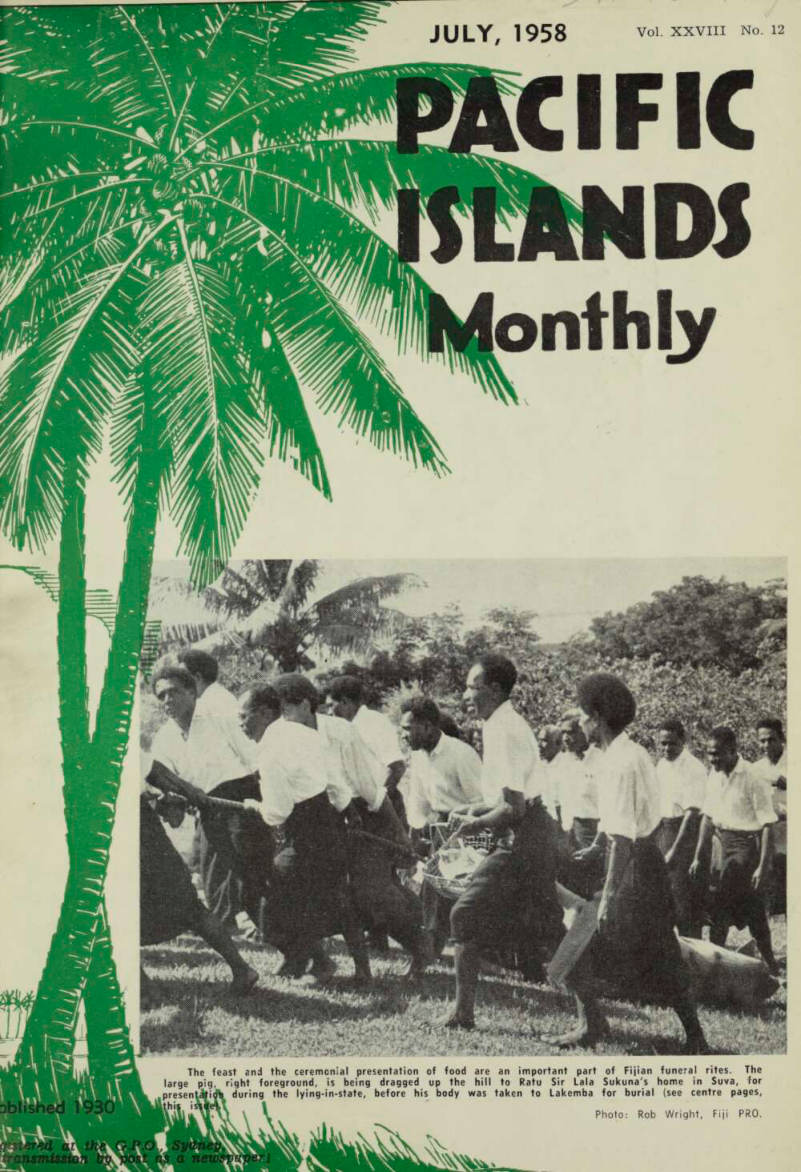 1
1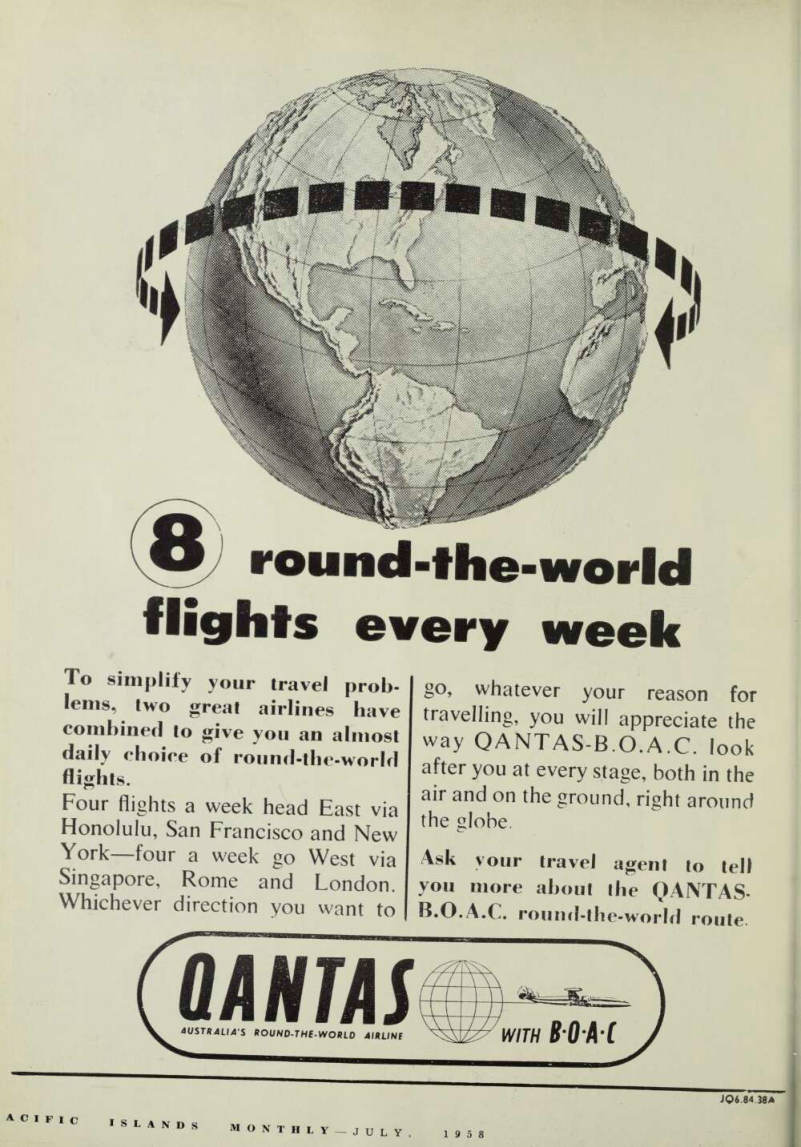 2
2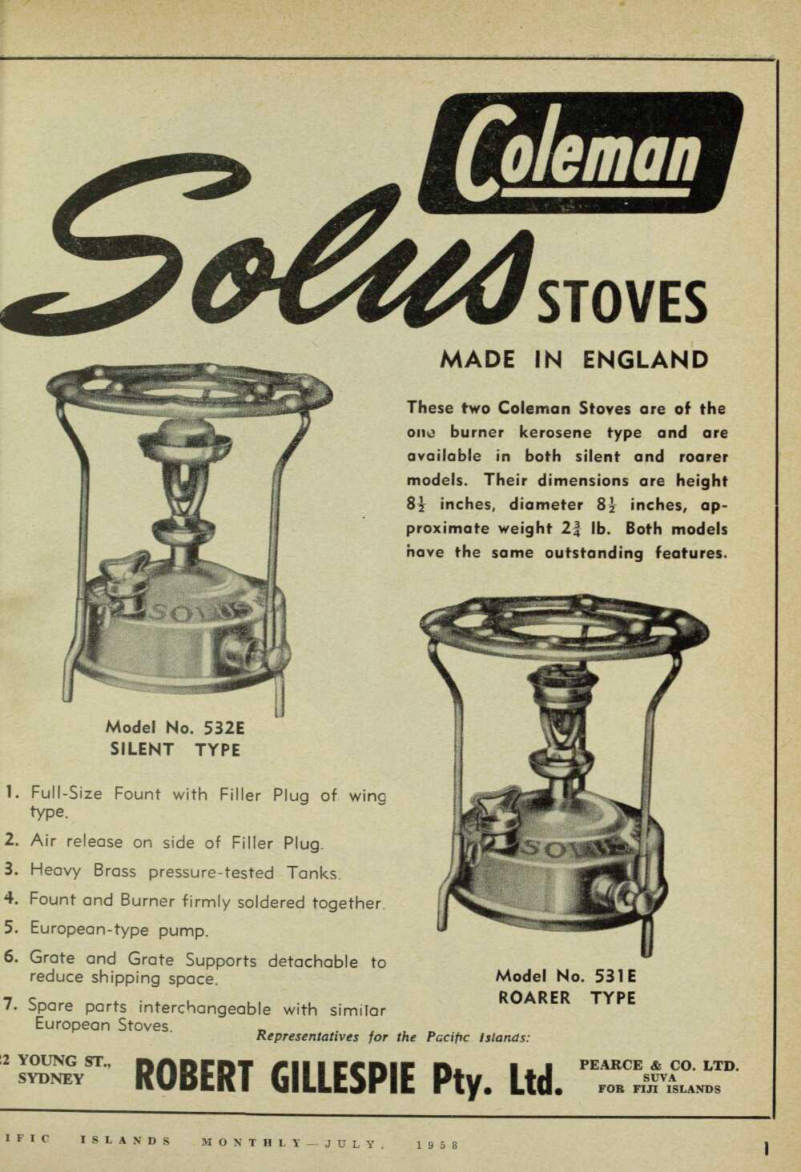 3
3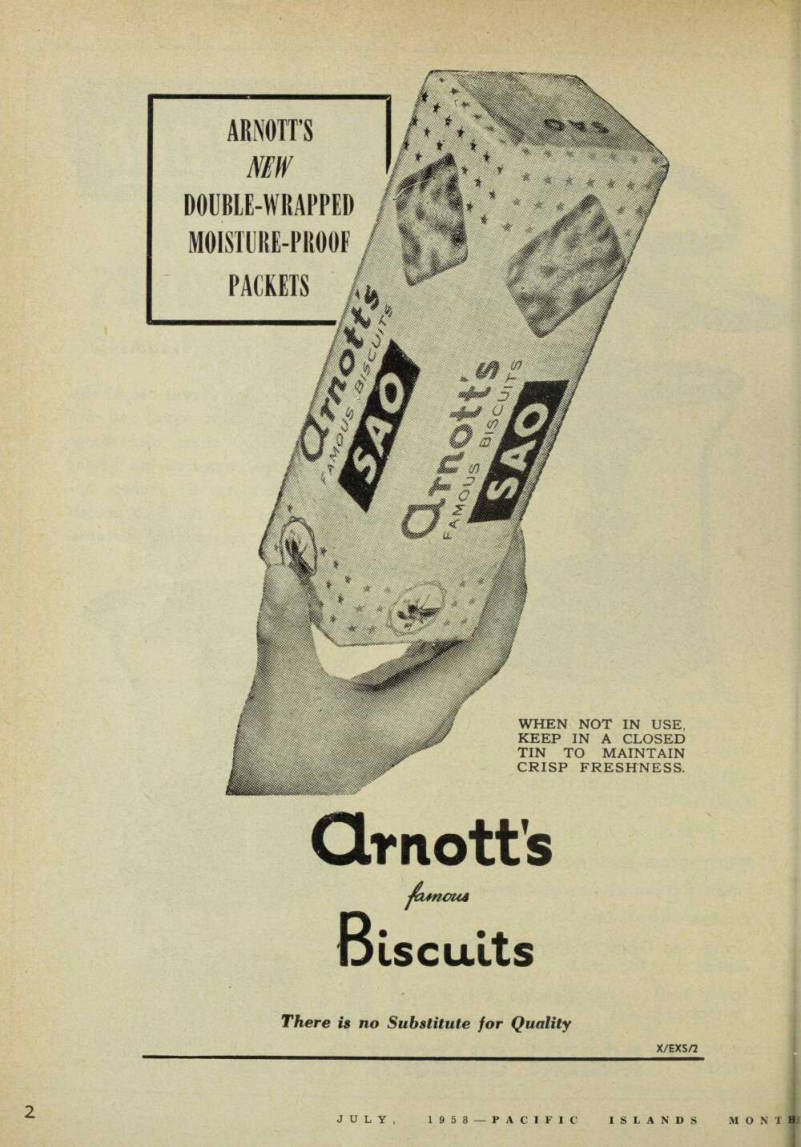 4
4 5
5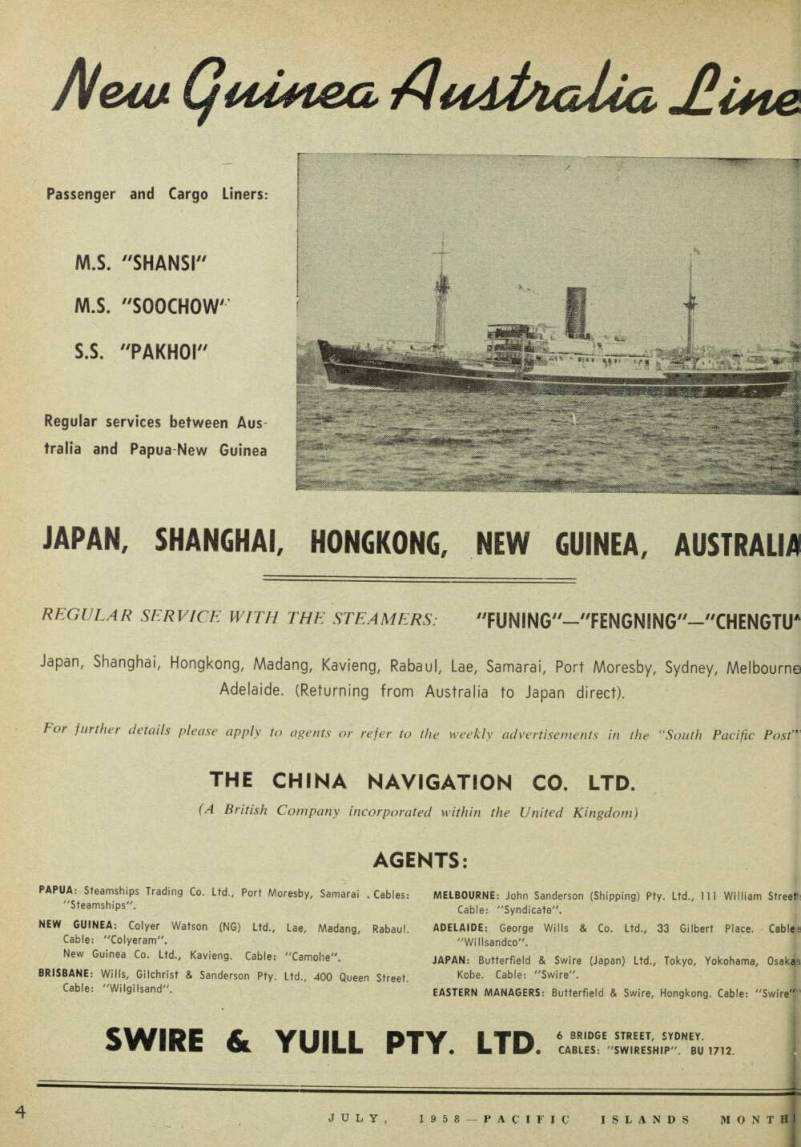 6
6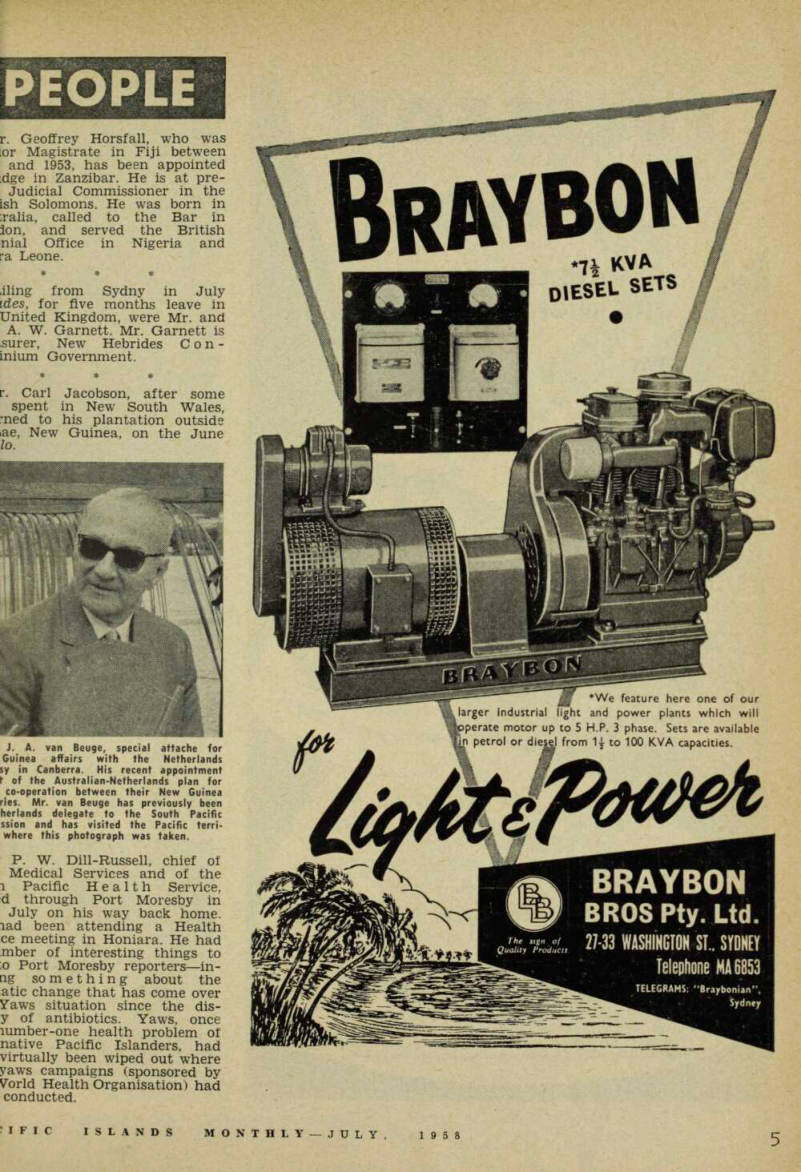 7
7 8
8 9
9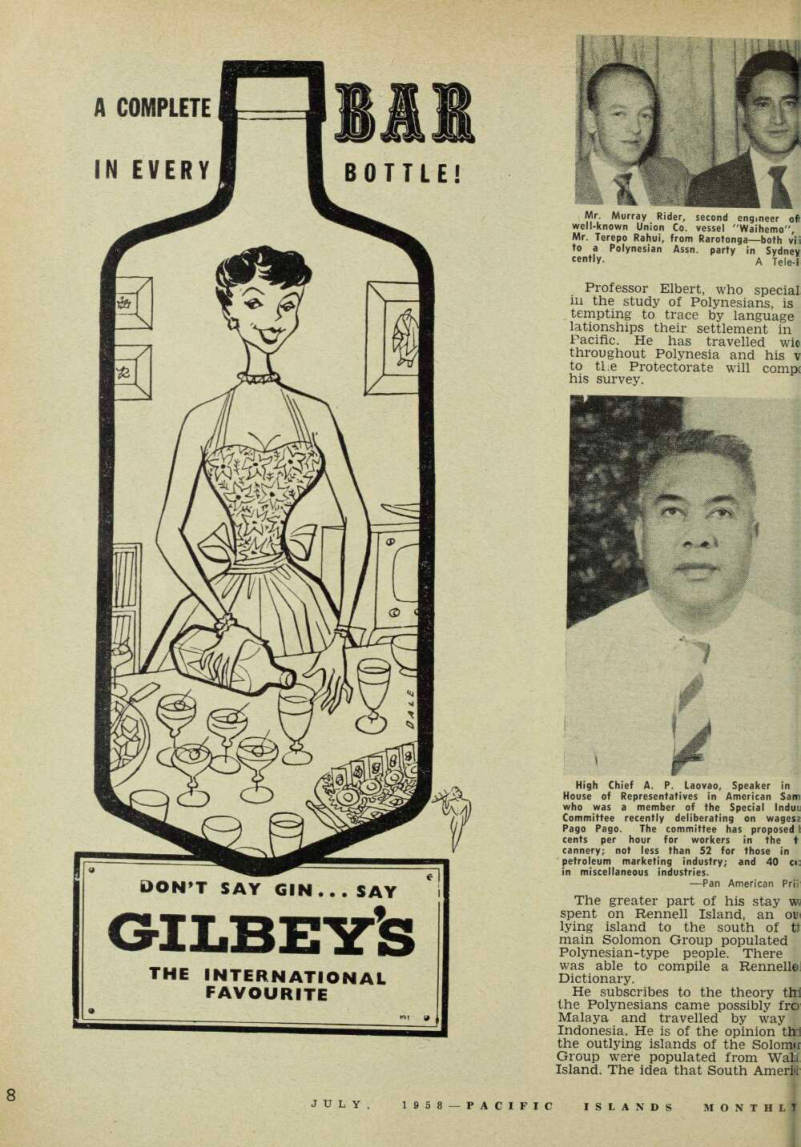 10
10 11
11 12
12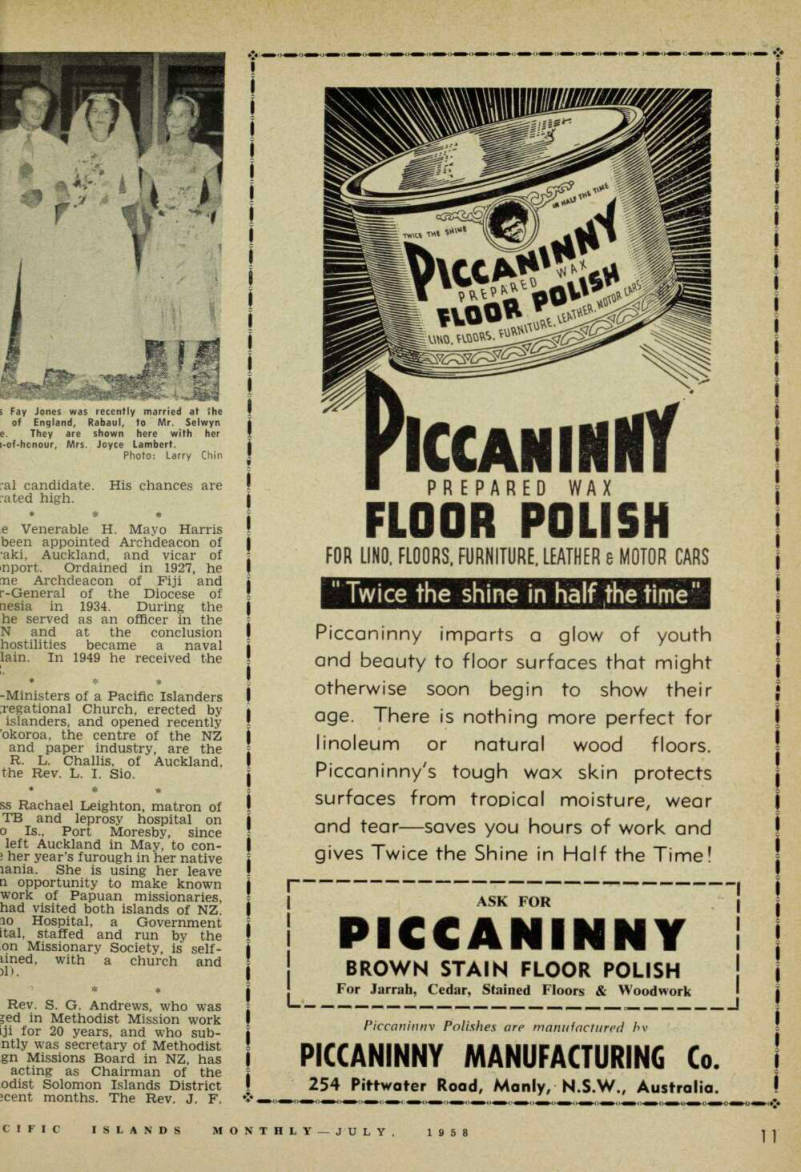 13
13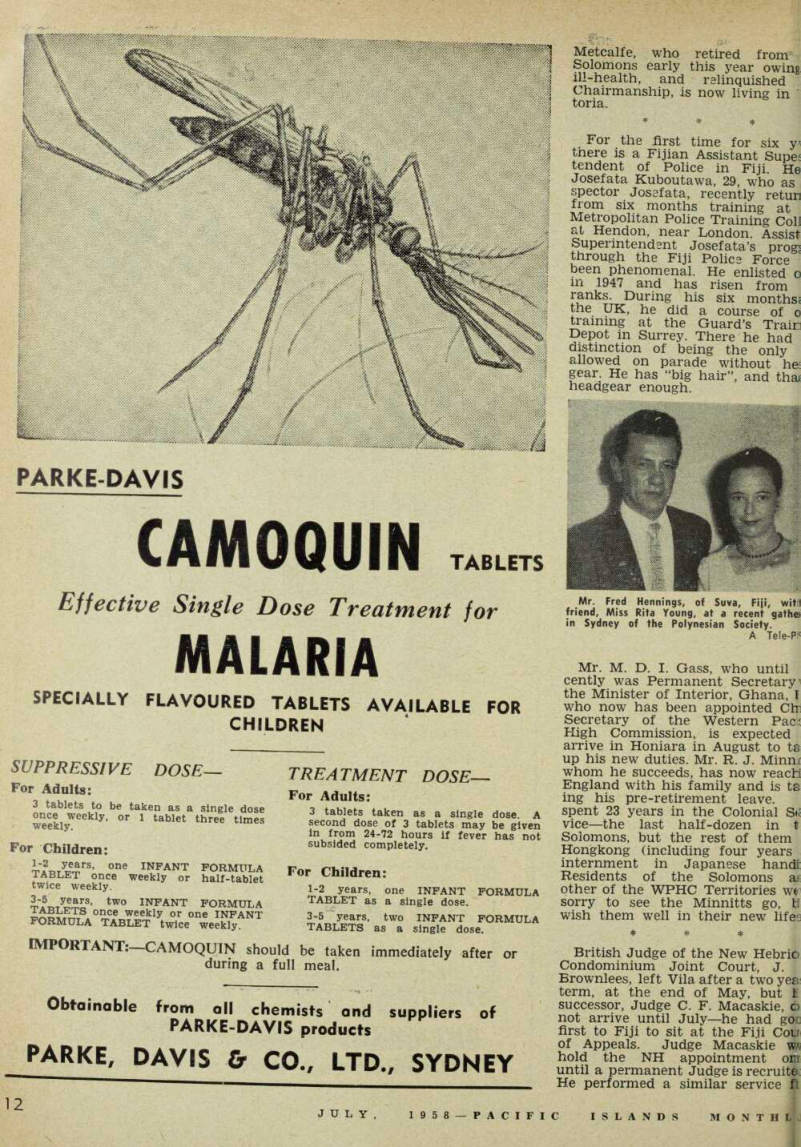 14
14 15
15 16
16 17
17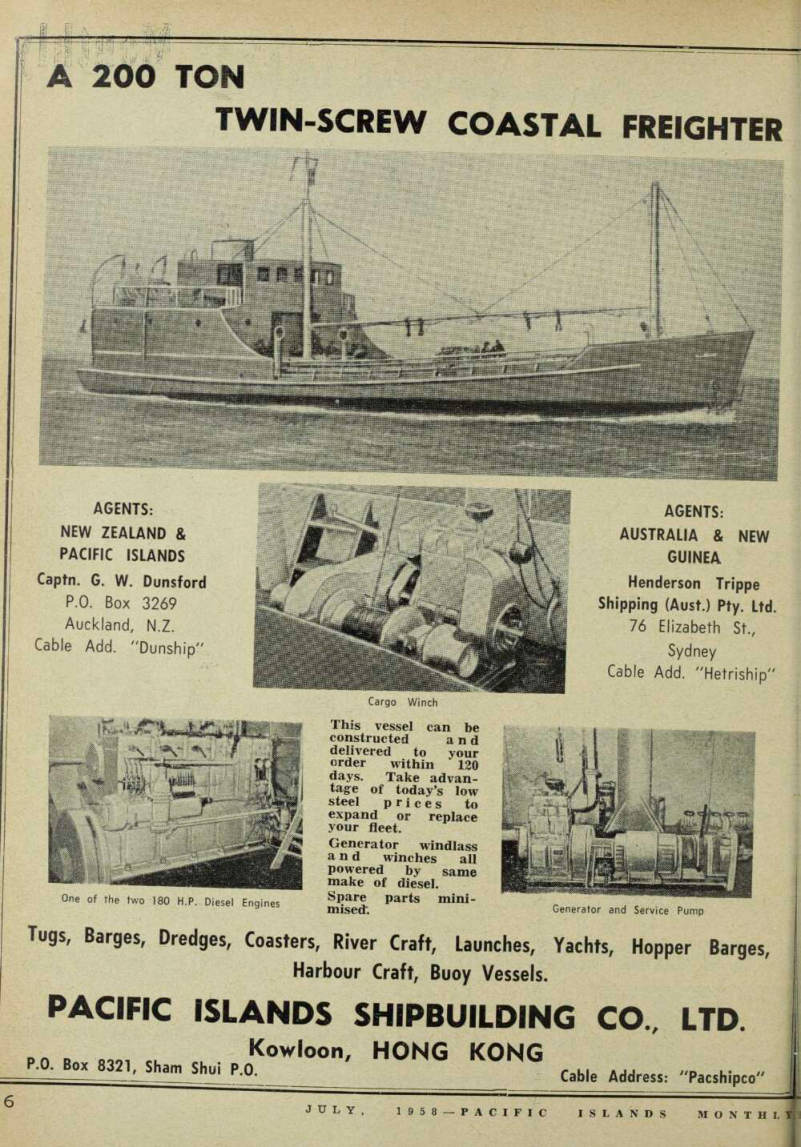 18
18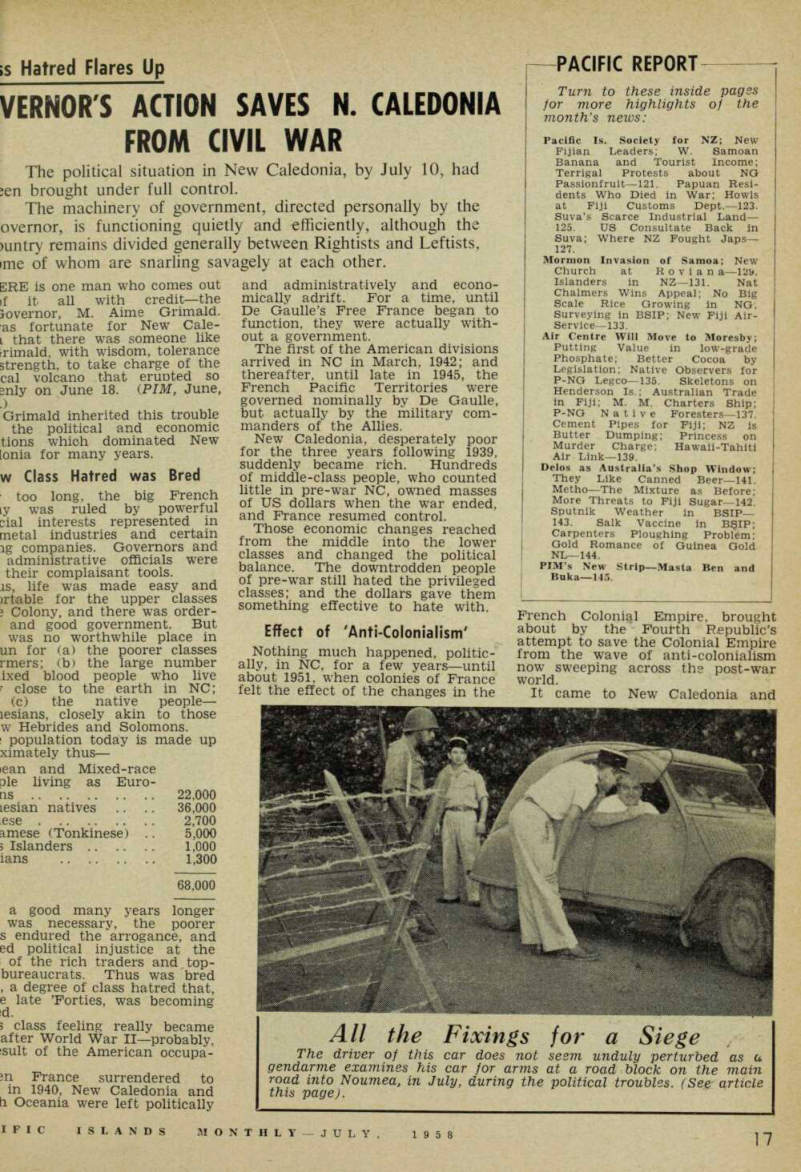 19
19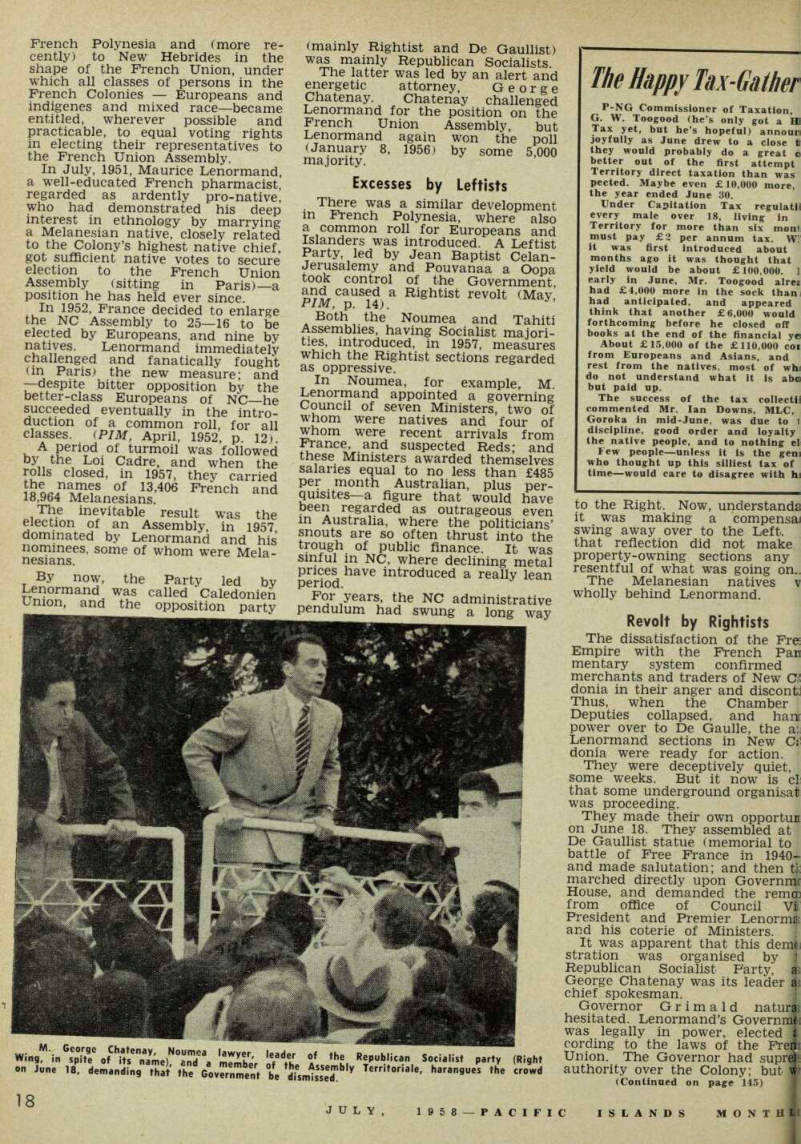 20
20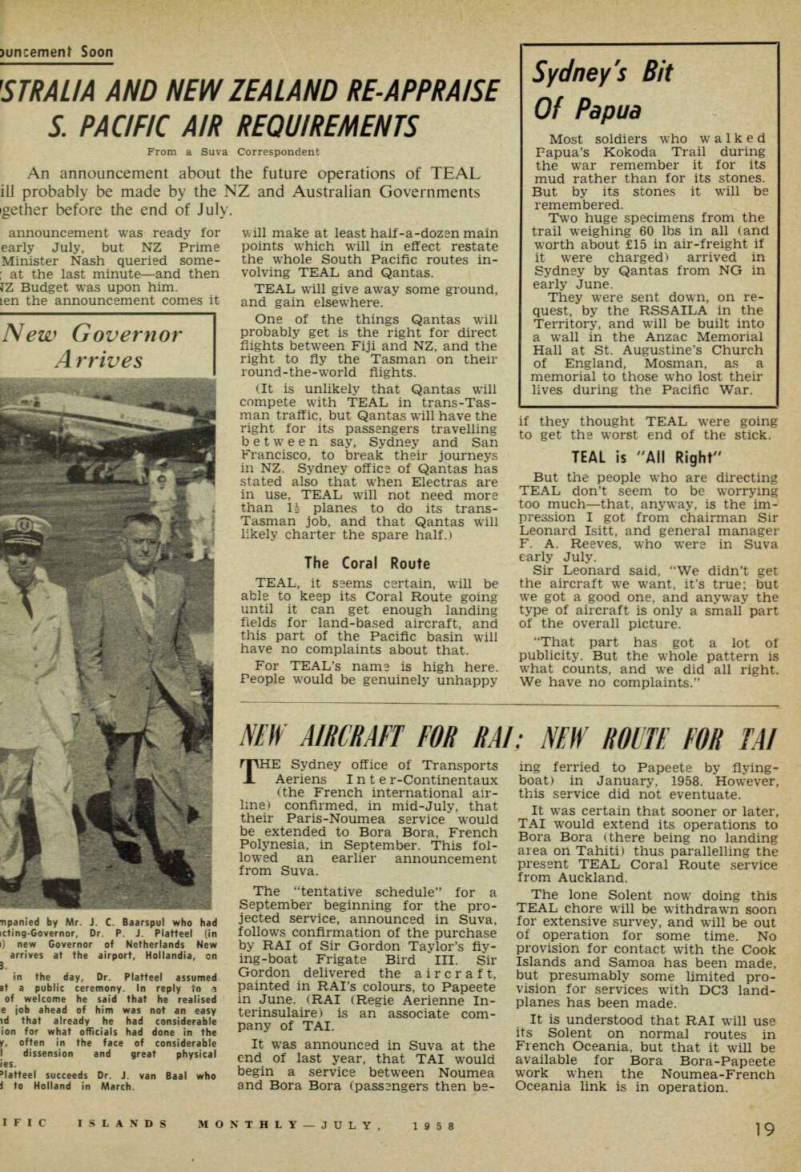 21
21 22
22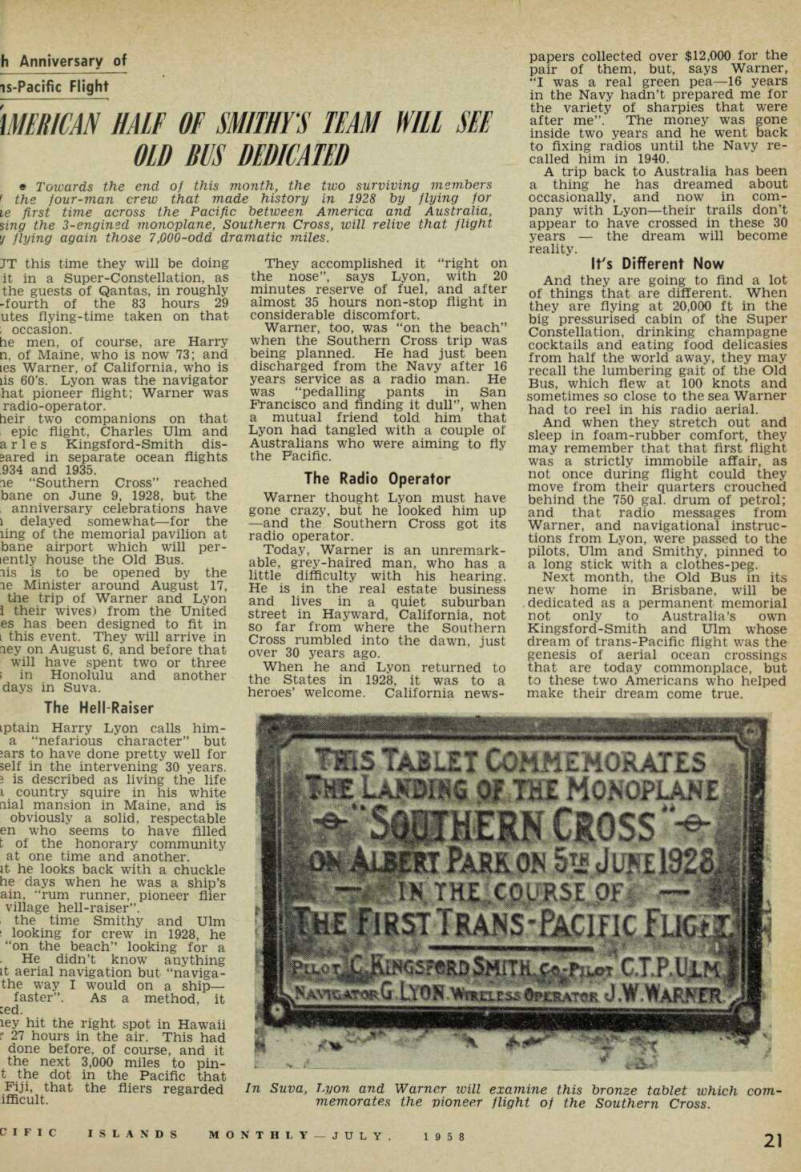 23
23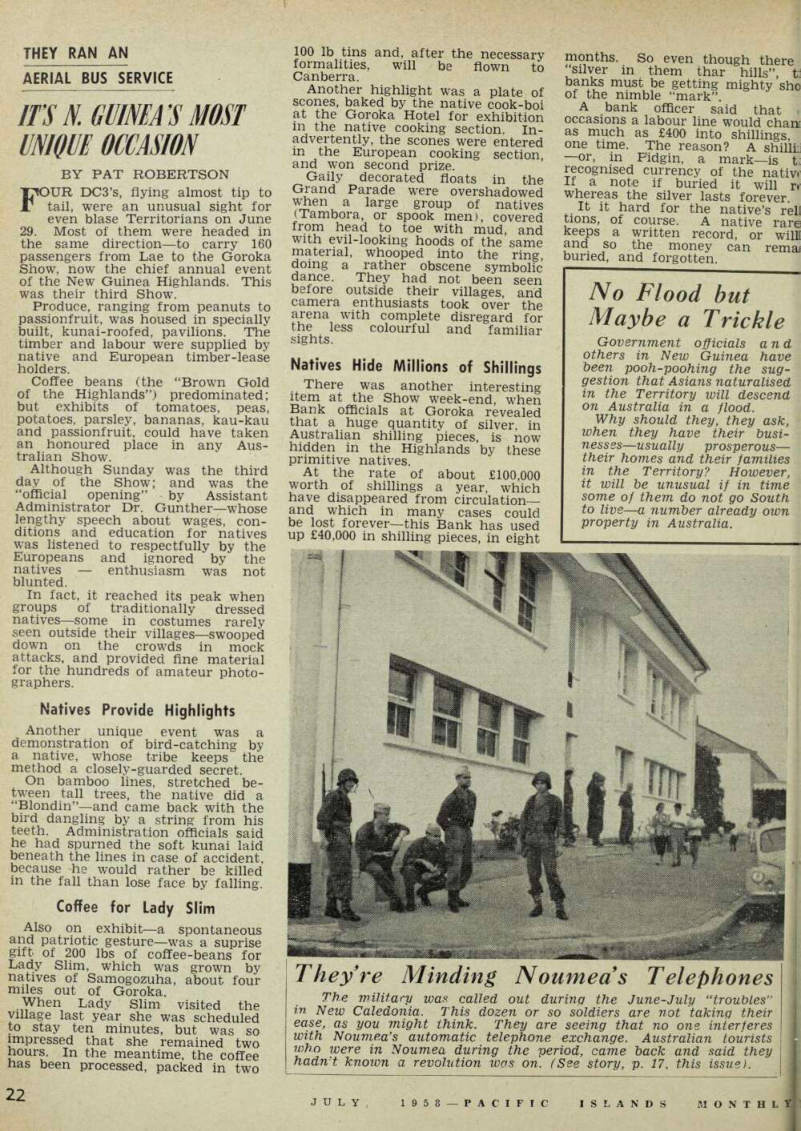 24
24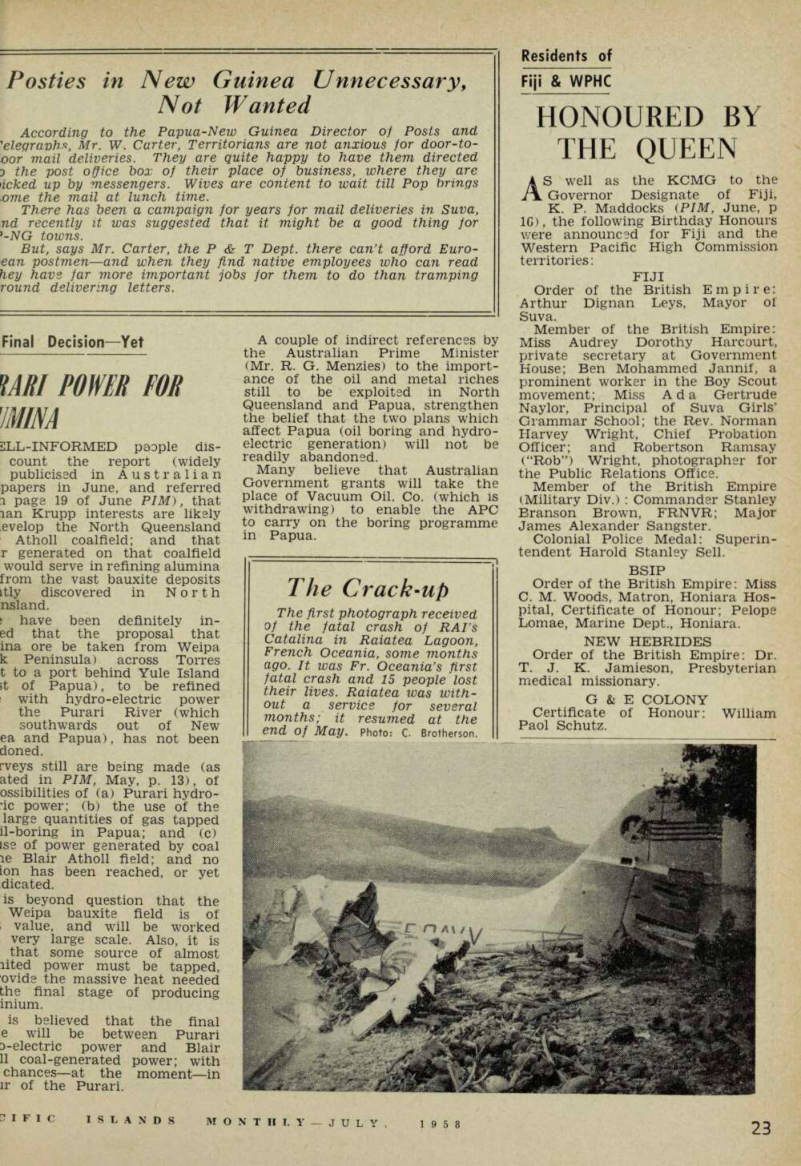 25
25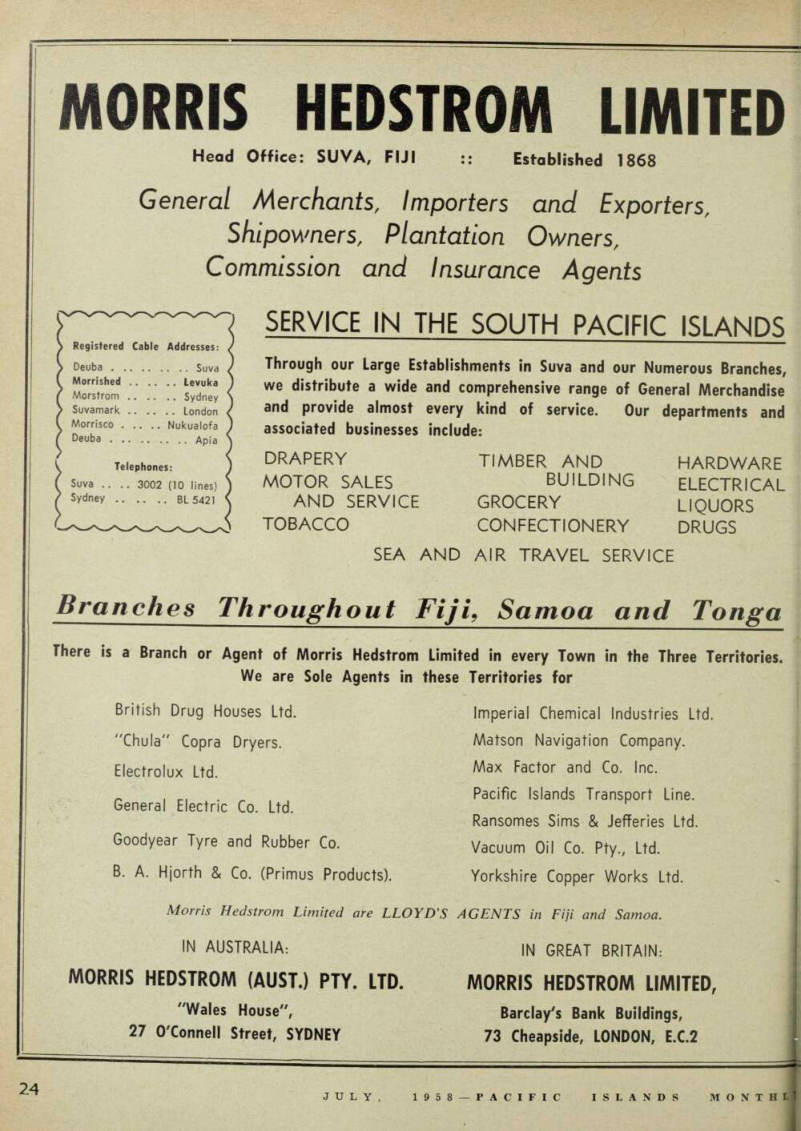 26
26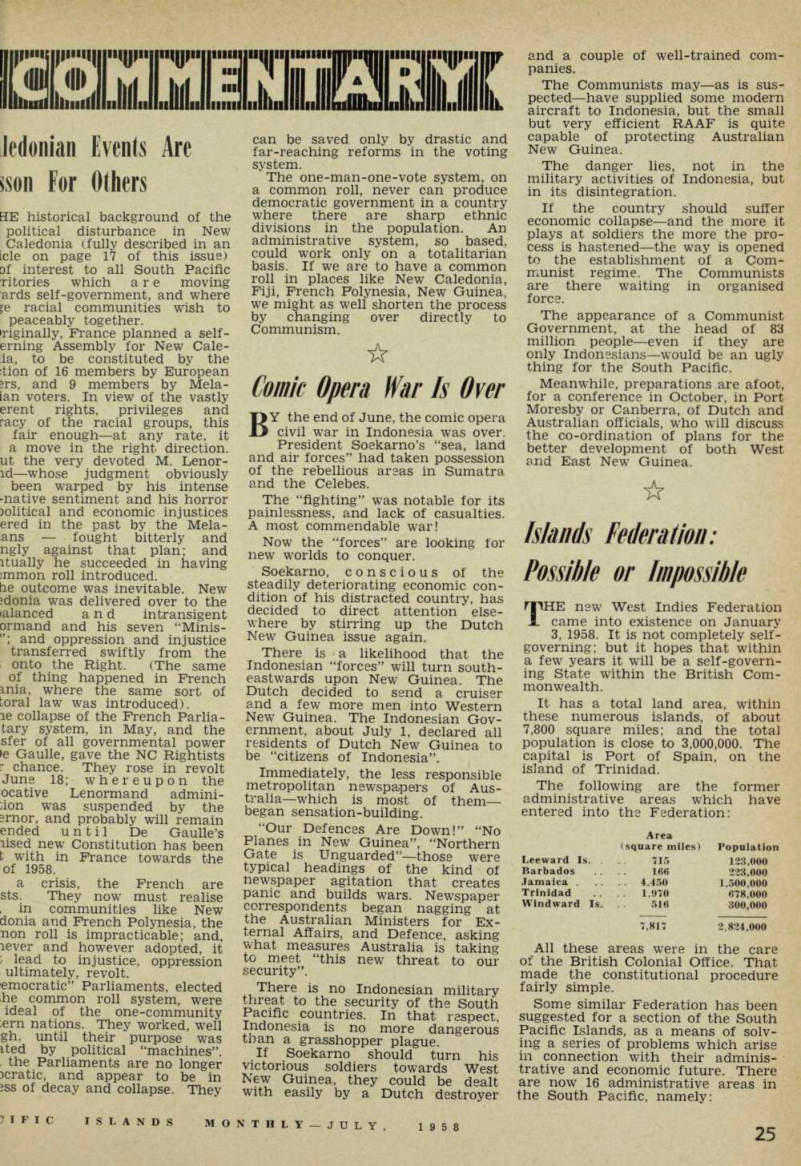 27
27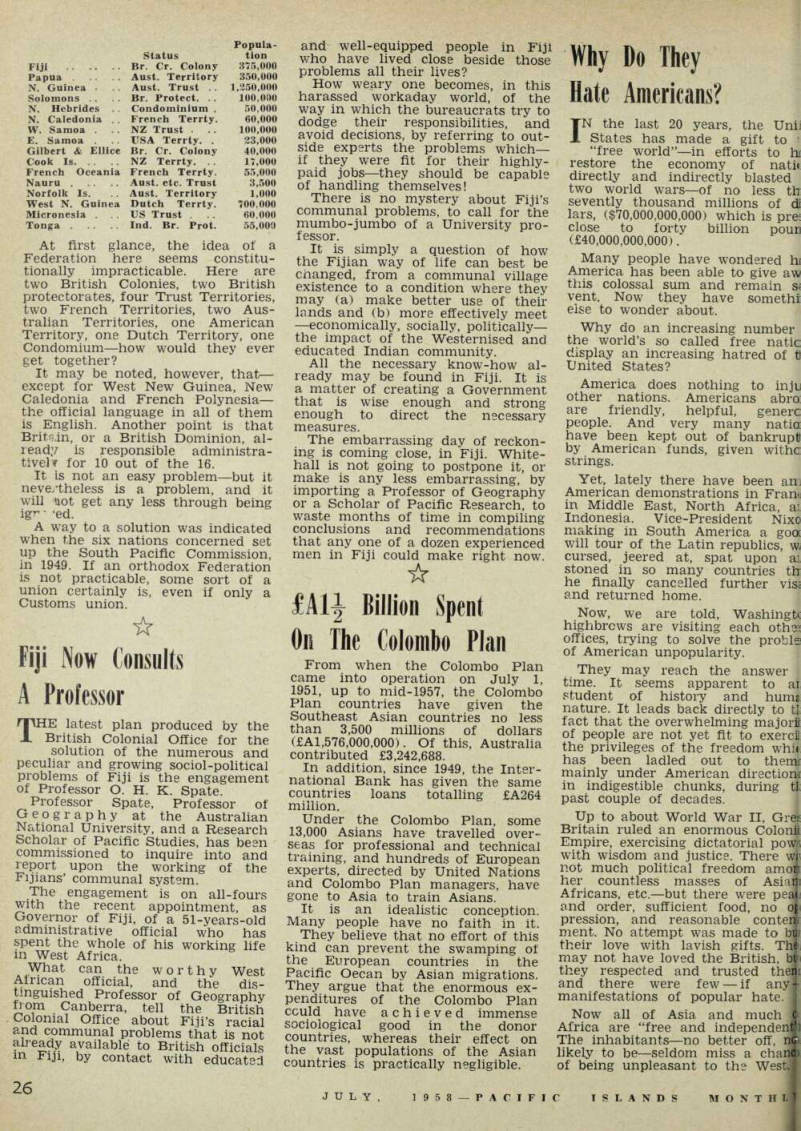 28
28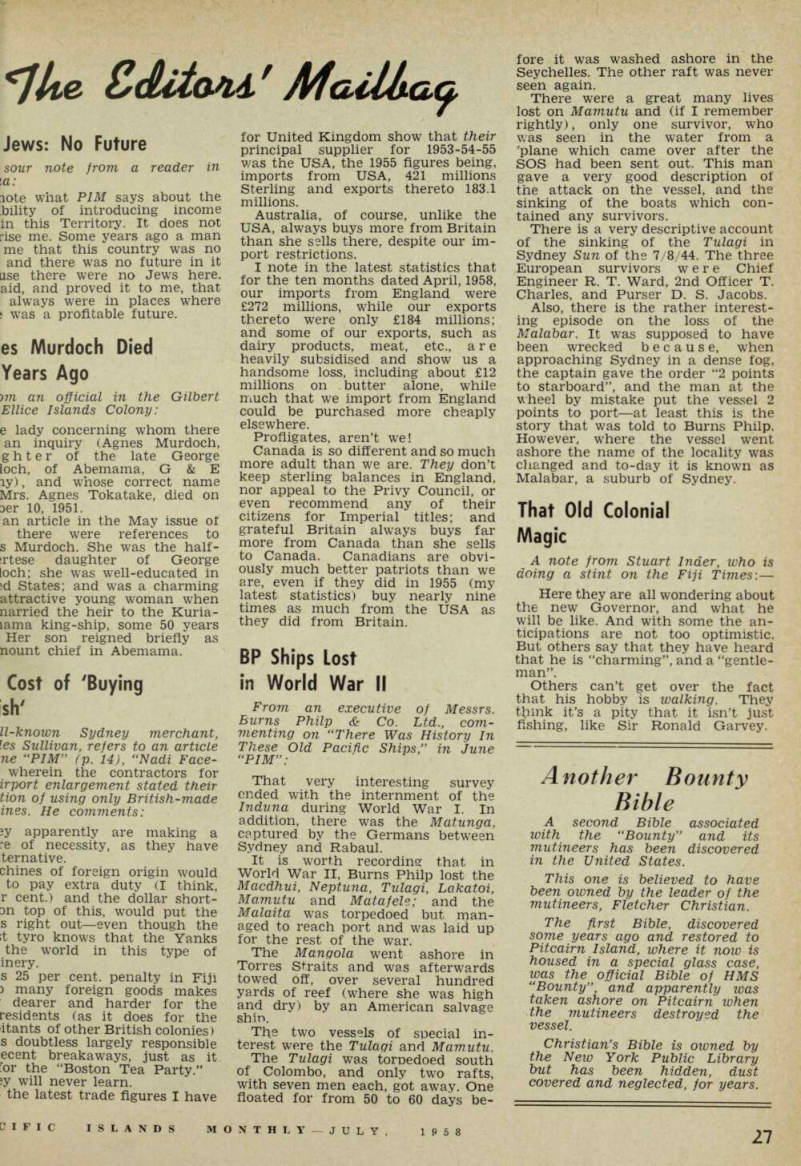 29
29 30
30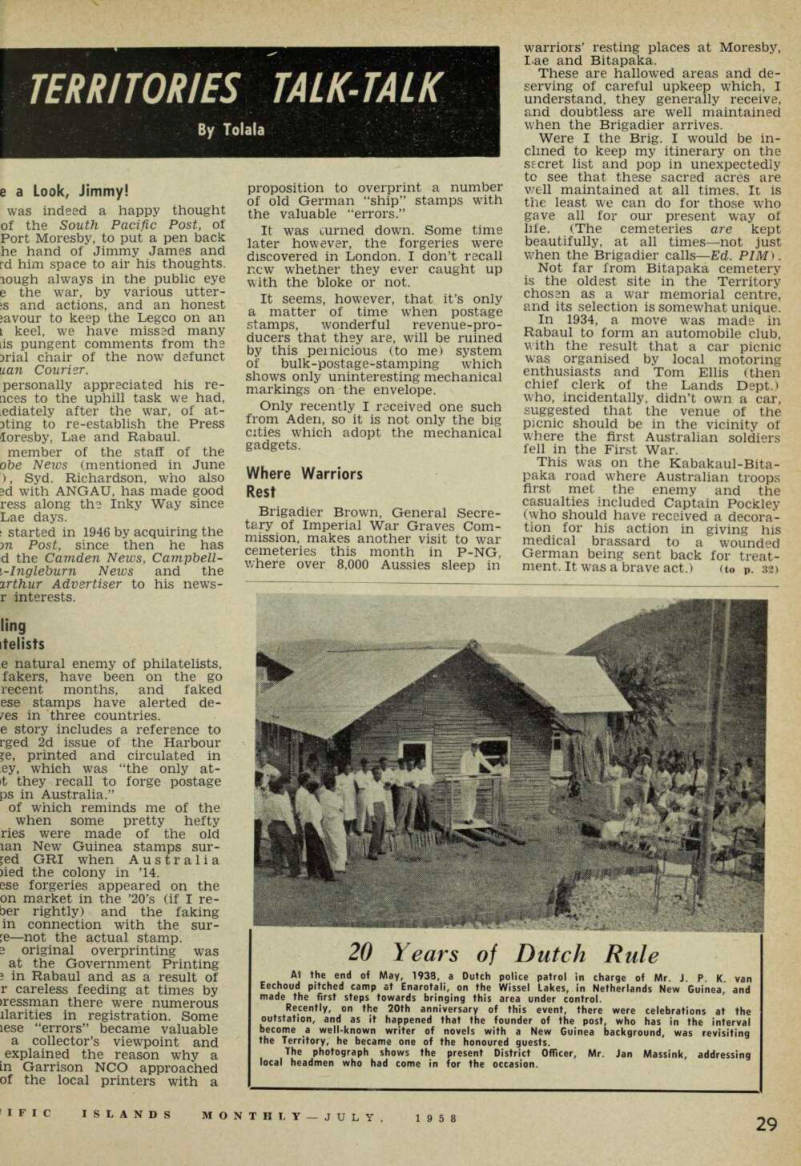 31
31 32
32 33
33 34
34 35
35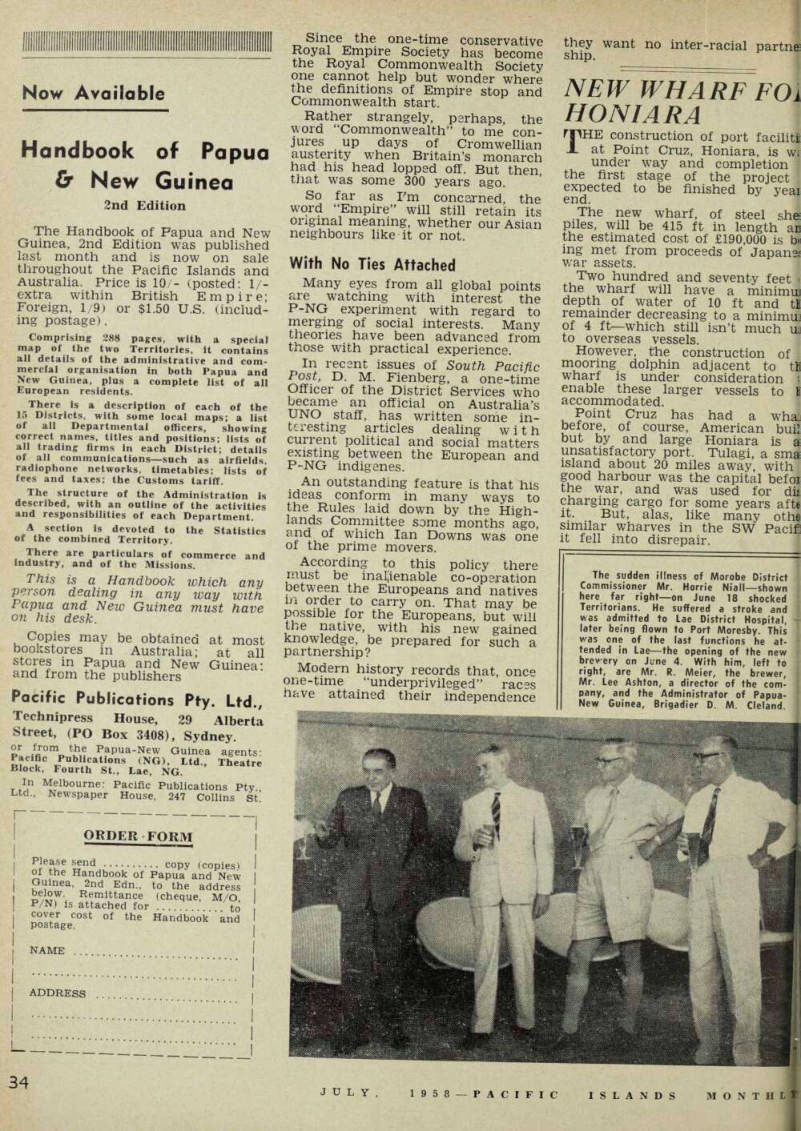 36
36 37
37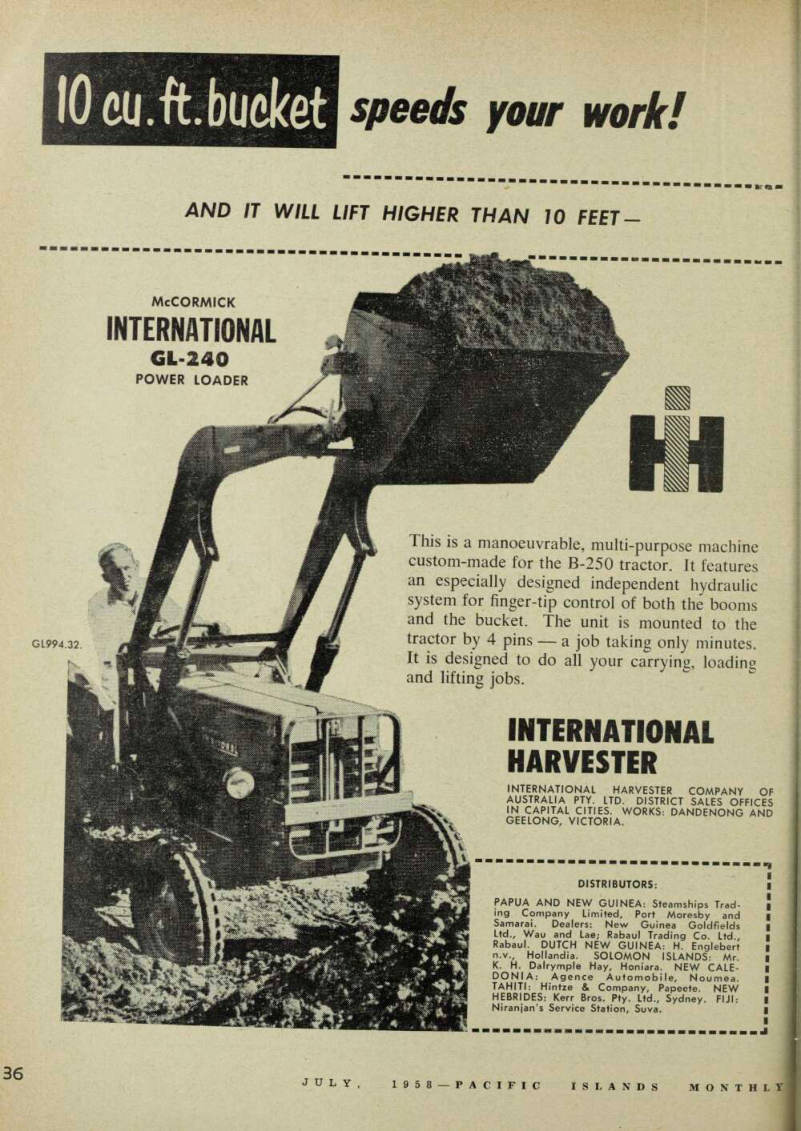 38
38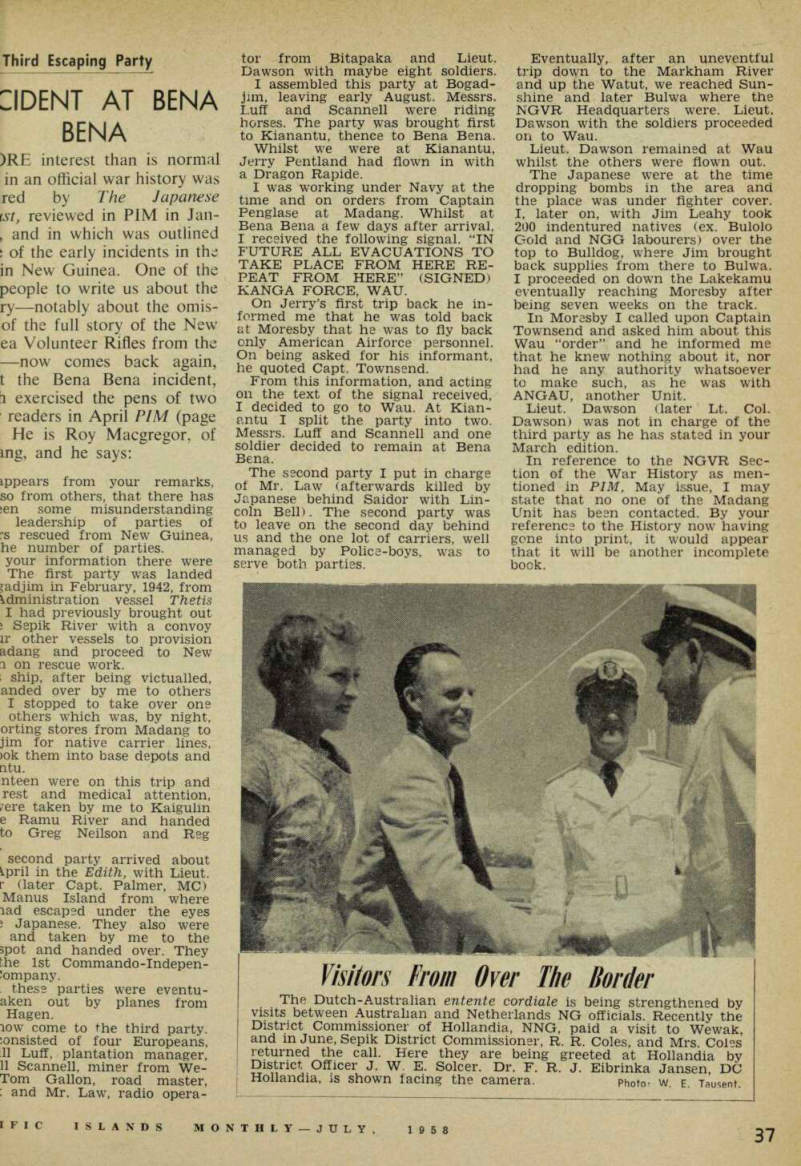 39
39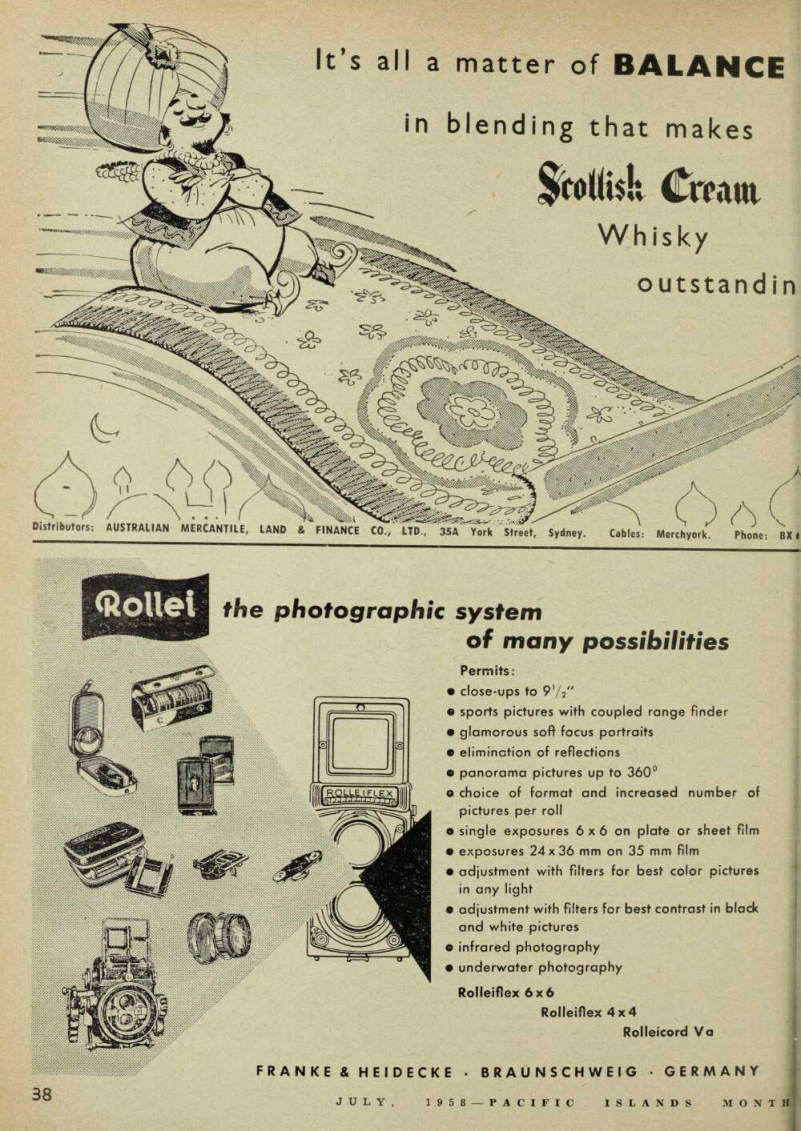 40
40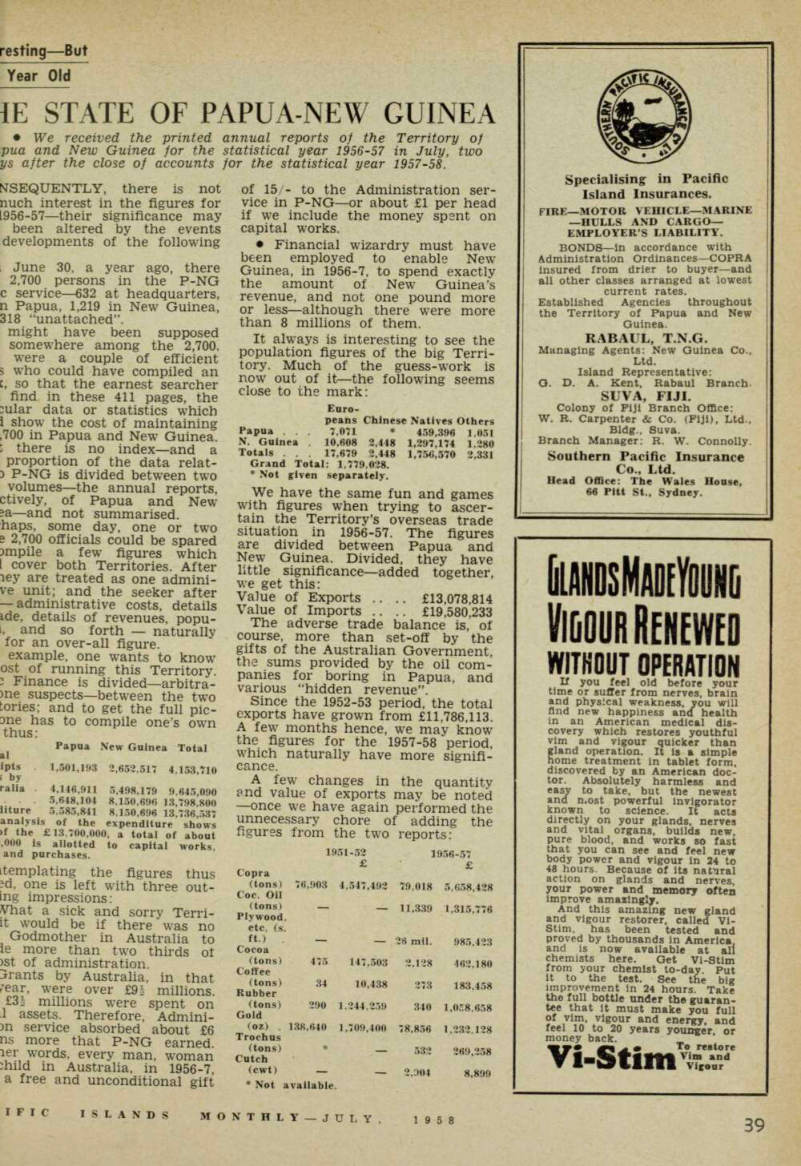 41
41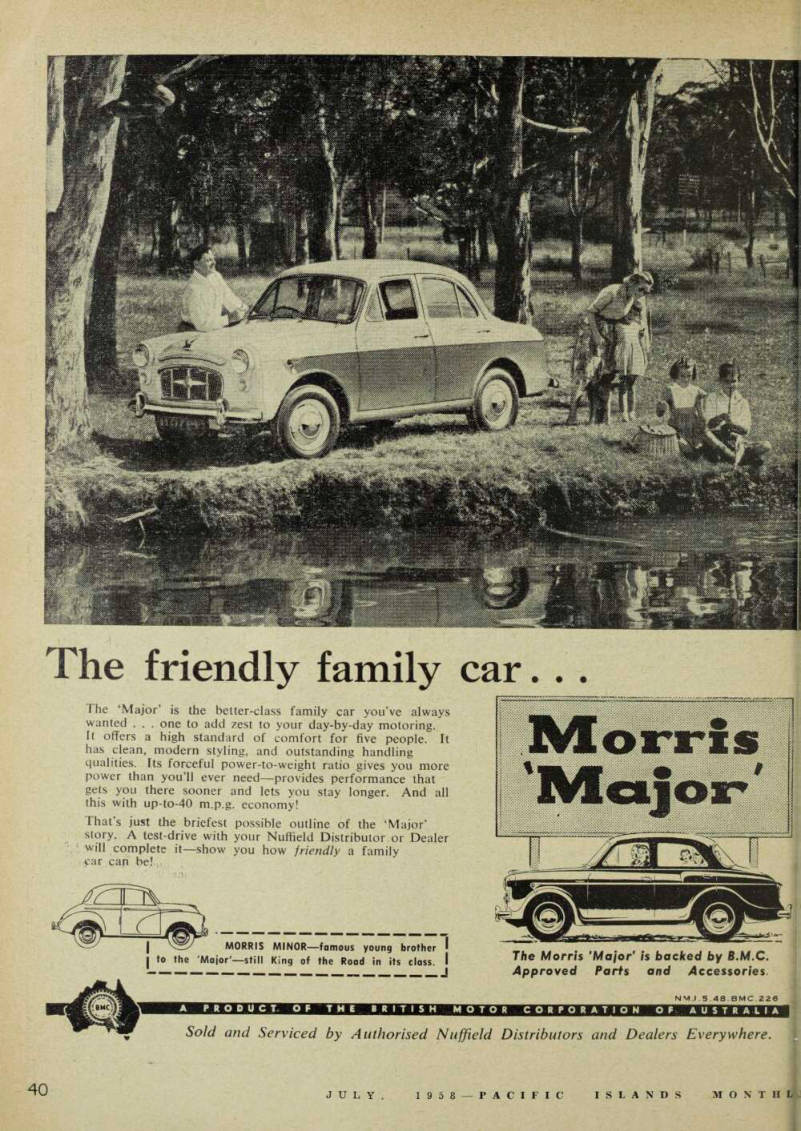 42
42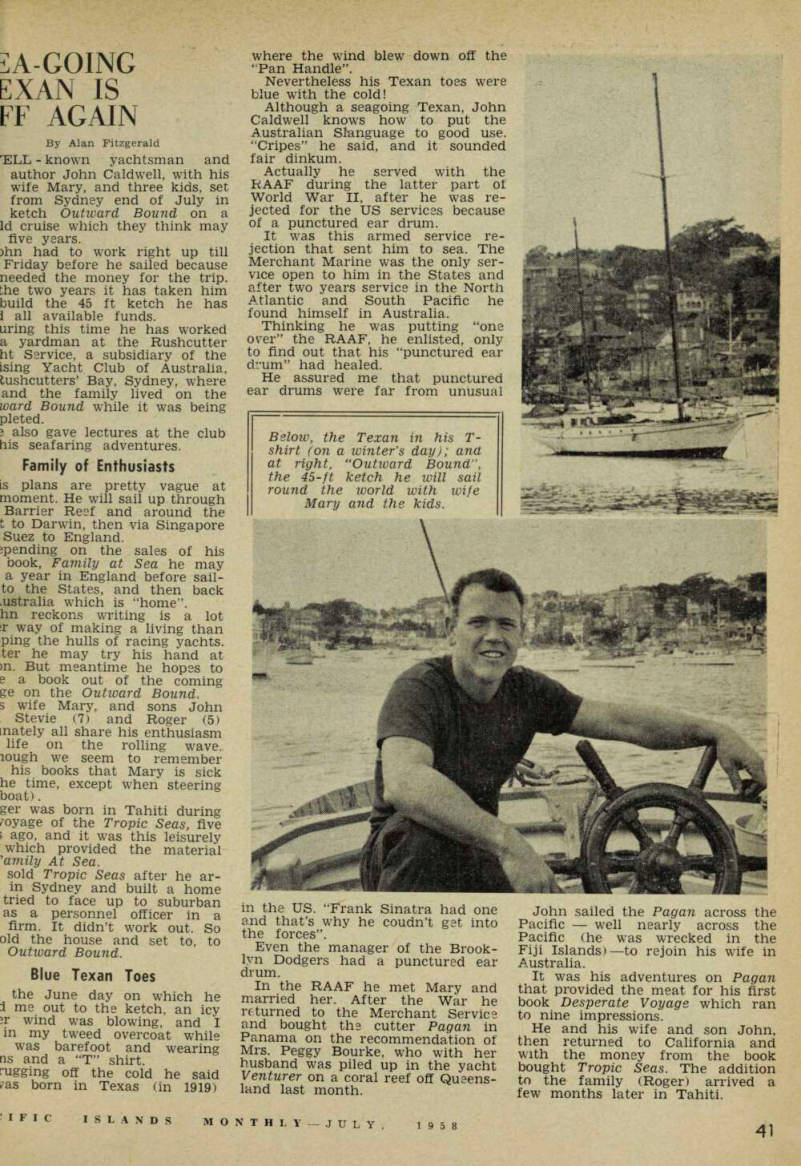 43
43 44
44 45
45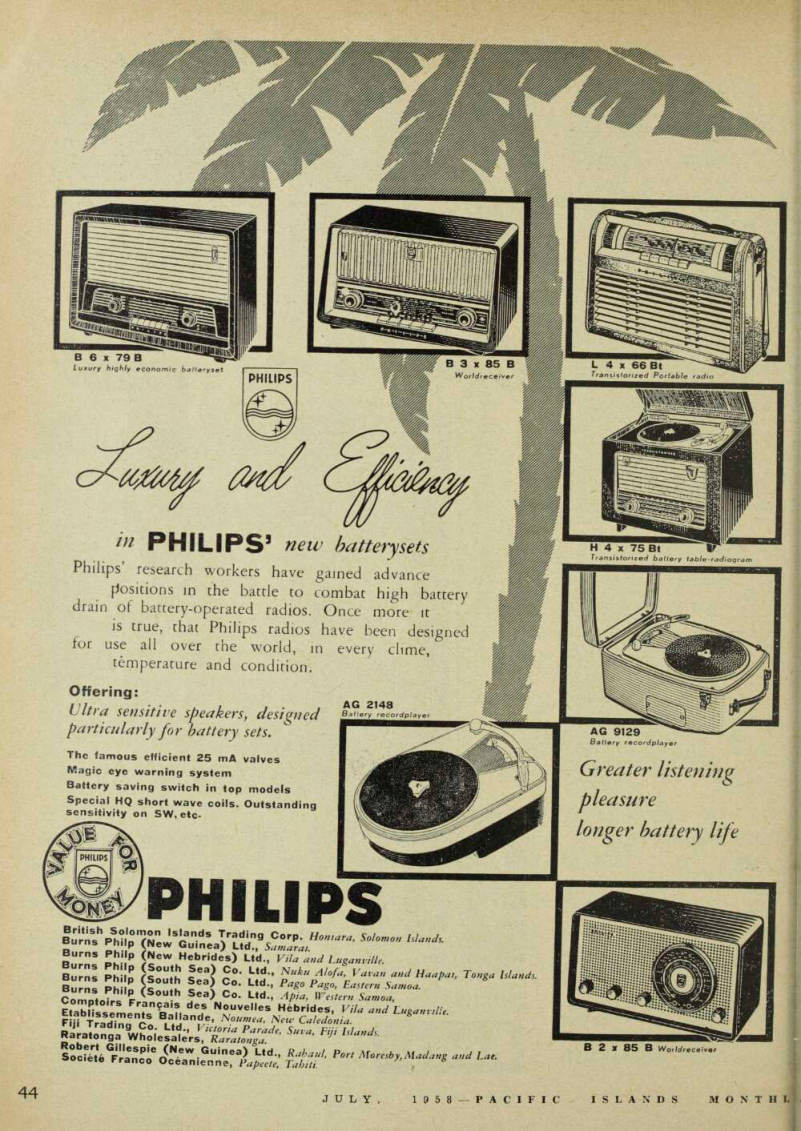 46
46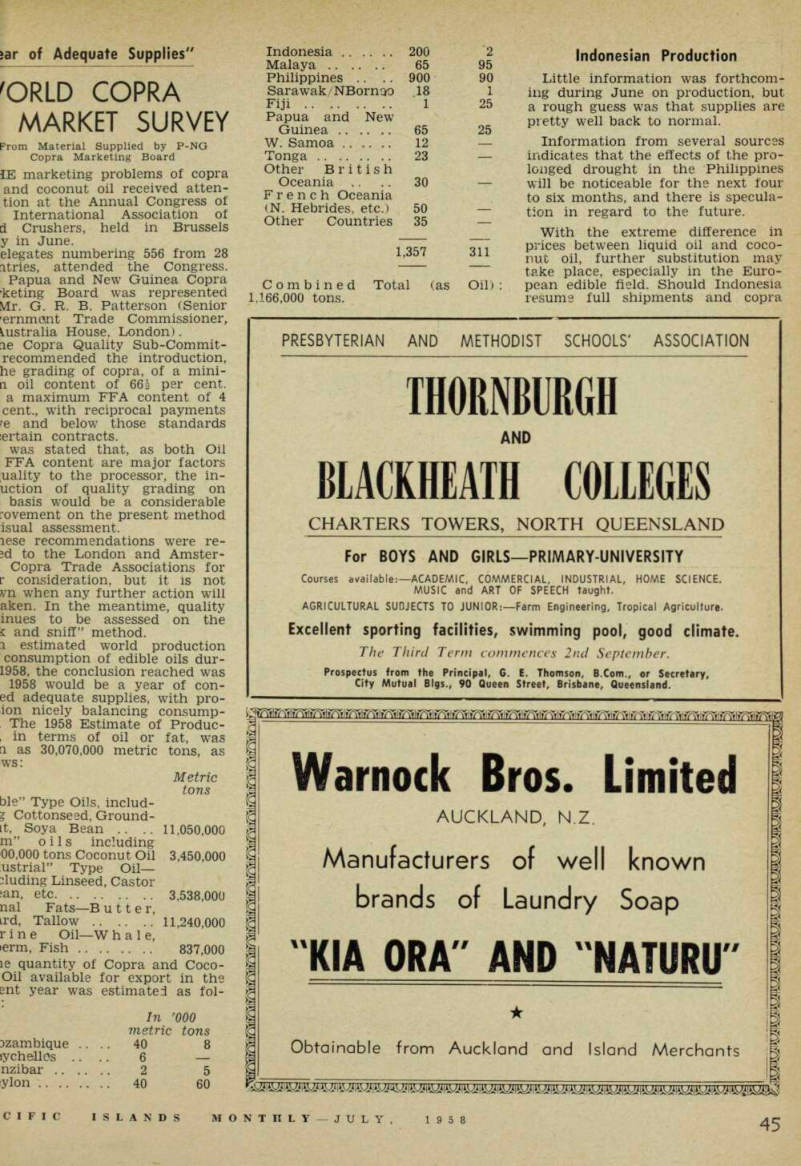 47
47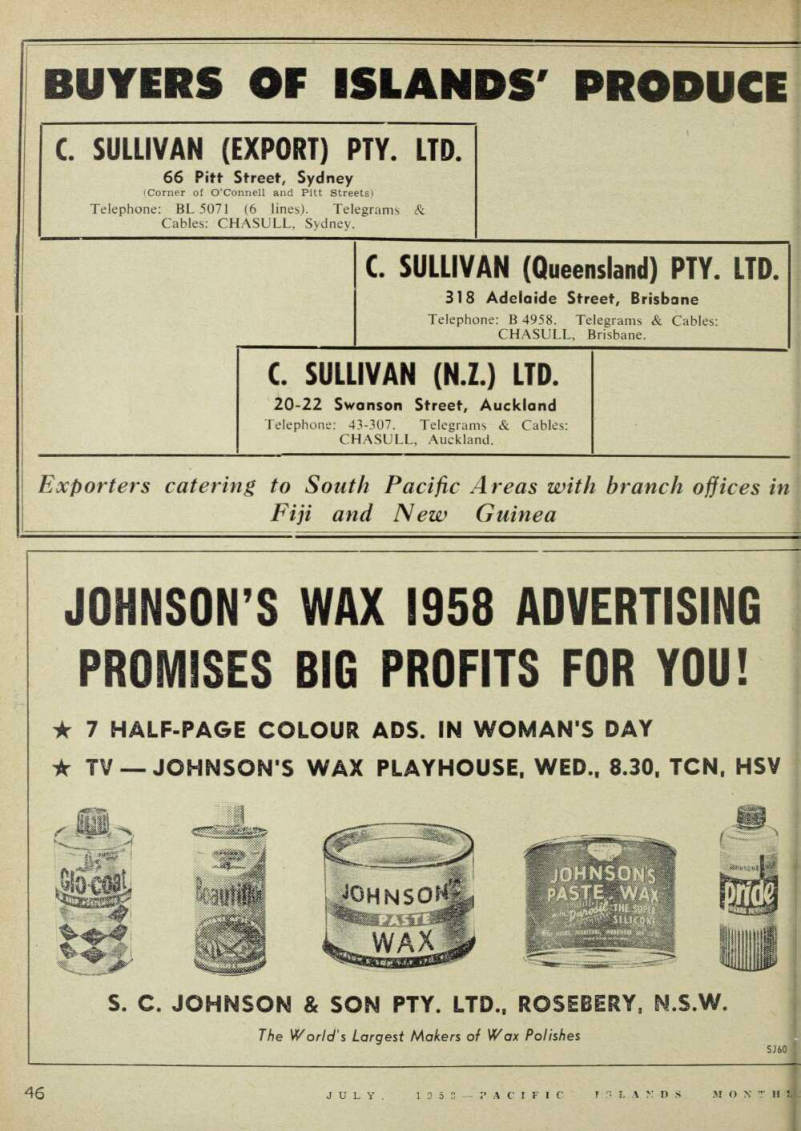 48
48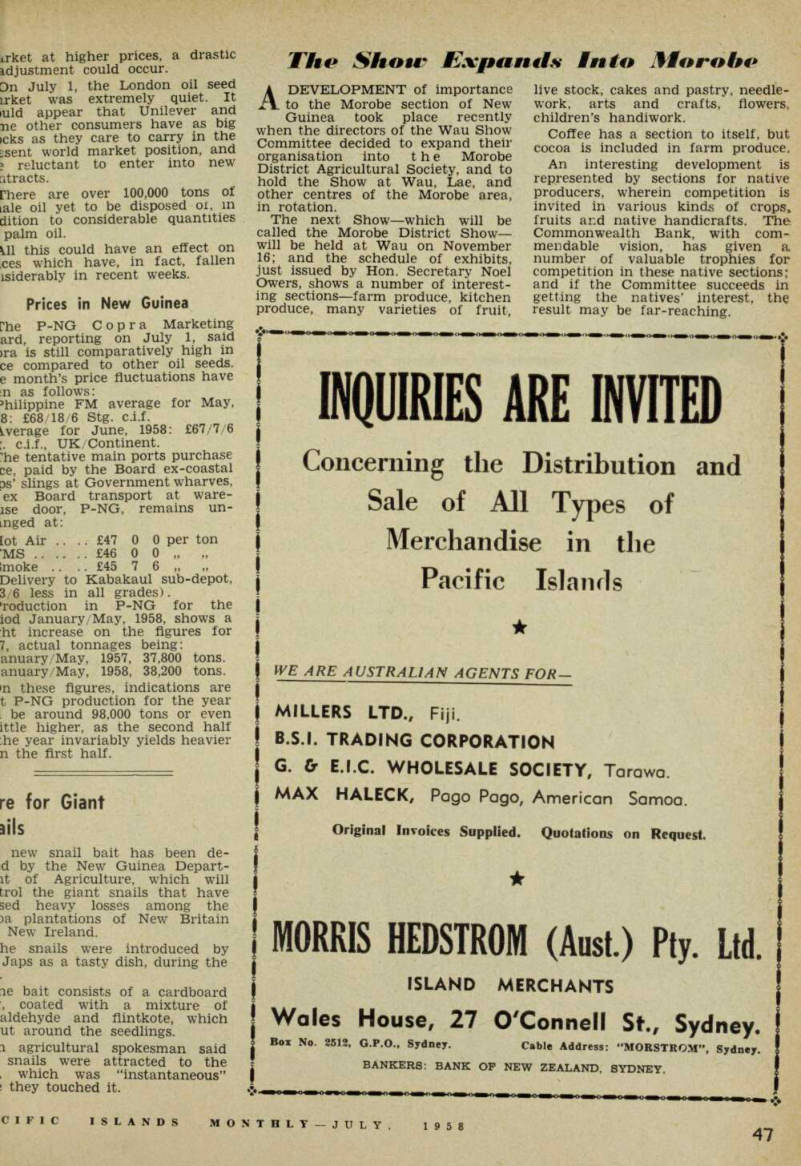 49
49 50
50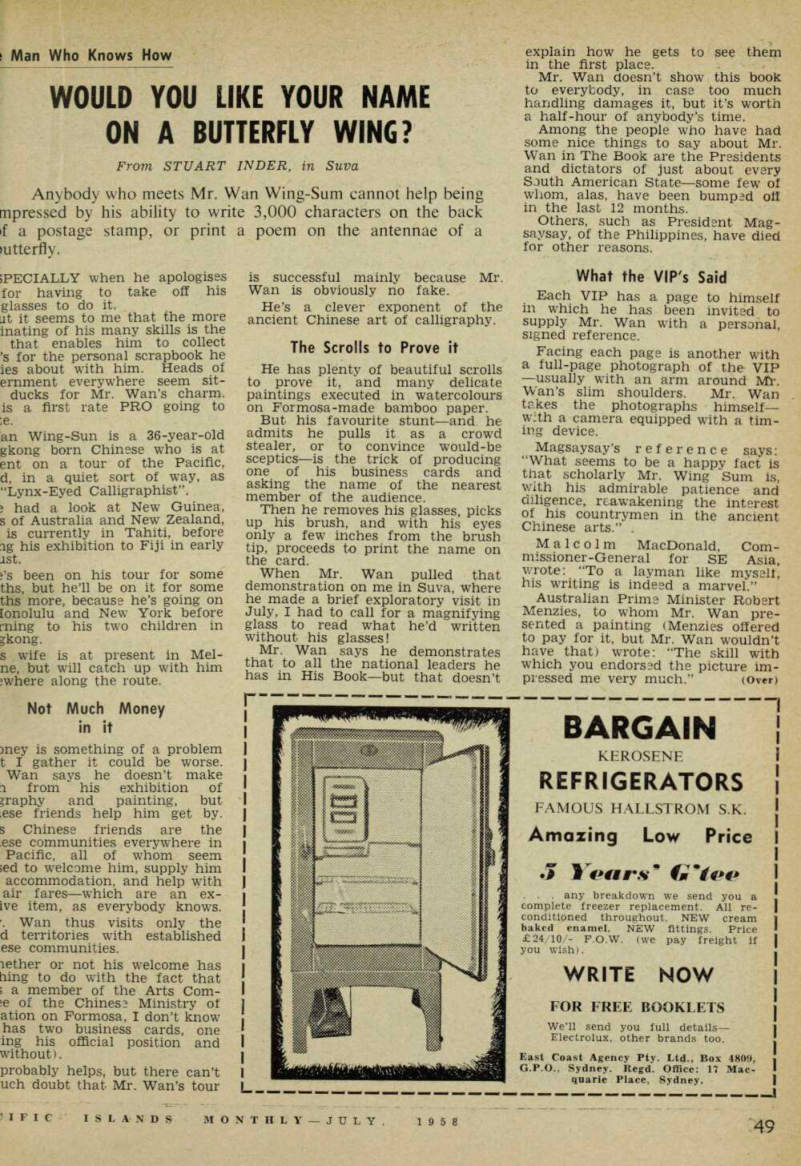 51
51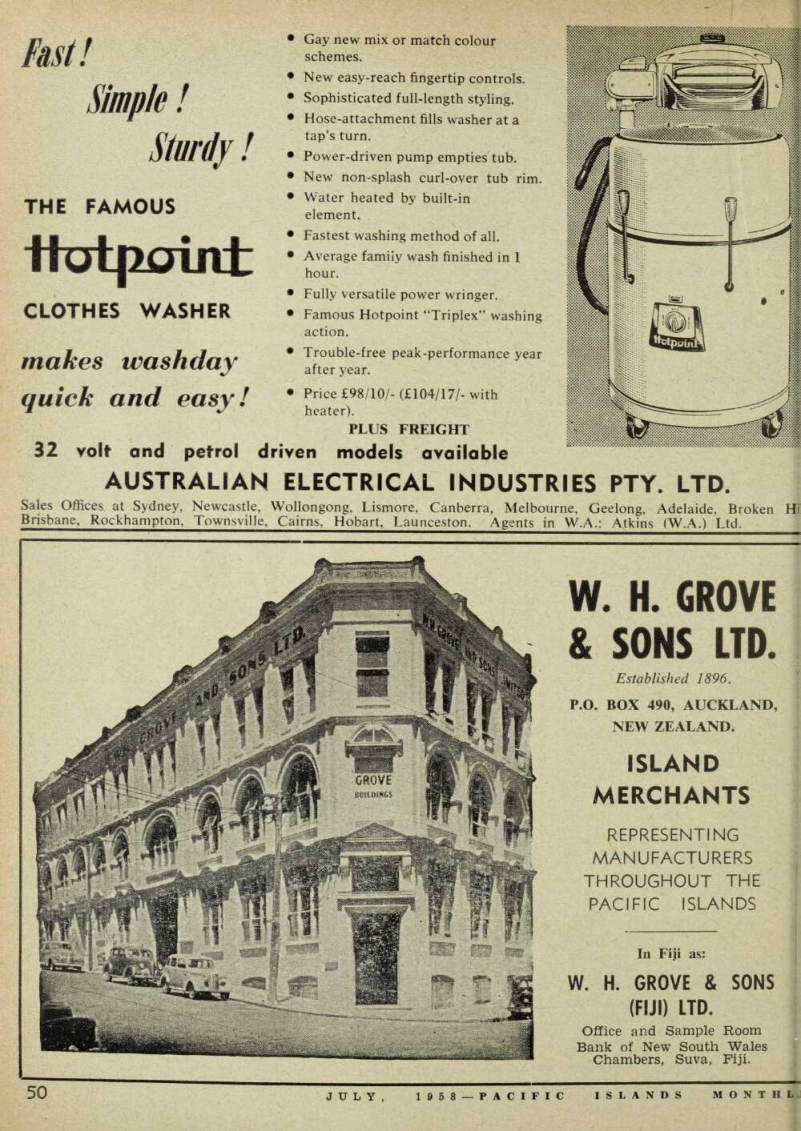 52
52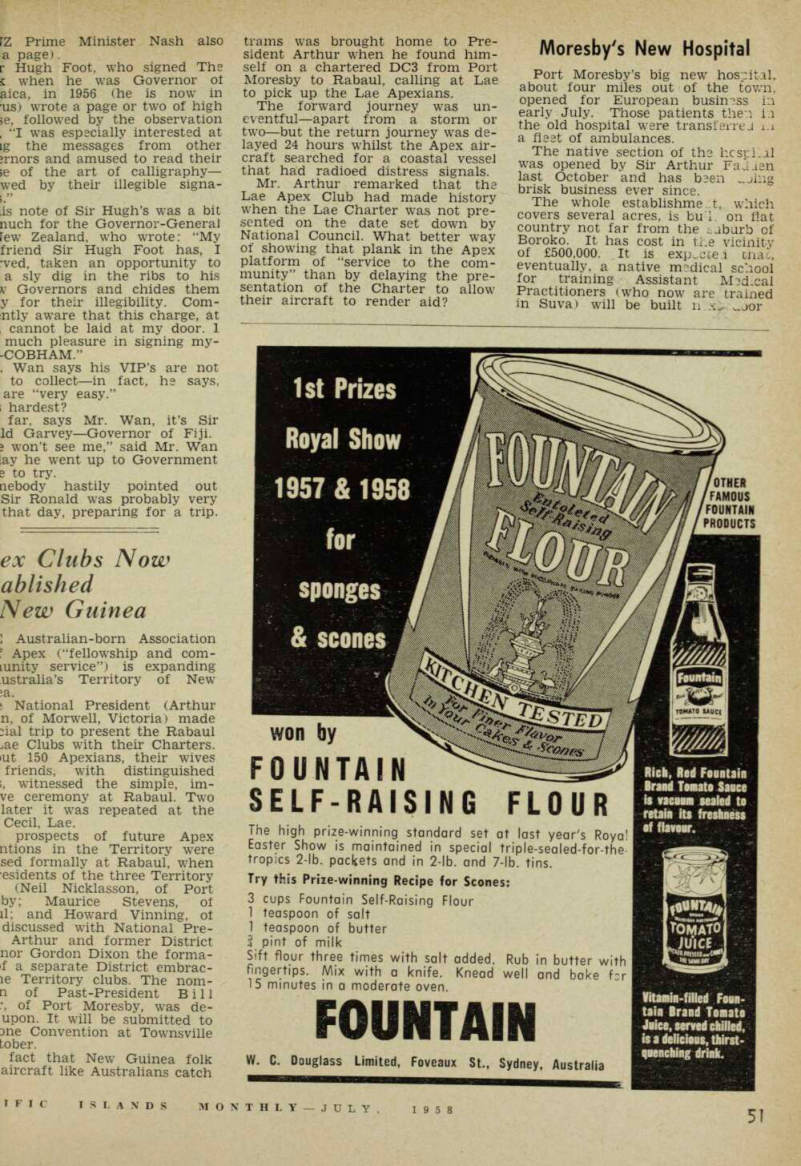 53
53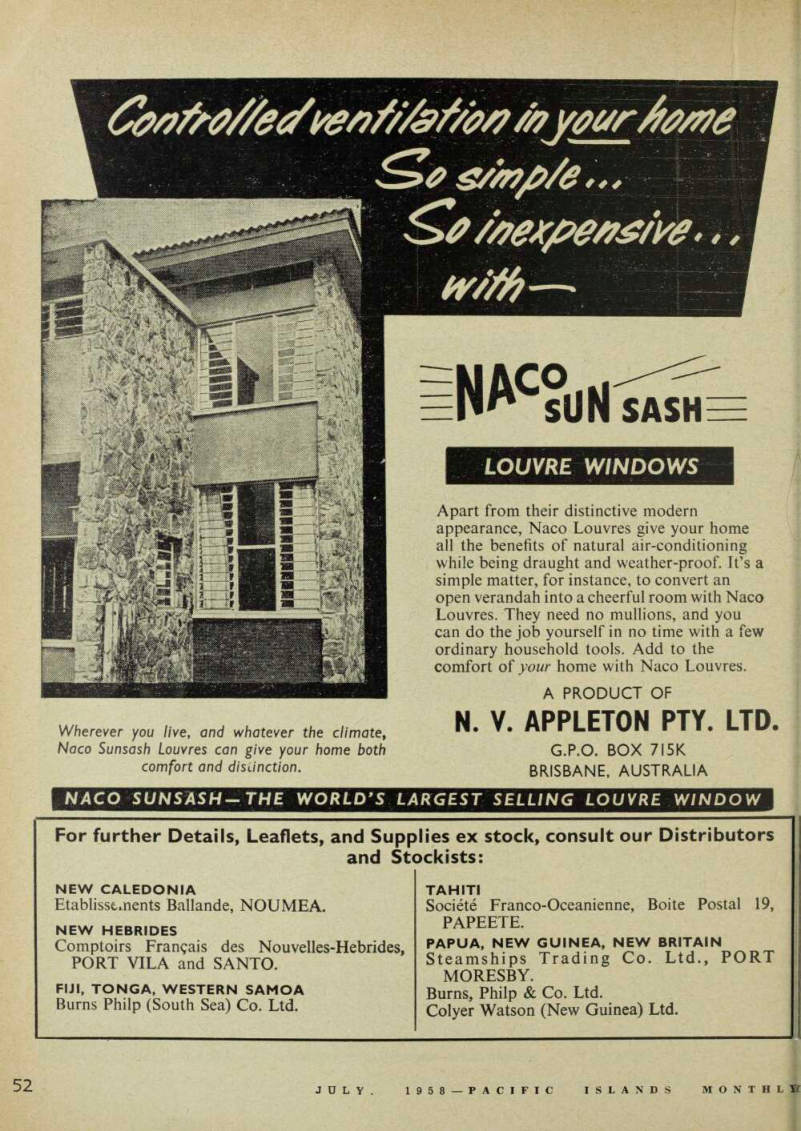 54
54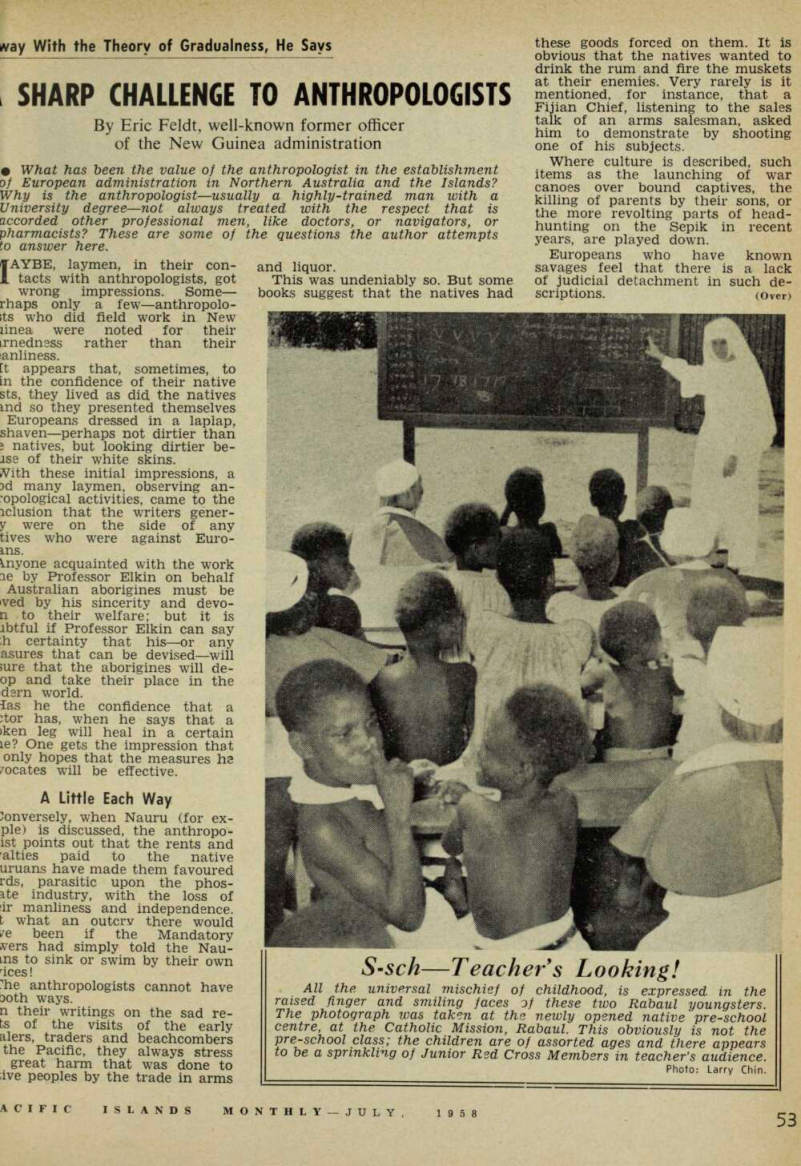 55
55 56
56 57
57 58
58 59
59 60
60 61
61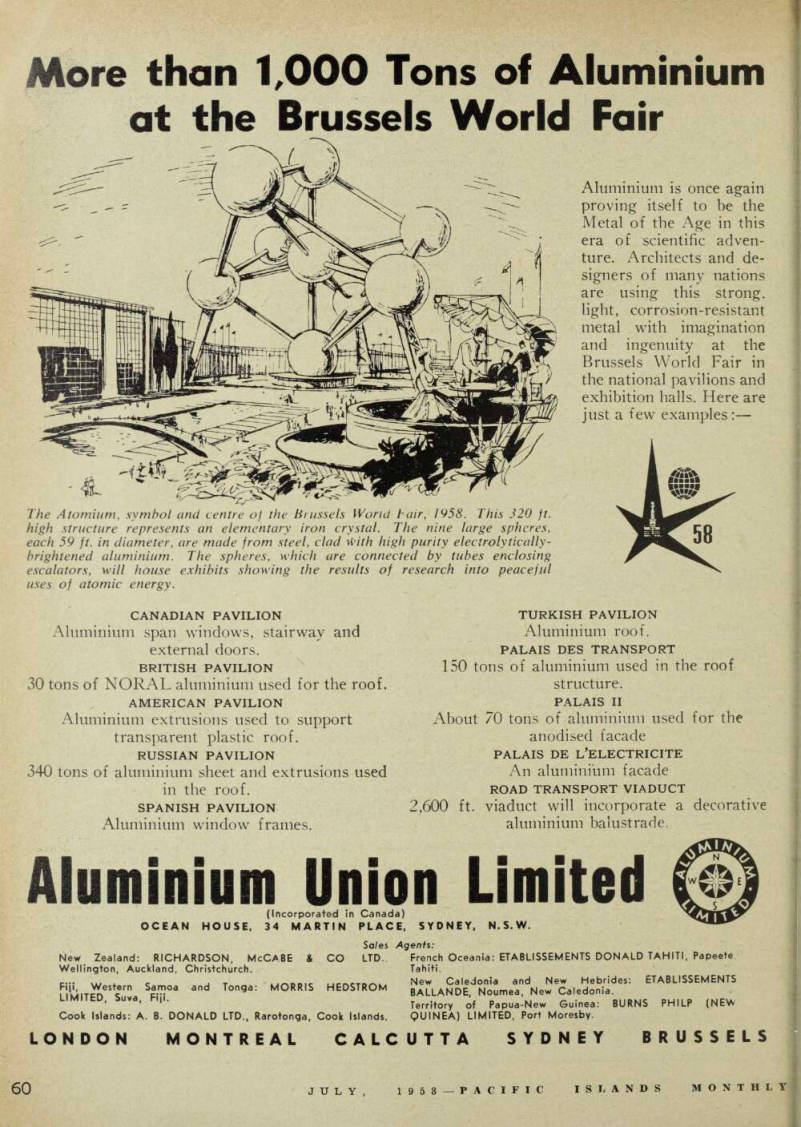 62
62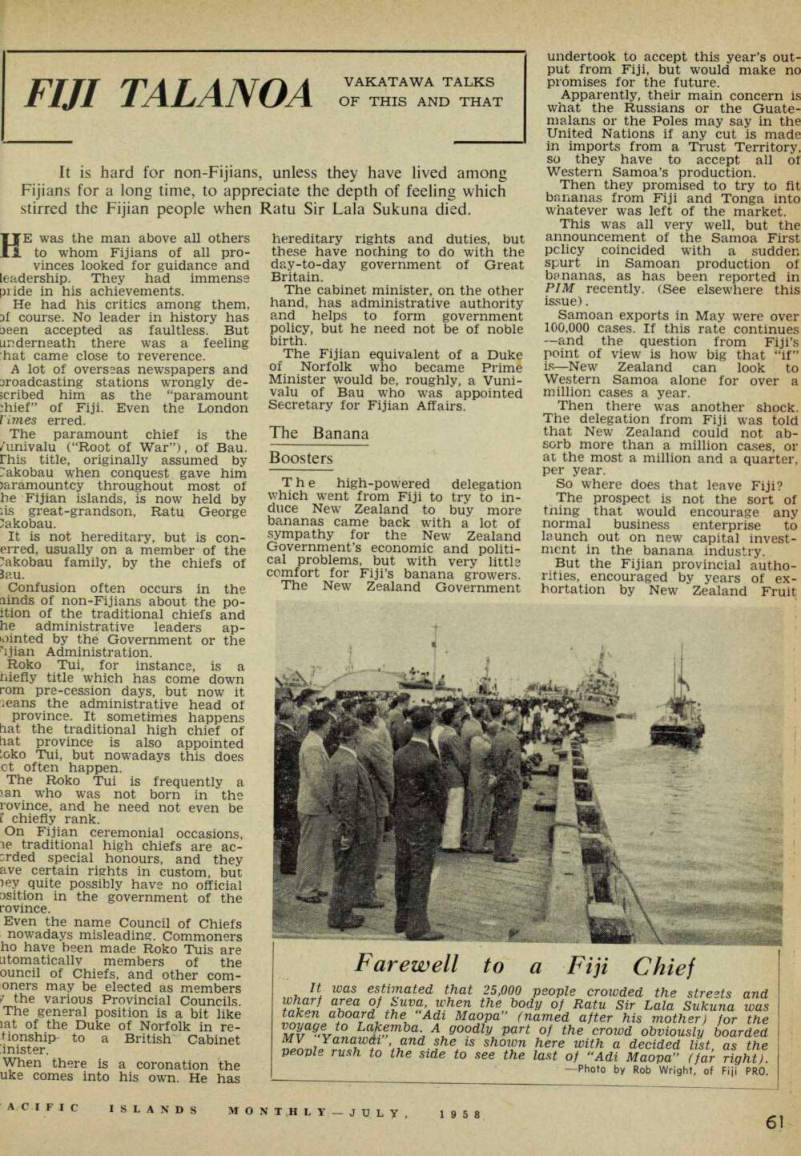 63
63 64
64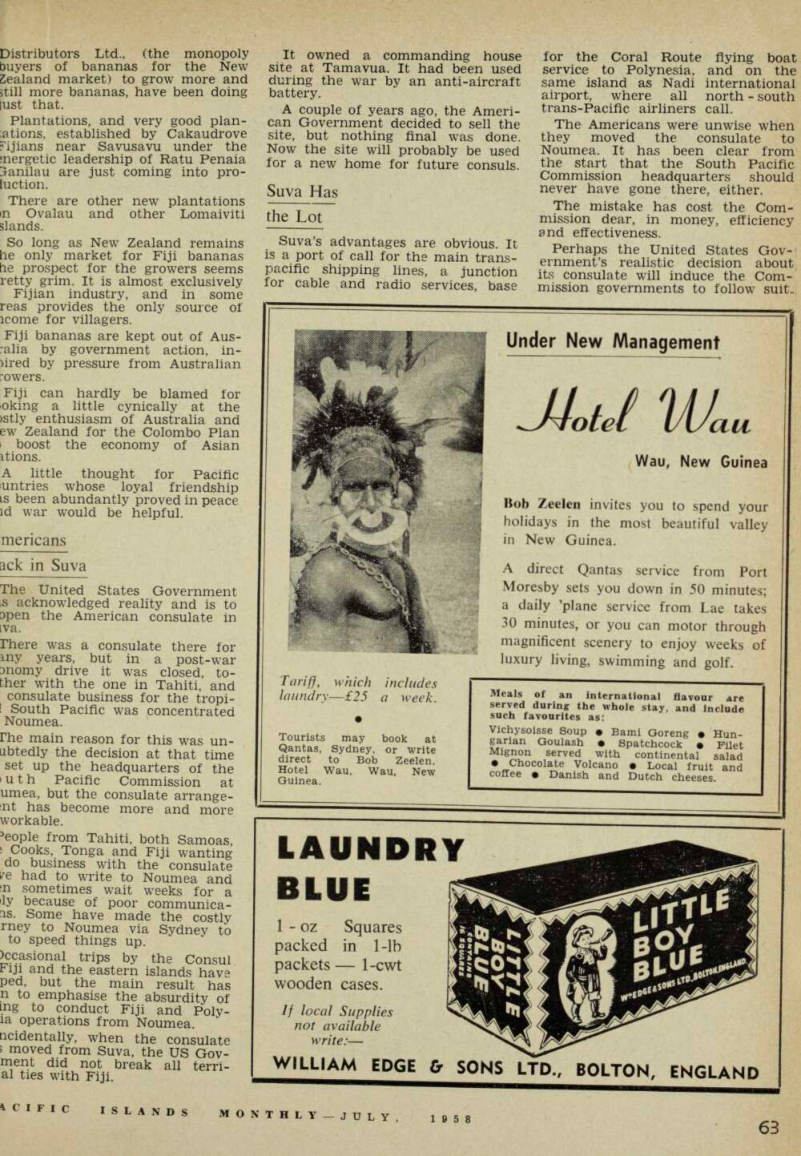 65
65 66
66 67
67 68
68 69
69 70
70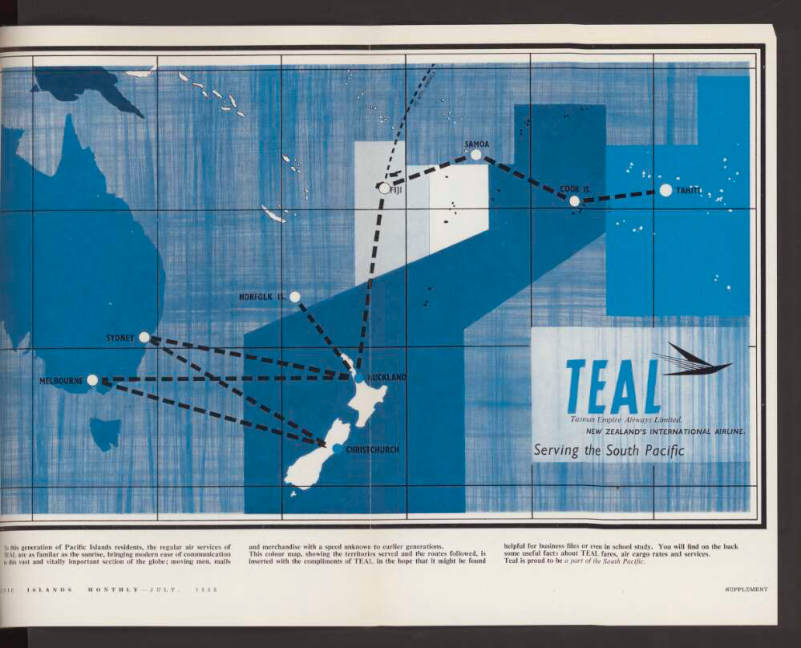 71
71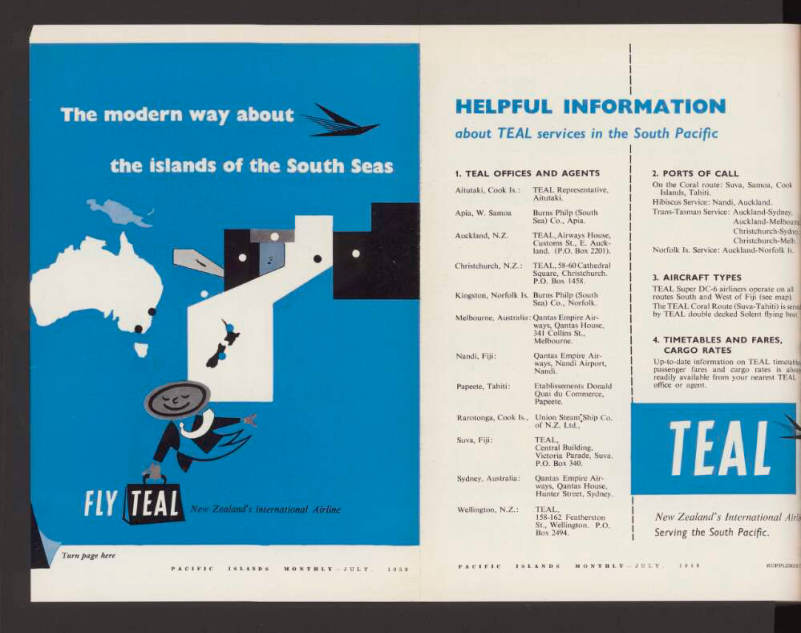 72
72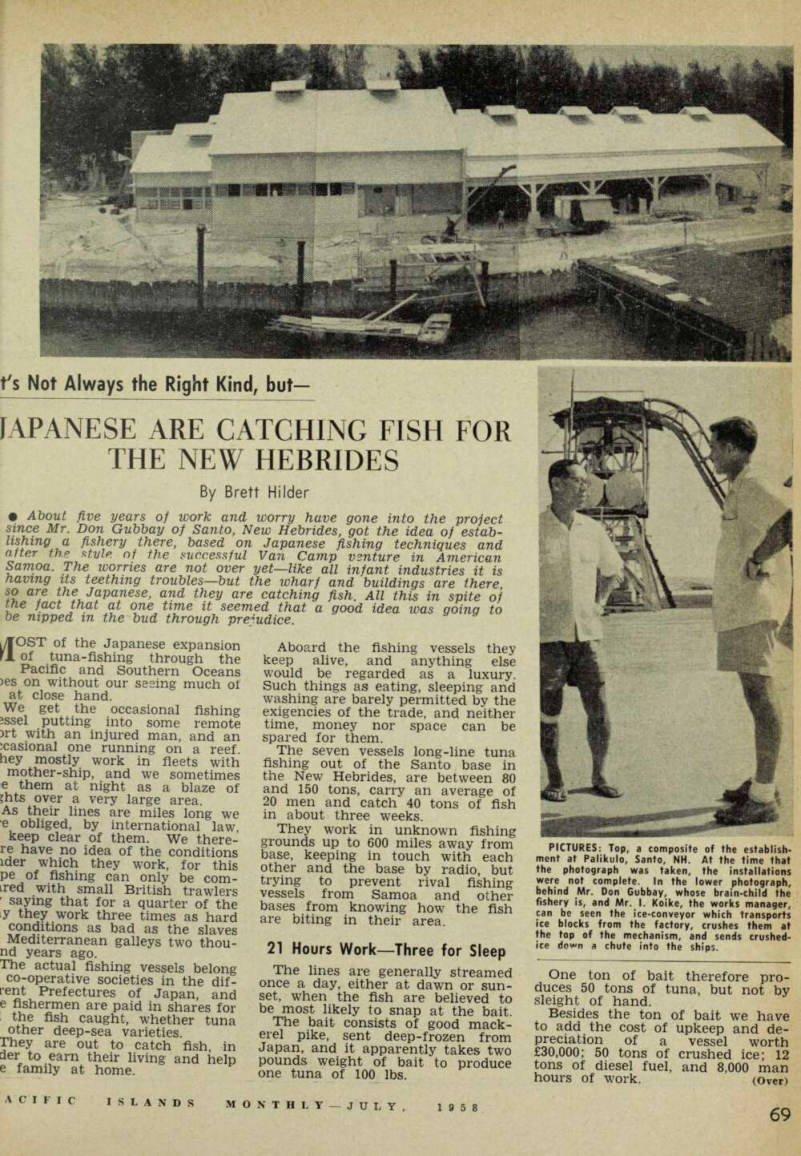 73
73 74
74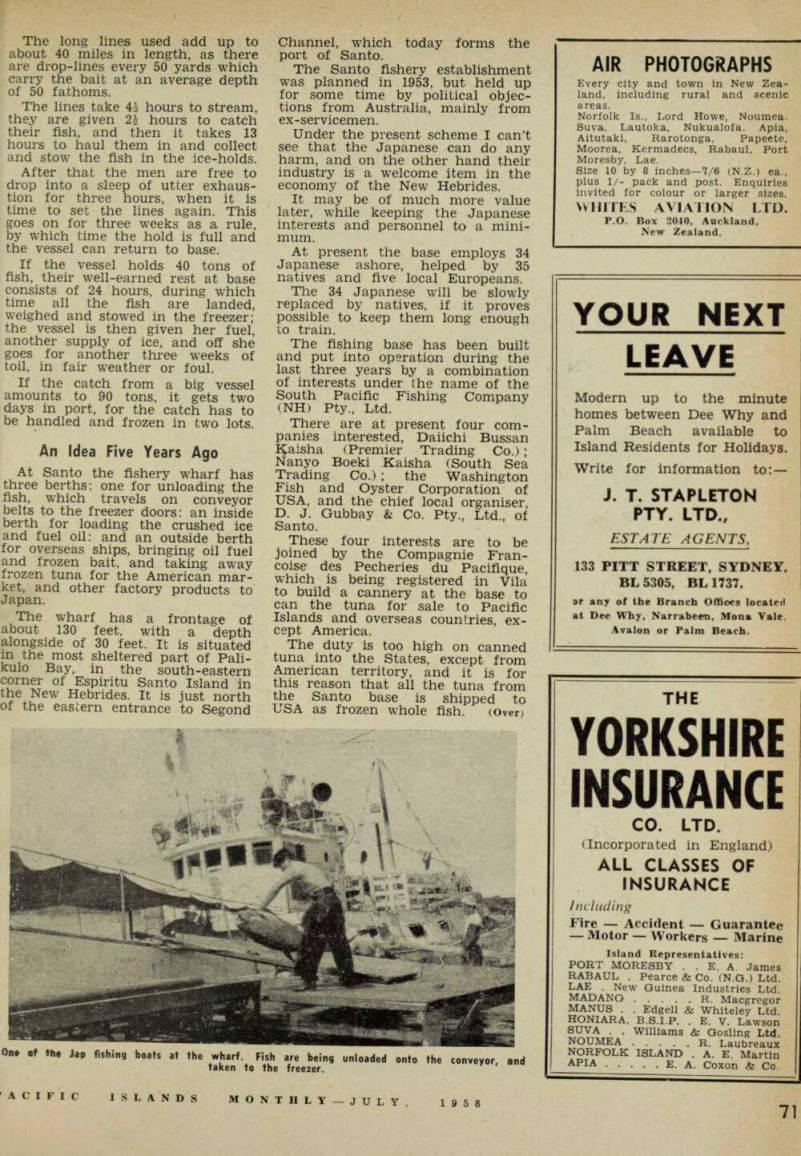 75
75 76
76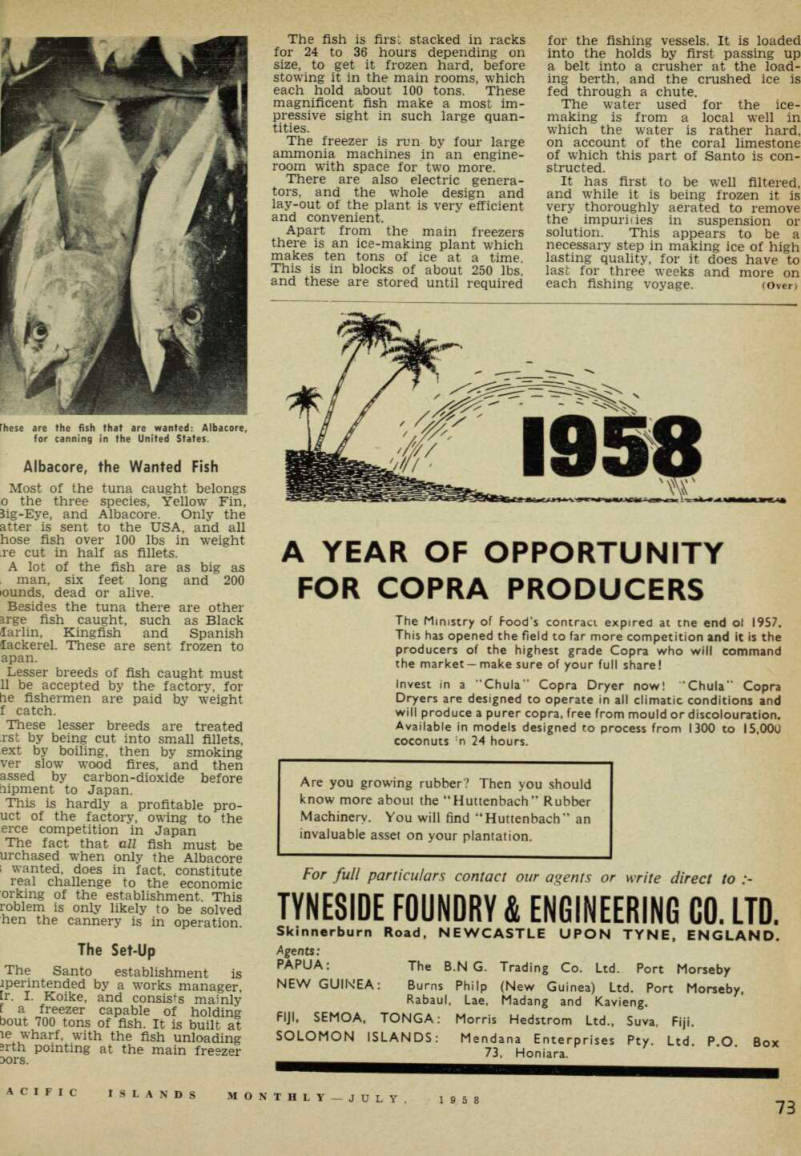 77
77 78
78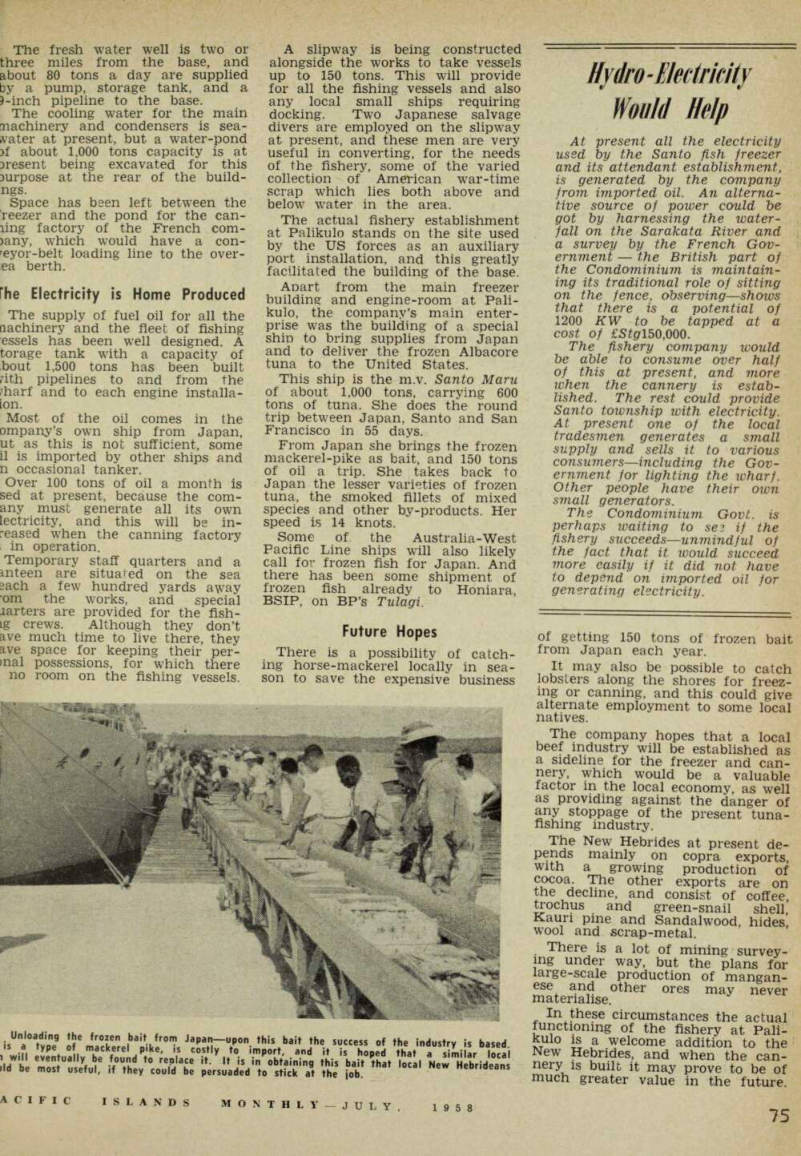 79
79 80
80 81
81 82
82 83
83 84
84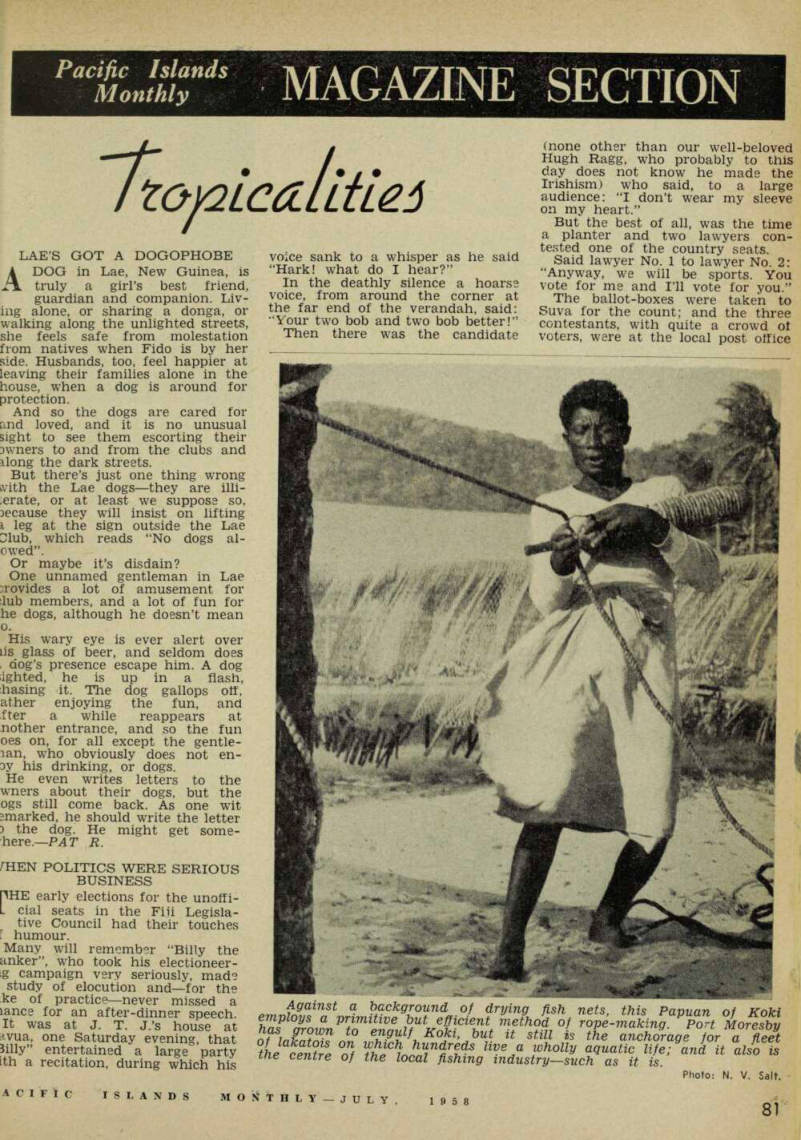 85
85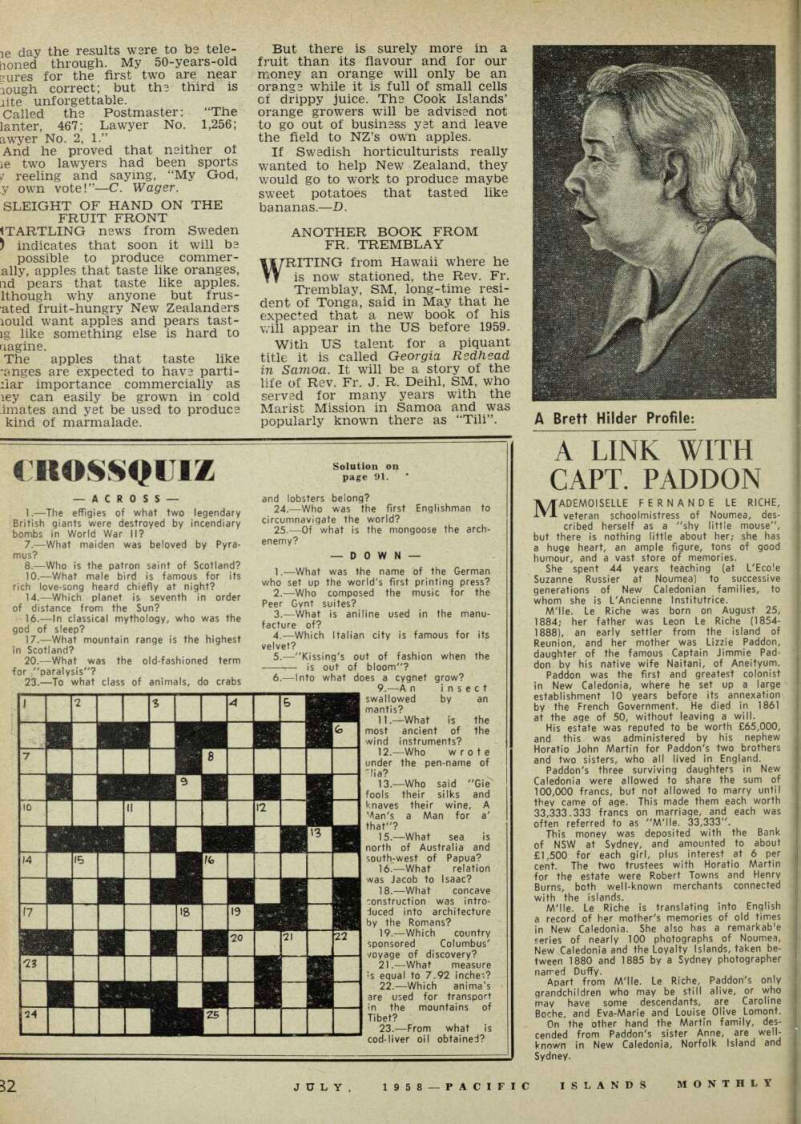 86
86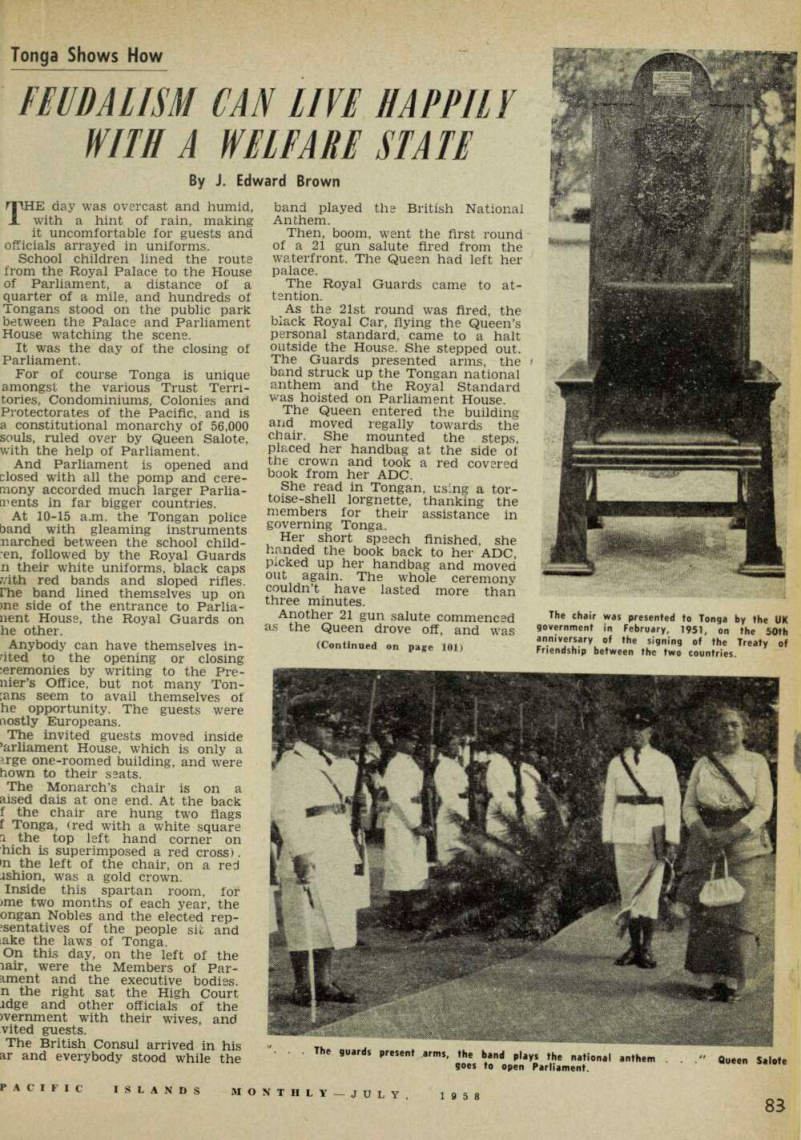 87
87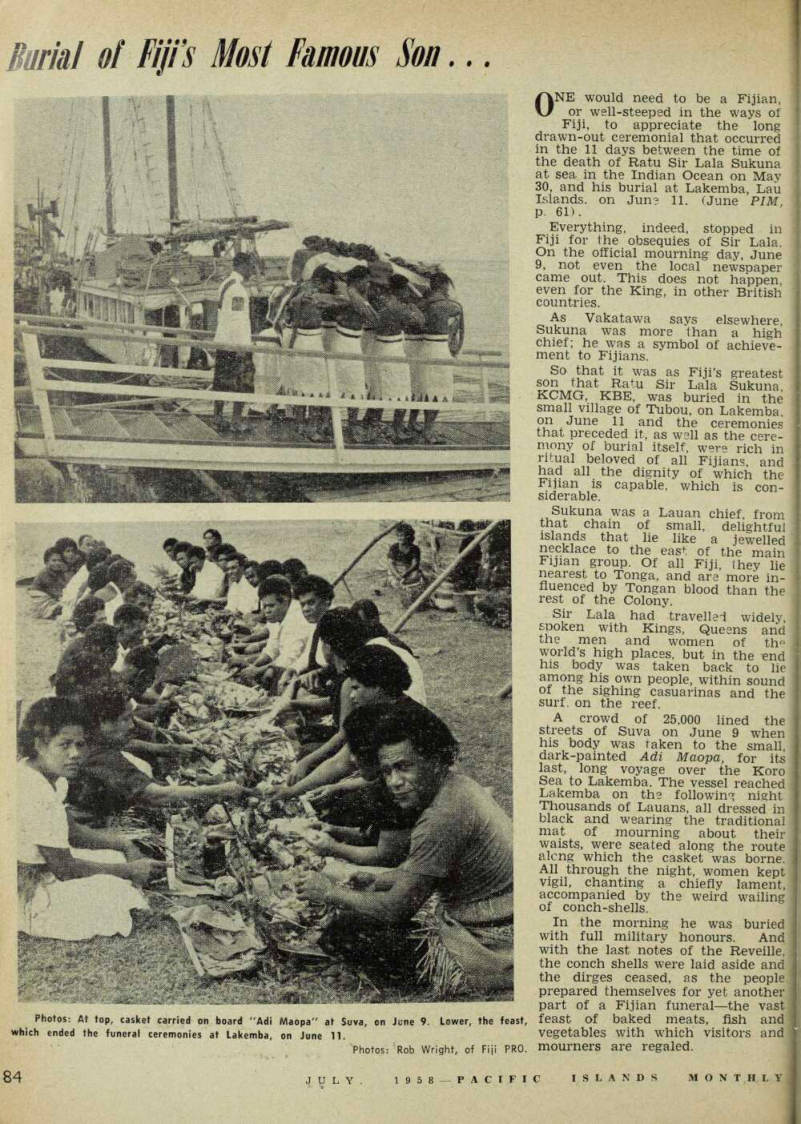 88
88 89
89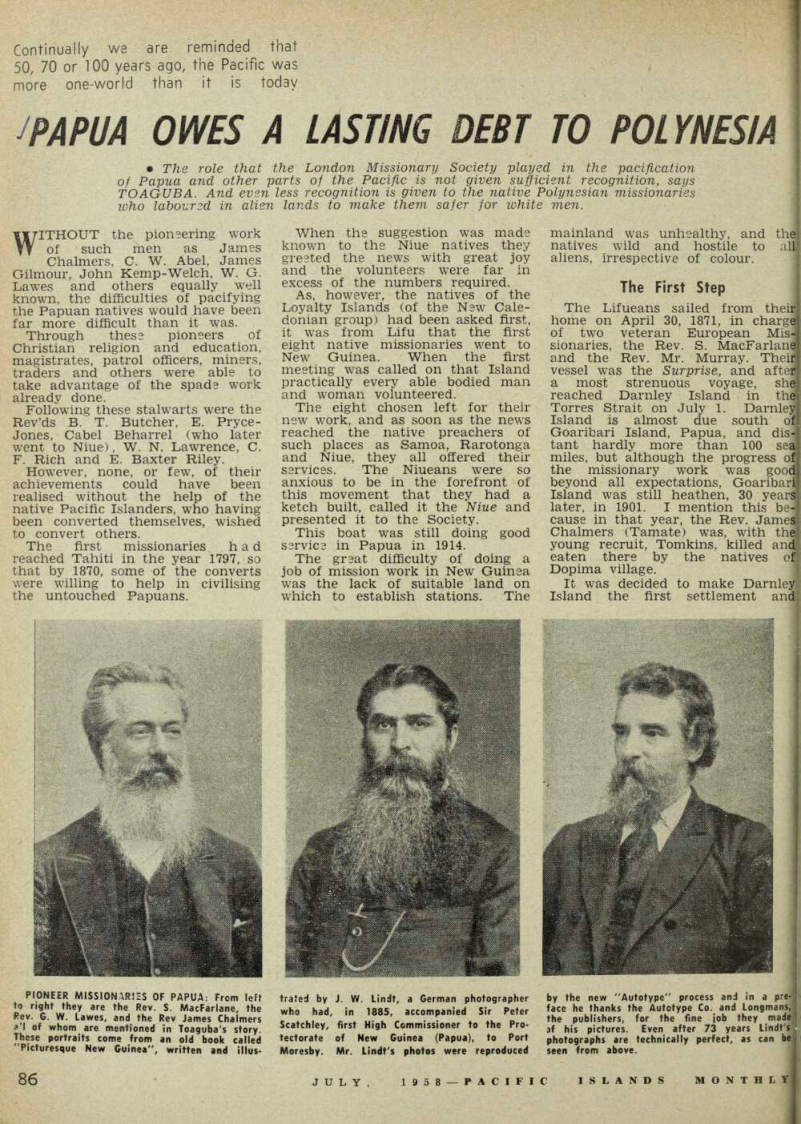 90
90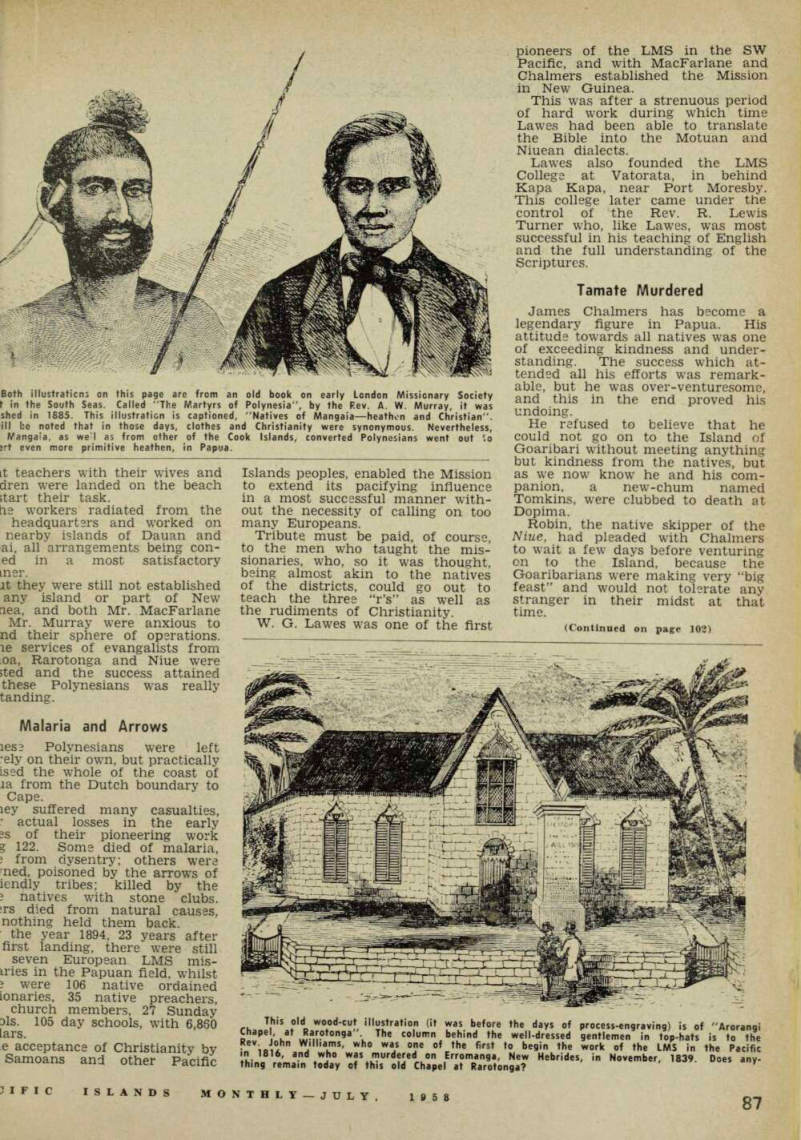 91
91 92
92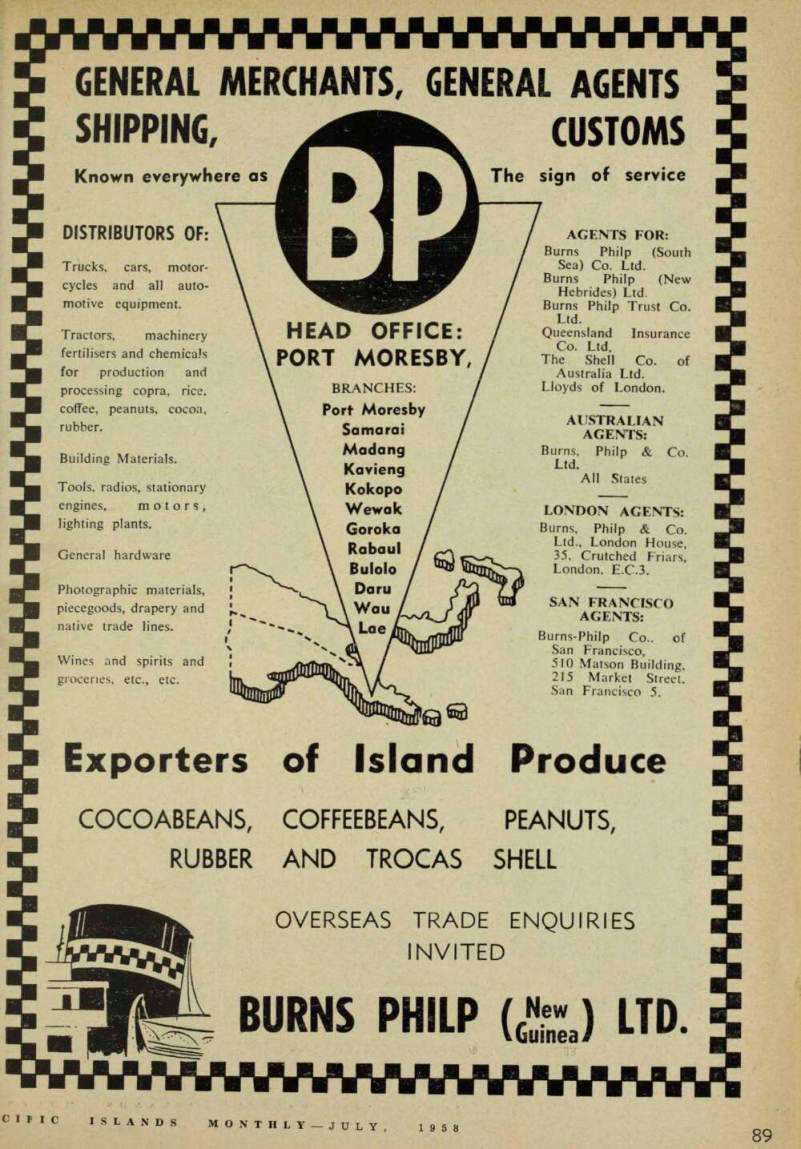 93
93 94
94 95
95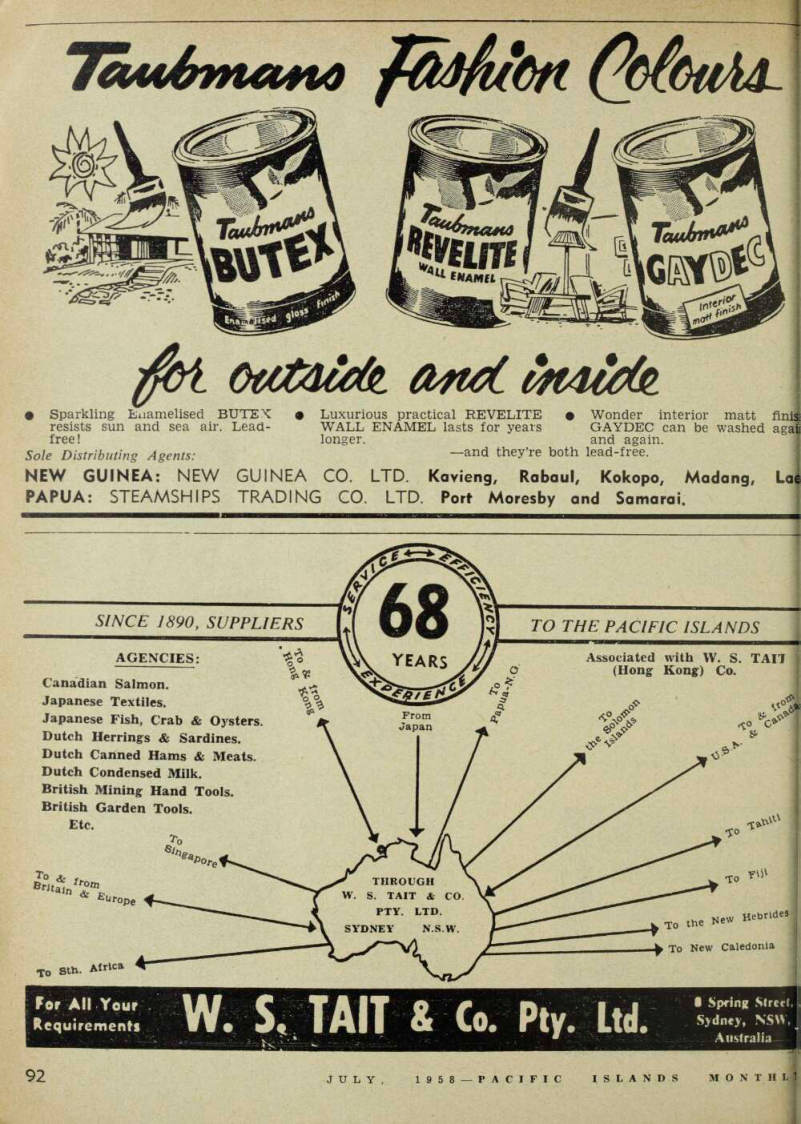 96
96 97
97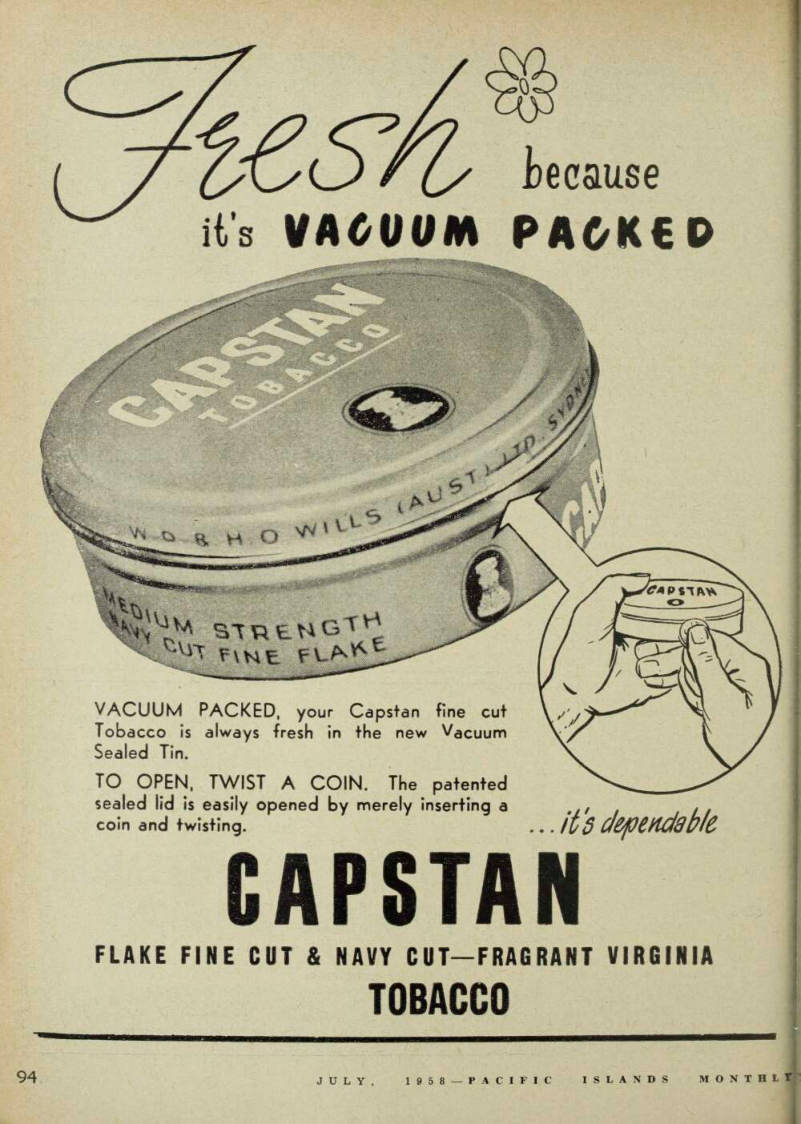 98
98 99
99 100
100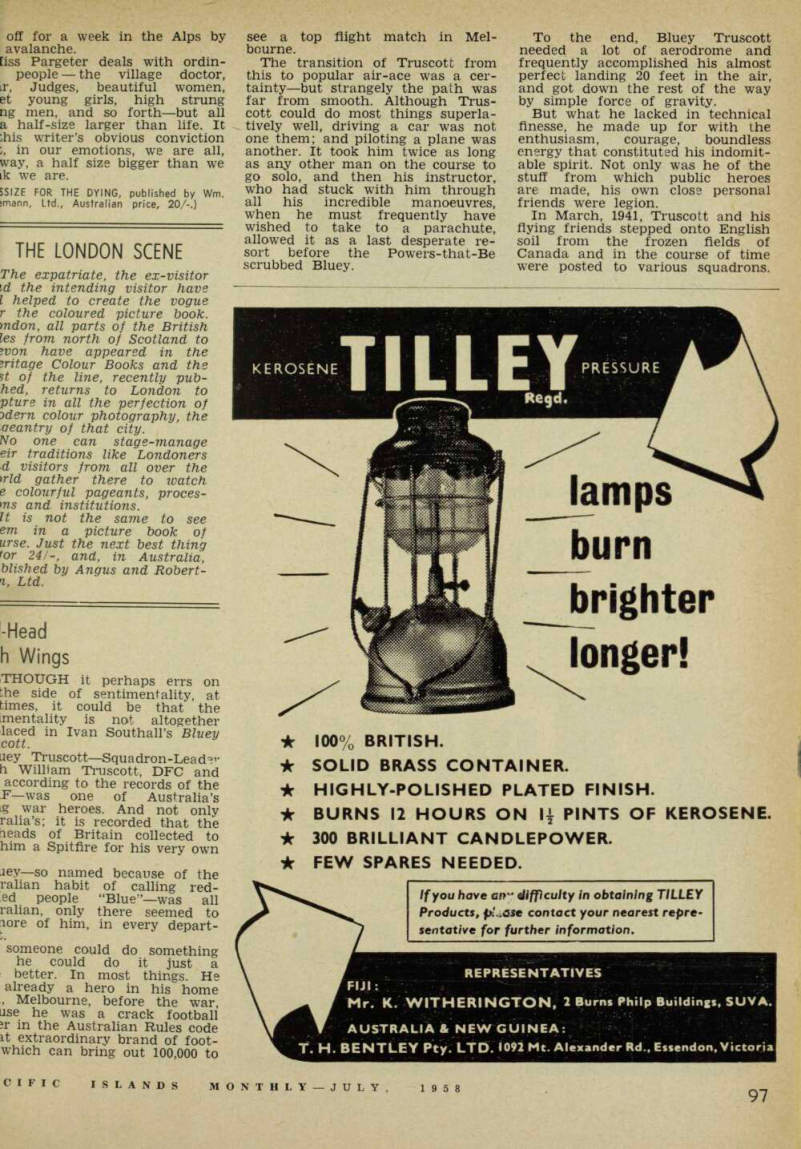 101
101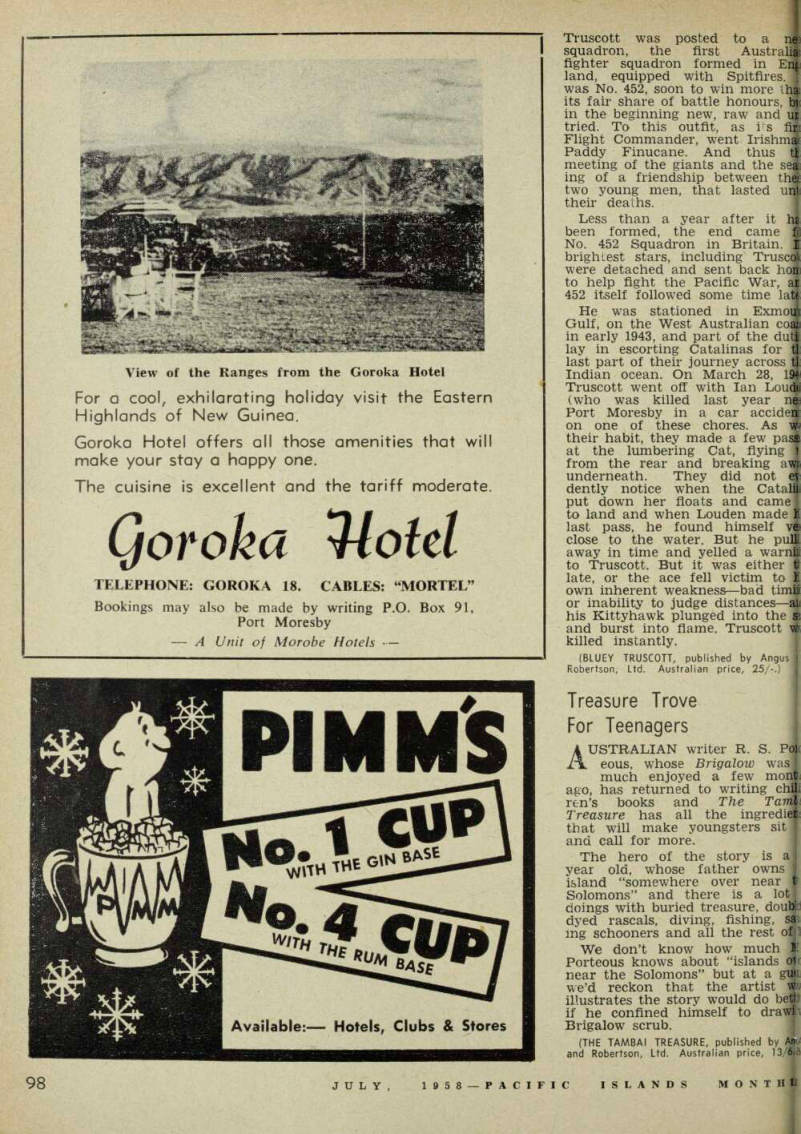 102
102 103
103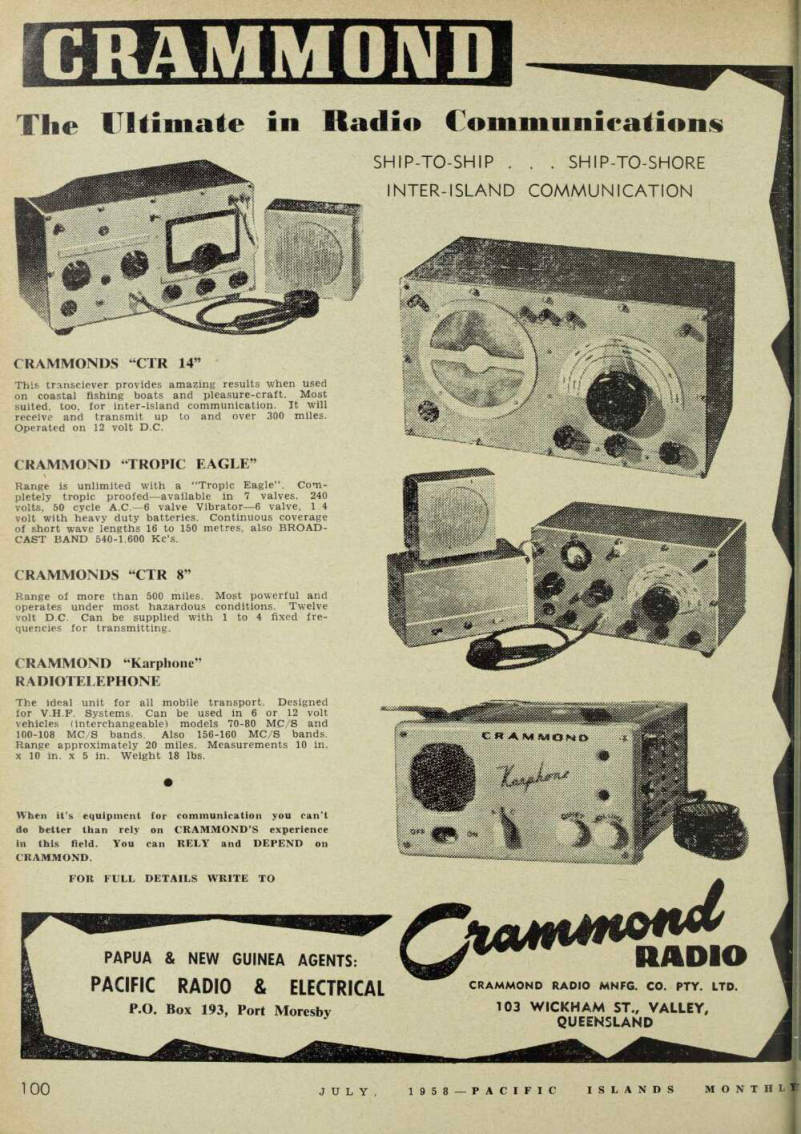 104
104 105
105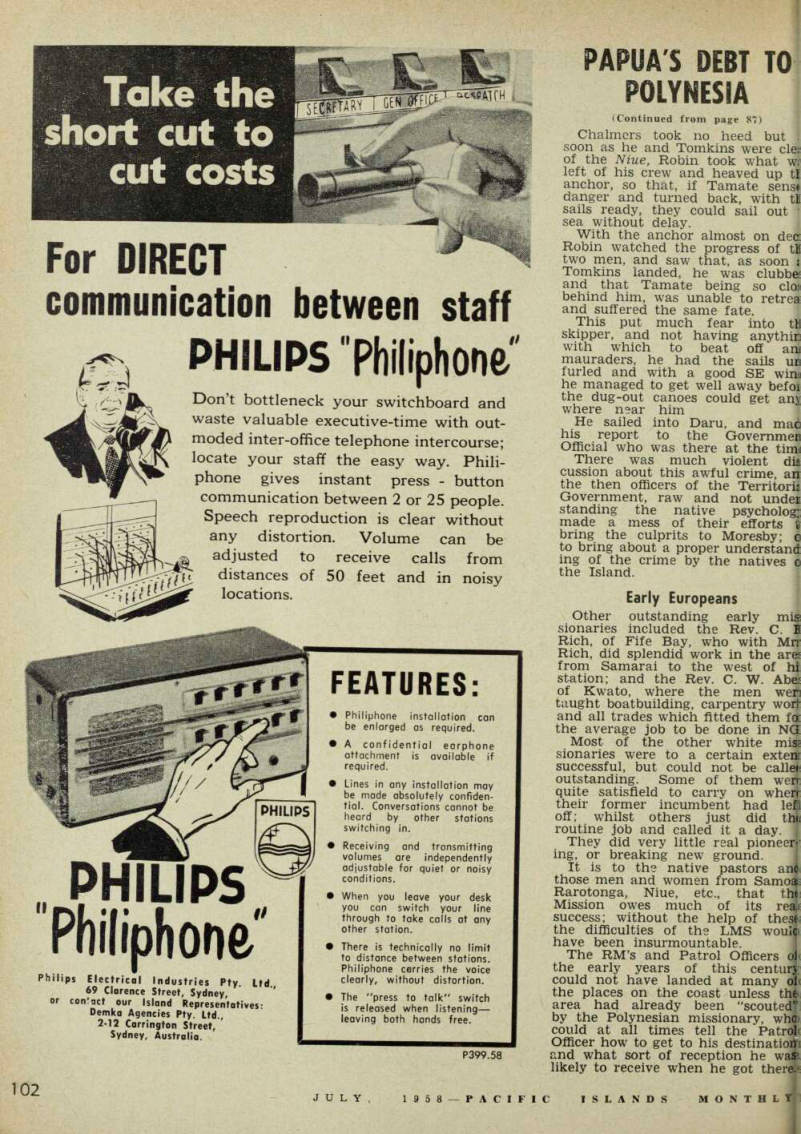 106
106 107
107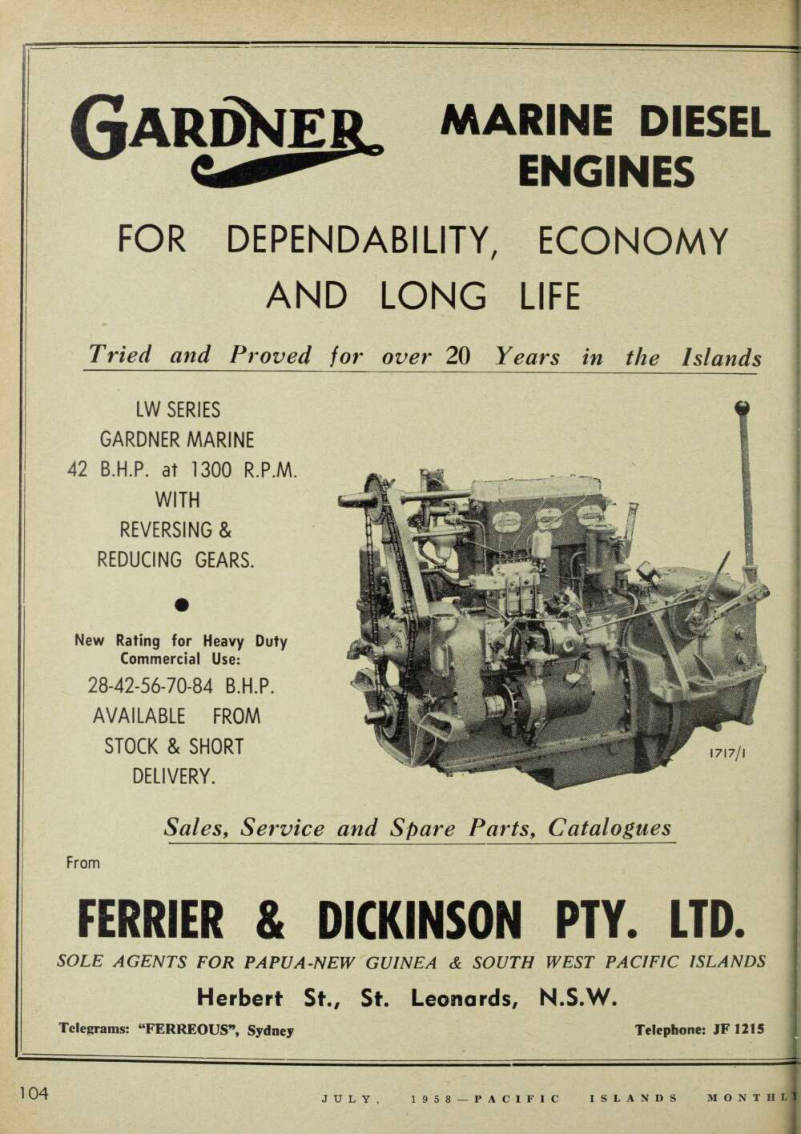 108
108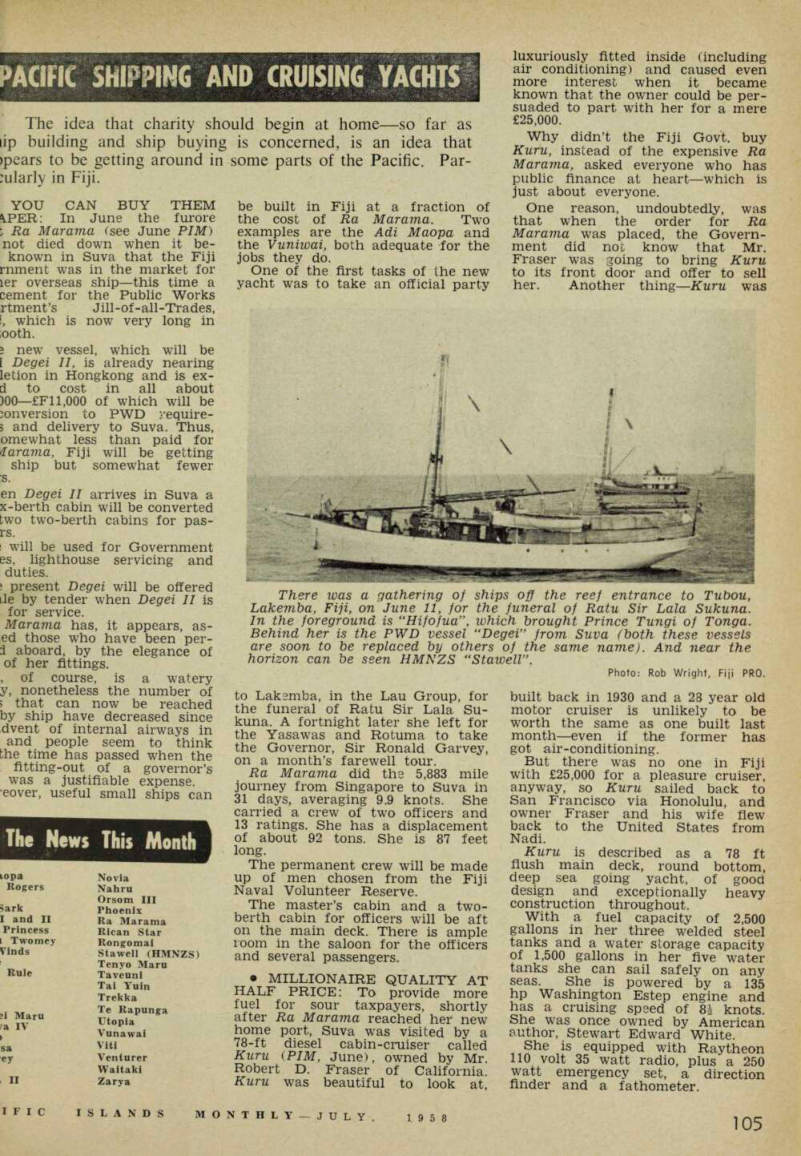 109
109 110
110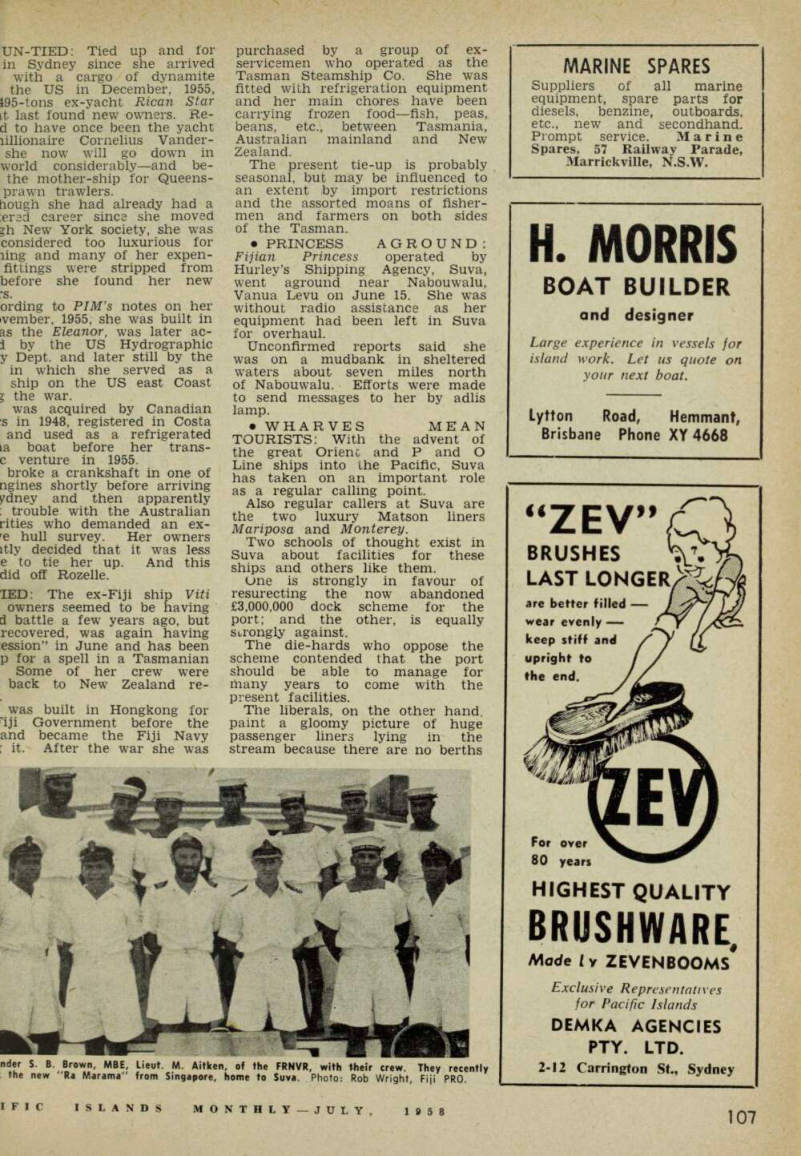 111
111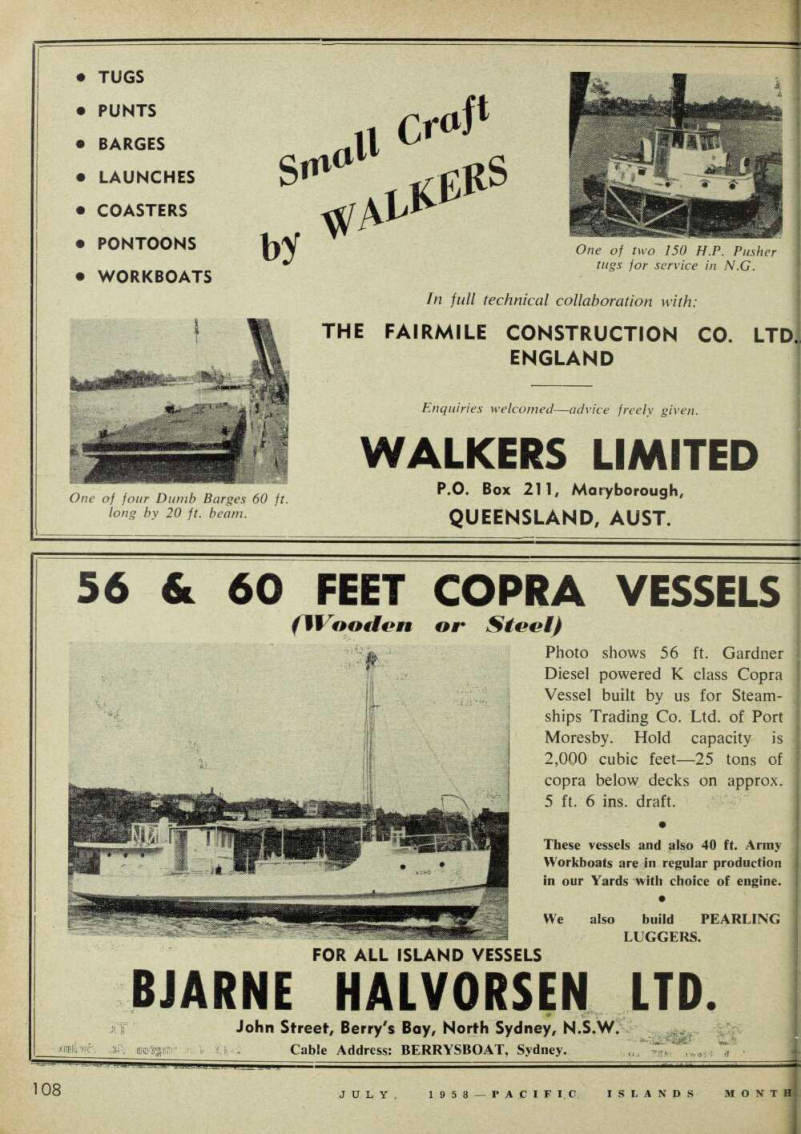 112
112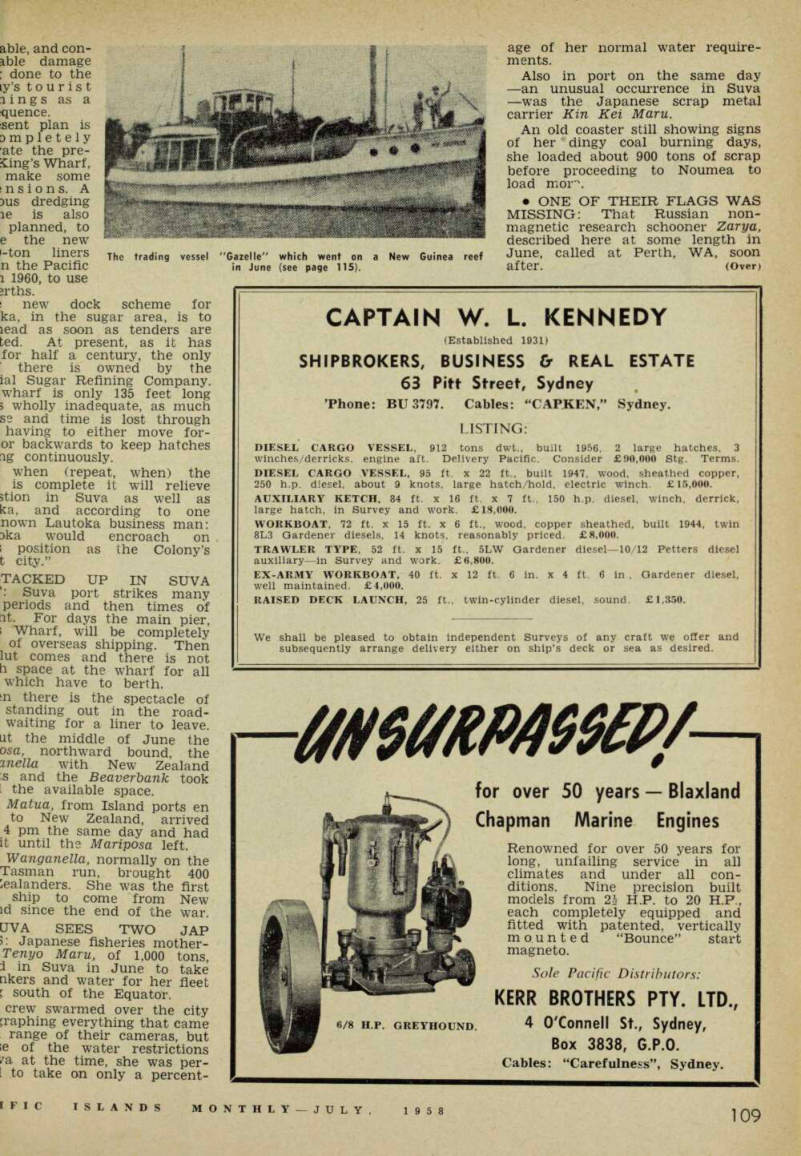 113
113 114
114 115
115 116
116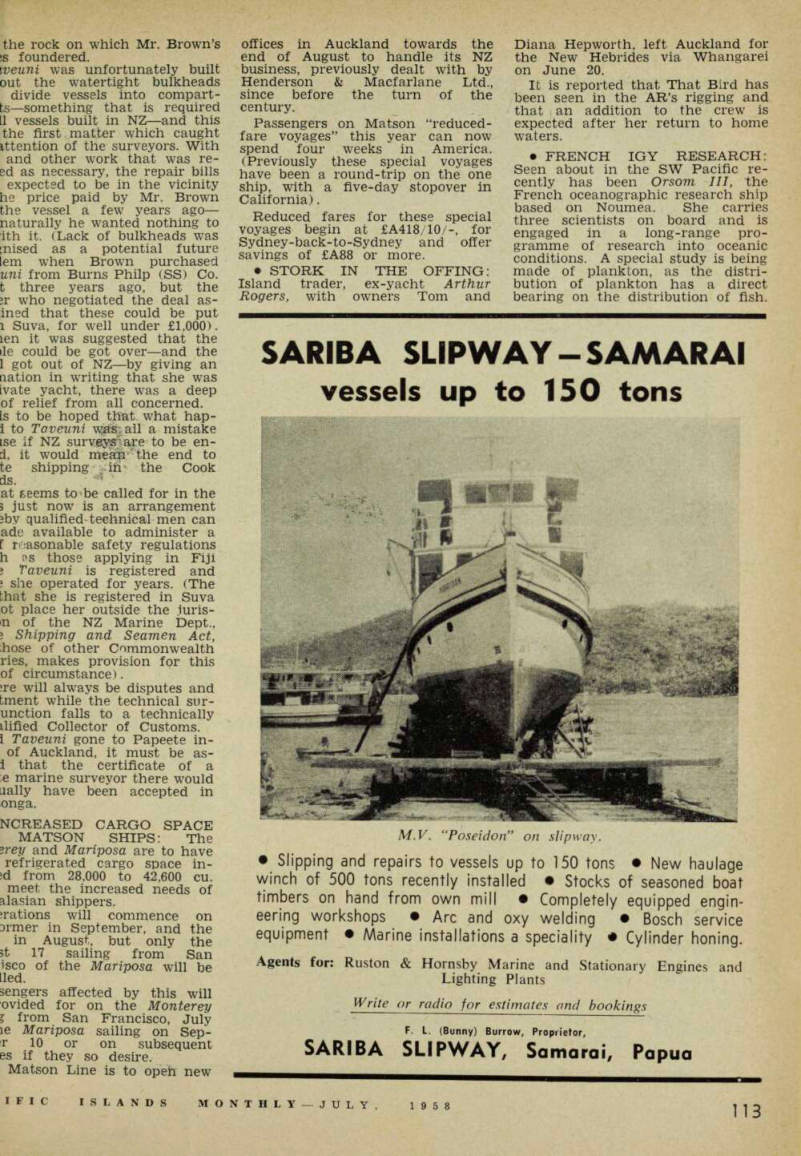 117
117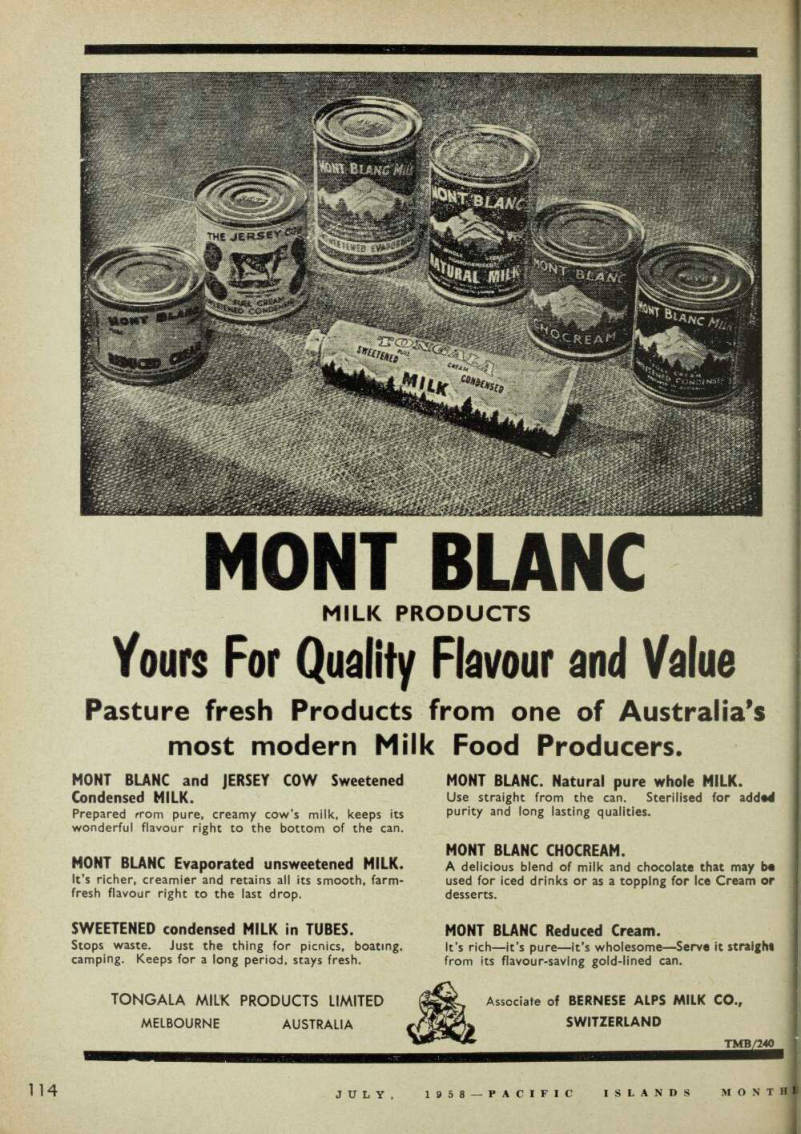 118
118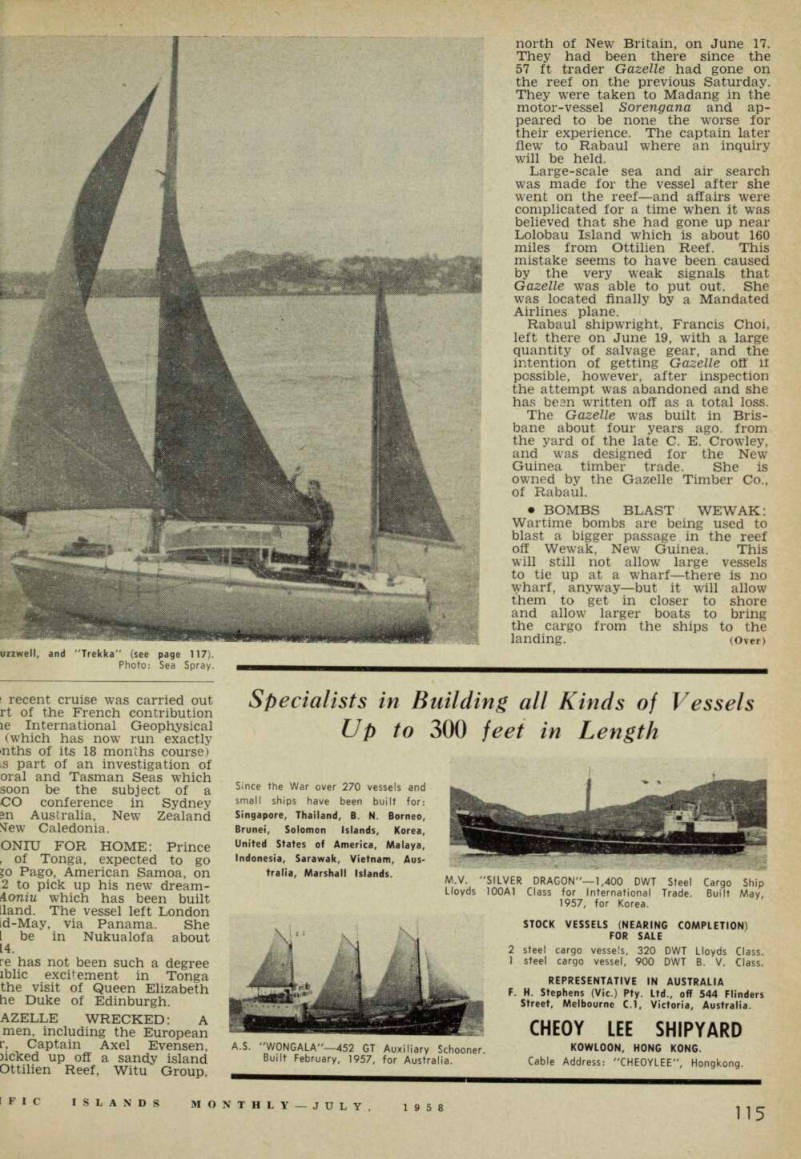 119
119 120
120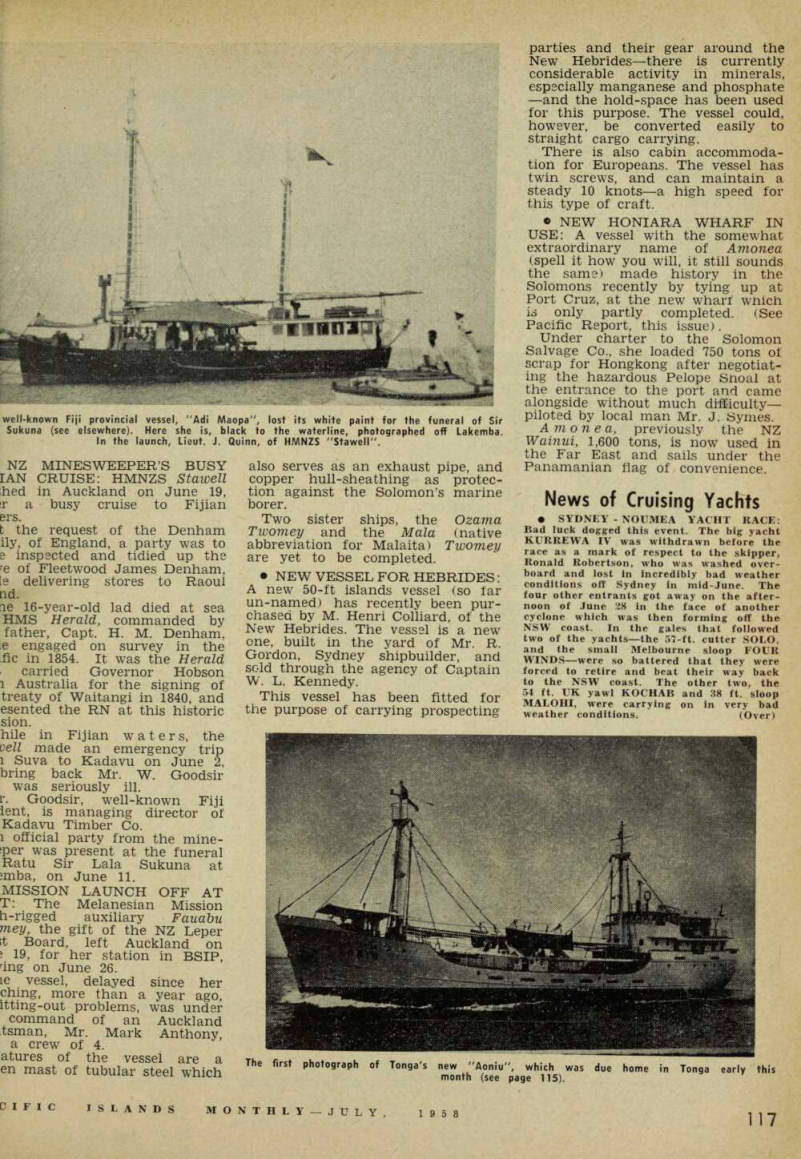 121
121 122
122 123
123 124
124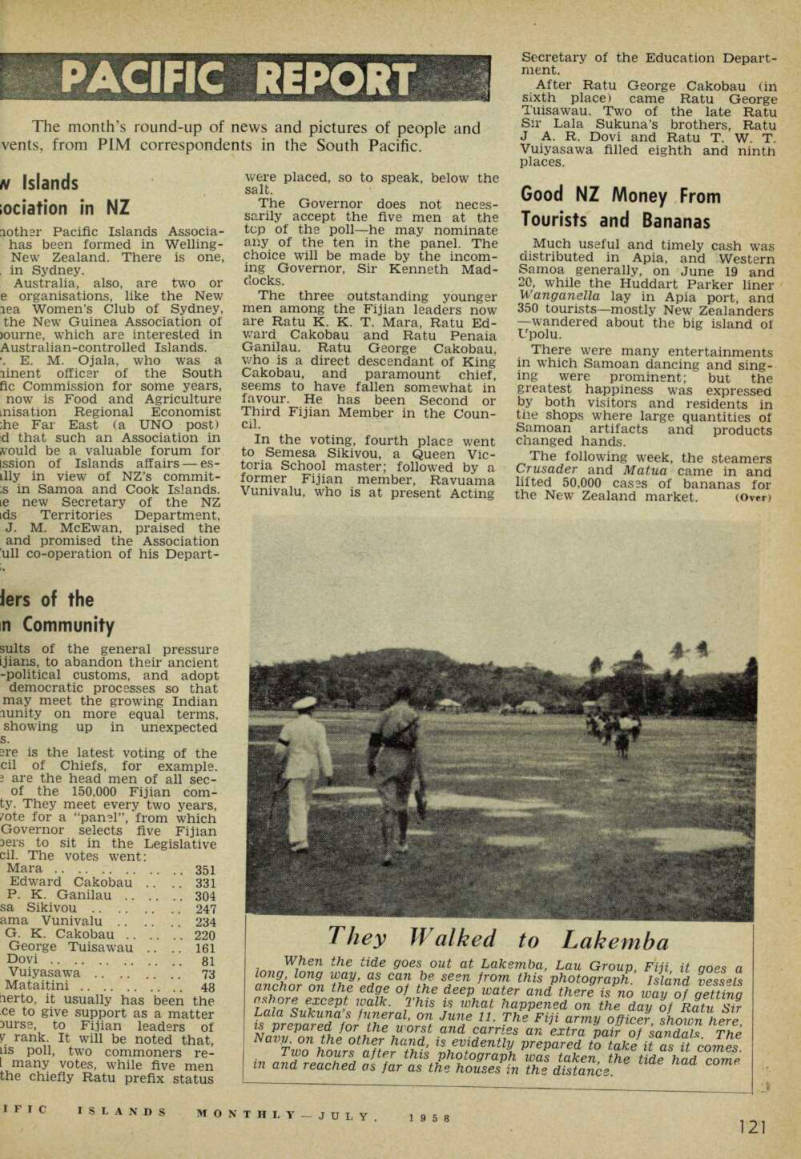 125
125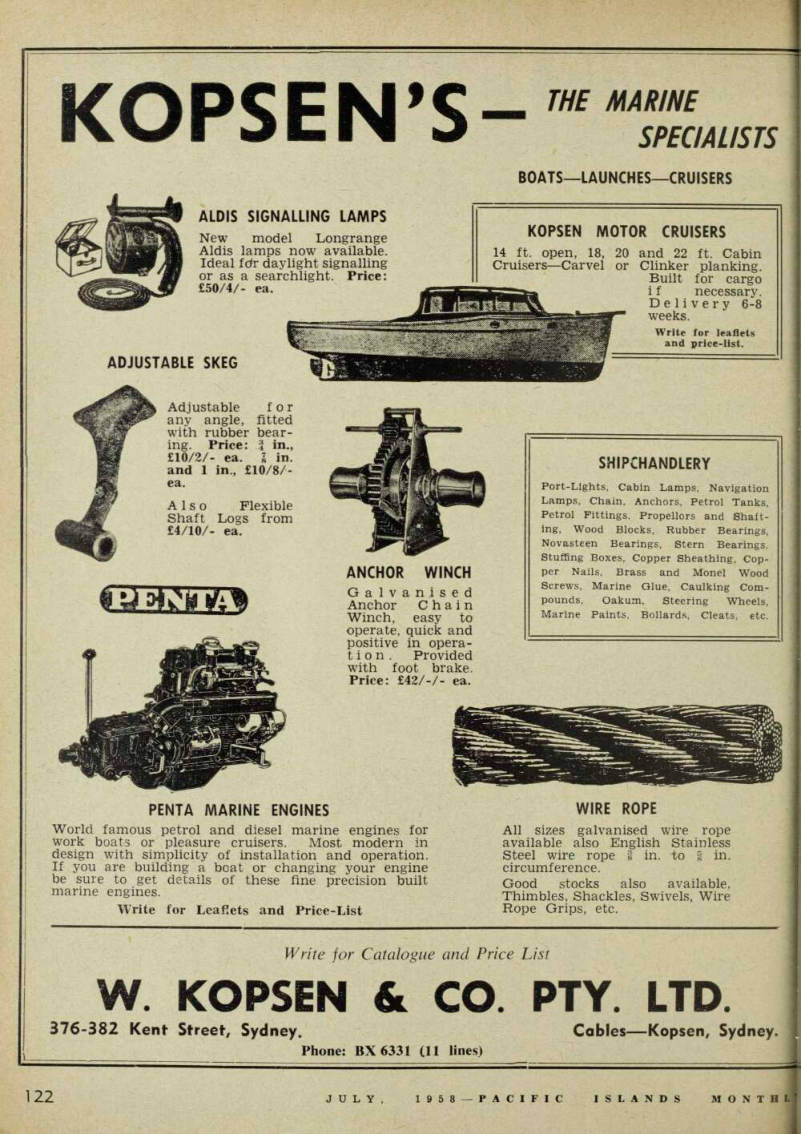 126
126 127
127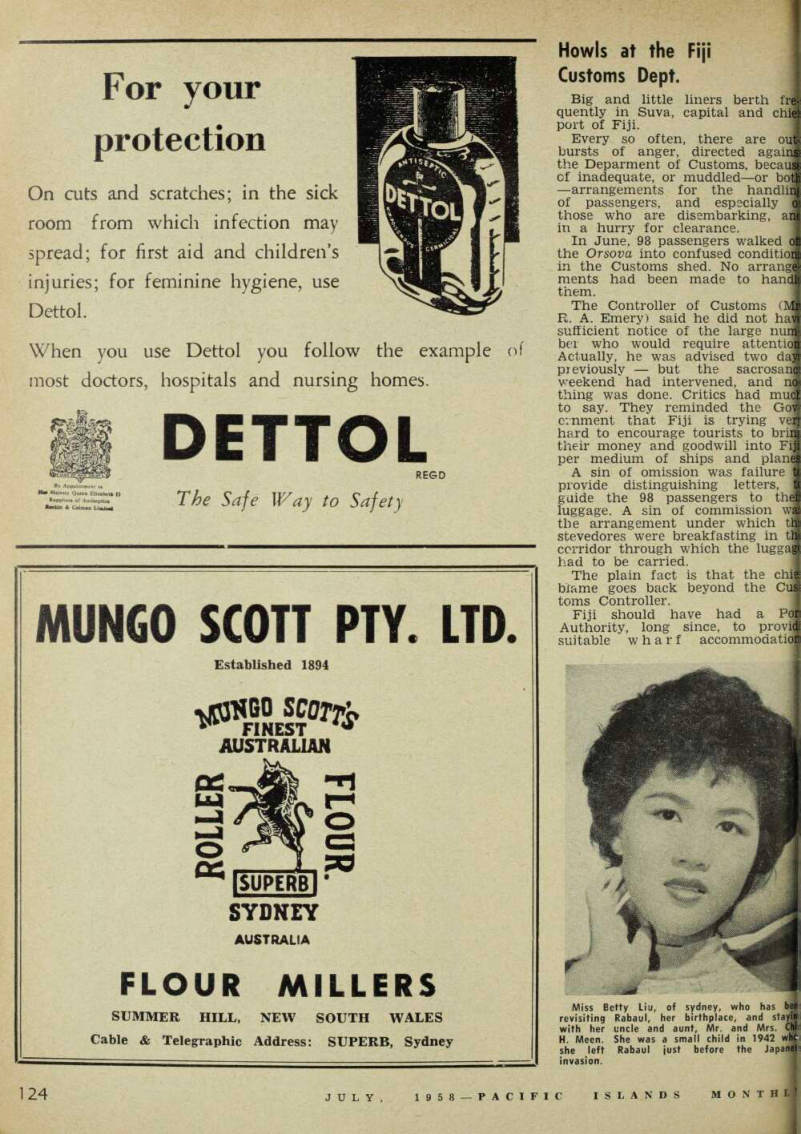 128
128 129
129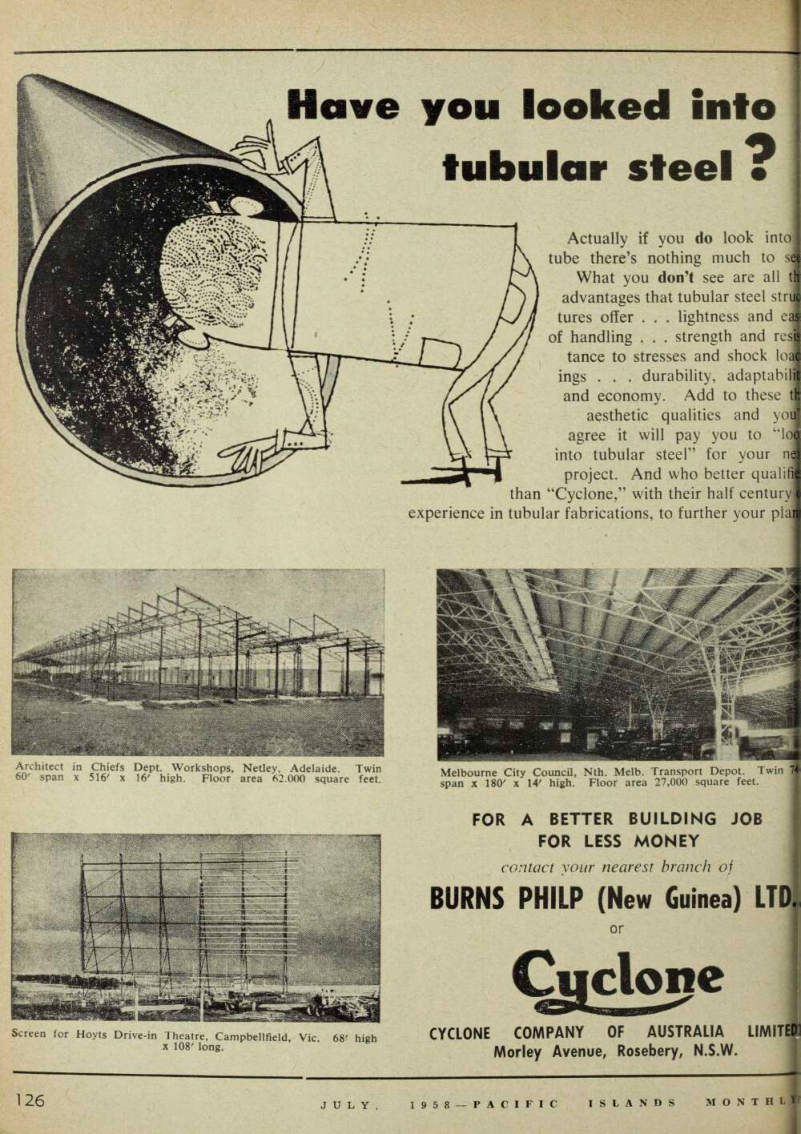 130
130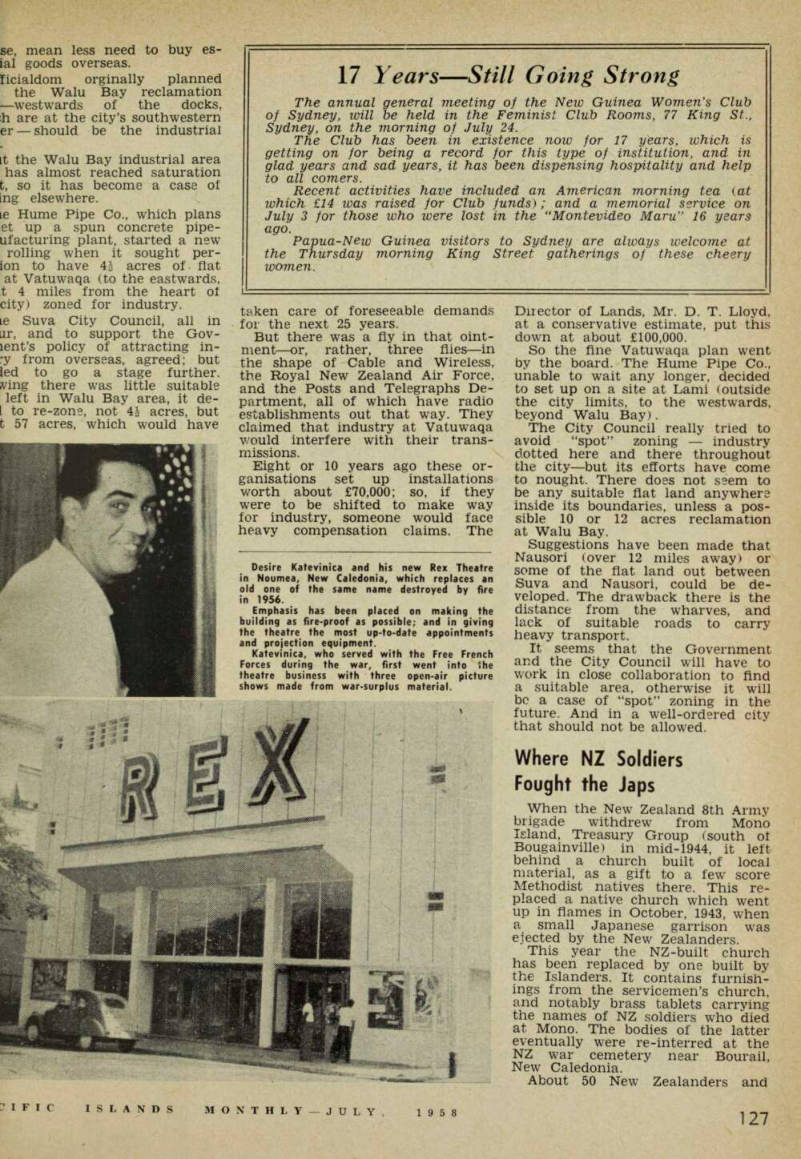 131
131 132
132 133
133 134
134 135
135 136
136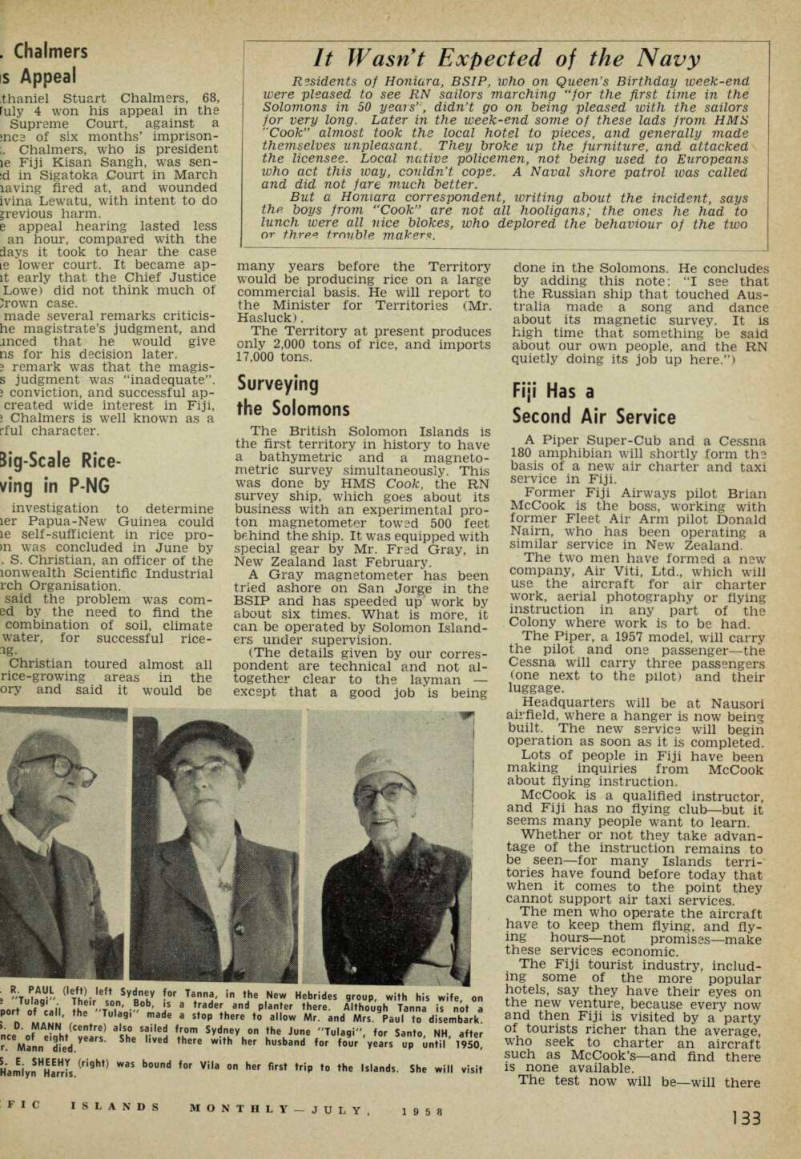 137
137 138
138 139
139 140
140 141
141 142
142 143
143 144
144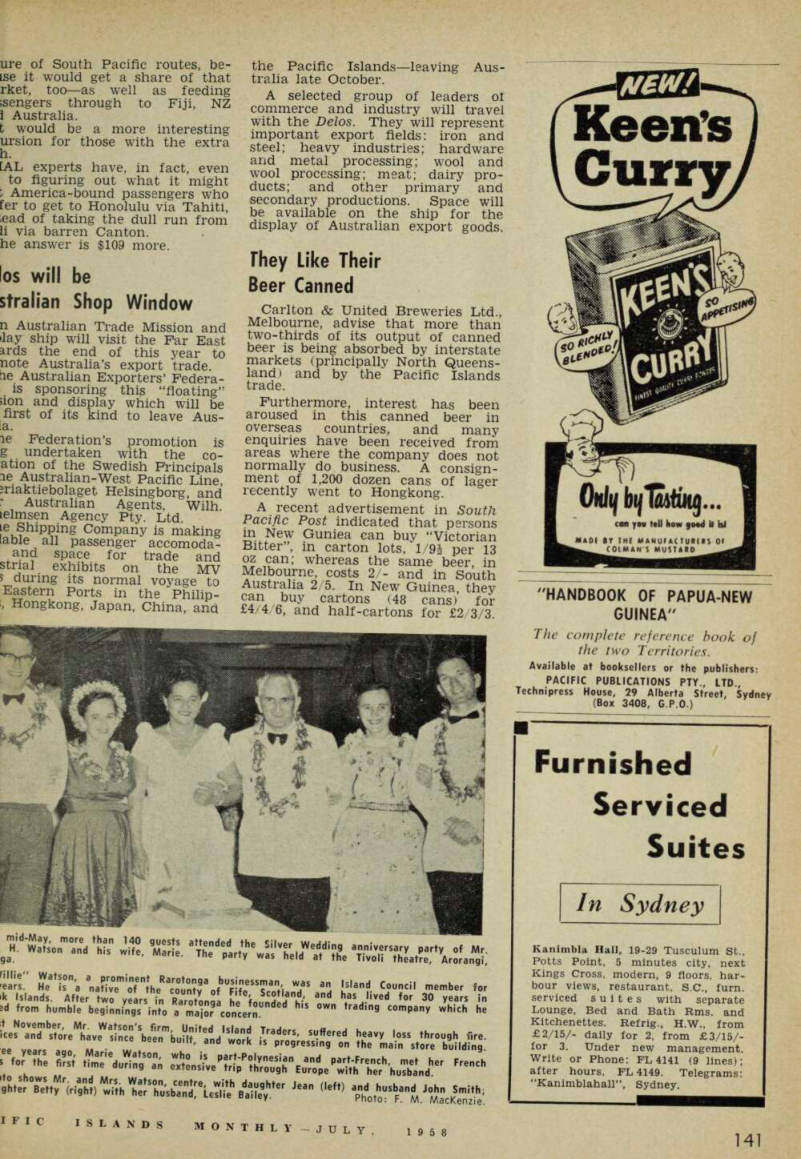 145
145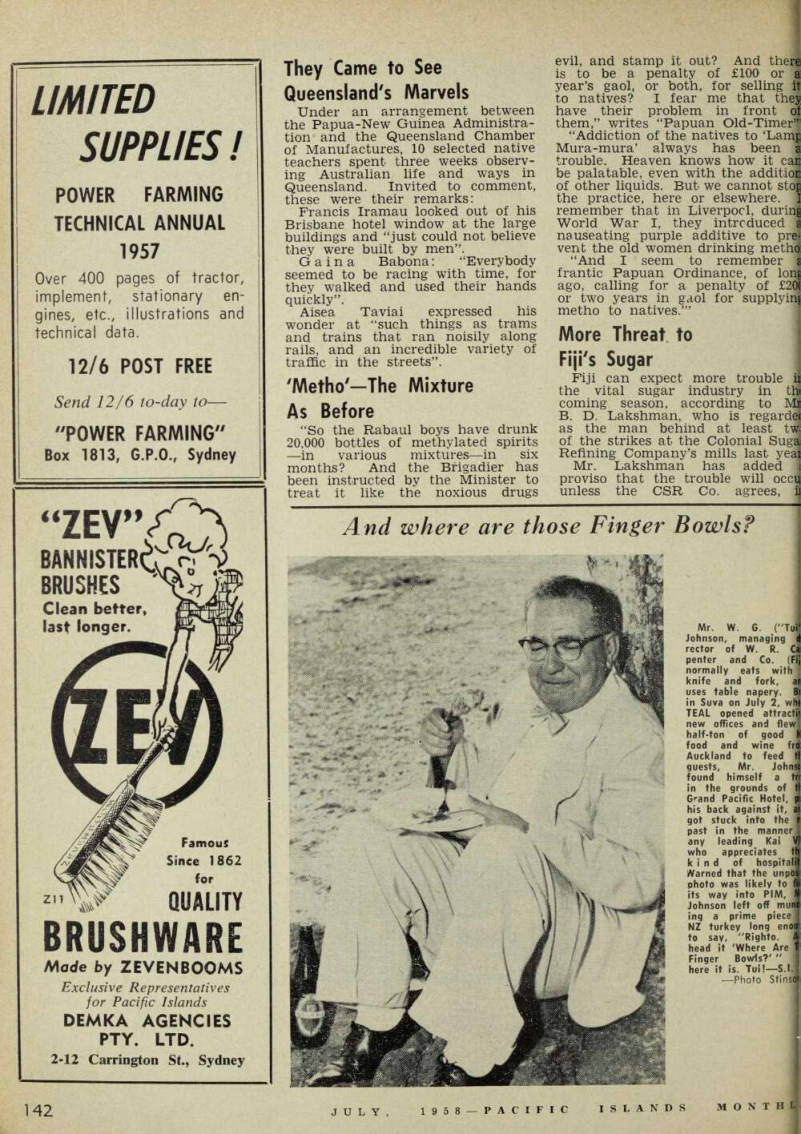 146
146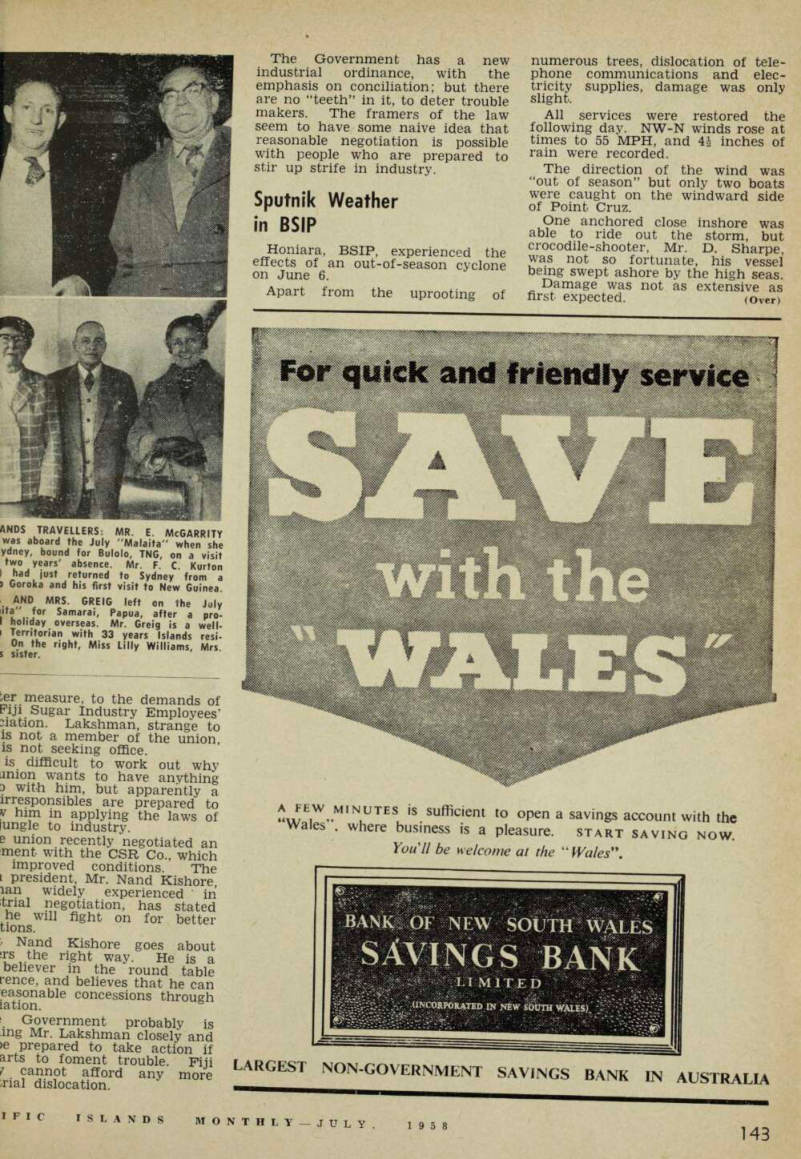 147
147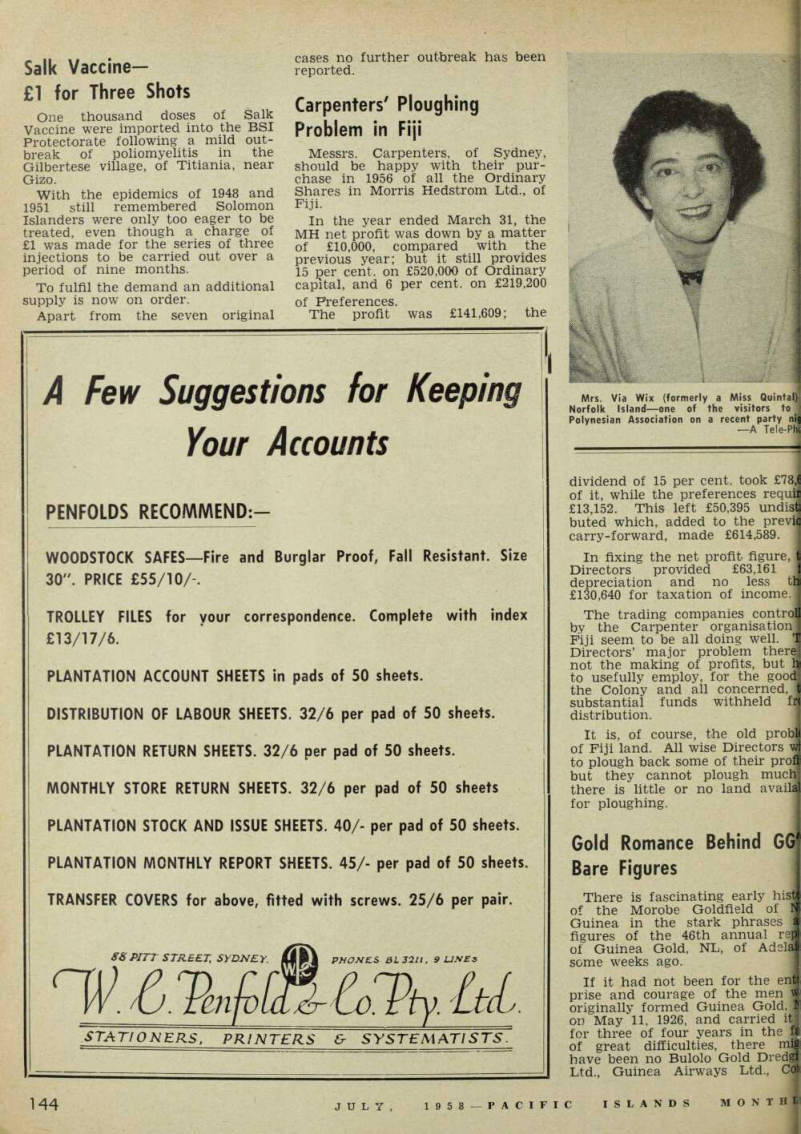 148
148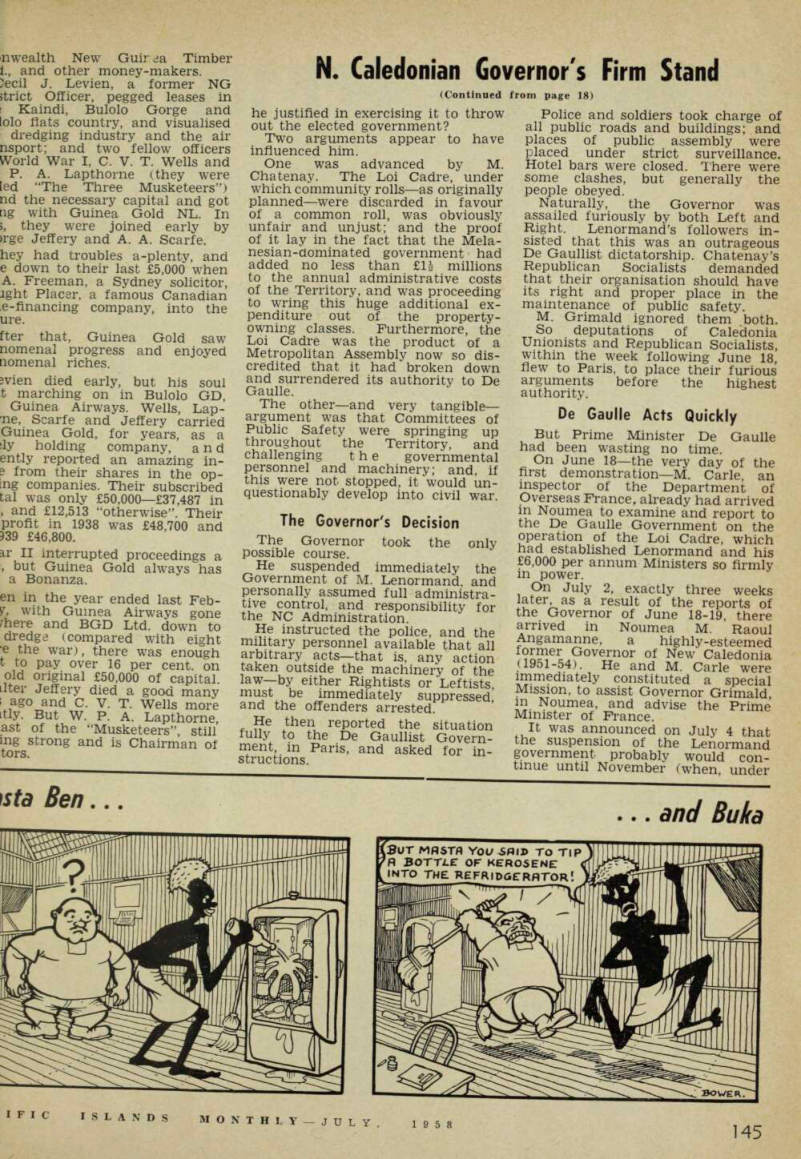 149
149 150
150 151
151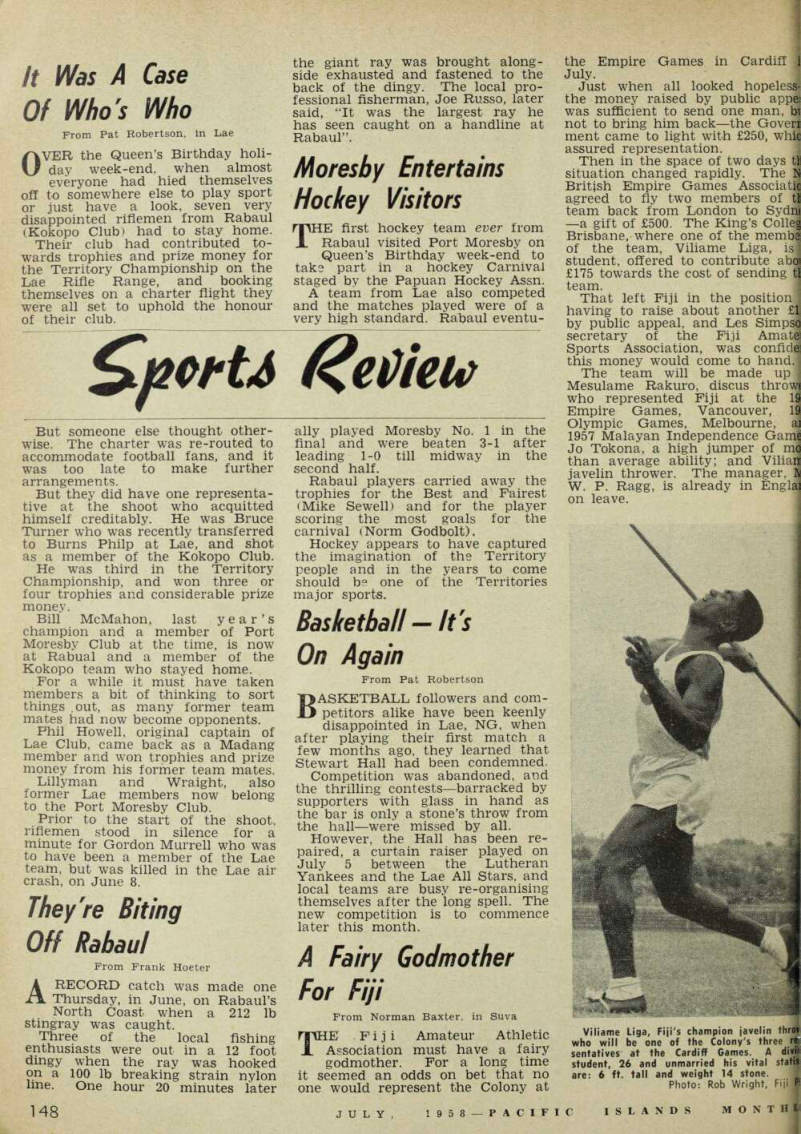 152
152 153
153 154
154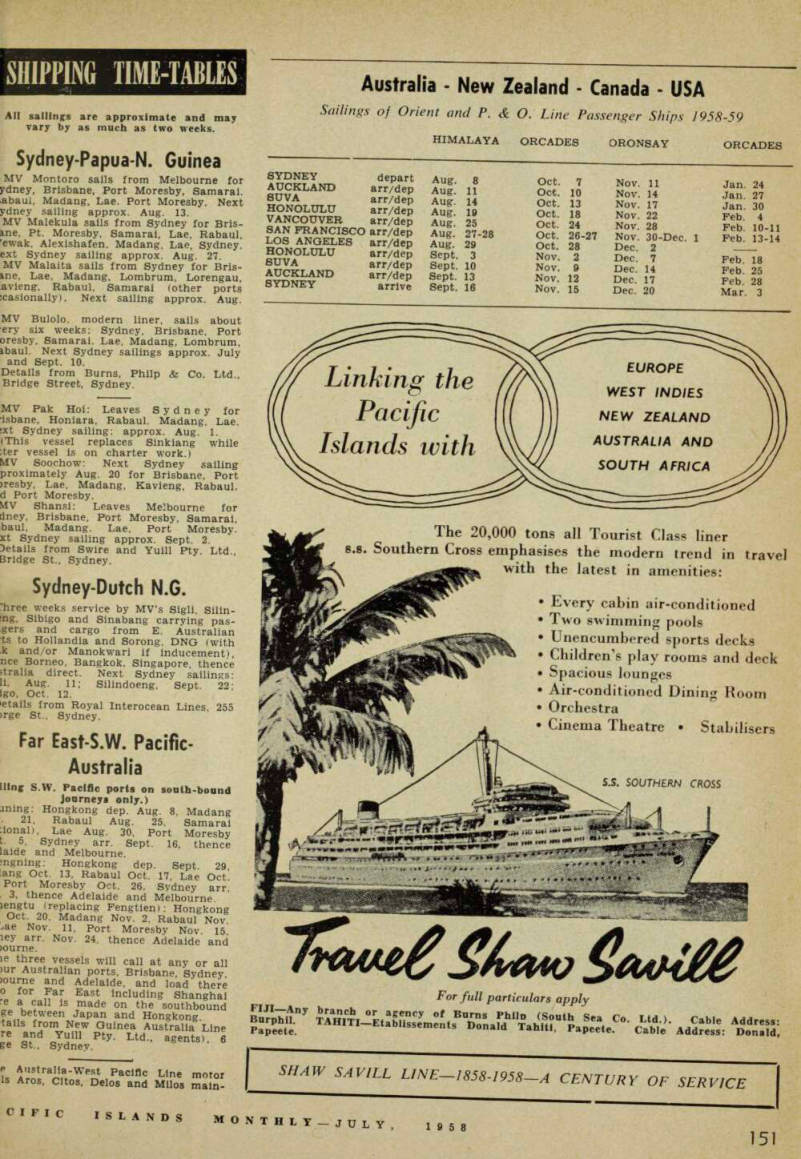 155
155 156
156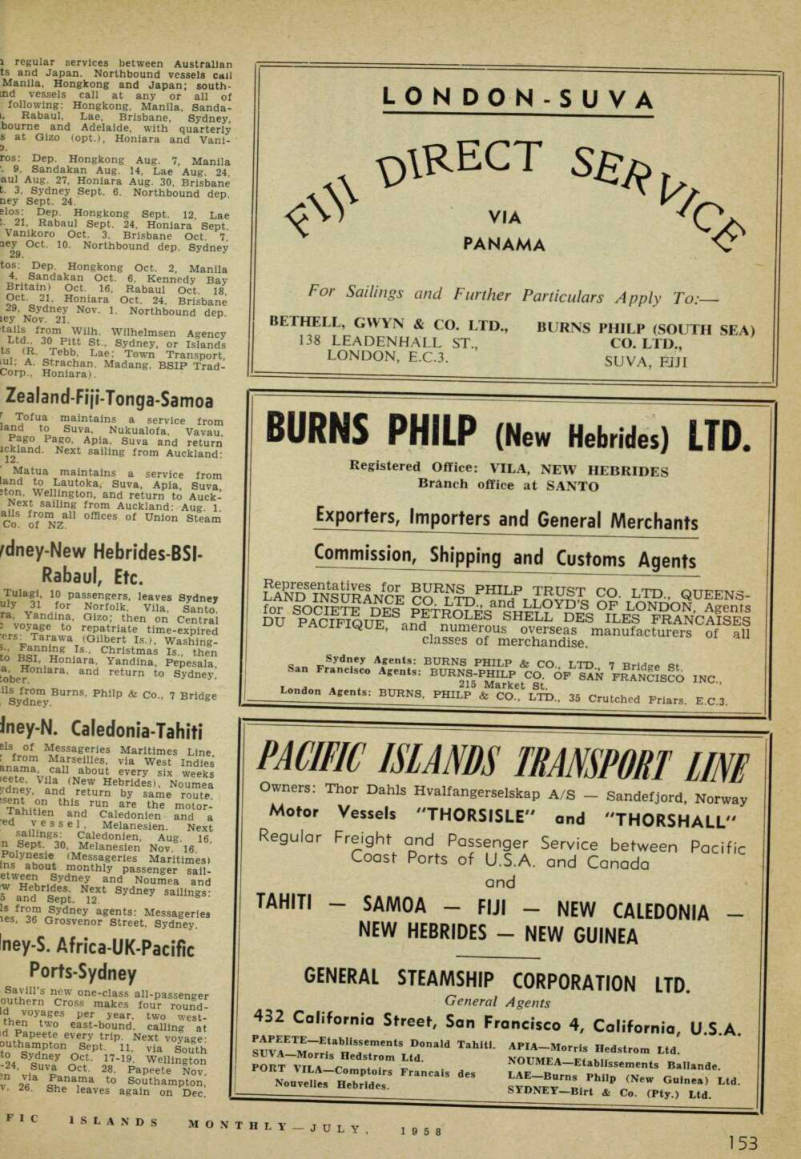 157
157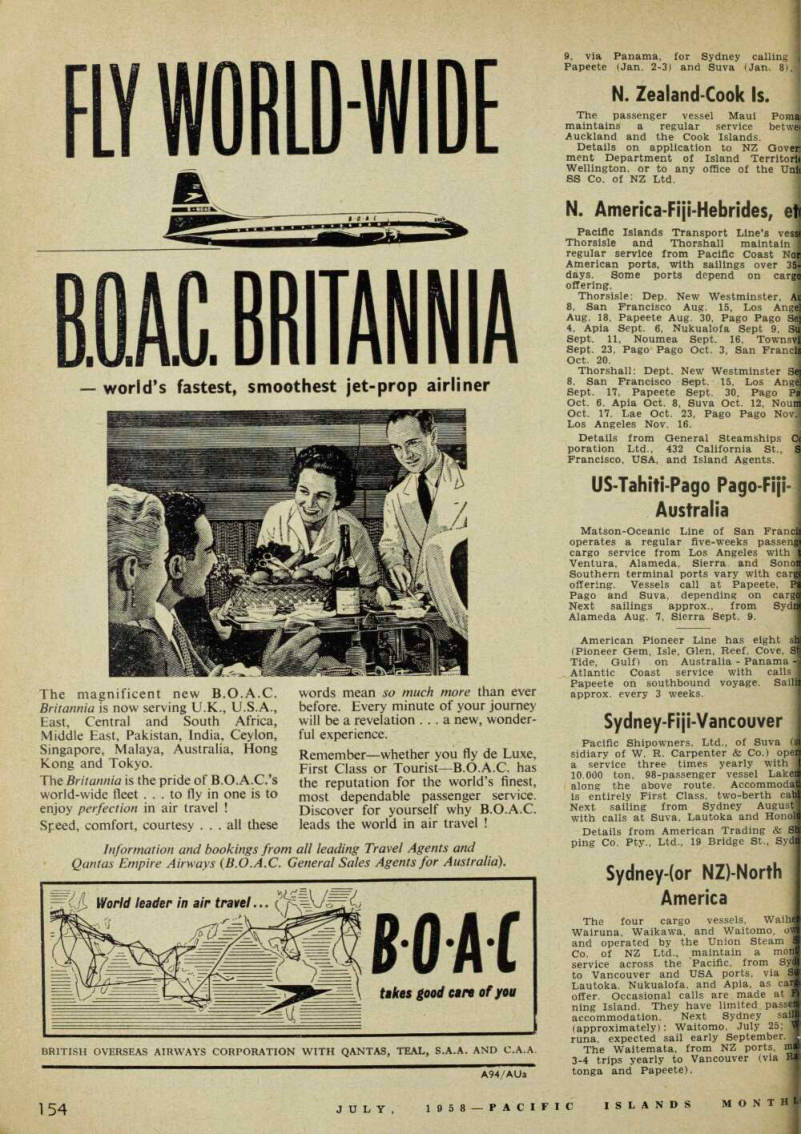 158
158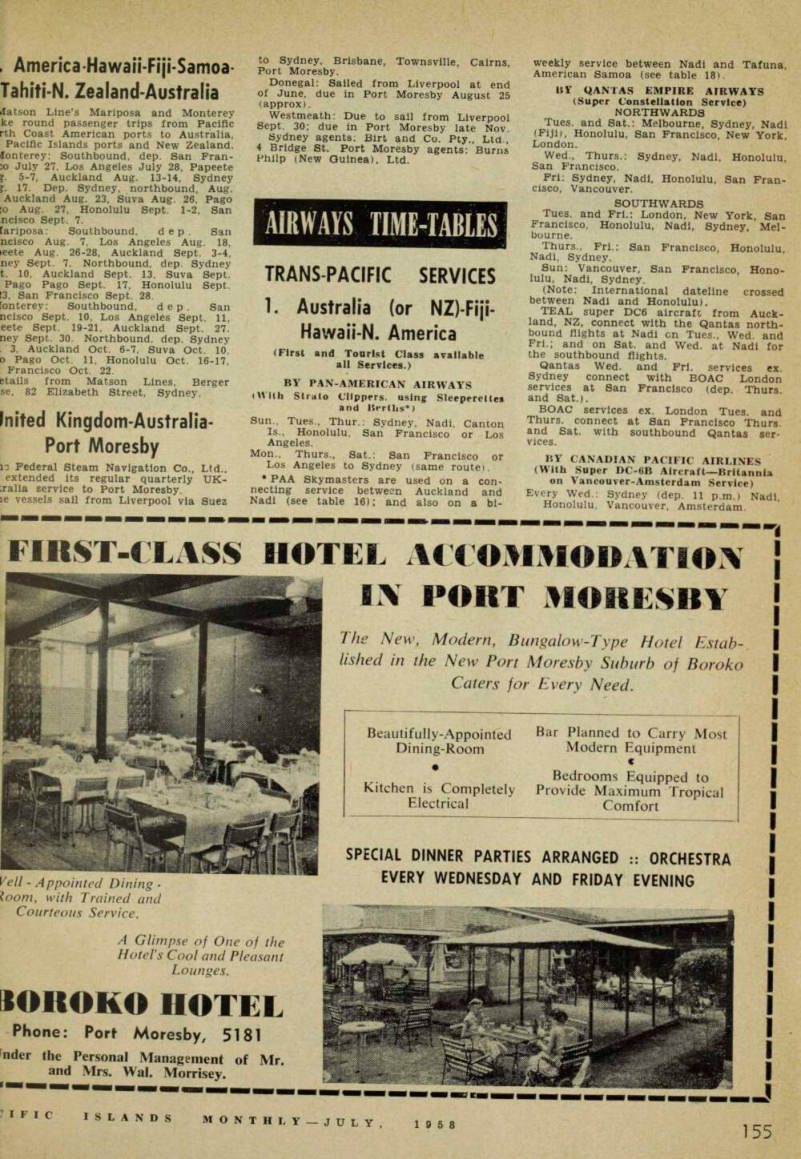 159
159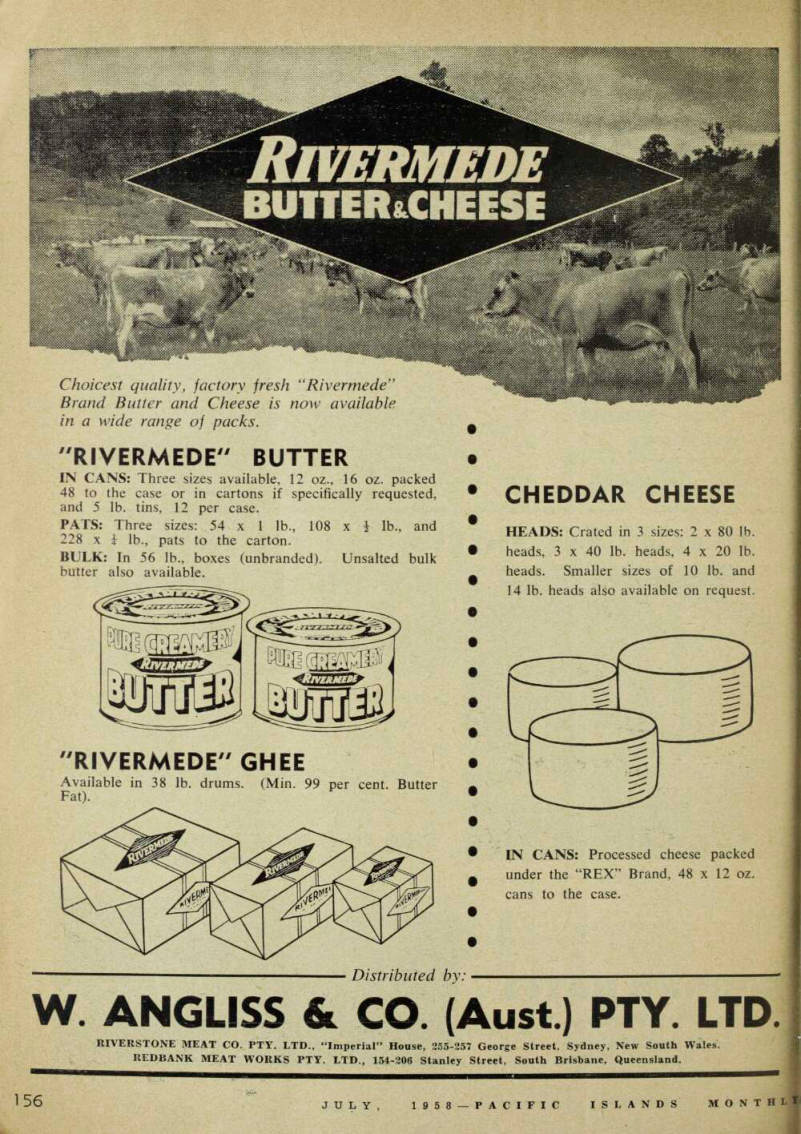 160
160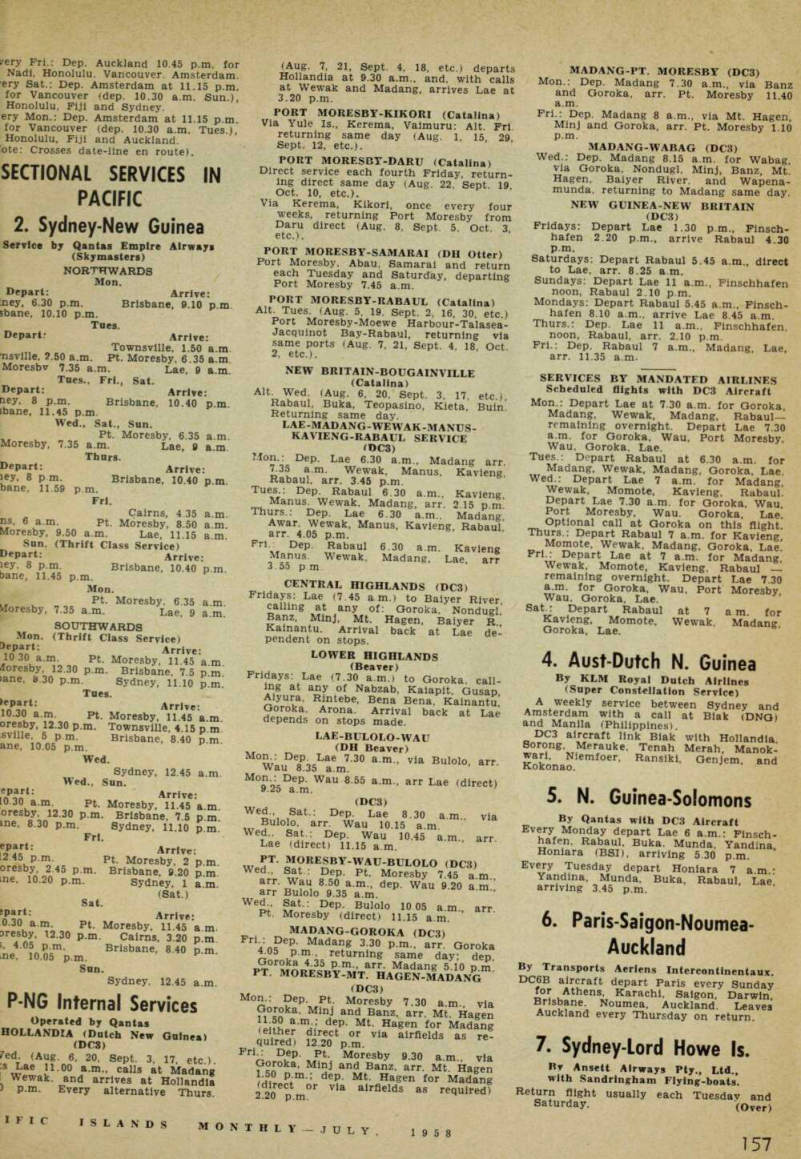 161
161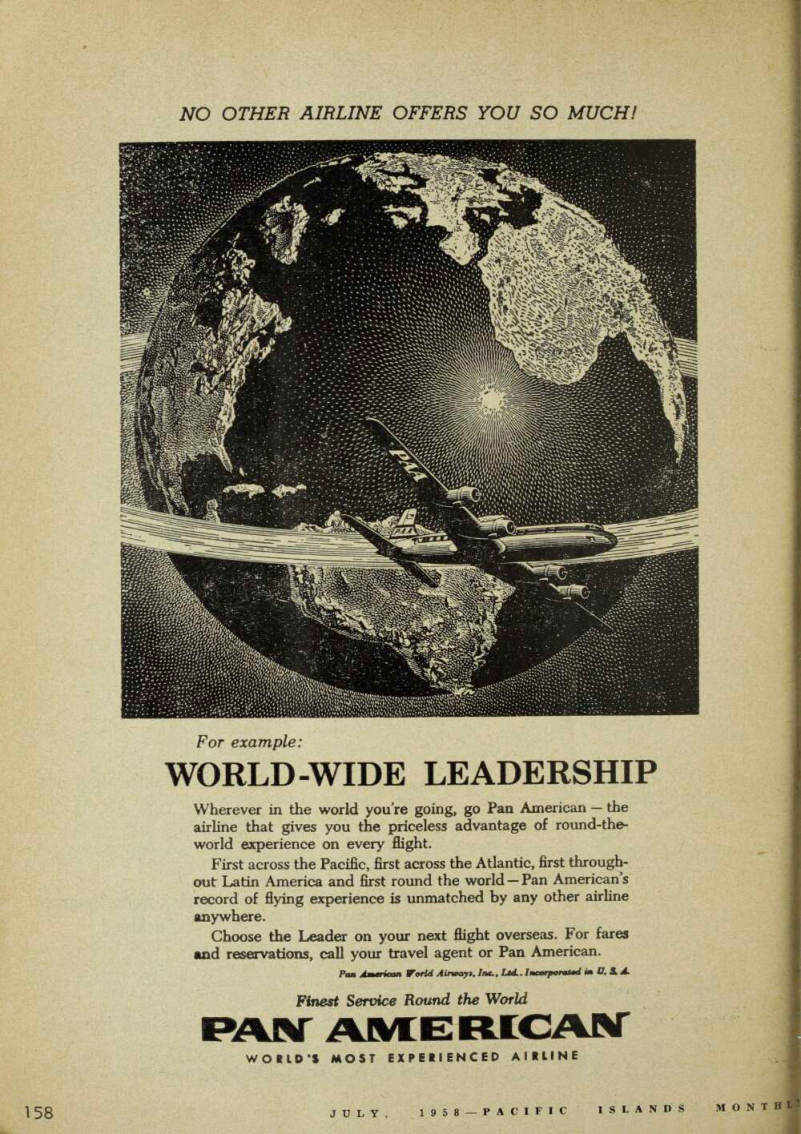 162
162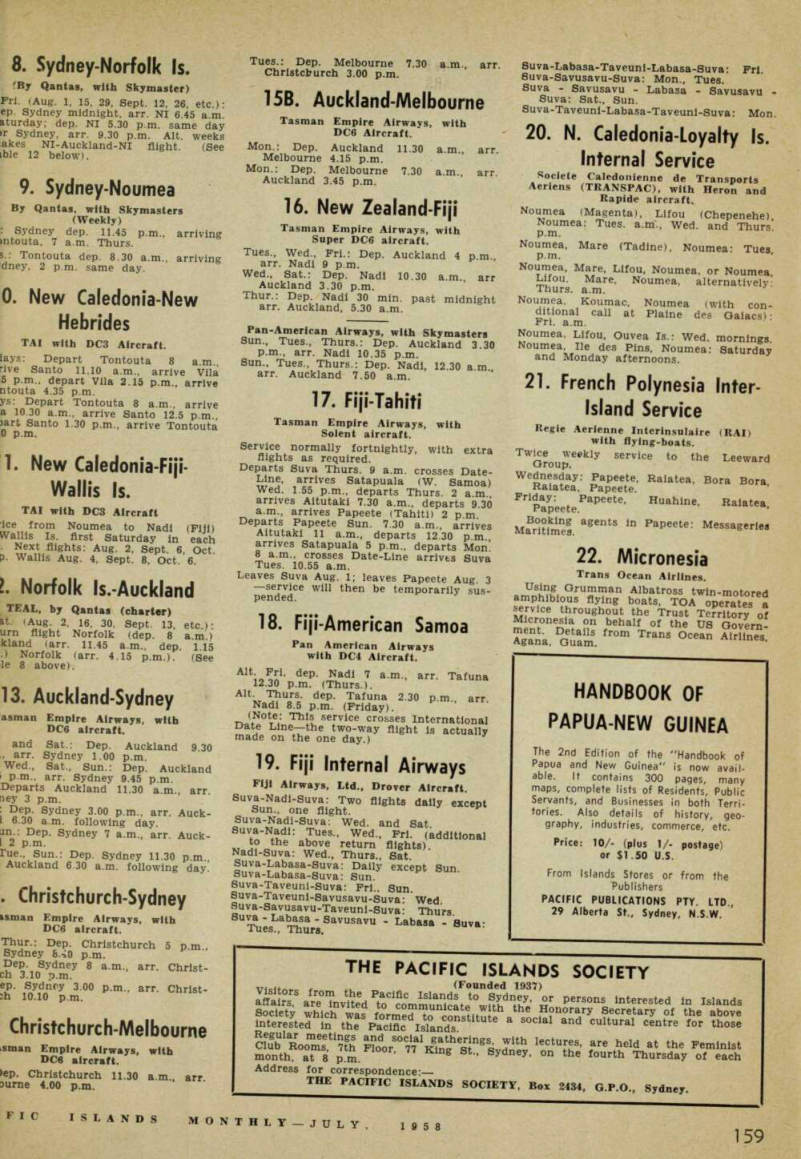 163
163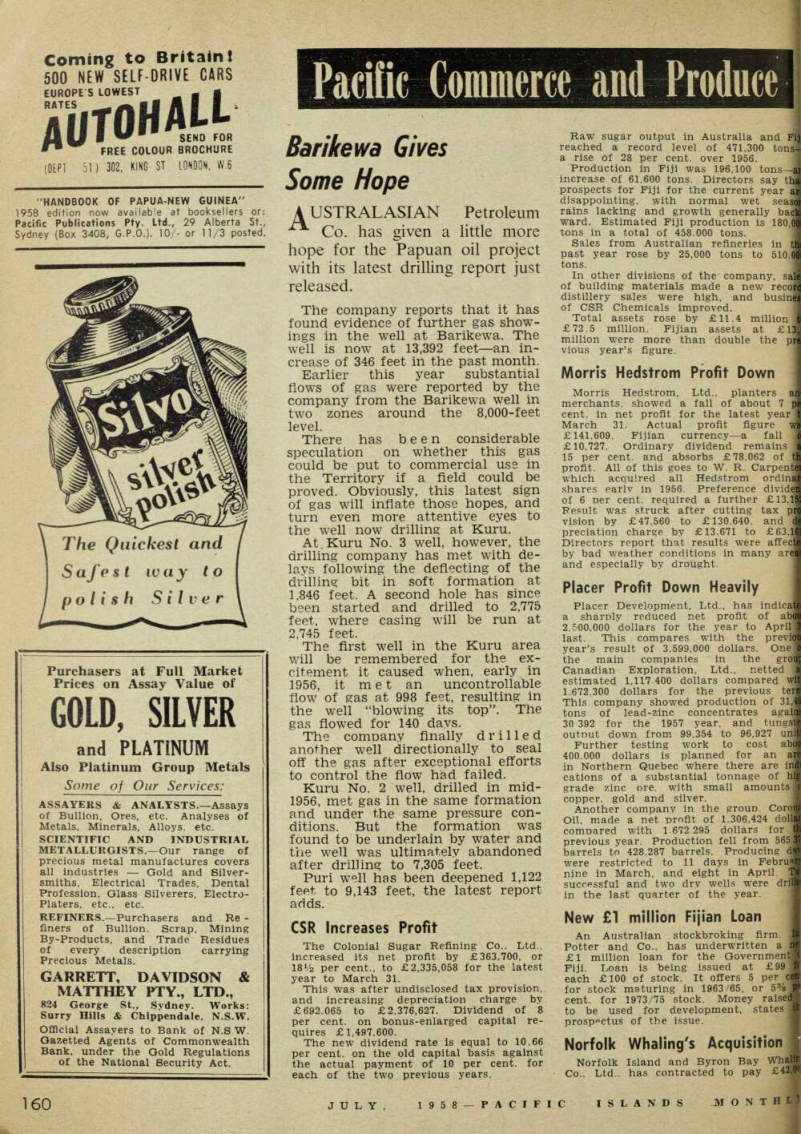 164
164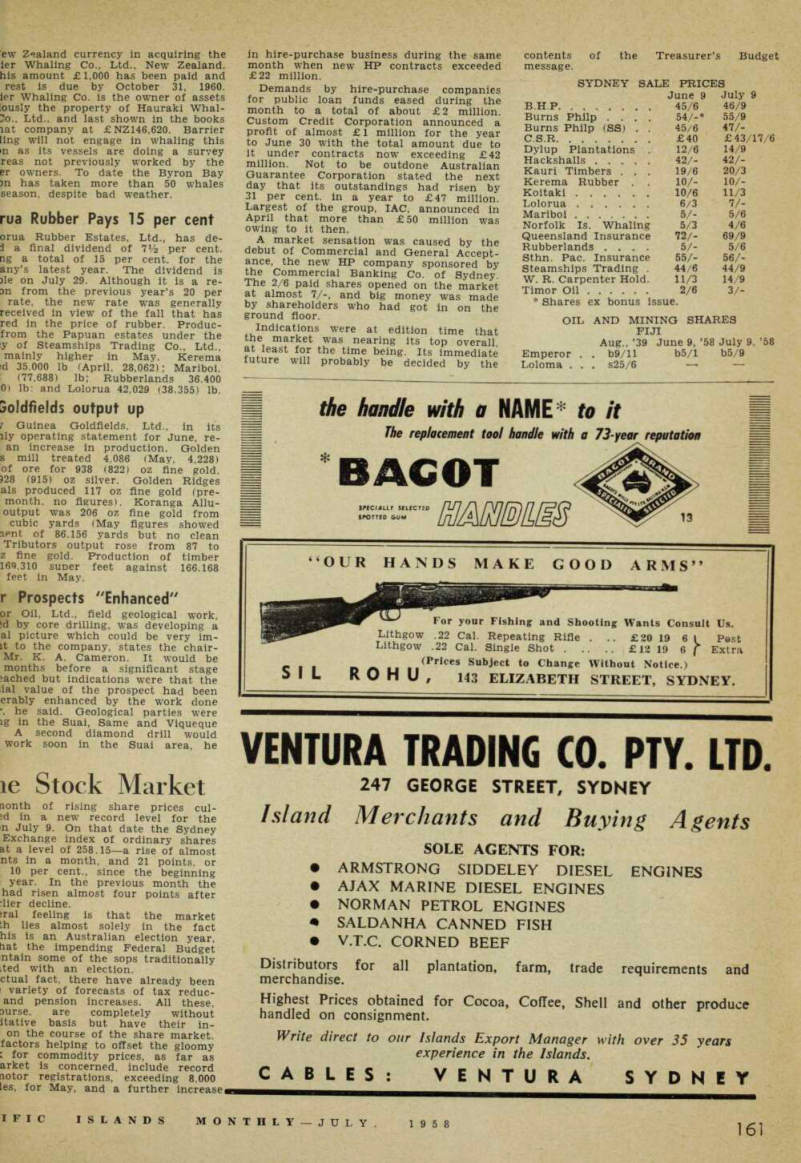 165
165 166
166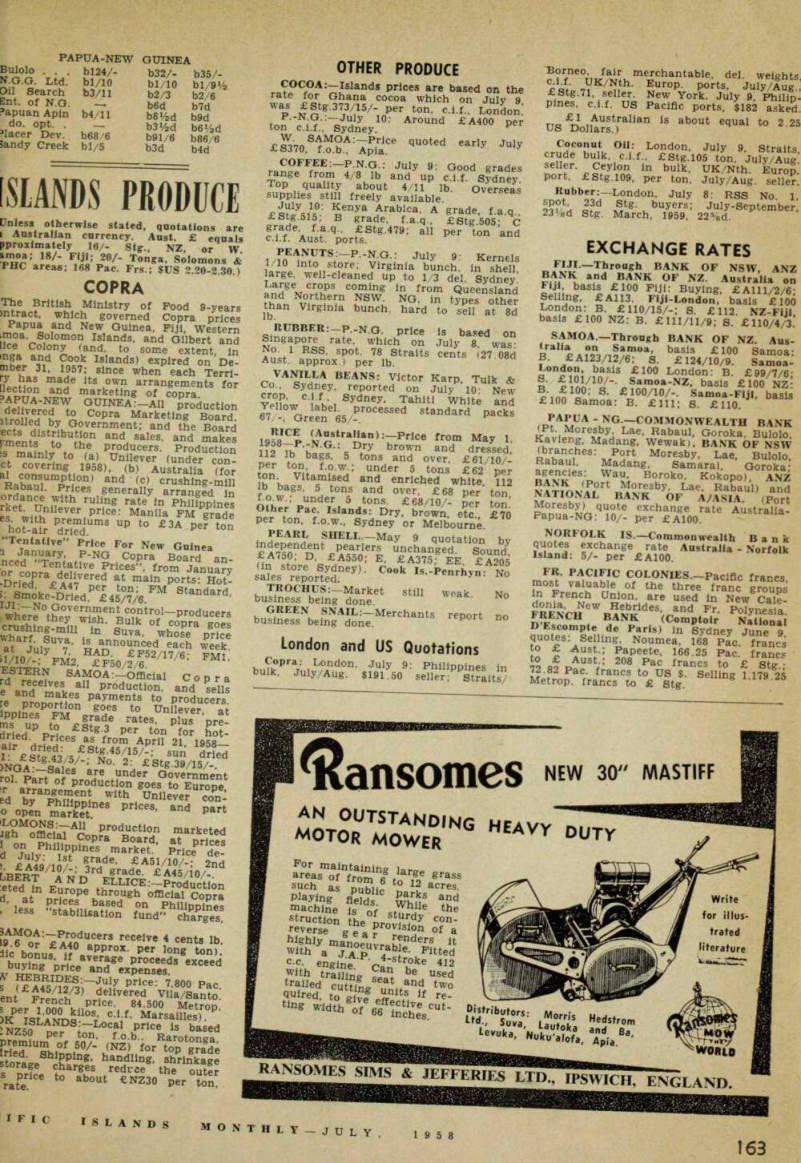 167
167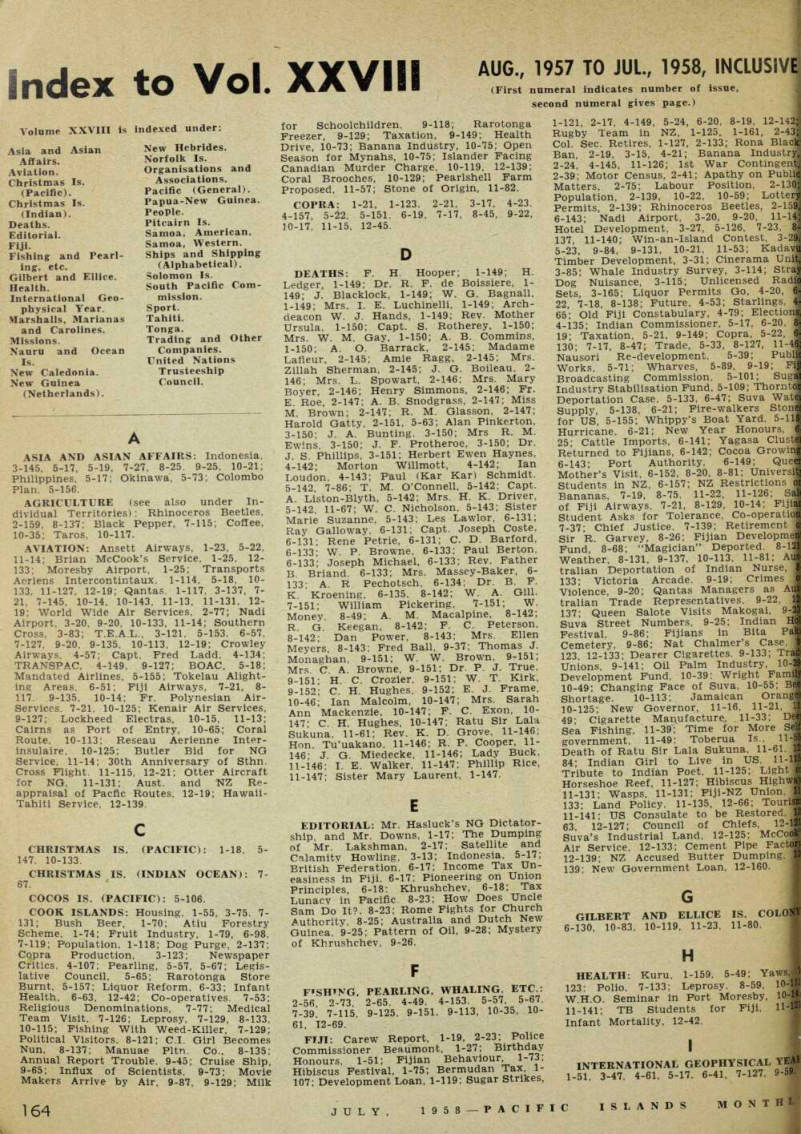 168
168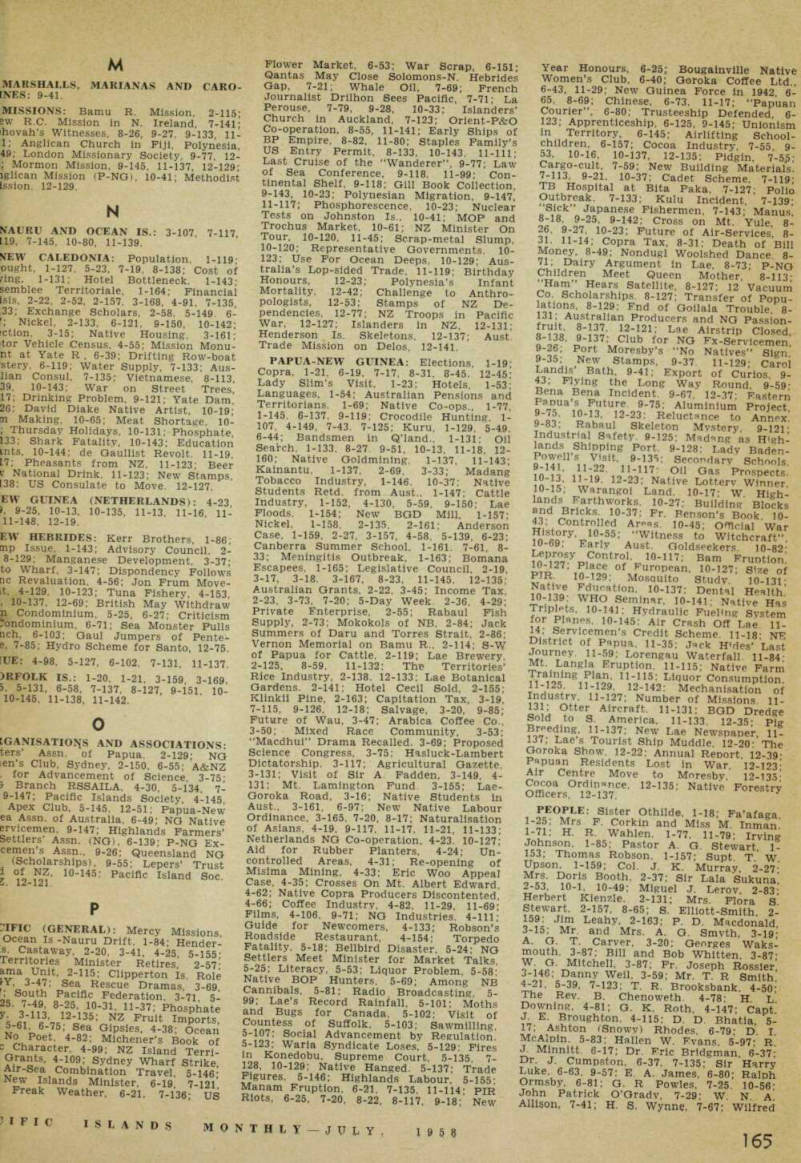 169
169 170
170 171
171 172
172 173
173 174
174