Advertisements & other items, pp. 1-17 (6 items)
Islands
PACIFIC
Monthly
JUNE, 1958
Vol. XXVIII No. 11
lished 1930
mission by post as a newspaper]
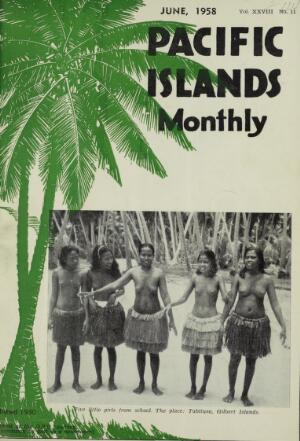
Five little girls from school. The place: Tabituea, Gilbert Islands.
Oantas
round-the-world
flights every week
To simplify your travel problems, two great airlines have combined to give you an almost daily choice of round-the-world
flights.
Four flights a week head East via Honolulu, San Francisco and New York—four a week go West via Singapore, Rome and London.
Whichever direction you want to go, whatever your reason for travelling, you will appreciate the way QANTAS-8.0. A.C. look after you at every stage, both in the air and on the ground, right around
the globe.
Ask your travel agent to tell you more about the QANTAS- 8.0.A.C. round-the-world route.
OANTAS
AUSTRALIA'S ROUND-THE-WORLD AIRLINE
WITH BOM
Model No. 532 E
SILENT TYPE
f
STOVES
MADE IN ENGLAND
These two Coleman Stoves are of the one burner kerosene type and are available in both silent and roarer models. Their dimensions are height inches, diameter 8* inches, approximate weight 2J lb. Both models have the same outstanding features. with Filler Plug of wing 1. Full-Size Fount type. 2. Air release on side of Filler Plug 3. Heavy Brass pressure-tested Tanks.
I. Fount and Burner firmly soldered together.
>• European-type pump.
5. Grate and Grate Supports detachable to reduce shipping space. r * Spare parts interchangeable with similar European Stoves.
Representatives for the Pacific Islands: Model No. 531 E
ROARER TYPE
YOUNG ST.,
SYDNEY
ROBERT GILLESPIE Pty. Ltd.
PEARCE & CO. LTD.
SUVA
FOR FIJI ISLANDS
NEW
DOUBLE-WRAPPED
MOISTURE-PROOF
PACKETS i
i % i. % 0 I I i £
WHEN NOT IN USE,
KEEP IN A CLOSED
TIN TO MAINTAIN
CRISP FRESHNESS.
drnott's
Biscuits
There is no Substitute for Quality
X/EXS/2
ilil : Another view of the “Brahol”
Export Counter case, showing width of counter space.
BRIEF SPECIFICATIONS:
i you get an accurate picture of the “Brahol” Special Export hunter Case, here are the main specifications: Overall size is i ft., or 8 ft. long x 1 ft. 9 in. deep x 3 ft. 3 in. high. from first-class well-seasoned Queensland Maple or Silver md French polished to natural colour. tarts are V « inch British plate glass. side is lacquered ivory colour, and the recessed base is sd burgundy. s a pair of solid core sliding doors, and one glass shelf. 14 wide, on adjustable nickel-plated brackets. space below is 11 Inches high. ite glass front is 22 inches high.
Cost of packing and transport to wharl depends on the number and size of counters required. A quotation for packing will be submitted promptly upon request.
This Modern Display
Counter will Help
to Sell More Goods
in YOUR Store!
(and it's specially built for Export) As smart as those in leading Australian City stores, and built by a firm that has been making fine store and office fittings for over forty years.
Moreover, it is specially built for export, so that it can be readily securely packed, and assembled by anyone, from simple directions, in an hour, with no tools other than a screwdriver. Retailers all over the world have learned the selling value of modern display equipment, and this “silent salesman” will soon pay for itself in increased sales.
BRAY & HOLLIDAY
PTY. LTD.
Makers of Fine Store and Office Fittings for over forty years.
Brahol House, 66-74 McLachlan Ave.,
Rushcufter Bay, Sydney.
Telephone: FA 4121 Cable and Telegraphic Address: Brahol
Meui Quui&a AuAitoMa JUeu
Passenger and Cargo Liners:
M.S. "SHANSI"
M.S. "SOOCHOW"
S.S. "PAKHOI"
fi ini -m Regular services between Aus- < traha and Papua-New Guinea
JAPAN, SHANGHAI, HONGKONG, NEW GUINEA, AUSTRAL!
REGULAR SERVICE WITH THE STEAMERS: "FUNING"—"FENGNING"—"CHENGH
Japan, Shanghai, Hongkong, Madang, Kavieng, Rabaul, Lae, Samarai, Port Moresby, Sydney, Melbouii Adelaide. (Returning from Australia to Japan direct).
For further details please apply to agents or refer to the weekly advertisements in the “South Pacific Pa
THE CHINA NAVIGATION CO. LTD.
(A British Company incorporated within the United Kingdom)
AGENTS:
MELBOURNE: John Sanderson (Shipping) Pty. Ltd., 11l William St; Cable: "Syndicate".
ADELAIDE: George Wills & Co. Ltd., 33 Gilbert Place. CO "Willsandco".
JAPAN: Butterfield & Swire (Japan) Ltd., Tokyo, Yokohama, 0:C Kobe. Cable: "Swire".
EASTERN MANAGERS: Butterfield & Swire, Hongkong. Cable: "Sw.
PAPUA: Steamships Trading Co. Ltd., Port Moresby, Samarai . Cables: "Steamships".
NEW GUINEA: Colyer Watson (NG) Ltd., Lae, Madang, Rabaul.
Cable: "Colyeram".
New Guinea Co. Ltd., Kavieng. Cable: "Camohe".
BRISBANE: Wills, Gilchrist & Sanderson Pty. Ltd., 400 Queen Street Cable: "Wilgilsand".
SWIRE & YUILL PTY. LTD.
Braybon
n KVA
diesel sets
mm *We feature here one of our larger industrial light and power plants which will >perate motor up to 5 H.P. 3 phase. Sets are available petrol or diesel from to 100 KVA capacities.
w BRAYBON
p BROS Pty. Ltd
The sign of Quality Products
27-33 WASHINGTON ST.. STONET
Telephone MA 6853
TELEGRAMS: “Braybonian”, Sydney LL AGAIN BE VISITING NEW GUINEA, arriving Port i a i une The ports of call over a period of approximately seven weeks will £t- lae ' 6oroka -, Min h Wabag, Madang, Wewak, Kavieng, Rabaul andPoplndetta For any enquiries relating to the electrical field that our company could assfst with' Pkase write our office, or P.O. Box 74, Port Moresby '
- % aw C N\^ I > l'/A
The Best Protection
-for YOUR Savings
The Commonwealth Savings Bank offers you the best protection for your savings right throughout the Islands. No matter where you go you will find an office of the Bank.
There are branches at the following places: Port Moresby Goroka Madang Rabaul Kavieng Wewak Honiara Bulolo Lae Norfolk Island In addition, 57 agencies operate throughout Papua- New Guinea, 5 agencies in the Solomon Islands, and others at Fanning Island, Lord Howe Island, Nauru and at Vila and Santo (New Hebrides).
For all your savings bank needs use the Commonwealth Savings Bank—the bank that serves you best throughout the Islands and Australia.
COMMONWEALTH
BANK
Guaranteed by the Commonwealth Government of Australia
PARKE-DAVIS
(AMOQUIN
Effective Single Dose Treatment for
MALARIA
SPECIALLY FLAVOURED TABLETS AVAILABLE FOR
CHILDREN
SUPPRESSIVE DOSE—
For Adults: 3 tablets to be taken as a single dose once weekly, or 1 tablet three times weekly.
For Children: 1-2 years, one INFANT FORMULA TABLET once weekly or half-tablet twice weekly. 3-5 years, two INFANT FORMULA TABLETS once weekly or one INFANT FORMULA TABLET twice weekly.
TREATMENT DOSE—
For Adults: 3 tablets taken as a single dose. A second dose of 3 tablets may be given in from 24-72 hours if fever has not subsided completely.
For Children: 1-2 years, one INFANT FORMULA TABLET as a single dose. 3-5 years, two INFANT FORMULA TABLETS as a single dose.
IMPORTANT:—CAMOQUIN should be taken immediately after or during a full meal.
Obtainable from all chemists and suppliers of
PARKE-DAVIS products
PARKE, DAVIS & CO., LTD., SYDNEY
A COMPLETE
IN EVERY
A o
BOTTLE!
0 a □ M c & VJt 0 r o \o U
DON’T SAY GIN .
SAY
THE INTERNATIONAL
FAVOURITE
39C9
21 (hunky squares
rith satisfying flavour
so smooth .. • creamy
rVBYS
LK M DA* These are just a few of the many reasons why you’ll like Cadbury’s Dairy Milk Chocolate. Take a deep bite of Cadbury’s Dairy Milk Chocolate. Mmm . . . it’s so smooth ... so creamy ... so satisfying. There’s wonderful eating enjoyment in each of the 21 thick, chunky squares. Nourishing, too; there’s a glass and a half of pure, fresh, full-cream milk in every i lb. Buy a block today.
Cadbury’s Dairy Milk Chocolate
MD2B/HP/8
Now is the time to have your insurances checked over to see that they are in keeping with your
present requirements.
Replacement costs of Buildings, Plant and Machinery are higher and perhaps, you have overlooked those new machines you have installed.
These are among the things that should be attended to and we’ll be happy to check over your insurances and prepare a quotation for you.
It is a service without obligation.
For Better Insurance Service
HARVEY TRINDER
Insurance Brokers
MUSGRAVE STREET, PORT MORESBY
Box 104 P.O. Port Moresby. Phone 2373 Agents PORT MORESBY & SAMARAI . Steamships Trading Co. Ltd.
LAE . A. Scott. RABAUL .. .. A. Hopper.
WAU .. .. .. P. Leydin. BULOLO .. A. McKinlay.
HONIARA. 8.5.1. P MADANG. C. W. D. Rock.
E. V. Lawson.
Insurances at Lloyd’s and Companies
Not one
not two...
but three
medicines in one
HEADACHE & ALL PAIN!
Vincent’s A.P.C. contains three wonderful medicines Aspirin, Phenacetin and Caffeine. Each one is a tried and proven ally for many years in medicine’s struggle against pain and physical discomfort. Vincent’s A.P.C. gives you fast-acting, triple-action relief. Vincent’s Powders or Tablets work safely, surely and speedily to end your headache, and soothe all other pain.
VINCENTS
APC. w/YACOA/F/OFMCF
AVAILABLE EVERYWHERE AT ALL CHEMISTS AND STORES
for
N.8D.42
Features that make
better home baking
in the tropics certain
I, %
WRYS,
BAKING Posjj ir--
ALWAYS FRESH
I CAKES KEEP LONGER
AIRTIGHT CONTAINER
CONSTANT FULL STRENGTH
io give your cakes and pastries extra freshness and lightness you must be confident that the ingredients you use are fresh, ihat s why you can be sure of first-rate results with Aunt Mary s Cream of Tartar Baking Powder, It never deteriorates and is always dependable. You also cook with the added advantage of adding the rising agent when you do vour mixing that is the right time—the best time for sure results.
Cluni MaUjl
Cream of Tartar
BAKING POWDER
ALWAYS ASK FOR AUNT MARY'S
■ Concentrated Germicide A 'c mr *s*3s //V/rs Dp B ArHj? OK, S
PICCANINNY
If
Australia's
Best Selling
GERM
KILLER
now comes to you!
-a-lyptus
Fresh as a new day Piccaninny’s new disinfectant brings Hospital-clean protection to your home. Every time you clean use Piccaninny Pic-a-lyptus. Australia’s most popular germ-killer, is now available to you in the large economy priced bottle.
Powerful, safe and fragrant.
AT ALL ISLAND STORES
Made by Piccaninny Manufacturing Company, Manly, N.S.W., Australia.
PIC-A-LYPTUS
a disinfectant' and deodorant
LESS LABOUR -
GREATER ECONOI
WHEN YOU BUI
WITH CRANE
ALUMINIUM
MANSARD SHEB
Less labour because minium mansard sheet is ligh to handle and extremely simr use. Greater economy —b< NEW aluminium mansard s \ highly resistant to atmospheri rosion; and lightness of means cheap transportation.
Aluminium mansard sheet is addition to Australian ma ture. It is a tremendous boon marine and industrial atmos quickly corrode other materia is easy to maintain over aE period and its distinctive a ance is pleasing to the eye. made in two patterns, Plaii Arctic. The arctic pattern is e ally attractive when used in dt tively prominent positions.
Please send me further deb of CRANE aluminium nv sard sheet.
Name Address i
CRANE COPPER &. ALUMINIUM pty ,
BURWOOD RD., CONCORD, N.S.W. UJOBSI
Also manufacturers of Aluminium Corrugated Sheet, flat sheet and patterned sheet.
tributed in AUSTRALIA,
EW ZEALAND and the
owing PACIFIC ISLANDS:
nstrallan Territories: Papua.
Norfolk Is. Cocos Is. ist. Trust Territories: New Guinea. Nauru.
Itlsh Crown Colonies: FIJI.
Gilbert & Ellice, tlsh Protectorate: Solomon Is. tlsh Protected State: Tonga. . Territories: Cook Is. Niue. . Trust Territory: W. Samoa, ch Territories: New Caledonia.
French Oceania. » - French Condominium; New Hebrides.
Territories: E. Samoa. Hawaii.
Trust Territory: Micronesia rollne, Marshall & Mariana). b Territory: W. New Guinea Publisher:
R. W. ROBSON.
Editors:
r TUDOR STUART INDER
Manager:
BELWYN HUGHES.
IPHONES: General Business, rial. Advertising, Subscriptions:
MA 9197-8, MA 7101,
MA 4369, MA 1395.
.P.O. BOX 3408, SYDNEY.
tered Address for Telegrams, jgrams, and Cables: “Pacpub,”
Sydney.
SUBSCRIPTION RATES:
ust. and N.Z. and itrallan, N.Z., and Pacific Is £1 4 0 Caledonia. Tahiti . £ 1 7 0 here $3.50 U.S. or £1 10 0
RANCH OFFICE. PAPUA-
NEW GUINEA
c Publications (New Guinea) Theatre Building, Fourth St., New Guinea. Tel.: Lae 2577. 3s Pat Robertson, Manager.
RANCH OFFICE IN FIJI:
Times Building, Gordon St., Suva. Tel.: 4043.
EPRESENTATIVE IN N.Z.:
. Whltcombe, P.O. Box 5179, Auckland. Tel.: 42.384.
EPRESENTATIVE IN U.K.:
Wallis, 13 Rood Lane, London, 3. Tel.: Mincing Lane 8633.
IOURNE OFFICE: Newspaper ;, 247 Collins St., Melbourne, r lctorla—Tel.: Cent. 2053. fTS: All main trading firms stores in the Pacific Islands.
TJI TIMES AGENCY IN
AUSTRALIA
Pacific Publications Pty. Ltd., ilpress House, 29 Alberta St., iy (Telephone MA 9197-8), Is ustralian Agent for THE FIJI TIMES, of Suva, Fiji.
I
FIC ISLANDS MONTHLY JUNE, 1958
Ii
JUNE, 1958 PACIFIC ISLANDS MONT 1 ]
Iii
IFIC ISLANDS MONTHLY JUNE, 1958
Iv
JUNE, 1958 PACIFIC ISLANDS IVIONTT
People
’. Tatara Samuela, Senior th Inspector, Cook Islands, jsented that Territory at a ) seminar in Port Moresby ig May. ♦ * * . H. A. Levestam, who has acting-secretary to the Samoa rnment, has been confirmed le appointment. He went to •a in 1952 and has served for time as official member cf Executive Council and the lative Assembly. The appoint has met with general ap tion.
'land Territories Department ced on May 27 that Mr.
g that Silver Acorn Look is P-NG of Education, W. C. Groves, who is Chief Scout Commissioner for the The Silver Acorn is there too — ust above the spot marked X. It is s second highest award and only six stralians have won it. Mr. Groves' or his services to P-NG Scouting since -was presented at a Scout ceremony Moresby on St. Georges Day. On the casion Mrs. Marian Heape presented photograph of Lord Baden-Powell to it Headquarters in memory of her the late Mr. Ben Heape, who was District Scout Commissioner. During noon, Area Commissioner J. Colman of as presented with his Wood Badge.
Photo Papuan Prints.
Jock Malcolm McEwen, ac: secretary of Island Territories the retirement of Mr. J. B. Wi has been appointed secretary - ' Mr. McEwen has just retu from an Islands tour withi Minister; he made a very far able impression in the Cook IslJ partly through his ability to s the native language fluently.
He was born at Feilding, N 1 1915, educated at Palmerston M Boys High School and Wellin University. After a time with s firm he joined Maori Affairs; partment in 1935, transferrin - Island Territories to become I dent Commissioner at Niue inr cember, 1953. In August, 1956 was appointed assistant-seen-; of Island Territories. He has cently spent some months in Cook Islands familiarising hii. thoroughly with affairs there, doubtful whether a more suit man could have been found where for this position.
Miss Margaret Drake-Brocks and Miss Brenda Cherry, trained nurses of Perth, West tralia, arrived in Suva by ■ Orcades in June. They will be< tached to the staff of the Me 3 Department in Fiji for two * * * Another traveller by Oro* 1
Newly engaged couple, Ramona Benn Lami, Suva, and her fiance, Mr. Ross M[?] of Sydney. They were photographed Polynesian Society party in Sydney recen[?] —A Teles
Port Moresby bride, Miss Kath Coate[?] married Mr. Desmond Francis at the [?] Church in Port Moresby on May 16.
Photo: Papuan
is entering the Fiji Public ce, for three years, is Dr. J. nyi, a chemist, from Adelaide, /as accompanied by his wife he is joining the staff of the rtment of Agriculture.
,e is no Anglican clergyman known in the Pacific Islands the Rev. G. W. Whonsbon the bachelor Chaplain of n Samoa. He has served in luinea, in Fiji and in Poly- He will retire from Western (where he has been since n November, and will return i service of his Church in s Archdeacon. Between the ; when he was Vicar of (1939) and Vicar at a, he spent five years in the luinea field. He is noted as ch-builder. He built a church ika, and the church he built stern Samoa has been de as one of the loveliest in cific Islands. * * * D eter White, lately Press and Relations Officer to the
Commandefim-Chief, Far
ir Force, has been appointed ry of the Fiji Visitors’ , in succession to Mr. R. A. t. He is 37, and went to Suva y as an announcer for the ■oadcasting Commission. Mr. has been three years in are; and Bob Hewlett has 'oceeded to that same city ome Director of Tourism * * ♦ delegation goes from West amoa to the forthcoming Nations Trusteeship Council I. Annual reports on the Trust Territories are due
shirt and that beard, attracted a lot tion in Sydney, before their owner, Mr.
Dexter, of Papeete, Tahiti, returned May.
Photo: Telephoto.
for discussion again. NZ Commissioner in Western S 5 Mr. G. R. Powles, with Mrs. P c left Apia on Thorshall on M( Three Samoan High C Tamasese, Malietoa and Ms Flame, will follow later in tinr the meeting (in July). Thein is to explain to the sceptical teeship Council why the San do not want universal suffrag prefer their matai (heads of fa system of political represent}
Mr. Charles McPhee, an tralian artist who has won fame for his paintings of Polyn Islands scenes, and for his on velvet, reports that he m “swamped” by commissions, all parts of the world. At pn he is living in New Zealand,, Auckland; but he and his Tal wife hope soon to return to F Polynesia. * * * The man chosen as Papua Guinea’s liaison officer in Ne lands New Guinea (see abow
Mr. Raphael den Haan, newly-a[?] Netherlands New Guinea Liaison Officer Moresby under a scheme of greater co-op between the Australian and Dutch Ten He was formerly a District Commissi[?] NNG. His opposite number is Mr. H[?] West, formerly Acting-DC in Southern Hi[?] District of Papua (see below).
Photo: W. E.
Mr. and Mrs. F. J. Carriage after marriage at Taurama Chapel, Port Mores May 3. The bride was formerly Mr[?] Whitmore.
Phot: Papuan
ipposite number) is Mr. Harry am West, who for the last six :hs had been Acting District nissioner in the Southern lands District of Papua. He d P-NG’s Native Affairs Dept., four years military service, in 1946 and has climbed the r along the usual route from il Officer, ADO, Acting District ?r etc. His service has been in be, Sepik and Highlands Dis . He is 36 and was married a nonths ago. * * * Percy F. Parkes who has on the staff of W. S. Tait and ty. Ltd., Sydney, for 59 years, d at the end of May. Mr. -S, aged 81, has been deputy nan of the firm for 20 years m the board of directors for years. He was mainly con d with shipping and marine mce and has a wide cirdle of Is throughout the Pacific who dim well in his retirement. * * * ; re-appointment of Mr. G. as Resident Commissioner of ook Islands was confirmed by Zealand’s new Labour Gov nt in April. This was reported e Rarotonga Island Council ing Mr. Nevill’s return from and from consultations with jvernment in New Zealand. * ♦ * Karlo A. Andersen, recently ed as having resigned from isition of manager of Manuae plantation, Cook Islands, has re-appointed manager, but is relieved by Mr. Kare Masters e leave overseas. Manuae has tvidely advertised for sale. * * * Edward Hallstrom was taken early June after he returned a three days visit to New a to attend the half-yearly *g of the Hallstrom Livestock auna Trust. Sir Edward flew ent three days and then flew
the first wedding held in the Salvation Hall, Boroko, Port Moresby, on April 20, I. Wheeler was married to Mr. R. Burnicle.
Photo: Papuan Prints.
back. He is due to leave for Eu at the end of June. ♦ * * Yet another expert is makii, long visit to Papua-New Gut He is Dr. S. A. Wurn, Senior Ft' in linguistics at the Austrr National University. He will Sc five months amongst the Guinea Highlanders taking o their speech, legends and stori© a tape recorder. He hopes toe termine how many language gn there are already known U plenty—and this may throw light on the migration and oc of these people. * * * Concurrently an English ant pologist, Anthony Forge, is st ing the place of Art in the of the Sepik District natives ofi He will take a year for theE while he lives among them. TH supposed to be a “new approc (However, he is not the firs that field—not by a long Longer ago than we like to ren ber, one of the editors of lived in the same area and. collected Art. You should have i up and seen some of her tamba: sometime.) * * * The world Conference of Sev Day Adventists being held ini United States has attracted gates from many lands but got more publicity than 6 ft Parkin Christian, 73, of Piti Island, former Chief Magistral; the little island and great-g grandson of Fletcher Chriii leader of the Bounty mutir (There are over 50 other Pitcaii bearing the name of * * * One of the early VlP’s ti north this year was the Miii for Belgium in Australia, Mon W. Stevens. He paid a 10 daysa to Papua-New Guinea at th© of May.
Mr. and Mrs. Ron Chadwick who were married in New Guinea. The [?] Miss Ann McDonald. They chartered [?] in Port Moresby for themselves and and flew to Wau to be married. Th[?] live in Rabaul.
Photo: Papuan
: to his old stamping ground ay went Mr. J. H. Jones, official of Papua - New l’s Native Affairs’ Department > then called District Services lative Affairs). He is now lia’s special representative at halted Nations Trusteeship 1 and was back in the Terri > get a refresher course be attending the Trusteeship 1 meeting in New York soon, ones, before he left Port y, went on record as saying ie development of the natives he last two years “amazed ♦ * ♦ ain I. J. Sanders, New Zeawho has been Com : of Tonga Defence Force 5 past two years, has been led by Captain P. R. Hockley, i Hockley, who arrived at lofa with Mrs. Hockley in was recently Adjutant, First on, Wellington Regiment, Jaland. * * ♦ itch couple who did well in ew Guinea, in the five years eaving Indonesia, have now in Brisbane where they are g a house and six shops
Mr. H. Jenkins, and his wife, left for Wewak on the "Malekula" where II spend two or three months with son, and his wife. Mr. Jenkins is well as the managing director of William Cigarettes, and this is his first visit Islands. LOWER: Mr. J. A. G. Miller, rveyor for the Australasian Petroleum Ltd,, in New Guinea, returned to Port on "Shansi" with his wife after 3½ leave spent touring Australia. They en living in New Guinea for the last
which will be the nucleus of income. They are Mr. and Mn H. Jansen. He has been wo:< in Lae as a motor mechanic, dozer operator and a collecto scrap. They have two chill Marianne, 6, and Peter who < born while his parents were in Territory. * * * Passengers arriving in AucW per April Maui Pomare fromr Cook Islands included Mr.
Ingram, Rarotonga business and theatre owner, Mr. H»] McKegg of Cook Islands Trs Co., Mr. W. Ryan, head of I* Works Department, and the Fr. Placidus Rovers. Dr. N. Mi ham and Mr. A. Stenhouse medical research team also ( turned after several months in the Cooks. * * * A successful dairy farmer started from humble beginn. was awarded a medal and Ces cate of Honour for good citJ ship in Fiji on May 21 by^ Governor, Sir Ronald was Jagessar Chaudhary, as years old Indian who arrived in Colony in 1910 as an indenth labourer. * * * Newly born Mavis Kam H fourth daughter of Lae merch Mr. Kam Hong and Mrs. : Hong, will probably be one oft first and youngest Chinese too quire Australian citizenship, was born at the Lae Hospital May 18, and her father naturalised on June 4. Mr. ‘ Hong now has four daughters e two sons for whom Austrn citizenship is a matter of tion. In New Guinea, chili born to European parents have to be “naturalised”.
Mr. and Mrs. A. Curry were aboard th[?] "Malekula", headed for Port Moresby, Mr. Curry (shown) will be working Jackson Airport, for the Department of Aviation. This is the first trip to the for Mr. and Mrs. Curry.
iication for Australian citizen by the parents is more or less matic, but unless it is applied the children’s birthplace re is Trusteeship Territory where le are normally just are “Aus an protected persons”. * * * daughter was also born to Mr.
Mrs. Cedric Chee at the Lae ;ral Hospital on May 20. ♦ * * is reported that Mr. T. Hamil organiser of the Burnt Pine stment Co., Norfolk Island, is ig over the interest of the • shareholders and assuming control of the Paradise Hotel. * * * fellowship provided through Rockefeller Foundation will le Manek Lai Vithal, 20, of three more years at Otago “rsity, New Zealand, where he idying physics. When the three i are complete he will return ji as a lecturer at the Central cal school. older brother, Maganlal il, aged 30, is studying law at Durne University; and a ?er one, Champak Lai has a Government of India Fel tip and will study for a BSc e in India. All are sons of an n barber of Suva. A fourth er, Prahhubhai Vithal, is ing on the family business now the father is too old to do so. * * ♦ poral J. W. Litchfield, 21, of Regular Fiji Military Force, ittend an officer cadet school rtsea, Victoria. He is the first from Fiji’s Regular Force to —previously they went to cadet Is in England. * * * first Fijian to go to India liversity is Mikaeli Yasa, 20, has won a Government of scholarship to study for a ' in agricultural science at ibad. * * * famous Fijian, Ratu Sir Lala la, buried this month with traditional ceremonies among m people at Lakemba, was on urth visit to Europe when he it sea. He went first to Lon n 1913, when he became a it at Oxford University. After • in the French Foreign i in World War I, he re l to London in 1920. He went o the centre of the Common i, as a special guest, at the ation of Queen Elizabeth 11, 3. ♦ ♦ * re has been a general-post in Department of Education. . G. Rodger has moved up Deputy Director to Director. • McGrath has gone up from Inspector to Deputy. Mr.
Bay, a New Zealander, who 2l years in Fiji, now be
(Continued on page 145)
comes Chief Inspector. New Zea land supplies much trained per sonnel to the Fijian Departments of Health and Education. • * * Well-known Fiji business man, Mr. W. E. Goodsir, managing direc tor of Kadavu Timber Company, became seriously ill at Kadavu on June 2, and the New Zealand mine sweeper Stawell went across to Kadavu that night to take him to hospital in Suva. He recently re turned from Australia, where he had been under medical treatment.
Mr. E. T. Fulton and daughter Elizabeth, left Melbourne for their plantation “Makurapau”, Kokopo District, New Britain in June. Eliza beth, who has been ill, gets time off from school, while sisters Mary and Katherine keep Mrs. Fulton company at Mt. Eliza, Vic.
Madame Ingebord de Beausacq, who was collecting native artifacts on the Sepik River, NG, last year for the US market, was back in Port Moresby in June with a scheme for setting up an export industry of artifacts on behalf of the New Guinea natives.
Mr. William J. Sebald, United States Ambassador to Australia joined the north-bound travellers, when he left Sydney on June 16 for a nine days tour of Papua-New Guinea.
Mr. F. W. Blackford, senior tech nical service officer of ACF and Shirleys Fertilizers Ltd., left Bris bane in June for a four weeks’ tour of New Guinea and Papua. He will discuss the pest and disease control of coffee, cocoa, rubber and coco nuts with interested parties.
Mr. Douglas S. Askew, produce inspector for the P-NG Department of Agriculture, returned to Samarai, Papua, on the June "Shansi", after a period of leave in Sydney. Mr. Askew has been well known around the South Pacific for 30 years. In the early 'thirties he worked hard to have New Hebrides sulphur deposits exploited—but to no avail.
Advertisements & other items, pp. 7-16 (9 items)
1
F,c ISLANDS MONTHLY-JUNE, 1958
2
JUNE, 1958 PACIFIC ISLANDS MONTH
3
FIC ISLANDS MONTHLY J U N E . 1958
5
1F I C ISLANDS MONTHLY JUNE, 1958
6
ITTNE, 1958 PACIFIC ISLANDS MONT HH
Ific Islands Monthly June, 1958
8
JUNE, 1958 PACIFIC ISLANDS MONTHS
9
IFIC ISLANDS MONTHLY JUNE, 1958
10
JUNE, 1958 PACIFIC ISLANDS MONTI
Contents:
PEOPLE: Personal Para graphs of Islands’ Interest 1 NZ Follows Australia into £12,000,000 Aircraft Deal 13 New Bid for Second Sydney- P-NG Air Service .. .. 14 Three Lost in Aircraft off Lae .. 14 New Caledonia Calm But Sympathetic to de Gaulle 15 The Butter Factor in Copra Price 15 HOME BASE: Sydneysider Writes of What Made News in the Hub of the Pacific 16 New Governors for Fiji, Netherlands New Guinea 16 New Guinea Chinese Be come Australian Citizens 17 Plans for SPC Conference in Rabaul 17 Credit Scheme for P-NG Servicemen is Too Late for Some 18 Fiji Taxpayers Sour —Though the Ship is Fine 18 New Caledonia Disowns a Busy Delegation 19
Commentary: The Pub
lisher and the Editors Look at the Pacific and the World 21
Editor’S Mailbag .. 23
Territories’ Talk-Talk .. 25 Just What a Coffee Invest ment Does Cost in New Guinea 29 New Guinea Has a Trade Tobacco Factory—Fiji Has Stars and Crowns .. .. 33 Northern District Could be the Garden of Papua .. 35 S. Pacific Federation idea Poorly Received by Con servatives 37 More Facilities for Fiji Deep Sea Fishing 39 FIJI TALANOA Nakatawa Talks of This and That .. 41
A Minister of State Among the Coral Heads of Poly nesia 45 They are Trying to Reduce Fiji’s Overseas Trading Gap 46 It’s Time for Fiji to Seek More Self-Government, says R. W. Robson .. .. 49 Ava Ava Islanders Were Jarred, they Say 53 Cook Islands Takes First Steps Towards a Pearlshell Farm 57 Drama in Hides’ Last Journey Beyond the Kubea 59 Sukuna, Most Famous Fijian, Dies at Sea 61 Building a New Nation in New Guinea —Some Advice from Colonel Allen . .. 65 Coffee, Too. is a Matter of Taste —NG Planters Battle With Australian Consu mers 69
Magazine Section:
Tropicalities, 77; Cross quiz, Profile, 78; Once a King on Maron, 79; There was History in these Pacific Ships, 80; April Showers in Fiji, 81; Raro tonga’s Rock of Ages, 82; Do You Remember? 83; Book Reviews 84
Pacific Shipping And
Cruising Yachts . . 99
Pacific Report: Round
up of the Month’s News and Pictures (Index p. 13) 115
Obituary: Rev. K. D.
Grove; Hon. Tu’ivakano; R. P. Cooper; J. C. Mie decke; Lady Buck; I. E.
Walker; Ratu Sir Lala Sukuna; Phillip Rue; Sis ter Mary Laurent 146
Sports Review 148
Shipping and Airways Time tables 151 Commerce and Produce .. 160
Advertisements & other items, pp. 17-18 (3 items)
A Product of Pacific Publications Pty. Ltd., Technipress
House, 29 Alberta Street, Sydney. (29 Alberta Street is 10 yards from the Intersection of Gonlbnrn Street and Wentworth Avenne.)
12
•JUNE, 1958 PACIFIC ISLANDS MONTH!
tkc Pacific
w
the IVof&b beat Meat
afaeclafatu, packed far
tkc Pacific
0
CORKED BEEF
"SALISBURY" canned meats, SPECIALLY PACKED for the PACIFIC ISLANDS are the popular choice, ALWAYS. rnDMcn wml™.. 0X Tongues SAUSAGES AND TOMATO r.r.™? MUTTON MIDGET (Cocktail) SAUSAGES STEAK Cr KIDNEY PUDDIh MEATRcAT SANDWICH PASTES LAMB & GREEN PEAS
DRIPPING and LARD
SHEEP TONGUES
Also "WESTFIELD" Brand COKNED BEEF, KEGGED MEATS, CORNED MUTTON, DRIPPING AND LARD
WESTFIELD FREEZING CO. LTD
P(,ltal Address: Private Bog, C.P.0., Auckland, N.Z.
Cable Address: Filalora, Aucklaij
American Aircraft
Follows Australia into
£12,000,000 Deal For American Aircraft
When the Australian Government announced on May 22 it it had approved the purchase of 11 turbo-prop Lockheed xtras —three of them for Tasman Empire Airways Ltd.— caused something like an Australasian Incident on the other le of the Tasman, where a lot of people were sold on British •met pure jets.
3T of the criticism came from he New Zealand Opposition ind the newspapers. The NZ nment closed up its ranks insisted that everything was t, in a beautiful world, t of the anger in NZ—and it that some hot-headed Kiwis like to declare war on Aus over the business —was based e belief: hat buying American was dis -7 to the UK. hat by having the same air as Qantas, Qantas was being . a “good position to take over hat the Comet was the better ft —carrying the same num passengers, almost 200 cubic lore cargo, 110 miles per hour was said that the only reason Qantas wanted the Electras hat they would get a good in deal on their present Super illations. By being committed bo-props after 1960, the pros >f TEAL ever being competl n jet-age aviation was that slimmer, wailed the Auckland same newspaper said that ; the Australia-New Zealand >n conference in April, TEAL entatives were kept hanging in corridors, were called in r their piece and then dis . They didn’t know what was on until they read it in the Zealanders are also worried he monopoly that TEAL has enjoyed in its trans-Tasman lons, might be broken by an lian - New Zealand agree which, according to the NZ er for Aviation, has “not been d yet”.
the Electras Will be Used
ably the New Zealand critics least partly right, and that •e has been brought to bear A.L and the NZ Government s on planes it would rather ve had. it is unlikely that the move ased entirely on the desire
of Australia, the bigger partner, to cut New Zealand down to size, as some New Zealanders seem to be lieve.
It is an advantage both for de fence and for the flexibility of peacetime operations to have the aircraft of the two Government companies, Qantas and TEAL, in terchangeable.
Four of the new Electras will go to Qantas; two each to the Aus tralian internal airlines, TAA and Ansett-ANA; and the three re maining to TEAL for its trans- Tasman and Auckland-Fiji services.
Whether they will be used on the
(Continued next page)
far, are lacking entirely in Tahiti, and are not up to Electra standard in Western Samoa or the Cook
Islands. ,
Qantas will operate the Electras on its services to the Far East, Singapore, Papua-New Guinea and Noumea, where it at present op erates either Super Constellation aircraft or Skymasters.
When it takes delivery of its Boeing 707 pure jets next year for its services to the UK and USA, Qantas will get rid of all its Super Constellations except one, which will continue to be used on the Sydney-South Africa route, across the Indian Ocean,
More Passengers Getting
There Faster The Electras will carry a capacity of 80 passengers and cruise at 400 mph, at 20,000 feet. They will cut down the flying time between Sydney and Port Moresby from the 10J hours at present taken by Sky masters, to seven hours.
The Sydney-Noumea service will take only three hours 35 minutes in comparison with the six and a quarter hours at present taken by Skymasters.
The Electras cost £A1,065,000 each and the first of them is ex pected to be delivered to Qantas about November, this year.
Port Moresby airport is expected to be ready for the bigger planes at the end of this year. But it will
probably get Super-Constellations at first, switching to Electras later in 1959.
Pacific Report
Turn to these inside pages
for more highlights of the
month’s news: First Trans-Pacific Flight, Then Across Tasman; Manam Still Grunts and Bellows, and Langla Follows Suit; Farm Training for NG Natives: 115. Thief Was Hoist on His Stolen Whisky: School Subsidies; Heyerdahl’s Polynesian Theory, 117.
Australia’s Lop-Sided Pacific Trade, 119; Some Theory for P-NG Officials; They’re Shooting NG Films for UNO; Odd Angles of BP Administration, 119.
Beer Becomes N. Cal. National Drink; Beer is Big News in NG, Too; NZ Pheasants for N. Cal.; A Fiji Protest About SPC, 123.
Those Great Big Enormous Fijians; Hawaii Fruit - Juice Exports; Tribute to Indian Poet, 125. Buy Bananas—Buy Fijian; SPC Re search Council Meets, 126.
Light for Notorious Fiji Reef; Noumea-New Hebrides Airservice Resumes: Machines Displace Costly Native Labour, 127.
NG Gets King-Sized Beavers; Fiji’s Hibiscus Highway, 131. Lae’s 7 New Australians: At Lae the Beer Flowed: Suggested NZ-Flji Union. 133. Fiji Land Criticism, 135.
Bringing Home Lae’s Bacon; Emer gency on Niue Is; Too Many Missionaries, Say Samoans; Lae Welcomes “New Guinea Courier’’, 137. News from Norfolk Is.; New Cal. Plans Stamps; Maybe Boat Building in BSIP; Port Moresby Has Moth; BSIP Grows Rice. 128.
Huge Loaders for Nauru, Ocean Is ; Study of Public Sanitation, 139.
P-NG Legco in Session, 145.
Down World
It's An Upside
Our correspondent in Hollandia, NNG, calls this a “little crash”.
And, no one seems unduly put out about it, including the local gentry on the right. If these crazy Europeans want to land their planes with the wheels turned up, they say, well, it’s just about what you’d expect.
The place is the Central Highlands of Netherlands New Guinea, the plane a Cessna 180, and the people who own it, the Missionary Aviation Fellowship, which supplies the air transport for a number of American and one Australian Mission operating in NNG.
Photo: W. P. Hamers.
Advertisements & other items, p. 19 (1 item)
Ift C Islands Monthly June, 1958
Nadi's £2½ Million
Face Lift
The announcement in mid-May that the £Stg.2£ million contract to lengthen and strengthen the two runways at Nadi Inter national airport, Fiji, had been let, did not find the successful tenderers on the wrong foot: They were expecting machinery to do the job to arrive from the UK within three weeks; and expected to be shifting the first of the 500,000 cubic yards of earth involved before the end of May.
The contractors are the UK firm of Taylor, Woodrow (Overseas), Ltd., in asso ciation with an Auckland (NZ) firm, D.
B. Waite, Ltd.
One Nadi runway is to be lengthened over 3,000 ft. (to 10,700 ft.) and the other strengthened and repaved. There is also a control tower and other buildings to be built.
One hundred three-room houses will be taken to Fiji and set up for the work men.
The work is being done to cater for the jet aircraft which will be on the Pacific service at the end of 1959 but most of the concreting work is expected to be finished by the end of this year.
Some disruption may occur to existing air services at some stage during recon struction —but the airline operators are "keeping the matter under review".
The contractors have announced their intention of using only British - made machines on the job—those people who "buy Yankee", please note.
New Bi d For New Guinea Service
• The disclosure by Mr. C. A. Butler that he had applied for a licence to operate an air service between Australia and New Guinea surprised aviation circles in Australia on May 23.
Ansett Airways Ltd. (Mr. R. M. Ansett) has also renewed an application (turned down last year) to run a similar service.
MR. BUTLER was founder and director of Butler Air Trans port. He resigned from this company a couple of months ago when Ansett-ANA obtained control of BAT after a long battle with Mr, Butler and his supporters.
Mr. Butler said that, if success ful with his New Guinea applica tion, he would run a daily service with Viscount 810 turbo-prop air liners, and would found a company with a capital of £1,500,000—a1l Australian. Mr. Butler made a per sonal application for the licence— not on behalf of any company, Ansett Airways, before it ab sorbed Australian National Airways, made application, in May, 1957, to run a service to New Guinea in opposition to Qantas.
The application was rejected, but Ansett later renewed it. In Sep tember, 1957, the Prime Minister of Australia, Mr. Menzies, promised that the whole of Papua-New
Guinea’s air transport problems would be “completely reviewed” and that an announcement of policy would be made “as soon as pos sible”.
On May 31—nine months later — the Minister for Civil Aviation (Senator Paltridge) left Sydney for a week in New Guinea where, with officials of his Department, he “investigated whether the Territory was capable of accommodating a second daily air service from Sydney”.
Senator Paltridge promised that no snap decision would be made and that it would be many weeks before it was decided who would get licences—if any.
“I cannot say whether Mr. Ansett or Mr. Butler, or both, will get a licence”, he told reporters. “It is possible that no new licences will be issued at all. It may be neces sary to let Qantas carry on as sole operator to New Guinea.”
Lae, Ng
Three Lost
Air Crash Of
WAILING sirens from Lae port brought cars and b quickly to the spot at 8.20 on June 8 when a two-eng Hudson plane of Adastra Au Surveys Ltd., Sydney, looped crashed into Huon Gulf v/ making a landing approach.
The plane broke in half and. appeared immediately but s time later two of the crew picked up and rushed to the hospital. They were navigator rick Joseph Murphy, 23, who on the way to hospital; and ph grapher Gordon Murrell, 21, died shortly after reaching
hospital.
The pilot. Captain Alan I teram, disappeared with the p and his body was not recove;; The Skymaster from Sy’ which arrived at Lae at 8.30 heard the last signal from doomed plane advising that it« going in to land. The Skyrm captain said later that condii at the Lae airstrip on appr. were very gusty.
The Hudson had gone out ♦ from Lae on a routine pH mapping trip but returned v the weather deteriorated. When preaching over the old Japs wreck, which is just off the strip, the starboard propeller feathered; the propeller on the; engine raced, the plane lifteo one side, banked, did a com* loop and crashed into the sea* Captain Motteram’s wife been living in Lae with their: young daughters for the last; months.
In the past year another Ad;i aerial survey plane was invr in a fatal crash in the T r .
Strait area.
Lae is an air town and an dent of this sort can be likene. a mine-disaster in a mining ce:e it affects the whole communit) Air accidents have been rare; last bad one at Lae was whi Qantas Drover plunged intoc sea killing all seven occupant* July, 1951.
This plane was on a roc flight from Wau and Bulolo;; weather was thick off Lae ano pilot was told to hang off ft while. He flew out over the I Gulf and when he did not ag after a few moments the mas the control tower became am and raised the alarm.
The wreckage was later fl not far off the mouth of the M ham River. Three of the td were recovered but two parti'i divers failed to find the £2: worth of gold bullion that had f shipped in the plane.
Advertisements & other items, p. 20 (1 item)
14
JUNE, 1958 PACIFIC ISLANDS MONTH
The Iron Lung That
Wouldn't Work
Lae residents are angry. They have lason. When the fatal air crash icurred on June 8 (see opposite) two iung men were launching a new speed tat; they were on the spot just as the il of the plane disappeared, Murrell me up, head down, still strapped to s seat a few minutes afterwards, and urphy shortly after. They got them lickly to shore and took them to spital in utilities (The ambulance t there an hour late—it had a flat re).
When they arrived at the hospital th Murphy they were met on the randah by a harrassed doctor who ved them in. A native doctor-boy ected them to an ante-chamber off ! operating theatre where the iron ig stood. They were told to put irphy in the lung.
They found the lung in two pieces— s piece in another room. The men re mechanics and they quickly tried put it together. There was no power nt in the ante-room and they had to a double-adaptor to connect it to next room power point. Murphy s now in the lung and they thought was working, but could not under nd why the needle indicator was wing nothing. Then they discovered t the two pipe inlets were not con ted, and knew that the lung was less.
'he lung probably would not have ed Murphy. But what if it had been ded for a half-drowned child, or a rt case? —P.R.
He Butter Factor In Copra Price
The large surplus stocks of butter held in Europe and ■ticularly in the United Kingdom has posed problems for the rgarine manufacturer—and thus for the copra producer.
a result of this oversupply, >utter prices have fallen from ibout 3/6 Stg. per pound in ai in 1956, to an average of 2/3 Stg. in May 1958. (The government announced late that it intended to assist the ilian and New Zealand butter cers by putting a “brake” on aental imports; but the effect is is not expected to be felt y because of high UK stocks. fall in the average price of has brought this commodity in price to the higher grades ile margarine (in UK ranging 2/2 to 2/6 per pound)—and 1 turn affects copra producers, r nilever subsidiary manufac- 75 per cent, of all UK margaing the first half of May, of copra climbed steadily, ng a peak of £Stg.7o/18/- c.i.f. it seems clear that this would have been exceeded if ners had not curtailed the copra by 20-30 per cent. ards the end of the month eased (getting as low as 7/2/3 c.i.f., London) as unmed rumours that Indonesia
was resuming shipments began to circulate. This in turn made Philip pine sellers nervous and willing to accept lower prices.
All indications are that the price v/ill continue to fall probably back as far as end of 1957 levels — as the Indonesian situation eases and larger Philippines supplies— held back because of drought—be come available from July, Average London c.i.f. price for May was £Stg.6B/17/6. p p rn H„ rpr c roqo 999 r Producers bet IZbZ.ZZZ For Papua-New Guinea pro ducers the high-light of the month of May was the distribution of £252,222 of undrawn profits arising from trading in the years 1954, 1955 and 1957. (See PIM, May, p. 163).
Copra Marketing Board trading for the first period of 1958 is re garded as very satisfactory but no distribution of profits is being made as capital is required to finance the Board’s current purchases. Thus the Tentative Price, fixed in Janu ary, remains unchanged, (p. 163), —Based on bulletin issued by P-NG Copra Marketing Board, on June 2.
His Efforts For France
New Caledonia Calm
Sympathy For De Gaulle In
From Our Noumea Correspondent The news broadcast from Radio Algeria that New Cale donia, amongst other French Colonies, had elected a Public Safety Committee and had ranged, itself alongside of the Algerian colonists and Army came as a great surprise to New Caledonia.
COMPLETE calm on the political front existed in New Caledonia throughout the recent crisis in France, no matter what might have been private feelings.
Following the official news of the investiture of General de Gaulle as Premier of the Metropolitan Gov ernment, the High Commissioner for France in the Pacific and Gov ernor of New Caledonia, M. Aime Grimald, sent a message to the new chief assuring him of the whole hearted co-operation of the peoples of New Caledonia.
M. Lenormand, Deputy and Vice- President of the Assemblie Terri toriale, did likewise.
In a radio broadcast, M. Grimald praised the people of New Caledonia for their calmness in the difficult hours that the Mother Country had passed through.
If the people of New Caledonia
merited praise, M. Grimald also merits his share.
The Governor of New Caledonia has shown in the several years that he has held the important post that he is the right man in the right place.
During the important elections of the Loi Cadre and its latter appli cation, and in the recent French crisis M. Grimwald has proved him self a man of immense tact. Sym pathy for de Gaulle and his efforts to reunite the French nation is strong in New Caledonia. Almost everyone is agreed that the present Parliamentary system must be radically changed if France is not to remain the laughing stock of the world.
All are in agreement that there is only one man with the prestige to control the Nation and that is Charles de Gaulle.
The General has many admirers in New Caledonia—one might cynic ally add that they are many more than he had during the War.
New Caledonians hope that under the General France will again take her place amongst the leading nations of the world.
Advertisements & other items, p. 21 (2 items)
For Top Territories Post
Mr. J. M. McEwen who was ap pointed Secretary of NZ Island Territories Dept., in May. (See “People ”, this issue).
Photo: J. P. Shortall.
15
C I F I C ISLANDS MONTHLY JUNE, 1958
New Governor
Of Fiji
THE British Colonial Office an nounced on May 20 that it had selected Mr. Kenneth Phipson Maddocks, at present Deputy Gov ernor of Northern Nigeria, for the post of Governor of Fiji. In the Birthday Honours in June he re ceived the KCMG.
Sir Ronald Garvey, KCMG, re tires from the Fiji Governorship and from the Colonial Service in October next. He has been Gover nor since 1952. Sir Kenneth Mad docks will assume office in October.
He is 51 years old, and has served all his official life in West Africa. He went to Nigeria as a cadet in 1929; and there he has been promoted step by step, over the last 29 years, to his present po sition. He was Acting Governor of Nigeria in 1956.
Sir Kenneth was educated at Oxford. In 1951 he married Miss Elinor Radcliffe Russell, daughter of Sir E. John Russell. (See also Editorial Commentary, and article on Fiji’s Constitution on page 49).
-And Of Nng Also
Dr. P. J. Platteel, who recently took the oath of office as Governor of Netherlands New Guinea, before Queen Juliana. Dr. Platteel is due in Biak on June 17, and will pro ceed next day to Hollandia where at a session of the Council of Heads of Departments he will enter into office.
Home Base
By Sydneysider
Sydney is the hub of the South Pacific, and its news is va news. Here are some of the things that made June headlines
Sydney’s hottest May on record slid off into a near heat-wave in early June, clocking up 79 degrees on the sth day of Win ter. Sydneysiders were boasting, “We haven’t had a fire yet”; coal and coke merchants were despairing; and the big stores were having their fashion calen dar disrupted as showings of Spring cottons were rushed on before selling had commenced in the woolly pants dept.
Scientists said it all was be cause the world was getting hot ter, and the Polar ice-caps melt ing. But before those with de sirable waterfrontages could think of unloading, right at the end of the first week in June, along came a high pressure system, down went temperatures, back came Winter.
It’s us for the woolly pants; and no Spring cottons —not till next September. * * * Leader-writers, politicians, fi nancial experts and others have all been having a go at the all time Australian record £ A 11,676,000 profit announced for the year ending Dec. 31, 1957, by General Motors-Holden’s Ltd., early this month.
Criticism is that Australia is not getting enough out of it.
Australia is getting plenty, of course, hut mostly indirectly.
What is directly apparent is the £5,678,000 that goes to the General Motors Corporation in the US which holds all the ordinary shares in GM-H.
The US company has got its capital hack many times over and it sees that it gets its divi dends out smartly. Only £33,695 goes to Australian holders of six per cent, preference shares. (The other £5 million-odd is ploughed back into the company).
All this is a bad drain on our . dollar resources, say the quid nuncs. There should be more real Australian capital in the Co. In 1945, of course, when the then Labour government invited motor companies to build an all- Australian car, GM-H’s bid for the honour did not look such a bright idea as it does today.
Biggest “ shareholder” in the outfit is the Australian Govern ment. Its rake-off in 1957 was £8,000,000 in tax directly from the company and another $24,000,000 in sales tax paid by
the customers when they boua the cars.
The first Holden appeared 1948; success was immediate a\ has continued phenomenal 1957, 46.3 per cent, of all m passenger and commercial v. hides registered in Austrai: were Holdens.
Biggest squeal of all is for tt company to pare price of t vehicle to bring it hack into Hi with that early promise of “people’s car”. (It is calculate that a passenger vehicle ne •about £l7O profit). * * * THE PRESS: The montE headline that rocked us most appeared in the Sydney S\' during the height of the Gaulle rumpus) “W OMAj
With No Arms To Marr'i*
* * * SPORT: Bookies will banned from mid-week races leaving the held to the tote. Tl' jack-pot tote, after a six mont; trial run, will cease havii failed, it is said, to attract moc people to races, and havii benefited only big punters. Tl' Australian Empire Games teai got another £B,OOO expense mom from the Australian Governmes —after first being refused b: cause the team “could saj £6,000” by travelling Qantas i:i stead of by Canadian Pacific previously booked. The Gover:* ment heart-change came aft) the Games organisers also had] change of heart—and decided travel Qantas. * * * CULTURE: The Australis Encyclopaedia, in 10 volumes ai published by Angus and Roben son Ltd., made its appearano.
Price £5O. At their first conco in Sydney, London’s famox Amadeus quartet stopped plaj ing in the middle of an iteie told off a chorus of coughed Audience was “shocked inr silence”. No more coughs. * * *
Personality: H. B. Fan
combe, one of the most higlrl decorated men of his time, wh in 1951 retired from the with the rank of Rear Admin after 38 years (including see going) service, was admitted the Bar in Sydney on June
Advertisements & other items, p. 22 (1 item)
16
JUNE, 1958 PACIFIC ISLANDS MONTH
Guinea Chinese
Come
[?]W Australians
. AUGUST CHAN, presi
dent of the New Guinea jse Union, and his wife were irst to receive their Austra naturalisation papers from idiary Magistrate G. F. Hall e presence of Minister for
tories Hasluck, in Rabaul,
tie 2. jt 60 other members of New ti’s Chinese community also 3d their papers at a mass my in the Rabaul District r, the new citizens and their 3 were entertained at a cock irty by the New Britain Dis- Jommissioner, Mr. J. R. Foldi; r as followed later that night e spectacular New Citizens r in the week, Mr. Hasluck ed naturalisation ceremonies dang and Lae, on the main announcement that New t Asians could apply for Aus citizenship was made over ago. The wheels of the Ad ation (and Australian Gov
ernment) have been turning slowly over the matter ever since.
Probably, 2,000 Asians in New Guinea are eligible on residential qualifications—but only a few hundred have applied; and, of these, only about half had got far enough through the procedures to get their papers at the first cere monies.
Interviewed at Port Moresby, on his way through to Rabaul on May 30, Mr. Hasluck said that the Aus tralian Government had already faced up to the possibility of a number of New Guinea’s Asians migrating to Australia, once they had become naturalised.
There was no objection to these Asians entering Australia, he said: it was considered that the spread ing out of these groups would be more beneficial than having them gathered in enclaves. (See Editorial Commentary.)
abaul Stimpendiary Magistrate, Mr. G. F. Hall, congratulates Mrs.
Chan after the mass naturalisation ceremony. Left to riaht: P. Ngan, Mr. A. Y. Chan, Miss Rosemary Chan and Mr J. K. ng, chairman of the Rabaul Town Advisory Council.
Photo: C. H. Meen.
Wives Worth More; Husbands Same Rate
The British Solomon Islands Government has at last got around to paying Government wives, who work, at the same rate of pay as single women doing the same job.
Previously, wives got only four-fifths of the rate, and this singularly cock-eyed piece of Colonial Office (or BSIP Government) logic caused a lot of heartburnings—as well it might.
It sounds like an excellent reason why one should not acquire a Government husband.
Full pay for wives is to be retrospective to January 1.
Government husbands who were hoping for a pay rise on their own account, don’t appear to be going to have this same luck. The Secretary of State for Colonies has made it known that any rise will have to come from the Protectorate’s own resources—and that would mean more taxes.
Conference
Rabaul, 1959
Plans For Spc
SUITABLE accommodation must be found for at least 200 people —mostly men—who will as semble at Malaguna, in Rabaul, in April or May, next year, to attend or service the Fourth South Pacific Conference.
The first and the third Con ferences were in Suva; and the second in Noumea.
In each case, they called for some thing approaching a maximum effort in local organisation—and there were considerably more facilities for handling an as semblage in Suva and Noumea than there are in Rabaul.
There now is less than a year to go. The effort of transporting delegates from all over the South Pacific, and from some parts of the North Pacific; of housing them adequately in Rabaul for from two to three weeks; and of returning them thereafter to their homes, is considerable.
In a transportation sense, Rabaul —like Noumea, in New Caledonia —is “out on the end of a limb”
Special air transport will be called for—the present services would not be capable of handling a quarter of the Conference personnel.
The Agenda
The following is the approved agenda for the Conference Problems resulting: from the Impact of participation in economic develonment. with reference to native land tenure and the growing of permanent crops; The extension of tourism in the Pacific region and the economic and social im plications for the people; Study of the role and function of custom and beliefs in relation to infant and maternal welfare; Broadcasting in the life of Pacific peoples; T he .. trainlnff of ,OCaI leaders for par ticipation in aided self-help projects; The place of recreation, including sport and youth activities, in the community; The impact of the modern technical and industrial world on the life and culture of South Pacific peoples.
Advertisements & other items, p. 23 (1 item)
17
IC ISLANDS MONTHLY JUNE, 1958
Credit Scheme For Ex-Servicemen
it is Too Late For Many
In Papua-New Guinea
Most Papua-New Guinea ex-servicemen agreed that it was a step in the right direction when it was announced in May that veterans who have settled in Papua-New Guinea are to be granted loans of up to £25,000 on easy terms, including interest at 3| per cent. But some were not happy about all the con ditions attached to the scheme.
IT was typical of the lack of rapport between Port Moresby and Canberra that over a week went by after Mr. Hasluck’s Ministerial pronouncement from Canberra before anyone in Port Moresby could tell intending ap plicants what the procedure might be.
The Administration in Port Moresby “did not know anything about it officially”.
It appears now that the necessary bills will go before the September meeting of the P-NG Legislative Council. In the meantime, a number of matters have to be ironed out.
The requirement that an ex serviceman should be a minimum
five years in the Territory before becoming eligible for a loan is the clause that so far has come under most fire from the RSL in the Territory.
Long Fight by RSL
The concession has been made as the result of representations made to the Commonwealth Government by the Papua and NG Branch of
The Rss&Aila.
The announcement is very wel come, but, unhappily, for most men, it is about ten years too late. It would have had greater significance, and helped much more in the development of P-NG, if it had been made soon after the end of World War ll—not 13 years afterwards.
The plan (to provide credit) will apply to ex-servicemen who are already occupying agricultural land holdings in the Territory, or who obtain agricultural land holdings through the normal method of
application for land advertise available for leasing.
A Credit Board will be establJ under Territory legislation ta minister the scheme. A class:* tion committee (on which wii a servicemen’s representative) be appointed to consider eligibility and suitability of plicants.
Those eligible will be ex-sen men who served in Second Vi War and who, since discharge, resided in Papua and New Gv for at least five years prior toe not necessarily immediately priti the commencement of the schr and those with service in Korean and Malayan opera* “who have certain reside qualifications in Papua and Guinea”.
Must be Experienced
Applicants must have know\ and experience of tropical culture. A settler with capital be expected to invest in the pro;c such proportion of his capital considered reasonable in the; cumstances of his case; but of capital will not preclude eligible person from assist* under the scheme.
The maximum amount of a j will not exceed £25,000 excepi special circumstances; and gene the maximum period of repays will be 25 years. Interest wit 3i per cent.
Loans may be for the purpoc providing working capital, ps< for and effecting improverm equipping stock, plant and e»* ment, and discharging any n gage.
hundreds.
Handsome Fiji Ship
Sour Taxpayer
Havi ng moto red fro m Singapore to Suva, nearly 6,000 miles, in 31 days, the Fiji Govern ment's new yact "Ra Marama" (above) berthed on June 2, under the critical gaze of some
hundreds.
She is 87 feet long, weighs 92 tons, and was built in Singapore at a cost of £66,000 (see Shipping Section, this issue).
According to "Fiji Times", the reaction of a section of onlookers was sour. One man, who said he was a taxpayer, lifted up his voice in a request to be informed why the Fiji Government coul d not use the resources of the shipbuilding industry of Fiji to produce a small for the work of carrying high officials around the archipelago.
No one argued with him.
The "Ra Ma ram a", described as a handsome vessel, very well equipped, made several calls on her way out-at North Borneo, Timor, Darwin, Port Moresby, Honiara and Vila.
For This"--Buntini
"Fighting Eight Yea
The credit scheme would a long way towards develop i the Territory, the President the Papua-New Guinea Bran of the RSL, Mr. R. Buntii stated in Lae on May 24.
“We have been fighting this for eight years”, Mr. Bui ing said. The development Papua-New Guinea was lagg\ far behind that of oil countries and Australia had moral claim on the Territory she was not prepared to devet it.
With this government assi ance, ex-servicemen would able to spread out among \ natives and open up new are Their contact with and exams to the natives would play\ great role in bringing \ country forward.
Many ex-servicemen ha: been “hard put” to keep ths farms going, Mr. Bunting so Some had already sold out.
Advertisements & other items, p. 24 (1 item)
18
JUNE, 1958 PACIFIC ISLANDS MONTHI
Gaullist Revolt
p Press
N N. Caledonia
Sydney, June 23
CE June 17, when the article in page 15 (indicating New Jaledonia’s peaceful acceptance he De Gaulle regime) wa-s ed, there has been a serious cal outbreak in New Caledonia, ports received here are con and confusing, ere has been sharp conflict ;en Left and Right. Governor Grimald has taken emergency ures to dismiss the local ►t Government; to assume,
nally, full responsibility for
aistration; to control the ists; and to await instructions Paris. h New Caledonia and French lia, under the Constitution of Fourth Republic (now being
changed by De Gaulle) were given, after World War 11, a large measure of self-government and a franchise which allowed ail classes (including semi-literate natives) to vote; and both Territories in re cent years, thus elected Assemblies with Leftist majorities.
New Caledonia has been governed by a group of Leftist Ministers (in cluding natives) under M. H.
Lenormand; and Oceania, similarly, under Cesar Jerusalemy and Pou vanaa a Oopa.
There was a Rightist revolt in Tahiti in April-May (May PIM, p. 14) against new taxes and a threat of separation from France. But there has been no word of any Tahiti reaction to the installation of De Gaulle.
In Noumea, on June 18, Rightist demonstrators placed a wreath on the De Gaulle memorial—the latter commemorating New Caledonia’s decision in 1940 to adhere to De Gaulle and Free France.
That evening, De Gaullist sup porters assembled in force before Government House and demanded an assurance that the Government be dismissed. After a parley, the Governor agreed.
Meanwhile, inland, at Bourail and elsewhere, there were clashes between Right and Left wing poli ticians. One report says that Rightists seized and imprisoned a number of Leftists. Another, that four of Lenormand’s Ministers are in hiding.
On the 19th, the Governor as sumed full political responsibility.
Were Missing
Wo Of Our Yachts
’he 60-ft. yacht "Ventura” was ;cked on uninhabited Musgrave off the Queensland coast on le 13. Owners, Mr. and Mrs. J. irke, of USA, were picked up ely. They had been missing a week in a cyclone, n the same weather, John tzwell, round - the -world UK ehander, in his 30-ft. "Trekka” i also missing. Plane and sea rch for him was abandoned on e 14, but he arrived in Moreton r unscathed on June 15.
ned US Marines' airstrip, Henderson Field. It came into operation
Set to Go...
Homara, BSIP, has got a new airport and a new airport terminal ting. This the terminal building. The new airport is the recon ned US Marines' airstrip, Henderson Field. It came into operation s new form late in May at the same time that Qantas changed from a thre e times a month service to once a week, Lae-Honiara return.
BSIP residents are now hoping that that proposed service, Lae ara New hebrides-Noumea-Sydney, won’t be long on the way.
Photo: C. Gurner.
Lae's Very Important Occasions
All Came at Once
Wedneday, June 4, was really quite a day for Lae, New Guinea.
On that occasion the town got seven new Australian citizens, a new brewery and a new newspaper.
The citizens were Chinese residents who took new nationality at a ceremony presided over by Territories Minister Hasluck. (See page 133).
The new brewery was Guinea Brewery Limited, which Mr.
Hasluck officially opened (page 133); and the new newspaper is The New Guinea Courier, the new weekly edited by Mr. Colin Thwaites from his office in Lae but printed in Port Moresby. With the Courier P-NG now has four newspapers every week—the South Pacific Post puohshes twice a week now and the Rabaul Times once.
All are owned by the same group of companies. (See page 137;.
Krupp Plan May End
Papuan Industry Hope
Sydney, June 21
Today’s announcement about the German Baron Krupp’s proposal for development of the North Queensland Blair Atholl coalfield could mean the end of the plan to refine Weipa (Queensland) alu mina in Papua, with either hydro electric power or oilfield gas (see May PIM, p. 13).
Krupp spent some time in N.
Queensland in May. He now is dis cussing with Queensland Govern ment and COMALCO (formed by Commonwealth Zinc Corporation and British Aluminium Ltd.) a suggestion that Knapps; • Take over Blair Atholl coal field (on which COMALCO has a
five-years option);
• Extract petrol from the coal; • Use the residue (charcoal) for generating massive electric power, which would be supplied to Mount Isa (zinc, lead, etc.) and to the aluminium interests for refining the alumina derived from Weipa.
The plan, which depends for de velopment upon the goodwill of the Australian Governments and the British metal corporations, would represent about £2OO millions ex penditure.
Advertisements & other items, pp. 25-26 (3 items)
19
IFIC ISLANDS MONTHLY JUNE, 1958
20
JUNE, 1958 PACIFIC ISLANDS MONTI
Morris Hedstrom Limited
Head Office: SUVA, FIJI :: Established 1868
General Merchants, Importers and Exporters,
Shipowners, Plantation Owners,
Commission and Insurance Agents
SERVICE IN THE SOUTH PACIFIC ISLAND!
Through our Large Establishments in Suva and our Numerous Branches we distribute a wide and comprehensive range of General Merchandis and provide almost every kind of service. Our departments air associated businesses include:
DRAPERY
MOTOR SALES
AND SERVICE
TOBACCO
TIMBER AND HARDWARI
BUILDING ELECTRICA/
GROCERY LIQUORS
CONFECTIONERY DRUGS
SEA AND AIR TRAVEL SERVICE
B_ratiche£ Fiji, Samoa and_ Tonga
There is a Branch or Agent of Morris Hedstrom Limited in every Town in the Three Territories We are Sole Agents in these Territories for British Drug Houses Ltd.
"Chula" Copra Dryers.
Electrolux Ltd.
General Electric Co. Ltd.
Goodyear Tyre and Rubber Co.
B. A. Hjorth & Co. (Primus Products).
Imperial Chemical Industries Ltd, Matson Navigation Company.
Max Factor and Co. Inc.
Pacific Islands Transport Line.
Ransomes Sims & Jefferies Ltd.
Vacuum Oil Co. Pty., Ltd.
Yorkshire Copper Works Ltd.
Morris Hedstrom Limited are LLOYD'S AGENTS in Fiji and Samoa.
IN AUSTRALIA: IN GREAT BRITAIN:
MORRIS HEDSTROM (AUST.) PTY. LTD. MORRIS HEDSTROM LIMITED, "Wales House", 27 O'Connell Street, SYDNEY Barclay's Bank Buildings, 73 Cheapside, LONDON, E.C.2
Commentary
cerning a New
ernor in Fiji
would be unfortunate, and rong, if Fiji or any friend of iji, gave the impression that Crown Colony is unhappy in ssociation with Britain. That, itely, is not so. e Fijian race, especially, and as an organised country, have ed incalculable benefits from 5h rule, protection, encourage of industry, and the selfless of several generations of lial Office men. i, like every Colony, has •ed the usual proportion of sh “stuffed shirts”; but the whelming majority of public nts have maintained the ble record of British colonial listration, and helped both the lal Fijians and the late ig Indians to benefits of which forefathers never dreamed, a ry ago. time marches on. Rightly rongly, “colonialism” is out. if Fiji were like Samoa, and no racial problem, Fiji—like a —would now be demanding ocreasing measure of self iment. inter-racial situation in Fiji nakes a revision of the gov mtal machinery imperative, irticle on page 49). t has been apparent for 1 years. Thoughtful men, who Fiji, have discussed it with sing frequency and urgency, s believed that the Colonial would see the plain writing on all. It was thought, in 1952, here was significance in the an, as Governor, of Sir Ronald 7, an experienced admini • who had a lifelong know of Fiji and its very peculiar ns. the announcement in May a New Governor, to follow • Ronald (retiring very soon) that the Colonial Office has w ideas about Fiji, and is ng the same old system. new Governor, Mr. K, P. cks, probably is a gentleman standing qualities—men who t so endowed seldom attain ink of Governor— and will nothing from the fine il records of British Gov in Fiji. does not alter the facts that 3 ,.,spent the whole of his West Africa (see page id that he now is so near irmg age (he is 51) that he be expected to devote much
time and constructive energy to consideration of Fiji’s problems. He probably will not have settled in at Suva until late in 1958, and he cannot acquire a working knowledge of the Fiji scene, with its back ground of unusual history, racial unbalance, and Kai Viti influences, in less than two years.
A man, at 51, is “set” in his ideas.
There are vast differences between Nigeria and the South Pacific tropical islands, and between West Africans and the racial groups he will meet in this awakening corner of Melanesia.
There is urgent need for reform in the machinery which controls the administrative and judicial systems of Fiji. Apparently, when seeking some movement towards revision, it is no use our looking towards Whitehall, which regards Fiji mainly as a quiet and peaceful place to which to send a deserving middle-aged administrator, so that he may retire with the pension of a minor governor.
If Fiji wants reform, so that it may avoid grave political troubles in the early future, it must itself take the initiative—just as the initiative has been taken in many other British Colonies in the recent past. ☆ ☆ ☆
Kabaul Chinese Go in-
Suva Indians Slay Out!
ABOUT SO New Guinea Chinese have been admitted, through naturalisation, to Australian
citizenship.
They are free, now, as Australian citizens, to enter the country which is known throughout the world for its “White Australia Policy”— which will not allow persons of other than European blood to settle in Australia. . Many people—especially people in the adjoining Australian Terri tory of Papua—do not like the new development. Inevitably, it means that sooner or later New Guinea Chinese will go to live in Papua and in Australia.
Australians now must decide on the real meaning of “White Aus tralia Policy”. Is it a racial or an economic discrimination?
For many years, Asians have been protesting with increasing bit terness against the Policy. They object strongly to the suggestion that they are kept out of Australia because they are Asians.
Increasingly, Australians have been saying that the barrier is not raised against Asians because of
the colour of their skin, b it be cause of the danger that thev may undermine living standards, 'which have been built up slowly, and at painful cost.
The tragic over-population of most Asian countries has set, for Asians, standards of life which Australians will not tolerate, for one moment. Invariably, when they transfer, en masse, to Euro pean countries, they continue with social and industrial practices which are a menace to European standards. We have had countless examples of it, all around the Paci fic and Indian Oceans.
For that reason, direct immigra tion from Asian countries to Euro pean countries like Australia and New Zealand cannot be contem plated. There, the socio-economic argument is sound.
But can that argument be sus tained if the Asians arrive in Aus tralia, not directly from Asia, but from places like New Guinea and Fiji, where they have been estab lished for a couple of generations, and have adopted European ways of life and European education?
The standard of life of the second or third generation of the New Guinea Chinese, or Fiji Indian, is not very different from that of Australia. Industrially and socially, he is no menace.
Racial discrimination is not tol erated, now. Whether they are right or wrong, the people who advocate Apartheid in South Africa, and the Jim Crow laws of United States, are now a dwindling minority. * * * Having made the decision in re lation to the New Guinea Chinese, Australia soon will have to more clearly define her attitude towards Islands immigrants (whether Islanders or Asians, or mixed). How can she maintain the bar against educated Fiji Indians, while ad mitting Rabaul Chinese? She ad mits New Zealand Polynesians (Maoris) because NZ insists; but she still refuses permanent resi dence to other Polynesians and Melanesians.
The situation is illogical, and ab surd, and calls for clarification.
Having made fish of the Rabaul Chinese, Australia cannot continue to make fowl of other South Pacific Islanders who are equally good citizens. ☆ ☆
The Heroism of
Charles de Gaulle
has abandoned the poli tical system which has brought her—and perhaps the nations of Western Europe—right to the edge of national disaster. Charles de Gaulle has taken over. (Over)
But is he in time? How deeply has the rot penetrated?
France, in her long and splendid history, usually has given her neighbours —and especially Britain —a lead in socio-political develop ment. The chain of events which has culminated in the partial col lapse of the National Assembly, and the request to General de Gaulle to assume control, has much sig nificance for us.
Most British countries today are struggling with Parliaments which now are more or less a shell. Gov ernments no longer are the instru ments of the elected Parliaments— instead, they are shaped and di rected by political party machines.
Parliaments are now little more than luxuriously - equipped social clubs, wherein professional poli ticians, mostly indolent and over paid, go through the farce of Par liamentary membership. Very few are men of ability. An astonishing proportion of them actually are il literate. (The writer of this commentary spent many years, a fascinated ob server, in the Parliamentary press galleries of four British countries).
Because of the poor quality of the men who gain portfolios, an ever increasing proportion of the de cisions of government is taken by bureaucrats, generally as arrogant as they are overpaid; and they are responsible to no one.
To an increasing degree, the at titude of the great majority of voters towards the Parliaments ranges from indifference, through cynicism, to active dislike and con tempt.
In a phrase, Parliamentary gov ernment has deteriorated almost be yond recovery—step by step, ever since it was superceded by the sys tem of party machines and caucuses. This writer actually has seen it happen, within the span of 50 years.
A similar decay, in France, has gone faster and farther.
As the only means of saving her Parliamentary system from com plete collapse and anarchy (the re sult of parties, political machines and bureaucracy) France has sought a dictatorship. She has sur rendered her government to de Gaulle for six months, in which he is to try to reform the Constitution and restore the rule of Parliament.
Where France is today, the mem bers of the British Commonwealth probably will be tomorrow.
EVENTS in France are of impor tance to us in the Pacific.
Here, the only other Euro pean language spoken is French.
French Polynesia, in the east, and New Caledonia, in the west, are our very near neighbours, and our friends. Their future condition in evitably affects us.
Hats off to de Gaulle who, at 67,
for the second time in his life, sacrifices every personal considera tion, in his endeavour to save his beloved France from anarchy, and Western Europe from Communism.
Irresponsible newspapers screech, and Red commentators jeer, but whatever happens now, nothing can tarnish this proof of the man’s simple heroism. If he succeeds, the gain will be for France, and little for him, at 67. If he fails and none knows better than he that the hour is very late, and the chances are against him —the mobs will tear him to pieces. ☆ ☆ ☆
Education—At Home
Or Abroad?
ONE of the sacrifices that parents sometimes have to make when they go to live in the tropical territories of the Pacific is that they must part from their children at an early age. So far as Papua- New Guinea is concerned, the Aus tralian taxpayer has been making the parting a little easier for Euro pean and Asian parents by sub sidising the cost of their children’s secondary education to the tune of about £135,000 per annum.
They now will continue to do so for another two years—when it will be reconsidered —although earlier it was announced that the subsidy would end with this year. (See Pacific Review section, this issue).
The subsidy is paid because there has been, up till now, no secondary schools in the Territory, But parents who, for this reason, have come to accept it as their right, were in danger of being hoist on their own petard when subsidy withdrawal was threatened: most of them much prefer that their children should go South to schools of the parents’ own selection rather than attend any school provided by the Administration in the Territory.
When it comes to the education of their children there probably are few European parents in P-NG quite so sold on tolerance as the P-NG Administration (for which read Department of Territories, Canberra) who plan the non segregated secondary schools of P-NG’s future. With or without subsidy most will contrive to send their children away—but, while it lasts, accept the £145 (which covers no more than one-third of the cost) and that air-fare, gratefully.
It’s not entirely a matter of racial prejudice either. It is just that a lot of people are going to remain unconvinced that an old school tie from the right establishment has lost all its value, and that new schools in the Territory, that take all comers, can give their children the right start in life.
Fiji has fared much better than
P-NG in the matter of secor education having got on establishing these schools before the cult of all-in-tog became so important. It separate schools for Europeans part-Europeans, Indians, Fijians—and the Chinese munity conducts a couple c own.
Children of all races in Fi go away from Fiji to scho« New Zealand and Australia, many do not and included ami the latter are some from “the best families”, who don’t appe have suffered much in « intellect or social adjustment.
We will probably be able U the same for the products oi New Guinea schools—in a ge; tion or so. The thing is, w going to start the ball rollinj. ☆ ☆ ☆
Don’t let’s Buy
let’s Sell
THE business of each cot clapping on import restru while at the same time ing government salesmen oi boost sales to others, is reai the point of reductio ad absui In May, the New Zealand Go ment was getting ready to Is a trade-drive on Fiji. The fact Fiji last year sold £Stg.4J worth more to NZ than it tx was annoying someone. It was suggested that NZ have a pact with New Caledonia.
At the same time, New Gale* tied to the tail of Metrop< France’s kite, and severely stricted in overseas spending; importing eggs, potatoes andJ milk from France when less 1,000 miles away in Australia are abundant supplies of commodities at cheaper pricen in certainly fresher condition A banana delegation set out!
Fiji for New Zealand on Jil Its business is not so much t New Zealand to buy more bar as to induce it to buy as maf previously. (When New Ze slashed imports at the If ning of this year, Fiji bananas included. The restrictions were temporarily modified).
The Governor of Fiji, in refe to the impending negotiations,,; “The Government and peon New Zealand have been oun friends for many years now I do not believe they will any difficulties for us in regs this matter”.
For the sake of the growers who have, over thej half dozen years, been urg? produce more and more baa for the apparently insatiable) Zealanders, we hope the Gove optimism is justified.
Advertisements & other items, pp. 27-28 (2 items)
21
,F l° ISLANDS MONTHLY JUNE.. 1958
22
JUNE, 1958-PACIFIC ISLANDS MONT
The Editarr' Maillag
Edited
jrspout
your blcckmaker have a day Dr hasn’t he come in touch subtle tones before, demands Vright—in respect of a picture water-spout on page 107 of PlM —which was attributed to is Fiji PRO photographer, says that some of his friends he faked it, and he obviously Is the publication of it in this as an unfriendly act. waterspout was real enough, ► was Rob’s photo; the fiddling one by one of PlM’s editors emale partner) with more en sm than skill. se subtle tones Rob speaks were at fault; at the hands photo-engraver they would ost 25 per cent, of definition; ;r 25 per cent, would have n the printing with the result lere would have been nothing at all except black sky. So pressed for time, the editor stion borrowed a pot of white id a paint brush and before >uld say waterspout, there it ►rtunately in this event, the laker went to a great deal üble to get all the subtle and the printer also put his )ot forward, with the results lined of by Mr. Wright. tow, those who still do not can visit PIM offices and see ginal photo, with the offend hite ink now carefully re with a wet finger. This will that there was a water and that it was that shape. ; meantime, the editor re )le is sticking to editing and photo-retouching to those ave graduated BSc in this
rating Those
officers
lan McDonald, of Port y, takes PIM up on a couple ements made in April issue ;he command, past and pre f the Pacific Islands Regi r Don Barrett, who has been known planter and citizen in since the war, and whom i usurping the place of the nt’s 2IC, Major Mackie, is urg to do anything of the 'Jajor Mackie will remain vhile Don will be a Liaison —a sort of go-between for ian officers and Papua-New
Guinea troops—the point at which, most people in the Territory agree, the PIR troubles started a few months ago.
Mr. McDonald reminds us, too, that Colonel H. T. Allan was not the war-time commander of the Pacific Islands Regiment. Major Bill Watson commanded the Papuan Infantry Battalion (a fore runner of the PIR) which first went into action when the Japs landed at Buna. Colonel (later Brigadier) Bill Edwards was the first Regimen tal Commander of the Pacific Islands Regiment—he relinquished command about the end of Septem ber, 1945, and it was then that Colonel Allan took over. (Don Barret arrived in New Guinea and in the PIR about the same time.) (This is quite true, of course. In the November, 1945, PIM ice re ported: “An interesting appoint ment was made in September when Colonel H. T. Allan, OBE, who was in Australia awaiting discharge after five years distinguished service (in Tobruk, Middle East and New Guinea ) was suddenly given com mand of the Pacific Islands Regi ment consisting of three battalions of Papua and New Guinea natives. . . . The battalion was formed in the last two years.” There had been some PIR trouble just previously and the PIM editorially thought Col. Allan might straighten it all ouc.)
Memories of
Abemama Royalty
From Mr. Nevill Chatfield, of Sydney—a former Supercargo on Burns Philp trading ships: I was interested in your article (PIM, May. p. 83) about Agnes Murdoch, who married into the royal family of Abemama, and whose son became the paramount chief of that area. You have stated
that the daughter of Captain James Smith (whose photograph you publish) married the young man (Agnes’s son) who became “king”.
Here is a photo graph, taken by me personally about 53 years ego, of the three daughters of Cap tain Smith, who married a Nauru woman. They were well-edu cated, attractive
girls. It was the one in the centre, then a teen-ager, who became “queen”.
Stories of old King Binoka, to whom you refer, were current when I was in the Gilberts, over 50 years ago. He bought a large iron safe, Some time later, the safe was at the bottom of the lagoon, serving as a mooring for his boat. He had lost the key so the safe was useless.
The duplicate key was no good either—it was in the safe.
Twist—An Islands
Currency
It is estimated that about 400 tons per annum of strong, black twist tobacco is sold each year to the southwest Pacific Islands—espe cially Papua, New Guinea, Solo mons, Hebrides.
Hitherto, it has come mostly from United States.
Last month, PIM published an article on how a firm in Madang, NG, is manufacturing it. Now, a Brisbane firm has moved into the industry, and already has contracts to supply 100 tons annually to the Pacific Islands. It brings in leaf from Rhodesia and America.
Upon which Papua old-timer, S, H. Chance, makes interesting com ment : The boys like their rank Emu brand . . . Reynolds Co. of Winston Salem, USA, used to be the most used and the real McCoy.
Once, the Port Moresby Govern ment Stores got up a lot of caddies of another brand. It was very well packed, none of that thick squashed leaf at all —the bane of people try ing to keep a check of sticks issued and paid out—but it was just sticks.
They were dark brown and not dark black.
“’E no sitrong, taubada”—and the brand did not last long and was never popular. As everybody knows, tobacco (tambak, kuku) is one of the most important things to the working native.
Advertisements & other items, pp. 29-30 (3 items)
23
1F I C ISLANDS MONTHLY JUNE, 1958
24
JUNE, 1958 PACIFIC ISLANDS MONTH
Rugged dependability
WILL GO ANYWHERE I
. i m m II 1 11 9 Hi ■ i ■ ■ . • m
INTERNATIONAL
4x4
ONE
TONNER
This International goes places with all four wheels geared to it's responsive 141 h.p. engine. Fitted with a sturdy 8-foot pick-up body (or wooden tray), the big one-ton capacity ASW-120 has ample load space and cab seating width for three large adults. The ASW-120 has a 4-speed transmission operating through a high/low ratio transfer case—this gives 8 forward and 2 reverse speeds. A front-mounted winch is available if required.
YOUR NEAREST DISTRIBUTOR HAS FULL INFORMATION
INTERNATIONAL
HARVESTER
□ I 1 I 1 I I I I I 1 1 1 1 L If PAPUA AND NEW GUINEA: Steamships Trading Company Limited, Port Moresby and Samarai. Dealers: New Guinea Goldfields Ltd., Wau and Lae. Rabaul Trading Co. Ltd., Rabaul. DUTCH NEW GUINEA; H. Englebert n.v., Hollandia.
SOLOMON ISLANDS: Mr. K. H. Dalrymple Hay, Honiara. NEW CALEDONIA: Agence Automobile, Noumea. TAHITI: Hintze & Company, Papeete. NEW HEBRIDES; Kerr Bros. Pty. Ltd., Sydney. FIJI: Niranjan's Service Station, Suva.
International Harvester Company of Australia Pty. Lid. District Sales Offices in Capital Cities of Austrah\ Works: Dandenong and Geelong, Victoria.
Territories Talk-Talk
By Tolala
led: e Winds overseas correspondent has en to me asking for a copy hat tropical tome by Robson Tudor, "Where the Trade Is Blow”, now out of print, yone in the house with a spare P If so drop me a line (c/- Box 3408, Sydney), mentioning irice desired. irs Are he Ball last it would seem the RSL NG is to have one of its long ing requests granted by the al government—a scheme for ing the land settlement of rvicemen. And about time, >se who may benefit will be to send up a little prayer of ;s for the pertinacity of lents Whittaker and Bunting, lave so doggedly persevered in eague’s fight for this right.
RSL in the P-NG has always a force to be considered and h the League in TNG, fol > War I, did not obtain a ic Land Settlement Scheme, is instrumental in securing ential treatment when the board properties were put up ;nder, and afterwards, when crashed, succeeded in ing a moratorium which the economic life of most of gger planters. i these advantages the names 11 Grose, Jack Mullaly and y” Clark will always be ited.
ling of
5L establishment of the TNG i of the League goes back to tter part of 1920, and well remember the inaugural g, held in a small building mgo Avenue, Rabaul (where the Agnes Wisdom Library msed).
Jolley, Business Manager of :proboard was chairman and Saunders was Secretary, if the audience—who became tion members to a man— Ixproboard employees, for the was composed of 99 per cent, s. e are few of that gathering >w— very few. In fact I can e sure of one—Jack Gilmore,
who now rusticates amid the scenic beauties of Madang.
The biggest chip on our shoulders at that first meeting was the fact the government would not permit the wives of married employees to join them in the Territory, despite ample accommodation. Many of us had spent little time with our families in Australia after returning from France.
The Chairman of the Board was responsible for this segregation policy; strongly-worded protests, however, from the meeting, coupled with some judicious publicity touched the heart of Billy Hughes, the then Prime Minister, and the ban was lifted.
Let’s hope the League’s latest victory in securing the Land Scheme works out to everyone’s satisfaction.
Well, let’s hope it works.
Cynic that I am, I fear delays and more delays, with the possibility of the Scheme becoming an ac complished fact—too late.
Incidentally, one assumes that those eligible to participate will be non-native ex-servicemen. In these days 91 desegregation enthusiasm definitions often become confused (This is one of the matters that
“have to he defined”, But it seems Native ex-servicemen are to he in on it, too. — “PIM” Editor ).
Postal Amenities
Suburban residents at Lae, I see, are anxious to have their mail delivered to their homes, and natives trained as “posties”.
And why not? The excuse, no doubt, will be high wages of the postal employees.
Into the limbo have gone those days of “marks” and a couple sticks of tobacco. But the delivery of mail in the old days used to be looked upon as something almost sacrosanct—and the more isolated the addressee the more meticulously was that obligation carried out.
Well do I recall the many occasions when, living 10 to 30 miles from the district office, a day after the arrival of the mail at the station there would appear at the foot of my verandah steps, a police boy with a couple of carriers with mailbags on their shoulders.
A short note from the government official invariably told me the p.b. had a job of work in a neighbouring village and the carriers were en listed for the job. “Give them a feed and a smoke and send them back”.
That was friendly service and no doubt still operates in some of the more isolated areas. Strange how the more civilised people get the less friendly they become!
In those days, no planter’s home was complete without three or four mail-bags put to good use as
Young Islanders in Sydney: Mademoiselle Chantal Michel and Anik Rolland of Noumea, New Caledonia, with Bob Cavanagh of Sydney and Henri Gardette of the Seychelles Islands at a recent Polynesian Assn. party.
Photo: Telephotos.
linen containers, or weather coverings for suit cases or when travelling, time when I was travelling lanter’s launch, with a Police ntendent as passenger, one native crew, sitting for’ard, ted glued to his position while isengers disembarking had to ver him. t’s a bit hot, isn’t it?” I :ed to the planter after we aded. ‘Why didn’t you make y get up?” owner took me back to the and pointed out where the d been sitting—on a stout f canvas nailed down to the d been a mail-bag, with the ettering “NSW” still plainly ing in the direction of the officer, my friend remarked: bit queer about mail-bags”, le time the GPO people from
Sydney sent out a memo requesting the return of all mail-bags, hinting that there might be trouble if His Majesty’s property was found in unauthorised places.
They made a big haul. I forget how many thousands.
Does This
ajj I In? uu u r* I noticed in a recent issue of the South Pacific Post that a government member of the TAG in PM alleged that Treasurer Reeve “had £300,000 which he didn’t know what to do with”, On the same page Director of Posts and Telelgraphs Carter complained he “could not get enough money to give Boroko an adequate telephone service”. No provision had been made in the estimates, Sounds a bit cock-eyed to me; or is it just the usual brush-off by bureaucratic euphemisms?
Follow the
i-, • • , D . , Louisiana Purchase In the “good old days" ot colonialism—back in 1803—the USA bought Louisiana from the French for a mere £5.5M; and then later, in 1867, purchased Alaska from Russia and thus solved some rather
*“an old
Sr tL rote D u r tr h ent k y ew su «i Australia 6 mainder of "toe Js& B from Its present owner—the Netherlands— ofndlndonesfa6!! mVenting the ° lalmS Such a transfer would naturally
be frowned upon by the Asian- Afro block in UNO, although there are certain features worth con sidering.
Expansion of territorial rights. however, went out with the creation of the League of Nations, and it is doubtful if a transfer to Australia would be acceptable, notwith standing the fact that “Indonesia” is scratching the bottom of the pan for finance.
With this thought in mind it occurs to me that DNG, which is probably the most primitive country in the world and least developed, would be a most suitable area to bo. declared a “Sanctuary for Primitive People”, allowing only health organisations to operate under a benevolent supervision, which in no way would interfere with existing native customs and traditions for a long range period, The idea is born of an old German scheme which, years ago, isolated Tench Island (off the New Ireland coast) and its people in order that they might continue life along their own primitive lines SvUlsatlon' terference from modern Fnr vpL thp and then a? 6 missionarv hip L i t SSe? and th?“ whl 9? latlor i St d h whole ldea went theo d ry qU mig£t Teamed 6 out”to
s «rts b fSdi d J
end decade's”?,? be he ftS™" in which a thniX UV «L« w
tatemation® WiSns! ° Ur
(Continued on page Hsi
i Experts—
i Talk iat a happy hunting ground is j for experts. One is forever ng of medical experts soaring ) the big open spaces to study or That in P-NG; or perhaps nguistics, sociology, economics friculture. e other day, over the ABC irk came the revealing infor >n that a CSIRO expert was naking a survey in the Terri of rice potentialities, with a of ascertaining whether rice be grown in sufficient quanti -0 warrant imports from out ources being curtailed. 5 “Rice” file in the Depart of Agriculture must indeed be one. iy back in 1933 or ’34 I sent ■y to the PIM on rice-growing e Rabaul area, with a photo ng Colin Marr standing in a >hing field of the cereal, s well-known that the Japs, t their occupation, grew large ities of rice around Rabaul cut off from their own home es. What does this present expect to add to the know already obtained? It has been 1 that P-NG can grow rice— ot as cheaply as it can be ted from Australia. iy of the opinions expressed by of these experts of the 1950’s been on record for over half :ury.
/ay of
lide Rule
t with physicists tossing ;es into space; scientific sur emphasising the growth of .orld’s population to over ng proportions: and the e rise in ocean tides over the 1 surface due to the melting ! Arctic regions, it is quite t that the more we know ourselves, and the more we i out to look into the future, ss happy we become, i the placid NG indigene is mg to wonder just what he’s to get out of the higher ion planned for him by a lent Administration. ; . a rather pathetic plea from ive correspondent in the Pacific Post (14 '5/58): T hy is nothing told us about that we can do after school ? mnt you to prove that school e best way to improve our s and to find proper work in a bank or being an entice trainer or science e T- If . you cannot prove it nil back to our villages and he young men not to school Knot right for educated to be without suitable work
and money.
How many more enlightened natives are going to ask the same questions as the years go by? And who can, or will, give them a satisfying reply?
Teachers on Tour The P-NG Education Department arranged for about ten native teachers to make a tour of Queens land last month, visiting schools, farms and factories “to give them wider understanding of Australian life, industry and education”.
Later ten native women teachers will make the tour. Doubtless such a trip will add considerably io their general knowledge, broaden their vision and give them a certain prestige amongst their pupils.
A tour I would like to see, maybe escorted by J. K. McCarthy or one of his ilk, would be a collection of the Territory’s “cargo cult” leaders, allowing them to have a first-hand insight as to how and where “cargo” comes from. Showing them from Whoa to Go how things are made, by whom and how exported.
Advertisements & other items, pp. 31-32 (3 items)
1F T C Islands Monthly —J It Nf. 1958
26
JUNE, 1958 PACIFIC ISLANDS MONTH
cooking..
For better
•WW'W.v,
/I ■' ' * -\v \\V m/h\\ . . . change to Mobll-Laurel Home Kerosene in your kerosene cook stove. Its clear, unvarying, flickerless flame makes it ideal, particularly for stoves and refrigerators where smoke, soot and smell are to be avoided at all costs.
Order from your hardware store, grocer or Mobilgas Service Station.
Mobil-Laurel
H ° M e ker os* l4 *
HOME KEROSENE
More Meat - Greater Economy - A/o VACUUM OIL COMPANY PTY. LTD. (Inc. in Aust.)
This Man Was Mad
When Someone Paid His Taxation
visitor to PlM’s Sydney office in B was Mr. J. N. Russell who had arrived from Port Moresby on “Bulolo”. The unusual thing it this is that he should not be i at all—but be paying the penalty i tax-defaulter somewhere in the ■itory. According to Mr. Russell is the story: ; is the man who nailed his ars to the mast some months when they introduced Capitation in P-NG. It was due to be paid larch but he said he wouldn’t pay nd challenged the Administration •rosecute him. ie Administration was evidently very anxious to do this, and itime time marched on and Mr. ?as due to go on leave, cording to the regulations you to have a tax clearance before leave the Territory. This might proved awkward but sometime pril Mr. Russell received a tele e call at his place of business a woman clerk in the sub ury in Moresby town to say that inutes before a young man whom had never seen before had naid Russell’s tax. Had he authorised Russell had not authorised it vas very annoyed. But no amount nvestigation since has revealed identity of the young man who lysteriously paid the tax—except he was wearing long trousers and irt with a tie and arrived in a wagen.
Russell was unable to repudiate layment; the Administration said eceipt was good enough for them.
Russell thinks it was all a con ;y to prevent the case going be a Court where, he believes, the would have proved to be un- Itutional. is now in Sydney looking for a He has been nine years in the ory, latterly as a customs agent urns Philp (NG), Ltd.
Advertisements & other items, pp. 33-34 (3 items)
27
PIC ISLANDS MONTHLY JUNE, 1958
Laundry
THE PACIFIC ISLANDS SOCIETY
(Founded 1937) 7I s if° rs fro “ Pacific Islands to Sydney, or persons interested in Islands ar ® invited to communicate with the Honorary Secretary of the above toterestedin JT 3t ‘ tUte a soclal and cultural “■>*« ‘»ose Regular meetings and social gatherings, with lectures, are held at the Feminist mn^fv 1 ROO f m « 7th Fl °° r ’ 77 King St ” Sydne y> on the fourth Thursday of each moiun, 8.l o p.m.
Address for correspondence:— THE PACIFIC ISLANDS SOCIETY, Box 2434, G.P.0., Sydney.
LAUNDRY
BLUE
1- oz Squares packed in 1-lb packets 1-cwt wooden cases.
If local Supplies not available write: — WILLIAM EDGE Cr SONS LTD., BOLTON, ENGLAND
FOR IMMEDIATE SALE
y
iff
/ » The engine is fitted with Bosch fuel pump, Gardner injectors, electric starting equipment, 2 fuel filters, fuel tank, alternate hand starting arrangement, water circulating pump, air filters, Amal pump, fan and drive. Standard set of spares, tools and instruction book.
Any reasonable offer considered
GARDNER Compression
Ignition Oil Engine LW
Series of 6 Cylinders rated
at 60 BMP at 1,000 rpm.
Coupled to:
421 K.V.A. at .8 P.F. 415 volts MARELLI Alternator complete with control panel.
Steady power supplies enable us to offer this valuable plant for sale. It may be inspected by arrangement with Angus & Coote Pty. Ltd., Manufacturing Jewellers and Silverplate makers, 500 George Street, Sydney.
Enquiries should be addressed to This auxiliary generator plant was installed in 1952 during electrical shortages, to provide power and lighting for our five floor building in which is situated our factory, workrooms, offices and large department showrooms and connecting elevator. Its use since installation has been negligible and can be regarded as being in a'lmost new condition.
The Agent has stated that Gardner Engines retain their value, and this particular Engine, having had constant care and regular test running, can be considered a most attractive and satisfactory proposition for a purchaser.
The Secretary
ANGUS & COOTE
PTY. LTD.
G.P.O. Box 258, Sydney, Aust.
FOR FOOD SERVICE SEND TO McILRATH'S of SYDNEY
"KIA-ORA" SOUPS
TOMATO—VEGETABLE-
PEA
ASPARAGUS-SCOTCH
BROTH
CELERY—PEA WITH HAM
8 oz. tins, 14/6 doz.; 16 oz.
tins, 22/6 doz.
"IXL" BAKED BEANS
4 oz. tins, 8/- doz.; 8 oz. f
13/6 doz.; 16 oz., 23/6 doz.
Our trained Island order staff specialise in attention to every order.
We also carry and supply a full range of quality groceries at competitive prices, together with leading brands of Australian Ales, Wines, Spirits, Tobacco and Cigarettes at competitive in bond prices. Wheat, Bran. Pollard, Laying Mash, Poultry Pellets, Potatoes and Onions also available.
All prices f.0.b., Sydney, no additional charge for ordinary cases or packing.
Subject to stocks and market fluctuations.
'TOM PIPER"
SAUSAGES & VEGETABLES
BR. STEAK & VEGETABLES
IRISH STEW
8 oz. tins, 19/6 doz.; 16 oz., 33/- doz.
"I.X.L"
SWEET CORN
4 oz. tins, 11/3 doz.; 8 oz.,
18/9 doz; 16 oz., 29/6 doz.
28
JUNE, 1953 PACIFIC ISLANDS MONTHI
Eued
Fee Investments
New Guinea
■esponse to a formal inquiry, resident of Sydney received a ter, of which the following is act copy:
Ka Coffee (Holdings) Limited
Commonwealth Bank Building Goroka T.N.G.
Phone Goroka 68. lian Agents; , Coffee Pty. Ltd. 54 G.P.O. Sydney, April 9th, 1958. laway, Esq., idford Street,
Vn. N.S.W.
to your enquiry regard ffee-growing in New Guinea, we ike to point out that we have made ul personal survey of the Highland growing areas of New Guinea by old-time planters and experts, survey has proved to us that New Coffee offers the greatest potential vestment in the Southern Hemi today. ave backed it with our own cash, pe registered Goroka Coffee (Hold imited in New Guinea to purchase f the largest Coffee Plantations in uinea, one of which, known as ” is producing and marketing an of 2 tons of coffee per week, at i of 5/6d per lb. ave also arranged to purchase a controlling an European Store — id Spirit License, and eight Native tores in strategic positions. This has a wonderful potential, is no Company Tax in New and apart from interest our pre fers a quick Capital gain. » have not yet registered as a Company in N.S.W., we cannot moment issue a Prospectus—but ; it ready and by appointment e glad to show it to you, and explain our ground floor proposal, iter has recently returned from inea.
Yours faithfully,
I Coffee (Holdings) Limited.
Sgn. Frank Powell.
Public Relations Officer.
Phone: statements made by Mr. will be of interest to resi f New Guinea, ns in Australia, who are to take part in this invest -111 naturally follow the usual
3 practice—namely, they will
vice from someone with
.1 knowledge concerning the
d investment in New : and they will consult a
le sharebroker concerning
ucture of the company or
ies controlling the proposed
ent. writer of the letter on behalf
)roka Coffee (Holdings)
is “Frank Powell”, s a gentleman of the same
rho engaged in a telephone
ition with the publisher of ific Islands Monthly (Mr. R.
json) on April 17, 1957.
Within sixty minutes of the ter mination of that conversation, a process-server handed Mr. Robson a Supreme Court writ claiming £lOO,OOO “damages”. It had been is sued following that conversation, by a firm of solicitors acting on behalf of Arabica Coffee Limited, incorpor ated in New Guinea, and Arabica Coffee Pty. Limited, incorporated in New South Wales.
The action, thus initiated, was not proceeded with.
Except for the similarity of names, there is nothing to indicate any connection between the Goroka Coffee companies, named in the above letter, and the Arabica Cpffee companies, which were being widely advertised in Australia in 1957.
Advertisements & other items, p. 35 (1 item)
Real Cost of Production
RECENTLY the Highlands’ Far mers’ and Settlers’ Assn, of New Guinea, collected all the information available on the eco nomics of establishing an average
Sydney Shop Windows
Coffee Planters in Sydney Shop Windows
Since the Sydney “Sun” made its investigation into Goroka Coffee (Holdings), Ltd., and printed the result (see page 160, this issue), there has been no more lavish double-spread advertising by the company in the “Sunday Sun- Herald”. Most of the Sydney ad vertising is confined to a window display in the Churchill Coffee Shop in Pitt Street.
And that is interesting in itself.
Along with some green and some roasted coffee (in Trobriand Islands wooden platters) and a grass skirt for a bit of local colour, there is a group of photographs taken in NG Highlands coffee plantations, etc.
One of the photographs is of Mr. Jim Leahy, veteran coffee planter of Goroka, delving into a bin of coffee beans, with a rotary coffee dryer for background. Else where in the window there is a small card indicating that the coffee came from Kinjibi Planta tion. The inference is that every thing else does, too. (People who are interested in investing in Goroka Coffee (Holdings), Ltd., are asked to contact Mr. F. Powell (address given) or to inquire at the coffee shop).
We do not know if Mr. Leahy knows or approves of his being used like this to sell the produce of another plantation; but it seems extremely unlikely.
Another of the photos on display in the shop window is of Mr. Jerry Pentland. also a well-known coffee planter in the NG Highlands.
This use of other peoples’ names, carrying with it the inference that the venture has their support, was the very point upon which PIM first crossed swords with Mr.
Powell when he started off with his Arabica coffee company.
Handbook of Papua
Now Available Handbook of Papua G New Guinea 2nd Edition
The Handbook of Papua and New
Guinea, 2nd Edition, will be pub
lished this month and will shortly be on sale throughout the Pacific Islands and Australia. Price is 10/- (posted: 1/- extra within British Empire; Foreign, 1/9) or
$1.50 U.S. (including postage).
Comprising 288 pages, with a special map of the two Territories, It contains all details of the administrative and com mercial organisation in both Papua and New Guinea, plus a complete list of all European residents.
There Is a description of each of the 15 Districts, with some local maps; a list of all Departmental officers, shewing correct names, titles and positions; lists of all trading firms in each District; details of all communications—such as airfields, radiophone networks, timetables; lists of fees and taxes; the Customs tariff.
The structure of the Administration is described, with an outline of the activities and responsibilities of each Department.
A section is devoted to the Statistics of the combined Territory.
There are particulars of commerce and industry, and of the Missions.
This is a Handbook which any person dealing in any way with Papua and New Guinea must have on his desk.
Copies may be obtained at most bookstores in Australia; at all stores in Papua and New Guinea; and from the publishers
Pacific Publications Pty. Ltd.,
Technipress House, 29 Alberta
Street, (PO Box 3408), Sydney.
or from the Papua-New Guinea agents* Pacific Publications (NG), Ltd., Theatre Block, Fourth St., Lae, NG.
In Melbourne: Pacific Publications Pty.
Ltd., Newspaper House, 247 Collins St.
i coffee plantation, and the of producing coffee when the itation was established.
1 these figures are exceedingly
resting, as it is the first time anything of the sort has been npted in relation to coffee, but we will confine ourselves to figures relating to the cost of uction. ie material has been made [able to us through Mr. lan ns, MLC, President of the HF A. (For the purposes of the
wring figures an average plan
n is taken as 100 acres, pro ig 50 tons of processed coffee
s per annum).
•Uction And Marketing Costs
annual expenses of running and aining the plantation, picking and •ting the processed coffee are esti . as follows: £ ative Labour; Calculated at 1 lit per acre for 6 months and 'i units per acre for 6 months, ist per unit 6/-. Working •ys 250 9,375 anagerial Salaries: 2 Euro ans required, being paid or awing £1,300 per annum ch, plus leave pay and fares ovision of £250 each per num 3,100 •trol, Oil, Lubricants, Vehicle penses: Vehicle repairs, in rance, registration, fuel and iricants, together with fuel d lubricants for factory and mtation use 500 ose Tools: Picking bags, ovels, picks and so forth . . 120 ationery and Office Expenses 50 edical Supplies and Equip •nt: This figure is also vari le dependent on the distance im the nearest centre. In ilarial areas where anti .larial medicines are required s figure has been proved to as high as £5OO for the year 60 rtilisers: 2 lb per tree, i.e. 76 lb per acre at £96 per i (includes air freight). This estimated at the minimum luirement to produce the .5 is per acre used in these ires. The Association can ive the fertiliser:production ationship less fertiliser ans less production 4,608 rays and Insecticides: Weedi es, pest eradicators, etc. imated at £5 per acre . . 500 ice Replacement: Steel posts ng unprocurable, wooden ts must be used, and need lacing every two years. The t per annum 150 •nt a 1 s and Non-Trading ences: Rental calculated at per acre. With larger leases total obviously would be her 30 ling Charges: This includes t of transporting coffee to rest centre, air freight to istal port, shipping to Aus !ia, agent’s handling and ing commissions. Calcu d at eVad per lb 3,033 rkers’ Compensation—Native our: 7/6 per employee ... 56 rkers’ Compensation—Mana ial: Annual salaries £3,100 30/- per cent 46 surance of Residences: our quarters, factory build i, contents, etc 118
15. Depreciation: Residences, quarters, factory buildings, equipment, vehicles, etc 1,806
Total £23,553
Cost per ton (for yield of 50 tons) £471 (4/2 per lb approx.).
In the above figures no provision has been made for bank interest— which with most producers, is a very real factor, indeed. Nor is it taken into account that on many properties irrigation is essential and this, with insurance, operating costs and depreciation, can run into £3OO per annum. Most of the coffee properties are on 99 years lease, but no provision is made for amortisation in the Association’s figures.
Maintenance of access roads has not been provided for as a separate item. It is considered that the nor mal labour force can usually carry out this work. Some plantations however, would require additional labour for this task.
Annual Profits By applying the above annual costs to the gross proceeds from the sale of coffee at varying market prices, the following profit results are obtained: Selling price per pound 4 6 5 “ 5 / 6 Gross proceeds .. £25,200 £28,000 £30,800 Expenses .. 23,530 23,530 23,530 £ 1,670 4,470 7,170
Advertisements & other items, pp. 35-38 (5 items)
29
FIC ISLANDS MONTHLY JUNE, 1958
Order Form
Please send copy (copies) of the Handbook of Papua and New Guinea, 2nd Edn., to the address below. Remittance (cheque, M/O P/N) is attached for to cover cost of the Handbook 'and postage.
NAME
ADDRESS
A car destined to command!
From the stable that engineered the world-beating Morris ‘Minor’ comes a new car destined to create a new set of standards for its class. It’s the triumphant Morris ‘Major’ —Big Brother to the famous ‘Minor’ and big in every way.
Big in power, big in styling, big in space, big in comfort and biggest of all in economy. If you’re in the market for a car do yourself a favour and see the ‘Major’ first. If you’re satisfied with the car you have, see the ‘Major’ and then see if you’re satisfied. It’s going to be the most talkedabout, most driven-about motor car in years!
Morris
The Morris 'Major' is backed by B.M.C. Approved Parts and Accessories BIG BROTHER to the famous 'Minor*
Major
NMJF.4B.BMC.2O2S
.UrjiHL Sold and Serviced by Authorised Nuffield Distributors and Dealers Everywhere
INSURANCE
CHIEF AGENCY FOR FIJI
Old-established FIRE, ACCIDENT & MARINE Insurance Office with world-wide business, invites applications from persons, firms or companies of good standing and business capacity for Chief Agency representation in the Fiji Islands.
Company representative will visit Fiji to interview principals who should address their applications in the first instance to—
UNDERWRITER,
BOX 1813, G.P.0., SYDNEY, AUSTRALIA
All applications, which will be treated in strict confidence, should contain all background detail necessary to warrant full consideration.
CRAMMOND
The Ultimate in Radio Communications
* m
CRAMMONDS “CTR 14”
This transciever provides amazing results when used on coastal fishing boats and pleasure-craft. Most suited, too, for inter-island communication. It will receive and transmit up to and over 300 miles.
Operated on 12 volt D.C.
CRAMMOND “TROPIC EAGLE”
Range is unlimited with a “Tropic Eagle”. Completely tropic proofed—available in 7 valves, 240 volts, 50 cycle A.C.—6 valve Vibrator —6 valve, 1.4 volt with heavy duty batteries. Continuous coverage of short wave lengths 16 to 150 metres, also BROAD-
CAST BAND 540-1,600 Kc’s.
CRAMMONDS “CTR 8”
Range of more than 500 miles. Most powerful and operates under most hazardous conditions. Twelve volt D.C. Can be supplied with 1 to 4 fixed frequencies for transmitting.
CRAMMOND “Earphone”
RADIOTELEPHONE
SHIP-TO-SHIP . . . SHIP-TO-SHORE
INTER-ISLAND COMMUNICATION
m The ideal unit for all mobile transport. Designed for V.H.F. Systems. Can be used in 6 or 12 volt vehicles (interchangeable) models 70-80 MC/S and 100-108 MC/S bands. Also 156-160 MC/S bands.
Range approximately 20 miles. Measurements 10 in. x 10 in. x 5 in. Weight 18 lbs. • When it’s equipment for communication you can’t do better than rely on CRAMMOND’S experience in this field. You can RELY and DEPEND on
CRAMMOND.
CRAM MONO
m
FOR FULL DETAILS WRITE TO
PAPUA & NEW GUINEA AGENTS:
PACIFIC RADIO & ELECTRICAL
P.O. Box 193, Port Moresby
RADIC
CRAMMOND RADIO MNFG. CO. PTY. LTD.
103 WICKHAM ST., VALLEY,
QUEENSLAND
30
JUNE, 1958 PACIFIC ISLANDS MONTH!
31
IFIC ISLANDS MONTHLY JUNE, 1958
32
JUNE, 1958 PACIFIC ISLANDS MONTH)
Fiji Has Stars And Crowns
Has a Trade Tobacco Factory, but—
Anything New Guinea can do, Fiji can do better. That seems be the theme of the story sent in this month from Suva, following : publication last month of facts about Madang’s new stick-tobacco '.us try.
Iji there are two factories in- Iging in the sophisticated jn stry of making cigarettes, bably what Fiji does not 3, however, is the place stick, :ade, tobacco has in New la. well as a smoke it is a im of trade, as the name im- Until very recently —if not to a degree—one did not give cook-boy money to go to the ng “bung”, but trade tobacco he exchanged for your break eggs and lunchtime salad . this tobacco in sticks is a upon which the New Guinea is a connoisseur; Churchill not be more fussy about his than the NG native is about ade-tobacco. s a pretty fair guess that it iier to make a cigarette to than it is to produce success the Christmas-pudding mix hat is trade tobacco.
Cigarettes for All ’iji the output of the cigarette es is not for native con on, of course. All-comers in noke the two brands manu ?d locally. Why not? They ade by the two well-known Carreras and W. D. & H. O.
The Wills factory was opened n late 1955; Carreras in May cigarettes are cheaper than ;ed ones—9d for 10 now, since ji government increased the duty in April. Previously, in :hat the new industry should J established, the Govern held excise to a minimum.
April, the price of cigarettes information and pictures applied by Carreras, their machinery came from d and so did the managerial r rom the beginning the ven as a success and the factory work overtime all the first ► fill orders. 3 1956 premises have been :d and now T take up the of the company’s site at Bay. More machines have istalled. nally the staff consisted of in and seven girls. There are s men and 40 girls working factory. The majority are but there are Indian, Chinese
and part-European girls together with some from other Pacific Islands Territories.
All races get on well together and have quickly adapted them selves to their new way of life.
Careful training schemes introduced by the company have resulted in native staff being able to tend the
high speed automatic machinery in volved in the large scale production of cigarettes.
The social side of modem in dustrial life has not been forgotten.
There is a canteen in the factory where the staff have their tea breaks and their mid-day meal.
The staff have formed their own Sports and Social Club.
In 1957 Carreras Limited intro duced another cigarette Cina manufactured from tobacco grown within the Colony and experiments have been carried out on the grow ing and manufacture of local to bacco.
The Wills cigarette is sold under the brand-name of Star; and Carreras is called Crown.
TOP: A Fijian employee weighing tobacco at the start of the blending process LOWER: Girls tendi ng t he c igarette-making machines, each of which produces 350 cigarettes per minute" which is an awful lot of cigarettes in an eight-hour shift. After the cigarettes are made they go to the packing section where other automatic machines put the cigarettes in their dis* tinctive packets.
Photos: Stinsons.
Advertisements & other items, pp. 39-40 (3 items)
33
FIC ISLANDS MONTHLY - JUNE, 1958
34
JUNE, 1958 PACIFIC ISLANDS MONTI
for your EVERY NEED
There is a H OWARD
ALL AREA CULTIVATION
$ * No matter the size of your land, you'll find a Howard agricultural implement for the job at hand.
HOWARD Chisel Plough Strongest chisel plough made, either 3 pt. linkage or trailer type. A continuous pull of 10,000 lb is guaranteed. Can be used for sod seeding, overseeding, drill sowing—with special tyne points as a tiller, ripper cultivator.
HOWARD Seed & Fertiliser Box iwm llL"/ Can be carried on most tillage implements or used independently of the tiller on trucks and tractors. Overseeding, sod seeding, drill sowing.
It will sow at any of 100 different rates per and at the same time drop fetriliser from 70 lb to 600 lb per acre. m ; ‘ r ■ ■h mm A Howard Chisel Plough with Howat Seed and Fertiliser Box is the idet combination for pasture improvemen
TERRIER
SMALL AREA CULTIVATION!
Implements designed for smaller areas to do a re
big job.
HOWARD Terrier Rotary Hoe Adjustable depth, width of cut 14 in. Attachments include ti trailer cart, 30 in. sickle bar, mower, spray outfit, duster, power off belt pulley. Powered with a 4.2 b.h.p. engine.
HOWARD Junior
Rotary Hoe
HOWARD Kelpie;
Adjustable depth, width of cut 20 in., powered with 6 b.h.p. engine.
Low cost small tractor,, 1 lb drawbar pull, poweredt a 4.5 b.h.p. engine.
OWARD
AmeuiTmmsmm
WINDSOR ROAD, NORTHMEAD. N.S.W.
AUSTRALIAN LEADERS IN MODERN TILLAGE IMPLEMENTS
Write for literature and prices a implements shown. Howard ary Australia’s leading makers a rotary hoes. Chisel Ploughs, See*> and Fertiliser Boxes and stationary engines.
It Could Be The Garden Of Papua
Been 50 Years Coming, but — IT COULD BE THE GARDEN OF PAPUA
From William Gasson of AAP-Reuter, in Port Moresby o Already rich in history, beginning with the pacification by ministration patrols, to the gold rush era, the advance and retreat the Japanese during World War II along the famous Kokoda Trail d, more recently, the gigantic eruption of Mt. Lamington—the \rthern District of Papua is expected to develop into one of the hest areas in the Territory.
DAY it is becoming rich in •übber plantations it is ;stimated that the rubber pro ton this year will be more than ,000 lbs, about a seventh of the production for the territory— e, cocoa and cattle stations, cently the Administrator, idier D. M. Cleland, returned a flying visit round the ict, seeing at first hand the s development. He was full of 5 for the European settlers. *ty six years ago, another
uistrator, Lieutenant-Governor,
P. Murray, later Sir Hubert ay, made a report on the lern District, then known as Sumusi Division. He said: the Kumusi Division, patrols visited the practically un red country of the Managulasi e south of Mt. Lamington and ly, I think, now be said that r hole of the Division is known, ist, superficially.” ;t flowing rivers that sweep bridges and wash out roads been the main cause for the )f development throughout the iern District. Brigadier id, appreciative of the sity for access to the area, has for a top engineering inquiry.
First in were Miners dy gold miners were among irst Europeans to penetrate he district at the turn of the T when gold was discovered dda. Their life was hard and :ain. A magistrate’s report at ime gives an example: regrettable incident occurred e gold field when a miner tiot dead by one of his native yees whilst writing in his r the years administration s pacified the area. Settlers illy filtered into the country, T , up rubber plantations. Two first and now the wealthiest ;se pioneers, are the Kienzle rs who, with six leases of control 9,700 acres of rubber tions and cattle grazing Kienzle brothers w r ent into rea in 1934. From mining urned to rubber and, before ir, had between 800-900 acres iture trees planted. Since ir they have planted between
400-500 acres of high-yielding trees from Malaya and their target for the next few years is to clear and plant 100 acres of land each year.
At present their rubber production is 560,0000 lbs and, within the next ten years, they plan to increase this by 50 per cent.
Now Come the Farmers Three years ago the brothers began cattle raising. They shipped cattle from Queensland and now have two herds—one of Aberdeen Angus, the other Polled Shorthorns —totalling 367 head.
Molasses, elephant, kikuyu and para grasses have geen imported from Australia and South Africa to improve the pastures.
Other agricultural work in the area includes big development in the planting of cocoa which is expected to produce about 460 tons within the next four years. Several hundred acres of coffee have been planted.
Experimental work in coffee, cocoa and coconuts on the District’s grass land soil is bein S carried out at the Pppondetta Agricultural Station.
A native agricultural training centre is being developed to train young men as agricultural assistants.
Running through the northern district is the war-famous Kokoda Trail, upon which the invading Japanese forces were halted by the Australians as they crossed the Owen Stanley Ranges in 1942, then cnven back to the northern coast.
United States armed forces joined with the Australians to push back the Japanese. Today, a link with the Americans still exists.
The Anglican Mission hospital at Eroro, two miles from Oro Bay on the north coast, which was estab lished in 1946, was formerly the bakery for American Forces who were based there.
A few years ago, one of the American servicemen who had been working in the bakery during the war, sent a donation to the mission for the purchase of operating theatre equipment. He explained that the local natives who had worked with him had talked so much about the mission in the area and the work it had done that he wanted to help with a donation Later he sent another.
Mt. Lamington Eruption
The Northern District later made world headlines when the side of Mt. Lamington, a volcano that had been dormant for years, blew out with a terrific explosion. The death role was 3,000 Papuans and 35 Europeans.
Today the area is likely to become one of the wealthiest and most productive agricultural districts in the territory. The develolpment of the country and of its people is a far cry from this administration report made in 1906: “Progress in the northern division has been less continuously success ful as regard native affairs than in some of the other divisions. It is strange that the Koko and Ausembo tribes should still be the most troublesome.
“These people live near the Kokoda Station, but they soon weary of the role of law-abiding citizens and are compelled from time to time to seek distraction in murder or cannibalism, though not in a combination of both. About Kokoa the murderer does not eat his victim, he eats somebody else’s and somebody else eats his.
“These lapses will become less frequent as time goes on and at last the tribe will settle down to the humdrum existence of modern civilisation: But is seems to take some natives a long time to ac custom themselves to the loss of the excitement incidental to their old life.”
WHERE THE JAPS WERE STOPPED. A mem ber of PIM staff, then in the AIF, took this in 1943. The inscription on the rough memorial said (in part): In Memory of the Officers, NCO's and Men who gave their lives in defending Turnbull Field.
This marks the westernmost point on the Jap advance Aug.-Sept., 1942. 85 Jap Marines lie buried here.
Advertisements & other items, pp. 41-42 (3 items)
35
1F I C ISLANDS MONTHLY JUNE, 1958
36
JUNE, 1958-PACIFIC ISLANDS MONTH
Beanstalk...
the F-A-S- T-E-S- T erected shelvli
fm A fi Fat* Sltaps 9 II antes. Of fit
Stares 9 etc. All chrante
finish . Salt! in 70 canntr The picture on top is merely a variation the unit below. BEANSTALK can be dismou and reassembled in a few minutes. No nui bolts or angle bars or cross braces.
Here is a 6-tier unit measured against a cigarette packet. 4 Erected in a twink it will make a bay 3 feet: and six feet high. Additional tiers can be a to meet expanding trade. Backing sheets of plastic impervious to climatic conditions fresh bloom to tired or faded walls.
From 8 simple components it is possible to o changeable displays in your windows —or i ters —around pillars—against walls—make ii counters where the customers cannot help & your slow moving lines.
Write for illustrated lists and prices to
C. SULLIVAN (N.G.) LTD.,
Rabaul, New Guinea
C. SULLIVAN (P. 1.) LTD.,
Suva, Fiji
C. SULLIVAN (EXPORT) PTY. LTD.
66 Pin Street, Sydney, Australia Cables: “CHASULL”, Sydney. Phone: BL 5071
[?]rly Received By
[?]acific Federation [?]rly Received By 'Conservatives'
Prom a London Correspondent ou people of the South Pacific )uld like to know how you and ur thinking are regarded by illars of the British Conserva *arty, you may read this sum of the Conference of the Con ave Party’s Commonwealth Jil, which meets annually and ises Colonial affairs, ivas held in April under the manship of Lord Souiberry, OBE, MC, and was a triumph ganisation. ground had been thoroughly red, The papers had been n, edited, scrutinised, printed istributed among the numer epresentatives, so that they be pre-digested. re was a large attendance, ites of non-European races in considerable force, and I very vocal from the floor. agenda was heavy. Malta Cyprus were prominent. The Pacific Territories were al a humble position at the end two-days programme, i paper, whatever its length iportance, was given five !S for presentation, and each r from the floor got three is. principal speakers (all high the political world) were the •secretary for Foreign Affairs an Harvey, MP); the Under ry for Commonwealth Affairs [• M. Alport, MP) ; the Par tary Secretary for Education Iward Boyle, Bart.); and the lan of the Parliamentary mwealth Affairs Committee, summarised the discussions, rated on the various burning ns presented, and directed nking. per on “The Future of the Pacific”, prepared by a Per- No Importance, was squeezed ae end of a long programme, eemmg feature was that it resented” to the Conference •erson of Very Considerable mce, who treated it with respect it deserved, contradicted a statement fiaristmas Island (of atomic fame) which had come from Australia; he queried ion figures, which had been by some other high-up; and e rattled on at full speed, the remainder, with a dis ag side-glance at the South Commission and the propo a Federation of South Islands matters which )rmed the gist of the paper.
Person of Considerable Im -3 didn’t seem to think much r the subject or the paper, fer, the Person of No Im ? did manage to get a very
brief innings from the floor, in which he high-lighted these two features—especially the question of Federation.
Then he dropped a brick. He actually suggested that Britain ihould call a Conference composed of Australia, New Zealand and Britain to confer on this matter of greater unity between the British South Pacific Territories.
This strangely, was very favour ably received by the principal speaker (the Parliamentary Chair man of the Commonwealth Affairs Committee, Sir Ronald Robinson).
At least, he said, it was something “they” might be able to do some thing about.
Generally, the press ignored the Conference.
Place for Sons
P. Moresby's the Place for Sons
People who want sons might con sider shifting their quarters to Port Moresby if the trend noticed in the last three or four years con tinues.
The Acting Director of Health (Dr. R. F. R. Scragg) describes as fantastic the fact that for every 100 girl babies born in the town over that period there were 140 boys.
Only Port Moresby has the secret however; in other towns in the Ter ritory registration of boys and girls shows the race to be just neck-and-neck.
Advertisements & other items, pp. 43-44 (3 items)
1F 1 C Islands Monthly June. 1958
Economy
demands
that rubber
producers
use
Faster production reduces costs
HUTTENBACH
RUBBER
MACHINERY
with the Huttenbach I.H.S.
Sheeter, (above). Moderate Speed and hand-driven sheeters also available. continuous and non-continuous sheeters, running on frictiomess balloearings, and incorporating the special arcuated rolls, give thinner, tougher sheet rubber. Creping Batteries of first-class design and workmanship give superior c epe rubber at less cost and are available with direct drive, backshaft drive or individual drive Dryers for crepe or sheet rubber give higher grade results in less time and with less expense.
TYNESIDE FOUNDRY & ENGINEERING CO. LTD.
SKINNERBURN ROAD, NEWCASTLE UPON TYNE. 4, ENGLAND Chula Copra Dryer* give higher grade products and greath reduce labour costs Agents: Papua: The B.N.G. Trading Co. Ltd., Port Moresby.
New Guinea: Burns Philp (New Guinea) Ltd., Port Moresby. Rabaul.
Lae, Madang and Kavieng.
Fiji, Samoa, Tonga: Morris Hedstrom Ltd., Suva, Fiji.
Solomon Islands: Mendana Enterprises Pty. Ltd., P.O. Box 73, Honiara.
KOPSEN’S-
The Marine Specialists
KOFSEN MOTOR CRUISERS
14ft open, 18ft, 20ft and 22ft cabin— Carvel or clinker planking—Built for cargo carrying if necessary. Delivery 6-8 weeks. Write for leaflets and price list.
GEAR
PUMPS
All bronze for water circulation and bilge. Sizes:— Light Duty— % in., £6; V 2 In., £7/2/6; % in., £9/4/6; 1 In., £lO/10/- each.
Heaw Duty—% h £B/9/6; 3/ 4 'in., £lO/16/- each.
PANTRY PUMP
All bronze chrome plated double action with swivel handle.
The most popular
Galley Pump made.
Price 109/3 ea. £ 8/2/- ; y 2 £lO/3/3; 1 in., in.
YACHT TOILET
For above or below water line.
Simple to install, easy action, safe and trouble-proof. Height 15s in., width 17 in., depth 21 in. Weight 42 lb. Price: £45/3/9 each.
RYLARD
VARNISH
Now available, English Ryl a r d Varnish. The best in boat varnish.
Will not bloom.
Beautiful hard finish. 96/3 gal. 50/3 i-gal. 26/3 i-gal. 13/9 pt.
SIMPLEX MARINE
ENGINES
3 HP, 5 HP, 12 HP, 20 HP.
THE ENGINE RENOWNED FOR
ECONOMY, RELIABILITY EASY
STARTING DEPENDABILITY.
The 3 h.p. for open boats up to 16 ft.
The 5 h.p. and 10/12 h.p. are heavy duty units suitable for pleasure, fishing or work boats. The 20 h.p. is suitable for cruisers or fast runabouts.
SIMPLEX ENGINES ARE GUARAN-
TEED TO GIVE ENTIRE SATIS-
FACTION AND HAVE EVERY GOOD
MARINE FEATURE.
ACCESSORIES
Log Books, Barometers, Ship’s Clocks, Speedometers, Clear View Screens, Hobbs Hour Meters, Course Setting Protractors, Parallel Rules, Divid e r s , Searchlights, Ships Bells, Aertone Electric Horns, Klaxons, Compasses.
Write for Catalogue and Price List
W. KOPSEN & CO. PTY. LTD.
376-382 Kent St., Sydney, N.S.W.
Phone: BX 6331 (II lines)
38
JUNE, 1958 PACIFIC ISLANDS MONTH
Ep Sea Fishing
Ore Facilities
R Fiji
From Frank Ryan le growing popularity of what ailed light-tackle fishing must tually attract attention to tropical waters of the South fie. itable varieties for this sport, h many claim calls for more and gives more thrills than ame fishing, or spear fishing, ilentiful in Fiji, e main difficulty in publicising attaction, has been the ab • of suitable launches. But Captain Trevor Withers run regular trips from Lautoka to rasa was with his well-equipped luxuriously-fitted launch, Blue m, and with Mr. S. H. A. Lee, iva, having specially designed built a large, powerful launch fishing charters, Fiji is now • equipped. offers the choice of both big fish, and the lighter fighting ies. In the Yasawas, big-game -re to be had throughout most e year, but are most plentiful January to May. heory that swordfish are only ji while migrating from New id to northern waters is dis ed by some local fishermen Joint out that they are plenti . Fiji at the same time that ire plentiful in New Zealand, hat is more important in view e trend toward light-tackle I is the fact that good-fight arieties are available in Fiji b time.
Fighting Fish
wahoo, thought by some to cross between the walu and erce fighting oga, has been weighing about 120 pounds world’s record being 134. i Mahi (a dolphin) have caught up to 50 and 60 lbs, orld’s record being about 65 rol tuna are of an average of about 38 to 40 lbs; walu 0 to 70; and oga (barracuda) >0 to 60. e are about half a dozen of saqa (jack crevalle), and, fishing, schnapper and ;od. best fishing period is in the ng season, from September Is. y Terry, one of Fiji’s best fishermen, who is Fiji rep itiye for the International Fish Association of New
York, receives many inquiries from American fishermen regarding Fiji’s possibilities.
He believes that, now a suitable launch is available in Suva, deep sea fishing could be built up as a popular attraction. He is giving Alt Lee’s venture every assistance, par ticularly in regard to tackle.
His son, Roy Terry, follows in his father’s footsteps, and is Fiji rep resentative of the Oceangraphic Foundation of the University of Miami.
Fishing Grounds Handy
Mr. Lee plans to work in co operation with Deuba and Korolevu hotels, where most of the tourists
spend several days, and to provide fishing excursions of short or long duration. Handy to both hotels, with a fast launch, is the big Beqa lagoon, where the light-tackle men or spear fishermen would find splendid sport.
This would suit a visitor making a short stay-over in Fiji en route to Australia or New Zealand.
Mr. Lee’s new launch, the Sere ni Wai (“Song of the Sea’’) is 38 feet overall, has a gross tonnage of 14.12 tons, and is powered by two 100 hp six-cylinder engines.
She is equipped with radar and a ship-to-shore two-way radio tele phone. Passenger accommodation is very comfortable.
Advertisements & other items, pp. 45-46 (3 items)
39
[F I C ISLANDS MONTHLY - JUNE, 1958
Warnock Bros. Limited
NEW BOOK LIST
We Search the World Successfully for Rare and Out-of-Print Books orlginfl IN n7ftfi) OK j* ND , H^)f, AII T A Narrative by David Samwell, reprinted from the w g J hi n!!? i nd ° nl / ® dltion ln English, limited to 750 copies, portraits and engravings by Bartolozzi and Byrne. £4/9/3, postage 1/3. 8 black onriw?it enc^ clopaedia (Edited Alec Chisholm). 10 volumes, colour and Plates, maps, no facet of Australian life overlooked. £5O cash—£s3/15/terms. rreignt extra.
J®! MODERN TROPICAL GARDEN (L. E. Kuck and R. C. Tongg). The book for fuust”atTd. kC £ 3/li/e,postage 1 2/6. f ° r th ° Se Wh ° UlkG t 0 rGad aboUt eXOtic gardens ' (Haro,d Ga “y)- A new kind outdoor book which pro- Illustrations £l/l/-, p"st“ge ??3. d y ° Ur Way ° n land and 5a wlth 52 ANCIENT VOYAGERS IN THE PACIFIC (Andrew Sharp). This book elves a re-statement PenguTn%di r t r ion 5/6*l pSslage e 6ll° Pment ‘ n *“ tbe lslands °' the Paclflc ' nitrated.
Lists of New and Secondhand Books on all Subjects Free We specialise in Microscopes, Telescopes. Surveying and Scientific Instruments
N. H. SEWARD PTY. LTD.
457 BOURKE STREET, MELBOURNE, AUSTRALIA. MU 6129
Warnock Bros. Limited
AUCKLAND, N.Z.
Manufacturers of well known brands of Laundry Soap
KIA ORA" AND 'NATURU
★ Obtainable from Auckland and Island Merchants
m v .
Rivermede
BUTTER&CHEESE
: » . •:p*.?•••.' * , i v . % #S ■;
*/L ix* *i
Choicest quality, factory fresh “Rivermede ”
Brand Butter and Cheese is now available in a wide range of packs.
ifr '
"RIVERMEDE" BUTTER
IN CANS: Three sizes available. 12 oz., 16 oz. packed 48 to the case or in cartons if specifically requested, and 5 lb. tins, 12 per case.
PATS: Three sizes: 54 x 1 lb., 108 x 1 lb., and 228 x i lb., pats to the carton.
BULK: In 56 lb., boxes (unbranded). Unsalted bulk butter also available. i * --> , mm.
RIVERMEDE" GHEE
Available in 38 lb. drums. (Min. 99 per cent. Butter Fat).
CHEDDAR CHEESE
HEADS: Crated in 3 sizes: 2 x 80 lb. heads, 3 x 40 lb. heads, 4 x 20 lb. heads. Smaller sizes of 10 lb. and 14 lb. heads also available on request.
IN CANS: Processed cheese packed under the “REX’' Brand, 48 x 12 oz. cans to the case.
Distributed by:
W. ANGLISS & CO. (Aust.) PTY. LTD RIVERSTONE MEAT CO. PTY. LTD., “Imperial” House, 255-257 George Street. Sydney, New South Wales.
REDBANK MEAT WORKS PTY. LTD., 154-206 Stanley Street, South Brisbane, Queensland.
40
JUNE. 1958 PACIFIC ISLANDS MONTH
Fiji Talanoa
Nakatawa Talks
Of This And That
One result of the reconstruction of Nadi Airport will be the disappearance of the Fiji Mocambo, the colourful lounge, with bar and dining room attached, which has become wellknown to thousands of air travellers passing through Nadi since the war.
THE name Mocambo comes from a Hollywood night club, of course, and Fiji’s Mocambo came existence as an officers’ club i Nadi became an American itional base during the war.
There must have been someone among the Americans with a flair interior decoration, and ex it use was made of local materials, including bamboo. The Mocambo influence can now be seen homes, offices and hotels in many s in Fiji. :, never far from the minds le US soldiery (or any other iry, for that matter) found its in the Mo
b o decorative tie, too. lind the bar, i was roofed a thatched i bure, was a mural. It de i a GI, seated idydlic rapture on tropical beach, offered the of the land by group of wellped young n dressed only grass skirts. i caption below mural came an American tte advertise - “So round, so so fully d”. m the Mo ) was no longer icers’ mess, but ting place for neral travelling
ic, Authority,
an eye turned to propriety to wartime Y, decreed that ural must go. it was trans to the Nadi t Club, whose srs were pre ly considered susceptible to corruptions of esh than air passengers.
Fig Leaves
And Wolf Whistles The Americans had another play ful device at the Fiji Mocambo.
On the wall of the Ladies’ Powder Room was a life-sized painting of a man, naked except for a wooden fig-leaf, hinged at the top.
On the fig-leaf were the words, “Do Not Lift”.
The device came into full opera tion at dances and other festive occasions when there were female guests.
Those patrons of the Powder Room who could not resist the
temptation to disobey the instruc tions found that lifting the fig-leaf set a loud wolf-call ringing through the main lounge of the Mocambo.
There were still further calls, this time from eager American throats, when the unfortunate victim of feminine curiosity eventually gathered up enough courage to emerge, through the only exit, into an expectant ball-room.
Strong Hotel
Hopes
Since the war, the Fiji Mocambo, with its related sleeping accom modation, has been run by Barry Philp, as a hotel.
Barry has spent a lot of money on the bedrooms and has improved the accommodation greatly, but nothing could overcome the basic functionalism of the buildings.
They were put up as a transit camp, and a transit camp in which people are coming and going at all hours of the day and night can never become a luxury hotel.
Barry has plans for something which will deserve that description, and which architecturally will create the South Seas atmosphere, as the Korolevu Beach Hotel in the
Nadi Airport, Fiji, such as the Americans left it, but now to have a face lift. The Mocambo, which Nakatawa writes about here, is tucked into the triangle formed by the intersection of the two runways. Before it was an airport, this area was used for growing pineapples, and the unavailability of this land was a factor in the failure of the Fiji pineapple-canning industry a couple of years ago.
them Hotels chain does so essfully now. irry’s plans, designed for a site Famaka, overlooking the airport, ; a place in the proposals of the irican group, headed by Mr. C.
Rehnborg, who announced he intended to build a chain otels across the tropical South fic. ttle that is definite has emerged : except the purchase of Les liques in Tahiti by Mr, iborg—but financial discussions said to be still going on in the ed States and hopes are still in all the Pacific Territories srned. lanwhile, there are rumours at least one of the major air using Nadi Airport is thinking hiding a hotel near the airport iccommodate air-crews, pas ;rs and general tourists, rthern Hotels Ltd. is already established at Lautoka, 15 miles , and at Nadi township, three away from the airport.
t Steps
jovernorship
' people of Fiji, always fair, vithin limits, prepared to wait see whether the wise, strong imaginative leadership they I for from their new Governor be forthcoming from the ial Office choice, Mr. K. P. ocks. they have been studying his 1 record without any enthu at all. o 1. He was appointed a cadet geria in 1929. 0 2. He became an Admini /e Officer, Class 111, in 1932. 5 3. In 1943-44 he was clerk e Legislative and Executive :ils of Nigeria. (In Fiji, this > handled quite competently ’ijian clerk in the Secretariat). 1 4 • The wheels of promotion 1 and in 1947 he became an nstrative Officer, Class 11. » 5, Still further up the scale, saw him an Administrative ’, Class I. ► 6. In 1955 we was appointed Secretary of the Northern i of Nigeria.
' 7 came a year later, when s made Deputy Governor. he is to be Governor of Fiji. s 51, and Colonial Governors t retire at 55. sr the best of circumstances, >re, Mr. Maddocks will have more than three years as wr of Fiji. las sent word ahead that he 3 to travel from London by Fiji Government regulations, iced a year or so ago, require civil servants to travel by air ice the time spent away from
work, but this apparently doesn’t apply to Governors).
The new Governor will arrive at the end of October, a few days before the Budget session of the Legislative Council opens.
This means that the financial policy for next year, which in effect means Government policy generally, will have been decided without him.
A fairly reasonable question which Fiji might ask the Colonial Office is, “What sort of people do you think we are?”
Could Be A Muzzle For Maurice Scott Last month the question was asked in this column whether a Speaker for the Legislative Council of Fiji is really necessary.
Since Mr. H. Maurice Scott was chosen for appointment to the post, lots of other people have been asking the same question. (See PIM article, page 49), Mr. Scott is a man with years of active political life ahead of him.
His lineage, legal training, war record and his skill in debate all make his voice one that should be heard, and continue to be heard in Fiji.
Now he must become politically neutral and remote.
There are many people here who look with deep suspicion on the moves of certain of their Betters and they have been looking for Hidden Motives behind the selec tion.
There probably weren’t any: but suggestions are not lacking that Mr. Scott was becoming too effective
and too vigorous a spokesman for the Fijian people. • This seems to fit in with other ideas, which were given expression in the Governor’s address last Cession Day. Students of Fijian affairs believe that he then gave notice that the Colonial Office intends to throw overboard the re peated pledges given to the Fijian people, in the name of the British Crown, that their interests will continue to be paramount in the country which their forebears gave to Queen Victoria.
In the Legislative Council a month or two ago, Mr. Tui Johnson said that he had been shocked by that address. He was by no means the only one.
Saved By A
Lottery—Almost
Every now and then somebody comes up with a bright idea to solve Fiji’s financial problems.
It is always the same idea—Run a lottery.
Do hospitals need money? Have a lottery.
Do the roads need straightening or tar-sealing? Have a lottery.
Are more schools wanted? Have a lottery.
In Legislative Council Ratu Edward Cakabau has several times suggested a State Lottery.
Tb j Times has always backed the idea and has added one or two good causes of its own which it would like to see supported by the same magic means. (Over)
is the view of this column that enthusiasts don’t learn very i from experience. It is true a lot of money goes from for Australian lotteries, and many bets are placed each through agents on Australian t the number of people involved atively small, and the amounts ted would not support the sort 3ttery that would bring in lands of pounds every week j Government tried the idea n 1952, with the £5 Premium scheme in which it was isible to lose anything, in the run. ill the bonds had been bought, rst prize at each of the annual ngs would have been £1,250. w bonds were in fact sold that 1,250 came down to a little £3OO.
Suva Rotary Club are having the same experience. They )ted a lottery, with 5/- tickets £2,000 as first prize, for a y cause—a Suva Youth Centre reports say that they, too, nding it hard to sell all their 3. The full prize money will, irse, be paid, but as a money ig scheme the lottery will t certainly be not as good 5 club had hoped. explanation, or one of the lations, may well be the quite ; one that there are not b people in Fiji with £5 or 1 spend on lotteries to make things the money-spinners lave been claimed to be.
Have Been Tatt’s.
3 not generally known that is nearly the home of another Fiji Times told the story ly. It said that the late 1. Collins, father of the table Johnny, who is soon i up the post of secretary of pra Board, was the promoter, ran race meetings in Suva he turn of the century, and
rst monster “Consultation”,
.00,000 tickets, was to have n the Suva Cup. e was apparently a tie-in Tatt’s, and a Tattersall’s was also to have been held e Suva Cup, while both lations intended to offer in a Melbourne Cup sweeo. : the 100,000 tickets from Fiji d be sold in New Zealand.' Mission pressure in both nd London brought Govern iction, and the Fiji venture 0 an end before it started.
Mail Rates Go Up
ostal rates, including airmail,
1 Western Samoa and New 1 have been increased by 25 nt. Airmail letters to NZ st 8d per half ounce. Other
■ rates are unchanged.
Advertisements & other items, pp. 47-50 (5 items)
41
IFIC ISLANDS MONTHLY JUNE. 1958
42
JUNE, 1958 PACIFIC ISLANDS MONTH!
DEMKA AGENCIES pty. limited
- SYDNEY -
Exclusive Manufacturers Representatives for the
PACIFIC ISLANDS
G. AMBALAL (EXPORT) PRIVATE
Calcutta (India)
BALLARAT BREWING CO. LTD.
Melbourne
BORNEO SUMATRA TRADING CO.
The Hague, Osaka, Hong Kong, Djakarta, Singapore, etc.
BOSTON INDUSTRIES PTY. LTD.
Sydney Products LTD - Indian Tea Beer LTD. General merchandise Durban, Batteries
LEECHMAN & CO. LTD.
Colombo (Ceylon)
MAXWELL PORTER & SON
Sydney
MILLARS’ TIMBER & TRADING
LTD.
Sydney Products Ceylon Tea Ceramics COMPANY Australian Hardwoods for Flooring, Decking, Wharf Constr u c t i o n , Joinery Work, etc.
BRITISH UNITED DAIRIES PTY. LTD. Tooralac Milk Melbourne Products
WILLAM MURRAY & CO. LTD.
Glasgow (Scotland) Scotch Whisky
PHILIPS ELECTRICAL INDUSTRIES LTD. Radios, Records,
Eindhoven —Paris —London —Sydney Lamps, Fluorescent Tubes, Fans, Kerosene Gas Ranges,
Gramophones,
Record Players,
Telecommunication
Systems, etc.
PLASTALON PTY. LTD. Plastic Rainwear, Melbourne —Sydney etc.
SCOTT’S DETERGENTS (A/SIA.) PTY. LTD. Detergents
Sydney E. VAN DE SANDT N.V. Vico Fish Rotterdam (Holland) JOHN ZEVENBOOM & CO. PTY. LTD. Brushware Melbourne —Sydney
Postal Address: 2-12 CARRINGTON STREET, SYDNEY
ON EXPENSE!
USE MORE
FOSTER CLARK'S
Creamy Custard
No eggs! No effort! The world's creamiest custard richer, more delicious, goes further than any other custard powder.
The famous English Custard made in Australia
feterflartej
ujstarp
Powder
9133
JOHNSON’S WAX 1958 ADVERTISING
PROMISES BIG PROFITS FOR YOU!
★ 7 HALF-PAGE COLOUR ADS. IN WOMAN'S DAY ★ TV —JOHNSON'S WAX PLAYHOUSE, WED., 8.30. TCN, HSV' si - *mo 4 * %
PmuMH
L WAX
S. C. JOHNSON & SON PTY. LTD., ROSEBERY, N.S.W.
The World's Largest Makers of Wax Polishes SJ6
Energetic in the
tropics ? OF COURSE I
What a wonderful difference daily ‘AKTA-VITE* makes to the whole family ! And it costs so little !
Delicious ‘AKTA-VSTE* contains the vitamins you need for bounding health—A, B lf C, D—with calcium and phosphorus for sturdy growth. Chocolate and malt flavoured, ‘AKTA-vite* can be taken in hot or cold milk, on fruits, desserts and ice-cream, in sandwiches or straight from the jar. ‘AKTA-vite* makes life in the tropics a daily joy.
Made by Nicholas Pty. Ltd., Melbourne, Australia.
AEIS/2048
43
IFIC ISLANDS MONTHLY JUNE. 1958
44
JUNE, 1958 PACIFIC ISLANDS MONTHI
Mr. Mathison Back Home With New Ideas
A Minister Among the Coral Heads MR. MATHISON BACK HOME WITH NEW IDEAS
It has happened many, many times in the last 50 years. Another Minister of the Crown, having made his first grand tour of the Islands, has returned with a lot of new knowledge, and eager theories for the betterment of Islands residents.
MR. J. MATHISON, new Islands Minister in the new NZ Gov ernment, got back home on May 21, after a 26 days’ visit to West Samoa, Tokelaus, Cook Islands and Fiji. The Acting Secretary of the Department, Mr. J. M. McEwen was with him. He issued a long statement in which he said he “had come home with the facts and . . . more than a few Ministerial opinions, some of which may be wrong and unduly idealistic”.
However, it seems likely that NZ’s Islands Territories will—while Ministerial interest and enthusiasm last —get a good deal more atten tion than normally. Which is all to the good. It has happened many, many times before.
Obviously referring to criticsm of Cook Islands administration made by Auckland Star —one of the few New Zealand newspapers to show much interest in the Islands Terri tories —Mr. Mathison said: The Picture in the Garden “Let me say very firmly that I have seen little to justify that criticisim. That is not to say that everything in this particular garden is lovely, because it is not.
“But the administration is limited in its activities by the funds that Parliament is able to allot. There are many things the administration has long wished to improve—if it had the money.”
Mr. Mathison did not say so— but that one sure way of getting money is through well-founded and well-documented press criticism, however unpopular that may be with the administration.
Detailing what he had seen, under the headings of health, agri culture and economic progress, and transport, Mr. Mathison listed pro jects to which the Government would devote attention.
“Efforts are being made, and will be accelerated if possible, to in crease the degree of the Island Territories’ contribution to their own maintenance and develop ment”, Mr. Mathison said. "But it is clear to me that NZ must expect for a long time yet to augment, by parliamentary approval, the ex penditure the islanders’ own in come cannot yet hope to meet”.
Ministerial Reef-Crawling
Islands Minister Mathison’s fly ing-boat, from Samoa to Cook Islands, was late in setting down in Aitutaki’s big picturesque lagoon; and officialdom’s programme of
Islands night entertainment was sadly disrupted.
The flying-boat landing, near a small islet, involves a choppy, six miles launch voyage across the big lagoon to Aratunga village part of it through shallows, with many coral heads and no properly beaconed channel.
It is easy navigation in daylight, but far from easy on a falling tide in darkness.
The Minister and his party were able to accumulate some first-hand experience of “reef-crawling”. For a time the launch was grounded on a coral head.
Meanwhile the cooks in charge of the official dinner of welcome at Aratunga were saying uncompli mentary things, as they strove to keep the feast hot, without over cooking it.
For Aitutaki’s population, the big event was the dance at Araura school, which followed the feast, but at the end of a long and over interesting day it is possible that tn 3 Ministerial party did not relish this event to the full.
Later in the tour, however, ac cording to press despatches, both Minister and his secretary suc cumbed to the spell of that hot tempo island dance music, and rose to shake a hip with the best of the locals—to the enjoyment of all present.
The Horrors of an Islands Tour “I’d hate anyone to think this was a mere pleasure cruise”, said Mr. Mathison to reporters when he got back to Auckland.
Ke said that it rained on 20 out of the 26 days of the tour: he visited 13 different islands in 19 days; was aground at night in an otoll lagoon; conferred with an island council leader at the Toke ns while bobbing around on a Platform lashed to two canoes; and every member of his party suffered nom either bronchial or intestinal infections at some time during the trip. (See page 58).
HMNZS Pukaki, returning to Auckland from service off the Malden Island nuclear bombing range, made calls at Pukapuka, Nassau, Rakahanga, Manihiki, and Niue. The Nassau call was made to uplift the native radio operator and his equipment which had been out of operation for months. Stores were landed at Pukapuka, which had not had a supply ship for six months.
Advertisements & other items, p. 51 (1 item)
45
FIC ISLANDS MONTHLY JUNE, 1958
Overseas Trading
Governor and Bankers In Conference Reducing Gap In Overseas Trading
F>R some time in the 1956-57 period, the income of the Colony of Fiji, derived from the sale overseas of sugar, copra, coconut oil, gold, manganese and bananas, was not enough to pay for the goods which Fiji was importing from abroad.
A year ago, the gap was many millions wide, to the embarrassment of the Government. It still is not closed; but it is much less, and apparently under control.
Meanwhile, there has been a lot of capital expenditure in Fiji, especially on new buildings. In this respect, the face of Suva has been much altered. This money could come from only two sources— namely, domestic savings, or loans from overseas. Both sources could dry up, if there is no overseas trading surplus.
The situation has had the Gov ernment bothered for some time.
During May, there were con ferences in Suva between the
Governor and high officials ofl three trading banks operating the Colony—New South Wales, Zealand and Australia and Zealand. They sought, prims means of reducing that gap overseas trading.
But, in a country like Fiji, t comes a point where the bar step out of the picture, and I it generally to the Administra This point probably has reached in Fiji.
Must Produce More
The Fiji population is growin an embarrassing rate. Ther only one way in which the ecor can be kept balanced—namely, t must be more production, espec production of a kind which either pay for imports from o seas, or render such imports necessary.
Take, for example, beer. Hith all beer consumed in Fiji has o from overseas. The money toi for it must come eventually the sale, overseas, of Fiji’s proo —in other words, from exchs If it comes out of loans arra. overseas, then the loans mus; repaid, in the long run, ouj the sales of Fijian produce, is all as simple as that.
But if the people of Fiji manufacture their own beer, w: their own country, the econi aspect is changed. The beer m. facturers in Fiji derive their re* from goods and/or funds n available within the Colony, so Fiji beer does not call for ovei exchange.
Similarly, if Fiji can produce or dairy produce, or meat, or hv ing material, or anything requ m everyday life (consumer g» in the words of the economist), need to import is correspond! reduced.
Those are the factors o( national economy, reduced to 1 simplest form. In the case of there is one important complies factor,
Australian Capital
Most of Fiji’s major industr: planting, sugar-milling, coc milling, trading, shipping, mil banking, and so forth—were es lished with funds provided 1 overseas. They came mostly 1 Australia, and are representeo the large corporations tra*. planting, milling, banking, mil shipping, etc.—now operating* Fiji.
The earnings from those inr ments must, therefore, eithen sent overseas, as interest on mi invested, or they must accumu in the Banks in Fiji, and further investment within Colony.
If they go out, overseas, excha for them must be found by sale of Fijian products overr If they remain in Fiji—and t
a economic sense, is desirable— suitable investments must be d for them. either event, the increasing md is for more production by so that the needs of that ly growing population can be ded for. at is the crux of the problems dered by the Governor and the ;rs, last month, to a point, investments are found for the profitable use ji’s savings. els are being constructed—and hotels mean more revenue the tourist traffic. (It is just fective to sell Tourism to ; overseas, who bring their 7 into Fiji themselves, as it is sugar or coconut oil to buyers as, who send in their pay per medium of the banks), rushing mill has been estab to add value to the coconut Jts before they leave the y. A tobacco factory and a T, operating in Fiji, tend to the importations from over and correspondingly improve onomy. e Availability of Land these developments, while ant, do not solve the main n. Fiji essentially is a y of primary and not ary industries. If there is to •eased revenue from overseas, it be based on the sale to is countries of Fiji’s primary ts— products of the land and ■ foodstuffs, raw materials, Is, timber, marine products, there we reach Fiji’s Number roblem—how to make more vailable, and how to make e use of the land, quickly to take care of the in ? population of Fijians, i, Europeans, Chinese, and sians? is there is speed in the attack s problem, there could be of social and political (See article on Fiji Land, re in this issue). danger has been recognised, attendant problems studied, it years, by the now retiring 3r of Fiji, Sir Ronald be rate at which it is being by the British Colonial is not in accord with the urgency of the problem.
Government Sums Up
was the Government’s ?-up of the Colony’s 1 position, made late in Banks have, over the last more, followed a policy of ' over loans and advances, has assisted in halting the
rapid rise in imports which had been the trend since 1954.
“Fortunately, the restriction has been in no way violent. As far as can be seen, it will not be necessary for it to reach an intensity that might cause serious repercussions in the economy.
“However, it must be expected to continue until the overseas positions of the trading banks relative to Fiji are again in balance. This can only be achieved by economies in the flow of imports and/or increases m the value of exports.”
There is too much soothing-syrup in that summary—too much tropical laissez-faire. The Government official who wrote it has not taken a look, lately, at Fiji’s vital statistics.
Advertisements & other items, pp. 52-54 (5 items)
I Lley
KEROSENE
PRESSURE
\ ' o / \ / \ r
irons
smoother
faster!
★ EASY TO USE.
★ DRAUGHTPROOF- USE IT/N OR OUT OF DOORS.
★ NO WIRES OR FLEXES.
★ COMPLETE AND SIMPLE HEAT CONTROL.
* BURNS 4 HOURS ON ONLY |rd PINT
OF KEROSENE.
If you have any difficulty In obtaining TILLEY Products, please contact your nearest repretentative for further information.
f|jj REPRESENTATIVES
Mr. K. WITHERINGTON, 2 Burns Philp Buildings. SUVA.
AUSTRALIA & NEW GUINEA:
T. H. BENTLEY Pty. LTD. 1092 Mt. Alexander Rd., Essendon, Victoria.
MILLERS LIMITED
Suva and Lautoka,
Fiji.
G.P.O. Box 296, Suva—Cables: “LUMBA”, Suva
SHIPWRIGHTS AND SAILMAKERS
ENGINEERS AND BOILERMAKERS
MOTOR DEALERS AND MECHANICS
HARDWARE MERCHANTS
JOINERY AND FURNITURE MANUFACTURERS
TIMBER MERCHANTS
BUILDING CONTRACTORS
PLUMBERS
No job is too big nor too small for us to tackle
A KEEN PRICE AND FIRST-CLASS WORKMANSHIP
GUARANTEED
Sole Distributors : Vauxhall Cars Bedford Trucks Chevrolet Cars Rover Cars Land Rovers Frigidaire Refrigerators Johnson Outboard Motors Firestone Tyres Vesta Batteries Allis Chalmers Tractors Priestman Excavators Galion Graders Broomwade Compressors Ruston & Hornsby Engines Hoover Appliances B.A.L.M. Paints G.E.C. Radios S.K.F. Ball Bearings
fS**”? «• teffigS
PEANUTS A NEW NATIVE
CROP IN NG
Natives in the Sepik district of New Guinea now are producing hundreds of tons of peanuts a year both for sale and for their OW n usB Peanut-growing was introduced after World War II but until the last two or three years there had been little real expansion in it.
“One of the most nlP^ino
fS**”? «• teffigS
the natives are using now in grow ing, drying and curing their crops,” reports the Agriculture Department Peanuts are a valuable crop for natives as they help solve the problem of a shortage of protein in their diet
47
FIC ISLANDS MONTHLY - J U N E . 1958
48
JUNE, 1958 PACIFIC ISLANDS MONT
Hes In Paradise
z/s 1 \ c S' Tt ; *.v c>
a Paradise bula shirt
Paradise bula shirts are favourites for quality and economy. Manufactured at the modern factory of G. B. Hari and Co. Ltd., Suva, for Fiji and for export throughout all the islands of the South Pacific. G. B. Han also manufacture sports trousers, denim working trousers and khaki drill shorts under the Paradise brand, and are importers and exporters (at competitive prices) of English, Indian and Japanese textiles and Hong Kong clothing.
Associate company: G. B. Hari and Co. (India), 188 Khetwadi Back Road, Bombay 4
More Self Government
Time For Fiji To Seek More Self Government
Some Comment by R. W. Robson on a New Governor and a New 'Speaker' The well-known elected Member, Northwestern Division, the Fiji Legislative Council, Mr. H. Maurice Scott, has con ited to the request of the Governor that he should assume the eakership of the Legislative Council.
I Speakership was created a ;w years ago, and the post was lied by the appointment of senior Fijian administrator, Sir Lala Sukuna.
Lala Sukuna retired in May, ds 70th birthday (and died w weeks later, as reported here). Mr. Maurice Scott >e grandfather, William Scott, father, the late Sir Henry Scott, were closely as ed with the advisory bodies . assisted the various Gov -5) now succeeds Sir Lala la. it of us appreciate the com nt paid Mr. Scott. But the of the appointment is not gets an official it does not and the Colony loses from I its few non-official members lowledgeable and aggressive whom it ill can spare. r well-balanced man, with a knowledge of Council pre ss, could have filled the ership—if Speaker there must There seems no need for a er for a Council that is dom l completely by Official Mem- Before the Sukuna appomt meetings were presided over s by the Governor or his y •) i of Maurice Scott’s experience, edge and outlook will be i in Fiji public affairs in the future. The present political ion cannot be left alone much •, without risk of disaster, h Sir Ronald Garvey direct le Colony’s affairs, there was ve years justifiable hope that developments could be guided shaped towards a reasonable increasing measure of self iment. utmoded Whitehall Rule b the retirement of Sir Ronald y, and the appointment by ritish Colonial Office of a 51old Governor who has never i outside of West Africa, the y is back to the bad old days m-clad Whitehall rule —to a i of outmoded colonialism, icated by the maudlin and ctical sentimentalism imposed
since 1945 by a type of American politician.
Colonial Office rule served Fiji well, over many decades, while Fiji was growing up. But it will no longer be sufficient for Fiji’s needs.
The failure of the Colonial Office to recognise this, and make pro vision for an examination of Fiji’s administrative and judicial systems in the light of mid-20th Century needs, is the measure of the Colonial Office’s present-day im potency.
Fiji citizens, including Mr. Scott, may not agree with these opinions.
But these conclusions have been formed by the writer as the result of 30 years’ close scrutiny of all the administrative systems functioning in the South Pacific Territories. (Fiji is only one, in 14 or 15.) Fiji’s population now is approach ing the half-million mark —it will be over 500,000 within 20 years. I believe that, unless the commun ities and the interests which now constitute Fiji soon are given a much larger voice in the govern ment of Fiji—to help solve growing problems the existence of which seems to be unknown to the Colonial Office moguls—there will occur here a political explosion which will damage Fiji, and em barrass all Fiji’s neighbours.
Interests Which Should Govern
Here are the interests which, in my opinion should have a re sponsible share—not merely an ad visory voice—in the government of the Colony: • The British Colonial Office, which has carried for nearly 90 years the whole administrative burden of lifting this large archi pelago from the primitive condi tions of 1870, to become a peaceful, well-ordered, highly Westernised and prosperous Colony. • The Fijian community, which has been consistently loyal and helpful towards the British, and is now attacking the colossal task of changing its communal system of life, so that it may more efficiently meet modern conditions. • The Indian community, which has contributed its labour and its loyalty to the establishment of the
big Colony, and whose Fiji-born young men may now contribute professional and administrative skill to the future State. • The European and part-Euro pean community, which may be ex pected to provide much of the leadership of the future State, and whose roots now are deeply set in the State’s establishment. • Australia, whose big planting, trading and banking corporations have contributed practically the whole of the capital, the know how and the driving force which have established the Fiji economy. • New Zealand, whose Govern mental instrumentalities have as sisted the British Colonial Office so much in the general task of ad ministration.
There, in my opinion, are the six main interests now responsible for the present Colony of Fiji. On the face of it, it is no longer pos sible to leave the responsibility for the future of Fiji in the hands of one interest only—that of the British Colonial Office.
How are we to bring together these widely-dispersed interests, so that they may jointly face up to the urgent task of providing Fiji with a government and a judicial system that will more adequately meet pre sent-day conditions? I do not know.
But the problem is there, and it is growing: and it will not be solved or become less if we continue to turn a blind eye to it.
Need for a Convention
It is a task for experts—for men who have some knowledge of law, and especially constitutional law and practice; for men who have a deep personal knowledge of Fiji,
Mr. Maurice Scott, who now becomes Speaker of the Fiji Legislative Council.
of the conditions which have ;ed Fiji’s present-day problems; men who have a regard for, understanding of, the outlook wishes of the two big com ities in Fiji—the Fijians and Indians; for men who under i the implications of the ►nal economic structure—that the importance of investment al and commercial manage in the development of a new ere is need for a Convention senting all these interests, i will attack the task of plan a suitable Constitution to meet nt-day needs. In such a Con on, a man like Maurice Scott i be invaluable, ere is need for someone, or institution, to display initiative manding or arranging such a ention. Obviously, the initiative d come from the British dal Office. There is not a sign -not even a sign that the need >een recognised.
The circumstances surrounding the appointment of the new Gov ernor shock us into this realisation.
Failing a movement from White hall, the initiative must come by way of a demand made by Fiji it self.
That should not be an irrespon sible movement—it should be under taken by Fiji’s leading men, who understand all the implications.
Again, in such a thing, the services of a man like Maurice Scott should be invaluable.
That is why, while we appreciate the compliment that has been paid to this notable third-generation Fiji- European, we deplore his removal, by way of the Speakership, from the active political life of the Colony.
Fiji always has had need of lively Councillors. She has a handful now —Europeans, Fijians and Indians — who are alert and ambitious in their outlook, but woefully small in num bers. She will have greater need of them in the early future.
Church by a Blue Lagoon
It looks rather like a cover from the "Saturday Evening Post", but this beautiful rch d oe s not raise its lofty spire in Pennsylvania. It sits beside the lagoon in roa, Raiatea, French Oceania. Named the Protestant Temple Betela—which is the sest the local people get to Bethel—it was opened on April 17, and replaces the church that was pulled down in 1955.
Charles Brown , Jr., who sent us this photograph, says that a two hour service owed the consecration service; and this was followed by a lunch for 2,000 guests.
The new church is contracted of cement blocks and floor tiles. It will seat r 800 people and the interior is beautiful with grooved pine ceiling; and altar and pit made from the ancient tamanu tree which grew in the churchyard The building was completed in 17 months by M. Marcel Mart, a Uturoa con tor, and cost 2,000,000 Pacific francs—most of which was raised by the con gation from the proceeds of bazaars, cake sales and entertainments.
Advertisements & other items, pp. 55-58 (5 items)
49
IFIC ISLANDS MONTHLY JUNE, 1958
50
JUNE, 1958 PACIFIC ISLANDS MONTH
Nchor
There is a Big Future
for YOU if Qualified!
H.R.l.Successful Career Training Covers: Accountancy Secretaryship Cost Accountancy and Factory Organisation Banker's Institute Examinations Practical Banking and Securities Local Government Examination* Bookkeeping (all grades) Farm, Station and Dairy Bookkeeping Effective Correspondence Private Secretaries (for ladies) Commercial Shorthand (Pitman'*) Business Fundamentals Advertising Salesmanship Retail Practice and Selling Wholesale Softgood* Course Hardware Distributors' Course Ticket and Showcard Writing Bu*iness Administration Merchandising Management All Business Subjects Merchants, Bankers and business organisations are always seeking the fully qualified man. YOU can be that mansuccessful—prosperous, with a bright future—simply by studying at home in your spare time. The Hemingway Robertson Institute will gladly assist you in your ambition.
Since 1897, H.R.I. has been preparing ambitious men and women for all business positions. Our tuition is simple, practical and modern and whilst being up-to-the-minute with the latest, the H.R.I. training method is certain of success.
I nder 11.1t.1. lou Matte iVo Experiment
era
-Ploosc send me informative literature, FREE Address I
i Uemingutay Mtahertsan Institute
Gonndting Accountant* - - - Professional Tutor! 126 BANK HOUSE - BANK PLACE - MELBOURNE ' Offices all Capital Cities, Newcastle and Launceston
A* s
THE
GILLESPIES
Gillespie’s Anchor Flour milled from selected hi quality Australian wheats a is entoleted for purity, consistent high quality 3 made it the best>known, nr asked-for brand of flour in Islands. (Entoletion is a special n purifying process which duces the risk of insect fection).
NCHOR
FLOUR
GILLESPIE BROS. PTY. LTD., ANCHOR FLOUR MILLS, SYDNED Cable Address: Gillespie, Sydney. G.l.]
Coming to Britain!
500 NEW SELF-DRIVE CARS
EUROPE S LOWEST m
autohall
cdce minim RRorHiIRF
(OEPT
FREE COLOUR BROCHURE
51 ) 302, KING ST, LONDON. W. 6
Furnished
Serviced
Suites
In Sydney
Kanimbla Hall, 19-29 Tusculum St., Potts Point, 5 minutes city, next Kings Cross, modern, 9 floors, harbour views, restaurant. S.C., furn. serviced suites with separate Lounge, Bed and Bath Rms. and Kitchenettes. Refrig., H.W., from £2/15/- dally for 2, from £3/15/for 3. Under new management.
Write or Phone; FL 4141 (9 lines); after hours, FL 4149. Telegrams: “Kanlmblahall”, Sydney.
Don't forget the Mustard m
COLMAN'S
of course!
JUST ONE BRUSHING WITH
Colgate
Dental Cream
4*
while it CLEANS
YOUR TEETH
CLEANS
YOUR
BREATH
Sis
s> Your very first brushing with Colgate’s each morning removes up to 85% of the bacteria that cause bad breath! Yes, scientific tests prove that Colgate Dental Cream stops bad breath instantly in 7 out of 10 cases that originate in the mouth! When you brush your teeth with Colgate Dental Cream, you can actually feel how smooth and clean they are r ■ a
STOPS
TOOTH DECAY
BEST
* mm 0 Scientific tests over a 2-year period show a startling reduction in tooth decay for those who brushed their teeth with Colgate’s right after eating! In fact, X-rays showed no new cavities whatever for almost 2 out of 3 people.
GET THE FAMILY ECONOMY SIZE
AND SAVE!
KEEPS CHILDRENS TEETH HEALTHY
Scientific tests showed that the Colgate way of brushing teeth right after eating stopped decay for more people than ever before reported in all dentifrice history.
Your teeth are whiter—brighter—and you are assured of round-the-clock protection against decay-causing enzymes.
COLGATE DENTAL CREAM 1$ AUSTRALIA’S LARGEST - AMERICA’S LARGEST —THE WORLD’S LARGEST SELLING DENTAL CREAM
W23IC
51
IFIC ISLANDS MONTHLY JUNE, 1958
52
JUNE, 1958 PACIFIC ISLANDS MONTHS
Ava-Ava Islanders Were 'Jarred'
Don't Win an Island!
By Fiji Tabus
From Notes Supplied by a Californian Correspondent Fiji got some of the publicity it deserved when those two atives of Ava Ava Island, Kent Shelby and Douglas Howard, ot back home to California in late May; but the poor old British impire (or Commonwealth) got some cracks it didn’t merit.
spite of the fact that two lilllon Americans found us Dlerable during the Pacific War, ' newspapers insist on following same old line that down here are a lot of Colonel Blimps regularly wring a couple of ve necks before breakfast.
Fiji was just looking for ble when it agreed to co-operate he Win-an-Island contest last —a contest in which Shelby lied the winning line of a rick that entitled him to a interest in the mud-sand-and grove islet normally called alu, and kindly put at the )sal of the competition’s sors by the Fijian government. iart from the fact that it had the hallmarks of Hollywood which mixes with British rnments like oil and water, the of the affair could have been rately written a year ago when is first mooted.
Fijians or Indians live on alu (or Ava Ava), which gives ry good indication of its com ial worth—yet someone seems lave allowed the winner to ve that something could be 3 of it. In his off-moments, is still yammering about :ens, fruit farms or tourists, ne who knows anything about I the life primitive beneath a h of coconut trees would have led this crazy idea with a barge pole, w comes the pay off.
Never-Never Land
ji Taboos Jar Californians” the headline used by San cisco Chronicle when it inter ;d Shelby and Howard on va on May 20. ’s the never-never land,” they
Shelby saying.
id that’s just about the way eel about going back,” agreed foward. d for why? It wasn’t because were short of funds or had ve tough. “. . . While other ngers in the dining salon of British vessel ate their breakfast :rs and pretended not to hear”, ’ told all: was the small number of Euro -3 who ostracised us because we
associated with Fijians,” he said.
“They wouldn’t let us into their clubs. They wouldn’t even let us
work when we were broke and needed money.”
Said Howard modestly—and you can put it in your beer and swill it, you stiff-necked Kai Vitis—“We made more friends amongst the islanders in a few weeks than the white colonials have in their whole lives there”.
Most of the trouble was about Suva clubs. At first they were told they couldn’t enter because they wore beards (Naval types please note); but even when they promised to shave these off they were barred. (Probably someone forget to tell them that barring non-members from clubs is an old British CUStom) . (Over)
Disillusioned it disillusionment had begun i before the two young men had California, outward bound. This irently was because Shelby’s had decided, like a sensible tan, that she didn’t want any of it and this had, in turn, ed Metro-Goldwyn-Mayer to ird the escapade as unsuitable icity for their zany film, The e Hut.
GM didn’t come through at all, ed Shelby. st to be fair, the Chronicle re er interviewed a Fiji planter
also happened to be on Orsova. planter tried to explain how ; s in the British colony: e just can’t have beachcombers ig the natives a bad example,” iid. “You have a similar situa over here, you know, in the lern States.” ’d certainly like to meet that planter.
Stony Broke
2lby and Howard threw around w credits, however: to the ic Area Travel Assn., the Fiji )rs’ Bureau and the Orient ten they got back home they stony broke. They had, another newspaper, to borrow y from Orsova passengers to ugarettes. viously, they told reporters in lulu they had taken $4OO with and had gone through the lot. hundred dollars is roughly £2OO :r money; about £25 per week ach of the lh weeks they were ji. They probably don’t know it there are plenty of “white ials” raising families respect on that kind of dough at Fiji really thinks about the ilous episode only Fiji knows, i who had most to do it have refused to be drawn.
The Fiji Times latterly contented
itself with two dignified items: One
in April asking if anyone had a job that would tide the young men over until their ship sailed, and if so to contact the Times office. The other was this, from the Beach comber column, on May 6: People In Suva stared agog yesterday at two men who looked strangely like Americans, strutting around the city garbed in loud bula shirts, sulus, coloured waist sashes and of all things, armed with a war club.
To cap things off the two men wore thick moustaches and beards.
Their names? Kent Shelby and Douglas Howard.
Shelby, it will be remembered, was the
winner of the “Win an Island" contest staged in the United States last year.
They left in the “Orsova” yesterday to return to California but before they sailed away from us they left a very nasty taste in a lot of mouths.
More than one resident was heard to comment that their behaviour recently in both Suva and Lautoka was no credit to either of them.
It is obvious that they leave our shores with a “chip on their shoulders” and it is also certain that Fiji is going to get a thorough lambasting through the Press when they get back to San Francisco.
It appears that if the Ava Ava
Islanders didn’t think much of Fiji,
there are a couple of people in Fiji who don’t think much of Messrs.
Shelby and Howard, either.
Advertisements & other items, pp. 59-60 (3 items)
53
CIFIC ISLANDS MONTHLY JUNE, 1958
No
GROUNDS
NO
SEDIMENT
NO
WASTE
I J 3 3M 'Oox
cotf3
PURE
just good, pure coffee!
C * i *os ao-o-oh' Nescafe NA4-55
brings you power
farming at its
finest...
m CASE 600, 70-h.p. Diesel. [~2~[ CASE 400, 50-h.p. Diesel, Petrol, Kero. |T] CASE 300, 35-h.p. Diesel, Petrol. Kero.
ITI CASE 310, 42-h.p. Agricultural Crawler.
This is just a small selection from the huge range of CASE Tractors and Implements.
If you are not a CASE Distributor or Dealer, write us. There may be a territory and a rich opportunity open to you . . .
J. I. CASE (AUSTRALIA) PTY. LTD
P.O. Box 63U Chippendale. N.S.W. or
J. I. CASE COMPANY
Export Dept., 700 State St., Racine, Wisconsin, U.S.A.
Cose Distributors are located throughout Australia and New Zealand and in most major agricultural centres across the world. i' i m 0 m 1 0 ■ %
CT.9Q.FI*
54
JUNE, 1958 PACIFIC ISLANDS MONTH
If You Can't
Win-Buy
7 you can’t win an island l can always buy one. Fiji d one on offer in May. Ten 'es, coconut palms, white coral ids, fabulous fishing, said the vertisement. It’s freehold, and ms can be arranged. p oberua is its name and it i just off shore from Kaba Int —that odd finger of land it thrusts out from the SE ner of Viti Levu. Derrick, in standard geographical work the Fiji Islands, describes se islets off the east coast fragments of soapstone that ay be dismissed with brief erence”. And that he pro ds to do in relation to jerua. The reference consists five words.
Advertisements & other items, pp. 61-62 (3 items)
55
1F I C ISLANDS MONTHLY JUNE, 1958
arklets
o o O o give sparkle to all the family drinks!
With a Sparklets Syphon you’re ready for anything—long drinks or short drinks—it gives you as much fresh, sparkling soda-water as you want.
SO HANDY you can refill your Sparklets Syphon at any time—with cold water and a fresh Sparklets Bulb.
SO HANDSOME —there are two models: the new hostmaster, a design very much of to-day in a choice of four rich colours; Dove Grey, Old Gold, Ruby and Emerald —and the De Luxe streamline in gleaming chrome, with red, black or green trim. g k n m j ■
THE
SPARK
arklets
* SEE SPARKLETS SYPHONS
AT ALL GOOD STORES
syphon a memorable gift
LONDON N. 17
ENGLAND
a matter of BALANCE n blending that makes
Sfolfok Cream
Whisky
It t s t o O A A Distributors: AUSTRALIAN MERCANTILE, LAND & FINANCE CO., LTD. 35A York Street. Sydney. Cables; Merchyork. Phone: BX fi
Attention, Essence Users!
BLUE ARK" ESSENCES WILL PRODUC
A BETTER PRODUCT •
Established 1882 V\ ' o h * </> o Jk u. k/ r -7 v °U R Unsurpassed for—
★ AERATED WATERS AND CORDIALS
★ SYRUPS
★ CONFECTIONERY
★ CAKES, BISCUITS AND PASTRY
Orders should be placed through your usual Islands ’ Agents.
ALFRED LAWRENCE
& COMPANY LIMITED
439 Kent Street, Sydney, Australia World-wide Suppliers of Essences, and Edible Colours
56
JUNE, 1958 PACIFIC ISLANDS MONTH LJ
[?]Rst Steps Towards A Cook Islands
[?]ey're on the Move
Pearlshell Farm
by Gordon Russell
For one hundred years or so the lagoons of Manihiki and J enrhyn have furnished pearls for milady; buttons for milord nd handsome returns to Cook Islanders.
But there has never been a clear picture of what was the
tock-in-hand position fifteen fathoms deep.
? last it would seem that this gamble with nature, lucky to date, is to be superseded by a e intelligent approach to the resting of a natural resource remains the best revenue- pro r in the Cooks. hen the inter-island schooner e Maori departed Rarotonga I 23 for the Northern Cooks, ting with post-hurricane season :s, among the passengers were eries Officer Ron Powell, assis loaba Marsters, and, lashed deck, numerous wooden con nces having a distinct marine ►ur. But the story started 53 5 ago.
Planting Sea Pastures ay back in i 905 a biologist sd Crossland was appointed by Sudan Government to found an stry to cultivate the pearl ir of the Red Sea. r 17 years Crossland grappled the host of perils that beset life of pinctada Margaritifera , ered the collection of its spat, d ever-increasing quantities of ire pearl oysters on a profitable , and recorded his success story anuscript form. en fate played a hand. The of MOP slumped, the venture abandoned, and in due course ;land passed on. All that was was his M/S, which reached British Museum and lay there tten, it would seem, for over ars. 1956 this M/S came to the e of that Australian scientific the CSIRO and late the same Ron Powell and loaba Marsters chosen as the Cook Islands ates to the Fisheries Course lised by the South Pacific nission.
Disciples Meet
die en route to Noumea a i of delegates visited the O oceanographic centre at ilia, near Sydney, and here the ian was helpful. Perhaps Mr.
II would like to see a rough of Crossland’s work, in pro of revision for publication by 1. S. Hynd, Division of Fish
eries and Oceanography?
Mr. Powell most certainly would.
On his return to Rarotonga, Mr.
Powell, armed with a finished re print, decided that Crossland’s methods were practicable in the Cooks; that conditions in enclosed lagoons promised, in fact, to be mere favourable to shell growth and marine husbandry than those en countered by Crossland in the strong currents and rough seas common to the open Red Sea waters.
Meanwhile Mr. David Trantor, a CSIRO marine biologist who had been working on techniques of pearl culture at Thursday Island, came to the same conclusion regarding the feasibility of Crossland’s methods in Cook Island lagoons.
Tranton was aware of Powell’s work in transferring pearlshell from Manihiki to Rakahanga and Puka puka through an article in the SPC Bulletin.
Powell was aware of Tranton’s
work through the Canberra pro duced Fisheries Newsletter.
They wrote to each other, inde pendently, with Don Reid, of Island Territories, Wellington, on the liaison side. In such manner were two Crossland disciples united.
And now field work is underway at Manihiki; to establish the breed ing season of Cl pearl oysters: to trace the prospects of survival, per spat, per year; to find the local growth rate under organised con ditions; to track the currents in the lagoon and locate areas of opti mum growth; to decide what size of shell can be safely fished, and, ultimately, it is hoped, to promote a pearlshell farm in lagoon pastures.
A long term project this, with Crossland’s noble efforts as a very helpful guide. On location Powell and Marsters will be aided and abetted by Don Bryan, senior Resi dent Agent in the Northern Cooks, who is stationed at Manihiki and very partial to marine work in any form.
Early Life of a Junior Oyster
But who would be a pearl oyster spat? From the day when Mum and Dad fulfilled their contract and Juniors in their thousands join the stream of plankton flowing past the old homestead, life is a grim affair.
Should an individual Junior sur vive the numberless plankton eaters, sooner or later the weight of his growing shell will waft him to greater depths—and his point of landing is critical. If it is on grow ing coral, the polyps will gobble him up; if the water is still, he’ll be choked by silt; if the current is
NNG is in the Cocoa Business
The first cocoa fermentary has been put into operation at Japan Island (north coast of Netherlands New Guinea). It has a capacity of 12 tons of dry beans per week. The fermentary belongs to the Export Promotion Fund which was set up last December for the purpose of stimulating native agriculture. The fund has already built copra driers in other districts. fermentina shows natives removing the kernels from the pods for fermenting.
Photo: W. E. Tausent.
strong, destroyed by moving se Ii by a miracle the possie is right, numerous shell-eating will compete for his flesh; should he achieve adolescence spite of all, his growing brotJ and sisters, elbowing for liw room, will as likely smother 1 All this, and man, too. And mr depredations in remote atolls not easy to control.
The native divers live for the and have no long-term view lagoon resources. The dealer’s ■ look, too, is based entirely u the period in which he is licer to operate.
For long enough the Cl prao has been to close the Manii lagoon to diving every second T or so, peremptorily at times w the size of shell fished has j gested that mature stock is in si* supply. At Penrhyn, a mag lagoon, it is customary to allot portion for diving each year.
So far these rule-of-thumb terns have worked, but all that be said for certain is that tl lagoons are not yet worked outi is the case with a number of Tuamotu atolls, an archipelago rich in pearlshell resources.
The diving season in Fr© Polynesia is now restricted t«d three-months period each year it could be that this is a satis:* tory answer that takes account the breeding season.
We have been fishing in too nr waters too long with a song am prayer. Much has been writtenr and around the romance and venture of life in the pean lagoons. It’s time for a chapter two on the scientific side.
By a little constructive ges? incidental to a major project, SPC set in motion, or at least celerated, a venture that will lili prove of inestimable value to future economy of the Cooks.
Advertisements & other items, p. 63 (1 item)
57
CIFIC ISLANDS MONTHLY JUNE, 1958
Untrained Nz Stomach
The fact that every membem his party suffered at one time other from intestinal or bronco troubles, during a tour in Polynei was commented upon by the Islands Minister (Mr. Mathison)j a press handout last month.
There is no connection, of couu but the same handout reman, that the party, in its tour, been presented at the Islands fee with foods more or less strange; NZ palates, namely—chicken, su; ing pig, taro root, varo (sea cee pede), unga (coconut crab), fac (fish cooked in taro leaf with co: nut cream), ikamata (raw pickled in lime juice), ariri, (shf fish), remu (raw seaweed), yi kumara and breadfruit, n (mashed banana cooked with rowroot), takehi (pawpaw mashed taro), as well as coco; milk, watermelon, pawpaw, cusfc apples, avocado pears, bananas oranges.
Advertisements & other items, p. 64 (2 items)
58
JUNE, 1958 PACIFIC ISLANDS MONTH
Mod m
MUNGO SCOTT PTY. LTD.
Established 1894
AUSTRALIAN
OS i-U
mzm
SYDNEY
AUSTRALIA
FLOUR MILLERS
SUMMER HILL, NEW SOUTH WALES
Cable & Telegraphic Address: SUPERB, Sydney
MMm
Under New Management
Mod m
au Wau, New Guinea Bob Zeelen invites you to spend your holidays in the most beautiful valley in New Guinea.
A direct Qantas service from Port Moresby sets you down in 50 minutes; a daily ’plane service from Lae takes 30 minutes, or you can motor through magnificent scenery to enjoy weeks of
luxury living, swimming and golf.
Tariff, which includes laundry—£2s a week.
Tourists may book at Qantas, Sydney, or write direct to Bob Zeelen, Hotel Wau, Wau, New Guinea.
Meals of an international flavour are served during the whole stay, and include such favourites as: Vichysoisse Soup • Bami Goreng • Hungarian Goulash • Spatchcock • Filet Mignon served with continental salad • Chocolate Volcano • Local fruit and coffee • Danish and Dutch cheeses.
[?]E Drama In Jack
[?]ond the Kubea
[?]Des Last Journey
fHEN I read an appeal in Column 8 of The Sydney Morning Herald, for a copy of late Jack Hides’ Beyond the I yea (1939), sought by film per allty Chips Rafferty, I turned up copy of the book —and revived ie memories. his is an account of an expedi l up the Fly and Strickland ers of West Papua, by Jack es and Dave Lyall, to seek gold, ly were financed by Investors , formed in Sydney for that pose by J. R. (now Sir James) :Gregor and Brendon Dowling.
March, 1937, they radio’d that r had found a very rich gold [ on the Upper Strickland, was commissioned by the Com y to go to Port Moresby, get a out, and sew up the leases. I just that —but what a task it hired a seaplane from Guinea /ays; Aubrey Koch brought it from Lae to Moresby; and one l morning in early April, 1939, i flew off, somehow located and arked the prospectors, and got i back to Moresby as the sun sinking. ie story of that plane journey issing from Beyond the Kuhea. lould come in between chapters md IV. licitor J. I. Cromie and I had iree-days struggle against the ements of Moresby, before we ced them to apply for the ssary gold leases; and another ;gle to persuade them to return plane) to the Strickland. They happy, irresponsible, hospit . lads—great fellows to know, it was an experience I shall r forget.
August, Investors Ltd. sent an rt from Sydney to investigate - “dredging leases”. He spent a time in the area (even now, jars later, it still is a difficult : to reach) and he reported while gold was there, it was le and so thinly scattered that leases were worthless, lanwhile, Hides and Lyall, ed on northwards, up the ffy-jungled southern slopes of central mountains, and across high limestone barrier, the ia, that lies between Papua and Guinea—described by Hides other explorers as a region of dible savagery. led by former Papuan native smen —there are one or two anding characters here—they through to the northern slopes. were out of supplies, and ;lly gazing down on inhabited, ul valleys, when Lyall became erously ill—the result of
privations suffered on the Kubea.
Hides remained there for a time, frantically wirelessing for aerial help. His radio failed, and no plane came.
In desperation, he turned back, into one of the gorges through the Kubea, constructed rafts, and somehow they rode the torrents back down onto the quieter waters of the Fly.
Aided by native chiefs, they were going well —although Lyall was incapacitated and blind —when the Fly River tidal bore overwhelmed them. They were practically starv ing when an up-river planter rescued them.
Lyall died in Daru, and is buried there.
Jack Hides never really recovered —he died from pneumonia in
Sydney, a few months later. A most lovable felow. I encouraged him to write his first book (Through WiLdest Papua), edited his manu script, found a London publisher for him—and presented him with a copy in 1935 when he returned from a long expedition. He was a natural writer, with a fine sense of drama —he produced three books after that. Savages in Serge went into two or three editions.
Could it be that Chips Rafferty is going to play the part of Jack Hides, explorer? I salute his per spicacity—he is the first to see the tremendous drama and tragedy in Beyond the Kubea —although Jack was 31 when he died, and Chips is just somewhat beyond that age.— R. W. Robson.
Advertisements & other items, pp. 65-66 (3 items)
59
CIFIC ISLANDS MONTHLY JUNE. 1958
Lysaght
.WiSW'
oRa
WtP
adds /ears
to the life
of new
rainwater
tanks
Get years of extra life from your new rainwater tanks.
Hang a Lysaght TECT-A-TANK unit inside before the first filling. Releases crystals which deposit a corrosion inhibiting film on the inside walls.
Guaranteed not to affect the water in any way. Never needs replacing. Costs only a few shillings. From all plumbers and hardware stores.
Trade inquiries to: JOHN LYSAGHT (AUSTRALIA) PTY. LTD.
Offices in all Capital Ckies TT58
Go further...
with more power,
less fuel...
•nstall a
COVENTRY
VICTOR
With "OK" Eplcyclic Type Forward and Reverse Gear Box with 2-1 Reduction.
full
marine
unit
POST THIS COUPON TO-DAY
The Coventry Victor 5, 7 & 9 h.p. Marine Diesels are a* better business proposition than any other type of ms engine.
To HAWLEYS PTY. LTD.
43 Bowen St., Brisbane.
Their lightweight yet robust construction means extra powea your boat . . . extra EARNING power to your pocket!
Please send me free literature giving complete details of the Coventry Victor Full Marine unit. Also information on Victor Air and Water Cooled Stationary units.
Victor Diesels are world famous for their long troublelife. They are totally enclosed, smooth and silent in opers and, of course, remarkably economical with fuel.
NAME ..
ADDRESS
HAWLEYS
LT
43 BOWEN ST., BRISBANE
PIM67
Telegraphic: “Covic”, BrisH.
Sole Dist. for the Territory of New Guinea: COLYER WATSB (New Guinea) LTD., Rabaul, Madang, Kavieng, Lae.
60
JUNE, 1958 PACIFIC ISLANDS MONTT
Sukuna, Famous Fijian, Loved
in Mourning
By All, Dies At Sea
• Although there had been warning in the reports of his grave '.ness —which developed at sea on the liner Arcadia, between ustralia and Colombo—the death of Ratu Sir Lala Sukuna, KCMG, ’BE, Medaille Militaire, on May 30, came as a profound shock to the olony of Fiji, and especially to the Fijian people.
The whole Fijian Community went immediately into mourning.
ILA SUKUNA will go down in history as the most famous Fijian of this century. He was ible in three ways—first, because proved that a full-blooded m, in mental attainment and joise, can be the equal of the Dpean; second, because of his ities of statesmanship in plan ; a future for the Fijian race; third, because of his lovable as a man, and as a staunch id. s outstanding service to Fiji given as the head of the De ment responsible for Fijian ad .stration. There, he worked in i harmony with a succession of .sh Governors. His achieve ts are seen in the Fiji Develop b Fund, the Native Land Trust •d and the Fijian Affairs Board, s influence among the Fiji le was immeasurable. To him much of the credit for the »y relations maintained be n the Fijian race and the sh Crown. His example, and lersonality, are reflected in the ide and influence of the ger Fijian leaders who now are ling in his footsteps. Without wise and tolerant and kindly tion of Sukuna, it could have a different picture.
He Was a Sick Man became plain, ten years ago, Sir Lala Sukuna was tiring— had come upon him a little :er than expected—and when lonald Garvey became Gover he planned an easier job for distinguished veteran. He moved ■om the directorship of Fijian *s to the Speakership of the cil. sn he suffered a deep loss in leath of his well-known popu ife, Lady Maraia. fellow-Fijians, in an attempt vercome his apparent loneli encouraged him to marry ; and, last year, he married a well-known in the Lau area, became Lady Liku. :, by 1957, it was plain that amous Fijian leader was not and, at his own wish, he was ed to resign all public offices s 70th birthday, in April.
May 13, with Lady Liku, he Jd in Sydney, after a harass-
ing air journey plans has been dislocated by bad weather. Sydney friends were eager to give hospi tality—but Sir Lala Sukuna would see none of them. It was evident that he was not his normal self.
Within a fortnight, he was dead.
The body was taken from the liner at Bombay, and embalmed, for transport to and burial in Fiji, in a public funeral (which took place on June 11).
The plight of the young wife, Lady Liku —who had not previously been outside of Fiji—was distress ing. However, the Indian Commis sioner in Fiji, Mr. Bhasin, co-op erated most helpfully with the Gov ernor (Sir Ronald Garvey) so that the more painful duties attending Sir Lala’s death at sea were at tended to by British and Indian officials.
In their care, Lady Liku returned by air to Sydney where she was met by Mr. J. S. Thomson, of the Native Lands Commission, who accom panied her to Fiji.
Some Personal Memories
Jos e f a Lalabalavu Vanaaliali Sukuna was a member of a noble Fijian family, and he received his
The late Sir Lala Sukuna
ly education from a private >r. Then he went to Wanganui lege, in New Zealand, and on to brd. e was an Oxford undergraduate ;n World War I came, and he irally wished to accompany most his fellow-students, who took missions in the armed services. the stuffed-shirtism of 1914 d not see a Fijian as a British er. ila Sukuna went across the nnel, and joined France’s >ign Legion. He was wounded b than once in battle, and he awarded a French decoration. r en at that early age he was and tolerant, and showed no itment of the then “colour bar”. day came when a grateful ain awarded him a highly ted distinction—the Knighthood t. Michael and St. George.
World War I, in World War 11, le Malayan rebellion, the men r iji rendered magnificent ser to Britain; and leadership and ration were given them in all ; enterprises by their well l Ratu Sukuna. i old personal friend of Sir Sukuna, Mr. Len Usher, in the Times of May 31, in a tribute ie Fijian leader, gives some ex es of his humour and his isty. There was the famous oc n when, travelling in United s, he found himself being sub d to Jim Crow laws (negro gation). b resorted to no violent pro or bitter words”, says Mr. r. “He simply donned a tur and became a romantic Indian e, and as such was welcomed feted.” What delight he took lling that story—that was the are of his tolerance and his t wit. iere can never be another na”, says Usher. “We have not only the foremost Fijian lis century, but a true and ous friend.”
Buried in Lau ; body of Ratu Sukuna arrived ane in Fiji on June 5. The 1 took place at Lakemba, in iau Group, on June 11. body was taken from Nadi va by road, with full military )olice escort, and it made the stage of the journey, from to Lakemba, on the govern ship, Adi Maopa. ing the time that the body Lala lay in state at his home ava, and at Lakemba, the onies reserved for Fijians of ighest rank, were performed. ;her communities joined with hjians, in paying tribute to leader. )ngst the many messages of ithy received in Suva was one Queen Salote of Tonga
Advertisements & other items, pp. 67-68 (3 items)
61
IFIC ISLANDS MONTHLY JUNE. 1958
Yorkshire
VETERINARY
INSTRUMENTS
For Sheep and Cattle can be Supplied Immediately
EARMARKERS.
SPEYING INSTRUMENTS.
BULLRINGS. FIRE BRANDS.
EMASCULATORS.
W. JNO. BAKER
PTY. LTD.
3 Hunter St., Sydney, N.S.W.
YOUR NEXT
LEAVE
Modern up to the minute homes between Dee Why and Palm Beach available to Island Residents for Holidays.
Write for information to:—
J. T. STAPLETON
PTY. LTD.,
ESTATE AGENTS,
133 PITT STREET, SYDNEY.
BL 5305, BL 1737.
or any of the Branch Offices located at Dee Why, Narrabeen, Mona Vale, Avalon or Palm Beach.
THE
YORKSHIRE
INSURANCE
CO. LTD.
(Incorporated in England)
ALL CLASSES OF
INSURANCE
Including
Fire Accident Guarantee Motor Workers Marine Island Representatives: PORT MORESBY . . E. A. James RABAUL . Pearce & Co. (N.G.) Ltd.
LAE . New Guinea Industries Ltd.
MADANG R. Macgregor MANUS . . Edgell & Whiteley Ltd. 8.5.1. P. . E. V. Lawson Williams & Gosling Ltd.
R. Laubreaux A. E. Martin Coxon & Co.
HONIARA
SUVA . .
NOUMEA
NORFOLK ISLAND .
APIA E. A.
Cable: ‘ Tangerine”, Sydney.
Aho at Melbourne, Brisban Adelaide, Perth..
XT" w.
J. BUSH & CO. (AUST.) PTY. LTD. 129 Parramatta Rd., Five Dock, Sydney, Australia.
For Islands Representatives: DEMKA AGENCIES PTY. LTD., 2-12 Carrington Street, Sydney.
W. H. GROVE & SONS LTD.
Established 1896.
Island Merchants
16-18 FANSHAWE ST., AUCKLAND
Telegraphic and Cable Address: “Grove,” Auckland. P.O. Box 490, Auckland, New Zealand Entrust your requirements to the firm with more than 60 years' practical experience in the Island trade.
REPRESENTING MANUFACTURERS
THROUGHOUT FIJI, SAMOA, TONGA, NEW HEBRIDES, NEW CALEDONIA, SOLOMON ISLANDS, SOCIETY ISLANDS, COOK ISLANDS, NIUE, PAPUA,
NEW GUINEA, ETC.
SHIPPERS OF ALL CLASSES OF NEW ZEALAND MANUFACTURES AND PRODUCTS SPECIALLY PREPARED FOR THE ISLAND TRADE WE HANDLE ALL KINDS OF ISLAND PRODUCE IN FIJI as: W. H. GROVE & SONS (FIJI) LIMITED Office and Sample Room: Bank of New South Wales Chambers, Suva, Fiji.
62
JUNE. 1958 PACIFIC ISLANDS MONTH
Now The Police Are Feuding
SECTIONS of native workers in Papua can go a-feudin’ just as easily as their more sophistica ted brethren down South.
A native policeman, travelling in a Port Moresby bus, had an alter cation with the driver. The driver put him off.
Next thing, a bus loaded with returning school-children (Euro pean) became involved in a fracas.
Off-duty native police tried to board the bus —they said they wanted a word with a driver who had struck one of their colleagues.
Another policeman, on duty, on the bus, acted as peacemaker. He forcibly kept the aggressive off-duty men off the bus. The altercation
was lively, but the driver was unscathed.
Reuter says high officialdom is “investigating”.
Port Moresby, June 2: Sixteen native policemen were today acquitted of a charge of riotous behaviour. After a week-long trial, petty sessions magistrate, Mr. A.
R. O’Driscoll, found not proved the charge that the policemen caused a riot when, on May 12, they gathered around a school bus and chased it towards town.
Mr. David Kay, secretary to Burns Philp (NH) Ltd., at Vila, New Hebrides, and Mrs. Kay, were on leave in NSW in May.
Advertisements & other items, pp. 69-70 (3 items)
Ific Islands Monthly June, 1958
For Qualify and Flavour
be sure if*s
iff
r IE m 3
MEATS
Famous in the Pacific
for over 80 years
RsW HtUABY LTD
AUCKLAND
NEW 2EALANO
PUAKATORO
apinga tikai •
PISUPO LOLOLO
TEL 6
• bulamakau
VINAKA SARA
PUAATORO
numera hoe
KINGSTRAND
Frameless Aluminium Buildings
for HOSPITALS or HOUSES
jr: mam §
EASY TO ERECT
ECONOMICAL , ENDURING
I A spanner and a w screwdriver are 1 the only tools ■b« needed to assemble and erect K I N G- STRAND frameless aluminium buildings. All walls, roofing, partitions, doors are precision cut and supplied, with nuts and bolts, in one compact crate ready to erect.
KINGSTRAND frameless buildings can be erected on any level foundation earth, wood wall-bearers or floors, concrete sub-walls or slabs.
Step-by-step assembly and erection instructions are included in every unit crate, and can be quickly and easily followed by unskilled labour.
KINGSTRAND
ameless buildings are constructed to a system using standard parts, minimizing costs.
All the load is borne by the specially formed aluminium sheet walls, which have high structural strength; expensive columns, studs and framework are entirely eliminated.
KINGSTRAND simplicity of erection results in saved man-hours and marked economy in wages.
A typical 750 sq. ft. KINGSTRAND building packs into one compact case weighing less than 2,000 lb. gross and measuring only 39 cu. ft. Transportation costs are cut considerably.
Q. ,Q KINGSTRAND frameless
construction is STRONG, designed with a wind- A loading of 120 m.p.h.— has withstood hurricanes of 100 m.p.h. force.
KINGSTRAND aluminium is termiteproof, highly resistant to corrosion, and does not require painting for external protection.
KINGSTRAND frameless buildings are versatile, too—one unit can be erected in a variety of different designs. If necessary, buildings can be quickly dismantled and re-erected on another site, to the same, or new plans.
Add to these advantages the coolness ensured by aluminium construction, and it is obvious that KINGSTRAND frameless buildings are ideal for houses, stores, hospitals, garages, and all other building requirements.
ECONO STEEL COMPANY
A Division of Tulloch Limited Concord Road, Rhodes, N.S.W. UF 1231. 177 Ann Street, Brisbane, Queensland
AUSTRALIAN MANUFACTURERS OF KINGSTRAND FRAMELESS BUILDINGS
Agents and Distributors for Australasia, Papua, New Guinea and South Pacific Islands: Dowsett Engineering (Australia) Pty. Limited, 12 Crescent St.. Hunters Hill, N.S.WV
64
JUNE, 1958 PACIFIC ISLANDS MONTHH
Rom Colonel
[?]Ilding A New Nation
New Guinea
Ome Advice
Rom Colonel
[?]Lue' Allan
From a NG Correspondent
Honours, greetings and good
shes were showered upon lue” Allan (Colonel H. T. lan) when he returned to New dnea on a brief visit in March, er a few years’ absence from country to which he gave •art from World War II) over years of his active life.
E was invited to officially open the Annual Congress of the P-NG branch of the ex-service- Ts Association, held in Lae on rch 19-20; and he also formally ned the new club-house for the ive Ex-Servicemen’s Association, Rabaul. ccompanied by the Ex-Service i’s President, Mr. R. F. Bunting, made a call at most of the Trust ritory centres. Everywhere, he ountered old friends of his iting and mining and soldiering s. s he entered Kavieng, he met group of natives; and three mg men suddenly stopped and ed at him.
“Masta Blue!” they shouted In chorus.
He recognised all three as former employees of his, on his plantation and on his sluicing claim at Wau (which he abandoned hurriedly in 1939 in order to join in the over seas argument with Mr. Hitler).
Thus, there was a period of reminiscing, and inquiry after old friends, right there in a Kavieng thoroughfare.
Colonel Allan takes a keen in terest in the future of Papua and New Guinea, and especially in the future of the natives. He has known the New Guineans under all sorts of conditions —he has employed them on plantations, in mining, on ships, and he has used them as trained soldiers under his command in the jungles.
He understands their mentality as well as any European can; and he has great confidence in their ability to adjust themselves to the demands of good citizenship in a Western world—if given a chance.
"Very Intelligent"
He says that they are generally a very intelligent and a very de pendable people, intensely loyal to those who gain their trust and goodwill. There is good material here, for nation-building.
Conversely, if wrongly handled, by weak and inexperienced Euro peans, they could be intractible and dangerous.
Everything is in the approach to these - people, says Colonel Allan.
More than most, they appreciate strength, with justice. Controlled (Continued on page 67)
In this photograph, taken at the official opening of the Native Ex-Servicemen's Club use in Rabaul, Colonel H. T. Allan is addressing the assembly of Europeans and new
ineans.
In the backgrond, partly obscured, are some well-known New Guinea people, includ- Major Don Barrett (who has taken a position of authority in the Pacific Islands giment), the District Commissioner (Mr. J. R. Foldi), Jerry Pentland, from the High ds, and MR. R. F. Bunting, from Lae.
Some of the leader among the native ex-servicemen are on the right of the group es of New Guineans warmly praised by Colonel Allan.
ud directed by men who under and and like them, they can be nulded effectively into a nation iendly to Australia. Handled by Lexperienced people, or by people ho have a superiority complex rer natives, they can cause a lot trouble.
Colonel Allan formally opened le new club-house built in Rabaul r the Native Ex-Servicemen’s ranch of the P-NG Ex-Service en’s Association.
He took the opportunity of em lasising, to New Guinean as well European ex-servicemen, the eat psychological importance of ch an institution. These native ;w Guineans were proud of their twice records, and of their formal cognition by their European com des; and that spirit of loyalty d co-operation should be de loped in civil as well as in mili ry associations. He particularly aised the work being done in ex iding the Boy Scout movement long young New Guineans.
Advertisements & other items, pp. 71-72 (3 items)
Cific Islands Monthly June, 1958
COlMfl
IfYOOUM
mum
iAOSK
golden lag H
JXPOBTSPEOAU)
m/rrot
WAYS
ant/yoo//™** f /,e <y,ffere*ee
w
for service
GENERAL MERCHANTS PLANTATION PROPRIETORS
SHIP OWNERS
Direct Exporters of Cocoa, Coffee, Trocas and green Snail Shell to world markets
Agents for
The China Navigation Co. Ltd.
New Guinea Australia Line Distributors of Chrysler Cars, Dodge Trucks Humber and Hillman Cars Commer Trucks Willys Jeeps, Trucks V.B.W. Tools Coventry-Victor Engines Bentall Coffee Machinery British Ropes Ltd.
Pental Soaps G.E.C. Refrigerators The Hong Kong New Guinea Line Lombard Insurance Co. Ltd.
Union Assurance Society Ltd.
Charles Hope Refrigerators Primus Appliances Erres Radios Vaughan Radio-Telephones Sherwin-Williams Paints Robbialac Paints Killrust Paints Lodge Spark Plugs Nordex Hardboard Panelyte Ushers Green Stripe Scotch Whisky
COLTER WATSON LTD.
RABAUL, MADANG, GOROKA, LAE
Associated with COLYER WATSON PTY. LTD., Sydney, COLYER WATSON & CO. LTD, Wellington, Melbourne, Brisbane, Fremantle Auckland, Christchurch
§ m y £
TaJrm^,
*Btun
C&Y# & rjl
*AIL
*Sa tNAMfi •CD w \*K f\f" <rv*l
$i Ottialdt fUtcC tft4l<fa
• Sparkling Enamelised BUTEX resists sun and sea air. Leadfree!
Luxurious practical REVELITE • Wonder interior matt finii WALL ENAMEL lasts for years GAYDEC can be washed agas longer. and again. —and they’re both lead-free.
Sole Distributing Agents: NEW GUINEA: NEW GUINEA CO. LTD. Kavieng, Raboul, Kokopo, Madang, Lac STEAMSHIPS TRADING CO. LTD. Port Moresby and Samarai.
PAPUA
66
JUNE, 1958 PACIFIC ISLANDS MONTHL
[?]ioneer of Papua
[?]ribute to a [?]ioneer of Papua
► At the time of the death of Mrs.
K. Driver, details of her life re lacking. These have now been rplied by a reader.
HE obituary of Mrs. H. K. Driver, in the PIM in December seems an inadequate recognition of a son whose connection with Papua s a long and meritorious one.
U the age of four, as Kate ihony, she was taken by her •ents, with other members of the nily, to start a new life in a mtry then practically unknown J apua. Sudest Island was their tination, where her parents tied. Gold mining, trading, chus and pearl shell fishing were ong the many activities engaged by the Mahonys.
Mrs. Elizabeth Mahony, “Queen Sudest” is well remembered for pioneering work in Papua), a 1904 Kate Mahony married Alfred George Leetch, manager John Clunn & Sons in Samarai, )ua. They later purchased Hihila ntation in Milne Bay when Mr. tch had to retire from Clunn’s ause of ill health.
Then the youngest of the five tch children was only two, Mr. tch died, leaving his wife to ry on alone with the manage it of the plantation and trade •e. here were many difficult periods, ticularly after World War I ;n copra prices slumped but Mrs. tch met these troubles with rage and determination. •er ministrations to the local ive population in sickness and ible were along the many kind -ses for which she was well
known. Amongst the natives who worked for her she was loved and respected and some of them were with her for 20 years.
In 1924 she married Mr. Jame Hollaway Driver, a plantation owner. He managed his plantations and she continued to manage hers.
They had one son, Mr. William Driver, now an Assistant District Officer at Lae, New Guinea.
Mrs. Driver was obliged to leave her plantation at short notice during World War II when the Japanese invasion threatened and she returned there for only one short visit, in 1955.
Mr. Driver died in 1948 and Mrs.
Driver lived in Sydney until two months before her death —which occurred on November 30, 1957 at
the home of her daughter Mrs Arthur Ezzy, in Queensland.
Mrs. Driver was survived by he] three sons, Frederick and Johr Leetch and William Driver; by hei two daughters Mollie and Frances: and by her sisters, Mrs. E. M Owen-Turner and Sister Taguh Mahony, both of NSW.
Rarotonga appears to be an ac cepted recreation haunt for Christ mas Island military “upper crust”
A recent party which dropped in in a Shackelton bomber of the RAF —included Air Commodore Rouls ton, Wing Commander Hinkley Commander Bruce, RN, Lt. Col White, Squadron Leader Lispino and 16 others.
Advertisements & other items, pp. 73-74 (2 items)
67
CIFIC ISLANDS MONTHLY JUNE, 1958
Abdec Kapseals
Robust Growth lor Roby
with
PARKE-DAVIS
ABDEC DROPS
Ten to twenty drops of ABDEC daily, given as a single dose in fruit juice, milk or the feeding formula, is all that is required to ensure an adequate intake of all essential Vitamins.
PROTECT YOUR CHILDREN'S HEALTH
Give Abdec Drops Regularly for Healthy Development Throughout Childhood
For Adult Health and Vitality
PARKE-DAVIS
ABDEC KAPSEALS
Just one Abdec Kapseal daily provides ten essential vitamins for your protection. Abdec Kapseals, by correcting vitamin deficiencies, will build resistance to infection, increase vitality and improve nutrition during convalescence.
Obtainable from all chemists and suppliers of Parke-Davis products.
PARKE, DAVIS & COMPANY, LTD.
(Inc. U.S.A.)
SYDNEY
1.
because
it's VACUUM PACKED
p 8 9 nN m O H % CA p si
GtH
EH ST R L. fcv* ; VACUUM PACKED, your Capstan fine cut Tobacco is always fresh in the new Vacuum Sealed Tin.
TO OPEN. TWIST A COIN. The patented sealed lid is easily opened by merely inserting a , /7 coin and twisting. .. . /tS CJ&pCiiddulC
CAPSTAN
FLAKE FINE CUT & NAVY CUT—FRAGRANT VIRGINIA
TOBACCO
On The Australian Front
Coffee Too, is a Matter of Taste
New Guinea Planters Battle
By a Staff Writer
• The reaction of Australian merchants to New Guinea coffee is much the same as other Australian merchants to New Guinea cocoa: ‘Some of it’s alright, hut —” In an effort to find out what the huts were, “PIM” made a round of Sydney coffee merchants in May. We wanted to know how New Guinea coffee compared with other coffee; ind what was its future in relation to Australia’s requirements.
lETTING this, what we con- F sidered to be legitimate infor mation, was like drawing teeth, le Australian coffee business is en more of a closed shop than 5 cocoa business. Some merchants fused to be interviewed; others i so reluctantly and then refused be quoted. ‘lt’s a touchy subject”, they said.
Why touchy? New Guinea inters are growing coffee; they nt to sell it in its natural market Australia. Does Australia want w Guinea coffee? And if it does t, why not? It is as simple as it. Or so we thought.
But here are a few facts that did glean and some conclu ns; £ost merchants admit that there a prejudice against New Guinea fee in Australia. This seems to ve two reasons: 1) There has been some very erior coffee come from the Terri y in the past and it is still ning, particularly in the Robusta 'iety which is largely in the ads of native growers. 2) New Guinea coffee tastes ferently and is unacceptable to iates that have acquired their fee drinking habits elsewhere, nto the latter category come the w Australians who are mainly ponsible for the boost in coffee isumption in Australia in latter ,rs. They prefer the bitter brews Europe—which most Australian tors thereto find not at all to ir taste.
The Matter of Taste
Growers who are sometimes dis ssed because another Territory wer may get a few pence more lb for his coffee do not make per appreciation of the quality I grading aspects in purchasing, the merchants. 7ith the exception of a few types particular Mocha types) most ibica coffees are used in blends, before price of each coffee will end on the characteristics of the ividual coffee.
'influences of climate and soil In growing areas have produced iistinpt varieties with charac teristic appearances and flavours ind Nature has produced dif ferent varieties of Arabica cof fees. ew Guinea Arabica is “nearly
equal” to some African Arabicas but must be sold tied to world prices.
According to merchants, the in crease in coffee consumption in Australia has been most marked in the sale of coffee blends for home percolators rather than in bottled essences and tinned soluble coffees.
The proposal made by New Guinea growers in April that a growers’ co-operative be formed to pack coffee for direct retail sale in Australia through grocery chains is apparently not as simple as it sounds.
Blending the Arabicas is most important, and selling the NG Arabicas through chains may not bring the results hoped for, particu
irly as chain-stores follow the ollcy of buying cheap and selling w.
New Guinea coffee at present ijoys only a small proportion of le Australian market. Coffees from ganda, Tanganyika and Kenya aving command of 60 per cent, of le market.
Figures, based on Customs De artment statistics for the year ided June, 1957, show that out of total 6,242 tons of coffee entering ustralia, New Guinea supplied 272 ns.
Kenya, Tanganyika and Uganda jcounted for 4,213.6 tons beween em; and other countries supplied nounts as follows: India, 150 tons: idonesia. 368.6 tons; Aden and :hiopia, 389.7 tons; and Brazil 6.3 tons.
There are two world coffee blocks African and Central South nerican. It is not as easy there re to get a “world price” for cof ? as it is for other commodities, though what is going on in one Dck naturally influences the price coffee in the other. Recently the nerican block has been advocat y witholding coffee to force up e price but this seems to have d little effect to date on the rican market.
Because of dollar restrictions, istralia does not buy much South nerican coffee anyway, and when e did, did not get value for money cause of inflated prices being paid the USA for the Central Ameri- Vi product.
A Rude Word
During May coffee merchants be ne even more sensitive about fee than usual, following publicity r en by the Sydney Sun on the )spectus of Goroka Coffee Hold ;s Ltd. —and were reluctant to k at all about NG coffee, even a general way.
Overnight “coffee” had become a le word. lowever, some information was thcoming from the following, med and unnamed: Ar. Scholfield (Griffiths Bros. 1.) said NG produced “quite good fee” and there was no prejudice »inst the class of coffee but linst the method of marketing.
Merchants in Australia were quite pared to buy it, provided it was d at a comparable world price.
He said the growers in the Terri tory, however, had “inflated ideas about their coffee”.
Ir. Scholfield added that he was : prepared to make any more tements about the coffee because enever he had, in ninety-nine es out of a hundred, he was ;quoted. iccording to Dr. G. Repin ?pins Pty. Ltd.) the processing 1 grading of NG coffee beans ; improved in recent years, and
Roasted coffee beans being cooled after roasting at Repins Pty., Ltd., Sydney. From the cooling pan the beans go through a process to remove stones, which occasionally appear in green coffee beans. This is the last process before blending.
This is test New Guinea coffee must pass. Here, coffee is being tested by an expert with samples of both green and roasted coffee beans and the ground coffee, for reference, behind the respective brews.
ath the greater confidence of mer hants the product of the Terri fy was finding a rapidly expand ig market.
“The influx of hundreds of thou mds of New Australians to the ommonwealth has meant a big icrease in the coffee drinking ipulation and, as well, many tea inkers have adopted the coffee ’inking habit.”
However, the great majority of mthern Europeans who have come Australia have been accustomed coffees of different origin, and ith characteristics different from ose of the NG product.
“It is a matter of taste”, said '. Repin. Those people used to abian or Central American coffee efer it, even if the coffee from :w Guinea is equally fine of its pe.
Although some growers in NG 3 now producing Arabicas equal those from Africa, the prejudice lich existed among some Aus trian importers because of lower ide coffees once exported from J, has still to be overcome, he d.
Australian growers in the Terri y should be encouraged, said Dr. pin, but not in the manner sug ted by the delegation of growers ently returned from the main d.
They suggested that Australian rchants be forced to blend a tain proportion of NG with all :ee). l Mocha coffee with, say, 10 per tt. NG blended into it, is, of rse, no longer Mocha, said Dr )in.
Politicians Get NG Brew Ir. Hoy (Hoy’s Tea and Coffee ducts) said that three years ago had written to the Department Ferntories suggesting that when contracts were ar ged for the supply of coffee, it stipulated that the coffee must a blend of at least 25 per cent, f Guinea coffee. is suggestion was made to assist NG industry but it was not ;d upon. oweyer, he does supply Parlia it House, Canberra, with coffee ch does contain a large prop an of New Guinea. r. Hoy said that NG coffee was PS in increasing quantities in traha. i comparison to the best Arabica A f. ica » the Territory’s coffee a. bit mild”, and was blended l other varieties. 3 had no complaints about its essing. > one at Bushells Ltd. or Inglis Ltd. (two other big coffee mer its) had anything to say for ication when contacted, veral other merchants refused I
to allow any statement on NG cof fee to be attributed to them.
One of these merchants claimed that since the Indonesians took over control from the Dutch there had been a falling off in the quality of coffee exported from Indonesia, although prices had been main tained artificially through taxes etc., returned to growers.
Should natives take control of coffee plantations in Africa in the next 30 years, a similar situation could occur, thus making the NG plantations of great importance to Australia.
On these grounds, apart from those of sentiment, he thought Territory growers should be given consistent support.
Another merchant claimed that “Dutch auction” tactics used by Territory growers during the time of severe import restrictions op erating in Australia, had been un fair.
What's to do About it?
It is obvious from the foregoing that the problem is only half solved when the planter has obtained his land, planted his seedlings and waited the necessary half dozen years until his crop is coming in.
And that there is more in coffee drinking than grinding up a bean and adding hot water. As the mer chants have shown, there is a great deal of technical know-how needed to produce the kind of blend that
11 appeal to Tom, Dick and Harry because ultimately it is all a itter of preference.
But many people have drunk w Guinea coffee, straight, with t blending, and have found it od and there seems no reason ly, with good-will on both sides, s matter of individual preference rmot be overcome to the point iere there is a ready market in stralia for all the good coffee NG i produce. In one generation New stralians become Old Australians.
Phe idea of waiting 30 years until te Africans take over in Africa”, suggested by the coffee merchant jove) is not going to appeal ich to present-day P-NG plan s. rhe first prejudice that growers ve to overcome is that of the rchants, because without their operation the general public will r er find out whether it likes New inea coffee or not. lelp from the Australian govern at is a doubtful quantity—judg by the help other NG industries r e got from that quarter. P-NG 'ee does receive some aid a.z sent the 3d per pound duty t is charged on all imports of ee other than from Papua-New inea. offee is not a “strategic mat il”, but purchasing coffee out * Australia uses overseas funds, conserve them is supposed to be national duty (although it may wondered why, during the cur b import restrictions, the posi i has been so eased that there r is an abundance of overseas ee offering to Australian mer nts). here is still room for improve it in a lot of Papua-New Guinea ee and in this field the P-NG linistration could help consider r . So far as we know, the only )gnised coffee expert who has
ever looked the New Guinea scene over was brought in at the expense of the growers themselves.
It is obvious that merchants will net change their buying practices and “buy New Guinea” unless New Guinea has something to offer— and accordingly to the merchants all New Guinea has to offer is in the way of price. The present po sition is that all P-NG coffee can be sold but not always at the price planters want, or feel they should have —and what they think they should have is sometimes unreal, say merchants. P-NG planters want to fix the price, themselves, they complain.
There have been faults on both sides: some merchants are still sour because they say they were let down by some planters during the acute period of import restrictions when
prices rose: verbal forward agree ments they had with growers were repudiated by the latter when they could “do better”.
Growers, on the other hand, re gard merchants with suspicion—• mostly because they can get little satisfaction from them as to where they stand in the overall picture.
Finally, whatever else has not been made clear by our survey of the New Guinea coffee market in Australia, it is abundantly clear that there is a great need of better relations between the growers and the people who market the finished product.
This is where the Department of Territories might bestir itself. A conference along the lines of the recent cocoa conference in Rabaul could be a start in the right direc tion.
Coffee samples being roasted in a sample ster at Repins Pty., Ltd., before testing determine suitability for blending. This often done before the coffee is bought.
Advertisements & other items, pp. 75-82 (8 items)
69
. C I F I C ISLANDS MONTHLY JUNE. 1958
'““■wwwgaptMßt
Wi H */.
Cl y% fy
w Freshen 1
? your
taste
Chew delicious , Gum. [ Helps keep your mouth cool, Si your throat moist and fresh.
All over the world Smart people —
START the day right
with a Kiwi Shine
m From New York to Timbuctoo— From Birmingham to Hawaii— From London to Papua Smart people shine daily with Kiwi.
Kiwi puts a gleam on your shoes that lasts all day. ‘They’re well worn, but they’ve worn well, thanks to
KIWI
8156
Giikipm hn smm
Buying Agents for all Pacific Territories
and Authorised Agents for
LOTUSLAND COLEMAN
INNERSPRING LANTERNS
MATTRESS AND STOVES
The Lotusland "40"
Winker Innerspring Mattress has soft, flexible prebuilt borders which cannot sag or break down with use; attractive, uniform button tufting. The spring unit is manufactured entirely in the Lotusland Factory. Look for the "40" Winker label.
Coleman Appliances, Lamps, Lanterns, Irons and Stoves have for many years been bringing better ways of living to people everywhere. They bring greater comfort and happiness with better light, easier and faster ironing and better cooking.
MASSE
DRY-FRESH
BATTERIES
They're One-Pak. Everything including dry-charged battery, polythene bottles, each with its own pourer, containing acid of correct specific gravity ready to pour.
Springs into life immediately acid is added. Has Permassep Separators and Massaloy Plate grids.
ROBERT GILLESPIE PTY. LTD.
22 YOUNG STREET, SYDNEY
Phone; BU 2221 Cables; “Robergill”
Associate Companies
ROBERT GILLESPIE (N.G.) LTD.
LAE MADANG . RABAUL . PORT MORESBY
BUYERS OF ISLANDS' PRODUCE
Exporters catering to South Pacific Areas with branch offices in Fiji and New Guinea
SWEETENED \
PULL CREAM
condensed
milk
p ßoouce of austral'*
TOORALAC
Tooralac quality milk products are made from pure, fresh, pasteurised dairy milk. For flavour, nourishment and creamy richness use Tooralac milk products.
Also manufacturers and distributors of
FRESH and TINNED BUTTER
Manufactured by:
BRITISH UNITED
DAIRIES PTY. LTD
33-35 King Street, Melbourne, Australia Cable Address: “Handbury”
Your enquiries would be appreciated either to us direct or through our export representatives for the Pacific Islands:
DEMKA AGENCIES Pty. Limited
2-12 Carrington Street, Sydney, Australia
BE SURE OF THE BEST!
iSRL M#"
WHITE
ROSE
3. /’,/,( IL.,
WHITE ROSE FLOUR MILLING
CO. PTY. LTD.
Ultimo, Sydney, N.S.W. BA 4027 Cables: “WHITEROSE”, Sydney.
MHM
m mm m
MONT BLANC
MILK PRODUCTS
Yours For Quality Flavour and Value
Pasture fresh Products from one of Australia’s
most modern Milk Food Producers.
MONT BLANC and JERSEY COW Sweetened Condensed HILK.
Prepared rrom pure, creamy cow’s milk, keeps its wonderful flavour right to the bottom of the can.
MONT BLANC. Natural pure whole MILK.
Use straight from the can. Sterilised for added purity and long lasting qualities.
MONT BLANC Evaporated unsweetened MILK.
It’s richer, creamier and retains all its smooth, farmfresh flavour right to the last drop.
MONT BLANC CHOCREAM.
A delicious blend of milk and chocolate that may be used for iced drinks or as a topping for Ice Cream or desserts.
SWEETENED condensed MILK in TUBES.
Stops waste. Just the thing for picnics, boating, camping. Keeps for a long period, stays fresh.
MONT BLANC Reduced Cream. it’s rich—it’s pure—it’s wholesome —Serve it straight from its flavour-saving gold-lined can.
TONGALA MILK PRODUCTS LIMITED
MELBOURNE AUSTRALIA
sscciate of BERNESE ALPS MILK CO.,
SWITZERLAND
TMB/240
PLAIN AND
SELF RAISING
FLOUR,
ESTABLISHED 1868
„ A S en ts for Fiji, Tonga and Samoa:
C. SULLIVAN (PACIFIC ISLANDS) LTD., Suva,
*1 Manufacturers for over 50 years of tough, reliable 'S. & L" PIPES and FITTINGS specially made foi GAS, WATER, STEAM and other purposes.
Distributors, also, of GALVANISED IRON—plain or corrugated. NUTS and BOLTS, ELECTRODES,
AND WELDING EQUIPMENT —JOHN VALVE!
AND SAUNDERS VALVES (SPECIALLY SUITED
FOR DIFFICULT FLUIDS).
FIJI AGENTS
BURNS PHILP (SS) CO. LTD. SUVA
AGENTS FOB, NEW GUINEA TERRITORY
BURNS PHILP (N.G.) LTD.
V/
NEW
LEAD-FREE
OIL PAINT
Berfi**'
Paint
FOR THE
r^n
MAXIMUM
DURABILITY
m Made from the highest quality materials, B.P. is the paint to protect and beautify outside surfaces. It is ideal for interior decoration, too! mm ee l** on KeepM ★ Flows on so easily ★ Ready for use.
Lasting popular new colours. ★ Tropic tested in Berger world laboratories. £7 * ft to* * 9 %
NEW SUPER-GRADE
A plastic emulsion paint that mixes with water. Costs less than one penny per square foot. No sealer or undercoat on most surfaces. Lovely colours for every wall.
YOU'LL GET U GALLONS FOR
THE PRICE OF ONE
Take a bucket from the laundry.
Mix new Kem-tone and water in proportions of one gallon Kemtone to \ gallon of water; use, then wash the bucket and brushes out in water. No one will ever know they have been used.
QhQo*
a
70
JUNE, 1958 PACIFIC ISLANDS MONTHL.
71
ACIFIC ISLANDS MONTHLY JUNE 1958
73
cIF I c ISLANDS MONTHLY JUNE, 1958
74
JUNE, 1958 PACIFIC ISLANDS MONTHL
75
I CI F I C ISLANDS MONTHLY JUNE, 1958
76
JUNE. 1958 PACIFIC ISLANDS MONTHI!
Tropicalities
Pacific Islands Monthly
Magazine Section
How The Head Got
Into Hogshead
SEARCHING for some data on 5 Gilbert Islands early history, I came upon a story in an old ook, solemnly told by an early lissionary.
This was in the bad old days ben Islands communities were aled by their own chiefs, aided and betted by runaway Europeans.
George Murdoch was a sort of rime minister and general mana sr to notorious King Binoka, of bemama. A ship was wrecked on le of those atolls and a party of istaways, in much distress, was ought to Murdoch.
Murdoch took one look at them, ad prescribed rum. He hastened ito a goods shed, and disinterred small cask of rum. The battered id famished sailors drank deeply, id seemed much better.
King Binoka came along to ex nine the new arrivals. When he ,w the rum cask, he seemed a :tle startled. Murdoch explained iat the rum probably had saved me lives. Whereupon the king sat wn, and slapped his huge stomach, id bellowed v/ith mighty laughter.
It appeared that, shortly before urdoch arrived in those atolls, an lemama trader had received an der for a dozen skulls (complete ;ads preferred) for a Sydney sdical school. He approached noka. Binoka found a few skulls, id completed the order by be ading six or seven of the less pular of his subjects. The heads, : preservation and transport, were iced in a small keg of rum.
Sydney duly received and paid • the heads. The trader there was uctant to waste all that good n. The Abemama trader had put an order for more rum. The dney trader tested the keg that d just arrived, decided it was OK, >ped it up with fresh rum, and it it back to the Gilberts. :t duly reached the royal house id. But Binoka’s entourage was jpicious —it was placed in the ik of the shed, out of sight and mory.
Peking up the story from His ijesty, Murdoch repeated it to i shipwrecked sailors.
About one third of them ap ired very unhappy” reports the
solemn missionary, “but they said nothing. But, such is the mastery of mind over matter, the remaiinder of the sailors became ill, and vomited very much”. — R.
The Uncomplicated Savage
THE simplest schemes of making money are always best. One native in Port Moresby thinks so, anyway.
This lad went into a bank, filled out a withdrawal slip for £6, then took it into a local shop and asked
the girl behind the counter to cash his “cheque”.
She did—and away he went six quid richer and no doubt believing that Cargo Cult was old-fashioned stuff.
The King And The
Circus Horse
WELL do I remember the oc casion on which the first cir cus visited Nukualofa, Tonga.
Wirth’s Circus I think it was, and the year about 1901. For days prior to the first showing, the Tongans worked furiously to make and sell copra to raise the wind for the great occasion.
The season opened with a com mand performance for King Tubou I. who was obviously fascinated with all the wonderful acts and animals, and before the show was over it
A big smile from a small girl. A photograph taken at Hanuabada near Port Moresby by German photographer Bernd Lohse.
was quite clear that the King’s heart was set on a magnificent white horse, for which he promptly made an offer to the circus mana ger.
The latter was very reluctant to sell, but finally, perhaps for diplo matic reasons, it was agreed that the horse would be handed over when the circus departed for home.
Great indeed was the King's pleasure when the noble animal was delivered to his pastures, and ail the population of Tongatabu came to admire this handsome ac quisition to the royal stable.
Then came the day of the annual opening of parliament and the oc casion for the white gelding to head the team which drew the royal coach on these occasions.
It was clear that the King was greatly pleased with his purchase as the carriage moved out of the palace grounds and past the ad miring crowds.
The Royal Progress nearing the rnalae of parliament building was almost over when the drawn up military band sounded a roll of drums and the first bars of the
national anthem. It was routine procedure for the arrival of the Fling—and for the opening of the white gelding’s circus act!
Until then, as he grazed on the King’s pastures, the white gelding had merely seemed a better-than average looking white horse. But at the first bars of the anthem he reverted to circus performer.
Up he went on his hind legs, higher, higher, until he was stand ing quite erect; then he began to advance again in a graceful waltz step —to the right—to the left— then a circle hampered by harness and carriage.
Momentarily dumbfounded, the populace roared when they realised that they were seeing again one of the principal acts of the circus.
King Tubou was perhaps the only one not completely delighted.
Quickly he realised that, whoever else used this fine beast, His Majesty was the one man in Tonga who could never do so.
He alighted hastily from the carriage and continued the Pro gress on foot. — JDW.
Advertisements & other items, p. 83 (1 item)
77
ACIFIC ISLANDS MONTHLY JUNE, 1958
Crossquiz
rr
Across
I. —ln which book by Pearl Buck do the characters 0-lan, Lotus and Cuckoo appear? 8. —What is the largest State in South America? 9. —What Asiatic plateau is called "the roof of the world"? 10. —What does a depilatory remove? 11. —What can you reasonably expect from nimbus clouds? 12.—What is combined with copper to form the alloy brass? 14. —What sign of the zodiac is repre sented by scales? 15. —What term, now generalised some
what, originally only applied to a red, spotted handkerchief? —| n c ass j ca mythology, who was the goddess 0 f t he moon? 20.—What is the word book of an opera or musica caMed? 22.—From what is the Japanese drink, sa made ? 23.—What book by Edna Ferber was made !nto a highly successful musical? c , D ,° WN T. . „ L 2.—ln Japan, what is called the "happy despatch"? 3.—From what city in Syria did Samson take away the gates? 4.—Joan of Arc was known as the
"Maid of "? 5. —What is the name of the day set aside for the celebration of Queen Victoria's birth day? 6. Who did the painting "Lesson in Anatomy"? 7. —What is a violent tropical storm called in the West indies? 13. —Who wrote "How to Win Friends and Influence People"? 14. —Who was the founder of antiseptic surgery? 16. —Who was the author of "The History of Mr. Polly"? 18. —What is the first stomach of a fowl called? 19. —What is the term for the water filled trench that usually surrounds a castle? 21. —How many years lapse between the flowerings of a bi ennial?
50 Years and Still
at Sea
Captain Charlie Bignell, Maste
of the MV "Kokoda” in New Guine waters, has been at sea and in thi islands for a vast number of years. H : was born at Dungog, NSW, in 1892, arr 12 years later, finding deep-sea sailirr ships more interesting than schooc shipped away as a cabin boy, in thi barque “Galgate”, for South America.
During the 52 days passage CharliJ tired of monotony of life under saii so shipped in the SS "Santiago” tradim along the western coasts of the America as far as San Francisco.
Valparaiso, European ports, Unit© Kingdom across the Atlantic, around tU Cape, took up three years.
He returned to Australia a season© seaman in 1907. He was 15.
In that year trade started to op© up rapidly in the S.W. Pacific. CharlJ sailed in the SS "Moresby” under Captal.
Bayldon for the New Hebrides and thi Solomons, where Charlie got a job co Gozoruru Plantation.
The previous overseer on Gozoruru hs been murdered by Malaitamen; and s had the man in charge of their recruitin schooner "Minota”, which Charlie too over and ran for a few months.
Then he bought a small ship of hr own, a 24-foot whaler built by tM Buffett’s. With this he set up as a trad*] on Beki Islet, in Sandfly Passage, wheis he dealt in copra and ivory-nuts. Ne:: he bought a half-decked cutter, and the the 15-ton “Newfoundland” from Leven This ship cost him £75, Including stores At this time ivory-nuts brought £ll ton. and blacklip shell £BO a ton. I time he was able to have a schooner buij for himself in Sydney. This was 55 fee long, and was shipped to Tulagi on tK: deck of the "Moresby”. The hull coo £2OB, and the engine, fitted at Tulag, another £3O. She was named "Rajar= later becoming the "Mendana” undd different owners (and she is still aflo.c in the Solomons).
Charlie started a plantation in his spars time at a place called Fulakora on tld east coast of Ysabel. In 1914 he marrid an attractive young tourist namir Kathleen Freeman, and they shifted houu from the Sandfly Pass to Fulakora. whir Charlie graduated to the ketch “Valeree During the 1920’s and 1930’s the Blgne’a built up their plantation into a shore place. Charlie continued to trade arouEi
(Continued on page 95)
nged the finance, completed purchase, formed a new com r, Hamburgische Suedsee AG, personally took over the general stion at Rabaul, while his ler became general manager of Wahlen organisation in the hwestern Islands, with head ters at Maron. out this time, HRW joined various plantation-owners, who ed finance, to form a number nail plantation companies.
The Waria Syndicate out 1909, Mr. Wahlen ap plied the Imperial German rnment for a mineral rights ission over a large area in the a district (southwest German Guinea, adjoining the Papua ir). He got the concession in just before World War I. had smelled the gold. It was irered just after World War I, the 5,000 square miles con to him lay just southeast of o goldfield. ly in 1913, in London, Mr. en married a Swedish woman vas a member of a well-known y which was associated with iVahlen in the Waria Syndi- Their son was born in De ;r 1913, at Gunantambu, once famous residence of “Queen i”, at Kokopo, New Guinea, : Mr. and Mrs. Wahlen then residing.
Wahlens were back in Ger when World War I broke rhat war swept away all of Wahlen fortune represented in itions. ;r the war, all German-owned :ty in New Guinea was “ex ated”. It was seized by the ilian Government and sold;
the amounts so produced were credited to the German Govern ment, which had been debited with a huge sum as “war damage com pensation”; and the German Gov ernment was left with the task of compensating its own nationals who thus had been deprived of their properties.
Three claims from German New Guinea companies were recognised by the German Government, namely: - Deutschmarks The Wahlen Group .. 45,000,000 German New Guinea Company 42,000,000 Hernsheim & Co. 13,000,000 But the German Government could pay only a small part of the 100,000,000 Marks thus recognised.
An amount was paid over to the Melanesian Company, registered in London. Mr. Wahlen assumed the general managership, and the Co. purchased a number of the former German plantations from the Aus tralian-New Guinea Expropriation Board, in 1926-27.
Mr. Wahlen went out from Europe to Australia in 1929, to make an inspection, but the Australian Government would not allow him to visit New Guinea—General E. A.
Wisdom, then Administrator in New Guinea, said he was afraid Wahlen would have a bad influence on the natives, whom he knew so well.
He returned to Europe, and the Melanesian Company lost both plantations and investments.
Mr. Wahlen and his Swedish as sociates claim that the Waria Syn dicate concession, given to them by the German Government before World War I, was neither liquidated nor expropriated.
The argument between them and the Australian Government has
been going on for 35 years. If Mr.
Wahlen lives to be 100—as every one hopes—it probably will con tinue for another couple of decades.
Mrs. Wahlen died in 1953. They had three sons and two daughters.
Their eldest son, born in New Guinea, became an air pilot, and was killed in World War II. Their second son became a submarine commander, and also was lost in World War II. Mr. Wahlen was called up for service in the German Army in both World Wars.
In 1952 "Wahlenbburg" looked like this.
Mr. Hal Evans, who took the photograph, wrote at the time: "The house is still standing and is occupied by the present owner of Maron, Mr. G. Kuster. It is now, however, in quite decayed condition. The timber has dry rot and the house appears to have been badly knocked about during World War II and neglected over the same period.. but at a distance it still looks imposing". The most noticeable difference between this and the photograph in the old 1927 catalogue (which was taken from the same position) is that the balconies and their railings had, by 1952, disappeared.
Advertisements & other items, p. 84 (1 item)
78
JUNE, 1958 PACIFIC ISLANDS MONTHL
Heinrich Rudolph Wahlen
Once a King on Maron
Heinrich Rudolph Wahlen Expects to Live To be One Hundred
There was a bright and happy celebration in Hamburg on June 5. The name of ,( New Guinea " was prominent. Relations and old friends haa assembled in Bebelallee, in the residential quarter, to acclaim the 85th birthday of the guest of honour.
JHE guest of honour was Hein rich Rudolph Wahlen, a pic turesque figure in German New nnea from 1895 until 1914. ‘I feel as fit as a man of thirty”, ote the veteran, to the PIM, on ly 5. “I am sure I will retain my alth until I am 100. I hope to i Australia once more. I send my jetings to Sunny Australia.” tfr. Wahlen was born in Hanover, s trained in a Hamburg mer mt firm which traded with the meroons, and arrived in New [inea in 1895, as a 22-years-old mber of the staff of Hernsheim Co,, of Matupi, in New Britain ten Neu Pommern). From 1896 til 1902 he was sub-manager.
The North-Western Islands n 1900, Mr. Wahlen travelled in Australian steamer, with his leral manager, to the North stern Islands —a series of small 11 archipelagoes, lying generally stwards of the Admiralty Islands anus), north of the New Guinea inland, and populated mainly a Micronesian type of natives, •nsheims had a series of trading tions there. bung Wahlen was impressed by at he saw—he said he would 1 to get possession of these nds. Hernsheims were agreeable i introduced him to the German onial Office. The latter said he Id have about 100 islands, on dition that he planted them i coconuts. he then German Governor famous Dr. Hahl—suggested b Wahlen purchase the islands the Government. This was done o easy task. The Government a sold the islands to Mr. Wahlen
—and at the same time transferred to him a monopoly fishing licence over the area, with a tenure of 30 years.
That was how Heinrich Rudolph Wahlen entered into his kingdom.
He settled on Maron, in the Hermit Group, at the end of 1902, and built for himself a residence, “Wahlen burg", which became famous.
He got on well with the natives, end they helped him in his task of planting the numerous islands with coconuts. These islanders were
light in colour, amiable and in telligent. Wahlen brought in the darker, stronger natives from New Britain and Buka to do the heavy work.
He planted hundreds of thousands of palms and established many plantations.
He maintained a large staff of servants at Wahlenburg—a propor tion of them being young women famous for their good looks—and he lived like a prince of the blood royal.
The fishing licence did not seem valuable—the reefs had been fished bare by the Hernsheim people— and there was nothing left but masses of trochus shell.
Button Fortune But Wahlen’s luck was in.
Button manufacturers had de veloped machines for cutting but tons out of trochus, and soon Wahlen was shipping the shell in quantity to Europe and Japan. He organised both supply and distribu tion, and made a big fortune. He ploughed back much of his large trochus profits, to develop his coco nut plantations.
In 1910, Mi*. Wahlen bought the well-known old firm of E. E. For sayth and Co. This had been es tablished many years before by Mrs. Emma E. Forsayth better known as “Queen Emma". She had been joined in the business by her soil, Jonas M. Coe Forsayth, who was a successful manager. She was now Mrs. Paul Kolbe, and spent most of her time abroad. She was a sufferer from diabetes. Mr. J. C.
M. Forsayth wished to retire to Australia.
Mr. Wahlen went to Germany,
(Continued on page 95)
H. R. Wahlen, In 1955.
This photograph of "Wahlenburg" was taken by Jim Shortall when he visited Maron on the old "Coombah" in 1937. It was then in a pretty fair state of preservation, although getting along towards middle age, for a house in New Guinea. It appeared to have changed little from the time that a photo graph of it had appeared in the Third Catalogue of Expropriated New Guinea Properties, in 1927. In the catalogue, in prosaic official language it was referred to as a "Two storeyed bungalow", and in these terms: "85 ft. x 47 ft., on concrete foundations,
with galvanised iron roof.
"First storey concrete throughout, containing 3 bedrooms, store-room, spare room, pantry, ironing room.
"Upper storey of wood, with 12 ft. verandah each side, 15 ft. porch in front, casement doors and windows throughout. Contains large dining room, 1 bedroom, office.
"Cement bathroom, connected with 200-gallon tank in tower, and water connections to bed rooms. Kitchen, 23 ft. x 22 ft., sawn timber and galvanised iron, attached." (Now turn to page 95)
the group while Kathleen developed the plantation and brought up their three children. (Mrs. Bignell later shifted her interests to Rabaul, was interned by the Japs during the war, and died in Spring wood, NSW. a few years ago).
During the war Charlie became a Coastwatcher on Ysabel, taking into the hills with a radio, but was later ordered to abandon the island. He took his “Valere” out of hiding, was given 30evacuees to take down to the New Hebrides. They succeeded in avoiding the Japanese patrols, and finally arrived at Vila. Here he was given command of the BP schooner “Resolution”, and sent on various supply trips around the islands as far as Vanikoro. Later, in the American Transportation Service, he was sent to Oro Bay to take charge of the vessel “General MacArthur”, then to a sub-chaser, a 112-foot Fairmile, in the Philippines. At war’s-end he was at Manila.
With all his BSIP assets gone without compensation, he went to New Guinea for the Shipping Board, in 1951. and became master of the “Kokoda”. He has stayed with the ship ever since, though she now belongs to Burns Philp, mostly trading around the coast of Papua, although she is currently under charter for a mineral survey In the Solomons.
Advertisements & other items, p. 85 (1 item)
79
CIFIC ISLANDS MONTHLY JUNE, 1908
Pacific Ships
A Round Trip Cost £47:
There Was History In These Old
Written for Pacific Islands Monthly by “Supercargo”
I was very interested in “Toagoba’s” references to the pioneering work done for Australian trade among the South Pacific Islands by that outstanding patriot, James Burns, founder of Burns Philp & Cos. Ltd. As the decades pass, and the com mercial and strategic value to Australia of those Islands is more clearly seen, the service which James Burns rendered to “the Britain of the South” perhaps will be more widely acknowledged.
|T is over 40 years since I left the i service of the great pioneering firm. I saw some of the pioneer ing work done and, since then, I nave seen the results of it.
There have been those who have said more or less jokingly, that the letters “BP’s” stood for “Bloody Pirates”. I firmly believe that they more fittingly could be taken to mean “Blessed Philanthropists” and I personally saw many ex amples of their energy, enterprise and philanthropy, a half-century ago, when our world was young.
It is ’unfortunate that three vessels, which played an important part in that pioneering work, were omitted from “Toagoba’s” list. They were the schooner Ivanhoe and the steamers Ysabel and Titus. The Mambare should also be mentioned, although she made only 13 voyages to the New Hebrides, being wrecked on the fourteenth voyage.
In 75 years Burns Philp have been under three roofs.
From April, 1883, to April 18, 1885, their office was at No. 10, Mac quarie Place. From April, 1885, to 919, they were at No. 10 Bridge Street. Different departments were moved, from time to time, as space became available, to 7-9 Bridge Street. The final exodus took place after the North German Lloyd were closed up in the 1914-18 war, and when the Queensland Insurance Cos. moved to the corner of Bridge and Pitt Streets.
But it was not until 1919 that Colonel Burns, P. G. Black and Lewis Armstrong moved across to 7-9 Bridge Street.
Within three months of opening up in Sydney, BP secured the agency of the Queensland Steam Shipping Cos, Ltd., and the first steamer to their agency was the Corea, Captain James Lowrie. She was advertised to run from Sydney to Brisbane, Keppel Bay, Rock hampton (passengers only) Mackay, Bowen, Townsville, Port Douglas, Cooktown, Somerset and Thursday Is.
They were also, in 1883, charter ing schooners, barquentines and, in fact, anything that would sail, to
take coal to North Queensland ports and bring cargoes of sugar back to Sydney.
First NG Service
Their first connection with New Guinea, from Sydney, was in Aug ust, 1883, when they advertised; “Passengers and cargo can now be booked through from Sydney to Port Moresby, New Guinea, trans shipping from the steamers of Queensland SS Cos. at Thursday Island to the schooner-yacht Elsea”.
In 1884, it might be said, they first entered the tourist business, for in February of that year they advertised: NEW GUINEA Excursion Trip The “Elsea” will sail from Thursday Island about March 10 on an EXCURSION TRIP to NEW GUINEA, when the follow ing places will be visited: Darnley Island, Yule Island, Hall Sound, Port Moresby, Hula, Kerepuna and Aroma, returning to Thursday Island via Port Moresby.
The trip will occupy about 5 weeks, and the route chosen embraces about 250 miles of the most picturesque portions of the coast of New Guinea.
A short stay will be made at each of the above places, weather permitting.
FARES: From Thursday Island, the round trip and back £25; from Sydney, the 2 months’ trip, £47/10/-.
In November, 1884, Burns Philp advertised that the SS Victoria would take the place of the schooner-yacht Elsea on the Thurs day Island-New Guinea run.
When the Dutch Paid
In 1887, Burns Philp entered the whaling business. They purchaseo the barque Costa Rica Packet ano put Captain Carpenter (father of the late Sir Walter Carpenter) iu charge of her.
Many pages could be written about this craft, for it was the cause of the first International law case that Australia (or, rathen New South Wales) had.
It was a claim against the Dutch Government, for the seizure of the vessel and the imprisonment of the Captain, which occurred in 18911 and which was not settled unfit 1897, when the Captain was awardeo £3,150, officers and crew £1,600 owners £3,800, plus interest for all damages, at the rate of five cent, per annum from November 2 1891.
The above sums, together witl the cost of arbitration, fixed a* £250, were paid by the Netherlands Government.
It was in 1887 that Burns PhiljJ first became connected with thr New Hebrides, when the AUSN Co (for which BP were agents) put on the SS Fijian; and in 1888 thr Gunga started a regular monthll service to Noumea, Aneityum am Havannah Harbour (in the Nct: Hebrides) thence to Suva am Levuka; for which service the Gow ernment paid a subsidy of £1,20 per annum.
It is not generally realised ths the little ships of Burns PhiljJ driving out of Sydney and out o the Queensland ports, with thi energy of founder James Burns b& hind them, were fighting for tracb in New Guinea before the German annexed the northeast corner; i
I have tried to keep my reminiscences to the South Seas vessels, in the period before World War I. Space and time do not permit the inclusion of the old Supercargoes of the Henderson Mac far Lane and Pacific Islands Company days—such as Ben Hird, who was buried on Funafuti, in the Ellice Islands.
Ben was a legend. He had a big black beard, and he very often went ashore smoking a pipe which had attached a very thin rubber tube. One end of this would he in his mouth. The tube then went through his beard, under his singlet and down the seam in the seat of his pants.
The natives of the Line Islands thought he really was wonderful, because he could make smoke come out of his rear.
Then there was poor old “Ding Dong” Bell, whose latter days were spent with Lever Bros. He walked off the “Kulambangra” in his sleep, at Savo, in the Solomons. Just as a boat was about to pull him out of the water, a shark got him.
Jim Mortison was another of the old ones. “Brickie” Danvers, who was blinded in New Guinea, was another.
There was another, whose name I cannot recall, who finished up at Suwarrow. He sat on a keg of gunpowder, smoking. It was thought he must have knocked his pipe out on the side of the keg for, when the noise had ceased and the smoke blown away, nothing much was found of him.
s Solomons long before the Briti took over, and while the Germs still claimed that archipelago; the New Hebrides long before e conflicting claims of Britain and France were compromised in > Condominium: and in the Gil- •t and Ellice Islands while that sa still was a No-mans-land. - . . M Coal to Noumea n 1889, BP had two steamers, Hesketh and the Mount Kembla, irtered, running coal to Noumea i returning with cargoes of ■ome ore. n 1890 thp Trunartivi wa<i run-
an inteV-island
v Hebrides, calling at 18 ports, nshipping to the AUSN steamers Aneityum, on their way from i to Sydney. t is interesting to note that Capi Davis, of HMS Royalist, hoisted British flag at Butaritari, Gilt Islands, on May 27, 1892; then oceeded to Jaluit, Marshall
Islands, to notify the Germans that he had done so.
The Ellice Islands were taken under British protection in 1886.
Later, the Gilberts and Ellice were joined under one protectorate and, very much later, became a Colony.
In January, 1887, some years after they had annexed northeast New Guinea, the Germans formally notified the British Secretary of State that they had acquired sov ereignty over the Solomon Islands, that the sale of arms and liquor to the natives was prohibited. How ever, that information from the Germans did not stop the British fla £ bein S hoisted in the Solomons ln June - 1893 - HMS In 1893, the Australian New Heb rides Company started running steamers to the New Hebrides. That Company was subsequently bought BP ’ about 190 °- 1895, the Kurrara, 386 tons, niade a trip to the Solomons under charter to BP.
In February of that year, BP ran
the Rob Roy, 400 tons, Captain D.
Reid, to the New Hebrides; and the Katoomba made several trips to Aneityum, Tanna, Erromanga and Vila.
When Britain Helped Australia
Twice, Great Britain —all-powerful prior to World War I—came to the aid of Australia in the Pacific when the high officials of other, and jealous, nations tried to hunt the traders of the Australian Burns Philp firm out of certain coveted territories.
One was the incident of the Costa Rica Packet, described above.
The second incident was part of the history of the steamer Ysabel, 524 tons, which was purchased from the German New Guinea Cos. in 1896, and which ran for a time in various services before, in 1899, she was put into the Cooktown-New Guinea run.
On her first trip on this run, the Ysabel broke her tailshaft the day after leaving Cooktown, and The
(Continued on page 97)
iney Morning Herald of June 30, ), gave prominence to the great done by her Captain in sailing vessel under jury rig to Redscar New Guinea. There the chief Lneer replaced the tailshafc and vessel continued her voyage to larai, etc. fter four years in Solomons and >ert and Ellice, the Ysabel, on ■ch 11, 1904, opened the Marshall Caroline Islands service, with tain Cable in command, and >d as Supercargo, ood had had long experience in Gilbert, Marshall and Caroline ices with Henderson Macfarlane, the Pacific Island companies, mr Hayes was transferred from ,g supercargo on the Solomon ice to the Gilbert & Ellice, with as his assistant. ithin six months, the German eminent officials in the Mar ls, whose headquarters were at it, drove BP out of the service iharging exorbitant and unlaw rates for the ship’s trading ice. irns Philp’s claim against the nan Government of the Mar l Islands was taken up by the ralian Government, which e a formal claim, through the ish Government, upon the Ger- Government in Berlin. In lary, 1907, Burns Philp received i the German Government 0 in full settlement of their >el claim.
New Hebrides Failure
*’s built the steamer Mambare, tons, and put her straight into Sydney-New Hebrides service 1 she arrived in 1900, in com -1 of Captain Carpenter. Cap- T. Williams commanded her on first five voyages then Captain 1 had her until she was ked. e made only 13 voyages before was wrecked at the south end anto in August, 1902; but her is notable because she carried ted new settlers from Aus i to land in the New Hebrides i them by Burns Philp. lonel James Burns made a : effort, in that decade, to tie New Hebrides permanently to •alia, by encouraging Australian ■ment there. His companies had red nearly 100,000 acres in the Hebrides: and, when he en tered political difficulties in his ment plan, he gave the land— e gift—to the then new Corn health Government of Aus i. e failure of that plan is an rtant —and not very creditable of Australian history, m afterwards, in 1906, the
Anglo-French Condominium was born.
In February, 1908, as Supercargo in the Gilbert & Ellice service, I was transferred from that monstrosity, the Malaita, to a fine httle steamer, the Muniara which had just arrived from England. Mr.
Adam Forsyth had bought her in England when she was the Volunteer and changed her name because it was then the policy of the Company to have all their vessels with seven-letter names beginning the ietter M.
That trip we picked up at Tarawa, under instructions from the Resident Commissioner (Mr. W. Telfer Campbell) two pirates, named Mortlemann and Skerrik, who had murdered the captain and mate of their little schooner, Nuevo Tigre, while running between Callao and Valparaiso Then they steered west for Queensiand, changed the name of the schooner to White Rose and, not being able to navigate, piled side of
£ llbe i; ts - ,
Handley (mur - ?n Pa f n vf 6 ’ at Tarawa ; A n h JJ? he . men U P inpk m hearing a hardluck story from them, and was taking them up to Tarawa when. cidpd g f/W ’ ort ; lemaßn de ' ; k VS™ dley S schooner ’ the Louise J. Kenny.
Piratp Lpn-lrnnpd nrare Leg ironed In the meantime, Skerrik had found that he came from the same county in England as Handley, and he warned Handley of Mortlemann’s plan. Handley at once locked Mortlemann up in a cabin and, on arrival at Tarawa, handed him oyer to George Murdock, the then District Officer.
In the Muniara we had Mortle-
mann leg-ironed in the after wheel house, and we landed both men at Suva on March 30, 1908 The rest of this story has been told before, so I need not repeat it, except to say that Mortlemann was, I believe, discharged from Maitland gaol in 1939 and deported to Belgium. Thus, he would have arrived there in time to be in a spot of bother with the Germans as he told me personally that he had deserted from the German army.
This very fine vessel Muniara which was never in any other trade than the Gilbert, Ellice and Mar shells, was eventually wrecked at Fbon, in the Marshalls When World War I came the BP steamer Induna, 703 tons, purchased from the South African coast in 1904, was running inter-island in the Marshalls (then German) She was seized by the Germans in Jaluit The supercargo, Mr. Hayes was asked by the German Commissioner at Jaluit to give his word that no attempt would be made to get the Induna away by stealth. Ind to report each morning at 11 a.m. at the Commissioner’s office, to join lilm there in a grlass of hppr Hayes lave his word No armed guard was put aboard. The Induna lay there until the Japanese entered World War x on the side Qf Britain Last Christmas (1957), in Graf ten, Nsw j saw some rusty metal sticking up out of the Clarence River mud. It was all that remained of the Induna, once a ship for which we had a considerable af fection. When she was no longer wanted in the BP services, she was sold to the NSW Government and altered to become a ferry for trains across the Clarence River; and after that she became derelict.
Advertisements & other items, p. 86 (1 item)
80
J U NE, 1958 PACIFIC ISLANDS MONTHLT
[?]ril Showers. ..
In Fiji this year they didn’t bring forth Spring flowers but umbrellas and curses.
The month’s score at one spot in the Waini buka Valley teas 63.51 inches of rain—17 of them in one day.
By comparison Suva had a drought. Just the bare 41.88 inches.
April is at the end of the wet season in Fiji and usually not unduly damp. This year Suva had a drought all through the wet season— and then at the end got one-third of the aver age year’s supply of rain in one month.
Road and air travel was disrupted. Our photo graphs show the air terminal building at Nausori, surrounded by floods from the Rewa River; and a Fiji Airways plane on a diminish ing area of dry airstrip, also at Nausori. Plane services were cancelled for several days.
Lower left photo shows all that was left of the Dobuilevu Bridge, on the King’s Road, after flood waters had ripped out decking and steel girders.
Photos: Rob Wright, of Fiji PRO.
Advertisements & other items, p. 87 (1 item)
81
CIFIC ISLANDS MONTHLY JUNE, 1958
Now Tagged and Preserved
Rarotongas Rock of Ages Is Now Tagged and Preserved
By W. H. Percival
FOR more than half a century, a weathered basaltic rock some three feet high, has stood in the grounds of the London Missionary Society’s church at Avarua, Rarotonga.
To the casual passer-by this block of volcanic stone meant little or nothing—yet it is associated with an event of great social and historical importance to the Cook Islands, Recently, members of the church provided a concrete base and memorial tablet for the “Stone of Origin”—its local name The inscription reads “On this stone Papeiha first preached the Christian message in Rarotonga in 1823”.
Papeiha was a young and ardent Tahitian convert to Christianity.
He sailed from Aitutaki in 1823 on board a missionary ship that was endeavouring to discover the island of Rarotonga, and introduce Christianity to its cannibalistic inhabitants.
Also on board were Tapaeru, a Rarcptongan member of a chieftain’s family, and her friends, all of whom had been abducted from Rarotonga
in 1814 by Captain Goodenough of the brig, Cumberland.
Goodenough was the first Euro pean to discover and land at Raro tonga. It is on record that the Bounty visited Rarotonga in 1788 01 while under the control of the mutineers. The crew had Con tented themselves with bartering for food from the shl P> and dld not attempt to land.
Goodenough’s stay at Rarotonga was marked with violence and bloodshed. He collected a cargo of “dyewood”—a plant known locally as 710710 (Morinda Citrifolia) —and some of his mixed crew of English, Tahitians and New Zealand Maoris, took part in the local wars.
As he was about to leave for Port Jackson, Australia, Goodenough took Tapaeru on board by force, but for some reason, according to the story, by the time the Cumber land reached Aitutaki two days later, Goodenough had been per suaded into putting Tapaeru and he r companions ashore there. He then sailed for Port Jackson, It seems incredible these days, but Tapaeru had to remain there
for nine years, before she cot return home.
When the missionary ship final sighted Rarotonga in 1823 it h spent many days at sea, and t provisions were almost exhaust; There was great exciteme ashore when it was learned tb Tapaeru and her party had final returned.
In his “Gems from the Co;i Islands”, the Rev. William G writes that Tapaeru landed a/ “fell at the feet of her uncle, w was seated in heathen state unc the shade of a wide-spread tama. tree.
“Reverential and affections obeisance was paid to him, and thi in a most affecting manner g introduced to him PapeiM Vahineino, and the other Christii teachers”.
The Rarotongans, with memor of Goodenough and his lawl» crew still fresh in their minds, we still, however, hostile to the Eun peans, and the English missionar:' dare not land.
A great feast was given in hona of Tapaeru’s return. There w singing, dancing and drinking; and then some of the wilder spir proposed that the native missioc aries be killed, and their wiv given to the chiefs.
The preparations were made, b Tapaeru protected the teachei “She argued, and wept, and literal fought for their preservation”, G wrote.
The teachers returned to the sh at dawn, battered, bruised, and wii their clothes torn to rags. Th reported that the Rarotongans we the fiercest savages they had ev known, and that it was impossilf to live among them.
The English missionaries we about to abandon their task in <i spair when Papeiha volunteered go alone amongst the Rarotonga* and preach the Gospel. Wearii only a shirt and pareu he swa ashore, with his Scriptures tied a handkerchief.
Warriors lined the reef and poiss their spears as Papeiha swss through the passage. But, impress perhaps by the convert’s courajj they did not hurl their weapons.
Under the protective influence Tapaeru, herself a Christian coc vert, Papeiha preached his flu sermons on the stone that thr stood in the Takauvaine valley, tiJ place of the former main settle ment.
In the course of time, Christianij became established in Rarotonr and idolatry, cannibalism, au inter-tribal wars died out.
Between fifty and sixty yes ago the stone was moved to present site, and stands in tJ centre of a grass enclosure in froo of Avarua’s white-walled church.
Close-up of the memorial tablet with its inscription in English and Cook Island Maori. The concrete and cement work was carried out by members of the Boys’ Brigade. Part of the stone, which stands three feet high, can be seen to right and behind tablet.
Advertisements & other items, p. 88 (1 item)
82
JUNE, 1958 PACIFIC ISLANDS MONTHL,
[?]How To Meet
mories of yesteryear
An Admiral
By J. D. Whitcombe
3 a happy-go-lucky school kid in Tonga, back in the 1890’s, one of my ambitions was at t to meet and talk to a real British Admiral, if not to be e one myself some day. fter all, wasn’t a British Ad il about the finest sort of chap this earth? That magnificent -laced, epauleted uniform spelt y kind of adventure, it the possibility of meeting an hral in Tonga seemed slim in l —until that morning in 1893 n I and my brother, out on the spearing fish, fossicking for Is, and generally enjoying our js in the ways that boys in the ids do, were startled by the id of a two-gun salute from the shore —the local signal indicat a warship in sight, oking up we saw the vessel — 5 Rapid she proved to be —enig Atata Passage, and back on beach we soon discovered that was commanded by Admiral Henry Ogle. A real live Ad ,l, at last! ie ship dropped anchor well in Nukualofa Harbour, this was it. My brother and 1 a council of war. Quite clearly e were ever to meet that Ad -1 the thing would be realised by some very smart planning, ickly we hurried home, secretly id the gardens for our choicest ipples, bananas, and other s, and loaded them, together fresh drinking nuts, in our 1 dinghy, and launched forth ie great adventure, riving at the foot of the way we were immediately ;ioned by an armed sailor, t was our business? Well, we a present from our father for \dmiral. officer was called to deal with problem. Very well, then, we [ come aboard and have some shments in the crew’s quarters, fruit would be delivered to the iral. was —no doubt to his consider bewilderment, as our father no important government post xalted position, at that time, it indeed was the very means iy achieving my ambition—we hailed before the Admiral to ly a few more details —and st human he seemed, for an iral! home we went, happy, in
wardly well stoked, and very satis fied with our secret adventure.
There’d be no reason for our parents to know a thing about it at all.
At least that was the way it seemed until breakfast time next morning, when the family was as tonished to see advancing down the path to the front door, a naval officer followed by a seaman with a heavy bolt of blue material on his shoulder.
Father stepped to the verandah to meet the officer who immediately presented the Admiral’s card and compliments. Father was obviously perplexed.
This was by way of being a re turn visit of deputies, the officer explained. The gift of yesterday had been much appreciated and the Admiral has sent this bolt of Navy serge for clothing for the boys. And so it all came out. There were some reprimands. But if I were not able to quite wear an Admiral’s uniform,
at least we were all set up in genuine naval serge for a while.
TV . ic • „ roc , . . . . mmd by c . Wager* amusinf reml niscence of a visit to an Admiral in April PIM.
Do you Remember?
The only way to solve the labour problem of the various South Pacific territories was to employ a system of indentured Asiatic labour similar to that used by the French in New Caledonia and New Hebrides ( PIM said editorially in June, 1938). No one was to know then, of course, that the French system was to be badly wrecked by the war of 1941-45 and was itself to become a problem.
Here are some other extracts from that issue of PIM, 20 years ago: There were surprises in Fiji Governor ships even 20 years ago. In June, 1938, Fiji was “viewing with considerable sur prise” the fact that Sir Arthur Richards, after being barely 18 months in the Colony as Governor, was whisked off to perform a similar duty in Jamaica. Fiji, then as now, seems to have lost a lot by not being an active trouble spot. * * * Two well-known Pacific personalities had died: Sir Henry Marks, Suva business man and MLC, at 77. And Papua explorer Jack Hides at 31—less than a year after his companion David Lyall. whom he had brought out from central NG after in credible hardships. * * * On Monday. May 30, 1938, at 6.45 a.m., at Mascot. Sydney, Flight Superintendent R. O. Mant walked out briskly to a DH airliner. “See you Sunday,” he said as he got aboard—and thus without ceremony inaugurated the first Sydney-New Guinea weekly air service. Today, of course, when Captain R. O. Mant walks out briskly to a plane, it is not a Carpenter job—but Qantas. Just recently Captain Mant went to Fiji as manager for the latest Qantas acquisition—Fiji Airways. * * * A Colony for tired people was being set up in the Marquesas. The advance party from Australia had already left in a yacht, and when in full blast the Colony was expected to have a membership of 100—from all over the British Empire
(yes It was “Empire” 20 years ago) and the United States. * * ♦ With the completion of the Suva- Sigatoka section, Fiji had a road all round the island of Viti Levu. It provided a fascinating two-days’ drive for tourists”. * * * The copra market was overshadowed by politics, we said; and price for top grade sun-dried was £lO/7/6 c.i.f. London. War fears were blamed. But a worse slump was affecting the cocoa market. Western Samoa—the only Pacific territory then with a big investment in cocoa—was par ticularly hard hit when the f.o.b. price fell to £22 per ton. * * * Burns Philp’s new motor-vessel “Bulolo” was launched on the Clyde on June 3 by the wife of Mr. A. M. Mackintosh, London manager of BP. ♦ ♦ * The installation of a modern radio transmitter and receiver in Pitcairn Island brought to an end that island’s 149 years of real isolation. The radio equipment was the gift of a group of American radio manufacturers. * * * Discussions between Washington and London as to who really owned Canton Island “were proceeding”. Meantime the two rival squatting parties, put there by Britain and America to safeguard the rights of each nation, were amicably ex changing courtesies over beer-drinking and bridge parties.
Advertisements & other items, p. 89 (2 items)
83
"IFIC ISLANDS MONTHLY JUNE, 1958
Once in a Red Moon
Vm glad, the time when I grew up, That rockets didn’t go To places like the moon and such — Just made a pretty show.
I’m glad the scientific facts Of moons I’d not been told: The moon to me was round and fair And dressed in cloth of gold.
But yet the scientific moon No doubt the young blood peps Especially when the couples are Out seated on the Steppes.
NOELLE MASON.
The Month's New Reading
With Judy Tudor
Taylor Caldwell is one of those artists in words who find it necessary to have a large canvas and much elbow room to work.
The Sound of Thunder follows the pattern of others of her larger novels, taking every line of its 500 pages to trace a German-American family through two generations of inhibited existence. For Miss Cald well, a sound technician when it comes to the writing business, specialises in cramped souls and individuals driven by strange furies.
Probably the best character is mother Maria* an impoverished Ger man noblewoman, but the core of the story is her son Edward Enger, who was deliberately sacrificed by his parents for the three brothers and one sister regarded as geniuses.
In order that David should be a musician, Sylvia a theatrical pro ducer, Gregory a writer and Ralph an artist, Edward had to leave school at 14 and help his father in the family delicatessen.
A not unusual theme, of course, if Miss Taylor had played it straight. But somewhere along the way of self-sacrifice, Edward’s nature curdled and from burnt offering he became—not too con vincingly at times —the piper of the tune.
The whole of family activity was devoted to enshrining the talents of the brothers and sister: Un alterable as the laws of the Persians was the fact that they were Geniuses. Said Edward: They’d better be.
The real genius was Edward. Not only did he have a talent for mak ing money but he could outdo the Geniuses at their chosen arts. They, bludgeoned into acquiescence, be came competent performers and de veloped a flair for side activities, carefully hidden from Edward.
And. even as each took a spouse, they tended to congregate together in feudal state on the home estate, and the frictions, passions and temperaments of the individual characters combine to provide scope for the author’s own Genius—which is considerable.
A theme of this sort is no task for an amateur, and the fact that she surmounted it should perhaps be sufficient reason for allowing Miss Caldwell the Reader’s Digest sentimentality of her ending. But it will not be to all tastes. In fic tion, men may suffer a complete volte face in character following a Revelation. In real life character changes are as rare as revelations —which is probably fortunate.
Nonetheless it is interesting to
speculate on the thought processes of the author when working out her theme in just this particular way. (THE SOUND OF THUNDER, published by Wm.
Collins, Ltd. Australian price, 20/-.)
Walking Above the Clouc
IT is disconcerting, to say least, to pick up the at biography of an air-hostess find inside a loose slip—tribute the author who lost her life i plane crash while the book being printed.
However, that is what happe to Muriel Hanning-Lee who< Head in the Clouds gives u, bright account of what it is to be on the other side of travel. It is likely, anyway, ths statistician would be able to ca
Drifting Down the River
According to the song, the drifting was done "on a Sunday afternoon". And so i was in Lorengau, too, on this occasion—the only catch being that the drift down has to be preceded by a hard paddle upstream. Few New Guinea residents know that this quite impressive falls exists within a couple of miles of the District Office at Lorengaw Manus.
Because of the difficulty of getting ashore at Lorengau (no wharves), and the [?]in[?] size of the settlement itself, it can scarcely be regarded, at first glance, as made fo tourists. But travellers on a recent "Malaita" voted Lorengau the "best part of th[?] trip", Seeadler Harbour provides some small islands that are ideal for picnics and [?] add to the visitors' enjoyment a couple of the local residents organised two large canoe and with the help of some of the ship's officers paddled, poled and pushed them, wit[?] 20 visitors aboard, all the way to the falls.
The photographs show one of the canoes on the river; and lower, the falls an[?] the fresh-water, saucer-shaped swimming pool beneath. The photographs were taken lat[?] in the afternoon without benefit of direct sunlight.
The story is that in the American occupation days when Manus as a base reall[?] whizzed, there was a road to the head of the waterfall —but that it now—like [?] wharves that have tumbled into the sea—is no more.
3 that the occupational hazards air-hostessing are no greater m bus-conductressing. (For the ord: she was killed in the flying it crash on the Isle of Wight ; November).
Jefore her death she had ten rs of a Magic Carpet life, fas ing thousands of seat-belts, and ang thousands of meals of rse, but also seeing strange lands [ meeting stranger people, o South America, the Far East, 0 China during the fighting, all r Europe, the Middle East and ica. She took care of pilgrims Mecca; and evacuees from Suez ing the troubles of 1956; film ■s and sailors. t one time she hitched a ride le to Canada for a holiday on delivery flight of the Solent t was to become part of South ific Airlines fleet on the Hawaii liti service. She was offered a as hostess before she left them Halifax, but she refused. (This ice never came to anything of :se; it was balked by the H ib experiments on Christmas nd). 3 air-hostessing is one of the ciour jobs of this age, this little y will be of considerable interest oung women—and to others, of ■se, who like reading about ;r people’s adventures.
EAD IN THE CLOUDS, published by Hodder Stoughton, Ltd. Australian price, 18/9.)
)it Maclean
-Iistair Maclean’S South
By Java Head should be re viewed by someone who did read his former best-selling :esses HMS Ulysses and The 'S of Navarone. ley then might find the present y, f.a.q. adventure fare. As it r ava Head is a keen disappoint it to anyone who enjoyed the ping excitement and suspense he former novels, lere is so little resemblance be ;n the current Maclean and the lean of the past that it is hard, ed, to believe that the same 1 wrote all three stories. le characters of Java Head lack ty and the whole construction he story and its craftsmanship messy. lere was much that was fabu ly incredible in the Guns of irone but such was the skill of author in creating the right Dsphere on that occasion, that reader was persuaded against better judgment that the feats ormed were performable by ts, le feats in Java Head remain 3ly incredible and the would pants are cut down to pigmy e have read somewhere that of Maclean’s Navy service was t in the Far East. If so, he t have forgotten more than he
remembers. Not even his Japanese seem believable.
It is hard to put a finger on what made the other novels so very good and this one on the wrong side of mediocre. But for the first time he has introduced a woman, a child and a love story into a narrative and such maukish sentimentality sits ill upon him.
There were thousands of exciting incidents in the Pacific war that would weave well into the fabric
of a novel; but so far most leading novelists have left them completely alone. That makes it doubly dis appointing to see one who did at tempt it—and a writer of Maclean’s calibre—fall down on the job so dismally. {SOUTH BY JAVA HEAD, published by Wm.
Collins. Australian price, 17/6.
Policeman's Lot
ONE of the essential differences between a London policeman and an Australian cop, is that the former never says: “Hey, you!
Or so we are led to believe.
But one thing they have in com mon is that they seldom burst into print—at least not until they are Commissioners. So Sydney C. Har vey’s London Policeman is unique in this respect as it tells of his day to day duties during his 15 years with the “best force in the largest city on earth”.
Sergeant Harvey is now ex sergeant and manages a furniture shop in Hastings, New Zealand, where he migrated some years ago.
During his time in The Force his job took him to various districts in London but mostly he was in the
West End which is a magnet for odd types and where all of the petty crimes and lurks abound just beneath the sophisticated surface, And the Sergeant’s story is not of the big-time crimes that hit the headlines but of the daily routine of a policeman on normal duties, Harvey did not find a policeman’s lot an unhappy one, nor find it dull and as he has a simple direct style of writing, a sense of humour and was obviously more concerned with helping people than “pinching” them, his readers will go along pleasantly with him to the end.
His book could be regarded as having a secondary purpose to that of entertainment—it is an excellent guide for the visitor to London,
Most tourists gravitate to the West End and few see deeper than the big stores with the famous names, the theatres and restaurants. But a policeman’s view of this hub of the metropolis is a very different dish, and seeing it through his eyes will help visitors to understand Lon don better. (LONDON POLICEMAN, published by Angus and Robertson, Ltd. Australian price, 17/6.)
Life in Our Street
11HE human young is universally . a dirty-minded brat, existing in a world compounded of funda mental instincts, ignorance, im agination, half-truths, an over whelming curiosity. It inhabits a
Closed-Shop, the opposing fi being represented by Grown from whom it automatically scr the baser facts of its life
knowledge.
Above all, the child is a resil animal, able to accept most of facts of life without undue dam to the constitution or fear of veloping soul-destroying frustrat) in later life.
That anyway, is the view Kathleen (Forever Amber) Win The kids of Our Street, Small American Town, is the thi of America, With Love, a docun of no mean technical mi although it maybe does not re the goal if you require only tc entertained by a book.
For reasons unstated, Miss Wii selected the year 1932 as the to be described in the life of C; and the other kids in her stre: but the things with which author and Gassy are occupied undated: the year 1962 might Y done as well; or 1912.
In Cassy’s world there was moi whom she loved, and her fa whom she thought she disliked; brother Don, part-ally, part- Russ, with whom she had a c sionate 12-year-old affair; Willy, her best girl-friend.
There were the cult-worship; Hollywood star, Jean Harlow, the fascination of Vivian who w out with strange men and beaten up by sailors.
Then there were the desperath tragedies, joys and triumphs i culiar to the young; the perem wonderment about the mecha: of sex and the paradoxical, c: acceptance of what went on beh the blackberry bushes in the vac lot.
With it all, Gassy was a nor little girl who washed the disc set the table and went to Sura school and conformed to the 1« social pattern.
If you think that all children “sweet” and you come from a II line of “sweet” children yourr you will spurn Miss Winsor’s position of small-town life—pr ably as sordid.
But if you come of ordinary fi whose gregarious young learn , sharpening experience, you probably agree that the process growing up is unchanging, irresn tive of time or place; that extre youth is not always sweet or be; tiful, and contains, at times, mi that is sordid.
As one might expect, the w; that has gone into the book; technically expert. Miss Winsor private life, the wife of a Was ington lawyer) is apparently wi out young herself—or if this is so, has successfully managed survive the perils of sentimental that sometimes go with motlrl hood. (AMERICA WITH LOVE, published by H Davies, Ltd. Australian price, 18/9.)
ike Yarns
OST people in Australia have . at least an academic interest in snakes although most citi -5 see few of them in their daily >. Nonetheless, most would agree ; snakes as a subject for a pop ■ book would be wide of the k. *ic Worrell, Australia’s Mr. ke No. 1, seems to have sur nted the problem of prejudice ever, in Song of the Snake— ibly because although it has :es aplenty, it covers many ir interesting aspects of Aus an life; Aboriginal cave paint buffalo shooting, crocodile ;ing, Arnhemland natives, fish mutton-birding in the Bass it islands, and a hundred other s touching on Australia’s odd and fauna, orrell lives in the Gosford dis of NSW, which in many recan be regarded as the far
southern limits of the sub 's. With its densely timbered rs and hills and numerous al lagoons, its relatively high all and warm climate for ■ nine months of the year, it ideal hunting ground for Mr. sirs activities. s district is only headquarters, 7 er. Most of his wandering far after snakes has been done ehalf of the Commonwealth i Laboratories who require a ming supply of snake venom, ike-charmer Worrell has an ring eye and writes well; the is therefore an interesting mrri of nature lore, fascinating to people who have a natural on to reptiles. 1 production of the book is top illustrations in black and and colour photography are rous and very good. f OF THE SNAKE, published by Angus oertson. Ltd. Australian price, 27/6.)
A Box of Delights
From Masefield
JOHN MASEFIELD, dramatist, novelist, and poet laureate for the last 28 years, is not usually regarded as a writer of children’s stories, but as a matter of fact, he is a good one.
It is a long time since he has written one now (he’s in his 80’s) but his Box of Delights— published first in 1935 —has now been put out in an attractive new edition by Heinemann.
In its 400 pages there is plenty of indication, if it were needed, that Masefield is no longhair—that he knows what goes on in the world, and what stuff young boys are made
of - 171115 is all ln order - because Masefield spent part of his youth at sea and worked at various jobs before he took up a literary career.
Hero of the Box of Delights is a wellspoken young schoolboy, of the type that English railway porters touch their caps to and address as “Young Master’’, But young Kay is no sissy for all that, and in the first few pages he has learned all about a murderer who, allegedly, puts people through the mincer and sells them to the dog meat man; he is smartly done out of a half-crown by a couple of card sharps; and meets the Punch and Judy man, a queer fellow who seems to have lots of dramatic pass words and mysterious hangers-on.
From there on, it is impossible to
d where realism ends and legend fins, but it doesn’t matter, be ise that is the way any eight or year-old will like it.
FHE BOX OF DELIGHTS, published by William lemann. Ltd. Australian price, 18/9.)
j Bet You
ve Problems
AVE you one of those vitamin packed, ranting, roaring, super charged monsters in your sehold—the Modern Child? hen you’ve got problems, mother robably in variety unknown to her or grandmother. It is true t you are not going to learn how ;ope by reading a book about it it a book might help, ow Dr. Claire Isbister has pro -3d the book ( What is your Prob , Mother?) which although it ht not be able to actually wave magic wand, will convince you a s a new and harrassed mt, your problems are not iue. r. Claire Isbister is a well
known child specialist and broad caster over the Australian Broad casting Commission network. She has four children of her own. So from both the scientific and the practical angle she should know what she is talking about.
There are thousands of books on child care, but not many of them Australasian.
Whether the child of these Southern latitudes creates any par ticular problems is a technical ques tion—but he seems to deviate more from the well-conducted mean than some of the European works on child-care would have us believe.
Dr. Isbister’s book-children seem, therefore, refreshingly human (South Pacific type).
The book begins with the asser tion that Having a Family Can be Fun, and ends with Preventing Ill ness in Your Child. In the 36 chap ters in between she covers just about every contingency that could happen in the first 10 years of your child’s life. (ov er)
(What Is Your Problem, Mother?, Pub
lished by Angus and Robertson, Ltd. Australian price, 21/-.)
ver feel like this, mother? Probably not, if you stay in the islands, those dozens of well-trained native servants. But it is the common of young women in Australia. This is one of the amusing drawings What is your Problem, Mother?"
Ladies in Libraries
RBARA GOOLDEN seems bent »n doing for the present genera -ion what Ruby M. Ayres did the last. Through the Sword s is her 25th “work”—all dedi l to good - will - prevail and mteed not to raise the blood ure, e present book concerns a , beautiful woman whose only
is domesticity. Her household ts of half a dozen youngsters er much younger second hus- She guides them through all srils and vicissitudes of life in glish country parish by means lliant placidity. For a woman nakes a virtue out of dumb she does too well. )UGH THE SWORD GATES, published by ‘inemann. Australian price, 18/9.)
\'s New in
r Editions
following books in paper as, released recently by Pan Ltd., should provide some for every reader: E IN THE HAT BOX; This Is (we Arthur Upfield’s first appearance and will no doubt win him many ins. Upfield’s part-Aborigine De- Inspector Napoleon Bonaparte is in detective fiction—and so are the which are always set in out-of-the arts of Australia. Upfield’s Bony s popular in Australia and overseas that is really saying something.
ON’S DAT: A thrill-packed day in f of Superintendent George Gideon Hand Yard that takes in a bit of
dope-peddling, mail-van robbery, murder and sundry other violence. It is written by “J. J. Marric” who turns out to be well-known thriller writer John Creasey; and it has recently been made into a Columbia British picture starring Jack Hawkins. If the film is half as good as the book it will be a winner. (Great Pan).
GIVE US THIS DAY; By Sidney Stewart.
Although there have been many stories from Britishers who fell into the hands of the Japs during the Pacific War, there has been remarkably little (in Australasia, anyway) about Americans who suffered the same fate. Stewart was one of thousands of Americans who became a POW in Jap hands in the Philippines.
The pattern there follows along the same lines as internment did in other parts of SE Asia. (Great Pan),
Sourdough Gold, By James B
Hendryx. We thought that people had given up writing about the Klondike a
generation ago—but apparently not. This was first published only last year. For those who like this sort of entertainment it has the necessary amount of gun fights, gore, tough men. bad men and assorted claim-jumpers. (Pan).
THE NEW GHANA, by J. C. Amamoo.
A necessarily idealistic account of the birth of the new nation of Ghana (formerly Gold Coast) and its leader Kwame Nkrumah. The author is an African journalist of Ghana and what he has to sa y makes interesting enough back ground for an event that had few reper cussions in our own region—although it as been said often enough that what happens in Africa today will happen in the Pacific tomorrow. (The only result from the change from Gold Coast to Ghana that we have noticed is that cocoa once quoted as “Accra”—and on which is based world-price, of course—is now quoted as “Ghana”). (A Great Pan Original),
(Continued foot column 1, page 95)
Ode Of Sparrows, By Rumer
i This writer, who has specialised icr mystical novels with an Indian >und, writes here about London, .ovejoy, a small child of a poor the central figure. Lovejoy wanted en in a spot where gardens were inted This story has also been (Great Pan). riONAL CONFLICT, by Peter r. If you are nervy, anxious or iscious, this book will help free you jur fears. So it is claimed. (Great
Hntment In Samarra, By John
This is a reprint of the best hat was first published in 1935. It s to “take the lid” off small-town m life. It appears that small-time in life consists of sex, marital and larital. (Great Pan). copies from Wm. Collins (Overseas),
Advertisements & other items, pp. 90-92 (3 items)
84
JUNE, 1958 PACIFIC ISLANDS MONTH
85
CIFIC ISLANDS MONTHLY JUNE, 1958
Burns Philp (£,) Ltd.
GENERAL MERCHANTS, GENERAL AGENTS
SHIPPING, CUSTOMS
Known everywhere os
DISTRIBUTORS OF:
Trucks, cars, motorcycles and all automotive equipment.
Tractors, machinery fertilisers and chemicals for production and processing copra, rice, coffee, peanuts, cocoa, rubber.
Building Materials.
Tools, radios, stationary engines, motors, lighting plants.
General hardware Photographic materials, piecegoods, drapery and native trade lines.
Wines and spirits and groceries, etc., etc.
The
HEAD OFFICE:
PORT MORESBY.
BRANCHES:
Port Moresby
Somaroi Modang Kavieng Kokopo Wewak Goroka
\ Rabaul /
\ Bulolo /
\ Daru /
\ \ Wau
Loe Lk
sign of service
AGENTS FOR:
Burns Philp (South Sea) Co. Ltd.
Burns Philp (New Hebrides) Ltd.
Burns Philp Trust Co.
Ltd.
Queensland Insurance Co. Ltd.
The Shell Co. of Australia Ltd.
Lloyds of London.
AUSTRALIAN
AGENTS:
Burns, Philp & Co.
Ltd.
All States
LONDON AGENTS:
Burns, Philp & Co.
Ltd., London House, 35, Crutched Friars, London. E.C.3.
SAN FRANCISCO
AGENTS:
Burns-Philp Co., of San Francisco, 510 Matson Building, 215 Market Street.
San Francisco 5.
Exporters of Island Produce
COCOABEANS, COFFEEBEANS, PEANUTS,
RUBBER AND TROCAS SHELL
OVERSEAS TRADE ENQUIRIES
INVITED
BURNS PHILP (£,) LTD.
beer in
handy cans
m ■*
FOSTER’S LAGER
VICTORIA BITTER
Enjoy the convenience of beer in cans. HANDY CANS are ideal for all occasions, especially out-of-doors, because they’re light to carry, compact, and unbreakable. HANDY CANS are quick to chill, too, and retain all the world famous flavour of Foster’s Lager and Victoria Bitter. You’ll like them.
Distributed throughout the Pacific Islands by: — Burns Philp fir Co. Ltd., W. R. Carpenter & Co. Ltd., Morris, Hedstrom Ltd., Nelson Cx Robertson Pty. Ltd., Steamships Trading Co. Ltd.
How To Eat Well In
The Islands
If there were ever a time when the only culinary exped ient was to open a can, that era has passed. Thanks to re frigeration and airfreighting it is now just as easy to eat well in the Islands as it is in those places that used to he called Civilisation.
But using the food of the country is still the cheapest— and often the most pleasant— idea and those beginners who want to know what best to do with local fruit, vegetables and fish would do well to invest a modest 7/6 (Fijian) in a neat little cook-book recently issued by the Girl Guides Assn, of Fiji.
It is called South Sea Island Recipes.
Pretty well everything in the eating line—from cocktails and soups to puddings and pies— is covered. Particular attention is given to cooking in 1010 (or, coconut cream).
Advertisements & other items, pp. 93-94 (3 items)
87
CIFIC ISLANDS MONTHLY JUNE, 1958
Sestores Youth
QUEENSLAND
INSURANCE
CO. LTD.
(Incorporated 1886 in Australia) Assets Exceed £11,000,000 Head Office;
QUEENSLAND INSURANCE
BUILDING. 80-82 PITT STREET,
SYDNEY.
in South Sea Fire.
Marine & Accident Insurance Apply to:— FlJl.—Branch Office: J. F. Drury, Manager.
Burns Philp (South Sea) Co. Ltd.
VlLA.—Burns Philp (N.H.) Ltd.
Comptoirs Francais Des Nouvelles Hebrides.
NOUMEA —L. & W. Johnston.
NEW GUlNEA.—Manager for the Territory of Papua and New Guinea, R. D. Kennedy.
PORT MORESBY—SAMARAI—LAE
—MADANG—KAVIENG—RABAUL.
Burns Philp (New Guinea) Ltd.
Resident Officer at Rabanl: K. Johnson.
PAGO PAGO.
Burns Philp (South Sea) Co. Ltd.
G. H. C. Reid & Co.
OTHER SOUTH SEA ISLANDS
Burns Philp (South Sea) Co. Ltd.
Also to any of the Company's Offices in Australia or N.Z.
Gland Discovery
Sestores Youth
in 24 Hours
Sufferers from loss of vigour, nervousness, weak body, impure blood, failing memory, and who ere old and worn-out before their time will be delighted to learn of a new gland discovery by an American doctor.
This new discovery makes it possible to quickly and easily restore vigour to your glands and body, to build rich, pure blood, to strengthen your mind and memory and feel like a new man in only 8 days. In fact, this discovery, which is a home medicine In pleasant, easyto-take tablet form, does away with gland operations and begins to build new vigour and energy in 24 hours, yet it is absolutely hannleM In action.
The success of this amazing discovery, called VI-STIM, has been so great that it is now being distributed by all chemists here under a guarantee of complete satisfaction or money back.
In other words, VI-STIM must make you feel full of vigour and energy and from 10 to 20 years younger, or return the empty package and get your money back.
VI-STIM costs little, and the Cl.* guarantee v
(cslores Manhood and Vitality
m
P.O. BOX 331
PORT MORESBY
PAPUA
Cables: "PAPRI".
Specialising in:
EVERYTHING PHOTOGRAPHIC
EXCLUSIVE GIFTS
ORIENTAL HANDICRAFTS
BEST SELLING NOVELS
Expert Camera, Watch, Clock, Nautical Instrument, Equipment
REPAIR SERVICE
All work carried out on the premises by a fully Qualified Technician.
Territory Representatives for: Voigtlander Cameras. All Kodak Supplies.
Futura 33 mm. Cameras. King Regula 35 mm. Cameras.
Sixtomat Exposure Meters. Metraphot Exposure Meters.
Metz Flash Units. Pelikan Products.
Paillard Bolex Movie Equipment. Hermes Typewriters. 35 mm. COLOUR TRANSPARENCIES OF PAPUA-NEW GUINEA
NATIVE HANDICRAFTS & CURIOS
PHOTOGRAPHS & ILLUSTRATED BOOKS ABOUT
THE TERRITORY
SOUVENIRS OF PAPUA & NEW GUINEA
Established 1870 Cable Address:
“WEYSEAS, SYDNEY”.
Place yourselves in the hands of Specialists for your requirements in
FRESH FRUIT & VEGETABLES
POTATOES & ONIONS
k We invite your enquiries
WEYMARK & SON (OVERSEAS) PTY. LTD.
l 4-’8 STEAMMILL STREET, SYDNEY, N.S.W.
88
JUNE, 1958 PACIFIC ISLANDS MONTHLI
When Poppa Has
The Babies
1 mongst the many illustra ns in Worrells “Song of the ake” is one of a freak in ture: a pregnant father. \ma Seahorse suhtches the >les on Pop by depositing her tilised eggs in a sort of ich - arrangement he reck sly wears to the front.
I he photograph is interesting ause it shows Mr. Seahorse, prehensile tail fastened und a bit of drift-wood and learing as though he has illowed a golf-ball, wearing t the kind of wild and let m expression you’d expect f male to wear in a like pre
iment. Motherhood, he
ms to say, is strictly for ies.
Advertisements & other items, pp. 95-98 (5 items)
1F I C Islands Monthly June, 1958
Inquire Are Invited
Concerning the Distribution and
Sale of All Typ es of
Merchandise in the
Pacific Islands
WE ARE AUSTRALIAN FOR
MILLERS LTD., Fiji.
8.5.1. TRADING CORPORATION
G. & E.I.C. WHOLESALE SOCIETY, Tarawa.
MAX HALECK, Pago Pago, American Samoa.
Original Invoices Supplied. Quotations on Request. ★
MORRIS HEDSTROM (Anst.) Ply. Ltd.
ISLAND MERCHANTS
Wales House, 27 O'Connell St., Sydney.
Box No 2512, G.P.0., Sydney. Cable Address: "MORSTROM”, Sydney.
BANKERS: BANK OF NEW ZEALAND, SYDNEY.
with a D.G.M.
JsTeß powered
240 von a.c. LIGHTING PLANT
No more battery worries!
The new 1.5 K.W. Lister-Powered air cooled Start-o-matic fully automatic Diesel Generating Set is now available for the first time in Australia. All standard 240 volt appliances can be operated from this amazing little lighting plant.
This is just one more plant in the DGM range, which extends from 1.5 K.W. upwards—no electrical equipment i* so big that we can’t supply lighting plants to operate it.
There are the well-known Lister Start-o-matic, Nevertirc Alternator and Multi-Purpose Alternator Sets—for hand, electric, or remote-controlled starting. They are all powered by the famous Lister engines.
DANGAR, GEDYE
& AAALLOCH LTD.
10-14 YOUNG STREET, SYDNEY
P.O. Box 509. ’Phone: BU 5095. Cables: Dangars, Sydney
Local Agents:
Island Engineers, RABAUL. Century Motors, LAE. Pacific Island Motors, PORT MORESBY. A. H. Bunting Ltd.
SAMARAI. F. L. Kwock Cheong, RABAUL. Madang Slipways
Ltd., MADANG. J. E. Ellis, GOROKA.
Please send full details of the DGM Lighting Plant indicated. (Cross out those which do not apply).
Voltage: 32; 110; 240.
Capacity (in Kilowatts): 1-1 i; 21-41; 71. ( )
NAME
ADDRESS
PIM
Mnwt
Nmms
If you cough, wheeze, can’t breathe or sleep well due to Asthma, Catarrh or Bronchitis attacks, get MENDACO from your chemist or store today.
MENDACO works through the blood and bronchial tubes to dissolve and remove offending phlegm congestion. Then your cough Is curbed, you can breathe freely, sleep like a baby, and regain natural energy. Satisfaction or money back It guaranteed. Save this notice.
WNen Kidneys
WdRKToo Often
Are you embarrassed and bothered by too frequent elimination during the day and night? These symptoms, as well as Bladder Irritation, Backache.
Swollen Ankles, Leg Pains, Nervousness, Dizziness, Lumbago, Interrupted Sleep. Circles Under the Eyes and a generally rundown feeling, are usually due to germ-caused kidney and bladder troubles. The very first dose of Cystex, the scientifically compounded medicine, goes right to work overcoming these troubles in 3 ways. 1. Quickly kills germs causing troubles 2. Gets rid of poisonous acids 3. Strengthens and reinvigorates the kidneys and bladder. Get Cystex from your chemist to-day under the guarantee of complete satisfaction or money bae u
FOOT ITCH
Helped IstDay
Do your feet Itch so badly that they nearly drive you crazy? Does the skin crack and peel? Are there blisters between your toes and on the soles of Sour feet? If you suffer from tiese foot troubles the real cause is a germ or fungus which you must kill to get rid of the trouble. Fortunately it is at last possible to end these foot troubles, Tinea and stubborn cases of Eczema, Ringworm, etc., with an American Hospital Discovery called Nixoderm, Nixoderm stops the itch in 7 minutes, kills germs and fungus and in 24 hours the skin begins to heal clear and smooth. Get Nixoderm from your chemist to-day under positive guarantee to return your money if not satisfied
STEAMSHIPS TRADING COMPANY LTE
PAPUA, PORT MORESBY and SAMARAI
Wholesale & Retail Merchants, Shipowners, Planters, Sawmillers, Slipway Proprietors, Engine* Cordial Manufacturers, Bakers and Pastrycooks, Cold Store and Ice Manufacturers, Shippu
Customs and Insurance Agents.
MANAGING AGENTS for;
COCOALANDS LTD.
ACME BAKERY COMPANY
MARIBOI RUBBER LTD.
RUBBERLANDS LTD.
KEREMA RUBBER LTD.
AGENCIES:
NEW GUINEA-AUSTRALIA LINE
CHINA NAVIGATION CO. LTD.
LOLORUA RUBBER ESTATES LTD.
HARVEY TRINDER (N.G.) LTD.
SOLE DISTRIBUTORS for:
INTERNATIONAL HARVESTER CO. OF AUST. I_
ARMSTRONG-HOLLAND PTY. LTD.
Earth Moving and Logging Equipment.
FOWLER ENGINEERING PTY. LTD.
Transportation and Material Handling Equipment.
WILLYS-OVERLAND EXPORT CORPORATION
Jeep Vehicles.
HILLMAN, HUMBER AND SUNBEAM CARS
International Motor Trucks.
International Industrial Tractors and Equipim McCormick-International Farm Tractors Equipment.
Australian Agents:
NELSON & ROBERTSON PTY. LTD., 197 Clarence St., Sydney and Stanley St., South Brisbane
HIGH FIDELITY RECORD REPRODUCTIOH!
SPEAKERS AND AMPLIFIERS
OF WORLD REPUTE...
Goodmans
ONE, TWO or THREE
SPEAKER SYSTEMS
Start with one 12" speaker and gradually develop the ultimate three speaker system with Individual treatment of bass, middle and treble. No need to discard your present speaker.
Drawings of suitable cabinets available on application.
U.R.D. for
Goodmans
m
QUAD 11
AMPLIFIER
AND
QUALITY
CONTROL
UNIT
This amplifier has been critically! designed to give living expression to recent improves ments in recording and broadcasting techniques. Life-e like reproduction is ensured by the low harmonic dis-a tortion and by the infinite damping factor. Fifteen wattst undistorted output is ample for any home system.
Write UNITED RADIO DISTRIBUTORS Direct TROPICAL RADIOC 175 Phillip Street, Sydney. Musgrave Street,
Telegrams: URD SYDNEY. PORT MORESBY.
Distributed by: UNITED RADIO DISTRIBUTORS PTY. LTD.
Radio Electric Wholesalers
90
JUNE. 1958 PACIFIC ISLANDS MONTHI
91
IFIC ISLANDS MONTHLY JUNE, 1958
92
JUNE, 1958 PACIFIC ISLANDS MONT
By Appointment
Tiis piece of philosophy, used
Appointment in Samarra (see
:t page) rather tickled our
cy: EATH SPEAKS: There was a mer it in Baghdad who sent his ant to market to buy provisions in a little while the servant came c, white and trembling, and said, ister, just now when I was in the ket-place I was jostled by a woman he crowd and when I turned I saw ras Death that jostled me. She ed at me and made a threatening ure! now, lend me your horse and ill ride away from this city and d my fate. I will go to Samarra here Death will not find me.” The chant lent him his horse and the ant mounted it and he dug his s in its flanks and as fast as horse could gallop he went. Then merchant went down to the ket-place and he saw me stand in the crowd and he came to me said, ‘‘Why did you make a atening gesture to my servant i you saw him this morning?” it was not a threatening gesture,” id, “it was only a start of sur- I was astonished to see him aghdad, for I had an appointment him tonight in Samarra”.
is attributed to W. Somer-
Maugham.
Advertisements & other items, pp. 99-104 (9 items)
93
IFIC ISLANDS MONTHLY JUNE. 1958
Turners Supply Company Limited
If it s a
BETTER RUM
you're wanting..
Overproof, underproof, in >± * / / / / quarts, pints and 5 oz. flasks Df6MCf€C/ Tjomoczjor
TURNERS & GROWERS LTD.
auctioneers FRUIT & PRODUCE merchants
AUCKLAND NEW ZEALAND
WE SPECIALISE IN THE EXPORT TO THE TROPICS
OF NEW ZEALAND PRODUCE, POTATOES, ONIONS,
APPLES AND FRUITS IN SEASON
All Inquiries to our Export Organisation:
Turners Supply Company Limited
Box 1370, Auckland, N.Z.
Cables: “Tusco,” Auckland
BURNS PHILP (SOUTH SEA) CO. LTD.
Registered Office: SUVA, Fiji
Code Address: “BURNSOUTH.”
GENERAL MERCHANTS AND SHIPOWNERS
BRANCHES;
Fiji:-
Suva.
Levuka.
Lautoka, Labasa.
Samoa
Ba. Apia.
Sigatoka. Pago Pago.
Tavua.
Rotuma Island.
Norfolk Island. Niue Island.
Tonga:-
Nukualofa.
Haapai.
Vavau.
Agents for:—
• Queensland Insurance Co. Ltd. • Burns Philp Trust Co. ltd.
Shell Company (P. 1.) Ltd.
ALS AGENTS AND
• N. V. Appelton Pty. Ltd. (Naco Sunsash Louvres). • Ardath Tobacco Co. • Associated British Oil Engines (Exp.) Ltd. • A. J. Caley & Sons (Confectionery). • Dunlop Rubber Co. Ltd. • Ferguson Tractors (Exp.) Ltd. • General Motors-Holden's Ltd. • Charles Hope Ltd.-Cold Flame
Refrigerators.
• Hercules Cycle & Motor Co. Ltd. • Huntley & Palmers Ltd. (Biscuits).
REPRESENTATIVES FOR:
• Jantzen (Aust.) Pty. Ltd. • Joseph Lucas (Exp.) Ltd. • S. Maw Son & Sons (Surgical
Dressings).
• McAlpine Refrigeration Ltd.
• McLeay Duff & Co. (Whisky). • Mu I lard (Overseas) Ltd. (Radios). • O'Cedar Ltd. (Oils & Mops). • S.F. Appliances Ltd. • Slazengers (Aust.) Pty. Ltd.
• Sleepmakers Pty. Ltd.
• Standard Motor Co. • Stewarts & Lloyds (Aust.) Pty. Ltd.
Shipping , Customs and Forwarding Agents
Shipping Agents for
CUNARD LINE
(General Passenger Agents for Trans-Atlantic Services, Canada and U.S.A., to and from Europe.)
THE NEW ZEALAND SHIPPING CO.
LTD.
(Regular First Class, One Class and Tourist Class Passenger Services from NEW ZEALAND
PORTS to UNITED KINGDOM, via PANAMA.)
SHAW SAVILL & ALBION CO. LTD.
(Regular First Class, One Class and Tourist Class Passenger Services from NEW ZEALAND PORTS to the UNITED KINGDOM, via PANAMA; and
via AUSTRALIAN PORTS and SOUTH AFRICA.)
PORT LINE LTD.
(One Class Passenger Services from NEW ZEA-
LAND PORTS TO UNITED KINGDOM, via
PANAMA.)
COMPAGNIE DES MESSAGERIES
MARITIMES
(Regular First Class and Tourist Class Passenger Services from FRENCH OCEANIA to MAR-
SEILLES, via PANAMA.)
BANK LINE LIMITED
BRITISH INDIA STEAM NAVIGATION
CO. LTD.
Also INTERNATIONAL AIR TRANSPORT ASSOCIATION REPRESENTATIVES for QANTAS EMPIRE AIRWAYS LTD. :: TASMAN EMPIRE AIRWAYS LTD.
TRANSPORTS AERIENS INTERCONTINENTAL
94
JUNE, 1958 PACIFIC ISLANDS MONTH!
Solution to Crossquiz
(From page 78)
95
He Once Was King on Maron (Continued from page 79)
IFIC ISLANDS MONTHLY JUNE, 1958
's New in Paper Editions (Continued from page 93)
Capt. Biqnel—Still At Sea (Continued from page 78)
96
JUNE. 1958 PACIFIC ISLANDS MONT If
IcKfems/otffike
* - r
How refreshing to sit at ease with a glass of sparkling cool K.B. Lager . . . truly "lager as you like it" . . . truly the favourite of men and women everywhere!
Tooth's
KB
Lagi
BREWED AND BOTTLED BY v .OOTH & CO. LIMITED
Quality First ff
BISCUITS
*** * * Manufactured in varieties to suit ALL TASTES! packed to suit ALL CLIMATES!
DAVID WEBSTER & SONS PTY. LTD. “SSSKhT ’’ SZoTTS
EIABUSSEMENTS DONALD TAHITI
HEAD OFFICE QUAI DU COMMERCE PAPEETE
Telegraphic Address: “DONALD. PAPEETE”.
General Merchants (Wholesale Cr Retail) Cr Shipowners
Importers Cr Exporters
Branches Throughout the Marquesas Islands
ASSOCIATE HOUSES: A. B. Donald, Ltd.. Auckland, N.Z.; A. B. Donald, Ltd., Rarotonga, Cook Is.; Dominion Fruit Co.. Suva, Fiji.
Lloyd’s Agents.
Booking and Handling Agents for Tasman Empire Airways, Ltd.
Agents and Distributors for:
FRANCE; Hennessy Cognacs; Marie Brizard & Roger Liqueurs; Charles Hiedsieck Champagne; Gruber Beer.
NEW ZEALAND; Vacuum Oil Co. (N.Z.), Ltd., Petroleum Products.
SWEDEN: Hjorth & Co.. Primus Stoves: Elektrolux Refrigerators & Motors.
GERMANY: Breckwoldt & Co., Hamburg; Breck’s Beer. Bremen.
Sydney Agents: BURNS.
PHILP CO OF SAN
LTD.
U.S.A.: General Steamship Corp.; Radio Corp. of America; Brown & Williamson, Ltd.; Cigarettes: Lucky Strike, Wings; Champion Spark Plug Co.; Steelcote Paints & Lacquers; Remington Rand Inc.
ENGLAND: Reckitt & Colman (Overseas). Ltd.; Hercules Bicycles; The Bank Line, Ltd.; The Shaw Savill & Albion Company, Ltd.
PHILP & CO., LTD. San Francisco Agents: BURNS- FRANCISCO, INC. London Agents: BURNS, PHILP & CO .
Agents in France: HARTH & CIE., PARIS; A. BICKART, MARSEILLES
fiARgNER.
MARINE DIESEL
ENGINES
ANOTHER FINE VESSEL M.V. "MAGI"
BUILT FOR THE INSTITUTE
OF ECONOMIC SERVICES,
PAPUA
By
CAPRICORN CHARTERS
Maryborough, Q'ld.
Powered with
GARDNER MARINE
LW Series
6 CYLINDER ENGINE
72 BHP at 1200 RPM
New Rating for Heavy Duty Commercial Use: 28-42-56-70-84 B.H.P.
Available from Stock and Short Delivery.
SALES SERVICE SPARE PARTS
From m isi 3 ■
FERRIER & DICKINSON PTY. LTD.
SOLE AGENTS FOR PAPUA-NEW GUINEA & SOUTH WEST PACIFIC ISLANDS Herbert St., St. Leonards, N.S.W.
Te!egrams: “FERREOUS”, Sydney Telephone: JF 1215
wth Pacific History
97
IFIC ISLANDS MONTHLY JUNE. 1958
wth Pacific History . CL (Continued from I JlJipS page 81)
98
JUNE, 1958 PACIFIC ISLANDS MONTHII
Pacific Shipping And Cruising Yachts
For those who hoped that the outstanding major questions maritime law might at last be settled, the 87-nation confer ence at Geneva in April was a bitter disappointment.
7EN where some measure of agreement was reached, the wording of adopted clauses is full of loop-holes as to mean r little, and in some respects conference has actually agri id differences. >me nations which had re ned from extending their terri il waters beyond the traditional e-mile limit in the hope of a ;ral agreement, now seem likely ake action unilaterally, eland has already declared her ntion to extend to 12 miles— l very serious consequences to British fishing industry, if en ed. )wever, Britain has declared her sal to recognise any unilateral iges. Similar disputes may be cted in other places, ilure of the conference has not >ted Australia’s claim to full rol of the resources of her con ital-shelf beyond the three limit. international law now stands, rol of these resources can only y agreement with foreign gov lents. gaily there is nothing to pre- Japan from shell fishing up to three mile limit, but in actual such fishing is being confined jreed areas more than 10 miles land, and the Japanese gov lent sends a fishery control yes vith the Arafura Sea pearling
fleet to enforce the agreement. Aus tralian naval patrols are also present.
Under the Japan-Australia pearl ing agreement this year, only 15 vessels will take part as compared with 25 last year. The agreed shell take has been set at 470 tons as compared with 713 tons actually fished last year. The Japanese fleet
ship-master who accidentally dis covered the abandoned and drift ing Joyita north of Fiji on Novem ber 10, 1955, has supplied some in teresting information on the two vessels soon to be delivered to the Colony from Hongkong shipyards.
Moana Raoi, building at the yard of Cheoy Lee Ltd. (who built Mieco Queen for the Marshall Islands Im port-Export Co. in 1956) is 470 tons gross, with a deadweight cargo capacity of 260 tons, three 2-berth Ist class passenger cabins, and two 4-berth 2nd class cabins.
She is powered by a pair of slow revving 6-cylinder 200 hp Crossley ERLS/50 diesels and equipped with Decca “212” radar and Marconi Transarctic radio equipment.
Captain E. V. Ward and Engineer
cleared for the Arafura Sea late May.
• Shell Grading Troubles:
Due to the introduction of a more stringent grading system by overseas mother-of-pearl shell buyers, Thursday Island pearlers have found it impossible to obtain the correct percentage of large shells in nearby shallower beds In mid-May the fleet returned from fishing the deeper Darnley Reef area and the “take” was being checked for size percentages later in the month.
TI pearlers claim that if the Darnley Reef shell can not meet the buyers demands the local industry will be killed. • ttor mr - * qt7it3ttt/-<t7i i , IC SERVICE: Ca P taln Geiald Douglas, now Marine Supermtendent in the Gilbert and Ellice s ands, who became famous as the
J Florian have already gone to Hongkong to prepare this vessel for Jul .V delivery to Tarawa.
The second vessel Ninikoria is almost identical to the BSIP gov ernment’s Melanesian delivered to Honiara in 1956, and is a patrol and general purpose vessel for the use of the GEIC government. She is t° ns gross, 98 nett, with a car S° capacity of about 145 tons deadweight. She has a Commis sioner’s two-berth suite, three 2- , berth Ist class cabins, and two 2berth 2nd class cabins.
Tbe P r °Pulsion units are a handed pair of those Popular Gardner BL3’s, each 8-cylinder, 144 hp.
Radio equipment is as for the Ocher vessel but with the addition of a Marconi Granhett* erhn sounder The builders arp Hnna- Whampoa Dock Co.—builders of
The former trans-Tasman explosives-trade vessel "Piri"—once "Tangarea" of Pacific Cable Board ownership—which may enter the Cook Islands trade.
Photo: H. Williams.
mesian. Both vessels are of ied steel construction. is probable that Captain W. *el and Engineer J. Robinson handle the delivery of Nini i, which is scheduled for early ;ember. GEIC crews are being for each vessel. he name Moana Raoi is under i to mean “fair or fine sea”, ana” is Ellice and “Raoi” Gil jse. Ninikoria is Gilbertese for rageous”.)
Ruminating Voyage: Still
lering whether to purchase the ;on 41-year-old wooden Piri for Cook Islands trade, Captain a Williams, who has an option ;he Auckland vessel until the of June, passed through that in May on an aerial excursion Singapore, Bangkok, Hongkong, Tokyo. nding the big decision, En ;r Livingstone, the other half lis nautical team, remained on farm at Rarotonga, affirming "This is the life—if only there money in it!”
Delete One Mfv: Remem
hat motor fishing vessel Pagan ti drifted for three weeks in the ladecs area in November, 1956, engine and radio broken down, 1 on the last lap of a voyage England to Auckland?
Iney wartime pathfinder pilot am Gain, hired as navigator hat voyage, had undertaken a ar but uneventful voyage in 2rd & John in the previous urning to England after Pagan ;ry, Gain took on yet another delivery job to Auckland time the 47-ft Solent Spray i by Antarctic explorer Major Ellery Anderson. He cleared auth last December 23. heard nothing more of this :e until two men arrived in and in May and reported that were crew members homeward I as distressed British seamen. mt Spray reached British aa where three weeks were in partly redecking the ves hen owner Anderson received rter to tow a couple of barges place 150 miles up the coast Georgetown. Arriving there MFV went aground while avring and was soon firmly 3 beach, and a long way from ation. a eventually arrived for the n crew after 18 days camped e beach. Back in Georgetown who were financial promptly
arama", shown here at Berry's Bay, ey, on the day before she left for her home, reached Port Moresby safely on 23. The voyage was quite uneventful ugh a bit of sticky weather was ex nced in the last stages, in the Gulf of a. "Parama" was built by Bjarne Hai and Co., of Sydney, for the Papua-New a Administration (see May PIM).
>t through” while those less unate claimed ”DBS” rights.
Wealth On The Bottom:
mographers are beginning to e that there are valuable min i on the oceans’ muddy floors, pps Institution of Oceano hy, reporting on the voyage e' south to Tahiti by the re :h vessels Horizon and Spencer \aird last November, says that 3s of many valuable minerals as cobalt were brought up in >m samplings made across the ;rn Pacific. me day, such minerals may be >ited.
A Letter From Pushkov:
e finally got that unique non letic Russian research schooner I — well, almost. rly in June a battered air mail age, well decorated with Rus stamps, rubber stampings, and 7 initialed clearances, arrived M’s hands from Moscow. With as a 114-page book —and a let jgned Pushkov. The book, he she) said, contained "Ivanov’s le ‘lnvestigation of magnetic of the Earth on the oceans’ all information of interest to ibout Zarya”. >hkov wrote in English but tunately Ivanov did not. How there was at least a passable y of Zarya, a route chart, and ily, Russian figures are the as ours. m this information it would that Zarya is a three-masted •iggevl topsail schooner with >om and four head sails, and she measures 110.8-ft by 27.4- II- draught, has a sail area 50 square feet and a speed of nots in good winds. en Pushkov wrote his (her) on April 25, Zarya was en from Buenos Aires to Cape- From there she was to head le Black Sea via the Red Sea. sr this year she will sail again, ? at India and Ceylon thence the Western Carolines, Guam, ►n in China, Dairen, Tokyo, finally Vladivostock. It would however that a trans-Pacific may be made later, though s not mentioned by Pushkov.
Itou May Sight These:
you may never sight a non 3tic sailing vessel, there is a chance of sighting a mag one, rare as even they are. :e the war the Japan Ministry ■ansport has recommissioned tree auxiliary training ships icrchant marine officers, still believing that sail training ies the best seaman, even in days of nuclear reactors.
K>n Maru and Kaio Maru, four-masted vessels built in ire sister ships of 2,283 ton and with twin diesel motors, jy they appear from photos
to carry sail—square rigged—only on the foremasts. The other three masts are merely “for climbing ’.
Shintoku Maru, 2,777 tons gross but shorter and broader than the others, was built in 1924.
Boys training as merchant marine deck officers at Tokyo Mercantile Marine University all spend six months in practical navigation training in one of these ships.
The university handles 630 students at a time during the 4 h year course The training ships have so far confined their cruises to Hawaii and the US since the war, but it seems likely that they will also head south later.
In addition to these the Ministry
owns the 2,430-ton steam turbine powered training ship Taisei Maru which cruised to Sydney several years ago, and in a later cruise picked up the ashes of many Jap anese servicemen at New- Guinea for reinterment in Japan, Arwrn nnrwißn
Tnn Bounb) -
a ard s , eleg l new om \ launched in ™°™ nd f~ n secember5 ecember - lo admg T P? ga at Greenhithe, England, on May 20, and was ex pected to commence her delivery v °yage shortly after, History will be made in that this will be the first time the Tonga merchant flag has been flown in the Atlantic. (Over)
he tapu imposed against women rding the vessel is still in force will remain so until Queen )te boards the vessel at Nukua on its arrival, he smaller Hifofua from the e yard, is expected to be de red three months after A’oniu.
The Long, Long Trail:
t BBC term “a slight technical h” would be something more i an understatement when ap i to the NZ Lepers’ Trust rd’s medical patrol vessels ding in Auckland, the first of :h Fauahu Twomey should, rding to latest predictions, sail the Solomons early in June, le second, Ozama Twomey, Id then be delivered a month ■ as soon as the Auckland de y contractor returns from the job. le decision to build the 55-ft ties originally four were ned —was made late in 1953. lers were called early 1955 and ntract let in May, 1955. uahu Twomey was eventually ched in April, 1957. t long as they have been on way nothing is ever likely to £ the record of the BSIP Gov lent vessel Kovala, which un ent six years of fiddling after ihing in Australia before being red ready to enter service in Solomons. It’s probably a world d. t even 14 months in the fit out yard such as the first ney has had, is a notable de or a 55-ft ketch, e builders emphasise that the r s have been entirely out of hands. The contract provided he supply of certain materials le Lepers’ Trust Board. Those rials have not been forthcom though the finance has been able. ere was also an unexpected •olysis trouble which has now overcome. tallation of sundry equipment fittings was being pressed for in May and there was a new general air of optimism in the ;hat the project would now rapid progress. 3 first vessel goes to the Mela n (Anglican) Mission; the d to the Methodist Mission, the final ketch Mala Twomey : well advanced—to the Catho ission.
New Hunting Ground’
? English Sinbads Tom and
i Hepworth, busy overhauling
converted Brixham trawler ickland, expected to sail again me, but this time they are to shift the scene of their ig and freighting activities to olomons. ire, they feel, there may be better openings than in the y organised New Hebrides
shipping lanes where there are now few pickings for the free-lance freighter and trader.
• Ransdorp Is Islands
BOUND; Off on her first chore for the newly formed Southern Cross Shipping Co. Ltd. (registered office, Vila, New Hebrides) the tanker Ransdorp cleared Sydney on May 21 carrying a cargo of molasses for New Zealand. From NZ she will probably go to Fiji, although she is available for work anywhere in the SW Pacific.
The vessel is 166 ft long and is capable of carrying 550 tons; she is designed for the transport of bulk liquids—such as creosote, tallow, coconut oil, petroleum etc and her capacity of 100,000 gallons
is stored in 12 separate tanks, which can be discharged into bulk instal lations or into drums.
Ransdorp was built in Holland in 1935 > was commandeered by the Germans during the war and used for refuelling submarines at sea.
F or the last seven years she had been in the Australian coastal trade, carrying sulphuric acid.
She has accommodation for six passengers in air-conditioned com fort and the crew also is accommo dated in one and two berth air conditioned cabins, The vessel is now registered in Suva and has a Fijian crew, Master is Captain George Jar ratt, at one time skipper of the Vasu. (Vasu under another skipper
ng a leak and sank north of ?a in June, 1956). lief engineer of Ransdorp is well-known in the Pacific — Lewis Graham, formerly of andria and Nukulau. ( Nukulau, an-built like Vasu, but about ; the size, predeceased her by tly two years, springing a leak sinking without much warning me, 1954, when on voyage across rasman). rley’s Shipping Co. is acting Southern Cross Shipping Co. t in Suva; and in Sydney the > of the company is with Mr. ■ Dent, 117 Pitt Street.
PERSONAL; Mr. Bjarne arsen, well-known principal of Berry’s Bay, Sydney, ship
ng firm, will be making a ;ss visit to Papua in July, tain R. W. C. Gorman, for of Fengning was master of loi when she left Sydney on !0 on her first voyage for the ilia-New Guinea Line.
Hoi replaces Sinkiang while tter makes a recruiting voy o Hongkong, the Gilberts he phosphate islands on be of the British Phosphate ission. Captain W. J. Bunny ’erritorian true, his parents well-known residents of I—is master of Sinkiang.
• Bergensfjorders
Favoured Rarotonga:—Of All
the Islands ports visited by the Norwegian American Line’s Ber gensfjord during her recent luxury cruise from New York, Rarotonga received the highest rating with the great majority of passengers.
This was reported to the Rarotonga Chamber of Commerce by Mr.
Malcolm La Prade, Cruise Advisor and Special Representative of the company who travelled in the ship.
Mr. La Prade wrote: “As you know, all our passengers were de lighted with your wonderful island and with the reception you gave us. The local dancers were by far the finest we saw throughout the Pacific.”
From other letters it appeared
that the absence of commercialisa tion of the tourist industry, the tidiness of the little island, and its unadorned natural beauty were the features most appreciated.
This was something entirely dif ferent from the usual run of things and although what Rarotonga has to offer may quickly pall with mil lionaires, it appears to be what they want for the few hours al lowed in the cruise agenda.
Mr. La Prads gave a strong hint that Bergensfjord or Oslofjord will certainly include the island in the next cruise plan.
Meanwhile the Rarotonga Cham ber of Commerce is actively en couraging calls by other cruise Lines.
• Boxing Sailors:—The New
vessel Ra Marama which was , in Singapore, left Port jsby on May 24 in continuance er delivery voyage, mmander S. B. Brown, who is large of the operation, expected ave the 85-ft vessel enter her home port by June 2. was obvious from the impres collection of boxing trophies rd, that the Fijian NVR crew not wasted its time while in ipore. e leading cook won three titles —two of them in iconds. This obviously is one ook that it wouldn’t do to > with.
Delay To Southern
3S VIII: —Wet weather on the North Coast and non-arrival uxiliary motors (for lighting have delayed completion of tern Cross VIII, being built by
la Slipway and Engineering
-ltd., for the Melanesian Mis ; vessel was launched in b and was expected to be for dedication in Sydney and iry to the Solomons, this i. s thought now that the dedi i will not take place until August. Archbishop Mowll, ite of Australia, will perform eremony.
iws of Cruising Yachts
Second Sydney-Noumea Yacht Rac2-
ond Sydney-Noumea Yacht Race (first was Caledonia's centenary year, 1953) will rom Sydney at 2 p.m. on June 28. The General for France will see the yachts ir way. he beginning of June there were five starters and a few possibles. [* e , '“'I 3 *" 9 rou P" are: KURREWA (64 c S rt (58 ft> cutter ); KOCHAB (54 11,,™I 1 ,,™ » I " ,S «• s'oop), L • (38 ft. Lion-class sloop).
English yawl KOCHAB, owned by Dr. ranklen-Evans, is well-known in the Pacific; MALOHI was also cruising Fill a year or so ago.
WINDS has been entered by men Je Royal Australian Naval College and he extreme limit of the minimum size he yachts are equipped with radio and mt is expected to take from 10 to 14 ependmg on weather; all ships are ex to be in Noumea for the start of the Day celebrations (July 14). A mother r the yachts is under consideration, sy be an Australian warship. The New ian government has asked for the visit lAN ship for the celebrations and the may combine the two functions.
Sydney-Noumea Race was staged in ier, 1953, and was won by IRENE i elapsed time of 7 days, 10 hours’ utes. WHITE CLOUD made fastest time minutes on the 1,070-mile course— NE won easily on handicap.
ER I D lAN of Annopolis with the Staffords has been the source of many inquiries ns to have slipped our net. Clearing apeete last mid-September she called irrow— where she was visited by some lary helicopters from out of the blue i received a letter per helicopter mail ips from the next port—Pago Pago was d There has been a coconut radio that the 44-ft. ketch is in Sydnev, ie Brisbane. The Cruising Yacht Club,
Sydney, has no record of her. Where are you
Meridian?
• HAVFRUEN 111, with Group-Captain and Mrs. T. H. Carr, arrived in Coffs Harbour from New Zealand on June 1. This small Northern NSW port, little used by world-girdling yachts men as a rule, has had visits from three well known Pacific readers in a couple of weeks— Havkins, in LAMERHAK 11, Guzzwell in TREKKA being the other two.
• RAIREVA, with Frenchman Michael Fro mager and Canadian Douglas Robinson aboard got into Honolulu late May from the Marquesas.
They plan to stay a month, then go on to Vancouver where they hope to sell the yacht. • ANNETTE, with the Tanners on board, left Hilo, Hawaii, late May. They expect to get to Papeete before July 1. FOUR WINDS, JINNI and TE MATANGI were also preparing in May to leave Hawaii for Papeete. Mrs.
Crew of "Nirvana" at Rarotonga. Owner-skipper Lawes, in shirt (see story page 111).
Another visitor to Rarotonga—"Tahoe", in Avatiu Harbour (see page 111).
Photos: G. Russell.
erguson, of TE MATANGI writes to they are all packed, ready and rear i—except for a suit of sails that were rom England and are expected hourly, there is need for another sailmaker lu —the time of the only good one is -if we know what she means. We jt she means; but England still seems ay to send for sails.
EST ON THE STAPLES; Len Staples is Art at the YWCA in Honolulu until Government decides about citizenship Family. Wife Joyce, the children and baby are reported to be "just fine”.
IMERE of Sete, France, with Jean wife Suzanne, and 11-year-old son cleared Balboa for the Galapagos liti on a round-the-world voyage 20. The 44-ft. x 11-ft. craft left uly 2, 1957. The family plans to it least six months in French Poly- HITE SEAL of Johannesburg, South nanned by Gerry Trobridge and wife ft Balboa March 30 for Polynesia via I route. commenced this voyage in February, King with various companions by way nd, West Indies, Florida, New York, ludson and through the Erie Canal to t Lakes and Canada, then back down issippi to New Orleans, rried Marie in the US —so the cruise Finue indefinitely. WHITE SEAL is a tch with a beam of 12-ft., of welded E of Mauritius moved out from Balboa ’acific crossing May 1. This 32-ft. x aft is manned by Marice Sauzier, Jean lio, and Bob Hughes—and they appear whether to fly the French or British ording to Balboa reports, are for upwards of a year at Tahiti, fit was built at Mauritius two years the voyage commenced October, 1956. oined at Balboa.
IGO 11, dimensions approximately 62- ■ft. x 7-ft., was next in line to move Balboa, May 5, on a round-the-world /ith owners James Crawford of Tampa, are three crew members. Mr. Craw a well-known yachtsman who owns a rd at Florida and has competed in the cifiC (Los Angeles-Honolulu) Race.
II is a gaff-headed topsail schooner, as a change of two crew members at me. The voyage commenced in April.
\Hina Ii Ex Manu-O-Aitutaki, Etc.,
ery from Aitutaki via Auckland to a aer in Fiji has been sold in Auckland ikely to remain in coastal waters.
NTURER of the US, lately in Sydney, ff again in May in continuation of her nd voyage; first stop Gladstone, nd.
ANDALAY's former owner, James S. ler, published a book some time ago hat yacht's Pacific cruise of several jgo. Well illustrated, and heavily 3 Tom Neale's lone sojourn on w, the book is entitled "Man on His INDALAY crew-member Tony Richardson, wavy moustache, now in Norway, has iself a 26-ft. double-ender ketch, and erchant marine radio operator as wife, no talk of cruising yet. Another MANDALAY man, Bob Grant, who lost ding vessel VE TEGA in the New i last year, has lately re-entered lore Hospital, Auckland, NZ, for some surgery and skin-grafting. Letters mdoubtedly be welcome. He'll be there arly July, then will take delivery of
an Auckland yacht, TAIPI, for some further deep-water cruising. • TAHITI of Honolulu and Lorrin Smith are Southbound for Papeete again, having cleared the Hawaiian capital April 17. • NAHRA, another Tahiti-type ketch of Hono lulu, owned by Peter Byam, was preparing to sail for Papeete in mid-June. With the skipper will be a lady school-teacher from Pennsylvania. • NOVIA, left in Auckland when the Greggs had to hurry home on business last year, will now be shipped back to the US on the deck of a freighter—probably one carrying cattle to the States from New Zealand. • NIRVANA, 62 ft. Bermuda rig cutter of Sydney, reached Rarotonga via Auckland April 21, the first small ship to open Rarotonga's ocean-visitors' log for 1958.
Brisbane built in '52, NIRVANA is a lean, efficient, well-appointed ocean racer that has performed creditably in two Sydney-Hobart races and is now England-bound in care of her Aus
traMan owner-skipper, Dr. Keith Lawes, and a merry band of five Aussies and one Pommie.
Dr. Lawes has another yacht in England and likes to cruise in one or the other with such a team while between times in London, people bravely make appointments for extractions and such like in his extensive dental practice.
NIRVANA departed for Papeete April 27 quite happy about Rarotonga. Sharing this venture with Dr. Lawes are John Hunter, Colin South well, William Tomb, Kevin Ardill, Paul Cook, and Michael Resmarchelier. • TAHOE, 33 ft. schooner, arrived Rarotonga from Papeete April 21 New Zealand-bound from Vancouver with a crew of three —Australian Reg. Blake, Canadian Fred Sheppard (joint owners) and American Bob Brude, the latter to pull out in Rarotonga, it is under stood, TAHOE is expected to depart late May for Auckland with three Cook Islanders to help out. • KURU, luxurious 78-ft. motor cruiser owned by Robert D. Fraser of San Francisco,
and Diana Hepworth's "Arthur Rogers” irl Cruise fame, now more workboat ht, presented a New Look when she Auckland from the New Hebrides re- Cone are the former top-masts and bowsprit, and a house has appeared What was the cabin is now a cargo Photo: J. P. Shortall.
i guest Mr. Ralph Luce, and commanded a paid master, Captain Robert Walsh, with crew, arrived at Suva from Papeete May Mr. Fraser said there was a possibility he might sell the vessel to the French nesia government which had shown an rest in her. KURU is well supplied with Ironic aids, a sailing skiff, and launch, rooms, showers and all conveniences. She built in 1930 for American author Stewart ard White, and taken over by the US Navy 'P-102 during the war.
WHITE HART, salmon fisher-yacht which been at Auckland for many months past, seriously damaged by fire at sea between [land and Whangarei in the early hours flay 23. Owner Tony Reeves had to jump board and was picked up by a fishing i\ which was quickly on the scene—as was ain Fred Ladd with Tourist Air Travel's fiibian aircraft, sent out by Search and ue Organisation. The gutted hulk was d inshore near Mangawhai Heads, Leigh, Ishing boats anxious to clear it from one heir favourite trawling grounds. WHITE f was built in the West Indies by Tony es and was a sturdy, well fitted ketch, has been for sale since reaching Auckland his second visit. The Canadian-registered cruised Polynesia last year.
TREKKA with John Guzzwell of Canada led Coff's Harbour, New South Wales, 37 out from Auckland late in May. He was ing for Sydney but when 40 miles off he first becalmed and set far to the south, battered by a gale and blown north yacht was laid up in a northern N 7 po>-t a long neriod after arrival from Cana i Guzzwell cruised to Australia and South
ussia's non-magnetic survey schooner rya" which will visit Micronesia later in year (see page 103).
Photo courtesy NIZMIR, Moscow.
America in the TZU HANG. (He went missing in cyclone off NSW coast mid-June).
The News This Month
e Rogers sfjord e i Twomey ng finds en 111 i laru a IV ak II II ay sian in 3ueen Raoi
Ninikoria Nippon Maru Nivana Novia Pagan Pak Hoi Parama Piri Rairiva Ra Warama Ransdorp
Sinkiang
Solent Spray Solo Southern Cross VIII Spencer F. Baird Tahoe Tahiti Taipi Te Matangi Trekka Tzu Hang Ve Tega Venturer White Hart White Seal Zarya
Advertisements & other items, pp. 105-112 (9 items)
99
IFIC ISLANDS MONTHLY JUNE, 1958
100
JUNE, 1958 PACIFIC ISLANDS MONTHL
Warden
FAR
FREIGHT TARPAULINS
I
AVIATION
41l
MARINE
ATHLETIC FIELDS
INDUSTRY
Farm . . . Industry . . . Marine . . . whatever your covering job, you may be sure Genuine Warden Proof Duck will give you the best protection, year after year, at the lowest cost.
Genuine Warden Proof Duck is weather-conditioned against sun, rain and mildew and is guaranteed fully waterproof, rotproof and colourfast. So see your usual canvas goods supplier and he will advise the type of cover best suited to your need.
But, to be sure of long life protection specify Genuine WARDEN Proof Duck. ft’s branded
WARDEN
on the selvedge!
[REG'D]
4602 Manufactured by
BRADFORD COTTON MILLS LTD.
414 Collins Street, Melb., Vic. Parramatta Road, Camperdown, N.S.V
MARINE DIESEL ENGINES
We offer a range of Marine Diesels-12 to 125 H.P. 16 B.H.P. 2-cylinder. Robust, positive, 2-1 Reverse Reduction gear. Simple Automatic Hand Starting. Fresh Water Cooling. Very accessible. CAV Equipment.
Economical and easily operated. Accepted by Lloyds
& M.O.T.
This 100 per cent. Marine Diesel engine has been based on the design of the Worldfamous Handybilly petrol kerosene engine which has proved so successful over the past 20/25 years and retains all the most desirable features and characteristics. Ideal for Islands operation.
Type RJD2
GOOD DELIVERIES.
AMPLE SPARES
I
GOOD SERVICE.
AVAILABLE.
STuarT
MA RINE ENGINES
Ii — 4 BBHP
Stuart centrifugal pumps are world renowned —belt or electric drive. All voltages.
Range 120 to 2,000 G.P.H.
Electric or Motor driven piston pumps available. (At left) No. 12 nortable set
600 G.P.H.
THORNYCROFT (Aust.) PTY. LTD.
Box 2622, G.P.0., Sydney. FF 4224. Cables: "Thornmotor", Sydney.
The PACIFIC ISLANDS SHIPBUILDING Co. ltd.
P.O. Box 8321, Sham Sui P.O. Cable Address: "PACSHIPCO", HONGKONG
KOWLOON, HONGKONG.
Specialists in the design, construction and delivery of deep sec river and harbour tugs, barges, dredges and passenger am
cargo carrying vessels of all types.
M. V. FIJI
Iran
• r ••• • * ee• « yj oG B Ed 5 a Oo m a =nr~i EH
DBI
tBB This handsome ship, now under construction to We suggest that immediate consideration b: our designs will be delivered to her owners, The given to expansion and replacement of you Public Works Department, Suva, Fiji, in June, fleet requirements at today's low steel prices 1958. Repeat orders delivered in four months. Quick delivery assured.
AGENTS AND
N.Z. AND PACIFIC ISLANDS:
Captain G. W. Dunsford, P-0. Box 3269, Auckland, N.Z.
Cable Address: "BUNSHIP", Auckland.
REPRESENTA Tl VES :
AUSTRALIA AND NEW GUINEA:
Henderson Trippe Shipping (Aust.) Pty. Ltd. 76 Elizabeth Street, Sydney.
Cable Address: "HETRISHIP", Sydney.
CAPTAIN W. L. KENNEDY
(Established 1931)
SHIPBROKERS, BUSINESS Cr REAL ESTATE
63 Pitt Street, Sydney
Phone: BU 3797. Cables: “CAPKEN,” Sydney.
LISTING:
NEW DIESEL CARGO VESSEL, commissioned January 1958, machinery, accommodation aft, about 11-K on 2.8 tons. 2 large hatches. 4 hydraulic winches, prompt delivery Pacific area. £llO,OOO Stg.
AUXILIARY TRADING KETCH. 91 ft. x 23 ft. X 8 ft. 7 in., about 140 tons dwt.. large hatch/hold, winch, derrick, 120 h.p. diesel, working. £15,750.
AUXILIAKY KETCH, 84 ft. x 16 ft. x 7 ft.. 150 h.p. diesel, winch, derrick large hatch, in Survey and work. £7,500.
WORKBOAT, 72 ft. x 15 ft. x 6 ft., wooden, copper sheathed, built 1944. twin BL3 Gardner diesels. Reasonably priced. £B,OOO.
NEW WORKBOAT. 50 ft. x 16 ft. x 5 ft., twin diesels and accommodation aft, sheathed. £8,300.
EX-ARMY TYPE WORKBOAT. 40 ft. x 12 ft 6 in. X 4 ft. 6 in converted, kerosene engine, sheathed, well maintained. £2,300.
WORKBOAT, 30 ft. x 12 ft., 3-cylinder Ruston Hornsby diesel, large cockpit mast and sails, carry about 8 tons. £2,500.
RAISED DECK LAUNCH. 25 ft. twin-cylinder Simplex marine. £550.
We shall be pleased to obtain independent Surveys of any craft we offer and subsequently arrange delivery either on ship’s deck or sea as desired.
BLAXLAND - CHAPMAN
MARINE ENGINES • WONDER LAUNCHES • PUMPING UNITS
• ENGINEERING PRODUCTS
Engineered for heavy sustained operation with minimum upkeep, “8.R.” products are ideal for Island service.
Engines, For Marine © open or Vi cabin launches, pumping units, engineering products, contact the Sole Pacific Distributors.
KERR BROTHERS PTY. LIMITED
4 O’CONNELL ST., SYDNEY.
Box 3838, G.P.O. Cables: “Carefulness”, Sydney.
Only Moffe/ Shafting
Gives You All These Advantages
CORROSION-RESISTANT..NON-RUSTING
and 72 to 105% STRONGER . . 42% STIFFER . . OVER 85% TOUGHER ... 57% HARDER . . . than shafting of other materials.
In your boat, you want a propeller shaft on which you can always depend—no other shafting offers such an outstanding combination of properties as Monel.* So ... if you're building a new boat or replacing a shaft, make sure your new shaft is just as safe and dependable as possible by specifying MONEL.
Further information about Monel propeller shafting will gladly be forwarded by: WRIGHT & COMPANY PTY. LTD., 81 Clarence St., Sydney Sole Australian Distributors of Monel Phone: BX 1211 (Six Lines) •Monel is a registered trade-mark covering a rich nickel alloy, mined in Canada and rolled in Great Britain. :
56 & 60 FEET COPRA VESSELS
/II Vi«#/#>n or Steel)
Photo shows 56 ft. Gardner Diesel powered K class Copra Vessel built by us for Steamships Trading Co. Ltd. of Port Moresby. Hold capacity is 2,000 cubic feet—2s tons of copra below decks on approx. 5 ft. 6 ins. draft. • These vessels and also 40 ft. Army Workboats are in regular production in our Yards with choice of engine. • We also build PEARLING
LUGGERS.
FOR ALL ISLAND VESSELS
BJARNE HALVORSEN LTD.
John Street, Berry's Boy, North Sydney, N.S.W.
Cable Address; BERRYSBOAT, Sydney. mi .«
SARIBA SLIPWAY-SAMARA!
vessels up to 150 tons
mmm i m m i HI ■ M.V.
Poseidon” on slipway. • Slipping and repairs to vessels up to 150 tons • New haulage winch of 500 tons recently installed • Stocks of seasoned boat timbers on hand from own mill • Completely equipped engineering workshops • Arc and oxy welding • Bosch service equipment • Marine installations a speciality ♦ Cylinder honing.
Agents for; Ruston & Hornsby Marine and Stationary Engines and Lighting Plants Write or radio for estimates and bookings F. L. (Bunny) Burrow, Proprietor,
SARIBA SLIPWAY, Samarai, Papua
——— ~Wft)
"~S l"N C"e 19 24
STAR LINES!
★ MacROBERTSON'S CONFECTIONERY
★ LEGGOS' TOMATO PRODUCTS
★ WINDOLITE PLASTIC GLASS
★ ROX GREASE GUNS
★ RICHMOND BEER
Export Agents for Pacific Islands: S. E. TATHAM & CO. PTY. LTD. 178 COLLINS STREET, MELBOURNE Cables; “Set”, Melbourne ★ Buyers and Shippers ★ Pacific Island Traders
Stop your
HEADACHE and PAIN
Quickly
Many thousands of families have almost forgotten what it’s like to be bothered with nagging, persistent headache and pain. ‘ASPRO’ is their standby. They take ‘ASPRO’ because ‘ASPRO’ s-o-o-t-h-e-s away pain and because ‘ASPRO’ is so gentle, so “sympathetic” in its action yet powerful enough to subdue even severe pain. Even throbbing, nagging pain gives way to gentle, powerful ‘ASPRO’, as thousands of life-long sufferers from headache have found the world over. No matter whether your headache is caused by sunglare, noise or fatigue, ‘ASPRO’ stops the pain.
ASPRO
IS MANY MEDICINES IN ONE. IT RELIEVES: Headache Toothache Fibrositis Neuralgia Muscular Pains Sciatica Rheumatism Periodic Pains
KEEP 'ASPRO' HANDY AT ALL TIMES
101
IFIC ISLANDS MONTHLY JUNE, 1958
102
JUNE, 19 5 8 PACIFIC ISLANDS MONTH}
103
IFIC ISLANDS MONTHLY JUNE. 1958
104
JUNE, 1958 PACIFIC ISLANDS MONTH
105
IFIC ISLANDS MONTHLY JUNE. 1958
106
JUNE, 1958 PACIFIC ISLANDS MONTHS
Now Is The Time To
Buy Or Build
Jot since the early World :r II years has the ship rket been so much in buyers' our as it is at present. . general tightening of money the whole South Pacific area, s the fact that the war-time cay in shipping has now n made up, has resulted in more potential sellers than 'ers . hip brokers can now offer ir customers a bigger selec i of better ships at lower ',es than has been the case years, and there are few ) who will not offer terms to right kind of potential ter with the right kind of irity. eposits of as little as one d with the balance over two rs are known to have been zpted in recent months, i ship-building, too, the ypetition is keen Aus asian yards being challenged their own area by builders n as far away as Europe and Far East. ut shipping is an inter onal commodity, and what i buyers’ market today can i in sellers’ favour overnight, the time of the Suez crisis les shot up by about 30 per
Advertisements & other items, pp. 113-120 (9 items)
107
IFIC ISLANDS MONTHLY JUNE, 1958
Skandia
11
Super Marine Engine
-> The model 6 B.H.P. full diesel • Marine and stationary models (3 B.H.P. to 420 8.H.P.). • Models suitable for every installation ashore and afloat* • For economy and reliability SKANDIA is supreme.
Sole Agents
NELSON & ROBERTSON PTY. LTD.
Plantation House, 197 Clarence St., Sydney
Cables: “Ivan”, Sydney Tel.: BX 2871 (10 lineal
fuldddr r hum<u.
ELECTROLUX
TEMPERATURE CONTROL—
Is automatic with 9 point regulator . . .
"Off” and "Defrost” positions.
FROZEN STORAGE—
Modern full-width cross-top freezer for ice cream, ice cubes, frozen desserts and storage of packaged frozen food.
GOOD SERVERY—
Door to freezer lowers on spring hinges forming a convenient servery for ice cream, desserts, drinks, etc.
CHILL TRAY—
The dear-view chill tray for quick chilling small bottles . . accommodation for small meat cuts . . . short-storage of frozen food and temporary storage of surplus ice cubes.
DOOR SHELVES—
The shelved door includes accommodation specially designed for eggs plus a compartment for butter or cheese.
TWIN VITALIZERS—
Specially designed to keep fruit fresh and green vegetables dewy crisp. o M “R m The New Sealed Electrolux 93
QUALITY BUILT -
1. Durable, gleaming double baked enamel exteriors, bonderised against rust and finished m either popular Electrolux cream of Polar white. 2. Glistening porcelain interior that is resistant to rust and food acids . . . available in Polar white or Mist blue. 3. Roll-out shelf for easy access. 4. Flood-lit interior automatically controlled.
INSIDE AND OUT
5, Satin-finished anodised aluminium ice traysa with quick-release handles plus the new? plastic tray for quick ejection of ice cubes. 6. The hermetically sealed refrigeration unit hasa ample reserve power for any climatic: conditions. It is economical and being sealed! in oil, it never needs oiling . . . equipped withr overload protector and automatic reset...
GUARANTEED FOR FIVE YEARS.
See your local Electrolux agent now:
NEW GUINEA CO. LTD., Rabaul, Madang, Lae, Kavieng, Kokopo.
ISLAND PRODUCTS LTD., Port Moresby. 5.C.1.E., Noumea.
R. C. SYMES PTY. LTD., Honiara.
W. R. CARPENTER & CO. LTD.
THE WALES HOUSE, 27 O'CONNELL STREET, SYDNEY, NSW PHONE BL 5421 f
Ammo Andy says
v “*v. ® ([^l^ "Grand Prixi k /ft
“WHATEVER
YOU SHOOT
I^> I*^ $ ‘Maxima ? / ?<»»»<- AM 4393 "Duxba ca
...THE CHOICE IS EASY!”
'lcil Special "Special Trapshooting“ Whether it's pests or game, for consistency and accuracy always choose ICI SPORTING AMMUNITION.
Take Ammo Andy's tip and stock up now, before your next shooting trip ICI SPORTING AMMUNITION is available in shot sizes and loads to meet the needs of every shooter.
IMPERIAL CHEMICAL INDUSTRIES OF AUSTRALIA & NEW ZEALAND LIMITED C
PIMM'S
CUP
1 Ho base G\N
THE
VNHH
Wo 4
CUB
With the Rum base V Available: — Hotels, Clubs & Stores
Not in your lifetime ...
<r
'What did you say?”
? ou , r lifetime you use the amount electricity required to make one ton of aluminium
"You amaze me—tell me more.”
"Do you know that it takes four tons of bauxite produce one ton of aluminium?”
"The mind boggles!”
tZ! lat ’ S ci m °7' -i he L bauxite °f ten has to be shipp thousands of miles by sea to the smelters situated remote parts of Canada.”
"I bet that requires some organisation.”
/ should say it does~and one of the leading organi ‘ions in the world for the production of aluminium the Aluminium Limited organisation.”
"Who are they?”
"If you want to find that out—just direct your gaze die paragraph below ”
The Aluminium Limited Group of Comp mies is one ot the major world suppliers of aluminium. Their farsighted expansion programme has been a vital factor m overcoming the shortage of this important metal.
The smelting plants of the Aluminum Company of Canada Ltd., principal fully owned subsidiary of Aluminium Limited, are sited near vast hydro-electric generators. To the huge plants at Arvida and in the Saguenay area and at Kitimat, ocean freighters bring cargoes of bauxite and other raw materials needed for aluminium production. From these centres the world is supplied with ingots of purity as high as 99.99%.
The Aluminium Limited Group has gone a long way towards making the Aluminium Age a possibility The organisation, comprising over 50 fully owned or affiliated companies in 28 countries, is mainly engaged in the production and fabrication of aluminium. The research and marketing enterprise and resources of these companies are at the service of the world's users of aluminium. Aluminium Union Limited is the international selling company of the Aluminium Limited organisation. n » 49k
DONALD TAHITI.
(INCORPORATED IN CANADA)
OCEAN HOUSE 34 MARTIN PLACE SYDNEY N.S.W.
Sales Agents.
WeTling+^'n^'AiJckla^ncl^^hrUtcliurch!' &C ° LTO p™ n e c e h te ETABLISSEUENTS UMITFn e w n a r-' 1 ’ 03 and Tonga: MORR| S HEDSTROM New Caledoniia and New Hebrides: ETABLISSEMENTS lmviiicu, ouva, hil l. BALLANDE, Noumea, New Caledonia.
Cook Islands: A. B. DONALD LTD., Rarotonga, Cook Islands sjlfe) UM& BURNS PH ' LP (NEW i. oNO O N MONTREAL CALCUTTA SYDNEY BRUSSEL
Qollei
Supremacy
today and tomorrow
ROLLE I FLEX 6x6
unique modern features and design
ROLLEICORD Va
the first to offer a choice of formats
ROLLE I FLEX 4x4
the first precision camera for super-slides
AUNSCHWEIG . GERMANY
D
COLONIAL
N T E $0»
rfi.&
.. CO* 1 vOi
CORNED
RODUC-T or Ai?sT^;> II
BRONTE'' & "COLONIAL'' BRAND
SPECIALLY PACKED FOR THE PACIFIC ISLANDS
CORNED BEEF CORNED MUTTON SHEEP TONGI
CORNED BEEF with CEREAL. ROAST MUTTON OX TONGUE
MINCED BEEF LOAF CURRIED MUTTON
ROAST BEEF
CURRIED BEEF
Available in J2-ozl6-oz. and 2db. cans.
Products of THE COLONIAL WHOLESALE MEAT CO. PTY. LTD.
Canning Factory:
STATE ABATTOIRS, HOMEBUSH, SYDNEY
N.S.W., AUSTRALIA
TELEPHONE: UM 8436. CABLES: "WOOLMILL," SYDNEY
108
JUNE, 1958 PACIFIC ISLANDS MONTH
109
IFIC ISLANDS MONTHLY JUNE, 1958
110
JUNE, 1958 PACIFIC ISLANDS MONTHS
111
I F I C ISLANDS MINT II LY JUNE, 1958
112
JUNE, 1958 PACIFIC ISLANDS MONTH
113
CIFIC ISLANDS MONTHLY JUNE, 1953
114
JUNE, 1958 PACIFIC ISLANDS MONTHL
Pacific Report
The month’s round-up of news and pictures of people and vents, from PIM correspondents in the South Pacific.
it Trans-Pacific
|ht 30 Years Ago
is exactly 30 years (May 31- 3 9, 1928) since Australian tors Charles Kingsford Smith C. T. P. Ulm, with the iricans Jim Warner and Harry i (radio-man and navigator) e the first crossing of the fic Ocean by air. le event is being celebrated in ius ways, Australians interested iviation are bringing the only Ivor of the quartette, Mr. ner, from United States, for a ial ceremony. le flight is of special interest to aii and Fiji, where “Smithy” e re-fuelling stops, tere are many people in Suva remember that great occasion i the pioneer airman brought three-engined Southern Cross i to a pocket-handkerchief ing in Albert Park.
I Then Across the Tasman
.ree months later, on September 1928, Smith and Ulm, with ?ator H. A. Litchfield and '-man T. H. McWilliam, flew Southern Cross from Richmond, Sydney, to Christchurch, New md, in 14i hours—the first lan Sea crossing, e Australian Air League, in leration with New Zealand ests and Tasman Empire Air , has made arrangements to : the anniversary. Litchfield McWilliam, who now live in Zealand and Brisbane re ively, will travel with a party s the Tasman in a com orative flight; and there will special issue of Australian and
Zealand postage-stamps.
am Still Grunts
Bellows
nam Island volcano (north of New Guinea) still is ;ing and bellowing, but seems y becoming less active. It right through April without a r eruption. it December, about 3,500 es were transferred from tm to the nearby Madang ct, just before the volcano’s ities overwhelmed practically vhole island. They are eager Jturn, but Government Vul ogist G. A. Taylor says “not lere are movements going on
deep inside the volcano,” he says, “and more eruptions could take place.” He and his helpers keep ceaseless watch on Manam.
The active Volcanic belt extends right along the north coast of New Guinea mainland, along the northern side of New Britain, keeps the Rabaul area perpetually sim mering, and then turns away south eastwards through Bougainville towards the New Hebrides. It is seen again, as it follows its south easterly course, in Tonga and New Zealand.
And Mt. Langla Has a Go
Mount Langla, at the western tip of New Britain (seven miles south of Cape Gloucester) erupted in the afternoon of May 21, shooting smoke up over 20,000 feet. Langla last erupted some three years ago.
There now seems to be a new crater on the northern side. Mr.
R. A. Webb, ADO, at Talasea, re ported no danger to native villages in the area, although they are being showered with pumice dust.
Farm Training Plan
For New Guineans
An elaborate—and, if the word may be permitted, idealistic—plan for the training of Papua and New Guinea natives in agriculture, was announced by Australia’s Minister for Territories, Mr. Paul Hasluck, on May 26.
A study of the Ministerial hand out indicates that the following is the programme: • In 1958-59, a total of 518 native farmers will be given agricultural training courses, extending over nine to 12 months, at agricultural extension stations throughout the P-NG Territory. There is no indication of how the 518 will be selected, or what qualifications are demanded, or how they will be ac commodated. • By 1961-62, about 1,000 native farmers will attend these courses every year. These trainees will in clude married couples. • In 1960, an agricultural college ( equivalent in standard to the agricultural colleges in Australia”) will be established at Keravat, near Rabaul, with 30 students. There are to be 90 students by 1962. The col lege will be open to Europeans as well as natives. Nothing is said about Asians, or part-Europeans, who might conceivably be capable of absorbing agricultural knowledge.
The length of the proposed college course is not indicated.
Requirement for admittance to the college is three years “success fully passed at a secondary school”. (How many secondary schools are available to native students in Papua and New Guinea or does the Minister look to the native students at secondary schools in Australia for his agricultural college re cruits?) Evidently realising that that en trance qualification imposes prac
1 difficulties, the Minister adds t, in order to assist students to lify, “a sub-diploma course will jonducted temporarily at Mageri, r Port Moresby”: and that a 3-diploma agricultural training itution will be established at ondetta (northeast Papua) in ! to take over the function of Mageri centre”. appears to be a double-bar id scheme; Anything up to 1,000 ;ive farmers” to be given nine ve months’ training each year various places throughout the •itory; and from 30 to 90 stu s, who must qualify at second schools to be trained at a regu agricultural college, ince most of the native peoples apua and New Guinea are agri irists”, says the optimistic Mr. uck, “the impact on village culture of the farmer training ramme will be considerable in future”. le theory of it is worthy of je. Everything possible should one to show New Guineans how icrease the productivity of their But the Minister’s outline of plan seems woolly and imprac >le.
jf was Hoist
His Stolen Whisky
imerous robberies in the stores offices of Apia had the Samoan e baffled. The thefts indicated and knowledge—but the thief :ed his tracks cunningly, en the liquor bond at the Cus louse was broken open, one b, and a quantity of whisky was a. ,e worried police were examin the premises for clues when noticed a Euronesian youth ring near the bonded store. He mtly was interested in the acti -5 of the police. They remem -1 that he had once been con d of theft. ey had a word with him. They d he was intoxicated—and he been drinking whisky! went to gaol for 4i years, and waterfront thefts have ended.
ister's Second Thoughts
School Subsidies
rents of teen-age children in a-New Guinea breathed freely i late May when it was an ced that the secondary-school dies would be paid for all ren reaching the required lard for “another two years at is reverses a decision an ced a couple of months ago r , April, p. 141) that from year secondary schools would rovided in Port Moresby, Lae R-abaul and children who could d those schools conveniently
tvould not be eligible for the sub sidy—amounting to £145 per annum plus one return air-fare.
The schools, when they are functioning (and those in Rabaul and Port Moresby are expected to be ready by the end of this year) will take all comers, Europeans, Asians and natives, providing they reach the required educational standard.
Heyerdahl's Fight For
American-Polynesian Idea
Norwegian student of Polynesian history Thor Heyerdahl (best re membered as leader of the Kon
tiki rafting expedition from South America to Polynesia) seems to have obtained more scientific back ing for his contention that some of the present-day Polynesian’s ancestors came from the American continent.
On the subject of the origin of the Polynesian there appear to be two very dogmatic schools of thought.
On one hand, there is the old established group who insist that the Polynesians originated in Asia.
Another, and much smaller school, is equally emphatic that the East Polynesians, at least, came from the Americas.
A very few are prepared to get
ther in a third group, which is that they came from both rtions, to mingle and inter ry in Eastern Polynesia, and the Polynesians of today are descendants of this mixture, le Asian theory supporters say cultural similarities between rican Indians and residents of nesia were introduced by re -trippers from Polynesia, and by Indians from America, aile there may have been a few return trippers, most seamen duding probably Captain Eric isschop of Tahiti Nui I —would thumbs-down on the theory of great number of such return ges by canoe. Winds, climate, currents are all against it. voyage from America to Poly , (westwards) in a simple craft, fair winds and currents, in a
:al latitude, would be com ively easy —as raft voyagers shown in recent years. An ard voyage in a raft is well impossible, unless made via Counter Equatorial Current the equator, far to the north rench Oceania. v, according to Heyerdahl, -typings carried out by the alian serum laboratories at >urne have shown conclusively rong racial affinity between esians and American Indians, iplings of blood from isolated esian communities in Melane and from other Polynesian s, “infer no relationship le Malays, Indonesians, or ?s of South Eastern Asia”, have been expected >eoples supposed to have ted through that area over igthy period. On the other the blood samplings show “a blood genetic relationship be the Polynesians, and the ;inal tribes of the American tent”. us”, says the Heyerdahl state
ment, “the results of modern blood group surveys are perhaps the strongest argument in favour of an American-Polynesian racial unity, and not at all a valid argument for an Indonesian origin for the Polynesian tribes”.
There are, of course, weighty arguments in favour of the east ward migration theory; but Heyer dahl seems to be assembling suf ficient evidence for a westward migration to cause him to be taken a little more seriously than hitherto.
He yet may show that the real answer is more complicated than the late Dr. Peter Buck’s Vikings of the Sunrise would suggest,
Australia's Lopsided
S. Pacific Trade
The lopsidedness of Australia’s trade with the South Pacific Islands is effectively shown in a chart com piled by the Rural Bank of Aus tralia, published in March.
Australia sends out, to Australian Pacific Territories, about £l5 mil lions worth per annum; £lO millions worth to British Territories, and about £8 millions worth to French islands—a total altogether of goods worth £3O millions.
But Australia imports from the same countries goods worth less than £l2 millions—mostly from Papua and New Guinea, with a little from Fiji and Solomons.
Geographical nearness, plus the enterprise of Australian traders, gives Australia the trading advant age in the South Pacific. But that does not make the British, New Zealanders and French like the un balanced picture any the more.
Some 'Theory Stuff' for
P-NG Officials
Hard-bitten New Guinea lads whose knowledge of “administration as a profession” probably was gained the hard way, in filthy river jungles or isolated islands posts, attended with curiosity some of the lectures given in Port Moresby in early June by Dr. B. B. Schaffer.
Dr. Schaffer is “senior lecturer in Public Administration at the University of Queensland”. He is a graduate in economics and political science of London Uni versity, and was a Research Scholar and Tutor at the London School of Economics in the ’Fifties. He now is engaged on a machinery-of government consultancy project with the Public Service Board at Canberra.
Professors and doctors of this and that—scholarly experts of the first magnitude—are seen frequently in Papua and New Guinea, where Australia’s gift millions make such services possible.
Although “mere theorists”, they usually win respect on their merits, or because of charming social qualities. Others are mostly a source of joy to bearded and otherwise tough patrol officers and such.
Dr. Schaffer was in the first class. Despite his appalling aca demic distinctions, he seemed to impart much useful knowledge on some of the vexed problems of how to govern while keeping onside with the governed.
Preceding Dr. Schaffer, two lec turers of the Public Service In stitute of P-NG —Messrs F. A Negri, Senior Training Officer, and K. J. Gorman, lecturer in Eco nomics—made a tour of the prin cipal centres in New Guinea. Their object: To give advice and supply tutorial assistance to men in the field.
Odd Angles of Burns
Philp Administration
Points of interest about the Burns Philp empire, taken from the formal address of the Chair man, Mr. James Burns, at the general meeting of the Co. in Sydney on May 22: The Co., last year, contributed £67,531 to the Staff Provident Fund, which now has 1,300 subscribers, and assets worth £1,292,134.
Shipping activities show huge variations at times. Last year,
Rev. and Mrs. L. Buckman, with their ear-old daughter, Judith, who left on the May "Bulolo" for Port Moresby, Mr. Buckman will be secretary to the and Foreign Bible Society. His main will be in the translation of the Bible [?] various languages of Papua. He has in New Guinea twice previously—with Fantry during the war and as a delegate Mission Conference at Lae, more re-
rters were "sky high”. This r. they are at a record low. he Co. has a lot of cocoa plant ; coming into bearing, and hopes cover reductions in profits on ra with increased sales of cocoa, the price of each commodity is d by market variations, he subsidiaries Burns Philp nth Sea) Co. (which covers the area) Burns Philp (New nea) Ltd., and Burns Philp w Hebrides) Ltd.—all did well 957-8, and contributed their full :e of a 10 per cent, dividend, ae Co’s old-established whole ig business, carried on for 75 ■s, is disappearing under the practice by which distributors go directly to manufacturers, groups, or co-operatives. Con ently, the Co. now is disposing ;oods for cash, per medium of service stores thus making tantial savings in bookkeep insurance, bad debts, wages, head, and long credit require ts. le modern motor vessel Bulolo d not be replaced for less than (0,000 which means that (0,000 would have to be earned re taxes were paid, lere is a diminishing profit in operation of passenger liners.
Bulolo was built to carry 248 engers, and operating costs I profits) were calculated ac ingly. But under new indus laws, she had to be altered arry between 170 and 180 pas ers in two and three berth is, so that more accommoda could be provided for the crew, tart from that, passenger > do not pay because, owing to conditions, ships now are ;d to lie too long alongside •ves, while the crew remains Anything over a dozen pas srs means a large addition of to care for passengers, at additional crew has to be for time wasted in the ports ig the working of cargo—but passengers do not pay any e only passenger ships likely urvive under Australian con ns, and the 44 hours week at might be those of the ferry which can quickly land and irk passengers, and not be in an expensive port by cargo derations. e Co. finds itself nowadays ing in many different cur es— especially Australian, En- New Zealand, Fijian, French, dian, United States —and re ig a variety of fixed rewards whatever cash accumulations as for temporary lending seven per cent, for three hs Treasury Bills in London, 5-2 per cent, for long-term rnment bonds in USA.
William Crawford Currie, chairman of the BISN Co. has joined the Burns Philp 3, in succession to Dudley
Wynne Cross, who served Burns Philp and Co. Ltd. for 57 years.
One Month in Fiji for 20
Anti-TB Students
Two groups, each containing 10 Assistant Medical Officers, chosen from various South Pacific Islands, will spend one month each, in January or February, 1959, at the Central Medical School, at Tama vua, near Suva, Fiji, on a refresher course, on the diagnosis and treat ment of Tuberculosis.
The courses have been sponsored by the World Health Organisation, and the Government of Fiji will act as host to the students.
Allocations of places for the various territories are: Fiji, Papua and New Guinea, three each; Cook Islands, Eastern Samoa and Western Samoa, two each; (Over)
THEY SAILED AWAY FROM SYDNEY IN MAY: These "Bulolo" passengers, left to right, were: Mrs. G. McMillan, who returned to Rabaul after spending three months in Sydney. Mrs. Mc- Millan's husband, who had spent many years in various parts of the Islands while working for the OTC, died recently. Mrs. E. M. Norris, of West Australia, who will visit Mr. and Mrs.
E. A. George of Kokopo. Mrs. Florence Higham returned from Sydney to Port Moresby.
Mr. and Mrs. Horst Goetz after their wedding at St. Mary's Catholic Church, Lae, NG, on May 21. The bride, formerly Marie Patricia Edwards, has been in the Territory Education Department for a year; Mr. Goetz, from Ham burg, Germany, has been in the Territory for six years. They will live in the Western Highlands. Photo: O. Brabant.
•itish Solomon Islands protec te, Gilbert and Ellice Islands ny, Nauru, New Hebrides, Niue Tonga, one each.
Pheasants for
imea tteen pheasants (four cocks and lens) travelled from Auckland loumea early in May as pas ers in a TAI aircraft, ed by Mr. E. A. Higgins, of ngarei, the birds are the ms of what is hoped will de ) into a colony of game birds Slew Caledonia, as an eventual tional tourist attraction, ccess of the venture will rest . the ability of the birds to it themselves to New Cale b’s climate, feeding conditions, and the possibility of pests— animal and human—depleting stock before it becomes estab ±
r Becomes National
ik for N. Cal.
e Melanesians of New Cale i, under the “more liberal” of recent years, have become ty drinkers of beer, tv Caledonia’s leading news r has pointed out that, in the quarter of 1958, no less than >0 gallons of beer were im d into the French Territory,
at a cost of about £133,000. This was at a time when high authority was deploring the gap between ex ports and imports.
The natives appear to be the chief consumers —and official figures do not tell the full story, because much locally-brewed beer is also consumed.
The newspaper says the figures are frightening, because all efforts to reduce beer-drinking seem to have failed.
Before the war, a bottle of bear was seldom seen in Noumea—and when it was it was Australian beer.
Beer is Big News
in P NG, Too
The non-indigenous population of Papua and New Guinea, in 1957 was estimated at 14,436, of whom 10,600 are Europeans, and the re mainder mostly Asians. As the natives do not drink liquor, it is easy to calculate the annual al coholic intake of the Europeans.
This shows that drinking in New Guinea nans neck-and-neck with similar drinking in Canberra, which has been described as “the alcoholic capital of the nation”.
The European population in New Guinea, from 1956 to 1957, rose by seven per cent. The importation of liquor, in the same period, rose 12 per cent. This takes no account of the output of the Port Moresby brewery. And now there is another brewery operating in Lae.
A Fiji Protest
About the SPC
Fiji probably has forgotten an incident of 1947.
When the six Pacific Powers got together in 1946-7 and formed the South Pacific Commission, and presented it to Fiji as a fait accompli, and asked Fiji to accept it, the unofficial members of the Fiji Legislative Council staged a minor rebellion.
They insisted that, in a matter so closely affecting the Colony, Fiji should have been consulted, before Agreement was reached.
The debate took place on July 25, 1947. The late Mr. A. A. Ragg moved: “That this Council strongly protests against the decision of the South Seas Conference held at Canberra on February 6, 1947, to include the Colony of Fiji within the ambit of operations of the South Pacific Commission”: “The ‘big boys’ have got together and have, without reference to the people concerned, decided what is to be done,” said Mr. Ragg. “We are expected, without question, to accept the decisions of the parti cipating powers in matters which are primarily our own concern.”
Mr. W. G. Johnson, in seconding, said: “The Agreement at Canberra
[?]k to the job on May "Tulagi" went the and Mrs. C. Mountford, of the Melanesian on, bound for Honiara after five months in NZ. Mr. Mountford first visited SIP in 1924 and stayed there for four working with the Mission. He also spent time there in 1956.
Rev. and Mrs. P. B. Baker (lower photo) of the Melanesian Mission, sailed for ra, BSIP, after an extended leave of 18 is, most of it in England. With them iss E. Stock, who has been associated the Mission in Honiara for about six and had just completed nine months in NZ.
5 signed, I understand, subject later confirmation. We were idering whether we were going be consulted as to whether we bed to participate in the Con mce.” [r. H. B. Gibson: Before the t was made and before the tlemen (His Excellency and the ing Colonial Secretary) went to tralia, some reference to the ter might have been made in Council so that we would have i able to express our opinions, may have different opinions on ,t ought and ought not to be e, and we may have different ss and fears as to what one bt expect from a South Pacific lament, such as is envisaged, r. A. D. Patel: I would like this ncil to consider what an impor part these communities have ed in helping our Fijian hren in coming out of a state jrimitiveness, and taking their •er place amongst the civilised »les of the world. Considering the British, the Indians, and Chinese people have not only i directly concerned in the omic development of these ms, but also directly concerned be cultural development of the s inhabiting these regions, I d say that we should have been i an opportunity to take part in 3 activities, which are of a lI and cultural nature. • Hugh Ragg: The people ly concerned (speaking in terms r iji) have not been consulted :tly. I agree that we had very representatives in Great lin’s delegation, inasmuch as tad the Governor of this Colony the officer now acting as nial Secretary, and no doubt . as advisers or as members able to bring forth the Fiji of the position and did a very
good job of work. But that is, after all is said and done, a very limited representation.
The motion was defeated by 19 votes to 11. Three Fijian members voted with the Officials against the motion. The 11 who supported it were: B. M. Gyaneshwar; A. D.
Patel; A. R. Sahu Khan; K. B.
Singh; Vishnu Deo; Ratu T. W. T.
Vuiyasawa; A. A. Ragg; W. G.
Johnson; H. B. Gibson; J. A.
Garnett; Sir Hugh Ragg.
The debate is worth remember ing because, if there is to be any formal consideration of the future of the South Pacific Territories, it may centre upon the machinery of the South Pacific Commission, created in 1948.
Hawaii's Fruit Juice Exports
The Hawaiian fruit juice export industry grows year by year, in most categories. Statistics covering the last three years are:
Guava puree and juice: 11,195 to 15,200 gals.
Guava nectar: 12,459 to 16,207 cases.
Papaya (pawpaw) puree and juice: 11,472 to 20,937 gals. Nectar 41,831 to 52,015 cases.
Passion fruit puree and juice: 16,359 to 102,817 gals. Nectar, 251 to 701 cases.
A large part of the puree and juice is exported frozen; the re mainder in cans.
Tribute to a
Great Indian Poet
The life and achievements of the great Indian poet Rabindranath Tagore (who died in 1941, aged 80) v/ere described in addresses by Mrs.
K. D. Bhasin and Mr. A. D. Patel, at a meeting of the Fiji Literary Society, in Suva, on Tagore’s birth day (May 5).
Mrs. Bhasin said that the vitality of Bhasin’s genius, and the variety and beauty of the literary forms he created, were amazing.
He gave to his people in one life time what other peoples had taken centuries to evolve a language capable of expressing the finest modulations of thought and feeling, a literature worthy to be taught in any university in the world. He was one of the world’s few writers whose works withstand the severest challenge of great literature, East ern or Western, ancient or modern.
Mr. Patel said Tagore all his life pleaded and strove for social jus tice, for the right of the poor to material well-being, of the citizen to self-government, of the ignorant to knowledge, of the child to un fettered development, of the woman to equal dignity with man.
All communities were represented at the meeting. Mrs. B. P. Rattan gave a Tagore song, in Bangali, and a group of Fijian boys, from the DAV College, recited selections from Gitanjali— S. M. M. (Over)
At a recent Polynesian Assn, party in Sydney, this scratch group all over th e Pacific and beyond supplied the music. There is Mrs. a Little, from Fiji, Lucky Harris and Tex Foote, who recently got back Tahiti; Joe Musery, from Indonesia ; and Tui Jay Hamilton, of Zealand.
Photo: Telephotos.
Buy Bananas—Buy
Fijian
Fiji fielded a strong team w It sent its delegation to New 1 land in early June to urge Zealand to buy as many bansj as previously —if not more.
Commentary, this issue).
The delegation was led by Financial Secretary, Mr. H.
Davidson and included: Maurice Scott, new speaker of' Legislative Council; Mr. W J chnson, European Nomini Member of the Council and cW man of the Banana Commit 1956; Ratu Penaia Ganilaui Fijian member of the Legisls Council; Mr. A. B. Ackland, ms ger of Fijian Banana Ventu and Mr. J. L. Chalmers, of Colonial Sugar Refining Comn and a member of the Rewa Vs Planning Committee.
More Aid for
Islands Women
Matters connected with the soi development of South Pas Islanders were considered by Research Council of the Sci Pacific Commission, which a menced a session in Noumeaj May 17.
The provision of reading n erial; promotion of co-opers societies and similar methods aided self-help: records for broadcasting of Pacific Ist songs; and especially the prco tion of Islands women’s inter in the various archipelagoes, t discussed.
The Council welcomed two « suit ants Miss Freda Gwilli woman educational adviser to < British Colonial Office, and Pro sor Horace Belshaw, of the torian University, Wellington, Plans were developed under w'.\ specially qualified women speciae will visit the Islands communl to advise and instruct ns women. Funds to assist this ; ject have been made available the United Church Women i America.
Among those who attended Council sittings were: Mr. C. H. Allen, Senior Assistant Secrn for Native Affairs, British Sold Islands.
Dr. J. V. de Bruyn, Adviser for NP!
Affairs, Netherlands New Guinea.
Mr. W. C. Groves, Director, Depart} of Education. Papua and New Guim Mr. J. Guiart, Professor of Histon Oceanic Religions, Practical Schocu Advanced Studies of the Sorboc France.
Dr. A. H. J. Kroon, Executive Oflficeis Economic Development, South P, c Commission.
Dr. E. Massal, Executive Officer i Health, South Pacific Commission, r Mr. J. L. Noakes, Director of Socialfj velopment, Cook Islands Dr. Richard Seddon, Executive Officers
>cial Development, South Pacific Com ission T. R. Smith. Secretary-General, South icific Commission.
John de Young, Staff Anthropologist, ■ust Territory of Micronesia, Guam, essor J. W. Davidson, Research School Pacific Studies, Australian National ilversity, Canberra.
Desamais, Inspector of Primary hools, Noumea.
jmea-N. Hebrides Air
vice Resumed
aving had a new wing fitted in mea, TAl’s DC3 plane resumed Noumea-New Hebrides shuttle ics in May, and thus ended a
lot of inconvenience suffered especially by New Hebrides people.
Qantas, which runs a service be tween Noumea and Australia, has ceased to carry mail on that run, because the New Caledonian Post Office will not pay for such trans port in anything but francs. This means that airmail for Sydney now goes by TAI via Brisbane, and arrives late on Thursday instead of Thursday mornings.
Light for a Notorious Reef
After surmounting great techni cal difficulties, the Public Works Department of Fiji finally has been able to construct a lighthouse that will warn mariners of the locality of the notorious Horseshoe Reef,
which lies in the Koro Sea, within the Fiji archipelago.
The lighthouse was pre-cast in sections in Suva and taken to the reef in sections, and placed in po sition by men working patiently from small craft. It is a place of sudden winds, treacherous seas and tortuous currents but the very difficult job was completed in May.
Many ships have been trapped on Horseshoe Reef, in the last 100 years. Some escaped, to be repaired and sail again; others were lost.
Machines Displace
Costly Native Labour
It has come as forecast: Highly specialised machinery is displacing,
d for the Cook Islands in May to assess us crop prospects for the current season r. G. Bairstow (right) of Turners and Ltd., Auckland. With him is "Maui s" popular Chief Steward Wally Kain to thousands who have travelled in this rough the years (top photo). ning to Rarotonga per "Maui Pomare" after vacation in New Zealand, was adio technician G. W. Brereton of Raro- Radio with Mrs. Brereton and the (centre). thful Winter visitor to Tahiti from New for years past has been Mr. V. "Jim" n—seen off here aboard "Waitemata" by artist Charles McPhee of Auckland merly of Tahiti and Samoa (bottom).
New Guinea goldfields, the e labour that, pampered and ected”, has now become too r for economic operation, everyone knows, native labour iw and inefficient. But, if it >w in cost, three or four dent units may be used instead e efficient unit. But, lift the of inefficient units —as has done steadily by well meaning b over recent years—and the inevitably is reached when ines, operated by skilled anics, are cheaper than native r. aechanical loader, operated by Australian mechanics, for work e new 1,100 feet tunnel which Guinea Goldfields Ltd. is ig into a mountainside near its n Ridges mill, at Wau, arrived au in May. The managing or, Mr. John Hohnen, said native unskilled labour now ar too costly for such work. new tunnel, incidentally, i be completed at the end of ear.
for of Your
Stamps
latelists—that is, the in rable people whose active is the collection of postage 's —met the new issues of l and New Guinea postage s, on June 2, with orders hundreds of poungs. The id for “first day covers” was ive. spt *for one stamp (the 7d>, diole series was designed by nbert Griffiths, a 26-years-old ical draughtsman, who was yed for a time in Port by by the oil-search corn set his mind on winning that and, while in Port Moresby, sited many parts of both eries and took hundreds of graphs, so that his artistic s should be backed by
, accuracy. This was a remarkable achievement. He now is abroad, studying art. f Even the 7d stamp (which shows the khnkii plymill of Bulolo), while produced by Mr. Laurie Edwards, is based on a design by Mr. Griffiths.
Lonq Samoan Hours on
3 . i
Finance Problems
The new Legislative Assembly of Western Samoa, which began its Budget Session at the end of Feb nary, completed business on May Finance has given the members much thought and worry. The Esti mates were discussed for eight and a half weeks before acceptance.
Members who try conscientiously to understand the financial propo sitions which they are asked to adopt are not given much official help in their request for informa tion.
When the NZ Minister for Islands, Mr. Mathison, visited Apia recently, he was asked for help.
Mr. G. F. Betham, European elected member, referred pointedly to the fact that the Government had not supplied members with balance-sheets over the past three years, which they needed so that they could see the Territory’s true financial position.
They wanted to know, for ex ample, the position of the Govern ments Liquor Trading Account, Electric Power Scheme, and P.O.
Savings Bank. Why were excessive stocks, approximately £400,000, car ried by the Public Works Depart ment? Why did the Treasury not more closely supervise the PWD accounts?
The Minister addressed the As sembly at some length, but he gave the members practically nothing of the information they were seeking.
In the opinion of the Samoan and European members, who have been critical of the governmental set-up, the Minister has accepted completely the viewpoints and the finance policies of the High Com missioner and the members of the Executive Government.
The Customs Amendment Ordi nance, providing a 10 per cent, sur tax on import duties, as one means of raising urgently-needed revenues, received a lot of opposition before it passed.
Private members find these long
Wally Downing, left, with three young people from Norfolk island — Quintal, George he Creu and Peter Knapton. They met at a Poly- Assn. party in Sydney.
Photo: Telephotos.
ions harassing and expensive.
Assembly, by a large majority, ded to ask the Government to ease the members’ sessional 7 allowances.
le Variety of
ts in N. Guinea
ie Papua-New Guinea Christian ion field becomes ever more ;d in character. Even Euro s find it confusing, e latest enterprise reported is he Church of Christ. Mr. H. er, who was a missionary once ;e New Hebrides, and lately has stationed in Toowoomba, in msland, has now entered the Guinea Highlands. A scout 3, some time ago, selected a ion for him in uncharted try. somewhere near the boun of Dutch and Australian New ea. He told a meeting in Too iba that he expected to be i for two years—“if I don’t up in the cooking pot of the Lbals”. o Salvation Army girls (Cap- Ruby Dalrymple, of Brisbane, Lieutenant Dorothy Elphick, of igarei, New Zealand) have to the New Guinea Highlands irect a mobile medical clinic g the natives there, memorable spectacle, in New 9a, is that of an earnest man ? to explain to primitive es, in Pidgin, the differences ?en the various sects which to him so large a proportion of ledical care and simple tuition he receives. v Guinea is a Trust Territory, ically any sect can go in. ; are about 40 established now.
Gets Small
es in King-Size
en the first two Otter Aircraft Qantas internal services in a-New Guinea were handed
over by De Havil lands at Banks town, NSW, oh May 27, the oc casion got full Lockheed Electra treatment.
About 500 people includ ing De Havilland and Qantas ex ecutives, and rep resentatives o f newspapers, tele vision, news-reels and radio watched Mr. Les ter Brain, De Havilland’s mana ging director, hand over the log-books of the planes to Mr.
C. O. Turner, general manager of Qantas —and it seemed that most of these stayed on for a buffet lunch afterwards.
The Otter has been described as a “King - sized”
Beaver. (The small Beavers have been used in P-NG by Qantas for the last couple of years, but are now being with drawn.
The Otter, like the Beaver, is a single-engined plane, but it has 600 HP to the Beaver’s 450. It has a range of over 1,000 miles and can carry 11 nassenaers or about a non
llVof 3,000
ICS OI ireignt.
In both the standard type and the amphibian type, which PIM saw at Bankstown, 11 small but adequate forward-facing seats were fitted. But it was noted that these were easily removable—and there is no knowing what will happen to them once they get to the Territory.
Qantas will take four of these aircraft, which will be used on air strips not suitable for the companys DC3 s. At the demonstration at Bankstown, the amphibian, landing into a strongish west wind, and empty, pulled up in about 400 feet.
De Havilland’s association with Qantas goes back to 1922 when as Queensland and Northern Territory Aerial Services, the company was pioneering its early routes in Western Queensland. The Otter is the i4th DH type that Qantas has used since then.
Captains W. Nye and K Montague, of Qantas’ New Guinea services, came down to Sydney to take the aircraft home. They have now entered service In P-NG.
c||| * n u au( j a «' ,u ndVC d
Hibiscus Hiohwav
~„ 3 1 following a suggestion by the Governor, Sir Ronald Garvey, the people of Savu Savu, Fiji, propose to plant hibiscus along the fine, new road recently constructed at Buca Bay, and to call it the Hibiscus Highway, Tt . run s for 50 miles through country of great scenic beauty and, o ir, br iiJ lant ’ quick "
a^O S
attraction for tourists,
Wasps to Fiaht
D , a
Beetle Menace
Most places want to drive wasns away. Fiji is going to breed them. • is P art of the drive against the Rhinoceros beetle which feeds on
the Colonic JniiL threat t 0
copra industry m '° n a year The beetle was introduced by accident into the South Pacific by the Germans before World War I (and by the Japs during World Var an d flourishes there be *t has no natl i ral enemies,
PtS t 0 find a predator
Now it 1q hPiWpH , caUed * ra/fcornfe‘feeds'^
At Bankstown on May 27, Mr. Lester Brain (left), hands over to Mr. C. O. Turner, of Qantas. The amphibian-type Otter can be seen in background (picture of the plane in flight appeared on page 141 of April RIM). This plane got Important Treatment when it reached P-NG, too. It was christened in Moresby—the wife of a civil aviation V. I. Person aimed the bottle. In Lae, the aircraft caused some lifted eyebrows when it landed. Lae is not used to flying-boats, and the wheels of this amphibian are not readily seen, while the floats certainly are.
larvae of the beetle, e Fiji Coconut Pests Board •ts that cocoons are being in iced experimentally from Koror le Palaus (Caroline grop) by H. W. Simmonds, a former mment Entomologist who now s part-time with the Board, ling sites are being prepared iree places. If the experiment ;cessful if it is hoped to extend other areas.
bed by a
-Sized Garfish
unlucky native fisherman at Papua, was killed late May a fish leapt from the water punctured his jugular vein. i man was spear fishing on a cvhen the accident happened, thought the fish was a “long -a sort of king-sized garfish a long sword-like beak. This s can grow up to three or feet long in P-NG waters.
Seven New
ralians
lignified ceremony was con l by the Magistrate, Sir Col- O’Loghlin, at the Masonic Lae, New Guinea, on June m the first Chinese residents naturalised. ough many more have ap for naturalisation, only seven received their papers in or the ceremony. Six of these ed, the seventh, Mr. Seto Kui, >eing absent on a visit to ong. >e naturalised were: Mr. el Kam Hong Dang, Miss Yuk Tai Hui, Mr. Seeto and Mrs. Henry Chim, Mr.
Seeto and Mrs. Angela Seeto, fr. Mah Ming.
Kam Hong, well-known ant of Lae, who was born
in NG, spoke for them all when he said he was indeed proud to be come an Australian citizen.
In attendance were Minister for Territories Hasluck, the Adminis trator of P-NG, Brigadier D. M.
Cleland, Mr. Howse, MP, Under secretary for Territories, and Mr.
H. Niall, District Commissioner, Morobe. A reception at the Lae Residency followed the ceremony.
At Lae the
New Beer Flowed
People in Lae, New Guinea, who hitherto have imagined that beer is something that can be easily brewed in a bath-tub, have become increasingly amazed in the last year at what really constitutes a modern brewery.
On June 4, 1958, the Minister for Territories, Mr. Paul Hasluck, before a distinguished gathering, opened Lae’s new brewery, New Guinea Brewery Ltd. It was the culmination of 12 months of effort by two cheerful, bustling people, Messrs. R. Meier and J. R. Nydam.
Australians who think they are
past-masters at the art of giving “anything a go” have been shown a thing or two by these two Euro peans, one a brewer and the other a brewery engineer, who literally built the enterprise from the ground up.
They have cleared the ground, poured the concrete, built the office block (which they initially used as living quarters) and erected the
brewery building.
When the machinery and equip ment began to arrive—refrigeration gear, huge stainless steel vats, bot tling machinery, all sorts of queer bits and pieces of pipes and gauges and motors—they installed that too.
Now they are brewing the beer and going out and selling it.
Messrs. Meier and Nydam were under no delusions as to what they had to produce. It had to be beer equal to the world’s best, or It would not be good enough. Papua- New Guinea drinkers are beer drinkers—having brought their native Australian talent with them and unproved upon it.
And the new brew has plenty of £ lvals already established in the field: the product of South Pacific Brewery—where Mr. Meier was brewer before he began on the new Lae enterprise—and any amount of imported Australian bottled beer.
Alter the war, the Territory suffered a beer drought along with Australia and all sorts of foreign brews were imported; but now Temtonans literally have never if if k° g ? od on the beer front. pLb U Lo e r,w nt / t 0 w *tch how mv. br T and l ares from now on.
The Lae brew flowed freely on opening day. Local connoisseurs pronounced it a “potent drop the real McCoy”. p ’ '
Suggested Union:
Fiji and N. Zealand
In the course of a discussion bv members of the Royal Empire in London on November 26 1957, the future of Fiji was touched Upon - (Over)
LEFT: Mr. and Mrs Les Hastings, with daughter Rebecca, aged onths, returned to Lae on the "Shansi” after six months leave, in Victoria and NSW. Mr. Hastings is a patrol-officer and has in New Guinea for about eight years.
RIGHT : Mr and Mrs. Kev. Lake, with son Doug (6), and [?]ters Robin (8), and Jenny (12 months), returned to Lae on the "Shansi" after four months leave in Sydney. Mr. Lake has been Comworks there for 10 years, as a supervisor.
i leading speaker said there were ee simple alternatives to giving iplete sovereignty of a colony ,ch was not large enough to »t by itself. They were:— Participation in a Federation, b as the new West Indies eration.
Self-government within a Com iwealth, such as had now been posed for Singapore. This, he I, might be suitable for Gambia, Mauritius.
Integration with an existing ainion—and here he suggested t Fiji might be integrated with r Zealand, or Zanzibar with an t African country. omment : If Mauritius is big igh for self-government within British Commonwealth, so also iji; and there are more reasons according that status to Fiji i to Mauritius. ie simplest alternative for Fiji, rould appear, is membership of ritish South Pacific Federation, bn the British Commonwealth, awever, it was apparent from report of the discussion that Royal Empire Society members v very little about the units of Royal Empire.
Land "Unfertile,
ifficient, Unavailable"
iere is a note of urgency in the nents of well-informed public ints in Fiji on the land and ailture situation, as they see :veloping. ie land, for the most part, is by the Fijians. The Fijians are outnumbered, by over 0, by the Indians, who are rally landless. The Indian md for land is growing Con ors population has doubled in Bars, and is now about 370,000. ill be well over the half-million : in another 20 years. How
will this population be sustained, if fuller use is not made of the land?
An evidently competent writer in the Department of Agriculture’s journal declares that a new set of land laws is needed, and points urgently to the following evils: • Because of the increasing number of Indians demanding land, and the smallness of the areas available, Fijian land values are exaggerated, and becoming worse.
• The man with land to sell or lease can get his own price, without delay. The Crown is powerless to hold down these soaring valuations, which could gravely affect the Colony’s economy. • The Crown controls less than 4.5 per cent, of the land —and much of the Crown area is totally un suited to farming. • Circumstances (he refers to the racial unbalance) have produced in
an emergency which most itries experience only at a time uternational stress, r. I. T. Twyford, a chemist in Colony’s Department of Agri are, has stated flatly that the story that Fiji’s lands are rich fertile is almost completely un- He said there were some s which were rich and fertile, not many. 3 says that unless the general lity of the Fijian soil is built nd maintained, agriculture must ine and the Colony would face ster —“as is already beginning appen in some areas”.
iging Home the
on in Lae
pig is an animal with dirt lis face, he can’t read a book vrite his name”, were words h Bing Crosby made famous in ng My Way”. But what self “cting pig cares about these >s? rtainly not the happy looking shires on Mr. Jack Maloney’s outside Lae, New Guinea, e 40 of them browse con dly, and produce little pigs, in turn will produce more little irting with one sow and one pig wo acres of leased land, five out of Lae township, Mr. ney is still another example of in with faith in the future of [’erritory. eventual aim is to obtain a of 400 acres of land (and as s eligible for the recently unced credit scheme for ex ;emen settlers in P-NG the n could come true) where he un 400 pigs. This could lead to ch-needed industry for Morobe. would require to build oir and treatment plant, and would be able to supply bacon, pork, pickled pork, cheeks, irs, and all offal meats. Avail y of pigs for sale to natives means to improving their e stock will be of immeasur able, as already experiments of nature have shown a vast ivement the progeny being as big as the native pigs. rtati<pn of pigs to the Terri unlike cattle, is not sub- Qi yet they play an important in the native economy.
Maloney’s 40 Berkshires are d like pets—he knows each nl they all know him—but the nent pays off. sa.nliness is the main thing,”
Mr. Maloney giving a few “A clean pig is a healthy Worms are the worst enemy ie pig breeder (an internal ite picked up from the ground) is most evident under dirty tops. Pigs kept clean and ed, do not succumb as easily attacked.” )rm invasion can go to the ch, kidneys or heart. The
first sign is general lassitude and obvious ill health, and if allowed to continue the pig wastes away and loses the use of its legs.”
“It is necessary to keep a close watch to ensure that no wound or cut is neglected, and when detected, it must be treated immediately.
One pig with neglected ground worm could wipe out the whole herd.”
At Mr. Maloney’s farm, the pig lets are kept on concrete for 6months, and the older ones are allowed to run on grassy ground which has a fresh water wallow running through it.
Every day, after their first meal, they are let out for grazing, then brought back to the pens and washed down. They are also oiled once a week.
Natives with bags of Taro are always welcomed as the taro is good fodder, and the money paid for it enables the native to save enough in time to buy a pig—an ambition dear to every native’s heart.
Lae Welcomes
"New Guinea Courier"
The New Guinea mainland’s new newspaper, New Guinea Courier, made its bow to its public for the first time at Lae on Wednesday, June 4, and the healthy-looking, well-produced first issue was very well received.
It was nice, said readers, to get some mainland news for a change, instead of all that stuff from Port Moresby.
Lae has not had a newspaper since February, 1942, when the Morobe News (which began pub lishing in 1939 from Wau) was closed down. Reason for closure was that the printery got in the way of a bomb which was dropped just outside, in the first Jap air raid.
Emergency on
Niue Island
Niue Island, small, high, unpro tected and surrounded by a lot of Pacific Ocean, usually gives the
Masters of the vessels trading there from New Zealand some uncom fortable hours while they are hanging off unloading stores and taking on bananas. And it is cer tainly no place to land a flying boat.
But a RNZAF Sunderland from Suva accomplished it on June 1, to take off a seriously ill woman for surgical treatment in Suva.
They made the flight from Suva to Niue in six hours but found the weather too bad to land.
Squadron-Leader M. S. Gurton flew around for an hour, then put the flying-boat down successfully in an 18 knot cross wind under the lee of high cliffs.
The patient, Mrs. Pamela Kim der, was taken out on a launch and was got aboard with a lot of trouble and the flying-boat then took off. But shortly it was in trouble again. An oil leak developed in one of the engines, the Captain had to feather the prop and finish the journey back to base on three engines.
They got back to Laucala Bay alright—after the crew had been more than 12 hours on the job. And
One of Mr. Maloney's pigs. A mama pig we think, although with pigs who insist on sitting we are by no means sure. If this is not a mother, then Mr. Maloney has other pigs who are (see story).
the patient’s condition was later stated to satisfactory.
News from Norfolk Island
The cruise ship Duntroon, which had arranged to land passengers on Norfolk Island on June 3 apparently changed its mind and merely circled the island. As the weather was perfect, Islanders could not understand why the tourists were not permitted a few hours ashore.
Burns Philp and Co. are reported to have bought out the old-estab lished general store of R. & J.
Needham at Burnt Pine, Norfolk Island.
This puts BP into the main shopping area of the Island. It will be an asset to residents if they also move their Qantas agency down there to the more central location.
New Cal. Plans
New Stamp Issues
The New Caledonian postal authorities will issue two new stamps from July 7. One of four
francs value will have a hibiscus as motif; and the other will be of 15 francs with a motif of a rare shrub of the Plain of the Lakes district xanthostes mon rubrum.
Towards the end of 1958 another issue of new stamps will be out.
There will be probably four stamps in this series with designs of coral and fish.
A 200 franc air mail stamp (25/-) will also be issued about the same time.
Business in the postal world has been so good over the last months that the New Caledonian post office is running out of current values. All sorts of combinations are now necessary to get the right value on air-mail letters.
The position will be improved in the next month or two by the arrival of a huge order of stamps from France.
Maybe Some Boat Building
in BSIP
The possibility of the establish ment of a Boat Building industry in the Solomons advanced one step further with the recent visit of Dr.
Kroon to the protectorate.
Dr. Kroon, of the South Pacific Commission, selected a site at Auki on Malaita Island for the proposed school.
A qualified boat builder is to be appointed and initially it is in tended that 24 Pacific Islanders will be trained in construction and maintenance of both boats and marine engines.
The cutter building industry Laulasi was praised by Dr. Krc who expressed the opinion ti with a little more knowledge Laulasi builders could constn boats for export.
BSIP Rice Growing—
-1,640 Tons to Go
Under the guidance of the Ag culture Department the rice dustry on Malaita, BSIP, is steao progressing and it is estimated t: about 60 tons will be produced! the current year.
Already four rice hullers hi been installed and it is hoped t!c three more will be purchased wH funds become available.
Paddy rice is priced at 5d pen and local Government DeparmeE are paying 9d per lb for polisi lice.
Retail price of rice in Honii is 1/- per lb and the annual ct: sumption in the Protectorate is< the vicinity of 1700 tons. (Australian rice price for BS is £A7O a ton, f.0.w., Sydney Melbourne —equal to 7id per IbX
P. Moresby Has
Undesirable Moth
Specimens of a type of ow moth which is eating the foliages poinciana trees in Port Morejf have been sent to the Britt Museum for identification.
In some parts of the town tH;
Members of the Eastern Samoan parliamentary delegation wh[?] recently paid a short visit to New Zealand to study the Domini[?] parliamentary system are shown chatting with the Governor of Fiji, Ronald Garvey, at a reception held in the Grand Pacific Hotel, Suva.
On Sir Ronald’s left is the Hon. S. P. Aumoeualoge, president of Eastern Samoan Senate; next is Mrs. Mabel Reid, acting Speaker of E. Samoan House of Representatives. Extreme right, the Hon. Sotoa. A in the delegation, the Hon. Chief Tufela Faiaogo, and N. P. Fofogao[?] clerk and interpreter. p hoto : Ro b Wright of Fiji
completely stripped poin s: but government entomolo- Dr. J. Szent-Ivany, said there seen no reports of any outside Moresby. lis is a serious outbreak, but n’t think they will kill the as they feed on the leaves lot on the bark,” he said. “I think they will become a ;r to commercial crops—they to be a type which eats the 5 of only one plant.” ; officials are trying to eradi the moths with a chemical used against mosquitoes.— r.
> Loaders for
u and Ocean
hng successfully manufac and installed a new loading for the phosphate industry •cean Island, at a cost of 00, the Brisbane engineering )f Evans, Deakin and Co. Ltd., >een given a contract by the h Phosphate Commission to another new loading plant luru, at a cost of £500,000. * contract involves shore in tions, conveyors and huge ever loading arms, and the will take two years, lough the Pacific’s largest
phosphate deposits are on islands (Ocean and Nauru Islands) where natural shipping facilities are completely absent, the deposits are so rich that it pays to provide the installations described.
The islands are steep to the sea —there are practically no coral reefs to give any kind of shelter.
In rough weather, the ships lie off. In quiet weather, they came close in beside the cliffs, and lie there uneasily in deep water. The phosphate comes down from the workings inland by chutes and conveyor belts, and is carried out over the sea in huge cantilever
arrangements, and then is dumped directly into the holds of the ships, lying underneath, Great loading installations were in operation there prior to World War 11. The Japs occupied both islands during the war, and the machinery was more or less wrecked. It was quickly patched up after the war, and the old installa tions helped in the shipment of enormous quantities of phosphate to Australia and New Zealand, Evans, Deakin Ltd. won these valuable construction contracts in competition with engineering firms of many countries. (Over)
ma-New Guinea’s new stamps on sale in Territory post of on June 2. Hundreds of first covers were dispatched over by the Philatelic Section of p ort Moresby post-office. The drawing, of the 5/- stamp, like all but one of the series, pork of an ex-Territorian, Mr. riffiths.
tody of
ic Sanitation
ong Health Department people have been attending a course “environmental sanitation”, ged in Port Moresby by the i Health Organisation, are ' health administrators, assis medical practitioners, sanitary i inspectors and technicians. > Territories which sent Is to this course include lean Samoa, Solomon Islands, Islands, French Oceania, Gil and Ellice Islands, West New ja, New Hebrides, Guam, i and New Guinea, Tonga, Territories of Micronesia Vestern Samoa.
Wants Money
fourism
se trying to develop tourism means of improving Fiji’s as trading position say that iow receives 10,000 tourists a -from which substantial eco benefits are derived—but ictivities now under way will in 35,000 p.a. within six years, t number would give the / another £2 million per an in overseas exchange. But are the 35,000 to sleep and rism interests had been hope
fully looking to the Fiji Govern ment for a policy of loans —loans to assist in building new hotels, from which private enterprise has been scared away by the ever-rising costs.
The Government has not been re sponsible. In fact, the Government has told the Fiji Visitors Bureau (its chief instrument in assisting tourism) that it will have to get along with less Government aid in future.
It is the same old story: Plenty of business in sight, but no money wherewith to provide the mach inery to develop the new business.
Said Tourism Director R. A.
Hewlett, before leaving Fiji for Singapore: “We must spend money to make money. If there is no Government finance in sight, there is no hope for new tourist develop ment.”
Frank Exon's Job
For Australia
During the two years which the late Mr. Frank C. Exon, formerly of Fiji, spent in Pakistan as Super vising Installation Engineer, putting in telecommunications equipment under the Colombo Plan for Pakis tan, he and his wife made many friends.
Mrs. Margaret Exon (who has been residing with her married daughter, Mrs. Elizabeth Cottee, at Nowra, NSW) has received numerous messages of regret and sympathy from Karachi, sent by both European and Pakistani high officials when they learned of Mr.
Exon’s sudden death at sea on April 22 (May, PIM, page 147)
The Australian High Com missioner in Karachi especially praised Mr. Exon’s work as an engineer, and commented on the way in which his skill, knowledge and enthusiasm won him friends in both East and West Pakistan.
Mrs. Exon, like her husband, suffered very severely from illnesses contracted in Pakistan, but she is making a good recovery.
See the East on
Way to US, UK
Dates for the first voyages of Orient & Pacific Lines’ vast new operations in the Pacific, linking Australia with the Far East and with North America, together with schedules of fares for the new section of the “Pacific triangle” were announced in Sydney in May by a spokesman for Orient & Pacific Lines.
The new services cover some of the most interesting routes in the world.
The new services of Orient <te Pacific Lines, combining the re sources and experiences of two of the world’s leading shipping lines (P. & O. and Orient) will provide the largest shipping service ever to operate in the Pacific. The new links between Australia and the Philippines, Hongkong and Japan, and between those countries and North America, will complete a Pacific triangle of great importance in bringing Australia and New Zealand and the islands into the pattern and flow of international tourism and commerce.
The first of the new voyages will embrace two sides of the triangle.
This old photograph was taken in the early 20’s in Papeete, and is one of a collection owned by Oscar Nordman. At extreme right standing, is the novelist, the late Robert Dean Frisbie, not long after he first arrived in Tahiti (he later moved to the Cook Islands.). It is suggested that that is Charles Nordhoff (of the famous Nordhoff and Hall writing team) seated far left. Does any “PIM” reader know who the rest are?
It will be made by Himalaya, to leave Sydney, March 18, next year and proceed via Auckland, Suva, Honolulu and Vancouver to San Francisco, thence via Los Angeles calling at Honolulu, Yokohama, Hongkong and Manila before leaving the Pacific via Singapore and Suez for London, where she is due on May 28.
The second of the new voyages will be a North Pacific crossing by Chusan, from Manila, May 9, pro ceeding via Hongkong and Japan to Vancouver and San Francisco, This vessel’s itinerary provides for return from North America to Europe via Panama.
The third new voyage will be by Himalaya, from Sydney, August 7, proceeding via Auckland, Suva and Honolulu to Vancouver and San Francisco, then from Los Angeles (August 30) across the North Pacific to Honolulu, Yokohama, Hongkong and Manila. In this case the route completes the Pacific triangle, coming south from Manila through Torres Straits to Sydney, where Himalaya is due on September 28.
Last of the 1959 initial voyages also covers the complete triangle. It will be by Oronsay, leaving Sydney, October 27, for Manila, Hongkong and Yokohama (where the vessel is due on November 10) and thence to Honolulu, Vancouver, San Francisco and Los Angeles and south along the established trans-Pacific route to Sydney via Honolulu, Suva and Auckland. Oronsay is due to return to Sydney on December 15.
These four voyages are in addition to regular sailings on the established Sydney, Vancouver, San Francisco, Los Angeles and direct return run Fares from Sydney to Yokohama WUI be from £Stg.l3s First Class, £Stg.lOO Intermediate First Class and £Stg.6B Tourist Class. Fares for
passengers who disembark at Manila or Hongkong will be less. For through journeys from Sydney to the North American ports via the Far East, the fares will be from £Stg.33o First Class, £Stg.26o Inter mediate First Class, and £Stg.l9l Tourist Class. There will be a 10 per cent, reduction for return or triangular voyages. The fares for the complete triangular Pacific voyage will be from £Stg.soo First Class, £Stg.392 Intermediate First Class and £Stg.2Bo Tourist Class.
Samoa's Banana
Comeback
The most encouraging develop ment in Western Samoa in May was the comeback of the banana industry, due to the shortage of bananas in Fiji and Tonga, the threatened restriction of banana export from those countries, due to the imposition of New Zealand import restrictions and the short age of overseas funds which do not affect Western Samoa where New Zealand currency is circulating.
During May banana exports amounted to the all time record of 101,813 cases and for the month of June four overseas steamers are expected to lift some 92,000 cases of bananas for the New Zealand market.
For the first five months of 1958 the exports for bananas amounted to 310,902 cases compared with a total of 329,569 cases exported in 1957. The total exports for 1958 may well amount to over 1,000,000 cases and there is no doubt that the quotas can be filled as required as long as sufficient shipping space is made available.
Though there have been some complaints regarding over-ripe fruit
having been shipped, latest re; are more favourable and San growers seem to realise the ur need to pack only the best ban:.
Norfolk Islanders
Celebrate Bounty Day
The Norfolk Island Frieno League which was formed in Sy< some years ago, had two func; in mid-June to celebrate Bo Day. The first was a social a John’s Presbyterian Hall, Pado ton, on the night of June 14; on the Sunday following: Memorial Service to “the Pito
Islanders who formed the se ment, the Norfolk Island Heroes and relatives and frit passed away” was held in Church.
Mr. John Christian is the pc dent of the League; Mr. E. Bn ley is Treasurer and Mr. H. Le 0 is Secretary.
Bounty Day celebrates the 1:1 ing on Norfolk Island in June, of the British ship Moraysi sent from NSW by the Go verm to transfer the population of cairn Island. Pitcairn Island become overcrowded, and alth< one attempt had been made to the descendants of the Boc mutineers to Tahiti (they retm to Pitcairn) it was decided to] move them all to more fertile folk Island. Some of the islan became homesick on Norfolk and returned to Pitcairn w/ their descendants have lived since. But the majority ses down to life on Norfolk Is quite happily.
Bounty Day, which symbo the links between Norfolk Is and their kinsfolk on Pitcairr always celebrated with gusto on Now Norfolk Islanders who ares ing in Sydney celebrate it tt also.
)45 Claimed from
Samoa Govt.
Government radiographer of Government Hospital, Mr. R. ’homas, has sued the West >an Government for £3,045 iges in consequence of his dis il before the expiration of the year term for which he had engaged in New Zealand, had taken up his duties in >er, 1956, and was given three hs notice in March, 1958. The was for balance of salary and ances until the completion of r ull term of three years and il damages to cover fares and it of effects to England, intiff was represented by Mr.
Jetcalfe and the Attorney ral, Mr. E. R. Winkel appeared le Government. The Plaintiff dairned misrepresentation and b. of warranty. > case attracted much public st as it was in the nature of : case. sr argument of counsel had heard in the case on May 22, sides agreed to discuss a settle and try to reach an agree regarding the amount of ?es and submit a statement to hurt. At June 7, no decision e case had been announced.
uldn't Have
in Dad's Day
es of the pioneer prospectors >ua-New Guinea! A veteran has been given the job of g the natives in the Maprik Sepik District of NG) “all is to know about mining”, terest them in the idea of >ut prospecting. 3 are about 3,000 native fossicking about the Terri d, in the last financial year, ’oduced £34,000 worth of gold
—a lot of it from the Kainantu area of the Eastern Highlands. There has been little native mining in the Maprik area hitherto, and if they manage now to get onto something good it will surprise a lot of people (including one of the editors of
Pim ).
Natives were not permitted to engage in gold mining in NG be fore the war; and the Sepik River gold-field (where they are now going to try their hands) was not a very rich one.
It came into existence in the mid-thirties and produced one rich
lease (owned by Messrs. J. A.
Thurston and H. Tudor) and a dozen or so lesser ones, from which the holders made no fortunes.
The price of Sepik gold is now worth about twice it was before the war —but it is still not worth while for Europeans. The cost of living has gone up many more times than twice, gold is more difficult to find in payable quantities, and there are far easier ways of making a living.
With native miners, the high costs of living and production do not enter into the proposition.
New Life For
Fiji Girl
A Fiji Indian girl who lost her right arm in an accident on Coronation Day, 1953, flew to California recently. She is Prakash Mati who is now living with Mrs.
David Freison, of Mill Valley, San Francisco.
Funds to provide the girls air fare were provided by a small hand of sympathisers led by Mr.
Muhammad Abdullah, headmaster of an Indian School in Fiji. In addition they provided money for other expenses and a suitcase of clothes.
The air ticket, hank draft, and the case of clothing were presented to Prakash by the Governor of Fiji, Sir Ronald Garvey, in the lounge of Government House.
Photo shows: Sir Ronald Garvey presenting the air ticket to Prakash Mati while Muhammad Abdullah looks on.
Advertisements & other items, pp. 121-124 (5 items)
Cific I-Slands Monthly June, 1958
116
JUNE, 1958 PACIFIC ISLANDS MONTHL
Caterpillar
\ j V< - **• * V*' when, where and the way you need it . . . No, you II not need mechanical service on Cat Diesel Tractors very often, but, when you do, service is close by. Give us a call, and our factory-trained serviceman will be there in short order, equipped with labour-and-money-saving tools to tut your down time to a minimum. He'll carry the Caterpillar spare parts you need for a perfect repair job, too. And these parts have the precision fit and fitness of ones that came on your Caterpillar Diesel Tractor.
CATERPILLAR
CtUrplllji and Cat are Registered Trademarks of Caterpillar Tractor Co., U.SA
HMnMSMG
HD425 Full information & prices from
HASTINGS DEEPING
(NEW GUINEA) PTY. LIMITED *
• Milford Haven Road, Lae, New Guinea Box No. 61 Telephone: Lae 2487 © Port Moresby, Papua Box No. 138 Telephone: Kone 4328
VN s v & V & 0 i
MAKES ALL
THE DIFFERENCE
IN FLAVOUR
3 d! ft h'
SMJCt
OHt'' Ml”
KW* Fountain Brand Tomato Sauce adds extra flavour to every meal! Always keep Rich! Red! Fountain Brand Tomato Sauce on your table for breakfast, lunch and dinner. Whether the meal is hot or cold, you can be sure you’ll enjoy it much more with the added flavour of Rich! Red!
Fountain Brand Tomato Sauce!
Rich! Red! Fountain Brand Tomato Sauce with the fresh, ripe tomato flavour, vacuum sealed for extra freshness!
Be sure you buy Rich! Red! Fountain Brand Tomato Sauce.
PUT IT ON THE TABLE
FOR EVERY MEAL!
W. C. DOUGLASS LIMITED, Box 512, G.P.0., Sydney, Australia
simple) efficient
I ' I
I I I
in 1 t
ON LAND
The A.W.A. Teleradio 5A breaks down the barrier of isolation in outback areas. In the remote islands of the Pacific, or in the many undeveloped areas of the world, the 5A can be an invaluable help.
AT SEA
Small ships engaged in any trade can benefit by fitting the A.W.A. 5A radiotelephone. There is a widespread network of shore stations available for speech communications. Trained operators are not required.
The Teleradio 5A uses the most modern valves and design features to provide simplicity of operation and
efficiency.
Further information gladly given
SIMPLICITY
Only six controls, no technical skill required.
COMPLETE
SERVICE
A.W.A. provides a complete equipment ready for connecting to the battery. Full details given on aerials.
BATTERY POWER
The 5A works on a 12 Volt battery. Only 3.2 Amps, drain when re- RECEPTION ceiving. High - performance receiver tunes over a SIZE useful portion of the In one attractively fini- short-wave band, to shed case, 9" x 16" provide general enterx 20". tainment.
Manufactured and Guaranteed by
AMALGAMATED WIRELESS (AUSTRALASIA) LIMITED
47 YORK STREET, SYDNEY
ES 27-57 T
117
IFIC ISLANDS MONTHLY JUNE, 1958
118
JUNE, 1958 PACIFIC ISLANDS MONTH LJ
They’re Shooting-And Aiming At UNO
Mr. R. Maslyn Williams, advance guard of an Australian Department of Interior seven-man, 800-pounds-of-equipment team of film makers, arrived in Port Moresby on June 2.
The team will take four months in remotest New Guinea to make three films which Mr. Williams said “were specifically for the United Nations Trusteeship Council” but are also to be “aimed at audiences at a political level”.
The films will probably turn out more exciting than all that would indicate. The Commonwealth Film Unit makes good films —if you can look at the photography and forget who they are “aimed at”.
Advertisements & other items, pp. 125-130 (7 items)
119
IFIC ISLANDS MONTHLY JUNE, 1958
120
JUNE. 1958 PACIFIC ISLANDS MONTH II
W. S' TAIT & Co. Ply. Ltd.
£Ck&
IMPORTED FROM LONDON, ENGLAND
r f^p/AND *** 0 Y X I Aw ★ Because ot the supea quality, drinks never ta*j thin with Gordon's G i The secret of master distilling, maintain© through the years, is ti reason why to-day, as eve' Gordon’s Gin sta n o supreme. 651<
SINCE 1890, SUPPLIERS
AGENCIES:
* E "ro pe To Sth. Africa 68 it»\
TO THE PACIFIC ISLANDS
e
YEARS
Associated with VV. S. TAI (Hong Kong) Co. /£ From o _<£ <co C* Japan T 9 &Of
' THROUGH
W. S. TAIT & CO.
PTY. LTD.
SYDNEY N.S.W
To Canadian Salmon.
Japanese Textiles.
Japanese Fish, Crab & Oysters Dutch Herrings & Sardines.
Dutch Canned Hams & Meats.
Dutch Condensed Milk.
British Mining Hand Tools.
British Garden Tools.
Etc.
Hebrld To the New To New Caledonia
For All Your
Requirements
W. S' TAIT & Co. Ply. Ltd. t Spring Strew Sydney, NSIVi Australia
If you buy tyres
You cannot buy BETTER QUALITY than
HARDIE
the BEST TYRE for miles.
Prices are keenly competitive and the range includes passenger, truck, tractor, grader and industrial tyres in all wanted sizes.
Write for details!
Sole distributors throughout the Pacific Islands:
KERR BROS. PTY. LTD.
4 O’CONNELL STREET, SYDNEY
P.O. Box 3838, G.P.0., Sydney. Cable Address; “Carefulness”.
The New 18"
W.
V’cu i t
yfuJotmUte
is on display NOW at
NEW GUINEA CO. LTD., Rabaul, Madang, Lae, Kavieng, Kokopo.
ISLAND PRODUCTS LTD., Port Moresby.
SUVA MOTORS LTD., Suva, Lautoka.
Lifetime Guarantee IPs new, it's revolutionary iPs years ahead! . . .
Just let us show it to you —in the shop or on your own home lawn. Look at its wonderful new features: Predicta Automatic Accelerator. Automatically regulates power to cut any kind of • Automatic Rewind Starter. Pull knob and engine starts. Spring-loaded cable recods itself# Automatic Height Adjustor. A simple turn adjusts height automatically on all four wheels Foldaway Handle. Enables mower to be stored under bench or tubs. Fits easily into boot of car Safety Rim Guards. May be attached or detached quickly, easily Hush Tone Muffler. Ultra-quiet operation: exhaust fumes dissipated beneath baseplate 3.6 h.p. Victa Engine. Horsepower to spare, even for toughest growth.
ffrwh AMD FUllv
MCSII POWERED
ON THE DAY IT'S SOLD
DUNLOP
Dry-charged battery
Every Dunlop battery is dry charged ... its life and guarantee does not begin until your dealer adds the acid. It can’t deteriorate on the shelf. You can depend on DUNLOP for a fresh power-packed battery.
Can’t get old
before it’s sold.
DUNLOP
cfy
DUNLOP bs
TrSUfa! Tread!
No other tread looks like it. .. grips like it.. . wears like it. B’ss exclusive cold rubber tread cuts a quarter off your tyre costs. & High Quality Oxfords for men and boys
DUNLOP
IV
WELDONS
Sturdy, long wearing shoes with pressure welded soles that will not scuff at the toes Black or Tan.
Men’s sizes 5-11.
Youths’ 2-4. //
AIR PHOTOGRAPHS
Every city and town in New Zealand, including rural and scenic areas.
Norfolk Is., Lord Howe, Noumea, Suva, Lautoka, Nukualofa, Apia, Aitutaki, Rarotonga, Papeete, Moorea, Kermadecs, Rabaul, Port Moresby, Lae.
Size 10 by 8 inches—7/6 (N.Z.) ea., plus 1/- pack and post. Enquiries invited for colour or larger sizes.
WHITES AVIATION LTD.
P.O. Box 2040, Auckland, New Zealand.
FOR SALE...
Southern Cross
DIESEL ENGINE
10 H.P. Single Cylinder
y
MODEL MARK BD-C
TANK COOLING
Height 67 7 /s in. Width 34V 2 In.
Length 41 Va in.
Bore 4V 2 in. x Stroke 5Va in. 7Va H.P. at 900 R.P.M.
10 H.P, at 1,200 R.P.M.
12Va H.P. at 1,500 R.P.M.
Price £l6O (Aust.) ex factory
Done very little work. Owners changed to electric motors. Can be inspected running by agent or principals. Call, write or phone
Sydney & Melbourne Publishing
Co Pty. Ltd.
29 ALBERTA STREET, SYDNEY, N.S.W.
Phone: MA 9197.
A /
NA c ? uN
SASH
LOUVRE WINDOWS
A PRODUCT OF
H. V. APPLETON PIT. LTD.
Throughout the world, and in all climates, our hotel installations prove the universal appeal of Naco Sunsash Louvres.
G.P.O. BOX 715 K
BRISBANE, AUSTRALIA
Naco Louvres provide that extra comfort in all climates—controlled ventilation at the touch of a finger. They are proof against the worst weather conditions; any type of glass may be used —clear, opaque, or non-actinic— and they can be flyscreened from inside. Naco Louvres may be installed horizontally or vertically, and will fit any size opening, even floor to ceiling. Yet they are very economical to install. Naco Louvres are available in electro-galvanised steel, aluminium, or baked enamel in a wide range of colours.
NACO SUNSASH THE WORLD’S LARGEST SELLING LOUVRE WINDOW
further Details, Leaflets, and Supplies ex stock, consult our Distributors and Stockists:
NEW CALEDONIA
Etablissements Ballande, NOUMEA.
NEW HEBRIDES
Comptoirs Fransais des Nouvelles-Hebrides,
PORT VILA and SANTO.
Flii, TONGA, WESTERN SAMOA
Burns Philp (South Sea) Co. Ltd.
TAHITI
Societe Franco-Oceanienne, Boite Postal 19,
PAPEETE.
PAPUA, NEW GUINEA, NEW BRITAIN
Steamships Trading Co. Ltd., PORT
MORESBY.
Burns, Philp & Co. Ltd.
Colyer Watson (New Guinea) Ltd.
121
IFIC ISLANDS MONTHLY JUNE, 1958
122
JUNE, 1958 PACIFIC ISLANDS MONTH I
123
IFIC ISLANDS MONTHLY JUNE, 1958
124
JUNE, 1958 PACIFIC ISLANDS MONTHL
Those Great Big Enormous Fijians
Fijian sailors were getting themselves talked about in Port Moresby in late May, according to the South Pacific Post.
It appears that when the new Fiji Government vessel Ra Marama called there en route home on its delivery voyage from Singapore, half a dozen of the Fijian sailors were asked to sing for the Native Peoples’ session over the local broadcasting station, 9PA.
The singers rolled up to record their items, and so did three of their mates who, reports the Post, “drank grog from bottles and staggered all over the place . . . they sang and sang. They were enormous”.
The upshot of it was that the real singers couldn’t get a note in sideways: an ABC official sent the whole lot —singers and plain sailors —packing and no one except those in the immediate vicinity heard any singing at all.
That’s the story, anyway.
Advertisements & other items, pp. 131-134 (5 items)
125
IFIC ISLANDS MONTHLY JUNE, 1958
126
JUNE, 1958 PACIFIC ISLANDS MONTH
Qoroka
A^, rnm View of the Ranges from the Goroka Hotel For a cool, exhilarating holiday visit the Eastern Highlands of New Guinea.
Goroka Hotel offers all those amenities that will make your stay a happy one.
The cuisine is excellent and the tariff moderate.
Qoroka
TELEPHONE: GOROKA 18. CABLES: “MORTEL”
Bookings may also be made by writing P.O. Box 91, Port Moresby A Unit of Morobe Hotels
A. B. DONALD LTD.
AUCKLAND NEW ZEALAND
Cables & T’grams.: “KINGDOM”, AUCKLAND. P.O. BOX 1509, AUCKLAND, C.l.
FRUIT, GRAIN AND PRODUCE MERCHANTS. GENERAL
MERCHANTS, SHIPOWNERS AND ISLAND TRADERS
Branches at RAROTONGA and throughout COOK ISLANDS
ASSOCIATE HOUSES:
A. B. DONALD (HAMILTON) LTD., HAMILTON, N.Z.
DOMINION FRUIT COY., VIRIA, FIJI
ETABLISSEMENTS DONALD-TAHITI, PAPEETE, TAHITI
REO MOTORS LTD., AUCKLAND, N.Z.
PRODUCE MARKETS LTD., AUCKLAND, N.Z.
Executorship
is never a
Do-it-yourself” Job
C, 4* The Practical people never attempt to do everything by themselves That is why you rely on the professional services of others besides your doctor and dentist among them your architect, banker, builder, solicitor and stockbroker. Even more important, in the eyes of your family, is the necessity for appointing a professional Executor, either to relieve you of heavy obligations, or to administer your own Estate.
In both instances, prompt and efficient administration will b e assured by transferring all responsibility to Burns r’hilp Trust Company Limited. This experienced, enduring and soundly-financed institution will protect every beneficiary. “Hands That Never Leave The Wheel explains why professional Executorship is the only practical answer. You can obtain a free copy of this 20-page booklet from any branch of Burns Philp (South Sea) Limited, Burns Philp (New Guinea) Limited, Burns Philp (New Hebrides) Limited, or from the trust Company’s nearest office.
DIRECTORS: James Burns P. T. W. Black
MANAGER: L. S.
Joseph Mitchell Eric Priestley Lee Parker
SECRETARY: E. R. Overton, F.A.S.A.
BURNS PHILP TRUST COMPANY
LIMITED
Executor • Trustee • Attorney Head Office: 7 Bridge Street, Sydney Telegraphic Address: “BUENSTRUST”. Box 543, G.P.O, Also Registered Offices at Melbourne. Brisbane Port (Papua), and Vila (New Hebrides) Moresby
Jppwie* > ijg Bflttill !••*•* $ &• *S &*$ -m *»saq Q A a 3y \\\ I #|»sAui oj jxa^
Ific Islands Monthly June, 1958
128
JUNE, 1958 PACIFIC ISLANDS MONTHI
Are You Strained? Do You Drink?
A statement that residents of Papua and New Guinea drink alcohol to excess, probably “because of environmental strain”, made by a British Medical Council doctor (Dr. R. K. Macpherson) has caused some sour comment in the Territory.
Territorians are of the opinion that they are not strained; that they drink because they like to; and that they don’t drink too much, anyhow.
Dr. Macpherson spent some months in the Territory a couple of years ago. As PIM remembers him, he was a gentleman of pleasant but austere habit who liked walking; a native of Australia, we think, but long resident in the UK where his spiritual home was Edinburgh.
As such, he no doubt was eminently suited to the task of re porting to the Commonwealth Government on living conditions in the Australian tropics.
So far , as Territorians are concerned, he was just another of those galloping experts who write long reports that no one acts upon.
By environmental strain he apparently meant that living and working accommodation in P-NG is inadequate and unsatisfactory: that clothing is not generally suitable; that there is not enough air-conditioning in offices and homes; and that public servants, living” 0 th 6 tropics ’ should be “instructed in the art of tropical .i Dr ;, Gunther (Assistant Administrator in P-NG) said flatly that the consumption of alcohol by Europeans in P-NG was however OSSIV6 ‘ H 6 favoured more g eneral use of air-conditioning, Spoken like a true Territorian, Doctor.
Advertisements & other items, pp. 135-136 (3 items)
129
IFIC ISLANDS MONTHLY JUNE, 1958
130
JUNE, 1958 PACIFIC ISLANDS MONTH
Australian Cotton
0£ & £ O o
V.\ JV'V
Over 60 Years Experience as
SHIP OWNERS - ISLAND MERCHANTS -
IMPORTERS & EXPORTERS
Merchandise Purchased For Clients From All Parts Of The World At Best Factory & Wholesale Prices.
Cocoa Beans, Coffee, Trocas Shell And All Island Produce Sold on World Markets At Best Prices.
Original invoices supplied
SOLE AGENTS FOR:
Skandia Diesel Engines.
Archimedes Outboard Motors.
Aster Canned Fish.
El Trust Shot Guns.
Arvika Axes.
New Eludson Bicycles.
Quotations on request.
DISTRIBUTORS OF:
• Trade Blankets. ® Bush Knives. • Cotton Piece Goods. • Rayon Piece Goods • Copra Sacks. • And All Trade Requirements.
Take Advantage of Our Branch Office : or our N.G. Representatives RABAUL TRADING CO. LIMITED, Rabaul and Lae, New Guinea—Cables: “Ivan”, Rabaul; “Ivan”, Lae.
NELSON and ROBERTSON PTY. LTD.
PLANTATION HOUSE, 197 CLARENCE ST., SYDNEY. BOX 5316 G.P.O.
Cables: "Ivan”, Sydney.
NELSON & ROBERTSON PTY. LIMITED, Stanley St., South Brisbane—Cables “Ivan,” Brisbane.
% COTTON WASTE
if STOCKINETTE <
CLEANING CLOTHS
& REDDING MATERIALS
Quality raw materi improved techniques the modern equipment a large factory comU to make AUSTRAL COTTON products first choice of Austrai industry. When you i quire Cotton Wat Stockinette, Indust Cleaning Cloths and holstery & Bedo Materials, always spe<‘
AUSTRALIAN COTT'
Service is prompt efficient. i
v LIMITED
AUSTRALIAN COTTON
MANUFACTURING CO. LTD.
90 O'Riordan Street, Alexandria, N.S.W.
gressive Witnesses
of Jehovah
hovahs Witnesses a religious nisation with headquarters in USA e now in Papua and new Guinea; this journal said of them recently they were “trouble-makers”, ey appear also to be sensitive and jerant. Quite a number of letters e from as far away as Azusa, ornia—have reached the editor, enging the statement that they b trouble. me of the heads of the sect have in a lot of printed material, mtly in the belief that anything is printed Is necessarily true.
IM” has discussed Jehovahs Wit ;s with various Islands Adminis rs. Some tolerate them. We have d none who like them.
Advertisements & other items, pp. 137-138 (3 items)
131
IFIC ISLANDS MONTHLY JUNE. 1958
132
JUNE, 1958 PACIFIC ISLANDS MONTHII
Coldstream Refrigerators
MULTI-DOOR ... FREEZER
STORAGE CABINETS
Available: 25—40—55—70—85—120 Cubic Feet
ALL EQUIPMENT ENGINEERED
SPECIFICALLY FOR TROPICAL CONDITIONS
C^DS|REA*
WARDS THE NATIONS
We Specialise in the Following: Ice Cream Cabinets for transportation, hardening and storage of Ice Cream All types of food storage Cabinets and Refrigerated Glass Display Showcases, Milk Bars, Deep Freeze, Wate Coolers and Domestic Refrigerators. Prefabricated Coolrooms and Freezing Rooms. All mechanical equipmen available for electric (all voltage) or engine driven operation.
All enquiries through your Island Trader will receive our prompt attention N.S.W. Representatives:
COLDSTREAM SYDNEY PTY. LIMITED*
CC^OS|REAM
WARDS THE NATION'S
8 BRIDGE ROAD, GLEBE, SYDNEY
Cables and Telegrams “Colstrim,” Sydney.
Great Mining Enterprise goes into Reverse
The great mining and pioneering story that began in New Guinea in the early 30’s when Bulolo Gold Dredging air-freighted into Bulolo in parts, its first dredge, and reassembled it there is now, to a limited extent, being repeated in reverse.
In June one of the dredges—Number 4—was dismantled ready for road freighting to Lae and despatch to Bolivia where it will again be air-freighted into the field of operations of another mining company (right outside the Placer Group).
At the height of its mining activity Bulolo Gold Dredging had eight dredges working in the Bulolo Valley. Now only one is work ing, while the company had switched over to timber and plywood production.
The company has sold one other of its dredges, but the others remain at Bulolo—either awaiting possible purchasers or used for the Company’s own purposes.
Advertisements & other items, pp. 139-140 (3 items)
133
FIC ISLANDS MONTHLY JUNE, 1958
134
JUNE. 1958 PACIFIC ISLANDS MONTH
Austin Lancer
develops
horsepower
with up to 0m Jill HI M m m m m mm m m mm. m m mmmm m mkM M W*# miles per gallon Austin Lancer gives you 0-60 in 24.4 secs ... 74 m.p.h. in 3rd gear ... up to 80 m.p.h. in top gear ... 4 doors ... 4 wind-up windows ... 4 ply tyres.
I# you’re looking for a naw motoring thrill...
Austin Lancer is the answer!
Distributors in New Guinea and Papua s Messrs. N. F. MALONEY & CO. Messrs. J. K. DOWLING & CO.
Port Moresby. Price £1024 Rabaul. Price £1032 THE AUSTIN MOTOR COMPANY (AUSTRALIA) PTY. LTD. A MEMBER OF THE BRITISH MOTOR CORPORATION OF AUSTRAL
Flag Bedecked
But Ignored
Huge Union Jacks painted on 3 sides and hatch-covers of 3 China Navigation Covi ng's freighter “Funing” in gued Port Moresbyites when i vessel was there recently.
The reason for this show of triotism was that the vessel d just come from the Far st along a route that took r close to the Celebes. They re there for easy identifica n of the vessel—or as Cap n I. King put it, “To give i planes something to aim 3ut neither the Indonesian >els nor the loyalists showed y interest in the ship.
Advertisements & other items, pp. 141-142 (3 items)
135
I F I C ISLANDS MONTHLY JUNE, 1958
Going places?
Your trip will be much happier if you know that every detail has been settled in advance but there is no need to do it yourself. Much time and trouble can be saved by letting the Bank of New South Wales Travel Department assist you.
What the “Wales” Travel Department offers you Whether your journey is in Australia or overseas, the “Wales’ will gladly plan itineraries, make transport bookings and hotel reservations, arrange travel finance, and, for trips overseas, advise on Passport, visa, and taxation clearance procedure.
Travel finance
NEW SOUTH WALES
FIRST AND LARGEST TRADING BANK OPERATING IN AUSTRALIA.
NEW ZEALAND. FIJI, PAPUA AND NEW GUINEA tounsc oureaux, transport oliices, hotels, restaurants wJLfTr!™ wJ safely J Y, by Bank 9 f . New South and stores.
These services are available through all branches of the
BANK OF
(INCOEPOBATED IN NEW BOPTH WALKS WITH LIMITHD LIABILITY) '■ ■ ■limn 54470
THE NEW
VERSATILE
INTERNATIONAL
DROIT "4 in t
n Bullclam!
Clamshell' N Bulldozer!
W SB Shovel!
J * $
FOUR AMAZING MACHINES IN ONE!
Here is versatility as never before—versatility unlimited! One rugged machine that's instantly convertible to bulldozer, bullclam, clamshell or shovel—while actually "on the go"! The new Drott 4in 1 combines dependable International diesel power and many exclusive money-making features. The Drott "4 in l"'s "Pry-action break-out and bucket roll-back levers the load from the ground with a tremendous force equal to several times the machine's actual lifting power.
The Drott 4 in 1 ' is available in four sizes, with bucket capacities from i yard to 3 yards. A comprehensive range of attachments turther enhances the versatility of this amazing machine.
INTERNATIONAL ■||B
HARVESTER f|||
Intel-national Harvester Company of Australia Pty. Ltd. District Sales Offices in Capital Cities of Australia. Works: Dandenong and Geelong, Victoria:
DISTRIBUTORS:
PAPUA AND NEW GUINEA;
Steamships Trading Company; Limited, Port Moresby anci Samarai. Dealers: New Guinea Goldfields Ltd., Wau and Lae a Rabaul Trading Co. Ltd., RabaulJ
DUTCH NEW GUINEA; H. Engles
bert n.v., Hollandia. SOLOMOM ISLANDS: Mr. K. H. Dalrymple Hay, Honiara. NEW CALEDONIA: Agence Automobile, Noumea.
TAHITI: Hintze & Company, Papeete. NEW HEBRIDES; Kerrn Bros. Limited, Sydney. FIJI; Niranjan's Service Station, Suva, a
P.I.M. 983.321
136
JUNE, 1958 PACIFIC ISLANDS MONTHI
Too Many Missionaries , Samoa Decides
New Guinea which now has nearly 40 religious sects operating as missions and believes that it cannot do anything about it (be cause NG is a Trusteeship Territory) may be interested to know that Western Samoa, which is also a Trusteeship Territory, has decided that it can do something. Recently it was decided by the High Commissioner to restrict the entry of Mormon (Latter Day Saints) missionaries who had been pourmg into the Territory until there was one for every 38 adherents. J This prohibition was later challenged in the Legislative As sembly by a member who considered the prohibition a breach of the Trusteeship Agreement and the Declaration of Human Rights, to say nothmg of the Samoa Amendment Act, 1957. However his motion was defeated so these missionaries, except in fixed quota (one missionary to 200 adherents), stay out.
Advertisements & other items, pp. 144-146 (4 items)
138
JUNE, 1958 PACIFIC ISLANDS MONTH!
brushware.
“ZEV
BRUSHES
LAST LONGER,'^
are better tilled wear evenly keep stiff and upright to the end. c & I For over 80 years
highest quality
brushware.
Made lv ZEVENBOOMS Exclusive Representatives for Pacific Islands
DEMKA AGENCIES
PTY. LTD.
2-12 Carrington St., Sydney
, \} i 3,. r An exciting range
.1 SIX
mm attractive colours
for Bathroom and Kitchen Walls
Gay, colourful Wunderlich "Duradec" is made in six modern decorative colours— Pink, Grey, Green, Buff, Blue and Black— flecked with white. "Duradec" is washable, scrubbable, economical and easy to fix available in waste-saving sheets, 6' x 3', 6' x 4', 7' x 3' and 7' x 4'.
Free: Write to Wunderlich Limited, Dept.
"D," Box 474, G.P.0., Sydney, for coloured tolder and sample.
Decorated Wall Sheets of Asbestos-Cement Readily available from local distributors
A. H. BUNTING LTD.
SAMARAI and POPONDETTA
Buntings
LAE and GOROKA
WHOLESALE AND RETAIL MERCHANTS SHIPOWNERS IMPORTERS AND EXPORTERS, PLANTERS SHIPPING, CUSTOMS, AND INSURANCE AGENTS
SAMARAI & POPONDETTA
Vacuum Oil Co. Pty. Ltd.
South British Insurance Co.
National Mutual Life Association.
Webley & Scott Ltd.
Ekco Radio.
Davison Paints Ltd., N.S.W,
LAE
South British Ins. Co.
Ekco Radio.
Webley & Scott Ltd.
Davison Paints Ltd.
GOROKA
Vacuum Oil Co. Pty. Ltd.
Mandated Air Lines.
South British Ins. Co.
Ekco Radio.
Webley & Scott Ltd.
Agents: BUNTINGS BISCUITS LTD. rauul
m
i til ll
w iumm l»
W. H. GROVE
& SONS LTD.
Established 1896.
P.O. BOX 490, AUCKLAND,
NEW ZEALAND.
ISLAND
MERCHANTS
REPRESENTING
MANUFACTURERS
THROUGHOUT THE
PACIFIC ISLANDS
In Fiji as:
W. H. GROVE & SONS
(FIJI) LTD.
Office and Sample Room Bank of New South Wales Chambers, Suva, Fiji.
139
IFIC ISLANDS MONTHLY JUNE, 1958
140
JUNE, 1958 PACIFIC ISLANDS MONTH
Old Name, New
Trimmings
The Club Hotel (it started out ne years ago to be the South as Hotel) is slowly taking ipe in Suva and will probably ready for its first guests at ? beginning of October.
The hotel is being built by nris Hedstrom Ltd. but will operated by Northern Hotels i., with Mr. Max Lovell as nager. v he name “South Seas” would )bably have had more appeal overseas visitors—but the sees felt that the old name Club Hotel should be per uated. The bar of the new i functions under the old ib Hotel licence; the old el itself, a veteran known generations of Fiji residents, eived the coup de grace in 1951 hurricane.
I he new hotel will have 17 -conditioned bedrooms, each h its own private bathroom I balcony. That amount of ommodation is only a drop the bucket of Suva’s hotel ■ds —but it will be a very come drop, for all that.
Advertisements & other items, p. 147 (1 item)
141
FIC ISLANDS MONTHLY JUNE, 1958
Too Good To Use
New Guinea natives c often not as dumb as th look, writes a corresponde in Brisbane.
A group of New Guin native school-teachers, recen doing -the rounds here, wt being shown over a Brisba suburban terra-cotta tile wor were, naturally, very interest as tiles are practically u known in their own country But before long the tile coi pany’s manager had a sixt four dollar question popped him by one of his visita “The tiles are very good, E why has this factory an ir roof?”
Answer unrecorded.
Advertisements & other items, p. 148 (2 items)
142
JUNE, 1958 PACIFIC ISLANDS MONT HI
Copra Plantation
FOR SALE
The long Leases of the well-known Manuae and Hervey Islands in the Cook Group situated about 140 miles from Rarotonga are for sale. On these islands which are linked is an improved Copra Plantation with annual production of nearly 200 tons. Chula Copra Dryer installed.
Owners (who are resident in Australia) prefer cash but may consider terms.
All inquiries treated in the strictest confidence.
MANAGERS & AGENTS I»TY. LTD.
P.O. BOX 782 J, MELBOURNE, AUSTRALIA
BLOCK OF 104 FLATS IN SYDNEY ALSO AVAILABLE.
[?]Ttle Austropapuan
hen the N. F. Maloney \ly went down from Port esby about six months ago an extended holiday in msland, they took with i their house-boy and his e party returned home the r day, increased in num by one. The Meri had i birth to a son shortly -e they left.
Brisbane reader wants to if this creates one of i “First” records. Have * been other full-Papuan is born in Australia? e can’t have been very
Advertisements & other items, pp. 149-150 (3 items)
143
IFIC ISLANDS MONTHLY JUNE, 1958
Holbrook*
1 ••• II
HOST HOLBROOK says:
The difference between just eating” and
REALLY ENJOYING
your food is
Holbrook*
SWEET MUSTARD SAUCE
MR! /QP
scsr 6 HE<vr ° uTv
NEW 30" MASTIFF
y Playing 5 flads' 0 s££ a “
Hfvhrß^
iKpHEfA
s a-r
Levoka, Nukualofa, Apia. ' Write for illustrated literature RANSOMES SIMS & JEFFERIES LTD., IPSWICH, ENGLAND.
Own a Car on Your Holidays AND SAVI Broadway Motors SPECIAL ISLANDS PLAN will save you money on your holiday
transport in Australia!
A Select from over 100 guaranteed cars. See more ... do more . . . pack more fun into your Australian holiday with a good used car from Sydney’s famous Broadway Motors. So simple! You select your car . . . pay cash or, if you wish, make a small down payment. If you buy on terms the monthly payments will be reduced to the absolute minimum to leave you the maximum spending money. When your holiday is finished Broadway Motors buy it back and finalise all outstanding money. This gives you the use of a good car for WAY UNDER ordinary hiring rates What’s more, each car is covered by a written 30-day guarantee for your protection
BROADWAY MOTORS (N.S.W.) PTY. LTD.
Australia s Largest Used Car Organisation
THREE SYDNEY SHOWROOMS:
184-200 BROADWAY. MA 6666.
361-367 NEW SOUTH HEAD ROAD, DOUBLE BAY. FM 1051. 204-313 OXFORD STREET. BONDI JUNCTION. FW 7996. 1. You own the car and choose the
YOU WANT*
2. You know the exact cost and can b
accordingly,
3. You buy a guaranteed car on a
deposit.
4. No mileage fees to pay. 5. Drive it ALL your holiday. 6. Broadway Motors will buy it back you leave.
Sydney's BIG Ford Dealer The Sales Manager, Broadway Motors (N.S.W.) Pty. L Please send me free particulars of yo Special Islands' Plan without obligatic
% s a m
COUMBM&
mMM w, Made m & % iuc by m« Agntts Ui, kMtralit.
144
JUNE, 1958 PACIFIC ISLANDS MONT
P-Ng Legco Meets
Following startling allega tions of drinking amongst New Britain natives (3,500 gallons of methylated spirits in six months and 95 per cent, of Australian whisky imported, according to Father J. Dwyer, MLC) made in the Papua-New Guinea Legisla tive Council at its early June sitting, methylated spirit was declared a restricted import.
It will be imported only under licence and sold under the poisons and dangerous substances ordinance.
Early in the June meeting, official member J. K. Mc- Carthy, told the Council that the contentious Native Em ployment Regulation Bill, over which members spent much time and many words in March, would not be pro ceeded with; but some clauses from it would be incorporated as amendments in the Native Employment Bill. As a result of this change of heart, natives will not have to carry identity cards as was pro posed ; accommodation re quirements for native workers will not be so rigid; and to bacco is back on the com pulsory issue list. Some con trol oyer casual employment is “still considered to be in the best interests of native
society”, however.
Advertisements & other items, p. 151 (1 item)
145
PEOPLE <Co “
page 9>
ISLANDS MONTHLY JUNE, 1 958
Territories Talk-Talk (Continued from page 27)
Deaths Of Islands People
The Rev. K. D. Grove
The Rev, K. D. Grove, who served with the Free Wesleyan Church in Tonga from 1947 for a number of years, died in Australia during April.
Mr. Grove was principal of the Siu’ilikutapu Bible School during his term in Tonga.
The Hon. Tutvakano
The Honourable Tu’ivakano, a Tongan High Chief with a dis tinguished record in his country’s service, died at his Nukualofa resi dence on April 9.
Tu’ivakano graduated as Dux of Tonga College in 1886, four years after the college was established by King George Tupou I. He served in various government positions, and in later years was senior tutor and lecturer in music at Tonga College. He was Chief Justice prior to the appointment of the present holder of that position. He was a Privy Councillor * and had been Speaker of parliament.
Tu’ivakano is a title; the late holder’s family name was Kaho.
Following his death it was an nounced from the Palace that the title had been passed on to Siaosi Ngalumoetutulu, better known as
Siaosi Kiu Kaho, elder son of the late holder.
Mr. R. P. Cooper
The death occurred on May 5 at the Repatriation General Hospital, Concord, NSW, of Mr. Reginald Phillip Cooper. He was 55.
Mr. Cooper was for many years a resident of Papua-New Guinea as well as serving there, and in Dar win between 1941-46.
He went to NG in 1933, working at Golden Ridges, Edie Creek and BGD at various times.
Mr. J. G. Miedecke
One of the most popular pioneers of the European community died at Apia Government Hospital on May 14. He was Mr. John George Miedecke, who was 74.
Mr. Miedecke was an Australian, born in Adelaide, in 1883, and was a civil engineer by profession. He went to Western Samoa in 1923 as engineer for the Samoa Crown Estates (now Trust Estates). Later he became engineer-in-charge of the Public Works Department of the Samoan Government. Amongst other projects he built the Magiagi 80 kilowatt hydro plant which is still working satisfactorily.
In 1932 Mr. Miedecke took: the lease of a Crown E;1 plantation at Magia on the coast of Upolu, which in 1942 taken over by the Governmer the construction of Faleolo at In compensation the Crown Es leased to Mr. Miedecke the I cocoa plantation at Siusega am Miedecke, after struggling for ; years became one of the lei cocoa planters of Western Sam He continued to act as ao and consultant in engineering enjoyed a well deserved reputi in this field.
He played an active part in foundation of the Planters’ sociation, was a member of Apia Rifle Club, and of the Ma Lodge. He gave important unselfish service to the Ten and earned the respect and es of all sections of the communf He is survived by his wife, sons in Australia and two daugl the elder of whom is the wij the W. Samoa Financial Secre Mr. L. M. Cook.
Lady Buck
Lady Buck, wife of the I scholar and anthropologist, the Sir Peter Buck (Te Rangi Hi died at Honolulu late in May Lady Buck had been in health since the death of husband who was Curator ol Bernice P. Bishop Museum
olulu at the time of his death ral years ago. It is probable Lady Buck’s body will be ght back to New Zealand, like of her husband.
R. I. E. (“Ickie”) Walker
■. “Ickie” Walker, proprietor of Df the best known boat building repair yards in Papeete, and a ng member of the British nunity in French Polynesia there in April after a lengthy ;s. . Walker figured prominently yents in Tahiti prior to the lation there declaring for ral de Gaulle during the war. •
Atu Sir Lala Sukuna
3 death occurred at sea, on a O. liner, between Australia and abo, on May 30, of Ratu Sir Sukuna, KCMG, KBE, the distinguished Fijian of the Century. (See page 61).
Mr. Philip Rice
' of Fiji’s leading lawyers, Mr. ) Rice, collapsed and died very nly in Suva on May 29, aged was a New Zealander, and iducated at the University of and. He practised for some in New Zealand, and then 34 transferred to Fiji where, • and Lautoka, he built up a lerable practice.
Jr the death of Sir Henry Scott, Mr. Rice entered into jrship with Mr. H. Maurice m Suva, and from 1956 the iw firm was called William and Company and Rice. It happy combination. In 1957, Ice’s son, Terence, joined the Rice was held in high regard, as a citizen and as a prac !r - Those who had occasion ! services greatly admired lahty. His place in the Fiji profession will be hard to fill Rice is survived by his wife a, Terence, and his daughter!
Nona Hull, a resident of de.
3Ter Mary Laurent
r Mary Laurent died at Mission, Solomon Islands on 16 after 47 years of Mission n the Protectorate, hng there in 1911 she was ppointed to Visale Mission on icanal for 16 years and then Buma Mission, Malaita, for rs. twice did Sister Laurent the Protectorate. Firstly in >r a six month’s holiday in r ; and secondly during the hen she was evacuated to a. the war Sister Laurent con her teaching with the Buma i where she remained until ath.
Advertisements & other items, pp. 152-153 (3 items)
146
JUNE, 1958 PACIFIC ISLANDS MONT
Douglass Baglin
TRAIN TO SUCCESS THROUGH THE . . .
. . . SCHOOL OF PHOTOGRAPHY
Learn from the professionals and you’ll win praise
(and maybe awards) for your photography.
Study in the professionals' studio—study at home. Check this list of advantages:— 0 Moderate tuition fees available (payable monthly) • Distinguished teachers • Personal attention from professionals • Practical assignments • Choice of courses.
I , j RUSH THIS COUPON TO-DAY FOR DETAILS [ ! Come in . or Write or Phone us! We'll welcome you I tor a visit! Meet and talk with members of our staff. See our modern facilities, professional studio and darkroom,
j Courses available include:—■ r
[ i Sln»el. R £. COURSE I 1 CORRESPONDENCE COURSE. [ 1 PROFESSIONAL COURSE. ADVANCED AMATEUR. Write for course outline TO-DAY to:—
I DOUGLASS BAGLIN SCHOOL OF PHOTOGRAPHY,
100 Pacific Highway, St. Leonards, N.S.W.
NAME
ADDRESS
t
STATE
AGE
:/ a a M m <£Cec Uotcl Cecil, Cac The kitchen, under the control of Chris Alexiou so widely known as chef to the patrons of Caprice and Princes Restaurants in Sydney and the Royal at Hayman Island, provides a cuisine that will satisfy the most fastidious.
Evening meals are available from 6.30 p.m. onwards for visitors in addition to house guests.
The Dining Room caters for Dinner Parties and other special functions.
Make your reservations by letter, telephone or cable.
For Bookings Write or Phone
Void Cecil,
TELEPHONE: LAE 2321. CABLES: “MORTEL”
The right way to clean
FALSE TEETH
Is with • . ♦
Steradent
mco.
SPECIALLY MADE TO CLEAN
ALL TYPES OF DENTURES
Obtainable from all Chemists ■■ . 6672
147
FIC ISLANDS MONTHLY J U N E , 1958
Sperts Review
NG and NNG in
International Tennis
From AAP-Reuter and W. E. Tausent AUSTRALIA defeated Holland by five games to four when the first international tennis event was held in Hollandia, NNG re cently.
The visitors came from just across the border in Papua and New Guinea —but their Dutch hosts had marked the scoreboard “Aus tralia” and “Holland”, and before they got there the six Australian players (three men and three women, four from Port Moresby and two from Goroka), and their 23 supporters who went along in the chartered aircraft, had to go through all the hoops of visas and currency exchange.
The games were played under in
ternational rules; silver medals had been struck for the winners of the competition; bronze ones for the runners-up.
The Australians were over whelmed at the hospitality they received —and a very pleasant time appears to have been had by all —including the spectators who saw some excellent tennis. Australian Graham Regan was judged, in Hollandia, to have been the best player.
Acting Governor, T. C. Baarspull, of NNG has donated a trophy for regular competition between players of the two Territories. Next time the Dutch players will visit Port Moresby.
Plans are in hand to organise Soccer matches between teams from the two Territories also.
Fijians will Make it
Short—and Sharp
From Norman Baxter, in Suva rpHE Fijian rugby footballers are X off on another tour this winter —this time to the neighbouring island group of Tonga.
The tour will be short and sharp, lasting three weeks, during which seven matches, including three tests, will be played.
Tonga has asked that Fiji send the strongest team available.
However, it is unlikely that all the best men will be among the tourists, mainly because of the cost of assembling and outfitting the team.
Good men from Nadi, Lautoka and Vatukoula, apart from players
in Vanua Levu, are likely to miss out for this reason.
Tonga is paying most of the cost, including fares to and from Fiji.
Even then the Fiji Rugby Union expects to spend about £250 on trials and assembling and outfitting the team.
The Fiji Rugby Union, unfortu nately, does not have very much money, and is never likely to have much unless the New Zealand Rugby Union, which has made a fortune out of Fijian tours, comes to light with a decent grant.
Over all, Fiji has done pretty well in the way of tours overseas, and visits to the Colony. Fijian sides went to New Zealand in 1951 and 1957, and to Australia in 1952 and 1954.
One Suva side made a brief tour of Auckland. From overseas there have been two Maori sides (1948
end 1954), a third string Australian side (1953), and Samoa (1956).
Several New Zealand club sides have organised private tours, and one of these is expected about the end of this season.
" Upstarts" It Is
From Our Honiara Corresponded Adopting the name “Upstc suggested in a heading April PIM, the Honiara F pean Soccer Team has ere history by entering the hitl entirely native competition w has been going now for 12 y y With 12 teams in the competi the Upstarts, bedecked in red white, face some stiff oppos and have already tasted dJ against a medical side, althi a second round that ended : 2-all draw has been a morale b ter.
Better condition and skill come as the season progresses the meantime there is no d that the addition of the Euro< team has enlivened spectator tcrest with both Melanesians Europeans.
It's Captured Their
Imagination
From Frank Hooter, in RabaulJ HOCKEY is a new game Rabaul —the opening rourr the Rabaul Hockey Assi< tion’s first competition began on May 11.
Just to show that the New Hebrides is present when it comes sport, John Antonio sends this photograph of the Mele Soccer tea —one of Vila’s best, he says.
ilready the game appears to aptured the imagination of xed bloods and the natives.
Id do a lot towards assimila all races. : success of the new game largely due to Eric Harrmg i Ron Curtis. Both players :heir hockey in India, ueen’s Birthday weekend a itative Rabaul eleven flew Moresby to take part in a Carnival that was being ere.
Nat Got His
r Crossed?
By Peter Hall >T British Empire “Ring” igs with regard to Johnny ifihi are confusing when d with world ratings, e Empire, line-up, Halafihi I third, below champion Pompey and Yvon Durelle, da. Fourth rated is Randy er , in the world ratings, and Durelle are rated nd fourth with Randy thirteenth. ii is in number 38 position! ie has been rated below /ho are not considered fit usion in British Empire eischer seems to have got > crossed somewhere along heavyweight division, the is even more bewildering, ratings put Kitione Lave 3r five, with Tom Hini and ray of Fiji at nine and 10 fly. World ratings put Hini
at number 45, Lave 47 and Bray at 61.
Again, boxers have been rated above them who are disregarded in British Empire circles.
Plenty of Everything
In Rarotonga
From a Special Correspondent Rarotonga, in the cooks, has become really sports-minded.
Amateur boxing is showing a revival; the yachting season has just officially ended but there is still weekend activity on Ngatangiia lagoon; the golf club is getting even more keen; cricket and tennis are increasing in popularity.
A big athletics meeting has only recently finished.
And a camera club, and amateur radio club, have just been formed.
Rabaul Now Home on
The Horse's Back
ARRIVAL from Australia of seven horses, has meant a revival of racing for the Rabaul Amateur Turf Club. Reason for the few months’ gap in the racing pro gramme: Not enough horses.
The new importations have been bought by club members, and more shipments are planned, with the hope of bringing the racing total to 40.
The second meeting of the May- June double was held at Vulcan Racecourse on June 14 (Queen’s Birthday weekend). Good fields ac cepted for each of the five races on the programme.
T he two international teams, Netherlands New Guinea (with es) and Papua-New Guinea, with officials, photographed in India during the tennis matches. Teams were “Australia”: Graham n, Ron Yeo, Ray Turner, Mrs. Rogers, Mrs. Chandler Mrs enson. Holland”: Ernst Rachel, Flores Smet, Claude Belloni, Hommes, Miss Mulder, Miss Van der Bel.
Photo: Hollandia Film.
Advertisements & other items, pp. 154-156 (4 items)
148
■JUNE, 1958 PACIFIC ISLANDS MONT HI
149
I c ISLANDS MONTHLY - JUNE. 1958
Zev”O)
MARINE SPARES
Suppliers of all marine equipment, spare parts for diesels, benzine, outboards, etc., new and secondhand.
Prompt service. Marine Spares, 57 Railway Parade, Marrickville, N.S.W.
H. MORRIS
BOAT BUILDER
and designer Large experience in vessels for island work. Let us quote on your next boat.
Lytton Road, Hemmant, Brisbane Phone XY4668
ii
ZEV”O)
BRUSHES
Clean better, last longer. zn *1 E Famous Since 1862 for
QUALITY
BRUSHWARE
Made by ZEVENBOOMS Exclusive Representatives for Pacific Islands
DEMKA AGENCIES
PTY. LTD.
2-12 Carrington St., Sydney
r ■ i Serving Manila, Hong Kong, main Japai ports and Shanghai —returning via New G and Island Ports. Regular sailings by Mile Delos, Aros and Citos with general a refrigerated space available. Also special mechanical ventilation for fruit, vegetables, in ’tween decks. Luxurious passeng accommodation in single or two-berth cabim
Speedy Service
to the Far East and Island Pi
AUSTRALIA-WEST PACIFIC LIN
General agents,
WILH. WILHELMSEN AGENCY PTY. LTD.
66 Pitt Street, Sydney, BU 6301 51 William Street, Melbourne, MA 5
150
JUNE, 1958 PACIFIC ISLANDS MON
Sipping Time-Tables
sailings are approximate and may r ary by as much as two weeks.
fdney-Papua-N. Guinea
Montoro sails from Melbourne for r , Brisbane, Port Moresby, Samarai, I, Madang, Lae. Port Moresby. Next ' sailing approx. Aug. 5.
Malekula sails from Sydney for Bris- Pt. Moresby, Samarai, Lae, Rabaul, , Alexishafen. Madang, Lae, Sydney.
Sydney sailing approx. July 11.
Malaita sails from Sydney for Bris- Lae. Madang, Lombrum, Lorengau, ig, Rabaul, Samarai (other ports nally). Next sailings approx. June Aug. 6.
Bulolo, modern liner, sails about six weeks: Sydney, Brisbane, Port y, Samarai, Lae, Madang, Lombrum, . Sailed Sydney June 17; next sail prox. July 29. lls from Burns. Philp & Co. Ltd., ?e Street, Sydney.
Soochow; Next Sydney sailing imately July 2 for Brisbane, Port y, Lae, Madang, Kavieng, Rabaul. rt Moresby.
Pak Hoi: Leaves Sydney for le, Honiara, Rabaul. Lae. Next sailing: approx. July 4. vessel replaces Sinkiang while vessel is on charter work.) Shansi: Leaves Melbourne for Brisbane, Port Moresby, Samarai.
Madang. Lae, Port Moresby, ydney sailing approx. July 15.
Is from Swire and Yuill Pty. Ltd.. :e St., Sydney.
Sydney-Dutch N.G.
weeks service by MV’s Sigll, Silln- Sibigo and Slnabang carrying pas and cargo from E. Australian i Hollandla and Sorong, DNG (with nd/or Manokwari if Inducement), Borneo. Bangkok, Singapore, thence a direct. Next Sydney sailings: ng, July 1; Sibigo, July 21; Sigli, s from Royal Interocean Lines. 255 St., Sydney.
ar East-S.W. Pacific-
Australia
S.w. Pacific ports on south-bound Journeys only.) ing: Hongkong dep. June 20, July 4, Kavieng July 6, Rabaul Lae July 13, Port Moresby July ley arr. July 28, thence Adelaide ibourne.
tu (replacing Fengtien): Hongkong
y 10, Madang Aug. 2, Rabaul Aug.
Aug. 9, Port Moresby Aug. 14, arr. Aug. 22. thence Adelaide and le.
Hongkong dep. Aug. 14, Madang Rabaul Aug. 29. Samarai Sept. 2, :. 3, Port Moresby Sept. 9, Sydney •t. 22, thence Adelaide and Mel iree vessels will call at any or all Australian ports, Brisbane, Sydney, le and Adelaide, and load there jr Far East including Shanghai call is made on the southbound >etween Japan and Hongkong. ! from New Guinea Australia Line and Vuill Pty. Ltd., agents!. 6 3t., Sydney. ustralia-West Pacific Line motor ros, Cltos, Delos and Milos main-
Australia - New Zealand • Canada - USA I Sailings of Orient and P. & O. Line Passenger Ships 1958
Oronsay
Himalaya
Orcades
Oronsay
Sydney
depart July 11 Aug. 8 Oct. 7 Nov. 11
A U Uklan D
arr/dep July 14 Aug. 11 Oct. 10 Nov. 14
Suva
arr/dep July 17 Aug. 14 Oct. 13 Nov. 17
Honolulu
arr/dep July 22 Aug. 19 Oct. 18 Nov. 22
Vancouver
arr/dep July 28 Aug. 25 Oct. 24 Nov. 28 SAN FRANCISCO arr/dep July 30-31 Aug. 27-28 Oct. 26-27 Nov. 30-Dec.
Lob Angeles
arr/dep Aug. 29 Oct. 28 Dec. 2
Honolulu
arr/dep Aug. 6 Sept. 3 Nov. 2 Dec. 7
Suva
arr/dep Aug. 13 Sept. 10 Nov. 9 Dec. 14
Au Ckland
arr/dep Aug. 16 Sept. 13 Nov. 12 Dec. 17
Sydney
arrive Aug. 19 Sept. 16 Nov. 15 Dec. 20
regular services between Australian and Japan. Northbound vessels call inlla, Hongkong and Japan; south vessels call at any or all of blowing: Hongkong, Manila, Sanda- Rabaul, Lae, Brisbane, Sydney, urne and Adelaide, with quarterly at Gizo (opt.), Honiara and Vani s: Dep. Hongkong July 13, Manila .5, Sandakan July 20, Lae July 30, 1 Aug. 2, Honiara Aug. 5, Brisbane Sydney Aug. 13. Northbound Sept. : Dep. Hongkong Aug. 7, Manila ), Sandakan Aug. 14, Lae Aug. 24, 1 Aug. 27, Honiara Aug. 30, Brisbane I, Sydney Sept. 6. Northbound Sept. s: Dep. Hongkong Sept. 4, Lae Sept, ibaul Sept. 16, Honiara Sept. 20, iro Sept. 25, Brisbane Sept. 29, ’ Oct. 2. Northbound Oct. 21. ils from Wilh. Wilhelmsen Agency <td., 30 Pitt St., Sydney, or Islands (R. Tebb, Lae; Town Transport, ; A. Strachan. Madang. BSIP Trad rp., Honiara).
[ealand-Fiji-Tonga-Samoa
Tofua maintains a service from id to Suva, Nukualofa. Vavau, ’ago Pago, Apia. Suva and return :land. Next sailings from Auckland: . Aug. 12.
Matua maintains a service from id to Lautoka, Suva, Apia, Suva, •n, Wellington, and return to Auck- Next sailings from Auckland: July is from all offices of Union Steam a. of NZ.
N. Zealand-Cook Is.
passenger vessel Maul Pomare ns a regular service between d and the Cook Islands, s on application to NZ Govern lepartment of Island Territories, ton, or to any office of the Union of NZ Ltd.
ney-New Hebrides-BSI-
Rabaul, Etc.
jlagl, 10 passengers, leaves Sydney oik, Vila, Santo, Honiara, Tenaru, , Pepesala, Gizo. Kieta, Arlgua, io, Numa, Soraken. Next Svdney tpprox. July 31 (sailed June 19) 5 from Burns, Philp & Co., 7 Street, Sydney.
iey-N. Caledonia-Tahiti
of Messageries Maritimes Line, from Marseilles, via West Indies ama, call about every six weeks :te. Vila (New Hebrides), Noumea ney, and return by same route, nt on this run are the motor fahitien and Caledonien. Next sailings: Caledonien, Aug. 16 Sept. 30. alynesie (Messageries Maritimes) s about monthly passenger sail ween Sydney and Noumea and Hebrides. Next Sydney sailings: July 25, Aug. 15. from Sydney agents: Messageries s, 36 Grosvenor Street, Sydney.
ey-S. Africa-UK-Pacific
Ports-Sydney
lavill’s new one-class all-passenger ithern Cross makes four round voyages per year, two west hen two east-bound, calling at d Papeete every trip. Present sep. Sydney July 6 homeward via
Wellington July 11, Suva July 15, July 19/20, Panama. West Indies?
Next sailing from Southampton: Se? (at Suva Oct. 28, Tahiti Nov, 1/2).
N. America-Fiji-Hebrides,
Pacific Islands Transport Line’s t Thorsisle and Thorshall maintaj regular service from Pacific Coast American ports, with sailings over days. Some ports depend on c« offering.
Thorsisle: Dep. New Westminster, 8, San Francisco Aug. 15, Los A i Aug. 18, Papeete Aug. 30. Pago Pagoc 4, Apia Sept. 6, Nukualofa Sept 9,, Sept. 11, Noumea Sept. 16, Towr Sept. 23, Pago Pago Oct. 3, San Fraf Oct. 20.
Thorshall; Dept. New Westminster’ 8, San Francisco Sept. 15, Los A i Sept. 17, Papeete Sept. 30, Pago Oct. 6. Apia Oct. 8, Suva Oct. 12, N* Oct. 17. Lae Oct. 23, Pago Pago Nt Los Angeles Nov. 16.
Details from General Steamships) poration Ltd., 432 California St.„ Francisco, USA, and Island Agents..
USTahiti-Pago Pago-Fiji
Australia
Matson-Oceanic Line of San Fraj operates a regular five-weeks passe cargo service from Los Angeles witi Ventura, Alameda, Sierra and Soi Southern terminal ports vary with cs offering. Vessels call at Papeete, Pago and Suva, depending on car Next sailings approx., from Sy Sonoma July 6, Alameda Aug. 7.
American Pioneer Line, has eight (Pioneer Gem, Isle, Glen, Reef, Cove,, Tide, Gulf) on Australia - Panami Atlantic Coast service with call, Papeete on southbound voyage. Ss approx, every 3 weeks.
Sydney-Fiji-Vancouver
Pacific Shipowners. Ltd., of Suva sidiary of W. R. Carpenter & Co.) oi a service three times yearly with 10,000 ton, 98-passenger vessel LaM along the above route. Accommoo is entirely First Class, two-berth c: Next sailing from Sydney AugusE with calls at Suva, Lautoka and Horn Details from American Trading & ping Co. Pty., Ltd., 19 Bridge St.. Sy
Sydney-(or NZ)-North
America
The four cargo vessels, Wail Wairuna, Waikawa, and Waitomo, » and operated by the Union Steam i Co. of NZ Ltd., maintain a mo service across the Pacific, from S 5 to Vancouver and USA ports, via Lautoka, Nukualofa, and Apia, as cs; offer. Occasional calls are made atd ning Island. They have limited pass; accommodation. Next Sydney ss (approximately): Waihemo, June 24;: tomo, late July; Wairuna, late Ock The Waitemata, from NZ ports, I 3-4 trips yearly to Vancouver (via tonga and Papeete).
N. America-Hawaii-Fiji-San
Tahiti-N. Zealand-Austral;
Matson Line’s Mariposa and Moic make round passenger trips from K North Coast American ports to Aus’s
ciflc Islands ports and New Zealand, posa: Southbound, dep. San Fran uly 2, Los Angeles July 3, Papeete -13, Auckland July 19, Sydney July ep. Sydney, northbound, July 25, nd July 28-29, Suva Aug. 1, Pago Aug. 2, Honolulu Aug. 7-8, San ;co Aug. 13. erey; Southbound, dep. San Fran iily 27, Los Angeles July 28, Papeete -7, Auckland Aug. 13-14, Sydney 7. Dep. Sydney, northbound, Aug. ikland Aug. 23, Suva Aug. 26, Pago Lug. 27, Honolulu Sept. 1-2, San co Sept. 7.
Is from Matson Lines, Berger 82 Elizabeth Street, Sydney.
ted Kingdom-Australia-
Port Moresby
federal Steam Navigation Co., Ltd., tended its regular quarterly UK ia service to Port Moresby. r essels sail from Liverpool via Suez ney, Brisbane, Townsville, Cairns, bresby. Next sailing: ;al: Will sail Liverpool approx.
I, due in Port Moresby August 25. ;y agents: Birt and Co. Pty., Ltd., e St. Port Moresby agents: Burns New Guinea), Ltd.
Advertisements & other items, pp. 157-160 (5 items)
151
FIC ISLANDS MONTHLY JUNE, 1958
Linking the
Pacific
Islands
EUROPE
WEST INDIES
NEW ZEALAND
AUSTRALIA AND
SOUTH AFRICA
The 20,000 tons all Tourist Class liner s.s. Southern Cross emphasises the modern trend in travel with the latest in amenities: • Every cabin air-conditioned • Two swimming pools • Unencumbered sports decks • Children’s play rooms and deck
• Spacious lounges
• Air-conditioned Dining Room • Orchestra • Cinema Theatre • Stabilisers V. rJ rs i %
5.3. SOUTHERN CROSS
mm For full particulars apply Bnriihn 117 Tahiti °L a ff. nCy of , Bu j; ns p h»o (South Sea Co. Ltd.). Cable Addres* Papeete. TAHITI - Etabhssement s Donald Tahiti, Papeete. Cable Address: Donalc SHAW SAVILL LINE—IBSB-1958—A CENTURY OF SERVICE I
Fly to Europe
direct from
Biak
and
save
Interested? Of course . . . especially when you travel Super Constellation by KLM, the World’s First Airline. Your saving by this direct route may be up to £lBO on the round trip to London. • Your local travel agent or KLM will gladly tell you all about this moneysaving route. • KLM also provide direct services from Biak to Manila and Tokyo as well as Bangkok and all ports en route to Europe.
KLM
DOTAL DUTCH
AIRLINES
KLM ROYAL DUTCH AIRLINES
58 MARGARET STREET, SYDNEY.
at
stay
i 'w* fPeciau ‘ /°p/cs. de sig neH
Ss -Sr'iy
Xr °nj c f/ a,) cf tr ztneH V "'• % lhto e ug? tio o s Cy> 1 ? te aoi g??y office e/f £fc/. *«(p p_ ,Ce of th a e^e ct e lo it P 0rb y T Pa iy n f <
LONDON-SUVA
direct
VIA
PANAMA
For Sailings and Further Particulars Apply To: — BETHELL, GWYN & CO. LTD., BURNS PHILP (SOUTH SEA)
138 LEADENHALL ST., CO. LTD.,
LONDON, E.C.3. SUVA, FIJI
4" hi c
BURNS PHILP (New Hebrides) LTD.
Registered Office; VILA, NEW HEBRIDES Branch office at SANTO
Exporters, Importers and General Merchants
Commission, Shipping and Customs Agents
JSL BURNS PHILP TRUST CO. LTD., QUEENSan^^SURAN ce CO. LTD., and LLOYD’S OF LONDON, Agents mi PA C rmnrS ES PJTROLES SHELL DES ILES PRANCAISES uu FACIFIQUE, and numerous overseas manufacturers of all classes of merchandise.
Sydney Agents: BURNS PHILP & CO., LTD 7 Bridge St San Francisco Agents: BURNS-PHILP CO. OP SAN FRANCISCO INC. 215 Market St.
London Agents: BURNS, PHILP & CO., LTD,, 35 Crutched Friars EC3
PACIFIC ISLANDS TRANSPORT TINE
Owners: Thor Dahls Hvalfangerselskap A/S Sandefjord, Norway Motor Vessels "THORSISLE" and "THORSHALL"
Regular Freight and Passenger Service between Pacific Coast Ports of U.S.A. and Canada and TAHITI - SAMOA - FIJI - NEW CALEDONIA -
NEW HEBRIDES - NEW GUINEA
GENERAL STEAMSHIP CORPORATION LTD.
General Agents 432 California Street, San Francisco 4, California, U.S.A.
PAPEETE—Etabiissements Donald Tahiti. APlA—Morris Hedstrom Ltd.
SUVA-Morris Hedstrom Ltd. NOUMEA-Etablissements Ballande.
PORT VlLA—Comptoirs Francais des LAE—Burns Philp (New Guinea) Ltd Nouvelles Hebrides. SYDNEY—Birt & Co. (Pty.) Ltd.
Iotl . . .
world’s fastest, smoothest jet-prop airliner
C I The magnificent new 8.0.A.C.
Britannia is now serving U.K., U.S.A., East, Central and South Africa, Middle East, Pakistan, India, Ceylon, Singapore, Malaya, Australia, Hong Kong and Tokyo.
The Britannia is the pride of 8.0.A.C.’s world-wide fleet ... to fly in one is to enjoy perfection in air travel !
Speed, comfort, courtesy ... all these words mean so much more than ever before. Every minute of your journey will be a revelation ... a new, wonderful experience.
Remember—whether you fly de Luxe, First Class or Tourist—B.O.A.C. has the reputation for the world’s finest, most dependable passenger service.
Discover for yourself why 8.0.A.C. leads the world in air travel !
Information and bookings from all leading Travel Agents and Qantas Empire Airways ( 8.0.A.C. General Sales Agents for Australia). rr {A World leader in air travel takes good care of you BRITISH OVERSEAS AIRWAYS CORPORATION WITH QANTAS, TEAL, S.A.A. AND C.A.A
A 94 AUa
152
JUNE, 1958 PACIFIC ISLANDS MONTI
153
FIC ISLANDS MONTHLY JUNE, 1958
154
JUNE, 1958 PACIFIC ISLANDS MONTH
Airways Time-Tables
Ns-Pacific Services
Australia (or NZ)-Fiji-
Hawaii-N. America
it and Tourist Class available all Services.)
Z Pan-American Airways
strato Clippers, using Sleeperettes and Berths*) 'ues.. Thur., Prl.: Sydney, Nadi. on Is., Honolulu, San Francisco or Angeles. ?ues., Thurs., Sat.: San Francisco >s Angeles to Sydney (same route).
Skymasters are used on a con service between Auckland and ee table 16): and also on a bi service between Nadi and Tafuna, n Samoa (see table 18).
Qantas Empire Airways
Soper Constellation Service)
Northwards
and Sat.: Melbourne, Sydney, Nadi lonolulu, San Francisco, New York, Thurs.: Sydney, Nadi, Honolulu, .ncisco. ydney, Nadi, Honolulu, San Fran ancouver.
Southwards
and Fri.: London, New York, San 0, Honolulu, Nadi, Sydney, Mel- Prl.; San Francisco, Honolulu, r dney.
Vancouver. San Francisco, Hono dl, Sydney.
International dateline crossed Nadi and Honolulu), super DC6 aircraft from Auck 1, connect with the Qantas north- Ights at Nadi on Tues., Wed. and 1 on Sat. and Wed. at Nadi for hbound flights.
Qantas Wed. and Frl. services ex.
Sydney connect with BOAC London services at San Francisco (dep. Thurs. and Sat.).
BOAC services ex. London Tues. and Thurs. connect at San Francisco Thurs. and Sat. with southbound Qantas ser vices.
By Canadian Pacific Airlines
(With Super DC-6B Aircraft—Britannia on Vancouver-Amsterdam Service) Every Wed.: Sydney (dep. 11 p.m.) Nadi, Honolulu, Vancouver, Amsterdam.
Every Fri.: Dep. Auckland 10.45 p.m. for Nadi, Honolulu, Vancouver, Amsterdam.
Every Sat.; Dep. Amsterdam at 11.15 p.m. for Vancouver (dep. 10.30 a.m. Sun.), Honolulu, Fiji and Sydney. .
Every Mon.: Dep. Amsterdam at 11.15 p.m. for Vancouver (dep. 10.30 a.m, Tues.), Honolulu, Fiji and Auckland. (Note: Crosses date-line en route).
Sectional Services In
Pacific
2. Sydney-New Guinea
Service by Qantas Empire Airways (Skymasters)
Northwards
Mon.
Depart: Arrive: Sydney, 6.30 p.m. Brisbane, 0.10 p.m.
Brisbane, 10.10 p.m.
Tues.
Depart: Arrive: Townsville, 1.50 a.m.
Townsville. 2.50 a.m. Pt. Moresby, 6.35 a.m.
Pt. Moresby 7.35 a.m. Lae, 0 a.m, Tues., Fr!., Sat.
Depart; Arrive: Sydney, 8 p.m. Brisbane, 10.40 p.m.
Brisbane, 11.45 p.m.
W T ed., Sat., Sun.
Pt. Moresby, 6.35 a.m bresby, 7.35 a.m. Lae, 9 a.m.
Thurs. ipart: Arrive: 7, 8 p.m. Brisbane, 10.40 p.m, ,ne, 11.45 p.m.
Frl.
Cairns, 4.35 a.m. , 6 a.m. Pt. Moresby, 8.50 a.m. jresby, 9.50 a.m. Lae, 11.15 a.m.
Sun. (Thrift Class Service) •part: Arrive: 7, 8 p.m. Brisbane, 10.40 p.m. ne, 11.45 p.m.
Mon.
Pt. Moresby. 6.35 a.m. »resby, 7.35 a.m. Lae, 9 a.m.
Southwards
Mon. (Thrift Class Service) part: Arrive: ) 30 a.m. Pt. Moresby, 11.45 a.m. resby, 12.30 p.m. Brisbane, 7.5 p.m. le, 8,30 p.m. Sydney, 11.10 p.m.
Tues.
Jart: Arrive: .30 a.m. Pt. Moresby. 11.45 a.m. esby, 12.30 p.m, Townsville, 4.15 p.m file, 5 p.m. Brisbane, 8.40 p.m. ie, 10.05 p.m. ' Wed.
Sydney, 12.45 a.m.
Wed., Sun, •art: Arrive: 30 a.m. Pt. Moresby, 11.45 a.m. ■esby. 12.30 p.m. Brisbane, 7.5 p.m. e. 8.30 p.m. Sydney, 11.10 p.m.
Fri. art: Arrive: 45 p.m. Pt. Moresby, 2 p.m. esby, 2.45 p.m. Brisbane, 9.20 p.m. e, 10.20 p.m. Sydney, 1 a.m. (Sat.) Sat. art: Arrive: 30 a.m. Pt. Moresby, 11.45 a.m esby, 12.30 p.m. Cairns. 3.20 p.m 4.05 p.m. Brisbane, 8.40 p.m.
B, 10.05 p.m.
Sun.
Sydney, 12.45 a.m.
P-NG Internal Services
Operated by Qantas OLLANDIA (Dutch New Guinea)
(Dcs)
1. (June 25. July 9, 23, Aug. 6 etc.).
Lae 11.00 a.m., calls at Madang Wewak. and arrives at Hollandla p.m. Every alternative Thurs.
' 26, July 10, 24, Aug. 7) departs ndia at 9.30 a.m., and. with calls ewak and Madang, arrives Lae at р.
MORESBY-KIKORI (Catalina) 5 Is.. Kerema. Vaimuru: Alt. Frl ling same day (July 4, 18, Aug. 1 с. r MORESBY-DARU (Catalina) -rvlce each fourth Friday, return rect same day (June 27, July 25 22, etc.). rema, Kikori, once every four i, returning Port Moresby from direct (July 11, Aug. 8. Sept.
MORESBY-SAMARAI (Catalina) ;sby. Samarai. Pt Moresbv Alt (July 1, 15, 29, Aug. 12, etc.).
MORESBY-RABAUL (Catalinal . (June 24, July 8, 22, Aug. 5, etc.)
Moresby-Moewe Harbour-Talasea-
Inot Bay-Rabaul. returning via ports (June 26, July 10, 24, Aug. 7,
V Britain-Bougainville
(Catalina) (June 25. July 9, 23. Aug. 6. etc.) 1, Buka. Teopasino, Kieta, Buin’ ling same day.
Lae-Madang-Wewak-Manus
Kavieng-Rabaul Service
(Dcs)
Mon.; Dep. Lae 6.30 a.m., Madang arr. 7.35 a.m. Wewak, Manus, Kavieng, Rabaul, arr. 3.45 p.m.
Tues.: Dep. Rabaul 6.30 a.m., Kavieng, Manus, Wewak, Madang, arr. 2.15 p.m.
Thurs.: Dep. Lae 6.30 a.m., Madang.
Awar. Wewak, Manus, Kavieng, Rabaul, arr. 4.05 p.m.
Fri.: Dep. Rabaul 6.30 a.m. Kavleng.
Manus. Wewak, Madang, Lae, arr. 3.55 p.m.
Central Highlands (Dcs)
Fridays; Lae (7.45 a.m.) to Wapenamunda. calling at any of: Goroka, Nondugl.
Banz, Minj, Mt. Hagen, Baiyer R., Kainantu. Arrival back at Lae de pendent on stops.
Lower Highlands
(Beaver) Fridays: Lae (7.30 a.m.) to Goroka, call ing at an" "f Nadzab, Kalanlt. Gusap.
Aiyura, Rintebe, Bena Bena, Kainantu, Goroka, Arona. Arrival back at Lae depends on stops made.
Lae-Bulolo-Wau
(DH Beaver) Mon.; Dep. Lae 7.30 a.m., via Bulolo, arr.
Wau 8.35 a.m.
Mon.; Dep. Wau 8.55 a.m., arr Lae (direct) 9.25 a.m.
(Dcs)
Wed., Sat.: Dep. Lae 8.30 a.m., via Bulolo, arr. Wau 10.15 a.m.
Wed., Sat.; Dep. Wau 10.45 a.m., arr.
Lae (direct) 11.15 a.m.
Pt. Moresby-Wau-Bulolo (Dcs)
Wed., Sat ; Dep. Pt. Moresby 7.45 a.m., arr. Wau 8.50 a.m., dep. Wau 9.20 a m arr Bulolo 9.35 a.m.
Wed., Sat.; Dep. Bulolo 10.05 a.m., arr.
Pt. Moresby (direct) 11.15 a.m.
Madang-Goroka (Dcs)
Fri.: Dep. Madang 3.30 p.m., arr. Goroka 4.05 p.m., returning same day; dep.
Goroka 4.35 p.m., arr. Madang 5.10 p.m
Pt. Moresby-Mt. Hagen-Madang
(Dcs)
Mon.: Dep. Pt. Moresby 7.30 a.m., via Goroka, Minj and Banz. arr. Mt. Hagen 11.50 a.m.; dep. Mt. Hagen for Madang (either direct or via airfields as re quired) 12.20 p.m.
Fri.: Dep. Pt. Moresby 9.30 a.m.. via Goroka, Minj and Banz, arr. Mt. Hagen 1.50 p.m.; dep. Mt. Hagen for Madang (direct or via airfields as required) 2.20 p.m.
Madang-Pt. Moresby (Dcs)
Mon.: Dep. Madang 7.30 pm., via Banz and Goroka, arr. Pt. Moresby 11.40 a m.
Fri.: Dep. Madang 8 a.m., via Mt. Hagen, Minj and Goroka, arr. Pt. Moresby 1 10 p.m.
Madang-Wabag (Dcs)
Wed.: Dep. Madang 8.15 am. for Wabag, via Goroka, Nondugl, Minj, Banz, Mt!
Hagen. Baiyer River, and Wapena munda, returning to Madang same day.
New Guinea-New Britain
Bougainville (Dcs)
Fridays; Depart Lae 1.30 pm.. Pinsch hafen 2.20 p.m., arrive Rabaul 4.30 p m.
Saturdays: Depart Rabaul 5.45 am., direct to Lae. arr. 8.25 a m.
'Sundays: Depart Lae 11 a.m., Finschhafen noon, Rabaul 2.10 pm.
Mondays: Depart Rabaul 5.45 a.m., Pinsch hafen 8.10 am., arrive Lae 8 45 a m Thurs.: Dep Lae 11 a.m., Finschhafen, Rabaul, arr. 2.10 p.m.
Fri.: Dep. Rabaul 7 a.m., Madang Lae arr. 11.35 a.m.
Services By Mandated Airlines
Scheduled flights with DCS Aircraft Mon.; Depart Lae at 7 30 a m. for Goroka Madang, Wewak, Madang, Rabaul— remaining overnight. Depart Lae 7.30
a.m. for Goroka, Wau, Port Moresby, Wau. Goroka. Lae.
Tues.: Depart Rabaul at 6.30 am. for Madang, Wewak, Madang, Goroka, Lae.
Wed.: Depart Lae 7 a.m. for Madang, Wewak, Momote, Kavleng, Rabaul.
Depart Lae 7.30 a.m. for Goroka, Wau, Port Moresby. Wau. Goroka, Lae.
Optional call at Goroka on this flight.
Thurs.: Depart Rabaul 7 a.m. for Kavieng, Momote, Wewak. Madang. Goroka, Lae.
Frl.: Depart Lae at 7 a.m. for Madang, Wewak, Momote, Kavleng. Rabaul remaining overnight. Depart Lae 7.30 а. for Goroka, Wau, Port Moresby, Wau. Goroka, Lae.
Sat: Depart Rabaul at 7 am. for Kavleng, Momote, Wewak. Madang, Goroka, Lae.
4. Aust-Dutch N. Guinea
By KLM Royal Dutch Airlines (Super Constellation Service) A weekly service between Sydney and Amsterdam with a call at Blak (DNO) and Manila (Philippines). (Over) DC3 aircraft link Blak with Hollandla, Sorong. Merauke. Tenah Merah. Manok wari. Niemfoer. Ransikl. Genjem, and Kokonao.
5. N. Guinea-Solomons
By Qantas with DC3 Aircraft Every Monday depart Lae 6 a.m.; Finsch hafen, Rabaul, Buka. Munda. Yandina, Honiara (BSD, arriving 5.30 p.m.
Every Tuesday depart Honiara 7 a.m.- Yandina, Munda, Buka, Rabaul, Lae arriving 3.45 p.m.
б. Paris-Saigon-Noumea-
Auckland
By Transports Aeriens Intercontinentaux.
DC6B aircraft depart Paris every Sunday for Athens, Karachi, Saigon, Darwin, Brisbane. Noumea. Auckland. Leaves Auckland every Thursday on return.
7. Sydney-Lord Howe Is.
By Ansett Airways Pty., Ltd., with Sandringham Flying-boats.
Return flight usually each Tuesday and Saturday.
8. Sydney-Norfolk Is.
(By Qantas, with Skymaster) Alt. Pri. (July 4, 18. Aug. 1, etc.): Deo Sydney midnight, arr. NI 6.45 a m Saturday: dep. NI 5.30 pm. same day for Sydney, arr. 9.30 p.m. Alt. weeks makes NI-Auckland-NI flight. (See table 12 below».
9. Sydney-Noumea
By Qantas. with Skymasters (Weekly) Wed.; Sydney dep. 11.45 p.m., arriving Tontouta, 7 am. Thurs. g Frl r Tontouta dep. 8 30 a.m.. arriving Sydney, 2 p.m. same day.
10. New Caledonia-New
Hebrides
TAI With DCS Aircraft.
Tuesdays: Depart Tontouta 8 a.m. arrive Santo 11.10 a.m., arrive Vila 1 45 p m., depart Vila 2.15 p.m., arrive Tontouta 4.35 p.m.
Fridays: Depart Tontouta 8 a.m., arrive
l 10.30 a.m., arrive Santo 12.5 p.m., art Santo 1.30 p.m., arrive Tontouta ) p.m.
1. New Caledonia-Fiji-
Wallis Is.
TAI with DCS Aircraft ice from Noumea to Nadi (Fiji) Tallis Is. first Saturday in each Next flights: July 5, Aug. 2. r allis July 7, Aug. 4.
. Norfolk Is.-Auckland
TEAL, by Qantas (charter) at. (July 5, 19, Aug. 2, etc.) • irn flight Norfolk (dep. 8 a.m.) iland (arr. 11.45 a.m.. dep. 1.15 ) Norfolk (arr. 4.15 p.m.). (See e 8 above).
13. Auckland-Sydney
isman Empire Airways, with DC6 aircraft. and Sat.: Dep. Auckland 9.30 arr. Sydney 1.00 p.m.
Wed., Sat., Sun.: Dep. Auckland p.m., arr. Sydney 9.45 p.m.
Departs Auckland 11.30 a.m., arr. ey 3 p.m.
Dep. Sydney 3.00 p.m., arr. Auck -6.30 a.m. following day. n.: Dep. Sydney 7 a.m., arr. Auck -2 p.m. ’ue„ Sun.: Dep. Sydney 11.30 p.m., Auckland 6.30 a.m. following day.
Christchurch-Sydney
sman Empire Airways, with DC6 aircraft. rhur.: Dep. Christchurch 5 p.m., Sydney 8.40 p.m.
Dep. Sydney 8 a.m., arr. Chrlst h 3.10 p.m. p. Sydney 3.00 p.m., arr. Christ h 10.10 p.m.
Christchurch-Melbourne
•man Empire Airways, with DC6 aircraft. ep. Christchurch 11.30 a.m., arr urne 4.00 p.m.
Dep. Melbourne 7.30 a.m., arr church 3.00 p.m.
Auckland-Melbourne
iman Empire Airways, with DC6 Aircraft. )ep. Auckland 11.30 a.m., arr urne 4.15 p.m.
'ep. Melbourne 7.30 a.m., arr. ind 3.45 p.m.
i. New Zealand-Fiji
sman Empire Airways, with Super DC6 aircraft. ed., Fri.: Dep. Auckland 4 pm. adi 9 p.m, t.: Dep. Nadi 10.30 a.m., arr nd 3.30 p.m. ep. Nadi 30 min. past midnight uckland, 5.30 a.m. srlcan Airways, with Skymasters iS > Thurs.; Dep. Auckland 3.30 irr. Nadi 10.35 p.m. s„ Thurs.: Dep. Nadi, 12.30 a.m., uckland 7.50 a.m.
17. Fiji-Tahiti
Tasman Empire Airways, with Solent aircraft.
Service normally fortnightly, with extra flights as required.
Departs Suva Thurs. 9 a.m. crosses Date- Line, arrives Satapuala (W. Samoa) Wed. 1.55 p.m., departs Thurs. 2 a.m., arrives Aitutaki 7.30 a.m., departs 9.30 а. arrives Papeete (Tahiti) 2 p.m.
Departs Papeete Sun. 7.30 a.m., arrives Aitutaki 11 a.m., departs 12.30 p.m., arrives Satapuala 5 p.m., departs Mon. 8 a.m., crosses Date-Line arrives Suva Tues. 10.55 a.m.
Leaves Suva June 27, July 4, 11, 18, 25, Aug. 1. Leaves Papeete June 29, July б, 13, 20, 27, Aug. 3.
18. Fiji-American Samoa
Pan American Airways with DC4 Aircraft.
Alt. Fri. dep. Nadi 7 a.m., arr. Tafuna 12.30 p.m. (Thurs.).
Alt. Thurs. dep. Tafuna 2.30 p.m., arr.
Nadi 8.5 p.m. (Friday). (Note: This service crosses International Date Line—the two-way flight is actually made on the one day.)
19. Fiji Internal Airways
Fiji Airways, Ltd., Drover Aircraft.
Suva-Nadi-Suva; Two flights dally except Sun., one flight.
Suva-Nadi-Suva; Wed. and Sat.
Suva-Nadi: Tues., Wed., Fri. (additional to the above return flights).
Nadl-Suva: Wed., Thurs., Sat.
Suva-Labasa-Suva: Daily except Sun.
Suva-Labasa-Suva: Sun.
Suva-Taveunl-Suva: Fri., Sun.
Suva-Taveuni-Savusavu-Suva: Wed.
Suva-Savusavu-Taveuni-Suva: Thurs.
Suva - Labasa - Savusavu - Labasa - Suva: Tues.. Thurs.
Suva-Labasa-Taveunl-Labasa-Suva: Fri.
Suva-Savusavu-Suva: Mon., Tues.
Suva - Savusavu - Labasa - Savusavu - Suva: Sat., Sun.
Suva-Taveuni-Labasa-Taveuni-Suva: Mon.
20. N. Caledonia-Loyalty Is.
Internal Service
Societe Caledonienne de Transports Aeriens (TRANSPAC), with Heron and Rapide aircraft.
Noumea (Magenta), Llfou (Chepenehe) Noumea: Tues. a.m., Wed. and Thurs p.m.
Noumea, Mare (Tadlne), Noumea: Tues p.m.
Noumea, Mare, Llfou, Noumea, or Noumea Lifou, Mare, Noumea, alternatively’
Thurs. a.m.
Noumea. Koumac, Noumea (with con ditional call at Plaine des Gaiacs) • Fri. a.m.
Noumea, Lifou, Ouvea Is.: Wed. mornings.
Noumea, He des Pins, Noumea: Saturday and Monday afternoons.
21. French Polynesia Inter-
Island Service
Reseau Aerienne Intcrinsulair (RAI) with flying-boats.
Twice weekly service to the Leeward Group.
Wednesday: Papeete, Ralatea, Bora Bora.
Ralatea, Papeete.
Friday: Papeete, Huahlne, Ralatea Papeete. ’
Booking agents In Papeete: Messagerles Maritimes.
22. Micronesia
Trans Ocean Airlines.
Using Grumman Albatross twin-motored amphibious flying boats, TOA operates a service throughout the Trust Territory of Micronesia on behalf of the US Govern ment. Details from Trans Ocean Airlines.
Agana, Guam.
Advertisements & other items, pp. 161-164 (5 items)
155
FIC ISLANDS MONTHLY JUNE. 1958
Orient Line
a □ -7 At special ofF-season rates
During the Boomerang Season, Sept./Dec.
Travel Tourist-One Class there and First Class back from £240 Stg. returr Travel Cabin Class there and First Class back from £265 Stg. return Travel First Class BOTH ways from £290 Stg. return From Sydney: 23 Aug.: tOronsay 28,000 Tons I Oct.: *Orontes 20,000 Tons 13 Oct.: tOrsova 29,000 Tons <2 Nov.: §Orion 24.000 Tons 19 Nov.: tOrcades 28,000 Tons Returning From London, 1959: 2 Jan.: tOrcades 28,000 Tons 25 Feb.: tOronsay 28,000 Tons 24 Mar.: tOrcades 28,000 Tons 18 Apr.: tOrsova 29.000 Tons 20 May.: tOronsay 28,000 Tons f First Class §Cabin Class *Tourisi-One Class Selection of Orient, P. & O. and Blue Funnel sailings for return from U.K. Jan.-May. 1959, or stopover until 12 months later.
ORIENT LINE
ORIENT STEAM NAVIGATION CO. LTD., INCORPORATED IN ENGLAND
An airline
—and the islands
of pleasure
m
NEW
ZEALAND
New Zealand is the holiday Paradise of the • South Pacific. For here is a genially temperate and unspoilt land fashioned by a lavish hand for the leisurely pursuit of every sporting and scenic pleasure.
And here, too, is the domain of New Zealand National Airways Corporation, whose fleet links 20 key cities, towns and tourist resorts, and connects with other airlines servicing many more centres.
MAC*
NATIONAL AIRWAYS CORPORATION
NO OTHER AIRLINE OFFERS YOU SO MUCHI wiwas m 1 For example:
WORLD-WIDE LEADERSHIP
Wherever in the world you’re going, go Pan American the airline that gives you the priceless advantage of round-theworld experience on every flight.
First across the Pacific, first across the Atlantic, first throughout Latin America and first round the world—Pan American’s record of flying experience is unmatched by any other airline anywhere.
Choose the Leader on your next flight overseas. For fares and reservations, call your travel agent or Pan American.
Pmm Jmtrican World Airway, I mo.. Ltd. . Imoorpormtod tm U.XjL Finest Service Round the World
PART AMERICAN’
WOILD’S MOST EXPERIENCED AIRLINE
156
JUNE, 1958-PACIFIC ISLANDS MONT
157
IFIC ISLANDS MONTHLY JUNE, 1958
158
JUNE, 1858 PACIFIC ISLANDS MONTH
Pacific Air Fares
(Approximate Only)
NOTE: To obtain the equivalent of Australian currency in other currencies (Sterling, Fiji, New Zea land, French Pacific francs) see page 163.
FROM SYDNEY (Aust. currency) TO
Fares quoted are First-Class. Cheaper Tourist Class fares (approx. 20 per cent, lower) are available to most ports. Fares to points east of Nadi include air con nection to Suva by Fiji Airways.
Single Return Table £ S. d. £ s. d. No.
Moresby . . . 51 5 0 92 5 0 2 Lae ... . 62 15 0 112 19 0 2 Rabaul . . . . 72 9 0 130 9 0 2. 3 Noumea . . . 51 4 0 92 4 0 9 Honiara . . . 94 5 0 169 13 0 2. a Norfolk Is. . . 27 10 0 49 10 0 8 Lord Howe . . 12 15 0 25 10 0 7 Nadi ... . 76 0 0 136 16 0 1 Suva ... 3 0 147 2 0 1. 18 Auckland . . . 52 10 0 94 10 0 13 Christchurch . 52 10 0 94 10 0 14
From Sydney (Anst.
currency) TO— Honolulu . . . 252 5 0 454 1 0 1 S. Francisco . 312 10 0 562 10 0 1 Vancouver , . 312 10 0 562 10 0 1 Apia , 109 5 0 197 14 0 1. 17 Papeete . . . 183 15 0 331 16 0 16. 17 Aitutaki . . . 150 0 0 271 0 0 1. 17 Biak ... . 90 0 0 162 0 0 4
From Auckland
' (NZ currency) TO— Apia 55 10 0 99 18 0 16. 17 Aitutaki , . . 85 14 0 154 6 0 16, 17 Nadi 39 7 0 70 17 0 16 Norfolk Is. . , . 19 15 0 35 11 0 12 Papeete . . . 107 10 0 195 10 0 16. 17
From Suva (Fiji
currency) TO— Apia 25 0 0 45 0 0 17 Aitutaki . . . 57 15 0 103 19 0 17 Papeete . . . 82 14 0 148 18 0 17
Advertisements & other items, pp. 165-166 (2 items)
159
FIC ISLANDS MONTHLY JUNE, 1958
Handbook Of
PAPUA-NEW GUINEA
The 2nd Edition of the "Handbook of Papua and New Guinea" will be available late June. It will contain 300 pages, many maps, complete lists of Residents, Public Servants, and Businesses in both Territories. Also details of history, geography, industries, commerce, etc.
Price: 10/- (plus 1/- postage) or $1.50 U.S.
From Islands Stores or from the Publishers
PACIFIC PUBLICATIONS PTY. LTD.,
29 Alberta St., Sydney, N.S.W,
LIMITED
SUPPLIES!
POWER FARMING
TECHNICAL ANNUAL
1957 Over 400 pages of tractor, implement, stationary engines, etc., illustrations and technical data.
12/6 POST FREE
Send 12/6 to-day to —
"POWER FARMING"
Box 1813, G.P.0., Sydney
The UNITED
Insurance Co. Ltd.
(Inc. in New South Wales.)
mmso.
FIRE, MARINE AND ACCIDENT
INSURANCES EXPERTLY
ARRANGED
LAE, T.P.N.G.
Branch: Eighth Street, Lae.
D. B. Killeen, Manager.
PAPUA, T.P.N.G.
Chief Agents; John Stubbs & Sons (Papua) Ltd.,
PORT MORESBY.
FIJI
Branch: McGowan Building, Thomson Street, Suva.
C. H. Cornish, Manager.
Pacific Commerce and Product
Qoroka Coffee Co.
Under Fire
T'HE Australian public is being
offered units in a new coffee
venture called Goroka Coffee
Holdings Ltd., which has at tracted some unfavourable Press comment.
One of the promoters of the new company is Mr. Frank Powell who will be remembered for the part he played in promoting another recent coffee company in New Guinea—Arabica Coffee.
This company also received un flattering comment in at least one section of the Sydney Press, and was unfavourably mentioned in the New Guinea Legislative Council.
Latest proposition concerns the Kmjibi Plantation, held under op tion for a price of £llO,OOO.
The promoters are offering to sell 1.160 units in the plantation at £2OO a unit, or a total of £232,000.
They say they can guarantee an immediate return of 20 per cent, on the amount invested.
To support this claim they pre sent production costs and selling figures which, they claim, will leave a net profit of 3/5 on each pound of coffee.
It is here that the Sydney critic in the Financial pages of the Sun took issue with the company’s claims.
Production for the first three months of the year from the plan tation was 39,420 lb which returned, at the promoters own figures, a net profit of less than £7OOO, or at the rate of £28,000 a year. Yet the promised 20 per cent, on the full 1.160 units would require £46,400.
The Sun critic said that at the time of writing there was no trust deed to protect money subscribed, that the company had had a change of auditors, and that proposals to have the company underwritten as a public flotation were rejected by a prominent stockbroker.
Directors were shown as Messrs.
R. Gray, M. F. Kellner, P. Patroni, D. E. Kelaart, and D. M. Clarke.
Australia's f J To
Puri Bore
NEWSPAPER reports published late in May, to the effect that the Australian Government had passed legislation to subsidise boring operations of the Australian
Petroleum Co. in Papua, gae wrong impression.
It was announced, three mi ago, that Vacuum interests withdrawing from the searcH oil in Papua—after 20 years’ oc tions and an expenditure of million—leaving the British E leum Co. to carry on alone the middle of 1958, or cease oc tions. It then appeared that oc tions would cease, if the Come wealth Government did not to the aid of the BP Co. (see; article, May, page 13).
The newspapers’ announce of May suggested that the Au lian Government was about toe general financial aid.
The Petroleum Search Sue Bill, 1958, is merely a machr measure, rushed through Ps' ment in May, to remedy a defe an earlier measure. The I (1957), provided that, in ce circumstances, the Australian ernment would subsidise the in respect of a certain clas boring in Papua.
The 1958 Bill makes additi provision for payment of that, sidy—but discloses that the sidv will amount to no less £500,000.
The APC is engaged in pu down a bore at Puri. It coul the APC’s most significant because it is designed to give; tain stratigraphical inforrm about the whole structure of area—and important future cisions may depend upon data.
The statements made by M ters when the Bill went thn (mid-May) gave very little i:i mation.
It was stated, however, that APC expected to spend s £1,000,000 on that Puri bore, , that the Commonwealth would] sidise the work up to £500,00C There has been, up to mid-,no further development in thr search situation in Papua, as scribed in the article in May where the new gas develops was explained.
It is possible that the mil pounds Puri bore is connected . those gas possibilities.
The APC now is proceeding the four bores referred to im article: and future developn: probably will be guided by * data produced from those boc especially Puri.
Most observers appear cee that, if encouraging data ■ from the four bores, another ] ner will be found for British P c leum, to allow APC to conti the search: but that, if the dae undecisive, the Commonwr.
yernment may provide further
sidies, to encourage British roleum to continue alone. ipuan drilling depth, June 10: Bari i, deepened 1,231 ft. to 13,046 ft.; , deepened 1,104 ft. to 8,021 ft.; Kuru, iened 138 ft. to 3,194 ft., casing ;nted at 581 ft.
:er Dividend is Reduced
leer Development, Ltd., has reduced inal dividend for the past year from Canadian cents to 25 cents a share, total for the year ended April 30 c. compared with 100 c. for 1956-57.
iseul Earns Less Profit
oiseul Plantations, Ltd., Bougainville. , copra plantation company, earned t profit of £91,533 for the year to mber 30 last —down £5,530. Dividend unchanged at 30 per cent., and took £45,000 of the profit. Latest result achieved only after cutting deprecia charge by £23,354 to £12,195. tors have Increased reserves by )00. Total revenue of the company the year fell from £253,961 to .214, while plantation working ex s rose from £100,050 to £106,712. i output fell by 157 tons to 3,770
aipi Well Completed
man Apinaipi’s first well since it re i active operations in Papua has completed unsuccessfully. Drilling of Caufana No. 1 well ceased at 3,380 ithout having encountered any signs or gas on the way down. Geological geophysical data obtained is being id, and will be used in a further ment of the south-eastern part of ermit, directors state. :ctors also say that a reconnaissance y survey of the whole area of about square miles, which began late last has almost finished. Additional water gravity work in the Gulf of in conjunction with the Bureau of al Resources, is in progress, and is :ed to provide valuable information isessment and future exploration of rea, they add. This phase of the ny work has attracted interest and criticism from oil observers, who that any likely project arising the underwater surveys would be 1 the company’s financial capacity >ve or exploit.
la's Steady Dividend
ma (Fiji) Gold Mines N.L. will pay dy interim dividend of 1/- a share y 4. Books closed for the issue on 13. Of this latest dividend 9d a will be tax-free, and 3d taxable. )rresponding dividend last year was c-free. Main revenue of the com now comes from its investment io, which is extensive.
in Rubber Production
ier production showed a decline April on the plantations for which hips Trading Co., Ltd., reports, as April report showed that Kerema ed 28,062 lb (March, 33,060 lb); i. 77.668 (78,792) lb; Rubberlands. (36,300) lb; and Lolorua, 38.355 I lb.
a Gold Profit Up
ea Gold N.L. netted a profit of 5 for the year to February 28— of £415. Unchanged dividend of share absorbed £10,416. Market »f the company’s holding of 61,500 in Bulolo Gold Dredging, Ltd., is at £113,775, against £138,375 a
year ago. Dividends received from Bulolo rose from £11,793 to £12,141. The company was a New Guinea pioneer and was instrumental in starting Guinea Airways, and Bulolo Gold.
NG Goidfiplfk Npw Wnrk
HO oumnems Hew VVOrK Directors of New Guinea Goldfields.
Ltd., have begun new underground development work in the No. 2 Portal area of Anderson’s Creek at the company’s Golden Ridges mine. An adit will be driven about 1,100 ft. in an effort to intersect the Golden Ridges lode at depth Because of concern about rising costs of labour the company has sent mechanical equipment to the field to expedite the work.
These developments caused considerable comment in mining and investment circles. particularly as it had been thought that directors had indicated that deep mining was virtually at an end a „ „ . .. . , issued a ? a tpL5 S comment directors ‘‘disturb?*” y ng J he , y u Were given S i h T ndue Publicity being given to what must be regarded as normal development work”. They added that no
special significance should be placed on the work. Meanwhile the company’s monthly production report shows a small rise in output for May: Golden Ridges mill treated 4,228 (April, 3,466) tons of ore for 822 (731) oz fine gold, and 915 (I > OB V 02 silver Koranga Alluvials had no Clean up, and tributes 87 (93) oz.
Timber production rose from 156,701 su. 166,168 su. ft.
Sandy Creek Gold Yield
7 Sandy Creek Gold Sluicing, Ltd., during Ma y P ut through 3,800 cubic yards of material for a recovery of about 69 oz of gold - This shows little change in grade of material treated during April when the recovery was 82 oz from 4,200 cubic
yards ’
r * • , ... , .
Enterprise Of NG Yield
e .
Enterprise of New Guinea Gold and Petroleum Development N.L. showed a slight fall in production values during May ’ ° ut P ut was 67 oz of bullion from 31 tons of ore. This compared with 82 oz from 26 tons of ore during the nro vlous month. g (Over)
Advertisements & other items, pp. 166-168 (3 items)
160
JUNE, 1958 PACIFIC ISLANDS MONTE
161
IFIC ISLANDS MONTHLY-JUNE, 1958
Ventura Trading Co. Pty. Ltd.
GUARANTEED LONG LIFE
SHOVELS SPADES SCOOPS
OUR HANDS MAKE GOOD ARMS
S I L
For your Fishing and Shooting Wants Consult Us.
Llthgow .22 Cal. Repeating Rifle . .. £2O 19 6 1 p es ; Lithgow .22 Cal. Single Shot £l2 19 6 f Extn (Prices Subject to Change Without Notice.)
ROH U, 143 ELIZABETH STREET, SYDNEY.
VENTURA TRADING CO. PTY. LTD.
247 GEORGE STREET, SYDNEY
Island Merchants and Buying Agents
SOLE AGENTS FOR;
• ARMSTRONG SIDDELEY DIESEL ENGINES
• AJAX MARINE DIESEL ENGINES
• NORMAN PETROL ENGINES
• SALDANHA CANNED FISH
• V.T.C. CORNED BEEF
Distributors for all plantation, farm, trade requirements and merchandise.
Highest Prices obtained for Cocoa, Coffee, Shell and other produce handled on consignment.
Write direct to our Islands Export Manager with over 35 years experience in the Islands.
CABLES: VENTURA SYDNEY
Classified Advertisements
Per line, 3/-; Minimum, 4 lines.
FOR SALE
ISLAND VESSELS under construction. 40 ft army-type workboat, wheelhouse and accommodation fwd., and large open cockpit. 40 ft. raised-deck workboat wheelhouse, and large hold for cargo below decks. 45 ft. raised-deck workboat, for cargo and personnel. Above vessels are of sturdy construction, built to rigid specifications. Delivery at short notice Specifications, price, etc., will be supplied on request. Builders; Wynne S. Breden Pty. Ltd., “Phoenix Shipyards’*, Newcastle,
N.S.W.
LAND FOR SALE, East Coast New Ireland, 150 acres, agricultural lease. Suitable for cocoa, copra, etc. Further details; Mrs.
Gordon, 45 Seborne St., Mt. Gravatt, Brisbane, Australia.
FLEETS, strongly-built 62 ft., bridge, deck, carvel, general purpose, vessel, 80 h.p. Caterpillar marine diesel, ketch rig, beech decks, power winch, toilet, galley, etc. Fleets, 525 Stanley St., Sth. Brisbane, Q’land. Cable: “Fleets”, Brisbane.
AGENTS WANTED
TRADE WITH HONG KONG. Hong Kong
export organisation handling all Hong Kong products wish to appoint Agents in various Islands of the Pacific. Interested parties please write direct to: P.O. Box 3446, Hong Kong.
ACCOMMODATION
YOUR Australian vacation would not be complete without visiting the Queensland ©old Coast. Excellent accommodation and sound Real Estate Investments from: R.
S. (Bob) Smith, Box 122, Tweed Heads, N.S.W., Australia.
FURNISHED FLATS, Cremorne, Sydney.
Water frontage, large, comfortable, two bedrooms, linen and cutlery, 10 minutes to city. Enquiries: Nelson & Robertson Pty. Ltd., G.P.O. Box 5316, Sydney, Aust.
RAFFLES PRIVATE HOTEL— Fifty steps from Bondi beach. Every room complete with bathroom, radio and telephone.
Family suites, bed and breakfast 30/per person daily. Telegrams: “Hotelraf”.
Telephone: PY 3331 (3 lines). 126 Ramsgate Avenue, Bondi, N.S.W.. Australia.
TAKAPUNA TOURIST COURT offers a
holiday service and satisfaction you cannot get anywhere else in New Zealand.
Situated at the gateway to the port of Auckland on lovely Takapuna Beach, with a never-ending parade of shipping in full view. Well-serviced flats available also cabins and lodges. Send for colourful brochure to; T.T.C., Box 16. Takapuna North, Auckland, New Zealand. Phone:
PENFRIENDS
FIJI —“The Crossroads of the Pacific”.
Headquarters, World’s leading Society (Est. 1933) providing world-wide correspondents interested in British Colonies and Pacific Islands study and friendly exchange of ideas and hobbies as Philately, Conchology, etc. Write for specimen copy Club journal “Island Life” and application form, to Secretary, South Sea Island Correspondence Club, Natuvu, Fiji Is.
STOREMAN, age 30, keen philatelist, American resident in New Zealand desires correspondents in all Pacific Islands.
Single. L. K. Stoddart, Jr., la Wynyard St., Auckland, Cl, New Zealand.
SERVICES
WATCH REPAIRS to all brands of watches. Send your repairs directly to the only Swiss watchmaker giving service to the Pacific Islands. Rapid service—all work guaranteed. Swiss - Clox Watch Service, 9 Garner Avenue, French’s Forest, Sydney, Australia.
STAMPS WANTED
WANTED URGENTLY, exchange postage stamps with collectors in all Pacific Islands. D. W. Gresham, Chillingham, via Murwillumbah, 4C, N.S.W., Australia.
BOOKS, MAGAZINES
ALL BOOKS AND JOURNALS ON AUS-
TRALASIA AND THE PACIFIC BOUGHT
AND SOLD. Catalogues issued and sent free on application. Correspondence invited. Berkelouw, 38 King St., Sydney.
Telephone: BX 1243.
DRIVE YOURSELF CARS
DRIVE YOURSELF CARS.—At your service in Brisbane. Lloyd-De Laurier Pty.
Ltd., Rowes Cafe Lane, Edward St., Brisbane, Queensland. Phone: PA 1091.
Enquiries invited.
CAHILL'S
DRIVE YOURSELF CARS
93 GEORGE ST., BRISBANE
B 0505—8 0506—8 4132
1957 HOLDEN SEDANS
Unlimited Insurance Cover Available.
Open Sat.-Sun. 8 a.m. to 12 noon.
AFTER HOURS, PHONE NOS.
FW 1596 XW 3414 XA4323
M 2476 Write or Phone for Price List.
The Stock Marker
After an uneasy month share prices Australian Stock Exchanges have in j first week of June taken a decided s’< upwards. In this week the index ofi ordinary shares on the Sydney ms advanced the best part of four poc which was no small achievement aften falls of the previous month.
Reasons are perhaps to be found inr firmer closing tone of the wool mss as the selling season draws to its a the strength on Wall Street—now ate year’s best point—and the approach what is expected to be a fairly genes Australian Federal election-year Budge Another factor was that the Feo Loan Council has just completed a sit. at which it provided an extra £2O mii in revenue for the States for the cor year. Premiers are complaining that is not enough but the allocation) generally regarded as a useful prop employment, which has shown res signs of recovery.
On the money market, the demand money by the hire purchase industry tinues, apparently without signs of a ; One company will double its paidl capital to about £iy 2 million in months. Another new one—Southern vances—is about to be floated onto ( market.
Sydney Sale Prices
May 7 Juni
B.H.P
— 45 a Burns Phllp ... 66/6 54,, Burns Philp (SS) . . 45/3 45a
C.S.R
£40 £4 Dylup Plantations . 11/6 12a!
Hackshalls 43/- 42,: Kauri Timbers . . . 21/- 19/ Kerema Rubber . . 10/2 10/ Koitaki 11/6 10a 1 Lolorua 6/3 6/J Mariboi 5/6 5,i Norfolk Is. Whaling 4/6 5a< Queensland Insurance 70/- 72,1 Rubberlands ... 5/3 5,i Sthn. Pac. Insurance 55/- 55,i Steamships Trading . 45/- 44/ W. R. Carpenter Hold. 11/6 11,.
Timor Oil 3/7 2/! * Shares ex bonus issue. iT'rf t
Oil And Mining Shares
Fiji
Aug., '39 May 7. ’58 June s Emperor . . b9/ll s6/b55 Loloma . . . s25/6 b28/llifel
Papua-New
Guinea
Bulolo . . . bl24/b33/b3E N.G.G. Ltd. bl/10 bl/10Vj bit Oil Search b3/ll b2/b2S Ent. of N.G. — b3d b69 Papuan Apin b4/ll blld b83 do. opt. . — b3d b3E Placer Dev. b68/6 b91/b9S Sandy Creek bl/5 b3d b3E
Islands Produ[?]
(Unless otherwise stated, quotations?
In Australian currency. Aust. £ es approximately 16/- Stg-., NZ, on Samoa; 18/- Fiji; 20/- Tonga, Solomoo WPHC areas; 168 Pac. Frs.; SUS 2.20-N
Copra
The British Ministry of Food 9-:- Contract, which governed Copra p; in Papua and New Guinea, Fiji, Wes Samoa. Solomon Islands, and Gilbert* Ellice Colony (and. to some extentr Tonga and Cook Islands) expired onn cember 31, 1957; since when each IT
y has made its own arrangements for lection and marketing of copra.
APUA-NEW GUINEA:—AII production delivered to Copra Marketing Board, trolled by Government; and the Board ;cts distribution and sales, and makes ments to the producers. Production s mainly to (a) Unilever (under con :t covering 1958), (b) Australia (for il consumption) and (c) crushing-mill Rabaul. Prices generally arranged in irdance with ruling rate in Philippines ■ket. Unilever price: Manila FM grade is, with premiums up to £3A per ton hot-air dried.
"Tentative” Price For New Guinea i January, P-NG Copra Board an aced “Tentative Prices”, from January jr copra delivered at main ports: Hot- Dried. £A47 per ton; FM Standard, ; Smoke-Dried, £45/7/6.
JI:—No Government control—producers where they wish. Bulk of copra goes crushing-mill in Suva, whose price vharf, Suva, is announced each week, at June 10, HAD, £PS3; PMI
1/12/6; Fm2, £Fso/7/6.
ESTERN SAMOA:—Official Copra d receives all production, and sells ; and makes payments to producers, e proportion goes to Unilever, at ppines FM grade rates, plus pre ns up to £Stg.3 per ton for hot- Iried. Prices as from April 21, 1958air dried: £Stg.4s/15/-; sun dried I: £Stg.43/5/-; No. 2; £Stg.39/15/-.
'NGA: —Sales are under Government •01. Part of production goes to Europe, r arrangement with Unilever con id by Philippines prices, and part a open market.
LOMONS: —AII production marketed igh official Copra Board, at prices on Philippines market. Price de -1 June: Ist grade, £AS3; 2nd grade, ; 3rd grade, £A46/10/-. .BERT AND ELLlCE:—Production eted in Europe through official Copra 1, at prices based on Philippines less “stabilisation fund” charges, iAMOA:—Producers receive 4 cents lb. 9.6 or £A4O approx, per long ton).
He bonus, if average proceeds exceed buying price and expenses.
V HEBRIDES:—June price: 7,800 Pac. i (£ A45/12/3) delivered Vlla/Santo ent French price, 85,000 Metrop ; per 1,000 kilos, c.i.f. Marsailles). )K ISLANDS:—LocaI price is based :NZSO per ton, f.0.b.. Rarotonga, premium of 50/- (NZ) for top grade “led. Shipping, handling, shrinkage storage charges reduce the outer s price to about £NZ3O per ton rate.
Other Produce
OA:— Islands prices are based on the or Ghana cocoa which on June 9 15tg.377 per ton, c.i.f., London.
G.:—June 9: Around £A4IO, cif r, but depending on quality.
SAMOA:—Price quoted early June, , f.0.b., Apia.
FEE;— P.-N.G.: June 9: Good grades from 4/8 lb and up, c.i.f. Sydney, uality as high as 5/3 lb. Overseas is still freely available but con on expected to improve during Aus winter.
VUTS; —P.-N.G.: June 9: Kernels to store; Virginia bunch, in shell well cleaned, up to 1/3 del. Sydney’ crops expected soon from Kingaroy land, but consumption higher in lian winter months.
SER; P.-N.G. price is based on ra^e ’ which on June 9, was"
RSS spot, 74.125 Straits cents Aust. approx.) per lb.
VANILLA BEANS: Victor Karp, Tulk & Co., Sydney, reported on June 9: New crop, c.1.f., Sydney, Tahiti White and Yellow label, processed standard packs 66/-, Green 64/-.
RICE (Australian):—Price from May 1, 1958 —P.-N.G.: Dry brown and dressed, 112 lb bags, 5 tons and over, £6l/10/per ton, f.0.w.; under 5 tons £62 per ton. Vitamised and enriched white, 112 lb bags, 5 tons and over, £6B per ton, f.0.w.; under 5 tons. £6B/10/- per ton.
Other Pac. Islands: Dry, brown, etc., £7O per ton, f.0.w., Sydney or Melbourne.
PEARL SHELL.—May 9 quotation by independent pearlers unchanged. Sound £A7SO; D, £ASSO; E, £A375; EE. £A2OS (m store Sydney). Cook Is.-Penrhyn: No sales reported.
TROCHESMarket still weak. Sales have been made at £A345 for NG accord ing to one buyer; ESI to £A34O per ton. according to another. A little business being done. Prices are less rejects and based on Sydney weights.
GREEN SNAlL:—Merchants report some business at £A33O, c.i.f., Sydney.
London and US Quotations
Copra: London, June 9, Philippines in bulk. June-July $l9O seller; Straits/Borneo fair merchantable, del. weights, c.i.f. UK/ Nth. Europ. ports, June-July £Stg.69/15/- (nominal). New York, June 9, Philippines c.i.f. US Pacific port, $lB3 (nominal). (£1 Australian is about equal to 2 25 US Dollars.) Coconut Oil: London, June 9, Straits crude bulk, c.i.f., £ Stg.los ton. June seller. Ceylon in bulk, UK/Nth. Europ. port, £Stg.loB/6/- per ton, nominal, June- July.
Rubber :-London, June 9: RSS No. 1. spot, 21T 8 d Stg. buyers; July-September, 22d Stg. Market slightly steadier.
Coffee: London, late April, unwashed Uganda native Robusta, July 289/- Stg. per cwt., f.o.b. Mombasa. Indian Mysore Arabica cherry flats, 390/- Stg., c.i.f.
Brazilian coffee: Santos extra prime. 411/6 Stg. per cwt., f.o.b. port of origin.
Exchange Rates
FlJl.—Through BANK OF NSW, ANZ BANK and BANK OF NZ. Australia on Fiji, basis £lOO Fiji: Buying, £Alll/2/6; Selling, £AII3. Fiji-London, basis £lOO London: B. £llO/15/-; S. £ll2. NZ-Fiji, basis £lOO NZ: B. £lll/11/9; S. £llO/4/3.
SAMOA.—Through BANK OF NZ. Aus tralia on Samoa, basis £lOO Samoa; B. £AI23/12/6; S. £124/10/9. Samoa- London, basis £lOO London: B. £99/7/6; S. £lOl/10/-. Samoa-NZ, basis £lOO NZ: B. £100; S. £lOO/10/-. Samoa-Fiji, basis £lOO Samoa: B. £ 111; S. £llO.
Papua - Ng.—Commonwealth Bank
(Pt. Moresby, Lae, Rabaul, Goroka, Bulolo, Kavieng, Madang, Wewak), BANK OF NSW (branches: Port Moresby, Lae, Bulolo Rabaul, Madang, Samarai, Goroka’ agencies: Wau, Boroko, Kokopo) ANZ J^ oresby ’ Lae ’ Rat >au’l) and NATKDNAL bank OF A/ASIA. (Port Moresby) quote exchange rate Australia- Papua-NG: 10/- per £AIOO.
NORFOLK IS.—Commonwealth Bank quotes exchange rate Australia - Norfolk Island: 5/- per £AIOO.
FR. PACIFIC COLONIES.— Pacific francs most valuable of the three franc groups in French Union, are used in New Cale donia, New Hebrides, and Fr Polvnesln FRENCH BANK (Comptoir Nation^ D Escompte de Pans) in Sydney June 9, quotes; Selling. Noumea, 168 Pac. francs ™ £ * US^-: Ra P eete - 166.25 Pac. francs 79 of t> AUS V 208 Pac francs to £ Stg.; 72.82 Pac. francs to US $. Selling 1,179.25 Metrop. francs to £ stg.
Coffee Auctions In London
The first auction of coffee in London for almost a year took place in late April with offerings from India, Ghana, British Cameroons, Kenya, Tanganyika, Uganda, Nigeria, Sierra Leone, West Indies, Ecuador, Costa Rica and Haiti.
The market was rather slow with Indian offerings making good prices, where sold. Lots from Ghana and the British Cameroons made about valuation, but some of these had to be pushed after the auction sale to fully clear them. Some of the prices for the Empire coffees were: Indian plantation A 504/- and at 49]/-- C™ 6™" , Arabica 395/-; damaged 3 40 /- to 376/-; Ghana robustas 294/-; British North Borneo 286/-; small lots of Kenya from 463/- to 485/- and peaberry at 527/-; Tan ganyika 450/-, all per cwt. in bond.
The above is of interest to coffee growers in New Guinea as it indicates the wide fluctuation in price paid for the different gradings of coffee.
Fluctuations In The
Cocoa Market
During the month the cocoa market staged a spectacular rise and at one period London c.i.f. price for Ghana was around £Stg.4oo.
Prices had eased somewhat in mid-June.
Cause of the rise in cocoa over recent months is the poor crops from West Africa.
The Bank of New Zealand Produce Circular of J\Aay 23 said: o mid ' cr 0P is estimated at around 3,000-4,000 tons, a remarkably low figure when taking into account the poor out-turn of the mam-crop. Total purchases of Nigerian cocoa lorI or -Jo 1 weeks this season now amount t° 73,304 tons of main-crop and 3,829 tor>s of light-crop as against 121,082 and 11,002 tons respectively in the corresponding period !u ea . son ‘ Total confirmed sales effected by the Marketing companies [British West Africanl 1° 25 . 5 '°9° tons against a total of 380,000 tons in the same period last season; the Boards are obviously having to ration sales to eke out the poor crops.
Advertisements & other items, pp. 168-170 (3 items)
162
JUNE, 1958 PACIFIC ISLANDS MONTH
163
IFIC ISLANDS MONTHLY J U N E . 1958
Rabaul, T.N.G.
I\VA
& Specialising in Pacific Island Insurances.
FIRE—MOTOR VEHICLE—MARINE
—HULLS AND CARGO-
EMPLOYER’S LIABILITY.
BONDS—in accordance with Administration Ordinances—COPßA insured from drier to buyer—and all other classes arranged at lowest current rates.
Established Agencies throughout the Territory of Papua and New Guinea.
RABAUL, T.N.G.
Managing Agents: New Guinea Co., Ltd.
Island Representative: G. D. A. Kent, Rabaul Branch.
SUVA, FIJI.
Colony of Fiji Branch Office: W. R. Carpenter & Co. (Fiji), Ltd., Bldg., Suva.
Branch Manager: R. W. Connolly.
Southern Pacific Insurance Co., Ltd.
Head Office: The Wales House, 66 Pitt St., Sydney.
w
EVEREADY
u
BRAND
batteries
HAVE LONGER LIFE
GIVE BRIGHTER LIGHT . .
1. 20% more power 1 2. Metal sealed for your protection! 3. Recover power between uses 4. Protective rolled top 5. Built for tropical conditions et# IB Anywhere . . . when it’s dark, you need an “Eveready” Flashlight powered with dependable “Eveready” “Nine Lives” Batteries. Always insist on “EVEREADY” Brand Batteries . . . they’re backed by over 50 years of research.
EVEREADY
Eveready Nine Lives ' Batteries are manufactured by the Eveready Company, a Division of Union Carbide Australia Ltd.
Eveready" "Nine Lives" and the cat symbol are registered trade marks of Union Carbide Australia Ltd., Sydney, N.S.W
Index to Advertise
Akta-Vite ... 44 Aluminium Union 112
A.M.L. & F. . .56
Angliss, W. & Co. 40 Angus & Coote Pty. Ltd. ... 28 Appleton, N. V. . 124 Arnott, Wm. . . . ii Aspro 106 Austin Cars . .134 Aust. Cotton Co. 130 Autohall ... 51 A. 118 Baglin, D. . . . 146 Baker, W. Jno. . 61 Bank of NSW . 135 Berger Paints . . 76 Bethall, Gwyn . 153 Blaxland-Rae . . 103 B. 154 Bradford Mills . 100 Braybon Bros. . . 1 Bray & Holliday . iii British United Dairies ... 72 Broadway Motors 144 Brunton & Co. . 75 Bunting, A. H. 140 Bush, W. J. & Co. 62 B.P. 85, 94, 127, 153 Cadbury 5 Carlton Breweries 86 Carpenter Ltd. . 108 Case Tractors . . 54 Cecil, The Hotel . 147 Coldstream P/L 132 Colgate 52 Colman's Mustard 51 Colonial Meat . 114 Colyer Watson . . 66 C'wealth Bank . . 2 Crammond Co. . . 32 Crane, G. E. . . . 10 Cystex 91 Dangar, G. & M. 90 Demka Agencies . 42 Donald Ltd. . . 126 Douglass, W. Co. 117 Dunlop Rubber . 122 Econo S’teel ... 64 Edge, W. ... 27 Et. Donald ... 97 Eveready Co. . . 164 Foster Clark ... 43 Franke & Hiedecke 113 Frigate Rum ... 93 Gardner Eng. . . 98 Gilbey, W. & A. . 4 Gillespie Bros. . . 50 Gillespie, R. . i, 70 Gordons Gin . .120 Goroka Hotel . . 126 G.P.H. (Suva) . . 152 Grove Ltd. . 62, 140 Halvorsen, B. . 104 Hari, G. B. . . .48 Harvey Trinder . . 6 Hastings Diesels 116 Hawleys Ltd. . . 60 Hellaby Ltd. ... 63 Hemingway Robert son Institute . 50 Holbrooks ... 143 Howard Cultivators 34 1.C.1 110 Insurance Agency 31 International Harvester . 24, 136 Johnson, S. C. . 44 Kanimbla Hall . . 51 Kennedy, Capt. . 103 Kerr Bros. ... 121
Kiwi Polish . . ..
K.L.Aa
Kopsen & Co. .1 Lawrence, A. . ..
Lysaght, J. . .
Macßobertson P/L, Mcllrath's . . ..
Managers & Traders . . .
Marine Spares .
Mendaco Millers Ltd. . . .
Morris, H. . . .
Morris Cars . . .
M. H. Ltd. . 20/ Mungo Scott . ..
Nathan & Wyeth N. & R. . 107, Nestles NG Aust. Line .
Nile Products .
Nixoderm . . . ,
N.Z.N.A.C. . . .
Orient Line . .
P.A.A
Pac. Shipbuilding Co Papuan Prints .
Parke Davis . 3,1 P. I. Line . . .
Piccaninny Wax Old. Insurance ...
Ransomes Co. . . , Rohu, Si I . . .
Sariba Slipways . .
Seward Ltd. . .
Shaw Savill . .
Sparklets Ltd. ..
S.T.C. Co. . . .
Stapleton, J. . .
Steradent Stewarts Lloyds S. P. Brewery .
Sthn. Pac. Ins. . , Sullivan Ltd. 36,c Tait, W. S Tatham, S. E. .
Taubmans Ltd. .
Tilley Lamps .
Thornycroft Co. .''.
Ti I lock & Co. .
Tongala Milk . , Tooth & Co. . . ; Tulloch Ltd. . . .
Turners & Growers . , I Tyneside Eng. .
United Insurance j
U.R.D
Vacuum Oil Co.
Ventura Victa Mowers , Vincent's APC .
Vi-Stim . . .
Wau, Hotel . .
Warnock . . .
Webster, D. . .
Westfield Meats Weymark Pty. Ltot White Rose Flouu Wilhelmsen, W. Wills Ltd. . .
Wright & Co. . ..
Wrigley's . . , Wunderlich Ltd. .
Yorkshire Ins. .
Zevenboom, J.
Advertisements & other items, pp. 170-172 (2 items)
Published by.PACMC PUBLICATIONS PTY. LTD.. 29 Alberta Street. Sydney. (Telephone: MA6197). Wholly set up a praniea
praniea an Australia by the Sydney and Melbourne Publishing Co. Pty. Ltd., 29 Alberta Street, Sydney.
to the crisp, fresh
o
Fro m Fiji
rir of.New_ Zealand
; s only joo pleasan
m in u tes by_
mi smn dh
NEW ZEALAND'S INTERNATIONAL AIRLINE ... SERVING THE SOUTH PACIFIC tries, reservations : Your travel agent or any TEAL office.
AP6.84.18 fo. k /*■ S & m *** it
iAN EMPIRE AIRWAYS LIMITED, IN
association witf qantas and b.o.a.c.
VM
SZA
GENERAL MERCHANTS
**■ : - 'gAfllNß9S|^ !
q@SL-
~T’ M a
Capital £2,500,000
ESTABLISHED 1914
GENERAL 0
\ o l
and
PROVIDORES
TRADE THROUGHOUT THE PACIFIC
OVER FORTY YEARS OF PACIFIC ISLANDS DEVELOPMENT AND SERVICE
WHOLESALERS AND RETAILERS
BUYERS AND EXPORTERS OF ALL KINDS
OF ISLAND PRODUCE, COPRA, COCOA,
M.O.P. SHELL, TROCAS SHELL, ETC.
AGENTS FOR AUSTRALIAN, EUROPEAN
AND AMERICAN MANUFACTURERS.
DISTRIBUTORS OF EVERY DESCRIPTION
OF MERCHANDISE.
Through our Sydney office, branches and agents, we distribute a wide and comprehensive range of general merchandise
W. R. CARPENTER & CO. LTD
Head Office THE WALES HOUSE, 27 O'CONNELL STREET, SYDNEY, N.S.W.
Cable Address:
“CAMOHE.”
In London: Telephone: BL 5421 Postal Address: G.P.0., Box 168, Sydney.
W R. Carpenter Cr Co. (London) Ltd., 13 Rood Lane, London, E.C.3.
ASSOCIATED COMPANIES THROUGHOUT THE PACIFIC:
IN NEW GUINEA: IN PAPUA: IN FIJI: New Guinea Company Limited, Rabaul, Lae, Madang, Kavieng, Kokopo.
Island Products Ltd., Port Moresby.
Morris Hedsfrom Ltd., Suva.
W. R. Carpenter & Co. (Fiji) Ltd.,
Page scans (172)
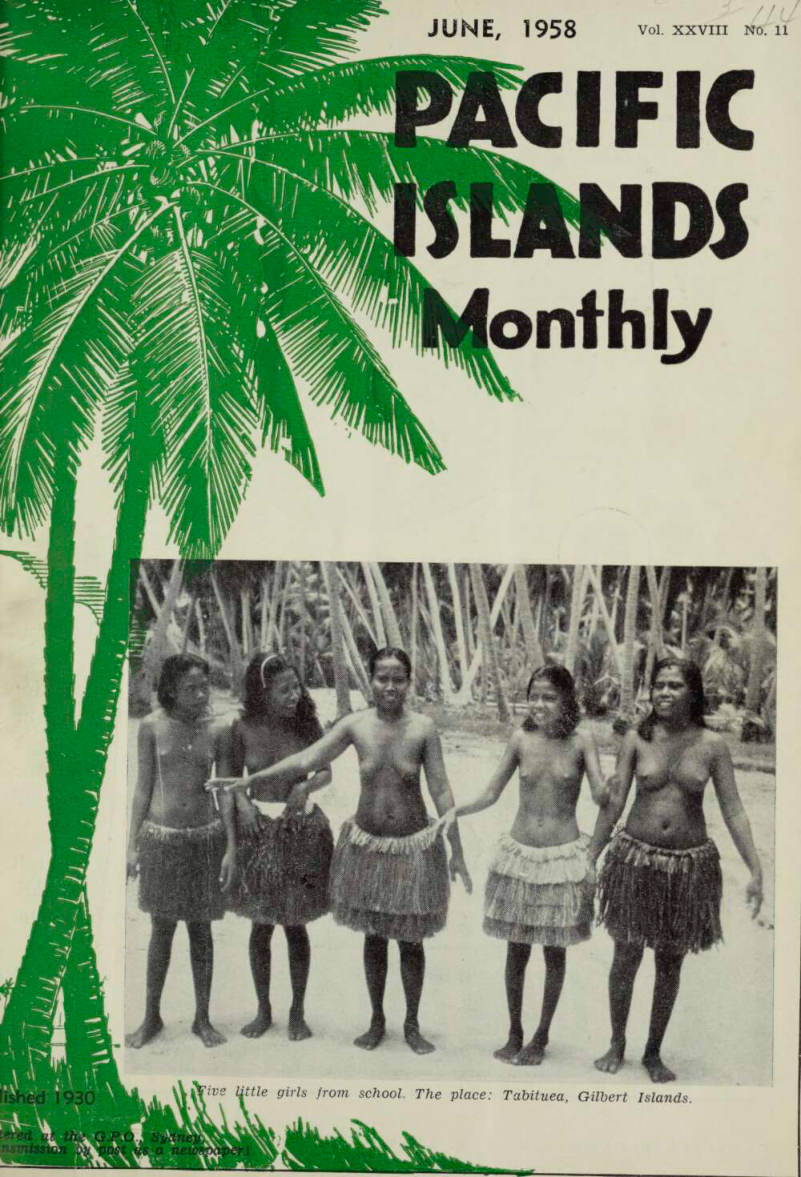 1
1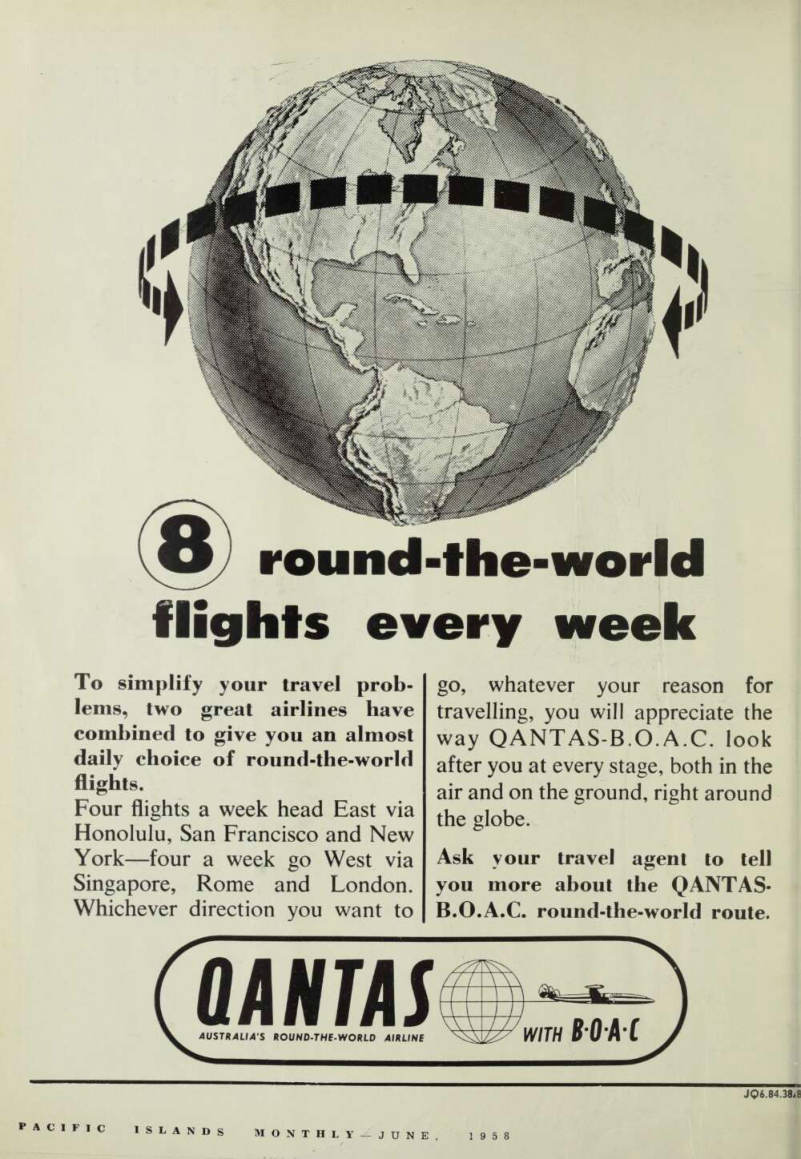 2
2 3
3 4
4 5
5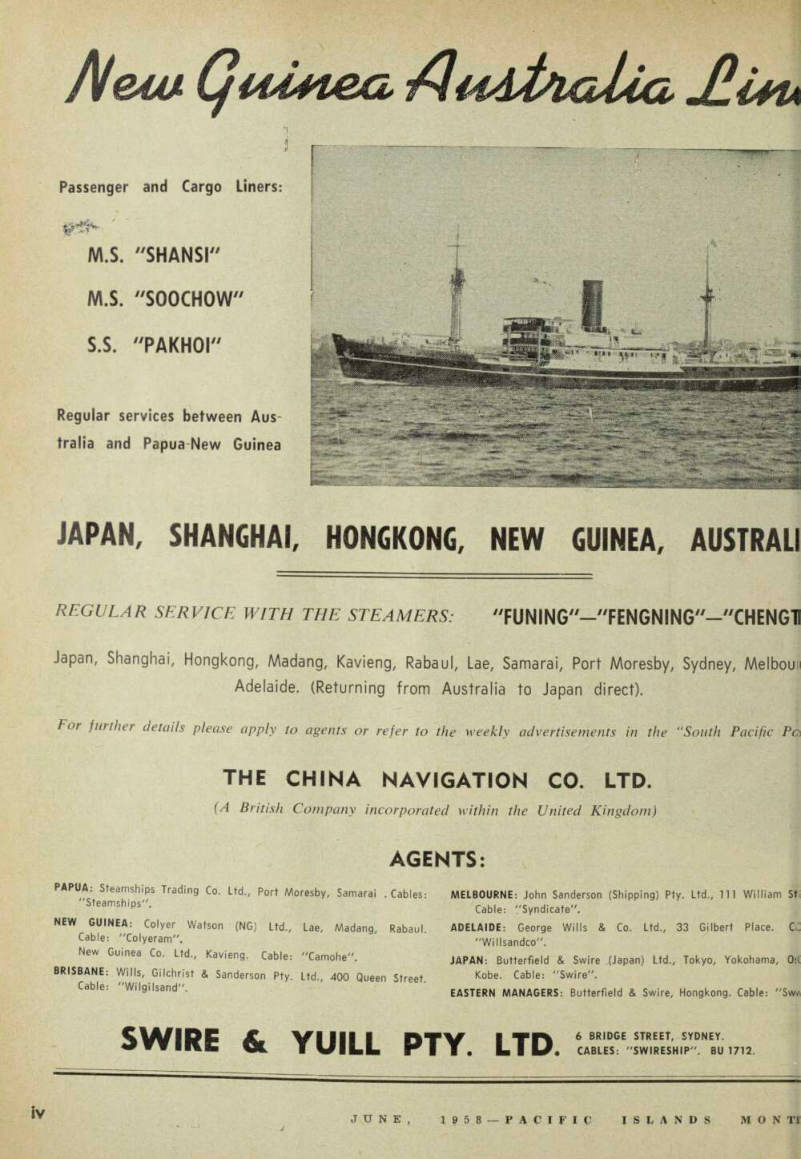 6
6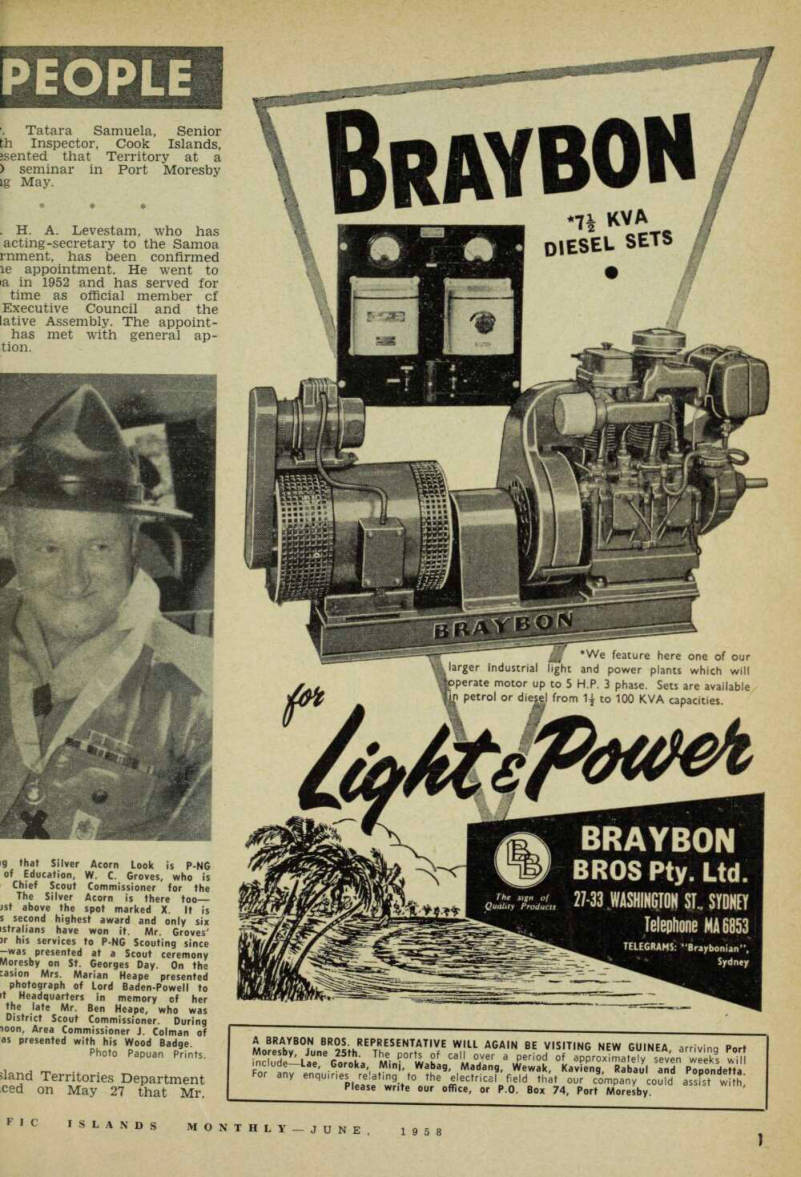 7
7 8
8 9
9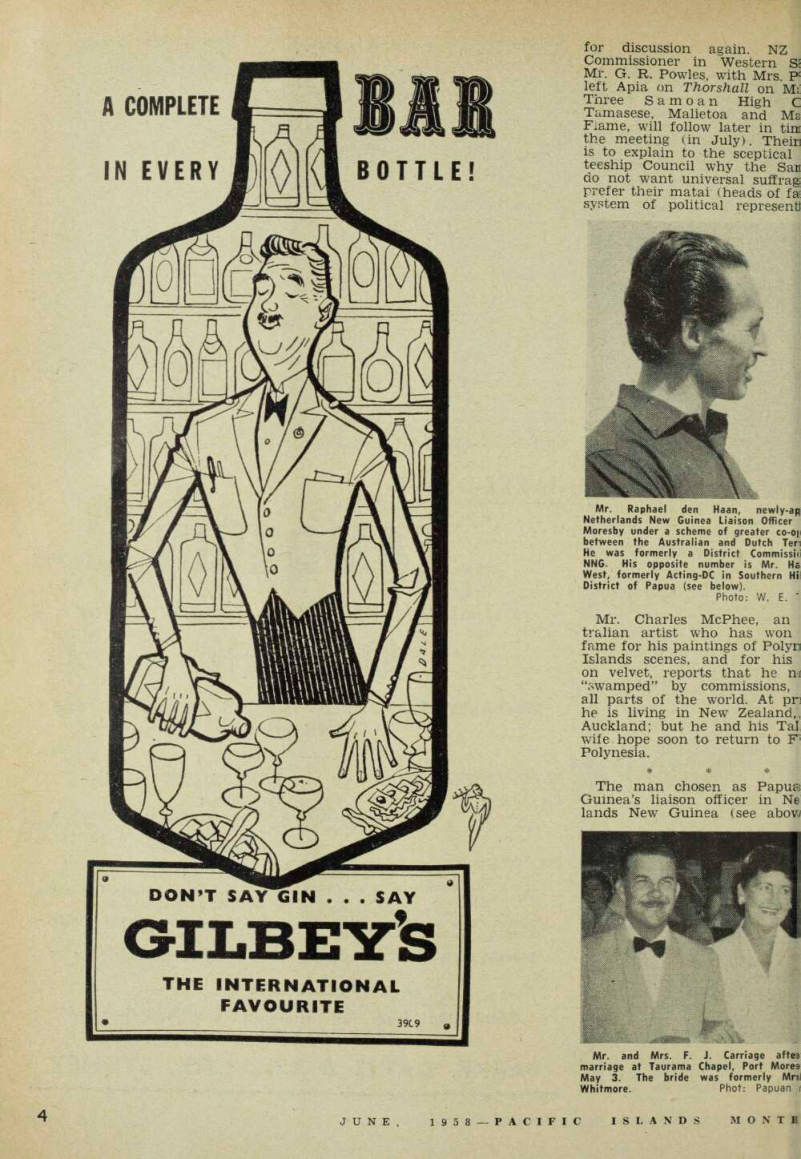 10
10 11
11 12
12 13
13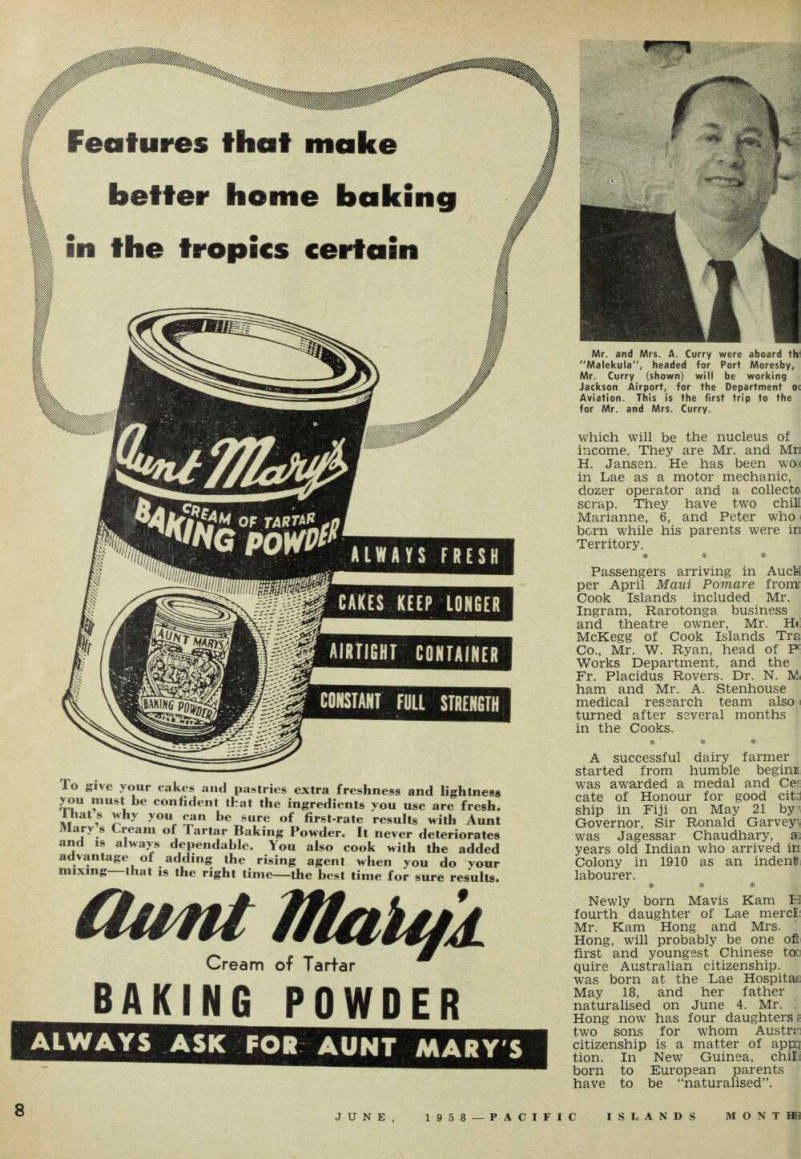 14
14 15
15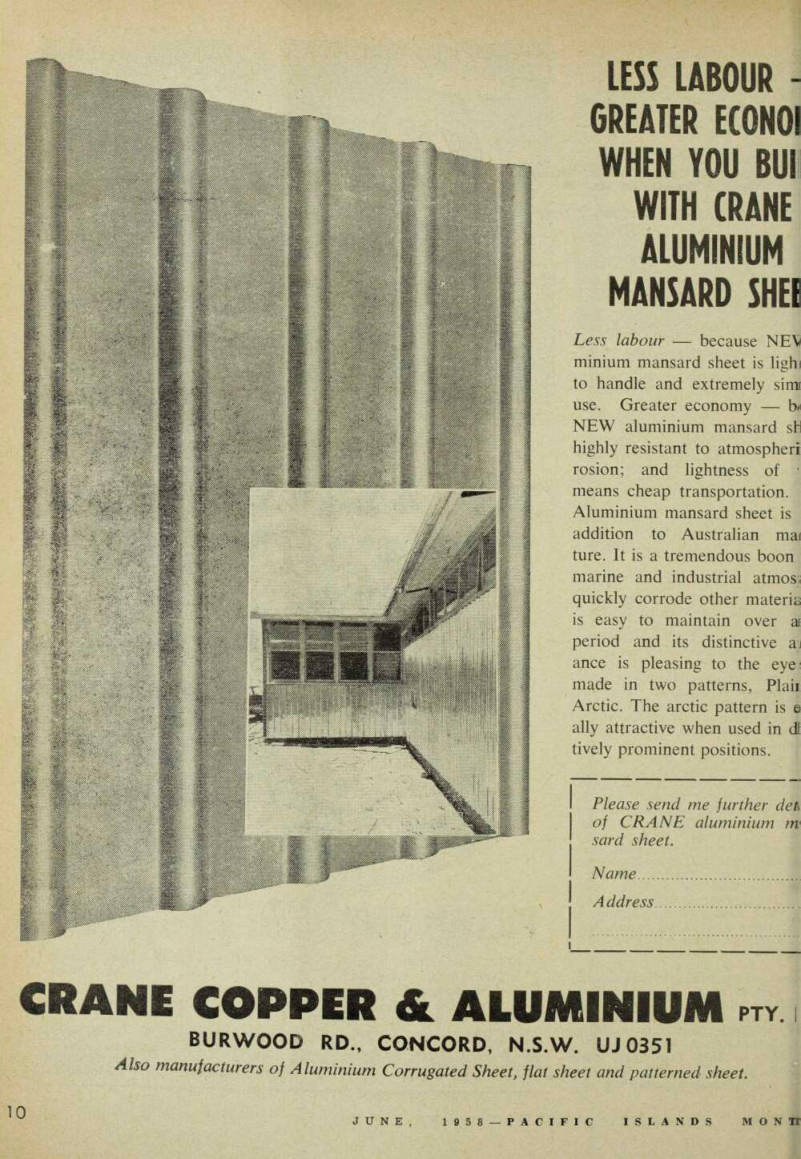 16
16 17
17 18
18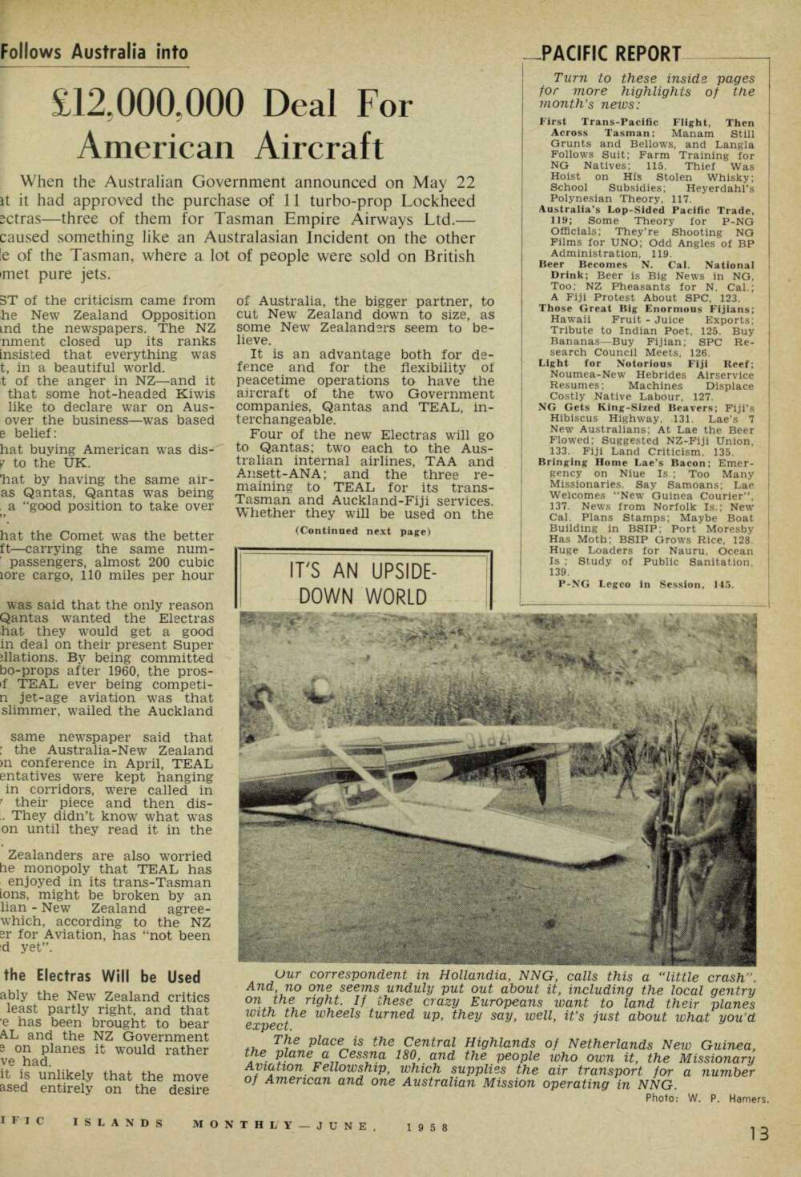 19
19 20
20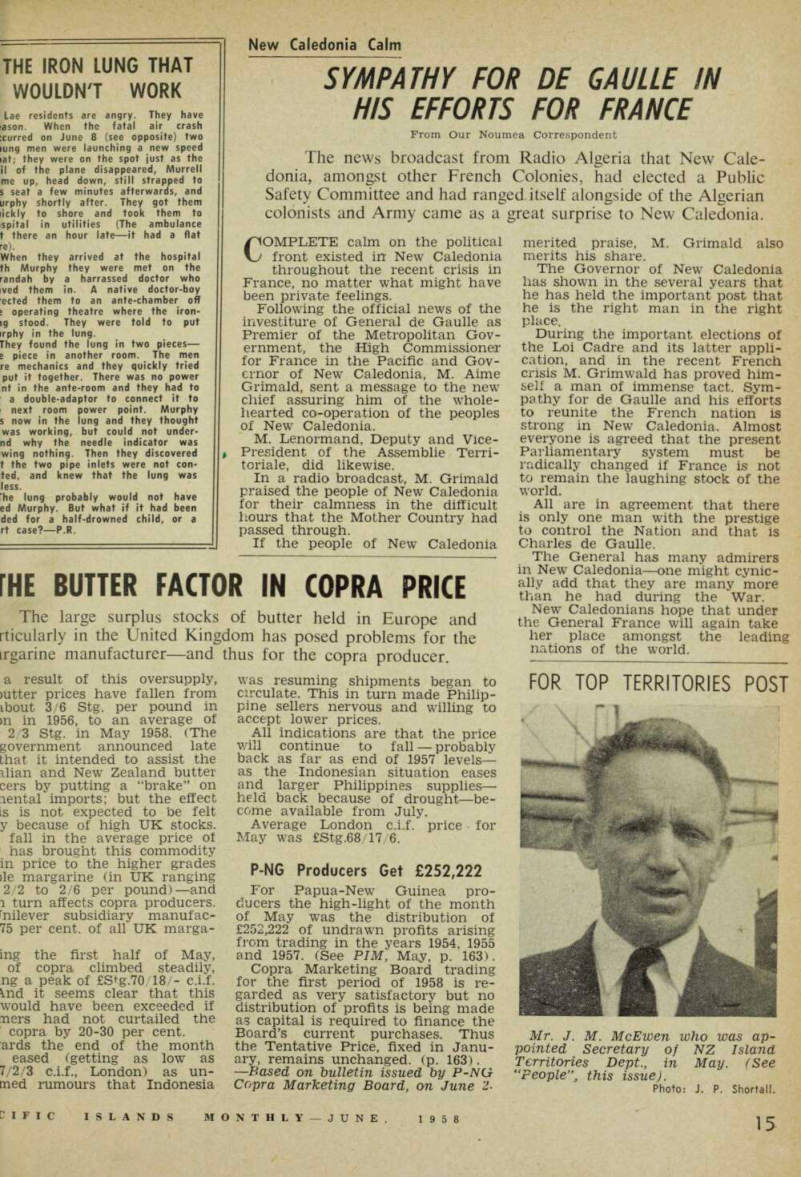 21
21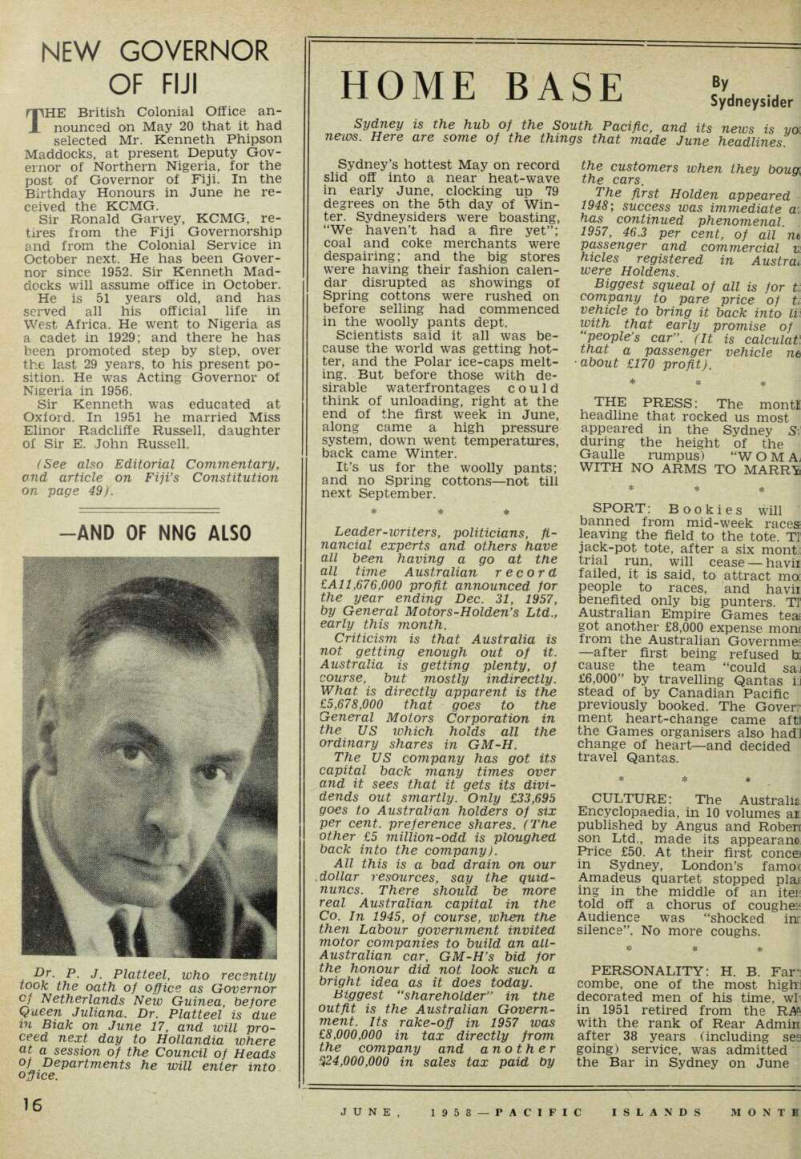 22
22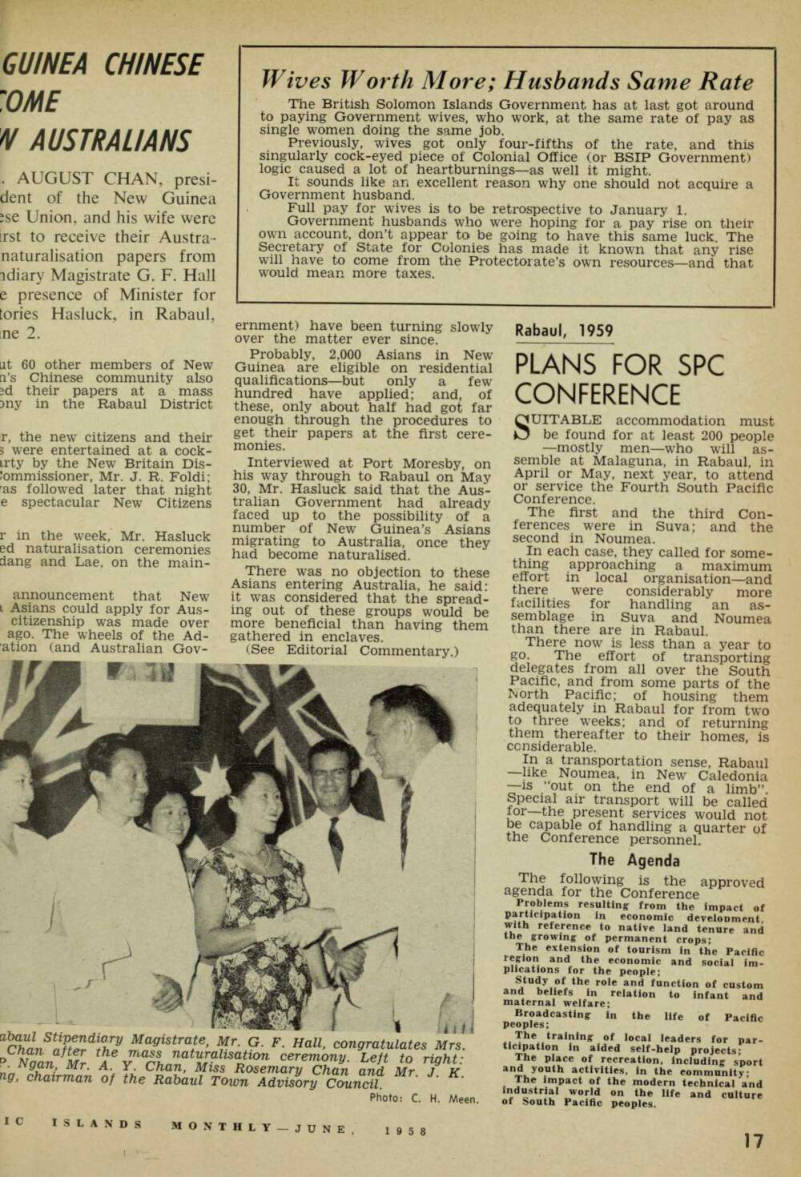 23
23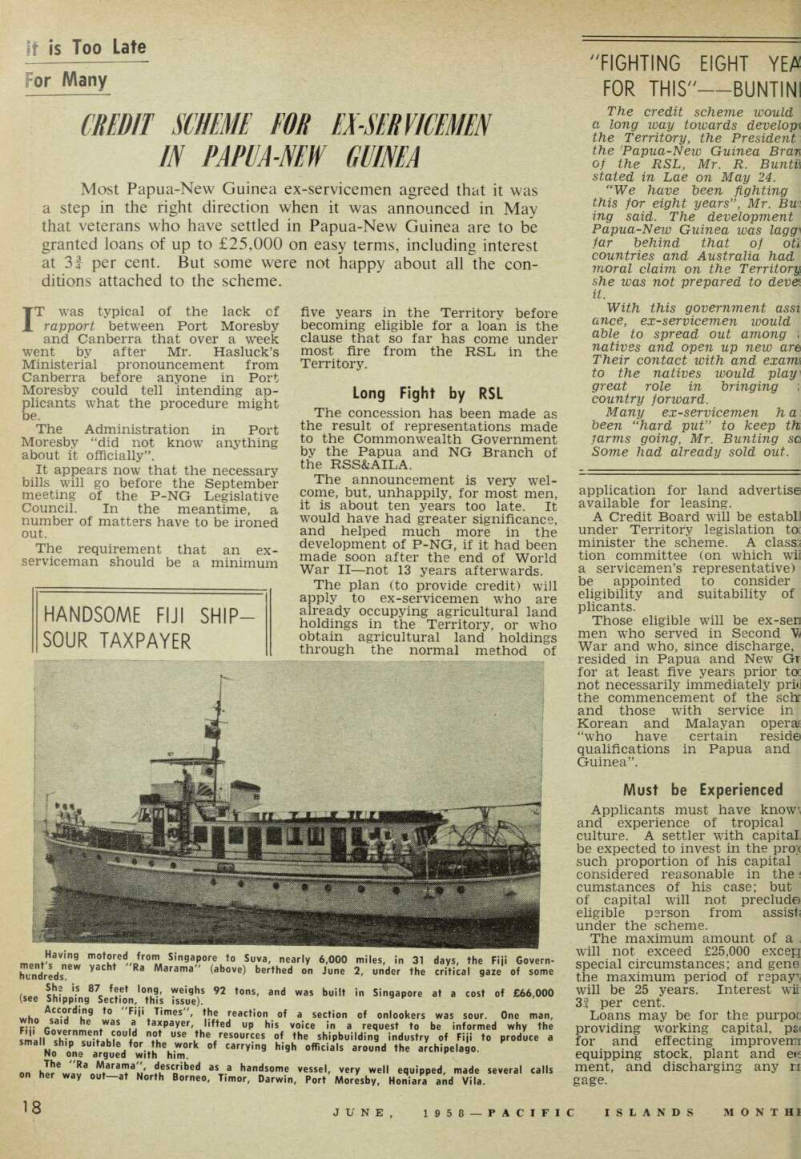 24
24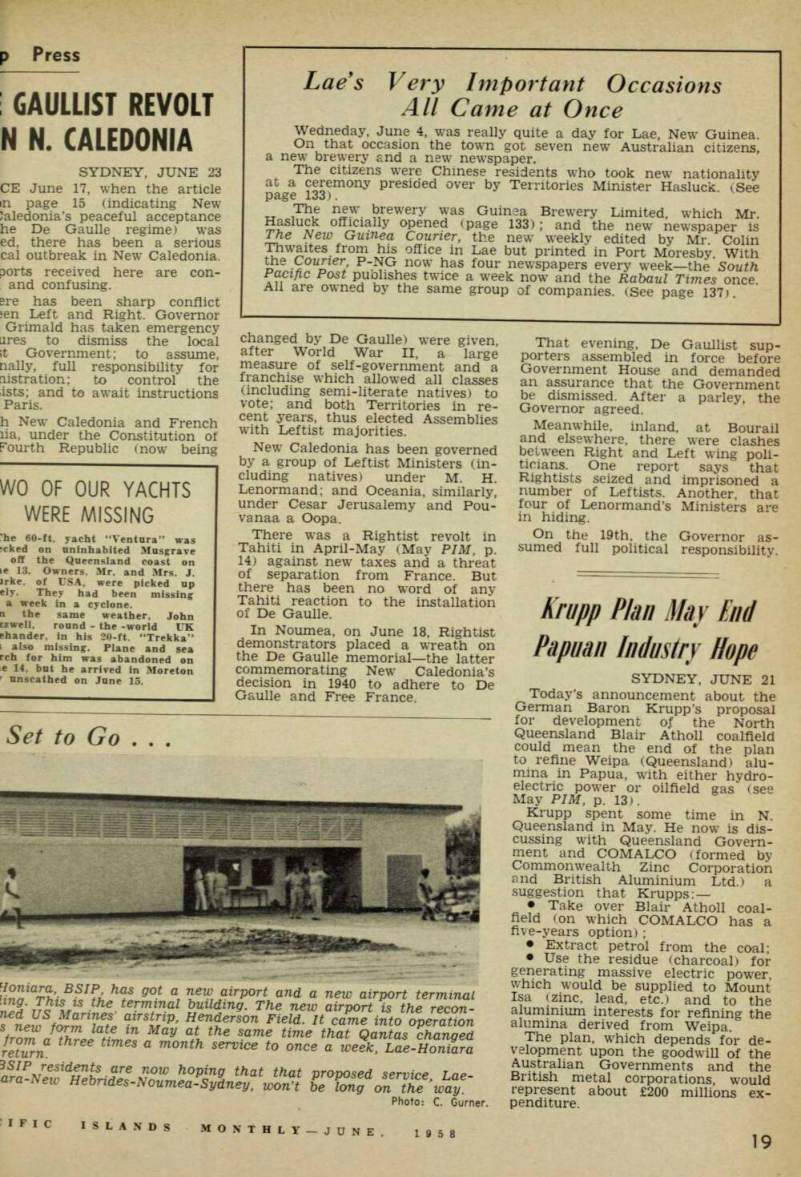 25
25 26
26 27
27 28
28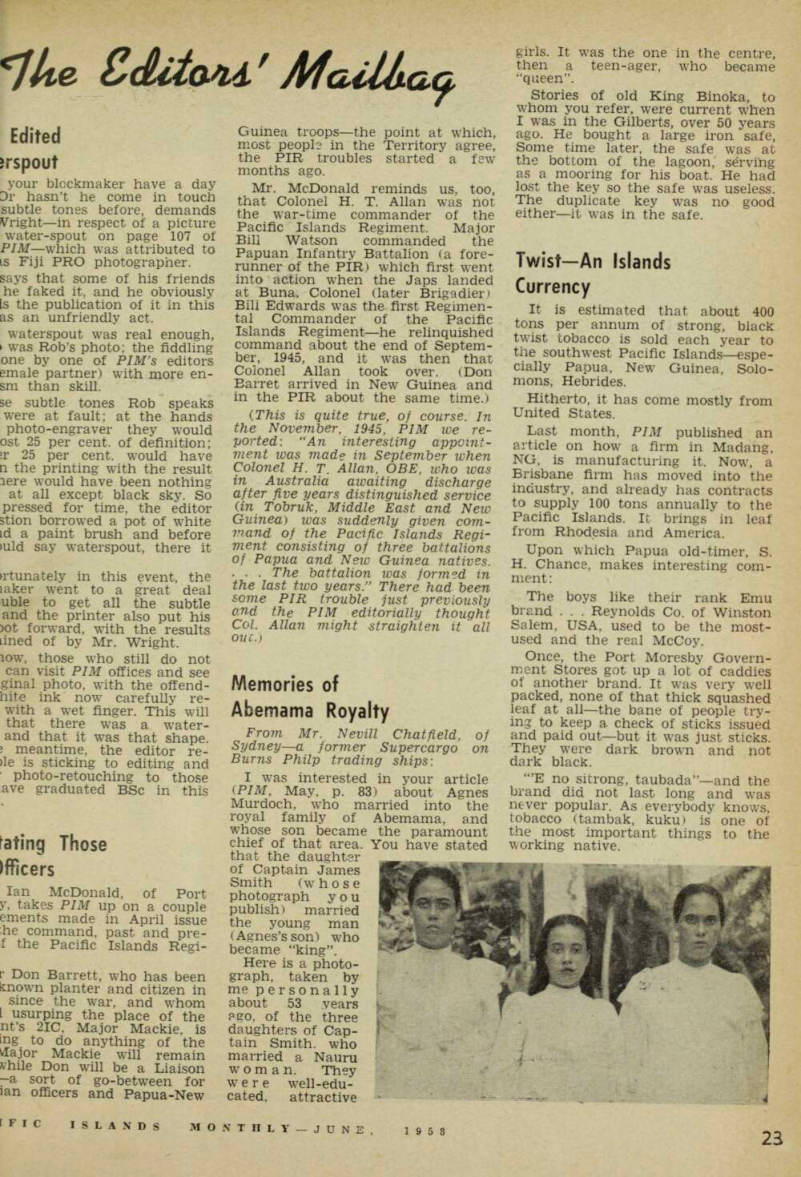 29
29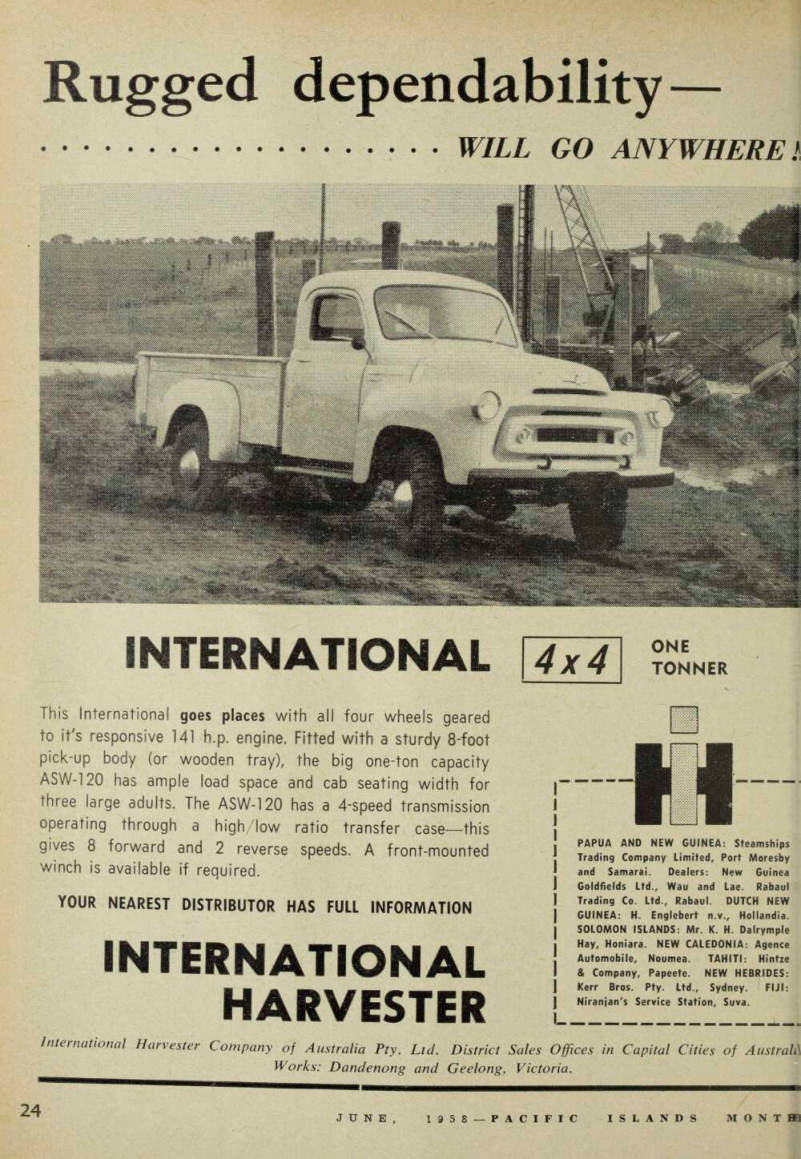 30
30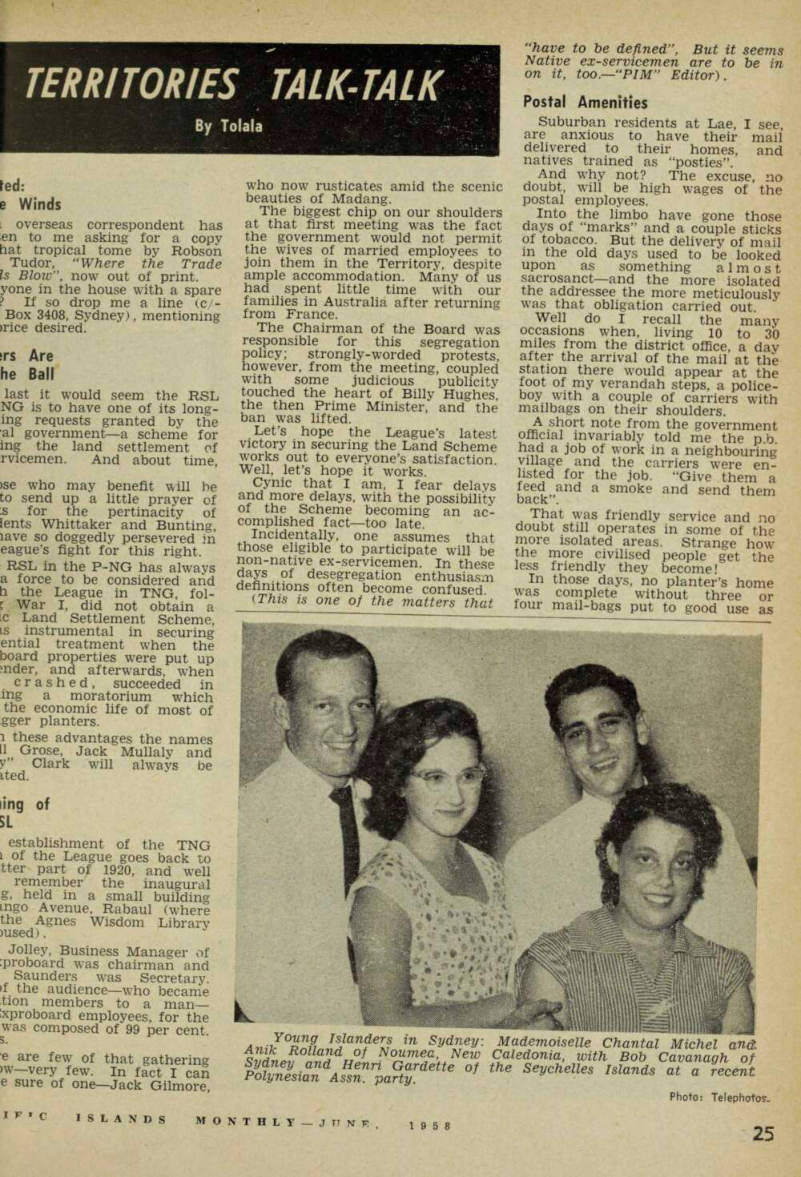 31
31 32
32 33
33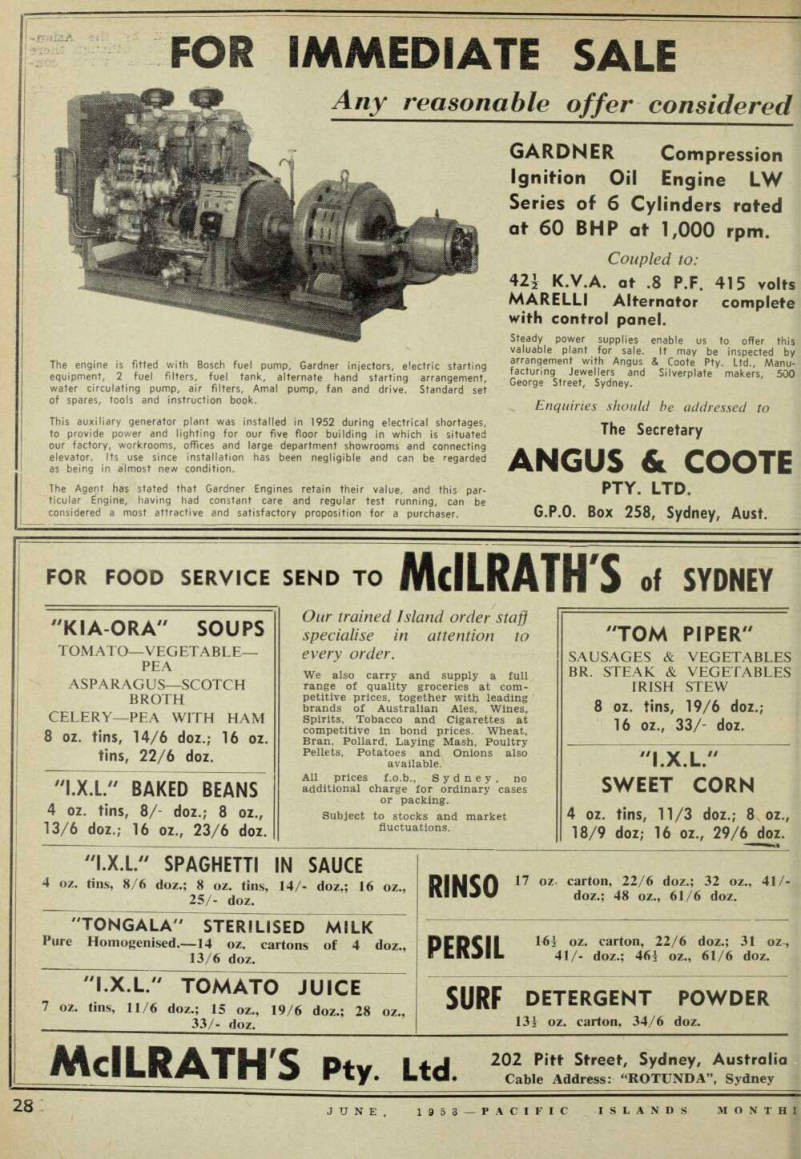 34
34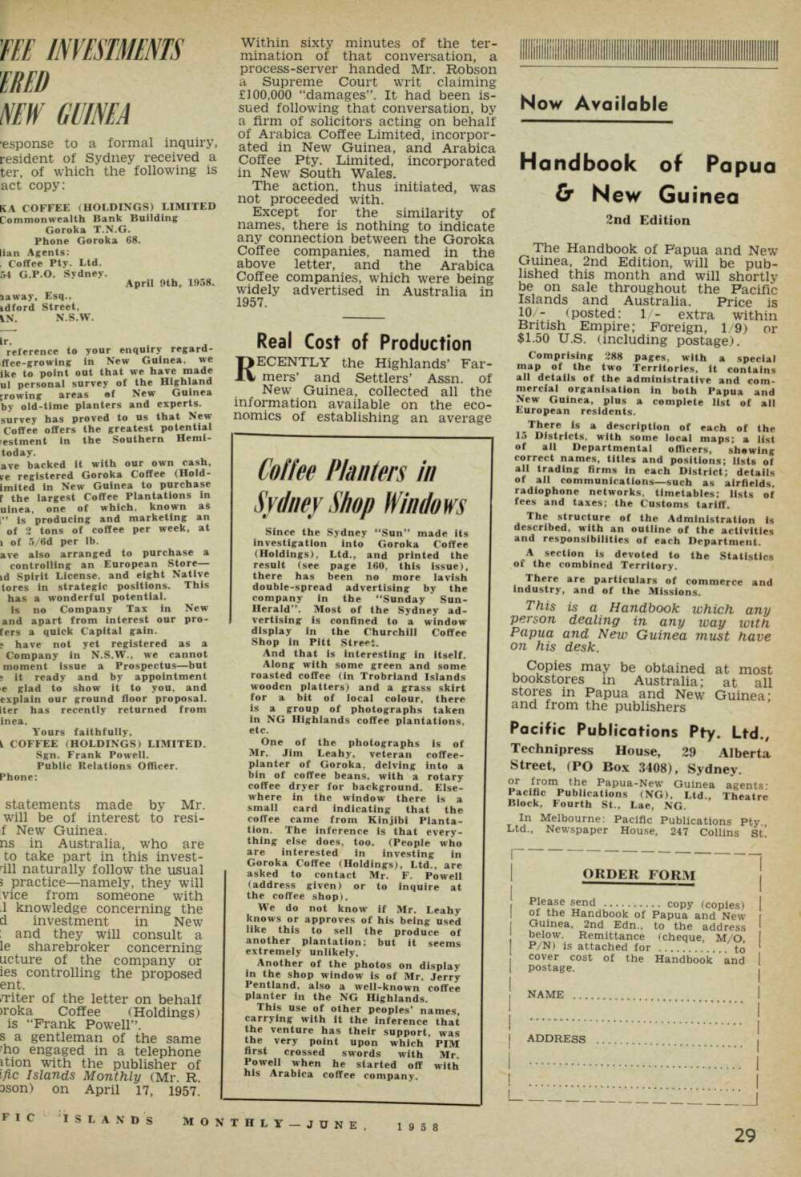 35
35 36
36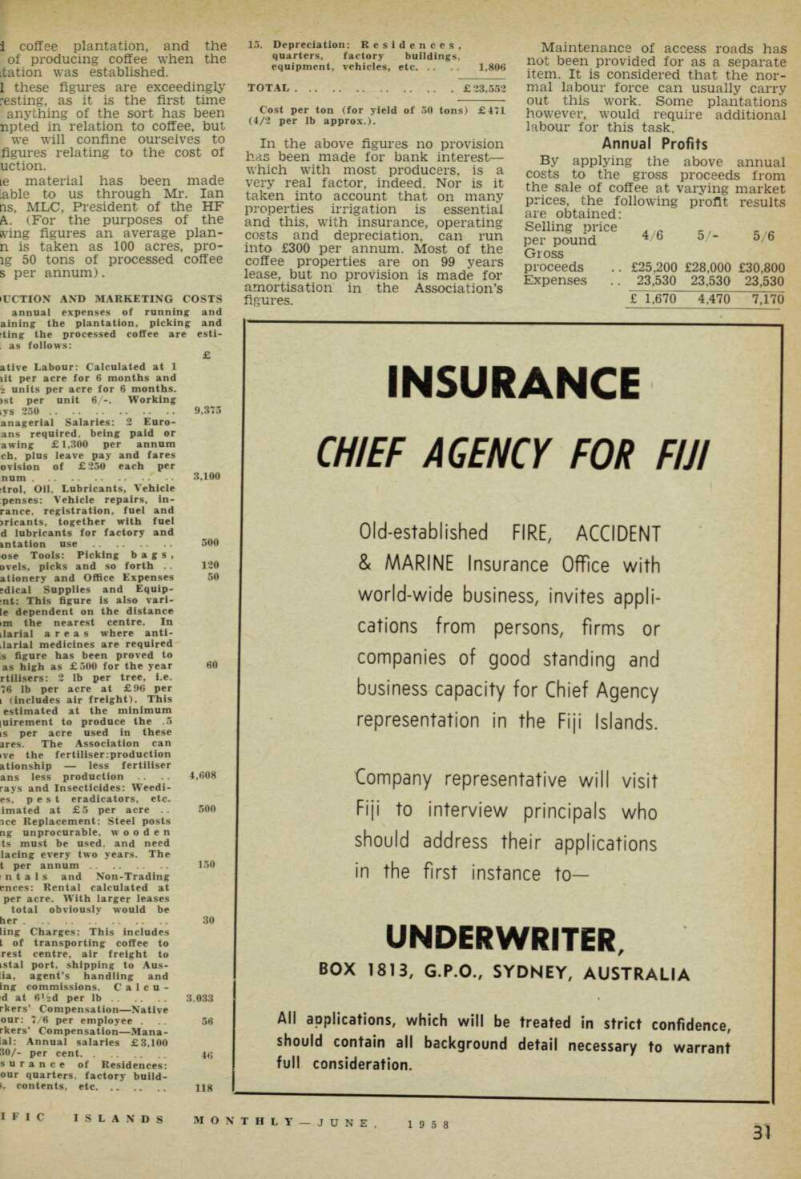 37
37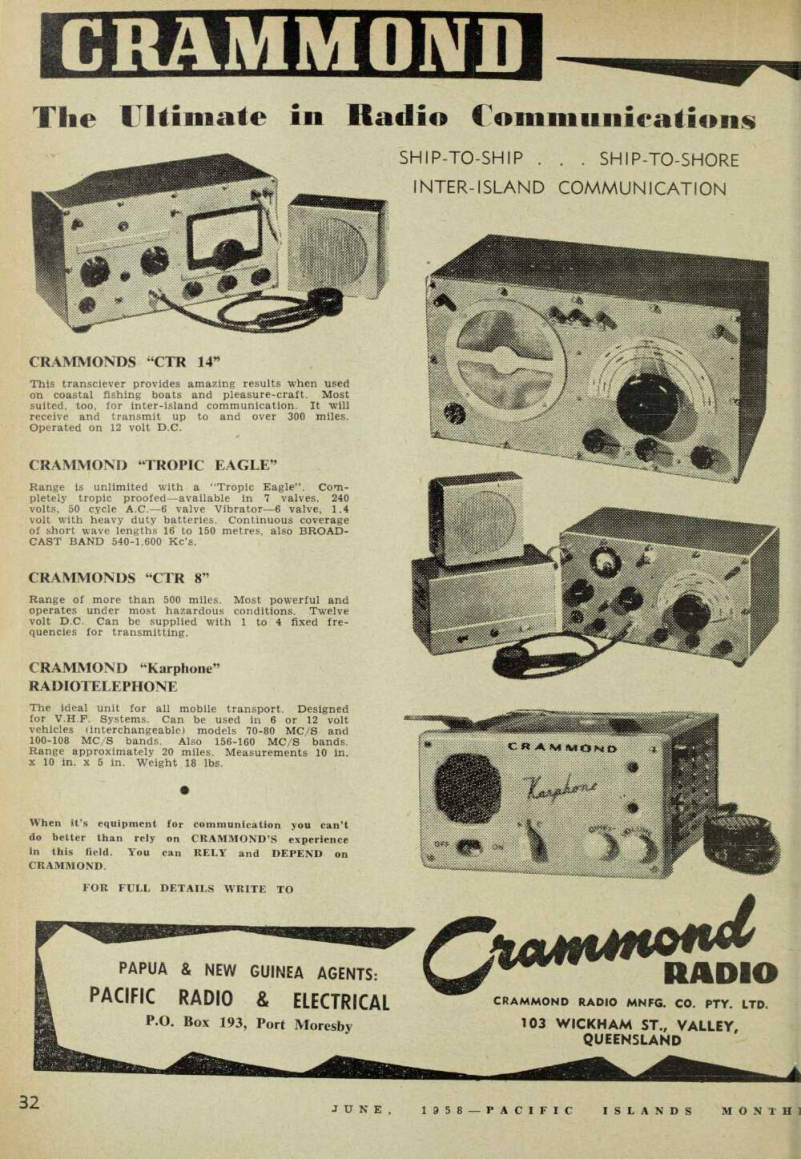 38
38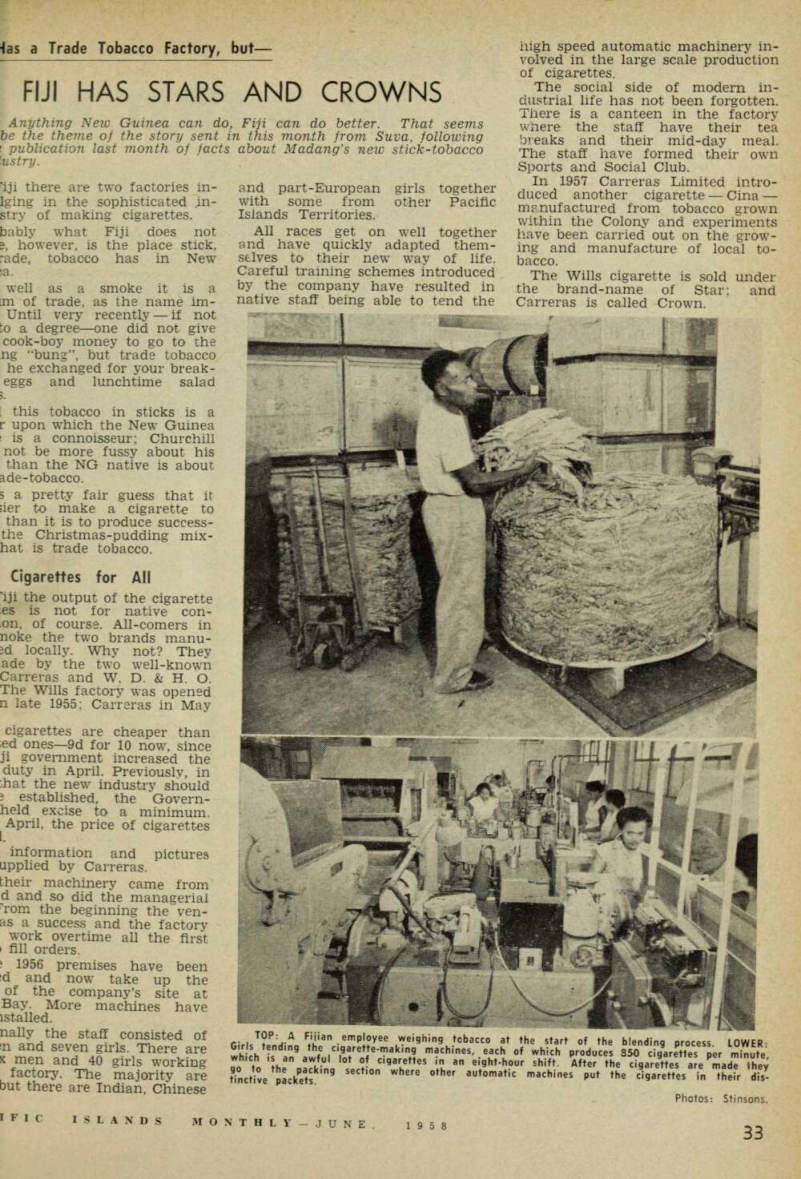 39
39 40
40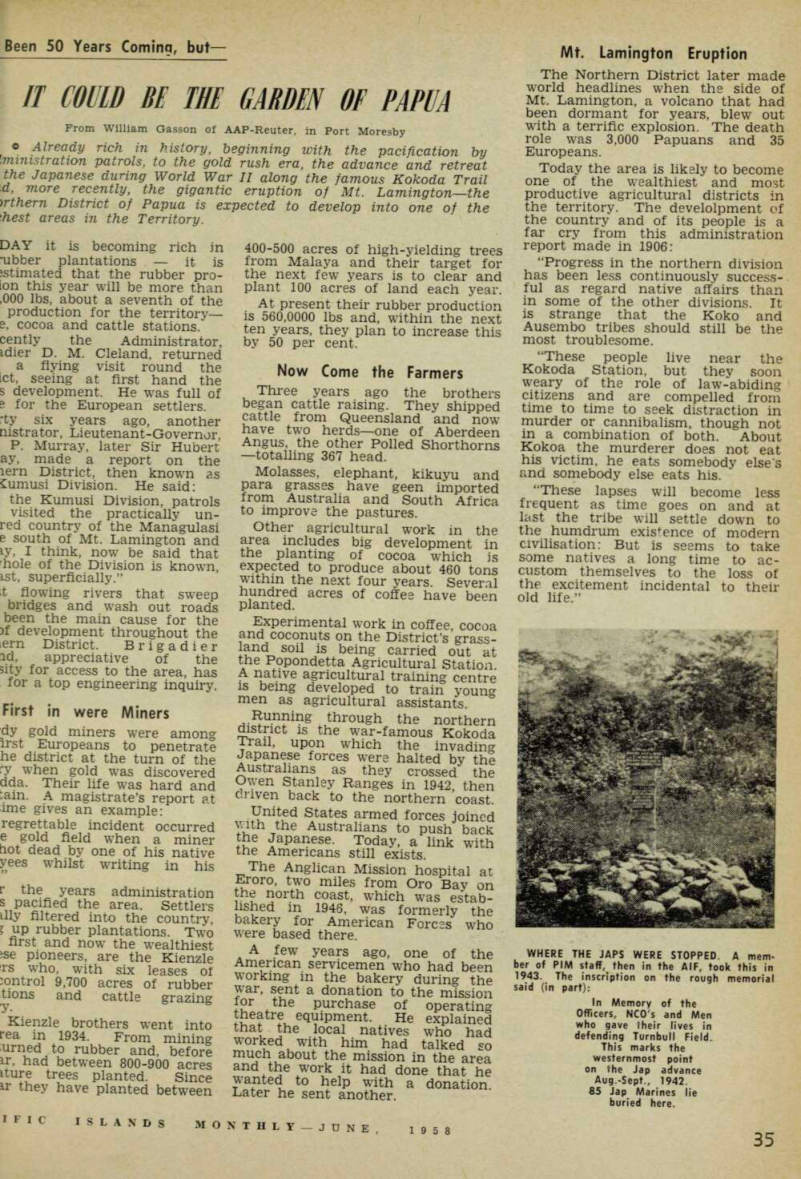 41
41 42
42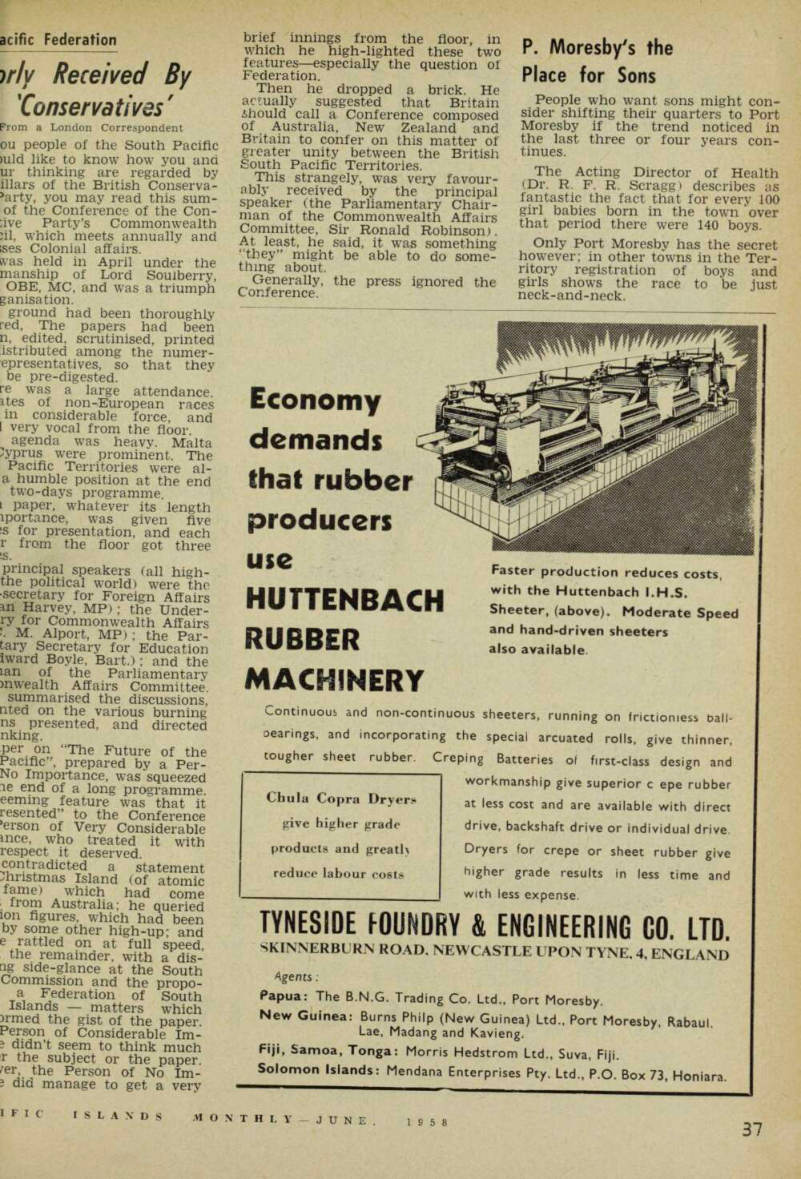 43
43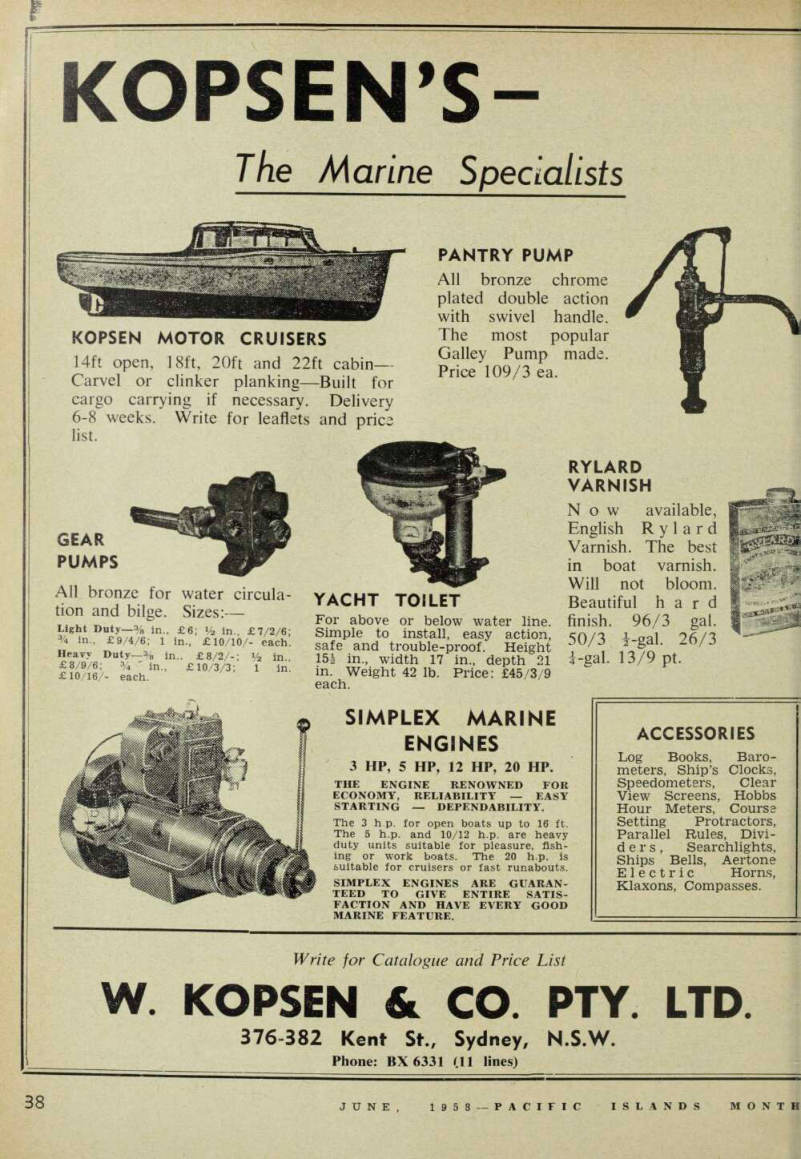 44
44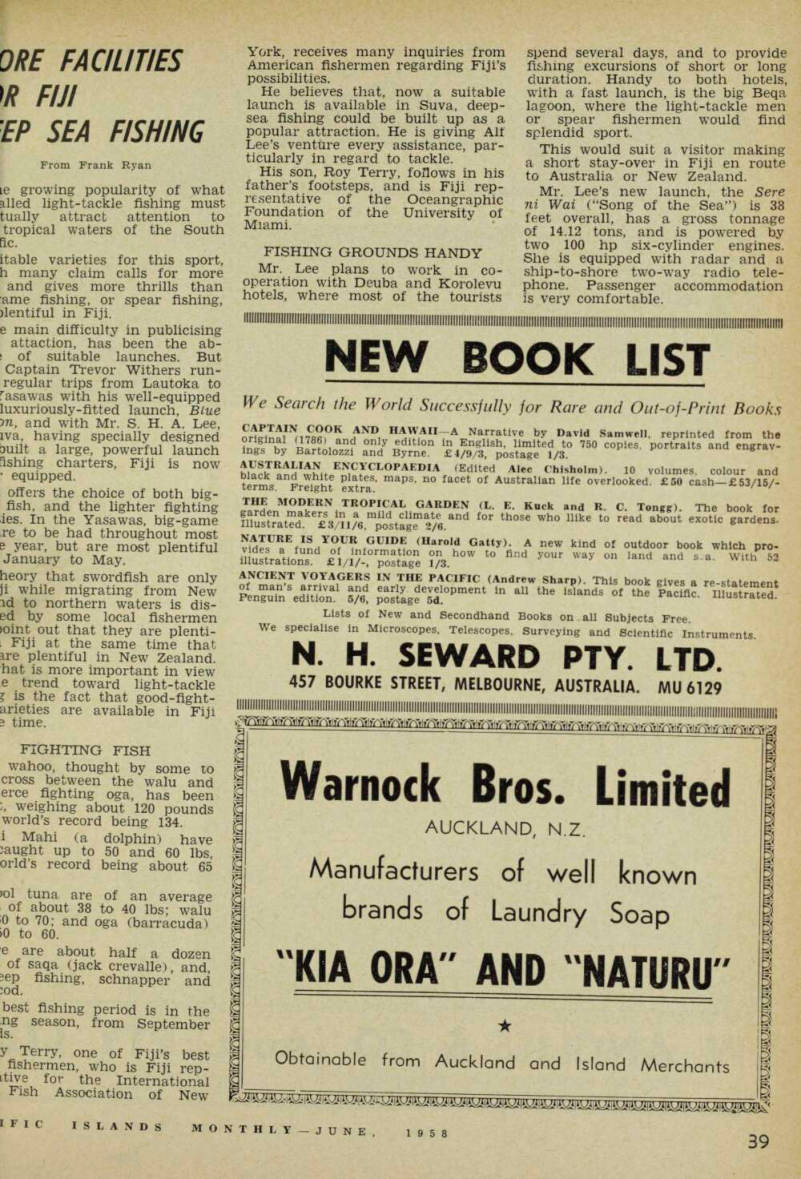 45
45 46
46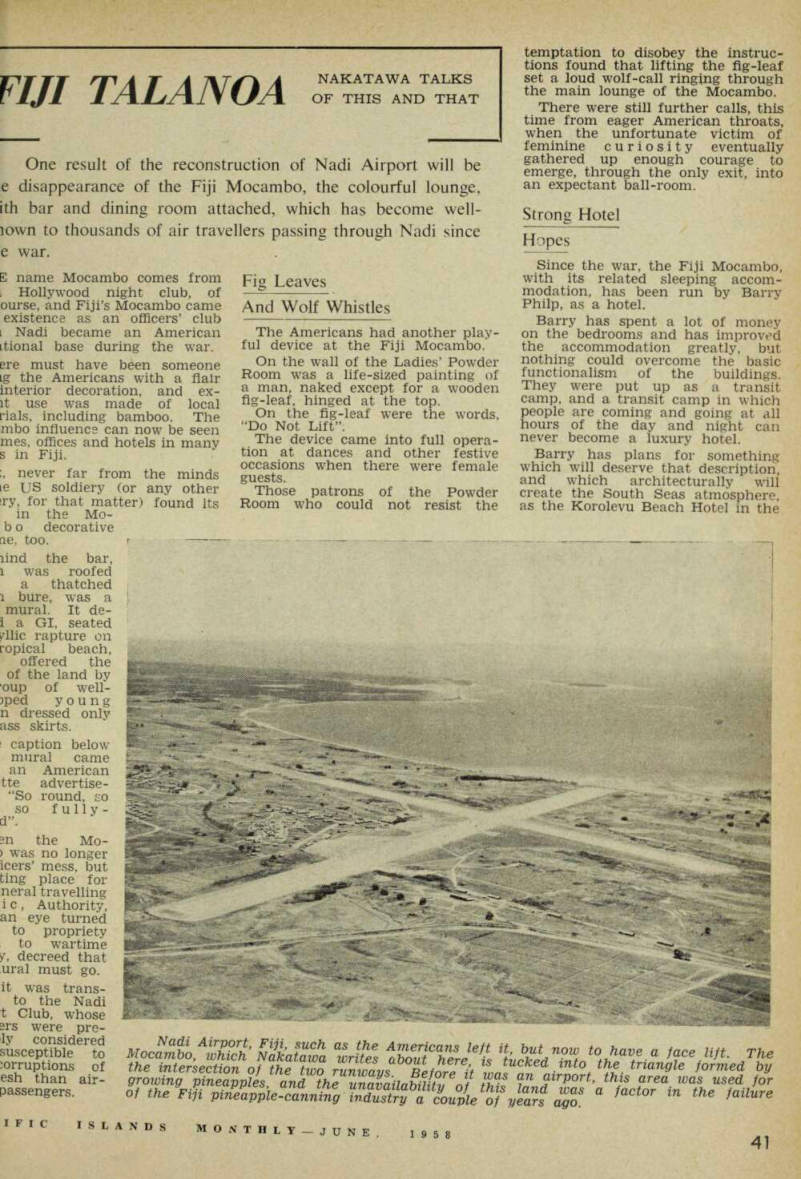 47
47 48
48 49
49 50
50 51
51 52
52 53
53 54
54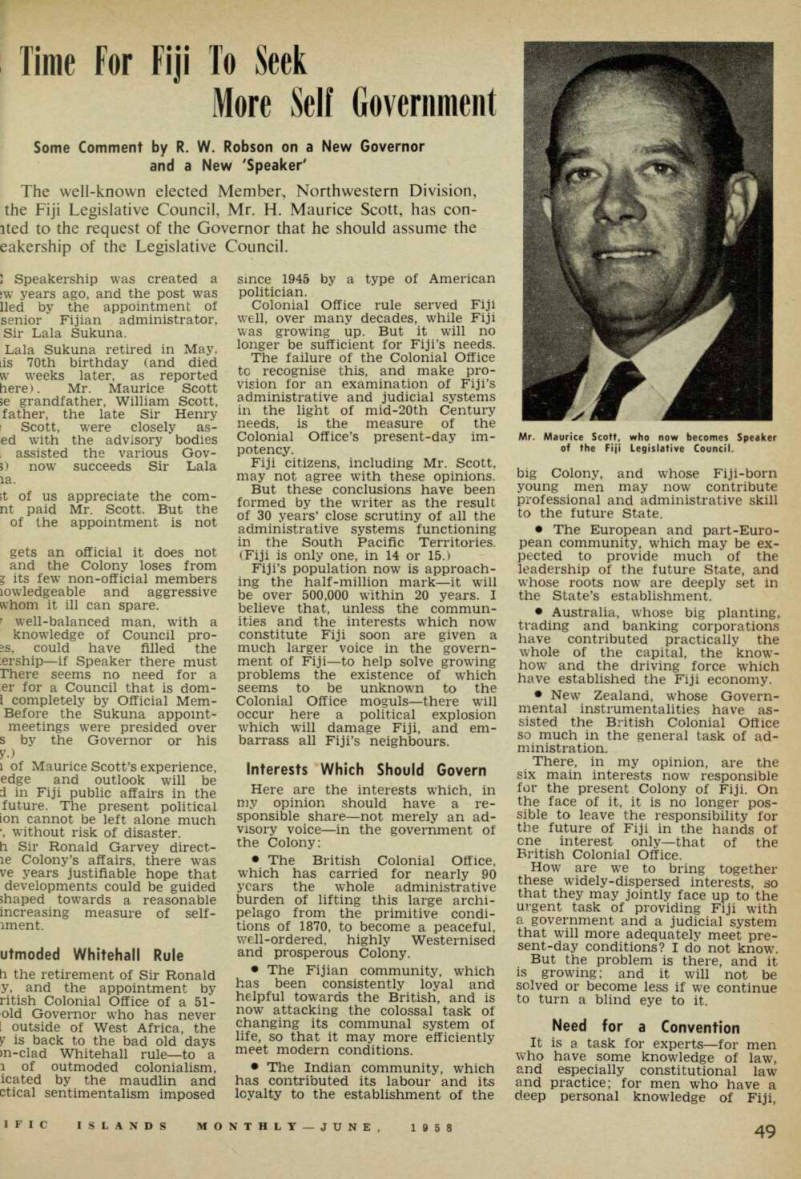 55
55 56
56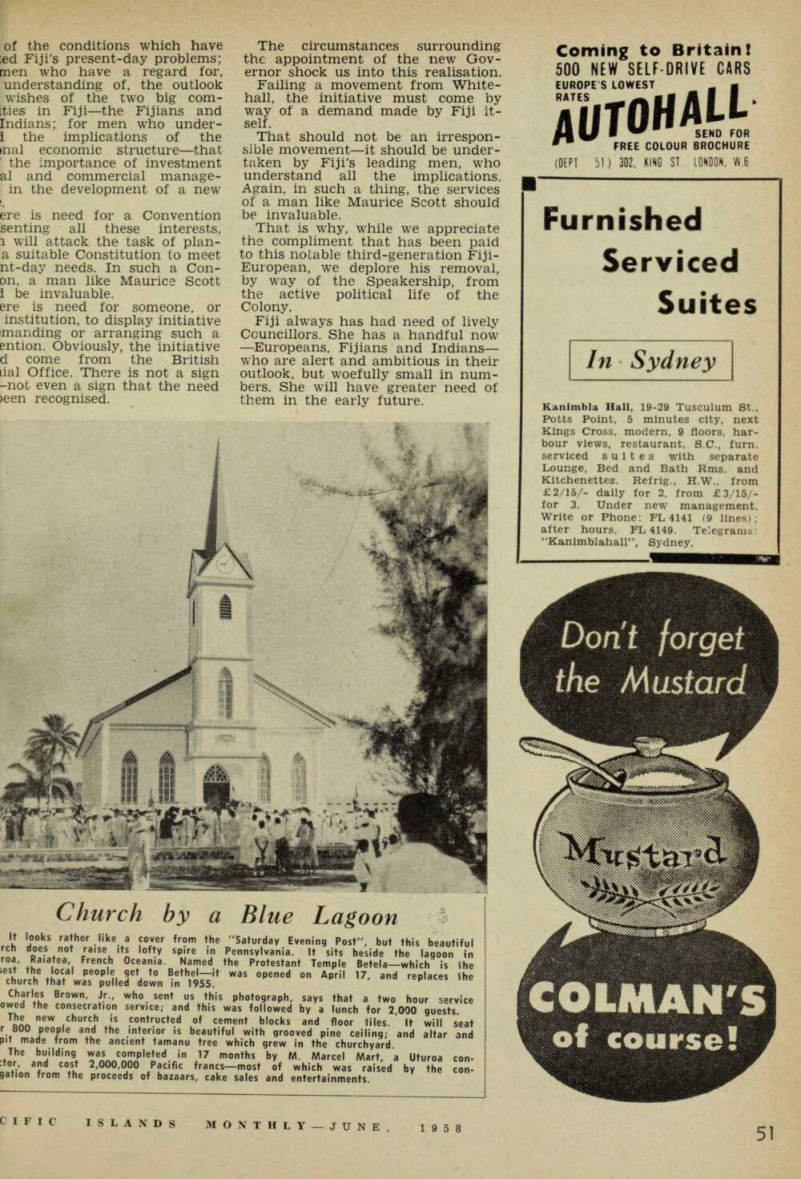 57
57 58
58 59
59 60
60 61
61 62
62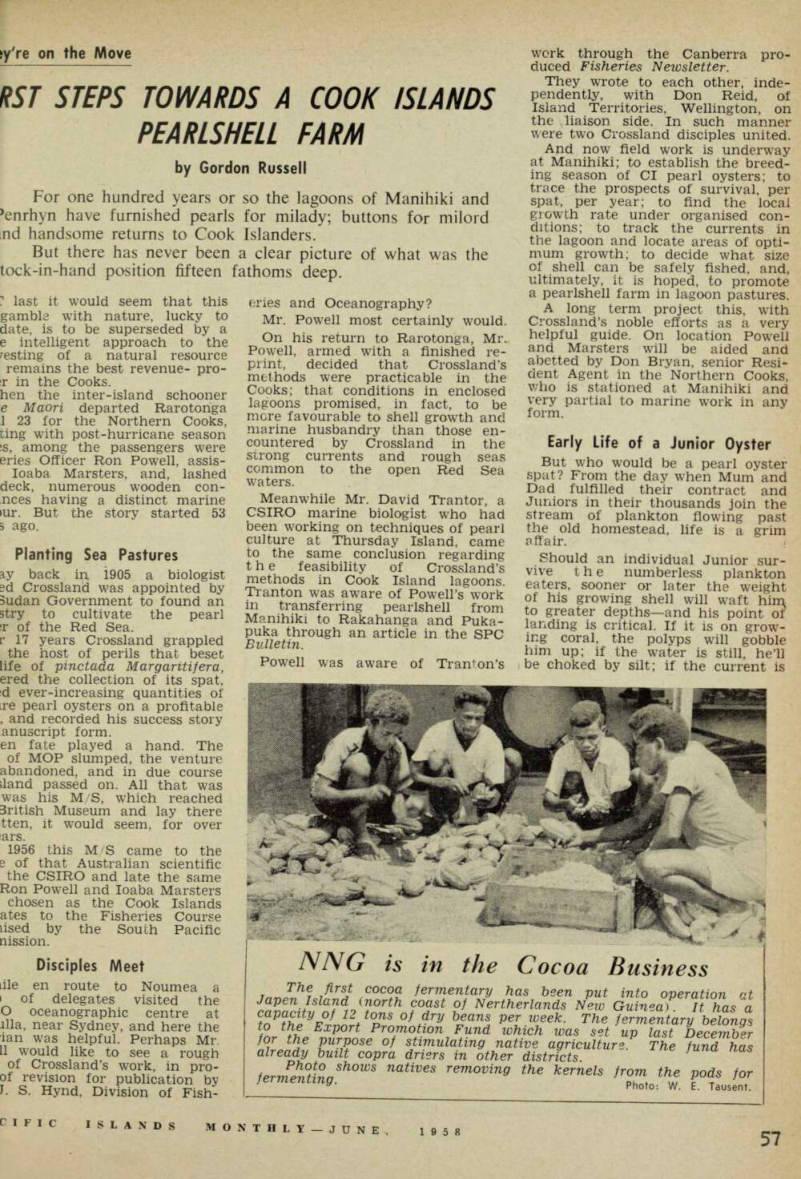 63
63 64
64 65
65 66
66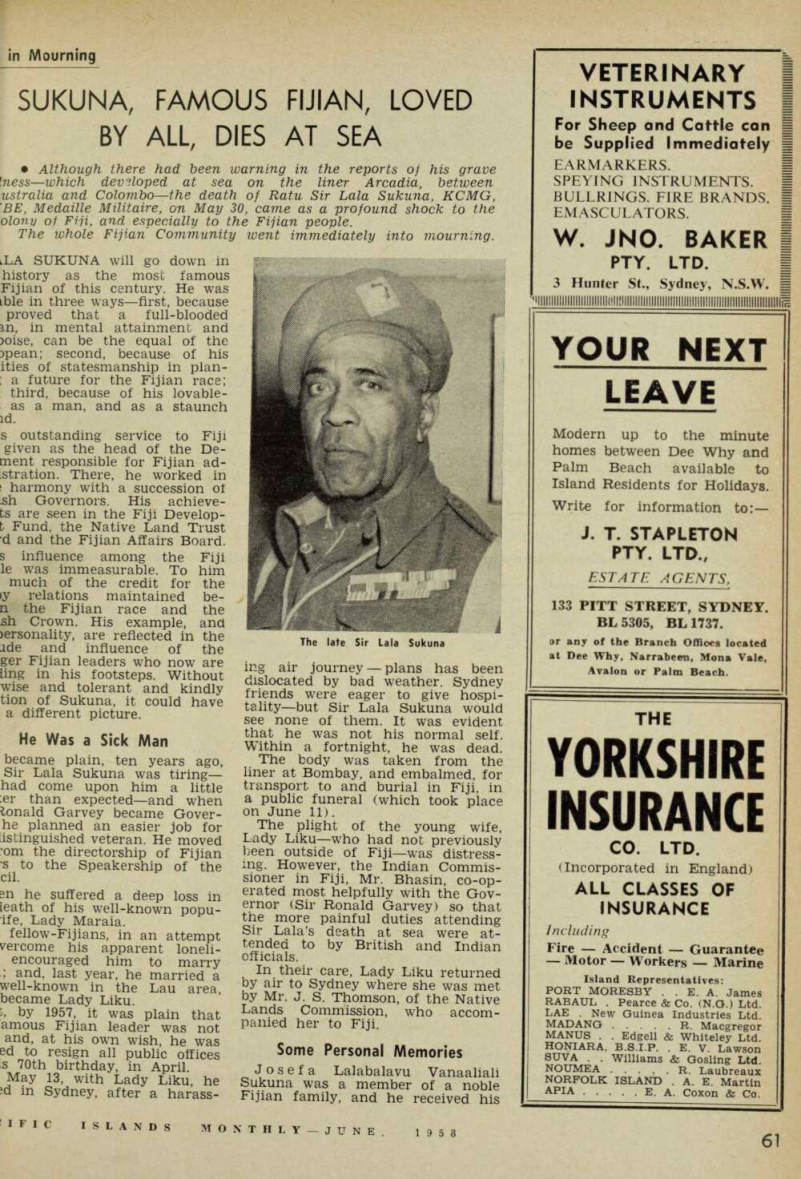 67
67 68
68 69
69 70
70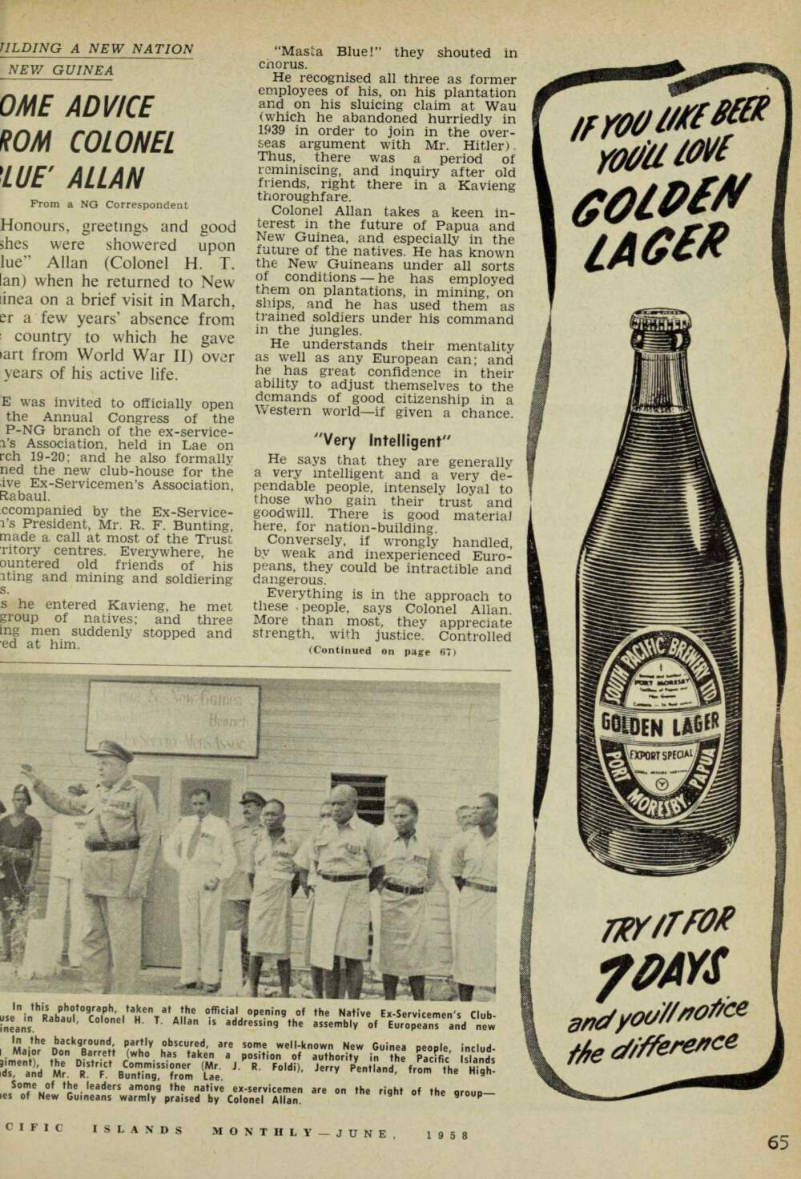 71
71 72
72 73
73 74
74 75
75 76
76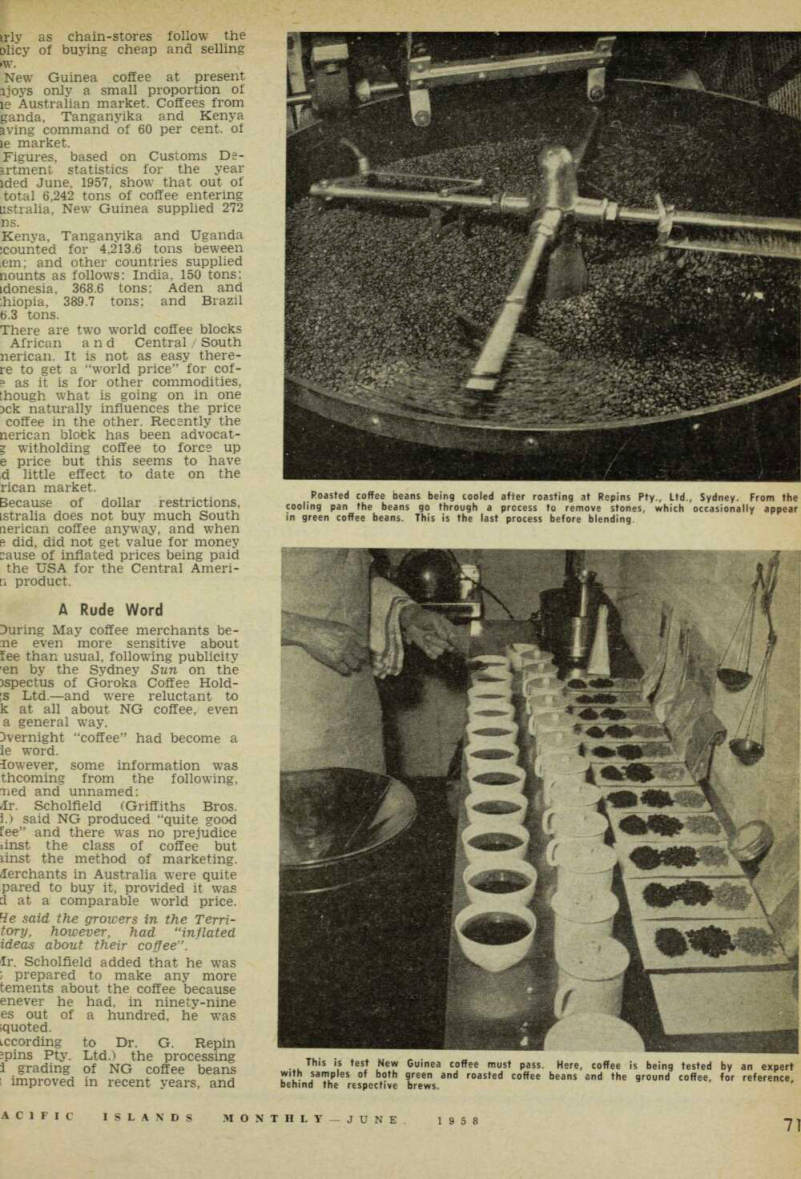 77
77 78
78 79
79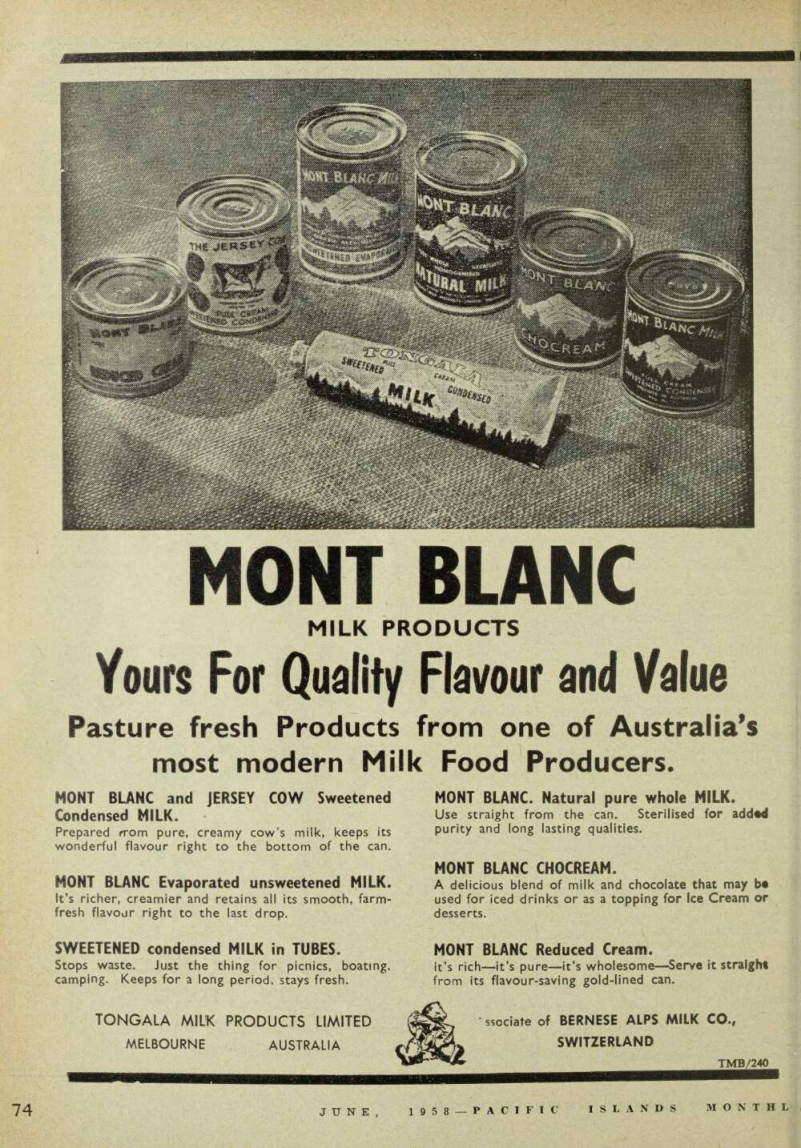 80
80 81
81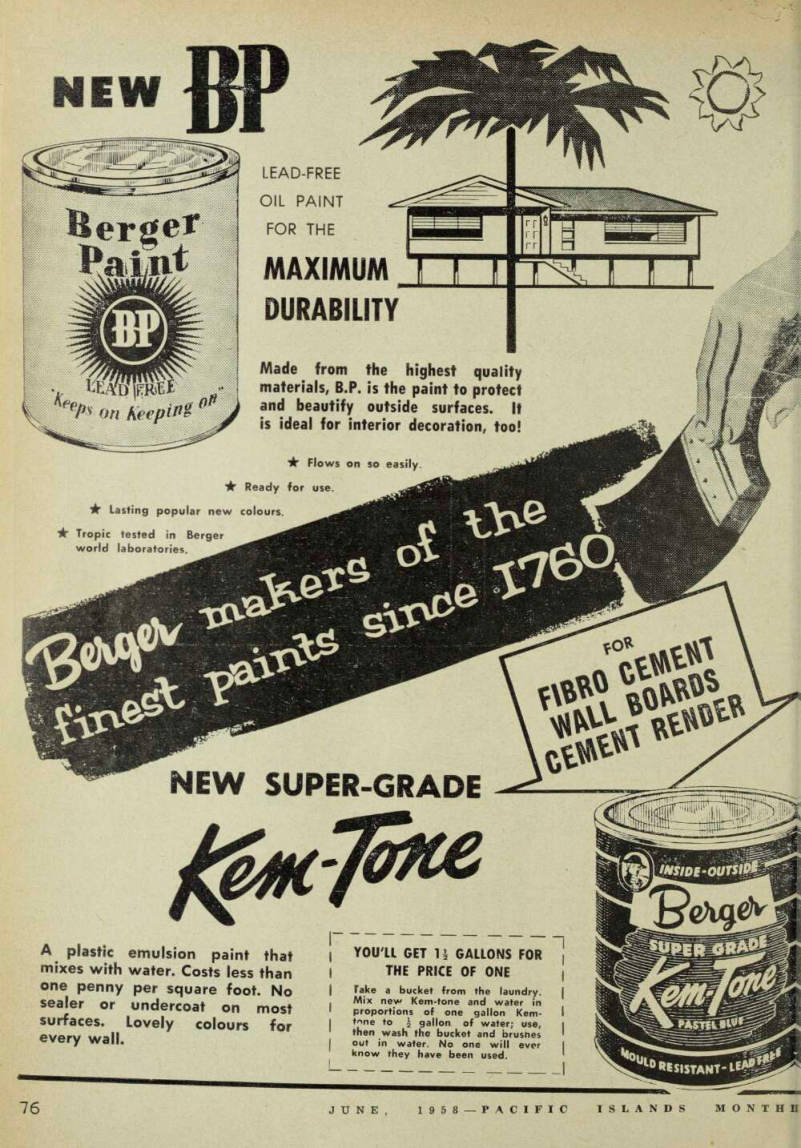 82
82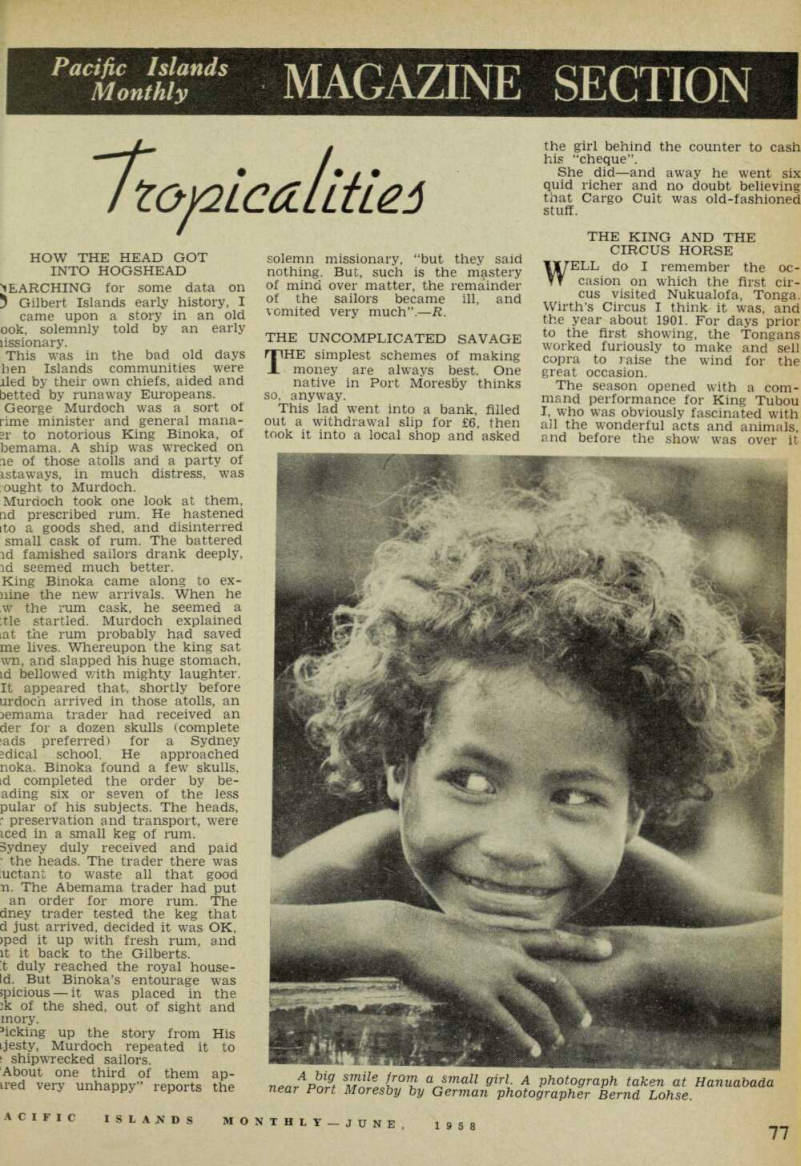 83
83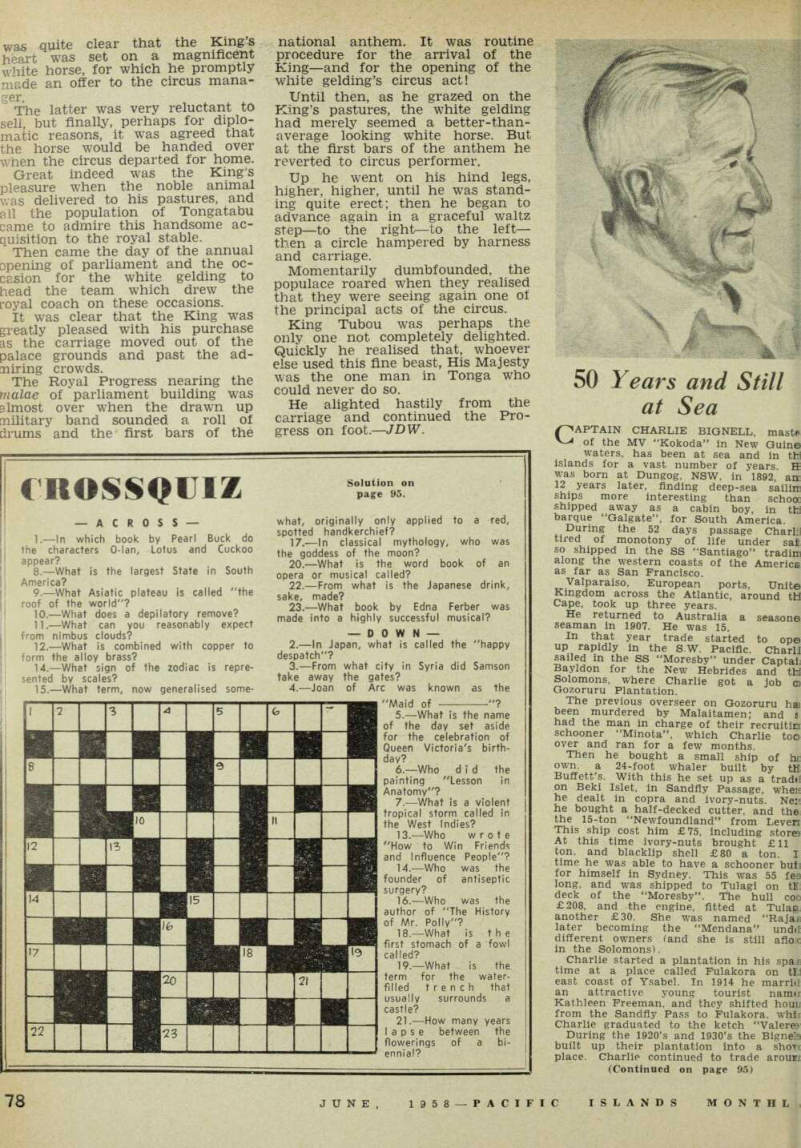 84
84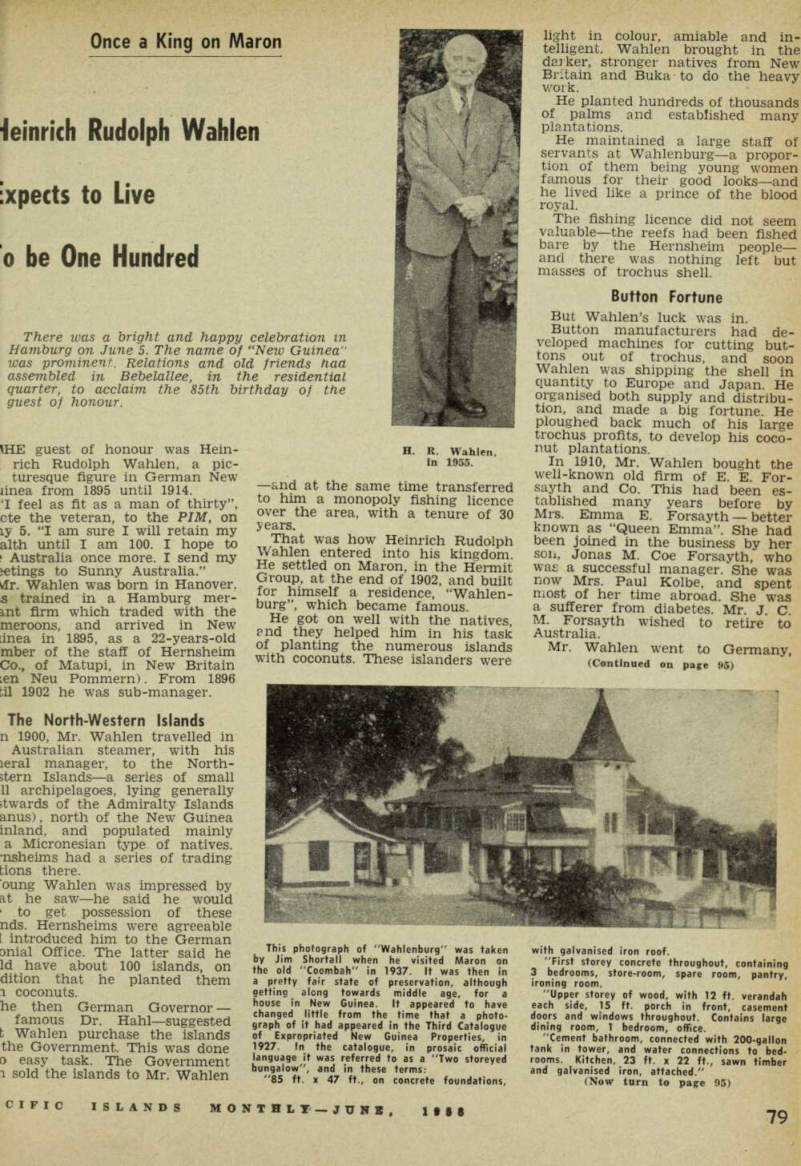 85
85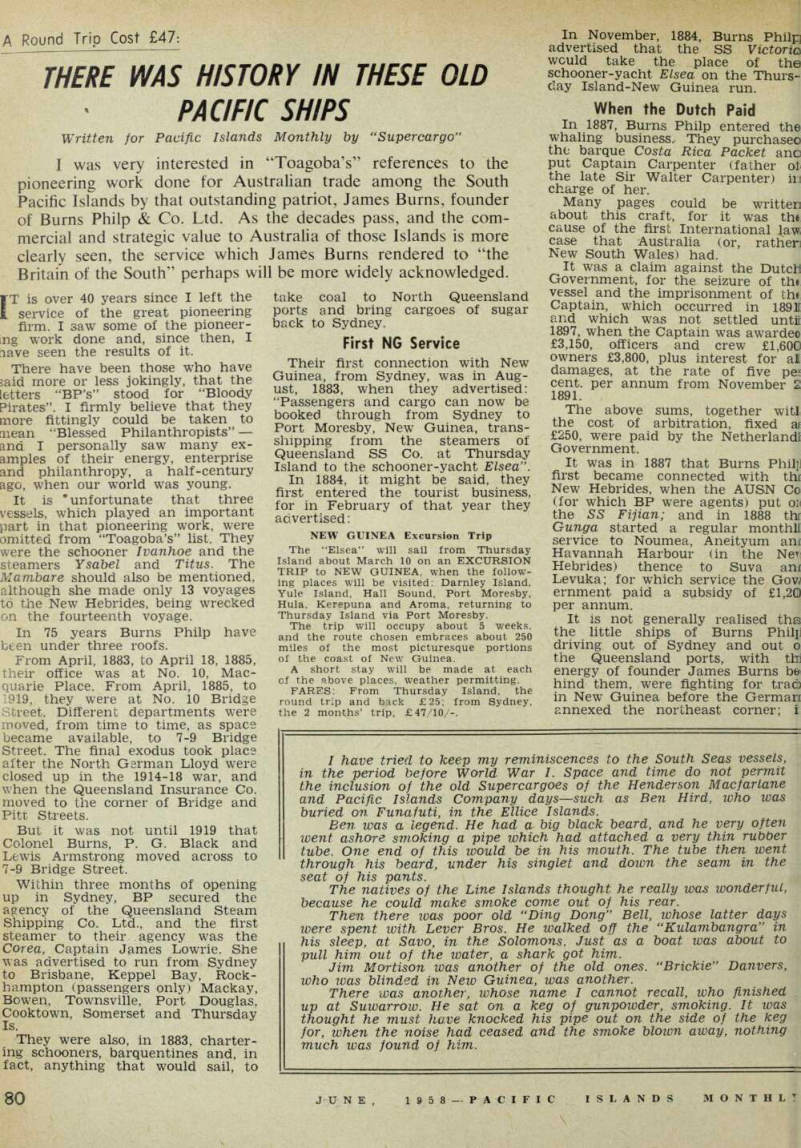 86
86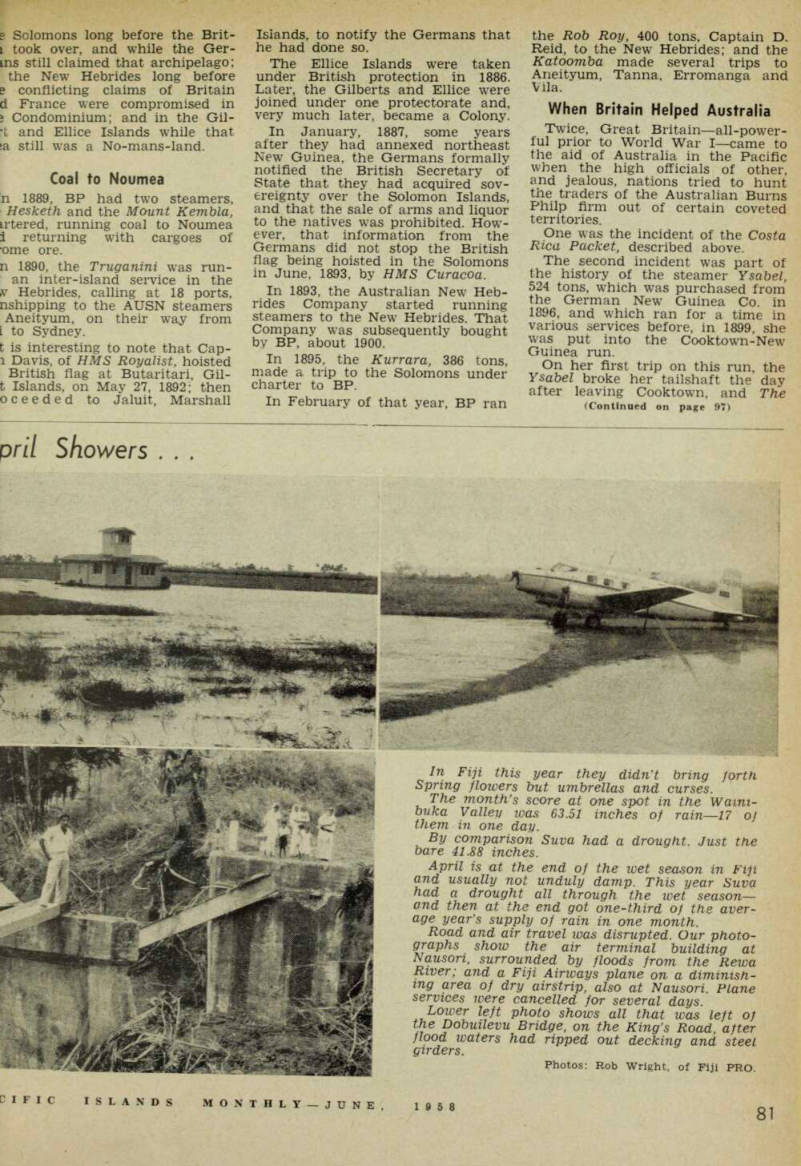 87
87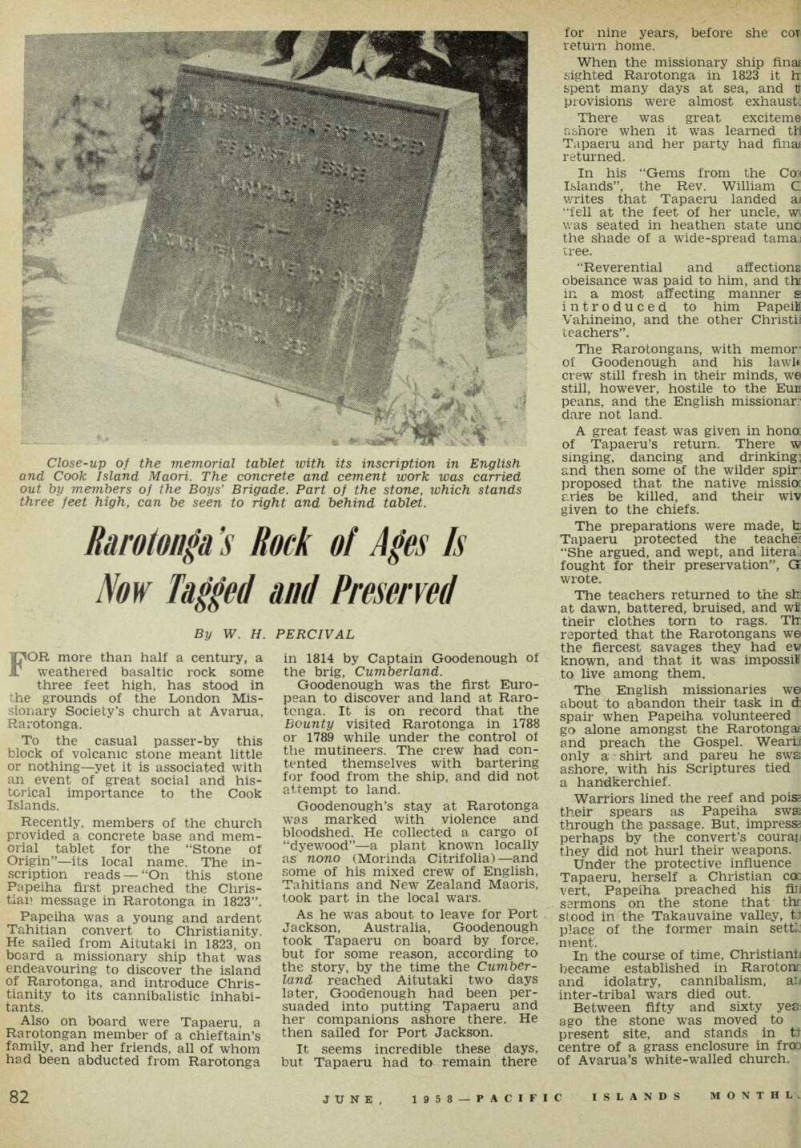 88
88 89
89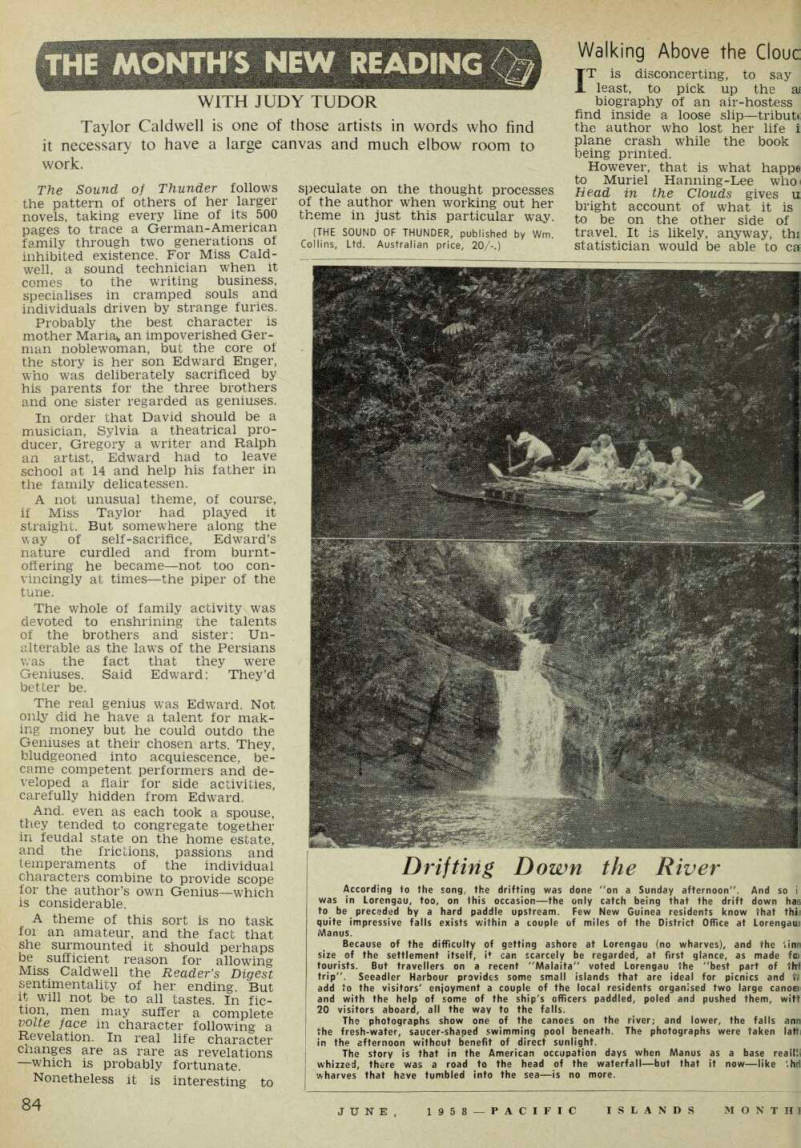 90
90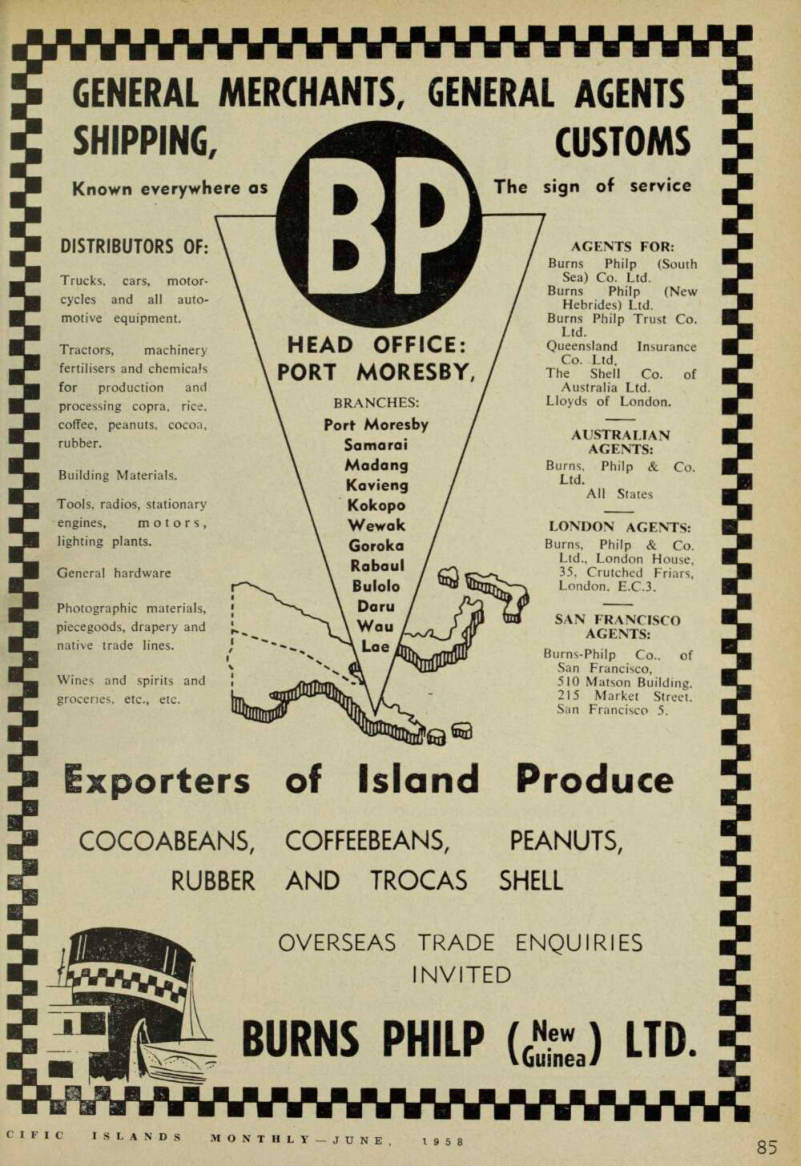 91
91 92
92 93
93 94
94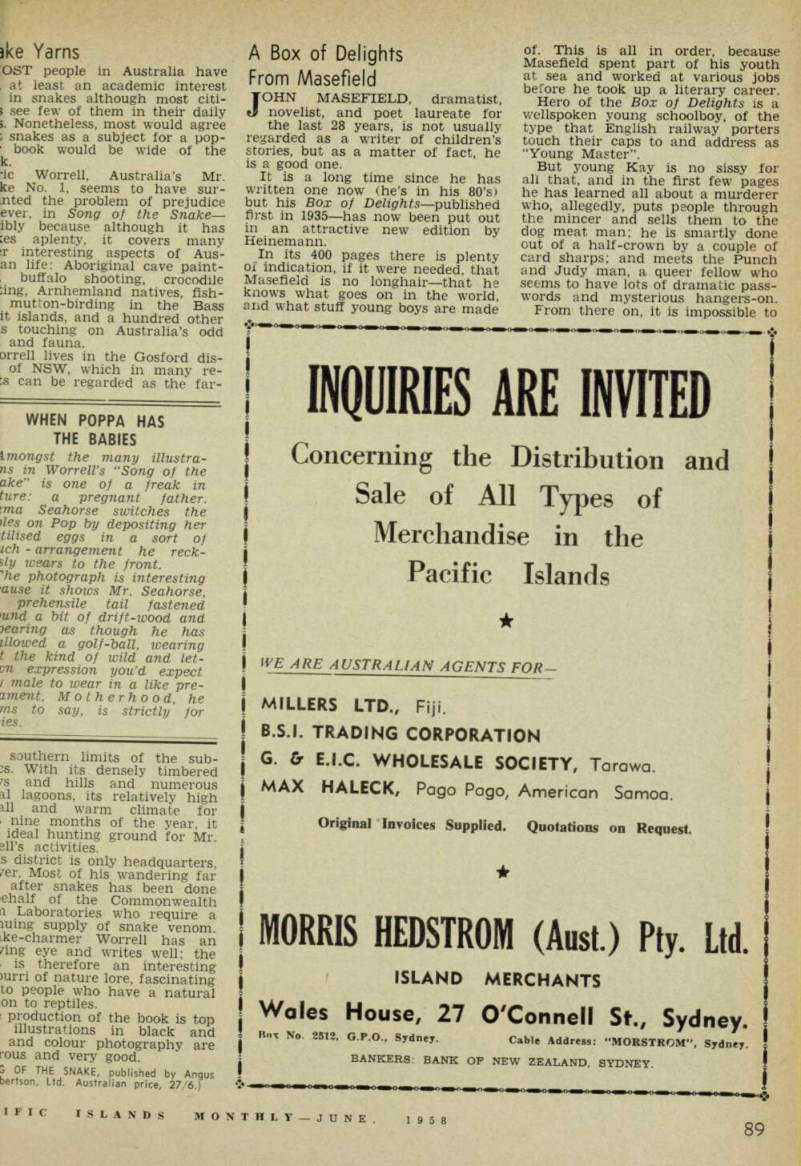 95
95 96
96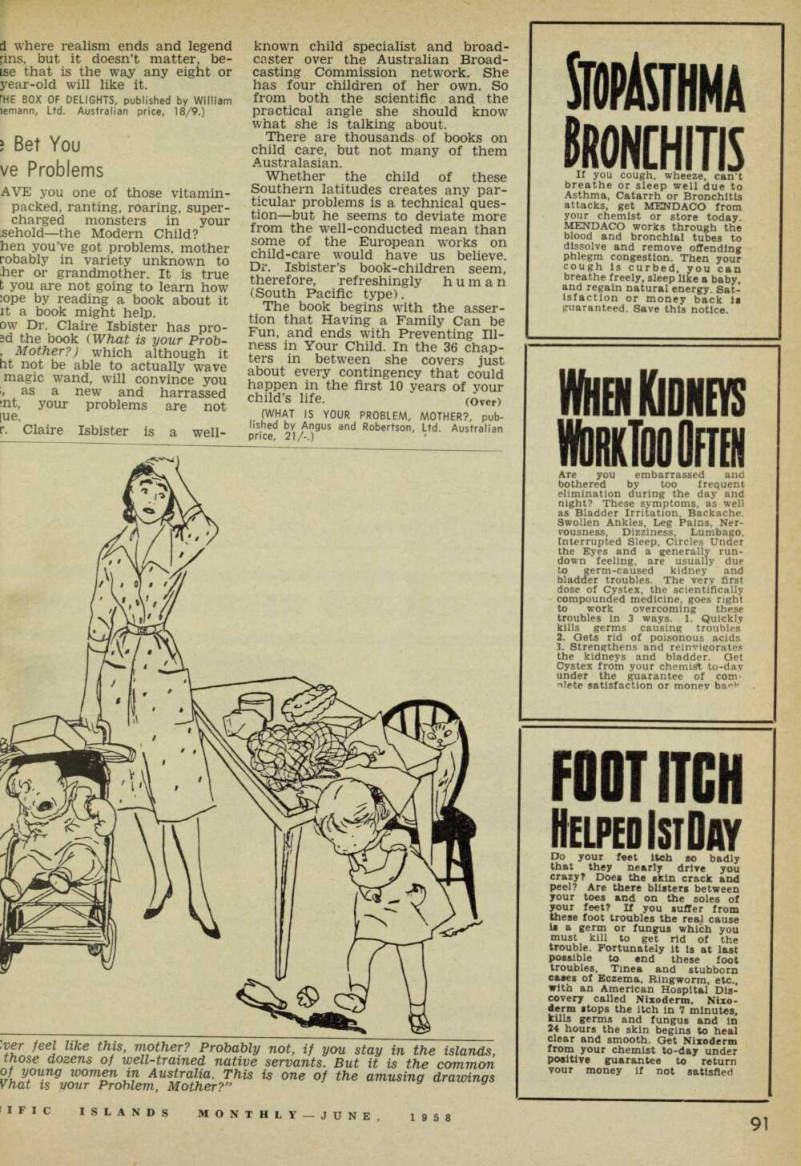 97
97 98
98 99
99 100
100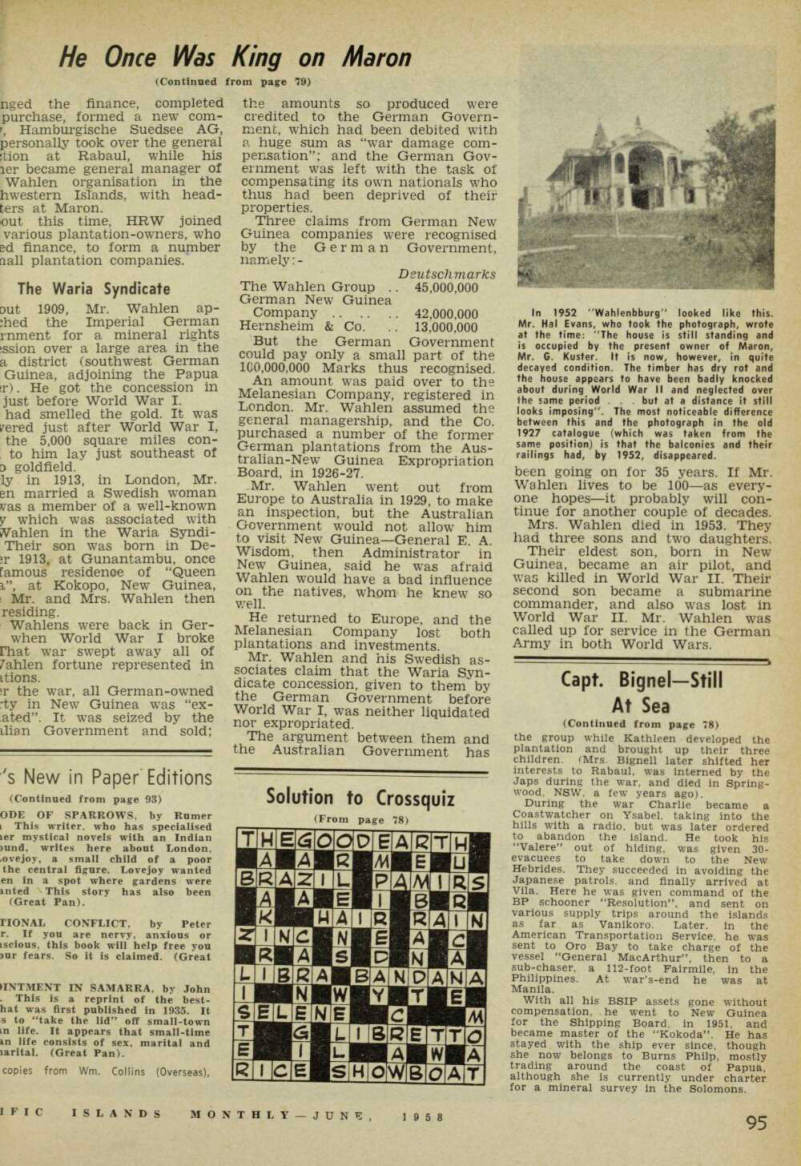 101
101 102
102 103
103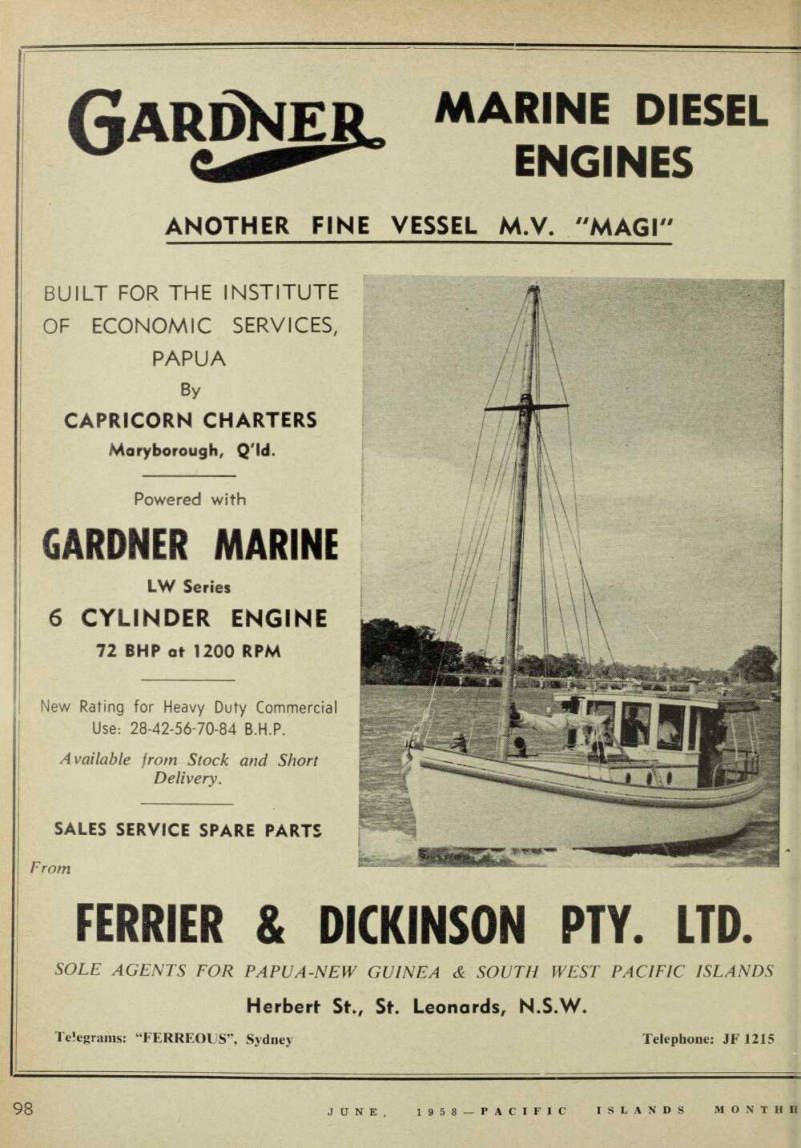 104
104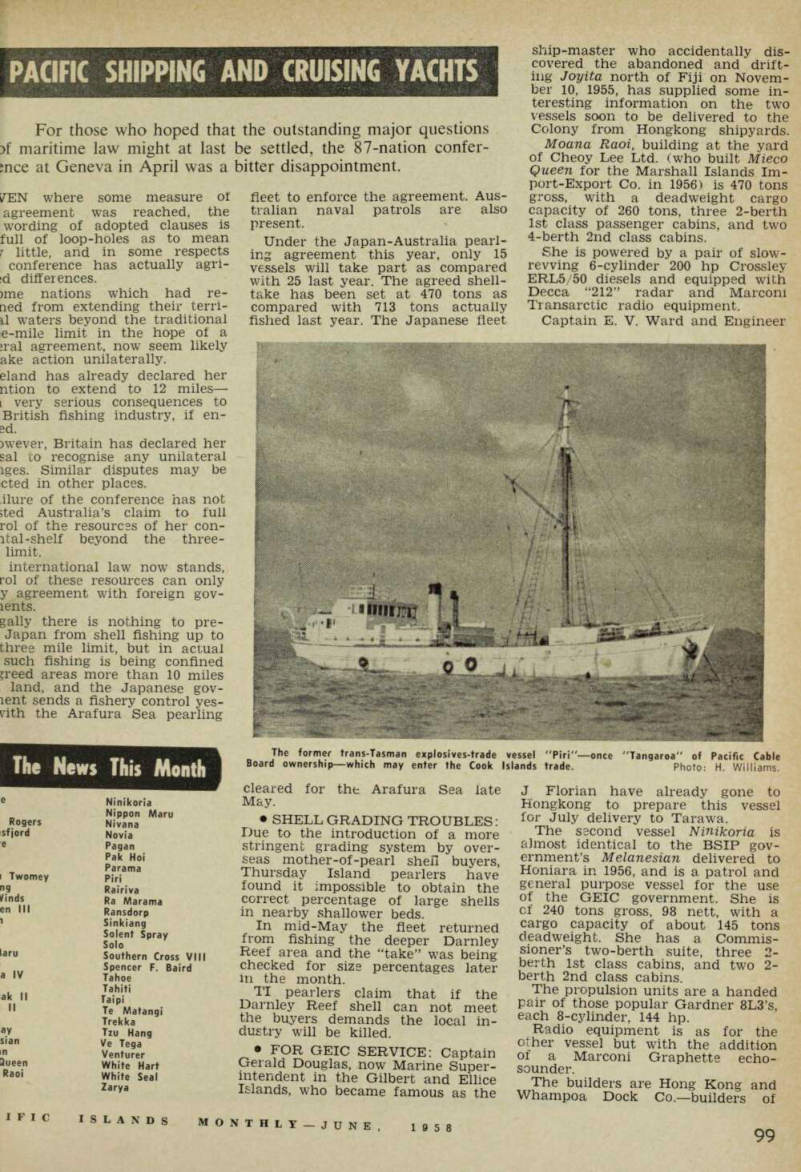 105
105 106
106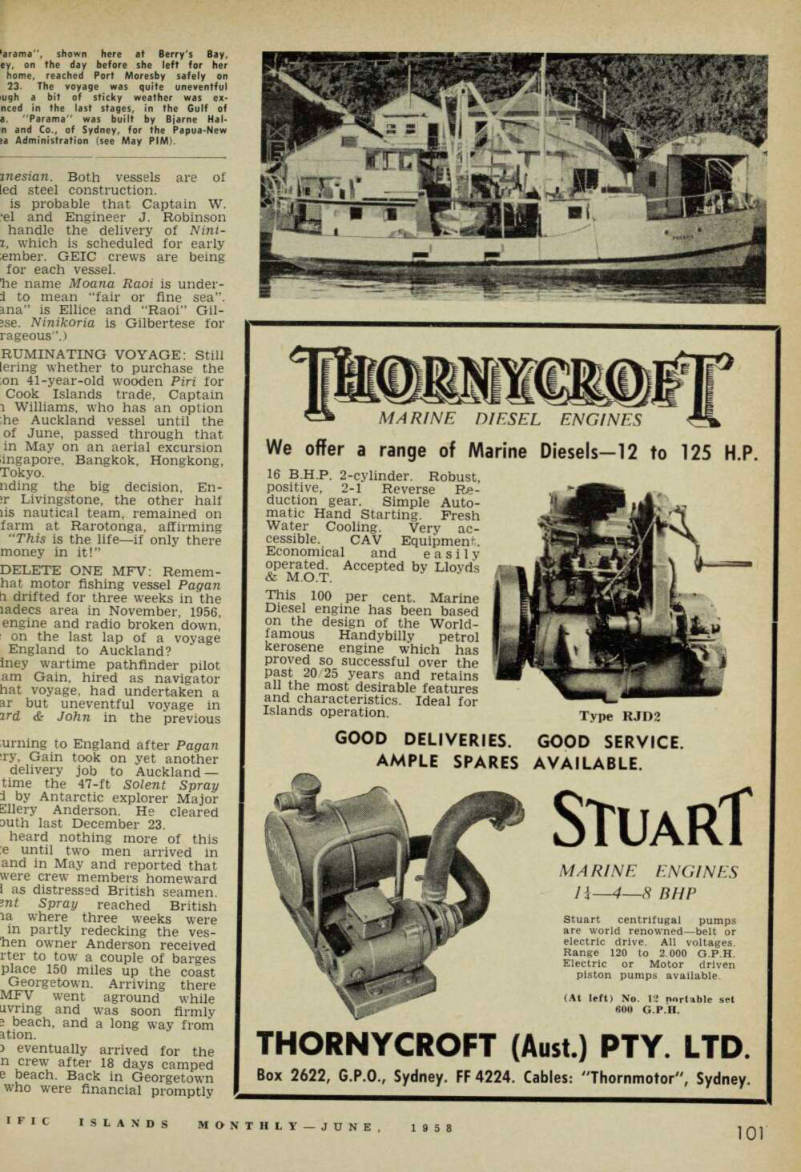 107
107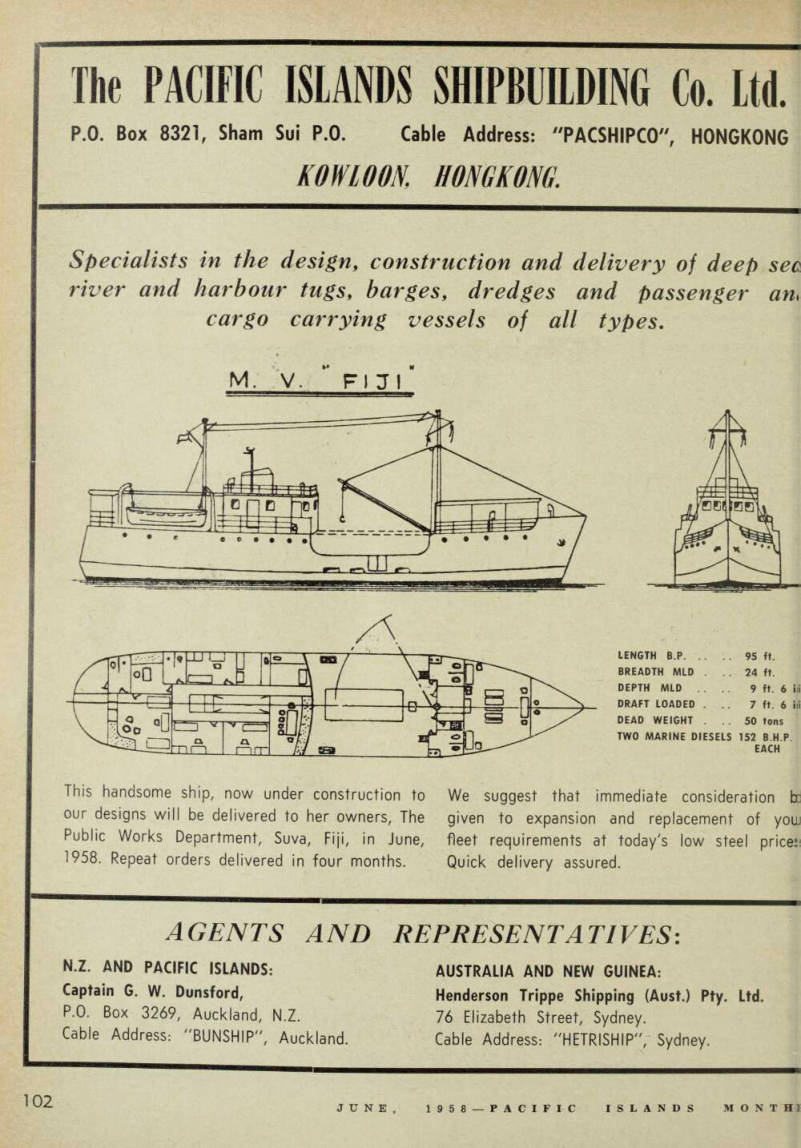 108
108 109
109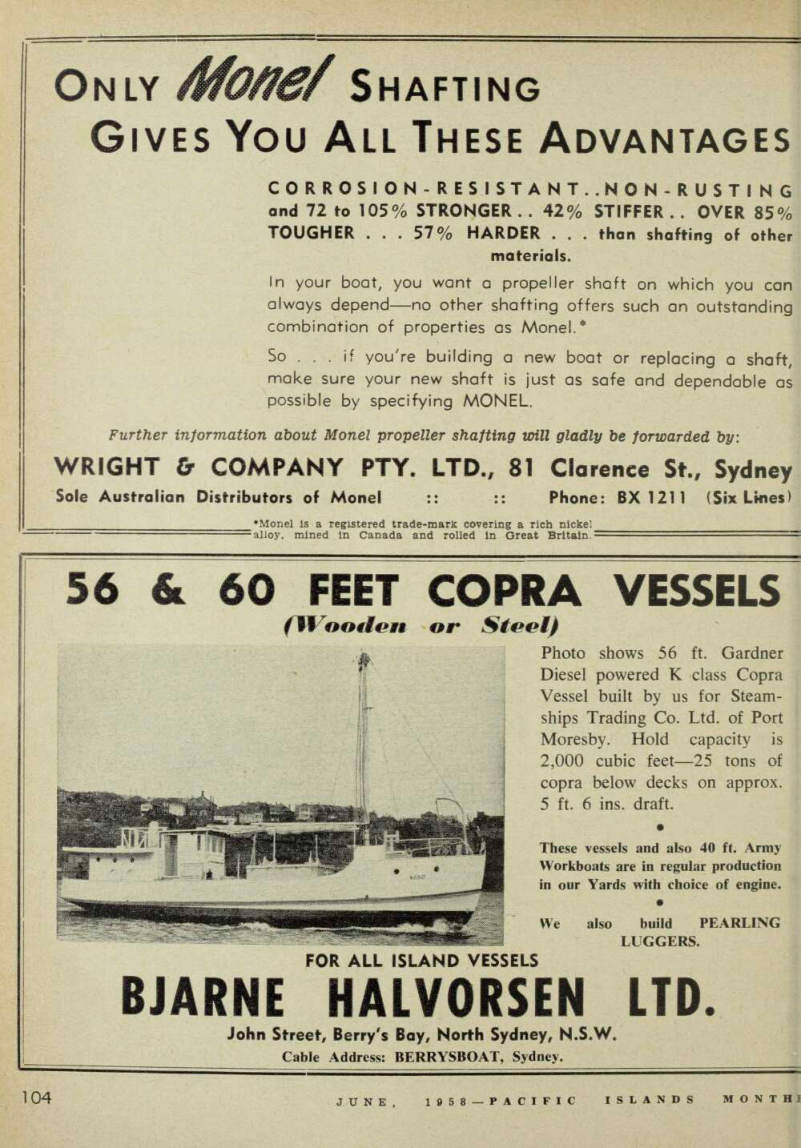 110
110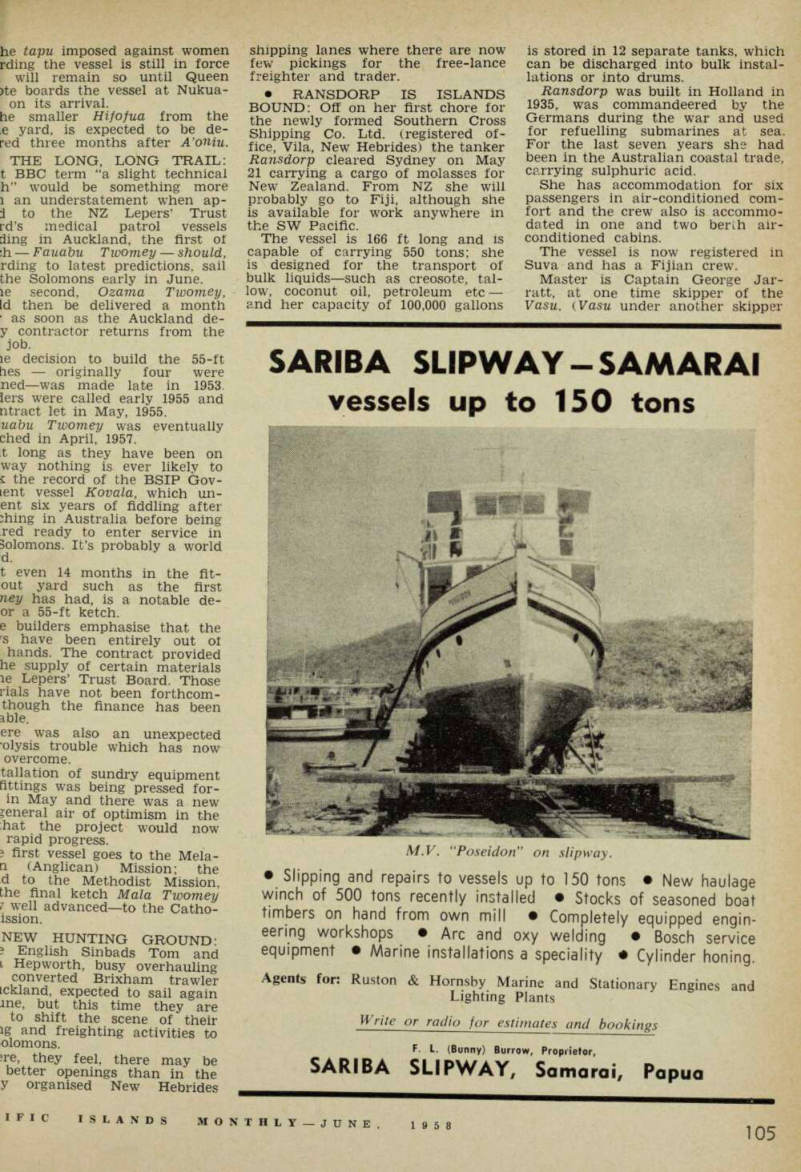 111
111 112
112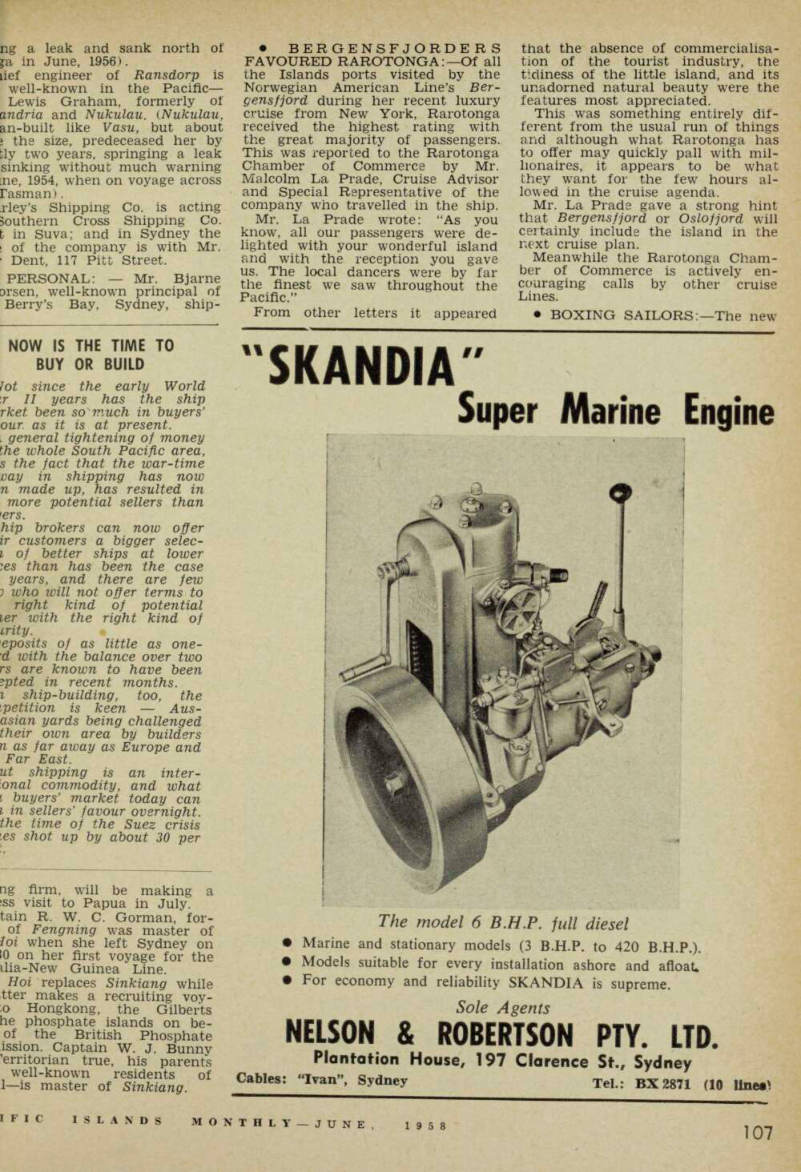 113
113 114
114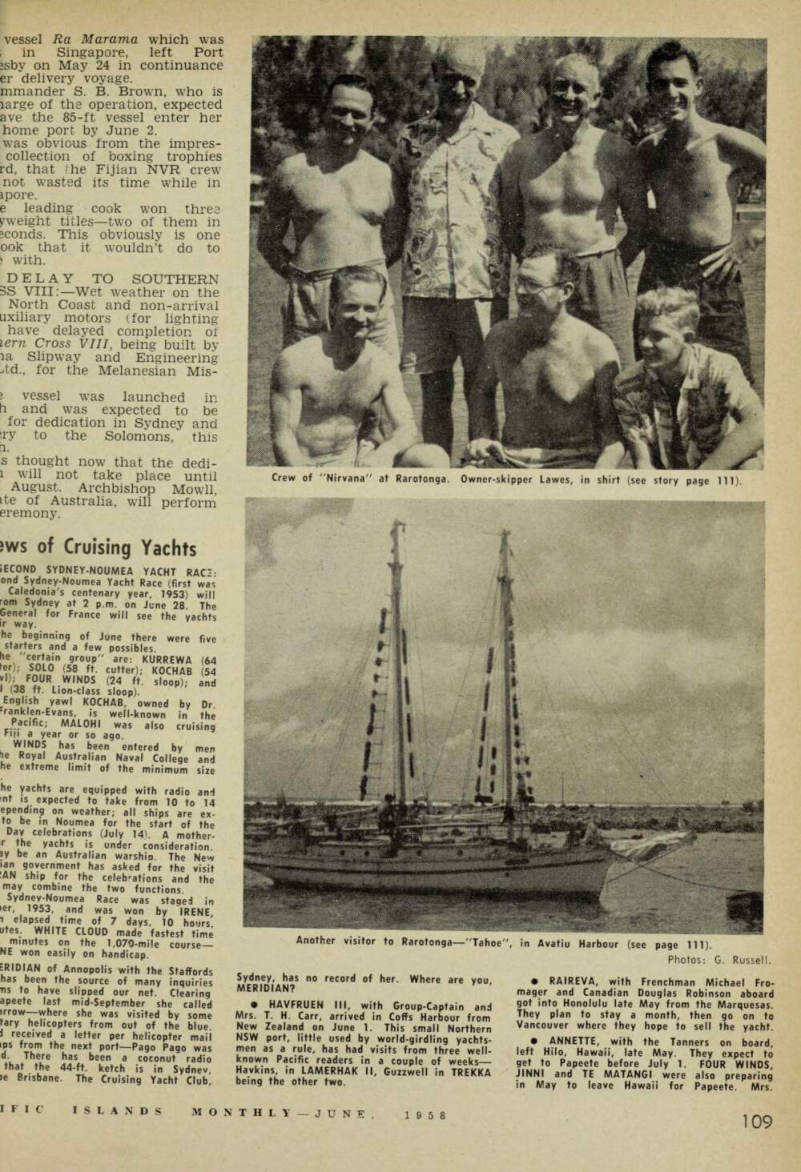 115
115 116
116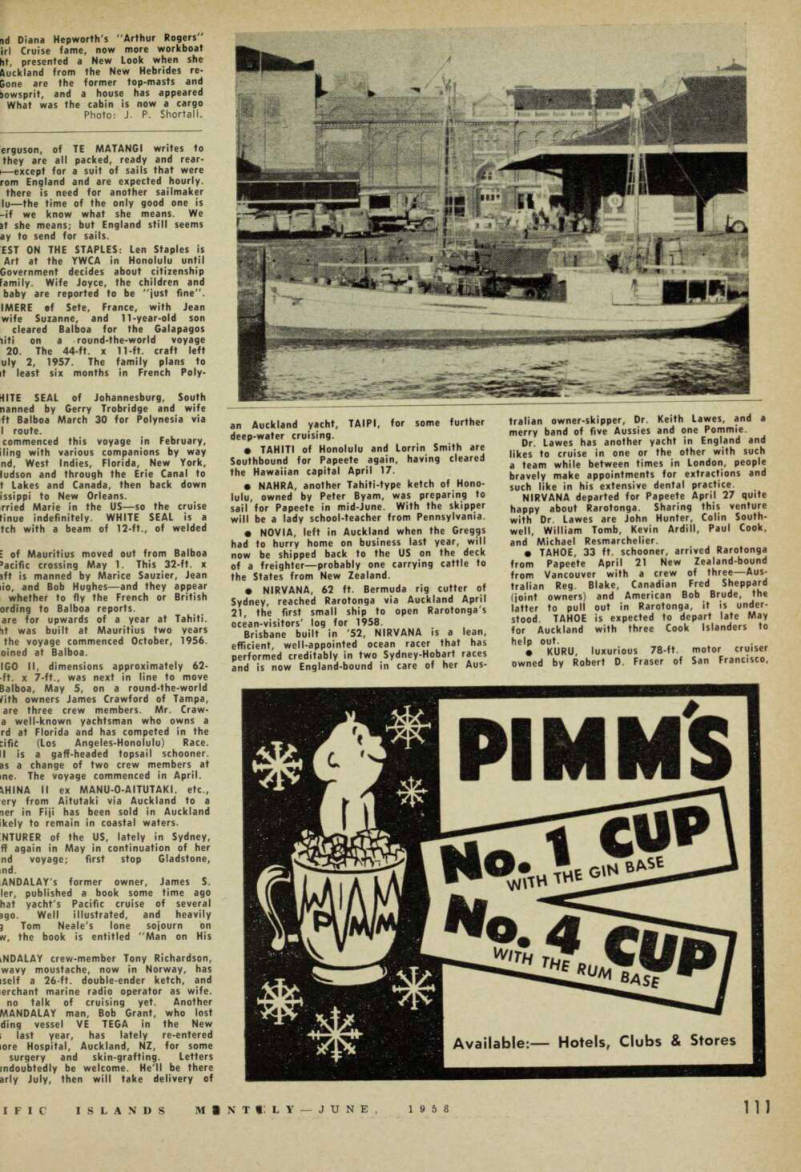 117
117 118
118 119
119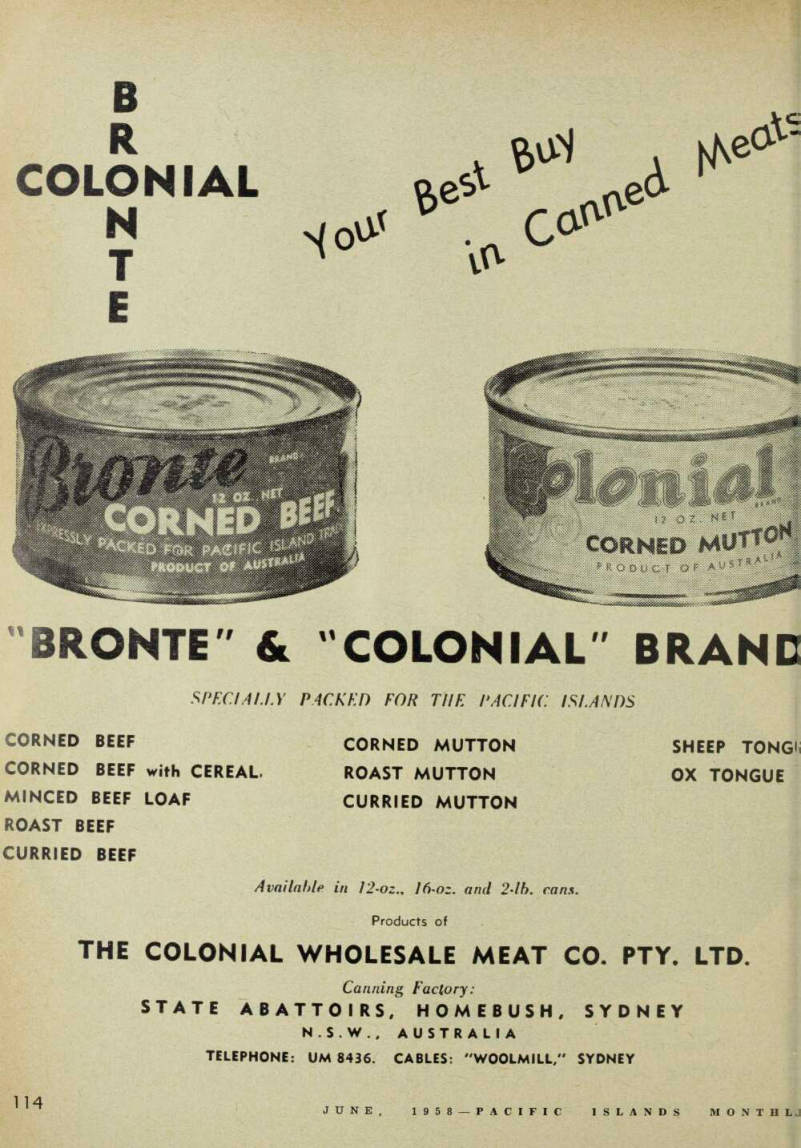 120
120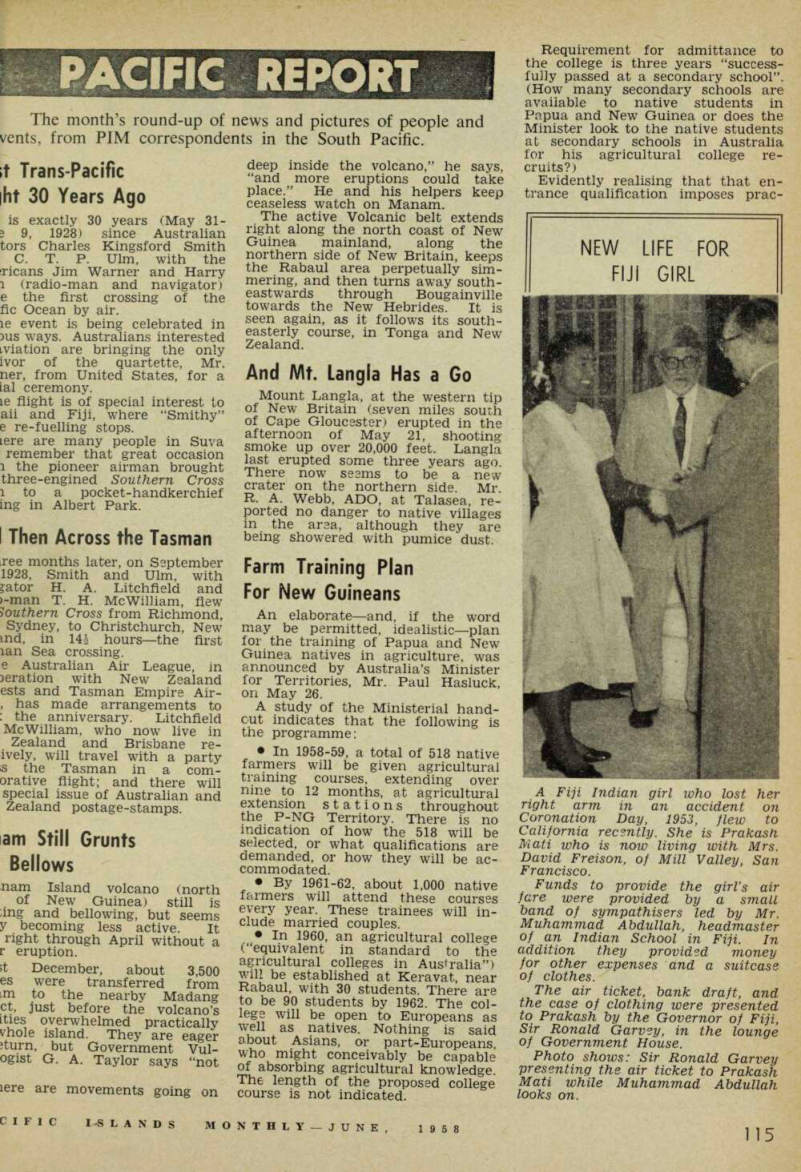 121
121 122
122 123
123 124
124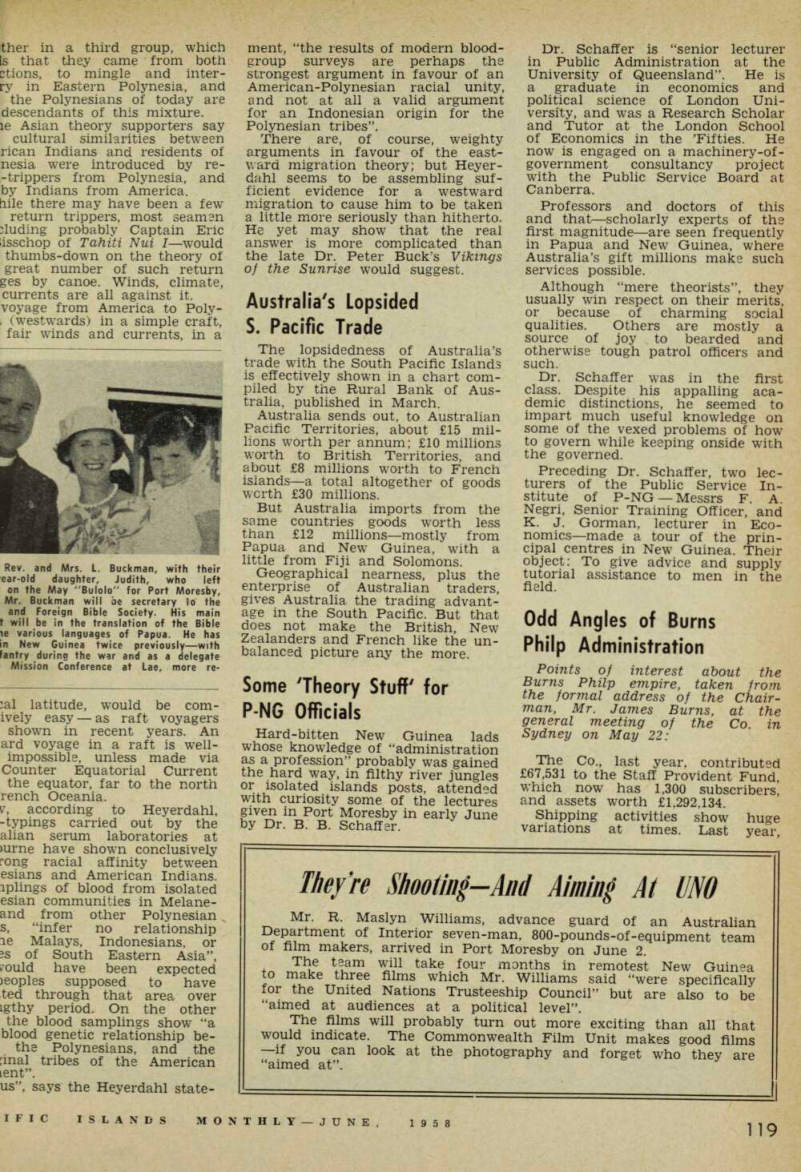 125
125 126
126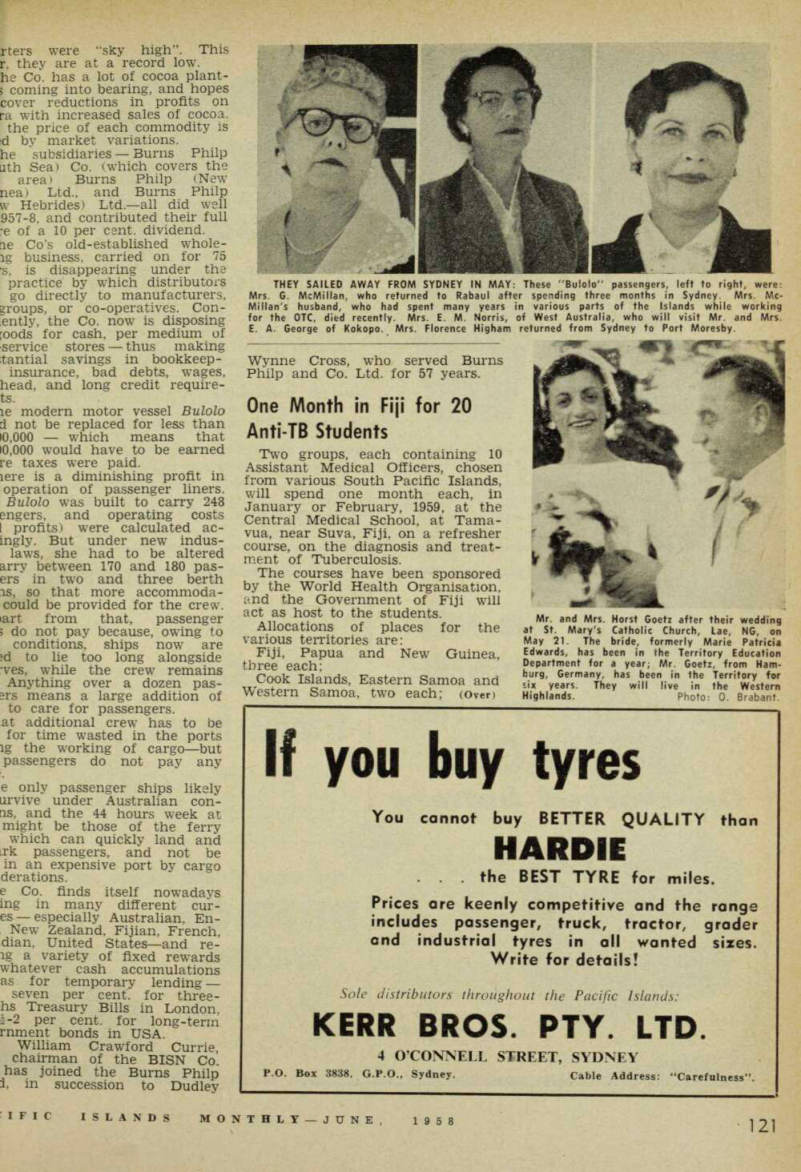 127
127 128
128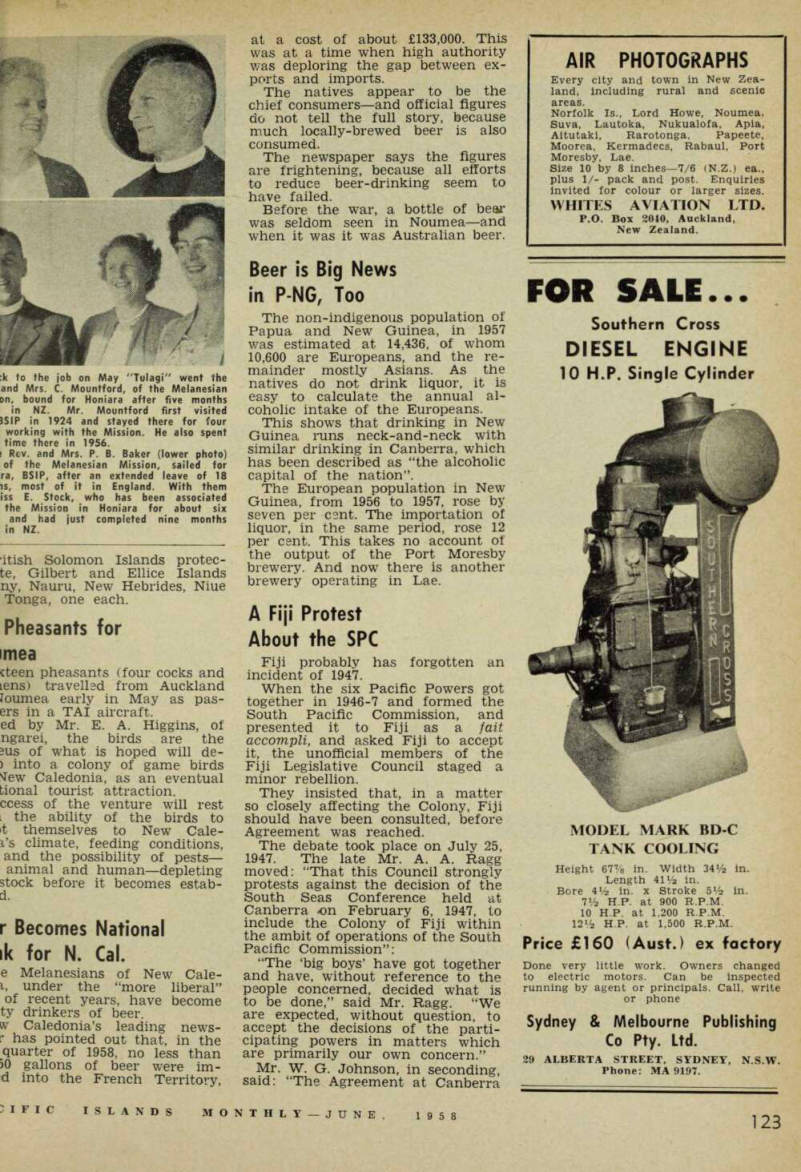 129
129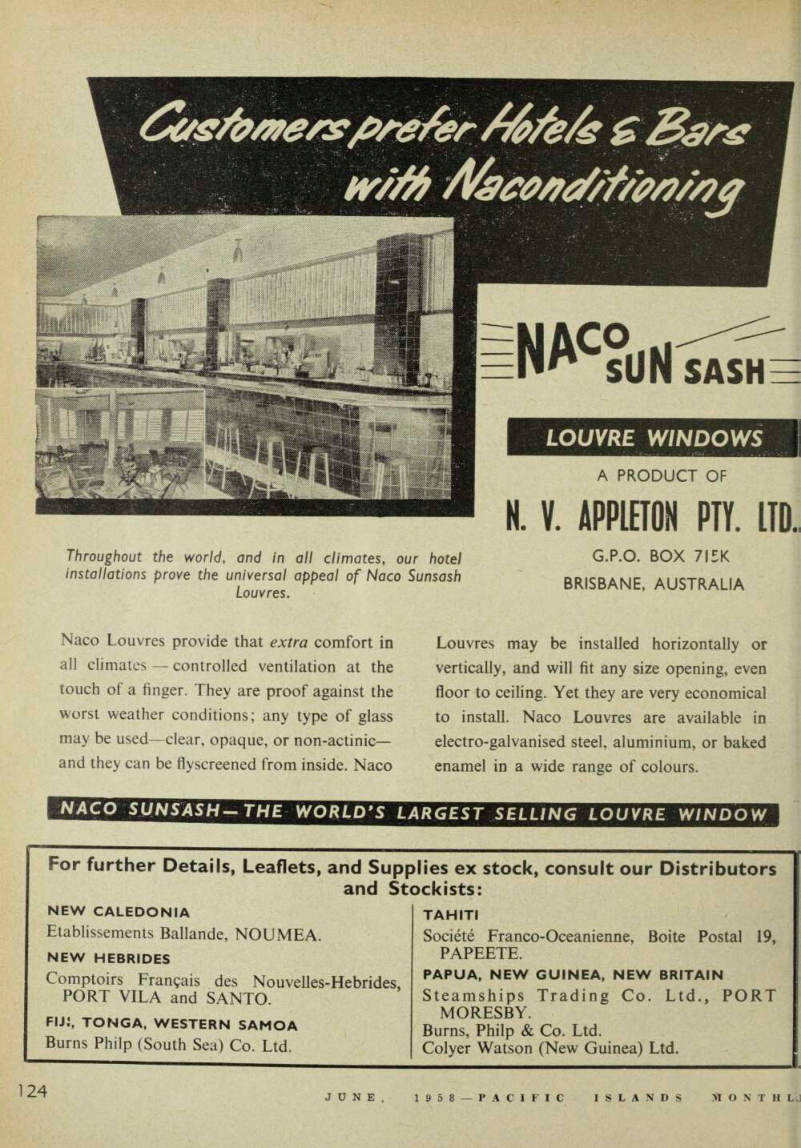 130
130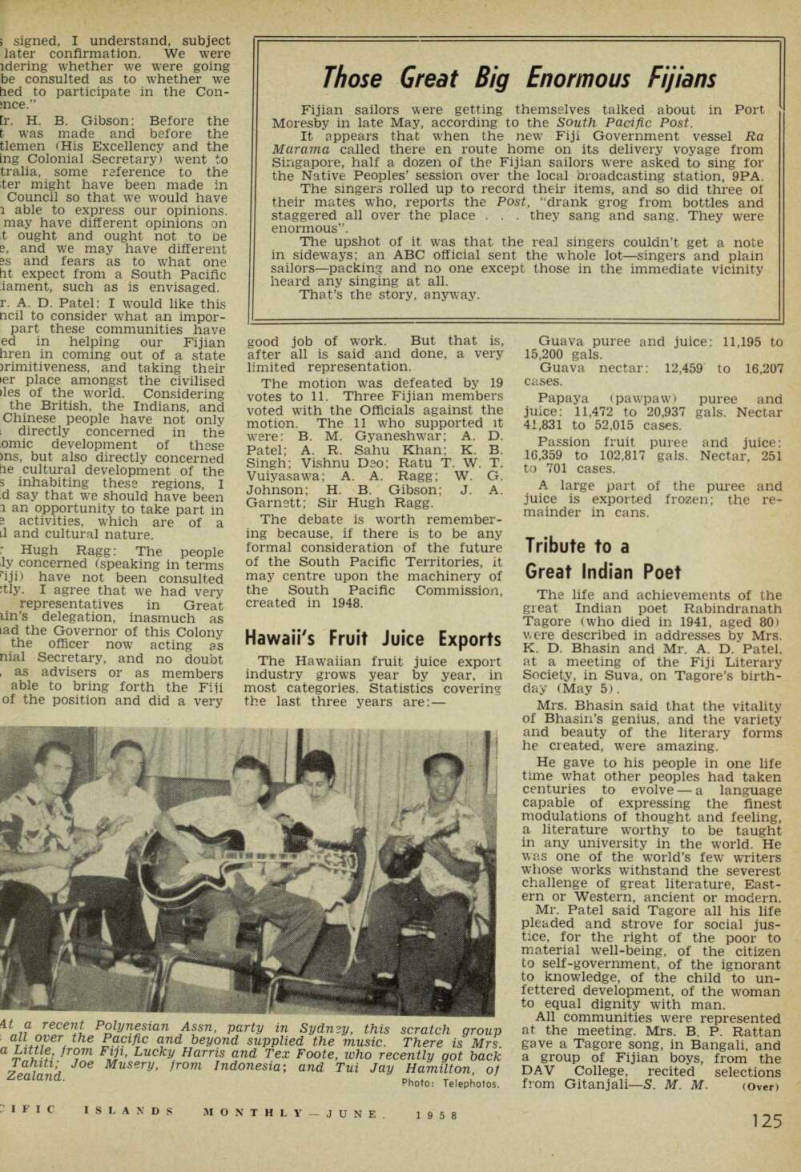 131
131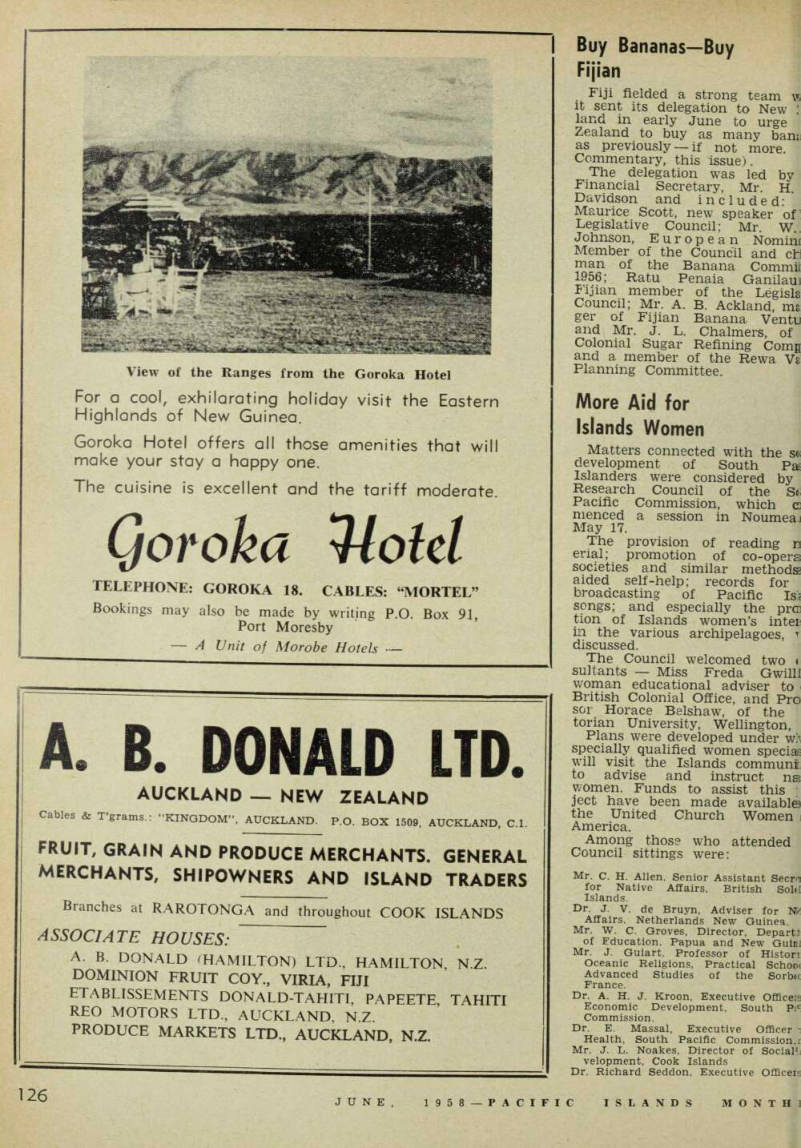 132
132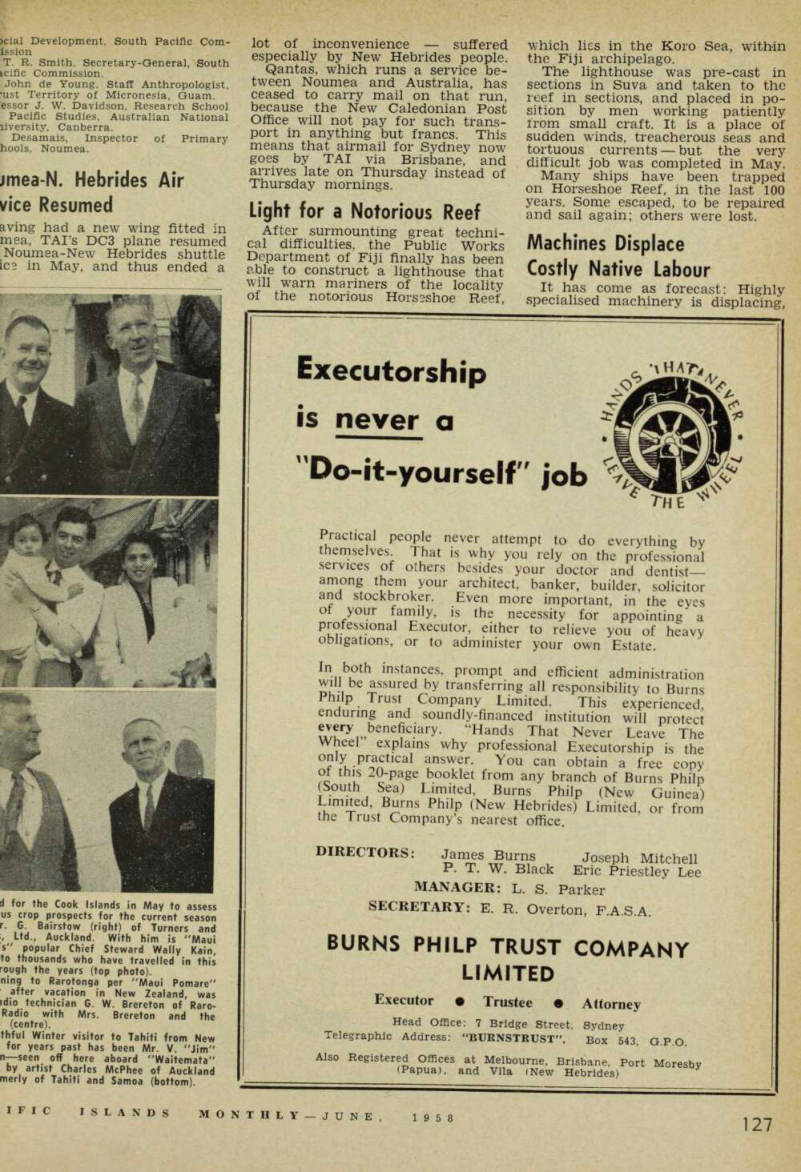 133
133 134
134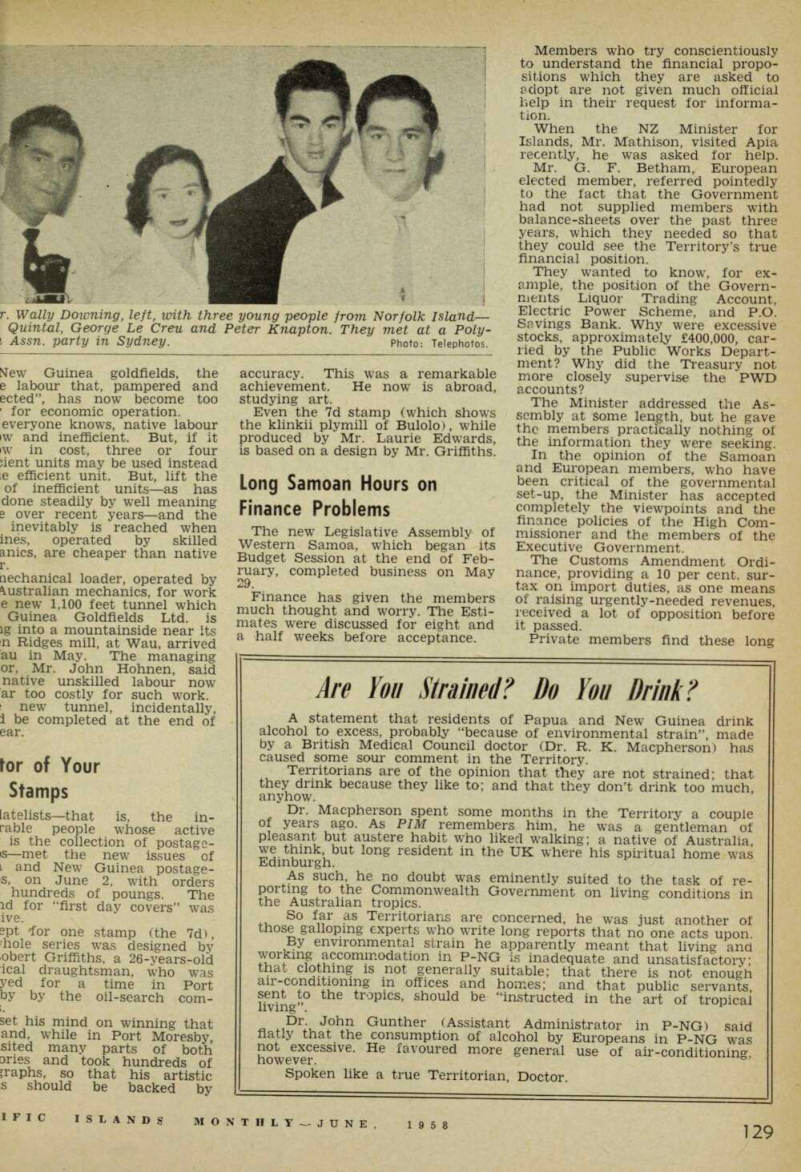 135
135 136
136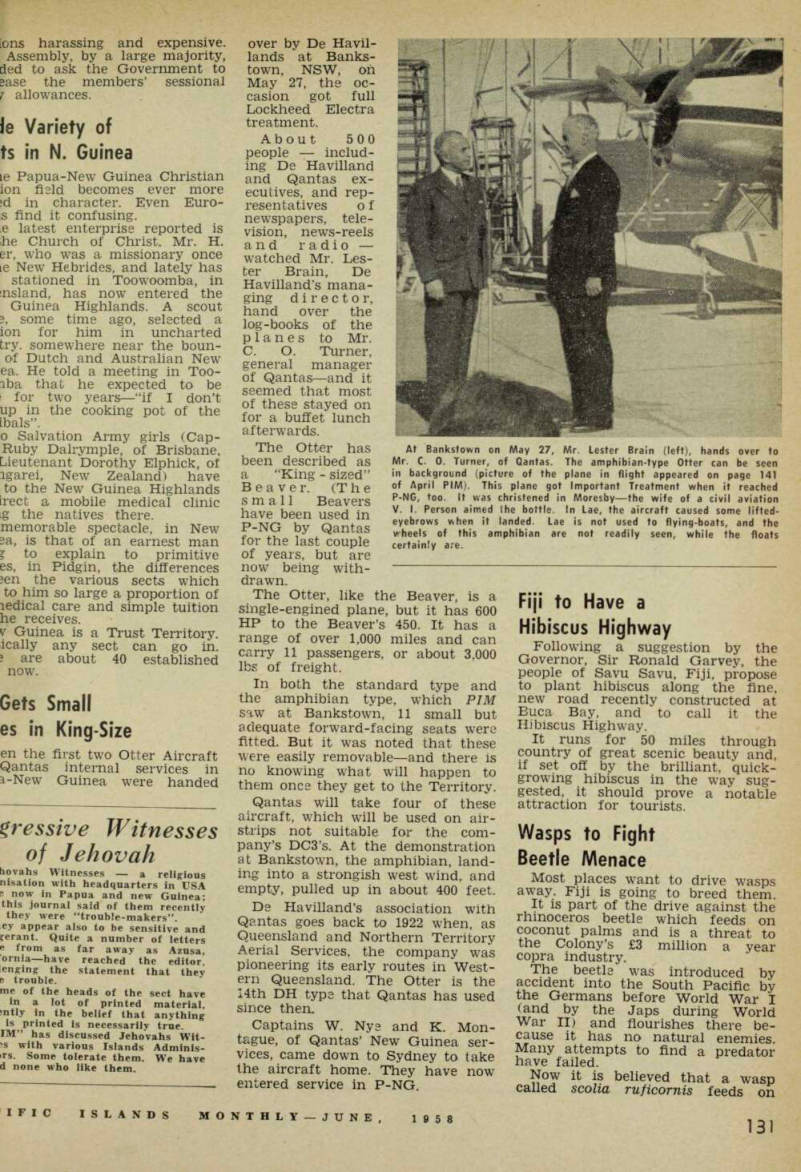 137
137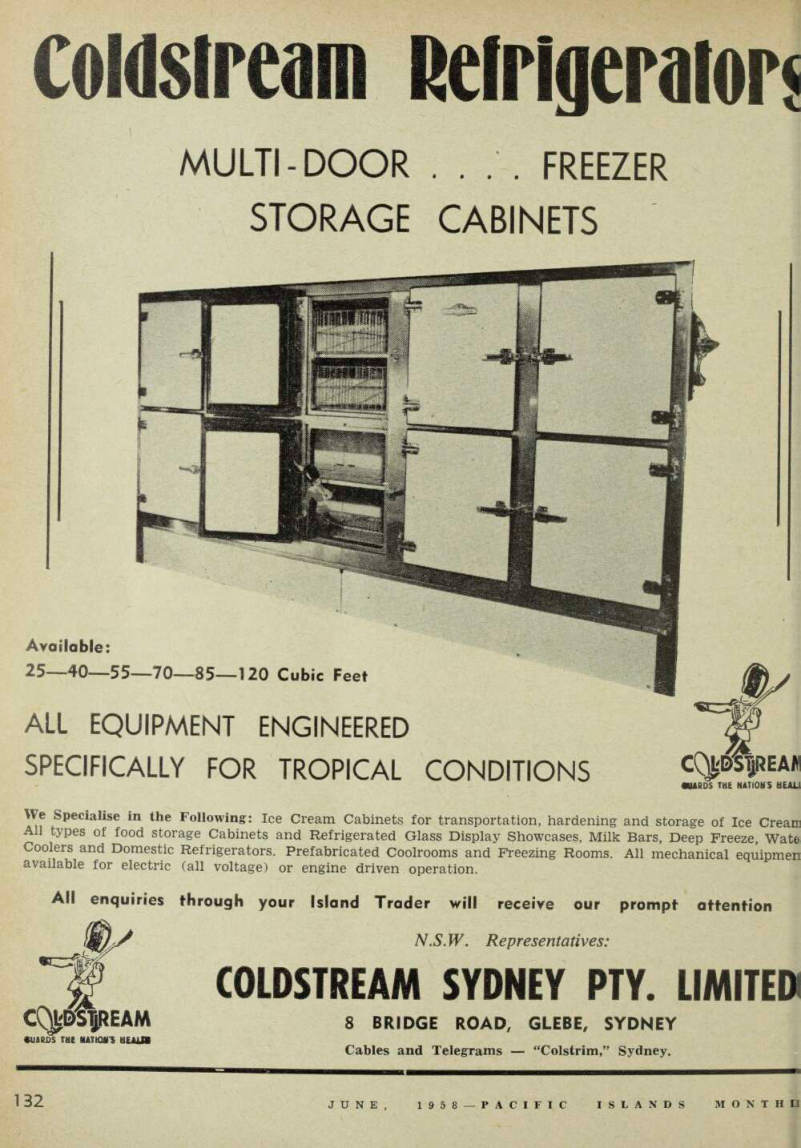 138
138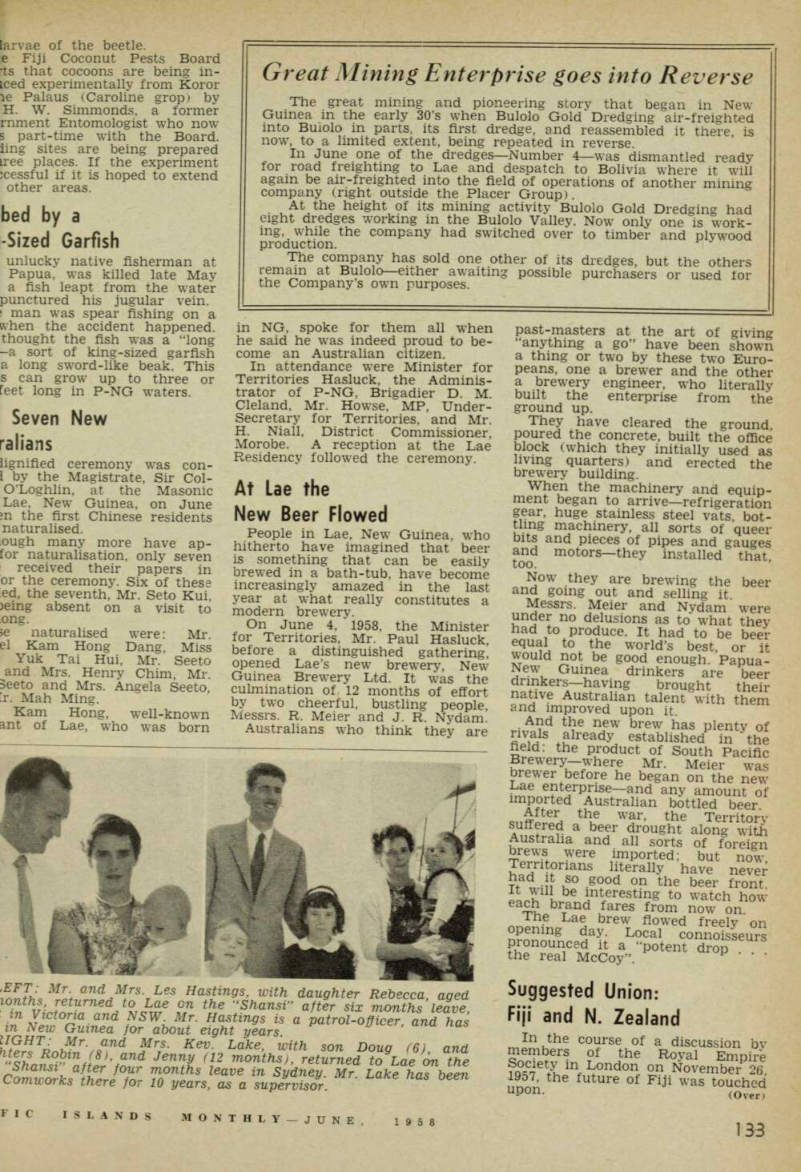 139
139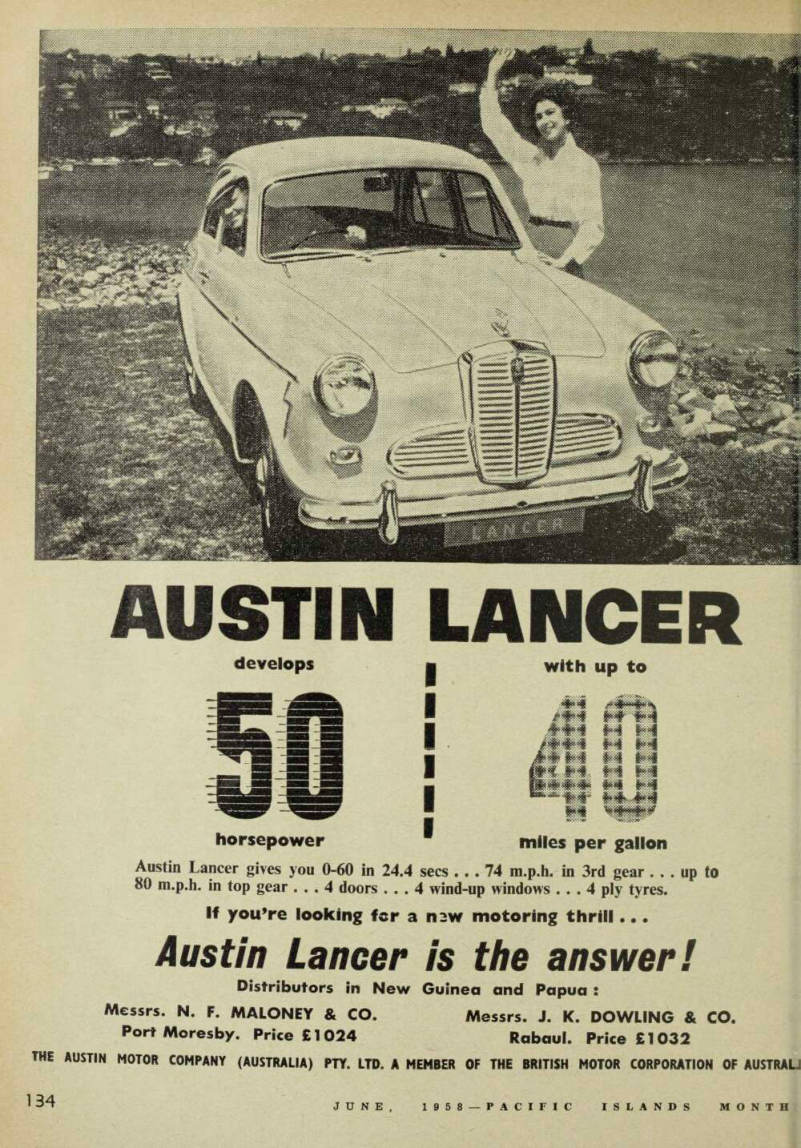 140
140 141
141 142
142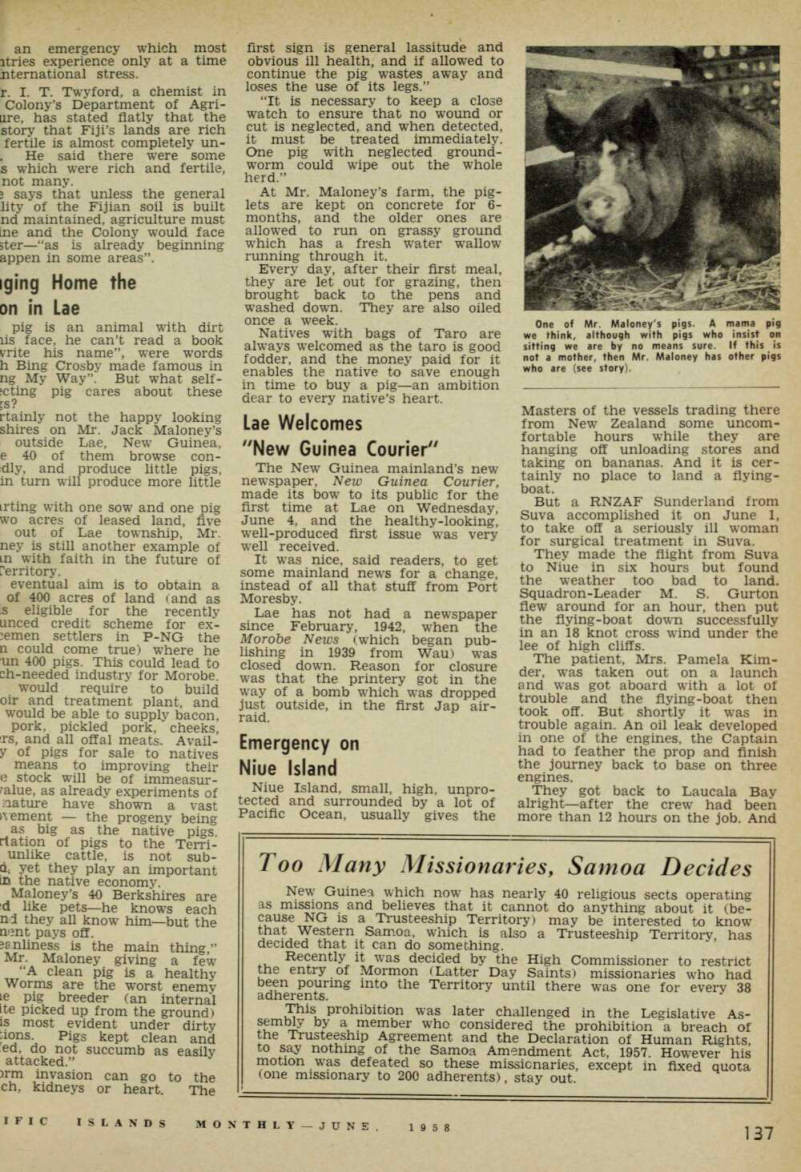 143
143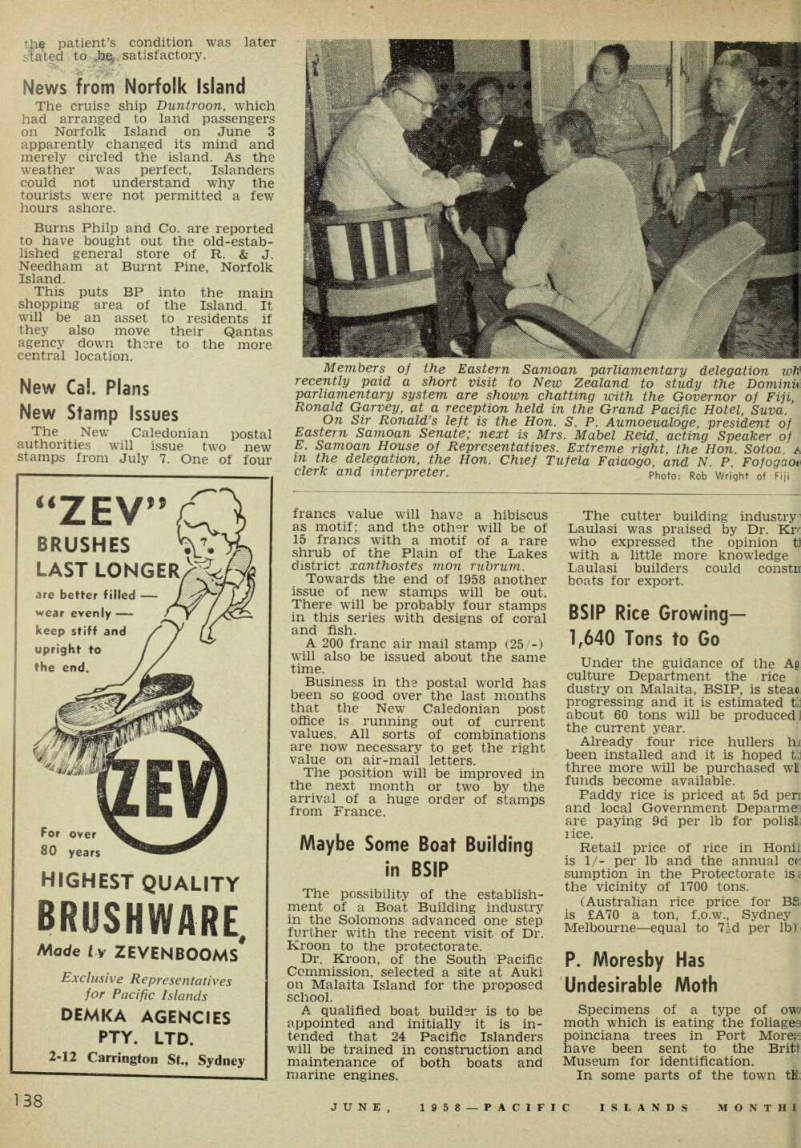 144
144 145
145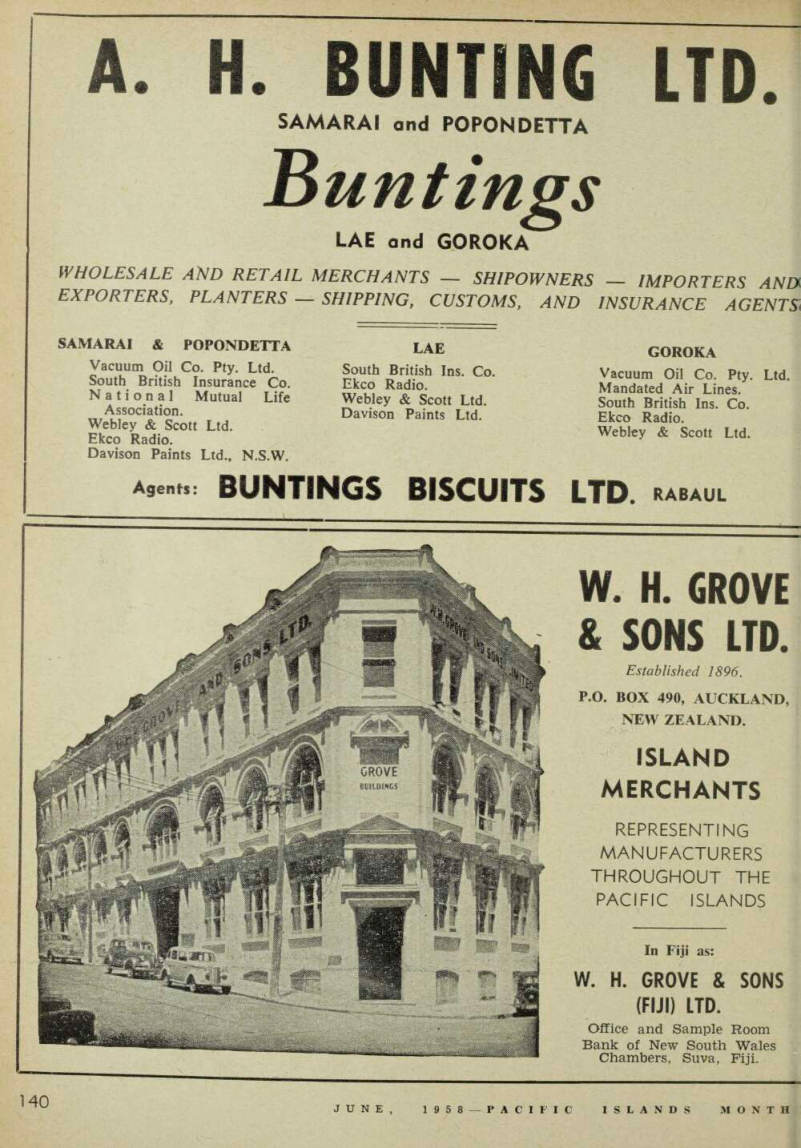 146
146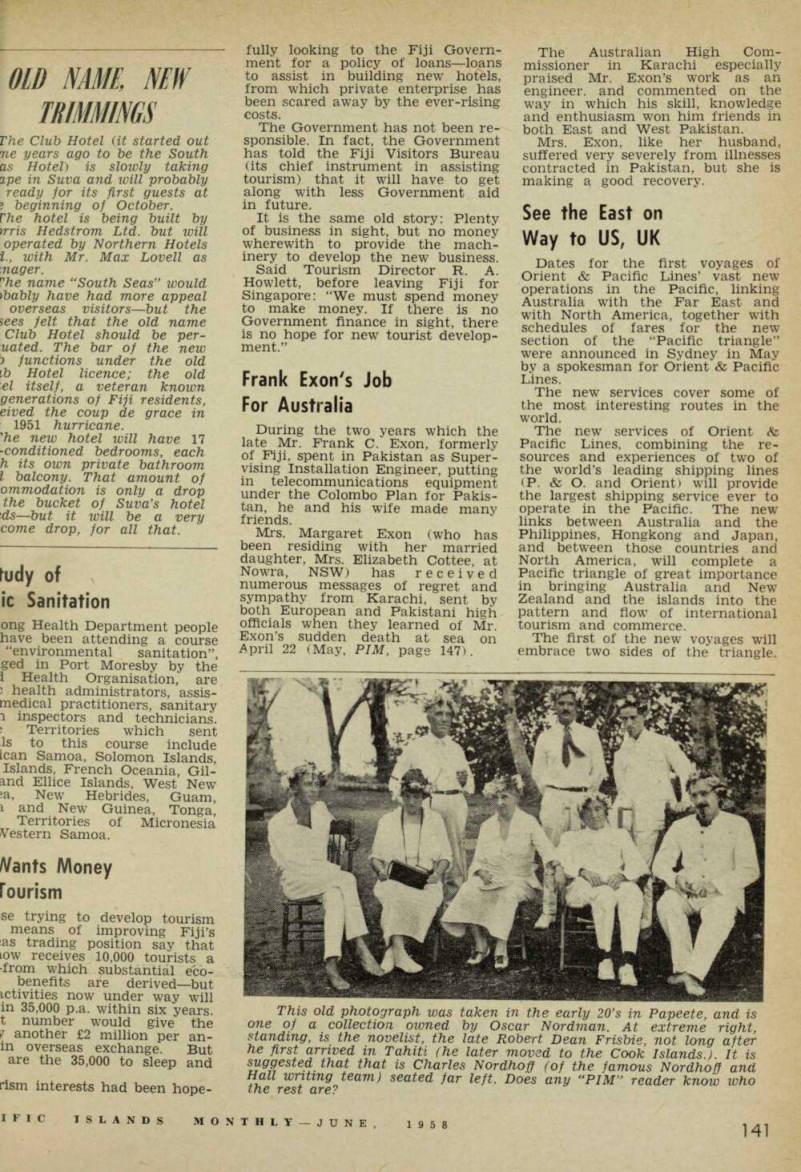 147
147 148
148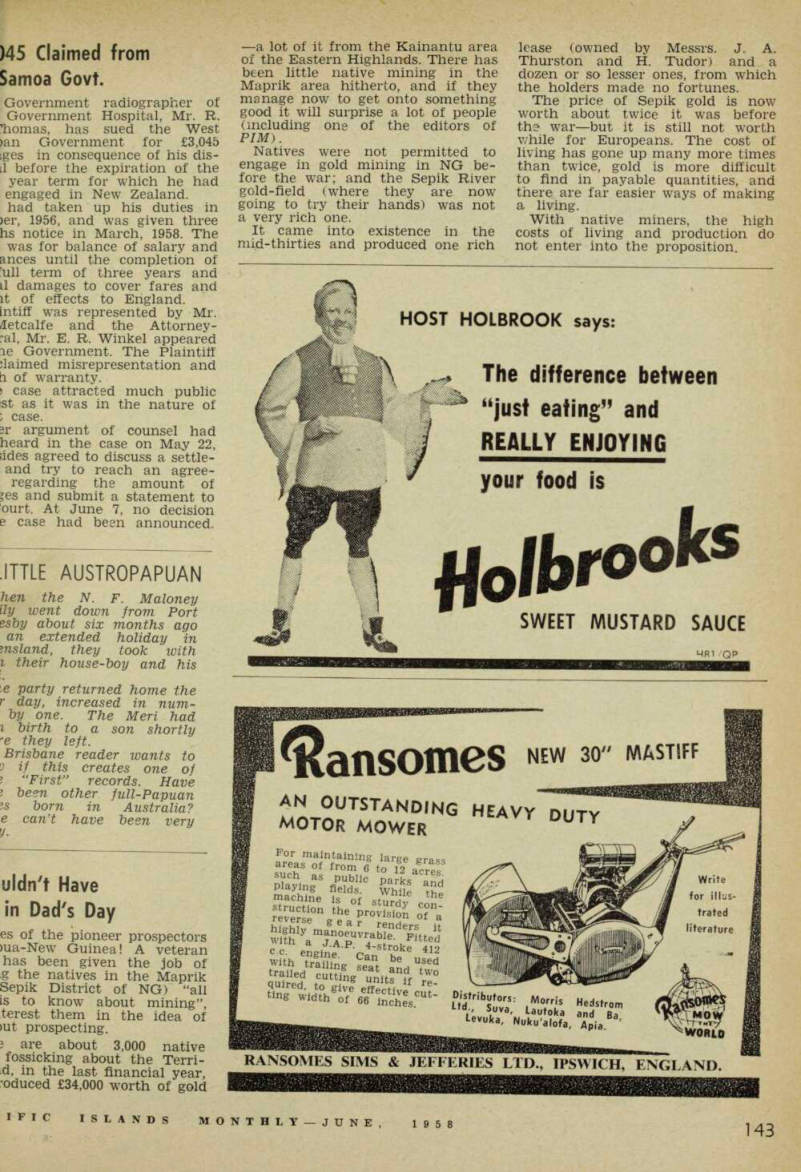 149
149 150
150 151
151 152
152 153
153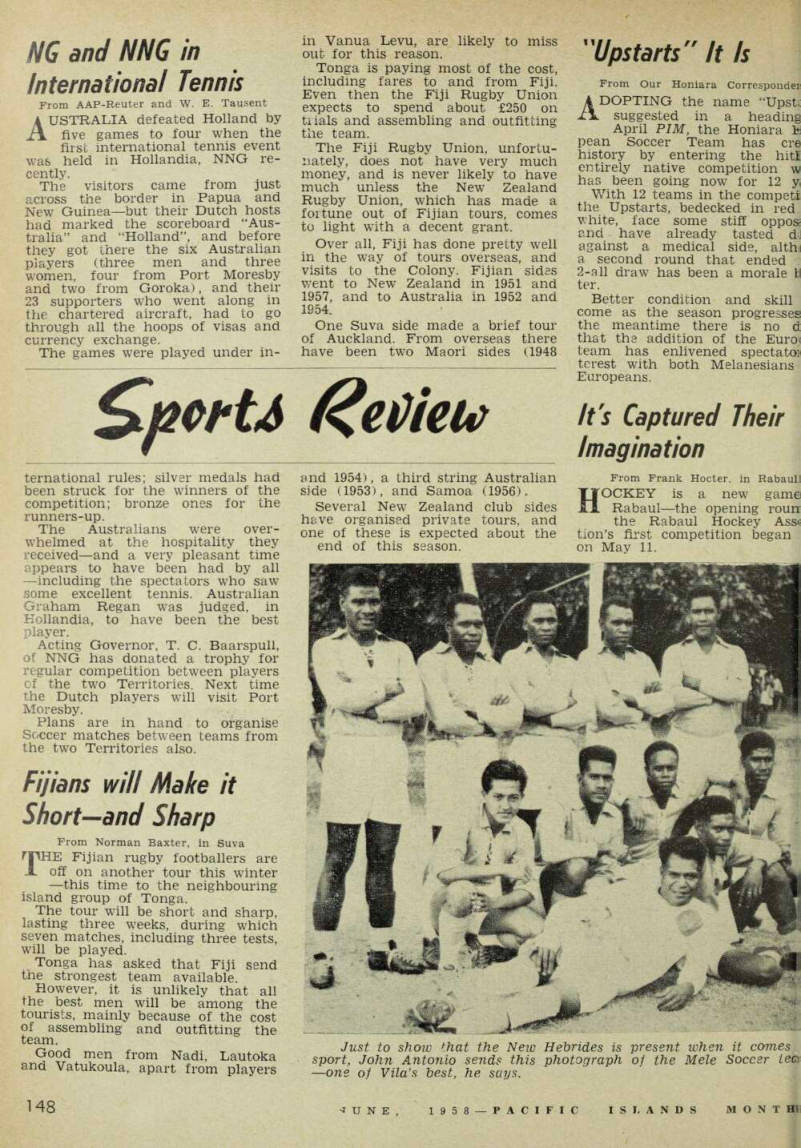 154
154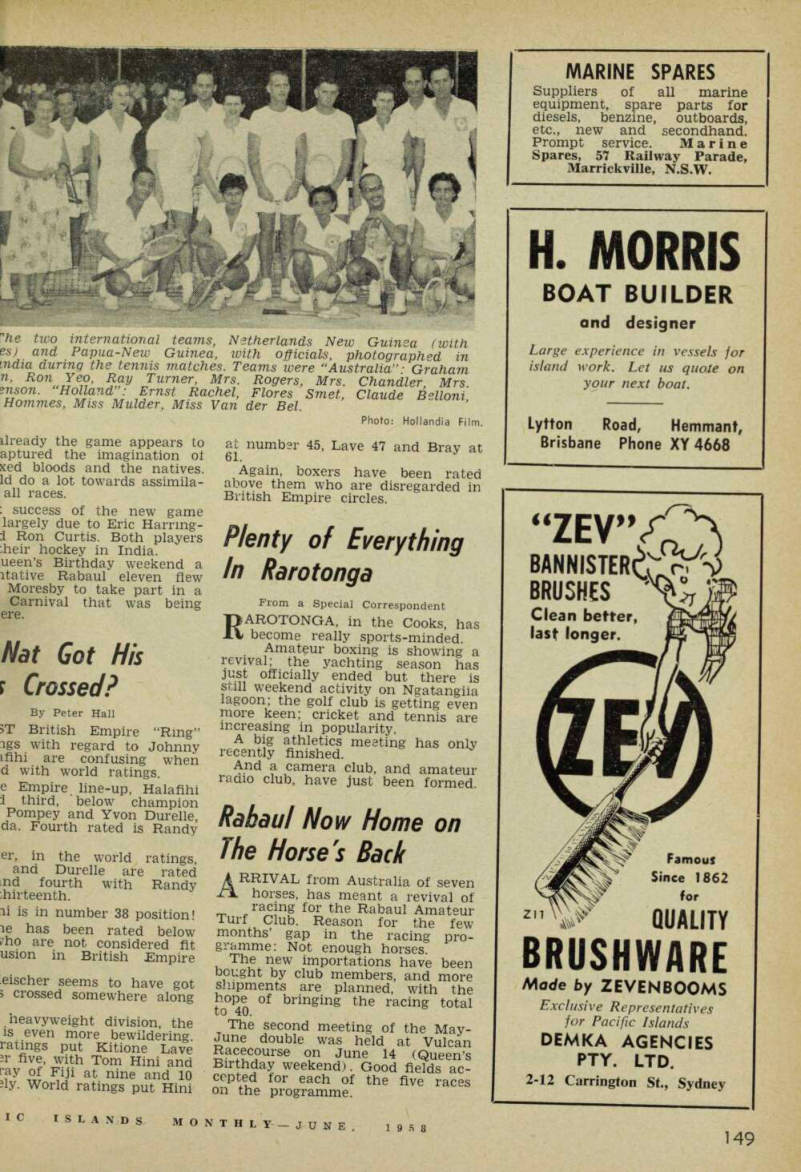 155
155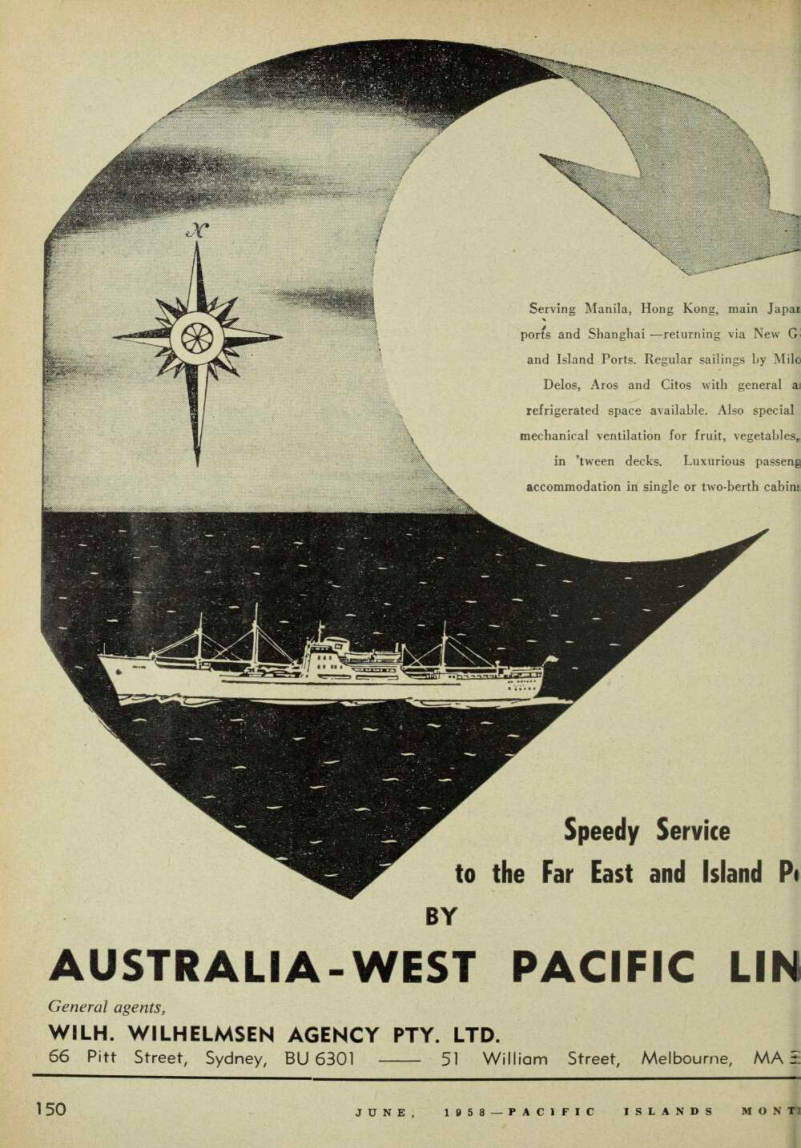 156
156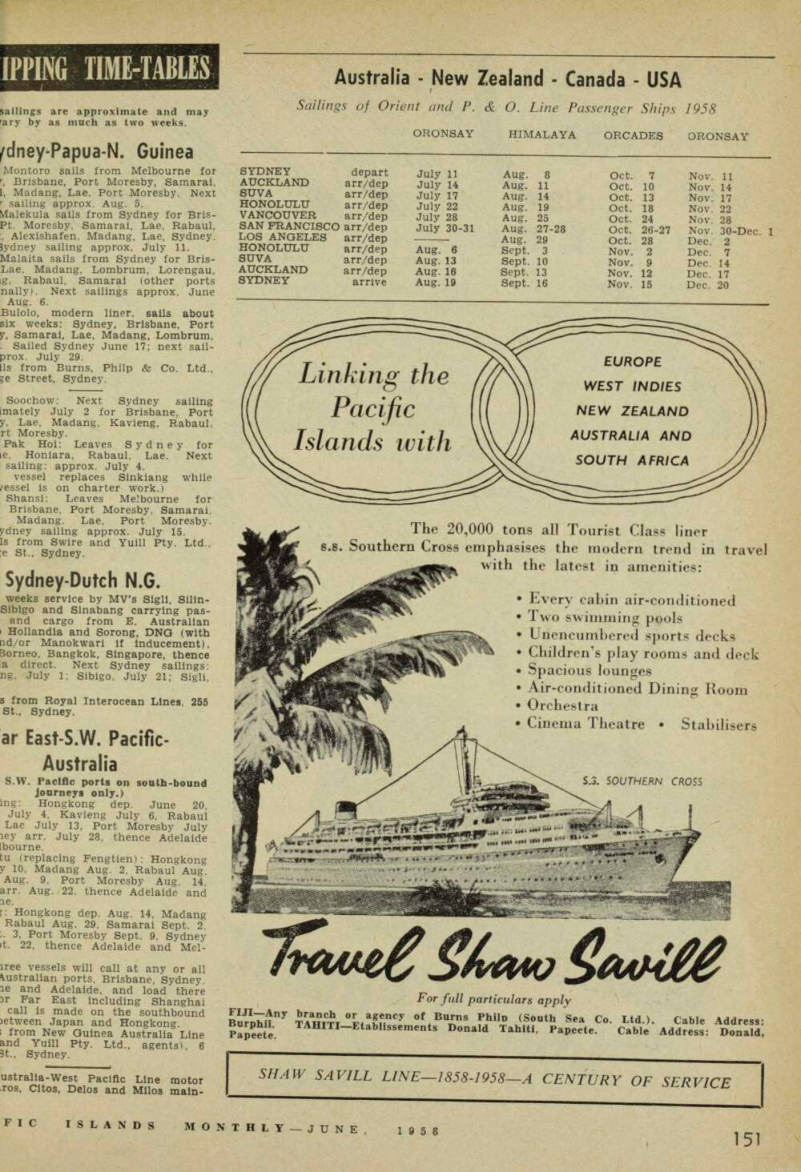 157
157 158
158 159
159 160
160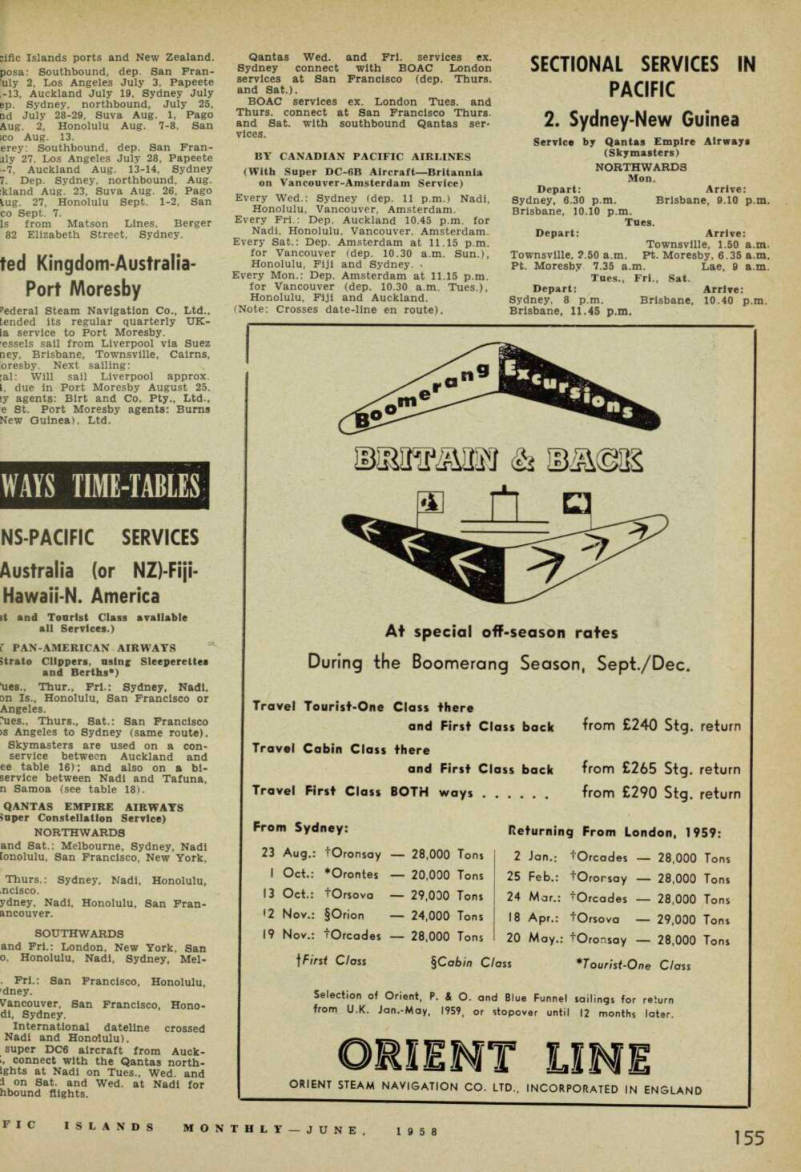 161
161 162
162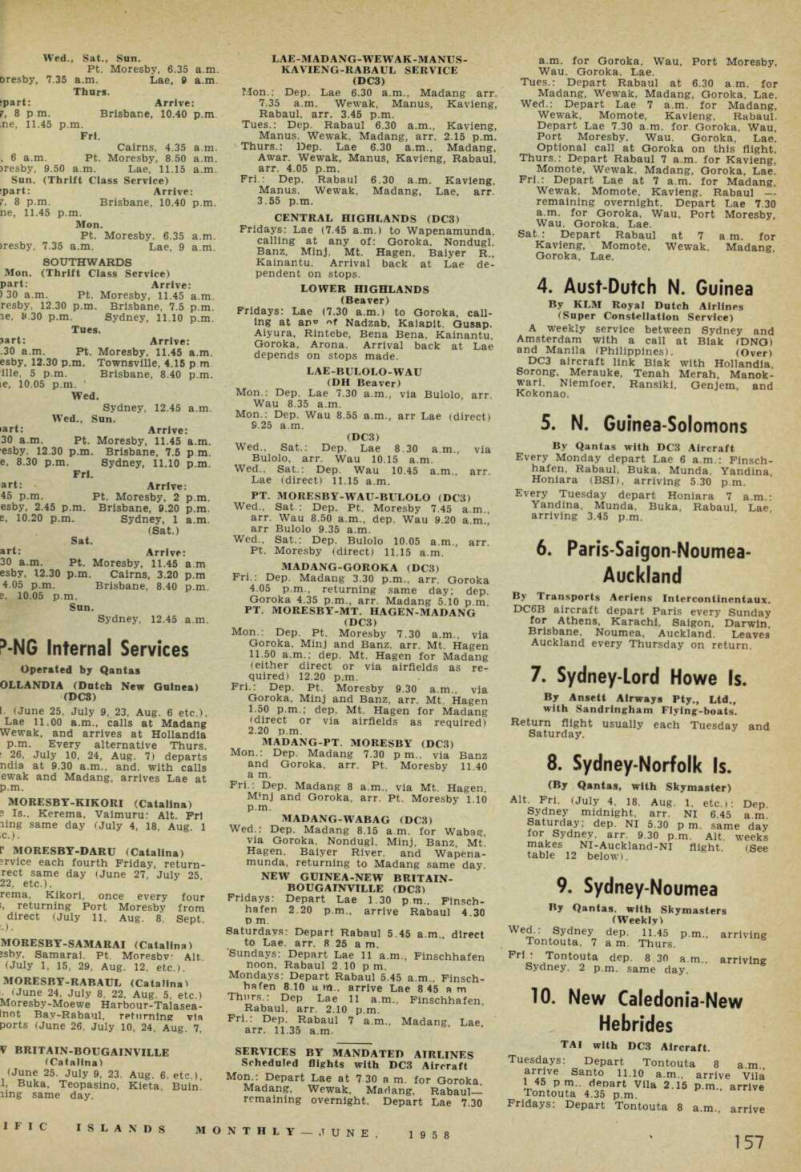 163
163 164
164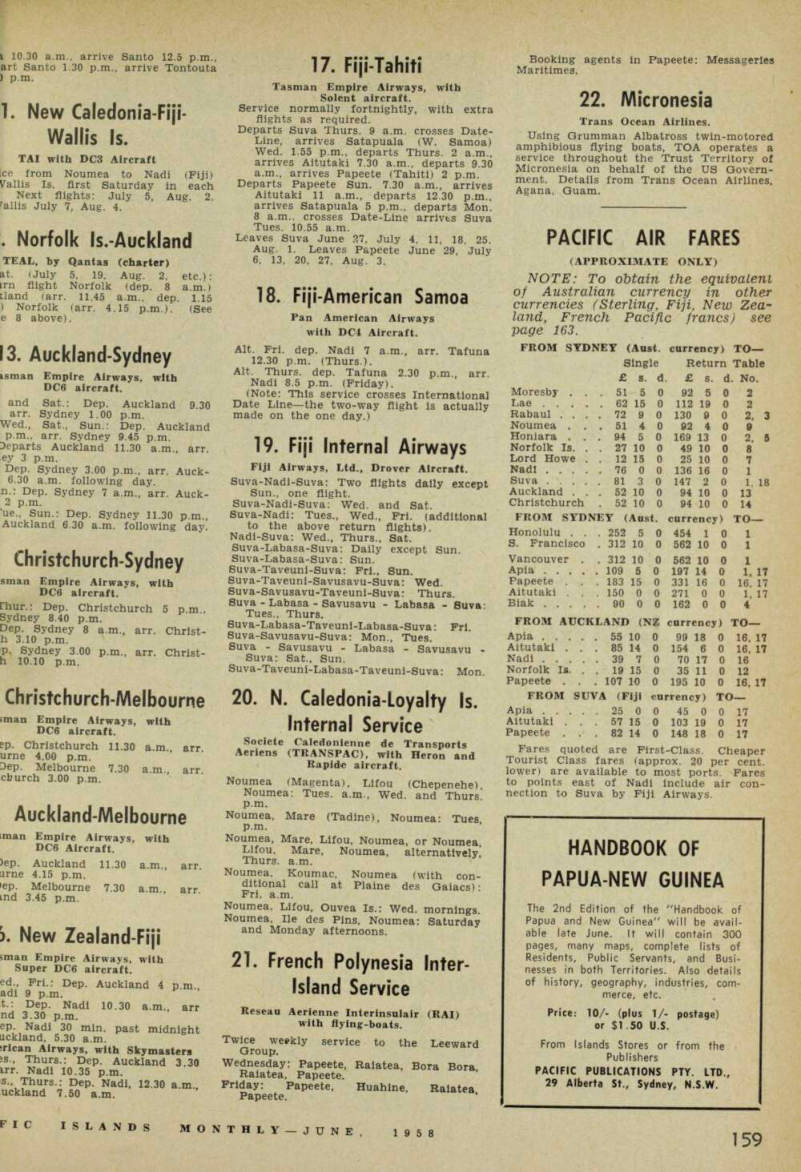 165
165 166
166 167
167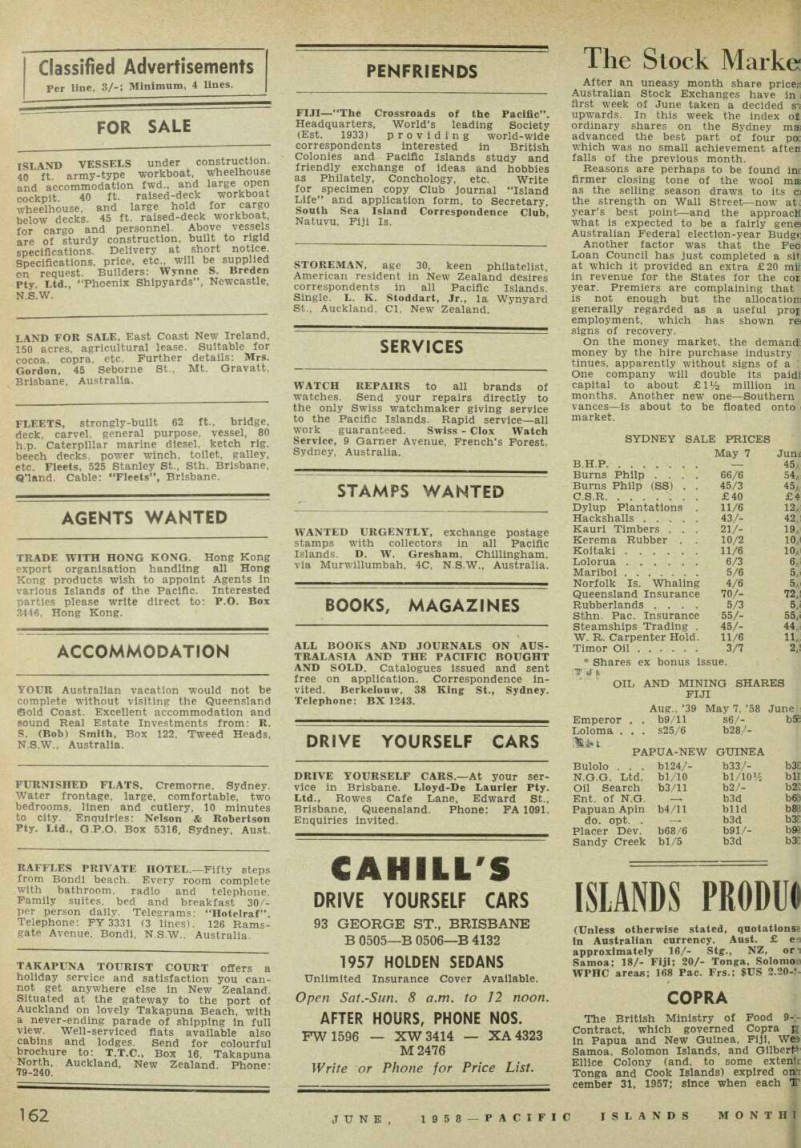 168
168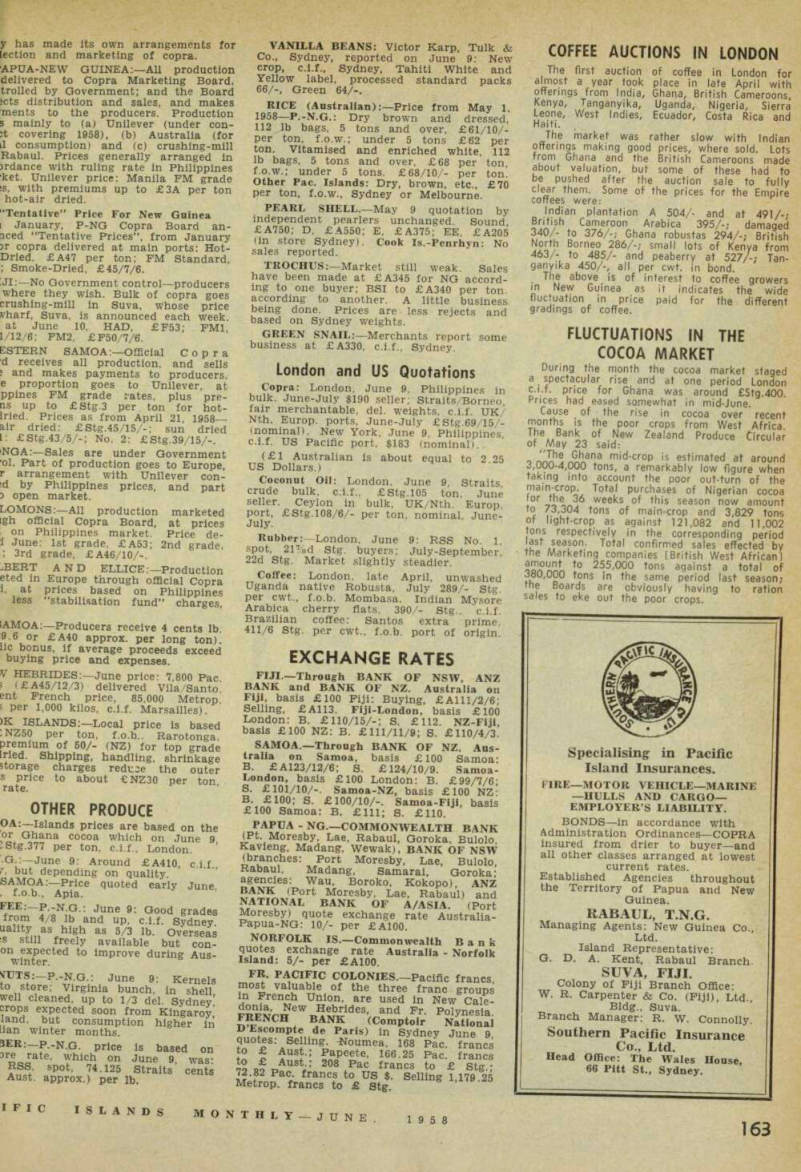 169
169 170
170 171
171 172
172