about siapo-making,
pp. 45-47 · Read in the full issue
All you need to know
by a doyenne of the art
Siapo: Bark Cloth Art of Samoa. By Mary J. Pritchard.
Photography by John C.
Wright. Published by American Samoa Council on Culture, Arts and Humanities Special Publication Number 1, 1984. 78 pp Library of Congress Catalog No. 84-73325. Price $U519.95.
Siapo, ngatu, ahu, masi, kapa more commonly known as tapa has been made in the Pacific Islands since the first migrants arrived from the west (or wherever). It is believed they brought the paper mulberry the (Broussonatia papyrifera) with them to ensure supplies of the raw material they could so expertly transform into the cloth with a thousand uses. In the Pacific today this cloth is only made in any quantities in Fiji, Tonga and Samoa where it still has an important role in the traditional ceremonies of birth, death, marriage and greetings.
It is because the art of tapa making has been allowed to lapse in most Pacific countries that this book is so significant. It puts on record, in a clear, well-illustrated manner, the re vival of this art in Samoa; may be as a result some of the other countries will be encouraged to revive their own tapa making before the craft is lost from their cultures forever.
Mary Pritchard has been working with siapo nearly all her life as a dealer in the 19205, sending it off to the markets of Honolulu; until the present day as an international ly acclaimed artist and teacher of siapo design and production.
As a child in Samoa she recalls her mother, Felesita Fuga, and her large maternal extended family subtly educating her in the ways of Fa’a Samoa which included excursions into the bush to gather o’a bark scrap ings to make dyes. Siapo was,
she said, just an everyday part of coming of age in Samoa.
Until World War II Mary had a flourishing business exporting siapo her orders kept many villages on a sound financial base. However, the huge migration of people from Samoa to Hawaii and the United States after the war (a migration which continues still) depopulated many of the viljages of the skilled siapo makers. The adoption of western culture also affected the extensive use of siapo within everyday Samoan life. Consequently, by the 19605, Mary had become extremely concerned about “how siapo making, if only as an art form, would be perpetuated. ”
After appearing on a television series, Artist in America, in 1971, Mary felt the turn of the tide which had been running so steadily against the survival of siapo. She started getting requests to teach small groups,
mainly other artists and teachers, and by 1975 she saw 400 students attend a single workshop. A schools program began with the request by five teachers for assistance and materials for siapo classes, and Mary was officially employed by the Museum of American Samoa, the Jean P. Haydon Museum, to get under way summer programs for young people. The revival of siapo making as an important part of Samoan culture had begun, The reader is taken step by step through the whole remark able process of siapo. The planting and harvesting of the ua (paper mulberry), the strip ping of the bark, the soaking and scraping of the bast and the rhythmical beating of the pre pared strips to felt them into larger pieces. Each stage is extremely well illustrated with color photographs including many close-ups of detail which would otherwise be missed in a
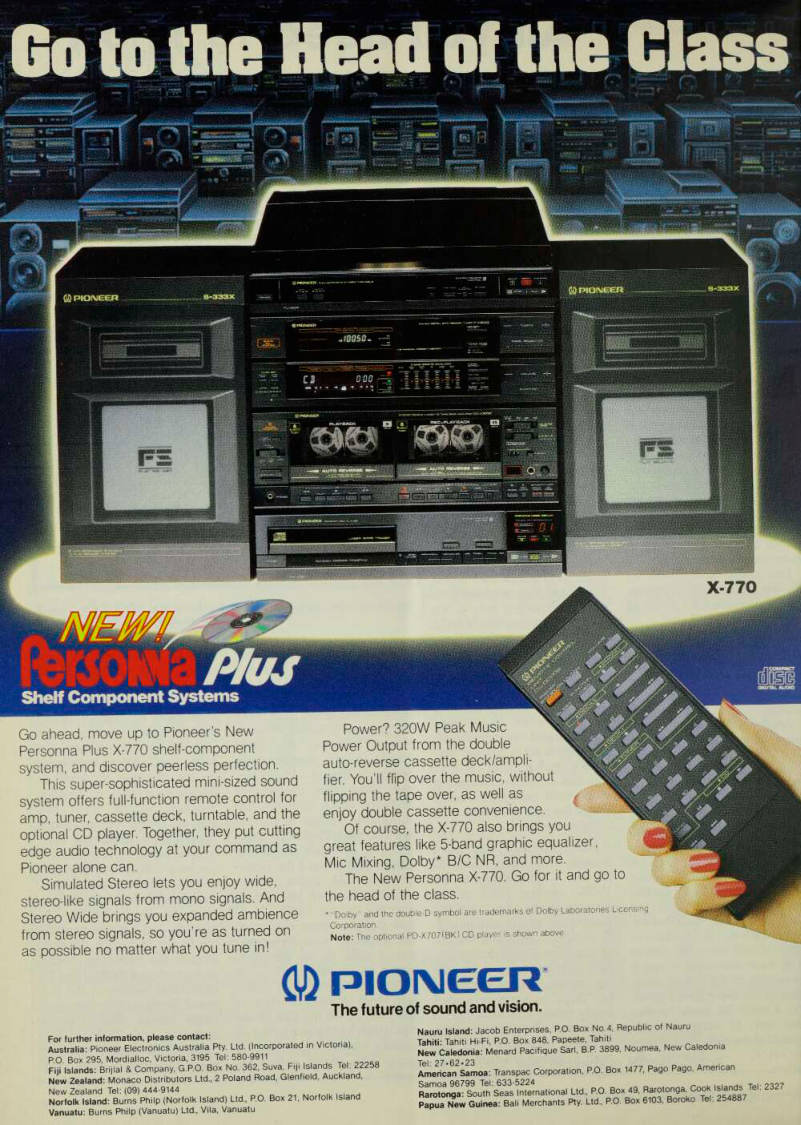
Small siapo mamanu, uncolored, by the author, 1965. Collection of Mrs. Jette Pritchard.
wide angle shot. The decorating of siapo, the natural dyes used and the origins of the most frequently used design ele ments, are so clearly described that the finished product takes on a whole new meaning when the viewer is able to identify certain characteristics. Many of the photographs are siapo pieces from the 19th century which have been preserved in museums and private collec tions; others compare pieces made by the rubbing method (siapo tasina) and the freehand drawing method (siapo mama nu) each of which is meticu lously described by the author.
Mary Pritchard, while receiv ing much praise herself for her
talents and contribution to pre serving this vital part of Samoan culture, in turn extends her praise and admiration to the women who influenced her own style so greatly. Her fon dest memories are of the times she spent in Leone, her hus band’s village, and joined in the traditional siapo group with Tui’uil Leoso and Kolone Fai’ivae Leoso. Mary hopes that her book will help the perpetuation of siapo. “If it does,” she says, “credit must go to all the siapo makers of the past, whose gift to us enriches our lives. ” Her book also cele brates the graciousness of the women of Leone.
The writer’s recent experi
ence with a large group of American tourists revealed that their respect for, and interest in, siapo increased tenfold when they were made aware of how it was produced and of its long traditions. They admitted to buying much more than they would otherwise have done.
The availability of Mary Prit chard’s book should help this knowledge to be more disseminated still, and thereby open up more markets in tour ism, creating a demand for greater production of quality siapo. As for me, I’m inspired to go out and plant some Brous
sonatia papyrifera.
Ngaire
Douglas.