Monthly
Pacific Islands Monthly
The News Magazine Of The South Pacific
Since 1930
Tow They Won
Vt The Noumea
Iames
Ig New Section
Or Practical
Lanters
Nuary, 1967
30 Aust. cents Three shillings 70 US cents 50 French Pac. frcs.
ered . at G.P.0., Sydney, for "'".sion by post as a newspaper.
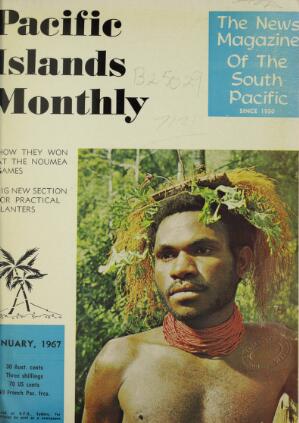
THE COVER: The bright fellow witll hair and neck ornamentation is a Guinea Highlander, photographed iii mountainous Wabag area by Sydney director Brett Porter. Mr. Porter has i filming a documentary on Papuas Guinea which will be shown orr Australian Broadcasting Commission'' stations early in 1967.
Advertisements & other items, pp. 2-4 (3 items)
January, 1967 Pacific Islands Monthl
fleet is twin-engined
Now TAA’s entire Sunbird
Twin engines mean greater dependability, and that’s pretty important in Papua/New Guinea. Now, no matter where you fly in the Territory, you’ll have the double dependability of twin engines.
The twin-engined TAA Sunbird fleet now at your service numbers six aircraft types Friendships, DOS’s, Twin Otters Bristols, Aztecs and Beechcraft.
TAA’s all twin-engined fleet is the result of a continuing multi-engined fleet policy ... a policy of increased service to all peoples of the Territory.
For flight or charter bookings contact your Travel Agent.
Or call TAA: Port Moresby 2101 ■ Madang 78, 268 ■ Rabaul 2567 ■ Lae 2311 Goroka 8 ■ Mt. Hagen 4 ■ Wewak 103 Fly the Friendly Way
TAA
SUNBIRD SERVICES
T A A 1704
BURNS PHILP (SOUTH SEA) CO. LTD.
GENERAL MERCHANTS AND SHIPOWNERS
SHIPPING. CUSTOMS AND FORWARDING AGENTS
AGENTS FOR:
QUEENSLAND INSURANCE CO. LTD.
BURNS PHILP TRUST CO. LTD.
SHELL COMPANY (P. 1.) LTD.
OVERSEAS AGENTS
BURNS, PHILP & CO. LTD., Sydney.
BURNS, PHILP Cr CO. LTD., London.
BURNS PHILP CO. OF SAN FRANCISCO
SHIPPING AGENCIES
• The New Zealand Shipping Co. Ltd. • Shaw Savill & Albion Co. Ltd. • Port Line Ltd. • Bank Line Ltd. • General Steamship Corporation Ltd. • Blue Star Line • Cunard Line • Compagnle des Messageries Maritimes • British India Steam Navigation Co. Ltd. • Royal Interocean Lines • Nederland Line Royal Dutch Mail/Royal Rotterdam Lloyd.
EXCLUSIVE DISTRIBUTORSHIPS INCLUDE
• AKAI TAPERECORDERS
• DUNLOP PRODUCTS
• EPIGLASS PRODUCTS
• FERGUSON TRACTORS
• HELENA RUBENSTEIN
• HITACHI ELECTRONICS
• HOLDEN VEHICLES
• JOHNSON'S WAXES
• ROLEX WATCHES
• REVLON COSMETICS
• PENTAX CAMERAS
• SUNBEAM APPLIANCES
INTERNATIONAL AIR TRANSPORT ASSOCIATION REPRESENTATIVES for
QANTAS EMPIRE AIRWAYS LTD. :: AIR NEW ZEALAND UNION DE TRANSPORTS AERIENS :: ALITALIA PAN AMERICAN AIRWAYS
ASSOCIATED COMPANIES
BURNS PHILP (NEW HEBRIDES) LTD.
AUTOMOTIVE SUPPLIES CO. LTD.
CORRIE & CO. LTD. • NARAIN FURNITURE CO. LTD.
SPECIALISED SERVICES
EXPERT ADVICE ON WORLD AND LOCAL TOURS
TRAVEL SHIPPING FORWARDING CUSTOMS
FORMALITIES INSURANCE.
REGISTERED OFFICE: SUVA, FIJI
Code Address: "BURNSOUTH"
YOU
NAME IT
*> m sm You name it and Smirnoff Vodka does wild things with it.
Like? Orange juice (Smirnoff makes it a swinger) tomato juice (watch it kick up its heels). Cocktails proper? With Vermouth it makes a martini that’s more of a martini than a martini is. It’s called a Vodkatini.
SIT
6728
1
ACIFIC ISLANDS MONTHLY JANUARY, 1967
Pacific Island
Monthly
Owned And Published By
Pacific Publications Pty. Ltd., ,
29 ALBERTA ST, (G.P.O. BOX 3408), SYY
Telephones: 61-9197, 61-7101, 61-43 E
Telegraphic Address: PACPUB, Sydney
Chief Executives
Managing Director: R. W. Robson. .
General Manager: Selwyn Hughes.
Book Publishing Division
Editor: Judy Tudor.
Pacific Islands Monthly
Editor: Stuart Inder.
Assistant Editor: Robert Langdon.
Branch Offices
Melbourne; Newspaper House, 247 Collin Tel.: 63-7053.
Fiji: Pacific Publications (Fiji) Ltd., Fiji Building, 20 Gordon Street, SUVA, Tel.: 2Z Fiji Times Office, Vidilo Street, LAUTd Tel.: 60-422.
Papua-New Guinea: Pacific Publications Pty. Ltd. Representatives: Mrs. Joan O P.O. Box 16, PT. MORESBY (Tel.: 2504);; Pat Robertson, P.O. Box 227, LAE; Mr.
Simpson, P.O. Box 154, RABAUL (Tel.: 1
Representatives
New Zealand: J. D. Whitcombe, C.P.O.J 2229, Queen Street, Auckland. Tel.: 76b Hawaii: C. C. Spencer, 203 Yap Bldg., Waialae Ave., Honolulu. Tel.; 77553 S United States: Mrs. A. L. Craib, 1631 Avenue, Oakland 21, California.
Tel.: LOckhaven 8-1201.
United Kingdom: S. R. Warman, Candll!
House, 116-126 Cannon Street, London, Tel.: Mansion 3674/7.
H. A. Mackenzie, 4A Bloomsbury So< London, W.C.I. Tel.: Holborn 3779'
Agents
All main trading firms and stores i in the Pacific Islands.
Pacific Publications Pty. Ltd. is the Austt; agent for THE FIJI TIMES.
Subscription Rates:
Australia: 30 cents Aust. or 3/- ($3.60 ( or 36/- for 12 months). New Zealancr British Commonwealth South Pacific Territti Tonga, New Hebrides and Western Samoae local currency (36/- local currency per ann Elsewhere in the South Pacific: 50 FI Pacific francs or 70 US cents (600 FI Pacific francs or $B.OO US posted per ann Posted to USA, $B.OO US per annum. FI to the UK and all other countries: £S2 "Pacific Islands Monthly" is air-freightat all subscribers and agents in the South Ps c copies to other areas go by surface mrr
Advertisements & other items, p. 4 (1 item)
2
JANUARY. 1967 - PACIFIC ISLANDS MONTH
In This Issue
4 Eral
apendence for All, Says UN 10 lan Catholic Hierarchy 63 liversary of Mendana's Voyage . 113 itas Strike Disrupts Services 133 ira Prices Firm 143
Erican Samoa
lese Ship Sinks 116 ard for Governor 139 v Assistant to Governor 139
Dk Islands
ana Industry Expansion 141
Restricts Workers ... 9 le of Beauty Queens 17 ed Soldier-Sportsman Dead 45 ind the Scenes in Census 47 ly Veterans Home 47 Jther" to Waifs, Orphans 53 icy in Tropical Fish ... 61 Thompson for Virgin Islands 61 Buys Old Suva Firm 113 v Trader for Lauans 115 Buni Haven 133 v Australian Commissioner 140 lone Hits Banana Growers 143
Bert And Ellice Islands Colony
ident Commissioner on Leave 140 adian Interest in Migration 140
Id Howe Island
isport Crisis Soon 132
Nauru
Outlook for Future 11 Pastor Jacob Aroi ... 9 7
New Caledonia
South Pacific Games 5, 23, 125 Permanent Games Site Suggestion 37 Reprieve for Cagou ... 93 Life in the Loyalties 129 Second Nickel Company 142
New Hebrides
Passports for New Hebrideans 7 First Bookshop 19 Medical Supplies 37 Gilbertese Labour 38 Future of Local Airways 51
Norfolk Island
Traffic Laws Updated 19 Strike Hits Tourist Trade 136
Papua-New Guinea
House of Assembly Session 7, 41 New Administrator 8 Entry Regulations Widened 8 Pay Case Nears End 11 Book by French Anthropologist 17 Matron Thorburn 18 Native Land 37 Race Relations 37 Police-Army Rivalry 55 World's Smallest Plantation 95 Books on Boundaries 103 Lae Wharf Congestion 113
L. F. McEachern for Trial 142 Copper Prospecting on New Britain 143 Japanese Interest in Cocoa 143 Oil Palm Tests 143
Pitcairn Island
Book by Frank Clone 105 New Education Officer 139
Solomon Islands
Legco Session 7 Tea Builds Hospital Ward 39
South Pacific Commission
New Secretary-General 7
South Pacific Games
Brilliant Success, Dismal Failure . 5
Medals Tally . 23
Suva Athletics Records Broken 23 Keen Interest in Boxing 26 Tahitians Dominated Team Events 26 New Caledonian Swimmers on Top 27 Complete Results 30 Cook Islands Team Popular 31 Changes in Rules for 1969 32 Pictorial Series 33, 125
Tonga
Minerva Reef Annexed 19 Crayfish Expedition to Minerva 115 Tourism Teething Troubles 135 Import Restrictions Lifted 141 Decimal Currency Plans 141
Wallis And Futuna
Dynastic Troubles of Old Days 93
West New Guinea
Rabies Risk Discounted ... 67 Books on Boundaries 103
Western Samoa
Gown-of-the-Year Contest 19 More Cruise Ships for Apia 116
DEPARTMENTS: Tropicalities, 17; Letters to the Editors, 37; To The Point, with Percy Chatterton, 41; From the Islands Press, 68; Practical Planter, 73; Magazine Section, 93; New Books, 103; Shipping, 113; Cruising Yachts, 117; People, 139; Business and Development, 141; Produce Prices, 148; Shipping, Airways Infor mation, 149; Deaths of Islands People, 157.
Advertisements & other items, pp. 5-6 (3 items)
3
CIFIC ISLANDS MONTHLY JANUARY, 1967
4
JANUARY, 1967 PACIFIC ISLANDS MONTHL
Qrnotts
famous
SJlscuits
TRIPLE
<s € e. •S'
PACKS
ft & m %
Serve simply
with Sao...
There is no Substitute for Quality
[?]Second South Seas
[?]Olympics" Went Off
With A Bang, Too
(and with a lot of unhappy background noises)
By Robert Langdon, who was in Noumea for the Games.
When the First South Pacific Games were iged in Suva in 1963, PlM’s report of that r ent was headed enthusiastically, “First South :as ‘Olympics’ Went Off With A Bang”. The port spoke of the friendly, carnival atmosphere Suva during the Games, and said that the ames, themselves, from both the sporting and cial viewpoints, were an undoubted success.
IHIS time, three years later, I feel that a similar heading to the e we had last time is again called r. But, although I would like to ; it otherwise, I think that almost ual billing must be given to the happy background noises (emanat \ from a large section of the visit ; athletes and officials) that accom nied the Games from beginning to d.
The fact is that although the unes were a brilliant success as a sctacle and from a sports point of ;w, they were a dismal failure
cially and diplomatically.
Some of the behind-the-scenes ar ngements left so much to be desired at many of the athletes and officials :nt home with most unpleasant jmories.
About 1,200 athletes from 14 cific territories took part in the ames. Their programme began on icember 8 with a display by local tioolchildren and a colourful parade all the teams in a magnificent idium. of Olympic standards, that d been especially built for the ames.
The stadium, an astonishing eye iener for many of the athletes, was ic of the main items on the credit le for the Games organisers.
Three other first class arenas—a lodrome, swimming pool and in ter sports hall (see p. 125) —had so been specially built. The total >st of the arenas was SA4 million.
The vast number of Games fixtures
that were staged in these and other arenas were run with efficency and precision that also did great credit to the Games organisers.
Although the standards of some of the teams and individual contestants were sometimes startlingly uneven, most sections of the programme pro vided close, interesting and often exciting contests, and many fine per formances were registered.
Good value
There is no doubt that the many local people who paid to see the various events were well satisfied with the value they got for their money.
New Caledonia, the host territory, with a massive contingent of 250 sportsmen and women, easily carried off the bulk of the medals—and deservedly, for they were clearly superior in many fields.
In the three years since the First Games in Suva, France had spared no expense or effort in training the territory’s most promising athletes for a big “kill” on their home ground.
Some athletes were sent to France for training and competition against France’s best. The others were licked into shape at home by top coaches
sent out from France, and in specially built facilities.
There was none of the Suva holi day spirit in the New Caledonians’ approach to the Games, They were out to win as often as they could; and the lesson is plain that the other territories must adopt the same rigorous training methods and same professional approach if they are to do as well next time.
In anticipation of a large number of New Caledonian victories, plus others by New Caledonia’s sister territory, French Polynesia, the French authorities imported a smart, well-drilled, 57-piece military brass band in two parts from Tahiti and France to play the Marseillaise each time the victors collected their medals.
The other territories had special, non-nationalist, tunes for when they won gold medals—and there was a general feeling among the visitors
The outstanding performer at the Games was New Caledonia's 12-year-old swimmer Marie-Jose Kersaudy, who won seven gold medals —five in individual events and two in the relays. Marie-Jose, who is to com pete in Australia in February, is con sidered a possible Olympian of the future. (See also p. 27.) Photo: "Noumea Sports".
that the French, too, should have provided something similar.
Both the French view and the non- French view have something to be said for them—the first being so strongly held that the French are un likely to change their ways at future Games.
Bridging the gap in outlook be tween the French and non-French speakers will always be difficult, and it seems essential that more attention must be given in future to providing skilled interpreters to act as liaison officers.
In Noumea, this work was largely entrusted to a charming corps of 84 young, volunteer hostesses, who, al though they tried hard, were not always equal to the task allotted them because of their inadequate English.
Despite their shortcomings, the visiting athletes and officials were loud in their praises of the hostesses, as they were of many of the New Caledonian Games officials.
Roundly condemned
However, the same cannot be said about some of the key officials who were imported from France to organise the Games. These men were roundly condemned for; • Their high-handed, inconsiderate and uncompromising attitude over de tails of the Games programme, • The poor accommodation and facilities provided for a large section of the athletes, and the lack of thought and attention given to pro viding sufficient and suitable food for them.
The French officials appear to have made no effort to understand and accommodate the views of the non- French territories over the staging of Sunday sport and over details of the athletics programme.
They insisted on holding the athletics events over four consecutive days when it was widely felt that these events should be spread over the whole Games programme to en able the athletes to get maximum rest; and they insisted on holding events on Sunday, December 11, even though Fiji and Tonga had made it known many months earlier that it was against the religious convictions of their sportsmen (and even the law, in the case of Tonga) to play sport on the Sabbath.
When the Fiji officials found on arrival in Noumea that the French had completely ignored their view point and were unwilling to change anything, they asked their athletes to waive their objections to Sunday sport, if they could, rather than spoil the athletics programme or hand gold
medals on a platter to the New Caledonians.
The Tongans, however, are bound by their constitution not to work or play on the Sababth, and their small team of eight athletes was unable to compete in at least three events.
Far more regrettable, however, was the lamentable accommodation pro vided for a large section of the athletes.
The athletes were quartered in six schools—four for the men and two for the women—scattered all over Noumea.
The women appear to have been well fed, well housed and well looked after, as were the male athletes from the two Samoas (who were billeted together) as well as the French speaking New Caledonians, French Polynesians and New Hebrideans.
The remaining athletes—4oo of them from the Cook Islands, Fiji, GEIC, Guam, Nauru, P-NG.
Solomons, Tonga, and Wallis and Futuna—were herded together in the La Perouse High School in such cramped conditions that comparisons with the Black Hole of Calcutta were inevitable.
Twenty-eight Fijians, for example, were squeezed into one classroom about 27 ft long by 25 ft broad.
Their double-deck beds were iammed together without an inch of space between them so that the only way
of reaching some of them was? crawling over three or four oth There were no wardrobes, no min only one or two tables, and a mu shift rack for stowing suitcases. " was typical of all the other roo Originally, it had been inter] to quarter the French Polyne: team at the La Perouse School to put the Fijians in the same scK as the New Caledonians. Howe the Polynesian team happened arrive first, and after taking one I at the rooms that had been alia to them, they demanded sometl better and were transferred.
11 toilets for 400
A Papua-New Guinea official me that when his team arrived!
Tontouta Airport by special chai plane flight from Port More: there was no one at the airport meet them and no transport to t them the 30-odd miles into Noun “This was typical of the treatir we got throughout our stay,” he si “When we arrived at the Perouse High School, we found t there were only four showers for 400 athletes to be quartered tt and only 11 toilets.
“When we complained about number of showers, the authorii hastily put in 18 others, but unj there was full water pressure—i often there was not—they woulc work.
“Because of the lack of water, j the heavy demand on them, toilets got blocked up and the brigade had to be called in to cL them out.
“Meanwhile, we had very little; eat—only bread and tea for bre fast, and no greens at other me; It was not until we had been Noumea for four days that pro and adequate food was provided.
“This deficiency undoubtedly versely affected many performance The official added that there I been much ill-feeling because French-speaking athletes had I priority at meal times and in matt of transport.
In view of all this, and becai of the scattered nature of the Gar “villages”, it is not surprising t: there was little fraternisation friendship between members of French and English-speaking teai or between the men and women.
The Noumea Games are theref : likely to go down in South SI sporting history as the unhappy, t friendly Games—a great pity, as thu would not have been a single athll from any territory who wanted it tl way. • For further reports, see pp. 23-36
Advertisements & other items, p. 7 (1 item)
5
ACIFIC ISLANDS MONTHLY JANUARY. 1967
Next Games After Ail
Port Moresby To Stage
Port Moresby will stage the Third South Pacific Games in 1969, follow ing reversal of a P-NG House of Assembly decision not to hold them.
A motion against the Games was passed in the House in September after the Administration had claimed that costs would be so high that the territory could not afford them at its present stage of development. But the P-NG South Pacific Games Com mittee went to war against this de cision (PIM, Oct., p. 13, Nov., p, 8).
At the November sittings of the House, Mr. Don Barrett (West Gazelle), who is also a leading P-NG sports official, moved that the House sup port the Games. His motion said that since the House did not have full information at its earlier meeting it was competent to now support the Games and to approve direct appro priation from revenue of up to $150,000 over the next three years.
The House supported him.
At the Noumea Games in Decem ber the P-NG committee delegates made it official.
Advertisements & other items, p. 8 (1 item)
6
JANUARY, 1967 PACIFIC ISLANDS MONTH L
Islands legislatures
Busy end-of-year for Islands legislatures
From correspondents in Honiara, Port Moresby and Vila The British Solomons will go to the polls in pril under a new constitution which will almost >uble the size of the Legislative Council and ive all but one of the non-official members jcted directly. This is the second change in e council in the last two years—and for the cond time the population of about 142,000 .sn’t shown much interest.
At a debate on the new constitution in the December ieting of the Legislative Council (which was the t meeting under the present constitution) many mbers commented on the “apathy” over the political ure shown by Europeans and Solomon Islanders, bers held that it was not apathy so much as lack education to enable the islanders to understand the >posals.
HE present council has 11 official and 10 unofficial members, ht of the 10 unofficials are :ted, two are nominated. Of the bt elected, only one was directly :ted. fhere will be 14 unofficials in the v council, 13 of whom will be :ted directly. The council will have iq ex-officio members and up to officials, thus retaining the official jority. Non-voting nominated mbers may be introduced, and an bryo cabinet system is likely to established. n presenting the Budget in Decem the Government indicated a tight i was being put on development enditure. fhe appropriation is for $8,372,460, ipared with $6,845,214 for 1966. relies upon grant-in-aid from tain of $1,450,000, an increase of 5,000 over 1966. There are bi ased contributions from Overseas vice Aid and CDW, and the new il is $2,743,150.
Another $BO,OOO will be got from / revenue measures, including an ra 30c a bottle on wines and its, and an extra 2c a packet of cigarettes. There have also been le minor concessions.
New Guinea legislation
‘apua-New Guinea’s House of embly and the New Hebrides visory Council also had busy end he-year sessions. a record debate the Assembly
agreed to amend the territory’s min ing ordinance to give land owners five per cent, of royalty payments for any mining operations on their land.
The amendment was moved by Mr.
Paul Lapun (Bougainville) following a long controversy in P-NG over mineral rights for the Panguna people of Bougainville, who have objected to copper exploration. Under terri tory law minerals are the property of the Crown. The House took the view that exploration for minerals had to proceed, but that laws should be adjusted so that this could be done without unrest or bloodshed.
Point of interest is whether Canberra will allow the decision to become law, and general feeling is that it will.
The Assembly also passed an amendment to income tax laws, to provide for taxation on low incomes.
The amendment was first moved last June but was held up by the un official members.
The Administration agreed to lift the lowest level of taxable income from the originally proposed $2OB a year to $416, allowing a rebate for local government taxes. The new tax takes effect from January 1.
The New Guineans decided the issue and felt that everybody should be taxed, but some members, notably Messrs. Percy Chatterton, John Guise, Barry Holloway and Tony Voutas, held that tax on married men with low incomes would create hardship. (For comment, see p. 41.) A feature of the New Hebrides
Advisory Council session in Vila was an announcement that a passport had been devised for use by the native Melanesians of the New Hebrides when travelling abroad, and that it was expected to come into use within a few months.
The adoption of a New Hebridean passport is seen as a step towards establishing a status for the New Hebrideans, who, under the Anglo- French Protocol governing the New Hebrides, cannot be citizens of either Britain or France. Until now New Hebrideans have carried only identity cards.
Sir Gawain Bell
Takes Over
The new Secretary-General of the South Pacific Commission, Sir Gawain Bell, took up his new post in Noumea in January. Here he signs his oath after being sworn in at the Commonwealth Office, London, by Mr. A. J. Fairclough (left) head of the Pacific Depart ment of the Dependent Territories Division. Sir Gawain went to Noumea with his wife and two of his three daughters. The retir ing Secretary-General, Mr. W. D.
Forsyth, completed his three year term on December 31 and in January returned to duties with the Australian Department of External Affairs.
Advertisements & other items, p. 9 (1 item)
7
CIFIC ISLANDS MONTHLY JANUARY, 1967
New Administrator
Takes Over In P-Ng
Mr. David Hay (pictured) on January 9 takes over as Administrator of Papua-New Guinea (population 2,183,000), from Sir Donald Cleland. A career diplomat with the Australian Department of External Affairs (he’s a former High Commissioner to Canada and Ambassador to the UN), Mr. Hay is taking to the territory a determination to travel frequently and find out for himself. Among his hates will be officers who attempt to answer on behalf of New Guineans instead of allowing them to speak for themselves, and anybody at all, in or out of government, who practises dis crimination. He says he plans to keep on his desk a copy of a 14-point “advice to Administrators” pre pared, with loving care and hard experience, by New Guinea old-hand Eric Feldt (and printed in PIM in December). Sir Donald and Lady Cleland are going to Europe on vacation until mid-year, when they will retire to a new house being built for them in Chester Street, Port Moresby. Sir Donald has been Adminis trator since July, 1952.
Its Rules For Entry
Why New Guinea Has Widened
By Stuart Inder
An announcement by the P-NG Assistant Administrator
(Economic Affairs), Mr. Frank
Henderson, on December 28 that Asian and Africans and other non-Europeans, may be admitted to Papua-New Guinea under certain circumstances, is yet an other development in a develop ing story which so far has got
little publicity.
MR. HENDERSON announced that skilled workers from these countries will in future be able to get residential visas for up to two years to do specific jobs in the terri tory, so long as they also train New Guineans to do the work. Up to now, some of these people, par ticularly Japanese, have been allowed residential visas of three to six months.
This in fact has been the policy for at least 18 months. It was first revealed as a result of a Press state ment made in Port Moresby at the beginning of 1965 by the Minister for Territories, Mr. Barnes. He said that Japanese technicians could be admitted to the territory temporarily if they trained New Guineans to take over their positions.
This statement got Mr. Barnes into hot water in Federal Parliament in May last year, when the Opposition accused the Government of planning to relax its immigration policy and allow employment of Japanese trades men, “in large numbers”, in both Papua-New Guinea and Australia {PIMy June, 1965, p. 21).
Mr. Barnes replied that availability of technicians had to be considered if Australia was to develop large tracts of New Guinea jungle. Aus tralia had not the capital to develop the territory, and it had in any case to find markets for timber and fish.
Principle unaltered
Mr, Barnes also on that occasion got into trouble with the House of Assembly in Port Moresby for not having consulted the House before his announcement, although the general feeling in the Assembly was that Jap anese technicians could be a good thing if they brought with them new industries.
Thus Mr. Henderson’s announce ment in December does not alter any principles—it merely makes it known that other Asians and Africans, with special skills can be granted work permits in the territory and that these permits can be up to two years.
This two-year qualification is important victory for Japanese dustry, which has been pressing it for some time. Timber intere and a shipbuilding company wh has been planning to build steel si in Rabaul, have been agitating two-year terms for their technics because the six-month periods wen considered enough.
It is probably fair to say that changes just announced have b as a result of this Japanese agitati Canberra does not see anyth wrong with Japanese investment the territory. It has looked economic facts in the face and it realised that it has to fall in ] with Fiji, the Solomons, the h Hebrides and some others who h allowed Japanese investment, a then Japanese migration (carefi selected) to support the investmi Even the independent kingdom Tonga some years ago brought Japanese tuna experts to show Tongans how (an investment whi incidentally, ended in tragedy w] the tuna ship and experts were 1 in a storm.)
Japanese set the pace
But although the Japanese h been setting the pace in New Guh for this reassessment of immigrati they have not by any means b the only ones interested in impt ing outside labour. Some of the Islands trading firms, particula Carpenter and Co., have been seek the right to introduce skilled pea from the Philippines, Ceylon, Asse
*nya, Nigeria, Burma and the South icific.
The South Sea Islanders, par jularly Tongans, W. R. Carpenters mt for the desiccated coconut ctory in Rabaul to be established this ar, and the others they want for tea antations and general plantations. 11 of them have skills not found New Guinea or Australia.
It now seems pretty obvious that e big firms are going to get some these people—and the official an mncement in December was merely eparing the way.
Whether or not New Guinea com erce will find the arrangements itirely satisfactory remains to be en, because there is every indica )n that Canberra is going to vet ery expert with a fine comb, and e to it that he knows his business :fore he gets there and gets out as lickly as possible when he has done
Some problems ahead
It looks very much as if some ex jrts will be given visas for consider >ly less than the maximum period of ro years, and some of them will irdly have had time to do the job sfore they find themselves on a plane it (at the expense of the boss, of mrse).
No doubt there will be some un jcessary difficulties over this—un scessary because now that Canberra is approved the principle it shouldn’t sally matter whether a technician ays for six months or two years so mg as he does the job and doesn’t ve there permanently. The people anting to employ experts do, after I, have the problem of getting them icre and making it worth their while.
Among the Government’s safe iiards will be the requirements that on-Europeans have re-entry permits ito their own countries and guaran :ed passages out.
One is entitled to hope that the Jovernment will see to it that these afeguards are watertight.
At this stage it looks as if the Jap nese interests will be able to more asily find nationals who can fit the nmigration requirements, and that ae commercial firms will find it ougher going.
But the path of commerce is never asy, despite what the sceptics might ay, and probably it is just as well : Australia’s immigration policy is ot to get out of hand by default.
As it is, there should be no real luibble at the new arrangements, rfiich merely face the fact that the •eople in the Pacific are more and lore becoming dependent on each )ther, and the world at large.
Advertisements & other items, p. 10 (1 item)
8
JANUARY. 1967 PACIFIC ISLANDS MONTHS
Fiji Workers
New Zealand
To Restrict
The flow of Fijian workers travelling to New Zealand in search of temporary jobs will be stemmed following the announce ment of new immigration control agreement between the New Zealand and Fiji Governments.
THE restrictions were imposed following a startling rise in the number of Fijians seeking employ ment in New Zealand. Applications for permits to work in NZ rose from 3,300 in 1963 to more than 12,000 in 1966.
Most of the applications have been made by Fiji-Indians, many of whom have been engaged in scrub-cutting and in working on farms.
The new agreement, which will operate from February 1, now insists that Fijians must have offers of jobs before permits will be granted.
New Zealand employers will advise the Commissioner of Labour in Suva, of temporary jobs available.
Too many illegal visitors
The NZ Minister for Immigration, Mr. Shand, said in December that the restrictions had been introduced because of the steep rise in applica tions over the past few months.
“Already there is evidence that some of the people who come here expecting to find work will be dis appointed. Furthermore, both the Fijian and NZ Governments have been greatly concerned about the numbers of visitors who remain in New Zealand illegally,” he said.
In future two types of permits— both valid for three months —would be issued. One would allow the holder to obtain temporary employ ment and the other —for businessmen and tourists —would stipulate that
they did not work while in New Zealand, Holders of the second type of permit would have to prove at the port of entry that they had £5O for each month they expected to stay in New Zealand.
Announcement of the restrictions brought criticism in the Fiji Legisla tive Council by an Opposition member, Mr. K. C, Ramrakha (Federation).
Mr. Ramrakha said the Govern ment should have taken a firmer line with New Zealand.
“I think that we should have taken a more aggressive attitude. If we are going to become a nation and if we are going to have our own dignity and self-respect, then it is time we spoke to the New Zealand authorities with a much firmer tone,” he said.
The Acting Chief Secretary, Mr.
J. S. Thomson, replied: “New Zealand is the host country, and although it is not my place to stand and defend New Zealand policy, we as a Government must respect the wishes of the host country which is receiving our people”.
Raised To
Priesthood
The Rev. Michael Aike, of Malaita, British Solomons (pic tured) in December was one of four native deacons to become Roman Catholic priests after having passed through the Holy Spirit Regional Seminary at Madang, New Guinea. The others are the Rev. Peter Kurongku, of Buin, Bougain ville; Rev. Alexius Holyweek, of Buka, Bougainville; and the Rev. Gregory Singkai, of Koromira, Bougainville.
Advertisements & other items, p. 11 (1 item)
Piiw's Bonus For Planters
• Turn to p. 73 for “The Practical Planter”, PI M’s 16page bonus supplement for men on the land in the Islands.
says UN (whether they
Independence for all, says UN (whether they want it or not)
The UN General Assembly in December called for independence for Fiji, P-NG and Nauru.
It called on those responsible to fix “an early date” for independence in Fiji and P-NG, and asked Australia to give Nauru independence not later than January 31, 1968, and to pass over the phosphate industry to the Nauruans.
ONLY on Nauru were the UN declarations received with special interest. The P-NG House of Assembly has already said it is not ready for inde pendence, and the Fiji Legislative Council has said it doesn’t want it. Both legislatures have a majority of local members.
The Nauru Legislative Council, which also has a local majority, asked during 1966 that Nauru be granted independence by January, 1968, and has been pressing the demand. Further talks are expected to be held in Canberra soon (see opposite), but meanwhile Australia has said it wants the Nauru Legislative Council to gain further experience before “any further steps are made”.
In its resolution on Fiji the General Assembly asked that Britain hold general elections for a constituent assembly to draft a constitution and form a govern ment. It wanted a sub-committee to be sent to Fiji to study the political situation.
Britain retorted that the resolution ignored the political progress made in Fiji in the last 12 months, as a result of a constitutional conference followed by new elections. And no mission was necessary, as all the facts about Fiji were freely available.
Although only six nations voted against the resoluth in its entirety several African states said they thoug independence for Fiji at this stage would do more har than good.
The UN resolution on New Guinea asked, in additic to early independence, that elections be held on tl basis of universal adult suffrage, that discriminate: electoral rolls and other forms of discrimination 1 abolished, and that Australia refrain from using tl territory for military activities “imcompatible with tl charter of the UN”.
In Canberra on December 21 the Australian Minish for Territories, Mr. C. E. Barnes, replied that Austral had no obligation to follow resolutions passed by tl UN “in disregard of the situation in the territory an everything that is known about the wishes of the va majority of its inhabitants”.
He said there were no discriminatory electoral roll but one common roll. Discrimination had been remove from all laws and discriminatory practices in busines had been made illegal, but “the action of ever individual could not be controlled by a government”.
He pointed out that the current House of Assembl had been elected in 1964 on the basis of universal adul suffrage, and that Australia’s policy for P-NG was sell determination—with the New Guineans themselve deciding when.
He added that there were no military activities in th territory incompatible with the UN charter, and las June the Assembly had passed a motion welcoming th presence of Australian defence installations and force “as a guarantee that the country would come to ou aid in time of need in the future”.
On the resolutions affecting Nauru Mr. Barnes saic the matters referred to were the subject of incomplett discussions with the Nauruans. Australia, Britain anc NZ had rights to the phosphate deposits, and phosphate ownership and independence ought to be worked ou with the Nauruans, “rather than being determined bj declarations adopted without informed discussions aboui the consequences”.
In formal attire at the ceremonial opening of the Fiji Legis lative Council's Budget session in December are the Governor, Sir Derek Jakeway (left), and the new Speaker of the Legis lative Council, Mr. R. G. Kermode. Like his predecessor, Sir Maurice Scott, Mr. Kermode is a solicitor. — Photo: Rob Wright.
Welcomed to Fiji in December was the colony's new Ch[?] Secretary, Mr. G. P. Lloyd (right). Seen here greeting him Nausori Airport is the Acting Chief Secretary, Mr. J.
Thomson, who takes up a new post as Administrator of [?] British Virgin Islands. Mr. Lloyd has been Chief Secret[?] of the Seychelles.— Photo: Rob Wright.
And independence is just
what the Nauruans want
By Stuart Inder
The recommendation by the United Nations in December that the Nauruans be granted independence by January 31, 1968, and that ownership of the phosphate industry be trans ferred to them, will be discussed at talks in Canberra soon —
possibly in February.
IHE talks will be attended by the three trusteeship partners —Ausilia, NZ and Britain—and by mruan leaders and their Sydney onomic advisers.
The meeting has not been arranged a result of the UN recommenda >ns. It is a continuation of talks Id in Canberra in June last year, dependence and control of the osphate have always been vital ues on the agenda, but the new UN cision will give added urgency the renewed talk s—for the mruans plan to press the points.
In late December there was doubt out the exact date of the talks be nse Australian officials wanted ire time to consult with their rtners as result of the UN moves.
What they want
The Nauruans have made it clear at they want both independence and ntrol of the phosphate. How to t them has been the problem.
They have said that: • The phosphate industry is >ally theirs and that they want to ke full possession of it. • The BPC will get a fat fee managing agents to continue to 'Crate the industry. • They want to see Nauru re bilitated, the trusteeship powers ying one-third of the cost of re bilitation (as the phosphate has stroyed one-third of Nauru) or, ternatively, they want resettlement i another island. • They want independence by nuary, 1968.
They have in the last year or two it detailed submissions in support these requests—long legal and dinical arguments on ownership >hts and rehabilitation costs.
These submissions have been the ark of their advisers, Philip Shrapnel id Co., of Sydney, who have pplied economic and even political vice. The Australian firm of public lations counsellors, Eric White and ssociates, have also been advising
the Nauruans on various aspects of their approach, and at times the Nauruans have had top legal advice.
All of it has been expensive, but as a result of this professional help the Nauruans have in the last two or three years more than made up for their lack of progress during the previous five years, when they were virtually given the run-around by the Australian Government, which considered there were more important problems in the Pacific.
Their greatest success—which has been almost entirely achieved through their advisers—has been in getting phosphate royalties increased sub stantially.
The economic advisers have done such a thorough job in preparing and presenting economic papers that sometimes the main issue has been relegated to the background.
The main issue in Nauruan eyes is independence.
There is a deep nationalism on Nauru, and the independence issue is not seen by Head Chief Hammer De Roburt and his colleagues as merely a means of gaining complete control of the phosphate; they consider achievement of independence as a matter of national honour.
Independence, above all
They are aware that the phosphate economy is an important prerequisite of independence, but such is their determination to achieve independ ence that it is doubtful if they would take any other stand even if no phosphate existed.
Hammer Deßoburt also sees, in independence, security in an insecure world. Fear of insecurity troubles the Nauruan leaders greatly; they believe they need an island—their own island or another one—more than they need phosphate.
It is this fear of insecurity which has made the Nauruans difficult negotiators—as difficult to their friends as to the governments they have to approach.
Government and BPC officials say they have frequently been frustrated almost to screaming point by the Nauruan habit in the conference room of changing their stand on small matters, of fretting about minor compromises, of being reluctant to give a straight yes or no, of their seeming inability to weigh alter natives.
But all the difficulties are not with the Nauruans. The Nauruans often feel they are being pushed into decisions by more experienced negotiators who are not really sympathetic to the Polynesian/Micro nesian way of doing things, Nauruans do not regard themselves as embryo- Australians.
They need reassurance
Their difficulty in negotiation sometimes stems from their sense of responsibility to the people back home. They know what result they want but they are continually appre hensive of taking a wrong step on the intricate path of negotiation, which later generations of Nauruans might hate them for.
Sometimes they go too far, and distrust everybody. On these occasions their friends, too, become frustrated and ask themselves why the Nauruans can’t see a little sense, “give a little”.
It’s a good way of losing friends.
What the Nauruans need most of all from the Australian Government is reassurance reassurance that, come what may, they will be given independence at some date.
Until they are reassured the Nauruan situation is likely to develop from a minor pin prick to a large scale international rumpus. The Nauruans are going to keep on ask ing for independence whether any body likes it or not; whether anybody thinks they can survive as
Hammer DeRoburt
an independent nation or not. This fact is certain.
The partner governments are aware that a viable economy for Nauru is feasible provided phosphate money is available—an economy based on several industries, including a tuna industry. There does not appear to be any dispute on this score.
From my own personal observa tions it could be that Australia at least is getting weary of the pro tracted negotations and demands for independence, and has come around to the view that the Nauruans perhaps ought to have independence—just to prove to them how tough life can be in a cold world!
The forthcoming talks, one way or another, should be of vital impor tance on the whole Nauruan issue.
Mr. Wootten said the territ; would continue to need outs financial aid for development. II could not even run its basic servi without outside aid, it would h, no meaningful choice of its politi future. The territory’s economic s financial problems must be looked as its own and not those of Austrai In the absence of another moc New Guineans in transition to urf life had assumed as their ideal way of life of the Europeans.
Standards different
Mr. Wootten said that otl developing countries had accepted i fact that the standard of the met politan country was not the only c to be followed, and so should P-N There were differences in resourc development, education and skill.
If all the Public Service was pj on the Australian rate there woi be an unbalanced community, w the people the public servants set living at a lower standard—c related to New Guinea’s deveh ment.
The Australian wage standai were merely a “temporary aber tion” on the New Guinea scei dictated by the necessity to attrs qualified Australians to do the jc New Guineans were not yet rea to do.
Mr. Wootten submitted that t problem of race relations w temporary and would disappear the more highly paid Australians we replaced by qualified New Guinea] Within the foreseeable future, N< Guineans would replace all but t most highly qualified, specialis Australians.
It was already some years sin a permanent appointment had be* made at overseas rates. It was on those prepared to accept local rat who had a permanent future, he sai It was the group of emergir educated New Guineans who had t] “difficult and painful task” developing a new mode of livin more modest and inexpensive th; the Australian, but no less tasteft graceful or dignified. A style ai standard appropriate to New Guin< must be developed.
During the hearing, Mr. Wooth produced the report of a triparti mission which visited the territory : September-October, 1960, on laboi matters.
Mr. Wootten said the report, ; effect, had castigated the Governme] for not having done what the Goven ment had now done—related salarii throughout the public service to tl capacity of the territory’s economy
Advertisements & other items, p. 13 (1 item)
11
ACIFIC ISLANDS MONTHLY JANUARY, 1967
P-NG's long
pay case enters final stages
From a Port Moresby Correspondent
On January 9 the longest arbi tration hearing in South Pacific history will resume in a small courtroom in Port Moresby.
THE hearing began 14 months ago when the Papua-New Guinea Public Service Association applied for extra pay for local (New Guinean) officers employed by the territory’s Public Service. The local officers receive salaries far lower than those of Australian expatriates.
The claim has been opposed by the Administration and it has developed into a vital battle.
Most of the time evidence has been taken on behalf of the local public servants. There have been some harrowing tales of resentment, of the alleged development of a “national disaster”, and talk of a white man s paradise. A Government psychiatrist said there was a clear link between discrimination over salaries and mental health.
Since the hearing began in October, 1965, the arbitrator, Mr. L. G.
Matthews, has heard more than 100 witnesses for the Public Service As sociation talk about relations between Europeans and New Guineans and the inadequacy of present salaries.
Race relations
The reconstruction of the Territory Public Service in 1964, which pro vided for lower salaries for local officers, had generally damaged race relations in the territory, the arbitra tor has been told.
On November 30 the Administra tion finally began presenting its case.
After only a day the hearing adjourned for the Christmas break and when it resumes in January, the long battle will enter its final stages.
The Administration will then begin calling evidence in support of its case. The first witness will be Sir Leslie Melville, chairman of the Aus tralian Grants Commission, a member of the Development Advisory Service of the International Bank and a former chairman of the Tariff Board.
The Administration’s case, which
was outlined by Mr. J. H. Wootten, QC, seems to amount to a compre hensive review of Australia’s economic programme in the territory.
Mr. Wootten said that threats and warnings of trouble and dis satisfaction had been given by the Public Service Association. He said it must not become part of the tradition of P-NG that sectional groups and, in particular, the Public Service might better their position by such talk.
He said, “If public servants are going to create trouble unless they get salaries which they consider have appropriate relationship to those of an affluent country like Australia, then the sooner that problem is faced and dealt with the better.
“Governments all the time have to take decisions on matters of national interest, taking into account a wide variety of considerations. They cannot allow one section of the community to frighten them out of the decision they consider proper.
“It is to be hoped—and we feel confident that it will—that good sense and moderation will prevail, particu larly when the effects of these pro ceedings have dispersed.”
Mr. Wootten spoke of the terri tory’s dependence on Australian aid.
Apart from special cases, such as Israel and Jordan, no developing country of comparable size received more external aid per capita than Papua-New Guinea, he said. In terms of its contribution to a national budget, Australian aid to the terri tory was exceeded only in three cases.
Advertisements & other items, pp. 14-18 (5 items)
Nauru Problem
12
(from previous page)
JANUARY, 1967 PACIFIC ISLANDS MONTHL
13
’ACIFIC ISLANDS MONTHLY JANUARY. 1967
Crown
v: 0 2
TOYOTA 800
m ( n Toyota offers something for everyone: a full-sized luxury car; a lively, economy-minded compact; and an all-out economy car.
Your own circumstances will advise you which model, or models, to look into. In any event, they're at the Toyota dealer nearest you.
JAPAN’S LARGEST AUTO MAKER
TOYOTA MOTOR
;CORONA
's‘oo
DISTRIBUTORS: NEW GUINEA & PAPUA: THE PORT MORESBY FREEZING CO., LTD.. MARY ST., PORT MORESBY. PAPUA FIJI ISLAND' AUTOMOTIVE SUPPLIES CO., LTD., P.O. BOX 143, LAUTOKA AMERICAN SAMOA; BURNS PHILP (SOUTH SEA) CO., LTD.. PAGO PACO WESTERN SAMOA ! BURNS PHILP (SOUTH SEA) CO., LTD., APIA GUAM; RICKY’S AUTO CO., P.O. BOX 1458, AGANA
KRAFT
KRAFT
"Baft ?Utteß RN : V
Aess
'mSm
kraft (K' )CH£ S
Just look at all the good things
KRAFT brings you from
Australia, the sunshine country!
Toasted cheese sandwiches. Strawberry Conserve on scones. Vegemite* on your breakfast toast. These are just some of the wonderful ideas you’ll enjoy when you buy fine Australian foods from Kraft. And these foods contain all of nature’s health-giving nourishment . . . help build strong and healthy bodies. Always look for Kraft, and know you’re buying the very best.
CKRAFi} for good food and good food ideas Reg’d Trade Mark
KR39O/A
The big two are Here!
Pelers
POWDEBES
AUSTRALIA
HEIGHT 3LB MAKES I TO
CREAMERIES (GRAFTON)
Peters Famous Full Cream Powdered Milk—delicious for drinking—ideal for cooking.
Yes! The fresh taste of Peters Powdered Milk will delight you.
The most economical milk money can buy. r> B
and
Dutch Jug
Both from the rich dairying area of Northern N.S.W.
C 33 tj I
PINTS
m "Ua
h ‘Gh
p *ot
'‘Gw
CAI
Turn water into NON-FAT skim milk with Dutch Jug Crystals. Dissolve instantly in cold water —high in protein, vitamins and minerals. Also available . . . 56 lb. bags of Peters Full Cream Milk. 28 lb. bags of Dutch Jug Crystals.
FOREMOST CONSOLIDATED PTY. LTD.
P.O. Box 22, Redfern, N.S.W., Australia.
Cable Address: Redfern.
THE GREATEST NAME
IN CIGARETTES
ROTHMANS KING SIZE
really satisfies
14
JANUARY 1967 - PACIFIC ISLANDS MONTHL
15
ACIFIC ISLANDS MONTHLY JANUARY. 1967
Tropicalities
If the crowning of Fiji’s first national beauty queen at Nadi in December left a nasty taste in the mouths of some people in Suva, it might have been the taste of sour grapes. The crowning—of Miss Lola Lelo, 22, as Miss Fiji 1966 underlined the traditional rivalry between Suva and what they call in Fiji “The Great North-West”.
has not had a Miss Fiji before. . Fiji’s “national” beauty queen as always been a Miss Hibiscus, nd Fiji’s Hibiscus Festival is run i Suva. It is only recently that Nadi rganised a Bula Festival to help üblicise the many charms of that id of the island.
About three months ago the presi ;nt of the Bula Festival Association.
Ir. Raymond G. Prasad, announced lat his association had been asked > find a Miss Fiji to take part in a liss Pacific Quest being organised i Melbourne.
Mr. Prasad circulated every festival isociation in Fiji, inviting them to tend a meeting in Nadi on October
Battle Of
The Beauty
Queens
21 to draw up a plan for a national Miss Fiji organisation.
Attendance at the meeting was poor, only two centres outside Nadi being personally represented, but most others wrote to give their support and approval. A notable exception was Suva’s Hibiscus As sociation.
The Nadi plans went ahead nevertheless, with plenty of local support, and at this late stage came an assurance from the president of the Hibiscus Festival Association, Mr.
Charles Stinson, that Suva was willing to support the Nadi venture into the real big time.
He said his association was not opposed to the formation of a Miss Fiji Quest Association, but as it con flicted in many ways with the running of the Miss Hibiscus Festival in Suva it ought to be the topic of a general meeting of the Hibiscus Association to be held in 1967.
Mr. Stinson explained that the foundation of the Nadi association had taken place “fairly rapidly”, and had clashed with the period when preparations were being made for the Miss Hibiscus contest.
But considering that the Hibiscus Festival ended in September and the first public move on the Miss Fiji Quest did not come until October 16, it appeared to some people (in the North West, naturally!) that the Hibiscus Festival was just not in terested in someone else’s idea.
This seemed to be given strength when Miss Fiji (a Suva girl) was crowned at Nadi with no representa tive and no word from Suva.
Certainly Fiji’s first national beauty
contest left a lot to be desired, particularly a more widespread repre sentation of the colony and its various races.
But the 12 contestants, when their ordeal was over, were full of praise for the efforts of the quest committee.
“It was a lot of fun,” said Miss Fiji, who will go to Melbourne in March to compete as Miss South Pacific at Melbourne’s Moomba Festival.
The association’s plans for the future call for the quest to be held in a different centre each year.
If the Hibiscus Association decides to come to the party, the colony’s national beauty contest might be held where it belongs—in Fiji’s capital.
Writing his fourth
book on P-NG
F Sydney in December we had a talk to French anthropologist, author and filmmaker, Mr. Jacques Villeminot, who had just arrived after
Miss Hibiscus 1966—Lois Gibson
Miss Fiji 1966—Lola Lelo.
Photo: Bob Hawkins
five months in New Guinea gatheif material for his fourth book abo the territory. None of the boo has been translated into English 1 they have sold well in France.
Mr. Villeminot, 42, with his wi Paule, 40, visited New Britain a New Ireland, but their main wo was done in a three months’ si; in the Trobriand Islands.
The attractive Mrs. Villeminr who took the photographs for t; of her husband’s books, Coutumes\ Moeurs des Papous and Chez L Papous, will make a film of the latl
trip.
“I would like to base my ba on the changes to the Trobrian since Malinowski, saw them 40 ye;; ago,” Mr. Villeminot said.
He was interested in wi happened to NG art.
“I went to the Sepik in 1961 collect artifacts for the Paris Museu and write my earlier books,” he sa “It amazed me to find this til that primitive art had disappean in the islands. There is still soi left near the Sepik, but it is ve hard to find and very small.”
She survived two
air crashes
Papua-new guinea’s be known nurse, Matro n All Thorburn (Mrs. A. R. Roberts) w. died in Melbourne in NovemK ( PIM, Dec. p. 159) had surviv two air crashes in the 25 years s spent in the territory.
In 1939 she was in a de Havilla mail plane which ran out of fuel a crashed on a reef between Rabaul a Kavieng. With the crew and the r of the passengers she took to a rubV dinghy, and all were later picked by native canoes.
Twelve years later, Matron Thii burn was the only passenger in Dragon aircraft which grazed the ti
The fate Matron Thorburn, with the P-I Administrator, Sir Donald Cleland.
\ a mountain and crashed near ate Creek. The plane was a com ete write-off but the pilot and issenger were unhurt, Matron iorburn walking into Slate Creek ith the rescue party.
Matron Thorburn went to the rritory in 1935 to begin nursing ? Salamaua. In 1938 she became atron of Rabaul Hospital, escap g just ahead of the Japanese, [ter the war she became Senior NG Matron, and in 1958 she was ren the OBE. She married Allan >berts in 1961.
'hey own the
rst bookshop
IHE Maropa Bookshop, the first shop in the New Hebrides de led solely to the sale of books, ened in Vila on November 18 under t management of Mr. Geoff Rice, Sydney.
The interesting point is that the op, which is non-profitmaking, is ned by the Presbyterian Church the New Hebrides, and is con ►lled by the local people through 5 church assembly.
“Our aim is to get books to the ople,” Mr, Rice told us in De nber. “We hope, eventually, to ve agencies on all mission stations the New Hebrides, not only of r own denomination.”
forfolk Island
i the motor age
rORFOLK ISLAND, oldest British I settlement in the South Sea mds, has brought its traffic laws -to-date. Maximum speed is now mph, with 25 mph through the opping centre at Burnt Pine. And )tor scooters may now be ridden schoolchildren, who are entitled apply for conditional licences at (and many have).
Norfolk has had traffic laws of a t since 1858, when Governor nison approved the following: ‘All persons convicted of racing furious driving through the streets d upon any of the public roads out the Settlement, Longridge and scade, shall be fined one pound.” \ year later another traffic law s written into the code: “No per i shall be allowed to gallop a rse on the grass on which is aated Samuel M’Coy’s house and ; long row of buildings, excepting ; case of driving cattle into the LUghter-house. Any person or per is so offending shall be fined the n of twenty shillings.”
Horses were practically the only -ans of transport until 1928 when
the first motor car arrived. Many people protested against the innova tion, their protests being based on the belief that the horses would panic causing a large number of accidents.
Today Norfolk has about 600 motor vehicles and upwards of a hundred motor cycles and scooters.
And every boat brings more.
End of another
no-man’s-land
ANNEXING the last remaining lumps of unclaimed real estate in the South Pacific has become quite fashionable among Islands govern ments in the past two years.
First, Fiji annexed Conway Reef (. PIM , March, 1965, p. 61). Next, New Caledonia annexed Matthew and Hunter Islands, south-east of the New Hebrides chain (PIM, Jan., 1966, p. 76). Now Tonga has annexed South Minerva Reef, scene of an epic story of courage among 16 castaways after the Tongan vessel Tuaikaepau was wrecked there in 1962.
The annexation ceremony at Minerva Reef was performed on
November 24 by David Fifita, captain of the ill-fated Tuaikaepau, who was widely acclaimed for his part in the 1962 shipwreck story.
Captain Fifita is now skipper of the 97 ft Auckland trawler Loch Lein, which sailed for South Minerva Reef on November 19 to explore the possibility of crayfishing there (see also p. 115).
Before setting out, plans had been made for the re-burial at the reef of Fatai Efiafi, who died during the 14 weeks the Tongan castaways were stranded there.
On arrival, the crew dismantled the temporary grave and the remains were placed in a specially constructed concrete casket, together with letters that Fatai Efiafi had written before his death and a copy of Olaf Ruben’s book on the castaways, Minerva Reef.
For the annexation ceremony, a cross and the aftermast of a wrecked Japanese ship, which sheltered the castaways in 1962, were erected on one of the highest points of the island (3 ft above high water), some coco nuts were planted, the Tongan flag was raised, and the Tongans sang their national anthem.
Gowns Of
The Year
Islands dressing these days is a deal more sophisticated than a grass skirt, as can be seen by these gowns which recently took the prizes at a Gown-of the-Year contest in Apia, Western Samoa, organised by Mrs.
Aggie Plowman for the South Pacific Games fund. Centre is first-prize winner, "Simplicity", design ed by Frieda and Joyce Paul, and modelled by Anna Schaafhausen; at left second, "La Femme", designed by Maureen Volentras and model led by Lulu Grey, and right, third, "Consulate" designed by Britta Forsgren (who is modelling it) and Sophia Rankin.
Britta also won the prize for best model.
Judges were Mrs.
Mary Benefield, Mrs.
D. Corroy and Miss Frances Rasmussen.
Advertisements & other items, pp. 19-24 (7 items)
17
ACIFIC ISLANDS MONTHLY JANUARY. 1967
18
JANUARY, 1967 PACIFIC ISLANDS MONTH
complexion forever
A Advertisement
and beautiful
young
Margaret Merril Beauty Skin Care Consultant 3*
Can there be anything a woman values more highly than a complexion that is perfect in tone and texture, graced with the delicate bloom of youthful beauty? Almost unbelievably, this priceless gift of lasting skin loveliness is given to every woman today through the scientific discovery of a tropical moist oil with the remarkable ability to influence and nourish skin cells and keep the complexion at its finest peak of flawless splendour The complexion of the average woman living in the Pacific Islands tends to be fine, delicate and rather dry. Nothing is of more importance to this type of skin than its facility to enjoy a consummate balance of natural skin oil and moisture. But limit or interrupt the constant flow of nourishment, which in fact happens as the years proceed, and the skin begins to dry out, atrophy and become aged-looking. The evolution of the tropical fluid has now brought about the realization of a million feminine dreams, the means whereby a woman can see to it that her skin functions throughout her life with the same energy as it did in her younger years, when the soft, misty bloom of her complexion was perfection itself.
By smoothing this moist oil over your skin you put back the elements of youth which time and weather attempt to drain away. It is iso-
tonically pressurized to sink down to the vital depth where it will assist nature with the building of fresh, firm tissue which will replace outer skin layers in days to come. Ordinary oils always contain sealing elements which prohibit quick, easy absorption (in much the same way as a plant cannot absorb nourishment when its roots are sealed in oil), but this lifegiving tropical moist oil is a “peeled” oil which rapidly penetrates cells and become thoroughly absorbed, ensuring that your skin drinks up all the rich, moisture-imbued oil which beautifies the complexion.
When used as a powder base, this moist oil is an ideal assurance that your make-up will remain matt and flawless. It is hygroscopic in character and attracts moisture from the atmosphere, drawing it into the skin so that the complexion is always completely “proofed” against the formation of dry wrinkles and retains its bloom all day long.
The moist oil is known in Britain as oil of Ulay, in America and other parts of the world as oil of Olay.
In Australia and the Pacific Islands it is available from chemists as oil of Ulan. Modern scientific advancement has indeed brought about the recapturing of the supple, dewy attributes of a superbly youthful skin, enabling women in every climate of the globe to keep their complexions forever young, forever beautiful.
ANNOUNCEMENT
As of August 1,1966, Nissan Motor Co., Ltd. has become Japan’s largest automobile manufacturer. This was brought about by the realization of our previously publicized merger with Prince Motor, Ltd.
The merger has broadened and added resilience to our position in the world automobile market. This new strength has prompted us to focus more energy on the promotion of exports through the refinement of our products and methods. That is, we hope to make this merger a mutually beneficial one, through which both we and our customers can derive significant benefits.
It is the wish of NISSAN MOTOR CO., LTD. to make known that their policy will be the continued marketing of NISSAN and PRINCE vehicles as individual products through their already established and independent Distributor Organizations in Papua and New Guinea.
"NISSAN" Cars and Trucks Sole Distributors for Papua and New Guinea
W.R. CARPENTER & CO., LTD.
Port Moresby*Rabaul*Lae‘Madang* Mt. Hagen*Goroka*Kavieng*Wewak« Daru "PRINCE" Cars and Trucks Sole Distributors for Papua and New Guinea
STEAMSHIPS TRADING CO. r LIMITED.
Port Moresby*Rabaul*Lae*Madang« Goroka»Samarai*Popondetta MM
NISSAN MOTOR CO., LTD./Japan
■s DATSUN Bluebird PMC Prince Al5O NISSAN Junior PMC Prince T 651
MORRIS
HEDSTROM
LIMITED
HEAD OFFICE: SUVA, FIJI
LONDON OFFICE
Morris Hedstrom Limited Candlewick House, 116/126 Cannon St.,
LONDON, E.C.4.
AUSTRALIAN REPRESENTATIVE
W. R. Carpenter & Co. Ltd. (Merchandise Division) the A.&N.Z. Building 68 Pitt Street, Sydney
REGISTERED CABLE ADDRESS:
DEUAABA—SUVA, MORRISHED—LEVUKA, CAMOHE
SYDNEY, SUVAMARK—LONDON, MORRISCO
NUKUALOFA, DEUBA—APIA, CODES: ALL
For Friendly Service and complete satisfaction it's Morris Hedstrom Ltd. in
General Merchants
Produce Buyers
Importers and Exporters
Ship Owners
Plantation Owners Commission and Insurance Agents
AGENTS & DISTRIBUTORS FOR:
Adhesive Tapes, Ltd.
Bush Radios, Ltd.
Bowater—Scott Corporation, Ltd China Navigation Co.
John Dewar Gr Sons, Ltd.
Electrolux Limited.
Evinrude Outboard Motors Ford Motor Co.
General Electric Co. Ltd.
Goodyear Tyre Gr Rubber Co.
Guinness Exports, Ltd.
Medley, Thomas Gr Co. Ltd.
Imperial Chemical Industries, Ltd Matson Navigation Company.
Mobil Oil Australia Pty. Ltd Max Factor Gr Co. Inc.
Napier Bros. Ltd.
Parker Pen Company Ransomes, Simms Gr Jefferies, Ltd Rootes, Ltd.
Smiths English Clocks, Ltd.
Tanqueray Gordon Gr Co. Ltd Taubmans, Ltd.
Yorkshire Imperial Metals Ltd Morris Hedstrom Limited are
LLOYD'S AGENTS
in Fiji and Samoa
VDNOA - vowvs - iru
19
% C I F 1 C ISLANDS MONTHLY JANUARY, 1967
January, 1967 Pacific Islands Month
21
ACIFIC ISLANDS MONTHLY— JANUARY, 1967
22
JANUARY, 1967 PACIFIC ISLANDS MONTHU
Games Athletes Left Only
Six Suva Records Intact
By breaking or equalling all but six of the 29 athletics records established in Suva in 1963, the athletes at the Second Games in Noumea in December showed that they had made good progress in the past three years.
GENERALLY speaking, the athletes J were fitter and better trained lan they were in Suva.
There is no doubt that they would ave broken even more records than ley did, and would have smashed thers more impressively, had the eather, on occasions, been kinder.
Some races were run in the teeth E a strong, warm Trade Wind; thers in almost blizzardly condi ons; and others again in a constant, »avy drizzle. The track, moreover, as somewhat heavier than many of ie athletes were accustomed to; and ime of the athletes did not perform ; their peak because of the poor id inadequate food and cramped jarters at the Games “village”.
Not surprisingly, the shorter races ere the ones where the Suva records mained unbroken. In the mien’s ack events, the Suva times still and for the 100, 200 and 400 etres sprints, and the 4 x 100 etres relay. The Suva time is also tact for the women’s 100 metres irint.
The other Suva record that stood as the men’s discus throw, where e gold medallist, Fiji’s massive esulame Rakuro, could manage ily 148 ft compared with the 161 11 in. which won him top honours 1963.
Slight edge for Fiji
Although so many of the Suva cords were broken, the standard South Seas athletics is still a ng way below Commonwealth or lympic Games standards.
Broadly speaking, the best South as times and distances are now ily on a par with those of the best jrld athletes in 1896 when the jdern Olympic Games were started.
Fiji (thanks mainly to its women) id New Caledonia (thanks mainly its men) carried off the bulk of e medals. Fiji got 11 gold, 10 silver id seven bronze (60 points); and ew Caledonia got 10 gold, eight ver and 13 bronze (59 points).
All but seven of the 36 other edals went to Nauru. Papua-New
Guinea and French Polynesia. On a percentage basis, the Nauruan athletics team of three far outstripped all others, as they won four gold and two silver medals in the six event? they entered for.
The good showing of the New Caledonians was largely due to coaching in France, or the tuition they received for over a year from six French national coaches who were specially brought from France.
The Fijians, on the other hand, excelled more through natural ability than through coaching expertise. The only notable overseas tutors they had were Ron Pickering (a British (Over)
The Second South Pacific Games — lle. Jeux du Pacifique Sud to the people of the French-speaking Pacific territories —were held in Noumea from December 8-18. On this and the next 13 pages is a full report in prose and pictures of all the Games events.
Olympic coach) and Peter Morgan (head of the track and field depart ment at Princeton University), each of whom spent three weeks in Fiji some time ago.
Papua-New Guinea’s coach, Don Barrett, was highly pleased with the showing of his team, even though its medals were few.
“We had a very young team, and we feel we gained a lot of experience for 1969,” he said afterwards.
“Bernadette Namal, for example, who won a silver medal in the women’s 800 metres event is only 14.
“We were particularly pleased with the team spirit of our people.
All of our relay teams were placed, which shows that we have depth. In the team events, New Caledonia and French Polynesia did not do as well as we did.”
Most decorated
The most decorated athletes in Noumea were Fiji’s 30-year-old Torika Varo, who has five children, and Ana Ramacake, Fiji’s only representative at the Commonwealth Games in Jamaica.
Torika won three gold medals (100 metres, 200 metres and 4 x 100 metres relay) and one bronze (long jump).
Ana won two gold (long jump and 4 x 100 metres relay) and two silver (100 metres and 200 metres). Ana’s record long jump of 18 ft 1 in. was registered only about 10 minutes after she had raced to victory in a qualifying heat for the 100 metres event.
Another woman athlete to show out was Lois Lax, of Nauru, who, as Lois Jackman, represented Australia at the 1956 Olympic Games and the 1959 Empire Games in Cardiff.
Mrs. Lax won the discus event with a throw of 138 ft 10 in. (nearly 22 ft better than the Suva figure), and she followed this up two days later with a second placing in the 80 metres hurdles.
The hurdles event was as full of incident as any on the athletics pro gramme. There were four false starts, with K. Tongi, of Tonga, being disqualified for breaking twice.
When the race finally did get going, Mrs, Lax was interfered with going over the last hurdle by Elinor Phillips, of Fiji, who got into her lane.
On Mrs. Lax’s protest, which was supported by an instant photograph which Nauru’s team manager, Buraro Detudamo, happened to be on hand to take, Phillips was disqualified, and the race was awarded to Fiji’s Shirley Hefferman.
A re-run would undoubtedly have been a fairer solution as the inter ference probably cost Mrs. Lax the race.
Hurdles record
Mrs. Lax, incidentally, established a Games record for the 80 metres hurdles with a time of 12.6 seconds in her qualifying heat. This was 0.2 seconds better than Shirley Heffer man’s time in the final.
There were three other instances of Games records being established in qualifying heats rather than in the finals:— • In the women’s 400 metres event, lona Mitchell (Fiji) registered 1 min. 1.3 sec. to win her heat, but managed only 1 min. 2.8 sec. to win the final. • In the men’s 800 metres, Osea Malamala (Fiji) streaked to victory in his heat in two minutes flat, but registered only 2 min. 2.4 sec. in the final and came in a disappointed third. • In the men’s 400 metres hurdles, Penisimani Tuipolotu, of Tonga, won his heat in a canter with a time of 53.6 sec. This was fully 1.1 sec. better than the winner’s time in the final.
Tuipolotu would almost certainly have won the final himself had it not been run on a Sunday, a day on which Tongans must neither work nor play.
Tuipolotu also missed the chance of a gold medal in the men’s 400 metres event because it was run on the Sunday.
His friends felt certain that he would have won that event after they clocked him at 47.4 sec. in the first leg of the 4 x 400 metres relay on the following day. This time was a remarkable 2.8 sec. better than the gold medallist’s time in the individual race, which, admittedly, was run in adverse conditions. It was also 2.3 sec. better than the record Suva time.
The only event in which Tuipolotu did win a gold medal was the 110 metres hurdles. In this he decisively
defeated the Suva gold medalli Charles Tetaria (French Polynesh in 15.3 sec.
The athlete who made the bigge hit with the Noumea crowds w' undoubtedly Robbie Morgan-Morr of Nauru, who won both the 5,00 and 10,000 metres events. Morgai Morris is a former Victorian an Australian steeplechase titleholder.
The longer of his two races w 1 run in a constant, heavy drizzl which made the going unusual! heavy. But Morgan-Morris finishe freshly and at a fast clip, knockin some 3i minutes off the Suva recor The race was marked by an ui pleasant incident involving the Sm gold medallist, Fiji’s V. Saulekalek: and great excitement at the end.
After Morgan-Morris had led tK field for about 20 of the 25 lap: during which he had lapped sever of his competitors, he fell in behin (but a lap ahead of) Saulekaleka.
For the next four laps, SaulekaleH kept veering or putting on a sput every time Morgan-Morris tried t pass him.
Nobody was particularly happy after t[?]
women's 80 metres hurdles event, whi[?] was awarded to Shirley Hefferman, Fiji, with Lois Lax (Nauru) second, a[?] Y. Ukeiwe (New Caledonia). A Tong,[?] girl, K. Tongi, was disqualified for bres[?] ing twice in four false starts, and lo[?] Mitchell (Fiji), who finished first, w[?] disqualified for interference and runni[?] in the wrong lane.
Finally, Fiji’s U. Sotutu, who had ;pt doggedly at Morgan-Morris’ •els throughout the race, told lulekaleka to move out of the way, id Morgan-Morris was able to get lead.
Then, with only a lap to go, Sotutu ;cidentally tripped Morgan-Morris i he (Sotutu) moved to the lead for e first time and at a fast pace; and ir the next three-quarters of the lurse, Morgan-Morris had to clap i steam to keep with him.
All seemed set for a tense, neck id-neck finish. But with only 150 irds or so to go, Sotutu’s stamina ive out, and Morgan-Morris, finish g as if he had just begun, breasted e tape, well ahead, to the thunderous ieers of the crowd.
Sotutu collapsed over the finishing ic 20 seconds later, and was licitously helped to his feet again r Morgan-Morris (see picture).
Nearly another minute passed fore the next man reached home this being a “never-say-die” New iledonian, who had outlasted /eral seemingly more promising mpetitors.
Sportsmanship
When the result of the race, and ulekaleka’s disqualification were nounced, Morgan-Morris publicly mked Sotutu for his sportsmanship ring the race; and later he sup rted Sotutu when they went out collect their medals.
Other events deserving special mment were: • The men’s 4 x 400 relay in lich New Caledonia and Papua iw Guinea tied for second place— j only tie in the athletics pro imme. • The pole vault, in which the it eight contestants bettered or jailed the Suva record. The vaults the medal-winners, performed :h the new fibreglass poles, were ne 2 ft better than the Suva :ord, which was achieved with an iminium pole. 9 The women’s 400 metres final, which two Tongan girls, P. Foloaki i K. Tongi, did not take part be jse it was run on the Sunday. Both J qualified in good times in the its. Miss Foloaki’s time in her it was better than the winner’s time the final; but the winner, I. tchell (Fiji), did even better her f in her own qualifying heat, ablishing a Games record.
Fhere were 31 events on the iletics programme this time com bed with 29 in 1963. The new ;nts were the men’s hammer throw 1 the women’s 400 metres.
Only One Team Missed A Medal
Only one of the 14 territories represented at the Second South Pacific Games in Noumea went home without a medal.
This was the tiny Gilbert and Ellice Islands Colony, which sent five athletes, four table tennis players, two tennis players, and a basketball team.
New Caledonia, with a contingent of about 250 and representation in all 20 sections of the Games programme, easily carried off the bulk of the medals, mainly because of the overwhelming superiority of its swimmers.
Representation of the other big territories was: Fiji (15 sports), French Polynesia (18), Papua-New Guinea (17). All the other territories, except the New Hebrides (13), were represented in fewer than 10 sports.
Details of the medals won by each territory are given below. The points score shown is unofficial. It is worked out on the basis of three points for a gold medal, two for a silver and one for a bronze.
Gold Silver Bronze Points New Caledonia 39 30 30 207
Fiji
19 23 17 120
French Polynesia
13 8 9 64
Papua-New Guinea
5 11 13 50 Western Samoa 4 4 — 20 Nauru 4 2 — 16 Wallis and Futuna — 2 12 16 American Samoa — 4 1 9 Tonga 1 — 1 4 Cook Islands 1 — — 3 Solomon Islands — 1 1 3 New Hebrides — — 2 2 Guam — — 1 1 Gilbert and Ellice Islands — — — — 86 85 87 515
Advertisements & other items, p. 25 (1 item)
23
ACIFIC ISLANDS MONTHLY JANUARY. 1967
Bicycle Theft
Robbed Cycling
Of Interest
The theft of a bicycle from one of the four New Hebridean
competitors half-way through the
cycling programme reduced in terest in the Games cycling events.
CYCLING, which had not been staged in Suva, attracted entries from the three French territories— New Caledonia, French Polynesia, and Wallis and Futuna—plus the Anglo-French New Hebrides.
When the New Hebridean entrant lost his bicycle, and no replacement could be provided, the number of competing territories was reduced to three.
As had been expected, the New Caledonians dominated the cycling events, winning five of the six gold medals. The one they missed was the shortest—the 1,000-metres sprint —which was won by M. Bopp-Du Pont, of French Polynesia.
Cycling was the first snort on the Games programme for which a gold medal was awarded (New Caledonia,
appropriately, won it), and the first in which the competitors were in volved in an incident.
The incident occurred in the second event on the opening night—an individual pursuit over four kilo metres, or 12 laps of the velodrome.
Daniel Cornaille, of New Cale donia, appeared to be an easy winner in this event from Alfred Van Bastolaer, of French Polynesia. But when the times were checked, Van Bastolaer discovered that, through an official error, the race had ended one lap short, and he lodged a protest.
Meanwhile, three Games hostesses had entered the arena with a gold medal for Cornaille and a silver and bronze for the runners-up, and the band was all set to play a victory Marseillaise.
The crowd hooted angrily when an official announced that, following Van Bastolaer’s protest, the race had been annulled and that it would be re-run the following night.
It seemed a bad omen for the efficient running of the Games, but, in fact, it turned out to be the only serious blunder of its kind.
In the re-run, Cornaille again showed that he was a much faster cyclist than Van Bastolaer and re ceived his gold medal.
Van Bastolaer, for his part, was hooted off the track bv the strongly partisan crowd which had been admitted to the re-run free.
Robbie Morgan- Morris, of Nauru, and a Games official (left) help Fiji's U.
Sotutu to his feet at the end of the 10,000 metres race.
Sotutu, who finished second, had col lapsed over the finishing line behind Morgan-Morris. The Nauru runner had clipped about minutes off the Suva record.
Photo: "Noumea Sports".
Advertisements & other items, p. 27 (1 item)
25
CIFIC ISLANDS MONTHLY JANUARY, 1967
Public Took
Keen Interest In
Games Boxing
Boxing, staged in Noumea's new, well-equipped Omnisports Hall over two nights, proved to be the most popular indoor sport for spectators on the Games programme, even though boxing has been a neglected sport in New Caledonia in recent years.
THERE were entries for all divisions, from flyweight to heavyweight, but the host territory was unable to put up any opponents for the only entrants in the two lightest divisions.
The Cook Islands (which won two gold and two silver medals in Suva) were not represented in Noumea.
Their boxers were unable to go because of transport difficulties.
S. Chandra, a flyweight from Fiji, and M. Julius, a P-NG bantamweight, therefore won gold medals without donning their gloves.
However, Chandra challenged Julius to a bout for a special trophy, and despite his lighter weight, he won a hairline points decision.
Chandra, incidentally, is only in his first year of boxing, and is the first Indian ever to win a regional, Olympic, or world championship gold medal—boxing being a seldom practised sport among the Indians,
Disappointing
Fight fans thought that the P-NG boxers were a disappointment. They had been highly touted, but did not measure up to the standard their men achieved in Suva.
Western Samoa’s boxers, on the other hand, did extremely well. With only three competitors, they won two gold and one silver medal.
There was a marked difference in style between the boxers from Western Samoa and those from American Samoa.
The American Samoans seemed to have been trained as professionals (i.e., crowd-pleasers) rather than as amateurs, who score points only for blows made on the target.
The professional style of the American Samoans was a disadvan tage to them in the finals, and lost them their chances of gold medals.
Fiji had a better record than in the 1963 Games when 20 of their
boxers entered and won four gold medals.
This time, the same number of gold medals was won by only seven boxers. Two silver and one bronze medal also came Fiji’s way.
The secret of the Fiji boxers’ success was their fitness.
New Caledonia’s boxers won only two gold medals, but their entrants and officials will probably benefit more from the competition than anyone else.
Their officials had the assistance of Mr. John Castle, vice-president of the Association International de Boxe Amateur (lAEA), from Aus tralia, and Mr. Savignac, an expert from France, to supervise the contests and advise on organisation.
Mr. Pat Hynes, from Australia, was president of the jury during all the bouts, and conducted courses of instruction for New Caledonian referees and judges.
An important development for the future of South Seas boxing occurred during the stay of these officials in Noumea.
This was the formation of an Oceanic bureau of the AIBA— Oceania (Australia, New Zealand and the Pacific Islands) being one of five zones into which the amateur boxing world has been split.
The headquarters of the bureau will be in Sydney, where there will be a secretary and treasurer to control amateur boxing in the zone.
Previously, amateur boxing in the area was controlled from London.
Through the new bureau, it will be possible for Pacific Islands boxers to compete, by invitation, in inter national contests organised in Aus tralia. One such programme is set down for February, when a team of Russian boxers will visit Australia.
In 1968, Pacific Islands boxers will have a chance to compete in the Pacific Championships to be held in Australia.
Tahitians Won
Eight Gold Medals
In Team Events
French Polynesia, which d not fare too well in the fii week of the Games, finished i programme in fine style to w nine gold medals in the la
three days.
ALL but one of these medals w for team sports. The odd oi was for cycling.
French Polynesia took the go medals for men’s and women’s bask€ ball, soccer, men’s, women’s ai mixed table tennis, and men’s ai women’s volleyball.
The Tahitians were never beat« in men’s basketball, but they lost oni to Papua-New Guinea in the womer series, and they had a lucky win ov Fiji in their semi-final.
In the match against Fiji, the sco stood at 39-all at the end of tl normal playing period; and at tl end of extra time, the scores we still level at 42-all. However, tl Polynesians broke away in the secoi period of extra time to win 53-47.
In the final for the gold meds the Polynesians beat P-NG 35-21.
A basketballer now
One of the stars of the mat* was Helene Sarciaux, who scored ! points for French Polynesia. Helei won medals for hurdling and hij jumping at the Suva Games, but d not compete in those events this tim The French Polynesians’ go medal in soccer was something a sensation, for few people had giv« them a chance of beating the high! polished New Caledonian team (s opposite).
In table tennis, French Polynes was well served by its Chine players, whose Oriental qualities patience, persistence and unfla pability give them a flying start this sport.
In men’s volleyball, the Tahitia. came out in the final and beat tl crack New Caledonian team, whi< had defeated them by three sets two in the preliminary series.
The final was played before packed house of intensely partisai but good-natured Tahitians and Ne Caledonians, who shouted, whistle blew cow horns, rang bells, and be: soft drink cans every time either si<
cored a point or the referee gave i doubtful decision. It was the nearest hing to bedlam seen at the Games.
The French Polynesians won the inal by 3 sets to 1.
The final of the women’s volley >all was also an all-French affair, yith French Polynesia beating New Caledonia by three sets to nil. As yith the men, the French Polynesian ramen had been beaten by the New Caledonians in the preliminary series.
Advertisements & other items, p. 28 (1 item)
26
JANUARY, 1967 PACIFIC ISLANDS MONTHL
Surprise Win In
Games Soccer
The largest crowd at any sporting vent of the Games saw French Polynesia defeat New Caledonia by wo goals to nil in the final of the occer competition and so win the old medal. It was a surprise result.
CALEDONIA was easily the more polished of the two jams, and had generally been ex ected to win. Its footwork, passing, all control and team work were all uperior to French Polynesia’s, and had about four-fifths of the play.
Although the scores stood at 0-0 t half-time, it seemed at that stage ) be only a question of how much le New Caledonians would win by, s they had been in attack through ut the game.
But the French Polynesians came ut with a rush after half-time, and ithin four minutes they had two oals on the board. The confident few Caledonians had left their de snces wide open.
From then on, the Tahitian team losed up the game and the New Caledonians were given few oppor mities to catch up.
The two French teams were, un uestionably, the best two in the six :am competition. But a couple of le others gave them a run for their loney—for a while.
For 40 minutes in the first match f the series, the barefooted Solomon landers unbalanced and somewhat ewildered the natty New Cale onians with their speed, gusto, lack f science, and the fantastic saves f their 15-year-old goalkeeper, Jfred Selwyn. Then the Solomon danders crumbled, and the New Caledonians ran out easy winners, ■O.
In the other match of the opening ;ries, P-NG led French Polynesia ■1 at one stage, but lost the game ■3.
Games swimming events
New Caledonians dominated Games swimming events
Led by a 12-year-old prodigy, Marie-Jose Kersaudy, New Caledonia’s swimmers completely outclassed the opposition at the Games to win all 19 gold medals awarded and all but three of the 15 silver medals available to it.
THIS annihilating performance was astonishing, considering that the New Caledonians did not win a single gold medal in Suva and hardly any of the silver ones.
Moreover, until about 16 months before the Games, the New Cale donians did not even have a pool to train in.
The secret of the New Cale donians’ success was fivefold: • The building of an attractive training pool in Noumea at Point Brunelet. • The building of the magnificent Municipal Olympic Swimming Pool at Anse Vata, Noumea, where the Games events were held. • The discovery of several natural swimming champions.
• The importation of an expert French coach, Marc Menaud, who brought the swimmers to their peak by instituting long and strict training routines. • The over-confidence of Fiji’s swimmers, who won all gold medals at the Suva Games, and who arrived in Noumea expecting to win at least half of those offering this time.
On the first day of the swimming programme, when qualification heats were held for some of the men’s events, it did, indeed, appear that the Fiji swimmers were again going to carry off a bagful of medals.
Fiji’s magnificently built Sailosi Baleisolomone comfortably beat two of New Caledonia’s best men in one of the 100 metres freestyle heats. He
ilso came in first in a heat of the 100 metres butterfly.
In the second heat of the 100 metres freestyle, Carl Bay and Phil Wilkins, of Fiji, filled first and second places—both men knocking seconds iff Bay’s record Suva time.
However, when the men’s finals vere held, it was evident that whereas ;he Fiji swimmers had been going iat out in the heats, the New Caledo lians had merely been coasting along, rhey won comfortably in all the inals.
New Caledonia’s Dominique [Douceur collected three gold medals md a silver in the individual events, md another gold in a relay.
The remaining five gold medals tor men’s individual events went to ive different New Caledonians, which proved that their team had plenty if depth.
In the women’s events, Marie-Jose Kersaudy collected five gold medals in the individual races, and two more in the relays to become the most decorated performer at either :he First or Second Games, Marie-Jose, who is only 5 ft 3 in. tall and slightly built, is a human seal, who seems almost certain to go mi to Olympic honours. She gains ?reat propulsion from her legs, which pound the water with the ease and rhythm of a ship’s propeller.
Marie-Jose knocked more than 10 seconds off the Suva record for the 100 metres backstroke event, and nearly seconds off the 100 metres Freestyle record.
Her time for the 400 metres free style was almost a minute better than the Suva time; and in the 800 metres freestyle event (not held in Suva) she finished more than a lap ahead of two of her team-mates, who are no mean performers.
The only non-New Caledonians
to win medals in the women’s individual events were 11-year-old Olive Pickering, of Fiji, the youngest Games competitor, and M. Smith, of Fiji.
Olive Pickering, by winning two silver and one bronze, showed that she has the potential for greater things as she grows older and stronger.
Although Papua-New Guinea’s swimmers did not get among the medals except in the relays, their manager, Gerry Toogood, was more than satisfied with their performances.
“We had a very young team, and our whole aim was to train them for the 1969 Games,” he said after wards.
“Actually, we did better than we expected, as some of our swimmers, because of exams., had been in the water for only two weeks, while the New Caledonians had been training hard for eight months.”
Footnote: Officially, no Suva swimming records were broken in Noumea as the events in Suva were over British distances while those in Noumea were over fractionally dif ferent metric distances.
Dominique Douceur
Advertisements & other items, pp. 29-30 (3 items)
27
ACIFIC ISLANDS MONTHLY JANUARY, 1967
the Cjc
antes
WITH ROB WALSH
§ p o*r 'N<? use No V *0 *°OKs 'We've borrowed New Caledonia's swimming coach for 1969!"
morn
INTRODUCING FOR 1967
m -S lb i fk*
COMPETITION
"A" CLASS 9
Weight 90 I 250 000 rpm $650 00 350
CLASS
90 Included Sales Tax ■ 1 m. ■ at
Super Tw
400 $18( $23: There's more power in every $ you spend on British Ana outboard motors.
That's why British Anzani means more horsepower your money!
More: you get proved reliability and a wide range outboard motors to choose from.
PILOT 30. 3 b.h.p. water cooled. 360 degrees pivot. Weight 29 lb SUPER SINGLE 50. 5 b.h.p. water cooled. 360 degrees pivot. Weight 48 lb SEA TWIN 65. 6.5 b.h.p. water cooled.
Forward, neutral, and reverse gears.
Weight 58i lb SPORT TWIN 180. 18 b.h.p. water cooled, thermostat controlled.
Forward, neutral, and reverse gears.
Weight 82 lb SUPER TWIN 400. 40 b.h.p. water cooled, thermostat controlled.
Forward, neutral, and reverse gears.
Weight 130 lb s4i: ss6i
SUPER TWIN 400.
ELECTRIC 40 b.h.p.
water cooled, thermo st a t controlled.
Forward, neutral, and reverse gears, Weight 130 lb. $945.51 r Please write for further details and pamphlets to:
W. KOPSEN & CO. PTY. LTD,
326-328 Kent Street, Sydney. Phone 29-6331
NAME ,
ADDRESS
P.1.M./Jan.
Pilot
30
Low Standard In Rugby Matches
BECAUSE of the absence of teams from Fiji and Tonga, the standard of Rugby at the Games was never as high as it was in Suva three years earlier, and Papua-New Guinea carried off a gold medal that it almost certainly would not have won otherwise.
Fiji and Tonga (the gold and silver medallists in Suva) did not field teams this time because their Rugby seasons had been over for several months, and it was impracticable to keep their players together.
Western Samoa, the only other team to play in Suva, was not represented either.
Even so, four teams — P-NG, New Caledonia, New Hebrides and Wallis and Futuna —turned out this time.
P-NG, led by Dr. Kerry Larkin and Colin Kahn, was streets ahead of all the others, winning its three matches 47-3, 54-5 and 34-3.
But P-NG did not play brilliant Rugby. The fact is that the other three teams hardly knew how to play at all.
Exciting Contests
In Weightlifting
Weightlifting, a new item on the programme since the Suva Games, did not attract much public attention in Noumea. But for those who saw it —if they understood what was in volved—there were some exciting events.
WEIGHTLIFTING is conducted on similar lines to the discus, shot put or javelin events. There are three types of lift—the press, the snatch, and the clean and jerk—and each competitor has three attempts at each.
The greatest weight he lifts in each section represents his score for that section, and his total score is the total of his three best lifts in the three sections.
Thus, it is possible for a competitor to be trailing his opponents in the first two sections, but to win the event with an outstanding lift in the third.
This actually happend a couple of times in Noumea. In the bantam weight event, S. Nair (Fiji) was 7.5 kilos behind G. Seeto (P-NG) after the first two lifts, but finished 10 kilos ahead of him to win the gold medal.
The middleweight event, with seven men competing, was also an exciting one, with P. Wallwork (Western Samoa) coming from behind to win.
Three of the Fiji representatives went down with food poisoning soon after their arrival in Noumea; and one of them, Adi Narayan, had to pull out of the featherweight event after the press and snatch because he was too weak to carry on.
Noumea Games
Complete Results Of 1966
Below is a complete list of the medal-winners in the 86 events staged at the Second South Pacific Games in Noumea from December 8 to 18.
THE list includes the statistics and record holder for each event (where applicable), and other useful information.
All statistics have been taken from the official results, but the figures for the jumping and throwing events in athletics have been converted from metric measure to the nearest half inch. The official figures must there fore be consulted for absolute exactitude in these events.
In the weightlifting events, the metric measure results have been retained. To convert them to lb. the formula is: 10 lb equal 4.535
kilograms.
Men's athletics
100 Metres: I—J. Pothin (NC), 11.25. 2- A. Kaumata (P-NG), 11.35. 3 —K. Cavuilate (Fiji), 11.55.
Record: J. Pothin (NC), 10.65., Suva, 1963. 200 Metres: I—J. Bourne (FP), 22.45. 2 B. Richter (P-NG), 22.65. 3—S. Moceidreke (Fiji), 22.85.
Record: B. Richter (P-NG), 22.05., Ist semi final, Suva, 1963. 400 Metres; I—D. Lacabanne (NC), 50.25. 2—o. Midi (P-NG), 50.95. 3—L. Waqa (Fiji), 51.35.
Record: C. Harrison (P-NG), 49.75., Suva, 1963. 800 Metres: I—E. Humuni (NC), 2m. 0.55. 2.—W. Wellbourne (P-NG), 2m. o.Bs. 3—o.
Malamala (Fiji), 2m. 2.45.
Record: 0. Malamala (Fiji), 2m., in first qualifying heat. 1,500 Metres: I—A. Bowditch (Nauru), 4m. 7.9 s (record). 2 —P. Tuinakauvadra (Fiji), 4m. 8.75. 3—K. Raciri (Fiji), 4m. 8.95. 5,000 Metres: I—R.1 —R. Morgan-Morris (Nauru), 15m. 44.85. (record). 2—D. Schuster (WS), 16m. 19.15. 3—L. Tabua (P-NG), 16m. 23.75. 10,000 Metres: I—R.1 —R. Morgan-Morris (Nauru), 33m. 4.65. (record). 2—U. Sotutu (Fiji), 33m. 24.75. 3—J. Goe (NC), 34m. 19.25. 110 Metres Hurdles: I—P. Tuipolotu (Tonga), 15.35. (record). 2—C. Tetaria (FP), 15.65. 3 M. Blameble (NC), 16.15. 400 Metres Hurdles: I— M. Blameble (NC), 54.75. 2—W. Wellbourne (P-NG), 565. 3—H.
Iwa (NC), 56.95.
Record: P. Tuipolotu (Tonga), 53.65., in first qualifying heat. He did not run in final because it was staged on a Sunday. 3,000 Metres Steeplechase: I—U.1 —U. Sotutu (Fiji), 9m. 59.25. (record). 2 —A. Bowditch (Nauru), 10m. Is. 3 —M. Guepy (NC), 10m. 8 8s 4 x 100 Metres Relay: I—P-NG (P.
Waleawate, A. Kaumata, S. Tita, B. Richter), 435. 2 —Fiji (K. Caviulate, R. Thomas, J.
Lesu, R. Ravonu), 43.15. 3 —FP (M. Thunot, C. Tetaria, A. Teai, J. Bourne), 43.75.
Record: P-NG, 42.85„ Suva, 1963. 4 x 400 Metres Relay: I—Fiji1—Fiji (A. Racule, 0. Malamala, L. Waqa. S. Tamani), 3m. 245. (record). 2 —NC and P-NG tied, 3m. 27.25.
Discus: I—M. Rakuro (Fiji), 148 ft. 2—A.
Beer (NC), 146 ft 7 in. 3—H. Wetta (NC), 131 ft 5 in.
Record: M. Rakuro (Fiji), 161 ft 11 in., Suva, 1963.
Hammer: I—H. Wetta (NC), 126 ft 7 in. (record). 2—J. Deane (FP), 124 ft 2\ in. 3—M. Bone (NC), 117 ft 1J in.
No event in Suva, 1963.
High Jump; I—J.1 —J. Salmon (FP), 6 ft 3 in. (equal record). 2 —A. Tautehau (FP), 6 ft 3 in. 3—L. Mamuafiua (Wallis), 6 ft 1 in.
Equal record: E. Laboran (P-NG), Suva, 1963.
Javelin; I—P. Wakalina (NC), 226 ft 10 in. (record). 2—V. Liga (Fiji). 217 ft 6 in. 3—U. Watha (NC), 194 ft 8 in.
Long Jump: I—C. Tetaria (FP), 24 ft (record). 2 J. Pothin (NC), 23 ft 5 in, 3—J. Lesu (Fiji), 23 ft 3 in.
Pole Vault: I—B.1 —B. Ballastre (FP), 13 ft 7\ in. (record). 2—S. Drollet (FP), 13 ft 5h in. 3 Y. Bonnet (NC), 13 ft 5* in.
Shot Put: I—A. Beer (NC), 51 ft 11 in. (record). 2—M. Bone (NC), 48 ft Z\ in. 3 A. Tokawa (NC), 46 ft.
Triple Jump: I—C.1 —C. Kaddour (NC), 48 ft 3 in. (record). 2 —G. Lepping (BSIP), 46 ft 1\ in. 3—V. Biri (BSIP), 45 ft 10 in.
Boxing
Flyweight: I—S.1 —S. Chandra (Fiji), only entrant.
Bantamweight: I—M. Julius (P-NG), only entrant.
Featherweight: I—B. Ainsley (P-NG). 2 S. Tinae (AmS). 3 —N. Zeoula (NC).
Lightweight: I—D. Le Vangon (NC). 2—J.
R. Sivia (AmS). 3 —E. Warren (FP).
Light-welterweight: I—M. Fatasi (WS). 2 L. Vantu (NC). 3—M. Moli (Fiji) and A.
Tomara (P-NG).
Welterweight: I— S. Ulaula (WS). 2—A.
Korovou (Fiji). 3—N. Kaoutche (NC) and B.
Gobrait (FP).
Light-middleweight: I—Basdeo1 —Basdeo (Fiji). 2 — T.
Latulipe (WS). 3—P. Fai (AmS) and A.
Taofifenua (Wallis).
Middleweight: I—P.1 —P. Biu (Fiji). 2—E. Fonoti (AmS). 3 —L. Lealofi (Wallis) and U. Dawa
(P-Ng).
Light-heavyweight: I—J.1 —J. Ramasima (Fiji). 2 F. Panapa (AmS). 3—A. Kulimoetoke (Wallis) and A. Haereapo (FP).
Heavyweight: I—D.1 —D. Pouia (NC). 2 —Verumu Dikidikilati (Fiji). Only two contestants.
Cycling
1 Km. Time Trial: I—R.1 —R. Coquet NC), lm. 13.735. 2—A. Lutafu (Wallis), lm. 15.055. 3 E. Sanquer (FP), lm. 15.565. 4 Km. (12 Laps) Individual Pursuit: I—D.1 —D.
Cornaille (NC), sm. 19.715. (record). 2—A.
Van Bastolaer (FP), sm. 31.545. 3—M. Lui Hau (Wallis), overtook NH opponent in 3m. 50.885. in Bth lap. 100 Km. (approx.) Individual Road Race: 1 — C. Lemaitre (NC), 2h. 49m. Is. 2 —G. Foucrier (NC), 2h. 49m. Is. 3—F. Debels (NC), 2h. 50m. 425. 70 Km. Road Race (team of four): I—NC (R.
Blomme, C. Lemaitre, F. Debels, A. Chevalier), lh. 32m. 535. 2—FP (C. Sidolle, A. Van Bastolaer, G. Luzinsky, F. Tevaria), lh. 36m. 7s. 3 —Wallis (A. Lutafu, M. Liuhau, E.
Fakatauhila, S. Vakauliafa), lh. 40m. 325.
1,000 Metres Sprint: I—M. Bopp-Du P (FP), 11.945. 2—A. Lutafu (Wallis). 3- Loquet (NC). 4 Km. Olympic Pursuit: I—NC1 —NC (R. Blomi D. Cornaille, G. Foucrier, J. Salim Ben Ci overtook FP team in 4m. 51s. 2—FP (A. \ Bastolaer, E. Sanquer, G. Luzinsky, F. Tevar 3 —Wallis (A. Lutafu, M. Liuhau, E. Fakatauh
S. Vakauliafa).
NOTE: The winner's time in each of cycling events is a Games record. There w no cycling events in Suva in 1963.
Men's swimming
100 Metres Backstroke: I—J. Y. Marne (NC), Im. 10.45. (record). 2—P. Henry (N lm. 13.35. 3—D. Lane (Fiji) Im. 15.25. 110 yds in Suva, 1963. 100 Metres Butterfly: I— T. Ruyer (K lm. 10.35. (record). 2 —S. Baleisolomone (Fi lm. 11.1 s. 3—F. Caillard (NC), lm. 11.3 s 110 yds in Suva, 1963. 100 Metres Freestyle: I — J. P. Morault (l\ 58.45. (record). 2—J. Y. Mamelin (NC), 58. 3—P. Wilkins (Fiji), 59.25. 110 yds in Suva, 1963. 200 Metres Breaststroke: I—P.1 —P. Lestur (NC), 2m. 55.85. (record). 2 —G. Viilaume (N 3m. o.Bs. 3—S. Koroi (Fiji), 3m. 3.75. 220 yds in Suva, 1963. 200 Metres Freestyle: I—D. Douceur (N 2m, 11.45. (record). 2—J. Y. Mamelin (N 2m. 12.15. 3—P. Wilkins (Fiji), 2m. 12.25, No event in Suva, 1963. 200 Metres Individual Medley: I—D.1 —D. Douci (NC), 2m. 36.85. (record). 2—J. P. Mame (NC), 2m. 39.55. 3—T. Ruyer (NC), 2m. 41.
No event in Suva, 1963. 400 Metres Freestyle: I—D. Douceur (N 4m. 42.65. (record). 2—J. Y. Mamelin (N 4m. 50.55. 3—P. Wilkins (Fiji), 4m. 52.45. 440 yds in Suva, 1963. 1,500 Metres Freestyle: I—o. Colin (N 19m. 35.15. (record). 2 —D. Douceur (N 19m. 56.95. 3—J. R. Colin (NC), 20m. 37.! 1,650 yds in Suva, 1963. 4 x 100 Metres Freestyle Relay: I—NC Morault, J. Y. Mamelin, F. Caillard, D. Doucei 3m. 56.45. (record). 2—Fiji (C. Bay, Newbiggin, S. Baleisolomone, P. Wilkins), 4 O. 3—FP (M. Davio, L. Bellais, C. tTav C. Freedland), 4m. 21.55. 4 x 110 yds in Suva, 1963. 4 x 110 Metres Medley Relay: I—NC1 —NC P. Mamelin, P. Lesturgie, T. Ruyer, Morault), 4m. 41.45. (record). 2—Fiji I Lane, S. Koroi, S. Baleisolomone, P. Wilkin 4m. 48.25. 3—P-NG (D. Cluer, N. Clui Tovitolon, P. Maloney), sm. 10.55.
No event in Suva, 1963.
Weightlifting
Bantamweight: I—S. Nair (Fiji), 217.5 l< 2—S. Niautou (NC), 210 kg. 3—G. See (P-NG). 207.5 kg.
Featherweight: I—J.1 —J. Seeto (P-NG), 250 k 2—D. Seeto (P-NG), 247.5 kg. 3—S. Gutuh (NO, 245 kq.
Lightweight: I—A. K. Nair (Fiii), 282.5 k 2—M. Hassan (Fiji), 242.5 kg. 3—S. Hellou (NC), 240 kg.
Middleweight: I—P. Wallwork (WS), 317.5 g 2— C. Seeto (P-NG), 315 kg. 3—R. Bowen pLig lit-heavyweight: I— C. Wallwork (WS), 45 kg . 2— P. Patel (NC), 312.5 kg. 3—A. ulilaci (Wallis), 252.5 kg.
Middle-heavyweight; I—F. Ramanu (Fin), 35 kg. 2 —B. Bernard (WS), 327.5 kg. 3 \ Naceri (NC), 280 kg. [Heavyweight: I—Vilitati S. Q. (Fi|i), 347.5 g 2— P. Seiuli (WS), 340 kg. 3—K. Sako Wallis), 330 kg.
NOTE: The winner's performance in each f the weightlifting events is a Games record.
Weightlifting was not on the programme in uva, 1963.
Men's team sports
Basketball; I—FP. 2—NC. 3—Guam.
Rugby: I—P-NG. 2—NC. 3—NH.
Soccer: I—FP. 2 —NC. 3 —NH.
Table Tennis: I—FP. 2—Fiji. 3—P-NG.
Tennis: I—NC. 2—P-NG. 3—FP.
Volleyball: I—FP. 2—NC. 3—Wallis.
Mixed team sports
Table Tennis: I—FP. 2 —NC. 3 —Fiji.
Tennis: I—NC. 2—Fiji. 3—P-NG.
Women's athletics
100 Metres: I—T. Varo (Fiji), 12.85. 2 . Ramacake (Fiji), 13s. 3 —N. Taraingal >-NG), 13.25.
Record: A. Ramacake (Fiji), 12.25., Suva, 963. 200 Metres; I—T. Varo (Fiji), 25.35. (record). —A. Ramacake (Fiji), 26.55. 3—M. Lacombe fC), 26.85. 400 Metres: I—l. Mitchell (Fiji), Im. 2.85. —G. Bigourd (NC), Im. 3s. 3—M. Frebault : P), Im. 3.65.
Record: I. Mitchell (Fiji), Im. 1.35. in 2nd
ualifying heat.
No event in Suva, 1963. 800 Metres; I—S.1 —S. Makuku (Fiji), 2m. 25.25. ■ecord). 2—B. Namal (P-NG), 2m. 25.55. 3 . Bigourd (NC), 2m. 26.75. 80 Metres Hurdles: I—S.1 —S. Hefferman (Fiji), 2.85. 2—L. Lax (Nauru), 12.85. 3—Y. Ukeiwe JC), 12.95.
Record: L. Lax (Nauru), 12.65. in second ualifying heat. 4 x 100 Metres Relay: I—Fiji (U. Totoki, . Varo, I. Mitchell, A. Ramacake), 49.65. ecord). 2—NC (M. Lacombe, A. Kopoui, E. euwi Arii, A. M. Benjamin), 50.55. 3 —P-NG A. Wika, N. Taraingal, D. Exon, N. Anisa), 2.95.
Discus: I—L.1 —L. Lax (Nauru), 138 ft 10 in. ecord). 2—M. Turukawa (Fiji), 116 ft 1 in. —C. Mattere (FP), 112 ft 7 in.
High Jump: I—A. N. Vacoume (NC), 5 ft. •ecord). 2—E. Phillips (Fiji), 5 ft. 3—L. leindu (NC), 4 ft 10 in.
Javelin: I—E. Poa Matane (NO, 132 ft \ in. (record). 2—S. Milo (NC), 131 ft 7 in. —N. Tufele (Wallis), 126 ft 11 in.
Long Jump: I—A.1 —A. Ramacake (Fiji), 18 ft in. (equal record). 2 —Y. Temearo (FP), 16 \ 9 in. 3—T. Varo (Fiji), 16 ft in.
Equal record: K. L. Kuruvoli, Suva, 1963.
Shot Put; I—A.1 —A. Naimotu (Fiji), 39 ft 11 in. •ecord). 2—M. C. Wetta (NC), 38 ft 9 in. —L. Vakautu (Tonga), 37 ft 7 in.
Women's swimming
100 Metres Backstroke; I—M. J. Kersaudy lm. 17.45. (record). 2—o. Pickering Fiji), Im. 21.55. 3—M. J. Constans (NC), m. 23.45. 110 yds in Suva, 1963. 100 Metres Butterfly; I—M. J. Kersaudy NC), Im. 18.25. (record). 2 —S. Manner (NC), m. 19.75. 3—o. Pickering (Fiji), Im. 24.65.
No event in Suva, 1963. 100 Metres Freestyle; I—M.1 —M. J. Kersaudy NC), Im. 6.55. (record). 2—S. Manner (NC), m. 7.55. 3 —C. Legras (NQ, Im. 9.45. 110 yds in Suva, 1963. 200 Metres Individual Medley: I—S.1 —S. Manner NC), 2m. 49.55. (record). 2—o. Pickering (Fiji), !m. 52.55. 3—C. Berton (NC), 2m. 58.25.
No event in Suva, 1963.
200 Metres Breaststroke: I—M.1 —M. A. Nicollet (NC), 3m. 9.75. (record). 2—C. Berton (NC), 3m. 13.55. 3—M. Smith (Fiji), 3m. 13.85. 220 yds in Suva, 1963. 400 Metres Freestyle: I—M.1 —M. J. Kersaudy (NC), sm. 5.15. (record). 2 —S. Manner (NC), sm. 13.65. 3—C. Legras (NC), sm. 18.75. 440 yds in Suva, 1963. 800 Metres Freestyle: I—M.1 —M. J. Kersaudy (NC), 10m. 24.55. (record). 2 —S. Manner (NC), 11m. 1.35. 3—C. Legras (NC), 11m. 6.15.
No event in Suva, 1963. 4 x 100 Metres Freestyle Relay: I—NC1 —NC (S.
Manner, C. Berton, C. Legras, M. J. Kersaudy), 4m. 46.95. (record). 2 —Fiji (0. Pickering, L. Bannantyne, M. Smith, S. Newbiggin), 4m. 53.15. 3—P-NG (T. Mae, S. Maloney, M.
Alquin, S. Matthews), 4m. 58.35. 4 x 110 yds in Suva, 1963. 4 x 100 Metres Medley Relay: I—NC1 —NC (S.
Manner, M. A. Nicollet, M. J. Kersaudy, C.
Legras), sm. 28.55. (record). 2 —Fiji (0.
Pickering, P. Griffen, K. Le Conte, S.
Newbiggin), sm. 33.95. 3 —P-NG (S. Maloney, I. Mae, P. Mae, S. Matthews), sm. 59.45.
No event in Suva, 1963.
Women's team sports
Basketball: I—FP. 2—P-NG. 3—Fiji.
Netball; I—Cook Is. 2—Fiji. 3—P-NG.
Table Tennis; I—FP. 2—Fiji. 3—NC.
Tennis: I—NC. 2—Fiji. 3—P-NG.
Volleyball; I—FP. 2—NC. 3—Wallis.
Advertisements & other items, p. 32 (1 item)
30
JANUARY, 1967 PACIFIC ISLANDS MONTHL
Three days late, but they won
a medal and plenty of friends
The team that won the greatest number of friends at the Games was undoubtedly the tiny Cook Islands contingent, which did not arrive in Noumea until the Games had been in progress for three days.
Arrangements had been made 18 months earlier for the team to fly out of Rarotonga on a special flight of Polynesian Airlines. But when that company’s aircraft were banned from the Rarotonga-Apia route for technical reasons, other plans had to be made.
One after another, these plans fell through, and the team three athletes, 19 netball players and two managers—finally left Rarotonga in a New Zealand Air Force plane at 15 minutes’ notice.
It had been intended all along to bring several boxers and a tennis team, too, but these people had to be left behind for lack of space.
In Pago Pago, the team was held up through lack of immediate con nections. Then it got as far as Nadi by Air New Zealand, and finally reached Noumea by UTA.
Although the team had been up since 4 a.m., they were at the stadium within half an hour of reach ing Noumea, and runner Tiki Matapo immediately entered one of the three
heats of the 200 metres race. He ran well enough to qualify, and came fourth in the final later in the after noon.
Long-distance runner Kau Pupa Wichman put up a fine performance in the men’s 10,000 metres race on the following night, but had to with draw after 21 of the 25 laps when he pulled a thigh muscle. He would have preferred to go in for the 5,000 metres event, but that had already been run.
The other athlete, June Taringa, was too late to take part officially in any races as the qualifying heats had been held before her arrival.
However, she ran as an exhibition runner in the final of the 200 metres and performed most creditably.
June also served as a hearty barracker for the Cook Islands net ball team—netball being the present name for the old-style version of women’s basketball.
The netballers “slaughtered” all opposition Fiji, New Caledonia, Papua-New Guinea, the Solomons and Western Samoa. They scored a total of 215 goals to the opposition’s 74.
A couple of days after receiving their gold medal for netball, the Cook Islanders were presented with a handsome silver trophy by the bus drivers’ federation of Noumea.
The presentation was a spontane ous gesture on the part of the bus drivers, who said they had given it for tenacity, good sportsmanship and behaviour.
Champagne flowed freely (at the bus drivers’ expense) after the pre sentation was made, and the bus drivers said the Cook Islanders could travel in their buses gratis whenever they liked.
PlM’s Noumea correspondent, Fred Dunn, a veteran of 32 years in the New Caledonian capital, re ported that the “lovely Cook Island’s ladies” had made such an impression in the city that if they had stayed any longer “they would surely have been in danger of abduction.”
Important Chances In Rules
For Port Moresby Games
The residential qualification for expatriates at the Third South Pacific Games in Port Moresby in 1969 is to be three years instead of two.
T:IIS was decided at a meeting of the South Pacific Games Council in Noumea on December 14. The council is the governing body for the Games.
An expatriate is defined as a per son born outside the South Pacific Islands.
A motion to increase the residential qualification to three years was moved by the Fiji delegation, and was agreed to after various other ideas had been discussed.
Papua-New Guinea wanted the two-year term retained; Tonga wanted four years; and Western Samoa five.
The aim of the motion was to ensure that expatriates were serving at least their second term in a terri tory before they became eligible to compete.
The council also decided to in crease the number of compulsory sports at the Games from three to six. A compulsory sport is one for which the host territory must pro vide the facilities for competition.
The compulsory sports for the first two Games were athletics, tennis and soccer. The three that have been added are swimming (men and women), and rugby.
Optional sports
The council decided to make judo, yachting and badminton optional sports. A proposal by New Caledonia to add equestrian events was not accepted, nor was a P-NG proposal to add shooting.
In the athletics programme, it was decided to add a pentathlon for men and women, and a 400 metres race for women. (A proposal to hold a decathlon for men was recommended after the Suva Games, but it was not staged in Noumea).
In swimming, a 200 metres medley race for men and women was added to the programme. But a move to include water polo was rejected.
On the technical side of the vari ous sports, it was decided to apply international rules.
An extremely important decision was that concerning alterations to the detailed programme of the Games.
An 80 per cent, majority of the territories in a technical committee may now change the programme, whereas previously a unanimous vote was required.
As, in the past, the detailed pro gramme was prepared by the organ ising committee of the host country, the unanimous vote requirement meant that the host country could veto a proposal by all the others— as happened, unhappily, in Noumea.
Officials elected to the Games Council for the period up to the next Games are: Mr. R. Johnstone (president), Mr. MacDonald (treasurer), and Mr. K. C. Atkinson (secretary). Mr. Atkinson’s address is: PO Box 637, Port Moresby.
Moresby programme
A couple of days after the Games Council meeting, members of the athletics technical committee met and tentatively agreed to a seven-day programme, including a one-day break, for the 1969 Games in Port Moresby. (In Noumea, the athletics events were held on four consecutive days).
The tentative programme is to hold track and field events on the first and second days, then to have a day of rest—this day being a Sunday.
On the fourth and fifth days, there will be more track and field events.
On the sixth day, some of the relays will be held, and a men’s decathlon and women’s pentathlon will begin.
The seventh day will see the end of the relays, the rest of the de cathlon and pentathlon events, and a marathon (if sufficient entries are received).
The first day’s events in the women’s pentathalon would be the 80 metres hurdles, shot put and high jump. On the second day there would be the long jump and 200 metres race.
In the men’s decathlon, the first day’s events would comprise the 100 metres, long jump, shot put, high jump and 400 metres; and on the second day there would be the 100 metres hurdles, discus, pole vault, javelin and 1,500 metres.
Delegates from the various terri tories also agreed to exchange per formance results after the territorial championships each year.
New Caledonia
deserved three tennis medals
New Caledonia was clear! superior to all other teams in th tennis events at the Games, an
fully deserved its gold medals i
the men’s, women’s and mixe doubles events.
TTOWEVER, the tennis series pn ■“ vided many a closely fought coi test among the nine territories rei resented, and only three teams c the 23 taking part in the thre sections did not taste the sweets c success at some time. The three ui successful ones were the New Hel ridean men, the French Polynesia women and the Western Samoa mixed team.
Teams from six different territorie —New Caledonia, Pap u a-N e i Guinea, Fiji, Nauru, Western Samo and French Polynesia—fought thei way to the finals in the three section: and the Gilbert and Ellice Island team did not miss by much.
The nine medals were finall divided among four territories. Afte New Caledonia, Fiji did best wit two silver; then came Papua-Ne\ Guinea with one silver and tw bronze, and French Polynesia wit; one bronze.
New Caledonia’s greatest strengt] lay with its youthful champior Wanaro N’Godrella, whose stron service, clever placements, tremend ous smashes and quick returns alway brought him out on top in the end although some lesser known player seriously extended him occasionally Although the official programnn described the tennis as “lawn tennis” it was, in fact, played on concreh courts.
Advertisements & other items, p. 34 (1 item)
32
JANUARY, 1967 PACIFIC ISLANDS MONTHL
How They Won At Noumea
It was cold and wet when the 3,000 metres steeplechase was run (above). Fiji's U. Sotutu led for most of the way, to win in 9m 59.2s from Tony Bowditch (Nauru). On the previous page, winners of the discus receive acclaim on the victory dais. Giant Fijian Mesalame Rakuro was first, with a throw of 148 ft ½ in.—well below the distance which also won him the gold medal at Suva.
R. Morgan-Morris (Nauru) easily won the 5,000 metres with a record of 15m 44.8 s—which was 1m 31.8 s better than the winning time at Suva. He is seen above (number 137) in the seventh lap of the 12-lap event. The 5,000 metres wcs one of the few events where French competitors did not gain a medal. On the opposite page are Cook Islands' sprinter Matiapo, who appeared in the 200 metres only a couple of hours after arriving in Noumea, because his team had been delayed for a week in Pago, and Lois Lax (Nauru) who won the women's discus with a record throw of 138 ft 10 in.
She came second in the 80 metres hurdles.
At right, 12-year-old New Caledonian swimmer Marie Jose Kersaudy, who won the 100 metres backstroke in 1m 17.45, is obviously a future Olympian. She won from Olive Pickering, of Fiji, who at 11 was youngest competitor at the Games, and French team-mate Marie Jose Constans.
Father-and-daughter team at the Games were Joseph Jacobe and Marie-Joseph, from the New Hebrides. There were also husbands and wives. Below is a view of the schoolchildren's physical culture dis play at the opening of the Games— Noumea's Mount Dore in the background.
• For Further Pictures On How
They Staged The Noumea Games
Turn To Page 125.
Photos of the Games used on these ages are by Noumea Sports, Journal aledonien, Fred Dunn, L. Mocellin and obert Langdon.
Advertisements & other items, p. 35 (1 item)
33
ACIFIC ISLANDS MONTHLY JANUARY, 1967
The Editars' Maillag
Permanent Games Site
Sir, —In view of the considerable ither going on about whether Papua ew Guinea can or cannot afford e high cost of staging the 1969 ames, might I make the following ggestion?
Why not hold all future Games in Dumea, New Caledonia? This untry has constructed a Games mplex of magnificent standard and r in advance of its needs for years come. Would it not be possible work out some arrangement lereby the next few Games at isi could be held here and thus oid less favoured territories having pay out huge sums to build orting facilities? It might even be ►ssible to work out a system lereby other countries “host” the imes, using New Caledonian cilities.
It seems to me, though I often think reverse, that some arrangement uld be reached and an added :entive is that Noumea is so cen illy situated. It would avoid having iletes make the long drag from, Y, Tahiti to New Guinea.
I am inclined to think that the ly bar to the idea would be that “prestige”, but as these Games ; normally only for indigenous oples that should be no worry: restige” being the privilege of only i “superior” peoples.
Derf Nnud.
)umea, ;w Caledonia.
Land In New Guinea
Sir, —The comments on land made Percy Chatterton (To The Point, M, Nov.) are of interest.
When I was a member of the NG Legislative Council, a native ;mber and I were discussing native id, and the early promises made in 2 1880’s. I remarked that many >rld changes had come, but except r freehold titles granted, the sub mce of the promises had never en repudiated. The land purchased )m the people by the Administra •n still belonged to people as a lole, although not to the individual m who sold it.
He agreed, but said that that gument would not get him support 3m constituents.
Most clans throughout Melanesia d no right to sell their lands.
Neither had the English after 1066, when William of Normandy took over all land and instituted the feudal system. It had to pass to “heirs of the body”. After 1,000 years remnants of that law remain.
The revolution in France wiped out their feudal land laws. And pressure from changing native con ditions are changing native land customs, in spite of native politicians.
It is hard to believe, as Percy Chatterton infers, that the Koita people of Port Moresby in 1890 did not know they were selling their land outright. What was the LMS doing?
The people of the Pacific in con tact with Europeans learned early the new-comers’ ideas on land purchases.
Before world pressures forced the paternal system of government on the Pacific peoples, these people were alive to encroachments on their land rights. Admittedly 60 years of paternal domination dulled the need for this precaution.
Again it is a pity that Mr.
Chatterton did not learn his back ground better before he commented on Bougainville mineral rights and Paul Lapun. Mr. Chatterton’s re ference to unimproved value of land is vague and misleading. Rental of $2 per acre per year for land (that is not arable) used for prospecting, seems good rent to me. The few people involved will not need to work for a living, while the prospecting goes on.
Oh, for a good leader who could bind these people together, and lead them safely through shoals that lie ahead, and not divide them.
Paul Mason.
Inus Plantation, Bougainville.
P-Ng Race Relations
Sir, —New Guinea is a land of terrific contrasts and the people in it contribute in no small way to this condition.
Christine Kaputin and Susan Young (PIM, Nov., p. 60) have between them depicted a very intense aspect of the social behaviour in their country.
Had I the journalistic ability and rhetoric skill of these two I would present the other side of the picture.
I believe firmly there is another side, and just as firmly that it should
be told—even from the safe distance of several thousand miles.
During the war in New Guinea I met a Buka “boy” named Tohien.
He had asked me to purchase for him a toothbrush from the canteen to which he was forbidden. We be came good friends and when the war ended, parted. But we did keep in touch —spasmodically. He wanted to learn English, I wanted to learn Pidgin, so we educated each other.
He has now risen to the rank of sub-inspector of police and recently, with other S/I’s, spent some time in Sydney. There was much for us to talk about and discuss when I went to Sydney to see him after 23 years and I couldn’t help but feel proud of our long association.
I met his 20 companions—all a credit to their organisation—a credit to any organisation, and all exhibited the searching mind that is the key note of personal progress.
But the highlight for me was our afternoon tea taken in their mess. It was my pleasure to be Henry Mola Tohian’s guest, and I venture to say that no European could ever have been so perfect a host as Henry.
He and his fellow-officers are not the only New Guineans who have this grace, as well Mrs. Kaputin must know, and it is to these men—par ticularly those of the P-NG Con stabulary, to whom, by virtue of their being the actual liaison between the Administration and “the rest”, we in Australia will look for guidance and stability in the troublesome years ahead.
Take heart, the world isn’t all Koki markets.
Harry R. Hunt.
“Happy Sparrows”, Gembrook Rd., Pakenham Upper, Victoria.
The New Hebrides
Sir, —I would like to add something to my survey of the New Hebrides, which you published in October (p. 57) in case one aspect of the story has left a wrong impression.
I would like to summarise by saying that the inequitable distribut tion of medical supplies could lead to widespread dissatisfaction if allowed to continue.
In the last 12 months a number of deaths have occurred, particularly amongst children, and it’s believed some of these were caus d by a short age of supplies in certa n areas.
While the governmer claims it is unable to do anything urther about this problem, the positi. n appears to be getting worse. People are being
permanently afflicted because tt are not treated in the early stag?
If medicines were not available would be bad, but understands The fact that they are available, unattainable in areas needing th most, is intolerable.
If the government cannot do z thing, perhaps the missions o Dedicated realists in the vari missions, prepared to see the o T < all problem, could relieve it. " ecumenical spirit, being so j foundly felt in other parts of world, is now sorely needed in New Hebridean mission field.
A permanent solution could found perhaps by the Mission Ccr cil. A sitting of the council, ke ing the overall problem in mj could review the siting of pensaries, recommend the siting; new ones and make recommendati for the more equitable distribution medical supplies.
A positive policy by missions* a whole would greatly facilitate 1 gress with medical aid in the futt bring justifiable credit on the Wv already done by the churches immeasurably benefit those that tt are in the islands to help—the 1* Hebrideans.
Eventually it must be the hope everybody that this whole prob< will largely be solved by the forr tion of a single central authority urn the Condominium controlling distribution of medical supß throughout the New Hebrides.
Special Corresponded
Santo, New Hebrides.
Gilbertese Labour For
New Hebrides
Alan Breck’s letter telling of apprehensions in the New Hebrr (PIM, Nov., p. 37) is perhaps judg Britain’s future in the New Hebri a little harshly. There is alw room for improvement, certainly for pessimism.
Already the British Governm appreciates our acute labour profr( and kindly consents to local plam introducing Gilbertese as plantat workers.
In the past, the French have hell the country with introduction Vietnamese, also Wallisians. Unli tunately, the former were repatris to their homeland and the lat migrated to New Caledonia.
Indigenous people do not needt
york in this land of plenty. Those vho do from time to time are un eliable. They come and go at andom and can seldom be trained 0 perfect any one job. Many copra, ocoa and coffee plantations are hort-handed and cannot promote a laximum effort to boost production. )ther properties are almost “idle”, nth weeds taking over.
The Prime Minister of Australia aid recently that good government lust assist primary producers and idustries, and in so doing the ountry’s economy prospers. Such r isdom should be applicable to our dr isles and we feel certain our vo governments in the New Hebrides aare this view.
It is understood that Gilbert and llice Colony’s atolls are over-popu ited and inhabitants subsist on a lonotony of coconuts and fish or ice-versa. With a balanced diet in ic New Hebrides, and given time, rilbertese may eventually become rong, energetic workers. Those [ready on trial, on a few local lantations are a mere handful.
The present snag is the lack of rect shipping between Gilbert and llice and the New Hebrides. Some anters must charter vessels for orkers and their families, and not 1 can afford this.
The British Government could ;rhaps subsidise passages and help lieve strain of over-population in e Gilbert and Ellice, at the same ne promoting labour stability for rther progress in the New Hebrides.
Madame X
into, ew Hebrides.
Homing Pigeons
Sir, —The Division of Wildlife ssearch, CSIRO, is seeking the co eration of your readers in its study the fate of lost homing pigeons, part of the investigation of the >logy of pigeons.
During long distance races many »eons fail to return home. Some come exhausted because of bad ather, others meet with an accident are taken by predators. When one these birds is found, we would preciate a letter advising us of the icription on the leg band and of the te, time, location and circumstances ; pigeon was found in.
If the bird is still alive, it should allowed to rest, feed and drink, icreafter it may continue on its
way home. If it fails to survive or is already dead when found, the band should be attached to the letter.
We will use the information on the band to trace the owner and to find out from him the pigeon’s last point of release. Analysis of the fate of many lost and stray homing pigeons will give us a better under standing of the hazards they face and of the methods they use to navigate.
G. F. Van Tets.
Csiro,
Wild Life Division, P.O. Box 109, Canberra.
Advertisements & other items, pp. 39-40 (3 items)
37
ACmc ISLANDS MONTHLY JANUARY, 1967
Letter
38
JANUARY, 1967 PACIFIC ISLANDS MONTH!
caroma
Super silent Caroma cisterns, proven in over 150,000 homes carry the seal of approval of the Design Council of Australia. Approved by Authorities in every State.
bhjm,
§//mrfedlij
for Ijomeb of
i. %
MATCHING TOILET SEATS
TOILET ROLL HOLDERS
SHOWER HEADS
caroma
SAN ITARYWARE
Trade Enquiries to:—
CAROMA SALES PTY. LTD.
83 Sydenham Rd., Marrickvilie, Sydney, N.S.W. 51 1341
perpetuity
Tea drinkers in perpetuity
A RECENTLY completed mater nity wing at the Helena Goldie Hospital, Munda, in the Solomons, has been given the unusual title of “Tea Drinkers’ Memorial Ward”.
This is because it has been entirely built from funds collected through tea coupons sent in to the Lepers’
Trust Board of NZ.
Advertisements & other items, pp. 41-42 (2 items)
Letters
39
ACIFIC ISLANDS MONTHLY— JANUARY. 1967
Turners Supply Company Limited
p
BART
ARC WELDERS
ENGINE DRIVEN PORTABLES
PETROL OR DIESEL
Select from these models: • 275 amp with Holden • 275 amp with Perkins 4-107 • 400 amp with Holden • 400 amp with Perkins 3-152 • 225 amp D.C. 3 K.V.A. 230 V. A.C.
Power with Wisconsin Engine.
Write for details:
HOBART BROTHERS (AUST.) PTY. LTD.
P.O. Box 62, Marrickville. N.S.W.
Cable: HOBAUST, Sydney. Phone: 51-8891.
TURNERS & GROWERS LTD.
AUCTIONEERS FRUIT & PRODUCE MERCHANTS
AUCKLAND, NEW ZEALAND
WE SPECIALISE IN THE EXPORT TO THE TROPICS
OF NEW ZEALAND PRODUCE, POTATOES, ONIONS,
APPLES AND FRUITS IN SEASON
All Inquiries to our Export Organisation:
Turners Supply Company Limited
Box, 1370 Cables Auckland, N.Z. “Tusco”, Auckland
Sir
S.C.E.G.G.S.
SYDNEY CHURCH OF ENGLAND GIRLS'
GRAMMAR SCHOOL
MOSS VALE
m Am A view of the Assembly Hall ★ Highly qualified teachers— Kindergarten to Matriculation. ★ Alternate business course in Form V. ★ Agriculture as a subject—Rural Youth Club. ★ Piano tuition —all grades A.M.E.B. ★ Modern dormitory accommodation with central heating. ★ Fresh dairy produce from school farm. ★ Grounds extend over 500 acres. ★ Outstanding sporting facilities, plus riding.
Day and Boarding School for Girls
Headmistress: Miss Valerie Horniman, B.A.
Phone Moss Vale 222
To The Point
With
Percy
Chatterton
The eleventh meeting of the P-NG House of Assembly has come and gone. It has been notable for exhaustive debates on two major issues. The first of these was the renewed attempt by the member for Bougainville, Mr. Paul Lapun, to secure the amendment of the recently passed Min ing Ordinance, to provide that landowners under whose land minerals are found receive 5 per cent, of royalties paid to the Administration, in addition to rent and compensation for actual damage.
A LOT of controversy has gone on in the territory on this issue luring the last few months—con roversy notably enlivened by the >articipation in it of a colourful toman Catholic bishop; and the Administration, realising the im portance of getting the matter settled Mice and for all, not only did not esort to a procedural technicality o block the move, but also made no ittempt to shorten the discussion.
The result was a marathon debate, it the end of which Mr. Lapun ecured the passage of his bill by a omfortable majority.
It now remains to be seen whether he Commonwealth Government will iccept this verdict. It also remains o be seen whether this victory of dr. Lapun’s is going to solve all he problems which have been created >y inept handling of the situation n the past. But at least it should lelp.
"Most extraordinary"
The second debate, that on the treasurer's Income Tax Bill, was he most extraordinary which has fet taken place in the House, and lerhaps one of the most extra ordinary which has ever taken place n any legislature.
The aim of the bill was to spread he incidence of income tax down vards to lower income brackets, and ;o to spread the tax load, which has oreviously fallen on the expatriates md a few of the higher paid in ligenes, over a wider sector of the community.
A worthy aim, and one which has oeen repeatedly urged upon the Administration by elected members of the House.
But how to implement it? Our iccustomed panoply of tax returns, :oncessional deductions, group certi icates and refunds would be quite jnworkable in a sector where many
'We wanna be taxed!'
of the employees and some of the employers are illiterate.
Mr. Newman’s solution is sim plicity itself.
Leave the existing sophisticated system intact for the higher income groups, and for the lower ones charge a straight 2 per cent on the contents of the pay packet, euphe mistically described as “chargeable income”. This impost to start at a pay level of $8 a week, and to apply to all salaries up to $l,OOO a year.
At the intermediate level, from $l,OOO a year up to the point at which the taxpayer becomes liable to pay more than $2O under the Australian-type system, there will be a flat rate of $2O a year tax.
Simple indeed! But full of anomalies and inequities, particularly in the intermediate range.
And pretty brutal to the married man in a town job, with a family to feed on food bought in store or market out of a salary of $8 a week.
These points were made early in the debate, but they fell on deaf years. In fact, most of the indigenous members who took part in the debate didn’t actually talk about the con tents of the bill at all.
Their speeches were all variations on the theme, “We wanna be taxed”.
Everybody must pay tax. They must pay till it hurts. No nonsense about concessions. If people had children, that was their own business. Why should they expect to pay less tax?
Even the Treasurer, when the time came for him to reply to the debate, didn’t need to counter the criticisms which had been levelled at his bill. He clearly had it “in the bag”.
The bill passed its second reading on the voices, and pretty clamourous voices at that. At the committee stage Tony Voutas, the newly elected member for Kaindi, made a last minute bid to secure some easing of the burden on the family man with an amendment to make the starting point for taxpaying S 8 a week for a man with no dependents, $l2 a week for a man with up to three dependents, and $l6 a week for a man with more than three depen dents.
All he got for his trouble was some quite undeserved personal abuse, a thing we haven’t had much of in our legislature so far. It almost looks as if those “political education” visits to Canberra are bearing fruit!
The House would have none of it, and when it was pressed to a division, only 11 members were found to vote for it.
Theme for the Beatles!
“We wanna be taxed”. What a wonderful theme for a Beatles song!
But even if such a song had been written, and the Beatles had been there in person to sing it, the atmo sphere could hardly have been more emotional than it was.
How to explain this strange scene?
I think that there are at least three underlying factors.
First, it must be remembered that, while the apparatus of concessional deductions is so familiar to us that we take it as a matter of course, it is a completely new idea to all but a very few Papuans and New Guineans —those whose salaries have
brought them within the range of taxation on “taxable income”.
The only kinds of tax which the vast majority of Papuans and New Guineans have ever known are head tax, of late years euphemistically known as “personal tax”, and local government tax, which is also a head tax.
In the second place, most of the indigenous members of the House come from rural homes and their wives contribute to the sustenance of the family by making food gardens.
They find it difficult to visualise a town situation in which food for the whole family has to be bought out of wages in market or store; and consequently cannot see any reason why a married man should pay less tax than a single one.
Finally, and I think that this ex plains the emotional element in the debate, Papuans and New Guineans are becoming increasingly sensitive to reminders of the extent to which the territory is dependent financially on the beneficence of Australia.
These reminders have sometimes been rubbed in with barbed phrases like “a mendicant economy”.
Feelings of guilt
Australia’s generosity has evoked, and still does evoke, feelings of gratitude in the hearts of Papuans and New Guineans. It looks as if it is beginning to evoke also feelings of guilt, or at any rate of shame.
This may be no bad thing if it provokes to greater effort. But I think that we should be on our watch to sense the point at which gratitude may sour into resentment at being cast for the part of poor relation.
The stance of perpetual gratitude is a difficult one to sustain.
Whether the fruits of this new tax law are in fact going to make the territory substantially more self supporting is doubtful.
It is generally agreed that, while the educative and psychological effects may be considerable, the financial gains will not be great. In fact, they will be a mere drop in the bucket.
However, there it is. We march bravely into 1967, singing “We wanna be taxed”.
YOU will read these words early in the New Year—my 43rd New Year in Papua. In my early years at Hanuabada, the young people of what was then a typical Papuan village—differing only very slightly from those further away from the capital celebrated New Year’s morning in rather an odd fashion.
Bevies of village maidens swept through the village seizing on any young men they met, and carrying them struggling to the water’s edge, where they tossed them unceremon iously into the sea amidst loud cries of “Happy New Year”,
"Everybody in!"
After a while the young men began to retaliate, and, as the fun warmed up, the married folk joined in. The tempo of plops and “Happy New Year’s” accelerated until the supply of unimmersed bodies began to thin out and the din slowly sub sided as everyone went home to change their clothes—not very ex tensive or elaborate in those days.
Birth of a New Year custom
One year I yielded to the pleadings of a group of excited schoolgirls and allowed myself to be thrown in.
However, the “drink” on the shore side of a marine village in Papua is not too salubrious, and I did not encourage a repetition of the ritual on subsequent occasions.
Many years later I stumbled on what I think was a clue to this odd custom.
At a village many miles to the west of Port Moresby, and less affected by changing customs, a new dugong net was being made, with full observance of ancient ritual.
First a palm-leaf enclosure was erected to shut in the net makers and protect their operations from the gaze of the curious. Supplies of fibre for making the rope for the net were stored in the enclosure, and the process of making the fibre into rope and the rope into a net began to the accompaniment of ritual and taboo.
The spirits of the net-makers’ fore bears were called upon one by one by name, and their blessing on the new net and its makers invoked. The net makers themselves were subject to rigid food taboos.
A teenage daughter of the leader of the net makers became a sort of mascot. She shared in the taboos im-
Mr. Paul Lapun
Territory fishermen of more than 30 years ago prepare for the sea.
Virtue in the old rituals
posed on them, and, with them, was not allowed to bathe.
In due course, the new net was completed, loaded on to a canoe, and taken out for its trials. The maiden who had presided over its making had her trials too, but they were of a different kind. She was still under taboo and would remain so until the net had caught its first dugong.
Dugong fishing is done at night.
The canoes set out at sundown and return at sunrise. Long before they reach the shore the villagers know how successful their fishing has been, since a canoe which has made a catch has one or more palm fronds tied to its mast-head, one frond for each dugong it has caught. A frond less mast means a catchless canoe.
No palm frond
Night after night the canoes put out. Morning after morning the canoe with the new net was seen to be returning with no palm frond at its mast-head, and the sad news was carried to the luckless maiden, still secluded and unbathed.
The dugong season in that part of Papua is not a very long one and time was running out. It began to look as if the poor girl would have to wait another year for a bath.
At last, early one morning, the excitement of the waiting crowd drew me to the beach. There, far out, were the canoes, and at the mast-head of the canoe with the new net a palm frond.
The canoes came steadily on. Then, as they drew near the shore, the women of the village rushed into the sea. Clambering in to the canoe from which the new net had made its first catch, and alongside which the dugong was lashed, they seized the successful fishermen and tumbled them unceremoniously into the sea.
The net itself followed. Then the fireplace with its smouldering embers.
Careful search
Hatches were opened and the hull of the canoe searched. Miscellaneous small objects came flying out and disappeared into the sea—dilly bags of betel nut, tins of lime, knives, axes, all the impedimenta of a fishing trip—until at last nothing was left but the empty canoe.
The dripping fishermen gathered in their dripping belongings and stalked off in dignified silence to their homes. The women laughed and sang. Gradually the hubbub sub sided and some of the other men, who had been looking on, dragged the canoe ashore and began to cut up the dugong.
Now the long immured maiden could come out, enjoy a much needed bath, and re-enter the normal life of the village.
It seems pretty evident that the New Year jollification that I had
so often witnessed at Hanuabad; had its origin in customs of thi kind—a sort of ritual cleansing.
Nowadays in Port Moresby we an much too sophisticated for this sor of thing.
On New Year’s Eve, exhilaratet young Europeans change the hand of the town clock so that each fac< shows a different time, bend th poles of traffic signs into loops, anc turn signposts so that they poin in the wrong directions.
Their indigenous counterparts up set garbage cans, scattering thei contents in the road, and hurl stone through Fibrol’ite walls, delighting i the sound of their shattering, tht sight of the jagged holes which ap pear, and the angry protests of th< householders.
When morning comes, they throv dollops of mud at passing cars fo a while, and finally sink down ex hausted on the curbs, waiting fo the pubs to open. We are civilize< now.
Yet perhaps there was some virtu< in the old rituals. Perhaps there wa some good in plunging willy-nilly intc the sea, washing away the cares am the mistakes and the disappointment! of the Old Year, and emerging bright-eyed and laughing, to gree the New.
Advertisements & other items, pp. 44-46 (1 item)
Imbscuk
PUSH DIG HIT
... with INTERNATIONAL INDUSTRIAL EQUIPMENT
International Industrial Equipment is designed to do your job better, to give you bigger profits. In the International range, there’s a choice of three powerful crawlers; three rubber-tyred loaders with a range of several bucket capacities plus the 4-in-l bucket (dozer, skid shovel, scraper or clamshell); a back-hoe and front-end loader combination and the most agile of mobile cranes. m A4O-2 SUPERLOADER —featuring front wheel drive that puts the traction where it’s needed. m B-2275 TRACTOR simplified working forces operate powerful tools at both ends.
A4l-2 MOBILE CRANE with power steering and articulated slewing action for confined A-2554 SUPERLOAOER built to give more extra-big capacity bucket loads at every K
500 SERIES CRAWLER TRACTOR little
giant for big jobs where only the lightest machinery can go.
BTD-6 CRAWLER TRACTOR biggest proven profit-builder in the up to 50-hp drawbar class. ?
A 4-IN-1 —one machine, four operations a bulldozer, skid shovel, scraper or clamshell.
iM j
i BTD-8 CRAWLER TRACTOR heavy-duty rear end to keep you in the field longer, build profits.
FOR FURTHER INFORMATION, CONTACT:
|fT| INTERNATIONAL
nfl HARVESTER
TAHITI: Hintze & Company, PAPEETE.
NEW GUINEA: N.G.G. Trading Co., LAE.
Steamships Trading Co. Ltd.,
RABAUL.
New Guinea Goldfields Ltd., WAU Hagen Auto Port, MT. HAGEN.
Goroka Motors Pty. Ltd., GOROKA.
B & G Motors, WEWAK.
PAPUA; Steamships Trading Co. Ltd.,
PORT MORESBY.
SOLOMON ISLANDS:
Solomon Motors Ltd.,
HONIARA.
NEW HEBRIDES: Kerr Bros.
Pty. Ltd., SYDNEY.
NEW CALEDONIA: Agence
Automobile, NOUMEA.
FIJI: Niranjan's Service Station, SUVA.
H 1935 E/PIM
-Advertisement
Lemons
For Beauty
TO keep your skin clear and fair you need the natural cleansing and bleaching tonic of lemons. Ask your chemist for a bottle of lemon Delph, the latest type skin freshener used by beautiful women throughout the world. Lemon Delph makes the complexion, neck and shoulders fair and lovely as it melts out plugged pores, closes them to a beautifully fine texture. Lemon Delph freshener is excellent for a quick cleanse or to quell a greasy nose. A little brushed on the hair after your shampoo will give it the glamour of sparkling diamonds.
This is a luxury skin freshener, cleanser and tonic.
BATTERY CHARGERS . ALTERNATOR SETS
DIESEL GENERATOR SETS
Weight: 68 lbs.
Price: $150.00 12, 24 and 32 volt sets available.
Larger plants available with diesel prime movers.
BRAYBON BROS. PTY. LTD.
27-33 Washington Street, Sydney.
DISTRIBUTORS—T.P.N.G.: Steamships Trading Coy. Ltd.
[?]Orisi Dawai
Is Dead
Orisi Dawai, Fijian soldier-sports nan, died on November 25 in .ancashire, 13,000 miles from his \ative land. He had lived there for \ve years in the “winter” Of a pectacular career in Rugby football. )RISI, only 36, was a double international; he represented Fiji s a sprinter at the 1950 Empire rames at Auckland, and from 1954 n he was always one of the first hosen in Fijian Rugby teams.
Between those two careers Orisi mdwiched in two years as a soldier r ith the Fiji battalion in Malaya.
His best Rugby seasons were robably 1956 and 1957, although icre were glimmerings of his latent bility in succeeding years till he left iji.
It was as a centre that he really lone; his speed, ability to size up situation quickly and capitalise on , and utter unselfishness in the iterests of his team, put him in the »p bracket.
Orisi captained Fiji against the attalion when it returned from lalaya in 1956. He captained the ijian team in New Zealand in 1957, id toured Tonga in 1958. He fell om grace a little that year, probably scause he did not show his best form i the early part of the season.
But Orisi was a big man and it iok several hard games to get him to his best playing condition, a lint which the selectors seemed to /erlook.
He was back as captain of Fiji in 1959, against the touring Tongans, and in 1961 he led the Fijian team in Australia.
By then his Rugby star was fading, but he considered he could go on for a year or two.
Apparently he had been negotiating behind the scenes to change oyer to Rugby League, along with a relative, the legendary Jo Levula.
It was all kept very quiet, and not till he and Levula plus a couple of other prominent Fijian Rugby footballers, arrived in England, was it known that they had signed on to play for Rochdale Hornets.
He did fairly well with a lowly rated team, but he was now into his 30’s, and his days as a footballer were clearly numbered.
He and his wife, Makareta, in cidentally the sister of another Fijian Rugby international, George Cavalevu, kept open house at Roch dale for any Fijians who happened to be there.
Orisi was always quiet and his success as a sportsman did not go to his head, as it has with some other Fijians.
He died too young and his passing
will be mourned widely.-
Norman
Baxter.
Drisi Dawai, as his Fiji fans remember him.
Advertisements & other items, pp. 47-48 (3 items)
45
ACIFIC ISLANDS MONTHLY JANUARY, 1967
R-E-L-A-X
in Big City Comfort
( Wherever you are in the Pacific)
IN INVITING FOAM-RUBBER UPHOLSTERED
LOUNGE CHAIRS FROM
MILLERS LIMITED
From their headquarters in Suva Millers are constantly shipping to islands in the Pacific, items of furniture ranging from expertly - sewn cushions to luxurious lounge suites. Convertible divans, cupboard units . . . whatever you require can be made to order by Millers 7 experienced craftsmen. And don't forget MILLERS stock a delightful range of Fijian raintree in tables, trays, bowls and novelties. k I
SUVA C LAUTOKA
G.P.O. Box 296, Suva.
VERSATILE ALL-PURPOSE POLYURETHANE
PAINT ON PLASTIC
ormmex
Tki jMiilM liW iln,y
\jp lrn i* ne *
-»V* I'te^
;1 GLOSS
t.
Meet Mr. Forminex At Your Hardware Store
FORMINEX POLYURETHANE COATING
Give a luxurious finish to all types of surface interiors, timber floors, furniture, kitchen cupboards, cement floors, etc.
FORMARINE: For boats, swimming pools, skis, homes, etc.
SPECIAL INDUSTRIAL COATINGS for all industries. In clear and 20 attractive colours.
FORLINYL: For vinyl and lino floors—never needs polishing.
Other famous Forminex products include: Paint Stripper, Brush Kleen, Dewaxer, Thinners.
VARNISH; In clear and timber shades.
NEW FORMINEX ONE CAN: For timber floors and furniture.
Available throughout the South Pacific from: ROBERT GILLESPIE NEW GUINEA PTY. LTD., BROWN & WOOD LTD., BURNS PHILP & CO. LTD., GILLMAN & CO. (AUST.) PTY. LTD., NELSON & ROBERSTON PTY. LTD., STEAMSHIPS TRADING CO. LTD., W. R. CARPENTER & CO. LTD., ISLAND PRODUCTS PTY. LTD., NEW GUINEA CO. LTD., MORRIS
HEDSTROM LTD., HOME DECORATORS PTY. LTD.
The Pacific Islands Sociel
Box 2434, G.P.0., Sydney.
Phone: 59-1778.
A social and cultural centre for the interested in the Pacific Islands.
Regular meetings and social gathering! with lectures, are held at the Femlnls Club Rooms, 7th Floor, 77 King St, Sydney, on the last Thursday of eacl month, at 8 p.m.
•Advertisement
New Way
To Reduce
Weight
A tablet specially designed for sweet tooths that aids in weight reduction is now available.
You can now slim and stay slim by taking one or two tablets after the main meal each day to dispel and neutralise the fatty unsaturated content of the food eaten and lessen body weight until normal.
Excessive weight, besides robbing one’s youth and beauty, soon leads to the risk of development of high blood pressure, hypertensive heart disease and circulative, coronary, and internal disorders. A sensible diet of lean meat, fish, fruit and vegetables, avoiding excesses of sugary and starch content foods and the use of poly-unsaturated oils in the preparation of food, together with Mevon Extract tablets each day is the safe and easy way to reduce excess weight.
These Mevon Extract tablets quickly sweeten the breath, hasten digestive processes of all foods and contribute to a healthier, happier enjoyment of daily living. They are so easy to take and are sucked like a sweet. These Mevon Extract tablets do not need a doctor’s prescription and are available at most leading pharmacies.
46
JANUARY, 1967 PACIFIC ISLANDS MONTHL
[?]Home From The
British Army
Home after five years service with the British Army in postings all over the world these Fiji men leave their chartered Britannia at Nadi airport to begin two months leave.
More than 100 of them— mostly Fijians but including some Indian and mixed race person alities—were given heroes' wel comes by a crowd of about 1,000 which milled about the airport hours before the turbo-jet's arrival.
First off was Lance-corporal Samarsam Pillay, from a Germany posting. A crowd of Fijian women grabbed him and it was sometime before he could disentangle him self from their kisses and join his swn family waiting nearby. Five fears in the British Army had nade the men confident and smart.
Behind the scenes in
•It's hard work being an enumerator
Behind the scenes in Fiji’s new census
From Basil M. Sellers, in Suva Are you interested in social welfare? Do you wish to see how the other half lives? If you are and you do, then there is no better way than to join the temporary staff of a census com missioner.
THE 13 fascinating months I have just spent on the staff of the Fiji Census Commissioner were well worth it.
How does one start on such a gigantic operation in such a wide spread colony as Fiji, with its multi racial population and the many dif ficulties of language, customs and creeds? First of all, the Government has to engage a trained demographer as Census Commissioner. Demo graphy is the study of statistics of births, marriages and deaths.
You then beg for some office space, a typewriter or two, and go to work.
Work starts at the Government Archivist, where you draw out all the past records of your predecessors for the last two censuses and if you are lucky (we weren’t) you will find copious notes on what went wrong.
The idea is to study past tech niques and try to adapt them to the present circumstances. What worked well in 1946, or 1956, will probably be outmoded in 1966.
Your boundaries change
Now you need maps. You get hold of the largest scale maps of the colony you can beg or borrow, and the more detailed ones of the im portant towns. What you are look ing for are changes in boundaries, for what was a rural area in 1956 is probably now a thriving urban district.
We were delighted to find an aerial mosaic of Suva, but it was out of date. We were assured we could get an up-to-date one if we were pre pared to pay for it, if the weather were suitable for taking pictures and if the Deputy-Director of Lands, who is an old air force photographer, could be spared from his many other commitments.
We bargain about the cost and agree to split it 50-50. Then the fun
started. Fine day, spare plane avail able, but no photographer. Photo grapher all present and correct, plane available, low cloud appears!
It seems there are nearly as many computations to aerial photography as there are to one of Mr. Little wood’s football coupons.
But one day all the pieces fit to gether and a senior draftsman— that most patient of God’s creatures —burns midnight oil with knife, paste and hardboard, fitting the pic tures into a finished product.
Now that we have our maps and photographs we can divide the whole colony up into what are called enumeration areas; which is no light task. District Commissioners and District Officers get these, and break them down into enumeration districts.
Which is no light task!
Work for the DO
An overworked District Officer has to find the time to make special checks of his particular parish, be cause while the ideal size of a dis trict, from the past experience of the Census Commissioner, is placed at 100 dwellings, some districts with fewer houses may be larger in size and take more time to poll their small areas.
The DC sends back the maps with his estimate of the number of dwel lings in each enumeration district; then the expert eye of the Com missioner studies them all. What does the expert eye see?
This district is wrong because in picking out a nice mountain as a geographical boundary the District Officer has strayed over the tribal boundary into the adjoining terri tory, and this will never do if we are to get correct estimates of tribes.
And that district is too large, even though it has only a small popula tion, for how can the poor
Urban areas were of special interest
enumerator cover all that ground road, river and trail in the time?
Some queries cannot be decided i paper, so the Census Commission© staff go out and take a first-ha; look, make decisions, and the finally, fair copies of all these c tailed maps are prepared in duplies (one copy for your successor, 1976, poor fellow).
Urban areas turned out to be special interest in this census, common with other territories the has been in Fiji a surge of peo] towards the towns looking for wo: and obviously everybody working a town does not live within the to 1 boundaries. So the time had coi to demarcate the urban areas —1 areas where the majority of peq are daily commuting to work.
Urban study is a highly speciali: part of the demographic art, quiring much research, and talks w transport authorities, town plann officers, and such others. Fiji \ able to engage a senior univers lecturer who had extensive expi ence in this particular exercise, c he devoted his long vacation to t most interesting study—at no c to Fiji.
Everybody in the act
While all this has been going the Census Commissioner has, ami other things, been trying to find what questions people want put the census forms. Here, everybi tries to get into the act!
Government officers of all si want all kinds of questions as! to support or refute their theories. Very interesting and e very useful, of course, but in an developed country like Fiji it necessary to keep these quest! to a minimum, otherwise there wc be pandemonium. So finally t number is brought down to 12, \ on© extra for the Indian hoi holders in the colony.
Next, these questions are frai into the simplest English possi The enumerators will have to tr late questions and receive answer a number of tongues—-Eng; Fijian, Rotuman, Hindi, Tamil, U Chinese and a number of otl Pacific languages—including A tralian.
Having made the questions sin you then go out and test them
Check, check and double check
some guinea pigs to see if there could be hidden traps, such as in one Australian census when a simple question was framed in what was thought to be a straightforward manner, aimed at discovering how long migrant householders had been living in the country. “What is the length of your residence in Aus tralia?” the question asked, and thousands took the tape-measures from their wife’s sewing basket and carefully measured their house front age.
Back in Fiji we are now at the stage where the Government Printer takes a highly competent hand, arranging to print all the forms, book of instructions, warrants of appointment, etc. They soon solve problems we suspected might be in soluble.
So now we can start work in earnest. We have to recruit and train some 850 enumerators, to gether with spares in case of sick ness, for once you start enumerating you can’t stop. And there are about 100 supervisors to be recruited and instructed.
Off go the headquarter’s staff again to every centre, to instruct district staff in the noble art of recording answers to the 12 commandments.
The majority of enumerators selected were schoolteachers —who turned out to be invaluable not the least be cause of their personal knowledge of many of the families they eventu ally enumerated.
Outer islands trips
In most areas District Officers gave four lessons to enumerators, the final one being attended by the Census Commissioner, who saw to it that the interpretation of the questions was standard throughout the colony.
In the outer islands a headquarters representative travelled with the local administrative officer as the enum erators were trained. This was to avoid expense of duplication. Each enumerator in the outer islands also received at the same time a plastic bag, his census forms, instruction books, a map of his district, ball point pens, a warrant card and a haversack.
The plastic bags and haversacks were widely used in the outer islands, for at many places it was necessary to wade ashore from a launch, or
use an outrigger canoe or ride the trail from one village to another.
Few people in Fiji realise the dif ficulties that have to be overcome in these out-of-the way places. But not one paper was lost or damaged by these enumerators, so don’t let anybody tell me that Fijians have not a sense of responsibility!
Census Day dawned. The Census Commissioner and his two assistants sat back with crossed fingers. The telephone rang, a shudder ran through us. What had gone wrong?
But it was the first report from a
District Officer—all goes well. A sigh of relief, and an extra cup of coffee!
The enumeration period lasted 10 days. A few minor requests—some more forms here, an extra enum erator there to cope with the district that had a greater density of dwel lings than we had estimated.
After the 10 days were up the Commissioner and his two assistants made a 10 per cent, check, on the spot, of as many districts as pos sible.
Once more it is some standing-up
It all goes into a computer
breakfasts, and wet clothes fron wading ashore—but the gods wen kind, for there was no rain, and then were smooth seas and calm nights.
Back at headquarters with all th« forms a team of women begin tc check and code the answers to th( questionnaire. They will go into z computer at a rate of 4,000 a week and this marvel of the modern age sorts out, adds, subtracts and pro vides for backroom boys who have to plan the future of Fiji develop ment for the next couple of decades What is the total population, the biggest towns; has family planning made itself felt; what has been hap pening to the death rate and to the marriage rate? One thing is certain, the income tax rate will never de crease!
Now that it is over, what are the thoughts of one closely connected with the census?
Probably my foremost thoughts are of the co-operation from every class, race and creed.
One begins to understand
Then I think of entering those many homes and beginning to under stand, just a little, about how a mother of six can keep them clean and tidy and reasonably healthy on £4 a week; or finding a house with 40 people in it, all from the one family. Of meeting Fiji’s oldest resident, a lady of 110 summers, a little shaky on her feet, but still with a clear brain.
And still other thoughts: How on earth would they take a coffin out of that house perched on the side of a cliff? Why are these people living in the middle of this swamp?
What conclusions after seeing all this does one come to? That the ordinary man in Fiji wants nothing so much as peace and quietness, a home of reasonable comfort, and a job of work to do, with a wage that will allow him to rear his family decently. And surely this is what he is justly entitled to.
Fiji has some way to go yet, but given the chance and a little help and understanding from her near neighbours she will attain a standard that will be the envy of larger and more industrial nations!
And the census will help record her progress.
Advertisements & other items, pp. 49-52 (3 items)
47
CIFIC ISLANDS MONTHLY JANUARY. 1967
48
JANUARY. 1 9 6 7 -PACIFIC ISLANDS MONTH
frigate
PRE-ASSEMBLED PLUMBING SUPPLIES
The Sear & Gunn Group of companies are known as Manufacturers of high quality plumbers and builders’ hardware, specialising in prefabricated plumbing that reduces costs and is supplied to you pre-tested for trouble-free installation.
We would welcome enquiries for pre-fabricated plumbing for Housing Projects, Motels, Hotels and Hospitals, etc. Quotes quickly supplied on a C.I.F. basis.
SEAR AND GUNN SALES PTY LTD.
44 Hotham Parade, Artarmon, N.S.W., Australia A member of the S. & G. Group of Companies.
MICK SIMMONS
“ The Home of Sport”
Sydney's Leading Sports Store
Everything for the Sportsman . . . • Surfing and Spearfishing Equipment • Guns and Accessories • Baseball • Body Building • Boxing Apparel • Football (all codes) 137 King Street, Sydney. • Golfing Requirements • Hockey • Ski Wear • Judo • Squash 9 Tennis • Cricket G.P.O. Box 4057, Sydney
If it s a
BETTER RUM
you're wanting...
frigate
Hihknded ftverproof, underproof, in quarts, pints and 5 oz. flasks F. 4.6
ALL SOULS' SCHOOL
Charters Towers, North Queensland.
Church of England boarding school for boys from Grade 3 to Matriculation.
Sound religious and moral training under the care of the Brotherhood of S. Barnabas.
Excellent scholastic results under the guidance of a staff of university graduates and trained teachers.
Individual attention: classes average 25 boys each.
Modern brick classrooms opened 1964, Science Block 1965.
Ample provision for games; 6 ovals, 4 tennis courts, gymnasium and swimming pool.
Healthy climate: 1,000 feet above sea-level.
Fees and other particulars may be had on application to the Headmaster.
The Bro. M. A. P. Mattingley, M.A. (Tas.), Dip.lnst.Ed.(Lend.),
M.A.C.E.
First Term begins 31st January, 1967; boarders return by 30th. (Telephone 43 Charters Towers)
D i new guinea
printing co. ply. ltd.
All Types Commercial Job Printing and Paper Ruling Stationery Requirements Mail Orders Invited Rubber Stamp Suppliers Papua New Guinea Printing Co. Pty. Ltd.
P.O. Box 633, Cables & Telegrams: Port Moresby Printer Port Moresby
LOCK UP WITH
Qc/iw&ocC
(0
for top security..
Don’t take risks when your valuable and often irreplaceable possessions are at stake. Invest in a first class padlock—
a Lockwood—for “top security”.
Up to 78,000 different key combinations
ensures that only your key will open your padlock. The shackles are of casehardened steel or all brass, and are available in various lengths. Most Lockwood pin-tumbler padlocks can be
“master-keyed”.
;c W 7 night latches.
Sturdy, reliable mechanism. Available with or without snib. No#. 100. 201 and 206 illustrated.
STREAM LATCHES.
Many popular durable hmshaa.
No. 211 ifrastrated. No. 200 **Narroslilo*' also available. cyunoe. MORT|< -•fill LOCKS.
Precis'on, depec lecur . t pans , 0 1 brass Over 30 ai I Plications « aj Available a , master-key* Iyitea
LATCH.
Jus ‘ push door ,o £ pen * puJJ it to close! ( Ea3y to install and feature# strong , njb
WO*. JOO. 300/101 LATCH
u“ rdy ctn-;
-a “ a * exterior fever handles.
PNEUMATIC CLOSER NO
401. For all doors up to 40 lbs. weight.
NO*# 403 . 404 HYDRAULIC
CLOSERS.
For all doors. Brackets and arms for every instaL ion
OGDEN INDUSTRIES PIT. LIMITED
Edward Street, Huntingdale, Victoria.
Largest manufacturers of cylinder locks in the Southern Hemisvn *-«
of N. Hebrides Airways
Down-draught theory in fatal crash
New Errontanga industry a big factor in future of N. Hebrides Airways
From Robert Langdon in Vila
An investigation into the cause of the fatal air crash in October and discussions on the future of his airline kept Mr.
R. U. (Bob) Paul, of Tanna, New Hebrides, a busy man in December.
/|R. PAUL is chairman of directors rl of New Hebrides Airways, hich lost one of its two Drover rcraft in October when it crashed rugged, mountainous country in ie south of Tanna. All eight people >oard, including NHA’s pioneer lot Paul Burton, were killed ( PIM, ov., p. 17).
Following a flight over the scene ot e crash in early December, Mr. aul believes that a violent down aught of air was responsible for e accident.
Mr. Paul made his flight in a elio-Courier 11, a plane about the me size as a Drover, which spent veral days in the New Hebrides i route from the US to Australia December.
“We took off at exactly the same ne as the Drover, and with a similar ind of 20 to 25 knots,” Mr. Paul Id me afterwards.
“We flew up the same gully as the rover, between Mt. Tokusmera and [t. Melin.
Aircraft now banned
“As I was pointing out the site ' the crash to the pilot, Jim azelton, we were caught in a down aught and we dropped 300 feet in >out 10 seconds. The pilot had great fficulty in controlling the aircraft.”
Mr. Paul said that there was a ddle between the two mountains, id when the wind struck this from certain direction, it went suddenly jwnhill.
“No more of our planes will fly that vicinity,” he added.
While the Helio-Courier was at anna, the pilot gave flying demon rations over a number of villages an effort to restore confidence in dation among the Tannese, many ? whom were badly shaken by the ash.
Twenty-seven groups of Tannese are shareholders in NHA. The re maining shares are held by Mr.
Paul; a Noumea businessman, Mr.
A. Ardimanni; Mrs. Burton, widow of the late Paul Burton; and Sister M. Heard, of Lenakel Hospital, Tanna.
Following the crash, the New Hebrides Condominium Government offered to subsidise NHA’s opera tions. But this move, which was sponsored by the French Administra tion, was rejected by NHA because the conditions were unacceptable.
Under the conditions, NHA would have had to hand over control to the Condominium of the six air fields it now has in the Group.
These airfields are at Lake Siwi (Tanna), Futuna, Aniwa, Sara (Pentecost), Walaha and Longana (Aoba).
There are 14 other airfields in use in the group. Seven of these are owned and/or maintained by the Condominium Government; two are
owned by Hebridair; and the rest are variously owned.
Since last June, NHA and Hebridair (a French company) have operated jointly under the name of Air Melanesia, with Mr. Joe Mulders, a Belgian, as manager.
The aircraft of the two companies are pooled to the best advantage, and income is shared in proportion to the number of hours flown by each company’s aircraft. Each company bears the basic operating costs of its own equipment, while administration costs are a joint charge.
Air Melanesia proved a success from the outset, with traffic increas ing by 30 per cent, in three months, and 1,110 passengers being carried in August.
Talks with Qantas
In December, however, NHA was the only active partner in Air Melanesia, as Hebridair’s only air craft, a Dornier, was in Noumea for repairs; and an Aztec aircraft, which it had rented for some weeks from the Avis company in Sydney, was sent back to Australia.
Meanwhile, NHA was holding dis cussions about its future with Mr.
Chris Ritchie, general manager of Fiji Airways from 1959 to 1965, who flew to Vila from Sydney. Mr. Ritchie is now a senior Qantas official.
Among the matters under dis cussion was the type of aircraft NHA should acquire to replace its ill-fated Drover.
If money were no object, the
• Pictured below, Lenakel on the New Hebrides island of Tanna. The NHA Drover aircraft crashed a few miles inland within minutes of taking off from Lenakel, and one theory is that a down-draught caused the tragedy.—Photo: Rob Wright.
choice would probably be a Tv Otter, which would run out at son thing over $250,000. Against this, nine-seater Britten Norman BP Islander (a promising aircraft 1 cause it is almost STOL) would c< $55,000, and a Drover Mk. 11l more powerful version of NIL present Drover) would cost $20,0» Because of the fine performar of Drovers in the rugged N Hebrides up to the fatal crash October, NHA is almost certain choose the Drover again, especially one of these aircraft could obtained almost immediately, when a Britten Norman might not obtainable until 1968.
However, an important factor tl NHA must consider before choosi a new aircraft is the requirements the timber extraction industry tl will get under way soon on the isla of Erromanga.
A French company, Etablisseme Rougier et Fils, will extract timl from the southern part of the isla under an arrangement with Mr.
C. Rouleau, who obtained a timl rights agreement from local nati 1 several years ago.
New airstrip for Erromani
Operations may also begin later northern Erromonga, as Mr. Roule and the Fletcher Timber Co., New Zealand, have opposing clai to timber rights in that part of 1 island, which will probably be hej by the Joint Court of the N Hebrides this year.
The Rougier company, which s< heavy equipment and a field mana] to Vila in late November, did i then have a forestry licence Erromanga, but this was expeci to be granted as soon as export ta: and other terms had been agreed with the government.
One of the first things the compa proposes to do is build an airst between Pt. Narevin and Cook E on the eastern side of Erromanga that men and equipment can be flo in. (There is already a Condominii airstrip on the western side of 1 island).
When built, the new airstrip v almost certainly become one of 1 busiest in the group, and N Hebrides Airways should have plei of business there, if it gets an a craft capable of meeting the requi ments of the timber company.
Erromanga is estimated to ha enough timber to keep an extract! industry going for at least 20 yea As the island’s population is oi about 600, labour will probably brought in from neighbouring Tam where there are more than 8.0 people.
Advertisements & other items, pp. 53-54 (3 items)
51
ACIFIC ISLANDS MONTHLY— JANUARY. 1967
52
JANUARY, 1967 PACIFIC ISLANDS MONTHL
Electro Motion (Export) Limited
Suppliers of New and Reconditioned Power Plants At a Fraction of Original Cost Offer: 2.5 KW Lister start-o-matic diesel sets, 230/1/50 AC. Complete.
Immaculate. PRICE £lBO EACH.
The price quoted includes packing, insurance and delivery to your nearest port.
Write for photographs and stock lists of our diesel alternating sets, horizontal and vertical diesel engines, machine tools, compressors, pumps, electric motors, etc., to: —
ELECTRO MOTION (EXPORT) LIMITED
BARKBY ROAD, LEICESTER, ENGLAND
Cables. "ELMOTION", Leicester, England.
AIRVIEWS OF NEW ZEALAND
Photographs of every district . . . also pictorial ground scenes. Representative views of South Pacific Islands.
Pictures supplied for use in books or feature articles —send for price list.
WHITES AVIATION LTD.
C.P.O. BOX 2040, AUCKLAND, NEW ZEALAND.
RAMBLER'S GUIDE TO NORFOLK ISLAND
78c at bookstalls or from PACIFIC PUBLICATIONS PTY LTD., Box 3408, G.P.0., Sydney. (plus 7c postage).
QUEENSLAND INSURANCE CO. LTD.
(Incorporated 1886 in Australia) Assets Exceed $40,000,000.
Head Office: QUEENSLAND INSURANCE BUILDING, 80-82 PITT STREET, SYDNEY.
Specialists in South Sea Fire,
Apply FlJl—Branch Office, Suva; R. Quartermaine, Manager and at
LAUTOKA, BA, LEVUKA, LABASA—Burns
Philp (South Seas) Co. Limited. Resident Officer at Lautoka: S. D. Sharma.
NOUMEA — W. Johnston.
VILA Burns Philp (New Hebrides) Limited.
SANTO —Burns Philp (New Hebrides) Limited.
PAPUA & NEW GUINEA, PORT
MORESBY —D. J. Granter, Manager for Papua & New Guinea.
Marine & Accident Insurance to;—
PORT MORESBY, SAMARAI, LAE,
MADANG, RABAUL, KAVIENG—Burns
Philp (New Guinea) Limited. Resident Officer at Rabaul: R. P. Hiley. Resident Officer at Lae: J. D. Maclean.
HONIARA (8.5.1. P.): Wm. Breckwoldt & Company.
PAGO PAGO: Burns Philp (South Sea) Co. Ltd.
OTHER SOUTH SEA ISLANDS: Burns
Philp (South Sea) Co. Ltd.
Also at any of the Company’s Offices in Australia or N.Z.
And Orphans
She's Mother’
To Fiji's Waifs
From Beryl Cates, in Suva
For the past 20 years mother, nurse, friend md confidant to 50 orphans and waifs at Dil :usha Orphanage, 14 miles from Suva—has >een Methodist nursing sister Gwenneth Davey.
A TRIPLE certificated Australian "a. nurse trained in Victoria, Miss )avey came to Fiji just after the far because “she felt called to do lissionary work”. She has stayed on wing and rearing the unwanted nth such happy devotion her name as become something of a by-word i Suva and beyond.
Dilkusha building is a large, ambling, two-storey wooden struc ■ire set high on a hill overlooking he Rewa River near Nausori. Almost 11 of the children are Indians, and Imost all arrive at the home from ragic circumstances.
One bright-eyed, vivacious oungster now at the home arrived s a two-year-old 12 months ago. he was as feeble as a new born •aby, having been fed almost ex lusively on black tea.
Because of the nature of the •rphanage the nursery is never with out two or three babies who naturally lemand feeding during the night, rtiss Davey sleeps five nights out ►f seven in a tiny bedroom off the ick bay and within call of the tursery so that she can respond •romptly when called. The other two lights she sleeps in her own cottage iway from the home to ensure some inbroken rest.
Sickness Rare
Apart from such juvenile com plaints as measles and chickenpox, ickness is surprisingly rare at the tome. There are, however, always a prinkling of asthmatics, a complaint eemingly prevalent among Indians.
The home has a deputy matron, Miss Dhanraji, and two assistants.
Work is lessened because children follow a big-and-little-sister system whereby each girl over 12 years takes under her special care one younger child over three years. Big “sister” supervises younger “sister” with her teeth cleaning, washing, dressing and bed-making. After school she does her washing and ironing as well as her own, and keeps both lockers tidy.
If there is any marked clash of personalities between the two sisters they are re-allocated.
Self-help
Older children also help get break fast and spend from five minutes to 20 minutes (depending on the age of the child) helping with household chores.
Each girl makes her own bed and before leaving for the Methodist Dil kusha District School nearby, girls are lined up alongside their beds to have checked their bed, folded towel and belongings, and also nails, teeth and clean handkerchiefs.
Girls under three years are attended by the staff, which has remained at the home without change for years.
The 50-year-old orphanage building is kept spotless, and is, in the main, solid, although parts of it are
antiquated. Showers face on to an open courtyard with no protection for the girls running from showers to the home. The huge kitchen stove is an adaptation of the low-cost smokeless concrete stove now being introduced into villages by the Fiji Women’s Interests Office and into other Islands territories by the South Pacific Commission through its training centre.
The pink and soft grey nursery, complete with well-equipped adjoin ing washroom is the result of funds donated the home from the Hibiscus Festival Community Chest fund.
Food is good, most children eating better than in their original environ ments. The atmosphere is noisy and happy, the only really quiet spot being the chapel, where the girls go night and morning for family prayers.
Miss Davey keeps in touch with a great many of her old girls and many visit the home periodically for holi days. No girl is sent from the home unless she has an approved working position to go to, and all girls capable of secondary school work are sent to secondary school.
The name Dilkusha means “Delight to the heart”. The orphanage is aptly named.
Sister Davey and some of her children at Dilkusha Orphanage, near Suva.
Photo: Stan Whippy.
Advertisements & other items, p. 56 (1 item)
the brightest shine
Get
the best shine,
with NUGGET
Nugget shoe polish gives your shoes extra brilliance plus extra protection because it is water-repellent.
You know how important it is to everyone’s appearance to have clean, shiny shoes. Nugget gives them the best shine, and covers scuffs perfectly.
Protect your shoes against wear and weather and give them the brightest shine of with Nugget shoe polish.
isi
all NUGGET Shoe Polish
A RECKITT & COLMAN PRODUCT
For Trade Enquiries: Reckitt & Colman Pty. Limited, Wharf Road, West Ryde, N.S.W., Australia. Cables: Reckitts Sydney.
Police-Army
How harmless is New Guinea's Police-Army rivalry?
From Susan Young, in Port Moresby Everybody agrees that there is rivalry between the police and the army in the Territory of Papua and New Guinea.
\ T first glance this may seem a false statement in view of the :ontroversy that has been bubbling n the territory precisely over the luestion of whether such rivalry sxists. But a little bit of digging ipeedily reveals that this is not what he real argument is about.
The argument is not whether here is rivalry, but about the nature )f that rivalry.
Everyone I spoke to on the subject agreed that there was rivalry, even those who at the beginning of a dis cussion had aggressively denied its existence. It soon became apparent that what they really meant was that this rivalry was essentially harmless.
Thus, what the matter boils down to is this: Does the rivalry between police and army matter? Is it dangerous?
As is so often the case, these are questions which are far more easily posed than answered. After having talked with sundry persons until there were spots in front of my eyes, I align myself with those who say that, while they do not expect the situation to blow up any day, they would not be surprised if in fact it did.
The latest round of speculation about police-army relationships has been provoked by an incident which took place some time ago outside a Boroko, Port Moresby, cinema.
A fight started as some troops were emerging from the cinema one night and police detained one of the soldiers who, in the words of an official account, “resisted arrest, was aided by one of the bystanders and removed from the control of the police”.
And that really was about the sum of it, though three native soldiers were later discharged from the army for their part in the incident.
But as the story got round, many people chose to interpret it as being
Both have a job to do and they do it well but sometimes there is envy and resentment. Above, soldiers of the Ist Battalion, Pacific Islands Regiment, patrol one of the numerous waterways of Western District of Papua. They are using twin dugout canoes, powered by an outboard motor hired from local villagers.
Below, men of the Royal Papua-New Guinea Constabulary on parade at Rabaul.
Photos: Australian Army and M. R. Hayes.
There's A Mystical Attachment To Army
indicative of barely-suppressed tension between the police and army. Police failure to re-capture the soldier con cerned and their subsequent wil lingness to leave disciplinary action to the army was interpreted as being due to the authorities’ fear of height ening that tension.
I gather that the Police Chief, Commissioner R. Cole, and the commander of the army in P-NG, Brigadier lan Hunter (both of whom were in Canberra at the time), are pretty angry over what they regard as excessive and misleading publicity about a totally misinterpreted event.
Their view, and that of officialdom generally, is that this was “merely a combination of liquor, troops and police, in a pattern which will be familiar with many ex-servicemen”.
I think they are right about this incident, but I think they are wrong in insisting that the general rivalry that exists is “normal and harmless”.
The mistake they are making is in judging this business by Western habits of behaviour.
Soldiers anywhere may occasionally clash with police; and afterwards the incident is unlikely to be remembered as anything much more than a rattling good punch-up; certainly it’s most unlikely to develop into a vendetta.
Many Reasons
As for rivalry between regiments or forces, it rarely amounts to much more than a mutual amiable con tempt, with the occasional bloody nose dished out as a defiant gesture.
But it can’t be assumed that there will be a similar pattern in Papua- New Guinea, where troops and police come from a vastly different back ground—a background in which the payback philosophy looms large.
There are other factors, too. “The army,” one man told me, “regard the police as trash and the police are bitterly envious of the army”.
Many native soldiers have formed a sort of mystical attachment to the army—almost as though they have transferred their traditionally pas sionate tribal loyalties to the force.
Also, there is a prestige here in being a soldier that is not found in Aus-
Conditions Exist For 'Blow-Up'
Iralia; so the native troops are proud men.
And despite constant efforts to disabuse them of the idea, they persist in feeling that they should be above the civil law, answerable only to their own authorities. This, of course, gives rise to resentment whenever the civil police detain a soldier. (Explanation of the Boroko trouble: no civil police action was taken after the initial attempt at arrest because it was “mainly con cerned with military discipline”).
On the other hand the police, as the older force, regard themselves as the senior service, entitled to superior conditions to, and proper respect from, their inferiors —to wit, the army.
Police Catching Up
In fact, for a long time the army has had it better than the police, though much is being done now to level things out.
While it is true, as the authorities claim, that there is a good deal of co-operation between the forces, it ought to be admitted that the con ditions exist for a blow-up should anything act as a trigger.
That’s why small incidents like that at Boroko should never be dis missed lightly. A nobleman’s carriage rolls over a peasant’s foot and a revolution flares; a Chinese accident ally jostles a Malay in a crowded street and the East erupts.
But there is plenty of hope. As the Bishop of New Guinea, the Rt.
Rev. David Hand, observed recently, the army (and presumably also the police) have a great chance to act as a unifying force in the territory, instead of becoming a devisive or “boss group” as has happened in so many developing nations.
These men come from many different tribes, yet work together. By territory standards they are well educated, well trained and keen.
Given watchfulness and perceptive leadership, it should be possible not merely to avoid trouble but to develop two fine, efficient, integrated forces.
Advertisements & other items, pp. 57-62 (2 items)
55
•ACIFIC ISLANDS MONTHLY JANUARY, 1967
Baby Needs This Help
TO KEEP HAPPY & WELL!
Unhappy babies cant tell you what makes them cry with pain and discomfort. Even the most attentive mother sometimes is at a loss to know how to comfort her little one. So frequently it’s teething trouble that causes crankiness, feverishness and other distressing symptoms. You can relieve these troublsome upsets by giving your baby Fisher’s Teething Powders. Since 1876 mothers all over Australia have found Fisher’s Teething Powders the most effective and soothing aid to baby’s sore gums, digestive disturbances and intestinal upsets due to teething. The original Formula is further improved in accordance with the latest medical knowledge.
Another great virtue of Fisher’s Teething Powders is their safety. They do not contain Calomel, Opiates, Bromides or any harmful substances. Even if the babe by mischance should eat several they could do no harm. ’
By giving your baby a Fisher’s Teething Powder as needed, you not only keep the little one happy and well, but save yourself all those upsets and nervous tensions that beset a mother when her baby suffers distress. Be sure to get a supply of Fisher’s Teething Powders from your chemist or store. Only 2/6 or 25c. for 20. If you have any difficulty buying Fisher’s Teething Powders, write direct to Fisher & Co. Manufacturing Chemists, 17 May Street, St. Peters, N.S.W., Australia.
Lll
£ *** c The Islands Choice For Cabin & Other Types Of Biscuit Manufacture SMALL & SHATTELL PTY. LTD., 41-49 Johnston St., Fitzroy, Melb., Vic., Australia WRITE US FOR INFORMATION ON ITEMS OF FOOD MACHINERY
SODA WITH A SPARKLE
I A u n Fill a Sparklets syphon with water, add a pinch of bicarb., screw in a Sparklets bulb...now you're ready to go! You've got enough fresh tingling soda for everyone's drinks, both long and short. Try Sparklets soda with fruit squash. When you run out, just make some more soda on the spot —always keep a spare box of bulbs handy. And Sparklets soda is bubbling fresh, costs so little.
Sparklets syphons
Available at all stores THE BRITISH OXYGEN CO. LTD., LONDON N. 17.
Dewar’s
it never varies
the
scotch to
be
seen
with
SOG.H
jOGoli a» Priie Mfftals I
Scotch
ld Whit m Sons ew
SCOTL
Siii
H "nu S •"Our u nde 35
COMM
tcH
SCO
m
I'? tiMcr 1114 S. E. Tatham & Co. Pty. Ltd.
414 COLLINS STREET, MELBOURNE, AUSTRALIA
Cables: “SET” Telephone: 60-1125 Australian Buying Cr Shipping Agents for Gilbert Cr Ellice Islands Colony Wholesale Society
Pacific Islands Agents
For many leading Australian Manufacturers of
• CONFECTIONERY • BISCUITS
• CANNED MEATS • FLOUR & RICE
• MILK PRODUCTS • SOAP PRODUCTS
etc., etc.
Resident Representatives in
PAPUA and NEW GUINEA
FIJI, TONGA and SAMOA
BRITISH SOLOMON ISLANDS
GILBERT & ELLICE ISLANDS
FRENCH TERRITORIES
S. E.
Suva G.P.O. Box 671 Associate Company
TATHAM (Fiji) LTD.
Lautoka P.O. Box 366 Our watchword is SERVICE!
I
S\CJNsS
h \tn a fc*. ' :o
Specialising in Pacific Islands
Insurances
FIRE • MOTOR VEHICLE • MARINE • HULLS AND CARGO
• EMPLOYER'S LIABILITY.
Bonds—in accordance with Administration Ordinance —COPRA insured from drier to buyer—and all other classes arranged at lowest current rates.
Established Agencies throughout the Territory of Papua and New Guinea.
RABAUL, T.N.G.— Managing Agents: New Guinea Co., Ltd. Island Representative: J. V. Marten, Rabaul Branch.
SUVA, FlJl —Colony of Fiji Branch Office: McGowan's Building, Margaret Street, Suva. Branch Manager: L. M. Rolls.
SOUTHERN PACIFIC INSURANCE CO., LTD.
Head Office: The Wales House, 66 Pitt Street, Sydney.
sat
O
Pour the mix
into this
Dairy Frost
machine...
In this can is Dairy Frost mix.
It needs no storage refrigeration!
No mixing.
* % W.vMw ’
Mr ♦ ♦■** * ♦ * * * ■* W*** ♦ ♦ ♦
&VMW ♦ ♦
♦ ♦A#> * « v * ♦ ♦ *>A* ♦!♦»>*♦ ♦ ♦ ♦> I uu i ,**♦♦-♦*♦♦ ♦ * ♦ ♦ Vv*v •♦>v .<*»»»>• aag.»>A»>a^ *>>»ww.
Famous M 100 Counter model.
then lift the lever
and dispense
extra thick Frosty Shakes
or soft serve cones
Simple. Moneymaking!
Thick shakes earn big money.
With this Dairy Frost combination, they’ve never been easier to make.
Everything’s done. The mix is super-pasteurised.
Rich and creamy.
No storage refrigeration needed! No mixing.
No preparation. Nothing to be added.
It’s packed in I gallon cans.
It stays pure and fresh until it’s needed.
The Dairy Frost dispenser is fully automatic.
It’s easy to clean, simple to operate and engineered for a long, trouble-free life. You can rely on that.
It’s made by the largest manufacturer and distributor of thick-shake and soft serve machines in the Southern Hemisphere.
It’s worthwhile getting the full facts about Dairy Frost mix and Dairy Frost dispensers.
Write to the Export Department.
They’ll tell you all you want to know. J) a ry F rOS f PTY . LTD „ 13 South Street, Rydalmere, N.S.W. Phone 638-0401.
Hobby That
Became Lucrative
Export Business
By Matt Wilson, in Suva
Two hundred temperamental travellers were packed into water-filled plastic bags at Suva one recent Saturday, loaded into a Nadi-bound taxi and a few hours later were among the passengers on a flight to America.
DURING the flight, the travellers— marine tropical fish—relaxed in special VIP accommodation, and just over 20 hours after leaving Fiji were safely installed in their new homes in New York.
And for Mr. Harold Storck at Suva another job was over.
The fish were one of hundreds of Suva consignments which have been exported to many parts of the world during the last few years.
An interest in marine tropical fish which began as a hobby about eight years ago, has turned into a lucrative concern for Mr. Storck and brother Vince —well known to hundreds of tourists as operators of the 00100100 and Ooloolootoo, glass - bottomed launches which visit the coral gardens in Suva harbour.
Harbour Lights
In their Harbour Lights Aquarium, scores of brightly-coloured fish caught on the reefs and foreshores near the city provide an eye-catching spectacle for holidaymakers, before Deing shipped off to fish dealers over seas.
It all started when the Storck crothers installed an aquarium in the vindow of a travel agent’s premises is an advertisement for their cruises.
Harold, a burly 39-year-old, who ias been connected with the sea from lis boyhood, said: “This caught the ittention of an American dealer in narine tropical fish, who took some )f our fish to America. As soon as 3ther dealers found out where they came from they got in touch with ne and we supplied them.
“We started in a small way at
home but when the business of tak ing water to the installation at home became too much, we decided to move the business near to the water front.”
The results of the trial shipments were encouraging enough for the Storcks to press on with the project.
Now, Fijian men and women fish the reefs and shallows round Suva harbour for the fish, which stock the tanks at the Harbour Lights Aquarium.
Working in twos with nets, they have perfected their own techniques and can earn useful cash from their forays among the reefs—especially when Mr. Storck has big orders in hand.
Said Mr. Storck: “They have be come very skilful and are able to bring me fish that at one time were very rarely seen”.
Sometimes they are out every day of the week and sometimes they go out only one or two days a week, depending on the demand.
They are paid on a piece basis.
When orders are coming in fast, the fishermen can earn a week’s wages in a day.
In the aquarium’s tanks, the fish are kept under surveillance to ensure that they are in peak condition when they leave Fiji.
Mr. Storck makes it his personal job to act as “nursemaid” to these delicate denizens of the Suva reefs.
Ingenious Packing
The way the fish are packed for their journeys overseas is an ingenious and scientific operation requiring a high degree of skill.
They are sorted out and placed in plastic bags containing water and oxygen.
As many as 50 may be placed in one bag. But other fish which are “anti-social” are put in bags by them selves.
The technique includes using anti biotics, tranquillizers and chemicals,
Mr. Harold Storck (right) had just bagged a marine angel fish which will make the journey in this plastic bag which has been oxygenated from the container on the left. It is part of a consignment going to the United States. Helping Mr.
Storck to pack his fish is John Dhaniram.
Photo: Stan Whippy.
Most Fish Go To America
which maintain the chemical balai of the water.
“By tests we have been able; determine how much water j oxygen is needed to sustain a cert number of fish for a certain perio said Mr. Storck.
The plastic bags containing fish are transported in “styrafoa insulated boxes, which protect the from sudden temperature changes Paying tribute to the co-operat given by airlines, Mr. Storck ss “Qantas have actually gone to extent of building into many of tl aircraft thermostically-controx heated shelves where the boxes c taining the fish are placed”.
Most of Mr. Storck’s orders co from America, with Japan runm second.
He said: “I have shipped to Eur: but not on a large scale. The hok of keeping marine tropical fishi gradually establishing itself there.. is a potential market”.
Fish from the Storck establishm have found their way into mostl the world’s major aquariums.
Most popular of the varieties; deals with are less than three ino long and brilliantly coloured. Nej all end up in home aquariums.
Due to losses sustained from time of being caught to the d they arrive at their destinations, the cost of air-freighting them gij distances, the fish become a hi priced commodity by the time tt reach the customer. One type of i “trigger” fish has so far eluded nets of Mr. Storck’s fishermen.
“This fish is very much sod after because of its colouring the fact that it is easy to keepc an aquarium. Just about ev aquarium in the world regard tH as prize exhibits,” said Mr. Store “I have seen them swimming abi( We will keep on trying.” • Australian shark authority, Peter Goadby, will spend about days fishing for 800 pound marlin Fiji in January. He will also c<: plete research for his second bo Game Fishing in the South W Pacific, which he hopes to have n lished by next Christmas. Mr. Goae wrote Sharks and Other Predaw Fish in Australia six years ago.
“Graham Wallace, a charter s? per I know, invited me to comes and stay with him at Korolevu,” : Mr. Goadby.
Mr. J. S. Thomson
for Virgin Isles
Mr. J. S. Thomson, Fiji’s Acting Chief secretary, has been appointed Administrator of the British Virgin Islands and will take up his post in April. He will leave Fiji toward the end of January.
The British Virgin Islands comprise about 40 islands, 12 of them inhabited. Population is about 7,500. They have been a British Colony since about 1672.
Announcement that Mr. Thom son would not be appointed Fiji Chief Secretary in succession to Mr. P. D. Macdonald caused public expressions of dismay in Fiji in November ( PIM, Dec.
II). Many wanted him to remain in the colony.
Advertisements & other items, p. 64 (2 items)
62
JANUARY. 1967 PACIFIC ISLANDS MONTHI
Country
Enjoy the
latest in
CONNIE FRANCIS & HANK WILLIAMS, JR.,
SING GREAT COUNTRY FAVOURITES Blue,
Blue Day; Bye, Bye, Love; Mule Skinner Blues; Send Me The Pillow You Dream On; Singing The Blues; and others (Stereo) 5E.4251 Mono E. 4251 $4.50 FIRST OF THE FAMOUS Dear John Letter (Jean Shephard); Divorce Me C.O.D. (Merle Travis); Foolin’ Around (Buck Ovens): Coin’
Steady (Faron Young); Gone (Ferlin Husky); Humpty Dumpty Heart (Hank Thompson); One Has My Name, The Other Has My Heart (Jimmy Wakely); Right or Wrong (Wanda Jackson): Shotgun Boogie (Tennessee Ernie Ford); Smoke, Smoke, Smoke (Tex Williams): There’s a New Moon Over My Shoulder (Tex Ritter); Young Love (Sonny James) T. 2275 $4.50
HANK WILLIAMS GREATEST HITS Cold, Cold
Heart: Jambalaya; Kaw-Liga; Your Cheatin’
Heart; Settin' The Woods On Fire; There’ll Be No Teardrops Tonight; and others Hank Williams, Country & Western E. 3918 $4.50 JUST BETWEEN THE TWO OF US I’ll Never Be Fooled Again; Let’s Be Sweethearts Again; A Little Heartache: You and Me: You Can Say That Again; and others Rick & Thel Carey, Countrv & Western 330SX 7743 $4.50
MGM MILLION SELLERS. COUNTRY & WESTERN
Volume 1: Gonna Find Me A Bluebird: Half- Breed (Marvin Rainwater); Walking Down the Road, Grin & Bear It (Jimmy Newman); Your Cheatin’ Heart; Cold, Cold Heart; Lovesick Blues (Hank Williams). Guitar Boogie (Arthur Smith); Once More (Osborne Bros.); You Take The Table & I’ll Take the Chairs (Bob Gal I ion); Life Gets Tee-Jus Don’t It (Carson Robinson): Star Spangled Heaven (Conway Twitty) MGM-02.7590 $4.50
NAT MARA & HIS TAHITIANS “PEEPING
AT PAPEETE’’ Orohena (Mountain Legend); Poe Taire (Tahitian Flower); I Vini Vini Vana Vana (Tahitian Girls); Tipi Tipe (Tubai My Beloved Island) Rarotonga “Tonga” Drums; A.E.1.0. (Drinking Song); Tiare (Flower Song); Tau Tare Iti (Tahitian Love Song); Morere Iti E (Tahitian Lullaby): Pana Pana Drums; Manuhoe Maa Anani (Life in Early Tahiti); Pee Pee Te Peue (Love Song); Toerau (Trade Wind); Drums of Foone. VIKING 12” L.P. MONO
VP.9B 54.50.
BILL WOLFGRAMME & HIS ISLANDERS “TOMI
TOMI” Tomi Tomi; Hawaiian Love; Kohala Marsh; Beyond the Reef; Kalina Waltz; On the Beach at Waikiki; In the Royal Hawaiian Hotel; Hula Love; Hawaiian Paradise; How Do You Do; I Found A Little Grass Skirt: Farewell Blues.
VIKING 12” L.P. MONO VP.115 $4.59
KEN LEMON, Vocalist “THIS HOMBRE CALLED
Country
Western
Music 6
LEMON” Blue Berry Hill; Don’t Forbid Me; Don’t Tell Me Your Troubles: Driftin’ Along; Four Kinds of Lonely: He’ll Have to Go; I’m Leaving Town; In A Mansion Stands My Love; King of the Road; Oh, Lonesome Me; Pearly Shells; Sea of Heartbreak. VIKING 12” L.P.
MONO VP.172 $4.50
JIMMIE RODGERS, Vocalist “15 MILLION SEL-
LERS” Are You Really Mine; Bimbombey: Honeycomb; I’m Never Gonna Tell; Joshua Fit the Battle O’ Jerico; Just A Closer Walk With Thee: Kisses Sweeter Than Wine; Make Me a Miracle; Oh Oh, I’m Falling In Love Again; Ring-A-Ling- ALario; Secretly; Waltzing Matilda: The Wizard: Woman From Liberia. ROULETTE
12” L.P. MONO R. 25179 $4.50
THE TAWANI GIRLS with THE HENRY PURCELL TRIO “BULA MAI VITI” (WELCOME TO FIJI) Lufu Na Yakavi: Na Yalo Rarawa: My Tani; Isa Lei. VIKING 7” E.P. MONO VE.SB $1.35 EDDIE L"NO & HIS TAHITIANS (Recorded in Tahiti! “TAHITI . . . MON AMOUR” Taku Moe E; Toku Tokaringa: Pekahi; Totara Tamure. VI-
KING 7” E.P. MONO VE.BO $1.35
PFPE & THE RAROTONGANS COOK ISLANDS
SONGS FESTIVAL” Do You Understand? (Marama Koe) - Searching For You (Kim Ae Tamo): Never Let Us Part (Kia Kope Taua e Tatakake!; I Love You (Kau Inanearo Au La Koe). VIKING 7”
E.P MONO VE.IIO $1.35
MAIL ORDERS PLEASE ADD POSTAGE
r
■Til
/.T0
416 GEORGE ST, SYDNEY • 251641
338 GEORGE ST,SYDNEY* 252331
PALINGS BRANCHES AT BANKSTOWN, NEWCASTLE, WEST MAITLAND, GOULBURN,
WOLLONGONG. ALBURY, ORANGE. TAMWORTH, LISMORE.
New Catholic South
Seas Hierarchy
[?]S Complete
By Kevin Hilferty, Editor of y'The Catholic Weekly”, Sydney. : The creation by Pope Paul of
hierarchy of archbishops and
ishops in Papua-New Guinea
nd the British Solomon Islands
leans that the reorganisation
f the structure of the Roman latholic Church in the South acific has now been completed. pHE new move follows by four • months the creation of a erarchy in the rest of the South icific ( PIM , July, p. 9, Aug. p. 30). has been expected for a year now. le P-NG hierarchy was actually tablished on November 15 but the st announcement of it was made the Vatican City newspaper hservatore Romano on December Formerly the mission bishops (or cars Apostolic, to give them their rrect title) were responsible for sir areas as vicars for the Pope. >w they are bishops in their own [ht. The prefect-apostolics were sponsible for smaller mission areas prefectures. These have also be me bishops of dioceses.
Natives Will Take Over
Ultimately the church in New linea and the Solomons will be ided by native bishops and clergy, is has been the pattern of develop :nt in other mission areas—Africa ing a notable example at present the advancement of the African rgy to the senior posts.
In P-NG three new ecclesiastical winces have been set up, each th an archbishop and suffragan hops. One of the P-NG provinces Judes part of the British Solomons.
The new Archbishops are- Arch hops Virgil Copas, M.S.C., of rt Moresby, Adolph Noser, S.V.D., Madang (formerly Vicar-Apostolic Alexishafen), and John Hoehne, S.C., of Rabaul.
The new ecclesiastical provinces
Port Moresby: The Arch
es 6 of Port Moresby (formerly
1 Vicariate of Port Moresby), the ocese of Bereina (Vicariate of
Yule Island), the Diocese of Sideia (Vicariate of Samarai), Diocese of Mendi (Vicariate of Mendi), Diocese of Daru (formerly the Prefecture- Apostolic of Daru).
MADANG : Archdiocese of Madang (formerly the Vicariate of Alexishafen), the Dioceses of Wewak and Aitape (formerly Vicariates), the Diocese of Vanimo (formerly a Prefecture-Apostolic), the Dioceses of Mount Hagen, Goroka and Lae (formerly Vicariates, Lae having been under the administration of the Vicar-Apostolic of Goroka).
RABAUL : The Archdiocese of Rabaul (formerly a Vicariate), the Diocese of Kavieng (formerly a
Vicariate), the Diocese of Bougain ville (formerly the Vicariate of the North Solomon Islands), the Diocese of Honiara (formerly the Vicariate of the Southern Solomon Islands), the Diocese of Gizo (formerly the Vicariate of the Western Solomon Islands).
The new archbishops and bishops come from many parts of the world.
Of the three archbishops one is Aus tralian, one American and one German-born.
Of the 14 bishops, three are Aus tralian, five American, two are Dutch, and the others are from France, Ireland and Canada.
Catholic populations of the dioceses
Background Of New Archbishops
range in size from 82,000 in Rabaul, 70,000 in Wewak, to less than 1,000 in Darn. , The Roman Catholic Church first began mission work in Papua-New Guinea in 1882. Today there are 2,500 Catholic churches and chapels in the islands. , The 1966 census gives the P-NG population as 2,183,036 —of whom only 34,736 are non-indigenous, mostly Europeans.
Some 50 per cent, of the population is Christian and half of this Christian population is Catholic—giving a Catholic population slightly in excess of 500,000.
Of the permanent staff of the Catholic Church in P-NG today 60 per cent, is comprised of indigenous missionaries, mostly teachers.
Who They Are
Here is the background of the three archbishops: Archbishop Virgil Copas, M.S.C. 51, Born in Toowoomba, Queensland, he was professed as a Missionary of the Sacred Heart in 1938 and was ordained on July 23, 1944. In 1945 he was appointed to the M.S.C. mission headquarters at Vunapope, Rabaul, and was bursar there until 1951 when he was sent for two years to the Samarai mission.
At the time of his appointment as Vicar-Apostolic of Port Moresby in 1960, he was Superior of the Sacred Heart Mission in Darwin and a frequent broadcaster on religious topics for the ABC.
Archbishop Adolph Noser, SVD. of Madang is 66. Born in Belleville, Illinois, he entered the Society of the Divine Word in 1921 and was ordained in Rome in 1925. He was selected in 1939 to head the Society’s first mission in Accra, then in the British colony of the Gold Coast, now capital of Ghana.
After the war he became first Bishop of Accra, but resigned in 1953 to make way for a Negro bishop, West Indian-born Bishop Joseph Bowers, S.V.D.
Bishop Noser was then appointed Vicar-Apostolic of Alexishafen, suc ceeding Bishop Stephen Appelhans, killed in a plane crash off Lae in 1951. The previous Vicar-Apostolic, Bishop Wolf, also met a violent
Changes, Too, In Indonesian NG
jeath—interned by the Japanese, he iied when the Dorish Maru was sunk in 1944.
Archbishop John Hoehne, M.S.C., Df Rabaul, was born in Herben, Germany. Now aged 56, he was ordained in 1937 and in 1938 went o the Rabaul mission, where he was n charge of the minor seminary.
During the war he was interned by :he Japanese with the late Bishop Bcharmach and all the other mis uonaries. After the war he helped ouild up the mission again in New treland.
In 1949 and 1950 he was at St.
Mary’s Vuvu, from 1951-56 at the leacher Training College, Kinin junan, and from 1956 to 1963 (when le was appointed Vicar-Apostolic) le was in charge of the mission leadquarters at Vunapope, Rabaul.
All the previous Vicars-Apostolic ind Prefects-Apostolic have become )ish o p s . However German-born Bishop George Schilling, of Goroka, las resigned because of ill-health, ind has been replaced by an Ameri :an member of the Society of the Divine Word, Father John Cohill, 59.
Bishop-elect Cohill was stationed at he Catholic University of Peking jefore the war and was interned by he Japanese in 1941. He went to Mew Guinea after the war and has >een working in the Mt. Hagen dcariate.
Another new bishop is Father denry van Lieshout, at 34 the mungest member of the hierarchy.
Dutch-born Bishop-elect van Lieshout )f Lae has been Superior of St.
'oseph’s Mission, Lae. He is a nember of the Congregation of Missionaries of Marianhill and has )een in New Guinea since 1960.
Indonesian West New Guinea has ilso been given its own hierarchy.
The Archdiocese of Merauke has >een established with two dioceses— hose of Sukarnapura and Manok vari.
Bishop Ermann Tillemans, MSC, a Dutchman, becomes Archbishop. • Major Thomas Evans has suc :eeded Major Arthur Walz as the Salvation Army’s Regional Com nander in Papua-New Guinea. Major served in the territory for more ban three years and in that time law the strength of the Salvationists ;row considerably in Port Moresby md outlying communities.
Advertisements & other items, pp. 65-68 (3 items)
63
1 C I F I C ISLANDS MONTHLY JANUARY, 1967
Wsaa
s
Drambuie
PRINCE CHARLES EDWARD’S LIQUEUR
More and more people are asking for the historic liqueur from Scotland.
The ancient recipe for Drambuie includes old Scotch whisky, heather honey and delicate
Wsaa
■ Ik ; a W
DRAMBUJt
KINKELDER Spraying Equipment
Produced by Leading European Specialists in Plant Protection There is a model for
EVERY
PLANTATION,
CROP,
BUDGET and Most makes of Tractors With the "KINKELDER" LOW VOLUME mist blowing system you can SAVE UP TO 40% on your Spraying Costs— Write for free brochure describing this system to: Sole Distributors for Pacific Islands —
KERR BROTHERS PTY. LIMITED
4 O'Connell Street, Sydney.
P.O. Box 3838, G.P.0., Sydney. Cable Address: "Carefulness".
W. H. GROVE & SONS LTD.
Established 1896
Islond Merchonts
16-18 FANSHAWE STREET, AUCKLAND
Telegraphic and Cable Address; “Grove”, Auckland. P.O. Box 490, Auckland, New Zealand Entrust your requirements to the firm with more than 60 years' practical experience in the Island trade.
REPRESENTING MANUFACTURERS
THROUGHOUT FIJI, SAMOA, TONGA, NEW HEBRIDES, NEW CALEDONIA, SOLOMON ISLANDS, SOCIETY ISLANDS, COOK ISLANDS, NIUE, PAPUA,
NEW GUINEA, ETC.
SHIPPERS OF ALL CLASSES OF NEW ZEALAND MANUFACTURES AND PRODUCE SPECIALLY PREPARED FOR THE ISLAND TRADE WE HANDLE ALL KINDS OF ISLAND PRODUCE IN FIJI as; W. H. GROVE & SONS (FIJI) LIMITED
fresh ... sparkling ... cooling
RESCH’S
SPECIAL EXPORT
PILSENER
Specially brewed for tropical climates ... never affected by even the hottest temperatures . . . refreshing • . • cooling •.. invigorating.
Established Cable Address:
1870 “ WEYSEAS , SYDNEY "
Place yourselves in the hands of Specialists for your requirements in
FRESH FRUIT & VEGETABLES
POTATOES & ONIONS
★ We invite your inquiries WEYMARK & SON (Overseas) Fty. Ltd.
14-18 STEAMMILL STREET, SYDNEY, N.S.W.
THERE’S AN APEX BELT
FOR EVERY PURPOSE
For obligation-free Advisory
Service contact: —
APEX BELTING (N.S.W.) PTY. LTD.
APEX HOUSE, 496 KENT STREET, SYDNEY.
Phone: 26-6938.
Apex Products are available from leading stockists throughout New Guinea and Papua. ,,
FOR HOPKINS ODMJM LTD.
Branches and representatives throughout Australia.
THE
YORKSHIRE INSURANCE
CO. LTD.
(Incorporated in England)
Australian Control Office: 20 Queen St., Melbourne. Manager for Australia: H. N. Crawley.
ALL CLASSES OF INSURANCE
Including FIRE • ACCIDENT • GUARANTEE • MOTOR • WORKERS • MARINE PAPUA AND NEW GUINEA BRANCH: James Arcade, Cuthbertson Street, Port Moresby.
Manager, J. L. Walters.
CHIEF ISLAND REPRESENTATIVES
Port Moresby, James Services Pty. Ltd.; Rabaul, A.S.P. (N.G.) Ltd.; Lae, W. J. Smyth; Madang, C. Sidaway; Manus, Edgell & Whiteley Ltd., Honiara, 8.5.1. P., E. V. Lawson, Ltd.; Suva, Williams & Gosling Ltd.; Noumea, R, Laubreaux; Norfolk Island, Martin's Agencies; Apia, E. A. Coxon & Co.
FOR
GILLESPIES
Gillespie’s Anchor Flour is milled from selected high quality Australian wheats and is entoleted for purity. Its consistent high quality has made it the best-known, most asked-for brand of flour in the Islands. (Entoletion is a special purifying process which reduces the risk of insect infection.)
NCHOR
FLOUR
GILLESPIE BROS. PTY. LTD., ANCHOR FLOUR MILLS, SYDNEY. Cable Address: Gillespie, Sydney.
GILLESPIE BROS. (Q'LD.) PTY. LTD., Albion, Brisbane.
r / / A I® £ l4l!
HAND
m
PmPttWpfJn/
Australia's best selling non-electric Iron I For reliability, eaoe of handling, and excellence of quality at a low price, you can't beat the HANOI I It's simplicity itself to operate—NO PUMPING IS REQUIRED. IT'S IMPOSSIBLE to OVERFILL THE FUEL TANK and one filling does approximately 2 hours 6ffr- +la «s ironing. Attractively finished in nickel plate. Scare parts always available.
The PORTABLE OUTDOORS COOKER at a sensible price!
Twin independent burners for fast cooking. Twin tanks for double capacity. Steel case, when opened, acts as triple-wind shield. Rustproof. Noisy or silent burners as required. Small or large porcelain enamel ovens also available separately. HANOl—the lowest priced QUALITY Twin Burner Portable!
Better buy HAND!! A\ailable at leading stores or direct from manufacturers: —
January, 1967 Pacific Islands Monthl
West New Guinea
“No Rabies” From West New Guinea
THE risk of rabies being introduced to Papua-New Guinea from Indonesian West New Guinea has been discounted by P-NG’s Director of Health, Dr. R. R. Scragg.
“Indonesian authorities are just as concerned with keeping rabies out of West Irian as we are in keeping the disease out of Papua-New Guinea,” he said.
’’Because of this mutual concern and the measures being taken by health authorities in Indonesia, I doubt whether rabies would become a problem in this territory.”
Dr. Scragg said the Commonwealth Serum Laboratories’ field laboratory at Wewak would watch for all quarantinable diseases, including rabies. The laboratory’s main activity was to study dysentery and other diseases affecting people of the Sepik District,
Advertisements & other items, p. 69 (2 items)
67
* A C I F I C ISLANDS MONTHLY—-JANUARY. 1967
Hellaby’S
€ 3 <? m
Jmee/STS
CANNED MEATS
" CROWN "
PACIFIC
*RO h: f 7
ARROW
Ne KWh >J IK
COR
Form the ISlands Pewss
ON the face of it, any suggestion that within six years Apia should stage the South Pacific Games may appear ridiculous, but upon reflection the proposal appears more reasonable.
Few would deny that the town of Apia now is a bit of a dump.
However in five or six years’ time the barren reclamation should have been built on following the Wolak town plan, to make Apia a showplace of the Pacific.
Spread out over five or six years the actual expense involved in preparing for the Games to be staged in Apia would not, by any means, be beyond the capabilities of the economy.
Staging the Games in Apia would provide a tremendous boost to sport within the country and at the same time would tie in well with plans that envisage tourism to be this country’s biggest single money earner by 1975.
Sooner or later the Games will come to Apia. June 1972 would be as good a time as any.— Editorial in “Samoana”, Apia.
A FASCINATING feature of Fiji’s recent big storm was that warning of its approach came from the United States, as a result of information gathered by a satellite far out in space.
The great areas of open ocean in the Pacific have always handi capped weather observations be cause of the inevitable gaps between reporting points.
A new and valuable source of information is now here to fill those gaps and to enable timely warning to be given of the ap proach of danger.
This is a cause for appreciation and gratitude on the part of all who live in those parts of the world where tropical storms are a seasonal threat.— Editorial in “The Fiji Times”, Suva.
ON a recent call at Niuatopu tapu during a trip to in vestigate public works being carried out in the islands of the northern groups, the Director of Works, Mr. Arnold Blades, was very impressed by houses con structed on the island with the use of concrete blocks.
On investigation Mr. Blades
found that two local men, P.
Ngauamo and V. Kioa, had with great ingenuity, fashioned block making moulds from two old ammunition boxes. These pro duced a high quality block com plete with a distinctive pattern on the face, with the resultant impressive looking homes being an outstanding asset.— News item in the “Chronicle”, Nukualofa. opinions expressed during the past few weeks by those with birthright heritage to the island, and new residents, there is a growing sense of alarm at the trend of affairs and the inability of our new Island Council to put the brake on the steady roll toward Canberra.
It is not the fault of the council that they do not have the know ledge of past council affairs and so be able to see where their hasty decisions are leading, but it is our misfortune. It is high time now that we did something about it and it would seem that a public meeting should be called.— Letter from a reader in “The Norfolk Islander”.
THE Director of Posts and Telegraphs, Mr. W. F. Carter, speaking at the Rotary lunch yesterday: “I agreed to become last-minute guest speaker because Mr. Newman (the Treasurer) had refused to give a talk on why people couldn’t get telephones”.
Then he went on to talk about Boy Scouts. Columnist's item in “South Pacific Post”, Port Moresby .
A PUBLIC NOTICE has been issued concerning restriction to be placed on the importation of methylated spirits. This has resulted from the discovery of a pre-heating substitute for methylated spirits which can be used for kerosene appliances. The Wholesale Society is importing from Australia quantities of acetone which can be used in place of methylated spirits. Further importations of methylated spirits will be under a strict permit system, permits to be issued by the Collector of Customs only for purposes approved by the Resident Commissioner.— ltem in “Colony
Information Notes”, Gilbert and Ellice Islands Colony . fpHE BSIP Government issued a notice this month asking members of the public to stop trying to sell Australian coins to the Australian Numismatic Society, which is a scientific body, and does not buy or sell coins.
Item in the “BSIP News Sheet”, Honiara. readers are again reminded to refrain from bothering the printing staff with requests for copies of the Tohi Tala Niue and to stop making enquiries as to “whether the news is ready or not”.
Our paper is regarded as the “last paper out in the world”, so don’t bother us in our efforts to catch up with the rest of the world.
When the paper is ready each day we will release them without delay.—Editorial notice in “Tohi Tala Niue”, a Niue newsletter. [The reference to the “last paper out in the world” refers to the fact that Niue is just east of the Inter national Date Line, where it can be said that the day ends. “The Fiji Times”, carries on its masthead the statement, “Published at midnight from Monday to Saturday, at Suva, just west of the International Date Line, where the new day begins.
The first newspaper in the world every day”]. —As cigarettes and beer are made in Fiji, these two fac tories are there for the local people to buy goods at a cheaper price.
Labourers in Taveuni and other places are getting very low wages but have families to support and school expenses, etc., to pay.
Beer and cigarettes are favourite things for us to enjoy but labourers’ wages have not gone up whereas cigarettes, beer and petrol have, . . .
The government seems to collect from poor people. We poor people want to enjoy our beer and cigarettes, but according to our earnings we can hardly enjoy a walk on a flip flop.
I ask those responsible who can lift the labourers’ wages up. Our earnings are not catching up with our expenses.— Letter from a reader, Rama Naidu, in “The Fiji Times”.
Advertisements & other items, pp. 71-74 (1 item)
Eft] N|lj NH!:' 'll ■ IkWSSJ
STEAMSHIPS TRADING COMPANY
UD
w / iy /
TRADING COMPANY LTD
Department Stores Wholesale & Retail Merchants Motor Vehicle Distributors Automotive & Engineering Supplies Builders’ Hardware Office Supplies & Equipment Shipowners Shipping Agents Stevedores Customs & Forwarding Agents Insurance Agents Fravel Agents Slipway Proprietors Marine Engineers Oeneral Engineers
Refrigeration Engineers
Sheet Metal Fabricators industrial Gas Manufacturers Dold Stores Cartage Contractors Quarry Masters Rubber Planters Hoffee Planters Dopra Planters Hocoa Planters Coffee Processors Jawmillers fimber Merchants towelling Manufacturers derated Water Manufacturers iotel Proprietors
REPRESENTING
Pty.
Ltd. gn uik* t m ■s' >/■ is n B.A.S.F. (Fertilizers).
Beaufort (Air Sea) Equipment Ltd.
Bonds-Wear Pty. Ltd.
Braemar Engineering Co. (O’ld.) Pty. Ltd.
James Buchanan & Co. Ltd.
Butterick & Vogue Patterns.
Center Products Ltd. (Door Equip.) Chivas Brothers Ltd. (Chivas Regal).
Cottees Ltd.
Cyclax (Australia) Pty. Ltd.
Cyclone K-M Products Pty. Ltd.
Dexion (Australia) Pty. Ltd.
Dinmore Pottery Pty. Ltd.
Email Ltd. (Electrical Appliances).
Eterna S.A. (Swiss Watches).
Fesq & Co. Pty. Ltd. (“Red Mill" Rum).
Hanimex Pty. Ltd. (Photographic).
Thomas Hardy & Sons Ltd. (Wines).
Hawker De Havilland Marine.
Honda Motor Co. Ltd.
John Lysaght (Aust.) Ltd.
National Art Metal Co. Pty. Ltd.
Oliver Sportsgoods Ltd.
Outboard Marine (Australia) Pty. Ltd.
Peters Arctic Delicacy Pty. Ltd.
Petersville (Export) Pty. Ltd.
Phoenix Biscuit Co. Pty. Ltd.
Pioneer Chemical Pty. Ltd.
Prince Motors.
Ramset Fasteners (Aust.) Pty. Ltd.
Revel Industrial Products Ltd. (Furniture).
R. J. Reynolds Tobacco Co. (U.S.A.).
Rolls Royce of Australia Pty. Ltd.
Rootes Motors Overseas Ltd.
Ruston & Hornsby (Aust.) Pty. Ltd.
Sher Power Tools Pty. Ltd.
S. Smith & Sons (Australia) Pty. Ltd.
Spartan Paints Pty. Ltd.
Tecalemit (Australasia) Pty. Ltd.
Victa (Export Division) Pty. Ltd.
Villiers (Aust.) Pty. Ltd.
Sidney Williams & Co. (Pty.) Ltd.
Wormald Bros. (Aust.) Pty. Ltd.
Wunderlich Limited.
Abel Exptrs. & Imptrs.
Welding Equip.) ean D’Albret/Orlane (Cosmetics).
I. V. Appleton Pty. Ltd.
Louvres). i.R.C. Engineering Pty. Ltd. (Mesh).
Australian Hardboard Export Co. ty. Ltd. lalm Paints Limited.
HEAD OFFICE: PORT MORESBY, PAPUA
CABLE “STEAMSHIPS" ALL PORTS
TELEX 115 PORT MORESBY, P.O. BOX 74
RANCHES IN: MADANG*POPONDETTA»LAE*RABAUL*SAMARAI*GOROKA MOUNT HAGE
TRADE ENQUIRIES AUSTRALIA GREAT BRITAIN
STEAMSHIPS TRADING COMPANY LTD.
A.S.L. HOUSE 171-175 CLARENCE STREET, SYDNEY PORTMAN WHOLESALE & OVERSEAS) LTD TELEPHONE 29-6166 40 DUKE STREET, LONDON W.l
CABLE "STEAMIES” SYDNEY TELEX 20076
fasn
&£eaae.
pauM
K&MDBtEF
66
PALM” and “SALISBURY
CANNED MEATS ARE SPECIALLY PACKED FOR THE PACIFIC ISLANDS 99
CORNED BEEF
CORNED MUTTON
MEATREAT
SHEEP AND LAMB TONGUES
BRAISED STEAK
PAT DRIPPING
PAT LARD
SANDWICH PASTES
LAMB & GREEN PEAS
STEAK & KIDNEY PUDDING
Also KEGGED MEATS
FROZEN MEATS
SMALLGOODS
BULK DRIPPING AND LARD
Price Lists: We will be pleased to forward price lists on application
WESTFIELD FREEZING CO. LTD.
Postal Address: Private Bag, C.P.0., Auckland, New Zealand. Cables: "FILALORA", Auckland
m A I I* 3 m ■s' ■«: Sn Robert Hutchinson has a name for making the very best flours, sharps and meals Robert Hutchinson has many years of know-how in producing quality flours, sharps and meals.
These products are brought to you in jute, calico and hessian sacks, flour and meal also being available in drums. An important feature of Hutchinson flours and sharps is that they are entoleted, a process ensuring outstanding keeping qualities even under the most adverse conditions.
Write Robert Hutchinson for full details: ■ Baker’s Flour ■ Wheaten Sharps ■ Wheaten Meal ■ Biscuit Flour ■ Cake Flour ■ Hutmill Stock & Poultry Food.
Robert Hutchinson Limited
Hartington Street, Glenroy, Victoria, Australia. Telephone 306-7261. Telegraph “Hutmill”
Interested in
BOREHOLE PUMPING
This is one you
MUST SEE!
The
low
highly efficient
cost
UOO3
lift
O w
BOREHOLE
PUMP
I *30330 pumps Mono-Lift Borehole Pumps are made and
warranted by Mono Pumps (Australia) Pty.
Ltd. Australia's best known makers of
Self-priming Pumps and Pumping equip-
ment.
You’ll ..save all ways with a Mono-Lift Borehole Pump, because Mono-Lift uses the simplest and most efficient of all pumping mechanisms to:— ★ Minimise Price. ★ Cut maintenance. ★ Simplify installation. ★ Reduce horsepower. ★ Yield more water for every dollar of price and unit of horsepower.
How does Mono do it? . . . By adapting the wellknown principle of Rotor/Stator operation to borehole usage.
The result? ... A simple unit which requires only the wear-resistant rotor and stator element to be immersed at the bottom of the bore. All other drive mechanism locates at ground level, and Mono-Lift achieves full efficiency from minimum horsepower, without the need for pistons, buckets or other wear-creating moving parts.
Stainless steel drive shaft. All sizes from 100 to 10,500 g.p.h ; up to 400 ft. total head. Supplied complete with electric motor and V-drive; available also for petrol, diesel or tractor drive.
MAIL COUPON
Agents enquiries invited.
MONO PUMPS (AUSTRALIA) PTY. LTD.
Heed Office: Lower Dandenong Road, Mordialloc, Victoria. 90 5211 Please send full particulars of your MONO-!ift Bore Hole Pumps.
Name Address Tick here □ if you are a trader interested in securing the Monolift franchise.
MP66/225
The Practical Planter
You can plant coconuts and cocoa successfully at the same time
By Don Barrett, in Rahaul
The successful interplanting of old-established coconut plantations with cocoa has been a fea ture of post-war agriculture in New Guinea. High prices and the quick return from cocoa as compared with copra influenced many persons to develop “sole” cocoa plantings. Professional agronomists have tended to discourage new joint plantings of coconuts and cocoa unless coconuts were given three to four years to become established before interplanting with cocoa took place.
BUT practical experience has shown that it is possible to successfully plant the two crops at virtually the same time. The advantages of a two crop culture are obvious, and it is certain that a number of New Guinea planters who planted cocoa alone would now dearly love a few thousand bearing coconut palms.
Even if the area to be planted is of cocoa rather than copra size, it is still an advantage to have the two crops.
Dual plantings can be carried out with a minimum waste of time, but you must be prepared to do some extra work and probably be satisfied with a smaller acreage than could be achieved with a sole cocoa planting.
A limit for one man
Probably 200-300 acres dual planted would be as much as one man could cope with, and this, in any but most abnormal times, should show a good return.
A more careful preparation of the area before planting is necessary in most South Pacific areas if coconuts are to be planted. Where rhinoceros beetle and other “dynastid” beetles are found, ideal breeding sites are provided if too much rotting vegeta tion is left. Hence it may be neces sary to burn off more carefully. This can prove tedious and rather costly, but is some form of insurance against an early infestation by the big beetles.
An added problem in some areas will be the seemingly miraculous growth of kunai grass following a big burn. This enemy of the planter appears as if by magic in closely
The Practical Planter section appears in PIM every three months. It supplements PlM’s regular monthly Planters’ Digest section, and other monthly reports of special agricul tural interest, by supplying more detailed information on specific problems en countered by planters throughout the South Seas, and shows, too, what planters are doing. The articles are written by people with practical ex perience. Questions from readers on all aspects of South Seas agriculture are welcome.
cleared and burned areas where rain forest grew before.
Some newcomers to the planting field have remarked that kunai can be used as temporary shade for cocoa. In fact, kunai roots can dam age even coconut root systems, and quickly stifle young cocoa and in hibit the growth of young coconuts.
Pulling young kunai by hand when patches first appear in the new plant ings is the safest and surest, although slowest, way of dealing with the pest. Some experiments have been made with weed killers, but to date no really effective weedicide has been found.
Continual cutting with grass knives
will in time defeat kunai but this method of control often requires more units of labour than the new planter can afford. Early control is the real answer. Once established firmly, kunai takes a great deal to eradicate.
This problem of kunai is men tioned, because if coconuts and cocoa are to be planted at virtually the same time—at any rate in the same year—it is not possible to shade as heavily as one would for sole cocoa.
Spacing and shade control become of greatest importance.
Let’s deal first with spacing of coconuts as the base crop. Most old plantings, in New Guinea at any rate, are as wide apart as 30 ft—some times on the square, sometimes on the triangle.
In most of the older plantations with this spacing, and with cocoa interplanted, it could be said that the shade cover is barely adequate.
Of course the palms are aged and therefore tall, but even so, one could not recommend 30 x 30 ft spacing of palms where interplanting of cocoa is contemplated.
Arguments have been made in favour of both 24 ft and 27 ft spac ing of palms. The weight of evidence seems to favour a 27 x 27 ft spacing —on the triangle.
The selection of seed nuts is worth mentioning, for so many planters still seem to pay insufficient attention to this—the result is seen in young palms just coming into bearing. At times it’s difficult to obtain sufficient good seed, but where time allows, a selection from the best bearing palms available will repay the effort.
If a dual crop plantation is in-
Old mistakes still being made ...
tended the actual planting of nuts is important, since the object will be to get as quick a growth as possible to balance the lighter density of shade trees that will be planted.
The old rule of a hole 2 ft 6 in. by 2 ft 6 in., and at least 2 ft deep, is a sound one. The well-loosened soil will allow the young palm’s roots to spread quickly. A possible danger is that in very friable soil in an area of high rainfall (over 150 in. per annum), the palms may tend to lean. Firm tamping of the soil at planting will obviate all but the worst of these problems.
Shade trees will need to be planted between the rows of palms, so that if your planting of palms is 27 x 27 then at 13 ft 6 in. you will have i row of shade. Leucena glauca is still the most favoured shade tree for cocoa in New Guinea, despite /ery real problems in some areas be muse of its prolific seeding.
Practical experience shows that hree rooted cuttings between each :ocoa will be sufficient for the rows vhich will have cocoa only. It may ?e necessary to plant two cuttings >etween cocoa and coconuts in the ines of palms.
No hard rules
Generally the cocoa in the lines )f palms are left until the palms are ibout one year old, whereas the cocoa n the “sole cocoa” lines may be >lan t e d as soon as shade is ufficiently advanced. It is not >ossible to lay down any hard and ast rule, as seasons, soil and other actors will affect the growth rate )f shade trees and this rate will lictate when you can plant your :ocoa. But there is no question of laving to wait three or four years.
Shade control is vital once palms md cocoa are planted. Palms must ;et maximum sunlight and to this nd judicious pruning of shade is equired quite early. Clean weeding ound young palms will not only ive them a better growth rate but vill inhibit the gathering of insect icsts.
An early enemy could well be irontispa—that evasive, flat beetle ceding in the crown of the young • aim. Penetrating insecticides, •robably in powder form, should be irought into use. Neglect of irontispa can cause ill-formed growth nd even deaths.
In the first two years, young cocoa /ill need a fair amount of shade
but thinning out should start as soon as possible while the leucena glauca is relatively young and easy to fell.
By this time, too, palms will be affording some shade.
It is often possible to cut at least one in three shade trees at this time.
It is important to replace all coconut “misses” promptly since shade density will inhibit growth later.
Thinning should continue through out the third year. By the end of that time the bulk of shade trees should have been removed. It may be necessary to preserve a few trees where palms have missed, but the object is to get the palms to provide all the shade.
The danger of falling palm fronds while the palms are still relatively small is not the great problem one might imagine, and damage to cocoa trees is slight. However it is good hygiene to remove fallen fronds from cocoa. If fronds become too numerous it is wise to remove them to a clear place and burn them—any accumula tion of rubbish attracts the beetles.
Archaic though it may seem, the best control method of dynastid beetles in the young coconut planta tion is still the “beetle gang” in the early morning. Refuse pits designed deliberately to attract breeding beetles
• Don Barrett, who wrote this re port on copra, is a leading New Guinea planter, and a former presi dent of the New Guinea Planters’
Association and member of the P-NG Copra Marketing Board. His planta tion is near Rabaul.
are useful if cleared regularly of larva e—one can imagine what happens if the clearances are not regular.
At all times a standby nursery con taining both palms and cocoa is needed. As with palms so with cocoa, and early replacement of misses is needed, for economic reasons if for no other.
Planning for roads is vital. So many plantations seem to “just grow”, evidently on the basis that it is essential to “get the trees” and that the roads can come later. This is faulty planning. Well-drained and well-situated roads begin to save time and money just as soon as they are built.
I have stressed a lot of fairly elementary things here. But one does see the old mistakes being made still.
It is impossible to have the perfect plantation but it is possible to have a fairly good one under normal con ditions. Since conditions are seldom normal, what one must look for are those things which give the best results under all conditions.
This new hot air copra dryer is on the plantation of Mr. R. Lepper, near Savusavu, Vanua Levu, Fiji. It was designed and built by Mr. Lepper. His old smoke dryer is on the right. Fiji currently is in the midst of a drive to improve copra output and quality. — Photo: Rob Wright.
Advertisements & other items, pp. 76-78 (2 items)
products to solve your agricultural problems
From the laboratories of Bayer Germany...
m?"" r- "" % s m * ■>* More than 100 years of research and world-wide experience has been used to produce a range of thoroughly reliable chemicals to help produce better crops. ©ANTRACOL, for fungus diseases in many crops from bananas and citrus to vegetable and field crops. ©BAYTAN 6, for protection of sugarcane sets. To control pests. ©BAYGON, for cockroaches. ©TUGON PLUS fly bait. ©LEBAYCID, for fruit and melon fly. ©DIPTEREX, very effective against army worm. ©MORESTAN, outstanding for powdery mildew and red spider on melons. ©BAYTEX, for flies. ©DIPTEREX, for maggots. ©BAYTEX, for mosquitoes and spiders.
Obtainable throughout the South Pacific Islands from BAYER LEVERKUSEN LTD., 47 WILSON STREET, BOTANY, N.S.W., AUSTRALIA South Pacific Islands representatives: DEMKA PTY. LIMITED ® Reg. trademark of Bayer Germany.
L 319
PROTECTION AGAINST DAMAGING DUST -fS
H C O 5 £ £ Dust the major cause of engine wear. Maximum protection against the ravages of dust is only possible if the air cleaner is efficient. Field tests have proved that Donaldson air cleaners remove more than 99.9% of damaging dust. Engine life is prolonged far beyond what is considered normal.
Kits available for Ford Power Major, Ford Super Major, Massey-Ferguson 135, Massey-Ferguson 175.
Donaldson PB Series Pre Gleaner and Pre Screener Donaldson PB series Pre-Cleaner is an ideal accessory used in conjunction with air cleaners. With the full view Pre-Cleaner the dust loading to the normal engine filter is reduced by up to 87%, thus reducing oil changes and down time.
Donaldson PB series Pre-Screeners prevent coarse or fuzzy material such as chaff, lint or leaves from entering the air cleaner.
m
CLAE ENGINE PTY. LTD.
31 Hoskins Ave., Bankstown, N.S.W. Phone: 700295 Lavarack Avenue, Eagle Farm, Q’ld. Phone: 684155 Distributors wanted in selected areas.
THE PROVEN CONSTANT SPEED GOVERNOR
Miif CENTRIFUGAL
LL/tt GOVERNOR
The most important part of an industrial internal combustion engine is its governor! The Clae centrifugal governors for over 15 years have given accurate control of speeds demanded by operators, no matter under what variable loads they operate. Clae governors are accurate speed control units, precision-engineered to give years of trouble-free service.
PORTA-BORA
DESIGNED TO WITHSTAND THE
TOUGHEST WORKING CONDITIONS
Again field tests under the toughest conditions have proved that the Porta-Bora has a tremendous lead over its competitors. Designed and precision built to give the operator maximum efficiency and trouble-free operation. Porta-Boras fit most popular makes of chain saws, are light weight positive gear driven and fully guaranteed.
PLEASE SEND FULL DETAILS ON
NAME
ADDRESS.
75
1 A C I F I C ISLANDS MONTHLY JANUARY, 1967
How I Produced Cocoa Despite
200 In. Of Rain A Year
By Bruce Sutherland
Despite 200 inches of rain a year and little or no sun in the harvesting season it’s possible to grow cocoa economically in the Lae coastal region.
FOR two years I managed an 800 acre copra plantation with 140 dcic tupid pidiuduuii vy iiu acres of coconuts mterplanted 1 cocoa about 20 miles east of Lae In the harvesting season which is usually from May to November, we were lucky to get a day of sunshine a week the rest of the year we received about four days sun a week.
That makes the processing of the
m.ttp^nmble^T 1011 arly drymg—
q Liir np -j c n u„ llt on tn 100 ?nl y es oTrainTvLr wi?h pTent?
IUU mcnes 01 ram a year wim piemy of sunshine in the harvesting season.
An annual fall of over 100 mches tends to be too wet and anything under 80 inches is usually too dry.
The plantation I was managing at the time was quite flat—at sea level —and getting an average of 200 inches a year—with very little sun.
So the beans after fermentation had to be dried by an artificial process. The answer seemed to be a converted copra dryer. I used a hot air dryer similar to a copra dryer with these modifications:
0 The height from the top of the drums to the drying bed was at least f •. „fL mr>rp ’ ‘ • The side walls were removed from the drying bed to the eaves A 12 by 1 sideboard was placed along each side of the drying bed. $ My building was situated with t^e en( j s f ac j n g the wind direction. j welded mv drums together be cause it is imperative to have them properly sealed so no smoke could escape and spoil the cocoa drying b on tbe w j re mes h * 11 11 MOUld redUCGQ The walls were taken away to combat surface mould, which is very prevalent because of the heavy humidity (up to 100 per cent.) in and about Lae. The mould was then reduced to an acceptable limit.
Picking of the pods was often interrupted, sometimes for several days, by continuous rain; because of this a wide variation in maturity of the beans was inevitable.
Immediately the pods were broken
bruce Sutherland s ent 12 years as an overseer and field supervisor with the animal industry division of the P-NG Agri- De P a ) 6 department in 1964 and has spent the ' ast two years managing a copra plantation near Lae. Currently he is visM Western Samoa and Fiji, looki Qt the Cfl//fe industry^
we put the wet beans into fermenting boxes.
They were left undisturbed for 48 hours. Then they were changed from one box to another, ensuring an even mixture of the whole mass-until fermenting was completed.
Fermenting the beans is a very tricky business. They should not be under or over fermented; they must be just right.
The unevenness of the maturity of the beans in this particular case was a very big problem.
After the fourth day I would check the beans in their boxes three times a day to see the degree of fermenta tion which had taken place.
The normal way of telling when cocoa beans have finished fermenting is to cut open the bean with a knife.
If the seed inside is loose and a
brown liquid comes out, then ferment ing is finished.
This normally takes five to seven days from the time the beans first go into the boxes.
During fermentation, as the beans’ heat increases, a distinctive odour is given off and this increases to a peak —and then rapidly decreases.
I found while testing the fermenta tion that this peak in the odour corresponded with the best average fermentation of the whole batch of beans.
Working on this principle, with a little practice I found that I could judge the degree of fermentation just as accurately or even more so than by visual inspection of cut beans.
In New Guinea there are strict regulations in force on all cocoa pro duced. Inspectors from the Depart ment of Agriculture select random samples from each consignment.
These are tested for dryness, internal mould, ferment and foul odour. The permissible level is in the order of two per cent. Cocoa can also be rejected for inclusion of foreign matter, and for inadequate sowing of bags.
During the 1966 season we had five bags rejected for internal mould —due to the bags getting wet in transit.
It is still possible to export this cocoa, but it has to be exported on consignment, i.e., it is offered for sale in Europe at whatever price it fetches, whereas cocoa with an export certificate is sold in stores in Lae.
The seller of cocoa without a certificate has to wait a long time for his money; sometimes up to 12 months for a return.
There are reports of a small quantity of New Guinea cocoa going overseas below world standard, and this can only have a detrimental effect on the market for New Guinea cocoa generally.
To sell on the world markets, against the major producers, particu larly Ghana, it is essential that the standard is kept comparable to over seas cocoa.
Some growers feel that the regula tions could be more stringently enforced as there is little doubt that some sub-standard cocoa is getting out of the country.
New Guinea cocoa.
Advertisements & other items, p. 80 (1 item)
Unlite
when it conies to a need for
• ENGINE OPERATED POWER PLANTS
• WIND DRIVEN POWER PLANTS
• BELT DRIVEN ALTERNATORS
• BATTERY CHARGERS
• GENERATORS
• D.C. MOTORS
the obvious answer is
UNLITE
DUNLITE pioneered the production in Australia of generating sets and power equipment. The specialised knowledge of over 30 years of service and research in this field has produced features that guarantee economical, trouble-free power supply with extreme reliability, accurate regulation, greater efficiency, and ease of maintenance. All Dunlite power plants are complete, ready-to-run packaged units with no special installation requirements.
DUNLITE alternators provide 240 V AC supply when connected to an existing stationary engine. A full range of capacities simple to install easy to maintain.
DUNLITE heavy-duty chargers are available in a range of sizes for 2 to 36V batteries. Simple to operate robust portable.
Ask your nearest distributor for free literature on any requirement.
DUNLITE ELECTRICAL CO. PTY. LTD.
21-27 Frome Street, Adelaide.
Cables-Telegrams: "DUNLITECO", Adelaide.
DISTRIBUTED BY:
Rural Services Pty. Ltd., Steamships Trading N.G.G. Trading Company New Britain Electrical Co., Colyer Watson (N.G.) Ltd., 65 Ipswich Rd., Company Ltd., Ltd., Rabaul. Goroka.
Woolloongabba, Brisbane. Port Moresby. Lae.
Shade counts when
you fertilise cocoa
Fertilisers and shade are closely connected in the practical cultivation of cocoa. Whenever the use of fertilisers is discussed the degree of shade must be considered.
SOME shading is necessary for cocoa plantations if planters want to keep their crops healthy and avoid decreases in yields. However, very rich soils, and even poorer soils which receive regular dressings of mineral fertilisers, can produce consistent yields with reductions in shading. c , , , i , Some unshaded plantations which are heavily fertilised can yield crops ° f I T an f^ re bu .‘- shading with or without fertilisers, is beneficial for young trees.
These recommendations are generally applicable but they vary according to local conditions:
Ist year: i lb of NPK mixture per tree; 2nd year: i lb of NPK mixture per tree; 3-4 years: 1 lb of NPK mixture per tree; Thereafter: 2-3 lb of NPK mixture per tree.
Generally the mixed fertilisers used should contain the three main nutrients Nj p and K in equal pro nortinn«t Xrees over six years old require fertilisers depending on their shade— the effect of the fertiliser is relatively slight with intense shading, and large dressings of nitrogen may even cause a reduction in yield.
Plantation
Workshop
Stand for soldering iron
WHEN soldering, it is often neces sary to put the hot iron down, but a handy stand is not always available. An ever-ready and effective stand can be made from a large split pin.
The eye of the pin is placed around the shaft of the soldering iron with its end opened out like legs to sup-
port the head of the iron. The stand is left on the shaft when soldering as it seldom interferes with the opera tion, and automatically swings into the correct position when the iron is
Emergency fuel bowl
A BROKEN fuel bowl on small petrol engines, such as those driving battery chargers and pumps, can cause unnecessary delays while a replacement is being obtained. To avoid this delay, the plastic cap on battery acid or cordial containers can be used as an emergency bowl.
Select a cap of the right size, seal the small hole in it with a fuel re sistant compound and install it with a good gasket. This will keep the engine operative until the correct part can be obtained.
Oil cans from detergent
bottles
EMPTY plastic detergent bottles make excellent dispensers for small quantities of liquids such as oil, kerosene, distillate and petrol, which are often used in the workshop.
The screw cap fitted to these bottles makes them easy to fill, and the small hole in the top of the cap makes them suitable for dispensing the con tents by squirting.
A small, flat head nail inserted in the hole in the cap will prevent the contents of the bottle evaporating and becoming contaminated, put down.
Advertisements & other items, p. 82 (1 item)
Improved
FOR
RUBBER
YIELDS
Only strong, healthy trees produce high latex yields, and only good nutrition can ensure rapid re-growth of bark.
Complete Fertilizer RUSTICA 15-15-15, with the three main nutrients - nitrogen, phosphoric acid and potash-and essential trace elements, is highly suited to soil fertilization on rubber plantations.
It has been well-proved in combination with Ammonium Sulphate Nitrate RUSTICA 26% N as an additional nitrogenous fertilizer. All RUSTICA fertilizers are climate-proof packed and easily stored and spread, and their high nutrient content reduces costs in transport, storage, and spreading.
RUSTICA
RUSTICA MEANS MORE PROFIT
For supplies of fertilizers manufactured by R U H R-STICKSTOFF AG, Bochum, West Germany, and for information, write to: Theo Thomas & Co. Pty. Ltd., Rainau Plantation, P.O. Box 84, Kokopo, T. P. & N. G.
Fiji can supply Santa Gertrudis
to other Island territories
By Beryl Cates, in Suva
Introduced into Fiji by the Department of Agriculture in 1955, Santa Gertrudis cattle have proven themselves well suited for this particular tropical area. Since the Santa Gertrudis is highly tolerant of heat as well as drought, and already proven in 45 countries of the world, the breed should thrive in other tropical areas.
FOUR Santa Gertrudis bulls were first brought into Fiji from King Ranch in Australia. They were among the first Santa Gertrudis cattle born in Australia, and were the first ex ports from the Commonwealth. At this time no heifers were available in Australia and the bulls were used on Hereford, Shorthorn and grade Brahman cows at the Sigatoka Agri cultural Experiment Station and in two commercial herds.
After extensive inquiries in the USA, it proved possible, in April, 1958, to purchase 10 pure-bred heifers from the Armstrong Ranch in Texas. These cows were mated to one of the King Ranch (Australia) bulls, and the first pure-bred calves were born in early 1960.
Trial results
Unfortunately, all the original Aus tralian bulls were by the same sire, and it became evident that it would be difficult to do justice to the breed without a wider range of blood lines.
In 1963, two bulls and nine in-calf heifers were purchased from Texas.
The SPSM cattle estate at Yaqara acquired a Santa Gertrudis bull from Australia in 1963. This bull has been successfully crossed with the estate’s Herefords. Trials carried out under ranch conditions at Yaqara show the Hereford X Santa Gertrudis steers give a heavier and better quality carcase six months earlier than good, pure Herefords.
The Santa Gertrudis was developed on the King Ranch in South Texas to withstand semi-tropical and rugged range conditions, so its adapt ability to the Pacific areas is not altogether surprising.
To date, well over 100 pure-bred and grade Santa Gertrudis bulls have been sold to commercial beef pro ducers in all parts of Fiji, and the demand for bulls will probably ex ceed supply for a number of years.
By 1967 it is hoped the Sigatoka herd will be able to sell top quality Santa Gertrudis to other South Pacific territories, and orders for bulls have already been received from Western Samoa, the New Hebrides, New Caledonia, Niue Island, the Solomon Islands and Tonga.
The Sigatoka herd is a member of Santa Gertrudis Breeders’ International and only classified pure-bred bulls will be offered for sale outside Fiji.
Last August 35 animals were presented to visiting expert Robin Hart for classification with praiseworthy results. Santa Gertrudis Breeders’ International classifies animals when they are 18 months of age or older, and the owner can show proof that they are pure-bred, or have at least
• Beryl Cates, formerly on the land in New South Wales, is PI M’s agricultural correspondent in Fiji, where she now lives.
three top classes. This is one of the organisation’s major services.
The cattle are branded and recorded by the association if they meet the minimum requirements of the standard of excellence for the breed. This branding and recording ensures the recognition of superior animals and the elimination of in ferior ones.
Females are branded and recorded (S) if they meet maximum require ments of the type and accredited Santa Gertrudis, and (S) if they meet minimum requirements. For bulls there is only one category, that of being certified pure-bred. Animals not meeting minimum requirements are not branded.
Santa Gertrudis expert Robin Hart visited Fiji especially for classifica tion purposes. Of the 35 animals pre sented for classification 31 were branded S or S which is regarded considerably better than average.
Any cattleman who wishes to up grade his herd to pure-bred Santa Gertrudis status can without the initial purchase of pure-bred females.
Any base herd of females may be used; however, certified pure-bred (S) Santa Gertrudis bulls must be used. (Over)
A fine specimen of a Santa Gertrudis bull at the Sigatoka Agricultural Experimental Station, Fiji. The Sigatoka herd is listed with the Santa Gertrudis Breeders' Inter national.—Photo: Rob Wright.
How to arrive at Four Top Classes S Bull 1 ] X - = i blood heifer —Ist Base Herd J S Bull 2 1 X \ = i blood heifer—2nd [ i blood heifer I S Bull 3 1 X j- = i blood heifer—3rd [ f blood heifer J S Bull 4 ] X J- = H blood heifer—4th i blood heifer J The Santa Gertrudis can make pro fitable gains of quality beef in hot climates and with sparse grazing.
Through the efficient utilisation of roughages it is unexcelled with regard weight for age.
Average weight for a bull is 1,700 lb and up in pasture conditions while cows weigh 1,200 lb and up at maturity.
Two to three per cent, more meat can be expected from animals with Santa Gertrudis breeding, and car cases with larger portions of the high priced cuts, and 55 per cent, plus dressing percentages are the rule, not the exception.
The breed can go long distances for food and water and has mag nificent stamina.
Santa Gertrudis cows produce an abundance of milk and have no trouble nursing calves to weaning.
The breed goes back to the early 1900’s when the King Ranch in Texas set out to produce cattle with good quality beef under adverse con ditions.
In 1910 greater hardiness was obtained by crossing the British breed with Brahman bulls, the Brahman having proved its hardiness on the range. The infusion of the rugged Brahman blood on a Shorthorn base gave noteworthy results.
Experiments went on for 10 years and then an outstanding bull calf was produced called “Monkey”. “Monkey” was a distinctive red colour, of good disposition and with deep and beefy heaviness for his age.
Born in 1920 and turned into a breeding herd of first cross red heifers in 1923, “Monkey’s” offspring were superior range and beef animals.
Before he died in 1932, “Monkey” had produced more than 150 useful sons that were used in select herds of Brahman infused Shorthorn cows.
By selective line breeding, occasional inbreeding and skilful mass selection the characteristics of the bull and his offspring were rapidly established in all descendants.
Upgraded Santa Gertrudis breeders on the Sigatoka Agricultural Experimental Station.—Photo: Rob Wright.
Advertisements & other items, p. 84 (1 item)
Wormolas
CATTLEMEN!
IF
LIVESTOCK PARASITES
ARE YOUR PROBLEM
WORMOLAS
IS YOUR ANSWER!
Six years of extensive trials have earned new Wormoias the reputation of an approved stock medicine. Formulated by Dr. G. P. Kauzul, who spent 20 years studying The Parasite Problem in Livestock, at Sydney University, Wormoias nourishes the animal, and by building up its resistance, it subsequently protects.
By sterilizing the parasite eggs, it reduces the risk of further contamination to other livestock in the pasture. Made in block form, as a lick, Wormoias contains molasses and vitamins, evenly dispensed with anthelmentics, and thus ensures regular, even jdosing, eliminating the necessity of drenching.
C. SULLIVAN (Export) PTY. LTD.
66 Pitt Street, Sydney, N.S.W. Box 3373, G.P.0., Sydney.
Our man in Suva
will solve your
weed and pest problem
If weed or pest infestation is your problem talk to lan Rodger.
He’ll show you the right IWD application equipment and a wide range of proven products. For example ★ Weedone 57 and Weedone Standard for weeds in Sugar Cane. ★ Phytazol D for chemical drains clearance. ★ Weedar 77 and Stam E-34 for weed control in Rice. ★ Nuvan for fly and mosquito eradication. ★ Sprayrite Spraying Machinery.
Contact your Weedone distributor or our Technical Sales Representative lan G. Rodger, 23-996 Suva, Box 79, Suva, Fiji. Now! y ite* F >■ □ 227
■von urniKinsDoui ltd
NEW PLYMOUTH, NEW ZEALAND.
3NI mm
Watch For Poultry Worms
A poultryman is always faced with the prospect of having some of his flock with worms, for worm infection occurs in almost every area of the world. Generally speaking it could be said infected flocks are more common than those which are uninfected. rpHE severity of infection is relative, A and the poultryman should keep a sharp watch on his flock to ensure the infection is kept at a low level, Parasite loads in a laree flock varv greatly bitween individual birds, and the number of worms per bird is not always a gauge of flock infection.
Taking the large roundworm Ascaridia galli as an example of the above, in a flock of 10,000 birds perhaps fewer than 500 will carry more than 25 per cent, of the entire worm burden. Naturally this makes it difficult to judge the condition of the flock. And the flock condition should interest the poultryman more than just individual birds when he is assessing the degree of infestation from which his flock suffers.
A flock with a history of worm infestation will have considerable moult and poor egg production.
There will often be a complaint of small egg size, and poor shell texture.
Flocks most apt to be involved are those on old ranges, dirt floors, old litter, and where overcrowding occurs or multiple ages are kept.
Infested flocks will generally have too many culls and some birds with soiled vents. Growing birds will look uneven and show retarded or ruffled feathering. Often diarrhoea will develop.
Select birds for worm counts but avoid picking only culls and choose “* ‘ yPiCal ° f fl ° Ck T . f h j th t , y p W( ? rms p “1? * h ® a^ Ua „ ™ s ‘S eI ” selv ?. s / . OWls may be m P° or flesh Wlth la .y in f J* ds *f D aTe “ a :* A u a , J?™?! i llooned ’ thlc . k ,p Af • the 18 Zfi 8 , Very the mtestmes la “ d and the mucosa scra P es y y ’
Mature round and cecal worms c^ n , be spotted directly by opening the intestines and ceca. The job of finding immature worms and the small, corkscrew capillaria worms is more difficult, About two feet of intestine has to be removed, then slit carefully and the contents strained. When straining mucous and other material is flushed away and everything left in the fine wire strainer is put in a pint jar almost full of water. Hold the jar up to the light and any small worms will be seen in the water.
Advertisements & other items, p. 86 (2 items)
84
JANUARY, 1967 PACIFIC ISLANDS MONTHLI
Napi&v
CUT
OPERATING
WITH
Napi&v
£ :* *&: 'TW • '-A* ,5T' r-ti ■ • 'Lt W > t' ■ >*s* I *4K * ?. mm A X C * %
if!sr;
* m
FARM
EQUIPMENT
The result of many years’ design experience and exhaustive test-
ing, the Napier range of quality
implements helps to get any job
done faster. . . more effectively
. . . with minimum horsepower.
Running costs are reduced too, because Napier implements are
designed to work continuously
in the toughest conditions.
Lengthy stoppages for maintenance are out . . . Napier stays on the job.
MOUNTED DISC PLOUGH
(3-Furrow Model Illustrated) Manufactured in 2,3, 4,5, 6 and 7-disc units with 26-inch or 28-inch discs. The Napier Mounted Disc Plough is suitable for attachment tc most popular makes of tractors.
ROW CROP PLANTER
These self-contained units consist of a row crop planter box with a selection of plates available for planting maize, peanuts, peas, etc. and a fertilizer box of 701 b. capacity.
DOZER BLADE
6ft. and 7ft. 6in. blades are available. Blades can be lifted 21ins., set at a maximum angle tilt of 15° and at a maximum blade angle of 30°.
MOUNTED DISCER
Available with 12, 14, 16 or 18 discs of 20in. or 22in. dia. The overhead gang frames have a high degree of strength and feature ease of adjust, and extra trash clearance. nts Dealers in the Pacific Islands: MORRIS HEDSTROM LTD. — Tonga NEW GUINEA CO. LTD.- New Guinea es * ern s amoa ISLAND PRODUCTS LTD— Papua BURNS PHILP (NEW HEBRIDES) LTD.
N. JOHNSTON & CO.— New Caledonia —New Hebrides.
How To Keep Your Rain
Water Tank Clean
Household tank water can be kept clean and free of leaves and other rubbish with a cheap and easily constructed trap which will automatically divert the clean water into the tank when the dirty water from the roof has been collected.
THIS trap needs no attention or maintenance except for a simple emptying occasionally. The draining of the trap flushes out all of the collected rubbish, readying the trap for the next shower.
Materials required for the construehon of the trap are mainly scrap.
The trap consists of an old fourgallon drum with the top and bottom cut out. A piece of sheet metal scrap is shaped into a funnel with the large diameter matching that of the original drum and the small diameter matchmg the down-pipe.
With the drum standing upright, the funnel is welded or brazed to the top with the small outlet uppermost, Three round steel rods are then welded end-on to the inside of the funnel in a circle around the small outlet . These ro ds act as guides f a rubber ball that is t 0 be in . o , • .. r 56 "} J he c of ' hem ' Tj ru b b «r b? 1 ' constitutes the sealing valve, which diverts the clean water to I* l6 tank- A steel bracket is solidly attached to the side of the drum. It is fitted
with a hinge at the bottom, which should be about 9 in. out from the bottom of the drum.
The door
From a piece of sheet steel, a bat shaped door is cut with the handle about 9 in. long and the head with a slightly larger diameter than that of the drum. This door is hinged to the bracket on the side of the drum to act as a sealing door for the bottom of the trap. The head of the bat shaped door is covered with a layer of rubber to ensure a water-proof seal when the door is closed. A strengthening web is welded to the underside of the door.
Two heavy springs, sufficient to support 60 lb on the door are at tached to the side of the drum and to the hinged door. These act as a self-closing apparatus that have suf ficient strength to seal the door against the weight of water in the trap, A piece of rope is attached to the outermost tip of the door to facilitate opening and draining.
The trap is attached near the top of the water tank by either a bracket or a platform, and the down-pipe modified to take the trap connection.
From the guttering, the down-pipe is taken at an angle and is connected to the top of the trap. A horizontal piece of down-piping is attached into the higher side of the angled pipe, with the other end connected to a vertical pipe into the tank. This is the diversion pipe for the clean water to travel to the tank.
The purpose of the diversion pipe entering the angled pipe on the higher side is to prevent any rubbish being caught in it before the trap is filled.
How it works
This rubbish trap allows the first water from a shower to wash all the rubbish and dust off the roof, into the guttering and finally into the trap. As the water in the trap rises, so does the rubber ball until the trap is full. When this occurs, the rubber ball is forced against the top of the funnel thus sealing the trap and the rubbish in it. The clean water is then diverted along the hori zontal pipe into the tank.
When required, the door of the trap is opened to drain out water and rubbish, leaving it ready for the next shower.
Some experimentation may be needed to obtain the right spring tension to both resist the weight of water on it as well as providing a perfect seal.
Advertisements & other items, p. 88 (1 item)
IOHNSON & EVINRUDE Outboard Motors.
Just what you’d expect from
the world’s largest manufacturer of
Outboard Motors. The best spare parts
organization in the Pacific!
WEST
IRIAN
NEW*
GUINEA<^-^
PAPUA
Lae Port
WELL
QUEENSLAND
This is where you buy spare parts for
IOHNSON & EVINRUDE Outboard Motors.
TERRITORY OF PAPUA AND
NEW GUINEA
KAVIENG: .Burns Philp (New Guinea) Ltd.®Kavieng Slipway & Workshop,.New Guinea Company Ltd.
KIETA .Whitney &• Green.
LAE.Burns Philp (New Guinea) Ltd.. New Guinea Company Ltd. • Steamships Trading Company.
LORENGAU •Manus Transport.
MADANG; • Burns Philp (New Guinea) Ltd.® New Guinea Company Ltd. • Steamships Trading Company.
PORT MORESBY:.Burns Philp (New Guinea) Ltd. • Island Products Ltd. • Steamships Trading Company.
RABAUL: • Burns Philp (New Guinea) Ltd.® New Guinea Company Ltd. • Steamships Trading Company.
SAMARAI; . Burns Philp (New Guinea) Ltd.® Steamships Trading Company.
WEWAK; • Burns Philp (New Guinea) Ltd*Catholic Mission of the Divine Word.® Wewak Taxi Service.
PACIFIC ISLANDS
GlZO®British Solomon Trading Co.
HONIARA .British Solomon Trading Co.. Solomon Motors.
NAURU: • Capelle & Partner. • Jenetta Store.
NORFOLK ISLAND.Irvine Building Supply Centre, • K. A. Prentice & Company.
NOUMEA:®Agence Alma. Pacific Motors.
PORT VlLA®Pentecost Pacific S.A.
SANTOS:. Pentecost Pacific S.A.
©OUTBOARD MARINE AUSTRALIA PTY.
LIMITED 84 Canterbury Road, Bankstown, Sydney, New South Wales, Australia.
Maintenance
Workboat
If you still have problems with your outboard after follow ing a regular maintenance schedule, this quick check list may help you locate their source.
• Engine Won’T Fire
CLUE: Primer bulb does not be come firm when pumped.
POSSIBLE CAUSE; Fuel tank empty; Fuel tank on gas line; Fuel line reversed; Fuel connections not secure; Fuel line pinched or kinked; Tank vent closed; Break in fuel line; Defective primer; Damaged .O. ring in fuel connections.
CLUE: Primer bulb hard, but no fuel at carburettor.
POSSIBLE CAUSE: Clogged filter; Fuel-line valve not opening; De fective primer.
CLUE; Fuel in carburettor, but plugs stay dry.
POSSIBLE CAUSE: Choke not closing; Idling jet shut; Defective reed valve.
CLUE: Plugs wet with petrol.
POSSIBLE CAUSE: Engine flooded.
CLUE: Water on spark plugs.
POSSIBLE CAUSE: Water in petrol; Cooling water leaking into cylinder.
CLUE: Spark plug, short, or yellowish.
POSSIBLE CAUSE: Cracks on pin holes in high-tension cable insula tion; Cables not pushed fully into terminal caps; Water or salt de posits on high-tension wiring; Breaker points maladjusted; Points pitted or burned; Coil or con denser faulty.
CLUE: Spark at terminal caps but not across plug gaps.
POSSIBLE CAUSE: Fouled spark plugs; Plug gap too wide; cables not pushed fully into terminal caps; Defective, burned, or damaged spark plugs.
CLUE: No spark at terminal caps.
POSSIBLE CAUSE: Cables not pushed in fully; Short circuit in tilt switch, stop switch, or their wiring; Cracked cable insulation; Breaker points maladjusted, pitted, or burned; Coil or condenser faulty; Flywheel key sheared.
CLUE: Petrol and spark check okay.
POSSIBLE CAUSE: Terminal caps on wrong spark plugs.
A page on outboard motor problems
• Engine Starts, Runs
Briefly, Stops
CLUE: Restarts after short wait and repriming.
POSSIBLE CAUSE: Fuel tank empty; Fuel line not connected or secure; Tank vent closed; Fuel line pinched or kinked; Air leak in fuel system; Weak spark; Intermittent ignition fault.
• Engine Spits But Won’T
Start, Backfires, Runs
Rough, Or Won’T Idle
CLUE: Operated all right on first tank of fuel.
POSSIBLE CAUSE: Fouled or de fective plugs; Water in petrol; Water in spare tank.
CLUE: Runs steadily on open throttle.
POSSIBLE CAUSE: Idling jet closed too far.
CLUE: Floods.
POSSIBLE CAUSE; Choke not open ing.
CLUE: Runs irregularly.
POSSIBLE CAUSE: Fuel filter partly clogged; Fuel line pinched; Air leak in fuel system; Fuel pump defective; Stale petrol or wrong fuel; Too much oil in fuel.
CLUE; Won’t run, but backfires.
POSSIBLE CAUSE: Terminal caps on wrong plugs; Breaker points maladjusted, pitted, or burned.
• Engine Lacks Power,
Overheats
CLUE: Ran well until warm.
POSSIBLE CAUSE: Pre-ignition due to carbon deposits and/or lead fouled plugs.
CLUE: New prop used.
POSSIBLE CAUSE: Prop pitch too great.
CLUE; Answers throttle poorly.
POSSIBLE CAUSE: Mixture too lean; Fuel line pinched; Fuel filter partly clogged; Air leak in fuel system; Fuel pump defective; Stale petrol or wrong fuel; Too much oil in petrol; Plugs fouled or defective; Weak or intermittent spark.
CLUE: No water from exhaust re lief outlet.
POSSIBLE CAUSE; Water pump defective; water inlet clogged.
• Starter Won’T Crank
Engine
CLUE; Pull-handle locked.
POSSIBLE CAUSE: Interlock de fective, CLUE: Electric starter inoperative.
POSSIBLE CAUSE: Interlock switch maladjusted; Solenoid circuit open.
CLUE: Solenoid clicks, but starter doesn’t operate.
POSSIBLE CAUSE: Battery weak; Loose or corroded connections; Starter burned out.
CLUE: Starter spins.
POSSIBLE CAUSE: Pinion stuck.
Advertisements & other items, pp. 89-94 (5 items)
87
ACIFIC ISLANDS MONTHLY JANUARY, 1967
for operating
Golden rules
your outboard
These rules were supplied to PIM by the mechanical staff of Outboard Marine, outboard distributors, of Sydney. If you have any queries on outboards, or need any help, send a note to the “Practical Planter”,
c/- PIM.
(1) Remember that motor, prop, and hull are a team— don’t mismatch them when changing one or the other. (2) Discard any petrol-and-oil mix that has been around more than a few weeks.
Mix a fresh batch. (3) Don’t mount your motor too high or tilt it up too far. (4) Don’t be slapdash about the proportions of petrol and oil for your motor. (5) Keep an eye on the coolingwater outlet in weedy or debris-filled water. (6) Carry extra spark plugs— they are the spare parts you need most often.
MACHINERY PARTS
We manufacture COMPONENTS for AGRICULTURAL
MACHINERY, including:
Slasher Gear Boxes, Pump Gear Boxes, Auger Gear Boxes, Gears and Splines, Axles and Stub Axles, Wheels, Couplings, Pins, Bushes, Threads.
LARGE OR SAAALL QUANTITIES.
Send for catalogue to:
ANDYS ENGINEERS PTY. LTD.
10th Street, Mildura, Vic., Aust.
PRECISION ENGINEERS AND MACHINERY MANUFACTURERS.
sc Expert advice
Turn grass into lawn easier with a ’67
SCTA
I Obtainable from: SUVA MOTORS LTD., Suva, Lautoka.
ISLANDS PRODUCTS LTD., Port Moresby NEW GUINEA CO. LTD., Rabaul, Madang, Lae, Kavieng, Kokopo, Mt. Hagen, Goroka.
PLUS
CHEMICALS
PROVED
IN TROPICAL
AGRICULTURE
WEEDKILLERS
INSECTICIDES
FUNGICIDES
FERTILIZERS
AVAILABLE FROM:
im&
P.O. BOX 59, P.O. BOX 89,
BANKSTOWN, SUVA, FIJI.
AUSTRALIA. Attn.: A. CATES.
THE
NAVIGATION COMPANY LTD
OF LONDON
r fc*-... Jg •«s if fflajjaCT % .'&&M ■v*a.L m.s “CHANGSHA" departing Hong Kong
PROVIDES A COMPREHENSIVE
PACIFIC ISLANDS SERVICE
Regular service from Japan DIRECT to Lae and Port Moresby by “Kweilin” and “Chekiang.”
Monthly service from Japan and Hong Kong to New Guinea and Papuan ports Noumea and Honiara by “Yochow,” “Yunnan” & “Ninghai,” with regular calls at Santo & Vila, returning to Japan direct.
Monthly service from Japan and Hong Kong to Fiji DIRECT by “Kwangtung,” “Kwangsi,”
“Norman” and “Nanchang.” returning to Japan via New Zealand. Manila. Hong Kong and Shanghai.
Fortnightly service—Sydney, Brisbane to Port Moresby and Samarai by “Shansi” and “Soochow.” » Monthly service from Melbourne, Sydney and Brisbane DIRECT to Port Moresby, then Manila.
Keelung and Hong Kong by “Changsha” and “Taiyuan.”
I Monthly service from main Australian ports to Rabaul, Lae and Madang DIRECT, then Hong Kong, Okinawa, Japan by “Woosung.” “Wenchow” and “Wanliu ” Passages available on all sailings except “Wenchow,” “Wanliu” and “Woosung.”
PAPLA and NEW GUINEA: Steamships Trading Co. Ltd., Port Moresby. Samarai.
Lae, Madang. Rabaul WEWAK: Burns Philp {New Guinea) l td.
KAVIENG: New Guinea Co. Ltd.
NEW CALEDONIA: Etablissemenls Ballande, Rue de L’Alma, Boite Postale 18, Noumea.
B.S.I.P.: British Solomons Trading Co. Ltd., Honiara.
NEW HEBRIDES: Les Comploirs Francais des Nouvelles-Hebrides, Vila and Santo.
FIJI: Morris Hedstrom Ltd., Suva, Lauloka, etc.
WESTERN SAMOA: Morris Hedstrom Ltd., Apia.
TONGA: Morris Hedstrom Ltd., Nukualofa and Vava’u.
TAHITI: Etablissemenls Donald. Papeete.
JAPAN: Butterfield & Swire (Japan) Ltd., Tokyo, Yokohama Osaka. Kobe and Nagoya.
EASTERN MANAGERS: Butterfield & Swire, 9 Connaught Rd., Central, Hong Kong.
General Agents in Australia
SWIRE & YUILL PTY. LTD.,
8 Spring Street, Sydney. 27-4701.
When first-aid is needed
-so is DETTOL
When your child gets a cut or scratch you need something that is more effective than a household disinfectant.
You need Dettol.
Dettol guards against the risk of septic infection, penetrates to kill germs and so promote healing.
Dettol does not pain or stain yet is so effective and gentle.
No wonder Dettol is the antiseptic trusted by doctors and nurses and recommended in more than 450 medical text books and papers.
For Trade Enquiries: RecKitt & Colman Pty. Limited, Wharf Road’, West Ryde, N.S.W. Australia Cables: Reckitts Sydney
DETTOL
f mmmic c mm Dettol, the most recommended antiseptic is available in cream as well as liquid form. A RECKITT & COLMAN PRODUCT
HP697A
Wunderlich is doing wonderful things with
ALUMINIUM WINDOWS
1 W «v m
w II
Rooms have a better view!
SHE
Double Hung, Picture, Louvre, Horizontal, Sliding Picture Wunderlich has introduced the widest standard size range ever, to meet all wanted requirements in Aluminium Windows. These windows are now self-mating—are easier to erect—are rattle free—weatherproof —and never need painting!
These are just some of the wonderful things Wunderlich is doing with Aluminium Windows.
Re-building or re modelling? Then write for free colourful literature —it could be that Wunderlich Windows will do wonderful things for you! all self mating!
ITO
Head Office; 393 Cleveland Street, Redfern, Sydney, N.S.W., Australia. Phone 69-0366.
S 3 33 S 3 32 ' “ 4 ' * -*■ • 'W' ... ...
Flour that's
MILLED
FRESH
-^-4 -*• i. t 5, A I m mm spans
when called for by
your shipping agent.
y O S
am
W.Jgj
m % % Milled fresh—when called for—then packed in clean, strong sacks or drums. That’s the reason why Mungo Scott’s have the largest output of any mill in Australia.
Mungo Scott’s skilled laboratory staff put to practice, every modern method to ensure you receive the finest quality entoleted flour.
Since 1894 . . . Mungo Scott “a good firm to do business with."
We pride ourselves on documentation.
MUNGO SCOTT PTY. LTD.
Bakers Flour Sharps Meals Cake Flour Biscuit Flour Sponge Flour
HfEECEI
Summer Hill, NS.W., Australia Cable & Telegraphic SUPERB Sydney
RBA9-<
89
ACIFIC ISLANDS MONTHLY - JANUARY, 196
91
ACIFIC ISLANDS MONTHLY JANUARY, 1967
92
JANUARY, 1967 - PACIFIC ISLANDS MONTHL
Group brought dynastic troubles
When France's control of Wallis Group brought dynastic troubles
By H. E. L. Friday
In 1840, a few years before Rear-Admiral Dupetit- Thouars arrived in Tahiti to arrest British Consul Pritchard and “destroy the last semblance of Tahitian independence”, the French Marist missionaries established themselves in Wallis and Futuna, which rapidly became the most priest ridden isles in the Pacific.
4 WRITER in Stewart’s Handbook of the Pacific Islands (1922 dition), remarked that the native rould not do more than was bsolutely necessary for his own and to pay the calls made on im by the church, adding: “The 'hole island is under the sway of oman Catholicism, and the priests idirectly rule in all matters. The fench Resident, although the repre mtative of the ruling power, has no olice or any other force to main lin order, and all wrong-doing is idged by a council of chiefs who lete out punishment in the form of nes or labour for a given period, Kcept criminal cases, which are held ver until the arrival of a French anboat which transports the parties sncerned to New Caledonia, there ) undergo trial”.
Troublesome Islanders
In the last century the islanders ften proved troublesome. HMS awn, when she called at Noumea in 862, had just exacted payment of 0 tons of coconut oil from Wallis, alued at £6OO, this being a fine that [MS Elk had inflicted on the fallesians for having plundered a lipwrecked vessel and maltreated le crew. They found that Queen avalua had only a few fingers left, )r she followed the Tongan custom f cutting off a joint for every near dative who died, as a mark of ffection.
Wallis had become a sort of altural province of Tonga in the fteenth century, after being con uered by a fleet of Tongan war anoes. Futuna, a hundred miles way, whose fortifications were on igher ground, resisted the invader nd so retained a more primitive type f Western Polynesian culture.
Hugh Hastings Romilly visited /allis in 1880, to arrest an in :rpreter charged with murder, and
found the islanders “a curious people, but, unfortunately for them, com pletely under the control of the missionaries”.
This did not prevent the young British official from enjoying himself.
He found the old Queen Amelia Lavalua great fun and got along famously with her.
Writing to his mother, he said: “I sometimes take the banjo down to the palace, and when I begin to play she tumbles about like a big india-rubber ball, while the maids-of-honour do likewise. There are some priests on the island, who try to instil the principles of religion into the natives; these priests I shock most horribly.
“They say I am a heretic and a devil, and I came in a devil ship, and they forbid the natives to hold any intercourse with me. But I have only to take the banjo into the house and the whole town assembles at once.
“They have got a big house here in which all the women sleep. Last night, after shutting-up time, I crawled off with the banjo, climbed on to the roof, and dropped into the middle of them. I sat there playing half the night, while the ladies per formed a frantic hula-hula, or dance.
“The priest turned up quite frantic in the middle of it, almost foaming at the mouth. I put a bland smile on my face, and said, ‘Amusez-vous, monsieur, ici point d’etiquette’. This morning, I believe, there is a council of war going on as to what they will do.”
Romilly added that at the time the chief musical instrument was a human shin-bone and a kerosene tin.
Six years later the French, in the interest of culture, presented Queen Amelia with a harmonium. (In Tahiti about the same time they gave Queen Pomare a barrel-organ).
Trouble-maker on two widely separated occasions was the American trader-blackbirder Proctor, who after losing a leg in the Civil War had acquired some property in the Fijis.
PIM has already related how, armed with a letter from the Archbishop of New Orleans, he set up trading posts at Wallis and Futuna, and how his arrogance led to Monsignor
H. H. Romilly, who enjoyed himself among the "curious" Wallis islanders.
itaillon and his congregation seizing s cork leg and holding him cummunicado until the French jam sloop Veri came to take him /ay. The Marists asserted that he id wanted to make himself king of e group.
But details have not been pub hed of how, years later, after he and made himself widely unpopular th the French in the New Hebrides, octor turned up on Futuna to set I a dynastic disturbance.
One day the French transport orff returned to Noumea from that e with a native named Stephano loufou, who had been exiled by i French Resident as a danger to blic security. He was held by the jw Caledonian Governor on the e of Pines, at the request, it was ited, of the two native kings of ituna.
Pretender to throne
The story is that Proctor and his ;rman backers in Samoa wanted win the Futuna copra trade by dermining French and Catholic in ence. Proctor set up Laoufou, a jmber of one of the royal families, pretender to the throne, and oufou did, in fact, attract to his use a large party of disgruntled anders who were already agin the vernment.
The coup misfired, the Laoufou rty was overcome, and once again j disgruntled American left for a al period of trouble-shooting in i New Hebrides, before eventually wing to Australia.
It was with Queen Amelia, the happy daughter of old kind Lavelua Wallis, that the French in 1886 ned anew treaty. The Governor ived from Noumea on the Dives declare a protectorate over the }up. France’s reply to British, :rman and American activities in : South Pacific,
King makers busy
Dynastic argument followed Queen nelia Lavelua’s death in 1895.
Powers of one Isaac, or Aisaaka velua, who regarded himself as her vful successor, staged a revolt and irched on the French residency.
Isaac had a genuine claim, his mdfather having ruled Wallis for ne years, following the assassina n of several of his brothers—the niliar story of wading through >od to a throne.
But the French Resident, Mr. de Keroman, was too clever for the revoltees. Taking his stand on what he termed democratic principles, he tried to persuade Isaac that he must not take over the kingship by force. but wait for election by a Council of Ministers.
While he was parleying with Isaac this council, which was under the thumb of the priests, chose as the Queen’s successor her own brother Vito. To celebrate this choice, the Marists staged a solemn Te Deum, and finally Isaac gave up his claim to the kingdom.
But king-makers were still busy on Wallis after Proctor quit the scene. Vito was not a great success and Aisaaka succeeded him, but he died in 1906, His cousin Sosefo Yantamakia, a man of about 50, then wore the crown as Sosefo Lavelua.
During a rebellion in 1910 many of his subjects, armed with guns and spears, surrounded his palace and fired several ill-directed shots, but the king was protected by his women folk and was not hit.
The French Resident sent for a
warship to restore order, and as the Kersaint happened to be in Noumea, the Governor sent off her commander with instructions to act firmly. But even before the warship arrived, the populace had deposed Sosefo and nominated his successor. It was with this successor, King Sevelona, that the French three years later arranged for out-and-out annexation.
There were more disturbances on Wallis two years after annexation.
The people attacked their new king, overturned his carriage, and left him for dead on a bush track. But he slowly returned to consciousness and crawled back home. The Resident had talks with the missionaries and other whites, after which a serious attempt was made to take away from the natives all firearms and even their native weapons. A huge pile was in fact collected, but a few weeks later the islanders were found to have fabricated for themselves a whole new armory.
There was then anew affray in which three Chinese barely escaped with their lives, and white store keepers were menaced. One of these, named Glenn, who managed the English store —much of the local trade passed through Fiji—com plained to the New Caledonian Governor, alleging that the natives had created the trouble to make the
1 'Threat l s Of Eternal unishment"
rice of copra more favourable to icm.
Glenn said that there was growing islike of the whites and that he had iffered a crack on the head.
It is worthy of note that at the me Monseigneur Blanc, Vicar postolic of Oceania, opposed raight-out annexation, fearing it light mean more power to the Resi gn! of the French Republic, Mr. r iotor Brochard. However, the lange in the status of the group as to make little real difference to
lissionary domination.
All the same, Monseigneur Blanc’s esitation is understandable. In Paris nnales Coloniales in 1913 pub shed an article by a “Rights of lan” Deputy named Maurice iolette which claimed that French •ceania had been turned into a nique seminary, and that one would ave to go back to the Middle Ages > find anything comparable with le methods of control that obtained iere.
He listed “threats of eternal pumsh lent, continual attacks on individual berty, a succession of work corvees :>r the natives, and incessant demands 3r money, and on occasion revolts taged with the issue of rifles and artridges” as some of the means mployed by the French missionaries.
The result, he said, was the com lete “abrutissement” of the popula ion, by the Society of Mary, whose ommercial transactions, he added, ontinued to prosper while the natives ast their “joie de vivre”.
Recent history
During World War II the Ameri an army which had a weather station in Wallis, brought some 200 Vallesians to Noumea. They em iloyed them mostly in timber milling it the Baie des Pirogues in the south, vhere they worked, I was informed, o the full satisfaction of their employers.
Since the war hundreds more Vallesians have followed to find work >r undergo military training in New Caledonia. Many worked on building he Yate dam. A few score did some brilliant sword and other Poly lesian dances at the New Caledonian :entenary celebrations in 1953, ;hough on that occasion the one or two women dancers present were, much to the chagrin of the crowd, prevented by an over-zealous gendarme from doing a Tahitian-type belly dance.
Reprieve For
The Cagou?
The fate of New Caledonia’s national bird, the strange, flight less Cagou with its distinctive bark, is sealed, according to the Noumea paper Journal Cale donien.
The paper says the Cagou is disappearing at the rate of 20 per year and in 15 years it will be extinct.
The paper blames destruction of the Cagou on domestic dogs which have gone wild and have taken to the bush. The Cagou’s only defence is its speed.
PlM’s Noumea correspondent, Fred Dunn, says plans for establishment of a small zoo in Noumea may result in the Cagou being reprieved. (See PIM, Apr. 1966, p. 87).
Advertisements & other items, pp. 95-96 (2 items)
93
ACIFIC ISLANDS MONTHLY JANUARY, 1967
In Australia - dairy cows
■ I m I X ”S m m A ■S- %2
are treated like beauty queens-
that is why Australian Butter and Cheese are famous for goodness, energy and flavour Selective breeding and scientific feeding of Australia’s dairy herds, plus the golden sunshine and rich pastures of an ideal dairying climate make the big difference in the flavour and food value of Australian dairy foods. Australian Butter and Cheese are processed by modern, hygienic equipment and strict controls ensure perfect quality.
Australian butter is full of energy, flavour and vitamin A goodness. It is a health food that only Nature can provide. Australian cheese is a concentrated food—full of protein, rich in calcium.
It is available in many types, to suit every taste.
For energy, goodness and flavour, buy Australian Butter and Cheese.
Trade enquiries to: Australian Dairy Produce Board, 406 Lonsdale Street, Melbourne, Victoria, Australia.
V
AUSTRALIA
World’S Smallest
Plantation
At Sohano, Bougainville, they will tell you that the smallest copra plantation in the world is off the tip of Sohano, in Buka Passage. It grows one palm. Here it is, with the tip of Sohano on the right and the Bougainville mainland across Buka Passage on the left. According to the story, there was a pretty good party going on at a plantation on the mainland many years ago, and towards the end of the festivities one of the guests—a government man— decided it was time for him to start his own plantation and get where the money was. He took a sprouting nut, swam the passage to the islet, planted the nut, and returned to the mainland the way he had come, to the cheers of his friends. That’s the story, anyhow. Certainly the lone palm seen today is proof of something!—SI.
Advertisements & other items, pp. 97-98 (2 items)
T hey waded through
95
4 C I F I c ISLANDS MONTHLY JANUARY, 1967
T hey waded through (Continued from p. 93)
—despite
Your house could
be a shining
example for years
and years
—despite
mould, tropical
sun and rain.
For how many years?
We don’t know. A lot depends on how carefully you follow the instructions; what your outside walls are made of, which direction they face.
What we do know is that when we tested “Hi- Gloss” in the tropics, five years of boiling tropical sun, high humidity and tropical down-pours failed to hurt it very much.
We also know, that in temperate zones, “Hi- Gloss” users have been known to get six, seven years between repaints.
On the other hand, we’ve heard of users in the tropics who had to repaint a “Hi-Gloss” job after about four years.
But you can take our word on one thing—“Hi- Gloss” will outlast any other full gloss exterior enamel, anywhere under the sun. That, with “Hi-Gloss” you’ll need to paint (and pay) less often.
dip
pai« t
* $ y, A**#?. . s : .'of. , .w. "
8MA.4368.HG
Pastor Jacob Aroi: Grand
Old Man of Nauru
From a Nauru Correspondent Here is a gentleman of Nauru whose life spans the entire period of the island’s modern history. Aroi was born in October, 1888, soon after the Germans had taken possession of Nauru, and he has experienced every event that has been worth chronicling since then.
FROM the Christianising of its people, through changes of masters in two world wars, 50 years in education, to the contemplation of prosperity and opportunity as it exists for his people today, Aroi embodies Nauru’s progress.
Meet him pottering sedately along on his NSU and you are not immedi ately aware he is nearly 78 years.
But hear his precise recollection of things that happened at the beginning of the century, and before long you feel perplexed, that the past is here in the present.
Rides Motor Cycle
Pastor Jacob Aroi takes care of himself these days. He occasionally suffers attacks of filaria, which he contracted during World War 11, so he tries to keep out of the wet, and away from the mosquitoes. Hence he has bought a little motor car re cently (but still rides his NSU if the sky is clear), and always wears long sleeves and trousers.
Under the broad-brimmed hat is a deep-lined brown face that crinkles easily into a smile, but also has a frown that younger generations respect.
Aroi recalls the arrival of Dela porte, the first European missionary, in 1899. He was a German-speaking citizen of the USA.
Aroi attended the mission school when it started in April, 1901, and before the year was out, he was assigned responsibility in the Sunday School at Nibok, his home district.
In 1902 he pledged himself to the new (Christian) way. School was held every day in those days, with Bible stories, singing, aritlmietic, history and geography, all in the vernacular.
The young Aroi turned the handle of the Naum Mission Press when it produced the New Testament in Nauruan in 1906. It had to be sent to Hawaii, the mission’s headquarters, to be bound.
When Delaporte went on furlough
for the whole of 1907 he asked the manager of the Pacific Phosphate Company to give this youth a job.
“He didn’t want me to get into mischief,” says Aroi. So he was in the office when the first phosphate was shipped, in the Norwegian ship Fido.
This shipment never reached its destination; the Fido went down off the Queensland coast.
As office boy Aroi went on the first recruit voyage of SS Promise to Ponape, Truk, Mokil and Pingelap in the Carolines.
In 1910, the year of Aroi’s marriage, he was given a trip to Aus tralia aboard the Inveran, after the captain had given a personal under taking to the German Administrator that Aroi would be returned. Aroi visited South Australia and Sydney.
In 1911 he became a teacher in the American mission school. And when Delaporte left in 1915 Aroi was in charge of both the pastoral and educational work at the mission.
The London Missionary Society
Pastor Jacob Aroi
sumed responsibility for Protestant issionary work in 1917, but it was >t until 1927 that a resident issionary was appointed, and in the eantime Jacob Aroi was leader of e Protestant community on Nauru.
He became an Administration adier when the Administration took /er the schools in 1923 and was ipointed Senior Teacher in 1928.
“Children were helpful and ?edient then,” he recalls, “and noking was an adult vice.” Circumances have made the job harder ►day.
D 11,. l* Kecaiis ms uerman He recalls a good deal of the erman in which he was once fluent, id also some of the early English tirases he taught when the Ausalians took over in World War I.
World War II brought its diffiallies. The school day started early, nishing at 10 a.m., “in time for le bombing”, as Aroi puts it.
Aroi went with the major conngent of Nauruans whom the ipanese moved to Truk. School as started there, the children walkig three miles to it, but it was bandoned after Allied bombing.
At the end of 1943 the Japanese )ld Aroi that there were to be no lore gatherings of any kind and lat even prayer was forbidden.
“They were very fearful and iperstitious and afraid we would ray for their defeat,” Aroi says.
Aroi was repatriated to Nauru in 946 and became superintendent of
Nauruan Education—the position he held until his retirement in 1963. In that year he was awarded the MBE for his services to the people of Nauru.
The former mission boy, and pioneer of so many innovations, re joices in the development of Nauru, but is saddened by some of the by products of rapid social change.
One of these, the decline of family iif e? Aroi attributes to a generation meagrely provided with grand-parents, So many of an older group died dur ing the war, and so many large families since have led to a shortage of the okiei . f o ik W h Q taught the mores to the young, and usually con trolled them.
He is sorry to see the Nauruan
language neglected,
“It is the only surviving part of our native culture, but soon it will be so corrupted as to be unrecogms able,” he says. ...
Pastor Aroi served on the Admim strator s Nauruan Language Com mittee before the war, and this com mittee set out standard spellings and pronunciations. A great deal of work had been done on a dictionary, which was unfortunately lost during the Japanese occupation. Aroi would hke to see this work continued, “Some people say Nauruan should gradually be forgotten, but I think we should take a pride in it, and use it correctly.”
Here speaks the man with a warm and quiet pride in Nauru, and a love for its people.
UNUSUAL NAURUAN HOBBY: The keeping of tame frigate birds is a hobby on Nauru. They are tethered on these frames, with the tethered birds acting as decoys for others. The Nauruans catch the wild birds by throwing a weighted card —they can throw it up to 50-75 feet.
Advertisements & other items, pp. 99-102 (4 items)
97
PACIFIC ISLANDS H O N T H L Y J A N U A R Y . 1967
Erinmor Ei
■ Mrs '•Kt He* There really is nothing quite like Erinmore’s rich, satisfying flavour.
It comes from a century-old blending process SECRET to the makers of Erinmore.
Treat yourself to a tin of Erinmore today - taste the rich flavour of this cool, slow-burning tobacco!
ERINMOR EI
FLAKE AND MIXTURE IN VACUUM TINS
EF2
Rid Kidneys of
PoisonsiAdds
If you suffer from Rheumatism, Sleepless Nights, Leg Pains, Backache, Lumbago, Nervousness, Headaches and Colds, Dizziness, Circles Under Eyes, Swollen Ankles, Loss of Appetite or Energy, you should know that your system is being poisoned because germs are impairing the vital process of your kidneys.
Ordinary medicines can’t help much, because you must kill the germs which cause these troubles, and blood can’t be pure till kidneys function normally.
Stop troubles bv attacking cause with Cystex—the new scientific discovery which starts benefit In 2 hours. Cystex must prove entirely satisfactory and be exactly the medicine you need or money back is guaranteed. Get Cystex from your chemist or store today.
Mm
Hitt
If you cough, wheeze, can't breathe or sleep well due to Asthma, Catarrh or Bronchitis attacks, get MENDACO from your chemist or store today.
MENDACO works through the blood and bronchial tubes to dissolve and remove offending phlegm congestion. Then your cough is curbed, you can breathe freely, sleep like a baby, and regain natural energy.
Satisfaction or money back is guaranteed. Save this notice.
Fiery Eczema
OuicklyCurbed
Don’t let ugly, disfiguring Pimples, Eczema, Acne, Ringworm, Psoriasis, Blackheads or Itching, Cracking, Peeling, Burning Skin Troubles make life miserable and spoil your fun.
Don’t be embarrassed and feel Inferior because of a bad skin.
Now every chemist has a new American Hospital Discovery called Nixoderm that stops the Itch in 7 minutes, kills germs and fungus and in 24 hours begins to heal the skin soft and smooth. No matter how long you have suffered or what you nave tried, get Nixoderm from your chemist to-day under positive guarantee to return your money if not entirely satisfied.
Remploy is
known the
world over
for quality
products
■' v Luxurious Divan Sets and Spring Interior Mattresses.
Deep, durable comfort. ■ i m m I I m Satchels and Brief Cases.
Hardwearing inexpensive leathergoods for millions of people the world over.
The spacious Gladstone Bag.
One of many fine Remploy Travel Bags.
Remploy also make a wide range of Industrial Protective clothing, and such commercial and household products as Tubular Furniture and Ironing Tables. * They are represented in the South Pacific by:-
DEMKA PTY. LTD.
SHELL HOUSE 2-12 CARRINGTON ST SYDNEY NEW SOUTH WALES AUSTRALIA
99
'ACIFIC ISLANDS MONTHLY JANUARY. 1967
100
JANUARY, 1967 PACIFIC ISLANDS MONTHI
Yesterday
Most of the items in PIM of 20 years ago were con cerned with picking up the pieces following the war, and were still looking backwards. But one forward-looking report told how representatives of five metropolitan Paci fic powers were to meet in Canberra later in the month to discuss establishment of a “regional advisory commis sion” for the non-self-governing territories. Thus was heralded the birth of the South Pacific Commission.
COMMENTING editorially. PIM said there was no indication of where the headquarters of the new body was to be, although there was indiction that it could be kept in Canberra. This would be “a grave error”. The obvious site was Suva.
Here are other items from that issue of January, 1947.
THERE was the first detailed account of the sinking off the south coast of Papua in 1942 of the M.V. Mamutu and the machine-gunning of the survivors by a Japanese submarine.
The tragedy cost the lives of all but one of the Mamutu's 81 passengers and crew—most of them mixed race residents of Port Moresby, who were being eva cuated to Dam for the duration of the war. Among the dead was well-known Port Moresby clergy man, the Rev. H. Matthews.
FORMER ANGAU chief Major- General B. M. Morris severely criticised the Australian Government policy in New Guinea. He cited the rebuilding of Hanuabada village, Port Moresby, at a cost of £llB,OOO as “windowdressing” for tourists and an example of the worst aspects of Government policy.
He said that although the Hanuabadans had lost their vil lages during the war they were evacuated, fed, and received free medical treatment for 3J years.
Many natives were far worse off but received nothing.
He wanted also a P-NG member of Parliament in Canberra with the same powers as the Northern Territory member.
F Tonga, all but a few of the 1,200 residents of Niuafo’ou were evacuated by the Matua fol lowing an eruption in September 1946.
Once known as the “garden of Tonga”, the island had become less fertile and productive over the years as successive eruptions
covered arable land with lava and ash.
After the last eruption the Tongan Government decided the island was unsafe and to move the people to another island in the group.
IN contrast to its present financial problems, Western Samoa was enjoying unprecedented prosperity.
First grade cocoa beans had risen to a record of between £l7O and £lBO f.0.b., Apia, and were expected to go even higher.
European plantation owners, many of whom were debt-free for the first time, complained Samoans owning their own planta tions would not work for them and the wages of Chinese planta tion labourers had quadrupled.
IN the BSIP places names were causing comment, as they are today. A PIM reader in the West Indies wrote that Guadalcanal should be spelled Guadalcanar and Kolombangara spelled Kulambangra. “I suppose the Yanks spoiled it,” he said.
THE Tongan Government decided to take over the feeding and nursing of patients in the Nukualofa Hospital. Until then patients had arrived at the hospital with their friends and relatives, who fed and nursed them while camping in the hospital grounds.
As patients arrived with up to a dozen attendants, the hospital sometimes had a colony of hundreds of people in its grounds, which rapidly became littered with empty tins and banana leaves.
MR. H. E. MAUDE took over as Resident Commissioner of the Gilbert and Ellice Islands
from Mr. V. Fox-Strangways, who was going to Palestine.
CIVIL aviation in the Pacific was given further impetus with the handing over of Nadi airfield, Fiji, to the New Zealand Government.
Built by Americans during the war, Nadi had been one of the largest air bases in the Pacific.
THE entry of Pan American Airways into the trans-Pacific service was expected at the end of January together with the granting of passenger rights into the USA to British Commonwealth Pacific Airlines.
Qantas extended its Sydney- New Guinea service from Lae to Rabaul with DC3 aircraft and it was reported that Guinea Air ways would not resume its busi ness in Papua-New Guinea.
NOUMEA interests had been given permission to erect a casino there and there was speculation that Noumea would become the Monte Carlo of the South Seas.
Three days after the US landing on Tarawa in 1943, Mr. V. Fox-Strang ways, the British Resident Commis sioner, ran up the British flag. This photograph showing him pointing to the foxhole where he spent the first night is from PIM's issue of 20 years ago.
Advertisements & other items, pp. 103-104 (3 items)
101
(VCIFIC ISLANDS MONTHLY JANUARY, 1967
102
JANUARY, 1967 PACIFIC ISLANDS MONTHL
Cane-ite
Keep coowith
INSULATING BOARD FOR WALLS AND CEILINGS
Keeping cool is no problem in the snow country ... no problem in the tropics, either. Cane-ite Insulation keeps you cooler by cutting down heat entering through walls and ceilings. You can watch the thermometer drop, and relax in cool restful comfort. Cane-ite makes air conditioners more effective, too; cuts down noise from outside and adds structural strength. Cane-ite is the key to your cooler comfort.
Sizes range: V 2" thickness, 3' and 4' widths in 6', 7', B', 9', 10' and 12' lengths.
EXPCI42
Mad* in Australia by CSR Bui Idin* Matorlah Division of Tho Colonial Sugar Roflnin* Co. Ltd
AVAILABLE AT LEADING
ISLAND MERCHANTS
m
Mdf ifw \>mJU
■ATEIIUS
181L111S
Many problems of New
The Month's Reading
Many problems of New Guinea’s boundaries
The days are past when the boundaries of Papua-New Guinea can be considered merely marks on a map. The growing awareness of New Guineans will ensure that the boundaries receive increased attention; and there are, in fact, seeds of dis sension in some of the boundaries.
>APUA-NEW GUINEA has four international borders, the most ;wsworthy in recent times being the le with Indonesian West New uinea or Irian. But there is a jundary with Queensland in the >uth, with the British Solomon lands Protectorate in the south-east id an internal boundary between e Australian territory of Papua and e trust territory of New Guinea.
In Search for New Guinea’s oundaries, Dr. Paul W. van de eur, of the Australian National niversity, whose research work on e territory’s boundaries with Indo ;sia and Queensland is already well lown, examines all the boundaries, staffs their history and points out issible trouble spots for the future.
Companion volume
Published as a companion volume id compiled by the author, is ocuments and Correspondence on ew Guinea’s Boundaries. Although e main work can easily be followed ithout the need for the companion ilume, those people interested in squiring the valuable information be found in Search for New uinea’s Boundaries will want to ive both books, despite the fairly gh total price. These books are ndmarks of New Guineana, and > pun intended.
Dr. van de Veur points out that ustralia has avoided boundary ouble in the past because of the ;cidents of history, which have put >th difficulties of terrain and good iends astride them. They are thus ore apparent than real.
The border between Papua and ew Guinea has been a cultural irrier, which might last the distance Australian stewardship in Papua ew Guinea, but which could cause ouble should New Guinea become
self-governing. The author is particu larly concerned at the fact that two electorates for the P-NG House of Assembly straddle the P-NG border; electors on the Papuan side being British subjects, and the others being Australian Protected Persons.
This particular situation will be resolved by 1968, because since work on the book was completed Australia has agreed to P-NG House of As sembly proposals that electorates not cross district boundaries.
Dr. van de Veur sees some un satisfactory features, too, with the division between Papua-New Guinea and the British Solomon Islands Protectorate, south of Bougainville, which is the result of a deal between Britain and Germany last century.
He warns that the future State of P-NG should be aware of the possible attraction that a self-governing Solomons could exercise on populous Bougainville. In the distant past there were suggestions that Bougainville and Buka be merged with the British Solomons. The author cannot find any published material of recent date
about such a merger, but no doubt there is material in British Govern ment files; for some British officials in recent years have been searching for a solution to the Solomons political problem, hoping it might still be found through some arrange ment with Bougainville, and perhaps even more populous New Britain.
Their approach has been no more than exploratory.
Dr. van de Veur spends the greatest portion of his book in examining the borders of the territory as they touch West New Guinea and Queensland, and it is from these two areas that he undoubtedly expects difficulties to arise,
Queensland border
Papua’s boundary with Queensland dates from last century, when the Australian colony feared German interest in New Guinea and roped in as much territory as it could, short of claiming Papua, which Britain would not allow it to do. Queens land thus took in all the offshore islands of Cape York, and all the Torres Strait islands to “within a bow shot of Papua”. Thus it became almost impossible to sail from Daru, in Western Papua, to Papua’s western border with the Dutch without pass ing through Queensland borders.
These Queensland waters also took in Papuan fishing grounds.
The precautions were misplaced, for Britain eventually took over Papua. Although Papua’s first admini
strator, Sir William MacGregor, sti realised there were seeds of trouble this border arrangement, and mi new proposals for revising boundary to give a fair share Papua, these, although approv were never made legal because federation of the Australian st; intervened. The odd arrangement t remains today.
Dr. van de Veur takes a gloc view of Australia’s chances of avc ing trouble along the border v Indonesia. He gives the history border incidents, in both Dutch i Indonesian times, and feels act demarcation is still a long way He points out that when the In nesians took over in West > Guinea they did not disagree with border delineation between Holl: and Australia—they merely sugges the need for a new survey. 1 approach immediately relegated the scrap heap all the work alre: done on the border, and put Indonesians in the position of be able to query the border’s posit at any time in the future.
Fly River bulge
The author’s special cause concern is with the southern half the border, at the Fly River bul He discusses the significance Article V of the convention betw< Britain and the Netherlands sigi at the Hague in 1895, which s simply, “Navigation on the Fly Ri is free for the subjects of b contracting powers excepting regards the carriage of warlike stc and no duty shall be posted on ot goods conveyed by that river”.
What does Article V mean? D it still apply?
Although questions have b< asked both in the P-NG House Assembly and Federal Parham in recent years (the position i posed in PIM as early as June, 19< no Australian official source clarified Article V.
For Dr. van de Veur the mean of the clause is not open to doi Free navigation, he says, was a fa common clause in international agi ments at that time, and Article V i designed to give free navigation the Fly River at any point, and might even be argued that it co apply to the Fly’s affluents, branc and outlets.
One presumes it does not apply Indonesia, because Article XXV the Netherlands-Indonesian agi ment of 1962 says that all previi agreements may be terminated adjusted. But who knows for su All-in-all, the facts presented Dr. van de Veur support the autht
intention that any government rhich engages in any further dilly llying” over the West New Guinea irder would “be foolhardy indeed”.
He adds: “Rumours always move about in »w Guinea. They are now rife in 5 border zone, and are not being untered by the [Australian] Admini •ation, which has retained an tonishing reluctance to publish the bts.
“In some instances this reticence s been due to its own lack of in rmation, but some is due to an grained bureaucratic fear of bulging information, and a ternalistic interpretation of the pacity of the ‘natives’ to under bid.
“The time has come, however, to proach the various problems as :iated with the Irian boundary in clear and open fashion, involying much as possible in the discussions d decisions those people who in the t too distant future will be the leritors of Australia’s accomplish es—and failures.”
Good advice, and overdue. —SI.
[Search For New Guinea’S
Lundaries. $6.30. Documents And
Rrespondence On New Guinea’S
iUNDARIES. $3.90. Both published by > Australian National University, nberra. Distributed by Jacaranda Press Australia, and Thomas C. Lothian in .)
Advertisements & other items, pp. 105-106 (3 items)
103
ACIFIC ISLANDS MONTHLY— JANUARY, 1967
Peter McIntyre’s Pacific
Well-known New Zealand artist Peter McIntyre has come to light with “Peter McIntyre’s Pacific”, an awesome collection of paintings, drawings and commentary produced as a result of a 50,000 mile tour of the Pacific, ranging from Tahiti to Antarctica and Japan to New Guinea.
The proportions of the hook match the scope of the tour. Standing nearly 14 in. high, the huge and handsomely produced volume contains 56 full colour reproductions of the artist’s paintings and 70 of his black and white sketches—many of them delightful studies of Islands peoples in their more relaxed moments.
The whole is woven together with the artist’s pleasant, flowing, commentary and although locals may sometimes find his choice of colour unexpected, the result is a book that should have place of honour in many Islands homes. — RobW. (PETER McINTYRE’S PACIFIC. A. H. and A. W. Reed, Sydney, $A17).
i 5 j
Fifth Edition
HANDBOOK
PAPUA
and
NEW GUINEA
is completely revised and enlarged.
It is a reference book for businessmen, travellers, schools, universities and libraries. Government departments, tourists and territory residents. The latest edition contains full details of the structure of the administration including the names of officials, and, of special importance, a summary of the major political developments in the territory.
Each district of Papua and New Guinea is treated separately and in detail, showing main centres, industries, roads, commercial houses, etc. There are clear maps of each district. Other sections deal thoroughly with the history, geography and people of the territory; commerce, trade and banking; law and justice; finance and taxation; primary and secondary industries; communications and transport; land and land policy.
15,000 names
A valuable section of the "Handbook of Papua and New Guinea" is the names, addresses and occupations of more than 15,000 non-native residents of the territory.
Tourist Section
The tourist guide, in line with the territory's fast tourist development, has been revised and enlarged. There is a full range of maps and an attractive full colour cover.
THE HANDBOOK OF PAPUA-NEW GUINEA
Sells for $A2.00, plus postage, 20c British Commonwealth, 35c elsewhere, $U52.75 posted.
Order from the publishers, or direct from Islands bookselles.
Australian
Pacific Publications Pty. Ltd.
Technipress House, 29 Alberta Street, Sydney (G.P.O. Box 3408).
A
104
JANUARY, 1967 PACIFIC ISLANDS MONTH:
Pacific atlas
Although it has been designed for schools in the Islands, A Descriptive Atlas of the Pacific Islands, recently published in New Zealand by A. H. & A. W.
Reed, will probably have a larger audience that that. It is the first time that anything of this sort has been attempted.
It covers the main groups of the Pacific as well as Australia and New Zealand, giving a short descriptive account of each group, with relevant statistics.
The atlas was compiled by T. F. Kennedy, who is Inspector of Island Schools in the NZ Education Dept. The 25 pages of black and white maps were drawn by Julius Petro and Lionel Fordyke and cover not only land masses but rainfall and distribution of population, etc. 64 pages; $2.50.
Reprint Of Early Australian Classic
A NOTABLE aspect of Australian publishing over the last four or five ** years has been the large number of attractive reprints of long out-of-print books relating to Australia’s early history.
Among the latest to appear is Peter Cunningham’s “Two Years in New South Wales”, which is generally considered to be easily the best account of life and manners in Australia in the 1820’s. The volume has been republished by the Royal Australian Historical Society in association with Angus and Robertson.
Cunningham, a Scottish surgeon, first saw Australia in December, 1819, when he arrived in Sydney as surgeon-superintendent of the convict transport “Recovery”. He made four other voyage to New South Wales in the same capacity during the next nine years.
Not one of the 600 convicts he superintended on his five voyages died—a notable achievement for his day. The secret of his success was such diversions as dancing, singing, reading and learning to write.
Cunningham travelled widely in New South Wales in the periods between his voyages, and in January, 1825, he took up a land grant at Dalswinton on the Hunter River. He spent most of that year establishing a farm at Dalswinton, and a good deal of the years 1828-30.
Cunningham’s book is written in the form of 34 letters, and is believed to have been based either on letters that no longer exist, or on a journal or diary.
If you are a Sydneysider or New South Welshman, you can open it almost anywhere and find some vivid and often amusing comment on the life of 140 years ago that makes an interesting comparison with the life in the same areas today. (TWO YEARS IN NEW SOUTH WALES. Angus and Robertson. $7.50.)
The long, long
trail to Pitcairn with Frank Clune
I have never been quite sure who it is who reads the never-ending stream of books by Australia’s genial and in defatigable author Frank Chine.
BUT whoever it is, they apparently think more of them than the book reviewers generally do, and they must buy more of them than any book reviewer could ever believe possible, otherwise Frank would not now have produced his 59th book, which is entitled Journey to Pitcairn.
As far as I can make out, the raison d’etre of Frank’s latest book is a journey he made to Pitcairn a couple of years ago.
This apparently inspired him to read up everything he could about the Pitcairners’ antecedents, and, as always happens with him, his passion for knowledge led him into all sorts of strange byways, which had only the remotest connection with the subject at hand.
This wouldn’t matter, of course, if Frank—generous soul that he is— didn’t insist on sharing his irrelevant knowledge with his readers. But he does.
Journey to Pitcairn begins pro misingly and sensibly enough with the departure of the Bounty from Spithead in 1787 to collect bread fruit for the West Indies.
Digressions
But Frank has only progressed two paragraphs on this tack before he is back in the year 1688 when “William Dampier, the celebrated buccaneer ... returned to England full of enthu siasm for the breadfruit”.
From there, he jumps forward again to 1769, when Cook visited Tahiti; then there are two more paragraphs about the Bounty before Frank again digresses to give a thumbnail sketch of the career of her commander, William Bligh, So Frank burbles on like a Monday night stew—with the voyage of the Bounty, the subsequent mutiny and the settlement on Pitcairn providing the main ingredients of his book, and stray facts about all manner of other things being thrown in to add to the flavour.
Chapter 11, for example, is all
■ay facts —mainly about the history Tahiti from 1606 (when Quiros, cording to Frank, discovered that and) to the Lady Penrhyn’s visit 1788. But there is also a para aph or two about Frank’s pilgri age to Cook’s death-place in Hawaii 1950.
Chapter XI describes Bligh’s voyage the Providence, the wreck of the atilda on Mururoa in 1792, and ank’s own voyage to Tahiti in 56—a subject which leads him to ss in a few choice morsels about iatrice Grimshaw, Bully Hayes, iul Gauguin, Rupert Brooke, the st LMS missionaries and Robert mis Stevenson.
After flitting, bobbing and mean ring through 194 pages of this rt of thing, you finally find Frank ibarking in Sydney for Auckland Qantas on the first leg of his irney to Pitcairn. The plane, ank says, is powered by “four :ghty Allison turbo-prop engines, lich cruise at four hundred miles hour”.
At last, you think, everything will plain sailing at a fast clip from re on!
Finally, he makes it
But Frank is not even strapped wn in his seat belt before he is ■ving us a 38-line history of Qantas )r those not in the know”.
Having got that off his chest, his ver-broadening girth” does get apped down, a barley sugar is pped into his mouth, and his plane eaks across the Tasman in one litary paragraph.
From NZ he is off to Pitcairn in Shaw Savill liner. This voyage, art from conjuring up brief stories of Shaw Savill and the and of Rapa, plus dissertations on j International Date Line, and the scovery of the Bass Isles, is as aightforward as can be.
Frank finally gets ashore at Pit irn on page 205, and from then til he leaves again on page 239, manages to stick to the subject Pitcairn Island almost without viation —and to be quite interesting out it, despite some occasionally nal prose.—RL.
Journey To Pitcairn. Angus And
bertson. $4.75).
Advertisements & other items, pp. 107-108 (3 items)
105
ACIFIC ISLANDS MONTHLY JANUARY, 1967
106
JANUARY, 1967 PACIFIC ISLANDS MONTHU
top of
1C I m mm
HIGHSPEED
the tree
rat
. . . that’s ICI Sporting Ammunition.
Tops for accuracy — tops for reliability — tops for hard hitting power and all round peak performance.
There’s an ICI cartridge for every shooter, whether it be ICI shotgun cartridges for dense, even patterns and economy, ICI rimfires for hard hitting accuracy and reliability, ICI centrefire for heavier game, or ICI slugs and pellets for lots of fun at low cost.
Get with the top shooters — load up with the top ammo
SPORTING
AMMUNITION
m nc\
(and reading)
Those writing (and reading) New Zealanders
As a by-product of the New Zealand educational system there has never been a dearth in that country of people who “wanted to write”.
And there, as in Australia, in the last 10 years there has been a boom in publication of their work. New Zealanders are published by New Zealand publishers and by others, but perhaps the most amazing thing of all is the numbers in which some of the books are published—and bought.
THE whole of New Zealand has roughly the same population of Sydney. But a NZ book that appeals to Kiwis can sell 50,000 —a fact sufficient to turn authors on the other side of the Tasman to nail-biting and green-eyed envy.
The books that do best are seemingly those of simple country life and two published recently are cases in point. One is Fiordland Muster, by Rupert Sharpe; and the other, Over the River, by Mona Anderson.
Fiordland Muster, in its way, is a small gem, something of an instant classic I should think. Its author died shortly after the manuscript was complete but he had been a country man all his life although known to thousands of New Zealanders from his articles in the Weekly News.
These were compounded of ex perience, wisdom, caustic wit and sometimes of opinionated stub bornness.
This book, the last of his writing, covered a time when he went muster ing in the far south-west of NZ, a region now called Fiordland, a jumble of broken mountains, treacherous rivers, rain, cold and thick bush. It is as remote, untouched and difficult to live with as anything in the primitive Southern Highlands of New Guinea.
Sharpe went with a character named David Gunn who ran a herd of Hereford cattle in this wilderness.
Sharpe’s descriptions of the country, the job, the Gunn way of life—all told with dead-pan humour—are delightful. Illustrated: $2.80.
Mona Anderson’s Over the River, although it also describes life on a station in the NZ high country, is scarcely a female edition of Rupert Sharpe. Basically it is the story, chatty in style, of how she came to
write two other books about life at Mt. Algidus, across the Wilberforce River. The books were A River Rules and The Good Logs of Algidus —the first of which has sold 50,000 copies and the second 20,000. Probably nothing else need be said about Mona Anderson’s writing. 13.75.
Several other recent NZ books are; New Zealand Gemstones, by Lyn and Ray Cooper. This is not only a guide for gem and rock hunters in the Dominion but describes how to use them in costume jewellery and other decorative work and as such will be of interest to collectors in other countries as well. With four colour plates. $3.75.
New Zealand’s South Island in Colour and New Zealand’s North Island in Colour are, as the titles indicate glossy coffee-table books of NZ beauty spots. Photography in both cases is by Kenneth and Jean Bigwood; text for South Island is by Jim Henderson and for North Island by L. J. Wild. Both were printed in Japan and sell at $4 each.
The Year of the Hornbill, by Hugh Wilson. The author was a NZ Univer sity graduate who, in 1963, went to Sarawak for a year under the British Volunteer Service Overseas scheme.
His reactions to what he saw were pretty predictable—white men guzzl ing in clubs, missionaries still with a Victorian outlook—but he had the NZ young man’s urge to climb mountains and he and some of his pupils from the Tanjong Lohang Secondary School finally conquered Mt. Kinab ilu, 13,455 ft. $3.75.—JT. (FIORDLAND MUSTER, published by Hodder & Stoughton; the others by A. H. & A. W. Reed).
Background
to disease
Richard Fiennes is a veteran of 20 years scientific service in Africa but what he has to say in “Man, Nature and Disease” could equally well apply to many parts of the tropical Pacific.
Malaria still claims more lives annually than any other disease and despite modern drugs is still an ever-present possibility in the SW Pacific. Filaria, likewise, is endemic in Polynesia and other parts of the Pacific. These and parasitic diseases and such great scourges as leprosy and typhus, he discusses at length, shows how they originate in nature and how they are transmitted to animal and human life. Signet Science Library; 85 cents.
Advertisements & other items, pp. 109-110 (3 items)
107
ACIFIC ISLANDS MONTHLY JANUARY, 1967
108
JANUARY, 1967 PACIFIC ISLANDS MONTHU
Millers Limited
MARINE & GENERAL ENGINEERS
BOILERMAKERS FOUNDRYMEN
BOAT-BUILDERS SHIP-REPAIRERS
■= . ; VESSELS UP TO 500 TONS GROSS CAN BE FITTED OUT AND OVERHAULED AT OUR WHARF AND
OUR SHIPWAY CAPABLE OF ACCOMMODATING
VESSELS UP TO 100 FT. IN LENGTH AND 70
TONS DEADWEIGHT.
Modern Machinery Largest Work Shops in Colony Providing Efficient Service
MILLERS LIMITED
P.O. BOX 296, SUVA, FIJI
Cruising Yachts
Pacific Shipping And Cruising Yachts
Sixty-five-year-old English yachtsman, Francis Chichester, in December sailed into Sydney Harbour in his 53 ft yacht, ; Gipsy Moth IV, to complete a lone voyage of 13,750 miles from Plymouth, England.
CHE veteran yachtsman and pioneer aviator took 107 days to com ic te the trip—the first half of a 30-day circumnavigation along the jutes of the old clipper ships. (PIM, ept., 1966, p. 111).
He had hoped to finish the first ig to Sydney in 100 days but ad ;rse winds and heavy seas in the ass Strait and unfavourable north ist breezes south of Sydney added ;ven days to the trip.
The slight, suntanned adventurer ft Plymouth on August 27. He tached the Canary Islands off west frica on September 17, his 65th irthday. Chichester sailed south trough the Doldrums and turned ist into the “roaring forties” off auth Africa on October 20.
During the lengthy dash to Aus alia his self-steering gear was recked on November 15, On De jmber 2 he was sighted in Bass trait, above Tasmania.
Tough in Bass Strait
Chichester encountered his Highest conditions in the Bass Strait tid in his battle up the NSW coast, he north-east breeze freshened to lore than 15 knots, a three knot jrrent hit him and his yacht glanced le side of a chartered trawler near akes Entrance, Victoria.
The Australian Press wrote up his ay-by-day experiences and hired elicopters, small planes and trawlers > intercept him before he reached ydney—a day late for elaborate mday celebrations. Hundreds of nail boats and yachts had lined ydney harbour all day. They waited i vain—he and the Gipsy Moth id through the Sydney Heads at .45 p.m. the next day.
Nevertheless, he was greeted by ozens of small craft which escorted im up the harbour to an organised ews conference at the Royal Syd ey Yacht Club.
Standing on land for the first time i three and a half months he said: My legs are rather wonky. I feel drunken and sore. I feel wizened nd dry.”
Chichester takes out the lone yachtsman record
A burly policeman helped him up the club’s wharf to its billiard room where he gave a 45-minute report of his trip to a bank of tele vision cameras, microphones and dozens of reporters.
He had sailed non-stop longer and further than any lone yachtsman had ever done before. He failed to reach Sydney on his 100-day target but his feat was amazing. Chichester was to rest in Sydney for about a month. His yacht was to be re paired, its steering gear fixed and fresh supplies bought. (Only a small amount of marine growth was found).
Then he will be off again—14,000 miles homeward bound to Plymouth via Cape Horn and up the eastern coast of South America. It could be a more exhausing ordeal than the one he has just completed.
Mrs. Chichester and his son, Giles, had arrived in Sydney several weeks before him to await his arrival.
Chichester is well-known to PIM
readers. In 1931 he was the first man to land a plane at Norfolk Island and Lord Howe Island. He flew the second plane solo from England to Australia—in a Gipsy 1 Moth. In 1960 and 1962 he made solo Atlantic crossings in his yacht Gypsy Moth 111.
On his arrival in Sydney the Lord Howe Island Promotion Committee sent him the following telegram: “All your plane-repairing friends from your historic 1931 flight send congratulations on your latest record voyage and hope you will revisit the island whilst in Sydney.— Residents of Lord Howe Island.”
Gypsy Moth IV was specially de signed for his circumnavigation en deavour. The watertight bulkhead is nine feet aft of the stemhead to in crease the chances of surviving a collision with an iceberg.
Nevertheless, Chichester told the Press the yacht was the wrong de sign for the job. He didn’t elaborate, despite questioning. His story is “tied up” by London newspaper interests.
Still Talking About
Oro Bay Wharf
Members of New Gui n e a’s Northern District Advisory Council are plumping for an early start on a 200-ft long wharf at Oro Bay.
The council chairman, Mr. W. I.
Johnston, said the water depth at the berth would be deep enough to allow the “occasional overseas vessel” to come alongside. The council will ask the Assistant Administrator for data about the wharf with a view to it being included in the 1966-67 de signs list.
"Floating Horse Trough"
For New Hebrides
The first concrete-hulled vessel to go into service in the New Hebrides was sailed up from Auckland in November.
The vessel is the 30-ft motor yacht Break-of-Day, which was built specially for the Presbyterian mission, and will be based at Lamenu, Epi.
She is the third vessel of that name to serve the mission. The first broke up in a hurricane in 1951, and the second was pensioned off recently because of old age.
The new Break-of-Day has a
ter three-cylinder engine which is her a maximum speed of six ts. A Vila wit has nicknamed ship the “Floating Horse ugh”. ler skipper is the Rev. Graham ■well, who has been in the New wides for 20 years. He has a v of two New Hebrideans, he ship will visit mission stations, , as far north as Santo and as far :h as Tanna. [r. Howell believes concrete s may be the answer to the dif- Ities of maintenance on the New irides.
Mo need to worry about such gs as teredo worms,” he says, hough you must still use anti ing paint.”
) A Concrete
User For Lae
arry Scholium, of Lae, is build a 21-ft cabin cruiser with a irete hull which, he claims, will stronger than anything made of d. he cruiser will weigh no more : an ordinary boat of similar size, it won’t be very expensive. In Harry says it will probably him only about Sioo to build, e will probably operate the ier with a 40-hp outboard motor.
Ding Vessel
Haged At Tanna
he trading vessel Corrigan, be ing to Mr. Bob Paul, of Lenakel, la, was badly damaged recently a she was swept on to rocks by ig winds while loading copra on Kwamera coast, South Tanna. le managed to return to Lenakel re she was beached for repairs.
Sidised Nz-Ng Shipping
/Ice To Be Requested
he New Zealand Trade Com ioner in Sydney, Mr. W. F. in, will ask the New Zealand eminent to subsidise a regular ping service to Papua-New lea to offset his country’s fall exports and rising imports with territory. r. Quinn paid a ten-day visit he territory in early November said exports had fallen from 28.000 in 1962-63, to $A326,000 1956-66. Imports from 1961-62 risen from 5A47,000 to 25.000 in 1965-66. ew Zealand’s exports to the terri are foodstuffs and newsprint the main import is coffee.
Ireement System
Dm London
Bethell, Gwyn and Co., Ltd., Lon n shipping brokers, will operate •ir Fiji district service from Lon n under an Agreement system >m January 1. From that date ippers in London will ship on net ms, and the 10 per cent, rebate oblem will not arise.
) Easing Of Congestion
Sight For Lae
Shipping interests and Lae busi ssmen may have to put up with ngestion in the sheds for many onths to come.
According to the Administration’s jrks manager, Mr. E. Flower, no aney has yet been allocated for Iditional storage space. No definite ans or specifications had been awn up.
The chairman of the Harbours >ard, Captain G. A. Hawley, said oney could not become available r the work till the board became itonomous this year.
Oted P-Ng Seaman
Emembered
Steamships Trading Co. Ltd. has imed a new coaster, Frank Rei, ter an old and respected P-NG sea an, who spent 30 years at sea, work g his way up till he became cap in of his own ship.
Frank Rei in his day spent much ; his time sailing ships in waters jmpletely uncharted.
He retired a few years ago from ic service of Steamships, and settled ith his family at Elevala.
He went back to the wharf recently > inspect the Frank Rei, and try his and at the wheel.
The Frank Rei is a 58 ft steel ship, hich can carry 35 tons of cargo at speed of nine knots. It has special mtilating arrangements in the hold > enable it to carry benzine and viation fuel below hatches.
Captain Dogoda Hekoi, one of the rst graduates from the Nautical raining School, will become per aanent master of the Frank Rei.
Peruvians For
Outh Pacific
Independencia, the Peruvian Navy’s raining ship, sails from Callao on anuary 2 for a 55-day training ruise of the South Pacific.
The ship will carry 103 naval adets to commemorate the fourth entenary of Mendana’s voyage to be Pacific from Callao.
The hopes to call it Tahiti, January 16; Samoa.
January 23; New Caledonia, Feb ruary 1; Sydney, January 8; Mel bourne, February 15 and Wellington, February 24.
Administration Pile-Up
Four Administration ships involved in a crash in New Guinea’s Rabaul Harbour —the Eros, the Mangana, the Lahara and the Batuna —caused about $3,000 damage, an Adminis tration official said in early De cember. He denied current reports that the damage had been about $lO,OOO. A full report has gone to Port Moresby but it is unknown whether an inquiry will be held.
Bp's Acquire Old
Suva Firm
Burns Philp (SS) Co. Ltd. has acquired a controlling interest in Bish Ltd., ship repairer, which is based close to the slipway in Suva.
Bish Ltd., an old-established firm, was sold by the Bish family some years ago to Mr. Sethi Narain, of the Narain Construction Co. and Narayan Furniture Co. Mr. Narain has had close financial links with Burns Philp for several years.
Barges Aground
A tug towing four steel barges went aground in late November on the New Caledonian barrier reef about two miles from the Amedee lighthouse, which marks the entrance into Noumea.
The tug and barges were coming from Australia for delivery to a New Caledonian mining concern.
"Nankin" Leaves The
Western Pacific
The cargo liner, Nankin, sailed on her last voyage for the Eastern and Australian Steamship Company on November 29 when she left Sydney for her new owners in Hong Kong.
The Nankin had served the E. and A. line since 1947 and over the last 20 years was a familiar sight in many Far Eastern ports, in the Western Pacific, and the Tasman.
She carried some pretty unusual loads, including RAAF aircraft from Japan to Australia and, in December, 1948, Wirth’s Circus from Mel bourne to Wellington.
Nankin, together with another E. & A. cargo liner, Nellore, are to be replaced in the company’s Far East trade by two cargo ships acquired from the P & OSN Co.
»An's "Floating Fishing
Versity"
apan’s “floating fishing uni lity,” the Hokusei Maru, spent a days in Suva in November, on second call there in two years, he ship, carrying a professor and students from the fishing faculty Sokkaido University, was near the of a 10,000 miles voyage.
Tie students had finished a four a r oceanographic survey course were rounding off their training i practical instruction.
Tie Hokusei Maru was expected k in Japan about the end of :ember.
Jans Have New
\Der
new 220-ton cargo ship, the lilakeba, was launched in Japan in October and will go into dee in Fiji for the Lau Provincial mcil. die Uluilakeba was expected to ive in Fiji in December.
Hie will operate primarily to carry ra from islands in Lau and naiviti to Suva.
Tie Uluilakeba has an overall gth of 113 ft, a breadth of 23 md can carry 10 saloon passengers.
She will have a complement of four officers and 10 crew.
Planter's Arrest Of
Ship's Crew
A Mai Island planter boarded a Japanese fishing ship, the Koyo Mam, off this island in the Ninigo Group, P-NG, in November, and placed the captain and the 20-man crew under arrest.
This was disclosed in the Lorengau District Court when the captain, Toshiyuki Murakami, pleaded guilty to a breach of the Immigration Ord inance.
The planter, after making the arrests, radioed Lorengau for help.
A Government trawler answered the call and escorted the Koyo Mam to Lorengau.
Captain Mutakami said he entered Territorial waters on November 14 through a navigation error. He was fined $3OO.
Collision In Suva
Harbour
The Tivitivi, a 19-ft Fiji cabin cruiser, was badly damaged on the starboard side on November 21 after a collision with the Vuniwai-ni-Toba, which belongs to the Fiji Medical De partment.
The accident, in the Walu Bay basin, Suva Harbour, occurred when Mr. G. Eyre, part-owner of the Tivitivi, was turning his launch.
To stop the Tivitivi from sinking, Mr. Eyre ran it on to a concrete ramp.
Mr, Eyre and the other part owner, Mr. P. Allan, who is Deputy- Mayor of Suva, used the Tivitivi to take tourists on trips.
Crayfish Expedition
To Minerva Reef
A 97 ft fishing trawler, Loch Lein, captained by David Fifita, former captain of the ill-fated Tuaikaepau, whose crew were marooned on Minerva Reef in 1962, is evaluating the possibilities of the crayfish potentiality in Tongan waters —particularly South Minerva Reef.
The trawler was bought by the Loch Lein Syndicate, formed in Auckland. It was built for the North Sea and includes all Navy aids, such as radar and a depth sounder.
A refrigeration plant was fitted for 40 tons of frozen cargo and at Nukualofa, 54 Tongans were taken on as crew and divers.
The divers were trained for two weeks in the use of aqualungs and
the Loch Lein sailed for S o Minerva on November 19.
The deepwater, sheltered lag and wide passages make S« Minerva a crayfisherman’s para; The crays were all taken by h as clear water made the laying pots impracticable. Unfortuna after three days the refrigera broke down so the Loch Lein turned to Nukualofa.
The Loch Lein was to conti crayfish exploration at Minerva I in December as there were 1 hopes of making the venture paying proposition for both syndicate and Tonga.
More Cruise Ships For Apia
Apia’s deep water wharf has t cleared for visits by P and O lin This follows an inspection of i facilities by the P and O mai superintendent from Sydney, Capi Little. First P and O cruises are pected in 1968, with the Chusan Himalaya.
The Chandris Line vessel Qu Fredricka is due in Apia on cm on January 4 and February 11 fr Australia, and the Sitmar Line r include Apia in a 1967 cruise.
Van Camp Boat Sinks
Two Chinese fishermen drowi when a fishing boat, working for Van Camp cannery, capsized in he; seas off the western end of Tutu American Samoa, in late Noveml The capsized vessel was seen b> Polynesian Airlines pilot en ro to Pago from Apia. The Co Guard Cutter Cape Providei picked up 13 crewmen, and anoti Chinese fishing boat four more. 1 vessel, Main Sun 11, later sank.
And Another Fisher
On A Papuan Reef
The Formosan fishing vessel U Chang in December was wrecked a reef off Dadahai Island, south-e of Sudest Island in the Louisiad Papua.
The captain and 13 crew membi were rescued and landed at Misii Island from a plantation ship, t Polyanna.
The Wan Chang put into P( Moresby early in December to ] fuel and take on water.
Reports said that the Formos vessel was beyond salvage, with or her stern above water.
"Bodmer" Back In The Cooks
The 278-ton Cook Islands trad Bodmer left Auckland on Decemb 1 for Rarotonga after a period nearly 10 months on what was have been a brief survey visit Auckland.
In The News This Month
Altair Ariadne Astrocyte Awahnee Batuna Bodmer Break-of-Day California Cape Providence Chusan Corrigan Dove Eros Frank Rei Gipsy Moth IV Himalaya Hokusei Maru Independencia Kismet Koyo Maru Lahara
Loch Lein Main Sun II Mangana Nankin Nellore Polyanna Privateer Queen Fredricka Rehu Moana Rongomau Safari Too Seeteufel Tamure The Dove Thumberlina Tivitivi Tuaikaepau Uluilakeba Vuniwai-ni-Toba Wan Chang Wanderlure II
Advertisements & other items, pp. 111-118 (8 items)
109
ACIFIC ISLANDS MONTHLY— JANUARY, 1967
110
JANUARY, 1967 PACIFIC ISLANDS MONTHH
For Sale: M.V. "Moana Raoi
N m i 8 I j & \ M m TWIN SCREW SINGLE DECK STEEL CARGO SHIP WITH RAISED!
FORECASTLE, CRUISER STERN AND MACHINERY AFT,
Built Cheoy Lee Shipyard, Kowloon, 1957-58 under supervision of surveyors in accordance with the rules', and regulations to Lloyd’s Register of Shipping. Commissioned Hong Kong, July 10, 1958.
Length OA, 152 ft; BP, 140 ft; M. 8., 26 ft; M.D., 14 ft 6 in.
Gross Tonnage, 503.94; Net Tonnage, 232.61.
Light draft, 7 ft 4 in.; displacement, 419.33 tons; loaded (summer), 13 ft 9 in.; displacement, 980 tons; deadweight, 560 tons.
Bale capacity, 19,638 cu. feet; copra stowage: hold, 200 tons; deck, 20; total: 220.
Fresh water capacity, 41 tons; ballast capacity, 100 tons; fuel capacity, 50 tons (light diesel).
Derricks: 1 x 3 ton S.W.L.; 1 x 8 ton S.W.L.
MACHINERY
Main Engines: 2 x 204 Crossley E.R.L.6 2-stroke; Auxiliary: 2 x 15 kw D.C. Crossley 4-stroke, 1 x 22 kw D.C. Deutz 4-stroke air-cooled; pumps: 1 x 50 T.P.H. G.S. Hamworthy, 1 x 10 T.P.H.
Drysdale electric, 1 Fresh water service pump; bilge pumps: 3 2 Main Engines, 1 G.S.; filter: 1 Sharpies.
Consumption of diesel fuel covering all services and auxiliaries is rated at 1.8 tons per 24 hours loaded ship and approximately 1.5 tons light ship.
Lubricating oil consumption is 12 gallons per 24 hours.
ACCOMMODATION
Master, 10 Officers/Engineers/Cadets (2 x 1; 4 x 2 cabins); 4t Petty Officers; 6 Ist Class Passengers (3x2 cabins); 8 2nd Class; Passengers (2x4 cabins); 22 Crew.
All midship accommodation forced draft punkah-louvre.
Vessel also licensed in G. & E.I.C. to carry 46 deck passengers.. 2 x 16 pers. lif eboatts (1 motor); 5 x 10 pers. inflatable life; rafts; 104 life jackets.
All necessary cutlery, drapery, linen, furnishings, etc.
OTHER DETAILS
80 watt Marconi R/T, W/T all wave; Decca 212 radar; ChernikeeflM submerged log; vessel classed -MOO A 1 by Lloyds. All scantlings; and equipment in excess of Lloyds' requirements.
Ship exceptionally well equipped with all spares in addition to ( Lloyds' long voyage spares.
The hul cathodically protected.
Loaded Service Speed 9 knots.
Vessel will be offered for sale immediately after second special annual survey in Suva at about the middle of February, 1967, and can be inspected, by arrangement at Suva, Fiji. However, offers considered prior to survey.
Details believed to be correct but NOT guaranteed.
All enquiries can be made directly to the vendors.
The Manager, THE WHOLESALE SOCIETY, TARAWA, GILBERT & ELLICE ISLANDS COLONY.
Cable Address: "TRADE", Tarawa.
FOR SALE
41 FT. CHARTER FISHING BOAT
Powered by 5 cylinder Gardiner diesel fitted with new Capitol gear box.
Two-way radio, Simrad echo-sounder, toilet, 4 berths and all amenities and safety equipment.
Licensed to carry 20 persons for party fishing.
Craft in excellent condition and will pass any survey.
PRICE: EA8.500
For full details contact: Mr. Gary Wheatley, Mick Simmons Marine, 443 Concord Road, Rhodes, Sydney, Australia.
From Ocean Liner to Outrigger Canoe:
Through Our World Contacts We Can Arrange the Sale or Purchase of Most Types of Vessels.
• SALVAGE CONTRACTORS
• SHIP AND CARGO SURVEYORS
• NAUTICAL ADVISORS, COMPASS ADJUSTERS
• ADMIRALTY CHART AGENTS
• SHIP, LAUNCH AND YACHT BROKERS
• NAVIGATION TUITION!
We Arrange Delivery of Vessels and Sell NAUTICAL BOOKS,
SEXTANTS, COMPASSES, *md LIFESAVING EQUIPMENT.
“Anything to do with Ships and
NAVIGATION FOR YACHTSMEN
This correspondence course by Captain G. W. Dunsford, M.I.N. (Master Mariner —Square Rigged) has been completely revised. It teaches Ocean and Coastal navigation. Quick, accurate and simple methods, an interesting course beautifully bound and complete with chart instruments, etc. Special Australian Supplement on local coastal navigation. ☆
TRANS PACIFIC MARINE LTD.
P.O. Box 3269, Auckland, C.l. N.Z.
Cables: "PACMARINE" Auckland.
:< -w
M. V. LAHARA
x Administrative vessel operating in Papua , \ew Guinea
at evei
\\ Powered by
\ GARDNER BL3 Marine Diesel Engine
iFK 8 Cylinders. v Fitted with 2:1 Reducing Gear
port •
Economy, reliability and exclusive power-to-weight, power-tospace design of Gardner Marine Diesel Engines puts them in the forefront in ports throughout the world. Below, another Marine Diesel Engine from the Gardner Range. * s 4 m m
Garnjp
MARINE PROPULSION
MARINE AUXILIARY
DIESEL ENGINES
For Immediate Delivery.
A wide range of engines for marine applications.
Ratings from 28 to 230 B.H.P.
Choose from: FIVE LW SERIES Engines FWO L3B Series Engines The 6LX Series Engine The Gardner 6LX Marine Propulsion Diesel Engine. 110 B.H.P. at 1,300 R.P.M., 485 Ib/ft. torque at 1,100 R.P.M. Fuel consumption .324 pints per 8.H.P./HR.
Gardner Marine Diesel Engines never grow old—latest designs and operating features can be incorporated in existing engines. Up-dates your old engine to modern design for only a fraction the cost of a new engine. Complete replacement parts always available.
Gardner offers a range of engines virtually custom built for every type of craft —new or old. Full specifications are available from: Sole Agents for N.S.W., Papua, New Guinea and South West Pacific Islands
FERRIER & DICKINSON
Teleqrams: "FERREOUS", Sydney
SALES SERVICE SPARE PARTS:
Herbert Street, ARTARMON, N.S.W., Australia Telephone: 43-1215
PTY. LTD.
POSTAL ADDRESS:
P.O. Box 21, Artarmon, N.S.W., Austrah
BUILD YOUR OWN BOAT
from a J. H. YOUNG Easily Built BOAT PLAN Craft of all types and sizes. 2/- 12 page catalogue from:
J. H. YOUNG BOATS LTD.,
P.O. Box 8, Birkenhead, N.Z.
"PIVER"
{the only truly ocean tested and proved)
TRIMARAN - YACHTS
SAFE COMFORTABLE FAST
UNSINKABLE
Write for valuable free book on sailing, handling, amateur building, loading, rigging, 100 illustrations, etc., and brochure on designs and price lists. (End. 75c mailing expenses.) $1.50 Airmail.
INTERNATIONAL TRIMARAN
INDUSTRIES (AUSTRALASIA)
"Rysdyk House", Pacific Highway, Gosford, N.S.W.
Sole Builders for S.E. Asia — Pacific —A ustralasia (Covered by International Copyrights and Patents)
Vigour Renewed
WITHOUT OPERATION
If you feel old before your time or suffer from nerves, brain and physical weakness, you wIU find new happiness and health In an American medical discovery which restores youthful vim and vigour quicker than gland operation. It is a simple home treatment In tablet form, discovered by an American doctor. Absolutely harmless and easy to take, but the newest and most powerful Invlgorator known to science. It acts directly on your glands, nerves and vital organs, builds new.
Bure blood, and works so fast iat you can see and feel new body power and vigour In 24 to 48 hours. Because of its natural action on glands and nerves, your power and memory often improve amazingly.
And this amazing new^jland and vigour restorer, cal fitlm, has been tested and proved by thousands in America and Is now available at all chemists here. Get Vl-Stlm from your chemist to-day. Put It to the test. See the big improvement In 24 hours. Taks the full bottle under the guarantee that It must make you full of vim, vigour and energy, and feel 10 to 20 years younger, or money back.
Vi-Stim^
To restore
TAIKOO DOCKYARD
HONG KONG
SHIP AND ENGINE BUILDERS AND REPAIRERS
* - ■ *&• ' £ ' ' ' ’ ' ■ -... s
irSl
■;:s « *►l h m I - ¥ 'uS % H A- & *r *-*V5j * SP *> i a « ■ m 1 m 11 ' ■ MS
AUSTRALIA:
SWIRE & YUILL PTY. LTD.
"Swire House", 8 Spring St.,
SYDNEY
Representatives:
NEW GUINEA
BURNS PHILP (NEW
GUINEA) LTD.
PORT MORESBY
NEW ZEALAND:
C. W. F. HAMILTON & CO. LTD.
Lunns Road, Middleton,
CHRISTCHURCH
Enquiries welcome—either direct or through our representatives.
Increased POWER Greater RELIABILITY and PERFORMANCE
mmmm* iw ia iikiicmi i \i i ;■
IT’S all NEW! and features
m For all Marine and Land based services where reliable long distance communication is essential. ★ Fibreglass printed circuit boards for reliability. ★ Silicon Transistors.
SILICON Transistors, the latest advance in solid state circuitry providing GREATER RUGGEDNESS . . . GREATER
RELIABILITY.
. . . You'll like the New Styling, too!
2-TONE BAKED ENAMEL FINISH
Transmitter input power 70 watts —50 watts Aerial Power. Tuning meter, plus tuning light for ease of transmitter tuning. 5 transmitter channels—Receiver tunable 2-10 Megacycles and Broadcast Band with crystal locking provision on 5 channels. Full 3 Watts Receiver Audio Size 13 in. x 17 in. x 8 in., Weight 30 lbs. 12 or 24 Volts DC.
P.M.G. APPROVAL.
Power.
Automatic Noise Limiter. Full reverse polarity protection. Low battery drain. Gimbal Mounting Bracket. Fibreglass Whip Aerials and bases.
Model CTR 66 L for services restricted to 25 Watts Aerial Power.
CRAMMOND
[UMT
Mnfg. Co. Pty. Ltd.
463 VULTURE STREET, EAST BRISBANE.
QUEENSLAND. AUSTRALIA.
ALL ENQUIRIES DIRECT OR SEE YOUR LOCAL CRAMMOND AGENT
BURNS PHILP (New Hebrides) LTD.
REGISTERED Office: VILA. NEW HEBRIDES
Branch office at SANTO
Exporters, Importers and General Merchants
Commission, Shipping and Custom Agents
Representatives for BURNS PHILP TRUST CO. LTD., QUEENS- LAND INSURANCE CO. LTD., and LLOYD’S OF LONDON, Agents for SOCIETE DES PETROLES SHELL DES ILES FRANCAISES DU PACIFIQUE, and numerous overseas manufacturers of all classes of merchandise.
Sydney Agents: BURNS, PHILP & CO. LTD., 7 Bridge St.
San Francisco Agents: BURNS-PHILP CO. OP SAN FRANCISCO INC 311 California St.
London Agents: BURNS, PHILP & CO. LTD.. 35 Crutcheri Friars 51(15
THE STEEL TUBE AGE
Steel tube is, almost without exception, the best way to convey things. Oil, gas, chemicals, wires, voices and water —all can be carried equally well.
Steel tube is, also, a most versatile structural medium, especially suited to humid climates with its resistance to corrosion when ends are properly sealed.
Stewarts and Lloyds are also distributors for galvanised Iron, electrodes and welding equipment—John Valves end Saunders Diaphragm Valves.
STEWARTS AND LLOYDS
fDISTRIBUTORS) PTV. LIMITED
For enquiries and supplies, contact any of tha following merchants: New Guinea: Burns Philp, Steamships Trading, Island Products Ltd., New Guinea Co., Rabaul Metal Industries.
Fiji Agent: Burns Philp (S.S.) Co. Ltd., Suva.
SCI/RAIBINO
FLOUR
dak folt-i#/
ESTABLISHED 1868
Agents for Fiji, Tonga and Samoa: C. SULLIVAN (PACIFIC ISLANDS) LTD., Suva, Fiji
111
CIFIC ISLANDS MONTHLY JANUARY, 1967
112
JANUARY. 1967 PACIFIC ISLAND* MONTI
113
ACIFIC ISLANDS MONTHLY JANUARY, 1967
115
A C I F I C ISLANDS MONTHLY JANUARY. 1967
116
JANUARY, 1967 PACIFIC ISLANDS MONTHL
[?]raising Yachts
» Wanderlure 11, 114 Ft
rida motor ketch, owned by Carl [ Eleanor Heintz, of San Fran 0, left Tahiti on December 1 to * the Heintzs on their second ise around the world.
Tie ketch was built for the Heintzs October, 1965, and carried out ex dve trial runs in the West Indies up the west United States coast, cruised a month in the Gulf of ifornia and made a record run nine days across the Pacific to lolulu. Leaving Honolulu last ober, the Heintzs sailed Wander ' II by Fanning Island to Tahiti.
Fanning Island they were given oyal welcome by the only two opeans on the island, Phil Palmer John Fleetwood, hi this cruise the Heintzs hope visit many Pacific Islands they sed on their first trip, four years . First stop was to be Pago 0, then Apia and Fiji about De iber 18. After a month’s rest in , they plan to move north west, t the Banks Islands, Santa Cruz, Solomons, New Britain and on Madang, about February 20. liey will afterwards head for an via the Carolines, the Philip ;s and Taiwan, and on to Europe tb- Mediterranean. i TAMURE, 37 ft New Zealand :h, reached Durban on November ifter a westward trip across the th Pacific which included Fiji, v Caledonia, Thursday Island, win, Cocos and Mauritius.
'he three New Zealanders, Mac 1, Gerry Chaillet and David :ter, plan to spend three months Durban to earn some hard cash 3re sailing off to England and i home to Auckland. > SANDEFJORD, 47 ft South ican ketch, sailed home to Durban November 8 after a 21-month umnavigation with five men and irl. They received a tumultous wel le, with confetti being showered n an aircraft. Owners Pat and ry Cullen are now busy putting sther a film of their adventures. ?he girl on board, Jennifer de Wet, ame engaged to a crew member, lie Louw. Mr. Louw picked up engagement ring from a Thursday md pearl diver on the trip, nifer and another crew member,
journalist Tom Maginnis, are think ing of writing a book.
American international hitchhiker, Wally Stright, also a crew member, caught itchy feet on his return to South Africa and didn’t know whether to visit the United States or Australia next. • REHU MOANA, 40 ft cata maran ( PIM, Sept., p. 109) arrived in Durban on November 10 from Darwin on a world tour. Skipper Dr.
David Lewis’ wife Fiona contracted jaundice in the Cocos and flew ahead to meet him in Durban.
With the couple’s daughters, Suzie, 5, and Vickey, 3, who stayed on board, the family will spend Christmas in Durban, before leaving for England via the Cape of Good Hope. Also aboard was Priscilla Cairns, from England. The Lewis’ hope eventually to settle in the Pacific but our Durban correspondent doesn’t say where. • CALIFORNIA, a barquentine, and the MAC HI AS, a schooner, arrived at Honiara on November 19 from Honolulu. The University of Hawaii has chartered the yachts, skippered by Larry Briggs and Bill Austin, for scientific work.
They were to return to Honolulu around Christmas. • SEETEUFEL, 32 ft schooner (PIM, Oct., p. Ill) left Honiara in November to visit the Florida (Gela) Islands, Yandina and Gizo.
Rolf Ohvak, the German-born captain, couldn’t sign on a crew in the Solomons. He hoped to have more luck in New Guinea in Decem ber, and after that he will sail where the wind and moods take him.
• THUMBERLINA, 20 ft yacht, arrived at Auckland on December 10, after a 7,000-mile voyage from Vancouver.
The yacht was designed by the owner, Ken Weis, a draughtsman, who says he intends to sail her from port to port “for the rest of his life”.
"Wanderlure II" in Papatoi Bay, Moorea, ready to take off on her second leg around the world.
The crew of the "Rehu Moana", in Durban. PlM's Durban correspondent, Bianca Lavies, was first to greet them — after walking to the yacht over sand banks. Dr. David Lewis with Vickey (left), Suzie and Priscilla Cairns. See story.
• ARIADNE, 69 ft ketch from ►ndon, reached Nukualofa in tober from Rarotonga. Owner pper, Tom Newland, with a crew eight, hoped to have Ariadne New Zealand in December for a it.
Fhe Ariadne originally belonged a Scottish laird, and was then for my years working as one of the I Thames sailing boats, taking jpers on outings.
Fom Newland bought the ketch London and is taking her to New aland waters to refit and use as a asure craft. The engine broke svn in Panama and the rest of the > was being done under sail. i SAFARI TOO, 34 ft Australian ch, sailed by German Kurt Frost, English wife Pat, and Mauritian w member Harry Cain, arrived at rban on November 12 from mritius. They don’t know how g they will stay. iafari Too is on a round-the-world i which started in Sydney last July. . Cain flew back to Mauritius ;r arriving at Durban. The Frosts t and married in Johannesburg ! years ago. They moved to Aus ia and built the ketch, then set without any sailing experience.
I DOVE, 24 ft fibreglass )op, skippered by 17-year-old ehander Lee Graham, arrived at uiara on November 20. Aboard i an extra passenger—a young cat iham took aboard at Suva to re ze the two lost since he left Cali nia in October, 1965. He was t by his father at Honiara. Next itory is New Guinea.
I PRIVATEER, 36 ft trimaran, rying a crew of three, is missing a trip from Sydney to San Fran o. She left Sydney on August and was due in San Francisco on member 15. )n board were Mr. Hedley Nicol, Cleveland, Brisbane, who designed built the trimaran, Mr. Gus dwin, of Manly, Queensland, and . E. Van Bommell, of Victoria.
Tie last message from the trimaran ; on August 21, when she was 300 5s off the Australian coast. Nicol i sent an “all-well” message to wife.
Irs. Nicol said late in November was very worried about her band.
Jicol intended to exhibit Privateer the Long Beach yacht show hop eventually to break into the US ht market
• KISMET, ketch, arrived at Suva in November, carrying owner skipper Sadun Boro, 38, of Turkey, and his German-born wife, Oda, plus Mico, a 16-months-old cat They are attempting a world voyage, and plan to stay in Fiji till the hurricane season is over.
They set out from Istanbul in August, 1965, and reached Fiji via the Mediterranean, the Atlantic, the Galapagos, Marquesas, Tahiti and Vavau.
Mr Boro is claimed by Turkish newspapers to be the first Turk ever
to attempt a world voyage in a yacht. • Mr. J. Walrave, of Bowen, on Queensland’s Great Barrier Reef, has reminded us that Bowen has an all weather boatharbour which could be helpful for cruising yachts seeking shelter and supplies. He said many yachts had called at Bowen recently and had found facilities “beyond their expectations.” • Late runner ahead of the South Pacific hurricane season was the 50 ft sloop Astrocyte, which sailed into Nukualofa on December 10. On
rd were skipper/owner Dr. Chas. □ld and wife, with Mrs. June s and Mac. McLaren crewing far as Fiji, where the Astrocyte [ hole up for the hurricane season, lie launching of the Astrocyte in icouver in 1961 was the end of en-year dream for Dr. and Mrs. uld. Backyard built, with the en siastic help of neighbours, the rocyte embodies everything that Ices a cruising yacht a home, ich in effect it is. The Goulds e sold their home and plan a ;e-four year world cruise. Their i so far has taken in many of smaller islands in the various ups, and they feel they’ve seen Pacific still unspoilt by tourism, upiti was their last port of call ore Nukualofa. After Fiji they I head for New Zealand and Aus lia. » RONGOMAU, 50 ft motor ch, after a five months’ cruise und the Fijian outer islands, re ned home to Wellington, New Zea d, with an unusual souvenir of cruise—a shark’s tooth fhe owner of the ketch, Mr. H. nock, of Nelson, NZ, said he eked up” the tooth on a six-day ► from Suva to Cape Brett. ‘One night we were shocked when ngomau shook from a terrific d. We continued on to Whangarei ere we found five holes in the idwood. ‘A shark’s tooth was firmly em- Ided in one. It was the most un lal experience of my 40 years of iting,” he said.
Vlr. Dimock said the worst part the trip was from Auckland to Jlington, as “Cook Strait lived up its reputation,”
Fhe return crew consisted of Mike ler, navigator, two Fijians, Mr. mock, and his niece, Rosaline ad wick, 17. The ketch had sailed Fiji as a mother ship for the ckland-Suva Yacht Race. • AWAHNEE, 52 ft ferro-cement ter, with Dr. Robert Griffith, his fe, Nancy, and son, Reid, aged 12, ived at Pago Pago on November to end the Griffith’s second cir mnavigation.
Their first trip was in their wooden vahnee via Suez and Panama nals; their second was mainly in s ferro-cement Awahnee, via Good ipe and the Horn.
Phey started their second voyage Awahnee I in Honolulu in July, 63. After this vessel was wrecked Vahanga Atoll (Tuamotus) in auary, 1964, they built their pre it vessel in New Zealand.
In a note to PIM, Mrs. Griffith
said the cutter had had a good passage from Callao, Peru to the Marquesas; 25 days for 4,000 miles.
“Every day the miles slipped past pleasantly. We saw porpoises and small whales in the Humboldt,” she said.
They sailed via Tahiti, Huahine and Tahaa to Pago.
“We stopped for a couple of days at Suwarrow hoping to find Tom Neale. However, there was no one there, so we finished off the bananas and mangoes we had saved for him, and caught some crayfish and green fish on the reef,” she added.
The Griffiths expected to leave Pago in November via Suwarrow and
Manihiki for their home at Hono lulu.
A Chilean, Jaime Lopez, of San tiago, a Swede, Roland Gillstrom and a Tahhitian, Teka lotefa Te tunaui, made up the crew. • ALTAIR, 50 ft ketch, left Wel lington for Sydney in December to start in the Sydney-to-Hobart yacht race on Boxing Day. The year-old ketch will be one of two yachts from Wellington and four from Auckland representing New Zealand in the race.
Altair’s skipper is Grahame Moore, 25, son of the owner, Mr. S. O.
Moore. Members of the crew are Jim McMillan, Bruce Champion, Michael Lund and David Larkin.
Advertisements & other items, pp. 119-126 (9 items)
117
ICIFIC ISLANDS MONTHLY JANUARY, 1967
118
JANUARY, 1967 PACIFIC ISLANDS MONTH
Only Interlux Marine Gloss
is good enough for your boat
When maintenance takes a big slice out of your boating pleasure that’s the time to change to a marine paint that outlasts all others. Interlux Marine Gloss. Only Interlux Marine Gloss k good enough to protect over 90% of Australian shipping. Craft of all designs and sizes, subject to all conditions. Interlux Marine Gloss is right for your boat. The tougher, more durable gloss withstands the ravages of salt air and sea. The brilliant lustre and beauty of your boat stays for years.
So International Paints give you two things: the world’s best marine gloss, and more time to spend on the water boating and having fun. Makes sense?
■ACE
MARK
INTERNATIONAL MAJORA PAINTS PTY. LTD.
PHILLIP STREET, CONCORD, N.S.W.
AUSTRALIAN UNIT OF INTERNATIONAL PAINTS LTD., THE WORLD'S LARGEST SUPPLIER OF MARINE PAINTS AVAILABLE FROM: Burns Philp (New Guinea) Ltd., Papua and New Guinea • Burns Philp (New Hebrides) Ltd„ Vila, Santo • Burns Philp (South Seas) Ltd., Fiji, and all leading merchants in these areas. imp.s.PlN
PRICKLY
HEAT?
relief is swift with
ISOPHYL
(for adults) OR
Iegozite]
(for infants or young children) ask your family chemist!
EGO LABORATORIES PTY. LTD.
5566
what’s the
i s The fact that it’s MADE in the Territory makes all the difference. Walpamur has developed its paints in the Territory especially for Territory conditions with a powerful mould-resisting fungicide additive which ensures troublefree finish and outstanding durability.
WALPAMUR QUALITY PAIMTS INCLUDE
Walpamur Coioramic Gloss Enamel Walpamur Coloramte Satin Ena mat Watpamor Lata* Flat Wall Finish Quick-drying Treadwell Floor and Paving Paint Neva rust Roof and Structural Paint Exterior and Interior Undercoats Sealers—Primers for Wood and Metal —Anti Fouling Paint Made in New Guinea by
THE WALPAMUR CO. (N.G.) LTD.
LAWES ROAD, KONEDOBU, PORT MORESBY Phone 4420. P.O. Box 106, Port Moresby
AUCOtOUftS
KARLANDER NEW
GUINEA LINE LID.
MILFORD HAVEN ROAD, LAE, N.G. TELEPHONE 2381
Regular cargo vessels trading between
Australia, Papua, New Guinea and
Solomon Islands.
SPECIALISING IN CONTAINER SERVICES
Agents:
PORT MORESBY—STEAMSHIPS TRADING CO. LTD.
RABAUL—RABAUL TRADING CO. LTD.
WEWAK—KARLANDER NEW GUINEA LINE LTD.
MADANG—STEAMSHIPS TRADING CO. LTD.
LAE—N.G.G. TRADING CO. LTD.
HONIARA—E. V. LAWSON LTD.
Managing Agents:
F. H. STEPHENS PTY. LTD.
LINER HOUSE, 13-15 BRIDGE ST., SYDNEY, NEW SOUTH WALES,
AUSTRALIA. TELEPHONE 27-8311
No other chocolate can possibly give you
THAT CREAMY, CREAMY
CADBURY TASTE!
■P :- Nothing else has got that Cadbury taste because there’s a glass and a half of pure, fresh, full-cream milk in every half-pound of Cadbury’s Dairy Milk Chocolate. Another good reason for saying
MDB/2FC/5
THE BIGGEST SELLING BLOCK CHOCOLATE IN AUSTRALIA
& a/a*t CadSmcfA
FOR SALE OR CHARTER
"ISLANDER II"
Formerly "Captain Heath", Brisbane, survey Western Australia coast trat Mast and derrick available. Suitable t tuna fishing, trading or factory ship, e Wooden vessel 107 ft. 9 in. x 22 ft. 6 i; 180 tons, excellent condition, 330 H, Crossley, auxiliary Ruston, accomodate T HUNT BROS., 41 Tuscan St., Rossmoyr Western Australia. Phone: 69-342
INTER-ISLAND SHIPPING LINE f]
South-West Pacific Area being esta lished with International connectio< seeks Agent for overall managemei or for individual port arrangemen When replying give full particula of cargo and labour facilities ( requirements.
All replies: W. Everson, G.P.O. Box 69 Canberra, A.C.T., Australia.
For an up-to-date coverage of new and cut plantation equipment. 1966-67 Edition
"POWER FARMING TECHNICAL ANNL
Price: $2.50 post free.
Available from: "POWER FARMING", Box I G.P.0., Sydney, Aust.
(Advertisement)
Beautify
Your Hair
Your hair will be alive with highlights and exquisite new, beauty. It will look clearer and more youthful, free of all dulling film and glowing with rich deep-down tones and lustre when shampooed with the modern ‘Peek-In’ Glow shampoo by Delph.
WE ARE BUYING AGENTS
Since
1890 V. S. TAIT & Co. Pty. Ltd.
22 Jamison Street, Sydney, N.S.W.
POSTAL ADDRESS: Box 5315, G.P.0., Sydney.
TELEGRAPHIC ADDRESS: "Success", Sydney.
OR PROMPT, CAREFUL AND
XPERT ATTENTION TO
EQUIREMENTS OF
AERCHANTS IN
HE PACIFIC
IS li & *jk 11 ■i * 11111 »rs
in the
Pacific of:
A* "FULDA" Tyres '"MYNOR" Cordials "ROWCO" Scrubcutters "SEBEL" Steel Furniture "RIVIERA" Casual Shoes
MISS AAUFFET" Jams
"NOBEL" Intercom Phones "HOADLEYS" Confectionery "FAIRWAY" Fibreglass, Lifebuoys, Rafts, etc.
'PLASTEVIC" Vinyl Antifouling Paint
AND
EGARDLESS OF THE
RODUCT, OR THE
RIGIN, WE
AN SUPPLY
CANNED FISH
BISCUITS
GROCERIES
DRIED PRAWNS
STOVES
TORCHES
TOOLS
EDIBLE OILS
PAPER PRODUCTS
STAINLESS STEEL SINKS
KEROSENE IRONS
KEROSENE REFRIGERATORS
OREGON TIMBER
TOYS
TEXTILES
BLANKETS
SACKS
CIGARETTES
WE SELL ON WORLD MARKETS
Coffee • Cocoa • Shell • Copra, etc.
OUR
lEEDS.
SPECIALISTS IN ALL FAR EAST GOODS
W. T. ( ) Ptij. Htd.
22 Jamison Street, Sydney, N.S.W.
POSTAL ADDRESS: Box 5315, G.P.0., Sydney.
TELEGRAPHIC ADDRESS: ' Taitco", Sydney.
WE ARE SELLING AGENTS
(HI NEDLLOYD LINES
MANAGERS - NEDERLAND LINE - ROYAL DUTCH MAIL - AMSTERDAM
’ ROYAL ROTTERDAM LLOYD ROTTERDAM
REGULAR SAILINGS BY FAST, MODERN, CARGO VESSELS
from CONTINENTAL PORTS vio PANAMA to
PAPEETE, APIA, NUKUALOFA, SUVA and NOUMEA
from CONTINENTAL PORTS and U.K. via SUEZ to PORT MORESBY, HONIARA, RABAUL, LAE and MADANG other ports called at subject to sufficient inducement
heavy-lift facilities—refrigerated space—cargo deeptanks
excellent passenger accommodation
Ets. Donald Tahiti, Papeete.
W. R. Carpenter & Co., Suva.
For further particulars apply to agents Nelson & Co. Ltd., Burns Philp (South Sea) Co. Ltd., Apia. Nukualofa.
Wm. Breckwoldt & Co., Burns Philp (New Guinea) Ltd., Honiara. Port Moresby & Lae.
Agents Maritime Pentec Noumea.
New Guinea Company Ltd Rabaul & Madang.
BRITISH SOLOMONS TRADING CO. LTD.
P.O. BOX 94, HONIARA GIZO AUKI.
GUADALCANAL. WESTERN SOLOMONS. MALAITA.
Wholesale and Retail Merchants , Shipowners , Airline , Shipping , Customs and Insurance Agents . Importers and Exporters of all Island Commodities and Produce .
CABLES: "TRADE"
OVERSEAS AGENTS:
AUSTRALIA:
D. A. Gubbay Pty. Ltd., 149 Castlereagh Street,
SYDNEY
JAPAN:
Mitsui & Co., P.O. Box 822,
TOKYO.
U.S.A.:
Burns Philp Company, 311 California Street,
SAN FRANCISCO.
UNITED KINGDOM:
Morris Hedstrom, Candlewick House, Cannon Street, LONDON.
INTERNATIONAL AIR TRANSPORT ASSOCIATION REPRESENTATIVES FOR:
Ansett-A.N.A. Fiji Airways U.T.A. 8.0.A.C.
AGENTS FOR THE FOLLOWING:
Qantas T.A.A.
British Motor Corporation Shell Oil Co.
Messageries Maritime British Phosphate Commission Honda Scooters and Motorcycles Pacific Islands Transport Line Shaw Savill & Albion Co. Ltd.
Philips Electrical Co.
Royal Interocean Lines Canon Cameras Johnson Outboard Motors 8.5.1. P. Copra Board China Navigation Co. Ltd.
Burns Philp & Co. Ltd.
Bank Line Ltd.
Time and Life International Karlander Line (Gizo) P.O. Orient Line Daiwa Line Holland Australia Line C.S.R. Building Materials Mikimoto Pearls Toshiba Radios, etc.
Rolex Watches Noritake China Coseley Prefab. Buildings Alfred Grant (Real Estate) EMAIL Limited Longines Watches Fordson Tractors McCulloch Chain Saws A.M.P. (Life Insurance) Yorkshire Insurance (Sub-Agents) Weston Electronics Sitmar Line Lloyds Triestino Black & Decker Pty. Ltd.
MMM (Aust.) Pty. Ltd.
Alitalia Lufthansa Hoover Ltd.
Hawker De Havilland Fitwear Knitwear Cyclone Products Klinkii Plywood Dewars Whisky Gordons Gin Martell Brandy Tooheys Brewery Long Life Milk Little Ships Boat Finishes Selleys Products Taft Industries Lloyd's of London
119
CIFIC ISLANDS MONTHLY JANUARY, 1967
120
JANUARY, 1967 PACIFIC ISLANDS MONTH:
121
ACIFIC ISLANDS MONTHLY— JANUARY, 1967
122
JANUARY, 1967 PACIFIC ISLANDS MONTH L
123
CIFIC ISLANDS MONTHLY JANUARY, 1967
124
JANUARY, 1967 PACIFIC ISLANDS MONTH L
How they
staged the noumea games
[?]OT for many years yet is any South Pacific territory likely to match the magnificent facilities [?]ich New Caledonia created in Noumea for the [?]ond South Pacific Games. And using this splendid ale, the French staged the Games with imagina [?]n—even to the extent of supplying 78 attractive [?]w Caledonian girls as a hostess corps, to give [?]sctions and answer questions. At right is one of m. Miss Fagot Zoula, daughter of the High Chief [?]Lifou. At top is the main stadium and cycling [/]ck at Magenta, a Noumea suburb. (next page, please )
The main stadium and cycling track were completed in 16 months from May, 1964. The stadium has an arena for soccer and rugby, a six-lane running track 400 metres long, and eight lanes in the 140-metre straight. There is also a steeplechase course and all facilities for field events. A control tower provides a comprehensive view of the field.
There is standing room for about 16,000 spectators.
The cycling arena, just behind the main stadium, has a concrete track 333.3 metres in circumference, a football field in the middle, and
accommodation for several thousand spectators.
The Municipal Olympic Swim ming Pool (above) also built specific ally for the Games, is near the sea at the far end of Anse Vata Beach.
It is an eight-lane pool in which the water is completely renewed every six hours. The stands can accommo date 800 spectators, while the two storey block of dressing rooms have facilities for more than 1,000 swimmers.
The Salle Omnisports (below) was the venue for the indoor events, such as boxing, weightlifting, basketball.
It has a main games area, a sepan hall for volley-ball, three practi halls, dormitories for guest teams a stands with a capacity of 1,0 spectators. Noumea in addition Y facilities for sports other than the fine new buildings and most of the were used for the Games. It v, a gala fortnight in Noumea and t opening day of the Games was public holiday. A strike of Qan pilots kept away some visitors w had planned to attend the gr« occasion. South Pacific Games i held every three years. The first v in Suva in 1963.
This was the scene at the opening of the Games, after the teams had marched into the arena. There were 16,000 people present. In the fore ground a guard of honour is carrying the official Games flag, which is flown for the duration of the Games in each territory. Among the interest ing uniforms were those of Wallis and Futuna—whose team members wore shirts of tapa (see over the page). The Gilbert and Ellice Islanders wore blue blazers, white lava lavas and bare feet. About 1,500 New Caledonian school children gave a physical cul ture display before the official opening, finally forming the letters NC for New Caledonia.
Spectators at right were en grossed in a soccer match be tween French Polynesia and New Guinea—the Polynesians won 4-3 after an exciting game.
A colourful feature of the opening ceremony was the presentation to all team managers of a “cassetete” (headbreaker) by barefoot Loyalty Islands women in gay Mother Hubbards. Seen at right receiving his is John Balfani, of Guam. Below are some of the Wallis and Futuna islanders in their tapa skirts. Five husky New Caledonian conch shell trumpeters in loincloths (above) where central figures at the opening. Behind them is Mr. Yves Attili, president of the Games Organising Com mittee.
Photos: Noumea Sports, Journal Caledonien, Fred Dunn, L. Mocellin. Robert Langdon.
Advertisements & other items, pp. 127-130 (4 items)
125
\CIFIC ISLANDS MONTHLY JANUARY, 1967
126
JANUARY, 1967 PACIFIC ISLANDS MONTHI
127
* A C I F I C ISLANDS MONTHLY JANUARY, 1967
How they
128
JANUARY, 1967 PACIFIC ISLANDS MONTHLY
How they staged the Noumea Games (Continued from the previous page)
travel
Loyalty Islanders live their life the old way
A Regular Pim Department
Reporting News Of South
Seas Tourism And Travel
From The Inside
By Kathleen Hancock
Life still goes on in the old way in the >yalty Group, a string of lovely atolls lying out 60 miles east of New Caledonia. The ndsome, honest and hard-working Loyalty anders are about as attractive a people as you 11 find anywhere in the South Seas.
HEIR fertile islands are the market garden of New Cale nia and their coasts provide a Dd part of the fish that finds its y on to the tables of Noumea’s cerning gourmets Lranspac, New Caledonia’s inter [ airline, flies Herons to the three tin islands—Lifou, Ouvea and ire—several times a week. Mare s no accommodation for tourists, t at Fayaoue, on Ouvea, the Arab der, Yussef, keeps a little inn. The ?king is admirable; the bungalows nple and clean; the sweep of the zar-white beach breathtaking.
The lagoon at Ouvea is one of the )st beautiful in the Pacific, and a iulous hunting ground for shells, id you can sail down the coast in fishing boat to the atoll of Mouli, ross a narrow strait at the tip of ivea.
Mouli is a tiny gem of an island, : in a jade and turquoise sea. Its
250 inhabitants are a good-looking racial mixture, springing from the mingling of Melanesian and Poly nesian blood after an invasion from the Wallis Group at the beginning of last century.
They are a friendly and hospitable people, and a “bougnia” may be held in your honour—a feast of yams, manioc, wild onion and chicken, baked in coconut milk in deep earth ovens. On state occasions a pig is
killed—its meat grilled on pointed sticks over fierce fires of coconut husks.
Mouli’s dazzling white beach, with its many-coloured lagoon, is a swimmer’s heaven. And its windward coast —half a mile across the island— provides an exciting stretch of wild seas and rocky coves.
Like all the Loyalty Islands, Mouli is a “reserve indigene”, protected against the encroachment of the
In the photo above, the author of this article is seen with her husband return ing from a coral-col lecting expedition in the Loyalties in an outrigger canoe. At right, a Loyalty woman prepares a coconut for lunch.
filised world. You must have a rmit to go there. .
But in spite of this insulation, erre Doumai, the “grand chef” of e island, is a forceful and pro essive character. He sees that mtations are regularly replanted, iports new and better varieties of m and sweet potato for his people, j’d like to see a small, bungalow tel at the far end of Mouli’s beach.
On Lifou
There’s also limited accommoda m in two bungalows on Lifou, ?gest of the Loyalties’ three main ands. Here, bush walks, limestone ves, underground lakes, vary the ttern. And it’s no trouble at all find a couple of willing Lifou boys take you out to the reef in a ■ogue.
In Lifou’s villages, time has stood 11. The women sit plaiting baskets weaving mats outside their round, ehive huts, while their men fish ; island’s teeming coastal waters.
The Loyalties may owe their un jched simplicity to the fact that ;y were discovered late. Cook issed them altogether, and so did Entrecasteaux. A British merchant ipper, William Raven, finally ;hted and named them—in 1793.
But it wasn’t till 1827 that Dumont Urville explored the group, and Dugh the islanders were converted Protestantism by British mis maries in 1840, the Loyalties re fined unclaimed until, in 1857, the ench realised they had a no-man’s id off the New Caledonian coast.
This, understandably, caused a rtain amount of unease. A party soldiers wais dispatched from New iledonia to Lifou, where they were :eived with something less than thusiasm by islanders and mis maries alike. After a few skir ishes, the group was claimed for ance, and good relations have en the rule ever since.
As yet, these islands are unspoilt the gimmicks of the present day. le planting of yams, the migrations fish, the path of the moon—these ings mark the calendar.
If a Loyalty man goes to work on e New Caledonian mainland, you ay be sure that a few short years 11 find him back in his island home, nd when the time comes for the sitors to end their short stay on ic of these enchanting islands, they ill feel, as I did, that they could end a lot longer in the company these gentle and charming people.
Advertisements & other items, pp. 131-134 (4 items)
129
ACIFIC ISLANDS MONTHLY JANUARY, 1967
130
JANUARY. 1967 PACIFIC ISLANDS MONTHII
Air-India
A paradise 'lost’...
that’s fast becoming 'found’
If you are a moon-and-sixpence type, ride the white waves across Kovalam Bay the most beautiful surf beach in India’s lush southland. Or beach-loaf on soft, white sands at Mahabalipuram amid 7th Century temples carved from solid rock. If you crave excitement, load your camera and head for a Game Sanctuary—like Bandipur. Journey back into the past, explore the awesome temple city of Kanchipuram.
Or discover modern India —the Krishnarajasagar Dam project and colourfully lit Brindavan Gardens. Now, catch your breath and relax luxuriously in romantic Mysore city.
Whatever your idea of a tropical awayfrom-it-all paradise may be. you’ll find it in South India. It begins ideally in Madras, gateway to the South.
May we host your next trip abroad? Be our guest for a few days, a few weeks or make it a complete holiday. AIR-INDIA knows India and we know best how to please you most. Indian hospitality is a tradition. We make it our maxim. Your travel agent will agree. Ask him.
Ask your friendly Travel Agent about tropical South India. Madras, Mahabalipuram, Bangalore, Mysore, Cochin, Trivandrum.
AIR-INDIA
NEW DELHI
• AGRA
JAIPUR
Hp bn sikri
UDAIPUR
BOMBAY
MADRAS
The airline that treats you like a Maharajah—worldwide
BANGALORE,
MYSORE* '4gf
■VUHMHIIIVS
TRIVANDRUM
with BOAC and Qantat I - m S b Are they camera-shy? Not at the Bandipur Game Sanctuary. 12778 Sentinel of the seas: The Shore Temple at Mahabalipuram.
A180.86.1005c c
Book Your Travel
through N. & R.
☆ We offer a comprehensive travel service covering steamer and air reservations on all principal services for travel anywhere: Pacific Islands, Australia, England, U.S.A., Europe, Canada, South America, South Africa, Japan.
Tour planning, maps and brochures supplied and individual itineraries can be supplied free of charge.
No service fee charged.
Book now through:
Nelson & Robertson Pty. Ltd.
197 Clarence St., Sydney. Phone 29-2871 288 Stanley St., South Brisbane. Phone: 4-3793 Cable: "IVAN", Sydney and Brisbane.
New Guinea Representatives: RABAUL TRADING CO. PTY. LTD., Rabaul, Lae, Madang.
YOUR NEXT LEAVE
Modern up to the minute homes at Palm Beach, Avalon, Newport, Church Point, Mona Vale, etc., available to Island Residents for Holidays. Write for information to: —
J. T. STAPLETON PTY. LTD.
ESTATE AGENTS ,
133 PITT STREET, SYDNEY. 25-5305, 25-1737
or any of the Branch Offices located at Mona Vale, Newport, Avalon, Palm Beach.
an
ZEISS
Fight Glare Strain and Eye Strain
with ZEISS UMBRAL
ZEISS SUNGLASSES
“ZEISS UMBRAL" sunglasses absorb irritating rays (infrared and ultraviolet).
They protect and soothe the eyes in conditions of extreme glare strain.
Their sherry-like lens tint goes particularly well with sun tan. They do not distort colour values. They increase the visual sharpness of the eyes in glare conditions. Latest style Ladies' and Gents' Frames.
Ask for “ZEISS UMBRAL”
Suncastle Brand (^carl^
OTSj
Distributing Agents for CARL ZEISS PTY. LTD., Sydney.
WM. BRECKWOLDT & CO.
RABAUL • PORT MORESBY • LAE • MADANG • HONIARA
PROUDS (FIJI) LIMITED
The Triangle, Suva, Fiji
What a wonderful way to see fascinating, friendly
FIJI !
All year round you’ll find Fiji a wonderful holiday resort, and where better to enjoy it to the fullest than as a special guest of NORTHERN HOTELS!
Tariffs are planned to fit your budget—luxury suites, self-contained “Bures” or comfortable rooms—they’re yours to choose.
At fabulous KOROLEVU BEACH HOTEL —the resort that made Fiji famous — at the air-conditioned CLUB HOTEL, Suva, or at NANDI, LAUTOKA, TAVUA, BA, RAKI RAKI and SIGATOKA, wherever you travel around Viti Levu, the main island in the Fiji Group, you’ll find a warm welcome at a NORTHERN HOTELS hotel. Discuss your tour with your travel agent, he will be happy to make all arrangements, or if you prefer, write to us direct— NORTHERN HOTELS LTD., BOX 285, SUVA, FIJI
travel
131
ACIFIC ISLANDS MONTHLY JANUARY, 1967
Transport Crisi[?]
Lord Howe Islandia
Soon To Face
By a Staff Writer
Airlines of NSW, which
operated a Sandringham fly\
boat service from Sydney to L Howe Island for more thaiu years, will take the Sandringhj out of service in 1970.
WHAT to do about an alterns service, to maintain the islae only air link with the outside wo has posed a very big problem the islanders, for the airline comp and the Australian Governm which subsidises the current ser T ‘ There are no passenger serv by sea; cargo vessels make calls,, there is no port at Lord Howe.
There are three proposals to the island, 436 miles north-east.
Sydney, with the Australian nr land: • Fast amphibian planes; O a 3,500 to 4,000 ft airstrip i Fokker Friendships; • a 1,000 ft airstrip for short tt off planes.
None of these plans has nr progress.
There are no amphibian pli produced with range enough to the route, there is no airstrip onr island and no decision has been nr to build one, and lastly no suit! short take-off planes have yet 1 developed.
Decisive meeting
The Federal Government, the N Government and Airlines of N will meet early this year to da whether to build the airstrip.
The Australian Government been pondering on whether to b it for over eight years. Surveys I been carried out, numerous rep tabled and suggestions made, nothing has come of them. It w\ cost up to S4m., and the Feb Government would have to fina most of it.
The proposed airstrip would . right across the best flat land off island and also take in a wide of the lagoon, destroying much ori
ral and scenic underwater sights, hile an airstrip could attract more jrists it could ruin a lot of land d natural beauty of Lord Howe, ost islanders are hopeful the airstrip ja will not eventuate and amphibian mes can continue the service after 70.
The ideal solution, from the anders’ point of view, would be ; amphibians. They would not lose id or lagoon and things could con lue at their present semi-casual ce—the pace that makes Lord iwe so attractive to visitors.
Late last year, Airlines of NSW w prototype plans of an amphibian me developed by Canadair Com ny, of Canada.
Airlines of NSW rejected the plans cause it said the plane was too jail; passengers and freight capacity ;re very much limited compared to e Sandringham flying-boats.
Canadair sells amphibian planes to e Canadian Forestry Commission, tiich uses the planes to take off am Canada’s numerous lakes and ;ht forest fires.
More difficult
It will continue working on an nphibian plane which Airlines of SW could buy for Lord Howe, it even if it does come up with ►mething, it is unlikely to put it production until it can get orders •r it —and amphibian planes have a stricted market.
The general manager of Airlines r NSW, Captain S. C. Middlemiss, id the secretary of the company, [r. K. N. Hillyar, visited Lord Howe November to break the news to e Island Tourist Promotion Com ittee about the 1970 deadline for ie flying-boats.
They told the islanders that the r service was daily becoming more fficult to operate.
Mr. Hillyar told PIM his com my made a small profit out of the irvice. But it was a troublesome ;rvice to operate and not worth ie profit involved.
The company’s two Sandringhams y out of Rose Bay, Sydney, to the ord Howe lagoon once a week in ie winter and five times a week in ie summer.
But over the past few years many igh apartment blocks have been built round Rose Bay and residents corn lain of the noise nuisance from the andringhams.
“We cannot fly at the weekends r at night time, except in special
circumstances,” said Mr. Hillyar.
“When you consider we have to combine our daylight flying hours with the tides at Lord Howe for a flight it’s a lot of work.
“The Sandringhams fly a total of about 1,000 flying hours a year, which is 500 hours each, well below the 3,000 hours other commercial planes do in a year.
We cant replace them or simp y use another aircraft in their Fokker Friendships, which could land on a 3,500 ft runway. Next year they were buying another one. They would be quite happy to take these to Lord Howe if a strip was built.
Advertisements & other items, p. 134 (1 item)
travel!
132
JANUARY, 1967 PACIFIC ISLANDS MONT HI
Taveuni
Haven
The recently opened Garden Island Hotel is a haven for travellers to Taveuni, the third largest of the Fiji islands. It is situated next to Burns Philp’s new store.
Every characteristic of Fijian scenery is found on Taveuni, which is 26 miles long by seven miles wide. It rises symmetrically on both sides to a backbone ridge, whose highest point, 4,040 ft. Mt.
Uluigalau is exactly on the 180th meridian.
A rare flowering plant called Tagimaucia flourishes only on the shores of a lake in Taveuni’s mountains. Some of Fiji’s largest privately-owned copra plantations are found in the lowlands.
Fiji Airways makes regular flights to the island.
strike disrupts
Long Qantas strike disrupts Pacific services
Hundreds of passengers were stranded in the United States, Europe and Australia when all
Qantas jets were grounded
from November 25 after the company’s 430 pilots went on strike over operational and pay
disputes.
THE strike continued through December, and although it ended officially on December 22 it was expected to be at least two weeks before services were back to normal.
Qantas passengers rushed other world airlines for seats, without much luck in most cases. The busy Sydney-London air routes were soon booked out on all planes. By mid- December these routes were fully booked out two weeks ahead. There was a backlog of two weeks of all freight in London and Sydney but Christmas mail was given priority.
The seat shortage reached a climax on December 18 when 30 people slept at Sydney’s Mascot airport just on the chance there might be a vacancy on a flight to New Zealand.
Many brought blankets and made makeshift beds in the terminal waiting rooms. Some had seen a dozen New Zealand-bound planes
take off with not a spare seat on of them.
Many tried without success to on a 9 o’clock flight that night;
Boac.
By late December there was three-figure waiting list in Sydney people after seats to London , hundreds were trying to reach N Zealand, or cross the Pacific.
Norfolk Island was virtuu isolated (see p. 136). Some Sa Pacific Games athletes and visitors Noumea were hard put to find plane home and dozens of pec were delayed several days trying: get in and out of Nadi airp( especially from Sydney.
The Australian Federation of Pilots, which began the str imposed a ban on all extra overs flights. The Federation lifted ban on December 19, and the sa day the Australian Minister of C Aviation, Mr. R. W. Swartz, gran overseas airlines permission to : up to 24 extra flights in and outl Australia—mainly across the Tasnr
Extra flights
Air NZ immediately organii six trans-Tasman flights with DC and Electras. Extra flights betwc South-East Asia, Britain, Europe s the US were approved for Lufthan UTA, KLM and Air India.
Two overseas charter airlines w\ permitted special freight flights shift the backlog of freight betw* Britain and Australia.
Many passengers on UTA flig through Noumea to Los Angeles 1 to disembark at Noumea because DOS’s were booked out fr Noumea. All BOAC flights w\ heavily booked but the airline co< not start extra flights because didn’t have the planes. Air Ini carried a record load of I passengers on a Boeing 707 fr Sydney into Nadi on December (many children sat on adults’ knee Canadian Pacific was booked i on its Sydney-Vancouver rou Alitalia, which flies twice a week; Rome from Sydney, had a back: of 150 passengers.
One Sydney man caught in NI York finally got home for Christo: by flying to Tokyo, Hong Kong a Singapore, and connecting with an a India aircraft to Sydney via Pen He considered himself lucky.
Many others were stranded by t strike and had to spend Christnr away from home.
The 27-day stoppage cost Qanr an estimated sBm. to slom. foreign exchange and presumably w mean the first annual loss for t airline in 40 years of operation.
Advertisements & other items, pp. 135-136 (3 items)
travel
133
ACIFIC ISLANDS MONTHLY JANUARY, 1967
134
JANUARY, 1967 PACIFIC ISLANDS MONTH II
Holidays in Sydney?
ENGLAND—U.S.A.—EUROPE—CANADA—SOUTH AMERICA
SOUTH AFRICA—JAPAN
Australian International TRAVELCENTRE Pty. Ltd. will arrange steamer and air reservations on ail principal services for travel anywhere.
BOOK NOW FOR 1967 AND 1968
STEAMER AIR RAIL MOTOR COACH RESERVATIONS COMPLETED Individual itineraries —a speciality—prepared FREE.
Tour Planning, Maps and Brochures Supplied.
Book Now With
AUSTRALIAN INTERNATIONAL TRAVELCENTRE PTY. LTD.
Carlton Centre, 55*63 Elizabeth Street, Sydney, N.S.W.
Phone; 25-6875 (six lines) Cables: 'TRAVAUST'
OFFICIAL PASSENGER BOOKING AGENTS
Holidays in Sydney?
Before you visit Sydney contact us about buying a near-new Holden. We’ll have the Holden you want ready when you arrive. When you leave we’ll BUY
BACK AT A PRE-
ARRANGED PRICE.
Why not write us now and get full details. You’ll find it’s cheaper than hiring a car.
SUTTONS MOTORS HOMEBUSH
112 Parramatta Road, Homebush, N.S.W. Phone: 76-0333
KEEP FOOD and DRINKS COLD and FRESH WITH A ...
Coleman
"Snowlite"
Coolers
Coleman's range of plastic-lined coolers are now available through Robert Gillespie's. Solid Therma Lock styrene insulation all round keeps food colder . . . longer. The exclusive "Roya’lite" plastic-base covering prevents rust, scuffing, leaks or stain . . . adds strength and resists dents. Wipes clean instantly. The plastic "Royalite" interior is strong and smooth and has no joins. All coolers are constructed from heavy gauge steel, welded and riveted for extra strength and longlife. Deep tray for dry food storage. Choose from three attractive baked enamel colours: green, patio pink, or aqua. Coolers are available with the Mag- Lock latch or Bail handle. The Mag-Lock latch is a magnetic device which is popular on many modern refrigerators. The Bail handle locks upright in an easy-to-carry position.
Represenatives for the Pacific Islands: Robert Gillespie Pty. Ltd. Robert Gillespie Pty. Ltd. Pearce & Co., Ltd. 22 Young St., Sydney Rabaul, Port Moresby, Suva 334 Queen St., Brisbane Lae, Madang Cable: "Robergill".
teething troubles
Tongan tourism has its teething troubles
When the little Kingdom of Tonga decided to enter the highly competitive tourist trade in the South Pacific, she was really competing with the “big boys”. Australia, New Zealand, Fiji, Hawaii and Tahiti have long been enticing the overseas visitors to their golden shores, with promises of delights to be tasted that only the Pacific can offer, in modem comfort.
IHE final completion and opening of Tonga’s Dateline Hotel last ptember was only the first step in ticing the tired tourist to this off i-jet-route Pacific Island, and it is ly now becoming clear, despite the my warnings over the past 12 mths, that an international hotel itself is not the end-all answer to ow to make money and influence ople” in the competitive tourist ide.
The long awaited, and oft-postponed, cning day of the Dateline made impossible to solidly advertise forehand, so that bookings, to date, ve been a mere trickle. This has en a blessing in disguise, if also financial disappointment, as it not ily enabled the completion of the p floor, but it also gave the staff tra time for training and settling
"Dine and dance"
The training has not been the suc ss it was hoped. Staff is layed off iring the weekday slack period, and tien the busy weekend comes and I staff is flat out, their training not what it ought to be.
To help the hotel financially over is waiting period, a regular Satur iy night “dine and dance” has >en organised. It is keenly patronised, it it has shown up a few in lequacies, such as a sorry lack [ seating accommodation in the unge and around the patio dance x>r.
It has also proved that one bar in i international hotel is far from ifficient. Each Friday and Satur ly night local Europeans and ongans flock to the hotel to dance > the Tongan bands, enjoy the floor lows and to drink in comfortable, lodem surroundings, but if they are aing to be able to continue to enjoy rese facilities, a second bar and mnge will be a necessity when the otel is booked out by overseas uests.
The Tongans have been told, and
believe, that this is their hotel.
Certainly it has been built with their money, but for a purpose—to at tract tourists and make money for the country.
But until the hotel has earned enough to make the extensions possible, the locals are not going to be able to have it both ways, and this will cause some heart burning.
Another problem that has cropped up since September is the in capacity of many people to hold their liquor and still behave in the manner fitting to an international hotel.
Sensible laws
Tonga’s liquor laws are ve r y sensible, as anyone may obtain a licence to buy bottled liquor in quantities that depend on, firstly, their financial means, and secondly, their ability to remain sober. But at the hotel anyone may go in and buy drinks, irrespective of whether they have a licence, or even if they have had that licence taken away from them for drunkenness. This problem is receiving attention, but more policing is certainly necessary.
To boost the overseas advertising on Dateline a specially prepared tourist folder is to be sent to hotel representatives in New York, San Francisco and Australia.
TV Channel 7 in Sydney is to visit Nukualofa to film the various tourist attractions, including the hotel facilities and groups of dancing girls.
Travel agents in New Zealand and Australia have been sent photos of the hotel and its facilities.
The increase in cruise ships visit ing the kingdom—l 9 ships next year compared with eight last year— should also boost tourism in Tonga.
However, it is still obvious that much more must be done to enter-
tain the tourists in the kingdom, in the way of planned tours, glass bottomed boats for reef viewing and modem facilities for visiting and en joying the outlying islands. The powers-that-be will have to get up and go if they want to compete suc cessfully in tourism in the Pacific.—
Dorothy Lav In.
NEW TORTOISE: Tuimalila II, a young Madagascar tortoise seen being admired by King Taufa'ahau and Queen Mata'aho, is destined to carry on the tradition established by her predecessor Tuimalila, who, before he died last year, gained much valuable publicity for Tonga. The first Tuimalila was said to have been brought to the kingdom by Captain Cook.
Tuimalila II arrived in Tonga late last year and was named by the king on the day Tonga's Dateline Hotel was opened.
Advertisements & other items, p. 137 (1 item)
travel
135
ACIFIC ISLANDS MONTHLY JANUARY. 1967
Qantas strike
blow to Norfolk tourist trade
The Qantas air service to Nc folk Island came to an abru
stop when Qantas pilots went •
strike on November 25.
TT is the only air link the islai has and nearly 150 New Zealai and Australian tourists were le stranded.
Qantas normally operates a DC bi-weekly from Sydney to the islan and at Norfolk, the plane simp changes its colours to Air Ne Zealand and continues south to Auc land.
Both countries made hurri< arrangements to bring their touris home. A chartered Ansett-AN DC6B left Sydney on November for Norfolk and returned with ( agitated Australian tourists. Two da later a Royal New Zealand Air Eon Hercules turned up from Ne Zealand and flew 64 tourists hon to Auckland.
Mr. Eric Semple, of the Island Accommodation Houses Associatio: and Mr. Don Reidpath, of tl Norfolk Island Chamber of Con merce, flew to Sydney on the Anse plane in a bid to arrange an alte native air service for Norfolk.
Fruitful trip
Their trip was fruitful; both Anse and the Australian domestic airlir TAA agreed to operate DC4’s b weekly from Sydney (once eacl Ansett on Tuesdays and TAA, Satui days). Both airlines have their DC4 heavily chartered at this time of th year but they agreed to fly on t Auckland “as often as possible”.
It was certainly better than not! ing but the improvised timetable wa not completely satisfactory to th islanders. Norfolk Island was set fc its biggest-ever tourist season thi Christmas and New Year. At leas five new blocks of flats and two ne’v hotels had been built, and a ne\ section added to the Paradise Hotel Qantas had planned four flight to the island a week from Decembe: 16 to January 31, It had schedule daily flights from December 19 t« 26 (with the exception of Christma
iy). All its daily flights were oked out and other flights were avily booked.
But under the new arrangement ly five flights to the island from dney were arranged between icember 19-29. Three were booked t by December 15 and two were arly full. Ansett were scheduled on :cember 21 (twice) and 29; TAA December 22 and 27.
The two airlines were then given mission to run 19 special flights and from the island from icember 20 to February—provided i Qantas strike continued. A mber of the flights were to continue New Zealand.
On top of inconveniencing dozens tourists and honeymooners and so ;ing vital tourist money, the intas strike upset regular supplies foodstuffs. Both Ansett and TAA noved two rows of seats on their to carry the extra freight.
The Norfolk Island Tourist ireau’s Sydney agency said about 0 people had been booked to fly the island in the daily Christmas »hts, but many wouldn’t be able to . These would be lost to the island d they would take their holidays mewhere else.
The strike could not have come at worse time for Norfolk. Tourism the backbone of the island.
IWENTY-FIVE per cent, reduc tions in fares have been an unced by the Matson Lines on its o liners, the Monterey and the ariposa, on their “South Seas uises” in 1967.
The twin liners, each carrying 360 ssengers, call regularly at Bora >ra, Tahiti, Rarotonga, Auckland, dney, Noumea, Suva, Niuafo’ou, igo Pago and Honolulu.
>An American Airways Will
increase their trans-Pacific flights tween Australia and the US west
coast by 50 per cent, from February 2. PanAm flights will rise from four to six a week in both directions.
PanAm will fly every day except Wednesday. On Sundays, Tuesdays and Fridays, the jets will operate via Nadi and Honolulu; on Mondays via Pago Pago and Honolulu; and on Thursdays and Saturdays via Auck land and Honolulu, RABAUL may say it with flowers in an effort to promote tourism in the area.
Mr. A. Mitty, a member of the Rabaul Tourist Association, has sug gested that Rabaul stage a regular Frangipani Festival along the lines of similar festivals in Australia, such as Sydney’s Waratah Festival.
His suggestion could become part of an overall tourist development plan for the territory and operate in conjunction with proposals by Rabaul members of the Territory’s Tourist Board.
[?]A Caravelle
[?]In Service
[?] a cobra rearing [?]head on take-off, [?] UTA Caravelle [?]based in Noumea, [?]gone into service [?]link Noumea with [?]dney, Auckland [?] Nadi. The p hoto [?]ph was taken at [?]usori Airport, Fiji, in December, [?]hoto: Rob Wright.
Advertisements & other items, p. 138 (2 items)
travel
136
JANUARY, 1967 PACIFIC ISLANDS MONTHLI
Announcement!
GOTHIC Commercial
Laundry Machines have been selected by the New
"YANUCA ISLAND HOTEL",
FIJI, which will be completed early '67.
For Better After Sales Service in the South Pacific—Make Your Choice "GOTHIC" for All Commercial Laundry Equipment.
Write for Catalogue
(§®HU<3 PIT. LTD.
40-48 Antoine St., Rydalmere N.S.W., Aust.
PHONE: 638. 0545-47
First Guests
Hotel Takes
Norfolk Island’s first planned hotel, the South Pacific, received its first guests in December though some parts of the build ing were still under construc tion.
At present accommodation is limited to 85 guests, but there will be room for 300 when the hotel is completed.
The managing director, Mr.
Trevor Collard, said that the hotel would be officially opened in February.
A number of official guests from the mainland will attend.
It is expected that the Admin istrator, Mr. Reg. Marsh, will also be present.
Advertisements & other items, pp. 139-140 (3 items)
137
ACIFIC ISLANDS MONTHLY JANUARY, 1967
Soften those
Advertisement
Forehead Lines
Cherish the smooth serenity of your forehead by firmly coaxing a film of vitalizing night cream into the skin from brow to hairline, using the fingers of both hands in upward movements.
Now, placing the hands on the centre of the forehead with fingers interlocked, pull the fingers apart, so that the Ulan vitalizing night cream is smoothed across the forehead to ease away any vertical lines.
SUN SURF HOLIDAY
SAHARA COURT
New 8-storey luxury home units.
Ocean front. One block from shops.
Large pool. Full service optional.
Covered car park. Elevator. Realistic Tariffs.
Sahara Court, Surfers Paradise,
Queensland.
AGENCIES AVAILABLE 10%
Planning a trip to Honiara, Solomon Islands?
CONTACT BLUMS HOMETEL
Self contained modern flats with private toilet, shower, refrigerator and all modern facilities in each room. Low daily, weekly and monthly rates.
Cable or write; Blum's, Honiara, for bookings. Tours arranged.
■ A *
Linking the
PACIFIC
ISLANDS
with...
EUROPE, WEST INDIES,
NEW ZEALAND, AUSTRALIA and STH. AFRICA
One Class liners, Southern Cross (20,000 tons) and Northern Star (24,000 tons) air-conditioned with the latest in amenities.
Regular sailings approximately every six weeks via Panama Canal and South Africa,' calling at a selection of the following ports: Fiji, Rarotonga, Tahiti, Acapulco, Balboa, Curacao, Trinidad, Barbados, Miami (Pt. Everglades), Bermuda, Lisbon, Southampton, Las Palmas, Cape Town, Durban, Fremantle, Melbourne, Sydney, Wellington, Auckland.
For full particulars apply:— Fiji—Any branch or agency of Burns Philp (South Sea Co. ltd.) Cable Address: Burphil Tahiti Messagerles Mantimes Papeete Cable Address: Messagerie Papeete,
SHAW SAVILL LINE
eete, i ete. M*
Felling, cutting,
parting, carpentering
DOLMAR
solves your problems Guide Bar Saw Type CL Distributors:
Wm. BRECKWOLDT & CO.
P.O. Box 222 P.O. Box 185 P.O. Box 409 P.O. Box 1 P.O. Box P.O. Box €5 P.O. Box 47 G.P.O. Box 5027 Hipping Saw Type S 150/200 C
DOLMAR
Hamburg/Germaiiy
For big trunks of tropical hard wood with diameter up to SO"
138
JANUARY, 1967 PACIFIC ISLANDS MONTH L,
People
[R. R. S. Swift in December was L appointed Deputy Secretary of Australian Department of Terri ies, Canberra, a senior post which [ been vacant for some time, dr. Swift, 44, is well-known in islands as First Assistant Secretary the department, and Senior Aus ian Commissioner on the SPC. He ired the South Pacific Conference Lae in 1965, dr. Swift was with ANGAU in JG during the war, and from 1946 1952 a member of the New inea Production Control Board in t Moresby and Rabaul. dr. Swift will relinquish his duties h the SPC. Tipped to succeed him commissioner is Mr. John Ballard, the Department of Territories.
I Governor H. Rex Lee has been arded the Distinguished Service ard by the US Department of the srior for service to American noa. Part of the citation for the ard —the highest given by the de tment—reads: “In less than five rs, Mr. Lee has raised American noa from one of the most de ssed and disparaged communities ler the American flag to a level human decency which reflects dit upon the United States.” i Mr. George O. Gray, Ameri i Consul at Suva from 1961 to >5, has accepted a position as isultant with the International anomic Policy Association in ishington, DC. Mr. Gray retired m the foreign service in Sep iber, 1965. • Mr. M. J. Challons, Secretary the Tongan Government, returned Nukualofa in December after nding his overseas leave in Europe, file in England he visited the ices of Thomas de la Rue and who are producing the new ngan decimal currency notes. • Dr. J. A. L. Matheson, vice mcellor of Monash University, :toria, has been appointed chair n of the council of the P-NG In ute of Higher Technical Educa te following the death of Sir rbert Watkin.
O A Tucson, Arizona, banker. •. Mundy Johnston, will succeed •. James Flannery as assistant to ; Governor, H. Rex Lee, of nerican Samoa. Mr. and Mrs.
Johnston are expected at Pago Pago about January 15.
As assistant to the Governor, Mr.
Johnston will be in charge of all economic development in American Samoa. • The new Education Officer for Pitcairn Island for the next two years will be Mr. A, A. Reeves, at present assistant master of Arthur Street School, Dunedin, NZ. Experienced in scouting, social work, yachting, carpentry and choral work, Mr.
Reeves is expected to leave for the island in February with Mrs. Reeves and their 14-year-old son. • Mr. A. Sanft has been appointed manager of Tonga’s Government radio station, ZCO Nukualofa, for the next three years. He succeeds Mr. Roland Lavin. A New Zealand radio announcer, Mr. Sanft has worked in Wellington and Dunedin.
He was to leave Rotorua in De cember for Tonga with his wife and 13-year-old son, Elliott. • Associate Professor John R.
McCleary will retire as Executive Officer for Social Development to the South Pacific Commission in March this year. The commission has asked for new nominations for the post by January 30. • Mr. W. C. Dickinson, manag ing director of Ferrier and Dickin son Pty. Ltd., Sydney, marine engine specialists, has retired from that post but is being retained as technical and sales consultant. • American Samoa’s Territorial Secretary, Mr. Owen E. Aspinall, and Miss Taotafu Lutu, were married on December 24 at the Christian
Congregational Church, Pago Pago.
Miss Lutu has been secretary to Mr.
Aspinall since 1963. Daughter of High Chief and Mrs. S. A. Lutu, she took a business refresher at the Honolulu East-West Center in 1964. • The Rev. H. F. Peak, well known Presbyterian minister in Vila for several years, left the New Hebrides to return to Australia in early December. Another well-known figure in Vila to “go finish” about the same time was Mr. A. (Freddy) Fowler, Senior Education Officer in the British Service, who has returned to England. • Mr. Ted Costolloe, who has been with Burns Philp (SS) Co, Ltd.
Married in Sydney recently, and to live in Madang, NG, are Mr. James Soo, of Madang, and Miss Ruby Shek, of Hong Kong.— Photo: C. H. Meen.
Married at the Lutheran Church Mt Hagen, NG, recently, were Mr. Victor Bailey and Miss Nancy Kivori. Mr. Bailey comes from Bathurst, NSW, and his bride from Papua Also in the picture are bestman, Mr. Malcolm Morton, bridesmaid, Miss Robin Vincent and flower girl Christine O'Sullivan. — Photo: P. Watts.
in the Samoas for the past couple of years, moved to a new job with BP’s in Vila in December. He was reliev ing manager in Pago Pago for four months before his transfer, and was in Apia before that. 9 A 58-year-old grandmother and widow of a prominent Melbourne surgeon has left the comfort of her fashionable Toorak home to work for a year at an Anglican Mission station in one of New Guinea’s primitive Highland areas.
She is Mrs. Gladys Dahlenburg, whose home is in exclusive Boandyne Court, Toorak, Melbourne. She has just begun work at Simbai, which lies at 5,600 ft between the Schrader
and Bismarck Ranges in the Madang district.
The mission made its first baptisms among the primitive pygmy people there only last July. • Mr. Reid Cowell, in charge of the South Pacific Office, Suva, left Fiji about mid-December for leave on the Isle of Man before going to his new post as assistant to the Registrar of the Australian National University, Canberra. Mr. Cowell went to Fiji in 1942, and later served in other parts of the Pacific. • Mr. Olaf Ruhen, Sydney author (Minera Reef, Harpoon In My Hand, etc.) in January will begin a series
of visits to Fiji, New Hebrides, Nl Caledonia, the Solomons and Pap;i New Guinea on a special writi; project for an American organisatii • The Resident Commissioner the GEIC, Mr. V. J, Andersen, v return to the colony in April afl spending four months leave with wife and their two children in Nl Zealand. • Mr. R. L. Wales, super tendent of Canadian immigration Hong Kong, is due to visit the GE in January to examine the possiU ities of Gilbertese and Ellice Islandd with technical skills migrating Canada. • The former headmistress of t Adi Cakobau School in Fiji, Ml F. L. Charlton, has arrived Tarawa, GEIC, to take up appointment at the Elaine Bernac* School for Girls. Miss Charlton, c of the best-known educationists the South Pacific, retired from t Adi Cakobau school recently. • Mr. R. N. Hamilton, the fii Australian Commissioner in Fiji, w Mrs. Hamilton and family, left B on December 5 to return to At tralia. Mr, Hamilton is to take a new post in the Department External Affairs. Mr, Hamilt: arrived in Fiji early in 1964.
Mr. R. N. Birch, counsellor the Australian Embassy in Washin ton, has been appointed to succe Mr, Hamilton. He had previous served in New Delhi, Hong Koi Rangoon, Sukarnapura and Athei He is 39 and was educated at ti Armidale School of New Englaj University College. He is marrii and has two daughters. • Mr. F. M. Hewitt has joim the board of Commonwealth-Ne Guinea Timbers Ltd., Bulolo, place of Mr. J. W. Austin, who h resigned fof health reasons, to A. E. Gazzard has been elect] chairman of the board.
Apology For Wrong Photo
In reporting in December (p. 14t that Mr. P. L. Molineaux, Chi Justice of Western Samoa since 196! had been appointed a stipendai magistrate in Christchurch, NZ, PP inadvertently published a photograj of Senior Samoan Judge Meleis; Folitau, wrongly identifying him Mr. Molineaux. PIM apologises both men for the error.
Advertisements & other items, p. 142 (2 items)
140
JANUARY, 1967 PACIFIC ISLANDS MONTH L.
Your Will?
Remember the last time
You looked at
, that-
The
It’s a wise precaution to read through your Will at regular intervals.
A neglected Will can lead to bitter disappointment. For instance, the sale of a specific legacy—perhaps a parcel of shares or a block of land—will inevitably deprive someone of his or her interest in the Estate. Regular revision is your only safeguard.
However, if your Will names a private Executor, it also deserves prompt revision; no individual should be held responsible for this vital and awkward task. Play safe and appoint a professional Executor, Burns Philp Trust, instead.
If you would like more facts, just ask for a free, 20page brochure at the nearest B.P. Branch. The business affairs of Islands clients, however, are the exclusive responsibility of Trust Officers at Head Office. A senior Trust Officer visits Papua-New Guinea every few months. You are invited to write to Burns Philp Trust if you need prompt advice without any obligation.
BURNS PHILP TRUST
COMPANY LIMITED
Executor • Administrator • Trustee Attorney • Agent.
Head Office: 7 Bridge Street, SYDNEY.
Telegrams; “BURNSTRUST”, SYDNEY.
Also Registered Offices at Melbourne, Brisbane, Port Moresby (Papua), and Vila (New Hebrides), Canberra Agent; BURNS PHILP TRUSTEE COMPANY (CANBERRA) LIMITED, Suite 11, Landtrust Building, East Row, CANBERRA CITY, A.C.T.
Development
Business and
[?]onga lifts [?]ost export [?]estrictions
m Dorothy Lavin in Nukualofa 1966 finished on a healthy e for Tonga, with the king
n’s revenue reserves standing
their highest level since 1961,
pile the considerable loss in enue incurred over the six
nths mourning period for the
j Queen. has also been a record year for expenditure with large sums of tiey being channelled into the new jen Salote Wharf, the coconut re iting scheme and the WHO water environmental sanitation scheme 11 projects that in time will help financial well-being of the king i. The new five-year development i, now under way, will mean her improvements, is a result of this healthier ncial outlook, import restrictions e been lifted from all but a few as.
Tiose still under licence include , motor vehicles, cycles and oters, alcohol, textiles, fresh vege les and wearing apparel, and >tas for these will be increased 100 per cent, of 1964 import ires against 80 per cent, during >6. However, exchange control I continue in the meantime, fhe refrigerated fishing vessel :eina has been operating with ae success, providing a much ded boost to the country’s diet h a more plentiful supply of fresh , and the year has shown a con jrable increase in exports of both onut products and bananas, Vnd what else to report as 1966 ses? fo commemorate the first anni sary of the death of Queen Salote, special series of postage stamps 5 issued in December. But these isisted of the residue of the n-Pacific and South-East Asia om e n’s Association Conference
series overblocked with metallic foils. It is expected that a further special issue will be made for the King’s coronation in July. The pro moters obviously are not missing a trick.
A crying need in the kingdom has been increased education in the technical and agricultural fields.
Owing to a grant this year of $14,000 by technical aid (ASPTAP) Tonga College at Atele has received con siderable equipment to improve these fields of education.
Mr. R. A. Johnson has been made available by Australia to supervise the running of the course of tech nical training, and the Tongan Gov ernment is financing the erection of a new block at the college to house metalwork, woodwork and technical drawing, with staff facilities. The PWD has made an excellent effort and the block will be ready when school re-opens in 1967.
A tractor and farm implements have been provided on the agricul tural side and two of the Tongan staff have completed a year’s train ing at Gatton College in Queensland for their agricultural teaching diplomas.
In 1967, it is hoped that further aid from Australia will provide more scientific equipment for the planned new science block.
With Tonga’s five-year develop ment plan well under way, 1967 should produce further improvements in her financial position, as well as a better standard of living all round.
Decimal currency
Tonga will convert to decimal currency on Monday, April 3.
The new unit of currency will be the pa’anga, equal to one Aus tralian dollar, and it will come in denominations of one-half, one, two, five and ten pa’anga. Each note will carry a photogravure of the late Queen Salote on the front, and a typical Tongan scene on the reverse.
All notes will be the same size, with different colours and scenes dis tinguishing denominations.
Tonga, for the first time, will have its own coinage, in denominations of one pa’anga, fifty seniti, and twenty, ten, five, two and one seniti. They are being minted at the Royal Mint in London, with designs planned by
the Decimal Currency Committee of Nukualofa.
An intensive publicity campaign throughout the kingdom will educate the public in the new currency, but it is expected that it will be some time before the present currency ceases to be legal tender.
Cooks banana
industry to extend
ONE of the current plans for in creasing Cook Islands exports and reducing the adverse trade balance with New Zealand is the extension of large-scale banana plant ing to the island of Aitutaki.
The proposed monthly target figure lies between 7,000 and 10,000 cases for the New Zealand market.
A soil survey has shown that Aitutaki is suitable for producing good quality bananas. A New Zealand market and a regular shipping service have been assured.
One of the major problems to be faced is that of labour shortage. Up to 10,000 cases of bananas have to be cut and packed within 24 hours to meet a shipment. This operation requires 833 packers alone, each completing 12 cases per day.
Aitutaki’s present labour force is an estimated 870 men and women.
Schoolchildren might have to help on shipping days.
Many banana planters are dis satisfied with current returns, and this applies to other Pacific territories besides the Cook Islands.
This point was raised during the November sessions of the Cook Islands Legislative Assembly, when the “Proposed Banana Replanting Scheme For Aitutaki” was being debated.
Mr. Apenera Short, Minister of Co-operatives, said that the current payment to banana growers was not enough, but that good bananas must first be produced before negotiations for better prices could be resumed.
The Premier, Mr. A. R. Henry, said that the biggest problem was money, but he was satisfied that the scheme would work and would become an economic life-saver for the Cook Islands. The Government had therefore decided to extend large scale banana planting to Aitutaki.
During his recent visit to New Zealand he had attended a function
at the Jaycees’ Club in New Plymouth, and the club had donated £5,000 for the development of Cook Islands’ harbours and a further £5,000 for the Banana Replanting Scheme.
Mr. William Estall, a member for Aitutaki, said that a compensation plan for the Aitutaki banana planters was needed to protect them against losses in the early stages of the re planting scheme. This was to cover shipments that fell short of the target figure and could not be exported to New Zealand. The planters would be paid from the fund, the fruit sold in Rarotonga, and the proceeds put back into the fund.
Other speakers stated that the people of Aitutaki, and their Island Council, fully supported the replant
ing scheme, that the first nurseries had already been established and the plants were growing well.
For the scheme to be successful a minimum of 500 acres would have to be planted and the fruit grown under expert management. If the target figures are reached, monthly shipping calls would be made, and improvements to the reef passage and loading area should follow to enable fruit to be loaded in all weather con ditions.
The scheme will cost £NZ53,050 to operate. Advances to growers will total £35,750, capital expenditure £10,300, and the establishment of 55 acres of nurseries will cost £7,000, At 300 cases per acre, between 30 and 50 acres will need to be cut per shipment.
Before the scheme can proceed problems of land ownership and occupational rights will have to be resolved, and the essential acreage will have to be guaranteed. The scheme will require an estimated 800 tons of fertiliser yearly, based on 680 plants per acre and an eventual 550 acres under cultivation.
Ten acres of nurseries will be established this year and 45 acres next year to provide a total production of 382,500 shoots. The first 10 acres are expected to produce 40,000 plants by August, 1967.
The banana industry is also being revived on Rarotonga.
McEachern to
stand trial
NEW GUINEA businessman Leonard Francis McEachern, in the Port Moresby District Court on December 12, was committed for trial on 14 charges alleging forging, utter ing and falsifying company records.
He was allowed $2,000 bail on condition he did not leave P-NG.
McEachern was arrested in P o Moresby on December 9 after had failed to appear at an earll court hearing.
McEachern, who lives in P* Moresby, is a former director Sandy Creek Gold Sluicing Ltd., ai Cosmopolitan Hotel Ltd., Rabaul.
The charges are that he forg and uttered a proxy to vote on beh: of Sandy Creek at a general meet! of Cosmopolitan Hotel Ltd., Rabaul, in April, 1964. Twelve otH charges allege he forged, uttered ai falsified company records in t affairs of the two companies II tween July, 1963, and October, 19* while he was manager of the O' mopolitan Hotel.
Second nickel co.
for N. Caledonia
THE French Government t decided to allow a second nicl company to go into business in Nt Caledonia.
Announcing this in Noumea December, the French Minister t Overseas Territories, General Billoti said that the company would ha French, New Caledonian and foreii interests, but the foreign intere; would be in the minority.
The company would enable Nt Caledonia’s economic resources to developed to the maximum; it won give anew start to the economy the north of the island; and it woe provide employment for those in tl north who were now out of work..
General Billotte added: “I ask N« Caledonians not to be led astray propaganda which is not alwa inspired by the general interest the territory”. He did not elaborai The decision to allow a seco< nickel company into the field follow • Persistent reports some montf back that the world’s biggest nicH producer. International Nickel Cos
Cook Is. visitor
The Cook Islands Premier, M Albert Henry (third from left ) visit New Zealand recently for discussic on Islands affairs. He is seen he with (from left ) Lady Fergusso wife of the NZ Governor-Gener Mr. H. A. Levastam, Acting St retary of the NZ Department Island Territories; Mr. L. J. Daw High Commissioner of the Ccn Islands; Sir Bernard Fergusson; an Mr. M. L. Hegan, Secretary of P.
Cook Islands Premier’s Department
ration, of Canada, was negotiating begin operations in the country. • General de Gaulle’s statement Noumea in September that the ources of the country were re ved for France alone. • Years of dissatisfaction among w Caledonians over the operations the French company, Societe le ckel, which has had monopolistic itrol of the territory’s nickel in stry for the past century.
New Caledonians claim that Societe Nickel is inefficient and that its ations with its employees are palling. Recently, a dispute be 2en the Societe and union leaders I to a 27-day strike —the longest in : country’s history—at the mining itres of Thio, Poro and Kouarou, d almost brought the entire nickel lustry to a standstill ( PIM , Oct., II and Nov., p. 143).
Nickel accounts for well over 90 r cent, of New Caledonia’s exports.
opra prices should
;main firm
[7ORLD copra prices looked better » in December than they had in j previous month. The month ened up with the Philippine FM irket about $5 better than the erage for November.
In Port Moresby on December 21 j chairman of the P-NG Copra arketing Board, Mr. lan McDonald, id he expected copra prices would uain fairly firm over the next few jnths.
He added: “It is possible that one the reasons for the firming in price the fact that copra supplies to irope and the US declined sharply ring October. Most of the decline is to Europe but both copra and conut oil imports into the US also dined sizeably.
“There appears still to be a con lerable tonnage of copra and coco it oil stored under Custom bond, uch of which is expected to be re ised in January and this could Feet prices at that time.
“There is still a considerable quantity of soyabean, soyabean oil and meal in the US and in Europe and despite reduced production of soyabean and also cottonseed there does not appear to be much change in overall stocks held.
“An interesting angle as far as edible oils and oil seeds are concerned is the fact that livestock numbers, particularly in Eastern Europe, have continued to expand this year and this will no doubt mean a demand for meal, and consequently for oil seeds generally.”
Copper prospector
AN American mining company, the American Smelting Co., has been granted a six-month permit to prospect for copper in the Bainings area of the Gazelle Peninsula, of New Britain.
The company proposes to prospect around an area which was declared a mining reserve by the Administra tion about four months ago after locals took rock samples to Mr. Roy Ashton, MHA. Mr. Ashton found the samples contained copper.
Japan looks at
NG cocoa
JAPAN may commence regular purchases of large quantities of New Guinea cocoa beans if an in vestigation now being carried out in New Britain proves that supplies can be maintained.
Representatives of Japan’s largest cocoa buying organisation, the Fuji Oil Company of Osaka, began a
tour of cocoa fermentaries in the Gazelle Peninsular of New Britain in early December.
The Fuji company makes cocoa butter, which is the basis of choco late. The company has already carried out an extensive analysis of cocoa samples from the Gazelle Peninsular and has commented favourably on the results.
Rabaul cocoa agent, Mr. Cyril Holland, said Fuji’s managing director and general manager would spend several days in the Gazelle Peninsular studying cocoa blocks and fermentaries.
He said they had expressed par ticular interest in cocoa fermented by the Tolai cocoa project.
If they were satisfied with what they saw their annual purchases could be substantial, he said.
Oil palm tests
for New Guinea
GROWTH rate and yield from oil plants now being cultivated by agricultural officers in 12 pilot plots in different districts of Papua-New Guinea will indicate the extent of future development of the palm as an economic crop in areas other than New Britain, where the industry is now being established.
P-NG Agricutural officers have established six-acre pilot plots in the Bougainville, New Ireland.
Morobe, Northern, Central and Gulf districts as well as in New Britain.
Department of Agriculture agro nomist, Mr. N. Mendham, said in Port Moresby in December that seed for the plantings had been imported from Malaya.
Cyclone Hits Fiji Banana
Growers
After three years of storms, floods and drought, Fiji's banana industry was just recovering and making progress when the tail-end of a cyclone in December dashed the hopes of many growers on the Rewa River, Waidina River and Lomaivuna. Vulnerable banana trees toppled like ninepins and some plantations were denuded. Others escaped with all trees intact. Workers on this plantation search toppled trunks for mature bunches of fruit which can be packed for immediate shipment to New Zealand. —Photo: Rob Wright.
Advertisements & other items, pp. 143-145 (4 items)
141
ICIFIC ISLANDS MONTHLY JANUARY, 1967
142
JANUARY, 1967 PACIFIC ISLANDS MONTH LI
Filmo Depot
Introducing
CORRASCOPE FILMS
in Beautiful Colour!
50 ft. (8 mm.) 100 ft. (16 mm.)
200 DIFFERENT SUBJECTS
Japan Hong Kong Philippines Veitnam Bangkok Singapore Borneo Ceylon India Teheran Greece France Italy Spain Switzerland Netherlands England U.S.A. Panama Peru Bolivia Honolulu Tahiti Fiji; Etc.
Catalogues Upon Reauest
FILMO DEPOT
313 Marina House, Hong Kong.
143
ACIFIC ISLANDS MONTHLY JANUARY, 1967
Produce Prices
(Unless otherwise stated, quotations are In Australian currency. Aust. $ equals approximately 8/- Stg., NZ, or W. Samoa; 9/- Fiji; 10/- Tonga; 5.381 Ceylon Rupees: 98 Pac. Frs.; $U51.125.)
Copra
PAPUA-NEW GUINEA:—AII production is delivered to Copra Marketing Board, controlled by six members, including three planters’ representatives: and the board directs distribution and sales, and makes payments to the producers. Production goes mainly to (a) Unilever, in UK, (b) Australia for local consumption, (c) crushing-mill in Rabaul, and (d) Japan (surplus as available). Prices generally tally with ruling rate in Philippines, with premiums for hot-air dried.
P-NG Board’s tentative purchase prices for copra delivered main ports are: Hot-Air Dried, $143 per ton; FMS, $l4O per ton; Smoke-Dried, $138.98 per ton.
FIJI:—The Fiji Coconut Industry Board fixes the prices to be paid for Fiji copra on a formula based on that for Philippines copra, and taking into account freight, taxes, selling costs, shrinkage, etc. The copra must be graded at centres in Suva, Levuka, Lautoka, Savusavu and Taveuni. Prices in Suva to Jan. 9 were: First grade, £F46/17/6; second grade, £F4I/17/6; third grade, £F34. A scale of deductions has been established for copra delivered to grading centres other than Suva.
WESTERN SAMOA: Official Copra Board takes all production, sells same and makes payments to producers. It goes mainly to Abels Ltd., NZ crushers, and the open market. Local price re cently was £NZS6/12/6 first grade.
TONGA: Sales are under Government control. Part of production goes to Europe, under arrangement with Unilever controlled by Philippines prices, and part on to open market.
SOLOMON IS.: All production marketed
through official BSI Copra Board, at prices based on Philippines rate. Output goes to Unilever, UK; to Australian crushers; and the balance on to the open market. Latest prices, in Nov., were: Ist grade, $120; 2nd grade, $116; 3rd grade, $lO6 per ton, f.0.b., BSIP ports (Honiara, Yandina and Gizo), GILBERT AND ELLlCE:—Production marketed in Europe through official Copra Board, at prices based on Philippines rates less freight, etc. The Copra Board subsidises the price at: First Grade $29.36 per ton, Second Grade $18.16 per ton.
NEW HEBRIDES:—Latest official price on Dec. 9 was approximately $66 (6,600 Pac. Francs). French price in Dec. was 810 francs per metric ton, c.i.f., Marseilles.
COOK IS.:—Copra goes to Abels, Ltd., of Auckland, who operate the only NZ copra crushing mill. Price paid is average London price for previous three months less handling charges. Prices for next quarter, Jan.-Mar., have been fixed, subject to freight adjustment, at £NZSO/9/- Ist grade, £NZ49/4/standard grade—both per ton, f.o b, Rarotonga.
Other Produce
COCOA:—lslands prices are usually based on the rates for Ghana cocoa.
On Dec. 14 these were approx. £Stg.2ol per ton, Mar.-May, c.i.f., Sydney.
On Dec. 19, Quote No. 1: In store Rabaul, exports quality $4lO per ton, ex wharf Sydney, $450. Quote No. 2: Best quality, ex-wharf Sydney, $420, in store N.G. ports $377 (for UK, Continent and USA shipments).
W. SAMOA:—Latest prices quoted in Sydney, on Dec. 19 were: Grade 1, £ Stg.3oo, grade 2, £Stg.27o per ton, f.0.b., Apia.
COFFEE.—P.-N.G.: Dec. 19, Quote No. 1, good quality A grade 40c per lb; B grade 38c; C grade 35c. c.i.f., Sydney.
Quote No. 2, A grade 43c per lb; Plantation X 39c; Native X 36c, del.
Sydney.
Approximate overseas coffee prices were reported on Dec. 19 as: Kenya AA (g.a.q.) £ Stg.2l3, A £Stg.392, B £ Stg.3B2 (f.a.q.), AA £Stg.376. A £ 5tg.366, B £ 5tg.362, per ton, f.0.b., Mombasa; Tanzania (g.a.q.) AA £Stg.3B2, A £ 5tg.362, B £Stg.3so (f.a.q.), AA £ 5tg.356, A £Stg.346, B £Stg.342; Bukoba Robusta £Stg.2s6 (f.a.q.); Sumatran Robusta (f.a.q.); API Special £Stg.26l, API £ Stg.2so, AP2 £Stg.226, APIO £ Stg.23B, per ton, c. and f.; Nigerian Robusta £Stg.24s, per ton, c. and f.
PEANUTS.—P.-N.G.: Sydney agents re ported Dec. 19, f.0.b., Lae; Kernels— white Spanish 15c lb.
RUBBER.—P.-N.G. price is based on Singapore rate, which on Dec. 15 was: Jan. shipment 60% Straits cents per lb,
c.i.f. (17.61 c Aust.); Prompt shipment
60 V 8 Straits cents per lb (17.43 c Aust.); Feb. shipment 62 Straits cents per lb (17.98 c Aust.).
VANILLA BEANS.—Victor Karp Tulk & Co., Sydney, reported on Dec. 19: Prices are: white and yellow label processed, standard packs, $5.30, green label, $5.20, c.i.f., Sydney.
RICE (Aust.): Prices, until May, 1967, are—P.-N.G.: Dried brown rice, 112 lb bags, $l2l per ton, f.o.w. Sydney or Melbourne. Vitamin enriched white rice, 112 lb bags, $134 per ton, f.o.w. Other Pacific Islands: Polished white or dried brown rice, $142 per ton, f.o.w.
PEARL SHELL. —Quotations for Aus tralian M.O.P. Shell on Dec. 19 by Sydney independent shell agents were: Sound $1,650 per ton, D $l,lBO, E $670, EE $470 (in store Sydney). Cook Islands: Penrhyn £NZ32O (approx.), f.0.b., Raro tonga.
TROCHUS.—Sydney buyers indie* the following quotations to Islands ducers: Dec. 19 Papua $l6O-$180( ton; N.G., $l5O-$l7O per ton, fl Islands ports.
GREEN SNAIL SHELL.—Sydney bui quoted; Dec. 19, No. 1, Ist grade, $ f.o.b. Islands ports, 2nd grade, nj $240 on wharf, Sydney. No. 2, $440 () quality), on wharf, Sydney.
Crocodile Skins. On Dec..
Sydney buyers quoted for 12 in. and a first grade quality as follows: P.-N.* $2.90 per in., f.o.b. P-NG ports, sn scale (salt water); large scale (f:l water) $l.BO per in. 8.5.1. $2.90 (si; scale) del. Sydney.
PAPUAN GUM: $l9O per ton, Sydney: New Guinea graded gum $lB5 ton, f.0.b., New Guinea ports.
BECHE-DE-MER: Chang Sing Loong Suva, quote F 2- (4 in. to 7 in.) to I (9 in. to 11 in.) lb for well proce« commercial varieties.
SHARK FINS: Chang Sing Loong Suva, offers F4/6 per lb for well-dried of commercial quality. ICEP Pty. E 22 Taylor St., North Curl Curl, Syd)l quote 65c to 85c lb., ex-store Syd;l according to quality.
London and US Quotations
COPRA: LONDON, Dec. 16, Philippil in bulk, SUSIB6 (equal to £Stg.66/i: per long ton, c.i.f., UK/Nth. Euron ports. Malayan 1% c.i.f. UK/Nth. Er! pean ports, UQ. NEW YORK: Dec.
Philippines, c.i.f., Pacific Coast po nom. SUSIS3. CEYLON: Spot, 1030 Rup per ton.
Coconut Oil: London, Ceylon,
in bulk, £Stg.99/10/- per ton, c.; UK/Nth. European ports.
Rubber: London, Dec. 15, S
18-7/16d Stg. lb; Dec. shipment 18d i lb; Mar. shipment 18-15/16d Stg. lb.
Exchange Rates
FlJl.—Through BANK OF NSW, ANZ BANK, BANK OF NZ and THE BANK OF BARODA LTD. Australia on Fiji, basis £F100: Buying, $A221.73; Selling, $A226. Fiji-London, basis £Stg.loo: B. £FII2; S. £FIIO/15/-. NZ-Fiji, basis
£Nz100: B. £Flll/11/9; S. £Fiio/4/3.
Western Samoa. Through Bank
OF WESTERN SAMOA. Australia on W. Samoa basis £WS100: B. $A246.67; S. £ A 249.08. W. Samoa-NZ, basis
£Nz100: B. £Ws99/11/3; S.
£ WSIOO/10/-. Fiji-W. Samoa, basis
£ Ws100: B. £Fio9/17/6; S. £Fiii.
W. Samoa-London, basis £Stg.loo: B.
£Wsioo/1/3; S. £Wsioi/10/-.
Norfolk Is. And Papua-New
GUlNEA.—Australian currency used; no exchange payable in transactions with Australia.
French Pacific Colonies.—Pacific
francs (CPF) are used in New Cale donia, New Hebrides, and Fr. Polynesia.
FRENCH BANK (Comptoir National D’Ecompte de Paris, Sydney, in Dec. 1966, quoted: Selling, Noumea, 98 Pac. francs to $ Aust.; Papeete 98 (nom.) Pac. francs to $ Aust.; 247 Pac. francs to £ Stg., approx, 90 Pac. francs to US $: Noumea 18 Pac. francs to 1 French franc (conversion rate: 1 Pac. franc equals 0.055 French franc), Paris-London: Buying 13.82 francs to £Stg.
Stock Market
Sydney
Oil And Mining Shares
(Quotations are in Australian Doi( $A2 = £ Al.) Sydney Stock Exchange share price: dex for “Ordinaries” on Dec. 16 320.87, on Nov. 18, it was 312.58.
Nov. 18 Deo Seller U.Q. 3.72 b 3.85 b .40 2.25 Sel Bali Plantations . , Burns Philp ... -i Burns Philp (SS) .
Camalec Carpenter, W. R. . . b Choiseul Plntn. . . 5.40 *
C.S.R. Co. ...
2.85 * Dylup Plantations . .54 * Fiji Industries . . . 2.30 • Hackshall’s ... 1.26 * Kerema Rubber . .25 i Koitaki Rubber . . 1.47 Lolorua Rubber . .45 ‘ Makurapau Plntn. . .43 Mariboi Rubber . . .40 Plantation Holdings . b .33 Queensland Insurance 4.20 4 Rubberlands ... .25 Sogeri Rubber . , . .62 b Sthn. Pac. Insurance b .60 b : Steamships Trading . 1.04 l Watkins Consolidated .42
Nov. 18 Dec:
C.R.A. . . .
s 5< Emperor , . . s .46 s N.G.G. Ltd. . s .55 s Oil Search s .12 s Pac. L Mines s .39 s Papuan Apin. s .15 s Placer Dev. .
S23.40 b26c
Advertisements & other items, pp. 146-150 (6 items)
144
JANUARY, 1967 PACIFIC ISLANDS MONTH]
145
\CIFIC ISLANDS MONTHLY JANUARY, 1967
Tea Time
3est results always with m i *
TTlothgM CturieeJ
FLOUR
Here’s why Mother’s Choice Self Raising Flour should be your choice
. ■■■•■ X m. m m ' *
TEA TIME
Enjoy the fresher, livelier flavour!
There’s nothing so refreshing as a cup of Kinkara Tea! Kinkara has a fresher livelier flavour ... and you can enjoy it often because Kinkara gives you more cups to the pound. Kinkara has been preferred in Australia for over 60 years... try it and you’ll see why so many families "start the day well with Kinkara”. * Look for the delicious tea time recipes on every pack.
There are 80 in a 1 1... so start your recipe collection
the fresher
livelier tea
Choose your
size from
the
Electrolux
a \ o
new economy line
Full range of moo Low priced Economic to run
Luxuriously equipi
Efficient Renowned for re! bility
NEW COMPRESSOR REFRIGERATORS
For homes with electricity. These elegant models are fitted with extremely economical cooling units which compress electricity costs to the minimum.
KEROSENE REFRIGERATORS
For perfect cooling in non-electrifled areas. Eleci: lux kerosene refrigerators are completely silent have no moving parts to wear out.
IS & The new Electrolux economy line offers you a full range of refrigerarors which caters for everybody—with both compressor mo< that really economise on electricity and kerosene models.
There s a wide range of sizes, all beautifully equipped, with plenty of space for food and large bottles. You'll find exactly w you need in the size that you want—in the Electrolux new economy line.
Distributed by:
W. R. CARPENTER A CO. LTD
and their agents,
NEW GUINEA CO. LTD.
RABAUL, MADANG, LAE, KAVIENG, KOKOPO
BURNS PHILP (N.H.) LTD., Vila, Santo
ISLAND PRODUCTS LTD.
PORT MORESBY.
E. V. LAWSON, Honiara
lectrolux
.erosene
)eep Freezer
trolux kerosene-operated deep freezer conserves up to 100 lb. dry weight of frozen packaged foods for many weeks in tropical ambient temperatures as i as 100 deg. Fahr. (38 deg. Cent.) or even higher, provided there is a drop light. Even fresh foods (meat, game, fish, vegetables, butter, etc.) may be kept several weeks or many times longer in C 80 than in an ordinary refrigerator. 5 no ice or electricity. The Electrolux C 80 operates anywhere by kerosene, economically and with high efficiency. *
nywhere
the
ropics .
I I p k i i % m. f- EW GUINEA CO. LTD. ISLAND PRODUCTS LTD.
Rabaul, Madang, Lae, Kavieng, Kokopo.
BURNS PHILP (N.H.) LTD.,
Vila, Santo.
Port Moresby
E. V. LAWSON LTD
Honiara.
■' -■ mk m ; r 1 Hi :
Sf«WP
:: v**.- \ - . ■ - - . . ■- ■ - , . - 4. '<a - . .-*5?
freshen
up down
south
Lazy, lazy you. Another mountain to be climbed, another fish to be caught, another show to be seen and you just sitting there! Savouring the cool, green comfort of a shady oak the
year-round spring-fresh crispness of
New Zealand air.
Yet here’s the beauty of a New Zealand holiday! You can tramp the forests of Fiordland or survey them lazily from a launch. Catch / massive fighting trout in a mountain lake or feed tame ones at Rotorua.
Ride the “wild west” gold trails of Central Otago or watch a rodeo from a deck chair. And enjoy your holiday, either way, because you stay so cool.
AIR NEW ZEALAND’S service, too, is refreshingly different. Its service, comfort, cuisine make the perfect start to a perfect holiday.
Talk New Zealand soon to your travel agent or AIR NEW ZEALAND office.
ANZ6SH
In association with QANTAS and 8.0.A.C.
146
JANUARY, 1967 PACIFIC ISLANDS M O N T H I
147
i C I F I C ISLANDS MONTHLY JANUARY 1967
148
JANUARY, 19 6 7- PACIFIC ISLANDS MONTH
Shipping, Airways
Information
Hipping Timetables
• PlM's shipping and airways schedules are revised each month just before publication from infor mation supplied by the shipping and airways companies. Detailed information on ships' sailing dates should be obtained from shipping agents.
Brisbane - Sydney -
West Ng - Indonesia
he P.N. Djakarta Lloyd Shipping ipany operates a monthly cargo service ?een Indonesia, West New Guinea and t Australian ports, with the Pilar idor. „ etails from John Manners and Co. st.) Pty. Ltd., general agents, 4 Bridge Sydney (27-9164).
Sydney - Fiji
he cSR Company operates a >enger/cargo service, usually with the Rona, departing Sydney every three four weeks for Suva and Lautoka. etails from Colonial Sugar Refining Co. , 1 O’Connell St., Sydney (2-0515). )NEY - FIJI - TONGA - SAMOA hion Steam Ship Co. maintains six-weekly cargo service with the mate from Sydney to Lautoka, Suva luding transhipments for Vavau and s), Nukualofa and Apia with return Sydney via Fiji ports, Auckland and ranga.
'etails from Union Steam Ship Co. of Ltd., 247 George Street, Sydney )528); or other branches and agents.
Sydney - Fiji - Uk
handris Line vessel Australis main is a two-monthly passenger service n Sydney via New Zealand and Fiji Southampton, and return via Suez to ney. etails from Chandris Line, 135 King ;et, Sydney (28-2451).
Sydney - Fiji - Vancouver
acific Shipowners Ltd., of Suva, mally operate a passenger-cargo ser ! three times yearly with the Lakemba ing at Sydney, Melbourne, Suva, itoka, Honolulu, Vancouver. •etails from American Trading and pping Co. Pty. Ltd., 19 Bridge Street, ney (27-4147).
Sydney - Geic - Honolulu
blumbus Lines of New York, operate iroximately monthly passenger-cargo ings from West Coast, USA (with asional calls at Tahiti) to Australia I New Zealand, returning via Tarawa, bert and Ellice Islands Colony (includ transhipments for Mauritius) and lolulu to Los Angeles, ietails from American Trading and pping Co. Pty. Ltd., 19 Bridge Street, Iney (27-4149).
Sydney - New Caledonia -
;W Hebrides - Fr. Polynesia
fessageries Maritimes Line passenger go vessels. Tahitien and Caledonien m Marseilles, via West Indies and lama, call regularly at Papeete, Taiohae arquesas Group), Vila Noumea and iney, and return by same route. *olynesie maintains three - weekly ssenger sailings between Sydney, iimea, Vila and Santo.
Details from Messageries Maritimes, 2 Young St., Sydney (27-2654).
SYDNEY - NZ - FIJI - HAWAII -
Canada - Usa
P. and O. Lines passenger vessels call approximately monthly at Auckland, Suva and Honolulu on eastbound and westbound voyages between Sydney and Vancouver, San Francisco, Los Angeles, occasional calls are made at Pago Pago and Nukualofa.
Details from P. and O. Lines of Aust.
Pty. Ltd., 55 Hunter St.. Sydney (2-0317), or travel agents.
SYDNEY - NZ - FIJI - TAHITI -
Panama - Uk
Southern Cross and Northern Star passenger vessels each make four round the-world voyages per year, from Southampton. UK, alternatively via South Africa and Panama, generally calling at Sydney, Wellington, Rarotonga. Papeete and Fiji (Southern Cross only).
Details from Shaw Savill Line, 8a Castlereagh St., Sydney (28-1828).
Sydney - Nz - Tahiti -
Panama - Usa
Holland-America Line passenger vessel Maasdam leaves Sydney twice a year for Panama and USA, calling at Wellington and Papeete.
Details from Europe-Canada Line, cnr.
Bridge and Pitt Sts., Sydney (27-6432).
Sydney - Norfolk Is. -
New Caledonia
Jacques del Mar (owned by Societe Maritime Caledonienne. Noumea), makes a regular three weekly passenger-cargo voyage from Sydney or Melbourne to Lord Howe Is., Norfolk Is., New Cale donia (Noumea).
Details from F. H. Stephens Pty. Ltd., 13-15 Bridge St., Sydney (27-8311).
Sydney - Norfolk Is. - New
Hebrides - Bsi
MV Tulagi (passenger-cargo) leaves Sydney about every six weeks for Norfolk Is., Vila, Santo, Honiara and BSI ports.
Details from Burns, Philp and Co. Ltd., 7 Bridge Street, Sydney (2-0547).
Sydney - Papua - New Guinea
Burns Philp passenger/cargo vessels maintain regular services from the Aus tralian East coast to New Guinea ports.
Bulolo maintains a six-weekly service from Sydney and Brisbane to Pt. Moresby, Samarai, Lae, Madang and Rabaul.
Braeside sails every eight weeks from Melbourne, Sydney and Brisbane to Pt.
Moresby, Samarai, Rabaul, Kavieng, Lombrum, Wewak, Madang, Lae, Pt.
Moresby.
Malekula maintains a seven-weekly service from Sydney and Brisbane to Pt. Moresby, Lae, Madang, Lombrum, Lorengau, Rabaul and Bougainville ports.
Moresby maintains a seven-weekly service from Sydney and Brisbane to Pt.
Moresby, Samarai, Lae, Madang, Wewak, and Rabaul.
Montoro sails every eight weeks from Melbourne and Sydney to Pt. Moresby, Samarai, Rabaul, Kavieng, Wewak, Alexishafen, Madang, Lae and Pt.
Moresby.
Details from Burns, Philp and Co. Ltd., 7 Bridge Street, Sydney (2-0547).
China Navigation Co. Ltd. vessels Soochow and Shansi provide a regular fortnightly passenger-cargo service from Sydney to Brisbane, Pt. Moresby, Samarai and Sydney, sailing from Sydney every second Monday.
Details from China Navigation Co. Ltd. (Swire and Yuill Pty. Ltd., general agents), 8 Spring St., Sydney (27-4701).
Karlander New Guinea Line cargo vessels Sletta, Sletfjord and Sarang leave Sydney approx, weekly for P-NG ports, calling at Brisbane, Pt. Moresby, Rabaul, Lae, Madang, Wewak, Kieta and Honiara
(Bsip).
Details from Karlander NG Line (F.
H. Stephens Pty. Ltd., agents), 13 Bridge Street, Sydney (27-8311).
Austasia Line’s passenger/cargo vessel Makati runs monthly between Australian ports (turn round at Melbourne) and Papua-New Guinea, calling at Pt.
Moresby, Rabaul, Madang and Lae.
Details from Blue Star Line (Aust. ) Pty.
Ltd.. 32-34 Bridge St., Sydney (27-1271).
Sydney - P-Ng - Far East
Austasia Line’s passenger/cargo vessels Australasia and Malaysia run monthly between Australian ports (turn round at Melbourne) and Singapore, via Pt.
Moresby.
Details from Blue Star Line (Aust.) Pty. Ltd., 32-34 Bridge St., Sydney (27-1271).
Australia-West Pacific Line vessels maintain a regular passenger/cargo service to Port Moresby, Lae, Madang, Rabaul, thence to Taiwan. Hong Kong and Manila; returning to Australia via Madang, Lae and Rabaul.
Details from Wilh. Wilhelmsen Agency. 13 Bridge St.. Sydney (27-6301).
China Navigation Co. Ltd. cargo vessels Woosung, Wenchow and Wanliu call monthly at Rabaul, Lae and Madang on their way north from Melbourne, Sydney and Brisbane to Hong Kong. Okinawa and Japan.
China Navigation Co. Ltd. vessels Changsha and Taiyuan provide a monthly passenger-cargo service calling at Pt.
Moresby when northbound between Aus tralia. Manila, Keelung and Hong Kong.
Details from China Navigation Co. Ltd. (Swire and Yuill Pty. Ltd., general agents), 8 Spring St., Sydney (27-4701).
Dominion Far East Line vessels Francis Drake and George Anson maintain monthly passenger-cargo services between
Sydney and Japan (via Manila, H Kong and Formosa), return via Guam .
Rabaul.
Details from H. C. Sleigh Ltd., York Street, Sydney. Tel. (2-0253).
Sydney - Tahiti - Uk
Chandris Line vessel Ellinis mainti a regular passenger service every months from Sydney via New Zealand Papeete to Southampton, and return j Suez to Sydney.
Details from Chandris Line, 135 E Street, Sydney, Tel. 28-2451.
Europe - New Guinea -
Bsip, Geic
Nederland Line Royal Dutch Mail Royal Rotterdam Lloyd operate a sen every six weeks from the Continent London via Suez to Port Moresby, Horn or Tarawa (alternating each voyaa Rabaul, Lae, Madang, Alexishae Wewak, Sukarnapura, Biak, Manok’ and Sorong.
Europe - Tahiti - New
Caledonia - Australia
Messageries Marltimes ves Marquisien, Malais, Mauricien and Ms run monthly between Prance and : Zealand, via Panama Canal, callingf Papeete and Noumea.
Messageries Maritimes passenger-ce vessels Vivarais, Vanoise, Velay, Vent and Vosges run monthly between Frs and Noumea via Djibouti, India, Ce;: and Australia. Prom Sydney, vessels to Noumea; return to France via E bane and southern Australian cose ports.
Details from Messageries Marltii 2 Young St., Sydney (27-2654).
Europe - Tahiti - W. Samoa
Tonga - Fiji - N. Caledonia!
A regular passenger/cargo service ee three weeks from the Continent and via Panama, to Tahiti, Fiji and I Caledonia, calling at Western Samoa Tonga every second voyage, is opera Jointly by Nederland Line Royal Du Mail and Royal Rotterdam Lloyd.
Details from Royal Interocean LiJ 261 George St., Sydney (2-0573).
Far East - Fiji
China Navigation Co. Ltd. ves Kwangsi, Norman, Nanchang Kwungtung operate a monthly passeng. cargo service from Japan and Hong K 1 southwards to Fiji direct, returning; Japan via New Zealand and Far East ports.
FAR EAST - FIJI - NZ - SYDNEY Royal Interocean Lines operate monthly passenger-cargo service with Tjimanuk, Tjitarum and Tjillwong fi!
Hong Kong and Singapore to Fiji i NZ, calling at Suva and Lautoka, i returning via the Philippines.
Details from Royal Interocean Liii 261 George St., Sydney (2-0573).
Far East - P-Ng
China Navigation Co. Ltd. vesj- Kweilin and Chekiang maintain a regie monthly passenger/cargo service fi: Japan direct to Lae and Pt. Mores: thence Tasmania, Melbourne i Fremantle.
FAR EAST - P-NG - BSI - NEW
Hebrides - New Caledonia
China Navigation Co., Ltd., vesse Yochow, Yunnan and Ninghai malntt
icnthly cargo service from Japan and g Kong southwards to Wewak, Rabaul, leng, Madang, Lae, Samarai, Pt. esby, with regular calls at Honiara, io, Vila and Noumea returning to in direct.
Btails from China Navigation Co. Ltd. ire and Yuill Pty. Ltd., general its), 8 Spring St., Sydney (27-4701). >AN - SAMOA - TONGA - FIJI - N. CAL. - N. HEB. - BSI ie Daiwa Navigation Co. Ltd. runs a thly passenger/cargo service from in via Guam to Apia, Pago Pago, ualofa, Suva, Lautoka, Noumea, Vila, ;o and Honiara.
New Zealand - Cook Is.
SGS Moana Roa (40 passengers) makes ■oximately monthly voyages from eland (NZ) to Rarotonga (Cook ids), with calls at Niue and some r Cook Islands when cargo warrants, 'tails from NZ Department of Island itories, Wellington (Tel. 45-117) or office of Union SS Co. of NZ, Ltd.
NZ - FIJI - TONGA - SAMOA lion Steam Ship Co. passenger/cargo ;ls Tofua and Matua depart from eland alternately every two weeks for Tonga and Samoa, ifua maintains a service every four :s from Auckland to Suva, Pago Pago, , Niue, Vavau, Nukualofa, Suva, and rn to New Zealand (usually Auckland), atua maintains a service every weeks from Auckland to Lautoka, , Ha’apai, Nukualofa, Suva, and re to New Zealand (usually Auckland), 'tails from Union Steam Ship Co.
IZ, Quay and Commerce Sts., Auck . (Tel.: 49-430).
New Zealand - Tahiti
1W Zealand Shipping Co. Ltd. vessels line, Rangitoto and Rangitane, ating between NZ and UK, via ima, make a call every two months ’ahiti, northbound and southbound, itails from NZ Shipping Co. Ltd., omhouse Quay, Wellington, NZ.
Tonga - Fiji - Australia
ie Tonga Copra Board vessel akai operates a six-weekly passenger i service from Melbourne and Sydney autoka, Suva, Apia and Nukualofa, tails from Burns Philp and Co. Ltd., •idge Street, Sydney (B 0547).
Tonga - Fiji - Samoa
nga Shipping Agency operates a a and passenger service between xalofa and Fiji (Suva, Lautoka, gton, Rotuma) with MV Aoniu. Calls also made as required at Apia (W. ia) and Pago Pago (Am. Samoa), i-round in Suva is usually two days, the agents there are Morris Hedstrom, IK - PANAMA - SAMOA - FIJI ie Fiji Direct Service is maintained Conference vessels, sailing at regular :hly intervals out of London, via ima, for Apia, Suva and Lautoka. ell, Gwyn and Co. Ltd., act as Load- Brokers in London.
K-Panama-Tahiti-Australia
gedar Line vessel Flavia, operates a mger service regularly from hampton, via Panama and Papeete ydney.
Details from agents: H. C. Sleigh, 115 York St., Sydney. Tel. B 0253.
UK - PAPUA - NG - BSI Bank Line operates a monthly direct service from Europe to Pt. Moresby, Samarai, Lae, Madang, Wewak, Kavieng, Rabaul and Honiara, occasionally extend ing to Tarawa, GEIC, and other Pacific Islands.
Details from Bank Line (A/asia.) Pty.
Ltd., 269 George St., Sydney (27-2041).
USA - AMERICAN SAMOA - FIJI -
Australia
Matson-Oceanic Line operates a monthly passenger-cargo service from Los Angeles with the Sonoma, Sierra and Ventura. Terminal ports, in Australia, vary with cargoes offering. Vessels call at Sydney, Brisbane, Melbourne, Fiji, Pago Pago, Papeete (occas.) and Hono lulu.
Details from Matson Lines, 50 Young St., Sydney (27-4272).
USA - PACIFIC PORTS - NZ -
Sydney - Usa
Matson Line vessels Mariposa and Monterey maintain a regular service every three weeks from San Francisco and Los Angeles to Bora Bora, Papeete, Rarotonga, Auckland, Sydney, and return via Noumea, Suva, Niuafoou, Pago Pago and Honolulu to San Francisco.
Details from Matson Lines, 50 Young Street. Sydney (27-4272).
Usa - Tahiti - Australia
Farrell Lines passenger-cargo ships on US Atlantic Coast-Panama-Sydney service make three-weekly calls at Tahiti on southbound voyages.
Details from Wilh. Wilhelmsen Agency, 13 Bridge St., Sydney (27-6301).
USA - TAHITI - SAMOA - FIJI -
New Caledonia
Pacific Islands Transport Line’s vessels Thorsgaard and Thor I maintain approxi mately monthly services from West Coast Nth. American ports to Papeete, Pago Pago. Apia, Suva, Lautoka, Noumea, and return.
Details from agents: Birt and Company (Pty.) Ltd., 2 Castlereagh Street, Sydney (2-0313).
Advertisements & other items, pp. 151-152 (3 items)
149
ICIFIC ISLANDS MONTHLY JANUARY. 1967
150
JANUARY, 1967 PACIFIC ISLANDS MONTHE
Daiwa Line
DIRECT SERVICE
JAPAN SOUTH PACIFIC
M.V. "DAISEN MARU" VII
Dep. JAPAN December 26.
GUAM January 2.
APIA January 15-16.
PAGO PAGO January 17-18.
SUVA January 21-22.
LAUTOKA January 23.
NOUMEA January 26-27. *VILA January 31.
SANTO February 1.
HONIARA February 4. inducement.
OR WITHOUT NOTICE.
* Subject to cargo
SUBJECT TO ALTERATION WITH
Next sailing—M.V. “Fiji Mam", V-12, end January, 1967.
The Daiwa Navigation Co., Ltd.
OSAKA: "DAILINE" TOKYO: "FUNEDAILINE"
AGENTS:
GUAM: Atkins, Kroll (Guam) Ltd.
APIA: Burns Philp (South Sea) Company, Ltd.
PAGO PAGO: B. F. Kneubuhl.
NUKUALOFA: Tonga Shipping Agency.
SUVA: Banno Oceania Ltd.
LAUTOKA: Banno Oceania Ltd.
NOUMEA: Agence Maritime Pentecost.
SANTO: South Pacific Fishing Co. (N.H.) Pty. Ltd.
VILA: Burns Philp (New Hebrides) Ltd.
HONIARA: British Solomons Trading Company Ltd.
PAPEETE: Etablissements Baldwin.
Airways Timetables
Trans Pacific Services
Sydney - Brisbane - Honolulu -
North America
By QANTAS (with 707’s) Sun.: Dep. Sydney 0900, arr. Brisbane 1015, dep. 1100, arr. Honolulu Sat. 2340, dep. Sun. 0100 for San Francisco, arr. 0740.
Sun.: Dep. San Francisco 1000, arr.
Honolulu 1310, dep. 1415, arr. Nadi Mon. 1830, dep. 1900, arr. Brisbane Mon. 2040, dep. 2125 for Sydney, arr. 2235.
SYDNEY - FIJI - HAWAII - USA By QANTAS (with 707’s) Sat.: Dep. Sydney 0900, arr. Nadi 1450, dep. 1535, arr. Honolulu Wed., Pri. 2340, dep. Thurs., Sat. 0100, arr. San Francisco 0740.
Tues., Thurs., Fri., Sun.: Dep. Sydney 1900, arr. Nadi 0050, dep. 0135, arr.
Honolulu 0940, dep. 1050, arr. San Francisco 1730. (Extends to Vancouver alt. weeks Jan. 13, 27, Feb. 10, 24, etc.).
Mon., Wed., Sat.: Dep. Sydney 1900, arr.
Nadi 0050, dep. 0135, arr. Honolulu 0940, dep. 1050, arr. San Francisco 1730 (to New York, London), Mon., Wed., Fri.: From New York, dep.
San Francisco 2000, arr. Honolulu 2310, dep 2359, arr. Nadi Wed., Fri., Sun. 0415, dep. 0500, arr. Sydney 0715.
Tues., Thurs., Sat., Sun.: Dep, San Francisco 2000, arr. Honolulu 2310, dep. 2359, arr. Nadi Thurs., Sat., Mon., Tues. 0415, dep. 0500, arr.
Sydney 0715. (From Vancouver via San Francisco alt. weeks Jan. 14, 28, Feb. 11, 25, etc.).
Sat.: Dep. San Francisco 1000, arr.
Honolulu 1310, dep. 1415, arr. Nadi Fri.. Sun. 1830. dep. 1915, arr. Sydney 2130. (International Dateline is crossed be tween Nadi and Honolulu.)
Sydney - Fiji - Tahiti -
Mexico
By QANTAS (with 707’s) Mon.; Dep. Sydney 1000, arr. Auckland 1445, dep. 1545 for Papeete, arr. Sun. 2240*, dep. 2340 for Acapulco, arr.
Mon. 1130, dep. 1230 for Mexico City, arr. 1315.
Wed.: Dep. Sydney 2000, arr. Nadi 0150, dep. 0235 for Papeete, arr. Wed. 0850, dep. 2230 for Acapulco, arr.
Thurs. 1020, dep. 1120 for Mexico City, arr. 1205 (to Nassau, Bermuda, London).
Tues.: Dep. Mexico City 2210, arr.
Acapulco 2300. dep. 2359 for Papeete, arr. Wed. 0410*, dep. 0510 for Auck land, arr. Thurs. 0855, dep. 1000 for Sydney, arr. 1105.
Sat. (from London, Bermuda, Nassau): Dep. Mexico City 2210 for Acapulco, arr. 2300, dep. 2359, arr. Papeete Sun. 0410, dep. 0510 for Nadi, arr. Mon. 0750, dep. 0835 for Sydney, arr. 1050. (Asterisk indicates technical stop only.) SYDNEY - HAWAII - USA via FIJI,
Nz Or Am. Samoa
By Pan American Airways
(with 707’s) Tues.. Sat.; Dep. Sydney 1730 (arr. Nadi 2320, dep. 2359), Honolulu arr. Tues., Sat. 0805, dep. 1000 for Los Angeles, arr. 1655.
Mon.; Dep. Sydney 1730 for Pago Pago (arr. Mon. 0140, dep. 0230), Honolulu arr. 0835, dep. 1000 for Los Angeles, arr. 1655.
Thurs.; Dep. Sydney 1530 for Auckland (arr. 2010, dep. 2115) for Honolulu arr. Thurs. 0745, dep. 1000 for Los Angeles, arr. 1655.
Sun., Thurs.: Dep. Los Angeles 2100 for Honolulu. Nadi, arr. Tues., Sat. 0545, dep. 0645, and Sydney, arr. 0900.
Sat.: Dep. Los Angeles 2100 for Honolulu, Pago Pago, arr. Sun. 0540, dep. 0640, and Sydney, arr. Mon. 0930.
Tues.: Dep. Los Angeles 2100 for Honolulu,
Auckland, arr. Thurs. 0815, dep. 0900 for Sydney, arr. 1000.
SYDNEY - N. CALEDONIA - FIJI -
Tahiti - Usa
Uta-French Airlines (With Dcb’S)
Wed.: Dep. Sydney 0940 for Noumea, arr. 1320, dep. 1435 for Nadi, arr. 1720, dep. 1805 for Papeete (cross Dateline) arr. 0020, dep. 1000 for Los Angeles, arr. 1950.
Sat.: Dep. Los Angeles 0100 for Papeete, arr. 0725, dep. Sun. 0700 for Nadi (cross Dateline) arr. Mon. 0940, dep. 1025 for Noumea, arr. 1120, dep. 1235 for Sydney, arr. 1430.
Fri.: Dep. Noumea 1435 for Nadi, arr. 1720, dep. 1805 for Papeete (cross Dateline) arr. 0020, dep. 1000 for Los Angeles, arr. 1950.
Thurs.: Dep. Los Angeles 0100 for Papeete, arr. 0725, dep. Fri. 0700 for Nadi (cross Dateline) arr. Sat. 0940, dep. 1025 for Noumea, arr. 1120. (NOTE: Flights from Sydney to Noumea and return are operated in association with Qantas ) SYDNEY - NEW ZEALAND - FIJI -
Hawaii - Canada
By Canadian Pacific Airlines
(with DCB’s) Alt. Fri.; Dep. Sydney 1800, arr. Nadi 2355 Fri., dep. 0040 Sat., cross Inter national Dateline, arr. Honolulu 0850 Fri., dep. 1010 for Vancouver, arr. 1735, dep. Fri. 1900 for Amsterdam.
Mon., Wed., Sat.: From Amsterdam— various times.
Wed. flight; From Amsterdam, arr.
Vancouver 1550, dep. 1800, arr. Hono lulu 2145, dep. 2245, cross Inter national Dateline, arr. Nadi 0305, dep. 0345 for Sydney, arr. 0600. (Alt. Fri. to Auckland, arr. 0640).
NOTE; Canadian Pacific also operate a weekly non-stop service from Toronto to Honolulu.
Wed.: Dep. Toronto 1625 for Honolulu, arr. 2115 Wed.
Sun.: Dep. Honolulu 1845 for Toronto, arr. 0840 Mon.
New Zealand - Tahiti - Us
By Pan American Airways'
(with 707’s) Thurs. Dep. San Francisco 1400 ( Honolulu, dep. 1815 for Papeete 2340.
Fri.; Dep. Papeete 0130 for Hono arr. 0650, dep. 0900 for Los Angj arr. Fri. 1555.
Sat.: Dep. San Francisco 2200. dep., Angeles 2359 for Papeete, arr. 0615, dep. 0700 for Auckland, Mon. 1050.
Mon.: Dep. Auckland 2359 for Pajj arr. Mon. 0655, dep. 0800 for Angeles, arr. Mon. 1750 and Francisco, arr. 2005. dent on time of high tide at Howe Island.
Australia-New Zealam
Brisbane - Auckland
QANTAS/AIR-NZ (with 707’s, DOS’s and Electras) Three times weekly, both ways,
Brisbane - Wellington
AIR-NZ (with Electras) Two services weekly, both ways.
Melbourne - Auckland
QANTAS/AIR-NZ (with Electras) Six times weekly, both ways.
Melbourne - Christchurch
QANTAS/AIR-NZ (with Electras) Six times weekly, both ways.
Melbourne - Wellington!
AIR-NZ (with Electras) Four times weekly, both ways.
Sydney - Auckland
QANTAS/AIR-NZ (with 707’s and Du Daily, both ways.
BOAC (with 707’s) Twice weekly, both ways.
PAN AMERICAN (with 707’s) One service weekly, both ways.
Sydney - Christchurch
QANTAS/AIR-NZ (with DOS’s and 71 Daily, both ways.
Sydney - Wellington
QANTAS/AIR-NZ (with ElectrasX Twice, both ways.
Australia-Pacific Islap
Sydney - Fiji
AIR-INDIA (with 707’s) Tues.: Dep. Sydney 1010, air. Nadi ; Wed.: Dep. Nadi 0730, arr. Sydney ♦
Sydney - Lord Howe Is.
AIRLINES OF N.S.W. (with Sandring Flying-boats) Frequent services from Rose Bay each week. Departure time is dea
Sydney - New Caledonia
QANTAS/UTA (with 707’s) Fri.: Dep. Sydney 1100 for Noumea 1430), dep. 1545 for Sydney, arr. !•
Sydney - N. Caledonia - Fiji
N. Zealand
Uta-French Airlines (With
Caravelle) Tues.: Dep. Noumea 1200 for Sydney, , 1420, dep. 1600 for Noumea, arr. I Wed.; Dep. Noumea 0930 for AuckK:
rr. 1320, dep. 1500 for Noumea, arr. 705. : Dep Noumea 1435 for Nadi, arr. 735. dep. Sun. 1025 for Noumea, arr. 140.
Ydney - New Zealand - Fiji
BOAC (with 707’s) Fri.: Dep. Sydney 0900, arr. Auck a’nd 1345, dep. 2130, arr. Nadi 0020 Tues., Sat.). 5. Sat.: Dep. Nadi 0505, arr. Auck and 0755, dep. 0930, arr. Sydney 1035, hence London via Singapore.
Sydney - Norfolk Is.
QANTAS (with DC4’s) Wed., Sat.; Dep. Sydney 0800, arr. [ 1445. Flight extends NI-Auckland 11. ( See “NZ —Pacific Islands”). 5., Thurs., Sun.: Dep. NI 1445, Sydney, irr. 1845.
)Ney - Papua - New Guinea
rans Australia Airlines and Ansett-ANA ■ate from Sydney to Lae and return i Electras.
Northbound
L : Daily (to Dec. 24, thence daily exc.
Cues., Sun.): Dep. Sydney 2340, arr.
Jrisbane 0110, dep. 0155, arr. Pt.
Moresby 0600, dep. 0650, arr. Lae 0740. ett-ANA; Daily, exc. Wed., Sat., dep Sydney 2345, arr. Brisbane 0115, dep )200, arr. Pt. Moresby 0605, dep. 0655, irr. Lae 0745.
Southbound
l: Daily (exc. Mon., Wed.): Dep. Lae )930. arr. Pt. Moresby 1020, dep.
LlOO. arr. Brisbane 1455, dep. 1530, irr. Sydney 1705. ett-ANA: Daily, exc. Thurs., Sun., dep.
Lae 0925, arr. Pt. Moresby 1015, dep 1055, arr. Brisbane 1450, dep. 1525 irr. Sydney 1700.
NOTE: The Ansett-ANA service from Sydney to Lae and return will operate daily to the above schedule from Jan. 18 to Feb. 13.
Old. - Papua-New Guinea
TAA (with Fokker Friendships) Mon.: Dep. Townsville 1300, arr. Cairns 1355, dep. 1500, arr. Pt. Moresby 1720.
Wed.: Dep. Pt. Moresby 1445, arr. Cairns 1705, dep. 1800, arr. Townsville 1855.
Cairns-Pt. Moresbt-Cairns
ANSETT-ANA (with Fokker Friendships) Fri.: Dep. Cairns 1330, arr. Pt. Moresby 1545.
Fri.: Dep. Pt. Moresby 1625, arr. Cairns 1840, dep. 1920, arr. Townsville 2015.
New Zealand-Pacific Is.
Nz - Fiji
AIR-NZ (with DCS’s and Electras) Mon., Tues., Thurs., Fri., Sun.: Dep.
Auckland 2130, arr. Nadi 0020.
Wed., Sat.: Electra dep. Auckland 1000, arr. Nadi 1355.
Wed., Sat.: Electra dep. Auckland 2030, arr. Nadi 0025.
Tues., Wet'., Fri., Sat.: Dep. Nadi 0505, arr. Auckland 0755.
Sun., Thurs.: Electra dep. Nadi 0505, arr. Auckland 0900.
Mon.: Dep. Nadi 0930, arr. Auckland 1220.
Mon., Fri., flights ex-Auckland and Tues., Sat. flights ex-Nadi are operated by
Boac.
Sat., Wed.: Electra dep. Nadi 1500, arr.
Auckland 1855.
Nz - Fiji - Am. Samoa
AIR-NZ (with DOS’s) Sun.: Dep. Auckland 2130, air. Nadi 0020 Mon. Dep. Nadi 0200, cross Inter national Dateline, arr. Pago Pago Sun. 0445.
Sun.: Dep. Pago Pago 0715, cross Inter national Dateline, arr. Nadi Mon. 0815.
Dep. Nadi 0930, arr. Auckland 1220.
Nz - Hawaii - Usa
AIR-NZ (with DOS’s) Wed., Fri.: Dep. Sydney 1500, arr. Auck land 1945, dep. Auckland 2100, arr.
Honolulu 0720, dep. 0900, arr. Los Angeles 1555.
Wed., Fri.; Dep. Los Angeles 2000, arr.
Honolulu 2315, dep. 0030, arr. Auck land 0715 Fri., Sun., dep. Auckland 0900, arr. Sydney 1005.
Nz - New Caledonia
AIR-NZ (with Electras) Fri.: Dep. Auckland 1315 for Noumea, arr. 1540.
Fri.: Dep. Noumea 1645 for Auckland, arr. 2105.
Nz - Norfolk Is.
AIR-NZ (by Qantas DC4’s) (Charter) Mon., Wed., Sat.: Dep. NI 1600, Auckland, arr. 1945.
Tues., Thurs., Sun.; Dep. Auckland 1030, arr. NI 1330.
Nz - Tahiti
Uta-French Airlines (With Dcs’S)
Fri.; Dep. Auckland 1430 for Papeete (cross Dateline) arr. Thurs. 2115.
Thurs.: Dep. Papeete 0900 for Auckland (cross Dateline) arr. Fri. 1230.
Inter - Territory Services
Fiji • Gilbert & Ellice Islands
FIJI AIRWAYS LTD. (with Herons) Pri.: Dep. Suva 0745, arr. Nadi 0825, dep. 0910, Funafuti, arr. 1305. Sat., dep.
Funafuti 0700, Tarawa, arr. 1140.
Sun.; Dep. Tarawa 0630, Funafuti, arr. 1130, dep. 1230, Nadi, arr. 1625, dep 1655, Suva, arr. 1735.
Fiji - New Hebrides - Bsi
FIJI AIRWAYS LTD. (with Herons) Mon., Thurs.: Dep. Suva 0900, Nadi, an 0940, dep. 1025, Vila, arr. 1300. Next day (Tues. or Pri.) dep. Vila 0900, Santo, an. 1015, dep. 1045, Honiara, an. 1440.
Wed., Sat.: Dep. Honiara 0630, Santo, an. 1025, dep. 1055, Vila. an. 1205. dep. 1235, Nadi, an. 1705, dep. 1735.
Suva, an. 1815.
Fiji - Tonga
Fiji Airways Ltd. (With Dcs’S)
Tues., Thurs.: Dep. Nadi 0615, an. Suva 0700, dep. 0800, arr. Nukualofa 1200.
Dep. Nukualofa 1245, an. Suva 1445, dep. 1600, an. Nadi 1645.
Details from Fiji Airways Ltd., Victoria Parade, Suva.
Fiji - Western Samoa
FIJI AIRWAYS LTD. (with Herons) Sat.; Dep. Nadi 0615, arr. Suva 0700, dep. 0750, cross Dateline, an. Apia Pri. 1300.
Pri.; Dep. Apia 1350, cross Dateline, an.
Suva Sat. 1700, dep. Sat. 1730, an.
Nadi 1815.
Hawaii - Am. Samoa - Tahiti
By Pan American Airways
(with 707’s) Tues.: Dep. Honolulu 1000, arr. Pago Pago 1410, dep. 1500, an. Papeete 1850.
Tues.; Dep. Papeete 2230, an. Pago Pago Wed. 0040, dep. 0130, an. Honolulu 0735.
New Caledonia - New Hebrides
Uta-French Airlines (With Dc4’S
and Herons) Tues.: Dep. Noumea 0900, an. Vila 1055, dep. Vila 1230, an. Santo 1345, dep. 1415, an. Noumea 1655.
Sat.: Dep. Noumea 0800, an. Santo 1040, dep. 1110, arr. Vila 1225, dep. 1400, an. Noumea 1555.
New Caledonia - Wallis Island
Uta-French Airlines (With Dc4’S)
Monthly service (second Wednesday) Wed. (Jan. 11): Dep. Noumea 0800, an, Wallis 1530.
Monthly service (following Friday) Pri. (Jan. 13): Dep. Wallis 1000, an.
Noumea 1530.
P-Ng - Solomons
TAA (with Fokker Friendships and DCS’s) Alt. Tues.: Dep. Lae (DCS) 0600 for Rabaul, Buka, Munda, Yandina, Honiara, an. 1620 (Jan. 10, 24, etc.).
Alt. Wed.: Dep. Honiara (DCS) 0730 for Yandina, Munda, Buka, Rabaul, Lae, an. 1545 (Jan. 11, 25, etc.).
Alt. Tues.: Dep. Lae (Fokker) 0845 for Rabaul. Buka, Munda, Honiara, an. 1630 (Jan. 3, 17, etc., then weekly to Feb. 14).
Alt. Wed.: Dep. Honiara (Fokker) 0715 for Munda. Buka. Rabaul. Lae. an. 1235 (Jan. 4, 18, etc., then weekly to Peb. 15).
P-Ng - West Ng
TAA and Garuda Indonesian Airways, using DOS’s, run services between Lae and Sukarnapura Both services are fortnightly.
Tahiti - Honolulu
Uta-French Airlines (With Dos’S)
Sat.: Dep. Papeete 1000, arr. Honolulu 1530, dep. Sat. 1700, arr. Papeete 2230.
Tahiti - Usa
Uta-French Airlines (With Dos’S)
Wed.: Dep. Papeete 1000, arr. Los Angeles 1950, dep. Thurs. 0100, arr. Papeete Pri.: Dep. Papeete 1000, arr. Los Angeles 1950, dep. Sat. 0100, arr. Papeete
Pan American Airways (With 707’S)
Thurs.: Dep. San Francisco 1400, dep.
Honolulu 1815, arr. Papeete 2340.
Pri.: Dep. Papeete 0130, arr. Honolulu Pri. 0650, dep. 0900, arr. Los Angeles 1555 Pri.
Sat.; Dep. San Francisco 2200, dep. Los Angeles 2359, arr. Papeete 0615 Sun.
Mon.: Dep. Papeete 0800, arr. Los Angeles Mon. 1750, arr. San Francicso Mon. 2005.
W. Samoa - Am. Samoa
Polynesian Airlines Ltd.
(with DCS) Sun.: Dep. Apia 0445, 0515, 1600; Mon. and Wed.: 0800; Tues., Thurs., Pri.: 0800, 1600; Sat.: 1330, 1600.
Sun.: Dep. Pago Pago 0630, 0700, 1715; Mon. and Wed.: 0915; Tues., Thurs., Fri.: 0915, 1715; Sat.; 1445, 1715.
W. Samoa - Tonga
Polynesian Airlines Ltd.
(with DCS) Sun.: Dep. Apia 0815, arr. Tonga Mon. 1130.
Mon.: Dep. Tonga 1230, arr. Apia Sun, 1545.
W. SAMOA - WALLIS ISLAND - FIJI
Polynesian Airlines Ltd.
Mon., Pri.; Dep. Apia 1015. arr. Nadi 1330 Tues. and Sat.
Wed.: Dep. Apia 1015, arr. Wallis 1100 Thurs., dep. 1130, arr. Nadi 1430 Thurs.
Pri.: Dep. Nadi 0900, arr. Wallis 1210, dep. 1240, arr. Apia 1530 Thurs.
Tues., Sat.: Dep. Nadi 1445, arr. Apia 2015 Mon. and Pri.
Internal Services
Fiji
FIJI AIRWAYS (with Herons, Drovers, and DOS’s) Suva-Nadi-Suva: Daily.
Suva-Labasa-Suva: Mon., Wed., Thurs., Sun.
Suva-Savusavu-Matei-Suva: Mon.
Suva-Matei-Savusavu-Suva: Sat.
Suva-Labasa-Matei-Labasa-Suva: Tues., Pri.
Suva - Labasa - Savusavu - Labasa - Suva: Sat.
Suva - Savusavu - Labasa - Savusavu - Suva: Wed., Thurs., Sun.
Details from Fiji Airways Ltd., Victoria Parade, Suva.
French Polynesia
RAI (with DC4 and Bermuda Flying-boats) Papeete-Moorea-Papeete: Mon., Tues., Thurs., Sat.
• PI M’s shipping and airr schedules are correct to of publication.
Papeete - Raiatea - Bora Bora* M Tues., Wed., Thurs., Pri., Sat., Su Papeete - Huahine - Raiatea - Bora H Thurs.
Bora Bora-Raiatea-Papeete: Daily.
Bora Bora - Raiatea - Huahine - Moor Papeete: Thurs.
Bora Bora-Rangiroa-Papeete; Thurs.
Details from RAI, Quai Bir HahJ Papeete, or any UTA office.
Guam - Us Trust Territory
Trust Territory Air Servic
(with SAl6’s and DC4’s)
Guam-Marianas
Guam - Saipan - Rota - Guam: M Wed. (DC4).
Guam - Rota - Saipan - Guam: T' Sat. (DC4).
Guam - Saipan - Guam: Thurs., (DC4),
Guam-Carolines
Guam-Yap-Koror: Thurs. (DC4).
Koror-Yap-Guam; Pri. (DC4).
Guam - Yap - Koror - Yap - Guam: S (DC4).
Guam-Carolines-Marshalls
Guam-Truk-Kwajalein: Tues. (DC4).
Kwajalein - Majuro - Kwajalein - Tnr Guam: Wed. (DC4).
Truk - Ponape - Kwajalein: Tues. (SAJ Kwajalein - Ponape - Truk: Wed. (SAi
New Caledonia
TRANSPAC (with Heron and/or Azt# Noumea - Mare - Noumea: Mon., Tu Thurs., Pri.
Noumea - Lifou - Noumea: Mon., Tu Wed., Pri., Sat.
Noumea - Ouvea - Noumea: Mon., Thu Sat.
Noumea-Isle of Pines-Noumea: Daily.
Noumea-Thio-Noumea: Daily, Noumea-Houailou-Noumea: Daily.
Noumea-Poindimie-Noumea: Daily.
Noumea-Hienghene-Noumea: Daily.
Noumea-Kouaoua-Noumea: Daily exo Sun.
Noumea - Kone - Voh - Koumac - Voc Kone-Noumea: Mon., Wed., Pri., Sal.
Noumea - Tontouta - Noumea: Char only.
New Hebrides
Air Melanesia
(with Drover) Mon.: Vila - Lamap - Santo - Walahii Longana - Walaha - Santo - Lamaj Vila.
Tues.: Vila - Tanna - Vila.
Wed.: Vila - Lamap - Santo - Lamap -V, Thurs.: Vila - Longana - Walaha - Santt Walaha - Longana - Vila.
Pri.: Vila - Tanna - Vila - Tannas Aneityum - Tanna - Vila.
Sat.: Vila - Epi - Vila.
NOTE: Walaha and Longana are Aoba; Lamap is on Malekula.
Details from Air Melanesia, Vila, local agents.
Papua - New Guinea
Operated by TAA
Lae-Rabaul-Lae (Fokker
Friendships and DCS) y (exc. Wed.): Lae-Rabaul. y (exc. Mon., Wed.): Rabaul-Lae.
RT MORESBY-DARU (Twin Otter) : Pt. Moresby -Dam - Balimo - Pt. loresby. Pri.: Pt. Moresby - Dam - Pt. loresby.
Pt. Moresby-West Papua
(Twin Otter) 1., Pri.: Pt. Moresby-Kerema-Baimum [erema - Pt. Moresby. Reservations eyond Kerema subject to administra lon requirements.
Pt. Moresby-East Papua
(Twin Otter) L: Pt. Moresby - Gurney - Misima - »urney-Pt. Moresby. .: Pt. Moresby-Gurney*-Pt. Moresby.
Launch connects at Gurney to and i Samarai on Wed. only.
Lae-Mad Ang-Wewak-Manus
Kavieng-Rabaul (Dcs)
Thurs.: Lae - Madang - Wewak ianus-Kavieng-Rabaul. .: Rabaul-Kavieng-Manus-Wewak. Thurs., Pri.: Lae-Madang-Wewak. y (exc. Mon., Thurs.): Wewak ladang-Lae. Wed., Thurs.: Kavieng-Rabaul. Tues., Pri.: Rabaul-Kavieng. kBAUL-NEW IRELAND (Beechcraft) Rabaul-Namatanai-Rabaul.
Central Highlands (Dcs)
.: Madang - Baiyer R. - Hagen lanz-Minj-Goroka-Lae. : Lae - Goroka - Minj - Banz - It. Hagen - Baiyer R. - Madang. .: Madang - Wabag - Hagen - Banz linj-Goroka-Lae.
Sat.: Lae-Goroka-Madang-Wewak. rs.: Lae - Goroka - Minj - Banz - (agen-Wabag-Madang. 1., Sat.: Mt. Hagen-Goroka-Lae. : Lae - Goroka - Minj - Banz - It. Hagen-Madang.
>T. Moresby-Popondetta-Lae
(Dcs)
Pt. Moresby-Kokoda (opt.)-Popon etta-Garaina-Lae.
Lae - Garaina - Popondetta kokoda (opt.)-Pt. Moresby.
•T. Moresby-Bulolo-Lae (Dcs
and Twin Otter) rs.: Pt. Moresby-Bulolo-Lae. rs.: Lae-Bulolo-Pt. Moresby.
Pt. Moresby-Wau-Bulolo-Lae. : Lae-Bulolo-Wau-Pt. Moresby.
Pt. Moresby-Wau-Bulolo
(Twin Otter) ; Pt. Moresby - Wau - Bulolo - Pt. loresby.
Madang-Goroka-Lae (Dcs)
>.: Lae - Goroka - Minj - Banz lagen - Baiyer R. - Madang. .: Madang - Baiyer R. - Hagen lanz-Minj-Goroka-Lae.
Moresby-Goroka-Madang (Dcs)
Sun., Tues., Thurs.: Madang-Goroka *i. Moresby-Goroka-Madang.
Lae-Rabaul-Lae (Dcs)
5., Thurs., Pri., Sat.. Sun.: Lae-Rabaul.
Sat., Sun., Tues., Thurs.: Rabaul-Lae. rs.: Lae - Pinschhafen - Cape Gloucester - Talasea - Hoskins icquinot Bay-Rabaul. ; Rabaul - Jacquinot Bay - Hoskins ralasea - Kandrian - Cape Gloucester -
Rabaul-Buin-Rabaul (Dcs)
1., Wed., Pri.: Rabaul - Nissan Is. optional Pri. only) Buka-Wakunai- Geta - Buin - Kieta - Buka - Nissan is. (optional Mon. only) - Rabaul.
Rabaul-Talasea-Rabaul (Dcs)
Sat.: Rabaul - Jacquinot Bay - Hoskins - Talasea.
Sun.: Talasea-Hoskins-Rabaul.
Tues.: Rabaul-Hoskins-Talasea.
Thurs.: Talasea - Hoskins - Jacquinot Bay-Rabaul.
Papuan Airlines Pty. Ltd.
(with DOS’s and Piaggios) Mon.; Dep. (DCS) Pt. Moresby-Popon detta-Kokoda-Pt. Moresby. (Piaggio) Pt. Moresby-Rorona (opt.)- Aroa (opt.)-Kairuku (opt.)-Bereina- Woitape - Tapini - Bereina - Kairuku (opt.)-Aroa (opt.) -Rorona (opt.)-Pt.
Moresby. (Piaggio) Pt. Moresby - Tapini - Woitape (opt.)-Pt. Moresby.
Tues.: (DCS) Pt. Moresby - Popondetta - Kokoda-Pt. Moresby. (DCS) Pt. Moresby - Dam - Balimo - Daru-Pt. Moresby. (Piaggio) Pt. Moresby-Cape Rodney- Paili (opt.) -Pt. Moresby. (Piaggio) Pt. Moresby - Woitape - Tapini-Pt, Moresby. (Piaggio) Pt. Moresby-Rorona (opt.) Aroa (opt.) - Kairuku - Bereina - Pt.
Moresby. (DCS) Pt. Moresby-Mt. Hagen-Pt.
Moresby. (DCS) Pt. Moresby - Gurney (Samarai) - Pt. Moresby.
Wed.; (DCS) Pt. Moresby - Kokoda - Popondetta-Pt. Moresby. (Piaggio) Pt. Moresby - Tapini - Woitape-Pt. Moresby. (Piaggio) Pt. Moresby-Rorona-Aroa- Kairuku-Pt. Moresby. (DCS) Pt. Moresby - Bereina - Pt.
Moresby.
Thurs. (Piaggio): Pt. Moresby - Woitape - Tapini-Pt. Moresby. (Piaggio) Pt. Moresby-Rorona (opt.)- Aroa (opt.) - Kairuku - Bereina - Kairuku (opt.)-Pt. Moresby.
Alt. Thurs. (Jan. 12, 26, etc.): (DCS) Pt. Moresby - Popondetta - Wanigela - Vivigani - Losuia - Popondetta - Pt.
Moresby.
Alt. Thurs. (Jan. 5, 19. etc.): (DCS) Pt.
Moresby - Popondetta - Losuia - Vivigani-Popondetta-Pt. Moresby.
Pri.; (DCS) Pt. Moresby - Popondetta - Pt.
Moresby.
(DCS) Pt. Moresby - Gurney (Samarai)-Pt. Moresby. (Piaggio) Pt. Moresby-Cape Rodney- Paili-Pt. Moresby. (Piaggio) Pt. Moresby - Tapinl - Woitape-Pt. Moresby. (Piaggio) Pt. Moresby-Rorona-Aroa- Kaimku-Pt. Moresby. (DCS) Pt. Moresby - Bereina - Pt.
Moresby.
Sat.; (DCS) Pt. Moresby - Popondetta - Kokoda-Pt. Moresby. (Piaggio) Pt. Moresby - Woitape - Tapini-Pt. Moresby.
ANSETT-MAL (with DOS’s and Piaggios) Mon.: Rabaul-Lae-Rabaul.
Madang-Lae.
Lae-Goroka-Madang.
Goroka-Lae-Bulolo-Pt. Moresby.
Pt. Moresby - Bulolo - Lae - Goroka - Mt. Hagen-Madang.
Lae-Wewak-Vanimo-Wewak.
Madang-Momote-Kavieng-Rabaul.
Lae-Mt. Hagen.
Mt. Hagen-Banz-Lae.
Mt. Hagen - Wapenamanda - Wabag - Mt. Hagen.
Mt. Hagen-Goroka-Mt. Hagen.
Mt. Hagen-Madang.
Mt. Hagen-Mendi-Mt. Hagen.
Wewak-Maprik-Angoram-Wewak, Tues.: Rabaul-Lae-Rabaul.
Wewak - Madang - Lae - Goroka - Madang-Wewak.
Rabaul - Kavieng - Momote - Wewak - Madang-Goroka-Lae.
Madang - Mt. Hagen - Banz - MinJ - Goroka.
Mt. Hagen - Erave - Kagua - lallbu - Mt. Hagen.
Mt. Hagen-Lae-Mt. Hagen.
Wewak - Lumi - Nuku - Wewak - Hayfield-Yangoru-Wewak.
Wewak-Telefomin-Ambunti-Wewak.
Wewak-Angoram-Wewak.
Mt. Hagen - Goroka - Kainantu - Goroka-Mt. Hagen.
Mt. Hagen-Mendi-Mt. Hagen.
Wed.: Rabaul-Lae-Rabaul.
Lae-Madang-Wewak.
Madang-Lae.
Lae-Goroka-Madang.
Lae - Goroka - Madang - Wewak - Momote-Kavieng-Rabaul.
PlM's airways schedules are arranged alphabetically from point of departure under five main headings: Trans pacific Services, Australia-New Zea land, Australia-Pacific Islands, inter- Territory Services and Internal Ser vices.
oroka - Lae - Bulolo - Pt. Moresby - Bulolo-Lae-Goroka-Madang. fewak-Lae. rewak - Angoram - Maprik - Wewak. ;t. Hagen - Kalnantu - Lae - Kalnantu oroka-Mt. Hagen. [t. Hagen-Mendi-Mt. Hagen.
It. Hagen - Wapenamanda - Wabag - Mt. Hagen. ■s.; Rabaul - Kavieng - Momote - Wewak-Madang-Goroka-Lae.
It. Hagen-Mendi-Mt. Hagen, rewak - Hayfield - Yangoru - Wewak.
It. Hagen-Goroka-Mt. Hagen. (ewak-Aitape-Dagua-Wewak. ak-Vanimo-Tadji-Wewak. rewak-Angoram-Wewak. rewak-Ambunti-Wewak.
Rabaul-Lae-Rabaul. [adang-Lae. ae - Madang - Wewak - Momote - Kavieng-Rabaul. oroka - Lae - Bulolo - Pt. Moresby - Bulolo-Lae-Goroka. rewak - Lae - Goroka - MinJ - Banz - Mt. Hagen. ladang - Mt. Hagen - Banz - MinJ - Goroka-Madang.
It. Hagen-Pt. Moresby.
It. Hagen - Brave - Kagua - lalibu - Mt. Hagen.
It. Hagen-Tari-Mt. Hagen.
It. Hagen - Lae - Mt. Hagen - Wapenamanda - Wabag - Mt. Hagen.
It. Hagen-Lae. ae - Madang - Wewak - Tadji - Vanimo-Wewak. abaul-Kavieng-Rabaul.
It. Hagen-Mendi-Mt. Hagen.
It. Hagen-Goroka-Mt. Hagen, rewak - Lumi - Nuku - Wewak - Hayfield - Yangoru - Wewak - Angoram-Wewak.
Rabaul-Lae-Rabaul. rewak-Madang-Lae-Madang. ,abaul - Kavieng - Momote - Wewak - Madang-Goroka-Lae. roroka-Lae-Goroka. t. Moresby-Mt. Hagen.
It. Hagen - Kainantu - Lae - Kainantu- Goroka-Mt. Hagen. [t. Hagen - Mendi - Mt. Hagen.
It. Hagen-Goroka-Mt. Hagen.
Solomon Islands
EGAPODE AIRWAYS (with Dove) IE: See P-NG-Solomons timetable nder Inter-Territory Services for onnecting flights.) ara-Auki (Malaita)-Honiara: Tues., 'ri. iara-Yandina (Russell Is.)-Honiara: 'hurs. (Fortnightly, Jan. 5, 19, etc.), iara - Yandina (Russell Is.) - Sege lunda, and return; Wed. (Fortnightly, an. 4, 18, etc.). iara-Kira Kira-Honiara; Wed. (Port ightly, Jan. 11, 25, etc.). iara-Munda (New Georgia) -Barakoma Vella La Vella)-Munda-Honiara: Fri.
Fortnightly, Jan. 6, 20, etc.), iara - Yandina - Munda - Barakoma lunda-Yandina-Honiara: Mon. and very second Fri. (Jan. 6, 20, etc.). iara-Avu Avu-Honiara: Thurs. and very 4th Sat. (Jan. 28, etc.). ‘tails from Megapode Airways, PO 103, Honiara, BSIP.
Advertisements & other items, pp. 153-159 (8 items)
151
CIFIC ISLANDS MONTHLY JANUARY, 1967
Union Steam Ship Co. Of N.Z.
LIMITED
Serving the Pacific for nearly 100 years.
Regular Sailings by Modern Vessels
From Sydney to Lautoka, Suva (including transhipments for Vavau and Niue), Nukualofa and Apia.
Also from Auckland to Lautoka, Suva, Pago Pago, Apia, Niue, Vavau, Nukualofa and from New Zealand to Port Moresby direct.
Ship your cargo by a Union Company Vessel.
BRANCHES AT ALL MAIN AUSTRALIAN, NEW ZEALAND AND ISLAND PORTS.
FIJI DIRECT SERVICE
VIA PANAMA
Regular Sailings every four weeks
London to Suva & Lautoka
Through Bills of Lading to LA BAS A - LEVUKA - APIA - PAGO PAGO
NUKUALOFA - VAVAU - NIUE
For further particulars apply to BETHELL, GWYN & CO LTD. BURNS PHLLP Beaufort House, Gravel Lane, (SOUTH SEA) CO. LTD.
London. E.l. Suva
AUSTRALIA-WEST
PACIFIC LINE
inking
•ACIFIC ISLANDS
M.V. “SAMOS’
with the FAR EAST and AUSTRALIA
INAGING AGENTS IN AUSTRALIA: WILH. WILHELMSEN AGENCY PTY. LTD., 13-15 Bridge St., Sydney. Phone: 27-6301. anch Office at Melbourne: 51 William St. Phone: 61-3031.
STRALIAN AGENTS: Brisbane & Adelaide—Gibbs, Bright & Co. Pty. Ltd.
LAND AGENTS: Madang, Lae and Rabaul (New Guinea) —New Guinea Co. Ltd. Port Moresby (Papua)—lsland Products Ltd.
R EASTERN AGENTS: Japan—Dodwell & Co. Ltd. Hong Kong, Manila and Taipei—Everett Steamships Corporation.
PACIFIC ISIANDS TRANSPORT UNI
Owners: Thor Dahls Hvalfangerselskap A/S —Sandefjord, Norway.
Motor Vessels "THORSGAARD" and "THOR I"
Regular Freight and Passenger Services between Pacific
Coast Ports of U.S.A. and Canada
and
TAHITI - SAMOA - TONGA - FIJI - NEW CALEDONIA
NEW HEBRIDES
GENERAL STEAMSHIP CORPORATION LTD.
General Agents 1 Bush Street, San Francisco 4, California, U.S.A.
APlA—Burns Philp (South Sea) Company, Ltd.
PAPEETE Agence Maritime Internationale Tahiti.
PAGO PAGO—G. H. C. Reid & Co.
NOUMEA—Etablissements Ballande.
SYDNEY—Birt & Co. (Pty.) Ltd.
SUVA —Burns Philp (South Sea] Company, Ltd.
LAE/RABAUL—Burns Philp (New Guinea) Ltd.
PORT VILA Comptoirs Francais de Nouvelles Hebrides.
Survival of Insect Pests
is not possible with this powerful
safe insecticide
major advance in insecticide development was recently introduced in Australia with the release of a new insecticide with a tremendously powerful killing action. This insecticide, developed in the laboratories of A.N.I. Research (U.K., U.S.A. and Australia) because of its characteristic strength destroys insects on the pattern of fumigation with amazing speed —yet it does not contain the poisonous chlorinated hydrocarbons such as D.D.T. or B.H.C. and is therefore perfectly safe to spray around the home, near food, children and pets.
problem. In many countries the “safe” Pea-Beu insecticides are recommended by Government bodies as being the only insecticide that can be safely used near food and in areas where food is stored as Pea- Beu contains no poisonous active ingredients to harm the delicate lung and nasal tissue. Powerful Pea-Beu is 50% stronger in its active killing ingredient and kills flies and all household insect pests with amazing rapidity. Supplies of the powerful safe Pea-Beu aerosol insecticide are available at chemists and leading stores.
Pea-Beu is the most
powerful aerosol
insecticide A recent survey, which included laboratory testing conclusively
proved that Pea-Beu aeroso insecticide is 50% stronger thai any other leading brand. Its higl; concentration means its use in th( home is most economical, evei; though it costs slightly more, TM survey also showed that thr majority of people still use thd cheap, poisonous sprays. In thi interests of greater public safetJ care should be exercised in thu selection of insecticide. Pea-Ber aerosol was found to contain ntj poisonous active ingredients anoj can be guaranteed safe to sprajj anywhere throughout the home There is no safer, stronger, quickej killing insecticide than Pea-Beu.
Pacific Island homes are annually confronted by the irritating menace of flies and mosquitoes. These annoying insect pests invade the home to present a dangerous threat to the family’s good health and clean living habits. It is in the interest of good health to see that homes are effectively proofed against flies this summer.
Threat to Public Health Flies are known and proven carriers of hepatitis and gastroenteritis, as well as many other summer illnesses. Government authorities are this year conscious of the serious threat to the health of children and are undertaking measures with restaurants and hotels to eradicate the fly health
Pea-Beii Pea-Beu aerosol spray is 50 per cent, stronger than any insecticide.
Classified Advertisements
Per line, 5/- or 50c Anst.; Minimum rate, 4 lines.
TRADE ENQUIRIES
MAIL ORDER. Whatever you might want from Hong Kong (Photographic and Cine Equipment, Transistor Radios, Household Appliances, Chinese Brocades, Plastic Flowers, Cultured Pearls, etc.) we can supply you. Right prices and personal care assured. Please write us for quotations. Filmo Depot Ltd., 313 Marina House, Hong Kong. Established in Hong Kong since 1936.
HAND MADE FISH NET. Giving nylon size mesh, depth length. Price quote, other goods supplies. Mercantile Co., Box 131, Hong Kong.
NURSERY
LIMBERLOST NURSERIES. Specialising in Dendrobium Orchids —Hibiscus and unusual exotic plants. Free lists posted on inquiry:—Limberlost, P.O. Freshwater, Cairns, N.Q., Australia. Fully illustrated 40 page catalogue. Air Post —75c.
BOOKS, MAGAZINES, ETC.
ALL BOOKS AND JOURNALS ON AUS-
TRALASIA AND THE PACIFIC BOUGHT
AND SOLD. Catalogues issued and sent free on application. Correspondence invited. Berkelouw, 114 King St., Sydney.
Telephone: 28-7874.
BOOKS FOR ALL. Let me know your requirements. My terms are the best and you will get prompt and personal service.
Highest prices paid for any Pacific literature. Specialist in library supply.
Bryan Hood, 8.A., Dip. N.Z.L.S., International Bookseller, 29, Corn St., Witney, Oxon, England.
stamps & COINS
WANTED TO BUY. Used Stamps of Pacific Islands in any quantity cash by return mail. Petterd’s Stamp Depot, Box 221 C, G.P.0., Hobart, Tasmania.
STAMPS & COINS purchased at highest prices; Lists available —Aust., N.Z., Fiji & Pacific, Papua-N.G., Australian States.
Send 1/- Postal Note. P. Downie, 94 Elizabeth St., Melbourne, Vic.
TOP PRICES PAID FOR ISLAND
STAMPS. Current issues, old accumulations (used or unused), covers, collections.
Seven Seas Stamps Pty. Ltd., Sterling Street, Dubbo, N.S.W., Aust.
WANTED TO BUY
NATIVE ARTIFACTS, shields, masks, figures. Primitive and ceremonial objects.
H. M. Lissauer, 17 Burns St., Elwood, Melbourne, Australia.
REAL ESTATE
WANTED TO BUY. Freehold vacant land anywhere, small or large lots. I pay cash.
Send full particulars to The Island Specialist; Wallace, Box 61, Ringwood, Vic., Aust.
FOR SALE
BODEN’S BOAT DESIGNS. The well
known Naval Architect, Cecil E. Boden, has compiled two excellent Boatbuilding Books for the amateur builder. One is a manual on Boatbuilding, the other a Design Book describing and pricing over one hundred boats to build. These books can be yours for $A3.00 including postage. 3 Rawson Place, Sydney, N.S.W., Australia.
FLEETS. Fast 26 ft cruiser, twin Volvo Penta inboards-outboards, good accom., radio, sounder, £2,750. 40 ft diesel workboat, built 1965, in survey, radio, sounder, £5,250. 50 ft luxury cruiser, built to highest standards 1960, twin 6-cyl. Gardner diesels, aux. diesel, deepfreeze, auto pilot, radio, sounder, 2 toilets, hot and cold shower, fully found and rigid inspection invited, £20,000.
Fleets, Rowe’s Bldg., Edward St., Brisbane.
Cable: “Fleets, Brisbane’’.
“SAMOAN SONGS OF LOVE AND
DANCING”. 33-1/3 LP record containing 14 of the most melodic Samoan songs— recorded in Apia. £2/10/- Samoan currency, post paid. Samoa Records, P.O.
Box 139, Apia, Western Samoa.
SHIPBROKERS (AUCKLAND) LIMITED,
Sale & Purchase Brokers for Island Passenger and Trading Craft, Tugs, Lighters, and Pleasure Craft. Cables: “Shipsales”, Box 1679, Auckland.
PEN FRIENDS
WANTED. Penfriends interested in exchanging stamps. Any Pacific Islands, all letters answered. Mr. J. R. Schubert, P.O. Box 43, Milang, South Australia.
Mrs. Ivy Broadbent, Strathalbyn, South Australia. Mrs. Pauline Perry, Milang, South Australia. Miss Karen Perry, Milang, South Australia. Miss Lorna Leverington, Strathalbyn, South Australia.
Mr. Barry Turner, No. 13, Tindara Ave., Windsor Gardens, Adelaide, South Australia.
POSITION WANTED
GENT., 27, seeks position or partnership (limited capital) in South Pacific; West.
Samoa preferred. Qualified mechanic.
C. Fontaine, c/- G.P.0., Sydney, Aust.
WANTED
COINS OF THE PACIFIC ISLANDS
AND THE WORLD.
Send us a detailed list for a prompt offer.
ST. GEORGE COINS, Box 27, Beverly Hills, N.S.W., Australia.
152
JANUARY, 1967 PACIFIC ISLANDS MONTH]
153
ACIFIC ISLANDS MONTHLY JANUARY, 1967
154
JANUARY, 1967 PACIFIC ISLANDS MONTHLI
155
CIFIC ISLANDS MONTHLY— JANUARY, 1967
156
JANUARY, 1967 PACIFIC ISLANDS MONTH
157
ICIFIC ISLANDS MONTHLY JANUARY, 1967
Deaths Of Islands People
Sir Patrick Gordon Taylor Sir Patrick Gordon Taylor, a con temporary of famed Pacific fliers Sir Charles Kingsford-Smith and Charles Ulm, died in Honolulu on December 16, aged 70. On his death he had been making plans for a new flying boat cruise service in the Islands, of the type that he operated after World War 11.
Sir Gordon, or “PG”, was born in Sydney, and served with the Royal Flying Corps in World War I, winning the Military Cross as a result of 40 offensive patrols at low altitude under heavy fire on the Western Front.
Back in Australia he engaged in air photography and stunting, operated as an airline captain with the old ANA and became navigator and pilot with Kingsford-Smith in the Southern Cross trans-Tasman flight in 1933.
The same year he was navigator and pilot with Ulm in Faith in Australia, in the record breaking Australia-UK flight.
In 1934, again with Kingsford- Smith, he was navigator-pilot in a single engine aircraft in the first West- East crossing of the Pacific, from Brisbane to Oakland, California. He established the air base at Canton Island that year.
In 1935 he was awarded the George Cross, highest civilian award for valour, following an unsuccessful trans-Tasman flight of the Southern Cross when he climbed out on the wing in flight six times to replenish oil in a failing engine, thus enabling the aircraft to get home PC’s long pioneer flying-boat flights included the first Indian Ocean crossing in 1939, a mid-Pacific crossing from Mexico to Australia via Clipperton Island in 1944, a South Pacific crossing from Australia to Chile via Easter Island in 1951.
After the war he was a constant advocate for a regular air service from Australia, through Mexico to Europe.
PG knew the South Pacific in timately, but his flying-boat cruise service was probably established before its time, for so soon after the war travellers were not interested in the South Pacific. But he saw renewed opportunities not long before his death.
Sir Gordon Taylor was known to a wide audience through the books he wrote of his aviation experiences, several of which were best sellers.
Australia’s Minister for Civil
Aviation, Mr. R. W. Swartz, in a tribute in December said that Sir Gordon’s courage and pioneering flights had earned him a special place in Australian and world aviation.
Sir Gordon was married twice. His first wife died in 1951.
Mrs. Meering Edith Specer
Mrs. Meering Edith Specer of Lae, New Guinea, died suddenly in late October, while on leave with her husband, Wal, at Caloundra, Queens land.
Mrs. Specer was a popular identity in the territory and had lived in most of the districts. Her ashes were to be scattered privately near Samarai, where the Specers lived just after the war.
Mrs. V. B. Thomas Mr. Verney Blanche Thomas, one of New Guinea’s true pioneer women, died of cancer in Concord Repatria tion Hospital, Sydney, on November 29, aged about 77.
Mrs. Thomas lived in the territory for the best part of 47 years, after going there as a young bride in 1919 from her home at Cooktown, north Queensland. She was then Mrs.
Henry Cardew. Her husband had been appointed District Officer at Kieta.
In 1921 Mr. Cardew was transfer red to Rabaul as Commissioner for Native Affairs and there, at their Namanula home, a son, Richard and then a daughter, Betty (now Mrs.
Ken Fisher, of Bulolo) were born.
In 1926 Mrs. Thomas accompanied her husband when he opened the government station at Salamaua, on the New Guinea mainland, following the discovery of gold and a rush over the hazardous mountains from the coast to Wau by miners and traders.
She was soon to spend long, arduous days and nights under canvas, among millions of mosquitos, flies and other insects, nursing the sick after they were carried back to the coast broken with blackwater fever, malaria, scrub typhus and other ailments.
The Cardews returned to Rabaul after Salamaua was established as a town. Henry Cardew died in Rabaul in 1935. Soon after his death Mrs. Cardew decided to go back to the mainland and flew into Wau from Salamaua where she met and married surveyor Frank Thomas. At the time he was surveying a track from Wau to Salamaua through the Black Cat and White Cat gaps, a track used by
some miners in those days but; which was to become better kn in 1943 when it was used by s 4,000 Japanese soldiers in an successful attempt to capture during the Jap advance toward tralia.
Serving with the Australian Division in Malaya in 1942, Tho was posted missing, believed ki The same year Mrs. Thomas her two children were evacuate* Australia with other territory woe and children, but in 1947 she back again in Lae, where she to help another territory pioi Mrs. Flora Stewart, re-establish hotel business, using the Army AV Barracks.
Mrs. Thomas later took over running of the Administration B at Lae, and later again moveo Rabaul and Bulolo. She went Sydney for hospital treatment!
October.—JH.
Mr. C. H. V. Hodgess The death of C. H. V. Hodt occurred on November 24 while was in Toowoomba, Qld., on I days. He was a planter in the H although his home had been in I ney for the last few years.
He was born in Mexico in I but was educated in Australia, went to the Solomons for Lever* 1921 but later worked for Fa mead Sugar Co. He started on his own account as a planter trader in 1930.
He served in the AIF in Fra during World War I; and in War II with AIB in the SW Pao As a guide and adviser to the Am cans he made the initial landing v them in 1942 on Guadalcanal, subsequently was with the BSI Labi Corps as company commander.
Sir Gordon Taylor.
jived the US Legion of Merit for standing services rendered in con tion with the Guadalcanal cam ple is survived by his wife, Mary.
Mr. Charles Lawrie he death of Mr. Charles Lawrie irred at the Central Hospital, liara, on November 15. He was Ir. Lawrie went to the British »mon Islands Protectorate in 8, when he took up a position manager of Hu Farm. Early in X he started his own poultry i at Kukum, and simultaneously ked as a building supervisor for al Industries Ltd. Before going to Solomons Mr. Lawrie spent 12 s in the New Hebrides and ua-New Guinea. He leaves a 3W, Helen.
Mr. Patrick James Lunney Ir. Patrick James Lunney, ship ;ht on the Burns Philp vessel ilo for the past 15 years, died Sydney on November 13 after a t illness.
Ir. Lunney was born in England, served in the Royal Navy in *ld War II and then came to Aus a as shipwright in the Malekula. [951 he transferred to the Bulolo. aid Captain Brett Hilder, of the ?10, after his death: “He was th his weight in gold to the 010, attending to the ship day and it. He was a sterling character, ;h liked and respected by officers shipmates.” [e is survived by his wife, Jean, Springwood, NSW. She is the ghter of Charlie and Kathleen lall of the Solomon Islands and v Guinea. They ran the Fulakora itation of Ysabel Island, BSIP, in 1937 Kathleen took over the el Rabaul. Both are now dead.
Ir. Lunney was cremated on 'ember 15 and his ashes were to scattered from the Bulolo in the al Sea on December 13.
Mr. J. Chapman Ir. John Chapman, manager of Fiji Pastoral Co., Navua, from 8 to 1945, died in Christchurch, v Zealand, on November 22, 1 76.
Ir. Chapman had a great influ ; in the affairs of the district, ;re dairying was the chief industry, r the Vancouver Sugar Co. ended operations there.
Ir. Chapman married Brita, a ghter of the late Sir Maynard Istrom. They had three daughters, ine (Mrs. M. L. Bernacchi, whose band was Resident Commissioner
in the GEIC from 1952 to 1962), Barbara and Elizabeth.
Mr. Richard Frederick Reid Mr. Richard Frederick Reid, a member of one of the oldest business families in American Samoa, died at Pago Pago in November aged 55.
Mr. Reid was educated in Sydney.
After many years work in Pago port administration for the US Navy, Mr.
Richard Reid entered the family busi ess after Warld War 11. He was in the United States from 1958 until his return to Pago Pago last year.
Mr. Reid is survived by his wife, Maud, six sons and two daughters.
Mr. James Brown Mr. James Brown, 27, son of Mr.
D. C. Brown, trader and ship-owner of Rarotonga and former Cook Islands Leader of Government Busi ness, was killed in a motor cycle accident on Rarotonga in late No vember.
The Cook Islands Legislative Assembly adjourned for his funeral on December 1. Hundreds of people attended, including the Premier, Mr.
A. R. Henry.
Advertisements & other items, pp. 160-161 (3 items)
158
JANUARY, 1967 PACIFIC ISLANDS MONTHL.
159
ICIFIC ISLANDS MONTHLY JANUARY, 196 7
See and Try Them for Yourself!
THE NEW, IMPROVED
ANCHOR
MILK POWDERS
** ““AMT Foot war sSl
HOB
NEW
ss
l*OOUCT
EALA N ?
NEW
OF
°t>UCT
OF NEW I
These new Anchor milk powders in the attractive, NEW containers are now available. Try them and you will agree they are easier, quicker, better!
NEW ANCHOR FULL CREAM MILK POWDER
and NEW ANCHOR SKIM MILK POWDER
SOLE DISTRIBUTORS AMALGAMATED DAIRIES LTD., AUCKLAND, N.Z.
Index to Advertisers
Adams Industries . 18, 44, 46, 122, 137, 156 Air India International .. 130 Air New Zealand 148 All Soul's School 49 Amalgamated Dairies Ltd. .. 159 Andys Engineers Pty. Ltd. . 88 Apex Belting (Aust.) Pty.
Ltd 65 Arnott, Wm. Pty. Ltd. ... 4 Australian dairy Produce Board 94 Aust. International Travel Centre Pty. Ltd 134 Bayer Leverkusen AG . . 74 Bethell, Gwyn & Co. Ltd. 152 Blum, A. J. & G 137 Braybon Bros. Pty. Ltd. .. 44 Breckwoldt & Co. Wm. .. 138 British, The Oxygen Co. Ltd. 57 British Solomons Trading Co.
Ltd 124 Brunton & Co 116 B. . . 1, 116, 140, cov. iii Cadbury-Fry-Pascall Pty. Ltd. 122 Carpenter, W. R. & Co. Ltd. 146, 147, cov. iv CLAE Engine Pty. Ltd. . 76 Classified Advertisements . . 156 Crammond Radio Co 115 C. Building Materials . . 102 Cystex 99 Dairy Frost Pty. Ltd. 60 Daiwa Shipping Line . . . . 150 Dewars Scotch Whisky . . . 58 Drambuie Liqueur Co. . 63 Dunlite Electrical Co. Ltd. . . 78
EGO Laboratories Pty. Ltd. . 119 Electro Motion (Export) Ltd. 52 Everson, W 122 Ferrier & Dickinson Pty.
Ltd 112 Filmo Depot Ltd 142 Fisher & Co 56 Foremost Consolidated Pty.
Ltd 15 Forminex Pty. Ltd 46 Frigate Rum 48 Gilbey, W. & A., Ltd. . . 2 Gillespie Bros. Pty. Ltd. . . 66 Gillespie, R., Pty. Ltd. . . 134 Gothic Pty. Ltd 136 Grove, W. H. & Sons Ltd. 64 Handi-Works Co 66 Hellaby, R. & W., Ltd. . . 67 Hobart Bros. (Aust.) Pty. Ltd. 39 Hunt Bros 122 Hutchinson, Robert Ltd. . . 71
1.C.1.A.N.Z. Ltd 106
Industrial Products Pty. Ltd. 38 International Harvester Co. . 42 International Majora Paints Pty. Ltd 118 Kerr Bros. Pty. Ltd 63 Kopsen & Co. Pty. Ltd. . . 28 Kraft Foods Limited 14 Lane's Pty. Ltd 88 Marrickville Holdings Ltd. . 145 Mendaco 99 Mick Simmons 48, 111
Millers Ltd 45, 108 Mono Pumps (Aust.) Pty.
Ltd 72 Morris Hedstrom Ltd 22 Mungo Scott Pty. Ltd. . . 92 Murray Sons & Co. Ltd. .. 98 Napier Bros. Ltd 84 Nederland Line & Royal Rotterdam Lloyd .. ..124 Nelson & Robertson Pty.
Ltd i3i Nicholsons Pty. Ltd 62 Nissan Motor Co. Ltd. . 20, 21 Nixoderm 99 Northern Hotels Ltd 132 N.S.W. Timber Industries Pty. Ltd 113 Ogden Industries Pty. Ltd. . 50 Outboard Marine Aust. Pty.
Ltd 86 Pacific Islands Transport Line 155 Pacific Publications Pty.
Ltd 104, 160 Pacific Islands Society .. 46 P.-N.G. Printing Co. Pty. Ltd. 49 Qld. Insurance Co. Ltd. . . 52 Reckitt & Colman Pty.
Ltd 54, 90 Remploy Ltd 100 Ruhr StickstofF, AG 80 Rothmans of Pall Mall (Aust.) Ltd 16 Sahara Court 137 Sear & Gunn Sales Pty. Ltd. 48 Shaw Savill & Albion Co.
Ltd 138 Small & Shattell Pty. Ltd. .. 56
Southern Pacific Insuran Co. Ltd Stapleton, J. T., Pty. Ltd..
Steamships Trading Co.
Ltd Stephens, F. H., Pty. Ltd.
Stewarts & Lloyds (Dis Pty. Ltd Sullivan (Export) Ltd. .
Suttons Motors Swire & Yuill Pty. Ltd.
Sydney Church of Englae Girls' Grammar School
T.A.A
Taikoo Dockyard Tait, W. S. & Co. P/L Tatham, S. E., & Co. P‘ Taubmans Industries Ltd.
Tooth & Co. Ltd. .
Toyota Motors Sales Co. Lt Trans Pacific Marine Ltd.
Turners Supply Co. Ltd.
Union Steam Ship Co.
N.Z. Ltd Victa Mowers Vi-stim Walpamur Co. (NG) Ltd., TT Watkins-Dow, Ivon, Ltd.
Westfield Freezing Co. Lit Weymark Pty. Ltd.
Whites Aviation Wholesale Society, The .
Wilhelmsen, W., Agency P,, Wunderlich Limited Yorkshire Insurance Co. Ltl Young, J. H. Boats Ltd. .
Zeiss, Carl, Pty. Ltd. ..
Advertisements & other items, pp. 162-164 (3 items)
Published by PACIFIC PUBLICATIONS PTY. LTD., 29 Alberta Street, Sydney. (Telephone: 61-9197). Wholly set up an 6.
printed in Australia by the Sydney and Melbourne Publishing Co. Pty. Ltd., 29 Alberta Street, Sydney.
Poor Fellow, He Forgot To Renew
You, too, might end up doing something like this if you forget to renew your subscription to "PIM".
To: Pacific Publications Pty. Ltd., Box 3408, G.P.0.,
SYDNEY.
Please send me air-speeded copies of "Pacit Islands Monthly" for □ 1 year □ 2 yean I enclose my remittance of For subscription rates, please see page 2.
NAME
(Block letters please)
ADDRESS
Please tick this space if you are a new subscriber Q
t D D
(NEW GUINEA
D PB
sir
?»2i!!sin^.r/rr
BURNSPhTIp^
GENERAL MERCHANTS,
& CUSTOMS
Nr AGENTS %
sad Office: Port- Moresby, Papua Cable Address: burphil.
AGENTS FOR:
Burns Philp Trust Co. Ltd.
Queensland insurance Co. Ltd.
Lloyds of London Stewarts & Lloyds Distributors Pty. Ltd.
Shell Company (Pacific islands) Ltd.
OVERSEAS AGENTS:
Bums Philp & Co. Ltd., ail Australian States Burns Philp & Co. Ltd., London Burns-Philp Co, of San Francisco Inc.
TRADE INQUIRIES INVITED
SHIPPING AGENTS FOR:
Bank Line Ltd.
Burns Philp & Co. Ltd.
Cogedar Line Campagnie Des Messageries Maritimes Crusader Shipping Co. Ltd.
Cunard Steamships Co. Ltd.
Nederland Line Royal Dutch Mail P. & O. Orient Line Royal Rotterdam Lloyd The Indo-China Steam Navigation Co. Ltd.
DISTRIBUTORSHIPS
INCLUDE:
Beresford Pumps Briggs & Stratton Engines British Paints Buckingham & Carnatic Textiles Canon Cameras "Cecoco" Machinery Conditionaire Air Curtain Doors International Majora Paints "John" Valves Joseph Lucas Electrical & C.A.V. Equipment Land Rovers & Rover Cars Massey-Ferguson Tractors and Equipment Mikimoto Pearls National Radios & Appliances Noritake Chinaware Pioneer Chain Saws Rover Power Mowers Sunbeam Appliances Tempair Air Conditioners Vauxhall Cars & Bedford Irucks
EXPORTERS OF:
Coffee & Cocoa Beans, Peanuts, Rubber & Trochus Shell.
AIR LINE AGENTS FOR:
Ansett-A.N.A.
Trans-Australia Airlines Qantas Empire Airways international Air Transport Representatives
BRANCHES ond SHOPPING
CENTRES:
PAPUA: Port Moresby, Boroko, Samarai, Popondetta and Daru.
TRAVEL DEPARTMENT:
Consult our experienced personnel for planning world wide travel.
NEW GUINEA; Rabaul, Kokopo, Kavieng, Lae, Wewak, Madang, Goroka, Wau, Bulolo, Kainantu and Mt. Hagen.
SHOWING CENTRE
W.R.CARPEWTER B COLT
GENE
iSK I : i 957 -i
JUL
c M ★
CHANTS
For more than 50 years the W. R Carpenter Group has brought progress and service to the Pacific lslands-as wholesalers and retailers; as buyers of island produce such as copra, coffee and cocoa beans; and by creating industries and facilities which have contributed to the economic development of the area.
The Group is a buyer of merchandise from world markets, and holds many valuable agencies. These include • ELECTROLUX • NISSAN/DATSUN • DEWARS WHISKY • FORD • GORDON'S GIN • VICTA MOWERS
• EVINRUDE OUTBOARD MOTORS • CHRYSLER
Associated companies Group in the Pacific include:
PAPUA/NEW GUINEA
Island Products Limited New Guinea Company Limitl Coconut Products Limited Boroko Motors & Transport Pty. Ltd.
FIJI
W. R. Carpenter & Co. (Fiji)( Morris Hedstrom Limited Island Industries Limited Suva Motors Limited
W. R. CARPENTER & CO. LTE
HEAD OFFICE: 68 PITT STREET, SYDNEY, N.S.W., AUSTRALIA
CABLE ADDRESS: TELEPHONE: LONDON OFFICE:
25-5421. 116-126 CANNON STREET, E.C.4.1
' I F I C Islands Monthly January. 1967
Page scans (164)
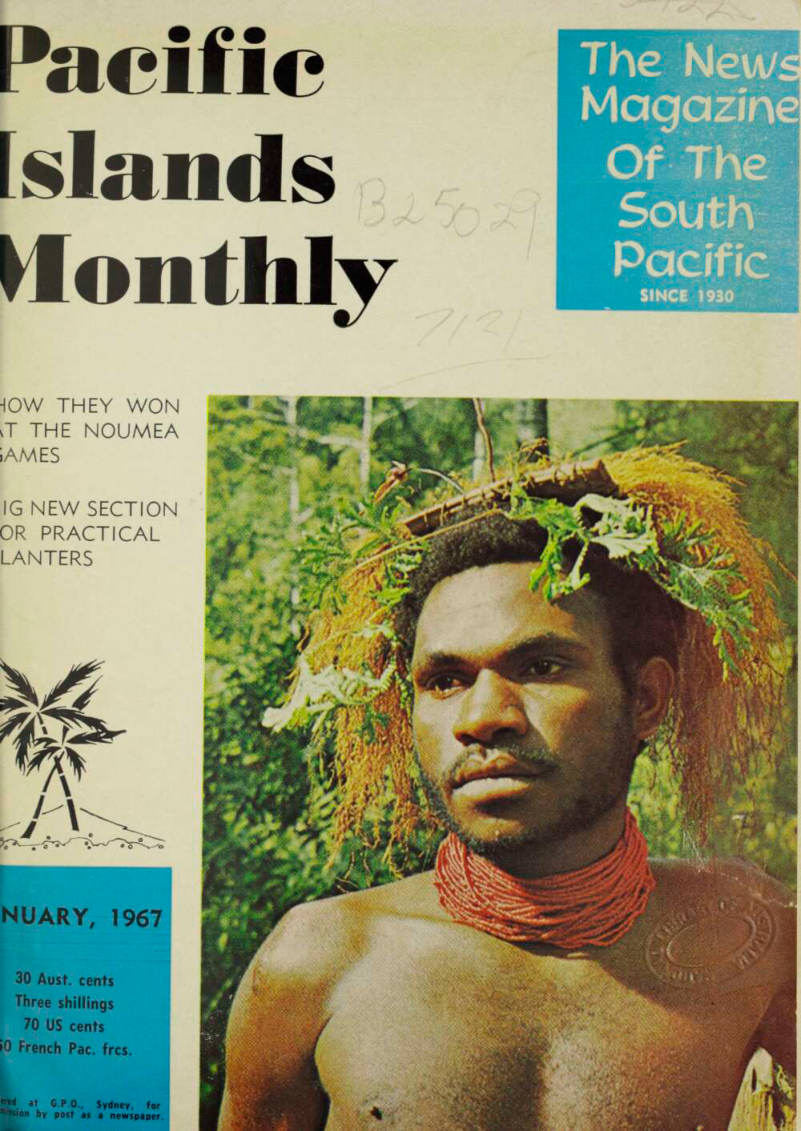 1
1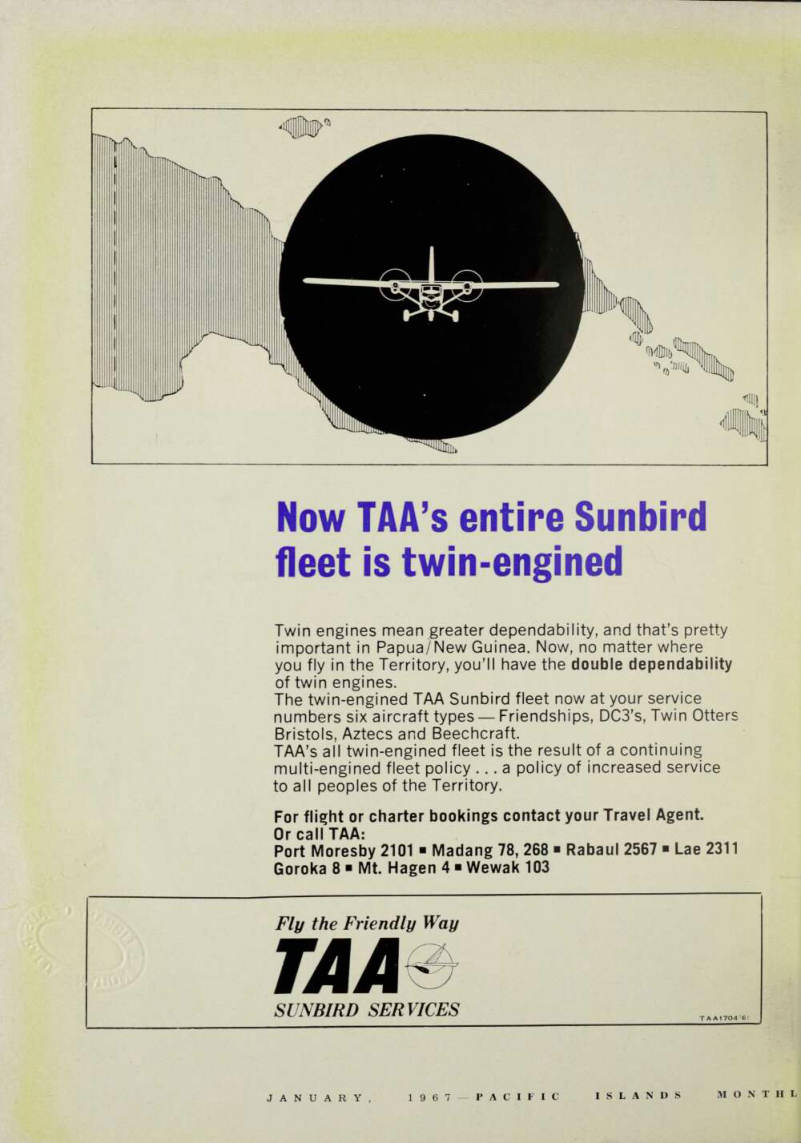 2
2 3
3 4
4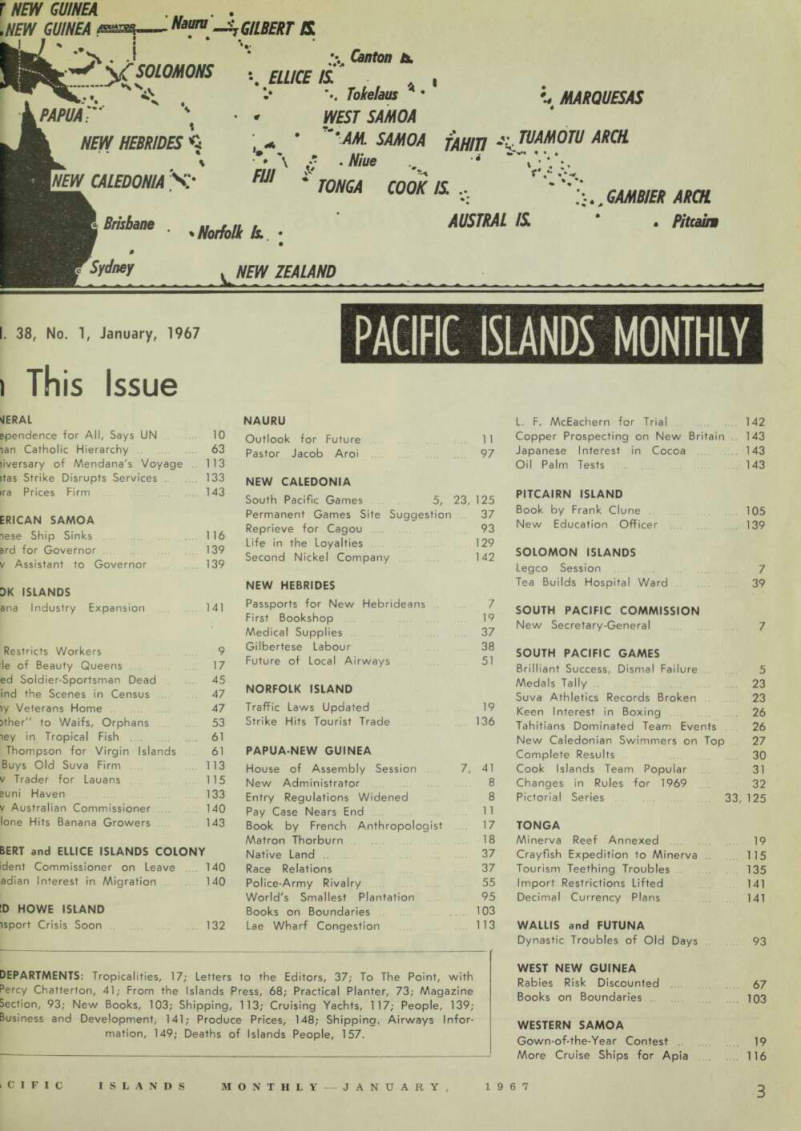 5
5 6
6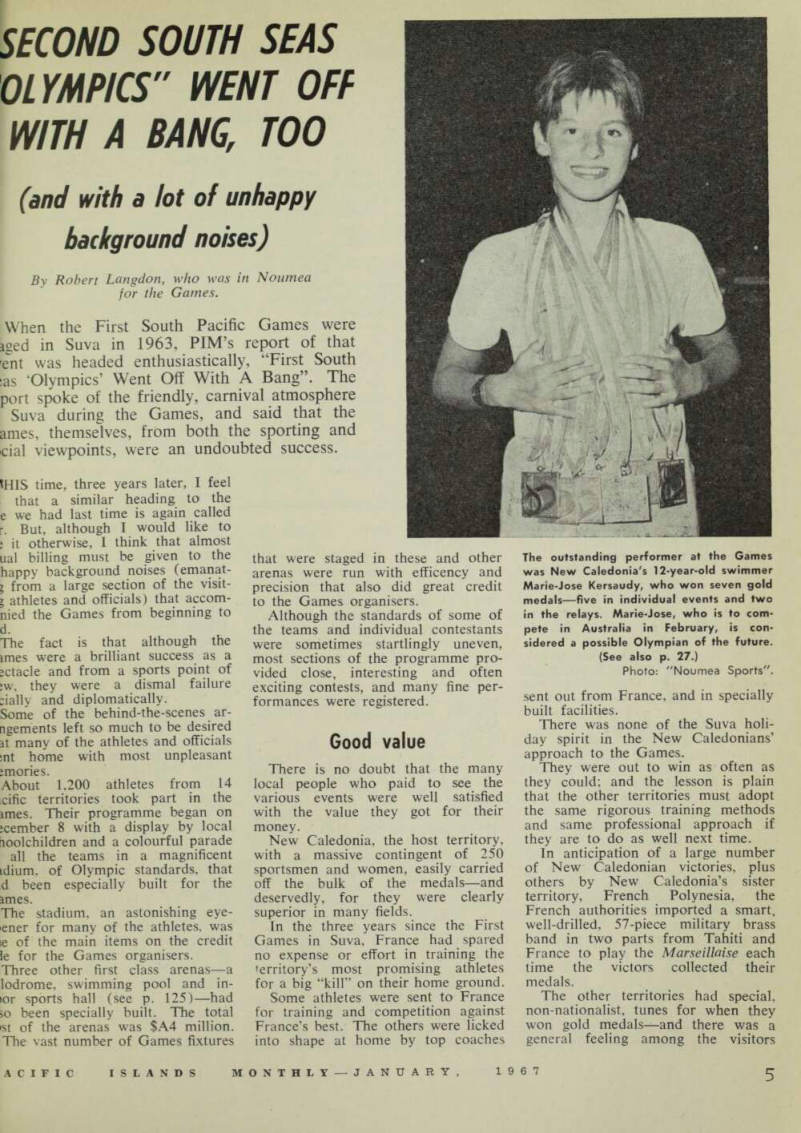 7
7 8
8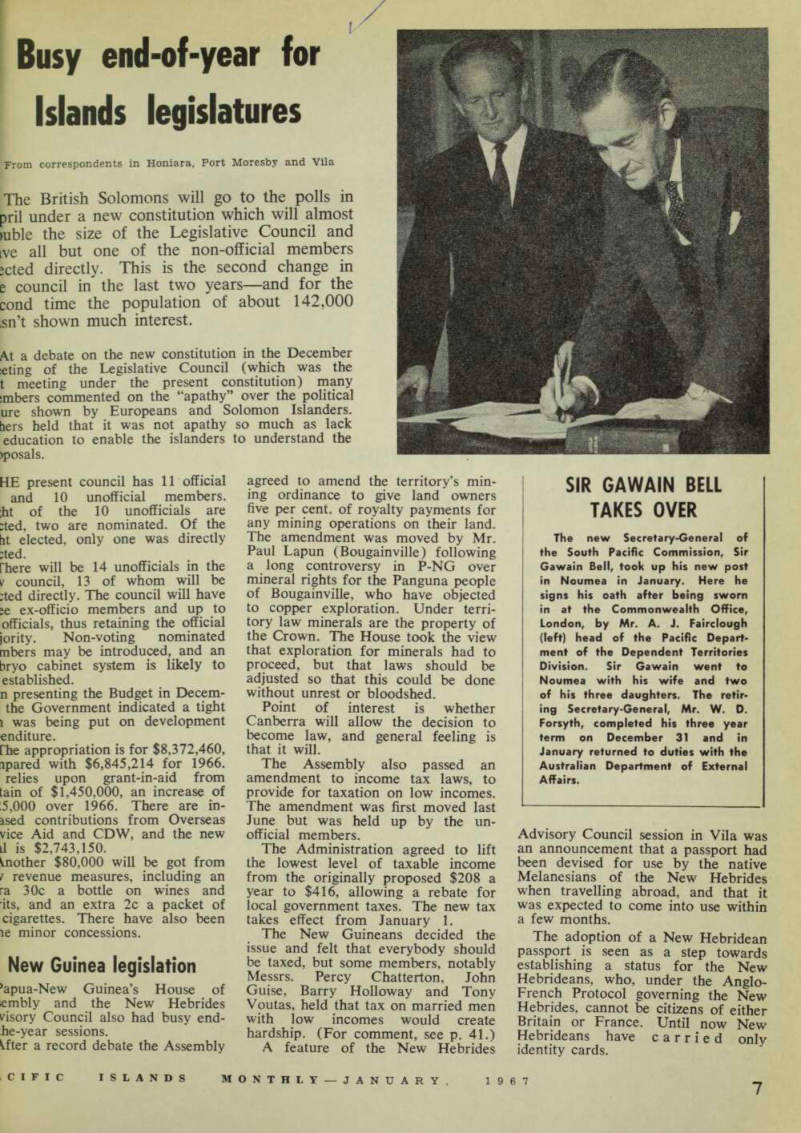 9
9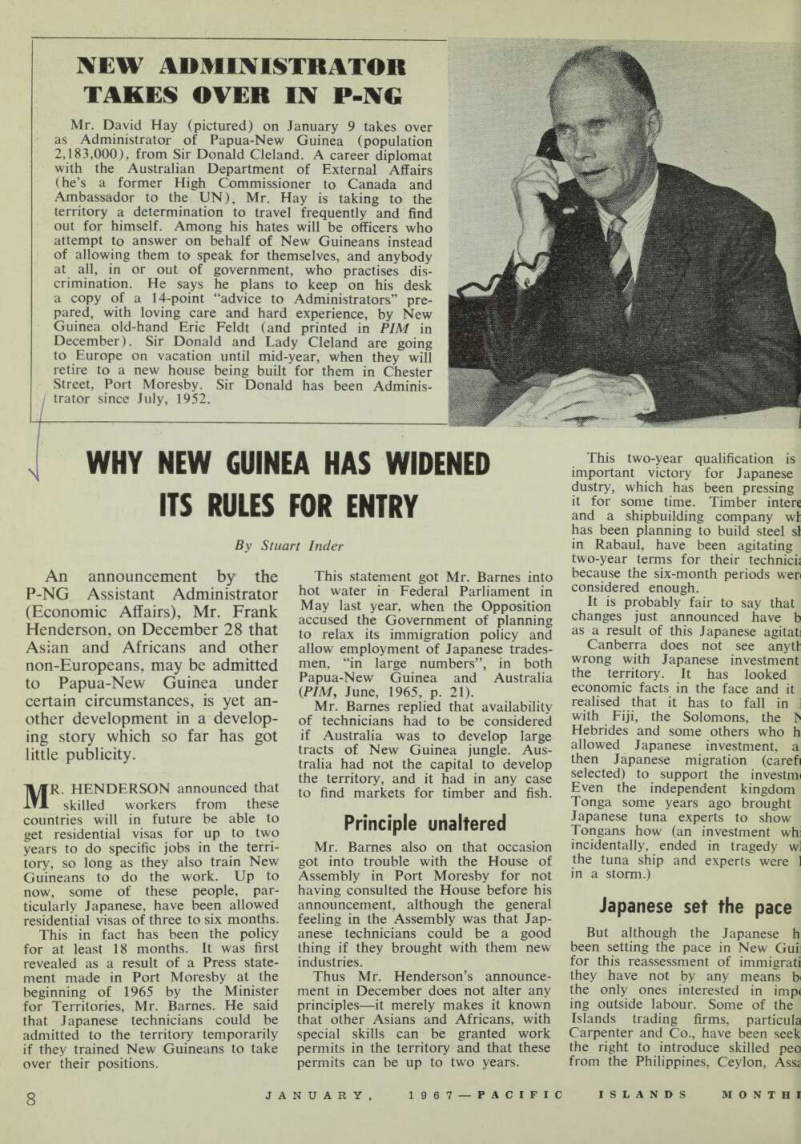 10
10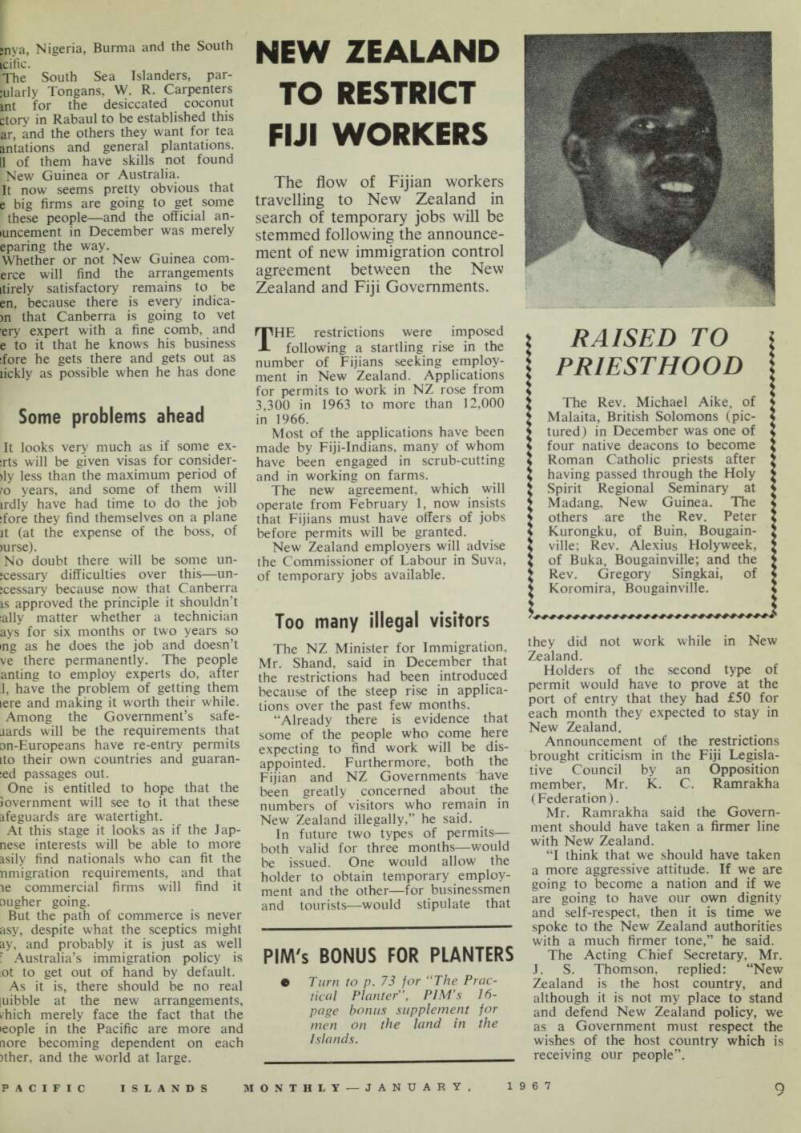 11
11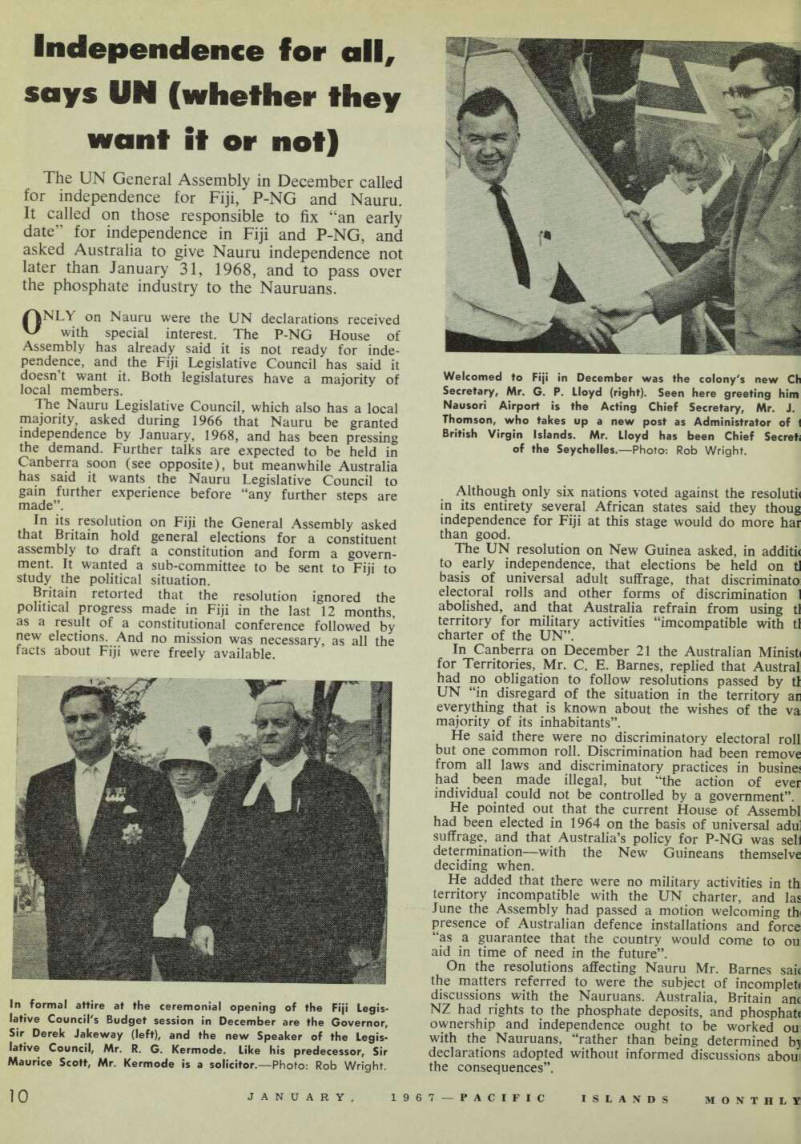 12
12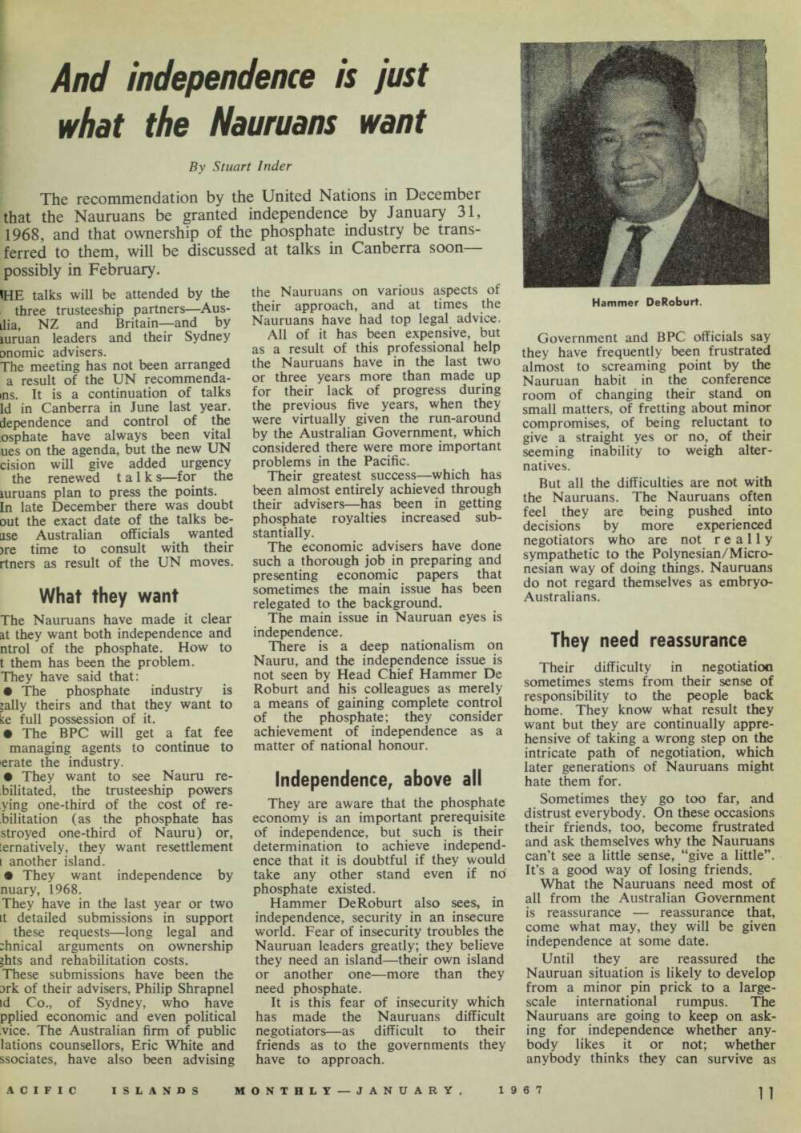 13
13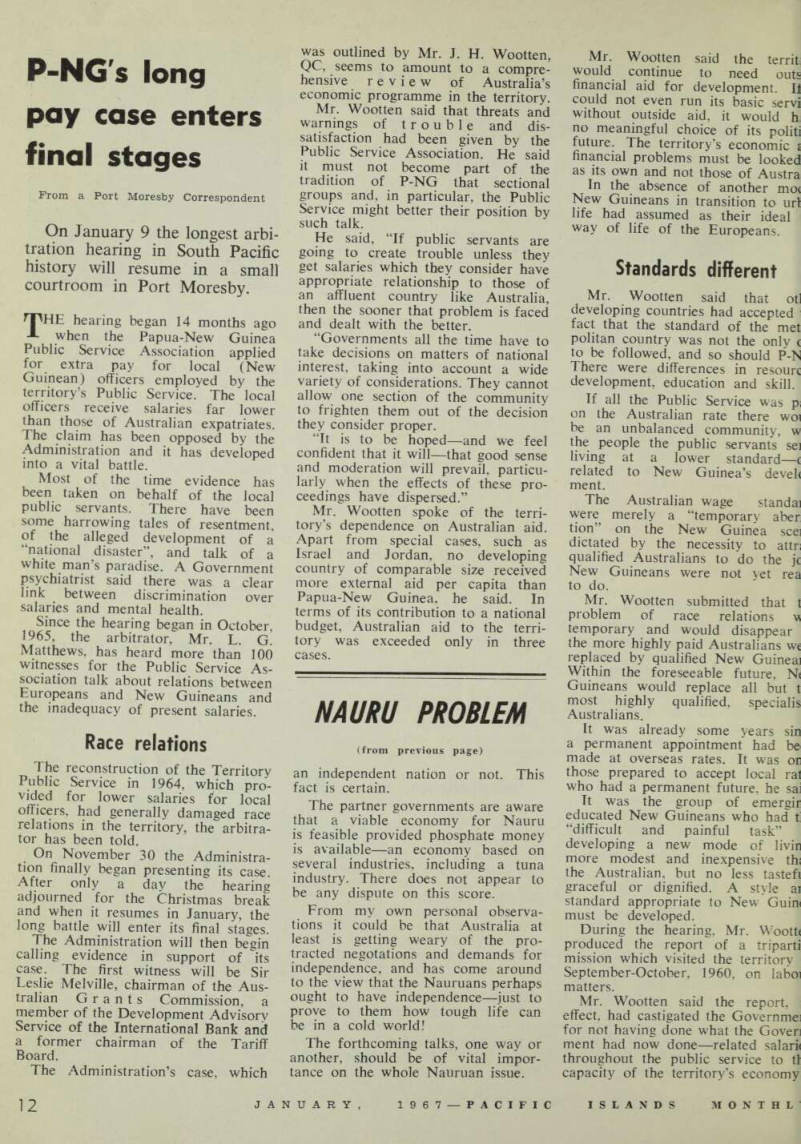 14
14 15
15 16
16 17
17 18
18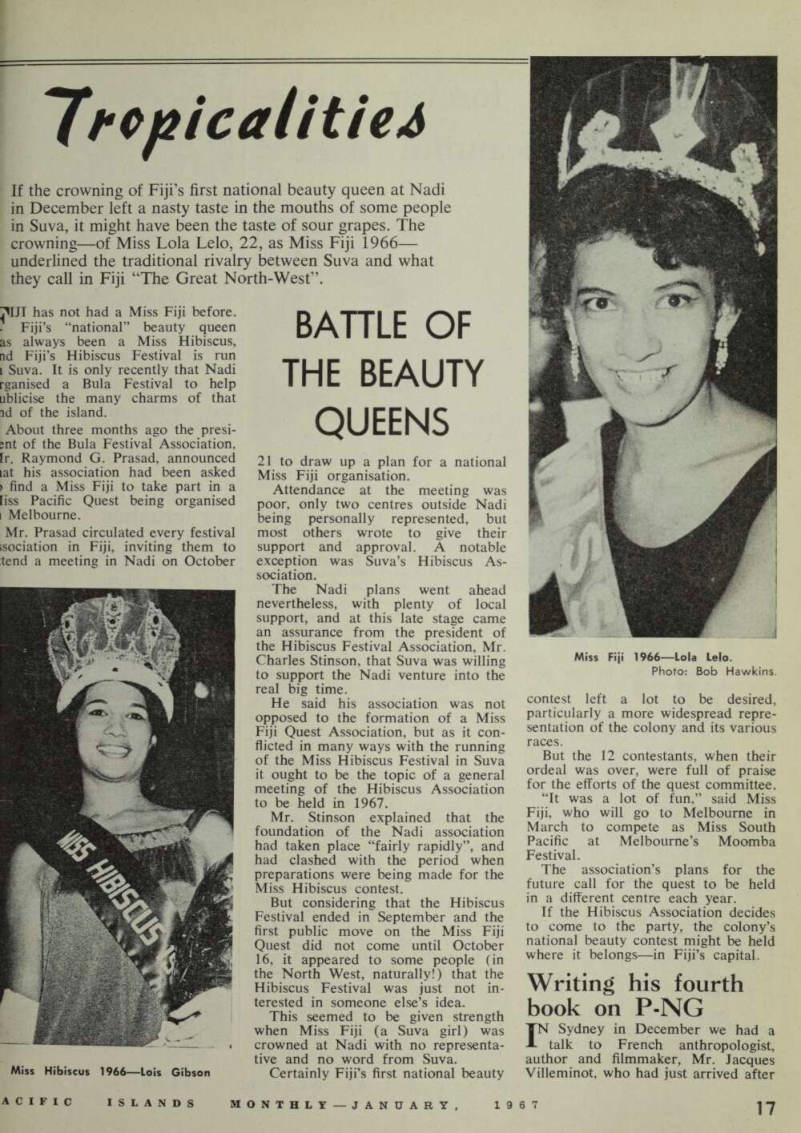 19
19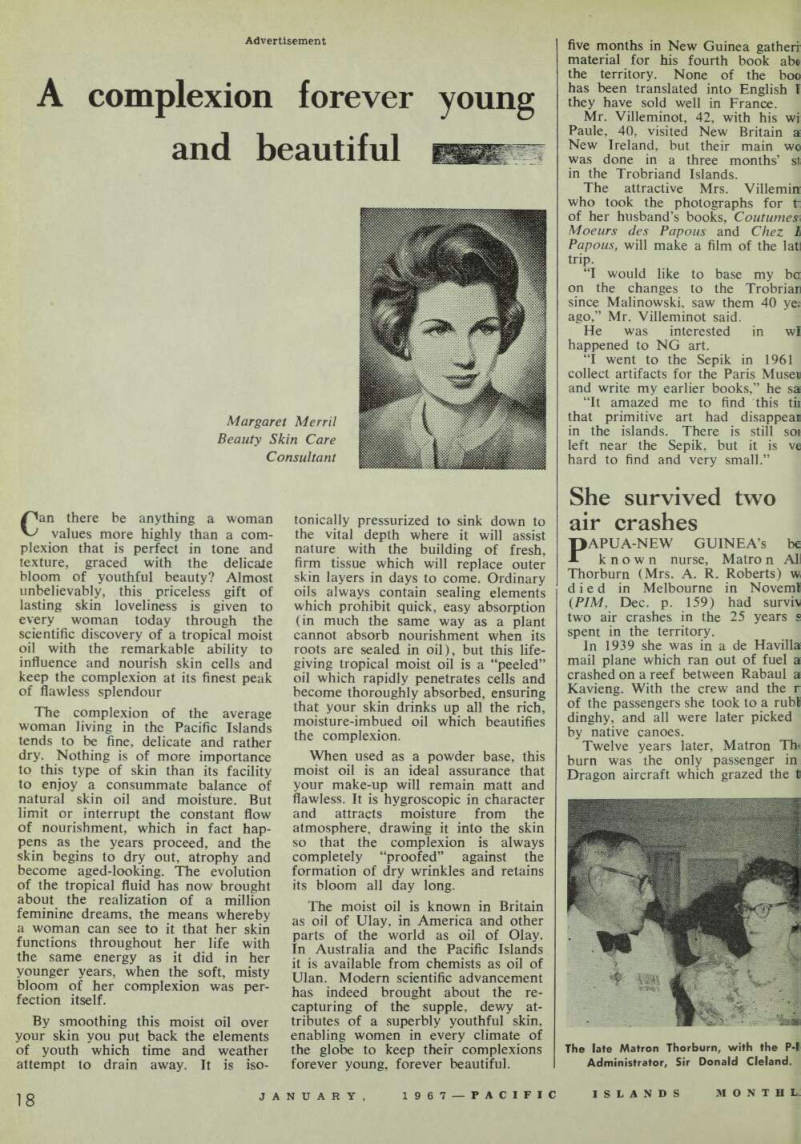 20
20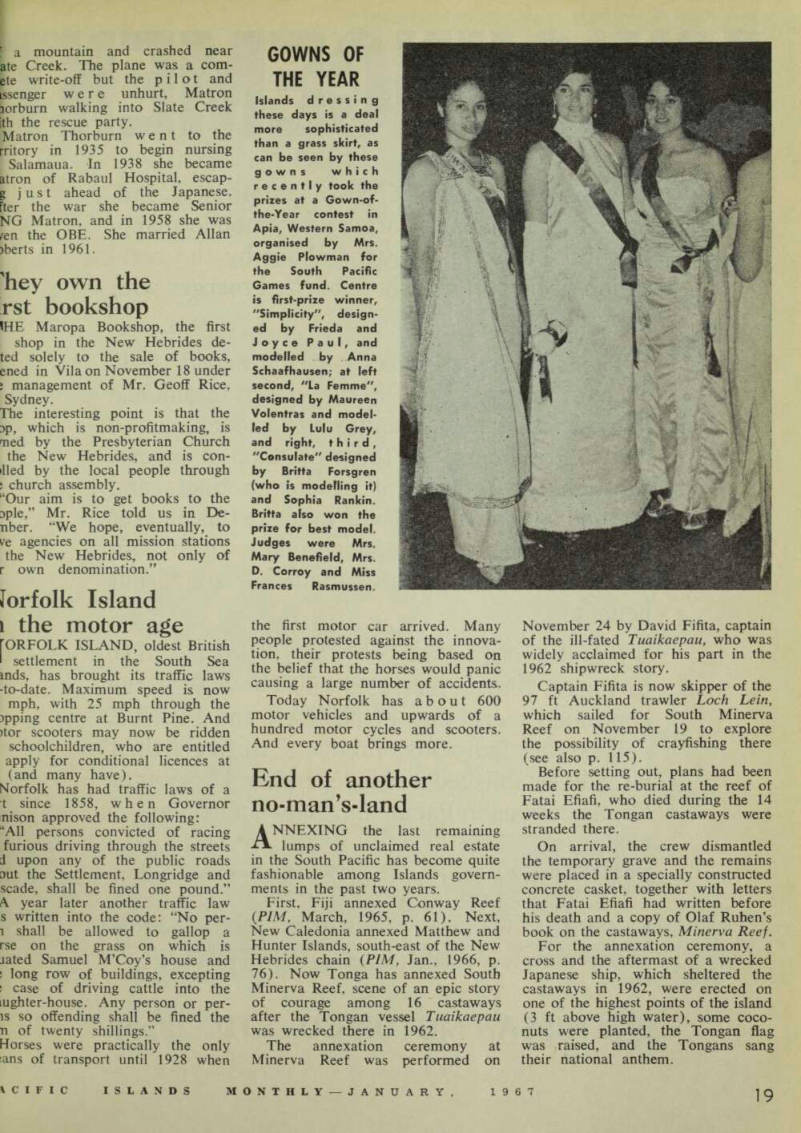 21
21 22
22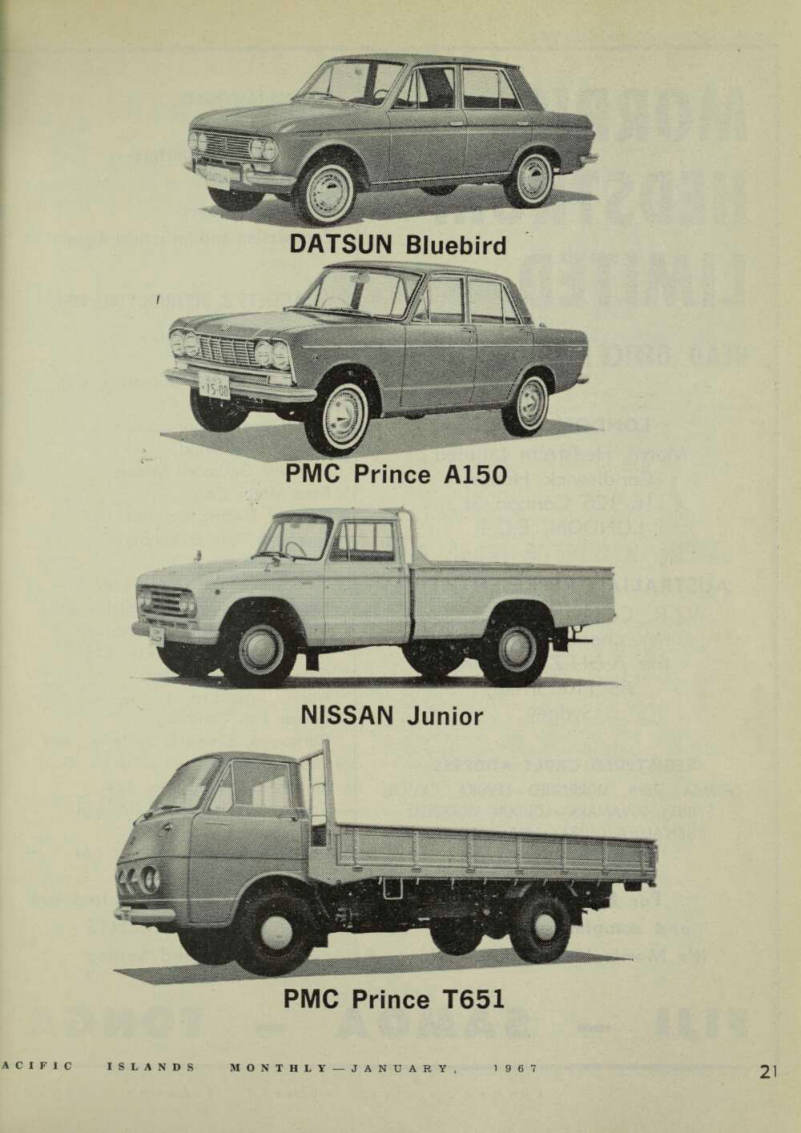 23
23 24
24 25
25 26
26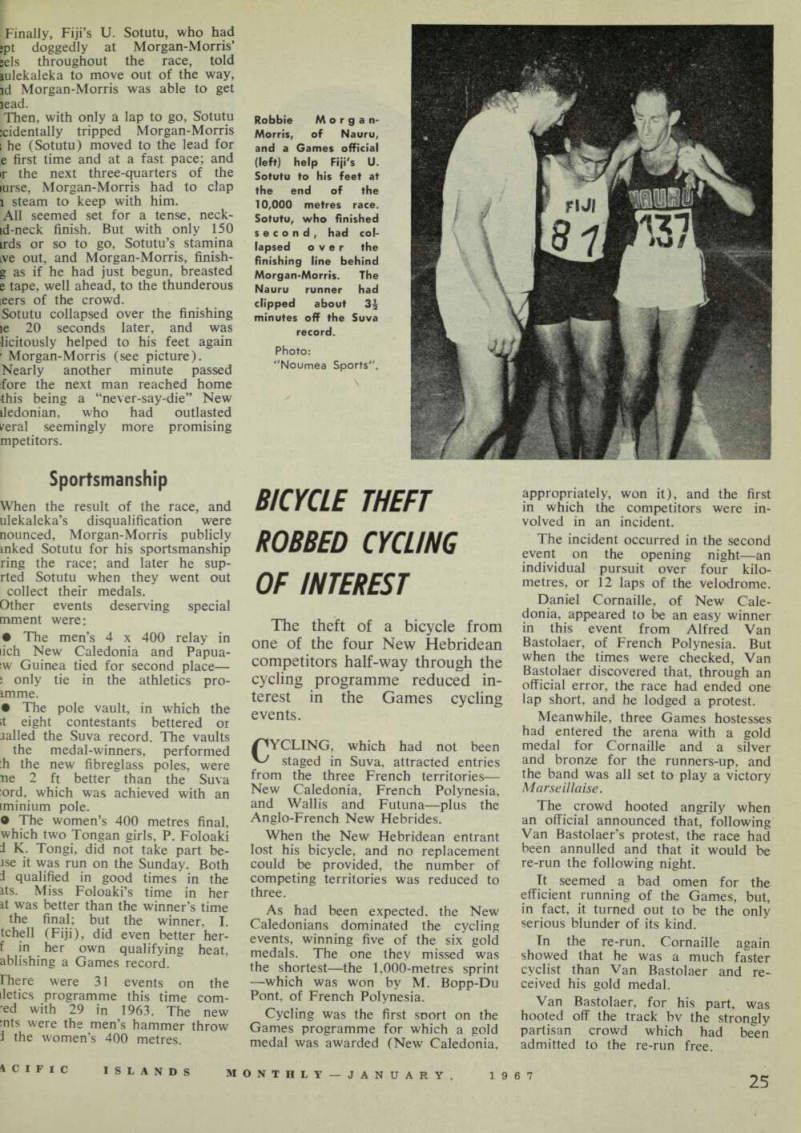 27
27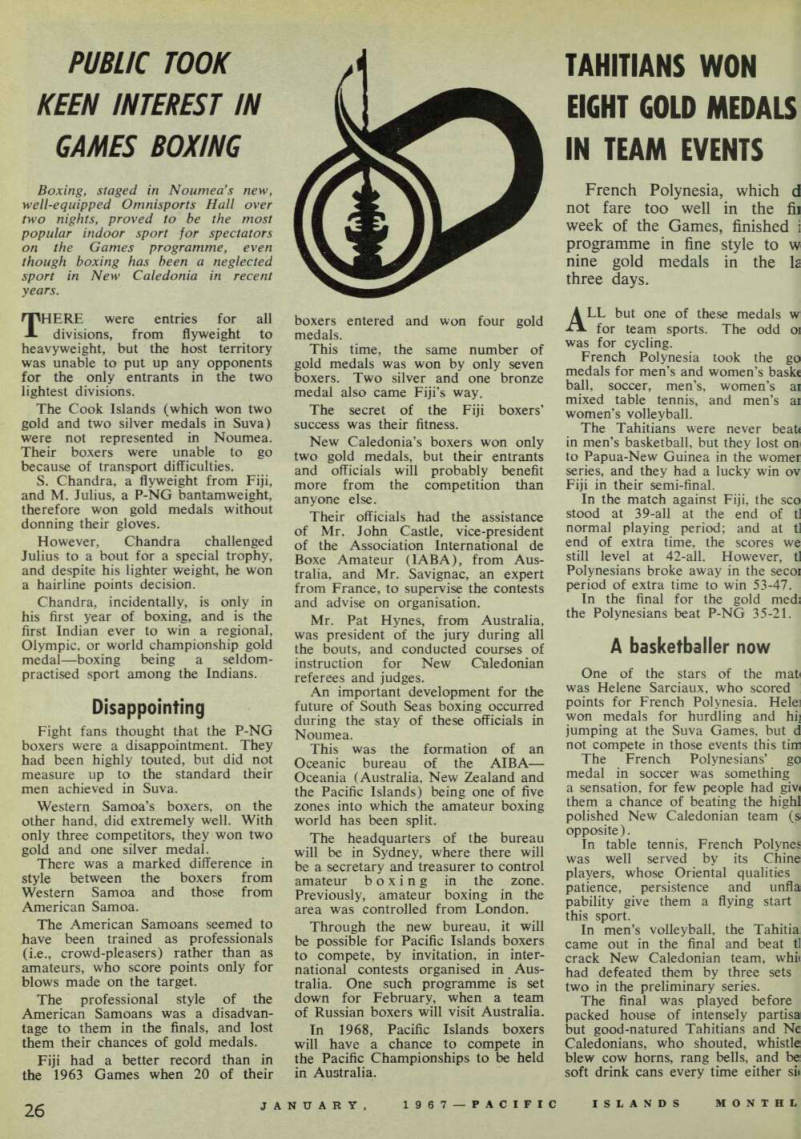 28
28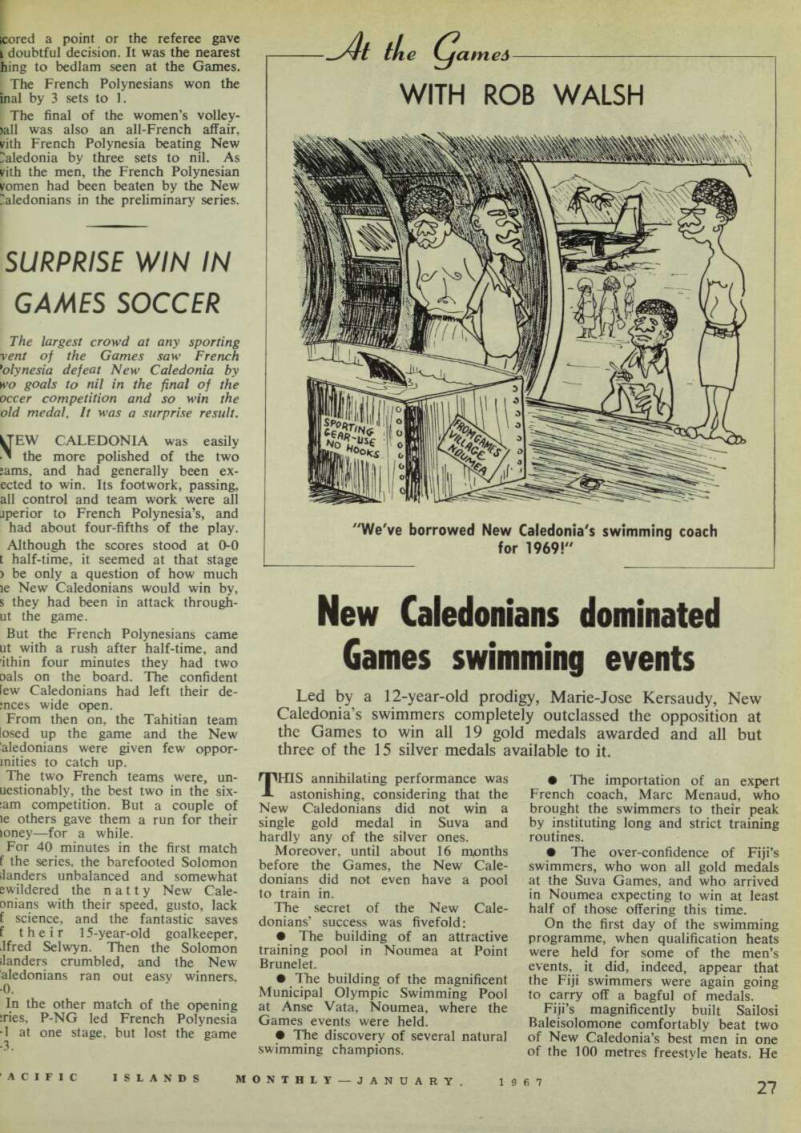 29
29 30
30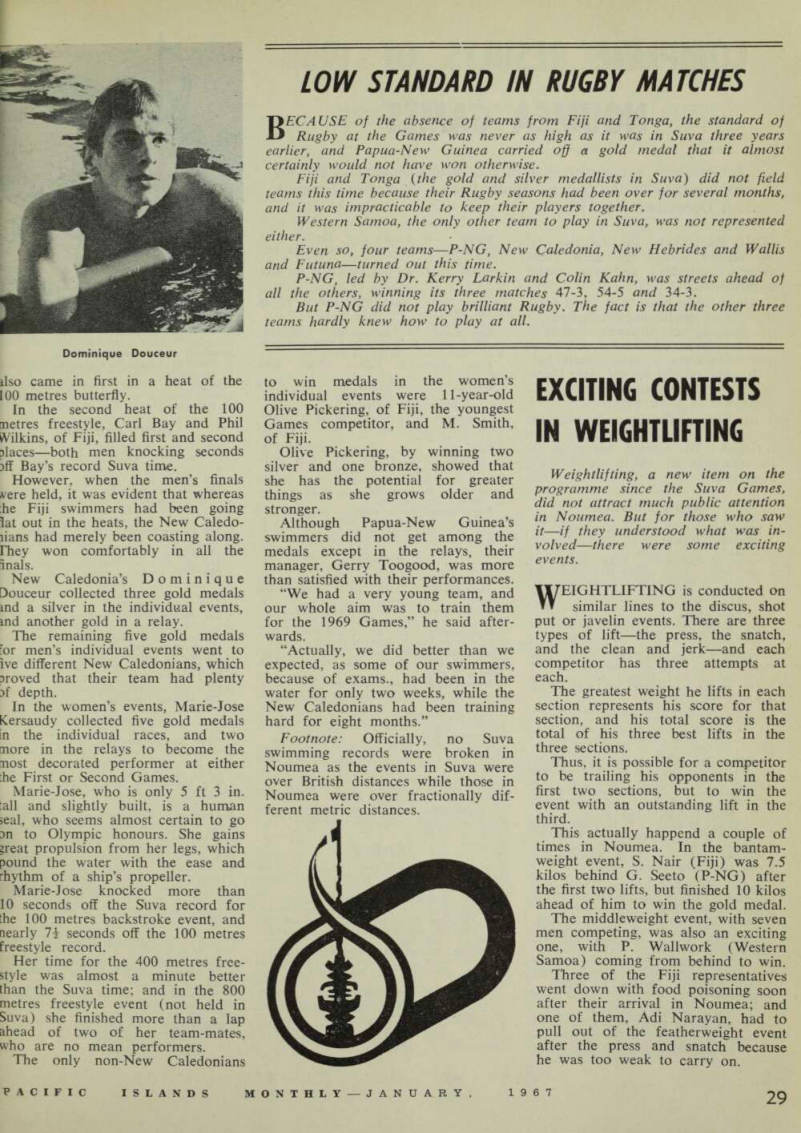 31
31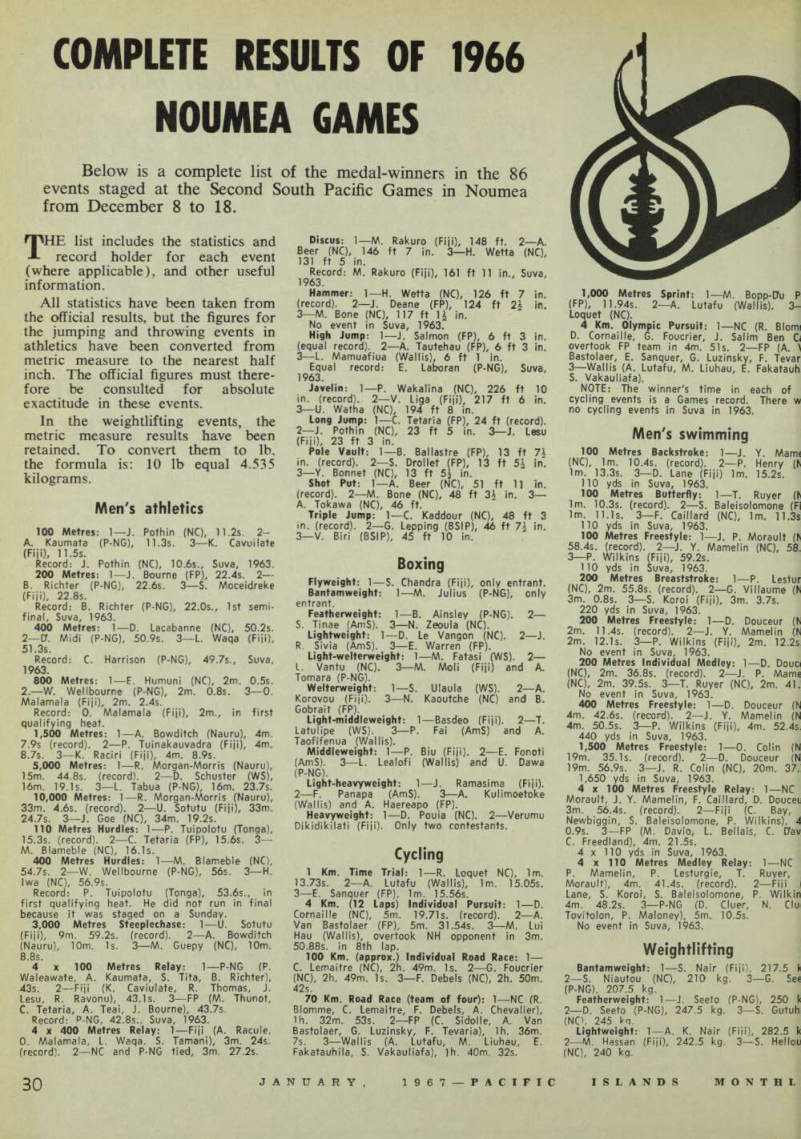 32
32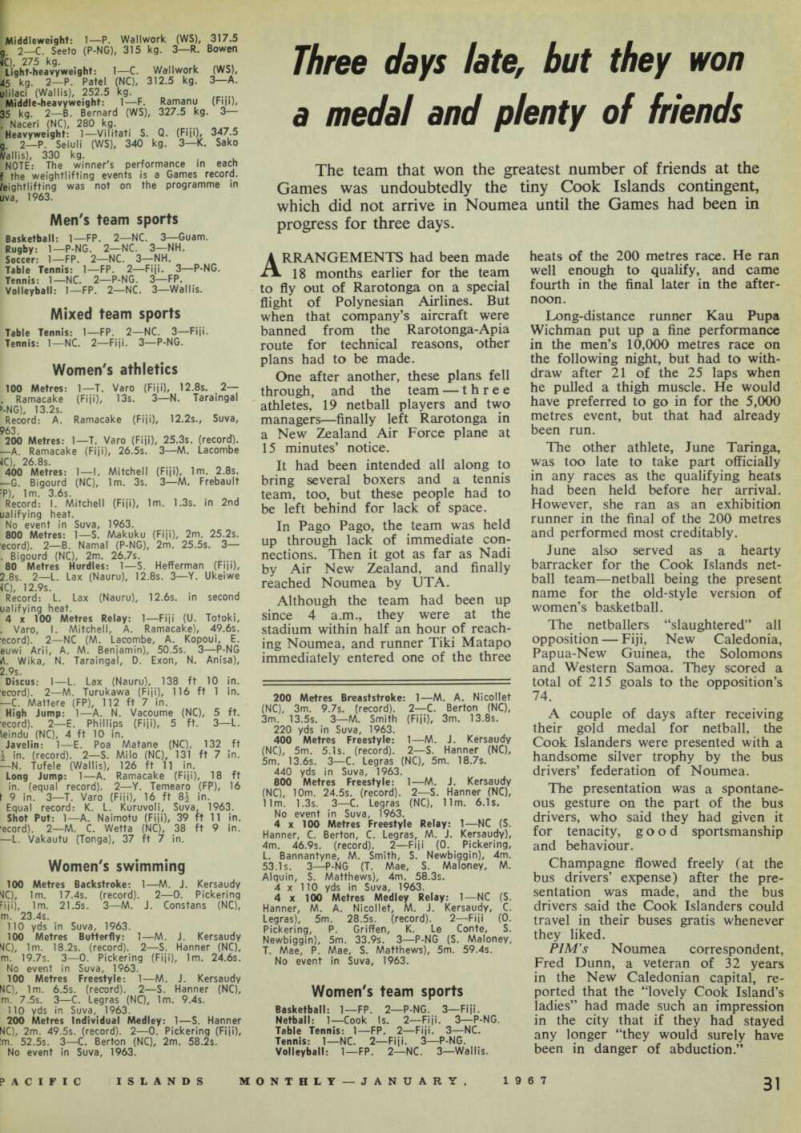 33
33 34
34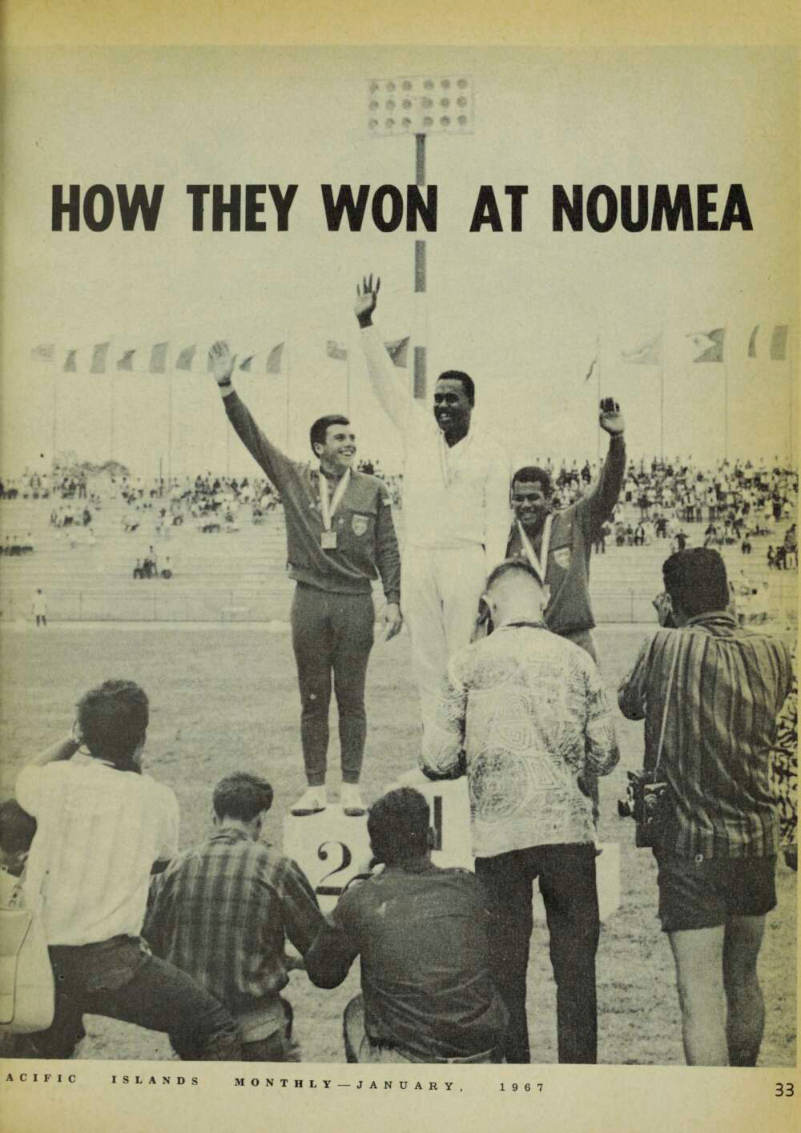 35
35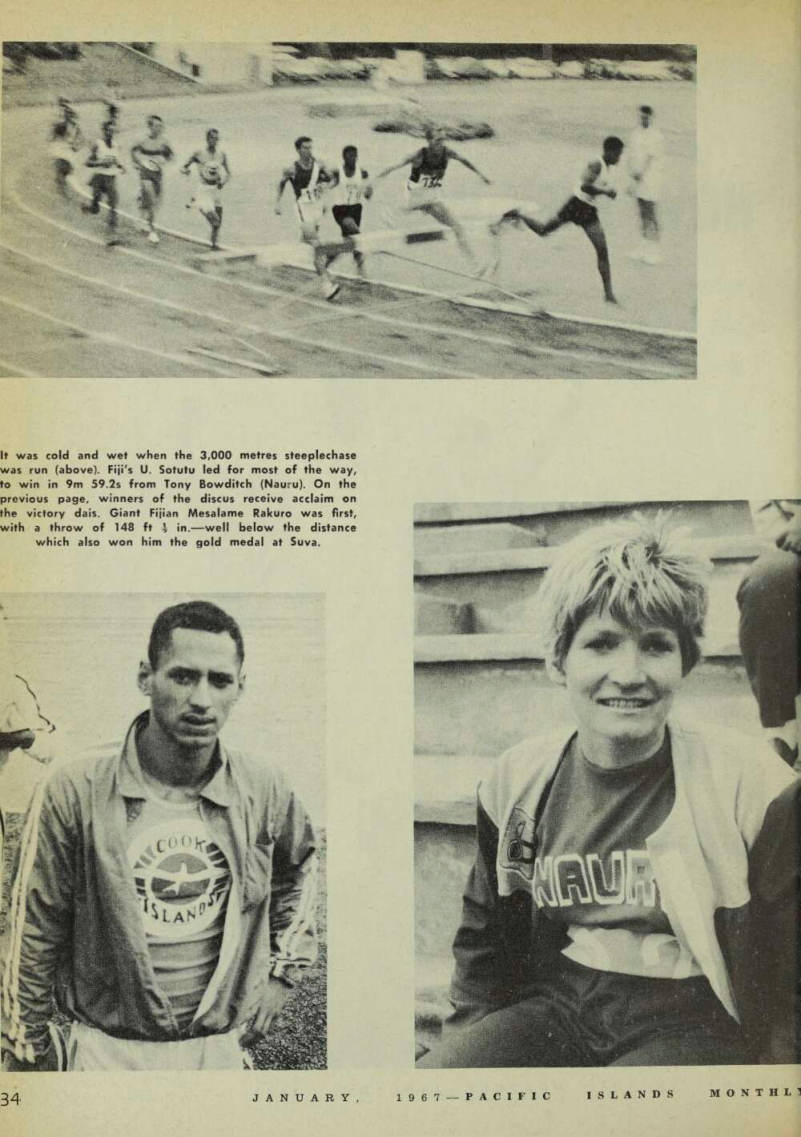 36
36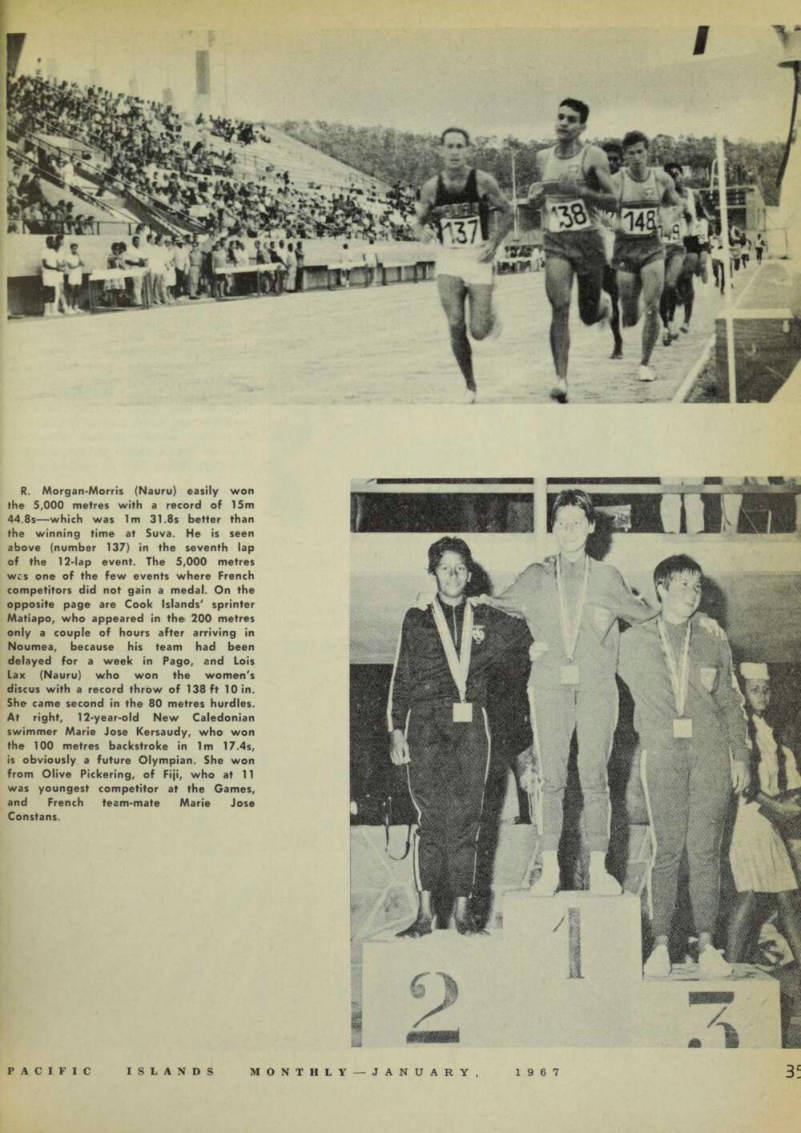 37
37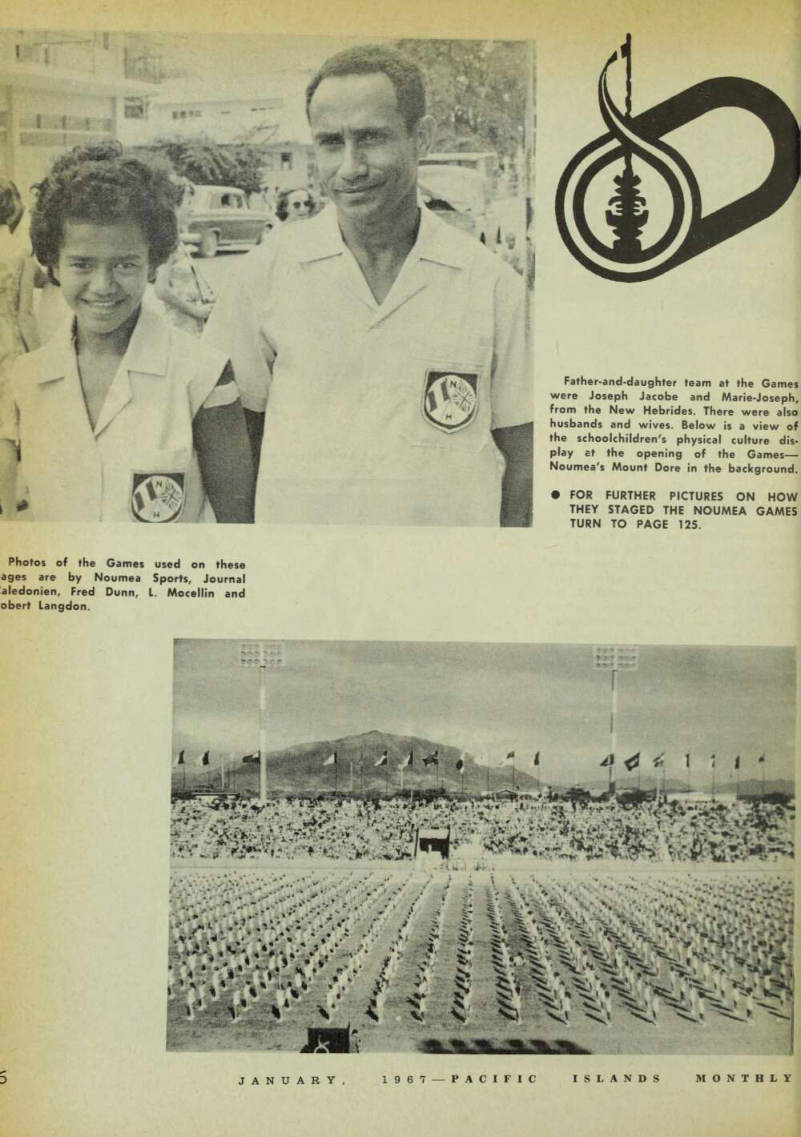 38
38 39
39 40
40 41
41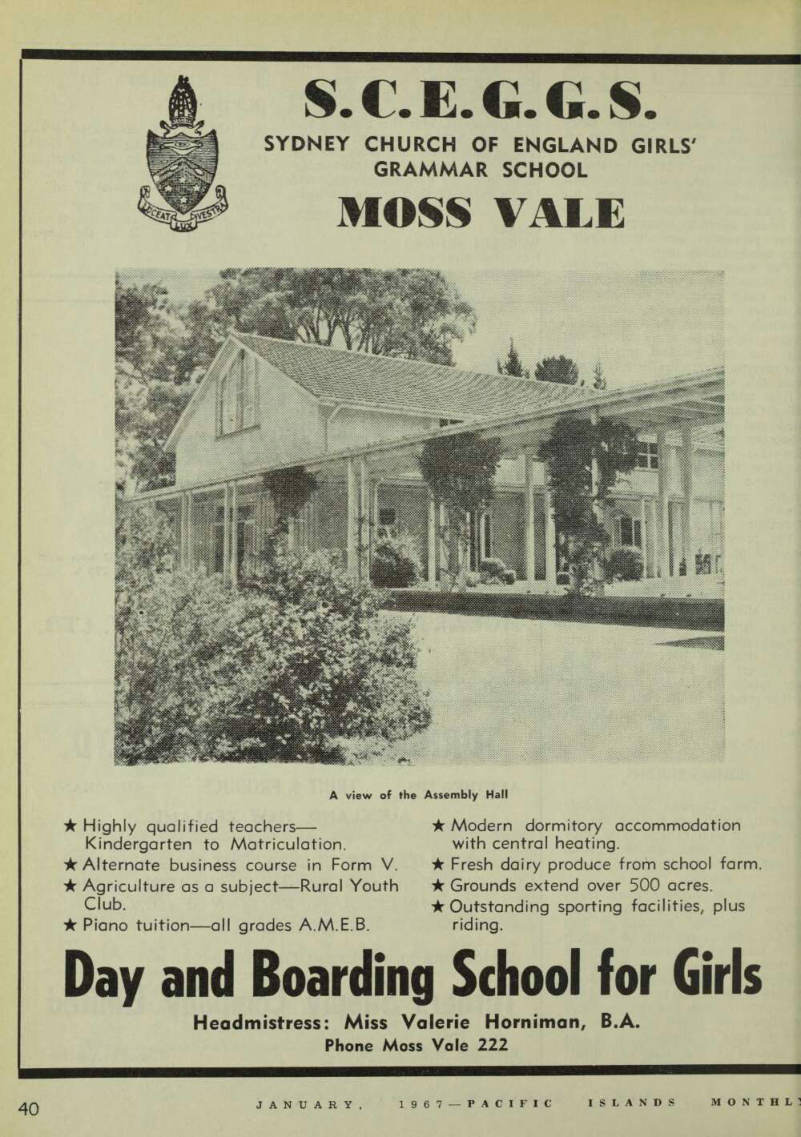 42
42 43
43 44
44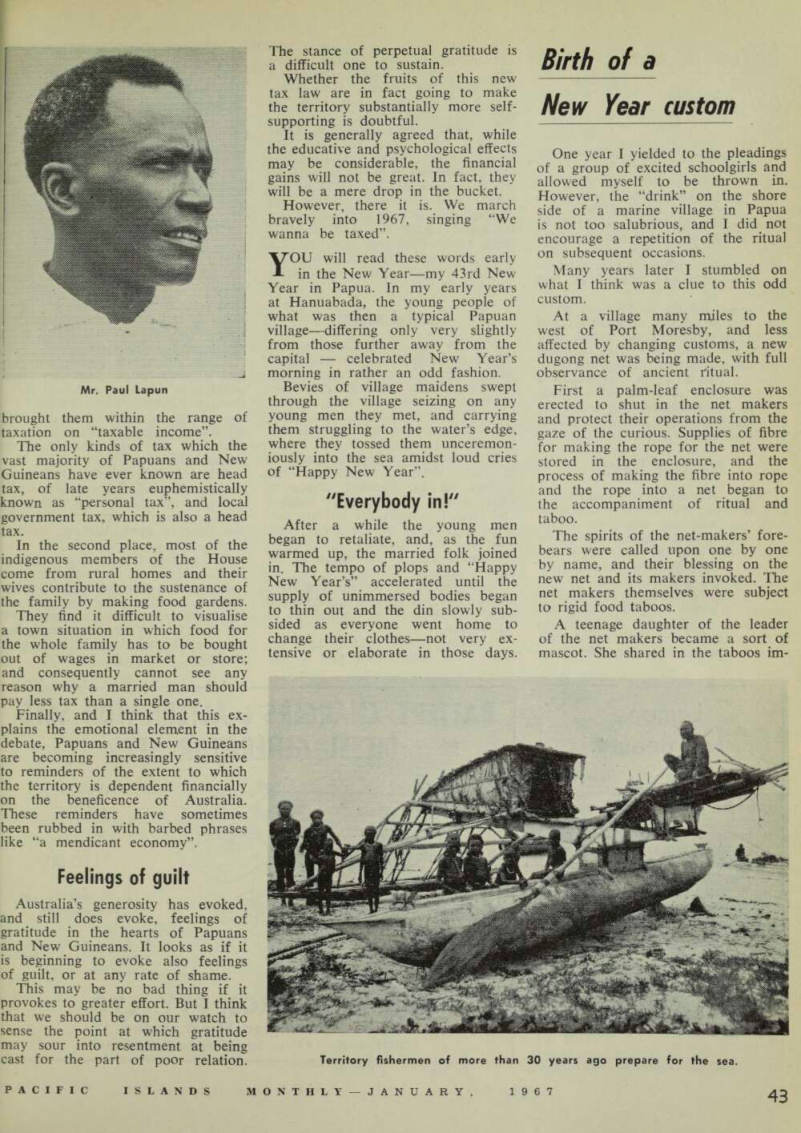 45
45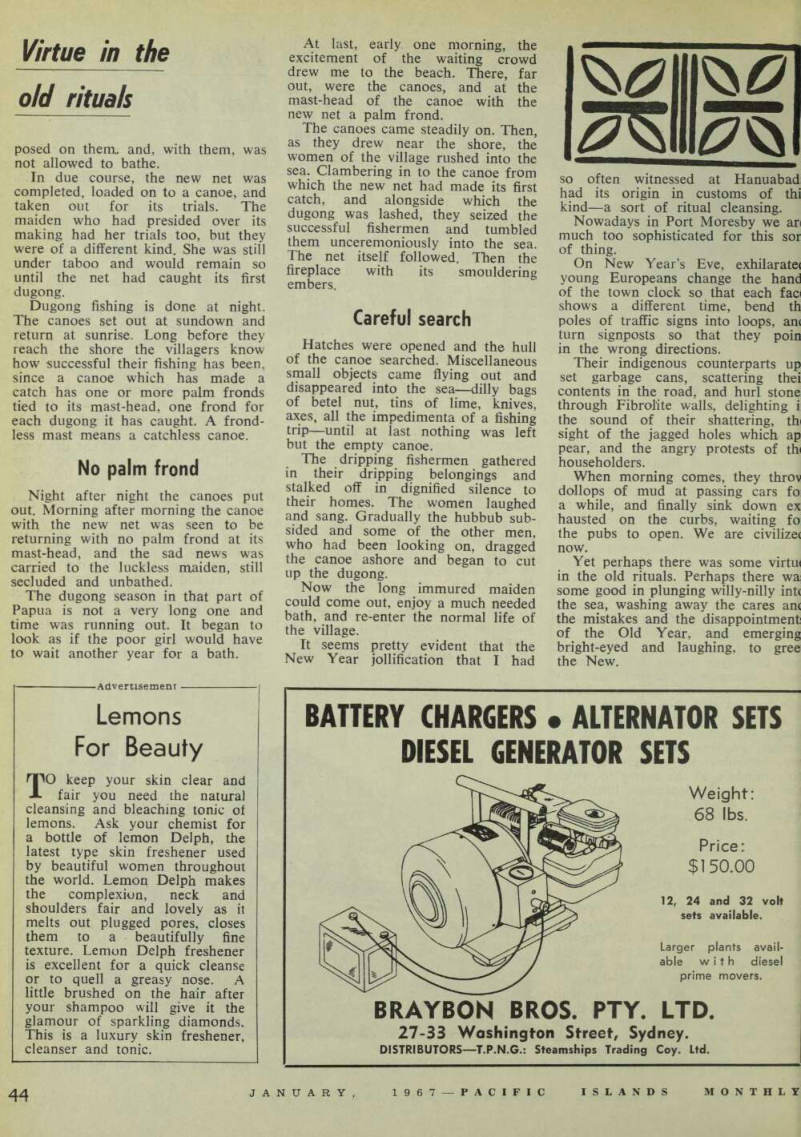 46
46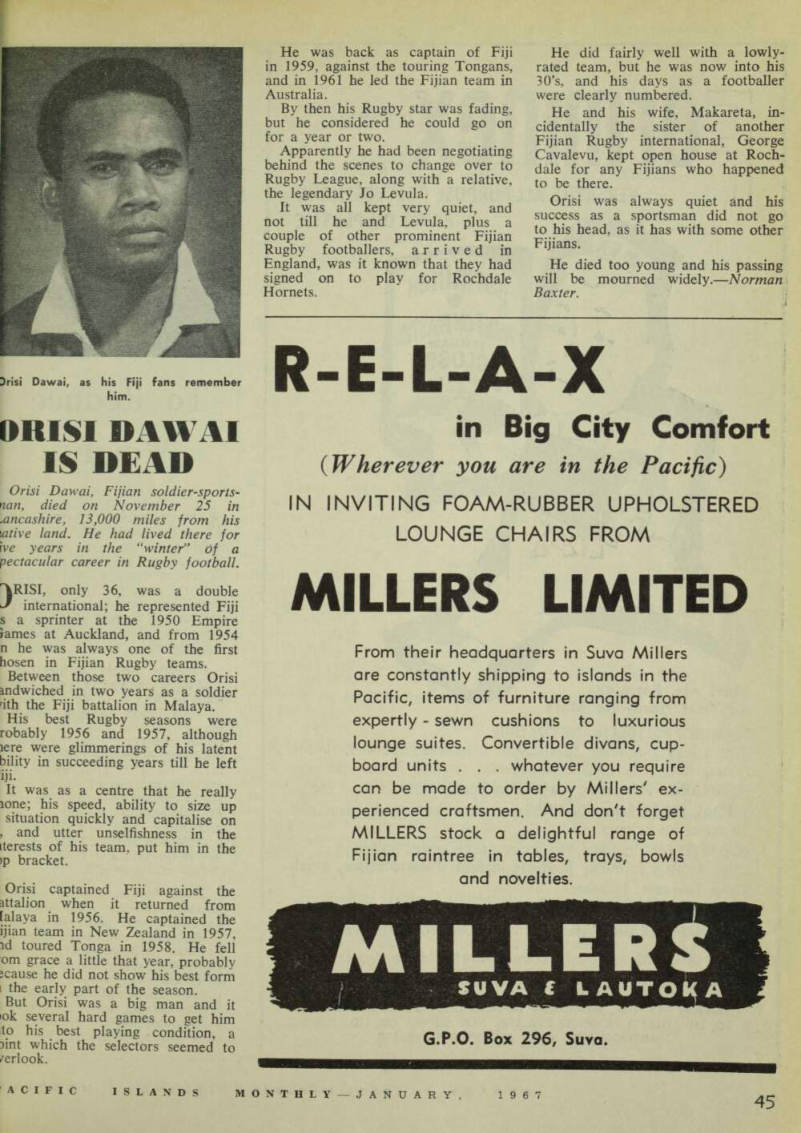 47
47 48
48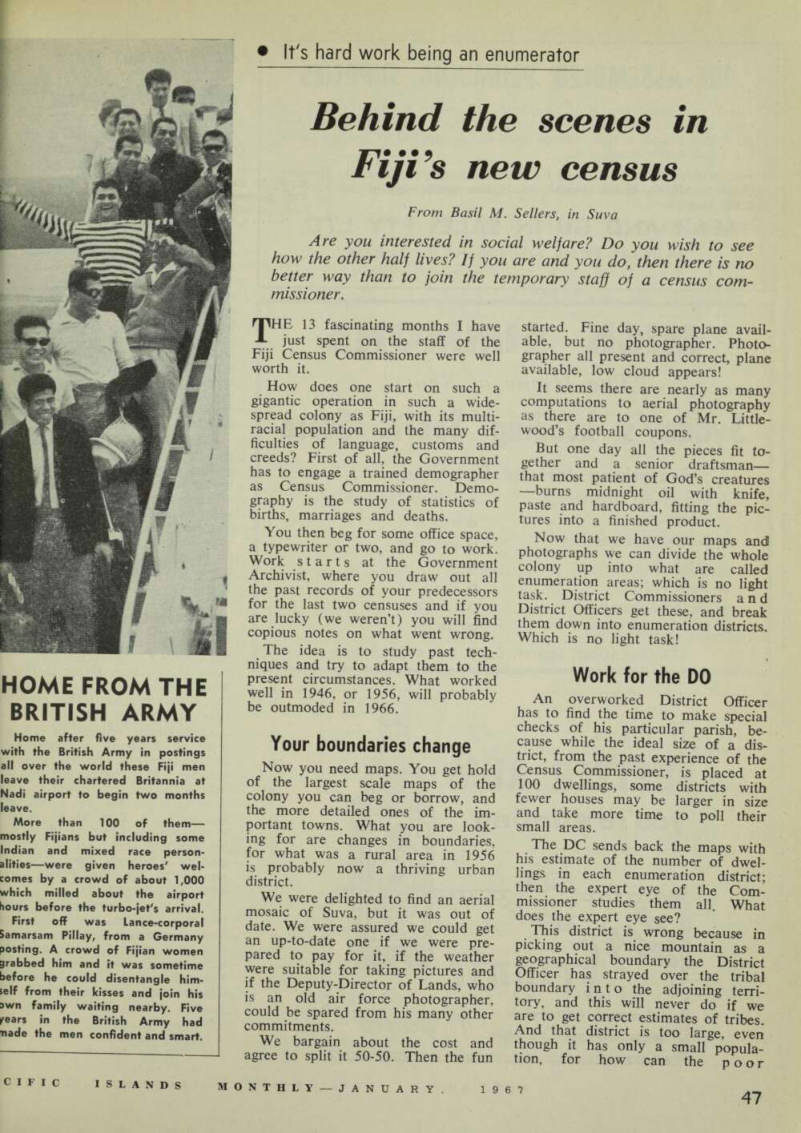 49
49 50
50 51
51 52
52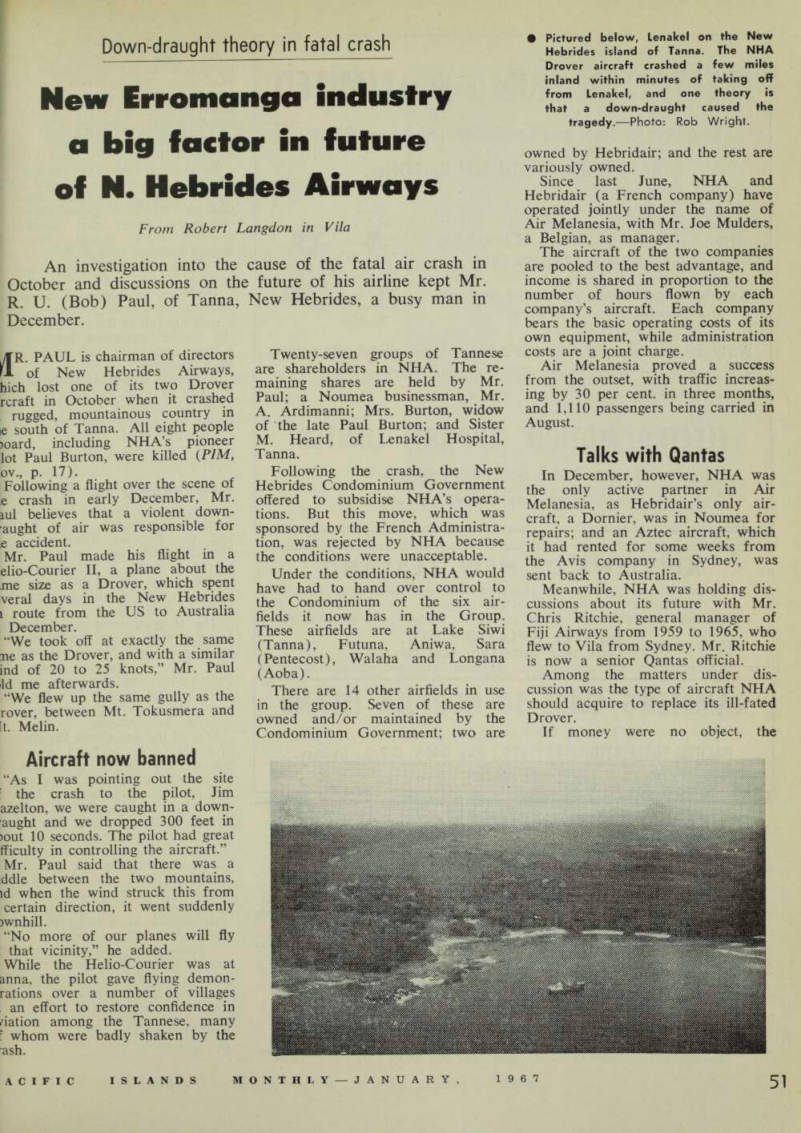 53
53 54
54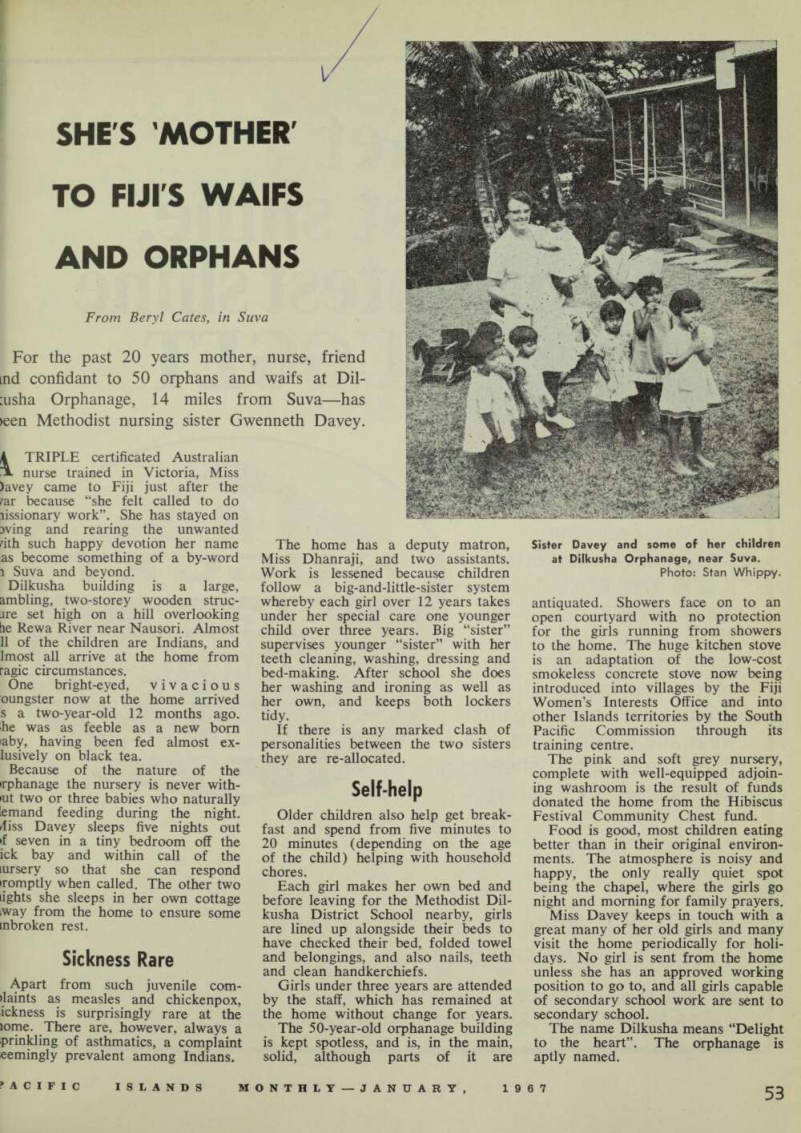 55
55 56
56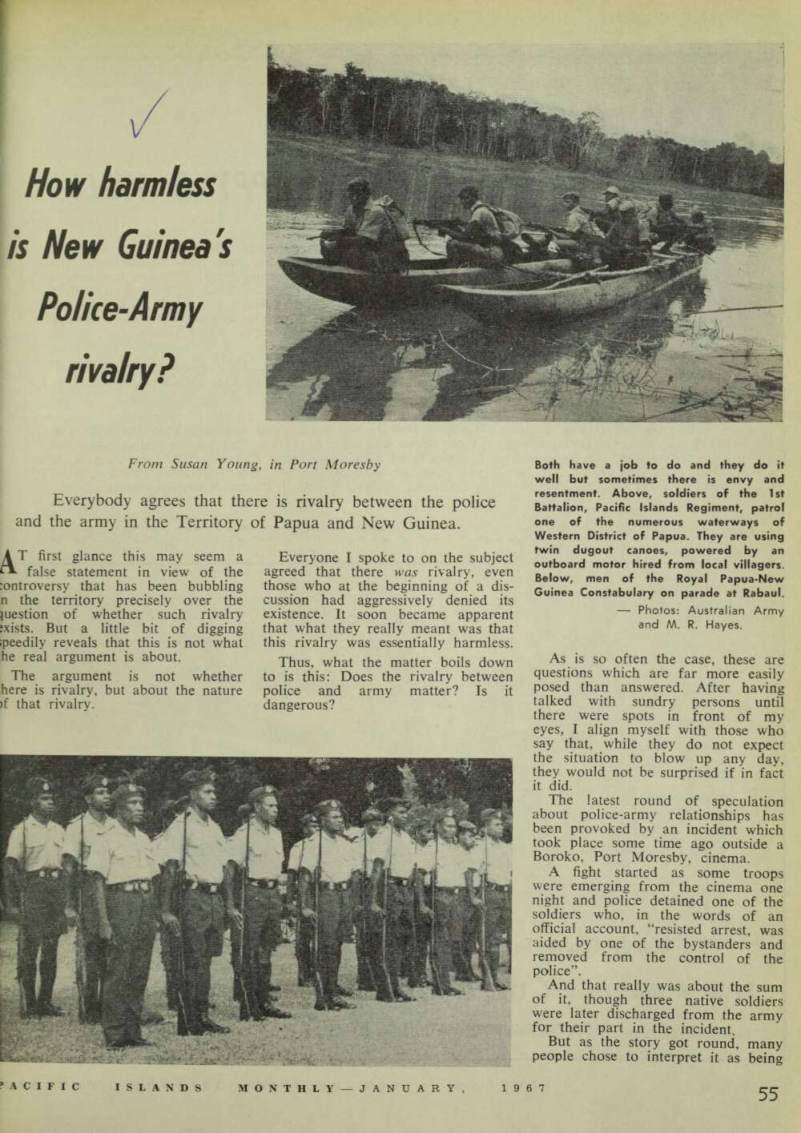 57
57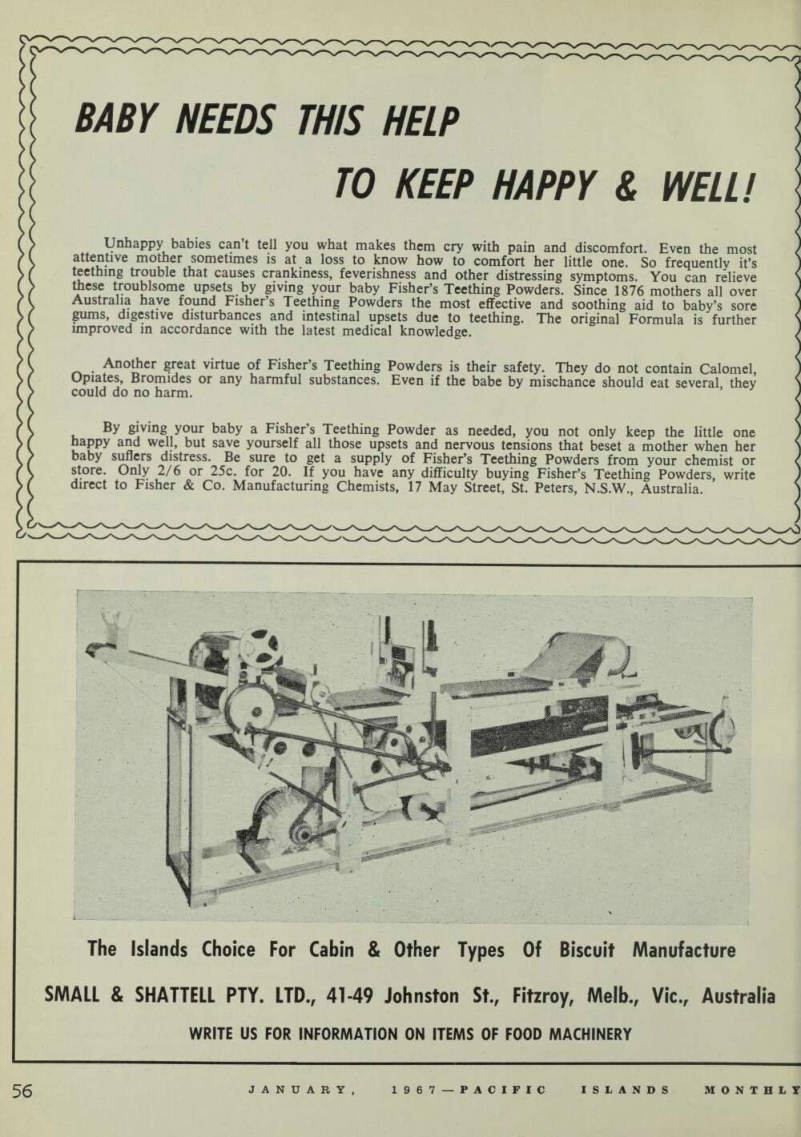 58
58 59
59 60
60 61
61 62
62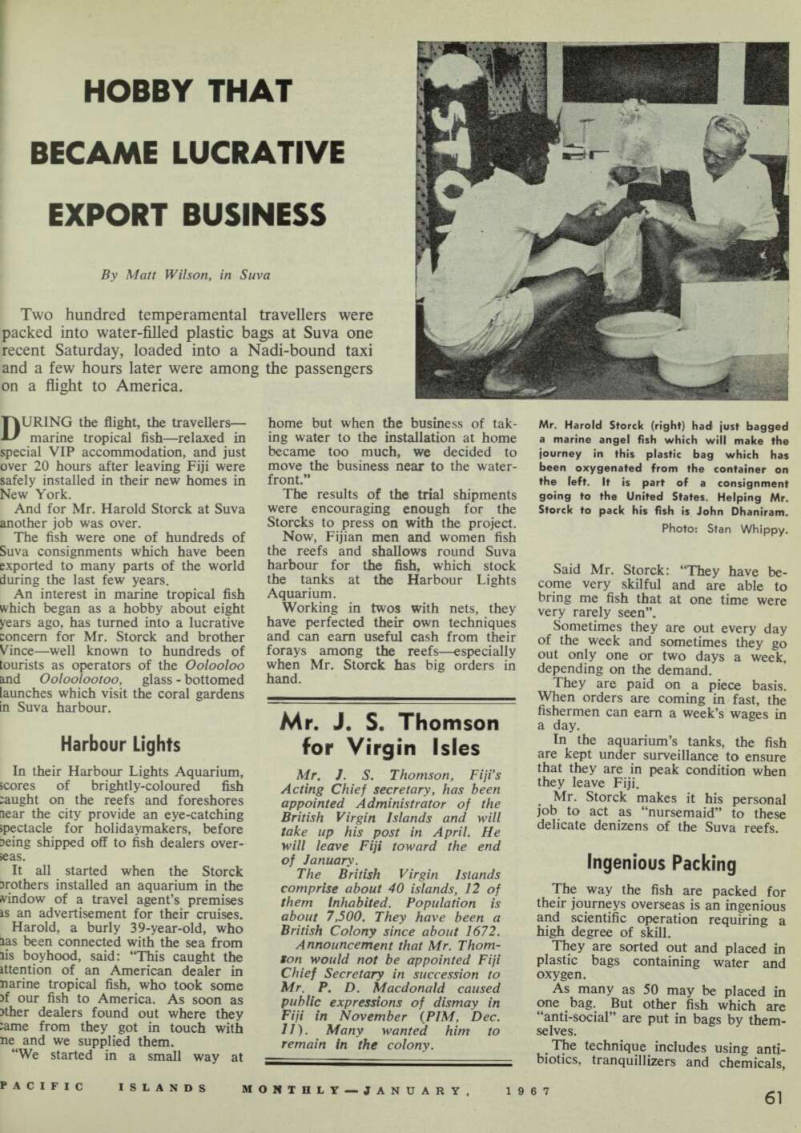 63
63 64
64 65
65 66
66 67
67 68
68 69
69 70
70 71
71 72
72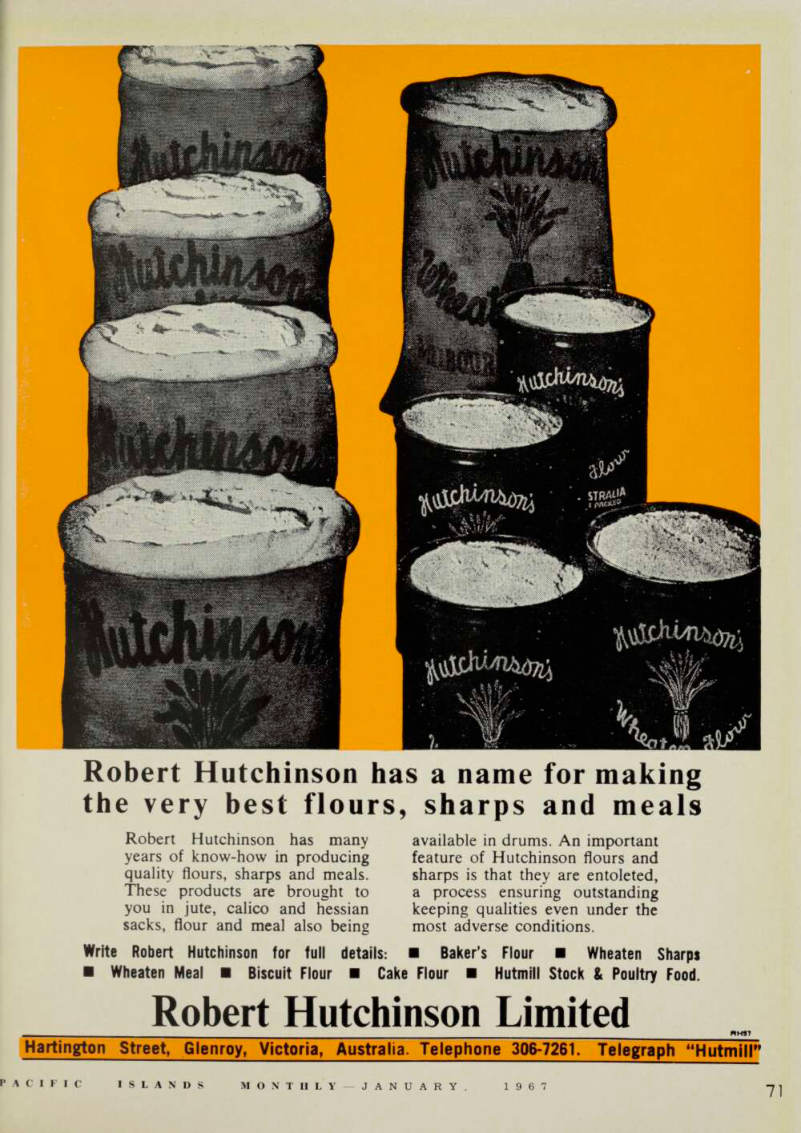 73
73 74
74 75
75 76
76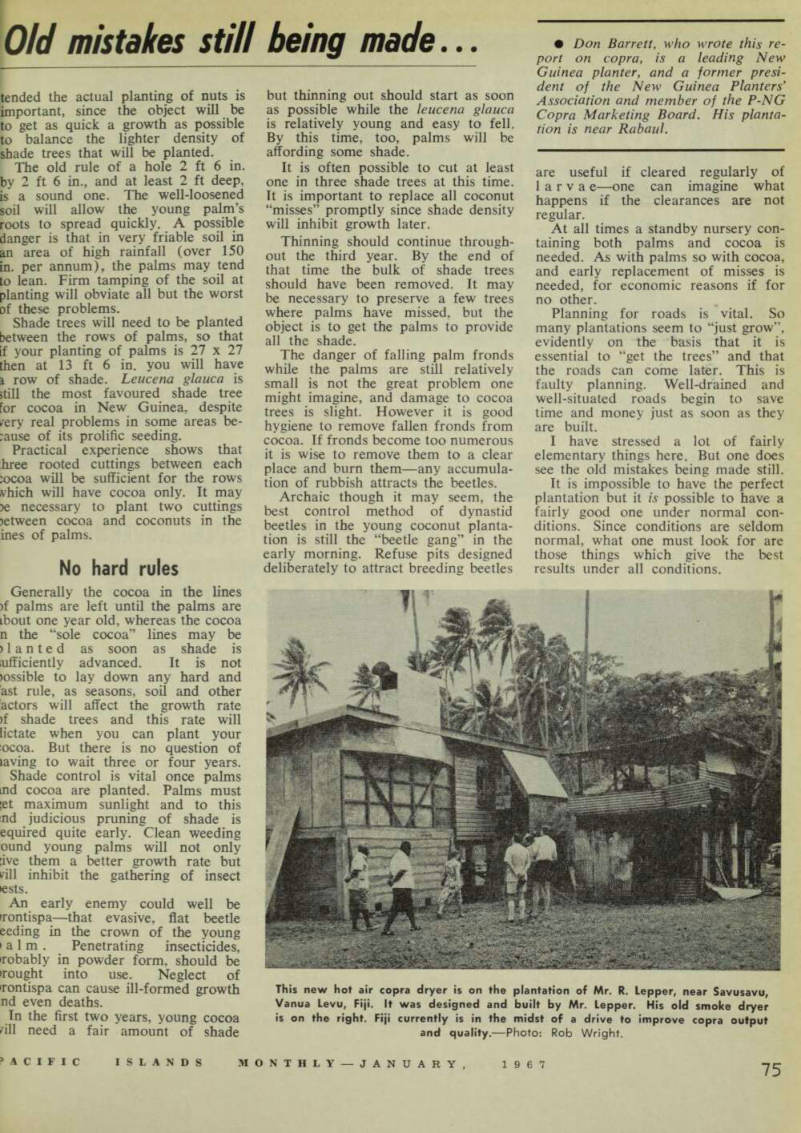 77
77 78
78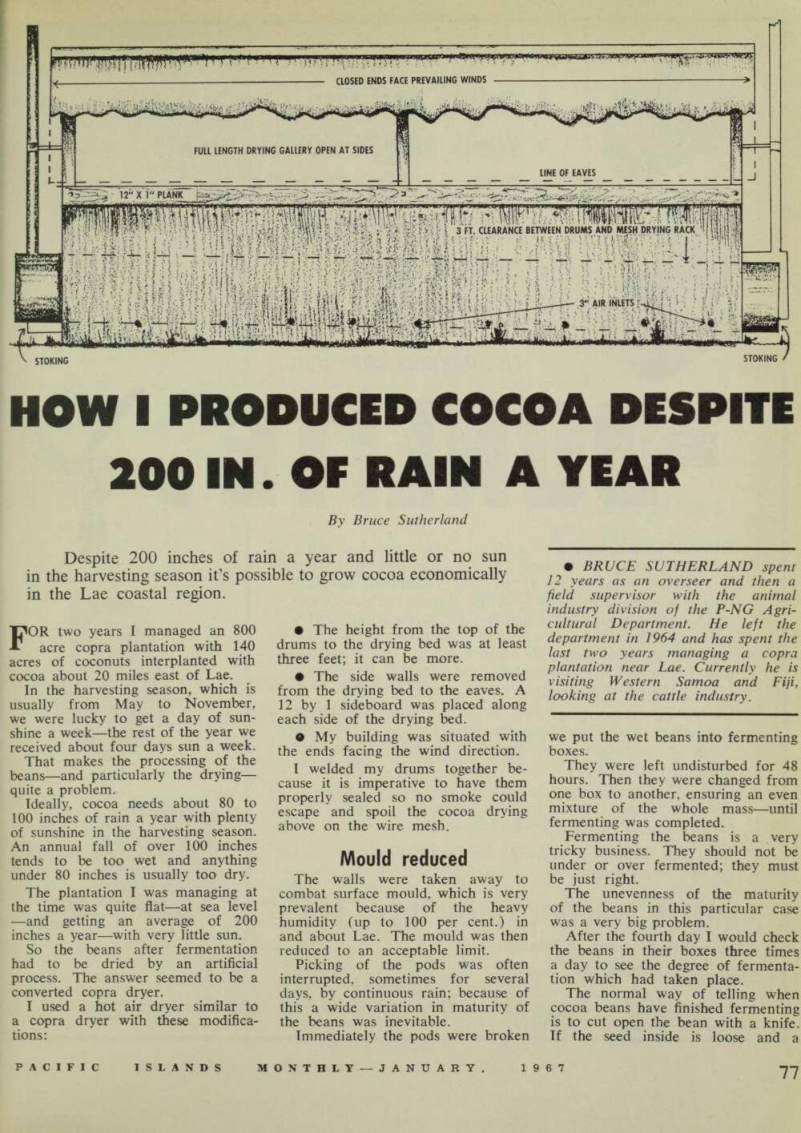 79
79 80
80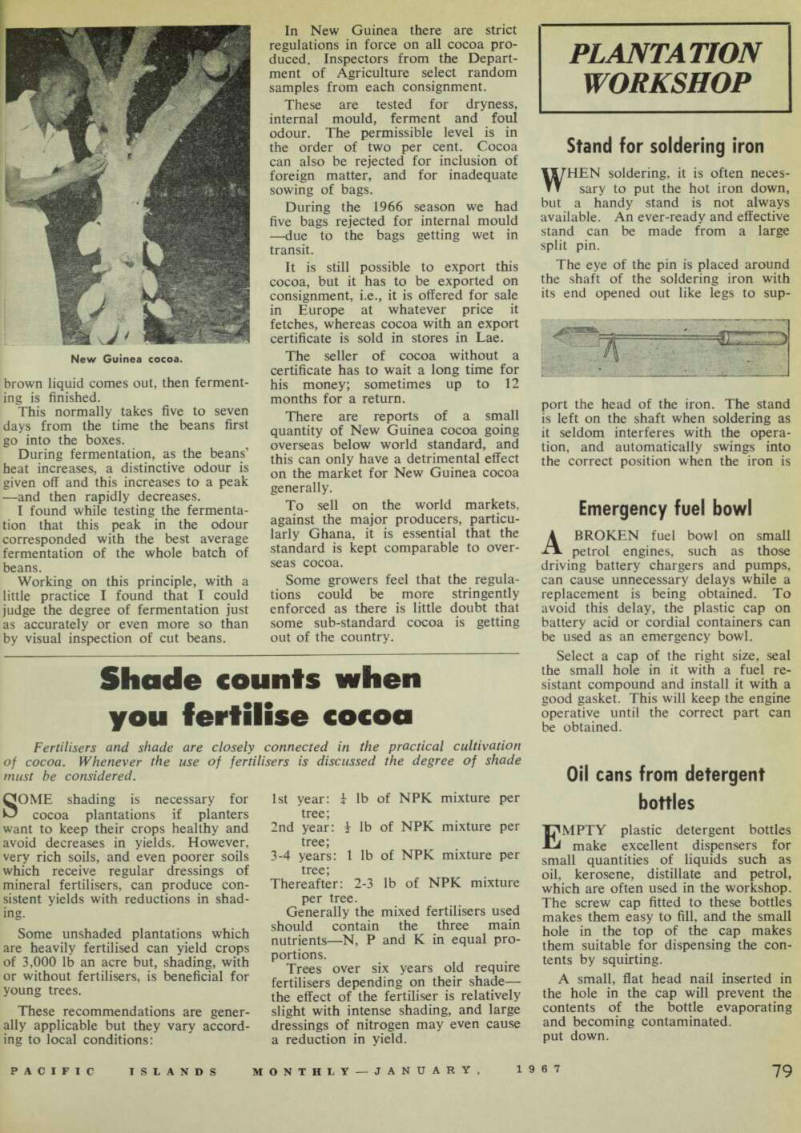 81
81 82
82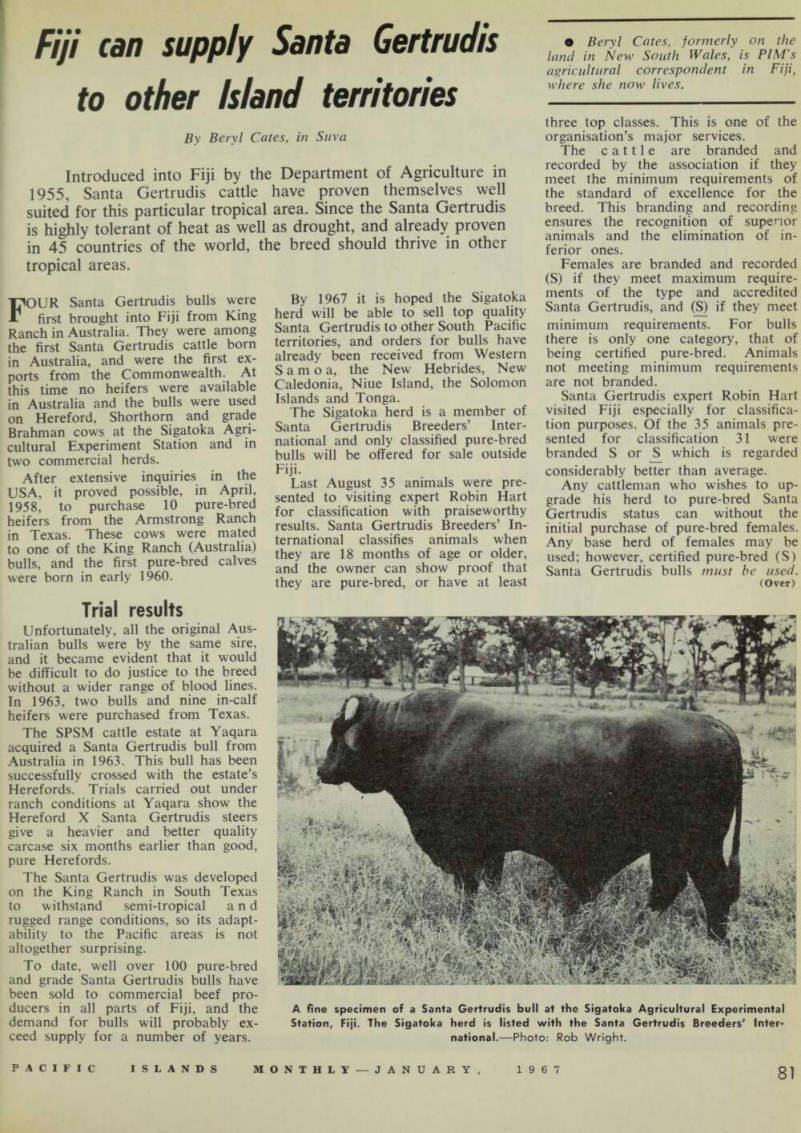 83
83 84
84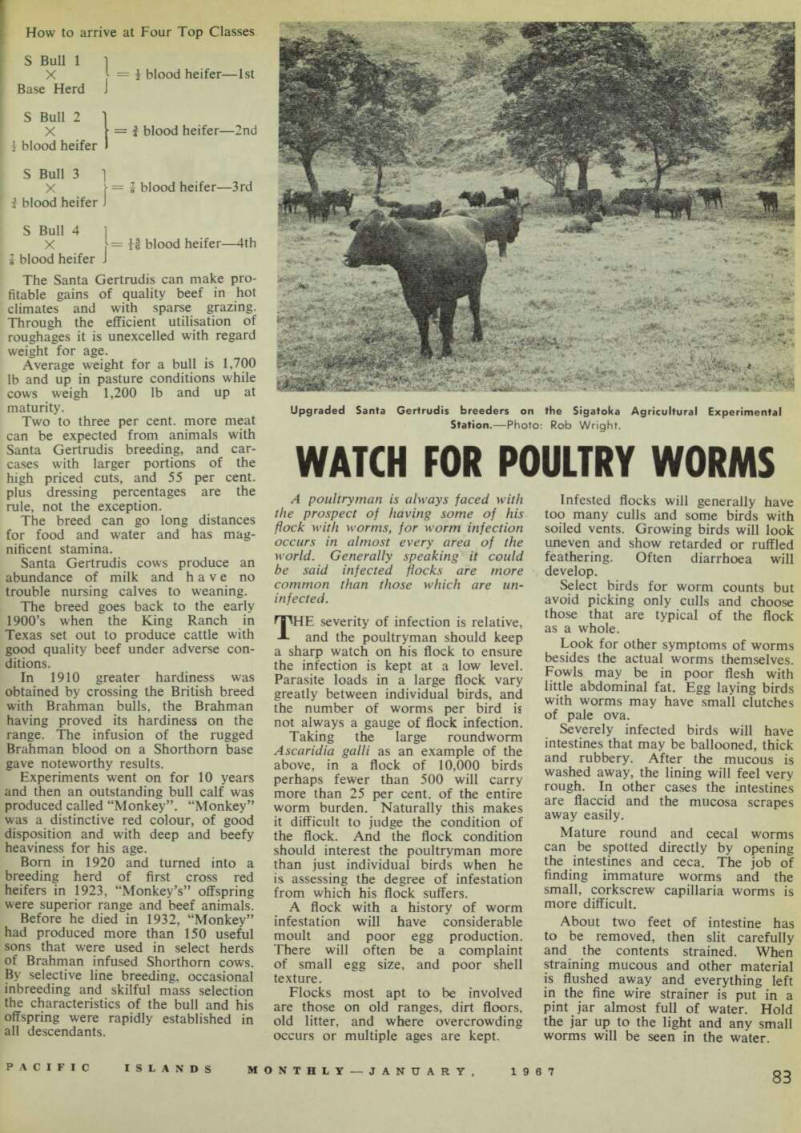 85
85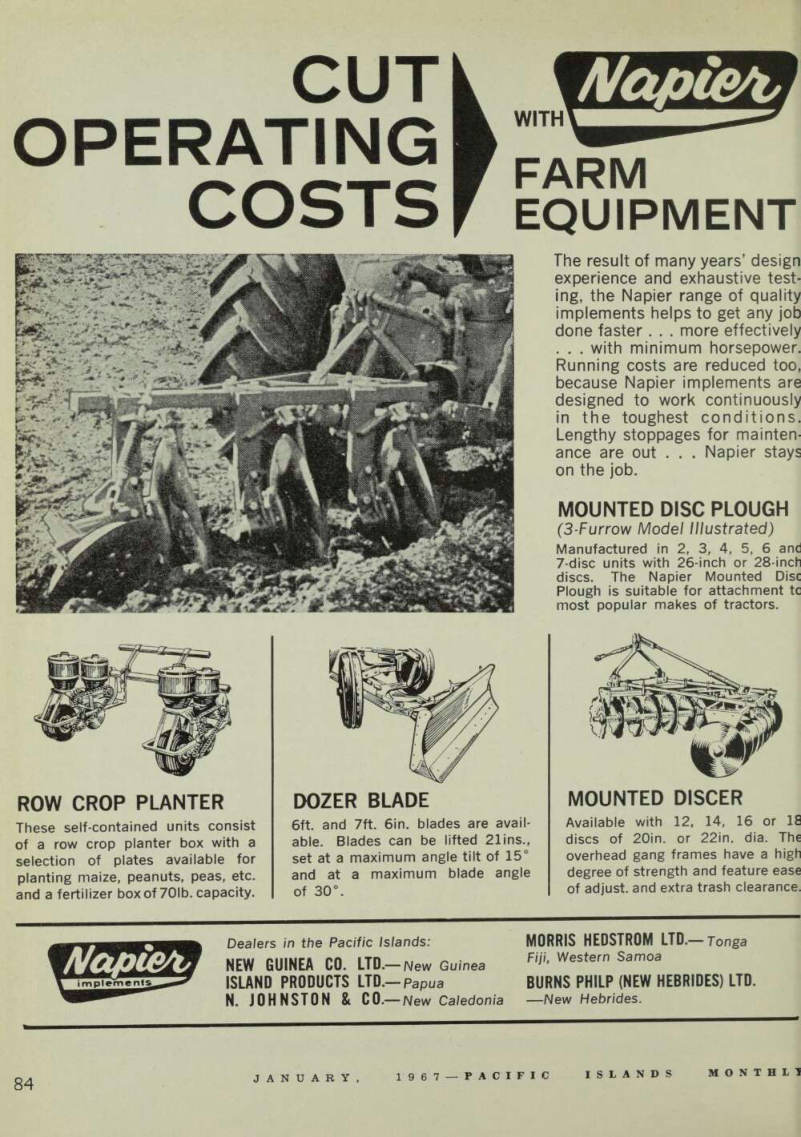 86
86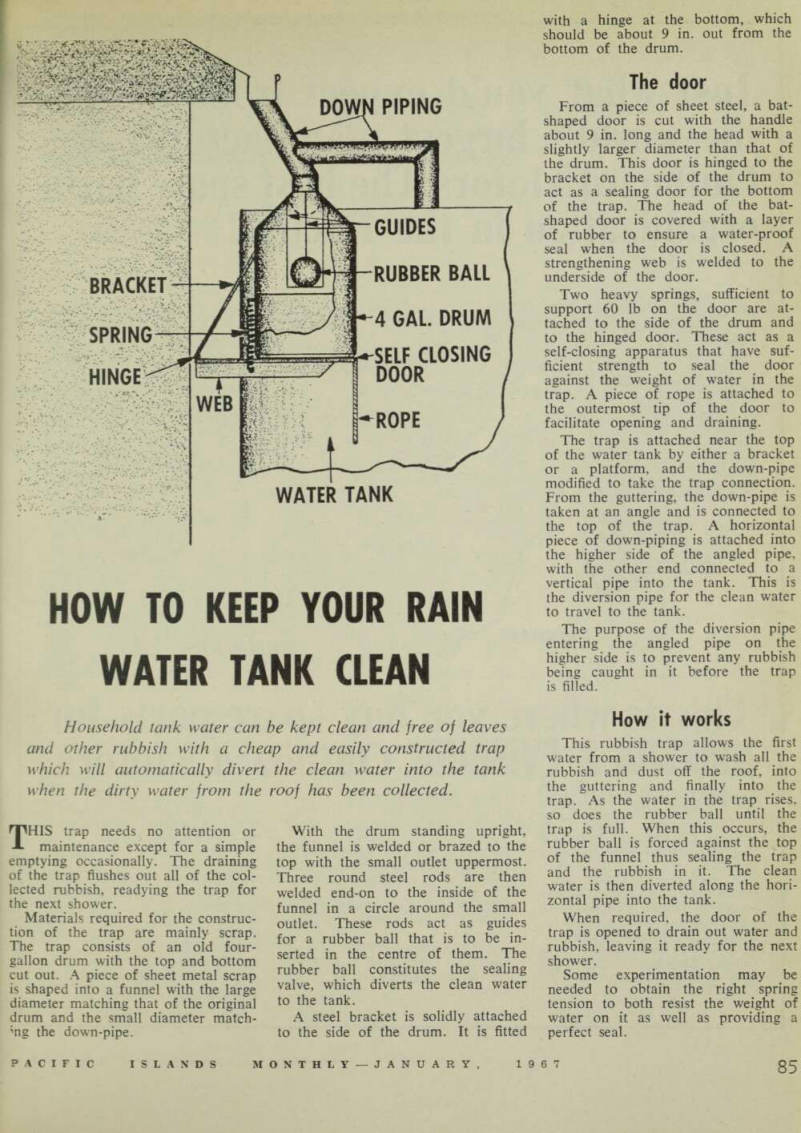 87
87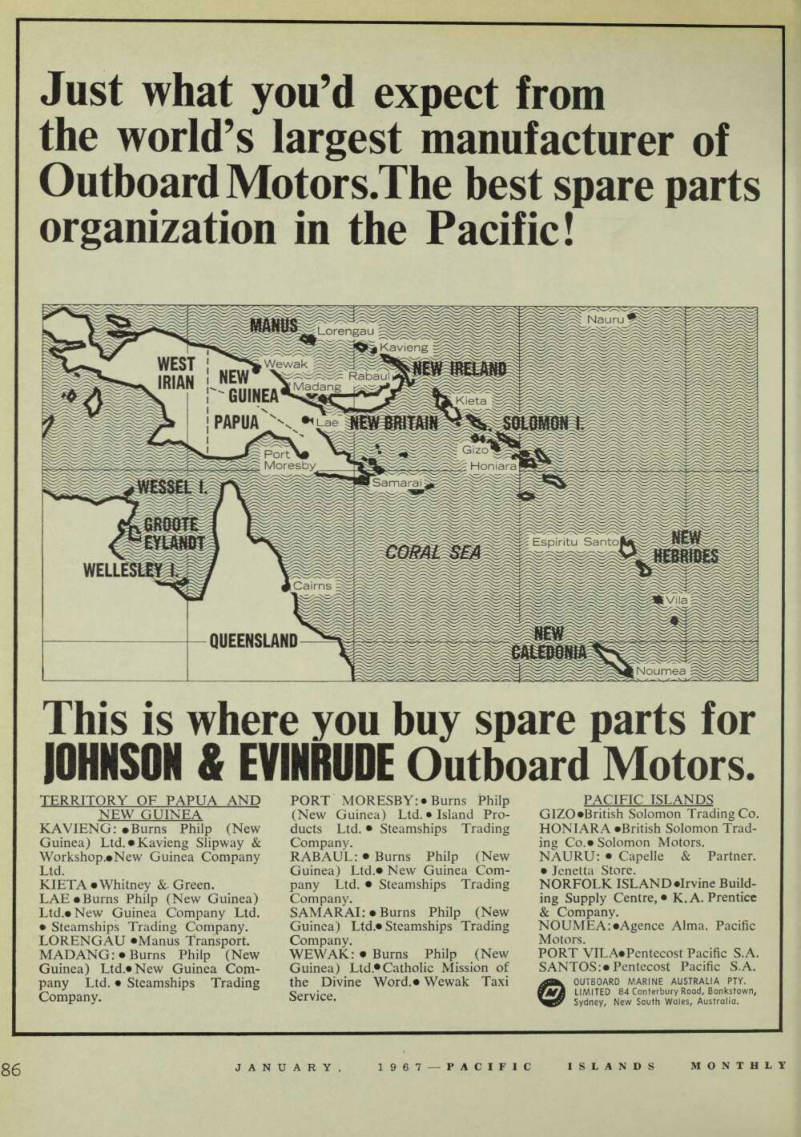 88
88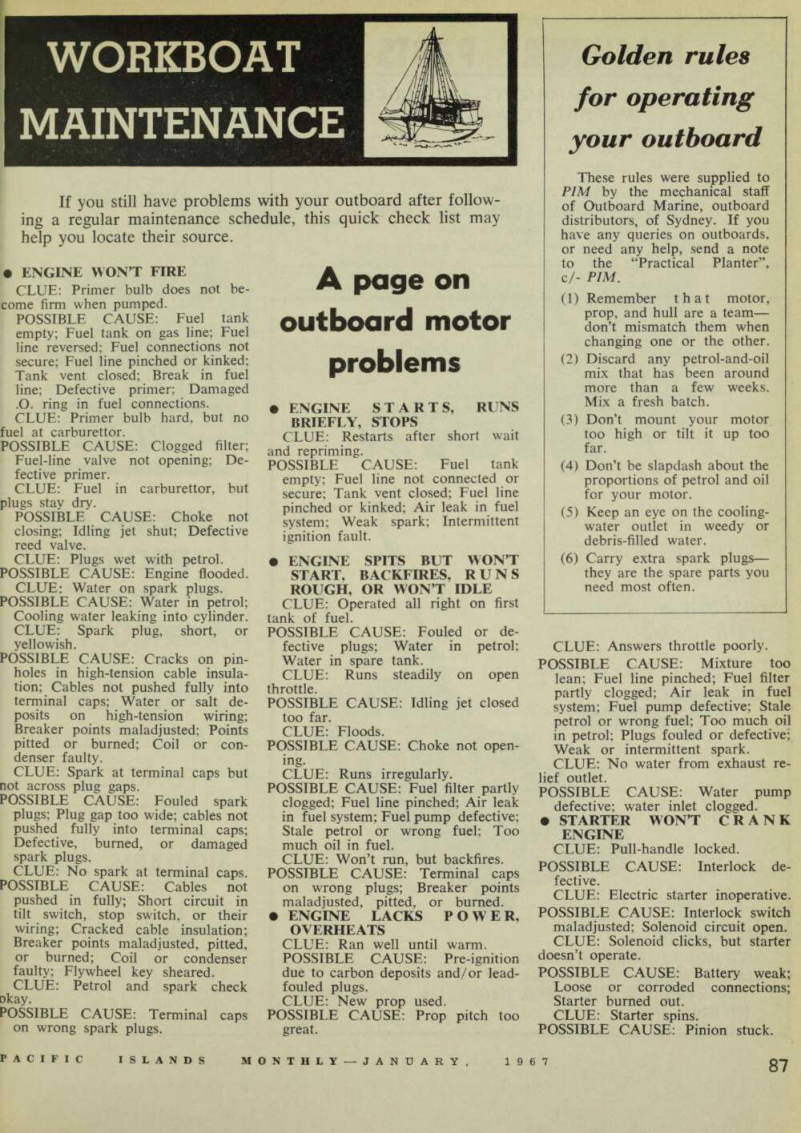 89
89 90
90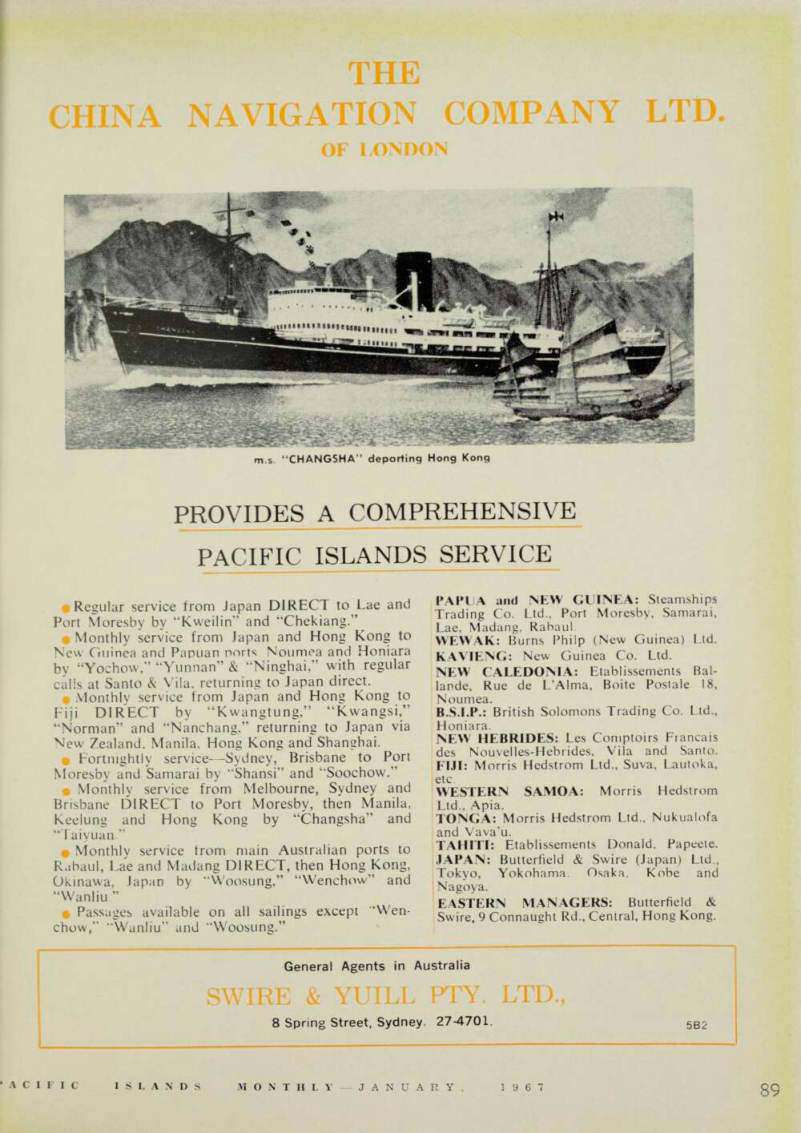 91
91 92
92 93
93 94
94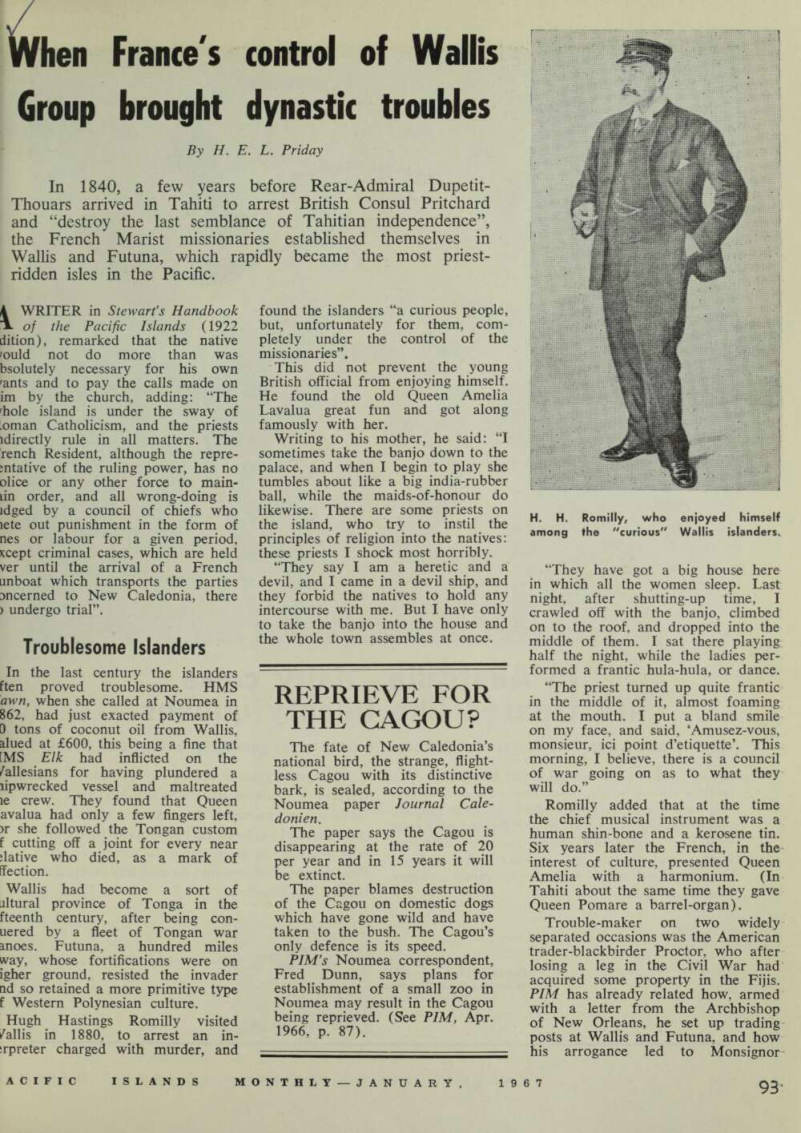 95
95 96
96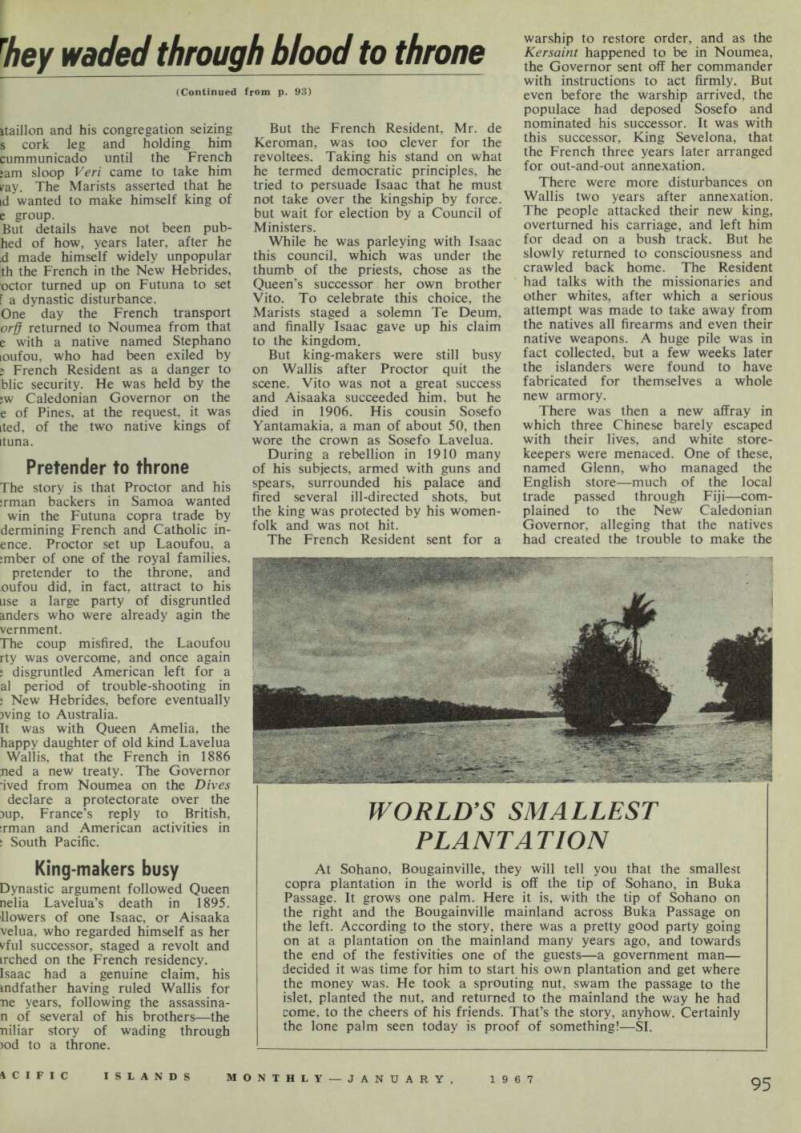 97
97 98
98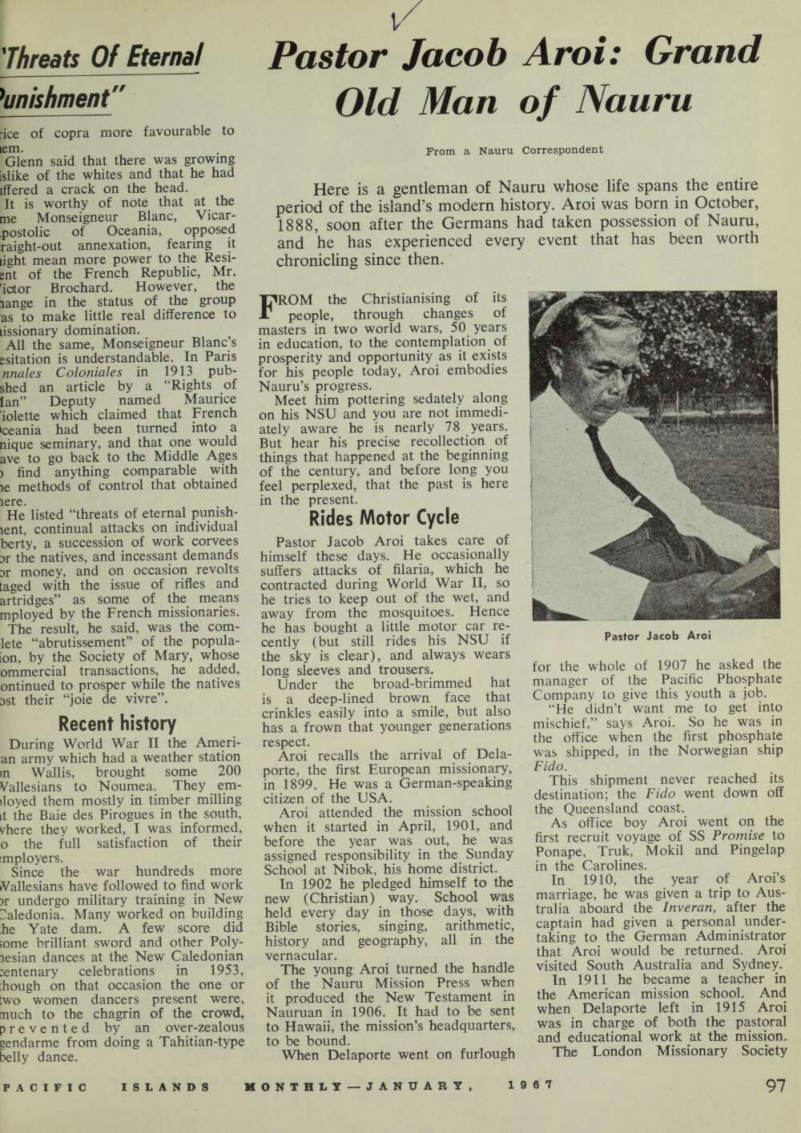 99
99 100
100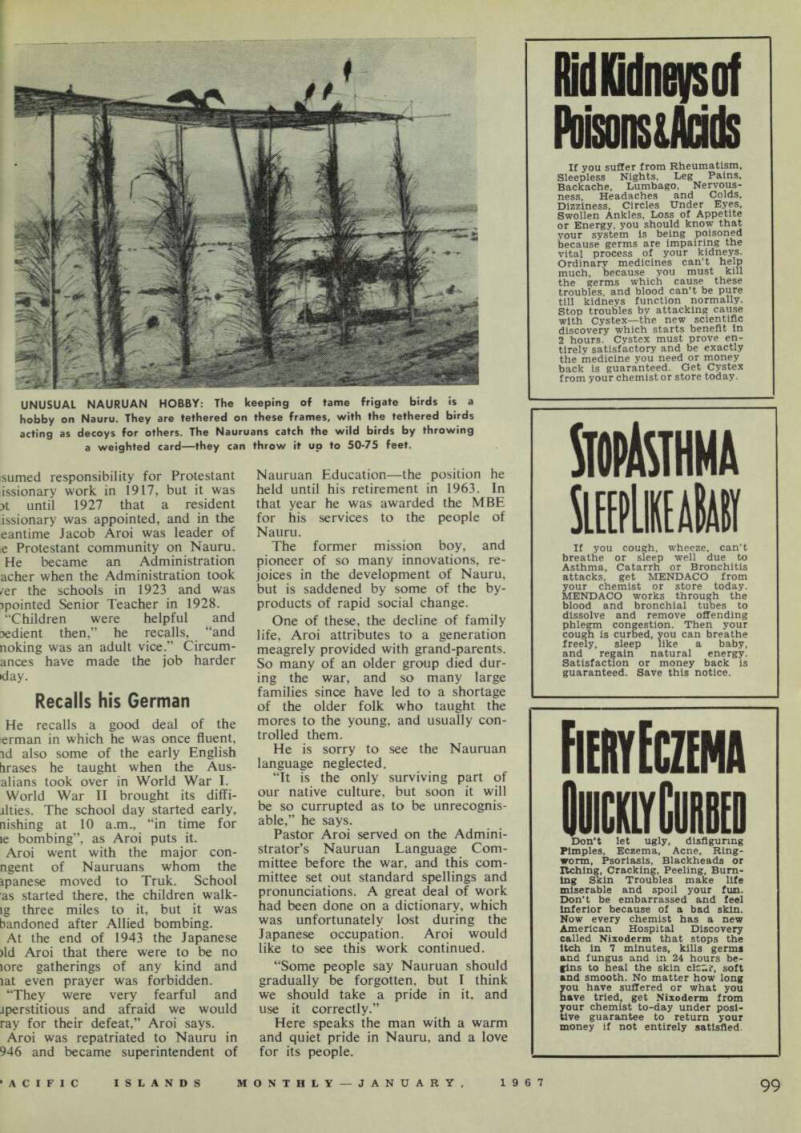 101
101 102
102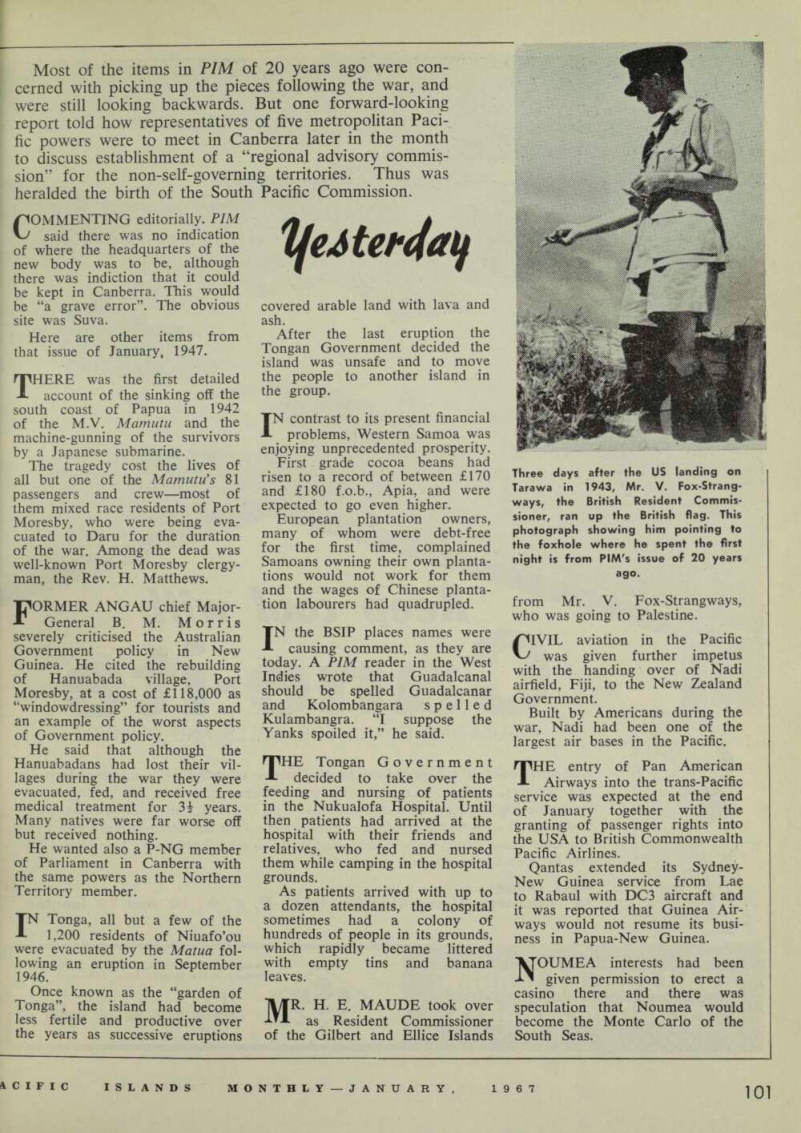 103
103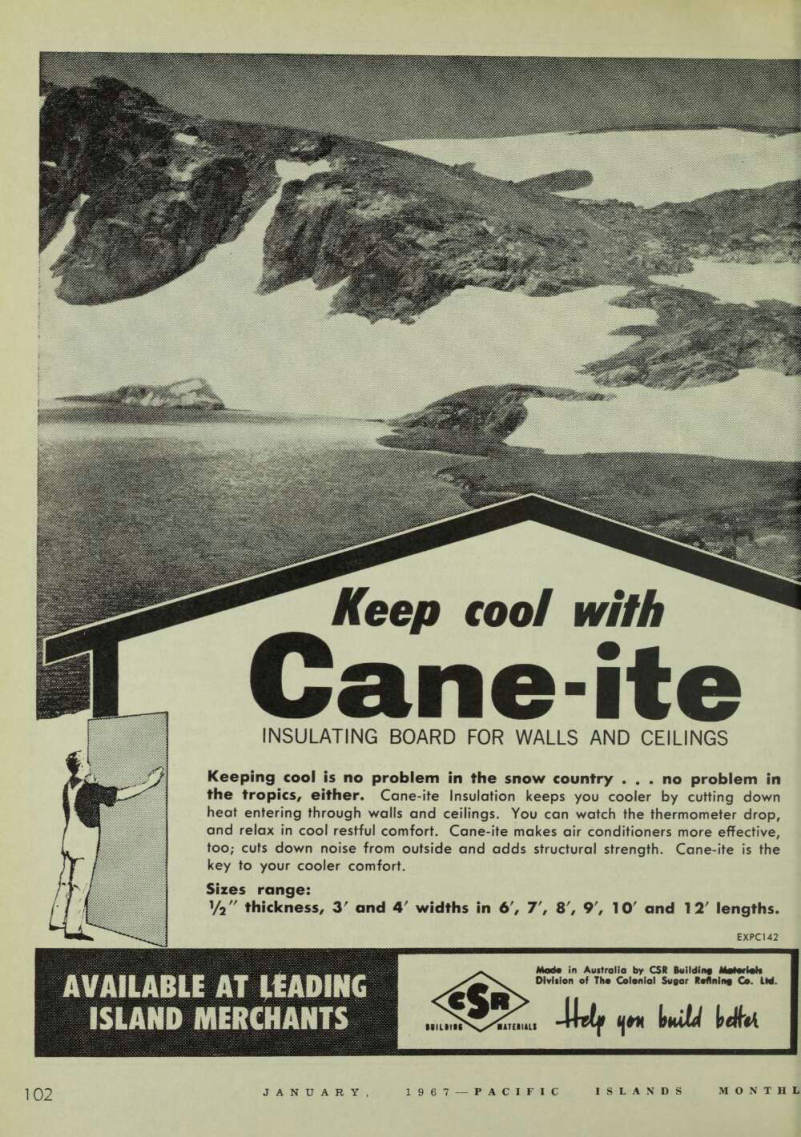 104
104 105
105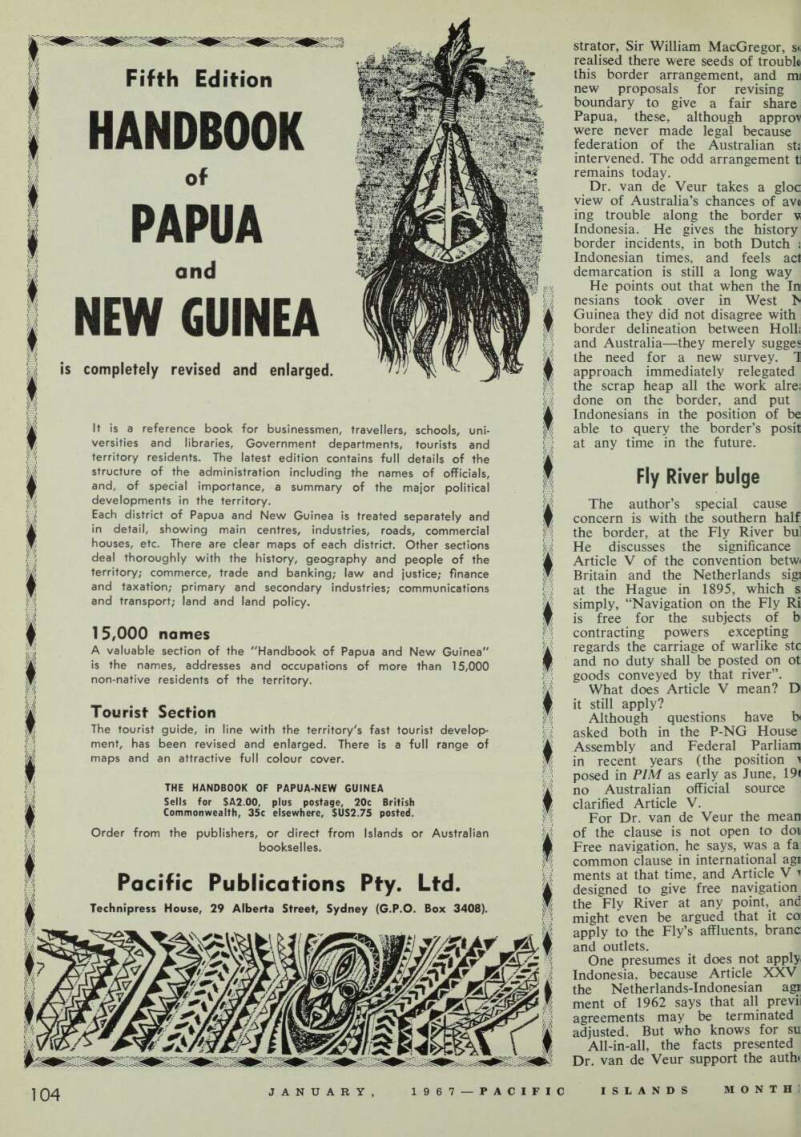 106
106 107
107 108
108 109
109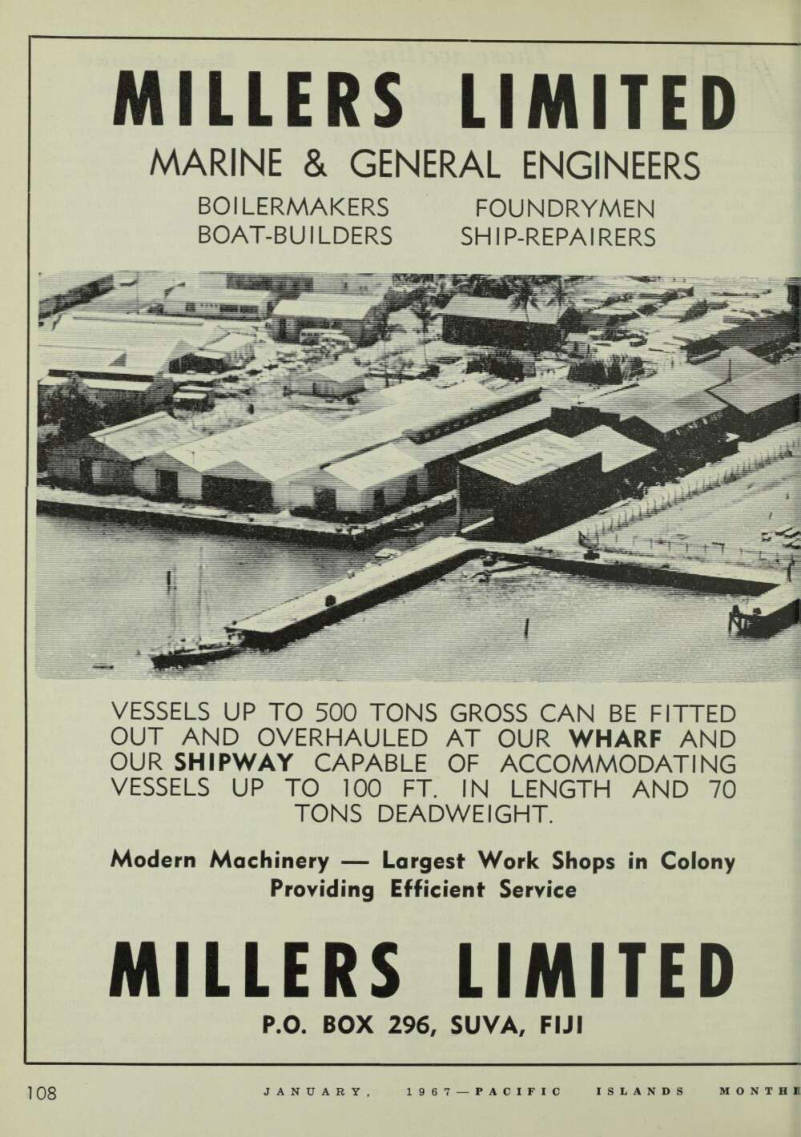 110
110 111
111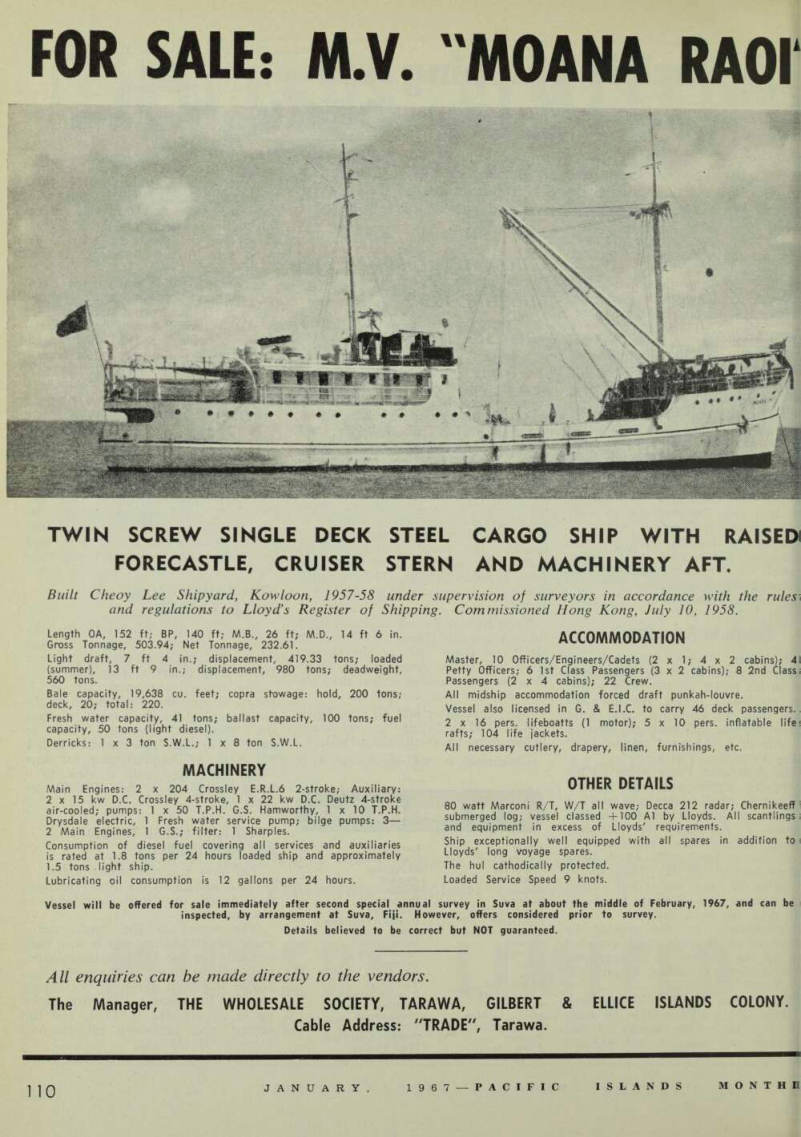 112
112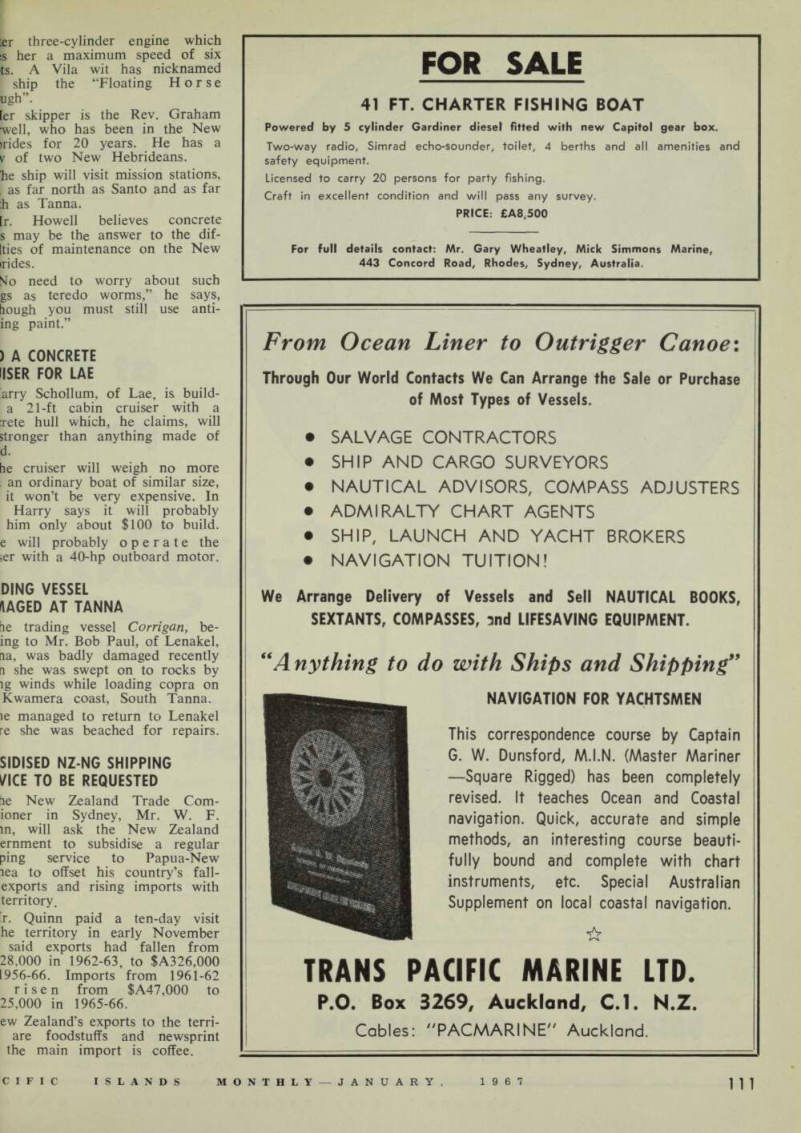 113
113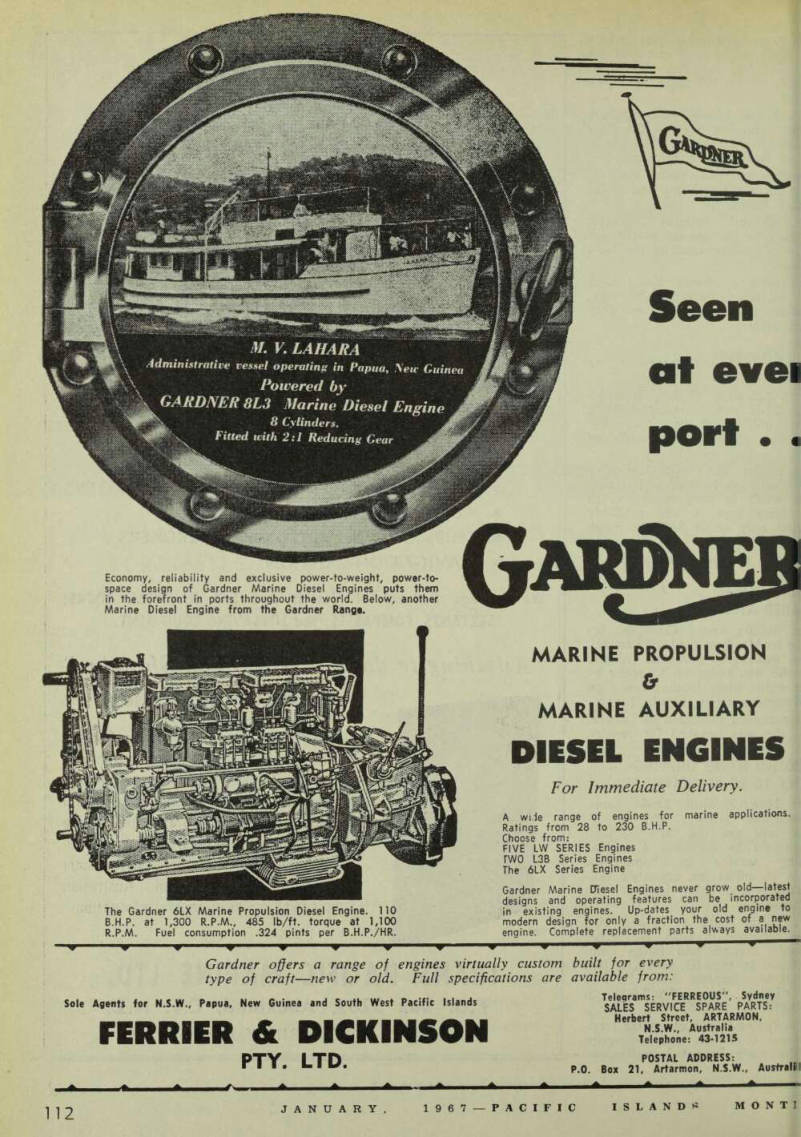 114
114 115
115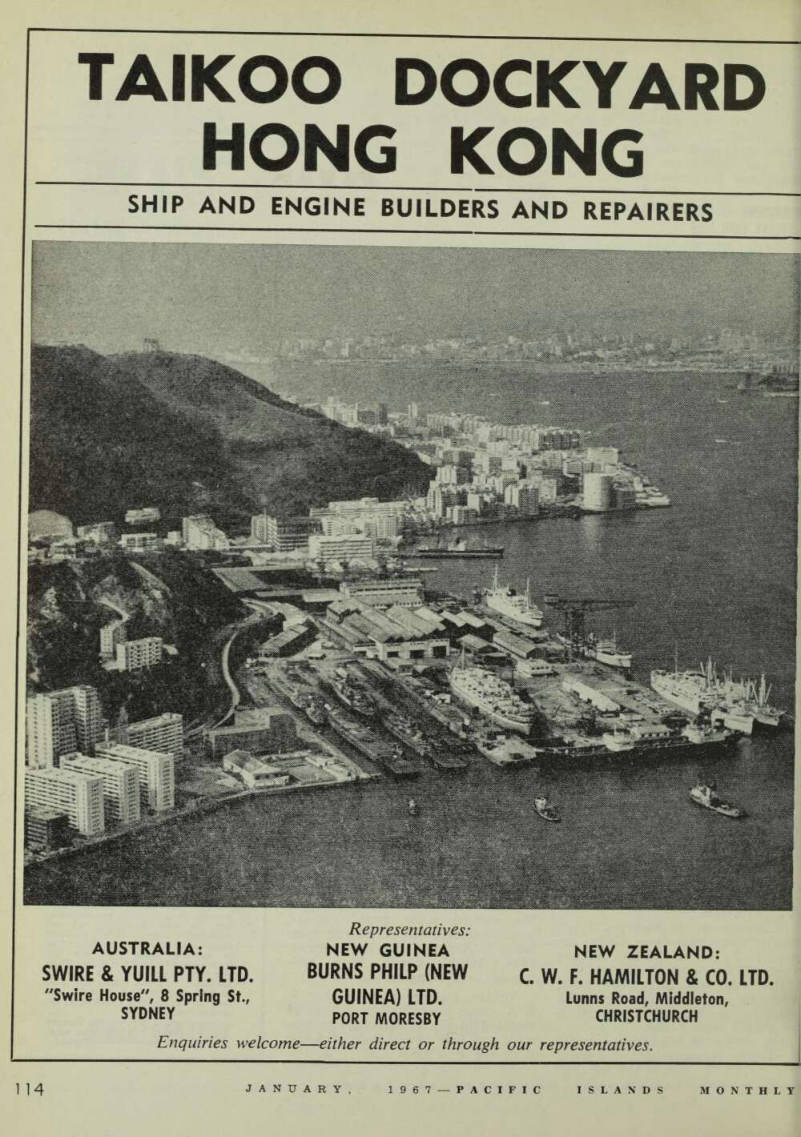 116
116 117
117 118
118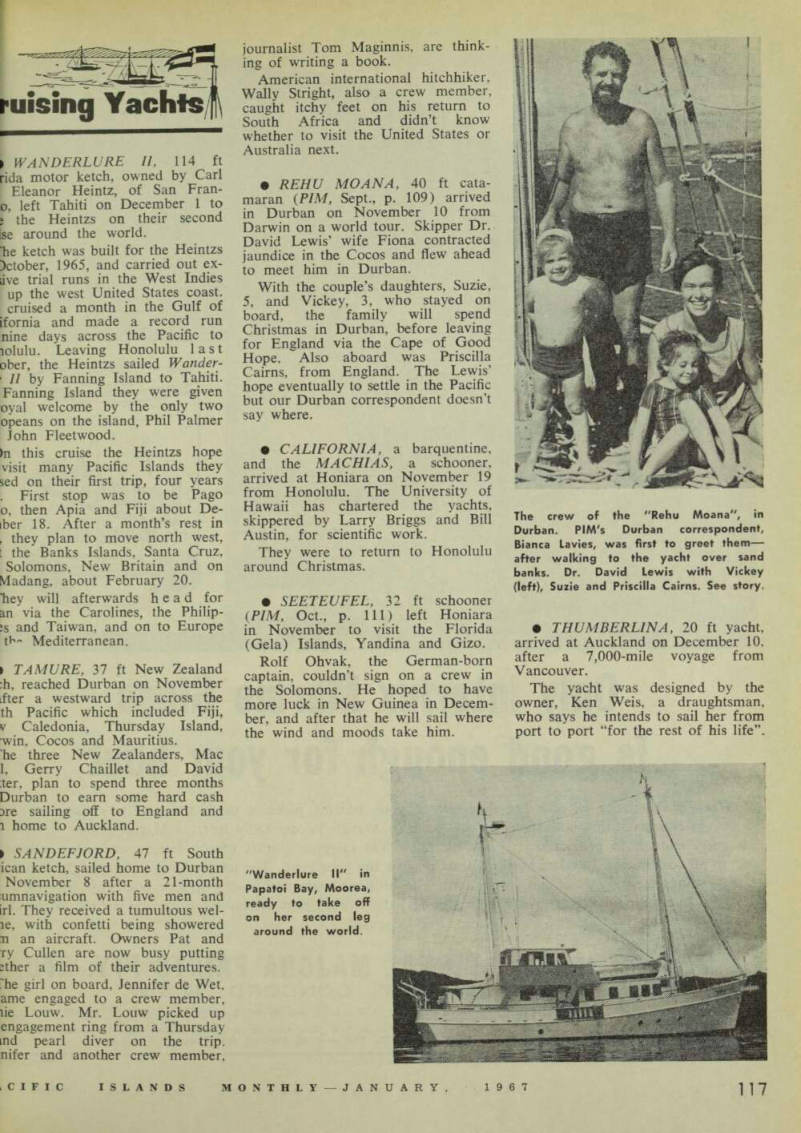 119
119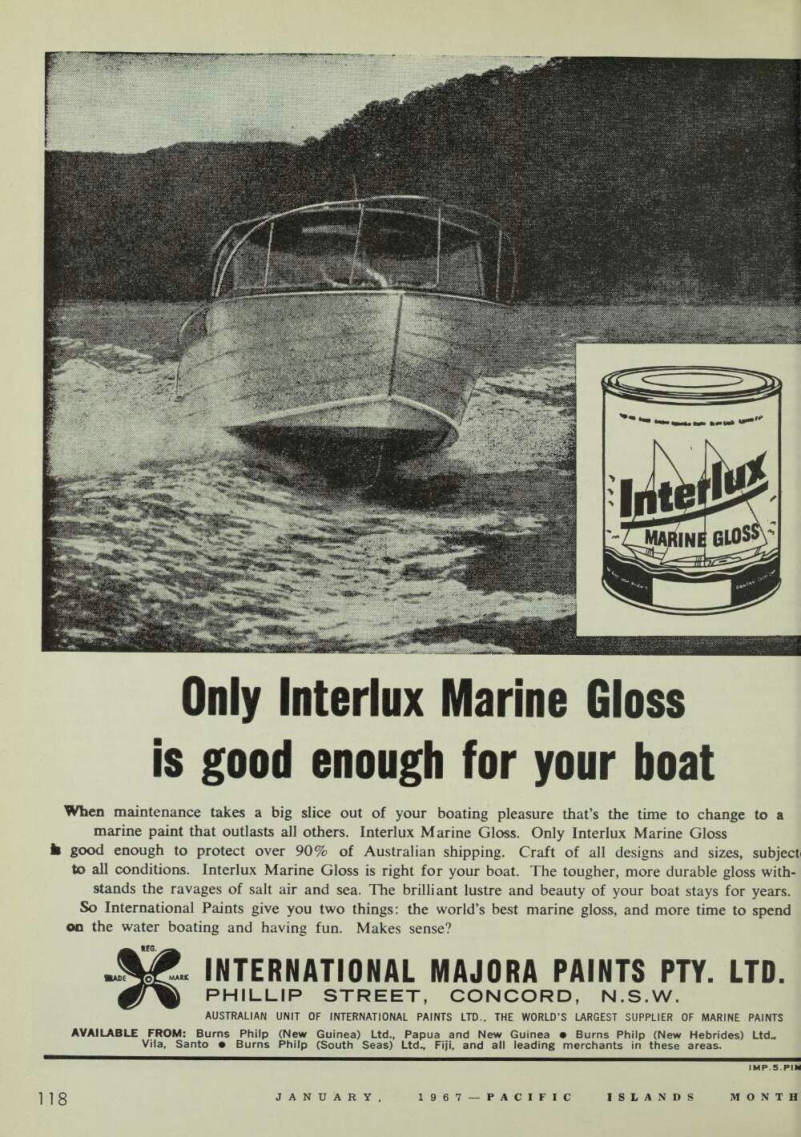 120
120 121
121 122
122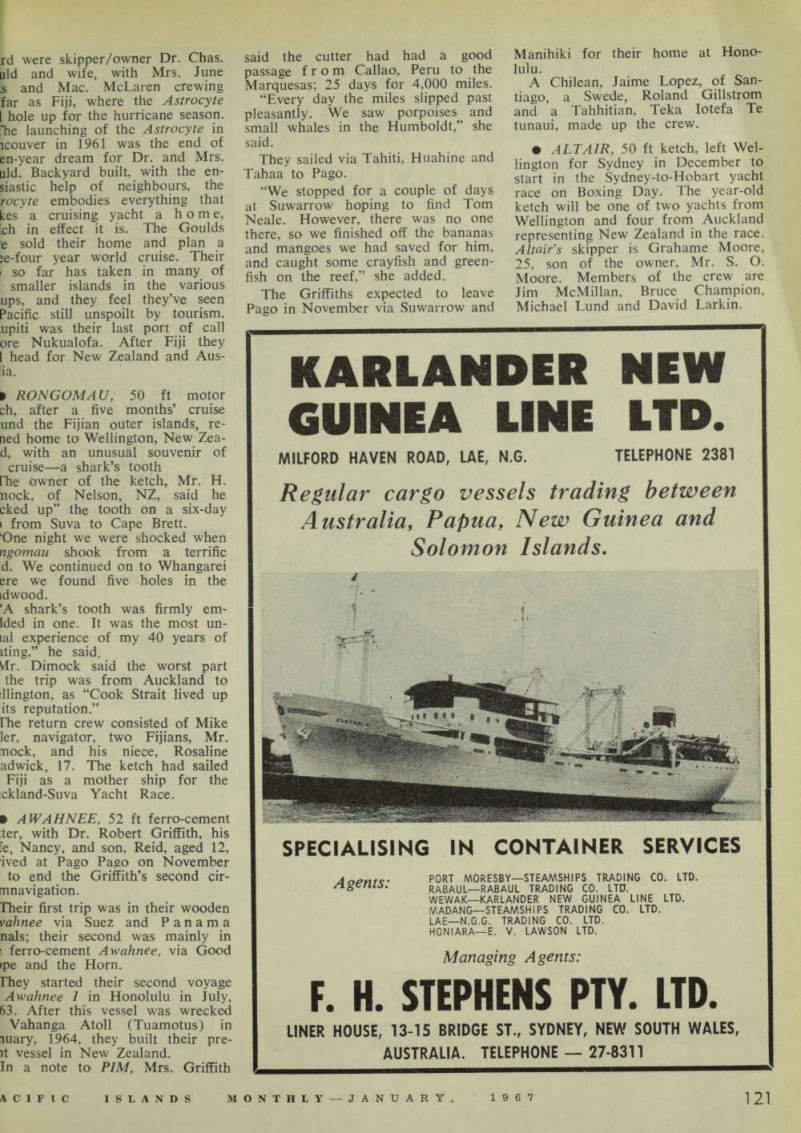 123
123 124
124 125
125 126
126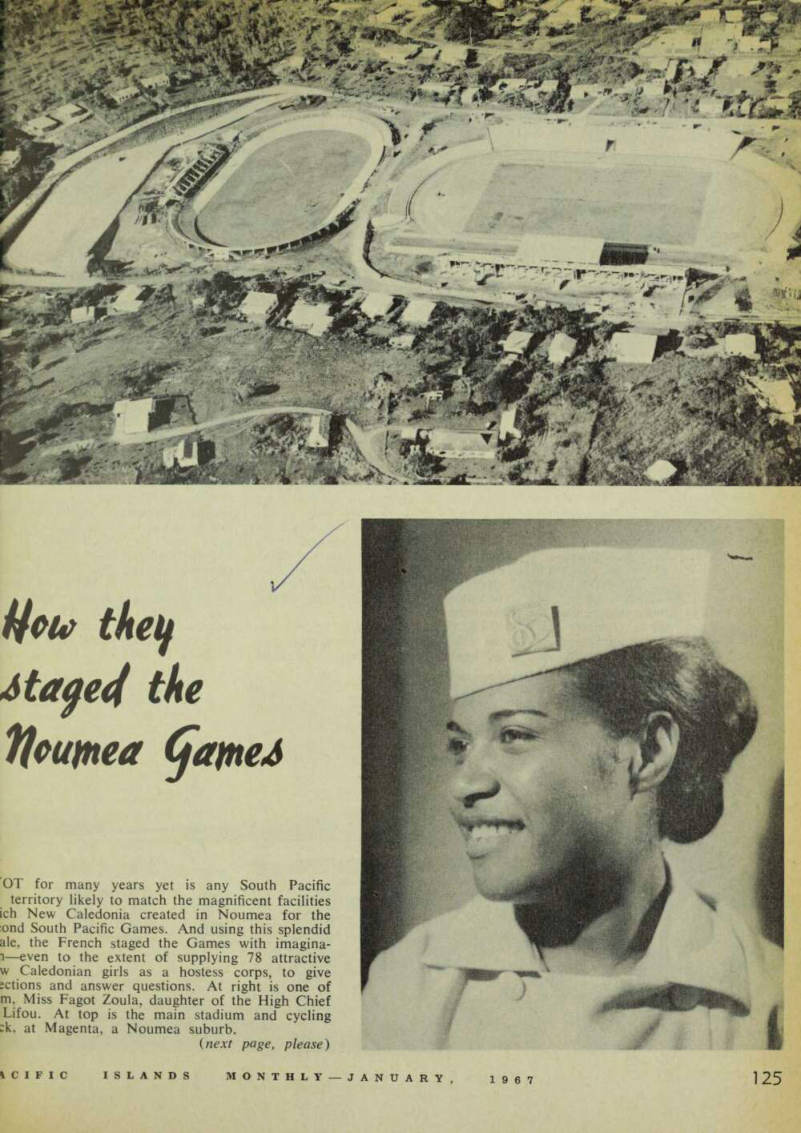 127
127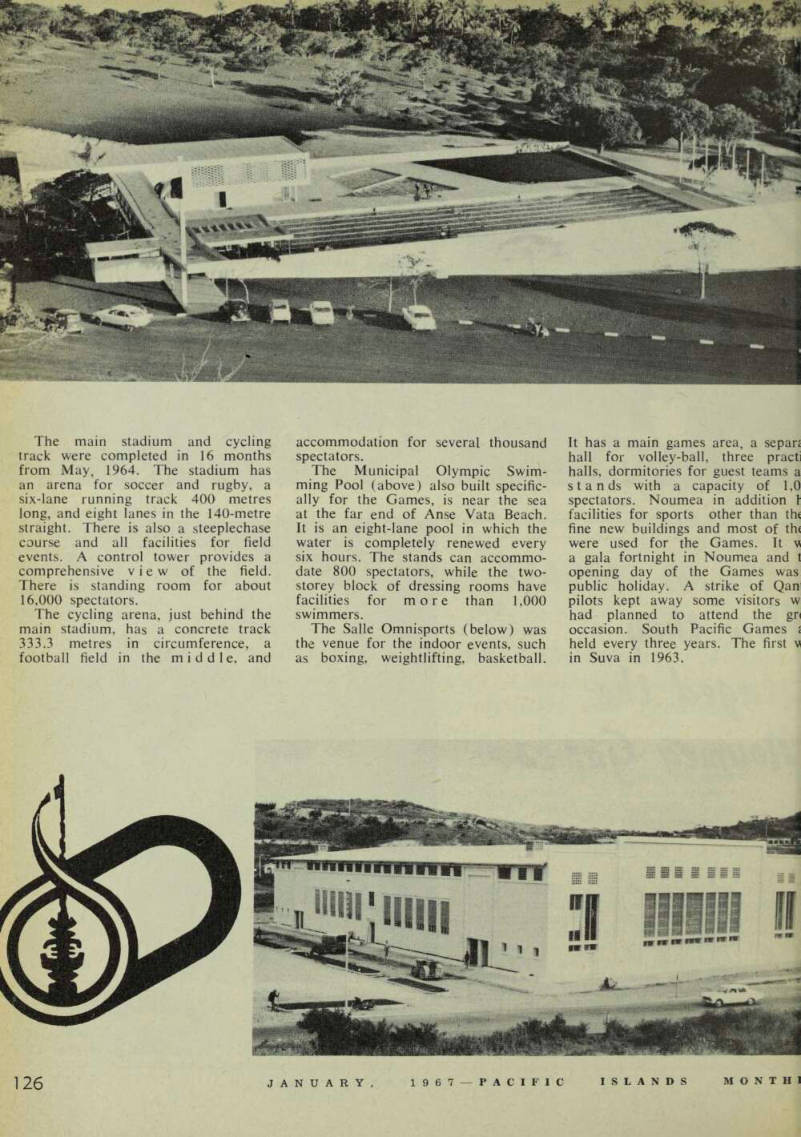 128
128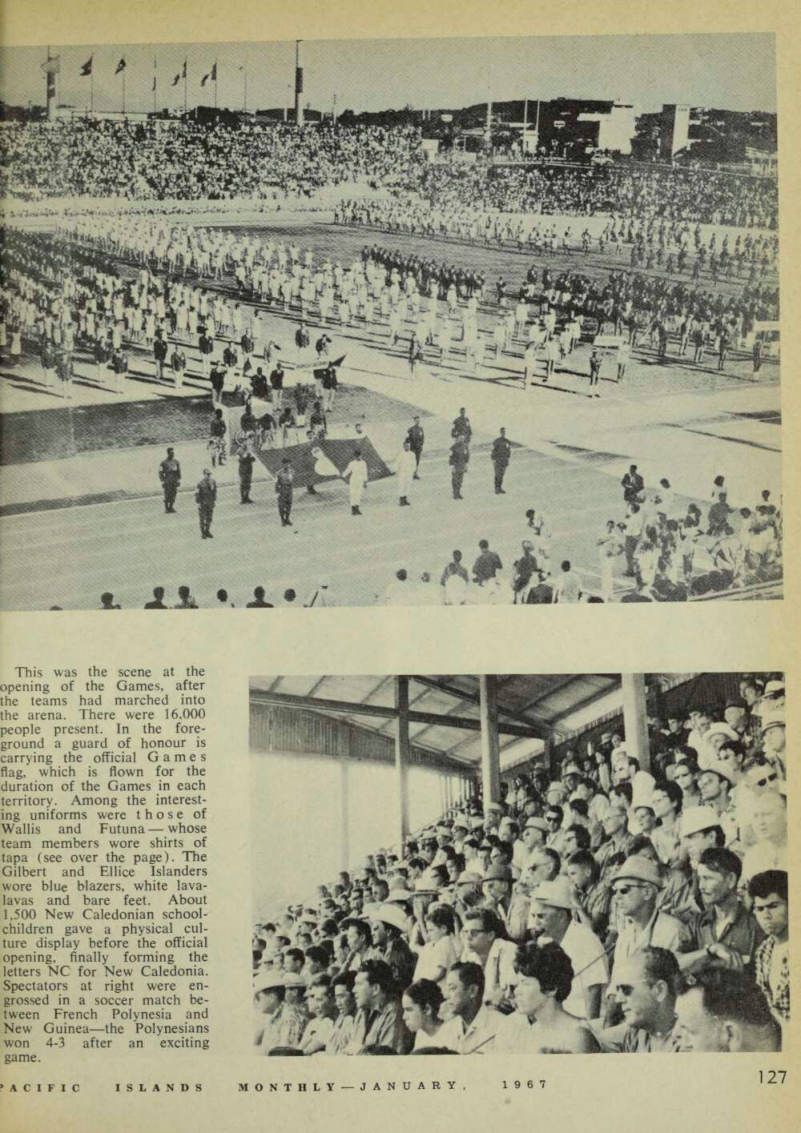 129
129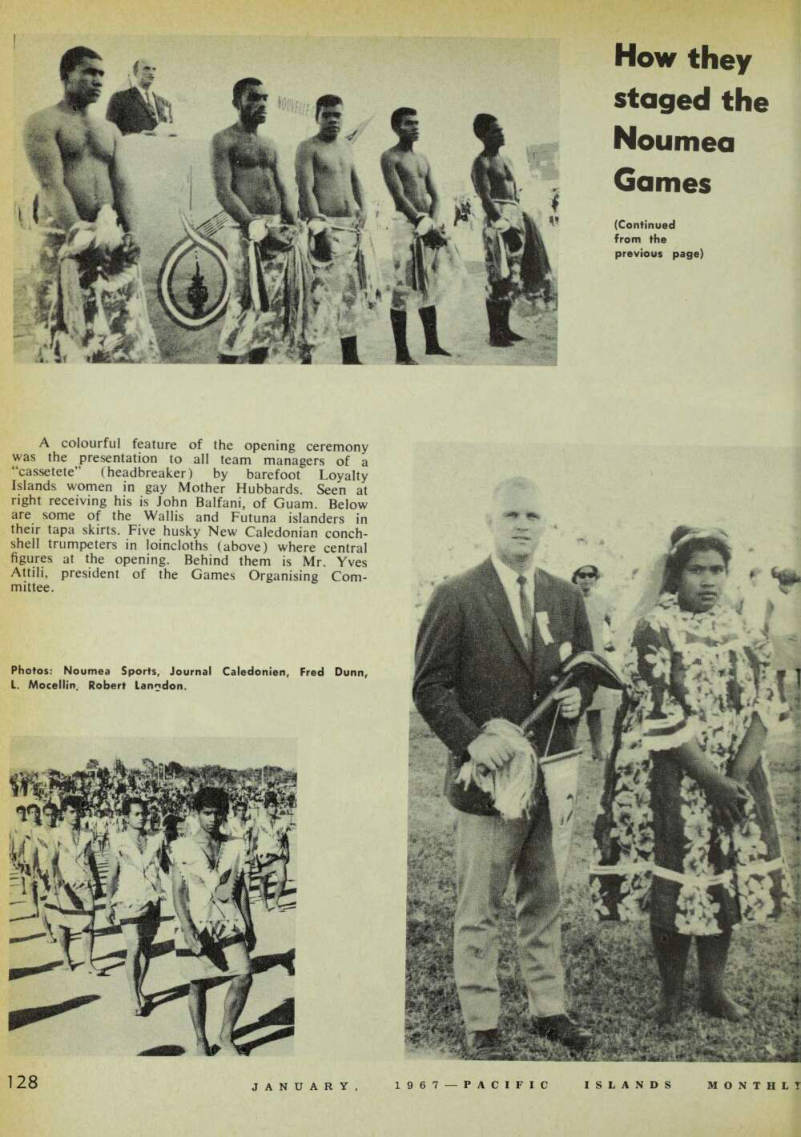 130
130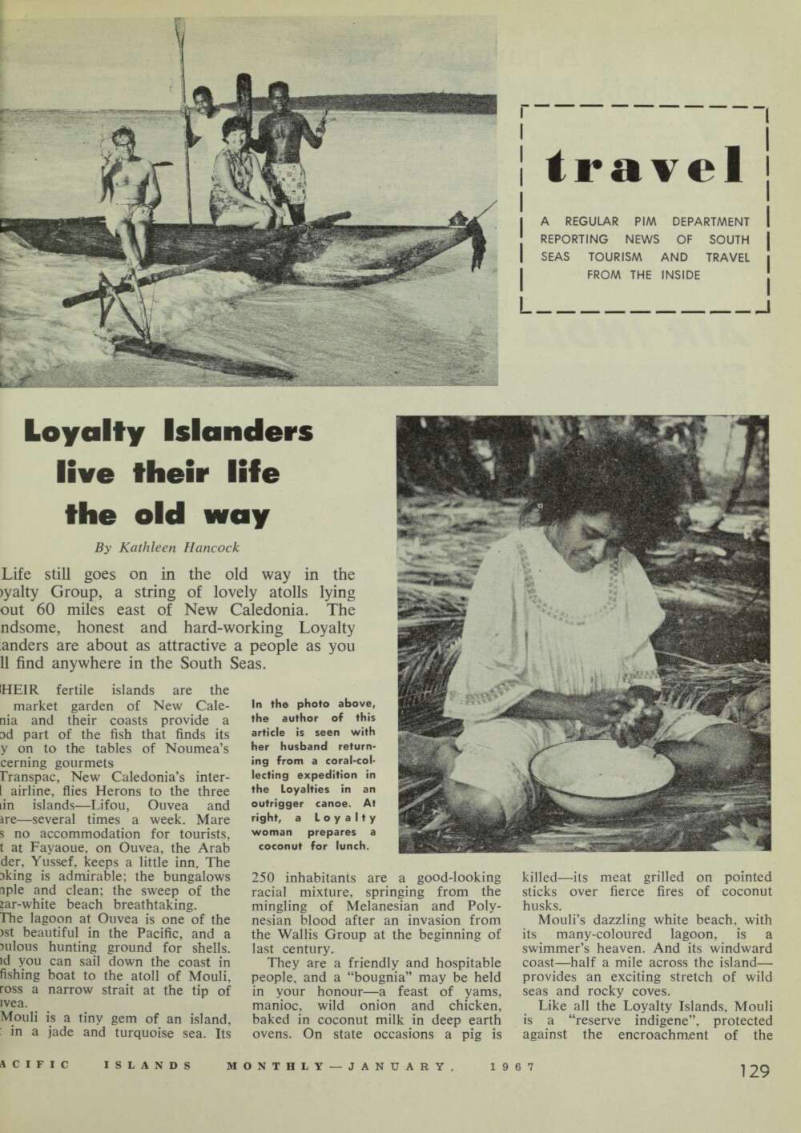 131
131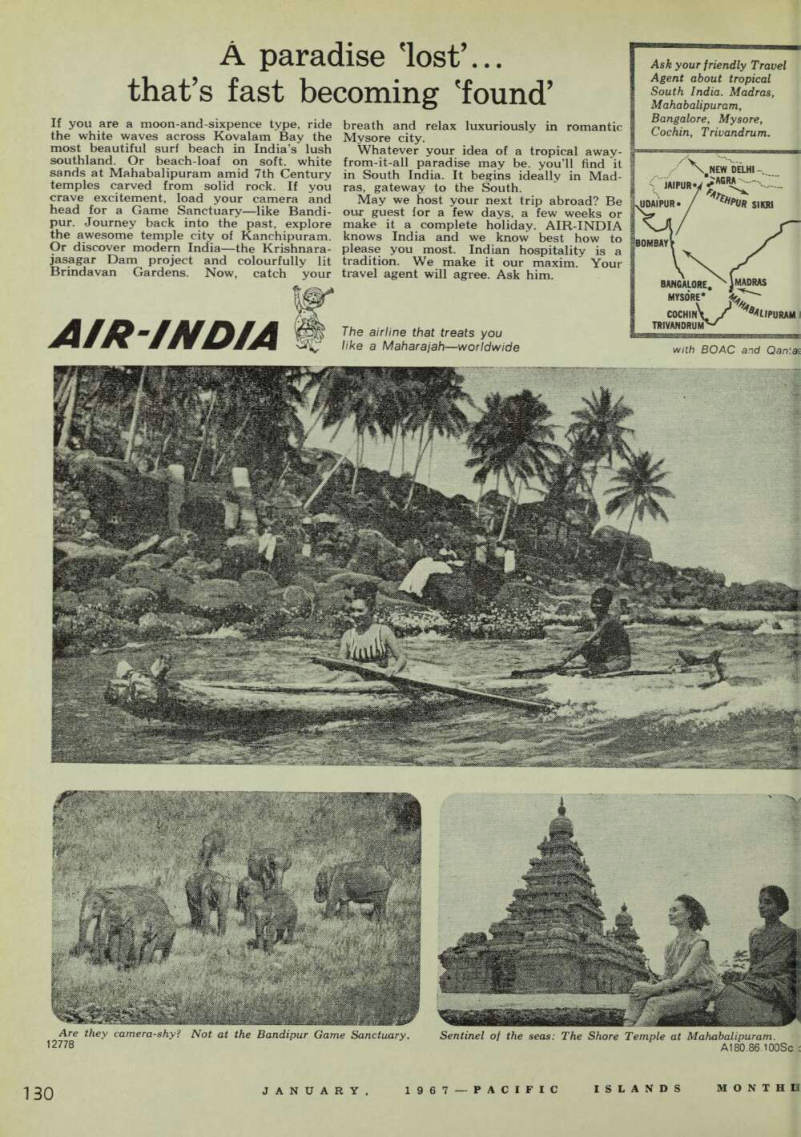 132
132 133
133 134
134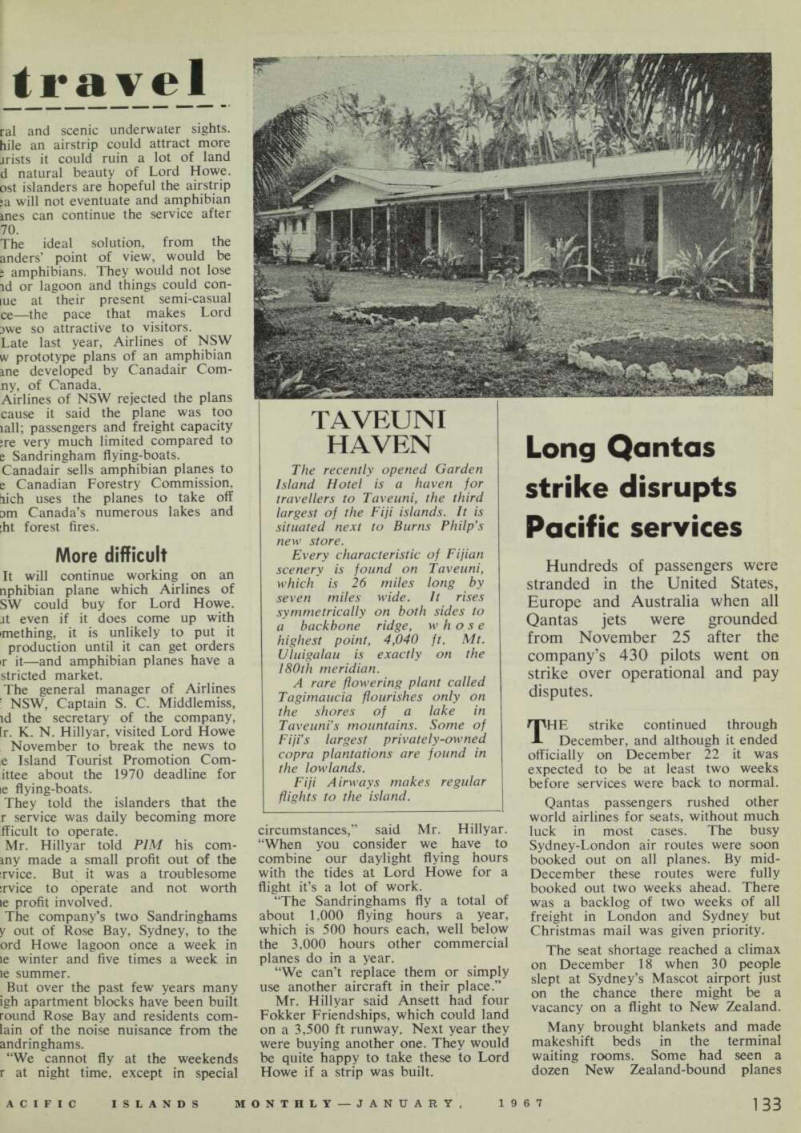 135
135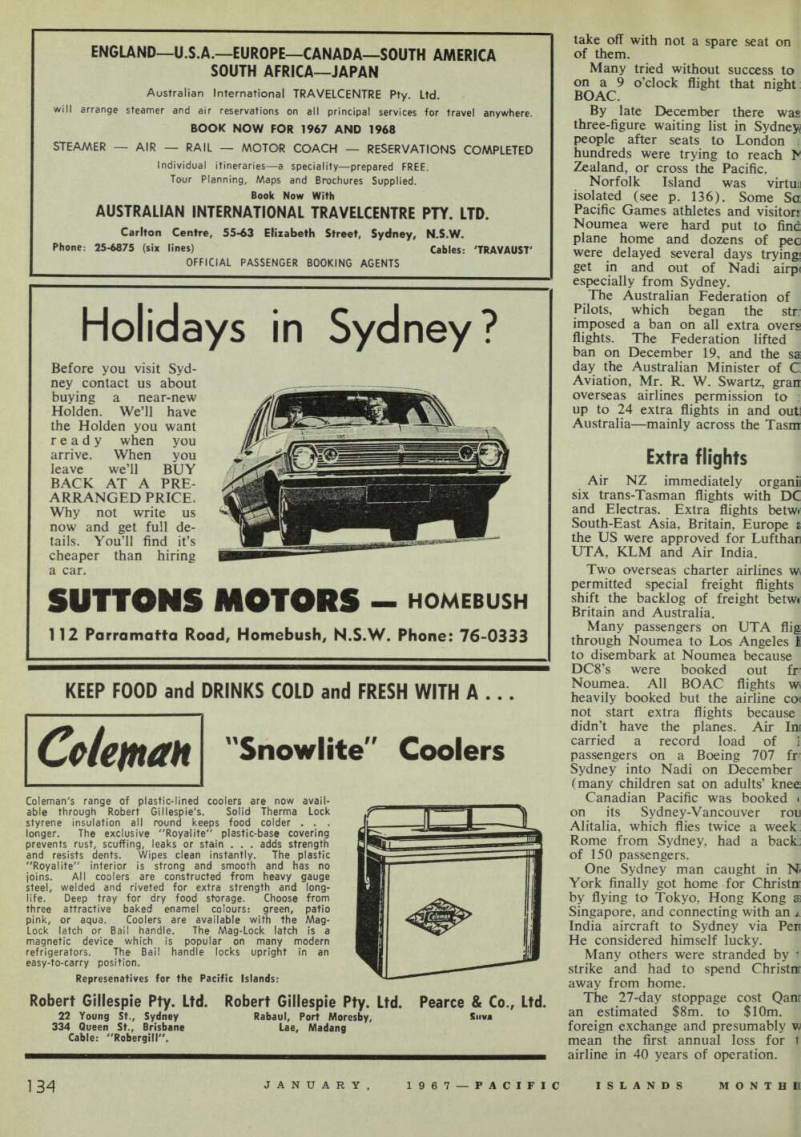 136
136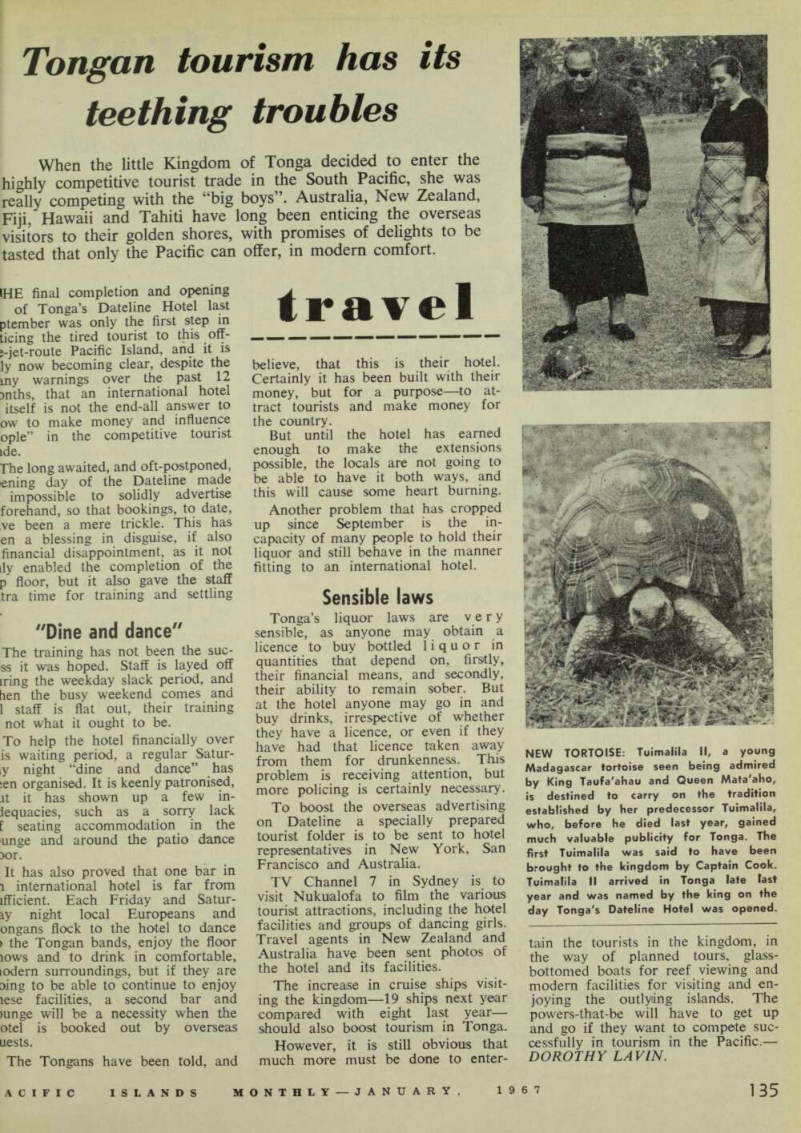 137
137 138
138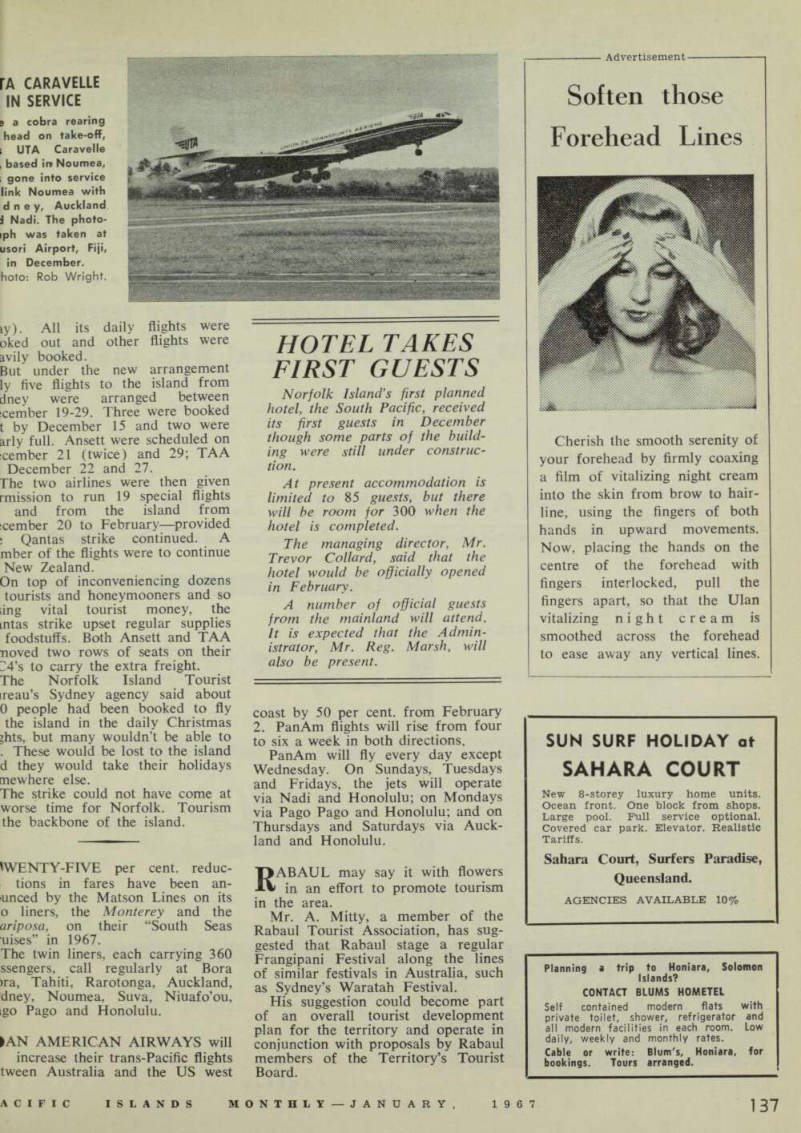 139
139 140
140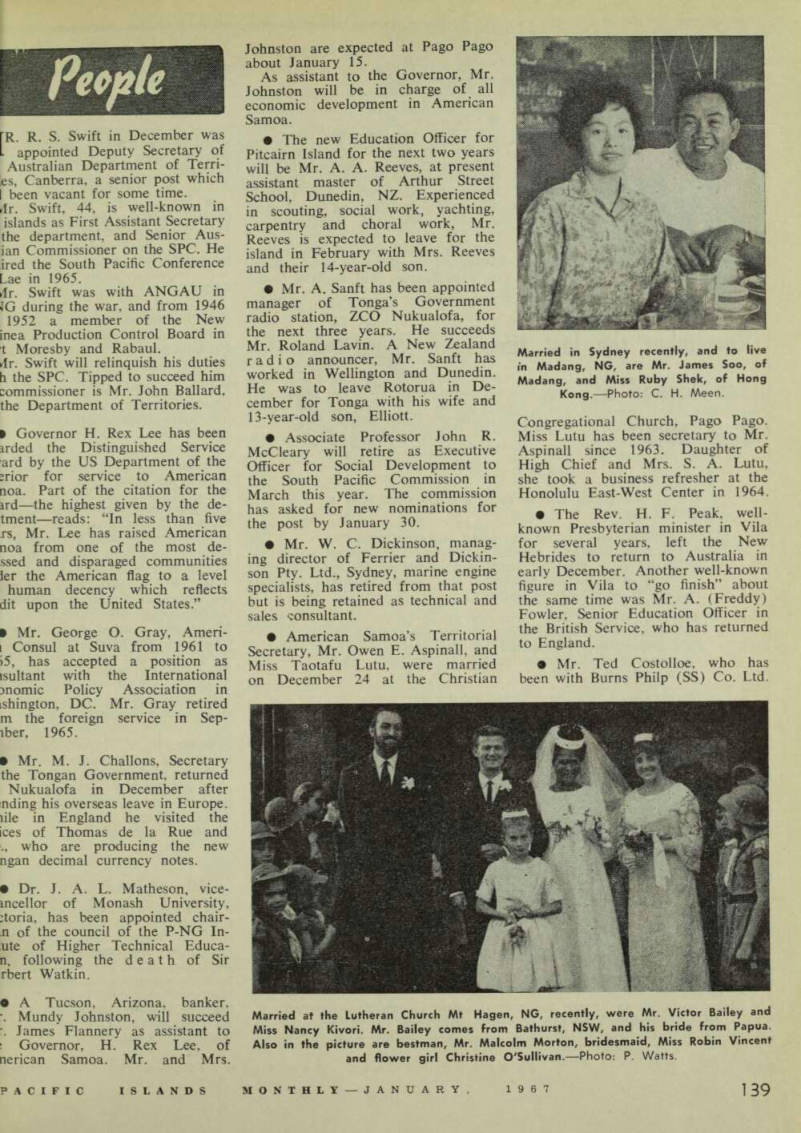 141
141 142
142 143
143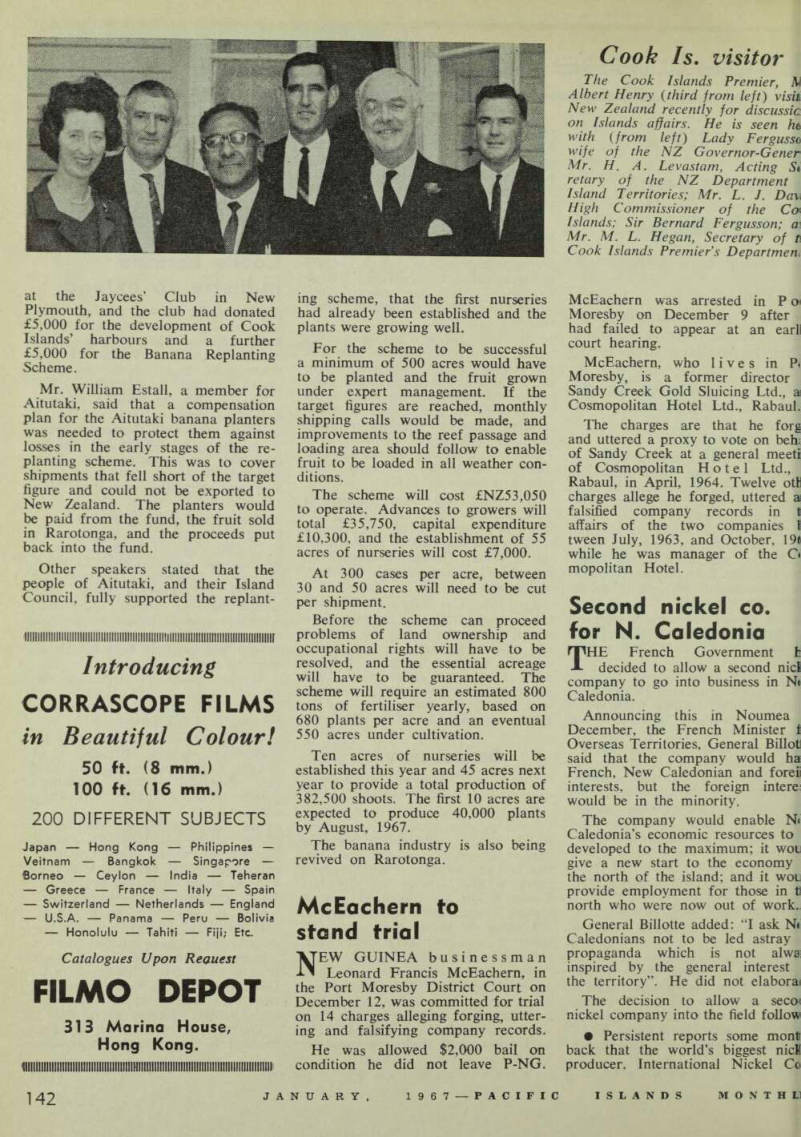 144
144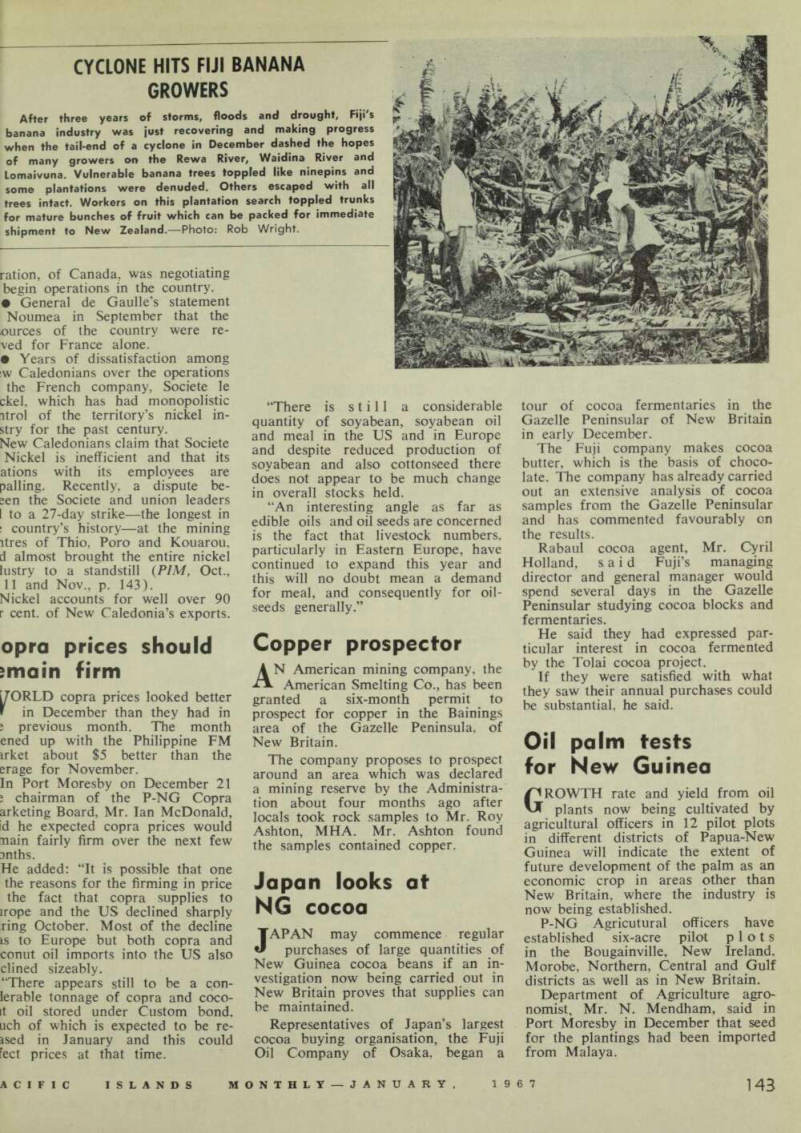 145
145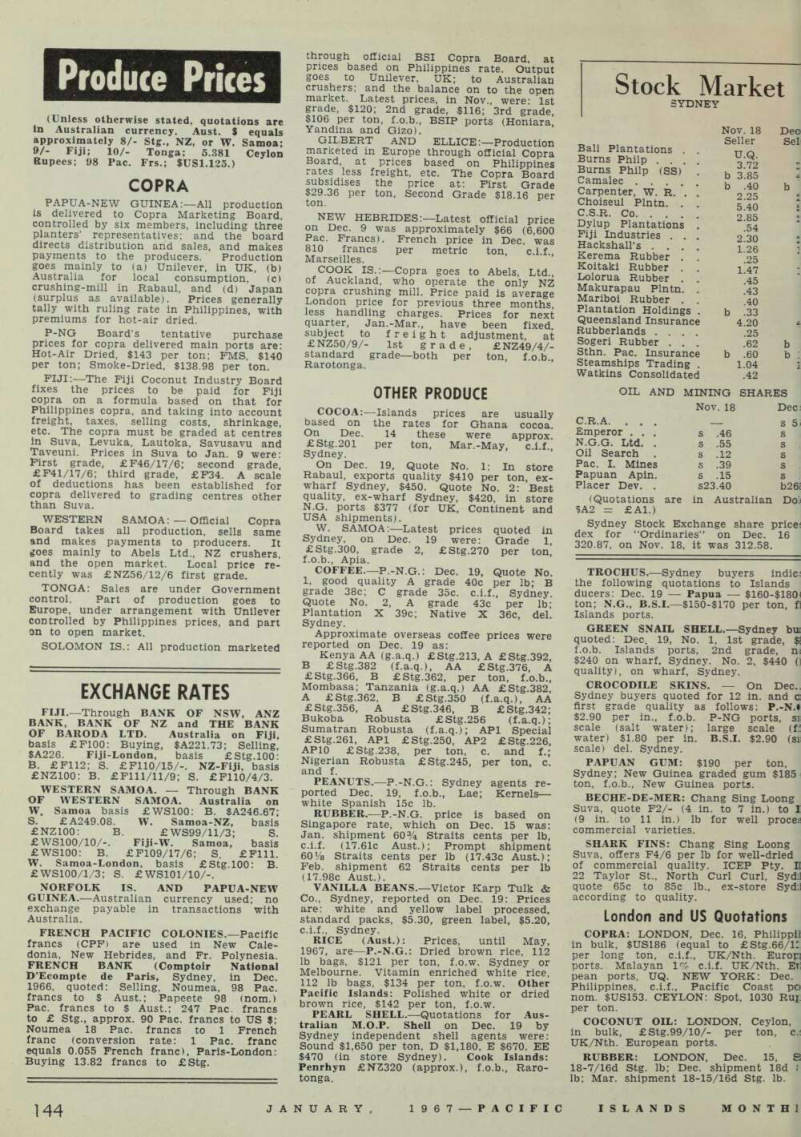 146
146 147
147 148
148 149
149 150
150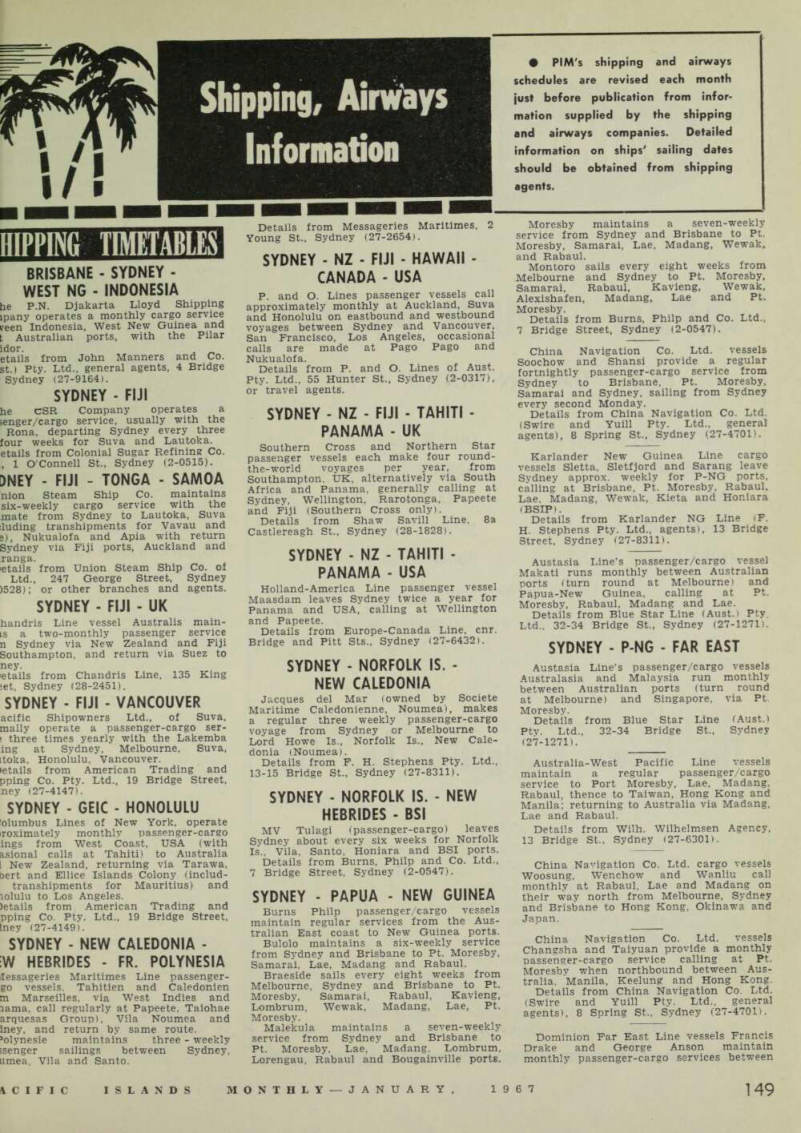 151
151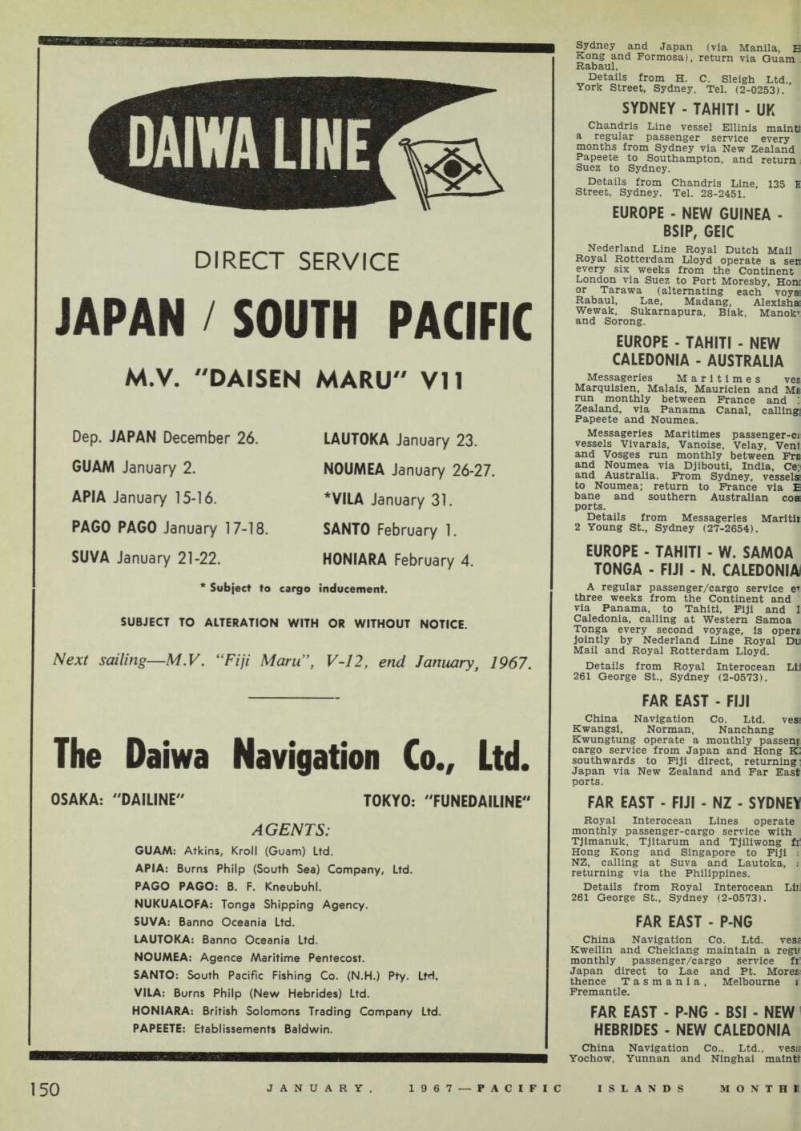 152
152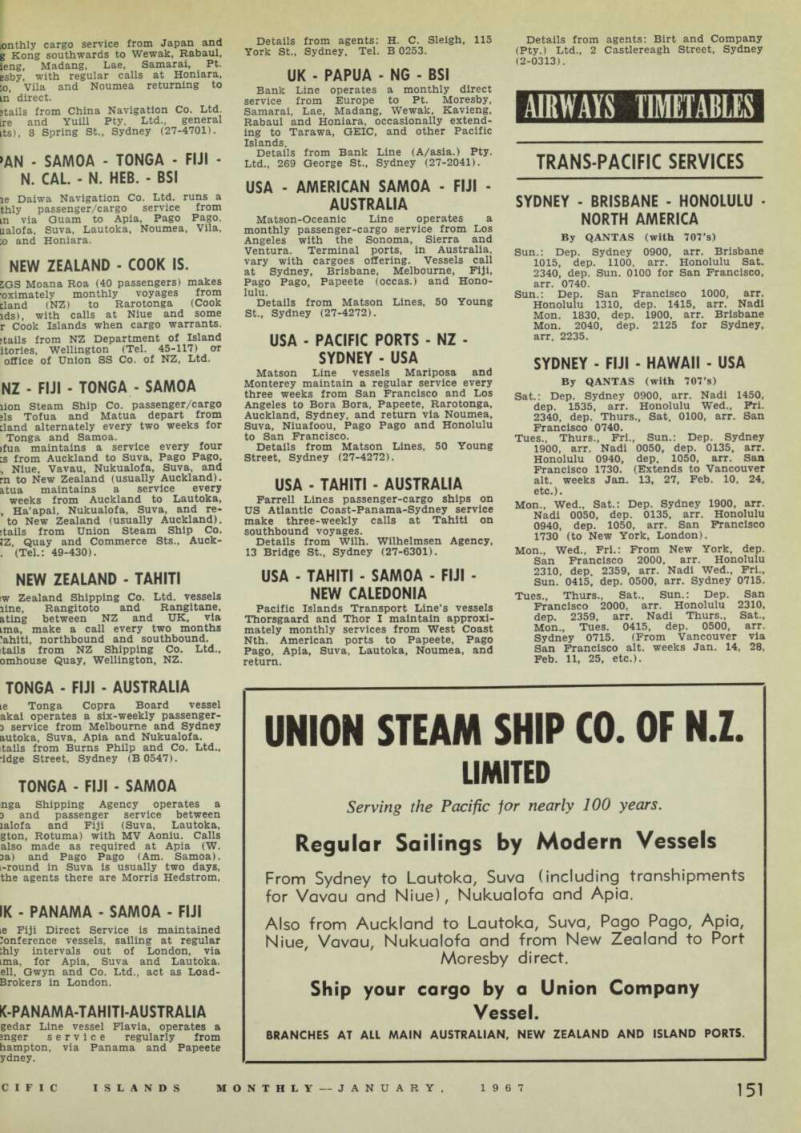 153
153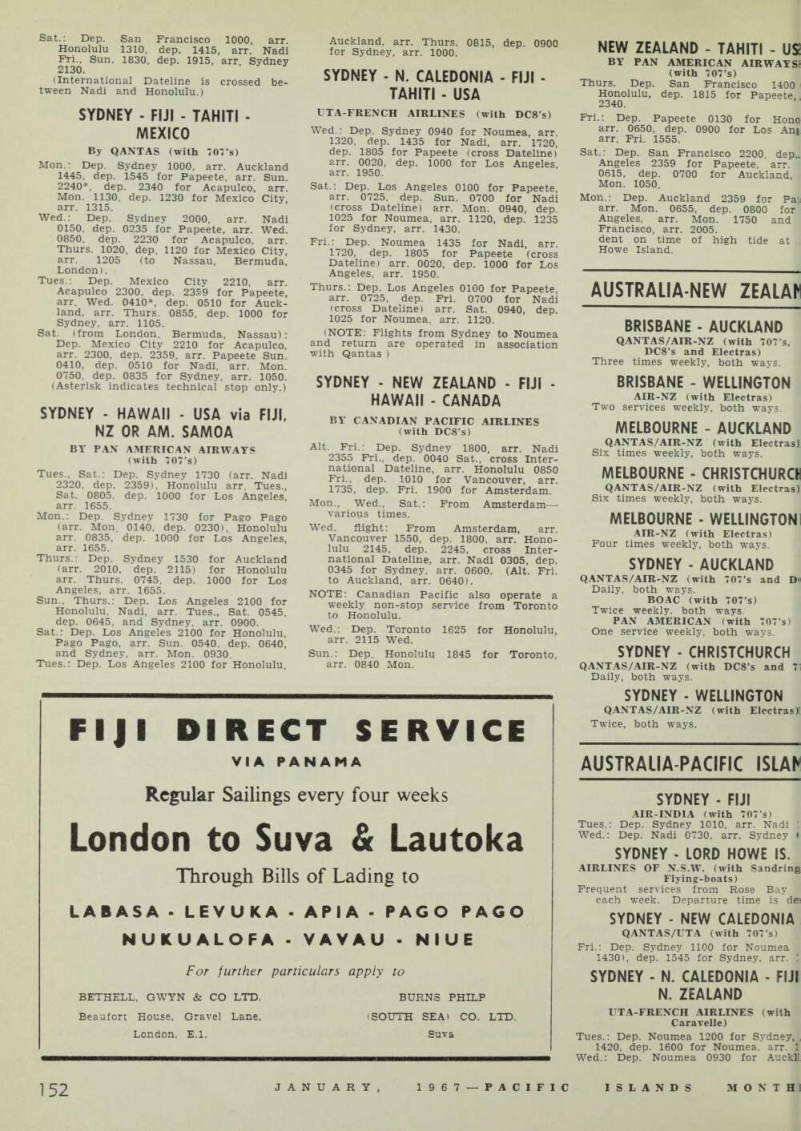 154
154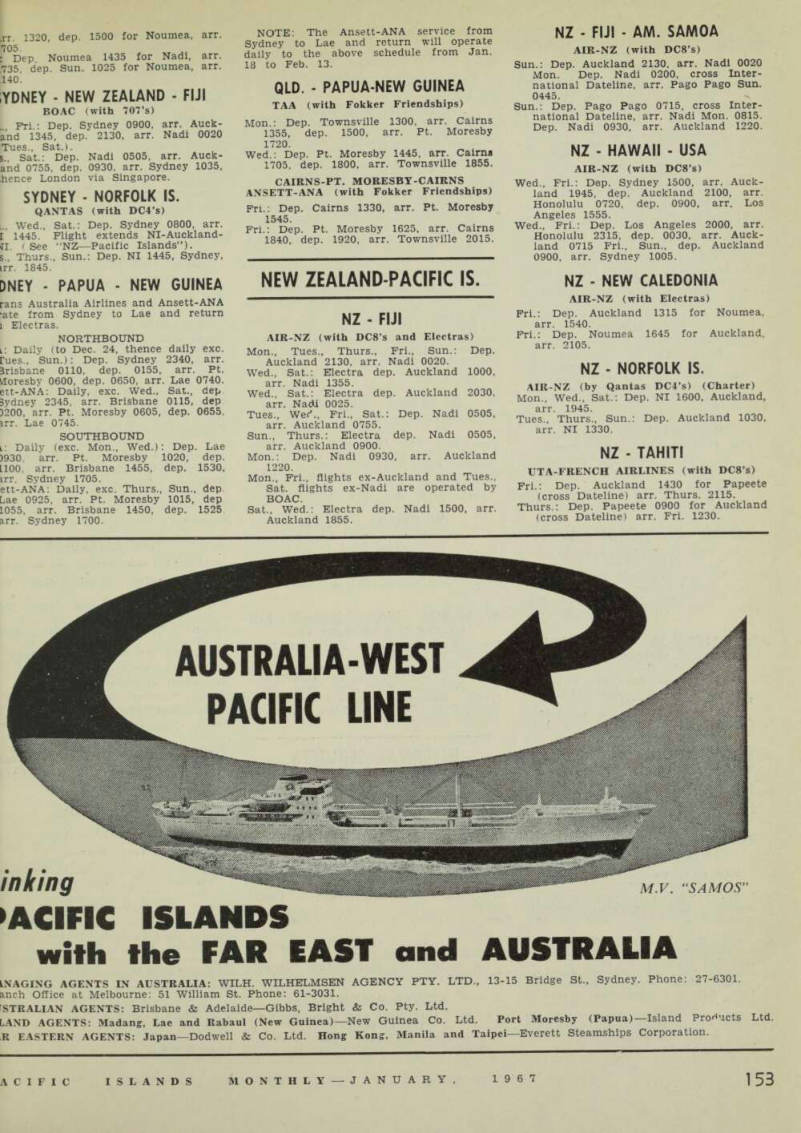 155
155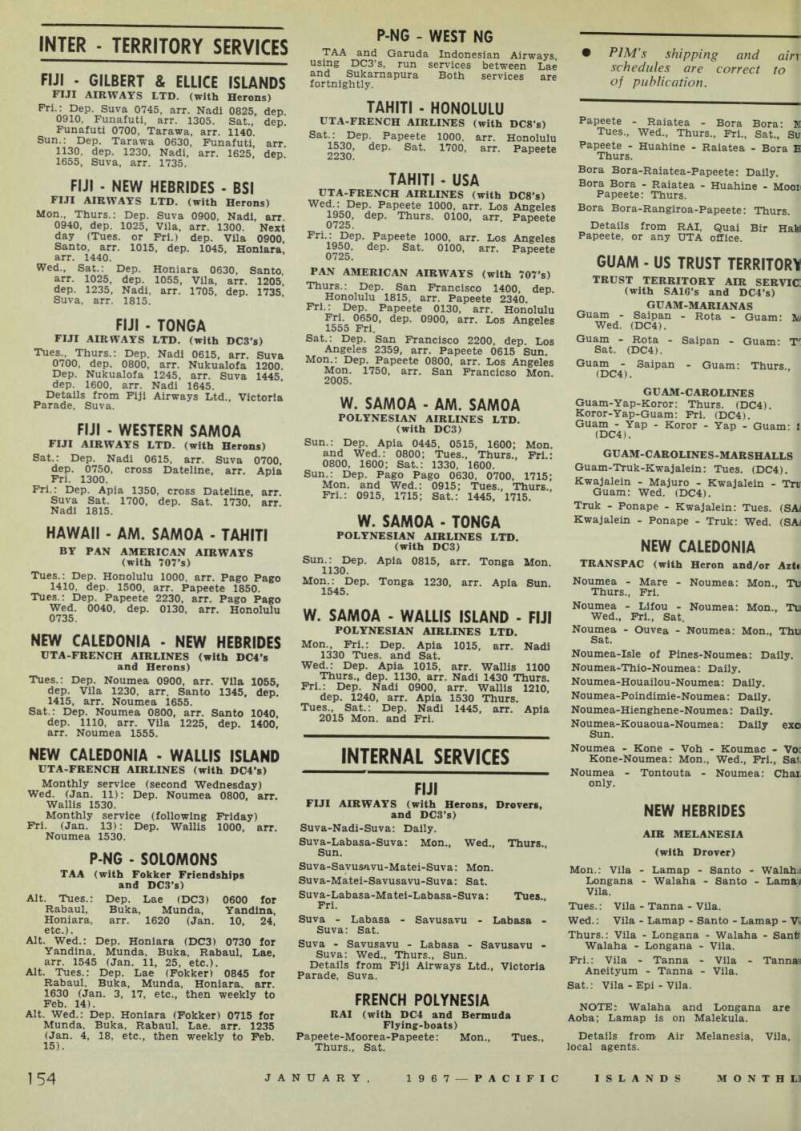 156
156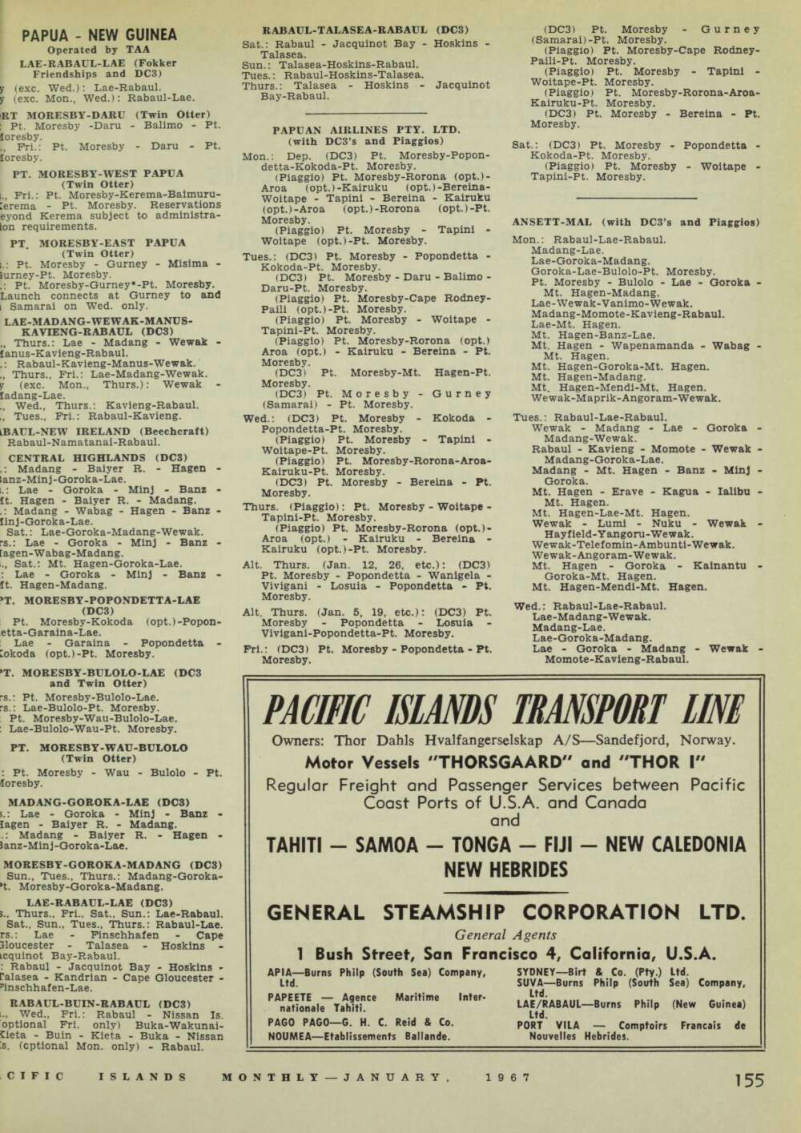 157
157 158
158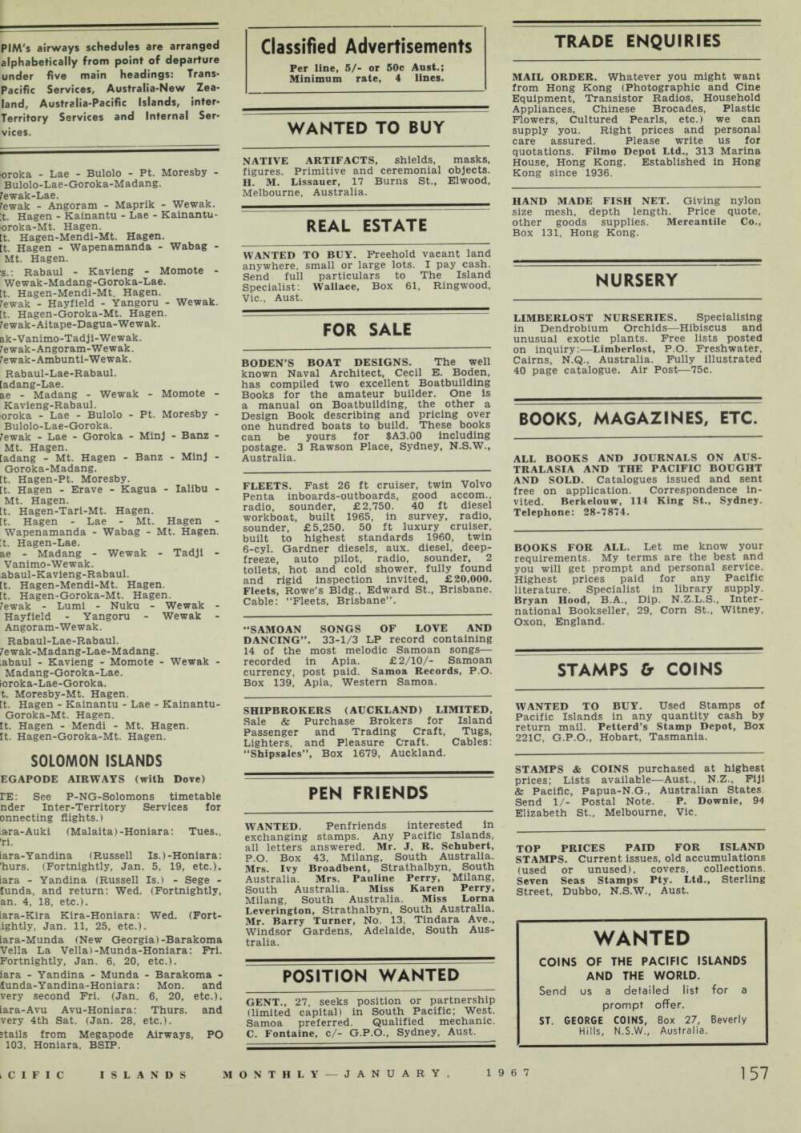 159
159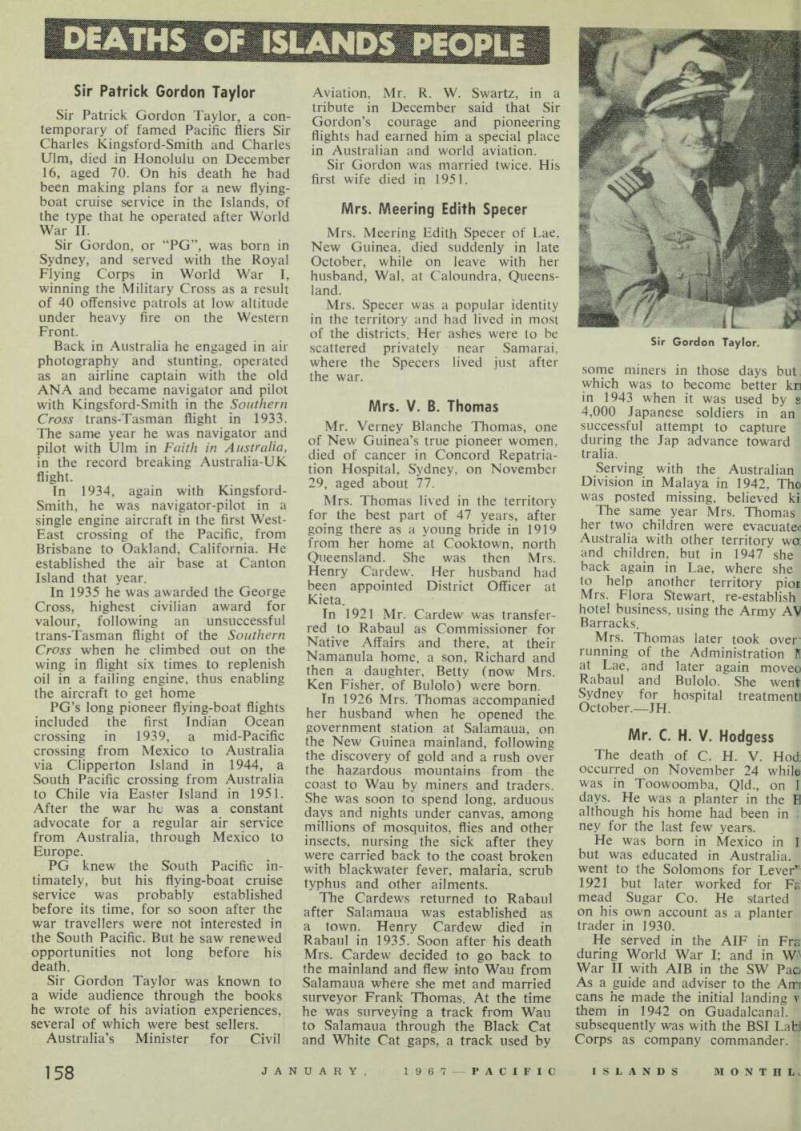 160
160 161
161 162
162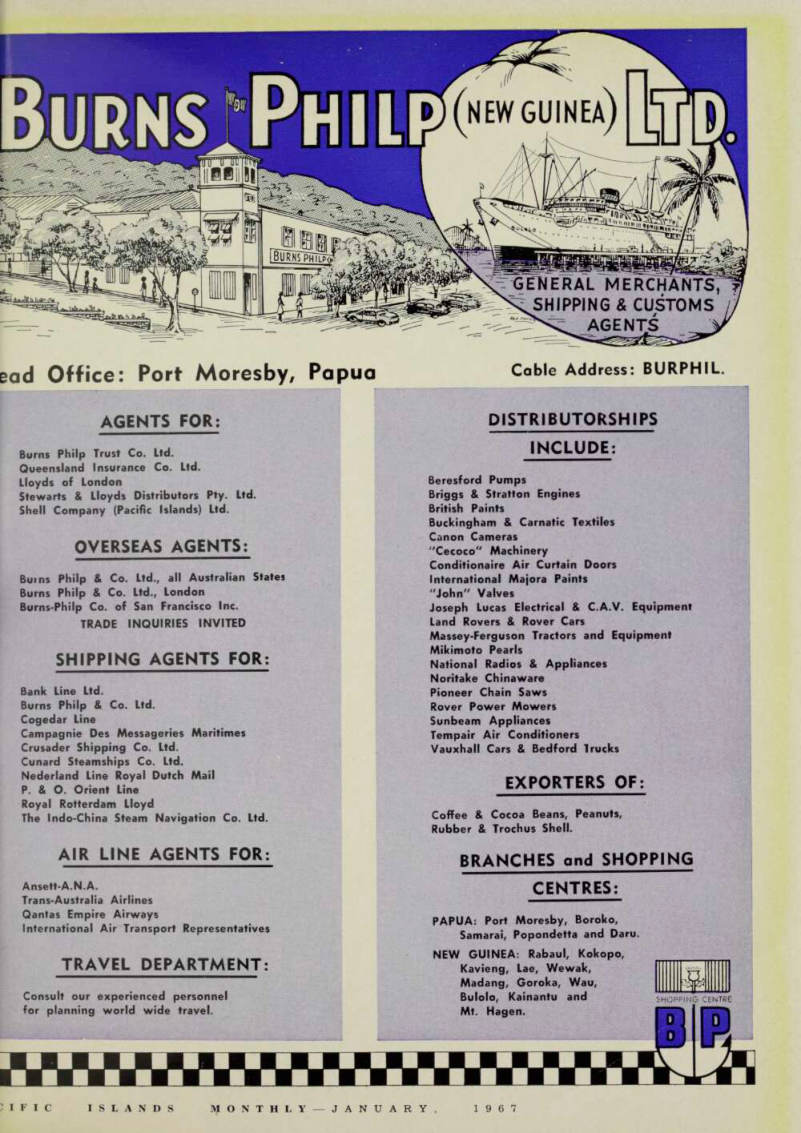 163
163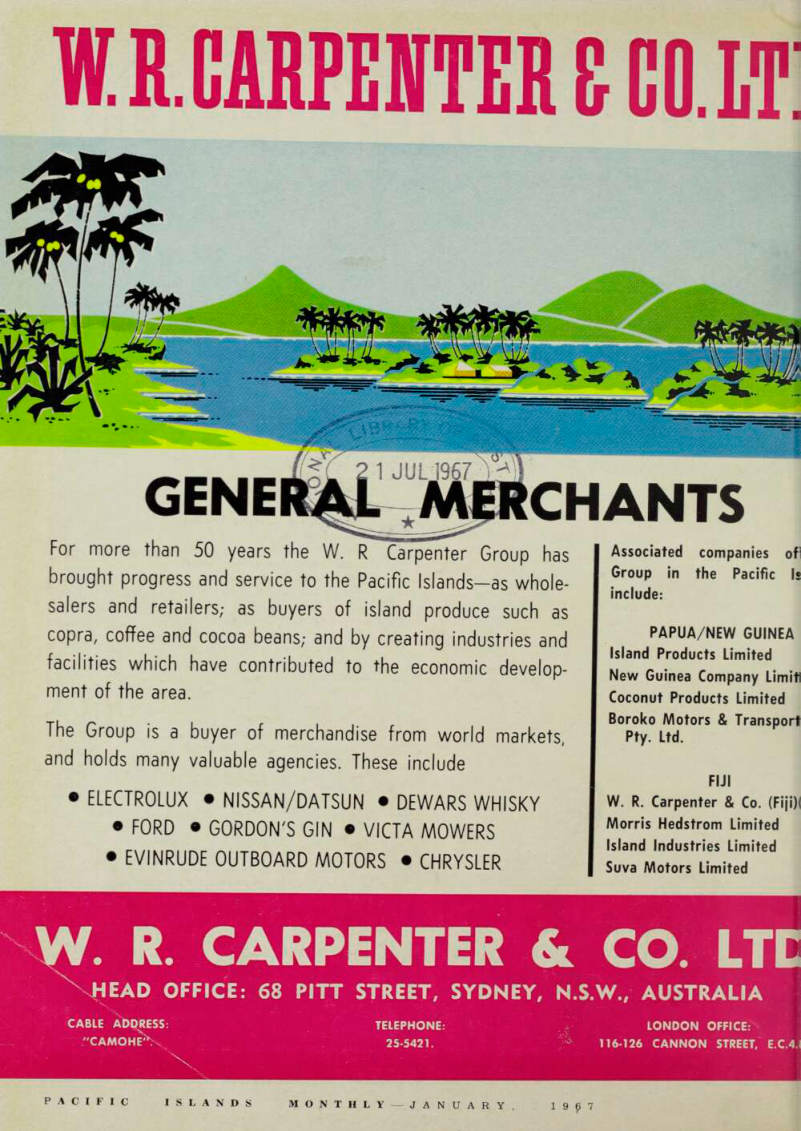 164
164