
Pacific
Islands Monthly
October, 1963
Vol. 34. No. 3.
gajgjra
THE COVER: Whirlybird or Mixmaster is what they call it in New Guinea, but in fact the flying machine in the background is an RAAF Iroquois helicopter from No. 9 Helicopter Squadron. The Whirlybirds not long ago were seen in the mountain villages of New Guinea, where they were a great attraction. This photo graph was taken in the Highlands.
Advertisements & other items, pp. 1-6 (2 items)
listered at G.P.0., Sydney, and at P. 0.,
a, for transmission by post as a Newspaper.
See Australia with TAA
Wherever you want to go
See more, enjoy more, do more than on any holiday before,
and even save money!
Save on TAA Tourist Class Fares. You can fly TAA from Port Moresby to Brisbane and back for only £69.6.0.
Regular TAA Sunbird services from Lae and Port Moresby to Australia connect with flights to all States linking the Territory to more than 90 ports throughout Australia.
Money saving TAA budget holidays.
There are dozens to choose from in such famous places as the Gold Coast, Central Australia, the Barrier Reef Islands.
TAA Travel Service makes all your holiday arrangements . . . plans personal itineraries and tours . . . arranges accommodation and local tours at your destination.
PORT MORESBY
CAIRNS
TOWNSVILLE
ALICE SPRINGS
I I
BRISBANE
SYDNEY
ADEL
AIDE
♦ CANBERRA
MELBOURNE
CONTACT YOUR NEAREST TAA TRAVEL ADVISER;
PORT MORESBY:
Lcn Vaughan, Cnr. Cuthbertson and Douglas Sts., 'Phone 2101.
RABAUL:
Max Knop, “Augusta House ”, Mango Avenue, 'Phone 2702.
GOROKA.
Bud Foster, Goroka Airport, 'Phone 8.
LAE:
Tim Acton, Coronation Drive, 'Phone 2311.
MADANG:
Henry Ohlmus, Kaislan Avenue, 'Phone 78 or 268.
Ft Y TAA SUNBIRD SERVICES
throughout the Territory of Papua/New Guinea—and to Australia.
For safe, economical COOKING...
Kerosene Non-Pressure Stoves
Busy housewives will appreciate the economy and ease of cooking on a Coleman kerosene stove .. . brought to the Pacific Islands by Robert Gillespie's. These well-known stoves are manufactured from heavy-gauge steel . . . precision made, and provide many years of truly economical cooking. Grates are warp-proof . . . fuel bowl and bottle designed to prevent tipping . . . and burners and fuel pipe are aligned to ensure accurate, successful cooking at all times. Three smart models available: No. 341 B—one-burner stove; No. 3428—tw0 burners; No. 344—threeburner stove mounted on a strong stand which has a handy shelf for pots, pans and other utensils. Coleman non-pressure stoves are easily serviced and spare parts are readily available.
Representatives for the Pacific Islands; Cole CJjs* 17 ROBERT GILLESPIE PTY. LTD. ROBERT GILLESPIE (N.G.) LTD. PEARCE & CO., LTD. 22 Young St., Sydney Rabaul, Port Moresby Suva
334 Queen St., Brisbane Lae, Madang
Cable: "Robergill".
NOW!
A better kind of
PLASTIC PIPE for
WATER SYSTEMS
fr-r\/r-»r- orsn
. . . the new high standard in flexible pipe There’s no doubt about the NEW TYPE plastic pipes—they’re built to take it—built to the new Australian Standard specification K. 119—1962. And the most outstanding pipe “type” to be made under the new specification is “Type 30.” “Type 30” is not a brand name, but a GRADE of pipe brought to you by leading pipe manufacturers under their own various trade names.
These facts about “Type 30” pipe are presented for your information by Union Carbide Australia Limited, Plastics Division—suppliers to pipe manufacturers of the raw material, polyethylene.
FACT: TYPE 30 PIPE IS LIGHT AND STRONG. 100 feet of “Type 30” pipe suitable for 150 feet head weighs only 12 pounds, making it easy to carry to otherwise inaccessible locations. Light, but strong, “Type 30” pipe is built to the standards of toughness of Australian Standard K. 119 —1962, your guarantee of superior pipe quality.
FACT: TYPE 30 PIPE IS FLEXIBLE. The high degree of flexibility of “Type 30” pipe allows for easy uncoiling and recoil mg, making “Type 30” pipe extremely convenient and easy for laying over difficult terrain, or for moving the pipe from one location to another.
FACT: TYPE 30 IS EASY TO JOIN. Laying is fast with “Type 30” pipe because joints are easily and quickly made with the use of simple insert fittings. Anybody can join “Type 30” pipe!
FACT; TYPE 30 PIPE IS ECONOMICAL "Type 30” pipe is the most economical pipe obtainable for permanent installation . . . four different pressure ratings each with six different diameters insure the correct margin of safety at the least cost.
FACT: TYPE 30 WILL NOT CORRODE. “Type 30” will not be corroded by rust or salt water and is immune to the attacks of most insects; however, in common with all plastic pipe it is only moderately resistant to some termites. Areas heavily infested with termites may need soil treatment with a suitable insecticide.
FREE: A new booklet on flexible pipes. This 16page booklet will tell you why “Type 30” is the logical choice for watering systems; gives you handy hints on a variety of uses to which “Type 30” can be put; explains the methods of jointing and laying; answers all the questions you ask yourself about plastic pipe. So, whether you are planning to install “Type 30” NOW or in the future, you will find this booklet extremely useful. If you’d like a copy write to: Union Carbide Australia Limited, Plastics Division, 167 Kent Street, Sydney. ALL “Type 30” PIPE is marked “Type 30” right on the pipe itself.
Inserted for your guidance by the makers of
m POLYETHYLENE
the basic polyethylene resin that makes better pipe, film, and “squeeze” bottles.
UCS4FP
1 ?#*» n a E ci A typical Acousti-Tile ceiling in a modern office block.
Cane ite ACOUSTI-TILE
V y
Cane-ite
INSULATES
Ideal for -
conditioned areas
Offices, shops, hospitals and commercial buildings are quieter, more dignified . . . allowing greater concentration and production. Cane-ite Acousti-Tiles have a satin, ivory-coloured surface that doesn’t need painting.
Choose from three patterns and 12" x 12", 24" x 12", 24" x 24" tiles. Thicknesses, V 2" and 3 A".
So easy to fix . . . you can do it yourself
Mod« by CSR BUILDING MATERIALS
Division of Tho Colonial Sugar Refining Co. Ltd.
AVAILABLE AT
LEADING
ISLAND MERCHANTS
EXP.AT. 120
BUILDINGN^yMATEIiIHS
-W-elf n&H ioaiU teJfeA
HAVE YOU
NOTICED
HOW MUCH
BETTER
GILBEY’S
GIN "1
IS!
So why mix with others?
GILBEY’S
GINA
Pacific Islands
Monthly
A product of Pacific Publications Pty. Ltd., 29 Alberta St., Sydney.
Publisher: R. W. ROBSON.
Editors:
Judy Tudor Stuart 1Nder
Manager: SELWYN HUGHES.
Telephones: Ma9197, Ma7101,
MA 4369.
G.P.O. Box 3408, Sydney.
Telegraphic Address: PACPUB, Sydney.
Annual Subscription Rates:
(Aust. currency; includes surface postage) Pacific Is. —P.-N.G., Fiji, Samoa, Norfolk, Nauru, B.S.I., Cook Is., Tonga, G.&E.
Grp., Niue, New Hebrides, and Br. Pacific Is £1 4 0 French Pacific Territories .£170 Australia and N.Z £1 10 0 U.K., British Commonwealth and Foreign (40/- Stg.) £2 10 0 U.S.A. and U.S. Pacific Territories ($7.00 U.S.) £3 13 Single Copies (postage extra) 2 6
Branch Office In Papua-Ng
Pacific Publications (NG) Ltd., Theatre Building, Fourth St., LAE. Tel.: 2577 Miss Pat Robertson, Manager.
Branch Offices In Fiji:
Suva: Fiji Times Building, 20 Gordon St.
Tel.: 5601.
Lautoka: Fiji Times Office, Vidilo St.
Tel.: 420.
Representative In N.Z.:
J. D. Whitcombe, P.O. Box 5179, Auckland. Tel.: 70409.
Representative In Hawaii:
C. C. Spencer, 203 Yap Bldg., 3465 Waialae Ave., Honolulu. Tel.: 775538.
Representative In U.S.A.:
R. G. Craib, Box 1455, San Francisco 1, California. Tel.: Mission 8-1075.
Representatives In U.K.:
W. D, Ashburn, 73 Cheapside, London, E.C.2. Tel.: City 2355.
H. A. Mackenzie, 4A Bloomsbury Square, London, W.C.l. Tel.: Holborn 3779.
MELBOURNE OFFICE: Newspaper House, 247 Collins St. Tel.; 63.7053.
AGENTS: All main trading firms and stores in the Pacific Islands.
Pacific Publications Pty. Ltd. is the Australian agent for THE FIJI TIMES.
In This Issue
No. 3. Vol. 34. October, 1963
General
Disturbances in Indonesia 13 Compac Cable Nearly Completed ... 23 Complaints Over Jap Tuna Fishermen 25 South Pacific Games Medals 37 How to Beat Fiji at Next Games ... 45 New Airlines, New Routes 69 New Radio-Telephone Services 71 Islands Students in NZ 126 Dollar Will Dominate Pacific 135 NZ Trade Mission to Islands 137
American Samoa
New Tuna Cannery Opened 25
Cook Islands
Holier-Than-Thou Advice 65 Jap-Supplied Tuna Cannery Rejected 117 Resolutions on Petitions to UN 124
Fiji
Sir Kenneth Maddocks Leaves 8 Trades and Industries Fair 9 Levuka Tuna Cannery 25 Ancient Plate Pieced Together 28 Poor Land Records 29 Report on Copra Industry 30 Bananas Under Fire Again 37 Customs "Swoop" On Men's Socks .. 40 Sugar Production to Increase 57 Match Factory 75 Overboard for Women! 87 fhe Indians in Fiji 91 1966 C'wealth. Bowls Tournament ... 123 Mew Governor in UK 125 Pineapple Cannery Planned 137 Madi Area As Tourist Resort 141
French Polynesia
Work Goes Ahead On A-Base 11
French Minister's Visit 11 Mysterious Cannon Found 76 Protestant Church Becomes Auto nomous 124 Hotel Taaone Partly Destroyed 125 Qantas Interest in Tahiti Service 131
Gilbert And Ellice Islands
BSIP Resettlement Problems 35
New Caledonia
Conus Geographus Death 10 Satisfaction Over 1966 Games 49 Viet Repatriation Brings Troubles . 53 Native Revolt of 1917 81
New Hebrides
Viet Repatriation Brings Troubles 53 New French Offices 69 Ship Rammed by Whale 83 Latest Census Figures 126 Volcanic Activity 127 First Self-Service Store 127
Niue
Fish Caught with Coconuts 83 Legislative Assembly Elections 123
Norfolk Island
Electricity Extensions 124 Fish Freezing Factory 135 First Chemist Shop 137
Papua-New Guinea
1963-64 Budget 7 Legco Makes Way for New Assembly 15 Preparations for 1964 Elections ... 19 Early Prospects for Elections 23 Jap Interest in Tuna 25 Native Names Problem 31 Help for WNG Students 33
Seats at Airports 33 Beef Cattle Farming ... 35 New ABC Offices and Studios 39 Segregated Drinking 39 Land Available for Settlers 57 Cargo Cult on Buka 58 Monkeys Found on Manus 83 Madang Harbour Lights 105 Old Leg Irons Found 119 Planting of Teak Seedlings 124 New Stamps 125 Airstrip for Misima Planned 126 Sogeri Hydro-Electric Station 126 Big Hospital for Daru 127 Administration Staff College 127 No Treatment Yet for Kuru 127 Boom in Misima Gold Shares 135 Coffee Marketing Board 138
Pitcairn Island
New Booklet 93 Pastor Breaks Leg 129
Solomon Islands
Gilbertese Resettlement Problems ... 35 Oblong Snake on Savo 83 Rare Shell Found 83 New Maritime Aids 105 Junior Chamber of Commerce 121 New Gizo Wharf 125 Preparations for Gilbertese Settlers . 125 Internal Air Service 125 Overpopulation on Tikopia, Santa Ana 126
Tokelaus
Rhinoceros Beetle Found 55
Tonga
Minerva Reef Wreckage Found 31 Radio Station for Niuafo'ou 123 Popular Radio Request Session 123 Jap Interest in Cultured Pearls 124
West New Guinea
Stricter Regulations for Visitors 13
Western Samoa
Appeal to US for Aid 51 New Tamasese Chosen 130
DEPARTMENTS: Tropicalities, 31; From the Islands Press, 32; Territories Talk- Talk, 61; Magazine Section, 81; New Books, 91; Shipping, 99; In a Nutshell, 123; People, 129; Deaths of Islands People, 133; Commerce, 137; Travel Talk, 141; Shipping and Airways Timetables, 143.
Advertisements & other items, p. 8 (1 item)
Gloss-Lusta
MANUFACTURED TO WITHSTAND ALL
TROPICAL CONDITIONS
British Paints Limited
GLOSS-lUSTA
BRILLIANT GLOSS ENAMEL
<d\ A a l riUs *> Paints **/LLt*# r
COLOUR
M** One coat covers any colour.
For interior and exterior use.
Gloss-Masta is specially manufactured to stand up to the rigorous tropical climates. It dries overnight with a brilliant, luxurious, porcelain-like finish that looks and wears like baked enamel. In fact Gloss- Masta sets a new standard of exceptional brilliance ... the more you wash it the better it looks Gloss-Masta completely withstands boiling water, steam, grease and all cooking fumes.
So very easy to use . . . Gloss-Masta comes to you in the world's greatest colour range . . . ask for your Gloss-Masta colour card at the nearest British Paints Limited depot or store.
T ax T\i 4 Slnls Limß** & eNA
ALL PURPOSE
UNDERCOAT
for
paints and enamels
MAXIMUM RESISTANCE TO MOULD
AND FUNGUS IMPORTANT:
For maximum protection against fungus and mould growth always treat new or previously painted surfaces with British Paints Limited s anti-mould solution.
SOLD AND RECOMMENDED BY:
Burns Philp (New Guinea) Limited: Port Moresby.
Burns Philp (New Guinea) Limited: Samarai.
Burns Philp (New Guinea) Limited: Wau.
Burns Philp (New Guinea) Limited; Bulolo.
Burns Philp (New Guinea) Limited: Lae.
Burns Philp (New Guinea) Limited: Madang.
Burns Philp (New Guinea) Limited: Goroka.
Burns Philp (New Guinea) Limited: Wewak.
Burns Philp (New Guinea) Limited: Kavieng.
Burns Philp (New Guinea) Limited; Rabaul.
Burns Philp (New Guinea) Limited: Kokopo.
Burns Philp (New Guinea) Limited: Daru.
Burns Philp (New Guinea) Limited: Kainantu.
Steamships Trading Company: Port Moresby.
Kam Hong; Lae.
Scotts New Guinea: Lae.
Tang Mow: Wewak.
Laurie Chan: Rabaul.
Wong You: Buka Passage-Bougainville.
HONIARA, 8.5.1. P.
A. C. Blair Ltd., Honiara R. C. Symes Pty. Ltd., Honiara.
Coral Industries Burns Philp (South Sea) Co. Ltd., Suva.
Burns Philp (South Sea) Co. Ltd., Lautoka.
Narain Construction Co., Suva.
NORFOLK ISLAND
Burns Philp (South Sea) Co. Ltd., Norfolk Island. 8242
Papua-New Guinea Happy
Australian Pounds And Mr Newman Make Papua-New Guinea Happy
From Judy Tudor in Port Moresby For some time after Papua-New Guinea Treasurer, Mr.
A. P. J. Newman, had presented his 1963-64 Budget to the Legislative Council here on the night of September 17, he was the most popular man in the Territory.
HE had neither raised the rate of income taxation nor slapped on increased Customs duties, while still producing internal revenue sufficient to meet the time-honoured formula that P-NG raises internally a sum about equal to half what Aus tralia gives as a grant.
It was all done, Mr. Newman said in his Budget speech, by some changes in accounting methods that “inflated . . . internal revenue to the extent of £1,629,700”; plus a loan target of £A1,700,000 (it was only £898,000 last year), which, he was confident, was “not over- Dptimistic”.
The sigh of relief that came from all over the Territory probably pro duced the wild south-east winds that battered Port Moresby for the next
three days. Misgivings had been general since the Minister for Terri tories, a couple of weeks ago, issued a manifesto stating clearly what was expected of P-NG in revenue-raising in the coming financial year. The only mystery was how it was to be done—and Territorians thought the solution was obvious.
Within 24 hours, Mr. Newman’s magic-with-mirrors and accounting systems were being examined a little more closely by those comparatively few people in the Territory who are given to looking ahead, and what they saw was not all rosy.
There was, for example, the innocent two lines in the body of his speech in which he “forecast that revised revenue-raising measures may be introduced in association with the Budget next year”. This brought back all the fears of increased taxation that could make this Territory an even less enticing spot in which to do business than it is today.
Mixture As Before And, in examining the Works Programme and other estimates that went with the Budget speech, it was obvious that this is to be another social-services year, only some £2,241,849 being the planned expendi ture on engineering works (roads, bridges, wharves, aerodromes, power houses, etc.); as against £5,751,000 on architectural projects (public servants’ housing, native accommoda tion, offices and fancy court-houses).
Mr. Newman’s budget provides also for the recruitment of an additional 725 expatriate and 406 indigenous salaried officers (to add to the 5,846 salaried officers and 16,965 employees on the strength of the Public Service in June, 1963), and all they mean in salaries, houses, office accommoda tion and overseas leave privileges every 21 months.
Other interesting budgetary items are £4,149,000 to the Department of
Education (up by over £1 million on last year); £3,642,000 for Health (up £200,000); and £1,390,000 for the Department of Agriculture, Stock and Fisheries (up £170,000).
Briefly then, Papua-New Guinea in 1963-64, with approximately £A37I million available to it, is going to have £8 million more to spend than it did in 1962-63. But it isn’t going to do anything new, spectacular, revolutionary or revenue-producing with it.
It is, in fact, going to have more of the same mixture that it has had in ever-increasing doses for the past 15 years: More public servants, more schools, more health services, more agricultural extension services—all of which are admirable in their way but are now making such snowballing demands on the economy that they come perilously close to making not even long-term common-sense.
And it makes no kind of common sense at all against the most reiterated demand in the Territory—the demand for development.
“Development” is the most used word in P-NG; it is thrown about by the Prime Minister; trampled to death by the Minister for Territories in all his utterances; and is part of the vocabulary of the Territory equivalent of the man-in-the-street.
Many no longer think of it in terms of hard-work, capital and planning, but as a word with magic in its own right; something that, sooner or later, will be turned on like a tap, if someone only finds the right key.
Less than two weeks before the Budget session, Prime Minister Menzies was in Papua to open the
NEW POST: Mr. J. M. (Jock) McEwen, the Senior New Zealand Commissioner on the South Pacific Commission, has been ap pointed Secretary for Maori Affairs and Maori Trustee by the New Zealand State Services Commission. He succeeds Mr.
J. K. Hunn. Mr. McEwen was recently made a State Service Commissioner (a
member of the body responsible for
the New Zealand Public Service). He was Formerly Secretary for Island Territories.
Sirinumu dam and, incidentally, to broadcast a message to P-NG over the local radio network. Of the two tasks, the speech was the most impor tant. Or should have been.
In it Sir Robert said a great deal on the need for development; for economic keeping pace with political advancement; for the need for every one to work together for the good of the country.
It was an admirable speech saying, much better, all the right things that have been said ad nauseam in the Territory for the past 15 years, by less gifted orators.
But it was totally devoid of the few enchanting words that would have given Australian Government backing to investment already in P-NG. Nor did it advance any practical measures whatsoever for encouraging new development capital.
In this regard it was therefore dis appointing.
Lack of Planning Since the inauguration of the Legislative Council in 1951 non official members have been attacking the Administration on its lack of planning for devleopment. To my own painful knowledge, every one of those members, past and present, have said the same thing, over and over again, year in and year out, until they, judging by the Budget debate in the current session, are becoming dispirited and tedious even to their own ears.
Even the native members now get into the act—including Kondom Agaundo (or Kondom Agaundo Esquire, according to the captions on the pictures in the vestibule outside the Council Chambers).
Kondom, who is elected native member for New Guinea Highlands, has a gutteral Pidgin that grates like a blunted buzz-saw and (although everyone agrees that he is pro- European and therefore an old sweetie), an outlook limited to his own backyard.
What he wants from this year of Australian munificence is a bridge here and there, an extra District Commissioner or so, a piece of road and 700 European settlers in Kundiawa and 700 more in Wabag.
He may get his piece of road or even a bridge; but his chances of getting even seven more European settlers is not so good. Mr. New man’s Budget speech indicated that little non-native land settlement is expected in the coming year.
A senior P-NG public servant, who
recently has been in Suva, told me that, in his opinion, the Fiji Gov ernment has its head in the sand.
This may well be so but whether this state of affairs is any more dangerous than living in the Cloud-Cuckoo Land of Papua-New Guinea is anyone’s guess.
Twelve months ago, after the Foot Report was delivered to the United Nations Trusteeship Council, there was something approaching economic panic in this Territory—to such an extent that the Minister for Terri tories felt impelled to administer a shot in the arm by way of a re assuring policy statement.
Today this panic has been largely replaced by a take-the-cash-in-hand and-waive-the-rest sort of philosophy originally propounded by a fellow called Khayyam, a thousand years ago, and the Treasurer’s stay-put budget fits admirably into this scheme of things. But the new philosophy is perhaps more dangerous than the 1962-63 panic.
Superficially the economy of the Territory is buoyant. In the next 12 months no less than £37i million of government money will be cir culating. It will go on public servants’ wages, public servants’
houses, social services, extension services and a few engineering projects but inevitably most of the money has the same end —great slices of it will end up in the tills of retail business, transport companies and other suppliers of goods and services within the Territory.
Crash-Plan University
As a result of these easy millions an atmosphere is created in which it is possible to contemplate expendi tures that would have seemed wildly extravagant and impossible a few years ago. P-NG is now well on the way to getting some sort of University for its so-far almost non existent matriculants.
In the last few days I have spoken to a dozen Territorians, in Admini stration and out of it, and almost without exception they are agreed that the Territory, at this stage, needs a University like it needs two tin tails. But they are convinced that it will get one.
None of these people had given evidence before the Commission set up to deliberate on the matter for fear of being thought “reactionary”.
At the moment P-NG is barely holding its own in crash-training primary-school teachers—yet it can contemplate an establishment of tertiary education that will cost a great deal to set up, more to maintain,
GOVERNOR LEAVES: Colourful ceremonial marked the departure from Fiji on September 13 of the Governor, Sir Kenneth Maddocks, and Lady Maddocks when Sir Kenneth retired after five years in office. There was a Royal salute from a guard of honour of the Fiji Military Forces as the couple arrived at the wharf to board the "Oriana" for New Zealand, where they will spend a motoring and fishing holiday before returning to England. Sir Kenneth and Lady Maddocks are seen here bidding farewell to friends after the salute. Photo Rob Wright.
and probably defy even Canberra’s ingenuity when it comes to producing crash Professors.
Apart from the cost of the estab lishment, the best thing that could happen the indigenous brains of P-NG at this time would be to re move them to a place where life has some semblance of reality and where everything from Parliamentary Under-Secretaries to Doctors of Medicine are not produced merely by a wave of an Administration wand.
The prevailing economic climate also produces such fantasies as a 64member House of Assembly with members receiving salaries of £1,500 per annum. A few years ago such salaries would have been regarded as utterly ridiculous; in September, 1963, they are not only being contemplated with not more than the regulation number of shudders but are actively being canvassed by some members of the present Legco. (See p. 17.)
Dreamlike Unreality
In this climate of dreamlike un reality only a small minority of Ferritorians is concerned by the fact that export earnings are the real yardstick of economic stability; or that the Australian yearly handout, on which the Territory now floats so grandly, is not fixed but is very much the result of the whim or the policy of the Australian government in power at the time. Most have lost sight of the fact that because the size of the yearly handout comes like a surprise-packet three months after the beginning of every financial year continuity of planning for long-term development is virtually impossible.
In 1952-53 the Australian grant to P-NG was £5,470,000 and it has gone up year by year until it has now reached £25,250,000. There is noth ing to indicate that it won’t go up still further in 1964-65, but there is nothing sure about it.
The present Menzies government holds office by a couple of votes.
This year possibly, and next year for certain, there will be an Australian general election. Should Opposition Leader Calwell win the day and the portfolio of Territories go to some one on the lunatic fringe of the Labour Party an economic cataclysm could overtake P-NG.
With so many factors beyond their control, the surprising thing, per haps, is not that most Territorians plan their lives, like the Budget, only on a year to year basis, but that a productive, stable minority is able to keep its feet on the ground and make the place just that much less of the three-ring circus it threatens to become.
A section of the Fiji Times and Herald display at Fiji's 1963 trades and industries fair. The display featured the company's three newspapers, "The Fiji Times", "Shanti Out" and "Nailalakai", its printing services, and the "Pacific Islands
Monthly".
P-JVG Budget
In Brief
The revenue of the Papua-New Guinea Administration in the financial year July 1, 1963, to June 30, 1964, is estimated at £37,479,700, made up as follows: £ From Loans 1,700,000 Internal Revenue ... 10,529,700 Australia Grant ... 25,250,000 Expenditure is calculated at £35,082,300 and Departmental activi ties will take about 63 per cent, of this. Salaries and other similar pay ments to public servants will cost approximately £l2 million. Engineer ing capital construction will absorb £2,241,849; and architectural capital construction £5,751,371.
Advertisements & other items, p. 10 (1 item)
Territorian Adventures In Wonderland
8
OCTOBER, 1963 PACIFIC ISLANDS MONTHLY
Territorian Adventures In Wonderland (Continued from previous page)
Trade Market
Fiji Seen As Big Future Trade Market
Two interesting points about Fiji’s future trade emerged at the opening of the 1963 Fiji trades and industries fair—one from the retiring Governor, Sir Kenneth Maddocks, and the other from a leading Australian industrialist, Mr. R. W. C.
Anderson.
SIR KENNETH, who left the Colony three days later, told visiting businessmen there was no doubt that Fiji, in future, would be looking more and more to neighbour ing countries to buy her products if Fiji was to be able to continue to obtain as much of her import require ments from them.
As most businessmen were from Australia (they had 52 stands at the fair, compared with about a half-a dozen from New Zealand) there was little doubt about the intended target of his remarks.
Mr. Anderson, who is director of the Associated Chamber of Manu factures of Australia, pledged himself, when he returned home, to encourage
• For Silsoe report on Fiji copra in dustry to be released early in October, see page 30.
Australian manufacturers to take part to the maximum in further de veloping the Fiji economy.
Sir Kenneth emphasised that Fiji was keenly interested in the Australia- New Zealand trade talks, and was concerned that the results should not hamper Fiji’s ability to trade with those countries.
No doubt with Fiji’s £4,000,000 adverse trade balance with Australia in mind. Sir Kenneth dangled a bait about future trade with the Colony, for with a natural increase in the population in the next 20 years the present market could be three or four times its present size.
But to share in the bonanza the countries which were major traders with Fiji had to play ball.
Sir Kenneth made a plea to over seas suppliers of goods, which could be economicaly manufactured in Fiji, to consider the establishment of fac tories in the Colony. In that way, he
said, suppliers of consumer goods would ensure a long-term market in Fiji for their brands.
There was also the growing South- West Pacific regional market, and Fiji, with her present position astride the main sea and air routes, was strategically situated.
Then Sir Kenneth dangled another bait. Britain was still likely to enter the Common Market some time, and when that happened Fiji would have the status of an associated overseas territory. That meant that goods manufactured in Fiji would have ac cess to the Common Market without quantitative or fiscal barriers.
He also repeated that the Fiji Government offered generous tax and other concessions to new industries establishing themselves in Fiji, and emphasised that comparatively low cost labour was available.
Mr. Anderson, who followed Sir Kenneth, forecast that Fiji one day would become the workshop of the South Pacific, and the trading and commercial centre, supplying all man ner of industrial products to her near neighbours, Australian View He said Australia looked to a pros perous expanding Fiji economy to provide her with the opportunity of supplying the Colony with an increas ing range of goods of the type re quired— not necessarily the finished article, but the raw materials, partly processed goods and capital equip ment.
Mr. Anderson, in the few days he was in the Colony, must have heard the many undercurrents about Fiji’s adverse trade balance with Australia, and he may also have heard how the Coffs Harbour (NSW) banana growers are fighting to keep Fiji bananas out.
He made a plea that too much should not be made of the trade im balance.
“Rather let us devote our energies to increasing the present levels of trade between our two countries,” he said.
He said Australia would not stand in the way of Fiji’s industrial de velopment. Australia had no right to do that—instead Australia would help Fiji.
The trade fair attracted tremen dous interest among the local people who had never seen anything on quite such a grand scale. The well-laid-out pavilion allowed exhibitors to display their goods to best advantage.
Within a day or two of the fair’s opening, businessmen were reporting that the prospects of writing new
business were very bright. They did not talk in terms of hard cash, but indicated that there would be a sub stantial rise in their trade with Fiji.
About 40 of them took time off from their work at the fair to make a quick tour of eight Fiji factories, and to look a little more closely at the possibility of establishing them selves here in the years to come.
They were quick to realise that the South Pacific market, though small in comparison with South-East Asia, was still lucrative; and that as the eco nomies of the island folk improve, there will be more trade for them.
The Australian Government showed official interest through a Trade Department stand, depicting the wide variety of commercial, rural and social life of the country.
A Month in Fiji Australia thought the fair was suf ficiently important to send its South Pacific Trade Commissioner, Mr.
Hugh Sullivan, not only to be on deck at the fair, but to spend about a month in the Colony altogether, sounding out trade prospects.
And private enterprise was looking east beyond Fiji. Several Australia ex hibitors, chiefly in the building materials and foodstuffs lines, planned to visit both Samoas, Tonga and Tahiti before they went home.
New Zealand missed out pretty badly for it had very few stands and nowhere near the same amount of encouragement from its Trade De partment as its Australian counter part.
However, New Zealand did send its Pacific Trade Commissioner, Mr.
K. W. Davies, and he must have felt envious of the magnificent Australian display.
Mr. Davies soon let it be known that he would recommend to the NZ Trade Minister, Mr. J. R. Mar shall, when he returned home that New Zealand should take a much greater share in the 1964 fair.
Conus geographus.
Deadly Cone Shell
New Caledonian Death
Deadly Cone Shell Claims Another Victim
Conus geographus, the deadly
cone shell, claimed another victim in New Caledonia in September when a nine-year-old native girl, Poma Das Poapit, died from a sting after picking up one of the shells on a beach at the east coast centre of Poindimie. fPHIS was the third known death from a Conus geographus sting in New Caledonia. The first occurred many years ago; and the second took place in December, 1960, when Theophile Gnai, a native farmer’s labourer, was stung on the hand at Pouebo, on the north-east coast ( PIM, Dec., 1960, p. 37).
Other deaths from Conus geo graphus stings may have occurred among natives in the past, but were wrongly diagnosed.
In the New Hebrides less than 12 months ago, a 23-year-old Viet namese, Vu Nhu Ngos, narrowly escaped death after being stung by a Conus geographus, which he had put in his shirt while fishing at night.
Prompt hospital treatment saved him.
Conus geographus is one of nine species of cone shell which are re ported to have fatally stung humans.
The others are Conus tulipa, C. striatus, C. magus, C. stercusmus carium, C. catus, C. aulicus, C. textile and C. marmoreus.
In The News Conus geographus was in the news in Australia earlier this year when Sydney detectives investigated a theory that poison from that shell may have killed two people who were found dead in mysterious circum stances in a Sydney suburb after at tending a New Year’s Eve party.
Following the announcement of this theory, PIM published an article (July, p. 29) warning Islands people to beware of all cone shells if they did not know one species from another.
Since the death of the girl at Poindimie, Noumea newspapers have urged the authorities to undertake an educational campaign to acquaint New Caledonians with the danger posed by the lethal cone shells.
Illustrated articles and posters have been suggested as a means.
—Despite Protests
France Goes Ahead With A-Base Plans —Despite Protests
Forty members of the French
Foreign Legion and 29 Poly
nesian workmen recruited at Anaa arrived at Mururoa Atoll in the Tuamotu Archipelago of
French Polynesia in September
to begin building France’s highly
controversial atomic testing centre.
THE legionaires—engineers and labourers were taken to Mururoa in the French destroyer Francis Gamier. Two landing barges, laden with equipment, accompanied the Francis Gamier.
The Polynesian workmen were recruited at Anaa during a visit there by the schooner Orohena on Sep tember 7. They arrived at Mururoa two days later.
Meanwhile, the Governments of Australia, New Zealand, Chile and Peru exchanged strongly-worded protests and counter-protests with the French Government over the build ing of the atomic test centre..
Australia’s Minister for External Affairs, Sir Garfield Barwick, set the ball rolling for Australia on August 15 when he made a statement in the House of Representatives on the nuclear test ban treaty, initiated by the US, UK and Russia, which has now been signed by more than 100 countries.
"Profound Regret"
In this statement, Sir Garfield expressed “profound regret” that France, by declining to become a party to the treaty, had made it less than fully effective.
“She has provided a pretext for other countries which might similarly refuse to bind themselves not to test,”
Sir Garfield said.
“Continuance of French testing could even serve as an excuse to one or more countries to exercise their right to withdraw from the treaty.
“It has also imposed an obstacle to the goal of putting an end to the possibility of danger of contamina tion of the atmosphere from radio active fall-out.”
On September 5, France warned Australia, New Zealand, Chile and Peru that their “campaign” against her testing plans in the Pacific could
damage their friendly relations with her.
In Notes delivered through the French Ambassadors in the four countries, the French Government described the “campaign” against the tests as “systematic” and “dis criminatory”.
The Notes added that, with the exception of New Zealand, none of the four countries had protested against atmospheric experiments by Russia and the United States in 1961 and 1962.
Australia promptly rejected the French Note with an announcement
by Sir Garfield Barwick that “there was no justification for any protest by the French Government”.
Later, in a detailed reply, Sir Garfield said that concern at con tinued nuclear testing in the at mosphere was not confined to the Governments of Australia, New Zealand, Chile and Peru “as would appear to be implied by the French Government”.
“On this issue,” Sir Garfield said, “the Australian Government’s attitude corresponds not only to the wishes of the Australian people, but to the concern of the overwhelming com munity of nations.”
Charge Denied
Sir Garfield denied the French Government’s charge that Australia did not protest against Soviet and US atmospheric nuclear tests in 1961 and 1962. He said protests were made on both occasions.
Other developments in September over the French nuclear testing plans included; • A statement by Western Samoa’s Prime Minister Mataafa that, despite all protests, it seemed that nothing could be done to stop the tests. e A statement by Sir Ernest Marsden, one of NZ’s leading atomic scientists, that New Zealand would almost certainly be “dusted” by radio active fall-out from French tests at Mururoa. .
Sir Ernest said Pitcairn Island would be particularly vulnerable, and the tests could do a lot of harm near Mururoa.
FIRST CALL: Queen Salote, of Tonga, officially inaugurated a new radio-telephone service between Nukualofa and Suva on September 6 when she spoke to her son Prince Tu'ipelehake, who was visiting Suva. Tonga's Premier, Prince Tungi, is seen looking on. See story p. 71. —Photo: Tulua Bros.
Was First
His Second Visit
France's Minister for Overseas Territories, Mr. Louis Jacquinot, es tablished a record in September when he became the first French Minister to pay a second visit to France's Pacific territories. Mr. Jacquinot visited Tahiti, Makemo and Rangiroa (Tuamotus), Nukuhiva, Ua-Pou and Hiva Oa (Marquesas), Wallis and Futuna, New Caledonia and the New Hebrides.
Mr. Jacquinot's visit to the Mar quesas was the first ever made by a French Minister. In New Caledonia, he attended ceremonies marking the 110th anniversary of France's taking possession of that territory.
His first visit to the Pacific was made earlier this year.
Advertisements & other items, p. 14 (1 item)
Morris
HEDSTROM
LIMITED
HEAD OFFICE: SUVA, FIJI
LONDON OFFICE
Morris Hedstrom Limited Barclay's Bank Buildings, 73 Cheapside,
LONDON, E.C.2.
AUSTRALIAN REPRESENTATIVE
Morris Hedstrom (Aust.) Pty. Limited Wales House, 27 O'Connell Street,
SYDNEY
REGISTERED CABLE ADDRESS:
DEUAABA—SUVA, MORRISHED—LEVUKA, MORSTROM
SYDNEY, SUVAAAARK —LONDON, MORRISCO
NUKUALOFA, DEUBA—APIA, CODES: ALL
For Friendly Service and complete satisfaction it's Morris Hedstrom Ltd. in
General Merchants
Produce Buyers
Importers and Exporters
Ship Owners
Plantation Owners Commission and Insurance Agents
AGENTS & DISTRIBUTORS FOR:
Adhesive Tapes, Ltd.
Bush Radios, Ltd.
Bowater—Scott Corporation, Ltd.
China Navigation Co.
John Dewar Gr Sons, Ltd.
Electrolux Limited.
Evinrude Outboard Motors.
Ford Motor Co.
General Electric Co. Ltd.
Goodyear Tyre Gr Rubber Co.
Guinness Exports, Ltd.
Medley, Thomas Gr Co. Ltd.
Imperial Chemical Industries, Ltd.
Matson Navigation Company.
Mobil Oil Australia Pty. Ltd.
Max Factor Gr Co. Inc.
Parker Pen Company.
Ransomes, Simms Gr Jefferies, Ltd.
Rootes, Ltd.
Smiths English Clocks, Ltd.
Tanqueray Gordon Gr Co. Ltd.
Taubmans, Ltd.
Yorkshire Imperial Metals Ltd.
Morris Hedsfrom Limited are
LLOYD'S AGENTS
in Fiji and Samoa
VDNOI VOWVS
Soekarno's Disturbances Too
Close To P-Ng For Comfort
A Commentary On September's Crisis
By R. W. Robson
“Bung” Soekarno of Indonesia held the headlines during September. His performances astonished most of the world.
But the disturbances he created were a little too close to Papua and New Guinea for that Territory’s comfort.
IN the third week of the month, events were moving to a crisis.
Soekarno declared cold war upon Malaysia—but found himself in con flict with Britain. It was then a question of whether he would retract or go on.
Britain, having deliberately joined with Malaya, Singapore, Sarawak and Sabah (North Borneo) in creating the Federation of Malaysia as a bulwark against the increasing south wards thrust of Red China, was in no mood for sweet words and compromise.
For once—perhaps unexpectedly— Whitehall was enjoying the complete diplomatic support of the United States, and was not being scolded by Soviet Russia. So she adopted, towards Indonesia, a colder, sterner line than has been seen in British international relations for years.
Defied by Malaysia, threatened grimly by Britain, deserted by Moscow, scolded by the US, and told that he would get no more “financial aid”, the “Bung” reacted in a very stupid way.
By September 25, from the interior of Java, he was threatening “con frontation” of Malaysia and her friends.
Economy In A Mess Although Indonesia poses no serious threat to our security—its economy is in such a mess that, under stress, its fighting organisation would fall to pieces—it could cause a tremendous regional dislocation in economic and political affairs.
Soekarno is throwing large numbers of guerillas into the North Borneo jungles to menace Sarawak and Sabah, and they alone could create a big and expensive nuisance.
But it is still possible that there are in Indonesia a sufficient number of men with a sense of responsibility to halt the “playboy President’s” headlong rush into disaster. If there is, it could be that Soekarno will dis
appear overnight, and a dependable government will take over.
Neither Britain, nor Malaysia, nor now deeply-interested Australia wants to go to war because Soekarno wishes it; but the events of the past three months show that, if Soekarno is allowed to carry on as President- Dictator, some sort of war may be difficult to avoid.
With Britain's Blessing Early this year, Britain placed her blessing upon the creation of Malaysia. Malaya, Singapore, Sarawak and Sabah agreed to come together in a Federation on Sep tember 1.
Soekarno did not like this, and, since that unfortunate combination of US and UN forces in 1962 quite unexpectedly gave him possession of West New Guinea, his head has swollen dangerously. He rode across West New Guinea in a plane in May, re-naming the mountain ranges. He decided that the future name of the Indian Ocean should be the Indo nesian Ocean.
He has seen himself, quite seriously, as an Emperor of the Western Pacific. He has pointed out that he now rules the world’s fourth largest nation—even without the addition of the Papuans, he now has 100 million subjects. Most of them are near the breadline —but this matters little to a dictator.
He bitterly resented Britain’s failure to seek his permission to form Malaysia. He has dreamed of being the ruler over all the Malay countries (Indonesia, Malaya, North Borneo and the Philippines). The formation of Malaysia as part of the British Commonwealth exploded his dream; and his reaction was typical.
In June-July, Soekarno damned the proposed Federation, said that if it were formed it would get Indo nesian “confrontation” treatment, and demanded that the Philippines
Republic make common cause with him.
The Philippines supported him; and together they persuaded Britain and the four countries of the pro posed Federation to postpone its declaration until September 16 while a UN team checked with the four to ascertain whether public opinion in each supported federation.
When the UN reported—despite some riots in Sarawak, obviously staged by Indonesian agents —that the majority of people were definitely for federation; and the British pro ceeded smartly with their plan and launched the Federation on Sep tember 16; and Tunku Abdul Rahman, of Malaya, spoke—in an Oxford accent—his opinion of Soekarno in a few nicely-chosen phrases, the Indonesian President obviously saw red.
Rioters Take Over He insisted that Malaysia never would function; he broke off diplomatic and trade relations with Malaya and Singapore; and he per mitted thousands of hoodlums to as semble in Djakarta and attack the British.
The British Embassy was burned down by the mobs, while police and troops made only a token attempt to stop them. Individual British families were attacked in their homes.
Several British enterprises (Britain has some £2OO million invested in Indonesia) were seized by the trade unions.
There was a remarkable demon stration on September 23, when the British Ambassador tried to prevent
the Indonesians from breaking into his locked strong-room in his burned out embassy.
The police kept him out; whereupon Ambassadors and Ministers repre senting the United States, Australia, France and other Western nations rushed to the support of the British, and compelled the Indonesian Government to put the British property under police guard.
Britain’s mounting anger at the destruction of her embassy and the seizure of her plantations and factories; the United States’ forth right condemnation of Indonesian “outrages”; the eagerness of the new Malaysia to kick back—all seemed to point towards war.
But the Powers continued to handle the situation gingerly.
Soekarno may be crazy, and desperately short of money; but he still has at his personal command an army, navy and air force, equipped without regard for cost by the Com munists—that is, before Moscow quarrelled with the Chinese extremists and began to turn a friendly eye Westwards—and, so long as he is in command, he could commit immeasurable damage.
Australia is committed, now, to stand beside the British in protection of Malaysia. Therefore, if Soekarno did start a war he would certainly attack Australia, and Australian territories (from convenient West New Guinea bases), as well as Malaysia.
But surely, before that happens, someone of Soekarno’s own race will put the aggressive “Bung” in cold storage. As September neared its end, even he appeared to be having second-thoughts on some aspects of confrontation.
On September 27, Indonesia asked that telephone and telegraphic com munications, cut off a few days previously, be restored with Singa pore; and there was news also that Indonesia had signed new oil agree ments with Western companies.
IN SYDNEY: This trio of Norfolk Islanders —Yvette Nagy (formerly Quintal), George Le Cren and Judy Christian—were among those who attended the Polynesian Asso ciation's social gathering in Svdney in August.— Tele-Photos.
Indonesia Puts Up
Obstacles For
Wng Travellers
Indonesia has tightened its regula tions on travel by foreigners to its province of West Irian, formerly Dutch West New Guinea.
The Indonesian Minister for West New Guinea Affairs, Dr. Subandrio, said recently that the province was "considered a quarantine territory".
Any alien wishing to visit there would have to receive his approval, also the approval of the Indonesian Immigration Service and the West New Guinea Governor, Mr. E. J.
Bonay.
The announcement said foreigners would need visas made out to West New Guinea, while Indonesian nationals would have to receive the permission of Dr. Subandrio.
Advertisements & other items, p. 16 (1 item)
Ttth
LOG CONVERSION TO FLITCHES IN THE FOREST The "Forestmil" is a self-contained unit powered by an air cooled engine and fitted with 16 in. horizontal and 30 in. vertical inserted toothtype Sawblades. Cutting capacity for the standard machine is 30 f.p.m. when cutting a flitch 12 in. x 6 in. and up to 16 ft. long.
ANY SIZE TIMBER TO 12 IN. x 6 IN. CAN BE CUT. The unit is ideal for sleeper cutting.
It is now possible to economically cut actual timber requirements without resawing. Waste is reduced as timber produced is accurate.
tTTH
FORESTMIL PORTABLE SAW
Manufactured by . .
MACQUARRIE BOUNDY PTY. LTD.
Hl-115 BAKERS ROAD, COBURG, VICTORIA, AUSTRALIA. Telegrams and Cables: Macbound, Melb. r mm r,. horizontal and vertical blades starting to cut the flitch.
The operator winding the motor and saw unit with a chain and sprocket along the boom, parallel with the log.
The simple device used for clamping the boom to the rail at each end of the boom.
A quick release of the handle allows the boom to move sideways along the rail in position for cutting the next flitch.
FLITCHES CUT FROM LOGS ANY DIAMETER UP TO 16 FEET LONG ■ j - -
. Sip l||fc Vt.
Space left after the freshly cut flitch has been removed. Next procedure is to slide the boom along the end rail in position for cutting the next flitch.
Cut flitches in the foreground. Note overhead chain block with grabs for removing cut flitches from the log.
'FORESTMILS" ARE USED IN SOUTH AMERICA, NEW GUINEA, BORNEO AND AFRICA.
Way For New
P-Ng Legco Makes
House Of Assembly
The Papua-New Guinea Legislative Council did not end its life in Sep tember, as expected—there will be another meeting, commencing in Port Moresby on November 11 — but the recent session was able to legislatively clear the way for the big, new-look election scheduled to take place in early 1964.
THE Electoral Bill, 1963, and sub sidiary Bills—Electoral (Open Electorates) Bill, 1963; Parliamentary Allowances Bill, 1963; Parliamentary Under-Secretaries Bill, 1963—were all passed by the P-NG Legislative Coun cil at its September meeting.
Some of the Bills were introduced to the Council in August and held over so that members could study them; however, they then went through with only minor amendments irrespective of what non-government members felt about them.
The complex of legislation provides the machinery for the elections for the new House of Assembly which, in 1964, will replace the Legislative Council of P-NG, in existence since 1951. The appointment of Under secretaries from the non-government side of the House is also provided for; as are salaries and allowances for members of the House.
Heatedly Debated
The most heatedly debated section of the legislation was Clause 38 of the Electoral Bill, which sets out the qualifications for voters and those who nominate as candidates for election.
Mr. B. E. Fairfax-Ross, a nomin ated member for Papua, proposed an amendment which would have reduced residential qualifications for either voter or candidate to 12 months’ residence anywhere in the Territory.
But the official majority pushed through a much more elaborate formula that requires both voters and candidates to have lived in an elec torate for 12 months or have a home there. It was stated that residential restriction to an electorate (and not the Territory as a whole), was to ensure that an electorate was repre sented in the House by someone who had his interests in that electorate.
The Parliamentary Under-Secre taries Bill, described by some mem bers as the most delightfully vague piece of legislation to come before the
Council, provides for non-official members of the new House to be appointed as Under-Secretaries. It was introduced by the Assistant Ad ministrator (Services), Dr. John Gunther, who said that the Under secretaries’ job would be to under study Heads of Departments and probably represent, in the House, De partments that did not have official members there. They would be thus engaged full-time and would have offices in the House of Assembly building. 15 Under Secretaries The original legislation did not specify how many Under-Secretaries there would be. Unofficial members saw in this the prospect of the Ad ministration, which will have only 10 official members in the new House, attracting support to itself in a way that was never intended.
It was assumed by most that the Under-Secretaries would be native members (although Dr. Gunther said that they would not necessarily be so), and no one could see any Under secretary, attached so closely to the Administration by power and perks, coming into the House and voting against it.
This arbitrary choosing of any elected member to be, in effect, a servant of a Department, is not likely to best please electors who had put him there as their independent repre sentative, but unofficial members of the Council were unable to get around this.
Non-official protests did, however, get an amendment accepted which limits the number of Under-Secre taries to 15—although even this num ber seems to leave a fair amount of room for official manoeuvring.
Salaries for Members In the matter of Parliamentary salaries, non-official members were as “delightfully vague” as they had alleged the Administration to be on the subject of Under-Secretaries. The whole question was treated like a politically hot potato, members who spoke to it skirting round the subject without committing themselves. Most felt that members of the new House shouldn’t be “disadvantaged,” but at the same time hoped that the salary wouldn’t b© so large as to encourage a class of professional politicians. As the legislation, as passed, stands, the matter of Parliamentary and Under secretaries’ salaries is left for the Min ister to determine—and for once in their lives all members seemed pro foundly glad to leave it in his hands, although some fantastic suggestions as to what would be desirable are being made. (See pages 7-9).
The Open Electorates Bill makes
minor alterations to the delineation of the 44 open electorates and gives them geographical names instead of the letters by which they were known in the early drafts. The 44 open electorates are part of the 10 re served electorates, the delineation of which has also been cleaned up.
The House of Assembly will con sist of 10 official members; 44 mem bers elected from open electorates; and 10 members from reserved elec torates. Only non-natives may stand for the reserved electorates; but any one may stand for the open elec torates—and some Europeans have signified their intention of doing so. (See page 23). Some Europeans as
well as natives don’t understand this and are assuming that the open elec torates must return native members.
At the polls every voter will vote in both an open electorate and a re served electorate. Therefore, in order to succeed at a poll, a reserved elec torate candidate must attract to him self not only the votes of non-natives but those of natives as well and this most certainly will be a determining factor.
The reverse proposition—that is, the non-native vote in open electorates —will not be so significant unless the vote is evenly split between two native factions, in which case the non-native vote could carry the day.
Advertisements & other items, pp. 17-20 (1 item)
Insurance
THE
YORKSHIRE
CO. LTD.
(Incorporated in England)
ALL CLASSES OF
INSURANCE
Including
Fire Accident Guarantee Motor Workers Marine
PAPUA AND NEW GUINEA BRANCH
James Arcade, Cuthbertson St., Port Moresby.
Manager, K. S. Ewing.
CHIEF ISLAND REPRESENTATIVES
Port Moresby . . . E. A. James & Co.
Rabaul A.S.P. (N.G.) Ltd.
Lae Paul Hyman Madang . . . Rabaul Trading Co. Ltd.
Manus ... Edged & Whiteley Ltd.
Honiara, 8.5.1. P. . . E. V. Lawson, Ltd.
Suva ... Williams & Gosling Ltd.
Noumea R. Laubreaux Norfolk Island . . . Martin's Agencies Apia E. A. Coxon & Co.
To cherish a clear, youthful complexion, areas where age signs first begin to show should be given extra rich nourishment at night.
Massage gently with Ulan vitalising Night Cream along the deeper expression lines in an upward and outward movement.
Be very careful with the delicate skin tissues around the eyes.
MHHI
fIT n TP ATT
KING SIZE FILTER
cleaner .. . unique process seals in cleanliness fresher.. . produced right here to international standards more enjoyable . . . because the same blend of Super Grade Tobaccos that have made Player’s GOLD LEAF a top filter brand in England have been matched in local production.
KING SIZE
NG SIZE FILTER
FOR
20
FILTER
THE CLEAN CIGARETTE ... WITH THE FRESHER FLAVOUR V244-9/63
<**K 1£ 'A
SPECIAL PURPOSE
SAVINGS ACCOUNT
OZJ
)> O o o o
BANK OF NEW SOUTH WALES
SAVINGS BANK
LIMITED
(INCORPORATED IN NEW SOUTH WALES)
» I I A » I » 2U / X & *4 9 *** ¥ 7^l
QDOCQT?
AND
POWER
BRAYBON LIGHT AND POWER
PETROL & DIESEL GENERATORS
GIVE YOU ALL THE CONVENIENCES OF MODERN LIVING
WRITE FOR FURTHER INFORMATION
V"
STRIBUTED BY % ,rn
STEAMSHIPS TRADING COY. LTD. • TUTT BRYANT (PACIFIC) LTD
COLYER WATSON (N. G. ) LTD.
IMIiUrHv I UIxCIViJ . .. t - BRAYBON BROS. PTY. LTD. 27-33 WASHINGTON STREET, SYDNEY, AUSTRALIA
Greatest Extravaganza
P Ng Elections, 1964
They’re Preparing For The Territory’s Greatest Extravaganza
Papua-New Guinea’s preparations for next year’s House of Assembly elections —which could turn out to be the world’s most fantastic effort to bridge a millennium and bring Western ised democracy to primitive people—are already well on the way and are producing one important by-product; A concen trated patrolling effort that has never been equalled in the Territory.
THE final compilation of the rolls and the mechanics of the system whereby it is done are under the control of the Chief Electoral Officer, Mr. R. R. Bryant, working from the Chief Electoral Office in what was the Baby Clinic at Ela Beach, Port Moresby.
But the leg-work in the field has been carried out by the Department of Native Affairs—the Department that some Higher-Up has already dedared to be obsolescent and due for the axe. The work the Native Affairs field-staff has already done in education patrols and in collecting the names for the common-roll, in 44 electorates, that cover all but about 6,000 square miles (still uncontrolled), in P-NG, is monumental.
By the time these same officers, assisted by some hundreds of other returning officers, have completed the
elections between February 15 and March 15, 1964, there will be few endurance records left to shatter. If this is to be Native Affairs swan song, it is probably the most effective one in Papua-New Guinea history, The work of compiling the electoral rolls has been going on all this year. They have been meticulously compiled, village by village and town by town, and contain the names of everyone, Native, European, Asian and Euronesian, judged toi be over 21, hand-written into a census book, [ln the earliest patrols for this work those over 18 were listed as this was voting age recommended by the Standing Committee on Political Development, however, these were kept separately as it was already a possibility that the age limit would be changed to 21].
Back at Ela Beach headquarters
in Port Moresby, Mr. Bryant’s staff types out the names on Kalamazoo strips, guillotines them into individual pieces, sorts them out into strict alphabetical order, by villages, checks them letter by letter, and puts them, in page form, in large frames. They are then, sent to the Government Printer, photographically reduced and printed by off-set process. The re sult is a book-sized electoral roll for each one of the 44 open electorates, containing the name of every adult in every village and, in a “general list” at the back, the names of town and township natives from other areas, Europeans and other non natives who have not been registered in village areas.
They're In At 21 It is the most ambitious census effort ever attempted in Papua-New Guinea and must be something of a record for any country as primitive as this Territory. Previously, electoral rolls in P.NG covered only non indigenous residents and it was left to the individual whether he registered or not. In the Territory’s first common-roll, each individual has been contacted and written into the roll whether he or she wishes it or not, although voting at the election is still not compulsory.
Because of this exhaustive record ing of names, it is likely that the electoral rolls will be of consider able interest outside their normal purpose —especially the “general
The ex-Baby Clinic at Ela Beach, Port Moresby, now refurbished and air-conditioned, is the nerve-centre for processing the hundreds of thousands of names that will finally make the common-rolls of the 44 open electorates of Papua-New Guinea.
European women are employed in typing the names on Kalamazoo strips, on 20 identical electric typewriters, checking the results and putting them in strict
alphabetical order.
Mr. R. R. Bryant, the Territory's Chief Electoral Officer, who is in charge of the mammoth task of preparing the rolls for next year's House of Assembly elections.
lists” at the back of each book where non-indigenees are recorded.
This first phase of field-work— the recording of names—is now near ing completion but concurrently with it has been an education programme that is attempting the uphill task of explaining 1963 Parliamentary pro cedure to people who are, in spite of crash education programmes, still largely illiterate and some of whom have scarcely left off eating their enemies or taking their heads.
This attempt is being made by more patrols, talks, lectures, film strips posters and more talks. During the recent sthojol holidays, school teachers were recruited in the “educa tion for democracy” drive but largely the task has again fallen on the Patrol Officer out in the field, or other Native Affairs officers in Dis tricts and Sub-Districts in outer areas.
How much of this effort falls on barren ground is anyone’s guess and estimates vary according to the pet enthusiams of officers concerned— senior policy-making officers tending towards a rosier view than those en trusted with getting the message home who take a more realistic—and some times dimmer—view of proceedings.
But by polling-day, there will be few natives in the 180,000 sq. miles of the P-NG Terri tory who will be unaware that some thing big is afoot, even though they may have only rudimentary ideas of what it is all about.
Borderland "Duchessing"
Particular attention in name record ing, education and polling facilities is being given to the areas of the Western District of Papua and the Sepik Dis trict of New Guinea where they border on West New Guinea (or West Irian) and where, until last year, certain enclaves rightly belonging to Australia were administered by the Dutch.
The third phase of Operation House of Assembly will be the elec tion itself, a rolling affair that will last, in different parts of the Terri tory, from mid-February to Mid- March and will actively engage about 440 Native Affairs personnel (all but about 20 of full strength) and hundreds of others, Government, Mission and private individuals, re cruited to man the 1,000 fixed or mobile polling places.
The fixed polling places will also serve as headquarters for the mobile polling booths which will open for business, on specific days, on already determined routes. Voting in any one location will take a minimum two days—and some considerably more.
Dates for each location have already been fixed and it is expected that all patrols will accomplish their assignments within the time limit set.
Polling places have been located on the basis that no voter will have to walk for more than 10 hours in order to record his vote—that is, five hours in and five hours home again.
Although there is probably no-one in the civilised world who would take his politics as seriously as this, in country as unroaded as P-NG, experienced field-officers already calculate that over 70 per cent, will cast a vote in remote areas and anything up to 90 per cent, in settled areas— partly, perhaps, because as everyone has been enrolled, native electors will
conclude that voting is obligatory also.
It is believed that each returning officer will be able to process about 200 native voters a day—“process” in this connection being the key word because, in many areas, any connec tion with any recognised form of secret voting will be purely co incidental.
In their wisdom, those who have framed the regulations have provided for preferential voting, as in the Aus tralian system, although the voter does not have to list all his prefer ences unless he wishes; and unlike most Asian and African countries, where elections have been carried out amongst people largely illiterate,
no symbols will be used for candi dates. Ballot papers will carry names only, as in Australia.
This means that not only will most voters have to ask the help of the returning officer (as provided for in the Ordinance), to find out what it is all about, but will have to have the name of his fancies pointed out so that ha can affix his mark against them.
Special light-weight, fibre-g lass ballot boxes and collapsible aluminium polling booths have been designed for the patrols; and helicopters, as well as jeeps and planes for the land, and speed-boats for the rivers, will be used to get returning officers quickly to some of the most remote polling places.
The two largest and most difficult electorates are those that take in the Upper Sepik in New Guinea; and Fly River area of Papua. Upper Sepik is a huge “L” of the Sepik district, start ing as a strip of coast with Vanimo as its centre, running south of Tele fomin on the Papuan border, and east to include Ambunti on the Sepik.
The most western of Papua’s elec torates, Fly River, is even bigger and takes another huge “L” out of the Western District of Papua from Tele fomin on the New Guinea border, south to the sea and east to Dam and the mouth of the Fly. It includes the areas traversed by the Fly and Strick land Rivers and some of the remotest and most isolated polling areas of all.
Polling will start at the heads of the rivers in both these electorates and work down—from Awin on the Fly and Atbalwin on the Sepik. Heli copters will be used from Telefomin, Kiunga (on the Fly) and Dam.
Weather, luck, modem transport equipment, old-fashioned leg-power, native patience and endurance, and Australian genius for bush improvisa tion are all going to play a part in getting the election results through— but which ever way you look at it, what goes on in Papua-New Guinea between February 15 and March 15, 1964, is going to be just about the biggest show on earth.
Advertisements & other items, pp. 22-24 (2 items)
nutrax
First NON-IRRITANT Aerosol!
Kills flies, mos- m ouitoes, fleas, carpet beetles, silverfish, ants, etc., and resistant cockroaches.
INSECT
KILLER
C*) Kir.nl/ • Flick Nutrax is a new, more effective insecticide with a fast fumigating vapour action. There’s more power in Nutrax because the vapour spreads throughout the room, even killing insects not exposed to the direct spray.
Flick Nutrax is non-irritating—it will not affect even the most sensitive nose or throat. Use it in the bedroom, nursery, living room, kitchen, etc., without fear of residues or irritating odours.
Contact Flick Pest Control for expert personal atttention.
Inspections are free, treatments guaranteed. For your nearest RESIDENT Flick Man enquire through: NEW Guinea—Steamships Trading Co.; P. L. James & Co., Rabaul; A. Woodward, Wewak; New Guinea Co., Lae and Madang. FIJI—W. A. Flick & Co.. Bank of N.S.W.
Building, Phone 3425. NEW CALEDONIA—Societe Havraise Caledonienne, Noumea. And BURNS PHILP BRANCHES everyhewere.
NUVAN(R)—trade mark of CIBA Ltd., Basle, Switzerland.
"Remember—one Flick and they're gone!"
i nu Un ...
money... Jho/mQQ jomfite /
Vi! vLii
Low initial cost, running costs, labour cost and fuel consumption Strong construction, excellent design, for dependable running in any tropical weather.
Easy to erect, operate and maintain.
Runs on oil or solid fuel, with either natural or power driven draught.
There’s a CHULA COPRA DRYER TO SUIT YOUR PLANTATION Please write for full details and the name of your nearest agent.
TYNESIDE FOUNDRY & ENGINEERING CO. LTD.
ST. PETER S FOUNDRY, WALKER ROAD. NEWCASTLE UPON TYNE
THE GENUINE
Australia's No. 1 portable cooler offers you:— • Exclusive 'Eskimo' insulation for permanent efficiency • Exclusive 'Drink Waiter' bottle-rack/ drinks-tray • Gold-anodised food tray • Tough steel body zinc-chromate sprayed, finished in hard-wearing baked enamel • Airtight lid with permanent seal, locked firmly by handle • Handy bottle opener • In Red, Blue, Green or Yellow.
For hot drinks and food anytime, anywhere . . .
MALLEYS PICNIC KETTLE. Holds enough water for 12 cups of tea. Burns any fuel twigs, paper, etc. Boils water in minutes, safely. Heats food, too. Only 14 ins. high.
FOR TRADESMEN and HANDYMEN . . .
PORTABOX"
Robust multipurpose carrier box, made in 22-gauge steel, durable enamel finish. Saves time, temper and tools.
MALLEYS TOOL BOX
Rugged construction, durable enamel finish. Cantilever tray moves into lid when closed.
Holds screws small tools, etc., securely. mm Order through vour usual Islands’ Agents
BUILT BETTER TO SERVE YOU BEST
J 192
Xeed Hj/lame Xtd.
You'll take no chances when you buy "Lees Marine" who supply a DYNAMOMETER TESTED unit which is ready for immediate use in your boat. These cannot fail to give reliable service, having already been proved on maximum load conditions.
PETROL
DIESEL
lEES MARtHE’*±
MANUAL TRANSMISSIONS
HYDRAULIC TRANSMISSIONS
For details of the wide range of motors and transmissions offered by this progressive New Zealand factory write to: Telephone: 1060 Papakura N.Z.
LEES MARINE LTD.
P.O. Box 164, Papakura, New Zealand Telegrams: Leesmarine, Papakura, N.Z.
Felling, cutting,
parting, carpentering
DOLMAR
solves your problems Distributors:
Wm. BRECKWOLDT & CO
Rabaul - P. 0.8. 222 Honiara - P. 0.8. 136 Apia - P. 0.8. 47 Suva - P. 0.8. 369 Hamburg/Germany Guide Bar Saw Type CL Ripping Saw Type S 150/200 C For big trunks of tropical hard wood with diameter up to 80"
21
ACIFIC ISLANDS MONTHLY OCTOBER, 1963
Cable Nearly Ready
The final splice in the Common wealth Pacific Cable (Compac), is expected to be made on October 8.
At the end of September, only one 700-mile section remained to be laid from the terminal of the Suva- Hawaii section north to Keawaula Beach in Hawaii.
Compac will link New Zealand, Australia, Fiji, Hawaii and Canada with stable telephone, telegraph, tele printer, telex, photo-telegraph and broadcast programme facilities.
Mr. Lloyd Hurrell ... in two minds.
Mr. Mick Leahy . . . likely candidate.
Early Prospects
For Assembly Elections
Indications in September were that there might be some surprise Euro pean nominations in both open and reserved electorates.
MR. R. F. BUNTING, who until 1961 was a nominated member of the Legislative Council, and is a prominent businessman and a member of an old Papua family, is considering standing in the open electorate of Milne Bay. If he does he will prob ably be challenging John Guise, at present elected native member for East Papua. Mr. Bunting was born in Samarai and would probably give a good account of himself.
MR. H. L. NIALL, at present District Commissioner of Morobe, with head quarters at Lae, will probably resign early in the New Year to contest the reserved electorate of North Mark ham. He is due for retirement from the Public Service at end of 1964.
MR. LLOYD HURRELL, elected mem ber for New Guinea Coastal in the present Legislative Council, was in two minds whether to renominate in September. As one of the few members of the Legislative Council who can still turn on some home spun indignation when the occasion demands it, it would be a pity if he were lost to the new House. It seems, however, he may be opposed by MR. MICK LEAHY, pioneer gold miner, explorer and now cattle farmer of Zenag, Morobe. The story is that Mr. Leahy will stand on a United Australia Party ticket—the UAP being sponsored by a group that includes Mr. Bruce Miles, a Sydney lawyer.
Main plank in UAP's platform is to see P-NG as the 7th Australian State.
MR. BEN HALL, Madang planter and long-time Territorian, is expected to stand for the open electorate of Ramu where he is well known to the native people.
In addition to these probables, it is rumoured that half a dozen Patrol Officers and ADO's are considering resigning to contest open electorates. (Under new legislation they may re sign from the Public Service to do so and can be reinstated without loss of status if they lose.) It was generally assumed at first that a European wouldn't have Buck ley's chance of winning any of the 44 open electorates from native can didates—but a number of people are now having second thoughts, and every non-native person in the Terri tory would like to see it done in order to prove something to the world at large. In electorates where two opposing native factions are al most equally divided, a European candidate could very easily carry the day, especially if he could persuade his electorate to use the preferential form of voting intelligently.
Among present elected members who are unlikely to stand for the new House of Assembly are MR. J.
L. CHIPPER, elected member for New Britain; and MR. PAUL MASON, of the New Guinea Islands electorate.
Mr. Chipper is shortly going to Africa on holiday and says he probably won't be back in time to organise a campaign. Mr. Mason says that after three years of it he still hasn't any taste for political life. It is likely that MR. DON BARRETT, a member of previous Legcos, will be standing in New Britain; and MR. JIM GROSE, planter and member of a well-known New Ireland family, for New Guinea Islands.
Advertisements & other items, p. 26 (1 item)
Fp- Variety
SALADA
A crisp, light, golden cracker with a slight touch of salt to bring out the Jull favour of all spreads, toppings, and cheese. i
CHOCOLATE
ROYALS
A shortcake biscuit base topped with marshmallow and covered with pure, dark chocolate. A milk chocolate variety also available with pink marshmallow and raspberry jam.
FIESTA
CREAMS
Eight delicious pure fruit flavours.
Orange, Chocolate, Custard, Black Currant, Coffee , Coconut , Lemon and Vanilla.
IS ft/
JAM TRUMPS
Fw// flavoured pure fruit jams sandwiched between crunchy biscuits.
With novel “playing card ” symbols.
fp- VARIETY
..d @(!MLPW
in these new and different biscuits
BROCKHOFF
Make friends with the wonderful range of delicious biscuits from Brockhoff ... so many varieties to choose from, and all made from the most wholesome ingredients of the finest quality. Whatever the occasion, there's a Brockhoff biscuit to please you! Here are just a few to choose from. u
C* 9 ORANGE CAKES
m Australia’s finest biscuits baked oven-crisp by Brockhoff.
Wrapped in MXXT A, the most moisture-proof'‘’‘Cellophane"’ in the world.
Look for the baker on the packet. ■j
BROCKHOFF’S BISCUITS pty. ltd.
53-71 Huntingdale Road , BurwoodE.l3 Victoria , Australia Cables “ Brockbick" Melbourne Telephone 28-0222. 4445
Fiji And American Samoa
New Plants For Jap Tuna In Fiji And American Samoa
The Cook Islands Legislative Assembly’s decision in Sep tember against a Japanese-supplied tuna cannery in Rarotonga (page 117) corresponded more or less with the extension of Japanese tuna fishing interests in Fiji, American Samoa and New Caledonia.
IN Fiji, initial preparations have be gun at Levuka for a new Japan ese tuna industry which will operate early next year.
The industry will include a freez ing works which will process the fish caught by between 30 and 100 Japan ese ships for re-export to the US and Japan. Two-thirds of the catch is expected to go to the US.
A proportion of the Japanese crews and their families—one family per vessel, probably—will be allowed to live at Levuka.
The Fiji Government is expected to give tax concessions to the Japan ese venture, operated by Pacific Fisheries, in the hope that eventually Fiji will benefit by income tax and increased local expenditure.
American Samoa In American Samoa, the American company Star Kist began canning at its still-unfinished cannery in Pago Pago in the first half of September.
The general manager of the com pany, Mr. Stanley R. Peterson, said that about 25 Japanese and Korean fishing boats would be delivering fish to the cannery by the end of the year.
Star Kist is the second American company to establish a cannery in Pago Pago to can Japanese-supplied tuna. The first was Van Camp, which has been operating for several years.
Star Kist canned about 10 tons of tuna on its first day of operation, with 30 women packers at work. It re quired 70 packers on the second day, when two Japanese tuna boats un loaded about 150 tons of tuna.
Five other boats, then fishing for Van Camp, were to work for the new cannery after unloading their current catch.
The American Can Company, which has opened a factory between the canneries of Van Camp and Star Kist, began producing cans for both companies in the second week of September.
In New Caledonia, the Japanese re frigeration vessel Eiyo Maru, an chored in Noumea Harbour, has been
busy receiving tuna from Japanese trawlers operatng in local waters.
The Eiyo Maru will remain in Noumea for two years to freeze and process Japanese-caught tuna pending the construction of a freezing plant by Societe I’Ocean, a company com posed of Japanese and New Cale donian interests. ( TIM, Sept. p. 11.)
Other Developments
Other developments in Pacific tuna fishing in recent weeks include: • A statement by the Japanese Ambassador to Australia, Mr. Saburo Ohta, that Japanese and Papua-New Guinea interests might be able to co operate in a tuna fishing industry. • Complaints by Australian lob ster fishermen in northern New South Wales that Japanese tuna fishermen have been causing them serious losses by cutting ropes attached to their lobster pots. • The discovery by Australian oceanographers of hundreds of fish eggs in a remote part of the Pacific
ISLANDS VISITORS: Mr. and Mrs. Anthony Rooney (above) had been married just one week when they visited the Poly nesian Association clubrooms in Sydney recently. Mrs. Rooney, a Fijian, was formerly Esther Robarobalevu. She is the daughter of the Roko of Kadavu. Below are Mr. and Mrs. Bill Bailey, who dropped in on the Polynesian Association soon after returning to Sydney from New Zea land. Mrs. Bailey is from Aitutaki, Cook Islands.—Tele-Photos,
which they think might help to in crease tuna catches off the Australian coast.
The Japanese Ambassador’s state ment on the possibility of co-opera tion in a tuna fishing industry be tween Japanese and P-NG interests was made during an official 10-day visit to P-NG in late August.
Asked at a news conference in Port Moresby about reports that Japanese firms were interested in the fishing industry around New Guinea, Mr.
Ohta said he thought there was a “possibility of co-operation” between Japanese interests and Papua-New Guinea in the installation of cold storages in the Territory.
He emphasised that this would be subject to the Australian Government allowing Japanese experts into the Territory, and also that Japanese fishing vessels be allowed in Territory ports to provision.
No Applications
Mr. Ohta stressed that no Japanese firm had yet applied to Australia for the admission of fisheries experts.
He said waters around Papua-New Guinea were among the best in the world for tuna fishing, and that about 150 to 200 Japanese fishing vessels were regularly engaged in fishing around the Territory’s waters.
Lack of cold storage facilities was their big problem.
Mr. Ohta suggested that if cold stores were erected, they could operate with Japanese vessels catch ing fish and the cold stores buying it from them and selling and export ing it. Such cold storages were being constructed in other Pacific countries by co-operation between Japan and interests in those countries.
Mr. Ohta added that Japan was buying a lot of timber from the Terri tory, and one firm had asked Aus tralia for permission to allow several Japanese experts into the Territory to instruct people in handling methods.
The complaints by New South Wales lobster fishermen about losses caused them by Japanese tuna fisher men were made at the end of August.
The lobster fishermen, who operate from eight to 18 miles off Grassy Head, near Kempsey, said that Jap anese tuna lines became tangled with ropes connecting locally-owned lobster pots with marker buoys.
To free their lines, the Japanese cut the ropes, leaving the lobster pots to sink to the sea floor.
The lobster fishermen said they had lost £2,000 in lobster pots in two days—each pot being worth about £lOO.
One fisherman, Mr. F. Kemp, said on August 28 that a Japanese boat
had worxed within half a mile of his boat that morning hauling in tuna on long lines.
Later, a second Japanese trawler had steamed up, and had then moved closer to the shore.
At one stage an Australian naval frigate had passed between his (Kemp’s) boat and the first trawler, The first trawler had moved to sea when the frigate was sighted, but soon moved back to the area.
Mr. Kemp added that he had winched up about a mile of Japanese line and had salvaged as much of his own gear as he could.
Some lobster fishermen later went
out with rifles, with the intention of shooting if the Japanese came within the three-mile limit.
The possibility that tuna catches off the Australian coast might be in creased following the discovery of hundreds of tuna eggs in a remote part of the Pacific was revealed at the end of August following a six week research trip of 8,000 miles by HMAS Gascoyne.
The Gascoyne carried a party of oceanographers from the Division of Fisheries and Oceanography of the Commonwealth" Scientific Institute Research Organisation.
The officer in charge of the party,
Mr. D. J. Rochford, said the eggs were found in an eastward-moving stream of water with an unusually low salt content.
It was thought that the eggs were spawned off the coast and that they moved eastward in the low-salinity water stream to the westward-flowing southern equatorial current, by which time they were at the larvae stage.
The current then took the tuna back to the coast, by which time they had reached adulthood.
Mr. Rochford said that the oceano graphers hoped to backtrack from the area where the eggs were found to find the tuna breeding grounds and show how the adult tuna reached them.
Footnote : A spokesman for Em press Australia Ltd., which an nounced in May that it was planning to build a tuna cannery on Norfolk Island, told PIM in late September that his company had no further statements to make on the subject for the time being.
Advertisements & other items, pp. 27-30 (1 item)
Caloundra
Most popular seaside resort on the North Coast. Sixty-seven miles from Brisbane, Queensland, by fast highway.
Caloundra offers seven surfing and still water beaches, excellent fishing and swimming; first class Hotel and Motel accommodation.
We offer Caloundras finest subdivision on Golden Beach Fronting Bribie Passage and only two miles from the main business centre, each allotment is high and dry and has bitumen road frontage. A planned shopping centre is included in the Estate. Telephone, electricity are available, general store is close by and a Bus Service terminates here.
Ideal fishing with safe boating and swimming right at your front door.
Available on £lOO deposit, terms over four or five years with No Interest.
Details available from the sole selling agents.
HENZELL'S AGENCY QUEENSLAND 0
Farmers and Planters agree —
the McCormick International 8414 tractor
has everything they’ve wanted most!
In the McCormick International 8414 there is virtually everything any farmer or planter could want in a tractor. The 8414 is designed, built and equipped by the world’s largest manufacturer of tractors and farm equipment. Practical plantation and farming aids include these regular features: Differential lock Adjustable wheel tracks Watertight disc brakes Hand parking brake Automatic trailer hitch Front and rear wheel weights Contact your local IH Distributor for further details of the McCormick International 8414 tractor
DISTRIBUTORS
40 h.p. diesel engine 10-speed gearbox 3-point linkage “Vary-Touch” hydraulics (with position and draught control) Power take-off Temperature gauge Front and rear lights “De-luxe” seat Remote hydraulic coupling Large capacity radiator Swinging drawbar 6.00 x 16 4-ply front tyres 12.00 x 28 4-ply rear tyres SOLOMON ISLANDS: Solomon Motors Ltd., Honiara.
NEW GUINEA: Colyer Watson (New Guinea) Ltd., Rabaul.
New Guinea Goldfields Ltd., Wau.
N.G.G. Trading Company, Lae.
PAPUA: Steamships Trading Company Ltd., Port Moresby and Samarai.
NEW CALEDONIA: Agence Automobile, Noumea.
FIJI: Niranjan's Service Station, Suva.
TAHITI: Hintze & Company, Papeete.
NEW HEBRIDES: Kerr Bros. Pty. Ltd., Sydney.
INTERNATIONAL HARVESTER COMPANY OF AUST. PTY. LTD., SOUTH MELBOURNE. WORKS: DANDENONG, GEELONG, PORT MELBOURNE
FeXloB'HB92'32/PIM
m
HELLABY’S
CROWN BRAND
canned meats
R. HELLA BY LTD.
AUCKLAND
PACIFIC CONSULTANTS
Consulting Engineers and Architects Vita House, 412 Lower Khyber Pass Road, Auckland, New Zealand.
Reports, Design, Supervision in the field of Civil, Mechanical and Structural Engineering. Highways, Bridges, Harbours, Quarries, Aerodromes, Soil Mechanics, Public Health, Water and Sewerage, River Control, Factories, Buildings, etc.
Principals ROBERT L JAMES, B.Sc., M.1.C.E., A.M.I. Struct. E., M.N.Z.I.E.
J. BRUCE WALLACE, 8.E., A.M.1.C.E., M.N.Z.I.E.
J. DON DUNNING, A.M.1.C.E., A.M.I. Struct. E., A.M.1.W.E., M.N.Z.I.E.
Cables: "PASCON". 'Phone: AUCKLAND 549-995.
FORMED STEEL BATHS and BASINS
with Australia's finest porcelain enamel finish Formed in one-piece steel for perfection of shape and immaculate smoothness, with a high-quality mirror-glaze finish of 'deep colour' vitreous porcelain enamel that resists acids, heat and hard wear for a lifetime of lustrous beauty. Choice of 7 popular colours: Primrose, Aqua Blue, Fawn, White, Turquoise, Pink, Grey.
BATHS
in 3 sizes; 4'3", s', 5'6".
Also a compact Corner Bath.
MALLEYS
PUSH-BUTTON
CISTERN
For years of smooth, troublefree service. Modern styling. Colours to match baths and basins. Three models: Mid-level, Low-level and 7V2pint tor septic systems. Guaranteed for 12 months.
BASINS
In a range of wallmounted and pedestal styles.
Order through your usual Islands ’ Agents
BUILT BETTER TO SERVE YOU BEST
SYDNEY
MELBOURNE
BRISBANE
ADELAIDE
Ancient Fiji
NZ Girl Solves Ancient Fiji Jigsaw Puzzle
After many hours of painstaking work, Miss Molly Nicholls, an an thropology student at Auckland Uni versity, has pieced together a collec tion of baked clay shards to form what is probably Fiji's oldest known piece of crockery.
The shards were found in sand hills near Sigatoka, on Fiji's main island of Viti Levu. Jigsawed to gether, they form a plate nearly 3 ft. across, which is estimated to be nearly 2,000 years old.
The shards were collected by Dr.
R. G. Ward, a former lecturer in geography at Auckland University, who is now at the University of London. Small pieces of pottery had been seen by Mr. J. Golson, former lecturer in prehistory at Auck land University, in a visit to the area some time earlier.
New Zealand experts say the plate is the first example found which indicates the size, shape and method of manufacture of such pottery.
They say the plate was hand moulded on a base of leaves, possibly banana leaves, and re sembles pottery found in New Cale donia and Tonga.
The Curator of the Fiji Museum, Mr. Bruce Palmer, said in September that the plate could be one of the oldest man-made objects found so far in Fiji.
Cause Trouble
Fiji's Poor Land
Records May
The failure hitherto of the Govern ment of Fiji to establish an adequate system of registration of Fijian land owners has been brought to light there in recent months; and unless it is dealt with soon and efficiently it could cause serious trouble.
AS everyone knows, practically all the land in Fiji that has not been alienated long ago is the inalienable property of the Fijian people. That is accepted as a fundamental factor and presents few difficulties.
But a complicating factor lies in the method of ownership. A very large proportion of Fijian land is owned by families and communities; and if an accurate record of Fijian lands is to be kept, it is absolutely necessary that there be also main tained an accurate record of births, marriages and deaths.
The Fijian population is increasing steadily—if not rapidly—which ob viously means land fragmentation and that the claims to land made by suc ceeding generations are subject to ever-growing scrutiny.
Old System
Under the old system of Fijian communal life there were few compli cations. If there were any, the chief had sufficient authority to clear them up quickly. Now much of that is changed.
Within Fiji there are at least two immigrant races which have been firmly established, and which seek land ownership. As everyone knows, special measures have been taken to protect the indigenous people against unfair or improper land claims by the immigrant races.
Another new and complicating fac tor is the increasing tendency of the Fijian people to move away from their old tribal structures to the in dividualistic way of life introduced by the West. It is natural that the Fijian, leaving the old village communal sys tem, will wish to retain the land rights which he inherited as a mem ber of a family or group.
These new conditions can be met fairly and properly if the records of births, marriages and deaths are ac curately maintained. But if the re cords are not properly kept, a whole series of troubles could arise to dis tract the Fijian people.
The system of recording informa tion about Fijian families, it appears,
has fallen woefully short of essential requirements.
Large bound books, with entries made in ink, without any system of cross-indexing or any built-in method of checking to ensure accuracy, have been kept within provincial offices.
But these books—the sole source of the information essential to determine land ownership or family relationships—have in some cases suffered from the ravages of weather and age and not infrequently of neglect; so
that many entries have become in decipherable.
One commentator has pointed out that even if these books had been maintained with care, they would have been inadequate—first, because of the lack of systematic indexing and cross-indexing and, second, be causes, as records, they are far from complete.
It appears that thousands of names have not been recorded, either in the register of land-owners or in the
central registry of births, deaths and marriages. For example, no record has yet been made of the deaths of the Fijian soldiers who did not return from the campaigns in the Solomons and in Malaya.
The work of Dr. Lindsay Verrier, who has been a prominent official in the Department of Health in Fiji for many years, has emphasised recently the inadequacy of the present system of records.
As a necessary part of his work, Dr. Verrier, 20 years ago, established his own system of keeping records of land ownership and of births, deaths and marriages. He has personally maintained this system of records up to the present day, so that his records now cover about one-quarter of the Fijian race. But, so far as three quarters of the Fijian people are con
cerned, the records are woefully in adequate.
Dr. Verrier’s system, while not elaborate, was scientifically designed, and apparently is quite sufficient to cover family and land records. He recently expressed his willingness to co-operate with the Government in training a few selected officials in the best methods of extending and carrying on the system.
The subject recently had the atten tion of the Fijian representatives in the Legislative Council, and Ratu K.
T. Mara, Ratu Edward Cakobau and Ravuama Vunivalu very strongly urged upon the Government the need for establishing a sufficient system of records.
“If we don’t deal with this matter this year, complications are going to be serious,” said Ratu Edward.
Advertisements & other items, pp. 31-32 (1 item)
mmmi
K £. .. ... ...
V
II I HI
pfcrr. z
of nf sa f nwi'r- IS m£Zrn& 1. •
III!!
nn a
Travel in Big Ship Comfort
In the big stabilized and fully air-conditioned P & O - Orient liners - the largest and fastest ships operating from Australia to Europe via Suez and to the Far East and North America - there’s every facility to have a good time. To bask quietly and comfortably under the priceless therapy of sea air and sunshine. Good food, splendid service - and bright company whenever you feel like it. Experienced travellers know the advantage of P & O - Orient liners in size, space, speed, service and safety - and the many extras available free of charge in these palatial ships.
P&O - ORIENT LINES
C unsiui any Authorized Travel Agent WORLD-WIDE SERVICES VIA SUEZ - VIA THE PACIFIC AND THE FAR EAST
SPCI
& % ■*■ * ■H S
For
RUM
at its best...
say
frigate
9tb 3 tended, W % Overproof, underproof, in quarts, pints & Sox. flasks.
BLENDED AND BOTTLED BY JOHN WALKER AND SONS rOv 811 /TT? y r f 7 r r J r r r~r / -r fV7
ONS LTD. [S
F.T.e/^y
ZZZ2ZZZ X .
assddfd
Fiji Anticipates
Silsoe Report
Streamlined
Copra Industry
From a Special Correspondent SUVA, October 1.
Fiji is still awaiting Lord Silsoe’s report on his recent survey of its coconut industry. It will probably be released next week. But a few in terested parties have apparently seen advance copies so intelligent antici pation of the report’s recommenda tions is possible.
IT is believed that the machinery proposed for control of Fiji’s copra industry will be very similar to that created two years ago for Fiji’s sugar industry which is now working satisfactorily—namely that a small Board with wide powers over the copra industry generally will be as sisted by District Advisory Councils.
The Board will probably fix copra prices; make regulations to ensure production of higher grade copra with higher prices; and license copra buyers and copra processors.
It is believed that the Silsoe Report will favour a system under which copra production will be in two sec tions—that is, one section will be small growers, especially native co operatives, who will sell coconuts to the second section of expert copra makers who will maintain good plants and thus ensure higher grades.
Indications are that the report will be generally acceptable here to both planters and millers. It is expected that Mr. H. G. Nicholls of the CSR Co. will be invited to accept chair tnanship of the Board. [Lord Silsoe was appointed to in quire into the Fiji copra industry in January, 1963. He began his inquiries in Fiji in February but returned to the United Kingdom to write his re port. In 1961, following the disastrous Fiji sugar dispute of 1960, Lord Sil soe (he was then Sir Malcolm Trus tram Eve), was appointed chairman of the Commission of Inquiry into the sugar industry. Recommendations of the Commission subsequently brought peace to the Fiji industry.] • More than 200 women from South-East Asia and Pacific countries and territories, will meet at Nukua lofa in August next year for the 10th international conference of the Pan Pacific and South-East Asia Women’s Association.
Advertisements & other items, p. 32 (1 item)
30
OCTOBER, 1963 PACIFIC ISLANDS MONTHLV
tropicalities
The circumlocutions, polite and sensitive, that people use these days to escape coming out with dirty colonial words like native, or European or boy, would fill a dictionary and Papua-New Guinea is affected by the disease more than most.
POLICE-BOYS have become police men; Europeans have become expatriates; natives are indigenes and some of them Mr, and more re cently Esq.* According to the captions on the photographs of native members of the Legislative Council, that hang around the Chamber’s vestibule in Port Moresby, we now have Somo Sigob, Esq., and Kondom Agaundo, Esq., and Yin Tobaining, Esq.—although we have been in formed that the latter, freely trans lated, means Yin Mr. Baining Esq.— “To”, in Blanche Bay, being a prefix denoting the male.
P-NG will no doubt get over its handle problems in due time—as has the Eastern Pacific, where there aren’t any, by mutual consent. But if they have to havq them in the interim, something with more local colour would have been appropriate.
The Motuan words “Taubada” and “Sinabada”, meaning the equivalent of New Guinea Pidgin’s Masta and Missus, may also be way out in this context, but at least they are no more ridiculous than Mr. and Mrs., which are only contractions of the English words for Master and Mistress.
In the meantime, P-NG is sensitive to a fault, short on common-sense and sometimes on a sense of humour.
The once oft-bawled “Boy” is now seldom heard in the land, although we are told that it is quite OK if you say “My Boy” (paternally); or Old Boy” (all club-mates together).
Most expatriates get over the trouble
when trying to attract the attention of an indigenous male by simply yelling “Hi”.
And the story probably apocryphal—is told of a Madang planter, who, some years ago when the fiat had gone forth that the term boss-boy was no longer to be used, but “foreman” substituted for it, met unexpected obstacles.
The planter called his slave to him and said that from then on he was no longer a boss-boy. The recipient of new honours looked somewhat downcast, but said bravely: “Yes, masta”.
His boss went on: “Now you fore man “Four man!” said the native in alarm. “No got! Me no four man— me one fella tha’s all”.
Native elected member for Eastern Papua, John Guise, has recently tossed another teaser into the ring.
Before the new House of Assembly meets next year, he wants someone to come up with a single term that will replace Papuan and New Guinean. He thinks it will make for unity.
No prizes are offered and the best suggestion so far is the very weak “West Melanesian”.
A Piece Of His Own
Ship—2,ooo Miles Away
CASTAWAY skipper, Captain David Fifita, found a piece of driftwood from the wreckage of his cutter Tuaikaepau while he was in Sydney in September to promote the sale of Olaf Ruhen’s book Minerva Reef.
The driftwood had apparently floated the 2,000 miles from Minerva Reef, where the Tuaikaepau, with Captain Fifita and 16 other Tongans, was wrecked in July, 1962.
Olaf Ruhen’s book tells of the 102-day drama that followed the shipwreck.
Captain Fifita found the driftwood after a Sydney woman, Mrs. Richard Stranger, of Wyuna Road, Point Piper, told him that she thought she had found a distress message from Tuaikaepau one day last year.
She said she had been walking with her three-year-old grand-daughter along Lady Martins Beach, near Syd ney’s South Head, when her grand daughter picked up a piece of wood bearing the markings “OS” in green paint, and the words “Tonga Govt.” and “Minerva”.
Captain Fifita confirmed that this
* ESQUIRE: from the old French, sscuyer, a shield-bearer. Originally, in Britain, a shield-bearer attendant an a knight and thus it became a term af dignity next in degree below knight hood —in fact, a squire. Now properly ?iven, for legal and ceremonial purposes, to nine degree of individuals, commencing with sons of peers and ending with “holders of superior officer under the Srown”. However it is now also used is a gentleman’s courtesy title, especially n letter writing. (According to ‘Collins’ New Age Encyclopedia”).
Captain Fifita and Mrs. Stranger search ing for wreckage of the "Tuaikaepau" among driftwood at Lady Martins Beach, Sydney. (See third column.) Photo: Courtesy of "Daily Telegraph".
piece of wood was part of a distress message from the Tuaikaepau, and on going to Lady Martins Beach with Mrs. Stranger, he, himself, found a piece of driftwood from his wrecked cutter.
It was about 3 ft long and 2 in. wide, painted green, but with blue paint showing through.
“It is painted the same colour; it is the same type of wood; and it is the right size,” he said.
Captain Fifita’s visit to Sydney was made through the goodwill of TEAL.
His wife Alapasita accompanied him.
In Sydney, the couple appeared at many public functions and on tele vision screens, which helped to swell sales of Minerva Reef in Australia.
The book has also been selling freely in Fiji and New Zealand.
Under an arrangement made by the Fiji Times and Herald Limited, which bought the rights to the story, royal ties from sales go in substantial mea sure to the 12 castaways who sur vived the Minerva Reef drama.
Angus and Robertson Ltd., the Australian publishers who bought the British Commonwealth rights, sold the serial rights for a large sum to the Sydney Daily Telegraph.
The American rights to the book have been bought by an American publisher. The American edition will be somewhat different from that pub lished in Sydney, and will be pro duced soon.
Royalties from the American sales will also mainly benefit the Tongans.
Captain and Mrs. Fifita returned to Tonga at the end of September.
Even if he is P-NG manager for TAA, Captain Lionel Thrift (bula shirt), his wife and friends couldn't get a seat at Jack son's Airport, Port Moresby, on September 22. (See opposite.)
from the islands press
THE First South Pacific Games . . . has been a pioneer venture in international and inter racial good fellowship, and it has been a resounding triumph.
A special fanfare should be composed and dedicated to the organisers, the controllers and the many voluntary workers—most of them behind the scenes—who created the structure on which the competitors themselves have built the Games.
Fiji provided the organisation and the setting, and 12 other territories provided representatives eager to show that in the South Pacific, international contests can be a source of friendship and not a source of bitter rivalries.— Editorial in “The Fiji Times”.
THE New Hebrides won one silver medal at the South Pacific Games. Jack Waewo, from Karwenu College, won the medal in the pole vault, vaulting 11 ft 6 in., which was equal to the winning height.
The remarkable thing about Waewo’s success was that he had never tried pole vaulting until two weeks before the Queen’s Birthday sports in June.— News item in a New Hebrides news bulletin.
THE answers for Western Samoa’s failure at the Games are easy to find. In the first place, practically all organised sport in Samoa is centred around Apia.
Secondy, the Government does little to encourage sport, and, in fact, by prohibitive duty on sport ing goods actually discourages participation in sport by young people of the low income group.
Thirdly, among sportsmen and women, too few are willing to take an active part in the or ganisation of their particular sports. Fourthly, as a result of lack of coaching, too few sports men are aware of the importance of the team before any show of individual brilliance. —Editorial in “Samoana”, Apia.
AN enormous crowd waited at Faaa Airport to welcome the Tahitian team on its return from
the Games in Fiji—a crowd such as is not often seen, impatient to greet those who had covered themselves with glory in Suva and to prove to them their attach ment and gratitude.
The first travellers to descend from the plane were received with warm applause, but when the (gold medal-winning) volleyball players came out there was delirium, music, leis and laurels of flowers. —News item in “Le Journal de Tahiti”.
WE are proud of our delega tion to the South Pacific Games in Suva. It is the truth that we are more proud of Joe Scanlan (American Samoa’s only gold medal winner) than the rest . . . but the athletes we sent were the best we had, and their per formance was no less than their best.
Had we had comparable com petition in the basketball and volleyball games, we could have walked away the winners by miles.
We showed, however, that as far as Pacific Islanders were con cerned, we have the best basket ball (men) and volleyball players. —Editorial in “Samoa News”, Pago Pago.
THE Aoniu returned today (September 10) from Suva with Prince Tu’ipelehake and Princess Melenaite, and members of the Tonga contingent to the South Pacific Games.
The scene at the wharf made a grand picture in the afternoon sunlight as the Aoniu dressed overall and her white paint gleam ing, berthed to the strains of the Police Band playing Lea-a-Fuiva, a tune composed by Queen Salote for the contingent to the Games.
The Tongan team assembled on the wharf where they were wel comed back by Prince Tungi and a number of nobles. Then, led by Prince Tu’ipelehake, and preceded by the Police Band, the team marched to the Palace for an audience with Queen Salote. — News item in Tonga Broad casting Commission radio news bulletin.
When Some Are More
Equal Than Others
SUNDAY morning at Jackson’s Airport, Port Moresby, is a good example of how, when all people are equal, some can be more equal than others.
At noon on Sunday, September 22, when we took the above pictures, about 100 male indigines occupied the seats; about 20 wives and kids squatted on the concrete floor; and ill the European passengers and heir friends stood.
When we interviewed some of :hose seated, some said they just liked o “come look ’im”. Others said they vanted to see what “one-talks” were coming in on the Wau plane. Others said nothing—they were asleep.
If someone in authority railed off i piece of the waiting room and abelled it “Europeans Only” there vould be a howl from Ghana to Lake Success. But there surely sn’t anything racially discriminating n railing off a piece and calling it Passengers Only”—friends to be idmitted by ticket only.
Port Moresby airport is not the >nly Territory airport that suffers.
Lae, on Sunday mornings is just is bad, although there are usually nore genuine native travellers, 'hese are frequently attended by ome departmental European who ees that they are all tucked up on eats, with their families and chattels, efore the Southern plane gets in.
Passengers from the latter, who ave been flying all night, and are hanging planes at Lae, have to tand and droop. Maybe the Depart lent of Civil Aviation could buy a Dt more chairs.
Helping Hands For
WNG Students
THE chances are that the West New Guinean students still in Papua will be assimilated when they come to the end of their courses— but no one knows for sure.
Those in charge of the 13 men— six are at the Posts & Telegraphs training school and seven at the Medical College in Port Moresby— feel that the less said about the students the better, at this stage.
Indonesia doesn’t appear to have put any particular pressure on them, as is the case of students in Holland ( PIM, Sept., p. 8), and no one wants to wake the subject up.
It is understood that they will finish their courses—and all have at least two years to go—and then take it from there, according to the political climate at the time. It is stressed, however, that they are just students—not political refugees—and as far as Australia is concerned they will be treated as such.
They have no worry about with drawal of financial support as has happened to WNG students in Holland. The Netherlands Govern ment paid their fees in respect of last year; UNTEA paid for them up to the end of 1963; and the P-NG Administration will thereafter treat them in precisely the same way as they treat their own students.
If they are as bright as alleged, there should be no difficulty in finding them jobs in P-NG; but as diplomatic relationships stand between Australia and Indonesia at present there would be no attempt to stop them from returning to West Irian or going to any other country, either. One student has already returned home.
The Administration is nervous at the first hint that anyone might re
gard their continued presence in P-NG as political and not merely a humanitarian attempt to allow them to finish their studies.
Probabilities aren’t even discussed and ticklish questions about prospec tive citizenship rights are shelved.
Time, everyone seems to think, some times cures all.
Meanwhile assimilation seems to be good—even to the extent that two of the students represented P-NG at the recent Suva Games.
Socially they are well taken care of by the Baptist Church in Port Moresby. Adherents of the church are going to great pains to offer the young men friendship and help.
The scene at Jackson's Airport, Pori Moresby, on September 22.
Cattle and Security
AS indicated in a recent article in PIM, an increasing number of people are showing interest in the possibilities of beef-cattle farming in Papua and New Guinea. There are indications that the industry will ex pand as the local problems—the breed most suitable for the climate, the control of tropical pests, and the establishment of suitable pastures— are solved.
The PIM article probably did not give enough attention to the long distance experiments made with cattle on the high country of the Sogeri plateaus, northeast of Port Moresby.
A valuable herd has been developed there from the pure-bred Aberdeen Angus cattle brought in by plane to the Eilogo Estate, from White and Munro’s station at Scone, NSW, a good many years ago. From that im portation, Eilogo Estate has held the Administrator’s Shield, at the Sogeri cattle show, for nine years in succes sion.
But worthwhile development of the cattle industry in the P-NG Terri tory calls for much capital and bold planning; and neither is likely while the Australian Government fails to give investors any guarantee of security against political developments in the country.
The GEIC Explosion
And The BSIP Vacuum
rHE British Solomon Islands Pro tectorate, with 130,000 people n a total area of 11,500 sq. miles, s still underpopulated—except on tfalaita where about half this popu ation lives. The Gilbert and Ellice slands Colony, with 46,000 people >n a total area of 369 square miles >f land, is very much over-populated.
It has seemed only common sense o the Western Pacific High Com lission, which is responsible for oth, that the surplus of one should e drained off into the vacuum of the ther.
So far all the problems of resettle icnt have come from the migrants— lostly over land-tenure and plain omesickness for the atoll-world they —but for some time the Solomon ilanders, too, have been getting into le act.
“Is the Government aware,” said i unofficial member of the Legis tive Council at the August meeting, )f the growing fear among Solomon landers that the recently increased ilbertese settlement in the Solomons ay lead to a situation similar to at existing between the Fijians and idians in Fiji?”
The Acting Secretary for Pro tectorate Affairs replied that although in various areas of the Protectorate the local people had shown a readi ness to accept Gilbertese settlers, the Government was aware that in some quarters there was uneasiness lest the Gilbertese immigrants should one day, by reason of their number, con stitute a threat to the native Solomon Islanders. The Government considered such fears to be groundless as even if the whole population of the GEIC emigrated to the Protectorate (which is not contemplated), the total popu lation of Solomon Islanders would still be about three times that of the Gilbertese; and, since the birth rates of both people are approximately the
same, their annual increase would be three times as great.
Gilbertese resettlement has been around Gizo, and the Shortland Islands, and C h o i s e u 1 and Ysabel may also get a quota—all areas where there has been as yet little active opposition to the migrants.
The WPHC has planned to resettle about 1,000 people from the GEIC per year—-a number which the BSIP could easily digest. However, in this world of international busy-bodies it probably is only a matter of time before questions are being asked not only in the Legislative Council in Honiara but in the United Nations as well.
The Best-Kept Secret
Of The Games
MR. F. J. Coyne, Director of Organisation for the South Paci fic Games, has sent us his “greetings and congratulations” on the produc tion of our eight-page Games Record last month.
“You certainly wasted no time in its production,” he said.
Then, having presented his bou quets, Mr. Coyne belaboured us with a brickbat.
He said: “I know that, through lack of adequate funds, we’ve had to run the Games on a shoe string, but we really haven’t been quite as mean as would appear from your alloca tion of the medals.
“In point of fact, we awarded no less than 455 of them [PIM said 179] in the following categories:—
Gold 158
Silver 150
Bronze 147
“A possible explanation for the dis crepancy may be that we awarded medals to the individual members of all placed teams in the team sports.
“Perhaps you will give us credit for our generosity.”
We are certainly glad to give the Games Organisation credit for its generosity, and we have no doubt that the explanation for the discrepancy between the official medals tally and ours is the one given by Mr. Coyne.
However, in the absence on holi days of editor Stuart Inder, who covered the Games for us, we can only conclude that the presentation of medals to all members of the placed teams must have been the best-kept secret of the Games.
We say this because our medals tally corresponded with those pub lished in The Fiji Times, South Paci fic Post, New Guinea Times-Courier, Samoana and Cook Island News, all of which, as far as we know, com piled their tallies independently.
Furthermore, The Fiji Times pub lished a progressive medals tally on each day the Games were in pro gress, but Mr. Coyne’s organisation apparently never warned it that it was falling into error.
Those Fiji Bananas
Are Under Fire Again
rpHERE were some red faces among ... Australian manufacturers at the Fiji Trades and Industries Fair in Suva in September.
Just when they were having some success in pushing their lines, the
Produce Secretary of the NSW Divi sion of the Australian Primary Pro ducers’ Union, Colonel C. F. M.
Godtschalk, made a bitter attack about Fiji imperilling the Australian banana industry.
The Australians at Suva had already read quite a lot about their country not buying very much from Fiji, while Fiji imported more from Australia than anywhere else. But putting on a brave face they managed to explain that they represented sec ondary industry, and inferred that there was a wide divergence of views between Australian primary and secondary industry.
Colonel Godtschalk, like a lot of other Australian producers, has wild ideas about the cheap, black labour myth. He apparently imagines that Fiji wants to flood Australia with bananas produced by cheap labour.
In fact the bananas in Fiji are not produced by cheap labour. They are produced mainly by indigenous people on their own plantations, and are marketed through well-tried and established procedures.
At the time of the Colonel’s out burst, a Queensland Minister and member of the Country Party was in Fiji heading a small delegation from his State at the trade fair. The Minis
ter was Mr. A. R. Fletcher, the Minister for Lands. He lost no time in describing Colonel Godtschalk’s re marks as intemperate.
As a member of the Country Party, Mr. Fletcher has the interests of Queensland banana growers at heart, but he says he is prepared to be reasonable about the matter. He said that if there was any action which would have grave effects on the banana industry in Queensland he would be quick to support any oppo sition against imports from Fiji.
But those people who had spoken to him, including the Development Commissioner, Mr. W. B. Rogers, had been temperate in their sugges tions. All they wanted was the right to sell bananas to Australia for a month or two each year when Aus tralian sources could not meet the demand.
He was certain most Australian banana producers would look at the matter in that light, and that they would be reasonable—but we aren’t.
Australian producers’ protectionist phobias are ingrained, and Fiji bananas are just one of their hates—
even after a dozen years there are still periodic attempts to stop the im portation of passionfruit pulp from the New Guinea Highlands.
It's Still Segregated
Grogging in P-NG
THE PIM article on native drinking in P-NG (June issue) reminded retired Papua rubber-planter G. A.
Loudon of a recent incident: Young Tommy Rosser, of Rigo, who had not been in “civilisation” for some time, met Colin Sefton in Port Moresby. Tommy was interested in the capital city’s suburban develop ments, so they went out together to Boroko, and called at the Boroko Hotel for a drink.
At the bar door, Tommy hesitated and drew back. He had not hitherto seen the new drinking laws in opera tion. ‘What’s up?” asked Colin.
“Can’t go in there,” said Tommy.
“The bar’s full of natives.”
“Why not?” demanded Colin.
“Aren’t we as good as they are?” and forthwith led the surprised Rigo plan
ter inside, and introduced him to P-NGs new de-segregation system.
Except as an experience, however, few Europeans patronise public bars in the Territory these days—although the ingrained Australian habit of standing up at a bar, rather than sit ting down in comfort at a table, dies hard.
One result of this at the “top pub” in Port Moresby is that former Euro pean public bar patrons have invaded what used to be the lounge and cock tail bar. They stand around the latter 10 deep at peak periods and the volume of sound that comes from this part of the hotel equals anything emanating from an Australian subur ban hotel any summer Saturday afternoon. It’s all very educational for the tourists who pass that way and don’t know the background.
Putting The Boots
Into Socks
THE Fiji Customs Department has found a novel way of “protect ing the revenue”, or even increasing it. Seizing on two small pieces of rubber used in the elastic tops of men’s nylon socks, they have decided that they should be classed as “wholly or partly of foreign manufacture”.
For many years socks were impor ted under the British Imperial pre ference tariff of 25 per cent, as they were classed as goods which were of 25 per cent. British manufacture.
But a zealous Customs officer un ravelled a sock and found two minute strands of rubber running round the top. So the Customs Department invoked another section of the regu lations which defined the socks as “goods wholly or partly made of rubber”. That ruling put them under the foreign tariff of 50 per cent.
Carrying the matter to its logical conclusion, Customs immediately wrote to a firm demanding a further 25 per cent, on hose imported the previous year, and to prove their case added that the hose were partly made of rubber.
Even though the hose may be labelled “Made in England,” the 50 per cent, will be charged, with a consequent increase in price to the consumer if the two strips of rubber run through the top of the hose.
That is not much encouragement to “Buy British” when cheaper foreign-made lines are on offer, the merchants say.
So far the Customs Department has not stated how it knows that the rubber used is not of British origin.
Advertisements & other items, pp. 35-40 (3 items)
33
ACIFIC ISLANDS MONTHLY OCTOBER, 1963
at Forty
— (Advertisement)
Be Beautiful
The secret of a youthfully radiant complextion, even when first youth is past, is simple daily care. Start your personal beauty care at night by removing all make-up with a nourishing milk cleanser. Next work in a layer of rich ulan vitalising night cream massaging gently in a circular movement —always upwards and outwards—tissuing off any surplus. In the morning after brisk patting with toning lemon delph skin freshener give your skin the benefit of moist oil care and protection all through the day. Smooth on a film of oil of ulan before you make up—it will guard against the drying effect of weather and cosmetic pigments and feed your skin with lastingly youthful beauty. ... Margaret Merril.
4-\
For work boats and pleasure boats...
25s 1
CHOOSE AN ECONOMICAL GM DIESEL
For every pound of engine weight, a GM Diesel gives you more power than you get from a heavier engine. And with quick acceleration forward and reverse, a GM Diesel increases the maneuverability of your boat, decreases the time and fuel wasted with a less responsive engine. Every engine in the GM family of Diesels, from 20 to 2400 h.p., is noted for its low-cost operation, long life and easy maintenance -all to put money in your pocket. Come in and see us about your specific power requirements.
GM
GENERAL MOTORS
Distributors:
TUTT BRYANT (PACIFIC) LIMITED
PORT MORESBY. GOROKA, LAE, RABAUL
INDUSTRIAL & DOMESTIC EQUIPMENT COMPANY
(Division of General Motors-Holden’s Pty. Ltd.) MELBOURNE Offices: Sydney, Brisbane, Adelaide.
MORRIS HEDSTROM
(AUST.) PTY. LTD.
We are Australian Agents for:
MORRIS HEDSTROM LTD., Fiji, Tonga,
West Samoa.
W. R. CARPENTER & CO. (FIJI) LTD., Suva.
MILLERS LTD., Fiji.
NEW GUINEA CO. LTD., Rabaul, Kavieng, Madang, Lae.
ISLAND PRODUCTS LTD., Port Moresby.
G.&E.I.C. WHOLESALE SOCIETY, Tarawa.
MORRIS HEDSTROM
(AUST.) PTY. LTD.
ISLAND MERCHANTS
Wales House, 27 O'Connell St., Sydney Box No. 2512, G.P.0., Sydney. Phone: 8L5421.
Cable Address: "Morstrom", Sydney.
Bank of New Zealand, Sydney; Bank of New South Wales, Sydney
ALL COLOURS
|i|:
I IE
WALPAMUR
QUALITY PAINTS
FOR EVERY PURPOSE
FOR EVERY SURFACE
Made in New Guinea by
THE WALPAMUR CO. (N.G.) LTD
LAWES ROAD, KONEDOBU, PORT MORESBY
Telephone: 4420
PRESBYTERIAN AND METHODIST SCHOOLS' ASSOCIATION
THORNBURGH
AND
BIACKHEATH COLLEGES
CHARTERS TOWERS, NORTH QUEENSLAND
For BOYS AND GIRLS from GRADE 3-UNIVERSITY-MATRICULATIOM
Courses available:—ACADEMlC, COMMERCIAL, INDUSTRIAL, HOME SCIENCE
MUSIC and ART OF SPEECH taught.
Excellent sporting facilities, swimming pool, good climate.
First term commences on Tuesday, 28th January, 1964.
Applications are invited for Bursaries to be awarded on results of this year's Scholarship Examination.
Prospectus from the Principal, G. E. Thomson, 8.C0m., or Secretary, City Mutual Bigs., 90 Queen Street, Brisbane, Queensland.
A. B. DONALD LTD.
AUCKLAND, NEW ZEALAND
Cables and T'grams.: "KINGDOM" Auckland. P.O, Box 1509.
Fruit, Grain and Produce Merchants. General Merchants. Shipowners and Island Traders
PACIFIC ISLANDS BRANCHES
General Merchants (Wholesale & Retail) & Shipowners Importers & Exporters
ETABLISSEMENTS DONALD TAHITI
QUA! DU COMMERCE, PAPEETE. Telegraphic address: "DONALD, PAPEETE"
Branches throughout the Marquesas Islands
A. B. DONALD LTD.
RAROTONGA COOK ISLANDS
Branches throughout the Cook Islands
■- * . ■■ i
Choose your own golden chariot
Travel in your own car, perhaps. Or choose a comfortable coach, a suitable train, the airline you favour, the ship of your dreams.
You’ll need money, here and there: it’s our business to make your money available anywhere in the world. You may need information about projected tours and forward bookings: any one of a hundred reliable travel offices will provide it, free of charge.
Point is, we don’t sell trips, or tours, or accommodation. We give travellers banking service— full-time, all the time: efficient: everywhere in Australia: everywhere overseas.
With letters of introduction, letters of credit, travellers’ cheques, to provide money just when and where you need it. With safe, easy savings bank withdrawals at any one of our 800 branches and 8,000 agencies.
Ask your own travel agent about the Commonwealth Banks’ services for travellers.
Bank Commonwealth
AUSTRALIA’S MOST HELPFUL BANK
35
ACIFIC ISLANDS MONTHLY OCTOBER, 1963
Behind Schedule
The Australian Broadcasting Commission's new offices and studios at Boroko, Port Moresby, should have been finished in September, but work is running a couple of months behind schedule. Top picture shows how it looked at the end of the month. At left is an off-duty picture of Mr. Douglas Channell, the ABC's regional manager in P-NG.
The new building has been enlarged once during con struction and when completed will leave little room for further expansion. It will cost close to £200,000 when finished —without its technical equipment, but including air-conditioning for the studios, record library, etc. (The office and editorial accommodation in the two-storey rear section will not be air-conditioned.) Since the war 9PA has managed to function in tem porary hutments and left-over wartime buildings. Even if the new premises don't go far enough, they will be palatial in comparison.
Advertisements & other items, pp. 41-46 (2 items)
Write Songs?
FOR SALE
Attractive Weatherboard Ranch Style House
AVOCA BEACH, N.S.W.
2 bed—large lounge—sun-room—bath — lav. Well equipped mod. kitchen, slow combustion and electric stoves, H.W.S., Frig., T.V. antenna, carpeted, curtains, blinds, 2 w. robes, telephone, garage, workshop, Victa L. mower, splendid order throughout. Selfcontained fully furnished flat on lower level, acc. 2 adults and 2 children, suitable letting if desired. Well est. garden in bush setting with lake frontage N.E. aspect, 5 mins, surfing beach.
Land 69 ft. 11 in. x 185 ft. x 7 m. Fishing, golf, bowls, tennis close. This desirable- little property has character and charm. Suit retired gentleman and or family. £6,500 cash or terms. W.S.H. terms available returned man.
Apply; "A.N.P.", c/- Box 3408, G.P.0., Sydney, Australia.
WRITE SONGS?
Have your song or composition professionally harmonised and arranged ready for publication, from manuscript or tape £6.6.0. Lyrics set to music.
TOM STERNE, BOX 731. G.P.0.,
Advertisement
Beautiful Eyes
Be lovelier still, by letting your eyes reward you with a new glowing depth of beauty.
First essential, be sure that the eyes themselves are bright and clear. If there is redness or dullness, this can be cleared with a good eye lotion. And then, very important is the choice of your eye make-up—get good advice on the shades that suit you best and on correct application to ensure just the delicate touch.
Now, having drawn attention to your most attractive feature, your eyes, be sure the delicate skin around them is soft, smooth and line-free —otherwise the eyes could be ageing. To achieve this, pat in moist oil of ulan by day and at night, give this tender skin vitalising treatment with ulan vitalising night cream. You will be amazed how much a little extra eye care will add to your beauty. ... Margaret Merril.
TONGALA
REDUCED CREAM
* nun ll —
REDUCED CREAM
AJ'j ready serve whenever you want it
DISTRIBUTING AGENTS;
W. ANGLISS & CO. (AUST.) PTY. LTD,
THE GREATEST NAME
CIGARETTES
IN $0
tiP
ROTHMANS KING SIZE
really satisfies
every
drop
i a
Mobil
SPECIAL
Mobil Economy Runs all over the world prove the extra economy and power of Mobil Special.
Change today and learn the difference!
makes your
car go
further
Mobil TRUST YOUR MOBIL DEALER - HE’S THE CAR CARE EXPERT G 6201.35
STEAMSHIPS TRADING COMPANY LTD
General Merchants, Wholesalers and Retailers, Shipowners, Shipping, Customs, Insurance Agents, Stevedores, Sawmillers Shipwrights and Engineers, Aerated Water Manufacturers, Cold Stores, Rubber, Coconut and Cocoa Planters.
HEAD OFFICE: PORT MORESBY, PAPUA
BRANCHES IN :
MADANG POPONDETTA LAE RABAUL
SAMARAI GOROKA MOUNT HAGEN
COLYER WATSON (NEW GUINEA) LIMITED
u icholly owned subsidiary
REPRESENTING:
SHIPPING:
The China Navigation Co.
The Karlander Line Ltd.
AIRWAYS:
Ansett-A.N.A.
Trans-Australia Airways Ansett-AA.A.L.
INSURANCE:
National Mutual Life Association of Australasia Harvey Trinder (N.G.) Ltd. (Insurances at Lloyd's of London)
AUTOMOTIVE & MACHINERY DIVISION:
Armstrong-Holland Pty. Ltd.
British Seagull Co. Ltd.
Carrier Air Conditioning Pty. Ltd.
Crossley Brothers Ltd.
Deutz Plant & Equipment (Aust.) Pty. Ltd.
International Harvester Co. of (Aust.) Pty. Ltd.
Mono Pumps (Aust.) Pty. Ltd.
Outboard Marine International Prince Motors Ltd.
Rootes Ltd. (Export Division) Villiers Engineering Co. Ltd.
Willys-Overland Export Corp.
SHIPYARD & ENGINEERING DIVISION:
Beaufort (Air-Sea) Equipment Ltd.
Hong Kong Steel Ropes Ltd.
Matthews Fire Alarm Pty. Ltd.
Orange Steel Tank Co. Pty. Ltd.
Rolls-Royce of Australia Ltd.
Sidney Williams & Co. (Pty.) Ltd.
FREEZER & COLD STORE:
Farbwerke Hoeghst A.G.
J. C. Hutton Pty. Ltd.
International Canners Pty. Ltd.
Peters-Arctic Sales Division
MERCHANDISE DIVISION:
A.R.C. Engineering (N.S.W.) Pty. Ltd.
Braemar Engineering Co. (Old.) Pty. Ltd.
Burnie Board & Timbers Pty. Ltd.
Butterick Patterns Cottees Ltd.
C.S.R. Building Materials Cyclax (Australia) Pty. Ltd.
Cyclone Co. of Aust. Ltd.
Dorf Taps Pty. Ltd.
Dylon International Ltd.
Email Ltd.
E. Sachs & Co. Ltd.
Eterna (S.A.) Fesq & Co. Ltd. (Red Mill Rum) G. Gramp & Sons Ltd.
Gillespie Bros. Pty. Ltd.
Glenloth Wines Ltd.
Hanimex Pty. Ltd.
Harrison Crosfleld (A.N.Z.) Ltd.
Henry H. York & Co. Pty. Ltd.
James Buchanan & Co. Ltd.
J. J. Cash & Sons Pty. Ltd.
John Lysaght (Aust.) Ltd.
Julius Marlow Pty. Ltd.
Lightburn & Co. Ltd.
Mildara Winery Ltd.
Minnesota Mining & Manufacturing (Aust.) Pty. Ltd Mobil Oil Australia Ltd.
N.V. Appleton Pty. Ltd.
Oliver Sports Goods Ltd.
Phoenix Biscuit Co. Pty. Ltd.
Pope Products Ltd.
Swift & Co. Ltd. (Heatane Gas) Taubmans Exports Pty. Ltd.
Turnbull Distributors Pty. Ltd.
Vogue Patterns W. D. & H. O. Wills (Aust.) Ltd.
William Green & Sons (Grenson) Ltd.
William Rhodes Ltd.
Wunderlich Ltd.
AERATED WATER FACTORY:
Jusfrute Ltd.
COFFEE & COCOA MACHINERY:
E. H. Bentall & Co. Ltd.
SYDNEY BRISBANE LONDON
BUYING ENQUIRIES- H*'*™ * Robertson Pty. ltd., Nelson & Robertson Pty. Ltd., Whiteaway, Bickley * Bell Ltd., * 197 Clarence Street. Sydney. Stanley Street, South Brisbane. 4-7 Chiswell St., London, E.C.I.
I ■ ,v : msmm
October, 1963 Pacific Is Lands Monthly
More Organised Sport Needed
To Beat Fiji At Next Games
By Stuart Inder, who reported the Suva Games for PIM Back home from the First South Pacific Games at Suva, most competing territories have been holding post-mortems to decide what can be done to prevent Fiji from again scooping the gold medal pool at Noumea in 1966.
THE answers they have been getting seem to add up to the same thing. More organisation is needed.
Fiji deserved its runaway win at the Games because it was better organised at sport than anybody else.
Fiji plays more sport, more kinds of sport and has more and better grounds to play on than any other territory in the South Seas. It has achieved this for itself, through enthusiasm.
I worked for a few months in Fiji in 1958, not long after leaving New Guinea, and I was astonished by the great enthusiasm for sport there compared with what I had known in the big Territory.
Until then I had always thought New Guinea took an extraordinarily great interest in sport, but in fact Fiji left New Guinea for dead.
Fiji played sport, listened to it,
watched it, read about it and cheered it without stint, The result has been that in Fiji, more than anywhere else in the South Seas, a sports “nationalism” has de veloped—sport is universal in Fiji, and not something that is followed keenly only in the main centres, It is not surprising that the original suggestion to hold a Pacific Games should have come from Fiji, And the decision to hold the first Games in Suva gave the Colony an other advantage, Fiji as host territory couldn’t let itself down, so it worked hard to field teams in all sports—the only one of the 13 competing territories to do so.
Having done this it had the extra advantage of having all the best com petitors on hand, in their own en vironment among their own bar rackers.
None of these advantages can de
Winning a race—any race—at the South Pacific Games was often hard work, as the above studies show. From left, Sitiveni Moceidrake, of Fiji, goes over the line to win the 4 x 100 metres relay for his team; E. Phillips, a very successful Fiji woman athlete, wins a heat in the 100 metres; K.
Pupa, of the Cooks, and K. Gould, of Fiji, battle out second place in the gruelling 5,000 metres (Pupa nosed in); and Helene Sarciaux, of French Polynesia, goes over a jump in the 80 metres hurdles, which she won. The pictures at left show the flags or specially designed Games emblems of the 13 competing territories, which flew at Buckhurst Park; and a team of judges in one of the athletics events. All photos are by Rob Wright.
tract from Fiji’s Games success— especially the success of the Colony’s amazing women athletes who were the real glory of the Games. But all of them must be taken into account by other territories looking at the reasons why Fiji should have won 175 points, compared with New Guinea’s 62, New Caledonia’s 50 and French Polynesia’s 20.
None of the competing territories has any reason to hang its head over Fiji’s victory.
While a few were probably a little too slap-dash in their approach, a little too off-hand about what was needed, most could not have done better, simply because it was not pos sible for them to try any harder.
Nobody really knew anything be fore Suva.
Nobody, including Fiji, knew what the competition was, how much or how little was required, or how big was a team.
The Cook Islanders did a big job with a handful of men; after Fiji, American Samoa fielded the biggest team (99, including 22 officials) with little result in the way of medals.
But that’s a lesson for next time, and nobody can offer any criticism on how things could have been handled in Suva.
Already the days of the walkover are ended for the Games.
At Noumea the competition will be fiercer, and the teams better balanced and more carefully selected and trained.
Territories have seen for them selves what swimming pools and ath letic fields can do to build up young hopefuls, for no team manager re turned from Suva without that know ledge firmly planted in his mind.
More money on sports facilities and training will be spent everywhere in the next three years, as the weak nesses revealed at Suva are system atically attacked.
Fiji can expect more determined tennis competition from French Poly nesia and New Guinea; the Cook Islands and New Guinea will clearly throw more punches at Fiji in the boxing ring; New Caledonia will put in a bigger table tennis team; and on the athletics field all territories will
be looking for women able to wrest superiority from those of Fiji.
Swimming will never again be left to four territories. New Caledonia and New Guinea will be the main challengers at Noumea, as they will be determined to find and train
“natural” swimmers. There will be no repeats of the galling occasions at Suva when no bronze medals were awarded because only two teams faced each other in the finals.
Noumea will also bring to the fore many of the youngsters who also were present at Suva but who were too young to gain much but ex perience. In three years they will be ready to take some medals of their own. French Polynesia and New Guinea should be among the terri tories to benefit largely from this.
Sports organisation and planning are what are required to win at the South Pacific Games, and there can be no doubt in the mind of anybody lucky enough to have seen the Suva Games from start to finish that or ganisation is just what the South Seas is going to get.
How were the First South Pacific Games in two other important ways —socially and politically?
In a word, fine!
No South Pacific conference was ever as spontaneous or as youthful, or as gay, or as plain good-natured, as the Games.
The French could not always un derstand the Anglo-Saxon mind and the Anglo-Saxons could not always understand the French, but that only served to make the meeting more in teresting.
There were no “incidents” of the kind we are accustomed to read about at the Olympics. There were no power politics, or bad manners, or bad sportsmanship. Things, in fact, went so smoothly as to be refresh ingly different.
Advertisements & other items, p. 48 (1 item)
lower cost
DURABESTOS'
NOW!
STYLES
IN 21 w
WALLING
& & K3h; PI
lovelier homes at
Good news! You can now choose Wunderlich Autoclaved “Durabestos” in four distinctive styles.
Economical to buy, inexpensive to erect and totally unaffected by white ants or weather.
lower cost
ILOG CABIN for the long, spacious look in today's homes. Quickly and easily erected, immune to the elements.
2DURAWALL vertically
grooved sheets reflect sunshine and shadow in ever-changing patterns to give your home an air of distinction. 3RIBWALL gives a board and batten appearance —one fixing operation for a sheet 3' 1 Vi" wide.
Easily sheathed to timber frames—ideal for interiors or exteriors.
4W EAT HERBOARD
traditional weatherboard styling but fireproof, so you save on insurance premiums. Lengths: B', 9' and 10'.
•• DURABESTOS" WALLING
Manufactured and supplied by Asbestos-cement Division ✓ Free colour leaflets available on application to Wunderlich Ltd., Box 474. G.P.0., Sydney.
Head Office and Showroom: 393 Cleveland Street. Redfern. 69-0366
83.CAC1
It Happened At The Games
WHEN competitors in the 10,000 metres loped off on the long haul, little Tangiia from the Cook Islands brought up the rear. He was still there when the others finished the course. Lesser men would have fallen out, but Tangiia kept stolidly on with unchanging pace and expression. Encouraging applause enlarged to a gigantic roar when he entered the final straight and burst surprisingly into a terrific sprint that jet-propelled him to the finishing line. * * * Taleuati of America Samoa brought an element of humour into the women’s high jump. Time after time she carried the bar into the saw dust, only to rise perkily from the depths, festooned in the shavings that filled her long hair like confetti, and smiling a little self-consciously at the delighted crowd. * * * Losing heavily towards the end of a rugby battle against Tonga, West Samoan Keli disgustedly removed boots and socks and left them in midfield. Such untidyness pricked the conscience of winger Fa’apoli who removed them to the sideline while the game continued. But Keli justified his action almost immediately by intercepting the ball in his own 25. With the whole Tongan team at his bare heels he took off for the far line in a terrific race that brought the house down—and pro duced a try. * * * Goalie Baffin, of French Polynesia, was so overcome by his team’s close defeat in soccer by New Caledonia, he burst into tears during a radio interview at the close of the game. * * ♦ Men’s basketball fans made a great favourite of New Guinea’s small Tovea. Labelled “ midnight” by them, his beaming, long-armed, rubber legged sorties into opposition territory rarely failed to produce shrieks of encouragement —and valuable points also.
Hair Glow
Makes The Hair Glow
The hair takes on a delightful glow after using a new type of shampoo. It is not a glitter or a shimmer—but it enables you to look into the hair like looking into amber and you see the beauty of the hair’s colour at depth. Grandma tried to pro duce this glow by giving the hair 100 brushes a day but now the “Peek-In” glow as it is called, is achieved by just one shampoo. This new Lemon and Vinegar Shampoo by Delph, which imparts the “Peek-In”
Glow, was perfected in Europe, and is now available from our chemists and toilet counters.
At the closing ceremony of the South Pacific Games, the 13 contingents paraded on Buckhurst Park, not in defined territorial units, but mixed together in a mass in which all barriers had been swept aside. It was the climax of 10 days of
colourful sportsmanship.
Photo: Rob Wright
Advertisements & other items, pp. 49-50 (1 item)
Filmo Depot
AYWUN POULTRY FARM
Buyers in Papua and New Guinea for a reliable supply of top quality day-old chicks from first class stock.
Old established hatchery, stock acclimatised to the Tropics. Day old pullets, mixed sexes if preferred also S.P.B. Meat Chicks available in quantity all the year round. Send for price list.
We are an S.P.B. franchised hatchery Aywun Poultry Farm, Anderson Street, Cairns, North Queensland, Australia.
Introducing
CORRASCOPE FILMS
in Beautiful Colour!
50 ft. (8 mm.) £Stg.2/5/- 100 ft. (16 mm.) £Stg.s/15/-
175 DIFFERENT SUBJECTS
Japan Hong Kong Philippines Veitnam Bangkok Singapore Borneo Ceylon India Teheran Greece France Italy Spain Switzerland Netherlands England U.S.A. Panama Peru Bolivia Honolulu Tahiti Fiji; Etc.
Catalogues Upon Request
FILMO DEPOT
313 Marina House, Hong Kong.
BOAC FUES BOTH WAYS
TO EUROPE AND THE WORLD
1 9 * From New Guinea, join BOAC direct services at Darwin, Brisbane or Sydney. Jet westwards to Europe and Britain via the Orient. From the Solomons, fly eastward to Britain and Europe via the U.S.A. Join BOAC Rolls Royce 707 services at Honolulu, San Francisco or Los Angeles.
For full details of BOAC Jet Services, Stopovers, Tour Facilities and Pay Later Plan, see your Travel Agent, Airline or BOAC
ALL OVER
THE WORLD
BOAC
TAKES GOOD
CARE OF YOU
BRITISH OVERSEAS AIRWAYS CORPORATION with Air India, Qantas and Teal
A13.AU.84.855<r
New Caledonia Happy
Over 1966 Games
From Fred Dunn in Noumea Considerable satisfaction has been expressed in New Caledonia at the announcement that Noumea will be the site of the next South Pacific Games in 1966.
The only fly in the ointment is that New Caledonia does not have enough money for the project, so France will have to come to the rescue with the greater part of the cost.
Noumea at present has no stadium that could house the Games, but the idea of a municipal stadium has been discussed for some time. The proposed site is a mile or so from the business centre.
It is undrained and is something of a swamp, but the Noumea Munici pality and the Nickel Company have made an agreement under which the Nickel Company will fill and grade the site with scoria from the smelters in exchange for an area to be re claimed from the sea for the smelters.
A project has also been put for ward to build a sea-water Olympic swimming pool near Anse Vata Beach. Negotiations for the site are under way with a local landowner.
Advertisements & other items, pp. 51-52 (1 item)
Beauty
Advertisement •
Lemons That Bring
Give your complexion radiant loveliness with a special type of beauty lemon. It has remarkable properties for beautifying the complexion as it clears, refines and tones the skin to youthful loveliness. It melts out plugged pores, closing them to a beautifully fine texture and gives the skin a glorious bloom. It also helps to clear spots and to quell a greasy nose. This beauty lemon is available from chemists and toilet counters in freshener form.
Ask for Lemon Delph Freshener.
QUEENSLAND
INSURANCE
CO. LTD.
(Incorporated 1886 in Australia) Assets Exceed £ 18,000,000.
Head Office:
QUEENSLAND INSURANCE
BUILDING, 80-82 PITT STREET,
SYDNEY.
Specialists in South Sea Fire,
Marine & Accident Insurance
Apply to: — FlJl—Branch Office, Suva: R.
Quartermaine, Manager and at
LAUTOKA BA LEVUKA
LABASA
Burns Philp (South Sea) Co.
Limited.
NOUMEA—W. Johnston.
VlL*—Burns Philp (New Hebrides) Limited.
SANTO —Burns Philp (New Hebrides) Limited.
PAPUA & NEW GUINEA
PORT MORESBY—R. D. Kennedy,
Manager for Papua & New Guinea.
PORT MORESBY—SAMARAI—LAE
—MADANG—RABAUL—
KAVIENG.
Burns Philp (New Guinea) Limited.
Resident Officer at Rabanl: R. P. Hiley.
Resident Officer at Lae: D. J. Granter.
HONIARA (8.5.1. P.
Wm. Breckwoldt & Company.
PAGO PAGO:
Burns Philp (South Sea) Co. Ltd.
G. H. C. Reid & Co.
OTHER SOUTH SEA ISLANDS:
Burns Philp (South Sea) Co. Ltd.
Also at any of the Company’s Offices in Australia or N.Z.
“I’m not really a Duchess . . . fi #• . . . but it's nice to be treated like one!”
And that’s the way it is when you fly Qantas. Nice things happen. The smile that says “welcome” (and really means it) . . . the flattering and friendly way things are anticipated for you . . . the feeling of confidence you get when you realise that with Qantas, you fly overseas with home-travel ease. It’s a good feeling—and for good reasons.
The fine record of dependability, built up by Qantas during 42 years as the oldestestablished airline in the English-speaking world, is one. Another is the knowhow and efficiency of Qantas people, developed through standards of training and skill unsurpassed anywhere in the world. Thirdly, there is the excellence and superiority of the Qantas 707 V-Jet —the fastest and most thoroughly flight-tested aircraft in commercial service.
Today, Qantas is a world-wide organisation of over 6,500 knowledgeable people, each contributing to the feeling of comfort and dependability that invites comments like, “I’m not really a Duchess, but it’s nice to feel I’m being treated like one!” « years of dependable service QANTAS EMPIRE AIRWAYS LIMITED, in association with Air India. 8.0.A.C., S.A.A. and TEAL Q 89.84.23
QANTAS
Gun In Seeking Big
Samoan Jumps The Gun In Seeking Big U.S. Aid Handout
The US State Department has
expressed sympathy with a
Western Samoan’s request that the United States should provide $3O million a year for the next 10 years for the economic de velopment of Savaii and the rest of Western Samoa.
THE Samoan who made the request wrote recently direct to President Kennedy.
He is Vaiinupo Galumalemana Ala’ilima, who lives in the United States.
He claimed to represent the “lords, princes and chiefs” of Savaii, and maintained that the United States had a moral and legal obligation to assist Western Samoa, because, in 1900, the US annexed Tutuila without compen sation to Western Samoa.
He pointed out that Savaii was badly lacking in education, health, roads, sewerage, lighting, etc., and did not have sufficient finance for ade quate agricultural and economic de velopment.
He said that not one cent, of America’s $400,000 million for over seas aid was earmarked for Western Samoa and that even requests by Prime Minister Mataafa last year for Peace Corps assistance had not been approved.
In expressing sympathy for the request, a State Department official said that his Government preferred to act between governments.
The official said that a report on Samoan agriculture was now being studied and when this study was complete it was hoped that some assistance might be provided.
In Apia, the Samoan Government was not very happy about the whole thing and officials were reluctant to comment on the letter.
Savaii leaders have shown themselves to be aggressively independent and willing to go ahead with their own development plans at a much quicker pace than the central Govern-
ment seems prepared to adopt, News of the letter to President Kennedy seemed to indicate that a major political and geographical split was in the offing.
However, it turned out that Galu malemana had jumped the gun and was not the Savaii representative at all.
Leading Savaii spokesman, Luama nuvae Eti, said that Galumalemana had visited Savaii during a holiday from the US earlier this year.
He addressed a representative meet ing of chiefs there for over three hours on development and asked for confirmation of his appointment as their representative in the US. (Over)
Prime Minister Mataafa.
Luamanuvae said the meeting asked for time to consider this, but to date his appointment had not been confirmed.
“We are not anarchists,” said Lua manuvae. “We do not want to create bad feeling or distrust among Samoa’s leaders that could affect the political, social and economic development of this country as a whole.”
He added that he thought it was a good thing that Samoa’s need for aid should be more widely known, but felt that approaches for aid should be made through the proper channels.
The Salelologa district, where Lua manuvae lives, is still not satisfied with the Government decision to build a deep water harbour at Asau.
The district committee is still wait ing on a report from US engineers on the relative costs involved in building harbours at Asau and Salelologa.
Earlier this year, Prime Minister Mataafa was reported to have told Salelologa they could go ahead with their harbour scheme on their own if they desired.
OFF TO EUROPE: Octogenarian Mr.
R. P. Berking, of Apia, Western Samoa, left Samoa in September with his wife, daughter and son, for a holiday in Europe. Mrs.
Berking will remain in Germany with the two youngsters while they finish their education; but RPB will be back in early 1964 in what he describes as "the best little country in the whole word".
This is not a bad tribute to the very new State of Western Samoa from one of its oldest European residents! Mr. Berking is seen above with a "friend" in front of his plantation bungalow near Apia.
Advertisements & other items, pp. 53-54 (1 item)
Burns Philp Trust
that Next time you revise your Will—and regular revision is essential —you can add another safeguard by appointing Burns Philp Trust as your Executor. When you plan a trip overseas, Burns Philp Trust, as your Attorney, will take over all your financial responsibilities.
As your Trustee, Burns Philp Trust can also relieve you of any worries and commitments.
A free, 20-page brochure explains exactly how this Company will assist you and your family in these and other ways. ASK for your complimentary copy at any branch of Burns Philp (South Sea) Limited, Burns Philp (New Guinea) Limited, Burns Philp (New Hebrides) Limited, or write to the Trust Company’s nearest office.
DIRECTORS: James Burns Joseph Mitchell P. T. W. Black Eric Priestley Lee MANAGER: L. S. Parker
SECRETARY: E. R. Overton, F.A.S.A.
BURNS PHILP TRUST
COMPANY LIMITED
Executor • Trustee • Attorney Custodian Trustee • Administrator Head Office: 7 Bridge Street, Sydney.
Telegraphic Address: “BCRNSTEUST”, Sydney. Box 543, Q.P.O Tel.: 2-0547 Also Registered Offices at Melbourne, Brisbane, Port Moresby (Papua), and Vila (New Hebrides).
Canberra Agent: Burns Philp Trustee Company (Canberra) Ltd.
Landtrust Building, East Row, Canberra City, A.C.T.
m m - li m 3
P.1.M." READERS
Order a Folder for Your
Copies of
"Pacific Islands Monthly"
A folder in which you can bind 12 copies of “Pacific Islands Monthly” yourself. The folder —similar to the illustration alongside—has a dark green plastic cloth cover with “Pacific Islands Monthly” in gold letters on the back. It will keep your copies of “P.1.M.” in their original condition and make a handy reference library of Pacific Islands affairs. A handsome addition to any library.
Price 18/6 post free
PACIFIC PUBLICATIONS PTY. LTD.
29 Alberta Street, Sydney, N.S.W., Australia.
(Box 3408, G.P.0., Sydney.)
MUNGO SCOTT PTY. LTD.
Established 1894
VtWMJf 03 ’*
AUSTRALIAN
CC U 4 mum
SYDNEY
AUSTRALIA
FLOUR MILLERS
SUMMER HILL, NEW SOUTH WALES
Cables & Telegraphic Address: SUPERB, Sydney
Its Troubles
Repatriation Of
Viets Brings
Mr. Bruce Wilkinshaw, an en gineer in the British liner Eastern
Queen, was declared “persona
non grata” by the Communist authorities in North Vietnam (formerly part of French Indo- China) when the Eastern Queen
visited Haiphong recently with
555 Vietnamese who were being repatriated from New Caledonia and the New Hebrides.
THE Easten Queen sailed from Vila to Haiphong on July 29, and returned to the New Hebrides at the end of August to pick up a further 550 Viets for repatriation at Santo. Mr. Wilkinshaw left the vessel in Santo.
Mr. Wilkinshaw said that in Hai phong he had “nonchalantly” landed on the wharf carrying a small paper French flag. He was immediately surrounded by armed police and taken to police headquarters.
After five hours’ interrogation, he was released; but he was picked up again next day and subjected to a fur ther five hours of questioning.
Finally, he was conducted aboard and was told in the presence of his commanding officer that he was for bidden for life to enter any North Vietnam port.
Mr. Wilkinshaw is reported to have said that he had no idea why he was carrying the flag. He had had it in his hand on the deck of the Eastern Queen and saw no reason for discard ing it when he went on to the wharf.
It was not even intended as a joke.
The Eastern Queen left Santo on her second voyage to Haiphong on August 29. The Viets took with them most of their possessions, including cars and jeeps, and recently-acquired cameras, radios and watches.
Following the Santo-Haiphong voyage, the Eastern Queen will take about 550 Viets from Noumea, where she is expected about September 24.
About a month later, she will re patriate the 300 Viets still in Santo, plus some from Vila; and early in December, another shipment of Viets will be made from Noumea.
PlM’s Noumea correspondent says the two-month interval between the Eastern Queen’s first sailing from
New Caledonia and the one scheduled for late September has given Noumea’s Vietnamese time to have second thoughts about repatriation.
Those who were born in Indo- China, he says, are still eager to return home. But many of their offspring have grave misgivings.
However, so strong is family discipline that few sons or daughters will seek to disobey their parents’ orders to return with them.
Meanwhile, groups of young Vietnamese girls are seen on street corners, all with a funereal air. They all know for a certainty just what the “Promised Land” holds for them.
Rare letters coming from Haiphong are pessimistic. One from a young girl recently published in a Noumea paper was tragic to the point of desperation. She wrote that life was impossible in North Vietnam to
anyone who had known better days in Noumea.
Gone were the pretty clothes, the happy times and freedom of expression, she said.
She was afraid to speak to anyone near her because each person spied on his neighbour, ready to denounce to the authorities any suspect word or thought.
She added that one could not post a letter to a foreign address with confidence so she had smuggled her letter out of the country.
Noumea’s young Viets have taken the girl’s words to heart, and in the last few weeks, there has been a deluge of Viet weddings.
These youngsters intend to stay in New Caledonia, believing there is a greater future for them and their future families there than in the land of their ancestors.
Advertisements & other items, pp. 55-56 (1 item)
Potatoes & Onions
Established Cable Address:
1870 “WEYSEAS, SYDNEY”
Place yourselves in the hands of Specialists for your requirements in
FRESH FRUIT & VEGETABLES
POTATOES & ONIONS
★ We invite your inquiries WEYMARK & SON (Overseas) Pty. Ltd.
14-18 STEAMMILL STREET, SYDNEY, N.S.W.
BURNS PHILP (New Hebrides) LTD.
REGISTERED Office; VILA, NEW HEBRIDES
Branch office at SANTO
Exporters, Importers and General Merchants
Commission, Shipping and Customs Agents
Representatives for BURNS PHILP TRUST CO. LTD., QUEENS- LAND INSURANCE CO. LTD., and LLOYD’S OF LONDON, Agents for SOCIETE DES PETROLES SHELL DES ILES FRANCAISES DU PACIFIQUE, and numerous overseas manufacturers of all classes of merchandise.
Sydney Agents: BURNS, PHILP & CO., LTD., 7 Bridge St.
San Francisco Agents: BURNS-PHILP CO. OF SAN FRANCISCO INC., 311 California St.
London Agents: BURNS, PHILP & CO., LTD., 35 Crutched Friars, E.C.3.
If he’s not eating as well as he
should try a little
MARMITE
the appetite
buiMer
rEAST ADD VIGHABIt G™ B
MAKES YOUNGSTERS HUNGRY AS YOUNG UONS
Finicky eaters soon become hearty eaters when you give them Marmite on toast... as a hot drink .. . blended into soups and gravies. Out on its own for sparking tired appetites, making youngsters hungry as young lions! Saves money, too, because ju// ( you use much less. At good grocers everywnere. H Vl *5 fiW
MI4A
Deadly Coconut
Pest Found In
The Tokelaus
The rhinoceros beetle (Oryctes rhinoceros ), which attacks and kills coconut palms, and which is a deadly menace to the Pacific’s copra industry, has been found on two islets of Nukunono Atoll in the Tokelaus, 300 miles north of Western Samoa.
THE Tokelaus, which comprise
three atolls—Atafu, Nukunono and Fakaofo—are administered by New Zealand through the NZ High Commissioner in Western Samoa, Mr. J. B. Wright.
Their population totals about 2,000, and copra is their only cash crop. In recent years, about 200 tons of copra have been exported annually, valued at between £5,000 and £B,OOO.
NZ’s Minister of Island Territories, Sir Leon Gotz, announced the dis covery of the rhinoceros beetle on Nukunono in September.
Distressing News
He said; “I am distressed at this bad news because the people of the Tokelaus rely on the coconut palm for much of their food and income.
Everything possible will be done to confine and wipe out the pest”.
Sir Leon said that Mr. Wright had accepted an offer from Western Samoa’s Director of Agriculture to supply insects that prey on the beetle and are used to combat it.
The Tokelau people had been asked to set traps for the beetle, and headmen in all islands were enforcing regulations similar to those used to control the beetle in Western Samoa.
Sir Leon added that the NZ Gov ernment and territories had contri buted regularly for some years to the rhinoceros beetle control project of the South Pacific Commission, The discovery of the beetle in the Tokelaus means that there are now
eight island groups in the Pacific where the beetle is known to have become established. The other groups
S sS
r^! oneSia) ’ To " ga T , , . , , , ibe beetle is believed to have been nought to the South Pacific in 1909 when rubber plants were imported from Ceylon to Upolu (Western „ 7 Fr ° m u P oll |, the pest spread to Western Samoa s other large island, Savan, and also to Tutuila (American Samoa).
In 1922, the pest was discovered
on Niuatoputapu (Keppel Island) in the far north of the Tonga Group but a vigorous campaign during the eradication! *“* reSU “ ed “ itS the Wa “i s n Is ' an , d ' the r main ' s,a \ d in f Walhs-Futuna Group, north of Fiji, became infested with the beetle in 1931, and it has since reached and done much damage on Futuna. The beetle is believed to have reached Wallis from Western Samoa. By 1950, it was in every district on the island and every third coconut palm was dead or dying.
The beetle reached the Palau
The rhinoceros beetle.
District of Micronesia in 1941, probably from Indonesia or Indo- China (now Vietnam), and destroyed a large proportion of the coconut palms there after the war. Strict quarantine regulations were intro duced to prevent its spread to other districts, and it is believed to have been confined to Palau.
The beetle became established in Tonga’s Vavau Group in. 1950, and although its spread has been arrested, it has not been eradicated.
In 1953, a live female rhinoceros beetle was found in Suva under a hatch tarpaulin of a ship that had come from Apia, and this led to the discovery that the pest was widely established on the island of Viti Levu.
Since then, the Fiji Government has spent hundreds of thousands of pounds on an eradication campaign, but so far the pest has merely been confined to Viti Levu and not elimina ted. (Fortunately, little of Fiji’s copra comes from Viti Levu), An indigenous species of beetle appears to exist in New Guinea, but Oryctes was introduced during the Japanese occupation of New Britain.
It has, however, done less damage than in other Pacific islands.
In the Tokelaus, the rhinoceros beetle could cause the entire popula tion to be evacuated if it should become firmly established.
The total area of the Tokelaus is only 2,500 acres—about twice the area of Pitcairn Island—and the soil is so poor that there is little pos sibility of raising any commercial crops apart from coconuts.
Advertisements & other items, pp. 57-58 (1 item)
Turners Supply Company Limited
TURNERS & GROWERS LTD.
AUCTIONEERS FRUIT & PRODUCE MERCHANTS
AUCKLAND NEW ZEALAND
WE SPECIALISE IN THE EXPORT TO THE TROPICS
OF NEW ZEALAND PRODUCE, POTATOES, ONIONS,
APPLES AND FRUITS IN SEASON
All Inquiries to our Export Organisation:
Turners Supply Company Limited
Box 1370 Cables: Auckland, N.Z. “Tusco”, Auckland.
r
THE STEEL TUBE AGE
Steel tube is, almost without exception, the best way to convey things. Oil, gas, chemicals, wires, voices and water —all can be carried equally well.
Steel tube is, also, a most versatile structural medium, especially suited to humid climates with its resistance to corrosion when ends are properly sealed.
Stewarts and Lloyds are also distributors for galvanised iron, electrodes and welding equipment—John Valves and Saunders Diaphragm Valves.
STEWARTS AND LLOYDS
(DISTRIBUTORS) PTY. LIMITED
For enquiries and supplies, contact any of the following merchants: New Guinea: Burns Philp, Steamships Trading, Colyer Watson, New Guinea Co., Rabaul Metal Industries.
Fiji Agent: Burns Philp (S.S.) Co. Ltd., Suva.
SOUTHERM^^^M
■GENERATING set
STAR
best value in Australia f
★ FULLY AUTOMATIC
-kLOWEST OPERATING
COST
V
* LONGER LIFE
* FAMOUS SOUTHERN
CROSS ENGINE
Full range of sets available from I and 11 Kilowatt D.C. sets to 35 K.VA 3 phase A.C. Electric Power Units It's just like city power—switch on a light and your set starts; the last light to be switched off at bedtime stops the setbig convenience feature in the SOUTHERN CROSS 2.9 K.V.A. and 6 K.V.A. Single Phase, 240 volt, AC Generating Sets. Minimum voltage drop with changing loads gives you better performance and longer life from appliances. Low operating cost is assured from the famous SOUTHERN CROSS Air-cooled Diesel Engines—the most reliable power units made. In all you get better electrical output with a SOUTHERN CROSS Generating Set. Install this essential living necessity now!
SOUTHERN CROSS
TOOWOOMBA FOUNDRY SALES PTY. LTD.
Cnr. Campbell and Ruthven Sts., Toowoomba, Old.
SOUTHERN CROSS MACHINERY PTY. LTD.
1 Grand Ave., Granville, N.S.W.
Local Distributors: J. L. Chipper & Co., RABAUL.
T. F. Leonard, PORT MORESBY.
V. Bryant, LAE.
K. D. Pryde, BANZ, Western Highlands Division.
Please send full details of your i I I I (If for School Project—Mark X) Name Address
PIM/GS34
P-NG Land Available
For Settlers
THE P-NG Department of Lands has made 99 blocks of land available to farmers in the New Britain and Central Districts. Seven teen blocks are in the Kerevat area of New Britain and 82 are at Cocolands in the Abau sub-district of the Cen tral District.
The Kerevat blocks have an average of 29 acres and are suitable for cocoa, coffee, rubber, coconuts, fruit and vegetables. The average ren tal per block is about £7 a year.
The average size of the Cocolands blocks is about 27 acres. The land is suitable for rubber, coconuts, fruit and vegetables.
The average annual rental is about £l/10/-.
Fiji To Produce More Sugar Next Year
Mr. A. S. Hermes, acting man aging director of South Pacific Sugar Mills Ltd., said recently the Sugar Board of Fiji had approved a harvest quota for 1964 of 2,300,000 tons of cane and 300,000 tons of sugar.
This is 25,000 tons of sugar more than the target for this year.
Mr. Hermes said the upward revision had been made after taking into account local requirements, over seas markets, stock levels, expected
mill capacities and the expected cane production capacity of the existing farms.
Mr. Hermes said the United States had agreed to take a further 9,362 tons of sugar from Fiji this year.
The sugar had been allotted under America’s global quota and is for delivery by the middle of November.
It means that Fiji will now be exporting about 38,000 tons of sugar to the United States this year.
Advertisements & other items, pp. 59-60 (1 item)
For all your Canvas Goods
Quality Canvas and Workmanship Made to measure —made to last
FREE QUOTATIONS AND ADVICE
MILLERS LIMITED, Suva & Lautoka, Fiji G.P.O. Box 296, Suva. Cables: "Lumba", Suva.
Rid Kidneys of
PDisonstAcids
If you suffer from Rheumatism, Sleepless Nights, Leg Pains, Backache, Lumbago, Nervousness, Headaches and Colds, Dizziness, Circles Under Eyes, Swollen Ankles, Loss of Appetite or Energy, you should know that your system is being poisoned because germs are impairing the vital process of your kidneys.
Ordinary medicines can’t help much, because you must kill the germs which cause these troubles, and blood can’t be pure till kidneys function normally.
Stop troubles by attacking cause with Cystex—the new scientific discovery which starts benefit in 2 hours. Cystex must prove entirely satisfactory and be exactly the medicine you need or money back is guaranteed. Get Cystex from your chemist or store today.
Fiery Eczema
QuigklyCurbed
Don’t let ugly, disfiguring Pimples, Eczema, Acne, Ringworm. Psoriasis, Blackheads or Itching, Cracking, Peeling, Burning Skin Troubles make life miserable and spoil your fun.
Don’t be embarrassed and feel inferior because of a bad skin.
Now every chemist has a new American Hospital Discovery called Nixoderm that stops the itch in 7 minutes, kills germs and fungus and in 24 hours begins to heal the skin clear, soft and smooth. No matter how long you have suffered or what you have tried, get Nixoderm from your chemist to-day under positive guarantee to return your money if not entirely satisfied
Mm MU If you cough, wheeze, can’t breathe or sleep well due to Asthma, Catarrh or Bronchitis attacks, get MENDACO from your chemist or store today, MENDACO works through the blood and bronchial tubes to dissolve and remove offending phlegm congestion. Then your cough is curbed, you can breathe freely, sleep like a baby, and regain natural energy.
Satisfaction or money back is guaranteed. Save this notice.
3,500 Buka Islanders Pose
A Cargo Cult Problem
By a Staff Writer
When 3,500 native New Guineans refuse to “conform” to the social tenents; when 3,500 New Guineans want to set up a state within a state and run it independently of everybody else, what do you do about it?
THAT’S a question which has been posing many problems for many people in New Guinea in the last year or two, and the solution has not been found yet.
The 3,500 independent-minded islanders are from the island of Buka, Bougainville. They live in a series of eight villages in the Hahalis area, stretching along 30 miles of coast line. The Hahalis people take up an area of about one-third of North Buka.
Before the war, the people of Hahalis village itself—which is one of the eight—were noted for their independent attitude. There were whisperings of a cargo cult but nothing very much came into the open.
During the Japanese occupation in the Pacific War the Japanese met with cargo cult troubles in the Buka area including Hahalis itself. Some natives were executed and the cult appeared to end.
New Development
But it didn’t. In 1959 a new development began to come to public notice. The Hahalis people wanted to be independent.
Their leaders said they wanted to run their own affairs in their own fashion. They did not want anything to do with the established missions— Methodist and Catholic—and they broke away from them.
The missionaries were not welcome in the villages, although the church buildings remained and the Hahalis people began to run their own church services, which they conducted rather like prayer meetings without the benefit of clergy.
They told the Administration they were against Local Government Councils and that they would not have one.
About two years earlier, they had established the machinery of their own organisation, called the Hahalis Welfare Society, and this developed as a communal organisation for the benefit of everyone.
Money from village copra and other produce was put into a general fund, and the society leaders decided how it would be spent for the com munity welfare.
The leaders also decided that the bride price was unnecessary in the Hahalis villages. Women could be married to the village. One special village was put aside for selected women to live in. Any man could go to the women there, and any children born were to be the property of the society and were to be brought up on a community basis.
As the laws of the Government were not Hahalis laws, the society reasoned, there was also no reason for Hahalis to pay taxes. They thus refused to pay them.
But here for the first time the Hahalis Welfare Society struck trouble, for the Administration in 1962 sent police along to collect the taxes.
When the Hahalis villagers again refused to pay them there, fighting broke out and 600 village people were arrested and taken to Sohano, the Administration headquarters on Bougainville.
They were charged on various counts, most on charges of riotous behaviour. Some were released; some were fined; but many were given gaol sentences ranging from two months to 10 months.
Sent to Gaol They were sent to the gaols on Sohano, to Rabaul, Lae, Wewak and Port Moresby, but not all of them served their full sentences because appeals were lodged by the Admini stration on behalf of the Hahalis people and most of their convictions were quashed.
Since then, the Hahalis people have paid their taxes and there has been no more trouble of that kind with the Administration.
But today the Hahalis Welfare Society is as strong as ever, and the “baby farm” is still operating. A special “club house”, with 20 rooms,
has recently been built and it now has about 30 girls. Several babies have been born. Other “club houses” are also suspected of being in the area.
The Hahalis leaders will not agree with the mission and Administration view that “baby farming” is against all Christian principles.
The leaders of the movement are the headmen of the Hahalis villages.
Some of the leaders, but not all of them, are office bearers in the Hahalis Welfare Society.
The two main ones are Francis Hagai, who is secretary of the society, and John Teosin, who is chairman. Both are school teachers, trained by the Catholic Mission.
Teosin’s mother-in-law was one of the natives beheaded by the Japanese for wartime cargo cult activities.
New Leader Both men were given gaol sentences during the tax troubles, but Hagai emerged from gaol more powerful than before. He was once overshadowed by Teosin, but now he appears to lead.
The Hahalis movement for the last 12 months, especially, has attracted fierce opposition.
Main opponents, until recently, have been the missions, which object to the Hahalis people turning their back on Christianity, They say that “baby farming” is immoral and therefore must be illegal, and they
have had the Administration under pressure to take legal action.
But lately even stronger opposition has developed among the 55,000 other natives on Bougainville who say the Hahalis people have no right to go their own way, and that the Administration must make them conform They have petitioned the Government to take action: and their attitude is worrying the Administration 3 5 ’ A , . . . , . , The Administration objects to the baby farming, too, and also knows tb® l ’© is growing evidence that not all Hahalis villagers are happy with the movement. The percentage of conscientious objectors seems to be growing steadily.
The Administration has taken the view that there is nothing illegal about baby farming under Territory
laws, and that the Welfare Society is doing nothing else illegal, even though everybody abhors its ideas, If Hahalis villagers were to com- P lain officially that they were being made to conform to a system against their will > then the Administration sa y. s 2t mi B ht be able to take legal action. But so far no complainant willing t 0 come forward P u om:iy. s °ffi^ on ’ everybody * s not easy. According to the Admim stration, the best method of tackling the problem is to build up Bougain ville, particularly Buka, economically and socially and so remove the reasons the Hahalis people have for their discontent with the old order, This is now being done Meanwhile, the question is: Will the situation remain static or will there be another flare-up like the incidents of 1962?
Hahalis leader Francis Hagai.
Advertisements & other items, pp. 61-62 (1 item)
it
f * >
\ f yr:
/ \ Si
DELIGHT IN THE TOUCH OF
THE YOUNG DAYS FRESHNESS
VARDT.KY ENGLISH LAVENDER
Yard Ley Lavender. Spray Mitt. Lavender Soap. Bath Salt*. .Talc. Dusting Fowler
Triple-wrapped
packets
& w <9 V c; H s* fc <o so 3 v % a
rat
A & A a
delicious buttered
or plain
Grnotts
FAMOUS
Biscuits
There is no Substitute for Quality K 303
Territories TALK-TALK
As I write this today, September 13, it is exactly 18 years since the morning in Ramale Valley when the Australian troops came striding down the pathway into the Roman Catholic Mission refuge camp and “took over” from our Japanese captors.
IN my little Black Book, from which the linen cover has long been separated by the moisture in Jap dug-outs, I find this entry; “On 13th abt. 10 a.m. Major Bates and company arr’d in Gully. Great jubilation. We left with them in p.m., I with Bates and Roberts; on road saw many hundreds big guns, machine guns, bombs, etc., lined up.
Drove via Vulcan to Rabaul. Called on Gen. Bather in town and had cold whiskey and water. Met US Flying Colonel and International News correspondent. To quarters on Namanula”.
It was a day never to be forgotten after having lived—existed is perhaps a better word—for three and a half years in the Japanese “boob”.
The jungle-green uniform of our own men as they descended into the Gully was a most glorious sight.
Charlie Bates, Alan Roberts, Fairfax-Ross, John Gilmore, Jr., and some others whom I do not recall at the moment were in our rescue squad, and if Bishop Scharmach ever laid down the red carpet for his visitors and turned on the best of his banana plonk it was then as we sat around the refectory table and, at long last, heard some reliable news of world events.
I remember I was sitting between Fairfax-Ross and Padre James Benson, from Gona. Someone started to relate the tragic happenings of the Gona Mission sisters. It was Padre Benson’s first intimation of their fate.
We heard of other tragedies; we heard of personal losses and world catastrophes; we heard of victories.
And we heard that Peace had come to stay.
September has been a red-letter month for both Papua and New Guinea. Dr. O. Finsch, representing the German Government, arrived in the Duke of York Group on Sep tember 26, 1884; British New Guinea was formally annexed by Sir William Macgregor on September 4, 1888; Australia landed troops at Kabakaul (New Britain) on September 11,
With Tolala
1914, and Rabaul was occupied on the 13th.
In 1934, Sir Walter McNicoll took over the administratorship of TNG from Tom Griffiths on September 13 and then there was the glorious 13 th of September, 1945, when Charlie Bates and his “company” brought peace and freedom to Ramale Valley where some 330 missionaries and refugees gave them a tremendous welcome.
And since then: The Valley of Refuge is no more; Vunapope Mission rose again, though Bishop Scharmach lives now in retirement in Mel bourne; Charlie Bates and James Benson have gone to their Long Rest; Alan Roberts has retired to his Vic torian home to prune his roses, or whatever retired officers do after earning a good spell; Fairfax-Ross is still stoutly pulling his weight for the Territory’s welfare in peace as he did in war, and so . . . Time marches on. But to me that date of 18 years ago will always be fondly remembered.
Too Much Integration I see where Stanis Boramilat, of the New Britain Advisory Council, at a meeting in late August, dropped a hot potato in the laps of the racial integrationists when he advocated the Administration should discourage white-native marriages in the Terri tory.
He is reported to have said: “My people want to be themselves when they are at home and you people of European extraction want to be yourselves when you are at home.
Let us stay that way”.
Boramilat (who is editor of the bi lingual Tolai News), moved a motion which was carried. Five native mem bers were in favour of urging the Administration to discourage mixed
Bishop Scharmach ... a red carpet for visitors after years in the Japanese "boob" and banana plonk at the refectory table.
marriages, three Europeans voting against it and three other whites and one native abstaining.
This is an interesting facet of changing opinion in New Guinea where a native “leader” condemns inter-racial marriage while his white colleagues condone it.
Not that it will make the slightest impression upon the Establishment Pooh-Bahs in Moresby, who stubbornly refuse to deviate from the course as laid down in the Canberra Sailing Directions.
It does, nevertheless, give an in dication of a cross-section of native opinion .on an important issue and may foreshadow one of the changes which may be implemented when the Legislative Council becomes the House of Assembly.
Talking of mixed marriages reminds me of the time (it was in the early thirties, I think) when an ordinance was introduced in TNG making it an offence for a non native to live with a native woman “without benefit of clergy”.
The practice had been common during the German days, especially on plantations, and accounted for the multiple number of guest-houses to be seen surrounding old German plantation homes, where male visitors travelling through were enabled to house their retinue apart from the home of the planter and his Euro pean wife.
The first old-time resident to con form to the New Order was old Peter Hansen, who was then living in Rabaul. He married the Witu Island woman who had saved his life some 30 years previously when the local natives there “did him over” at the time he was “King of the French Islands”.
Peter, I suppose, was one of the most colourful characters among New Guinea old-timers, but today his identity has been lost. He was the one trader who got into Queen Emma’s hair—and that was no mean feat, believe me.
Kuhn's Bungalow
Four acres of Rabaul residential land “sold” for one shilling is the somewhat surprising headline in the New Guinea Times-Courier of August 28 reporting Jack Chipper’s gift to the Methodist Mission people of that site—at one time known as Kuhn’s Bungalow—back off the Malaguna Road and shown on the old-time German Town Plan (com piled in June, 1913) as Lot 92, lying cosily within the “Crown Land” boundary, but not far from the “Native Land” area.
One naturally assumes it is a spirit
of generosity that prompts Jack Chipper to make this gesture; not a feeling of pessimism in the town’s economic future.
Jack has done a lot for the Gazelle Peninsula. (Yes, I know he’s done fairly well himself, too).
I have travelled over roads and bridges he has made out to the Warangoi. When he asked for Gov ernment assistance in having opened up this area he barely got a “thank you”, and even had to pay duty on the road-making equipment he im ported for the job.
That is all by the way and in cidental, Jack is well able to fight his own battles, but I do believe in a fair crack of the whip and that is one thing many people, who do some good for all, are not given unless they are members of the Establishment (full stop).
The history of Kuhn’s Bungalow has its interest. When the township of Rabaul was planned back in the early 1900’s the freehold of the business section was vested in the Nord Deutscher Lloyd with the exception of areas required by the Government.
This gave the steamship company a status not previously enjoyed in the colony, and the local manager erected a somewhat luxurious home which overlooked Sulphur Creek, just beyond the southern limits of the area known as the “Matupi Farm”, property of Hernsheim & Coy.
In grandeur, it almost equalled Government House up on Namanula Hill in its double-storey, Oriental design.
Mr. Kuhn, the local manager of the Neu Guinea Kompagnie (the organisation, which until 1899 had administered the colony), felt it incumbent on his company to erect a bungalow comparable to that of the NDL people.
He spread himself to maintain the status to such an extent that when it was completed and the accounts rendered to head office in Germany he was promptly sacked.
It could have been called Kuhn’s Folly, When the Expropriation Board took over German properties in 1920-21, high executive officials in stalled themselves in the house and for some time later the business manager of the board (Fred Jolley) lived there.
It was vacant in 1923 and the Rabaul Freemasons, looking for a temple, gave it the once-over but decided it was unsuitable.
In later years I have an idea that lawyer Jim Cromie took over the place renovated it.
Allied bombing in War II finished it off.
Cargo Cult
Media THE creed of cargo cultists is paying off in some instances. At least more recently there have been occasions when the “cargo” has mate rialised: The ship has brought riches: the American airman has come good.
Fred Hargesheimer, the US pilot, like Macarthur, did return after be ing rescued by the villagers of Nan tambu in New Britain during the Pacific War and has shown his ap oreciation in no small way by erect ing a school.
And then there are the hard bitten dwellers on Karawara island, in the Duke of York group, who awoke one fine morning to find a ship at their front door and which, after some negotiations, yielded them (so it is reported) a cool £2,000 ... More manna from heaven f To the logical-thinking white man such instances are easily explained; but they supply ample material for the more fanciful-thinking purveyor of cargo cultism.
Jack Chipper.
Advertisements & other items, pp. 63-66 (1 item)
Rabaul, T.N.G.
Specialising in Pacific
Islands Insurances
FIRE—MOTOR VEHICLE-
MARINE—HULLS AND CARGO-
EMPLOYER’S LIABILITY.
BONDS—in accordance with Administration Ordinance—COPßA insured from drier to buyer—and all other classes arranged at lowest current rates.
Established Agencies throughout the Territory of Papua and New Guinea.
RABAUL, T.N.G.
Managing Agents: New Guinea Co., Ltd.
Island Representative: G. D. A. Kent, Rabaul Branch.
SUVA, FIJI
Colony of Fiji Branch Office: McGowan’s Building, Margaret St., Suva.
Branch Manager: L. M. Rolls.
Southern Pacific Insurance
Co., Ltd.
Head Office: The Wales House, 66 Pitt St., Sydney.
You enjoy the goodness of a
gallon of milk in every pound of
KRAFT PROCESSED
CHEDDAR CHEESE
AUSTRALIA’S FINEST PROCESSED CHEESE
HE mi Available in 2oz. f 40z., 12oz blue cans.
Available in Boz. blue cartons
KRAFT
Cheese Spread AH in slim re-usable glasses.
Kraft Cheddar is made under the most hygienic conditions from creamy, dairy fresh milk. It takes one gallon of milk to make every pound of Kraft Processed Cheddar Cheese —that’s why it is the ideal food for health, strength and energy. Kraft Cheddar can be used in so many different and exciting ways ... sandwiches, salads, grilling or cooking. Kraft Cheddar Cheese keeps its mild, consistent flavour in all temperatures.
For quick-spreading sandwiches and savouries try
KRAFT SPREADS
4 Delicious Flavours • Blue Cheese Spread • Gorgonzola Cheese Spread • Cheddar Cheese Spread • Cream Cheese Spread KR4378
The new look for an old friend
MORESBY PAPUA t NEW 6^
EXPORT SPECIAL
9P
.ft PACIFIC BREWERY U*
SOUTH
PACIFIC
The Territories’ finest
LAGER
Brewed just right for your taste
ZO BE IT!
THE descendants of the French colonists in New Caledonia, like their brother colonists in Australia, have an affectionate name for officials and immigrants from the Mother Country. In Australia, of course, they are called “Pommies”. In New Caledonia a Frenchman from the metropolitan country is a “Zo-Zo”.
In New Caledonia they refer to one of Noumea’s suburbs, largely inhabited by French officials, as “La colonie des Zo-Zo”.
More work at less cost!
WITH MASSEY-FERGUSON 560 TOOLBAR AND MATCHED TOOLS There’s no finer combination to produce more work at less cost than a Ferguson System tractor equipped with a MFS6O Toolbar and matched tools.
If you want to furrow, plant, till or cultivate, quick changes of attachment make it possible for you to spend more productive time on the job less in making adjustments.
Available with straight or arched bars for either Cat 1 or Cat 2 tractors and built for rugged use, the 2" square steel bars will hold any settings you like to clamp on, take all the punishment your land can hand out.
This is the way to low-cost farm mechanisation. Ask your Massey-Ferguson Distributor for full particulars. ‘i
581 DISC HARROW
is tool bar mounted for Cat. 1 or 2 tractors. An extremely manoeuvrable harrow for orchard, vineyard, cane and small-field cultivation. 560 PLANTER is ideal for market gardeners, maize, peanut and other row crops. All-metal seed and fetiliser hopper with adjustable partition.
560 TOOLBAR RIGID
TINES. Double Toolbar is built up as a rigid tine cultivator. Light or medium tines. Wide range of points.
560 TOOLBAR
SPRING TINES.
Identical to those used on Massey-Ferguson Drill Cultivators. Points are available to suit all cultivating requirements.
MASSEY-FERGDSON world leader in farm mechanisation
DISTRIBUTORS :
New Hebrides Fiji, Tonga, Western New Caledonia Papua and New Guinea British Solomon Islands Condominium Samoa Meto, Noumea Burns Phiip R. C. Symes Pty. Ltd.
Agence Pentecost andoth * r t»rntori*» Tahiti (New Guinea) Ltd. Honiara, Guadalcanal ” . ... Bums Phiip (Sth. Sea) „ „ Santo and Vila ... Ets. Donald, Papeete
Holier-Than-Thou Advice
Cook Islanders Want No More Holier-Than-Thou Advice
By Johnny Hebenstreit
Two European residents of the Cook Islands sent petitions to the United Nations in August, accusing the New Zealand Goverment of deliberately keeping the Polynesian natives of the Cooks in ignorance in order to delay independence. This was then denied by the NZ Prime Minister, Mr. Holyoake.
IDO not pretend to know what the Government’s policy has in fact been, nor do I understand the motives of Mr. Dashwood or Mr. Syme for attacking it. But the issue has brought certain ideas of my own to a head that I have been wanting to write about for some time.
At the moment, it appears that most of the talk about the NZ Ad ministration holding back Cook Is landers is coming from Popaas (Euro peans); not from island Maoris.
In this, we are experiencing a subtle but still insulting form of condescension of one race to another.
It is the “white father” complex; the “holier-than-thou” attitude; and the “let us save you from yourselves” approach to inequality. (In the bar gain he will save you from other “saviours” as well.)
Pompous Europeans
To me, there is nothing as mis guided as the Popaa who takes it upon himself to save the Polynesians from other Popaas. His very attitude makes for a self-important and pompous individual and it is this type who is least likely to be respected by us.
This is the type we laugh about (though usually in a kind way) and tell jokes about, and he never seems to know.
Because most of the present soul searching in the Cook Islands has been raised by Europeans, I don’t think it should be taken as seriously as if islanders themselves were behind it.
I suspect the motives of the men who are now raising the issues. Why did they not do so decades ago when conditions really were bad? It would have been more believable then.
Today, these unhappy Popaas should lower their ambitions to those of the people around them. Teach them pride, not discontent.
And please do not preach.
No matter how long a white man
studies and lives with the Poly nesians, his knowledge is second hand. Rare is the man who can really “feel” the emotions of a race other than his own.
Many think they can. I was actu ally told recently on Rarotonga, by an Administration official, that I could not possibly understand the Polynesian mind as well as he since I had lost touch by long travel abroad and had even become an American citizen.
I have lived in Samoa, Tahiti, Hawaii, many of the Cook Islands, Japan and New Zealand and (if the US State Department will forgive me the admission) I have always felt myself a Cook Islander first.
With the exception of 1962, I have been away from the Cook Islands 10 years, but I can truly say that I have never forgotten for one day that they are my real home and that half my blood is of the Cook Islands. I am extremely proud of it and I have
worked hard to keep my soul Poly nesian.
But this does not mean I do not respect the half of me which is Popaa. I have pride in both my fal 2!!j e T n , nill/ i i; .
J ? w- tlljc
SmT^„ b , y „ ‘Jjf. ™ V *IA 1 “P™ Ito get back OUr p Thjs cannot be done by outsiders. whether they be representatives of the NZ Government, the United Nations or just politically-minded is land Europeans. It can only be done by our people when their pride is re born.
Until we stop feeling that everyone
is superior to ourselves, we will be like a canoe without an outrigger and will be buffeted by each new sug gestion or plan formulated for us by others.
I do believe that the Administra tion, in the past, did not try very hard to push the Cook Islanders for ward, and it even held them back.
This was a disadvantage to those of us who left the islands .to make our ways in the outside world, but it also helped preserve our way of life— a life that I, for one, remember fondly.
Today, however, no one can say that New Zealand is trying to hold us back any longer.
In fact, it is probably because of the recent concessions that some Popaas, who have been at odds with the Administration during the past, now feel safe to come out into the open and get even. They sense the Government on the run.
But surely it is our own people who should fill the gap a New Zea land withdrawal will leave, and if we are not yet ready, then a few more years under the present relaxed ar rangement cannot harm us.
Where Are We Heading?
After all, where are we heading in such a hurry? Are islanders them selves really demanding that their lives be changed to suit the outside world? How can an islander feel that he is held back from independence when he has never really felt a true lack of it?
I have not heard such complaints from the simple-minded people them selves and this is not because they are afraid to speak.
Is it not the more ambitious of the merchants (Maori and Popaa ) as well as those Popaas who have been rebuffed in the past, who see great opportunity in an independent country?
But, of course, the common is lander can be taught to be discon tented.
Already a certain Popaa element is whispering racial intolerance to help solidify its position.
They fear the Japanese, and per haps rightly so. But they raise ob jections on grounds of race. They say the islanders will lose their land if the Japanese are allowed to enter the islands with tuna fish, even though they know the law forbids the ownership of land by non-Cook Is landers.
Perhaps some islanders will join in this fear, but when the Popaas shake their heads in dismay over the
prospects of “Jap babies”, the islanders smile for they do not fear such a thing. Of course, they can be taught to do so but at the moment, with limited contact, many feel closer akin to Japanese than to Europeans.
Anyway, is it not a paradox that Popaas, who find their own blood a fine addition to the Polynesian strain, feel that it would be a crime to pollute island blood with Asiatic?
I lived long enough in Hawaii to
know the foolishness of such parochial thoughts, Personally, I don’t care if the Japanese visit the Cook Islands or no. (My husband works for a company that would like to see it happen, but my own thoughts regarding the Japanese were developed long before any talk of tuna fishing in the Cooks, I formed a high opinion of the Japanese during the two years I lived in Japan in 1954-1956.) (Over)
But for some Popaas in the Cook Islands, it is as if we are still fight ing the 1941 war. Islanders are still talking about the bad treatment given the crew of a Japanese fishing boat wrecked last year on Rarotonga.
While countries like America and England are spending millions to im prove relations with Japan and other former enemies, a few pipsqueaks in the Cook Islands could take it upon themselves to deny the shipwrecked crew beds, cups to drink from and toilet paper.
“If the natives can use leaves, then leaves are good enough for the Japs,” they said.
Great Improvements
I am not wholly in favour of the way things are today in the Cook Islands, but I am aware of a great improvement since my youth.
The Administration, I think, is honestly trying now to help.
For an underdeveloped country itself, NZ is not really ignoring the needs of the Cook Islands. Much money is being spent solely for the benefit of the islanders. They have given us schools, some good roads for the rich to drive on (and for others to pedal their bicycles on), the hospital which is to be rebuilt some day, agricultural improvements and a ship.
Let us not blame the Government for everything. Let us utilise the good they have done and correct the bad.
And if we ourselves do not know how to run a Government now, let us speak up and let the NZ Administra tion know how we feel so that they can help us in the way we want to be helped, not necessarily the way they think we want to be helped.
When “do gooders” stop instruct ing us how to think and feel; when they stop feeling they must fight our battles for us, and confine themselves to giving us the tools to work out our own destiny; then we Cook Is landers can again feel pride in our selves.
Cook Islands 9
View
Mrs. Carl Hebenstreit, better known as Johnny Frisbie of the South Seas, sent this piece to “PIM” after reading of petitions sent to the UN by two Europeans living in the Cook Islands, in which they asked the UN to “spare a thought ’ for the Cook Islanders, who had nobody to speak for them (“PIM”, Sept., p. 21). “For years I have been wanting to write this article,” said Mrs. Hebenstreit, in a cover ing letter. “I have no wish to de fend my views on an intellectual level, since the article is an emotional one, about Cook Is lands emotions, and anyone who misses that has missed the point.”
Advertisements & other items, pp. 67-70 (1 item)
KINKELDER Spraying Equipment
Produced by Leading European Specialists in Plant Protection There is a model for
EVERY
PLANTATION,
CROP,
BUDGET and Most makes of Tractors With the "KINKELDER" LOW VOLUME mist blowing system you can SAVE UP TO 40% on your Spraying Costs— Write for free brochure describing this system to: Sole Distributors for Pacific Islands —
KERR BROTHERS PTY. LIMITED
4 O'Connell Street Sydney P.O. Box 3838, G.P.0., Sydney. Cable Address: "Carefulness".
US OR
FAM
£
Victoria
Bitter
SlS_ ...
Drink a beer that’s really beer Victoria Bitter. Enjoy its clean, keen, cold taste. Linger over its full-bodied sparkle and get a lift that makes you glad you’re thirsty. Victoria Bitter is a man’s drink which refreshes like nothing else can. Try it. You’ll understand, at once, why Australians and people the world over who know good beer drink “Vic”. 6EEWED BY THE FAMOUS CAELTON & UNITED BEEWEEIKS LTD., MELBOURNE.
ITS AUSTRALIA'S INDEED THE WORLD'S BEST BEER.
r L * V CM A HEALTHY CHILD . . .
THANKS TO GLAXO BABY FOOD
Glaxo milk-food gave me the right start to a healthy, happy childhood.
It’s pure, nourishing and easily digested. There’s no check to baby’s steady progress with Glaxo.
PERFECT MILK-FOOD FOR BABY
GLAXO LABORATORIES 'NZ.t LTD . PALMERSTON NORTH. N.Z.
I y 4
When the going’s tough!
It pays to protect heavy-duty engines with Shell Rotella oil. Rotella 20W/40 is an all-season all-grade oil for diesel engines. It combines the qualities and properties of SAE2OW, SAE3O and SAE4O. This means easy cold starts . . . reduced engine wear and maintenance . . . more power . . . decreased fuel consumption.
ROTELLA
20W/40
MULTIGRADE
SHELL
RD633840
New French Offices
A new office block for the French Residency in Vila, New Hebrides, was officially opened on August 17.
The block was built by SHET at a cost of £50,000. It is U-shaped and is situated on high ground with a splendid view of Vila Harbour.
The building contains 20 offices, and will enable the hitherto scattered French Residency services to be housed in one place.
Work on the building began in April, 1962.
New Airlines And
New Routes In
The South Seas
By a Staff Writer
Tremendous changes in the aviation picture will make them selves felt in the South Seas in the next two years.
AS a result of work on the new in ternational jet airport at Man gare, Auckland, more international airlines will operate increased services on new routes. Mangare will be opened in 1965.
When this happens, Japan Air Lines and Air India are both expected to put new services into the Pacific, TAI will extend its services, together with PanAm, Qantas, BOAC and —in a big way—TEAL.
Both TAA and TAI will want to cross the Tasman, in competition with Qantas, TEAL and BOAC (who have only recently put weekly ser vices across the Tasman).
Within the Islands themselves, Polynesian Airlines, based in Apia, is looking towards Fiji, and Fiji Airways based in Suva, will soon extend its services to the Gilbert and Ellice Islands.
All the indications are for a real boom in Pacific tourism, with the air
lines taking a big share of it. The Tasman traffic will be most affected.
Traffic across the Tasman has been increasing steadily and now totals about 130,000 passengers a year.
Forecasts are for a 15 per cent, in crease each year. The first flying boats across the Tasman took 9i hours to cross. The present TEAL and Qantas Electras do it in under four hours but the big pure jets which will go into service when Mangare opens will reduce the time to about 2i hours.
TEAL has already announced that it will re-equip with series 52 DCBs, to be delivered in 1965. Later that year it will extend its South Pacific routes from Auckland and Papeete to Los Angeles.
TEAL plans eventually to service the whole Pacific basin, and operate direct to Hong Kong, Singapore and Tokyo, under its own flag in compe tition with other airlines.
Their service to Los Angeles would probably link up with a direct BOAC service over the Pole to London.
TEAL sees itself as a major inter national airline in the Pacific, and for the right to exercise its dream it will have to make Tasman concessions to France, America and Japan.
Some aviation observers feel that TEAL wants to go too fast—that it will find it difficult to compete with
Fiji's Nadi Airport, which next year will become a terminus for flights of Air India. The flights now terminate at Sydney. (See next page.) Photo: Rob Wright.
the established big overseas airlines in a tourist area which is growing more lucrative each month. TEAL’s view is that there are passengers enough for everybody.
Air India, which at present operates into Sydney, plans next year to go through to Nadi, Fiji.
It does not plan to cross the Paci fic but obviously hopes to tap inter line traffic passing through Nadi.
America already has rights into New Zealand and only requires the completion of Mangare to use them.
PanAm would go through New Zea land from Pago and on across the Tasman to Sydney or Melbourne.
America wants to build up Pago as an international airport, and with the expected big increase in air traffic it will probably be able to do this without taking traffic away from Nadi.
One of the patterns for the future seems to be for passenger traffic across the Pacific to be encouraged to fly the more colourful route via Tahiti, Pago, Nadi or Auckland, and stop over along the way rather than make the direct “dead” run Honolulu, Nadi, Sydney.
Island Plans The inter-island developments are none the less interesting, and should happen sooner.
Polynesian Airlines earlier this year put a fortnightly DC3 service through to Rarotonga in the Cooks from Apia. The Western Samoan Govern ment would now like to see Poly nesian operate a fortnightly service to Fiji, alternating with the Fiji Air ways Heron, thus giving weekly ser vice between Western Samoa and Fiji, Traffic on this sector has been in creasing and on occasions Fiji Air ways puts on an extra service during the fortnight. A matter to be resolved here obviously is that Polynesian Air lines would use a DC3 as against a smaller Heron.
Other Fiji Airways services are growing. The airline’s weekly service between Fiji and Tonga sometimes requires an extra flight to take care of backlog. This service started off as a fortnightly.
What started as one service a month between Fiji and the Solomons is now a service three times fort nightly.
And in December Fiji Airways ex pects to inaugurate a fortnightly Heron service to Tarawa, GEIC, via Funafuti. It was hoped to have been started earlier this year but there has been a delay in the delivery of air navigational equipment needed at Funafuti.
Advertisements & other items, p. 72 (1 item)
home to mum.
One of the happiest things we do is fly people home-all kinds of people all over the South Pacific area from Australia to Tahiti. When school’s out, a mission accomplished, a job done, TEAL is right at hand for your homing. Today, TEAL has more flights to more places than ever before. Coming or going, TEAL is the easiest and
pleasantest way of getting there.
m m
NEW ZEALAND*S INTERNATIONAL AIRLINE
IN ASSOCIATION WITH Q ANT AS AND BOAC m m . i i ■ Hi mm i A ' ■ • ■ , I AP98.86
New Radio-Telephone Links
RADIO-TELEPHONE links between Pago Pago and Apia, and between Nukualofa and Suva were officially opened on September 6.
The Pago Pago-Apia link was opened with a call from American Samoa’s Acting Governor, Mr. Owen Aspinall, to Western Samoa’s Head of State, Malietoa Tanumafili 11. i-p, I*l, i« * XT 1 1 r .
The link between Nukualofa and Suva was opened with a call from Tonga’s Queen Salote to her son,
Prince Tuipelehake, who was visiting Suva, This was the third radio-telephone link between Fiji and neighbouring islands to be opened in recent months. The others were between Fiji and Western Samoa, and Fiji and the New Hebrides.
Services inaugurated in the past 12 months include those between Raro tonSa (Cook Islands) and New Zea land; Pago Pago and Washington; and Honiara, BSIP, and Vila and Santo, New Hebrides.
Advertisements & other items, pp. 73-76 (1 item)
*
THE ONLY MOWER BETTER THAN LAST YEAR’S VICTA
A NEW IDEA IN
GRASS CUTTING
BALANCED
MOWING
WITH REAR
GRASS CATCHER
Obtainable from: SUVA MOTORS LTD., Suva, Lautoka.
ISLANDS PRODUCTS LTD., Pori Moresby.
NEW GUINEA CO. LTD., Rabaul, Madang, Lae, Kavieng, Kokopo.
Post this
coupon now
for
miniature
portfolio
of
LYSAGHT
HOME PLANS
a
STEEL
* 1 ■ ■ r M a
P.I.M
John Lysaght (Aust.) Limited, Port Line Building, 50 Young St., Sydney, N.S.W.
Please send me, without cost or obligation, the new Lysaght Portfolio of Low Cost Home Plans.
Name i one of these architect created Lysaght s offers interesting variations on the d-wide trend towards lower-pitched lines . . . and is ideally suited to the imlined ‘new look’ of steel sheet, chever plan you choose, there is no subte for Lysaght Steel Sheet. No other mg material is as strong a Lysaght roof eproof and weatherproof, with durability ired by a protective heavy zinc coating of ast 1.75 ozs. per sq. ft. Costs less than t other roofing materials . . . needs little itenance. wrised Steel Sheet distributors: Burns Philp |(New Guinea) Ltd., Port Moresby, Rabaul, Samarai, Madang, Goroka, Wewak, Kavieng, New Guinea Co. Ltd., Rabaul, Madang, Kavieng, Lae, Colyer Watson (New Guinea) Ltd., Rabaul, Madang, Goroka. Steamships Trading Co. Ltd., Port Moresby, Samarai. Rabaul Metal Industries Ltd., Rabaul. DgCG Address
For a healthier, happier
Hie in the tropics ...
K X* m >
ONE MYADEC
CAPSULE DALLY
HELPS MAINTAIN
NORMAL HEALTH!
Hot, humid conditions in the tropics cause heat exhaustion. High temperatures and steaming humidity combine to make the body perspire more freely, with resultant loss of important vitamins and minerals.
This daily deficiency is further aggravated by today’s modern methods in the storage and cooking of foodstuffs, which actually destroy part of its natural vitamin-mineral content.
One Myadec capsule daily, for just 9d. a day, supplies factors essential for resistance to infection and for maintenance of normal appetite. These factors are also important for healthy nerve tissue and improving digestion.
Promote maximum good health in the tropics. Ask your chemist or supplier of Parke-Davis pharmaceuticals for Myadec —the carefully compounded 9-vitamin, 11-mineral capsule.
PARKE-DAVIS
MYADEC
VITAMIN-MINERAL CAPSULES
Bottles of 30 Capsules .. . 22/6 ★ Bottles of 100 Capsules .. . 60/k
MYADEC
CAPSULES
ms mm fat o? tX&lx * <v «
PARKE. DAVIS & CO.
SYONI-V
t Vit. w
/M°®l32R] PREMISES
LEAD TO
IHCRE^
LET FRANK G. O’BRIEN SHOW YOU NOW TO INCREASE YOUR BUSINESS Modernisation brings in greater turnover and increases net profit.
Prefabricated shopfronts, and complete shop interiors, which can be installed by local builders. Wide range of counters, gondolas and display fittings available.
OUTSIDE INSIDE
r % m
UJSPtti&AMY
111 R ?• A 05s •Ar Enquire through your usual Island merchant. Use our planning and advisory service.
FRANK G. O'BRIEN LIMITED
F 081.84 AUSTRALIA'S PREMIER SHOPFRONT AND SHOP FITTING SERVICE 223-231 Botany Road, WATERLOO, N.S.W.
Fiji Match Factory's Flame
Is Burning More Brightly
Fiji’s recently established match factory Pacific Manufacturers Ltd.—is now operating smoothly after some early problems. It meets all local demand for its products and is even tciking stock of possible new export outlets in the British Solomons, Samoa and Tonga.
THIS is a different story from that of a few months ago, when the company had difficulty in keeping the flame burning throughout the Fiji Group.
The company has as its managing director Mr. R. A. Emery, a former Comptroller of Customs. With him on the board are two former MFC’s in Messrs. H. B. Gibson and B. D.
Lakshman, a current MFC, Mr. A.
I N Deoki and Mr. Hanif Akbar, who is sales director.
The company is providing a substantial amount of local employment, and, says Mr. Emery, uses a bigger percentage of local materials than any other industry in Fiji.
Current production is about 400 gross a day, compared with Fiji’s daily requirement of 370 gross. At
the request of the Government the company holds in reserve 12,000 gross.
Mr. Emery said recently that before exports could be arranged costs would have to be reduced, and this would not be for a month or two until new machinery was installed and the factory was operating at peak efficiency.
Mr. Emery said recently that before exports could be arranged costs would have to be reduced. This would not be until new machinery was installed and the factory was operating at peak efficiency. .
“We are still up against a few problems, but we are finding the answer and ironing out the faults,”
Mr. Emery said.
The entire staff, except a Japanese
technician, can be classed as “local”.
Mr. Emery himself, and Mr. Gibson, are from overseas, but they have been in Fiji so long they consider themselves “locals”.
The Japanese technician will leave Fiji when sufficient local people are trained on the technical side.
“We are finding out that local people are learning very quickly and they are doing very well,” Mr. Emery said.
The boxes are made from Fiji kauvula, and when imported splints run out they will be replaced by kauvula. Materials for the match heads are imported because they are not available in Fiji.
The industry is protected by law.
When the company started manu facturing, the Government increased the duty on imported matches so
These pictures, taken by Rob Wright, show three stages of production in Fiji's match factory.
Left: Special trays holding splints of kauvula timber are conveyed beneath rubber rollers which add chemical heads to the match sticks. These are then placed in drying racks.
Centre: Packing the finished product into packets of 12 boxes.
Right: The matches ready for the market.
The labels of all boxes carry a coloured picture of a Fijian girl. She is Tolini Chang, an employee of the factory, who is shown holding one of the boxes.
that they would retail at 2d a box, against the local price of lid. That did not seem to have the desired effect, so last December the Gov ernment again raised the protective barrier, this time to force up the sale of imported matches to 4d a box.
Couldn't Supply Fiji
The company was called on to give an undertaking that it could supply all the Colony’s requirements, but inadequate machinery, plus a break down or two, put production behind schedule, and local demand could not be met.
The Government had to do some thing about it. The Legislative Council was not in session so it could not reduce the tariff on im ported matches. The only way out was a refund of duty, and even this could not be done immediately. Re funds have to be approved by the Standing Finance Committee (un official members of the Legislative Council with the Financial Sec retary as chairman), and this com mittee meets about once a month.
At several meetings earlier this year the SFC found on its agenda items dealing with the refund of duty on match imports. These refunds were all approved.
In the meantime, Pacific Manu facturers, under the direction of Messrs. Emery and Akbar, were putting their house in order, with the present results.
Mysterious Cannon
Found In Tahiti
A mysterious cannon bearing the date 1831 and weighing more than half a ton was found by skindivers recently in Tahiti's Papeete Pass.
After a week of effort, the cannon was raised and carried ashore.
The cannon has been identified as a carronade —a piece of artillery which was mounted on wheels and which fired cast iron balls.
The general opinion is that it must have belonged to a warship of some importance as five other cannon were seen on the bottom at the spot where it was found.
It is thought that the ship may have gone aground on one of the many coral heads and that the arma ment was thrown overboard to get free.
A visiting American archaeologist, Professor Carlyle Smith, has ex pressed the opinion that the cannon is probably of French origin.
Advertisements & other items, pp. 78-82 (2 items)
3 Complete
SAVE ALMOST £8
Tchaikovsky
Ballets
trw
Tchaikovsky's immortal ballets, Swan Lake, Sleeping Beauty, The Nutcracker, newly recorded by Antal Dorati and Minneapolis Symphony, fully imported presentation set, 6 records, mono or stereo. Order now, save £7/16/-.
PRICE NOW: £9 9'-
after December 1,1963: £l7's'- First shipment of these wonderful sets is expected at beginning of December, and from then on they will be sold at list price so order yours now and save nearly £B.
The China Navigation Co. Ltd
(A British Company incorporated within the United Kingdom)
New
Passenger Liners:
M.S. "SHANSI"
M.S. "SOOCHOW"
M.S. "ANKING"
M.S. "ANSHUN"
Regular services between
Australia, Papua and New
Guinea.
Regular monthly service with
the modern motorships:
"CHENGTU"
"CHUNGKING"
"CHEKIANG"
(Cargo only)
Connecting Japan, Hong Kong,
New Guinea, Solomon Islands, New
Hebrides, New Caledonia, Fiji and
Tonga, returning Japan direct.
further particulars please apply to Agents or refer to the weekly advertisements in the “South Pacific Post’ \ m\ m** For
AGENTS
PAPUA: Steamships Trading Co. Ltd., Port Moresby, Samarai.
Cables: "Steamships".
NEW GUINEA: Colyer Watson (N.G.) Ltd., Lae, Madang, Rabaul.
Cables: "Colyeram".
KAVIENG: New Guinea Co. Ltd. WEWAK: lan A. Simpson Ltd.
NOUMEA; Etablissements Ballande Rue de L'Alma, Boite Postale 18, Noumea.
HONIARA: British Solomons Trading Co. Ltd.
VILA; Les Comotoirs Francaise des Nouvelles-Hebrides.
JAPAN: Butterfield & Swire (Japan) Ltd., Tokyo, Yokohama, Osaka, Kobe. Cables; "Swire".
FIJI: Morris Hedstrom Ltd.
SANTO: Les Comptoirs Francaise oes Nouvelles-Hebrides.
APIA: Morris Hedstrom Ltd.
NUKUALOFA: Morris Hedstrom Ltd.
TAHITI: Establissements Donald.
EASTERN MANAGERS: Butterfield & Swire Ltd., 9 Connaught Road Central, Hong Kong. Cables: "Swire".
SWIRE &
General Agents in Australia
YUILL PTY. LTD
"SWIRE HOUSE", 8 SPRING ST,
SYDNEY.
CABLES:' r *SWIRESHIP". 27-4701
Choose your
size from
the
Electrolux
new economy line
\ Full range of models Low priced Economical to run
Luxuriously equipped
Efficient Renowned for relia-
bility
NEW COMPRESSOR REFRIGERATORS
For homes with electricity. These elegant models are fitted with extremely economical cooling units which compress electricity costs to the minimum.
KEROSENE REFRIGERATORS
For perfect cooling in non-electrified areas. Electrolux kerosene refrigerators are completely silent and have no moving parts to wear ou + rr The new Electrolux economy line offers you a full range of refrigerators which caters for everybody—with both compressor models that really economises on eelctricity and kerosene models.
There's a wide range of sizes, all beautifully equipped, with plenty of space for food and large bottles. You'll find exactly what you need —in the size that you want —in the Electrolux new economy line.
Distributed by:
W. R. CARPENTER & CO. LTD
and their agents.
NEW GUINEA CO. LTD.
RABAUL, MADANG, LAE, KAVIENG, KOKOPO.
BURNS PHILP (N.H.) LTD., Vila, Santo
ISLAND PRODUCTS LTD.
PORT MORESBY.
E. V. LAWSON, Honiara
Electrolux
Kerosene
Deep Freezer
Electrolux kerosene-operated deep freezer conserves up to 100 lb. dry weight of pre-frozen packaged foods for many weeks in tropical ambient temperatures as high as 100 deg. Fahr. (38 deg. Cent.) or even higher, provided there is a drop at night. Even fresh foods (meat, game, fish, vegetables, butter, etc.) may be kept for several weeks or many times longer in C 80 than in an ordinary refrigerator.
Uses no ice or electricity. The Electrolux C 80 operates anywhere by kerosene, economically and with high efficiency.
Anywhere
in the
Tropics . . 9 I % /I k m m \ F NEW GUINEA CO. LTD. ISLAND PRODUCTS LTD.
Rabaul, Madang, Lae, Kavieng, Kokopo 5.C.1.E., Noumea
BURNS PHILP (N.H.) LTD.,
Vila, Santo Port Moresby
E. V. LAWSON LTD.,
Honiara
BURNS PHILP (SOUTH SEA) CO. LTD.
GENERAL MERCHANTS AND SHIPOWNERS
SHIPPING , CUSTOMS AND FORWARDING AGENTS
BRANCHES
REGISTERED OFFICE; SUVA, FIJI
Code Address: "BURNSOUTH"
Magazine Section
Pacific Islands Monthly
Sixteen Europeans Died In Last Native Revolt In New Caledonia
By Lew Friday
In New Caledonia in the 1940’5, I used to swap reminiscences with Mr. Auguste Mitride, a Frenchman, who had an official notification of his own death hanging on a wall of his farmhouse dining room at Hienghene, on New Caledonia’s east coast.
MR. MITRIDE’S “death certificate” had a part in the stories he used to tell me about New Caledonia’s last native revolt, which occurred in 1917.
At least 16 whites, a few Javanese and a Tahitian soldier were killed in this revolt, and in some cases they were eaten by the rebels.
Mr. Mitride and his “death certificate” came into the story in this way. . . .
Early in 1917, Mr. Mitride was serving with the French Army on the Monastir front under General Sarrail.
One day, after he had been three times cited for bravery in action, his platoon was attacked by the enemy.
All but two members of the platoon—Mr. Mitride and an Arab — were killed, and Mr. Mitride, himself, was wounded. That night, having spent the day in a shellhole, Mr.
Mitride managed to crawl back to the French lines. By mistake, he took with him the haversack of a dead comrade.
Later, when French troops moved into the area where the action had taken place, Mr. Mitride’s own haversack was found, and this was accepted as proof of his death.
Eventually, his parents in New Caledonia were officially notified of his death, and it was not until after his mother received a letter from him
(dated the day after he was supposed to have died) that the error was dis covered.
Meanwhile, Mr. Mitride had been evacuated to hospital; and in July, 1917, he returned to New Caledonia on 25 days’ convalescent leave.
He was getting ready to return to the front when he received orders to remain where he was because of a native revolt that had broken out at Hienghene and at Kone on New Caledonia’s west coast.
This revolt, according to Mr.
Mitride, was caused by native vindictiveness and hatred of the whites, and was a hangover into this century of the big native revolt of 1878.
Among those killed were a Mr.
Grassin and his wife, who kept a small store at Houe-Hawa, a few kilometres up the Tipindje River on the east coast. The natives entered the store as if they wanted to buy something, and struck Mr. Grassin down when his back was turned.
Mr. Grassin had formerly sold guns and ammunition to the natives for hunting, and he was taken in by their apparent friendliness.
On being struck he let out a great cry, which brought his wife from a back room.
Native Axes She, likewise, went down under the blows of native axes. Her head was afterwards discovered, but her husband’s corpse was never found— only his entrails in a dish. (At a trial in Noumea a year and a half later, several natives admitted having eaten portion of their victims).
The killers of the Grassins were of the Ouenkaute tribe. They com pleted their deed with loud shouts and war cries; then they pillaged and burnt down the Grassins’ house and
THE GOOD OLD DAYS: These are not extras in an epic film on the Crimea, but local sportsmen at Levuka, Fiji, during a cricket match years ago between Ba and Levuka. The only person identifiable in the group is the late Mr. Palmer, who appears as the youth holiding a bat in the top left of the photo. PIM readers may know some of the others. The photo was sent to us by Rob Wright.
store. Their shouts brought a white neighbour, Mr. Papin, to the scene, He, too, was killed.
Mr. Grassin’s son, who was in France with the Pacific battalion when his parents were killed, took his revenge on his return.
With his service rifle, he went into the Houe-Hawa region and shot down the first native he saw.
A Noumea court later acquitted him of murder after he declared that the blood of his mother and father called for vengeance.
At the same time as the murders of the Grassms and Papin, there were similar massacres m the Kone region.
As a result, white people of the interior were brought into coastal villages on both sides of the island, garrisons were posted at strategic points, and 300 loyal natives, half as warriors and half as porters, were recruited in the Houailou region.
They were led m pursuit of the rebels by Mr. Ratzel, Chief Surveyor of the Colony. The chase lasted more than a year.
White Volunteers Mr. Mitride told me that he to join the scanty punitive force that was raised among the few whites of military age still left in the Colony.
Some 40 or 50 Tahitian soldiers, who called at Noumea on their way to the European front, were ordered to stay in the Colony as reinforcements.
One of the Tahitians was killed and eaten in the Tipindje region. (At the subsequent trial in Noumea, the natives who had eaten him, said he was “as tough as an old bull”).
Mr. Mitride told me that he spent nine months in New Caledonia’s northern region with 15 other white volunteers until the revolt was over.
For six months he was at a post among the tribe of Tendo in the Chaine Centrale. The other three months were spent at Nehouyou, eight miles inland from Tipindje, where the natives had burnt a cattle station.
The rebel tribes, mostly from the savage and mountainous interior were hunted through the bush and over broken ridges, necessitating con tmuous patrols.
Mr. Mitride said that the biggest affair, in which they killed 16 natives an( j ro unded up 50 men and women an( j a f ew children, took place in the region of t he tribe of Coulna, be tween Voh on the west coast, and Hienghene. Here 150 rebels were concentrated.
The whites and the Houailous attacked them from three sides—the whites being split up into parties of 10.
“The rebels were known to be on a great mountain, and did not know °f our presence,” Mr. Mitride re called. We had timed our attack for 8 o clock in the morning, and had taken U P positions during the night.
“But plans to surround the rebels did not work out with complete success because, instead of waiting until zero hour, one party, sighting some natives, opened fire an hour too soon, enabling a lot of the enemy to get through a gap in the bush which had not been properly closed, Otherwise, many more rebels would have been killed.
, , th ® Attack” 1 deener ’among 111 the
backless mountain? and cantured
c e mou an ’ d P re « T , , , , •
hiiL' J*St dy JSSS
without onenine fire S .. Althou p gh g we ' cont inued our patr ols, the back of the resistance £ as b ’ ok and the rebels b to give themselves up as we approached.”
Noel, the bearded chief who led the revolt, was killed later, when he crept back to his home at Koniambo.
A former friend of his, an Arab, attacked and killed him for the 800 francs reward offered by the French, and cut off his head, The head was afterwards stuck on a pole by gendarmes. Picture post cards of the head were still being sold in the stores when I went to Noumea in 1939.
During the revolt, it was the natives habit always to attack at dawn after watching their objective through the night, They thus attacked the Poue station owned by a Mr. Martin, well up in the mountains between Voh and Hienghene. But the attack misfired, The rebels knew there were 16 New Caledonian and Tahitian soldiers there, that their kitchen was 50 yards from their sleeping quarters, and that each morning they crossed about dawn for a cup of coffee and a hunk of bread.
A typical farmhouse in New Cale donia about the time of the native uprising in 1917. Such farmhouses were often in danger of attack by the rebels.
On the morning of the attack, the rebels—lso of them —watched the 16 soldiers cross sleepy-eyed to the kitchen, and they prepared to make a move only when the last had entered the mess.
But unbeknown to the rebels, a 17th soldier had joined the garrison overnight. This man looked through a window and seeing the bush mov ing with natives, he raised the alarm.
His mates threw down their coffee cups and rushed back to their sleep ing quarters for their rifles.
In the battle that followed, the straw-thatched farmhouse was riddled with bullets, but the natives were driven off without the loss of a soldier.
Some of the rebels were armed with Winchesters and other hunting rifles and even shotguns, but their marksmanship was poor. Some only had tomahawks, spears, bows and bone-tipped arrows.
A native chief in charge of the attack swept a big coconut palm frond backwards and forwards, to chase away bullets.
But when one of the soldiers hit him in the arm, he dropped the frond and let out a yell which was taken as a sign to retire.
Had the enemy captured the soldiers’ rifles, they might have been encouraged to swoop on the vulner able township of Kone.
Here a force of 150 rebels had already assembled for an attack while one man went forward to keep the gendarme in conversation until the moment came to knock him on the head.
This was the last time on record in New Caledonia that the natives went on the rampage stark naked and with their faces and bodies blackened with burnt bancoule (candlenut).
Advertisements & other items, p. 84 (1 item)
Magazine Section
Manus Island!
Monkeys Found On
A group of women in the Manus District of Papua-New Guinea were recently surprised to see monkeys in the trees around them while hunting for crabs among mangroves. The women are from Papitalai village in the north-east area of Manus Island.
Agriculture officers in Rabaul said later that people had also seen monkeys in other parts of the Terri tory.
Their explanation was that soldiers had brought them in during the war, but they did not say whether the soldiers were American, Australian or Japanese.
It’s A Queer World,
The South Pacific
By a Staff Writer
It’s a queer world, the South Pacific. Things are always happening there that never seem to happen anywhere else.
In recent weeks, for example, we've heard about an oblong snake that is alleged to have been found in a megapode hatchery on the island of Savo in the Solomon Islands . . . about a whale that rammed a ship off the coast of South Pentecost, New Hebrides . . . about a man who catches fish with coconuts on the island of Niue . . . and about an extremely rare cowrie shell being found in the body of a fish caught off the coast of North Malaita, BSIP.
THE story about the square snake comes from Mrs. Gabrielle Lawson, of Honiara, BSIP. She says that it is supposed to have been found recently by a party of Pamueli villagers on their way to the megapode hatcheries on Savo. Savo is a volcanic island about 20 miles north-west of Honiara, and easily seen from there. Megapodes are a species of bird closely allied to the tallegalla, or scrub turkey, of Australia, and the New Britain megapodes.
On Savo, megapodes are found in great abundance, and their large eggs form an important item in the people’s daily diet. In fact, on the shore west of the village of Pamueli,
the people maintain megapode hatcheries to keep themselves well supplied with eggs.
The megapodes burrow into the sand to lay their eggs, and cover them as they come to the surface.
According to legend, Savo was originally made by a shark which brought the stones together and placed upon them a man, a woman, a yam and a megapode. All went happily for a time and the people and megapodes increased.
However, eventually, the birds began to create havoc by burrowing in the yam gardens to lay their eggs; so the people asked the shark to take the birds away.
When this was done, the people found they missed the eggs, so they asked the shark to bring the megapodes back, but to confine them to one place. The shark did this, and that is why there are special hatcheries today.
Legend also says that there is always a snake at the place where the megapode eggs hatch—and the villagers who allegedly found the oblong snake claim it is the one in the legend.
According to Bartholomew Tapoa, of Monago village, the oblong snake is about 28 in. long and 26 in. in girth. It is like a block of wood and has a small head and a short thorn-like tail which sticks up.
Bartholomew says the snake is now dead and buried, which is a pity, for if it had been sent to Honiara to be photographed, it might have caused quite a stir in the scientific world.
THE story of the whale that rammed a ship in the New Hebrides comes from Mr. Jack Barley, master of the Condominium touring vessel Navaka.
The incident occurred about 3 p.m. on August 9 when the Navaka was heading towards Homo Bay, South Pentecost.
The Navaka was about four miles
Mr. Jack Barley, skipper of the "Navaka".
rom the anchorage when the whale, i female, which was accompanied )y a calf, was seen to dive. Mr.
Parley steered his ship towards the pot where the whale was last seen —and soon afterwards there was a teavy shock and the ship was lifted >ut of the water.
The whale then surfaced again, md, apparently under the impression hat the Navaka intended to harm ter young, charged the vessel head hi. However, Mr. Barley turned he bows of his ship towards the incoming whale . . . and the ship hus received only a glancing blow long its side.
The whale then decided to dis ontinue the action—“to the immense elief”, according to reports, “of the liscomfited passengers”. rHE story of the boy who catches fish with coconuts was sent to is by Mr. C. S. Simpson, who saw he boy in action when he visited 4iue last year as chief engineer of he John Williams VI.
“The boy,” he says, “was in a atamaran almost alongside us. He lad a small rod, with a thin line nd hook attached, baited with a •iece of coconut, which he held in he water.
“He then chewed a fairly large liece of coconut and spat a mouthful m to the blade of his paddle, which ic then pressed down into the water.
Tie result was really amazing—he looked enough fish in about 10 ninutes for his evening meal.
“Incidentally, as soon as he owered his line into the water, he >eat a gentle tattoo on the side if the catamaran —in order, I issume, to attract the fish—which ipparently it did!”
THE last story, about the rare cowrie shell being found inside a fish, comes from Father J. van der Riet, of the Catholic Mission at Ataa, Malaita, BSIP.
“In May this year,” he says, “a man from Ataa, went fishing in his one-man canoe outside the lagoon, in deep water.
“He had some 40 fathoms fish line out, when he caught a fish, some two feet long.
“He put the fish in his canoe, and went on fishing. Later, when he cleaned the fish, he found to his surprise a cowrie shell in its stomach.
It was exactly 65 mm. or a little over 2i in. long, yellow-brown on top with white spots of various sizes, and with dark red lines on the base, coming well up over the sides.
“It turned out to be one of the very rare Cypraea guttata gmelin shells, of which type there are apparently less than a dozen known in the world.
“The animal was still in the shell, but dead, an indication that the shell had not been in the stomach for long. The polished surface was not damaged, except for a tiny spot, not more than a millimeter wide at the posterior end, slightly on the side to the inner lip, where the fish left a tooth-mark.
“The outer polished surface is pierced, but there is no hole right through. Apparently, the fish tried to crush the cowrie before swallow ing it.”
Footnote : Dr, D. F, McMichael, Curator of Molluscs at the Australian Museum, Sydney, confirms the fact that Cypraea guttata gmelin shells are extremely rare, and says that they have fetched hundreds of pounds.
The Condominium louring vessel "Navaka" which was "harged by a whale off South Pentecost, Mew Hebrides, in August. The ship Was launched in Sydney earlier this rear.
Advertisements & other items, pp. 86-88 (2 items)
oood/year
WHEN YOU MOVE ON WHEELS—GOODYEAR MAKES THE TYRES YOU NEED
Built with
SAFETY-ACTION TREAD
and REALLY TOUCH
SIDEIVALLS
One look at the deep, tough tread of a Goodyear tyre shows why it grips better for starts, stops and swinging round a sweeping curve, even at speed. The best combination of tread rubber and tread design ensures grip, safety and long mileage. The 3*T Cord body— and only Goodyear has 3*T—means freedom from sidewall cracks, resistance to bruisebreaks and blowouts, greater strength and more retreads. And they cost no more than ordinary tyres! Your best—and most economical —tyre buy is Goodyear.
3*T Tyres by
oood/year
MORE PEOPLE, THE WORLD OVER, RIDE ON GOODYEAR TYRES THAN ON ANY OTHER MAKE
The UNITED
Insurance Co. Ltd.
(Inc. In New South Walesi m &V
FIRE, MARINE AND ACCIDENT
INSURANCES EXPERTLY
ARRANGED
PAPUA AND NEW GUINEA
Branch: 18a Central Ave., Lae.
Q. V. Spurrier, Manager.
FUI
Branch: McGowan Building, Cnr. Margaret & Gumming Sts.,
■Su VH
H. McVey, Manager.
bLAHDSMADEYOUNfi
Vigour Renewed
WITHOUT OPERATION
If you feel old before your time or suffer from nerves, brain and physical weakness, you will find new happiness and health in an American medical discovery which restores youthful vim and vigour Quicker than gland operation. It is a simple home treatment in tablet form, discovered by an American doctor. Absolutely harmless and easy to take, but the newest and most powerful Invigorator known to science. It acts directly on your glands, nerves and vital organs, builds new, pure blood, and works so fast that you can see and feel new body power and vigour in 24 to 48 hours. Because of its natural action on glands and nerves, your power and memory often improve amazingly.
And this amazing new gland and vigour restorer, called Vi- Stim, has been tested and proved by thousands in America, and is now available at all chemists here. Get Vi-Stim from your chemist to-day. Put it to the test. See the big improvement in 24 hours. Take the full bottle under the guarantee that it must make you full of vim, vigour and energy, and feel 10 to 20 years younger, or money back.
V y-» a • To restore
Vi-Stim*" “
Attention, Essence Users! \\
BLUE ARK" ESSENCES WILL PRODUCE
A BETTER PRODUCT
Established 1882 * I G * O <P u. •A r *9 V U o Unsurpassed for—
★ AERATED WATERS AND CORDIALS
★ SYRUPS
★ CONFECTIONERY
★ CAKES, BISCUITS AND PASTRY
Orders should be placed through your usual Islands' Agents
ALFRED LAWRENCE
& COMPANY PTY. LTD.,
437 Kent Street, Sydney, Australia World-wide Suppliers of Essences and Edible Colours
K J?
FRAMELESS ALUMINIUM BUILDINGS
LX m KINGSTRAND buildings offer many advantages, chief among them being economy, transportability and STRENGTH . . . the stressed skin construction derives its strength from the deeply troughed sheets, used for walls, roof and beams, which serve as both structural members and cladding at the same time . . . NO SEPARATE FRAME IS
REQUIRED.
AGENCY ENQUIRIES WELCOMED
econo products company
a division of Tulloch Limited
Simple Construction
Pre-fabrication and standardisation of parts means speedy erection by unskilled labour with simple tools supplied.
COOLER. More Hygienic Aluminium sheets reflect sun's rays . . . building 10% cooler . . . smooth surface finish wipes clean with damp cloth
Structural Strength
Standard sheet has compression strength to 3 tons . . . tested to withstand most exacting tropical conditions.
Maintenance Free Corrosion and fire resistant; immune to white ants, rot, vermin . . . eliminates maintenance.
Maximum Transportability
Up to 5 complete buildings can be carried on a 5-ton truck . . . can be transported by air to remote sites for emergency housing.
Plan Flexibility
Flexible modular system makes alterations and additions simple ... buildings readily dismantled and re-erected.
CONCORD ROAD, RHODES.
N.S.W., AUSTRALIA. 7-3047
85
MAGAZINE SECTION
ACIFIC ISLANDS MONTHLY— OCTOBER. 1963
Fiji Sailors Go
Overboard For Their Women!
When the small trim motor vessel Parndarna was acquired in Australia recently for the Fiji trade, she was renamed with full traditional ceremonies and chris tened Komaiwai.
LATER, when she made her first visit to Somosomo on Fiji’s Taveuni Island, the Komaiwai’s sailors and the women of Somosomo took part in an ancient ceremony known as cere. (In other parts of the Fiji Group it is called rova.) The cere ceremony requires that when a canoe or ship reaches an island port for the first time, sailors from it must jump overboard and race ashore.
To add incentive, the womenfolk of the island usually gather on the beach to taunt the sailors, fleeing only when the men emerge from the water.
Chief prize for this event is award ed to the man who catches a woman carrying a tabua (whale’s tooth) on her person.
When the Komaiwai reached So mosomo, the women were waiting on the beach for the cere to begin.
They waved long banners of masi (tapa), shouted derisively at the sailors, and blew loudly on conch shells.
At the appropriate time, five sailors from the ship leapt into the sea, swam ashore and gave chase.
When they caught up with the fleeing females, they were enveloped in masi and anointed with oil.
The top picture shows seamen from the "Komaiwai" leaping into the sea for their swim ashore at Somosomo.
The captain brought the ship in as close as possible to the reefs to obviate any trouble with sharks.
Centre: The women and girls of Somosomo wait on the waterfront with their banners and conch shells.
Below (left): Ashore after a long swim, Epeli Matiasi of the "Komai wai" gives chase as the women run off with their banners. At right, hav ing caught a woman, Epeli is re warded by being annointed with oil and smothered with banners.
Photos: Rob Wright.
Advertisements & other items, pp. 89-91 (2 items)
Magazine Section
Nchor
W. H. GROVE & SONS LTD.
Established 1896
Island Merchants
16-18 FANSHAWE STREET, AUCKLAND
Telegraphic and Cable Address; “Grove”, Auckland. P.O. Box 490, Auckland, New Zealand Entrust your requirements to the firm with more than 60 years' practical experience in the Island trade.
REPRESENTING MANUFACTURERS
THROUGHOUT FIJI, SAMOA, TONGA, NEW HEBRIDES, NEW CALEDONIA, SOLOMON ISLANDS, SOCIETY ISLANDS, COOK ISLANDS, NIUE, PAPUA,
NEW GUINEA, ETC.
SHIPPERS OF ALL CLASSES OF NEW ZEALAND MANUFACTURES AND PRODUCTS SPECIALLY PREPARED FOR THE ISLAND TRADE WE HANDLE ALL KINDS OF ISLAND PRODUCE IN FIJI as; W. H. GROVE & SONS (FIJI) LIMITED
Gillespie’s Anchor Floor Is milled from selected high quality Australian wheats and is entoleted for purity. Its consistent high quality has made it the best-known, most asked-for brand of flour in the Islands. (Entoletion is a special purifying process which reduces the risk of insect infection).
GILLESPIE'S
NCHOR
FLOUR
GILLESPIE BROS. PTY. LTD., ANCHOR FLOUR MILLS, SYDNEY Cable Address: Gillespie, Sydney.
%Vi
A TOPS LES FRANCAIS
/> i rv»r* t) rs#e f Mto /m.** »« #*«» **"** &
s£sa sss t tfraass’
Btta”«= TSaraS
fwc** !»«!»« » »«♦ «*** ***? *w*" «Bj«t r#*r«r«WMra «w* U&ert* ** *■* j&££S»£ * **crtlte« *# d*** rwpwrww* ftfeiy* MW r*t «» S*** 5 d< * 9rt jKU *®«* l*H« * h&r ?#»» «w» w
VIVE LA FRANCE
'i
GENERAL DE GAULLE
sr«m» 4»£*ii, t sawim 4i»j®*4
HISTORIC APPEAL
On September 2, in Tahiti's capital, Papeete, Frenchmen gathered at the War Memorial to commemorate the 23rd anniversary of Tahiti's rally to the Free French flag of General de Gaulle, who, following the capitulation of France to Germany in June, 1940, appealed to Frenchmen throughout the world to unite with him to fight for freedom.
General de Gaulle was in London when he made his historic appeal and it was from there that it was sent to French colonies overseas.
A copy of the appeal arrived in New Caledonia in October, 1940, where it was put on public display. The photograph of it, reproduced here, was taken by PlM's Noumea correspondent of the time, and was published in PIAA for November, 1940.
Freely translated, the appeal reads:
TO ALL FRENCHMEN
France has lost a battle!
But France has not lost the war!
Our rulers have capitulated in a panic, forgetting honour, and have betrayed the motherland into bondage. But all is not lost!
In a tree world, there are still immense forces which will one day break the enemy. France must be present when victory is accomplished. Thus shall she retrieve her liberty and her greatness.
Such is my aim—my sole aim!
That is why I call upon all Frenchmen, wherever they may be, to unite with me in action, in sacrifice and in hope.
Our motherland is in danger.
Let us all struggle to save her!
LONG LIVE FRANCE!
(signed) C. de Gaulle, 4 Carlton Gardens, London, S.W.I.
yesterday
The course of World War II was gradually turning in favour of the Allies, and the Free French Movement, under Generals de Gaulle and Giraud, was gaining ground when PIM was published 20 years ago. “It is the deliberate policy of Britain and the United States,” PIM reported, “to restore the French Empire; and the work of restoration is being left, as far as possible, to the people of Fighting France, themselves.”
OTHER items in the issue of PIM for October, 1943, were: Mr. E. J. (Eddie) Ward had been appointed Australia’s Mini ster for External Affairs, and PIM said; “If one may judge from newspaper comment and current cartoons, the public of Australia regard the appointment as exceedingly funny. The un fortunate residents of Papua and New Guinea will be excused if they find in the situation little that is humorous”. (Mr. Ward died in July this year). * * * The influenza epidemic in Tahiti had abated; schools and churches were open again, and so were the honky-tonks. According to PlM’s Papeete correspondent, everybody had reason to hold some measure of happiness— everyone, that was, except the island’s opium-smoking Chinese.
The war had cut off their supplies. * * * Fresh foods, such as bananas, papaws, pineapples, sweet potatoes, pumpkins and corn, which were being supplied to United States forces in Fiji, had reversed lend lease aid from the US to the tune of three million dollars. The producers were paid by the British Government, and the food was handed over free to the American troops. * * sfc A new 10-mile road had just been opened for civilian motor traffic in Western Samoa between Leulumoega, on the north coast of Upolu, and Lefaga, on the south coast. * * * Fiji’s sugar industry had been seriously dislocated by a strike of sugar mills employees (mainly Indians) and by the refusal of Indian cane-growers to cut their cane for mills unless the price for it was substantially increased.
dislike as much as do our readers, the poor class of paper—it was newsprint upon which this journal is printed. It is part of the set-up of World War 11. * * sis A PIM reader wrote to the editor asking for the words and music of the song, Samoan Farewell—Goodbye My Friend.
He thought the native name of the song was Tofa Ma Falangi. * * * In a discussion on the future of the Solomon Islands, PIM said: “The buildings in Tulagi are today no more, and when the capital comes to be rebuilt, the choice of site can be decided with an open mind—and not be cramped by any narrow Colonial Office ideas regarding economy”. * * * Western Samoa was continuing to enjoy unparalleled prosperity and peace in the midst of a war torn world, but one problem was causing great concern there—sly grog.
Hs * * An article entitled “In the Track of the Americans”, by Harold Cooper, of the Fiji In formation Office said: “A pre war resident revisiting Noumea would rub his eyes and wonder whether his name was Rip Van Winkle. Two years ago Noumea was a sleepy tropical town where traffic moved at leisurely pace along avenues which one could cross blindfold in perfect safety.
Now there are corners where the pedestrian must wait patiently for an occasional gap in the grimy cavalcade of military vehicles of all sizes, from jeeps to giant trucks, which rumble by in un wearying procession”.
Advertisements & other items, p. 92 (1 item)
Pilsener
EXPORTERS ... Catering to the South Pacific
C. SULLIVAN (EXPORT) PTY. LTD.
66 PiH Street, Sydney (Corner of O'Connell and Pitt Streets) Telephone: 8L5071 (6 lines). Telegrams and Cables: CHASULL, Sydney.
C. SULLIVAN (Queensland) PTY. LTD. 318 Adelaide Street, Brisbane Telephone: B 4958. Telegrams and Cables; CHASULL, Brisbane.
C. SULLIVAN (N.Z.) LTD.
Windsor House, Queen Street, Auckland Telephone: 43-307. Telegrams and Cables: CHASULL, Auckland.
Offices at: London, San Francisco, Hong Kong, and at Suva and Lautoka, Fiji; Rabaul and Lae, New Guinea
BUYERS OF ISLANDS PRODUCE
fresh . ..
sparkling ...
cooling
RESCH’S
SPECIAL EXPORT
PILSENER
Specially brewed for tropical climates ... never affected by even the hottest temperatures . . . refreshing . . . cooling . . . invigorating.
The Month's New Reading
A Clue To The Pacific's Future In 300 Years Of History
With Judy Tudor
What is to be the political future of the <( Europeanised” nations of the South Pacific? Some have become independent self-governments and some are being rapidly “decolonised”.
But where do they go from here?
THERE seem to be almost as many answers as there are professors and researchers interested in Pacific history and politico economics. Evidence of their interest and activity is seen in a continuing stream of books.
Some are rather weighty, and none adds much to the gaiety of the nations most concerned. That, probably, is because the writers are deeply anxious about the future; and 99.75 per cent, of the people to whom they apparently address them selves are more interested in the frivolous present than in an un predictable future.
The book most recently to hand is The Southwest Pacific to 1900, by that indefatigable American re searcher, writer and historian, C.
Hartley Grattan, whose useful historical survey, United States and the Southwest Pacific was published two years ago.
This new book, which is part of the University of Michigan’s History of the Modern World in 16 volumes, is in itself a tremendous compilation of 520 pages, plus a thorough index, and a helpful section of “Suggested Reading”.
New World The book tells the story—which began some 300 years ago—of how the West established in the South-west Pacific a new world based wholly on European-North American culture.
It now is a region separated culturally from the West by the bulk of Asia and Africa, and from North and South America by half the width of the vast Pacific Ocean.
Always, hitherto, we of the South Pacific have seen our future as part of the future of the West.
But, today, with a speed that is literally terrifying, we are coming
under the influence of Asia and, in a lesser degree, of Africa.
Leading men in Australia—the biggest European nation in the Pacific Ocean—now are saying quite frankly that our connections with Europe are becoming weaker and that, unless we are sure of the protection of North America, our future is un predictable.
The frantic scrambling in Malaysia, the growing menace of Red China, the grimaces and posturings of new born Indonesia, the turmoil in South- East Asia—all combine to throw a black cloud of uncertainty over our north-west frontier, and to lay emphasis on the political predica ments of the South-west Pacific.
Background Up To 1900
The purpose of Hartley Grattan’s well-written book is to provide the West with the history and back ground of events up to 1900 AD, which had led, inevitably, to this situation in the South-west Pacific.
There is much material here vital to the equipment of our leaders if they are going to chart our course in international affairs effectively, and place us in a position where Asia will not, within the next half century, fall in on top of us.
All worthwhile national policies are shaped in a knowledge of history.
Here is a mass of history, authentic and well-documented, in which may be seen much of the shape of things likely to come.
But how many of today’s busy statesmen, writers, lecturers and commentators have the time to thoroughly digest a book like this?
And this book is only one of a series. At least 10 volumes on the history and conditions of the South Pacific, most of them written by very competent people, have come to our
shelves here in the last few years.
More often than not, the authors have reached different conclusions.
What is needed in this field, more than anything else, is a sort of compendium, through which states men and political students and commentators can have quick and easy access to the very valuable material and arguments in all these books.
Meanwhile, Hartley Grattan’s new volume is recommended to the notice of all South-west Pacific leaders who are —most justifiably— worrying about our future. —RWR.
(The Southwest Pacific To 1900.
Printed in USA and distributed in Aus tralia by Ure Smith, Sydney. 60/-.)
• Unless otherwise stated, all prices are given in Australian currency.
The Indians In Fiji
Any new book on Indians in Fiji is not number one value at present, unless it provides to day’s anxious planners with some clue as to how the Fiji-Indian community is to be peacefully integrated into the rapidly-grow ing country.
Dr. A. C. Mayer, of the Uni versity of London staff, and a trained anthropologist, offers no guiding light. However, follow ing a year’s study in Fiji a de cade ago, and much careful research, he has produced an excellent history of the Indian implantation in Fiji, and of relations between the Indians, the Fijians and Europeans, which will be very helpful to persons attacking this community problem in the Crown Colony.
Dr. Mayer’s facts and statis tics point up the appalling economic and social problems created by an Indian birthrate of 43 per thousand, and a Fijian rate of 37 per thousand. He gives no solution beyond the hope that the two communities be induced somehow to merge, or unite, and live together in
Rwr.
amity.-
(INDIANS IN FIJI. Oxford Uni versity Press, Melbourne. 15/9.)
Sappho Loved And Sang
Lesbos: Where Burning Sappho Loved And Sang
Poets have been singing praises to the isles of Greece since BC but few modern writers have written so pleasantly about them as Betty Roland (“ Lesbos—The Pagan Island,” fust published ).
AFTER eight years’ radio free lancing in London, Mrs. Row land tossed a coin to see whether she should return to Australia or spend a year in Greece. The coin said Australia but she went to Greece just the same—more specifically to the comparatively unknown island of Lesbos.
Lesbos is the third largest of the Aegean Islands, tucked in close to Turkey, and one of the last to be freed from the Turks. It is where Sappho, 600 years or so before Christ, according to Byron, “loved and sang”—and through her own sex aberrations gave the world the word “Lesbian”.
However, although Betty Rowland found the people still bore the old Heroic names (Hercules and Theseus sold the fish; Jason the groceries; Themistocles was the landlord; and cleaning maids could be Aphrodites or Terpsichores), her story is one of living amongst the modern Greeks and not an excuse for an excursion into the ancient myths.
Charming Island
To her the island was charming; the people lovable, infuriating and unpredictable; by turns dour, with drawn, as only Greeks can be; yet, in another mood, hospitable and friendly.
The business of living amongst them became a practical adventure of food, housing and eccentric land lords, against a background of 3,000 years of history and the author manages to recount it all with humour, down-to-earth Australian realism and just the correct amount of sentiment to carry the armchair adventurer along with her into the realms of romance.
During her year on Lesbos she made one peculiarly Australian pil grimage— to Gallipoli on Anzac Day.
It is a journey few ever undertake, on Anzac Day or any other, and with the exception of the caretakers of the War Graves Commission, she had it to herself. She spent the day re-living the Australasian epic and scrambling around the barren
slopes where Empire troops had fought and died 46 years before.
As she sat alone, with the cliffs towering up around her, out of breath and exhausted, the mood of the moment intensified by the com plete silence, she heard a faint tap ping from the ground not far away, as though someone beneath were trying to attract attention.
Her flesh began to creep and panic urged her to leave the ghostly thing to tap its message undisturbed. But this, she told herself, was ridiculous.
There must be something there, and she was going to look.
At last she was rewarded by a faint rustle and what had seemed mysterious “became sheer farce . .
“A pair of tortoises, a female, large, elderly and no doubt disillusioned, and a male not more than quarter her size, were squatting on the ground, the latter driven to the point of desperation by his amorous de sires. She, however, would have none of him and had tucked herself inside her shell, leaving him to vainly scramble up her scaly sides, only to slither off again panting and dis traught with love.
“Defeated, he then tried another method of approach by bracing him self on his short, unsteady legs and banging himself against her unre sponsive side.
“Here, of course, was the origin of the mysterious knock-knock-knock ing I had heard ... I felt that the little comedy was something that the Anzacs would have relished greatly and could almost hear their ribald voices cheering the little fellow on, giving sound advice, reviling the churlish female for her bad behavi
our.”
JT.
(LESBOS —The Pagan Island. Pub lished by F. W. Cheshire. 36/-.)
N.Z. In Pictures
For adults who like collecting scenic picture-books, “Looking at New Zealand” will have appeal.
The narrative is by Maire Tidy and the pictures by Robin Smith.
New Zealand is one of the most photogenic of countries and this selection gives a cross sec tion of utility and scenery. The black-and-white pictures are generally superior to those in full colour—the latter failing to capture the soft and misty beauty of the Dominion. (Published by Angus and Robertson Ltd. Australian price, 55/-.)
Man Against
Leprosy
Of the 155 million people in tht United States, only about 1,000 suffei from Hansen's Disease —the moden name for leprosy. So it is not sur prising that the 1,000 have tended tc be condemned to a limbo where the 3 can be conveniently forgotten by theii fellow men.
TWO people have shocked Ameri cans out of their complacency or the plight of the sufferers in recen years: One was Perry Burgess, witl his book Who Walks Alone, publisher in 1940; the other is Stanley Steir who, by refusing to become one ol the living-dead, has been whittlini away at the American conscience since he was confined to the Unitec States’ only leprosarium in 1931.
Stein’s voice has been the Sixty-Sh Star, the campus newspaper of Car ville institution, an ex-plantation or the swampy bend of the Mississippi, in Louisiana—officially US Marine Hospital No. 66. The newspaper be came the inmates’ pipeline to the world and was instrumental in win ning back for them the right to be considered human beings and not out casts whose only crime was that the> had, in some mysterious way, man aged to pick up Hansen’s bacillus.
Recently Stein has celebrated with a book the fact that he has spent about one-third of a century in Car ville—it’s called Alone No Longer, and it’s his own personal story. It is, as well, the story of the institution which was little better than a relic of the Dark Ages when he first went there but which has gradually emerged over the years—mostly through the efforts of the patients
themselves—as a place where hope can be born again.
Superstition and ignorance have surrounded the subject of leprosy from the days of the Old Testament.
It has, until quite recently, been re garded not so much as a disease but as a matter of shame—a circum stance under which it was right and proper to condemn the afflicted to a living-death.
Carville, as Stein describes it, was in 1931 little better than Malokai as Father Damien had found that human wasteland half a century earlier. Patients were put behind barbed wire; they were deprived of a vote; and were expected to change their names “for the sake of their families”. Treatment was rudimentary and wonder-drugs still unknown.
In fact, the whole point of their in carceration was not to cure the patient but to protect the community.
It is calculated that there are probably 14 million Hansen Disease sufferers in the world—most of them in tropical or Asian countries. There are many in the South Pacific. Al though modern drugs won’t work miracles for all of them—as they did not for Stein’s long-standing case— all will benefit from the work that he and other enlightened toilers have done.
Sufferers now have a fair chance of being regarded as just another variety of sick people who need the help and sympathy of the community; not ob jects of fear and horror who should be put out of sight and forgotten.— (ALONE NO LONGER. Published by Punk & Wagnalls Co. Inc., New York. $5.)
Thursday October Christian, eldest son of mutineer Fletcher Christian. His house is still standing on Pitcairn.
All About Pitcairn Island
A Guide To Pitcairn,” an attractively illustrated and informative zO-page booklet on the refuge of the Bounty mutineers, has recently been published by the South Pacific Office, Suva, for the Government of the Islands of Pitcairn, Henderson, Dude and Oeno.
A PREFACE says it has been written partly for the official record and partly so that up-to-date
information may be readily avail able to those interested in the history and present day life of Pitcairn Island.
The first 10 pages deal succinctly with the island’s history; then comes a description of the island and its people, followed by a couple of pages on Henderson, Oeno and Ducie.
The booklet contains a great deal of information not to be found else where—or, at least, not so easily.
For instance: • When Carteret sighted Pitcairn in 1767 he reported that it was almost exclusively covered with trees, but settlement and the con sequent clearing and burning have left but a remnant of the original forest. • Land is held under a system of family ownership, based upon the original division of the island by Fletcher Christian, and modified after the return of some of the Pitcairners from Norfolk Island in 1858 and 1864. • Nearly every household on Pitcairn is a small factory, and the whole family takes part in manufac turing handicrafts or curios, a development assisted by Laeffler, an Austrian wood-carver, who lived on the island earlier this century. • The island’s monthly roneoed news-sheet Pitcairn Miscellany, started in April, 1959, is the third such news-sheet the island has had.
Its predecessors were The Monthly Pitcairner, born in December, 1892, and Pitcairn Pilhi, which was pub lished from July, 1956, to December, 1957.
Dealing with the future of Pitcairn, the booklet says: “The island is likely to remain a land of smallholders and handicraft traders; the population will probably remain static, with emigra tion of the young offset by a return of older people; and the cultural demand, at least for some time to come, seems destined to stay on the level of an isolated coastal village in a large country”. (Copies of “A Guide To Pitcairn” are available from the South Pacific Office, Suva, at 5/- each.)
Side Of
The Seamiest Side Of London
Except that the background is backstreet London, instead of backstreet Dublin, Paul Smith’s second novel The Stubborn Season follows much the pattern set in his first, The Country woman.
WRITING with a pen soaked in black Irish humour, he tears a strip out of the stark reality of the seamiest side of London and presents it as though all life were ever thus.
Its most unreal element is the cen tral figure, Barbara, 13, congenital innocent, who leaves Dublin for Eng land with the idea of finding her father, who had deserted his family some time before.
Falling amongst lustful West In dians, passionate Americans, friendly prostitutes and the scum of the Lon don slums, she manages to weave a pure, if devastating, course towards her goal. That she can do this at all perhaps is best attributed to the author’s Irish whimsey—or to senti ment.
However one may feel about this type of contemporary novel—and stark realism is not necessarily enter tainment—it has to be acknowledged that the author paints on no mean canvas. It is, to the contrary, crowded with characters, each in the round, and very much larger than life. (THE STUBBORN SEASON. Heinemann. 26/-.)
Advertisements & other items, p. 96 (1 item)
Special Announcement!
TO PAPUA'NEW GUINEA RESIDENTS
AVAILABLE NOW!
at Australian Mainland Prices BRITISH • AMERICAN PAPERBACKS
IN GREAT VARIETY!
Exclusive Paperback Agencies for the following Publishers
ENGLISH
BADGER BOOKS
CORGI BOOKS
DIGIT BOOKS
GOLD MEDAL BOOKS
HODDER PAPERBACKS
ICON BOOKS
AAAYFLOWER BOOKS
PANTHER BOOKS
SOMBRERO WESTERNS
WAGON WHEEL WESTERNS
AMERICAN
ACE BOOKS
AIRMONT BOOKS
AVON BOOKS
BALLANTINE BOOKS
BANTAM BOOKS
BELMONT BOOKS
BERKLEY BOOKS
BLACK CAT BOOKS
CHICAGO PAPERBACKS
CREST BOOKS
DELL BOOKS
GOLD MEDAL BOOKS
LANCER BOOKS
MC FADDEN BOOKS
MONARCH BOOKS
PAPERBACK LIBRARY
PREMIER BOOKS
POPULAR LIBRARY
REGENCY BOOKS
Inspect this comprehensive range at any of the following Retailers
PORT MORESBY
Post Newsagency Boroko Newsagency Territory Book Centre Ltd.
Book New Guinea Ltd.
Steamships Trading Co., Ltd.
RABAUL
The Magazine Shop Mr. Chin H. Meen Burns Philp & Co., Ltd.
Colyer Watson (N.G.) Ltd.
GOROKA
Colyer Watson Ltd.
Burns Philp & Co., Ltd.
LAE
Lae Newsagency (Pat Robertson) Mrs. Jensen's Newsagency Burns Philp & Co., Ltd.
Mr. Kam Hong.
MADANG
Madang Cash & Carry Burns Philp Ltd.
Colyer Watson (N.G.) Ltd.
BULOLO
Bulolo Book Centre
WAU
Ireland & Doe
WEWAK
Burns Philp & Co., Ltd.
KAVIENG (NEW IRELAND)
Burns Philp & Co., Ltd.
Mr. H. Shaw
SAMARAI
Burns Philp & Co., Ltd.
POPONDETTA
Steamships Trading Co., Ltd.
MOUNT HAGEN
Mr. R. Cheung
WABAG
Mr. Ronald Ingle
GORDON and GOTCH (A'asia) LTD.
821 Botany Road, Rosebery, Sydney
“READ A PAPERBACK "
They’re Using That
Four-Letter Word Again
The fact that the sensitive Australian Customs Department held James Jones latest masterpiece {The Thin Red Line ) for the best part of a year, has given the omnibus-sized novel the cachet that only banning can give. It has also allowed the pub lishers of the British edition to incorporate the “thundering ap plause” of some American critics on the dust-jacket.
BY and large, the American critics found the novel an “in dubitable masterpiece”; a work of “enormous cumulative power”; or one of the “most effective anti-war novels of the American generation”.
It therefore will com© as a shock to many readers that Mastermind Jones can also be pretty boring— and this includes his use of the four letter word, beloved of Lady Chat terley’s gamekeeper, which the characters in The Thin Red Line use ad nauseam and to the exclusion of every other oath or obscenity.
It was, no doubt, That Word that caused the Australian Customs Dept, to temporarily prohibit the entry of the book. Perhaps the department was finally persuaded that anyone who uses it is a potential genius and that the novel should be re leased on the ground that it might be literature. At all events, it was put on general sale in August, with out comment. Those Australians likely to get a kick out of seeing :he word spelled out in clear-type arint may now do so.
In U.S. Army James Jones was serving in the LJS Army at Schofield Barracks, Pearl Harbour, on December 7, 1941. 3n his experiences there he based From Here to Eternity. Although ae has written two novels since [Some Came Running and The Pis 'ol) his admirers felt that these were nere pot-boilers and, for all prac ical purposes, The Thin Red Line is Doth the sequel to his first best-seller md its literary companion-piece.
From Pearl Harbour, Jones went o Guadalcanal where he was wound ed in 1944. The Thin Red Line also concerns Guadalcanal and is, basic ally, the story of one group, C-for- Company, and the men in t. The action of the story covers he men from the time they are langing off the island in the hold )f a transport waiting to storm the Deach-head and sees them through heir first action.
Jones is a message novelist. Not
for him the Deeds dhat Won the Empire; stark realism in the form of putrifying corpses, uncontrollable bowels, torn-out entrails, mess, muddle and cynicism drip from every page. The author obviously didn’t enjoy his war and he lets none of his characters enjoy theirs either.
The novel made the sort of impact on American critics that All Quiet on the Western Front did on an earlier generation. Whether The Thin Red Line has the same effect on readers that the earlier German anti war novel did, is doubtful. This seems to be a generation inured to futility and the futility of war seems only part of it.
In any event, the ordinary soldier, as portrayed by Jones, is such a lone, lost character the reader is pretty smartly driven to the conclu sion that there might be more signi ficance in his spilling his guts out in some foreign jungle than if he were allowed to drift on to a more orthodox end on Civvy Street.—JT. (THE THIN RED LINE. Published by Collins. 31 /-.)
Paperbacks For Mystery Fans
Mystery Fans
Gently Go Man And Gent
Ly With The Painters, Both
by Alan Hunter, both cases of Superintendent Gently of Scotland Yard. (Pan; 4/-.)
The Riddle Of The Sands,
by Erskine Childers. One of the first, and now a classic story of Secret Service adventure. First pub lished in 1903. (Pan; 5/6.)
The Dark Crusader, By Lan
Stuart, better known as Alistair Maclean. A fanciful piece about eight scientists who mysteriously disappear on a Pacific Island. (Fon tana; 4/6.)
The Man Who Finally
DIED, by John Burke. Suspense in modern Germany. (Pan; 4/-.)
The Man From Nowhere,
by Joan Fleming. Murder in an English village. (Fontana; 4/-.)
Evil Under The Sun, By
Agatha Christie. A holiday resort in Cornwall and Hercule Poirot.
Time: Late 1930’5. (Pan; 5/6.)
The Body In The Library,
also a Christie, but with Miss Marple taking the bows. (Fontana; 5/6.)
My Favourites In Sus
PENSE. A dozen lot chosen by Alfred Hitchcock. (Pan; 5/6.) (Our copies from Win. Collins (Over seas) Ltd.)
Advertisements & other items, p. 97 (1 item)
95
ACIFIC ISLANDS MONTHLY OCTOBER, 1963
MAGAZINE SECTION
A Mixed Bag Of This And That
Among the miscellaneous publications recently received, the following are worth noting:
Art: A new glossy Ure Smith publica tion (we have received No. 2 of Vol. 1) called Art and Australia proves, if nothing else, that contem porary art in this country is just as peculiar as anywhere else. With few departures, this issue is for those who appreciate bile-green and mud-coloured concentric circles with midnight blue stripes. The most interesting things about the paintings, for Philistines, are the prices they bring.
The magazine is a quarterly and as well as reproducing current paint ings, many of them in colour, it has sections dealing with architecture and sculpture and other forms of art. There is also an art directory which lists forthcoming exhibitions; art prizes offering; auctions and sales that have been held and the prices offerings brought; and lists of new publications on art subjects.
(Art And Australia. Ure Smith
Pty. Ltd.; £5/5/- per year (4 issues); or £l/10/- per issue.)
Poetry:
Although some Australian artists can now afford mink-lined garrets, Australian poets have not been so fortunate. Poetry is not one of the most popular art forms anywhere in the contemporary English-speaking world.
For those who would like to sample the Australian variety, a new series on Australian poets has just been issued by Angus and Robert son of Sydney. They are in paper back form and each has an introduc tion which gives the background to the poet and his verse. The poets
so far published in the series are Bernard O’Dowd (7/6); James Mc- Auley (6/6); Victor Daley (8/6); Judith Wright (8/6); Mary Gilmore (8/6)^/ Shaw Neilson (8/6).
Tahitian Dictionary:
A second, revised edition of Leonard Clairmont’s Tahitian-English Dictionary has been published. It is not exhaustive and is meant for travellers and casual students who like to have some of the more fre quently used words and phrases at their command.
The small volume sells for $1 with 40 per cent, discount on lots
of over 50 copies. The compiler’s address is 2136 Nichols Canyon Rd., Hollywood 46, California.
Bishop Museum News: The Bishop Museum in Honolulu is now issuing its quarterly round-up oL information in magazine form.
The small magazine is called The 'Conch Shell and it aims not only to present news of the museum pro grammes in research and other activi ties, but articles on a wide range of subjects. No. 1, Vol. 1, contains an article on conch shell trumpets, which were probably the first trum pets invented by man; and another on an ancient Japanese manuscript in the possession of the museum.
Subscription to the magazine is $4 a year (four issues); or $1 a copy inside USA and $2 outside.
One Man’S Back-Yard
Few lives, even in the Australian Outback, can have been more purposeful than that of Father Frank Flynn, who has a Northern Territory parish bigger than many European countries.
STRICTLY speaking, Fr. Flynn is Regional Superior of the Sacred Heart Mission for the Darwin Diocese —having graduated to that after being parish priest at Darwin for 13 years.
But perhaps the most remarkable thing about the man is that he em braced the religious life comparative ly late and had already made his mark as an eye specialist and oph thalmic surgeon before he was ordained in 1942. He is probably unique, too, in that he served in the RAAF in the double capacity of Chaplain and Consultant Eye- Specialist.
Since 1946 he has worked in Australia’s north—for the aboriginal inhabitants no less enthusiastically than for the Europeans. This he has now described in a book called Northern Gateway, which he has written with the assistance of Darwin journalist, Keith Willey.
In informal style he discusses everything within his vast parish: Aboriginal lore; outback station life; the £2O million Ord River scheme which could bring a new dimension into European settlement in the North; or Arnhem Land bark painting that now has a vogue in the South.
To each he brings long experience, knowledge and a down-to-earth sense of humour which will appeal even to the irreligious who have no inter est in the work of Father Flynn’s church or any other.
Whatever his faith, or lack of it, it would be a poor specimen of humanity who could fail to be im pressed by the energy and far-reach ing interests of this one man, in whose life is no room for fashionable, mid-century feelings of futility.
Drawings are by Elizabeth Du rack; jacket by Susan Wright and photographs by Jack Mulligan. (NORTHERN GATEWAY. Published by F. P. Leonard, 156 Castlereagh Street, Sydney. 30/-.)
A line drawing from "Northern Gateway".
Advertisements & other items, pp. 99-101 (3 items)
Ansettana
GOLDEN ORCHID SERVICE
PP V t'l&vk.
FINEST SERVICE TO THE MAINLAND
Flying to the mainland? One ticket is all you need when you fly Ansett- ANA. Just walk into any Ansett-ANA or Ansett MAL office and they’ll take care of everything. You get one ticket and it takes you from any point in Papua/New Guinea to any port on Ansett-ANA’s vast mainland system.
You'll enjoy the luxury of big Ansett- ANA DC6B airliners three flights weekly to Brisbane and Sydney. Plus speedy prop-jet Friendship services to Cairns and Townsville.
From reservation to destination, you’re in good hands all the way when you fly Ansett-ANA . . . with extra service, extra attention, extra experience.
ANSETTANA
GOLDEN ORCHID SERVICE
Ctrrner 4th St. and Coronation Drive, Lae. Phone 2291 Champion Parade , Port Moresby. Phone 2H3
IwncJs- cjjj
TAIKOO DOCKYARD
HONG KONG
1 fcr
SHIP AND ENGINE
BUILDERS AND REPAIRERS
IDOXFORD AND SULZER LICENCEES)
SALVAGE OPERATORS
, ’ '■ - ■ Above: M.V.
"HERVAR", one of two motor cargo vessels built for Messrs.
Bruusgaard Kiosterud Drammen, Norway.
Left: M.V.
"TARAWERA",
all refrigerated motor cargo vessel built for the Union Steam Ship Co. of New Zealand Ltd. ill ■ Right: #/ LUNG SHAN", one of two bunkering vessels built to the order of Shell Tankers Ltd., for use in Hong Kong, supplying fuel and lubricating oils to ships at harbour moorings.
AUSTRALIA:
SWIRE & YUILL PTY. LTD.
"Swire House", 8 Spring St.,
SYDNEY
General Representatives:
NEW ZEALAND:
C w. F. HAMILTON & CO. LTD.
Lunns Road, Middleton,
CHRISTCHURCH
98
OCTOBER, 1963 PACIFIC ISLANDS M (TN T H L Y
Pacific Shipping And Cruising Yachts
Cruising Yachts
Schooner In Lively Drama
The Cook Islands trading schooner Taveuni figured in a lively drama between Tahiti and Rarotonga in late August.
LEAKING badly, she was involved in a collision, a fire broke out on board, the radio operator collapsed, and she was finally towed into Rarotonga after a radio call for help was sent out.
Donald Budge, a Glasgow journalist, who is working his way across the Pacific, was aboard the Taveuni during the drama, and he has sent PIM the following account of it: The Taveuni, he says, was leaking badly while at her moorings in Tahiti on August 26. The French port authorities allowed her to sail for Rarotonga only on condition that she was convoyed by the MV Bodmer, which was being delivered to Rarotonga from Jamaica for Mr.
D. C. Brown under Captain Peter Scott, of Auckland.
The Taveuni, also owned by Mr.
Brown, was under the command of American yachtsman, Mr. L. C.
Smith, owner of the 25-ft ketch Tahiti.
Twelve hours out from Papeete, the two ships ran into a heavy squall and collided.
Only the fact that Mr. Smith— better known to Cook Islanders as “Smithy”—saw the Bodmer at the last moment saved the frail, wooden Taveuni from being smashed into matchsticks.
The schooner’s wheel was swung hard to port, and the two ships merely grazed each other and escaped with a shuddering jar.
The next emergency came within two hours when the Taveuni’s temporary radio operator, Mr. Doug Cunnold, who is a retired superin tendent of Rarotonga Radio Station, collapsed over the microphone.
A sick man, he had to be trans ferred by open boat to the Bodmer, and I took his place in the radio room.
Next day, there was a fire in the Taveuni’s engine room.
The lifeboat was lowered in case the Taveuni had to be abandoned, but after a two-hour fight the crew succeeded in extinguishing the flames.
But the schooner now had no power, and was drifting at the mercy of rising wind and waves.
The Bodmer then offered to tow the schooner, and 23-year-old Captain Scott crossed the 20-ft swell in an open boat to supervise the fixing of the lines.
However, the strain was too great for the Bodmer's cables, and they snapped four times. But the Bodmer did manage to pull the schooner 150 miles nearer safety before running out of towing equipment.
Meanwhile, the Taveuni was taking water at a fast rate, and only con stant pumping kept the engine room from being flooded.
Then, in reply to a radio call, the NZ Government ship Moana Roa came racing to the Taveuni’s aid from Rarotonga under 37-year-old Captain Tony Thompson, of Auck land.
The Moana Roa arrived on the
TOSSED ASHORE: After running aground off New Ireland at the end of August, the 40 ft copra ship "Gona" was tossed by a freak wave into a grove of trees and was declared a complete write-off. See p. 105.
scene with two hours of daylight to go. The seas were then rough and the Taveuni was taking in water at an even faster rate.
After a tremendous effort, the exhausted Taveuni men succeeded in hauling in the deadweight tow lines and making them fast.
Then, it was plain sailing to Rarotonga—except that the crippled Taveuni was pumping water con tinually.
“Smithy,” whose home is in Ohio, plans to sail his ketch Tahiti from Rarotonga to Honolulu after recover ing from his Taveuni ordeal.
“In future, I sail in nothing bigger than 25 ft,” he says. “They are by far the safest in the Pacific.”
• To Be Built At Auki:
An inter-island vessel, the Walande, is to be built at the BSIP’s Auki Boat Building School. She will be 52-ft long and will have a Gardner engine.
Her carrying capacity will be four saloon passengers and 15 deck pas sengers. She is expected to be com pleted by late next year.
• Aolele Still On Reef:
The American Samoa inter-island vessel Manu’a Tele called at Swains Island in September to pick up 50 tons of copra from the plantations of the Jennings family, who own the island.
While there, the Manu’a Tele tried without success to help get the cutter Aolele off the reef.
The Aolele, formerly owned by Burns Philp, of Apia, ran aground on July 23. ( PIM, Sept., p. 103).
The Rendy, of Apia, which had also been trying to shift the Aolele, left Swains at about the same time as the Manu’a Tele.
• New Ship For Cooks:
The name of the ship that A. B.
Donald Ltd. has bought in Holland for the Cook Islands ( PIM, Sept., p. 99) is Abatere. She is a steel vessel of 190 tons, and will replace the 50-year-old Tiare Taporo.
Formerly called the Starpoint, the Abatere has been undergoing altera tions in Holland to suit the demands of Islands trading. The work in cluded the construction of accom modation for 12 passengers.
Until her sale to Donalds, the Starpoint had been engaged in the coasting trade around Holland and the Baltic since being built in 1948.
The master of the Tiare Taporo, Captain A. J. Pickering, will take over the new ship when she arrives in the Cooks, probably in November.
The Abatere can carry about 250 tons of cargo and has a service speed of eight knots. Her name means to lead, navigate or sail a ship.
When the Abatere goes into service, the Tiare Taporo will be laid up until sold. She was refitted in Auckland in August, and sailed for Rarotonga late that month.
• Cutter Goes Aground:
The small Fiji inter-island cutter Mary was favoured by the wind when she went aground on the reef off Draiba Village, near Levuka, on September 16.
When she grounded the wind was blowing from the south-east and the sea was rough. But almost immedi ately the wind veered round to the north and the sea became calm.
Had the wind remained from the south-east the cutter would have been smashed to pieces.
The Mary was on her way to Buca Bay, in Vanua Levu, with general cargo when her engine broke down off Nairai Island. The crew put out a small sail, but it was not of much use and the cutter was carried on to the reef by the tide and wind about a mile from the passage into Levuka Harbour. About 10 per cent, of her cargo was dam aged by water. Two Levuka launches, the Ange-May and Angela, salvaged the remainder of the cargo and the engine.
The Mary was making a lot of water when she was refloated and towed into Levuka.
• FOR THE BSIP: A new vessel, the 70-ft Kwai, is expected to be delivered to the BSIP in the second half of next year.
She will have two Gardner engines and room for eight saloon passengers and 26 deck passengers.
The Kwai will be a modified version of the Komaliae and Kangava, and will be used in the outer islands.
• Indonesia-New Guinea
SERVICE: A regular monthly cargo service has been established between Indonesia and Papua-New Guinea by the Indonesian national shipping line Pelni. The first ship, the Tomako, of 2,300 tons, arrived in Port Moresby on August 27. It was the first Indonesian cargo ship ever to visit that port.
A second ship, the Towuti, left Singapore on July 31 and after calling at Djakarta and West New Guinea ports, is scheduled to arrive at Port Moresby on September 25. She will be followed by the Togaran on October 26 and the Tomako.
The Tomako, Towuti and Togaran are of the same size. Their route is the same as that operated by the Dutch line KPM, which ran to Port Moresby when West New Guinea was under Dutch control.
A representative of Pelni in the Tomako told reporters in Port Moresby that most cargo taken by Pelni from Port Moresby to West New Guinea would be foodstuffs.
Goods brought to Port Moresby by Pelni probably would include transhipment cargoes from Singapore and other ports, including textiles, general cargo and rubber machinery.
Normally Pelni ships would stay only one day in Port Moresby.
• Captain Warned: No
formal inquiry will be held into the grounding of the Fiji launch, Tui Taveuni. The Fiji Marine Board decided this at a preliminary inquiry early in September.
The Tui Taveuni grounded on a
reef between Goat Island and Yaqaqa, off the southern coast of Vanua Levu, on February 20.
The board, however, issued a warning to the captain, Viliame Kolinisau, about exercising caution in reef-strewn waters. They told Viliame that they considered he had not taken enough care in sailing along such coasts, of which he had no knowledge.
• When Time Stood Still:
A Fiji Marine Board of inquiry into the loss of the inter-island cutter,
Tui Valavala, off Gau Island in the Lomaiviti area, on May 12, revealed some aspects of the Fijian way of life which, if the consequences had not been so serious, would have been amusing.
For example, when the cutter ground on Mabulica Reef, just off the island, she was 30 deg. off her intended course. Then the captain, Mesake Kilinisava, said he had given instructions that he was to be called from his bed at 2 a.m., which was about an hour before the cutter stranded.
But he was not called, and later when he made inquiries he was told that the clock had stopped at 1.45 a.m., but the men watching it did not realise that.
Apolisi Tacage, who was on duty as helmsman at 1.45 a.m. admitted he was told to call the captain then, and when asked why he did not call the captain at 2 a.m., he said: “I was waiting for 2 o’clock, but it didn’t come”.
Further questioning revealed that he did not pay much attention to the clock as his attention was on the compass and wheel.
According to the captain’s evidence there had been a change in the wind, and the sea was rough when the Tui Valavala stranded. The wind was astern at the time and pushed the cutter on to the reef.
Asked how the ship came to be so much off course, Mesake said it was possible that the strong wind was moving the rear of the ship in
Link With The Carolines: Now On
a frequent service between Ponape, Caroline Islands, and Rabaul is the 111ton "Tungaru" owned by Carlos
Etscheit, and skippered by Captain
Rudolph Muller. It is expected that the "Tungaru" will call at Rabaul every two months. The trip takes about six days.
the wrong direction all the time, and the men might not have known the cutter was off course.
About half an hour after the ship struck, he told the crew to lighten the cutter by throwing the cargo out. But before they could do that rough waves struck the stern of the ship and broke it. He sent some passengers ashore, and later another ship arrived to pick up the rest of the passengers.
Mesake said he and the crew stayed on board until 3 p.m. on May 12, and then went ashore in a small dinghy. Three days later, they re turned to the reef and found that half the Tui Valavala had vanished, and there was no sign of any cargo.
The ship was a total wreck.
The inquiry was adjourned because a material witness had to be found.
• New Maritime Aids; A
new and powerful light has been established at Auki, BSIP, and a light beacon has been placed to mark the starboard entrance to Auki Harbour. A light buoy has been moored to mark Sylvia Shoal in the approaches to Tulagi, The passage through the Diamond Narrows has been beaconed and the entrances across Munda Bar marked by beacons and leading marks.
Navigable channels in Munda Harbour and the approaches to Taroniara have been beaconed. It is hoped to beacon the Mboli Passage in the vicinity of Siota later this year.
Day beacons fitted with radar reflectors were sited to mark the extremities of Alite Reef late in 1962. If these continue to with stand weather conditions there, con sideration will be given to installing lights on the beacons. Meanwhile, the red sector of the new Auki Light covers the full extent of Alite Reef.
• Inquiries Unnecessary:
The Fiji Marine Board has decided that formal inquiries are “neither requisite nor expedient” into two small ship mishaps.
The ships concerned are Trevor Withers’ luxury tourist cruiser, Blue Lagoon, which ran into Lautoka Wharf on May 16, and the Roblyn, a small cutter, which ran aground 3n Nadi Reef on June 28 when on a voyage from Makogai to Togalevu.
The Blue Lagoon, operates between Lautoka and the Yasawas. • BOTTLED UP: There are too Tiany bottlenecks in Madang Harbour : or the safety of shipping, according :o a Liberal Senator in Australia’s Parliament, Senator Cormack.
He said in the Senate recently that ;he only guiding lights for ships
berthing at night were 201 empty gin bottles.
Two hundred of them strung be tween two palm trees and, faintly lit, were used as a leading light.
The fairway light was one empty gin bottle, filled with silver foil and wired to a palm tree in such a way that it caught the light flash from a beam on top of the Coastwatchers’
Memorial nearby.
Senator Cormack asked whether, m view of the increasing value of ships and cargoes using the port, the Government would consider replacing the lights at Madang.
The Minister for Civil Aviation, Senator Paltridge, who represents the
Minister for Shipping, Mr. Opperman, in the Senate, promised to refer the matter to Mr. Opperman.
• Freak Wave Tosses Ship
ASHORE: A freak wave tossed the 40-ft copra ship Gona into a grove of trees on Lamassa Island, off New Ireland, at the end of August, The ship, which was insured by her owner Pat Roberts, an Aus tralian, for £6,000, was a complete write-off.
The Gona was returning to Rabaul from Maritsone Plantation with a
full load of copra when she ran into a zero-visibility storm, which drove her on to the reef at Cape Waum, about 45 miles from Rabaul.
“When the ship showed signs of breaking up we all shook hands and dived into the water,” a crew mem ber said in Rabaul later.
“To keep together we shouted to each other while we had breath left.
“We all got ashore and spent a miserable night on the storm drenched island.
“We were astounded in the morning when we found the ship 30 yards inland among the trees.
“It had been tossed there by a freak wave.”
Pat Roberts bought the Gona only a few months ago for £2,300.
She was a light hospital ship dur ing the war.
• Fiji Trader Sold: The
400-ton trader Ai Sokula has been sold by W. R. Carpenter & Co. (Fiji) Ltd. to Milne Bros., who trade in the Marshalls. The brothers took her over at Suva on September 2 for refit before taking her to Kwajalein.
One of the conditions of the sale was that the name Ai Sokula be changed within two months.
The Ai Sokula was operated in
Fiji waters, on the Taveuni-southern Vanua Levu to Suva copra run.
She ran aground on Mabualau Reef early on March 10.
A marine court of inquiry decided in September that the master, Robert Gabriel Croker, should be severely censured, and that the second mate,
Frederick David Corrie, should be censured.
The court president, Mr. A. J.
Jeddere-Fisher, a Senior Magistrate, added a rider that consideration should be given to regulating the use of uncertificated officers (such as Corrie) on inter-insular services.
“Until such regulations are made this court recommends that all masters should personally supervise all alterations in course made by un certificated officers,” he said.
The evidence revealed that Croker left the wheelhouse about 11.30 p.m. the night before the stranding, while on a voyage from Savusavu to Suva.
Croker gave instructions to Corrie to alter course to 210 deg. on reach ing Wakaya lighthouse.
Tomasi Lakeba, a member of the crew, said that on reaching the light house Corrie told him to change course to 230 deg.
He repeated that course to Malani Noa, who relieved him at midnight.
Under cross-examination he said that he had asked Corrie if the proper course was 210 deg., but Corrie had told him it was 230 deg. He knew it was wrong, but it was his business to follow instructions.
Corrie told the court that he was second mate, but had no certificate of competency.
The court found that the Ai Sokula had stranded through steering the wrong course, and that the ship had been seriously damaged.
Repairs to the damaged hull of the Ai Sokula cost £2,190.
REFITTED: Soon to be back on the run again is the bulk fuel carrier "Kavieng Trader" which ex ploded and burnt near New Ireland a year ago, with the loss of two lives.
She has been refitted in Rabaul.
Dredged Up; Mys
tery surrounds this large anchor which was dredged up in
Rabaul recently
when the "Ness bank" weighed anchor. Attached to the anchor, which weighs almost a ton, was about 100 ft of chain. A smaller anchor, with chain attached, was pulled up at the same time.
In The News This Month
Ai Sokula Mary Akatere Moana Roa Angela Monsoon Ange-May Neophyte Aolele Nessbank Blue Lagoon New World Bodmer Rendy Capricieuse Roblyn Dwyn Wen Sarabande Extended Sari Marais Adolescence Tahiti Fjord 111 Tanganui Gona Taveuni Heather Te Vega John Hanna Tiare Kangava Tiare Taporo Kavieng Trader Togaran Kilki Tomako Komaliae Towuti Kwai Trinui Lady Pat Tui Taveuni Lobo del Mar Tui Valavala Malabar VIII Tui Taveuni Manu’a Tele Walande Maris Walrus
Advertisements & other items, pp. 102-110 (3 items)
S. G. White Pty. Limited
II sws Ballina, Richmond River, N.S.W.
WOOD AND STEEL SHIP BUILDING
SHIP REPAIRS
AND ALL FORMS OF MARINE
AND GENERAL ENGINEERING
Cargo, Copra, island vessels, fishing boats and yachts, cargo winches and windlasses, etc.
QUOTATIONS INVITED
Ships slipped up to 300 tons Owned by:
S. G. WHITE PTY. LIMITED
WORKS:
10 Lookes Ave., Balmain, N.S.W.
Phones; W 82170, W 82171, W 82119 Diesel and General Engineers
SYDNEY
CITY OFFICE:
30 Grosvenor St., Sydney.
Phone: BU 5062
OARS OARS
Best quality oars, straight from factory to you.
Contact us for further information on special rates available for Islands trade.
Manufactured by
MATT. TAYLOR & CO.
Boat Builders
SOUTH TOWNSVILLE
QUEENSLAND
BOX 387, TOWNSVILLE.
Specialists in Building all Kinds of Vessels
Up to 300 feet in Length
mm * Since the War over 270 vessels and small ships have been built for: Singapore, Thailand, B. N.
Borneo, Brunei, Solomon Islands, Korea, United States of America, Malaya, Indonesia, Sarawak, Vietnam, Australia, Marshall Islands.
M.V. "AKTlNA"—Lighthouse and Buoy Vessel for the ★ Federation of Malaya, Penng. Delivered to Penang on 25/6/1958. ’
CHEOY LEE SHIPYARD
KOWLOON, HONG KONG
Cable Address: "CHEOYLEE", Hongkong.
REPRESENTATIVE IN AUSTRALIA
H. Stephens (Vic.) Pty. Ltd., off 544 Flinders Street, Melbourne C.l, Victoria, Australia.
11l «< %. i ■ ' ;- ;r
M. V. NAVAKA
Operating in the l\ew Lfebride Powered by /
. GARDNER .
DIESEL ENGINE
FOR IMMEDIATE DELIVERY
GARDNER 6LX Series 110 b.h.p. at 1,300 r.p.m.
MARINE
PROPULSION
MARINE
AUXILIARY
DIESEL
ENGINES
f . . ,s . .N.
The GARDNER BL3B Marine Diesel Engine, 200 b.h.p. at 1,000 r.p.m.
GARDNER LW Series 28 to 94 b.h.p. 2 to 6 cylinders.
GARDNER 6L38 Series 150 b.h.p. at 1,000 r.p.m.
COMPLETE STOCKS OF SPARE PARTS AND REPLACEMENTS FOR ALL GARDNER MARINE
DIESEL ENGINES— IMMEDIATELY AVAILABLE.
Sole Agents for N.S.W., Papua, New Guinea and South West Pacific Islands
FERRIER & DICKINSON
Telegrams: "FERREOUS", Sydney. PTY • LTD* Telephone: 43-1215.
SALES SERVICE SPARE PARTS: POSTAL ADDRESS:
Herbert Street, Artarmon, N.S.W., Australia P.O. Box 21, Artarmon, N.S.W. Australia
New Painting
Manual Helps
All Boat Owners
This complete Boat Painter’s guide has been compiled after 80 years research by International Paints ... the world’s leading manufacturers of marine paints. Designed to make boat painting more efficient and economical, this comprehensive 36-page guide deals with marine painting in detail. Not just a handbook, but a complete manual! Buy your copy of the International Boat Painter’s guide now only 4/ from leading marine suppliers and paint stores or write, enclosing money order or postal note to:—
INTERNATIONAL MAJORA
PAINTS PTY. LTD.
P.O. Box 4, Concord, N.S.W.
For All Boats
Halvorsen and Kessler Pty. Ltd.
(Successors to Bjarne Halvorsen Ltd.) Bradley Avenue, North Sydney, N.S.W., Australia • Please write for details and prices of the faster, more capacious "L" type cargo vessels in lengths from 50 ft. to 70 ft.
POSTAL ADDRESS: CABLE ADDR^ SS:
Box 508, North Sydney. Berrysboat, Sydney.
HONGKONG AND WHAMPOA DOCK
COMPANY LIMITED
(Founded 1863 )
KOWLOON DOCKS, HONG KONG
SHIPBUILDERS
SHIP REPAIRERS
FIVE BUILDING BERTHS
FOUR DRY DOCKS
Cable Address: Kowloondocks, Hongkong a«fe: M.V. "Kion Seng No. 3". Twin Screw Timber Carrier for Kion Seng Milling Company, Kuching, Sarawak. Delivered 1961.
Representatives in
AUSTRALIA
GOLLIN & CO., LTD.,
40-50 Clarence Street, Sydney, N.S.W.
NEW ZEALAND
PLUNKET & FALCONER LTD.,
64 Fort Street, Auckland, C. 1.
ENQUIRIES WELCOME
either direct or through our Representatives
WHAT YOU HAVE
BEEN WAITING FOR
t iHiHiMiaa
E 50
OUTBOARD MOTOR
43 H.P. British Rating at 5,500 R.P.M.
Trolling Speed to over 35 Knots. ■ *!> \ Fuel Economy: Range per 5 gallon Tank. at Full Speed approx. 1 Hour 20 Min. at Cruising Speed approx. 2 Hours 30 Min.
For further details write
NELSON & ROBERTSON PTY. LTD.
Plantation House, 197 Clarence Street, Sydney.
Telephone; BX 2871. Cables: IVAN Sydney.
OPPORTUNITY FOR DEALERS!!
MERCURY
WORLD’S B/GGESTSELLIfIG
OUTBOARD MOTORS
NOWAVAILABLE
TO SOUTH PACIFIC
DEALERS!
Mercury, world’s biggest selling Outboards and famous Mercruiser Stern Drives are now available to South Pacific Dealers.
This is a franchise with a high earning rate, protected and exclusive.
The Australian & South Pacific Distributors offer you complete support and efficient spare parts service.
WRITE NOW FOR FULL DETAILS
INTERNATIONAL MARINE (A’ASIA) PTV. LTD.
Ferntree Gully Road, Scoresby, Victoria, Australia. m h IP
CAPTAIN W. L KENNEDY
(Established 1931)
SHIPBROKERS, BUSINESS €r REAL ESTATE
32-34 Bridge Street, Sydney
Phone: BU 3797. Cables: “CAPKEN,” Sydney.
DIESEL CARGO VESSEL, 115 x 25, engine aft, good/crew accommodation, hold capacity 10,000 cu. ft., 2 holds/hatches, hydraulic winch. This vessel has been maintained in full Commonwealth Class. Owner will sell for £22,500 or consider serious offer or would consider a bare boat charter at a reasonable rate.
CARGO KETCH, 88 x 21, twin diesel engines, one hold about 5,500 cu. ft., 2 hatches, hydraulic self-swinging winch, in Survey, £8,500.
CARGO KETCH, 80 x 20, Gardner diesel, one hold, 2 hatches, hydraulic winch. £3,000.
WORK LAUNCH, 53 x 14, 66 h.p. Kelvin diesel, 9 knots, commissioned 1960,
£B,OOO.
TOW LAUNCH, 53 ft., built 1954, 160 h.p. diesel 3/1 reduction gear, well maintained, £4,500.
WORK LAUNCH, 36 x 11.6 x 5, built 1951, copper sheathed, 40 h.p. Ruston diesel installed 1960, £3,000. 18 ft. HALF CABIN LAUNCH, twin cylinder marine engine, near new, £525.
We shall be pleased to obtain independent Surveys of any craft we offer and subsequently arrange delivery either on ship’s deck or sea as desired.
STuarT
Marine Diesel Engines
Best yet in the 9-11 h.p. range These outstanding performers designed by Stuart Turner Ltd., England, have proved all claims for their low fuel consumption, easy hand or electric starting, and tough reliability at all times. Supplied with all standard installation equipment including propeller shaft and coupling, stern tube with bearings and propeller for fishing vessels, pleasure craft, etc. Detailed specifications available upon request.
. . . and the STUART
Marine Auxiliary Plant
For marine generating plants in 300, 500 and 700 watt capacities for battery charging or direct running without batteries, D.C. or A.C. in all usual voltages. A drive can be taken through clutch and chain to a general service or bilge pump.
Depend on STUART Service, Sales and Spare Parts from the Marine Engine Supply House of
PERRIER & DICKINSON PTY. LTD.
Herbert Street, Artarmon, N.S.W. Telephone: 43-1215.
Postal Address: P.O. Box 21, Artarmon, N.S.W. Cables: "FERREOUS", Sydney 3 m m
You can Depend on CRAMMOND
CTR2S
TRANSISTOR POWERED
TRANSCEIVER
P.M.G. approved throughout Australia Papua and New Guinea Width; 17 in.
Height: 10 in.
Depth: 11 in.
Weight: 30 lbs.
Designed and Engineered by
CRAMMOND RADIO
MNFG. CO. PTY. LTD.,
463 Vulture Street,
BRISBANE, QUEENSLAND.
life v Territory Distributors
AMALGAMATED ELECTRONICS LTD.
PORT MORESBY
Pacific Shipping
105
PACIFIC SHIPPING
ACIFIC ISLANDS MONTHLY OCTOBER, 1963
Cruising Yachts
• LOBO DEL MAR, 30 ft Tahiti ketch of Newport Beach, California, with Terry Dalton and his wife, was wrecked on the north-east coast of Mare Island, in New Caledonia’s Loyalty Group, on the night of August 23, en route from Suva to Noumea. The ketch, which was on a leisurely cruise round the world, was a complete write-off.
The wreck occurred three days be fore the French High Commissioner in the Pacific, Mr. Marc Biros, ar rived at Mare in the naval vessel Capricieuse to make a five-day tour of the Loyalty Group.
As soon as he heard that a small vessel had been wrecked on the north east coast, Mr. Biros sent the Capri cieuse to the scene to render assis tance However, the Capricieuse was unable to approach the wreck because of heavy seas, and no one could be seen on the beach.
When the Capricieuse reported this, a party of gendarmes trekked across country over difficult terrain to search for the vessel’s crew—and Mr. and Mrs. Dalton were eventually brought into the settlement of Tardine. They were unable to bring many of their possessions from the wreck because of its inaccessibility.
From Tardine, Mr. and Mrs.
Dalton were flown to Noumea in a plane of the local air service, Trans pac.
Mr, Dalton said in Noumea that the wreck had occurred as a result of his and his wife’s fatigue. After leav ing Suva, Lobo del Mar had run into three gales which had exhausted them.
Mr. Dalton said they had sighted Mare on August 23, and late that evening had decided to enter Poane Bay to rest. Although the depth of the water in the bay prevented them from anchoring, both went to sleep as the drift seemed negligible.
During the night, an unsuspected current carried the ketch on to Ukerie Reef (which is connected with the shore), and from there they were able to escape with a few personal effects.
Mr. Dalton said he and his wife would stay in New Caledonia about a month, and would resume their voyage round the world as soon as they could procure another yacht.
He added that he was most appre ciative of Mr. Biros’ courtesy in in-
terrupting his schedule to try to assist him, and that the help given by the gendarmes at Mare was above praise. • DWYN WEN, 106 ft American schooner, with a crew of nine and four scientists from the University of California, arrived in Nukualofa on August 21.
• Extended Adolescence,
32 ft ketch-rigged trimaran from the board of Arthur Piver of California, will leave Hawaii in September for Tahiti, New Zealand and Australia.
The trimaran arrived in Honolulu re cently after an uneventful 18-day pas sage from San Francisco. The best day’s run was 180 miles.
The vessel is skippered by Jim Thompson, a physicist, formerly with the Lockheed Aircraft Corporation. • FJORD 111, a 49 ft cutter, was scheduled to leave Hilo, Hawaii, in early September on her first South Pacific cruise. Built in Buenos Aires, Argentina, in 1949, she is owned and skippered by Dr. George Lapin, a temporarily “retired” dentist from Long Beach, California.
Aboard with Dr. Lapin are Peter Dohm, formerly aboard Marinero as cook; Bob Buell, Misty Cumberlege, Peter Brinkman and Jack Clifton, all residents of California.
Lapin plans to call at Nukahiva, Tahiti, New Zealand and Australia and then go on around the world. • TE VEGA, 135 ft, two-masted schooner, which is making an oceano graphic research cruise in the Paci fic, reached Honiara, BSIP, on Sep tember 6 from Vanikoro, and sailed that evening for Bougainville and Rabaul.
Te Vega’s master is Captain E. B.
Olsen. A class of US graduate scien tists on board is receiving post graduate training from Dr. R. L.
Bolin, Professor of Marine Biology and Acting Director of Hopkins Marine Station, Stanford University: Miss Isobel Bennett, of the Depart ment of Zoology, University of Syd ney; and Dr. Warren Thompson, of the United States Navy Postgraduate School.
Members of the expedition are test ing the temperature and salt content of the ocean at various depths and collecting samples of plankton and small fish.
The cruise is sponsored by the United States National Science Foun dation, and has included visits to Hawaii, Samoa and Fiji.
Te Vega is now owned by Stanford University. She is no longer the sleek vessel that used to take tourists be tween Honolulu and Tahiti, under Omer Darr, and which made a name for herself as the main prop in “Cinerama South Seas Adventure”.
Two additional deckhouses—to give her students space for equipment and for working—spoil her lines.
Below is a classroom complete with blackboard and maps.
Two of the crew, Captain Olsen and Bill McFadden, knew the schooner in her sleek, earlier days.
Bill McFadden was with her on her Hawaii-Tahiti trips under Captain Darr.
He took a PIM staff man over the schooner when Te Vega called briefly at Suva at the end of August. He pointed out that Te Vega was now
The "Lobo Del Mar", which was wrecked in the Loyalties in August, photographed in Suva by Stan Whippy just before her ill-fated voyage.
Bill McFadden, of "Te Vega".
i staysail where once she was gaff igged.
“And she’s still a happy ship,” he aid, Te Vega was built in 1931 in Ger nany and was originally named Etak, >ut only for a short time. She was hen named Vega before finally being ailed Te Vega. • TANGANUI, 32 ft Wollacott loop, skippered by Nigel Watson, vith Tom Newland as crew, was due 0 leave Nukualofa about the end of leptember for her home port of Auckland following a voyage to "ahiti.
Tanganui left Kawau, NZ, for Tahiti, on May 18. On the way over, he called at Rarotonga; and she ouched there again on the way back.
The trip from Rarotonga to Nukua ofa took only six days. On one of hese days Tanganui covered 180 rules. • HEATHER, 28 ft cutter, single landed by Larry Nilsen, left Thurs lay Island for Koepang, Timor, early n September. Larry bought the cutter n Auckland.
In a note to PIM from Thursday sland “to let old friends know of my saving the Pacific”, Larry said that le had entered the Pacific via anama three years ago in the 36 ft utter Phoebe with the late Com nander Watkins. He later crewed iboard the 71 ft schooner Nordlys fom Oregon to NZ. • JOHN HANNA, 30 ft ketch rom San Pedro, California, reached ioniara, BSIP, on August 18 with a :rew of three. Our last report of this :etch was from Nguna Island, New Hebrides, on June 9.
John Hanna left San Pedro in May, [962, with Klee Wing, of California, md J. Counterman, of Michigan, on 1 world cruise. She has visited the Marquesas, Tuamotus, Society and lslands, American Samoa, Fiji
and the New Hebrides. Isiah Koro imeca, a Fijian, joined the ketch in Suva. • KILKI, 27 ft Philip Rhodes designed cutter from Sandringham Yacht Club, Melbourne, was due to leave Whangarei, New Zealand, about August 27 for Nukualofa. On board are owner-skipper Stan Field and Clive Gartner, both of Melbourne.
Kilki made an 18-day windward pas sage across the Tasman, with only three days with wind abaft the beam. • LADY PAT, a 33 ft yawl, will make her first appearance in the South Pacific soon with owner-skipper Bill Sparks, of Honolulu, at the helm.
Crew members will be Suzy Bird, of Oakland, California, who made her first trans-Pacific crossing as one of the Neophyte’s all-girl crew, and Bob Agee, of San Diego, California, a commercial diver.
Lady Pat was to leave Kona, Hawaii, in the first week of Septem ber, She will visit the Marquesas, Tuamotus and Tahiti and then return to Hawaii. • NEOPHYTE, 45-ft ketch, that aroused the curiosity of the Honolulu Press more than local yachtsmen when she made the crossing from San Fran cisco to Hawaii in January with an all-girl crew, left Honolulu for the South Pacific on August 20—with an other all-girl crew. Neophyte is skippered by steeplejack Lee Quinn, who plans to sail round the world, replacing any of his girls who leave along the way with other girls. First stop will be at Nukuhiva in the Mar quesas Group.
Quinn and his crew are pictured on p. 112. • MALABAR VIII, 55 ft Ameri can schooner, arrived in Tahiti on August 24 after having been reported missing the day before. The schooner left Fanning Island on July 25 and expected to reach Tahiti no later than
August 15, but apparently ran into trouble on the way.
Our last report of Malabar VIII was from Honolulu on June 16 when she left there for Palmyra with owners Dan Burhans and Jerry Hyatt, three University of California oceano graphers and a crew of three. Her plan then was to spend three days at Palmyra and then head for Tahiti, the Tuamotus, Samoa and Fiji. • MARIS, 36 ft yawl, with Jack Earl (skipper), his son Mick and Bart Cox, of New Zealand, arrived in Honolulu on August 18 after a 17i day voyage from Tahiti.
Earl, a well-known Sydney marine artist, took the Kathleen around the world in 1947-58.
He plans to stay in Hawaii for six months. His wife will join him for a cruise of the Hawaiian Islands.
Later plans are to cross to San Fran cisco, and to go on to the east coast of the United States. • MONSOON, a 45 ft schooner out of Newport, California, arrived in Honolulu recently after a 20-day trip from Bora Bora with the Keith B. Collins family aboard. Collins re ported an uneventful trip with strong favourable winds.
Monsoon left California in Feb ruary; cruised to Mexico; and then to the Marquesas in 25 days, Tahiti came next, followed by an extensive cruise in the Society islands.
The Collins family includes wife Connie, son Larry, 17, and two
The classroom for oceanographers aboard "Te Vega",
daughters, Linda, 13, and Lucynda, 8. They will remain in Hawaii until June. 1964, and will then sail to California.
The Collins family’s Monsoon should not be confused with Herb Hope’s 47 ft San Diego-registered yacht, which reached Brisbane in May after a cruise in the South Pacific (PIM, June, p. 111).
• NEW WORLD, an H-28 ketch from Vancouver, was due to sail from Thursday Island on September 4 for Singapore via Timor. New World is owned by Mr. and Mrs. Bill Graeber, who have spent the past three years in the Pacific, Our last news of them was from Whangarei, NZ, in February, 1962, after their arrival there from Suva and Papeete. • SARABANDE, 36 ft ketch from New Zealand’s Bay of Islands, reached Lautoka, Fiji, on August 27 after a 14-day cruise. On board are Mr. and Mrs. J, Doel and their sons Henk, 10, and Bob, 6, who expect to spend six months cruising in Fiji waters. Mr. Doel built Sarabande himself between 1951 and 1961. • TIARE, 83-year-old Eugene Overton’s 83 ft schooner, left Hono lulu at the end of August for San Pedro on the last leg of another South Pacific cruise by her veteran owner-skipper.
Tiare began her latest cruise at San Pedro on May 1 with a crew of four and four guests. She called at the Marquesas, Tuamotus, Tahiti, and other Society Islands and left Bora Bora for Honolulu on August 2, arriving there 16 days later.
This was Mr. Overton’s fourth cruise to Tahiti —the previous ones being made in 1927, 1939 and 1949.
He is reported to be the last survivor of the first trans-Pacific yacht race.
• SARI MARAIS, Royce Hubert’s 45 ft yacht, arrived at Vila from Santo on September 6. Mr. Hubert was previously in Fiji. He hopes to find charter work in the New Heb rides before continuing a round-the world voyage. • TRINUI, 30 ft trimaran with Alex Grimes, skipper, and Roy Gar side, has returned to Nukualofa after failing for the second time to reach New Zealand.
Trinui, which left Southampton for Auckland in November last year, sailed from Rarotonga on the last lap of her voyage on May 28, but was forced to backtrack to Nukualofa on June 22 after running into heavy wes terly gales. She was then less than 200 miles from New Zealand.
The trimaran reached Nukualofa on July 5, and stayed there until the 25th before making her second at tempt to reach her destination. How ever, bad weather again proved too much—this time when the vessel was within 25 miles of New Zealand’s North Cape—and she returned to Nukualofa on August 31.
Here is the story of Trinui’s second attempt to reach NZ, in the words of Skipper Grimes: “On leaving Tongan waters, we were close hauled all the way, but made fair time. On August 9, we sighted North Cape, New Zealand, when about 25 miles away.
“Then a howling southerly struck from nowhere, and drove us back. It swung to SSW and steadied for four or five days, and we were close hauled trying to get to the west to swing in and try again.
“We found this difficult as we were being pushed to the north all the time. This, coupled with the biting cold, driving rain which soaked every thing continually, and the worry of shortage of food decided us to set course for Tonga.
“It was a hard, close-hauled slog all the way. We passed within seven miles of the now famous Minerva Reef, and managed to get back into Tonga against head winds.
“The craft behaved well and proved very seaworthy, causing us no concern even during the height of the gale.” .
Grimes expects to sail again tor New Zealand about the end of Octo ber. His vessel has done about 15,000 miles in the past year. • WALRUS, an Australian cutter, with Sydney yachtsman Ray Swift and his wife, arrived in Tahiti from Whangarei, NZ, in September.
ALL GIRL CREW: Lee Quinn's yacht "Neophyte", which left Honolulu for the South Pacific in August, has only girls as crew. Seen here with Quinn in Hono lulu, they are (from left) Kathy Eckman, Mary Ann Quinn (Quinn's wife), Ava Walker, Sheree Lawrence and Bernice Berkson. They are all Americans, Photo: Warren Roll
Advertisements & other items, pp. 112-118 (1 item)
Rolls-Royce
Australia's Fastest Trawler?
mMI I ws' IK$ H i WE DON’T KNOW... BUT WE DO KNOW:- That at speeds of better than 11 knots this vessel is operating on a fuel consumption of LESS than 3 gallons per hour!
The vessel is the all-fibreglass “Rayleneowned and operated by Messrs, R, &, J. Freeman of Greenwell Point , N.S.W., and powered by a Rolls-Royce “ Falcon 99 engine 9 driving a 29" x 22" propeller through a Capitol reversereduction gear , 2:1 ratio.
FOR LOW FIRST COST AND UNEQUALLED ECONOMY OF OPERATION
SPECIFY ROLLS-ROYCE POWER
FROM: SMITH MARKWELL PTY. LTD.
22 King Street, Sydney, N.S.W.
Don’t be Vague
ask for
Haig
HAIG*.
«HD LAMi
THE
OLDEST
NAME IN
SCOTCH
WHISKY
NEWSPAPER
saucer
(JAM
POWDER
To rid your home of cockroaches, set this simple trap in all rooms where they are observed. If jam is not readily available for the saucer, use food bait. The powder must not have an insecticide poison smell otherwise the insects will become suspicious and it must have a permanent action so it can be relaid each night. Therefore Pea Beu powder is recommended. Cockroaches walking over the powder, will retire to their hideouts and die. Also sprinkle the Pea Beu in drawers and back of range, frig, and radio.
Tflotliena
Choice^
Tftothena
£ v> « **
Choice:
Vitek
INRiCHJP
SELF-EiUSIHG
FLOUR
lotheW
a; cries,
w*s W*»tET|3l pesnff sen ft* UN > UR Nk
SELF
MC >
fiqdr
Eu U 9 % M
ISB< G
BA i
SELF-RAISING FLOUR
MOTHER’S CHOICE con-
tains “Aerophos” the raising ingredient that needs moisture plus oven heat to fully activate it.
Women in New South Wales like Mother’s Choice best for all their cooking, because it’s so reliable, no matter what the climate. That is why it is the top selling Self Raising Flour.
tested-
best
for the
tropics
YOUR scones, biscuits, cakes and pastries will always rise to perfection when you use Mother’s Choice Self Raising Flour.
They’ll be better for you too, because Mother’s Choice is Vitamin enriched.
Buy Mother’s Choice Self Raising Flour in 2 lb and 4 lb cartons, and in 5 lb, 25 lb Calico bags. Ask for Mother’s Choice Plain Flour too, it’s of the same high qaulity.
TRADE SUPPLIES AVAILABLE THROUGH YOUR SYDNEY BUYING AGENTS Other Mother’s Choice quality tested products available are Spanish Delight, Flummery. Jelly Crystals, Mocha Whip and Cordial Base. And for a really good cup of tea try KINKAKA.
LVSI/61
W'- Mcr •S There really is nothing quite like Erinmore’s rich, satisfying flavour.
It comes from a century-old blending process SECRET to the makers of Erinmore.
Treat yourself to a tin of Erinmore today - taste the rich flavour of this cool, slow-burning tobacco!
ERINMORE
FLAKE AND MIXTURE IN VACUUM TINS
EF2
BEREC
BATTERIES
DAK. BRAND
CANNED MEATS
Satieties
Uritk
longer
BEREC
DEMKA
coonta soMirss %
MUD CURED *
DANISH
PORK SHOULDER
PICNIC
2£f£ A -jTJj
D.A.K. BRAND
Quality canned meats are selected from Denmark's finest stock. They are packed under the most hygienic methods and open fresh and delicious at all times. « mm
LUNCHEON MEAT
OHBMMMfI
p * y . nwn 1 ® Sales Promotional Representatives: Shell House, 2-12 Carrington St., Sydney Cable Address: "DEMKAY", Sydney
SCNSHI^
Jap-Supplied Tuna Cannery
Cook Islands Rejects Plan For Jap-Supplied Tuna Cannery
After an acrimonious debate, the Cook Island Legislative Assembly decided in September not to allow Japanese fisher men to land in Rarotonga to supply fish to a tuna canning factory. Voting was 15 to 6.
THE question of a Japanese-supplied tuna cannery had been a lively topic in the Cook Islands for the previ ous two years, and had been officially supported by the New Zealand Ad ministration.
The Assembly rejected the idea after debating a motion, moved by Mr. W. Estall, which was slightly amended in the course of the debate.
The text of Mr. Estall’s motion, as amended, was: ‘That as a means of increasing revenue to enable this Government to carry out its many commitments, and as a means of further developing the economy of the Cook Islands, this Assembly gives its formal approval to the establishment of a tuna canning industry on Rarotonga with fish supplied by Japanese fisher men, who will be permitted to land under strict controls set by this As sembly, and that in the event of a contract between Islands Foods Limited and the Japanese being drawn up, such contract shall first be dis cussed with the Executive Com mittee.”
Speaking to the motion, Mr. Estall said the establishment of a cannery would: • Give employment in the factory for Cook Islanders. • Bring a return in taxes for the exported products. • Bring in more revenue and so help the Cook Islands stand on their own feet without too much reliance on New Zealand taxpayers.
Mr. Estall said that as the Cook Islands population increased, more and more planting land would be used as living space, and it was there fore necessary to look to the sea as a source of income.
To Help Cook islanders The idea was not to sell the Cook Islands to the Japanese, but to get revenue to help the Cook Islanders.
“It is no good saying keep the Japanese out in order to concentrate on local industry,” Mr. Estall said.
“While we wait for the local industry to be established, there will be other places which will take the services of the Japanese.
“The establishment of the Japanese
industry will not cost the Cook Islands a single penny. American Samoa is going in for a second factory, a second factory will go up in the Caro lines, there is to be a new factory in Fiji, in Tonga, etc.
“There will be stern competition in the world—the longer the Cook Islands wait, the worse it will be for them.”
Mr. Estall said the Cook Islands could not be kept pure—he was not pure himself—and very few full blooded Cook Islanders were left.
“This is the 20th century,” he said.
“The Cook Islands must keep up with the changes. Let not the Japanese be kept out because of the colour of their skin.”
Opposing the motion, Mr. Julian Dashwood said he challenged the statement that taxation would be sub stantially increased if the Japanese industry was established.
He said half-truths and downright inaccuracies were being aired to give an impression that canneries serviced by Japanese vessels were springing up like mushrooms all over the Pacific, and that the Cook Islands would be too late if they left it too long.
"Easy To Talk"
“It is easy to talk of strict con trols,” Mr. Dashwood went on. “It is quite another matter to get the Jap anese Government to accept them.
“There was once a time when the people of Tahiti and Fiji thought the importation of Chinese and Indian labourers would make little difference and that they could easily be repatri ated later.
“How many Tahitian names are now above the stores in Papeete, or Fijian in Suva? Yet both the Chinese and Indians went there as common labourers.
“If the Japanese come, they will be here for a long time —let the Cook Islanders be sure they want them.
“Neither Maoris nor Europeans are any match for the Japanese—they are the most industrious people in the world. What they lost by the sword, they are attempting to win by ex ploitation.
“I do not want to see the day come when Cook Islanders are no longer
the masters in their own house, but the servants of others, whom the Legislative Assembly, the guardians, have permitted to come into the house.”
Mr. V. Rere said he agreed in prin ciple with the motion but could not support it in practice. He said the Cook Islanders should first be given a chance to supply fish to the cannery.
“If it is proved they can’t fish,” he said, “that will cut out all the argu ments against the Japanese fisher men.”
Mr. T. Tuavera said most Cook [slanders were in favour of the motion, but they, themselves, should be allowed to vote on it in a referen dum.
Opposing the motion, Mr, Napa Napa said: “In the Cook Islands there are set rules about noxious weeds and bush beer, and yet they go on, they cannot be controlled. It is better to lay down rules before the trouble starts to prevent the entry of the Japanese.”
Mr. Kau Mapu, who supported the motion, said the Japanese had not asked to come to the Cook Islands, [t was the Assembly that did the ask ing.
Mr. Rapley, who spoke against the motion, said: “If the Japanese come and the industry is supported by the
Cook Islands Government, people think there will be cheap fish. There is no cheap orange juice at the moment and little chance of cheap fish.”
Referring to the Chinese in Tahiti, Mr. Rapley said people could be forgiven for making a mistake once, but not twice. That experience must be the guide. The record of the Japanese in the Philippines, Solomons and New Guinea was not good.
Mr. D. Hosking said the common people would gain little from a tuna cannery either in fish or revenue. He added: “The Japanese will never be
controlled. If they come in, it is the end of the people.”
Opposing the motion, Mr. T. Tan garoa said that the Indians had “taken over” in Fiji, and that if the Japanese were allowed into the Cook Islands, the same thing could happen there.
“The Japanese will marry and breed Japanese children,” he said. “Next they will be asking for land. They are a small country and must spread out if they can get space.
“The Cook Islands birthright should not be sold to the Japanese for tuna.”
FOUND IN RABAUL: Recent rains in Rabaul of 6 in. in hours uncovered these old leg irons just below the ground. They are to be given to the Police Museum, which is curious about their age and history.
Advertisements & other items, pp. 119-122 (1 item)
w
I Beautiful hair styles are now being made to look more attractive with the “Peek-in” Glow of beauty.
The rich delightful translucence you see when looking into the depths of amber or a precious stone —it is not a glitter— not a shimmer or polish, but something far more beautiful. It is a glow that enables you to look into the hair and see its loveliness at depth. n 4,4 v* It leaves the hair silkily soft, yet more manageable more youthful, cleaner and radiant and your hair gleams with rich glowing highlights and deep down natural beauty. It imparts a rich lustre that lives deeply down in the waves, to reveal the beauty of the hair and style in their fullest glory.
Discovered by Delph of London the “Peek-in” Glow shampoo clears the hair of lacquer and shellac in just one shampoo. Available from chemists and cosmetic counters, there is “Clear” suitable for all types of hair, “Creamed’ for excessively dry or soft hair. (Advertisement)
r '7'>V v " ‘ T& ' m '~" w “Friendship" is the largest prawn trawler (58 ft.) on Australia’s east coast and is powered by a
CUMMINS MARINE ENGINE
fuelled for 150 b.h.p. at 1,800 r.p.m.
CUMMINS
. -V -'H.. nm A (Built by K. F. Bartow Pty. Lid. at Baltina for Mr. Rex Montford)
This is one of
CUMMINS - POWERED
croft built and building on the N.S.W.-Qld. coast Fishermen recognise the proven reliability and fuel economy of Cummins Marine Diesels—six Cummins-powered vessels operate out of Ballina, N.S.W., with four more being built there. Cummins engines are providing the power for other trawlers based, and building, too, at Brunswick Heads, Iluka and Southport.
Cummins build a complete range of rugged lightweight marine diesels in 24 models from 100 h.p. to 1,120 h.p., with correctly matched power to type of boat, size, speed and type of work. Ask your nearest Cummins sales office for complete specifications of the Cummins Marine Diesel most suitable for your boat.
CUMMINS DIESELS from 90 to 175 h.p. are manufactured in Australia at Ringwood, Victoria
by CUMMSWS DIESEL AUSTRALIA
CUMMINS DIESEL SALES & SERVICE ,4 p u t $ y tr l a td a ’
CMI/J
BRITISH SOLOMONS TRADING CO. LTD.
P.O. BOX 94, HONIARA.
GUADALCANAL.
GIZO.
WESTERN SOLOMONS.
Wholesale and Retail Merchants , Shipowners , Airline , Shipping , Customs and Insurance Agents . Importers and Exporters of all Island Commodities and Produce .
AUSTRALIA;
D. A. Gubbay Pty. Ltd., 149 Castlereagh Street,
SYDNEY.
OVERSEAS
JAPAN:
Mitsui & Co., P.O. Box 822,
TOKYO.
AGENTS:
SAN FRANCISCO;
Mitsui & Co., 465 California Street,
SAN FRANCISCO 4.
LONDON:
Morris Hedstrom, 73 Cheapside,
LONDON, E.C.2.
INTERNATIONAL AIR TRANSPORT ASSOCIATION REPRESENTATIVES FOR:
Qantas T.A.A. Ansett-A.N.A. Fiji Airways
AGENTS FOR THE FOLLOWING:
Austin Motor Export Corp. Ltd. General Steamships Co.
Shell Oil Co. Shaw Savill & Albion Co.
British Solomons Forestry Co. Ltd. Philips Electrical Co.
Kauri Timber Co. Ltd. Royal Interocean Lines.
British Phosphate Commission. Canon Cameras.
Messageries Maritime. Johnson Outboard Motors.
Honda Scooters and Motorcycles.
New Guinea Australia Line.
Ltd. 8.5.1. P. Copra Board.
China Navigation Co. Ltd.
Burns Philp & Co. Ltd.
Bank Line Ltd.
Australia West Pacific Line.
Time and Life Karlander Line (Gizo).
P.O. Orient Line.
Daiwa Line.
Holland Australia Line Mikimoto Pearls.
International.
tr&M*/ 1
tfte Wbt&lis imtMeat I
packed fir Jj
the Pacific?
0 a s • ' 66
SALISBURY” and “PALM”
CANNED MEATS ARE SPECIALLY PACKED FOR THE PACIFIC ISLANDS
CORNED BEEF
CORNED MUTTON
MEATREAT
SHEEP TONGUES
SAUSAGES & TOMATO
PAT DRIPPING
PAT LARD
SANDWICH PASTES
LAMB & GREEN PEAS
STEAK & KIDNEY PUDDING
Also KEGGED MEATS
FROZEN MEATS
SMALLGOODS
BULK DRIPPING AND LARD
Price Lists: We will be pleased to forward price lists on application
WESTFIELD FREEZING CO. LTD.
Postal Address: Private Bag, C.P.0., Auckland, New Zealand. Cables: "FILALORA", Auckland
Of Commerce
Honiara Gets A
Junior Chamber
From Gabrielle Lawson At the beginning of the year, a couple of Honiara’s- up and coming young men suddenly be came enthusiastic about the for mation of a Junior Chamber of Commerce in the Solomons.
IT took quite a while for them to put the idea across to others, but eventually, in July, a meeting of people interested was arranged.
Even though it was explained at this meeting that the organisation was world-wide, with the exception of Communist countries, and that it had about 300,000 members, it was viewed with suspicion by a Govern ment official.
He thought it would have to go under a different name in the Solo mons, as anything to do with com merce was not for Government men!
Further explanations that it had nothing to do with commerce, and that the idea was for young men to take a more active part in community affairs and development of their country, were only partly believed.
Vice-President's Visit However, the young men went ahead with their plans and got Mr.
Peter Baker, executive vice-president of the Australian Junior Chamber of Commerce, to visit Honiara in Sep tember.
On his arrival, there was no more fiddling about. An interview was ar ranged with the High Commissioner, Sir David Trench, who gave them his blessing.
In no time, the Junior Chamber of Commerce was formed in Honiara, and office bearers were elected.
Sir David Trench and about 40 young men attended the inaugural dinner.
Both Chinese and Melanesians were represented, two of whom are on the committee.
Mr. Baker said he was very im pressed with the enthusiasm in Honiara, and felt the chamber would fill a vital role in the community.
Office bearers are: Mr. W. Ramsay, president; Mr. F. Torpie, vice president; Mr. Ron Lawson, secre tary; Mr. B. Thompson, treasurer; and Messrs. J. L. Gina, T. Chan and R. Hungerford-Morgan, committee members.
Advertisements & other items, pp. 123-125 (1 item)
S. E. Tatham & Co. Pty. Ltd.
SHANTI DUT
Special Issue
Shanti Dut, the leading Hindi weekly newspaper in the South Pacific, and the best medium for advertising your products among 205,000 Indians in Fiji, will publish a 32-page edition as a souvenir of the Hindu Festival of Lights Diwali, the Hindu's "Christmas".
The special supplement in colour on art paper has had a complete sell-out in former years, and this year it will include many new and attractive features which will make it a "must" with its Indian readers.
It will be published on November 15 and advertisements will be received up to November 5.
Inquiries will be welcomed by the Manager, Shanti Dut, P.O. Box 133, Suva, Fiji.
SINCE 1974
S. E. Tatham & Co. Pty. Ltd.
414 COLLINS STREET, MELBOURNE, AUSTRALIA
Cables: “SET’ Telephone: 60-1125 Australian Buying & Shipping Agents for Gilbert Cr Ellice Islands Colony wholesale Society
Pacific Islands Agents
For many leading Australian manufacturers of
• CONFECTIONERY • BISCUITS
• CANNED MEATS • FLOUR & RICE
• MILK PRODUCTS • SOAP PRODUCTS
etc., etc.
Resident Representatives in
PAPUA and NEW GUINEA
FIJI, TONGA and SAMOA
BRITISH SOLOMON ISLANDS
GILBERT & ELLICE ISLANDS
FRENCH TERRITORIES
Associate Company
S. E. TATHAM (Fiji) LTD.
Suva and Lautoka Our watchword is SERVICE!
AUSTRALIA-WEST
PACIFIC
LINE
■ .•-.Vx ■ ■ ■
Linking
M.V “ SAMOS’
with the FAR EAST and AUSTRALIA
Further 'particulars may he obtained from: MANAGING AGENTS IN AUSTRALIA: WILH. WILHELMSEN AGENCY PTY. LTD., 13-15 Bridge St. Sydney Phone- 27 film Branch Office at Melbourne: 51 William St. Phone: MA 3031. ya ey> Phone. 27-6301.
AUSTRALIAN AGENTS: Brisbane & Adelaide—Gibbs, Bright & Co ISLAND AGENTS: Madang (New Guinea)—B. J. &J. R. Back. Lae (New Guinea)—A. H. Bunting Ltd Rabaul mew FAR FASTKRN AGENTS: Japan and Hon, K„n g -Dod»ell & Co Ltd Steamship Corporation. 7 / / /
irftctt.
0
PmPtfMpeSro/
Australia's best selling non-electric Iron! For reliability, ease of handling, and excellence of quality at a low price, you can't beat the HANOI I It's simplicity itself to operate—NO PUMPING IS REQUIRED. IT'S IMPOSSIBLE TO OVERFILL THE FUEL TANK and one filling does approximately 2 hours effortless ironing. Attractively finished in nickel plate. Spare parts always available.
The PORTABLE OUTDOORS COOKER at a sensible price!
Twin independent burners for fast cooking. Twin tanks for double capacity. Steel case, when opened, acts as triple-wind shield. Rustproof. Noisy or silent burners as required. Small or large porcelain enamel ovens also available separately. HANOl—the lowest priced QUALITY Twin Burner Portable!
Better buy HANDI! Available at leading or direct from manufacturers: —
HANOI WORKS '
Compo Road, Rocklea, Phone 47 2121
BRISBANE QUEENSLAND AUSTRALIA
a? r Q i v ti 1
bergep
paints
ore
Specially Fo rntulated
and for
T *OPIC AI
c °*omo NS
The completely washable
plastic wall paint
• Requires no sealers or undercoats! • Dries in 10-15 minutes! • For Inside and Outside • Washable Scrubbable, as soon as dry! • Durable —lasts for years! • Clean-up is easy—brush and roller wash clean in cold water! • Adheres so firmly to the surface that it will not peel or blister. ~COLYER WATSON (NEW GUINEA) LTD., BURNS PHILP (S. SEA) CO. LTD.
BURNS PHILP (NEW HEBRIDES) CO. LTD., BURNS PHILP (NEW GUINEA) LTD.
iHW COLOURS
Nutshell
In A Nutshell
THE radio supervisor in Tonga’s Telegraphs and Telephones De partment left by the Hifofua for Niuafo’ou on September 2 to estab lish a radio station on the island. The old radio station was totally destroyed by volcanic eruption in 1946, and the whole population had to be evacuated to Tongatapu and Eua.
A few years ago the island was re-settled by a few hundred of the original inhabitants, but until now they have had no means of communi cating with Tongatapu or the outside world except by an occasional mail steamer and the Aoniu.
Niuafo’ou is about 400 miles from Tongatapu. Its chief claim to fame is its tin can mail service. * * * • The Fiji Bowling Association is inviting the Commonwealth Games controlling committee to hold its 1966 lawn bowls tournament in Fiji.
The invitation, being sent through the Fiji Amateur Sports Association, was decided upon because Jamaica, host for the 1966 Commonwealth Games, will be unable to cater for lawn bowls.
Fiji for some years has staged a South Pacific bowling carnival which this year attracted nearly 200 over seas entries. * ❖ * • Three days after the Tonga Broad casting Commission announced re cently that its popular request session was open for new requests, nearly 2,000 letters containing requests were received from Tongatapu alone.
The session has attracted interest all over the Pacific, and so many re quests for records were received that there was a “ban” on them for some time. * * * • Under the provisions of a bill recently introduced in the New Zealand Parliament, Niue will have its first elections by April 15, 1966.
The island will have a fully elected Legislative Assembly of 14 members—one from each of 14 villages. They will be elected by secret ballot under a system of
universal suffrage for terms of three years.
The Resident Commissioner will also be a member of the Assembly.
The present Assembly is appointed by the Commissioner. * * * • The P-NG Department of Forests will plant 140,000 teak seedlings on 230 acres in the Oroboroa Valley, near Brown River, Port Moresby area, in December.
This will be the biggest planting area of teak trees in the area. About 1,000 lb of teak seeds from Rabaul were sown at the Forest Nursery, Brown River, in July. In 40 years, the trees will be used for com mercial timber. * * * • A Japanese company is in terested in the possibilities of a cultured pearl venture in the Vavau Group of Tonga. Tonga’s Premier, Prince Tungi, discussed the matter in Japan during a recent visit, but no other details have been announced.
Prince Tungi also had discussions with a company developing a process which turns sawdust into fuel. * * * • The Protestant Church of Tahiti became autonomous on Sunday, Sep tember I—exactly 100 years after the Societe Evangelique de Paris took over the Protestant missions in Tahiti from the London Missionary Society.
The London Missionary Society sent out the first Protestant mission aries to Tahiti in 1797 in the ship Duff. They were the first missionaries to any island in the South Pacific. * * * • The Cook Islands Legislative Assembly has unanimously disso ciated itself from statements made in a petition to the United Nations by Mr. Ronald Syme of Rarotonga ( PIM , Sept., p. 21). In a resolution passed in September, the Assembly dissociated itself from Mr. Syme’s statements on economic, social and political conditions in the Cook Islands and denied his claim to ex press the views of the entire popu lation.
On a petition to the United Nations by Mr. Julian Dashwood, the As sembly resolved that Mr. Dashwood was to be commended “for his ob vious interest in the future develop ment and welfare of the Cook Islands”. * * * ® Norfolk Island’s long-awaited electricity extension along Queen Elizabeth Avenue to Middlegate was completed by visiting Department of Civil Aviation technicians in August.
• The Hotel Taaone, one of Tahiti’s most beautiful hotels, was three parts destroyed by fire on August 29. ♦ * ♦ • A new wharf at Gizo, BSIP, to accommodate local ships, was ex pected to be in use at the end of September. It replaces a wharf built about 10 years ago. * * * • On Wagina, in the Western Solomons, two village sites—one of 16 acres and one half this size—have been cleared for settlers from the Gil berts, and work is now under way on a third site. Eventually some 200 families will be accommodated in the three villages. It is expected that it will take about two years to complete clearing a large area which will be planted with coconuts. * * * • The P-NG Department of Posts and Telegraphs will issue two stamps next year—probably in March—to commemorate the first common roll elections in the Territory. The stamps will be of 5d and 2/3 denominations.
Four new stamps will be issued in February featuring traditional New Guinea carvings. They will be in lid, 2/5, 2/6 and 5/- denomina tions. * * ♦ • Crowley Airways Ltd. hoped to take delivery in Honiara at the end of September of a De Havilland Dove aircraft, which will operate an internal service in the BSIP. The plane has seven passenger seats, and it is hoped tc Install two more.
• Officers of the Department of Civil Aviation made an aerial inspec tion of Misima Island, east of Milne Bay, in September to find a suitable site for an airstrip to take planes up to DC-3’s.
Nearly 5,000 people including European miners, planters and traders live on Misima. A ship brings food and su*- lies only once a month. * * * • At present there are 92 Cook Islanders, 27 Niueans and three Tokelau Islanders studying in New Zealand under scholarships from the New Zealand Government. The number has more than doubled since 1960. Students granted scholarships since the scheme started in 1946 now total 183. * * * • The Commonwealth Depart ment of Works will invite tenders from Australian and overseas com panies for the construction of an underground hydro-electric power station near Sogeri, about 25 miles from Port Moresby. The Minister for Works, Mr. Freeth, said in September that the station would be built in a chamber to be excavated out of solid rock 500 ft below the Laloki River. Plant and equipment would be lowered down a vertical shaft in the rock and operating staff would descend by a power operated lift.
The station would augment the electricity supply to Port Moresby and was expected to be commissioned by the middle of 1967. ❖ * * • Results of a census held recently in Central District No. 1 in the New Hebrides show that its total popula tion is now 12,125, made up of just over 9,500 New Hebrideans, nearly 2,200 French citizens, and 451 British subjects. The French tally in cluded 542 Vietnamese. The British subjects included 86 Fijians, Tongans and Samoans.
Central District No, 1 takes in the islands of Efate (the site of Vila), Tongoa, Nguna, Emau, Tongariki, Emae, Makura, Pele, Buninga and Mataso. The estimated New Hebri dean population of these islands in 1959 was 9,160. $ • The BSIP Land’s Department is surveying the Waimasi area, San Cristoval, into plots of eight to 10 acres to cater for the overpopulated islands of Santa Ana and Tikopia. A preliminary study has also been made of the Nukufero settlement in the Russell Islands, and other areas are under consideration.
• Doctors are still unable to pro vide treatment for the mysterious fatal disease called kuru, which afflicts the Fore tribe of the Eastern Highlands of New Guinea.
Dr. F. D. Schofield, director of Medical Research in Papua-New Guinea, said this in a paper presented to the Western Pacific Regional Com mittee of the World Health Organisa tion in Port Moresby in September.
Once the disease was physically manifest, death was inevitable, he said. ♦ * * • The first step in the establish ment of an Administration staff college in Papua-New Guinea was taken on September 9 with the official opening of class accommoda tion six miles out of Port Moresby.
When the staff college is built a short distance away, the newly-opened property will become an annexe. This is now occupied by 10 students who are training as court officials. * * * • On August 30 and September 2, explosions and rumblings from the volcano on Ambrym Island, New Hebrides, were heard at Lamap, Malekula, and on Pentecost. Lopevi is also still active, but more moderately than it has been recently.
The former inhabitants of Lopevi, now settled on Epi and Paama, have been warned that it would be dangerous to return permanently to the island. They are continuing to cultivate gardens and cut copra there, staying for short periods while work ing on these jobs. • Societe Hebrida has opened the first self-service general store in the New Hebrides. It is in the main street of Vila, opposite their old shop which is now a bulk store.
The self-service store is equipped with ultra-modern shop furniture from Belgium. Its surface area is over 2,000 square feet. ❖ * * • Australia’s Minister for Terri tories, Mr. Paul Hasluck, will open a 164-bed hospital at Daru, P-NG, on October 12. Thq hospital was built by the Administration at a cost of £250,000. * * * • One hundred and eighty Aus tralian tourists will visit Port Moresby on October 7 in the ship Kuala Lumpur on her return from a cruise to Japan.
Advertisements & other items, p. 126 (1 item)
Qlc/zw&&c£
LOCK UP WITH
s* Li »ssg ■9EM mm
for top security..
Don’t take risks when your valuable
and often irreplaceable possessions are
at stake. Invest in a first class padlock—
a Lockwood—for “top security”.
Up to 78,000 different key combinations
ensures that only your key will open your padlock. The shackles are of casehardened steel or all brass, and are
available in various lengths. Most
Lockwood pin-tumbler padlocks can be
“master-keyed”.
No. too ] ”"f eri “ CYL 'N D E RMO R TI ,
LOCKS.
Precision, depei
securit Moving parts soj brass Over 30 a Plications in a
Available as
master-key’ systen night latches.
Sturdy, reliable mechanism. Available with or without snib. Nos. 100. 201 and 206 illustrated.
STREAM LATCHES.
Many popular durable finishes.
No. 211 illustrated. No. 200 Narrostile” also available. 307
“ LATCH.
iust push door i open, pujj it to c j OS{ Easy to install an features strong snib
NO’s 300, 300/101 LATCH
Sturdy. Attract- H ,v .e. Can be snibbed from in- -gj side. 300/101 has exterior 'ever handles.
PNEUMATIC CLOSER NO.
401. For all doors up to 40 lbs. weight.
NO’s 403, 404 HYDRAULIC
CLOSERS.
For all doors. Brackets and arms for every installation.
OGDEN INDUSTRIES PTY. LIMITED
Edward Street, Huntingdale, Victoria.
Largest manujacturers of cylinder locks in the Southern Hemisphere.
Fiji's New Governor
On Leave In Uk
Mr. Francis Jakeway, Fiji's Governor designate, arrived in London on Sep tember 20 for a short leave after completing his term of service as Chief Secretary of Sarawak. He told reporters that he did not know when he would be taking up his' duties in Fiji.
Mr. Jakeway has the reputation of being "a good bloke". Those who knew him in Sarawak say he is young (48), competent and en thusiastic. They say he did a re markable job in helping to smooth the way for the formation of the
Malaysia Federation. Mr. Jakeway
will be Fiji's 20th Governor. The Colonial Secretary in Fiji, Mr. P. J.
Macdonald, is acting as Governor until Mr. Jakeway's arrival.
Advertisements & other items, pp. 127-130 (1 item)
$ tt/wd CadhMT
\ K Ml L oM . . . because there is a glass and a half of pure, fresh, full-cream milk in every half pound of Cadbury’s Dairy Milk Chocolate
MD2S/2FC/9
i ■xm DISTILLED IN AUSTRALIA AND BOTTLED IN BOND UNDER THE
SUPERVISION Of THE COMMONWEALTH EXCISE.
THE UNITED DISTILLERS PTY. LTD.
MELBOURNE. AUSTRALIA.
EDWD. WATERS & SONS
Avoues aux Brevets et Marques de fabrique
422-428 Collins St., Melbourne, Australia
AVIS
[.'etiquette ci-contre est la propriete et la vertiable marque de fabrique de la
UNITED DISTILLERS
PROPRIETARY LIMITED, de
Rouse Street 2, Port Melbourne, Victoria, Australia, Societe de distillation, et utilisee par elle pour le
GIN
et les commercants et le public sont mis en garde par le presente centre toute contrefacon ou tout usage impropre de ladite etiquette.
Des poursuites legates seront entamees centre toute personne vendant ou offrant pour la vente des produits non-manufactures par la United Distillers Proprietary Limited et portant une contrefacon de ladite marque de fabrique ou toute imitation
V s m.
THE UNITED DISTILLERS PTY. LTD.
MELBOURNE, AUSTRALIA.
EDWD. WATERS & SONS
Patent and Trade Mark Attorneys
422-428 Collins St., Melbourne, Australia
NOTICE
IS HEREBY GIVEN that the Label shown in the margin is the sole and exclusive property and proper TRADE
MARK of THE UNITED
DISTILLERS PROPRIETARY
LIMITED, of 2 Rouse Street, Port Melbourne, Victoria, Australia, Distillers, used by them in respect of
GIN
and the Trade and Public are hereby cautioned against any infringement or improper use of the same.
Legal proceedings will be instituted against any person or persons selling or offering for sale goods, not the manufacture of the aforesaid The United Distillers Proprietary Limited, bearing any representation of the I said Trade Mark or any ■ colourable imitation thereof.
Mi Sire
kb □ □ □
INTERNATIONAL Paints
protect over 1/3 of the
world's shipping"
“then let’s
spread it around!"
What's so different about a paint that protects over onethird of the world’s shipping?
It stands to reason, “International” Paints must be a higher quality, more efficient product with greater protective
properties.
tei
am;
HOUSE MIN)
And from this same paint organisation comes MAJORA Interlux TROPICAL HOUSE PAINT ... the best possible paint protection for your home in the tropics!
Blistering heat and steaming humidity can’t harm MAJORA Interlux TROPICAL HOUSE PAINT. It fights the ravages of fungus and salt-laden atmosphere to keep a clean, fresh finish year after year. Best of all, MAJORA Interlux TROPICAL HOUSE PAINT is free-flowing, easy to spread and non-sagging, thus making painting easier than ever. See the modern range of light-fast, sun-proof decorator colours on the colour card today.
“International MAJORA” has a paint for every use in tropical homes and marine and small boats fields.
Amongst these products are
MAJORA INTERLUX SEMI-GLOSS
for interior walls and ceilings and exterior surfaces. Resists mould and fungus growth. In a matching colour range to P.V.A.
plastic.
MAJORA INTERLUX FULL GLOSS
Brilliant, hard-wearing, lustrous enamel for walls, ceilings, woodwork, bathrooms and kitchens, in a modern range of colours.
MAJORA INTERLUX PLASTIC MAH
a tough and scrubbable modern plastic finish for decorating inside or outside the home . . . no sealers or undercoats required. In a matching range to the Semi-Gloss colours.
MAJORA SILVEEN
Tropicalised aluminium paint for roofing and structural work — silver colour for heat reflection.
INTERNATIONAL MAJORA PAINTS PTY. LTD.
TlAOt^g^VA** Phillip Street. Concord, Sydney Australian Unit of INTERNATIONAL PAINTS LTD.
The world’s largest paint organisation
AVAILABLE FROM: Burns Philp (New Guinea) Ltd., Papua and New Guinea • Burns Philp (New Hebrides) Ltd., Vila, Santo • Burns Philp (South Seas) Ltd., Fiji, and all leading merchants in these areas. 281 P
NEDERLAND LINE ROYAL DUTCH MAIL ROYAL ROTTERDAM LLOYD
AMSTERDAM, HOLLAND ROTTERDAM, HOLLAND
Regular sailings by Fast, Modern, Cargo Vessels from
EUROPEAN PORTS and U.K. via PANAMA
to
PAPEETE, NOUMEA, HONIARA, PORT MORESBY, RABAUL
LAE and MADANG
other Ports called at subject to sufficient inducement.
Vessels are equipped with refrigerated and (deep) freezing cargo space Also equipped with facilities for self-loading and discharging of heavy cargo of up to 240 tons.
Most vessels are equipped with comfortable, air-conditioned, passenger accommodation.
For further particulars apply to Agents —
ETS. DONALD TAHITI,
Papeete.
AGENCE MARITIME PENTECOST,
Noumea.
WM. BRECKWOLDT & CO.
Honiara.
BURNS PHILP (NEW GUINEA) LTD.,
Port Moresby and Lae.
NEW GUINEA COMPANY LTD.,
Rabaul and Madang.
In the Cattle Business?
Then read about Australia's new breeds of beef cattle —
BRAHMAN-BRANGUS, BRAFORD and DROUGHTMASTERS
NORTHERN ASPECT
the leading advocate for Australian tropical cattle
PACKED WITH INTEREST FOR PROGRESSIVE CATTLEMEN
SUBSCRIBE NOW TO NORTHERN ASPECT
NORTHERN ASPECT is the North's own rural * To: NORTHERN ASPECT I,* n I , , « , , P.O. BOX 728, TOWNSVILLE, NORTH QUEENSLAND. publication. Backed and financed by graziers i I Enclosed 30/-. Please forward to me the next eight and stud breeders. issues of northern aspect, post free.
A non-political magazine devoted to the pro- I NAME gressive development of the North. j ADDRESS
People
Pastor W. G. Ferris, who recently ook over as Seventh-day Adventist tastor on Pitcairn Island, broke his eft leg in a fall on September 3, and /as taken off the island by the liner ithenic which called there •on Sep ember 6. The Athenic landed >astor Ferris in Auckland on Sep ember 16 with his leg in splints.
Pastor Ferris’ wife, a nurse, who lad set her husband’s leg, left the sland with him. This left Pitcairn dth only one person with a know edge of nursing—Mrs. Elwyn Chris ian, 70, who is hampered by near lindness and rheumatism. * * * Major A. Walz has taken over rom Major A. Smith as regional fficer of the Salvation Army in *apua-New Guinea. * * * Mr. R, C. Smith, QC, has been ppointed the Income Tax Review Tibunal for Papua and New Guinea.
Ir. Smith was admitted to the Bar f the New South Wales Supreme 'ourt in 1934. He served in the AIF i World War 11.
Since 1956 he has been a member f the Commonwealth Taxation loard of Review in Sydney. His ap ointment as Review Tribunal for ae Territory is in addition to and uite separate from that appointment. * * * A Papuan Public Service officer dll leave Port Moresby on Septem er 29 to do a course in co-operative /ork in England. He is Mr. Udu Jou of Hanuabada, a co-operative ispector with the Co-operative iranch of the Department of Trade nd Industry. He will do a nine lonth advanced study course at .oughborough College, Leicester, mgland. * * * Mr. D. Morgan, Deputy Chief of ( olice in the BSIP, will become 'hief of Police, from the date of etirement of Mr. A. L. Abraham, /ho is due to leave the Solomons n pre-retirement leave on October Mr. A. L. Lindley, Assistant uperintendent of Police, will become >eputy Chief of Police, * * * Mr. James Flannery, special assis ant to Governor H. Rex Lee, of American Samoa, resigned from his ost in September and returned to he United States.
After nearly 34 years in the Gov ernment service, Fiji’s Registrar-Gen eral, Mr. B. L. Gregg, is retiring. He joined the Department as a clerical officer in 1929, was promoted Deputy Registrar-General in 1938 and Registrar-General in 1950. * * * Mr. B. M. Wagner, a young gradu ate student from the United States has arrived in Fiji for a year’s attach ment to the Government Adminis trative Service. He has been awarded a Public Service Scholarship by Syracuse University, New York, to enable him to go to Fiji.
Syracuse University has organised a scheme for some years under which selected young American graduates are placed with Colonial and other Governments to enable them to gain experience in such countries and to assist locally where there is need of staff. * * * The Mocambo Hotel at Nadi and one of its executives, Mrs. Marie Hardwick, did a good job of wel coming the Papua-New Guinea Games team to Fiji in August. The hotel sent its string band to the air port to welcome the athletes who later had a buffet lunch and a rest at the hotel before setting off by bus for Suva.
Mrs. Hardwick and her late husband managed Port Moresby’s Hotel Papua some years ago and she still has many contacts in the Territory.
Advertisements & other items, pp. 131-132 (2 items)
129
ACIFIC ISLANDS MONTHLY OCTOBER, 1963
vitality
VEGEMITE
Nature’s richest source of
so good in SO many ways
So nourishing in sandwiches Spreads so loothly on toast and biscuits m Makes a delicious hot drink Enriches gravies and soups Vegemite is the only pure concentrated yeast extract, and yeast is Nature's richest source of precious B group vitamins —the vitality vitamins.
The body cannot store up these vitamins —it needs a fresh supply daily to build healthy nerves, firm body tissues and clear skin. That's why Vegemite should be an essential part of the family diet every day!
KR43B
sr-
W=WL
% w ft »• rrrnr z .j <0 AS Nylex Garden Hose and Polyethylene Water Pipe if Nylex Polyethylene 6uilding and Mulch Film Nylex Vinyl Print Curtaining Nylex Furnishing Fabric 7 Nylex Floor Tiles
NYLEX
PLASTICS
for the Home, Industry
and Agriculture
You'll find hundreds of uses for Nylex plastics in the home and on the plantation! Many industries benefit from the greater efficiency and economy of Nylex Plastics . . . and the workmanship and materials are guaranteed. See how Nylex Plastics can help you!
Nylex Garden Hose Nylex Housewares Nylex Vinyl Print Curtaining Nylex Pressure Hose Nylex Furniture Fabric Nylex Styrene Foam Insulation and Building Material Nylex Super-Vinyl Floor Tiles Nylex Toilet Seats Nylex Playmate Toys Nylex Polyethylene Water Pipe Nylex Polyethylene Building and Mulch Film
Note—>the name is
NYLEX
Manufactured by
MOULDED PRODUCTS
(Australasia) Limited
Australia's largest and most experienced plastics organisation For further information write to Export Division, Nylex Products Pty. Limited, Nepean Highway, Mentone, Vic.
New Tamasese In Western Samoa
Western Samoa
Lealofl, a 41-year-old doctor, has been elected to the royal title of Tupua Tamasese of Western Samoa.
The former Tupua Tamasese, who died in April, was Western Samoa's joint Head of State.
Lealofi is a nephew of the late Tupua Tamasese and a son of the Tupua Tamasese who was killed by the New Zealand constabulary in the Mau troubles of 1929.
Lealofi's election was a popular one, but an appeal has been lodged against it in the Land and Titles Court by AAataia Europa and Faala gina, daughter of Mataia's half brother.
Lealofi will not replace his late uncle as joint Head of State, as, under Western Samoa's Constitution, the country's top post is now vested solely and for life in Malietoa Tanu mafili 11, one of the two original Joint Heads.
The Fiji Governor’s Bounty of £l5 as been paid to the parents of trip ds born in the Fijian island of aveuni. The parents are Fijians, lakairina and Osea Bogitini. The lother and children are doing well. * * * The Venerable C. W. Whonsbon ,ston, Archdeacon of Polynesia, who as been in indifferent health, has een holidaying in Tasmania and Vic >ria. He plans to return to his home i Fiji early in November. * * * Mr. Donald K. Maitland, sales lanager of Qantas, and Mr. Allen I. Braund, a top Qantas official, isited Tahiti in September to study le possibility of establishing a round ip service by their airline between ydney and Tahiti. * * * After nearly 20 years in Western amoa, poor health compelled Mr.
Jlan Russell to leave Apia in Sep :mber for Australia. He and his ife passed through Sydney on their ay to Melbourne on September 17.
Mr. Russell was a planter in amoa for 18 years. During the past vo years he has been editor of le Samoa Bulletin.
UVA GIRL WEDS: Miss Norma Bish, [?]aughter of Mr. and Mrs. Leonard Bish, of Suva, was married in Sydney on september 14 to Mr. lan Bruce Walker, of Sydney. The bride's father made a [?]pecial trip from Fiji for the wedding, he matron-of-honour was also a Suva [?]irl—Mrs. Gailey Hirst (formerly Miss [?]gnes Smith). The newly-weds will live
in Sydney.
Advertisements & other items, pp. 133-134 (3 items)
131
ACIFIC ISLANDS MONTHLY OCTOBER, 1963
IccaninNY
hMIL
fSg£
PREPARED WAX
FLOOR POLISH
FOR UNO. FLOORS, FURNITURE. LEATHER 6 MOTOR CARS "Twice the shine in half the time"
Piccaninny imparts a glow of youth and beauty to floor surfaces that might otherwise soon begin to show their age. There is nothing more perfect for linoleum or natural wood floors.
Piccaninny's tough wax skin protects surfaces from tropical moisture, wear and tear —saves you hours of work and gives Twice the Shine in Half the Time!
ASK FOR
PICCANINNY I
BROWN STAIN FLOOR POLISH
For Jarrah, Cedar, Stained Floors & Woodwork Piccaninny Polishes are manufactured by
PICCANINNY MANUFACTURING CO.
254 Pittwater Road, Manly, N.S.W., Australia
m
FOR LINING WALLS
Seadrift feature panels make an attractive, economical wall.
THE BUILDER’S BOARD
• Always White-ant Proofed Timbrock, a dark hardboard made from quality Australian hardwood. Large range of sheet sizes, from 6' to 12' lengths in 4' and 4' 6" widths. Standard or oil-tempered boards in natural and paint-primed (Readi-cote) surfaces, in textured and smooth finishes. Ask for a free brochure.
AVAILABLE AT
LEADING
ISLAND MERCHANTS
DING^s/^MAT
Mndp ifw luiU
CSR.EXP.TIO4
132
OCTOBER, 1963 PACIFIC ISLANDS MONTHL
Deaths Of Islands People
Mr. Maxwell Eden Babbage The sudden death, due to appendi citis, of Mr. Maxwell Eden Babbage occurred at Soha n o, Bougainville, New Guinea, on September 11. He was one of Bougainville’s best-known planters and was only 55.
He was born in Sydney and edu cated at Sydney Grammar School. He worked for various plantation com panies including Choiseul Planta tions Ltd.—in the BSIP and New Guinea from 1932, and in 1938 took up virgin land at Buka Passage. He purchased “Karoola” Plantation, Sohano, in 1946.
During the war he served behind Japanese lines with the Coastwatchers and afterwards was attached to the U.S. Engineer Intelligence Service and the Merchant Marine.
At various periods after the war he was president of the Bougainville Planters’ Association and a member of the District Advisory Council. His widow (formerly Miss Marian Flem ing), and two daughters survive him.
Mr. T. J. Howley Mr. Thomas Joseph Howley, a well-known figure of Levuka, Fiji, died at Levuka Hospital on August 31. He was 72.
Mr. Howley was a planter and trader at Gau Island for 25 years.
At one time he was on the staff of Morris Hedstrom Ltd., at Levuka.
Rev. R. E. S. Taylor Word was received in September of the death on December 23 last year of the Rev. R. E. S. Taylor, a mis sionary in Papua from 1917 to 1930.
Mr. Taylor died at Gosford Hospital aged 72.
When Mr. Taylor first went to Papua, he was clerical assistant to the chairman of the Methodist Mis sion District on the island of Übuia, He later worked on Woodlark, Fergusson and the Trobriand Islands.
He was responsible for the build ing of the Bromilow Memorial Church at Dobu, where the Rev. W.
E. Bromilow began a Methodist Mis sion in 1891. Mr. Taylor translated a number of hymns into Dobuan.
On retiring from Papua in 1930 for health reasons Mr. Taylor had circuits in NSW at Harden, Welling ton, Port Macquarie, Burwood, Cronulla, Gladesville and Mosman, He is survived by his widow, Ivy, whom he married at Übuia in 1918; by a son, Alfred, a former teacher in Fiji; and by a daughter, Florence, a well-known Sydney singer.
Mr. Rupert John Lotse Mr. Rupert John Lotse, manager for W. R. Carpenter and Co. Ltd., at Tulagi, BSIP, before the war, died at his home at Killara, NSW, on Sep tember 19. He was 59.
After the Pacific war, W. R. Car penter and Co. Ltd. did not re-estab lish itself in the BSIP, and after some time in the Far East and in Australia, Mr. Lotse became manager of what was originally known as the BSIP Government Trade Scheme.
This was virtually the only large trading organisation in the Protec torate for a number of years. (The Trade Scheme later became the BSIP Trading Corporation and a couple of years ago was sold to private enter prise).
Mr. Lotse rejoined W. R. Carpenter & Co. Ltd. at their Sydney office in 1958.
Mr. Lotse is survived by his widow Dorothy, two daughters and a son.
Mao Mao, a Solomon Islander, who was one of three men who brought Christianity to Rennell Island, died at the Central Hospital in Honiara in September. He was about 60.
In 1934, he was one of several boys from Rennell Island sent to mission schools. When they returned to their island in 1938, they started to preach their new religion.
This resulted in an outbreak of mass hysteria owing to the confusion in the minds of the people at hav ing to decide between their old gods and the new faith. However, this died down and Mao and other con verted Christians built churches and became mission teachers.
The first missionaries who went to Rennell and Bellona were killed in 1910.
Ninji Kama
A noted New Guinea leader, Ninji Kama, died at Mount Hagen on September 10. He was 68.
Ninji received a Loyal Service Medal in 1955 for his loyalty to the Administration, and in 1962 he was elected first president of the Mount Hagen Local Government Council.
He was the first Mount Hagen New Guinean to sell land to the Adminis tration in the Mount Hagen township, the first New Guinean to plant coffee, the first to build a permanent resi dence and the first to operate com mercial vehicles.
Advertisements & other items, pp. 135-136 (1 item)
Your Next
SHELF-
COVERING
POWDER
A favourite haunt for cockroaches is under the paper linings of drawers and shelves.
This offers an excellent opportunity for wiping them out.
Simply sprinkle Pea Beu odourless, non-poisonous cockroach powder under the shelving paper and all cockroaches will be completely eliminated.
"HANDBOOK OF FIJI"
A comprehensive and authoritative reference book with a wealth of information on Fiji.
Price: 15/-, plus 1/3 posted (2/3 to foreign countries) or $2.00 U.S. (including postage).
"A FAMILY IN FIJI"
A delightful description of life on a small, isolated coconut plantation on a beautiful island in the South Seas. Price: 18/9, plus 1/3 posted (2/3 to foreign countries) or $2.50 U.S. (including postage).
PACIFIC PUBLICATIONS PTY. LTD.
29 Alberta St. (G.P.0., Box 3408), Sydney, Australia.
YOUR NEXT
LEAVE
Modern up to the minute homes between Dee Why and Palm Beach available to Island Residents for Holidays.
Write for information to: —
J. T. STAPLETON
PTY. LTD.,
ESTATE AGENTS,
133 PITT STREET, SYDNEY.
BL 5305, BL 1737
or any of the Branch Offices located at Dee Why, Narrabeen, Mona Vale, Avalon or Palm Beach.
BABY NEEDS THIS HELP
TO KEEP HAPPY & WELL!
Unhappy babies can’t tell you what makes them cry with pain and discomfort. Even the most attentive mother sometimes is at a loss to knowhow to comfort her little one. So frequently it’s teething trouble that causes crankiness, feverishness and other distressing symptoms. You can relieve these troublesome upsets by giving your baby Fisher’s Teething Powders. Since 1876 mothers all over Australia have found Fisher’s Teething Powders the most effective and soothing aid to baby’s sore gums, digestive disturbances and intestinal upsets due to teething. The original Formula is further improved in accordance with the latest medical knowledge.
Another great virtue of Fisher’s Teething Powders is their safety. They do not contain Calomel.
Opiates, Bromides or any harmful substances. Even if the babe by mischance should eat several, they could do no harm.
By giving your baby a Fisher’s Teething Powder as needed, you not only keep the little one happy and well, but save yourself all those upsets and nervous tensions that beset a mother when her baby suffers distress. Be sure to get a supply of Fisher’s Teething Powders from your chemist or store. Only 2/6 for 20. If you have any difficulty buying Fisher’s Teething Powders, write direct to Fisher & Co.. Manufacturing and Pharmaceutical, Chemists, 554 George Street!
Sydney., Australia.
IVe have been providing efficient:
ill
riNc
•111-
J SELLIN
WE specialise in the requirements of the Pacific Islands.
The experience of 70 years blended with the vigour of youth offers YOU a world-wide buying and selling network which cannot be excelled.
W. S. TAIT & CO.
PTY. LTD.
22 Jamison Street, Sydney Cables: "SUCCESS 1
SERVICE
Since 1890
Pacific Commerce and Produce
Pacific Currencies To Be Dominated By The Dollar
Australia’s currency will be adapted to the decimal system in February, 1966. The principal unit will be called dollar, and it will be divided into 100 cents.
THE Australian dollar will be worth exactly 10 of the present Australian shillings, or half of the £1 Australian, which is to be dis carded.
The term Royal, which the Aus tralian Government suggested as the name of the new unit, was over whelmingly rejected by the Australian people. Dollar was a popular choice.
Most type-setters and typewriters already carry the $ sign. Presumably Australian currency will be indicated in 1966 by SA, just as it now is the practice to use £A.
The most awkward change-over will be from pence to cents. The 10/-, which becomes the dollar, will be equal to 100 cents, or 120 pence.
One cent, therefore, will be equal to 1.20 (one and one-fifth) pence.
Traders for a long time will need to keep conversion tables handy.
In the South Pacific, at the present time, the pound is the unit of cur rency in Australia, New Zealand, Papua-New Guinea, the Solomons, New Hebrides, Fiji, Norfolk Island, Tonga, Western Samoa, Gilbert and Ellice Islands, and the Cook Islands.
In Papua-New Guinea, the Solomons, New Hebrides, and Tonga, all of which use the Australian pound, the currency will change automatically with the Australian conversion to dollar.
Change Likely
There are indications that New Zealand will convert to the decimal system when Australia changes, and this will affect the Cook Islands. Wes tern Samoa’s Cabinet decided in Sep tember to change over to decimal currency in 1966.
Fiji has its own pound, which ranks in value half-way between the NZ £ (which is at par with Sterling) and the Australian £ (which is 25 per cent, under Sterling). It is expected that Fiji will also convert to the decimal system, A committee
to consider the matter is to be ap pointed soon.
There has been no indication of a name for either the New Zealand or the Fiji unit.
The Australian decision will make the term “dollar” dominant in the Pacific area.
Many countries call their principal currency unit the dollar —the United States, Canada, Hong Kong and Singapore among them. All are decimal based—loo cents to the dollar. The adoption of dollar by New Zealand and Fiji would make dollars and cents except for French francs, the only names for money in the Pacific Islands.
Unless the old $ sigrv is varied somewhat, by international agreement, the different dollar currencies will be indicated by an additional symbol— i.e., SUS, $C (Canada), $A (Aus tralia), $N (New Zealand), and so on.
Origin Uncertain
The origin of the dollar sign is uncertain. It has been ascribed to (1) a combination of the initials US; (2) a modification of the figure 8, a “piece of 8” being once indicated by 8-8; (3) a form of HS, which marked the Roman unit; (4) con traction of P and S, used in Spanish accounts to represent peso; (5) a device once seen on the reverse of the Spanish dollar, and since 1848 on the peso duro, representing the Pillars of Hercules, at the entrance to the Mediterranean.
It was reported on September 24 that Britain seems inclined to change over to the decimal system, but to retain the £, at its present value.
The £ then would be divided into 100 cents, which would mean that one British cent would be equal to 2.4 British pence. That, in turn, probably would make it necessary to issue half-cent and quarter-cent coins.
Norfolk Is. Fishing Co.
In Business in October
Work is proceeding on the factory premises of the newly-formed Norfolk Island Fisheries Ltd. in New Cascade Road, Norfolk Island. In August, the secretary, Mr. J. A. Davidson, stated that the company expected to be in operation in October.
As the name indicates, the primary concern will be with local fish caught by local fishermen, then filletted and snap-frozen. Freezing of local poultry, eggs and vegetables is also contemplated.
Due shortly from NZ is the com pany’s own boat which will be fitted with 2-way radio and echo fish-find ing equipment. With fishermen and factory personnel it is hoped to employ 80-odd persons.
The latest processing equipment will shortly arrive from Australia. In processing, no wastage will occur as the by-products will be converted into stock foods, fertiliser and fish oil.
An important object of the com pany is to materially assist Nl’s balance of trade by virtue of its ex ports and the reduction of imports of fish, etc., to the island, Norfolk Island Fisheries Ltd. officials are Mr. T. Hamilton, man ager; Mr. J. A. Davidson, secretary.
Mr. Hamilton, until recently, owned and managed Hotel Paradise at Kingston.
Boom in Misima
Gold Mine Shares
Extraordinary liveliness in the shares of Pacific Islands Mines Ltd. developed on Sydney Stock Exchange in late September.
Within a few days, the 2/6 shares, which were quoted at 1/7 in July, went up to 7/-; and the options, which were worth Bid in July, were selling at over 5/-.
There was no particular reason for the sudden demand for the shares.
The company was formed five years ago to investigate the well-known gold deposits on Misima Island, in Eastern Papua; and, with very small capital, it has slowly, but very com petently, tunnelled into the hillside in a search for the famous Umuna lode.
This year, it found the lode and the chairman, Mr. G. W. Noe, at the annual meeting in July (PIM, Aug. p. 9) described the company’s pros pects. A geologist said that the gold field “was the most important and promising mineral deposit known to him in Australasia”.
The company announced in Sep
ember that an analysis of the naterial found in the lode showed an iverage of 14 dwt. of gold to the on, irrespective of other minerals, fhe average is good enough but not ipectacular, but a few days later the itock Exchange boom started —and :ontinued into October.
Mr. Frank G. Forman, of Perth, s the geologist who has formed the ugh opinion of Misima, and he is vorking closely with Mr. John G. -uller, of Planet Oil fame. Mr. Fuller ecently gave the company an in erest-free loan of £lO,OOO, on condi ion that the company gave him an >ption over 322,000 shares (2/6) at >ar.
Mr. Fuller has joined the board of he company, which is negotiating vith an overseas mining group, with i view to exploiting Misima’s mineral iches.
Probably, it was knowledge of hese movements which triggered off he rush of speculators to be in on the new gold mine”.
According to Sydney city com nents, the Papua-New Guinea Ad ninistration has shown very little in erest in the possibility of the gold ndustry being revived at Misima. formally, governments are very ager to encourage this kind of enter irise.
“What’s the use of a gold mine to hem?” was Sydney city comment.
Don’t they get an annual gift of £25 lillion from Canberra without trings?”
’lans for New Fiji
Mneapple Cannery
According to Mr. H. W. Simmonds, )BE, a noted Fiji entomologist, Fiji reduces the best pineapples in the forld, and he should know as he as visited most of the prolific pine pple producing countries.
He says that Malaya, for example, diich has built up a big pineapple anning trade, and even sells tinned ineapples in Fiji, frankly admits iat they cannot grow a pineapple diich compares with the Fiji product or quality and taste.
It has been a mystery in the ’olony for many years why Fiji did ot make more of her pineapples and diy previous canning enterprises ave failed. The CSR Co. Ltd. did accessfully operate a cannery at .autoka before the war but they losed it several years ago because le venture did not pay—partly be ause Nadi International Airport was uilt on the Co.’s best pineapple land.
The attitude has since been, “If
the CSR can’t make it pay then no one can”.
But a Nadi surveyor, Mr. E. C.
Ewins, and his son, Mr. G. S. Ewins, for the last two years have been working quietly on a venture in valleys in the Nadi area which promises to see a cannery operating at Nadi by June, 1965.
They have registered a firm, Fiji Pineapples Ltd., which expects a run of 55,000 tins when the factory opens at Nadi. This will be sold locally and exported to some Commonwealth countries.
The venture did not have an easy passage, but the promoters have re ceived a lot of encouragement from the Department of Agriculture, the Commerce and Industries Officer, Mr.
R. W. Parkinson, and, since his arrival in the Colony in April, the Development Commissioner, Mr. W.
B. Rogers.
Mr. Ewins and his son made inquiries overseas but did not receive much encouragement, probably be cause those in the business did not want a new competitor. The Depart ment of Agriculture found 40,000 suitable plants in Fiji and sent them by ship and lorry to Nadi.
Although crop losses were initially as high as 33 per cent., Mr. Ewins was able to allocate the rest to farmers in the Sabeto and Mulomulo Valleys. He has signed a contract with these farmers, and expects the first marketable crop in December and January.
Tentative plans at this stage are to sell the first crop, expected to number about 15,000, in polythene bags to airlines. South Pacific Host ings Ltd., of Nadi Airport, will co operate with the Ewins in this enter prise.
Mr. Ewins is confident that the quality of the canned pineapple, which will be known as Fiji Golden Queen, will create its own market at competitive prices. Capital will be
available from Australia if required, but the company’s policy is to finance the venture with local money as far as possible.
The CSR Co. Ltd. has given Fiji Pineapples Ltd. access to the plans of the old Lautoka factory, and will sell them one of the main items of machinery still in the factory. Both fruit and juice will be canned.
As far as possible the company will employ local staff, and will train them where required.
Although there are only 35,000 plants under cultivation this year, Mr. Ewins says it is the company’s intention to triple the crop annually till the market is saturated.
NZ Manufacturers on
Mission to Fiji, Samoa
The Hawke’s Bay (NZ) branch of the Wellington Manufacturers’ As sociation is sending a trade mission of its own to Fiji, Western and American Samoa in October.
The following NZ businessmen and businesses will take part: Mr. K. R. Gillon, Napier, president of the Hawke’s Bay branch of the New Zealand Manufacturers’ Associa tion, and managing director of the Supreme Soap Co. Mr. Gillon will lead the party.
Mr. D. R. Stephenson, Napier, president of the Napier Chamber of Commerce and managing director of the Stephenson Trading Co., Napier.
Mr. Stephenson will be the party’s deputy-leader.
Mr. J. S. Millar, Napier, managing director of the New Zealand Paint and Varnish Co., Ltd.
Mr. R. K. Briasco, Napier, man aging director of Peros Quality Umbrellas, Ltd, Mr. H. A. Green, Hastings, govern ing director of H. A. Green, Ltd.
Mr. Green has been retained for
First Chemist
SHOP: Norfolk Is land's first chemist shop, under the direction of a quali fied chemist, Mr. Roy Sanderson, and his son Duncan, opened in September at Burnt Pine, the is land's commercial centre.
Photo: M. Hoare.
several firms to report on trade prospects.
Mr. W. Nuttall, Napier, managing director of Weldwell NZ, Ltd.
Mr. D. G. J. Walker, Hastings, managing director of Douglas Walker, Ltd., agricultural contractors, Hast ings. Mr. Walker is primarily in terested in Pacific sales for potatoes and onions.
A representative of Soma Textiles, Ltd., a firm which has an underwear factory in Hastings.
Mr. R. H. Stewart, an electrical manufacturer of Christchurch who is the retiring president of the New Zealand Manufacturers’ Association, and who led a mission to the Pacific last year.
"Flexible" Marketing Board
For P-NG Coffee
THE legislation setting up the Papua-New Guinea Coffee Mar keting Board went through the Legis lative Council in September without any let or hindrance —probably be cause it was grower-inspired and very much grower-framed.
The legislation provides for the setting up of a board of five grower members and one Administration member (probably from the Depart ment of Agriculture), who will elect a chairman from amongst their own number.
Although the legislation provides for complete direction over the in dustry, it also leaves a considerable leeway for manoeuvring.
It will not, in the first instance anyway, compulsorily acquire coffee —as the P-NG Copra Marketing Board does copra. Producers are per mitted to continue what marketing arrangements they like.
And it is unlikely to assume these powers, according to Mr. lan Downs, one of the architects of the legisla tion, President of the Highland Farmers and Settlers’ Association, and elected Highlands’ member of the P-NG Legislative Council, unless a plebiscite of growers is held first.
In speaking during debate on the bill in the Council, in September, Mr.
Downs said that the legislation was very flexible, but the very existence of a board would allow negotiations with users in Australia that would not be associated with one brand or a plantation or even an area—the board would be able to speak with one voice.
From 1959 onwards, he said, through the close co-operation of the Administration and the Department of Territories, representatives of growers had gone to Australia and conferred with users on conditions of sale.
This had been successful for a year or so but ultimately fell down on the matter of quantity. As P-NG produc tion rose, Australian consumers were reluctant to absorb it at a price growers thought reasonable.
An appeal had therefore been made to the Australian Tariff Board and a “very reasonable decision” was reached. However, that was 12 months ago and P-NG growers were still waiting for it to be implemented.
Before it could be, under the provi sions of the General Agreement on Trade and Tariffs (GATT), to which Australia was a party, all coffee-grow ing countries had to be consulted and everything was now held up for want of assent from one African country, Uganda.
Until the Tariff Board can be per mitted to put its decisions into effect, the Australian Government has insti tuted a tariff remission scheme. Users in Australia who take 28 per cent, of their total coffee requirements from Papua-New Guinea are allowed a duty remission on the coffee they im port from elsewhere.
In Mr. Downs’ opinion, while this arrangement is fairly successful, the Tariff Board arrangements, when they come into operation, will be more so.
Concurrently with Papua-New Guinea’s efforts to regularise its coffee
marketing in recent years have been international measures to control the world market. This culminated in the International Coffee Agreement which is still awaiting the signatures of some exporting countries.
Under the agreement, when it be gins to operate, P-NG has been given a quota of 13,200,000 lb (about double present production), but is al lowed five years to reach it.
Although there is no division in the Territory between Administration and producers on the wisdom of setting up a Coffee Marketing Board, there does seem to be some divided opinion as to whether present plantings of coffee, when they are all in bearing, will be sufficient to meet the inter national quota, with some over for accidents.
Some sections of the Department of Agriculture believe that present plantings will be adequate. Many private producers feel that they are not.
The variable element is probably in native plantings which are usually in small plots that could, under certain circumstances, become uneconomic and allowed to deteriorate as pro ducers.
Advertisements & other items, pp. 138-140 (2 items)
frOClV££P
A-50 Kills
Further information about Nocweed A5O and Lane's other weedkillers, fungicides, insecticides, fertilizers and disinfectants can be obtained from Mr. A. H. Cates (Telephone: Suva 4867), from W. R. Carpenter & Co. (Fiji) Ltd., or by writing directly to Lane's Pty. Limited, P.O. Box 59, Bankstown, N.S.W., Australia. All are at your service.
W. R. CARPENTER & CO. (FIJI) LTD.
LANTANA
. T/ f Rodwell Rd., SUVA. G.P.O. Box 299 Telephone: SUVA 3801 Nede St., Lautoka Telephone: LAUTOKA 7
Purchasers at Full Market
Prices on Assay Value of
GOLD, SILVER
and PLATINUM
Also Platinum Group Metals
Some of Our Services:
ASSAYERS & ANALYSTS.— Assays
of Bullion, Ores, etc. Analyses of Metals, Minerals, Alloys, etc.
SCIENTIFIC AND INDUSTRIAL
METALLURGISTS.—Our range of precious metal manufactures covers all industries Gold and Silversmiths. Electrical Trades, Dental Profession, Glass Silverers, Electro- Platers, etc., etc.
REFINERS. —Purchasers and Re finers of Bullion, Scrap, Mining By-Products, and Trade Residues of every description carrying Precious Metals.
MATTHEY GARRETT PTY. ITD.
Formerly
GARRETT, DAVIDSON & MATTHEY
PTY. LTD.,
824 George St., Sydney. Works: Kogarah, New Sooth Wales.
Assayers to the Bank of N.S.W. and the Reserve Bank of Australia.
137
ACIFIC ISLANDS MONTHLY OCTOBER, 1963
The Stock Market
Sydney Sales Prices
Oil And Mining Shares
August, 27 Sept. 23 Ball Plantations . . 4/9 4/9 Vz Burns Phllp ... 82/6 84/- Burns Phllp (SS) . 57/- 56/- Cholseul Plntn. . . 230/- 245/-
C.S.R. Co
69/3 67/6 Dylup Plantations . 5/10 6/3 Fiji Industries . . . 15/- 14/3 Hackshall’s . . . . 17/- 16/6 Kerema Rubber . . 4/6 4/3 Koitakl Rubber . . 14/9 16/6 Lolorua Rubber . . 9/- 9/- Makurapau Plntn. . 3/9 4/2 Mariboi Rubber . . 6/9 6/6 Pacific Is. Timbers . 3/- 2/6 Palgrave 2/7 2/4 Plantation Holdings . 3/4 3/9 Queensland Insurance 115/- 115/- Rubberlands ... 4/- 4/9 Sandy Creek ... 6d 6d Sangara HVid 10V 2 d Sogeri Rubber . . . 7/- 7/3 Sthn. Pac. Insurance 32/- 32/- Steamships Trading . 14/- 13/8 W. R. Carpenter . . 34/3 34/3 Watkins Consolidated 3/9 3/6
Dec. 4, Aug. 27, Sept. 23, 1958 1963 1963 Emperor , . b9/s7/6 b6/9 Loloma . . b30/- S56/3 b55/- Bulolo G.D. b32/s62/s60/- N.G.G. Ltd. b2/3 b2/4 b2/5 Oil Search . b9/9 b2/4 b2/9 Ent. of N.G. slid b2 V2 d b3d Pac. I. Mines — b3/7 b6/10 Ditto Opt. . — bl/5 b5/6 Papuan Apln. b4/6 b7/2 b6/ll Placer Dev. b91/b205/b236/- Timor Oil . n.q. bl/blld Sydney Stock Exchange share price index for “Ordinaries” on Sept. 23 was 345.18; on August 27, it was 350.57.
Produce Prices
(Unless otherwise stated, quotations are in Australian currency. Aust. £ equals approximately 16/- Stg.. NZ, or W.
Samoa; 18/- Fiji; 20/- Tonga, Solomons & WPHC areas; 196 Pac. Frs.; $U52.25.)
Copra
PAPUA-NEW GUINEA; —All- production is delivered to Copra Marketing Board, controlled by six members, including three planters’ representatives; and the Board directs distribution and sales, and makes payments to the producers. Production goes mainly to (a) Unilever, in UK, (b) Australia for local consumption, (c) crushing-mill in Rabaul, and (d) Japan (surplus as available). Prices generally tally with ruling rate in Philippines, with premiums for hot-air dried.
P-NG Board’s Tentative Purchase Prices for copra delivered main ports are: Hot-Air Dried, £59/-/- per ton; FMS, £57/10/- per ton; Smoke-Dried, £56/10/- per ton.
FIJI:—No Government control—pro ducers sell where they wish. Bulk of copra goes to crushing-mills in Suva.
Sept. 23 prices were: HAD £FSS/-/-,
Fm £Fs2/10/-.
WESTERN SAMOA:—Official Copra Board takes all production, sells same and makes payments to producers. It goes mainly to Abels Ltd., NZ crushers, and to Unilever, UK. Local price re cently was £56/12/6 Samoan, first grade.
TONGA:—Sales are under Government control. Part of production goes to Europe, under arrangement with Unilever controlled by Philippines prices, and part on to open market.
SOLOMON IS.: —All production marketed through official BSI Copra Board, at prices based on Philippines rate. Output goes to Unilever, UK; to Australian crushers; and the balance on to the open market. Local price in September was: Ist grade, £55/-/-; 2nd grade, £53/10/-: 3rd grade, £5l/-/- per ton, f.0.b., BSIP ports (Honiara, Yandina and Gizo).
GILBERT AND ELLlCE;—Production marketed in Europe through official Copra Board, at prices based on Philippines rates less freight, etc. The Government subsidy to producers is; £7/15/5 per ton for Ist grade, and £3/14/7 for 2nd grade.
NEW HEBRIDES:—On Sept. 24, the copra price was approximately £44/-/- (8,800 Pac. francs) per ton delivered Vila/Santo. French price then was 940 francs per metric ton, c.i.f., Marseilles.
COOK IS.: Copra goes to Abels, Ltd., of Auckland, who operate the only NZ copra crushing mill. Price paid is average London price for previous three months, less handling charges. Price for third quarter, Oct.-Dec., 1963, is £NZS7/13/6 Ist grade, £NZS6/8/6 standard grade— both f.0.b., Rarotonga.
Other Produce
COCOA; —Islands prices are usually based on the rates for Ghana cocoa which on Sept. 24 was £ Stg.2oB/15/- per ton, c.i.f., Sydney.
P.-N.G.: Sydney buyers on Sept. 24 re ported: Quote No. 1; In store, Rabaul, export quality £2OO per ton, or on wharf Sydney, according to quality; £2OO-£225; quote No. 2; Best quality, on wharf Syd., Melb., £230, in store, N.G. ports, £2lO (for UK, Continent and USA ship ments).
W. SAMOA:—Nominal prices quoted in Sydney, Sept. 24, were: Grade 1, £ Stg.2lo; grade 2, £Stg.2oo, f.0.b., Apia.
COFFEE.—P.-N.G.; September 20, good quality A grade, per lb, 4/- to 4/2; B grade, 3/9 to 4/-; C grade, 2/9 to 3/4, c.i.f., Sydney.
Overseas c.i.f. coffee prices were re ported on Sept. 20 as: Kenya AA, £ Stg.3so, A £ 5tg.335, B £Stg.33o; Tanganyika AA £Stg.3so; Uganda Robusta (standard) £Stg.2ls.
PEANUTS. P.-N.G.: Sydney agents reported Sept. 24—f.0.b., Lae; Kernels— white Spanish 1/5 lb.; Virginia bunch 1/8 lb.
RUBBER.—P.-N.G. price is based on Singapore rate, which on Sept. 20 was: No. 1, RSS, Spot, 66 Vs Straits cents per lb (23.19 d Aust.).
VANILLA BEANS: Victor Karp Tulk & Co., Sydney, reported Sept. 24: White and yellow label processed, standard packs, 30/-, green label 29/-, c.i.f., Sydney.
RICE (Aust.): Prices until May 1, 1964 —P.-N.G.: Dry brown and dressed, 112 lb bags, 5 tons and over, £5B/10/- per ton, f.o.w. Vitamlsed and enriched white, 112 lb bags, 5 tons and over, £65/-/- f.o.w. Other Pac. Islands: Dry, white or brown, etc. £67/10/- (any quantity), f.0.w., Sydney or Melbourne.
PEARL SHELL.—Quotations for Aus tralian M.O.P. Shell on Sept. 24 by Sydney independent shell agents were: Sound £750, D £5OO, E £3OO, EE £l9O (in store Sydney). Cook Islands: Penrhyn £NZ42S (approx.), f.0.b., Raro tonga.
TROCHUS. —Sydney buyers on Sept. 24 indicated the following quotations to Islands producers: No. I.—Papua— nominally £95 per ton, f.0.b., Papuan ports; N.G.— £9O, c.i.f., Sydney; 8.5.1. — £9O, f.0.b., Honiara. No. 2.—Papua— £loo per ton; N.G., 8.5.1. £lOO per ton.
GREEN SNAIL SHELL.—Sydney buyers quoted on Sept. 24: No. 1: £250 per ton, f.0.b., Islands port. No, 2: £3OO (best quality), on wharf, Sydney; or £305 f.0.b., Islands port.
Crocodile Skins.—On Sept. 24
Sydney buyers quoted for 12 in. and over, first grade quality as follows; P.-N.G. — 24/6 per in., f.o.b. P-NG ports, small scale (salt water); large scale (fresh water) 16/- per in. 8.5.1. 24/6 (small scale) del. Sydney.
PAPUAN GUM: £B2/15/- f.o.b. Islands port.
BECHE-DE-MER: Chang Sing Loong Co., Suva, quote F 2- (4 in. to 7 in.) to P3/- (9 in. to 11 in.) lb for well processed commercial varieties.
SHARK FINS: Suva merchants offer P4/6 per lb for well-dried fins of com mercial quality. Sydney buyers quote 6/to 8/- lb., ex-store Sydney, according to quality.
London and US Quotations
Copra: LONDON, Sept. 20, Philippines, in bulk, $l9O US (equal to £Stg.67/18/-) per long ton, c.1.f., UK/Nth. European ports. Malayan, FMS, delivered weights, c.i.f. UK/Nth. European ports, N.Q. NEW YORK: Sept. 20, Philippines, $167.50 US per short ton, c.i.f., Pacific Coast ports. CEYLON: 905 Rupees per ton c.i.f.
Coconut Oil: LONDON, Sept. 20, Ceylon, 1% in bulk £Stg.lo7/-/- per ton, c.i.f., UK/North European ports. Straits, 3Vs> %, £Stg.99/10/- c.i.f.
Rubber: LONDON, Sept. 20, c.i.f., RSS No. 1 Spot, 19 7 / 8 d Stg. lb, Nov. Ship ment 20%d Stg. lb, Oct. 19-11/16d Stg. lb. (£1 Australian is equal to about 2.2 US Dollars or 10 Vz Rupees.)
Advertisements & other items, pp. 141-142 (1 item)
Ventura Trading Co. Pty. Ltd.
A. B. S. WHITE & CO.
Stock and Sharebrokers
H. S. LLOYD, E. C. S. WHITE, O. B. LLOYD, J. L. KING,
K. H. WATERHOUSE, P. C. WOLFE.
MEMBERS OF THE SYDNEY STOCK EXCHANGE
16 O’Connell Street, Sydney. 181 Chnrcb Street, Parramatta.
BL Bill 635-5078
CABLES & TELEGRAMS: “WHITLOYD”, SYDNEY.
VENTURA TRADING CO. PTY. LTD.
247 GEORGE STREET, SYDNEY
Island Merchants and Buying Agents
SOLE AGENTS FOR:
• ARMSTRONG SIDDELEY DIESEL ENGINES
• AJAX LIQUID ALARM RELAYS
• NORMAN PETROL ENGINES
• DUNEDIN ENGINE TESTING EQUIPMENT
• HOLLANDIA CANNED FISH
Distributors for all plantation, farm, trade requirements and merchandise. .
Highest Prices obtained for Cocoa, Coffee, Shell and other produce handled on consignment.
Write direct to our Islands Export Manager with over 35 years experience in the Islands.
CABLES: VENTURA SYDNEY
V *r $• -4 M & 1
No other ship experience offers—
SO MUCH LUXURY, SO MUCH FUN,
SO MUCH GOOD LIVING AS MATSON
With 80 years’ experience of pampering passengers, Matson is unmatched for luxury. Every Mariposa and Monterey stateroom is individually air-conditioned, with its own bathroom, telephone, radio, its own distinctive decor. ONLY MATSON
OFFERS SUCH LUXURY.
You travel in lavish comfort on these exclusively first class ships. The Outrigger Bar, the Polynesian Club, the dining room and wide decks all invite easy, gracious living.
And Matson, the Pacific’s most famous host, serves a cuisine that is a gourmet’s 4" h delight. ONLY MATSON
OFFERS SUCH GOOD
LIVING.
You live as you like with congenial people for company.
No crowds, just 340 aboard.
Dance, swim, play deck games or just laze in the sun.
Life is as gay or as relaxing as you want it to be on a Matson ship. ONLY
MATSON OFFERS SO
MUCH FUN.
frti 50 Young St., Sydney. 27-4272 • 454 Collins St., Melbourne. 67-7237 • 73 Queen St., Auckland. 32-841 6090/86
No Need To Be Dell
At Nadi, Fiji
The area around Nadi International Airport in Fiji is fast developing as a tourist resort in its own right—thus justifying all those people who don’t live in the capital and who have been saying for years—Suva isn’t all of Fiji.
RECENTLY the Mocambo Hotel, near the airport at Nadi, ppointed a tour hostess, Miss everley Watson, who has her office i the foyer of the hotel. Most of ie following information comes om a brochure issued to hotel nests by Miss Watson, but the tours id cruises listed are available, of )urse, to guests at other hotels in ic area—Skylodge, on the boundary f the airport, and the Nadi, in Nadi >wn.
Both the Mocambo and Skylodge ive swimming pools and putting eens and guest privileges are tended from local golf and tennis übs to people staying at local itels. Horses may be hired for )/- per half day, 15/- per full day, ' hotel guests; and bicycles at 10/day.
Tours
Daily Coastal Tour:
eparts from hotels each morning id afternoon at approx. 9.30 a.m. id 2.30 p.m. Includes a scenic ive via Nadi Township, Bay area ewing golf and tennis clubs, etc., ist native villages and Indian ttlements, beaches, etc., and around mtoka Town and environs. Dura m approx. 2 hours. £l/10/- per rson for 3 or more; Minimum £4.
Fijian Childrens’ Enter
\INMENT TOUR: Includes a enic drive to and from a Fijian istrict School, overlooking Veseisei llage, where a 40 minute pro amme of Traditional Fijian Dances,
songs, etc., are performed by the village school children, dressed in their native costumes. Tours depart each Wednesday at 2.30 p.m. Dura tion 2 hours approx. £l/10/- per person.
Nausori Highlands Tour:
Includes a drive to the mountain plateau, visit to a small timber mill, view of Fijian village, etc., and con tinues on into forest. Duration approx. 3 hours. These tours are arranged as requested, at a charge of £5/10/-.
Saweni Beach Tour: This
beach is a few miles on the Nadi side of Lautoka and for best swim ming conditions should be visited when the tide is high. The tour includes transport to and from the beach and adequate time for swim ming. Tours are arranged as re quested at a charge of £3.
Sugar Mill Tour: These
tours are available each morning and afternoon, Monday to Friday. They include a scenic drive to and from the Lautoka mill, which is on the outskirts of that town, and an escorted tour of the mill, the largest in Fiji.
Time taken is approx. 2i hours and charge is £3/10/-.
Cruises
Lautoka Coral Garden
CRUISES: These operate from Lautoka Wharf each morning and afternoon at 9.30 a.m. and 2.30 p.m. Duration of cruise is 3 hours at a cost of £l/15/- per person, in cluding afternoon and morning refreshments. Charge does not in clude transport to and from the wharf; taxi fare from Nadi hotels and return is £3 per vehicle of five passengers. Full day cruises with barbecue luncheon, swimming and skin-diving can also be arranged at £3 per person.
Gig! Reef Cruises: These
operate from Nadi Bay (Newtown wharf), departing at 8,30 a.m. Morn ing tea is provided during the 2J hour cruise. Rates vary according to number of people carried (maximum of six) from <£s for one person, £2/10/- each for two; £2/5/- each for three.
Stardust Cruises: Depart
Lautoka wharf every Sunday and Wednesday at 9.30 a.m. for a 3-day cruise to the Mamanuca Group, re turning to Lautoka at 5.30 p.m. each Tuesday and Friday, A 50% deposit is required for confirmed reservations.
Cancellation charge of 50% also charged for late cancellations. Trans fers to wharf and return included in fares which are £24 to £4O per per son per cruise, according to accom modation.
Blue Lagoon Cruises; De
part Lautoka wharf every Monday for a 4-day cruise to the islands of the Yasawa Group, including the “Blue Lagoon” Caves, etc. Fares: £4O per person. Available at certain week ends are cruises of 2 days’ duration.
Miscellaneous Information
Fiji’S Free Passenger
TRAIN: Departs Lautoka Sugar Mill noon Tuesday and Friday mornings at 7 a.m., travelling to Nadi and onwards. Approximate time of arrival at junction near Nadi airport, 9.15 a.m. The train does not return until the following day, en route to Lautoka Mill and calls at the Nadi airport junction at approximately 2 p.m. This is a recommended tour for those interested in a novel and interesting train ride. Taxi Fares: Re turn to hotels from Nadi—B/- per vehicle, Return to hotels from Lau toka Mill £l/10/- per vehicle.
Vehicle accommodates five persons.
BUSES: Local buses operate on the half-hour, every half hour from 6 a.m. to 8 p.m. in both the Nadi town and Lautoka directions. Three buses run daily to Suva.
The "Pacific Islands Monthly" is a member of the Australian National Travel Association (ANTA) and the Pacific Area Travel Association (PATA), which are pledged to promote tourist travel in their areas
Seeing New Zealand In Rose Time THE New Zealand Government Tourist Bureau in conjunction with the NZ Rose Society is arrang ing a special Garden and Sightseeing Package Tour of NZ in October- November.
Customers have a choice of pro ceeding from Melbourne or Sydney, by the vessel Fair sky (ex Melbourne October 27; ex Sydney October 29) and returning by air from Christ church on November 28; or flying both ways, leaving Sydney on Novem ber 2 and returning from Christchurch on November 28.
Inclusive cost of the tour in (Aus tralian currency) is Melbourne- Melbourne, sea-air, £320/4/-; by air both ways, £328/10/-; Sydney- Sydney, sea-air, £3ll/3/-; air both ways, £315/2/-.
Travel within New Zealand is in coaches, the Cook Strait crossing is by steamer, and hotels are best avail able. Places visited are Auckland, Rotorua, thermal and Maori regions, Waitomo Caves, New Plymouth, Wanganui, Palmerston North, Wellington, Christchurch, Dunedin, Milford Sound. Queenstown, Mt.
Cook.
There is an extended stop over of three days in Wellington to enable
those interested to attend the NZ National Rose Convention which will be held between November 12 and 17. Distinguished guest at the con vention will be Mr. Sam McGredy, world renowned rose breeder from Northern Ireland.
Cruises in the
Aegean Sea
THE isles of Greece that have moved poets to lyrics since the beginning of civilised time may now be visited by busy people in cruises as short as two days.
The Typaldos Line of Athens is currently operating two ships—the modernised Rodos of close to 8,000 tons (she started life as a US war ship), or the slightly smaller Kriti.
Rodos has accommodation for 210 one-class passengers in two and four berth cabins—all the two berth cabins having bath and toilet or shower and toilet. Public rooms include verandah bar, ballroom with bar, dining room, etc. There is a Lido deck with swimming pool and the whole ship is air-conditioned.
The week-end, two-day cruises are, of necessity, confined to the islands closer to Athens and are taken at a pretty fast clip. The ship leaves Piraeus at 2 p.m. Satur
days for Hydra, one of the most accessible and therefore one of the most commercialised of the Aegean Islands; passengers have a few hours ashore that night, before sailing for Delos where a pre-breakfast arrival is made. Two hours ashore is allowed on the island before cruis ing on to neighbouring Mykonos— and another two hours ashore.
Sunday’s last island is Santorini and after sailing all night Rodos is back at Piraeus in time to disembark pas sengers after breakfast.
This vessel also undertakes a five day cruise from Piraeus, Monday to Saturday morning, calling at Crete, Rhodes, Halicarnassus, Kos, Patmos, Delos, Mykonos and Syros. Tourists with the time to spare can combine the two cruises by staying ashore at Mykonos for two days.
The cost of the cruises can be amazingly reasonable. The week end cruise is from the equivalent of £Stg.6/l/5 per person in 4-berth cabin, to £Stg.l2/2/10 in a two-berth cabin. Two luxury suites are also available at £Stg.4B/18/8 per person.
Five-day cruises range from £Stg.l7/17/2 in 4-berth cabin to £35 for 2-berth. (Suites £Stg.l4s).
The seven-day combination is from £27/2/10 to £52/2/11. (Suites £Stg.2o3). This includes hotel ac commodation and meals during the two days at Mykonos.
The 7,600-ton Kriti operates five day and seven-day cruises. Calls are made at Troy, Bosphorous, Istanbul, Pergamum, Panayia Kapula,, Patmos, Rhodes, Crete and Santorini.
Auckland, one of the places included in the NZ Rose Society's Garden and Sight seeing Package Tour.
Advertisements & other items, pp. 143-144 (2 items)
141
ACIFIC ISLANDS MONTHLY OCTOBER, 1963
England - U.S.A. - Europe
CANADA - SOUTH AMERICA -
SOUTH AFRICA - JAPAN
Burness will arrange steamer and air reservations on all principal services for travel anywhere.
BOOK NOW FOR 1963 AND 1964.
No service fees charged.
STEAAAER AIR RAIL
GREYHOUND RESERVATIONS
COMPLETED.
Individual itineraries —a speciality— prepared FREE.
Tour Planning, Maps and Brochures Supplied.
Book Now With
JAMES BURNESS TRAVEL
ST. JAMES BUILDING,
107 Elizabeth Street, Sydney, N.S.W.
Phone: BW 1417
OFFICIAL PASSENGER BOOKING AGENTS
information
Shipping and Airways information
PIM's shipping and airways schedules are up to the minute. They are revised each month just before publication from information supplied by the shipping and airways com panies.
Shipping Time-Tables
All sailings are approximate and may ary by as much as two weeks.
Sydney-Fiji
MV Rona (4,500 tons) leaves Sydney pproximately every three weeks for Suva nd Lautoka with cargo and passengers, ext Sydney sailings: Nov. 8, 30 approx.).
Details from Colonial Sugar Refining Co. td., 9 Bent St., Sydney (B 0151).
Sydney-Fiji-Tonga-Samoa
Union Steam Ship Co. maintains tonthly services from Melbourne and Syd ey (periodically from Adelaide) to Lau ika, Suva (including transhipments for avau and Niue), Apia and Nukualofa.
Next sailing; Waiana Nov. 7 (approx.).
Details from Union Steam Ship Co. of Z Ltd., 247 George Street, Sydney 3 0528); or other branches and agents.
Sydney-Fiji-Vancouver
Pacific Shipowners, Ltd., of Suva, jrmally operate a service three times •arly with the Lakemba along the above iute.
Next sailing from Sydney: Late Feb. .pprox.).
Details from American Trading and lipping Co. Pty., Ltd., 19 Bridge St., r dney (8U4147).
Sydney-New Caledonia-
Jew Hebrides-Fr. Polynesia
Vessels of Messageries Maritimes Line, om Marseilles, via West Indies and mama, call about every six weeks at ipeete (with occasional calls at Taiohae, arquesas Group), Vila, Noumea and dney, and return by same route.
Next inwards voyage, ex-Marseilles; Oceanien: Taiohae Dec. 17, Papeete !C. 19-22, Vila Dec. 29-30, Noumea Dec. -Jan. 3, arr. Sydney Jan. 6.
Tahitien: Papeete Jan. 18-21, Vila Jan. -29, Noumea Jan. 30-Feb. 2, arr. dney Feb. 5.
Next outwards voyages, ex-Sydney: Dep. Sydney Oct. 26, umea Oct. 29-Nov. 1. New Hebrides v. 2-8, Noumea Nov. 9, Papeete Nov. ■l9, Taiohae Nov. 22.
Dceanien: Dep. Sydney Jan. 8, Noumea n. 11-14, New Hebrides Jan. 15-21, umea Jan. 22, Papeete Jan. 28-Feb. 1.
Polynesie maintains monthly passenger lings between Sydney, Noumea, Vila, Sandwich (occasionally), and Santo.
Next Sydney sailings: Oct. 18, Nov. 8. 29, Dec. 20.
Details from Messageries Maritimes, 36 Grosvenor St., Sydney (8U2654).
Sydney-NZ-Fiji-Tahiti
Panama-UK
Southern Cross and Northern Star each make four round-the-world voyages per year, two west-bound, then two east bound, calling at Fiji and Tahiti every trip Southern Cross: From Southampton (UK), via Sth. Africa at Sydney Oct. 16-18, Wellington Oct. 21-23, Auckland Oct. 25, Suva Oct. 28. Papeete Nov. 1-2, thence via Panama to Southampton, arr.
Nov. 27.
Northern Star: From Southampton (UK), via South Africa at Sydney Dec. 5-7, Wellington Dec. 10-12, Auckland Dec. 14, Suva Dec. 17, Papeete Dec. 21-22, thence via Panama to Southampton, arr.
Jan. 15.
Details from Shaw Savill Line, 8a Castlereagh St., Sydney (BW 1828).
Sydney-Norfolk Is.
New Caledonia
Colorado del Mar and Milos del Mar (owned by Societe Maritime Cale donienne, Noumea) carrying cargo only, make a regular three weekly voyage from Sydney or Melbourne to Norfolk Is., New Caledonia (Noumea).
Next sailing: Colorado del Mar from Sydney Nov. 2.
Details from F. H. Stephens Pty. Ltd., 13 Bridge St., Sydney (27-3605).
Sydney-Norfolk Is.-New
Hebrides-BSI-Bougainville
MV Tulagi leaves Sydney about every six weeks for Norfolk Is., Vila, Santo, Honiara and BSI ports, Bougainville ports.
Next Sydney sailings: Oct. 31, Dec. 12 (approx.).
Details from Burns, Philp and Co. Ltd., 7 Bridge Street, Sydney (B 0547).
Sydney-Papua-New Guinea
Malekula sails from Sydney for Brisbane, Pt. Moresby, Lae, Madang, Alexishafen, Wewak, Rabaul, Pt. Moresby, Sydney. Next Sydney sailings; Oct. 25, Dec. 13 (approx.).
Malaita sails from Sydney for Bris bane, Pt. Moresby, Rabaul, Lombrum, Lorengau, Madang, Lae, Samarai, Brisbane, Sydney. Next Sydney sailings: Nov. 12, Dec. 24 (approx.).
Bulolo sails about every six weeks: Sydney, Brisbane, Pt. Moresby, Samarai, Lae. Madang, Rabaul, Samarai, Pt.
Moresby, Brisbane, Sydney. Next Sydney sailing; Nov. 22 (approx.).
Montoro sails from Melbourne for Sydney, Brisbane, Pt. Moresby, Samarai, Rabaul, Kavieng, Wewak, Madang, Lae, Pt. Moresby, Sydney. Next Sydney sailing: Nov. 19 (approx.).
Burnside and Braeside sail about every four weeks from Sydney for Singapore and call (if cargo induce ment offering) at Pt. Moresby (Papua) and Indonesian ports. Next Sydney sailing: Braeside Nov. 19.
Details from Burns, Phllp and Co., Ltd., 7 Bridge Street, Sydney (80547).
Soochow; Leaves Sydney about every four weeks for Brisbane, Rabaul, Kavieng, Madang, Lae, Pt. Moresby, Sydney. Next Sydney sailings: Oct. 25, Nov. 26 (approx.).
Shansi: Leaves Sydney every four weeks for Brisbane, Pt. Moresby, Samarai, Lae, Madang, Rabaul, Sydney. Next Sydney sailing: Nov. 8.
Details from New Guinea Australia Line (Swire and Yuill Pty., Ltd., agents), 8 Spring St., Sydney (BU4701).
Elizabeth Boye: Leaves Sydney ap proximately every five weeks for Port Moresby, Wewak, Madang, Lae, Sydney.
Next Sydney sailings: Oct. 18, Dec. 18 (approx.).
Slitan; Leaves Sydney approximately every five weeks for Brisbane, Pt. Moresby, Rabaul, Wewak, Madang, Lae, Sydney.
Next Sydney sailing: Nov. 15 (approx.).
Details from Karlander NG Line (P.
H. Stephens Pty., Ltd., agents), 13 Bridge St., Sydney (BU8311).
Austasia Line’s vessel Matupi runs between Australian ports (turn round at Adelaide) and Papua-New Guinea.
Matupi: Dep. Melbourne Oct. 23, Sydney Oct. 29, Brisbane Nov. 1, Pt.
Moresby Nov. 6, Lae Nov. 11, Madang Nov. 13, Rabaul Nov. 16.
Details from Blue Star Line (Aust.) Pty., Ltd., 17-19 Bridge St., Sydney (BU1271).
Sydney - P-NG - Far East
Australia-West Pacific Line’s Motor vessels maintain services between Aus tralia and Hongkong via Islands ports.
Southbound vessels call at: NG, BSI (quarterly), New Hebrides (irregularly), and Australian ports. Northbound vessels from Sydney call regularly at NG ports.
Delos: From Japan via Hong Kong and Manila, dep. Madang Oct. 20, Lae Oct. 22, Rabaul Oct. 24, Honiara Oct. 26, arr. Brisbane Nov. 4, Sydney Nov. 8, thence on to Adelaide and Melbourne.
Milos: From Adelaide and Melbourne, dep. Sydney Oct. 16 for Brisbane Oct. 18-19, Rabaul Oct. 23-24, Lae Oct. 25-26, Madang Oct. 27-28, arr. Hong Kong Nov.
4. Dep. Hong Kong Nov. 6, arr. Rabaul Nov. 23, Madang Nov. 25, Lae Nov. 27, Brisbane Dec. 3, thence Sydney, Adelaide and Melbourne.
Aros: From Adelaide and Melbourne, dep. Sydney Oct. 29, Brisbane Nov. 1, Rabaul Nov. 5, Lae Nov. 8, Madang Nov. 10 for Hong Kong and Manila.
Details from Wilh. Wilhelmsen Agency. 13 Bridge St., Sydney (BU 6301).
China Navigation Co. Ltd. vessels Anking and Anshun call at Pt. Moresby, Papua, on their way north from Sydney to Hong Kong. Next vessels; Anshun; Dep. Sydney Nov. 23, for Brisbane Nov. 25-26, Pt. Moresby Nov. 30-Dec. 1, thence Manila and Hong Kong.
Anking; Dep. Sydney Oct. 23 for Bris bane Oct. 25-26, Pt. Moresby Oct. 30-31, thence Manila and Hongkong.
Details from Swire and Yuill Pty. Ltd., agents, 8 Spring St., Sydney (BU 4701).
Dominion Navigation Co. Ltd. (UK) vessels maintain monthly service between Sydney and Japan (via Manila, Hongkong and Keelung), return via Guam and Rabaul.
George Anson; Dep. Sydney Oct. 26, arr. Brisbane Oct. 27, Manila Nov. 9, Hong Kong Nov. 12, Japan Nov. 21, Guam Dec. 2, Rabaul Dec. 7, Sydney Dec. 14.
Francis Drake; Dep. Sydney Nov. 27, arr. Brisbane Nov. 29, Manila Dec. 11, Hong Kong Dec. 14, Japan Dec. 30, Guam Jan. 10, Rabaul Jan. 15, Sydney Jan. 22.
Details from H. C. Sleigh Ltd., 115 York Street, Sydney. Tel. (2-0253).
Sydney-Tahiti-Europe
Nederland Line Royal Dutch Mall’s Oranje sails irregularly from Sydney for Europe, via NZ, Papeete and Panama Canal; occasionally calls are made also at Suva.
Next northbound Tahiti call: From Sydney, at Papeete Jan. 6-7, 1964.
Next southbound Tahiti call: Dec. 7-8, due at Sydney Dec. 17.
Details from Royal Interocean Lines, 261 George St., Sydney (2-0573).
Sydney-(or NZ)-North
America
Cargo vessels operated by the Union Steam Ship Co., maintain two-monthly service across the Pacific, from Mel bourne and Sydney to Vancouver and USA ports. Occasionally calls are made at Panning Island.
Waihemo: Dep. Sydney Oct. 24 for Fiji and Vancouver.
Details from Union Steam Ship Co of NZ Ltd., 247 George St., Sydney (B 0528); and other branches and agents.
Europe-Tahiti-New Caledonia
Bs!-P-Ng-West Ng
A regular service from the Continent and UK, via Panama, to Tahiti, New Caledonia, BSI, P-NG and West NG Is operated Jointly by Nederland Line Royal Dutch Mail and Royal Rotterdam Lloyd.
Wonosobo (RL); From Continent and London, due Papeete Oct. 18, Noumea Oct. 26, Honiara Oct. 30, Pt. Moresby Nov.
2, Rabaul Nov. 5, Lae Nov. 7, Madang Nov. 9, Kota Baru (opt.).
Schie Lloyd (RL): From Continent and London, due Papeete Dec. 1-2, Pt. Moresby- Dee. 20, Rabaul Dec. 22-23, Lae Dec. 24-25, Madang Dec. 26, Kota Baru Dec. 29.
Details from Royal Interocean Lines, 261 George St., Sydney (2-0573).
Europe-Tahiti-New Hebrides-
New Caledonia-Australia
Messageries Maritimes cargo vessels run monthly between France and Noumea via East Africa and Australia. From Sydney, vessels go to Brisbane and Noumea; re turn to France via Australian coastal ports.
Next sailings from Sydney; Velay Oct. 25 (Noumea Nov. 1); Ventoux Nov. 18 (Noumea Nov. 25).
Other MM vessels run between France and Sydney, via Panama Canal and Pacific ports.
Next vessel: Euphrate (Papeete Dec. 12, Vila (opt.), Santo (opt.), Noumea Dec. 23, Australia Dec. 29).
Details from Messageries Maritimes, 36 Grosvenor St., Sydney (8U2645).
Far East-Fiji-NZ-Sydney
Royal Interocean Lines operate a service from Singapore to Fiji, NZ, and Aus tralia, with three vessels (Van Cloon, Van Noort and Van Neck) calling periodically at Suva and/or Lautoka.
Van Waerwijck (in place of Van Neck for one trip only) calls at Lautoka Oct. 30. Suva Oct. 31; Van Noort calls at Suva Dec. 11, Lautoka Dec. 13.
Details from Royal Interocean Lines, 261 George Street, Sydney (2-0573).
Australia-NZ-Fiji-Canada-USA
USA-Eastern Pacific-NZ-Sydney-Central Pacific-Hawaii
Far East-P-NG-BSI-New
Hebrides-Fiji-New Caledonia
China Navigation Co., Ltd., vessels maintain monthly service from Japan southwards through P-NG, BSI, New Hebrides, Fiji and N. Caledonia; usually return to Japan direct.
Herbjorn: From Japan and Hong Kong, 3ue Kavieng Nov. 4, Rabaul Nov. 7, Wewak Nov. 11, Madang Nov. 14, Lae Slov. 17, dep. Pt. Moresby Nov. 23, arr.
Honiara Nov. 26, Santo Nov. 29, Vila Dec. 3, Noumea Dec. 14, thence to Japan, iue Jan. 4.
Chungking: From Japan and Hong Song, due Wewak Dec. 9, Madang Dec.
L 2, Lae Dec. 15, Rabaul Dec. 18, dep. 3 t. Moresby Dec. 27, arr. Suva/Lautoka Fan. 1, Noumea Jan. 8, thence to Japan, irr. Jan. 26.
Details from China Navigation Co., Ltd.
Swire and Yuill Pty., Ltd., agents), 8 Spring St., Sydney (BU4701).
New Zealand-Cook Is.
NZGS Moana Roa (40 passengers) makes ipproximately monthly voyages from Auckland (NZ) to Rarotonga (Cook slands), with calls at Niue and some 'ther Cook Islands when cargo warrants.
Details from NZ Department of Island territories, Wellington (Tel. 45-117), or .ny office of Union SS Co. of NZ, Ltd.
NZ-Fiji-Tonga-Samoa
Tofua maintains a service from Auck and to Suva, Nukualofa, Vavau, Niue, ’ago Pago, Apia, Suva and return to mckland. Next Auckland sailing: Nov. 2.
Matua maintains a service from mckland to Lautoka, Suva, Nukualofa, ipla, Suva, and return to Auckland.
Fext Auckland sailings: Oct. 31, Nov. 23.
Details from Union Steam Ship Co. f NZ, Quay and Commerce Sts., Auck md. (Tel.: 49-430).
NZ-New Caledonia - P-NG-
Far East
Crusader Shipping Co.’s cargo vessels, running between NZ and the Far East, call at New Caledonia and Papua, and, in some instances, Guam. Next voyages; Port Adelaide: Dep. Auckland Nov. 18 for Noumea Dec. 16, Pt. Moresby Dec. 20, thence Singapore, Pt. Swettenham, Manila, Hong Kong and Shanghai (if inducement).
Port Montreal: Dep. Auckland Dec. 31 for Guam (arr. Jan. 9) and thence on to Japan.
Details from Shaw, Savill Line, agents, 101 Queen St., Auckland. (Tel. 30-310).
New Zealand-Tahiti
New Zealand Shipping Co. Ltd. vessels operating between NZ and UK, via Panama, make a call every two months at Tahiti, northbound and southbound.
Next southbound voyage; Remuera from London, due Papeete Nov. 12.
Next northbound voyage: Rangitoto, dep. Wellington Nov. 29, due Papeete Dec. 5.
Details from NZ Shipping Co. Ltd., Customhouse Quay, Wellington, NZ.
Crusader Shipping Co. Ltd., Wellington, NZ, makes a call every two months (approx.) at Papeete on north-bound voyages of its West Coast Nth. American service. Next voyage; Knight Templar dep. Auckland Oct. 25 (approx.), at Papeete Nov. 1 (approx.).
Tonga-Fiji-Samoa
Tonga Shipping Agency operates a cargo and passenger service between Nukualofa and FIJI (Suva, Lautoka, Ellington, Rotuma) with MV Aoniu. Calls are also made as required at Apia (W.
Samoa) and Pago Pago (Am. Samoa).
Turn-round in Suva is usually two days, and the Agents there are W. R. Carpenter (Fiji) Ltd.
UK-Panama-Samoa-Fiji
The Fiji Direct Service is maintained by Conference vessels, sailing at regular monthly intervals out of London, via Panama, for Apia, Suva and Lautoka, Bethell, Gwyn and Co., Ltd., act as Load ing Brokers in London.
Next sailings, ex-London; Nov. 7, Dec. 5.
UK-Papua-NG-BSI
Bank Line operates a direct service from Europe to P-NG and BSI, vessels going on to Australia for cargo-loading and returning to UK via Suez. Next vessels: Larchbank: From Continent and London, arr. Wewak Oct. 26, Madang Oct. 27, Lae Oct. 29, Honiara Nov. 5, Samarai Nov. 8, Pt. Moresby Nov. 9.
Foylebank: From Continent and London,
Oronsay
Orcades
Orsova
Arcadia
Sydney
depart Oct. 24 Via Nov. 5 Dec. 31
Auckland
arr/dep Oct. 27 the Nov. 8 Jan. 3
Suva
arr/dep Oct. 30 Panama Nov. 11 Jan. 6
Honolulu
arr/dep Nov. 4 Canal Nov. 16 Jan. 11
Vancouver
arr/dep Nov. 9-10 Nov. 21- 22 Jan. 16-17
San Francisco
arr/dep Nov. 9-10 Nov. 24-25 Jan. 19-20
Los Angeles
arr/dep Nov. 11 Nov. 26 Jan. 21
Honolulu
arr/dep thence UK Nov. 15 Dec. 1 Jan. 26
Suva
arr/dep Nov, 22 Dec. 8 Feb. 2
Auckland
arr/dep via West Nov. 25 Dec. 11 Feb. 5
Sydney
arrive Indies Nov. 28 Dec. 14 Feb. 8 Details from P. and O.-Orlent Lines of Aust.
Pty., Ltd., 2-6 Spring St., Sydney (B0532)
Mariposa
Monterey
Mariposa
Monterey
San Francisco
depart Oct. 13 Nov. 3 Nov. 28 Dec. 19
Los Angeles
arr/dep Oct. 14 Nov. 4 Nov. 29 Dec. 20
Bora Bora
arr/dep Oct. 22 Nov. 12 Dec. 7 Dec. 28
Papeete
arr/dep Oct. 23-25 Nov. 13-15 Dec. 8-10 Dec. 29-31
Rarotonga
arr/dep Oct. 26 Nov. 16 Dec. 11 Jan. 1
Auckland
arr/dep Oct. 31-Nov. 1 Nov. 21-22 Dec. 16-17 Jan. 6-7
Sydney
arr/dep Nov. 4-7 Nov. 25-28 Dec. 20-23 Jan. 10-13
Noumea
arr/dep Nov. 10 Dec. 1 Dec. 26 Jan. 16
Suva
arr/dep Nov. 12 Dec. 3 Dec. 28 Jan. 18
Niuapoou
arr/dep Nov. 13 Dec. 4 Dec. 29 Jan. 19
Pago Pago
arr/dep Nov. 13 Dec. 4 Dec. 29 Jan. 19
Honolulu
arrive Nov. 18-19 Dec. 9-10 Jan. 3-4 Jan. 24-25
San Francisco
arr/dep Nov. 24 Dec. 15 Jan. 8 Jan. 30 Details from Matson Lines, 50 Young l St., Sydney. (BU 4272).
arr. Pt. Moresby Nov. 14, Samarai Nov. 16, Lae Nov. 18, Madang Nov. 19, Wewak Nov. 21, Kavieng Nov. 23, Rabaul Nov. 24, Honiara Nov. 27.
Details from Bank Line (A/asia.) Pty.
Ltd., 269 George St., Sydney (BU2041).
USA-Tahiti-Am. Samoa-Fiji-
Australia
Matson-Oceanic Line operates a five weeks passenger-cargo service from Los Angeles with the Sonoma, Sierra and Ventura. Terminal ports, in Australia, vary with cargoes offering. Vessels call at Papeete, Pago Pago, Suva, Sydney, Brisbane, etc.
Next trans-Pacific sailings: From Bris bane, Sierra Nov. 11 (approx.); Ventura Dec. 23 (approx.).
Details from Matson Lines, 82 Elizabeth St., Sydney (8U4272).
American Pioneer Line ships on US Atlantic Coast-Panama-Sydney service make periodical calls at Tahiti on south bound voyage. Next Papeete calls: Pioneer Gem Oct. 22; Pioneer Star Nov. 28.
Details from Wilh. Wilhelmsen Agency, 13 Bridge St., Sydney (BU 6301).
USA-Tahiti-Samoa-Fiji-
New Caledonia
Pacific Islands Transport Line’s vessels Thorsisle and Thor I maintain approxi mately six weeks service from West Coast Nth. American ports to Pacific Islands.
Thor I: Dep. San Francisco Oct. 21, Los Angeles Oct. 24, arr. Papeete Nov. 3, Pago Pago Nov. 8, Apia Nov. 13, Suva Nov. 17, Noumea Nov. 20, dep. Pago Pago Nov. 27, arr. Los Angeles Dec. 10, San Francisco Dec. 13.
Thorsisle: Dep. San Francisco Nov. 25, Los Angeles Nov. 29, arr. Papeete Dec. 10, Pago Pago Dec. 16, Apia Dec. 20, Suva Dec. 24, Lautoka Dec. 27, Noumea Dec. 30. Dep. Noumea Dec. 31 for Apia (open), arr. Pago Pago Jan. 3, Los Angeles Jan. 18, San Francisco Jan. 21.
Details from General Steamship Cor poration Ltd., 1 Bush St., San Francisco, USA and Islands Agents.
Advertisements & other items, pp. 145-148 (3 items)
143
CIFIC ISLANDS MONTHLY OCTOBER, 1963
The "Pacific's Most Modem Cargo
Consign refrigerated and general cargo by Crusader, for fast, efficient delivery to leading Pacific Ports.
Regular services connect
NEW ZEALAND, PACIFIC ISLANDS, NEW GUINEA,
JAPAN, SINGAPORE, MALAYA, INDONESIA,
HONG KONG, MANILA.
Apply to Managing Agents—
SHAW SAVILL & ALBION CO. LTD.
Branches and Agents throughout the Pacific. * * *
SHIPPING CO. LTD.
n 388 U 8 sl . f
SARACEN
mm m m
UNION STEAM SHIP CO. OF N.Z.
LIMITED
Serving the Pacific since 1875.
Regular Sailings by Modern Vessels
From Melbourne and Sydney (periodically Adelaide) to Lautoka, Suva (including transhipments for Vavau and Niue), Apia and Nukualofa.
Also from Auckland to Lautoka, Suva, Nukualofa, Vavau, Niue, Pago Pago and Apia.
Ship your cargo by a Union Company Vessel.
BRANCHES AT ALL MAIN AUSTRALIAN, NEW ZEALAND AND ISLAND PORTS.
IF YOU HAVE A
WEED
or
PEST
PROBLEM
our local Agents
BURNS PHILP
(South Seas) Ltd. con obtain advice for you
DISTRIBUTORS FOR
IVON WATKINS LTD.
NEW ZEALAND
Manufacturers of
Agricultural Chemicals
145
ACIFIC ISLANDS MONTHLY OCTOBER, 1963
Airways Time-Tables
Trans Pacific Services
Australia-Fiji-Hawaii-USA
By Qantas Empire Airways
(Boeing 707 V-Jets)
Northbound
Tues., Thurs. and Sun.: Sydney (dep. 7 p.m.), Nadi (arr. 12.40 a.m., dep. 1.25 a.m.), Honolulu, San Francisco.
Mon., Wed. and Sat.: Sydney (dep. 7 p.m.), Nadi (arr. 12.40 a.m., dep. 1.25 a.m.), Honolulu, San Francisco, New York.
Fri.: Sydney (dep. 7 p.m.), Nadi (arr. 12.40 a.m., dep. 1.25 a.m.), Honolulu, San Francisco (extends to Vancouver alternate weeks; from Sydney, Oct. 25, Nov. 8, 22, Dec. 6, 20, etc.).
Southbound
Mon., Wed. and Fri.: New York, San Francisco, Honolulu, Nadi (arr. 3.25 а. dep. 4.15 a.m.), Sydney (arr. б. a.m.).
Tues., Thurs. and Sun.: San Francisco, Honolulu, Nadi (arr. 3.25 a.m., dep. 4.15 a.m.), Sydney (arr. 6.30 a.m.).
Sat.; San Francisco (service begins from Vancouver alternate Sats.: Oct. 26, Nov. 9, 23, Dec. 7, 21, etc.), Hono lulu, Nadi (arr. 3.25 a.m., dep. 4.15 a.m.), Sydney (arr. 6.30 a.m). (International Dateline is crossed be tween Nadi and Honolulu.)
By Canadian Pacific Airlines
(Bristol Britannia and DCS Jet)
Northbound
Alt. Sat. (Oct. 19, Nov. 2, 16, 30, Dec. 14, 28, etc.): Dep. Sydney 11 a.m. by Britannia for Auckland (arr. 4.50 p.m.).
Weekly from Auckland, dep. 5.35 p.m. every Sat. for Nadi (arr. 9.40 p.m., dep. 10.35 p.m.), Honolulu (arr. Sat. 10 a.m., dep. Sun. 10 a.m. by DCS), Vancouver, Amsterdam (arr. Mon. 2.25 p.m.).
Southbound
Weekly from Amsterdam, dep. 2 p.m. every Sat. by DCS for Vancouver, Honolulu (arr. Sun. 10.35 p.m., dep.
Sun. 11.55 p.m. by Britannia), Nadi (arr. Tues. 7.20 a.m., dep. 8.05 a.m.), Auckland (arr. 12.15 p.m.).
Alt. Tues. (Oct. 15, 29, Nov. 12, 26, Dec. 10, 24, etc.): Dep. Auckland 1.05 p.m. for Sydney (arr. Tues. 3.35 p.m.). (International Dateline crossed between Nadi-Honolulu.)
Australia-Fiji (or Am. Samoa)
Hawaii-USA
By Pan American Airways
(Intercontinental Jet Clippers)
Northbound
Mon., Thurs.: Dep. Sydney 5.30 p.m. for Nadi (arr. 11.20 p.m., dep. 11.59 p.m.), Honolulu and Los Angeles, arr. Mon., Thurs., 6.15 p.m.
Sat.: Dep. Sydney 5.30 p.m. for Pago Pago (arr. 1.50 a.m., dep. 2.35 a.m.), Honolulu and Los Angeles (arr. 6.15 p.m.).
Southbound
Tues., Sat.: Dep. Los Angeles 9 p.m. for Honolulu, Nadi (arr. 4.45 a.m., Thurs., Mon., dep. 5.30 a.m.), and Sydney
• PlM's airways schedules are arranged alphabetically from point of departure under five main headings: Trans pacific Services, Australia-New Zea land, Australia-Pacific Islands, Inter- Territory Services and Internal Ser vices.
(arr. Thurs., Mon. 7.45 a.m.).
Thurs.: Dep. Los Angeles 9 p.m. for Honolulu, Pago Pago (arr. 4.45 a.m., dep. 5.30 a.m.), and Sydney (arr. 8.20 a.m. Sat.). (International Dateline crossed between Nadi-Honolulu, and Sydney-Pago Pago.)
Australia-New Caledonia-Fiji-
Tahifi-USA
TAI-Air France with DCS Jet Wed.; Dep. Sydney 8.45 a.m, for Noumea (arr. 12.20 p.m., dep. 2.15 p.m.), Nadi (arr. 5 p.m., dep. 5.50 p.m.), cross International Dateline, Papeete (arr. Tues. 11.55 p.m., dep.
Fri. 8.15 a.m.), Los Angeles (arr. Fri. 7.30 p.m.). Immediate connection by Boeing non-stop to Paris.
Sat.: Dep. Los Angeles 1 a.m., Papeete (arr. Sat. 6.15 a.m., dep. Sun. 1.40 a.m.), cross International Dateline, Nadi (arr. Mon. 4.25 a.m., dep. 5.25 a.m.), Noumea (arr. Mon. 6.30 a.m., dep. 8.30 a.m.), Sydney (arr. Mon. 10.25 a.m.).
Australia-New Zealand
Aucklandßrisbane
QANTAS-TEAL with Electra Mk. ITs Sat., Sun.: Dep. Auckland 11 a.m., arr.
Brisbane 1.20 p.m.
Sat., Sun.: Dep. Brisbane 3 p.m., arr.
Auckland 8.55 p.m.
Auckland-Melbourne
QANTAS-TEAL with Electra Mk. IPs Wed., Fri.; Dep. Auckland 8.30 a.m., arr. Melbourne 11.30 a.m.
Thurs., Sat.; Dep. Melbourne 12.30 p.m., arr. Auckland 7 p.m.
Chrisfchurch-Melbourne
QANTAS-TEAL, with Electra Mk. ITs Thurs.: Dep. Christchurch 9 a.m., arr.
Melbourne 11.40 a.m.
Sun.; Dep. Christchurch 7 p.m., arr.
Melbourne 9.40 p.m.
Wed., Sun.: Dep. Melbourne 12.30 p.m., arr. Christchurch 6.40 p.m.
Sydney-Auckland
QANTAS-TEAL, with Electra Mk. IPs.
Daily: Dep. Auckland 9 a.m., arr. Sydney 11.05 a.m.
Daily: Dep. Sydney 1 p.m., arr. Auckland 6.45 p.m. , , „ Additional Wed., Fri.; Dep. Auckland 1.30 p.m., arr. Sydney 3.35 p.m. Dep.
Sydney 4.30 p.m., arr. Auckland 10.15 p.m.
Sun.; Dep. Auckland 10.30 a.m., arr.
Sydney 12.35 p.m. Dep. Sydney 1.30 p.m., arr. Auckland 7.15 p.m.
BOAC, with Comet IV’s.
Mon., Thurs.; Dep. Sydney 9.45 a.m., arr.
Auckland 2.45 p.m.
Tues., Sat.; Dep. Auckland 8.30 a.m., arr Sydney 10 a.m.
Sydney-Christchurch
QANTAS-TEAL, with Electra Mk. ll’s Cues., Thurs., Fri., Sat.: Dep. Sydney 12.15 p.m., arr. Christchurch 6 p.m. rues., Thurs., Fri., Sun.: Dep. Christ church 7.30 p.m., arr. Sydney 9.35 p.m.
Sydney-Welllngton
QANTAS-TEAL, with Electra Mk. ll’s Daily: Dep. Sydney 9.30 a.m., arr.
Wellington 3.25 p.m.
Daily: Dep. Wellington 4.30 p.m., arr.
Sydney 6.50 p.m.
Sat.: Dep. Sydney 12.30 a.m., arr. Welling ton 6.25 a.m. Dep. Wellington 8 a.m., arr. Sydney 10.20 a.m.
Australia-Pacific Islands
Sydney-Brisbane-Honolulu
By Qantas Empire Airways, with Boeing 707 V-Jets
Northbound
Veekly from Sydney, dep. 5 p.m. every Sat., arr. Brisbane 6.15 p.m., dep.
Brisbane 7 p.m., arr. Honolulu 7.30 a.m. Sat.
Southbound
Weekly from Honolulu, dep. 2.30 p.m. every Sat., arr. Brisbane 7.30 p.m.
Sun., dep. Brisbane 8.15 p.m., arr.
Sydney 9.35 p.m.
Sydney-Lord Howe Is.
Lirlines of N.S.W. (Sandringham Flying boats). leturn flight from Rose Bay base every Tues. and Sat. Departure time from Sydney is dependent on time of high tide at Lord Howe Is.
Sydney-Norfolk Is.
QANTAS, with Skymaster DC4 Aircraft 'ri.: Dep. Sydney 8 a.m., arr. NI 2.45 p.m. Flight extends NI-Auckland-NI. (See “Inter-Territory Services”). lun.: Dep. NI 2.15 p.m., Sydney arr. 6.15 p.m.
Sydney-New Caledonia
QANTAS, with Boeing 707 Jet ’hurs.: Dep. Sydney 10.15 a.m., arr.
Noumea 1.45 p.m.
'hurs.: Dep. Noumea 3 p.m., arr. Sydney 4.50 p.m.
Sydney-Papua-New Guinea
Trans Australia Airlines and Ansett-ANA perate from Sydney to Lae and return Ith DC6B’s. TAA runs the service [ondays, Wednesdays, Saturdays: Ansett- HA Tuesdays, Thursdays, Fridays.
Northbound
ep. Sydney daily except Sunday at 9.45 p.m., arr. Brisbane 11.50 p.m. ep. Brisbane daily except Monday at 12.40 a.m., arr. Port Moresby 6.10 a.m., dep. Port Moresby 7 a.m., arr.
Lae 8 a.m.
Southbound
ep. Lae daily except Monday at 9.15 a.m., arr. Port Moresby 10.15 a.m., dep. Port Moresby 11 a.m., arr. Bris bane 4.15 p.m., dep. Brisbane 4.50 p.m., arr. Sydney 6.55 p.m.
Qld.-Papua-New Guinea
XAA, with Fokker Friendship Prop-Jet Alt. Mon.: Dep. Townsville 12.30 p.m., Cairns arr. 1.25 p.m., dep. 2.30 p.m., arr. Pt. Moresby 4.50 p.m. (Oct. 21, Nov. 4, 18, Dec. 2, 16, 30, etc,).
Alt. Wed.: Dep. Lae 12.30 p.m., Pt.
Moresby arr. 1.30 p.m., dep. 2.15 p.m., Cairns arr. 4.35 p.m., dep. 5.35 p.m., arr. Townsville 6.30 p.m. (Oct. 16, 30, Nov. 13, 27, Dec. 11, 25, etc.).
Cairns-Pt. Moresbt-Cairns
Ansett, with Fokker Friendship Prop-Jet Alt. Sat.: Dep. Cairns 3.35 p.m., arr. Pt.
Moresby 5.55 p.m. (Oct. 19, Nov. 2 16, 30, Dec. 14, 28, etc.).
Alt. Sun.: Dep. Pt. Moresby 9.05 a.m., arr. Cairns 11.25 a.m. (Oct. 20, Nov. 3, 17, Dec. 1, 15, 29, etc.).
Inter-Territory Services
Fiji-Am. Samoa
PAA, with DC7C Aircraft Fri.; Dep. Nadi 12 noon, cross Inter national Dateline, arr. Pago Pago 4.05 p.m. Thurs.
Sat.: Dep. Pago Pago 9.30 a.m., cross International Dateline, arr. Nadi 11.40 a.m. Sun.
Fiji-Am. Samoa-Tahiti-NZ
TEAL, with Electra Mk. 11.
Sun.: Dep. Auckland 8.30 p.m., arr. Nadi 12.15 a.m. Mon. Dep. Nadi 3.30 a.m., cross International Dateline, arr. Pago
Pago Sun. 7.10 a.m., dep. 7.45 a.m., arr. Papeete Sun. 12.50 p.m.
Mon.: Dep. Papeete 7 a.m., arr. Pago Pago 10.25 a.m., dep. 11 a.m., cross Interna tional Dateline, arr. Nadi Tues. 12.40 p.m. Dep. Nadi 1.30 p.m., arr. Auck land 5.20 p.m.
Fiji-New Hebrides-BSI
Fiji Airways, Ltd., with Heron Aircraft Mon. and alternate Thurs. (Oct. 17, 31, Nov. 14, 28, etc.): Dep. Suva 9 a.m., Nadi arr. 9.40 a.m., dep. 10.25 a.m., Vila arr. 1 p.m. Next day (Tues. or Fri.) dep. Vila 8 a.m., Santo arr. 9.15 a.m., dep. 9.45 a.m., Honiara arr. 1.40 p.m.
Wed. and alt. Sat. (Oct. 19, Nov. 2, 16, 30, etc.): Dep. Honiara 6.45 a.m., Santo arr. 10.40 a.m., dep. 11.10 a.m., Vila arr. 12.25 p.m., dep. 1.10 p.m., Nadi arr. 5.45 p.m., dep. 6.30 p.m., Suva arr. 7.15 p.m.
Fiji-New Zealand
PAA, with DC7C Aircraft Mon., Thurs.: Dep. Nadi 6 a.m. for Auckland, arr. 10.45 a.m.
Mon., Thurs.; Dep. Auckland 5.30 p.m. for Nadi, arr. 10.15 p.m.
TEAL, with Electra Mk. IPs.
Daily (except Mon.)*: Dep. Auckland 8.30 p.m., arr. Nadi 12.15 a.m.
Tues.: Dep. Nadi 1.30 p.m., arr. Auckland 5.20 p.m.
Thurs., Sat., Sun.: Dep. Nadi 5.45 a.m., arr. Auckland 9.35 a.m.
Wed., Fri.: Dep. Nadi 8.45 a.m., arr.
Auckland 12.35 p.m. • Wed., Thurs., flights ex-Auckland, and Thurs., Fri., flights ex-Nadi are operated by Qantas under charter to TEAL.
Fiji-Tonga
Fiji Airways, Ltd., with Heron Aircraft Alt. Thurs. (Oct. 24. Nov. 7, 21); Dep.
Suva 7 a.m., arr. Nukualofa 11.15 a.m.
Alt. Sat. (Oct. 19, Nov. 2, 16, 30): Dep.
Nukualofa 9.30 a.m., arr. Suva 11.45 a.m.
Alt. Sat. (Oct. 26, Nov. 9, 23): Dep.
Suva 7 a.m., arr. Nukualofa 11.15 а. dep. Nukualofa 12.30 p.m., arr.
Suva 2.45 p.m.
Details from Fiji Airways, Ltd., Victoria Arcade, Suva.
Fiji-Western Samoa
Fiji Airways, Ltd., with Heron Aircraft Alt. Thurs. (Oct. 24, Nov. 7, 21, Dec. 5, 19, etc.); Dep. Suva 7.45 a.m., cross International Dateline, arr. Apia 1.25 p.m., Wed. (Oct. 23, Nov. 6, 20, Dec. 4, 18, etc.).
Alt. Thurs. (Oct. 24, Nov. 7, 21, Dec. 5, 19, etc.): Dep. Apia 10 a.m., cross International Dateline, arr. Suva 1.40 p.m. Fri. (Oct. 25, Nov. 8, 22, Dec. б. 20. etc.).
New Caledonia-New Hebrides
TAI, with DC4 Aircraft Thurs., Sat.: Dep. Noumea 8 a.m. for Vila (arr. 9.55 a.m., dep. 10.30 a.m.), Santo (arr. 11.45 a.m., dep. 1.15 p.m.), Vila (arr. 2.30 p.m.. dep. 3.05 p.m.), Noumea (arr. 5 p.m.).
New Caledonia-NZ
TAI, with DC4 Aircraft Fri.: Dep. Noumea 8.30 a.m. for Auckland, arr. 3.10 p.m.
Fri.; Dep. Auckland 5 p.m. for Noumea arr. 10 p m.
New Caledonia-Wallis Island
TAI, with DC4 Aircraft Monthly service (second Saturday) Sat. (Nov. 9, Dec. 14, etc.): Dep. Noumea 11 p.m. for Wallis Is. (arr. Sun 6.30 a.m.).
Tues. (Nov. 12, Dec. 10, etc.): Dep.
Wallis Is. 4.45 p.m., Noumea arr. 10.15 p.m.
Norfolk Is.-New Zealand
TEAL, by Qantas Skymaster (Charter) Fri.; Dep. NI 4 p.m., Auckland, arr. 7.45 p.m.
Alt. Sat.: Dep. NI 2.15 p.m., arr. Auck land 6 p.m.
Sun. and alt. Sat. (Oct. 19, Nov. 2, 16, 30. etc.): Dep. Auckland 10 a.m., arr.
NI 1 p.m.
P-NG-Solomons
TAA, with Fokker Prop-Jet and DCS.
Alt. Tues.: Dep. Lae (DC3) 6 a.m. for Rabaul, Buka, Munda, Yandina, Honiara, arr. 4.20 p.m. (Oct. 22, Nov. 5, 19, Dec. 3, 17, 31, etc.).
Alt. Wed.: Dep. Honiara (DC3) 7.30 a.m. for Yandina, Munda, Buka, Rabaul, Lae, arr. 3.45 p.m. (Oct. 23, Nov. 6, 20. Dec. 4. 18, etc.).
Alt. Tues.: Dep. Lae (Fokker) 9 a.m. for Rabaul, Buka, Munda, Honiara, arr. 4.20 p.m. (Oct. 29, Nov. 12, 26, Dec. 10, 24, etc.).
Alt. Wed.: Dep. Honiara (Fokker) 6.45 a.m. for Munda. Buka, Rabaul, Lae arr. 12 noon (Oct. 30, Nov. 13, 27, Dec. 11, 25, etc.).
P NG ■ West NG
TAA, with DCS Aircraft Alt. Tues. (Oct. 29, Nov. 12, 26, Dec. 10, 24, etc.): Dep. Lae 9 a.m. for Madang, Wewak, Kota Baru, arr. 1.35 p.m.
Alt. Wed. (Oct. 30, Nov. 13, 27, Dec. 11, 25, etc.); Dep. Kota Baru 11.35 a.m. for Wewak, Madang, Lae, arr. 5.05 p.m.
Biak (West No-Lae
Garuda Indonesian Airways (DCS).
Alt. Tues. (Oct. 22, Nov. 5, 19, Dec. 3, 17, 31, etc.): Dep. Biak 6.15 p.m., Kota Baru, arr. 8.25 a.m., dep. 9.25 a.m., arr. Lae 1.30 p.m.
Alt. Wed. (Oct. 23, Nov. 6, 20, Dec. 4, 18, etc.): Dep. Lae 9.15 a.m., Kota Baru. arr. 12.15 p.m., dep. 1 p.m., arr. Biak 3.10 p.m.
Tahiti-Hawaii
TAI. with DCS Jet Aircraft Alt. Wed. (Oct. 30, Nov. 13, 27, Dec. 11, 25, etc.); Dep. Papeete 3.30 p.m. for Honolulu, arr. 9.05 p.m.
Alt. Thurs. (Oct. 31, Nov. 14, 28, Dec. 12, 26, etc.): Dep. Honolulu 11.45 p.m. for Papeete, arr. alt. Fri. 5.20 a.m.
South Pacific Airlines with Super-G Constellation Aircraft Fri.; Dep. Honolulu 11.30 p.m., arr.
Papeete Sat. 8.30 a.m.
Sat.; Dep. Papeete 10 p.m., arr. Honolulu Sun. 7 a.m.
Details from South Pacific Airlines, 311 California St., San Francisco, USA.
Tahiti-USA
TAI. with DCS Jet Aircraft Fri. and alt. Wed. (Oct. 23, Nov. 6, 20. Dec. 4, 18, etc.): Fri. Dep. Papeete 8.15 a.m. for Los Angeles, arr. 7.30
p.m. Wed.: Dep. Papeete 10 a.m. for Los Angeles, arr. 9.15 p.m.
Sat. and alt. Thurs. (Oct. 24, Nov. 7, 21, Dec. 5, 19, etc.): Dep. Los Angeles 1 a.m. for Papeete, arr. 6.15 a.m.
W. Samoa-Am. Samoa
Polynesian Airlines Ltd., with DCS Aircraft Between Western Samoa and American Samoa —flight time: 45 minutes.
Dep. Faleolo (W. Samoa): Sun. 6.45 a.m.; Mon. 6.45 a.m., 9.15 a.m.; Tues. 9.15 a.m.; Wed. 8 a.m.; Thurs. 3 p.m.; Sat. 3 p.m.
Dep. Pago Pago (American Samoa): Sun. 8 a.m.; Mon. 8 a.m., 10.30 a.m.; Tues. 10.30 a.m.; Wed. 9.15 a.m.; Fri. 6 a.m.; Sat. 4.15 p.m.
W. Samoa-Cook Islands
Polynesian Airlines Ltd., with DCS Between Western Samoa and Cook Islands (Aitutaki and Rarotonga).
Dep. Faleolo 8 a.m. each alternate Friday (Oct. 25, Nov. 8, 22, etc.), arr. Aitutaki 2.10 p.m., dep. 2.55 p.m., arr. Rarotonga 4 p.m.
Dep. Rarotonga 7 a.m. alt. Sat. (Oct. 26, Nov. 9, 23, etc.), arr. Aitutaki 8.05 a.m., dep. Aitutaki 8.50 a.m., arr.
Apia 1.20 p.m.
Agents; Gold Star Transport Co. Ltd., Apia; R. E. Pritchard, Pago Pago.
Internal Services
Fiji
Fiji Airways, Ltd., with Heron and Drover Aircraft Suva-Nadi-Suva: Two flights daily (Wed., Fri. and Sun. morning timetables 30 mins, earlier): Dep. Suva 8 a.m., arr Nadi 8.45 a.m., dep. Nadi 9.15 a.m., arr, Suva 10.05 a.m.; and dep. Suva 3 p.m., arr. Nadi 3.45 p.m., dep. Nadi 4.10 p.m., arr. Suva 5 p.m.—all Heron flights.
Suva-Nadi: Dep. (Drover) Suva alt. Wed. 3.05 p.m., arr. Nadi 3.55 p.m. (Oct. 23, Nov. 6, 20, Dec. 4, 18, etc.).
Nadi-Suva; Dep. (Drover) Nadi alt. Thurs. 6.15 a.m., arr. Suva 7.05 a.m. (Oct. 24.
Nov. 7, 21, Dec. 5, 19, etc.).
Suva-Labasa-Suva: Dep. 11 a.m. Wed., Thurs., Fri. and Sat.
Suva-Labasa-Savusavu-Labasa-Suva: Dep. 11 a.m. Tues.
Suva-Savusavu-Matei-Suva: Dep. 11 a.m.
Mon.
Suva-Ura-Savusavu-Suva: Dep. 7.20 a.m., Wed.
Suva - Savusavu - Labasa - Savusavu - Suva: Dep. 11 a.m. Thurs., Sat., Sun.
Suva-Ura-Suva: Dep. 7.20 a.m.. Sun.
Suva-Labasa-Matei-Labasa-Suva: Dep. 11 a.m. Mon.
Suva-Matei-Labasa-Matei-Suva: Dep. 11 a.m. Fri.
Suva-Savusavu-Suva; Dep. 11 a.m., Wed.
Details from Fiji Airways, Ltd., Victoria Arcade, Suva.
French Polynesia
RAI, with DC4 Aircraft Services to the Leeward Group (Isles Sous le Vent), Society Islands.
Mon., Sat.: Dep. Papeete 9.10 a.m., Raiatea arr. 10 a.m., dep. 10.15 a.m., Bora Bora arr. 10.35 a.m.
Wed.: Dep. Papeete 8.15 a.m., Raiatea
arr. 9.05 a.m., dep. 9.35 a.m., Bora Bora arr. 9.55 a.m. [on.: Dep. Bora Bora 4.15 p.m., Raiatea arr. 4.35 p.m., dep. 4.55 p.m., Papeete arr. 5.35 p.m. fed., Sat.: Dep. Bora Bora 10.55 a.m., Raiatea arr. 11.15 a.m., dep. 11.35 a.m., Papeete arr. 12.25 p.m.
Details from RAI, Quai Bir Hakeim, apeete, or any TAI office.
New Caledonia
TRANSPAC, with Herons dumea-Mare: Tues., Fri. dep.' Noumea 2.30 p.m. for Mare, Noumea, arr. 4.30 p.m. oumea-Lifou: Tues., Wed., Fri. dep.
Noumea 8 a.m. for Lifou, Noumea, arr. 10 a.m. Sat.: Dep. Noumea 8.15 a.m. for Lifou, Noumea, arr. 10.15 a.m. oumea-Isle of Pines: Mon., Wed., Fri., Sat. dep. Noumea 10.30 a.m. for Isle of Pines, Noumea, arr. 11.45 am.
Sun.; dep. Noumea 8 a.m. for Isle of Pines, Noumea, arr. 5.30 p.m. oumea-Ouvea: Mon. dep. Noumea 1.30 p.m. for Ouvea (via Houailou), Noumea, arr. 4.30 p.m. Tues.; Dep.
Noumea 11 a.m. for Ouvea, Noumea, arr. 2 p.m. Sat.: Dep. Noumea 8 a.m. for Ouvea, Noumea, arr. 10 a.m. oumea-Houailou-Koumac: Wed., Fri. dep.
Noumea 1.30 p.m. for Houailou and Koumac, Noumea, arr. 4.45 p.m. oumea-Houailou: Mon. dep. Noumea 1.30 p.m. for Houailou, Noumea, arr. 4.30 p.m. Wed., Fri.; Dep. Noumea 1.30 p.m. for Houailou, Noumea, arr. 4.45 p.m. oumea - Houailou - Ouvea; Mon. dep.
Noumea 1.30 p.m. for Houailou and Ouvea, Noumea, arr. 4.30 p.m.
Ingw 11601106$
N '" *-*'*■>«• with Drover.
““Tanna"" O.ls'^a.m.“ dep" 3.30
p.m., arr. Vila 4.45 p.m. (Usually a flight is made from Tanna to either Aneityum, Futuna, Aniwa or Erromanga before the scheduled departure for Vila).
Tues.: De P- Vila 8.30 a.m. for Tongoa, arr. 90 5 a .m., d ep . 10 a.m., Vila, arr. 10.35 a.m. (with extension to Pentecost and Santo on demand* oamo on aemano). „., Detall£ from New Hebrides Airways, Vila. .
PaOUa-NeW Guinea
• a|JUa licw vUlllcd Operated by TAA PT - MORESBY-LAE (Fokker Prop-Jet) Alt. Tues.: Dep. Pt. Moresby 6.40 a.m., arr. Lae 7.40 a.m. (Oct. 29, Nov. 12 26 Dec 10 24 etc ) r ' „ Tl . „ LT: Pp# „ LAE-RABAUL-LAE (Fokker Prop-Jet) AU ar 7 ar / c \\ n 2 ° s ° n pt ‘° Ct - 30 ’ Nov ‘ 13 ’ 27 ’ - ■
Port Moresby-Daru (Dcs)
Alt. Fri.: Dep. Pt. Moresby 8.45 a.m. for Daru, returning same day via Balimo, ar /- 2 25 9n /° Ct ‘ 25 ’ Nov ' 8 ’ 22 ’
Dec 6 ’ 20, etc ) -
Pt. Moresby-West. Papua (Catalina)
Wed.: Dep. Pt. Moresby 8 a.m. for Kerema, Baimuru, Kikori, Paibuna, Kerema, Pt.
Moresby, arr. 3.25 p.m.
Alt. Thurs.; Dep. Pt. Moresby 7 a.m. for Daru, D’Albertis Junction, Lake
Murray, arr. 1.25 p.m. (Oct. 24. Nov 7. 21, Dec. 5, 19, etc.).
Dep. Jor
,oct ' 25 ’ Nov ' 8 - 22 ’ Dec ' «• 20 ’ etc >-
Ft. Moresby-East Papua (Catalina)
Ait. Mon.: Dep. Pt. Moresby 8 a.m. for Samarai, Esa-Ala, Samaral, Pt.
Moresby, arr. 4.30 p.m. (Oct 21 Nov 4 18 Dec 2 ifi 30 etc ) „’„* ' ’ / „ Fourth Mon.: Dep. Pt. Moresby 8 a.m.
Samarai, Deboyne, Samarai, Pt.
Moresby, arr. 4.30 p.m. (Nov. 11, Dec. q etc * 9 > ' etc J ■ „ Fourth Mon.: Dep. Pt. Moresby 8 a.m. for Samarai, Pt. Moresby, arr. 4.30 P-m. 'Oct. 28. Nov. 25. Dec. 23, etc.).
Lae-Madang-Wewak-Manus
Kavieng-Rabaul Service (Dcs)
Mon .; D ep. Lae 7.30 a.m. for Madang, Wewak, Manus, Kavieng, Rabaul, arr 4.05 pm . Mon ; : Dep ' * aba , ul 7 ; 3 ° am T for Kavi ® n £ Manus, Wewak, Madang, Lae, arr. 4.05 Bae ad. l ”., Mada ng , Tues ; Dep - Wewal: 6 for MadanB - arr. 8.45 a.m.
Wed.; Dep. Kavieng 6.30 a.m. for Rabaul. arr. 7 30 a m Fri.: Dep. Lae 7.30 a.m. for Madang, Wewak, Manus, Rabaul, arr. 3.25 p.m.
Dep Rabaul 12.45 p.m. for Kavieng.
"'rdvf 5 tTq'kVhl atn * m for Mnnn«s Dep. Rabaul 8.10 a.m. for Manus, Wewak, Madang, Lae, arr. 4.05 p.m.
Central Highlands (Dcs)
Wed.: Dep. Madang 9.40 a.m. for Wabag, Wapenamunda, Baiyer R., Hagen, Banz, Minj, Goroka, Lae, arr. 3.55 p.m.
Thurs.: Dep. Lae 9.40 a.m. for Goroka, Minj, Banz, Hagen, Baiyer R., Wapena munda, Wabag, Madang, arr. 4 p.m.
Sun.; Dep. Mt. Hagen 6.40 a.m. for Goroka, Lae, arr. 8.40 a.m.
Sun.; Dep. Lae 9.40 a.m. for Goroka, Minj, Banz, Mt. Hagen, arr. 12.45 p.m.
Pt, Moresby-Popondetta-Lae (Dcs)
Thurs.: Dep. Pt. Moresby 11.30 a.m. for Kokoda (opt.), Popondetta, Garaina, Lae, arr. 2.05 p.m.
Thurs.: Dep. Lae 7.40 a.m. for Garaina, Popondetta, Kokoda (opt.), Pt. Moresby, arr. 10.15 a.m.
Pt. Moresby-Wau-Bulolo-Lae (Dcs)
Thurs., Sun.: Dep. Pt. Moresby 10.45 a.m. for Wau, Bulolo, Lae, arr. 1.20 p.m.
Thurs., Sun.: Dep. Lae 7.30 a.m. for Bulolo, Wau, Pt. Moresby, arr. 10 a.m.
Madang-Goroka-Lae (Dcs)
Tues.: Dep. Lae 9.40 a.m. for Goroka, Minj.
Banz, Hagen, Madang, arr. 2.10 p.m.
Mon.: Dep. Madang 11.30 a.m. for Hagen, Banz, Minj, Goroka, Lae, arr. 3.55 p.m.
Pt. Moresby-Goroka-Madang (Dcs)
Sun., Tues., Thurs.: Dep. Pt. Moresby 8 a.m. for Goroka, Madang, arr. 10.50 a.m.
Sun.. Tues., Thurs.: Dep. Madang 7.30 a.m. for Goroka, Pt. Moresby, arr. 10.20 a.m.
Lae-Rabaul-Lae (Dcs)
Tues., Thurs., Sun.; Dep. Lae 9.30 a.m., arr. Rabaul 12.05 p.m.
Sun., Tues., Thurs.: Dep. Rabaul 6 a.m., arr. Lae 8.35 a.m.
Sat.: Dep. Rabaul 9 a.m. for Jacqulnot Bay, Hoskins, Talasea, Kandrian, Cape Gloucester (on request), Finschhafen, Lae, arr. 2.10 p.m.
Tues.: Dep. Lae 10 a.m. for Finschhafen, Kandrian, Talasea, Hoskins, Jacquinot Bay. Rabaul, arr 3.10 p.m.
Lae-Finschhafen-Lae (Cessna)
Thurs.: Dep. Lae 7.30 a.m. for Finsch hafen, Lae, arr. 8.45 a.m.
Rabaul-Buin-Rabaul (Dcs)
Fri. and alt. Wed. (Oct. 23, Nov. 6, 20, Dec. 4, 18): Dep. Rabaul 8 a.m. for Buka, Wakunai, Aropa, Buin, Kieta, Wakunai, Buka, Rabaul, arr. 3.20 p.m.
Alt. Wed. Oct. 23, Nov. 6, 20, Dec. 4, 18, etc.): Dep. Rabaul 9.30 a.m. for Buka, Wakunai, Kieta, Buin, Wakunai, Buka, Rabaul, arr. 4.50 p.m.
Operated by Ansett-Mandated Air Lines with DCS’s (unless otherwise shown) Mon.: Dep. Lae 6.30 a.m. for Goroka, Madang, Rabaul, arr. 11.35 a.m.
Dep. Goroka 7.45 a.m. for Kalnantu, Lae, Wau, Pt. Moresby, Wau. Lae, Goroka, Mt. Hagen, arr. 5 p.m.
Tues.: Dep. Rabaul 7 a.m. for Wewak, Madang, Goroka, Lae, arr. 3 p.m.
Wed.: Dep. Lae 6.30 a.m. for Goroka, Madang, Wewak, Momote, Kavieng, Rabaul, arr. 4 p.m.
Dep. Lae 8.55 a.m. for Goroka, Madang, Wewak, arr. 12.15 p.m.
Dep Lae 9.20 a.m. for Rabaul, arr. 12 noon.
Dep. Rabaul 5.45 a.m. for Lae, arr. 8.25 a.m.
Dep. Madang 7 a.m. for Goroka, Lae, arr. 8.45 a.m.
Dep. Mt. Hagen 6.30 a.m. for Banz, Goroka, Wau, Pt. Moresby, Wau, Lae, Goroka, Madang, arr. 3.45 p.m.
Dep. (Piaggio) Wewak 6.15 a.m. for Goroka, Wewak, Vanimo, Wewak, arr. 2.45 p.m.
Dep. Madang 8 a.m. for Mt. Hagen, Banz, Minj, Madang, arr. 11.45 a.m.
Dep. (Piaggio) Goroka 8.15 a.m. for Mt. Hagen, arr. 8.50 a.m.
Dep. (Piaggio) Mt. Hagen 6.30 a.m. for Banz, Goroka, arr. 7.30 a.m.
Dep. (Piaggio) Wewak 8.30 a.m. for Lumi, Nuku, Wewak, arr. 11.05 a.m.
Dep. (Piaggio) Wewak 1 p.m. for Maprik, Yangoru, Wewak, arr, 2.45 p.m.
Dep. (Piaggio) Mt. Hagen 9.30 a.m. for Mendi, Erave, lalibu, Kagua, Mt.
Hagen, arr. 12 noon.
Thurs.; Dep. Madang 7.30 a.m. for Goroka, Wau, Pt. Moresby, Wau, Goroka, arr. 2.30 p.m.
Dep. Rabaul 7 a.m. for Kavieng, Momote, Wewak, Madang, Goroka, Lae, arr. 4.40 p.m.
Dep. (Cessna or Piaggio) Mt. Hagen 1.30 p.m. for Banz, Minj, Goroka, arr. 2.50 p.m.
Dep. (Piaggio) Wewak 8.30 a.m. foi Telefomin, Wewak, arr. 11.40 a.m.
Dep. (Cessna) Wewak 8.30 a.m. for Aitape, Sissano, Vanimo, Dagua, Wewak, arr. 12.15 p.m.
Dep. (Cessna or Piaggio) Wewak 3 p.m. for Angoram, Wewak, arr. 4 p.m.
Fri.: Dep. Lae 8.55 a.m. for Goroka, Madang, arr. 10.35 a.m.
Dep. (Piaggio) Lae 9.05 a.m. for Kainantn, Goroka, Minj, Banz, Mt.
Hagen, Wabag, Mt. Hagen, arr. 1.10 p.m.
Dep. Lae 9.20 a.m. for Rabaul, arr. 12 noon.
Dep. Wewak 6.15 a.m. for Madang, Lae, arr. 8.50 a.m.
Dep. (Piaggio) Goroka 7.30 a.m. for Lae, arr. 8.25 a.m.
Dep. Rabaul 5.45 a.m. for Lae, arr. 8.25 a.m.
Dep. Lae 6.30 a.m. for Goroka, Madang, Wewak, Momote, Kavieng, Rabaul, arr. 4 p.m.
Dep. Goroka 7.45 a.m. for Wau, Pt.
Moresby, Wau, Lae, Goroka, arr. 2.40 p.m.
Dep. Madang 8 a.m. for Mt. Hagen, Banz, Minj, Goroka, MinJ, Banz, Mt.
Hagen, Madang, arr. 3.30 p.m.
Dep. (Piaggio) Mt. Hagen 9.30 a.m. for Mendi, Kagua, Erave, lalibu, Mt.
Hagen, arr. 12 noon.
Sat.; Dep. Lae 8.55 a.m. for Goroka, Madang, arr. 10.35 a.m.
Dep. Lae 9.20 a.m. for Rabaul, arr. 12 noon.
Dep. Madang 7 a.m. for Goroka, Lae, arr. 8.45 a.m.
Dep. Rabaul 5.45 a.m. for Lae, arr. 8.25 a.m.
Dep. Rabaul 6.30 a.m. for Kavieng, Momote, Wewak, Madang, Goroka, Lae, arr. 4.40 p.m.
Dep. (Piaggio) Wewak 8.30 a.m. for Ambunti, Burui, Wewak, arr. 10.05 a.m.
Papuan Airlines Transport Ltd. (“Patair”) This company maintains regular return flights from Port Moresby to Aroa, Bereina, Balimo, Cape Rodney, Daru, Embi, Gurney, Kairuku, Kokoda, Paili, Popondetta, Rorona, Tapini, and Woitape.
At the time “PIM” went to press, the latest timetable was unavailable in Sydney, but it should be to hand in time for insertion in the November issue.
Advertisements & other items, pp. 149-151 (3 items)
147
ACIFIC ISLANDS MONTHLY OCTOBER. 1963
Pacific Islands Transport Line
Owners: Thor Dahls Hvalfangerselskap A/S Sandefjord, Norway
Motor Vessels "THORSISLE" and "THOR I"
Regular Freight and Passenger Service between Pacific
Coast Ports of U.S.A. and Canada
and
TAHITI - SAMOA - TONGA - FIJI - NEW CALEDONIA
NEW HEBRIDES - NEW GUINEA
GENERAL STEAMSHIP CORPORATION LTD.
General Agents 1 Bush Street, San Francisco 4. California, U.S.A.
PAPEETE—Agence Maritime Internationale Tahiti.
PAGO PAGO—G. H. C. Reid & Co.
APIA —Burns Philp (South Sea) Company, Ltd.
NOUMEA—Etablissements Ballande.
SYDNEY—Birt & Co. (Pty.) Ltd.
SUVA—Burns Philp (South Sea) Company, Ltd.
LAE/RABAUL—Burns Philp (New Guinea) Ltd.
PORT VILA--Comptoirs Francais des Nouvelles Hebrides.
FIJI DIRECT SERVICE
VIA PANAMA
Regular Sailings from
London to Suva & Lautoka
Through Bills of Lading to LABASA • LEVUKA - APIA - PAGO PAGO
NUKUALOFA - VAVAU • NIUE
For further particulars apply to
BETHELL, GWYN & CO. LTD.
138 Leadenhall Street London E.C.3
BURNS PHILP
(SOUTH SEA) CO. LTD.
Suva
Linking the PACIFIC ISLANDS with
wm i
WEST INDI
AUSTRALIA and
One Class (Tourist) liners, Southern Cross (20,000 Tons) and Northern Star (24,000 Tons) air-conditioned with the latest in amenities.
ES, NEW ZEALAND,
SOUTH AFRICA
Around the world east or west bound via Panama and South Africa calling Fiji, Tahiti. Balboa.
Curacao, Trinidad, U.K., Las Palmas, Cape Town, Durban, Fremantle, Melbourne, Sydney, New Zealand. Occasional calls, Miami (Pt. Everglades), Bermuda, Lisbon.
For full particulars apply: — Fiji—Any branch or agency of Burns Phiip (South Sea Co. Ltd.) Cable Address-. Burphil.
Tahiti Messageries Maritimes Papeete.
Cable Address; Messagerie Papeete.
SHAW SAVILL LINE
149
ACIFIC ISLANDS MONTHLY OCTOBER, 1963
Pacific Air Fares
(Approximate Only)
From Sydney
(Aust. i currency) ' TO- Single Return £ S . d. £ s. d.
Moresby . . . 48 14 0 92 5 0 Lae ... 60 4 0 115 5 0 Rabaul . . . 70 9 0 135 15 0 Noumea . . . 56 18 0 108 3 0 Honiara 92 4 0 179 5 0 Norfolk Is. . 27 10 0 52 5 0 Lord Howe . 16 9 0 32 18 0 Nadi ... 85 9 0 162 8 0 ■Suva ... 91 5 0 175 0 0 Auckland . . 54 10 0 103 11 0 Christchurch . 54 10 0 103 11 0 Wellington , . 54 10 0 103 11 0 Pago Pago . . 121 4 0 278 4 0 Honolulu . . . 282 12 0 536 19 0 San Francisco 350 9 0 665 18 0 Vancouver . . 350 9 0 665 18 0 Papeete . . . 181 5 0 344 8 0
From Auckland (Nz
currency) 1 TO- Nadi ... 43 0 0 81 4 0 Norfolk Is. . . 20 15 0 39 9 0 Papeete . . . 114 10 0 217 11 0 Noumea . . . 45 10 0 86 19 0
From Suva
(Fiji currency) TO— Nadi ... 5 16 0 12 12 0 Nukualofa . . 18 10 0 45 3 0 Apia ... 25 0 0 47 10 0 Honiara . . . 67 10 0 128 5 0 Vila 30 13 0 58 5 0 Santo ... 39 14 0 75 9 0
From Nadi
(Fiji currency) TO Pago Pago . . 31 15 0 60 7 0 Noumea . . . 35 11 0 67 11 0 Papeete . . . 87 5 0 165 16 0 Fares quoted are First Class.
Exchange Rates
FlJl.—Through BANK OF NSW. ANZ BANK and BANK OF NZ. Australia on Fiji, basis £lOO Fiji: Buying, £Alll/2/6: Selling, £AII3. Fijl-London, basis £lOO London: B. £llO/15/-; S. £ll2. NZ-Fljl, basis £lOO NZ: B. £lll/11/9; S. £llO/4/3.
SAMOA.—Through BANK OF NZ. Aus tralia on Samoa, basis £lOO Samoa: T.
T. B. £AI23/12/6; S. £AI24/10/9. Samoa- London, basis £lOO London: B. £99/7/8; 8. £lOl/10/-. Samoa-NZ, basis £lOO NZ: B. £100; S. £lOO/10/-. Samoa-Fljl basis £lOO Samoa; B. £111; S. £llO.
NORFOLK IS.—Commonwealth Bank quotes exchange rate Australia - Norfolk Island: 5/- per £AIOO.
Papua - Ng.—Commonwealth Bank
(Pt. Moresby, Lae, Rabaul, Goroka. Bulolo, Kavieng, Madang, Wewak), BANK OF NSW (branches: Port Moresby, Lae, Bulolo, Rabaul, Madang. Samarai. Goroka; agencies; Wau, Boroko, Kokopo), ANZ BANK (Port Moresby, Lae, Rabaul) and
National Bank Of A/Asia. (Port
Moresby, Lae) quote exchange rate Australia-Papua-NG: 10/- per £AIOO.
French Pacific Colonies.—Pacific
francs (CPF) are used in New Cale donia, New Hebrides, and Fr. Polynesia.
FRENCH BANK (Comptoir National D’Escompte de Paris, Sydney), in July 1963, quoted: Selling, Noumea, 196 Pac. francs to £ Aust.; Papeete 196 (nom.) Pac. francs to £ Aust.; 247 Pac. francs to £ Stg., 96.5 Pac. francs to US $: Noumea 18 Pac. francs to 1 French franc (conversion rate; 1 Pac. franc equals 0.055 French franc). Paris-London: Selling, 13.725 francs to £Stg.
Advertisements & other items, pp. 152-153 (3 items)
"Hands Off Pidgin English!"
by Professor R, A. Hall, Jnr.
Price: 10/- (postage: lOd extra within British Commonwealth; Foreign, 1/-) or $1.50 U.S. (posted).
Obtainable from:
PACIFIC PUBLICATIONS PTY. LTD.,
29 Alberta St. (G.P.O. Box 3408), Sydney, Aust.
151
ACIFIC ISLANDS MONTHLY OCTOBER, 1963
Late October
Classified Advertisements
Per line, 4/6; Minimum rate, 4 lines.
FOR SALE
,EETS, strongly bit. 36 ft. trawler, bit. 80, 60 h.p. mar. diesel, new 1961, ho sounder, 2 way radio, all trawl gear 4,600. 42 ft. bridge deck diesel cruiser ;. 1956, £6,000. 46 ft. bridge deck neral purpose boat, bit. 1950, marinised W Gardner, in survey, £lO,OOO. We ve for sale a marine property, lorings, caravan park, kiosk, swimming 01, boat-building shed (leased). Some ance available. Fleets, Rowe’s Bldg., 5 Edward St., Brisbane, Queensland.
AMOAN SONGS OF LOVE AND
LNCING”. 33-1/3 LP record containing of the most melodic Samoan songs— ;orded in Apia. £2/10/- Samoan rrency, post paid. Samoa Records, P.O.
X 139, Apia, Western Samoa. >VT. SURPLUS. Jeeps £95, Landvers £55, Radios £5, Walkie Talkies 1. Boats, Ships, ’Planes, Earthmoving uipment, Trucks, Tools, Diesel Engines, res, Cameras, Binoculars, 1,001 items, y direct at low prices. Send £1 for 1 details and procedure plus large istrated catalogue by return mail to sposal Equipment, Dept. 1, Box 4939, P. 0., Sydney.
[IPBROKERS (AUCKLAND) LTD. Sale
d Purchase Brokers for Island ssenger and trading craft, tugs, lighters d pleasure craft. Box 1679, Auckland, bles: “Shipsales”. F. B. Blakey, Agent, one 4850, Suva.
FE RAFTS. RDF 15 man inflatable in re glass container. Beaufort 26 man latable in a neoprene canvas treated ntainer, purchased new in 1962.
LDIO. Marlin senior marine transceiver, rchased new in 1962. ply: Cook Islands Co-operative Shipping ciety Ltd., Rarotonga. Cables: COOP- INK, Rarotonga.
WANTED TO BUY
\NTED TO PURCHASE, Primitive native t. Carved wood masks, ancestor ures, shields, heads, drums, kap kaps, ;., authentic work, used tamberans, ■emonials, T.N.G., Pacific Islands, rite details, prices to Museum Institute, D., Box 441, Palo Alto, California, U.S.A.
STAMPS
)P PRICES PAID FOR ISLAND
'AMPS. Current issues, old accumulations sed or unused), covers, collections, ven Seas Stamps Pty. Ltd., Sterling reet, Dubbo, N.S.W., Aust.
TRADE ENQUIRIES
ERCANTILE TRADING, 1015 Alexandra mse, Hongkong, import fungus shell, ;pang; export cloth, clothing, fans, rches, steel furniture; mail orders licited. 4IL ORDER. Whatever you might want )m Hong Kong (Photographic and Cine uipment. Transistor Radios, Household ipliances, Chinese Brocades, Plastic owers, Cultured Pearls, etc.) we can pply you. Right prices and personal re assured. Please write us for otations. Filmo Depot Ltd., 313 Marina mse, Hong Kong. Established in Hong mg since 1936.
ACCOMMODATION
furnished FLATS, Cremorne, Sydney.
Water frontage, large, comfortable, two bedrooms, linen and cutlery, 10 minutes to city. Enquiries: Nelson & Robertson Pty. Ltd., G.P.O. Box 5316, Sydney, Aust.
HIRE OR BUY your Volkswagen for southern leave from Doug Elphinstone or Bob Wilson, 254 Condamine Street, Manly Vale, Sydney, Aust. Telephone; XJ 5108.
BOOKS, MAGAZINES
ALL BOOKS AND JOURNALS ON AUS-
TRALASIA AND THE PACIFIC BOUGHT
AND SOLD. Catalogues issued and sent free on application. Correspondence Invited. Berkelouw, 114 King St., Sydney.
Telephone; BW 7874.
BOOKS! LATEST BOOKS! r C OKS!
Island customers receive individual attention. Discounts to students, schools, libraries. Free catalogues. Write to: The Salon Bookshop, 26 Eddy Road, Chatswood, N.S.W., Australia.
POSITION WANTED
ISLAND POSITION required by Australian, 30 years, married, Academic Agricultural Studies, N.Z. and U.S.A. farming and A. 1., limited Plantation experience, Copra, Cane, Bananas. Construction, Sawmilling Co. Management, Sydney. Wife, Sect/ book-keeper, Customs Experience Subagent Standard. We are interested in any Island appointment Plantation, Retailing, Advisory, or Construction.
Further particulars: P.O. Box 276, Surfers Paradise, Qld., Aust.
SHELLS
CYPRAEA GUTTATA GMELIN SHELL
available for best offer. Also many other Solomon Islands shells. Price list available on request. Write to: Rev. J. van der Riet, Ataa, Malaita, British Solomon Islands.
WHITES PICTORIAL REFERENCE
OF NEW ZEALAND
A superb complete visual reference of New Zealand of over 400 pages of whole page representative aerial views of cities, towns and counties, with informative and useful text and
maps. DE LUXE PRESENTATION
BINDING ENZ7/7/-.
Coloured enlargements of New Zealand views available in all sizes —send for full price list.
WHITES AVIATION LTD.
C.P.O. Box 2040, AUCKLAND,
New Zealand.
THE AUSTRALIAN SEA SHELL
Wholesalers Trade Only Mother of Pearl, Shell Novelties, Shell Specimens, Coral Art, Ornaments, Souvenirs, Trochus Beads pierced and cut in different shapes.
All Trade Enquiries Answered
THE AUSTRALIAN SEA SHELL
Suite 8, Room 10-11, Upper Concourse Offices, Wynyard Ramp.
SYDNEY, AUSTRALIA.
(Box 1472, G.P.0., Sydney.
Phone; 29-3418)
PACIFIC ISLANDS
YEAR BOOK
and WHO'S WHO
AVAILABLE
LATE OCTOBER
The World's Standard
Reference Book on the
Islands of the Pacific.
792 pages of comprehensive reference information on commerce, facilities, tourist data, etc. Includes new section of over 1,500 biographies of people important in the Pacific Islands world.
Five detailed, large fold-out maps and 80 sectional maps.
PRICE: 50/- per copy, plus 2/9 postage, packing, etc. (5/- to Foreign Countries), or $7.00 U.S. (including postage).
Available from the Publishers:
PACIFIC PUBLICATIONS PTY. LTD.
Technipress House, 29 Alberta St. (G.P.0., Box 3408), Sydney, Australia.
Or from Islands Stores and Booksellers
Index to Advertisers
Adams Industries 15, 33, 39, 47, 49, 112, 117, 133 Ansett-A.N.A. 97 Arnott, Wm. Pty. Ltd. . . 60 Aywun Poultry Farm . . 47 Pallina Slipway & Eng. Co. 100 Bank of N.S.W 17 Berger, Lewis & Sons (Aust.) Pty. Ltd 123 Bethell, Gwyn & Co. Ltd. 147 8.0.A.C 48 Braybon Bros. Pty. Ltd. .. 18 Breckwoldt & Co., Wm. . . 22 British Paints Ltd 6 BrockhofT's Biscuits Pty. Ltd. 24 Brunton & Co 30 British Solomons Trading Co.
Ltd 119 B. .. 51, 53, 80, cov. iii Burness, James (Travel) Pty.
Ltd 142 Cadbury-Fry-Pascall Pty. Ltd. 125 Carlton & United Breweries Ltd 66 Carpenter, W. R., & Co. Ltd. 78, 79, cov. iv Carreras (Overseas) Ltd. .. 114 Cheoy Lee Shipyard . . . . 101 Commonwealth Bank of Aust. 38 Crammond Radio Co 108 Crusader Shipping Co. .. 144 C. Co. Ltd., The .. 3,132 Cummins Diesel Sales & Service (Aust.) Pty. Ltd. 118 Cystex 58 Demka Pty. Ltd 115 Donald, A. 8., Ltd 37 Dunlite Electrical Co. Ltd. .. 153 Econo Products Company .. 86 Ferrier & Dickinson Pty.
Ltd 102, 108
Filmo Depot Ltd 47 Fisher & Co 134 Flick, W. A. & Co. Pty. Ltd. 20 Frigate Rum 30 General Motors Holden's Pty.
Ltd 34 Gilbey, W. & A., Ltd. . . 4 Gillespie Bros. Pty. Ltd. . . 88 Gillespie, R., Pty. Ltd. . . 1 Glaxo Labs (NZ) Ltd. . . 75 Goodyear Tyre & Rubber Co. (Aust.) Ltd 84 Gordon & Gotch (A'asia.) Ltd. 94 Grove, W. H. & Sons Ltd 88, 152 Haig, John & Co. Ltd. .. 11l Halvorsen & Kessler Pty. Ltd. 103 Handi-Works Co. .. .. .. 122 Hastings, Deering Ltd. . . 156 Hellaby, R. & W., Ltd. .. 27 Hong Kong & Whampoa Dock Co. Ltd 104 Henzells Agency 25 Industrial Enterprises Ltd. . . 56 International Harvester Co 26 International Majora Paints Pty. Ltd 103, 127 International Marine (A'asia.) Pty. Ltd 106 Kennedy, Capt. W. L. ..107 Kerr Bros. Pty. Ltd 65 Kitchen, J. & Sons Pty. Ltd. 154 Kopsen & Co. Pty. Ltd. .. 155 Kraft Foods Ltd. .. 62,129 Lane's Pty. Ltd 136 Lawrence, Alfred, & Co. P/L 86 Lees Marine Ltd 22 Love, J. R., & Co. Pty. Ltd. 113 Lysaght, John (Aust.) Pty.
Ltd 72
Macquarrie Boundy Pty. Ltd. 14 Malleys Ltd. . < . . . . 21, 28 Massey Ferguson (Aust.) Ltd. 64 Matson Line 140 Matt Taylor & Co 101 Matthey Garrett Pty. Ltd. .. 138 Mendaco 58 Millers Ltd 57 Mobil Oil Aust. Ltd 42 Morris Fledstrom Ltd. .. 12, 35 Moulded Products (A'asia.) Ltd 130 Mungo Scott Pty. Ltd. . . 52 Nederland Line & Royal Rotterdam Lloyd . . 128 Nelson & Robertson Pty. Ltd. 105 Nestle Co. (Aust.), The 44,116 N.G. Aust. Line 77 Nicholson's Pty. Ltd 76 Nixoderm 58 Northern Aspect 128 O'Brien, Frank G., Ltd. . . 74 Ogden Industries Pty. Ltd. 124 Pacific Islands Transport Line 147 P & O-Orient Lines of Aust.
Pty. Ltd 29 Parke, Davis & Co 73 Penthand, A. N 39 Piccaninny Manufacturing Co. 131 Qantas 50 Qld. Insurance Co. Ltd. . . 49 Rothmans of Pall Mall (Aust.) Ltd 41 Robert James & Associates 28 Sanitarium Health Food Co. 54 Shaw Savill & Albion Co.
Ltd 149 Shell Company of Aust. Ltd. 68 Smith, Markwell Pty. Ltd. .. 110 South Pacific Erewery .. 63 Stapleton, J. T., pty. Ltd. .. 133
Steamships Trading Co. Ltd. 43 Sterne, T 39 Sthn. Pac. Ins. Co 61 Stewarts & Lloyds (Dist.) Pty. Ltd 55 Sullivan Ltd 90 T.A.A cov. ii Taikoo Dockyard 98 Tait, W. S. & Co. P/L ..134 Tatham, S. E., & Co. P/L .. 121
T.E.A.L 70
Thornburgh & Blackheath Colleges 37 Tongala Milk Products Pty.
Ltd 40 Tooth & Co. Ltd 90 Turners Supply Co. Ltd. . . 55 Tyneside Foundry & En gineering Co. Ltd 20 Union Carbide Australia Ltd. 2 Unioh Steam Ship Co. of N.Z. Ltd 145 United Insurance Co. Ltd., The 85 Ventura Trading Co. P/L . . 139 Victa Mowers 71 Vi-Stim 85 Walpamur Co. (NG) Ltd., The 36 Westfield Freezing Co. Ltd. 120 Waters, Edwd. & Sons .. 126 Watkins, Ivon Ltd 146 Weymark Pty. Ltd 53 Whites Aviation 151 White, A. B. S., & Co. .. 139 Wills, W. D. & H. 0. (Aust.) Ltd 16 Wilhelmsen, W., Agency P/L 122 Wunderlich Ltd 46 Yardley of London (Aust.) Pty. Ltd 59 Yorkshire Insurance Co. Ltd. 15
Advertisements & other items, pp. 154-160 (4 items)
& Sons Ltd.
mmms
W. H. GROVE
Established 1896
P.O. BOX 490, AUCKLAND,
NEW ZEALAND.
ISLAND
MERCHANTS
REPRESENTING
MANUFACTURERS
THROUGHOUT THE
PACIFIC ISLANDS
In Fiji as
W. H. GROVE & SONS
(FIJI) LTD.
THERE IS A SPECIALISED HEAVY DUTY
UNLITE
POWER
PLANT
FOR ALL PLANTATION AND COFFEE MACHINERY REQUIREMENTS Dunlite—for over 25 years the recognised leaders in lighting and power plants—can supply all your power needs for home and plantation. Powered by world farmous diesel engines Dunlite heavy duty plants in models from 12 to 60 KVA, 3-phase, and 1-10 KVA single phase, offer an economical, trouble-free power supply for all equipment. Every Dunlite plant is expertly designed,
conservatively rated and robustly constructed
for longer life and greater efficiency. The generators are directly and solidly connected to the
engine, assuring permanent alignment for the
life of the plant. This makes a compact power
unit, eliminating troublesome belts and coup-
lings. The Dunlite Single Unit plant is safer in use because there are no exposed terminals and wires and no danger from belts or moving parts ... and the plant can be safely maintained by unskilled labour. Every unit is thoroughly run-in, fully load tested and tropic proofed. • Write for free, informative Dunlite brochure.
HOW TO CHOOSE When you are deciding on a new power plant you need to check that the plant of your V V,nvuJE choice has all the features you need. The new Dunlite brochure shows step by step what YOIIP PHWFP PI AMT to l°°k f° r * n a P ,ant —required size of your equipment—and the application that is IVUI\ ru»Ytl\ n«m possible from each type of plant. m il M Simple to operate Completely safe Portable Robust construction
DUNLITE HI-RATE BATTERY CHARGER
For 6 and 12 Volt Batteries.
This charger will charge at trickle, normal or high rate charges. Special design transformer and tapping gives complete control of charging currents without use of resistors. £25 packed F. 0.8.
Manufacturers of:
• Petrol or Diesel AC and DC plants. • Belt driven AC and DC alternators and generators. • DC electric motors. • AC power packs. • AC plants with remote, automatic, mains failure controls.
WRITE FOR FREE
LITERATURE AND EXPERT
ADVICE
DUNLITE BELT DRIVEN ALTERNATORS
The easiest and least expensive way to convert existing plant to 240 V AC. Can be coupled to existing stationary engine to operate all AC appliances, motors, etc.
Simplicity to instal— no intricate wiring— easy to maintain.
Available 1,2, 4,6, 10 KVA single phase . . . 10 to 60 KVA three phase.
2 KVA . £Bl 4 0
4 KVA . £lOO 16 0
6 KVA £164 10 0
10 KVA . £196 14 0
12 KVA £l9B 16 0
18 KVA . £217 14 0
Prices for other sizes on application.
Special units to order.
Manufactured by
DUNLITE
ELECTRICAL COMPANY LTD.
TAVISTOCK STREET, ADELAIDE,
SOUTH AUSTRALIA.
Telegrams/Cables: "DUNLITECO"
Distributed by:
Rural Services Pty. Ltd., 65 Ipswich Rd., Woolloongabba, Brisbane.
Steamships Trading Co. Ltd., Port Moresby.
N.G.G. Trading Company, Lae.
New Britain Electrical Co., Rabaul.
Colyer Watson (N.G.) Ltd., Goroka.
W, *r~“ ' " J ,• '■' ' ■ " • ' : .-, ' ' ft " :, ' ; ■ ... r ■ ft ■■■ ; ... ■ - ■ " ' ■ *• ■ ' ' ,V v ;'^'fil i m E -* ; ft *♦%*> II :
Unilever House
u iM&wim
• “ A*.
JiJWei : m >» ;S ' ■ «v «?*» Mb- 1 .*1 :£*-■ ~#Ki
Service to the Islands starts here!
raßgfc* Sydney Harbour one of the world’s most beautiful waterways, gateway to the South Pacific! Ships of many countries berth in these peaceful waters, taking on cargo and passengers for the Islands.
Right on the edge of this South Pacific gateway stands Unilever House, regional headquarters of the world-wide Unilever organisation. From the offices of this building can be seen ships unloading cargoes of raw materials including copra from the Islands for Unilever products.
Then these same ships are loaded with exports for the Islands —among which are such Unilever products as Rinso, Surf, Sunlight Soap, Lifebuoy and Lux Toilet Soap, as well as food products, including Continental Soups. To ensure the widest possible distribution of these products all over the Islands, experts make visits at regular intervals. A basic part of their job is to see how services can be improved not only in the supply of established products but also in the development of new products to satisfy new demands.
Unilever Australia is proud to serve the South Pacific through the medium of Kitchens Export Division. Their complete range of quality products is available through Wholesale , Retail and Indent Houses in all areas.
Export Division - J. KITCHEN & SONS PTY. LTD.
Representatives for the Unilever Organisation Lever <fi Kitchen Pty. Limited, Rexona Pty. Limited, World Brands Pty. Limited and Edible Oil Industries Pty. Ltd.
JK.B3.FP
K 0 P S E N CO.
PTY
LTD.
From a
Australia's Leading
Marine Specialists
★ FOR ALL ★
MARINE EQUIPMENT
SINCE
1878
4 THE BOATMAN
AGENTS FOR:
• "C.Q.R." Anchors • "Henderson"
Pumps • "Ryprene" Mufflers • "Vortex" Pumps • "Kent" Clearview Screens O "Lokin" Clutch • "Polva" and "Helly Hansen" Fenders • "Dekol"
Preserver • "Alloy" Drop Rowlocks • "Sekura" Lifebuoys • "Ansell Jones" Blocks • "Volvo-Penta" Marine Engines • "Ball-Hed" Marine Toilets • "Bonum" Scrapers "Skarsten"
Scrapers • "Kopsen" Foot Pumps • "Pains" Distress Signals • "S.A.V."
Folding Anchor • "Alloy" Boat Hooks • Rubber Oarstops and Tips • Skin and Scuba Diving Equipment, Etc. • "Triton" Flag Staffs (Alloy) "Triton" Inspection Ports "Triton" Club Wall Plaques • "Triton" Outboard Motors • "Triton" Stainless Steel Marlin Spikes.
Sail Needle to an Anchor.”
OUTFIT for 1963-64
with
W. KOPSEN & CO.
PTY. LTD.
• Screws • Nails • Paints • Varnish • Antifouling • Glue • Marine Ply • Putty • Boat Hardware From a sail, needle to an anchor
WE'VE GOT THE
LOT
Deck Covering
"NAUTOLEX'
Amazing Vinyl Sur- * face Material for * Decks, Cabins, etc. lb m 22 FT.
"KOPSEN
WORKBOAT'
The ideal rugged unit built for Island conditions with
STORAGE SPACE
FOR 2 TONS
PLUS TEN
PASSENGERS
Draft . .. 2 ft.
Beam . .. 8 ft.
Petrol or Diesel Engine Installed
WINCHES
MOORING BUOYS
JABSCO BILGE PUMPS
NAVIGATION LAMPS
W. KOPSEN
Cr CO.
PTY. LTD.
376-382 KENT ST., SYDNEY
Phone: 29-6331 (11 lines)
Cables: "KOPSEN" Sydney
COUPON
EBi
nBCT Please post further details on: I Nautolex (
]NAME
ADDRESS
■ Workboat ( ) Jabsco ( ) 1
... P.I.M. 10 I
LAE : PORT MORESBY
1 CATERPILLAR 1
REGD. TRADE MARK
SALES • PARTS • SERVICE
CATERPILLAR
No. 12. SERIES E
$5 19. m
GRADER
2 s: m m r: & A ft. =*ja =£t3i
HASTINGS DEERING (NEW GUINEA) PTY. LTD.
Are You a Regular Subscriber?
PACIFIC ISLANDS MONTHLY
. . . keeps you abreast of news and developments in all the Islands Territories. Recognised as THE News-Magazine of the South Seas, PIM provides a complete coverage of affairs and events, and presents their significance against the wider background of the entire Pacific scene.
Place your order with:
PACIFIC PUBLICATIONS PTY
Technipress House, 29 Alberta St., Sydney, Australia, G.P.O.
ANNUAL SEAMAIL
SUBSCRIPTION RATES:
British Pacific Islands, 24/- Aust.; Australia and New Zealand, 30/- Aust.; French Pacific Territories, 27/- Aust.; U.S.A. and U.S. Pacific Territories, $7 U.S.; Elsewhere, 50/- Aust. (40/- Stg.).
LTD.
Box 3408, Sydney -
BURNS PHILP (NEW GUINEA) LTD.
GENERAL MERCHANTS
GENERAL SHIPPING
& CUSTOMS AGENTS
Agents for: Burns Philp (South Sea) Co. Ltd.
Burns Philp (New Hebrides) Ltd.
Burns Philp Trust Co. Ltd.
Queensland Insurance Co. Ltd.
The Shell Co. of Australia Ltd.
Lloyds of London Stewarts & Lloyds (Distributors) Pty. Ltd.
Australian Agents: Burns, Philp & Co. Ltd. (All States) London Agents: Burns Philp & Co. Ltd., London, E.C.3.
Son Froncisco Agents; Bums Philp Co. of San Francisco
EXPORTERS OF:
COFFEE BEANS, COCOA
BEANS, PEANUTS, RUBBER
and TROCAS SHELL
OVERSEAS
TRADE
ENQUIRIES
INVITED
DEPOTS:
Kainantu Popondetta For service throughout the Islands • a 9
HEAD OFFICE:
PORT MORESBY
BRANCHES;
Port Moresby Kainantu Samarai Madang Kavieng Kokopo Wewak , V Goroka / \ Raboul / \ Bulolo /
\ Daru /
\Wau / * re Lae • • * Buco T fertiliser BP
ELECTRICAL
GOODS
TRACTORS
AND
machinery */>
STATIONERY
Sp A *fs
FLOOR COVERINGS
Mi Sugar
BURNS PHILP (NEW GUINEA) LTD.
m n s n I i i i I
CAPITAL £10,000,000
lii II
ASSOCIATED
COMPANIES:
NEW GUINEA:
New Guinea Co. Ltd., Rabaul, Madang, Lae, Kavieng.
Coconut Products Ltd., Rabaul.
PAPUA:
Island Products Ltd., Port Moresby.
FIJI;
W. R. Carpenter & Co. (Fiji) Ltd.
Morris Hedstrom Ltd., Suva.
Suva Motors Ltd., Suva.
Island industries Ltd., Suva. r ue-.s R 70c? m Established 1914
GENERAL MERCHANTS
Forty-eight years of Development and Service in the Pacific Islands Wholesalers and Retailers.
Buyers for Island trade of all classes of merchandise from World Markets.
Buyers of Island Produce: Copra, Cocoa and Coffeebeans, etc.
Agents for Australian, European and American Manufacturers including Electrolux, Chrysler, Ford, McCallum's Whisky, Victa Mowers, Enfield Engines.
BUYING ENQUIRIES
LONDON: Morris Hedstrom Ltd., 73 Cheapside, London, E.C.2.
SYDNEY: Morris Hedstrom (Australia) Pty. Ltd., 27 O'Connell St., Sydney.
CARPENTER & CO. LTD.
27 O'Connell St., Sydney, Australia Cable Address: Telephone: Postal Address: "CAMOHE" BL 5421 G.P.O. Box 168, Sydney
153
CIFIC I S ,L A N D S MONTHLY OCTOBER, 1963
154
OCTOBER, 1963 PACIFIC ISLANDS MONTHLI
156
' O C TO BER, 1963 PACIFIC ISLANDS MONTHLY
Published by PACIFIC PUBLICATIONS PTY. LTD., 29 Alberta Street, Sydney. (Telephone: MAGm). Wholly set up and printed in Australia by the Sydney and Melbourne Publishing Co. Pty. Ltd., 29 Alberta Street. Sydney.
Page scans (160)
 1
1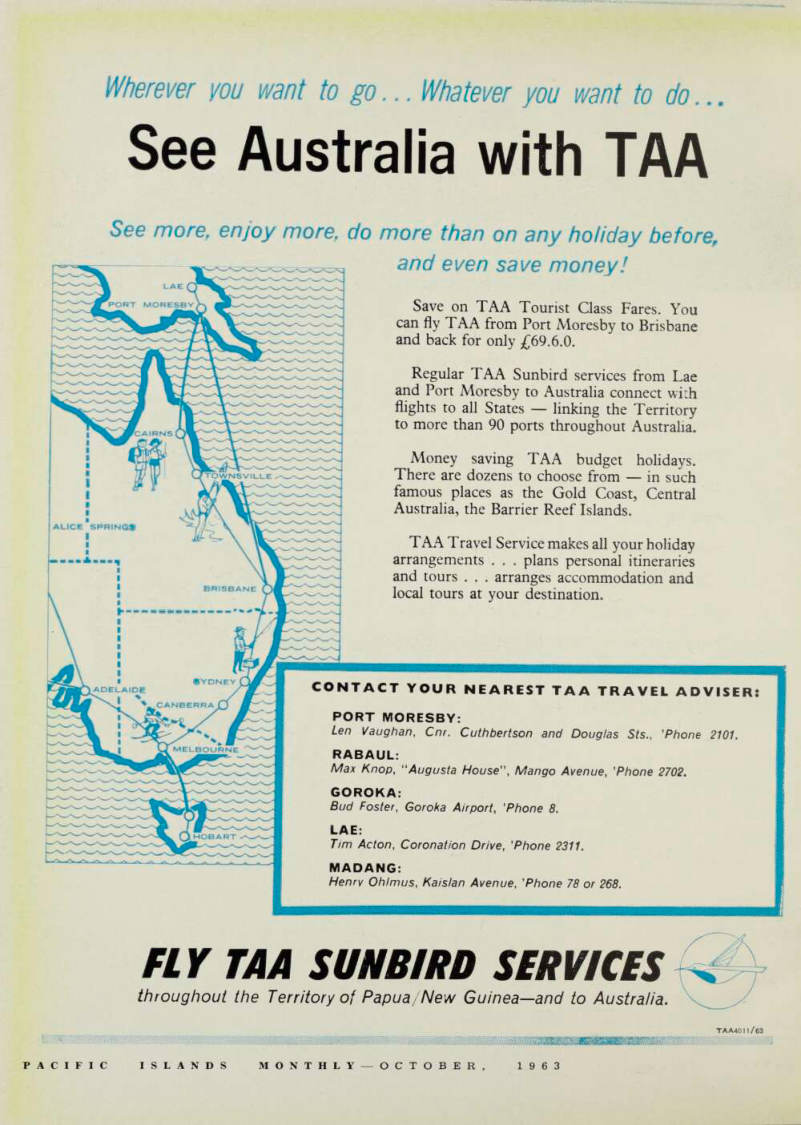 2
2 3
3 4
4 5
5 6
6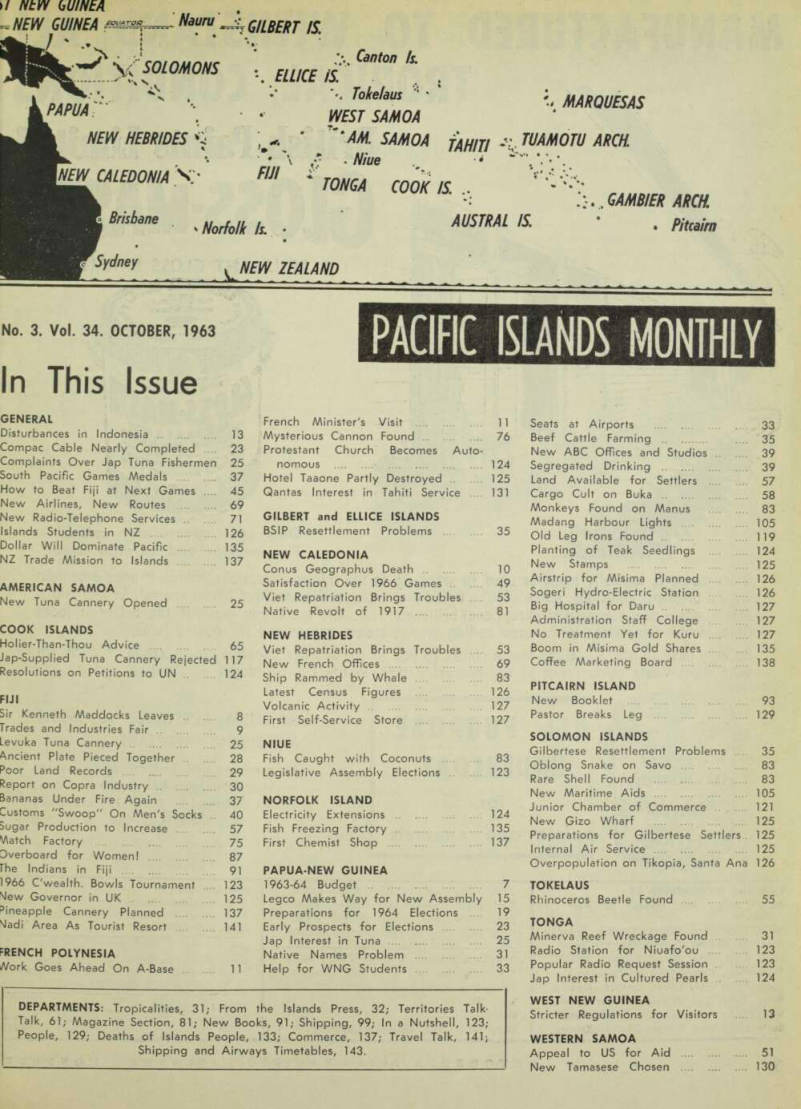 7
7 8
8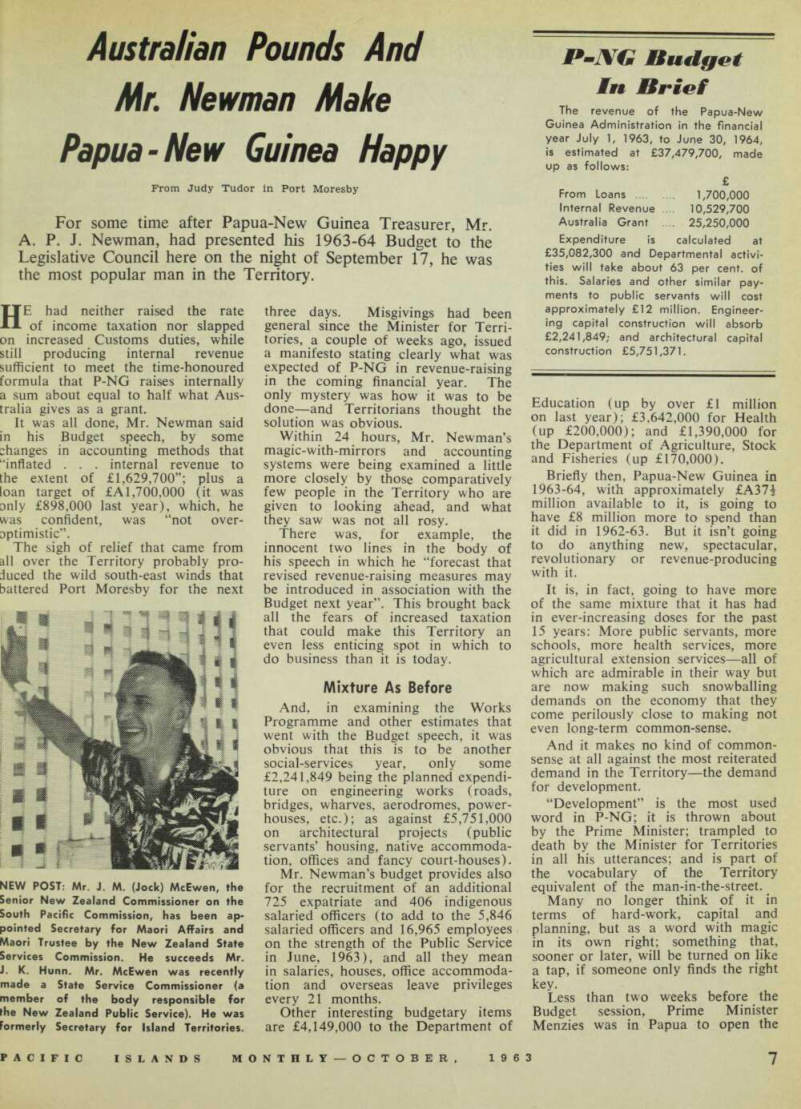 9
9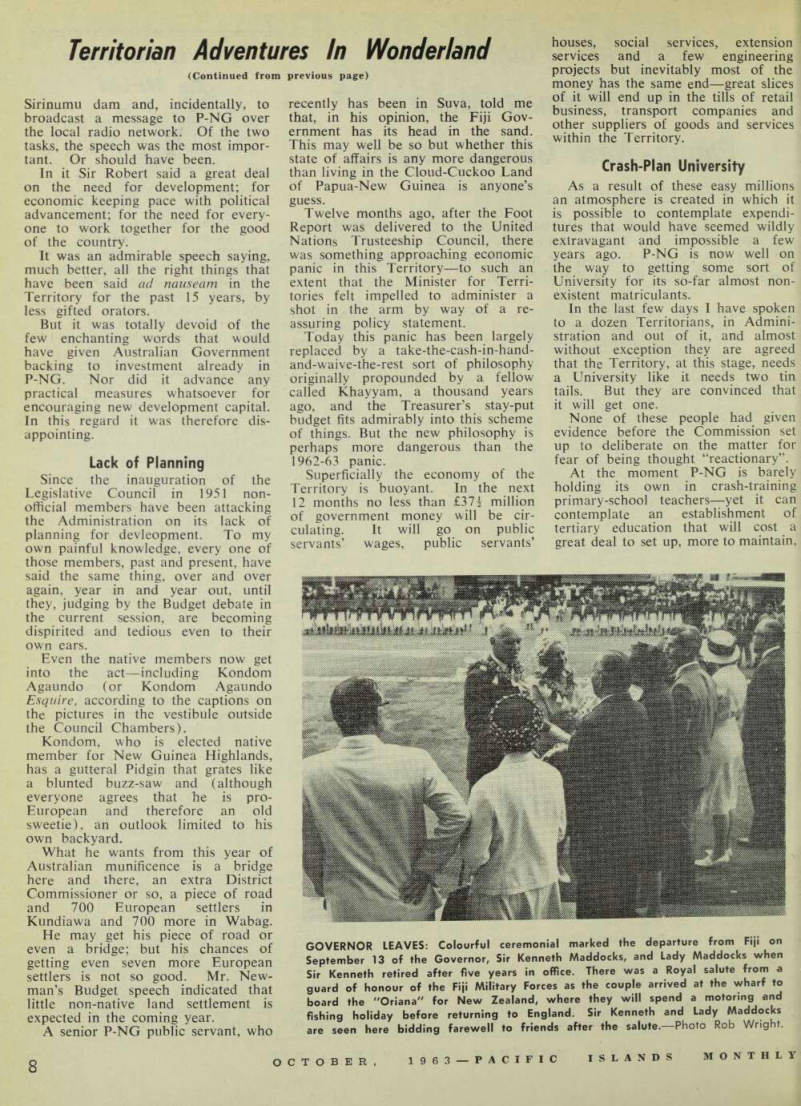 10
10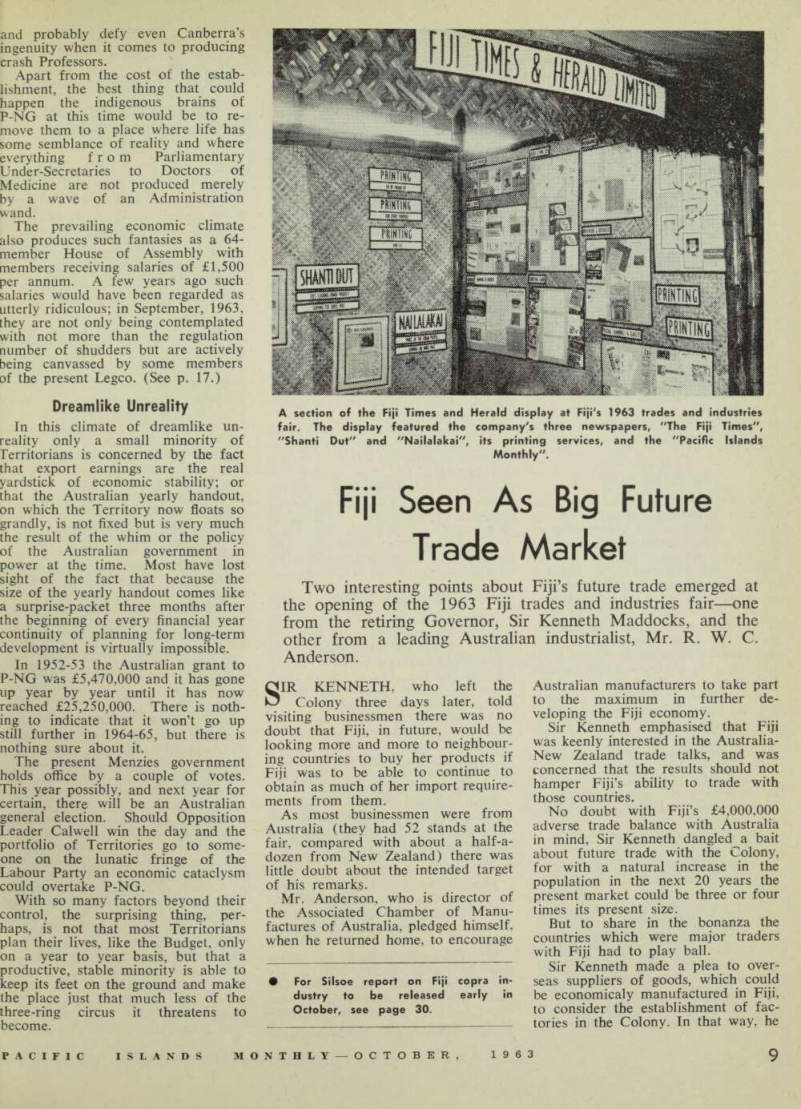 11
11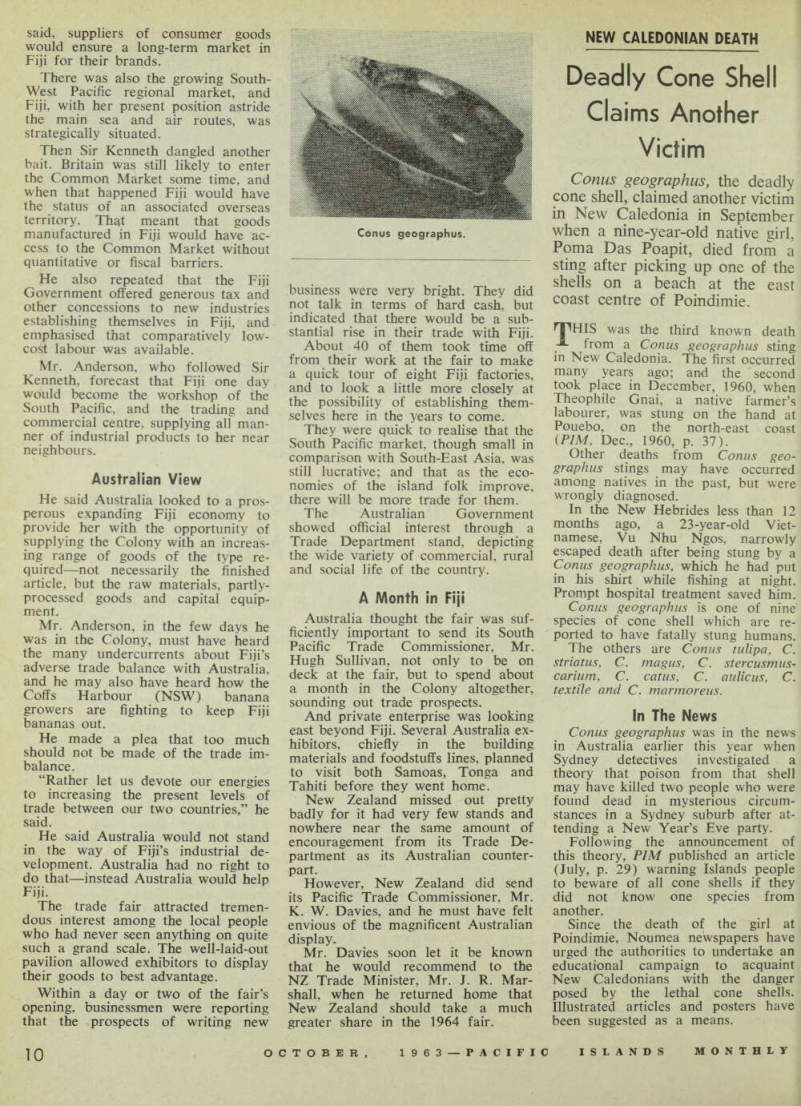 12
12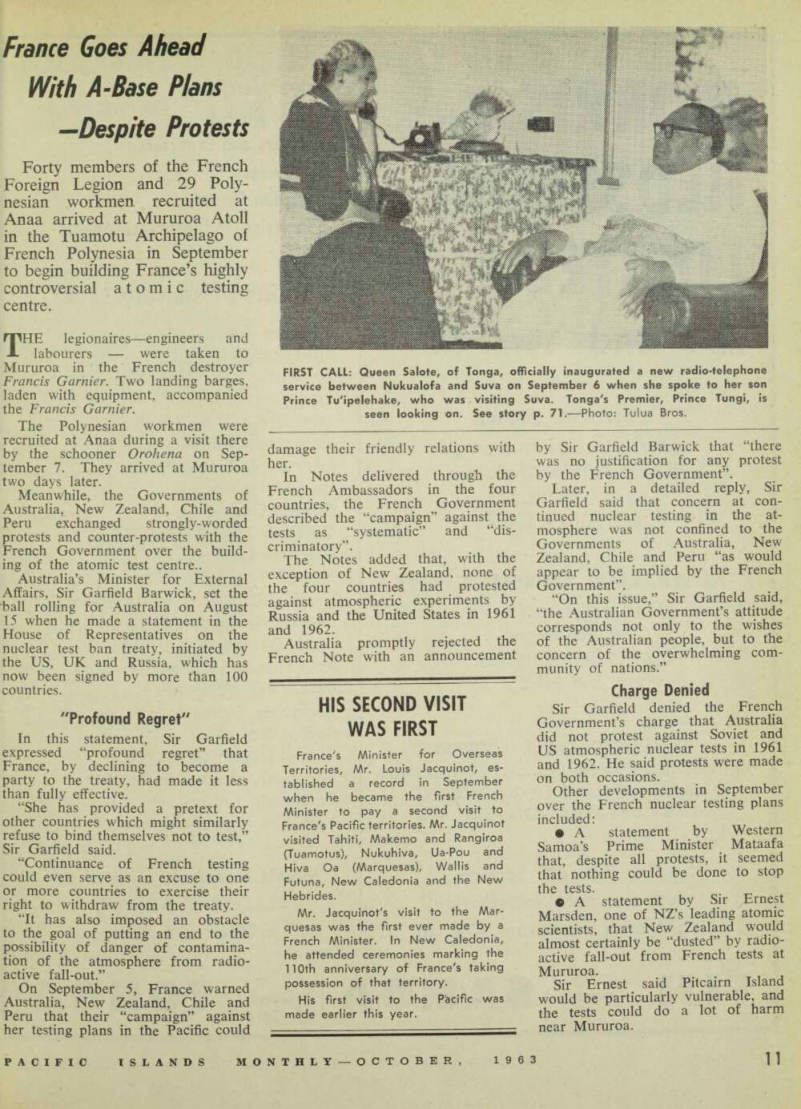 13
13 14
14 15
15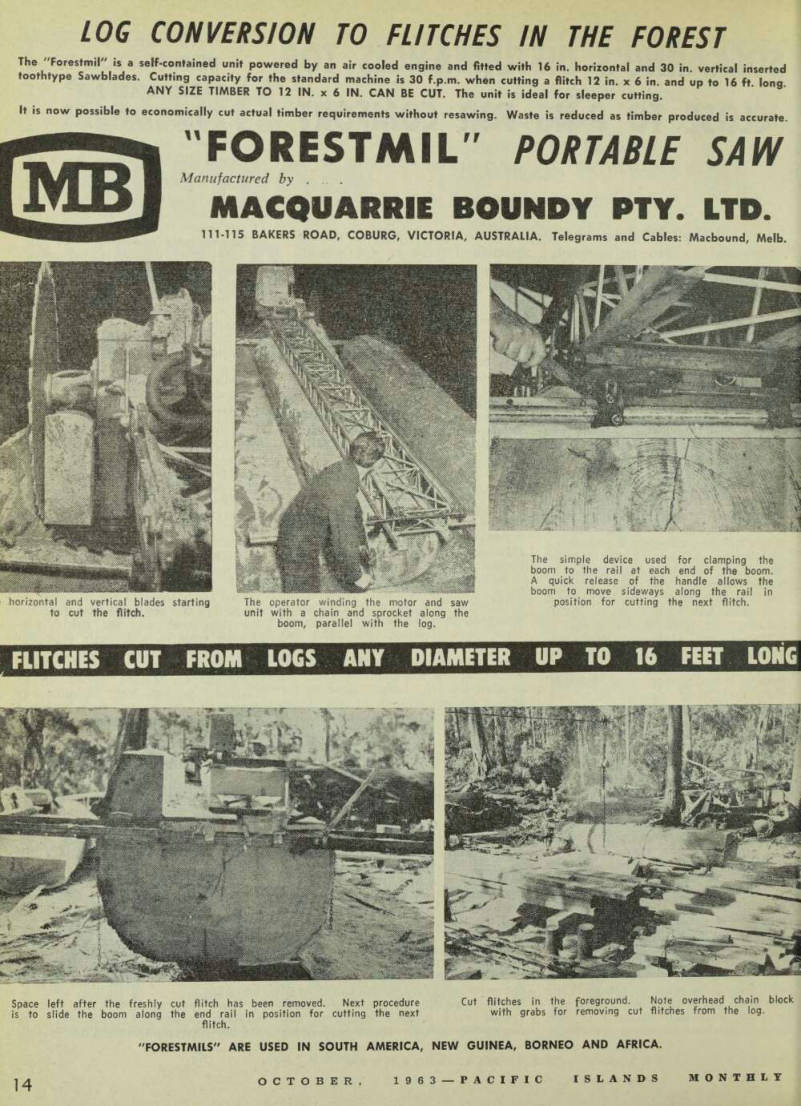 16
16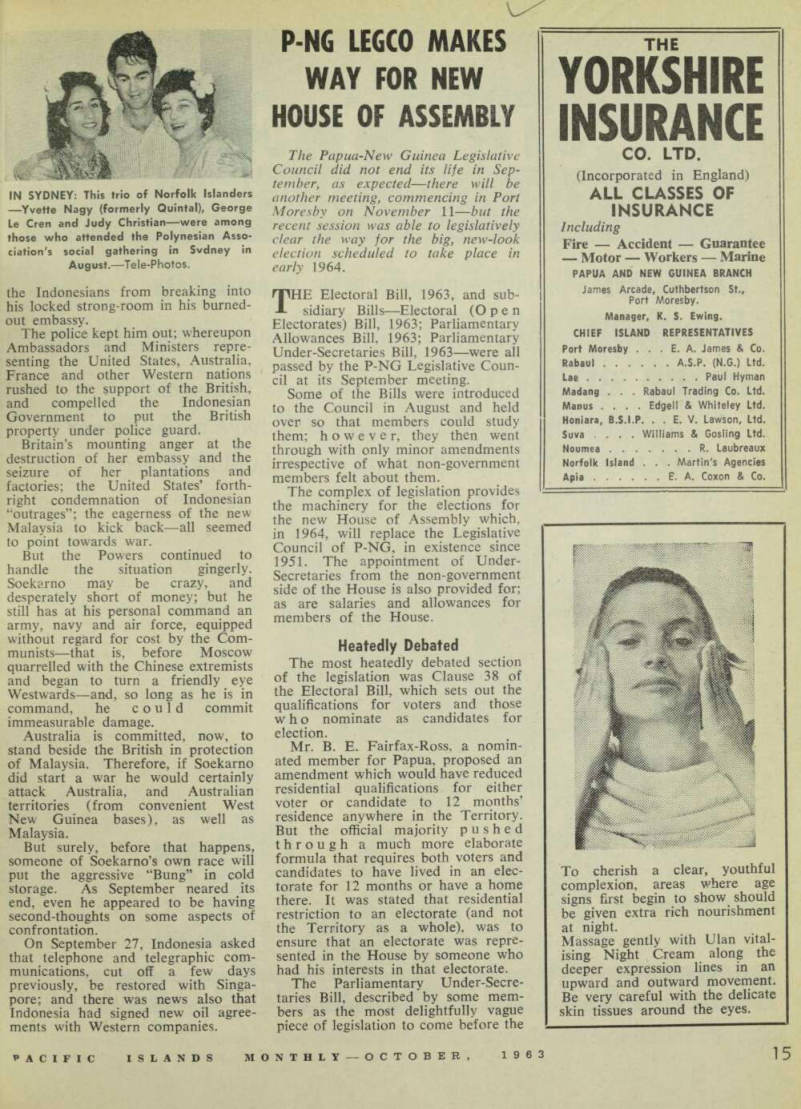 17
17 18
18 19
19 20
20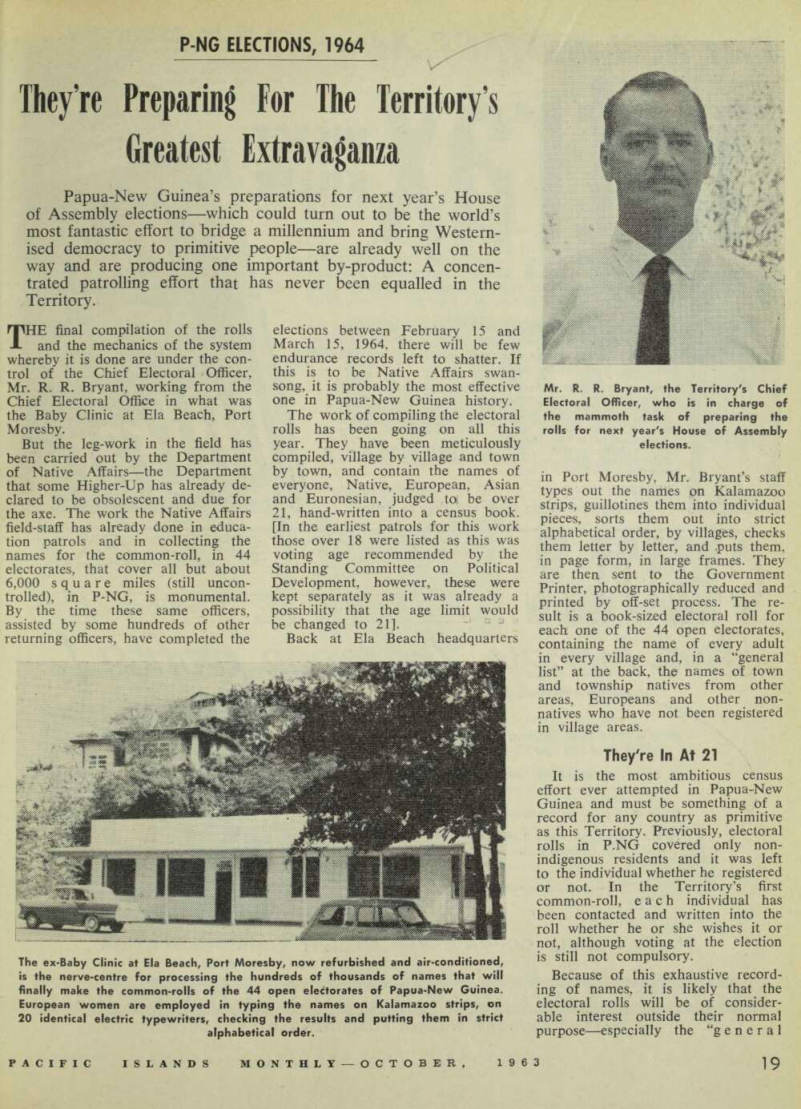 21
21 22
22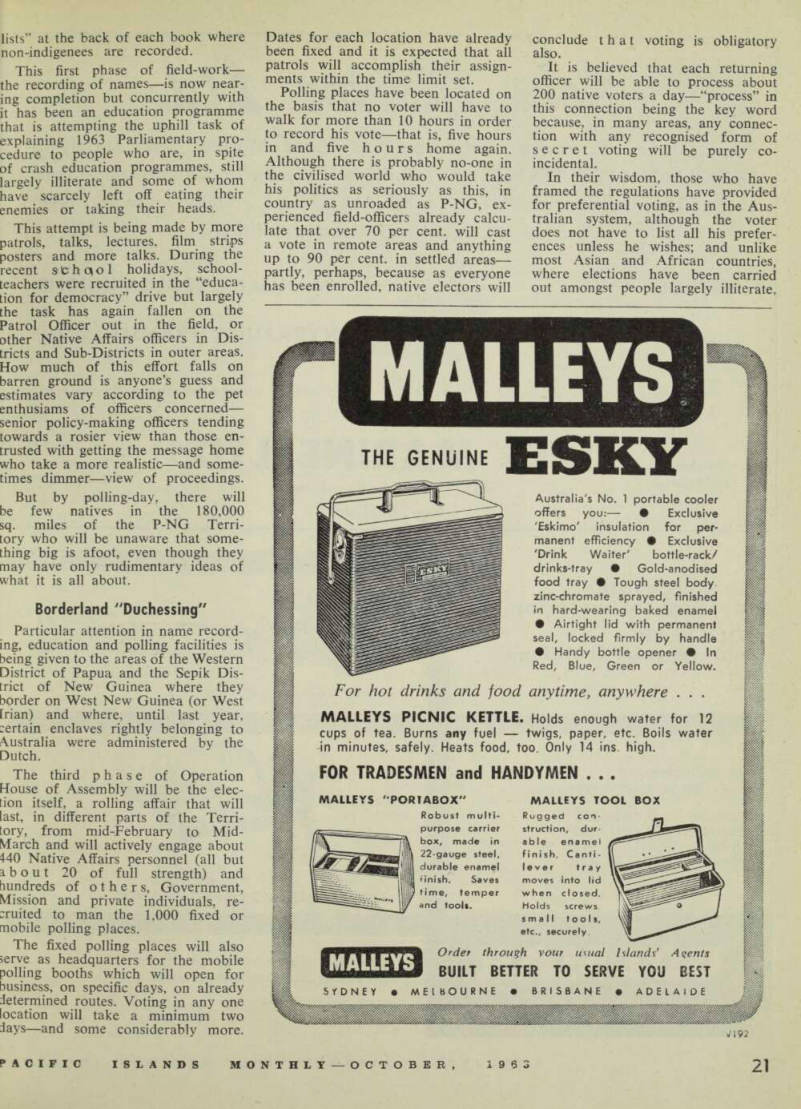 23
23 24
24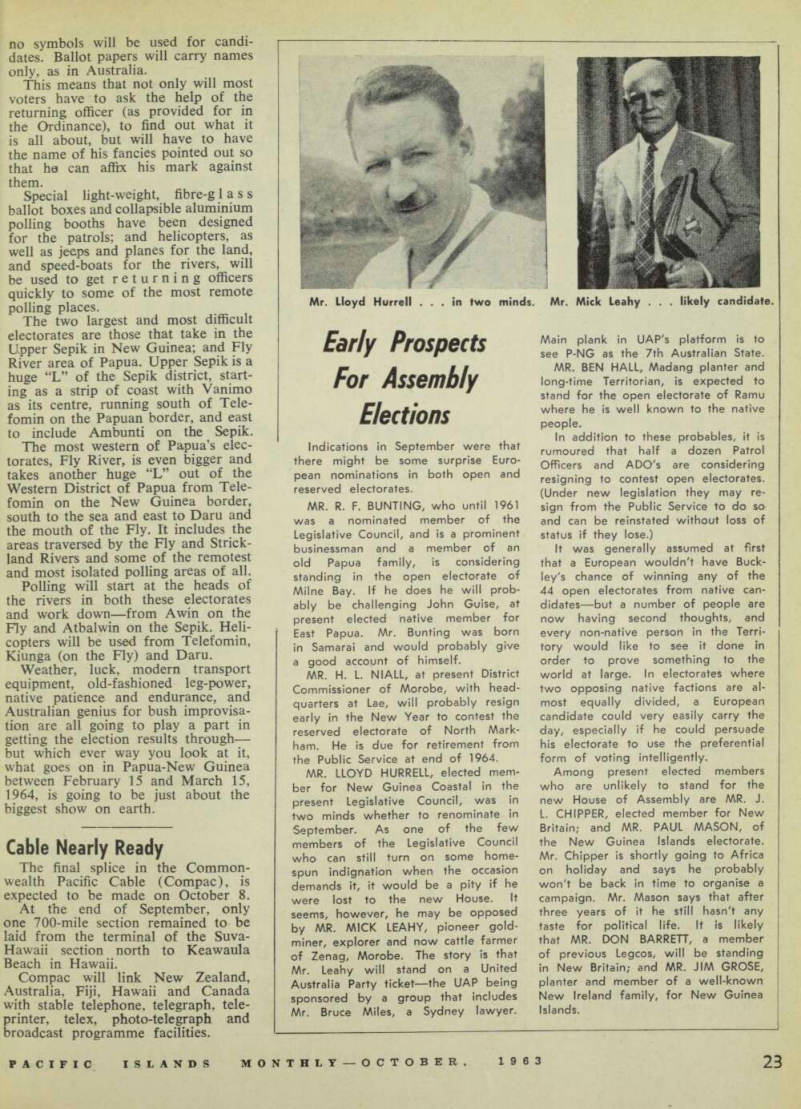 25
25 26
26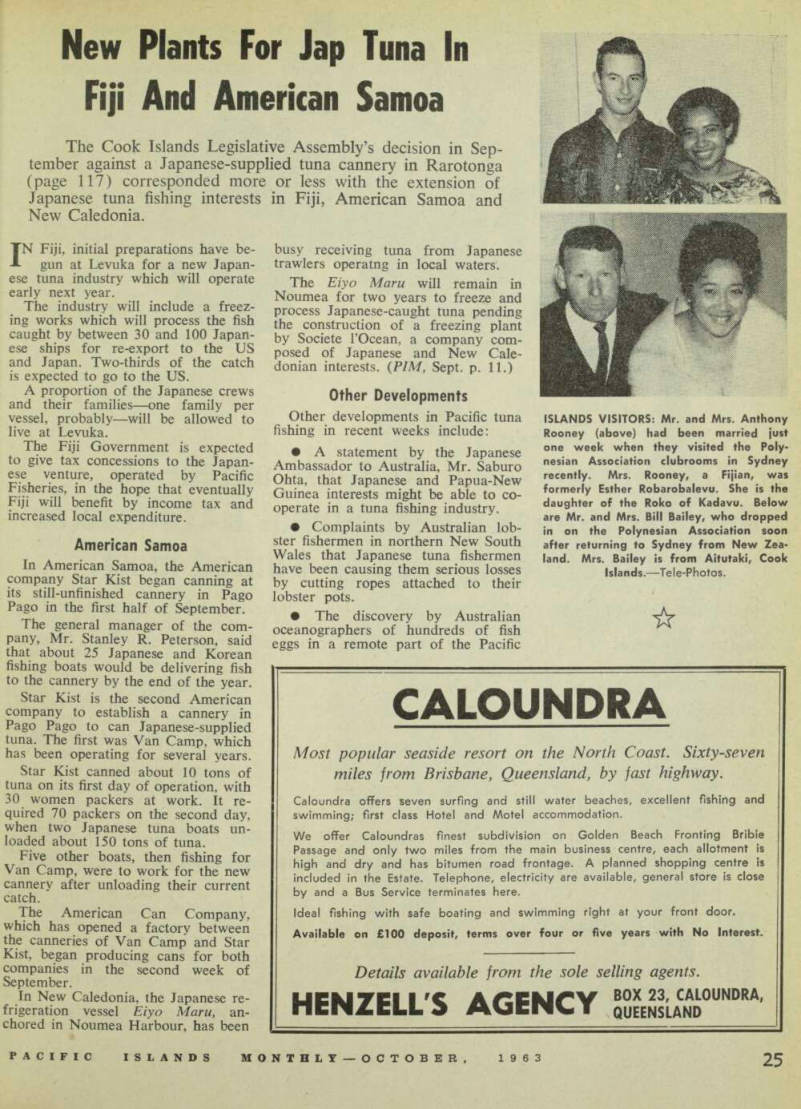 27
27 28
28 29
29 30
30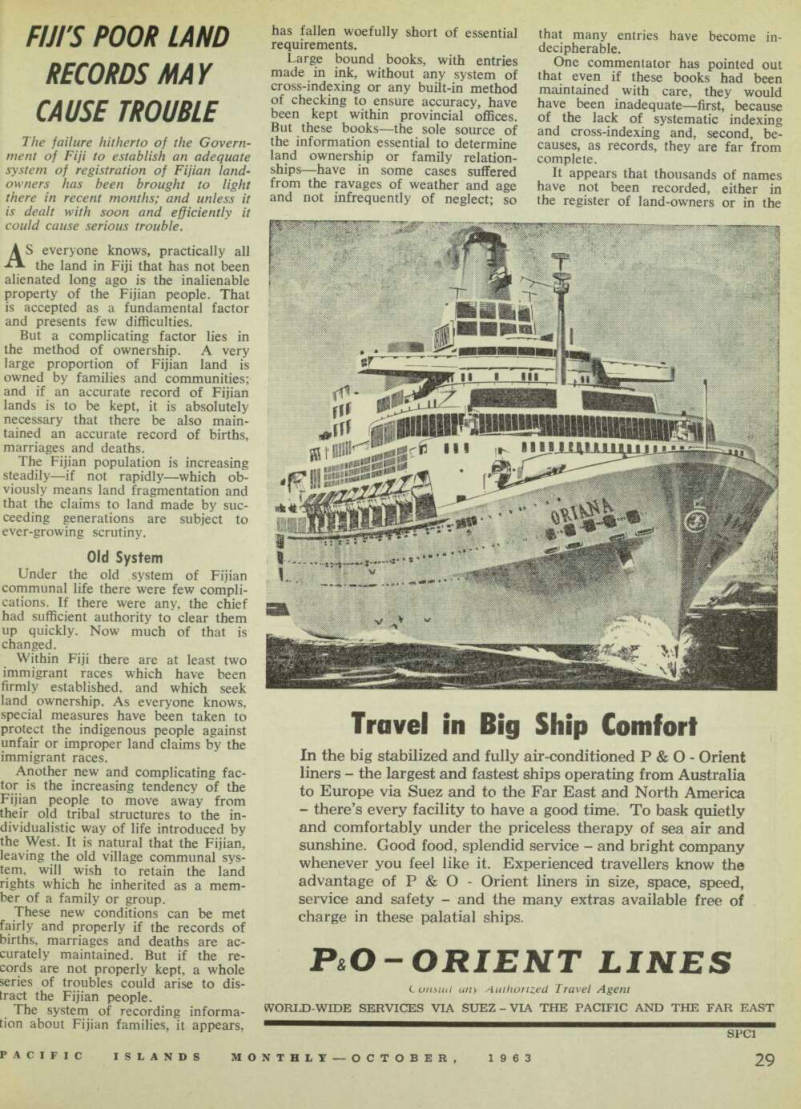 31
31 32
32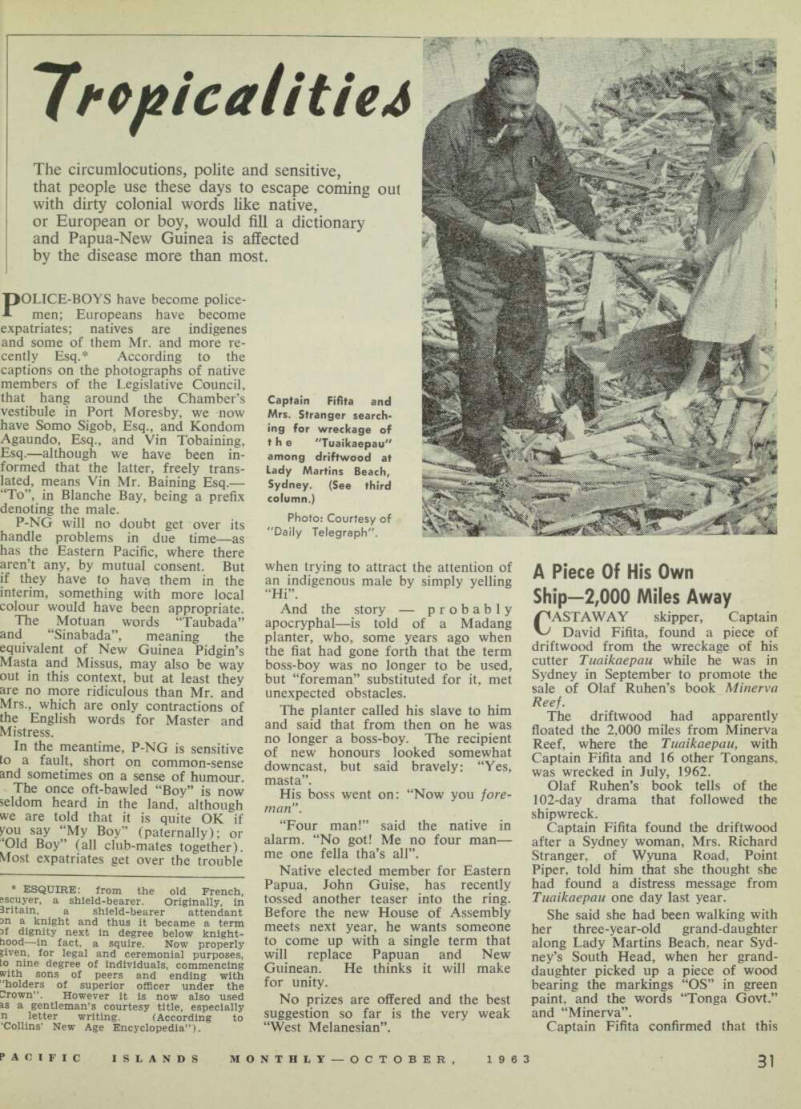 33
33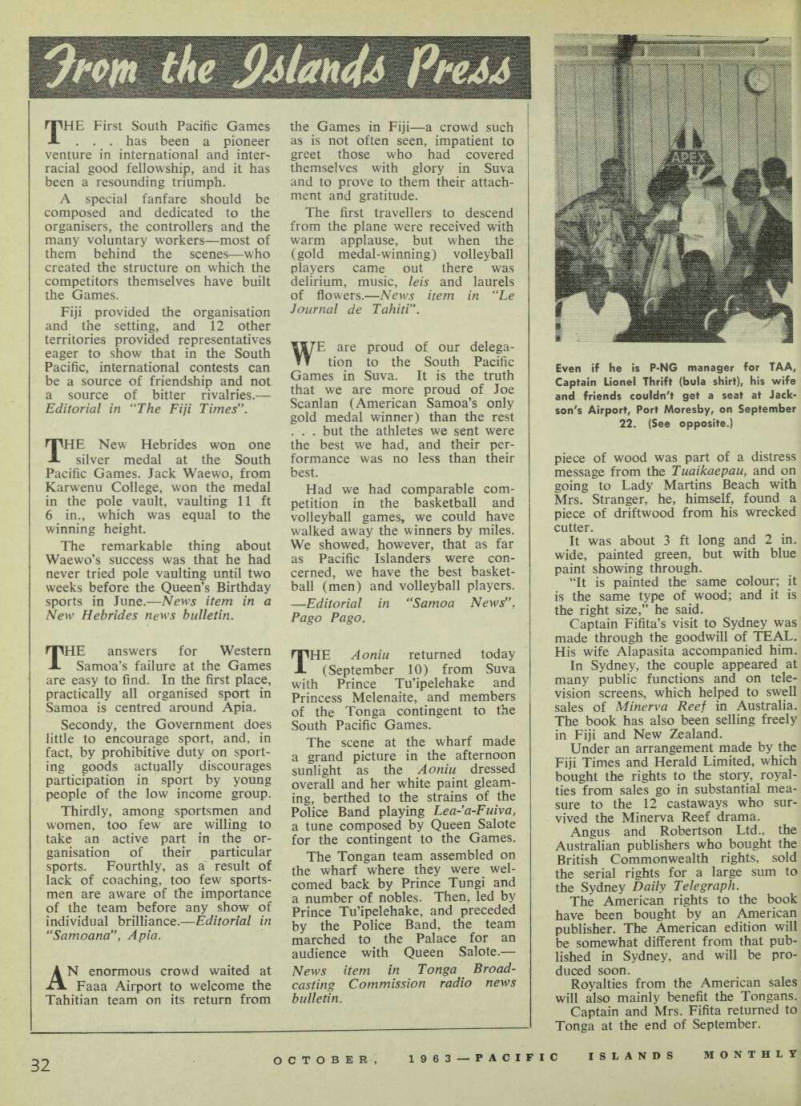 34
34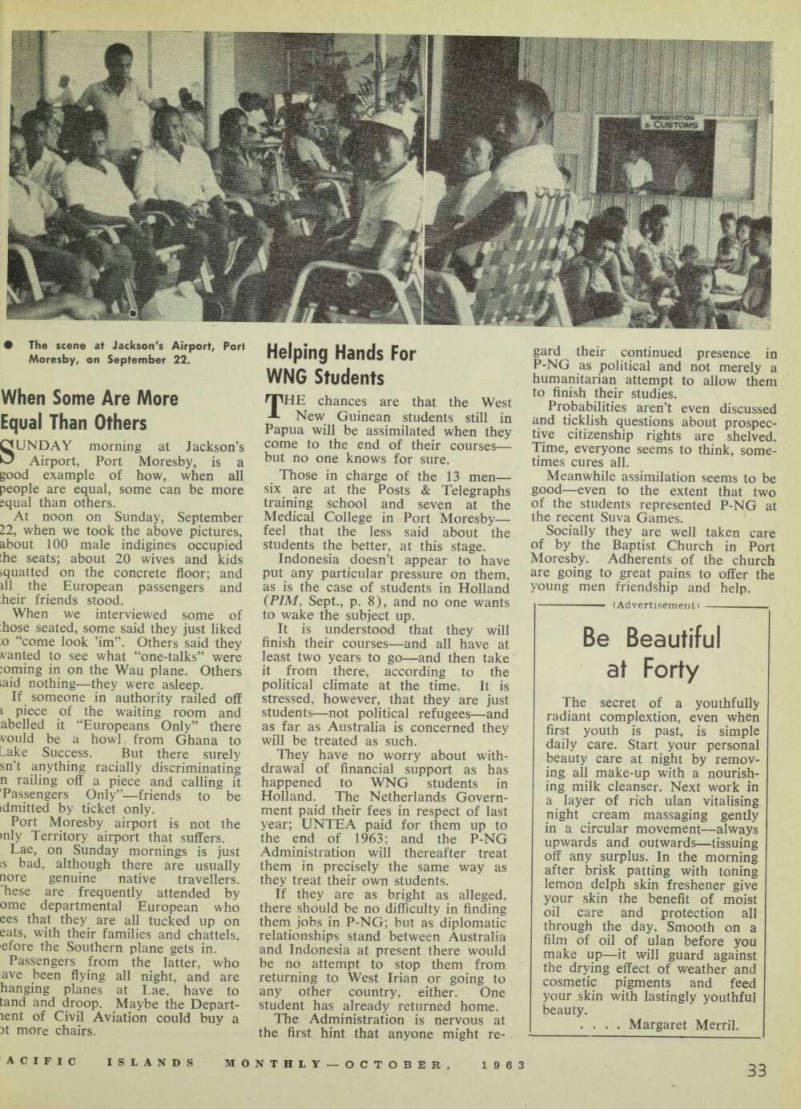 35
35 36
36 37
37 38
38 39
39 40
40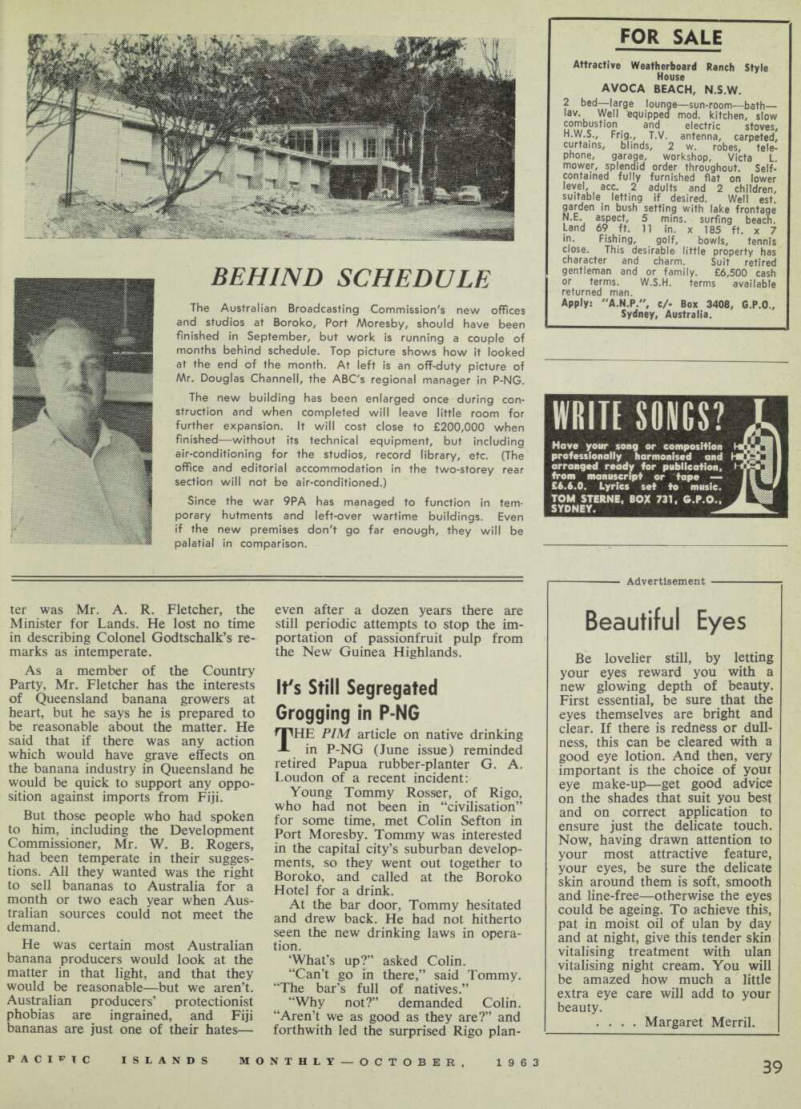 41
41 42
42 43
43 44
44 45
45 46
46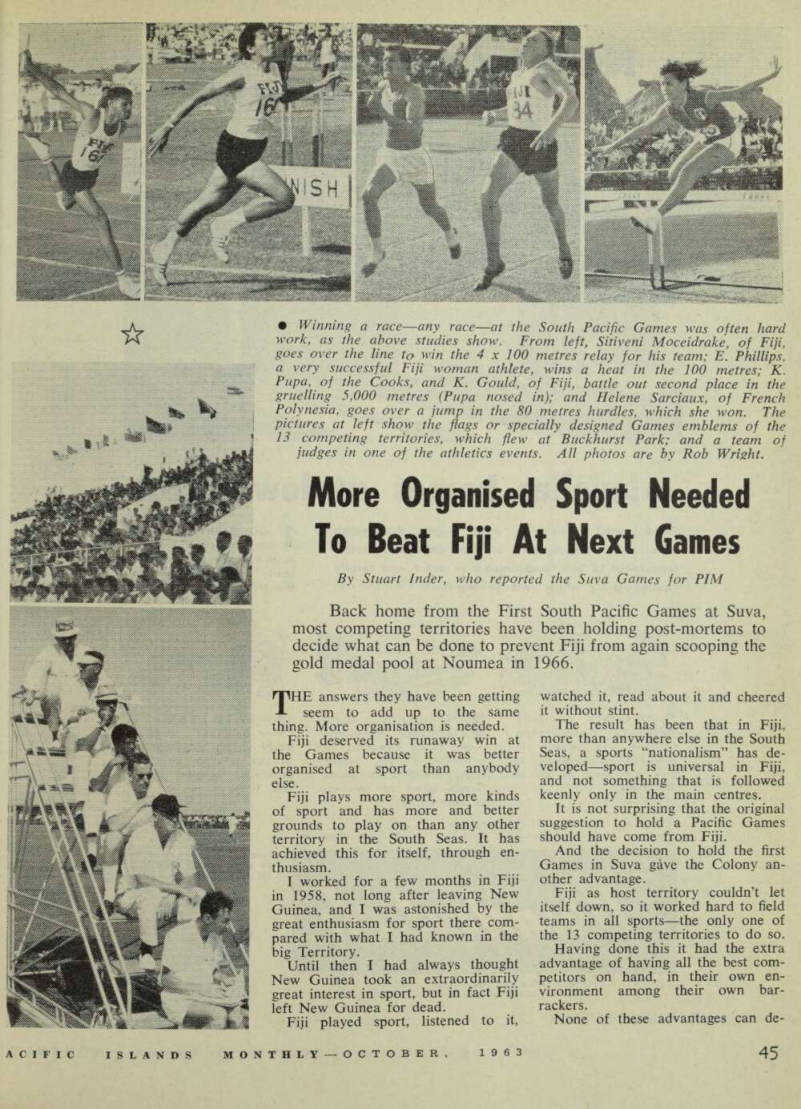 47
47 48
48 49
49 50
50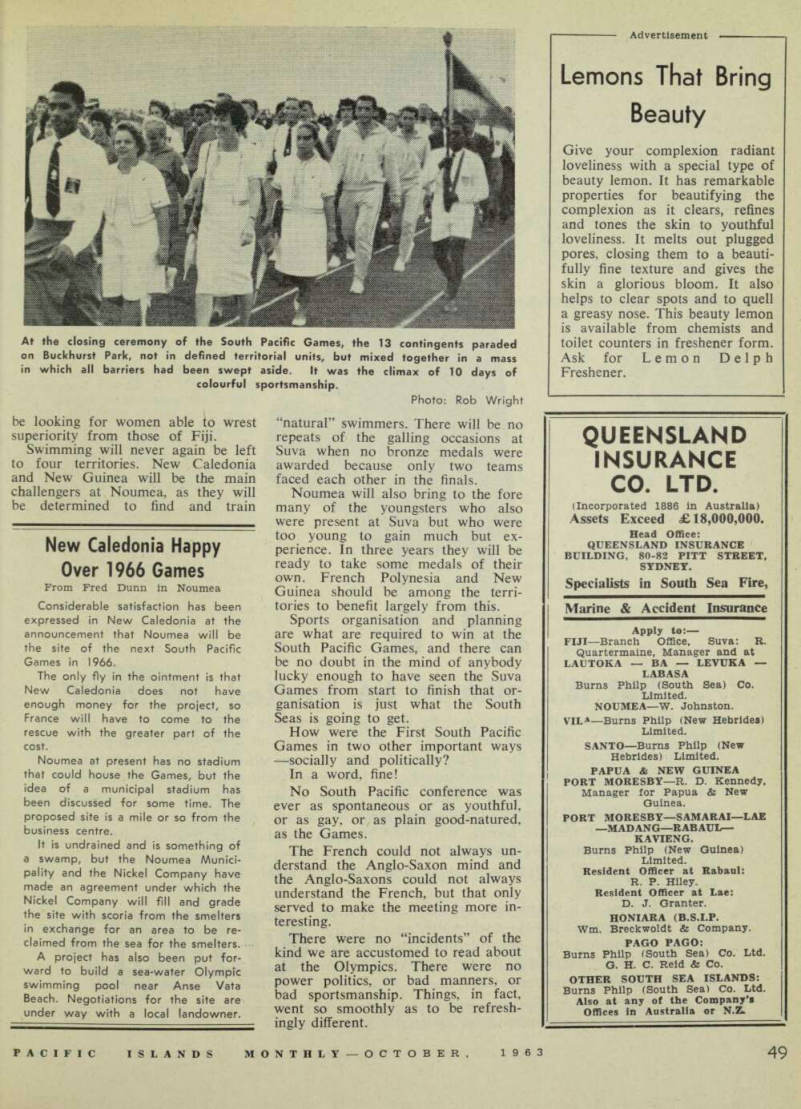 51
51 52
52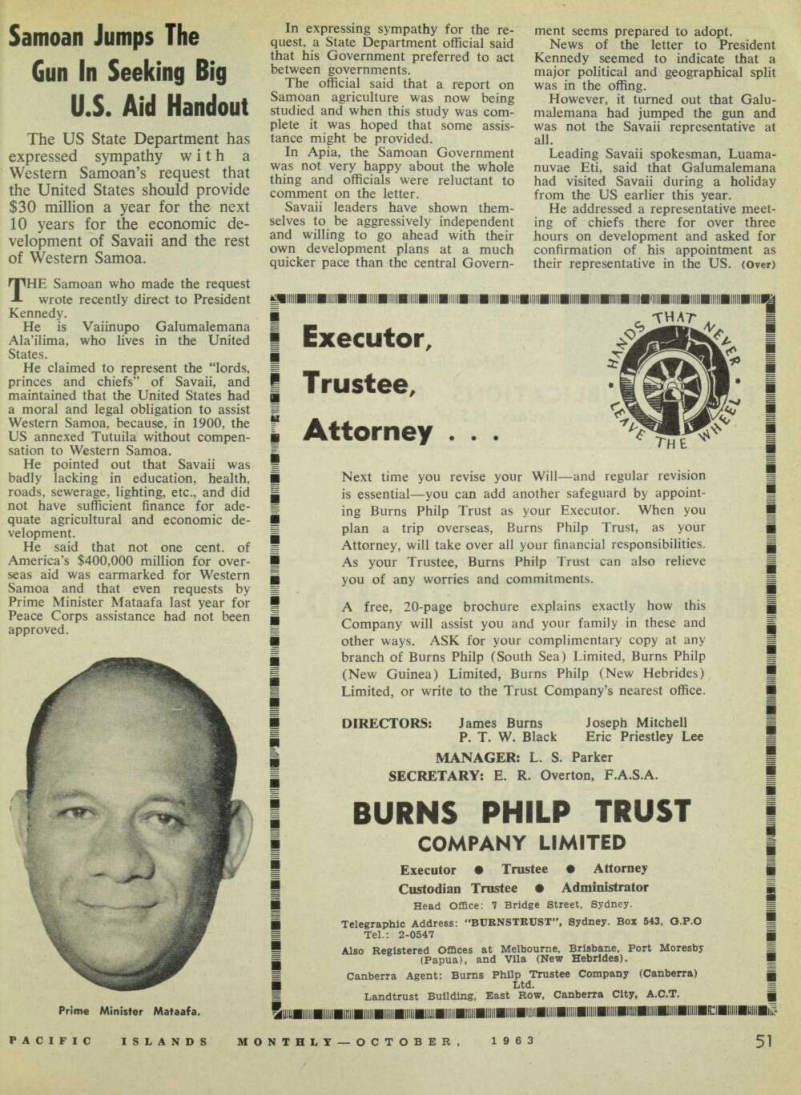 53
53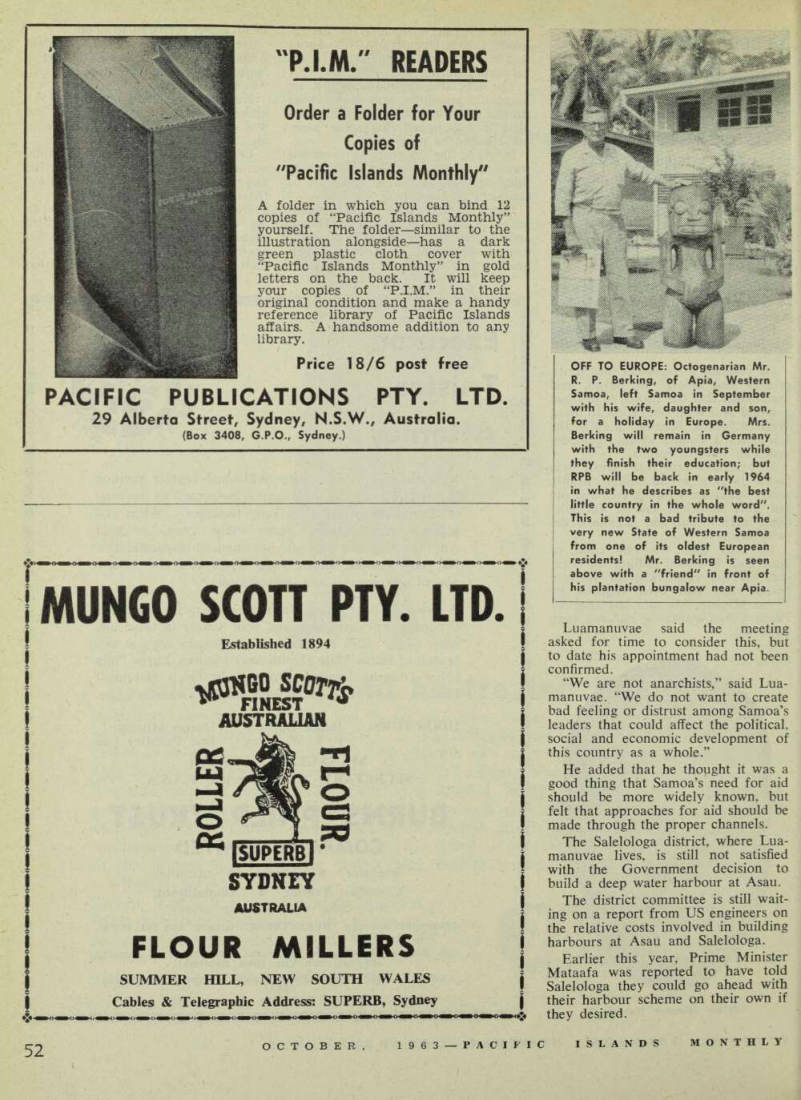 54
54 55
55 56
56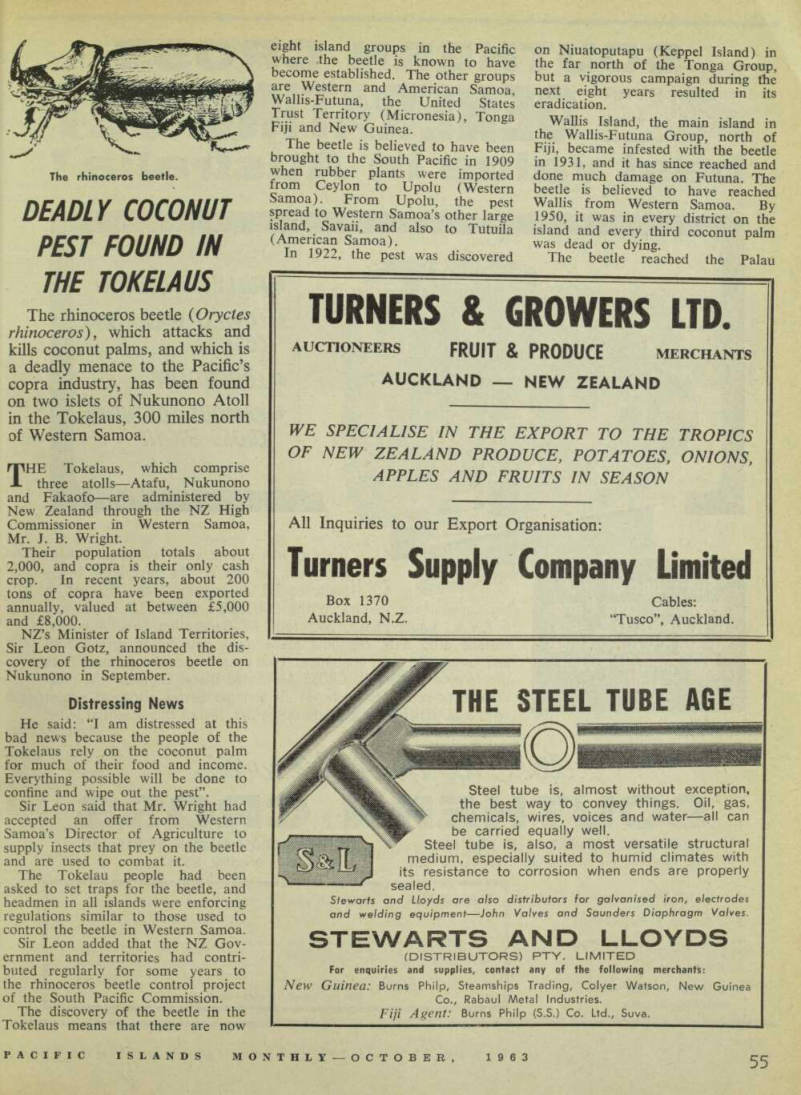 57
57 58
58 59
59 60
60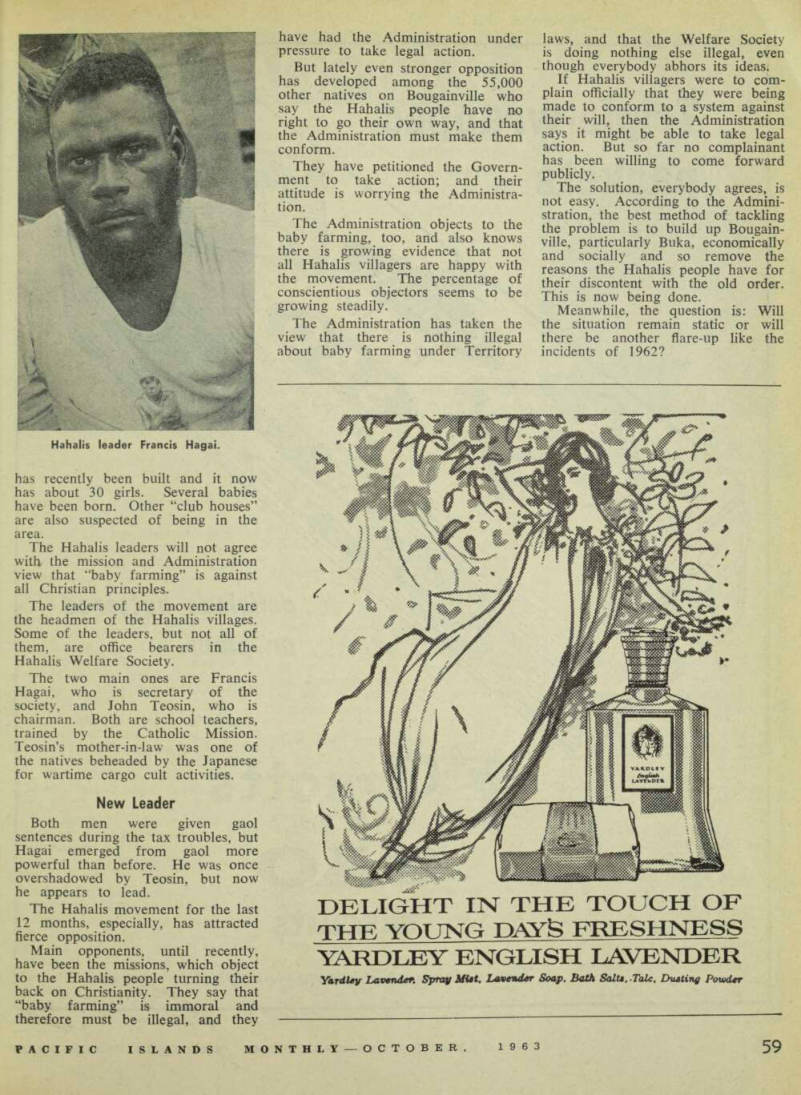 61
61 62
62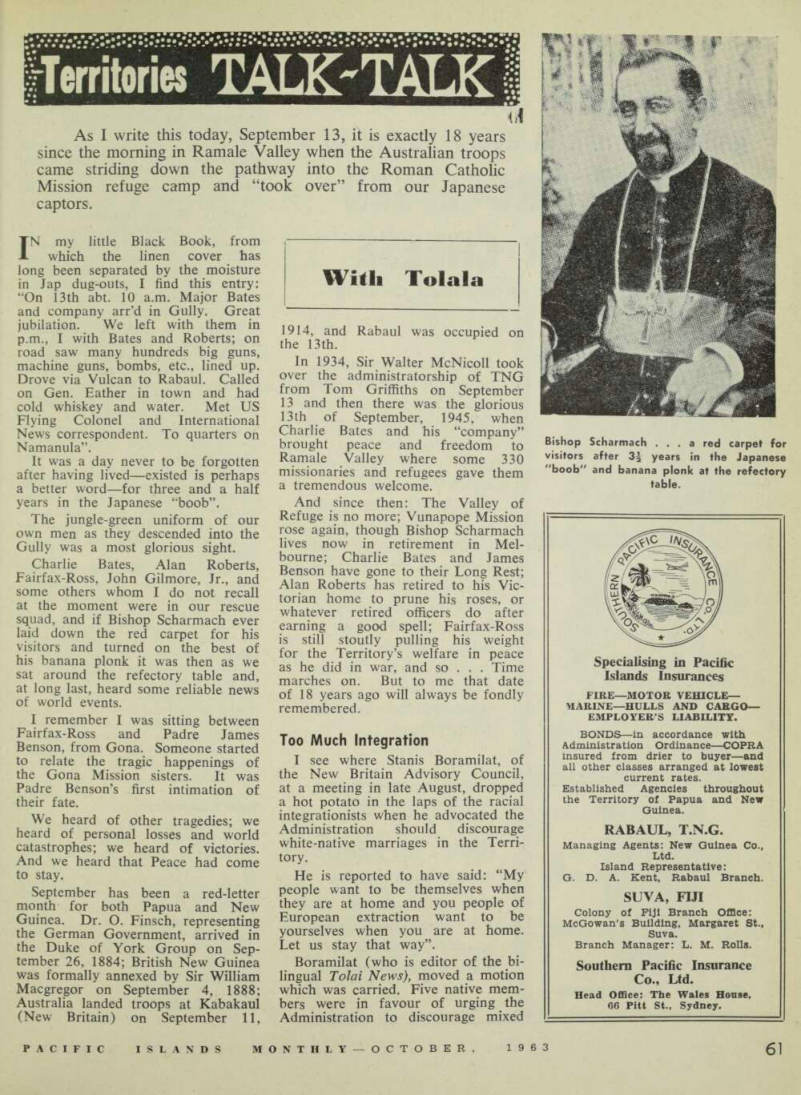 63
63 64
64 65
65 66
66 67
67 68
68 69
69 70
70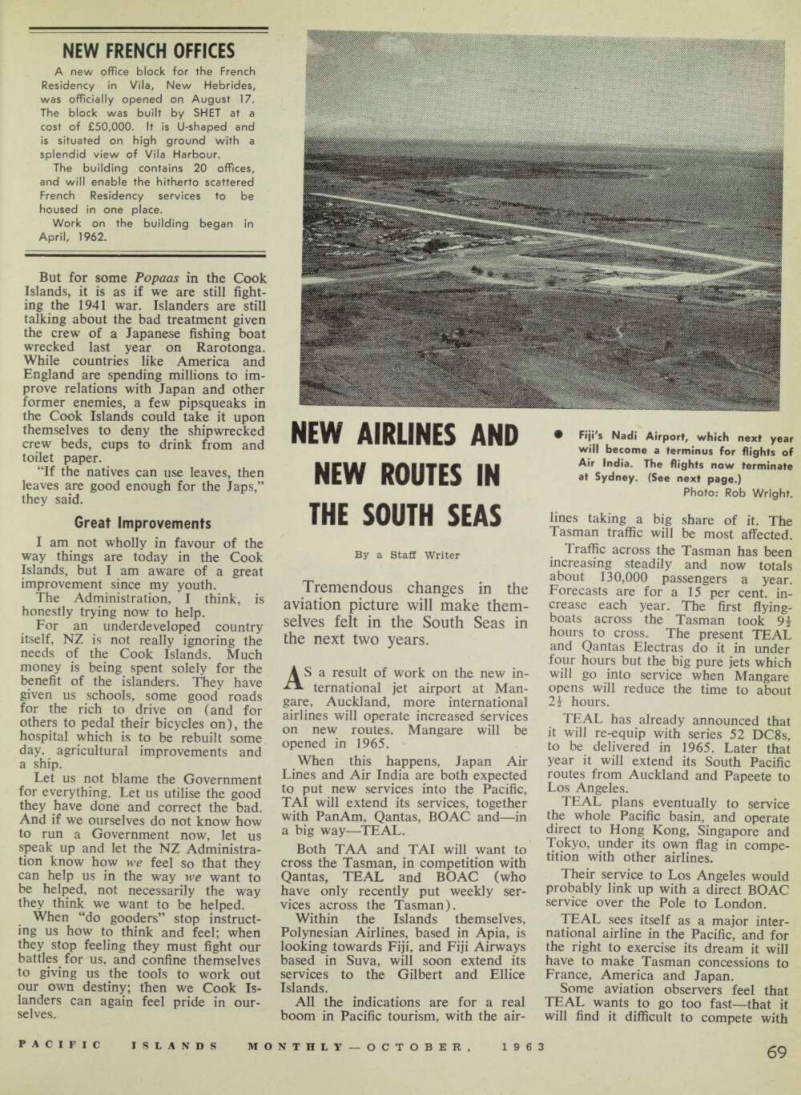 71
71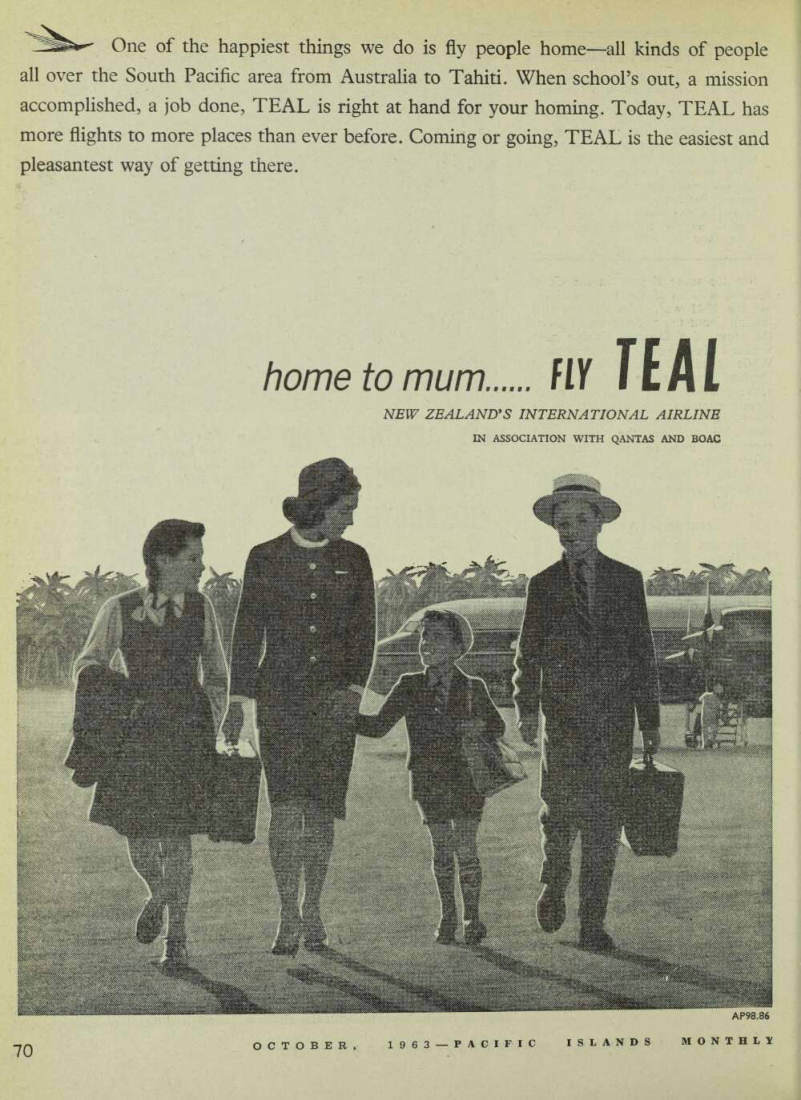 72
72 73
73 74
74 75
75 76
76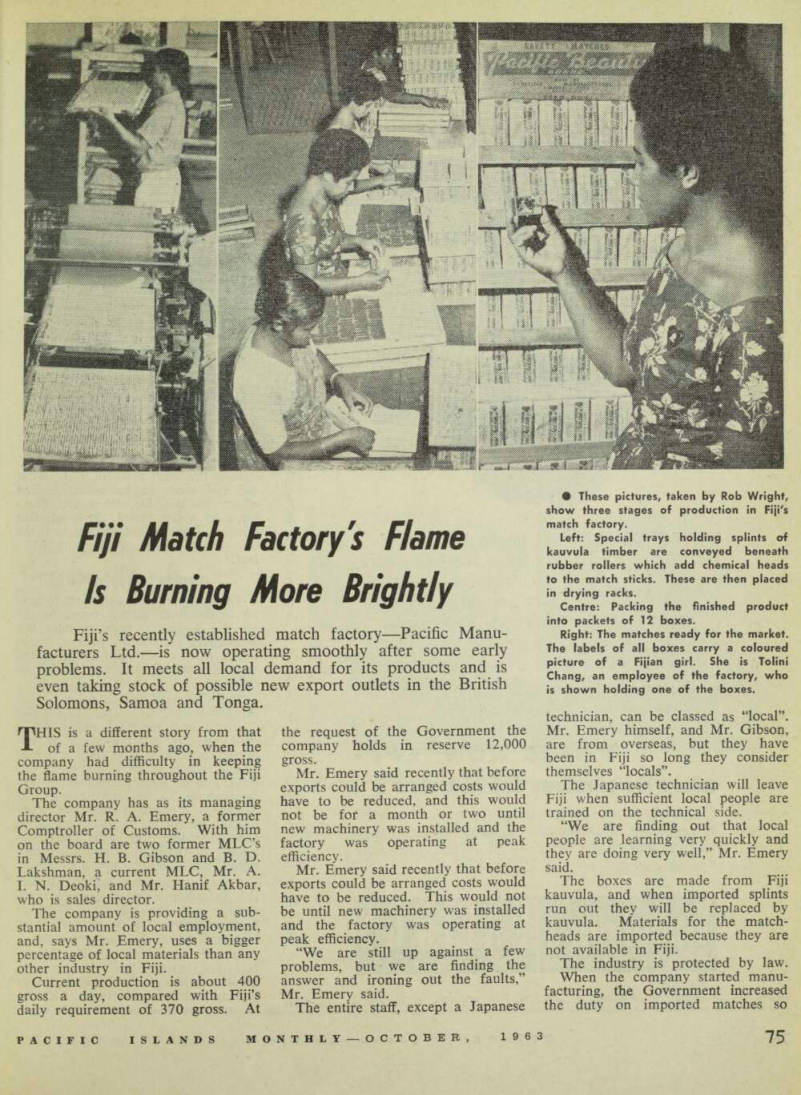 77
77 78
78 79
79 80
80 81
81 82
82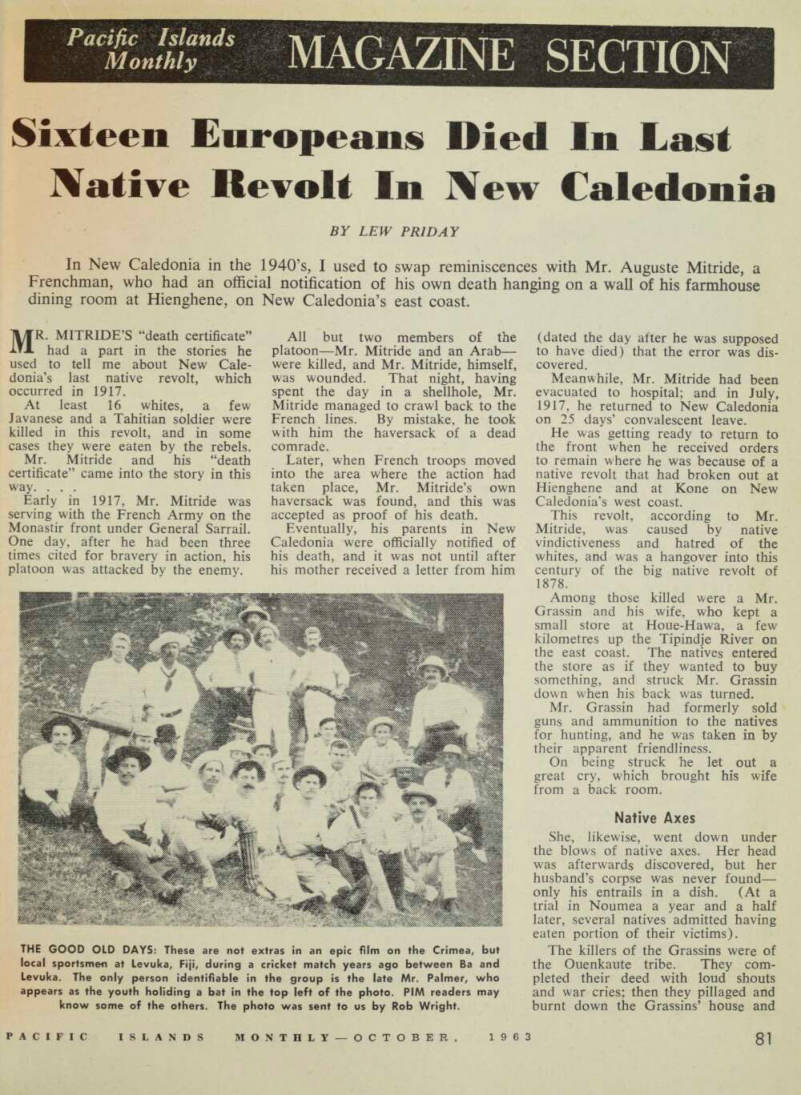 83
83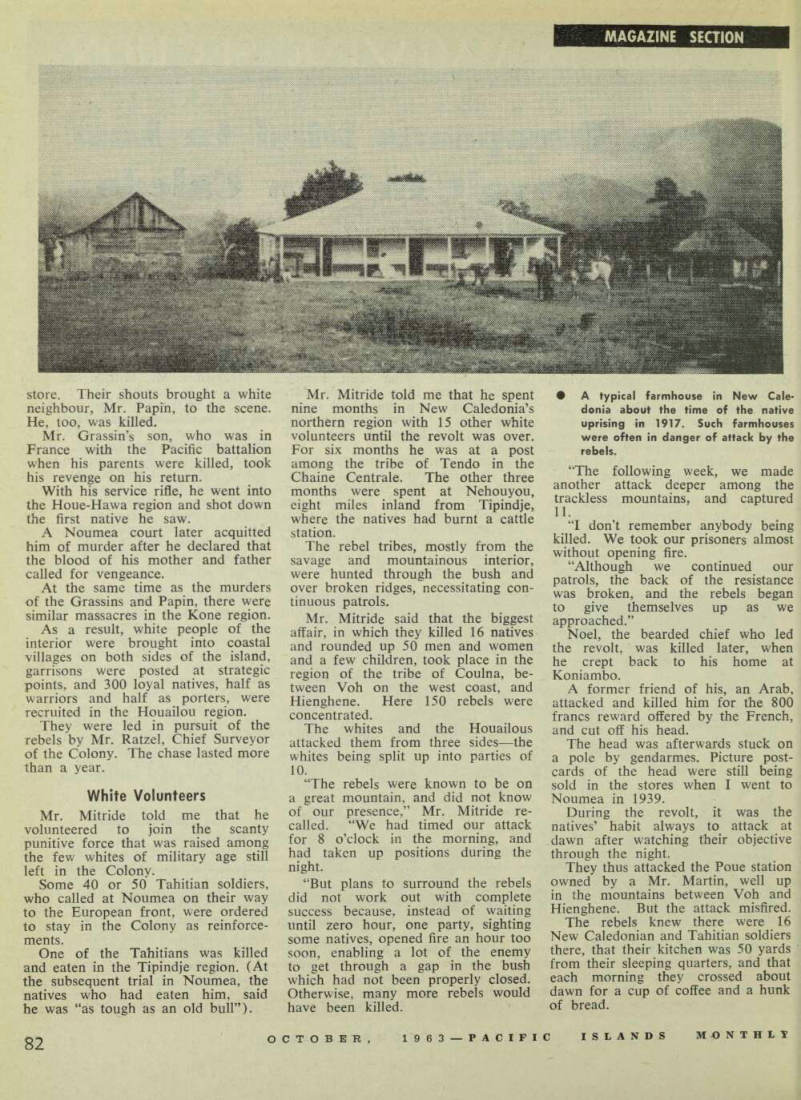 84
84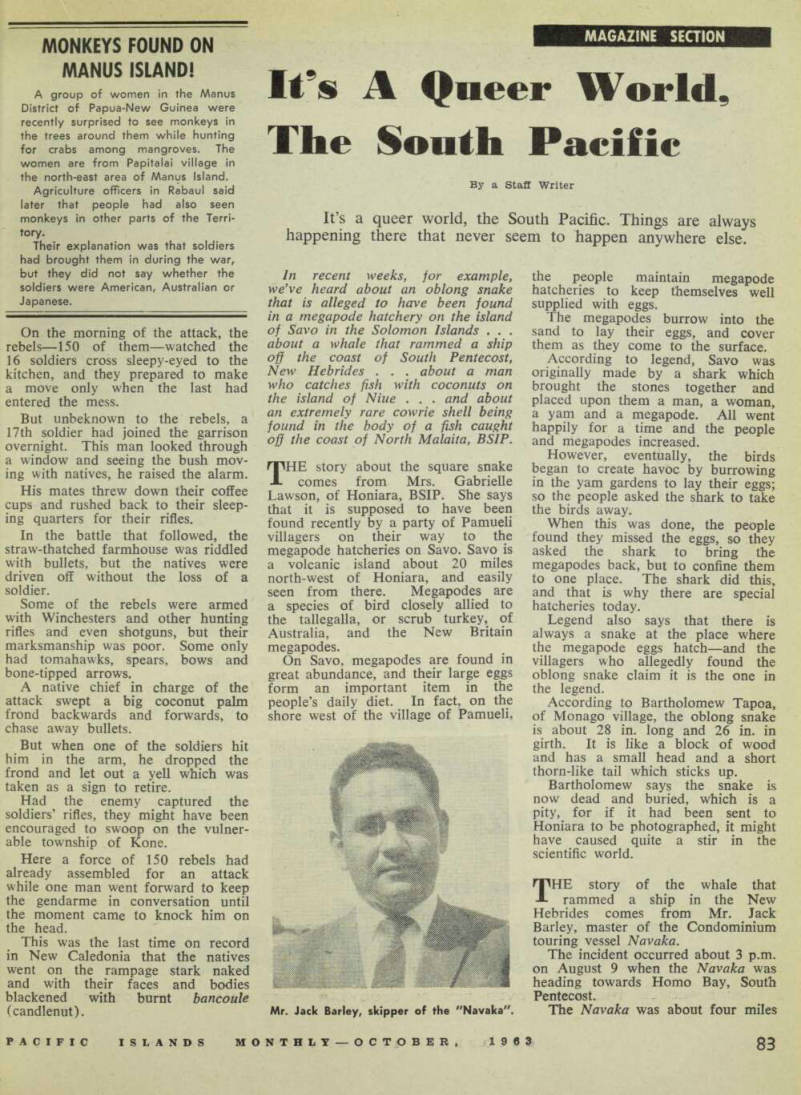 85
85 86
86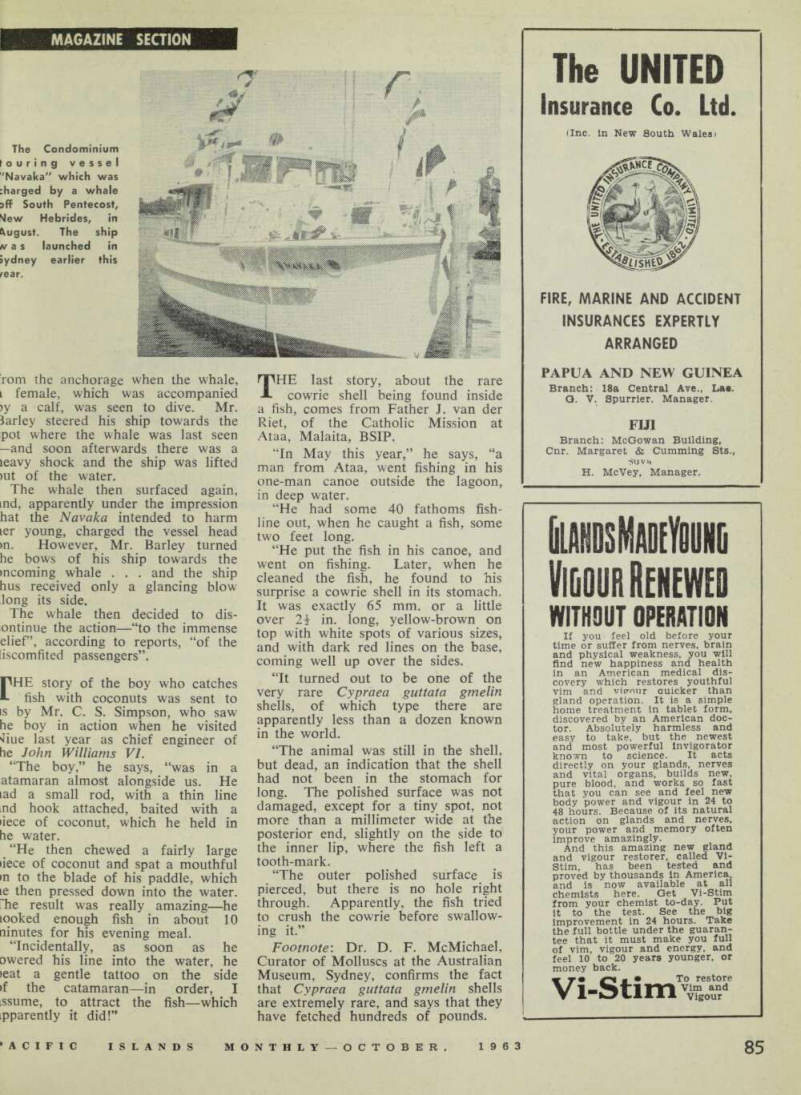 87
87 88
88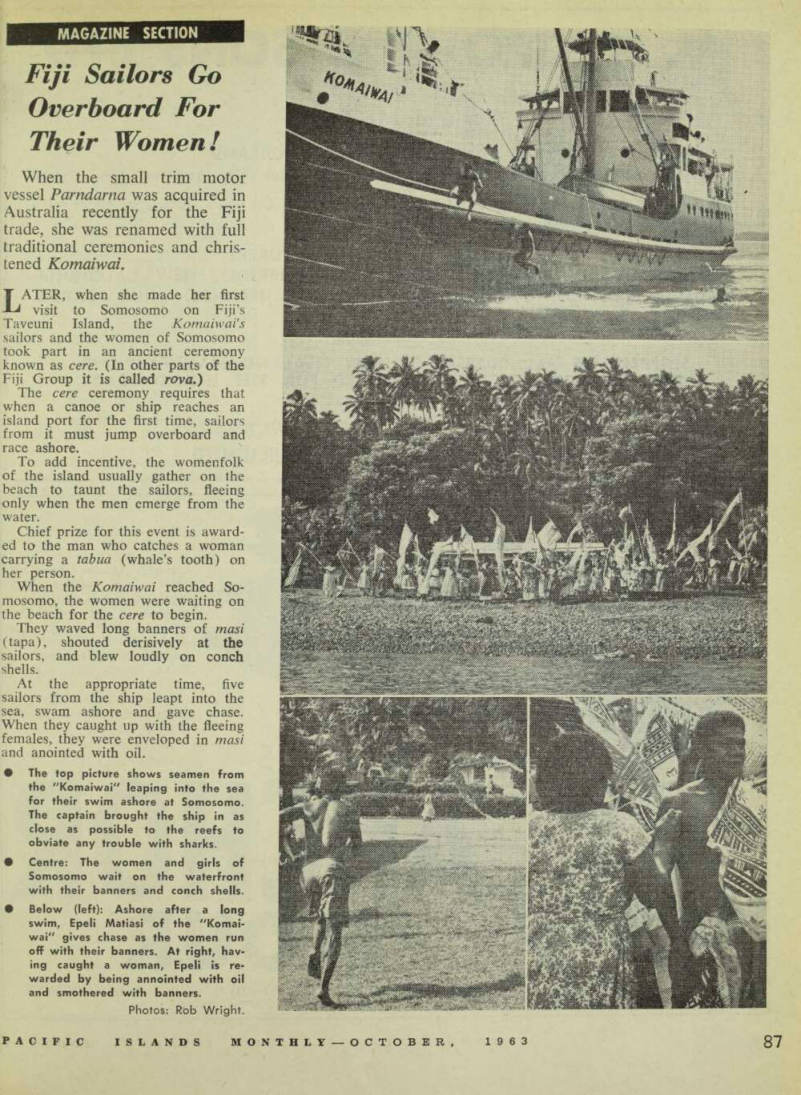 89
89 90
90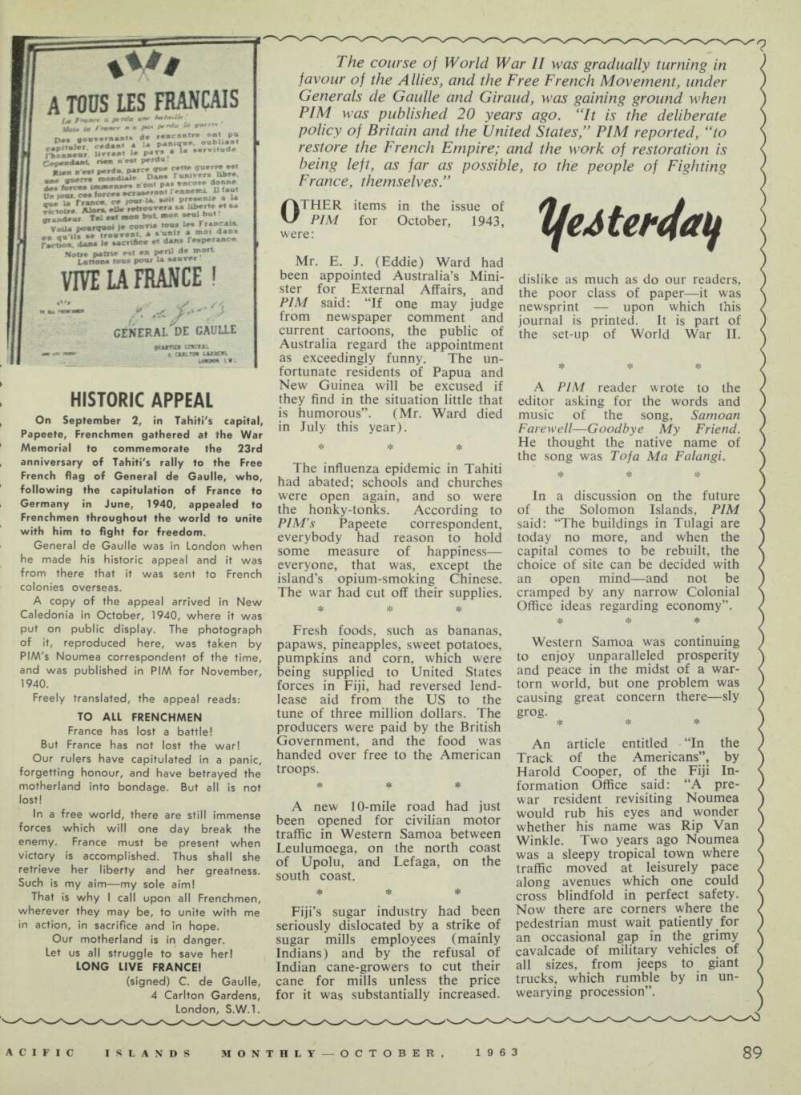 91
91 92
92 93
93 94
94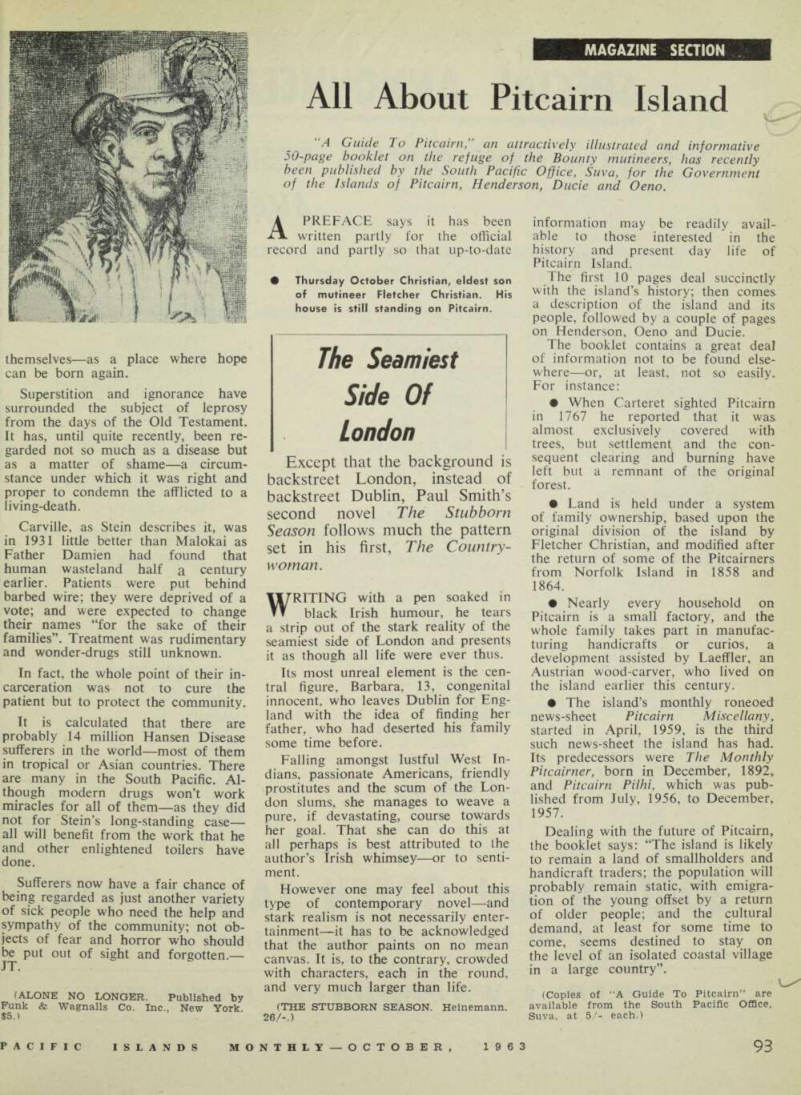 95
95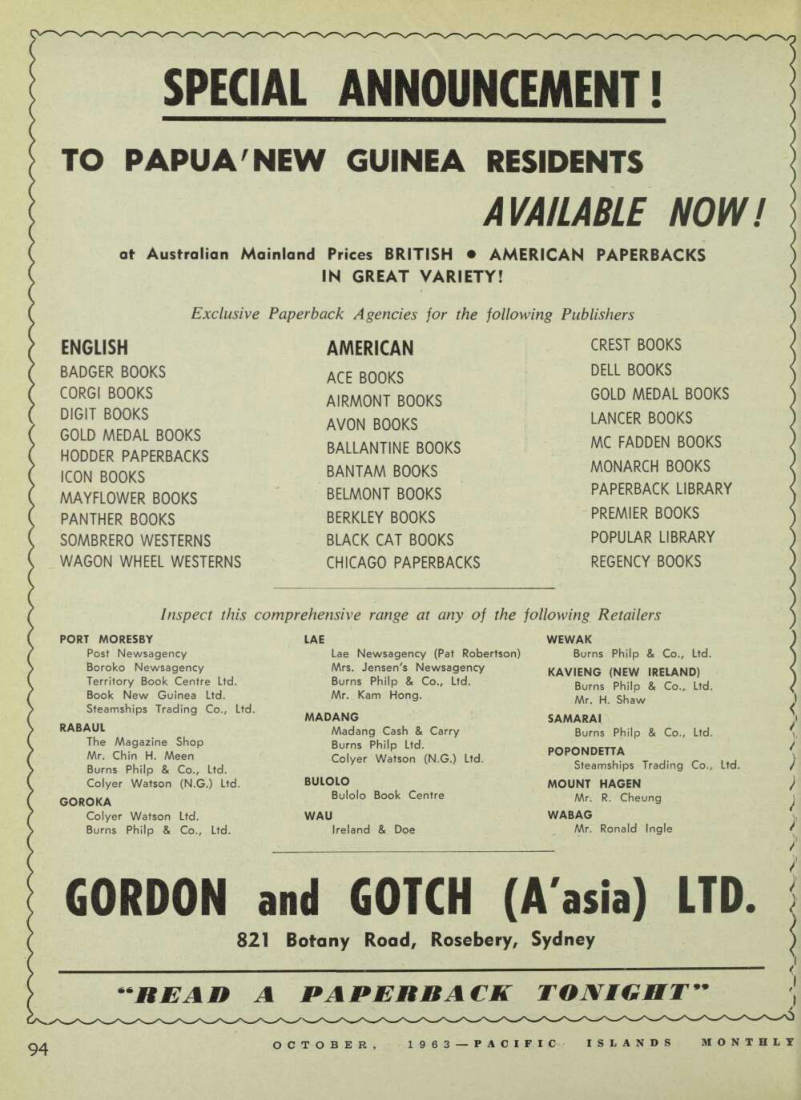 96
96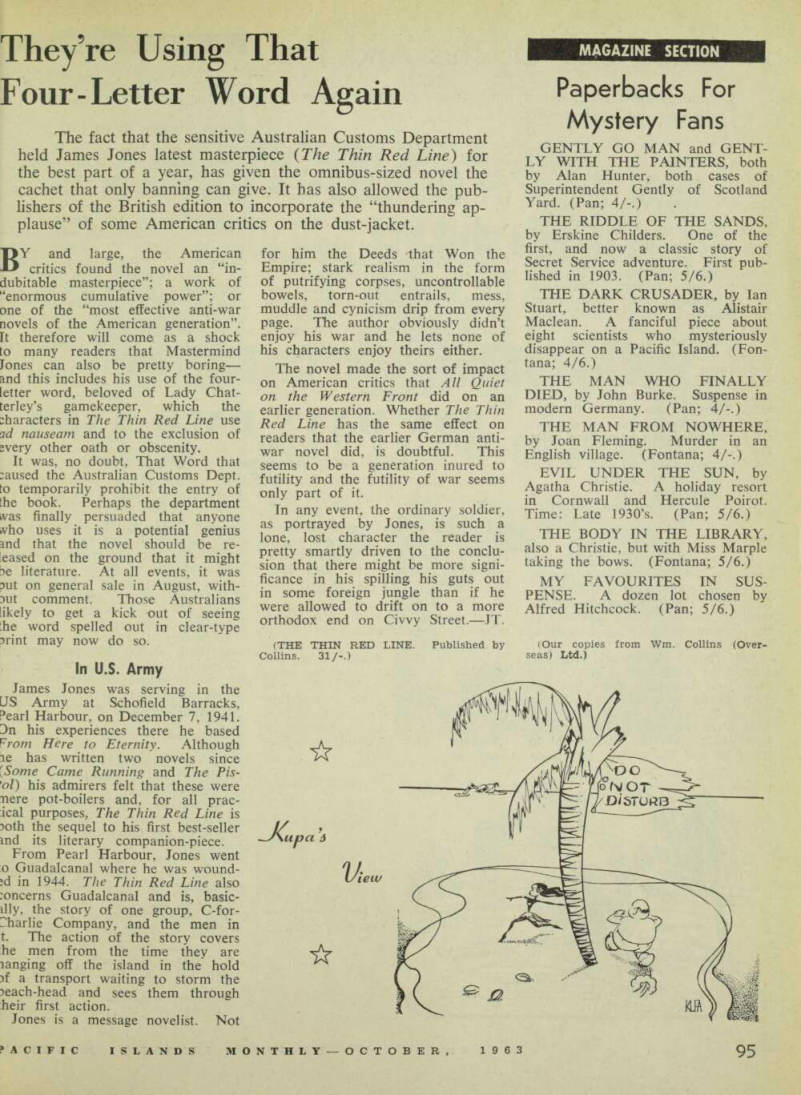 97
97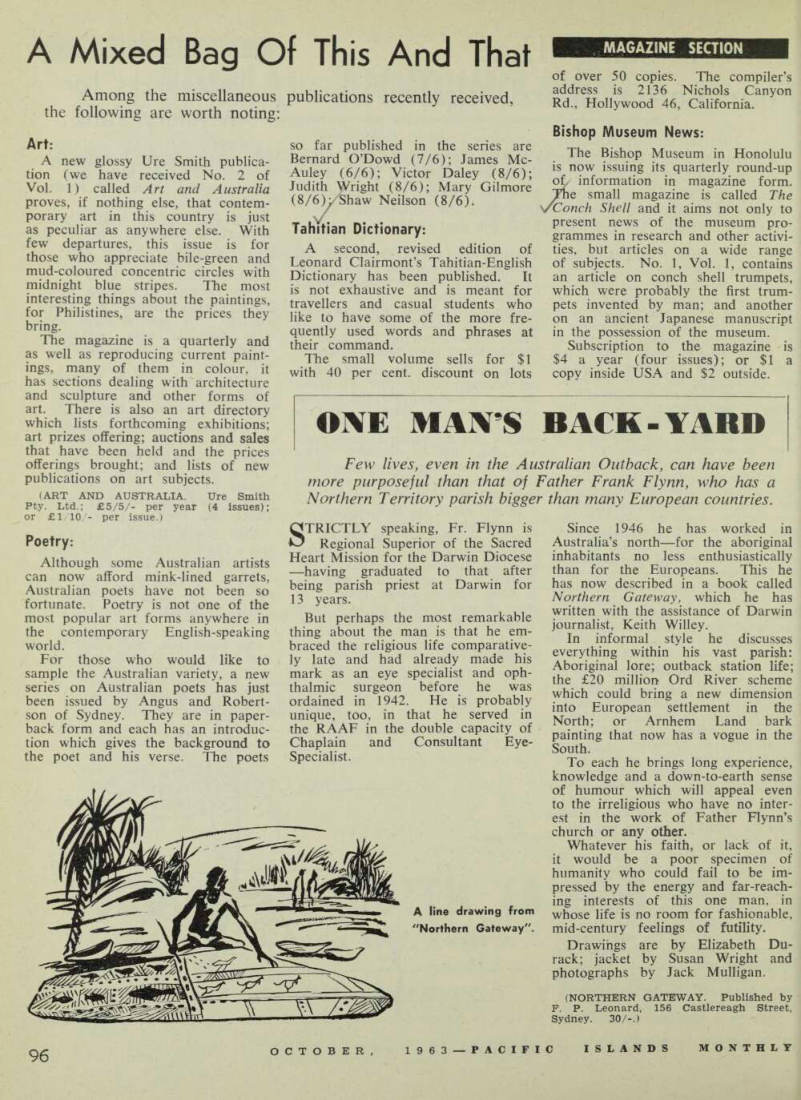 98
98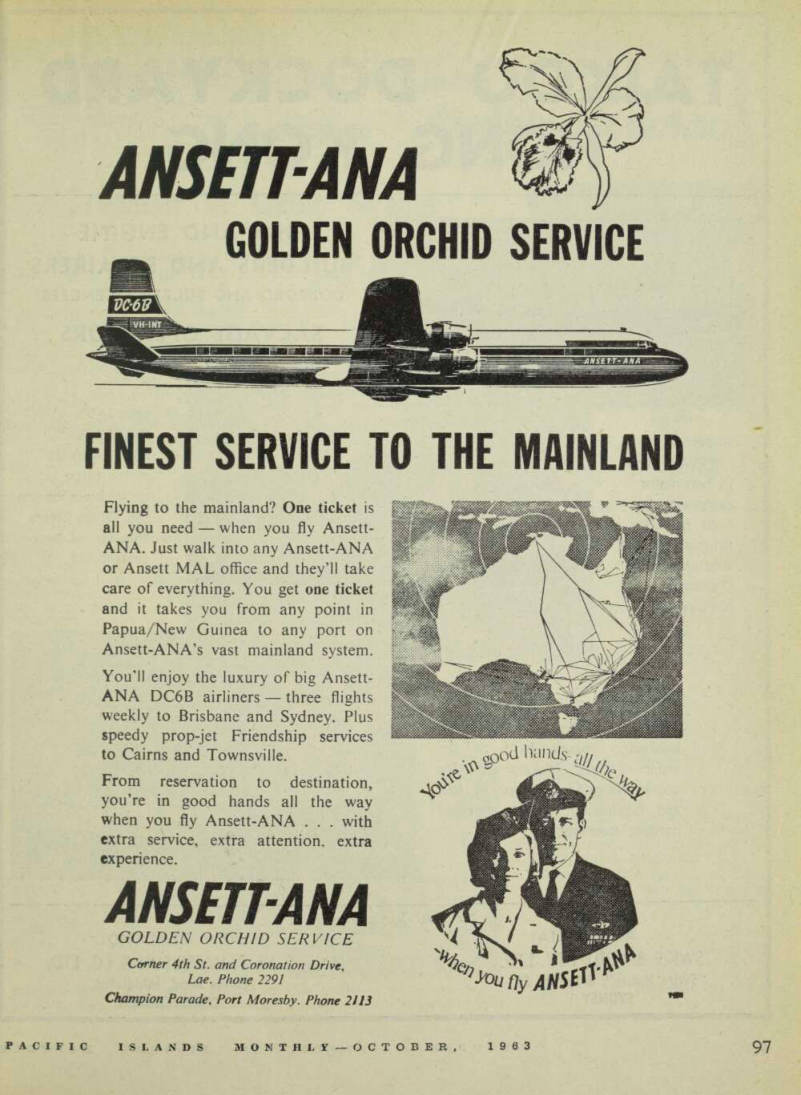 99
99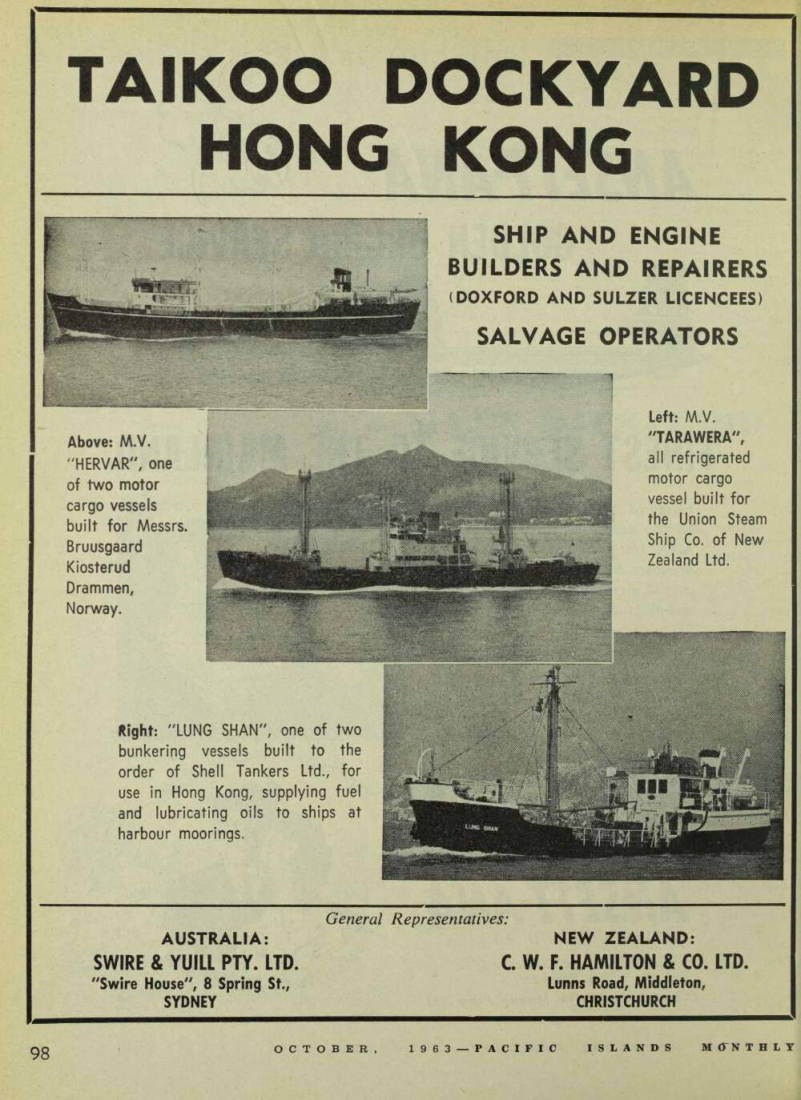 100
100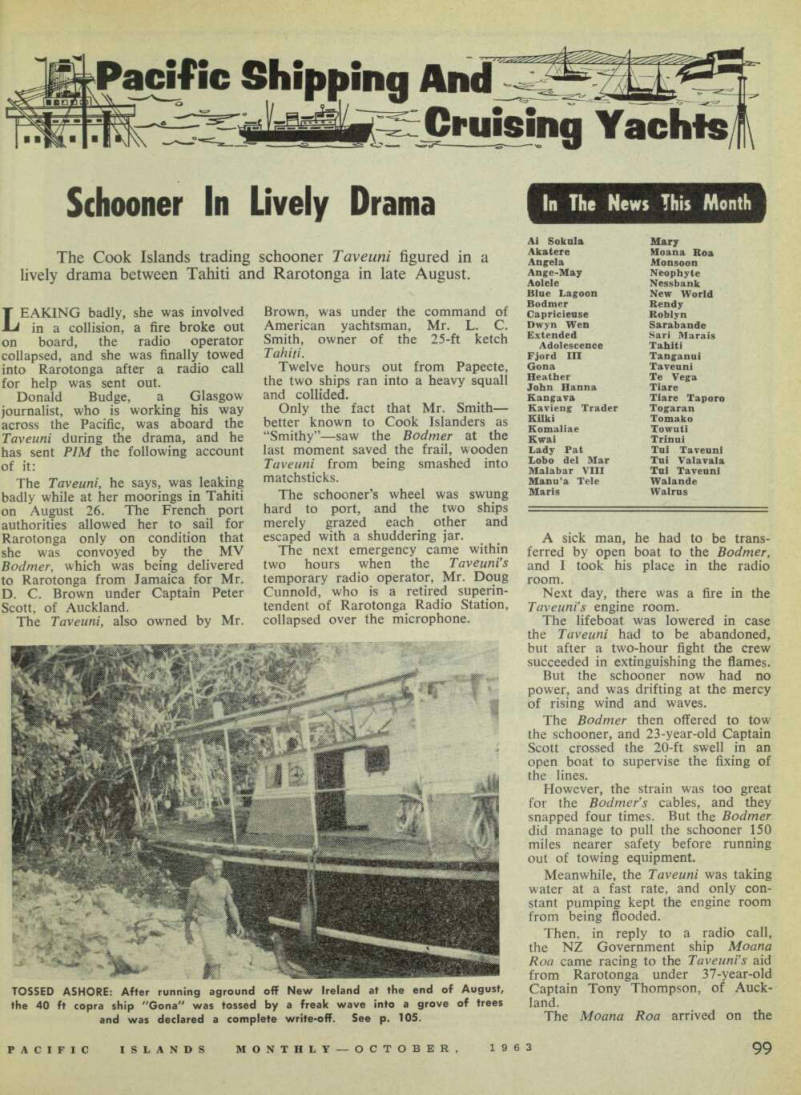 101
101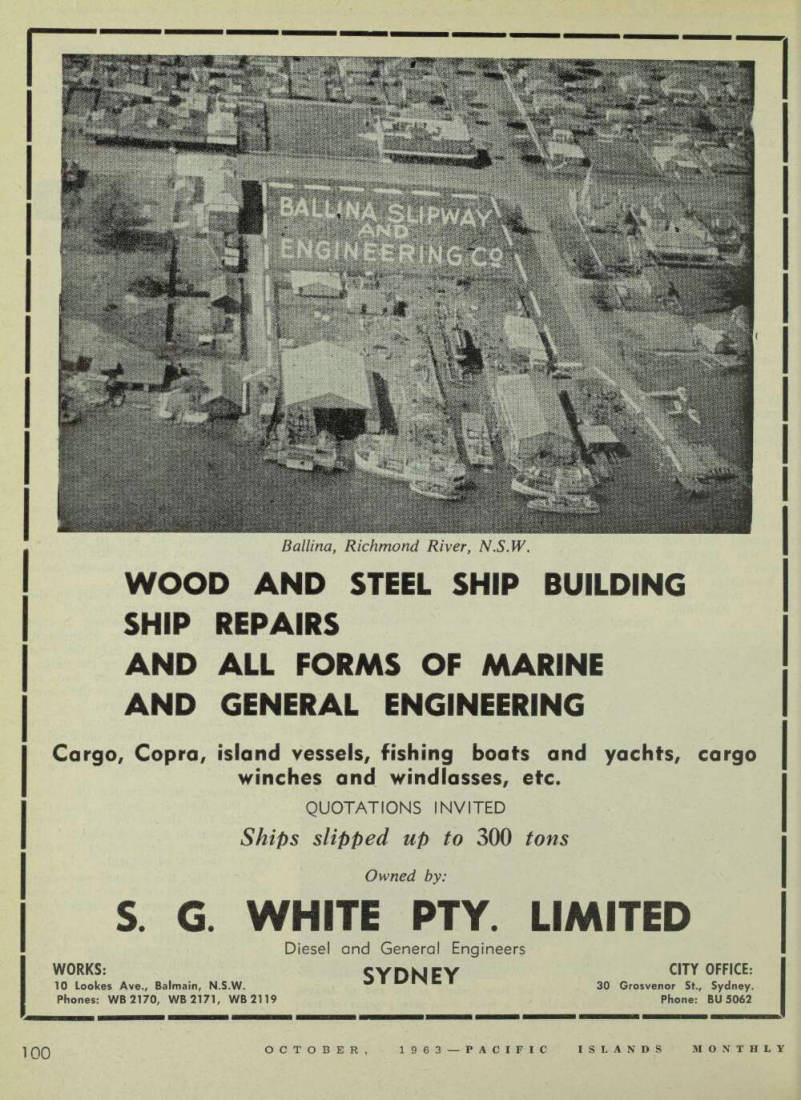 102
102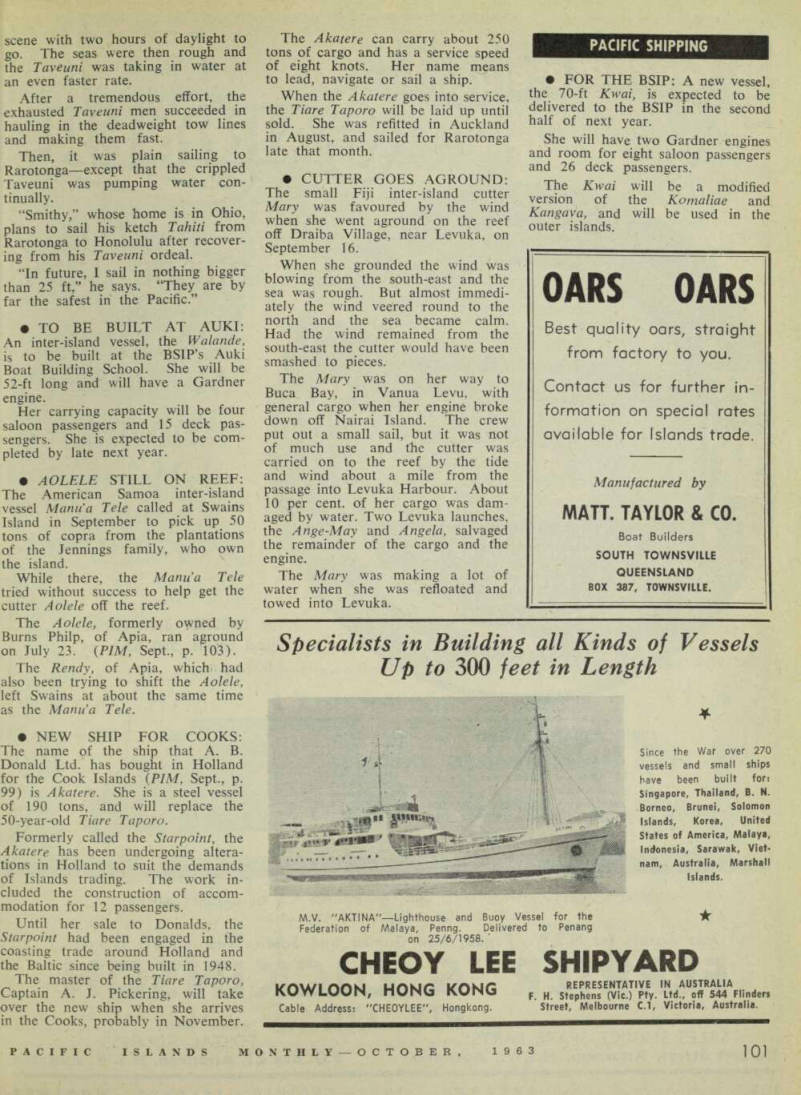 103
103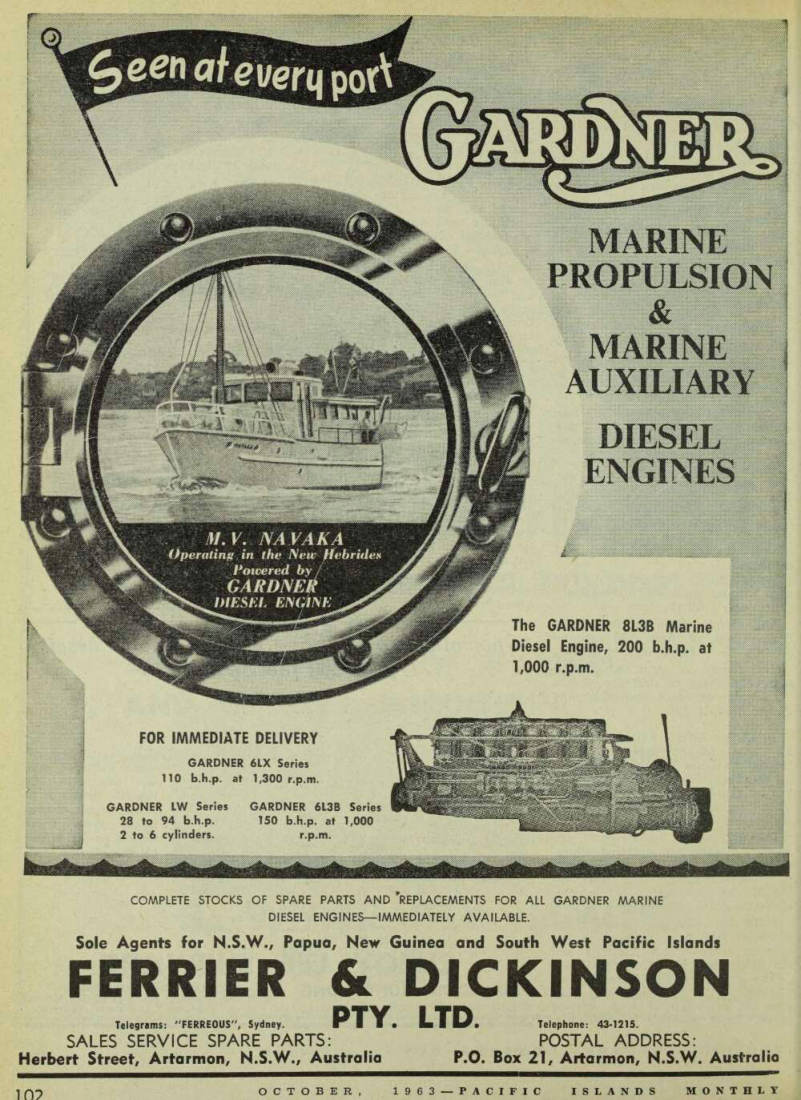 104
104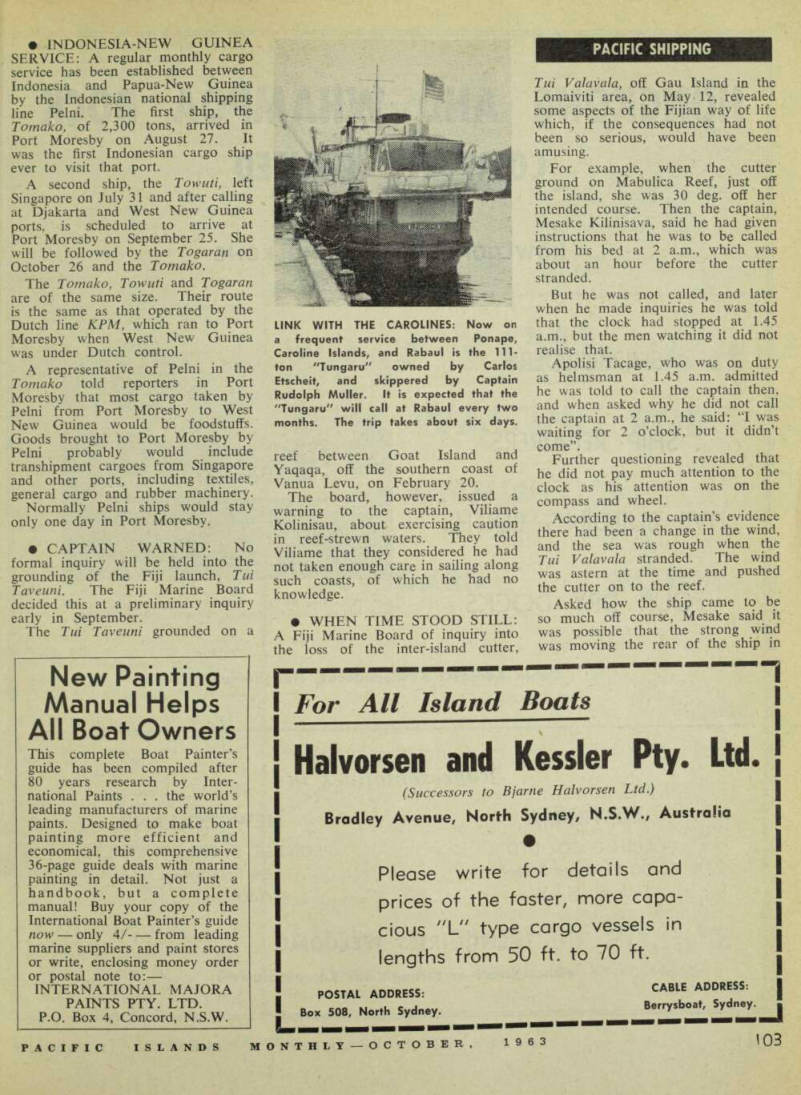 105
105 106
106 107
107 108
108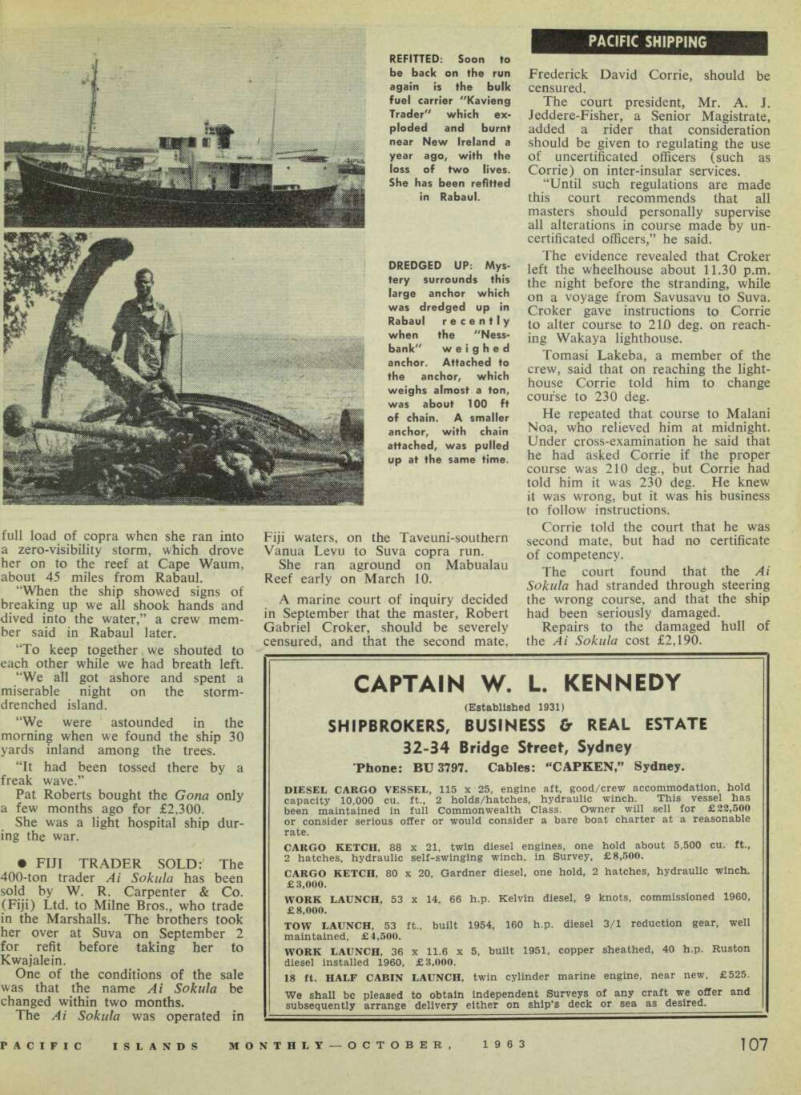 109
109 110
110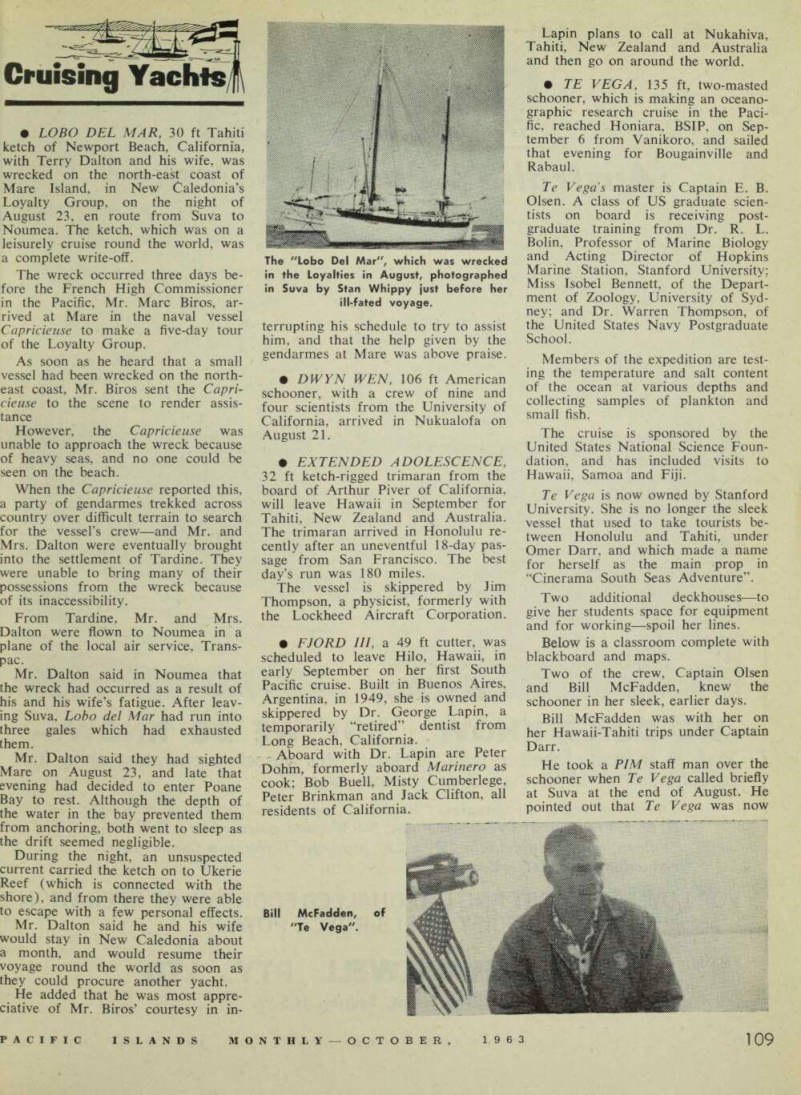 111
111 112
112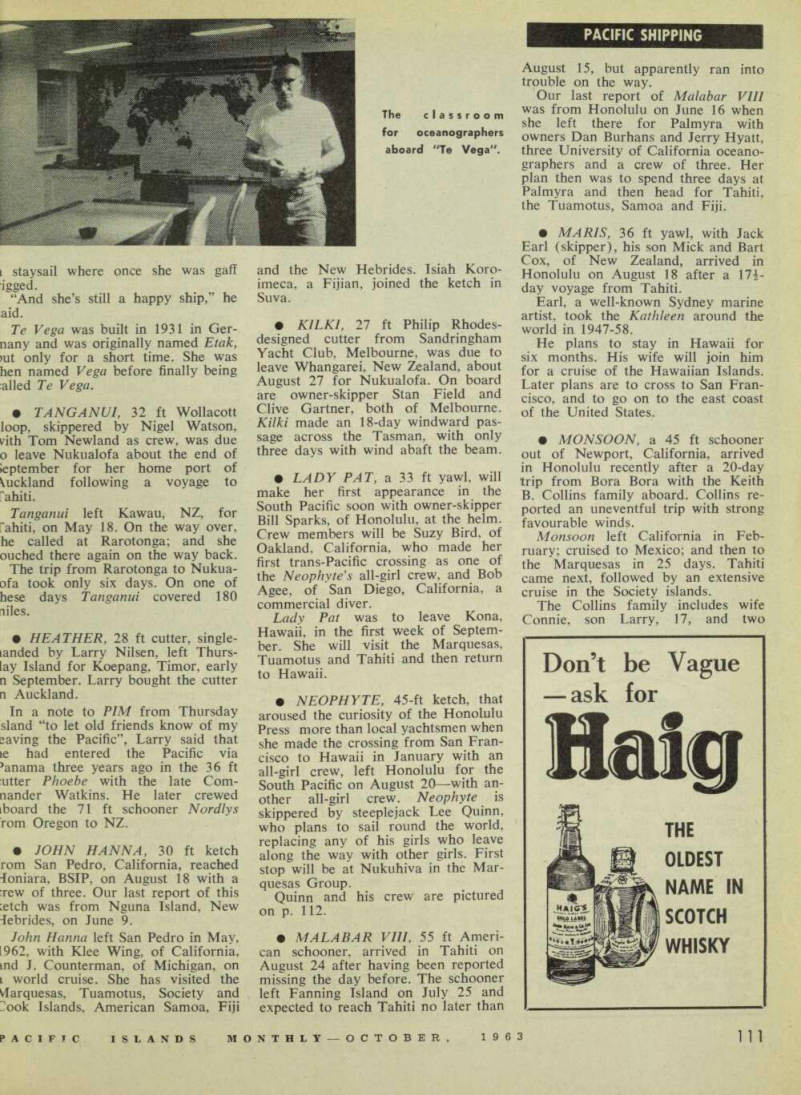 113
113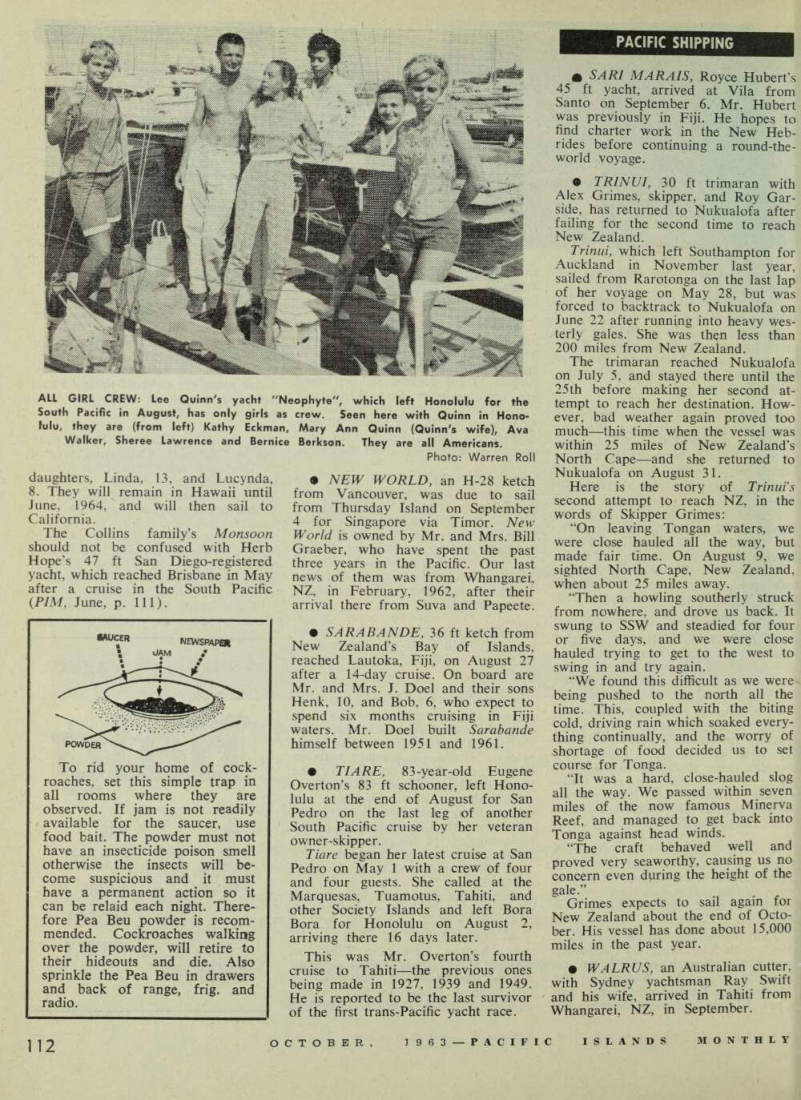 114
114 115
115 116
116 117
117 118
118 119
119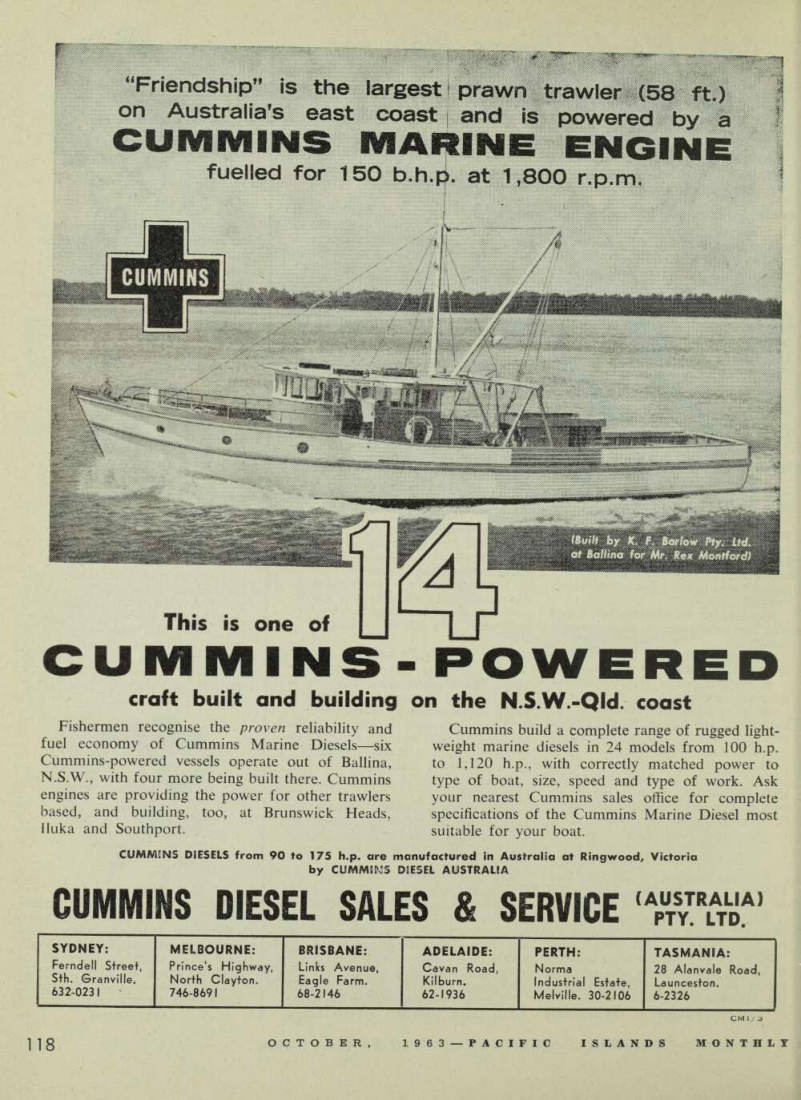 120
120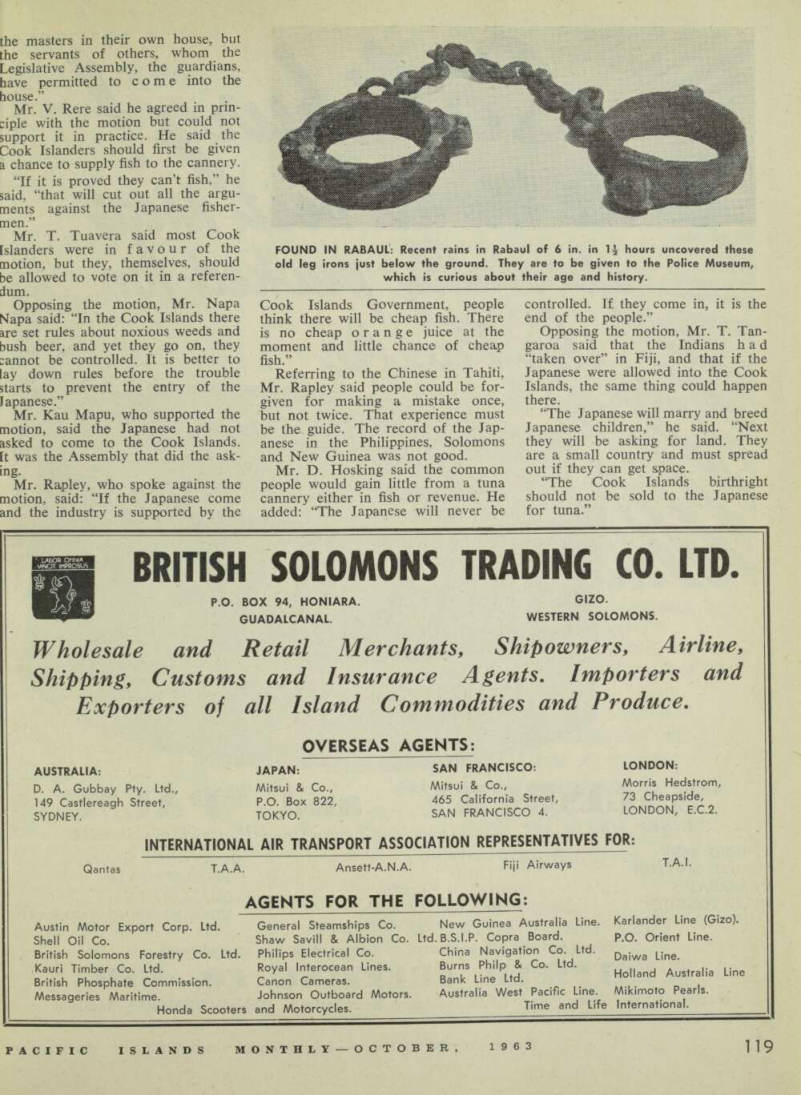 121
121 122
122 123
123 124
124 125
125 126
126 127
127 128
128 129
129 130
130 131
131 132
132 133
133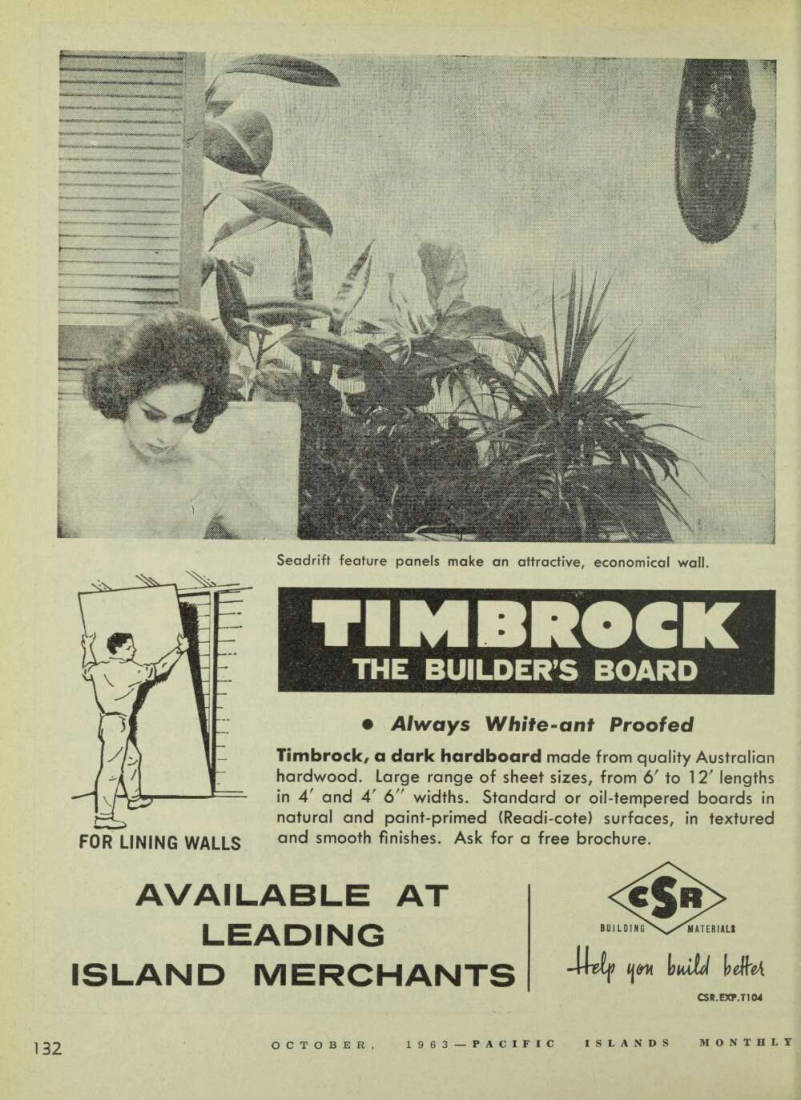 134
134 135
135 136
136 137
137 138
138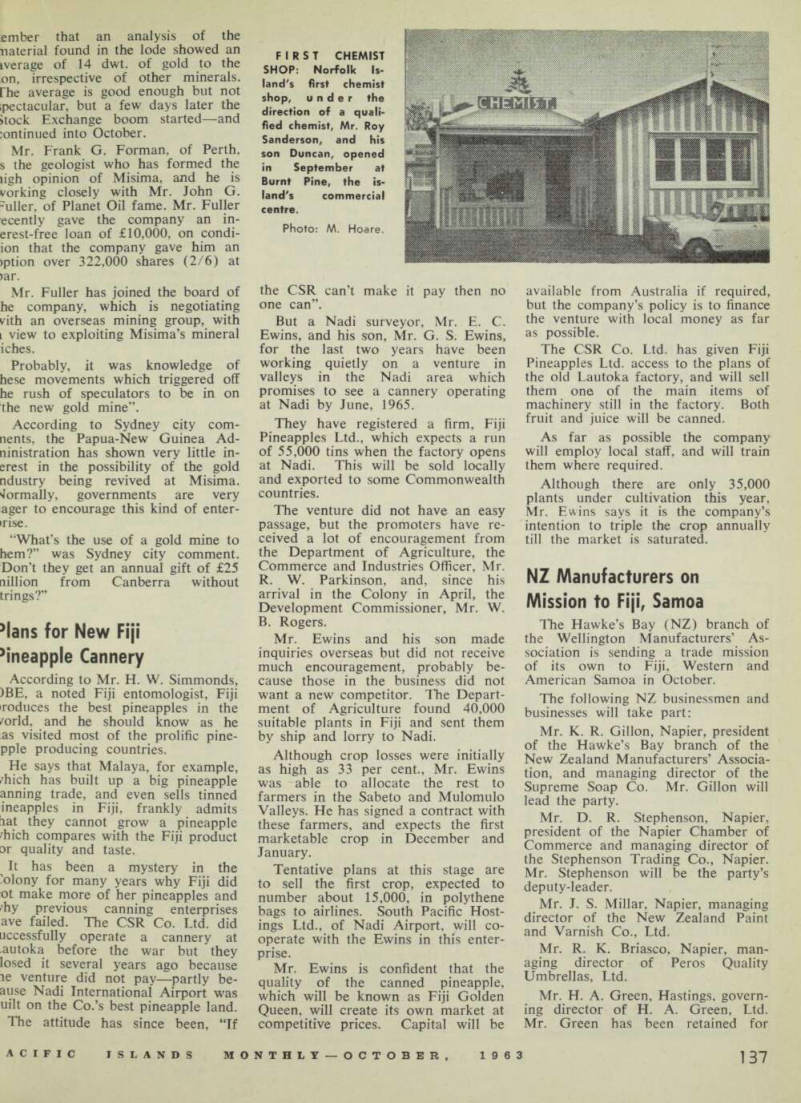 139
139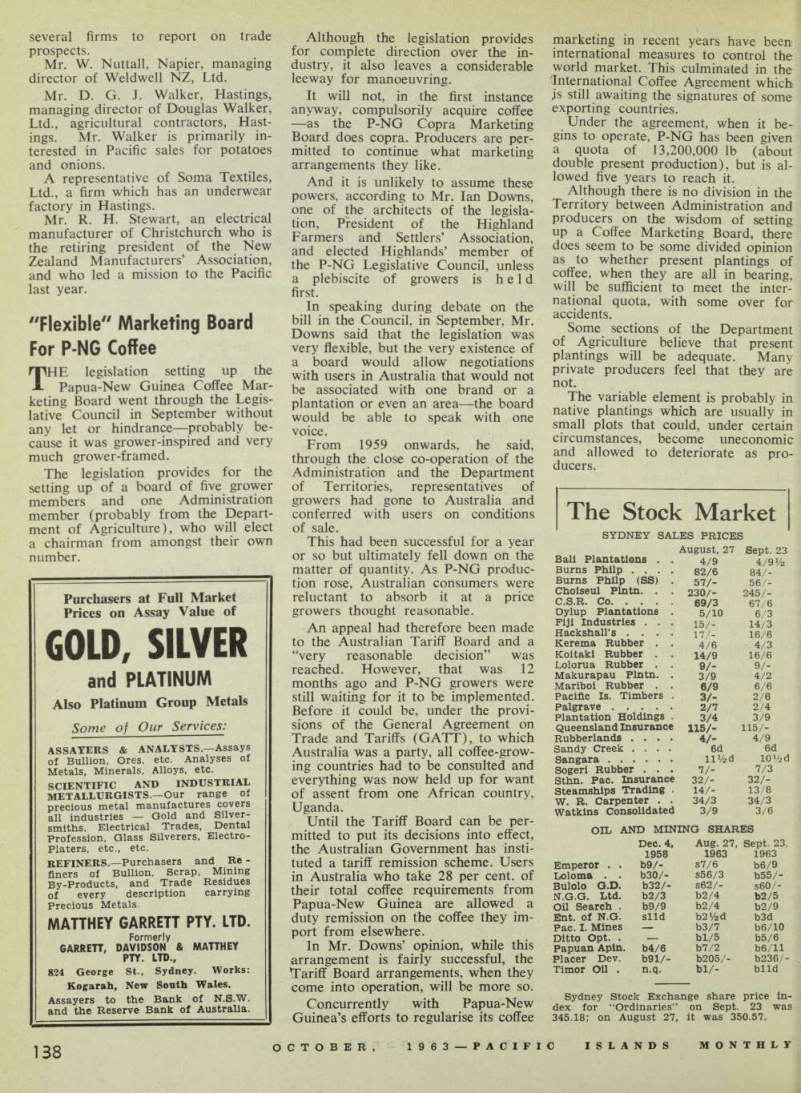 140
140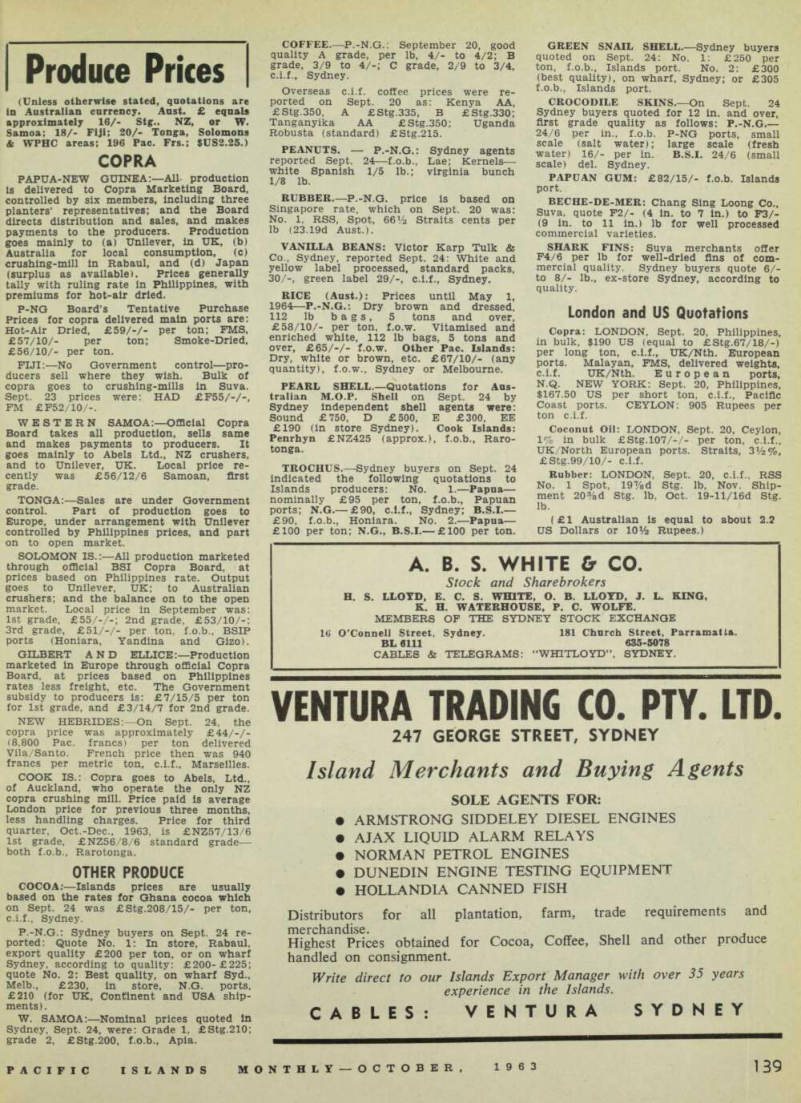 141
141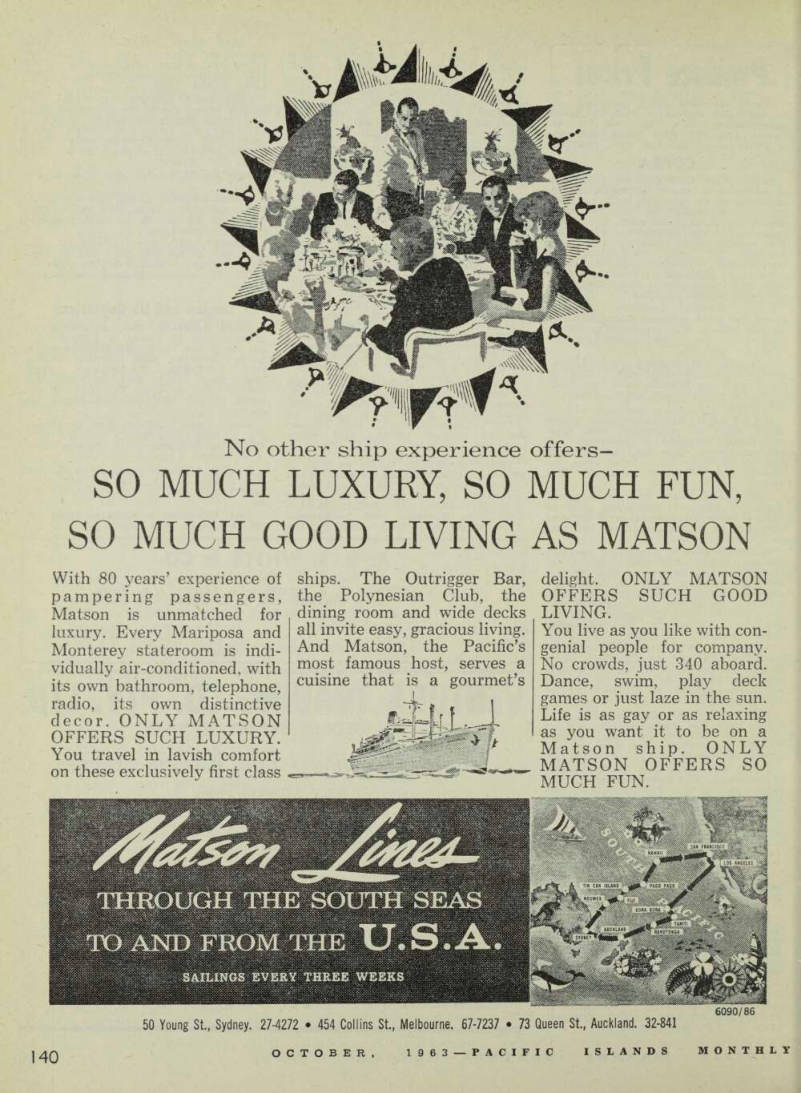 142
142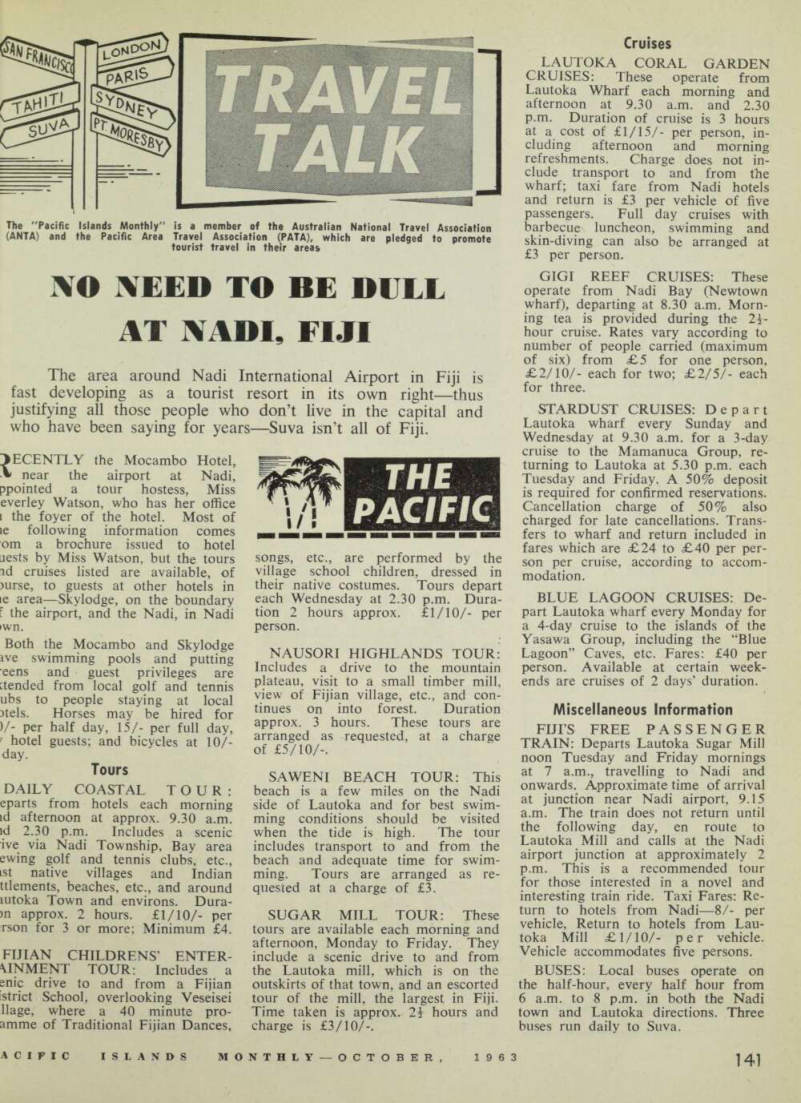 143
143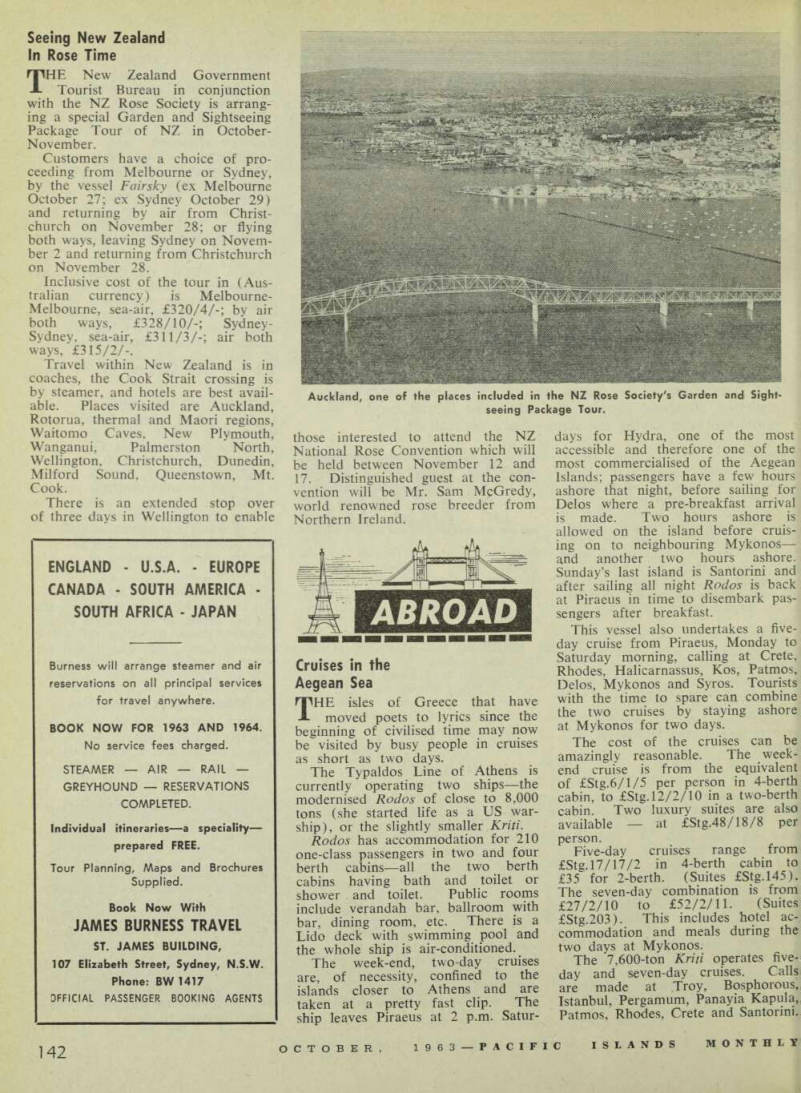 144
144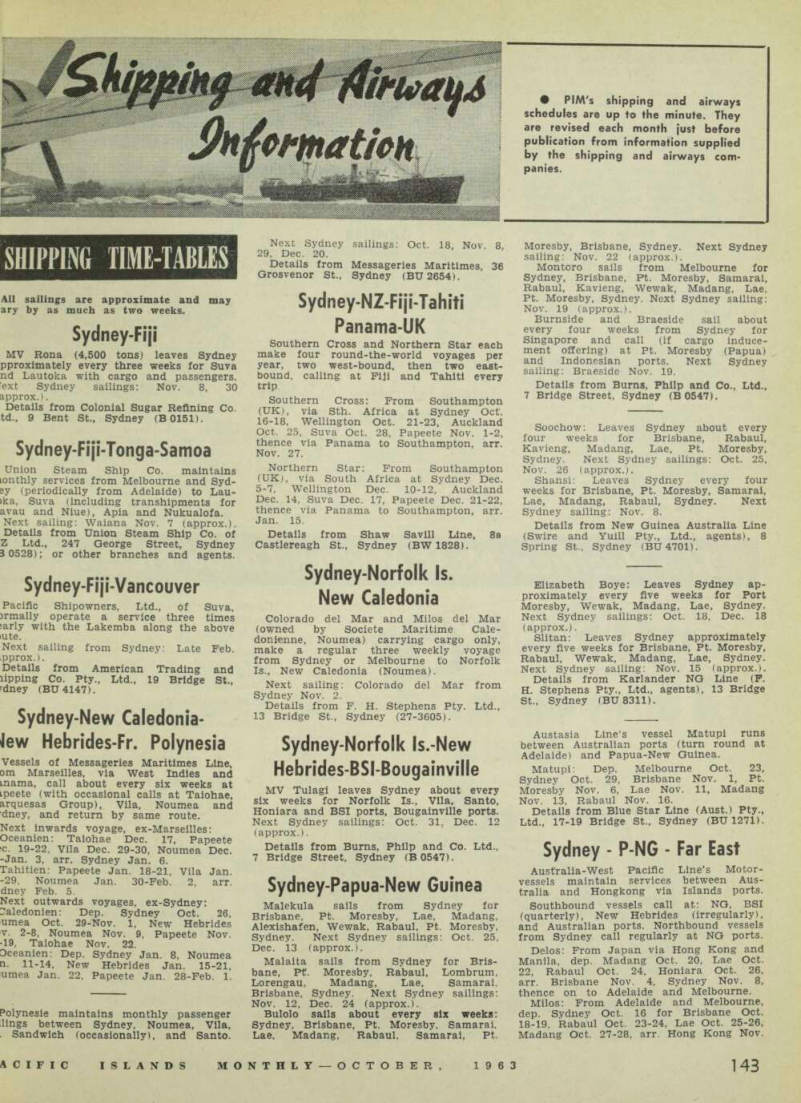 145
145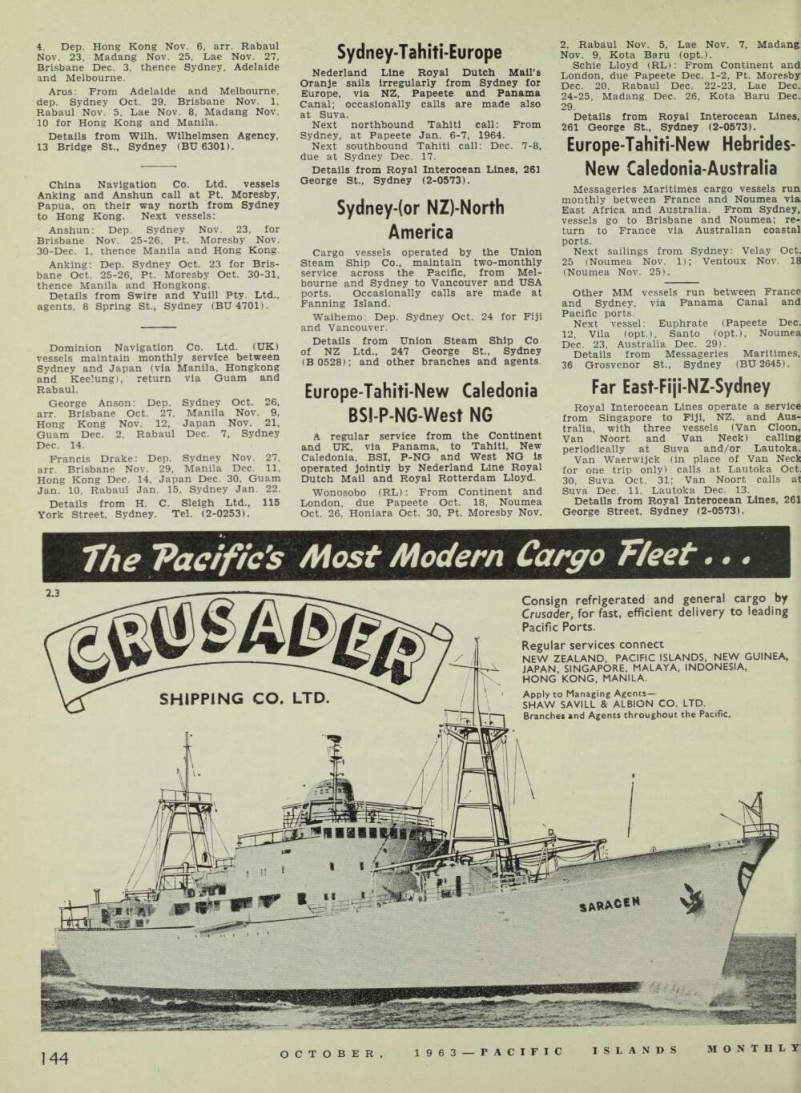 146
146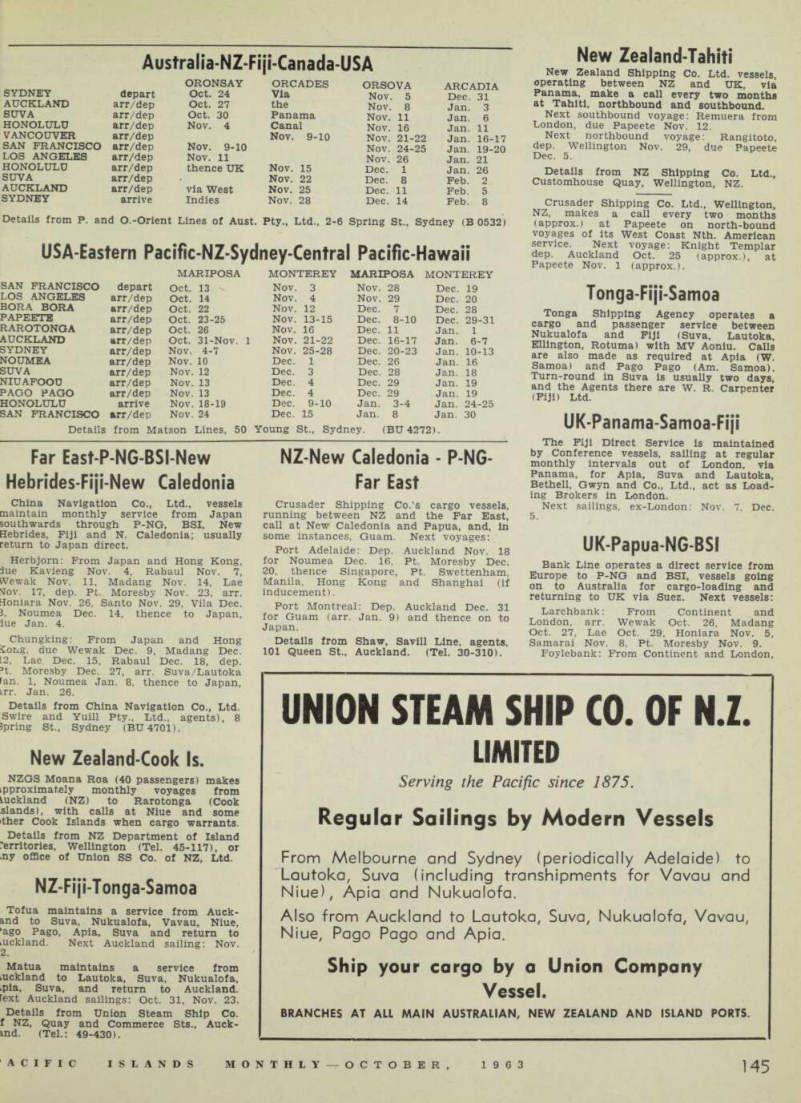 147
147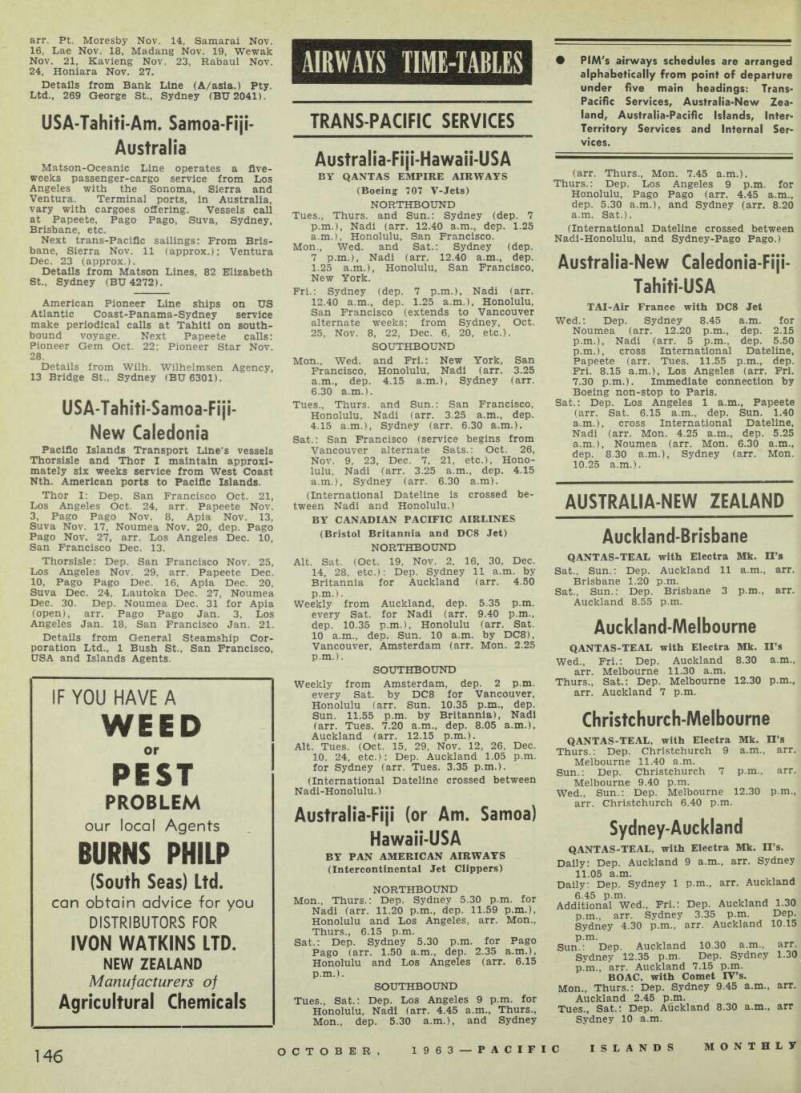 148
148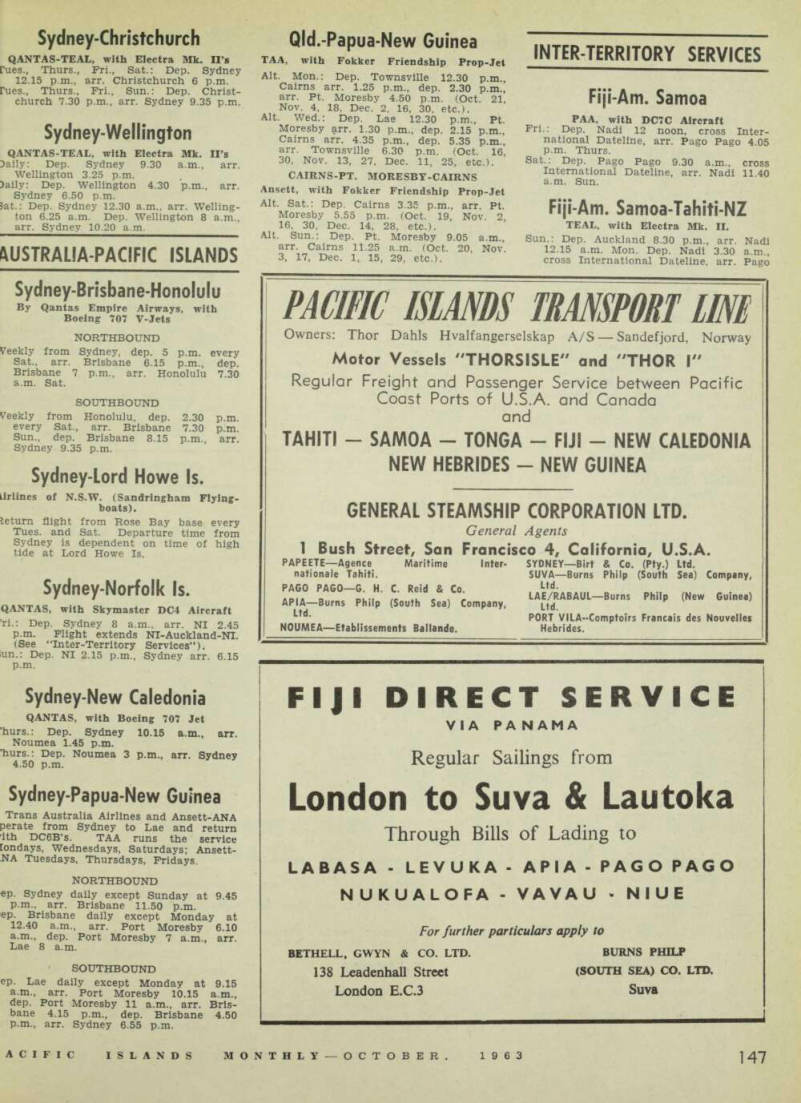 149
149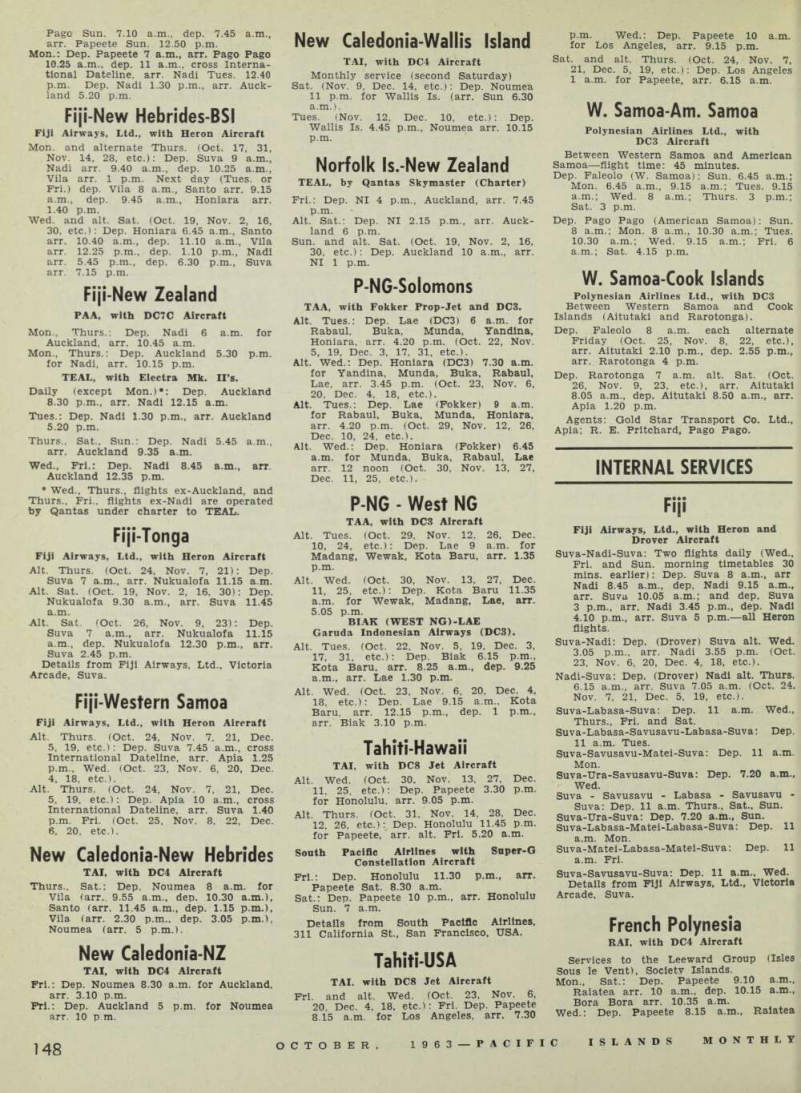 150
150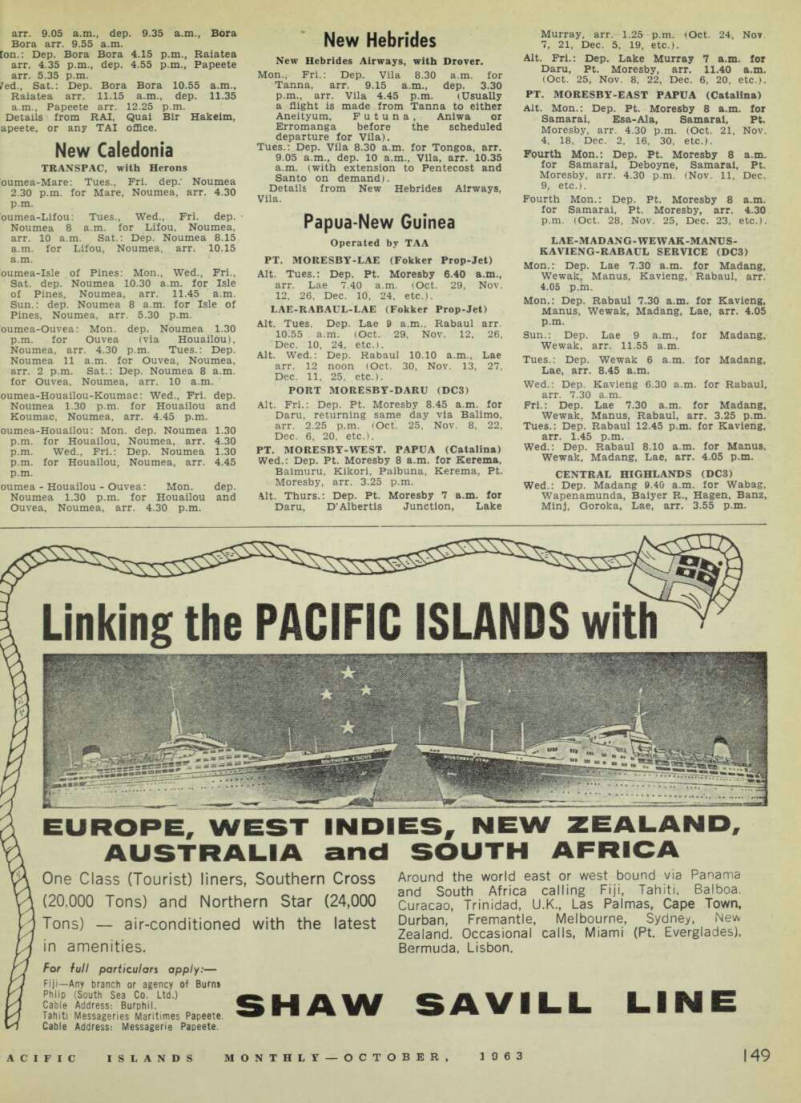 151
151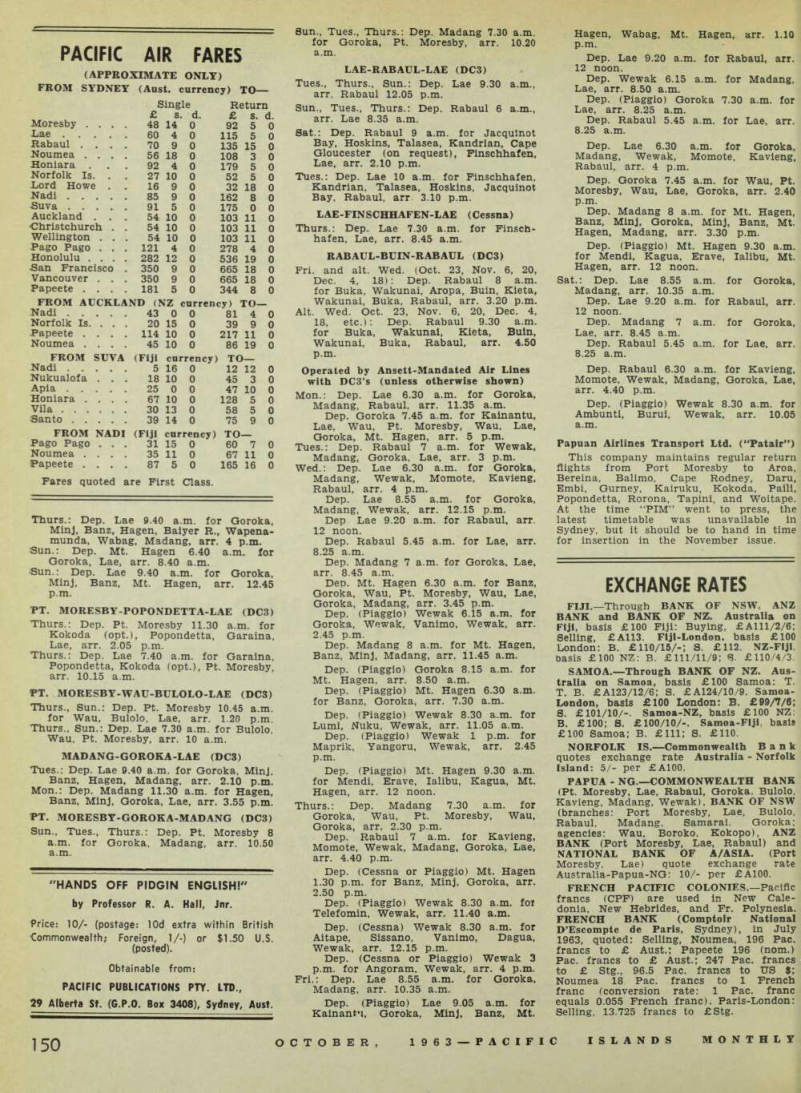 152
152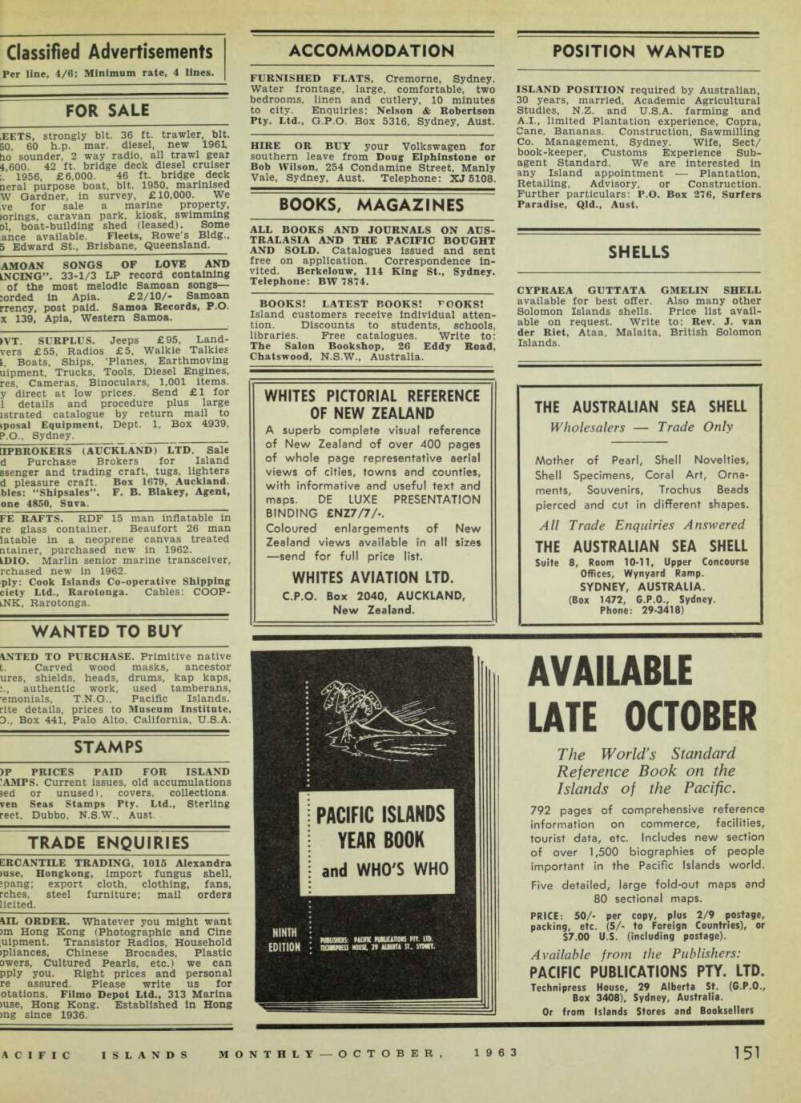 153
153 154
154 155
155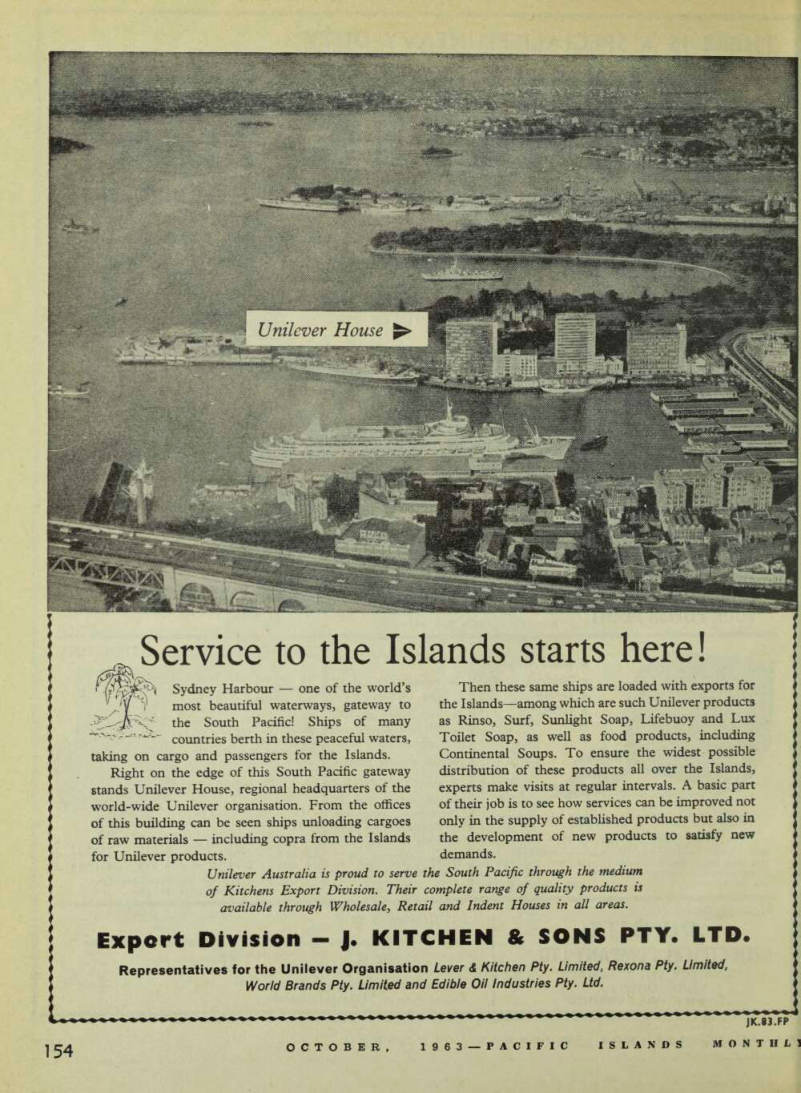 156
156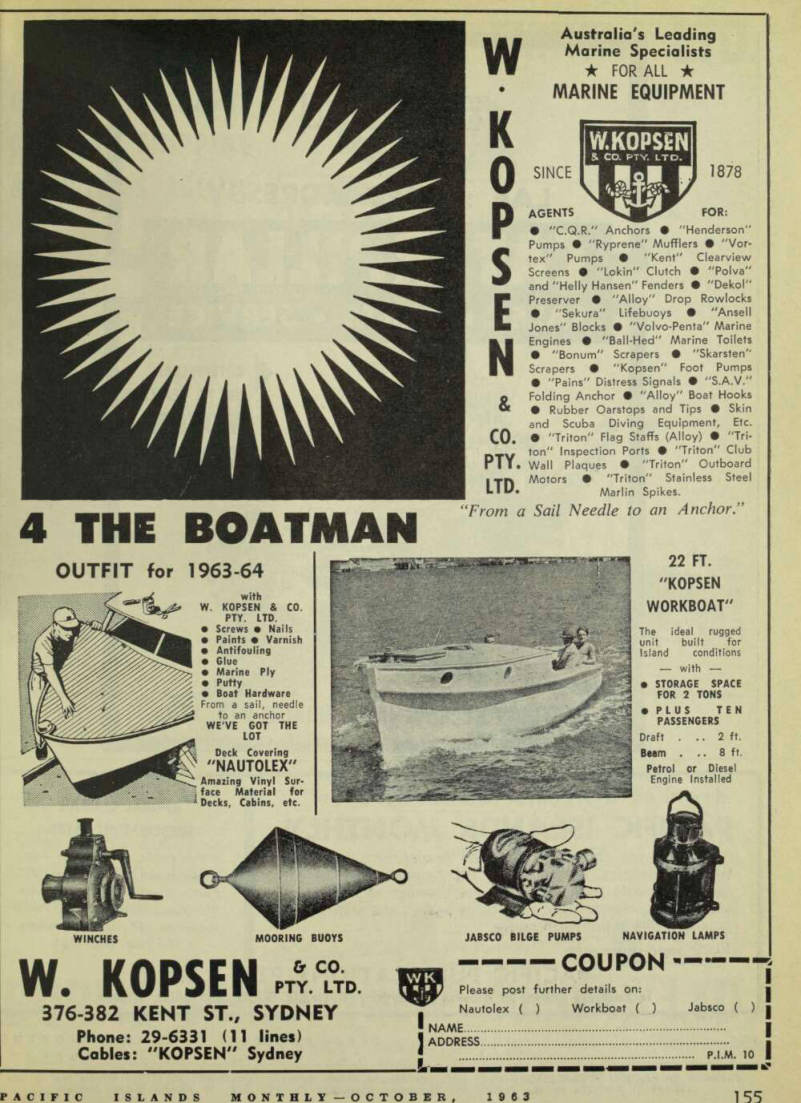 157
157 158
158 159
159 160
160