Advertisements & other items, pp. 1-5 (5 items)
Monthly
Pacific Islands Monthly
UARCH, 1962
lOL. XXXII. NO. 8.
t
? at 6 P. 0., Sydney, for ion by post as a newspaper.
Sunbird Services
FLY
... v . throughout the Territory of Papua/New Guinea and to Australia
Sunbird Services throughout the Territory
TAA operates ‘Sunbird Services’ throughout the Territory ol Papua/ New Guinea and to adjacent islands. Whether your destination is Mt. Hagen in the New Gu nea Highlands, Honiara on Guadalcanal or any other of the 40 Territory ports served by TAA you will enjoy friendly service WHEREVER you fly with TAA Sunbird Services.
Sunbird Services to Australia
Regular TAA services from Lae and Port Moresby to the mainland link the Territory to more than 90 ports throughout Australia. From any location in the Territory you need only one call, one ticket, one airline. TAA operates a huge network of more than 40,000 miles throughout the Territory, to Australia and w T ithm Australia.
For your flight to anywhere in Australia, low cost Tourist or Luxury First Class, TAA is the Friendlv Way.
SAVE ON TAA TOURIST CLASS FARES BETWEEN PORT MORESBY AND AUSTRALIA For example, you save £B/15/0 (return) when you fly TOURIST to Brisbane with TAA.
Tourist fares from Port Moresby to Brisbane . . . £34/13/0 single, £69/6/0 return.
Firs* Class fares from Port Moresby to Brisbane . . . £4l/4/0 single, £7B/1/0 return
Trans-Australia Airlines
TAA is general sales Agent for Q AST AS throughout Papua/Sew Guinea,
BOOKINGS:
GOROKA: Airport. Phone 8. I.AE: Coronation Drive. Airport Centre. Phone 2311.
MADANG: Kaislan Avenue. Phone 78 or 166. PORT MORESBY: Musgrave Street. Phone 2101 RABAUL: Mango Avenue. Phone 2567 or 2702 or any authorised TAA Agent.
cAutomatic
OIL WATER HEATERS
master SUPER PERFORMANCE
Model 165—20 gal. Model 163 A—30 gal.
Model 166—30 gal.
LOW COST
Burns a minimum of fuel for a maximum of efficiency.
LOTS OF HOT WATER
75 gallons of hot water the first hour from a 30-gallon tank.
RAPID RECOVERY
Heats up to H times its size per hour. No other type of conventional water heating equipment can compare in performance.
COMPLETELY AUTOMATIC
Just set the thermostat at the desired temperature. The fuel is then automatically metered into the burner at exactly the right rate to maintain that temperature.
Representatives for the Pacific Islands: :RT GILLESPIE PTY. LTD. ROBERT GILLESPIE (N.G.) LTD. PEARCE & CO.
'ouzig Street, Sydney. Lae, Madang, Rabaul, Port Moresby. Suva.
Queen Street, Brisbane, le: "Robergill".
■m 4
p&ta&t PAINTS
KEEP ON
KEEPING ON!
N> V. s
FULL GLOSS
ENAMEL
FOR BATHROOMS, KITCHENS,
WOODWORK ANYWHERE
The only enamel guaranteed steamproof, greaseproof and completely washable. Anywhere a full-gloss enamel finish is wanted inside or out on doors, cupboards, walls or woodwork, choose Berger Full Gloss Enamel. It gives the glossiest gloss, is tough and durable, and offers a range of fresh, clean colours.
WASHABLE PLASTIC
WALL PAINT
You’ll marvel at the ease of Breeze!
Goes on like a breeze . . needs no sealers or undercoats $ . . . almost halves painting \ time ... is touch dry in 10 ■ to 15 minutes . . . can be scrubbed as soon as dry! Clean up is easy, too; brushes wash clean in cold water. Available in a glorious range of fresh, clean colours.
AGENTS: BURNS PHILP (N.G.) LTD. • BURNS PHILP (S. SEAS) CO, LTD. . COYLER WATSON (NEW GUINEA) LTD
1
I F I C ISLANDS MONTHLY MARCH, 1962
2
MARCH. 196 2 PACIFIC ISLANDS MON T H L
Pacific Islands Monihly
Contents
No 8. Vol. Xxxii.
March, 1962
People 5
Buka Tax Trouble Flares Up 15 Minister on the Defensive 16 West Samoa Objects to Christmas Island Tests 17 Big New Missile Project in the Mar shalls 17 American Samoa's Building Boom .. 18 Fiji Union Papers Lost 18 US Research Could Mean New Hope for Coconut Planters 19 Fiji Has a New Newspaper 19 Nauruans in Canberra for Secret Talks 20 NNG Self Rule by 1970 20 NG Takes a Running Jump at Star dom 21
Commentary 23
The Editors' Mailbag 25
Sydneysider Goes Walkabout 27
Samoa, Fiji Have Many Similar Headaches 29 Papua's Milne Bay Needs Help 31
Cameron's Plateau: New Milne Bay Headquarters? 35
Canberra Commentary 36
Territories Talk-Talk 37
Emigration Offsets Cooks' Baby Boom 43 A Night in Puka Puka 45 CDC Chairman Looks at Fiji 47 The West Samoan Scene 49 G. W. L. Townsend: He Hated Red Tape and Bureaucrats 55 A Bomb Blast Over Rabaul 59 Malaria Can Be Beaten 63 Relations Between Coffee Com panies in NG 67
Magazine Section 69
Pacific Shipping And Cruis
Ing Yachts 95
Pacific Report 11L
Deaths of Islands People 132 In a Nutshell 133
Travel Talk 134
Shipping, Airways Timetables 137 Commerce and Produce 145
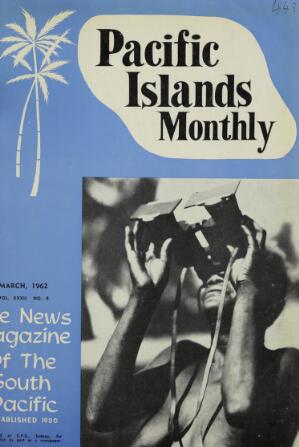
THE COVER: This unusual photograph was taken by New Britain planter Harry Bode, of Unung Plantation, Jacquinot Bay, at the height of the eclipse of the sun on February 5. In some parts of New Guinea the eclipse was total, and international scientists descended on the Territory to make observations. The native woman at Unung is peering through a specially-prepared pair of binoculars to avoid damage to her eyesight. There are more photographs from Unung on page 37.
Advertisements & other items, pp. 5-6 (4 items)
A Product of Pacific Publications Pty. Ltd., 29 Alberta Street, Sydney
ilisher: R. W. ROBSON.
Editors:
TUDOR STUART INDER
nager: SELWYN HUGHES.
10NES: MA 9197, MA7101,
MA 4369.
.0. BOX 3408, SYDNEY,
ic Address: PACPUB, Sydney.
AL SUBSCRIPTION RATES:
currency; includes surface postage) —P.-N.G., Fiji, Samoa, Norfolk, B.S.I., Cook Is., Tonga, G.&E. liue. New Hebrides, and other ific Is £1 4 0 'acific Territories and Dutch Jinea £17 0 and N.Z £1 10 0 ish Commonwealth and Foreign >tg.) £2 10 0 md U.S. Pacific Territories U.S.) £3 13 pies (postage extra) 2 6
CH OFFICE IN PAPUA-NG
jblications (NG) Ltd., Theatre Fourth St., LAE. Tel.: 2577.
Pat Robertson, Manager.
\NCH OFFICE IN FIJI:
Times Building, 20 Gordon St.
Tel.: 4043.
'RESENTATIVE IN N.Z.:
Vhitcombe, P.O. Box 5179, ckland. Tel.: 22.570.
ESENTATIVE IN HAWAII:
encer, 203 Yap Bldg., 3465 we., Honolulu. Tel.; 775538.
(ESENTATIVE IN U.S.A.:
aib. Pacific Publications P/L, , San Francisco 1, California.
Tel.: Mission 8-1075.
RESENTATIVES IN U.K.:
hburn, 13 Rood Lane, London, Tel.; Mincing Lane 8633. :kenzie, 4A Bloomsbury Square, W.C.l. Tel.: Holborn 3779.
'IE OFFICE: Newspaper House, ollins St. Tel.: 63.7053.
All main trading firms and in the Pacific Islands.
Jblications Pty. Ltd., is the agent for THE FIJI TIMES.
March, 19 6 2 -Pacific Isia N D S Monte
Universal
i A
COCOA DRYERS
NOW THROUGHOUT THE WORLD
★ T.P. & N.G. * NETHERLANDS N.G. * SOLOMON IS. * BRIT. NTH. BORNEO
and now in
THE MODERN
METHOD OF
PRODUCING
HIGH
QUALITY
COCOA
• DRYING CAN BE DONE A FULL 24 HOURS A DAY • NO MAINTENANCE o CHEAP TO OPERATE • EASY TO INSTALL • SIMPLE TEMPERATURE CONTROL All ASP Equipment backed by comprehensive guarantee of its Australian Manufacturers.
WRITE FOR FULL DETAILS AND SPECIFICATIONS OF THE UNIVERSAL COCO* DRYER, OR THE ASP ROTARY COCOA DRYER □ N.R.M.A. HOUSE, 25 Ridge St., To: ASP (Overseas) Pty. ltd.
I Please send me full information on your ROTARY COCOA DRYt NORTH SYDNEY I [ ] and/or SUN/FORCED HOT-AIR SLIDING ROOF UNIVERS I COOOA DRYERS [ ] (tick in squares for information require Telephone: 92-0271.
Telegrams: "Chatspa", Sydney.
I I
NAAAE ...
ADDRESS
Sole Agents for Papua & New Guinea; ASP (NG) Limited, Box 166, RABAUL, T.N.G. Tel.: 2370.
P.I.M
People
famous playwright and actor toward, whose permanent home is in the West Indies (“a lin top in Jamaica”) arrived in the end of February, on a visit. He made contact in vith Captain Stan Brown, of tch Maroro, and expected to m February 28 for a two days’ in the Kadavu area.
ssly exaggerated” the legend out the man who read his own y notice. Actress Ingrid n may not have said the same, s is reported to have been ed at the story that she had i trip to Suva, incognito, in r in the cruise ship, Seven report was put out by the Fiji isting Commission, which, £ it had an apparent scoop, le story of the “visit” much y, and sent it overseas. An id correspondent picked it up, sed it on to the Daily Express. abled the Express ; “Bergman s roared with laughter Suva * * * Moresby school teacher Mrs. aputin—the girl from Western ia who married a popular 'oresby Tolai last July 17 in of publicity not of their own
—is “expecting” in May.
aputins are reported to be id.
[?]e, an ordained minister of the ay Adventist Mission in New Guinea, the United States in June to attend conference. He will return home o New Guinea via Australia.
Photo: C. H. Meen
only the airlines would drop prices they would fill every to Fiji. I know many Aus ds who want to come here but can’t afford it.” That’s the view r. Frank Heriot, of Melbourne, in March was back in Fiji for xth visit. He got his first view ji 47 years ago, and fell in love it. ♦ * * Dther visitor to Suva in March •Id times sake was Australian al comedy star Gladys Mon- She is now on a world cruise, she remembered the last time vas in Suva one wet day in She had spent some time with family Sir Henry and Lady and afterwards Lady Scott had ited her with a bouquet of Is. History repeated itself for Moncrieff in March. She was ained by Mr. Maurice Scott, f the late Sir Henry, and now er of the Fiji Legislative Coun e presented her with a bouquet :hids.
eiving praise by the critics in V at a preview in February was a 38-minute documentary of Methodist Missionary work v Britain, but designed for gen- The film was made by Holmes. Said one critic: “Most instructional films preach only converted, being too dull to t anyone else; this one cuts h questions of creed because ood to watch.” Holmes himself ill of praise for the co-opera e got in Rabaul while he was g the film. * * * i free at last—free from ge, from divorce and sweet said attractive French film Martine Carol, at New Cale » Tontouta airport in February,
at the Catholic Church, Rabaul—Mr. s. Mark Seeto. The ceremony was performed by Father Frankie.
Photo: C. H. Meen
te to Tahiti. Miss Carol said s going to supervise the build a house in Tahiti, would quit lema for ever and ultimately down in Tahiti. * * * ulation as to who was to get b of head of the recently- P-NG Department of the Ad ator ended in February with vs that the post will go to Mr.
Fenbury, an Administration since 1937, and probably bet >wn abroad under his original if David Fienberg. From 1956lr. Fenbury was with the Trus division of the UN Secre- New York, and since then has Executive Officer for District s with the NG Department of dministrator. He is 45, and for his quick mind, and the and courage to speak out.
Madang natives with thoughts go cult practices were told by P-NG Administrator Sir Cleland in February that ere wasting their time. Offi- Dpening the Sumgilbar Native Government Council, he said vas no prosperity for people /ere not prepared to work, of you have plenty of ground uch of it is being wasted,” r Donald. “Last year villagers new council area produced 1,600 worth of copra. It is 3Ugh to work on Mondays in :oconut groves and then do [ during the rest of the week, is no “cargo” and those who there is “cargo” will still be account when wiser men who his and are prepared to work
his station in Honiara, BSIP, in was Archdeacon H. V. C. Reynolds, Melanesian Mission. He has been several occasions in the last few id when he left for NZ last year leave it was felt he wouldn't be to the Solomons. But Honiara was glad to welcome him back.
joying the good things they arned!” ♦ * ♦ ng Guam again in March to information for a thesis was red personnel director for the ast Territory of the Pacific Mr. Nat Logan-Smith. He me stories to tell. Last year agan-Smith received interna •ublicity as one of the passen the Santa Maria, which was 1 in the Caribbean by rebels, most exciting experience was missed, he explained. That en he got on a ship en route Sydney to the Congo, but led it at Fremantle, West a, because he had a “pre n”. “If I hadn’t, it turned out 1 have been in Elizabethville ipoldville at the height of the ’ said Mr. Smith.
:mer judge of the Indonesian -ourt in Dutch times, Dr. i Weisfelt told a Catholic dub at Bathurst, NSW, that Holland would not be pre to fight Indonesia to hold “Why should Holland fight own for a lost cause?” he ‘Holland has had no backing merica and won’t get it.”
Veisfelt, who is now a history at Bathurst, had some other t things to say from his long ice in Indonesia. He said he tain that Indonesia would take but he didn’t know why o wanted it, and he didn’t oekarno knew either. :arno is a great leader, don’t that. But so was Hitler and
in Australia in February were Mr.
John Broomfield. Mr. Broomfield aul businessman. His French-born works at the Nonga Hospital.
alini. Soekarno wants to make ountry very strong. He is a orator and can make his nee crazy. He has promised ;hing, but done nothing for his ry.” is all too evident that those ties enjoying the maximum ;h shipping and jet services are ig the greatest harvests from tourist industries. And it is dis cing to say the least, when NZ jelled the only major tourist n the Pacific unable to handle ■craft.”
N. E. Lobb, the delegate of Z Travel and Holiday Associa -3 the Pacific Area Travel Asso i Conference in Hongkong, had Dmplaint to make when he got to Wellington in February. He ncouragement should be given rist shipping to terminate their voyages in NZ, or at least to a NZ port.
red-slanted Building Workers’ ial Union of Australia made 10 friends among Fiji official i February when it sent a letter Fiji Registrar of Industrial ations, Mr. B. L. Gregg, de ig that he should withdraw legal demands on the Fiji ?ale and Retail Workers 11 Union. The BWIU also ex l displeasure at the actions of Magistrate, Mr. Don Me in. Retorted Mr. Gregg; e. It is nothing to do with ■ in Australia.”
apprentice with the RAAF, now with ol of Technical Training, Wagga, NSW, d Michael Ryan, of Wau. He manages home twice a year. Michael's father urch of England minister at Wau. —RAAF photo
Advertisements & other items, pp. 7-16 (10 items)
5
IFIC ISLANDS MONTHLY MARCH, 1962
Has The Mail-Order Plan For You
% Vi 7j
- o I '*■ ■ ' Farmer's is the biggest single department store in the Heart of Sydney, supplying almost everything you could want. And no matter how far away from Sydney you live Farmer’s Personal Shopping Bureau is the most efficient and fastest mail-order plan you can use. All you have to do is write to Farmer’s, describing what you want, and a trained member of our P.S.B. will carefully select the goods for you. When you are in Sydney come to our Personal Shopping Bureau, it’s on the eighth floor.
WRITE TO BOX 497, G.P.0., SYDNEY, N.S.W., AUSTRALIA. . ' - * v'*,J
POWER
PLANTS
"Tailor Made" To Suit Your Requirement
CHOOSE FROM OVER 200 MODELS
Dunlite Power Plants are the most modern on the market and an asset to every property —from the smallest to the larg holdings. Why be without the advantages of Electricity any longer—install a Dunlite Power Plant at low initial cost, an operate all modern electrical equipment economically. The Dunlite range includes:
240 Volt A.C
Single and Three Phase
POWER PLANTS
from 1-60 KVA Featuring hand start remote control or fully automatic Control Panels. Powered by world famous economical Diesels. m it I - *
32 Volt
Single Unit
POWER PLANTS
Engine driven from 1,00 1,750 watts
DUAL VOLTAGE
POWER PUNTS
Incorporating 240 v.
A.C./32 v. D.C. Power Supplies from one unit.
Wind driven D.C.
Power Plants, Belt Driven Generators, Alternators, Motors, Pumps, etc.
DUNLITE ENGINE DRIVEN POWER PLANTS FEATURE:
Modern single unit design—Alternator directly flange mounted to engine. Perfect alignment always—no belts, no pulleys, r loss of efficiency. Totally enclosed unit —modern compact design and attractive appearance. Ease of installation no cost foundations required. Plants ready to run, simple to operate. Simple foolproof switchboards, accurate voltage regulatic without manual adjustments.
Low running costs—dependable service—long trouble free service. Specially tropicproofed for Island service Because the stand up to the most rigid specifications and have proved themselves in operation to be Australia s most reliable power ar lighting plants for the past 30 years, Dunlite power plants are specified by Government and Local Authorities through© Australia, and by industrial and rural users.
DUNLITE POWER PLANTS COST LESS AND LAST YEARS LONGER.
WRITE FOR FULL DETAILS AND PRICES.
Manufactured in Australia by: —
DUNLITE ELECTRICAL
21/27 Tavistock Street, Adelaide, S.A.
CO.
LTD.
Distributed in Queensland by:—*
RURAL SERVICES PTY. LTD.
65 Ipswich Road, Woolloongabba, Brisbane, Queensland. 'Grams: Ruralty.
TRADE
ENQUIRIES
INVITED
\ K Ml L
SiV's
• . . because there is a glass and a half of pure, fresh, full-cream milk in every half pound of Cadbury’s Dairy Milk Chocolate
MD2S/HP/9
TRIPIE-WRAPPED
MOISTURE-PROOF
PACKETS
% % % « 0 % 0 M m v *SJ a 0.
H fr f 0 4f. % * 0 m im m *■ «*
WHEN NOT IN USE
KEEP IN A CLOSED
TIN TO MAINTAIN
CRISP FRESHNESS
Qrnotts
Biscuits
There is no Substitute for Quality
X/EXS/6
B'l
The wise way to
secure ydM
OPEN A CONVENIENT
A.N.Z. SAVINGS BANK ACCOUNT
Wise people save regular amounts each week for special purposes; education, holidays or a bicycle are some of the good things savings can provide. Your “nest egg” grows bigger when you save with A.N.Z. Savings Bank as interest at current rates is added each year. Keep your “nest egg” safe and make it grow by regular saving at your nearest branch of A.N.Z. Savings Bank.
Call at any of the following A.N.Z. Bank branches and see how easily you can start an A.N.Z. Savings Bank Account Port Moresby: Mr. C. G. Teitzel, Manager Lae: Mr. G. P. Poulsen, Manager Rabaul: Mr. K. J. Macnish, Manager Suva: Mr. A. K. Jackson, Manager Lautoka: Mr. J. A. Mace, Manager
A-N-Z
W
A-N-Z BANK
AUSTRALIA AND NEW ZEALAND BANK LIMITED
AUSTRALIA AND NEW ZEALAND SAVINGS BANK LIMITED <586.32 j
i ft* ■ •• sT • A.m .: I
BORE PUMPS AND FIOODUFTERS
1.1 I J ii» • i •• * •
AXIAL=
FLOW
• • » v. n
"SQUID" JET MARINE PROPULSION
mhmsm
«* m m Tractor P.T.O. Driven 16" Floodlifter Pumping 5,000 I.G.P.M. for J. Byrne & Sons o Stott's Creek, Tweed Heads, N.S.W. Lower Left: 12" Channelifter Pumping 2,00 I.G.P.M. for the County Council Flood Mitigation Scheme at Grafton, N.S.W. Flood lifters will pump to 15,000 I.G.P.M. at Heads to 90-ft. by Electric Motor— Stationar Engine or Tractor Power.
Telephone 67 4828 "ORNELPUMP", SYDNE ORNEL PUMP COMPANY PTY. LTD., 110 HIGH STREET, MASCOT, N.S.W.
ENQUIRIES FROM REPUTABLE DISTRIBUTORS INVITED
m
Thinking
of
Leave?
If you're planning a trip don't overlook the money angle.
Start a "Holiday Account” at the Commonwealth Savings Bank.
Save something every week.
That's the way to ensure your money lasts longer than your leave. $ -4.
S
COMMONWEALTH
SAVINGS BANK
32 COLOURS
SPECIALLY
MANUFACTURED
FOR TROPICAL
CONDITIONS
®L®SS ALKYD ENA* El
COLORAMIC GLOSS
★ A superb alkyd enamel, flows smoothly, evenly. ★ Brilliant gloss finish. ★ Outstanding durability, both outside and inside. ★ Captivating range of modern colours.
COLORAMIC SATIN
★ An outstanding satin finish. ★ Steam resistant, washable, quick drying. ★ Ideal for Children's rooms, kitchens, bathrooms. ★ Matching shades in matt and gloss.
mmm
*i i
22 COLOURS
*,*oll/1%. *
THE WALPAMUR CO. (N.G.) LTD.
LAWES ROAD, PORT MORESBY
A MEMBER OF THE WORLD-WIDE WALPAMUR GROUP OF PAINT COMPANIES.
Ir
bomd '<
WfusKV , r»u < • «■■■ .
Good old Bond 7—an old friend indeed—is our Personality this month, the same tried and true standby in all weathers and conditions. Bond 7 is a companionable spirit of the highest quality, with the warmth of the best barley ripened by the Australian sun and ah the blandness that years of distilling knowhow give.
Bond 7 is at home anywhere from the bush bar to the cocktail lounge and meets all comers on their own ground.
It is the most adaptable of drinks.
You can drink it with water or soda, or on the rocks, or with any cordials you fancy. You can use it as a base for cocktails and mixed drinks from the simplest to the most complicated.
You might be interested to know that the experts have found it a particularly good base for Manhattans and Old Fashioneds (For your Old Fashioned: A lump of sugar soaked in 1962
PERSONALITY
OF THE
MONTH
Angostura bitters; a generous measure of Bond 7; cubes of ice and a slice of orange; and you have something good indeed).
Bond 7 has been around long enough now to have acquired a very wide circle of friends who have come to recognise it as one of the great whiskies of the world, something of which Australia can be proud.
And so indeed it should be, for there are no better materials anywhere, no better distilling equipment, no more loving care in the preparation of a spirit of consistent taste - appeal and
unvarying quality.
Most of your friends are also friends of Bond 7. But if any of them haven’t met this urbane and friendly character, introduce them.
Winter’s not so far off now.
Keep Bond 7 handy on your shelves. For good old Bond 7 will be more in demand than ever.
GILBEY’S LIMITED
A GUARANTEED
BEAUTIFULLY EVEN,
SATIN FINISH ENAMEL
Br »Ush Paints IH O ' 1 '
. SATI\ FIMSH
V. *• ceilings »n* all colours 1
MANUFACTURED TO >WITHSTANt
ALL TROPICAL CONDITIONS
•esists heat, humidity, mildew, fungus and mould! Satis-Tone gives beauty and long-lasting protection. Guaranteed free ; my brush marks. Dries to a beautiful, even semi-gloss finish. iatin-Tone is specially manufactured to stand up to the rigorous tropical climates. It dries hard—gives long-lasting protei o interior and exterior walls, ceilings and all woodwork. It's unaffected by steam and cooking vapours, which makes it or kitchens, bathrooms and laundries. You can scrub it and scrub it without hurting or dulling its distinctive satin lustre. •killed colour stylists blended Satin-Tone's exceptional colour range. You can choose from a wide selection of strong col md soft pastels. See them now at your nearest British Paints Limited depot or store.
IMPORTANT: For maximum protection against fungus and mould growth always treat new or previously painted surfaces with British P imited's anti-mould solution. “ Enquiries are invited from storekeepers to act as authorised agents for British Paints quality products.
Write to British Paints Limited, Box 43, P. 0., Bankstown, N.S.W., Australia.
BRITISH PAINTS
LIMITED
SATIN FINISH ENAMEL
)LD AND RECOMMENDED BY:
jrns Philp (New Guinea) Limited: aomarai. jrns Philp (New Guinea) Limited: Port Moresby. .. jrns Philp (New Guinea) Limited: Wau. jrns Philp (New Guinea) Limited: Bulolo. jrns Philp (New Guinea) Limited: Lae. jrns Philp (New Guinea) Limited: Madang. jrns Philp (New Guinea) Limited; Goroka. jrns Philp (New Guinea) Limited: Wewak. jrns Philp (New Guinea) Limited: Kavieng.
Burns Philp (New Guinea) Limited: Rabaul.
Burns Philp (New Guinea) Limited: Kokopo.
Burns Philp (New Guinea) Limited: Daru.
Burns Philp (New Guinea) Limited: Kainantu.
Steamships Trading Company: Port Moresby.
Kam Hong: Lae.
Scotts New Guinea: Lae.
Tang Mow; Wewak.
Laurie Chan: Rabaul.
Wong You: Buka Passage-Bougainville.
HONIARA, 8.5.1. P.
A. C. Blair Ltd., Honiara.
F\. C. Symes Pty. Ltd., Honiara.
FIJI
Burns Philp (South Sea) Co. Ltd., Suva.
Burns Philp (South Sea) Co. Ltd., Lautok
NORFOLK ISLAND
Burns Philp (South Sea) Co.
Island.
Ltd., N(
6
MARCH. 19 6 2 -PACIFIC ISLANDS MONTH
7
IFIC ISLANDS MONTHLY MARCH, 1062
8
MARCH, 1 9 6 2 PACIFIC ISLANDS MONTH
9
IFIC ISLANDS MONTHLY 1962
March, 1962 Pacific Islands Month
11
IFIC ISLANDS MONTHLY MARCH. 1962
12
MARCH, 19 i 6 2 PACIFIC ISLANDS MONT
14
MARCH, l»«a PACIFIC ISLANDS MONTH
Explodes!
Buka Tax Trouble Explodes!
Prom a Correspondent
Rabaul.
Sohano Island (population 45) was bursting at the seams .he end of February with police, Pressmen and well over 600 ives appearing before Madang magistrate Mr. R. Ormsby, d had flown over especially for the occasion.
ALL were charged with riotous be haviour arising out of two in cidents some days earlier when more than 1,000 villagers at the small hamlet of Hahalis, on the east coast of Buka Island, had attacked police sent to arrest some of their number for tax evasion.
In a short space of time what had begun as a “breakaway” movement by a native group terming themselves the Hahalis Native Welfare Society had swelled into a cause celebre which ricocheted in headlines around the world.
It had all the news angles—sex practices, rebels, a rebel leader with a Castro-like beard, all of whom marched left-right-left around their stronghold and even resorted to the abduction of a visiting journalist in order to give their side of the story to the Press.
Missionaries told of having warned the P-NG Administration months be forehand. The same Administration, at first hesitantly, then with rapidly increasing firmness, took a stand.
Police were airlifted to Buka; at first 70, then 70 more—finally another
400 in a grand airlift of a dozen planes which carried, in addition, medical staff and tons of first-aid sup plies.
There was a sharp pitched battle in which the natives, following the traditional Buka style of battling, used women and children in the front line to confuse the “enemy”. Then came another, fiercer clash in which more than 50 villagers and police were hurt, some seriously.
It was very much an anticlimax when, a few days ago, the leaders and men of the Hahalis tax rebels went to the police camp and sur rendered ignominiously.
Their number, 101, was quickly swelled to 170 following police mop ping-up operations in nearby villages.
Then, some days later, a further 170 arrests made at isolated parts of the
The Buka trouble was serious, but not so serious that these Hahalis villagers were not prepared to happily re-stage their trouble with the police for a visiting Press man. It even seems to be a good joke, after the event.
ex-school teacher Francis Hagai, one of the rebel leaders.
island caused a rush on all available transport for the purpose of bringing them to Sohano.
In this big water-lift even croc shooter Dick O’Donnell’s 44 ft.
Kathleen was brought into commis sion, and it staggered from Garoola to Sohano under the weight of nearly 50 deck passengers.
From a confusion of claims, counterclaims and accusations the seeds of the whole sorry business seem to have been sown about two years ago, when the Hahalis Native Welfare Society first came into being.
Admittedly some key members of the Society had been in doubtful odour before through cargo-cult activities and general minor-tone friction be tween themselves and missionaries and Administration personnel. In this new venture however they at first showed every sign of making good.
They tilled soil, planted crops, worked industriously and well. They pressed the government for a road; were given one. Copra was flowing out, money was flowing in (to be divided £ for £ amongst the 700 members).
Then somebody, taking the Be Fruitful text from the Bible, started a “Baby Garden” in which the com munity’s single girls, housed together, were encouraged to breed . • • which, naturally enough antagonised local Catholic and Methodist mis sions.
Acrimony began about children at tending school. It worsened.
Eventually a complete breakaway came, with the Hahalis group, now thoroughly under the sway of its hot head element, staying on its own bailiwick and living under a species 6f homespun communism wherein everything belonged to everybody and nothing to any one individual.
For months the Administration re sisted mission pressure to act, saying -j— truthfully no doubt that the natives hadn’t broken any law, so far. ♦ Then, in December, 1961, it came
time to pay the annual head tax and in a body the Hahalis group of natives refused to do so. They claimed they weren’t getting enough from the government in exchange, for one thing.
For another, they wanted a village aid post but had not received one.
They said they were too poor—an old, familiar story, but added the refinement that since their money was in any case communal property it would be wrong to use it to pay the tax debts of any individual.
They argued that they would be prepared to go before a court, but insisted that only a Supreme Court judge, sitting at the village itself, would satisfy them.
They wanted everything their way.
At long last, having tried both written and vocal propaganda on them, the Administration stirred; sent in 70 police under tough ex-drill in structor Supt. Bill Burns of Port Moresby. “We are going,” said Burns, “to arrest the lawbreakers and bring them to Sohano to court.”
Two Clashes This was what, over the long haul, was actually done —but it took two sharp clashes between police and natives, plus the reinforcing of the police party to well over 500, before resistance finally crumbled. The As sistant Administrator (Services), Dr.
John Gunther, the Police Commis sioner, Mr. C. Normoyle, and the Director of Native Affairs, Mr. J.
K. McCarthy, all made flying visits.
Throughout, the Administration and police handling of the affair was a triumph of the mailed fist sheathed in a soft silk glove.
For days on end, at any moment (as police well knew) a wrong move by any individual could have triggered off a riot involving thousands; a riot, moreover, which would have almost certainly injured, maybe killed, many women and children.
(Continued on p. 130)
Here, on the outskirts of the deserted Hahalis village, police set up a camp.
Properly applied, the labour of these lithe, dark, intelligent Buka people can be a valuable attribute to the Territory of New Guinea. From their leaders may well come the future leaders of a New Guinea nation.
But left to run riot, confused by a hodgepodge of half-truths, abortive re ligion and unbalanced intolerance of the white man these same qualities— as they are being shown—can only fill the gaols.
Out of the medley of thoughts given rise to by the Buka incident are two well worthy of consideration: - • Can the Administration not find some way to stamp out a small brush fire in future before it follows its natural course of swelling into a blaze? • Do the missions, close to the
natives as they are, teach an adequate blending of social consciousness to marry with the out-and-out dogma on which natives seem to seize with avid ease?
Pacific Report
Look For These In Pacific Report
SPC Discusses Future of Fisheries, Tongan Stamp Bonanza, 113; Fatality Aboard Abandoned Ship, 114; New Moves at Papua’s Misima Goldfield, 115; Fiji School Bungle, 116; Wallis & Futuna Elections, 117; Eddie Ward Sues Magazine, 118.
Fiji Landlords Condemned, 119; Information Officer for P-NG, War in Fiji’s Cane Sugar In dustry, 120; New Fiji Legco Hours, Mr. R. Halligan Steps Down, 121; New South Seas Judges, Games Award Winner is Stamp Designer, 122.
NG Fish Market Research, Future Investments in NG, 123; Neptune Crash-lands at Nadi, 124; Raro tonga’s Deep-Sea Pishing, Sister Gilbert Departs, Solomon Islander’s Court Appeal, 125; New Honiara Shipping, PIR Has New Commander, 127; Mr.
Hasluck’s NG Tour, 129.
Advertisements & other items, p. 17 (1 item)
15
IFIC ISLANDS MONTHLY MARCH, 1062
Minister On Defensive
Defensive
From our Canberra Correspondent; The cult which led to the refu of the Hahalis Welfare Society j Buka to pay taxes had a f ana til religious element, the Minister Territories, Mr. Hasluck, told I House of Representatives.
ITS fanatical nature was shown one of its tenets —that j function was to breed a master rj To produce this master race, Hahalis selected 10 men andl women for promiscuous breeding.
Mr. Hasluck said the anti pological history of New Guinea ' full of incidents such as that on Bi A primitive people had beet confused in trying to adjust th selves to the new world that had b thrust upon them.
So they had formed a cult wl was trying to resist the advancen taking place around them.
It was not merely a taxation is but the matter came to a head w other native people in the rej imposed taxes on themselves finance the Local Governn Council.
"Impeded"
These neighbouring people c plained that their chance of prog was being impeded by the Hah refusal to pay taxes.
The Administration therefore posed a personal tax.
“This was frankly a device to to force the Hahalis people, ui the sanction of the personal tax drop opposition to the Local Gov ment Council, join the council to pay taxes to it,” Mr. Hasluck !
“If people are already paying t to their own Local Governt Council, the amount of tax pai< the Council is a rebate against personal tax.”
Mr. Hasluck said that afte patrol of about 30 Native Af officers had met with resistance, Administration tried a variety measures to attempt to persuade Hahalis.
Thousands of leaflets in their language were distributed, a sp small broadcasting station was up, and two very prominent ni members of the Legislative Coi were sent to try to persuade thei But the Hahalis still comm acts of open defiance.
Mr. Hasluck said that ultimate
(Continued on p. 130)
large force was sent, because a small force would have merely encouraged violence.
If the Administration could present the appearance of superior force and it could wait long enough for opposition to wilt away, a peaceful solution might be possible with a minimum of violence.
A week later, after his first state ment, after arrests had been made, Mr. Hasluck claimed that the Administration had brought “great credit” to Australia by its handling of the dangerous and touchy incident.
Officials had been able to dis solve, without loss of life, more than 1,000 people who were whipped into a state of mass fanaticism, he said.
Mr. Hasluck said that poll taxes were a traditional form of taxing native people.
The present P-NG personal tax was imposed only on districts where the level of income was high enough to bear it.
It was imposed so that those who had money and who did not pay either income tax or Local Govern ment tax could make a contribution to the general cost of undertakings on their behalf.
As most Local Government councils levied at least £2 a year
the effect was that people in Lo< Government council areas did r pay personal tax.
It could be argued that if people in a district were original liable to personal tax and the supporting their own counc voluntarily replaced this tax with Local Government tax—which w possibly greater—then those w] stood out against the local tax shou not cease to be liable for a co tribution to local funds.
Any other view would mean th a native could avoid paying anythii by the simple method of refusil to join a Local Government couni when one was formed in his distri( Throughout the first week ( Parliament Labour members kej Mr. Hasluck continually on tl defensive over the Buka incident.
At one stage Mr. Clyde Camerc (Labour, SA) stung the Ministi with allegations about “nitwii decisions.
Mr. Hasluck provoked an angi answer from Mr. Cameron by tun ing the argument and claiming th* Mr. Cameron had referred to patn officers as “nitwits”.
Other questions were directed * finding out whether the natives undei stood the meaning of taxes an whether those arrested had beei manacled and marched for 23 miles Veteran Country Party membe David Drummond mounted an ol( hobby horse and asked why tea: gas could not be used instead o:
; lethal weapons in dealing with re riots. r. Hasluck claimed that in ical conditions, where natives d quickly disperse into jungle, gas would be ineffective.
Advertisements & other items, p. 18 (1 item)
16
MARCH, 1962-P A C I F I C.. ISLANDS MONTH
West Samoa Objects To Christmas Is
Christmas Is. Tests
From a Correspondent in Apia Western Samoa will make a “strong protest” to America that country decides to carry out atmospheric tests on dear weapons at Christmas Island.
, American proposals have aused a great deal of official n here. lared Prime Minister Mataafa: I’t like it! I don’t think these should take place anywhere in Pacific and I object most ly”.
Prime Minister said the in Government had not ;d any official word that the vould take place, len confirmation is received, moan Government will certainly r a strong protest,” he said, s been shown in past tests that te of the most stringent pre as and assurances from sts that no harm will be done, has caused suffering, loss and e Samoan Government does ant to place its own people nd in jeopardy and joins with -at majority of United Nations irs in condemning tests of r weapons.” stmas Island is 1,300 miles Samoa. The Samoan Govern protested when Britain used it site for hydrogen bomb tests five years ago.
Yes, From Australia ralia and NZ are taking op sides on the UK-US agreement ' use of Christmas Island for Dssible resumption of atmos nuclear tests. whose interests are closer to ;a than those of Australia, has ed against further tests, the Australian Prime Minister, enzies, revealed to Parliament hen consulted by the British Minister, Mr. Macmillan, be e announcement of the agree he had stated that Australia • objections.
r ER TRIP. On an islands tour in the Fiji Governor and Lady Maddocks, they leave the village of Votua at n a speed boat owned and driven by ie Lee, manager of Mai Yuk & Co., Mr. Lee drove the official party ver and out to the official vessel ■ama" at a speed of more than 20 knots.—Photo: Rob Wright.
Project in
Big New Missile Project in Marshalls
From Ralph Craib in San Francisco One of the largest Pacific Island construction projects undertaken in peacetime—and almost certainly the most hush-hush—is almost finished.
It is the three-year, $75 million construction of a huge missile launch ing complex at Kwajalein, some 4,200 miles southwest of San Francisco and 2,700 miles northeast of Sydney in the Marshall Islands.
The big installation will go into use “sometime this summer”, when tests of the Army’s Nike-Zeus anti missile-missile will begin.
Nike-Zeus is designed to be able to hit enemy missiles in space. The installation at Kwajalein will launch the Nike-Zeus against target nose cones launched towards Kwajalein from Vandenberg Air Force Base in Southern California.
A total of 47 Atlas and Titan inter continental ballistic missiles are to be
fired during the test series, each repre senting an investment of several million dollars. v The target nose cones will be inter cepted by electronic means, not
actually by Nike-Zeus explosive war heads.
The United States Department of Defence has clamped rigid secrecy restrictions on the outcome of the tests. It isn’t going to say what hap pens high over the Pacific when the tests are underway.
The Army has given high priority to Kwajalein. The Corps of En gineers, using contractors from Hono lulu, Alaska and San Antonio, Texas, has built rocket launching cells, radar transmitters of such power that humans can not be allowed within several hundred feet (access is by a 290-foot tunnel), and a huge water supply system.
A 200 x 200 feet building was built to house technical offices, scientific and machine shops. The main radar building alone is a steel and concrete structure 100 x 100 feet and 40 feet high which is air conditioned throughout.
The Army, Navy and Air Force are all involved in the Kwajalein ex periments. The Army will attempt to catch missiles fired by the Air Force down the Pacific Missile Range, which is operated by the Navy.
These buildings are where delegates to the South Pacific Conference in Pago Pago will be housed. See story below.
Pacific Tests To
Be Resumed
US President Kennedy an nounced in March that the US would resume nuclear testing in late April unless the Russians earlier agreed to an effective test ban treaty. The tests would be carried out in the Pacific, in cluding Christmas Is. Australian Minister for External Affairs, Sir Garfield Barwick, gave Aus tralia’s reasons for supporting Britain.
He said that Australia had stated in its reply that should it be decided after scientific analysis that atmospheric tests were essential to maintenance of international security, then Aus tralia would not stand in the way of any British decision to permit use of Christmas Island.
“In adopting this attitude, Australia took into account the public statement of the US that in any atmospheric tests it un dertook all precautions would be taken to minimise fallout,” Sir Garfield said.
“The US also undertook that tests would be limited strictly to those essential in the circum stances which have been forced upon the US by the USSR.”
Advertisements & other items, p. 19 (1 item)
17
IFIC ISLANDS MONTHLY MARCH. 19 62
New Bsip Drink Laws
Operating
The new BSIP Liquor Ordinance allowing natives over the age of 21 to drink beer without a permit came into operation on February First reports said the situation was pleas ing”. A correspondent said there ap peared to be no increase in drunken ness. The age minimum of 21 also applies to Europeans in the Protec torate. Hotels now close at 10.30 p.m.
Building Boom
American Samoan Building Boom
American Samoan Governor H.
Rex Lee passed through San Francisco en route to Pago Pago on February 17 expressing “great optimism” about the territory’s whopping $l4 million 1961-62 fiscal year budget.
THE Governor and Treasurer James Flannery had been in Washing ton, DC, to argue their case for the increased budget before Congressional committees.
Last year’s American Samoa budget totalled $9.5 million, including a large supplemental appropriation granted late last year.
The $14.5 million is necessary, the Governor said, to complete many programmes already under way. These include rehabilitation of the school system, airport construction, highway improvements and general modernisa tion and replacement of public build ings and utilities. He said that work had been completed far enough so that “Americans need feel no shame when the South Pacific Conference convenes in Pago Pago in July”.
Pictured above are new schools be ing built at Utueli, Pago Pago. They will house the South Pacific Con ference in addition to two more buildings going up in the same area.
The building on the right is to be demolished.
Papers
Fiji Union Papers Lost
From a Correspondent
Suva.!
What appears to be calculate defiance of the Fiji Governmei has appeared from time to tin. in the conduct of certain trac unions connected with the F\ sugar industry. To check it, tl Government planned legislatic which would ensure that the co\ trol of the unions remained \ the hands of the members, at was not usurped by certain i their office-holders.
IT therefore passed the Indus Associations Ordinance, w gave the Registrar of Industrial A ciations, Mr. B. L. Gregg, authi to examine the books and record the union, to see that they coi with the rules under which the ur are constituted.
The activities of the Fiji W 1 sale and Retail Workers U brought it under official attention, investigation was made, as a r of which the general secretary, Mohammed Tora, and other offii were expelled from office, lat February.
The union thereupon met forr and re-elected Tora to the gee secretaryship!
It then became apparent that draughtsmanship under which th( dinance was created had holes i The word “expel” was not defim The Registrar may have inte permanent disqualification ag Tora, but there was no provisioi that; and the union claimed th had the right to re-elect.
The Registrar immediately b another “inquiry”. The legal ou is foggy. Critics are reminding officials that it talked about the for amendments of the Ordinal year ago, but nothing was done, Mr. Lakshman Under Fire And now comes another and worse headache for the Regist the case of Mr, B. D. Laksh president of the Sugar Emplc Union, a member of the Legis] Council, and another stormy peti Fiji’s industrial and political woi On February 22, after a lon quiry, the Registrar expelled Lakshman, along with the ui
(Contßnued on p. 131)
ieral secretary, Mr. Gopel, and ieral treasurer, Mr. Ram Aarayan le took this drastic action after a g inquiry by an Assistant Registrar neral, Mr. Vijay Singh—a former X who sat alongside Mr. Laksh n in the Legislative Council for >re than a year. Mr. Gregg decided, er reading Mr. Singh’s report, that •. Lakshman had dominated the ion in a way that was in conflict th the law.
Mr. Singh reported that Mr. Laksh in, since his election as union :sident in October, 1958, had de ;d branches their legal right to nual elections; had not taken steps ensure that proper accounts were pt; had failed to hold an annual neral meeting every year; had failed
to keep the central executive and members informed of the union’s financial position; and had failed generally to observe the constitution of the union.
Mr. Lakshman had, in effect, car ried out the duties of the general secretary and the general treasurer.
Union Records Disappear Some remarkable statements about the records of the union were made in Mr. Vijay Singh’s report.
During 1961, he wished to examine the union’s records. He was told they were in the care of the president, and the president was abroad. By the year’s end, the president was home again, and it was proposed to resume the inquiry in January.
On January 23, the Assistant Regis trar was officially informed that books of account, receipt books, minute books and other papers relating to the term of Mr. Lakshman’s presidency has been stolen. They had been in his office (reported Mr. Lakshman) when he locked up in the evening of January 22; but the door was forced in the night, and the papers were gone.
The Registrar commented on the fact that no other records or pro perty had been taken.
Lakshman's Defence Mr. Lakshman, commenting later, said it was “a drain inspector’s re port”. He admitted that, as the report alleged, he was the dominating person in the union. It was, he claimed, the privilege of the president to be dominating and autocratic. He claimed he had fulfilled the require ments of presidential office.
Mr. Lakshman said that if Mr.
Gregg’s direction was carried out the workers would suffer and South Pacific Sugar Mills Ltd. (the CSR Co.) would benefit because a master agreement between the company and the union was to come up for dis cussion soon.
He then declared that the action taken by the Registrar was obviously to protect the company. Although the sugar industry should be protected, the law should not have been stretched in a way to weaken a party at pend ing negotiations.
Then, blandly, Mr. Lakshman an nounced that he would call a meeting of the union’s central executive to tender his resignation. He ignored the fact that he could not resign— he already was expelled.
Finally, he offered to place him self in the hands of members, and his course thereafter would depend on what the union’s central executive de cided to do.
His last statement added new lines of worry to Mr. Gregg’s face, for it was apparent that an attempt will be made to re-elect Mr. Lakshman to the presidency.
Under the Ordinance, Mr. Gregg is like a man-o’-war without guns.
Advertisements & other items, p. 20 (1 item)
18
MARCH, 19 6 2 -PACIFIC ISLANDS MONTI
[?]S Research Could Mean
More Uses for the Coconut?
[?]S Research Could Mean New Hope For Planters
From a Correspondent in Apia Forced last year to balance the budget by selling £175,000 her dwindling £500,000 reserves, and facing this year an im nding trade deficit of £700,000 (brought about by falling ces for cocoa and copra) Western Samoa, and the rest of Pacific Islands, may find avenues of escape from bank- Dtcy through scientific investigations that have been going on the United States for the last two years.
his return from West Samoa’s lependence celebrations, Prince , Prime Minister of Tonga, told ers in Fiji that if a scheme ed by American interests comes lition, Tonga will be able to alf its total production of coco br processing at a new factory lerican Samoa. 5 now is confirmed by Mr. P. elly, general manager of Wes- Samoa Trust Estates Corpora vhich owns 8,500 acres of coco lantations in Western Samoa, though plans are still only in nvestigation stage,” said Mr.
“schemes envisaging a process ictory at Pago Pago hold en ding prospects for the Samoan industry.”
Kelly said that investigations he possibilities of using coco n a higher scale than at present sparked by the visit to Samoa 1 years ago by an American laire, Mr. H. Rehnborg.
Coconut Diet bod manufacturer, Mr. Rehn ivas intrigued by the fact that iu Islanders subsist almost on coconuts and fish, and yet no dietary deficiencies. In co ion with WSTEC, he arranged remical investigation in USA he properties of the coconut, ome startling results, vas found that coconut juice ned hormones that accelerated growth; had properties slowing ;eing process in humans; con many vitamins and vitamin >; and was also a source of al oils. onut flour was found to be ex for making cakes, and es y certain types of biscuits;
and—important from the commer cial view—the oil extracted from fresh nuts was, unlike that from smoke-blackened dried copra, imme diately edible.
“Many other uses of the coconut, such as for coir, fertiliser, glue, and a decarbonising agent, are already known,” said Mr. Kelly. “The in vestigations have been aimed at pro ducing specialty products, and at finding a way towards the complete utilisation of the coconut.
“It is only in the production of such high-priced specialty products, and the greater utilisation of the coconut, that we can escape from the depressed wage-levels upon which the copra industry now depends. For this reason we in Western Samoa are very interested in the outcome of the investigations.”
Escape Tax
Although Western Samoa could supply most nuts in this area, the advantages in having the factory in Pago apparently are that its products will then escape the penalty tax on imports from outside American terri tory.
“And it is in the United States that the main market for specialty pro ducts will lie,” said Mr. Kelly.
It is not likely there will be a quick decision on the proposed fac tory as Mr. Kelly explained, “Firstly, there is chemical analysis. This is followed by study by industrial chemists and engineers. Then, if the scheme proves economically sound, the machinery needed to process the nuts has to be developed.
“It is a long process with no cer tainty of success, but it is being gone into very thoroughly. We are giving the project every assistance, mindful of the benefits to ourselves if plans do come to fruition.”
Fiji Has A New
Newspaper
From a Suva Correspondent Forty-five years old Luke Vuidreketi, editor of Fiji’s newest newspaper, “Nai Lalakai”, which made its debut on March 2, isn’t new to Fiji journalism.
TJIS first job was in the Fijian Office where he translated stories into Fijian for the Government press; at a later stage he was editor of Na Mata, the Fijian government monthly, then editor of the free enterprise Duisiga, and of Volagauna that followed it (when Duisiga went out of publication).
He was having a spell from journalism, with the Colonial Sugar Refining Co., at Lautoka, when Fiji Times and Herald Ltd. engaged him several months ago as first editor of their new Fijian-language newspaper.
Luke served with the Fiji Military Forces in the Solomons during the war and is a member of a Rewa chiefly family. The high quality and lucidity of his written Fijian is regarded as exceptional.
But if Luke seems an excellent choice for the job, the choice of name for the newspaper may seem slightly odd to anyone other than a Kai Viti. A lalakai is an oblong woven palm-leaf platter with a fancy fringe on one side, in which food is carried or presented at a cere monial feast. The English equivalent might be “bread basket”—an un
Luke Vuidreketi, editor of Fiji's new newspaper.
likely name for any English language newspaper.
But lalakai, in its newspaper context here, means also “food for the mind and the spirit”, and was •chosen from 800 entries in a com petition run by Fiji Times to find a name for the Fijian language paper.
Nai Lalakai has overseas and local news, with a bias towards special Fijian interests; feature articles, with •the same bias; two serials; plenty of pictures; and a heavy emphasis on sport, overseas and local, in which all Fijians take a big interest.
The new paper rounds out the company’s newspaper enterprises to .cover all three main communities in Fiji. The daily Fiji Times, in English, was established in 1869; Shanti Dut C(SFanti = Pacific; Dut = Herald), a weekly, in Hindi, was established in 1935. Nai Lalakai is also a weekly.
Advertisements & other items, p. 21 (1 item)
Ific Islands Monthly March, 1862
For Secret Talks
Nauruans In Canberra For Secret Talks
From our Canberra Correspondent Extraordinary secrecy shrouded a conference on the future of the Nauruan people held in Canberra at the end of February.
THE Nauruan people sent three of their leaders to Canberra to try to reach some solution to the im passe which has developed between the Nauruans and the Federal Gov ernment.
But so far as the Government was prepared to admit, the delegation might still have been in Nauru.
PIM in February (p. 17) reported that the Nauru Council wanted a small delegation sent to Prince of Wales Island, Torres Strait, and some other islands, including Fraser Island, to examine their possibilities for re-settlement.
As that report said, until this was done it was most unlikely that the Nauruans would reach any decision on the offer of the trustee countries to give them a new home on the Australian mainland or elsewhere.
The matter is to be discussed fully by a UN Visiting Mission which will arrive in Nauru in April (earlier it had been planned to arrive in March).
The delegation to Canberra in February comprised the Head Chief
of Nauru, Hammer Deßoburt and two members of the Nauru Council, Raymond Gadabu, and Joseph Det simea. Hammer Deßoburt left Nauru in the freighter Kookaburra on January 27. The Nauru News, an official news sheet published by the Administration, reported he was travelling to Melbourne on a business trip connected with the operations of the Nauru Co-operative Society.
However, the business of the society was only secondary to the main pur pose of his visit to Australia.
When the Kookaburra reached Adelaide on February 7 Mr. De- Roburt told Pressmen he would have talks with the Australian Govern ment on the resettlement scheme.
“We do not wish to be settled on the Australian mainland because we believe it would result in our extinc tion. We would rather be settled on Fraser Island off Queensland, where we could be self-supporting.”
Mr. Deßoburt added that negotia tions so far had been “friendly” and he hoped a satisfactory solution would be found. But in preliminary discussions there had been a ten dency for people outside Nauru to disregard the Nauruans’ wishes.
Mr. Gadabu was not with De- Roburt aboard the Kookaburra. He left Nauru later in the Triaster. Mr.
Gadabu, it will be remembered, was the man the Government sent to the UN last year as one of Australia’s first two observers from the Trust Territories, and who forthrightly told the Trusteeship Council the Nauruans did not agree with official proposals to settle them in Australia.
First inkling received in Canberra that the Nauruans were on a visit to the capital was when on February 20 the new Labour member for Wide Bay, Mr. Brendan Hansen, whose electorate includes Fraser Island, questioned the Minister for Terri tories, Mr. Hasluck.
Mr. Hansen asked whether the Government had any plans for the settlement of the Nauruan people on Fraser Island.
A maiden question asked on his first day in Parliament by a member sworn in only a few hours before,
(Continued on p. 131)
might have warranted a reasonable answer. But the Minister was vague and evasive.
He admitted that the Govern ment’s proposals had not been “immediately acceptable” to the Nauruans.
They had asked, he said, if they could look at certain sites in Aus tralia which might be suitable to them as a new home.
“With the agreement of the Queensland Government, the head chief of Nauru and—l think—one or two companions, recently visited two places on the Queensland coast,” Mr.
Hasluck said.
“But their visit involves no com mitment on the part of either the Queensland or the Commonwealth Governments.
“Discussions with the Nauruan people about a future home, which have been proceeding for some time past, will continue.”
There was certainly no frankness in the Minister’s reply. He did not bother to name the two islands.
The only thing that was clear in
his statement was his “no commit ment” reference, which implied that the Government had no intention of budging from its stand that the Nauruan people should be brought to the mainland.
The Minister’s mood communi cated itself to his department.
Even after the Nauruans arrived in Canberra one senior official, up to his eyes in direct negotiations with them, declined to name the two islands which the Minister had men tioned, on the ground that he had not been “handling that matter lately”.
Departmental officials declined to discuss the delegation, referred all questions to the Minister.
And the Minister was “too busy” to answer.
And because the Government was under censure while the delegation was in Canberra the matter could not be raised in Parliament as it normally might have been.
With the Territories Minister and his department silent, the other par ties to the talks, the Nauruans them selves, were inhibited.
The delegates were suitably “du chessed”*—lunch at Parliament House and other VIP treatments — and placed in a difficult position.
With true Island sensitivity for the courtesies of life they felt that for them to speak before the Minister or his officials would be a breach of the guest-host relationship. And presumably Mr. Deßoburt had already said enough in Adelaide.
The result was that the three Nauruans were well on their way back home—to meet the UN Dele gation due there early in April—be fore political pressures could be ap plied on their behalf in Canberra.
That was unfortunate for the Nau ruans.
They played the game according to their own rules, with natural courtesy instead of applying the log rolling tactics normally used by pres sure groups seeking advantages in Canberra.
But by playing politics they might have achieved more.
When the Government decided on its “mainland” offer it was firmly in office and notoriously indifferent to public opinion.
By the time the Nauruans arrived the climate had changed. The Gov ernment, precariously in power, was sensitive to the slightest criticism. * “Duchessing”.—A treatment evolved in the UK to soften up visiting Ministers and officials from Australia and other Commonwealth countries. The UK formula includes a week-end at the country house of the Duchess of X, tea with Lord and Lady Y, cocktails with Very Important People.
Rule By
Nng: Self
1970
The Netherlands New Guii Council has decided that its mt bers should postpone discuss* on a date for self-determinat for another two years.
THE Council has suggested members should consider \ technical implications and the ac date of self-determination every j years until 1970—by which time I should have decided their ( future.
The Council wants the couni future decided by 1970 at the latest.
These are the main points resul from a special session of the O cil in Hollandia on February 16.
Council had met to discuss determination under the terms of invitation made bv Mr. Theo Bo the Council’s inauguration in I last year, that it should decide \ in a year how self-determim could be achieved and at what < The February meeting also dec in its draft resolution (which wi] submitted to the Dutch Govt.): • Internationally it was of no portance who administers the 1 tory prior to 1970, provided that right of self-determination is gm teed. However, Indonesia is ruled because it would not leave Papuan people to decide for “in freedom”. • To avoid delay in develc the territory, preference is give continuation of administration The Netherlands rather than b> other power or the United Nati< • Although no need is fell inter-nationalisation, the wish to guard the right of self-determin could lead to a call for some of international administration the interim period. • It is of utmost importance the United Nations send a con sion to the territory under the t of the UN decolonisation resol (of December 14, 1960).
O Papuan missions should be to the Afro-Asian countries, in ing Indonesia.
It also recommends the acc( tion of the ten-year develop plan.
Advertisements & other items, p. 22 (1 item)
New Newspaper
20
MARCH. 19 6 2 -PACIFIC ISLANDS MONTI
New Newspaper (Continued from previous page)
Jump At Stardom
New Guinea Takes A Running Jump At Stardom
A “Twilight Trials” athletics meeting with 70 competitors ched by a crowd of 4,000, at Rabaul’s Queen Elizabeth Park February was symptomatic of a disease which has reached lemic proportions throughout Papua-New Guinea—“Com iwealth Games Madness”.
)UGHOUT the big Territory, 3rts fields are filled afternoons weekend with running, jump >pping athletes and would-be driving themselves unmerci attempts to win places at the British Commonwealth to be held in Perth, West ia, in November, year for the first time Papua-
New Guinea can field its own squad under its own banner. There may be a 13-man team, and on the athletics side of it there is every chance that natives will be strongly represented, for the European and Asian popula tion is too small to turn up a star.
But there appear to be stars in the making among the natives, and par ticularly those in the islands areas of New Guinea.
Coaches have been appointed, finance committees are working over time, never has sport in the Terri tory created such excitement. The Territory’s own Games Association is watching potential Games repre sentatives, encouraging them, ensur ing they get tough competition in workouts.
Sent to Melbourne In January, the Papua and New Guinea Athletics Association (formed last year when P-NG delegates re turned from the Noumea conference which launched the South Pacific Games which is to be held in Suva in 1963) sent to Melbourne two native athletes they decided would benefit from special training—Edward Laboran, a teacher from Kavieng, and Pte. Eope-Mora, of Kerema, a PIR soldier.
Laboran, untrained, holds the Territory high jump record at 6 ft. 31 in. and Eope-Mora holds the javelin throw record at 178 ft. H in., but he barely walks when throwing.
“We can’t expect too much too soon,” said Association president F.
P. Kaad. “Apart from expert coach ing these men need competition to extend them. They are going to Melbourne to gain experience.”
Mr. Kaad, who is Port Moresby District Commissioner, knows that even if these two men and others don’t do well at Perth there is still
(Continued on p. 131)
C HOPES. Working hard for Commonwealth Games selection are the men on the right s Ordinary Seaman Labert, a Tolai of the Australian Navy at Manus, receiving the trophy 220 yd. win from his Naval Officer Lt.-Cmder. Brooker, at the Rabaul "Twilight Trials". hows Ordinary Seaman Peltam, so far ahead in the 880 yds. that the field isn't in the His time was 2 m. 14.5 sec. Lower, Australian Olympic runner Kevan Gosper from ground watches the start of the 220 yds. In front of him on the blocks is promising lete Peter Tavip, of New Britain, who is receiving special training from Gosper.
CHAMPIONS. They won't be taking he Commonwealth Games, but they Guinea champions all the same. At swimming Carnival held recently. Sue [?]d Clive Walters pose happily after omen's and men's 100 yds. freestyle tips. Below them is the winning yds relay team. The carnival was anised by Apex and Rotary.
Photos: Pat Robertson
South Pacific Games coming up. ■NG has also been lucky in get some expert coaching right on spot. Former world champion r John Landy has been in the itory from Melbourne recently, ;ring sport, holding coaching »es. die Territory must send a team i’erth for experience as long as runners can put up a reasonably 1 show,” he said in Lae. n his visit he renewed an old idship with Kevan Gosper, former tralian Olympic team captain, i is now with the Shell company in aul. Gosper is coaching runners i energy and enthusiasm much to delight of the Gazelle Branch of Amateur Athletic Association, he Lae branch of the AAA hopes sponsor the first Territory-wide etics meeting by mid-year, when likely Games representatives will selected. leanwhile, on February 24, P-NG ninistrator Sir Donald Cleland, in adio address, opened a Territory e appeal for funds which will send team to Perth.
Tie Administration will give £1 every £2 subscribed, and or isers are aiming at a target of at ;t £5,000.
Advertisements & other items, pp. 23-24 (3 items)
21
FIC ISLANDS MONTHLY MARCH, 1962
March. 19 6 2 -Pacific Islands Mon'
Morris Hedstrom Ltd
General Merchants, Produce Buyers, Importers and
Exporters, Ship Owners, Plantation Owners, Commission
and Insurance Agents.
HEAD OFFICE :: SUVA, FIJI
LONDON OFFICE:
Morris Hedstrom Limited Barclay's Bank Buildings 73 Cheapside,
LONDON, E.C.2
REGISTERED CABLE ADDRESS:
Deuba-Suva, Morrished-Levuka,
AUSTRALIAN REPRESENTATIVE:
Morris Hedstrom (Aust.) Pty. Limited, Wales House, 27 O'Connell Street,
SYDNEY
SOLE AGENTS FOR:
A. B. Bahco Primus Products British Drug Houses Ltd.
China Navigation Co. ‘Chula’ Copra Dryers Electrolux Limited Ford Motor Co.
General Electric Co., Ltd.
Goodyear Tyre & Rubber Co.
Imperial Chemical Industries Ltd.
Matson Navigation Company Max Factor & Co., Inc.
Pacific Islands Transport Line Ransomes Sims & Jefferies Ltd.
Rootes Ltd.
Vacuum Oil Co. Pty. Ltd.
Yorkshire Imperial Metals Morris Hedstrom ’ Limited are LLOYD’S AGENTS in Fiji and Samoa For Friendly Service and Complete Satisfaction ids Morris Hedstrom Limited in
FIJI - SAMOA - TOKGi
Commentary
nd Purpose And
■ter of South
fic Commission
sTTS and developments in the mth Pacific have moved fast le creation of the South Pacific ission—l4 years ago. :ould be time for the six ;ible nations (Australia, , France, New Zealand, United md The Netherlands) to make ounting, and see whether the and estimates which formed :kground of the Commission ve been justified.
Commission has performed iseful service, in the gathering -ordination and filing (in a readily accessible) a great data covering economic and onditions in the South Pacific ■ies, and in the Trust Terri- Micronesia. any realist will say that it aut reached the limit of its jss, and that the huge sum ds each year could be more ;ly spent in giving practical a many of its more important rience has shown that the >sion in practice, has been, increasingly limited by: ► rather isolated location in nch Territory of New Cale ; complete lack of authority kind—it can do no more ither and classify data, and reports hopefully on to its iber Governments. The latter, and more, are being ssed by the Territories’ for “self-government” and problems of too-rapid popu ;rowth; and they have less s time and inclination to ic conscientious work of the Lesearch Council, e Commission has no stand ever in relation to administra [t has been helpful in the i of experience between nents. It has not achieved like what was hoped in the ation of administrative ry in relation to economic, political conditions, alteration in the charter or it under which the Corn functions, the organisation
e changed immediately in
purpose and power. Instead of being merely an expensive and ornamental advisory body, it could become an instrumentality for economic and political development, to help a num ber of South Pacific Territories out of grave troubles caused mainly by a too rapid population increase.
Elsewhere in PIM there is an article based on a recent summary published by Professor K. B.
Cumberland, of the University of Auckland, a man who has given much helpful study to Pacific Islands affairs.
A logical deduction from his arrangement of facts is that there is urgent and growing need for a South Pacific Plan, to control and shape growth and development in Western Samoa, Fiji and Tonga in particular, and probably in the Solomons, New Hebrides, Gilberts and New Guinea, as well.
The organisation, and the money, and the knowledge required for this are already in being, or in sight, in the South Pacific Commission. But some vision and determination, and some firm strokes of the pen, are needed to bring about the change.
The membership of the Com mission should be altered, or modified. Western New Guinea, sooner or later, will pass from Dutch to some other control, and that lets The Netherlands out. Apart from little Eastern Samoa, the United States has no territorial interest in the South Pacific; but it has an interest in the fate of the South Pacific because of its connections in Micronesia and Hawaii, and because of its enormous political and economic influence in this area.
The whole responsibility for the future of the South Pacific Territories lies with Australia, Britain, France and New Zealand, in that order of importance.
In theory it should be possible for the three British countries, and France, to co-operate in providing, either through the South Pacific Com mission, or directly, the kind of organisation envisaged by Professor Cumberland. But, in practice, there is little hope of it.
The French always seem jealous and withdrawn. They do not co operate readily with any country, and British countries least of all. Who can blame them—their relations with “perfidious Albion” have rarely been happy!
The establishment of the SPC in fn e S Ch r e . mt ° ry ’ and the obligation to duplicate most records in French —although practically all Pacific Ocean countries now are English speaking—have made the SPC 2i dy a “ d reduced its already limited value in South Pacific administration generally.
PaSfi/ rearrange the South and ? m e SS1 ° n ’ 80 that France and United States may have less S“ y i and ry ,ess of the and Nel? ? , aV S Allstra,ia . Britain and New Zealand to carry on the organisation with enough authority hU % t u em to co-ordinate and deal with the political, as well as the economic and social problems
Territories?** y
Indonesian 'News' As
Received via Canberra!
AS part of the Soekarno campaign tr. tor seizure of Dutch New Guinea, the Indonesian Embassy in Canberra has commenced publication ot a weekly “news service”. The following are typical paragraphs: Indonesian bank notes, which have been vahd currency in West Irian (West New Guinea) for some time, have gamed a stronger position, be cause of the faith placed in them by the people. Dutch notes, on the other hand, have decreased in value, ac cording to a member of the National Defence Council, Mr. J. A. Dimara, who is also General Chairman of Indonesia’s organisation for the liberation of West Irian. He was making a statement on reports he had received from the West Irian mainland.”
“Mr. Dimara said portraits of President Soekarno were being eagerly sought by the people, some of whom treated them with reverence. He said the people were expecting more por traits of the President, together with Indonesia’s national red and white flags, which the President recently ordered to be flown throughout West Irian. A large scale circulation of Indonesian bank notes was also de sired by the people, to replace Dutch notes and thus paralyse the colonial economy,”
The naivete of the Indonesian propagandist is almost beyond belief.
The Indonesian rupiah, reflecting the condition of the unhappy country’s economy, is worthless out side of Indonesia—traders will not have it at any price. The Dutch currency, on the other hand, is usu ally quoted at par or at a premium in other currencies. (Oven
The Bureaucrats Make
War on the Buka
TO read Territory Minister Paul Hasluck’s statements on New Guinea’s Buka tax fight anybody would think it was a clear case of right triumphing over evil. Mr.
Hasluck sings praise of the Admin istration’s handling of the trouble, which he says everyone should be grateful for.
But the Minister confuses the issue.
It is true that the handling of the Buka arrests by the P-NG Con stabulary and the field officers on the spot deserves praise. Mishandling there could have meant disaster.
But the police were there because their job is to see the law is carried out. They weren’t responsible for the situation.
In the words of a PIM corre spondent, how was the brush fire allowed to develop into such a blaze?
It’s not good enough for the Min ister to insinuate that the problem is explained by pig-h ead e d trouble makers, so fanatical that they planned to breed a master race. The trouble at Buka didn’t start over night. . , Head tax, a pre-war measure (and an unpopular one at that), was re introduced into P-NG in January, 1958, in face of opposition. Many European and native members of the Legislative Council protested that it would cause trouble. Simogun warned that the native people had not been prepared for it.
Trouble arrived quickly. Less than eight months after introduction of the tax two Tolai were shot dead, and others injured, at Navuneram near Rabaul, during a tax skirmish with police and patrol officers.
At the P-NG Legco meeting in September, 1958, there were renewed protests. Mr. E. A. James described head tax as a “catastrophe—bad in every way”. Former District Com missioner lan Downs, warning that fhe initial fears were fully justified, said that in terms of both money and prestige “no good arguments for con tinuing the tax can be produced .
Already 60 per cent, of patrol offi cers’ time was being wasted m ef forts to collect the tax is difficult areas.
Mr. Dudley Jones, representing the Tolai and Buka areas, said the tax tended to steadily destroy what ever happy relations existed between the field staff and the natives.
The results of the judicial inquiry into the Navuneram shootings, an nounced shortly afterwards, indi cated, as expected, that the imme diate background to the tragedy was
found in the operation of the head tax, although there was a much wider dispute going back some years.
The judge suggested that much benefit could be got if the Adminis tration gave closer attention to the causes of the trouble.
Mr. Hasluck admitted that there was need for “constant, patient and penetrating effort” to understand complex native problems, and he promised to do something about im proving Administration public rela tions with the natives.
But while he was still excusing the situation at great length, the tax problem was continuing to give much trouble elsewhere. Who should have been protesting at that very time but many of the east coast villages of Buka! They hadn’t paid their first year’s tax, and they weren’t going to pay the current year’s. After long argument, the position on Buka was temporarily dealt with by sending out a patrol with 18 police in January, 1959.
And so it went on. There have been many warnings, and trouble in many places. The Buka trouble was never cleared up, despite the Administration would call its “best endeavours”, and resulted in the near-tragedy of February.
The position at Buka is similar to Navuneram in that the head tax is part of a wider field of complaint, but the tax has been the touch point.
Admittedly, a “wider field of com plaint” is a difficult field to plough, involving as it does half-baked cargo cults. Basically, some of the Buka believe that the “cargo” that has been kept from them by the Administra tion is the “cargo of success”. They are attempting by non-co-operation to force the Administration to yield up the secret of success. “Tolala” sheds further light on their outlook in his valuable comments on p. 38.
But by what reasoning does the Government think it can help matters by going to war with the Buka over a head tax? If, as the Minister says, these people are fanatics, in the grip of a cargo cult, must they at the same time have “political advancement” and “a sense of responsibility” liter ally beaten into their heads? Head tax was introduced to show them they have responsibilities, but in view of the sorry records so far, is it worth the lesson?
Personal tax collected throughout P-NG in 1960-61 was only £146,867 out of a total revenue of £22,248,000.
How much was spent in collecting it? What is it going to cost us for this latest Buka exercise—the char tered aircraft, the masses of supplies, the court cases, the paper work—not to mention goodwill!
Is it all worth it? Scrub the head
tax. Recompense the Administr by diverting to New Guinea ji fraction of the Australian mi which are thrown away every under the Colombo Plan.
Putting The 'Nauruan
Point of View 7
NAURUAN Head Chief Hai Deßoburt might well hope a satisfactory solution to the pn of a future home for his peopl be found. But he ought not surprised if, as he says, ther been a tendency for people o Nauru to disregard the Nai wishes. His own Council is r responsible for that.
Apart from the one occasion Raymond Gadabu, speaking “c cuff”, put his people’s viewpo the United Nations—to the si and chagrin of the Australian G ment back home —the Nauruan done nothing at all to publicise point of view. As it is, they to be very thankful indeed fc Gadabu.
The Nauruan Local Cover Council has allowed the Aus Government to call the tune, ai could be forgiven for thinkii Council was merely a tame com of scared servants instead of 2 elected by the Nauruan people their views forthrightly, and pi This matter of a new home ha discussed at length for years, bi outside of Nauru has heard ab The Nauruans have left i publicity to the Australian G ment, represented by the Minis Territories, Mr. Hasluck, and t course, is a tried and true met consigning any public matter to The Minister has had nothing and he has seen to it as usu members of his department ha nothing to say.
But in any event it so r that the Nauruan point ol doesn’t happen to be the C ment’s, so the Nauruans hope little too much if they expect a] from that quarter.
“People outside Nauru”—n Australians —will continue t regard the Nauruans wishes un hear what the Nauruans’ wisl and the reasons for them.
This means the Nauruans not lose any opportunity to p point of view publicly. They h too many important opportuni this in the past through ac official “advice”, whose obje merely been to keep the question away from discuss Australia and New Zealand.
Advertisements & other items, pp. 25-26 (2 items)
23
1 C ISLANDS MONTHLY MARCH, 1962
24
MARCH. 1962-PACIFIC ISLANDS MONI
The Editors' Mailbag
c Toe-Holds For
Oncoming Reds?
i a former Islander now living tensland: January PI M’s account of ks in the Fiji Legco was es ' interesting. Well, may the be thoughtful—and think well >a now has its independence vithout an Army or Navy, and an economy capable of g the governmental structure uld be a sitting shot for the >s. a is there beside Samoa. Be them, they provide the Reds n easy toe-hold against the Territories—and against Aus- Do these baby nations realise ul present-day implications of nding word “Independence”?
Fiji out of it. I’ve been ig Ratu Penaia. He was a good soldier, and I think he’s brains to see the traps in the around him. implication is that the British d Office has the capacity to iji on the right set of political greed—provided the Fiji Ad ition can feed Fiji’s rapidly r 400,000. But the Colony is an economic crisis created by 7 Office fumbling and blun over the last ten or fifteen
New Guinea
Industry
iin G. O. Gatehouse, of the Sleigh, formerly well-known ! Guinea, wants to know if has started up that rattan rniture industry which the P partment of Forests offered to vith advice) six months ago. )ctober, page 119.) Director of Forests, Mr, W. R. said on that occasion that with tal outlay of from £5,000i and Territory rattan, a >0 per annum export trade •e worked up. iin Gatehouse says that it is cessary to prove that cane e can be made in the Terri ers, Hal Evans, who was liv- Madang and Kavieng in the ) years after the war, has proved it. made some fine chairs, tables
and lounge suites from locally grown rattan and there must still be samples of her work in the Territory,” he says. “She also used local kapok for the cushions that went with the suites.
I have often had to buy rattan fur niture in Singapore in recent years and none of it is in any way better than that which Mrs. Evans produced, either in styling or durability.” [Mr. and Mrs. Hal Evans “went finish” from NG about three years ago and now live in Sydney—with a few pieces of the original NG cane furniture still around them. In those first post-war years of scarcity, Linda Evans decided to make some “Manila furniture” out of local cane. The ex periment was so successful that her friends begged her to make some for them and, before she realised it, she was in business. Towards the end, after they had been stationed in Kavieng for some time, they found it difficult to get good supplies of cane and even more difficult to get the local natives to produce the coir fibre from coconut husks for the cushion fillings. The kapok fillings that Capt. Gatehouse mentions were used in their own cushions only be cause they had kapok trees in their own garden. There was also, about 1953-54, a maker of cane furniture in Port Moresby, but the business seems to have long since disappeared.]
Fiji's Radio Correspondent
Mr. John Stannage, manager of the Fiji Broadcasting Commission, sends us a note about the PIM reader who complained in February Mailbag about the objectivity of the Australian Broadcasting Commission’s news ser vice. The reader in February said the ABC used the staff of the FBC as news correspondents. Says Mr.
Stannage: “Your correspondent is misinformed when he states that the FBC acts as correspondent for the ABC. His statement has no basis in fact whatever.”
The New Guinea Scene
WALSH is the way he signs him self. PIM readers saw the first sample of his work on this page in Feb ruary and they will be seeing more of it from time to time. WALSH is the signature of Rob Walsh who these days works as a country journa list in Victoria. New Guinea knew him during a period he spent as a flight purser there with Qantas a couple of years ago. His first scribbles appeared on the backs of manifests during the long and dreary flights of the “milk run” from Lae to Rabaul via Manus.
Writes Rob: “Often I recalled the somewhat cynical words of my father A. W. (Bob) Walsh, who told me, ‘You can either drink or chase women in New Guinea—and there are no women.’ My father hated New Guinea so much that he spent about 40 years in the area as a chief en gineer on BP ships, including the Macdhui at the time of her sinking!”
First P-NG Constable:"... and so we enter the vast brooding silence of the Buka swamps, with their mystic green solitude, whose swirling waterways are a refuge, for myriad wild life, where tiny reed-fringed islands are keepers of a thousand secrets —including the whereabouts of the blokes who won't pay their taxes!"
Advertisements & other items, pp. 27-28 (3 items)
25
F I C ISLANDS MONTHLY MARCH, 1962
26
MARCH, 1962 PACIFIC ISLANDS MONT
Hand!
~WKt)
SINCE 1934
★ Columbine Caramels ★ Macßobertson's Confectionery ★ Lifeguard Condensed Milk ★ Keidon Canned Meat ★ Preservene Soap Products ★ Mac's Lilydale Cider ★ Twisties Cheese Krackle Snaps ★ Wing Lee Chinese Foods Available at all Leading Stores throughout the Pacific Export- Agents for Pacific Islands: S. E. TATHAM & CO. PTY. LTD.
Phone: 60-1125 41 4 COLLINS STREET, MELBOURNE Cables: "Set", Melbourne ★ Buyers and Shippers ★ Pacific Island Traders
He'd do better with a
HAND!
KERO-PET
Stormproof
LANTERN
Twice as bright as electric light!
HANOI—The handiest and most reliable lantern you can possibly buy! Its 300 candle power will give you brilliant lighting everywhere and anywhere; indoors or outdoors —and it's absolutely stormproof! Pressure operated—one filling of kerosene will last for at least 12 hours —it's simple to operate, efficient and safe.
The attractively finished, rustproofed HANOI Pressure Lantern is available in either kerosene or petrol burning models from your local store or direct from the manufacturers.
Other quality HANOI products for comfortable, convenient outdoor living include: The HANOI Portable Twin Burner Stovette and the HANOI Pumpless Petrol Iron.
Ask for them—you can't buy better! 1 \ / 1 I / \ \ / V
(H.L.I)
HANOI WORKS
Compo Road, Rocklea, Phone 47 21
BRISBANE QUEENSLAND AUSTRALI/
How Happy Can
Sydneysider Goes Walkabout
You Be?
Suva, February 28.
In many respects Fiji has become the back-bitingest place he Pacific —which is saying something in the Islands area re it is traditional for everyone to hate everyone else’s guts.
tY dependent territory by its ture has spasms of adjustment icontent as did Papua-New in 1960, when it first began the message of “independence >n rather than too late”. And having its acute attack of tiolia just at present, planters are unhappy because low price of copra; because ven’t got a Copra Board which help to sell some copra over head of to the local mill, ;ome think is not paying them ; and most of all because they j new Development Commis doesn’t like them and is mak dead set at them and their : trees, by “asking us to cut own”. all part of the proposed sub coconut replanting scheme. As I can see, the Development ssioner doesn’t intend to cut ;e until there is another one in its place, but as a piece of d legislation, it is breaking all for creating general mayhem, misunderstanding and heart amongst the planting fra de the planters’ own par little hell, there is the Civil with everyone outside it cur having a hate-session against e who is in it—and particu ;ainst those officers who have been designated as “ex s”, get a 25 per cent, salary 1 other privileges retrospective 1, 1961. original form, the new system gnated officers was a simple by the Government to at ecialist officers from overseas jobs that carried salaries un
attractive on world scales. But now that it has been bent and generally fiddled with to fit it more perfectly to local desires, Mr. Webster would have to do some fancy bending him self to get the word expatriate into its original place in his dictionary. (See PIM, February, page 115.) The salary increase costs the Fiji taxpayer nothing—the bill is paid by the UK Government—but, as the locals cunningly point out, the new salaries are wholly pensionable and Fiji has to pay for its share of that.
Whatever are the pros and cons of the expatriates’ new salaries, the scheme has already created feeling in the service between those hundreds who benefit and the thousands who do not, and some adjustment to salaries of the latter (paid by Fiji) is inevitable.
Nor are all expatriates happy.
Many of them spend an inordinate amount of their time calculating how soon they can get out for good on the increased pensions to which the new conditions allow—for the scheme is a two-edged sword: It may entice men into the service who would not ordinarily have come, but it allows those who have set a pension target to escape much sooner.
Part of the discontent may be local; much of it is symptomatic of the times. With colonial empires disinte grating around their ears, who can blame them if they see Fiji as the end of the line?
When 1 first visited this Colony towards the end of the war it was a gay, bright community—or I thought so after the wartime austerity of Aus tralia. Fiji was all Outpost of Empire, with no problems to be solved except a war to be won, with women dress ing in long gowns to eat dinner in
The back bitingest place in the Pacific, according to "Sydneysider". That's Fiji. And here is the capital, Suva, from the air.
ON TOUR. The Governor of Fiji, Sir Kenneth Maddocks visited Labasa, chief town on Vanua Levu, Fiji, in February and here he is being entertained at tea by the Labasa Township Board. Left to right they are: Dr. Kay, H. Sugrie, S. Subrail, Sir Kenneth Maddocks, Sarinan Singh, H. Gou, S. Jadaram, S. Rahman, Mrs. H. B. Gibson, R. O. Campbell, B. Robertson, Mr. Barnful, W. Robinson, J. Stevenson. Photo: Rob Wright.
other people’s houses, and a ending procession of parties ; dances.
Today this joie de vivre has b replaced by a staid suburban outlc except for the alleged sins of the ing generation and goings-on in t cabs; and a weekend in Suva is next best thing to being wrecked c desert island.
But fortunately the commu seems to have learned to live its universal habit of teeth-sink If all the unpleasant things one cit says about all other citizens \ taken at face value, it would b social life to a complete, dead sto The Other Side But what seems to be general content in the community is not complete picture, of course. T are still plenty of people who devoted to their job and attacl with missionary zeal; there are rr who think Fiji is the hub of the verse (and are something of a s\ on the wheel of progress becausi it); there is plenty of enterprise some places.
There is no scream here for government and in comparison many other countries, racial relal are good. I’m even prepared to 1 that the Development Commissi might succeed in his task if citizenry refrained from condem plans until they had time to exai them.
There is nothing to solving ] problems that can’t be fixed wii £1 million investment in birth-coi pills and a new spirit of co-open through the community.
Nothing—except that it w probably be easier to wait for Millennium. * * * According to one of the colo pamphlets I picked up at the Visitors Bureau today for anc purpose, a “Visit to Fiji is a neve be-forgotten experience”. After ear bashing I’ve received in the couple of weeks they can make double for me.
But with the tourists themse Fiji is still tops. One Cana woman told me her party was lo every moment of it “because people seem so happy”. In view o] foregoing I was surprised, but oi the street I looked, and she was ] because she meant Fijians Indians. Elderly Indians still 100 though they have the weight of problems of the Sub-Continent their shoulders but the South has taught the younger genen of Indians how to laugh.
Advertisements & other items, pp. 29-30 (3 items)
27
FIC ISLANDS MONTHLY MARCH, 10 6 2
28
MARCH, 1 9 6 2 -PACIFIC ISLANDS MONTH
OAulmaMeA/ Ll5O
A MARVELLOUS JOB ON A PLANTATION
/I WITH THE
M-
iws® 0
J&* "• '-”
Landmaster LISO is the 4 h.p. machine that does many dif ferent jobs from ploughing to transporting and has been developed under searching tests in the hottest climates and the toughest soil conditions in the world. Users are always writing to tell us how good Landmaster Ll5O is. For example, Capt. J. H. Bailey, Director of Morro Estates Ltd., is enthusiastic over having cultivated 175 acres of coffee in 525 hours for a fuel consumption of one gallon per acre. “A marvellous job,” he says. This machine is ready to do a marvellous job for you, too.
GARDENMASTER SBO the Landmaster machine for the home garden. Perfect for
DIGGING, WEEDING, CULTIVATING, HEDGE
TRIMMING, LAWN MOWING, PUMPING,
ROUGH GRASS CUTTING.
\f> jend off the coupon W below for full information about the 21 job versatility of the Landmaster LI 50 and the Gardenmaster SBO.
DISTRIBUTORS: TOM F - LEONARD, GENERAL ENGINEERS, BOX 8, PORT MORESBY 9903 Island Distribution from Company's Plant, Ballarat, Victoria
LANDMASTER 1150 & GARDENMASTER .SJBO
Produced in Ballarat. Victoria: by
FIRTH CLEVELAND
LANDMASTER DIVISION
To; FIRTH CLEVELAND PTY. LTD.,
P.O. BOX 198, BALLARAT, VIC., AUSTRALIA
Please send me, completely free and without obligation, details of the Land master L 150 and Gardenmaster S 80
NAME
ADDRESS
Samoa, Fiji Have Many
Similar Headaches
The remarkable similarity in the political and economic oblems now being faced by the Governments of Western imoa and of Fiji were pointed out recently in a broadcast Idress by Professor Kenneth B. Cumberland, Professor of eography at the University of Auckland. A PIM writer has mmarised hereunder the statements made by Professor Gum- Mane!, in relation to Western Samoa, and has added, in Iferent type, a summary of the similar position in Fiji.
MOA: After New Zealand took Western Samoa in 1914-18, and 1 with the influenza epidemic I) and the Mau troubles (1927the Samoan population did not d 40,000. Now, it is 115,000, 'rowing at the very high rate of :r thousand per annum. Nearly his population is under 15 years e. 7; The Fijian race, like the an, made a remarkable natural ise after 1920, and its birthrate runs at 28-30 per thousand. On f that, the Indian community of representing more than half the population, has a phenomenal al increase of over 40 per and. :STERN SAMOA’S lands are one-quarter the size of those on .evu, Fiji’s biggest island. Much i Samoan land near the villages preaching exhaustion. There is ising danger that food produc vill fall short of present needs, under present conditions that ation will double itself in 20 1: Very similar conditions apply 7, in relation to population in ■ and land availability. Under d and guidance, Fiji’s lands can rt two or three times the pre oopulation. Without such con here will be economic and social 'es within a short time.
MOA: Present appearances of srity are deceptive—the result ?h prices for copra, cocoa and as. The present per capita ction actually is less than when ook over Western Samoa 47 ago. Prime Minister Mataafa ankly admitted that “a look into iiture causes me concern”— h of population in relation to physical resources.
VS production figure per capita available, but probably it shows
a similar picture. The Indian and European communities are quite willing to provide industry for increased production; but the facilities (primarily, land and, secondarily, capital) are not available. c a A/rrA a . t-u u i , . , , SAMOA. There has been (a) lack of a consistent policy and a concrete plan to take care of population growth, and (b) failure to co-ordinate social and political progress with economic progress. Blame for this is laid on the administering authority, New Zealand. NZ awakened to the danger five years ago, and acted accordingly—but got little response from Samoan leaders.
FIJI: Substitute “British Colonial Office” for “New Zealand”, and these sentences may be applied, with equal truth, to the situation in Fiji.
SAMOA: In recent years the Samoan Administration has spent available capital funds on health and
educational services, rather than on the vital services needed for in creasing production and feeding the growing population namely, agri culture, communications, electric power, water supplies, port develop ment, and similar public works.
Of more than £500,000 given to Samoa out of the profits of the former Reparation Estates, £322,000 went to schools and medical services, and only £lO,OOO to development of agriculture and land resources.
FIJI: The situation in Fiji is en tirely the same—as was pointed out, in forthright language, in the Burns Report of 1960. That is why the activities of the new Development Commissioner in Fiji, and of the Land Development Authority which he directs, are being watched with such anxious interest at present.
SAMOA: Improved medical ser vices have stimulated population in
'crease, while feeding and housing of the increased population thus created have not been adequately provided for.
Education has been misdirected Young Samoans have been assisted to wards academic and white-collar jobs, while insufficient effort has been given to training the much-needed agri culturists and technicians.
It must be recognised that if the country’s economy is to remain healthy, most of the Samoans now growing up must find their vocations in the villages, producing food for
subsistence and for sale overseas.
FIJI: The conditions are very similar in Fiji. Education aid should take the form of more facilities for the training of technicians, and defi nitely less for those seeking an academic career.
SAMOA; Desperate efforts have been made in the last five years to catch up. All sorts of resources sur veys have been made by public and private agencies. Much data has been accumulated. But many aspects of Samoan custom and tradition—and especially the unchanging system of
land tenure—remain as formida obstacles in the way of economic velopment.
There is lack of capital and technicians to apply the knowle< gained in the surveys.
The country has the natural sources needed to take care of population for at least another g eration. But how will the Governm and its advisers overcome the de rooted traditional handicaps now the way of economic development FIJI: This trouble is just as mar, in Fiji, where the Fijians own the h and, despite pressure from the la less Indians, are reluctant to m quickly or definitely in any direct which means a change in tradition t custom.
Samoa's Handicaps
If the present standards of liv in Samoa are to be only maintair says Professor Cumberland, San must immediately tackle— • The traditional system of 1; tenure. • The sharp distinctions betw the ruling groups of matai \ the under - privileged work men. • The traditional system of kerii (the obligation upon a man share his possessions with of members of his family groups • An indifferent approach to proved agricultural technique! • The unwillingness of capital, b external and internal, to eng in new enterprises with adequate political security. • The urgent need for more more technicians.
Plea for Regional Plan Professor Cumberland finally mz a plea that these problems be attac on a regional rather than a Terril or State basis.
He points out that these troul are common to several countries, argues briefly in favour of their b< attacked on a wide base. He viously is in favour of a concei effort by Australia and New Zeal to assist regional development, gional co-operation and regie trade.
“A Polynesian (or South Paci Plan could be equally as signific to the prestige and vital interests New Zealand as the Colombo Ph says Professor Cumberland.
If he would add the words Australia” after “New Zealand”, n readers could heartily endorse his gument. (See Commentary: “Ext Purpose and Charter of South Pa< Commision”, page 23.)
Blarney Stone
They Have a Blarney Stone
The British Government’s long needed, long - delayed Teachers’
Training College at Malapoa, on the outskirts of Vila, is to be known as Kawenu College.
According to a correspondent in February, it gets that name be cause of its connection with a local legend about a large stone in the college grounds. The legend says that if a young man kisses the stone during stormy weather he will be lucky in love.
Advertisements & other items, pp. 31-32 (3 items)
29
IFIC ISLANDS MONTHLY MARCH, 1962
Hotel Sydney
FOR A HOLIDAY
IN THE HEART
OF SYDNEY
STAY AT
HOTEL SYDNEY
Reasonable tariffs, proximity to transport, large stores, theatres and many other places of interest makes Hotel Sydney an ideal choice for your stay in Sydney. Here you will receive Pacific Islands newspapers and journals; and you’ll appreciate the excellent , cuisine, attentive service, quiet lounges and a |kf],i, N comfortable single, twin or double bedroom. Convention rooms available for special functions. -1 Book now—
HOTEL SYDNEY
432 Pitt Street, Sydney. Cable: “Otelsydne.”
% P
World-famous watches
aval labl e at Swiss Prices
PROUDS ARE OFFICIAL AUSTRALIAN AGENTS FOR OMEGA Prouds Pty. Ltd.. with 15 fine ENVOY BY HUGUENIN
PATEK PHILIPPE OF GENEVA
Swiss makers such as Omega, Envoy Illustrated: Envoy Sea-King, underwater and Patek Philippe have chosen Prouds watch, waterproof to 600 ft. Rotary as Official Agents. You may choose bezel for timing dives. from these fine watch collections direct AS ILLUSTRATED from Bond in Sydney. Prompt delivery coo/in/ is guaranteed and Prouds reputation Aust< price ' is your assurance of value and service. On Bond po? /in/ 7 Aust. price M//IU/ Write for free Watch Catalogues . . .
Prouds Pty. Ltd., Box 1502, G.P.0., Sydney Bond prices are available to residents outside Australia.
Prouds Head Office: KING AND PITT STS.. SYDNEY. BL 4021 Ex-Bond, Duty ron/in/. & Tax Free t/U/IU/ Ex-Bond, Duty ciT/in/. & Tax Free tl//,u/ 9 e i
30
MARCH, 1062 PACIFIC ISLANDS MONTH
Needs Help
Papua's Milne Bay
From a Milne Bay Correspondent The Milne Bay district of Papua—once the Papuan Terri fy’s economic mainstay—is in serious trouble. There is gloom er the district—there is unhappiness and frustration in the y nous headquarters island of Samarai.
-NE Bay is stagnating, and there is no hope of arresting it the Government solves the two problems that have caused the ;y are: The need for air communica- The need for a new head ers in place of the 57-acre island amarai which has long been ng at the seams, tiarai, one of Papua-New :a’s biggest copra shipping is the heartbeat of a district takes in 82,000 square miles of lainland of eastern Papua, 160 1 islands and 500 scattered and atolls. ;re are 87,000 natives in this t—among the most advanced
in the Territory, with the literacy rate comparatively high. Their wealth is second only to that of the much publicised Tolai of Rabaul.
Value of exports from Milne Bay for 1960 was more than £1 million, and trade turnover was closer to £1,750,000.
Yet officially Milne Bay seems to be regarded as a “dying district”, ac cording to planter John Stuntz, MLC for Eastern Papua. Mr. Stuntz, a battler for this district—and the dis trict certainly needs one—leads a group of businessmen, planters, Gov ernment officers and just plain ordin ary residents who have been press ing for action from the Administra tion.
There are plenty of bright pros pects—especially from tuna fishing—
if only the district can be given the shot in the arm it needs from the Government.
Samarai, once the “Pearl of the Pacific”, is developing slum aspects because of its lack of living room.
In its 57 acres it houses 254 Euro peans and some of the 900 natives employed on the island. The others live on nearby islands and travel to work by boat.
Samarai has two sizeable stores, overseas wharves, storage depots.
Shell and Vacuum oil installations, two hospitals, a school, churches and all the adjuncts of a small town.
But, it has only one direct air link —the weekly Catalina flying-boat from Moresby—doomed to extinc tion when the aged Catalina is re tired.
The alternative is a four-and-a-half to six-hour trip by workboat to the nearest land plane at Gurney air strip at the head of Milne Bay. There
Milne Bay in many ways is still living on the legacies of the Pacific war. At left Patrol Officer Des Pike discusses the weather outlook with charter pilot Bob Hogan after Hogan put his Cessna down on Gurney Field —still in excellent condition 17 years after the war. Gurney is close to Sineada Govern ment post and about 15 miles from Cameron's Plateau, which may be the new headquarters town for Milne Bay. The wartime built American bridge above, also kept in excellent repair, is on the road to Cameron's Plateau, but others will have to be built.
The 57-acre island of Samarai, once described as "The Pearl of the Pacific", has run out of breathing space.
a DCS makes a weekly connection with Port Moresby.
The slow, hot, uncomfortable boat trip is bad enough for residents but almost guaranteed to head off the potential investor, businessman or tourist—in fact anyone who can find a more accessible place to go.
And within the district itself there is no air communication at all! Since it’s been a maritime district from its earliest days, the official attitude has been that it might as well remain one.
Water transport certainly will re main essential to the life of the area, for the movement of produce, and stores, but aircraft are needed for mails, personal contact and medical emergencies.
New York, London and Moscow are closer to Sydney than Samarai is to its outstations.
The Administration suffers as much as private enterprise because of this lack of air transport. The whole of P-NG is expanding as the Administration finds itself faced with more and more demands from the native people, and more hurry-up from Australia. There are Territory wide staff shortages, yet Government time is wasted in Milne Bay.
Correspondence on vital matters can take weeks by small boat surface mail. Boats can’t always wait for the replies, so a few more weeks go by until the next boat calls. Offi cers making inspection trips to iron
out matters on the spot find th< selves spending a week on a sr boat to do a couple of hours w at their destination.
While this state of affairs ex prospects of encouraging new cap or industries to the district are too bright.
In the rush and bustle of the 1 air age, few private firms or e Government instrumentalities afford to send highly paid execut: on surveys which may involve sences of many weeks.
The Government’s reluctance provide air communication is lin with the whole problem of Sam itself.
Department of Civil Aviation veys have shown there is no suits site near enough to Samarai for ( struction of a heavy aircraft strip reasonable cost. Sites for lig" airfields are available.
The problem of Samarai could solved by moving headquarters t new site. But where to? After a 1 search, the Administration not 1 ago bought 365 acres of land Cameron’s Plateau, on the nortl shore of Milne Bay itself—the which gives the Milne Bay disi its name.
Problem Not Solved But Cameron’s Plateau doe really solve the problem at all, cording to the people of the M Bay district. There is mounting n tance to this site.
It is about 3i hours by boat f Samarai, twelve road miles from j time Gurney airstrip and six n from a likely wharf area for o seas shipping.
These well known Milne Bay faces belong, left to right, to Gerard de Groot, manager of Gili Gili Plantation and Mr and Mrs Jut 1 For seven years until recently Mr. Davis managed the Administration's Baibara plantation but he has now taken over t[?] Agricultural Station in the Highlands. The famous Gill Gill, planted in 1908, is owned by Mr. Ron Sl au ghter, MLC, and is considered t[?] a good site for a new Milne Bay District headquarters' town, instead of Cameron s Plateau, which is planned as headquarters. G is reported to be for sale.
far, some land has been cleared work is expected to start soon onstructing a small number of pean houses and native quarters, to be followed by a hospital school. As a first step, some rnment staff will move from xai when the houses are avail and this will help to relieve sland’s acute housing shortage, the March meeting of the Milne District Advisory Council, bers spoke out strongly against :hoice of Cameron’s, and un ausly adopted a motion calling “immediate consideration” of sites nearer to Gurney air and harbour facilities. Mem requested the Administrator to the area to inspect the sites, hen confer with the Council, e motion reaffirmed the Coun belief that a relief town should ;stablished —but made it clear Cameron’s wasn’t it.
Varied Arguments
guments against the site are 1. Some think 365 acres doesn’t for expansion and that as the rnment encountered difficulty aalising purchase of even that from the natives, the prospects btaining more are not bright, think Cameron’s in the distant 2 could become another rai. Some claim it’s too far from ey airstrip twelve miles away, the wharf site and native ughfares, and that anchorages nadequate. tether the Government goes I with Cameron’s Plateau or it is obvious that many years elapse before the new town, ;ver its site, can become a sub ; for Samarai or even an im nt satellite.
Funds and equipment which could accomplish the job along the lines of southern high pressure town de velopment schemes simply aren’t available there. Samarai can’t be de serted overnight, and is unlikely to be deserted at all.
The danger, as people like Mr.
Stuntz see it, is that the development of the new township could over shadow the immediate and urgent problem of providing Samarai and Milne Bay District as a whole with an aerial network.
Local people claim business would support a three or four times weekly air service between Port Moresby and Samarai carrying passengers, mails and freight. This should be carried out by light aircraft based near Samarai.
The strip could also be a base for a small twin engined aircraft for use within the district.
At Goodenough, the Trobriands and Woodlark islands there are already good wartime tarmac strips in good condition. There are light aircraft strips at Raba Raba on the mainland’s north-east coast, Agaun in the mainland mountains, Cape Vogel on the north coast.
Other strips could be built at no great cost to serve isolated communi ties such as Misima and provide a network to give the district the means of direct contact it must have to ex pand.
The Department of Civil Aviation has surveyed a site at Loani on the mainland opposite Samarai where its officers reported a strip could be put
Noel Cooper, who makes a pretty picture here beneath her sunshade at Samarai, is the wife of Samarai's sub-inspector of police. Also s panel are Cadet Patrol Officer Peter Abbott, of Sineada Government post in Milne Bay district; Captain Terry Bligh, skipper of TAA's Catalina which carries on a weekly service between Port Moresby and Samarai, and Patrol Officer Des Pike, of Sineada
These cattle at Baibara plantation, Milne Bay, are doing well. There were cattle on the plantation before the war, but they all took to the hills during the war and were not rounded up again until afterwards after having run wild for years and fending for themselves.
in at a cost of not more than £30,000. An extra £lO,OOO would be needed for a road and wharf.
But this site and others have been turned down for one reason or an other.
Battle Continues Meantime the battle will continue.
John Stuntz and others are pre paring fresh ammunition with which they hope to hammer home to the Minister the importance of Milne Bay District and the need for recog nition of its needs. They have the backing of most of the community.
Facts and figures on the area’s actual production and general po tential which they have already as sembled include: Copra : In the past five years there has been a steady increase in copra shipments from Samarai—from 82,000 bags in 1957 to 100,000 bags in 1961 with a current value of half a million pounds, notwithstanding present low copra prices.
The impression that the copra in dustry in Milne Bay is dying is erroneous, says John Stuntz. It probably has its origin in the fact that many plantations are old, dating back to the first World War, and in consequence production has declined.
But, this is being largely offset by
increased native plantings arid im proved techniques on other planta tions.
An important point in the general pattern of native development is the fact that one eighth of all copra production is marketed by individual native producers. This figure does not include native produced copra marketed through native co operatives and traders, which would make the percentage much higher.
Rubber: There are 5,000 acres of unoccupied Crown land in Sagarai Valley which has already proved it self good rubber land on the results of rubber plantings already estab lished in the valley. The valley is accessible from Mullins Harbour and could be linked to Milne Bay by a few miles of road.
The district’s present rubber ex ports are 370 tons a year with a current value of £105,000.
Cocoa: In the past ten years cocoa has been introduced. Production of this crop is steadily increasing. Pre sent production totals 70 tons per year with an approximate value of £15,000.
Cocoa production has been exclu sively in the hands of European en terprise, which is steadily increasing plantings of this crop. But it will no doubt attract natives who are
already showing keen interest in c fee.
Coffee: Coffee production from district has now reached 20 tom year with an approximate value £5,000. Though small, the indus is steadily increasing.
It is being fostered in the inli areas to give the people a source revenue. In the past they’ve lob with envy at their copra produc coastal brothers and see in co: prospects of wealth for their c area. At Wedau, £4,000 was p out this year to native coffee p ducers in the mountains behind centre. In five years time when r plantings come into production should develop to £30,000.
Shell: Without organised effort direction natives last year took tr the sea about £20,000 worth trochus, green snail, beche de n etc.; in addition several thous; pounds worth of gold lip shell 1 shipped to Highland centres wh local natives prize it greatly.
All these then are some of established industries.
New industries which offer gi potential if capital investment cc be encouraged include: FISHERIES: While the Territ imported £525,029 of canned fish the past year, Milne Bay district ; adjacent areas house some of world’s best fishing grounds, wh the Japanese have been fishing years.
The Japanese have found it ] worthwhile to send their tuna fl( to the tuna grounds of the Jom
Mr. B. Burrow, of Sariba Slipway, Milne vouches for this local fish story. On a re fishing trip from Samarai to the Barrier his party was trolling for king fish when eight foot sail fish took one of the b[?] The fish made off but kept surfacing, [?] to get rid of the hook and trailing The boat gave chase and when it was wi[?] 30 feet one of the natives dived over side, caught the trailing line, was ha[?] aboard with line, hook and sail fish!
ge, some 70 miles east of Sam where their radio signals can eked up almost any time, squently their boats have called injured seamen or for other aid :rews have reported the grounds >est they have ever encountered, i of the tuna imported to the tory may well come from its waters.
Government officers and private individuals alike would like to see some of this lucrative business flow ing into the district. They believe that if Australia can’t or won’t finance the industry the Japanese should be invited to set up canning and freezing plants in the Milne Bay district.
They believe also that Papuans should have the opportunity to train with the Japanese fleets as has been done in other Pacific Islands. They claim some development is better than none, and industry creates em ployment.
Apart from tuna, fisheries experts have described prawn beds at Oran gerie Bay as the best yet discovered.
Only capital expenditure on equip ment and snap freezing facilities are needed.
The area also has good mackerel trawling grounds and crayfish pros pects could be worth investigating.
Gold : From early in the century to World War II Woodlark and Mis ima islands were big gold producing areas. Since, there has been no great activity but odd rich pockets have been discovered and small quantities of gold still come into Samarai from these areas. At Misima and nearby Sudest, a company will shortly re open the gold mining industry.
At Woodlark Island test drilling and surveying with a view to iron ore production is in progress. The company concerned is believed to be interested in exporting iron ore to Japan.
Other Hopes
Hopes are held for increased ac tivity in these industries: Pumice Deposits ; Pumice dust for lightweight structural concrete abounds in the Esa’ala area. A geo logist recently surveyed the area and samples of the dust are being examined. If the pumice is suitable and markets can be found a sizeable industry could develop with provision of equipment and wharf facilities.
Sulphur: Lease of an area on Fer gusson Island for sulphur mining on a royalty basis was recently gazetted.
Timber : There are valuable timber stands in various parts of the district which have not been fully exploited.
Tourism : If the rest of the Terri tory is jumping on the tourist band waggon, Milne Bay has immense po tential historically, culturally and scenically as well as from the view point of its excellent big game fish ing.
Milne Bay stagnate? Nonsense!
Milne Bay needs—and deserves— help. From there on, it will look after itself—and the rest of the Territory too.
monument on overgrown Turnbull Field, Bay, close to Cameron's Plateau, marks southernmost point of the Japanese ce in the South West Pacific. The reproduced here was erected by Aus [?] forces before the war ended, but the nent is still kept tidy and the surround rass cleared, despite the fact there is sparse population in this part of Milne It's an area which saw some of the fiercest fighting of the war.
Advertisements & other items, pp. 33-36 (5 items)
31
IFIC ISLANDS MONTHLY MARCH, 1962
32
MARCH. 1962-PACIFIC ISLANDS MO-
Korolevu
Welcome to
• • 'the big village' Enjoy true Fiji-hospitality at Korolevu where you live in a bure (Fijian house) fitted with every modern convenience . . . where traditional Fijian ceremonies and Island Nights give you a holiday with a difference.
NORTHERN HOTELS LIMITED
Victoria Arcade, Suva P.O. Box 285, Suva
Warnock Bros. Limited
AUCKLAND, N.Z.
Manufacturers of well known brands of Laundry Soap
KIA ORA" AND "NATMRU"
Also: "Foam' 1 Soap Powder Detergent "Electric" Pumice Sand Soap Obtainable from Auckland and Island Merchants
Always ask for the best
CREAMY VALLEY
CONDENSED MILK
33
’ F I C ISLANDS MONTHLY MARCH, 1962
34
MARCH, 1962 PACIFIC ISLANDS MONTH
Headquarters?
Cameron's Plateau: New Milne Bay Headquarters?
Cameron's Plateau is situated a few miles inside the entrance to vast Milne Bay on the Papuan mainland— the scene of furious wartime activity. ( TIHE plateau rises from hot, flat, jungle covered foreshores to a height of some 400 ft and is backed by the lower slopes of the mighty mountain ranges of the Papuan coast.
The plateau itself is marked for the new town’s residential area, the flat foreshores for the administrative and commercial centre and the native re sidential area.
Plateau residents should all have a pleasant view across the Bay and benefit from the small elevation, though the trek from town may be long and steep.
Twelve miles away at the head of the bay and connected by a wartime all metal road is Gurney airstrip. The road needs clearing and regrading while culverts need replacing and rivers must be bridged. Three sizeable bridges and smaller ones are needed, but the basic road exists.
Gurney Field
Half-way between Cameron’s Plateau and Gurney airstrip, close to the road, is the most likely overseas wharf site. Nearby is disused Turn bull airstrip, southernmost point of the Japanese wartime advance.
One mile from the town site is the monument to Australia’s Corporal French, posthumously awarded the first VC in the South West Pacific campaign.
The plateau itself housed a major American war-time hospital where thousands of wounded received treat ment en route to the south or were patched up to go back into battle.
Old-timers say the hospital staff numbered 120 doctors and surgeons.
Today, all that remains is the de caying water tower high on the mountain slopes and the concrete settling pond for the water supply it provided.
Jungle growth has reclaimed the land although if one cares to look one can still find the odd rusted tin hat.
That is Cameron’s Plateau today, 17 years after war’s end. What will it be like 17 years hence?
Advertisements & other items, p. 37 (1 item)
35
! I F I C ISLANDS MONTHLY MARCH, 1962
Canberra
Commentary
From our Canberra Correspondent The meeting of the ANZUS Council in Canberra on May 7-8 should provide a magnificent op
portunity for a frank exchange of
views on the Indonesia-West New Guinea crisis.
THE Council will comprise the US Secretary of State, Mr. Dean Rusk, the Australian Minister for Ex ternal Affairs, Sir Garfield Barwick, and the NZ Prime Minister and Minister for External Affairs, Mr.
Holyoake.
For the first time, the Council will be meeting in Australia.
And the meeting will be held within flying distance of the only in ternational dispute which has closely concerned all three parties since the ANZUS Treaty came into force in 1952.
Announcing the meeting, Sir Gar field Barwick said: “The Council provides a forum for the exchange of views on matters of common in terest affecting security in the Pacific area in which Australia, NZ and the US are vitally interested.”
By that definition. West New Guinea must rank with Laos as the most important issue on the agenda. * * * The vital West New Guinea took a back seat at the beginning of the Parliamentary session.
The Opposition omitted the sub ject entirely from its censure motion, claiming that it was reserving its arguments for the full-scale debate on a statement promised by the Ex ternal Affairs Minister, Sir Garfield Barwick.
But the Government interpreted this as an admission that the state ments made in early February on NNG by Opposition Leader Arthur Calwell were out of line with the ideas of the rest of his party.
The Prime Minister, Mr. Menzies, twitted Mr. Calwell with failing to repeat his “bellicose” statements, ac cused him of damaging relations with Indonesia by his personal attacks on President Soekarno.
By these tactics—which ignored the basic economic nature of the cen sure motion—Mr. Menzies sought to drive a wedge between Mr. Calwell and his supporters.
But in terms of an exposition of foreign policy, the Prime Minister did not add one word to his previous statements on Australia’s attitudes
to the Indonesian-Netherlands c pute.
In the early hours of the sessi the Senate spent more time on N Guinea than the House of Rep sentatives, which virtually igno West New Guinea in its concent tion on the Buka affair.
But Senators are not notable covering new ground, and most their speeches were merely a re-h of old arguments. Some of the m thoughtful or provocative contri tions came from; Senator Kendall (Lib., Qld.): the head tax which has caused much trouble on Buka were cal a “social services contribution” stigma would be attached to it i collection problems would be easec Senator McCallum (Lib., NSV The ideal settlement of the West IS Guinea issue would be for the trusl ship of the whole of New Guinea be transferred to Australia.
If the Netherlands decide to tra fer the title, it should be di honourably. The Dutch should compensated for the work they h done in building up the new State.
There should be clear and unt takeable guarantees that the missi should be continued.
Senator Aylett (Lab., Tas.) arg in favour of more encouragement aborigines: If Senators want an il tration of what natives can do t have only to look at the advancem of the people of New Guinea. T have responded much quicker t was expected, although some d culties are being experienced then the moment!
Mr. Lucock (CP, NSW), on Indonesia-NNG issue: The Gov( ment is doing perhaps the only tl possible.
Any weaknesses in our policy s from our failure to face the reali of this situation five, six or se years ago.
Much of the trouble in our r tions with Indonesia was initiated the attitude of certain trade uni particularly on the waterfront.
They refused to load ships goinj Indonesia, and some of the probl we face today can be traced to time, when the Labour Party the Government in this country.
Mr. Falkinder (Lib., Tas.), in of the few public criticisms of change of emphasis in Governn policy: Some of our Ministers thoroughly wrong in their estimat They are as extreme in one direc as Mr. Calwell is in the other. IS isters believe that Indonesia can a curtain against Communism, the Indonesians are inclined to very much pro-Red.
Advertisements & other items, p. 38 (2 items)
36
MARCH, 19 6 2 -PACIFIC ISLANDS MONTH
Beauty Shower
A cold shower in the morning is a wonderfully stimulating freshener. It helps to use up the figure-robbing calories because the body has to generate more warmth. In this way a shower will do much to improve the figure. Whilst the body is cool and you feel invigorated, give your self an all over massage with oil of ulan. The action of massaging is excellent figure improving exercise and the ulan will keep the skin clear and fragrant.
Margaret Merril.
Complete data on your plantation machinery in 1961 POWER FARMING TECHNICAL ANNUAL. 508 Pages—Fully illustrated. 17/6 per copy, post free.
ORDER FROM "POWER FARMING",
G.P.O. BOX 1813, SYDNEY.
Specialising in Pacific
Islands Insurances
FIRE—MOTOR VEHICLE—MARINE
—HULLS AND CARGO-
EMPLOYER’S LIABILITY.
BONDS — in accordance with Administration Ordinance— COPßA insured from drier to buyer and all other classes arranged at lowest current rates.
Established Agencies throughout the Territory of Papua and New Guinea.
RABAUL, T.N.G.
Managing Agents; New Guinea Co., Ltd.
Island Representative; G. D. A. Kent, Rabaul Branch.
SUVA, FIJI.
Colony of Fiji Branch Office: McGowan’s Building, Margaret St., Suva.
Branch Manager; L. M. Rolls.
Southern Pacific Insurance
Co., Ltd.
Head Office: The Wales House, 66 Pitt St„ Sydney.
Viewing The Eclipse
Eclipse
eclipse of the sun on February 5 3em in most parts of the South but only in a few parts of P-NG ; total. There, the locals took precautions to avoid damaging eyesight. The Rabaul policeman demonstrates one way that many looked at the eclipse—by holding with a pin hole above a sheet of so the eclipse was seen in tte. The pictures below were taken mg Plantation, Jacquinot Bay, New , where Mr. and Mrs. Harry Bode their labour line a lot of in m. Mrs. Bode at left peers through ially made pair of binoculars at ight of the eclipse, while a native peers through a welding shield peer through smoked glass. The raph on the right was taken as .y dawned again—we don’t know he scaffold-looking arrangement is, that it isn’t a scaffold. The total shown was photographed at Lae o Brabant. In the New Hebrides am made observations from a. It was believed the eclipse nean a period of maximum stress sometimes could cause a volcanic ti. There are two volcanoes on n but neither erupted.
Territories TALK-TALK
With Tolala
Ex-Territorian Jos Holmes, now living in Dorset, England, did indeed dig up a bit of my murky past when he quoted one of the poems of my misspent youth (in Editors’ Mailbag, February, page 25).
1 PLEAD guilty to the verse with the explanation that it was written over 50 years ago and I think it was more or less customary for every new arrival in the Islands in those days to either write doggerel or work tortoise-shell (or both). And, actu ally, the person to be censured should be the editor of the magazine for allowing its publication. But I’ll go quietly.
The last time I had word from Jos Holmes was in the form of a radio message from London in 1942 and which was published in The Rabaul Times of January 16, 1942—the last issue of that paper to be published be fore the Japs occupied the town the following Friday. I quote the par. from the “Local and General” column: Old friend Jos Holmes in London lost no time in sending out a sym pathetic message as soon as he knew of the raid on Rabaul. In a radio message to the editor, dated January 5, he says: Thinking of you all in New Guinea. We greet the dawn , not the setting sun.
Thanks, Old Timer, enemy bomb ing has forged a link of sympathy between us.
Incidentally, the somewhat euphe mistic phrase about the “dawn and setting sun” was a bit too much for the team of Jap security officers who spent some weeks examining the files and papers in the editorial sanctum after the fall of Rabaul, before mak ing a bonfire of them, and one of my
most difficult periods was explaining to their satisfaction there was no hidden insult in the phrase to the Japanese flag.
A Numa Numa Incident Thinking of Jos Holmes has sent me off on a journey down the by-way of the past. What prompted my error of placing Jos at Numa Numa in 1913 was the fact I thought he was present there during 1914 when bush natives made several raids on the plantation and threatened to massacre the whites, even as they had suc ceeded in doing to a Captain Fer guson and his crew on an island off the Numa Numa Point some years previously.
Arthur Booth was manager at the time and he sent word to me at Arigua (a few miles south of Numa) to swell his forces. The incident was not deemed sufficiently serious to call on the government for protection. In those days a planter was supposed to be able to protect himself under normal conditions.
Having posted armed native sen tries along the boundary one night we retired to the homestead and re lieved the tension by playing a game called “Corner”, which entitled each player to call loudly for the particular card he required. This game was in full swing when in walked Herr Hey denreuther, a six-foot-two fully bearded German overseer, popularly known as “Masta Grass”, well-armed
replete with gun and bandolier very wrath indeed when he four all playing a game when he expi the shouting to be the cries half-a-dozen white men and w< being massacred!
It was this gathering in whi thought Jos Holmes made one .
My memory falters as the yean on.
Vale "Kassa"
Townsend And so George Wilfred Lan OBE, ERGS, has gone to his earned rest.
As PIM (February, page 140) he “had an outstanding career”, was an exceptionally gifted and bloke, dedicated to his work wh it was in the District Services i a member of the Secretariat to in New York. Incidentally, he the first head of ANGAU.
Before joining the TNG Adr tration Service in 1921 he wai gaged as cashier in the old Guinea Kompagnie store in Rs later taken over by the Exprob It was the sign “KASSA” ove cashier’s cage from which his name was derived. There several Townsends in and ai Rabaul at that time.
Postscript: I note that a Guinea newspaper refers to the 1 plate above the cashier’s cage as inscribed “KASSIR, the German for cashier”. I always understoo word for a cashier was Kassierei for the cashier’s office it is Kas Kassa, which is also applied in 1 keeping. I am nearly sure the in the NGC store was KASSA. j it often enough (with Kassa hi behind the grille) but seldom him any cash. Most transactioi those days were by book entries
Geographically
Speaking
There are several phases of recent Buka “incident” at He which have caught my interest the least of them, when listenii ABC news, was the repeated refei to “Buka in the Solomon Island Of course, geographically spea Buka and Bougainville are in Solomons, but primarily and pc ally they are an integral part o Trust Territory of New Guinea.
Anyway, it is rather interestii know the reason why they are n the Solomons —politically, and j out going too far back in our hi books.
When a British Protectorate declared over the Southern Sold in 1893, the northern islands (Ys
;ul, Bougainville, etc.) fell to my, but in 1900, following the ent over Samoa between USA, i and Germany, Britain secured 1, Choiseul and the Shortlands Germany by relinquishing her to Samoa. It was another one )se instances when politicians 1 around with territorial boun and brought confusion to our phy. ther misleading suggestion was Sydney Sunday paper, which 1 a native wearing a upi hat, he caption: . . this week aok off their fancy hats, used bal junkets . . .”
Buka native does not wear the fhis custom is confined to a section on Bougainville.
Territorians know the upi now, is depicted on the Id stamp, in 1952.) The upi is not re from the youth’s head until he npleted his initiation ceremony anhood. then there were the things lade me smile (though some ;rimly, when I thought of the e reactions and the effect on vanity): Comparing “Francis Hagai” to Castro, by a Sydney Sunday And what of Dr. Gunther? ’resident Kennedy? lie primitive roadway (as de in Sydney papers) from > to leta (Buka Passage) down die prisoners had to walk . . . years ago there used to be a notor road from the Passage alis. aders ve all know, the gentle art of asion is one of the oldest s against the Powers That Be; dging from the court reports in newspapers, still practised to onsiderable extent even in the ivilised communities. Most of lember Wat Tyler from our books —and that was well over jars ago. It is a phase of ng down to government con > which some people are un ibly disposed. irimitive New Guinea there sen many instances of “revolt” such payment. But often unds have been unaware of cidents and therefore few, out ficial circles, have been ever of them. he past life was so much more in those halcyon days when iunds were based in Sydney cal correspondents used their nt, uninfluenced by com i, as to what they would con )
Such stark revelations as are made today by competitive newsmen em barrass officials, who have not only Australian politicians on their back, but international organisations watch ing their every step and ready to use every means to build up adverse criticism.
And so we have Minister Hasluck contributing to the build-up of a fanatical cult determined to create a “master race” with “10 selected persons to reproduce the race promi scuously”, when he probably knows very well—being a bit of an anthro pologist himself—the old Buka legend of Brutziengi.
Brutziengi is the giant pig on Nissan, and there was an exodus of the people from that island, save two old women who eventually and un naturally gave birth to two males
who in turn became the fathers of a Master Race—the Buka . . .
Were the Bukas dragging a red herring across the path? Or have the Buka adopted an old Manus custom of establishing a bordello house in the village? If so, it certainly does not indicate a tendency to “turn back the clock”. The Buka woman in my day (which certainly is a few years ago now) was always an example of virtue.
It would appear, after reading official statements published in the Press, that in most cases where native people show a tendency to “be agin the government” they are described as formulating or resurrecting some kind of cult or fanatical movement in opposition to the Powers That Be, inferring that the offenders are a “bit off centre” and their claims are
so fantastic they do not warrant logical consideration.
Would it not be wise for the government to seek out the reason for this native dissension, instead of peremptorily brushing it aside and writing it off as a cult or fanatical action?
The reaction to the paternalistic and educational attitude of the Ad ministration is now setting in, far too soon for the benefit of the natives themselves and embarrass ment to the Administration. The natives have acquired a certain amount of knowledge, but they lack our standard of logic.
From reports, I glean that one of the main reasons for the refusal of the Hahalis natives to pay taxes was the fact that they had been promised a medical aid post, which was later refused. Be that as it may, there is some deep-down reason (in their
opinion) why they should not co operate with the government.
Is it not up to the government to determine what that reason is, and if at all possible to remedy it?
The Buka is a difficult type with whom to deal. I know him funda mentally, from 50 to 30 years ago, and I suggest that with the final deal ings of the court the government should have no delusions about hav ing cleared the atmosphere altogether.
Like the elephant, the Buka has a long memory.
Local disturbances of this nature, which are not diminishing by any manner of means, may cause the Ad ministration to consider favourably recommendation of the Local Govern ment Conference that European Native Affairs field staff should be allowed to stay in the same area for at least six years.
At present an officer no sooner has
his finger on the pulse of the and the people than he is rushe on leave, returns and is posh another area altogether, wher has to start off from scratch.
The fundamental reason foi majority of these incidents is la knowledge by the officials. ¥ ledge can only be attained after contact with the individual nativ matter how much the official read about them. It is the pei contact which counts in the lonj SOS For Shells Austrian Mountaineer He: Harrer who, after scaling the NG mountain Carstenz Pyr found himself short of local cur for his carriers which, nat enough, was the white cowrie was at least honest in his scare the genuine article and did not to attempting to pass off any coi feits as was done by a certain sionary society in TNG before War ll—but without success.
A huge packing case was 1 at Rabaul from an overseas vessel consigned to a mission si on the NG mainland. It was si contain chinaware, and that i: what it was but ... in the foi imitation white cowrie shells, i factured somewhere in Europe The “shells” were an exc replica of the genuine article may have been acceptable b] Highland natives, but the imp never had an opportunity of fi out. The shipment was confii and the whole matter hushed u Let’s hope some enterprising, mongering Public Relations Offii Indonesia does not get the id et all shells are ammunition and < to light with banner-headings tralia Sends War Materials to Irian”.
Advertisements & other items, pp. 39-41 (4 items)
37
I F I C ISLANDS MONTHLY MARCH. 1962
38
MARCH, 1962 PACIFIC ISLANDS MONTHL
Mungo Scott Pty. Ltd.
Established 1894
vsWMjrarji.
AUSTRALIAN
CC U 4
SYDNEY
AUSTRALIA
FLOUR MILLERS
SUMMER HILL, NEW SOUTH WALES
Cables & Telegraphic Address: SUPERB, Sydney
IN JARS
2
SKIN
BALM
OR TUBES
your hands
deserve the
PROTECTION of
PARKE-DAVIS *
SKIN BALM
Available from Your Chemist
BURNS PHILP (New Hebrides) LTD.
REGISTERED Office; VILA, NEW HEBRIDES
Branch office at SANTO
Exporters, Importers and General Merchants
Commission, Shipping and Customs Agents
Representatives for BURNS PHILP TRUST CO. LTD., QUEENS- LAND INSURANCE CO. LTD., and LLOYD’S OF LONDON, Agents for SOCIETE DES PETROLES SHELL DES ILES FRANCAISES DU PACIFIQUE, and numerous overseas manufacturers of all classes of merchandise.
Sydney Agents: BURNS, PHILP & CO., LTD., 7 Bridge St.
San Francisco Agents: BURNS-PHILP CO. OP SAN FRANCISCO INC., 215 Market St.
London Aeents: BURNS. PHILP & CO., LTD., 35 Crutched Friars, E.C.3.
■J
dutch precision
m X c
til
ERRES
drills
P.0.80X 1591 • AMSTERDAM • HOLLAND
TAHITI: Paul Conscience, Papeete PAPUA & NEW GUINEA; Global Agencies (N.G.) Ltd.. P. Moresby NOUVELLE CALE DON I E. Electric Radio, Noumea NOUVELLES HEBRIDES: Agence Pentecost, Port Vila WESTERN SAMOA: H. & J. Retzlaff, Apia RABAUL, N.G.: Colyer Watson (N.G.) Ltd.
FIJI: Kapadia St Co. Ltd., Suva; Ferko Radio - Lautoka Enquiries invited for Santo, N.H., Tonga, Solomon Isl.
39
I F I C ISLANDS MONTHLY MARCH, 1962
NG Bowlers Come to Town
The four gentlemen on the right were part of a team of 29 bowlers from P-NG who made a five day round of official matches in and aroumd Sydney in February. Unfortunately the touring side, used to slow greens of their home clubs, were at a disadvantage, but all agreed the experience was worthwhile, as they played against some first class Australian players. In the photograph, from left, are B. Breckenridge, S. Chartes, J. Beard and R. Holding. The team was led by Bill Forbes, of Lae, president of the NG District Bowling Association, and the others were; G. Serafini, T. Armstrong, R. Davis, B. Flannery, L. Gibbons, A. Hood, D. Kennedy, N.
Marshall, N. Roberts, J. Duncan, J. Burston, T. Briggs, Buster Bohman, W. Ferguson, K. McColl, L. Corbett, K. McGowan, N. Casey, J. Close, R. Lovell, R. Paifl, E. Roach, J. Magson and H. Veness.
Advertisements & other items, pp. 42-44 (4 items)
March, 1962 Pacific Islands Monti
Powdered Milk
LANGUAGES
GERMAN FRENCH ITALIAN
Learn your favourite language by correspondence.
Studying a language with our most up-to-date method is a real pleasure.
Write for details to:
LAGODA SCHOOL OF LANGUAGES,
366 Bourke Street, Melbourne.
We also specialise in Foreign Books and language records
Always ask for the best...
TOORALAC FULL CREAM
POWDERED MILK
le Philips AG 4356: another very le complete electrophone for ectricity.
You can have your favourite music wherever you are.
The Philips AG 4026 is an all-transistor portable gramophone of superb design, functioning on ordinary flash-light cells. Highly economic. Above all, a glorious sound that does full justice to glorious records.
The Philips AG 4456: electrophone with the loudspeaker in a detachable lid.
The Philips AG 9115: the greatest value of all, a wonderful stereoelectrophone.
PHILIPS
-r ft
PHILIPS FOR LASTING VALUE
quality - service - guarantee
LOOK FOR AUSTRALIA’S FAVOURITES
K!NKA£A
and
THotheW ChoieeJ
Quality has made these brand names famous in Australia for over 60 years.
Now Kinkara Tea and Mother’s Choice products are available in your store.
Mother’s Choice Self Raising Flour has been proved best for the Tropics and you’ll find Mother’s Choice kitchentested recipes on every pack.
Mother’s Choice cool desserts and jellies are delicious and in a variety of flavours. Instant Fluffy Frosting makes perfect frosting for cakes and tarts and there are 6 satisfying flavours in Mother’s Choice thirst quenching cordial bases.
Hi ft
% Enjoy the fresher, livelier flavour of Kinkara Tea ... the tea that keeps its lively flavour fresh to the last cup. Economical, too —more flavour means more cups to the pound. .
LVIO3/62
~n 'O.
41
I F I c ISLANDS MONTHI V M A R r H 1 Q fi 9
< A A T C* ¥ \ Xt C Tvt O \J T Ii
Emigration Offsets The Cook
But New Problems Ahead Emigration Offsets The Cook Islands' Baby Boom
From Johnny Frisbie and Carl Hebenstreit, in Rarotonga The Cook Islands’ big population explosion that had Adminis n officers wondering where they would put all the people by is levelling off.
> new factors influencing popu ition have come into play that a profound effect on both pre nd the future: Hie phenomenal and gratifying e in the infant mortality rate; The sudden and unparalleled in emigration from the Cooks w Zealand. the end of 1962, these two should have cancelled each leaving a fairly stable popu —but a population with a new :m! ; impact of better health care >een reported in PIM (Nov., p. 137). The infant mortality ras shown in that report to have ed from 269 per 1,000 births in to a new low of 34 per 1,000 60. But while the baby boom d the population by nearly in the five years between the »es of 1956 and 1961, the s are misleading. 5 real growth took place be -1957 and 1959 when the popu jumped 1,361 in just 36 is; a yearly rate of 2.7 per But this runaway growth was iort as the levelling factor of ation began to take increased til September, 1960, emigration regligible, and the pressure of ers waiting to migrate to New id continued to build. Union i Ship Company, operating Id Maui Pomare, was booked r a year in advance and could accept additional reservations, slightly over 200 Maoris were ging to migrate each year. ;n, simultaneously, two new ies opened up: the 40 passenger a Roa replaced the Pomare and >n began its once-every-three ; calls of the Monterey and wsa on the southbound leg of "ahiti-Auckland route. . R. Gerard Ward, of London ;rsity, wrote in the Polynesian al that the first month of this ined new service saw 109 Cook
Islanders leave for New Zealand— about six times the normal monthly average up till then. The population pressure began to ease as a new migration boom was launched.
But a new problem was created.
The majority of emigrants are the very people the Cook Islands need to keep to develop the depressed economy. They are the young—the talented—the productive.
Seventy-nine per cent, of all Cook Islanders now living in New Zealand are between the ages of 15 and 45.
In the Cooks themselves, only 38 per cent, remain in this critical produc tive age group. And who can blame a Maori schoolteacher or clerk earn ing £4 weekly in the Cooks, for leaving at the end of his contract to earn £lB a week in New Zealand as an unskilled labourer?
And so a great exodus is under way, limited only by available trans-
port. In 1960, 638 Maoris left—an estimated 822 migrated in 1961. And the great number departing is not offset by the few who return.
The Cook Island News of Decem ber, 1961, reports: “Between Novem ber 30 and December 17, a period of only two and half weeks, 189 pas sengers have left Rarotonga on five
From Avarua dock in Rarotonga, 822 Cook Islanders migrated to New Zealand in 1961.
Unfortunately, many of them were the kind of people needed in the Cooks.
Education in the Cooks is compulsory between the ages of six and 16 years, and of present just over half of the total population is of scool or pre-scool age. But the emigration boom is now matching the population boom. This school is in Karotonga.
and an aircraft. During the period, 67 people arrived. . . . population was thus reduced by jersons through emigration from tonga.” e result of this new movement own by the following figures: and 1958 show a combined lation increase of 974 Maoris; per cent, annual increase. In the year the new shipping ser were in effect only four hs, the population increase )ed to 328 Maoris; a 1.8 per annual increase. And in 1961, irst full year of the new migra and in spite of a record 944 ated babies, the Maori popula increased only 223 (estimate);
a new low 1.2 per cent, annual in crease not equalled since World War I.
Thus a balance in population seems to be approaching—although it is not likely to be a balance favourable to the Cook Islands them selves while the wrong people con tinue to leave.
Something must be done to en courage potential contributors to the community to stay. If the present trend continues for many more years, the Cook Islands may find itself with a Maori population con sisting of babies, misfits and old people—all supported by donations from Cook Islanders working in New Zealand.
Advertisements & other items, pp. 45-46 (3 items)
43
I F I C ISLANDS MONTHLY MARCH, 1962
44
MARCH, 1962 PACIFIC ISLANDS MONT
Masseyfergusc
PUT THESE
MASSEY-
FERGUSON
POWER-MATCHED
m DM
TO WORK
ON YOUR PROPERTY
Here’s the team to handle all your farm jobs a Massey-Ferguson 35 diesel tractor with implements specially designed to make full use of its greater power. This MF 35 diesel tractor will do more work on a gallon of fuel than any other tractor in the 30/40 HP class.
The 3-cylinder engine with its 17.4 to compression ratio delivers terrific lugging power with fewer moving parts.
Economy is outstanding on light loads, as well as the toughest ploughing.
What’s more, with the exclusive Ferguson System of implement control, you get unequalled versatility with mounted implements.
Take this 564 disc plough for instance . . . the MF 35 diesel handles the 4furrow size comfortably in medium conditions, and the 2 and 3-furrow sizes in the toughest conditions. The reason is, it’s perfectly matched to the tractor ... a real power-matched partner to help you farm easier and more profitably. It’s a member of the Massey-Ferguson team which also includes:
Field tillers, heavy-duty field tillers, mouldboard
and disc ploughs, subsoiler, tandem and offset
disc harrows, front-end loader, post-hole digger,
mm ■ I-. m *>■ ■:■■■ ,1: mmm
mjm
earth scoop, multi-purpose blade, transp< trailers . . . and the Massey-Ferguson line on, and on, and on!
Look, Compare... you’ll see why
MASSEYFERGUSC
is the world leader in farm mechanisation!
Papua and New Guinea Burns Philp (New Guinea) Ltd.
Fiji, Tonga, Western Samoa and other Sfh. Pacific territories Burns Philp (Sth. Sea) Co. Ltd.
DISTRIBUTORS:
New Caledonia Societe Meto, Noumea Tahiti Ets. Donald, Papeete New Hebrides Condominion Agence Pentecost Santo and Vila British Solomon Islai R. C. Symes Pty. Lti Honiara Protectorat MF595!
A Night In Puka Puka
From W. H. Percival, in Rarotonga The barbaric sound of Island drums thudded through the ed air and a group of men and women dancers jerked and fed to the fast, exhilarating rhythm. The night was hot, and id with the threat of storm. The brown bodies of the male ;ers gleamed, and fans wagged vigorously among the packed ;s of the audience.
E dance they watched so in tently was the Upa Vaeau, a lopment of the drum dance intro d during the 19th century from
Tahiti to Puka Puka, a remote northern atoll of the Cook Group.
Under their “heathen skirts” of shredded palm leaves the men wore white trousers, and the girls’ white dresses were adorned with the fern titi, the hula skirt.
The scene was a jam-packed theatre in Rarotonga recently, when some of the traditional dances, chants and folk-tales of Puka Puka atoll were being revived.
The performers were members of the Puka Puka Settlement in Raro tonga, a normally retiring group of people who had not previously per formed in public. Now, by popular request, they were giving the first of three repeat performances of their show, “A Night in Puka Puka”—rated by local critics as Rarotonga’s “best show of the year”.
Why were they doing it? The reason was prosaic enough—to raise funds to support their water supply scheme. How were they doing it so successfully?
Mainly because of the organising ability and skilful leadership of Mrs.
Carl Hebenstreit —better known by her maiden name of Johnny Frisbie.
Johnny, an attractive young lady of 29, is the daughter of an American father and a Polynesian mother. Her father, Robert Dean Frisbie, once lived in Tahiti with his friends and contemporaries, writers Nordhoff and
y Frisbie performs the Hawaiian hula during Rarotonga's big night.
Photo: W. H. Percival
Hall, but arrived in the Cook Islai in 1924, to spend the remainder his life, 28 years. He settled at Pi Puka where he was branch mana for an Islands’ trading firm, and wh he began to write articles and bo based on his experiences in the Coc At an early age Johnny sho\ promise as a writer and, aided ; encouraged by her father, wrote book, Miss Ulysses from Puka Pi Johnny left the Cooks in 1950 Hawaii, became an Islands’ dan married TV personality Carl Het streit, produced two children and j found time to write her second be The Frisbies of the South Seas, p lished in 1960.
They say that the call of Islands is strong—that expatrii from the South Pacific will ah* go back. A romantic myth perhi yet Johnny came back after 11 ye She and Carl reached Auckland June, and after Johnny had mad rush flight to Australia for some appearances ( PIM , October, ’6l, 17) they set off for Rarotonga October.
New Book During their stay with relative: Rarotonga Johnny and Carl t continued research for their ] posed book, an historical novel > a South Pacific background. Joh has also found time to organise Night in Puka Puka”, and colou with her exotic Hawaiian dance something new for Raroto audiences.
The first performance of the si brought forth praise from a leae member of the community who wi as follows in the local news-sheet: “I would like to congratulate give praise to ‘Johnny’ and the P Puka Settlement for the most en able performance last night. \ done, Johnny, you have certa brought your people out of ti shells . . . above all, after 11 yi away from home you have m tained the true Polynesian link customs and ways of your pe( which I am very proud of .
Makea Nui Ariki, CBE.”
Johnny and family intend to 1 Puka Puka by a local vessel and turn to Rarotonga. They will t travel to Auckland and from then Hawaii, but they hope eventually settle in New Zealand. Carl Het streit found New Zealand to be beautiful country with room to m around in”. It brought back memo of his boyhood, when America 1 less crowded, and made him : years younger.
Advertisements & other items, pp. 47-48 (3 items)
45
CIFIC ISLANDS MONTHLY MARCH, 1862
Efficient Cooling
for £29/10/- (plus tax 12*%)
F.0.R./B.
SYDNEY
48 IN.
MODEL
Regulated CEILING FANS give quiet, cool comfort for low initial cost. Simple to install.
Australasian Agents:
BRAYBON BROS. PTY. LTD.
27-33 Washington Street, Sydney.
MA 6853.
WRITE FOR LEAFLET.
WHITES PICTORIAL REFERENCE
OF NEW ZEALAND
A superb complete visual reference of New Zealand of over 400 pages of whole page representative aerial views of cities, towns and counties, with informative and useful text and maps. Standard binding, ENZ6/6-. De Luxe presentation, ENZ7/7/-.
Also available 10 in. x 8 in. (NZ7/6d) or larger aerial black and white prints Norfolk Island, Apia, Rarotonga, Papeete, Moorea. Coloured enlargements suitable decoration —send for full price list.
WHITES AVIATION LTD.
C.P.O. Box 2040, AUCKLAND,
New Zealand
We are specialists in all types of
FRESH FROZEN
FOODS
Amongst others we are agents for the Pacific Islands for : Danish PELICAN Fish.
Norwegian FRIONOR Fish.
Dutch IGLO Vegetables and Fruit. (in Bulk and Decorated Consumer Packs)
MEVRA PTY. LTD.
182 Collins Street, Melbourne.
Telephone: 63-2392, 63-5620.
MR*
PARKE-DAVIS
CAMOQUIN TABLETS
Effective Single Dose Treatment for
MALARIA
SPECIALLY FLAVOURED TABLETS AVAILABLE FOR
CHILDREN
Adult Dose —2 Tablets to be taken on the same day of every week.
CHILDREN:
Infants and Toddlers— Up to 2 years of age—Va tablet (50 mgm) of INFANT FORMULA CAMOQUIN, as a single weekly dose. —From 3 to 4 years—l tablet (100 mgm) of INFANT FORMULA CAMOQUIN, as a single weekly dose..
Older Children —7 to 10 years—l ADULT FORMULA Tablet as a single weekly dose. —ll to 16 years—lVa ADULT FORMULA Tablets as a single weekly dose. —Over 16 years—2 ADULT FORMULA Tablets as a single weekly dose.
IMPORTANT;— CAMOQUIN should be taken immediately after or during a full meal.
Obtainable from all chemists and suppliers of
PARKE-DAVIS products
PARKE, DAVIS & CO., SYDNEY
46
MARCH, 1 9 6 2 PACIFIC ISLANDS MONTH
[?]C Chairman
ÒOks At Fiji
From a Correspondent
Suva.
has had millions of pounds he British taxpayer in the form mial Development and Welfare rants. She may receive further ice from the Colonial Develop- Zorporation , but this will have laid for. chairman of the CDC (Lord awick), formerly Sir Evelyn Governor of Kenya from 3 1959, visited Fiji in February [ out what projects might be i for CDC investment. warned that anything under would have to pay for itself CDC borrows money from the reasury, and it has to pay in -3n the loans. 1 Howick had no firm con s about what the CDC might Fiji, but he dropped a hint ; might have a look at the attle industry, not on a ranch but in helping Fijian owners ms in which beef cattle was : the farming.
CDC apparently attaches some ance to the agricultural possi of Fiji, for it has arranged d out an agriculture expert for This expert, Mr. S. r, will probably work closely he Department of Agriculture. project for Fiji which has been 'ed by the CDC—a building r —awaits approval by the UK
Treasury. This will be distinct from the low income housing project, and will cater for those in the middle and higher incomes.
Lord Howick said the CDC had no thoughts about a hydro-electricity scheme for Fiji, and no interest in hotels.
But it has a firm financial interest in the Pacific Lumber Company, £175,000 to be exact—£6s,ooo in cash and £llO,OOO in loans. The CDC is associated with the giant Fletcher organisation of New Zealand in Pacific Lumber.
It plans to extract timber from the Nausori Highlands, near Nadi, and sell it in the most profitable market.
This could have the ultimate effect of cutting Fiji’s big timber import bill, and if there is an overseas de mand for Fiji timber, as Fletchers’ apparently think there is, it could be a useful earner of foreign ex change.
Salt Scheme Fails
Meanwhile, an experiment which the Fiji Government hoped would make the Colony independent of salt imports, has proved uneconomical, and is likely to be abandoned.
The Burns Commission, which visited Fiji in 1959, recommended that experiments be carried out using the heat from Savusavu’s hot springs to evaporate sea water to produce salt.
The Geological Survey Department spent seven months on the experi ments. Tests showed that a large part of the area did not transmit sufficient heat for evaporation.
A further part of the area was of doubtful value, and only about a quarter of the area had a possible potential for salt production using open pans set into the hot ground.
No further Government funds will be spent on the project. However, the Government chemist will conduct laboratory tests necessary for any further investigation by a private concern. The Department will make available all details and will help to organise any further work which may be necessary under private control.
The economics of the project were that the probable cost of installing salt producing plant with a capacity of 1,500 tons would be about £84,000. Production, with such a high capital cost, would not be economic.
Fiji salt imports are worth about £15,000 a year.
Lord Howick in Suva.
Advertisements & other items, pp. 49-50 (3 items)
47
I F I C ISLANDS MONTHLY MARCH, 1883
Serviced
Introducing
CORRASCOPE FILMS
in Beautiful Colour!
50 ft. (Bmm.) £Sfg. 2.5 100 ft. (16mm.) £Stg. 5.15
80 DIFFERENT SUBJECTS
Japan Hong Kong Macao Formosa Bali Bangkok Angkor Malaya Singapore India Suez Riviera Paris Rome Venice Spain Coronation England Switzerland, etc.
Catalogues Upon Request
FILMO DEPOT
313 Marina House, Hong Kong
The Pacific Islands Society
(Founded 1937) Visitors from the Pacific Islands to Sydney, or persons interested in Islands affairs, are invited to communicate with the Honorary Secretary of the above Society which was formed to constitute a social and cultural centre for those interested in the Pacific Islands.
Regular meetings and social gatherings, with lectures, are held at the Feminist Club Rooms, 7th Floor, 77 King St..
Sydney, on the last Thursday of each month, at 8 p.m.
Address for correspondence:—
THE PACIFIC ISLANDS SOCIETY,
Box 2434, G.P.0., Sydney.
Furnished
Serviced
Suites
In Sydney
Kanimbla Hall, 19-29 Tusculum St., Potts Point, 5 minutes city, next Kings Cross, modern, 9 floors, harbour views, restaurant, S.C., furn. serviced suites with separate Lounge, Bed and Bath Rms. and Kitchenettes. Refrig., H.W., from £3/3/- daily for 1, plus £l/1/- extra per day for each extra person. Some leased flats for longer periods from £l7/17/- weekly. Write or Phone: FL4141 (9 lines); after hours, FL 4149.
Telegrams: ‘Kanlmblahall", Sydney.
I %
just right!..
t
made by
JOHN *
In the heart of Northamptonshire, more than 1400 John White craftsmen are now producing millions of pairs a year just right in style, comfort and value-for-money.
TRADE ENQUIRIES from bulk-buyers for wholesale quantities can be addressed either to John White Footwear Ltd., Higham Ferrers, Northamptonshire, England or their Agents for the Pacific Islands Messrs. Whiteaway, Bickley & Bell Ltd., 25-31 Moorgate, LONDON, E.C.2.
This Oxford st with storm-wel particularly popu
MADE IN ENGLAND
fresh ... sparkling ... cooling
RESCH’S
SPECIAL EXPORT
PILSENER
Specially brewed for tropical climates . . . never affected by even the hottest temperatures . . . refreshing , . . cooling , . . invigorating.
48
MARCH, 1962 PACIFIC ISLANDS MONTI
Money Shortage Still
The West Samoan Scene
Plagues Samoa
A News Round-up from PI M’s Apia Correspondent The steady deterioration of the country's financial state con r to occupy the minds of many citizens of Western Samoa. The ng extent of debt dodging was emphasised in February when nember of the Legislative Assembly successfully sued another for non-payment of a long-standing debt. But the Govern with its heavy commitments for maintenance and social services , Ueadily falling revenue from poor export prices, faces a more is situation than do many individuals.
<RONT page article entitled 3ow Close to Bankruptcy?” in controversial English language r The Sentinel created quite a mong top officials and politi- Exemplifying the “poor but ’ attitude common among the in elite, one politician said, article may be absolutely true, e don’t want the rest of the to know we are going bank resent trends continue, claimed el editor R. F. Rankin in the , Western Samoa will be bank >efore the end of the year. He d out that to meet the budget last year, the Government was to sell £175,000 of its re , which have now dwindled to £500,000, and, according to ial authorities, unless there is nge in conditions, the country : ace a trade deficit of about )00 this year. iming that a much more posi policy than the cutting of is and sacking of public ser was necessary, he quoted 1 recent expert opinions on the potential of Western Samoa sked why, in spite of this vast ial, was Western Samoa on the of bankruptcy. tiy,” he asked, “in a land of un /ealth, are public servants once facing the threat of salary cuts ismissals, and the people facing ions of their already meagre and education services?” plain unwelcome fact, he was that the Government had pplied itself to the solution of roblem and had failed to draw id put into effect any policy ated to ensure the steadily im ig standard of living of the
people whose interests it was sup posed to serve.
The answer lies in enlightened, decisive and imaginative policy mak ing and leadership, aware of the necessity and ways and means of exploiting Samoa’s potential, and capable of bringing about this de velopment in the quickest possible way. If this policy and leadership fail to appear within the next few months, even the most optimistic ob servers can be nothing but sanguine about the future welfare of Samoa,” he said.
Government spokesmen claim the criticism is unfair and point to the recently released report of the Economic Development Committee.
But out of this report no policy has
yet been adopted and no specific pro ject approved.
The Government’s difficulties are amplified by poor public relations and the reluctance of politicians and offic j a i s to tSL f ree l y to the Press.
Bank Monopoly
one bank with a complete Vy monopoly of the credit facilities of a country play a successful part in the development of a country or does such monopoly lead to a stranglehold and stagnation of the economy?
Western Samoa has one bank—the Bank of Western Samoa—of which 45 per cent, of the shares are owned by the Samoan Government and 55
Apia's growing population has finally out stripped school facilities, posing new problems for Samoa's Education Minister Tuatagaloa Teo, above.
Two international visitors in Apia's famous harbour recently-the Tongan ship on the left, and the American schooner Yankee Yankee has a party of 22 aboard and is making a two-year round-the-world cruise. In February she was in Honiara, BSIP.
per cent., and consequently the directlon, lie with the Bank of New Zealand.
Any number of businessmen and planters who have felt the cold hand of the credit squeeze would agree that the Bank of Western Samoa does indeed have a stranglehold on the economy; and enough people needing finance for projects certain of success, and with ample security, have been turned away from the Bank over the past twelve months, to , P e( ?Pl e wonder just what the bank s role might be.
A local newspaper dared to voice these criticisms, and suggested that the best thing for Samoa’s economy would be for another Bank to set up business in Apia.
Within half an hour of the news paper reaching the streets an irate bank officer was on the phone to one of the directors of the newspaper company implying that this wasn’t the sort of journalism likely to gain further financial assistance from the Bank if it were required. So much for monopoly! inrAIC TAI/ rwim
Locals Take Over
A FEW years ago, department heads in the Samoan Public Service were almost without excep tion seconded officers. The trend is now rapidly changing, and with the appointment in February of 39-year old R. V. Meredith as Commissioner of Inland Revenue, there are now no less than eight local-born depart
mental heads. They are V. Brel Customs; F. Thomsen, Justice Moore, Broadcasting; Eh-. H. Thi Health; V. Alailima, Public Sei E. Betham, Post Office and R R. Meredith, Inland Revenue an Philipp, Police.
In addition, section heads ai Devoe, Fire Brigade; and Ai Enari, Lands & Titles Court.
All of these men have at i time been on special training to New Zealand and the Public vice is being constantly strength by “crash” training programmes by New Zealand, in New Zealanc senior Samoan public servants.
May Import Vegetables
IT may sound like carrying co Newcastle but head of the To Produce Board, Adolph Johan sees a good market in Samoa Tongan fruit and fresh vegeti He was on a visit during Feb to survey the market in Apia said he got a very good resi from local businessmen who nov port largely from New Zealanc “The best market seems to b peanuts,” he said. “But Tonga also supply tomatoes, celery, beetroot, carrots, English cab lettuce, cauliflower, cucumber, 3 potatoes and watermelons, al which find a ready sale in Samo “Our aim will be to supply good quality produce and we achieve this by Government in tion and control of exports,” he Beautiful tomatoes, cabbage cauliflower can be grown in Si but like so many other things should be plentiful here, they hard to find.
Problems Of Sex
THE often free and easy » morality of the Polyn Islands has long been exploits novelists, and latterly by t agents. This tolerance also exten homosexuality and the highligl hilarity at an Apia party is nol commonly a siva or hula by “girls”.
Although there have been a paratively large number of vii with unusual interests over r years, homosexuality does not sent any major police problem, Superintendent of Police A, Ph when questioned about reports c creased activity in this direction.
“Unlike New Zealand and Br sodomy in Samoa carries a gaol tence, but in fact the law is onl; forced in flagrant abuses and have been only two or three cas this nature heard in the last tv years,” he said.
The Superintendent said that
m, however, was the cause of it deal of official concern, and >ecoming increasingly common, ally in outside villages where were finding themselves power ) control it. girl will elope with a younger nd no sooner do the matai get back than she will be off with tr girl,” he said, anwhile in certain villages many e boys are too occupied with boys to worry about the girls.
Tage Of Schools
I rapidly growing population of now around 20,000, has r outstripped school facilities accommodation. This year the Tom which permanent residents send their children to the Apia iry School was made con bly smaller and parents outside »oundary have been told they build their own schools, tside Apia, parents have to build schools and feed the teacher, ipia parents claim that with no las, cocoa or coconuts they find rd enough to make ends meet in a cash economy without g to also build their schools, spite of delegations to the Prime ter, Minister of Education Tua >a Teo, and Director of Educa te. Williams, Cabinet is adamant here is no more room at Apia )1 and that if they want educa for their children, outside ts must build their own schools, e Government is however pro i land.
The Government has plans for an Intermediate school to serve the whole Apia area but as far as primary education goes the respon sibility will lie with parents.
A complication is added, for Apia Primary School has a seconded headmaster and a number of New Zealand-trained former scholarship students on the staff, and as the only predominantly English-speaking Gov ernment primary school, it admits children from English-speaking homes of discrimination, and the Minister has discretionary powers in admitting English-speaking children from out side the area.
Meanwhile as Mission schools, too, are filled up, the Government per
sists in its policy of restricting the number of teachers that they may bring in from overseas. This was in stituted several years ago, largely as a result of pressure from other mis sions against the Church of Jesus Christ of Latter Day Saints (Mor mons), which is making rapid gains in converts and has a very modem and extremely well-equipped school at Pesega with smaller education centres elsewhere.
Another Japanese Visit
WESTERN Samoa has had Jap anese students and scientists en gaged in anthropological studies around the islands for more than
jars. Now word has been re that yet another Japanese team to arrive in Western Samoa ay during the first week of is a special five-member radio V reporting team sent by the Broadcasting Corporation ) to survey the South Pacific, ing from Japan, Director S. aki says, “We want to investi id record Samoan life, culture ture from the point of view of jology and ecology, lay most Japanese believe that cestors of the Japanese race Prom overseas. Half of them Prom the North Western part i, and the rest came from the Pacific. ; lives, customs, religion, craft ;, music and language of the se people have many common with the South Pacific people.” team hopes to record, and raph on 16 mm movie film, facets of Samoan life includ aditional songs and dances, customs, ceremonies, daily Dd natural life and vegetation.
Ie Sport Front
TERN Samoan rugby players e looking forward to the visit •ch of a team from New Zea epresenting Waikato Maoris. 5 players and officials of the : group will be billeted by •esidents and the tourists will ive matches against Samoan ntative and club teams, y of the tourists were among aori team that was sent on a p the Islands as a sop to their :nce by the New Zealand Union when Maoris were ex from the All Black team tour uth Africa. ither sports, tennis players are r beginning practice for the “International” between ;an Samoa and Western Samoa, ear the matches will be held o Pago over Easter. cricketers are enjoying the ;xciting series for many years 3ur teams, Agriculture, Police, and Nelson’s battling it out ictuating fortunes for top •s among the 10 teams partici-
Advertisements & other items, pp. 51-52 (3 items)
49
I F I C ISLANDS MONTHLY MARCH, 1962
50
MARCH, 1962 PACIFIC ISLANDS MONTI
MILLERS LIMITED, Suva & Lautoka, Fiji
SHIPWRIGHTS AND SAILMAKERS
ENGINEERS AND BOILERMAKERS
MOTOR DEALERS AND MECHANICS
HARDWARE MERCHANTS
JOINERY AND FURNITURE MANUFACTURERS
TIMBER MERCHANTS
BUILDING CONTRACTORS
PLUMBERS
No job is too big nor too small for
A KEEN PRICE AND FIRST-CLASS WORKMANSHIP
GUARANTEED
Sole Distributors
MILLERS LIMITED, Suva & Lautoka, Fiji
*. I - ■
us to tackle
Vauxhall Cars Bedford Trucks Chevrolet Cars Rover Cars Land Rovers Frigidaire Refrigerators Johnson Outboard Motors Firestone Tyres Vesta Batteries Cosley Prefab, Buildings Allis Chalmers Tractors McKinnon Rice, Cocoa, Coffee and Pioneer Chain Saws Telehoist Tipping Gear Cressi Underwater Fishing Gear Priestman Excavators "Coles" Diesel Electric Cranes Gallon Graders Taylor "Jumbo" Cranes Broomwade Compressors Ruston & Hornsby Engines Hoover Appliances Belling Electric Stoves B.A.L.M. Paints Arborite Panels, S.K.F. Ball Bearings Sugar Milling Machinery Nu-Swift Fire Extinguishers GiP.O. Box 296, Suva Cables: "LUMBA", Suva
Cruises In
The Pacific
Orient Company’s 42,000 ton erliner, “Oriana” will make 11 -day Winter Cruise in 1962, nng Sydney on June 13 and ing at Hayman Island, Barrier •f; Honiara, BS1P; and Suva, . She will arrive back in 'ney, June 24. Early booking ised. Fares: From £A 82 rist class; From £4155 first :s.
'he P&O-Orient liner "Orion” 1 begin a 24 day cruise from hey on August 24, 1962, and t Auckland (AZ), Suva ji), Papeete ( Tahiti), and otonga (Cook Is.). This is first time this line has made :all at Tahiti. Fares: From 155 tourist class; and from 119 cabin class.
Advertisements & other items, pp. 53-54 (3 items)
51
IFIC ISLANDS MONTHLY MARCH, 1962
The
MS S Cuts fine lawn and jungle growth with equal ease!
• Instant Height Adjustor
• Foldaway Handle • Safety Ring Guard • 3.6 H.P. Victa Engine Obtainable from: SUVA MOTORS LTD., Suva, Lautoka.
ISLAND PRODUCTS LTD., Port Moresby.
NEW GUINEA CO. LTD., Rabaul, Madang, Lae, Kavieng, Kokopo.
“SEAFOAM”
“DOMINION”
“SILVER SPRAY”
Flours
MILLED FROM PRIME SELECTED QUEENSLAND WHEATS.
QUALITY ENSURED BY CAREFUL BLENDING AND TESTING IN OUR MODERN
LABORATORY.
ENTOLETED FOR PURITY.
FLOUR AND MEALS
IN ALL PACKS INCLUDING
TINS AND DRUMS.
AVAILABLE THROUGH YOUR
LOCAL MERCHANT OR
QUEENSLAND BUYER.
THE QUEENSLAND CO-OPERATIVE MILLING ASSOC. LTD., Sth. Brisbane
CABLE ADDRESS: "DOMINION", BRISBANE.
Attention, Essence Users 1
' BLUE ARK” ESSENCES WILL PRODU<
A BETTER PRODUCT
Established 1882 Unsurpassed for— * O </> •A I L.r,c y v u
O OR A*
★ AERATED WATERS AND CORDIALS
★ SYRUPS
★ CONFECTIONERY
★ CAKES, BISCUITS AND PASTRY
Orders should be placed through your usual Islands’ Agents
ALFRED LAWRENCE
& COMPANY PTY. LTD.,
437 Kent Street, Sydney, Australia World-wide Suppliers of Essences and Edible Colours
52
MARCH, 1 9 6 2 PACIFIC ISLANDS MONT
Fijians In England
number of Fijian Rugby ; in England grew to four in try when Laitia Ravouvou and Driu flew over to join their countrymen Jo Levula and Dawai in the Rugby League Rochdale Hornets.
Pacific Cable Link Well Advanced
Pacific territories are welcome to join in the Commonwealth roundthe-world telephone cable link, according to Mr. C. Housley, a member of the Australian Overseas Telecommunications Commission.
Mr. Housley, who visited Suva in February, is convenor of management committee of the project. The other partners are Cable and Wireless (England), the New Zealand Post Office and the Canadian OTC.
Mr. Housley said that when the project was completed Suva would
have a continuous service with the rest of the world. Pacific territories could link into the system at Suva, The Pacific section of the project, from Sydney to Auckland and then on to Vancouver, via Suva and Hon olulu, is due for completion by the end of 1963. The cost will be round about the £5tg.30,000,000 mark. The first section, between Sydney and Auckland will be open in June or July. Meanwhile cable-laying ships are working between Suva and Auck land and north of Suva.
Advertisements & other items, pp. 55-56 (3 items)
53
FIC ISLANDS MONTHLY MARCH, 196
Fresh Fruit & Vegetables
Established Cable Address:
1870 “WEYSEAS, SYDNEY”
Place yourselves in the hands of Specialists for your requirements in
FRESH FRUIT & VEGETABLES
POTATOES & ONIONS
★ We invite your enquiries WEYMARK & SON (Overseas) Pty. Ltd.
14-18 STEAMMILL STREET, SYDNEY, N.S.W.
FOR OVER 50 YEARS
FOR OVER 50 YEARS
tough, reliable S. & L.
PIPES and FITTINGS have been specially made for gas, water, steam, etc.
STEEL MERCHANTS and
DISTRIBUTORS also of
GALVANISED IRON
plain or corrugated
ELECTRODES and WELD-
ING EQUIPMENT JOHN
VALVES and SAUNDERS
VALVES (specially suited for difficult fluids).
STEWARTS AND LLOYDS
(DISTRIBUTORS) PTY. LIMITED
gentt for Guinea Territory
Burnt Philp (N.G.) Ltd.
Fiji Agents:
j Burnt Philp (S.S.) Co. Ltd., Suva
1§ Chip proof H Steam pro
Scrubbable
of |V\
Decorate your home with
TAUBMANS
«HHDIAMOND har
REVELITE
FULL-GLOSS ENAMEL
iTJ.
oevelite
... and for the new “soft sheen” walls, choose your colours from the Reveille Semi-Gloss Spectrocolor card * REVELITE FULL-GLOSS . , . diamond hard diamond bright all-purpose enamel. Perfect for bathrooms, kitchens, toys, furniture.
full-gloss
enamel REVELITE SEMI-GLOSS: Just as hard-wearing Revelite Full-Gloss, but with a subdued soft sheen” that’s new and pretty for inside walls and all woodwork.
All Taubmans paints bring you the REVELITE FLAT: Scrubbable, matt finish for inside walls and ceilings. In the same lovely colours as Revelite Full Gloss and Semi-Gloss of
SPECTROCOLOR
new, exciting paint colours that stay fresh year after year
54
MARCH, 1962 PACIFIC ISLANDS MONTE
Bureaucrats
E Hated Red
Tape And
When Mr. G. W. L. Townsend died in Palmwoods, Queensland, on ebruary 9, it brought to an end a lifetime of work for Papua-New luinea. “PIM” published Mr. Townsend’s obituary in February, but in le following columns we publish tributes from two men who knew f m well — Mr. J. K. McCarthy and Mr. Eric Feldt.
By J. K. McCarthy, MBE, MLC
Officer then and I had just taken over as ADO Aitape. Just before I arrived a trader and recruiter had died at Aitape and his estate was being wound up.
The usual notice of the trader’s death had been sent to Rabaul, and to my surprise the authorities there sent an immediate reply. The radio gram read, “Please take steps to collect from the estate the sum of £5/3/10 owing for hospital expenses”.
7 air haired in his younger days I rather short in stature, with ertain curtness in his speech,
issa” Townsend always came
the point of things in the rtest possible way. He hated tape and the devious circum ution of bureaucracy and was sessed of a caustic wit when occasion warranted it. Physic
r and mentally vigorous, he
1 no time for the false in
ectuals who gave opinions
tn their office chairs.
S a young man he served in the AIF and as a gunner had re ed his commission. He came to v Guinea in the early 1920’s as a nber of the staff of the Expro ition Board—an organisation that in charge of operating expro ted German plantations until they e disposed of by tender to Aus ian purchasers. ransferring to the New Guinea ninistration as a patrol officer, vnsend served in many districts of Territory. On the Sepik River, vnsend carried out many of the ial patrols and explored great areas that unknown country. The hardy dhunters of the Middle Sepik e the first to appreciate his worth tie name “Taunsin” is still re iibered by them. ervice in the Morobe District, dur the booming goldfield days of imaua and Wau followed, and as District Officer Townsend was of t quality represented by Eric Feldt Ted Taylor. Like them he was mtially an outstation man with few longings for the larger towns, had the luck to serve under him many occasions, commencing in 2 at Kainantu and Otibanda, and 1935 at Aitape. that time the new headquarters ion was being established at wak. Townsend was District
Townsend arrived at Aitape the next day and I pointed out to him the unsympathetic attitude of the Rabaul Treasurer.
“I’ll reply to that,” snapped “Kassa”.
He scrawled a signal: “It is the custom of this district to wait until a body is cold before cutting it up.”
The authorities couldn’t get him to apologise, although they tried for a long time.
In 1939 I visited the Sepik on a special task which entailed walking from Maimai to the newly-opened station at Maprik. On arrival at Maprik, Ken Bridge, the ADO, ex pressed himself as worried about the
non-arrival of a cadet patrol off] who was walking in from Wew It was known that the young n had left Wewak some weeks bef( and Bridge was concerned about safety, for the journey was ordina one of four or five days.
“Kassa” Townsend, District Off] at Wewak, had flown into Maprik Kevin Parer’s Moth during my v “I’m worried about that new cadi said Bridge. “You say he left We\ three weeks ago—l hope nothing happened to him.”
“Have you ever met him?” as!
Townsend.
“No,” said Bridge.
“Well then, you’ll be surprised his shape and size,” replied “Kass He appeared to get away from subject. “You know,” he contini “that the native people are short proteins—their diet is faulty and t are eternally hungry for meat?”
“Yes,” said Bridge, “but about cadet?”
“Well then,” said Townsend, “1 cadet is the largest and fattest ce I have ever seen, and it wouldn’t i prise me if they have killed and ea him!”
A Clear Thinker The cadet turned up at Mapril few days later and he was certai rotund—the largest cadet pa officer ever to be seen in New Guii and during the years that passed he not lost his condition. I will not j his name for he is still with us in Territory.
“Kassa” Townsend was due to tire when the Japanese war occun Returning to New Guinea as a m< in the Army, “Kassa” did much organise the Native Affairs field s into the Army and establish the fo dations of what was to be ANG in later years.
It was owing to his efforts 1 small ships came to my help w the evacuation of the Rabaul garri was being carried out in 1942. I everything else he did, he did it v —seeing the essential problem quic and giving clear orders to solve it.
Townsend later joined the 1 Eastern Liaison Office, an organ: tion that was responsible for the < semination of information and pro ganda for the native people in Japanese occupied areas.
Amongst the men who served un him in FELO were G. A. V. Stan! the distinguished geologist and w known resident of Port Moresby; gallant Leigh Vial and Gerry Keo the two last named as officers in RAAF who lost their lives in crash Altogether a remarkable and 1
man and one whose loss will Felt deeply. A great personal d has gone and all sections of community from the villages to towns will regret his going.
Advertisements & other items, pp. 57-58 (3 items)
55
CIFIC ISLANDS MONTHLY MARCH, 1862
Hellaby’S
CROWN BRAND
canned meats
The Yardstick of
QUALITY
fk m A.C.AA. have been leaders in the field of cotton products for over 22 years. This 22 years of research and manufacturing technique have proved to the trade that when they deal with A.C.AA. they deal with the best. Only high grade raw materials are used in ALL A.C.AA. products and this is your guarantee of top quality. A.C.AA. have borne in mind the everincreasing demands of the buying public for durability, long life, strength and extra comfort from your products. A.C.AA. have developed through their vast wealth of production knowledge, economical and first quality materials your guarantee of finer functional finish to your products. You'll find the quality of A.C.AA. products equally matched by their ability to always deliver orders on time.
Remember, when you think of cotton, think of A.C.AA.
COTTON WASTE
CLEANING CLOTH
STOCKINETTE
INSULATING AND CARPET UNDER-
FELT
FLOCK AND GARNETTED WADDING
GLAZED WADDING AND BORDER
WADDING
NU-FELT
TEASED FIBRE
FIBRE PADS
Consult the Leaders
AUSTRALIAN COTTON
MANUFACTURING CO. LTD.
90-92 O'RIORDAN STREET, ALEXANDRIA, N.S.W.
Phones: AAU 2505-6-7, AAU 1301-2-3.
NAME OR COMPANY
ADDRESS
FOR DETAILS OF AGENCY—PLEASE SEND ME CONDITIONS
March, 1 9 62 P Ac I F I C Islands Monthi
Angau
[?]Elped Form
By Eric Feldt.
W. L. Townsend went to the \tory first for the Expro Board )21, one of the inexperienced and lined ex-soldiers who took over olantations and businesses of the nans.
EY were sent to jobs as they ar rived, and Townsend found him the Cashier in a German store id a desk, with “Kasser” in linent letters over it. The name [See Tolala’s column, p. 38.] ion afterwards, he was transferred he Administration as a patrol ;r. I first met him when we to the Sepik in 1924. (Walstab, harge, and Stan Christian, were other members.) lose were tough times. We sd at Ambunti, and formed a i there to put down the head ing, which was then rife. It was -water, and the mosquitoes were lyriads.
Passer’s” best-remembered remark ic time—made one evening when vere slapping ourselves and curs the natnats —was that, “Anyway, leels of your boots beat them”, e left after some weeks; but re ed, later, in charge of the District, e were both promoted to ADO ?25, and to DO, in 1932; and our ces ran parallel for years there ■ because, as we were the youngest s, we got the hardest jobs. He ved me twice at Salamaua when ;nt on leave. e was a better - than - average :eter, but lived mostly on out ons, where he could not get a e. eorge Townsend was a very inde lent man. He kept his private life limself, and did not court popu y—he even seemed to disdain oval. Because of this, he was i misunderstood; but no one ?ted his integrity or his devotion uty. A good test of a man is to >n patrol with him. Another is to ; him relieve you in your job, then take over from him again, er these tests, “Kasser” came out per cent. i the early days of the Jap war, r nsend had a large part in the lation of ANGAU.
Having the initial duty of applying military rule to civilians, he naturally trod on a few toes and, in con sequence. I heard him blamed for all sorts of things with which he had had nothing to do whatever.
Soon afterwards, he transferred to FELO, where his experience was of great value and, for his services, he was awarded the OBE.
After the war, he joined the United Nations staff. Having experienced two wars himself, he pinned his faith to UNO, to keep peace in the future.
To doubters, he replied that it was at least better than the old system which had led to two wars, and he devoted his time, in retirement, to promoting the idea of UNO —he gave innumerable lectures and addresses.
His death was sudden and un expected. He always had kept him self fit, and looked good for many years yet. The sympathy of all Old- Timers goes to his widow, son and daughter.
The late G. W. L. Townsend—as J. K. McCarthy sketched him a few years ago.
Advertisements & other items, pp. 59-60 (3 items)
57
CIFIC ISLANDS MONTHLY MARCH, 1062
OwMlffi
THE
YORKSHIRE
INSURANCE
CO. LTD.
(Incorporated in England)
ALL CLASSES OF
INSURANCE
Including
Fire Accident Guarantee Motor Workers Marine
PAPUA AND NEW GUINEA BRANCH
James Arcade, Cuthbertson St., Port Moresby.
Manager, K. S. Ewing.
CHIEF ISLAND REPRESENTATIVES
Pori Moresby . . . E. A. James & Co.
Rabaul A.S.P. (N.G.) Ltd.
Lae Paul Hyman Madang Roy Macgregor Manus ... Edgell & Whiteley Ltd.
Honiara, 8.5.1. P. . . E. V. Lawson, Ltd.
Suva Williams & Gosling Ltd.
Noumea R. Laubreaux Norfolk Island A. E. Martin Apia E. A. Coxon & Co.
OwMlffi
Vigour Renewed
WITHOUT OPERATION
If you feel old before your time or suffer from nerves, brain and physical weakness, vou will And new happiness and health in an American medical discovery which restores youthful vim and vigour quicker than gland operation. It Is a simple home treatment In tablet form, discovered by an American doctor. Absolutely harmless and easy to take, but the newest and moat powerful Invlgorator known to science. It aota directly on your glands, nerves and vital organs, builds new. pure blood, and works so fast that you can see and feel new body power and vigour in 34 to 41 hours. Because of Its natural action on glands and nerves, your power and memory often improve amaaingly.
And this amaslng new gland and vigour restorer, called VI- Stlm. has been tested and proved by thousands In America, and la now available at all chemists here. Get Vl-Btlm from your chemist to-dav. Put It to the test. See the big improvement In 34 hours. Take the full bottle under the guarantee that It must make you full of vim. vigour and energy, and feel 10 to 30 years younger, or money back. money -
Vi-Stlm
Te restore i Vim and
I Vigour
The
i -
stands out
for service in the Islands
Throughout the islands you’ll find Bank of New Zealand branches and agencies giving a complete commercial and personal banking service. The 8.N.Z., the Dominion’s Leading Bank, has been serving the Islands since 1876.
BMKof New Zealand
Full branches at: SUVA. LAUTOKA, LABASA, NADI. BA (Fiji) Agencies in Fiji at: MARKS ST. (Suva). NAUSORI, NADI AIRPORT. TAVUA Represented at Apia (Bank of Western Samoa).
Establ since
PIM.9
W. H. GROVE & SONS LTD.
Established 1896
Islond Merchants
16-18 FANSHAWE STREET, AUCKLAND
Telegraphic and Cable Address: “Grove”, Auckland. P.O. Box 490, Auckland, New Zealand Entrust your requirements to the firm with more than 60 years 7 practical experience in the Island trade.
REPRESENTING MANUFACTURERS
THROUGHOUT FIJI, SAMOA, TONGA, NEW HEBRIDES, NEW CALEDONIA, SOLOMON ISLANDS, SOCIETY ISLANDS, COOK ISLANDS, NIUE, PAPUA,
NEW GUINEA, ETC.
SHIPPERS OF ALL CLASSES OF NEW ZEALAND MANUFACTURES AND PRODUCTS SPECIALLY PREPARED FOR THE ISLAND TRADE WE HANDLE ALL KINDS OF ISLAND PRODUCE IN FIJI as: W. H. GROVE & SONS (FIJI) LIMITED
March, 1962 Pacific Islands Monti
A Bomb Blast Over Rabaul
Vhen a ton of bombs go up they make a pretty big hole in he ground. The bombs and projectiles in the top picture, een being wired for destruction by Corporal Alan Brown vere found on a plantation near Rabaul, New Britain —and ire a sample of the wartime explosives still being uncovered n the Territory. Corporal Brown took this little lot to vacant and near Vulcan volcano, and then retreated 1,000 yards o the Rabaul Turf Club grandstand before setting off the big blast. Result: That hole in the ground.
New Guinea's
War Is Not Yet Over
From a New Guinea Correspondent A man with one of the few “live dangerously” jobs left in these comparatively civilised days of Papua-New Guinea is Corporal Alan Brown, 37, of
the Royal Australian Engineers.
HE’S a full-time Australian Army expert in the bomb disposal busi ness, and he can be seen just about anywhere in the coastal regions of P-NG, hot on the trail of forgotten explosives.
He has plenty of work to do. Ex plosive dumps and odd bombs are being uncovered all the time, despite the fact that it’s now 16 years since the war ended. A 1,000 lb bomb was uncovered recently by a bulldozer on a main road from Rabaul —and was found to be too dangerous to move.
Alan Brown detonated it where it lay.
Alan Brown estimates he has dis
d of about 460 tons of wartime osives in P-NG—his biggest single being the detonation of 42 1,000 tombs at Cape Gloucester, New lin. He does not always explode bs —often he dumps them, s a man who knows better than t just how dangerous old ex ves can be, he repeatedly warns ile to be careful in burning-off, icularly in the Gazelle Peninsula of New Britain. And he can’t srstand the stupidity of people remove explosive from bombs use it to blast fish. He says it’s a I way of losing a hand or two, there are plenty of cases to prove hen recently I heard he was g to “blow” about 2,500 lb of bs and projectiles that had been >vered on a plantation about four s from Rabaul, I joined the party 2e the corporal at work, ormally if a bomb or projectile ife to transport, Cpl. Brown pre to dump it at sea, but on this sion no vessel was available and only other course was to detonate lot on land adjacent to the aul Amateur Turf Club’s race se at the foothills of Vulcan ano, a few miles from Rabaul.
Observatory Warned
the bombs —Japanese and ;rican—were stacked, pyramid ion, in a small crater from a ious blast, Alan Brown placed e slabs of TNT amongst them, connected these—by a fuse-like nating charge, which itself ex les at 2,000 metres per second— n electrical cable. Native helpers this cable to the grandstand about K) yards away, where we all took ter against fragments and shrap he blast was set down for 11 a.m.
Rabaul vulcanological observa was advised of this so that any irding made on the seismographs ild not be confused with earth cements. As the hour approached, . Brown blew a warning signal, connected a generator to produce current required to travel those )0 yards and explode the detonat charge. romptly at 11 a.m. he completed circuit. Instantly there was a liant fiery flash, and a roar, as lust cloud started to climb sky ds. Almost immediately, a blast air rushed around us, and pieces shrapnel began to fall near the ndstand. dan Brown tilted his hat back, ed his sweating forehead, and for
a moment appeared grateful that another blast had gone off well.
The blast had widened the crater to 35 ft., and to a depth of about 15 ft., and had cut a swathe of kunai grass right around the crater.
We found a stunned but very much alive toad in the bottom of the crater, hopping about. As clouds of sand flies swarmed around us in ven geance, we beat a retreat back to Rabaul to a cool beer.
Corporal Alan Brown, who went to Australia from England 11 years ago, looks what he is—a quiet family man.
He likes his job. “It gives me a chance to see the Territory,” he ex plains.
Advertisements & other items, p. 62 (2 items)
60
MARCH, 1962 PACIFIC ISLANDS MONTHL
atAAIMIMUAAcost!
LOGS TO LUMBER
yj\ Op k\ '\ A All Caterpillar track-type Tractors are available with Hyster Towing Winches, for increased pull and easier logging even across hills or swamps. The further addition of a Hyster Logging Arch allows a greater volume to be hauled faster and cleaner. f fr o
CATERPILLAR
Caterpillar and Cal art Registered Trademarks of Caterpillar tractor Co..
For loading logs, Caterpillar builds log and lumber lift forks, interchangeable with the buckets of its Traxcavators. The buckets are useful in road building, sawdust handling and many other jobs.
Whether powering a tractor or a sawmill, a Cat Diesel Engine Is a real profit-maker. It burns non-premium fuel without fouling, and it responds quickly to load changes. Its component parts are made for the most severe duty.
The proper choice, application and maintenance of machinery help the logger to operate at minimum cost. Our equipment specialists will gladly supply the facts for your consideration.
H 0437 Full information
HASTINGS
(NEW GUINEA)
&l prices from
PEERING
PTY. LIMITED
Milford Haven Road, Box No. 61 Port Moresby, Papua Box No. 138 Lae, New Guinea Telephone: Lae 2487 Telephone: Kone 4328
‘Polynesian Cult’
Murder
London detectives are probing into the secrets of a cult dedicated to the worship of the Polynesian god Tiki in the hope of finding a clue to the murder of an attractive Liverpool housewife. The woman was stabbed with a thin-bladed knife 14 times.
The stab wounds formed the pattern of a reversed swastika. After re portedly finding a Polynesian idol in her home, the police uncovered a cult flourishing in the city devoted to the worship of the god Tiki. The cult’s sign was a reversed swastika.
Advertisements & other items, pp. 63-64 (3 items)
61
CIFIC ISLANDS MONTHLY MARCH, 1962
Meadow-
Meadowsweet. delicioris
New MULTI-DUTY
JUNIOR JOINER
Saws, Planes, Bores, Mortises, Sands
All Complete—NO EXTRAS
Here’s What the Rugged "Junior Joiner ■” Offers: 8 in. Saw Bench with in. cutting depth and rise and fall table (Blade included). in. Three-Bladed Planer mounted on ball bearings.
Boring and Mortising with built-in collet chuck. 8 in. Sanding Disc.
PROMPT DELIVERY
Complete with \ h.p. totally enclosed motor. All necessary spanners. Safety Guards over all moving parts. Tables operated by simple lever. Heavy Duty One-Inch Spindle, ball race mounted. Universal Fence with graduated protractor and an all-steel two-shelf cabinet-type floor stand.
For Performance, Quality and Price, The "Junior Joiner" is outstanding.
SEND FOR ALL the Details, NOW! Costs MUCH LESS than you'd expect to pay.
H. P. GREGORY & CO. LTD.
Engineers & Machinery Merchants. 74 Clarence St., Sydney, Australia. 29 2551 m
GILLESPIES
Gillespie’s Anchor Flour milled from selected hig quality Australian wheats an is entoleted for purity. I' consistent high quality hs made it the best-known, moi asked-for brand of flour in tl Islands. (Entoletion is a special purifyin process which reduces the ris of insect infection).
NCHOR
FLOUR
GILLESPIE BROS. PTY. LTD., ANCHOR FLOUR MILLS, SYDNEY Cable Address: Gillespie, Sydney
62
MARCH, 1962 PACIFIC ISLANDS MONTHL
Malaria Can
Be Beaten
Malaria still exerts a strangle hold on many millions of the world's population yet the ex perts can see complete eradica tion in the foreseeable future. In jrder to underline this conten tion, the World Health Organisa tion recently devoted a special ssue of its magazine “World Health” to the disease. [ALARIA is one of the oldest diseases of man—he probably fered from it before he came down ; of the trees—but it was only k'ards the end of the last century ,t the cause of it was discovered: >od parasites transmitted from man man by the bite of the female )pheles mosquito.
Fhe name—malaria—gives the key what, before that, was believed to the cause. It is an Italian word i simply means “bad air”. The asmas of swampy places were be /ed to bring on fever but some iv or other the fact that these ces also bred mosquitoes was con tently over-looked, in recent centuries malaria has in confined mostly to the tropical 3 semi-tropical areas of the world t in earlier times it was also wide ead in Europe. As most school ildren know, Holland was ilarious and William of Orange io became King of England suffered
from the disease. So did Oliver Cromwell; it is said to have been a complicating factor in his death.
Man knew the cure for malaria before he knew what caused it. In fusions from the bark of a certain South American tree were effective and this knowledge was passed on by the Indians to their Spanish con querors. The bark was one of the many things—including potatoes and tobacco —which the New World gave to Europe.
The bark reached Europe about 1630 and the tree from which it came was named Cinchona, after a Spanish noblewoman, wife of the Viceroy of Peru, who was cured of the fever by an infusion of the bark. Her name was Dona Francisca Henriquez de Ribera, and he was fourth Count of Chinchon as well as Viceroy. The tree’s name, in the course of the centuries, was corrupted to Cinchona and it was found in time that the extract from it, quinine, not only could cure a bout of malaria but, if taken regularly, could prevent it.
Dutch Monopoly
Towards the end of last century and early in this, plantations of cinchona trees, from seeds brought from South America, were started in many tropical countries but it was most successfully grown by the Dutch in their East Indies and be-
A pleasant tropical scene —yet lurking in the background is death from malaria. Picture was taken at Western Papua's Oriomo agricultural station jetty on the Oriomo River.
The vessel is the "Parama".
F een the wars they had a virtual onopoly of it.
It was the First World War and t fact that the Germans had been t off from supplies of natural inine for their troops in Africa, at stimulated the first efforts to irds manufacturing a synthetic.
The German chemists of the I.
Farben company were the first come up with an ersatz, a deriva e of coal-tar. In the late 1930’s refinement of this, atebrin, became ill-known in malarial countries :h as New Guinea and the Solo ms, although one unfortunate side ect of this drug was the bright, indiced yellow skin-colour that lowed treatment in most patients.
When the Japanese over-ran the itch East Indies during the Pacific ar, the bulk of the world’s supplies quinine fell into their hands and : Allies were in the same position ; Germans had been in the First ar —they had to make do with syn dics. Fortunately, the composition atebrin was well-known and the Jge of service in the South West cific theatre of war came to be an brin-yellow complexion.
It's Preventable As time went on, other synthetic :i-malarials were perfected, lead : to such drugs as paludrine, camo in and others in use today.
So effective are modern drugs that such places as Papua-New Guinea laria is now regarded as an en fly preventable disease—so long the correct drugs are taken ;ularly as suppressives.
Fhe modern treatment of malaria medicine has been paralleled in ny countries by an onslaught on 1 breeding places of the carriers mass spraying of DDT and other verful insecticides from the air I ground.
Vlan himself, of course, provides pool of infection but it is calcu -2d that if this chain can be broken I transmission continuously in rupted for three years, malaria i be said to have been eradicated m a given area. It then needs only ilance to see that there is no re
ection from neighbouring areas.
Fhe difficulties of malaria eradica n from areas of crowded, under vileged populations are not diffi t to imagine. The disease itself :eds apathy and inertia and even it were only a question of pro ling the necessary pills many uld fail to take them out of sheer lorance or carelessness. Various :ans of overcoming this in under vileped societies have been tried one of the most successful ways
being the addition of anti-malarials to all cooking salt. In this way the whole community gets them whether they want them or not. This has been tried in Brazil, certain countries in Asia and Africa and in Dutch New Guinea.
Malaria Control Areas In areas like Australian New Guinea, the Administration has pinned its faith almost entirely in residual spraying and not attempted mass medication with malaria sup pressives. In certain areas of the Territory—notably the Maprik sub district of the Sepik—a special branch of the Department of Health has undertaken spraying of every hut, house and building for a certain distance up the inside walls. The theory is that after feeding, the anopheles mosquito immediately flies to a wall and rests there, within three or four feet of floor level. The residual insecticide that has been sprayed there does the rest—contact ultimately kills off the mosquito.
It is obvious that with the anti malarial measures now available— drugs, insecticides and new tech niques with both—malaria could be stamped out. But as the countries where malaria is rife are usually the most primitive and backward the difficulties of the campaign on a world scale are equally obvious.
But even where control is only partial, the results show clearly an increase in the vigour and produc tivity of the people, better general health and—above all—lower infant mortality and increased birth rate.
It is this last that makes the big, big question mark. The total eradica tion of malaria will cause world populations to explode with an even bigger bang than at present. Is this a good thing? The World Health Organisation says yes. Hard-bitten realists might think otherwise.
Advertisements & other items, pp. 65-66 (2 items)
63
ACIFIC ISLANDS MONTHLY MARCH, 1962
Your Next
LEAVE
Modern up to the minute homes between Dee Why and Palm Beach available to Island Residents for Holidays.
Write for information to:—
J. T. STAPLETON
PTY. LTD.,
ESTATE AGENTS,
133 PITT STREET, SYDNEY,
BL 5305, BL 1737
or any of the Branch Offices located at Dee Why, Narrabeen, Mona Vale, Avalon or Palm Beach.
QUEENSLAND
INSURANCE
CO. LTD.
(Incorporated 1886 in Australia) Assets Exceed £15,500,000.
Head Office;
QUEENSLAND INSURANCE
BUILDING. 80-82 PITT STREET,
SYDNEY.
Specialists in South Sea Fire.
Marine & Accident Insurance Apply to: — FlJl.—Branch Office: J. P. Drury.
Manager.
Burns Philp (South Sea) Co. Ltd.
NOUMEA.—W. Johnston.
VlLA.—Burns Philp (N.H.) Ltd.
SANTO. —Burns Philp (N.H.) Ltd.
NEW GUINEA.— Manager for the Territory of Papua and New Guinea. R. D. Kennedy.
PORT MORESBY —SAMARAI —LAE
—MADANG—KAVIENG—RABAUL.
Burns Philp (New Guinea) Ltd.
Resident Officer at Rabaul: R. P. Hiley.
Resident Officer at Lae: D. J. Granter.
HONIARA (8.5.1. P.)
Wm. Breckwoldt & Company.
PAGO PAGO.
Burns Philp (South Sea) Co. Ltd G. H. C. Reid & Co.
OTHER SOUTH SEA ISLANDS
Burns Philp (South Sea) Co. Ltd Also to any of the Company’s Offices in Australia or N.Z.
ICI
AMMUNITION
roe evehi shooter's heed
■ . , m m
SHOTGUN CARTRIDGES
All-purpose ‘Blue Star’.
Long Range ‘lcil Special’ and ‘lcil Magnum’. ‘Maximum’ (including Rifled Slug). ‘Grand Prix’ 12, 16 & 20 gauge. ‘Fourten’ & ‘Fourlong’ .410 gauge.
.22 RIMFIRES
New improved ‘Civic’ Long Rifle Solid. ‘lmperial’ Hollow Point. ‘Standard’. ‘Civic’ Short Solid. ‘Regulus’. ‘Pennant’.
Tenex'. .22 Shotted.
CENTREFIRE METALLICS
‘lmperial’ .22 Hornet. .243 W.
COMPONENTS
A complete range of re-loading components is available for .22 ‘Hornet’ and .243 W.
SLUGS & PELLETS
‘Wasp’ Pellets No. 1 and No. 2 and ‘Blackboy’ Slugs.
ICI Sporting Cartridges are
backed by a company with years of experience in
making cartridges of
unsurpassed quality and
value.
There’s an ICI Cartridge
specially designed and
perfected for your particular
shooting need.
AM. 1403 Ask for and insist on
ass
SPORTING
manufactured by
IMPERIAL CHEMICAL INDUSTRIES
AMMUNITION
OF AUSTRALIA AND NEW ZEALAND LIMITED
Fiji Taxi Control Plan
With more than 800 taxis operating in Fiji, plus a number of illegal ones, there are now more taxis than the Colony requires and the industry is “depressed”, says a report by the Fiji Department of Transport. It has pro posed various measures to combat excessive competition, fare cutting, overcharging and touting. One of the proposals is installation of taxi meters, and another is that the number of taxis be limited and that they be licensed under three classes—only one class being able to operate anywhere in the Colony.
Advertisements & other items, pp. 67-68 (2 items)
65
ACIFIC ISLANDS MONTHLY MARCH, 1962
Cool,
REFRESHING-
The lager that really satisfies...
EASY WAY TO KILL
COCKROACHES & ANTS
lEDBUGS, FLEAS, TICKS
JOHNSTON'S NO-ROACH:
KILLS
Caches • an#
- sss.«S s,,lS^ Simply brush No-Roach on chairs, beds, and furniture to kill bedbugs.
Brush on cabinets and sinks to kill cockroaches. Apply to table legs and windowsills to control ants.
Brush on bookshelves to kill silverfish. Brush where dogs lie, and dab on fur, to kill ticks and fleas. Colourless, odourless coating is effective for months. No need to move dishes or breathe harmful sprays, when you apply No-Roach, the modem way to control household insects. Available in 8 ounce, and pint bottles.
Also ask for Johnston's HADABUG —the safe to breathe, pleasantly scented fly and mosquito killer.
Brush on once lasts for months.
Distributed exclusively by:
BURNS PHILP CO., INC
Available at All Branches.
Manufactured by: Gaston Johnston Corporation, LIC 3, N.Y., U.S.A.
THE "BRAYBON" 2 K.V.A. 240 VOLT A.C. 1,500 R.P.M. FULLY SELF-CONTAINED . . .
DIESEL ELECTRIC SET
Designed to give . . .
INTERFERENCE FREE OPERATION
ON RADIO OR TELEVISION, ETC.
Excellent motor starting capacity, will operate all standard domestic A.C. appliances. Available as manual start, remote start and stop, or fully automatic.
PRICE: £312/-/-/ f.o.b. (manual start) Write for further details and leaflet
BRAYBON BROS. PTY. LTD.
27-33 Washington Street, Sydney.
Telephone: MA 6853 Telegrams: "BRAYBONIAN", Sydney Distributed by:
TUTT BRYANT (PACIFIC) LTD.,
Port Moresby, Rabaul, Goroka.
Coffee Companies
Relations Between Coffee Companies In New Guinea: Some Corrections
An article entitled “Kinjibi’s Chair ian Takes the Lid off the Coffee of’, and which dealt in a general ay with the company - promotion :tivities in New Guinea of a Mr. rank Powell, was published in °IM” in June, 1961.
Some time afterwards, solicitors in racted by Mr. J. L. Cameron wrote ► the Publisher and pointed out, on ?half of Arabica Coffee Limited and rabica Coffee Pty. Ltd., that the •tide conveyed a wrong impression. r e replied that we had no intention F doing any injustice to Mr. ameron, whose work on behalf of e company is well known and ap 'eciated; and we agreed to publish e following statement by Mr. ameron’s solicitors: \UR clients are gravely concerned " at what they regard as a mis presentation of the facts in relation the activities of these companies id of Mr. Cameron himself, and at e damaging effect which the publi ition of this article is likely to have i the affairs of the companies.
In the first place, reference is made a Mr. Powell and it is made to >pear that Mr. Powell and asso ates “registered Arabica Coffee Ltd.
New Guinea and Arabica Coffee ;y. Limited in Sydney”. We are in ructed that this is not the case. The t. Powell to whom you refer was :ver more than an employee of one ■ both of these companies and was )t a director or a promoter of either : them. He was employed as a sales an. Mr. Powell had nothing to do ith and was in no way concerned the registration of either company.
In the next place our instructions e that Mr. Powell’s employment by ese companies was terminated dur g 1957 and he was in no way Tther concerned with them.
On the second page of the article is made to appear that Mr. J. L. ameron, retired bank manager, was director of Goroka Coffee Holdings td. This is not the fact. Mr, ameron was never a director or in ly way concerned with this com my.
The article states it was reported iat Arabica Coffee Pty. Limited ould become in some way a trustee
company for the Goroka Coffee con cern’s unit buyers. This was never the case. In the next paragraph it is made to appear that the Board of Directors of Arabica Coffee and of Goroka Coffee were similar in per sonnel. Indeed it is so stated. This too is untrue.
Next reference is made to “some sort of revolt in the ranks of Arabica Coffee”. This is a vague and un informed statement which can be calculated only to damage Arabica Coffee and its directors, for no revolt of any kind ever took place.
It is stated in the article that con nections between Arabica Coffee and Goroka Coffee if any were
severed. This is another attempt identify or at least associate the i\ companies. The fact is that the were not any connections betwe* them.
Whatever information your co tributor may have had concerni: Kinjibi Holdings Ltd. and Goro Coffee Ltd. he had no justificati< whatever for associating the activiti of all these companies. Whatever £ sociation there may have been—ai we do not know whether there w any between Kinjibi Holdings Lt and Goroka Coffee Holdings Ltd.neither of these companies was in ai way associated with the Arabica cor panics.
Advertisements & other items, pp. 69-70 (3 items)
67
AfIFIC ISLANDS MONTHLY MARCH, 1962
Tropics
3
trsHS
TRIPLE
SEALED
for the
TROPICS
The superior quality of Foumuir Self-Raising Flour is maintainec from the mill to your kitchen b) the special 3-individual wrap
ping-for-the-tropics packs. 2 lb
packets or 2 lb. and 7 lb. tins
FOUNTAIN Self-Raising FLOUR
Fountain Self-Raising Flour is a FIRS!
PRIZE WINNER at the ROYAL EASTER
SHOW, SYDNEY.
Try this Prize-Winning
Recipe for Scones 3 cups Fountain Self-Raising Flour 1 teaspoon of salt 1 teaspoon of butter, f pint of milk Sift flour three times with salt added. Rub in butter with fingertips. Mix with a knife.
Knead well and bake for 15 minutes in a moderate oven.
Other Famous Fountain Products Rich, Red
FOUNTAIN
TOMATO SAUCE
Vacuum sealed.
Vitamin-filled
FOUNTAIN
TOMATO JUICE.
FOUNTAIN
SOUPS, SPAGHETTI
and
BAKED BEANS '
W. C. DOUGLASS LIMITED, FOVEAUX STREET, SYDNEY, AUSTRALIA. 112
COHOt^
tTMfO
ILK
I lit Mfl.
I
HU ieiimiis.
The Famous "ANCHOR Family includes . . .
• ANCHOR UNSWEETENED (EVAPORATED)
CONDENSED MILK
• ANCHOR FULL CREAM MILK POWDER
• ANCHOR SKIM MILK POWDER
• ANCHOR PAT BUTTER
• ANCHOR CHEDDAR CHEESE
Also ACORN BUTTER (in tins) and SNOWFLAKE
UNSWEETENED CONDENSED MILK
SOLE DISTRIBUTORS: AMALGAMATED DAIRIES LTD.,
AUCKLAND, N.Z.
68
MARCH, 1962 PACIFIC ISLANDS MONTHLI
Magazine Section
Pacific Islands Monthly
The Asmats: They Hunt Your Head Because the Spirits Say So
From Ralph Craib, in San Francisco You go up to the headhunter country from Merauke, sailing right into the big blank areas of the map aboard one of the small 66-foot patrol vessels that the Dutch use to govern, patrol, supply md serve the outposts along the coast and up the jungle rivers.
HE first time I made that trip, the patrol boat “Tasman” —which last November had its name teletyped throughout the world when it rescued :hael Rockefeller’s companion—had its usual cargo, gasoline for outpost erators, food for patrol posts, stocks of axes, knives and tobacco for trade h the wild men, and an even dozen cannibals as deck passengers back on fantail.
-lEY had served a year in the Merauke prison for headhunting were now bound happily home, jpily, in part, because they were v rich men, owners of knives, axes, hing, dishes and cans of food ch they had bought with money led while they were doing their e. By standards of the Asmat, :re they were bound, they were all lionaires. kside from the fact that they wore hing and were quite proud of it, cannibal passengers were typical natters, little men, of five foot two three.
Tiey are among the last cannibals headhunters of the South Seas. 3 they inhabit a huge bowl of wn soup a couple of days sail thwest of Merauke. The mush
flows in hundreds of languid brown rivers, or stands still in endless man grove and sago swamp.
If you sail through the Asmat and Casuarina Coast areas, it is lush, bright green, with trees, ferns and bushes in a mighty tangle that towers 100 feet straight up from the river’s edge.
It is at once a beautiful and a terrible land. For you can stay in the Asmat for months and never walk on dry soil. When you walk in the jungle, the ground beneath you has the feel of wet rubber foam, as if you were wearing a huge clumsy pair of tennis shoes.
It is terrible in other ways too. The rivers are subject to flash floods; 19 inches of rain were recorded not far from the Asmat in one day. And
rains of fire hose intensity are often accompanied by thunder and light ning which give you the feeling that God is angry indeed. Storms often bring temperature drops of more than 30 degrees. The naked Asmat people are killed more by influenza and pneumonia than by anything else.
And so it is no wonder that they are sometimes rather terrible tem pered. The Asmatters, living out their lives with nature against them, are also against each other.
“I don’t think that they really like headhunting at all; I think it is some thing that terrifies them,” says a civilised man who knows them best, the Rev. Gerard Zegwaard, a Sacred Heart priest.
Father Zegwaard is the man who brought the outside world to the Asmat. He worked his way into the area alone, going from village to village in a long dugout canoe pro pelled along by native oarsmen he recruited in an area that had re cently given up headhunting.
He came to the heart of the Asmat
area in 1952 and set about building a house and a church and making friends with the headhunters. In the three years after his arrival in 1952, he recorded 750 deaths in headhunting raids in a population estimated at 20,000.
The priest is a towering six-footer; a giant alongside any Asmat man.
His size and his white skin awed them. And they could only explain his presence among them in terms of what they already knew and be lieved.
He was obviously a god, an an cestor returned. In one instance, they had real reason to believe this. A patrol plane searching for the priest flew low over a village; a few days later, there was a measles outbreak.
The villagers thought that any man who could sprinkle red spots on them from the sky must be super natural.
"Necessary"
The Asmat culture, Father Zeg waard learned, rather revolves around the spirits, both good and bad, and they cause almost all things to occur.
The Asmat people headhunt, Father Zegwaard explains, because of what their father’s fathers learned from the spirits. And their cultural pattern has evolved from this knowledge handed down by word of mouth from generation to generation. Today, they quite believe it is absolutely neces sary to have a new human head for proper initiation, to insure fertility in marriage, to give a newborn baby the name and the strength possessed by the head’s former user, and to propitiate the spirits of any person in a village who dies.
Headhunting and cannibalism are thus highly ritualistic with the Asmat people. The butchering of a human victim with a razor-sharp bamboo knife is governed by niceties of proto col which dictate how and where cuts will be made and where, when and by whom bits and pieces will be
eaten. The taking of victims also involves a neatly regulated ritual, al though it is much more flexible.
Headhunting, this central facet of the culture, is closely related to the one accomplishment of the Asmat people which has brought them to attention all over the world. For they have memoralised headhunting vic tims in wood, and their superb carv ings are avidly sought by anthro pologists, primitive art dealers and museums.
It was these spirit totems and other carvings, all carved in memory of the dead or to honour certain spirits, that drew young Michael Rockefeller to the swamps. He went there, he told me in Hollandia last year, be cause he hoped to accomplish some thing worthwhile, something of last ing value that would be adventurous as well.
He went to Agats, where Father Zegwaard had introduced civilisation, to collect for the Museum of Primi tive Art in New York and because, he said, “I think it would be worth while to live amongst some people and photograph people that no one has ever studied before”.
Quiet Place His collecting headquarters would hardly be worth noting on a map were it in any country but New Guinea.
It is a quiet little place, an out post of a few buildings built above the mud. Its perpetual quiet is dis turbed only when an infrequent patrol boat arrives. Its only civilised noises come from the Catholic mission saw mill, the Protestant mission’s put-put generator, and the occasional ship.
And with the end of the search for young Rockefeller —which has caused more disturbance of the jungle stillness than Agats had ever before known—the area has returned once again to its ethereal silence, remote and unknown.
"Gone Finish"
From Lae
John A. Baker Of L
New Guinea, has just finishec term there of seven years manager of the Burns Ph branch and has returned to A tralia.
HE was born at Warminster, W shire, England, in March, 19 his father being an Australian se ing in the First AIF. The fan moved back to Australia the n year, and settled at Albany, V where John did all his schooling, left school at the age of 15 j joined the WA Government R ways. In October, 1939, he w into camp with the Citizen Milit Forces, and transferred to the P in 1940.
He left Darwin in December, 19 in the old Marella, flagship of Burns Philp line, and was transfer at Port Moresby to the A quit at This ship took the troops right aroi Australia and finally landed them Singapore just four weeks before surrender. John was with the 2nd/- Machine-Gun Battalion, serving w the Bth Division.
After three weeks in the Cha Camp, John was moved to Victo Point in Burma, and then to Th; buzayat at the northern end of i projected railway, on which
A Brett Hilder Profile
ured for three long years. After Japanese surrender he was taken to Singapore and finally reached ralia in October, 1945. hen he was reasonably fit again vorked for a time in Perth, and joined Burns Philp to serve in r Guinea. He was made shipping ager at Lae, having much happier lories of ships than he had of /ays.
Seen Lae Grow is service in New Guinea started ebruary, 1947, and he was made ager of the Lae branch in Decem -1954. He has seen Lae grow mously since the early post-war , and he has helped to make it wn worth living in.
March, 1949, he married Peggy, ;hter of Bert Beer of the Ad stration Public Works Depart t. Although her parents were in Guinea off and on from 1919 1954, Peggy was born and oled in Australia, sing a good Burns Philp man, i has little leisure for his hobbies, ;h he lists as beer, fishing and He has served as president of Lae Golf Club for two years. •hn Baker’s new job is manager 'dmondson’s, a Burns Philp store Vagga, NSW, and he looks for -1 to it after 15 years in the
itory.-
Brett Milder.
Onvict Restoration: Work
continue in March on the repair preservation of some of the his : convict buildings at Kingston, folk Island.
Advertisements & other items, p. 72 (1 item)
70
MARCH, 1962 PACIFIC ISLANDS MONTHI
Voted Tops
Radio Australia
The International Shortwave Zlub has again declared Radio Australia the world’s most popular short wave service. f he Club, which is regarded as he most authoritative survey ng agency of its kind, conducts egular polls of short wave isteners in all countries of the vorld.
In the recent popularity poll ladio Australia received 24.4 >er cent, of votes followed by he BBC with 12.08 per cent, ladio Moscow obtained ninth dace and Radio Peking thir eenth place. This is the third onsecutive occasion on which ladio Australia has obtained Irst place in the Club’s world vide popularity poll.
Jeep-In, Fly-In Movies
A Night at Ward's Truck-In, Jeep-In, Fly-In Movies
• In the mail the other day came a clipping from the "St. Louis Post-Dispatch" of an article headed, "News That New Guinea is Acquiring Drive-in Theatre Brings Back Memories". The writer was an ex-GI Theodore P. Wagner, now on the "Post-Dispatch" staff, who was browsing through a recent copy of "PIM" when he saw the news that Port Moresby had built the South Pacific Islands' first drive-in picture theatre, on the site of the old Ward's bomber strip. It brought him a flood of memories. We don't know why writer Wagner reads "PIM", but our subscription department has regular proof that hundreds of Americans subscribe to it because for them it's a friendly link with the Good Old Days and the Not So Good Old Days when the South Seas were home to a million wartime Gl's. Not all our subscribers, though, have the ability to recreate the old scenes as colourfully as Theodore Wagner does in his friendly piece, and for that reason we are reprinting it in full.
By Theodore P. Wagner, in the St. Louis Post-Dispatch
Ward’s Strip once was one of the busiest bomber bases in the Southwest Pacific. The United States Fifth Air Force flew from Ward’s Strip at Port Moresby, New Guinea, from 1942 through 1945. Then peace, and quiet, and grass settled over Ward’s. It would be quiet there still had not an American-style intrusion taken place. A drive-in movie has now been opened at the old air base.
Pacific Islands Monthly,
a news magazine with consider able back-fence charm, reports that the drive-in is the first in the South Pacific. This will dismay thousands of Americans who served there. They have filed Port Moresby in their memories as a charming town with streets of dust, without drive-ins.
They remember the natives, who would have been over-dressed in a T-shirt, and they remember the rock dust kicked up by prop wash and bulldozers and the confused comings and goings of men busy with a war.
The landscaping was just as nature had dumped it on the area, but with busy airstrips added.
Now, according to Pacific Islands Monthly, the Skyline Drive-In is “asphalted, piped-in (music), Ameri can type . . . white overalled Papuans lined up to wave us to our parking space with the aid of long, impor tant-looking electric torches. We found no scent of frangipani, but there was the comfortable smell of fish and chips, coffee and ham burgers.”
Americans who were at Port Moresby during World War II will remember the movies they saw there.
Technically, the new drive-in isn’t the first. There were movies almost every night near Ward’s Strip during the war and the audience jeeped in, trucked in, and walked in. Accom modations were not elegant, but neither were the pictures.
The American airmen at Moresby claimed to be the world’s foremost authorities on “B” pictures because they had seen them all. According to the Pacific Islands Monthly, Ward’s Strip still has an irresistible pulling power for old movies. The new drive-in features what the trade calls “second releases”.
Australian promoters of the American-style drive-in hint that they feature “second releases” because they are thoughtful of their custo
ANOTHER DRIVE-IN. Port Moresby might have the first drive-in, but Noumea, New Caledonia, later this year will have the first drive-in in the Eastern Pacific. Owner is M. D. Kativinica (right), here seen discussing plans with Mr. John W. Roberts, a leading Sydney architect whose firm has had much experience in designing drive-ins.
Photo: Fred Dunn
mers. The promoters indicate they are doing a public service, bringing back the pictures “Mum and Dad missed when they were at home baby-sitting”. The promoters have about $200,000 tied up in the theatre and are anxious that the customers appreciate what is being done for them.
There were no such problems of customer-relations among the old drive-in, walk-in and sometimes fly in movie crowd that gathered near Ward’s Strip, The audience knew all about the benefits of relaxation.
The strip was the take-off point for bombers bound for attacks on Lae, Wewak or Rabaul. The strip was the haven for bombers inward-bound, frequently shot up and carrying wounded men.
The new drive-in at Ward’s has accommodation for 300 cars; the audience bring its own upholstered comfort. The GI audience at the old movie shows sat on rough benches looking down at the screen from a small hillside.
The new drive-in has piped-in sound, and a restaurant offers steak and barbecued chicken and wine and beer served on a patio. Well, the GI movies had sound, anyway; practic ally all GI sound when the action on the screen got too patriotic and the hero announced he was off to join the Marines.
No Preaching, Thanks The men in the audience had some standing as patriots, themselves, and they did not like to take time out from a war to have Hollywood preach to them. All they wanted was entertainment.
The new drive-in must sop the public with short subjects, before the main event. The new manage ment will match the style and per sistence of the old management’s short subject and its hero. Ano pheles, and the hero’s spokesman, the Flight Surgeon.
Anopheles was the malaria-carry ing mosquito, and no doubt still is.
The Flight Surgeon used to tell some horrifying tales about Anopheles during his almost nightly preamble to the showing of whatever Grade B monstrosity was the night’s feature.
The Flight Surgeon did rough sketches of Anopheles. He pictured Anopheles as a vile coward, but a cunning one. The surgeon said Ano pheles was a guerilla adept at pick ing off the rear guard. His rough sketch of the villain Anopheles, set ting up an ambush in a latrine at
night, got a better audience response than any tactical situation ever illus trated in either the Infantry Journal or Mack Sennett.
The feature went on the screen after the Flight Surgeon had made his highly individual commercial on the benefits of daily doses of atebrin to counter malaria.
If the main feature was prefaced by a Hollywood statement that the film was a donation to the nation’s fighting men by the Motion Picture Industry, there was a mixed reaction.
Some yelled, “Another Stinker.”
Some yelled, “Bring back the Doc.”
The running comment from the hillside GI audience always was better than the movie’s script. More artists worked on it, for one thing, and gave advice to the hero when he took the heroine in his arms.
In a way, they were an ideal audience because while there have been kinder cop>s of critics than the GTs attending the movies on the hillside overlooking Ward’s Strip, there never has been a more
faithful audience. Attendance close to 100 per cent, every night Australian troops came, too. did the New Guinea natives. T came out of the night, silen hunkered down and watched movies. Occasionally they spi among themselves of the antics the screen but they never voluntee a critique of the acting. They eit were gentlemen, or in shock.
Drive-in movies generally suffer rainy nights; from the family tn anyway. Perhaps the new one wil Port Moresby, but the old one did Rain was preferable to moonlight cause the more foul the night, less likely the programme was give way to a Red alert, a wart Japanese bombers were on the wt Japanese bombers no longer low the Southern Cross, spread Red alerts before them to inten the show. Now, states the Pen Islands Monthly, the evening’s en tainment ends more simply: “Bet you, the lights go out ... as ; head for home.”
“Head for home—.” That was real hopeful ending to the old mo’ at Moresby.
Advertisements & other items, p. 73 (1 item)
71
CIFIC ISLANDS MONTHLY MARCH, 1962
Royal Family Of Tonga
Queen Salote, of Tonga, is famous for certain personal qualities, especially for her wisdom as a ruler, and her dignity and charm, as a woman. This year she is due for world renown for another reason—namely, something approaching a record reign. Princess Salote, then a girl in her teens, was crowned Queen of Tonga on October 11, 1918; which means that in October she will have reigned over Tonga for no less than 44 years.
This happy family photograph taken outside the Royal Palace recently by Tulua Bros. Studio, Nukualofa, is also an event of some importance—it is the first time the whole family group—sons, their wives and 10 grand children—had been taken together. Standing at rear are Queen Salote’s sons Prince Tungi and Prince Tu’ipelehake. Their wives, Princess Mata’aho and Princess Melenaite, are at either end of the front row. Princess Mata’aho nursing her youngest child, Aho’eitu. Tungi has four children and Tu’ipelehake six. Back row from left to right are ’Uluvalu, ’Alaivahamama’o, Siuilikutapu the Queen, Bilolevu, Mailefihi and Taufa’ahau. Sitting between the two mothers in the bottom row are Ofeina, Fusipala and Taone. Prince Tungi’s children are ’Alaivahamama’o, Bilolevu, Aho’eitu and Taufa’ahau.
Advertisements & other items, p. 74 (1 item)
'Another Stinker*' They Yelled
72
MARCH. 1962 PACIFIC ISLANDS MONTH
'Another Stinker*' They Yelled (Continued from previous page)
A Famous
Glass Door For Sale
A Gauguin painting, which the famous English novelist Somerset Maugham bought in Tahiti in 1916 for 200 francs, vill be auctioned at Sotheby’s, London, on April 10. rHE painting, which was done on the glass panel of a door, will be sold with 34 other art treasures from Maugham’s Riviera lome.
The whole collection is expected to net about £500,000, or an werage of nearly £14,300 each.
Maugham bought the Gauguin painting while he was in Tahiti gathering material for his novel The Moon and Sixpence, which is broadly based on Gauguin’s life.
At that time, Gauguin (pictured) had been dead for 13 years md was little known outside the art circles of Paris.
Most of the paintings and carvings that Gauguin had left in Pahiti after moving to the Marquesas in August, 1901, had been lestroyed—many of them by the well-known Tahiti identity Oscar Mordman.
Nordman told PIM in June, 1951, that he destroyed the art reasures after his father, who had bought Gauguin’s property at Punuaaia, sent him to supervise the clearing of the property.
No one then guessed that Gauguin’s art would one day >e worth a fortune, and when Nordman entered Gauguin’s house md found it full of strange paintings and statuettes, be became ifraid of spooks and used the lot to stoke the kitchen fire.
Nordman said he had probably destroyed a million francs worth )f Gauguins in this way.
So thoroughly, in fact, did he do his work that when the poet Rupert Brooke arrived in Tahiti in December, 1913, to search, imong other things, for “lost Gauguins”, he did not find a single one.
Somerset Maugham had rather better luck. During his visit, le learned at the house of a chiefess, about 35 miles from Papeete, hat there were some Gauguin paintings in another house nearby.
Maugham says in A Writer’s Notebook that the house proved .o be a very shabby frame building, grey and dilapidated, reached Tom the road by a swampy grass path.
Except for a few mats it was bare of furniture, and the verandah vas swarming with dirty children.
Maugham was invited in by the master of the house—“a flat bed smiling native”—whose parents had apparently looked after 3auguin when he was sick.
The artist had repaid this kindness by painting pictures on the glass panels in the upper part of three doors of one of the bungalow’s rooms.
The children, however, had since picked away the paint of two of these pictures so that hardly anything of them remained, but the third picture was in “tolerable preservation”.
Maugham says that the owner of the house “took no interest in the pictures as such, but merely as remembrances of the dead guest”.
He was prepared to sell the third picture after Maugham had told him that he could keep the other two—the only difficulty being that he would have to buy a new door.
The native said a new door would cost 100 francs. Maugham offered him 200 and so clinched the deal.
But just in case the native should change his mind, Maugham decided to take the door with him.
So he got out the tools of the car he had come in, unscrewed the hinges and carried the door away.
The lower part of the door was later sawn off at the house of the chiefess, and Maugham took the panel with the painting back to Europe. It was almost certainly the last worthwhile example of Gauguin’s work in Tahiti.
At the time, Maugham probably could not have resold his purchase for more than a few pounds. But the publication of The Moon and Sixpence in 1919 helped to create world-wide interest in Gauguin’s life and work, and before long his paintings, which had been sold in his lifetime for a few francs, were changing hands for thousands of pounds.
Maugham, who is renowned for his cynicism, probably smiled many a cynical smile as he watched the prices soar following his excellent publicity work.
And in April, if his glass panel fetches a five-figure sum—as it probably will—perhaps he will feel rather like a man at the Stock Exchange who announces an oil strike and then cashes in his shares
at a handsome profit.
Robert Langdon.
They’re Tracking
Poisonous Fish
From a Cook Islands Correspondent In recent years teams of research workers have been collecting data on the poisonous fishes of the tropical Pacific. The problem of toxic fish is a complex one about which little is known at present.
TNFORMATION is being collected *■- on the identity of toxic fishes, and their distribution. A method for rapid detection of toxic fish is also being sought for possible use on fishing grounds.
Dr. Bruce W. Halstead, of Cali fornia’s School of Tropical and Pre ventive Medicine, has been carrying out field studies for several years in widely scattered areas of the Pacific, including the Phoenix, Marshall, Caroline and Mariana Groups.
His organisation found that toxic species exist from the Galapagos Is lands to the Philippines and Okinawa, and from Midway to the Society Is lands. At Canton Island they found about 27 per cent, of the reef fishes were poisonous, and at Johnston Is land 75 per cent, of the species tested were toxic.
It's What They Eat Dr. Halstead’s theory is that fish poisoning originates in the diet of the fish, and there seems to be evi dence to support this. Other related factors are the age of the fish, its geographical locality, and the season.
Fish that are safe eating at one island may be highly toxic at another only 100 miles away. Fish and shell fish of the same species, but found in different areas of the same island, can be edible in one case and toxic in the other. These facts are con firmed by the findings of other scientific workers and by local know ledge.
For the last three years, Professor A. H. Banner, Director of Hawaii’s Marine Laboratory, and his team, have been investigating a common type of fish poisoning, ciguatera, found in the tropical Pacific. In an article in the South Pacific Bulletin last October Professor Banner states that the large red snapper caught at Palmyra Atoll are highly poisonous, yet at Washington Island, about 120 miles away, the same fish forms a large part of the local diet.
Residents of other Pacific islands (Over)
will know of similar phenomena. In the Cook Group, Rarotongan crayfish is safe to eat, but crayfish caught at Atiu, Mitiaro and Mauke, islands from 116 to 150 miles northeast of Rarotonga, are poisonous.
A type of mussel found at Raro tonga is safe in some localities but is toxic at others only a few miles away. Parrot fish, good eating at Penrhyn and Rarotonga, 700 miles apart, are toxic in certain areas of Atiu, Mitiaro and Mauke.
Some years ago, when Cook Islands labourers were employed at the French-owned phosphate island of Makatea, in the Society Islands, they discovered that they had to test their local fish before eating if they were to avoid poisoning.
Scientists agree there are at least four distinct types of fish poisoning in the Pacific and probably several more.
Professor Banner makes some in teresting observations on popular Is lands’ beliefs, some of which have been de-bunked by scientific tests.
“We could find no changes,” he writes, “in external appearance nor internal structure correlated with toxicity; no method of preparation re duced the toxicity, whether it was immediate cleaning and skinning— some fish were filleted while they were still flopping—or any technique of washing or cooking, « We found the toxin wa§ nQt altered by any normal heat, as in cooking, nor by cold, as in a re frigerator near 0 degrees Fahr. for 18 months e ',, , . , . also checked the belief that J! 1 ® 8 and a !j s . are [ e P9 ded by toxic fish ’ and that a toxic fish, when cooked with a silver com, will dis col.°f tl ?, e com. These beliefs were not true * Professor Banner and his team plan to study native remedies developed over thousands of years of treating cases of fish poisoning. He takes the view that native herb medicines should never be belittled without care ful investigation.
Advertisements & other items, p. 75 (1 item)
73
ISLANDS MONTHLY MARCH, 1962
Yesterday
The Japanese struck i
swiftly in New Guinea and tl
Solomons 20 years ago, an
civilians had to move out \
such a hurry, that every dc
stories of adventure, sacrifii
and hardship reached Sydne
“PIM” of March, 1942, ga-\
many pages to the details, an
it was almost impossible \
find a news item in that issi which did not refer to the wa Here are some extracts from t] issue: The man responsible for t] successful establishment of t\ gold industry in Fiji, Mr. E. i Theodore, was in February a pointed Director-General of tl Allied Works Council of Austral) * * * To protect the interests of tl many gold-miners evacuated frc New Guinea, the Evacuated Mine Association of New Guinea w formed. The Association’s Sydn office was the office of Pact Publications Pty. Ltd. * * * The new Residency at Ocei Island—described by “PIM”
December as “the finest Residen in the South Pacific” was a f( days later blown to pieces by Jap bomb. The Resident Coi missioner, Mr. Ronald Garv (later Sir Ronald) left Ocei Island to take up a new appoir ment in Nyasaland. * * * The death occurred in Sydney February 17 of Mr. James Thom O’Malley, formerly Commission of Native Affairs in Papua f many years. He was aged years. * * * Three outstanding figures of t French Pacific revolt of Septemb( 1940, which resulted in N( Caledonia overthrowing Vicl officialdom and rallying to t cause of Free Prance, we decorated in Noumea with t Croix de la Liberation. They we Mons. Pognon and Verges ai Captain Dubois. * * * There was one bright spot in t news. The elimination of tl Philippines and Dutch East Indi from the copra market placed tl unoccupied South Pacific territori “on the pig’s back”; and t] Governor of Fiji, Sir Harry Luk made the most of the situation 1 planning to start his long hopei for Pacific Copra Marketing Po(
Advertisements & other items, pp. 76-80 (6 items)
A Famous Glass Door for Sale
74
MARCH, 1962 PACIFIC ISLANDS MONTH
A Famous Glass Door for Sale (from previous page)
75
ACIFIC ISLANDS MONTHLY MARCH, 1962
New AuifaAli* Lii-x
FHE CHINA NAVIGATION CO. LTD
(A British Company incorporated within the United Kingdom)
* “*T iiM Passenger Liners;
M.S. "SINKIANG"
M.S. "SHANSI"
M.S. "SOOCHOW"
Regular services between Australia, Papua-New Guinea and Solomon Islands.
Regular monthly service with the modern motorships:
"CHENGTU"
"CHUNGKING"
"CHEKIANG"
(Cargo only)
Connecting Japan, Hong Kong,
New Guinea, Solomon Islands, New Hebrides, New Caledonia, Fiji and
Tonga, returning Japan direct.
*'••• » For further particulars please apply to Agents or refer to the weekly advertisements in the “South Pacific Post
AGENTS:
PAPUA: Steamships Trading Co. Ltd., Pert Moresby, Samarai.
Cables: "Steamships".
NEW GUINEA; Colyer Watson (N.G.) Ltd., Lae, Madang, Rabaul.
Cables: "Colyeram".
KAVIENG: New Guinea Co. Ltd. WEWAK; lan A. Simpson Ltd.
NOUMEA: Etablissements Ballande, Rue de L'Alma, Boite Postale 18, Noumea.
HONIARA; British Solomon Islands Trading Corporation.
VILA: Les Comptoirs Francaise des Nouvelles-Hebrides.
General Agents JAPAN: Butterfield & Swire (Japan) Ltd., Tokyo, Yokohama, Osaka Kobe. Cables: "Swire".
FIJI; Morris Hedstrom Ltd.
SANTO: Les Comptoirs Francaise des Nouvelles-Hebrides.
APIA: Morris Hedstrom Ltd.
NUKUALOFA: Morris Hedstrom Ltd.
TAHITI: Etablissements Donald.
EASTERN MANAGERS: Butterfield & Swire Ltd., 9 Connaught Road Central, Hong Kong. Cables; "Swire". in Australia
iWIRE & yuill pty. LTD.
CANNED MEATS
such as: Hams of all descriptions, frankfurt sausages, cocktail sausages, Vienna sausages, pate de fois, luncheon meats, etc. elicious in taste 0 B nd
MILD CUHKO
DANISH „ ]
COOKED HAM
PRODUCT OF DENMARK
a a nown throughout the Pacific 2-12 Carrington Street, Sydney, Australia. Cable Address: "Demkay", Sydne ' * Ll MH l °
BfrE C
BEREC
3EREC
radio batteries with longer life —they save you mon FACTORY REPRESENTATIVES:— DEMKA PTY LTD SHELL HOUSE 2-12 CARRINGTON ST SYDNEY N.S.W
MILLARS'
ff
SINGLE
DIAPHRAGM
PUMP
> M % m m m v : ••
THE
CONTRACTORS
MAINSTAY
Our many years of experience in the manufacture of diaphragm pumps has resulted in the production of the most reliable pumps on the market. The 3 in. single diaphragm pump, one of our most popular models, has a capacity of up to 5,000 g.p.h. at 5 ft. suction lift. By the use of an extra large diaphragm, low speed of operation without loss of output is maintained, with a subsequent increase in the life of the diaphragm.
The engine, a H h.p. Bamford hopper cooled, petrol model, is fitted with two balanced flywheels and an entirely waterproof magneto. The use of a fixed carburettor ensures correct mixture control. These engines which are a type most suited for operating in all weather conditions, are fitted with a hinged crankcase, giving immediate access to main and big end bearings, timing gear, etc., without dismantling—a great time saving feature.
Drive to the pump is through a worm reduction gear box, with totally enclosed gears running in oil. The Pitman rods are mounted on ball bearings and thus require only the minimum of attention.
So that the discharged water can be run off to a suitable container or run-away, a discharge chute is available for fitting to this pump and this is designed so that it may be rapidly fitted or dismantled as required.
The pump is mounted on an all steel chassis, fitted with two roadwheels and telescopic drawbar, giving an extremely manoeuvrable unit. tales Promotional Representatives for the Pacific Islands. 2-12 Carrington St., Sydney, Australia. Cable Address: "Demkay"
Telephone: BX 3695, BX 4739
GENERAL MERCHANTS AND SHIPOWNERS
SHIPPING, r CUSTOMS AND FORWARDING AGENTS
Fiji:—
SUVA.
LEVUKA.
LAUTOKA.
LABASA.
SAVU SAVU.
BA.
SIGATOKA.
TAVUA.
ROTUMA ISLAND.
TAVEUNI.
Agents for:—
AGENTS AND REPRESENTATIVES
’ QUEENSLAND INSURANCE CO. LTD.
BURNS PHiLP TRUST CO. LTD.
SHELL COMPANY (P. 1.) LTD.
Shipping Agents for:
THE NEW ZEALAND SHIPPING CO. LTD
(Regular First Class. One Class and Tourist Class Passenger Services from NEW ZEALAND PORTS to UNITED KINGDOM, via PANAMA.)
SHAW SAVILL & ALBION CO. LTD.
(Regular First Class. One Class and Tourist Class Passenger Services from NEW ZEALAND PORTS to the UNITED KINGDOM, via PANAMA; and via AUSTRALIAN PORTS and SOUTH
AFRICA.)
PORT LINE LTD
(One Class Passenger Service from NEW ZEALAND PORTS
to UNITED KINGDOM, via PANAMA.)
BANK LINE LIMITED
GENERAL STEAMSHIP CORPORATION LTD
(Pacific Islands Transport Line. M.V. "Thor I" and M.V.
"Thorsisle".)
BLUE STAR LINE
(Regular One Class Passenger Service to UNITED KINGDOM.)
CUNARD LINE
(General Passenger Agents for Trans-Atlantic Services, Canada and U.S.A., to and from Europe.)
COMPAGNIE DES MESSAGERIES MARITIMES
(Regular First Class and Tourist Class Passenger Services from FRENCH OCEANIA to MARSEILLES, via PANAMA.)
BRITISH INDIA STEAM NAVIGATION CO. LTD
ROYAL INTEROCEAN LINES
(Regular sailings to U.K./EUROPE, via PANAMA and SUEZ.
First Class, Tourist Class and One Class Passenger Services.)
FOR:-
N.V. Appelton Pty. Ltd. (Naco Sunsash
Louvres).
Ardath Tobacco Co.
Bradford Insulation Industries Pty. Ltd.
Brush International Ltd.
A. J. Caley & Sons.
Dunlop Rubber Co. Ltd.
General Motors-Holden's Ltd.
Hercules Cycle & Motor Co. Ltd.
Charles Hope Ltd. (Cold Flame Refrigerators).
Huntley & Palmers Ltd.
Joseph Lucas (Exp.) Ltd.
Massey-Ferguson (Export) Ltd.
S. Maw Son & Sons (Surgical Dressings).
McAlpine Refrigeration Ltd.
McLeay Duff & Co.
Mullard (Overseas) Ltd.
O'Cedar Ltd.
Robinson, Thomas & Son Pty. Ltd.
S.F. Appliances Ltd.
Slazengers (Aust.) Pty. Ltd.
Sleepmakers Pty. Ltd.
Standard Motor Co.
Stewart & Lloyds (Aust.) Pty. Ltd.
INTERNATIONAL AIR TRANSPORT ASSOCIATION REPRESENTATIVES for
QANTAS EMPIRE AIRWAYS LTD. :: TASMAN EMPIRE AIRWAYS LTD.
TRANSPORTS AERIENS ALITALIA
76
MARCH, 1962 PACIFIC ISLANDS MONTHL
77
CIFIC ISLANDS MONTHLY MARCH, 1962
78
MARCH, 1962 PACIFIC ISLANDS MONTHI
Polynesians Are Not All Alike
The Month's New Reading
With Judy Tudor
The late Betty Macdonald, who became famous for her jtory of life on an American chicken ranch, also wrote a less known number called Anyone Can Do Anything. It was, as well as a book, a motto, and one that, slightly paraphrased, is now being done to death by writers of things Pacific. We refer, of course, to the fact that Anyone can now be an Expert Dn the Pacific.
iE experts are, in fact, so thick around these parts, that we cid ers—those who’ve been in the iness of expertise for 20 years or -have now been driven to the ex ne point of inferiority complexity, thing short of a visit to the psy itrist and a dose of tranquilising s is indicated every time another le of Pacificana lands on the edi al table. fake the people most responsible the Pacific Islands Monthly: en we are not visiting the Islands mselves, we each spend about 60 irs per week pruning, hashing, eezing and bashing at things Paci for the edification of our panting ders. But we realise that this is enough.
Vs we totter off each evening, ex isted and red-eyed, into the public nsport system of metropolitan iney, we remind ourselves and one >ther that we should be doing >re: Writing A Book about the :ific; dispensing expert opinion to io all other expert opinion. We ke up sweating at night, screaming.
Mi, well, as the poet said, C’est •vie. Or sic transit gloria mundi. len we do come to write A Book, ’ll no doubt do what every other jert does —go down to the Public irary, soak up everything pre »usly written on our chosen sub t, whether Afghanistan; or the Sig icance of Sex in Syria; or maybe ;rifle about Life Amongst the Mad jllahs of Mogadishu; and then me up with a brilliant piece, Com :te with detailed index, footnotes d bibliographies, naturally.
Which brings us to Aristocrats of ? South Seas by Alexander Russell. far as we can see, Mr. Russell esn’t claim to be an expert, exactly, is just that he has been interested the South Pacific since he was a y in Scotland and began collecting imps. He migrated to New Zealand jen he was 30, began growing fruit
in Nelson, stood unsuccessfully for Parliament, then became chairman of a semi-governmental agricultural body. He has been in Australia since 1949 and is at present research and development officer for the Aus tralian Institute of Management, Sydney.
None of this background unfits him for writing a history of the ancient Polynesians, but for the life of us, we can’t see that it particularly quali fies him for it, either—except in that, as we said in the beginning, Anyone Can Do Anything, if deter mined enough.
The theme of his narrative is that, at the time the Pacific was dis covered by Europeans in the 16th, 17th and 18th centuries, the Poly
nesians were already scattered into several well-defined branches. All Polynesians were not alike, he says, as most writers on the subject try to make out.
The Samoans and Tongans dif fered considerably from the Tahi tians and Hawaiians; and the Maoris of New Zealand were like none of these. They all had a common de
nominator# in some far-away ancestor but their characters, social structure, habits, culture and even temperament differed widely. He attempts to show how this came about and in doing so becomes involved in the theory of Polynesian migration.
These days there are just as many theories on Polynesian migration as there are experts on the Pacific. It’s an open season for theories and any one so inclined can just weigh in with their two-bits worth, pick on a theory and stick to it.
Russell picks on Samoa as being the original Pacific Hawaiki and from there, about the seventh cen tury AD he thinks, they began to hive off, first into Tahiti and Hawaii (a colony in Tonga already having been in existence before that date).
In Hawaii that particular stream seems to have come to the end of the line; but from Tahiti, pioneers moved off into the Marquesas and from the Marquesas and Tahiti into the Cook Islands and, finally, NZ.
In most of the islands into which the migrants moved they found others before them. Variously de scribed as darker than the Poly nesians and lighter than the Poly nesians, they were, anyhow, workers in stone as the original Samoan Poly nesians were not, and they were ab sorbed by the migrants.
Whether they were Caucasian in origin or inhabitants of South America it is hard to say, and Mr.
Russell wisely does not commit him self. They were, at all events, one of the factors contributing to why the early European discoverers found different kinds of Polynesians in dif ferent parts of the Pacific—cannibals in NZ and the Marquesas, orators and politicians in Samoa, a highly specialised form of religion in Tahiti and a reverence for royalty in Hawaii.
The author of this book has ob viously read a great deal about Poly nesia, absorbed it and made it his nobby. The book itself is all he has *ead, in pre-digested form, plus his )wn interpretation of signs and por ents. Although his theories are un ikely to convince another expert vho is already commited to some thing else, they may be of interest or ise to the uncommitted.
No one can ever say with certainty vhat was going on in the Pacific in hose endless centuries before Euro jeans began to look for the Great south Land and incidentally dis overed the Polynesians (and other slanders). No one can say that it lidn’t all happen just the way Mr. lussell describes it.
(Aristocrats Op The South Seas,
’ublished by Robert Hale Ltd. 25/-.)
Pacific Life for Young Readers
Neatly produced little reading books for Pacific Islanders who want to improve their English—or for children anywhere who like to read are being issued more and more frequently.
THE latest two to reach us are the work each of husband and wife—Percy and Renata Cochrane, of Port Moresby.
Percy Cochrane has written Vagi and Varo, Children of Papua, a 56page illustrated book dealing with the local scene; Renata Cochrane has written Houses, as part of the Oxford
series “Life in the Pacific”. Th 28 pages describe native housing ii Papua, including the Trobriands, th Gilberts, Fiji, Samoa and the Cooks and each house is illustrated.
Both books are clearly printed straightforward and useful. (VAGI AND VARO, 5/6; LIFE IN TH PACIFIC: HOUSES, 4/-. Both publishe by Oxford University Press.)
One of the illustrations from "Vagi and Varo"
The Good Oil
Strictly for geologists—or those with a more than ordinarily heavy investment in oil stocks —is Geological Results of Pet roleum Exploration in Western Papua, 1937-61. Our copy was kindly sent to us by the Austra lasian Petroleum Co. Pty. Ltd., which has undertaken the lion’s share in the search for oil in this part of Papua-New Guinea. The book is Volume 8, Part I, of the Journal of the Geological Society of Australia.
The papers cover about a quarter-century of work in this part of the world, and for those who have the necessary technical qualifications to read the signs it no doubt tells why (a) oil in commercial quantities has not yet been found in Papua; and (b) the chances of ever finding it.
Advertisements & other items, p. 81 (1 item)
79
CIFIC ISLANDS MONTHLY MARCH, 1962
Fundamentals Of The
“Indian Problem”
What makes a Fiji-Indian? Anyone who has any am bition to find the answer or to understand the so-called Indian problem of Fiji, might do well to get down to the grass roots of it through Peasants in the Pacific, Adrian C. Mayer’s study
LIKE all sociological documents it is no exercise in light prose and the layman will have long periods of struggle over what seems the boring trivia of the meticulous scientific approach. Another defect is that Mayer did his research for this book in Fiji in 1950-51, and a great deal of water has run under the Fiji-Indian bridge since then—although it can be said, of course, that the funda mentals upon which the rural com munities of Indians were built in Fiji are the same in 1962 as in 1951.
Mayer confines himself to rural communities, and except in their relationship with other groups, ignores the post-indenture Gujarati section or the town dwelling Indian.
The first Indian indentured labourers arrived in Fiji in 1879 just under 500 of them and by 1916, when indenture was abolished, 60,000 more had arrived under the same system.
Only a fraction of the districts of then British India provided the recruits for Fiji, but 60,000 migrants, combed from the hundreds of millions of people in the sub-continent over 36 years, resulted in considerable lack of homogeneity in the new settlers in the Colony. Indians in rural Fiji were, in the years that came after, more likely to align themselves with groups that came out in the same
ship than to any caste or fact from Mother India.
In the early days they lived lives of coolies, in the labour Hr carefully segregated by Governm decree from the native Fijians fear they should disrupt the Fij way of life, and their only cont with Europeans being a remote c through their overseers on 1 plantations.
"Isolated"
The rural Fiji-Indian thereft evolved in considerable isolation a this wasn’t much changed after 1 end of indenture and the introducti of the system of tenant farmii Right up until the time Mayer v living amongst them, their conh with Fijians was usually casual because they leased land from thei and with Europeans almost sok through the CSR overseer who al frequently had the role of guide ai friend thrust upon him in additit to his professional duties.
By 1950, too, the rural Indi; community had lost most of its ti with India as well, as the local-bo Indian by then greatly outnumber! the India-born and there had evolvt a freer, less oppressed and happi personality,
(Peasants In The Pacific. Pu
lished by Routledge and Kegan Paul Lt 44/-.)
Advertisements & other items, p. 82 (1 item)
80
MARCH, 1962 PACIFIC ISLANDS MONTHL
Is History Made Easy
Durant's History Of Civilised Man Is History Made Easy
The monumental works of Will Durant are better known in America in here in the South Pacific where publishers’ agreements, as well as rtorical background, tend to make us take our history and culture from tropean sources.
RANT published the first volume in his Story of Civiliza in 1935; he expects to conclude volume nine, in 1965—which be pushing things more than what. Volume seven, The Age leason Begins, is just with us as the previous books have each i four or five years to produce, more on the same size and is quite a task. It perhaps is, urant hints in a preface, the final before anno domini catches up. y years producing the sort of ture in which Durant has alised would be a life’s work wo average writers, s wife Ariel has usually helped e background, but with volume i and in the coming two she
shares the by-line with Will. It had been their intention to make The Age of Reason the final volume in The Story of Civilization, covering the period from Elizabeth I of England to the French Revolution. But even in concept, the project became so crowded with personalities as to be unmanageable and hence the division of this section of the work into three.
The present volume covers the years 1558 to 1648—a golden age of art and letters, one which saw Spain at its greatest and the beginning of its decline; the renaissance of philosophy and the first of the new scientists.
The age of Elizabeth of England, of Cromwell and of Phillip II of Spain; of Shakespeare, El Greco, Murillo; of Bacon, Sir Water Raleigh and Drake; of the Great Armada and the Inquisition.
It was an age of stirring intellect, the repercussions of which are still being felt. Events of this period, viewed against the background of the rest of man’s history appear as for the first time as rather modern than as medieval.
Durant’s work is anything but superficial but he has the gift of being able to carry his great volume of facts in suspension in a stream of pleasant rhetoric. This makes history very easy.
((The Age Of Reason Begins.
Simon & Schuster, New York. Our copy from Angus and Robertson, Sydney. £AS.)
Sailing—As Art,
[?]ort and Science
For advanced students of the of sailing and for active par ipants in the sport of sailing all boats, The Science of 'ling is exactly what the en isiast ordered.
The sixteen articles in this »ssy book originally appeared the American Yachting Maga e. The book is edited by Bill ibinson, associate editor of the igazine and a well-known con butor to other publications it deal with his pet subject.
Although directed originally an American audience, it will ve an appeal to advanced chtsmen everywhere, and iere rules differ, the publishers ve thoughtfully added a note say so. It is not for the com rte novice but, according to editor, “presupposes some owledge of sailing and racing dmiques”.
There are 57 photographs and drawings to help the job mg.
The Science Op Sailing. Pub
ied by Macmillans. 34/9.)
Autobiography of Dr
Dr. Charles Fox
A PUBLISHING event of special Islands interest will be the pub lication shortly of Kakamora, the autobiography of Dr. Charles E. Fox, of the Melanesian Mission, who has been in the Pacific since 1902.
Although in his eighties, he still lives and works in the Solomons. Dr.
Fox is famed for his scholarly work, The Threshold of the Pacific, pub lished in 1924. Kakamora will be published by Hodder and Stoughton.
Tangling With Thunderbolt
Thunderbolt
In the aggregate, Australia has few bushrangers (English: Highwaymen; American: Outlaws) but her writers have certainly made the most of them. Frank O’Grady has carried on the tradition in his latest Australian historical novel “Wild Honey”, the bushranger, Captain Thunderbolt be ing the heroic villain of the piece.
The romantically named Thunder bolt was born Fred Ward, and at the time the story begins, was a convict committed to the then “maximum security” prison of Cockatoo Island, just off the mouth of the Parramatta River in Sydney Harbour.
It was imagined that because there were sharks in the Harbour, no one would attempt to escape from the island, but Frank Ward did, in the winter of 1863, with the help of a half-caste aboriginal girl whom he later married.
When he assumed the name Cap tain Thunderbolt he set up in busi ness as a bushranger in the Hunter Valley, the Peel River and country around Tamworth, NSW, It is the complications that the bushranger brought into the lives of Jock Miller, horse-breeder and station owner, his daughter Kileen, her several suitors and the Boydell neighbours that pro vide the material for this novel. (Wild Honey is currently being read, serial form, over the Australian Broadcasting Commission’s net work.) (WILD HONEY. Published by Angus and Robertson Ltd. 20/-.)
Three Thrillers
For Fans
Thriller readers can combine their suspense fiction with geography this month. The latest Simenon — “Mai gret Afraid” —has its usual French background; Eric Williams, in “The Borders of Barbarism” has his charac ters capering through Yugoslavia; and Donald Moore’s “Highway of Fear” is a fantastic concoction of thrills all the way from Singapore to London.
MAIGRET is the peculiarly French Paris detective who takes a de pressed and cynical view of life while he is solving crimes. In this number he is returning from an international police congress at Bordeaux and, having a week-end to spare, stops off at the small provincial town of Fontenay-le-Comte to see an old friend. He is immediately embroiled
murder case that is convulsing hole town and has deep social currents. Maigret works it all the weekend at his disposal. ★ other two thrillers have some in common —both concern doing long distance journeys nd-Rovers (maybe the Rover ,ny subsidises them); and the s are unashamedly Iron Cur rigands who stop at nothing, iams has written several well [ books on war and war escap- The Wooden Horse, etc.) but 'orders of Barbarism is fiction.
Edgar Starte and his wife Kate f from England on a gipsy r in Yugoslavia they are asked leighbour to pop into a cave in n Serbia and pick up some lollars and the dossiers of for ?hetnics. neighbour had been para in Yugoslavia in 1942, in the when the British Government upporting Mihailovic and his cs and before Tito and his ms had got into the act. thing led to another and be ;hey left England the Startes lot only promised to retrieve ipers in the cave (guarded by ad Germans), but had agreed a little spying job for British ?ence. ir troubles began once they had [ the recognised tourist beat in lavia and started to look for ve in the high-security area of n Serbia where only the ie forms the barrier between lavia and Hungary, y became embroiled with a ex-Chetnic and his team of ng hounds, a terrified ex-in ■ and, of course, the security With the undercover help of ish Embassy staff member, the active help of an American aperman and some last-minute nail, they finally manage to ite themselves in the last pages. ’hway of Fear is so fantastic as ridiculous —or it would be ridi , if it weren’t also eminently •le. The Perils of Pauline were ihioned, kindergarten stuff in rison with what befell Moore, ebank and Elena, all the way :n Singapore and London, tarted out as a mild adventure Yloore and Brocklebank agree -3 drive a Land-Rover from iore to England, but in Bang n a visit to a night club they ip Elena, the beautiful spy de ed to defect to the West com vith the Evidence packed away cro-film.
From this moment it’s on, and they tear away over 9,000 odd miles by road and by air, with nothing but the guns, clothes and the wits they stand up in. All the way through Thailand, into Burma and India, they mow down the minions of They, as they appear one after the other as connected pieces of an Iron Curtain hydra-headed monster.
They leave a trail of dead bodies, abandoned Land-Rovers and wrecked cars all across SE Asia, crash a DC4 at Kabul, are befriended by a maharajah in Quetta and are finally shot down in flames by one of Their jet fighters over France.
Throughout the piece there’s Brocklebank, a jet-propelled Bulldog Drummond who wears an Australian Digger’s hat, whose continuous con versation shows he had been ex posed to the Australian virus in other ways, and who early turns out to be one of Us.
The whole thing is completely ridiculous—and 100 per cent, en joyable. (MAIGRET AFRAID; Hamish Hamilton
Ltd., 15/6. The Borders Of
BARBARISM; Wm. Heinemann Ltd., 18/9.
HIGHWAY OF FEAR; Hodder & Stoughton Ltd., 18/9.)
It's Happening All
The Time
ARE teen-agers just junior-sized people? Or a new and distinct species of the human race? Millions of words have been written, and spoken, on this division of opinion since the end of the last war without getting any nearer an answer.
Neither is there a solution to the
conundrum in The Law Shop, a new novel by Leo Townsend, but it does give some new angles on life amongst what in the United Kingdom are re ferred to as Teddy-boys and their girl friends.
One of the contentions of writer Townsend is that the Beat generation has even less time for the advanced thinkers who blame delinquency on social and psychological mishap, than for the old fashioned law of an eye for an eye and a tooth for a tooth.
This is particularly so in the teen-age gangs of London’s asphalt jungles where Dave Brennan, 17 years old gang-leader, reigned supreme. Dave
s friends would rather have the punishment the law de and in fact demanded it— than be regarded as sick, not ible for their actions or brands plucked from the burning by led do-gooders. very adult love story of Dave na, the 15 years old refugee “respectable home” lifts the bove the usual level of stories -age crime and a strong sense our on the part of the writer it beyond the point where it legenerate into bathos, isend steers a nice course be condoning and condemning aves any conclusions to be to his readers. The teen-age i, so it appears, is with us —or just so long as we con have an over-affluent society, sr the philosophers might like ve on the subject, such a re ainst social practice as the o’s have staged in the last 15 :an only be sustained by shillings and pence.
LAW SHOP. Published by Wm. tin. Aust. price, 22/6.)
Reviews
ief
tse most writers seem to be away with the idea of pro a book for the Christmas >e were more than ordinarily d at the end of the year, re some books received dur- Christmas rush and now i briefly: [OIR OF SPRING, by Elick Yloll is the author of Seidman i, which we reviewed here in ack form. The present novel, ■, is in very different vein be retrospective account of a boy growing up in the tough tion of New York before ig success in Hollywood. It largely autobiographical, as a successful inhabitant of Hills as well as a novelist. hed by Heinemann. 18/9.)
House On Coliseum
F, by Shirley Ann Grau, who ies in mixed-up kids, although e does not qualify for the al adjective of “poor”. Joan th her mother and four step -each by a different father, i her mother was respectably each time. It is not a house at makes for happiness and if e not assured that what ails mixed-uppedness in the best rleans manner, we might have i that she was slightly feeble
minded. She becomes pregnant and her mother finds a nice hygienic solution although this causes Joan to brood. We might, in fact, say that broodiness is the keynote of this novel. (Published by Heinemann. 18/9.)
Tracks Of Destiny, By Lon
L. Idriess. Old writers never die, they just keep churning on, and this one continues to produce his book or two per year, no matter what.
This is an account of a journey he made in 1930 from Derby, WA, to Tennant’s Creek, NT. Idriess still has his following but even the writers of the blurb on his dust-jackets seem
to be running out of ideas on how to present him with a new twist. (Published by Angus & Robertson. 25/-.) BRIDGE TO GOD, by Brian Hession. He is an American clergy man who has written six books since he was told, in 1954, that he had an incurable cancer and not long to live. In this he sets out to convince readers that the only way to a fuller life is a belief in God. (Published by Peter Davies. 20/-.) BELOVED SON, by Cecil Maiden.
A novel based on the life of Christ when he was about 12 and culminat
the incident in which, accord the Gospel of St. Luke, his , after searching for him for ays, found him in the Temple with the learned men of the nity. ihed by Peter Davies. 18/9.) WAY TICKET, a collection ies by Norman Levine, some ch have appeared in inter [ publications. The author is idian but lives in Cornwall. y writes poems. His stories y much in the modern idiom, ihed by Peter Davies. 18/9.)
Son For Violence, By
Doubtfire. Pauletta was ed by some beetles when she : and thereafter they became on—a fixation on which her cousin, Gilbert capitalised, er he would have his wicked ith her he brought along a beetles—which if nothing else ivel method of seduction (or Finally Paulette does to what she did, at six, to the bed by Peter Davies. 20/-.)
N Without Pity, By
i Gregor. Another book rape, translated from the German. Four American tion Force soldiers rape a 3erman girl in a small town : crime, which shatters the f the place, then develops into between the man who defends :r accused and who is con lally opposed to capital lent; and the girl’s father who lly determined that the men ; executed. In their battle, herself becomes of secondary nee. bed by Heinemann. 20/-.)
.R Laden With Water
a Morduch. A volume of six through the Ages—from md Greece 500 years BC to ent day in England—all with ne thread running through sort of latter-day Magnif tsession. bed by Peter Davies. 20/-.)
I In His Darkness By
jreen. This is one of Heine- Blue Passport Series—trans from foreign writers. Green, •, was born of American in Paris and is completely il although he writes in This story’s background is ted States although as it con ncipally of soul writhings and
grapplings it might have taken place anywhere at all. (Published by Heinemann. 22/6.)
Fun in the
Atomic Age
SHE-WRITER Kathleen Sully gets favourite-child treatment from the erudite reviewers of the BBC and New Statesman but so far as we’re concerned, she’s strictly for the pixies.
Even so, A Man on the Roof, which concerns just an old ghost called Wilfred, is infinitely to be pre
ferred to the number that had the critics ecstatic a year or so ago, and which was called Shrine. (Skrine was one of the few individuals left in England after an atomic war and was far less endearing than Wilfred.) Wilfred became a ghost when Peony his widow, sold his collection of stamps for £325 which was, he considered, about one-tenth their true value.
In order to nag Peony about this he takes up residence with her and her aged girl-friend, and scandalises the neighbours.
To escape this unpleasantness,
Peony and her friend buy a c and decamp—but Wilfred go€ and subsequently sits on many all over the south west of Ei From this point on, he see take a decreasing interest in h stamps and an increasing inte: Peony, so that we are able, end, to report that there was a ending, with four enthusiastic cavorting around the world mauve-pink ghostly caravan.
It’s hard to account for r phenomena like Kathleen Sull> ticularly when such whimsie 15/- Stg. in cold cash. But p Mr. Khrushchev and his bombs sponsible for more than bad w
(A Man On The Roof. Publi
Peter Davies Ltd. 18/9.)
For Those Who
Like Dinosaurs
CHILDREN with a highly s ised interest in science—ai ticularly in biology—may get thing out of Before and After saurs, by Lois and Louis E Nonetheless, it is difficult to which age group it is directed some respects it is above the of many adults.
Louis Darling has written scientific animal books for you but this joint effort with Lois— we presume is Mrs. Darling dates those, at least in time, deals with the reptiles of pre from which we are all descend The book is attractively pn and the authors themselves vided the lavish amount of bla white illustrations which will long way to explaining to ig parents the terrifying differen tween a placodont and an ic saur. (There is also a hand; nouncing guide in the back.)
(Before And After Dino
Published by Angus and Rol 16/-.)
In the Steps
of B. Drummond
ONE of the more irritating gin of crime detection novels husband-and-wife team of sleui Gerard Fairlie, who along tl seems to have killed off E Drummond, an earlier crime now has his pet sleuth, John I running in double harness wi glamorous ex-secretary Moira
make either of them any credible, best thing about the sixth Macall stories, Please Kill My , is the piece of free travel re when the couple chase off to
mary Islands. Through this
t able to learn that the Group )t named after canary birds r the ancient Romans who it Canaria — cam's meaning a
r than that piece of general
Jge, the events leading up to scovery of who did away Irs. Street are based on so oincidence and the bending of tance to fit events that ex id whodunnit readers are ) become bored with the whole
Se Kill My Cousin. Hodder
hton Ltd. 20/-.)
s New in Paper Backs
IRA GREER, by Stephen Birming 7he story of a woman for whom >and was not enough. (Question: lusband ever enough?) As soon msband was safely off to Europe, made a pass at her brother-in lich shows a certain family less about the woman, anyhow.
H 4/-.) END TRAIL, by Norman Fox. rn about a reformed outlaw who 5 wasn’t all that reformed when to a cached fortune is put in his Fontana: 4/-.) PHE QUEEN REIGNS, by Dorothy First published by Hodder and n Ltd., in 1959, when we re it here. This isn’t women’s stuff but an authentic reference constitutional monarchy, British and how Queen Elizabeth II ier vast job. (Pan Major; 7/6.)
To Survive Matrimony, By
roy, the sequel to “How to Avoid iy”, by the same author, to be funny and the illustrations Francksen) help. (Great Pan; CALENDAR, by Edgar Wallace, cing was Wallace’s hobby; who riting his business. In this, one s.st of his thrillers, he combines and pleasure. (Wallace died in id 57; he had been brought up llingsgate fish porter, graduated ng a soldier in the Boer War correspondent and later became ritic and turf writer on London rs. He wrote over 100 novels •lays). (Great Pan; 4/-.)
Lowers Of Trebizond, By
.caulay. Sectarianism, religion, story, geography and the author’s id of eccentricity blended into a Some critics think it is the best i has written. (Fontana Library; ON THE TABLE, by Agatha Of the mid-1930 period of this t writer, when M. Poirot’s little s were in full working order, pie are playing bridge when their
host is murdered; any of the four could have done it—it’s left to Hercule to deduce who did. (Fontana; 4/-.)
The Joneses—How To Keep Up
WITH THEM, by Lee Gibb. Jones has a bigger car, a better house than you his maid-servant is a foreign artist; his tape-recorder has a gadget on it that can answer the telephone; he has a credit account and an expense account. How can you keep up with him? Gibb tells you how and is funny at the same time. Illustrations also funny —by Norman Mansbridge. (Great Pan; 4/-.)
A Prince For Inspector West By
John Creasy. As the title says, an Inspector West story, but this time gone
foreign—Milan, to be exact. There’s a Middle-Eastern Prince in it, an asp and a beautiful female in her underclothes. (Great Pan; 4/-.) THE YEAR OF THE LION, by Gerald Hanley. A novel of East Africa and all its inherent problems of black and white and black versus white. Published in 1953, before the Emergency in Kenya, and best read in that context for the very good novel that it is, without bothering too much about the political implications that have developed since. (Fontana; 4/-.) THE ORIGIN OF EVIL, by Ellery Queen. Dead dogs and murdered men, not to say pretty 19-year-old females, are
all mixed up with Queen’s arrival in Hollywood in this, the 25th mystery, from the master sleuth. (Great Pan; 4/-.)
The Reluctant Widow, By
Georgette Heyer. They had their troubles, too, in the days of the Napoleonic Wars, but the respectable Elinor Rochdale got more than she bargained for when she married an aristocratic drunkard and found herself a rich widow. (Pan Giant; 5/6.) ARTURO’S ISLAND, by Elsa Morante.
A translation of a modern Italian novel that is classical in execution, but a pleasure to read. It is the story of a boy’s growing from infancy to early man hood on one of the islands in the Bay of Naples, but under such extraordinary circumstances as to confound the peddlars of child-psychology. (Fontana Library; 5/6.)
Advertisements & other items, pp. 83-92 (10 items)
81
CIFIC ISLANDS MONTHLY MARCH, 1962
82
ISLANDS MONTH
MARCH, 1962 PACIFIC
Kodak Film..
the best film for your camera
Kodak Verichrome Pan Film tor clear, bright black-andwhite snapshots even on dull days - for all roll-film cameras.
Kodachrome Colour Film tor brilliant, true-to-life colour transparencies and colour prints - for all 35 mm, and 828 cameras.
Kodachrome Colour Film tor sparkling, action-packed, tull colour movies —for Bmm. and 16mm. movie cameras.
Kodak Tri-X is super-fast, ideal for those difficult pictures in dull light or under ordinary home lighting conditions - for all roll-film cameras, Kodak Ektachrome Film for sharp definition, brillianr high-speed colour transparencies - for all 35mm, cameras. y
Always look for the
familiar yellow box
Kodak
From all Kodak Dealers
throughout the Islands.
KODAK (AUSTRALASIA) PTY. LT
W. H. GROVE
& SONS LTD.
Established 1896
P.O. BOX 490, AUCKLAND,
NEW ZEALAND.
ISLAND
MERCHANTS
REPRESENTING
MANUFACTURERS
THROUGHOUT THE
PACIFIC ISLANDS
In Fiji as:
W. H. GROVE & SONS
(FIJI) LTD.
Advertisement
Easy Cockroach
Proofing
The discovery of an everlasting system of cockroach proofing has put an end to the old nuisance of continually battling with these loathsome pests. The treatment is non-poisonous and odourless, so it can be used with safety throughout the home. In addition to long-lasting cockroach proofing of shelves, cupboards, radio and range, the latest method is to sprinkle Pea Beu Powder on sheets of newspaper which can be laid on the floor each evening and re-used over and over again. This wipes out the night intruders and cockroach problems are gone forever.
BOOK LIST
We search the world successfully for rare and out of print books.
NEW MEN OF PAPUA—A Study in Cultural Change (Maher), illustrated, £3/0/3.
Post 2/-.
THE ENGRAVERS OF VAN DIEMEN’S LAND (Craig), 44 rare plates of old Launceston and Hobart, autographed limited edn., £2/18/6. Post 2/6.
RIVER BOATS (Mudie) —The story of the rivers, boats and skippers, illust., £l/8/6.
Post 1/6.
EDWARD GIBBON WAKEFIELD—BuiIder of the Commonwealth (Bloomfield), illust., £2/11/6. Post 2/-.
THE SPIRIT OF WHARF HOUSE (Newman), Campbell enterprise from Calcutta to Canberra 1788-1930, illust., £2/2/-. Post 2/-.
Also new and secondhand books on Australia. Art, Natural History, Gardening, Orchids, Biographies & General Literature. Lists free.
We are Specialists in Microscopes, Prismatic Binoculars, Day and Astronomical Telescopes, Magnifiers, Compasses, Barometers, etc.
N. H. SEWARD PTY. LTD.
457 Bourke Street, Melbourne, Australia. MU 6129
INTERNATIONAL TD-5 CRAWLER
jm *■* & m ' %0% m THIS is your chance to take advantage of McCormick International diesel crawler power with the TD-5 a compact, sure-footed, 3-point linkage tractor for plantations, farms, contractors and local authorities.
Heavy-duty engineered, the 37-h.p. TD-5 has the proven 4-cylinder B-275 diesel engine that starts easily and gives outstanding economy. TD-s’s features include: fast-acting live hydraulics, full engine power at 540 r.p.m. at the power take-off, high 14" ground clearance —yet low centre of gravity. The exclusive IH Torque Amplifier is available as optional equipment, doubling the gear range to 12 speeds. The TD-5 can be fitted with the McCormick International ASG4 angle dozer blade (shown above) as well as a full range of McCormick International 3-point linkage and trailed equipment. Shown above, fitted to the TD-s’s 3-point linkage, is the McCormick International GL-229 Toolbar.
For low-cost earthmoving jobs use the TD-5 fitted with the Drott 4-in-l %-yard capacity bucket and a rear-mounted scarifier. Contact your IH dealer for further information.
INTERNATIONAL HARVESTER COMPANY OF AUSTRALIA PTY. LTD.
District Sales Offices in Australian Capital Cities. Works: Dandenong, Geelong and Port Melbourne, Victoria.
DISTRIBUTORS DUTCH NEW GUINEA: H. Englebert, n.v. Hollandia. SOLOMON ISLANDS: Solomon Motors Pty. Ltd., Honiara. TAHITI: Hintze & Company, Papeete. NEW HEBRIDES: Kerr Bros. Limited, Sydney. FIJI: Niranjan’s Service Station, Suva. PAPUA AND NEW GUINEA: Steamships Trading Company Limited, Port Moresby and Samarai. Dealers: New Guinea Goldfields Ltd., Wau; N.G.G. Trading Co., Lae; Rabaul Trading Co. Ltd., Rabaul.
PI M . 373. FP
11 KM mm
FORMED STEEL BATHS and BASINS
with Australia's finest porcelain enamel finish Formed in one-piece steel for perfection of shape and immaculate smoothness, with a high-quality mirror-glaze finish of 'deep colour' vitreous porcelain enamel that resists acids, heat and hard wear for a lifetime of lustrous beauty. Choice of 7 popular colours: Primrose, Aqua Blue, Fawn, White, Turquoise, Pink, Grey. m
> BATHS
in 3 sizes: 4'3", s', 5'6".
Also a compact Corner Bath.
MALLEYS
PUSH-BUTTON
CISTERN
For years of smooth, troublefree service. Modern styling. Colours to match baths and basins. Three models: Mid-level, Low-level and 7V2pint tor septic systems. Guaranteed for 12 months.
BASINS
In a range of wallmounted and pedestal
styles.
Ml □ Order through your usual Islands Agents
BUILT BETTER TO SERVE YOU BEST
MELBOURNE • BRISBANE • ADELAIDE
SYDNEY
V 193
EXPORTERS . . . Catering to the South Pacific
C. SULLIVAN (EXPORT) PTY. LTD.
66 Pitt Street, Sydney (Corner of O’Connell and Pitt Streets) Telephone: BL 5071 (6 lines). Telegrams & Cables: CHASULL, Sydney.
C. SULLIVAN (Queensland) PTY. LTD. 318 Adelaide Street, Brisbane Telephone: B 4958. Telegrams & Cables: CHASULL, Brisbane.
C. SULLIVAN (N.Z.) LTD.
Windsor House, Queen Street, Auckland Telephone: 43-307. Telegrams & Cables: CHASULL, Auckland.
Offices at: London, San Francisco, Hong Kong, and at Suva and Lautoka, Fiji Rabaul and Lae, New Guinea
BUYERS OF ISLANDS PRODUCE
Reach for Swallow & Ariell's
QUALITY BISCUITS.
71 ■c. s Windsor Shortbread crisp buttery shortbread.
Perfect for morning and afternoon teas.
Tic Toes are the children's special with the big adult appeal. Raspberry, vanilla, banana flavoured icing.
Saybon biscuits, with just a sprinkling of salt. The perfect savoury base with cheese and tomato.
W‘
/A r & % m A HEALTHY CHILD . . .
THANKS TO GLAXO BABY FOOD
Glaxo milk-food gave me the right •tart to a healthy, happy childhood.
It's pure, nourishing and easily digested. There's no check to baby's steady progress with Glaxo.
PERFECT MILK-FOOD FOR BABIES
1.8 GLAXO LABORATORIES (N.Z.) LTD., PALMERSTON NORTH, N.Z. 98
mvww vwwwvvvw V
UNLESS OTHERWISE
BOOK PRICES ARE IN
CURRENCY.
STATED
AUSTI
LOCK UP WITH
a II I iPtta
for top security..
Don’t take risks when your valuable and often irreplaceable possessions are at stake. Invest in a first class padlock—
a Lockwood —for “top security”.
Up to 78,000 different key combinations
ensures that only your key will open your padlock. The shackles are of casehardened steel or all brass, and are available in various lengths. Most Lockwood pin-tumbler padlocks can be
“master-keyed”.
D h
Ki?d^ T reUawfmiharu»m
able with or without smb. Nos. 100. 201 and 206 illustrated.
No 211 illustrated. No. 200 iNar rostile” also available.
Series CYLINDER MORTICI
locks.
Precision, depend □ '!'«« f r b,lity - security M Moving parts solid brass Over 30 applications in ajj Available a . a ‘master-key’ system. 307 latch. •lust push door to open, pull it to close I Eas y to install and features strong snib.
NO’s 300. 300/101 LATCH
Sturdy. Attract- *ve. Can be snibbed from inside. 300/101 “a* exterior 'ever handles.
PNEUMATIC CLOSER NO.
401. For all doors up to 40 lbs. weight.
NO’s 403. 404 HYDRAULIC
CLOSERS.
For all doors. Brackets and arms for every installation.
OGDEN INDUSTRIES PTY. LIMITED
Edward Street, Huntingdale, Victoria.
Largest manufacturers of cylinder locks in the Southern Hemisphere.
TURNERS & GROWERS LTD.
AUCTIONEERS FRUIT & PRODUCE MERCHANTS
AUCKLAND NEW ZEALAND
WE SPECIALISE IN THE EXPORT TO THE TROPICS
OF NEW ZEALAND PRODUCE, POTATOES, ONIONS,
APPLES AND FRUITS IN SEASON
All Inquiries to our Export Organisation;
Turners Supply Company Limited
Box 1370, Cables: Auckland, N.Z. “Tusco”, Auckland.
The Miracle at Vitamins
Vitamins Are Not Drugs
A simple knowledge of vitamins now makes possible the prevention of many common ailments and diseases. The intelligent application of this knowledge, will change bad health into good, and good health into bounding health. The extraordinary thing is that most of these conditions can be relieved in a few months, and more serious conditions greatly improved.
VITAMIN A
VITAMIN A & D
VITAMIN B,
VITAMIN B
VITAMIN C
VITAMIN E
For Eyes and Lungs, Asthma, Bronchitis, Throat, Tongue, Salivary Glands, Gall Bladder, Kidneys.
Work together to assimilate calcium phosphorus for sound Teeth, Strong Bones.
The Pep Vitamin for Endurance, Nervous System, Loss of Appetite, Faulty Elimination, Cramps, Sleeplessness, Heart.
Complex Fort (B Plex Fort), Neuritis, Nervous Breakdown, Anaemia, Loss of Hair, Indigestion, Acidity, Constipation, Fatigue, Headache, Irritability.
The Anti-Scurvy Vitamin, Rheumatoid Arthritis, Wounds, slow to heal. Loose Teeth, Bloodstream, Colds, 'Flu.
Rheumatics, Fibrositis, Arthritis, Asthma, Muscles, Nerves, Heart, Reproducing system, Male and Female, Bloodstream, arteries. 100 Tablets 24/- 100 Tablets 10/- 100 Tablets,
50 MGM 12/-
100 Tablets 15/- 100 Tablets,
50 MGM 6/-
100 Tablets,
50 MGM 28/-
W. L. WILSON Cr CO.
662 Riversdale Road, South Box Hill, Victoria, Australia
'PHONE: BW 1722
We supply direct but prefer to supply through your local storekeeper. Use block letters for Name and Address and enclose Cheque, Cash, P.N. or Money Order. Further information gladly supplied.
NUTS?
Unlike the monkey in our illustration, whose service is somewhat whimsical, we, at Colyer Watson, offer a service which you can thoroughly rely on.
Also, unlike the monkey, we are able to offer you a complete range of first class products to satisfy your every need. So, if you do want nuts, you can have them; but, if you want a car too (Humber, Hillman or Sunbeam) it's yours—through Colyer Watson, of course.
Our prices are most competitive, tool A * i Z Colyer Watson for —Efficient Service —Top Quality Products
—FOR EVERYTHING YOU NEED
Distributors of: Humber, Hillman and Sunbeam Cars. Commer Trucks. Willys Jeeps and Trucks. Bentall Coffee Machinery. Coventry-Victor Diesel Engines. Metters Refrigerators. Sherwin- Williams Paints. Killrust Paints. Primus Appliances. Vaughan Radio-Telephones.
V.B.W. Tools. Rental Soaps. British Ropes Ltd. Ushers Green Stripe Scotch Whisky.
COLYER WATSON (.SSL.) LTD. i
RABAUL • MADANG • GOROKA • LAE
GENERAL MERCHANTS
PLANTATION PROPRIETORS
SHIP OWNERS
ASSOCIATED WITH:
Colyer Watson Pty. Ltd., Sydney, Melbourne.
Brisbane, Fremantle Colyer Watson & Co. Ltd., Wellington, Auckland, Christchurch
83
FIC ISLANDS MONTHLY MARCH, 1962
84
MARCH, 1962 PACIFIC ISLANDS MONTI
85
FIC ISLANDS MONTHLY MARCH, 1962
86
MARCH, 1962 PACIFIC ISLANDS MONT
87
F I C ISLANDS MONTHLY MARCH, 1962
88
MARCH, 1962 PACIFIC ISLAND f MONT
89
F I C ISLANDS MONTHLY MARCH, 1962
Literary Breeze Right Off The Steppes
Probably just as interesting as the half dozen short stories fi modern Russia contained in the collection, “Winter's Tales — No. 7” the introduction by the editors C. P. Snow and Pamela Hans ] Johnson.
SUCH is the cultural gulf between the West and Russia that from our side of the Iron Curtain we are apt to imagine all Russians as down trodden peasants, battling to produce the necessary number of mangle wurzels required under the latest Five
Years Plan; or prisoners o machine-shop, producing t “norms” of nuts, bolts, ball-be; etc.
It is only by an effort of wi we can think of them as 1 beings living in a manner t normal to their environment, still more difficult to imagine as addicted to such things as r short stories.
Yet, according to the editor is the case. There are in the Union dozens of magazines— “thick” magazines because the: as many as 300 pages—devo short stories, poetry and no\ serial form. They have circu between 100,000 and 200,00 they are read avidly by the t person who, in England, rea better type of Sunday news] With this difference—each st enthusiastically and critical!: cussed by the public, and f( reason it is the ambition of young writer to get into print “thick” magazines. This is no for honour’s sake, but because writers are exceedingly well pa some of them are quite wealth The half dozen stories prir this volume are, according editors, typical and we’ll just h take their word that they are are not the sort to raise the 1 blood pressure of readers of I Sunday newspapers but they interesting cultural experience much is lost in the pure mei of translation is anyone’s gues in this case, there is the adc necessity of translating envirc and social behaviour.
None of the stories is polit propaganda; they are writh people who are fully integrate the society in which they In although they take no tilts regime, there are plenty at 1: cracy—as, for example, the story, The Stove maker, whid of the irritating and amusing of a schoolteacher to get his repaired; and the last, Pc which describes the incident stem from the unexpected arri a consignment of fish at the town of Gustoy Bor during i of almost continuous rain.
(Winter’S Tales—No. 7. P'
by Macmillan. 29/9.)
Advertisements & other items, pp. 92-96 (6 items)
90
MARCH, 1 9 6 2 -PACIFIC ISLANDS MONT
91
FIC ISLANDS MONTHLY MARCH, 1962
Stop Bad Breath
with COLGATE while you
FIGHT TOOTH DECAY
ALL DAY!
Colgate Dental Cream CLEANS YOUR BREATH while it CLEANS YOUR TEETH To stop bad breath, to fight tooth decay all day, use Colgate Dental Cream . . . its active, penetrating foam gets into hidden crevices between your teeth, removing food particles, the cause of much bad breath and tooth decay. To stop bad breath, to keep your teeth sparkling white, brush your teeth with Colgate. Children love its extra minty flavour! You will love it, too!
mr ONLY THE
COLGATE WAY IS
THE SURE, SAFE
WAY TO STOP BAD
BREATH AND FIGHT
TOOTH DECAY
That’s why more people buy .Colgate than any other dental J cream in the world 25 Just one brushing with Colgate
STOPS BAD BREATH INSTANTLY FIGHTS TOOTH
DECAY as no other toothpaste can—ANY COLOUR, ANY KIND
ZIO2
Ul v ■. \'
FINEST SERVICE TO THE MAINLAND
AN SETT-AN A
GOLDEN ORCHID SERVICE
You’ll love the luxury of the big Ansett-ANA DC6B airliners, and the delicious Golden Orchid Service meals. 3 flights weekly to Brisbane and Sydney by big DC6B aircraft. Plus speedy jet Fokker Friendship services to Cairns and Townsville. 5180
ANSETTANt
GOLDEN ORCHID SERVIC
... every tim£
Corner 4th Street and Coronation Drive, Lae, Phone 22i Champion Parade, Port Moresby, Phone 2113.
i
srosene
►eep Freezer
lux kerosene-operated deep freezer conserves up to 100 lb. dry weight of zen packaged foods for many weeks in tropical ambient temperatures as s 100 deg. Fahr. (38 deg. Cent.) or even higher, provided there is a drop it. Even fresh foods (meat, game, fish, vegetables, butter, etc.) may be kept reral weeks or many times longer in C 80 than in an ordinary refrigerator, o ice or electricity. The Electrolux C 80 operates anywhere by kerosene, economically and with high efficiency. where lie pics 9 0 7\ Hi & W m 1 I
NEW GUINEA CO. LTD.
Rabaul, Madang, Lae, Kavieng, Kokopo 5.C.1.E., Noumea
BURNS PHILP (N.H.) LTD.,
Vila, Santo
ISLAND PRODUCTS LTD.
Port Moresby 8.5.1. P. TRADING CORP., Honiara, Gizo F.J.R. SIMMONDS, Norfolk Island
MARINE
PROPULSIO
MARINE
AUXILIAR
DIESEL
ENGINES
V & sm 4l u t V Sydney Motor Tug GOLDEN FLEECE Powered by GARDNER BL3 Diesel Engine 8 Cylinders . c 2 b.h.p. at 900 r.p.w.
The GARDNER BL3B Marine Diesel Engine, 200 b.h.p. at 1,000 r.p.m.
FOR IMMEDIATE DELIVERY.
GARDNER 4L3 Series 76 b.h.p. at 900 r.p.m GARDNER LW Series 28 to 94 b.h.p. 2 to 6 cylinders GARDNER 6LX Series 110 b.h.p. at 1,300 r.p.m.
COMPLETE STOCKS OF SPARE PARTS AND REPLACEMENTS FOR ALL GARDNER MARINE
DIESEL ENGINES—IMMEDIATELY AVAILABLE.
Sole Agents for Papua-New Guinea and South West Pacific Islands
FERRIER & DICKINSON
PTY. LTD.
Telegrams: "FERREOUS”, Sydney.
SALES SERVICE SPARE PARTS:
Herbert Street, Artarmon, N.S.W., Australia Telephone: 43-1215.
POSTAL ADDRESS:
P.O. Box 21, Artarmon, N.S.W. Ausl
92
MARCH. 1 9 6 2 -PACIFIC ISLANDS MONT
93
FIC ISLANDS MONTHLY MARCH, 1962
A/R A T ? R W 1962 Pacific Islands Mont
Cruising Yachts
Pacific Shipping And Cruising Yachts
Karlander-New Guinea Line is entering the regular freight msiness between Australia and the Solomons, which at present s dominated by Burns Philp’s Tulagi, 2,746-tons gross.
■IE Karlander Line will make use of the 750-ton Slagen, and ce Honiara a port of call after ipleting the regular service from [bourne and Sydney to New nea ports. She will uplift cargo n both Melbourne and Sydney the BSIP. ’he first voyage was due to corn ice in February, and a Honiara ouncement said if this were a :ess there would be a regular weekly service. However, Mr.
L. Costello, shipping manager Karlander’s managing agents, F.
Stephens Pty. Ltd., told PIM in ney in February that the service ild be a regular one and arrive Honiara at five or six weekly rvals. Mr. Costello will be visit- P-NG in March on promotional k for the line. lagen carries no passengers. agi carries 12. BSIP agents will E. V. Lawson Ltd.
"he Karlander Line was istered in Lae last year with a ninal capital of £500,000. The ipany was formed by Bulolo Gold
Dredging Ltd., New Guinea Gold fields Ltd., F. H. Stephens Pty. Ltd. and Skibs Karlander, shipowners, of Norway. NEW BSIp VESSEL: The new BS j P district Administration vessel MV Koma i iae was christened by Mrs. e. V. Lawson at Honiara in j anuary . Komaiiae is sister ship to the MV kangava, and carries a crew of nine four sa i oon passengers, 24 deck passengers and 12-tons of cargo Unlike the Kangava she carr j es no echo-sounding gear. The hold is spec ially ventilated to take extra passe ngers if no cargo is being carried. ’ „
• Bamboo Life Buoys: The
BSIP Marine Department has ap proved use of bamboo do-it-yourself lifebuoys for small launches, to save the owners having to import ex pensive overseas equipment. Specifica tions required are: Two four-foot lengths of three-inch or three-and-a half-inch diameter bamboo to be made watertight at the ends, and then joined about two feet apart by one
inch manila rope, or half-inch kuralon, tied at both ends of the bamboos. Not so comfortable as the regular models, but pronounced reasonably efficient.
• New Training Schools:
The BSIP has opened a new Marine Training School, and P-NG is about to open one. The BSIP school at Kukum near Honiara opened on January 6 with 20 trainees under the command of Captain I. C.
Anderson. Men for the first course have been drawn from crews of Government vessels and from boys leaving school. Two advanced courses will also start in July, open for men in private enterprise vessels.
P-NG will open its Nautical Training School at Napa Napa, Port Moresby, on May 1. First course, for 12 trainees, will last 12 months.
It will train seamen and marine engine operators. Refresher courses for trained seamen and operators will start later.
The standard of training at Napa Napa will be the same as that at NNG’s Hollandia Nautical School,
The Royal Navy survey ship HMS "Cook", which arrived at Suva after completing a survey of Vila Harbour on February 2, is believed to have made history as the first ship to berth in Suva Mediterranean-style— stern to the wharf with her bow in the stream. The "Cook" had to do this when the P and O-Orient liner "Orcades" and the "Lakemba" took up most of the space at the King's Wharf on February 5.
!i has trained two groups of men since 1960 as part of -P-NG co-operation. No further from P-NG are be sent to ndia. Private enterprise trainees eligible for the Napa Napa es.
The Cook Again: Back In
arly in February was the Royal survey ship, HMS Cook. She :d from Vila in the New des where she had surveyed Harbour. 2 Cook will survey Wainunu Vanua Levu, and complete a y, started last year, of the waters of Taveuni. ; is expected to visit the Gilbert Ellice Group before June, and ;hen return to Singapore. The has almost become part of the scene. She has been regularly i waters since 1957. s members of the crew have to regard Suva as a sort of d home. Even the “return to pore” could be no more than ise, and it is fully expected she eturn to Fiji some time in the ; Cook is carrying on the work d by early explorers and navi i, such as Bligh and Cook, many cases, detailed surveys of waters have not been made since 9th century. From the Cook’s y numerous uncharted hazards pping will appear on charts for rst time. nass of detail has been gathered, lepths of water, the rise and fall les, the position of reefs, out of coral and rock and a great of other data have been re d. ile working in the Gilbert and Group she found three islands , although recorded, had not their positions properly fixed, spent three days at each island mrately determine their position :es from stars. ; Cook has such a heavy pro ne of survey work that it will ier years to complete it.
Vila Survey Com
ED: HMS Cook, before leav )r Suva at the end of January, leted her survey of Vila >ur, and collected what was lly stated to be “much useful nation” on the site for the new . There is a chance new charts ila Harbour will be prepared result of the survey.
Vila Success. The 9,000-
Swedish cargo vessel Carla, developed a crack in her
plates when off Vila in late January (reb., p. 128) was finally patched up with local help and sent on her way. She had aboard a cargo of pine logs and was en route from NZ to Japan when she began to ship 10tons of water an hour in No. 2 hold.
Marine engineer W. Geappen and deepwater diver Reece Discombe sealed the crack and Carla sailed with an extra auxiliary pump . . . just in case.
• Dust To Dust: The Aus-
tralian cruiser Hobart was sold to the Japanese firm of Mitsui and Co. m February for £l7o,ooo—for scrap.
She will be broken up in Osaka and
Kobe. The Japanese firm was the highest tenderer of 11 received, Eight came from overseas buyers,
• New Union Ships: Aus
tralian shipbuilding will get a much needed shot in the arm following the announcement in February that the Union Steam Ship Company of NZ will order two new ships from South Australia’s Whyalla shipyards, Each will be a twin-screw 3,500-tons gross vessel for the Sydney-Hobart and Melbourne-Hobart cargo trade, • TAR BABIES: In Noumea they are only just recovering from the four-day visit on January 22 of
HMAS Gascoyne, which is o scientific cruise with a party of tralian scientists. But the ex weren’t the trouble, said P Noumea correspondent Fred I (a blown-away Australian), wh< ported: “It all started with invasion of about 30 Gascoyne ings of a town nightclub, v was holding a ball for tourists ab the visiting German tourist !
Seven Seas. When a row broke the police were called, but there only a youth-sized patrol to ( man-sized job so the situation got out of hand. When the p appealed for help to some Caledonian natives, the ratings firmly thrown out. But some tinued their brawl in the street a half-a-dozen in their white tro uniforms rolled on the road which just happened to have given a lavish, sticky coating ol This spectacle was described 1 local newspaper as a “comic of the affair”. A general a was sounded in Noumea and p and soldiers were despatched tc scene, only to find the birds flown. It is not reported caused the war, unless it was ceiling of the prices”. • SMUGGLERS: Vila cap a smuggler—its first for years February 1. He was a Chinese man from the MV Chengtu, objected to being searched in Customs shed, punched the Cus Officer and jumped into the harl getting rid of a small packe watches en route. He was fined for the punch and £25 for smuggling.
• Nivanga Arrives:
GEIC Colony ship Nivanga ar at Tarawa from Hongkong February 3 on her delivery vo She immediately discharged 41 of explosive for reef blasting o tions (see below). This was si on Bikeman, one of the Ta islets, which has now been dec a closed district.
• Betio Improvemei
Mr. D. Cooper, the man who been responsible for the compl of the Betio Harbour and Bi boat anchorage scheme in the G went home to England in January. Mr. Cooper was resi engineer in charge of the £l5( project. Only the dredging rem and the PWD expects to finish by September.
• Engineers For G 1
Meanwhile, the GEIC expecte(
come at long last in February the it Royal Engineers who will have rge of the reef blasting operations und the Colony in the next few nths. The party was to arrive RNZAF aircraft. In command the engineers will be Captain T.
Hardy.
'he engineers are also experienced i divers and have been trained a team. They will blast channels und 11 islands, at a cost of ,500, and the job will take about 5 months. Nui will probably be first job done. Full details of blasting schedule were published °IM, Sept., p. 103.
> Minesweeping, Too?
iru News, an Administration news 2t, reported in January that INZS Lachlan is to carry a party Naval divers to the Gilberts to ir minefields laid by the US forces the war. The report said 280 ics were laid. We have no other 'S of this.
> Tuna Chances: “We Are
/ encouraged so far”, said Mr.
J. Wattle, Gisborne (NZ) man r of J. Wattie Canneries Ltd., r the company’s fishing boat 'yn made her third experimental to seek tuna fishing grounds the NZ east coast. The com y is attempting to find out where
the tuna are, and the best way of catching them in NZ waters.
• Venezuela Contacts;
Santo and Vila in February had a visit from the Swedish vessel MV Star Stone, which uplifted 5,000-tons
of copra for Venezuela under a contract signed some months ago.
• Final Command: When
the freighter Sonoma left Sac Francisco late in January for Sydney via South Pacific ports, her mastei was Captain John Berendsen, captain of the port at San Francisco foi Matson for the last 14 years, Captain Berendsen—who will have completed 50 years of maritime ex perience in May—took command of the freighter to make one last voyage before retirement. He went to sea from his native Germany at the age of 16.
• Yet Another Aground:
There are so many Japanese fishing vessels in the South Pacific these days that it’s no wonder they regu larly sit on reefs. Latest to do it is the 100-ton Asahi Maru No. 8 off Korolevu, Fiji, in February—the second Jap vessel to run aground or that side of the Viti Levu coast ir three months. She was abandoned but there is hope that she can be salvaged.
• And Another; The
Japanese have no copyright on reef sitting, of course. The French Gov ernment ship AUze, ex-Tonga
Fiji's "Yatu‘ Liu", which went aground or a reef in a lagoon near Vanua Balavu, Lau in January, on one of the Suva slipways after she had been towed to Suva.
istered ketch Trade Winds, went ound in Vila, removing some ds of copper sheeting. In Febru she was on the Japanese slip at to.
> And Yet Another!:
anwhile, Vacuum’s 720-ton oil ker Pacific Enterprise went ound on February 10 on a reef Malo Island, near Santo, NH. came off the reef after she had isoned about three hundred tons fuel, and went straight to Vila, ire Mr. Reece Discombe carried an underwater survey of her 1. The ship’s master, Mr. derick Moore, reported that three Jes of her propeller are cracked I torn.
"he Pacific Enterprise later sailed Suva, where she was slipped.
» The Bottle Man: Jim
>rtall, who practically ran this ?ping section of PIM before he k to wandering the high seas a r ago (last heard of from Aden, Christmas), will be pleased to >w that one of his bottle-messages come home to roost. He is the rld’s greatest tosser-overboard of ssages in bottles, and last year nched 17 on the way between w Zealand and Hongkong, That 5 from the old Maui Pomare, n being delivered to the Far >t for new owners.
Hie message that has just turned is from an earlier tossing —it nt overboard from the 126-ton ch Trade Winds ( ex-Aoniu ) of nga registry, on March 28, 1960,
when the vessel was at position 25 deg. 37 minutes S latitude and 177 deg. W longitude, on a voyage between Auckland, NZ, and Nukualofa, Tonga.
Approximately 1,200 miles and 20 months later it was found on the beach at high water mark, at Cape Bayes, New Caledonia, by a chief of the local Pambou people.
He seems to have taken it to the nearest post of the Gendarmerie Nationale, who sent it to Marine headquarters in Noumea. They, in turn, were kind enough to send it on to Captain Athol Rusden, now master of Sorona del Mar, which
operates out of Vila, New Hebrides, but who was Captain of Trade Winds at the time the bottle was set adrift.
He sent the message on to us—and so the circle is complete, except that we have still to catch up with Jim Shortall who started it all and who might be anywhere from the China Sea to the North Atlantic but doubt less is still tossing bottles.
Bsip Fish Prospects:
BSIP Fisheries Officer M. L. Aylett has reported that his investigations of Protectorate fisheries possibilities reveal there are frequent schools of deep-sea fish of the tuna families in
bottle-message man —J. P. Shortall. See story below.
,reas at all times, and he recom- Js test fishing with live bait. ; has also reported on the pects of selling shark flesh in itity, to outside markets (which are not stated by our source), tie says that prospects are “most uraging”, both for fresh fillets dry salted shark flesh.
BULK OIL: Shell Islands ager S. A. J. Walker in February ed the Shell Company’s £llO,OOO oil installation at Honiara, and i on the job he announced a of 4id a gallon in local petrol •s, a drop of 6d in distillate and a gallon in kerosene in 44-gallon is. It turned out that the petrol -tion was for wholesale prices he Shell depot, for Honiara »es next day reduced the retail by 3d, not 4Jd. The garages lined they had been running on ery small margin of profit on >1 sales”.
Check On Levuka Ser-
E: Levuka people reacted igly to a sudden decision by the Marine Board to cut the number assengers and amount of cargo Levuka-Natovi service launches, ee and Ovalau, could carry. But Marine Board acted within its s, after receiving many com ts from the travelling public, le main complaint against the ne Board would seem to be the absence of public relations, e is no doubt that its action ht the Levuka people by sur , whereas an advance announce setting out the reasons for the
decision would have been accepted in the proper spirit.
Explained the acting president of the Marine Board (Captain Peter Hough): “We are, at long last, doing something about the conditions under which the passengers have travelled between Levuka and Natovi”. [At Natovi, near the Queen Victoria School on Viti Levu, is the jetty for the launches which connect Ovalau and Viti Levu.] The safety angle figured pro-
minently in the board’s decision. The number of passengers for each launch has been cut by about a quarter, but if the launch proprietors wished to carry more passengers then they would have to cut the amount of cargo.
The decision was badly timed, for it came into operation just when hundreds of children were on their way to start the new school year. The changes also affected the deliveries of food. Several firms were unable, be cause of the cut in cargo space, to provide Levuka with meat and vege tables from Viti Levu, apart from making use of trips about every 10 days by the Ratanui.
The board’s action had an amusing sidelight. Police were detailed to count the number of passengers.
While they counted, many passengers hired a private launch and sailed it blithely past, overloaded!
• Joyita’S New Owner: Vis
count Maugham, new owner of the Joyita, which he bought in January, plans to have the ship towed from Nasova Beach, Levuka, to Japan to be rebuilt. Viscount Maugham, better known as the author Robin Maugham
RABAUL TROUBLE. On her first trip to Rabaul, the new "Weirbank", became involved with the "Pattawilya" en route to Hongkong with a cargo of timber. The "Weirbank" sustained damage to her bow and is seen here being welded. The visiting Dutch vessel "De Goode Hoope" was used as a platform for the job.
RUSSIANS AGAIN. The Russian meteorological research ship "Voeykov" at Suva on February 12 She spent three days there to replenish supplies, after carrying out research work in the Pacific. The "Voeykov" was in Suva last year, and shortly after this visit she headed back for Vladivostock, via New Zealand.
and a nephew of W. Somerset Maugham, visited Fiji last year to collect material about the Joyita mystery.
The Joyita, 70 tons and 75 ft., be came news when she went missing on a trip from Apia to the Tokelaus in October, 1955. Her crew and passengers were never seen again, and the Joyita herself was found derelict, and half-submerged, about 90 miles north of Udu Point, Vanua Levu.
Sold in Suva in 1956 to a group of Vanua Levu planters she started to trade between the capital of Fiji and Savusavu, but on her first voyage she went on the notorious Horseshoe Reef
in the Koro Sea. It was many months before she started to trade again, and when she touched a reef near Makogai and started to take in water her owners had her beached at Nasova, and left her there.
According to Captain Stan Brown, master of the Maroro, the hull of the Joyita is in remarkably good con dition. Her twin-screw engines have been sold to Patterson Bros., Levuka, operators of the Levuka-Natovi launch servcie.
Lord Maugham, according to the Brighton Evening News (UK) is thrilled with his purchase. He sold his film rights to the story about the
Joy it a mystery before he arrived Fiji last year, and he is now worki on his novel about her.
“Apart from the enormous fur shall have of owning her, I thinl have pulled a very wicked trick an American film company,” L( Maugham said. “I believe they si a man out to Fiji to get the sto but now, of course, they can’t near the boat because it belongs me.
“I managed to buy it very cheaf too.”
Lord Maugham can have the Joy as far as Fiji seamen are concern They are in no doubt that the s is jinxed. A correspondent says if i ever sails again in Fiji waters “th will be any amount of trouble recn ing a local crew”. • A NEW ONE: Another ri vessel has been added to the fl of the United States Pacific Islai Trusteeship Territory. She is 175-foot, 500-gross-ton Militc stationed at Truk.
The vessel, completed late last y by the Tokushima Shipbuilding c Industry Company of Tokushir Japan, is powered by two A 1 Imperial diesel engines. She 1 accommodation for 12 cabin and deck passengers, Militobi is seventh vessel in the Trust Territi fleet, and will be used as field 1 vessel.
• Scholarships: The Uni
States Trusteeship Territory of Pacific Islands is offering yoi Micronesians the opportunity obtaining merchant marine licen as deck or engineering officers.
High Commissioner M. W. God announced in Agana on January that students will be sent to
The "Joyita" is soon to be moved from beach at Nasova. She has new owners
ted States Merchant Marine demy at King’s Point, New York, attend its four-year course, duates receive the degree of iclor of sciences when they comtraining. The second year is it at sea as a cadet aboard a chant marine vessel. Candidates t be between 17 and 22 years ige. rust Territory headquarters also 3unced that two Micronesians, io Elanzo, of the Marshalls, and iio Ksau, of Palau, had been :ted for two-year scholarships at Philippines Nautical School, ly City, in the Philippines.
ews of Cruising Yachts
NORDLYS ’ owner-skipper E.
De Koning got quite a surprise n his 71 ft American schooner tied in Auckland in January ' her cruise from California via Islands {PIM, Feb., p. 111). He id he had put his big vessel only yards from the American 40 ft kee Doodle, which he owned for t years until he sold her to Jack ston in 1960. Yankee Doodle i a two-year pleasure cruise with Marstons and was last men id in PIM in September (p, 113) n she struck a reef in Fiji. dlys expects to leave NZ in ch, minus two crew members, t port of call is not stated.
NIMBUS, 40 ft American ketch, in Rarotonga on February 13, Pago Pago next port of call, left San Pedro, California, in
June, 1961, sailed down the Mexican coast and then out to the Marquesas and Tahiti, visiting various parts of French Polynesia before heading for the Cooks. Aboard are Captain Bruce Wiker; mate Don Grief with wife Mary; engineer Will Burlingame; radioman Terry Hartman and sail master Chris Hopmans. • SALUTE, American sloop owned by Capt. Edward A. Fink, of Long Beach, California, gets a men tion this month because of the four line letter received by PIM saying: Sirs—The Pacific Islands Year Book
is a real great publication. I have read it from cover to cover and find going over it brings information and pleasure. Please let me thank you for a treasure I will keep aboard “Salute” for as long as I own her Thanks, captain. • West Australian salesman David Bunton, 23, of Cottesloe, in February was busy rigging a new 30 ft trimaran—three hulls—which he plans to sail around the world.
He thinks he might start by sailing from WA to New Guinea, and then go east-about. The trimaran is
d to be the only one in Aus- Apparently they are about ome fashionable, for PIM last (p. Ill) reported on an ind-built one, Ruvic, which was Jd to cross the Tasman to lia in February, and also make d tour.
• YANKEE, the famous 96 ft brig now owned by Captain Mike Hurst and which has been wandering about the Eastern Pacific lately turned up at Honiara, BSIP on February 12, en route to Cairns and java. • MERIDIAN, with the Staffords, was in Honiara on February 9 after a look at Vanikoro. Somewhere along the way she damaged her rudder—we haven’t heard how— and Richard hoped to have her slipped and repaired at Tulagi.
• Silver Cloud, 35 Ft Nz
yacht, arrived back in Auckland in February after a two-year 11,200 mile
South Seas cruise, the latter part of it along Australia’s Barrier Reef. • GRETEL, Australia’s entry in the America’s Cup races off Long Island Sound > New York, next September, was launched in Sydney Harbour on February 19. She’s about 70 ft long, but details are being kept secret for the time being. She is the first 12-metre yacht built in Aus tralia. The yacht is owned by a syndicate, which has been getting experience on Vim, a one-time winner chartered from the States. Both will be shipped to America in May. In 111 years’ history of the race no challenging nation has defeated the American
der, and there has been ious interest in the challenge in alian yachting circles over the 2 months. The Australian entry r first ever.
TICKERA, converted 51-year :etch, was due to leave Port ide in late-February on a e to New Guinea. Skipper is Salmon, who is travelling with vife Norma and seven Port ide youths, all under 20, as Mr. Salmon wants to do some s trading, probably on the and plans to barter goods for artifacts which will be sold in ielaide shop to be opened by dness associate, Edgar Long- SIREN, owned and skippered 'on Silk after being recondi in Rarotonga, in January be longlining experiments by ;ement with the Cook Islands’ nment. The Government is ing diesel fuel, longline fishing and the services of Fisheries Ron Powell. Siren has been ig Rarotonga’s coasts trailing dine, and first reports seem al that there are plenty of 0 be got in the Cooks. See ic Report” for more details.
KYLIE, 39 ft yawl, with Harry s atsy Fink, planned to leave y for NZ via Lord Howe Island 1 of February. They might stay le NZ winter and leave for i 1963.
SEA FEVER, 42 ft ketch, with and Margaret Alexander, also iney, had a get-together with and New Silver Gull. They
have made TV appearances and written some radio scripts on yacht ing life. Larry hoped to do some schoolteaching in February. © TIBURON, 40 ft US ketch, was last reported in Pago Pago, arriving from NZ and Tonga. • MARI NERO, 38 ft US ketch with the Christensons, is still in Auckland, installing a new diesel, and plans to leave for Tahiti in April or May.
O NIMBUS, 37 ft US cutter with Bill and Marie Bodenlos, was in San Diego in February on the start of a cruise to the South Seas planned for four years. Heading for Panama and out to Galapagos and Mar quesas. • AGNES, auxiliary ketch owned by Taveuni (Fiji) planter Edward Douglas, is reported to be for sale.
The schooner "Nordlys" in Moorea. She is now in New Zealand.
See p. 105.
In The News This Month
Asahi Mara No. 8 Alize Cook Carla Chengtu De Goode Hoope Gascoyne Gretel Hobart Jubilee Joyita Komaliae Kangava Kylie Lachlan Maui Pomare Militobi Meridian Mariner© Nivanga Nordlys Nimbus New Silver Gull
Ovalau Pacific Enterprise Pattawilya Patsy Jean Ratanui Sea Fever Silver Cloud Slagen Seven Seas Sonoma Sorona del Mar Salute Siren Tulagl Tickera Tiburon Voeykov Vivarais Weirbank Yatu Lau Yankee Yankee Doodle
Advertisements & other items, pp. 97-106 (10 items)
95
CIFIC ISLANDS MONTHLY MARCH, 1962
96
MARCH, ,' <* 6 2 PACIFIC ISLANDS MONTH
Hong Kong
TAIKOO DOCKYARD
1 « ft.
SHIP AND ENGINE
BUILDERS AND REPAIRERS
(DOXFORD AND SULZER LICENCEES)
SALVAGE OPERATORS
Above: M.V.
"HERVAR", one of two motor cargo vessels built for Messrs.
Bruusgaard Kiosterud Drammen, Norway.
Left: M.V.
"TARAWERA",
all refrigerated motor cargo vessel built for the Union Steam Ship Co. of New Zealand Ltd.
Right: "LUNG SHAN", one of two bunkering vessels built to the order of Shell Tankers Ltd., for use in Hong Kong, supplying fuel and lubricating oils to ships at harbour moorings. - Uni, u s ill
AUSTRALIA:
General Representatives:
NEW ZEALAND:
SWIRE & YUILL PTY. LTD. C. W. F. HAMILTON & CO., LTD. 6 Bridge Street, Lunns Road, Middleton,
SYDNEY CHRISTCHURCH
GROCERY WHOLESALERS
PTY. LTD.
Mcllrath's Pty. Ltd.)
ALWAYS WELCOME YOUR GROCERY ORDERS.
QUALITY BRANDS AT ECONOMY PRICES.
SPECIAL ATTENTION TO EVERY ORDER.
We stock and supply a complete selection of quality groceries and provisions at competitive prices—together with leading brands of Australian ales, wines, spirits, tobacco and cigarettes at competitive "in bond" prices.
Wheat, bran, pollard, laying mash, poultry pellets, potatoes and onions also available.
All prices F. 0.8. Sydney—no buying commission or additional charges for ordinary cases or packing.
Sydney s Leading Export Grocery and
Provision House
ROSS AND HEREFORD STS., GLEBE
SYDNEY, AUSTRALIA
How
to ensure
maximum tank life
You can get years of extra life from your new rainwater tank. Simply hang a Lysaght TECT-A-TANK unit inside as shown above.
The first filling will then activate the unit to deposit an effective anti-corrosive film on the inside walls. Guaranteed not to affect water. Costs only shillings. From all plumbers and hardware merchants.
ORB
LYSAGHT
Trade Enquiries: John Lysaght (Australia) Limited, Head Office: 50 Young Street, Sydney N.S.W.
TTB7MC
Specialists in Building all Kinds of Vessels
Up to 300 feet in Length
★ Since the War over 270 vessels and small ships have been built for: Singapore, Thailand, B. N.
Borneo, Brunei, Solomon Islands, Korea, United States of America, Malaya, Indonesia, Sarawak, Vietnam, Australia, Marshall islands.
'rrn~ssttmtnmni .. .. a Ferry "PULAU AMAN", launched February, 1959, for Penang, Malaya. Seats 460 passengers, 32 cars. Voith-Schneidcr propulsion.
CHEOY LEE SHIPYARD
KOWLOON, HONG KONG
Cable Address: "CHEOYLEE", Hongkong.
REPRESENTATIVE IN AUSTRALIA
F. H. Stephens (Vic.) Pty. Ltd., off 544 Flinder Street, Melbourne C.l, Victoria, Australia.
■ ■ - - pfe Ballina, Richmond River, N.S.W.
WOOD AND STEEL SHIP BUILDING
SHIP REPAIRS
AND ALL FORMS OF MARINE
AND GENERAL ENGINEERING
Cargo, Copra, island vessels, fishing boats and yachts, cargo
winches and windlasses, etc.
QUOTATIONS INVITED
Ships slipped up to 300 tons
Owned by:
S. G. WHITE PTY. LIMITED
WORKS:
10 Lookes Ave., Balmain, N.S.W.
Phones; WB 2170, W 82171, WB 2119 Diesel and General Engineers
SYDNEY
CITY OFFICE:
30 Grosvenor St., Sydney.
Phone; BU 5062
CAPTAIN W. L. KENNEDY
(Established 1931)
SHIPBROKERS, BUSINESS Cr REAL ESTATE
32-34 Bridge Street, Sydney
’Phone: BU 3797. Cables: “CAPKEN,” Sydney.
STEEL AUXILIARY SCHOONER, in full Commonwealth Survey and working, carry 225 tons cargo. Good gear and accommodation. £23,500.
TWIN SCREW DIESEL CARGO VESSEL, about 200 tons dwt., engine aft, 2 holds/ hatches, 2 winches/derricks, accommodation suitable Island Trading, 2 lifeboats and equipment, condition generally good throughout, £7,350 Aust.
CARGO VESSEL, about 200 tons dwt. diesel, 2 holds/hatches, cargo gear and accommodation. Owners definite sellers, £6,500 Aust. Consider offer.
WORKBOAT, 66 x 18, —100 h.p. diesel, carry about 40 tons, in Survey, £7,000.
TRAWLER TYPE WORKBOAT, 36 x 11.6, 40 h.p. Ruston Hornsby marine diesel near new. This vessel is strongly constructed and is copper sheathed, £3,500.
LAUNCH, 30 x 10, Lister Diesel, large cockpit, new 1956, £2,500.
WE HAVE SEVERAL HULLS, under construction from 25 to 45 ft. In some cases these caoi be finished to buyers’ requirements. Further details on application.
We shall be pleased to obtain independent Surveys of any craft we offer and subsequently arrange delivery either on ship’s deck or sea as desired.
0
6/8 H P. GREYHOUND.
for over 50 years Blaxland
Chapman Marine Engines
Renowned for over 50 years for long, unfailing service in all climates and under all conditions. Nine precision built models from 2 h H.P. to 20 H.P., each completely equipped and fitted with patented, vertically mounted “Bounce” start magneto.
Sole Pacific Distributors:
KERR BROTHERS PTY. LTD.,
4 O'Connell St., Sydney, Box 3838, G.P.O.
Cables: “Carefulness”, Sydney.
AUSTRALIA-WEST
PACIFIC LINE
Linking
M.V. “ SAM(
with the FAR EAST and AUSTRALIA
Further particulars may be obtained from: MANAGING AGENTS IN AUSTRALIA: WILH. WILHELMSEN AGENCY PTY. LTD., 13-15 Bridge St., Sydney. Phone: 27-6301.
Branch Office at Melbourne: 51 William St. Phone; MA 3031.
AUSTRALIAN AGENTS: Brisbane & Adelaide—Gibbs, Bright & Co.
ISLAND AGENTS: Madang (New Guinea)—B. J. & J. R. Back. Lae (New Guinea) —A. H. Bunting Ltd. Rabaul (New Britain) Transport Limited. Honiara (Solomon Islands) —British Solomon Islands Trading Corporation. Espiritu Santo (New Hebrides)— Gubbay and Co. (New Hebrides) Pty. Ltd. Vila (New Hebrides)—Burns Philp (N.H.) Ltd.
FAR EASTERN AGENTS: Japan and Hong Kong—Dodwell & Co. Ltd.
Oi UAKI Marine Diesel Engines
Best yet in the 9-11 h.p. range These outstanding performers designed by Stuart Turner Ltd., England, have proved all claims for their low fuel consumption, easy electric starting, and tough reliability at all times. Supplied with all standard installation equipment including propeller for fishing vessels, pleasure craft, etc. Detailed specifications available upon request.
. . . and the STUART
Marine Auxiliary Plant
For marine generating plants in 300, 500 and 700 watt capacities for battery charging or direct running without batteries, D.C. or A.C. in all usual voltages. A drive can be taken through clutch and chain to a general service or bilge pump.
Depend on STUART Service, Sales and Spare Parts from the Marine Engine Supply House of
PERRIER & DICKINSON PTY. LTD.
Herbert Street, Artarmon, N.S.W. Telephone: 43-1215.
Postal Address: P.O. Box 21, Artarmon. NS W. Cables: "FERREOUS", Sydney.
SPECIAL PURPOSE
SAVINGS ACCOUNT
Q » O • o o o -r •£y\
BANK OF NEW SOUTH WALES
SAVINGS BANK
LIMITED
(INCORPORATED IN NEW SOUTH WALES)
97
I F I C ISLANDS MONTHLY MARCH, 1962
98
MARCH, 1962 PACIFIC ISLANDS MONTH
99
CIiFUdD ISLANDS MONTHLY MARCH, 1962
100
MARCH, 19 6'! PACIFIC ISLANDS MONTHL
101
CIFIC ISLANDS MONTHLY MARCH, 1962
103
DIFIC ISLANDS MONTHLY MARCH, 1962
104
MARCH, 1962 PACIFIC ISLANDS MONTH
Did He Fall Or Was He Pushed?
Was He Pushed?
The “body in the ballast tank” ms identified in February. The ody was found in December in ballast tank of the Messageries iaritimes cargo ship "Vivarais” >hen she got back to Dunkerque r om New Caledonia, after lany other ports of call. {PIM, eb. p. 103). It was a mystery s to how and where the man got ito the tank.
The French police found his ame was Rumado, a dry dock orker who was known also as thief and gangster. The police ould not decide whether he hid i the ballast tank before the lip left Dunkerque and was ’aled there by accident, or hether he was murdered and his ody thrown in. Probably they ever will know.
Advertisements & other items, pp. 107-108 (3 items)
105
NTHLY MARCH, 1962
IFIC ISLANDS MO
frigate
If it s a
BETTER
you're wanting...
tf 22
frigate
•verproof, underproof, in quarts, pints and 5 oz. flasks r// /yy?7Tm^?mr/j^xja3: //$ Mend F.4.6
JOJOuCl
A. B. DONALD LTD.
AUCKLAND, NEW ZEALAND
Cables and T'grams.: "KINGDOM" Auckland. P.O. Box 1509.
Fruit, Grain & Produce Merchants. General Merchants. Shipowners & Island Traders
PACIFIC ISLANDS BRANCHES
General Merchants (Wholesale & Retail) & Shipowners Importers & Exporters
ETABLISSEMENIS DONALD TAHITI
QUAI DU COMMERCE, PAPEETE. Telegraphic address: "DONALD, PAPEETE"
Branches throughout the Marquesas Islands
A. B. DONALD LTD.
RAROTONGA COOK ISLANDS
Branches throughout the Cook Islands
AUTOMATIC
PHOTOGRAPHY
Completely automatic exposure control with filter compensation does away with all exposure worries and makes photo technical knowledge unnecessary. Black and white or color with the fully automatic ROLLEI-MAGIC requires simply: a glance, a click for a perfect ROLLEI picture. Nothing could be easier or quicker.
Every problem is solved for you. No guessing about sharpness or composition. The future picture is seen on the super clear focusing screen with bright corners, clear and full of color. It is sharp and in full size just as itwill appear finally as it is automatically photographed by
ROLLEI-MAGIC.
AUTOMATIC
P R O i E CTO R The new ROLLEI PROJECTOR for all sizes of slides, from miniature to 6x6 cm image size.
Further ROLLEI programs: ROLLEI- FLEX T • 3.5 F • 2.8 F TELE-ROLLEI-
FLEX • ROLLEI PENTA PRISM
ROLLEI MICRO ATTACHMENT
Visit your photo dealer, he will gladly advise you.
Qollei man h
Qollei
YOU SEE WHATYOU GET
GERMANY
BRAUNSCHWEIG
FRANKE & HEIDECKE
NEDERLAND LINE ROYAL DUTCH MAIL
AMSTERDAM, HOLLAND
ROYAL ROTTERDAM LLOYD
ROTTERDAM, HOLLAND
Regular sailings by Fast, Modern, Cargo Vessels
EUROPEAN PORTS and U.K. via PANAMA
PAPEETE, NOUMEA, HONIARA, PORT MORESBY, RABAUL
LAE and MADANG
Vessels are equipped with refrigerated and (deep) freezing cargo space.
Also equipped with facilities for self-loading and discharging of heavy cargo of up to 240 tons.
Most vessels are equipped with comfortable, air-conditioned, passenger accommodation. from to For further particulars apply to Agents —
ETS. DONALD TAHITI, AGI
Papeete.
WM. BRECKWOLDT & CO.,
Honiara.
AGENCE MARITIME PENTECOST,
BURNS PHILP (NEW GUINEA) LTD.,
Noumea.
Port Moresby and Lae.
NEW GUINEA COMPANY LTD.,
Rabaul and Madang.
March, 1962 Pacific Islands Month
Patsy Jean
Overdue
he US Coastguard on Feb y 15 were broadcasting for rmation on the 28 ft ketch sy Jean”, missing on a cruise i Honolulu to Fanning id. “Patsy Jean” arrived in olulu towards the end of last after a leisurely cruise from Cooks, via Christmas Island. left Honolulu on January i a voyage to Fanning which expected to last 20 days. A e made a search in February out success. She carried her er, New Zealander Brian te, and an unidentified pos er. Feeling among Honolulu \tsmen was that she is a i boat with good crew and probably show up some re, possibly Rarotonga, hite was the owner of the t yacht “Margaret”, wrecked ditiaro, Cooks, in September, ). He had left NZ in her the ious May and has been in Islands ever since, mostly in Cooks.
Advertisements & other items, pp. 109-114 (7 items)
107
FIC ISLANDS MONTHLY MARCH. 1962
Morris Hedstrom
(AUST.) PTY. LTD.
We are Australian Agents for:
MORRIS HEDSTROM LTD., Fiji, Tonga,
West Samoa.
W. R. CARPENTER (FIJI) & CO. LTD., Suva.
MILLERS LTD., Fiji.
NEW GUINEA CO. LTD., Rabaul, Kavieng, Madang, Lae.
ISLAND PRODUCTS LTD., Port Moresby.
8.5.1. TRADING CORPORATION, Honiara,
Guadalcanal.
G.&E.LC. WHOLESALE SOCIETY, Tarawa.
MORRIS HEDSTROM
(AUST.) PTY. LTD.
ISLAND MERCHANTS
Wales House, 27 O'Connell St., Sydney Box No. 2512, G.P.0., Sydney. Phone: BL 5421 Cable Address: "Morstrom", Sydney Bank of New Zealand, Sydney; Bank of New South Wales, Sydney.
I m
WEBSTER'S
WORK
WONDERS WII
ARROWROOT
. . . and for even brighter taste, top off Webster’s Milk Arrowroot biscuits with your own spreads or borrov ideas . . .
The only glucose-
enriched milk arrowroot biscuit.
“Hello people! I’m a WEBSTER’S Milk Arrowroot biscuit . . . full of he and flavour and glucose-enriched. I’m good fun, too: even butter, jam or ho combines with me to give you a bright and exciting taste; and to be really try me with butter and honey, sprinkled with nuts. Or two of me, stuck gether with chocolate icing ... or try my special party-dress for kid< honey or jam sprinkled with hundreds and thousands. Webster’s M ARROWROOT . . . ask for me by name or look for my pack at your si Webster’s MILK ARROWROOT ... my manufacturers guarantee my qua . . . and oh yes ... I taste better.”
MILK ARROWROOT BISCUIT
If quality is important to you, insist on Webster’s quality-first biscuits from DAVID WEBSTER &
PTY. LIMITED, BRISBANE, QUEENSLAND.
We have been providing efficient:
BUYING
‘ 4 *,r U.A V i
• lII*
I SELL!
WE specialise in the requirements of the Pacific Islands.
The experience of 70 years blended with the vigour of youth offers YOU a world-wide buying and selling network which cannot be excelled.
W. S. TAIT Cr CO
PTY. LTD.
22 Jamison Street, Sydney Cables: "SUCCESS" a
SERVICE
Since 1890
Hthma
MIKEAII
If you cough, wheeze, can’t breathe or sleep well due to Asthma, Catarrh or Bronchitis attacks, get MENDACO from your chemist or store today.
MENDACO works through the blood and bronchial tubes to dissolve and remove offending phlegm congestion. Then your cough is curbed, you can breathe freely, sleep like a baby, and regain natural energy. Satisfaction or money back is guaranteed. Save this notice.
Rid Kidneys
Poisons&Acids
If you suffer from Rheumatism Sleepless Nights, Leg Pains Backache, Lumbago, Nervousness, Headaches and Colds Dizziness, Circles Under Eyes, Swollen Ankles, Loss of Appetite or Energy, you should know that your system is being poisoned because germs are impairing the vital process of your kidneys Ordinary medicines can’t help much, because you must kill the germs which cause these troubles, and blood can’t be pure till kidneys function normally Stop troubles by attacking cause with Cystex—the new scientific discovery which starts benefit in 2 hburs. Cystex must prove entirely satisfactory and be exactly the medicine you need or money back is guaranteed. Get Cystex r rora your chemist or store today
Fiert Eczema
QuigklyCurbed
Don’t let ugly, disfiguring Pimples, Eczema, Acne, Ringworm, Psoriasis, Blackheads or Itching, Cracking, Peeling, Burning Skin Troubles make life miserable and spoil your fun.
Don’t be embarrassed and feel inferior because of a bad skin.
Now every chemist has a new American Hospital Discovery called Nixoderm that stops the Itch in 7 minutes, kills germs and fungus and in 24 hours begins to heal the skin clear, soft and smooth. No matter how long you have suffered or what you have tried, get Nixoderm from your chemist to-day under positive guarantee to return your money if not entirely aatlafled
Where Are You ?
Where are you, yachtsman?
How long will you be there?
Where are you headed for next?
What are the names of your crew? “PlM’s” yachting columns are for the convenience of yachts cruising the South Pacific.
For years they have been a post office in which cruising yachtsmen keep in touch with each other's movements. The best way to have the movements of your yacht listed in “PIM” is to drop us a line regularly yourself. Do it from port to port. A few lines on a card will do.
Tell others, through “PIM”!
VOLVO- PENTA
-AQUAMATIC-
V m f ''V:
THE MARINE PROPULSION UN
OF THE FUTURE
Designed in the U.S.A. and precision built Sweden this amazing unit has combined the features of an inboard and an outboard giving perfect marriage of power and propulsion.
Volvo has proved itself all over the work
FIRST IN CLASS—in
Two Miami-Nassau events U.S.A. Two Orange Regattas and one Gold Coast Regatta. Also; Cowes-Torquay in the U.K. and holder of the Sy< Newcastle return record.
AT
THE INBOARD ENGINE WITH THE
OUTBOARD DRIVE
Q dud A Jewel of an Engine
B.H.P. Worth your Attention
• Every modern feature • Easily installed • No engine beds • Compact • No space waste in your cabin • Quiet Tilts trails and beaches • Half the fuel expense of an outboard • Power packed "It's got the lot".
A FULL RANGE OF VOLVO-PENTA ENGINES AVAILABLE.
Post coupon for further details m & i M
FOR THE BOATMAN ★**
The Big 5 lbs. to
• C.Q.R. ANCHORS
Holding Capacity Anchor 140 lbs. from
• CLEARVIEW SCREENS
The revolving screen that throws off all water giving clear vision.
Kent screens made in the U.K.
AUSTRALIA'S LEADING MARINE HOUSE
W. KOPSEN
& CO.
ALOIS SIGNALLING
LAMPS
Aid is Long Range daylight signalling lamps. Made in England to U.M.O.T. specificalions. An invaluable safety aid to your boat. please post further details on [ ] Vol Penta [ ] C.Q.R. Anchors [ ] Clearvft Screens [ ] Aldis Lamps [ 1 Vortex Pum
VORTEX PI
high capacity J
bilge pump t al
gallons per mmut must for your be
PTY. LTD.
to
NAME
ADDRESS
376-582 Kent Street, Sydney.
Phone: 8X4331 (11 lines). Cables; "Kopsen" Sydney.
P.l.
"Specialists in Service" to the SOUTH PACIFIC Makers of the famous
SPLASHE" and "CITRACLOUD"
I I I ■hmhJll I All Glass Distillation Plant range of flavours such as :
Orange, Lemon,
Mandarin, Pineapple,
Grapefruit, Passionfruit
For expert help approach:
W. J. BUSH (AUSTRALIA)
PTY. LIMITED
Sydney Promotional Representatives for the Pacific Islands. 2-12 Carrington Street, Sydney, Australia. Cable Address: "Demkay", Sydney
Sportin’ Cars . . . Courtin’ Cars?
BOTH! THE RENAULT DAUPHINE AND PEUGEOT HAVE MORE Of WHAT MOST PEOPLE WANT! Figure up the features that make Dauphine and Peugeot the most versatile “performance” cars in the world: NEW “AEROSTABLE” SUSPENSION on Dauphine and all-round coil springs on Peugeot flatten the bumps; economy running; park and manoeuvre easily; 4 DOORS . . . easy in, easy out; RALLY-WINNING PERFORMANCE ir some of the toughest tests in the world; you get trouble-free motoring; the most comprehensive new car service; a full six months’ warranty regardless of mileage . . . including free labour and parts. Where else will you find cars that adapt so handily and handsomely to anything you want a car to do? A test drive will prove that you can’t get as much as Renault Dauphine and Peugeot offer unless you pay a great deal more.
Why not come in and see for yourself . . . today?
PEUGEOT 404
RENAULT DAUPHINE
3269/8
KRIEWALDT’S
PORT MORESBY, PAPUA, NEW GUINEA. PHONES; 5388, 5256
March, 19 6 2 Pac If I C Islands Month
109
IFIC ISLANDS MONTHLY MARCH. 1962
110
MARCH, 1962-PACIFIC ISLANDS MONTH
111
' I F I C ISLANDS MONTHLY MARCH. 1962
, - . tt i a p n ij « n f r t r' I C I i ft < MONTH
Pacific Report
Discusses Future Fisheries
The month’s round-up of news and pictures of people and vents, from PIM correspondents in the South Pacific.
proposal that a research institute et up in the South Pacific to study improvement and control of ry resources of coral reefs, a i source of food for many islands ilations, was one of many made fisheries technical meeting held i February 5-13 at the head ters of the South Pacific Corn ion in Noumea. The meeting’s i purpose was to study and re e the Commission’s 10-year-old ramme for developing South Seas ries. lirteen fisheries experts attended i nine Pacific territories, the ed States and Australia, and from Food and Agriculture Organisa of the United Nations and the -Pacific Fisheries Council. Dr. ion E. Brock, Director of the Bio :al Laboratory, United States :au of Commercial Fisheries, hington, was chairman, reviewing progress made since 1952 Fisheries Conference the ;ing noted that industrial tuna ries had been established at Pago ), American Samoa, and at Santo le New Hebrides, sheries co-operatives had been led and were operating success in several territories, including Solomon Islands, New Caledonia the United States Trust Territory, e new or improved fish markets shore facilities had been provided ie Solomons, New Caledonia, Fiji, lerlands New Guinea, Papua and Guinea, and the United States t Territory. s well, fisheries departments had established in French Polynesia, »a, Cook Islands, British Solomon ids, Netherlands New Guinea, m and New Guinea, and the ed States Trust Territory, ie urgent need for extensive re :h into the fisheries resources of South Pacific, and for the nbly of economic information,
was stressed. Short-term research was needed to maintain subsistence re sources for local populations, and also long-term research to close the main gaps in scientific knowledge and to provide information on which long term planning can be based. The Commission’s role was to help define the needs and help the territories ob tain financial assistance and technical aid for the task.
The meeting considered that while reef stocks were invariably limited, the stocks of deep-water fish could be ex ploited to a much greater degree than at present. More efficient fishing gear and methods were needed, to gether with biological research on the species concerned.
In considering special areas for re search, the Committee urged that urgent steps be taken to provide the means for research on the Spanish mackerel and the big-eyed scad. The meeting also stressed the need for
further information concerning the two groups of tuna—those forming surface schools and the deep swimming varieties upon which the flagline fishing industry depends. A study of bait resources was needed in connection with the exploitation of surface schools.
In reviewing ways of expanding shell resources in the region, the meeting stressed the need for enlisting the help of overseas experts in de-
NEW PACIFIC DRIVE-IN. This is the site of New Caledonia's first drive-in picture theatre, shortly to be erected in Noumea. It is to be erected in the Trianon area by M. D. Kativinica, who operates two theatres in Noumea. The new drive-in will be operating by the end of this year and will have room for 400 cars. It is the second in the South Pacific, the first having being opened in Port Moresby last year. It was designed by Sydney architects John W. Roberts and Associates, who have had extensive experience. They have designed the 13 drive-ins now in use in NSW. See also p. 71.
veloping breeding techniques \ pearlshell. It also considered t while present prices for trochus longer ensured reasonable returns,i steady demand for green snail si warranted further attention being p to the development of this fishery.
It was also felt that, particularly the more isolated islands and ate small cash incomes for the 1c population might be develo] through the marketing of the num of minor items such as coral sp> mens, sea shells (both complete i carved), carved or polished trod and similar products.
The meeting noted the rec marked increase in the number amateur shell collectors, and i growth, particularly in Europe i America, of small businesses dea] in shells. The Commission was! quested to seek information on tt markets.
The meeting studied the vari problems encountered in the hand] and processing of catches in the tt major types of fishery—subsistei commercial and industrial, S sistence fishermen ordinarily catch for their own consumption, or barter, and normally it is consul fresh. Problems encountered in commercial fisheries in the Sc Pacific include the cleaning and k of fish and its transport to mark the provision of ice for fishing bo and, in remote areas, the preserval of fish by converting it into fish n or flakes. Fish for industrial marl are either frozen or processed export, and here as well facilities largely lacking in the region.
The meeting suggested that assistance of FAO naval archit could be sought in the solving basic problems in the design construction of fishing boats for Pacific. It was also emphasised 1 there was need for a careful sti of the widely-varying fishing c ditions throughout the region.
The meeting stressed that un present conditions, mechanisation traditional fishing craft was quickest, most practical way of creasing catches, and urged the C( mission to publish as much ini mation as possible on the subject.
Fatality Aboard
Abandoned Ship
The wrecked Japanese fish catcher, Kyoei Maru No. 2 was scene of a tragedy in Fiji on F ruary 20, when Jonetani Kucuva, Rukua Village, Beoa, died of s monia poisoning in the ship’s i
hold. The catcher, now aban d by her owners, has been on it near Beoa Island since Nov :r 19. netani and three companions on a fishing expedition and the wreck Jonetani persuaded others to go on board with him. of the companions said later they had followed Jonetani into lold, when suddenly he heard a ig noise and saw a cloud of smoke. e companion, Peceli Vitukawalu, that he and the other two felt eyes and mouths become sore, ey raced up on to the deck. It only a little later that they ed that Jonetani was not with By this time the ammonia 5 were starting to rise from the and they were unable to go ' to give Jonetani any help. And :>f the three on deck was suf ! also so they decided the best they could do was get him to tal. icn news of the tragedy reached a police party went across to an investigation, but they were e to board the abandoned ir because of bad weather, the meantime, however, a of Fijians from Rukua Village managed to get into the ship, they had recovered Jonetani’s •ee days later a mechanical en • and an assistant went across Suva, and rendered the am i compressor for the refrigera iarmless.
Moves at Papua's
na Island Goldfield
cresting developments are likely on the Misima goldfield, in •n Papua. ific Islands Mines Ltd. was d about 2i years ago, with a lal capital of £500,000, in £5 ;, to explore the Misima Island About £50,000 was subscribed, investigation and exploration
have been going on quietly ever since. The directors have professed themselves well satisfied with results.
Late in February, the directors re ported: “Investigations have reached a stage warranting development in depth,” and advising that steps were being taken immediately to sub divide the £5 shares into 2/6 shares.
It is expected that, as soon as this is done, the company will offer a large body of shares for public subscription, to enable “development at depth”.
Misima has been a rich and famous goldfield in the past, and produced gold worth £3 millions. It still was producing in a highly satis factory manner (“Freddy Cuthbert’s Bonanza” is still talked about) when World War II compelled the evacu ation of the Island in 1942. The mine workings collapsed and the lode was lost, and the industry was not re established after the war. Expert opinion always has been that there are rich lodes still awaiting discovery.
Much Digging of
Island Phosphates
There have been noteworthy de velopments in the last ten years in the phosphate industry in the Pacific Islands of Ocean and Nauru, and at Christmas Island (Indian Ocean).
They have been directed by the British Phosphate Commission, in which Australia has something near a dominating voice.
The Australian Territories Minis ter, Mr. Hasluck, said in February that there had been vast new installa tions for the extraction, treatment and shipment of phosphate at Nauru
and Ocean. Similar developments at Christmas Island soon would lift annual output there to 800,000 tons.
Useful Data About The
New Guinea Highlands
One of the best recent studies of the Highlands peoples of New Guinea is published in the December issue of the Journal of the Royal Geographical Society.
It brings out the essential dif ferences between these recently-dis covered mountain dwellers (who now represent a large proportion of the estimated 1| millions in Papua and New Guinea), and the coastal peoples.
The compiler and writer is Mr.
H. C. Brookfield, and his article, and the numerous references which he quotes, should be of great value to anyone doing research work on New Guinea.
No one yet has given us a really worthwhile history of New Guinea, from its discovery up until the Aus tralian occupation of the German territory in 1914.
[?]ian died in this in February. e story below.
School Bungle Brings
Protest from Parents
Official muddling led to about 200 children being turned away at the opening of the new school year at the Numaka Public School, Nadi Airport, Fiji. The school, which is inter-racial, can only accommodate 140 pupils, whereas it was planned to take 320.
The Fiji Government decided to build the school from materials of the old Mocambo Hotel, when the NZ Civil Aviation Authority advised it could not cater for an increasing roll at the Nadi Airport School.
The Standing Finance Committee (unofficial members of the Legislative Council with the Financial Secretary as chairman) voted £lO,OOO to the new project. Work went ahead in 1961 with the target date of February 6, when the school was to open. The opening was delayed for a week be cause the building was not completed.
Then the money ran out, and work stopped. Parents formed themselves in to a working bee to keep the grounds in some sort of order. They cleared some of the tall grass, so that the children could find their way to the school.
According to an official statement, another £2,000 was needed to finish
the school, and this could only be granted by the Standing Finance Committee. Originally £9,500 had been granted on a preliminary esti mate.
The extra money was needed partly because wet weather caused delays, and partly because when the surplus buildings were dismantled defects, which could not be seen earlier, be came apparent. Thus new material had to be ordered.
That, of course, was another way of saying that someone had made a fine old mess.
Then the soothing syrup—offi dom was taking steps to bring matter before the Standing Fin Committee as quickly as possible Parents left the Government ii doubt about their feelings. I: strongly worded telegram to Colonial Secretary and the A< Director of Education they among other things: “Children (only 140 out of ! commenced school in appalling ditions.”
Trouble With The
Drains Is The Drains
Administration officials are ah a target for criticism but P-NG’s sistant Administrator for Econ< Affairs, Mr. Harold Reeve, left 1 self wide open with his commen flooding at Port Moresby’s hot settlement of Hohola in Februar During seasonal (and hence pected) rains, many of the ho in this growing suburb, which is habited by native and mixed people, were literally awash.
The residents complained, 1 chief protest being that draii works in the area had never 1 completed. Then Mr. Reeve cam< with his classic reply—“Of co residents in this area must re that some flooding will occur, drainage systems have not been c pleted,”
“Just what does he think we complaining about?” asked the dents, almost as one.
Reported a Port Moresby coi pondent: “It surely would have 1 more beneficial (and more sooti to troubled waters) had Mr. R< given some assurance that draii would be completed, and when, are residents expected to dig t own moats (with one eye on
NEW UNION AHEAD. Netherlands New Guinea's biggest union—the Christian Workers Uni[?] with more than 3,000 members—now has a Papuan chairman. He is Mr. A. Korwa, s[?] at the end of the table before he was installed in place of the departing chairm Mr. H. Nijhuis.
*r), at the same time mounting ne guns to mow down the ; of mosquitoes which descend ves at sundown every day?”
-running" Alleged
;w Caledonia
imea, New Caledonia, in Feb was still much interested in nysterious affair of the cart ’. About 40,000 cartridges and fles were seized from a small on its arrival from Australia, essel had been bought for use Islands trade, itor Lafleur’s weekly newspaper i that a Chinese was connected the matter, and calls for an / to find out where the ammu was headed.
ions in March
Vallis & Futuna
re are to be at least four can ; for what a Noumea corres it describes as “one of the 5 cushiest political jobs”—par tary representative for the and Futuna Islands in the i Chamber of Deputies, tions will be held on March i they follow the islands’ ad n to the French Republic on a tatus. Previously they were a 1 dependency administered y from Noumea. » of the candidates are ian and two of European de nwhile on March 4 the Wallis utuna islanders will elect their [’erritory Assembly. There are ndidates for 20 seats. All ex- Dne are Wallis islanders—the ne is a retired French Govern servant. islanders are to be encouraged mt coffee to supplement cash :opra. Special seed from Africa 2 sown in nurseries in the two
:h Cruiser On
Showing Tour
French cruiser De Grasse Toulon Naval base in France fly March on a world flag ig cruise that includes the i South Pacific possessions, cruiser will call at little visited rton Island, 1,800 miles due )f the Panama Canal, followed mch Polynesia, New Caledonia, 'Jew Hebrides Condominium, ayalty Island, Wallis and Fu- She will return to France via dian Ocean but is not expected it Australia.
Notable N. Guinea Painting—
And Some History
A very excellent portrait in oils of Paul Mason, of Bougainville, New Guinea, by Mrs. Olive Kroening, of Emira Plantation, Emirau, New Guinea, was accepted for exhibition in the Archibald section of the National Gallery in Sydney in Janu ary. It did not win a prize, but it has been warmly praised, and has at tracted a lot of attention. Another painting by Mrs. Kroening, a land scape, was not accepted for exhibi tion.
The portrait was regarded—by popular vote —as one of the best paintings in the Rabaul Art Society’s exhibition in November, and Mrs.
Kroening’s admirers were disap pointed that it did not get a prize.
Mrs. Kroening is an Englishwoman of talent, who visited New Guinea a few years ago, and remained as the wife of well-known Bruno Kroening, who has Emira Plantation on lease.
Emira was developed by the late C. L. B. Wilde in the old German times, and he knew some happy years there. It was there that Wilde buried his Juanita—his “well-beloved wife”.
who was a popular figure 50 ago—the headstone he erected i there on Emirau.
It was on Emirau that the Ge raiders landed 500 prisoners sunken Allied ships, in Dece 1941.
Eddie Ward Sues
John Fairfax & Sons
Memories of a 15-years-old Guinea scandal were being re as this PIM went to press, b appearance in Sydney’s Su] Court of former Territories Mi Eddie Ward, claiming that he been defamed by an article John Fairfax publication, Aust Financial Review.
In an article in October, 195 newspaper said Mr. Ward ha fused to give evidence befor Royal Commission on the Guinea Timber case, in 1949. in his Supreme Court action, pi out that he had in fact givei dence before the Commission had been specifically absolved blame by the Royal Commiss The hearing may be protra Eddie Ward was Minister foi ritories in an Australian L Government from 1943 to 194‘ he had associated with him fo of that time, as a sort of seen offsider, a well-known Leftist tician, Jock Garden.
Garden and a man named E Farrell induced a Queensland 1 company, Hancock and Gore to believe that the Commom Government had granted a ti getting licence over a large ai Bulolo country in NG to Ray the well-known New Guinea and Hancock and Gore Ltd. upon bought “timber conces from them, for £50,000. It alleged that Ward had approve issue of the licence to Parer had received £5,000, and a pi of another £15,000.
Minister Ward gave very le evidence at the Royal Comm and was held to be blameless Parer was acquitted of a char conspiracy; but Jock Garden many years a prominent polii and who had served at least one in Australia’s Parliament, was to gaol for three years for fo and disappeared from public 1 Hancock and Gore’s £50,000 was recovered, nor traced, were strange circumstances surr ing the scandal —such as the ft Farrell, and the mysterious ' pearance of a bank clerk whe given evidence about safety-del
defy Eats
thday Cake
members of the Pacific Islands , in February, quietly cele the 25th anniversary of the ig of the Society in 1937. A y cake provided by the Presi ivas solemnly cut by three I members (Mrs. Beasley, Mr. lennings and Mr. R. W. Rob and the couple of score of Islanders present spent a ivening, comparing memories, also was the Society’s annual meeting; and it re-elected all :e-bearers. The President (Mr.
Foxcroft) and Mrs. Foxcroft las been the Society’s indefa- Hostess for years), leave shortly on a world tour; but jmbers insisted that they re eir positions, tour or no tour, ibers recalled that the Society’s valuable work probably was i the years 1942-46, when the ans were forced out of the estern Pacific Territories by panese invasion, and means ought of keeping the “evac n touch with each other, and ieir homes.
ious Fiji
ards Condemned
ommittee set up by the Fiji ment to study fair rents, has mt with a report which does are rapacious landlords, and re many of them in the urban Some glaring cases of exploi of those in unfortunate cir aces were brought before the lee. of the worst was where the d charged 3/- for every bucket ir supplied to five persons liv half a tin shack with a corm ron partition. The shack had :hen, no water laid on, no ity and no lavatory, and the as £2 a month. ; rightly, the committee called rt of thing “capitalisation of ’, and “one of the many ex of profiteering from the ns that others have suffered”, committee heard evidence that cent, of Suva families lived room, 60 per cent, in over d conditions, and that rented aodation gave a return of 10 1. and more on invested capi ere was a case where the re as 150 per cent, e is a fair rents court, but >cedure is not simple enough )se who have most need of top of that landlords when
likely to be taken before these courts for readjustment of rents often re sorted to threats of violence and eviction, to stop the case going on.
Landlords, much better off than their tenants were able to afford legal rep resentaton in court—the tenants were not.
The committee made a number of recommendations to overcome what has developed into a social problem of some magnitude. The ball is now back in the Government’s court to do something about the matter with suitable legislation.
They Don't Want To
Be Recognised, Thanks
Papua-New Guinea natives think it would be “a sorry state of affairs” if civic leaders had to wear uniforms so that they would be recognised more easily.
The third conference of Native Local Government councils rejected overwhelmingly the suggestion that Council presidents and vice-presidents wear a uniform or some other in signia.
“Councils are not an army,” said
Councillor Boga, of the Port Moresby Council. “They are here to help the people. If the people need any tag on presidents to know them, that would be a sorry state of affairs.” Fifty of the other 52 delegates agreed with him.
P-NG Will Get An
Information Director
The Minister for Territories, Mr.
Hasluck, appears to be lifting his sights on the cost of publicity.
The P-NG Public Service is seeking a Director of Information and Ex tension Services and is offering up to £3,625 (for a married man).
This salary is more in line with the responsibilities of the job than amounts the Territories Department has thought appropriate for publicity in recent years.
When the Department set up its own publicity section not so long ago it offered a salary which suggested that its requirements were modest in deed.
Qualifications for the Port Moresby job indicated a much more realistic assessment of what is needed.
The P-NG Public Service is look ing for someone with good academic qualifications and with experience in mass communications.
If possible he should know some thing of the work of spreading infor mation among illiterate and semi literate people, and be able to train native staff.
The wording of the advertisement suggests that the Administration is planning an all-out drive to spread the information available in its de
partments out to the people through development of extension activities.
This is in line with the known atti tude of Mr, Hasluck, who places more stress on explaining the Govern ment to the native people than he does on explaining the Territory to the outside world, including Aus tralia.
The Navuneram inquiry of a couple of years ago showed up many weak nesses in P-NG’s internal public re lations—and Mr. Hasluck stated at that time that he was “planning to do something about it”. Thus the new department won’t be the kind of national publicity department that tourists and visiting journalists have come to expect of various countries.
The present post of Public Re lations Officer in P-NG, which has been held by hard-working Miss K.
Vellacott-Jones since the post was created in 1953, is expected to be absorbed into the new department.
Miss Vellacott-Jones, known through out the Territory as “VJ”, has always done an excellent, most conscientious job as a Press officer, despite a big handicap from shortage of staff. She is a journalist of long experience.
Another War in Fiji's
Cane Sugar Industry?
There are 12,500 sugar-growers (mostly Indians) in Fiji. If two thirds of them accept the contract between the growers and the millers (Colonial Sugar Refining Co.), which was drafted last year by the Trustram Eve Commission, and which was ac cepted on February 12 by the Sugar Advisory Council by 13 votes to 4, that will establish the conditions under which the industry will be car ried on until 1970.
Representatives of the independent Sugar Board—mostly field officers of the CSR—began calling upon the sugar-growers individually on February 13, and reports indicate that, by February 28, a satisfactory proportion of the growers had signed.
The four members of the Council who opposed the contract are repre sentatives of the A. D. Patel-Swami Rudranand group, who have caused much unrest in the sugar industry in recent years. It is clear from reports in Jagriti, and other Indian journals supporting Mr. Patel, that growers are being urged by these and other “leaders” to reject the contract.
There is provision in the new sugar industry set-up for the punishment of persons “interfering” with the in dustry in a way considered improper.
The progress of the Patel-Rudranand campaign, consequently, is being watched with interest.
Swami Rudranand officially priest attached to the Ramaki Mission; but he appears to a lively interest in journalism politics in recent years as ai swerving supporter of Mr. Pate] The following report was writ Fiji the day after the Sugar O met in Lautoka on February 12 The first meeting of Fiji’s : created Sugar Advisory Council to agree on the first five of 10 ci in a proposed new contract fo purchase of cane for 1962-70. cording to a dry statement i after the meeting, some grc representatives wanted numeroi terations and amendments to draft contract.
The millers’ representatives adamant that there should b change. As it became clear
Independent chairman of the Fiji Sugar Air Chief Marshal Sir Arthur Sander and Secretary of the Board, Commander Finlay. Photos: Rob Wright.
ious advice could not be given wers the meeting did not dis he remaining five clauses as ould not alter the situation, independent chairman (Air- Marshal Sir Arthur Sanders) 6 the situation by asking each ual member what he con . should be recommended to Dwers. Thirteen of them were rour of recommending they accept the contract as drafted. * of them, mostly from the group, considered they could [vise the growers to sign be iroposed amendments and vari to the draft contract had not ccepted. The remaining mem 3uld not vote because all 10 had not been discussed and d to his satisfaction.
Arthur, with a majority in of the new contract, then the millers to present the draft :t to individual growers without and endeavour to obtain their res. aid that provided a majority of s freely accepted the contract, rowing, harvesting and crush cane could proceed in an or nanner. All concerned would jceive a just reward for their ;. His own opinion was that raft contract was fair and ible, and that it adequately irded the interests of both s and millers. \rthur, earlier, in his opening to the Council, said he con it had two perfectly simple aightforward aims: fo promote the stability and ity of the sugar industry; and b ensure that there were fair for all out of the proceeds of manufactured in Fiji, whether •roceeds were large or small, emphasised that the Council’s ns were advisory only. It lot take decisions or executive The way to achieve its aims give the best possible advice problems affecting the industry.
Arthur told the Council that ;h he was the independent an of the industry he did not himself as a super boss. He :d himself as its servant, and not act as a dictator, or im is will or opinions against the of the majority.
Sugar Council’s office would >uva because most of the con dth the industry, the Govern ;he CSR headquarters, and the I’s independent accountant 11 at, or near, Suva. However meetings would be held at Lautoka or Nadi.
Sir Arthur said it was no part of his functions or of the Advisory Council to reopen any of the matters dealt with by the Sugar Inquiry Com mission of 1961, The report of the commisison, and the ordinance which set up the Council, were the stand ing orders.
“Some of the commission’s recom mendations are not compulsory, but it is our duty to stick to them as far as we can. I cannot see that we can get anywhere if we try to start a new sugar inquiry,” he said.
Batteries, Matches To
Be Made in Suva
Pacific Manufacturers Ltd., which will soon start the manufacture of safety matches in Fiji, is associated with a new project to manufacture electric storage batteries.
The Fiji Legislative Council early in February declared the manufacture of the batteries a protected industry.
Associated with Pacific Manufac turers are Banno and Company and the Japan Storage Battery Co., of Kyoto, makers of the GS brand bat teries.
The Japan Storage Battery Co. will provide all the technical staff, and Banno and Co. will take an active part in the enterprise. The capital outlay will be round the £F200,000 mark.
The factory will be at Suva and will employ a large number of local people.
New Fiji Legco Hours
As an Experiment
The Fiji Legislative Council has decided to do something about con trolling marathon sittings of Council.
The Council normally sits from 10
a.m. till 12.30 or 12.45 p.m., and then from 2.15 or 2.30 pm., till 4.
But caught up with a lot of con tentious legislation, plus a long de bate on the Budget, the members of the Council found themselves towards the end of the December session, called on to assemble at 9 a.m., go as late as 4.30 in the afternoon, and then return to their labours at night.
Naturally, with the long sitting hours in extreme heat, tempers be came ruffled, and the House saw some of the stormiest scenes, often on racial matters, in its history.
Yet those evening sessions saw big attendances of the public, against a mere handful during the day sessions.
For years the Government has been trying to induce the public to attend, but with little success, obviously be
cause the Council met during or dinary commercial hours.
For the April session the Council will try the experiment of meeting from 10 a.m. to 12.30 or 12.45 p.m., and then again from 4 p.m. to 8 p.m.
The unofficial members will thus have some time during the day to attend to private business, but the officials will not be so fortunate.
When the Council finishes for the lunch break they will have to go back to their desks till the normal Govern ment finishing time of 4 p.m., and then back to the Council chambers— four hours overtime each day while the Council sits.
New Judges in the
South Pacific
New judicial appointments of im portance have been announced.
Mr. John Levy Macduff has been appointed Chief Justice of Fiji, in succession to Sir George Lowe, who is retiring. Mr. Macduff is at present Puisne Judge in Kenya. He expects to take up his Fiji appointment in June.
Mr. G. G. Briggs, Puisne Judge in the Unified Judicary of Sarawak, North Borneo and Brunei, has been appointed Chief Justice to the High Court of the Western Pacific. He is expected to arrive at Honiara in
April. Mr. Briggs is unmarried Mr. D. R. Barv/ick arrived his family in Tarawa in Feb where he is taking up his post!
GEIC's first Judicial Commis and Legal Adviser.
Fiji Group Makes
Air Tour of India
A party of 20 businessmen, fa and teachers from Fiji were t( India in February as guests o India International. The trip wi ganised by Mr. Albert Jayant India’s district sales manage Suva. The airline in May will duce 707 Intercontinental jets < Sydney-Bombay-London-New service. Air India operates in with Qantas and BOAC.
Games Award Winner
Is Stamp Designer
Mrs. Pamela March Presco Port Moresby, who has designe symbol to be used for the first Pacific Games in 1963, is no sti to designing. She has designed stamps for Papua-New Guinea, of which have already been issui Mrs. Prescott receives an awj £4O sterling for her Games s; (p. 123). Hers won from 107 c received at Suva from 12 coi and territories. Second prize-v was N. L. Joe, of Suva.
The judges said that g< standard of entries was good many contained a symbol whic plied to one territory only.
The winner of the Games s] design is the wife of Papm Guinea’s Administration arc She has been interested in art since she left school and es under her maiden name, P Carnielo.
She was born in London, but to Australia when she was five, leaving school she became a drai man and studied lettering and i colour at the Sydney Ted College.
In her spare time she studiei art and exhibited with the Co porary Art Society and the ■ Art Society in Sydney.
She married in 1947, wei England in 1950, where she spec further years studying.
Mrs. Prescott has been in Moresby since 1957, She says she finds the coloui surroundings “stimulating”. Sine ing in New Guinea she has won prizes, has made a further trip al (to study in Holland, France Spain), and is at present enj
cuting about 300 drawings for c to be published by the South Commission. . Prescott is especially interested trait painting in oils, but also watercolours. She plans to hold libition of her work later this South Pacific Games are to be at Suva under the general es of the South Pacific Commis in August-September, 1963.
Government of Fiji has ap -1 grants totalling £15,600 to e improved facilities for athletes ipectators at Buckhurst Park, will be the main centre for the s. new grandstand, with showers hanging rooms, is being built, er with basketball and tennis , and entrance booths, rk has begun on outdoor ter seating accommodation for tors.
Education Department has 1 to make Government school s at Suva available for housing ;titors, and an accommodation ittee is to organise an accom ;ion information service, publicity committee is planning :as advertising and other forms blicity for the Games.
Market Research
Guinea
earch into fish marketing in i-New Guinea is currently be irried out by Mr. John van der :n, Lecturer in Agricultural eting at the University of New nd, Armidale, NSW. The work ing done with the help of a 0 grant from the Reserve Bank astralia. . van der Meulen left Armidale ew Guinea in early March, and ts to spend 10 weeks in the ;ory. He will visit the main js and hopes also to visit rai and Daru. Mr. van der ;n has not previously visited
P-NG but had experience with mar keting problems in Indonesia, where he once lived.
Dr. R. B. Madgwick, Vice- Chancellor of the University, said research will include investigations into the problems in meeting demand for fresh fish in the Territory, the need for cool storage facilities and the organisation of markets. It will also deal with demand for preserved fish and the possibility of developing export markets for fish and in par ticular for prawns and crayfish.
Dr. Madgwick said that it was ex pected that the study would be directly helpful to the Department of Territories and the Administration in planning the future development of the P-NG fishing industry. It would also contribute to a better un derstanding of the role of marketing in the process of economic develop ment generally.
Imports of fish and fish products into Papua and New Guinea, said Dr. Madgwick, were increasing rapidly and there appeared to be a shortage of fresh fish in urban centres in the Territory and a large unsatisfied latent demand in rural areas. The value of fish imports rose from £207,000 in 1955-56 to £411,000 in 1959-60.
Reports by the Division of Fisheries indicate that considerable quantities of fish are present off the coast of Papua and New Guinea, in particular tuna, mullet and mackerel and that there are probably also commercial quantities of prawns and crayfish. The principal problems as sociated with the establishment of a fishing industry appear therefore to be not biological in nature but rather in the economic organisation of pro duction and marketing. The results of Mr. van der Meulen’s investiga tions will indicate the best way of overcoming these obstacles to de velopment.
Uncertainty About Future
Of Investments in NG
Until the Australian Government gives practical thought to some form of assurance or guarantee to en courage the confidence of private enterprise in the future of New Guinea, the plans of Australian in vestors for further business expansion in the Territory are likely to remain stationary.
This was the reaction of people interested in the Territory to the pre sent uncertain situation, Mr. K. E.
Noblet told a PIM representative in Melbourne in February.
Mr. Noblet, who is the represent ative of Messrs. Mac. Robertson Pty.
ning design for the South Pacific Games symbol. See below.
Ltd. in New Guinea, and manage) the company’s “Wanaru” plantat near Lae, added: “We are impat that the Commonwealth Governn has not grasped the situation.”) He stated that the big con
tionery-manufacturing corporation]
planned further development of cocoa plantation, but those p were now suspended, and this was 1 common attitude in business cii throughout the Territory since] West New Guinea trouble and o developments had created uncerta about the future.
Mr. Noblet pointed out that the Government had made good mud the losses sustained by their natioi as the result of political trouble: Cuba and, he understood, had I made arrangements to assist 1 nationals in similar circumstai elsewhere in the world.
A Rabaul correspondent rep Mr. Noblet’s views are supported many business people there, who that the Indonesian moves aga NNG have raised many busii doubts as to just what the fui holds for a private enterprise wl has to invest many thousands] pounds in stock and equipment.' Meanwhile, Australian Govi ment Trade Commissioner for Pacific Islands, Mr. D. M. Wal returned to Sydney in February the news that Australian expor would have to pay continued at tion to New Guinea market needs else lose out to foreign trade in 1 area.
He said many exporters wroi assumed that P-NG was merely; extension of their mainland trad: But in fact the P-NG market wa highly competitive one in which A tralia enjoyed no preferences, but advantages of proximity.
Energetic inroads were being m into the P-NG market by expon from Hongkong, Japan, New 2 land, West Germany, and the I and Australia’s percentage was f mg.
Australia’s share of the P-1 market was now 61 per cent, cc pared with 67 per cent, five years a Mr. Walker warned that Austral exporters needed a “more dynai approach, with greater attention pricing and packaging, and w frequent visits by lop executives, the market is to be held and panded.”
Neptune Crash-Lands
At Nadi
The crew of seven escaped unhj when a United States Navy Neptu
ift crash-landed at Nadi Airport, in February. the plane landed there was a jr of sparks and the Neptune ff the runway. The pilot brought lane to a standstill but there was Jerable damage.
itonga's Deep Sea
ing Experiment
rotonga’s growing population Iways demanded more fresh fish the local single-seater canoe could usually provide. A local grew up that there was no fish ie deep Pacific around Raro . There are fish, but they cruise pths beyond the reach of fisher in outrigger canoes. In mid iry, a serious attempt at deep ishing was commenced, vate enterprise supplied the en-hulled yacht, Siren, owned ikippered by Don Silk. Mr. Silk partner had bought and re tioned the Siren which had I for some years on Avarua’s i. They had used her for some in inter-islands trading before ping over to deepsea fishing, e Cook Islands’ Government ied diesel fuel, long-line fishing and the services of Mr. Ronald 11, Fisheries Officer.
Siren began cruising off Raro ’s coasts, trailing a long length panese flag line baited with 100 >. The bait, a species of small fish, was caught by Mr. Powell, is was the first time that flag : had been tried in that part of acific and results have been en ging. The score for the first four was:
First day, 1 tuna, 1 dolphin, 3 sharks. Second day, 1 marlin, 1 dolphin, 4 sharks. Third day, 2 marlin, 2 dolphin, 5 sharks. Fourth day, 2 marlin, 1 shark.
The Siren tied-up at Avarua wharf each evening and the fish is sold readily there at 1/- or 1/6 lb. Shark is the least popular but still sells we ll The experiments have proved that the standard Japanese gear used is not strong enough for local conditions. Part of it was lost one day when one marlin got away, and more gear was broken the following day when three marlin escaped.
Tnlal Trlhnto Fnr lOldl lilDUie TO!
Cktpr Gilbert
, t ... f ... j Of all the tributes of gratitud appreciation paid to pioneers in various fields of Papua-New Guinea work, that paid to Sister Edna May Gilbert by a group of T’olai mothers is surely amongst the most sincere.
Sister Gilbert left Port Moresby in February for Brisbane, on retirement.
Sister Gilbert has long been known as a champion of Infant Welfare Work in all parts of the Territory.
She established the first Infant Weifare Training Centre for native girls.
She also was responsible for the care of many mothers and children rendered homeless by the Mt. Lamington eruption in 1951.
Native women in many parts of Papua and New Guinea, have come
to know her, and have expressed their sorrow at her leaving. The mothers of two villages in the Vuna didir Council area, near Rabaul, went one better, and held a big fare well party, though the guest of honour was many miles away in Moresby. They also took up a col lection to buy a gift, and a silver milk jug and sugar bowl were pre sented to a delighted Sister Gilbert, on their behalf.
The real worth of their gesture is not fully appreciated until you realise that none of these New Britain women had ever met or seen Sister Gilbert. Merely through hearing the talk” about her, on the radio, through the Press, and above all, from the Infant Welfare Nurses who have trained under her they realised the debt they owed her, and in this small wa y, did something about it. c n nmntl khnfW n*PS JOlOmon ISianaer LOSeS f our * Anneal v.uu..
An appeal by a Solomon Islander against a sentence of seven years im pnsonment for having wounded with intent to murder was dismissed m the Fiji Court of Appeal in February. . Ongi Nefelesi had been convicted in Honiara after he had attacked with an axe the uncle of a girl whom he was courting. He had inflicted terrible stomach wounds on the man, who later made a good recovery.
The Suva appeal judges were told that at the Honiara trial the District
Iman had said that; Ongi from to time had a sort of madness. [e gets like this in a row, after w or if someone makes him f,” the Headman said. “When kind of madness comes he will his knife or axe and go into the i and does not want to talk to me or eat. He is not violent, knows this and when he is this they never tease him in any There is a lot of this madness y district and Nefelesi’s family e in which it is.” igi had told Dr. Gurney that he subject to epileptic fits during i he did not know what he was e appeal judges said they were d to the conclusion, by the nee, that Ongi knew at the time e attack that he was doing wrong was mentally capable of form an intention. The verdict was ied and there was no substance te contention that the sentence excessive. It was a crime of gravity which, in their view, was lore than adequately punished by itence of seven years’ imprison
f Hebrides Aviation
the Move
ere were successful negotiations Mew Hebrides Airways at turn, New Hebrides, in February, he construction of a small air on Sandy Island in Anelgehot The arrangements mean that all islands in the New Hebrides i of Efate (where Vila is situ will now have landing facilities mall aircraft. ie growing importance attached iternal air service in the New ides is reflected in plans for an isive tour of the group in March Ir. A. G. Corbin, BSIP Superin :nt of Aviation, and Monsieur jot, French Civil Aviation rep tative.
liara Now Better
/ed by Shipping
miara, capital of the British non Islands, once neglected by >ing is fairly well served nowa —vessels of no less than seven ic shipping companies call there, irns Philp and Co.’s Tulagi has the main Sydney-Honiara link years, but she carries only 12 ;ngers and her accommodation is ys in demand. The situation was /ed somewhat when Soochow )0 gross tons) of the New Guinea
Australia Line added Honiara to her itinerary in December and thus put first-class accommodation for another 25 passengers at the disposal of BSI residents wanting sea connection home from Sydney.
Soochow, on a once - every - five weeks schedule, takes eight days from Sydney or about four and one-half days from Brisbane to Honiara. She then goes through New Guinea and Papua ports before returning to Austra^a - The new Slagen service by Karlander NG Line, which started m February (see page 95 this issue), carries cargo only.
Australia-West Pacific Line (Wilh.
Wilhelmsen Agency), making a quarterly call at Vanikoro Island (in
the south-east of the Protectorate) to load kauri logs on one of Milos, Delos, Samos or Tenos, always calls at Honiara beforehand, Two of the three China Navigation Company’s cargo vessels (Chungking and Chekiang ) on the Japan-Pacific run call at Honiara, about five weeks apart.
The Bank Line makes a regular monthly visit to load copra, as part of its UK-P-NG service.
Once a month, a Dutch vessel of the joint Royal Rotterdam Lloyd- Nederland Line, puts into Honiara G n her way from New Caledonia to P-NG, when crossing the Pacific from east to west on her way from UK, via Panama Canal, to Netherlands New Guinea.
Has New
imander
w commanding officer of Papua- Guinea’s Pacific Islands Regi will be Lt.-Col. K. S. McKenzie, nstructor at the Staff College, nscliff (Vic.). ; replaces Lt.-Col. J. W. Nome, has held the post for three years, 01. McKenzie was a company nander in the PIR from 1955-59, served in Wewak as a platoon nander with the 2/sth Infantry ilion in the closing months of d War 11, just after he had jated from the Royal Military ;ge, Duntroon.
ister Hasluck
P-NG Tour
istralian Minister for Territories, Paul Hasluck, made another of jeriodic visits to P-NG in Febf —this one involving 11 days a great deal of territory. He :d Mt. Hagen and several posts, ak, Maprik, Yangoru, Goroka, Rabaul, Kirwina, Popondetta Port Moresby—which is virtually one end of the Territory to the Wewak he opened the district’s d new 376-bed £768,000 hospi but his main task was, he ex ied at a Port Moresby Press con ice at the end of it all, to “hold
discussions with leaders of the native people”
“Approximately 600 of the most significant men and women took part in the various discussions and were encouraged to speak freely and frankly They themselves chose the subiects they wished to raise. They talked for their people firmly, clearly and often with eloquence.”
He said it was great ment to know that th s young country is producing m centres men and women of strong character to speak clearly for them .
Everywhere, speakers said they were concerned about the West New Guinea position, and the future of the Territory.
Mr Hasluck told them any talk of other people coming to the territory was “rubbish talk”. Australians were there and were staying there while the locals still wanted them. up was asked on other occasions whether it was possible when the Tern’torv obtained self government
Isti 2Se A-J.-. »»
sms
H Mr John Stuntz, MLC, told Mr.
Hasluck during the tour that a zonal nothing for the tax tlJy paid, and
their costs were higher because of their remoteness.
Mr. Hasluck heard Port Moresby sawmiller Tom Flower describe the situation for local timber mills as “critical”. Timber prices had dropped and sales had fallen. Brick, concrete and aluminium were being used in house building m the Territory, and this was helping to cripple the in du^’L^dM^urrX mIC, who ac cQ nied the Minister on part of reported later that the chief subjects discussed by the natives were money? dr j n k, labour condi tions, discrimination and the coun try’s security. j n some cases, particularly in the Sepik, said Mr. Hurrell, writing in the New Guinea Times Courier, the people seemed generally perturbed by fear of Indonesia, There was also some pressure on Mr. Hasluck to secure a representa tive in the Australian Parliament, Mr. Hurrell said the approach to alcohol was uniform except for the S 3 “S
skss st s rua
showed an “almost fanatical desire for drink looks as Port Moresby Mr. Hasluck answered
MR. HASLUCK IN RABAUL The Divisional Commissioner for Guiding in the New Britain area Mrs M R Hayes, introduces the Minister for Territories to Erima Levi, a full time girl guide trainer, during the Minister's visit to Rabaul. About 100 native and European guides and brownies gave a demonstration to Mr. Hasluck. Native interest in guiding is keener in the Rabaul area following the appointment of a full time European trainer and two native trainers.
questions from local Pressmen, one of which brought from him a tart reply. He was asked if he would consider directing that in future Ad ministration-organised conferences be open to the Press.
“Freedom of the Press is a lot of nonsense—you have no greater rights than any citizen,” the Minister said.
“In these modern times the Press has got completely false notions as to what it can do.
“I contest the claim that Pressmen represent the public—they represent profit-making organisations,” he said.
Mr. Hasluck said Administration conferences were private affairs and the Press had no right to attend.
Tongan Stamp
Bonanza!
A London expert in February claimed that a mistake in the overprinting of a sheet of Tongan stamps put the value of the sheet at £lO,OOO.
The stamps were issued in Tonga only on February 7. They were produced to mark the cen tenary of Tongan emancipation, and the Tongan Government printer overprinted the stamps, “1862 Tauatinana Emancipa tion 1962”. On the valuable sheet this overprint was inverted.
The sheet contained 60 51stamps.
The London expert is Mr. F.
Wall, of Stanley Gibbons Ltd.
The same London report said that even without the error the stamps now had a market value of 50/- each.
Advertisements & other items, pp. 115-120 (7 items)
113
C FIC ISLANDS MONTHLY MARCH, 1962
114
MARCH, 1962 PACIFIC ISLANDS MONTH
IccahihNY
t* Irh
TMI
m g|Sg^
flOO*
\WI <765: nnwo
UHQ
IccahihNY
PREPARED WAX
FLOOR POLISH
FDR LINO. FLOORS, FURNITURE. LEATHER e MOTOR CARS " Twice the shine in half the time"
Piccaninny imparts a glow of youth and beauty to floor surfaces that might otherwise soon begin to show their age. There is nothing more perfect for linoleum or natural wood floors.
Piccaninny's tough wax skin protects surfaces from tropical moisture, wear and tear —saves you hours of work and gives Twice the Shine in Half the Time!
ASK FOR
I PICCANINNY I
BROWN STAIN FLOOR POLISH
For Jarroh, Cedar, Stained Floors & Woodwork Piccaninny Polishes are manufactured by
PICCANINNY MANUFACTURING CO.
254 PiU-water Road, Manly, N.S.W., Australia
Advertisement
Cockroaches:
What To Do
The most simple, effective and economical measure to take against cockroaches is to lay paper in every cupboard and drawer in the house, under which sprinkle a layer of everlasting cockroach proofing powder. Also sprinkle behind refrigerators, heating system range and in the back of the radio. Cockroaches entering the house will take shelter under the paper covering the Pea Beu Powder and will die out. Block tile cracks and spaces round the kitchen tap or along door jambs with plaster of paris.
Place Pea Beu on sheets of newspaper and spread on the kitchen floor each evening. This enables you to use the powder over and over again. You will find that these simple measures are all that you will require to clear premises of cockroaches.
Always ask for the best...
TOORALAC
CONDENSED MILK
TRAVEL TROUBLE FREE
IN SYDNEY
H RENT A CAR from a modern fleet of vehicles and know the exact cost.
Take advantage of: • DELIVERY ON ARRIVAL. • COMPREHENSIVE SERVICE.
• FULL INSURANCE. • MODERATE CHARGES.
• COLLECTION ON DEPARTURE. • ACCURATE QUOTING (guaranteed).
ACADEMY DRIVE YOURSELF PTY. LTD.
110 Pacific Highway, North Sydney, Aust.
PHONE: XB 2693.
CLYDE "DRYPAK"
THE ULTIMATE IN CAR, TRUCK AND TRACTOR
BATTERIES
WILL NOT GO FLAT IN STORAGE
NO CHARGING NECESSARY IN TROPICAL AREAS
WILL ONLY COME TO LIFE WHEN ACID IS ADDED Write for particulars to Sole Pacific Islands Distributors —
KERR BROS. PTY. LIMITED
4 O'Connell Street, Sydney P.O. Box 3838, G.P.0., Sydney Cable Address: "Carefulness"
PHILIPS
PHILIPS
designed for your
your home, y
Representatives in the South Pacific area British Solomon Islands Trading Corp. Honiara, Solemn Burns Philp (New Guinea) Ltd., Samara.. |||i Burns Philp (New Hebrides) Ltd.. Vila and Lugarffire.
Burns Philp (South Sea) Co, Ltd., Nuku Alofa, V « va « Burns Philp (South Sea) Co. Ltd , taster/^S< Burns Philp (South Sea) Co. Ltd . -Apia, Western |||noa.
Comptojrs Framjais des Nou vel les Hebrides, V l l a U Etablissements Ballande, Houmeo, New Caledonia.
Fiji Trading Co. Ltd., Suva, Fiji Islands. - MonokwoH. **. Sercel. See Advertisement on page 41.
cts
ystands. ctppau
lilt
a
THE
HANDBOOK
PAPUA
m
NEW GUINEA
Copies Still
Available
"HANDBOOK OF
PAPUA AND
NEW GUINEA''
3rd Edition The Handbook of Papua and New Guinea, 3rd Edition, was published in mid-1961. Price is 15/- (posted: 1/3 extra within British Commonwealth; Foreign, 2/3) or $2 U.S. (including postage).
It may be ordered direct, or obtained from booksellers throughout the Islands and Australia.
Comprising over 300 pages, with special map of the two Territories, it contains all details of the Administration and commercial organisations in both Papua and New Guinea, plus a complete list of all European residents.
There is a description of each of the 15 Districts, with some local maps,* a list of all Departmental officers, showing correct names, titles and positions,- lists of all trading firms in each District; details of all communications —shipping and air services, radiophone networks, etc.; lists of fees and taxes,- Customs tariff.
The structure of the Administration is described with an outline of the activities and responsibilities of each Department.
A section is devoted to the Statistics of the combined Territory.
There are particulars of commerce and industry and of the Missions.
Available from Papua-New Guinea stores or direct from:
Pacific Publications Ply. Ltd.
Technipress House, 29 Alberta Street (G.P.O. Box 3408), Sydney or from the Papua-New Guinea agents: PACIFIC PUBLICATIONS (N.G.) LTD., Theatre Block, Fourth St., Lae, N.G.
IN MELBOURNE: Pacific Publications Pty., Ltd., Newspaper House, 247 Collins St.
115
IFIC ISLANDS MONTHLY MARCH, 1962
March. 1 9 6 2 Pacific Islands Month
117
IFIC ISLANDS MONTHLY MARCH, 1962
118
MARCH. 1962 PACIFIC ISLANDS MONT
They’ll Climb Ball’s Pyramid
A group calling itself the Australian Pacific Climbing Expedition (1961-62), made up of a party of five Victorian mountaineers, includ ing a movie photographer, will attempt to climb Ball’s Pyramid, 14 miles off the coast of Lord Howe Island, in March. The unique rock is 1,815 ft. high and as far as anybody remembers no one has managed to reach the summit. Getting a foot-hold on the rock may be difficult because of the way in which it rises straight from the sea.
The climbers are all members of either the Melbourne University Mountaineering Club or the Victorian Climbing Club and say they have no serious scientific reasons for climbing the rock. They are climbing it because it’s there. They will photograph wild life and collect rock samples. They hope to remain in contact with Lord Howe Island by radio.
Advertisements & other items, pp. 121-122 (3 items)
119
FIC ISLANDS MONTHLY MARCH. 1962
March, 1962 Pacific Islands Ii O N T I
Stop Wrinkles
Advertisement
Those of you with dry skins should take a little extra care at this time of the year. The harsh weather tends to rob the skin of protective oils quicker than Nature can replace them. The result is keratinisation (skin coarsening) and wrinkles. Before you make up see that you smooth the complexion over with your oil of ulan. Besides helping to give the skin health and protection it provides a matt foundation surface and you look fresh and lovely all day long.
Margaret Merril.
Mr. R. Halligan Steps Down
When he moved on from the Australian Department of Territories secretaryship, in 1951, Reg Halligan took over a group of posts connected with Pacific Islands affairs. He was Australia’s Senior Commissioner on the South Pacific Commission; Australian Member of the British Phosphate Commission, and Special Adviser to the Minister of Territories.
One by one he has given them up, as the years advanced; and in February, aged 67, he finally gave up all the strings and retired to his pleasant home in Canberra. He probably has been the best-known and one of the best-liked Australian official figures in the South Pacific Terri tories in the post-war period. Mr. Halligan was succeeded on the South Pacific Commission in 1959 by the very able Dudley McCarthy, of the Australian Territories Department; and in February it was announced that the vacancy on the Phosphate Commission (controlling the industry on Nauru and Ocean and Christmas Islands) goes to Sir William Dunk.
Sir William, now 64, was head of the Australian Public Service Board and held other important Commonwealth posts.
Advertisements & other items, pp. 123-126 (4 items)
Pretty Hair
Advertisement r
To have hair that is alive with glistening highlights, follow this simple plan. Always prepare the scalp for a shampoo by moist ulan oiling. Then, just before the hair is dry, pat on lemon delph freshener. This brings out the highlights because it removes film from the tresses. The freshener also aids setting and quicker drying of the hair. You will rejoice in pretty sparkling hair and a dandruff-free scalp.
Margaret Merril.
miiiiniiiii iiHiiiiißiiiiniiniiiiiHiiiii
lIIIIHIIIIII
iiiiiimiiihiiiii
The man who
Never packs
His worries
THAT
Jh S ft The Mr. D. is a very busy man with extensive interests.
Yet he goes overseas frequently, and never puts off his annual holidays. Five years agOj Mr. D. discovered that Burns Philp Trust Company Limited was a most capable “stand-in”. Acting as his Attorney, it looks after his investments and other interests, leaving him free to concentrate on business or pleasure when he leaves Australia.
Mr. D. has appointed the Company as the Executor of his Will. When a friend asks him to act in this capacity, his answer is a polite refusal. Mr. D. insists that professional Executorship is absolutely essential.
Besides an Executor should always be “on call”—something that Mr. D. obviously cannot promise to be.
A 20-page booklet, free on request, explains these specialised services. Ask for your copy at any branch of Burns Philp (South Sea) Limited, Burns Philp (New Guinea) Limited, Burns Philp (New Hebrides) Limited, or from the Trust Company’s nearest office.
DIRECTORS:
James Burns P. T. W. Black Joseph Mitchell Eric Priestley Lee MANAGER: L. S. Parker
SECRETARY: E. R. Overton, F.A.S.A.
BURNS PHILP TRUST
COMPANY LIMITED
Executor • Trustee • Attorney Custodian Trustee • Administrator Head Office: 7 Bridge Street, Sydney.
Telegraphic Address: “BURNSTRUST”, Sydney. Box 543, G.P.O Tel.: 2-0547 Also Registered Offices at Melbourne, Brisbane, Port Moresby (Papua), and Vila (New Hebrides). Canberra Agent; Burns Philp Trustee Company (Canberra) Limited.
IMillimillMlillll 111111 l 1111111111111 ii!!iiHiiiiHiiiiniiiiniiui iiiii
Advertisement
For a Lovely
Neck
You will be amazed how the appearance of your neck will improve by this simple toning and smoothing method. First pat the lemon delph freshener over the neck to wipe away all traces of dullness. Then just smooth on your moist oil of ulan. The toning, fairing and smoothing effect of this treatment will make your neck one of your finest features. It will give the skin that becoming dewy look and will protect against wrinkle dryness.
Margaret Merril.
"HANDS OFF PIDGIN ENGLISH!"
by Professor R. A. Hall, Jnr.
Price- 10/- (posted; lOd extra within British Empire; Foreign, 1/-) or $1.50 U.S. (including postage).
PACIFIC PUBLICATIONS PTY. LTD.,
29 Alberta St. (G.P.O. Box 3408), Sydney, Aust.
<k »J 0 a
T 7 want to
be PAMPERED?
In Sydney, stay at the Metropole. For wonderful service, fine food, comfort... the best of everything at budget rates...
ROOM TARIFF —Single from 40/-; with bath, 70/-.
Double from 75/-; with bath, from 115/-.
iMetropoli
Bent Street. Sydney. 'Phone: 80522.
Telegrams; Metropole, Sydney.
that’s the number of creamy rich caramels you enjoy in every a long packet of Vi v
MAC. ROBERTSON'S
Columbines
BUY ENERGY RICH . . . GLUCOSE RICH
“COLUMBINES'’ TODAY . . .
SOLE PACIFIC AGENTS:
S. E. TATHAM & CO. PTY. LTD. 414 Collins Street, Melbourne Z 716
122
MARCH, 1 9 6 2 PACIFIC ISLANDS MONTI
123
I F I C ISLANDS MONTHLY MARCH, 1862
124
MARCH, 1962 PACIFIC ISLANDS MONTHL
Fiji Interest In
Ng Wedding
[?]d at Madang, NG, on January 24 were L. Corbett and Miss Joan Graham. The comes from Hull, England; Mr. Corbett, [?]t Stock Inspector in Madang with the Department of Agriculture, comes from ka, Fiji. He is a member of the r Corbett family of Sigatoka. The ge was performed by Pastor Stocken at Seventh-day Adventist Mission at Biliau.
They Shelled Out for the Mountaineers
From Our Canberra Correspondent The cowrie-shell currency of inland NNG is threatened with de preciation.
When Austrian mountaineer Heinrich Harrer asked his friend the Austrian Charge d’Affaires in Canberra, Dr. W. de Comtes, to get some shells for him he did not foresee the result.
Harrer wanted the shells to pay carriers employed on his successful scaling of the Carstenz Pyramid in NNG. He asked Dr. de Comtes to get them from Tahiti, but the Austrian Consul in Tahiti cabled that none was available because tourists had bought them all up.
When this was announced in Australian newspapers and on radio stations Dr. de Comtes was flooded with offers of shells.
Within a couple of days he had to take on an extra typist to cope with the hundreds of letters and telegrams—and parcels of shells.
“It has been a marvellous example of international co-operation,”
Dr. de Comtes told “PIM”. “In all my postings around the world I have never known anything like it. Already I have received enough offers of shells to pay off all the inhabitants of NNG!”
When “PIM” went to press Dr. de Comtes did not know what to do with all his shells.
He cabled to NNG asking that a message telling of the great shell influx be dropped to Heinrich Harrer with his supplies. But HarrePs wishes will not be known until he completes the long walk back to his base camp. (See “PIM”, February, page 9.)
Advertisements & other items, pp. 127-130 (4 items)
125
Cl FI c ■ ISLANDS MONTHLY MARCH. 1962
126
MARCH, 1 9 6 2 PACIFIC ISLANDS MONTH!
Xuxufilj
LS£££=££
fate CcM
SWEDISH
Specially designed to give more cooling power from less electricity, the new range of Electrolux refrigerators is the ideal choice.
These elegant refrigerators have many luxury features and all are fitted with the economical new Electrolux cooling unit to keep down running costs.
And there's a size of cabinet in this superb Electrolux range that's just right for you— come to our showrooms and choose it now!
We also have available a full range of Swedish Electrolux electric and kerosene operated refrigerators as well as a complete range of household appliances. & 0 sf Distributed by:
NEW GUINEA CO. LTD.
ISLAND PRODUCTS LTD,
Rabaul, Madang, Lae, Kavieng, Kokopo 5.C.1.E., Noumea
BURNS PHILP (N.H.) LTD., Vila, Santo
Port Moresby 8.5.1. P. TRADING CORP., Honiara, Gizo FJ.R. SIMMONDS, Norfolk Island
For that
special occasion -
- or for any occasion. Under any conditions Kiwi Shoe Polish, Black or Tan, is best for your shoes! Kiwi protects against moisture and gives a shine that T lasts the whole day through.- 8
KIWI
SHOE POLISH
PLAIN AND
SELF RAISING
FLOUR,
(Uk fo*c if/
ESTABLISHED 1868
Agents for Fiji, Tonga and Samoa: C. SULLIVAN (PACIFIC ISLANDS) LTD., Suva, Fiji
Fastest Jets in international service
NEW
QANTAS
AUSTRALIAN ROUND-WORLD AIRLIMS
127
DIFIC ISLANDS MONTHLY MARCH, 19(52
From Vanikoro
Another Cannon From Vanikoro
A brass cannon has recently *en recovered from the wreck of sailing ship off Peou, Vanikoro. he cannon is 25 inches long, ith a boie of about one and a ilf inches.
Two expeditions have brought ick relics from Vanikoro, which ey were satisfied had formed irt of La Perouse's ship, “Astro be”, but they could not find his iher ship, “La Boussole”. Three ossibie locations have been sug ?sted for the wreck of “La Bous de”, and one of these is in the rea where the cannon was re jvered by a Solomon Islands iver.
In Honiara in February it was ot regarded as by any means ertain that the cannon is con ected with La Perouse's ship; he wreck where it was found ould be that of a whaling vessel, r of a recruiting ship, as most i these vessels normally carried annon.
Advertisements & other items, p. 131 (1 item)
129
CIFIC ISLANDS MONTHLY MARCH, 1962
In Court
More Than 600 In Court
By March 5 convictions had be© recorded against 588 Buka natives oi various charges following the ta: troubles, and it was expected tha more charges would be laid.
Madang Magistrate R. OrmsM sitting at Sohano, convicted am gaoled or fined 306 natives for riotou behaviour, 272 for obstructing police eight for evading tax, and two fo escaping from custody.
Of the 306 convicted for riotou behaviour, 170 were sentenced to si: months, 10 were sentenced to tw months, 78 were sentenced to on month, and 48 were fined £5.
Of those convicted for obstructini police, 167 were sentenced to thre months and one to one month, am 104 were fined £l.
The eight convicted of tax evasioi were fined 10/- each.
The two men who were charge! with having escaped from polio custody were village leaders a Hahalis. John Teosin, was sentence! to four months, and Sawa to si: months.
All told, Mr. Ormsby heard a tota of 636 cases during a six-day hear ing. He found 44 not guilty o riotious behaviour or obstructinj police. Four charges were withdraw! by police.
Advertisements & other items, p. 132 (2 items)
Minister's Comment
130
MARCH, 1962 PACIFIC ISLANDS MONTHL
BUKA TROUBLE
(Continued from p. 16)
Minister's Comment (Continued from p. 16)
I Ton Hand Winches
Agents :—
CRANE HOOKS, etc., from £8
small, portable (illustrated) from £37 Suitable for Factories, Garages, Boatsheds, etc. Low handle effort, Automatic brake, Wall or bench mounting.
Cridland & Allen Pty. Ltd., manufacturers of Compact Electric Winches £ ton to 5 ton also Diesel and Petrol Drives. Overhead Travelling Cranes and all items in Heavy Lifting Gear, Winches and Cranes, etc. Enquiries & Quotations via ■ ■'
JOHN CAMPBELL & CO. PTY. LTD.
195 Sussex Street, Sydney, Australia. Phone: BX 6873. Cables: "LORN", Sydney.
Islands
Nauruans Inspect
The visit of the Nauruan leaders to Australia had some positive results. The three leaders inspected the two islands in which they were mainly interested — Prince of Wales Island, off Cape York, and Fraser Island, off Maryborough (Qld.).
They found that both islands had defects, and pressed for the right to examine others.
And they found that the Federal Government is in no mood to give ground lightly.
But they have returned to Nauru with a greater appreci ation of the problems involved and better equipped to put their case when the UN Visiting Dele gation arrives in Nauru in April.
So far as the Federal Govern ment is concerned, it does not expect any solution for many, many months.
Advertisements & other items, p. 133 (1 item)
NG Sportsmen
131
NAURU PROBLEM
(from p. 20)
FIJI UNION
(Continued from p. 18)
A C 1 F I C ISLANDS MONTHLY MARCH, 1962
NG Sportsmen (Continued from p. 21)
Deaths Of Islands People
Ratu Etonia Seru The Tui Levuka, Ratu Etonia Seru, died at Levuka Vakaviti Village, Levuka, on February 18 at the age of 85.
He had a link with the signing of the Deed of Cession in 1874 through his grandfather, who was present at the ceremony.
Ratu Etonia was proud to show the uniform his grandfather wore at the ceremony. It had been given to him by the captain of the British warship, HMS Pearl, which went to Levuka for the occasion.
Ratu Etonia was with the Fijian Administration till 1935. He suc ceeded to the title of Tui Levuka in 1915, so long ago, that few people are alive today who remember his father.
The new Tui Levuka will be his son, Ratu Kolini, a member of the Fiji Police Force. Other survivors are his wife, Adi Kilo, and a daughter, Asenaca, Mr. V. R. Jam Mr. V. R. Jam, who died in Suva in February at the age of 54, was a pioneer manufacturers’ representative in Fiji. He went to Fiji from India in 1926.
After working for a general mer chant for some years Mr. Jam set up on his own account. At that time there were only two other manufac turers’ representatives in the Colony.
Mr. Jam maintained a business in terest in South India, and frequently visited the sub-continent. He made his last visit to India in 1960 while on a world tour.
Mr. Minto McCoy The death occurred in Santo, New Hebrides, on February 15, of Mr.
Minto McCoy, who had been in the New Hebrides more than 40 years.
He originally went to the New Hebrides from Norfolk Island.
Towards the end of his life he was associated with Burns Philp in Santo; he was a leading member of the Seventh-day Adventist mission and a keen fishermen. He left a widow and daughter.
Mr. G. S. Jagroop The death occurred in hospital in Suva recently of Mr. G. S. Jagroop, of Samabula. Suva, a member of the staff of the Fiji Public Works Depart ment for many years. The late Mr.
Jagroop was a man always interested in education, who gave much en couragement to moves to establish new school'.
Salum of Karkar A Paramount Luluai of j Madang District of New Guii Salum, of Karkar, died in hospital Karkar Island in February. Sal who was in his 80’s, had bee] highly respected native official si the German times and owned a lj plantation of his own.
Sir Clifton Webb Sir Clifton Webb, a former f Zealand Minister of External Aff and Island Territories from 1951 1954, has died in Wellington, a
Tourist Dollars
Guam Looking For Tourist Dollars
The newest island looking for outpouring of tourist dollars Guam, a New Fork Times rej says.
Correspondent A. M. Rosem reported from Agana that the N has suspended the previously-requi security clearance which it requi of all Americans visiting the isla a centre of powerful United Sti Navy and Strategic Air Comm bases. Foreigners are still requi to have clearance—political health checkups—before a visit, ; foreign ships are not allowed to Agana harbour.
But, Rosenthal said, some Gu folk hope for a tourist developm programme which would enable th to broaden their economy. And tl see the Navy action as hopeful.
There is no unemployment—i the entire island economy depe; entirely on military activity i military construction. This has ten< to discourage investment beca some foresee a time when milit spending will not continue at j present levels. The Strategic .
Command, for instance, has alre* closed some bases and is consider closing others throughout the wo as planes become replaced by it siles.
Rosenthal reported that the he for tourists is now at the “if on] stage, with Guamanians telling h that development could come ] only” someone would clear a bea and “if only” someone would bu a hotel.
And the newspaperman says tl Governor Bill Daniels speaks “pil ingly” about such poor imitations island beauty as Hawaii and Tah —believing Guam’s attractions a the prettiest in the Pacific.
VEL in the Pacific area in 62 is expected to increase :r cent, on last year, but cost will remain about the Travel agents believe that , New Zealand, Australia, uji will show the greatest se in popularity this year, annual conference of the : Area Travel Association >ld this in Hongkong. * * * ng an officially - sponsored ng campaign against wild dogs Labasa area of Vanua Levu, 1 wild dogs were killed in one In this first campaign against is 200 baits were laid. * * * ;-in-the-heart boy Lloyd Raidi
after a suc heart opera i the Royal sn’s Hos- Melbourne, y sailed to Nauru his father, Raidinen, Triaster. As t for home, Anna Kal-
In A Nutshell
36, of Vila, New Hebrides own from Vila to Melbourne ly ill with a brain tumor. But id in Melbourne. ♦ * * ; Tutai Utanga has retired from »ok Islands Public Service after ars as a teacher. She was I at the Avarua School, Raro and has taught there since $ Sjs ♦ former New Guinea patrol Mr. Frank E. Gare, 43, has ppointed West Australian Corn tier of Native Welfare. * * * ks, carvings and bark paintings he Sepik River district of P-NG 1 great interest in Sydney in iry when an antique shop put exhibition. * * ♦ G newspapers are asking the listration to recommend for a Humane Society award, i Kaha, a Papuan who in y saved his wife by fighting a crocodile.
Dr. Guy Ldison, of Paris, has taken up his appointment as Executive Officer for Health, with the South Pacific Commission, Noumea. * S?C * Mr. and Mrs. E. R. Olivers of Labasa are to leave Fiji for Tonga after 32 years. They went to Fiji in 1929 and for the last 32 years Mr.
Chivers has served with Morris Hed strom Limited in various capacities.
For the last eight years he has been the firm’s manager at Labasa, and he is going to Tonga to take over the firm’s branch there.
Radio Honiara in February planned to start a regular Friday vernacular broadcast from 7 p.m. to 8 p.m. * * * The choir from St. Anthony’s
Parish, Nukualofa, won the Catholic
singing competi
tion of Tongatapu. * * * Mr. L. Morrison, ex p 1 o ration en gineer with Sherrit Gordon Mines of Canada has been
visiting Honiara,
BSIP, for geological discussions and to get some idea of the prospecting potential of the Protectorate. * * * Shortage of rain in February caused concern on Ocean Island, and all visitors were prohibited. * * * A 100 ft. steel and concrete bridge of two spans which was built by the Australian Army, at a cost of £40,000, was officially opened by the Minister for Territories, Mr. Paul Hasluck, at Boram near Wewak on February 10. * * * A 20-year-old Papuan is to become Papua-New Guinea’s first law student.
He is Joseph Aoae, of the Public Solicitor’s Office in Port Moresby and he will do a four to six year course at the Queensland University in Bris bane. * * * A shipment of 70 treadle sewing machines up to 100 years old left Sydney on the cargo ship Milos in February for delivery to native villages in New Guinea where the women will be taught to use them as
part of a programme to “develop their domesticity”. Members of the Inner Wheel Women’s Club in New South Wales took four months to collect the machines. * * « A Dutch Army communique said in early February that unidentified aircraft had been active north-west of Dutch New Guinea. * * * An Indian from Fiji, Satyanand Goundar, topped the class of 36 new dentists in final-year results an nounced by the University of Queens land in early February. Goundar led the results in each of the four years of the course. Another South Pacific student, Sione Kilisimasi, a relative of Queen Salote, of Tonga, is the first Tongan to qualify as a dentist at the
University.
$ 4: Assistant Medical Officer Philip Ho, and Maxime Carlot, a teacher at the French Public School at Erakor, have been chosen to be the two New Hebridean delegates to attend the South Pacific Conference at Pago Pago in July. * * * Yahuwi volcano, Tanna, New Hebrides, which has been quiet for about a year, in February entered a more active phase. Fifteen small vents were reported to be in eruption, and small quantities of lava and ash were being thrown out. * * * During a three day tour of Abe mama, GEIC, the Acting Resident Commissioner Mr. R. Davies, in spected possible sites for a proposed coconut experimental scheme. * * * Mr. R. A. Smithers, QC, of Mel bourne was appointed in February, as a Judge of the Supreme Court of Papua-New Guinea. He has been a Melbourne barrister since 1929 and served in New Guinea during the war. * * * Mr. R. G. Thorby retired recently from the post of Resident Agent on Aitutaki, Cook Islands, after service there and on Atiu since 1950.
Advertisements & other items, pp. 134-135 (2 items)
132
MARCH. 1962 PACIFIC ISLANDS MONTHL
133
I F I C ISLANDS MONTHLY MARCH, 1962
Travel
Being Different In Fiji
Talk
With a decade of tourism behind it, Fiji is finding that although the majority of tourists are pretty much slaves to the beaten track, there is also the discriminating minority who’d do anything to get off it.
COLONY tourist organisations are now catering for the minority as well as the majority and you can get away from it all—and other tourists —in comparative comfort and with out undue effort, as for example, to Vanua Levu, the next biggest Fiji island to Viti Levu.
From Suva’s airport at Nausori, the flight by Fiji Airways is just 50 minutes to Savusavu, on the south side of Vanua Levu. It’s 10 minutes further on, over the spiny mountain backbone of the island, to Labasa on the north coast.
The difference between Savusavu and Labasa is that the former is in the high rainfall area and is lush green with coconuts; the latter is on the dry side of the island, and has sugar-cane country scenery.
There are small hotels in Labasa and Savusavu. The Grand Eastern in Labasa is built on the banks of the river, has its own swimming pool and 10 rooms each with bathroom.
The Hot Springs Hotel at Savu savu is on a hilltop with a spectacular view over the Savusavu harbour right out the front, and of the steaming hot-springs to one side. It has eight modest rooms and has recently ac quired anew licensee, Mr. A. Gio vanelli, who is improving existing facilities rapidly.
You will get surprisingly good food at these hotels at remarkably low rates (Grand Eastern, £2 daily for bed and breakfast; lunch and dinner 7/6 each; Hot Springs Hotel, £l/15/daily including meals). If you like meeting local people away from the tourist beat and seeing how they take their leisure, this is as good a way as any to do it.
If you want to be more isolated,
7i miles by road east from Savusavu is the Muanicula Estate Reefside Re sort, run by Mr. and Mrs. Guy Parr and their son, David. The Parrs’ main business is running a small coco nut plantation, but plantation affairs never seem to be so pressing that there is not someone available to organise a picnic, a fishing party, a run up the Hibiscus Highway 30 miles to Buca Bay or closel-at-hand Natewa
Bay; or to go into Savusavu to the club, the stores, the post office or the pub.
The Parrs’ have two guest-bures (thatched native
The
Pacific
style outside, European within), at present, with plans for more.
Each has two beds, built in dressers and wardrobes in all bamboo and local materials and each with its own private bathroom. They are surrounded by green lawns and there’s a pretty view of the sea and the reef through the coconuts. Guests eat with the family—home baked bread and local food, cooked in 57 different ways but especially with coconut cream.
Inclusive charge, accommodation and meals, £2/10/- per person per day. There is a Volkswagen Kombi available for excursions and trips, at moderate charges. Planes are met.
The plantation staff turn up and put on musical evenings when the spirit moves them.
Guy Parr is an enthusiastic shell collector. Interested guests are in structed how to collect some for themselves from local reefs and how to clean and care for them.
Savusavu, because it is connj with a good road to Buca Bay beyond, is a good centre for excui to native villages and plantation! is also comparatively easy to r nearby islands like Taveuni and : (which was purchased for a g of Ellice Islanders when theirl home island in the Gilbert and I Islands Colony became overp lated).
Savusavu has Fiji Airways connections with Suva every] except Friday. Single fare, 30 1 luggage, £5/15/-; return £ll/ (If you want to take 66 lb of lug] it’s £7/2/- each way.) On a fine the plane ride alone is worth price of admission as it is ovei reefs and islands of the Koro Sei Note: No fancy clothes are n sary for a visit to these island re but serviceable shoes with sen heels are.
Keep House
By the Lagoon
People who like to keep hous< themselves have now got se choices within 80 miles of Suva Viti Levu.
A year ago we described here cottages owned by Mr. and Mrs
Baxter, at S Point, near 1 toka, about miles along road west of S These seem to be attrai hosts of sati
customers.
In addition, there is the Lom Holiday Resort, on the beach 55 i west of Suva (about eight mile the Suva side of the Korolevu B Hotel). There are six individual I (or native style houses) with sho\ toilets and cooking facilities, li crockery and cutlery supplied, w can be rented for £l/10/- per i or £9/15/- per week. Bookings information through the House ol Lei, McGowan’s Buildings, S Fiji.
Another beach holiday-house r( goes by the very English name o: Anne’s-on-Sea, and is in the s locality as the Baxter cottages. T houses are of concrete construe and everything is supplied (ex food) for four people for £lO/ per week. Bookings: E. F. Corl P.O. Box 2, Sigatoka. (All prices quoted above are Fijian currency. £FI = £A 1/2/6 approximately 17/6 Stg. or NZ.
US is equal to 7/8 Fijian.)
The "Pacific Islands Monthly" is a member of the Australian National Travel Association (ANTA) and the Pacific Area Travel Association (PATA), which are pledged to promote tourist travel in their areas.
Abroad
lounding—99
for $99 hough long distance bus travel is veryone’s dish of tea, the deal d by the Greyhound Lines of is undoubtedly the best travel In in America. • Y offer 99 days bus travel on he Greyhound routes (excluding of Canada and Mexico) for You travel when you like, on □led services, getting off where like, stopping over where you hough the cost of living in the ; high, by most other standards, le could quibble at a $1 a day lis sort of travel, even allowing he fact that there is something gimmick in it: No one is likely ive the stamina to fill each of lys with cross country travel in e “$99 for 99 Days” is part of lent Kennedy’s campaign to at tourists to the United States i, while it sends millions of ;ts abroad, has given virtually no ;ht, until now, to getting any in mge. e offer began last May 17 and due to expire in June this -although this date may be ex d. Conditions of sale are that alidity of ticket dates from the the tourist lands in the United » and that the tickets must be ht at places outside the United > (for this purpose the US in s also Hawaii, Canada, Alaska Mexico). theory, a tourist could spend a deal longer than 99 days if sed all the Greyhound routes in JSA; in practice, most overseas irs, while they do a little zig ng along the western and eastern >ards of the country, confine of their travel to crossing from Francisco or Los Angeles to New . They can, if they wish, take vhole 99 days over this, stopping 'here they wish, but it is possible toss from the Pacific to the itic (or vice versa) in from two aree weeks, staying off for an day’s sight-seeing here and ;, without doing any irreparable ical harm to the person.
Although you pay for your $99 worth in your home country, it is usual for you then to take your voucher to the Greyhound office in the port of your entry into the United States, and get the individual tickets for the route you choose.
These are issued in long strips, anything up to a yard long, with each section of your journey marked off from the next.
When you begin each section of journey, the bus driver will tear off the appropriate piece of ticket or
coupon?
It should be noted that on regular Greyhound routes there are no booked seats. You should, therefore, get to the bus station at least half an hour before departure and take your place in the queue. At some stations it is possible to check your luggage at a counter; at others you have to check it with the bus driver.
It there are two of you travelling, it is sometimes easier for one to grapple with the luggage checking and one to stand in the queue for a seat-first in get the best seats. These are the pair just behind the driver and the first pair at the front, right side of the bus; and in the split level type buses, first pairs right and left at the top of the stairs.
Greyhound allows you 150 lb of free baggage but if you have anything like this amount it is better to book it through to your terminal point (which the company will allow you to do) and travel as lightly as possible.
Porters at most bus stations are scarce and at some non-existent. You’ll frequently have to carry your own luggage long distances.
Except along the State Highways in New York State, the roadside restaurants and cafes used by buses produce food that is unlikely to ap peal to foreigners.
Greyhound will, if you wish it, make hotel reservations for you and y OU ma y p a y this, in your own cur rency before you leave home. The story is that Greyhound is able to get a better deal for you than you would yourself. Be that as it may, the hotels they recommend are all modest on American standards, price for a room only, being from $7 to $9.50 per night.
Money in the USA , Australian and Sterling money is changed in the US with about as much enthusiasm as though it were for ? ed; and although in our ex- P er . ,en f<, ® a " k of „ New South Wales and ANZ Travellers Cheques are cashed without question in the re molest parts of Spam and Italy, they w '>l be regarded with suspicion m some parts of America. To save your “lf trouble, an investment in American Express dollar travellers cheques is worthwhile, In some parts of America banks are shut all day Saturday and you may have to battle to get travellers chec l ues cashed anywhere on that day.
Tipping is, of course, universal— -10 to 15 per cent, but usually the latter, being normal procedure. But most Americans have excellent manners and if you happen to do the wrong thing, you won’t be chased along the street and abused, as can happen elsewhere (France or Hongkong, for example).
The guest bues at Muanicula Estate. See opposite.
Advertisements & other items, pp. 136-138 (4 items)
134
MARCH, 1962 PACIFIC ISLANDS MONTH
135
DIFIC ISLANDS MONTHLY MARCH, 1962
136
MARCH. 19 6 2 PACIFIC ISLANDS MONTH
Tested And Proved
Photo shows the 60 feet "K"
Class Copra Vessel "Keba", built by us for Steamships Trading Co. Ltd. of Port Moresby.
This is the seventh "K" boat built for this company and the fourteenth built in recent times.
Is any better recommendation needed?
These vessels and also 40 feet Army Workboats are in regular production in our yards. m m
For all types of Island vessels
BJARNE HALVORSEN LTD.
John Street, North Sydney, N.S.W. Cable Address: "BERRYSBOAT", Sydne
The ’Pacific's Most Modern Cargo , • Consign reirigerateo ana genera carg Crusader, tor ast, efficient delivery to le Pacific Ports.
Regular services connect.
iNhW ZEALAND. PACIFIC SLANDS, NEW GU
jAPAN, SINGAPORE, fiALAYA INDONESIA
HONG KONG, MANILA
Apply to Managing Agents
sHAW SAVILL & ALBION CO. ITD.
Branches and Agents throughout the Pacific. * 9 *
SHIPPING CO. LTD.
>1 m i % *
Shipping Time-Tables
lney-Papua-N. Guinea
lllngs are approximate and may ■y by as mnch as two weeks. ula sails from Sydney for Townsville, Port Moresby, Wewak, Alexishafen, Madang, 3ney. Last Sydney sailing: Mar. , Sydney sailing: May 8 (approx.). ,a sails from Sydney, Bris :airns. Port Moresby, Samarai.
Lombrum, Lorengau, Madang, Lae, , Brisbane, Sydney. Next Sydney Mar. 20, May 12 (approx.), sails about every six weeks; Brisbane, Nth. Qld. ports, Port , Samarai, Lae, Madang, Rabaul, . Pt. Moresby. Last Sydney sail r. 2. Next Sydney sailings; Apr. ; 6 (approx.). ro sails from Melbourne for Brisbane, Nth. Qld. ports, Port , Samarai, Rabaul, Kavieng, Madang, Lae, Port Moresby. Next sailings: Mar. 30, May 25 s from Burns, Philp and Co., Ltd., e Street, Sydney (B 0547). ng: Leaves Sydney for Brisbane, jresby, Samarai, Rabaul, Madang, rt Moresby, Sydney. Last Sydney Mar. 10. Next Sydney sailings: May 25 (approx.).
I: Leaves Melbourne about every ;ks for Sydney, Brisbane, Port , Samarai, Lae, Madang, Wewak, , Rabaul, Port Moresby, Sydney, in Hongkong after present voyage, dney sailing: June 1 (approx.), s from New Guinea Australia Lint and Yuill Pty.. Ltd., agents). 6 St., Sydney (BU1712).
Navigation Co. Ltd. vessels and Anshun (about 7,000 tons, f passengers and cargo) now call Moresby, Papua, on their way rom Sydney to Hongkong, n: Dep. Sydney Mar. 24, Pt.
Mar. 30-31, thence Manila and ig. g: Dep. Sydney Apr. 21, Pt.
Apr. 30-May 2, thence Manila ngkang s from Swire and Yuill Pty. Ltd., 6 Bridge St., Sydney. (BU1712). eth Boye: Leaves Sydney ap tely every five weeks for Port ■, Rabaul, Wewak, Madang, Lae. ydney sailings: Mar. 30, May 4 Leaves Sydney monthly for resby, Lae and Rabaul (calling owe Is. en route, occasionally), dney sailing; Mar. 8 (calling Lord Next Sydney sailing: Apr. 13. s from Karlander NG Line (P. hens Pty., Ltd., agents), 13 Bridge iney. (BU8311). sia Line vessels run between an ports (turn round at Adelaide) pua-New Guinea, with every third extending to Borneo, ca; Dep. Sydney Mar. 28, Brisbane )-31, Pt. Moresby Apr. 5, Rabaul 3, Madang Apr. 14, Lae Apr. 16, to Sydney direct, due April 25. loading at southern Australian before dep. Sydney again, north- May 16. 3i; Loading in southern Australian iid-Mar., due sail Sydney Apr. 10 sbane Apr. 12-13, Pt. Moresby Apr. labaul Apr. 23-25, Lae Apr. 27-28, : Apr. 29-30, Sandakan (Borneo) •10, Jesselton May 11-12, Labuan
May 13-14, Miri May 15, Tanjong Mani May 25-26; after dry docking will return via Borneo ports to Sydney, arr. June 13 (approx.).
Details from Blue Star Line (Aust.) Pty., Ltd 17-1 Q Bridge St Svdnev (BIT 12711 Ltd.. 17 19 Bridge St., Sydney. (BU 1271). „ , ...
SvdnPV-NG-Far tact
iwiai tan Australia-West Pacific Line’s motorvessels maintain services between Australia and Japan via Islands ports.
Southbound vessels call at; Hongkong, Manila, Sandakan, NG, BSI (quarterly), New Hebrides (irregularly), and Australian ports. Northbound vessels from Sydney call regularly at NG ports. Manila and Hongkong Delos: Dep. Sydney Mar. 20 for Brisbane Mar. 22-23, Lae Mar. 27-29, Madang Mar. 30, Rabaul Mar. 31-Apr. 2, Manila Apr. 8-9, Hongkong Apr. 11-12, thence
Japanese ports. Dep. Japan (Kobe) May 3 direct to Sydney, arr. May 15.
Milos: Dep. Japan (Moji) Mar. 23 for Hongkong Mar. 27-28, Borneo Mar.
Jl-Apr 2 Madang Apr_B Lae Apr 9-10, Rabaul Apr. 11-12, Honiara Apr. 14, Vanikoro Apr . 16 . 18> Brisbane Apr. 22-26, Sydney Apr. 28.
Samos: Dep. Sydney Mar. 28 for Japan, omitting Islands ports; dep. Japan late Apr. via Rabaul and Lae to Brisbane and Sydney, due May 22 (approx.), J Ten ° s , : Du ® Sydney from NG Mar 26; de P- ar - 27 * or l° ad i n ® at southern Australian ports, ret. Sydney Apr. 15. ?? e P- s y dn ®Y> northbound, Apr. 18 for ?/r ri j ba(ne Tv/r Apr ’i \ P’? 4, P J’ B “m°’
Madang ™ ay *’ May 2-4 Manila May I °- 11 > Hongkong May 13-14, thence J a P a nese ports. Dep. Japan (Mojii May 25 for s y dne y> via Islands ports.
Details from Wilh. Wilhelmsen Agency. 13 Bridge St., Sydney. (BU 6301).
Austra!ia-NZ-Fiji-Canada-USA
USA-Tahiti-Cook ls.-NZ-Sydney-Fiji-Samoa-Hawaii
Sydney - BSI - P-NG
Soochow (NG Australian Line): Leaves Melbourne about every five weeks for Sydney, Brisbane, Honiara (BSI), Rabaul Madang, Lae, Pt. Moresby, Sydney. Next Sydney sailings: Mar. 20, May 4 (thence docking in Hongkong).
Slagen (Karlander Line): Leaves Mel bourne about every five weeks for Sydney, Pt. Moresby, Rabaul, Honiara (BSI), Wewak, Madang, Lae, Sydney. Next Sydney sailings: Apr. 3, May 22 (approx.).
Sydney-Netherlands NG
Four weeks service by Dutch motor vessels carrying passengers and cargo from East Australian ports to Hollandia, Biak and Sorong (every two months), NNG; thence Manila, Hongkong and China thence West Africa and return to Aus tralia. Last Sydney sailing: Roggeveen Mar. 13 (approx.). Next Sydney sailing: Hautman Mar. 23.
Details from Royal Inrerorean Lines 256 George St., Sydney. (8U6771).
Sydney-Tahiti-Europe
Nederland Line Royal Dutch Mail’s Johan Van Oldenbarnevelt and Oranje sail regularly from Sydney for Europe, via NZ, Suva (irregularly), Papeete and Panama Canal; occasionally calls are made at Papeete on southbound trips.
Next outward voyages: Oranje dep.
Sydney Mar. 28 (at Papeete Apr. 4-5); JVO dep. Sydney May 12 (Papeete May 22-23).
Details from Royal Interocean Lines, 255 George St., Sydney. (BU 6771).
New Zealand-Tahiti
New Zealand Shipping Co. Ltd. vessels, operating between NZ and UK, via Panama, make a two-monthly call at Tahiti, northbound and southbound.
Next northbound voyage: Ruahine, ex- Wellington, Apr. 19, due Papeete Apr. 25 (approx.).
Next southbound voyage: Rangitoto, ex- London, April 6, due Papeete May 2 (approx.).
Details from NZ Shipping Co. Ltd., Customhouse Quay, Wellington, NZ.
Regular two-monthly calls at Papeete and occasionally at Suva are made by
Tasman Pacific Services (a West German shipping company) with its vessels Cap Corientes and Cap Domingo, running between NZ ports (including Napier) and the west coast of Nth. America.
Netherlands NG-P-NG
MV Karossa (Dutch KPM Line) operates from Singapore about every three months to Portuguese Timor, Netherlands New Guinea ports (Sorong, Manokwari, Biak, Seroei, Sarmi, Hollandia, Pak-Fak, Kaimana, Kokonao, Merauke), and Port Moresby in P-NG; return by same route.
MV’s Kaloekoe and Kasimbar, three monthly service on route as above—but omitting call at Port Moresby.
MV Sungei Bila operates from Manokwari to Geelvink Bay ports; and occasionally from Hollandia to Wewak, Madang, Lae and Rabaul, in P-NG.
UK-Papua-NG-BSI
Bank Line operates a direct service from Europe to P-NG and BSI, vessels going on to Australia for cargo-loading and returning to UK via Suez. Next vessels: Larchbank: From Continent and London (UK), due Pt. Moresby Apr. 12, Samarai Apr. 14, Lae Apr. 16, Madamg Apr. 17, Wewak Apr. 19, Rabaul Apr. 21, Kavieng (opt.), Honiara Apr. 24.
Inverbank: From Continent, dep.
London Apr. 6. due Pt. Moresby May 10, Samarai May 12, Lae May 14, Madang May 15, Wewak May 17, Rabaul May 19, Kavieng (opt.), Honiara May 22.
Details from Bank Line (A/asia.) Pty.
Ltd., 269 George St., Sydney. (BU2041).
Europe-Papeete-Noumea-
BSI-P-NG-Netherlands NG
A regular service from the Continent and UK, via Panama, to Tahiti, New Caledonia, BSI, P-NG and NNG is operated jointly by Nederland Line Royal Dutch Mail and Royal Rotterdam Lloyd.
Karimun (NL): Prom Continent and UK, due Papeete Apr. 26, Noumea May 5, Honiara May 10, Pt. Moresby May 13, Rabaul May 17, Lae May 19, Madang May 21, Hollandia May 22, Biak May 30, Manokwari June 5, Sorong June 9.
Details from Royal Interocean Lines, 255 George St., Sydney. (8U6771).
NZ-West Pacific-Far Easl
Cargo vessels of Crusader Shipping (UK i. running between New Zea and Japan, call at Noumea (New (J donia), and Pt. Moresby (Papua)occasioinally Lae and Rabaul (NG) their northbound run; and Vila j Hebrides) on the southbound voyage Next vessel: Crusader dep. Auck Apr. 12 for Noumea Apr. 15, Pt. Moi Apr. 19 thence, Singapore; returninj NZ will call at Vila May 21.
Details from Shaw, Savill Line, agi 101 Queen St., Auckland. (Tel. 30-3
Far East-Sfh. West. & Cen
Pacific
China Navigation Co., Ltd., ve maintain monthly service from J southwards through P-NG, ESI. I Hebrides, Fiji and N. Caledonia; us return to Japan direct.
Chengtu: Prom Japan and Hongl due Rabaul Apr. 7, Madang Apr. 13, Apr. 16, Samarai Apr. 18, Pt. Mo: Apr. 23, Santo Apr. 27, Vila Apr.
Suva/Lautoka May 7, Labasa Ma; thence direct to Japan, arr. May 2i Chungking: Dep. Japan Apr. 16 Hongkong Apr. 26. Madang May 4.
May 7, Kavieng May 10, Rabaul 12, Pt. Moresby May 20, Honiara 23, Suva/Lautoka May 31, thence i Pago Pago and Japan, arr. June 21 Chekiang: Dep. Japan May 6 for E kong May 14, Wewak May 22, Ma May 25, Lae May 28, Rabaul May Pt. Moresby June 8, Honiara June Suva/Lautoka June 15, Nukualofa inducement), Noumea June 26, tl direct to Japan, arr. July 13.
Details from China Navigation Co.. (Swire and Yuill Pty.. Ltd., agents Bridge St., Sydney. (BU 1712),
Sydney-New Hebrides-BS
Bougainville, Etc.
MV Tulagi makes a round trip No Is., Vila, Santo, Honiara and BSI p Bougainville ports, leaving Sydney s once every six weeks. Next Sy sailings: Mar. 29. May 14 (approx.) Details from Burns, Philp and Co. 7 Bridge Street, Sydney. (B 0547).
Sydney-New Caledonia-
New Hebrides-Tahiti
Vessels of Messageries Maritimes 1 from Marseilles, via West Indies Panama, call about every six week: Papeete. Vila, Noumea and Sydney, return by same route.
Next inwards voyage, ex-Marseilles: Caledonien: Papeete Apr. 2-6, Vila 13-14, Noumea Apr. 15-19, Sydney 22.
Next outwards voyage, ex-Sydney: Caledonien; Dep. Sydney Apr.
Noumea Apr. 30-May 3, Vila May ■ Papeete May 18-23.
Polynesia maintains monthly passe sailings between Sydney, Noumea, and Santo. Next Sydney sailings: 1 30, Apr. 19, May 11.
Details from Messageries Maritimes, Grosvenor St., Sydney. (8U2654).
Europe-Sydney-Noumea
Cargo vessels of Messageries W times run monthly between France Noumea via Pr. East Africa and Austra ports. From Sydney, vessels go
Sydney
Auckland
Suva
Honolulu
Vancouver
San Francisco
Los Angeles
Honolulu
Suva
Auckland
depart arr/dep arr/dep arr/dep arr/dep arr/dep arr/dep arr/dep
Orsova
Apr. 10 Apr. 13 Apr. 16 Apr. 21 Apr. 26-27 Apr. 29-May 1 May 2 thence
Canberra
May 10 May 13 May 19 May 23-24 May 26-27 May 28 June 1-2
Oronsay
June 4 June 7 June 10 June 15 June 20-21 June 23-26 June 27 July 2
Oriana
June 27 June 30 July 3 July 7 July 11-12 July 14-15 July 16 thence arr/dep arr/dep UK, via Panama June 9 thence to Far UK, via Panama
Sydney
arrive Canal June 11 East Canal Details from P. and O.-Orient Lines of Aust. Pty. , Ltd., 2-6 Spring St.. Sydney. (B0532).
San Francisco
Los Angeles
Monterey
Mariposa
Monterey
Mariposa
depart arr/dep Mar.
Mar. 18 19 Apr. 8 Apr. 9 May 2 May 3 May 11-13 May 14 May 19 May 22-25 May 28-29 June 1 May May 23 24
Papeete
arr/dep Mar. 27-29 Apr. 17-19 June 1-3
Rarotonga
arr/dep Mar. 30 Apr. 20 June 4
Auckland
arr/dep Apr. 4-5 Apr. 25-26 June 9
Sydney
Auckland
Suva
arr/dep arr/dep arr/dep Apr.
Apr.
Apr. 8-11 14 17 Apr. 29-May 2 May 5 May 8 June 12-15 June 18-19 June 22
Pago Pago
arr/dep Apr. 18 May 9 June 2 June 23
Honolulu
arr/dep Apr. 23-24 May 14-15 June 7-8 June 28-29
San Francisco
arrive Apr. 29 May 20 June 13 July 4 Details from Matson Lines.
Berger House, 82 Elizabeth St.. Sydney. (BU 4272).
8 and Noumea; return to France itralian coastal ports, sailings from Sydney for Noumea: tpr. 6 (approx.), Ventoux May 4 .)• MM vessels run between France rdney, via Panama Canal and ports. Next vessel; iddy: Papeete Apr. 12, Noumea , Melbourne Apr. 30, Sydney May May 9, Noumea May 12, return- Dunkirk, via Australian ports and s from Messageries Marltlmes, 36 or St., Sydney. (8U2654).
NZ-Fiji-Tonga-Samoa
maintains a service from Auck i Suva, Nukualofa, Vavau, Niue, ago, Apia, Suva and return to id. Next Auckland sailings; Apr. 1. i maintains a service from id to Lautoka, Suva, Nukualofa, Suva, and return to Auckland, uckland sailing: Apr. 19.
Is from Union Steam Ship Co.
Quav and Commerce Sts., Auck *TeJ 49-430).
Tonga-Fiji-Samoa
i Shipping Agency operates a and passenger service between )fa and Fiji (Suva, Lautoka, n, Rotuma) with MV Aoniu (500 Calls are also made as required at W. Samoa) and Pago Pago (Am.
Turn-round in Suva is usually rs, and the Agents there are W. R. ier (Fiji) Ltd.
Sydney-Pacific Ports-
Panama-UK
Savill’s liner Southern Cross makes Dund-the-world voyages per year, est-bound, then two east-bound, at Fiji and Tahiti every trip, nt voyage: From Southampton, mama, at Papeete Mar. 25-26, Mar. 31, Wellington Apr. 4-6, Apr. 9-11, thence via Sth. Africa thampton, arr. May 16. voyage: Dep. Southampton May Suva July 11, Papeete July 15-16). lls from Shaw Savill Line, 8a eagh St„ Sydney. (BW 1828).
lew Zealand-Cook Is.
3 Moana Roa (40 passengers) makes Imately monthly voyages from nd (NZ) to Rarotonga (Cook ). with calls at Niue and some rook Islands when cargo warrants, lls from NZ Department of Island ries, Wellington (Tel. 45-117), or ice of Union SS Co. of NZ, Ltd.
America-Tahiti-Central
Pacific-NG
lc Islands Transport Line’s vessels »le and Thor I maintain approxi six weeks service from West Coast American ports to Pacific Islands, sisle: Dep. San Francisco Apr. 6, igeles Apr. 7-10, Papeete Apr. 21-24, Pago Apr. 27-30, Apia May 1-2, lofa (open), Suva May 5-6, Noumea 3-10, Townsville May 14-17, Apia , Pago Pago May 25-28, Los s June 11-13, San Francisco June ■: Dep. San Francisco May 22, Los s May 23-25, Papeete June 4-7, Pago June 10-12, Apia June 15-16, Suva 19-20, Noumea June 22-25, Rabaul 29-July 2, Apia (open), Pago Pago
July 10-12, Los Angeles July 25-27, San Francisco July 28-29.
Details from General Steamships Cor poration Ltd., 432 California St., San Francisco, USA. and Islands Agents.
US-Tahiti-Pago Pago-Fiji-
Australia
Matson-Oceanic Line of San Francisco operates a regular five-weeks passenger cargo service from Los Angeles with the Sonoma, Sierra and Ventura. Terminal ports, in Australia, vary with cargoes offering. Vessels call at Papeete, Pago Pago, Suva, Sydney, Brisbane, etc.
Next trans-Pacific sailings; From Burnie (Tas), Sierra Apr. 7 (approx.); from Brisbane, Ventura May 12 (approx.).
Details from Matson Lines, 82 Elizabeth St., Sydney. (BU 4272).
American Pioneer Line has seven ships (Pioneer Gem, Isle, Glen, Reef, Surf, Star Tide) on US Atlantic Coast-Panama- Sydney service with periodical calls at Tahiti on southbound voyage. Next Papeete calls: Pioneer Gem Apr. 23, Pioneer Glen May 26.
Details from Wilh Wilhelmsen Agency, 13 Bridge St., Sydney. (BU 6301).
Sydney-Fiji-Vancouver
Pacific Shipowners, Ltd., of Suva (sub sidiary of W. R. Carpenter and Co.) operate a service three times yearly with the 10,000 ton. 98-passenger vessel Lakemba along the above route with calls at Suva, Lautoka and Honolulu. Next Sydney sailing; May 31 (approx.).
Details from American Trading and Shipping Co. Pty., Ltd., 19 Bridge St., Sydney. (8U4147).
Sydney-Fiji
MV Rona (4,500 tons) leaves Sydney approximately every three weeks for Suva and Lautoka with cargo and passengers (accommodation for eight). Next Sydney sailing: Apr. 12 (will dock on return to Sydney).
Details from Colonial Sugar Refining Co Ltd., 9 Bent St., Sydney. (B 0151),
Sydney-Fiji-Tonga-Samoa
Union Steam Ship Co. of NZ Ltd. maintains regular monthly services from Melbourne and Sydney, and periodically from Adelaide, to Lautoka, Suva (in cluding transhipments for Vavau and Niue), Apia and Nukualofa.
Next sailings: Waiana Mar. 29; Kawerau late Apr.
Details from Union Steam Ship Co. of NZ Ltd., 247 George Street, Sydney (B 0528); or other branches and agents.
Sydney-(or NZ)-North
America
Careo vesselr Waihemo and Waitomo operated by the Union Steam Ship Co. of NZ, Ltd., maintain a two-monthly service across the Pacific, from Melbourne and Sydney to Vancouver and USA ports.
Occasionally calls are made at Fanning Island, en route.
Last sailing: Waihemo dep. Sydney for Vancouver, via Fanning Is. Mar. 16. Next sailing; Waitomo late Apr.
Waitemata, from NZ ports, makes three or four trips yearly to Vancouver (via Rarotonga and Papeete).
Details from Union Steam Ship Co. of NZ Ltd., 247 George St., Sydney (B 0528); and other branches and agents.
UK-Panama-Samoa-Fiji
The Fiji Direct Service is maintained by Conference vessels, sailing at regular monthly intervals out of London, via Panama, for Apia, Suva and Lautoka Bethell, Gwyn and Co., Ltd., act as Load ing Brokers in London.
Next sailing dates from London (subject to alteration): Mar. 29, Apr. 26.
Far East-Fiji-NZ-Sydney
Royal Interocean Lines operate a service from Singapore to Fiji, NZ, and Aus tralia, with three vessels (Van Cloon, Van Noort and Van Neck) calling periodically at Suva and/or Lautoka.
Next calls at Fiji: Van Neck Apr. 3-5, Van Cloon May 19-21.
Details from Royal Interocean Lines. 255 George Street, Sydney. (8U6771).
Advertisements & other items, pp. 139-141 (4 items)
137
[ F I C ISLANDS MONTHLY MARCH, 1962
Pacific Islands Transport Line
Owners: Thor Dahls Hvalfangerselskap A/S Sandefjord, Norway Motor Vessels "THORSISLE" and "THOR I"
Regular Freight and Passenger Service between Pacific Coast Ports of U.S.A. and Canada and TAHITI - SAMOA - TONGA - FIJI - NEW CALEDONIA
NEW HEBRIDES - NEW GUINEA
GENERAL STEAMSHIP CORPORATION LTD.
General Agents 432 California Street, San Francisco 4, California, U.S.A.
PAPEETE—Etablissements Donald Tahiti. SUVA—Burns Philp (South Sea) Company, PAGO PAGO—G. H. C. Reid & Co. Ltd.
APlA—Burns Philp (South Sea) Company, LAE/RABAUL—Burns Philp (New Guinea) Ltd. Ltd.
NOUMEA—Etablissements Ballande. PORT VILA-Comptoirs Francais des Nouvelles SYDNEY—Birt & Co. (Pty.) Ltd. Hebrides.
FIJI DIRECT SERVICE
VIA PANAMA
Regular Sailings from
London to Suva & Lautoka
Through Bills of Lading to LABASA - LEVUKA - APIA • PAGO PAGO
NUKUALOFA - VAVAU • NIUE
For further particulars apply to BETHELL, GWYN & CO. LTD. BURNS PHILP 138 LeadenhaU Street (SOUTH sea) co. ltd.
London E.C.3 Suva
The 20.000 tons all Tourist Class liner *.s. SOUTHERN CROSS emphasises the modem trend in travel with the latest in amenities: • Every cabin air-conditioned • Two swimming pools • Unencumbered sports decks • Children s play rooms and deck • Spacious lounges • Airconditioned Dining Rooms • Orchestra • Cinema Theatre • Stabilisers.
For full partlcuhn apply FIJI —Any branch or agency of Burns Philp (South Sea Co. Ltd.).
Cable Address: Burphil. TAHlTl— AAessageries AAaritimes, Papeete. Cable Address: AAessagerie, Papeete.
138
MARCH, 1962 PACIFIC ISLANDS MONTH
139
I F I C ISLANDS MONTHLY MARCH, 1962
Airways Time-Tables
Transpacific Services
1. Australia (or NZ)-Fiji-
Hawaii-N. America
By Qantas Empire Airways
(Boeing 707 V-Jets)
Northbound
Tues., Thurs. and Sun.: Sydney (dep, 7 p.m.), Nadi (arr. 12.30 a.m., dep. 1.15 a.m.), Honolulu, San Francisco.
Wed. and Sat.: Sydney (dep. 7 p.m.), Nadi
(arr. 12.30 a.m., dep. 1.15 a.m.). Hono lulu, San Francisco, New York, London.
Fri.: Sydney (dep. 7 p.m.), Nadi (arr. 12.30 a.m., dep. 1.15 a.m.), Honolulu, San Francisco, extending to Vancouver.
Southbound
Mon. and Fri.: London, New York. San Francisco, Honolulu, Nadi (arr. 4.25 a.m., dep. 5.15 a.m.), Sydney (arr. 7.30 a.m.).
Tues., Thurs. and Sun.; San Francisco, Honolulu, Nadi (arr. 4.25 a.m., dep. 5.15 a.m.), Sydney (arr. 7.30 a.m.).
Sat.: Vancouver. San Francisco, Honolulu, Nadi (arr. 4.25 a.m., dep. 5.15 a.m.), Sydney (arr. 7.30 a.m.). (International Dateline is crossed be tween Nadi and Honolulu.) Qantas/TEAL Electra International Mk.
II aircraft from Auckland connect at Nadi on Wednesday, Friday, Saturday, Sunday and Monday and from Christchurch on Thursday with Qantas northbound flights, and on Thursday, Saturday. Sunday and Tuesday for Auckland and Wednesday for Christchurch with Qantas southbound flights. (See Tables 18 and 19).
By Pan American Airways
(Intercontinental Jet Clippers*) Thurs. and Sun.: Dep. Sydney 5 p.m. for Nadi (arr. 10.55 p.m., dep. 11.59 p.m.), Honolulu and Los Angeles (arr.
Thurs. and Sun. 4.30 p.m.). Con nections at Honolulu for San Francisco, Portland and Seattle.
Tues. and Fri.: Dep. Los Angeles 8.30 p.m. for Honolulu, Nadi (arr. 5.45 a.m.
Thurs. and Sun., dep. 7 a.m.) and Sydney (arr. 9.15 a.m., Thurs and Sun.), (International Dateline is crossed be tween Nadi and Honolulu.) * PAA use DC7C aircraft on connecting services Auckland, Nadi, Tafuna (Am.
Samoa), and Honolulu (see table 21).
By Canadian Pacific Airlines
(Bristol Britannia and DCS Jet) Sat.: Dep. Sydney 8 a.m. by Britannia for Auckland, Nadi (arr. 6.55 p.m., dep. 7.55 p.m.), Honolulu (arr. Sat. 7.20 a.m., dep. Sun. 12.30 a.m. by DCS), arr.
Vancouver 7.35 a.m., dep. Sun. 3 p.m. by Britannia for Edmonton, Amsterdam (arr. Mon 5.25 p.m.).
Sat.: Dep. Amsterdam 1.25 p.m. by DCS for Edmonton, Calgary, Vancouver, Honolulu (arr. Sat. 10.50 p.m., dep.
Sun. 10.35 p.m. by Britannia), Nadi (arr. Tues. 6 a.m., dep. 7 a.m.), Auck land, Sydney (arr. 2.40 p.m.). (International Dateline is crossed be tween Nadi and Honolulu.)
Far East Service
IA. Sydney-Pt. Nloresby-
Manila
By Qantas Empire Airways
(Super Constellation) Thurs.: Dep. Sydney 12 noon, Pt. Moresby arr. 7 p.m., dep. 8 p.m., Manila arr. 4 a.m. (Fri.).
Fri.: Dep. Manila 12 midnight, Pt. Moresby arr. 12 noon (Sat.), dep. 1 p.m., Sydney arr. 7.45 p.m. [Note: This is an International service —Qantas is not permitted to carry Sydney-Pt, Moresby or Pt. Moresby-Sydney passenger traffic.]
Sectional Services I
Pacific
2. Sydney-New Guinei
Trans Australia Airlines and Anset operate from Sydney to Lae and ! with DC6B’s. TAA runs the I Mondays, Wednesdays, Saturdays; A ANA Tuesdays, Thursdays, Fridays]
Northbound
Mon., Wed. and Sat. (TAA) \ Dep. Ai Sydney, 9.45 p.m. Brisbane, 11.51 Tues., Thurs., Sun. Tues., Thurs.
Dep. Ai Brisbane, 12.40 a.m. Pt. Moresby, 6.1 Dep. ai Pt. Moresby, 7 a.m. Lae, I Tues., Thurs. and Fri. (Ansei Dep. ai Sydney, 9.45 p.m, Brisbane, 11.41 Wed., Fri., Sat. Wed., Fri., Sa Dep. ai Brisbane, 12.45 a.m. Pt. Moresby,] Dep. ai Pt. Moresby, 6.45 a.m. Lae, 7.4!
Southbound
Tues., Thurs., and Sun. (TAA; Dep. ai Lae, 9.15 a.m. Pt. Moresby, 10.11 Dep. Ai Pt. Moresby, 11 a.m. Brisbane, 4.1!
Dep. Ai Brisbane, 4.50 p.m. Sydney, 6.5!
Wed., Fri. and Sat. (Ansett) Dep. ai Lae, 9.15 a.m. Pt. Moresby, 10.1!
Dep. ai Pt. Moresby, 11 a.m. Brisbane, 1( Dep. Ai Brisbane, 4.50 p.m. Sydney, 6.5!
2A. Qld.-New Guinea
Townsville-P-Ng-Townsvili
TAA, with Fokker Friendship Pro Alt. Mon.: Dep. Townsville 12.40 Cairns arr. 1.40 p.m., dep. 2.45 arr. Pt. Moresby 5.05 p.m. (Apr. 30, May 14, 28, etc.).
Alt. Wed.: Dep. Lae 12.30 p.m.
Moresby arr. 1.30 p.m., dep. 2.15 Cairns arr. 4.45 p.m., dep. 5.30 arr. Townsville 6.30 p.m. (Apr.
May 2, 16, 30, etc.).
Cairns-Pt. Moresby-Cairns
Ansett, with Fokker Friendship Pn Alt. Sat.: Dep. Cairns 3.35 p.m., ar Moresby 5.45 p.m. (Apr. 7, 21, W 19, etc.).
Alt. Sun.: Dep. Pt. Moresby 9.05 arr. Cairns 11.15 a.m. (Apr. 8, 22, 6, 20. etc.).
Cairns-Pt. Moresbt-Brisban
Ansett, with DC4 (Air Cargo Onl Alt. Mom.: Dep. Cairns 6.30 a.m., i Pt. Moresby 9.25 a.m. Dep. Pt. Me 11.30 a.m. (same day), arr. Bri 6 p.m. (Apr. 9, 23, May 7, 21, etc
3. P-NG Internal Servici
Operated by TAA
Pt. Moresby-Lae
(Fokker Friendship Prop-Jet) Alt. Tues.: Dep. Pt. Moresby 6 a.m., Lae 7 a.m. (Apr. 3, 17, May 1, 15 LAE-RABAUL-LAE (Fokker Prop-J Alt. Tues.: Dep. Lae 8.45 a.m. Rabaul 10.45 a.m. (Apr. 3, 17, May 1, 15, Alt. Wed.; Dep. Rabaul 10.10 a.m., arr. 12 noon (Apr. 4, 18, May J 30).
T Moresby-Baimuru-Kikori
(Catalina) Dep. Pt. Moresby 8 a.m. for ima, Baimuru, Kikori, returning ; day via Baimuru, Kerema.
Drt Moresby-Daru (Dcs)
i.: Dep. Pt. Moresby 8.45 a.m. for i, returning same day via Balimo ■. 6, 20, May 4, 18, etc.). (Catalina) iurs.: Dep. Port Moresby 6 a.m.
Daru, Lake Murray, D’ Albertis, rning same day via Daru, Kerema r. 29, Apr. 12, 26, May 10, 24, etc.).
MORESBY-S AM ARAI (Catalina) Durth Mon., dep. Port Moresby 8 for Samarai, returning same day r. 26, Apr. 23, May 21, etc.), on.: Dep. Port Moresby 8 a.m.
Samarai, Esa’ala, returning same (Apr. 2, 16, 30, May 14, 28). jurth Monday, dep. Port Moresby tn. for Samarai, Deboyne, return same day (Apr. 9, May 7).
E-Madang-Wewak-Manus
Ieng-Rabaul Service (Dcs)
F’ri.: Dep. Lae 7 a.m. for Madang ak. Manus, Kavieng, Rabaul, arr. p.m.
Sat.: Dep. Rabaul 7 a.m. for eng, Manus, Wewak. Madang, Lae, 3.55 p.m.
Dep. Lae 8.50 a.m. for Madang, ak, arr. 11.55 a.m.
Dep. Wewak 6 a.m. for Madang, arr. 8.45 a.m.
Entral Highlands (Dcs)
;p. Lae 7 a.m. for Wabag, calling at of: Goroka, Minj, Banz, Mt. Hagen, er River, Wapenamanda, Wabag.
Ver Highlands (Dh Otter)
Dep. Lae 7.30 a.m. for Goroka, ng at any of: Aiyura, Kaiapit, iantu, Gusap, Goroka, Arena. e: Fortnightly calls at Dumpu— 2, 16, 30, May 14, 28).
)Resby-Wau-Bulolo-Lae (Dcs)
Sun.: Dep. Pt. Moresby 10.30 a.m.
Wau, Bulolo Lae, arr. 12.45 p.m.
Sun.: Dep. Lae 7 a.m. for Bulolo, , Pt. Moresby, arr. 9.25 a.m.
Ladang-Mt. Hagen (Dcs)
•ep. Madang 10.30 a.m. for Banz, Hagen, Madang, arr. 1.30 p.m.
Dep. Madang 3 p.m., arr. Mt. :n 4 p.m.
Le-Goroka-Madang (Dcs)
Dep. Lae 9 a.m. for Goroka, Minj. :, Mt. Hagen, Madang, arr. 1.30
)Resby-Goroka-Madang (Dcs)
’ues., Thurs.: Dep. Pt. Moresby 8 for Goroka. Madang, arr. 11.05 ‘ues., Thurs.: Dep. Madang 7 a.m.
Goroka, Pt. Moresby, arr. 9.55
Lae-Rabaul-Lae (Dcs)
Thurs., Sun.; Dep. Lae 9.30 a.m., Rabaul .12.05 p.m.
'ues., Thurs.; Dep. Rabaul 6 a.m., Lae 8.35 a.m.
Dep. Rabaul 8 a.m. for Jacquinot Talasea, Finschhafen, Lae, arr. a.m. : Dep. Lae 9.45 a.m. for Finsch n, Talasea, Jacquinot Bay, Rabaul, 2.10 p.m.
Is at Hoskins and Kandrian on
Mt. Hagen-Lae (Dcs)
Dep. Mt. Hagen 6 a.m. for 5, Minj, Goroka, Lae arr. 8.45 a.m.
-Ae-Finschhafen (Cessna)
Dep. Lae 7.15 a.m. for Finsch n, Lae, arr. 8.45 a.m.
Abaul-Bijin-Rabaul (Dcs)
d alt. Mon. (Apr, 2, 16, 30, May
14, 28, etc.): Dep. Rabaul 7 a.m. for Buka, Wakanai, Aropa, Buin, Aropa, Wakanai, Buka, Rabaul arr. 3.30 p.m.
Operated by Ansett-Mandated Air Lines Ansett-MAL DC3’s, connect at Lae with the Sydney-Lae-Sydney DC6B services as follows; — Wed.: Dep. Lae 9.20 a.m. for Rabaul, Kavieng. arr. 1.30 p.m.
Wed.: Dep. Lae 8.55 a.m. for Goroka, Madang, Wewak, arr. 12.15 p.m.
Wed., Sat.: Dep. Madang 7 a.m. for Goroka, Lae, arr. 8.45 a.m.
Wed., Fri., Sat.: Dep. Rabaul 5.45 a.m. for Lae, arr. 8.25 a.m.
Fri., Sat.: Dep. Lae 9.20 a.m. for Rabaul, arr. 12 noon.
Fri.: Dep. Lae 8.55 a.m. for Wau, Madang. arr. 10.55 a.m.
Fri. (Piaggio): Dep. Lae 9.05 a.m. for Kainantu, Goroka, Minj, Banz, Mt.
Hagen, Madang, arr. 12.35 p.m.
Fri.; Dep. Wewak 6.15 a.m. for Madang, Lae. arr. 8.50 a.m.
Fri. (Piaggio): Dep. Goroka 7.30 a.m. for Lae, arr. 8.25 a.m.
Sat.: Dep. Lae 8.55 a.m. for Goroka, Madang, arr. 10.35 a.m.
Other Ansett-MAL scheduled internal P-NG services (mainly by DC3) include: Mon.; Dep. Lae 6.30 a.m. for Goroka, Madang, Wewak, Rabaul, arr. 2.25 p.m.
Dep. Lae 6.30 a.m. for Goroka, Kainantu, Wau, Pt. Moresby, arr. 10.50 a.m., dep. 11.30 a.m., Wau, Goroka, Lae, arr. 3 p.m.
Tues.; Dep. Rabaul 7 a.m. for Madang, Wewak, Madang, Goroka, Lae. arr. 3.40 p.m.
Wed.: Dep. Rabaul 12.30 p.m. for Kavieng, arr. 1.30 p.m.
Dep. Lae 8.55 a.m. for Goroka, Madang. Wewak. arr. 12.15 p.m.
Dep. (Piaggio) Mt. Hagen 9.30 a.m. for Mendi, Erave, lalibu, Kagua. Mt.
Hagen, arr. 12 noon.
Dep. (Piaggio) Mt. Hagen 6.30 a.m. for Bacnz, Goroka, Mt. Hagen, arr. 8.50 a.m.
Dep. (Norseman) Wewak 8.30 a.m. for Lumi, Nuku. Wewak, arr. 11.05 a.m.
Dep. (Cessna) Wewak 1 p.m. for Maprik, Yangoru, Wewak. arr. 2.45 p.m.
Dep. (Cessna) Wewak 8 a.m. for Telefomin, Wewak. arr. 11.10 a.m.
Dep. (Piaggio) Mt. Hagen 6.30 a.m. for Banz, Goroka, arr. 7.30 a.m.
Wed., Fri.; Dep. Madang 8 a.m. for Mt.
Hagen, Banz. Minj. Madang, arr. 11.45 a.m.
Dep. Goroka 7.50 a.m. for Wau. Pt.
Moresby, arr. 10.25 a.m.
Dep. Lae 6.30 a.m. for Goroka, Madang, Wewak, Momote, Kavieng, Rabaul, arr. 4 p.m.
Dep. Lae 6.30 a.m. for Goroka, Wau.
Pt. Moresby, arr. 10.25 a.m., dep. 11.10 a.m., Wau. Goroka, Kainantu (Fri. only), Lae arr. 2.35 p.m. (3 p.m.
Fri.).
Wed., Fri., Sat.: Dep. Rabaul 5.45 a.m. for Lae, arr. 8.25 a.m., dep. 9.20 a.m.
Rabaul, arr. 12 noon.
Wed., Sat.; Dep. Madang 7 a.m. for Goroka, Lae. arr. 8.45 a.m.
Thurs.: Dep. Kavieng 3 p.m. for Rabaul, arr. 4 p.m.
Dep. (Piaggio) Mt. Hagen 1.30 p.m. for Banz, Minj, Goroka, arr. 2.50 p.m.
Dep. Madang 7.30 a.m. for Goroka.
Wau, Pt. Moresby, arr. 10.55 a.m., dep. 11.40 a.m., Wau, Goroka, Madang, arr. 2.50 p.m.
Dep. (Norseman) Wewak 8 a.m. for Aitape, Vanimo, Sissano, Aitape, Dagua, Wewak, arr. 12.05 p.m.
Thurs., Sat.: Dep. Rabaul 7 a.m. for Kavieng, Momote, Wewak, Madang, Goroka, Lae, arr. 4.40 p.m.
Fri.: Dep. Wewak 6.15 a.m. for Madang, Lae, arr. 8.50 a.m., dep. 8.55 a.m., Wau. Madang, arr. 10.55 a.m.
Dep. (Piaggio) Goroka 10.40 a.m. for Minj, Banz, Mt. Hagen, Wabag,
Mt. Hagen, Banz, Minj, Goroka, arr. 2.55 p.m.
Dep. (Cessna) Mt. Hagen 9.30 a.m. for Mendi, Kagua, Erave, lalibu, Mt.
Hagen, arr. 12.30 p.m.
Dep. (Cessna) Wewak 8 a.m. for Angoram, Wewak, arr. 9 a.m.
Sat.: Dep. Lae 8.55 a.m. for Goroka, Madang, arr. 10.35 a.m.
Dep. (Cessna) Mt. Hagen 8.30 a.m. for Mendi, Tari, Mendi, Mt. Hagen, arr. 11.45 a.m.
Dep. (Cessna) Wewak 9.30 a.m. for Ambunti, Berui, Maprik, Wewak, arr. 11.35 a.m.
3A. P NG - Netherlands NG
LAE-HOLLANDIA (Neth. New Guinea) TAA, with DCS aircraft Dep. Lae 6 a.m. alt. Fri. (Apr. 6, 20, May 4, 18, etc.), calls at Madang, Wewak, and arr. Hollandia 10.35 a.m.
Dep. Hollandia 11.35 a.m. same day and with calls at Wewak and Madang, arr. Lae 5.05 p.m.
Biak (Nng)-Lae
NNG Airlines with DCS Aircraft De Kroonduif NV (Netherlands New Guinea Airlines) maintains a fortnightly service between Biak. Hollandia and Lae with DCS aircraft. It connects with KLM’s DCS service to Europe (see table 4).
Alt. Thurs. (Apr. 12, 26, May 10, 24, etc.): Dep. Biak 7.30 a.m., Hollandia arr. 9.35 a.m., dep. 10.20 a.m., arr.
Lae 1.50 p.m.
Alt. Fri. (Apr. 13, 27, May 11, 25, etc.); Dep. Lae 9 a.m., Hollandia arr. 12 noon, dep. 12.50 p.m., arr. Biak 3 p.m.
Nng Internal Services
NNG Airlines DC3 aircraft link Biak with Hollandia (see above), Sorong, Merauke, Tenah Merah, Kaimana, Manokwari, Kebar, Wamena, Ransiki, Genjem; Twin Pioneer to Seroei, Steenkool, Manokwari, Noemfoer, Inawatan, Teminabuan, Sorong; Beaver to Wasior, Fakfak, Kaimana, Teminabuan, Ajamaroe, Napan, Wisselmeren, Kokonao, Inawatan.
4. Aust.-Netherlands NG
KLM Royal Dutch Airlines Weekly DCS service between Sydney (dep. Fri. 10.45 a.m.) and Holland, calling at Biak. NNG (arr. Fri. 3.40 p.m., dep. 4.40 p.m.), Manila (Philippines) and Amsterdam (arr. Sat. 12.25 p.m.). Dep.
Amsterdam Wed. 2 p.m., via Manila and Biak (arr. Fri. 12.35 a.m.) for Sydney (arr. Fri. 7.30 a.m.).
DC7C aircraft dep. Biak Mon. (9.45 a.m.) and Fri. (5.15 p.m.) for Japan, en route to Amsterdam (arr. Tues. 4.20 p.m. and Sat. 11.30 p.m.). Dep.
Amsterdam Tues. and Fri. 9 p.m. for Japan and Biak, arr. Thurs. and Sun. 11.59 p.m.
5. N. Guinea-Solomons
TAA, with Fokker Friendship Prop-Jet and DCS Aircraft Alt. Tues. (Fokker): Dep. Lae 8.45 a.m. for Rabaul, Buka, Munda (BSD, Honiara arr. 4.10 p.m. (Apr. 10, 24, May 8, 22, etc.).
Alt. Wed. (Fokker): Dep. Honiara 6.45 a.m. for Munda, Buka, Rabaul (NG), Lae arr. 12 noon (Apr. 11, 25, May 9 23 etc.).
Alt. ’ Mon. (DC3): Dep. Lae 6 a.m. for Rabaul, Buka, Munda, Yandlna, Honiara arr. 4.20 p.m. same day (Apr. 9, 23, May 7, 21, etc.).
Alt. Tues. (DC3): Dep. Honiara 7 a.m., for Yandina, Munda, Buka. Rabaul, Lae arr. 3.05 p.m. same day (Apr. 10, 24, May 8, 22, etc.).
6. Sydney-Noumea
QANTAS, with Boeing 707 Jet Thurs.: Dep. Sydney 11 a.m., arr. Noun 2.20 p.m.
Thurs.: Dep. Noumea 3.45 p.m.. a Sydney 5.30 p.m.
7. Paris-Sydney-Noumea-Fij
Tahiti-USA-Paris
TAI, with DCS Jet Aircraft Dep. Paris Mon. 2 p.m., eastbound j Athens, Teheran, Karachi, Bangk Saigon, Darwin, Sydney (arr. 7) 7.05 a.m.).
Dep. Sydney Wed, 8.20 a.m. for Noun (arr. 12.05 a.m., dep. 3 p.m.), Nadi (j 5.50 p.m., dep. 6.50 p.m.), cros International Dateline, Papeete (t Wed. 1.10 a.m., dep. 10 a.m.).
Angeles, Montreal, Paris (arr. Thi 9.35 p.m.).
Dep. Paris Wed. 4.45 p.m.
Montreal, Los Angeles, Papeete (i Thurs. 7.20 a.m., dep. Sat. 1.40 a.r crosses International Dateline, N (arr. Sun. 4.20 a.m., dep. 5.20 a r Noumea (arr. Sun. 6.30 a.m., c 8.30 a.m.), Sydney (arr. 10.30 a.m.
Dep. Sydney Sun. 11.40 a.m. for Dan Djakarta, Saigon, Bangkok, Karai Teheran, Rome, Paris (arr. Mon p.m.).
7A. Tahiti-Hawaii
TAI, with DCS Jet Aircraft Thurs.: Dep. Papeete 11 a.m. for Ho lulu, arr, 4.50 p.m. same day.
Thurs.: Dep. Honolulu 6.20 p.m.
Papeete, arr. 11.55 p.m. same day,
8. Sydney-Lord Howe Is.
Ansett Flying Boat Services Pty. Lt< with Sandringham Flyingboats Regular return flight from Rose Bay I each Tues. and Sat. (with extra fli Thurs. as required).
9. Sydney-Norfolk Is.
QANTAS, with Skymaster DC4 aircn Alt. Sat. (from Mar. 24, then Apr. 21, May 5, 19, etc.): Dep. Sydne; а. arr. NT 2.45 p.m.; dep. NI i day, Sun., 2.45 p.m. for Sydney, б. p.m. Plight extends Nl-Auckla NI. (See table 12.)
10. New Caledonia-New
Hebrides
TAI with DC4 aircraft Tues., Pri.: Dep. Noumea (N. C 7 a.m. for Vila (arr. 8.55 a.m., ( 9.30 a.m.), Santo (arr. 10.45 a.m., < 12.15 p.m.), Vila (arr. 1.30 p.m., ( 2.05 p.m.), Noumea (arr. 4 p.m.).
11. N. Caledonia-Wallis li
TAI with DC4 aircraft Monthly (second Wednesday), f: Noumea on Apr. 11, May 9, etc.
Dep. Noumea, Wed., 7 a.m., arr. Wf Is. 2.30 p.m.; dep. Wallis Is. Th 11.30 a.m., arr. Noumea 5 p.m.
12. Norfolk Is.-Auckland
TEAL, by Qantas Skymaster (Chart!
Alt. Sat. (from Mar. 24, then Apr. 7, May 5, 19, etc.); Dep. Norfolk 4 p. arr. Auckland 7.45 p.m. Ret. r day, Sun.: dep. Auckland 10.30 a, arr. Norfolk 1.30 p.m. (See Table
13. Auckland-Sydney
IS and TEAL jointly, with Electra International Mk. ll’s Dep. Auckland 9 a.m., arr. Sydney 0 a.m.
Sat., Sun.: Dep. Auckland 6.30 p.m., , Sydney 8.50 p.m.
Dep. Sydney 1 p.m., arr. Auckland ' p.m.
Fri.: Dep. Sydney 12.30 a.m., arr. kland 6.05 a.m.
Dep. Sydney 10 a.m., arr. Auckland p.m.
I. Sydney-Christchurch
IS and TEAL jointly, with Electra International Mk. ll’s Dep. Sydney 9 a.m., arr. Christ rch 2.50 p.m. , Fri., Sun.; Dep. Sydney 12.15 arr. Christchurch 6.05 p.m.
Dep. Christchurch 4 p.m., arr. ney 6.20 p.m. , Fri., Sun.: Dep. Christchurch 7 arr. Sydney 9.20 p.m.
Christchurch-Melbourne
IS and TEAL jointly, with Electra International Mk. II Dep. Christchurch 4 p.m., arr. bourne 6.55 p.m.
Dep. Melbourne 8.30 a.m., arr. istchurch 2.40 p.m.
6. Sydney-Wellington
iS and TEAL jointly, with Electra International Mk. II Dep. Sydney 12.15 p.m., arr. lington 6.15 p.m.
Dep. Wellington 7.30 p.m., arr, aey 10.05 p.m.
r . Auckland-Melbourne
lS and TEAL jointly, with Electra International Mk. II Fri.: Dep. Auckland 6.30 p.m., arr.
Dourne 9.50 p.m. )ep. Auckland 10.30 a.m., arr. Mel •ne 1.50 p.m.
Bun.; Dep. Melbourne 11 a.m., arr. kland 5.25 p.m.
Dep. Melbourne 11.59 p.m., arr. kland 6.25 a.m. (Sat.).
18. Auckland-Fiji
with Electra International Mk. ll’s (except Mon.)*: Dep. Auckland p.m., arr. Nadi 12.15 a.m.
Fri.*, Sun.*: Dep. Nadi 8.45 a.m., Auckland 12.35 p.m.
Dep. Nadi 1.30 p.m., arr. Auckland p.m.
", Sat.*: Dep. Nadi 5.30 a.m., arr. kland 9.20 a.m. ;s„ Wed., Fri., Sat. flights ex nd, and Wed., Thurs., Sat., Sun. ex-Nadi are operated by Qantas charter to TEAL.
19. Fiji-Christchurch
with Electra International Mk. II Dep. Nadi 8.45 a.m., arr. Auckland 5 p.m., dep. Auckland 2.20 p.m., Christchurch 4 p.m.
Dep. Christchurch 6 p.m., arr. kland 7.30 p.m., dep. Auckland 8.30 arr. Nadi 12.15 a.m. crated by Qantas under charter IL.
. Fiji-Am. Samoa-Tahiti
with Electra International Mk. II Dep. Nadi 3.30 a.m., crosses Inter lonal Dateline, arr. Tafuna Sun.
7.10 a.m., dep. 7.45 a.m., arr. Papeete Sun. 12.50 p.m.
Mon.; Dep. Papeete 7 a.m., arr. Tafuna 10.25 a.m., dep. 11 a.m., crosses Date line, arr. Nadi Tues. 12.40 p.m.
21. NZ-Fiji-Am. Samoa-
Hawaii
PAA, with DC7C Aircraft Dep. Auckland 5.30 p.m., Sun. and Thurs., arr. Nadi 10.15 p.m.; dep. Nadi Mon. only 12 noon, crosses International Dateline, arr. Tafuna (American Samoa) 4.05 p.m., Sun., dep. Tafuna 5 p.m., arr. Honolulu 5 a.m. Mon.
Dep. Honolulu 12.45 a.m. Tues., arr. Tafuna 8.30 a.m. Tues., dep. Tafuna 9.15 a.m., crosses International Dateline, arr. Nadi 11.20 a.m. Wed.; dep. Nadi 7.15 a.m.
Sun., Thurs., arr. Auckland 12.05 p.m.
22. Fiji Internal Services
Fiji Airways, Ltd., with Heron Aircraft and Beaver Amphibian Suva-Nadi-Suva: Two flights daily (Wed. and Sun. morning timetables half-hour earlier): Dep. Suva 8 a.m., arr. Nadi 8.45 a.m., dep. Nadi 9.15 a.m., arr. Suva 10.05 a.m.; and dep. Suva 3 p.m., arr.
Nadi 3.45 p.m., dep. Nadi 4.10 p.m., arr. Suva 5 p.m.
Suva-Labasa-Suva: Dep. 11 a.m Wed..
Thurs., alt. Fri. (Apr. 6, 20, 27, May 4, 18, etc.) and Sat.
Suva-Labasa-Savusavu-Labasa-Suva; Dep. 11 a.m. Tues.
Suva-Savusavu-Matei-Suva: Dep. 11 a.m.
Mon.
Suva-Savusavu-Matei-Savusavu-Suva: Dep. 11 a.m. Wed.
Suva - Savusavu - Labasa - Savusavu - Suva: Dep. 11 a.m. Thurs., Sat., Sun.
Suva-Ura-Suva: Dep. 7.45 a.m. Thurs., Sun.
Suva-Labasa-Matei-Labasa-Suva: Dep. 11 a.m. Mon. and alt. Fri. (Apr. 13, 27, May 11, 25, etc.).
Suva-Matei-Labasa-Matel-Suva: Dep. 11 a.m. alt. Fri. (Apr. 6, 20, May 4, 18).
Suva-Levuka-Suva: Dep. 8 a.m. Tues., Thurs.
Suva-Kadavu-Suva: Alternate Fri., dep. 2.30 p.m. (Apr. 6, 20, May 4, 18, etc.) and alternate Mon. dep. 8 a.m. (Apr. 9, 23, May 7, 21, etc.).
Details from Fiji Airways, Ltd., Victoria Arcade, Suva.
23. Fiji-Tonga
Fiji Airways, Ltd., with Heron aircraft Alt. Thurs. (Apr. 5, 19, May 3, 17, 31); Dep. Suva (Nausori) 7 a.m., arr.
Nukualofa (Fua'amotu airfield, Tonga tapu) 11.15 a.m.
Alt. Fri. (Apr. 13, 27, May 11, 25, etc.): Dep. Suva 7 a.m., Nukualofa arr. 11.15 a.m., dep. 12.30 p.m., arr. Suva 2.45 p.m.
Alt. Sat. (Apr. 7, 21, May 5, 19, etc.): Dep. Nukualofa 9.30 a.m., arr. Suva 11.45 a.m.
Details from Fiji Airways, Ltd., Victoria Arcade, Suva.
24. Fiji-Western Samoa
Fiji Airways Ltd., with Heron aircraft Alt. Thurs. (Apr. 12, 26, May 10, 24, etc.): Dep. Suva 7.45 a.m., crosses International Dateline, arr. Apia (Paleolo airfield, Upolu) 1.25 p.m. alt.
Wed. (Apr. 11, 25, May 9, 23, etc.).
Alt. Thurs. (Apr. 12, 26. May 10, 24, etc.): Dep. Apia 10 a.m. crosses Inter national Dateline, arr. Suva, alt. Fri. (Apr. 13, 27, May 11, 25, etc.).
25. Fiji-New Hebrides-BSI
Fiji Airways Ltd., with Heron aircraft Alt. Sun. (Apr. 8, 22, May 6, 20, etc.): Dep. Nausori 8.30 a.m., Nadi arr. 9.15 a.m., dep. 10 a.m., Vila arr. 1 p.m.
Next day (alt. Mon.) dep. Vila 8 a.m., Santo arr. 9.20 a.m., dep. 10 a.m., Honiara arr. 2.45 p.m.
Alt. Tues. (Apr. 9, 23, May 7, 21, etc.): Dep. Honiara 8 a.m., Santo arr. 12.45 p.m., dep. 1.30 p.m., Vila arr. 2.50 p.m. Next day (alt. Wed.) dep. Vila 8 a.m., Nadi arr. 1 p.m., dep. 1.45 p.m., Nausori arr. 2.35 p.m
26. Hawaii-Tahiti-Am. Samoa
South Pacific Air Lines with Super-G Constellation aircraft Weekly from Honolulu to Faaa Inter national Airport, Papeete; fortnightly from Papeete to Tafuna (Am. Samoa).
Wed.: Dep. Honolulu 8.30 p.m., arr. Papeete Thurs 6 a.m.
Alt. Sat.: Dep. Papeete 10 p.m., arr.
Honolulu Sun. 7.30 a.m. (commenced Mar. 10, then Mar. 24, Apr. 7, 21, etc.).
Alt. Sat.: Dep. Papeete 7 a.m., Pago Pago arr. 11 a.m., dep. 2 p.m., Hono lulu arr. 11.59 p.m. (commenced Mar. 17, then Mar. 31, Apr. 14, 28, etc.).
Details from South Pacific Air Lines, 311 California St., San Francisco, USA.
27. New Caledonia-NZ
TAI with DC4 Aircraft Sun.: Dep. Noumea 9.45 a.m. for Auckland, arr. 4.25 p.m.
Mon.; Dep. Auckland 9.30 a.m. for Noumea arr. 2.30 p.m.
28. Samoan Inter-Island
Polynesian Airlines Ltd., with Percival Prince aircraft Between Western Samoa (Faleolo airfield) and American Samoa (Tafuna aerodrome).
Dep. Faleolo (W. Samoa): Sun. 1.30 p.m.; Mon. 9 a.m., 2 p.m.; Tues. 8 a.m.; Wed., Thurs. 10 a.m.; Fri. 10 a.m., 2 p.m.; Sat. 10 a.m., 3 p.m.
Dep. Tafuna (Am. Samoa): Sun. 8.30 a.m., 4.30 p.m.; Mon. 11 a.m., 3.15 p.m.; Tues. 9.30 a.m.; Wed., Thurs. 11.15 a.m.; Fri. 11.15 a.m., 3.15 p.m.; Sat. 11.15 a.m.
Booking agents: Gold Star Travel Service, Apia; R. E. Pritchard, Pago Pago.
29. French Polynesia
Reseau Aerien Interinsulaire with Bermuda flyingboat Services to the Leeward Group (Isles Sous le Vent), Society Islands.
Mcxn.: Dep. Papeete 7.30 a.m. for Raiatea, Huahine. Bora Bora, Raiatea, Papeete, arr. 12.05 p.m.
Tues.. Sun.: Dep. Papeete 7.30 a.m. for Raiatea, Bora Bora, Raiatea, Papeete, arr. 4.30 p.m.
Wed.; Dep. Papeete 7.30 a.m. for Huahine, Raiatea, Bora Bora, Raiatea, Papeete, arr. 4.30 p.m.
Thurs.: Dep. Papeete 7.30 a.m. for Bora Bora, Raiatea, Papeete, arr. 10.15 a.m.
Sat.: Dep. Papeete 1 p.m. for Raiatea, Bora Bora, Raiatea, Papeete, arr. 4.30 p.m.
Details from RAI, Quai Bir Hakeim, Papeete, or any TAI office.
30. New Caledonia
TRANSPAC, with Herons and Rapides Noumea-Mare: Tues., Wed. dep. Noumea 2 p.m. for Mare, Noumea, arr. 4 p.m.
Noumea-Lifou: Tues., Wed., Fri. dep.
Noumea 8 am. for Lifou, Noumea, arr. 10 a.m. Sat.: Dep. Noumea 2 p.m. for Lifou, Noumea, arr. 4 p.m.
Noumea-Ouvea: Tues. dep. Noumea 11 a.m. for Ouvea, Noumea, arr. 1.30 p.m.
Sat.: Dep. Noumea 8 a.m. for Ouvea, Noumea, arr. 10 a.m.
Noumea-Koumac: Wed., Sat. dep. Noumea 1 p.m. for Koumac, Noumea, arr. 4.30 p.m.
Noumea-Isle of Pines: Mon., Wed., Fri., Sat. dep. Noumea 10.45 a.m. for Isle of Pines. Noumea, arr. 12 noon. Sun.: Dep. Noumea 8 a.m. for Isle of Pines, Noumea arr. 5 p.m.
31. Micronesia
PAA, with Albatross Flying-boats Using Grumman Albatross twin-motored amphibian flying-boats, PAA operates a service throughout the Trust Territory of Micronesia (Caroline, Marshall and Mariana groups) for the US Government.
Details from High Commissioner of the Trust Territory, Box 542, Agana, Guam.
Advertisements & other items, pp. 142-146 (5 items)
140
MARCH, 1 9 6 2 P A C I F I C ISLANDS MONTH
141
I F I C ISLANDS MONT H L Y MARCH, 1962
142
MARCH, 1962 PACIFIC ISLANDS MONTHI
With Boac
FLY ABROAD-ER
if m
FAR-AWAY PLACES COST FAR LESS
... BY BOAC ECONOMY FARES!
From Australia, BOAC’s world-wide jetliner services speed you in superb comfort to more places in more countries than you ever imagined. BOAC’s vast global network offers you such a wonderful choice of routes.
Save pounds and pounds on BOAC’s low economy fares, yet stopover for as long as you like, wherever you like . . . there’s no extra air fare.
Enjoy superb BOAC First Class service—or save on Economy Class fares —to London and on around the world. 7 Comet Jet Services weekly from Sydney—3 from Melbourne For full details of BO AC's First Class and Economy services , stopover facilities and “Fly Now — Pay Later ” plan, consult your local Travel Agent or Airline Office.
ALL OVER
THE
WORLD
SM
TAKES
GOOD CARE
OF YOU
BRITISH OVERSEAS AIRWAYS CORPORATION in association with Air-India, Qanlas (BOAC General Sales Agents for Australia) and TEAL.
A73AU.84
ENGLAND - U.S.A. - EUROPE
CANADA - SOUTH AMERICA -
JAPAN
Burness will arrange steamer and air reservations on all principal services for travel anywhere.
BOOK NOW FOR 1962 AND 1963.
No service fees charged To see AMERICA travel GREYHOUND
STEAMER AIR RAIL
GREYHOUND RESERVATIONS
COMPLETED.
Itineraries Prepared Free Tour Planning, Maps and Brochures
Supplied
Book Now With
JAMES BURNESS TRAVEL
Direction: John Rigg
ST. JAMES BUILDING,
107 Elizabeth Street, Sydney, N.S.W.
Phone BW 1417
OFFICIAL PASSENGER BOOKING AGENTS
m?i m m
"P.1.M." READERS
Order a Folder for Your
Copies of
"Pacific Islands Monthly"
A folder in which you can bind 12 copies of “Pacific Islands Monthly” yourself. The folder—similar to the illustration alongside—has a dark green plastic cloth cover with “Pacific Islands Monthly” in gold letters on the back. It will keep your copies of “P.1.M.” in their original condition and make a handy reference library of Pacific Islands affairs. A handsome addition to any library.
Price 17/6 post free
PACIFIC PUBLICATIONS PTY. LTD.
Box 3408, G.P.0., Sydney, Australia
143
IFIC ISLANDS MONTHLY MARCH. 1962
Regular Licence For
Patair
The Port Moresby-based Papuan Air Transport Limited, which has been operating in Papua with a charter licence since it was estab lished a number of years ago, has now been granted a commercial air line licence. Papuan Air Transport operates with DC3 Piaggio PI 16 and Cessna 180 aircraft, and has recently appointed a new traffic manager, Mr.
Philip Chandler.
Pacific Air Fares
(Approximate
Only)
From Sydney (Aust. .
currency) 1 ro Single Return Ta £ s. d. £ s. d.
Moresby . . . 48 14 0 92 5 0 Lae 60 4 0 115 5 0 Rabaul . . . 70 9 0 135 15 0 Noumea . . 56 18 0 102 8 0 \ Honiara . . . 92 13 0 180 3 0 Norfolk Is. . . 27 10 0 49 10 0 Lord Howe . . 16 9 0 32 18 0 Nadi 85 9 0 153 17 0 Suva 92 0 0 167 0 0 Auckland . . . 53 15 0 96 15 0 1 Christchurch . 53 15 0 96 15 0 1 Wellington . . 53 15 0 96 15 0 1 Honolulu . . . 282 12 0 508 14 0 San Francisco 350 9 0 630 17 0 Vancouver . . 350 9 0 630 17 0 Papeete . . . 181 5 0 326 5 0 1- Biak 103 15 0 186 15 0
From Auckland (Nz
currency) T Nadi 41 7 0 74 9 0 1 Norfolk Is. . . 19 15 0 35 11 0 1 Papeete . . . 114 10 0 206 2 0 1 Noumea . . . 45 10 0 81 18 0 2
From Suva (Fiji
currency) T 0- Nadi 5 17 0 11 14 0 2 Levuka . . . 5 17 0 11 14 0 2 Nukualofa . . 18 10 0 34 0 0 2 Apia ... 25 0 0 45 0 0 2 Honiara . . . 57 9 0 103 7 0 2 Vila 26 10 0 47 13 0 2 Santo ... 34 2 0 68 4 0 2
From Nadi (Fiji
currency) TO- Noumea ... 32 13 0 58 16 0 Papeete . . . 87 5 0 157 1 0
Fares quoted
are First Class.
Exchange Rates
FlJl.—Through BANK OF NSW, BANK and BANK OF NZ. Australi Fiji, basis £lOO Fiji: Buying, £AIII Selling, £AII3. Fljl-London, basis London: B. £llO/15/-; S. £ll2. NZ basis £lOO NZ: B. £lll/11/9; S. £IK
Samoa.—Through Bank Of Nz.
tralia on Samoa, basis £ 100 Samos
T. B. £Ai23/12/6; S. £Ai24/10/9. Sa
London, basis £lOO London: B. £9£ S. £lOl/10/-. Samoa-NZ, basis £10(1 B. £100; S. £lOO/10/-. Samoa-Fiji, £lOO Samoa; B. £111; S. £llO.
NORFOLK IS.—Commonwealth B quotes exchange rate Australia -Nc Island: 5/- per £AIOO.
Papua - Ng.—Commonwealth I
(Pt. Moresby, Lae, Rabaul, Goroka, B Kavieng, Madang, Wewak), BANK OF (branches: Port Moresby, Lae, B Rabaul. Madang, Samarai, Go agencies: Wau, Boroko, Kokopo), BANK (Port Moresby, Lae, Rabaul)
National Bank Of A/Asia.
Moresby, Lae) quote exchange Australia-Papua-NG: 10/- per £AIOO
French Pacific Colonies.—P
francs (CPF) are used in New i donia, New Hebrides, and Fr. Polyi FRENCH BANK (Comptoir Nal D’Escompte de Paris) in Sydney, 1 1962, quotes: Selling. Noumea, 196 francs to £ Aust.; Papeete 196 (r Pac. francs to £ Aust.; 246 Pac. fi to £ Stg.; 88.55 Pac. francs to D Noumea. 18 Pac. francs to 1 Fi heavy franc (conversion rate: 1 franc equals 0.055 heavy franc). P London; Selling, 13.731 heavy franc £Stg.
Advertisements & other items, p. 146 (1 item)
March, 19.6 2 Pacific Islands Month
Pacific Commerce and Produce
Robt. Gillespie Under Receivership
; of the best known Island
ants, outside the “Big
Robert Gillespie Pty.
mporters and exporters, of y, is now in the hands of a The company is still
ig on business, however.
February 12, the Common alth Trading Bank of Aus which had an equitable mort >ver Gillespie’s assets since ber, 1956, exercised its right oint a Receiver. Mr. Bruce Smith, partner in B. O. Smith m, chartered accountants and d advisers, was named and npany’s assets were “frozen”, development followed an ill f Mr. Bob Gillespie, active I Robert Gillespie Pty. Ltd., pent some time in hospital ho in early March was still :scing. reported that lack of close sion, too much extended and the unusual difficulties of on during the last six months economic “squeeze”, caused nk to step in to protect its Brisbane office of Robt. Gil- Pty. Ltd. is included in the jrship. subsidiary companies in the , Robert Gillespie (NG) Ltd., >aul, Lae, Madang, and Port >y, and Robert Gillespie (Fiji) luva, are not directly affected ue continuing to function ly- B. H. Smith, whose firm has >nsiderable experience in Re hips and company rehabilita ost no time in appointing a jr to run the affairs of Robt. ie Pty. Ltd., selecting Mr.
F. Coops, who is experienced lern business management and :port trade generally. He is 1 by Mr. Peter H. Commins, 3. Smith and Son’s staff.
Coops told PIM on March 6 s soon as practicable, arrange will be made for a meeting ecured creditors at which Gil- Ltd’s financial position would iewed.
“In the meantime,” said Mr. Coop,
“the senior staff who have handled
the Company’s Islands customers for many years are giving valuable assis tance in the re-organisation. It is the Receiver’s intention to continue trad
ing, and assurances have been given
that, under the present management,
all major companies will continue to
supply goods and services through
Gillespie’s”.
Concrete Industries Acquire
Pt. Moresby Quarry
In February, shareholders of Quarries Ltd., Port Moresby, Papua, agreed to accept an offer (not publicly disclosed) from Concrete Industries (Australia) Ltd., of Villawood, Sydney, to take over the company.
Quarries Ltd., originally a Hornibrook Construction Co. off-shoot, is engaged in quarrying blue metal near Pt. Moresby.
Concrete Industries is one of the 70 subsidiary companies comprising the Monier Pipe organisation. It already is established in Papua, making concrete pipes, pre-fabricated concrete items, and concrete blocks.
The current output of blue metal from the quarry is adequate for Territory needs at present but Concrete Industries have plans ready to increase production if their own demands expand or other blue metal users in P-NG require larger supplies.
Japan Takes a Look
At Indonesia's Nickel
A Japanese nickel smelting company, Sulawesi Nickel Development Corporation, is sending a party of engineers and technicians to the Celebes (Indonesia) to study the nickel deposits there and to ascertain on what terms they might be worked. The nickel ore deposits are reputed to be “very rich”.
News of this development was received glumly in New Caledonia, the Pacific’s main nickel producer. NC’s Mines Service head M Lespine, was recently in Japan trying to settle differences between Japanese importers of nickel and the New Caledonian exporters over the importers insistence of a reduction of two cents per kilogramme in the price of nickel ore. It
would be a blow to the NC industry if Japan turned to Indonesia for her supplies in future.
The Japanese call for a lower price is based on a slump in the demand for stainless steel and other types of steel that contain nickel. Production of ferro nickel in Japan will be cut by 30 per cent, from April, 1962, resulting in cuts in imports of New Caledonian nickel. It is estimated that NC’s nickel exports this year will drop to 800,000 tons against last year’s peak of over a million tons.
The recently-ended budget session of NC’s Assembly Territoriale rejected a claim by the Nickel Co. for a Govern ment subsidy. From the debate emerged the fact that the Nickel Co.’s sales to Russia last year amounted to 5,000 tons.
These sales are said to have been detrimental to New Caledonia because of the Metropolitan Government’s manoeuvr ing whereby it was agreed to buy Russian chrome in exchange for the sale of the nickel. The deal was also detrimental to American interests as the biggest and only producing chrome mine in New Caledonia, the “Tiebaghi”, once English owned, has been since the war American owned. Chrome mining is at a low ebb in New Caledonia and Prance’s buy ing of Russian chrome is not likely to help the situation.
PI Mines Ltd. to Split
Shares into 2/6 Units
An extraordinary general meeting of shareholders of Pacific Island Mines Ltd., Papua, was held in Sydney on March 7 to pass special resolutions designed to split the £5 shares into shares of 2/6 each, making a £500,000 capital divided into 4,000,000 2/6 shares.
At the same time, a resolution was submitted amending the Articles of As sociation so that qualification for a director would be a minimum of 1,000 2/6 shares, instead of 25 £5 shares.
The decision of the March 7 meeting will be confirmed at a general meeting of the company on March 22.
If agreed to, the new share prices will be listed on Melbourne and Adelaide Stock Exchanges, in addition to Sydney.
Buyers of the £5 shares have been offering between 88/- and 95/- during early March, but sellers have been holding out for the full 100/-, no doubt believing that the 2/6 unit will attract much greater attention from' the small investor than the cumbersome £5 shares have in the past, and confidently expecting that the shares will settle down at a little above par.
Directors reported in February that investigations of the Misima Island (Eastern Papua) property have now reached a stage that warrants develop ment at depth. (Over)
P & 0 Shipping Group
Suffer Set-Back
Group profit of the P and O-Orient shipping companies, one section of which is the trans-Pacific services of the large passenger-carrying liners, “Oriana”, “Orsova”, “Canberra”, “Oronsay”, “Iberia”, "Arcadia”, "Orcades”, “Himalaya”, etc., suffered a substantial set-back for the year ended September 30, 1961.
Results just announced show that con solidated net profit, after tax, slumped from £5,211,822 to £763,677. Deferred stock dividend was reduced from 11 to six per cent.
P and O Line contributed £890,310 (£4,646,957 last year), and Orient Steam Navigation Co. Ltd. showed an operating loss of £830,980 (against profit of £178,071 for 1960).
Directors stated that results were adversely affected by the persistence, against earlier expectations, of generally unfavourable trading conditions.
Fiji Industries Ready
To Market Cement
Fiji Industries Ltd., cement manufac turer, at Lomi, five miles from Suva, expects to market the first of its pro ducts by the end of April, according to an interim report to stockholders by the chairman (Mr. H. Maurice Scott).
Mr. Scott said that satisfactory market ing arrangements are in hand. No difficulties are expected in achieving excellent distribution of the company’s products, in Fiji and and nearby markets.
Although establishment costs had exceeded the original estimates, indica tions were that the plant was capable of producing efficiently and economically.
“It is satisfactory to report that the indicated demand will ensure economic operations”, Mr. Scott said.
He said that construction work at the plant site had been carried out almost entirely by Fiji companies, employing local personnel. Installation of plant, construction of buildings, etc., was ex pected to be finished by the end of February, when production would start.
In the meantime stockpiling of raw materials continued.
Fiji Industries Ltd. was formed in April, 1960, by a syndicate which included Colonial Sugar Refining Co., W R Carpenter, Burns Philp (SS) Co., Develop ment Finance Corporation and Dickson Primer & Co., Sydney.
The 10/- Fijian currency (11/3 Aust.) shares were listed on Sydney Stock Ex change in July, 1960. No profits have yet been earned, and the shares in early March were being trades at 17/6 Aust.
Take-Over Offer for
Sandy Ck. Gold Sluicing
Before the extraordinary general meet ing of shareholders was held on February 28, to put Sandy Creek Gold Sluicing Ltd. into voluntary liquidation, it was announced that an offer had been made to take-over the company. Business was adjourned to a date to be fixed so that shareholders could consider the position.
The offer was made by Roland Walton
and Company, Sydney stockbrokers, on behalf of an unnamed client.
It comprises 3d a share (less y 2 d brokerage) for 75 per cent, of shares held by each shareholder, after the company has sold tangible assets and paid off all creditors.
Shareholders would receive the payment which would have been due to them after the company had been wound up, plus 2y 2 d a share for 75 per cent, of their holdings.
Directors of Sandy Creek consider the offer acceptable and will recommend it to shareholders.
Lower Rubber Prices
Affect Mariboi Ltd.
Directors of Mariboi Rubber Ltd., Papua, announcing a cut in the interim dividend to December 31, 1961, from IV2 to five per cent, said the lower profit was due to the decreased world rubber price.
Net profit for the six months fell from £33,251 to £10,836—a drop of £22,415.
This was after depreciation £2,736, amortisation of plantation property £2,500 and taxation of £2,830.
Last year the company paid an ordinary dividend of 20 per cent., which included a final 12V 2 per cent. Profit for 1960-61, was £47,530 for the full 12 months.
Average price realised for rubber for the six months under review was 2/6.71d per lb., as compared with 3/4.79d per lb for the corresponding period of 1960.
Production in 1961, for the six months, was 508,002 lb, compared with 452,925 lb for the same period in 1960.
BSI Had a Record
Copra Year in 1961
Increased production by Solomon Islanders, probably due to new plantings of palms coming into bearing, was re sponsible for a record 23,183 tons of copra being produced in 1961 states the recently issued annual report of the BSI Copra Board. Native production should con tinue to increase, the Board added.
Copra production figures were compared from 1946, when 19 tons were produced in the first stages of BSl’s post-war reconstruction, to 1961. The two best previous years were 1954 and 1958-59 when in both more than 22,000 tons of copra were exported.
The report emphasises the burden of the export duty on copra, which cost the Board —and, therefore, the copra producers —more than £187,000 during the financial year ended September 30, 1961. In November last year, when the report was written, the tax was still costing about £9 per ton.
About three years ago, the Board approached the BSI Government, with a request that the tax should be altered from a fixed 15 per cent, of the f.o.b. price, to a sliding scale through which needed relief could be granted to pro ducers during times of lean prices The Board says there is no reason to hope for any substantial improvement in the overseas price of copra, which no longer enjoys a preferential market, since technical advances have made it possible for hard oils to be used in the manu facture of margarine.
Advertisements & other items, pp. 147-148 (2 items)
145
I F I C ISLANDS MONTHLY MARCH, 1962
Clarence Degenhardt & Co.
Stock & Share Brokers
C. HUMPHREYS J. W. DUNCAN
MEMBERS OP THE SYDNEY STOCK EXCHANGE
Mercantile Mutual Building, 117 Pitt Street, Sydney.
Telephones: BW 1751 (5 lines), BL 3327 (3 lines) Telegrams: WARDANKO, Sydney. Cable Address: OGIANI, Sydney
PRIHG, DEAN & CO.
H. H. Dean, V. J. Berner, W. L. Hunt, J. A. Hudson Members of the Sydney Stock Exchange
STOCK AND SHARE BROKERS
Level 9, Kindersley House, 20 O’Connell Street, and 33 Bligh Street, Sydney.
Telephones: BW 4011, BW 5505 (6 lines).
Telegrams Address: Prlng Stock Exchange, Sydney. Cable Address: Llnwar, Sydney.
A. B. S. WHITE & CO.
Stock and Sharebrokers
H. S. LLOYD, E. C. S. WHITE, O. B. LLOYD,
J. L. KING, K. H. WATERHOUSE,
MEMBERS OP THE SYDNEY STOCK EXCHANGE
16 O’Connell Street, Sydney. 181 Church Street, Parramatta.
BL 6111, BW 1246 YL 0478
CABLES & TELEGRAMS: “WHITLOYD”, SYDNEY.
Economic Outloo[?]
OIL has dominated Sydney I Exchange market throughout the month, climaxed by two strike Queensland’s Moonie No. 2 well, o i the upper sands and again in a ] level similar to No. 1 well’s flo December.
The 5/- shares of Australian Oil Gas, with a 20 per cent, interest it field (which Is being drilled by th perienced American Union-Kern 1 panics) climbed to £5/15/-. Shai the Australian Associated Oil I drilling at Westgrove, 170 miles i west of Moonie, shot up too: Pi Apinaipi (with an interlocking inten AAO) touched 7/6, highest ever.
The recently-floated Planet Oil which CSR Company has a large 1 went on ’Change for the first tin March 6; its 1/- paid shares sooi 6/3, establishing a record turnover! single day’s trading.
Meanwhile, the general state ol nation’s economy appears encouri with an inflow of overseas capital 1 and all the signs of a welcome ov decrease in unemployment.
Politically, the Menzies Liberal Gc ment has been having some ai moments, though it survived by one Opposition leader Calwell’s censure n demanding its resignation.
In the NSW State arena, Lai Heffron has had a comfortable vi with an increased margin—a result caused many Liberal-CP diehard shrug and contemplate the likelitioi Australia’s No. 1 State being i Labour Party domination for many a year yet. In South Australia, the L Playford Government lost the j elections to Labour 18 seats to 19, b March 9 was struggling to retain with the aid of two Independents I
Sydney Sales Prices
Oil And Mining Shares
Fiji
Bali Plantations .
Feb. 6, ’62 Mar. 4/- 4 Burns Phllp ... 93/6 10( Burns Philp (SS) . 49/- 41 Choiseul Plntn. . . . 180/bl72
C.S.R. Co
£60/10/- £51 Dylup Plantations . 6/9 f Fiji Industries . . . 15/3 11 Hackshall’s ... 14/9 IS Kauri Timber . . 13/- 12 Kerema Rubber . . . 6/3 e Koitaki Rubber . . . 17/- 14 Lolorua Rubber . . . 8/- £ Makurapau Plntn. 2/3 bS Mariboi Rubber . . . 8/3 hi Norfolk Is. Whaling . 2/1 2 Pacific Is. Timbers . 4/6 4 Palgrave 4/6 4 Plantation Holdings . 2/6 2 Queensland Insurance 112/6 125 Rubberlands ... 5/6 5 Sangara 2/11 2 Sogerl Rubber . . . 8/6 Sthn. Pac. Insurance 41/- 40 Steamships Trading . 40/6 39 W. R. Carpenter Hold. 32/- 34 Watkins Consolidated 5/6 6 Timor Oil 4/6 4
Dec. 4, '58 Feb. 6, ’62 Mar.
Emperor . . b9/b6/9 s7/l Loloma . . b30/b46/3 b51/
Papua-New
Guinea
Bulolo G.D. b32/b69/6 b70/ N.G.G. Ltd. b2/3 bl/9 bl/2 Oil Search . b9/9 b3/b3/i Oriomo Exp. — b3d b3d Ent. of N.G. slid b3d* b7d Pac. I. Mines — s90/b88y Papuan Apin. b4/6 S5/3 b6/l Placer Dev. b91/b224/b227
Advertisements & other items, p. 148 (1 item)
146
MARCH, 1962 PACIFIC ISLANDS MONT
Ands Produce
ess otherwise stated, quotations are stralian currency. Aust. £ equals [lmately 16/- Stg., NZ, or W ; 18/- Fiji; 20/- Tonga, Solomons & areas; 196 Pac. Frs.; SUS 2 25.)
Copra
British Ministry of Food 9-years ct, which governed copra prices G, Fiji, W. Samoa, BSI, and Gilbert mice Is. (and to some extent, in and Cook Is.) expired on De • 31, 1957; since when each Terri as made its own arrangements for ion and marketing of copra.
JA - NEW GUINEA;—AII production Ivered to Copra Marketing Board, led by six members, including three rs’ representatives; and the Board distribution and sales, and makes nts to the producers. Production aainly to (a) Unilever, in UK, (b) lia for local consumption, (c) ig-mill in Rabaul, and (d) Japan is as available). Prices generally rith ruling rate in Philippines, with ims for hot-air dried. > Board’s Tentative Purchase for copra delivered main ports are: r Dried, £AS4/10/- per ton; FMS. per ton; Smoke-Dried, £AS2 per :—No Government control —producers iere they wish. Bulk of copra goes ishing-mills in Suva. On Mar. 5 were HAD £F4S/12/6; FM 2/6.
STERN SAMOA;—Official Copra takes all production, sells same and payments to producers. It goes to Abels Ltd., NZ crushers, and lever, UK.
GA:—Sales are under Government . Part of production goes to Europe, arrangement with Unilever con by Philippines prices, and part open market. )MON IS.;—All production marketed h official BSI Copra Board, at prices on Philippines rates. Output goes ilever, UK; to Australian crushers: le balance on to the open market price in Mar. was; Ist grade, '-; 2nd grade, £46/10/-; 3rd grade, - per ton, f.0.b., BSIP ports.
JERT AND ELLlCE:—Production ;ed in Europe through official Copra at prices based on Philippines Less freight, etc. The Govt, pays 10/- per ton subsidy.
HEBRIDES:—On Mar. 1, the copra vas approximately £A3S/10/- (7,100 •ancs) per ton delivered Vila/Santo. price then was 80 heavy per metric ton, c.i.f., Marseilles.
K IS.: —Copra goes to Abels, Ltd., ikland, who operate the only NZ crushing mill. Price paid is average 1 price for previous three months, andling charges. Price for last r of 1961 was £NZS2/13/3 Ist grade, /8/3 standard grade—both f.0.b., nga.
Other Produce
a:—lslands prices are usually based rates for Ghana Cocoa which on 6 had recovered slightly, to 70/-/- per ton, c.i.f., Sydney.
SAMOA; —No firm quotes available nominal prices quoted in Sydney early Mar.: grade 1 £ 5tg.275, 2 £ Stg.26o, f.0.b., Apia. .Q.: Mar. 6—Quote No. 1: £l9O rade), £lBO (medium), £l7O (low);
quote No. 2: £l9O (good quality), £lBO (medium), £l7O (low) —nominal prices.
COFFEE. —P.-N.G.: Mar. 6, good quality A grade, per lb, 4/- to 4/2; B grade, 4/-; C grade, 2/6 to 3/-, c.i.f., Sydney.
Overseas c.i.f. coffee prices were reported in early Mar. as Kenya A, f.a.q., £ 5tg.465, B £ Stg.4oo, C £ Stg.33o; Tanganyika AA £ 5tg.375, A £ Stg.36o, B £ Stg.33o; Buguishu AA £Stg.33o; Uganda Robusta £ Stg.ls3/10/-.
Peanuts: P.-N.G.: F.0.B., Lae, Mar. 6
Kernels: White Spanish, 1/4 lb; Red Spanish, 1/2; Virginia Bunch, 1/7, in shell 1/1.
RUBBER:—P.-N.G. price is based on Singapore rate, which on Mar. 6 was: No. 1 RSS, Spot, 80% Straits cents per lb (28.16 d Aust.).
VANILLA BEANS: Victor Karp, Tulk & Co., Sydney, reported Mar. 7: White and yellow label, processed, standard packs. 41/-, green label 40/-, c.i.f., Sydney.
RICE (Aust.); Prices as from May, 1961 —P.-N.G.: Dry brown and dressed. 112 lb bags, 5 tons and over, £56/10/- per ton, f.0.w.; under 5 tons £57. Vitamised and enriched white, 112 lb bags, 5 tons and over, £63 f.0.w.; under 5 tons, £63/10/-. Other Pac.
Islands: Dry, brown, etc., 5 tons and over, £64/10/-; under 5 tons, £65 per ton. f.0.w., Sydney or Melbourne.
PEARL SHELL.—Quotations for Aus tralian M.O.P. Shell on Mar. 7 by Sydney independent shell agents were: Sound £ A 825, D £ASSO. E £A3OO, EE £AI9O (in store Sydney). Cook Islands: Penrhyn £NZSOO (approx.), f.0.b., Raro tonga.
TROCHUS: Quote No. 1. —Papua— £l3O per ton, c.i.f., Sydney; N.G. — £145 per ton, c.i.f., Sydney: 8.5.1. — £l5O per
ton, c.i.f., Sydney. Quote No. 2: Papua— £l3s per ton; NG, £125 per ton.
Green Snail Shell.—Quote No. 1:
£290 per ton; Quote No. 2: £350 (best quality).
Merchants report that the low demand Indicates prices will not again touch the inflated £ 450-odd levels ruling last year.
CROCODILE SKINS: 12 in. and over, first quality: P.-N.G. —Quote No. 1 15/per in., small scale (salt water), 10/per in. large scale (fresh water), f.0.b., P-NG port; Quote No. 2 16/-; 8.5.1.
Quote No. 1 16/- per in. (small scale) del. Sydney: Quote No. 2 16/- (small scale).
PAPUAN GUM; £95 per ton delivered buyer’s store, Sydney.
BECHE-DE-MER: Chang Sing Loong Co., Suva, quote F 2- to F 4- lb for well processed commercial varieties.
SHARK FINS: Suva merchants offer P3/per lb for well-dried fins of commercial quality.
London and US Quotations
Copra: LONDON, Mar. 6, Philippines, in bulk, $164 US per long ton, c.i.f., UK/ Nth. European ports. Malayan, FMS, delivered weights, c.i.f. UK/Nth. European ports, £ Stg.6o/-/- per long ton. NEW YORK; Mar. 6, Philippines $145 US per short ton, c.i.f. Pacific Coast ports.
CEYLON; 835 Rupees per ton, c.i.f. (£ 1 Australian is equal to about 2.25 US Dollars or 10y 2 Rupees).
Coconut Oil: LONDON, Mar. 6, Ceylon, 1%, in bulk, £ Stg.9o/-/- per ton, c.i.f., UK/North European ports. Straits, 3%, £Stg.B4/10/-, c.i.f.
Rubber: LONDON, Feb. 6, c.i.f., RSS No. 1, Spot, 23 5 /ad. Stg. lb; June shipment 23 7 /ad. Stg. lb; March shipment 22-11/16d.
Stg. per lb.
Advertisements & other items, pp. 149-150 (3 items)
147
I F I C ISLANDS MONTHLY MARCH, 1962
Ventura Trading Co. Pty. Ltd.
RALPH W. KING & YUILL
Members of Sydney Stock Exchange W. KEITH YUILL—KEITH C. PHILLIPS—IAN C. WALTON
GORDON G. KING—WALTER I. SUMMONS
WILLIAM S. SHUGG (non-member partner)
33 BLIGH STREET. 2 0137
84 William St., Melb. 67 5089. 340 Queen St., Brisbane. 31 2191 Telegrams and Cables: “Ralphking ”
Sydney, Melbourne, Brisbane, Grafton, Tamworth and Armidale
VENTURA TRADING CO. PTY. LTD.
247 GEORGE STREET, SYDNEY
Island Merchants and Buying Agents
SOLE AGENTS FOR:
• ARMSTRONG SIDDELEY DIESEL ENGINES
• AJAX LIQUID ALARM RELAYS
• NORMAN PETROL ENGINES
• DUNEDIN ENGINE TESTING EQUIPMENT
• HOLLANDIA CANNED FISH
Distributors for all plantation, farm, trade requirements and Highest Prices obtained for Cocoa, Coffee, Shell and other produce handled on consignment.
Write direct to our Islands Export Manager with over 35 years experience in the Islands.
CABLES: VENTURA SYDNEY
Classified Advertisements
Per line, 4/-; Minimum rate, 4 lines.
FOR SALE
MARINE DIESEL—I6O H.P. Vivian 8
cylinder, 600 r.p.m., complete Twin Disc Marine Reverse Gear 1.96 to 1 reduction.
Good running order; at present in use on Magnetic Island service, price £6OO. Full particulars available from Hayles Magnetic Island Pty. Ltd., Townsville, Queensland.
SHIPBROKERS (AUCKLAND) LTD. Sale
and Purchase Brokers for Island passenger and trading craft, tugs, lighters and pleasure craft. Box 1679, Auckland.
Cables: “Shipsales”. T. B. Blakey, Agent, Phone 4850, Suva.
VALUABLE OUT-OF-ISSUE TONGAN
STAMPS FOR SALE. The following stamps have been overprinted by the Government Printer in Nukualofa in Commemoration of the Centenary of Emancipation, 1862-1962: Id, 4d, sd, 6d, Bd, 1/-, 2/- and 5/-. Write for price list for set of 8 (all different). Hettig’s Photos, Nukualofa, Tonga.
PAPUAN PLANTATION, MISIMA, for
sale 350 acres Administration long term agricultural leasehold. Trees 2,500 bearing and 6.000 young plantings, commenced bearing. Also, 6 acre gold sluicing lease, three stamp battery and gravity sluice feed. The improvements include comfortable homestead, electric light, valuable machinery, trucks, etc., copra drier, saw mill supplying local needs. Situated 5 miles from Government Station, Bwagaoia Port, Post Office, school and hospital. Chance for ex-serviceman eligible for loan. Apply: A. M.
THOMSON, Misima, via Samarai, Papua.
FLEETS 31 ft. diesel sports cruiser, big self baling cockpit, well-furnished, fully found, £4,500. 45 ft. refrigerated trawler and fishing boat, carvel, bit. Norman Wright 1958, in survey, big deck accommodation, £lO,OOO. 48 ft. carvel coaster passenger boat, bit. 1956, in survey, £7,350. 40 ton, 60 ton, 300 ton cargo boats. Fleets, Rowe’s Building, Edward St., Brisbane, Qld., Aust. Cable: “Fleets”, Brisbane.
ACCOMMODATION
FURNISHED FLATS, Cremorne, Sydney Water frontage, large, comfortable, two bedrooms, linen and cutlery, 10 minutes to city. Enquiries: Nelson <fe Robertson Pty. Ltd., Q.P.O. Box 5316, Sydney. Aust
WANTED
OLD COINS, currency, tokens, primitive moneys. Excellent condition only. Write details and prices desired before sending.
Mrs. J. C. Ostheimer, 811 West 7th St.
Los Angeles 17, California, U.S.A.
BOOKS, MAGAZINES
ALL BOOKS AND JOURNALS ON A
TRALASIA AND THE PACIFIC BOC(
AND SOLD. Catalogues issued and free on application. Correspondence vited. Berkelouw, 114 King St., Syd Telephone: BW 7874.
POSITION WANTED
YOUNG MAN, 36 years of age, sii ex-serviceman, desides position in Pa Islands. Jack of all trades, thoroi reliable and conscientious. Will cons any position anywhere Pacific Isla Replies: “M.J.A.”, c/- Box 3408, G.
Sydney, Aust.
BiiiiiHininiißiiiiißiiiiaiHiiiiiiniHiii
Mechanical Aids
To Increased
Primary Production
Keep abreast with the latest scien information and mechanical aids increase production on your Isli plantation. “POWER FARMI
AND BETTER FARMING DICE
—Australia’s most informative m zine on these problems—offers over 50 feature articles, as well diagrams, in each issue, of direct terest to Pacific planters and fanr Subscription Rates for 13 Issues Australia, New Zealand (and their Islands Territories) and Fiji Elsewhere Write for your FREE SAMPLE COPI
Sydney & Melbourne Publishii
Co. Pty. Ltd.
Box 1813, G.P.0., Sydney, Austral!
TRADE ENQUIRIES
WANT TO BUY: curios, native art and handicrafts, wood carvings, etc., from all Pacific Islands. H. H. Re-ech, Box 2314, Cleveland 10, Ohio, U.S.A.
MAIL ORDER. Whatever you might want from Hong Kong (Photographic and Cine Equipment, Transistor Radios, Household Appliances, Chinese Brocades, Plastic Flowers, Mikimoto Pearls, etc.) we can supply you. Right prices and personal care assured. Please write us for quotations. Filmo Depot Ltd., 313, Marina House, Hong Kong. Established in Hong Kong since 1936.
C. S. & JOHNSON YOUNG CO., P.O. Box 3038, Hong Kong. Export Hong Kong Chinese manufactured goods. Import Island produce. Enquiries welcome.
HOSPITAL
HANDY TO CITY, overlooking Hunter Bay. Treatment of medical and nervous disorders; chronic patients’ division.
Write or phone: Matron, Hunter Hospital, 8 Parriwi Road., Mosman, N.S.W.
XM 1514 XM 7294.
STAMPS WANTED
TOP PRICES PAID FOR ISLAND
STAMPS. Current issues, old accumulations (used or unused), covers, collections.
Seven Seas Stamps Pty. Ltd., Sterling Street. Dubbo, N.S.W., Aust.
PENFRIENDS WANTED
FIJI —"The Crossroads of the Pacific”.
Headquarters. World’s leading Society (Est. 1933) providing world-wide correspondents Interested in British Colonies and Pacific Islands study and friendly exchange of ideas and hobbles as Philately, Conchology, etc. Write for specimen copy Club journal “Island Life” and application form, to Secretary, South Sea Island Correspondence Club.
Natuvu, Fiji Is.
THE FIJI TIMES
Established 1869 Published Every Morning Except Sunday, The Fiji Times is the onl} English Language Daily Newspaper in the Southern Pacific Islands. I is Distributed by Fiji Airways and Road Bus Services, Every Day, al over Fiji.
Details of this Effective Advertising Medium and of Shanti Dut (Hind weekly) and Nai Lalakai (Fijian weekly) May Me Obtained at the Australian Office— PACIFIC PUBLICATIONS PTY. LTD., 29 Alberta Street, Sydney, and 247 Collins Street, Melbourne.
Proprietors: FIJI TIMES AND HERALD LTD. 20 Gordon St., Suva, Fiji
WANTED
STAMPS washed or on pieces.
CRAFTS native art, weapons, etc.
PROMPT CASH
TREASURE ISLAND, 119 Town & Country Village, Palo Alto, Calif., U.S.A.
148
MARCH, 1962 PACIFIC ISLANDS MONTH
Index to Advertisers
iy Drive Yourself P/L 116 Industries 36, 83, 115, 120, 121, 123 imated Dairies Ltd. .. 68 , W., & Co 152
A.N.A 92
Bank Ltd 9 William, Pty. Ltd. . . 8 (Overseas) Pty. Ltd. 4 Cotton Manufacturing Ltd 56 lex (Nederland) NV .. 39 Slipway & Eng. Co. 100
F N.S.W 104
of N.Z 58 76 Lewis & Sons (Aust.) Ltd 2 , Gwyn & Co. Ltd. .. 137 id-Rae Pty. Ltd. .. 101 142 i Bros. Pty. Ltd. 45, 66 Paints Ltd 14 United Dairies 34, 40, 115 i & Co 127 ;, J. (Travel) Pty. Ltd. 143 W. J. & Co. (Aust.) Ltd 11l .. 39, 78, 122, cov. iii Pty. Ltd. 7 ‘II, John & Co. Ltd. 130 fer Ltd. 93, 126, cov. iv Lee Shipyard .. 99 Palmolive Pty. Ltd. 91 Watson (NG) Ltd. .. 90 nwealth Bank of Aust. 11 )nd Radio Co 150
Crusader Shipping Co. .. 136 Cystex 109
D.A.K 76
Degenhardt, C., & Co. ..145 Donald, A. 8., Ltd 105 Douglass, W. C., Ltd 67 Farmer & Co 5 Filmo Depot 47 Firth Cleveland Pty. Ltd. .. 28 Franke & Heidecke .. .. 106 Frigate Rum 105 Gardner Engineering . . 94, 102 Gilbey, W. & A., Ltd. .. 13 Gillespie Bros. Pty. Ltd. .. 62 Gillespie, R., Pty. Ltd. .. 1 Glaxo Labs (NZ) Ltd. .. 87 Gregory, H. P. & Co. Ltd. 62 Grocery Wholesalers Pty. Ltd. 97 Grove, W. H. & Sons Ltd 58, 82 Halvorsen, 8., Ltd 136 Handi-Works Co 26 Hastings Deering Ltd 60 Hellaby, R. & W„ Ltd. .. 55 Hotel Metropole 123 Hotel Sydney 29
1.C.1.A.N.Z. Ltd. 64
International Harvester Co. 84 Johnston, Gaston, Corporation 62 Kanimbla Hall 47 Kennedy, Capt 101 Kerr Bros. Pty. Ltd 117 King, Ralph W. & Yuill .. 147
Kiwi Polish Co. Pty. Ltd. .. 127 Kodak (A'sia.) Pty. Ltd. . . 82 Kopsen & Co. Pty. Ltd. .. 110 Kriewaldt, E. E. & Co. Ltd. 112 Lagoda School of Languages 40 Lawrence, Alfred, & Co. P/L 52 Love, J. R. & Co. Pty. Ltd. 42 Lysaght, John (Aust.) Ltd. . . 98 Mac. Robertson Pty. Ltd. .. 124 Malleys Ltd 85 Massey Ferguson (Aust.) Ltd. 44 Mendaco 109 Mevra Pty. Ltd 45 Millars 77 Millers Ltd 50 Morris Hedstrom Ltd. .. 22,107 Mungo Scott Pty. Ltd. . . 38 Nestle Co. (Aust.) Ltd. .. 61 Nederland Line & Royal Rotterdam Lloyd .. .. 106 N.G. Aust. Line 75 Nixoderm 109 Northern Hotels Ltd 32 Ogden Industries Pty. Ltd. .. 88 Ornel Pump Co 10 Pacific Islands Transport Line 137 Pacific Islands Society . . 47 Parke Davis & Co. .. 38, 46 Philips Electrical Industries Pty. Ltd 41,117 Piccaninny Manufacturing Co. 114 Pring, Dean & Co 145 Prouds Pty. Ltd 30 Qld. Insurance Co. Ltd. .. 63
Queensland Co-operative Milling Assoc. Ltd., The 52 Qantas 128 Rural Services Pty. Ltd. .. 6 Seward Ltd 83 Shaw Savill & Albion Co. Ltd. 139 Shipbrokers (Auckland) Ltd. 148 South Pacific Brewery .. 65 Stapleton, J. T., Pty. Ltd. . . 63 Steamships Trading Co. Ltd. 149 Stewarts & Lloyds Pty. Ltd. 53 Sthn. Pac. Ins. Co 36 Sullivan Ltd 86 Swallow's Biscuits Pty. Ltd. 86 T.A.A oov. ii Taubman's Ltd 54 Taikoo Dockyard 96 Tait, W. S. & Co. P/L ..108 Tatham, S. E. & Co. P/L .. 26
T.E.A.L 151
Tooth & Co. Ltd 48 Turners Supply Co. Ltd. . . 89 Ventura Trading Co. P/L .. 147 Victa Mowers 51 Vi-Stim 57 Walpamur, The Co. (NG) Ltd. 12 Warnock Bros. Ltd 34 Webster, David, & Sons P/L 108 Weymark Pty. Ltd 53 White, A. B. S. & Co. .. 146 White, John Footwear Ltd. 48 Whites Aviation 45 Wilhelmsen, W., Agency, P/L 102 Wilson, W. L„ & Co. .. 89 Yorkshire Insurance Co. Ltd. 57
Advertisements & other items, pp. 151-156 (5 items)
149
!IFIC ISLANDS MONTHLY MARCH, 1962
Feamships Trading Company Ltd
PORT MORESBY, SAMARAI and POPONDETTA
ilesale & Retail Merchants, Shipowners, Planters, Sawmillers, Slipway Proprietors, Engineers, Shipping, Customs and Insurance Agents
lAGING AGENTS for:
OALANDS LTD.
JBOI RUBBER LTD.
BERLANDS LTD.
EMA RUBBER LTD.
AGENCIES:
NEW GUINEA-AUSTRALIA LINE
CHINA NAVIGATION CO. LTD.
LOLORUA RUBBER ESTATES LTD.
HARVEY TRINDER (N.G.) LTD.
SOLE DISTRIBUTORS for:
[STRONG-HOLLAND FTY. LTD.
rth Moving and Logging Equipment.
LER ENGINEERING PTY. LTD.
ansportation and Material Handling Equipment.
LYS-OVERLAND EXPORT CORPORATION
;p Vehicles.
Australian NELSON & ROBERTSON PTY. LTD., 197 Clarence
HILLMAN, HUMBER AND SUNBEAM CARS
INTERNATIONAL HARVESTER CO. OF AUST. LTD.
International Motor Trucks.
International Industrial Tractors and Equipment.
McCormick-International Farm Tractors and Equipment.
Agents:
St., Sydney and Stanley St., South Brisbane
You can Depend on
CRAMMOND
The Crammond CTR2S is designed to operate as a mobile unit or a fixed land station, providing long distance communication for all Marine Services, Flying Doctor, Bush Fire Control, Geological and Oil Search Parties, Pastoral Properties, Outpost Radio and similar
Services in the Pacific Islands.
CTR2S TRANSCEIVER
TRANSISTOR POWERED
P.M.G. approval
throughout
Australia
Papua and
New Guinea
Width: 17 in. Depth: 11 in.
Height: 10 in. Weight: 30 lbs.
Special Features
of
CRAMMOND CTR2S
r m 1 Transmission on any of five crystal controlled channels in the tuning range of 1.6 to 10 megacycles. 2 Switched Noise Limiter designed to suppress static, ignition, and other noises of the impulsive type. 3. The receiver tunes the broadcast band, 540 to 1,600 Kc’s, 2-6 Megacycles, and 6-18 megacycles. 4. Meter for efficient transmitter tuning. 5. Provision for the connection of extension speakers. 6. Pi tuning network for leading all types of aerials, 7 The CTR2S is completely self-contained and is enclosed in a robust steel cabinet for protection
Designed and Engineered by
CRAMMOND RADIO
MNFG. CO. PTY. LTD.,
BRISBANE, QUEENSLAND.
against entry of dust and moisture. The cabinet is cadmium plated, primed, and finished in a hammerdoc lacquer. 8. The receiver is equipped with a slow motion dial, having a ratio of 55 to 1. 9. Reverse polarity relay protection device to prevent accidental damage to the transistors from reverse connection to the primary supply, which can have either a “Negative” or “Positive” earth. The change-over being carried out in seconds. 10. Standby-by switch saves power when the receiver only is operating. 11. The Carbon microphone with “Press to Talk” switch clips to a bracket on the side of the cabinet.
Territory Distributors
AMALGAMATED ELECTRONICS LTD.
PORT MORESBY
NEW BRITAIN ELECTRONICS RABAUL.
NEW GUINEA ELECTRONICS LAE.
TEAL
AL pioneered air travel through the South Pacific and provides swift, frequent services in pressurised airliners from fabulous Tahiti
FROM TAHITI
he friendly and colourful islands of Fiji; from serene Norfolk Island
TO FIJI, NORFOLK
Dugh to Cosmopolitan Australia, a vast and varied vacationland,
AUSTRALIA AND
i to luxuriant evergreen New Zealand where there are
NEW ZEALAND
re scenic surprises per square mile than any place under the sun.
New Zealand’s International Airline
SERVING THE SOUTH PACIFIC
AP5 p 86
I
FRUIT JUICES
HOT PACKS
16-oz. Vegetables & Steak. 16-oz. Steak & Kidney Pudding. 16-oz. Irish Stew. 16-oz. Vegetables & Sausages. 8-oz. Irish Stew. 8-oz. Vegetables & Steak. 8-oz. Vegetables & Sausages.
COLD MEATS
J2-oz. Trim {Pork & Beef). 12-oz. Camp Pie. 12-oz. Corned Beef W/C 12-oz. Taper Corned Beef. 6-lb. Taper Corned Beef W/C. 6-lb. Taper Corned Beef. 12-oz. Taper Corned Beef W/C. 12-oz. Al-Tayib Halal Corned Mutton. 12 oz. Al-Tayib Halal Curried Mutton. 1 6-(jz. 16-oz. 16-oz. 16-oz. 16-oz. 16-oz. 16-oz. 16-oz. 16-oz. 16-oz. 29-oz. 29-oz. 29-oz. 29-oz. 29- 30-
CANNED FRUITS
Peaches.
Pears Apricots.
Grapes.
Two Fruiis.
Cherries.
Loganberries.
Gooseberries.
Raspberries.
Solid Pack Apple.
Peaches.
Pears.
Apricots.
Two Fruits.
Grapes.
Crushed Apples. 16-oz. "Berri" 30-oz. ''Berri'' 16-oz. 30-oz. 16-oz. "Berri" 30-oz. "Berri" 16-oz. "Berri" 30-oz. "Berri"
Tomato Juice.
Tomato Juice.
Berri" Orange Juice.
Berri" Orange Juice.
Grapefruit Juice.
Grapefruit Juice.
Apricot Nectar.
Apricot Nectar.
MARGARINE
56-lb. 56-lb. boxes Cake Margarine, boxes Pastry Margarine
SAUSAGES
36-ow Beef Sausages. 16-oz. Oxford Sausages. 16-oz. Cambridge Sausages. 16-oz. Pork Sausages. 8-oz. Vienna Sausages. 4-oz. Vienna Sausages. 8-oz. Frankfurters.
"RIVERMEDE" BUTTER
56-lb. boxes Bulk Butter. 1-lb. pats Butter. £-lb. P a * s Butter. 12-oz. tins Butter. 16-oz. tins Butter.
DRIPPING
16-oz. Tins Dripping. 37-lb. Tins Dripping.
PEEK FREANS BISCUITS
TONGUES
12-oz. Sheep Tongues. 12-oz. Lamb Tongues. 12-oz. Calves' Tongues. 12-oz. Lunch Tongues. 2-lb. Ox Tongues.
In 4-lb Tins and 8-oz Packets.
Caramel Crunch, Cheddar Crackers, Digestive Ovals, Ginger Slice, Honey Snaps, Lattice, Vita Wheat, Wafers, Dairy Milk Arrowroot, Wheat Crunch, Dainty Creams, Mocha Creams, Custard Creams, Coquette Creams, Petite Creams.
AGENCIES: EASTERN TASMAN I
FISHERMAN'S CO.OP. SOCIETY. (F
Canned Fish). TONGALA MILK COMPA Victoria. ("Jersey Cow" and "Mont Blar Condensed Milk). PORT HUON FRI
CO-OP. ASSOCIATION L'
GROWERS
Tasmania. ("Huoncry" Canned Fruit
Jams). PEEK FREAN (AUST.) PTY.
{Biscuit Manufacturers).
CONDENSED MILK
14-oz. Sweetened Condensed Milk, Unsweetened Evaporated Milk. 12-oz. Chocream. 8-oz. Reduced Cream. 14-oz. Natural Milk. 7-oz. Tubes Sweetened Condensed Milk
CANNED FISH
12-oz. Flair Fish Cutlets.
MUSHROOMS
8-oz. Sliced Mushrooms.
W. ANCLISS
& CO. (AUST.) PTY. LTD
RIVERSTONE MEAT CO. PTY. ITO.
"Imperial*' House, 255-257 George Street
Sydney, N.S.W.
REDBANK MEAT WORKS PTY. LTD
154-206 Stanley Street South Brisbane, Queensland
MORAY PARK
CANNED FRUITS
Australia's top quali Canned Fruits, grown a canned in the fame Renmark Valley Orchai of South Australia, now available in Pacific Islands. Mo Park —for the best Canned Fruits.
IS
NEPAL MERCHANTS
NEPAL SHIPPING
CUSTOMS AGENTS
Agents for: ns Philp (South Sea) Co. Ltd. ns Philp (New Hebrides) Ltd. ns Philp Trust Co. Ltd. ensland Insurance Co. Ltd.
Shell Co. of Australia Ltd. ds of London varts & Lloyds (Distributors) ty. Ltd.
Australian Agents: ns, Philp & Co. Ltd. (All States) London Agents ns, Philp & Co. Ltd., London, .C. 3.
San Francisco Agents: ns Philp Co. of San Francisco
EXPORTERS OF:
FFEE BEANS, COCOA
\NS, PEANUTS, RUBBER
i TROCAS SHELL
OVERSEAS
TRADE
ENQUIRIES
INVITED
DEPOTS:
Kainantu Popondetta For service throughout the Islands
HEAD OFFICE:
PORT MORESBY
BRANCHES: !
Port Moresby / V Kainantu / \ Samarai / \ Madang / \ Kavieng / \ Kokopo / \ Wewok / \ Goroka /
\ Rabaul /
\ Bulolo / * v \ Doru / T \Wau / .
Lae *> 6uto 0®
FERTILISER
3 P Go °o BP O?
ELECTRICAL
GOODS
TRACTORS '
AND
machinery 4* c r °«
STATIONERY
FLOOR COVERINGS
Sugar
URNS PHILP (NEW GUINEA) LTD
re i i i a i 9
APITAL
£lO 000 000
ASSOCIATED
COMPANIES:
GENERAL MERCHAN
Forty-six years of Development and Service in th Pacific Islands
NEW GUINEA:
New Guinea Co. Ltd., Rabaul, Madang, Lae, Kavieng.
Coconut Products Ltd., Rabaul.
PAPUA:
Island Products Ltd., Port Moresby.
Wholesalers and Retailers. tirade of mdise irkets.
'roduce: Copra, Cocoa and Coffeebeans, etc.
I$lW tel an rc 3 on rom Agents for Austral European and Amer Manufacturers indue Electrolux, Chrysler, F McCallum's Whisky, V Mowers, Enfield Engin
FIJI:
W. R. Carpenter & Co. (Fiji) Ltd.
Morris Hedstrom Ltd., Suva.
Suva Motors Ltd., Suva.
Island industries Ltd., Suva.
BUYING ENQUIRIES
LONDON: Morris Hedstrom Ltd., 73 Cheapside, London, E.C.2, SYDNEY: Morris Hedstrom (Australia) Pty. Ltd., 27 O'Cor St., Sydney. w R Established 1914
CARPENTER & CO. LTI
27 O'Connell St., Sydney, Australia Cable Address:
"CAMOHE"
Telephone: BL 5421 Postal Address G.P.O. Box 168, Sy
150
MARCH, 19 62-PACIFIC ISLANDS MONTHt
151
[FIC ISLANDS MONTHLY MARCH, 1962
- Published sjtoey^’M^riuSVco"' %.
Page scans (156)
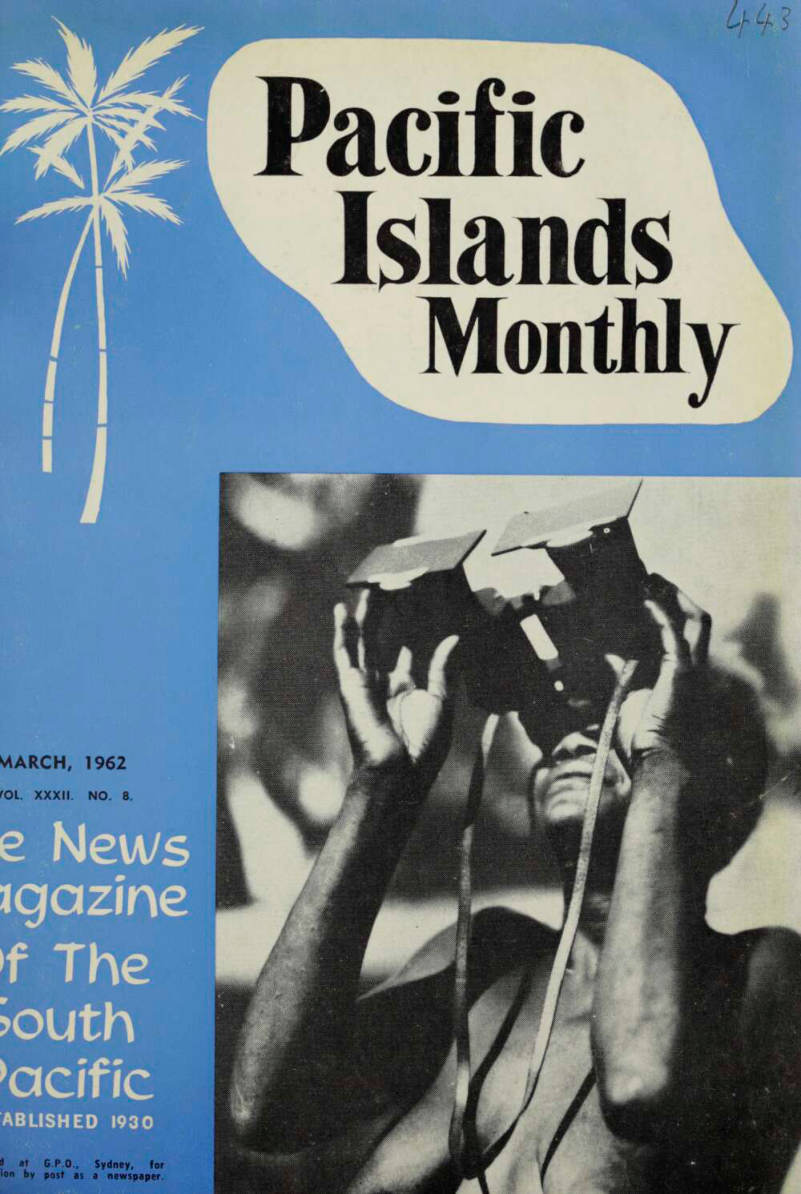 1
1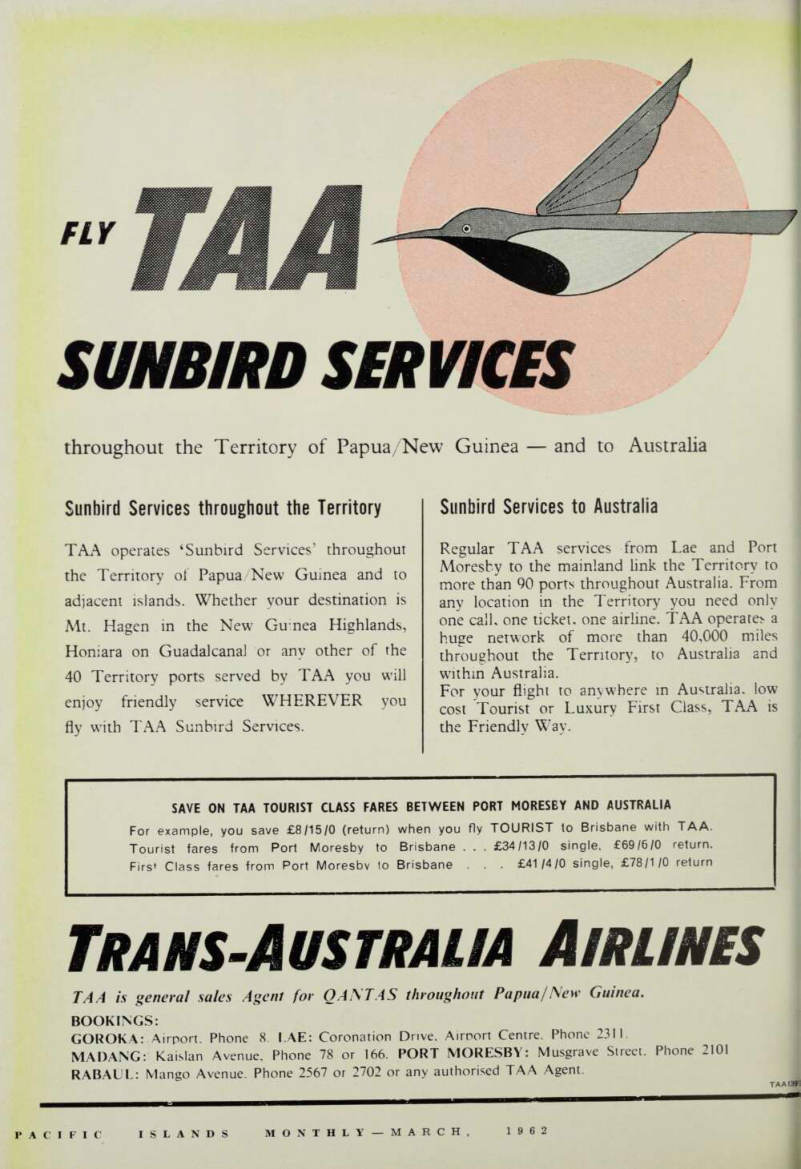 2
2 3
3 4
4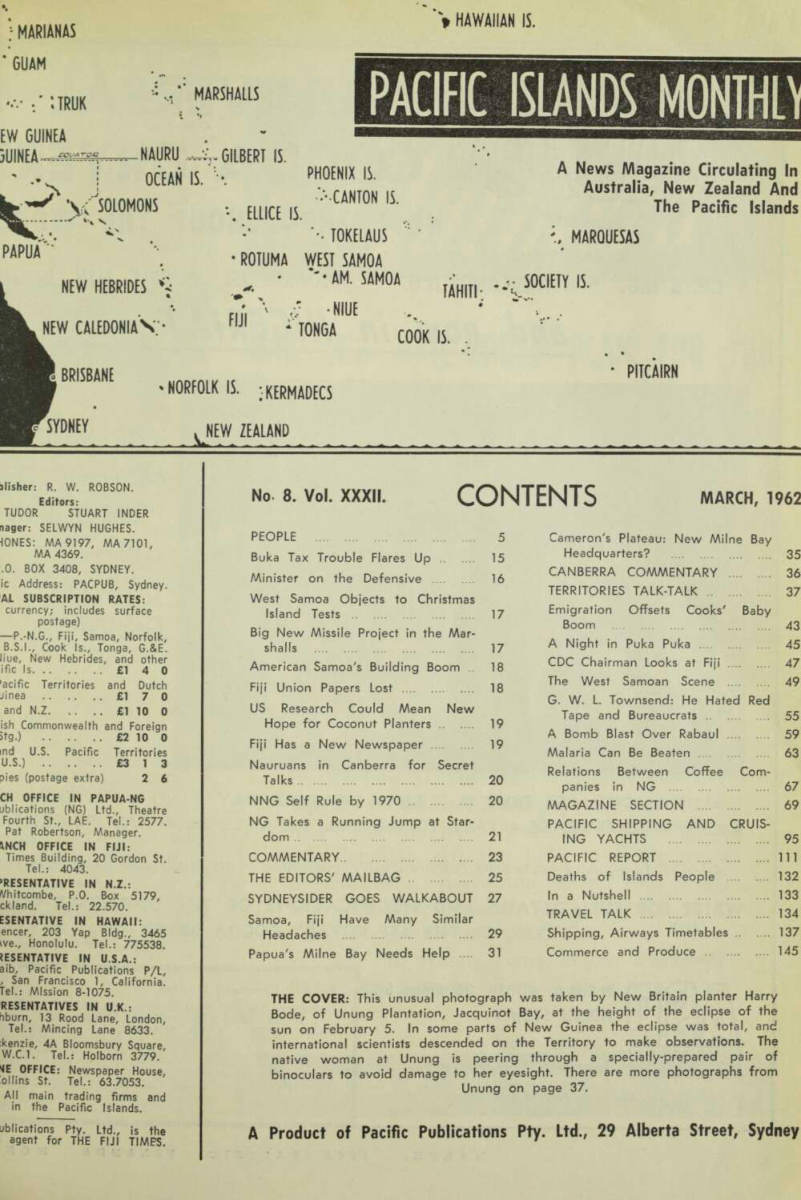 5
5 6
6 7
7 8
8 9
9 10
10 11
11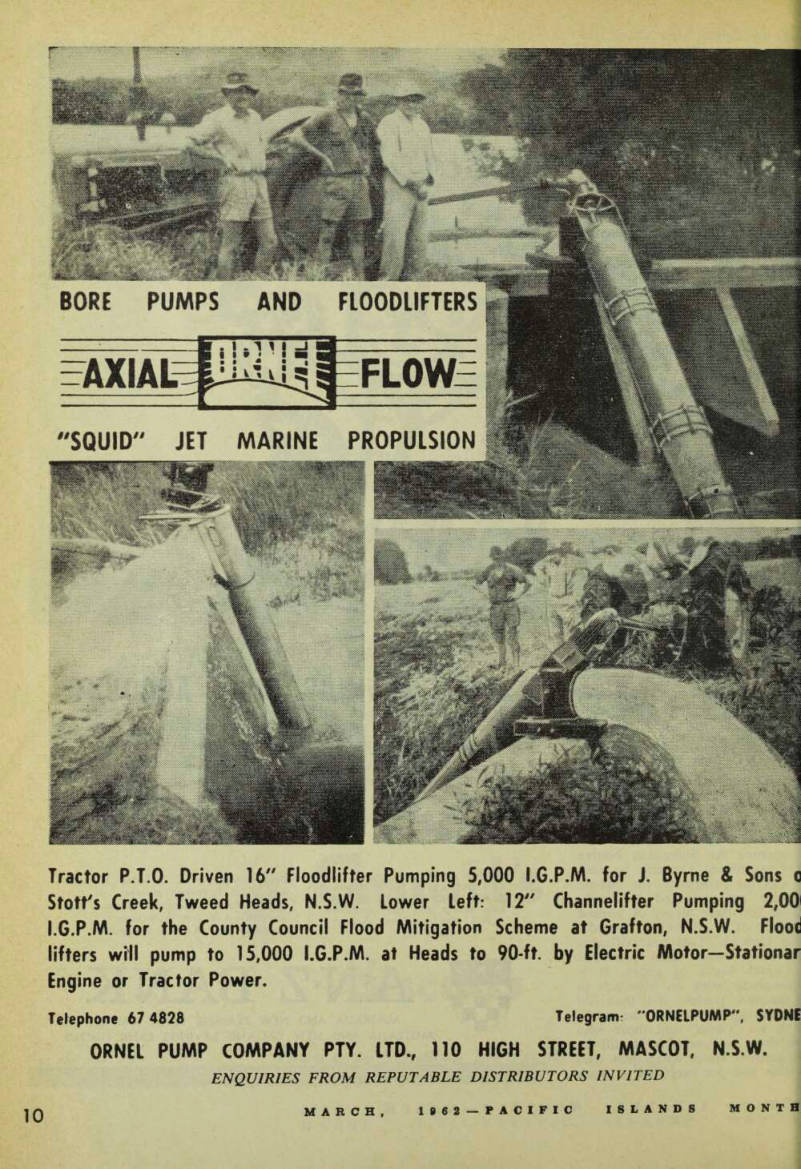 12
12 13
13 14
14 15
15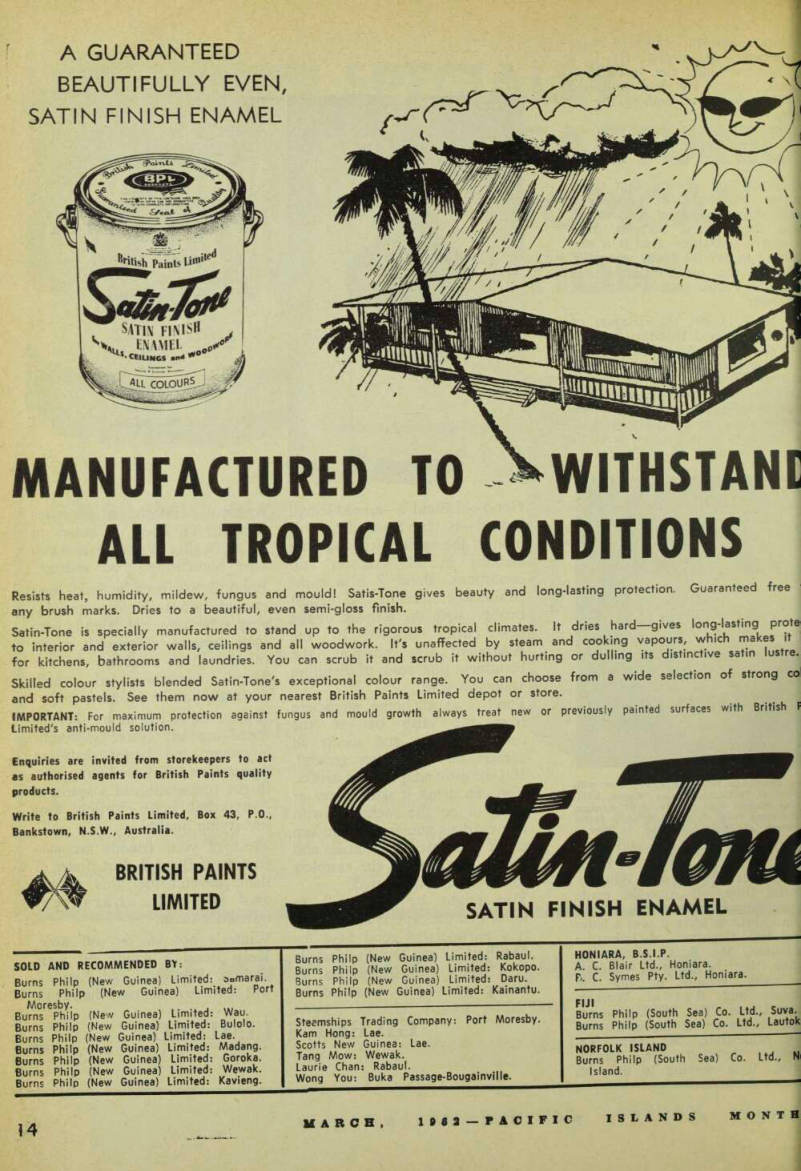 16
16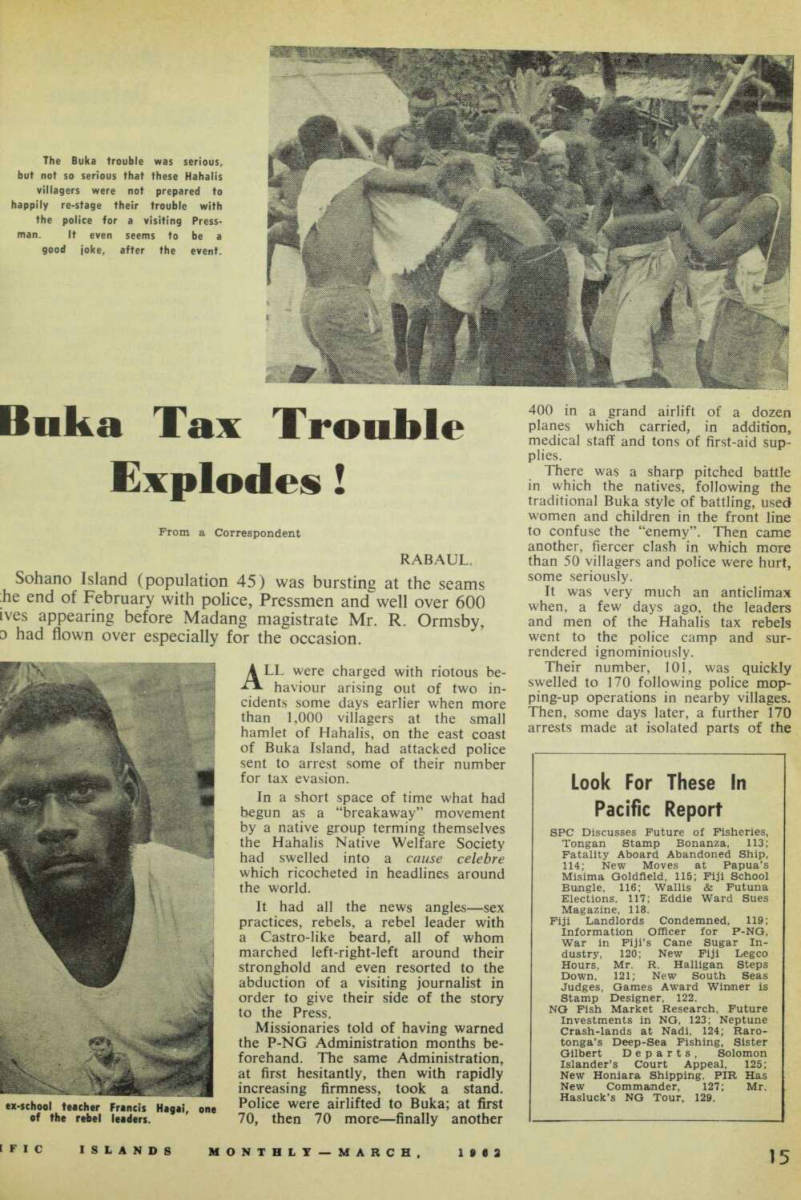 17
17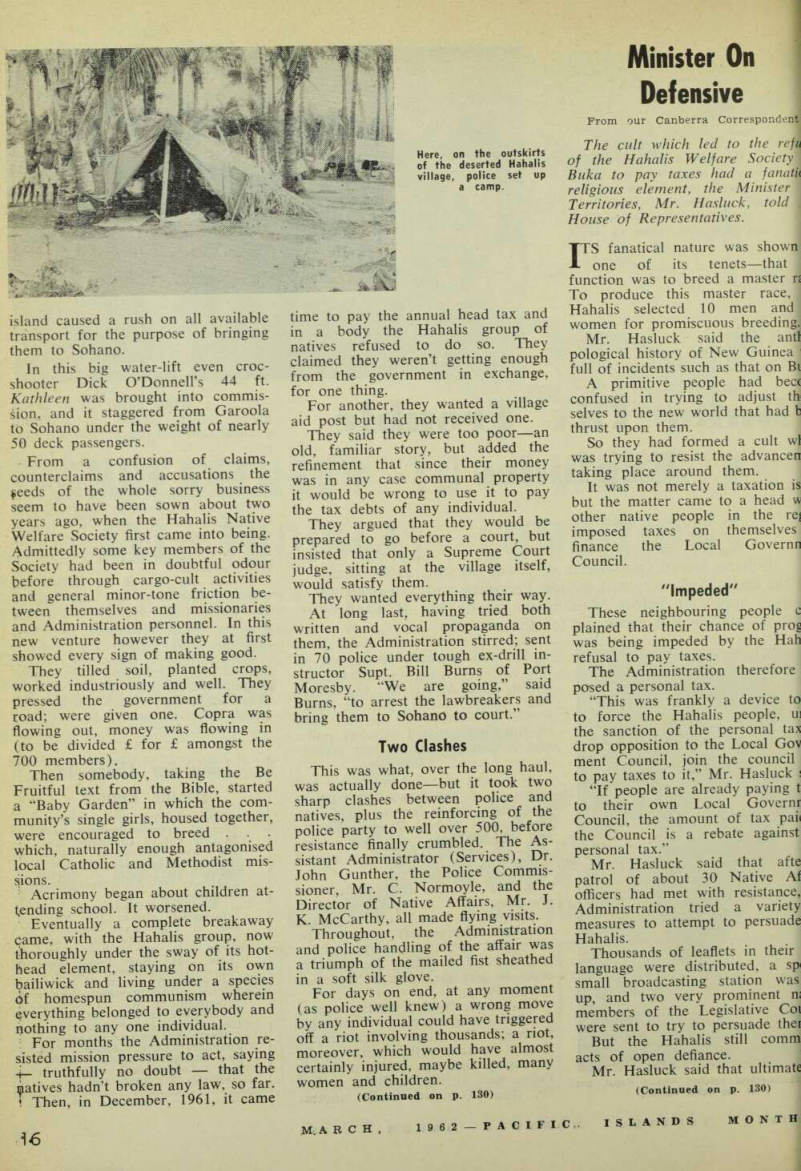 18
18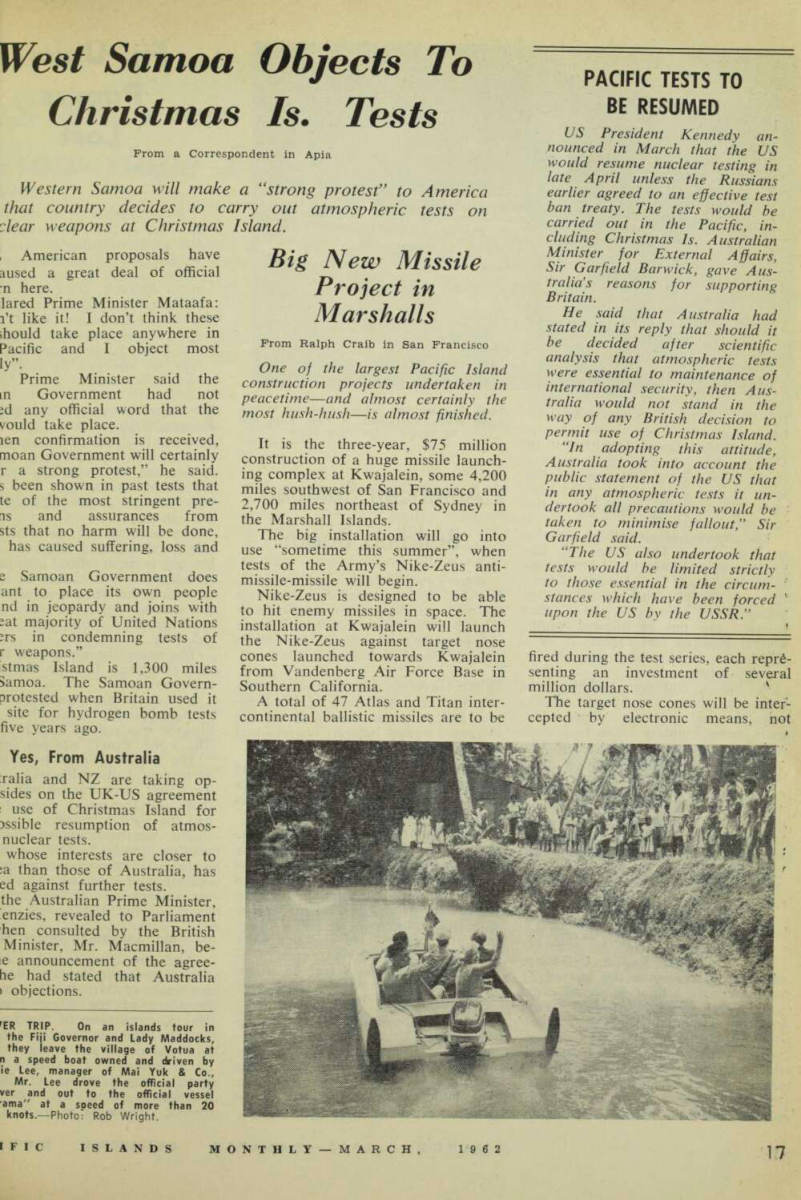 19
19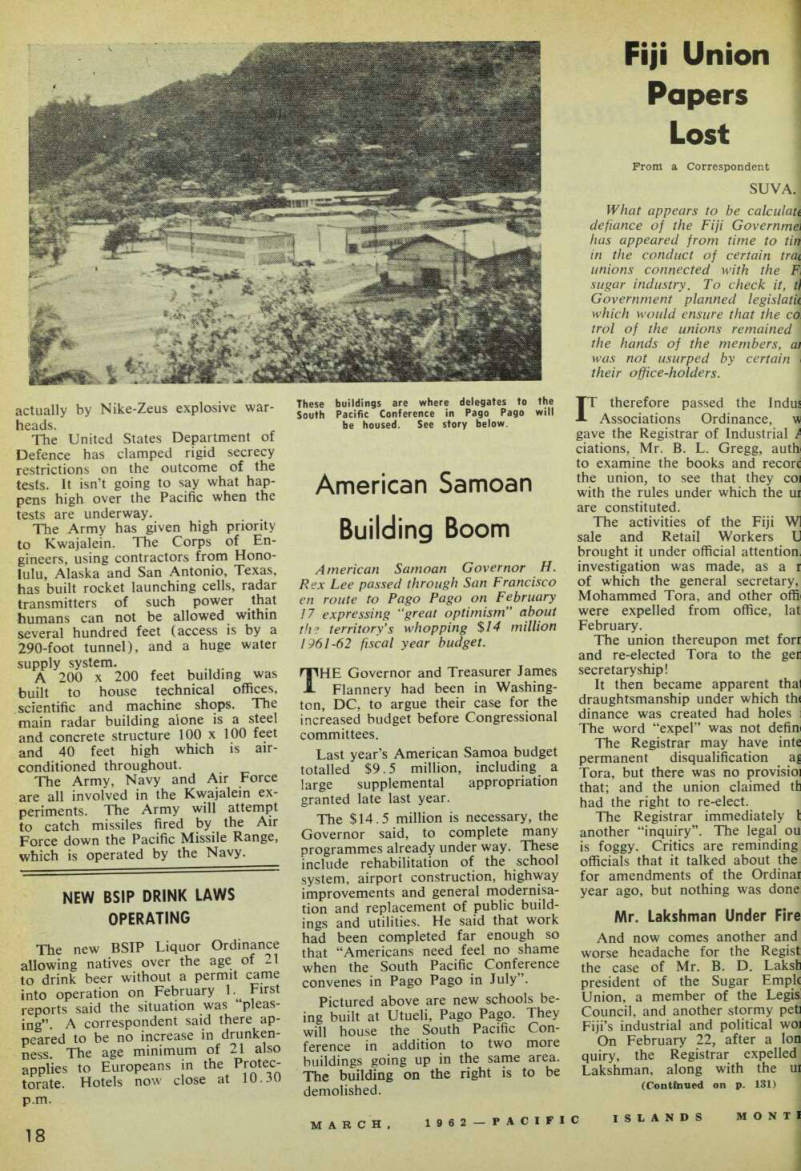 20
20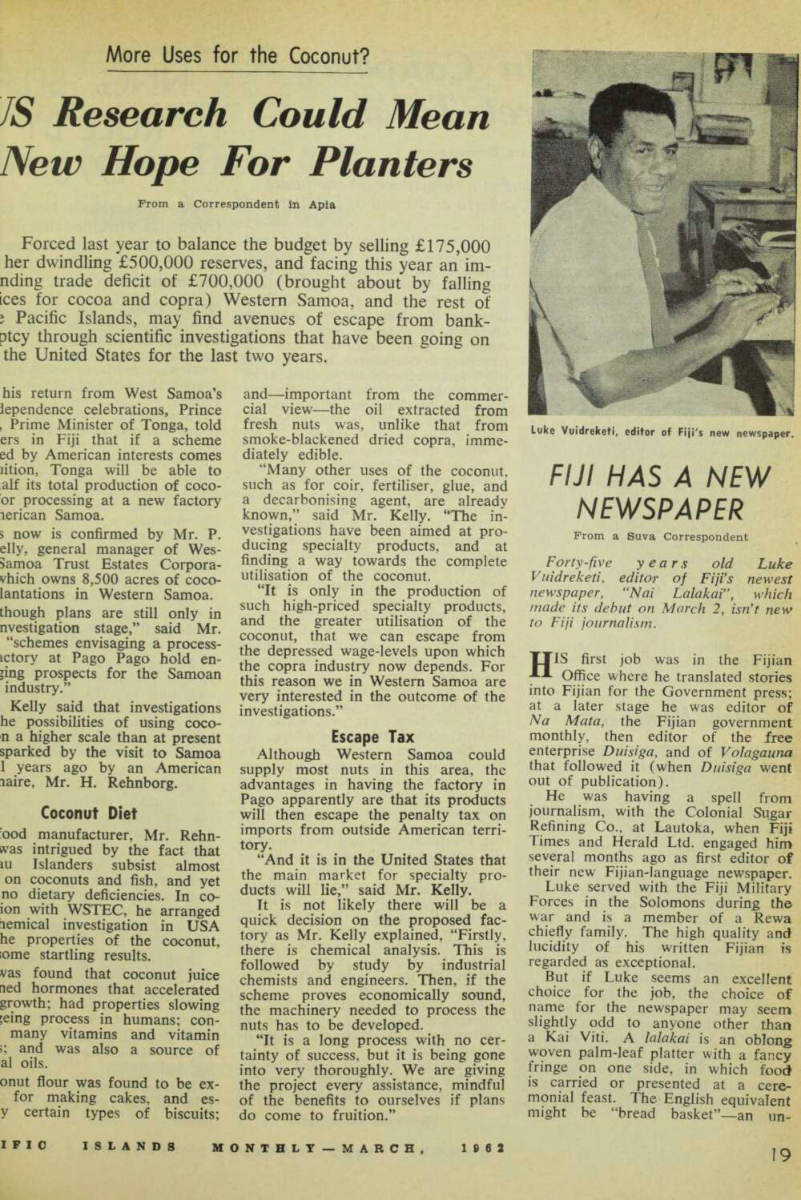 21
21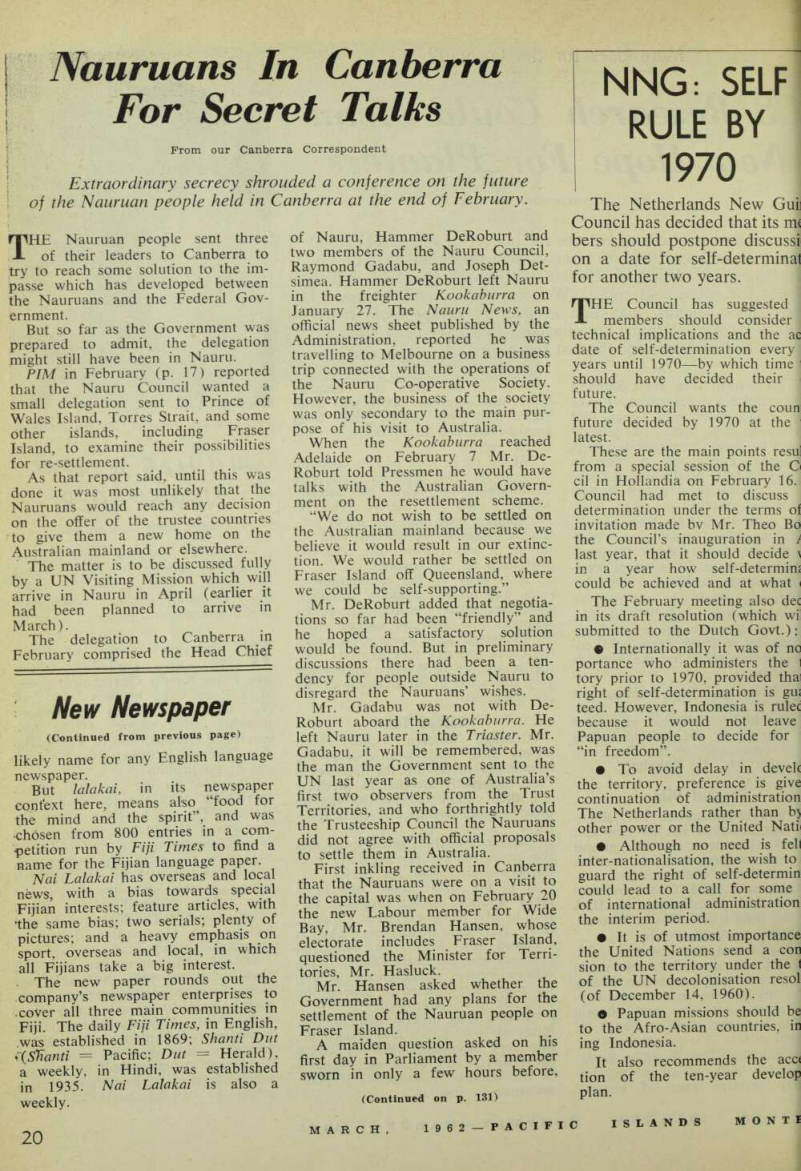 22
22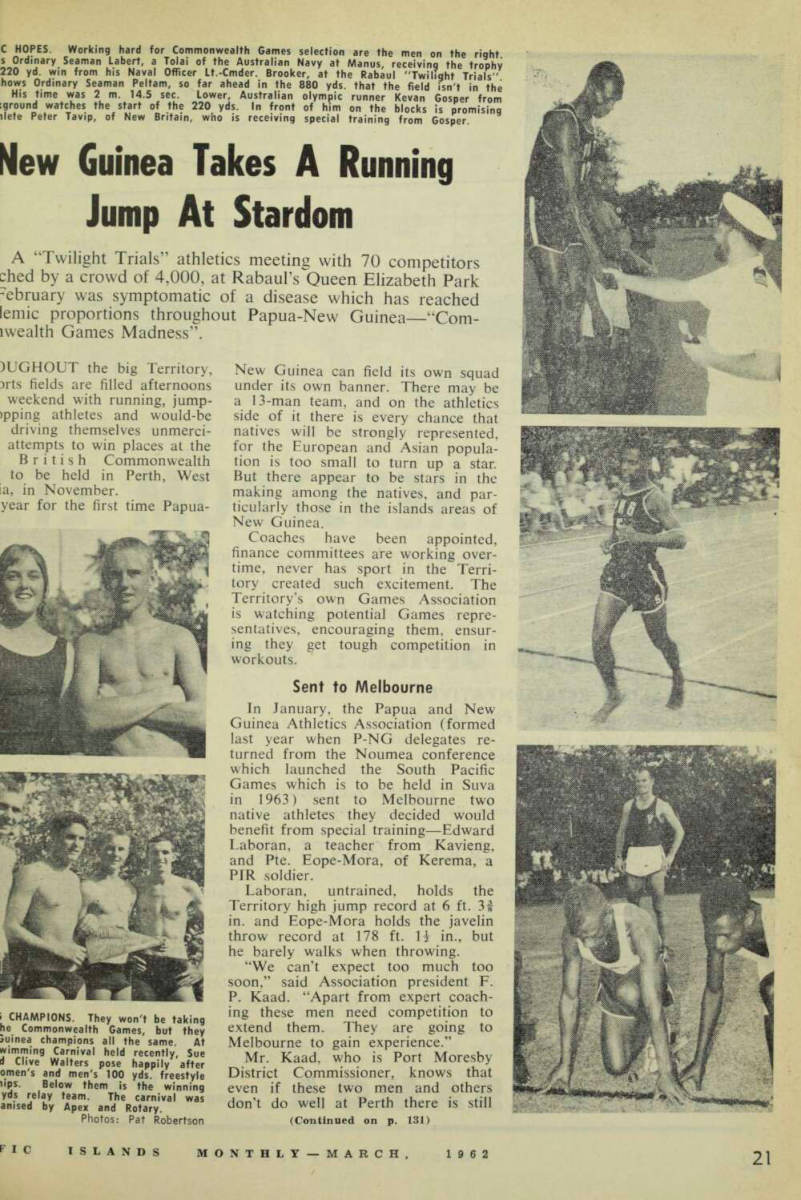 23
23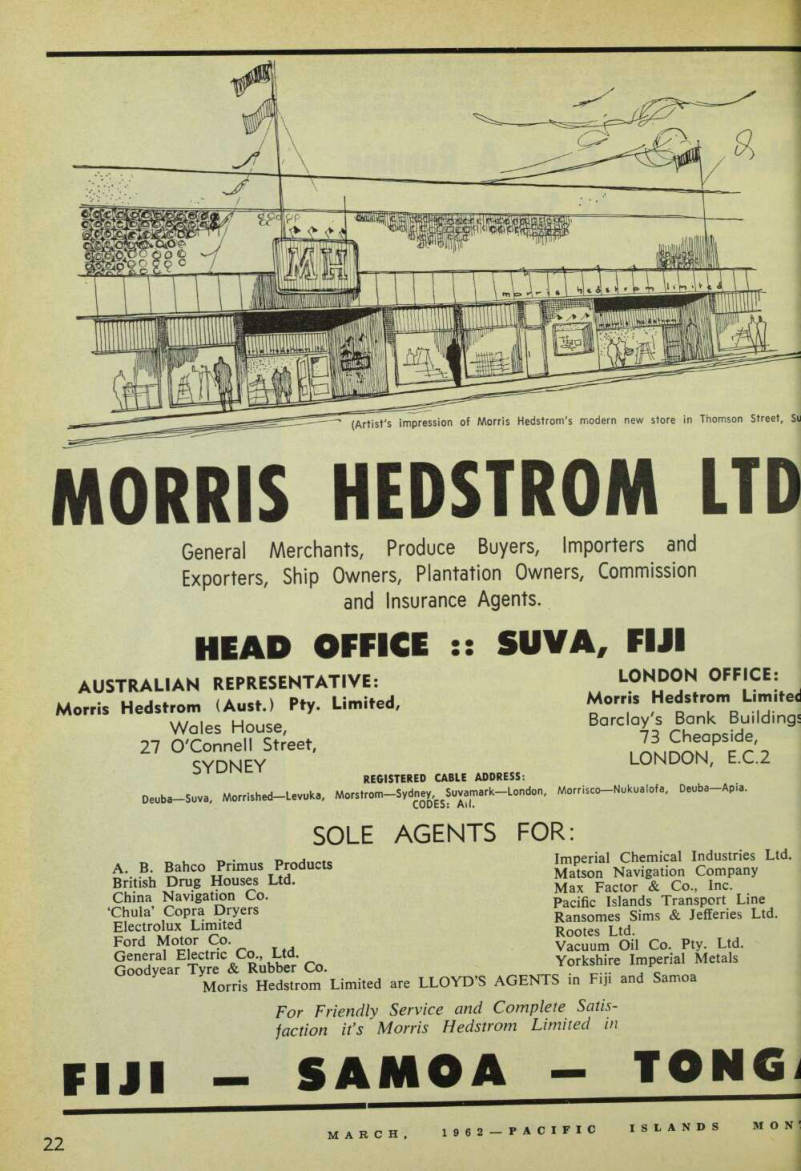 24
24 25
25 26
26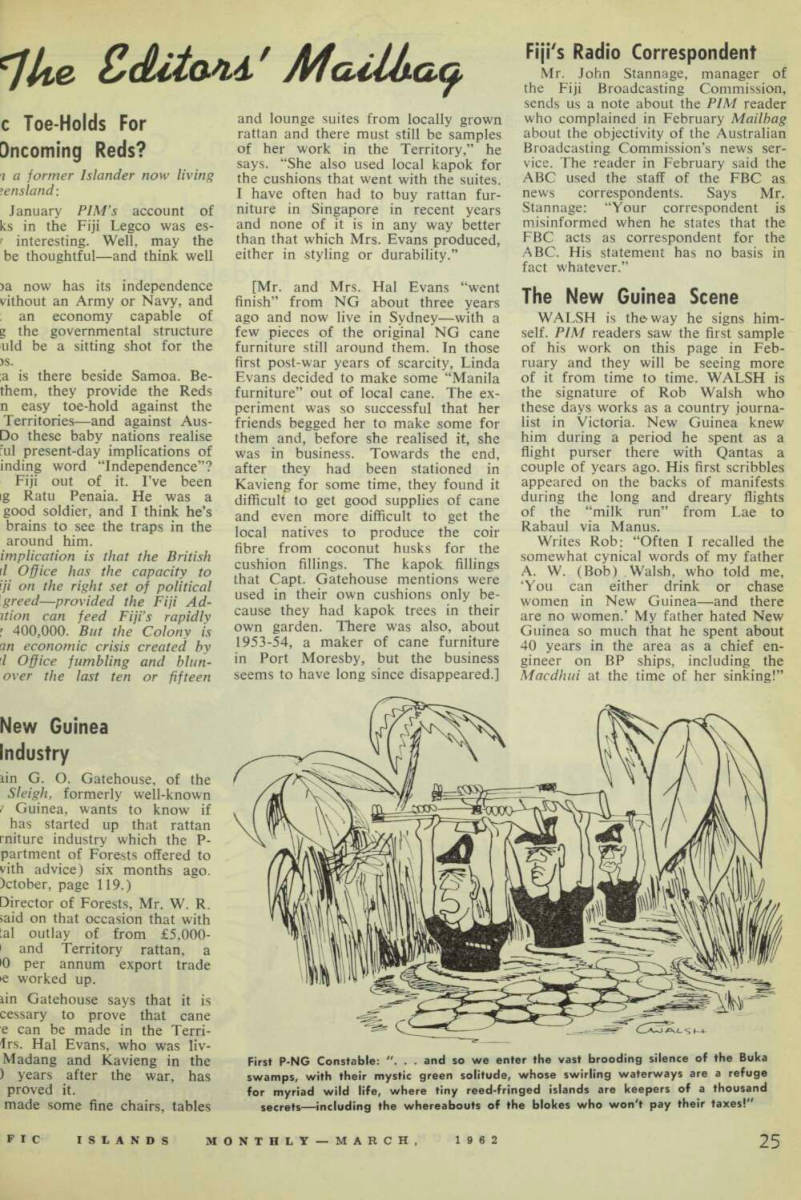 27
27 28
28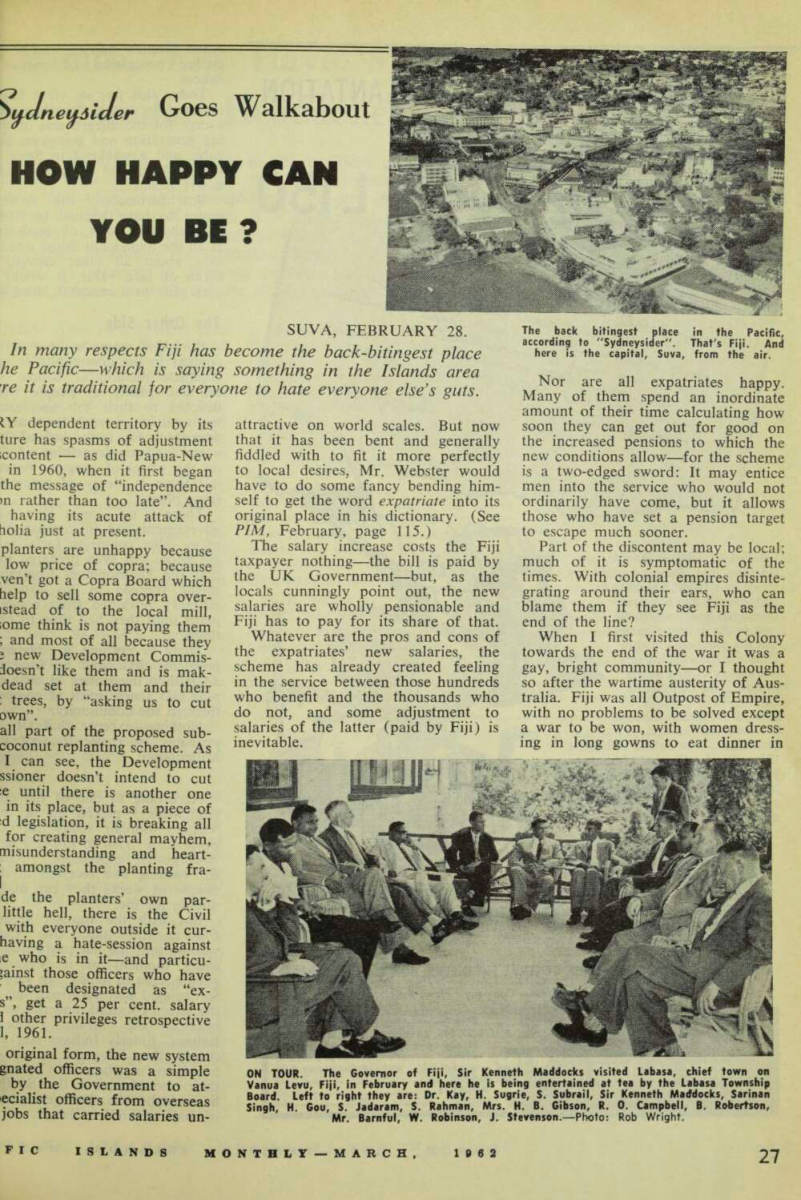 29
29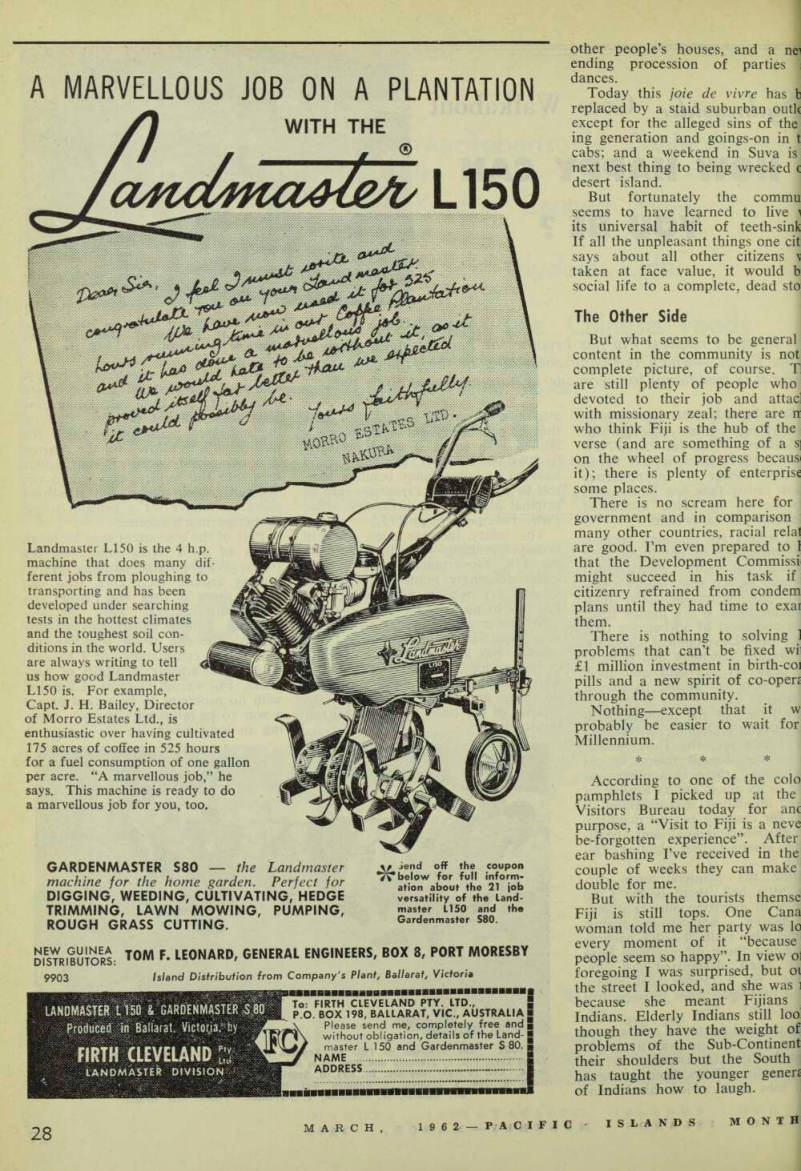 30
30 31
31 32
32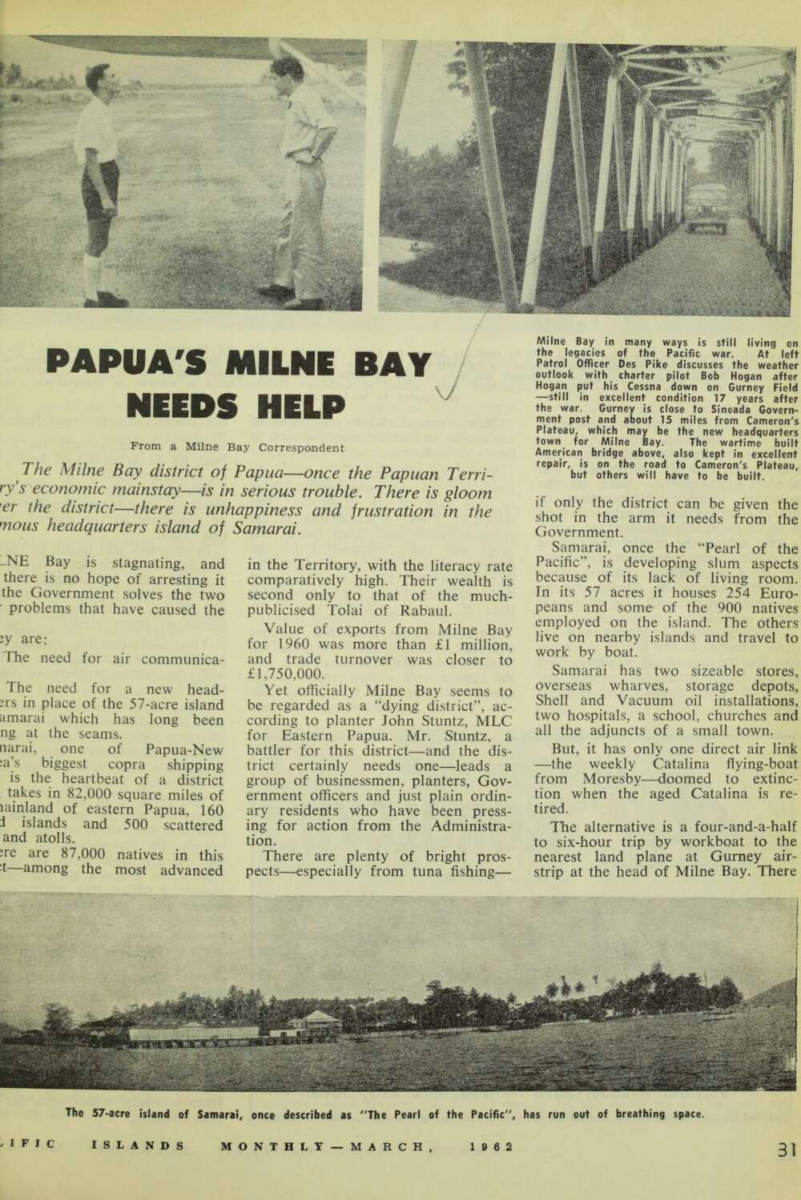 33
33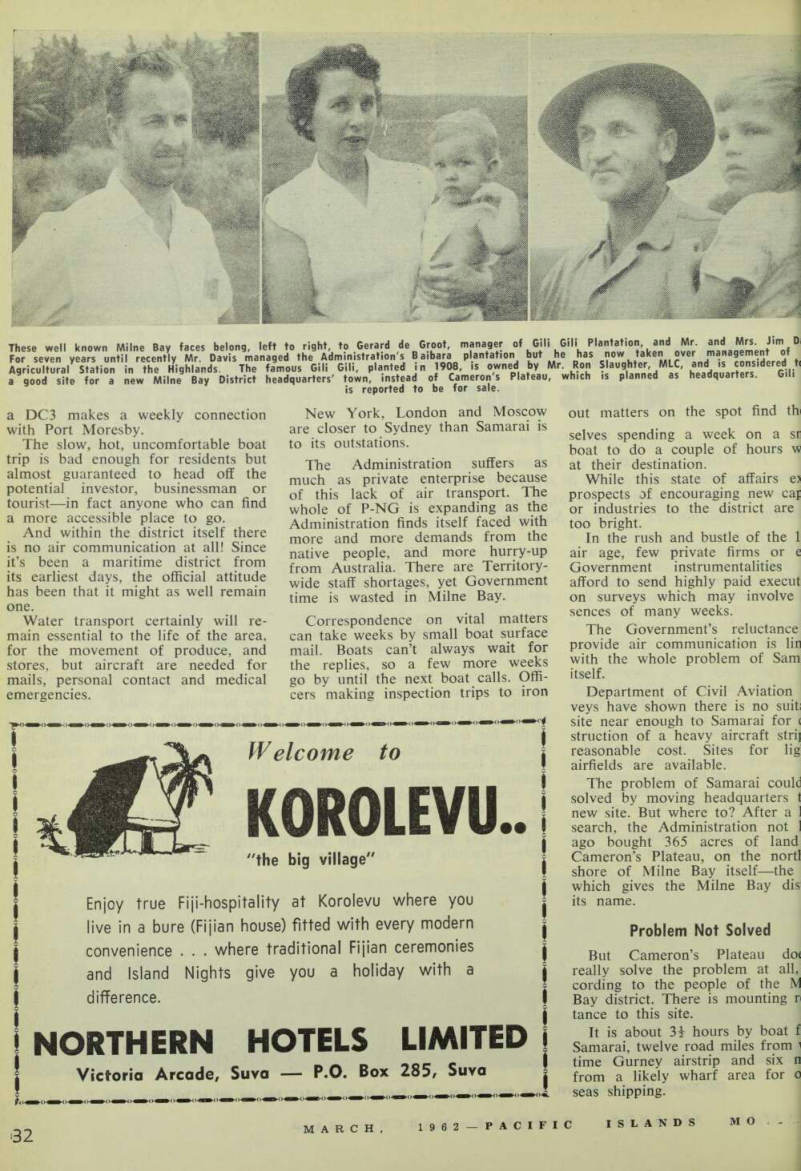 34
34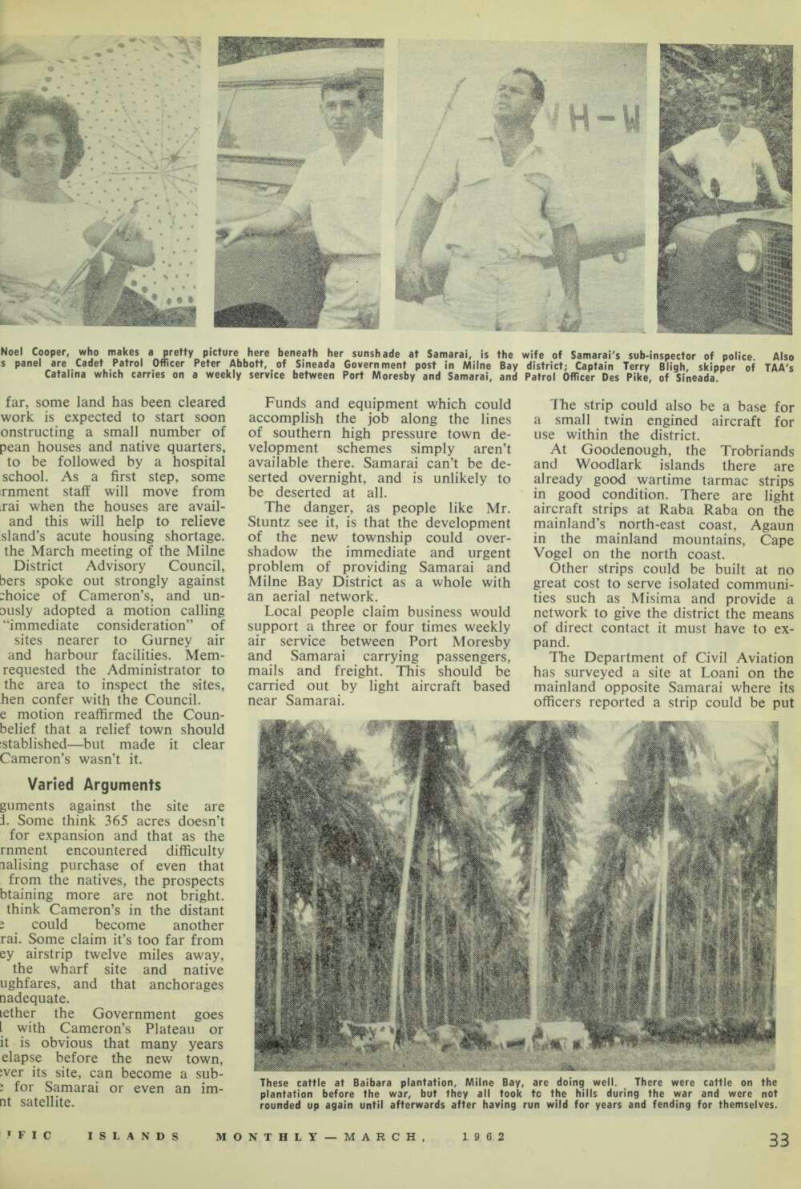 35
35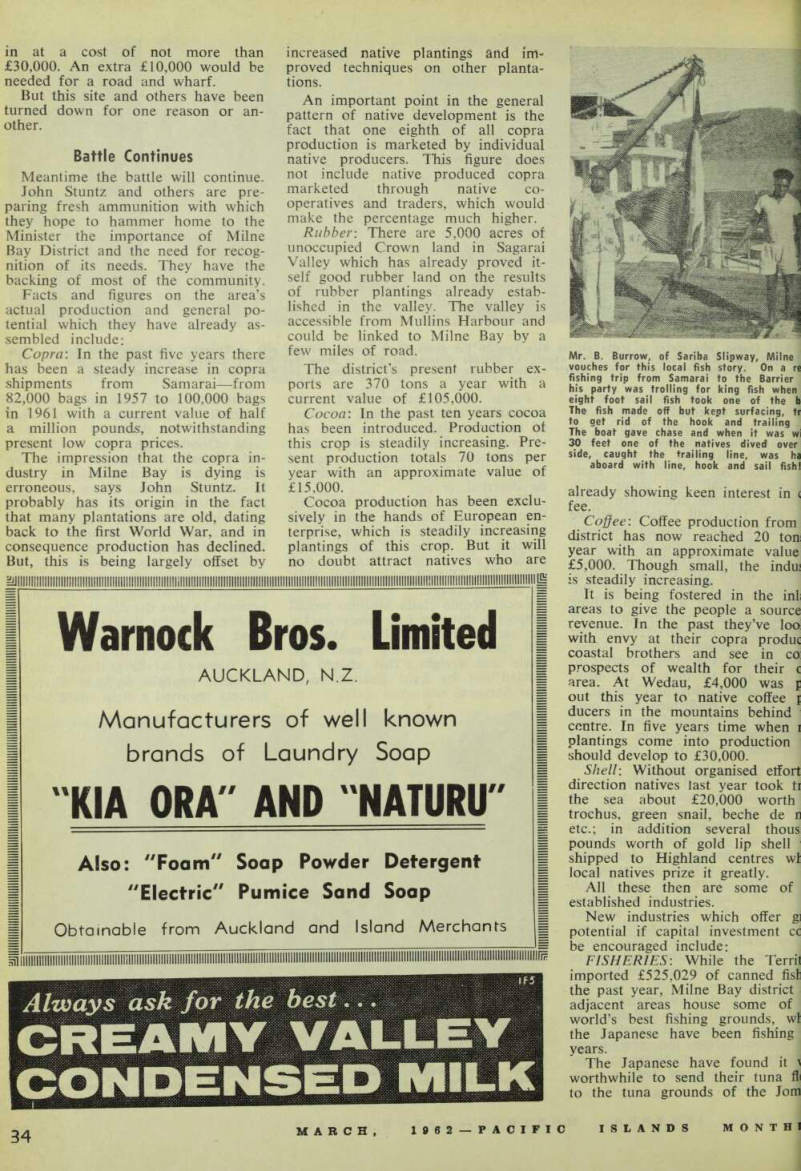 36
36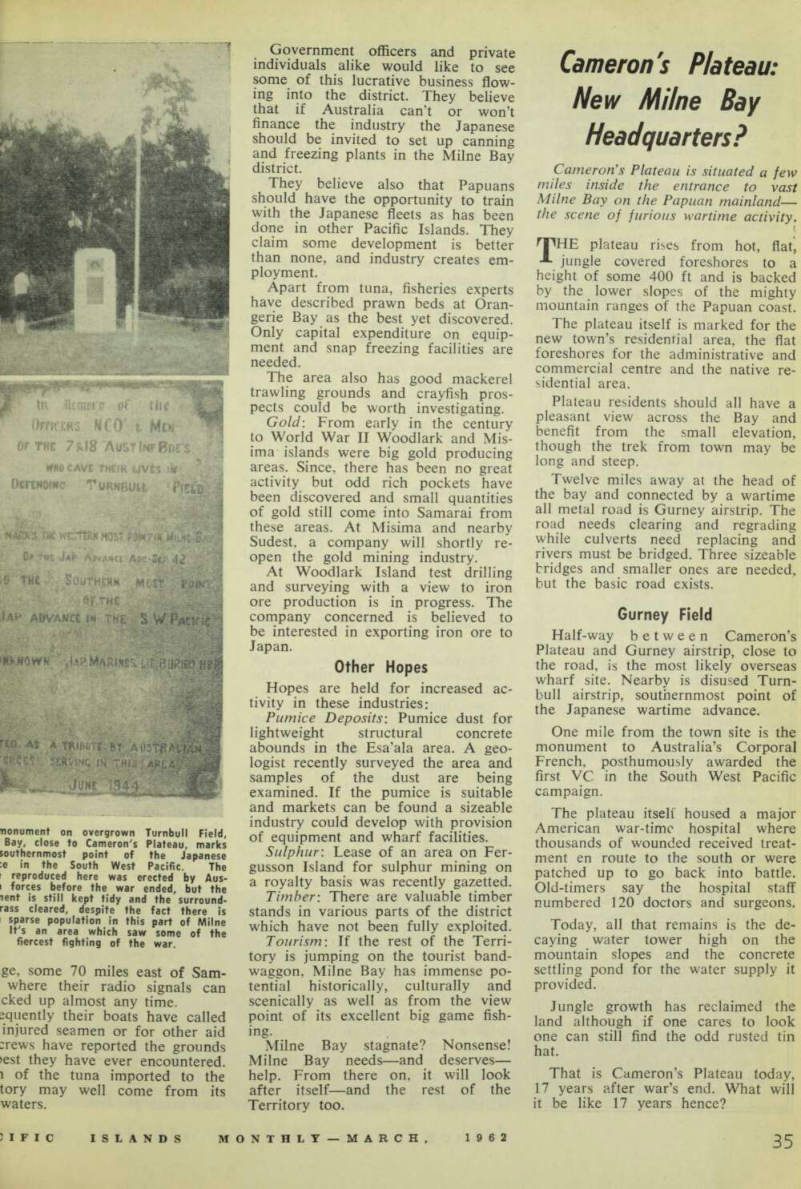 37
37 38
38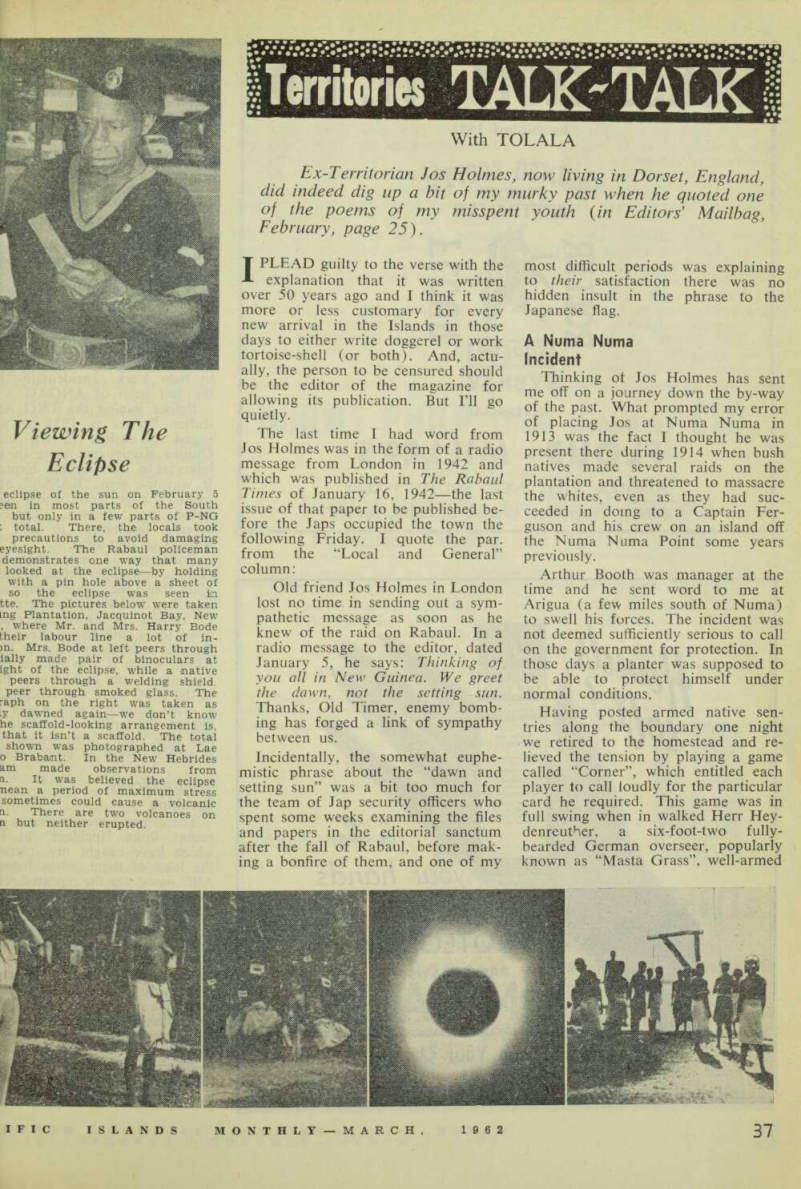 39
39 40
40 41
41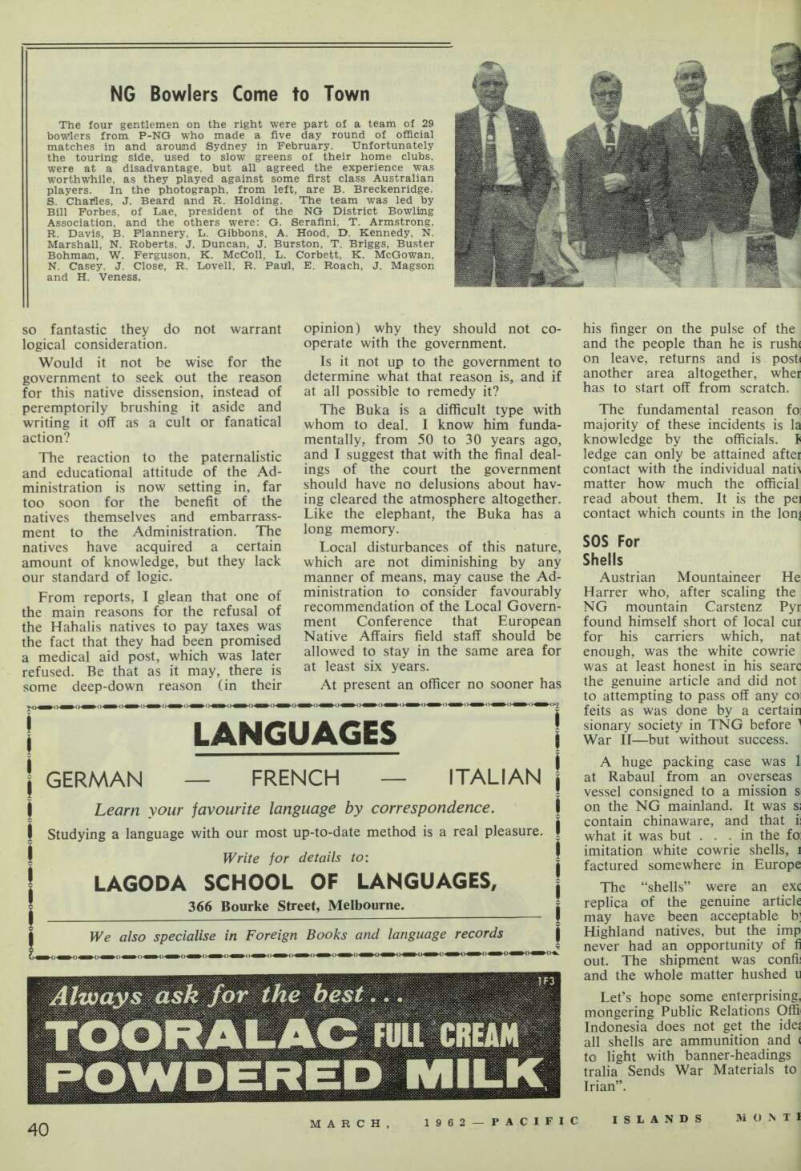 42
42 43
43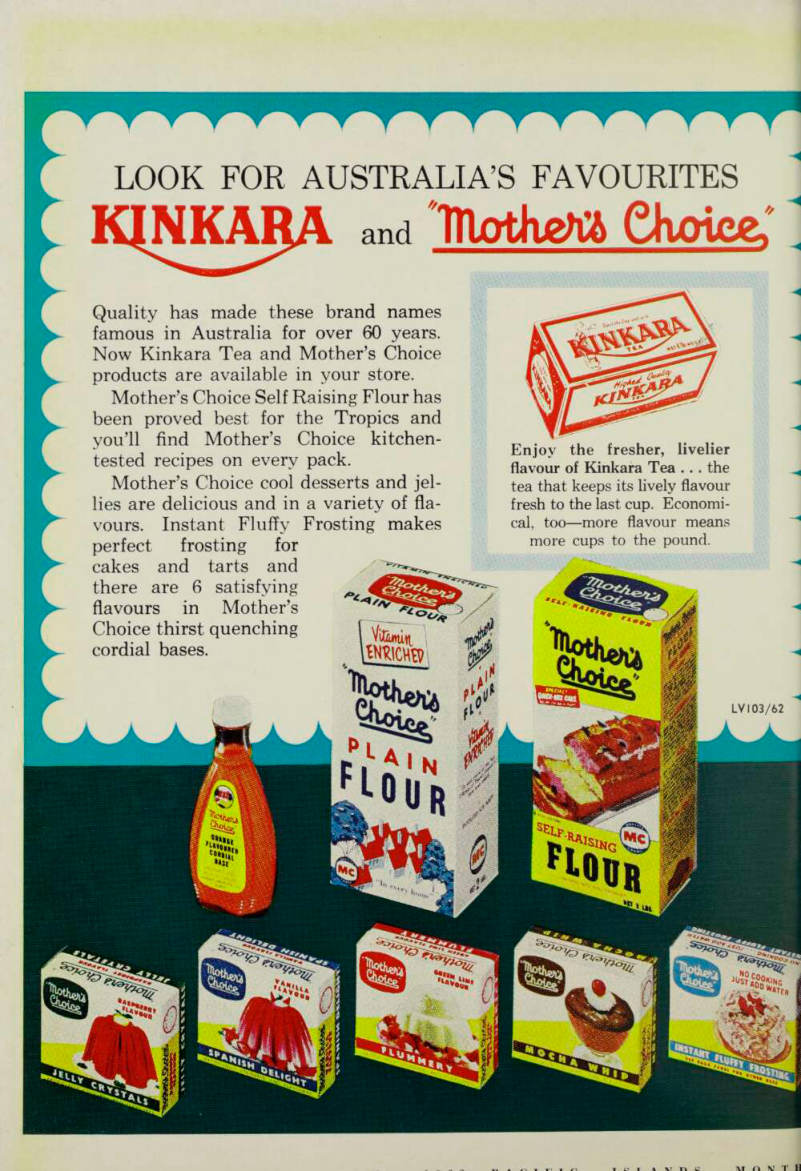 44
44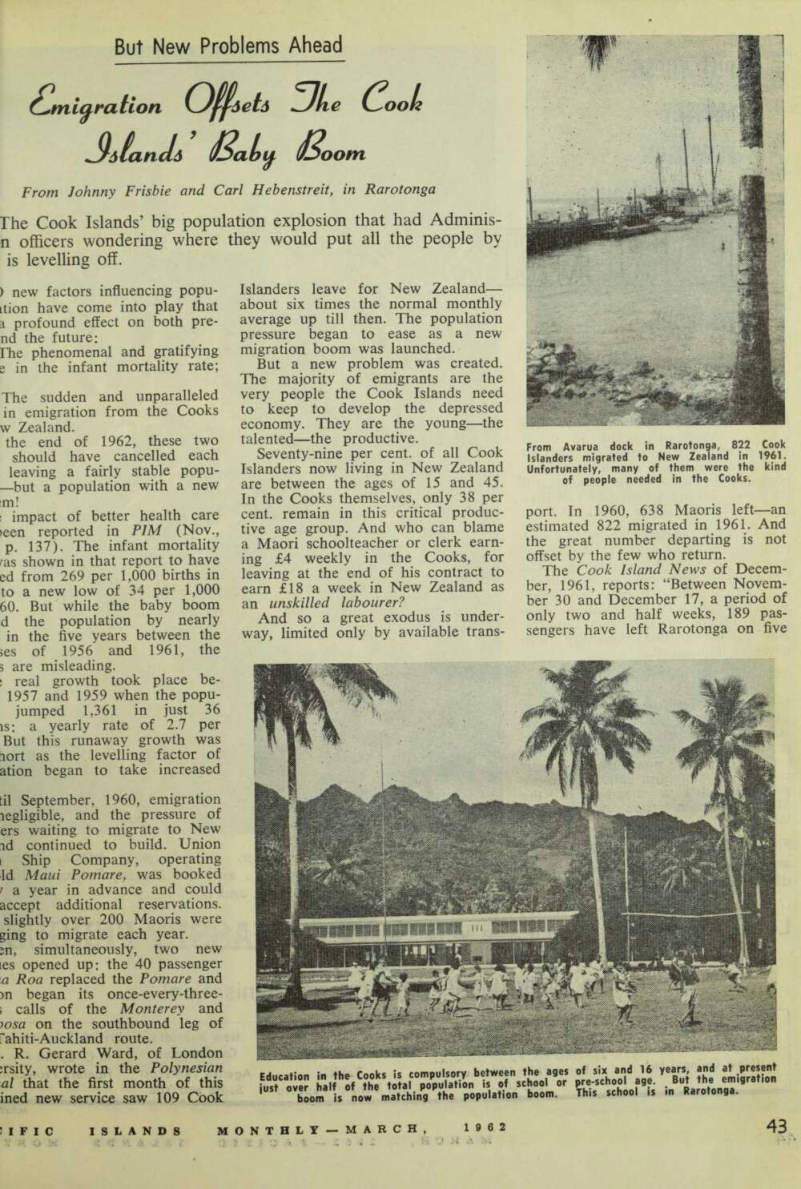 45
45 46
46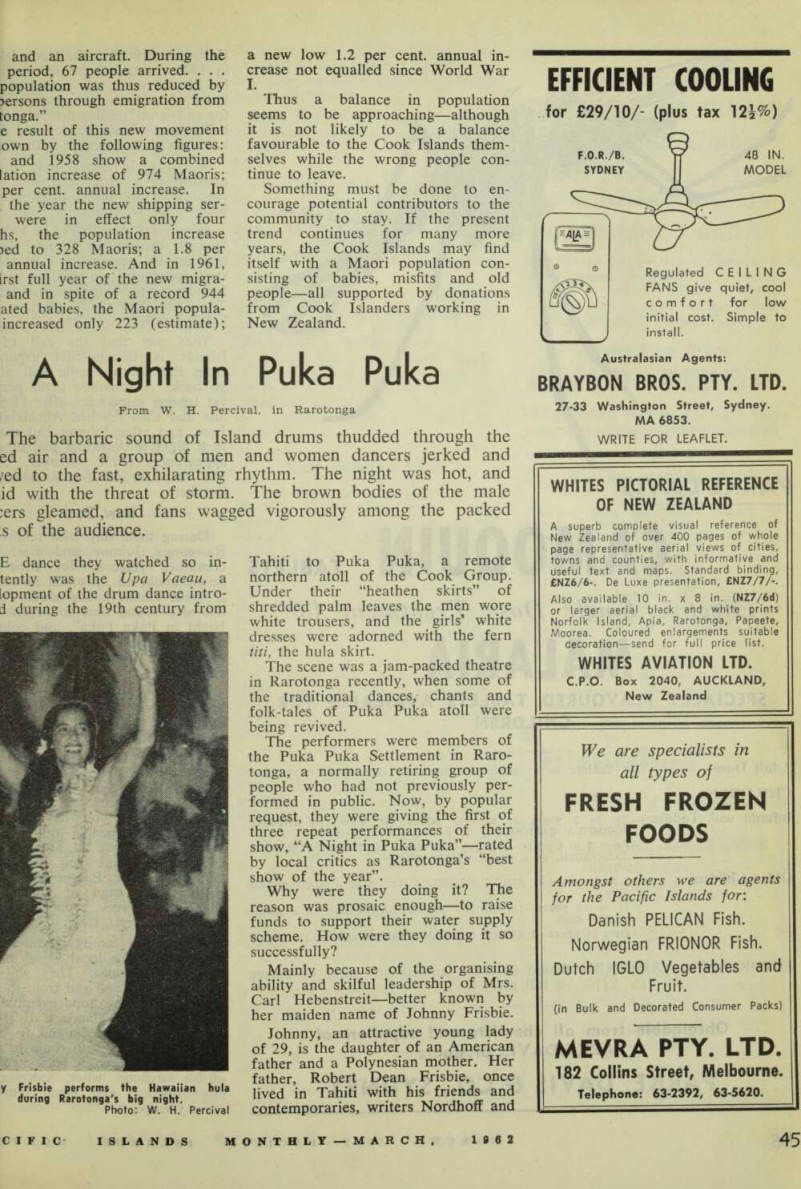 47
47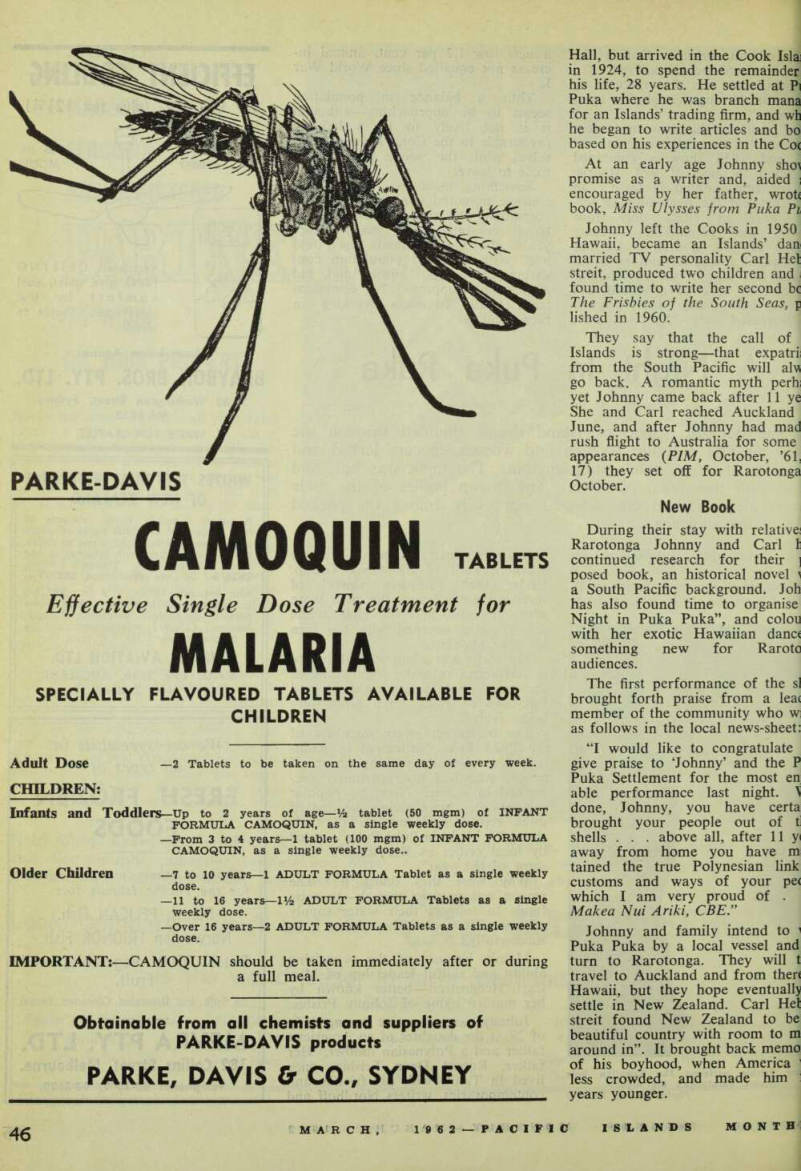 48
48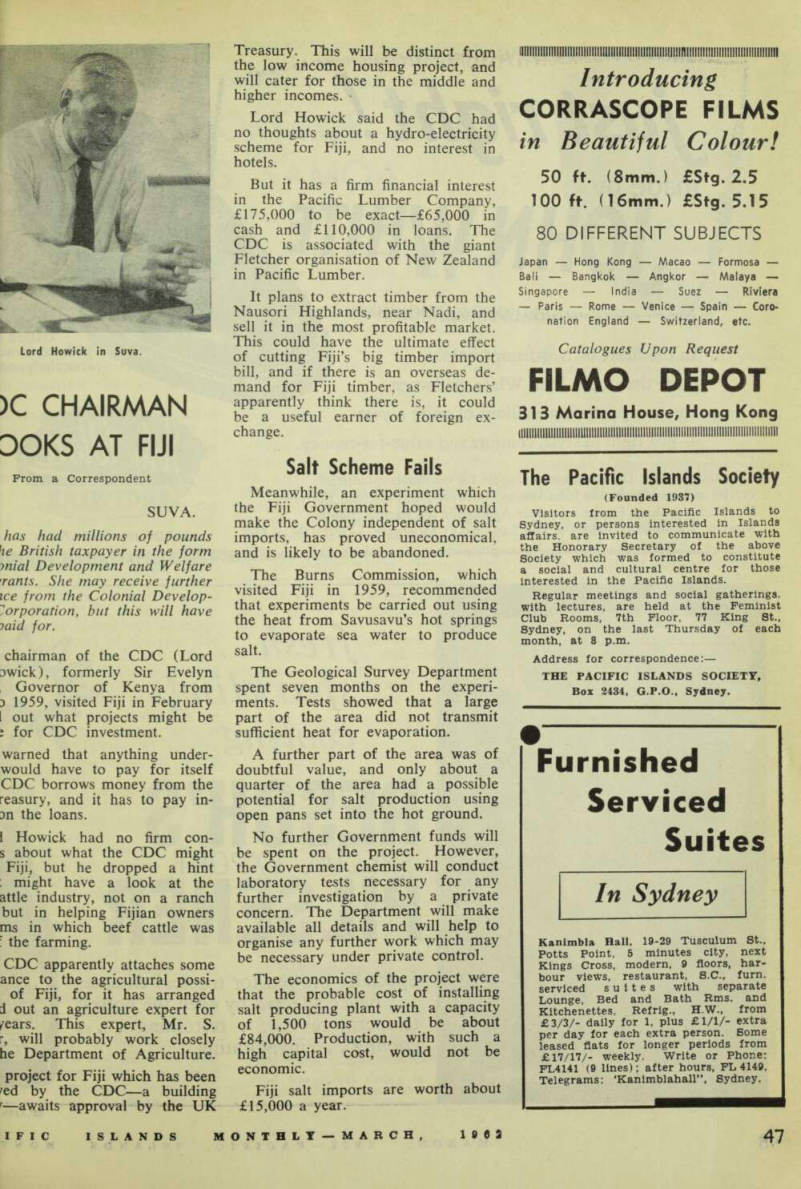 49
49 50
50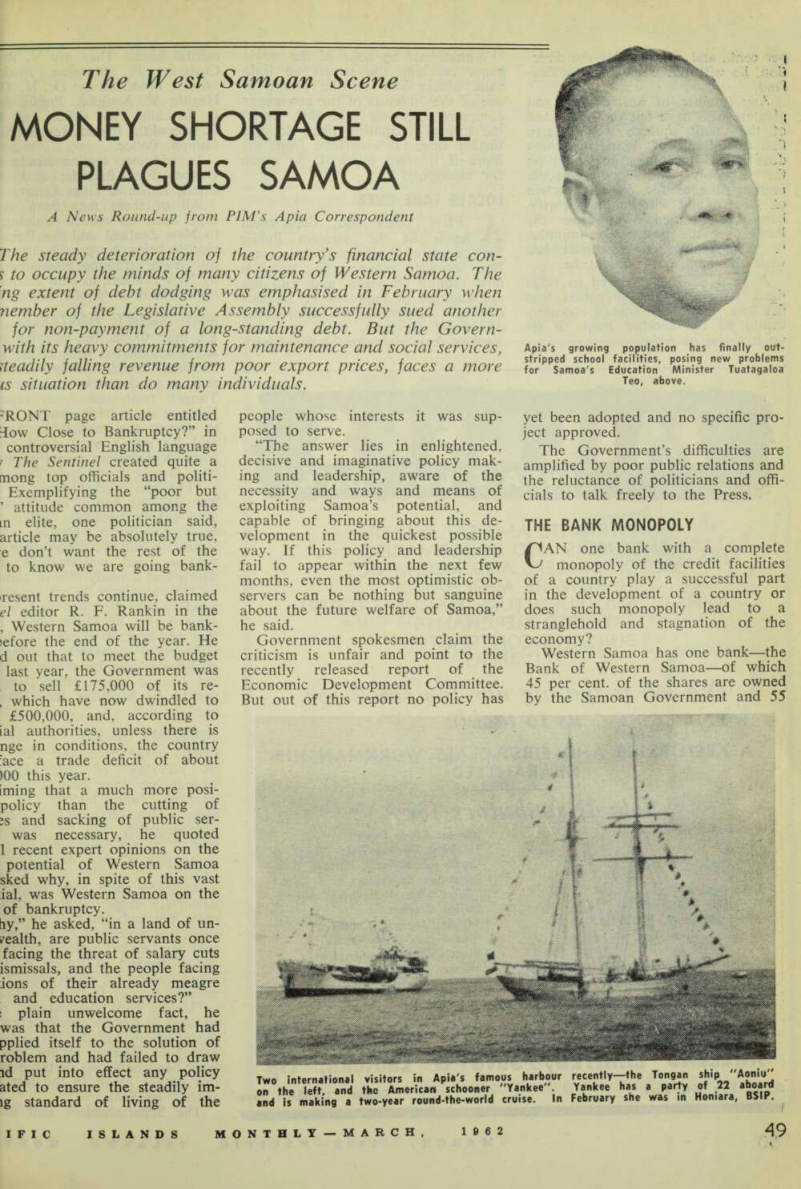 51
51 52
52 53
53 54
54 55
55 56
56 57
57 58
58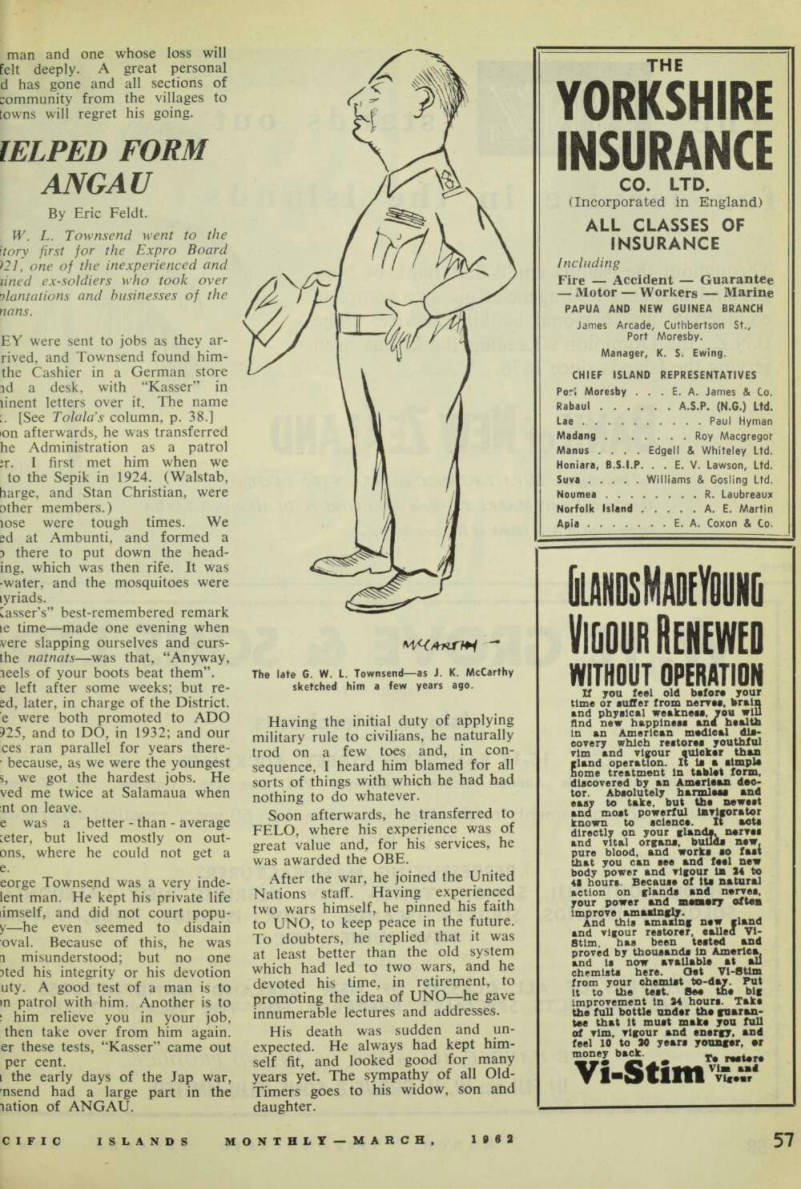 59
59 60
60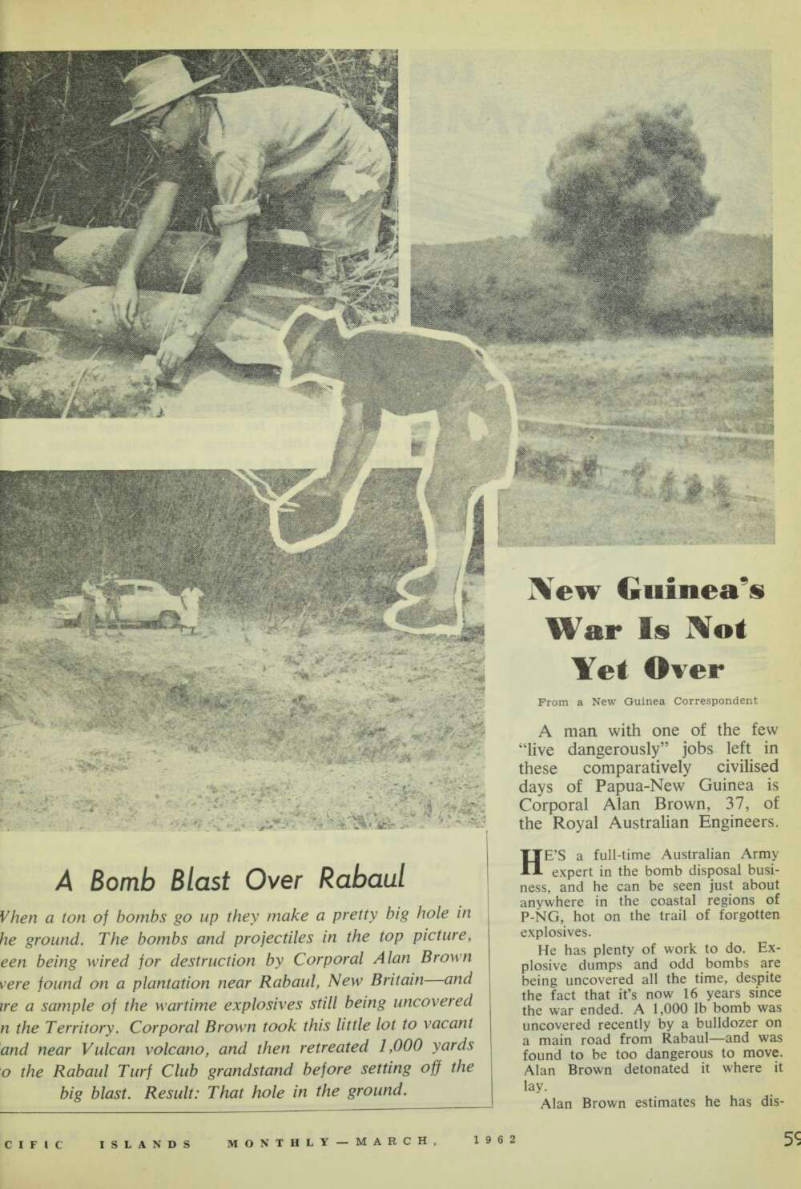 61
61 62
62 63
63 64
64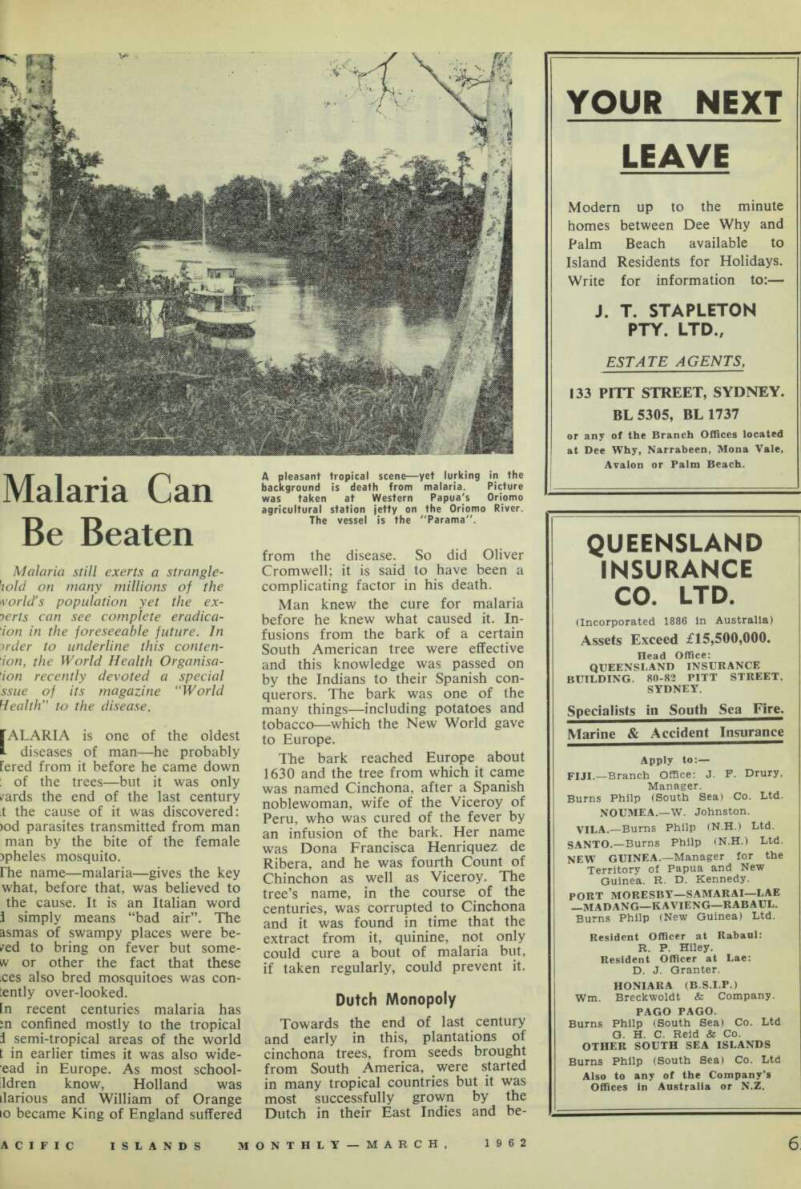 65
65 66
66 67
67 68
68 69
69 70
70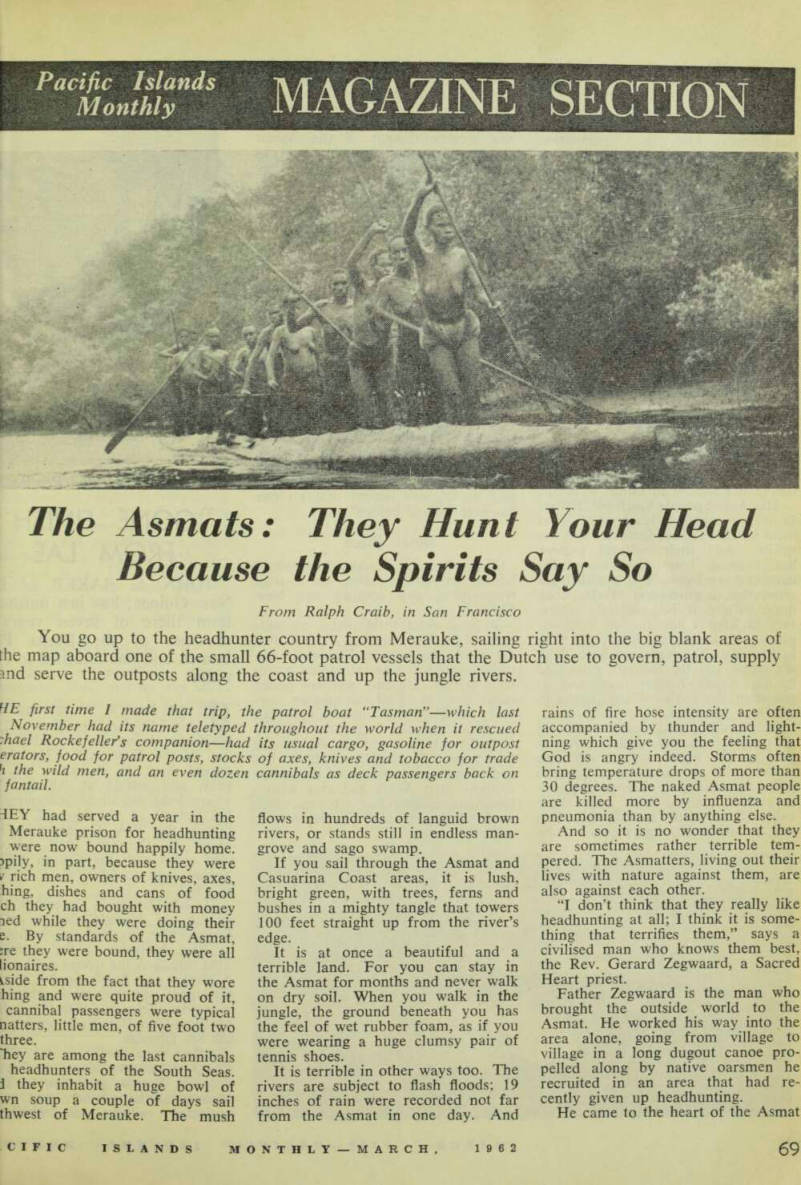 71
71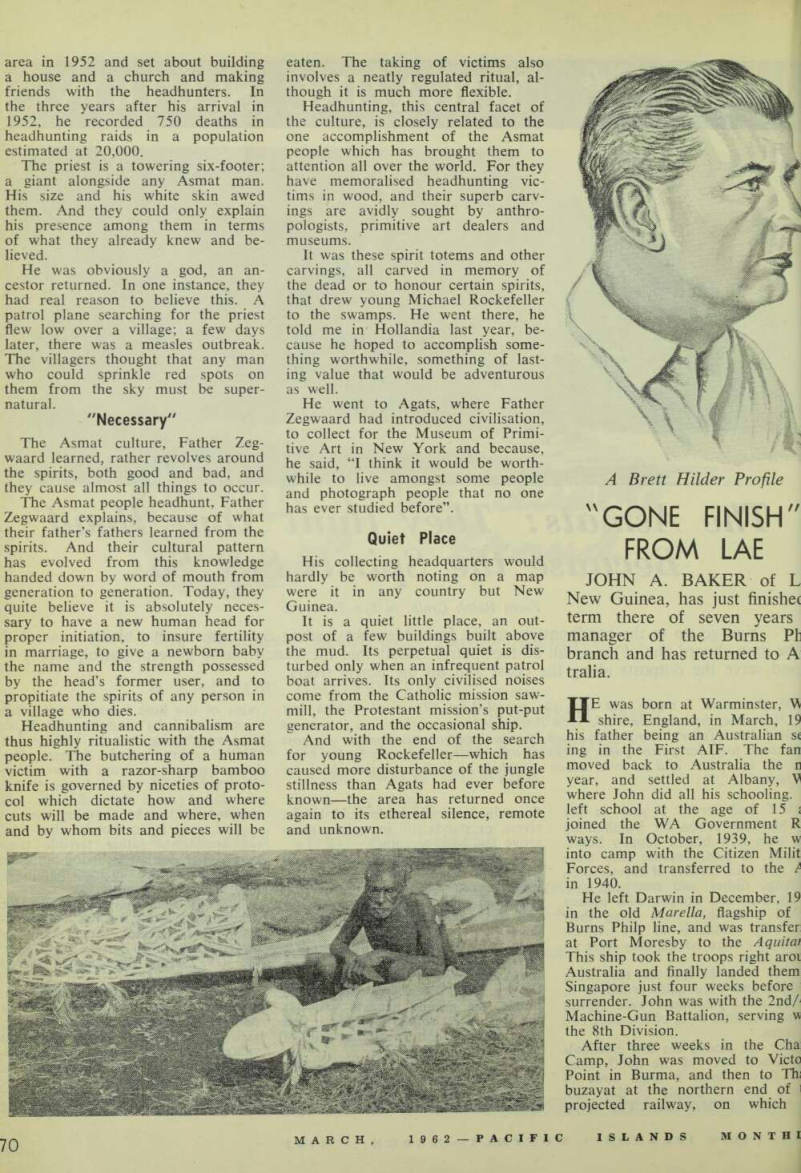 72
72 73
73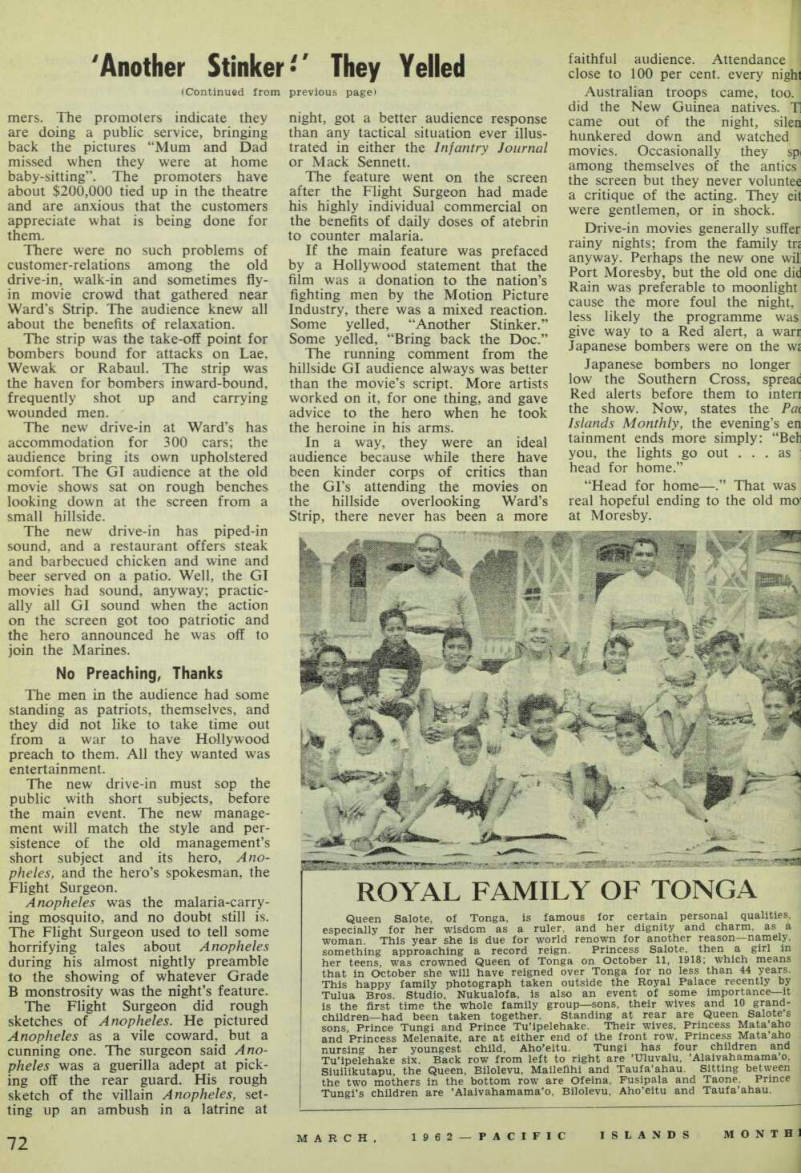 74
74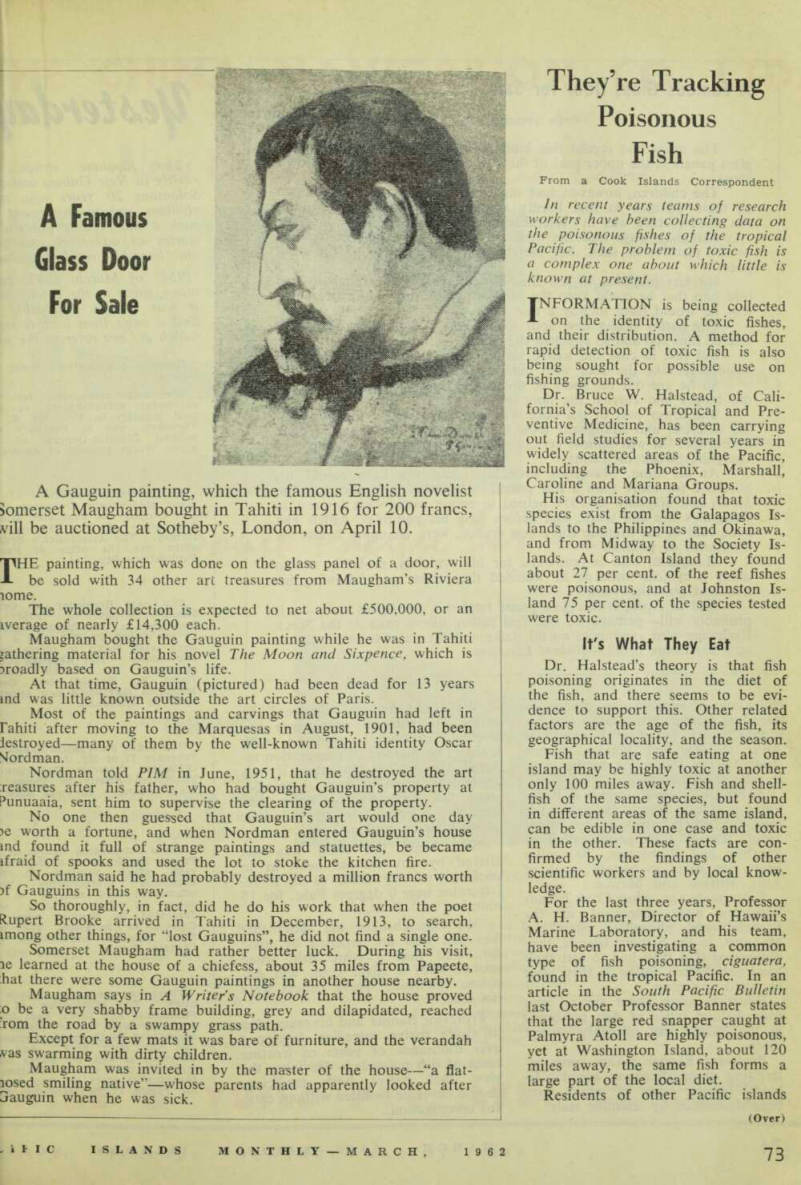 75
75 76
76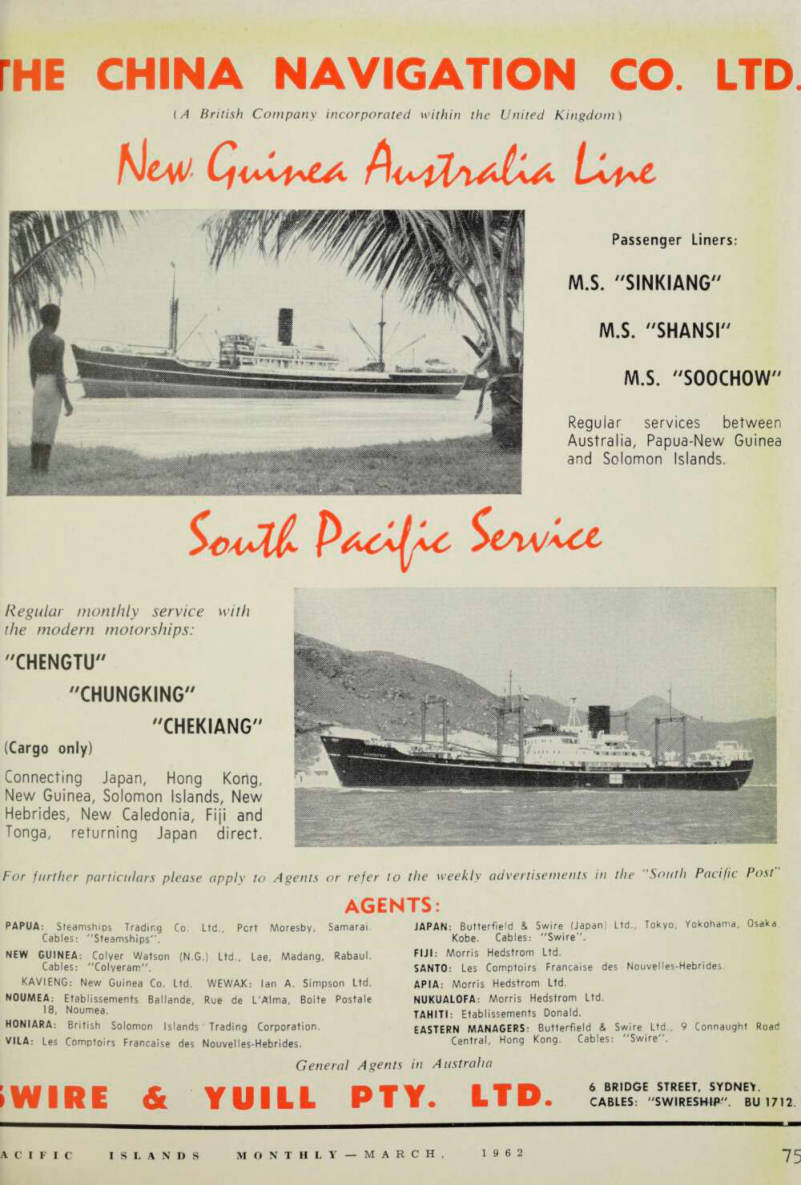 77
77 78
78 79
79 80
80 81
81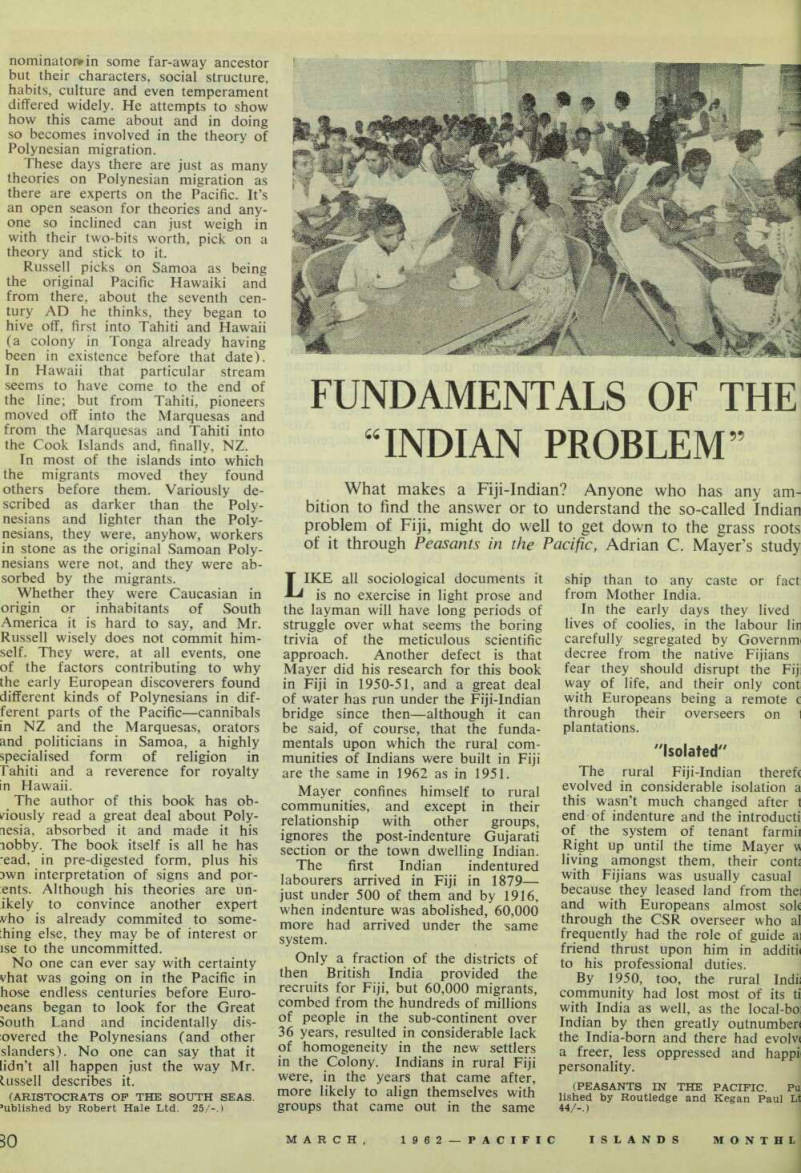 82
82 83
83 84
84 85
85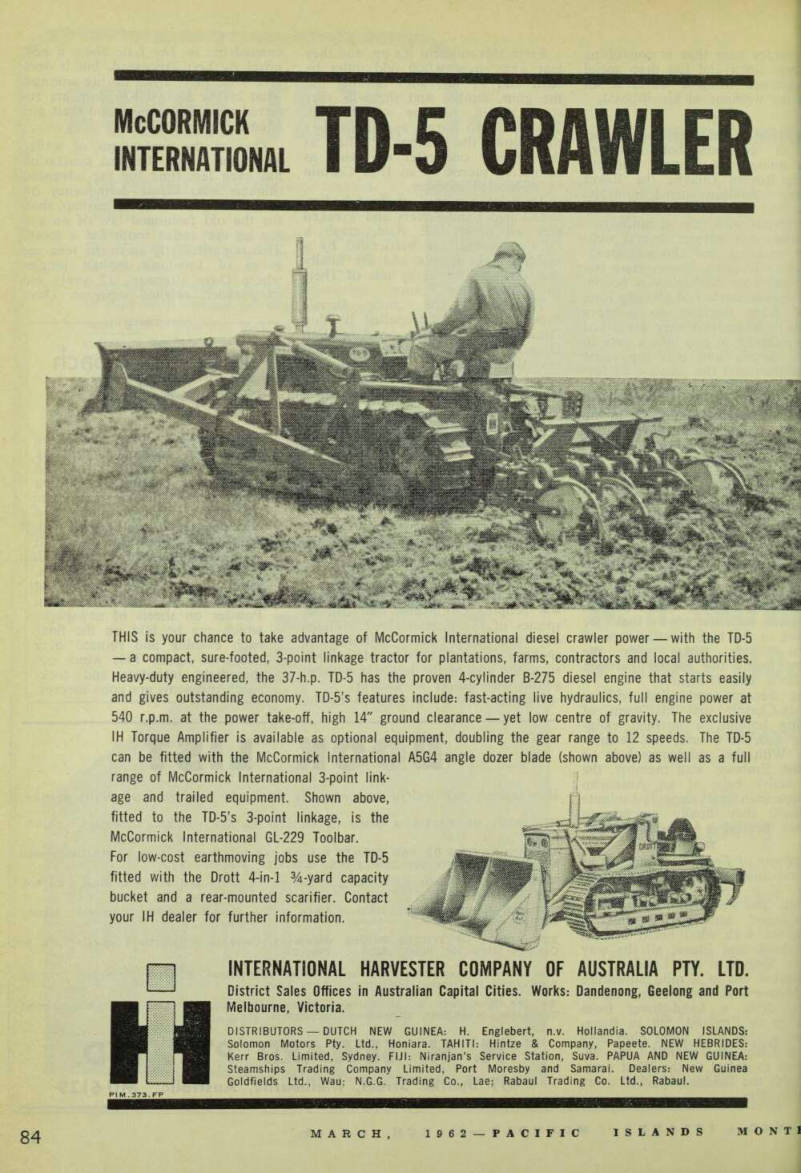 86
86 87
87 88
88 89
89 90
90 91
91 92
92 93
93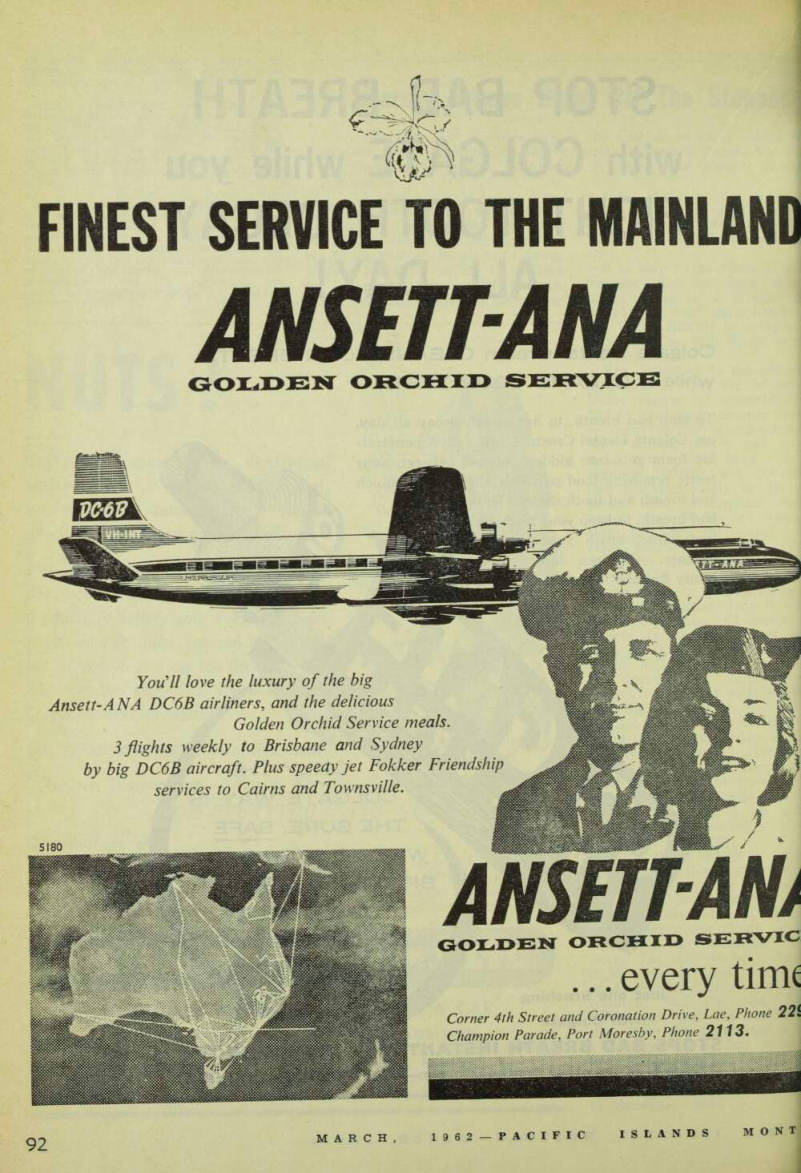 94
94 95
95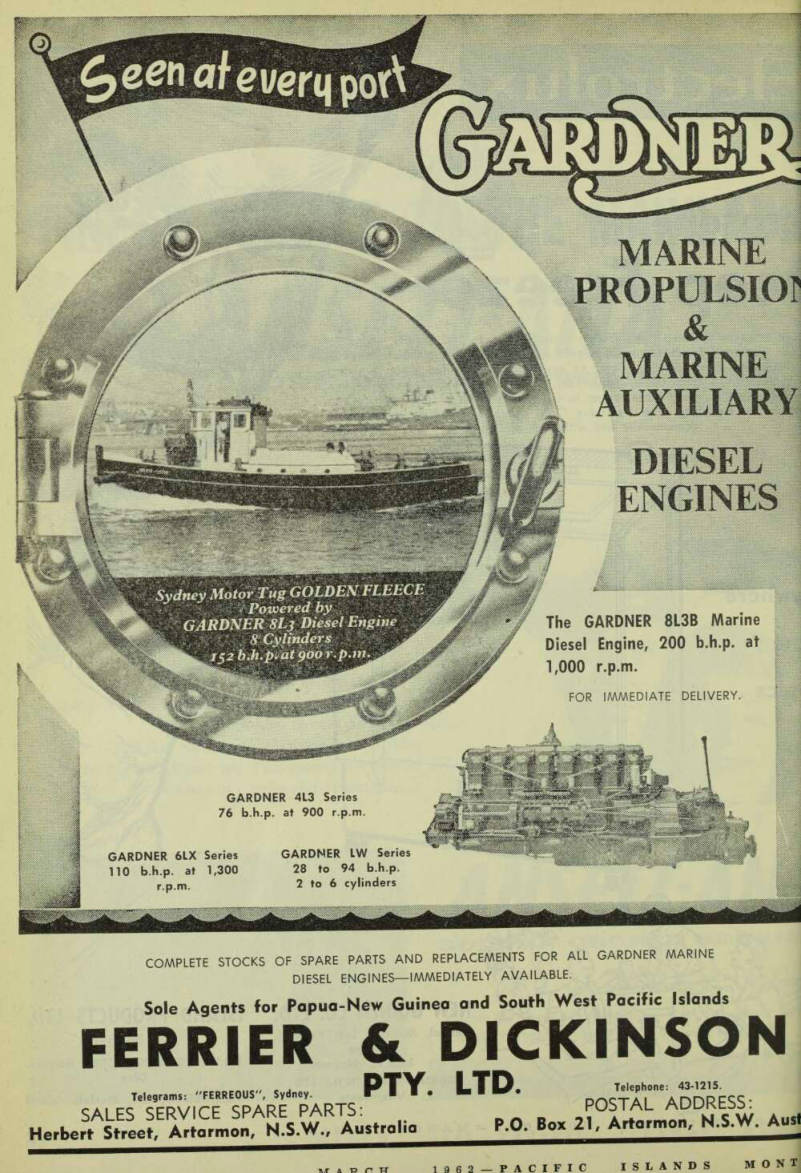 96
96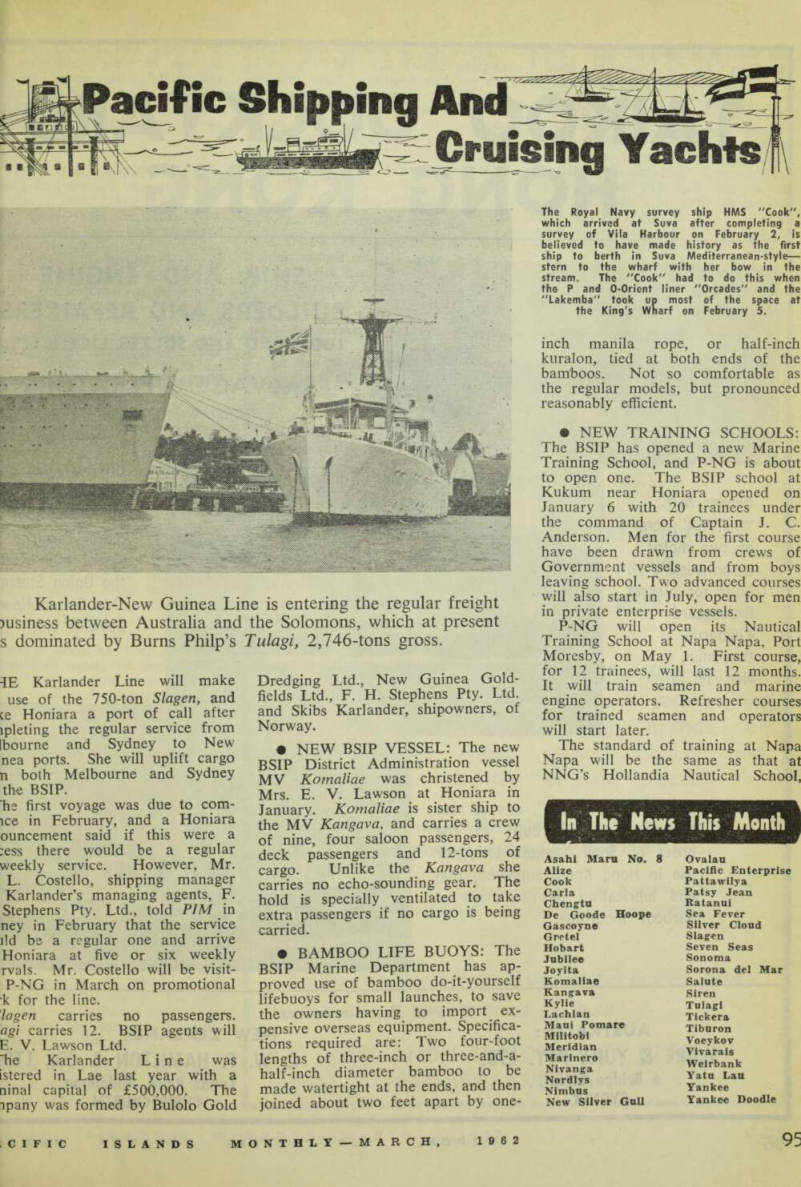 97
97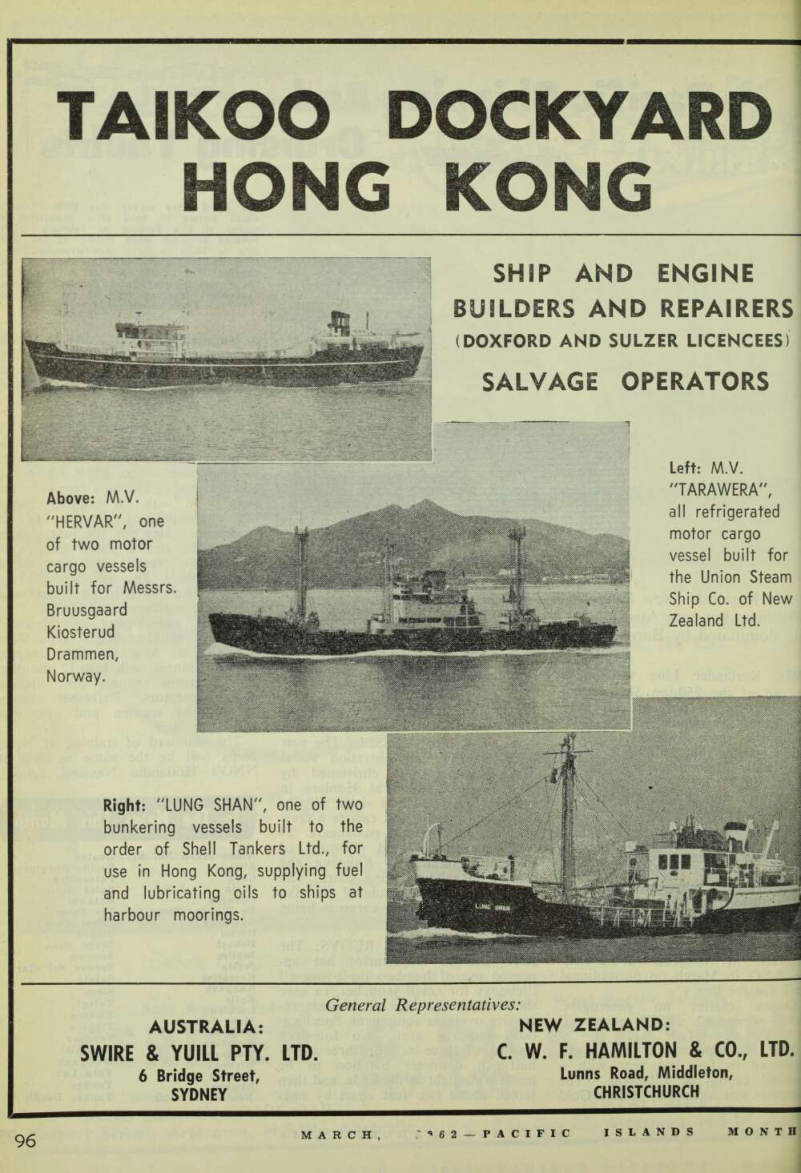 98
98 99
99 100
100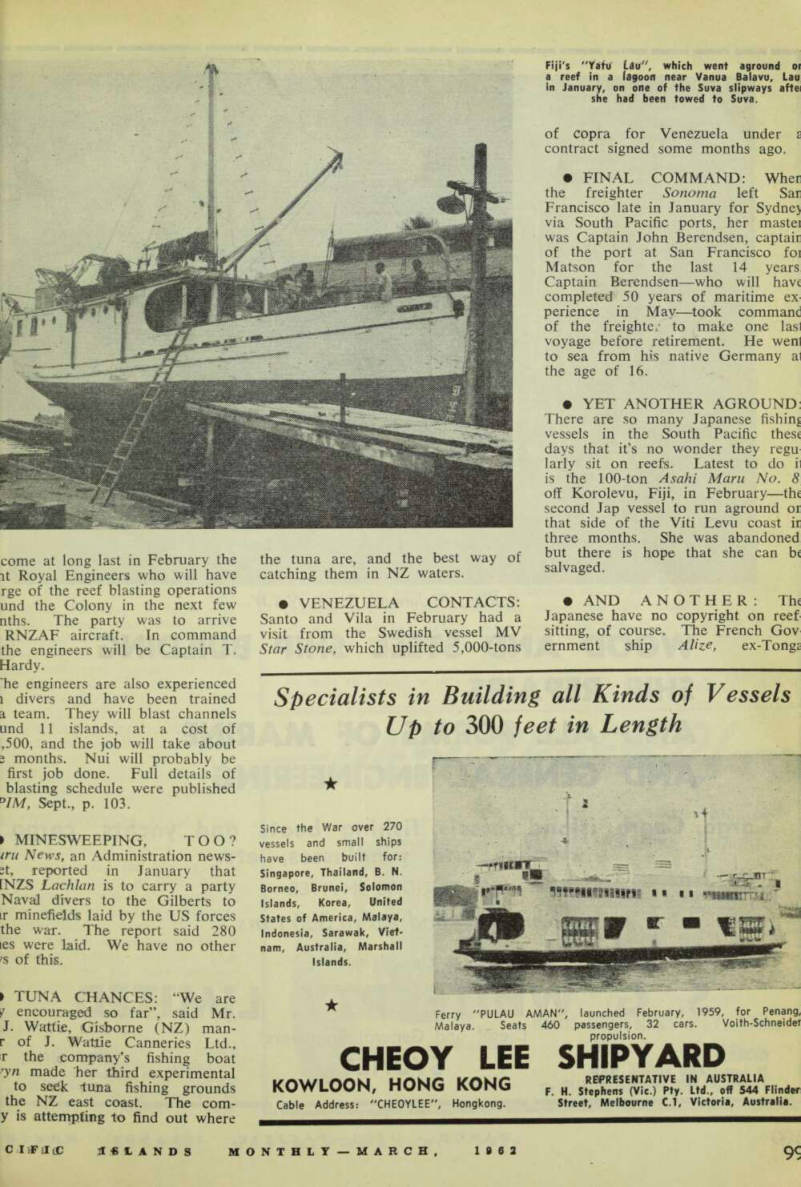 101
101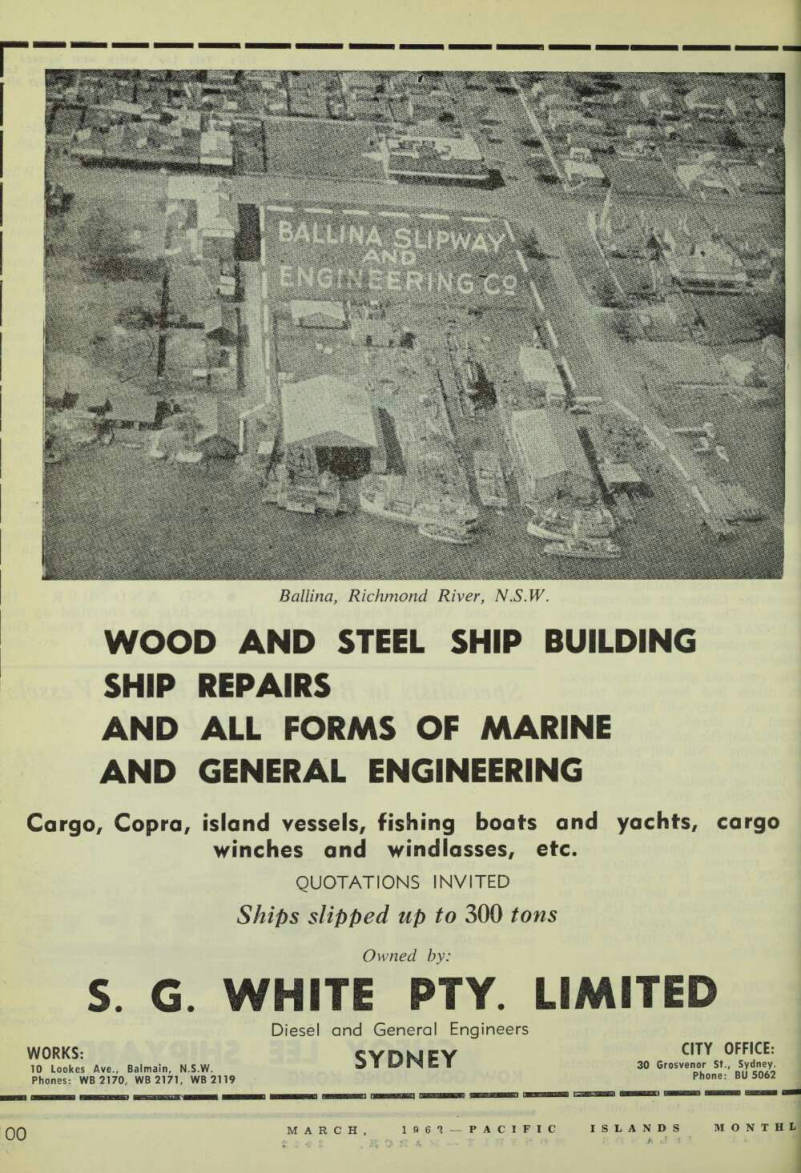 102
102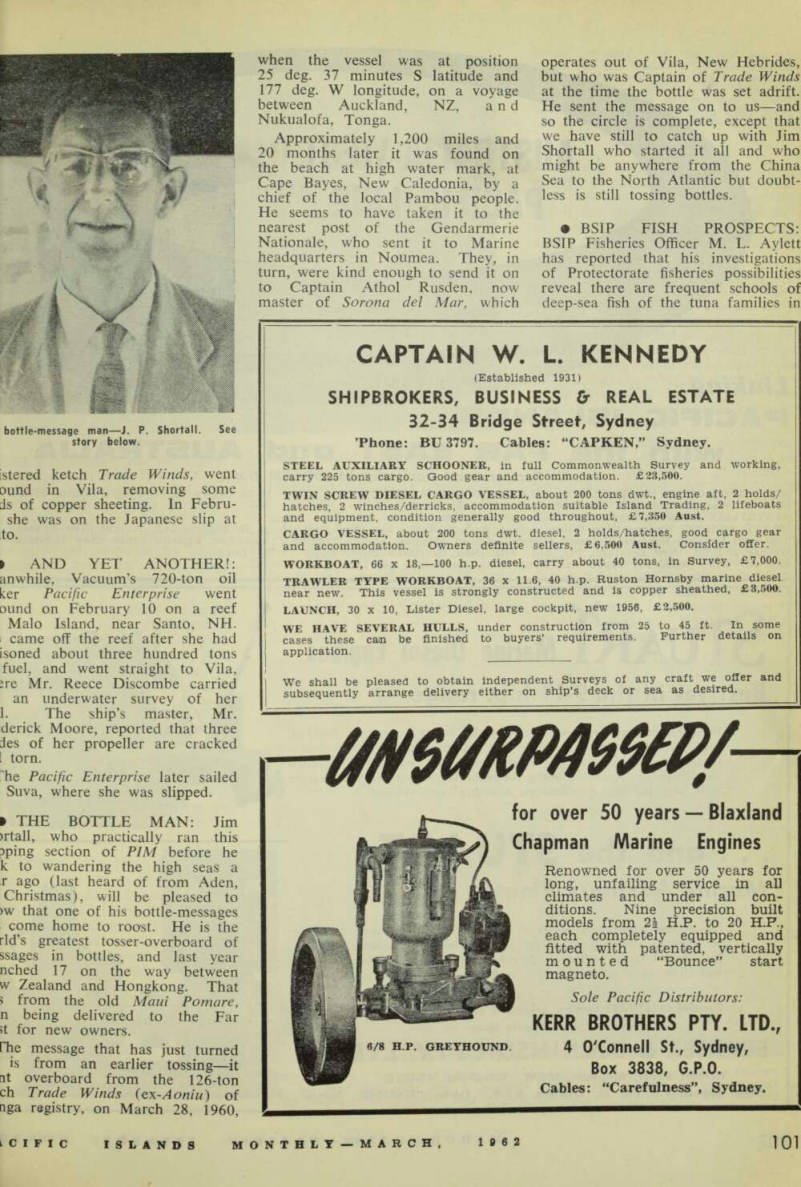 103
103 104
104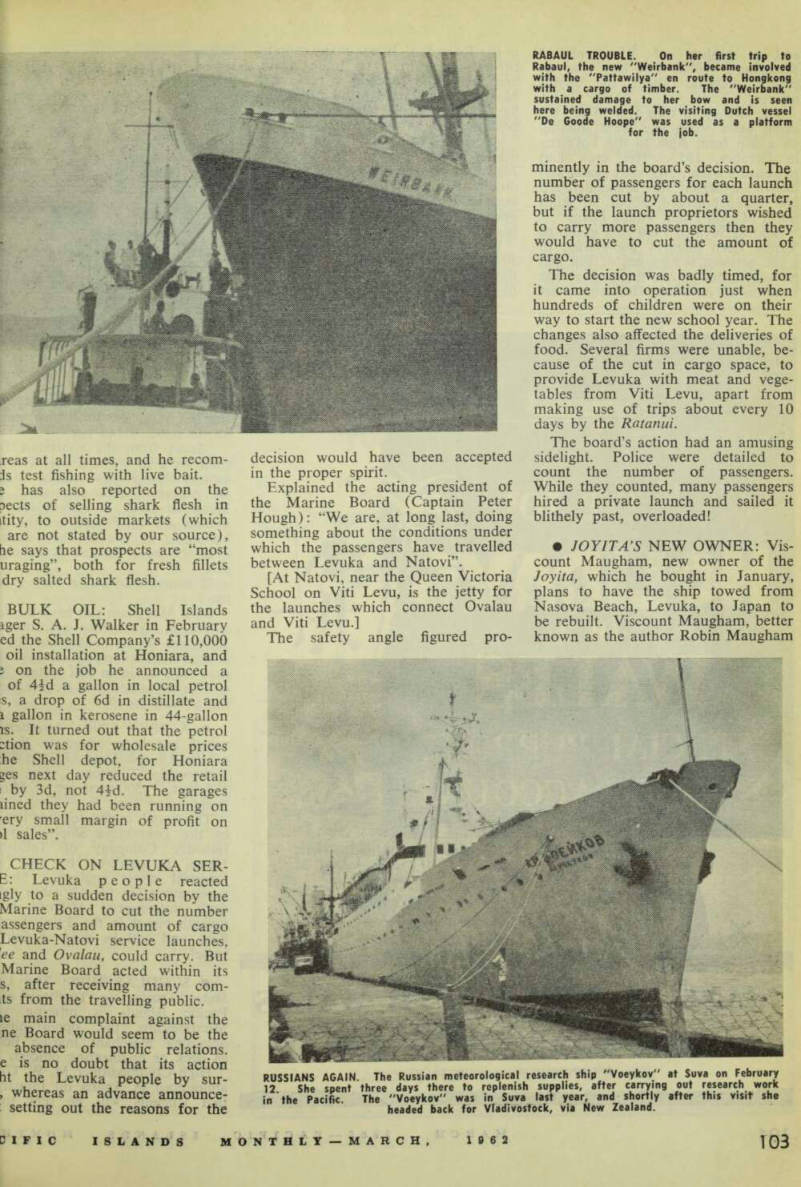 105
105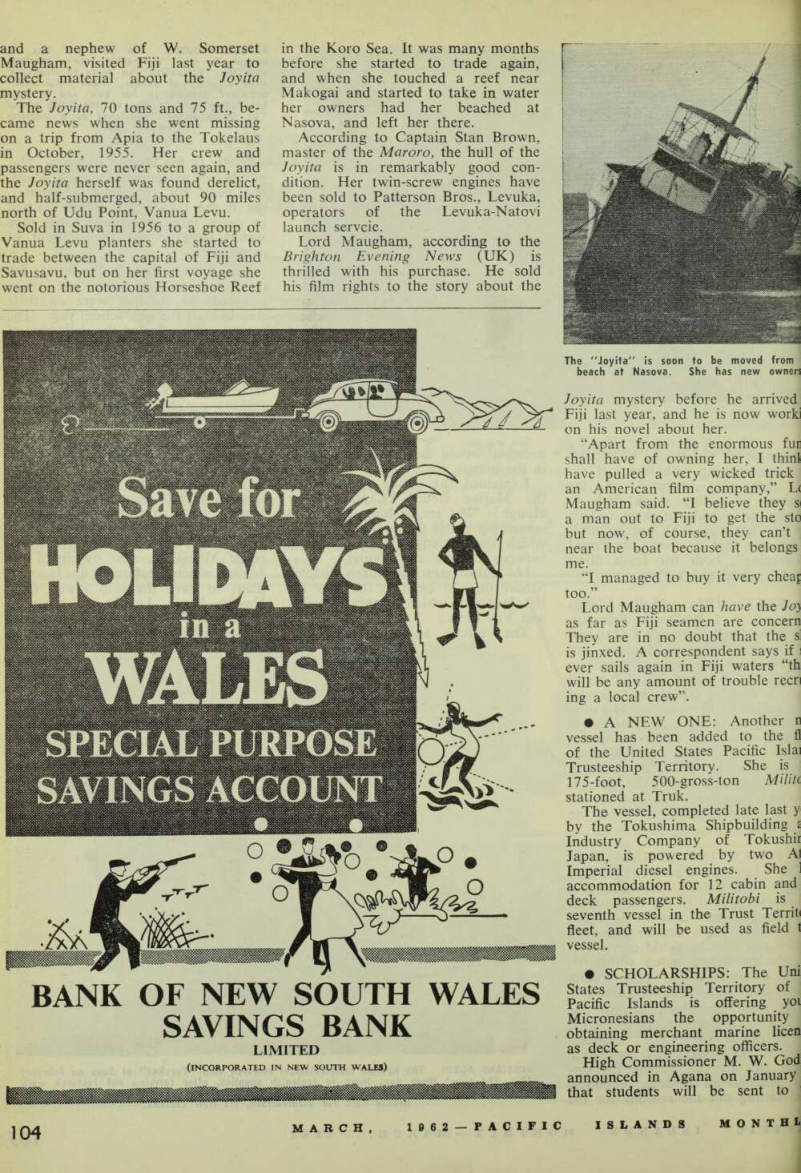 106
106 107
107 108
108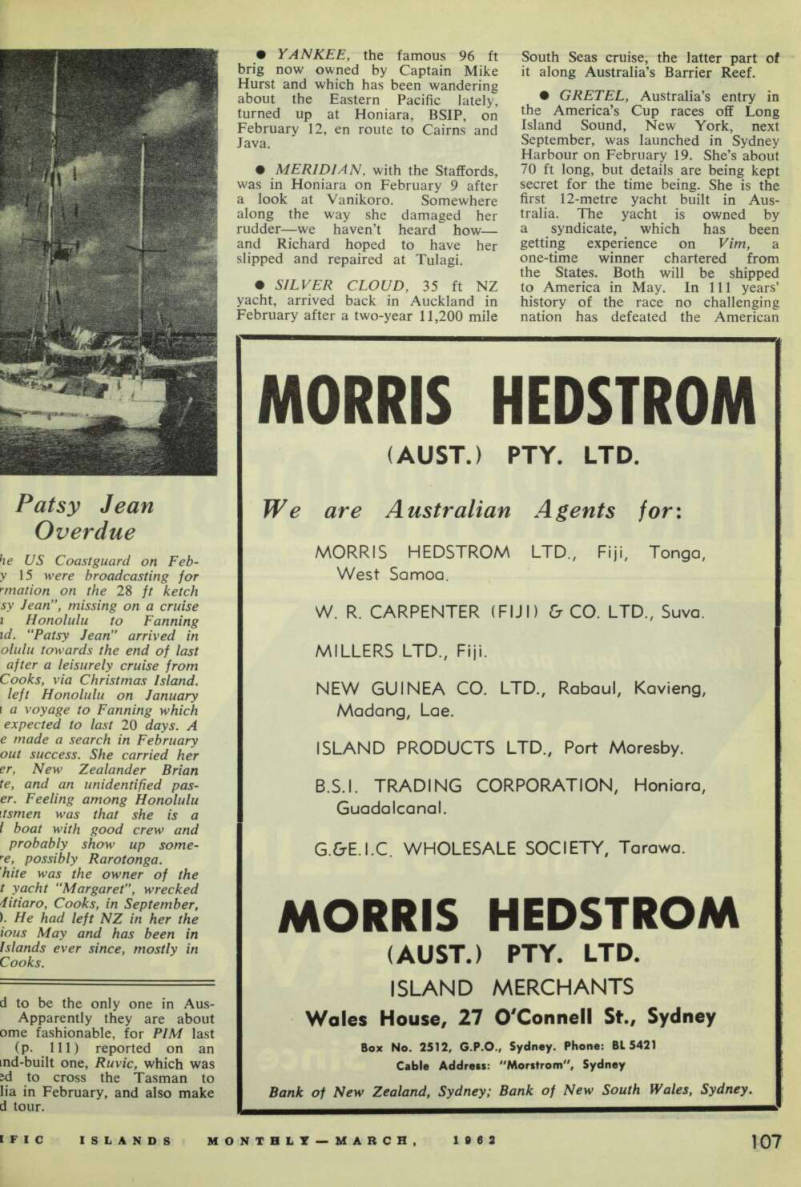 109
109 110
110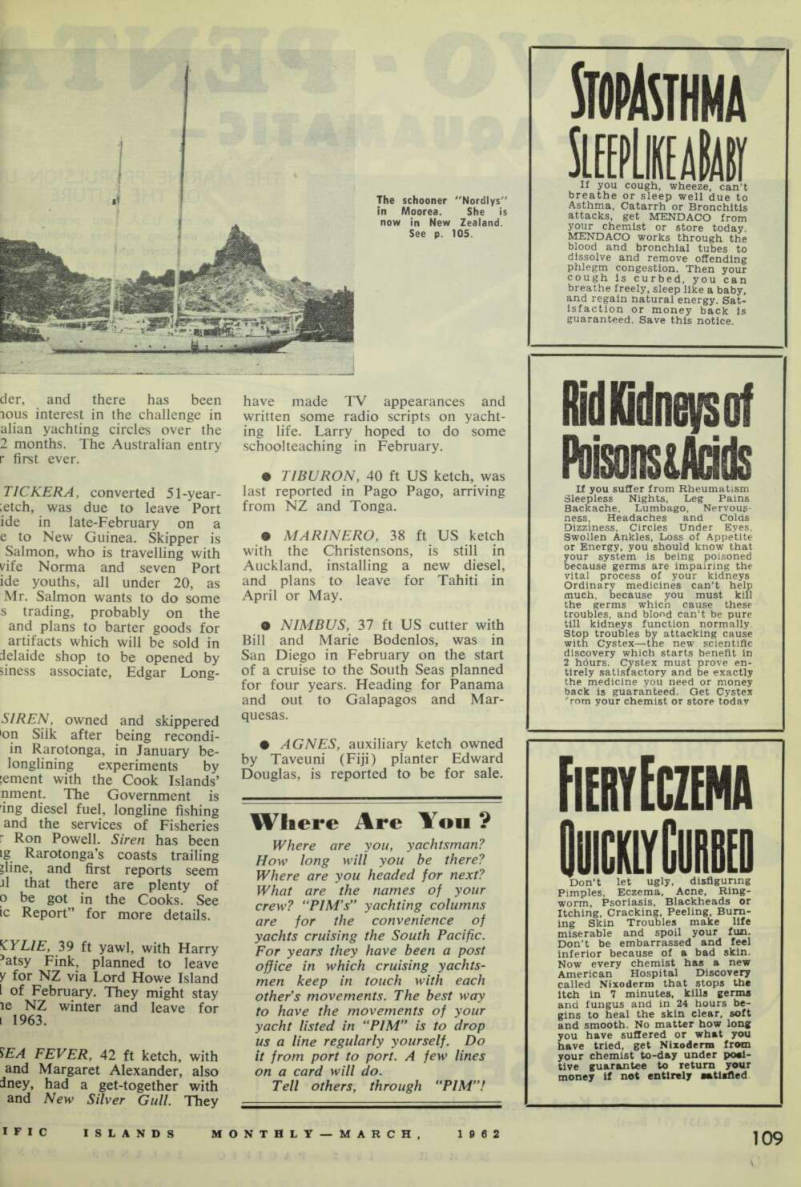 111
111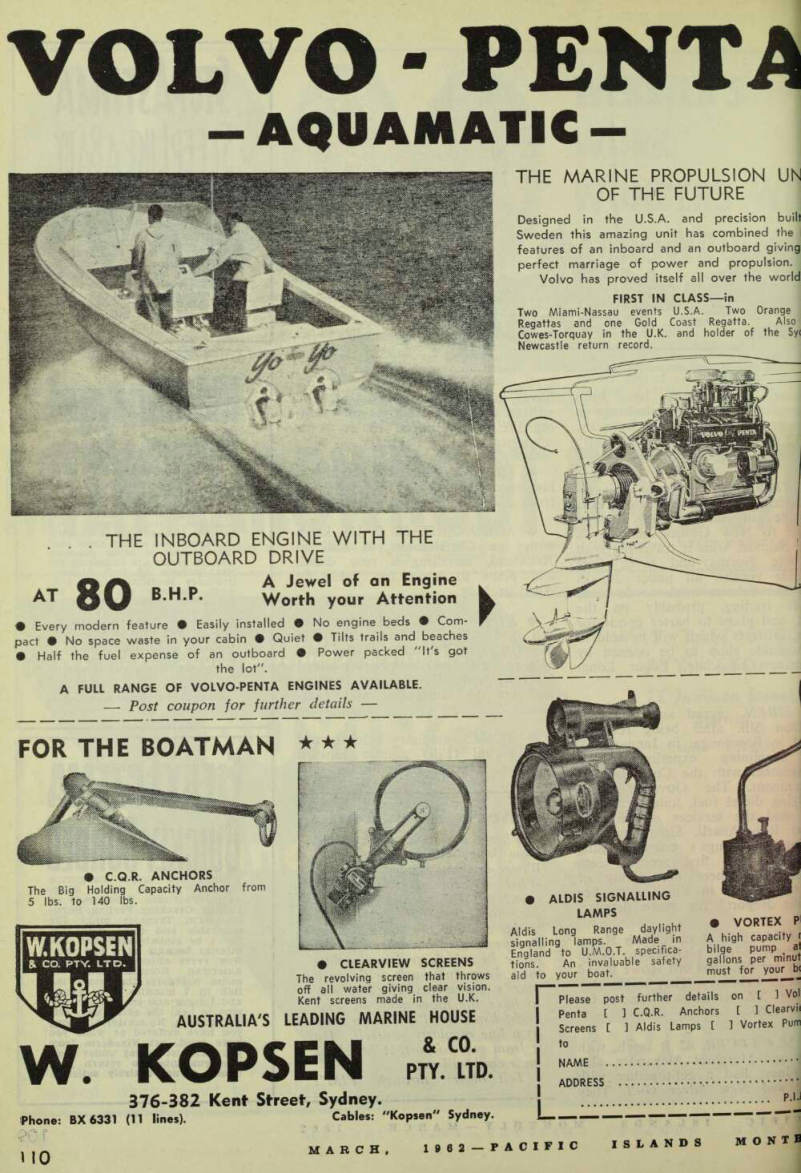 112
112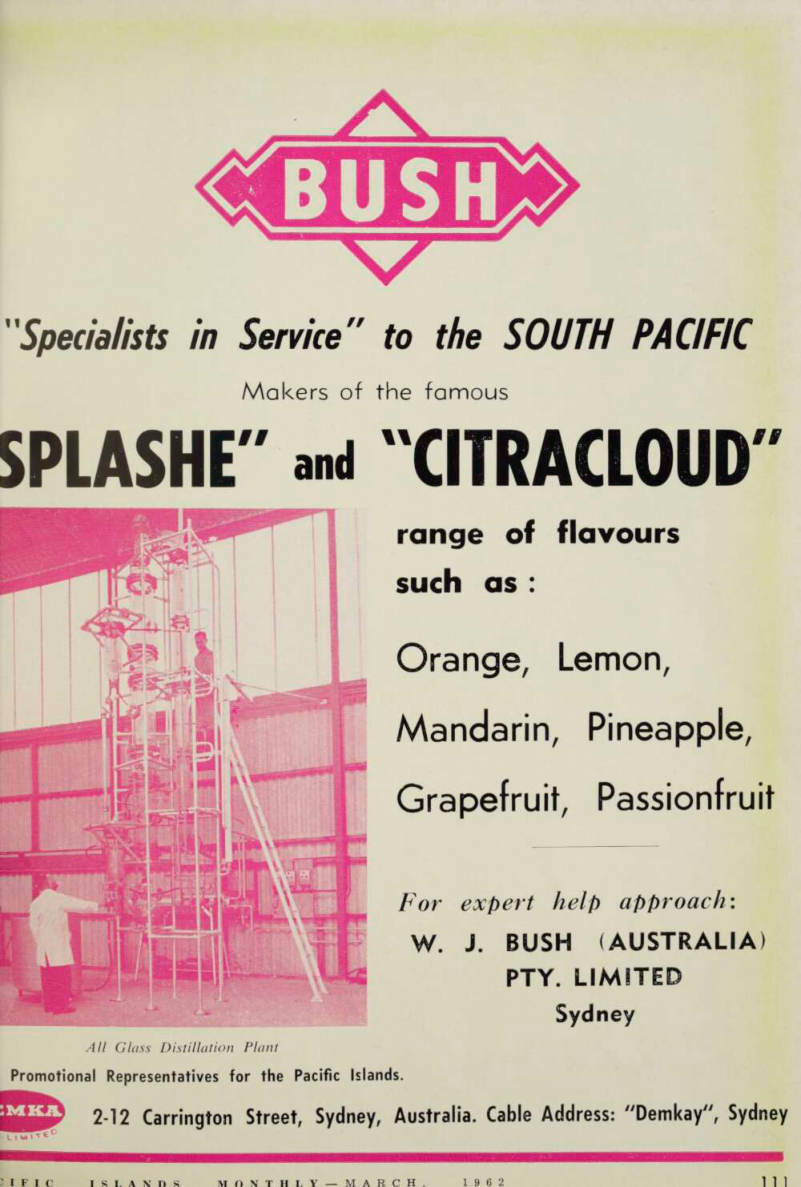 113
113 114
114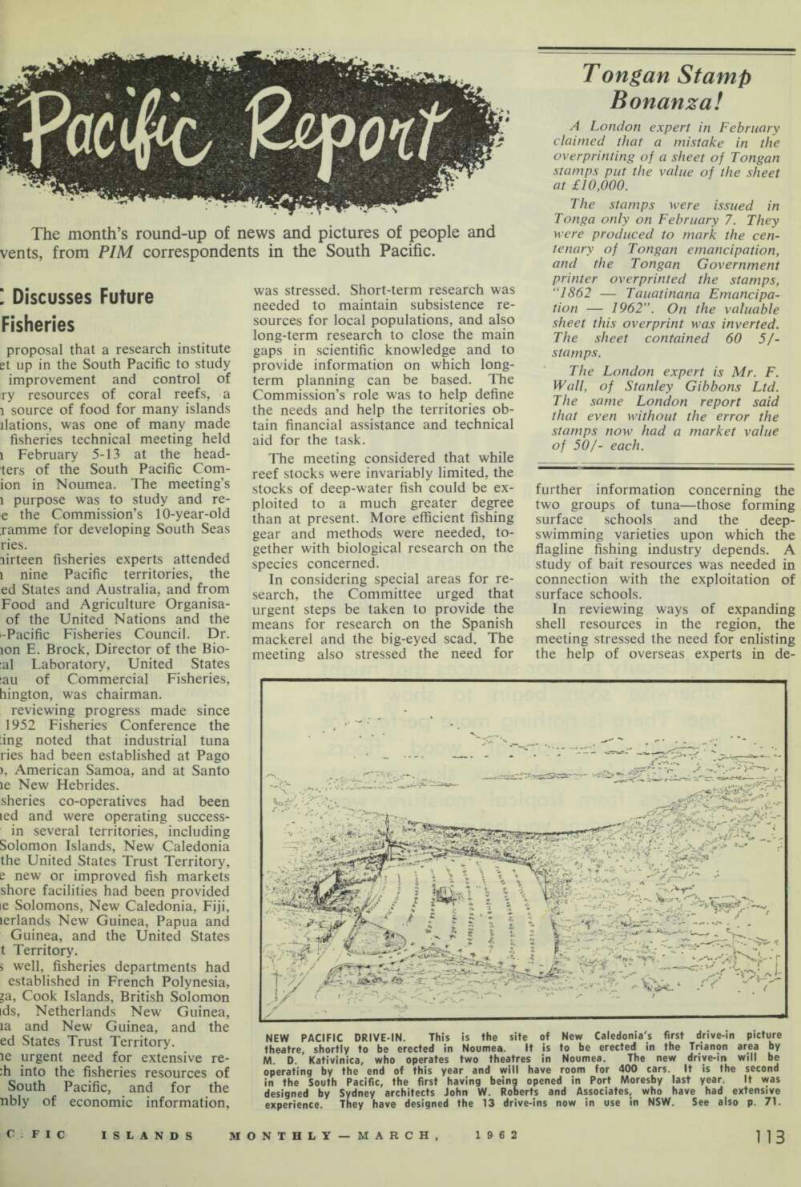 115
115 116
116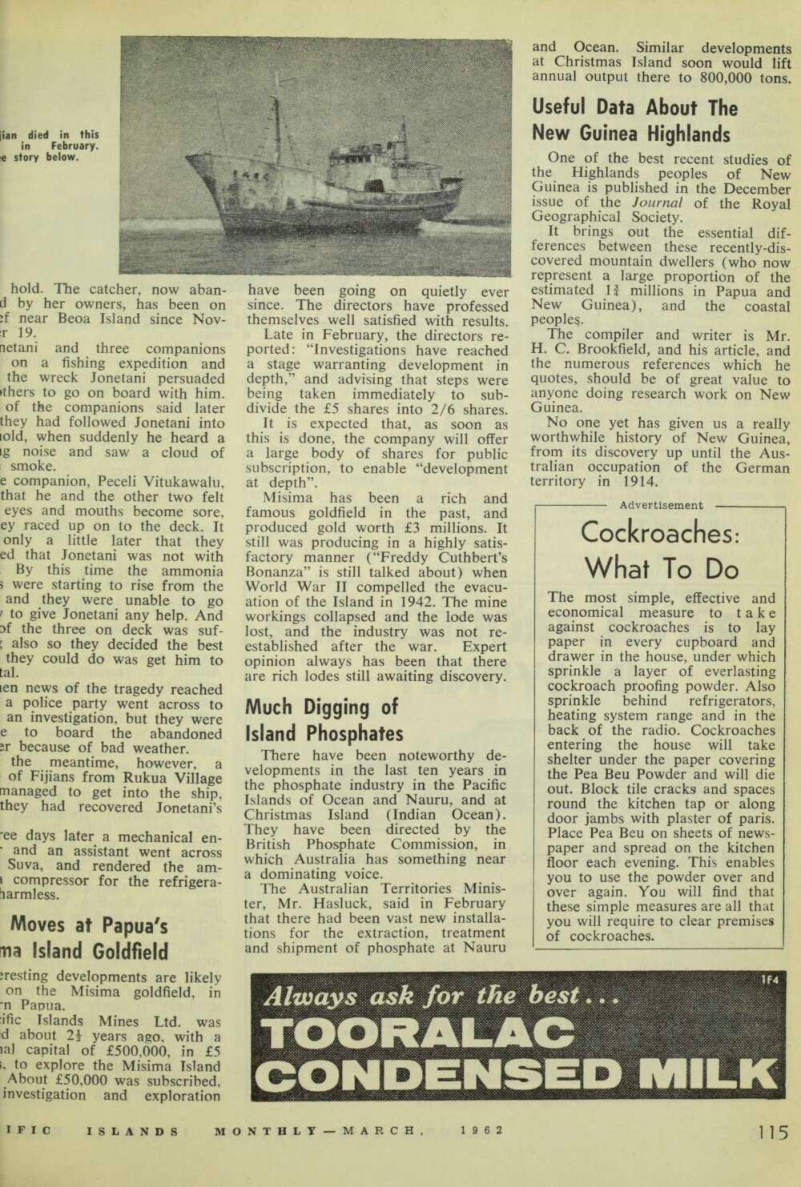 117
117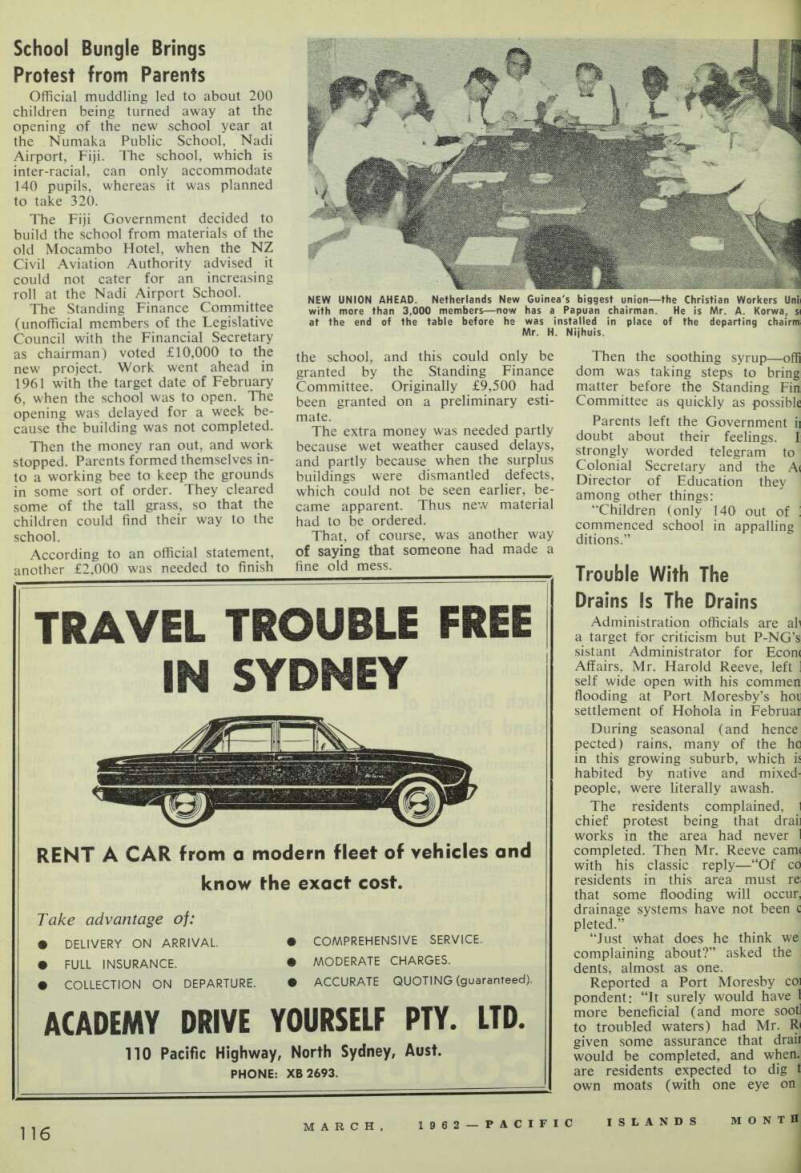 118
118 119
119 120
120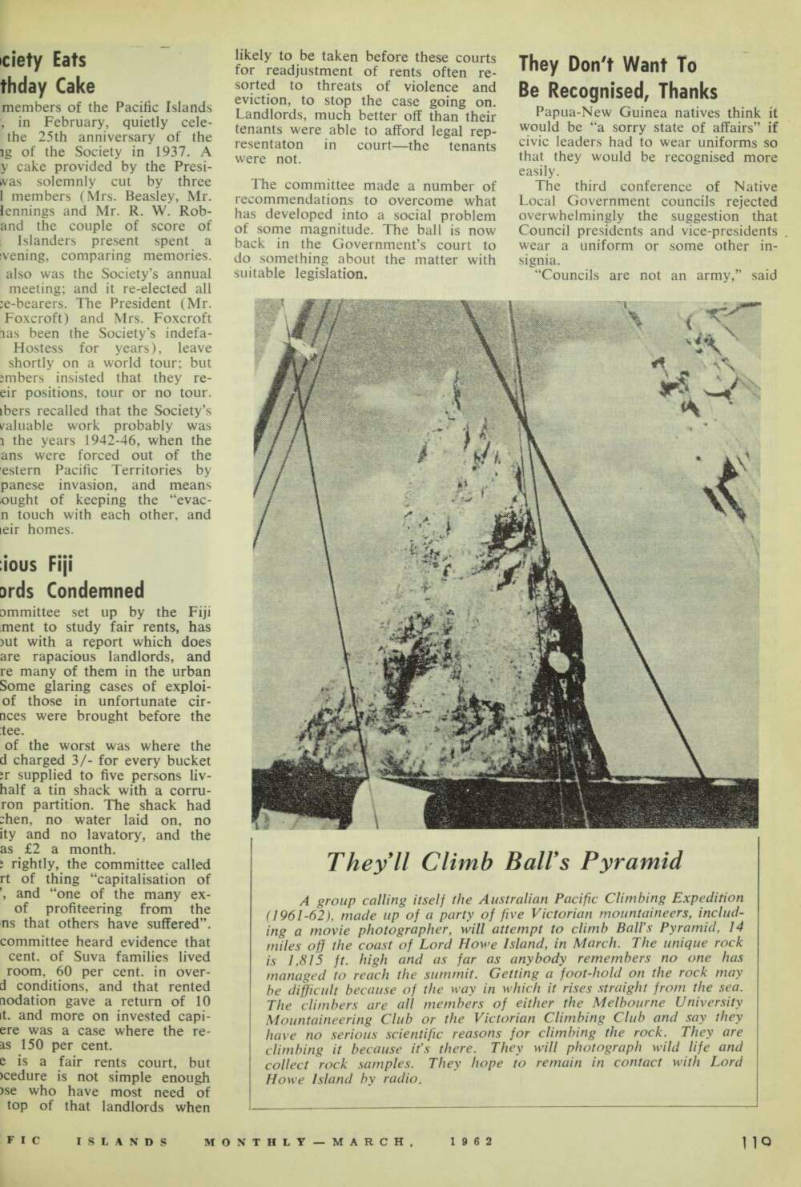 121
121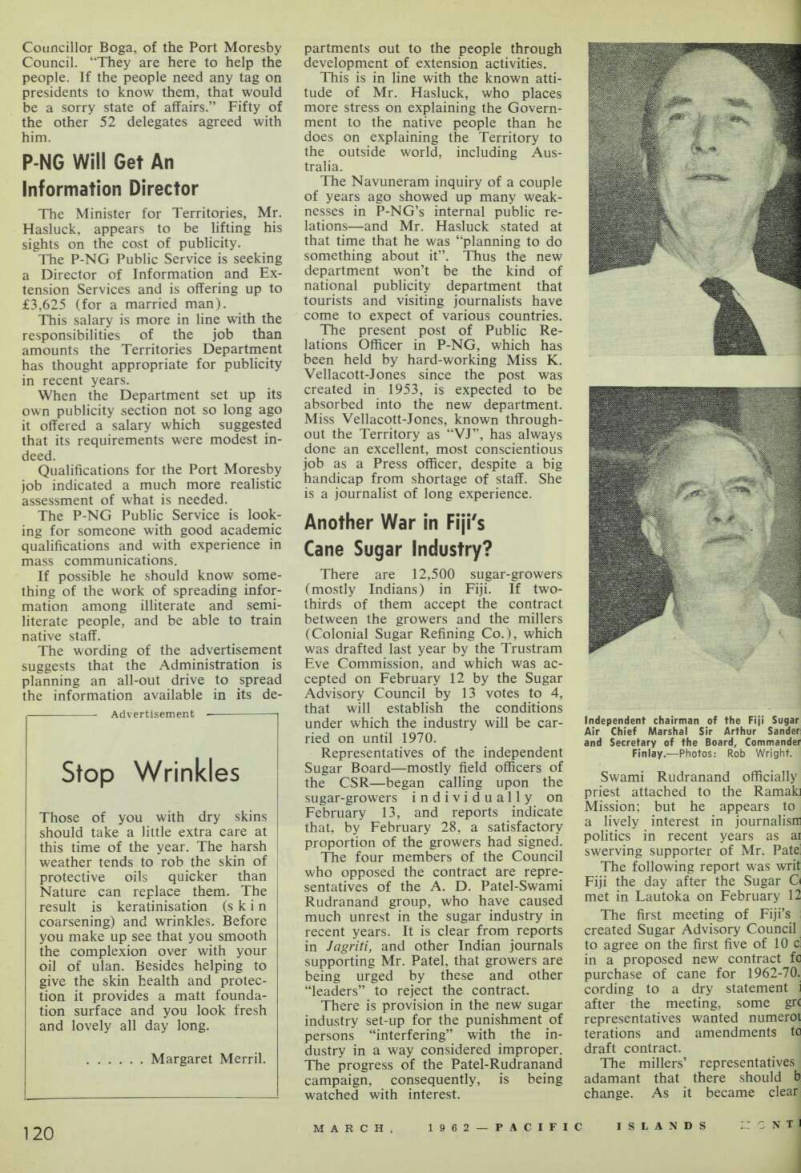 122
122 123
123 124
124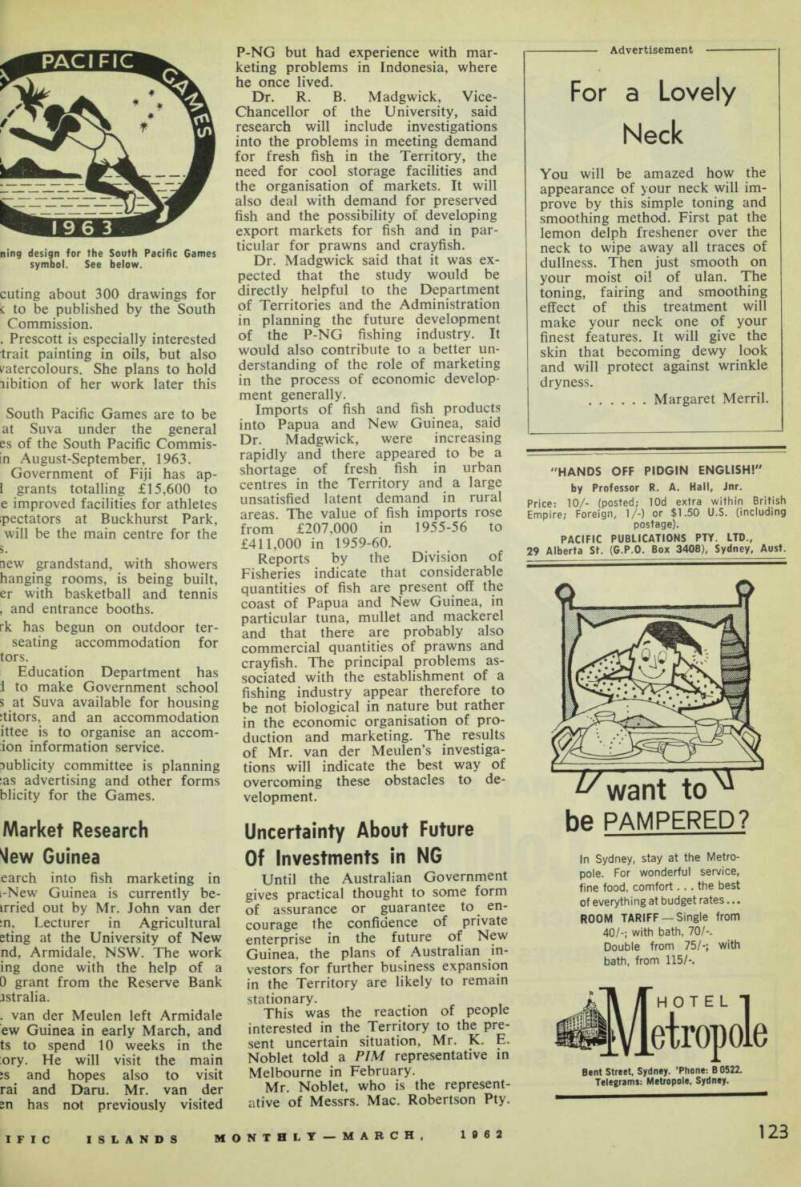 125
125 126
126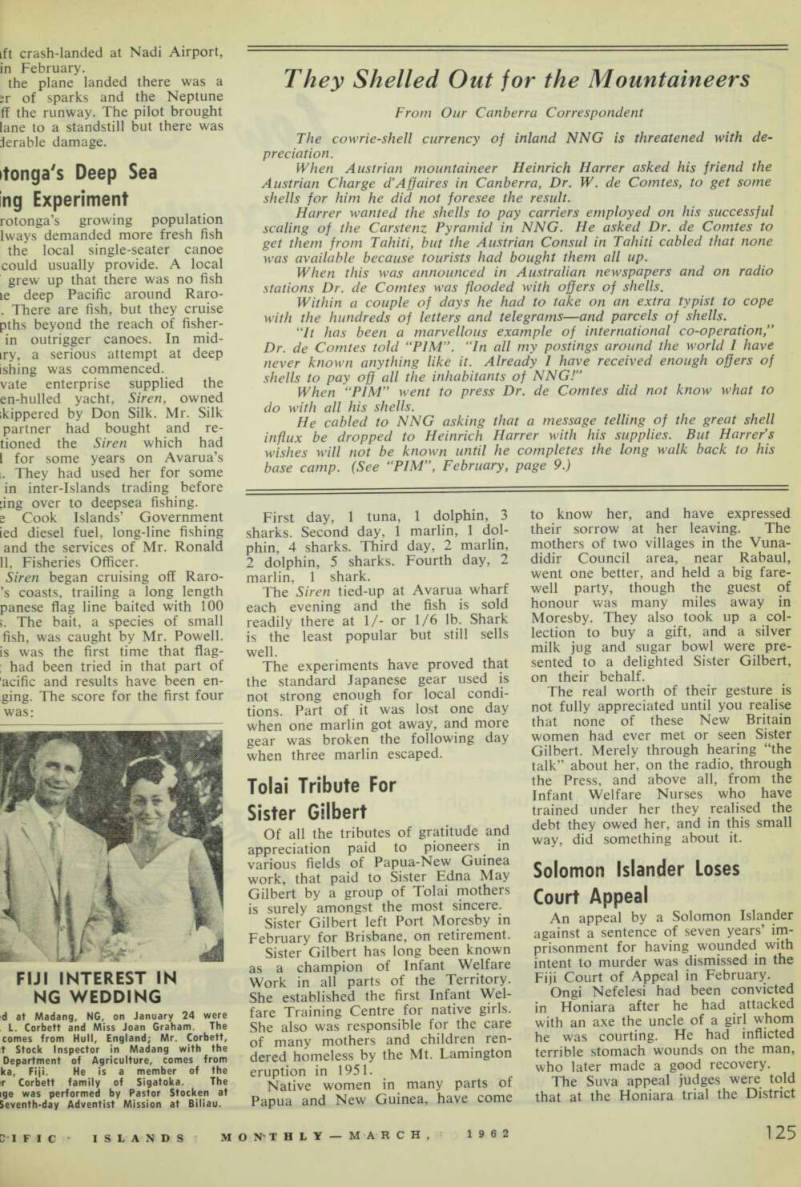 127
127 128
128 129
129 130
130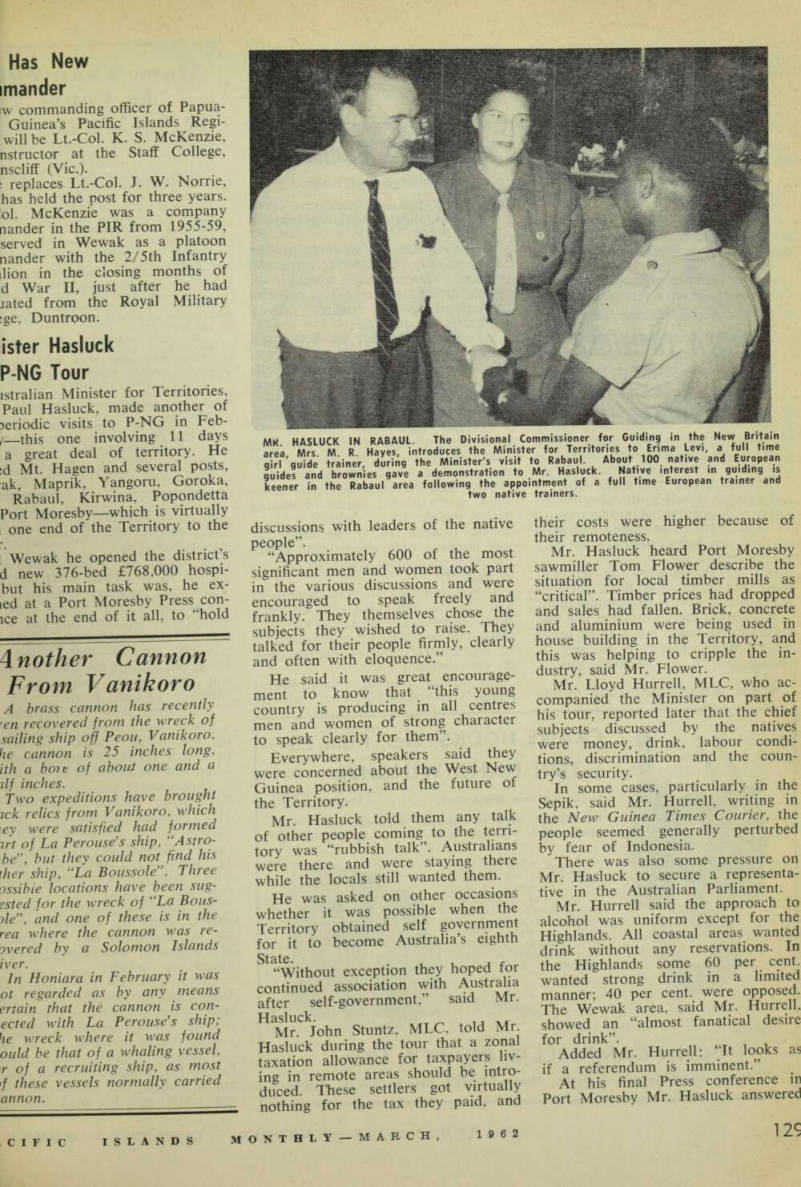 131
131 132
132 133
133 134
134 135
135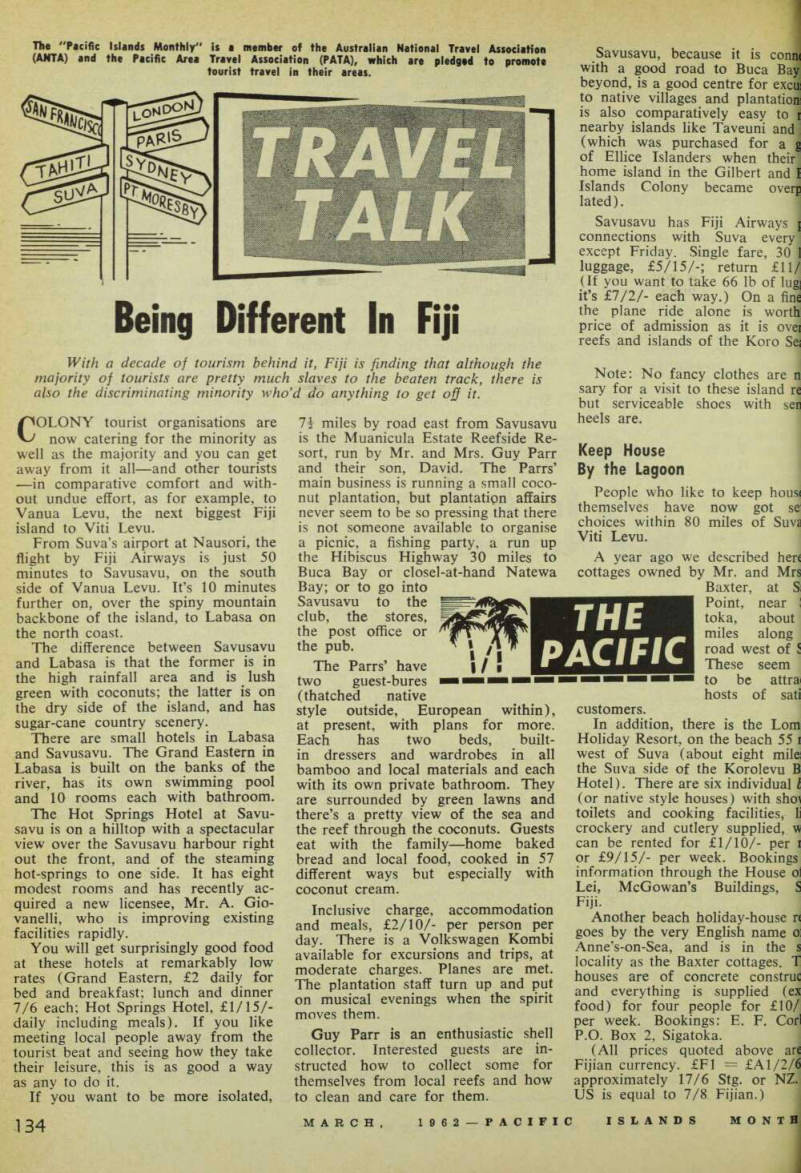 136
136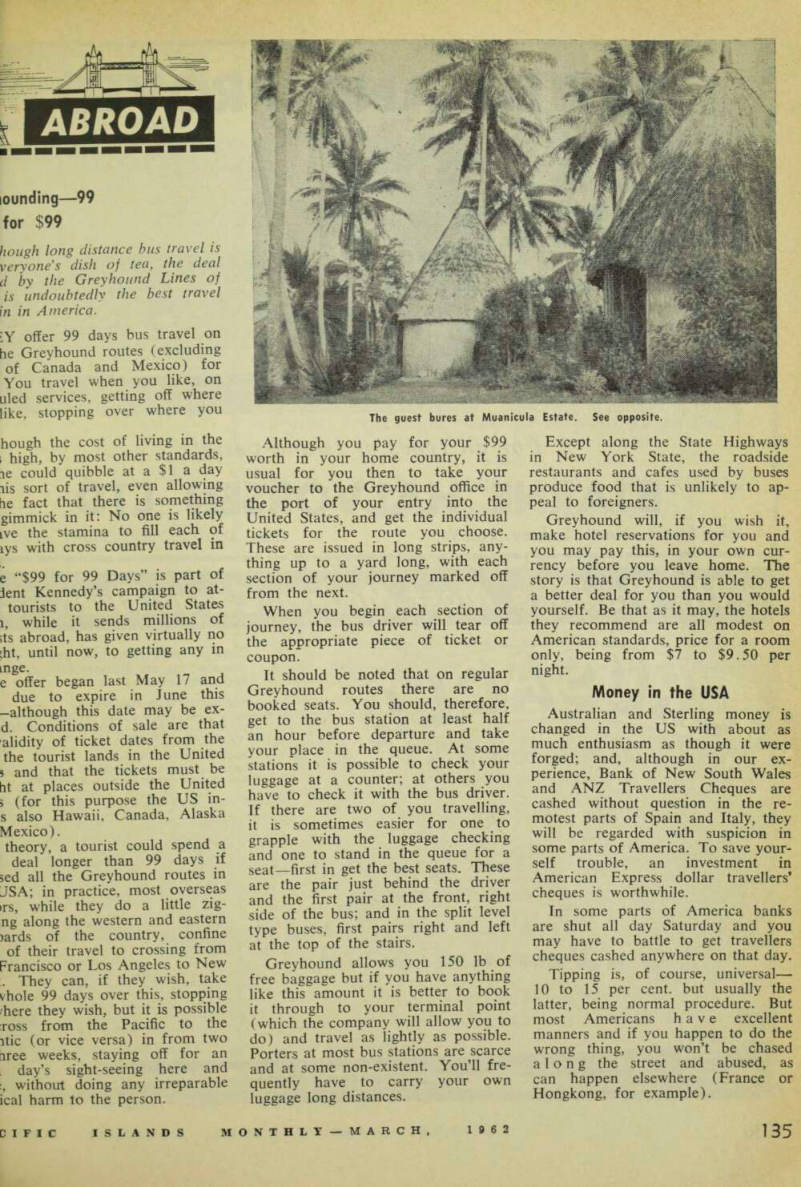 137
137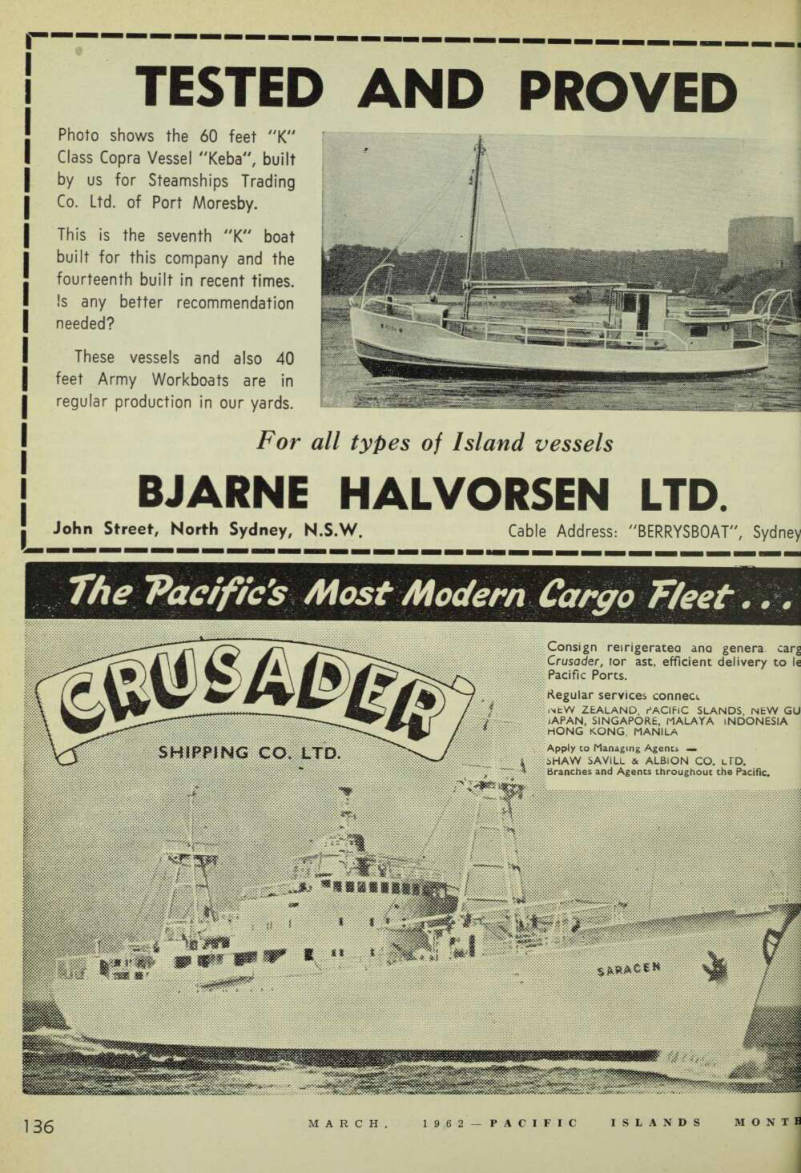 138
138 139
139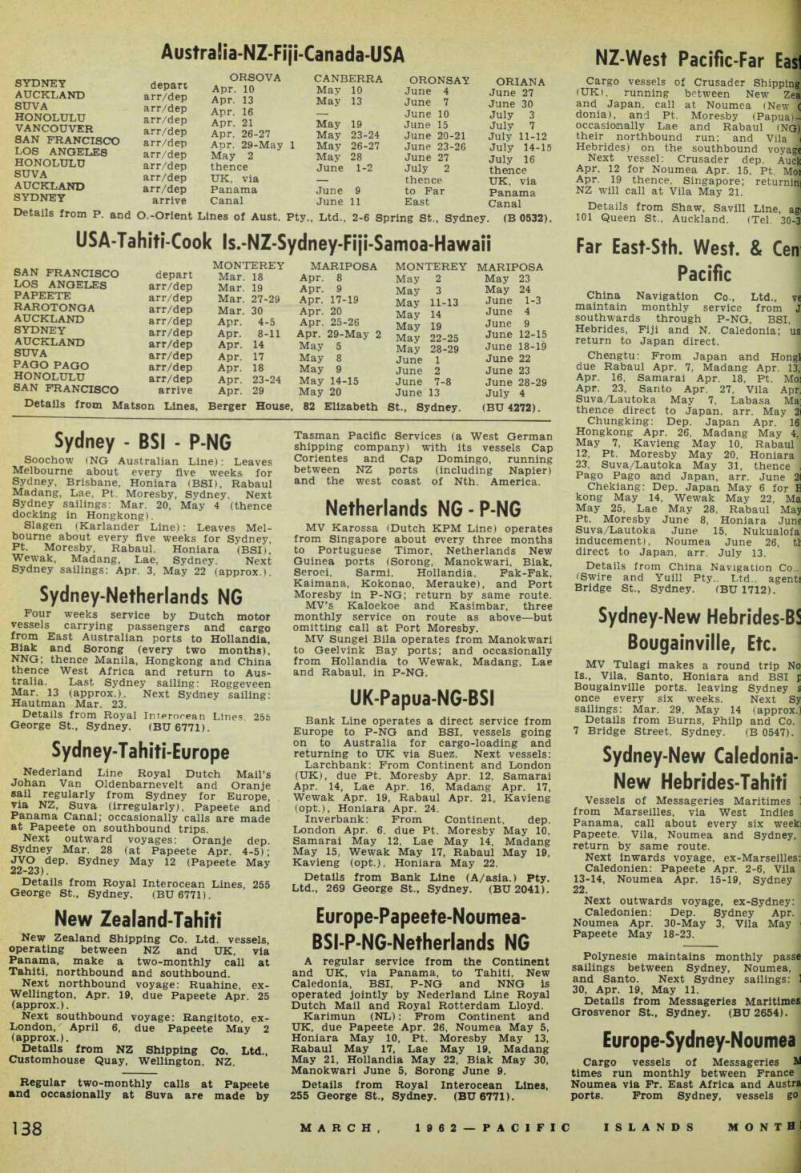 140
140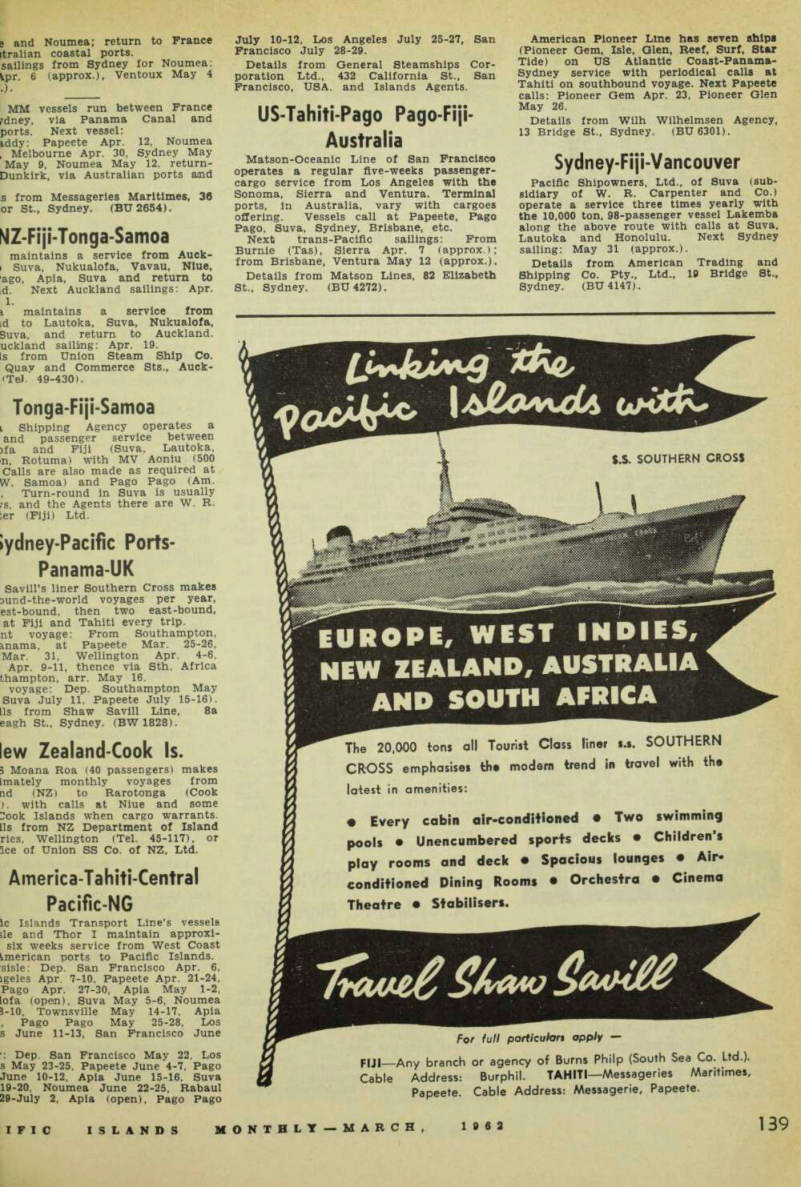 141
141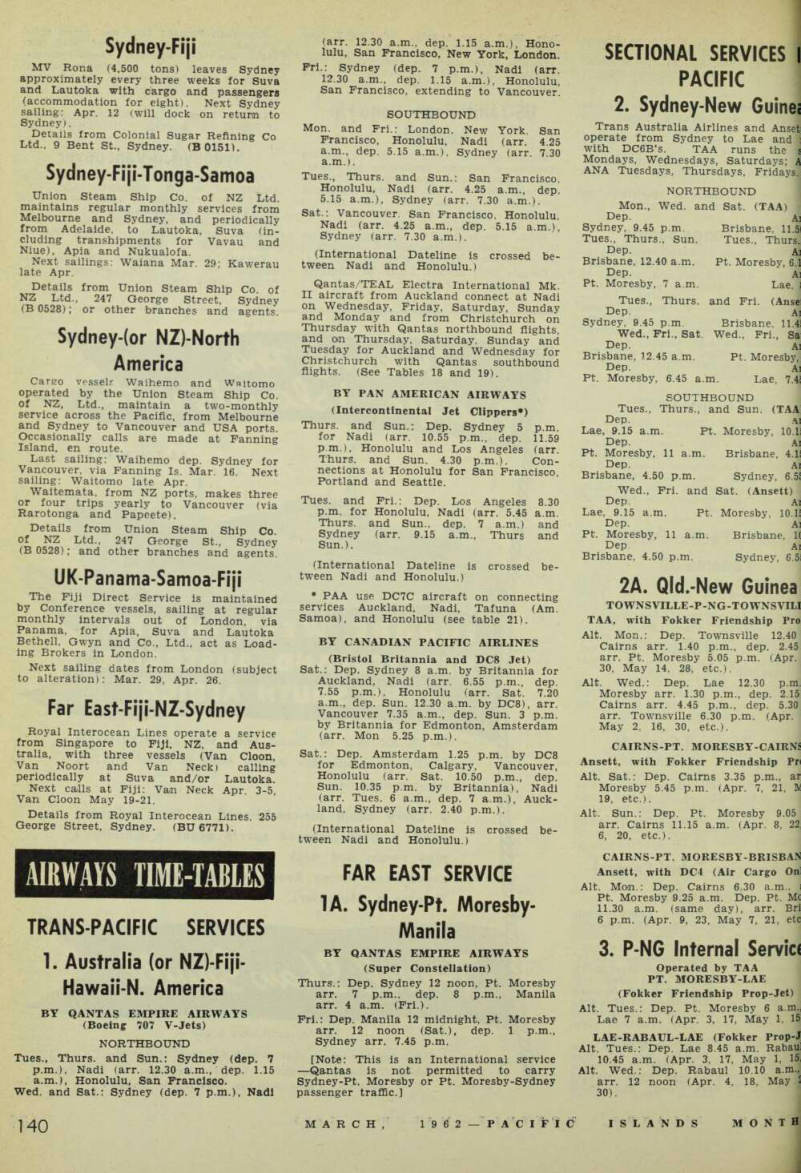 142
142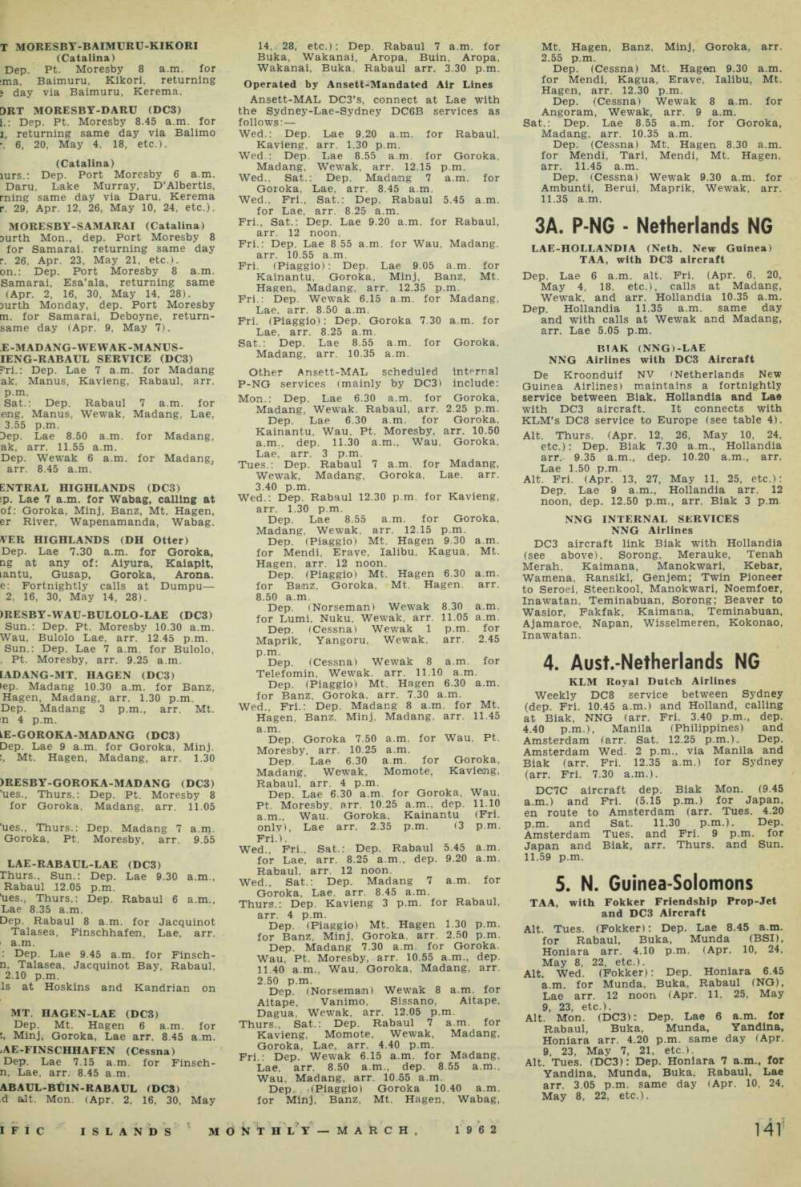 143
143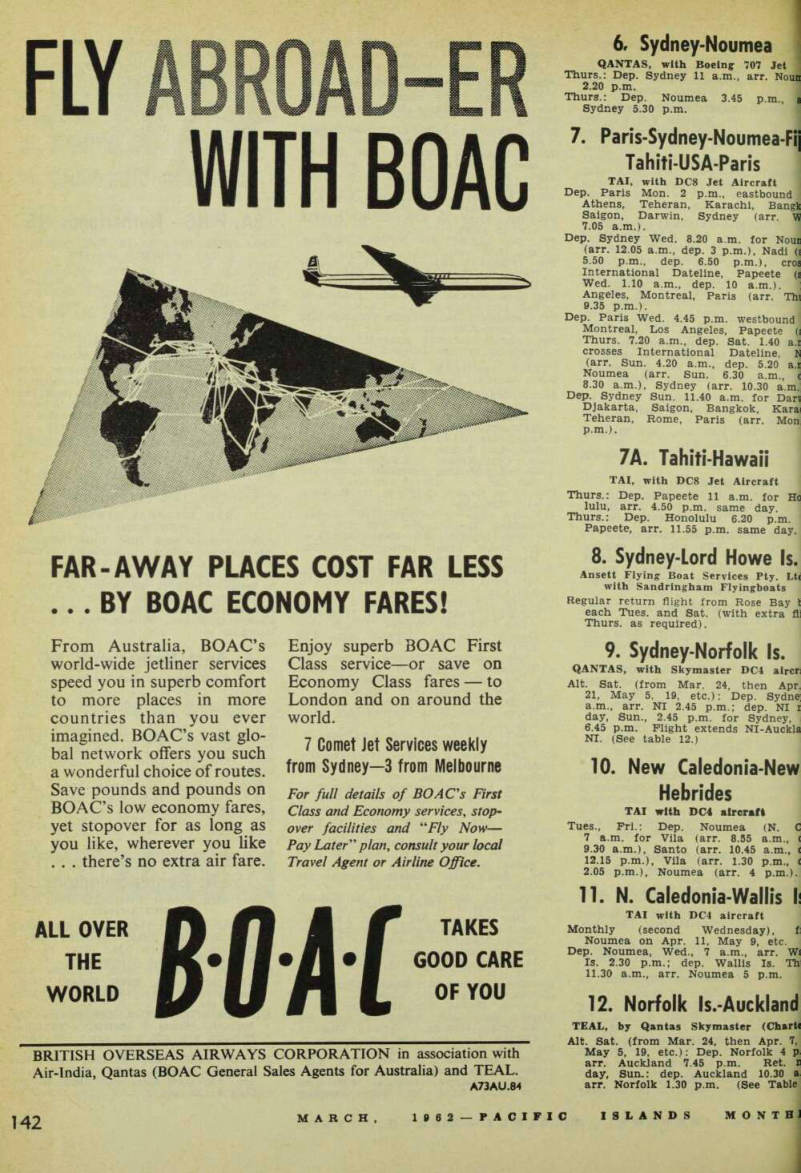 144
144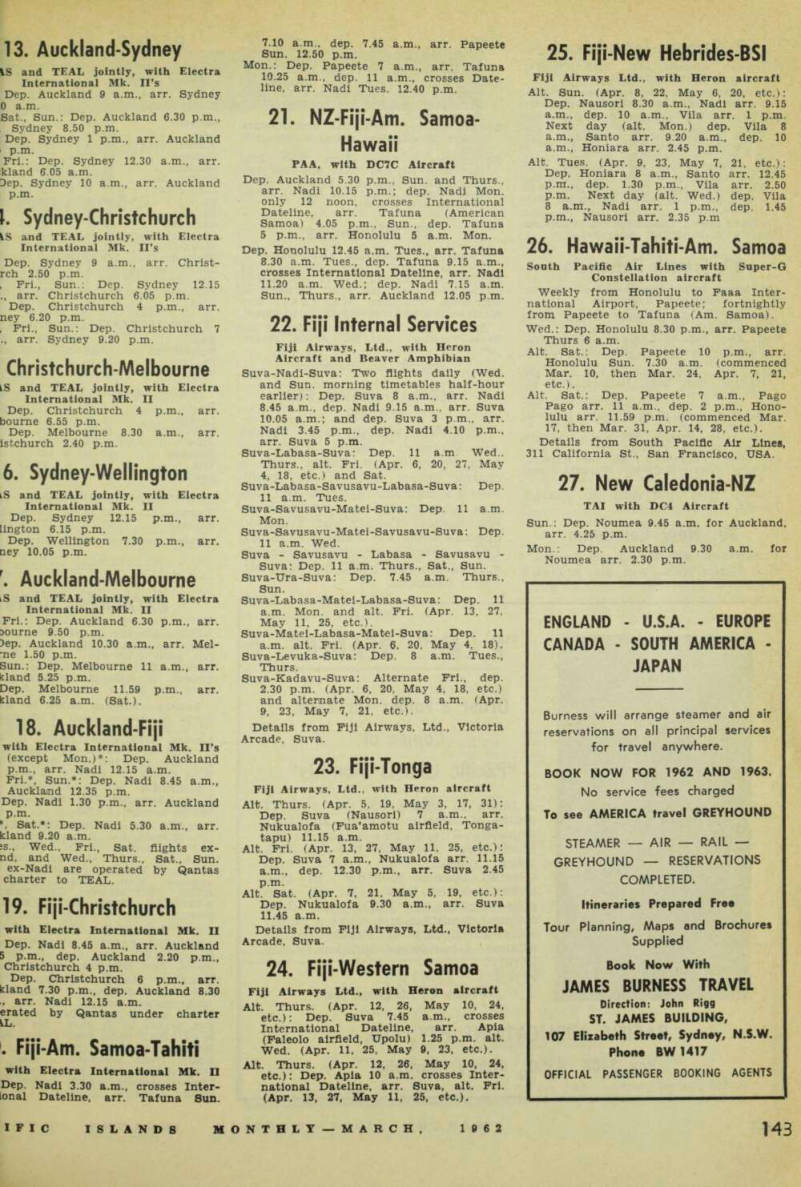 145
145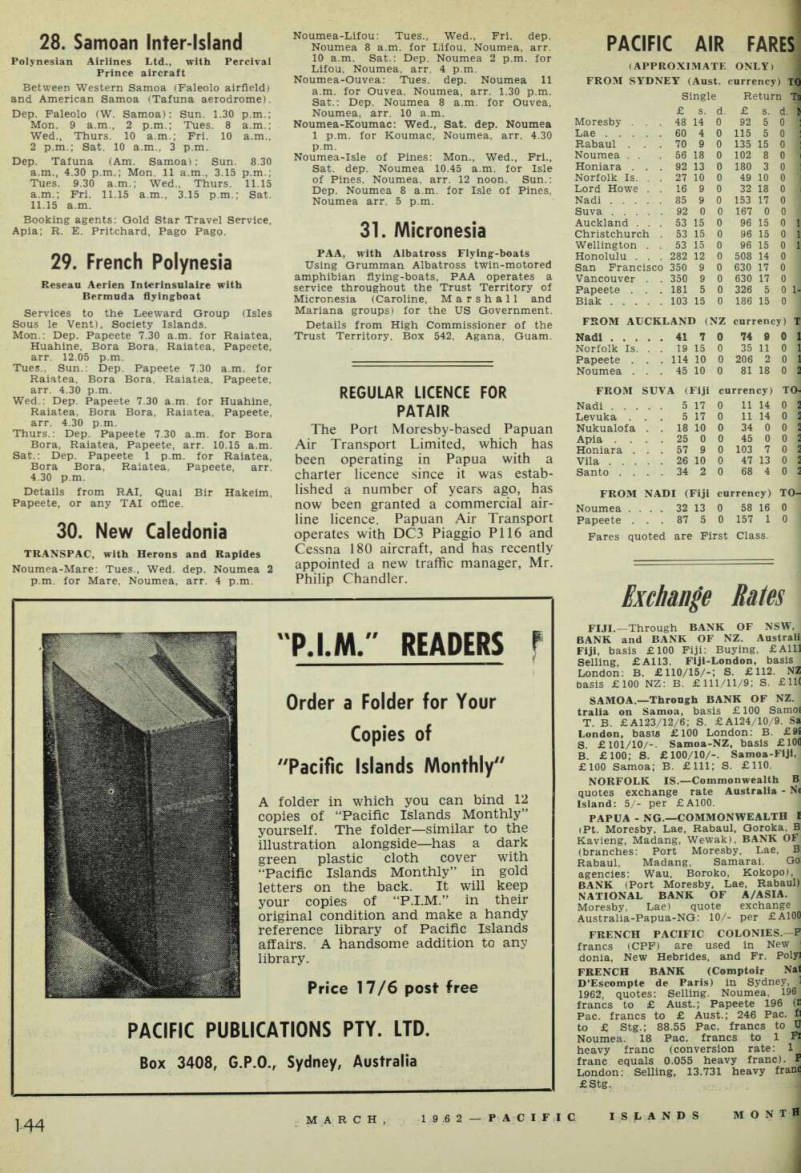 146
146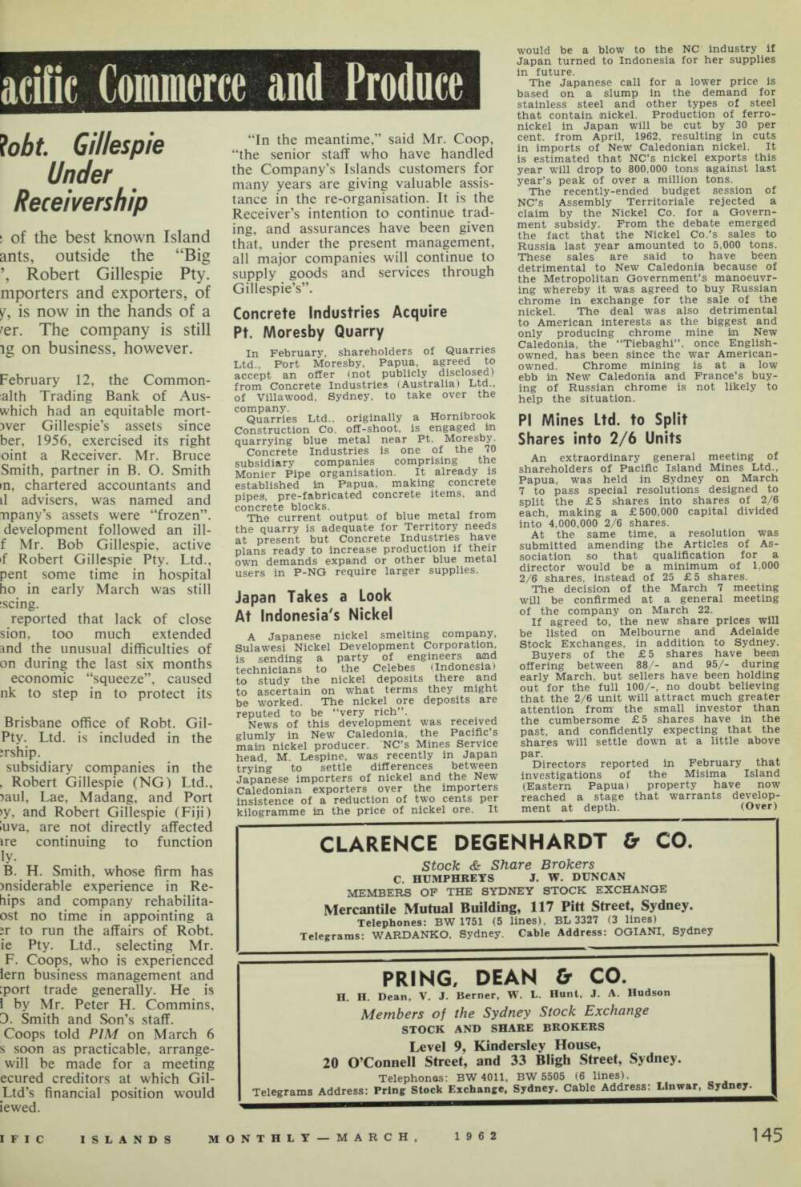 147
147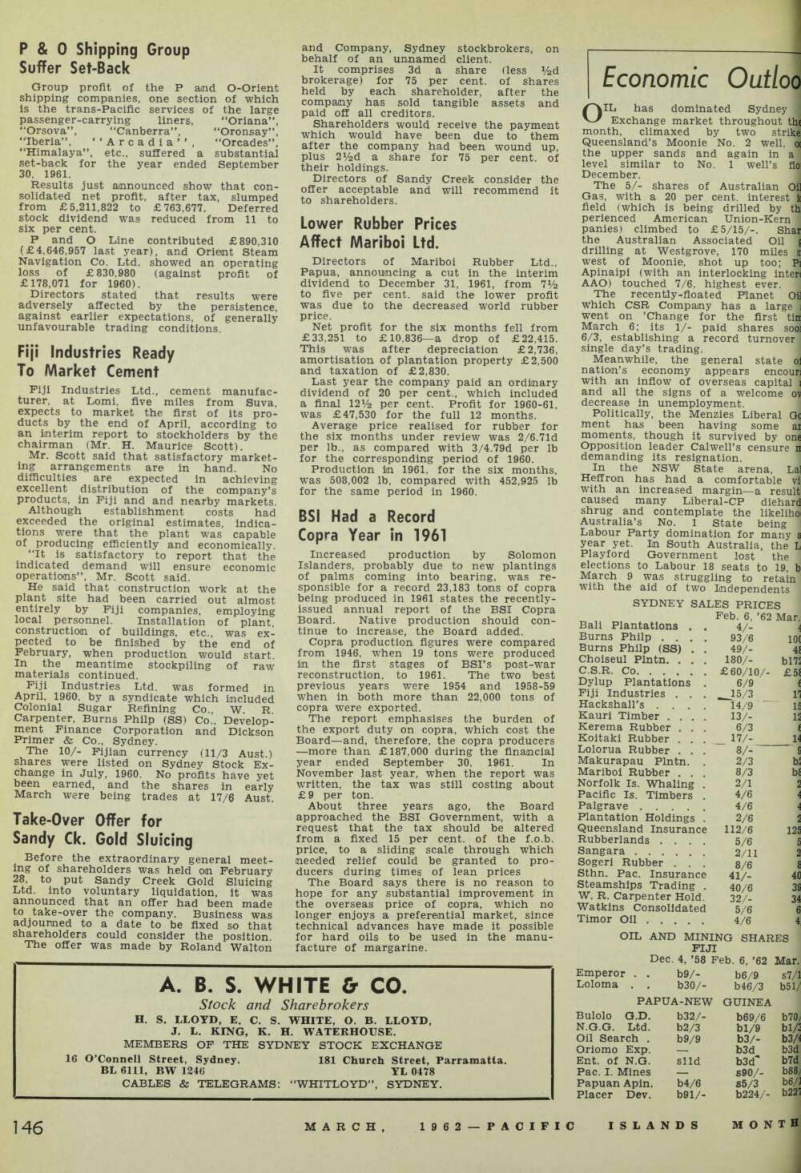 148
148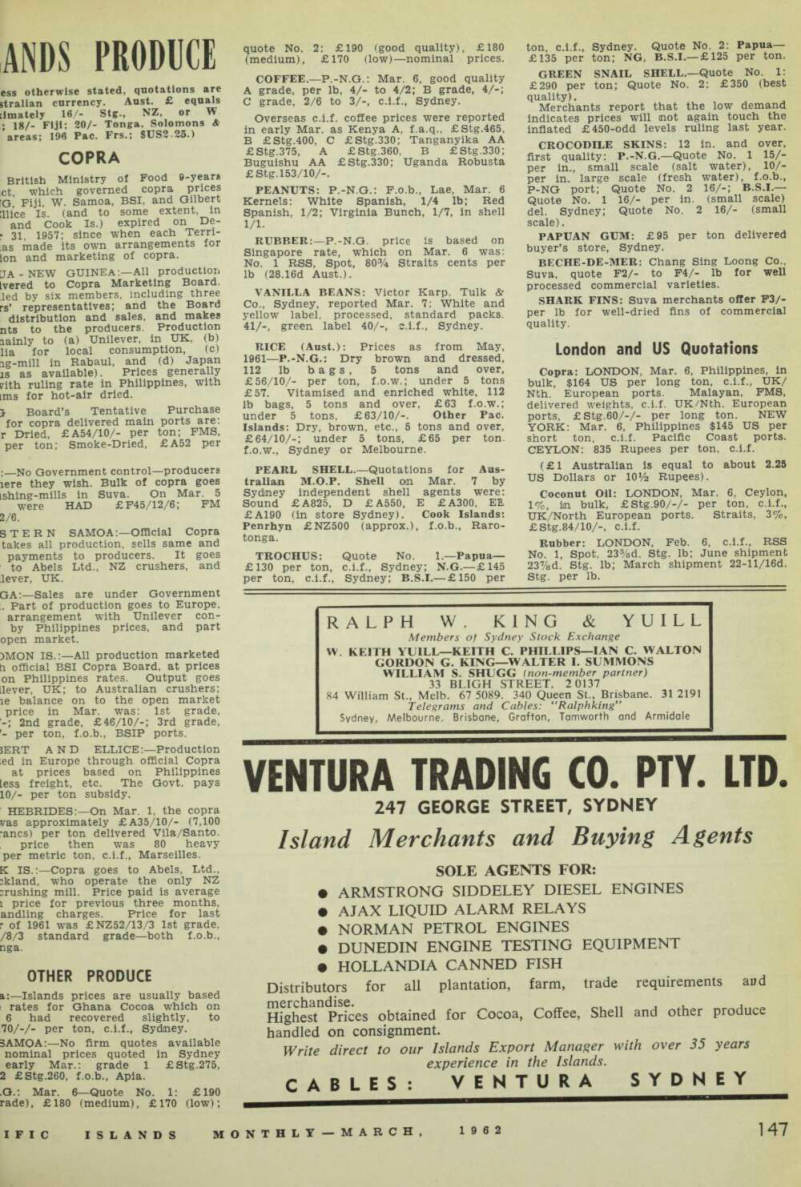 149
149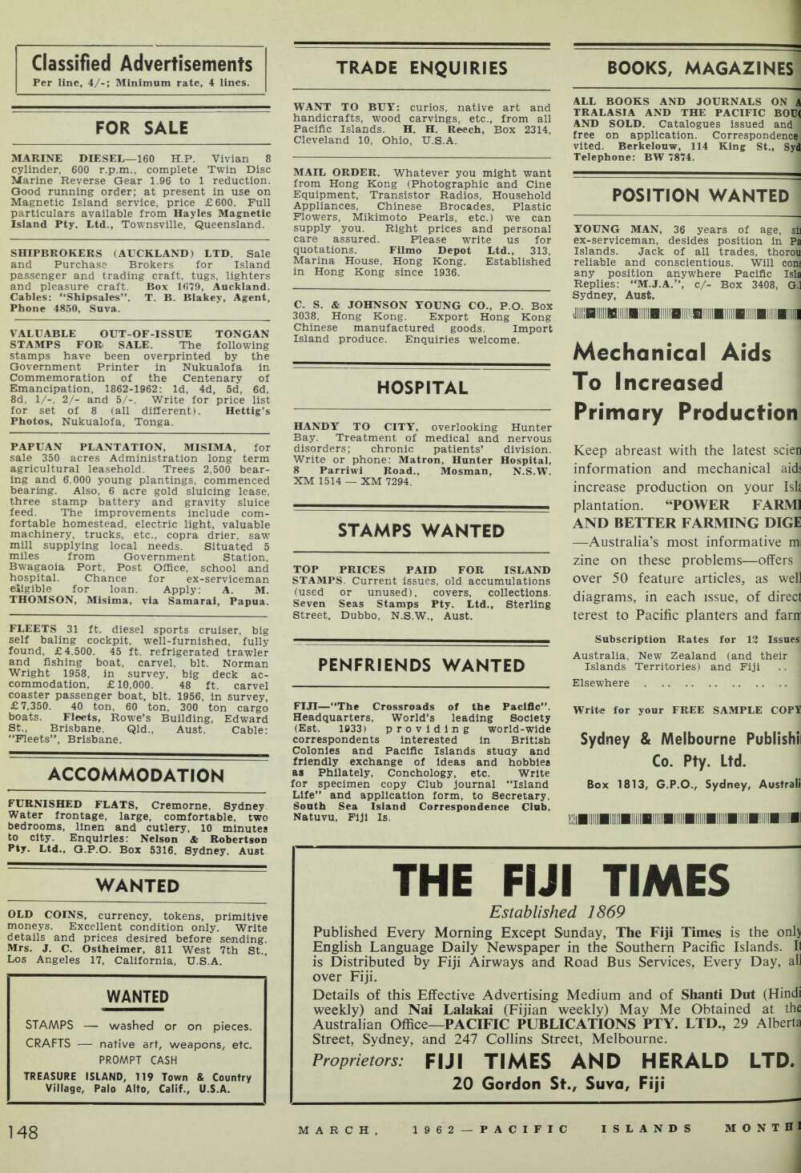 150
150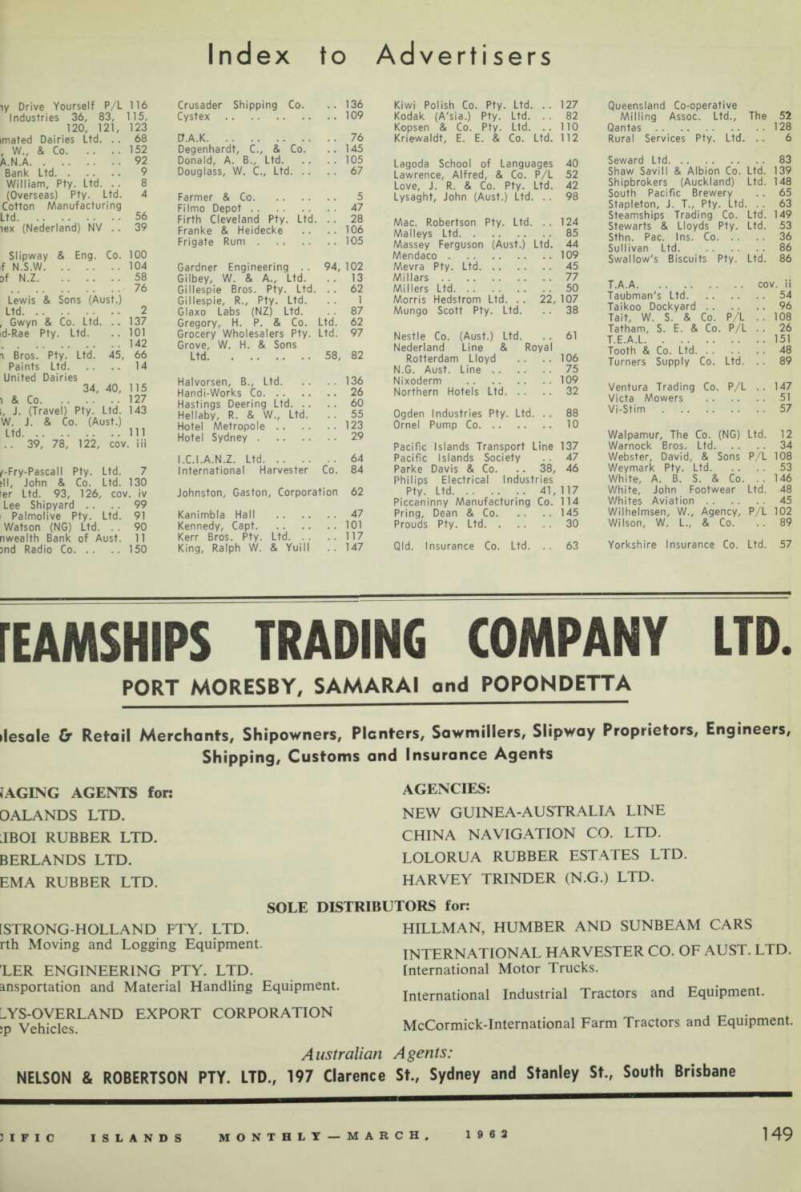 151
151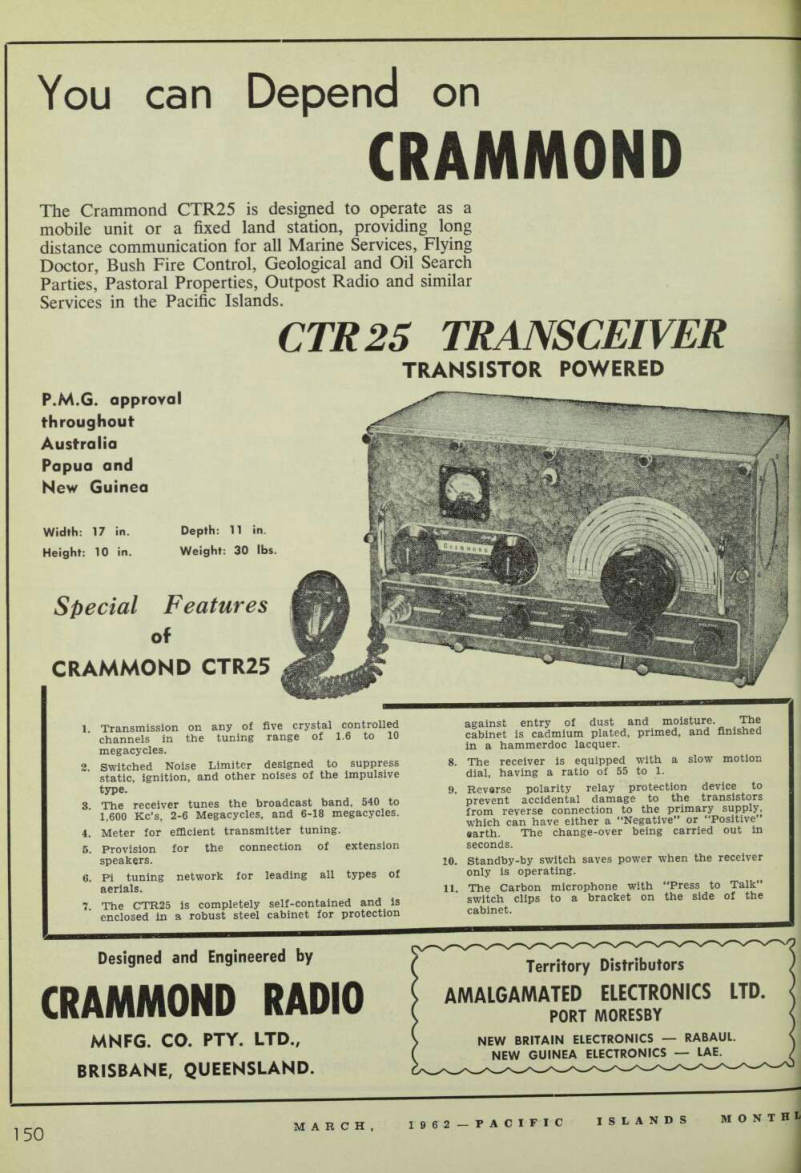 152
152 153
153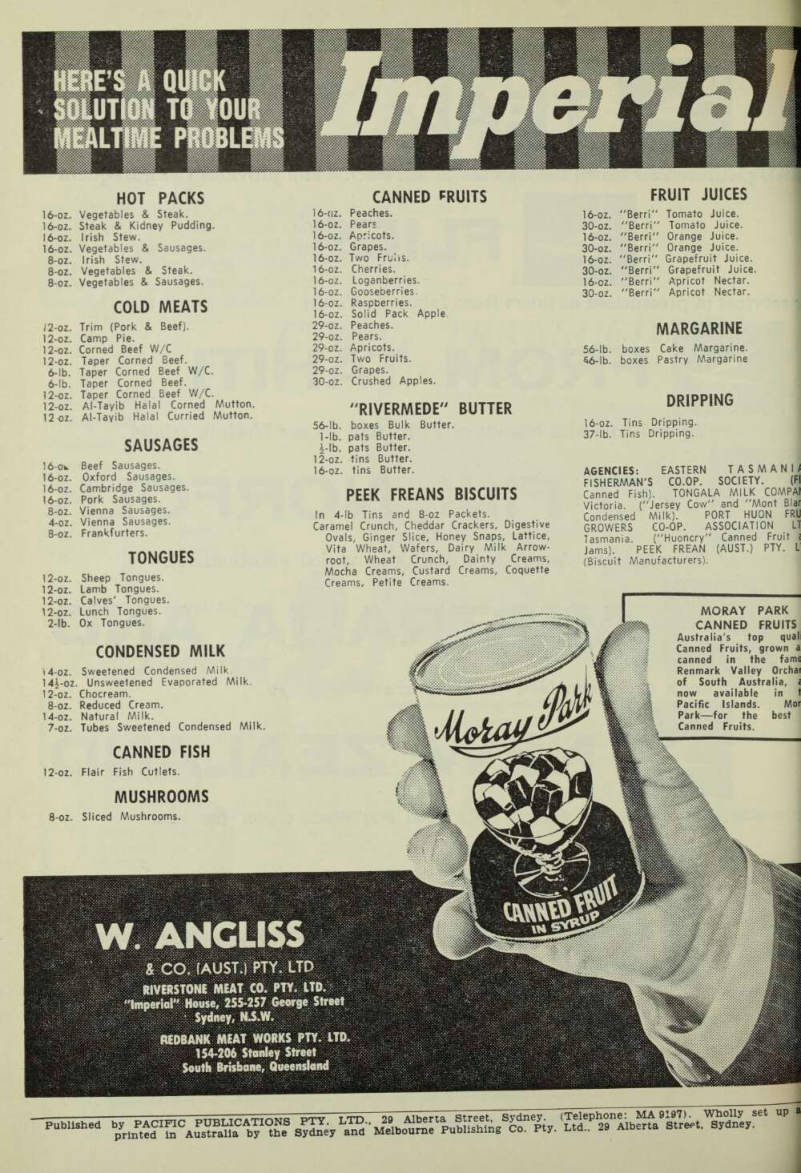 154
154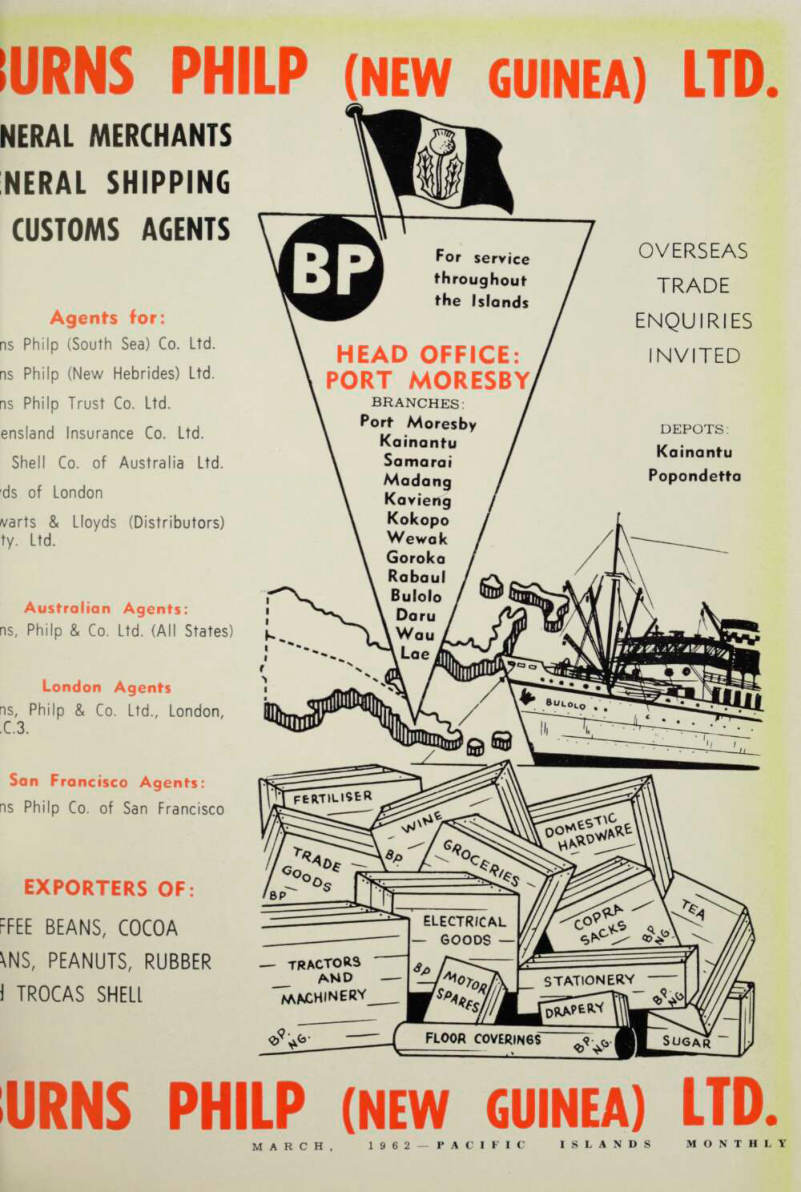 155
155 156
156