Pacific
Islands Monthly
June, 1961
Vol Xxxi. No. 11.
le Neu/s Jtqazine )f The South Pacific
Itablished 1930
tred at G.P.0., Sydney, for ission by post as a newspaper.
THE COVER: We don't know her name—we don't even know exactly what her trouble is—but she is a Netherlands New Guinea youngster who is getting the best attention at Hollandia's big new modern hospital. We can believe she's probably not exactly happy with the world at the moment— who would be, with a leg in the air!—but one day no doubt she'll appreciate it.
Advertisements & other items, pp. 2-4 (3 items)
operates
Top Australian Airline
& «s- Mb' £
THE SUNBIRD SERVICE
to 44 places in Papua, New Guinea and the neighbouring Islands.
FLY JAA THE FRIENDLY WAY
Iron in comfort without
fatigue with the new . . .
mmi
Kerosene Self-Healing IRON
• Pre-heats with methylated spirits in 90 seconds • Burns for 2 hours on one filling • Built-in pump and large filler opening. • Easily dismantled for servicing.
Representatives for the Pacific Islands d & Model No. 61 5. tOBERT GILLESPIE PTV. LTD., ROBERT GILLESPIE (N.C.) LTD., PEARCE &CO LTD, ■2 Young Street, SYDNEY.
Iso 334 Queen Street, BRISBANE Rabaul, Port Moresby.
Lae, Madang,
SUVA.
keep pace with modern
construction needs!
PORTABLE
The Builder’s Machine
DmllPw
odumiasteit
f?
Xi :- x V
Designed especially
for today's and
tomorrow's need for
speed and accuracy
on the Building Project,
the Joinery and
Furniture Factory,
Petrol and Electric Motors Interchangeat making it equally efficient in workshop or on a site far rer from power. *3SO
NCC
cot" b\e tvott r \o Vbte date Alt'? vp° bto e At"
VP?
Sole distributors for Pacific Islands — W. S. I AIT & Co. Pty. Lt 8 Spring Street, Sydney. Cables: "Success"
Box 5315, G.P.0., Sydney
PORTABILITY. F US
single phase electric or petrol engine power enables the Sawmaster to be used on the site. Manufactured by
ANGLO-AUSTRALIAN ENGINEERING CO. PTY. LTI
Exceller Avenue, Bankstown, Sydney Australia
mfic islands monthly jone. 1961
2
JUNE, 1961 PACIFIC ISLANDS MONTH
Pacific Islands Monthly
’ublisher: R. W. ROBSON.
Editors:
Y Tudor Stuart Inder
Manager: SELWYN HUGHES.
IONES: General Business, Editorial,
9197-8, Ma 7101, Ma 4369.
.P.O. Box 3408, Sydney,
phic Address: PACPUB, Sydney.
Yual Subscription Rates:
Includes surface postage) :ific Is. —Papua-N.G., Samoa, Norfolk, j, 8.5.1., Cook Is., a, G.&E. Grp., Niue, Hebrides, and other s acific Islands . ..£l4O Pacific Territories and • N.G £1 70 ralia and N.Z. . £llO 0 British Common -11 h Countries, and jn (40/- Stg.) . .. £2 10 0 A. and U.S. Pacific cries ($6.00 U.S.) . £2 12 6 iopies (postage extra) 2 6
Inch Office In Papua-Ng
Publications (NG) Ltd., Theatre uildmg. Fourth St., LAE.
Tel.: 2577. ss Pat Robertson, Manager.
Ranch Offices In Fiji:
ji Times Building, 20 Gordon St.
Tel.: 4043. : A. J, C. Foster, Vitogo Pde.
Tel.: 38.
Epresentative In N Z •
Whitcombe, P.O. Box 5179, Auckland. Tel.: 22.570.
:Presentative In U.K.:
ishburn, 13 Rood Lane, London, 1- Tel.: Mincing Lane 8633.
RNE OFFICE: Newspaper House, Collins St. Tel.: 63.7053.
All main trading firms and es in the Pacific Islands Publications Pty., Ltd., is the m agent for THE FIJI TIMES.
Contents
No. 11. Vol. XXXI.
June, 1961
People 5
Why Fiji Awaits The Sugar Report With Anxiety 17 Are These Relics From the "Eliza"? 17 West Samoan Plebiscite Went With out A Hitch 18 New Hebrides' Girl Undergoes Heart Operation 19 P-NG Administration Outvoted in the Legco 19 Dutch Exodus From NNG 20 NNG Political Party Wants a Republic 20 All the Latest in P-NG Handbook 20 American Samoa Has a New Governor 21 New Faces Following Cook Islands' Elections 21 New Official History of the War in New Guinea 22 Pictures of Fiji's Touring Rugby Side 23
Commentary 25
The Editors' Mailbag 26
Canberra Commentary 27
The Weird Mob of Western Samoa 27 Still No Cause for Joy Over Copra . 28 TERRITORIES TALK-TALK, with Tolala 29 TEAL's Spreading Wings Mean New Problems 35
New Zealand Aviation at the Cross roads 37 Samoan Air-link Returns 39
Sydneysider At Home Base 41
Quarter Century with the Mission in the Mud 45 Beryl Sawyer Reports from Tahiti 49 Stuart Inder Talks About the Isle of Love 53 Burns Philp Recalls the Old Days 56 Islands' Agents Critical of Trade Mission 59 Kinjibi Chairman Takes the Lid Off the Coffee Pot 61 Sydney's New Polynesian Restaurant 61 New Guinea Brothers with Sports Shirt Collars 69 Labour Want a Common-roll in P-NG 69 Magazine SECTION 79-100 News of Pacific Shipping 97
Pacific Report M
Deaths of Islands People 136
Travel Talk 133
Shipping, Airways Timetables 141
Commerce and Produce 149
Advertisements & other items, pp. 5-6 (3 items)
A Product of Pacific Publications Pty. Ltd., 29 Alberta Street, Sydney
4
JUNE. 1961 PACIFIC ISLANDS MONTH
Omti
a
r % i • ---^ This dream home is a reality when you build with “Durawall”
Here’s a low-cost home with a luxury look—the utmost in design and appearance—brought about by the use of “Durawall”—the magical asbestos-cement sheeting which gives glorious shadow contrasts.
“Durawall” can be fixed direct to timber frames without cover battens —the vertical grooves give added strength— the lap joints are perfectly weatherproof.
Easy to paint in gay, modern colours —ideal for exterior walls, car-port screens and wind breaks.
Less maintenance when you build with “ Durawall’
Australia’s most sought-after vertically Asbestos-Cement Sheeting .
Durawall
I VERTICALLY GROOVED ASBESTOS-
CEMENT WALL SHEETS
Manufactured by WW / Baptist Street, REDFERN, SYDNEY Plan ST.77l—Available tram Small Homes Service, N.S.W., Sox 4360, G.P.O. Sydney.
FREE BOOKLET
Write to Dept. DW,"
Wunderlich Limited, Box 474, G.P.0., Sydney, N.S.W. 83.DW.5
People
he Governor of Fiji, Sir Kenneth Idocks, on his way to England on \ leave in May, fell accidentally Venice, and severely injured his c. A slipped disc was the diag s in June, in London, where Sir neth was under treatment, and 2ring much pain. Fiji, in June, awaiting advice of the probable ;th of his indisposition. The Gov >r had expected to return to Suva August, and any delay there could her delay attempts at settlement Fiji’s administrative and political ilems.
ji one day should give some of decoration to Mr. Robert Munro, of Suva, whose long as chairman of the Fiji dcasting Commision ended on 16, as required under statute, has given at least eight years valuable time, and his close mal interest and ability, to this Ttant public service, and the ny of Fiji has benefited accord- Mr. Munro took charge of Commission when the FBC was
[?]e Waipapa hydro-electric project, NZ, in Mr. Punivalu Vaili, a senior officer in [?]est Samoan Public Works Department's [?]hop, Apia (left) hears the details of [?] repairs to a tractor from the project's [?]nical engineer, Mr. John Caen. Mr. is one of nine senior West Samoan [?] servants at present on a "crash" train [?]ogramme in NZ, aimed at helping Samoa
following independence.
its formative stage, about eight rs ago and, under his direct ervision, it has grown into the ony’s most important, three »uage broadcasting system.
Ir. Munro was very warmly iked for his services in a public ouncement by the Acting senior, Mr. P. D. Macdonald, on e 5. he new Chairman of the Fiji adcasting Commission is Mr. les Maynard Hedstrom, of Suva in of the founder of Morris Istrom Limited, and a well wn public figure. Mr. Hedstrom •ed from the general manager of Morris Hedstrom Ltd., two s ago, but he still holds some ortant directorships—in Morris strom Ltd., Fiji Pastoral Com y, Millers Ltd., Carlton Brewery i) Ltd., Fiji Industries Ltd.— various honorary posts con ed with Government advisory ies and the Church of England.
'W people know what an “ultra rock looks like, but Dick npson, of the British Solomon ds Geological Survey Depart , does. After three years of in ve field work in the Solomons hesis on ultrabasic rocks there gained him the degree of Doctor hilosophy at Sydney University. ; the beginning of 1957 his time alternately in BSIP and Sydney ersity. His field work was in
[?]re-organisation of senior positions in NNG, [?]H. Veidkamp, District Commissioner for
[?]eelvink Bay District, has been appointed
[?]or of Internal Affairs, in place of Mr. A. [?]ermaker (above). Mr. Boendermaker, who [?]s his posts as Deputy Governor of NNG [?]ice-chairman of the Council of Depart [?]l Heads, will concentrate on his other [?]ties. There has also been a recent [?] in District Commissioner postings in the Territory.
icult country from Choiseul to San stoval, and he explored 170 are miles of ultrabasic rock out ps. In the second year of his ef ts, four other field geologists were rating in BSIP and this year of :nse activity resulted in the dis ery of chrysotile asbestos on San ge Is. (which is of no immediate nomic value); and nickel-bearing rites on San Jorge, Ysabel and fiseul (which are now being ed). ♦ * * i senior NNG administrative offi- Mr. Raphael den Haan, in May appointed to the newly created t of Commissioner for the Devel lent of the Central Highlands. He the job of speeding up develop it in the backward Highlands, >ugh road building, air services, i crops and stock breeding. His i will extend from the Wissel es to the P-NG border. Next Oc iv the Administration intends to up the Central Highlands District an independent administrative
ou can’t keep a good man down, years ago Mr. Bob Hewlett was ight young man stationed at Nadi °rt, Fiji, who, on behalf of the Visitors’ Bureau, gave a welcome information to travellers who )ed off between planes. Today, rding to the Australian National el Association, which has just •inted him to its Research Com se, he is recognised as one of]
[?]ted to return to Rarotonga from NZ in with his bride was Metuakore Sadaraka, [?]tutaki, who was recently capped for his [?]hons.) —the first Cook Islander to qualify [?]is degree. He married Miss Lois Dunnett, typist of the Department of Island
Territories, Wellington.
leading authorities on travel in tralia and the Pacific. „ lot of travel has gone down the vlett tracks in the 10 years in he rn. After Nadi, he became sec ry of the Visitors’ Bureau in Suva ie years when the foundations of s present flourishing tourist in ry were being laid. From there vent to Singapore as director of ism, but when the present Gov lent took office there a couple /ears ago, tourism was one of adent Western ideas” it thought Duld do without. Bob Hewlett came to Australia and now is harge of travel advertising and action for the Australian nen’s Weekly.
ong with Mr. Dudley McCarthy, ustralian Territories Department, other distinguished delegates to mid-year “please explain” ses of the United Nations Trustee- Council, was Mr. W. Wilfred ng, newly appointed High Corn oner of the US Trust Territory he Pacific Islands (Marianas, halls and Carolines).
Coding, who was born in :a 49 years ago, was appointed ie Kennedy administration and i in in Washington on May 1. rrived in Guam a few days later hus had only a few weeks in his dominions which extend over 3 m square miles—most of it . On May 31 he was off again e Trusteeship Council meeting, e Trust Territory’s new Deputy Commissioner is Jose A. ez, of San Juan, Puerto Rico.
was a wealth of experience present when [?]eteran West Samoan settlers gathered [?]ia in April to celebrate the 81st birth [?] of Mr. R. P. Berking (above). Mr. [?]g, who was a Government official in the [?]erman days, has lived in West Samoa [?] years and is now the oldest European [?]t there. Others at the celebration were [?]. August Betham, F. M. Jahnke and A.
M. Gurau.
ack in Australia after 13 years in ga with the Free Wesleyan rch are the Rev. and Mrs. Ron idgate, with their family. Mr. »dgate was president of the Free ieyan Church and chaplain to m Salote from 1955, after having iously been principal of the du Boys’ College and of the Bible ning College. They are now in pastorate of Maryborough, msland.
e novel by Mr. Russell Foreman, ' Pig, based partly on old-time customs and partly on Fiji ry, which has had a good world is to be filmed. Arrangements eing made by a producer named ey Baring, and Paramount, under i Baring will take a party to about May, 1962, to commence action of the film, Russell man resided in Fiji for some — mostly in the Sigatoka district t last year, after the publication mg Pig , he departed for Europe \merica, and is now reported to sold another book. * * * ss Elsabe Hilda Smith, who has no less than 34 years to the of the Methodist Mission in is now on four months’ leave, to retirement. (Over)
"seeing eye" guide dog to be brought [?]ew Zealand is Delle, seen here in Auck [?]n May with her blind owner. Miss Jean [?], at the end of their TEAL flight from [?]. Miss Fraser, an Aucklander, brought an 18-month-old Labrador, from Perth, Australia, after training at the Guide Centre there for two months. The NZ [?]ment and the airline both waived normal [?]tions to let Delle travel with Miss Fraser.
ss Smith, for 23 years, was >n of the children’s orphanage, Ikusha, in Fiji; and then, at her request, she was transferred to :t work, and she has been ness at the Dilkusha Mission ishment for the last 10i years, kusha is devoted to work among ndians, and Miss Smith’s years rvice were given primarily to I Indian children to get educa md attain a higher standard of . The mission gave her facilities larn Hindi, and sent her to low, in India, for six months, for lurpose. She has noted, in her :ars in the Fiji field, a marked ivement in Indian standards of iere.
1 known newspaperman Ted r, who has been the executive )r in charge of the South Post, at Port Moresby, since ablishment, will transfer resi to Sydney this month and, m executive position with Yaffa :ate Pty, Ltd., will keep a y eye upon the P-NG news- His duties as manager have taken over by Mr. Harry , who was a war-time Wing lander in the RAAF, and who has been a senior business ive in Australia. Mr. and Mrs.
', who have established a new at Vaucluse, Sydney, will be in Port Moresby, where they esided for the past 14 years.
Frank Hindle, master of "Soochow", come commodore of the China Naviga [?]. fleet. It is the first time that a of a New Guinea-Australia Line vessel [?]en given this honour. Captain Hindle [?]otographed during a small ceremony in [?]ney office of Swire and Yuill Pty., Ltd., to mark the occasion. Captain Hindle joined the service in 1930.
Advertisements & other items, pp. 7-18 (12 items)
5
CIFIC ISLANDS MONTHLY JUNE. 1961
Vegemite
'S3
YOUR FAMILY
NEEDS VITAMIN Bl
EVERY DAY!
Get Vitamin Bl in many different
ways, with delicious:
VEGEMITE
SPREADS so SMOOTHLY on toast DELICIOUS on biscuits SO NOURISHING in sandwiches Every member of the family needs Vitamin B ± every day for
VITALITY.
Vegemite is the only pure concentrated yeast extract, and yeast is the richest known natural source of Vitamin B x the vitality vitamin.
But remember! The body cannot store up Vitamin B 1 —it needs a fresh supply daily. So enjoy Vegemite every day —for Vitality.
KR3 ENRICHES gravies
AUSTRALIA
To give better service and to meet ever-increasing demand, Prestige G Limited have expanded into Austi Stocks of Prestige and Skyline Houses are held in Sydney and our L Friends can now be assured of shipment.
PRESTIGE
PRODUCTS
AUSTRALIA PTY. LTD.
60-62 York St., Sydney, N.S
CABLES: "FRESHET".
EMOTIONAL STRESS
and
OVER-EXCITEMENT
can impair your good health
CALM DOWN AND RELAX WITH
RELAXA-TABS
They Relax Your Nerves You'll enjoy absolute relaxation and soothing calm by taking RELAXA-TABS . . . they bring a feeling of restfulness and peacefulness by calming the central nervous system. RELAXA- TABS ensure relaxation during the day and gentle, natural sleep at night. Ask your Pharmacist today for . . ,
RELAXA-TABS
SAFE AND NON-HABIT-FORMING
AT ALL PHARMACISTS
WR49.24
HOT PACKS
16-oz. Vegetables & Steak. 16-oz. Steak & Kidney Pudding. 16-oz. Irish Stew. 16-oz. Vegetables & Sausages. 8-oz. Irish Stew. 8-oz. Vegetables & Steak. 8-oz. Vegetables & Sausages.
COLD MEATS
J2-oz. Trim (Pork & Beef). 12-oz. Camp Pie. 12-oz. Corned Beef W/C 12-oz. Taper Corned Beef. 6-lb. Taper Corned Beef W/C. 6- Taper Corned Beef. 12-oz. Taper Corned Beef W/C. 12-oz. Al-Tayib Halal Corned Mutton. 12-oz. Al-Tayib Halal Curried Mutton.
SAUSAGES
16-ow Beef Sausages. 16-oz. Oxford Sausages. 16-oz. Cambridge Sausages. 16-oz. Pork Sausages. 8-oz. Vienna Sausages. 4-oz. Vienna Sausages. 8-oz. Frankfurters.
TONGUES
12-oz. Sheep Tongues. 12-oz. Lamb Tongues. 12-oz. Calves' Tongues. 12-oz. Lunch Tongues. 2-lb. Ox Tongues.
CONDENSED MILK
14-oz. Sweetened Condensed Milk.
Unsweetened Evaporated Milk. 12-oz. Chocream. 8-oz. Reduced Cream. 14-oz. Natural Milk. 7- Tubes Sweetened Condensed Milk.
POWDERED MILK
12-oz. "Jersey Cow" Full Cream Powered Milk.
MUSHROOMS
8- Sliced Mushrooms.
CANNED FISH
12-oz. Flair Fish Cutlets.
CANNED FRUITS
16-ciz. Peaches. 16-oz. Pears 16-oz. Apricots. 16-oz. Grapes. 16-oz. Two Fruiis. 16-oz. Cherries. 16-oz. Loganberries. 16-oz. Gooseberries. 16-oz. Raspberries. 16-oz. Solid Pack Apple. 29-oz. Peaches. 29-oz. Pears. 29-oz. Apricots. 29-oz. Two Fruits. 29- Grapes. 30- Crushed Apples.
"RIVERMEDE" BUTTER
56-Ib. boxes Bulk Butter. 1-lb. pats Butter. £-lb. pats Butter. 12-oz. tins Butter, 16-oz. tins Butter.
PEEK FREANS BISCUITS
In 4-lb Tins and 8-oz Packets.
Caramel Crunch, Cheddar Crackers, Digestive Ovals, Ginger Slice, Honey Snaps, Lattice, Vita Wheat, Wafers, Dairy Milk Arrowroot, Wheat Crunch, Dainty Creams, Mocha Creams, Custard Creams, Coquette Creams, Petite Creams.
FRUIT JUICES
16-oz. "Berri" Tomato Juice. 30-oz. "Berri" Tomato Juice. 16-oz. "Berri" Orange Juice. 30-oz. "Berri" Orange Juice. 16-oz. "Berri" Grapefruit Juice. 30-oz. "Berri" Grapefruit Juice. 16-oz. "Berri" Apricot Nectar. 30-oz. "Berri" Apricot Nectar.
MARGARINE
56-lb. boxes Cake Margarine. 56-Ib. boxes Pastry Margarine.
DRIPPING
16-oz. Tins Dripping. 37-Ib. Tins Dripping.
AGENCIES: EASTERN TASMANIAN
FISHERMAN'S CO.OP. SOCIETY. (Flair
Canned Fish). TONGALA MILK COMPANY
("Jersey Cow" and "Mont Blanc" Condensed
Milk). PORT HUON FRUITGROWERS CO.OP.
ASSOCIATION LTD. ("Huoncry" Canned Fruit
and Jams). PE’EK FREAN (AUST.) PTY.
LTD. (Biscuit Manufacturers). MORAY
PARK CANNED FRUITS.
THE JERSEY COW
POWDERED MILK
This fine quality full cream powdered milk is now available in the Pacific Islands. Economical and convenient for household, and cooking purposes. Wonderful as a food for infants. Another famous Tongala Product. m .o. t* Mu *
WANCLISS
& CO. (AUST.) PTY. LTD.
RIVERSTONE MEAT CO. PTY. LTD.
Imperial" House, 255-257 George Street
Sydney, N.S.W.
REDBANK MEAT WORKS PTY. LTD
154-206 Stanley Street South Brisbane, Queensland m
Give Dad a man-sized
breakfast
* W/f w m JL m if*
gate
<• r.
Serve this
3 BISCUIT
BREAKFAST
Make this “Be Kind To Husbands”
Month! Pamper your man with THREE of his favourite Weet-Bix Whole Wheat Biscuits every morning.
Being 100% whole wheat, fortified with added Vitamin Bi and enriched with pure malt, Weet-Bix will send him off to work fit for the hardest morning. It’s the THIRD golden-brown Weet-Bix biscuit that makes it such a man-sized breakfast that every man enjoys ! Sold by grocers everywhere.
WEET-BIX
Play
W it *> r K r r d pi
Tins is
Australia’s finest, SAFEST tyre
If you want a larger measure of security when you drive a wider margin of safety drive on Goodyear Imperial Nylon Tyres. Tread, cord and body of this tyre are engineered by Goodyear world’s biggest, most experienced rubber company to meet the hot, twisting strains of high-speed driving. The self-adjusting tread gives fulltime, positive traction and responds instantly to brake or accelerator.
The cord body, acknowledged the strongest in the industry, is built with Goodyear’s exclusive 3-T Nylon cord, tempered like steel to give greater resistance to bruise damage, high-speed tyre heat and constant flexing. The extra strength and safety of 3 T nylon costs but little more than ordinary tyres. Why be satisfied with less?
See your Goodyear dealer, garage or Service Station.
GOODYEAR ,
N264D
FOR AN EASIER WAY TO SAVE
o Jf o 5 cl? m open an easy to operate
AN Z. SAVINGS
BANK ACCOUNT
and save time, effort
and money!
It’s so easy to put a regular weekly sum into your A.N.Z. Savings Bank Account at any one of the friendly A.N.Z. branches.
PortMoresby Mr. C. G. Teitzel, Manager Lae - Mr. G. P. Poulsen, Manager Rabaul - - Relieving Manager Suva - - Mr. A. K. Jackson, Manager Lautoka - - Mr. J. A. Mace, Manager
tyou'Mi Hikjz, ha*tfcivig ode
W A#Z BANK
AUSTRALIA AND NEW ZEALAND BANK LIMITED
AUSTRALIA AND NEW ZEALAND SAVINGS BANK LIMITED
Cheque Accounts Savings Accounts
m mm* V# 3>.. o <P
ANZ6SO. 24
Xou
ure
in
the most
experienced jet hands
when you fly Pan Am!
The hands at the controls of your Pan American Jet Clipper make a world of difference—and that difference is experience.
Pan American has flown more jets to more places than any other airline. To date, a million and a quarter international jet passengers!
You can recognize this superior flying experience on every single Pan American Jet flight. It shows in the smoothness, the quietness of the flight itself . . . the care that goes into Pan Am’s famous cuisine . . . the way Pan Am stewardesses make you feel completely at home.
And only Pan American offers you the giant Boeing Intercontinental Jet Clippers —the largest, fastest jet from Australia to Hawaii . . . the U.S. West Coast, London and on to major cities in Europe!
The next time you fly, remember—no other airline in the world can match Pan American’s Jet Fleet—in size, equipment, world-wide coverage—and experience.
See your Travel Agent about your next trip. Or, you can make your reservations by calling Pan American; Berger House, 82 Elizabeth St., Sydney. Tel. 8W2252 Pan American World Airways. Inc. Ltd., Incorporated in U.S.A.
Clipper, Trade Mark, Reg. U.S. Pat. Off
WORLD'S MOST
EXPERIENCED AIRLINE
PA257
What rust resisting
miracle lies in this
plastic tube?
■;vXvX-x ; v^' r '’
Actually
doubles the life of
new rainwater tanks!
Simply hang a TECT-A-TANK unit inside each new tank before its first filling. As water flows in, the unit becomes activated to deposit a lasting anti-corrosive film on the inside walls. Cannot harm water in any way.
Never needs replacing. Costs only a few shillings. At all plumbers and hardware stores
LYSAGHT
ORB
nCIAW
Trade Enquiries: John Lysaght (Australia) Limited, Head Office: 50 Young Street, Sydney N.S.W
TTBAMC
e.B.HARIs
special service
at NO EXTRA Charge!^
IK(— Your suits or slacks can be tailored within six hours of your placing the order. Your entire satisfaction is guaranteed.
When passing through or visiting Suva and Lautoka, call at G. B. Hari's for your selection from their wide range of materials.
Mail orders promptly attended.
Send for samples and self-measurement charts. wmiiiiim I ici [)n a w
G. B. HARI & COMPANY LTD
G.P.O. Box 170. Renwick Rd., Suva, Fiji Phone: 4039
CABLES; "NIVAS", SUVA
G.P.O. Box 20. Naviti St. (opp. The Market)
Lautoka, Fiji
Phone: 666
PARKE-DAVIS
(AMOQUIN
Effective Single Dose Treatment for
MALARIA
SPECIALLY FLAVOURED TABLETS AVAILABLE FOR
CHILDREN
Adult Dose —2 Tablets to be taken on the same day of every week.
CHILDREN:
Infants and Toddlers— Up to 2 years of age—y 2 tablet (50 mgm) of INFANT FORMULA CAMOQUIN, as a single weekly dose. —From 3 to 4 years—l tablet (100 mgm) of INFANT FORMULA CAMOQUIN, as a single weekly dose.
Older Children -7 to 10 years—l ADULT FORMULA Tablet as a single weekly dose. -11 to 16 years—l l/2 ADULT FORMULA Tablets as a single weekly dose. -Over 16 years—2 ADULT FORMULA Tablets as a single weekly dose.
IMPORTANT;—CAMOQUIN should be taken immediately after or during a full meal.
Obtainable from all chemists and suppliers of
PARKE-DAVIS products
PARKE, DAVIS & CO., SYDNEY
Completely eliminates waxing and polishing!
British Paints Limited
FIOOR'PLASnK
Interior Brilliant Gloss Clear Liquid Plastic Coating
THE MODERN TREATMENT
FOR LONG-LASTING BEAUTY
Floor-Plastik is not a wax or polish. It is a specially formulated liquid plastic coating for application by brush on interior surfaces such as NEW Timber or Newly-sanded Wooden Floor, New Cork Tiles, Furniture and Panelling.
Floor Plastik’s brilliant gloss provides a permanent, durable surface which stands up to the heaviest floor traffic without scratching or scuffing and Floor-Plastik requires no waxing or polishing each time the floor is cleaned Floor-Plastik’s dazzling shine gleams as if it were just applied. It does away with the continual drudgery of waxing and polishing and saves you time and money.
Ask your local British Paints Limited authorised agent for a free Floor-Plastik technical leaflet. (Warning! Floor-Plastik is not formulated for use over new or used linoleum.) „
MAXIMUM RESISTANCE TO MOULD AND FUNGUS.
Manufactured to withstand all tropical conditions
fv a i rOa* 4 Lin’d® r 'tish Paints
R| OR
application
FOR COMPLETE PROTECTION
OF ALL METAL SURFACES
% British Paints Limited
Brilliant Aluminium Enamel
• SILVAR’S hard, glossy surface actually resists dust and dirt collection. When applied on roofing, SILVAR’S heat-reflective “aluminium” will reduce internal temperatures by at least 10°. • Silvar is non-poisonous and is harmless to drinking water.
Si&JaJi
• SILVAR BRILLIANT ALU-
MINIUM ENAMEL is easy to apply with either brush or spray and withstands tropical sun, lashing rain, dust-laden winds and salt sea spray.
SOLD AND RECOMMENDED BY:
Burns Philp (New Guinea) Limited: Samarai.
Burns Philp (New Guinea) Limited; Port Moresby.
Burns Philp (New Guinea) Limited: Wau.
Burns Philp (New Guinea) Limited: Bulolo.
Burns Philp (New Guinea) Limited: Lae.
Burns Philp (New Guinea) Limited: Madang.
Burns Philp (New Guinea) Limited: Goroka.
Burns Philp (New Guinea) Limited: Wewak.
Burns Philp (New Guinea) Limited: Kavieng.
Burns Philp (New Guinea) Limited: Rabaul.
Burns Philp (New Guinea) Limited: Kokopo.
Burns Philp (New Guinea) Limited: Daru.
Burns Philp (New Guinea) Limited: Kainantu.
Steamships Trading Company; Port Moresby.
Kam Hong: Lae.
Scotts New Guinea: Lae.
Tang Mow: Wewak.
Laurie Chan; Rabaul.
Wong You: Buka Passage-Bougainville.
BRILLIANT
MAXIMUM RESISTANCE TO
MOULD AND FUNGUS.
HONIARA, 8.5.1. P.
A. C. Blair Ltd., Honiara F. C. Symes Pty. Ltd., Honiara Burn Philp (South Sea) Co. Ltd., Suva.
Burns Philp (South Sea) Co. Ltd., Lautoka
NORFOLK ISLAND
Burns Philp (South Sea) Co. Ltd.
Norfolk Island. 8231
6
JUNE, 1961 PACIFIC ISLANDS MONTHL
3 I F I C Islands Monthly June, 1961
8
JUNE, 1961 PACIFIC ISLANDS MONTHL
9
CIFIC ISLANDS MONTHLY JUNE. 1961
11
7 I F I C ISLANDS MONTHLY JUNE, 1961
12
JUNE, 1961 PACIFIC ISLANDS MONTH L
13
' I F I C ISLANDS MONTHLY JUNE, 1961
14
JUNE, 1961 PACIFIC ISLANDS MONTHL
15
IFIC ISLANDS MONTHLY JUNE, 1961
16
JUNE, 1961 PACIFIC ISLANDS MONTHL
Is This From Historic Wreck ?
What may possibly be a relic of the American brig Eliza, which was wrecked in the Lomaiviti group of Fiji in June, 1808, has been brought to Suva by Captain S. B. Brown, of the cruise ship Maroro. It is a piece of ship’s timber containing eight bolts (seen here with Captain Brown, on the left, and Mr. Tom Ramsey, of Melbourne). Mr. Ramsey will take a piece of the wreckage back to Australia for tests to determine the age.
A search for the Eliza wreck was initiated last year by Capt. Brown and the Tony Ayer group of young Americans who chartered the Maroro for a two months cruise of Fiji waters. They searched the Mocea reef at a spot where the Eliza was claimed to have been wrecked, but found nothing. Their interest, however, prompted several of the villagers from Lawaki to keep their eyes open, and a fortnight later, Jiogi Bakoso and Jiogi Batikala, while fishing in an area half a mile to the south of where the Maroro search was originally made, located an iron bolt protruding from the sand under about three fathoms of water. The bolt was seen when one of the men dived to clear his fishline which had fouled on coral. Digging beneath, they discovered the piece of wreckage and brought it ashore and kept it until Captain Brown visited the island again.
The wreck of the Eliza did much to shape the course of events in Fiji at the time. It contained a treasure of 40,000 dollars and a quantity of firearms, and the dollars and the firearms attracted white men of violence. The story was re-told by R. W.
Robson in January P1M, p. 75.
Pacific Report
Turn to these inside pages
or more highlights of the
'lonth’s news: iji Unions to be Open for In spection—lll. Tahiti at the Hour of Jets; Fiji’s Inexperienced Young Lawyers—lll. Rabaul Strip to be Improved; Port Moresby’s Big New Dam Contract is Let—lls. cw Chief Judge for the Cooks— -117. Vanua Levu Road Link Seems Closer; P-NG Will Get “Some Enlightened Government” —ll7. Cooper Deported from P-NG; Noumea Cracks Down on Motorists; Niue Weavers Make Money; Rabaul Gets New Houses —ll9. -NG Departments Switch —121.
Toffee for the Tropics—l2l.
Russian Expert Looks at Earth quakes; Nauru and P-NG Natives go to UNO—I22. He says P-NG Schoolboys “Bullies” —123. smithy” Plaque in Suva Can Now Be Seen—l2B. Vavau Food Position is Better—l 29. Mr.
Gow’s Retirement from BP’s— -130. Bell Mystery Solved; “Gerry”
Adams Plays Ducks and Drakes— -131. Suva Has an Earthquake; Interest in Australian Land in the New Hebrides: Rabaul Inquest into Labourer’s Death—l 32. Fire was not Airline’s Fault—l 33.
Sugar Industry Report
Why Fiji Anxiously Awaits The
By R. W. Robson
rp, n Inc over-all, or long-term, outlook in Fiji has not improved in the past month; but optimistic folk, who do not look much beyond their ,mmediate horizons, find comfort in the following;
, • Die three principal sugar mills (Lautoka, Rarawai and Labasa) beg? , “ ay; Penang will going snortly, and all canefarmers are busily harvesting. Sugar good” 165 should be very 6 u ’ . ® Messrs. Chnstiani Nielsen and Sf? 10 ? com P le .'e d • e Lautoka docks) are now buildnew docks for Suva. The huge job will take 2i years, and the cost ol( ? nial De ‘ eiopmentat ' Wld about *2* millions. Much of that money mimfor’",hMd Pay ‘ me ir c lab ° u / and .materials. ° Somewhat drastic steps taken recently by the Fiji Government to reduce expenditures are paying off.
In the year ended December 31 the Government had a surplus of nearly half a million. US near ' y ® There is increasing recognition of, and aid for, the development of 1961-62 * e Fi i> * ourist industry, which is full Of promise. • The threat that because of the tDiXy cessation of the Government subsidy.
Emperor Gold Mines will cease operations (thus cutting out the Colony’s third most imnortant in dustry and throwing thousands more men into unemployment) is still there; but the completion of an in d^ Strial agreement betwe “ * ba mining company and Its workers at Vatukoula, covering the next two years, suggests that the industry will continue and develop. A party of
Emperor directors, from Australia, are going to Fiji in July to study the situation.
On the other side of the Fiji picture there are some discouraging silhouettes.
The worst, probably, is the con tinued, active hostility of the North west Indian minority group towards the CSR.
Indian 'Planners' v. CSR Having agreed that crushing should commence at end of May, the CSR pointed to good prospects for the industry next year, and urged general planting of cane for 1962 harvesting.
The Patel-Mathur group (Mr.
Mathur is a sugar expert brought in by a section of growers to advise them during the sugar inquiry—and still there) began counter-propa ganda. They insisted growers should not plant cane for 1962 unless they had a guaranteed price; and there fore (they argued) no planting should be undertaken at least until the report of the Sugar Commission was received.
Some growers began planting, and immediately were attacked openly by propaganda, and secretly by per sonal assault and cane-burning. There was much evidence of terrorism, in May, and the great majority of growers therefore did not plant.
There was evidence that thev wanted to plant, and probably would plant as soon as the mills opened— so that, if the terrorists set fire to their fields, the scorched cane could be immediately cut and crushed, and would not be a derd less.
The situation ga' e the CSR some concern. At the end of May, the
planting figures were—
Experts said that this was not anything like the planting needed to take care of next year’s demand—a demand likely to grow through ad ditional sales to USA, in consequence of the Cuban debacle.
They calculated in early June, however, that there still was time for all required planting to be done this year, before the end of the planting season, provided there is no further hold-up.
All sections of the industry await the Sugar Commission’s report. It is at present the hope of responsible
(Continued on p. 134)
Acres Lautoka 448 Rarawai 2,713 Labasa 3,193 Penang ’ 66 Total 6,420
sections that this will mean the fc: ginning of a period of peace in tl; Colony’s major industry.
But there are indications thi whatever its nature, the irreconcilatl Indian group in the NW will fir something in the report to fight, i that —by disturbing and upsetting tl: NW Indian cane-growers—it m;i continue its cunningly devised ai harassing war against the CSR.
It is well known in Fiji that it the ambition of a small group Indians—mostly Gujeratis—to maj Fiji so uncomfortable and costly ft the Australian milling company thi the latter will withdraw from tb Colony, and leave milling to tb Indian co-operatives, which alreau have been discussed and planned. I this means, the dreamers hope to g control of the sugar industry, au attain political power in Fiji.
That, in turn, would lead inevitabd to conflict with the Fijians, an economic disaster for the Colony. I So far, the Fiji Governing (which is mostly an expression the will of the British Colonii
:e) has leaned over backwards in desire to placate Fiji’s racial ips, and avoid friction. The :k of the riots of December, ?, is still fresh in Whitehall is. was seen in the attitude of the ernment during the 1960 sugar vers strike. Those with know e and experience of Fiji know the tactics of the minority In group were based on the latter’s ed of the CSR and of Europeans Tally. be growers did have certain nances against the CSR; but n the CSR showed a spirit of promise and readiness for ement, the minority group ied on the war beyond that point months, in a way that disclosed dtimate purpose. was then that an experienced ernment would have acted with igth and, if necessary, ruthless , so that the welfare of all es in Fiji should not be sacri to the unhealthy ambitions of Gujerati plotters. Instead, the ernment continued to treat the oncilables with timidity and erness. le appearance of the Sugar In ■y Report may force a showdown i the three parties primarily con ed—upon the Government, which not longer play around with so a matter; upon the CSR, which been accused by the Indian p of statistics-manipulation, so it may get an unjust share of industry’s rewards; and upon the m minority, which now is sus id by all classes of dreams of er and avarice which go far be -1 the welfare of the cane 'ers. eanwhile, up to mid-June, there little change in Fiji’s political tion. le deadlock created by the n-European refusal, in Legco, pprove the Government’s plan dect and train Executive Coun aembers for Ministerial respon ty apparently remains, delegation of three Legco mem (Messrs. John Falvey, B. D. hman and Semesa Sikivou) was received and kindly treated at British Colonial Office. They dis ci the plan of providing trained nial Office personnel with extra uments, so as to encourage ser in Fiji. Whitehall proposes the entiation; while Legco generally jrts the idea that defined ad ;trative service is worth a stated rd, whether the service is given versea or by locally-trained per (Over)
There seems to have been no de cision yet. It has little bearing upon Fiji’s chief problems, anyway.
The latter are plain for all to see.
The population, both Fijian and In dian, has increased so fast that it has overtaken and threatens to over whelm the administrative and econo mic machinery, which has the re sponsibility of providing means of sustenance for the people, and es pecially jobs for the oncoming batta lions of teen-agers.
All-Races Convention And meanwhile, a small group of non-official people interested in the future of Fiji is urging that, by public petition, the Governor be asked to set up a Convention. It would represent all races and in terests in Fiji and would discuss the problems created by Fiji’s rapid growth, and make recommendations accordingly.
The main purpose here is to pro vide a means by which all races in Fiji may come together and, accept ing the fact that they must live to gether there in the future, discuss their common problems, describe their grievances and fears, and out line their hopes.
All eyes, of course, are upon the Fijians—they are an unknown factor in this situation.
If they will frankly recognise the Colony’s problems and meet the other community leaders in seeking a solution, a reasonably happy future for Fiji may be expected. But if they simply sit back behind their community barriers, relying stub bornly upon the terms of the Deed of Cession while keeping a cold and suspicious eye upon Indian am bitions and planning, then the future of Fiji can be—to put it mildly— ugly.
Advertisements & other items, p. 19 (1 item)
17
CIFIC ISLANDS MONTHLY JUNE, 1961
Without A Hitch
Samoan Plebiscite Went
From an Apia Correspondent
West Samoa’s plebiscite for independence in May went off without a hitch, and the United Nations Mission which supervised the event returned to New York in mid-May full of praises for the way the whole thing had been handled.
THE plebiscite commissioner, Dr.
Najmuddine Rifai, said May 9 was a day the Samoans should remember with pride. For the first time, the right to vote had been given to every eligible citizen. They had voted in a most orderly fashion and shown a sense of responsibility which was most encouraging.
“Such an admirable performance i great tribute to the wise Samoaj leaders who have lead their peopll to such a remarkable state of politics maturity,” said Dr. Rifai. He am his team of 12 UN staff memben spent four weeks in Samoa, tourim all districts.
Dr. Rifai is from the United Aral Republic, and his team came fron 10 nations. He is a Doctor o Philosophy in international law. II 1953 he was with the UN Missioc to West Samoa and P-NG.
Dr. Rifai’s report will first go tt the Trusteeship Council, and then If the General Assembly.
W. Samoa overwhelmingly endorses the constitution and agreed tin Samoa should become independer (PIM, May, p. 20).
More than 89 per cent, o registered voters took part in tH plebiscite. There were more thas 34,000 votes (out of a total populiJ tion of 108,000).
At one polling booth, Samats (Upolu), all 184 voters wanted tH constitution adopted, and 180 of theK voted for independence. The n maining votes were informal. Cl the other hand at Lotofaga (Safats there were 98 voters who want©: independence and 106 who didn’t.
Their registration slips in their hands, these voters walk to the polling booth to cast their vote for independence or not during West Samoa's plebiscite in May.
Photo: Samoana
Dr. N. Rifai, UN Commissioner supervising the May plebiscite.
Photo: Samoana
Advertisements & other items, p. 20 (1 item)
18
JUNE 1961 PACIFIC ISLANDS MONTHL
Hole-In -The -
Heart Baby
Six-year-old Leitoata, the "little girl from the jungle village”, won all icarts when she arrived in Melbourne ! rom the New Hebrides for a delicate ►peration for a hole-in-the-heart.
Her trip was organised by the ’resbyterian Mission, and with came her father, 32-year-old Caluare, a New Hebrides school eacher, who visited Melbourne’s Alfred lospital twice each day while the lectors made tests to see whether could undergo the operation.
Melbourne newspaper readers took farm interest in Leitoata’s progress, nd toys and gifts showered in, specially following the operation on ipril 18. Leitoata soon began to get trong again, and towards the end of ipril the doctors said Kaluare should e able to take his daughter home in few weeks. Pictures appeared of >eitoata playing with her toys, or earning to blow bubbles with her ather.
Then suddenly one morning came he unexpected news that Leitoata was ead.
Kaluare packed his case full of he toys, the teddy bears, the koalas lie dolls—which would now be given > the people of his village on the tiny •land of Leleppa, off Efate—and flew tie 2,000 miles back home.
As Kaluare left from Melbourne, nother plane brought a letter to PIM” in Sydney from Mr. and Mrs. . J. MacCauley, of isolated Penrhyn >land, in the Cooks, where Mr. lacCauley is Resident Agent. They sked for a copy of the photograph elow, because it is the only one is sistence with them and their four ear-old adopted daughter. Cecelia.
PIM” printed it in February, 1960, nd Cecelia died in a US hospital last ctober following a heart operation.
She had gone to America for it ith the help of the American owner F the yacht “Wild Goose II”, Mr. fax Wyman. "It was a fairy tale”, lys Mr. MacCauley in h’s letter, add ig that he only hopes one day, tmehow, he can do something in ;turn for Mr. Wyman.
Photos: Melbourne "Sun News-Pictorial" and J. P. Shortall
P-Ng Officialdom Outvoted -
On Paper, Anyhow!
Prom a Port Moresby Correspondent Two days after the second meeting of the reconstituted Legislative Council of P-NG got going in Port Moresby on June 5, official members were outvoted for one of the few times in the history of Territory Legcos.
an amendment to the Child Welfare Bill, the voting was 19 for and 15 against.
Nine of the Council’s 11 native members present voted against the Government.
Mr. R. Slaughter, elected European member of Western Papua, intro duced the amendment during debate on the bill. He proposed that a clause dealing with the establishment of Children’s Courts should make provision for inclusion of a woman in the Courts’ membership.
The Government leader, Dr. J. T.
Gunther, opposed the amendment.
The Council President, Brigadier D.
M. Cleland, called for a voice vote and ruled in favour of the noes.
Mr. Slaughter asked for a division and the government found itself out voted easily.
The only two native members who voted with the official members were Reuben Taureka and Kibunki, of Wabag. Taureka is an Assistant Medical Practitioner, therefore a public servant and was, last Legco, an official member himself.
Kibunki is also a nominated mem ber—one of the two who represent the “less developed people” of the Territory. It would be interesting to know whether he really doesn’t want women in the Children’s Court or whether he just managed to vote that way by mistake.
The fact that the official members were defeated doesn’t mean that the Opposition gets what it wants. There is still the hurdle of Ministerial and probably Royal assent to be got over.
Advertisements & other items, p. 21 (1 item)
Dific Islands Monthly June, 1961
Has Begun
Dutch Exodus From NNG Has Begun
From a Hollandia Correspondent Because they see the writing on the wall—or think that they do —approximately 800 (or 5 per cent.) of the Dutch popu lation of Netherlands New Guinea have left the Territory since mid-1960.
THIS exodus far exceeds anything similar in the neighbouring Aus tralian New Guinea Territory, although there, too, there has been an accelerated move towards getting out since the idea of self-govern ment first began to be bandied about in the middle of last year.
In NNG the departure of Dutch citizens has created some awkward problems of staffing in both Govern ment and private business.
At the moment the appeal of self government far out-strips the natives’ ability to cope with the mechanics of it. The Dutch have instituted crash training and education plans but the results have so far been just a drop in the bucket of present and future requirements.
Mostly Euronesians
The Dutch citizens who have de parted have mostly been “local Dutch”—that is, Euronesians. Hav ing experienced “independence” once—in 1949, when Indonesia took over the former Dutch East Indies— they are probably more sensitive than most to the chill winds of change, and want to go while the going is still good.
Some of these people came to NNG hoping to establish a new home for Euronesians, but political events of the past year leave no room to doubt that when the natives get in dependence, there won’t be any room for anything of that sort.
Rather than be the outer fringe of the sort of society this is likely to be, they have elected to go to Holland—an environment where many will be as fish out of water, but in which their children will at least be able to make something of their European heritage.
The Netherlands Government has helped in the repatriation of local Dutch; and two further contingents are expected to leave NNG in Sep tember and December this year. In addition, many other Dutch families have left privately.
Republic
They Want A
From our Hollandia Correspondent Because NNG’s newly formed political parties did not take a very active part in the elections for the New Guinea Council last February some observers have believed that political parties wouldn’t amount to much in this Terri tory for the time being.
But it is now clear that Herman Wajoi’s National Party (Parna), which unites most of the younger Papuans, is very active. In May, Parna decided that its previously set target date of 1970 for the Papuanisa tion of the Police and Civil Service was not nearly ad vanced enough; so now 1970 becomes the date in which the party wants independence for the Papuan people. It then wants NNG to become a re public.
Parna has passed on its new decision to Queen Juliana, the chairmen of both Houses of the Netherlands Parliament, the chairman of the New Guinea Council and the chair man of the UN Commission on Non-self-governing Territories.
Parna decided that one of the reasons why Papuanisation should be speeded up was that Euronesians and Dutchmen were leaving the country—a fact about which the party ex presses concern.
Parna also wants the name of the Papuan Voluntary Corps to be changed to National Army, as Voluntary Corps ‘had an aggressive sound’ to Indonesian ears, it says.
Meanwhile in Sorong, seven members of a secret pro- Indonesian “Army of the Brave Paradise Bird” have been sentenced to gaol terms ranging from seven months to four years for their activities. Some of the men had maps of Biak airfield, Manokwari shipyard, and Sorong Navy camp and had planned to seize the motor vessel Kasimbar from Merauke and sail it to Indonesia.
New Guinea
Handbook
Has It All
The third edition of the Hands, book of Papua and New Guinea wa l published in May and is now available from booksellers in the Territory or direct from Pad fit Publications Pty. Ltd., GPO Bo: 3408, Sydney, NSW.
PUBLICATION was a little late: than anticipated but thii allowed the front sections of thd book to go to press correct as at i month previously, and for such poll tical innovations as the reconstitute* Legislative Council to be adequate!) covered.
All statistics have been brough up to date; all sections have beet revised and at times rewritten in thd interests of conciseness and reada bility; some maps have been re drawn and others are new.
With 304 pages, this edition is 1( pages larger than the last and somii of this extra space is taken up witl a new section—a “Tourist Guide”
No great effort has been made it P-NG to develop a tourist industry but as the Territory is one of thd few primitive places on earth where the traveller can still be certain a not becoming involved in war a riots, more and more visitors are be coming interested in it. The “Guidd is designed for their assistance.
As in the previous editions w\ have had the co-operation of the Ad ministration of Papua and Nev Guinea in collecting and revisinj material. The Assistant Adminig trator, heads of Departments am District Commissioners have aJj helped to make the task easier.
This edition has a full-colour dust, jacket on which a couple of Highland gentlemen are shown—the Mt. Hagei: citizen in working garb, and thr Chimbu in full fur and feathers.
Who's Who in the South Pacific: Those who have given up hope o seeing Who’s Who in the Sout Pacific, questionnaires for which wen sent out last year, should take frese heart. We haven’t abandoned thl project. Before we began it we ag preciated the difficulties of collectim data from people scattered all ov© the Pacific, from the Marianas in thl North to Norfolk Island in tbi South; and from Tahiti in the Eaa to Netherlands New Guinea in tbi West; people who, moreover, spoW
(Continued on p. 136)
m English, French, Dutch, many Polynesian dialects, in Fijian, in several Indian and hundreds of Melanesian languages. But we didn’t appreciate it enough, and in this task, therefore, we came close to biting off more than we could chew. However, we are now chewing it, in the belief that when published it will be a valu able work of reference.
IJ7 P ue to these difficulties, Who’s Who will take a slightly different torm than originally intended. Liter ary efforts of this sort are a bit like having children—it is the first time that s difficult. Subsequent editions Tudor™™ 1 n ° trouble at all .—Judy
Advertisements & other items, p. 22 (1 item)
20
JUNE. 1961 PACIFIC ISLANDS MONTHL
Bring Many
Cook Is. Elections
New Faces
he elections for the Cook Islands slative Assembly in May, brought 2 new faces —many of them edu i young islanders. The new mbly is the second since the mbly was constituted as a suc >r to the Legislative Council.
E new Assembly, which was due to hold its inaugural meeting June, has 15 elected members, i members nominated to repre- Island Councils and four official bers, plus the President, the Resi- Commissioner, Mr. A. O. Dare, e elected members comprise 14 ; Islanders and one European; he elected and nominated mem between them include seven ers, four traders, four school ers, two store managers, two c servants (other than school ers), a company manager, a ship r and a housewife.
The Names 3 elected members are: Messrs, a Temu (representing Raka i); Ben Ellis Jnr. (Manihiki); iroa Tangaroa (Penrhyn); Ine a (Pukapuka); Tiki Tetava (Mitiaro); Terii Taripo ke); William Estall and Matai ma (both of Aitutaki); Pokino hama (Mangaia); Vaine Rere ); Dick Charles Brown, Mrs.
Ingram, Teakura Roi, and Mrs. )koina Morgan (all of Raro ). The European representative L. L. Bailey.
Island Council representatives Cau Mapu (representing Aitu- Ngatupuna Matepi (Mangaia); Ariki (Atiu); Makea Nui oana Ariki, Areora Ira, Napa Napa and Teariki Tuavera tonga). official members are Mr. L. tt (Secretary to the Govern ; Mr. T. N. Perry (Treasurer J Cook Islands); Dr. T. T. is (Chief Medical Officer); and V D. McEwan (Director of Jon).
Morgan and William S. Estall he first two Government ship pupils to be elected to
•nt their islands—Rarotonga
itutaki respectively,
arotonga at the elections, 2,412 voted out of a total roll of -which means that 56.2 per 3f the voters exercised their
American Samoa Gets
A New Governor
Prom a Pago Pago Correspondent Speculation over whether American Samoa would or would not get a new Governor following the installation of a Democrat President in V J S >J inall y came to an end in May when it was announced that Mr. H. Rex Lee, a career public servant with 24 years’ service, was new Governor in succession to the Hon. Peter Coleman. Governor Lee, 51 arrived at Pago Pago on May 23 and was sworn in at a colourful ceremony on May 27.
A MONO those present were the ** Under-Secretary of the Depart ment of the Interior, Mr. John A.
Carver, Jr., and Mr. Coleman.
Mr. Coleman, with his wife, left Samoa by air the following day, after a long round of feasts and re ceptions by friends and officials.
Governor Coleman had been Gov ernor for four and a half years, longer than any other government
head, and he was the first Samoan to have held the post.
After a brief holiday in Hawaii, he left for the US Trust Terri tory to take a new position as District Administrator of the Marshall Islands, The Trust Territory itself had a new High Commissioner—Mr.
M. Wilfred Coding.
At the swearing-in ceremony in Pago, Governor Lee told the Samoans that Samoa was “not a forgotten land” and that Washington would give full co-operation towards any sound programme that Samoa wanted.
He said his own tentative plans were to go ahead with organisation for the reception of the South Paci fic Conference to be held in Pago m July next year; to successfully complete Tafuna airport to jet stan dard; to clean up roads and villages; to provide enough high schools for secondary education for all Samoans and not only for the present 30 to 40 per cent.
Governor Lee said he wanted to find better opportunities for Samoan youth in Samoa itself.
He said he believed firmly in self government and would do everything to help Samoa obtain maximum self
(Continued on p. 134)
New Secretary for American Samoa—Major Eric Scanlan.
Governor H. Rex Lee, centre, takes the oath from Chief Justice Arthur Morrow during the swearing-in ceremony in Pago Pago on May 27. Retiring Governor Peter Coleman looks on.
government. He also wanted the Samoans to have enough experience to be able someday to choose their own governor.
He said he was not held back by any political, racial and religious ties.
He added that he knew that he would make mistakes, but they “would be honest mistakes” and he trusted that when he left Samoa even tually, people would say he had been a true friend of the Samoan people.
Governor Lee was born in Rigby, Idaho, on April 8, 1910, and
graduated from the Idaho Universi with a BS degree in agricultun economics. He was Assistant Chi of Office of Territories from 194 t 47, and in 1948 he was a consultai on loan to the UN, helping An and Israeli leaders to assist An refugees displaced by the Israe; Arab war, Mr. and Mrs. Lee have thrc daughters and two sons, the elde 21 and the youngest 11. Mrs. L. and the children were expected ; arrive in Samoa in late June.
With the announcement of the ne Governor, American Samoa all heard that it had a new Secretary!
Major Eric Scanlan, a part Samoa who was born in NZ, spent his ba hood in Samoa and who was educate in the US and served with tl American forces in World War II Major Scanlan has had 15 yea with the military police in the L and Europe and won a commend tion for smashing a black mark ring in Paris.
He is 42 and will arrive in Sam» in July after his discharge from tl Air Force. He is married, with tv young children.
Major Scanlan’s name at one staji was mentioned as a possibility fc Governor.
Major Scanlan replaces Secretaj Alan MacQuarrie, who expected leave Samoa about mid-June.
Advertisements & other items, p. 23 (1 item)
21
F I C ISLANDS MONTHLY - J u N E . 1 86 1
Old Friends Are Back In
Latest War History
Islands readers will find the sixth volume of the official history of the Australian Army at war more than just a lucid account of the fight for New Guinea between mid-1943 and mid-1944. For them it will also be a fascinating account of the many exploits of their friends and neighbours.
NAMES that are well-known in P NG today as those of leading residents keep cropping up through the text of this latest volume, David Dexter’s The New Guinea Offensives, just as they did in the previous volumes that refer to New Guinea, Dudley McCarthy’s South - West Pacific Area—First Year, and Lionel Wigmore’s The Japanese Thrust.
It would be an interesting exercise one day to go through the three Army volumes, plus the Navy and Air Force histories and such books as Eric Feldt’s The Coast Watchers, and list what would undoubtedly be the large proportion of P-NG people who not only defended their country but who sometimes did it in a spec tacular fashion.
Those many who were engaged in private enterprise in New Guinea be fore the war risked, and frequently lost, their possessions, and on oc casions their health and their lives.
"Exploiters" Now
But of the many who survived, which fortunately is the majority, those who have again built up their homes and their capital are the ones today being labelled “white ex ploiters”, and maligned on every hand for their temerity in even living in the country, by the socialist long hairs of the mainland who are to day’s experts on what is best for New Guinea.
The fact that most of these critics never visited the Territories before the war or during it, nor have been there since, does not of course neces sarily preclude them from their right to be critics, but what it does do is prevent them making an intelligent estimate of present Islands atmos phere and Islands thinking. In this regard, these war histories can almost be read as social documents by those who know what to look for.
The atmosphere in the Islands to day is still very greatly influenced by the camaraderie of those residents who have lived and fought together over many years and who today never question each other’s basic sincerity, whether they happen to be
planting on Bougainville, or sittin in a Government office in Po* Moresby.
To read much of the out-pouring of the mainland critics, one woul believe that the P-NG Administrate and private enterprise are continuall; and personally, at war. In truth th personalities on both sides of th theoretical fence are quite ofte united in practice, and at war wit the Central Government in Canberr: a situation that Canberra certain! suspects but is never likely to adm publicly. It is practice, not theor
MEMORIAL. The memorial erected by the people of NG to Golpak, a paramount chief of New Britain, and which was unveiled in May, bears these two inscriptions, one on each side.
The smaller plaque was provided by the Aus tralian branch of the Royal Air Forces' Escaping Society, some of whose members were aided by the fearless and loyal Golpak during the war. Golpak died in 1959, and his exploits were recalled in "RIM", May, 1961, p. 134. See also opposite page.
Photos: K. Vellacott Jones
WAR RELIC. Wartime memories were revi[?] at Lae, NG, in May when this engine of Japanese Zero, plus a Jap sword and so[?] bones, were dug from the airstrip. A groun[?] man had noticed the sinking in the st[?] Working through the night, while aircraft w[?] not using the strip, machines and men quic[?] uncovered and removed the wrecked pla[?] then pushed on with the job of re-establish[?] the surface before the first DC6B was due [?] arrive in the morning. The task was finis[?] by 4 a.m. Whether the wreckage had b[?] used as filling, or whether the Zero dug own grave as it crashed, nobody knows Photo: Pat Robert
ch has and will count in P-NG— ct which the theorists seem unable mderstand. few Guinea’s future can be worked only in partnership with all who 2 the genuine interest of the Terri at heart, wherever they might be ig now. To leave it all to the alist experts, whose interests cally are ones of self-interest and onal conceit, is monstrous folly. he New Guinea Offensives deals, mg other things, with the Sala a campaign, the offensives against Finschhafen and Madang, in ing the events in the Markham Ramu Valleys, the war in the k and the move to Hollandia, and hes on part of the Solomons and gainville campaigns, uring some of these campaigns j were differences between senior ralian and American officers, h the author indicates were ily due to misunderstandings as be difference in the methods of two armies. The American sys was one of a highly centralised rol, the Australian system was to v commands to work out plans he spot in accordance with the ral outline. Some of the Ameri were inclined to regard the ab ; of detail in Australian planning ic to the fact that the Australians t have any plans, iticism of MacArthur appears. 1 interesting footnote tells how \rthur censored Australian news ts of the Finschhafen campaign lake them agree with his own nunique in which he had pre i, incorrectly, that the Jap s were weak and of little signi :e. In fact the Japanese had :er-attacked with very strong re giments.
2 New Guinea Offensives,
hed by the Australian War Memorial rra. 40/-.
[?]ing over old times at Pomio, New Britain, May, during the official opening of New [?]ea's memorial to paramount luluai Golpak Mr. R. I. Skinner, former coastwatcher and executive officer with the Department of [?]e Affairs, and Paiaman, one of Golpak's [?] lieutenants. Mr. Skinner is mentioned [?]he latest official war history, "The New Guinea Offensives", released in May.
Photo: K. Vellacott-Jones
Advertisements & other items, p. 24 (1 item)
22
JUNE. 1961 PACIFIC ISLANDS MONTHL
Touring Fijians Make
Themselves At Home
Members of a Fijian Rugby team who were making an Australian tour in May-June captured the limelight, as usual, for their complete unorthodoxy. The sports writers kept complaining that it made a set pattern of defence against them quite useless.
Their bursts of speed, like the barefoot one displayed in the centre picture by exuberant winger Josefa Levula during Sydney practice, guaranteed them plenty of barrackers on the field, but even off it they were hardly ever out of the lime light. Epeli Rayawa certainly got himself well and truly in it when he called back stage at Sydney's Her Majesty's Theatre and let "My Fair Lady" star Bunty Turner give him a once over lightly with a powder puff. In more serious mood, Nete Logavatu and Captain Orisi Dawai were photographed talking to the Rev. T. D.
Noffs, at the Methodist Wesley Chapel, Sydney, after the team had attended morning service. Logavatu read the lesson.
He Is Now
Sir Donald
The Administrator of Papua-New Guinea since 1953, Brigadier Donald Cleland, CBE, was created a Knight in the Queen’s Birthday Honours List in June—an honour which was warmly received throughout the Ter ritory.
ITE was created Knight Bachelor.
The honour was well deserved and long overdue, and will help to give a little extra standing to the Administrator of the largest of the South Pacific Territories—an island group of 183,540 square miles, with a population of more than 1,875,000 —21,000 of them Europeans.
For years there have been moves made within P-NG to have the head of the Territory given a higher rank than that of Administrator, so that P-NG could have some standing on international occasions when the Ad ministrator has to rub shoulders with Governors and High Commissioners of smaller Territories. Before the war Papua had a Lieut.-Governor.
The new honour for Sir Donald is a personal one which does not solve the protocol position, but it will un doubtedly give the Administrator of P-NG some additional standing.
It is to be hoped a knighthood will become a foregone-conclusion for the position in future, as it does with the Western Pacific High Commission and the Governorship of Fiji.
Advertisements & other items, pp. 25-26 (3 items)
23
CIFIC ISLANDS MONTHLY-.TUNE, J 961
24
JUNE, 1961 PACIFIC ISLANDS MONTHL
Morris Hedstrom Ltd.
J &
OOP
ILI
(Artist's impression of Morris Hedstrom's modern new store in Thomson Street, Suva.)
MORRIS HEDSTROM LTD.
General Merchants, Produce Buyers, Importers and
Exporters, Ship Owners, Plantation Owners, Commission
and Insurance Agents.
HEAD OFFICE :: SUVA, FIJI
AUSTRALIAN REPRESENTATIVE:
Morris Hedstrom (Aust.) Pty. Limited, Wales House, 27 O'Connell Street,
SYDNEY
LONDON OFFICE;
Morris Hedstrom Limited, Barclay's Bank Buildings,
73 Cheapside,
LONDON, E.C.2.
REGISTERED CABLE ADDRESS;
Deuba —Suva, Morrished—Levuka, Morstrom —Sydney, Suvamark--London, Morriscp—Nukualofa, Deuba —Apia.
CODES: All.
SOLE AGENTS FOR:
A. B. Bahco Primus Products British Drug Houses Ltd.
China Navigation Co. ‘Chula’ Copra Dryers Electrolux Limited Ford Motor Co.
General Electric Co., Ltd.
Goodyear Tyre & Rubber Co.
Imperial Chemical Industries Ltd.
Matson Navigation Company Max Factor & Co., Inc.
Pacific Islands Transport Line Ransomes Sims & Jefferies Ltd, Rootes Ltd.
Vacuum Oil Co. Pty. Ltd.
Yorkshire Imperial Metals Morris Hedstrom Limited are LLOYD’S AGENTS in Fiji and Samoa For Friendly Service and Complete Satisfaction it's Morris Hedstrom Limited in
FIJI - SAMOA - TONGA
Commentary
wing Problem
[he Common Roll
I “Common Roll Issue” is likely 0 be heard of frequently in the Pacific Territories in the future, ; communities are driven on to self-government by a section of 1 Nations planners. It comes up lonth in New Guinea (see page ommon roll, based on one-man )te, has been accepted in ies where there is one racial unity. But where there is more me community, with wide dif es in literacy, standards of liv id basic privileges, a common in lead to sharp social disorder, issue is seen in Fiji, for ex where the immigrant Indians nber all other races. The have clearly defined privileges 1 ownership, and they fear they tie deprived of those by govern >ased on a common roll, casing numbers of people in n Democracies now argue in of a qualitative vote instead man-one-vote. They claim that men and women, by proving quality of citizenship, should greater power in voting for rs of Parliament. They argue ule all men may be born equal, iect of opportunity, there are ifferences in quality and judg y the time they become adults. * He *
:h First, Employment
education?
president of the Fiji Teachers’ ion, the well-known Mr. J.
'en, and the editor of the Fiji [Mr. L. G. Usher, who spent any years in the service of Education Department) have igaged in an interesting argu hrough the newspaper, about ectiveness—or otherwise—of education system, nen engaged in educating the of Fiji (Fijians, Indians, ns, part-Europeans, Chinese) ily take their jobs seriously; y complain bitterly about the icy of the funds and equip pplied by the Government, lie newspaper mildly reminds ffiers that social services— most important being health
and education—are limited by the country’s ability to pay for them.
If a country has no great surplus of earnings it naturally has no great funds to spare for “non-essentials”.
In what degree are education and public health services essential? Can they take precedence over other pub lic services designed primarily to feed and shelter and clothe a grow ing and clamorous population?
The newspaper, quite properly, pushes this question into the fore front of the argument.
The Burns Commission recom mended that no new additional ex penditure on education, and little on health, be contemplated until the Colony had solved the problems in volved in feeding and housing its 400,000 people.
The Suva Chamber of Commerce —one of the most competent ad visory bodies in Fiji—now is apply ing itself urgently to the problem of providing technical training and jobs for the increasing numbers of teen agers who are appearing on the edge of the now limited labour market.
But the country’s cramped economy does not provide enough jobs for the oncoming teenagers.
It is not a pretty prospect. * * *
Capital Being Scared
Off The Islands
or five years ago, a Euro -*■ pean plantation-owner in Papua and New Guinea need only wave his hand in the air, and he was beset by persons eager to buy his property— especially by the Rabaul Chinese.
Today, no one rushes in to buy a P-NG property, no matter what it grows—coconuts, or cocoa or coffee. Even the rich Chinese mer chants are shy—in fact, reports say that some of them are ready to sell plantations.
The chief reason does not lie in reduced prices for plantation pro ducts. It may be found in capital’s sensitive reaction to the planners’ in sistence that government of Islands’ territories by non-Europeans is com ing quickly.
Australian Territories Minister Hasluck recently gave to anxious questioners his soothing assurances that Australian control over P-NG administration will remain for a long time. But the Leftists of the Western nations—which include a
coterie in Canberra—keep telling uj that those Melanesians in Papua and New Guinea are being groomed for early take-over. And, even as this is written, the new native Legco mem bers are lining up in Port Moresby —wide-eyed and sincere and quite illiterate—for the first serious meet ing of the newly-constituted Legis lative Council (the inaugural meet ing in April was for show).
At almost the same moment, in the Trusteeship Council, in New York, Dudley McCarthy, of Austra lian Territories Department, is trying to calm a yelling pack of Reds who insist that Australia must give self government immediately to the New Guineans.
Over in Western Samoa, the Samoans have voted now for com plete independence. A Samoan gov ernment has already taken over from the New Zealand administration. The remaining remnants of European capital are moving out. A budgetary problem of great difficulty, which faces the new administrators under these conditions, is generally ignored.
In Fiji, the outlook is quite dif ferently shaped. A fast-breeding race of Asians threatens the security of the indigenous Fijians, so that the Fijians are insisting on retaining European rule, for their own safety.
But the end result is the same: overseas investors are becoming anx ious about the ultimate fate of their present stake in Fiji, and new in vestors are very shy indeed.
A generally similar situation exists in all these South Pacific territories.
That feeling of security which was there in overwhelming measure up to World War ll—encouraging over seas investment and providing the indigenous people with a fine train ing-ground in self-government which is a very slow process indeed—has been undermined and largely de stroyed by our post-war crop of political yappers.
Even if the indigenous peoples were fit to take over now—and we claim that the great majority of them still are generations away from fitness for self-government—they are faced with the problem of capital. No new country can proceed with de velopment and the building of a politico-economic structure unless it gets capital from somewhere.
Under the conditions being created by the hurrying visionaries of the South Pacific, there is little chance of the capital being provided by neighbouring countries like Aus tralia. A sine qua non of private in vestment is that state of government which spells peace, orderliness and security.
Better Deal Needed
For American Samoa
IT is almost impossible to discuss the achievements of the Hon.
Peter Coleman during his four-and a-half year term as Governor of American Samoa, which is now ended, without knowing how much he had planned to do, and how much he was prevented from doing because of the apathy of the American Gov ernment back home. Remote Samoa has never amounted to much in the American estimate, except perhaps as the locale for a book by Somerset Maugham and a one-time furlough spot for the Navy. The average American probably wouldn’t even know where the Territory was, let alone be interested in the finer points of its political and economic future.
But it is the political and economic future that count in American Samoa —more especially now that her wes tern neighbour will achieve her in dependence next January.
For this reason the selection of Governor Lee is likely to be a good thing, if only he can com bine the facts he will now learn in Samoa with the facts he already knows of the machinery problems back home, and thus work towards a better deal for the Samoans, Governor Lee showed in his in stallation address that he knows the problems. He wants better oppor tunities for Samoans at home; he wants to help Samoa attain “maxi mum self-government”; he wants to complete Tafuna airport; and he wants to clean up the roads and vil lages.
Pago Pago and its surrounding villages certainly present a dismal— in fact, disgraceful—advertisement for America, and a clean-up cam paign is well overdue. But Governor Lee will be able to brighten up the dejected faces he also sees in the streets only if he can overcome that problem of giving better opportuni ties to Samoans at home, and thus halt the present suicidal course under which every Samoan hot-foots it to the States to work as soon as he can save the fare. There he becomes just another second-class citizen.
The Governor’s plans for “more self-government” might meet with problems from the Samoans them selves, who are not at all sure that they want to run the risks of inde pendence, having been protected, although not developed, for so long.
But if Governor Lee can boost their morale and prove to them that home can be a good place to live, then that problem will fix itself.
Advertisements & other items, p. 27 (1 item)
25
FIC ISLANDS MONTHLY JUNE, 1961
The Editors' Mailbatg
The New Caledonian
Shell That Killed
If you want to find out how many conchologists there are interested in Pacific shells, you need only to pub lish a photograph of a specimen and give it the wrong name. In December PIM we reported the death of a New Caledonian after being stung by a member of the cone shell family. We published a picture of a shell, the photo having come with the article from our New Cale donian correspondent. It was stated that the shell was Conus geographus.
Mrs. Isobel Pert, of Madang, New Guinea, however, says that it wasn’t a geographus at all that appeared in the photo, but a Conus striatus. We have checked with Dr. D. F. Mc- Michael, Curator of Molluscs, at the Australian Museum, Sydney, who backs Mrs. Pert up. Our picture, he says, is definitely of a specimen of Conus striatus.
All very academic, of course, in view of the fact that the fellow’s dead, anyway. But not entirely.
Geographus is known to inflict a poisonous sting; it is suspected that striatus might also do this, but there has been no absolute proof that it does. If this New Caledonian died from the sting of the sort of shell shown in our illustration, it is of scientific interest.
But if the natives just brought in any old shell to our correspondent and said, “It was a shell just like this,” it could turn out to have been a geographus that killed him after all.
We are now getting some more in formation from our correspondent, so that readers, in and out of museums, may have their minds put at rest, one way or the other.
And Some That
Are Worth Risks
In the meantime—except in cer tain circumstances —it would be as well to give all cone shells a wide berth. Mrs. Pert gives us a list of other conus varieties— marmoreus, tulipa, aulicus and textile —which are all poisonous, although she seems to hunt around NG reefs for them.
The “certain circumstances” in which it isn’t a good thing to leave these shells, is when collecting for
American millionaires. Then 1 worth the risk, Mr. E. L. Mauji of Minnesota, also stirred up by' December article (although 4 doesn’t say anything about our 4 graphus being a striatus ) reports several US servicemen lost t lives in New Guinea from O aulicus and Conus textile. He s< us also, a coloured picture of O gloria-maria “the rarest shell ini world”.
There is a standing offer fc five-inch, perfect specimen of one, by one of the Du Pont mil aires who wants to put it in the million museum he has donate*
Wilmington, Maryland.
There are only 23 of these si in all the world’s collections, i of them ex-Dutch East Indies w; and in Dutch museums. Only ; of the 23 known specimens are feet—most of the others are f;‘ or chipped. During the war, specimen was picked up on “Northern shore” of NG and on the “southern shore”.
Another rare shell of the To Strait area is the cowrie, Cy valentia, specimens of which ' been found off Warrior Reef, n of Thursday Island. These will H $l,OOO of any millionaire coiled money.
It seems to us that there chance here for some of our collecting friends in the SW Ps to make a lucky buck. The co photo of gloria-maria shows a tapering shell, with a more elong “spire” than our striatus show' is white with an all-over brow\ gold pattern like tightpacked lei; wise lines of scribble.
Gimmick Island
Wanted—Cheap
Anybody in the Pacific got an lump of mud and mangroves they’d like to sell American into
as a publicity gimmick?
If so, the advertising mam National Bank of Oregon, PO 1 3457, Portland B, Oregon, I would like to hear from you. li] plaining the idea to us, he say wants the island in connection the opening of their new building. He wants to offer the i;i as a prize in a competition and! like to be able to display the of sale (or lease) of same,
photograph, location particulars?
til vial of sand from the island ugh “actually, any coral sand do”). s believed that the chances of vinner ever seeing the island be 100,000 to 1, so the il owner could retain cultiva ights. Although sale, or lease, have to be legal, for practical ies the island could be worth waterless, uninhabited and very Tom Carter, the advertising er, thinks that as he wouldn’t ting very much of an island, ything that goes with it, the ise price wouldn’t have to be ligh—say, no more than $l5O. ends his letter by saying that he surface, this request will ikely seem ridiculous to you”.
I —we’ll put it this way; We imehow don’t seem to be able the connection between some wing the deeds of a worthless islet and attracting visitors ank in Portland, Oregon.
PIM readers will remember, do, the fiasco of “Ava-Ava” in Fiji, which was won by a American in a limerick com i around 1957-58. The winner friend arrived to take posses nd became very unhappy—as e Fiji Visitors’ Bureau which 3t itself mixed up in it and by getting Fiji and the whole
British Commonwealth some very bad publicity.
Triple-Headed Query
Double-headed and triple-headed coconut palms are something we have ceased to have any real interest in, since we had such a sprouting of them some time back. But we received a note during the month from Mr. R. A.
Lever, of Leatherhead, Surrey, Eng land, enclosing a photograph of a triple-headed palm photographed in 1936 on Ruavatu Estate, Guadalcanal, BSIP. What Mr. Lever wants to know is whether it is still there. Any body know?
New Guinea Womens 7 Club
Also in the Mailbag, a note from the New Guinea Women’s Club of Sydney giving us this year’s date for the remembrance service for the sink ing of the Jap. POW ship Montevideo Maru, with its load of hundreds of pre-war residents. A wreath will be placed on the Sydney Cenotaph at 10 a.m. on June 29, and morning tea will follow in the club rooms at the Feminist Club, 77 King Street.
Annual general meeting of the New Guinea Women’s Club will be held there also at 10.30 a.m. on July 27.
Advertisements & other items, p. 28 (1 item)
26
JUNE, 1961 PACIFIC ISLANDS MONTI
The Weird Mob Of Western Samoa
The long awaited third book by John O’Grady —No Kava for \ny —was published in late May. It was long-awaited because his two books, written disguised as Nino Culotta, the New Australian, h had sold 270,000 for They’re a Weird Mob and 130,000 for Cop Lor had left the critics still wondering whether he could really write.
Such phenomenal sales, in Australia, and in expensive editions, icd to suggest to the cultured members of the Critics’ Union that ever O’Grady-Culotta was producing, couldn’t be literature—or nob wouldn’t be going for it.
Now they’ve got their chance to find out. Before he became a selling writer, John O’Grady was a pharmacist and about the time nanuscript of Weird Mob was trying to find an interested publisher, [upped off to a job at Apia Hospital, Western Samoa.
He was still there when the book became a sensation back in raha, and thus encouraged, he began a story of Samoa—which has become No Kava for Johnny. At his publisher’s request, the ian story was put on ice while he wrote a sequel to Nino Culotta’s ralian adventures—which is why this, the second book he wrote, is bird to be published.
No Kava for Johnny is the story of Johnny (or loane) the nacist s mate a small man with a big heart but a talent for putting feet forward into the wrong situations.
Fhe book, just released as this edition of PIM went to press be reviewed in the book section in July. Meanwhile, PI M’s tip is Nino can write but that his book will be better appreciated in the Is than in Australia.
It is published by Ure Smith Pty. Ltd. and the Australian price is
Canberra
Commentary
From our Canberra Correspondent Somebody boobed when in an ex cess of zeal and a needless display of timidity, the Territories Department and the P-NG Administration attempted to put a security screen around New Guinea’s first representa tive at the Trusteeship Council, Mr.
Ephraim Jubilee.
FROM the time he left the Terri tory until he left Sydney Mr.
Jubilee was cosseted by officials ap parently determined to keep him away from journalists. They weren’t always successful.
Their action was unfortunate, be cause it left the impression that Mr.
Jubilee was a man who had to be told by the “Administering Authority” exactly what he should say.
No more damaging weapon could be handed to those in the Trustee ship Council who give Australia less than credit for what she is doing in the Trust Territory.
In sending Mr. Jubilee to sit along side Australia’s Special Representa tive, Mr. Dudley McCarthy, the Com monwealth Government was going be yond the requirements of the Trusteeship Council.
The Council had merely asked for a Nauruan “at least” to visit New York.
Mr. Jubilee’s presence at the Coun cil is proof that Australia is prepared to rise above minimum demands.
But in doing so it would be un fortunate indeed if we should appear to be sending an adviser who had been so groomed that his role could be twisted by those who would seek to hide their own imperialism behind shouts of anti-colonialism.
Our critics might not scruple to distort Australian newspaper reports of the way in which Mr. Jubilee was hustled through airports into some thing far more sinister than was ever intended.
Because it must not be forgotten that every line appearing in Austra lian newspapers on the trust terri tory problems is read avidly behind the Iron Curtain and carefully filed against the day when it can be trotted out and used as ammunition in the Security Council.
The care taken to shield Mr.
Jubilee appears to have been mis guided.
In his talks in Canberra he showed himself to be a shy, sensitive man unlikely to talk wildly in newspaper interviews. (ov er)
Rather, he revealed himself to officials as one who was well back grounded in UN affairs.
Whatever criticism there may be of the way in which Mr. Jubilee was shepherded through Australia, full marks must be given to whoever ad vised him to wear distinctively New Guinea clothing when he arrived in New York. (Was it the astute Dudley Mc- Carthy, who made the flight with him?) Because by appearing in national dress, Mr. Jubilee would be spared the indignities which some Ameri cans inflict on their own citizens of colour.
Jk * It’s a pity the Army could not apply the same imagination to its publicity as it has applied to its use of the Royal Australian Engineers in
P-Ng.
The Army has decided to extend
its activities beyond mere barra building and is to co-operate activ with the Administration in gem civil engineering projects.
The detachment of about 80 n which has been working at Mew near the Dutch New Guinea bon is being replaced by the 24th C struction Squadron.
Men being relieved, who hr been in P-NG for two years, hr been building an Army outstation Mcem.
The new force will finish the cs at Moem, but it will also co-ope« with the Administration in mr
more important developmental tat
One of these will be the builo of a light aircraft strip at Vanii about 20 miles from the N 1 border.
The men will also get valujj experience in working in tropical o ditions by building roads and bridt But the Army, instead of capita ing on the possibilities of s imaginative use of troops in deve: ing one of the more out-of-the-corners of the Territory, pussyfoM the whole announcement.
Army Minister John Cramer v out of his way to say that til was “no special military significau in the proposal.
And he seemed to be emphasiii that the strip at Vanimo would: for “light” aircraft.
Maybe the Government frightened of drawing too muchc tendon overseas to the use of a tralian troops in the Territory.
But frankness would serve itse terests better than timidity.
Advertisements & other items, p. 29 (1 item)
Fic Islands Monthly June, 1961
Copra: Still No Cause For Joy
There was never more than a few shillings fluctuation in the London c.i.f. price of Philippines copra during May. This resulted in an average price of £Stg. 6o, which will be used by the Papua-New Guinea Copra Marketing Board for basing its price to producers thti month.
Although 25 /-Stg. above the average price for the previous month, it is still a long way from the level at which planters are likely to tun hand-springs.
About 18 months ago, we said in PIM that there was ample prow that manufacturers could now, with the help of chemists, make margarim out of almost anything. And they seem, in recent months, to be leaning over backwards to drive this point home.
As a complete reversal of the situation of a little over a year agd coconut oil is now the lowest priced of all edible oils. According U figures isued in early June by Mr. lan McDonald, Chairman of the P-NG CMB, the price index for coconut oil is down by about 20 pei cent, in comparison with a year ago, while the once less-favoured oil like soya and cottonseed are up by a similar amount.
However, whatever immediate gloom these figures seem to portend it is impossible to believe that, in the long term, there is not an assure( place for copra. The population explosion, if nothing else, should takx care of that.
Advertisements & other items, p. 30 (2 items)
28
JUNE, 1961 PACIFIC ISLANDS MONTH!
Way of Filing
e* P
There is He Better
Your Correspondence
YOUR FILING CABINETS
CAN BE CONVERTED
WITHOUT ALTERATION
TO THE CABINET.
i Each consists of 50 folders, 50 metal tabs, 50 shields and label paper and one metal stand to fit into filing cabinet drawer.
EXPORT PRICE £9/5/-
4 units at £B/5/- each Extra folders 45/- per dozen. w mi/Nc S4i-SS PITT STREET, SYDNEY. £ipj PHONE.S 25-3211, 9 lines
STATIONERS. PRINTERS & SYSTEMATISES.
Territories TALK-TALK
With Tolala
If the letters to the editors of Sydney daily newspapers are y indication, then Australia (or NSW at any rate) is becom * more and more apartheid conscious over the treatment of aborigines generally, and of its Moree natives in particular.
H terms as integration, segre ation, racial discrimination, >ssed about with gay abandon, of expressing generalities, pro-apartheid writers have upon the specific reason for desire for segregation “because bo. smells”. A weaker base which to build an objection be difficult to imagine. A through the soap and deo ; advertisements of any news or periodical will soon con the reader that some members ; European race also smell, tainly natives have 8.0., and ve we; and like the natives, individuals more than others, nts in the Islands for any con ile period will have remarked itinctive aroma that comes from trying types of native, call the most pronounced and ir (though not altogether un til) 8.0, came from the light d Tolai native who, even im ;ely following a shower and g still exuded a strong acidy . A missionary friend of mine reprimanded his houseboy for wing washed, whereas he had that moment come from his u smell,” said the missionary native dialect. “You do also, la,” the boy replied. some of the Europeans, ac g to the natives, have a most
disagreeable smell. A native told me once that the Masta who was always cross always smelt more highly than the even-tempered man. Could be.
There is probably a physiological ex planation for it.
That "Lawson" Spoof This story which appeared in last month’s PIM, p. 75 [see p. 73 this issue for a follow-up], rings a little bell in the belfry of my memory, but unfortunately I can’t dig up the ref erence. (I’m leaving my newspaper “clipping book” for a rainy day; but somehow it never rains long enough.) I can do nothing about solving the “problem”. I can only toss a few bits of information into the pot. ® In 1917-18 there was a Regin ald Edgar Lees Armit employed as a shop assistant in Port Moresby. • At the same time L. P. B.
Armit was a civil servant at Samarai.
In 1937 he was Chief Clerk of the Government Secretary’s Department in Port Moresby. (I have no record of Lionel (L. P. B.) Armit being an ARM or a RM. I understand he re turned after World War 11, to a small rubber plantation which he owned, outside Port Moresby.) Lionel was married in Sydney in 1946 to Peg Christensen (whom he met in Sydney).
Before War II Lionel was a con tributor to American and English magazines of fictional short stories dealing with Papua. I remember reading them in Adventure, and that type of publication, on several occa sions. He wrote under his own name.
More than that I know not, save that he died and his wife came to Sydney and went into a hospital.
Those old-timers able to cast some light on the subject I should say would be Leonard Murray, Lewis Lett or Alice Innes.
Where Are The
Modern Writers?
The mention of L. P. B. Armit, as quite a prolific pre-war short story writer, brings to mind that
P. B. Armit, photographed just after his marriage in 1946.
well-known authoress, Beatrice Grimshaw (also from Papua) and who became a best seller of Islands romances and adventures, published between 1907 and 1940 when she re tired to Oberon (NSW). From out ward appearances no one would have accused either Lionel or Beatrice of writing warm, romantic yarns of dusky maids and beauty hunting traders. But it just shows what (presumably) repressions can do for you, armed with a vivid imag ination and a facile pen.
But where are the writers now?
Where are those imaginative, scrib bling personalities in Papua and/or New Guinea whose writings are
stirring the emotions or “selling” the Territory in New York, London or even Sydney? The “mousy” Lionels and the bulky Beatrices?
Certainly, you occasionally pick up a volume dealing in a quasi scientific manner with someone’s re search in the more distant regions of the Territory. But there is little fic tional writing; no romances. None of the Armit short stories or the Grim shaw novels. At least none that I have seen that could be included in that category.
The drift seems to have gone to the Polynesian groups and itinerant writers, who tarry a while, absorb the atmosphere and pass on.
Tis a pity. There’s so much n material going begging, waiting or for the imaginative brain and facile pen.
No Romance
In Tng?
As for New Guinea—that p: across the border which we h»i under trust— I cannot recall a best-seller romantic books comii from there.
A few short stories in vario magazines there have been, but mi publications have been of the factuj travel and anthropological typ Itinerant women amateur writiJ contributed their impressions of IT country in light vein; Mrs. Cayle Webster in 1898, Mrs. J. Overell 1923; and Margaret Matches I : member had her candid observatio put between covers in New York at London in 1931.
She was a rather glamorous Yan hitch-hiking her way ’round tt world, and for a time snatched job as typiste with the Carpenii firm in Rabaul, picking up a fu:i of tittle-tattle at tea parties and hotel lounges which, collected du ing the late ’Twenties and calll Savage Paradise, raised the eyebrow of a few readers, and reddened tJ cheeks of some of the subjects her pen.
Shark Stories Sharks, it seems, always make ner; whether they are of the marine tyjs or the land genus (of which N> lately appears to have had its shae of the latter type), and Dok Askew’s “Family Shark” ( PIM , Fea ruary, p. 77) has brought a commes from my old correspondent Cajp Carl Haug in Germany.
He writes wondering whethri Doug will be called a “b . . . liae as he (Haug) was called when I published a story in Sea Breeze some 30 years ago. He had relahi an incident which happened in 18*S in the Yankee ship Wachusett, Syy ney to ’Frisco. When near the Pas motu Islands a shark was caught wii 63 youngsters in its belly.
“I received a dozen letters,” I writes, “in which I was called “Munchausen, a b liar am other nice names.” But he had plenn of witnesses to support the story. .
Anyway, I haven’t heard of ann one questioning Doug Askew’s yan and I don’t see why anyone shoulh Readers have become either moio credulous or perhaps apathetic an, the impossible has become the poo sible in this year of grace.
And, speaking personally, I r
:mber in the Rabaul freezer during i Jap. occupation, when I was ef cook and bottle-washer to some prisoned Aussie engineers, seeing hark laid out on the cement floor, open to reveal about a dozen of offspring in its innards, to say hing of various remnants of hing from possible victims.
'he Japs hastily grabbed the off ng as being a great delicacy and we poor Aussies got none. But I see no reason why they should have made good eating.
"Crash" Teachers m issue of a NG newspaper of April brought me a story about sixty “crash” teachers, who have i undergoing a course of train in Rabaul before being allocated their various schools throughout / Guinea, and one naturally hopes the eulogistic terms employed in article will eventually prove to be r anted. ich terms as: " Nevertheless the rinistration have achieved some ? that nobody in the world has ? before nor even thought pos '. They have moulded ordinary ians, of all races and every walk life, into extremely efficient hers in the short space of six ths” lese are big words and take liv up to, especially for the 56 ees who have, as yet, not proved efficiency as teachers, sspite this being the Speed Age ist confess I am a little pessimistic ich eulogy being used to describe owd of newcomers venturing out the unknown and efficiently dng out their allotted task with some repercussions. And we will they will not be of the Brian lard Cooper variety who has now reported as admitting “he would the same things to the natives, ?ut them in such a way that he d not be misunderstood”, lat is the crux of the whole IT. ill these “crash” apostles of edu n be “not misunderstood?” was that dour novelist, J. M. e, who said, “Don’t let your fling interfere with your educa . And he had something there, hope it won’t be a case of the leading the blind, but at the nt moment here in Australia nee came the renowned “crash” ers) we don’t seem to know where we are as regards edu i: How to control the children; they should write; what they d learn and where they should
learn it, while the discussion that has been going on recently concerning some of our top-ranking universities is quite disturbing.
A Nation of White Collar Workers Last month some members of Papua’s Central District Advisory Council, taking a long view of Government policy in P-NG, voiced their concern regarding some of the repercussions to the present trend of natives to forsake the land and be come white collar workers, or, per haps one should say, have the desire
to become white collar workers and/or public servants as a result of acquiring some education in the three R’s. Education in agricultural matters was not receiving the same impetus as for clerical or technical subjects.
P-NG is fundamentally an agricul tural country. Its economic life de pends upon the three Cs, not the three R’s—copra, cocoa and coffee.
At present, with a fairy god-mother tossing £l4 million into its lap, the Territory can placidly afford its 4,000-odd Public Service white collar workers, who are living off the Aus-
n taxpayer; not on the Terri > own economy. ice independence has been ved, or thrust upon the native le, what is the picture going to ien? Will the fairy god-mother empty her cornucopia into the f independent New Guinea with )rde of white collar workers and lished primary producers? gives one to think. At least it d do so if we are genuinely rned as to the ultimate future e native people themselves and ist interested in saving our own with UNO or consolidating our ines of defence. lodern Rat There m Percy Island, off the North island coast, comes a letter from ir-old S. Willats who has as an is, Long. 150 deg. E., Lat. 22 1. He writes of having received die of PlM’s “which will last II I go back to Mother Earth vy Jones”. refers to a Talk-Talk par in the 1956, issue about Arthur Booth
of Numa Numa and was he related to Charlie (“Yorkie”) BootlY He was in camp with “Yorkie” in 1915 and when “Yorkie” went overseas as a Lieutentant in 15th Reinforce ment 5 to 2nd ALH in Egypt. He hadnt heard from “Yorkie” since early m World War II from Sala maua, “Yorkie” and Arthur, of course were no relation, and “Yorkie” died a few years ago.
When he first joined the Expro board in 1922 he was stationed on the Anchorites, a place about as isolated, I should say, as Mr. Willats’
Percy Island. But . . . isolated and all as these isles may be, they have their advantages and attractions for crazy folk who like to get away from the present-day rat race, madding crowds and mighty efforts to keep up with the Joneses.
One of these days the pendulum will swing towards the barbaric. It has started. Already we have be come primitive in our paintings, music and our clothing. There was a time when the white man in the East wore his shirt tucked in his pants, and the Easterner wore it out-
Locale Is Different But
The Game's The Same
The old photograph on the left shows the stand at the Rabaul Amateur Turf Club race track about 1931. Old hands will certainly remember it—it was situated where the Lakunai airfield is now located. The photo below was taken recently of the new clubhouse of the re formed Rabaul Amateur Turf Club. But these days the racecourse is right beside Vulcan vol cano, on land which wasn’t there in 1931. Vulcan was then an island and after the 1937 eruption it joined itself to the mainland. The new grandstand has a tote and a bar—and bookies operate for the benefit of punters who seem just as anxious to lose their shirts as they ever were.
side his pants; now, judging from touring tycoons, the fashion has been reversed. The Asian is immaculately clothed while the over-civilised Euro pean slops about in overhanging shirt, shorts, bare-legged and sandalled, while the female of the species en tour, wears a sun-suit or something less than she struts about in in her boudoir.
Towards the primitive? I’ll say. If moral standards reach the same primitive level then all may be lost.
Another P-NG
Casualty?
P-NG is certainly proving a hazard for VlP’s ( PIM, May, p. 27). Add to the list of casualties that of the Administrator of the Commonwealth Sir Dallas Brooks, who as I write (end of May) is suffering from a coronary occlusion in the Canberra Hospital. He attended the opening of the Legislative Council Chambers in Port Moresby in April. More New Guinea malira or Papuan puripurH Probably the latter, in the case of Sir Dallas as he visited Port Moresby and not New Guinea, where malira is used.
There is no confirmation of the rumour that Dr. Soekarno or Com rade Khrushchev intend paying a visit to the Territory.
The New Rendezvous Some time ago it was suggested in PIM that the successor to Ushers’
New Guinea Bar might be Aaron’s.
My city scout now whispers that it will be Pfahlert’s, in Margaret Street, An appropriate place for some quiet drinking, certainly, though somewhat isolated. And this could have its advantages, too.
Photograph: M. R. Hayes
Advertisements & other items, pp. 31-36 (7 items)
29
1 F I C ISLANDS MONTHLY JUNE, 1961
Neck
(Advertisement)
For A Lovely
You will be amazed how the appearance of your neck will improve by this simple toning and smoothing method. First pat the lemon delph freshener over the neck to wipe away all traces of dullness. Then just smooth on your moist oil of ulan. The toning, fairing and smoothing effect of. this treatment will make your neck one of your finest features. It will give the skin that becoming, dewy look and will protect against wrinkle dryness. ... Margaret Merril.
Specialising in Pacific
Islands Insurances.
FIRE—MOTOR VEHICLE—MARINE
—HULLS AND CARGO-
EMPLOYER’S LIABILITY.
BONDS —in accordance with Administration Ordinance—COPßA insured from drier to buyer—and all other classes arranged at lowest current rates.
Established Agencies throughout the Territory of Papua and New Guinea.
RABAUL, T.N.G.
Managing Agents: New Guinea Co., Ltd.
Island Representative: G. D. A. Kent, Rabaul Branch.
SUVA, FIJI.
Colony of Fiji Branch Office; McGowan’s Building, Margaret St., Suva.
Branch Manager: L. M. Rolls.
Southern Pacific Insurance
Co., Ltd.
Head Office; The Wales House, 66 Pitt St., Sydney.
THE
k&tk(j
Cuts fine lawn and jungle growth with equal ease!
• Instant Height Adjustor
• Foldaway Handle • Safety Ring Guard • 3.6 H.P. Victa Engine Obtainable from: SUVA MOTORS LTD., Suva, lautoka.
ISLAND PRODUCTS LTD., Port Moresby.
NEW GUINEA CO. LTD., Rabaul, Madang, Lae, Kavieng, Kokopo.
Buy Your
HANDBOOK OF
PAPUA AND
NEW GUINEA
3rd Edition
The Handbook of Papua and New Guinea, 3rd Edition, was published in May. Price •s 15/- (posted: 1/3 extra within British Empire; Foreign, 2/3) or $2 U.S. (including STj' .* may be ordered dire or obtained from booksellers throughout the Islands and Australia.
Comprising over 300 pages, with special map of the two Territories, it contains all details of the Administration and commercial organisations in both Papua and New Guinea, plus a complete list of all European residents.
There is a description of each of the 15 Districts, with some local maps; a list of all Departmenta officers, showing correct names, titles and positions; lists of all trading firms in each District; details of all communications—shipping and air services, radiophone networks, etc.; lists of fees and taxes; Customs tariff.
The structure of the Administration is described with an outline of the activities and responsibilities of each Department.
A section is devoted to the Statistics of the combined Territory.
There are particulars of commerce and industry and of the Missions.
Available from :
PACIFIC PUBLICATIONS PTY. LTD.
Technipress House, 29 Alberta Street (P.O. Box 3408), Sydney or from the Papua-New Guinea agents: PACIFIC PUBLICATIONS (N.G.) LTD., Theatre Block, Fourth St., Lae NO.
IN MELBOURNE: Pacific Publications Pty., ltd., Newspaper House, 247 Collins St.
Copy Now!
THE
HANDBOOK
PAPUA
km
NEW GUINEA
I' V ' un
FRAGILE... HANDLE WITH QANTAS
Qantas have a very, very special service for Mother and Baby passengers. It includes very mg rom bassinets (with mattress, pillow and downy blanket) to disposable p ms. ot ers appreciate Qantas service; babies take it for granted because they’re appreciated SCCUre f e y sleep contentedly most of the journey. Mothers
OAMMS
AUSTRALIA'S ROUND-WORLD AIRLINE
Qo n ,c s . ««. ZiZTZ, lnd ,o. 6.0.„ C.. o„d TBAL 074.84.4'''
AUSTRALIA-WEST
PACIFIC LINE
Linking
PACIFIC
M.V “SAMa
with the FAR EAST and AUSTRALIA
Further particulars may be obtained from: MANAGING AGENTS IN AUSTRALIA: WILH. WILHELMSEN AGENCY PTY. LTD., 13-15 Bridge St.. Sydney Phone- 27-6301 Branch Office at Melbourne: 51 William St. Phone: MA 3031.
AUSTRALIAN AGENTS: Brisbane & Adelaide—Gibbs, Bright & Co. f A ?f N y S j Madang (New Guinea)—B. J. &J. R. Back. Lae (New Guinea)—A. H. Bunting Ltd. Rabaul (New Britain)—Ta 1 limited Honiara (Solomon Islands)— British Solomon Islands Trading Corporation. Espiritu Santo (New Hebrides)—D. pas™™' I rrlc ebrideS) Pty - Ltd - Vila (New Hebrides) —Burns Philp (N.H.) Ltd.
FAR EASTERN AGENTS; Japan and Hong Kong —Dodwell & Co. Ltd.
IVe have been providing efficient:
:UA •Hie WE specialise in the requirements of the Pacific Islands.
The experience of 70 years blended with the vigour of youth offers YOU a world-wide buying and selling network which cannot be excelled
SELL)
W. S. TAIT & CO
PTY. LTD.
8 Spring Street, Sydney Cables: "SUCCESS"
Since 1890
30
JUNE, 1961 PACIFIC ISLANDS MONTHL
31
3IFIC ISLANDS MONTHLY JUNE, 1961
32
JUNE, 1961-PACIFIC ISLANDS MONTHIj
33
IFIC ISLANDS MONTHLY J U N E , 1961
34
JUNE. 1961 PACIFIC ISLANDS MONTHL
They've Said It
With Music
isman Empire Airways Ltd., had 21st birthday on April 30—and sent US a present. i a 7 in. extended-play record ailed Songs of the South Seas— the sort of disc most tourists d like to take back home as a -nir of their visit along the TEAL e disc has three songs on one two on the other and each rep ts a country where TEAL s go. r Tahiti the song Patu Patu Ahe een chosen; Pokarekare for New nd; Minoi Minoi for Samoa; ei for Fiji and Waltzing Matilda Australia. e songs chosen to represent Fiji, alia and New Zealand are all mown; the Tahitian and Samoan ers not so much so outside those Is. Both are love songs; Tahiti’s Patu Ake, recorded by Eddie and a Tahitian group, is a quick ), bright number; Samoa’s Minoi, in slower tempo, is by a typical Samoan group, AL’s gift records have been re l by Astor but the same disc will eased for public sale under the label. The attractive jacket on is the striking drawing of a esian girl bathing that has y been round the world as a famous TEAL travel poster.
general manager, F. A. Reeves, cuts [?]AL's 21st birthday cake in Auckland.
Spreading Wings Mean
New Problems
Australian and New Zealand aviation officials, in talks in Sydney in early June, were mapping out the details of new trans-Tasman routes which will extend TEAL’s present Aus tralian services and put Qantas across the Tasman for the first time. The new arrangements are expected to operate from October.
T>OTH airlines will use Electras, and Qantas is expected to begin its new services with flights from Sydney and Melbourne to Auckland, Wellington and Christchurch.
TEAL will fly to Melbourne, Sydney and Brisbane and will also have the rights to fly to Australia through Norfolk when required. But it is unlikely the present Norfolk services will be altered, and Qantas will continue to operate with a DC4 between Sydney - Norfolk - Auckland, the Norfolk-Auckland leg being under charter to TEAL. TEAL has no air craft which would enable her to take over the service.
The new Tasman services will be so arranged that TEAL will receive more than half the traffic. This is part of the agreement following Aus tralia’s sale of her interests in TEAL to the NZ Government, which took effect from April 1.
Problems Ahead The real problems are still ahead for both TEAL and Qantas, but especially TEAL, as a new compli cated air pattern in the South Pacific is worked out ( PIM, April, p. 21).
One of the trickiest problems will involve re-equipment for TEAL. She will want pure jets for her wider horizons, for use when Mangere air port, outside Auckland, is ready in about 1964. What TEAL buys is of great interest to Qantas and other air lines serving the South Pacific.
New Zealand has made no secret of the fact that, in the words of New Zealand’s Aviation Minister Mc- Alpine: “The Government is con sidering the expansion of TEAL routes to Honolulu and the US, and possibly to other countries.”
Mr. McAlpine has also made re ferences recently to the possibility of BOAC getting back into the South Pacific and across the Tasman, and it is possible that TEAL may come to some arrangement to use BOAC jets
—which is what BOAC would like to see.
Mr. McAlpine says there are “good reasons to expect satisfactory arrange ments” between NZ and French and American airline interests. In fact.
New Zealand has reached the basis of an agreement for rights to and through Tahiti.
Mr. McAlpine has also remarked recently that there were “big possi bilities” in air freight in TEAL’s area —a belief which is shared, and possibly sponsored, by TEAL execu tives (see article on p. 37).
The New Zealand Government would like TEAL to become as im portant in world aviation as Qantas has, and in the next few years all efforts are going to be directed to wards this aim.
Her plans to cross the new horizons, while received with en thusiasm by the Press and public in NZ, are also being looked at in telligently.
Everybody seems to realise that a comparatively small airline doesn’t develop into a big one without a lot of work, a lot of politics and a lot of trouble—especially at a time when Pacific aviation is becoming highly competitive. It will be more so when the full extent of American plans in the Pacific basin are made known following the lengthy investigations that have been going on in the US.
Australia Needed The New Zealand Government is also quite realistic about the fact thal Australian aviation plans must always have a big effect on New Zealand, and that the recent TEAL deal has not meant a parting of the ways with Qantas, but made it necessary for even closer co-operation.
In the meantime, TEAL has an nounced that it will put Samoa back on the Coral Route in June by operating its Electras into Tafuna, American Samoa, on the flight be tween Nadi and Papeete. Connections will be made to Apia through Poly
nesian Airlines, the NZ-West Sama organisation which has recently takJ delivery of two new aircraft.
New Zealand has also helped prepare the public for TEAL’s ni
expansion plans by reminding th«
that TEAL, as a Government airlhi has made a profit of about £1 milli during its 21 years of operations, also earns about £l.B million in ow seas exchange a year—and NZ wou be that much the poorer if otH overseas airlines did the job at prese done by TEAL.
NZ taxpayers have been remind that over the past five years avera annual profit has been £225,000, a* that TEAL yearly spends more thr £70,000 abroad on tourist promotii work for NZ.
And TEAL has a remarkable safe record—no fatal accidents.
Qantas Staff Cuts As TEAL prepares for expansio Qantas in early June announced sti retrenchments because overse earnings were below expectatia and expansion plans for the ye had been reduced.
Qantas chief executive and genei manager, Mr. C. O. Turner, said Sydney that the airline would redn its Sydney staff by 140, out of a ton of 5,250 employees in the Sydnr area.
“The international, political aj economic situation has serious dampened the projected growth international air travel in rece months,” said Mr. Turner.
He said that plans for greater uj of some aircraft had not materialise “for reasons beyond the company control”.
Among the plans were those ft migrant air charters and extra can services.
A wide-spread economy had bes instituted, which had produced sigi; ficant savings, in an effort to avo retrenchments. But the company wj forced to make retrenchments nevr theless.
The announcement brought abca a stop-work meeting of some Qanti maintenance men in Sydney, whr they discussed the retrenchments.
And there was also a threat ofJ strike by Qantas pilots because i trenchments included seven pile with long service.
SPAL Expansion
South Pacific Air Lines announce at the end of May an increase their Super Constellation servio between Honolulu and Papeete fro once weekly to twice weekly. Nel services would leave Honolulu » Mondays and Fridays.
Advertisements & other items, pp. 37-38 (3 items)
Ific Islands Monthly June, 1961
36
JUNE, 1961 PACIFIC ISLANDS MONTHL
Btf* (r(m
For only
1% of its total cost you can A make your home V\W 15° cooler
WITH ALUMINIUM FOIL
PRODUCT
AUSTRALIAN SISALKRAFT PTY. LTD.
Arthur Street, Homebush, N.S.W., Australia.
iW
Btf* (r(m
i (»
IN JARS
OR TUBES
your hands deserve the
PROTECTION of
parke-davis
SKIN BALM
Available from Your Chemist
Crossroads
Ngz Aviation
At The
G. N. Roberts, CBE, AFC, a director of TEAL. ensed from the “New Zealand Herald”
Within the foreseeable future
0 to 15 years—air passengers be traversing the world at
:ds from 1,200 to 1,800 mph.
the jet age finally ended New Zealand’s isolation, then the rsonic era will force upon us national and trade respon ses undreamed of 25 years ago race is always to the swift, and ust ever be remembered that if Zealand is being forced into r relationship with the rest of world, then the same applies her nations, large and small, is decade will perhaps appear ew Zealand history as a period a great trade revolution took ne are the days of bulk pur of our exports. Customers
becoming more selective, and
etition is keener, wn through history an essential le to trade has been lines of lunication. An essential in nt of the twentieth century is speed in negotiating business speed in getting goods to the markets.
Bulk Freight
in commerce the aeroplane is ing the ship and other forms
■face transport.
us not be Jed into believing nr transport will be confined carriage of the salesmen and gotiators. The day is not far when the bulk carriage of sed goods by air will be an ; d part of our economy, re are some who believe NZ leave the carriage of goods to other nations to do • What a defeatist outlook, lacking in vision! the other hand, fortunately, ire those who believe that if ant anything done well, and t your own particular require do it yourself. 5 significant that the more sive nations in the world are those that have fostered
civil aviation to the maximum possible.
One accepts big Powers such as the United States, Britain, France and Russia as being aggressively air-minded, but of greater significance and example to New Zealand is the prestige enjoyed by such relatively small nations as Holland, Belgium, Switzerland and Australia.
To a great extent, the secret of their success is that they have developed, and continue to control, their own external lines of air communication.
Surely there is a moral for New
Zealand in these examples. For the sake of trade and our economy generally, New Zealand must retain under her direct control, lines of external air communication to the prudent limit of her resources.
It may be that our resources dictate the Pacific Basin as the geographical limit of our operations at present, but there is no reason why, in the ultimate, New Zealand airlines should not encompass the world.
This need not all be done alone, because we are fortunate in being part of a Commonwealth of Nations. (Gver)
:ially and culturally, New nd stands to gain more than nations from the fostering of ggressive aviation policy, relation to the great land we are among the most ed people on the face of the ; therefore our need for quick of communication is the ir. lines also have a real respon y to ensure that, as soon as mic circumstances permit, air is brought still more within of the average citizen. ; real issue at stake in the of aviation today is the le to determine which nation ?roup of nations will be nnia” of the twentieth century, is inconceivable to think that Zealand, in addition to self >t and her own economic and betterment, is not prepared ke the broader international aint and play her part in assist he Commonwealth and the rn World as a whole towards dominant in air power, must not be complacent, from an economic point of t would be nice to introduce onic jets at a time to suit 'es, we may not be left to line the time. ;ia may choose the time to a supersonic passenger jet ve on the world and set the as indeed she has done in the f astronautics. year 1961 finds New Zealand ; crossroads of international n. are at this time to set a bold jsive policy based on national iternational intent might well an us for many, many years ag economically, socially and ily more dependent on other than we are now.
Advertisements & other items, pp. 39-40 (3 items)
Fic Islands Monthly June, I 961
frigate
If its a
BETTER RUM
you're wanting...
jCpODOOOOCDOf
frigate
Overproof, underproof, in quarts, pints and 5 oz. flasks F. 4.6 f f its 6/end
TURNERS & GROWERS LTD.
AUCTIONEERS FRUIT & PRODUCE merchants
AUCKLAND NEW ZEALAND
WE SPECIALISE IN THE EXPORT TO THE TROPICS
OF NEW ZEALAND PRODUCE, POTATOES. ONIONS
APPLES AND FRUITS IN SEASON
All Inquiries to our Export Organisation:
Turners Supply Company Limited
Box 1370, Auckland, N.Z.
Cables: “Tusco”, Auckland.
PHILIPS
...to bring you all that’s best in home entertainment
The best in Radios
Today’s most up-to-date radio is a Philips Transistor Portable. Because it’s transistorised it goes where you go .. . plays wherever you are . . . runs for months on small, inexpensive flashlight cells. Because it’s Philips it has a performance no others can match. It’s gayer with colour, smarter in looks, even cheaper to run - and, of course, much, much more dependable. Be modern, be smart, be thrifty - buy a Philips Transistor Portable radio.
The best in Portable Electrophones
With so many different kinds of records available - stereophonic, monaural, longplay, extended play, and 78 r.p.m. - your choice of a record player is very important. Choose Philips and you choose the most versatile player in the world today. Self-contained, compact, extremely portable, your Philips Electrophone will play all your present records superbly, and can be connected to your Philips Radio to play the very latest stereo records.
Ask for Philips monaural or stereo records. The finest X/ classical and modem music, superbly recorded. *
PHILIPS
PHILIPS
MAKERS OF THE WORLD’S MOST TRUSTED RADIOS Names of Philips Agents/Distributors can be found on page 43.
38
JUNE. 1961 PACIFIC ISLANDS MONTHLI
Samoan Airlink
Is Back
Polynesian Airlines has begun its new services between Apia and Tafuna with these two new Per civ a I Prince aircraft, which have arrived in West Samoa from Tanganyika. The photograph above, by Samoana, snows the crowd inspecting them at the airport.
CJERVICES were suspended last year when Polynesian’s only air craft was wrecked on landing, and the two Samoas have since been without an airhnk. When the TEAL Coral Route service is again extended to Samoa in June, Polynesian Air lines will make connections.
Other recent aviation develop ments: New Caledonia’s internal airline, Iranspac, has bought a second de Havilland four-engined Heron, and delivery was being made in France in May The plane will fly to New Caledonia via Australia. The Trans pac fleet now consists of two Dragons and two Herons and local reports say that services inside of New Caledonia are likely to be developed. Most of
Transpac’s present activities are con cerned with Loyalty Islands and the Isle of Pines.
In May, Qantas gained extra traffic rights in the Philippines, enabling passengers travelling by this airline on the Australia-Hongkong-Tokyo route to break their journey at Manila.
Qantas has been calling at Manila for years for refuelling but passengers have not been able to stop off there— or, if they did, they had to travel on by another airline.
Qantas operates four flights in each direction each week between Australia and Hongkong with a call at Manila.
Two of the flights also call at Darwin and go on to Tokyo from Hongkong.
The other two flights call at Port Moresby, miss Darwin and terminate at Hongkong. There is the likelihood of changes being made to these services as a result of DCS aircraft being used some time next year.
Advertisements & other items, pp. 41-42 (3 items)
39
FIC ISLANDS MONTHLY - J U N E , 1 96 l
Beauty
(Advertisement)
The Way To
Use the cooler months to give your skin a real peaches-andcream English bloom. Instead of letting the weather dry out and contract your skin, use the climate to gain complexion loveliness by moist oiling. Simply smooth on your oil of ulan as a powder base before you make up and it will keep its beautifying film to the complexion the whole day through. Even on the first day your face and neck will take on a glorious youthful bloom.
Margaret Merril.
BTH
EDITION
Obtain you copy now!
"PACIFIC ISLANDS YEAR BOOK'
lists rf P M y ata' Trading’f"’ Trade “ d C ° mmerce < full fistic, and
(AdH . .. PRICE: 37/6
postage, packing etc. British Commonwealth, 2/3; Foreign, 4/-) when ordering
PACIFIC PUBLICATIONS PTY. LTD.
TECHMIPRESS HOUSE, 29 ALBERTA ST., SYDNEY
(Box 3408, G.P.0., Sydney, N.S.W., Australia.)
STEAMSHIPS TRADING COMPANY LTD
PORT MORESBY, SAMARA! and POPONDETTA
Wholesale & Retail Merchants, Shipowners, Planters, Sawmillers, Slipway Proprietors, Engineer Shipping, Customs and Insurance Agents
MANAGING AGENTS for:
COCOALANDS LTD.
MARIBOI RUBBER LTD.
RUBBERLANDS LTD.
KEREMA RUBBER LTD.
AGENCIES:
NEW GUINEA-AUSTRALIA LINE
CHINA NAVIGATION CO. LTD.
LOLORUA RUBBER ESTATES LTD.
HARVEY TRINDER (N.G.) LTD.
SOLE DISTRIBUTORS for;
ARMSTRONG-HOLLAND PTY. LTD.
Earth Moving and Logging Equipment.
FOWLER ENGINEERING PTY. LTD.
Transportation and Material Handling Equipment.
WILLYS-OVERLAND EXPORT CORPORATION
Jeep Vehicles.
HILLMAN, HUMBER AND SUNBEAM CARS
INTERNATIONAL HARVESTER CO. OF AUST. LTII
International Motor Trucks.
International Industrial Tractors and Equipment.
McCormick-International Farm Tractors an Equipment.
Australian Agents : NELSON & ROBERTSON PTY. LTD., 197 Clarence St., Sydney and Stanley St., South Brisbane
EASY WAY TO KILL
COCKROACHES & ANTS
BEDBUGS, FLEAS, TICKS
JOHNSTON'S NO-ROACH:
*ll
KILLS
INCHES'
Simply brush No-Roach on chairs, beds, and furniture to kill bedbugs.
Brush on cabinets and sinks to kill cockroaches. Apply to table legs and windowsills to control ants.
Brush on bookshelves to kill silverfish. Brush where dogs lie, and dab on fur, to kill ticks and fleas. Colourless, odourless coating is effective for months. No need to move dishes or breathe harmful sprays, when you apply No-Roach, the modern way to control household insects. Available in 8 ounce, and pint bottles.
Brush on once lasts for months.
Distributed by:
BURNS-PHILP CO., LTD.
Fiji and Port Moresby Manufactured by: Gaston Johnston Corporation, Long Island City 3, New York.
ADDITIONAL DISTRIBUTORS WANTED.
40
JUNE, 1961 PACIFIC ISLANDS MONTHL
Grogging-on At
Sydneysider At Home Base
Grogging-on At The Local
How do typical Australians drink? Observations are that "y still prefer to do it standing up.
FE that we said “typical” Aus ralians which immediately up a vast, new vista of trying arate the typical sheep from the •f the herd; and that this ob ion doesn’t take into account rge and growing number of un- I Australians who prefer to sitting down. ently your Sydneysider made an -spot survey of some Sydney ig habits by visiting her “local” ; happiest night of the week— ay. With her went a New d visitor and, as it turned out, onfused the issue. Our Kiwi was sold on the notion that were creatures who could be rically described as typical Aus s, and he refused to believe lere were many amongst the 0 with whom we sat in the aunge.
Whither the Aussie? t he was looking for, of course, he tall, lean, craggy-faced, individual wearing a Digger’s 1 with a cigarette dangling from ner of his mouth. And he was there were few of these there, ly because there are few of nywhere since the World War ation started to die off. before we get on to who was let’s get the background • Until 1955, NSW had 6 osing of hotel bars. In that ie hours were extended to 10 fhe decision to do this had ken by the people at a referen le previous year, and many y er drank in bars voted this Civilised drinking was the 'ord, as opposed to the no old six o’clock swill, new hotel hours plus the fact the same time a great many dubs and restaurants were , resulted in hotel interests a boom period of renovation, den construction and lounge n. A new type of entertain olved around these and began
to attract a new clientele above and beyond the solid core of regular hard drinkers.
In suburbs and country, new hotels, all devoted to the civilised and un civilised methods of grogging-on, have sprung up like fungi, and of these our “local” is typical.
It appeared about four years ago, costing a vast number of thousands of £’s. It sprawls along most of one block in the shopping centre; is pleas ingly modern in design, and, running from east to west, contains a public bar, a saloon bar, a bottle depart ment and the huge public lounge.
At the back, on an open terrace is the “beer-garden” (in which only the first half of the hyphenated word has any significance); behind that again is a large area of gravel, bumps and dried grass called the parking lot.
This comprises the business part of the establishment, but mindful of the licensing laws which require publi cans to provide accommodation as well as “refreshment”, there is, at one end, a double-storied excrescence for this purpose. There probably are eight or nine bedrooms here, and ac cording to someone who has seen them they are all “very nice”.
Old Pubs and New There are, as well as a number of the old type pubs, at least four other, similar “new hotels” in our suburb, all with the minimum number of bed rooms required by law, and all de voted whole-heartedly to the business of making drinking less painful.
Some have, in addition to what has been described, a drive-in bottle department, arranged so that the customer can take his car in and buy his grog without having to get out from behind the wheel.
And, I am told, some, in some suburbs, have gone to the revolu tionary lengths of installing an es presso coffee machine—but this I have yet to see. In our suburb the accent is still on beer. (Over)
So back to our local, on SaturdJ night. The public lounge is a vai utilitarian expanse with a long be down one side; a pocket-handkerchi dance floor in the middle, a threa piece dance band and a myriad tiny tables. Right at the back the is provision for carpet bowls at darts, and through next door in til saloon bar there is a ping-pong tab) Poor Man’s Night Club The floor show that night was pn vided by a Tahitian hula danc (genuine), who brought polite ae plause from the lounge patrons au vociferous enthusiasm from a grou of Italian New Australians who can in from the public bar for the ever No one can say that all tastes arer catered for—and all for the price a couple of beers. (Conspicuous absent: Any means of getting am thing to eat. Not even a biscuit on sandwich was available.) The night’s customers come in tv distinct age groups—the middle-ag and elderly couples, on the one ham and the early twenties, on the othu (What had happened to the missii generation is easily solved—it w home having babies, tending babi( or paying off the TV set.) The older patrons come early, rig after the 6.30-7.30 dinner break, aj take up good positions around tt dance floor and band. They are w and conservatively dressed.
But as you move out towards tt perimeter, the age limit drops, tt behaviour becomes less inhibited at the dressing wilder and woollier.
Tight Fawn Pants The young men wear bulky-kj sweaters and tight fawn pants ar their hair is long and flops; or groc down their faces in side whiskers. 0 a few beers they’re animated, then much loud talk and laughter, ar confused coming and goings fro their tables, like a pot on the bo Their girls, by contrast, on the sau amount of alcohol, merely retire F hind dead-pan faces and gaze fixeo; into the middle-distance, Occasio ally, in an excess of enthusiasm, tr boys fall on their necks and hd them, but it’s not so much passion j availability.
It was these antics of these cuse mers—the bulky-knit lot—that I our NZ friend to state that th» wasn’t a typical Australian amonr the room full. This, plus the ffl that dancing was permitted in hotel amazed him most.
In NZ the combination of drfn and dancing is believed to be an u holy mixture with a low flash-poii(
our friend needn’t have worried, “beat” generation is, generally, a dancing one, except for their listic rock-and-roll which gives use but, judging by facial ex ion, little pleasure, is the middle-aged and elderly take advantage of the three-piece and the tiny dance floor; and performance they put on is as *ous as a church social. •out 90 per cent, of the drink d is beer; the waiters work like ;rs, but as the evening session 30 to 10, the possibility of mass ication is remote.
Standing Room Only
much for a night of civilised ing. Generally, that’s for Satur nd in spite of the high hopes of there is still plenty of the un ed sort. In hundreds of pubs ver this city, men still crowd ars and whether typical or un .l Australians, drink standing up ; accompaniment of a crescendo and. ween 5 p.m. and when they are n out for the dinner break at there is still the “swill”, with ng-room only and the overflow ing around the doors and g into the street. ; cars are literally parked for around popular caravanserai, patrons pay tribute to Bacchus lat must be the world’s most devotion to beer, he face of these fearsome drink ibits of ours, that reach right into colonial history, visitors ireigners stand awe-struck. And, ur casual observation we are fter 170 years, unrepentant, are we? Oddly, figures tell a nt story.
Drinking Figures
e Australian States still observe lock closing, but figures quoted latest Commonwealth Year show that availability has little with drunkenness. Convictions mkenness in 1958 (latest year le), were quoted per 10,000 pulation, with these results: 185; Victoria, 107; Queens -201; South Australia, 48; a Australia, 68; Tasmania has always had late closing), d Northern Territory (where re big thirsts), 481. r figures indicate that there ive been something in NSW’s ! or “civilised” drinking, after 1954, the year before 10
o’clock closing came into operation, there were 72,541 convictions for drunkenness; in 1955, the first year of “liberation”, they soared to 80,457; the next year they were down to just over 77,000; and in 1958, in a State whose population is increasing rapidly, convictions numbered only 68,354.
Overall, Australia’s consumption of liquor is falling, too. In 1954-55, 24.26 gallons of beer were consumed for every man, woman and child.
In 1958-59 consumption of beer was down to 22.17 gallons per head. In the four years under review, con
sumption of spirits rose by only .01 of a gallon to .30 of a gallon per head of population. And wine by .03 to 1.14 gallons per person.
We are a long way from becoming a race of total abstainers but it seems that there’s hope for us yet.
Advertisements & other items, pp. 43-44 (3 items)
41
FIC ISLANDS MONTHLV - JD N E . 1 961
Insurance
Furnished
Serviced
Suites
In Sydney
Kanimbla Hall, 19-29 Tusculum St., Potts Point, 5 minutes city, next Kings Cross, modern, 9 floors, harbour views, restaurant, S.C., furn. serviced suites with separate Lounge, Bed and Bath Rms. and Kitchenettes, Refrig., H.W., from £3/3/- daily for 1. plus £l/1/- extra per day for each extra person. Some leased flats for longer periods from £l7/17/- weekly. Write or Phone: FL4141 (9 lines); after hours, FL 4149.
Telegrams; ‘KanimblahaU”, Sydney.
The Pacific Islands Society
(Founded 1937) Visitors from the Pacific Islands to Sydney, or persons interested in Islands affairs, are invited to communicate with the Honorary Secretary of the above Society which was formed to constitute a social and cultural centre for those interested in the Pacific Islands.
Regular meetings and social gatherings, with lectures, are held at the Feminist Club Rooms, 7th Floor, 77 King St..
Sydney, on the last Thursday of each month, at 8 p.m.
Address for correspondence:—
THE PACIFIC ISLANDS SOCIETY,
Box 2434, G.P.0., Sydney.
THE
YORKSHIRE
INSURANCE
CO. LTD.
(Incorporated in England)
ALL CLASSES OF
INSURANCE
Including
Fire Accident Guarantee Motor Workers Marine
PAPUA AND NEW GUINEA BRANCH
James Arcade, Cuthbertson St., Port Moresby.
Manager: 0. S. Pudney.
CHIEF ISLAND REPRESENTATIVES
Port Moresby . . . E. A. James & Co.
R ab aul A.S.P. (N.G.) Ltd.
“6 Paul Hyman Madang Roy Macgregor Manus ... Edgell & Whiteley Ltd.
Honiara, 8.5.1. P. . . E. V. Lawson, Ltd. £ uva Williams & Gosling Ltd.
E ou ™ a ■ • R. Laubreaux Norfolk Island A. E. Martin Apia • • • ■ ■ ■ • E. A. Coxon & Co.
• . . because there is a glass and a half of pure, fresh, full-cream milk in every half pound of Cadbury’s Dairy Milk Chocolate moa/sFc/?
42
JUNE, 1961 PACIFIC ISLANDS MONTHL
Choir's Tour
Fiji’s famous Adi Cakobau Girls’
School choir is to make a month’s tour of the north island of New Zea land at Christmas. The choir consists of 25 girls between 16 and 18.
Advertisements & other items, pp. 45-46 (3 items)
43
IFIC ISLANDS MONTHLY JUNE. 1961
Philips
quant
uality products
designed for your country
your home^iytli
Representatives in the South Pacific area British Solomon Islands Trading Corp. Honiara, Solo Burns Philp (New Guinea) Ltd., Samaroi.
Burns Philp (New Hebrides) Ltd., Vila and Lug Burns Philp (South Sea) Co Ltd., Nuku Alofa Burns Philp (South Sea) Co. Ltd, Pago Pago, Eastern Sdth Burns Philp (South Sea) Co. Ltd , Apia, Western §p|noal| i Comptoirs Frantjais des Nouvelles Hebrides, Vila drtdHugdnvlller on pal ana Etablissements Ballande, Noumeo, New Caledonia.
Fiji Trading Co. Ltd., Suva, Fiji Islands.
Rarotonga Wholesalers, Rarotonga. r !
Robprt Gillespie (New Guinea > ltd., Rojbctul, Port Societe Franco Oceanfcime, Popeete, Tahiti.
Nigimij N.V., Hollands, Fok-Fok, Meraulce, Sorong, Manokwarl, Biak
. ui.^Jr
See also advertisement on page 38. slonds.
Warnock Bros. Limited
AUCKLAND, N.Z.
Manufacturers of well known brands of Laundry Soap
"KIA ORA" AND "NATUBU"
Also: "Foam" Soap Powder Detergent "Electric" Pumice Sand Soap Obtainable from Auckland and Island Merchants
£2 <5 It
to QUALIFY!
Spend only a short time training ... be well-paid, successful and secure for the rest of your life. . . .
Business success is frequently measured by the practical yard-stick of weekly income.
A home of your own, money for emergencies, a car . . . these are some of the tangible rewards of success in business.
There is one sure, proven approach to advancement in business Accountancy qualification. In Accountancy —as in any other profession you must be qualified to rise to the senior executive positions. A few hours set aside each week for study is all you need to qualify as an executive accountant.
Hemingway Robertson Institute, the most experienced business training organization in the southern hemisphere has, since 1897, been preparing people for the top positions in the Accountancy field.
You too, can train quickly, surely and conveniently through H.R.I. i C 2 rs; Take the initiative—post the coupon for FREE informative literature today!
UNDER H.R.I. YOU MAKE NO EXPERIMENT
Hemingtvay Itobvrison
Consulting Accountants - - - Professional Tutors S?
126 BANK HOUSE. BANK PLACE. MELBOURNE
126 BARRACK HOUSE, 16 BARRACK ST., SYDNEY I ■ 126/8313E
Gillespie’s Anchor Floor milled from selected hl|l quality Australian wheats ai.
Is entoleted for parity. I consistent high quality he made it the best-known, mm asked-for brand of floor in tli Islands. (Entoletion is a special purifylii process which reduces the rit of insect infection). 50 TR
for
GILLESPIES
FLOUR
GILLESPIE BROS. PTY. LTD., ANCHOR FLOUR MILLS, SYD Cable Address: Gillespie. Sydney.
44
JUNE, 1961 PACIFIC ISLANDS MONTH
A Tribute and
a Name
By R. W. Robson
Fate had called me to mission work in New Guinea I can think a hundred pleasanter and healthier ces to settle than the Bamu River mtry—hot, swampy, infested by codiles, mosquitoes and fevers, d generally with natives who are you might expect from such an ironment. lomehow in the Thirties—l’ve gotten how—l met Eva Standen was impressed by the quenchless imism of this Australian woman her simple description of their iculties. Apparently they had very e equipment, got around in native oes, and were supported by no big sionary organisation—all they had the goodwill and small donations i group of church friends in Aus ia.
How Did They Manage?
could not imagine how they Id carry on there and I asked iy questions. From the data thus acted I wrote an article which I id “The Mission in the Mud”, arently the name stuck—on the isional letters we receive here i Mrs. Standen, we see it in orated in the official letterhead, uring the war when Japanese sion closed mission work, Harrie sd in small ships in P-NG, and worked in Sydney hospitals. In lary, 1946, she returned to the ion and he rejoined her one year , after discharge. Since then »s have perhaps not been quite )ugh, through grants for medical educational work from the P-NG linistration, and the usual assis i from Australian and English ds. And now, this month, they rate their Silver Jubilee. ► this day I don’t know the sect hich the Standens subscribe. All )w is that their Christian mission done a good job, under great ulties, amongst people who id help. That, I think, is the uring stick which should be ed to all Christian missions. mark their 25th anniversary, a 1 issue of the Mission Journal— News”—has been published. A opies are available for general sale. 1 you be interested, or if you would o make a donation to the Mission, I. Moore, 31 Commercial Road, lardt, NSW, Hon. Sec. of the Council, be happy to hear from you.)
Quarter Century With The Mission
Mission In The Mud
By a Staff Writer
The land that borders the Gulf of Papua is a wet world of mud, mangroves, heavy rainfall, huge river deltas—and more mud. But it is in such an environment that two of Papua-New Guinea’s most unusual missionaries have spent the past 25 years. They are Harrie and Eva Standen of the Bamu River Mission—the Mission in the Mud.
11/fOST missionaries are sent to their various stations, but the Standens simply went. Both had gone to Papua individually, to work in a bigger mission field, but in 1936 they married at the small church at Dam and thereafter branched out for themselves.
They cast their eyes to the east, to where the Bamu River empties its waters into Torres Strait, perhaps because the Bamu people had never had a missionary. No one had thought it worthwhile to contend with such ghastly living conditions to bring these primitive people enlighten ment, medical help or education— but the Standens decided to “give it a go”.
The 15 mile wide mouth of the Bamu is dotted with islands and the Standens selected Dobiri, five miles
long by two wide, as their head quarters. A survey indicated that the best place for a house was near the village of Maipani but the surrounding land was flat and low and there was plenty of evidence that high tides had flooded some of it.
In spite of assurances from the natives to the contrary, this proved a good deduction and at the next high tides, shortly after the house was complete, they sat inside and watched the flood edge inch by inch up the high piles. By luck or Providence the level stopped a foot from the floor, and even proved to be some thing of a convenience. As all travel was by canoe, it was an advantage to be able to step out the door into one and paddle off to the next house that poked itself up above the surrounding water. (Over)
Mr, and Mrs. H. Standen, at Iowa.
When the flood subsided, howevc it left behind the revolting miu peculiar to this Gulf country at into which it was possible to sink i to the knees, hips or further. O \i this ooze it was necessary to bui walk-way platforms of sticks in ord to get about at all.
According to Mrs. Standen, thi started this enterprise on the Ban with “one bag of flour, one bag wet sugar, a case of bully-beef, few pounds of tea, a great deal hope, a rather weak faith, and notl ing else”.
They had no idea when ma money would be available for foa they had no backing from anyon no official standing. When cash needed to keep the wolf from tl mission door they bought coconui made copra and sold it.
Two years after the mission w\ founded, they managed to get Sydney and there, through dilige deputation work, established Home Council. It is this Coum which is the crux of the Mission financial arrangements today.
Mostly Faith
Explaining the economics of it PIM recently, two of the Sydno Council members, with considerate hesitation, said: “It’s mostly doi on Faith—voluntary contribution from friends, you know. It probate seems ridiculous to you”.
We thought about our own offlo with accountants and book-keeph machine-operators adding up thim on one side of the ledger and sm tracting them on the other—s operation in which Faith had no pas at all—and agreed that it did.
In 1938 the Standens acquire their first boat. It was a 25 launch, already past her first fluii of youth. They called her Pionei and she opened up larger horizon for the Bamu Mission. She w\ taken over by the Army during tl war and badly damaged.
Her first post-war replacemei was a 30 ft sailing cutter, whioi took up to two weeks to mab the short voyage to Dam and bac: if tide and wind were unfavourable She was followed by an ex-Thursdsl Island ketch, Goodwill ( Doodiw\ to the Bamu natives), that also w:\ long in the tooth. She gave up tl; ghost in 1957.
To fill the gap, Dr. C. A. Moodt Administration medical officer ; Dam, loaned them his 40 ft launoi Crusader, and later he decided sell her to the Mission for just tlf amount they happened to have j
boat-fund kitty. The Standens ik it was Faith that supplied : launch; and God who sent Dr. ody to Daru at that time, he people of the Bamu were not most appealing of South Sea nders —except in their very dire is. The Standens had no lions when they went to live mgst them and perhaps fewer iy. iter the war, when it was ded to move the headquarters a Maipani up the river to lowa, Maipani people did everything persuade them that the move Id be literally fatal. Only two len and the headman volunteered 0, and as the four canoes pushed the rest of the people stood on river bank and wailed that their Is would come off. ven as late at 1950, Warwoi fie raided Bamu as a payback a previous murder; women and Jren were demanded and given, men killed. Now all these fie come freely to the Mission, foday,” writes Mrs, Standen, y villager can visit any village the river, though it must be itted that there isn’t much tierly love noted. Today, the nia, Bamu and Fly River people freely, although again not in an friendly manner. Bamu people not trusting.” ie missionaries have attained aim of establishing an ;enous church but it is still 1. There are “some outstanding stians” —but many who are not, the task has been made more “ult because, although most lans have a basic religion in old culture, the Bamu people ot. -ter the war the Standens built small but efficient Vernon lorial Hospital in memory of
Dr. G. H. Vernon, pioneer Papuan medical officer. The hospital’s medical needs are met by the De partment of Health, Port Moresby, and these days it is not necessary, as it was in 1936, to hold your nose when you enter a Bamu village.
There are few diseases that are caused by pure filth as was then the case; babies are kept clean by mothers who were the school-girls of the early years. Training in hygiene has borne fruit.
The Standens are proud, too, of their school—the only Administra tion registered mission school in Western Papua—and of their pupils and native teachers.
In the material sense, the 25 years have also brought changes. That first crazy, three-roomed palm shelter at Maipani has long since sunk into the mud and at new head quarters further up the river there is a cluster of buildings including school, hospital, church meeting hall, and teachers’ houses—some of them in European materials.
Many of the objectives they set themselves in 1936 have been ac complished; the last 25 years have seen much progress but the refinements of Bamu Mission life in 1961—such as they are—are greater than those of 1936, only in degree. The austere life and the task could be contemplated by few, and undertaken by none except those with the resilient and hardy spirit of the Standens.
To their other talents they have been able to add two priceless gifts —a sympathetic but unsentimental approach to the job in hand, and a sense of humour. They still are going to need all their talents and their friends with faith as they begin, in this month of June, 1961, their second quarter-century in the Mission in the Mud.
[?]e "Crusader"—top heavy, but quite suitable for the Bamu River. She is here seen at the river mouth.
Advertisements & other items, pp. 47-50 (5 items)
45
DIFIC ISLANDS MONTHLY JUNE, 1961
46
JUNE, 1961 PACIFIC ISLANDS MONTHL
thirst jj
Long
drink
for a
deep
thirst jj
When there’s a Sparklets Syphon on hand thirsts need never go onquenched. A Sparklets Syphon makes all the pure, fresh soda you could want —in a moment. All you do is fill the syphon with cold water, screw on a Sparklets bulb, twist... and up comes another syphonful of crisp, clean soda. Nothing could be simpler-or more sensible.
A. Sparklets Syphon makes a wonderful present. It’s not only useful t is good to look at and there’s a fine range of colours.
1 Sparklets
THE BRITISH OXYGEN COMPANY LTD
SPARKLETS WORKS • LONDON Nl7 • ENGLAND
\ if YOU YOOUiOtt
\ GOIW
I LAG£R
juriTroit
WAYS
gncfyooy/^ce f/re d/Yfe re/,ce
DUNLOP
In industry ... in every task
DUNLOP INDUSTRIAL HOSE
Over 700 types and sizes for conveying liquids, acids, fats, solids, gases, high and low pressure, or extreme temperatures!
Designed to give flexibility without damaging the hose. Discuss your needs with your Dunlop dealer. There’s a Dunlop hose for every job!
DUNLOP TRANSMISSION BELTING
Dunlop ‘Super Pliant’ moulds itself to pulley face to give extra drive power. Increased flexibility allows efficient use of small pulleys. Waterproof, cut edge construction resists ply separation gives 1 v longer bell life.
DUNLOP WEDGROPES
Can operate efficiently at any angle. Highly flexible to handle large, intermittent, sudden loads quickly and with ease. Low in initial maintenance and running costs, Dunlop Wedgropes give longer service,are almost impervious to moisture. Wide range of sizes.
Today you'll use a (dunlop) product
DEUTZ POWERS AUSTRALIAN EQUIPMENT
Used for . ..
• VIBRATING ROLLERS • DUMPERS
• TRACTORS (DEUTZ) • COMPRESSORS
• TRUCKS (Magirus-Deutz) • WELDERS
• POWER PLANTS
• ROCK CRUSHERS
• LIGHTING PLANTS
• EXCAVATORS
ideqdtjz^
For jurther details , contact DEUTZ PLANT & EQUIPMENT (AUST.) PTY. LTD. 56 Clarendon St., South Melbourne, Victoria. MX 2117; 10 O'Connell St., Sydney, N.S.W. BW 3897; Steamship Trading Co. Ltd., Port Moresby. & M
47
CIFIC ISLANDS MONTHLY JUNE. 1961
48
JUNE, 1961 PACIFIC ISLANDS MONTHL
Of Development
Beryl Sawyer's Papeete Report
For Tahiti: A New Era Of Development
Rarely has Tahiti seen, all at one time, so many top ranking personalities, as those who have arrived during jet flights from east and west these last few weeks.
TAHITI has seen the first pure jet flight, from America by TAI, the first jet-prop flight by TEAL from New Zealand—on the famous Coral Route—and the first TAI DCS round-the-world flight through Papeete.
The arrival of the TAI DCS from Paris, via Montreal, Los Angeles and Honolulu on May 8 was the really big occasion, because it also marked the official opening of the Papeete-Faaa airport.
Passengers on the May 4 flight included: Robert Lecourt, French State Minister, with Mrs. Lecourt; Deputy Burlot of the Department of the Budget; Pierre Bas, repre senting the Prime Minister of France; M. Jobert, Director of the State Department; M. Cedile, Direc tor, Colonial Service; M. Douzamy, Under Director of Economic Affairs, with Mrs. Douzamy; M. Bedicam of the Department of Public Works; M.
Georges Meunier, Director of Aviation Bases; M. Jean Sainteny, General Director of Tourism.
Heis and Kisses First down the passenger ramp was Minister Lecourt, who was greeted by the Governor of French Polynesia, Aime Grimald, but then strict protocol was forgotten as Tahitian hostesses, in bright pareu prints, rushed forward with flower “heis” and kisses—on both cheeks, French style.
The inaugural ceremonies for the airport took place the following morning at 7.30. The crowd heard a series of speeches in French and Tahitian, including one from M.
Lecourt, who said: “We are here this morning to cele-
first TEAL Electra jet-prop into Tahiti gets its own flower "hei" of fragrant [?]ipani blossoms. In the centre picture the Commandant of the French Navy in [?]i, Rene Dupont, on a flight over Tahiti Mr. Rex McLaughlin, Tahiti's TEAL repre tive, and the manager of the Hotel Tiki M. Henri Bastos (at the rear). Lower [?] shows M. Aime Grimald, Governor of [?]h Polynesia (in white) greeting French Minister Robert Lecourt on his arrival [?]e inaugural TAI jet flight from Paris via [?]real. Pictures at right show a new [?]alow type hotel at Faratea, and inside [?]he dance floor, a pretty Tahitian girl [?]g a dancing display for the customers.
Photos: Studio Mackenzie and TEAL
brate the inauguration of an airstrf which puts Tahiti within 30 fly in hours of Paris, and which will opes up a new era of development am prosperity for Tahiti and its tourii industry. This inauguration will als mark the beginning of a new stag in the relations between France air Tahiti, because the mother countn is about to assume the responsibilit for extending secondary education i Tahiti and of extending the oppo;( tunities for young Polynesians to vise France for further education, pro fessional training, and militan service.
“Our hands will now be more firml joined across the world in a com bined effort for friendship, solidaritf and progress.”
M. Lecourt then read a persons message from General de Gaulle— ‘Thanks to Papeete aerodrome, th ties which bind France to her distan colonies are stronger than ever befon Thanks to the aerodrome, Tahiti ant her outer islands will begin a ne* era of progress and hope. ThanbJ to the aerodrome, French Polynesi will be better known, estimated am loved by peoples from all over the world. Long live French Polynesia Long live France!’
Following the speeches, thr Tahitian Heiva dance group demon strated the dances of old Tahiti. Then in a simple ceremony, a group c TAX officials unveiled a bronzs plaque in memory of Paul Bernaro former president of TAI for II years.
More VlP’s TEAL’s inaugural flight to Tahiti using Lockheed jet-prop Electras fa the first time, was made on Marc: 24, when a whole team of YIP !< arrived from NZ.
These included the New Zealand National Government Minister a Transport, Mr. J. K. McAlpine wit!
Mrs. McAlpine; the Minister od Defence, Mr. D. J. Eyre; the Minist© of Broadcasting, Mr. A. E. Kinselll and Mrs. Kinsella; Sir Leonard IsitU chairman of TEAL; French Ambasj sador in New Zealand, Monsiem Lucien Felix with Madame Felix Mr. F, A. Reeves, general manag© TEAL, with Mrs. Reeves, and Mr. Cl N. Roberts, a director of TEAL, witil Mrs, Roberts, Mr. Roberts, former!;! general manager TEAL, was one od the originators of the Coral Route. 1 Their programme during the shorn two-day visit to Tahiti included officia; receptions, cocktail parties, dinnea parties and a complete tour arouni the island of Tahiti. On March 25".
urtesy flights were offered to lead \ citizens of Tahiti including M. in Hubert, General Secretary, repre iting the Governor M. Aime imald; and Commandant of the vy, Rene Dupont. Many Tahitians 0 had never previously flown in airliner were able to enjoy the afort of jet-prop flight together h complimentary champagne—and loramic views of the lovely islands Tahiti and Moorea.
"EAL celebrated its 21st anni sary in Papeete on May 2 with a option organised by A. B. tialds. Representatives of leading d travel agencies, South Pacific Lines and RAI, the inter-island ig-boat service, were invited to iple an enormous iced cake, flown especially for the occasion by \L. * * * y official decree, all coconut palms wing within a distance of 250 is from Papeete’s waterfront were ;red to be felled during the latter . of April, to control their in ion by the Brontispa longissima ;le. It is believed that the pest made its way to Tahiti aboard in going ships. iter a careful inspection by repre atives of the Department of Agri are of coconut palms growing in outlying areas, branches of in id trees were lopped and burned.
II luggage belonging to tourists ring by air from Fiji is subject thorough hour-long disinfection tment at Papeete-Faaa airport as sst control measure designed to » Tahiti’s coconut plantations free 1 parasites, including the deadly loceros beetle. * * * ne of the leading world research ialists in mosquito control and prevention of diseases caused by quitoes in the South Pacific, essor Belkin, head of the ►mology Department of the Uni ity of California, is in Tahiti on /o months’ visit, was during World War II that essor Belkin, serving with the ed States Army in the Pacific , began his studies to protect the ing troops from mosquito-spread ises. Professor Belkin is currently ring with two Filipino specialists, Oban and Dr. Basio, who are ding three months in Tahiti, at Institute of Medical Research in ;ete. Studies are centred around ?s polynesiensis the mosquito re ed as being responsible for the iding of elephantiasis, to decide
if the mosquito originated in Poly nesia or if it was introduced from elsewhere. * * * Newly arrived in Tahiti, by jet, of course—popular French singer Charles Trenet; blonde movie actress Martine Carol; songstress Lili Pons; French writers Marcelle Auclair and Jean Duche—and seen everywhere in Papeete, bearded Danish writer of Kon Tiki fame, Bengt Danielsson. * * * The second casualty during the filming of Mutiny on the Bounty in Tahiti occurred on May 7 when tele vision and character actor Jimmy Fairfax, 61, collapsed and died while eating breakfast on the terrace of the Tiki Tabu Hotel. Death is believed to have been caused by a heart attack. Fairfax, a naturalised American, was born in England.
The first death occurred in April when the adopted son of the Chief of Tautira, in the Peninsula district of Tahiti, was killed when a 70 foot pirogue canoe was caught by a wave and swept upon the reef. Eight other Tahitians were injured in the same accident. (Over)
ormerly unknown type of itis characterised by a violent e, which made its appearance ti last year, is possibly caused arasite worm that is found in Polynesian fish. This is ac to United States research n Dr. Rosen, whose opinion firmed by Dr. Massal of interview with Les Nouvelles, >en said research carried out year ruled out the possibility smission of the disease by so attempts were made to a parasite. showed that the victims had * same food on the same day, home or in a restaurant. No the parasite was found in ; meat, so tests were started 1 fish—especially uncooked ch is a regular item on the menu. is types of parasite were ;d in the Polynesian fish
called “ature”. Research is being continued to discover whether this same parasite can be found in bonito and tuna, although it appears almost certain that the “ature” is the cause of the epidemic.
This type of “Polynesian” meningitis has only once appeared outside of Polynesia, in 1947, in the Carolines.
Dr. Rosen has returned to the National Institute in Washington to continue research. Results should be known in two or three months.
[?]e's famous waterfront is depifted in these scenes taken tecently from the wharf Top picture looks back towards the town, its backdrop of misted mountains. picture shows the yacht hatbour, a popular one for the Pacific's cruising yachts.
Photo: TEAL
Advertisements & other items, pp. 51-54 (3 items)
49
CIFIC ISLANDS MONTHLY JUNE, 1961
Kraft Cheddar
Astral
AN O 'it
KRAFT
Australia’s finest
processed cheese
KRAFT CHEDDAR
AVAILABLE IN 2 OZ., 4 OZ., 12 OZ.
BLUE CANS, AND 8 OZ. BLUE CARTONS i % KR.2
Keen’s
Curry
s° Z'otoi
Only bif luting
con you tell how good b U
«Aot IT TH( MANUf ACTUIOS Of
COIMANS MUST A e 0
TRAVEL TROUBLE FREE
IN SYDNEY
RENT A CAR from a modern fleet of vehicles and know the exact cost.
Take advantage of:
• DELIVERY ON ARRIVAL.
• FULL INSURANCE.
• COLLECTION ON DEPARTURE.
COMPREHENSIVE SERVICE.
MODERATE CHARGES.
ACCURATE QUOTING (guaranteed).
ACADEMY DRIVE YOURSELF PTY. LTD.
110 Pacific Highway, North Sydney, Aust.
PHONE: XB 2693.
leaps ahead again with 100 pure acrylic paint 8 - -V» 'Jtreasons why Gaydec WlMiiffriHiqmi pa j nt j s better than any other plastic paint for inside or outside » —n ,
best adhesion
colour
retention
S3* % 1 Even once-difficult colours, such as violets and pinks, stay bright and fresh throughout rigorous exposure conditions.
easy
cleaning
4 3 L Clean-up is a snap witr Gaydec. Brushes, rollers and other equipment wash clean with just soap and water; spatter marks can be wiped away with a damp cloth.
«« -t no smell
J ■;! You can actually paint the 2 walls of a dining room with Gaydec while the family eats a meal, because there is so little odour.
/ can be used
in damp
weather
m L Within minutes after out-ofdoors application sudden rain won’t spot the surface. Indoors, scrubbing won’t mar the finish.
Gaydec holds to exterior walls as well as interior walls —resists flaking and peeling —paint over wet or dry masonry, old or fresh plaster, stucco, cement asbestos, or previously painted wood.
easy
I application
Gaydec goes on over wet or dry masonry, old or fresh plaster, stucco, cement or previously painted wood. Brush, roller or spraygun can be used. Coverage is excellentwide brushes won’t drag, lap marks won’t show. 1
grease spatters
Gaydec is the only plastic that is scrubbable—and even more amazing, grease spatters from frypan or oil from men’s heads can be scrubbed off. i
easy touch-up
If paint surface should be marked in any way, it is easy to go back at any time and touch up affected areas.
ALL TAUBMAMS PAiNT MOW IN
I §■£'
ife fpsg
51
CIFIC ISLANDS MONTHLY JUNE, 1961
Anatomy Of
The Isle Of Love
By Stuart Inder
Tahiti is the most famous island in the South Seas. Everyone has heard of its lovely, brown-skinned Polynesian girls who dance the hula hula on the edge of sleepy, palm girt lagoons against a backdrop of superbly beautiful scenery. Everyone knows that in Tahiti there is unique sex freedom; that the climate is mild and langorous; and that there is no need to work, as Nature provides with tropical prodigality. This is the picture that is conjured up whenever the name Tahiti is mentioned.
Thanks largely to novels, magazine articles, films and tourist advertise ments, Tahiti has become everyone’s idea of Paradise.
T'HESE aren’t my words. They be- A long to Robert Langdon, now a Sydney journalist and an occa sional contributor to PIM, and he used them in the introduction to his book, Island of Love.
Langdon’s book is the only book which tells the full, colourful history of Tahiti in one bite. In his introduc tion, he submits, rightly, that the remarkable fame that Tahiti has somehow earned for itself is surely excuse enough for the writing of a book that might help to explain why.
With the following sentence, Langdon then tells the reader where he stands: “To begin with, it should be said that Tahiti is the most beau tiful island in the South Seas!”
That unequivocal, out-on-a-limb statement was of special interest to me the other day when I re-read a paper back copy of the book as a refresher while my TEAL Electra made the final hop from Nadi to Papeete. “ The most beautiful,” he had said, and that was that.
Langdon, I suspected, was guilty of overwriting in that sentence, like every other writer, in and out of Hollywood, who seemed unable to discuss Tahiti in print without eulogies of the place, most of them
sick-makmg.
Was it really more beautiful than Mjis Lau group on a sparkling day: or the view of Taveuni from a bend on the Hibiscus Highway on Vanua i-evu; or the view across the little harbour of Bougainville’s Kieta; the
age into fjord-like Vavau bour in the early morning; the rtlocks’ atoll from the lagoon; view of Norfolk’s Kingston as come upon it from the hills ye; or the view across the water Solomons’ Savo Island from the of Honiara. Could it, in fact, :h the colour seen from any t on Lord Howe Island—a scenic that most of us don’t even con ■ as part of the South Seas? s the famed, overwritten Isle of came up on the horizon, amid rain clouds, I asked seat panion Len Usher, editor and isher of the Fiji Times, whether greed that Tahiti had been over sd to blazes. “All I’ll say,” said ;r, who was not making his first to Tahiti, “is, you’ll be sur d at what you’ll find.” was raining when we landed on lew airstrip built along the coral, still raining when we piled into and headed for the “sights”, stood on Point Venus, where : had stood, before heading for ‘country”, which happened to be 0-mile drive around the bitumen d perimeter of Tahiti, with a for lunch at the isthmus. It was ng a lot of the time, and we : many stops. At each stop my ist heightened. lally, back in colourful Papeete e afternoon, I told Usher; “You right. So is Langdon, and ille, and Captain Bligh and —and a thousand or so others, place has got it."
What Has It Got? 11, what has it got? There have words for it—words that don’t I like drivel to everybody who t been there. lile I pondered the problem a glass of French wine and good food, with the fantastic of Moorea sticking up there e horizon, an answer was right nd —right at the table. :ame from Geoff Roberts, these a TEAL director, but a former d manager—the man who led the Coral Route to Tahiti 51. He and his wife had been ying in Tahiti for the past and Mrs. Roberts—not the af person to go sloppily ga-ga trifles—was unashamedly cap- I with her trip to Moorea. lave often thought about what Tahiti,” said Roberts, “and onvinced it comes down to things. start with, it’s the French ihere. It fits perfectly with the 1 easy life of the Tahitians, he mixture is pretty good.
They’re attractive, smiling people, and the French haven’t annoyed them.” (I thought about the absence of “Ladies” and “Gents” signs in that Papeete bar and the fascination of that single small room for “People”, and agreed.) “I think next it’s because there is hardly any fluctuation in tides in Tahiti. There is always water on the reef. There are no stinking mud flats to spoil the view and annoy your senses at the best time of day.” (I thought of the huge tide dis crepancy in the Lau group, and the hundreds of yards of mud, and agreed.)
“And then I think it’s the spec tacular mountain scenery. It’s so un expected. The mountains come almost down to the sea and with f he rain the y brin «- the coastal belt like^ranf^ 6 "’ 3 ” d In' 6 ,? owers are ,lke Gauguin painted them. Just '?° k ? ut ! her ® “> Moorea. Anywhere f se m . tbe ou ! b . ? eas , tßat mi ght , another coral island with some pabTls ; But r lt,s undoubtedly Moorea and f, hose fantastlC peaks make the view> I can’t do better than this. I go along with Mr. Roberts. That’s the recipe for Tahiti—the most beautiful island in the South Seas.
Advertisements & other items, pp. 55-58 (4 items)
53
FIC ISLANDS MONTHLX J U N E , i 961
54
JUNE, 1961 PACIFIC ISLANDS MONTHL
NOW! Your
•n: . Tiinriiio'iirnrnr mL. "HiiKm^p mllll sSSSSSssi a »■ .. ■■ w *»aa#- 1 I ! M * ■ '
INTRODUCING . .
The "Braybon" 2 KVA LOW PRICED 240 Volt A.C. LIGHT WEIGHT Fully Self-contained
DIESEL
ELECTRIC
LIGHTING
SET
Price packed f.0.r./b.
Sydney £265/-/- Write for further details and leaflet.
BRAYBON BROS. Pty. Ltd.
27-33 Washington Street, Sydney
NOW! Your
soft drinks can
capture the flavour
of fresh fruit
choose from the House of Bush range of true-to-the-fruit flavours, made with the finest oils, extracts and juices.
The large Bush range includes Lemon, Orange, Lime, Mandarin and Pineapple fruit flavours, plus many other essences. For full information, contact: V
W. J. BUSH & CO.
(AUSTRALIA) PTY. LTD.
129 Parramatta Rd., Five Dock
ISLAND REPRESENTATIVES:
DEMKA PTY. LTD.
2-12 Carrington St., Sydney
It's Time
To Look Over
Your Will Again
r h t Regular revision of your Will is extremely important. raiJure to record major changes in your assets, such as the sale of a specific legacy, must inevitably result m the upsetting of your plans for the future. It is possible, too, that you had overlooked the necessity affairs P ° mtlng 3 professional Executor to handle your Instruct your Solicitor to make any changes and to ensure that Burns Philp Trust Company Limited will assume all responsibility. The Company’s capable directors and experienced Trust Officers specialise in the administration of Estates of all sizes. When you t r re V m S pnHn Ur J 1“ y ° U make a decision of tremendous and lasting significance to all concerned it makes certain that your assets will be efficiently and tirelessly safeguarded at all times. Y A 20-page booklet, explaining in detail what the ComfsmthTSir “available at any branch of Bums Philp (South Sea) Limited, Burns Philp (New Guinea! Limited or Burns Philp (New Hebrides) Limited.
DIRECTORS: James Burns Joseph Mitchell P. T. W. Black Eric Priestley Lee MANAGER: L. S. Parker
SECRETARY: E. R. Overton, F.A.S.A.
BURNS PHILP TRUST COMPANY
LIMITED
Execulor • Trustee • Attorney Custodian Trustee • Administrator Head Office: 7 Bridge Street, Sydney.
Telegraphic Address: "BURNSTRUST”, Sydney, Box 543, G.P.O.
Also Registered Offices at Melbourne. Brisbane. Port Moresby and Vila (New Hebrides! CSDy
Children’s colds
Wheezy breathing
Hacking coughs
Lost voice
QUICKLY ARRESTED WITH
Woods
GREAT
PEPPERMINT
COMPOUND
Provides wonderful relief and is completely free from habit forming drugs.
Always keep a bottle in the home yv.73
THE
FAMILY
REMEDY
Ific Islands Monthly _ J U N E . I 961
IFIC ISLANDS MONTHLY J u N E . i 961
Industries
Bp Flashback
Gained -
And Lost
Although the operation a
shipping companies registered ii
Australia is becoming ever mor unprofitable, it is not the inten tion of Burns, Philp and Co Ltd., to further restrict shippim operations in Papua and Nev Guinea. The company’s othe
interests there—especially plan
tations and stores—must hav
sea-transport service.
TJUT in the Solomons,” said thi chairman, Mr. James Burns, s the annual meeting on May It “where the whole of our assets wen destroyed, and for which we receive: no compensation, we have not re sumed operations, other than servio ing the Territory by carrying on th shipping to render a necessary service particularly to some of our old am loyal clients.”
Then, in reminiscent mood, M' Burns went on to describe some c the early enterprises of the 78-year! 1 old company, which have contribute much to the history of Australia growth in the Southwest Pacific. Th following material is taken, verbatim from his formal address: When Moresby Was 'Ela' For nearly 80 years we have bee in Papua. In the early days then was very little development wit coconut planting, and the main ei ports on which our vessels earns freights were ivorynuts, sandalwood trocas shells, and at Port Morestt quite an extensive export business i Birds of Paradise plumes to Europ« Also, there were the winnings o alluvial gold from prospectors o: Sudest and other Islands on tW eastern end of Papua, as well a pearls from a species of small she fished in the Trobriand Islands.
Port Moresby was then called “Ela and Samarai “Dinner Island”, am Sir William Macgregor was Britis Crown Representative.
In those early days we had tvw small schooners centred at Cooktowr in Myrtle and the Ivanhoe , and j small steamer periodically to am from Thursday Island. SandalwodD was transported from Hall Sound
• Port Moresby (which was New lea at that time), and was then ped on to China, where there was ady market, iter, gold was found on the ibare River and elsewhere, which ted in an influx of miners; and 1 coastal vessels were used to port stores to their coastal camps pick up the gold which was dis- I of in Australia. nention these facts to show that missions (some of whom were lished before we went there y 80 years ago) and Burns Philp pioneers and substantially in ed in the early development of h New Guinea (Papua) from its lal state. fact, almost the same claim be made in regard to many parts of the Pacific. We have for 60 years or more to Solomons, Gilbert and Ellice 5, New Hebrides, Banks Group, i, Fanning and Washington s, Phoenix and other outlying s of the Pacific Islands; and, the first World War, to the tail Islands. eed, in some places, for many we established trading stations, led trade supplies and pro 5, and lifted any exports avail and in fact, provided the only unication with the outside
Pearl-Shell Industry
r to World War II we were f interested in the pearl-shell at Thursday Island, in Torres When the industry was worked maximum we had some 35 ig boats fitted with diving gear, vo floating schooners, employ- II crews of Japanese, Malays, Strait Islanders and New i boys (about 250 all told) and jperations were continued suc ly over a period of more than century. ever, after war was declared 9, the Government comman the whole of the pearling n Torres Strait for Army and ise in local waters and on the f Papua-New Guinea, and the >taff of our branch and pearl >erations were evacuated to n parts, and the shelling in together with our ordinary buildings, assets and opera /as compulsorily abandoned, the war, only three of our pearling vessels were handed 3 us, in neglected condition, ating substantial overhauls icral fitting out of new diving Ve had the almost impossible
task of securing experienced divers and crews to resume operations on a modest scale with our few remain ing vessels.
With no prospect of again obtain ing from Japan a proportion of our old and experienced pearl-shelling divers and crews, we have been forced to abandon all intentions of again operating the industry on any thing like a pre-war scale.
I mention all this because I re cently have seen in the newspapers that the Bowden Pearling Co., one of the largest and oldest pearl-shell fish ing companies in Torres Strait, is now winding up, and, as can be expected, this will be reflected in the extent of our Thursday Island merchandising
trade.
If a proportion of the old pre-war Japanese who were repatriated to Japan could be re-employed to train some of the labour obtained from other channels, the industry would quickly have new life, and again prove a valuable source of export of mother of-pearl shell from Australia to USA, UK and the Continent; whereas the untold benefit of these pearl-shell beds in the Torres Strait and Northern Territory is now being ex ploited by other nations, under some kind of an agreement with the Com monwealth Government.
The whole of this pearl-shell in dustry should rightly belong to and be worked by Australian interests.
Advertisements & other items, pp. 58-60 (4 items)
56
JUNE, 1961 PACIFIC ISLANDS MONTHLI
F I C Islands Monthly June. 1961
L.P. Gas Wash Boiler
Kerosene
Wash Boiler
Low-cost installation. Economical operation. Instant lighting.
Capacity 12 gals. Vitreous porcelain enamel finish in Cream, Green or White. 33£ in. high x in. wide x 25£ in. deep.
Suitable for all liquefied petroleum gases.
No installation cost. No pressure or pumping. Uses only 1£ pints of kerosene to boil full copper of clothes. Capacity approx. 12 gals. Cream porcelain enamel finish. 34 in. high x 22 in. wide x in. deep.
Order through your usual Islands' Agents
SYDNEY
MELBOURNE
BRISBANE
ADELAIDE
#6T n / 9
Fresh Foods
The C 80 will conserve up to 100 lb. dry weight of pre-frozen packaged foods.
Even fresh foods may be kept foi several weeks or many times longer in the CBO than in an ordinary refrigerator.
Cold Drinks
Up to 80 bottles can be stored in the four wire baskets supplied with the C 80; beer and all kinds of soft drinks are rapidly and economically cooled even in places where there is no electricity available.
The C 80 cooling unit carries a 5-year guarantee; the chest and other parti are guaranteed for one year.
KEROSENE-
OPERATED
The C 80 is the first cooler in the world to operate without electricity or blocks of ice. Economic in use pays for itself in a short time.
ELECTROLUX
W. R. CARPENTER & CO. LTD., The Wales House, 27 O'Connell St., Sydney. BL 5421 AGENTS. New Guine o Co. Ltd., Rabaul, Madang, Lae, Kavieng, Kokopo. Island Products Ltd., Port Moresby, a.c.i.t., Moumea. B.S.J.P. Trading Corporation, Honiara, Gizo. Burns Philp (NH) Ltd., Vila, Santo. F. J. R.
Simmonds, Norfolk Island. letter lux A Swedish quality product
58
JUNE, 1961 PACIFIC ISLANDS MONTHL
Trade Mission
Sents Critical Of Trade Mission
\t considerable expense, the
tralian Department of Trade
r ganising an A ustralian Trade don to proceed soon to the td Territories of the South
fic —especially New Cale
d and Fiji—in an endeavour
?// more Australian goods.
BRE are many well-known
nerchants with headquarters in
ly, Melbourne and Brisbane, specialise on the distribution of ; in the SW Pacific; and some said emphatically that, if Aus is to sell more goods to the Is, there must be new effort, n salesmanship, but at diplo level.
stralia cannot perceptibly in
: the quantity of goods sold to slands, unless she buys more Is products, in return; and she t do this while present condi
— especially tariffs remain,
is huge unbalance of trade be- Australia and the Islands.
Islands Agents Association, dney, at a meeting held in were caustic on the subject of ustralian Trade Mission. They that a copy of a letter sent by
leading businessman, Mr.
s Sullivan, to the president of ission be also sent directly to inister for Trade. following are extracts from Sullivan’s letter, which gives interesting information on the position in New Caledonia. flee that in New Caledonia tour 'opose to spend from Saturday, 11, to Tuesday. August 15, in local commercial and civic and arranging that members the many tourist attractions in a”. representatives (including the have made more than 70 visits Caledonia, making stays from ne to three weeks, yet have never the leading tourist attraction— the East Coast. We cannot i accomplishing much during a d, including Monday, re doubtless aware that for many he Australian Government has led an office in Noumea, and the ;an recall five different Common officers in residence for varying In addition, some of our com also regularly visit New Cale- So you can see that the market ;y well catered for. In the opinion, you will merely be able rm what the Minister for Trade knows, that the reason why New a does not buy more Australian ; because the necessary import are not available. lany years, New Caledonia was ,
regarded as an Australian commercial dependency, and one of the principal items sent there was flour. As you are probably aware, the French are possibly the world’s largest bread-eaters. Yet not a single bag of Australian flour is shipped there nowadays, because import licences cannot be obtained.
So far as that other staple commodity, sugar, is concerned, this is obtained from Belgium (beet) and from England (cane), our London office being a regular shipper of sugar from Europe to NC.
Approximately 2,500 items can be im ported from the UK and other signatory nations on a “free exchange” basis into New Caledonia, whilst all goods from Australia are subject to import and exchange quotas.
Actually, goods of foreign origin are subject to higher customs duties than those from France; but, where Australia could compete with foreign countries so far as price is concerned, we are un able to do so because of licence un availability.
We could go on at length to describe the futility of your trip to New Cale donia, so far as business is concerned.
However, you certainly will find the residents very hospitable and no doubt you will thoroughly enjoy yourselves.
You will be able to buy French goods at lower prices than in Australia, and you will also be able to buy lines, such as Kiwi shoe polish, made in England.
So far as Fiji is concerned, you will find that you are up against tough com petition from England, and you will there see English jams, confectionery canned fruits, etc.—possibly made from Australian sugar—but still cheaper to land than similar articles from Aus tralia.
In conclusion, the writer believes that the answer to Australia’s export troubles is agreements with other countries.
Trade is a two-way street, and they are
as anxious to do business with us as we are with them. But our excessively high British Preferential Tariff does not help us in our negotiations with foreign countries, who naturally regard it as discrimination against them.
No doubt one of the answers which will be given to the Islands agents, and to Mr. Sullivan’s letter, will be along the lines that Austra lian businesses with established sales in the Islands might not be ex pected to welcome more Australian competitors—especially if they feel that there is little extra business to be done until the political strings are adjusted. But it would be non sense to lay too much stress on this point.
The agents are quite genuine in their effort to try to get across to the Government and to other busi nessmen the truths of Islands trade.
What they are saying is, settle the political problems first and then send in the salesmen.
The members of the mission will probably soon find this out for them selves. If first-hand experiences are what count, then good will come from the mission.
And in addition there is always the possibility that, despite the doubts of the agents, somewhere along the line the mission will make an un expected break-through—if only into the consciences of Australia’s economic advisers.
Advertisements & other items, pp. 61-62 (3 items)
Fic Islands Monthly J U N E . 1961
Mungo Scott Pty. Ltd.
Established 1894
vnsMJfwrj
AUSTRALIAN
DC U 4 DC M
SYDNEY
AUSTRALIA
FLOUR MILLERS
SUMMER HILL, NEW SOUTH WALES
Cables & Telegraphic Address: SUPERB, Sydney
“My Dairyman lives in Australia
. . . but I have no worries about
PURE FULL CREAM MILK!"
TOORALAC
FULL CREAM
POWDERED
MILK
MANUFACTURED BY
BRITISH UNITED DAIRIES PTY. LTD.
141 Osborne Street, South Yarra, Victoria, Australia.
Cable Address: "Handbury" Melbourne.
Enquiries direct or through our Sales Promotional Representatives for the Pacific Islands: Tooralac Full Cream Powdered Milk is my choice, because it tastes so fresh and creamy . . made from pure, pasteurised country milk in one of Australia’s richest dairying districts.
I use it in tea, coffee, and in all my cooking . . . with wonderful results.
Tooralac Full Cream Powdered Milk is all the dairy I need !
Available in 12-oz., 3-lb. and 28-lb. tins.
DIMKA PTY. LIMITED
2-12 CARRINGTON ST., SYDNEY, NEW SOUTH WALES, AUST. • at** mi POWOtP- fc P MW*
OJUIS
happy crispness
for every party!
guests! or just to please yourself
quality Is to you, insist on Webster’s Crispo: quality first biscuits from DAVID WEBSTER & SONS PTY. LIMITED, BRISBANE.
“Hi folks! I’m a biscuit . . . : Webster’s CRISPO . . . freshr crisp and happy, and if you haven’t already met me, let m«j tell you that I’m really quite different from other biscuit!; similar to me.
“First is my size: although I’nc big enough to take a whole rouno of tomato, I’m quite compact! easy to handle and to eat; ano I don’t crumble when you bitiJ me. Yet I stay more crisply fresL . . . There’s Cenovis Yeast in me too . . . for vitamins 81, and D. Webster’s CRISPO . . ask for me by name or look fon my pack at your store: you’lt find you can save money on me Webster’s CRISPO . . . mi: manufacturers guarantee mjj quality . . . and ... oh yes ... I taste better.”
60
JUNE. 1961 PACIFIC ISLANDS MONTHL
Kinjibi's Chairman Takes The Lid Off
Lid Off The Coffee Pot
By R. W. Robson
The directors of two coffee-growing organisations—Arabica offee Pty. Ltd., and Kinjibi Holdings Ltd.—launched in Aus ■alia and New Guinea in recent years by the enterprising Frank owell and his associates, are struggling gamely with the diffi ulties which attended their birth and early operation; and both ?port increasing hopes of ultimate success.
L POWELL and his associates do not now appear to be con id with the management of either ern. Their operations have been :ised at gatherings of “unit” ;rs and shareholders. Recent de ments provide reasonable hope, ;ver, that the investors brought the picture by Mr. Powell’s lively lotional methods will get some of return, but not the return they □ally expected. ic affairs of Kinjibi Holdings, had a lot of unkind publicity ig May; but the present Kinjibi tors, while sharply criticising of the performances of the 1 recently replaced, did indicate with luck in the world coffee et, and some tolerance on the creditors, the company will ier the storm, and pay dividends.
'. Powell, an enterprising sales and company promoter, some became interested in New ea coffee about the end of 1956. )e, the stories then circulating of nes being made in Goroka had d him.
Lots of Publicity got an option over a partly sd coffee plantation of moderate in the New Guinea Highlands; id associates registered Arabica e Limited in New Guinea, and ica Coffee Pty, Ltd. in Sydney; then they proceeded to sell >” in a coffee-growing enterprise on that Highlands plantation. . Powell described himself as 'ublic relations man of the or ation; and, from his office in ello House, Angel Place, Sydney, leased a great deal of unit l publicity.
April, 1957 noticed certain )aper advertisements, and ob- I copies of Mr. Powell’s printed hlets, etc. The publisher then loned Mr. Powell and e data upon which he had based aims that purchasers of “units”
would receive large returns.
After a conversation with Mr.
Powell, the publisher said he thought the claims could be challenged, and added that he would send copies of Mr. Powell’s printed matter to the Department of Territories, and sug gest an investigation.
Within 50 minutes, an official of the Supreme Court served upon the publishers a claim for £lOO,OOO damages. The writ had been issued out of the Supreme Court at the re
quest of Lionel Dare and Reed and Martin, solicitors, on behalf of the two Arabica Coffee companies.
It was what newspapers call a “stop writ”—it meant that the subject matter (in this case, the activities of Arabica Coffee Ltd.) could not be discussed—it was sub judice.
However, the fact that such a huge claim (£100,000) had been made was noticed by the daily newspapers, which in turn directed some public attention to Arabica Coffee. Soon afterwards, a number of newspaper writers—especially the Finance Editor of Sydney Sun —made unfavourable comments upon this unit-selling cam paign, and urged caution; but the unit-selling campaign went on.
Altogether, 315 of the “units” were sold, at £2OO each, representing sub scriptions totalling £63,000. It is estimated by the present (1961) managers that commission equal to 10 per cent, was paid out to the selling agents (or agencies) which sold the “units”.
The £lOO,OOO writ was withdrawn later in 1957. There were no reports of active “unit” selling after that.
But the people who promoted Arabica
re by no means finished with New linea.
Late in 1957, Mr. Powell arrived the NG Highlands and, according correspondence which he issued in cember, 1957, and January, 1958, roka Coffee Holdings Limited was istered in New Guinea; proposals e made to acquire Kinjibi, Nori i and Clarens coffee plantations; ither bond or unit selling cam »n was being organised; Frank veil was general manager, field erintendent and public relations :er; the directors were A. T. Mar solicitor; J. L. Cameron, retired k manager; P. Portroni, coffee ert and investor; and (said Mr. veil) “two New Guinea planters agronomists will be added to the rd when I get to New Guinea”, reported that the solicitors were riel Dare, Reed and Martin; the itors were a well-known Sydney i; Mr. D. M. Clark was secretary.
Money Pours In luring 1958, this Goroka Coffee :ern was registered also in Sydney, jibi plantation was taken over, a really full-blooded campaign mit-selling was in progress, under energetic and ingenious direction Vlr. Powell. He bought time on tralian radio broadcasts. As re ed in PIM of October, 1958, there i entertaining radio sessions, re the merits of coffee-bonds were jrtised, and the theme-song was— he money-tree of Kinjibi s treasures bring to you and me omething like that. [oney seems to have poured in i the Australian public. Alan *uson and Bill Matthews, two -known ex-servicemen who had ted up Kinjibi from virgin bush, : happy to receive a substantial payment, and return to Aus a with their families, was reported about this time that )ica Coffee Pty. Ltd. would be e in some way a trustee company he Goroka Coffee concern’s unit rs—but that did not happen, s a matter of fact, by 1959 there some sort of revolt in the ranks Coffee, and in 1960 the d of Directors (which originally been similar in personnel to the le who promoted Goroka Coffee ) was replaced by new directors, le latter called a meeting of »ica unit-holders and took some drastic action in certain direc- The financial situation was led and difficult; but two iers, J. L. Cameron and A. M. eron, one a resident of Sydney the other of Melbourne, earned
the gratitude of the unit-holders by providing the company with enough money to save it from trouble, and get it around the financial corner.
It was about this time that connections between Arabica Coffee Ltd. and Goroka Coffee Limited—if any— were severed.
Meanwhile, Goroka Coffee Limited was “going great guns”—it entered into formal occupation of Kinjibi, bought a lot of plant, purchased a substantial share in Norikori Plantation, and purchased Cheggs’ general store at Madang.
Mr. Powell reported, as general manager, late in 1957 that Kinjibi “has 100 acres under coffee and . . . will yield between £40,000 and £50,000 next year, and full maturity in the following year”. Unit-buyers were encouraged to expect large profits. Mr. Powell was a well-known figure in New Guinea, and no ex pense appeared to be spared as he moved about the Territory.
For reasons that have not been published, these promoters, some time after 1958, formed and registered (in New Guinea) Kinjibi Holdings
with a nominal capital of 0,000; and unit-holders in Goroka fee Limited were allowed to con into shares in Kinjibi Holdings —and many did so. £300,000 he effect of this is that Kinjibi dings today has an issued capital 82,042 shares of £1 each, and 17 5 of £2OO each, making (with e adjustments) a total capital of 1,557. What remains in Goroka ee Ltd. is not shown anywhere. seems clear enough, from an ysis of the published figures, that unit-selling campaign which pro ed in Australia in 1957-59 to the of “the money-tree of Kinjibi” uced, from unit-selling, some ; around £300,000. ic directors of Kinjibi paid a nt 10 per cent, in December, , and a hesitant 5 per cent, in jst, 1959; and the rest was a £. r then, of course, the whole of much-publicised Kinjibi enter was under public scrutiny; there much criticism; and the revolt e Arabica subscribers in 1958-59 repeated by the Kinjibi sub srs in 1959-60. Kinjibi’s annual •al meeting, on March 31, 1960, inted a new Board and demanded nvestigation of the company’s s, and especially of the “Estab ent Account”. e new board (Messrs. Sidney
Baume, head of an Australian ad
vertising agency, chairman; C. W. F.
Ford, J. H. Lee, H. J. Perkins, and Mrs. C. D. Rankin) aided by a new
secretary, accountants and auditors,
issued in May, 1961, for the year
ended December 31, 1960, a report
of considerable length, in which the
activities of Kinjibi Holdings Ltd.
are surveyed with a detail and a
frankness that stirred most of the
newspapers to lively headlines. Here are some of the statements made by
chairman Baume:
The previous balance-sheet was an inaccurate presentation of the company's position, which precludes a dividend for 1960.
The minute-book does not record major financial transactions (for instance, the purchase of Norikori Ltd. shares for £36,845).
“Cheques drawn on the various bank accounts in Sydney were very often bearer cheques made out to ‘Cash’ and signed by authorised signatories. It was quite common for cheques for over £l,OOO to be cashed in this manner over the bank counter.”
“The signatories to this group of cheques were two or more of Messrs. D.
M. Clarke. P. Patroni, F. Powell, J. D.
Goodsir and K. Anderson.” (Mr. Clarke is the head of a firm of accountants and secretaries in Sydney, and he was chairman of the board until early 1960. Mr. Patroni was a relation of the promoter, Mr. Frank Powell ) D. M. Clarke and Co. were paid £4,109 for secretary and accounting services prior to the meeting of March. 1960. A further claim by them for £2,030 was rejected by the present Board.
The new board has included in its balance-sheet, as an asset, an amount of £2,864, loan to Mr. Powell, “evidently authorised or permitted by the previous Board”.
It was found that there was a “£4,550 short payment to the vendors for Norikori shares—this evidently having been taken as a commission and with the agreement of the previous board”.
This was brought back into the accounts and charged to Establishment Account.
It was found that 19,100 £1 shares had been issued to certain shareholders for 10/- each, and the remaining £9.550 had been charged to Establishment Ac count. The new board is demanding that the shareholders concerned pay this £9,550, and the Establishment Account has been credited accordingly.
With some other adjustments, the amount of the Establishment Account was reduced from £91,121 to £80,308.
The new board is scrutinising many other items in this Establishment Ac count. It is shown to include such items as advertising £31,917; commission, £28,224; supervision salaries, £4,537; travelling, £5,522; secretarial and office, £2,909.
The new board expresses indignation that the old board, while claiming that a profit was made in 1959, made no pro vision for taxation, although it was well known that profits in that year were taxable. It has provided out of the 1960 figures £2,685 for taxation in respect of 1959.
Although there actually was a small trading profit in 1960, the new Board says that, owing to adjustments made in respect of 1959 figures, there actually is an over-all loss in 1960 of £16,543. (Over)
Guinea's coffee is picked by native labour [?]d here is one girl at work in a Highlands plantation.
The new board, during 1960-61, 5 taken apparently sound and orous steps to get the company’s airs into order. \part from the finance adjustments icated, it has financed the purchase another 4,000 shares in Norikori ntation, thus obtaining control of t establishment; made efforts to p the Cheggs store at Madang quately stocked; and is applying If to arranging a special loan of least £30,000, to take care of rent debts and certain operations ently necessary for the profitable ration of the two plantations and store.
'hairman Baume points out, with d reason, that the company has y substantial unmortgaged assets Kinjibi and Norikori plantations; t 80 acres of Kinjibi and 45 acres Norikori will be in production by end of 1961; and that, under d management, Kinjibi (Mr. R. R. 1 is now there in charge) and ■ikori plantation should henceforth ce increasing profits. Given a nee, the board may turn Kinjibi n an accountants’ nightmare into ot a “money tree”, but an invest it that will give a modest return, lie Arabica Co., under the new lagement, also is modestly hope- It reports that in recent months 315 unit-holders (each unit cost 0) each received a distribution of profits of £lB—which, if they ;et the events of 1957-59, means they are getting a modest 9 per :. per annum on their money. : the two boards can get through 1962 with reasonable figures they Id achieve two worthy purposes— icly, give investment in New nea industries a better flavour, and ify an application for the listing hese shares on the stock exchanges.
The Balance Sheet he following were the principal is in the published balance-sheet, >n December 31, 1960:
The annual general meeting was fixed for June 14, and it was expected, in early June, that the shareholders would support the recommendations of the present board.
The BSIP is to print an official “family type” of magazine for Mel anesians, to be named Balama (frig ate bird). The first issue will be free but later issues will be sold at a nominal charge.
The decision to print the magazine was made in April at a meeting of the Literary Development Commit tee, whose chairman is Mr. E. P.. W.
Marriott.
Liabilities
scribed Capital— £ i ordinary £1 shares 271,607 t Holders’ Contracts— aid on 17 Units uct Debit Bal., P/L A/C 2,650 16,806 d Shareholders’ Funds is and Advances le Creditors r . for Income Tax 1959 ctors’ Fees and Salaries 257,751 8,600 12,041 2,698 3,300 3tal Liabilities 284,391
Assets
r Land, Buildings, etc., t at Cost 131,991 Plant and Machines 8,631 Furniture ... ... 1,804 Motor Vehicles 1,285 Feature Film 4,000 Cash at Bank 2,581 Sundry Debtors ... 8,592 Loan (F. Powell) 2,864 Stocks ... 16,842 Shares in Norikori ... 24,421 Establishment A/C 80,308 Formation Expenses 1,068 Total Assets 284,391
Little Tahiti In Sydney
To its long list of exotic restaurants and coffee houses, Sydney has now added a Little Tahiti. It is operated in McDowell’s Arcade, be tween Pitt and George Sts., by ex-cruising yachtsman John Hunter. One wall is composed of a huge mural (half of which can be seen in the picture above), and another of an enlarged colour photo of Tahitian dancers. Good use has been made of tapa cloth and other Islands bits and pieces and a couple of part-Polynesian girls are there to hand out the espresso coffee and toasted sandwiches. So far as we could see, the food was typically Australian—but if you like to have it with Islands atmosphere, this is for you. Mr. Hunter was one of the crewmen on “Nirvana ” a few years back; and last year he came back through the Pacific on “Goodewind”.
Advertisements & other items, pp. 63-70 (6 items)
61
JIFIC ISLANDS MONTHLY JUNE, 19 61
W. H. Grove & Sons Ltd
HI
mngic
AUTOMATIC
PHOTOGRAPHY
Completely automatic exposure control with filter compensation does away with all exposure worries and makes photo technical knowledge unnecessary. Black and white or color with the fully automatic ROLLEI-MAGIC requires simply: a glance, a click for a perfect ROLLEI picture. Nothing could be easier or quicker.
Every problem is solved for you. No guessing about sharpness or composition. The future picture is seen on the super clear focusing screen with bright corners, clear and full of color.lt is sharp and in full size just as it will appear finally as it is automatically photographed by
ROLLEI-MAGIC.
AUTOMATIC
P R O J ECTOR
The new ROLLEI PROJECTOR for all sizes of slides, from miniature to 6x6cm image size.
Further ROLLEI programs: ROLLEI- FLEX T ■ 3.5 F • 2.8 F TELE-ROLLEI-
FLEX ■ ROLLEI RENTA PRISM
ROLLEI MICRO ATTACHMENT
Visit your photo dealer, he will gladly advise you.
Qollei
YOU SEE WHAT YOU GET
FRANKE & HEIDECKE • BRAUNSCHWEIG . GERMANY
W. H. GROVE & SONS LTD
Established 1896.
Islond Merchants
16-18 FANSHAWE STREET, AUCKLAND
Telegraphic and Cable Address: “Grove”, Auckland. P.O. Box 490, Auckland, New Zealand Entrust your requirements to the firm with more than 60 years' practical experience in the Island trade.
TUDonruo.,, REPRESENTING manufacturers cft.ftcT«^ OUT F,JI ' SAMOA - TONGA, NEW HEBRIDES, NEW CALEDONIA, SOLOMON ISLANDS, SOCIETY ISLANDS, COOK ISLANDS, NIUE, PAPUA,
NEW GUINEA, ETC.
AKin |,E p ß pni?MrTe LL c CLASSES OF NEW ZEALAND MANUFACTURES AND PRODUCTS SPECIALLY PREPARED FOR THE ISLAND TRADE WE HANDLE ALL KINDS OF ISLAND PRODUCE IN FIJI as: W. H. GROVE & SONS (FIJI) LIMITED
e c & % I’M A HEALTHY CHILD . . .
THANKS TO GLAXO BABY FOOD
Glaxo milk-food gave me the right •tart to a healthy, happy childhood It's pure, nourishing and easily digested. There's no check to baby's steady progress with Glax^.
PERFECT MILK-FOOD FOR BABIES
GLAXO LABORATORIES (N.Z.) LTD., PALMERSTON NORTH, N.Z. --
the COCOA DRYER
Most Planters Prefer
ASP UNIVERSAL COCOA DRYER
For Diesel or Electric Drive
For Combined Sun/Hof Air Drying • EASY TO RUN • INEXPENSIVE TO MAINTAIN
• CHEAP TO OPERATE
The ideal dryer to meet emergency conditions during flush cropping.
Capacity: 11,000 lbs. wet beans—at the very least.
Equipped with oil-fired heat exchanger for either diesel or electric drive.
Ask also for particulars of the A.S.P. ROTARY COCOA DRYER. 26 Ridge Street, North Sydney,
N.S.W.
Telephone: 92-0271 Telegrams: "Chatspa", Sydney.
Sole Agents for Papua & New Guinea: A.S.P. (NG) LTD Box 166, Rabaul, T.N.G. a j To: A.S.P. (Overseas) Pty. Ltd., Please send me full information on your ROTARY COCOA ■ DRYERS [ ] and/or SUN/FORCED HOT-AIR SUITING ROOF COCOA I DRYERS [ ] (tick in squares for information required).
I
NAME
j ADDRESS
P P.1.M.6
Introducing
CORRASCOPE FILMS
in Beautiful Colour!
50 ft. (Bmm.) £Stg. 2.5 100 ft. (16mm.) £Stg. 5.15
80 DIFFERENT SUBJECTS
Japan Hong Kong Macao Formosa Bali Bangkok Angkor Malaya Singapore India Suez Riviera Paris Rome Venice Spain Coro* nation England Switzerland, etc.
Catalogues Upon Request
FILMO DEPOT
313 Marina House, Hong Kong
WHITES PICTORIAL REFERENCE
OF NEW ZEALAND
A superb complete visual reference of New Zealand of over 400 pages of whole page representative aerial views of cities, towns and counties, with informative and useful text and maps. Standard binding, ENZ6/6-. De Luxe presentation, ENZ7/7/-.
Also available 10 in. x 8 in. (NZ7/6d) or larger aerial black and white prints Norfolk Island, Apia, Rarotonga, Papeete, Moorea. Coloured enlargements suitable decoration—send for full price list.
WHITES AVIATION LTD.
C.P.O. Box 2040, AUCKLAND,
New Zealand
YOUR NEXT
LEAVE
Modern up to the minute homes between Dee Why and Palm Beach available to Island Residents for Holidays.
Write for information to:—
J. T. STAPLETON
PTY. LTD.,
ESTATE AGENTS,
133 PITT STREET, SYDNEY.
BL 5305, BL 1737
or any of the Branch Offices located at Dee Why, Narrabeen, Mona Vale, Avalon or Palm Beach.
fresh ...
sparkling ...
cooling
RESCH’S
SPECIAL EXPORT
PILSENER
Specially brewed for tropical climates . . . never affected by even the hottest 1/^exporti temperatures . . . refreshing . . . cooling . . . invigorating.
PILSENER
RP.4389.HP
4TTPACTS
ALL
TYPES
OP
PiSH
MIRA
BAIT OIL.
€) mi & r \
*SK AT YOUR
w L WI „ TRADE ENQUIRIES—
n & CO/ 662 R'versdale Road, South Box Hill, E.ll, Victoria, Australia
Love the fragrance of
YARD LEY
T*fm*
V*RO>f»
$ YARDLEY
n April Violets Skin Perfume.
Lavender Perfume.
Red Roses Talc.
Lavender Hand Soap. ‘Bond Street’ Perfume, 'Bond Street’ Skin Perfume.
YARDLEY • LONDON • SYDNEY • PARIS • NEW YORK
THE SHAPE OF POWER IS
BRIGGS & STRATTON
£ % ms m m 3SC I >*: ME Ssisi* Throughout the world, one name stands out in the small engine
field, BRIGGS & STRATTON,
America’s most used engine, with the world’s largest sales, now in Australia in a range of models to more than satisfy the needs of every manufacturer of self-powered equipment. To designers who plan engines for original equipment, to manufacturers who depend on reliable power for products and the man who buys a replacement engine, comes this guarantee: “Continuity of supply to meet demand backed by Australiawide sales service and parts.”
STEEL & ENGINEERING PTY. LTD.
fl DIVISION OF AUSTRALIAN NATIONAL INDUSTRIES LTD.
N.S.W.: 16 Parramatta Road, Lidcombe ... YX2951 VIC.: Capel and Queensberry Streets, North Melbourne FY 2231 QLD.: 112 Montague Road, South Brisbane ... 44141 S.A.: 138 Port Road, Alberton, Adelaide J 2831 W.A.: 265-267 Great Eastern Highway, Rivervale, Perth M 3316 TAS.: 95 Salamanca Place, Hobart 2-5566 ‘97078
63
CIFIC ISLANDS MONTHLY JUNE. 1961
64
JUNE, 3 1 961—8 A 6, I F I C .*.• ISLANDS MONT, H L
65
2 I F I C ISLANDS MONTHLY JUNE, 1961
Cific Islands Monthly June, 196 I
Common Roll
Labour Wants Common Roll
In P-Ng
'rom our Canberra Correspondent Vhere is the Australian
>our Party going on New
nea? [E House of Representatives debate on the Nasution-Menzies (May, p. 17) showed that so is West New Guinea is concerned Government and the Labour Dsition follow almost the same le only important difference ex ed was whether, if the Dutch Id decide to hand over West Guinea to Indonesia, Australia Id stand by. the previous talks with the lesian Foreign Minister, Dr. ndrio* Mr. Menzies made it clear he would not object to such greement, although he did not any such specific assurance in »ost-Nasution statement, e Opposition Leader. Mr. -11, who followed Mr. Menzies e recent debate, was specific, reiterated that Labour would no part of any arrangement i merely handed over primitive p from old colonialists to new ialists, it point apart, his statement left ir and Liberals standing near h to shoulder-to-shoulder on Zest New Guinea issue, on P-NG it’s a very different English For All recent biennial conference of LP —the party’s supreme policy g body— set out Labour’s views : Territory. * the Government, the ALP ;s that the only people who he right to determine the future island of New Guinea are the Guinea people themselves, on other points, the ALP went further than the present Gov at’s policies. aur declared that it wanted:— nmediate steps for a common al roll; qual voting rights for all adult 5 in local Government and tive Council elections; ree, compulsory education for Idren; nglish to be taught in all s
* Child endowment for all parents exercising a Legislative Council vote; * Free medical and hospital treat ment for all New Guinea people; * Government - owned shipping services and warehouses to help native co-operatives in competition with existing services; * Immediate steps to abolish gradually the native contract system and set up an improved industrial system supported by the Common wealth Government on advice from the Australian trade union move ment.
Before the conference was able to hammer out this manifesto. Labour leaders were involved in a sharp clash on P-NG policy, which the Government was not slow to seek to exploit in Parliament.
Full Award Wages The Government needled the Opposition on newspaper reports that there had been a clash between Mr.
Calwell and his deputy, Mr. Whitlam, over a report which had been pre pared by a group of Labour men and which was to have been presented by Mr. Whitlam.
The reports suggested these proposals included a plan for full award wages for native workers.
Territories Minister Paul Hasluck told the House that he had heard a story that a submission was to have been put forward by Mr. Whitlam, but that the submission did not take place “because of the superior wisdom of the Leader”.
The incident passed off quickly* but the Prime Minister was clearly pleased with the way in which Hasluck had scored.
And Labour men were pleased that Hasluck had not delved more deeply into the party’s internal differences.
No Taxis Now
The Rarotonga Island Council in April was invited to amend the Sunday trading law to allow the taxi service to operate on Sunday. The taxi service had in fact been operating on Sunday, but this was outside the law.
The Council discussed the problem at length, and decided that once the taxi started to operate legally on a Sunday, others would follow and Sun day would no longer be sacred.
By eight votes to seven Council decided that the law should not be amended.
Sports
Brothers With Sports Shirt Collars
Seven New Guineans from the Roman Catholic Vicariate of Wewak took their vows as Brothers of the Sacred Heart of Wewak on May I, and thus became NG’s first native religious brothers.
HHHEY are the “foundation” mem -*• bers of the new religious con gregation which was founded three years ago by Divine Word missionary Bishop Leo C. Arkfeld, SVD. He became interested in the idea about 1954 and got the go-ahead signal from the Vatican two years later.
The Vatican granted a special sub sidy for the erection of six permanent buildings, including classrooms, dormitories and a novitiate, which were erected by the young men themselves under the supervision of Brother Seraphicus Schmale, SVD, a Divine Word missionary Brother.
Bishop Arkfeld says that the purpose is to produce skilled trades men and highly qualified teachers for the Wewak Vicariate and for other areas of NG.
The religious habit of the new order is white with a thin black cincture, and was designed by the Bishop himself. One special feature is a sports shirt collar suited for the tropics in place of the conventional high cassock collar.
New Brother Dominic Kalegori—and sports shirt collar.
Advertisements & other items, pp. 71-72 (2 items)
69
IFIC ISLANDS MONTHLY JUNE. 1961
atessiiKS'?
This famous Australian brand
is your guarantee of a longer-lasting
more heavily galvanized steel sheet
c > The life of a galvanized steel sheet is dependent coarW Th the . weight and quality of its zinc coating. Thus, because Lysaght RED ORB Steel h£aV ‘ ly g alvani “d -it actually carries 1 75 ozs. or 2 ozs. of zinc per square foot (in accordance with Australian Standard Specificate"!' you can rely on it to give you years and SerVlCe Ullder the most difficult
tropical conditions.
il n m.H itionj ai^ d ll because Lysaght RED ORB Steel Sheet
atessiiKS'?
ALSO AVAILABLE:
Lysaght BLUE ORB Corrugated Steel Sheet, carrying the same heavy galvanized coating as Lysaght RED ORB Corrugated Steel Sheet but made more ductile and especially suitable for the construction of rainwater tanks and where curving is necessary.
Lysaght QUEEN’S HEAD Flat Steel Sheet, also heavily zinc coated for maximum service under tropical conditions and essential for forming guttering, downpipes and general rainwater goods.
Trade Enquiries:
H !fnJ SAGHT (AUSTRALIA) LIMITED
Head Office: 50 Young Street Sydney, N.S.W.
GN24M
Magazine Section
Pacific Islands Monthly
How The Russians Came To The South Pacific
Among the hundreds of islands that pepper the map of the >outh Pacific, there are two islands that stand out like beacons o anyone with a curious mind. These islands are Vostok, in the .ine Group north of Tahiti, and Suvarov (usually spelt Suwarrow >r Suvorov) in the Northern Cooks.
By Robert Langdon
Vostok and Suvarov are unique. They are the only islands i the South Pacific with Russian names.
IE Pacific Islands Year Book says that both these islands were ed after the ships of Russian gators in the early 19th century, ut the Year Book gives no clue he fascinating story behind the :arance of these Russians in the h Pacific. lat story goes back to the year when a tough, determined Dane, :. Vitus Bering, left the coast of ichatka, Siberia, in two ships to :h for an unknown land on If of the Russian Government. <. weeks after setting out, Bering’s made independent landfalls in is now Alaska. ie of them subsequently limped to Kamchatka; the other, the lip, was wrecked, after a night voyage, on an unknown island e Aleutians. e sick and dying crew landed le ice-covered shore before the broke up, and found shelter in
the dens of Arctic foxes. Some, including Bering, died.
The rest survived through the ensuing winter, thanks mainly to vast numbers of palatable and warm furred sea-otters which inhabited the island.
In August, 1742, the survivors got back to Kamchatka in a boat built from the wreckage of Bering’s flag ship.
The fine sea-otter skins they brought with them fired the imagina tion and roused the cupidity of the half-savage settlers of Kamchatka, known in Russian as “promyshleniki”.
Ruthless Within a few years, hundreds of “promyshleniki” (descendants of Cossack bandits and Siberian natives) were gathering sea-otter skins among the stormy islands of the Northern Pacific.
The “promyshleniki” forced the Stone Age islanders to hunt the sea otter for them in their frail, sealskin boats; and so ruthless were they that hundreds of thousands of skins were collected.
These skins, when taken to China by an overland route from Okhotsk, netted the “promyshleniki” millions of pounds.
For 30-odd years after the dis covery of the sea-otter, the fabulously profitable trade remained unknown to the merchants of Europe and America.
But in 1778, an unexpected visitor arrived in the Northern Pacific, who, quite by accident, broke the monopoly of the “promyshleniki”.
This visitor was Capt. Cook, who landed on Vancouver Island while sailing north in search of the North- West Passage, and—unaware of their value—obtained some sea-otter skins from the natives in exchange for trade goods.
Eighteen months later, when these skins were sold at Canton and Macao, they netted such huge sums that there was nearly a mutiny on board Cook’s ships—so eager were the sea men to go back to America to get some more.
During the next few years, trading vessels from England, France and the US joined in a rush to the Northern Pacific to “horn in” on the sea-otter trade.
Meanwhile, Russia, although it had extended its domains to the coast of Alaska, began to lag behind in the trade because it had no large ships on its Siberian coast.
An Eye for Business In 1797, however, a Russian naval officer called Adam Johann von Krusenstern arrived in Canton, where he saw a small English vessel sell a cargo of sea-otter skins for 60,000 piastres.
Krusenstern, who was a patriotic fellow with an eye for business, realised immediately that Russia
Suwarrow Island
This portrait of King Pomare II of Tahiti was "stealthily sketched" by a Mr. Mikhailov, a member of Bellingshausen's crew, when the king came aboard the Russian ship "Vostok" during Bellingshausen's visit to Tahiti in 1820.
would continue to lag in this trade if she kept on using the overland route from Okhotsk.
So when he returned to Russia, he suggested that the Government should send two ships to the Russian posts in Alaska to take a cargo of skins to China, and, incidentally, to cir cumnavigate the globe for the first time.
The Russian Government approved this plan, and gave Krusenstern the ships Nadeshda and Neva in which he sailed from Kronstadt in July, 1803.
The two ships doubled Cape Horn, called at the Marquesas and Hawaii, collected a cargo of skins at Alaska, and sold them in Macao for what was the huge sum of 190,000 piastres.
Krusenstern returned to Russia in August, 1806, via the Cape of Good Hope, and thus became the first Russian circumnavigator.
Further Voyages
The success of his mission prompted further Russian voyages to the North Pacific. On some of these, the Russians made a number of dis coveries in Polynesia, Micronesia and Melanesia.
The Neva undertook a second voyage in 1806; and in 1813, the Suvarov, under Lieut. Mikhail Lazarev, was sent from Kronstadt by the Russian-American Company, which had been established in Alaska since 1790.
After rounding the Horn, Lazarev got among the islands of Polynesia, and on September 17, 1814, he dis covered an uninhabited atoll north of Rarotonga, He named this Suvarov, after his ship.
In the following year, Capt. Otto von Kotzbue, who had been a cadet under Krusenstern, was sent to the Pacific in a ship called the Rurik.
Into the Marshalls Although he passed through the Tuamotu Archipelago, he made no new discoveries there. But later, when he got among the Marshall Islands, he came upon several islands that had not been seen before. Kotzbue gave Russian names to all these islands, but they have since reverted to their native names.
When Kotzbue returned to Russia in 1818, the Russian Government de cided that so much exploratory work had now been done at the Arctic end uf the Pacific that it was time to turn its attention to the Antarctic.
An expedition under Admiral Baron Thaddeus von Bellingshausen was organised, and two sloops, the Vostok and Mirni, were fitted out.
Bellingshausen took command of the Vostok, and the Mirni was placed under Mikhail Lazarev, formerly of the Suvarov.
The two ships sailed from Kron stadt in July, 1819. After calling at the Falkland and South Shetland Islands, they skirted part of the An tarctic ice pack, then sailed north to Sydney.
From there, they went to New Zea land and Rapa, and then north to the Tuamotu Archipelago. After touching at Hao atoll, they sailed for Tahiti.
The atolls of Takume and Faaite were discovered en route and were given Russian names.
Bellingshausen, who was the first Russian to visit Tahiti, was as thrilled by that place as most previous navi gators had been.
Russian Met Pomare “My pen,” he wrote, “is wholly un equal to the task of expressing a sailor’s pleasure on finding himself at anchor after a long, weary voyage in a spot which needs only to be seen to fire the imagination.”
In Tahiti, Bellingshausen met King Pomare and several of the English missionaries, and strangely enough,
he found a man there who could in terpret for him.
This was an American called Wil liams, who had worked for a tirm with the Russian-American Compan; in Alaska, had deserted from ai American ship in the Marquesas, ha< married a Marquesan girl, and ha< settled in Tahiti as a pilot.
After staying at Tahiti for sii days, Bellingshausen sailed north During the next few weeks, he dig covered Matahiva, the easternmog atoll of the Tuamotu group, which h called Lazarev, and an uninhabited atoll which he named Vostok Islam after his ship.
An American "First"
Turning westwards, he discovers Rakahanga in the Northern CookJ and then the Ono-i-lau archipelago c Fiji.
From Fiji, Bellingshausen returns to Sydney and then sailed again fo the Antarctic.
His hopes of being the first to s© the Antarctic land mass were sha'i tered when he met a small Americas fur trader, the Hope, under a Cape Palmer, who had discovered the lam a few days earlier.
(Continued on p. 95)
ellingshausen returned to Kron t via the Horn in August, 1821. xcept for Vostok Island, all the ids which he discovered in the th Pacific are now known by their ve names. □t there are several place names ie Antarctic which commemorate visits. Among them are Bellings en Sea, south of Cape Horn, r Ist Island, and Mirni, now the of a Russian scientific and her base. vo years after Bellingshausen’s n to Russia, Capt. Otto von bue was sent to the Pacific on a voyage in a ship called Pred ]e (Enterprise).
Unflattering Opinion
s mission was threefold: to carry scientific work, to take a cargo .amchatka, and to protect the an-American Company from the ghng of foreign traders.
March 2, 1824, after rounding Horn, Kotzbue discovered the of Fakahina in the Tuamotus, he named Predpriatie. i days later, he arrived in Tahiti he stayed sufficiently long to a very unflattering opinion of or c °f English missionaries.
March 26, Kotzbue discovered esternmost island of the Society >, which he called Bellings i island after his immediate n predecessor in those parts. 5 island, which is known to the 5 as Motu-one, is still marked ny maps with its Russian name as the last discovery by Russian tors in the South Pacific, there still remained a few un bred islands in the Caroline just north of the Equator
which, in 1828, a Russian navigator called Lutke had the honour of being the first to see.
Voyages Cease
By this time, the meek little sea otter, which had been the cause of Russian interest in the Pacific, had been hunted to virtual extinction in Alaska and the Aleutian Islands.
So the Russian voyages to the Paci fic ceased, and the Russian Govern ment lost interest in the colonies of the Russian-American Company that over the years, had spread along the
American coast from Alaska to Cali fornia.
In 1841, the company sold its Cali forma property for $30,000 to John A. Sutter, the man on whose land gold was found in 1848 to begin the great Californian gold rush. The whole of Alaska was sold to the US Government in 1867.
So ended a colourful chapter in Pacific history—a chapter which I would certainly never have known about had it not been for the names, Vostok and Suvarov, staring at me tantalisingly from the map.
Advertisements & other items, p. 73 (1 item)
71
IFIC ISLANDS MONTHLY JUNE, 1961
The Treasure Of Suwarrow
Suwarrow has had a colourful history since it was named in 1814 after the Russian ship “Suvarov”. There have been many occupiers— many stories of murder and adventure in the ring of islands that have a 50-mile circumference, where the lagoon goes down as far as 40 fathoms.
These days Suwarrow has a population of just one—Tom Neale, who lives a happy hermit life, acting as a caretaker for the Cook Islands Government, at his own risk with illness or hurricanes. Tom has had quite a lot of recent publicity, and his name no doubt will be added to the many stories of Suwarrow.
Perhaps the most colourful and persistent tales have been the stories of buried treasure. The best known concerns Henry Mair and H. B.
Sterndale. Sterndale had been surveying for the Pacific Islands Trading Company in 1867, and while clearing found concrete walls, skeletons and iron vaults, and assumed the island had been known to the Spanish.
He got himself appointed as manager of a trading firm, Henderson and MacFarlane, but he was not successful and the firm sent a ship to bring him out. Sterndale refused to go and opened fire from three cannons he had erected on a small fort.
After two weeks a brig arrived containing Sterndale’s friend Henry Mair, who slipped overboard and swam ashore. As he lay exhausted on the sand he noticed a turtle excavating a hole to lay its eggs, heard the click of metal, and on investigation found Spanish-American dollars, rings and other valuables bursting out of an iron box. Mair hid the hoard at the foot of a large tree, according to the story.
Both Sterndale and Mair were taken off the island but before Mair could return to his treasure he was killed in the New Hebrides and his secret died with him. Many treasure seekers have since looked for that hoard —without success.
Advertisements & other items, p. 74 (1 item)
72
JUNE, 1961 PACIFIC ISLANDS MONTHL
[?]ong The Dinner-Plate Daisies,
Monkeys And Moolahs Of Papua
Who was the Captain Lawson who wrote the imaginary account called Wanderings in New Guinea"? "PIM" asked the question in an article in the lay magazine section. Was it, "PIM" asked, a man called Armit who later, in 883, went to Papua to lead an expedition financed by the Melbourne "Argus"? ircumstantial evidence seemed to suggest that it was, we said. Here is some lore on the mystery —together with a description of some of the things that Captain Lawson" wrote in the book which caused a mild sensation in the London F that day.
By a Staff Writer
If Captain J. A. Lawson’s Wanderings in New Guinea had een published after World War I, when book dust-jackets egan to come into general use, instead of back in 1875, the lystery that surrounds the old book would have been solved mg ago.
IAUST-JACKETS, and more particu lady their flaps, on which pub lishers extend themselves in the how, when and why of a book, are a valu able reader’s aid. But in 1875 when London publishers, Chapman and Hall, produced Wanderings, the fashion was “fully bound in cloth”— if not in good Morocco—and other than adorning the cover with em bossed whirligigs, scrolls and fancy lettering, no explanations were given.
So, 86 years later, the sober get-up of the original edition; its folding map of the Captain’s journey; the sepia frontispiece, are all calculated to per suade the reader that the publishers were not fooling when they published it—even if the author were.
And yet, even in 1875; even when publishing from an office in Picca dilly; and even when Papua was as un known as the wrong side of the moon —could anyone really believe any of the whoppers Captain Lawson wrote?
Literary Prank
But if they did not, why would a reputable firm of publishers indulge in this kind of literary prank? And why would anyone of the eminence of Captain Moresby, RN, bother to go into print (in the London Times) to deny what Lawson claimed?
"Hiese mysteries will likely now re main unsolved.
Although the circumstantial evi dence does seem to point to Armit, an old-time Papuan explorer, as “Lawson” the author (PIM May, p. 75), here again there are still large gaps in the story. It is difficult to fit the little we know of Armit, the real explorer of 1883 and onwards, into
[?]Mprisoned
Prison
Hidden by this great [?]ass of roots from a great [?]nyan tree at the Bay of [?]ony, New Caledonia, is stone prison cell which [?]ce held human prisoners, [?]he tree now imprisons the [?]ll. There are no prisoners the Bay of Prony these [?]ys—but ships take iron [?]e to Australia from [?]ere.
Photo: Fred Dunn
This map shows the route of the gallant Captain Lawson's "explorations" in Papua and some of the geographical wonders he discovered. It has been redrawn from a larger, folding map in the back of "Wanderings in New Guinea"— published in 1875—an 86-years-old literary joke that still has a lot of mystery about it. The latitude and longitude that Lawson gave to Houtree places it in the vicinity of present-day Daru but from there on, the topography is strictly Captain Lawson's own!
the part of Captain Lawson who, 11 years before that wrote of imaginary wanderings in the same country.
Let’s look at the book: Captain Lawson began his fabulous adventures in Sydney where he hired three aborigines (“brought up in Sydney”), as servants and arranged passage on a 120 ton brig. The party was landed on the Papuan coast at Houtree in June, 1872 —Houtree be ing in longitude 143 deg. 17 minutes E., and latitude 9 deg. 8 minutes S., which puts it slightly offshore from Daru, in the present Western District of Papua.
From this point, they headed directly inland, but not before hiring two Papuan servants, one of whom was Aboo, who although only 4 ft. 3 in. tall was capable of lifting four or five hundredweights at a time. He had lived most of his life in an in land village, but as well as speaking English he had a “smattering of French, Dutch and Portuguese, as well as several dialects of Malay”.
One feels, instinctively, that had such a mental and physical giant been alive today, he would have been nominated immediately as a member of the Papua-New Guinea Legislative Council.
If you look at the real map of Papua it can be seen that the ex pedition wouldn’t have proceeded far inland from “Houtree” before having to negotiate the Fly River. This didn’t happen in the book, although the obstacles that were encountered made getting across the Fly look about as insignificant as crossing a gutter in Pitt Street, Sydney.
Everything they encountered was the biggest or most extraordinary ever seen before (or since). A few days out they dined on roast monkey, with yams and boiled rice, the monkey being “delicious, the flesh white and tender and of excellent flavour”.
But this was junior league stuff.
Later on they met old-men apes and herds of buffalo; ostriches, no less, rushed around the grassy plains; there were herds of deer and goats; snakes with horns; hares; and the dreaded moolah, or Papuan tiger, which closely resembled its Indian cousin.
In the horticultural department they encountered, in the Papuan Ghauts (which Lawson named after a range in the Indies), English-type daisies as big as dinner-plates, which grew on 18 inch stems; and narcissi, nine inches across, with leaves seven feet long, “which gave forth a de lightful odour”.
One hundred miles inland the party came across the beautiful Lake Alexandria, 60-70 miles long and 30 miles across, studded with fertile islands and all very startling; but the real prize of the expedition was Mt.
Hercules, 100 miles further on, and 32,783 ft. high. This was the “highest mountain in the world,” said Lawson—and certainly no one has found one higher since—but it was unique in more ways than this.
Most of the world’s lofty peaks cheat a bit by rising out of surround ing mountain ranges that are them selves thousands of feet high. But Hercules went it alone. Its base was a mere 1,000 ft. above sea level and from it rose symmetrically the other 31,000 ft., the last 17,000 being mantled in snow. Stretching out from it but separate, like a conical pudding flanked by cup-cakes, were a series of minor peaks.
It must have been quite a sight, even if imaginary, and having looked, Lawson determined to try. With the faithful, multi-lingual Aboo, he be gan the ascent one day at 4 a.m.; by 9 a.m. they had reached 14,000 ft.; and-by Ip.m., 25,314 ft. (And the Queen knighted Hillary for climbing Everest with oxygen!) At this point, however, their noses began to bleed and their feet hurt, so the pair descended to the base of the mountain, which they did easily by nightfall.
With Mt. Hercules, Lawson ap pears to have exhausted even his imagination and soon he is retracing his steps to the coast which he reached about seven months after setting out. ❖ * * Captain Lawson, whoever he was, produced what must be the longest lived literary joke in history; and Cooktown’s ex-policeman Armit, who wrote those dull despatches to the Melbourne Argus , must still be laughing about it in his grave irre spective of whether he was, or was not, the culprit.
Advertisements & other items, p. 75 (1 item)
73
' I F I C ISLANDS MONTHLY JUNE. 1961
Speaking Baldly
The Barber of Seville was the inspiration of a famous opera, but the absence of a barber on Norfolk Island inspires language of a different kind according to an inspired, and desperate, paragraph in a recent issue of “Norfolk News”. The paragraph points out that Norfolk has no barber, and that while old hands have developed a fairly good idea of the skill of various obliging amateurs, newcomers soon take on the appearance of out-of-work musicians before somebody offers a suggestion to provide relief.
Demands “Norfolk News”: “Can’t SOMEBODY promote this private enterprise with profit to himself and relief to a population where baldness is not characteristic?”
New Guinea
Old Hand
Mr. ALLAN GOW, Distrio Commissioner for Bougainvillt has been in Papua-New Guine since 1937.
HIS father, of Scots descent, sper many years on the KalgoorlJ goldfields around 1900. He the settled in Perth, and Allan Flinde; Gow was born at Subiaco in 191.
After schooling in Perth, Allan starte a Science course at the Universal At the age of 22 he left that to jot the Territory of New Guinea A*, ministration as a clerk.
He served at Salamaua, Wau an Rabaul. In 1940, whilst stationed Kokopo, with ADO I. K. McCartH and Policemaster C. Normoyle, K enlisted in the AIF. He was a original member of the 2/25< Battalion, which trained at Brisbarri After service at Darwin and tl: Middle East (Egypt and Syria), th battalion returned to Australia wii the 7th Division and took part in tlj Owen Stanley campaign. Allan wv invalided out, and then transferred ANGAU as a patrol officer, with til rank of Warrant Officer. His fini six months were spent at the Oronii
(Continued on p. 93)
A Brett Milder Profile
mountain post, east of Goilala. He was then flown to Goroka and did extensive patrolling around Kainantu and the Ramu River district.
During the military operations in this area, including the battle of Shaggy Ridge, Allan was attached to 7th Division Headquarters at Dumpu.
After this he was sent to Australia with complicated malaria, but re turned to New Guinea early in 1944 just in time to become an original member of the ANGAU task team which took part in the American landing at Aitape.
He led many allied patrols, includ ing the first to cross the Torricelli Mountains, and gained information on enemy troop movements in the Sepik River area. For these services he was commissioned and given an immediate award of the Military Cross.
After his discharge from the army, Allan returned to Rabaul as patrol officer in 1946. He was promoted to DO in 1948, and served at Kokopo, Manus and Madang. In 1952-53 he attended a course at ASOPA in Sydney, and returned to Manus.
His next posting was to Buin, from whence he was made acting District Commissioner, Bougainville. He was confirmed as DC in 1958, and has since served in that capacity in New
eland, Milne Bay, the Southern ighlands, and now back again to irkest Bougainville.
After many years of peaceful chelorhood, Allan was married in nuary, 1954, to Phillis Johnson, e was the widow of a pre-war trol officer, Eric Mitchell, who was 3tured by the Japanese as a Coast tcher at Gasmata, and posted ssing in the Montevideo Maru.
Mr. and Mrs, Gow share a liking gardening, which is a popular and /arding pastime in New Guinea, sy have also developed a liking for Tseas travel, during their leave, and >e to do a lot more of this in the
jre.
Brett Hilder.
Advertisements & other items, p. 76 (1 item)
74
JUNE, 1961 PACIFIC ISLANDS MONTH
Henderson - Isle Of
Near Disaster
From M. D. Howse, on Pitcairn Island To the outsider, Henderson Island is a tiny speck on the Pacific map about 110 miles north-east of Pitcairn. But to the Pitcairn Islander, Henderson is almost his other world—a world rich in historical events, valuable as a source of timber for his carving trade, and as a subject for pleasant conversation.
jV/fANY are the stories I have heard . here on Pitcairn of uninhabited, fascinating Henderson Island, only five miles long and two and a half miles wide—stories of adventure, of courage, seamanship, companionship, disaster and near-disaster.
Here, they kept telling me, is an island where fish and colourful birds abound in thousands; where many caves still conceal the secrets of the early Polynesian voyagers. It was here, during the war, they said, that Pitcairners sweated for six weeks, under NZ sponsorship, to build an airstnp over jagged coral and subtropical growth, without any mechamcal assistance, and when the backbreaking job was almost accomplished, for some unknown reason it was abandoned.
I have heard, time and again, the story of the young American Bob Tamarchm and his chimpanzee, Moko, who were put ashore at Henderson a few years ago seeking adventure and world recognition. Often at school the children have related to me how Moko, brought back to Pitcairn with his master, attended school almost every day, and of the
antics he used to get up to.
I have heard how the Henderson voyage can be dangerous. One party never reached there because of a terrific storm which came up suddenly during the night. For seven days the men drifted, and when the sun came out on the eighth day they found their position to be 120 miles south of Pitcairn, instead of 110 miles north.
Tragedy
On another occasion, many of the men in an expedition went down with Asian flu, caught possibly from pas sengers on the big ship which took them and their boats up. After four days on the island, many of the men seriously ill, the position was so bad that they decided to return to Pit cairn immediately, but how the two boats managed to reach home with the wind and rain upon them, and only a mere handful of the men fit enough even to sit up, was surely an act of God.
One member of the voyage died shortly after their return. That many more did not follow him was due only to the untiring medical atten tion given them by the medical
Scenes On
Henderson
The author of this article, Mr. M. D.
Howse, took these photographs on little visited Henderson Island, north-east of Pitcairn, on his recent visit there with Pitcairn islanders. Picture at right shows the general scene on the beach. Men can be seen dragging miro logs through the surf to the camp site farther up the beach.
Immediately below, the islanders are repairing the boats damaged on the reef during the arrival at Henderson. At bottom, Warren Christian at work carving a vase from miro wood.
officers Pastor Hawkes and his wife.
On a third voyage, one of the boats capsized in a storm, and only with great difficulty were those m the water fescued. The incident occurred m the middle of the night, and the rescuers had to work with the aid of torches, and the cries from those needing help. Many are the tales 1 have heard. . , , , „ It was against this background on Henderson, sometimes called Eliza beth Island, that I made by own preparations to go with the men who were planning another voyage to re plenish their diminishing miro wood supplies. It is the miro wood which is used for carving the curios sold to tourists on the big ships which call en route to America.
A razor sharp axe and a saw formed an important part of my kit, for I was to cut wood for one of the men who would remain at Pit cairn. Additional supplies for me
were two 10 lb tins of bread rolls and biscuits cooked by one of the island ladies, plus the supplies my wife had already packed, including clothing, blankets, canned foods, bunches of bananas and cans of water. There is no water on Hender son.
We took almost a day to cart our supplies down to the landing, but by dusk the 22 of us who were making the journey had completed our tasks, and we made a final check of the boats before getting to bed ready for an early morning start.
Daybreak found us rowing out to the approaching Shaw Savill ship Corinthic, which was going to take our boats to Henderson on her way north.
But first there was the Pitcairn cargo to unload from the Corinthic.
Back at the landing, even the women
and children helped unload the two extra boats which were brought along for this task.
By 10 o’clock we were finally on our way, with our own two boats securely stowed on the Corinthic’s deck.
We spotted Henderson that after noon, when about 20 miles off. By 4.30, when a mile off shore, we were lowered gently over the side. With a couple of traditional songs and a special salute for Corinthic’s captain, we headed towards the reef which completely surrounds Henderson.
I found that riding a reef on the crest of a wave in a boat 38 ft. long and 9 ft. wide, and fully loaded, was rather a nerve wracking experience.
We struck some coral, which caused minor damage to both boats. One was holed in a couple of places, and the other had the keel torn off.
The hauling of the boats to the beach was accomplished with great difficulty, as the sand was wet and loose. But by dusk, both had been securely fastened to trees on the fringe of the bush, tents erected from the sails, and a welcome meal was cooking on the fire.
The Sabbath, rigidly observed by Pitcairners as the Lord’s Day, had begun. This was Friday night and Sabbath would continue until sun down the following day. There was time enough later for repair work to be carried out on the boats, and in fact in a few days they were sea worthy again.
Meanwhile, the morning of the Sabbath was spent in religious service held on the sand under the shade of Henderson’s coconut palms. Waves broke peacefully on the sand almost at our feet, and countless sea birds reeled overhead, as the service was conducted by the Chief Elder, using the bow of one of the boats as his pulpit.
Inj the afternoon, three of us ascended the cliffs to the plateau and walked around the edge to the west side—a walk not without its dangers, for we had to keep close to the edge, and sometimes we found our selves alongside sheer drops of 100 ft. We saw the green and red breasted parakeet in great numbers, and there were also many sea birds. On many occasions we stepped almost on top of them as they nested in sheltered crannies.
The most fascinating bird was the rare chicken bird which I believe is found only on the Pitcairn depen dencies of Oeno and Henderson. He is no bigger than a half grown fowl, coloured black and wingless, but very swift of foot.
(Continued on p. 93)
\nother point of interest we saw mg our Sabbath walk was the lly corroded and now unused light (se on the west side, which was :ted during the war by NZ service i. along the beach towards camp we saw a large signpost "mg the inscription: “This Island Dependency of Pitcairn and the Derty of the British Government” here was another land mark, too’ ; w^s . th e flagpole erected by Bob larchm, and upon which he had [ed his shirt for the benefit of a ing vessel. But now the Islanders hoisted the British flag given i by Captain Jones of the Corin lere were other things to see on ierson —the caves for instance ■hese were to wait until the final The next four days followed a autmc of work. ch day was begun with the read nd the discussion of a text from Bible. It was followed by a :r or thanksgiving, before the Jers disappeared into the bush their axes to cut down selected trees.
Companionship
ring ihe days could be heard the of many axes biting into the md beautifully grained timber, nen would go up to a mile from imp to obtain the oldest, better :d trees. When the logs had cut they would be hauled down ! surf, and then dragged by sea camp site. ing the evening, and often into irly hours of the morning, the ould be sawn up and the timber y shaped. The pieces would ie form of perhaps a flying fish, e ’ » a This was called ng , and it was done by the )f many kerosene lamps, men spoke little, yet the feel companionship was ever pre evening, too, was always closed vorship. Then we would lie to snatch a few hours sleep the new day began, sharing the ith numerous land crabs which to delight in crawling over us east expected. ;ing arrangements were or by the boat captains and the was changed daily except i good or willing cook was J would be occasional time off
during the day to fish. The fishing was so good that one group of five men caught 120 in less than an hour.
Parrot fish and a species known to the islanders as White fish were the most common. They could be seen in thousands swimming inside the reef in water no deeper than 2 ft. When cooked in coconut milk they were a welcome change to canned food.
We cut timber to a quota. Because there was limited space in the boats, each man was permitted to take back 150 pieces of dubbed timber.
I reached three-quarters of my quota on the fourth day, and then went cave exploring.
Old Relics In many caves I found the remains of humans—relics of early Polynesian occupation of the island. One in teresting cave was 60 ft. above the sea, and was 12 ft. high, 20 ft. wide on the floor of the entrance. After entering for 20 ft., the cave divided into three recesses. In one of these recesses I saw what appeared to be a man-made trough, filled with a trickle of water from the rock face.
In another recess I found a fan shaped shell, which could possibly have been used as a scraper, and near it was a polished adze. Near the cave entrance were remains of ovens.
Two large heating stones lay on top of a great deal of charcoal, mixed with soil and sand that had been blown in over the years. There were crushing stones underneath the dirt in the cave.
I would liked to have searched other caves, for it would be interest ing to see what some of those on the east side might reveal. But there was no time.
The islanders told me how on a previous trip they had found the re mains of a comparatively recent disaster in one of the southern caves Tour skeietons, three adults and one child, were lying near the cave entrance, with their hands by their sides. The skeleton of the child was so placed that it could have been P re^!?. a ,* ak Samples of hair were sent to Fiji for analysis but the findings were not conclusive. Pitcairners think “isnuiy have been a wartime tragedy.
The day selected for departure de pended on the weather, including a wind from the north, which would Sffc » back towards Pitcairn. On tne fifth day the committee of five men appointed by the Pitcairn Coun cil to make decisions of this kind met for a discussion. It was decided to pack in the hope of being able to cast off by nightfall, T . That da V was a hive of activity Ihe boats were dragged into the sea
and loaded—a task which took a great deal of time because the stack ing of the boats was meticulous. The captains insisted on it.
We waded waist deep into the water to reach the boats, which were being continually buffeted by the breaking surf.
By nightfall we had hoisted sail, and were headed towards Pitcairn.
Clear of the land a canvas shelter was erected along the windward side of each boat. We settled down to snatches of badly needed rest—all, that is, except the coxswains, who sat faithfully all through that night, hand on the tiller and eyes on the compass.
This was a good trip home.
There was a calm sea, and a wind of approximately five knots, and Pit cairn was spotted from the mast shortly after dawn. Soon after, we downed sails, and after 17 hours at sea we rowed to that famous landing at Bounty Bay for a rousing reception by all the loved ones waiting there.
Now that I, too, have had the ex perience of a voyage to Henderson, I, too, can take part in the topic which has since been the centre of conversa tion at many a communal gathering.
Advertisements & other items, p. 77 (1 item)
75
F IC ISLANDS MONTHLY JUNE, 1961
Busy Man
The author of this article, Mr. M.
D. Howse, Education Officer on Pitcairn Island, cannot complain of lack of variety in his job. As well as being responsible for the education of all children between the ages of five and 15, he acts as Government Adviser and Auditor.
Mr. Howse was trained as a school teacher in Wellington, NZ, taught in various schools and was head teacher of Tatuanui School, South Auckland, before taking up his job on Pitcairn.
His only assistant in the education department is an untrained island girl. Because he also has to check the workings of the Post Office and Island Secretary’s accounts, and advise the island’s government on policy matters, he enjoys a full and busy life.
yesterday
In a naval engagement off
the coast of Greenland on May
25, 1941, Britain’s largest
battleship, the 42,000 - ton
Hood, was sunk by Germany’s
newest battleship, the Bismarck.
British warships pursued the
Bismarck and on May 27 suc
cessfully avenged the Hood.
The details were in the issue
of PIM of 20 years ago this
month. And this is what PIM
had to say about the South
Pacific in this issue of June,
1941: In Apia, five Samoan chiefs were each sentenced to two months’ imprisonment and two other men to three months’ imprisonment, for having, on separate occasions, had men tied up like pigs—“because it was an ancient custom”. * * * There was an unexpected flutter on the depressed copra market when Japan suddenly began buying copra from Fiji and Tonga at £4/10/- a ton. Ruling price on the beach at Suva was then £3/10/- a ton—£l of it in cash and the balance in goods. But the happy conditions for the planters lasted only a few weeks, until the authorities cracked down on ex ports to Japan. The old price of £3/10/- was re-established. A Tokyo newspaper then bitterly charged the British Government with “an inhuman attempt”, to disturb Japan’s foodstuff policy.
They made no mention of the fact that glycerine, a copra by-product, was also useful for explosives. * * * The Australian Territories Minister. Mr. T. J. Collins, assured Australians that German influence in Papua had been wiped out.
There had been German spies there at the outbreak of war, he said. * » ♦ Washington officially announced that American vessels would take over routes between North America, Australia and NZ, thus releasing British vessels for service elsewhere.
The announcement caused a stir in Australian shipping circles. • * * “PIM” was looking at the Fiji banana export business again, and said then what it has said on several occasions since—that Aus tralia “never has played the game” in honouring its agreement to admit 40,000 centals of Fiji bananas to Australia each year, despite the fact that it expected Fiji to buy large quantities of Australian food stuffs. Said “PIM”, “All sorts of dirty little tricks have been em ployed to keep Fiji bananas out of Australia”.
Advertisements & other items, pp. 78-82 (5 items)
76
JUNE, 1961 PACIFIC ISLANDS MONTH II
Cific Islands Monthly-June, 1961
Scav^Cc
FHE CHINA NAVIGATION CO. LTD
(A British Company incorporated within the United Kingdom)
Lp.c
Passenger Liners:
M.S. "SINKIANG"
M.S. "SHANSI"
M.S. "SOOCHOW"
Regular services between
Australia, Papua-New Guinea
and Solomon Islands.
ScAV^CC
Regular monthly service with
the modern motorships:
"CHENGTU"
"CHEFOO"
// CHEKIANG ,/
(Cargo only)
Connecting Japan, Hong Kong,
Mew Guinea, Solomon Islands, New
Hebrides, New Caledonia, Fiji and
Fonga, returning Japan direct.
or further particulars please apply to Agents or refer to the weekly advertisements in the “South Pacific Post ”
AGENTS:
>A puA : Steamships Trading Co. Ltd., Pert Moresby, Samarai Cables: Steamships". «W GUINEA: Cplyer Watson (N.G.) Ltd., Lae, Madang, Rabaul.
Cables: Colyeram".
NOUMEA: Etablissements Ballande, Rue de L'Alma, Boite Postale io, Noumea. lONIARA: British Solomon Islands Trading Corporation.
MLA: Les Comptoirs Francaise des Nouvelles-Hebrides.
JAPAN: Butterfield & Swire (Japan) Ltd., Tokyo, Yokohama, Osaka, Kobe. Cables: "Swire".
FIJI: Morris Hedstrom Ltd.
SANTO: Les Comptoirs Francaise des Nouvelles-Hebrides.
APIA: Morris Hedstrom Ltd.
NUKUALOFA: Morris Hedstrom Ltd.
TAHITI: Etablissements Donald.
EASTERN MANAGERS: Butterfield & Swire Ltd., 9 Connaught Road Central, Hong Kong. Cables: "Swire".
General Agents in Australia
6 BRIDGE STREET, SYDNEY.
CABLES: "SWIRESHIP". BU 1712.
KOTO
SLACK
WHITE
BWtHMM
Bringing
you
the best
the world's products
It
BLACK & WHITE
SCOTCH WHISKY
REFRIGERATORS
WASHING MACHINES
LAWN MOWERS
“ B UouwHfTE‘ #1
PRODUCTS
fCH Whisky oist*i tfßS x 10*00"
ROBERT GILLESPIE
ROBERT GILLESPIE (N.G.) LTD.
LAE, MADANG, RABAUL, R
• JAMES BUCHANAN & CO. LTD. Black & White Whisky. • COLEMAN Lanterns, Stoves, Irons, Water Heaters, Room Conditioners. • JOHN FISCHLE & SONS. "Sunnyside" Canned Fruits and Juices. • F. W. GREEN & CO. PTY. LTD. "Storm Line" Louvres. • MASSE. Car and Homelighting Batteries. • NAMCO FURNITURE PTY. LTD. Tubular Steel Household Furniture, Office Equipment and Aluminium Windows. • POPE PRODUCTS LTD. Electrical Refrigerators, Washing Machines, Mowers, Garden Equipment. • R. J. REYNOLDS TOBACCO COMPANY. Camel, Winston & Salem Cigarettes, Prince Albert & Carter Hall Tobaccos. • LAWLER & SONS PTY. LTD. Lotusland and Simmons Marresses and Bedding. • SIMPSON BROS. LTD. Food Products. • TOOTH & CO. LTD. Pilsener, KB, & DA Beers.
GitlttpMi'
knS&um
22 Young Street, SYDNEY Phone, BU 2221 Coble ”R„b.rgill". 334 Q ue en Street, BRISBANE, QXD. Phone, 2.7778. C.N.., ■■R.be.gtlt
ROBERT GILLESPIE (FIJI) LTD.
Victorio Parade, SUVA, FIJI
GENERAL MERCHANTS AND SHIPOWNERS
SHIPPING, CUSTOMS AND FORWARDING AGENTS
Fiji
SUVA
LSVUKA.
LAUTOKA.
■ ABASA.
VU SAVU.
BA.
SIGATOKA.
TAVUA.
ROTUMA ISLAND.
TAVEUNI.
BRANCHES
Samoa:— Tonga:—
AP,A - NUKUALOFA.
PAGO PAGO. HAAPAI.
VAVAU.
NORFOLK ISLAND.
NIUE ISLAND
Agents for:—
AGENTS AND REPRESENTATIVES
QUEENSLAND INSURANCE CO. LTD.
BURNS PHILP TRUST CO. LTD.
SHELL COMPANY (P. 1.) LTD.
Shipping Agents for:
THE NEW ZEALAND SHIPPING CO. LTD.
(Regular First Class. One Class and Tourist Class Passenger Services from NEW ZEALAND PORTS to UNITED KINGDOM, via PANAMA.)
SHAW SAVILL & ALBION CO. LTD.
(Regular First Class. One Class and Tourist Class Passenger Services from NEW ZEALAND PORTS to the UNITED KINGDOM, via PANAMA; and via AUSTRALIAN PORTS and SOUTH
AFRICA.)
PORT LINE LTD.
(One Class Passenger Service from NEW ZEALAND PORTS
to UNITED KINGDOM, via PANAMA.)
BANK LINE LIMITED
GENERAL STEAMSHIP CORPORATION LTD.
(Pacific Islands Transport Line. M.V. "Thor I" and M.V.
"Thorsisle".)
BLUE STAR LINE
(Regular One Class Passenger Service to UNITED KINGDOM.)
CUNARD LINE
(General Passenger Agents for Trans-Atlantic Services, Canada and U.S.A., to and from Europe.)
COMPAGNIE DES MESSAGERIES MARITIMES
(Regular First Class and Tourist Class Passenaer Services from FRENCH OCEANIA to MARSEILLES, via PANAMA.)
BRITISH INDIA STEAM NAVIGATION CO. LTD.
ROYAL INTEROCEAN LINES
(Regular sa,lings to U.K./EUROPE, via PANAMA and SUEZ.
First Class, Tourist Class and One Class Passenger Services.)
FOR:-
N.V. Appelton Pty. Ltd. (Naco Sunsash
Louvres).
Ardath Tobacco Co.
Bradford Insulation Industries Pty. Ltd.
Brush International Ltd.
A. J. Caley & Sons.
Dunlop Rubber Co. Ltd.
General Motors-Holden's Ltd.
Hercules Cycle & Motor Co. Ltd.
Charles Hope Ltd. (Cold Flame Refrigerators).
Huntley & Palmers Ltd.
Joseph Lucas (Exp.) Ltd.
Massey-Ferguson (Export) Ltd.
S. Maw Son & Sons (Surgical Dressings).
McAlpine Refrigeration Ltd.
McLeay Duff & Co.
Mullard (Overseas) Ltd.
O'Cedar Ltd.
Robinson, Thomas & Son Pty. Ltd.
S.F. Appliances Ltd.
Slazengers (Aust.) Pty. Ltd.
Sleepmakers Pty. Ltd.
Standard Motor Co.
Stewart & Lloyds (Aust.) Pty. Ltd.
INTERNATIONAL AIR TRANSPORT ASSOCIATION REPRESENTATIVES for
QANTAS EMPIRE AIRWAYS LTD. TASMAN EMPIRE AIRWAYS LTD.
TRANSPORTS AERIENS INTERCONTINENTAUX
REGISTERED OFFICE; SUVA, FIJI
Code Address: "BURNSOUTH"
78
JUNE. 1961-PACIFIC ISLANDS MONTH I. *
79
CIFIC ISLANDS MONTHLY - JUNE 1961
To The Pole With Hillary
The Month's New Reading
With Judy Tudor
Why climb Mt. Everest? Why drive a farm tractor to the South Pole? Sir Edmund Hillary , who has done both, has vritten books about both exploits that make them seem the :ind of thing that any normal man would want to do.
, from a fire-side seat in suburbia or from the safe distance of a f tropical bungalow, you dispute , No Latitude for Error, which :ribes his 16 months in the arctic, 1957-58, could convince otherwise. Or, if nothing else, even in this world of shrinking oratory opportunity, some men ;e their own. ad he been born several centuries ier, he no doubt would have been Edmund, the scourge of the lish Main; in the 20th century, climbed the highest peak in the [d and drove a Ferguson tractor 0 miles across the Polar ice. Fate circumstances) had, of course, inally cast him in the role of a r Zealand bee-keeper, but he soon an end to that. all, the Trans-Antarctic Ex tion which was part of the sh effort in the International physical Year, occupied Hillary’s ghts for about five years: From time when he met Dr. Vivian is in 1953, shortly after the est expedition, until the success conclusion of the Antarctic ad are in 1958.
Modern Assault ichs explained his plan to Hillary ie earlier year, and briefly it was oss the whole Antarctic continent the Weddell Sea to the Ross Sea journey that had been attempted sir Ernest Shackleton 40 years ously, and had failed. It had been tried since, but Fuchs led the assault using modern )ment —tracked land vehicles and aft. tien, later on, Hillary was asked ■ganise a New Zealand party, it to be in support of the main ing party led by Fuchs. The Zealanders were to organise a at McMurdo Sound on the Ross md, and to reconnoitre and lay 1 depots for Fuchs’ party on the id part of their journey.
At their first meeting, Fuchs stressed that the expedition was to be basically scientific—a seismic survey, meteorological observations and so on. Hillary thought he detected underneath this scientific British ex terior an honest love of adventure and remarked to himself that with fills approach he heartily agreed . . .
I have never needed a spate of excuses scientific or otherwise, before I considered a job was worth attempt- It probably was the basic difference between the two men. However adventurous Fuchs might have been feeling beneath, he presented a scientific face to the world and this slavery to meticulous scientific recordmg, resulted in considerable delay in
his crossing of the Continent and Hillary’s subsequent impatience and what the newspapers played up at the time as his “race for the Pole”.
It is quite clear from Hillary’s book that, although his role was officially that of support party, he intended from the outset that the New Zea landers would get something further from it. And this, of course, they did —to the extent that in his final chapter he is able to record that as well as leaving a well-equipped base behind when they finally left, they had initiated a wide and continuing programme of scientific research; had explored and mapped a huge area and shown that with resourcefulness and determination it is possible “to get even a farm tractor to the South Pole”.
He Did More This was all over and above ful filling their primary role of support for Fuchs’ crossing party which they carried out to the letter of the agree ment, and amplified.
At the time, of course, much was made by the world’s newspapers of Hillary’s dash for the Pole, with the implication that what Hillary did was not quite cricket and that he should have sat quietly in reserve waiting for Fuchs to take all the kudos in his OWn good time. (Over)
Little was said of the fact that it was the English party which was equipped for extended Polar travel and that the New Zealand party had to make do with farm tractors and their own genius for improvisation. At the time Hillary left Depot 700 —the last he was to lay for Fuchs —Fuchs was already weeks behind schedule and was advised by other Polar experts to quit once he reached the Pole and continue the rest of the crossing the following year.
The incompatibility of temperament between Fuchs and Hillary is evident —and obviously went far deeper than Hillary allows himself to say in his book. His impatience at the crossing party’s slowness and what he took to be their lack of organisation, and their ineptness in making conditions as tolerable as possible for themselves, is quite plain.
Non-U Hillary
No less plain, through his stiff necked messages, is Fuchs’ feeling that Hillary was not quite playing the game and was acting the over zealous, bustling Colonial, in a dis tinctly non-U fashion.
The best of relations were estab lished betwen the Americans and the New Zealanders—both at McMurdo Sound, where their bases were close together, and at the Pole. It was the Americans who presented the Kiwis with two Weasels—covered-in tracked vehicles—although these were not used on the last dash to the Pole.
The New Zealanders themselves built the Caboose in their first Antarctic six-months “night”. The Caboose was a pint-sized caravan on skis. It could be heated, and this they did drag all the way with them, to the Pole. In it they could get warm and sleep comfortably—in contrast, as Hillary found later when he was guiding the crossing party on the last lap from Depot 700, to the cabins of the huge, unheated, uninsulated Sno-Cat, which the crossing party was using.
Sour Comment On this state of affairs Hillary com ments sourly that the traditional British polar traveller felt there was something slightly indecent about being warm and comfortable when a great venture was under way.
Antarctic enthusiasts are crazy guys like ham radio operators—or so we’ve been told recently. But whether crazy Antarcticans or just arm chair ad venturers, you will like this book which crackles and sparkles with the author’s own energy and drive.
(No Latitude For Error. Pub
lished by Hodder and Stoughton. 31/6.)
People Of The Pacific In Pictures
There have been a number of notable books of photographic studies of the people and lands of the South Seas—the monumental effort of Bernd Lohse, published a few years ago for example. But most of these have been produced by foreign visitors—Lohse, for instance, was a German national
ONE of the first home-produced w jobs is People in the Sun, by Lyndon and Ronald Rose, both of whom are Australians, and established writers. Ronald Rose’s book. South Seas Magic, which describes life among the modern Samoans, was reviewed here about 18 months ago.
Mrs. Rose’s novel Country of the Dead was reviewed at an earlier penod - The pictorial book is a new departure for both of them, although as both have carried out anthropological research among the aborigines of Australia, the Maoris of New Zealand and the Western Samoans, they are more fitted than most to produce a book of this sort. In addition, Mr.
Rose has visited New Guinea and is information Officer of the Department of Territories, Canberra-and
that takes care of the Melanesian side of the book.
To make a connected story, the book is arranged under the following headings: People, clothing, houses, food, village life and looking ahead’, Apart from a short introduction to each section, the stories are told with the pictures and their captions.
Serious seekers after facts don’t, as a rule, resort to pictorial books; ’but for the . reader who merely wants a general idea of what these people of tbe ,? utb Seas look like, and how tb ? y bve ’ and or tbe younger student, tbls typ . e of b ? ok * s £ ood va lue. * s i n . dem i quarto size (if you’re uon-technical, about the size of a child’s picture book) and has a full colour dust jacket. All other dis trations are in black and white, uk. 7
Advertisements & other items, p. 83 (1 item)
81
3 1 F I C ISLANDS MONTHLY JUNE, 1961
When The Queens Met
In the normal course of events you could say that three, large sized volumes about any one man’s life is at least two volumes too long.
HOWEVER, not every man with three volumes to his credit has had 50 years at sea, stretching from a three-masted barque on the Cape Horn route, at one end, to command of Queen Mary and Queen Elizabeth at the other.
With Commodore, Sir James Bisset finishes his triology—the other two books being Sail Ho! (published in 1958); and Tramps and Ladies (1959). At 78 he says that he is now
retiring from writing.
Even with the professional colla boration of P. R. Stephenson, all three of Bisset’s books remain the simple chronicle of a sailor, and therein no doubt lie their charm for those who feel that a gimmicky modern approach would be out of place in such a story.
Bisset went to sea in sail at 15, made several voyages round the Horn and transferred to steam in 1905. The present story covers the years from 1913 to his retirement in 1947, and thus takes in two World Wars, the 1920’s that saw the intro duction of the luxury cruise, and the Depression Thirties that brought the cheap, floating holiday for the masses.
Although the author had a tough training in his youth, on sailing ships and later on steam-driven tramps, the greater part of his career at sea was on Cunard passenger liners, mixing with the world’s great—or at least the world’s well-heeled.
He was an officer on Franconia (20,000 tons) on a number of her post World War I, round-the-world cruises. These were patronised largely by American millionaires and their appendages and in the course of one, in 1927, Port Moresby was visited.
Bisset was First Mate, and entered this in his diary for March 13; “Port Moresby. Anchored one mile from the pier and took our passengers ashore in lifeboats to visit the native village of Hanuabada, and to see a native war-dance at the cricket ground. Despite the steamy heat, the squalor of the native village and the dinginess of the white town, our pas sengers considered that Port Moresby was one of the most interesting places we had visited—probably be cause there were so many natives on view, naked, or nearly so.”
The world has moved on a lot
since then but apparently tourist}; are still attracted by the same things Alas, the shapely, bare torsoedf grass-skirted maidens of Moresby have all but disappeared in the las< few years.
The most interesting part of Bis* set’s career was in command oj< Queen Mary and Queen Elizabeth when these giant ships were engaged in transporting troops. A painting ol< the first meeting of the two Queens outside Sydney Heads on April 6c 1942, when the Mary was departing after delivering the first contingent of American troops to Sydney, and Elizabeth was arriving with the second contingent, is reproduced on the dust-jacket.
In the arrival of the Queen Mary on that Australian voyage, the authors recreate the atmosphere in which the first “Yanks” were re-; ceived ashore. No Australian, who in those days fully expected to wake one morning and find Japanese alj the bottom of his garden, is evei likely to forget the thankfulness withl which he viewed the American “ini vasion” in that March of 1942. (COMMODORE. Published by Anguii and Robertson Ltd. 35/-.)
How America Is Tied
To Southwest Pacific
Now that the world has settles down, uneasily, after the Second 3 War, five cultures, or influences, stare* out aggressively across the Pacific* Ocean, and all that therein is.
THEY are contained in— • North America, which is completely Western and English-i speaking. • Asia, which is predominantly/ Mongol and Indo-Aryan, and speaks a wide variety of languages; andb which is divided in the main betweenn Individualism and Totalitarianism. J O South America, which is a con--i glomeration of countries by a fusion of Spanish colonists withn native Indians. • Australasia, which—like Northrl America—is completely Western andb English-speaking.
The tendency, before the last war,/ was to lump the Pacific Islands? countries in with Australia and Newv Zealand, and call the lot Australasia,.]
Oceania, or something indicating gnificance. The Southwest Pacific, so long, had been mostly a py hunting-ground for European ons seeking colonies to develop, ince World War 11, Australia and v Zealand (they are so alike, tically, that they must be re led as one unit in international irs) have come into general •gnition as part of the interna al wall surrounding the Pacific an. leanwhile, out in the middle of Ocean lie the Pacific Islands dories, staring around the dy circle, and wondering which er, or group of Powers, will put dutches upon them in the next years. reamers still imagine that there be established, in the Pacific m, a number of little indepen nations, where Polynesian or mesian lambs will lie down with n or European wolves, and share happy, well-fed destiny. But sts take one look at the 1,500 ons already jostling for bare ;nance on the Asian continent, another look at the southwards >t of the Muscovite and the gol—and that is the end of ty and hope in the Pacific pic as far as they can see it.
But academic researchers and writers still are doing their con scientious best to evaluate a situation of growing complexity and confu sion, especially since World War 11.
The writing of a book, based on historical facts and almost aggres sive honesty in the calculation of motives, is part of the procedure.
We have had, in the past 10 or 15 years, K. B. Cumberland’s South west Pacific, F. M. Keesing’s South Seas in the Modern World, J. I.
Brookes’ International Rivalry in the Pacific Islands, J. W. Ward’s British Policy in the South Pacific, W. P.
Morrell’s Britain in the Pacific Islands, and some useful compila tions by Masterman, Ryder, Ellison and others.
Not Enough Time In a world of normal evolutionary development, such alignments of facts and arguments could be of very considerable help. In the existing world, they are of doubtful value.
They are like Mr. Hasluck’s plans for establishing a Melanesian poli tical structure in New Guinea— there just is not time to give effect to them. Or like the process which next January I launches Western Samoa upon the tricky sea of national independence—in a financial
raft that inevitably will sink unless some big and kindly protector stays alongside.
In other words, there is no place in this tortured world today for either the political visionaries, who cling to evolutionary theories, or the honest academic worker, who supplies the planners with material.
However, here is another of them —the well-known and highly re spected Hartley Grattan, “one of the leading American experts on the history and current situation in the Pacific area”, whose new book is entitled The United States and the Southwest Pacific.
The material is cogent, effectively presented, well-documented. The argument is directed to the point that, whether Australia and New Zealand in any future struggle are expendable or not, United States simply cannot afford to leave the Southwest Pacific out of any con sideration of global strategy.
So far as North America and the Pacific are concerned, whatever threat is in the world today comes from Asia; and the Americans’ fight ing front must rest its flanks upon Alaska in the north, and Australia in the south. Therefore, all that has happened, and is happening in the Southwest Pacific, can be of vital interest to the United States; and C. Hartley Grattan’s book shows why.
For the South Pacific countries— especially Australia—it is a valuable book, and a heartening argument. If this is Washington’s viewpoint, we may receive, as a matter of course, the help in an emergency which we got so unexpectedly—and so effec tively—in 1942-45.
Enormous research has gone into this book. Hartley Grattan, in a special section, describes his sources.
That section should serve, in the future, as an invaluable bibliography brought up to the end of 1960.
R. W. Robson.
(The United States And The
SOUTHWEST PACIFIC. From Oxford University Press, Melbourne. 55/- )
Armstrong Unto The Fourth Generation
Few writers have successfully overcome the problems inherent in ? “family chronicle” that slops over from one novel to the next. And lomas Armstrong, English marathon writer, has been no more ccessful than most.
the third of his long novels of ie Crowthers and their kin. Sue other’s Marriage, he has now, in bird and fourth generations, ac d so many characters that it is able to take a course in memory ing before even embarking on it. sentially this novel is the story rchie Pilling, a connection of the y, and his attempt to salvage a ;ship which has been stranded le English east coast, and which has unhappily acquired for 00. author Armstrong had left it :hat, plus Archie’s unhappy iage and subsequent love affair, would have been novel enough. it is, elder and younger thers crowd in upon it; there clutches of Murgatroyds, of i Sue’s paralysed husband, Alec, : most important; senior Pillings, sister Jane who is a model and a string of suitors; plus child ere are odd uncles like Ottiwell
and the Rev. Alonso Dyson; un believably bitchy wives like Moira; incredible newspaper reporters like Jock Riddle; Scots bank managers, old salts, commercial photographers.
There is the complicating factor of the Story Group, for whom Archie originally worked.
In short, there is enough human material in this one volume to make half a dozen normal novels and the author’s efforts to shovel it all to gether is about as exhausting to the reader as an all-night session with the Old Testament.
The Crowthers of Bankdam was the first of Armstrong’s Crowther Chronicles. Probably the most suc cessful as well, as his characters at that time had not begun to multiply and cover the earth.
But even then it was obvious that he had missed his mark in not going in for script writing for Hollywood “spectaculars” a dozen leading characters, and 10,000 bit players.
(Sue Crowther’S Marriage. Pub
lished by Collins. 22/6.)
How's Your
Cholesterol Level?
Eat, drink and be merry—but let’s see if we can do it without
dying tomorrow.
THAT —more or less—is how H. M.
Whyte, research director, Sydney Hospital, begins his little book, The Fats of Life. It’s a concise guide to the theory and practice of eating and
king to avoid coronary heart ase; it’s complete with a section ■ecipes; when you remove the dust :et the reverse side is a diet chart, ket size, should you want to carry /hen eating out; and, finally, the :eeds of the book go to the ional Heart Foundation. more could you want? No g, except a mind of your own. seem to remember reviewing, a ffe of years ago, a book called Fat and Grow Slim (but we tion this only in passing), atistics tell us that Australians ; a bigger chance of dying of a ise of the coronary arteries than iny other cause; that all diseases te circulatory system account for death in two of the population as lole. le relationship between food, eating, overweight and heart ise has been long recognised. Not jng recognised has been the sig ance of the quality of food con id—the kind of food that pro s fatty deposits (cholesterol), on vails of arteries, fouling them up a corroded water-pipe, and en aging the formation of blood New Guineans Are OK sceptibility to coronary attacks is tly related to cholesterol levels. )u are a South African Bantu or lew Guinea Chimbu, with a isterol level of about 150, the ces of your having a coronary k are slim. If, however, you are e other end of the scale, like a of Americans, Australians and Zealanders, with a level of 250, may be venturing into dangerous try. ke a lot of others in the medical :ssion, the author still wants to a bit both ways. It is not ite, he says, that cholesterol it :auses heart disease. It’s rather smoking in relation to lung :r —the evidence is suggestive ?h to make some “sane ;ists” believe that it is worth do omething about it. lat can you do about it? Firstly, get fat—eat less. And secondly, less fat—and especially foods :d in dripping, lard, margarine or "• Cut the fat off your meat, ;he cream out of your milk; help elf sparingly to butter, gravy, s, chocolate and cake. in at that, there’s no guarantee you’ll end up like a sylph, but -ecipes in the book all help ds that desirable end without ig life completely intolerable.
E FATS OP LIFE. Published by toith Pty. Ltd. 15/-.)
Advertisements & other items, pp. 85-86 (3 items)
' I F I C Islands Monthly June, 1961
84
JUNE, 1961 PACIFIC ISLANDS MONTHL Y
Pty. Ltd.
LANE'S PTY. LTD.
121 A CRE property at
ARE PLEASED TO
ANNOUNCE THE APPOINTMENT OF:
W. R. CARPENTER & CO. (Fiji) LTD.
AS THEIR
EXCLUSIVE AGENTS FOR FIJI
LANE'S PRODUCTS INCLUDE: INSECTICIDES, FUNGICIDES, WEED-
KILLERS, FERTILIZERS, IN FACT, ALL THE CHEMICALS REQUIRED ON PLANTATIONS OR IN AGRICULTURE. SUPPLIES OF THESE CHEMICALS
ARE AT CARPENTER'S IN FIJI
LANE'S PTY. LTD.
NORTHAM PARK, BANKSTOWN, SYDNEY, N.S.W., AUSTRALIA
When Hitler Rides Again
The co-operative effort of Dymphna Cusack and Florence James in Come in Spinner produced, certainly, the best war novel of Australia and, probably, the best novel of Sydney life, ever. But it set a standard that Miss Cusack, in going it alone, has never equalled since.
WHAT happened to Florence James after that successful literary partnership is not generally known, and while Ellen Dymphna Cusack rates about 2 inches in the Australian Who’s Who, of James there is not a line.
Dymphna Cusack began writing in the 1930’s and her effort with Florence James was not her only joint literary enterprise; twice pre viously she had collaborated with another famous Australian woman writer, Miles Franklin—a pretty difficult feat for both, one should imagine, although there was un doubtedly the bond of shared fun damental beliefs.
Miss Cusack’s first novel, Jung frau, was published in 1936. Since then she has produced about seven other novels, a similar number of plays and, a couple of years ago, a non-fiction work called Chinese Women Speak.
This was based on personal inter views Miss Cusack had with women in Communist China and although she tried very hard to maintain a facade of being herself uncommitted, the whole thing was so obviously knocked out on a rose-coloured type
writer, it becomes merely tedious.
The singular thing about this par ticular book was its total lack of humour—the sum total of which would be to persuade the average reader that it is far better to be reactionary and happy than politi cally-aware and miserable.
Dymphna Cusack is a direct de scendant of early Australian writers vyho traditionally believed that the literary art was inescapably linked with left-wing politics. Most of her novels and plays have a “message” of some sort, and Heatwave in Ber lin, just published, is based on neo- Nazism as it exists—or she thinks it exists—in Berlin and Germany to day.
This is the story of Joy, a young Australian who married a German migrant and persuaded him to take her to West Berlin to visit his family.
The von Muhlers she finds living in patriarchial splendour; later she learns that they had backed Hitler and that her brother-in-law was a convicted war criminal, released by the misguided Americans after he had served only a few years of his 25 years sentence.
But worse than this discovery of
the past is the realisation that the von Muhlers have regained all the power and influence they had durinc the Third Reich and have preservee intact all the arrogance, racial be liefs and Prussian habits inbuilt ove generations.
Taken into smoke-filled cellan she finds shaven-headed youthl clinking glasses over Nazi toasts; am in the poor, weed-grown bombee portion of the Western zone, learm at first hand of what went on in tlx concentration camps with their ga ovens; and the war-time workshop; with their slave labour.
And, as a revelation, she learn too, that forked tails and horns an not regulation in the Eastern Zone and that much of what she has be lieved about the East is just re actionary propaganda.
It takes a considerable time fee all these things to penetrate her Aus tralian naivety, but when it does she does the only sensible thing—cok lects husband and child and beat it back to Sydney.
Apart from taking the story at it face value—as a theme for a nove —it is doubtful what we can dl about Dymphna Cusack’s message that Hitlerism is not dead. As i would be a major miracle if the fun damentals that produced the Nazi changed in a generation, there prob) ably is much in what she says. Non© theless, we are pretty sure that, i she really gave her mind to the tasW she could produce just as vivid 1 novel about the horrors of Corm munism and the perils of banishmem to the Siberian salt mines. (HEATWAVE IN BERLIN. Publishes by Wm. Heinemann Ltd. 18/9.)
Better Look—Your
Population's Showing!
To the ever-growing amount oc Pacific literature, the Geography De> partment of Victoria University r Wellington, NZ, has added another journal. It is called “Pacific View t point”, but its editorial board intends to concern itself with the “significant problems” of Asian areas as muck as with those of Australasia and thi Pacific Islands.
THE issue that has been sent foe our notice is Number 2 oo Volume 1, datelined September 1960. This was received in Max 1961. We don’t, therefore, knovr whether it is running seven monthri behind schedule or whether it jus came on that old Slow Boat from China. In any event, some of thtr articles are that much out of date
; by R. F. Watters called Fiji: Blueprint for Development, dis ;es at some length the Burns Re (or officially, Report of the amission of Enquiry into the ural Resources and Population ids of the Colony of Fiji, 1959). e this article was written, the is plan has been all but sunk out a trace although as a blue t it no doubt is occupying some on-hole, somewhere, milarly, the figures quoted in an le on the economic development Netherlands New Guinea, by lan , seem to be years out of date )t that there has been any great ge in the economy of that terri which is kept afloat by the ts given by the Netherlands le of the main articles in this is by H. Belshaw, Emeritus essor of Economics at Victoria ;ersity, whose writings on the ic are well known to readers of led journals. Professor Bel ’s survey is called Some Pacific d Problems and here he con himself almost entirely to those :onomic development and popu i growth. (The equally impor problem of political develop is outside the scope of a geo lical journal anyway, and he ics on it only briefly.) ie editorial board feels that this :he most important article on subject that has yet appeared”. maybe—although journalists, ess executives, Members of lative Councils and Assemblies, everyone, brown, white or He, in any of the Pacific terri >, who is capable of banging thoughts together has been pro ig noises on the subject for some time. Most of them have ge, vested interest in getting a on to these allied problems— o far without success, a nutshell, the position is that ; people in the islands continue 2ed at current (and prospective) they are going to be mighty put to it to feed themselves, less to export in order to ice income to continue to live • manner to which some of them become accustomed.
Tessor Belshaw has a few sug ns to make, but in the overall e he appears to take a dim of prospects. ific Viewpoint has two issues year. Annual subscription is ; or 10/-NZ, per copy, posted, spondence should be addressed icific Viewpoint, PO Box 196, igton, NZ.
Advertisements & other items, pp. 87-88 (3 items)
' I F I C Islands Monthly June, 1961
Book Miscellany
We search the world successfully for rare and out of print books. r^° LO SLt^tel P £ K ri" ,V por t E ?/ PLE <S - ”• ■ A study „! the Australian £"/4A, M post Y/6 MAN <AU " Bursess> ' Heroic os Gladys Aylward. Illustrated.
THE BEST OF HENET MILLEE (edited L. Burrell). £l/17/3 p ost 2/3 ?.“■"£w" H "s E t C ,% ILAR ' Gr “ e latest novei hy author'd •■Peyton rw M rr^s pp i;rpVy A pe »~ **«*»».
PITCAIEN’S ISLAND (Nordhoff & Hall). Complete and unabridged. 4/.. Post 9d <A - MO),eS) - Masterful HISTOET OF AOSTEALIAN AVIATION (S. Brogden). Illustrated. £l/15/. Post 1/6 Blographles n^& Se oenerai n< Literature! Na ‘ ural Orchids,’ l5 “* “ N * ht Astronomical
N. H. SEWARD PTY. LTD.
457 Bourke St., Melbourne, Australia. MU 6129
A.C.M. PRODUCTS
keep on giving
all through the years
• First QUALITY Raw Materials.
® All NEW Materials.
• Products CUT to your Specifications.
You'll find by using A.C.M.'s materials your
products can be economically produced and
will give life-long durability and service.
FLOCK AND GARNETTED WADDING
SUPPLIED: In rolls or to your specifications from al NEW high-grade material.
GLAZED WADDING, BORDER WADDING
(single or double glazed).
SUPPLIED: In rolls or to your specifications, from all NEW material.
TEASED FIBRE FIBRE PADS
INSULATING AND CARPET UNDERFELT
COTTON WASTE CLEANING CLOTH
STOCKINETTE
A X
AUSTRALIAN COTTON
MANUFACTURING Co. Ltd.
90-92 O’Riordan Street Alexandria, N.S.W.
PHONES
MU 2505-6-7 MU 1301-2-3 limit!
NU-FELT
(approved).
SUPPLIED: In rolls from all NEW materials Choose the product, choose the time and you'll find A.C.AA.'s prompt delivery equally matches their products' quality.
CO./NAME
ADDRESS
For details of agency, please send me conditions.
86
JUNE, 1961 PACIFIC ISLANDS MONTHL
Birthday Present
A Swedish Birthday Present
, , IFTY years ago, due to the pion eenng efforts of the Swedish Con sul m Chief, Mr. S. T. Von Goes, there was founded in Sydney the Swedish Chamber of Commerce in Australia. Its purpose was to further trade relations between the two countries In May this year, in celebration of the Golden Anniversary of the Cham ber—now known as the Swedish Chamber of Commerce for Australia, New Zealand and the South Seas—a “special edition” of the Chamber’s journal (The Trade Review) has been i ssued -
The “special edition” is, in fact, a magnificently produced book that goes far enough beyond a birthday gesture to be regarded as a com petent handbook for anyone interested in trade or travel in any of the countries covered by the Chamber’s activities. c , , . 4 . . , Sweden is interest in Australasia has traditionally always extended to the South Pacific Islands and members of the Chamber’s Council show how this 18 maintained, Mr. Norman C. Nelson, present president of the Chamber (son of a founding member, Mr. Ivan Nel son), is chairman of directors of Nel son and Robertson Pty., Ltd.. Island traders; Mr. K. S. Kopsen, also a
i of a founding member, is manag director of W. Kopsen and Co.
Ltd,,. also a household word in Pacific. There are, as well, on Council, the representatives of the iping companies that trade in the ific—Wilh. Wilhelmsen Agency, and Co., Ltd., and the Australia >t Pacific Line.
Zornish Romance,
Plus
'hen Victoria was Queen of land, there were only two courses i to a gentlewoman who found ?If in penurious circumstances. was to marry, and the other to find herself a post as a gover- Mistress of Mellyn (by Victoria lolt) Martha Leigh takes the id course partly because, as she t, she never had the opportunity ying the former, hen the train carried her into wall to become the governess oblem-child Alvean, she already dered herself on the shelf; dy, at 24, “past her first youth, oks she was no beauty; her eyes too bold (so her Aunt Adelaide ; her nose too short; and her h too big. Nothing seemed to irtha, however, fitted very well the strange family in the grim hng house on the Cornish cliffs, ne she tamed her arrogant em r and his resentful young iter; and solved the strange ry of the TreMellyns—but not i coming close to death herself. are no messages, no terrible problems to be solved in this It is an engaging romance, plus ry, with an unexpected ending.
ITR ?n ? OF MELLYN - Published by 20/-.)
Amongst This
fh's Collection
Custard Boys By John
ae. John Curlew was 14 when as evacuated to a Norfolk during the war, and out of boredom and disorientation a gang of schoolboys. None of antics are particularly elevat it the climax came when they out a mock execution on friend Mark. The execution inately turns out to be quite id not only Mark suffers for it. ished by Rupert Hart-Davls. 18/9.)
Iel To The Rising Sun
'NNY BY NATURE are both
by Erskine Caldwell whose literary output now borders on the fantastic.
The first is a collection of short stories, and in this form this author is probably to be preferred. As he points out in his introduction, there are rarely moments in life that re quire 100,000 words in which to de scribe them, and for these unrare moments the short story does just as well. The second is a full length novel, with Deep South background and Jenny Royster retired from the oldest profession becoming respect able, more or less. She keeps open house—and sometimes open-arms— for the town’s lame ducks, with the usual Caldwell consequences. (Polished by Wm. Heinemann Ltd 20/- amd 18/9 respectively.)
One Autumn Face By Bar
bara Goolden. Barbara is as indus trious a literary mill as Erskine— this makes her 32nd novel. Most of them are about “love” and the com plications attendant thereupon. Bar bara also has strong ideas about divorce, which can be slightly te dious, as in the current number. 18/J^ blished by Wm. Heinemann Ltd.
MISTER MOSES by Max Catto.
This exuberant author of exotic and frequently impossible situations has returned to Africa for this story. The Congo, to wit—but not Belgian, French. It is decided to build a huge dam which will bring untold bene fits to the indigenes, but unfor tunately the indigenes who are to be dispossessed by the rising waters don t see it that way and refuse to be evacuated. The novel gets its name from Joe Moses, patent-medicine salesman who has additional gifts, and who uses them to persuade the tribe that he is the prophet who will lead them to their promised land. 18/9 >^ bliShed by Wm ‘ Heinemann Ltd.
What’s New in Paper Editions
A Lamp For Nightfall By
Erskine Caldwell. This author, ’who specialises in stories of the Ameri can South, proves with this novel that even in Maine, New Eng land Americans can come in the benighted varieties. According to Caldwell, North or South of the Mason Dixon line, sex is just about the same. (Great Pan). n CTO ?’ by Niven Busch.
Pure Hollywood American about an ageing former idol of millions of movie goers who ended up with the only job he could get—stunt man stand-in. A novel that’s said
“strip the tinsel” from the enter nment industry. (Great Pan).
*Ape Of The Fair Country,
Alexander Cordell. The earthy 3 best-selling novel of how the lustrial revolution changed the lutiful face of Wales. Coal mines 1 iron founderies spread over the sides and along the valleys, and ught misery as well as change this is no story of sordid de ssion—or not altogether. Narrated the first person by one of the izing Mortymers the family und which a lot of the story re :.es—it has a lusty wit and ioy ife. (Pan Giant).
He Best Of Everything
Rona Jaffe. Maybe it couldn’t e been written about every city this is New York, and concerns life and loves (and wants) of career girls. “Steamy and out :en” and a “sizzling analysis of female heart”, was how book ewers saw it when it was first lished in 1959. this novel of the ht pretty girls who come stream out of the subways at each 8.45 wearing their crisp, budget ses— and dreaming of graduat to mink. (Pan Giant).
\Ughters Of Cain, By
3e Huggett and Paul Berry, e 1923, 60 women have been icted of murder and condemned eath in the United Kingdom only nine have died on the >ws. Four were poisoners, two iglers, two bashers and one a these nine ■ • _What sor t of women were ? This is the theme of this lal crime book. (Pan Giant).
AD a m AN’S ba Y, by Catherine r -. A French thriller, trans mto English but losing none l S suspense. Left alone in an ied house on its bleak, Brit chff-top, was Ada’s fear a ict of her own imagination? Or someone really trying to drive ound the bend? (Fontana).
E Power-House. Two Of
Buchan’s thrillers go to make iis book. Both are of World I vintage—but, as the pub 1, say, they are “alive” with Buchan genius for electric
ul story-telling.” (Great Pan).
Ban U Book Of Letter
by K. Graham Thom- Viost people hate writing letters m these days of telephone ers > m °st people don’t. This von t get you over your reluct- £ ases where you have a still have no ideas on the ■t, it will actually tell you to say. There are, for instance samples of how to ask for a a chapter that brushes up rammar; another on the cor >rm of address for VlP’s from is of the Blood Royal, through :er Duchesses to Bishops.
It also warns you that if you re ceive a letter signed, “Michael Ebor”, it isn’t from a fellow with a funny surname, but from the Archbishop of York—and gives a list of the other Anglican church dignatories from “John Bath” to “Mervyn Worcester”. As the book points out, however, it would be quite improper to address one of the gentlemen in such familiar fashion —and that the correct address for Bishops is to be found on page 75. (Great Pan).
The One-Eyed Monster, By
Allan Prior. Surely the novel we’ve been waiting for . . . the one “that turns a scorching light on TV”. How ever, this is of the feverish world behind the cameras and of the man who could be turned into a star
overnight, only to be disillusioned It says nothing about the fellow who sits at the receiving end each night, and can end up in the same sorry state. (Pan Giant).
Strangers In My Body By
Evelyn Lancaster and James Poling This is the companion piece to “The Three Faces Of Eve” in whech two doctors described the fragmented personality of Evelyn Lancaster In this book the victim of this prank of Fate tells the story herself, and how, after Eve White, Eve Black and Jane had “died”, the fourth and final Eve appeared. (Great ir3.11) . (Our copies from Wm. Collins (Overseas) Ltd., Sydney. Great Pans and Fontanas 3/9; Pan Giants, o/-).
Advertisements & other items, pp. 89-98 (10 items)
87
IFIC ISLANDS MONTHLY JUNE. 1961
The Best Drink
Satisfies the most discriminating! c * j Lage r Products of perfect fermentation!
CARLTON BREWERY (FIJI) LTD
SUVA, FIJI
Attention, Essence Users!
BLUE ARK" ESSENCES WILL PRODUCE
A BETTER PRODUCT !
Established 1882 * ' /i * </> O -A U.
I -n r -7 v
Our '•*“
Unsurpassed for—
★ AERATED WATERS AND CORDIALS
★ SYRUPS
★ CONFECTIONERY
★ CAKES, BISCUITS AND PASTRY
Orders should be placed through your usual Islands’ Agents
ALFRED LAWRENCE
& COMPANY PTY. LTD.,
437 Kent Street, Sydney, Australia World-wide Suppliers of Essences and Edible Colours
Over 60 Years Experience as
SHIP OWNERS - ISLAND MERCHANTS -
IMPORTERS & EXPORTERS
Merchandise Purchased For Clients From All Parts Of The World At Best Factory & Wholesale Prices. & * £ O * -A or O Cocoa Beans, Coffee, Trocas Shell and All Island Produce Sold On World Markets At Best Prices.
Original invoices supplied—Quotations on request.
SOLE AGENTS FOR:
Skandia Diesel Engines.
Archimedes Outboard Motors.
Aster Canned Fish.
El Trust Shot Guns.
Avrika Axes.
New Hudson Bicycles.
DISTRIBUTORS OF;
Trade Blankets.
Bush Knives.
Cotton Piece Goods.
Rayon Piece Goods.
Copra Sacks.
And All Trade Requirements.
Take Advantage of Our Branch Office: NELSON & ROBERTSON PTY. LIMITED, Stanley Street, South Brisbane—Cables: “Ivan”, Brisbane. or our N.G. Representatives RABAUL TRADING CO. LIMITED, Rabaul and Lae, Guinea—Cables: “Ivan”. Rabaul; “Ivan”, Lae.
New
NELSON and ROBERTSON PTY. LTD
PLANTATION HOUSE, 197 CLARENCE ST., SYDNEY. BOX 5316 G.P.O.
197 CLARENCE
Cables: “Ivan”,
ST., SYDNEY.
Sydney.
Mw
Mniw
If you cough, wheeze, can’t breathe or sleep well due to Asthma, Catarrh or Bronchitis attacks, get MDENDAOO from your chemist or store today.
MENDAOO works through the blood and bronchial tubes to dissolve and remove offending phlegm congestion. Then your cough Is curbed, you can breathe freely sleep like a baby, and regain natural energy. Satisfaction or money back Is guaranteed. Save this notice
RidfOdneysof
Poisons&Acids
If you suffer from Rheumatism Sleepless Nights, Leg Pains Backache, Lumbago, Nervousness, Headaches and Colds Dizziness, Circles Under Eyes Swollen Ankles, Loss of Appetite or Energy, you should know that your system is being poisoned because germs are impairing the vital process of your kidneys Ordinary medicines can’t help much, because you must kill the germs which cause these Roubles, and blood can’t be pure till kidneys function normally troubles by attacking cause with Cystex—the new scientific discovery which starts benefit in l hours. Cystex must prove entirely satisfactory and be exactly the medicine you need or money back is guaranteed. Get Cystex r om your chemist or store todav
Fiery Eczema
OuicklyCurbed
Don’t let ugly, disfiguring Pimples, Eczema, Acne, Ringworm, Psoriasis, Blackheads or Itching, Cracking, Peeling, Burning Skin Troubles make life miserable and spoil your fun Don’t be embarrassed and feel inferior because of a bad skin Now every chemist has a new American Hospital Discovery called Nixoderm that stops the itch in 7 minutes, kills germs and fungus and in 24 hours begins to heal the skin clear, soft and smooth. No matter how long you have suffered or what you have tried, get Nixoderm from your chemist to-day under positive guarantee to return your money If not entirely satisfied
Most regular travellers fly
ANSETTANA
... every time For helpful , cheerful , reliable service ring Ansett-ANA or any Travel Agent 2300
Sr
ISSSSen testeß
TRIPLE
SEALED
for the
The superior quality of Fountain Self-Raising Flour is maintained from the mill to your kitchen by the special 3-individual wrapping-for-the-tropics packs. 2 lb. packets or 2 lb. and 7 lb. tins.
FOUNTAIN Self-Raising FLOUR
Fountain Self-Raising Flour is a FIRST
PRIZE WINNER at the ROYAL EASTER
SHOW, SYDNEY.
Try this Prize-Winning
Recipe for Scones 3 cups Fountain Self-Raising Flour 1 teaspoon of salt I teosfjoon of butter, J pint of milk Sift flour three times with salt added Rub kni^ U,te ir r w !, th fingertips. Mix with a knife. Knead well and bake for 15 minutes in a moderate oven.
Other Famous Fountain Products Rich, Red
FOUNTAIN
TOMATO SAUCE
Vacuum sealed.
Vitamin-filled
FOUNTAIN
TOMATO JUICE.
FOUNTAIN
SOUPS, SPAGHETTI
and
BAKED BEANS
-• C DOU6USS IWITEP > ro «*UX SliH7 SYDNEY. e.KTQ.I,:
:> ; -v m m
W. H. GROVE
& SONS LTD.
Established 1896.
P.O. BOX 490, AUCKLAND,
NEW ZEALAND.
ISLAND
MERCHANTS
REPRESENTING
MANUFACTURERS
THROUGHOUT THE
PACIFIC ISLANDS
In Fiji as;
W. H. GROVE & SONS
(FIJI) LTD.
PvMPtm
Australia's best selling non-electric Iron! For reliability, ease of handling, and excellence of quality at a low price, you can't beat the HANOI! It's simplicity itself to operate—NO PUMPING IS REQUIRED. IT'S IMPOSSIBLE TO OVERFILL THE FUEL TANK and one filling does approximately 2 hours effortless ironing. Attractively finished in nickel plate. Spare parts always available.
The PORTABLE OUTDOORS COOKER at a sensible price!
Twin independent burners for fast cooking. Twin tanks for doubt capacity. Steel case, when opened, acts as triple-wind shield. Rim proof. Noisy or silent burners as required. Small or large porcelffi enamel ovens also available separately. HANOI —the lowest pnco QUALITY Twin Burner Portable!
Better buy HANDI! Available at leading stores or direct from manufacturers: — lllllini IUADIfC Compo Road, Rocklea, Phone 47212
nHlVlvl BRISBANE QUEENSLAND AUSTRALIA
CATERPILLAR
ERVWE
■■ \ J >c
'lEa
■■• : r , S j» i V : *' * .*•- <**■ :■:■;• • when, where and the way you need it! . . . No, you'll not need mechanical service on Cat Diesel Tractors very often, but, when you do, service is close by. Give us a call, and our factory-trained serviceman will be there in short order, equipped with labour-and-money-savmg tools to nit your down time to a minimum. He'll carry the Caterpillar spare parts you need for a perfect repair job, too. And these parts have the precision fit and fitness of ones that came on your Caterpillar Diesel Tractor.
CtUrplllii and Cat arc Registered Trademarks of Caterpillar Tractor Co.. U.SA Full information &l prices from
HASTINGS DEERING
(NEW GUINEA) PTY. LIMITED
CATERPILLAR
HasMgOeerinG
HM2S
• Milford Haven Road, Lae, New Guinea Box No. 61 Telephone: Lae 2487 Port Moresby, Papua Box No. 138 Telephone: Kone 4328
FOR OVER 50 YEARS
FOR OVER 50 YEARS
tough, reliable S. & L PIPES and FITTINGS have been specially made for gas, water, steam, etc.
STEEL MERCHANTS and
DISTRIBUTORS also of
GALVANISED IRON
plain or corrugated
ELECTRODES and WELD-
ING EQUIPMENT JOHN
VALVES and SAUNDERS
VALVES (specially suited for difficult fluids).
STEWARTS AND LLOYDS
(DISTRIBUTORS) PTY. LIMITED
WEOSM
MilflMlTMß
If you buy tyres
You cannot 1 buy BETTER QUALITY than
HARDIE
the BEST TYRE for miles Prices are keenly competitive and the range includes passenger, truck, tractor, grader and industrial tyres in all wonted sizes.
Write for details!
Sole distributors throughout the Pacific Islands:
KERR BROS. PTY. LTD.
4 O’CONNELL STREET, SYDNEY
P.O. Box 3838. G.P.0., Sydney. r .. ...
Cable Address: “Carefulness”.
this 60ft. fishing boat has a
as original equipment
-J m
amarac’so wrier CUMMINS NH-220-M
with a Twin-Disc Marine Gear installation!
This new steel boat, owned by Gold Coast Marine & Caravan Supplies Pty. Ltd., cruises at 9 knots. She is powered by a CUMMINS Marine Diesel Engine Model NH-220-M, rated 150 b.h.p, at 1800 r.p.m. with a Twin Disc Marine Gear of 2:1 reduction ratio.
The CUMMINS marine power range is from 48 to 1120 S.H.P. and includes heavy duty, slow-revving engines for tug service; medium speed, heavy duty engines for fishing boats and work boats; and high speed, high-power-to-weight ratio engines for pleasure boats.
CUMMINS has a world-wide reputation for dependable, economical power. For analysis of your power requirement by a competent Naval Architect, consult your nearest CUMMINS Diesel Sales Office.
CUMMINS DIESEL SALES & SERVICE
(AUSTRALIA) PTY. LIMITED
■nnHißngi k*
HOBART
P.O. BOX
824 H
89
FIC ISLANDS MONTHLY - JUNE. 196 1
90
JUNE, 1961 PACIFIC ISLANDS MONTH
91
' FIC islands month Ir JUne. i» 6l
92
JUNE, 1961 PACIFIC ISLANDS MONTHL
Henderson Is.
93
F.IC ISLANDS MONTHLT-JDNE, 1861
HUder Profile (Continued from p. 74)
HENDERSON IS.
(Continued from p. 76)
94
JUNE, 1961 PACIFIC ISLANDS MONTH
Russia's Pacific
IF,C monthly_ jdne , IS6I
Russia's Pacific (Continued from p. 72)
96
JUNE, 1961 PACIFIC ISLANDS MONTH*
Pacific Shipping And Cruising Yachts
Sydney—and the South Pacific—saw its biggest sailing ship 50 years m May. The Chilean Navy barquentine, Esmeralda 670 tons carrying 26,910 ft. of sail, a trade exhibition of hilean products, and a crew of 260 plus 80 trainee cadet mid ipmen, berthed at Sydney’s famed Circular Quay on May 24
4ERALDA was built in Cadiz, Spain, for the Chilean Navy in and can make 11 knots. Only rench schooner, L’Avenir, which to Sydney in 1909 was bigger Esmeralda. ;ponse from the city of Sydney enthusiastic and overwhelming, lie first open day for visitors, 0 people queued up to get d. Only 15,000 succeeded in S on Esmeralda while the rest ned all vantage points around >uay. The vessel was to have berthed on the eastern side of ar Quay which would have her more visible to the crowds e ship was deep keeled and the of berths on the east side of y cove is only 23 feet at low itroversy broke out concerning ethod of rigging employed on alda. She is not a true bar
quentine but an “hermaphrodite barquentine”. All the main rigs of all types of sailing vessels have been incorporated so that trainees can have practice with them.
Esmeralda also carried six second lieutenants of the Ecuadorian Navy who were aboard for training.
The last big sailing ship to visit Sydney was the ill-fated Pamir (2,700 tons) in 1947. Pamir sank in the Atlantic in 1957.
Dimensions of Esmeralda : length 308 ft. overall; height from top of mam mast to keel, 260 ft.; beam 43 ft.; displacement, 3,040 tons; and gross tonnage, 3,670 tons.
• Route Marked By Bot
TLES: PI M’s erstwhile staff corres pondent, Jim Shortall, who has been responsible for the bulk of the ship ping news for so many years
(amongst other duties), has now gone back (for the moment, anyhow) to his first love—radio. A letter from Hongkong in mid-May says that after reaching there on Mayflower ex- Maui Pomare on May 5, he was offered several jobs as radio-officer and that he “picked” SS Shaukiwan.
She is Canadian-built, 7,150 gross tons, and owned by a Chinese firm in Hongkong, and registered there.
Her programme was five ports in Philippines to load copra for San Francisco, thence to Japan with scrap and then probably back to Hongkong about September.
The voyage of Mayflower, which was towing the old Herekino (PIM May, pp. 112-113), was something of a record—exactly one month from Auckland to Hongkong, although the estimate was 40 days.
Mayflower was under the command of Captain Leslie Boulton, who was her master when she was still Maui Pomare, and except for the first few days out of Auckland the whole trip was undertaken in perfect weather.
There was only one stop, and that at sea about 2 deg. north of the Equator when a launch was lowered and an inspection party visited Herekino which had been sealed up for the voyage.
No trouble at all was experienced with the tow, which due to its weight was deep under water at all times and acted as a shock absorber.
The vessels passed between New Britain and New Guinea and to the
"Esmeralda”—photographed from the air by a Sydney "Daily Telegraph" plane as she approached Sydney Heads in May.
ward of all the islands that extend the tip of New Guinea. They sed close to the Philippines and the few days they were in those ers were regularly inspected by fighters. im Shortall’s interest in anything aining to the sea is well-known he ends his account of the sucvoyage on a characteristic “All the way from about Nor- Island (which we passed about miles to the west), I dropped ed bottles with messages giving s position and my Auckland -ess—so maybe one of the 24 be picked up on some beach some v I dropped the last one just ide Hongkong.”
First Of Its Kind: Cable
Wireless, Ltd.’s., newest cable ir ship Retriever, the first of its to handle repeatered coaxial es, has been launched in Britain, tie vessel will be based on Suva i the time the Sydney-Auckland on of the Pacific Cable Project mpac) is opened, irminal building construction is :rway in Sydney, and in New and, while building sites and s have been finalised in Suva, irther along the track of the J, final negotiations for a landing ce in Hawaii have been nearly aleted. This will mean bypassing
Fanning Island, thus saving consider able expense, and elimination of the need for an additional land station. • SOME OF OUR SUBS: For a change, any periscopes sighted off the eastern coast of Australia up till the middle of June belong not to Them but to Us! Anti-submarine exercises involving the RAN, mari time aircraft of the RAAF (i.e.
Neptunes) and HMS Tapir will go on for nearly three weeks, from May 22. Area for the exercises is north from Sydney to Brisbane and Hervey Bay.
There are how four Royal Navy
submarines based in Sydney ( Pravda please copy) HMS Trump, Tabard, Anchorite and Tapir. • NEW MASTER: Moana Roa, on the NZ-Cooks run, has had Cap tain Alex Fraser, previously first officer of Maui Pomare and Moana Roa, confirmed as the new master in succession to the late Captain Hare, under whom Captain Fraser served on both ships.
• Private Life Of A Tuna:
With the object of learning more about the private life and habits of the aku (skipjack tuna), US Bureau
Commercial Fisheries vessel ” les H. Gilbert, completed a five : cruise south and west of Hawaii lay 8. formation was sought as to the n and migration routes of schools na which support summer fishing cal waters. m schools were found to be ; abundant near Johnston Island in an area about 150 miles south ahu than they were to the west , between Kauai and French te Shoals. In both areas most ic first were small. Near John- Island, a number of skipjack marked with plastic tags and sed. Recapture of any of the ed fish would give important to the origin of the migratory •Is. Scientists aboard the Gilbert ted samples of skipjack blood i will be classified and com with other samples taken from to the south such as the Line Is and the Marquesas.
The Man That Got
Y: PIM hears some unusual lories from time to time and the Gilbert and Ellice Islands y comes news of a fisherman t by a fish. ently, an empty canoe was by fishermen on the outer of Onotoa. A search for the g fisherman was fruitless. Local ities believe the man became d up with his fishing line while g up a fish and was pulled >ard. This was suggested by >sence of a fishing line in the )0 IT YOURSELF: After two work with a home made rod with a reel and 130 lb nylon mateur fisherman Cyril Curry ?i. Western Samoa, landed a yellow fin tuna, fish, claimed to be the largest fin tuna caught with a rod ;ht line by an Apia fisherman, •oked about 10 miles off shore, ears ago, Mr. Curry caught a tuna in the same place.
® Underwater Peaks: More
than 40 uncharted mountains were discovered in the Pacific Ocean bed between Guam and Japan by a Japanese survey vessel.
The Maritime Safety Agency, re ported that they were discovered by the survey ship Takuyo while making soundings of the Pacific Ocean floor for the laying of a joint Japanese-US cable. Some of the mountain peaks were 6,500 feet high, but they are not likely to be a menace to navi gation! • ICE COLD IN ARNEB : Un usual visitor to tropical Papeete in April was the US Navy supply ship Arneb, a specially converted mer chant ship for Antarctic service. Once a year since 1955, Arneb, named after a southern constellation, has made a trip to US bases in McMurdo Sound and Cape Hallett areas of the Ant arctic continent with heavy equipment and stores. Arneb’s crew were de lighted to de-frost in Tahiti but two
rnascot Eskimo dogs found the heat just a little oppressive.
Meanwhile, HMS Protector, was expected back in Portsmouth last month after penetrating further south into the Antarctic than ever before Unexpectedly favourable ice con ditions enabled the ship to reach Marguerite Bay in latitude 69 degrees, 15 minutes South, and her helicopters flew to the British base on Stonning ton Island.
HMS Protector, oldest seagoing ship of the Royal Navy in com mission, on her last voyage rounded both Cape Horn and Cape of Good Hope passed through the Panama Canal, crossed the Equator and Antarctic Circle as well as visiting lonely Tristan da Cunha. So popular has been the commission that many of the 240 officers and men have volun teered for a further season in the area.
• Danish Expedition; It Is
expected that a Danish scientific sur- Xfy i* l NNG, to be undertaken by the University of Copenhagen from July 1, 1961, will last until October 1, 1962. The 100 ton Danish motor schooner Noona Dan used by the scientists, has been granted permission to enter the island areas of Biak Nois-Noem, Mois-Waar in Geelvink Bay and the surrounding territorial waters during the period December l?xT^ pn )’ 1962 ’ As well as NNG, the Noona Dan will pay calls to coastal areas in Australia and the Solomons. • FIJI BEACONS: Improvement of navigational aids in Fijian waters ri'7 e . X Jvf cte , cl . f°H. ow ing a grant of ±.17,150 which will be spent between 1961 and 1964 to provide more radar beacons, lighthouses, marker and mooring buoys and the blasting of certain reefs.
• Wharf Scheme Started:
Other good news for shipping, is that at last a start has been made on the reconstruction of Suva wharf. This entails preliminary work on reclama tion of a small area of land and on the preparation of pile casting areas.
Chnstiani Nielsen and Gammon will carry out the work.
First phase of the building of the
The "Maria del Mar", as she looks on the reef at Santo, where she was wrecked in March. She is now for sale, as is where is.
Photo: Reece Discombe
New Cable Ship
This drawing is made from the design plans of the new 8,000 ton cable ship which was ordered by Cable and Wireless Ltd. in January - the first British cable-laying ship designed
to lay modern deep sea communications
cable. She will handle the kind to be used in the 28,000 mile Commonwealth round-the world telephone cable.
v 600 foot Walu Bay berth will ready for shipping by June, 1962, the whole job, including the re struction of Prince’s wharf, will finished by the end of 1963.
► Tonga’S Pilot Launch;
Fairway echo sounder has been sd to the equipment aboard the :ualofa Pilot Launch Unga. This portable unit and can be operated either 5 standard flashlamp eries or from a 6, 12, or 24 volt )ly. It provides readings on an ■parallax dial on two ranges, i.e. 1 50 feet or 0 to 50 fathoms. It been found to be valuable in ob ng quick and accurate soundings le harbour area, especially at en :es to boat harbours where silt s to build-up during bad weather.
REEF PASSAGES: The Gilbert Ellice scheme for improvement eef passages has got Colonial e and War Office approval. It )ped the work will be done by a ’ of Royal Engineers. Details t available yet but a £5tg52,500 t will enable 10 channels to be oved.
High But Not Dry: Maria
Mar, wrecked on Pallicolo Reef March, has been put up for sale is and where is” reports PlM’s ) correspondent.
Bulk Cement Carrier:
2 screw motor ship John Wilson, in Leith, UK, for the Wilson Portland Cement Company, land. On completion of trials e cement handling plant the ship I for NZ via Panama Canal, so rill be seen in the South Pacific.
Three Day Boat Day:
ing and unloading ships at Niue ;ver easy because it involves ring from the ship lying off to the wharf. However, the h Tofua took 55 hours to com ber business. Normally she I arrive and depart on the same Rough seas were running, when ' came to Alofi, 9.30 a.m,, i 28, and she moved round to )u, southeast of the island, until calmed down next morning, began at 10.30 a.m. but not 4.30 p.m. March 30, did she way.
Mew Mission Boat: Young
■ of the Bundamba Methodist h, Queensland, are building a diesel powered boat Bunda :or use in the Papuan mission t a cost of £2,000.
• Trocus Fisheries: Mr.
Louis Devambez has completed a mission in the New Hebrides dealing with the trocus fisheries for the South Pacific Commission. Mr. Devambez spent four weeks on the NH coasts studying the situation. He had earlier spent some time in 1959 on the same subject at the invitation of the New Hebrides Administration.
Trocus fishing has been banned since 1958, because of excessive exploita tion. Mr. Devambez reported that the trocus is recovering slowly but surely.
• Trade Winds Price: Trade
Winds, sold by Athol Rusden to the
French Administration at Vila re cently, fetched him £19,000, accord ing to a New Hebrides report. • MISSING. Reported missing in Netherlands New Guinea at the end of May was the 10-ton wooden schooner Manitob, which had set out from Sorong on a trading voyage through the most westerly islands of Netherlands New Guinea, adjoining Indonesian territory. She was due back at Sorong on May 15.
• For New Guinea. Burns
Philp (New Guinea), Ltd., in May took delivery in Hongkong of three
coastal vessels for the New ea service. Two are each of 100 and the third is of 43 tons. ’s NG shipping director, Mr. G e, said in Port Moresby that hips would arrive in Rabaul on 17 and go into service fin itely.
Hope For Harbour. Nor-
Island is going ahead with in ations, recently approved by ahan Territories Minister Paul ck, into the possibility of creat n artificial harbour. The Ad oration has already looked at the 'ihty of using compressed air to one. s works on the breakwater 3le. Compressed air is fed to ated pipes or plates laid on ;a bed. The air rises in the of small bubbles, the effect be mduce horizontal currents, plus Idy, near the surface. The ts and the eddy act together to the energy of the waves, □rtunately, for the most favour esults there must be a com ►n of certain factors which limit the use of the scheme irfolk. Also the method is ex and could only be seriously :red . . Norfolk if the eco possibilities really justified it. the investigations are going in other ways.
Erth For Honiara. The
Ports Authority has recently
msidering a report, made by a firm, on the construction of
a deep water berth for Honiara.
Honiara at the moment has a stub jetty, which is big enough only for the Tulagi to unload one hatch at a time directly onto the wharf. The proposed new deep water berth would commence at the seaward end of the stub jetty and run north-easterly, roughly parallel to the present cause way to the mooring dolphin.
The new construction would be
210 ft., giving a total length of 235 ft. when added to the stub jetty. Depth of water alongside would be 26 ft.
The report has also proposed that the depth of water over near by Pelope Shoal be increased to 27 ft. by removing the top of the shoal—although this idea won’t be greeted with enthusiasm by every body, as some think the shoal acts as a natural dredge in that part of the harbour.
The Ports Authority has con -11 suited overseas shipping companies m ar, d replies so far received from H three say that the wharf proposal H would certainly enable their vessels to berth alongside Port Cruz. The BSIP thinks the new arrangements would enable all but the very largest vessels to come alongside, with the aid of a pilot vessel. • GOOD. Captain Hugh Williams’
Apanui, which started in the Cook’s service in May, is a good steady sea boat. This was proved during the 10i day trip from Auckland to Rarotonga against headwinds.
Last of The
"Tiare Maori"
The "Tiare Maori", sunk and badly damaged by a mysterious fire in Papeete Harbour earlier this year, has finally ended her days. She has been moved because she was in danger of becoming a menace to navigation. See p. 107.
In The News This Month
Albatross Anchorite Arneb Atea Arthur Rogers Apanui Bundamoa Borrachita Ben Gunn Charles H. Gilbert Caprice Connecticut Diana Esmeralda Fitheach Ban Gay Lady Herekino John Wilson Kaio Maru Lady Dianna Mayflower Moana Roa Manitob Maria del Mar Myra J Makoa Noona Dan New World
Neleh No Huhu Nippon Maru Protector Poseidon Retriever Rankumo Shaukiwan Solquest Santana Staghound Stardust Solo Sea Fever Suea Tapir Trump Tabard Tapir Takuya Tofua Trade Winds Tiare Maori Tulagi Unga Verao Yankee Yankee Doodle
Advertisements & other items, pp. 99-100 (2 items)
97
IFIC ISLANDS MONTHLY J U N E , 1961
/ In 15 minutes!
CARGO VESSELS
•«rat
Photo shows the 60 feet K Class Copra Vessel, built by us for Steamships Trading Co. Ltd. of Port Moresby, here carrying 420 bags of copra on a draft of only 5 feet 6 inches These vessels and also 40 feet Army Workboats are in regular production in our yards.
For all types of Island vessels
BJARNE HALVORSEN LTD
John Street, North Sydney, N.S.W.
Cable Address: "BERRYSBOAT", Sydney.
From THIS to THIS
M
/ In 15 minutes!
V i m M Portabk • Completely self contained, folds up to fit carrier box 12 in. x 48 in. x 96 in.!
The ideal transportable accommodation unit —so easily erected (and taken down) in 15 minutes by anybody and no tools needed!
Provides comfortable, 8 ft. x 8 ft., all-weather accommodation for men who are required to live on the job such as Construction Gangs, Geological Exploration Parties, stc.
Made in Australia from tested high-grade materials, the BILLY HUT, lightweight yet strong, has proved highly satisfactory under most adverse conditions.
WRITE NOW FOR ILLUSTRATED BROCHURE AND PRICES. • Wooden floor, airy, completely weatherproof! • Economical, rugged and durable!
Manufactured and Distributed by
Seismic supply (aust.) pty. ltd.
DUNCAN & KURILPA STS., WEST END, BRISBANE
Sinking
Cause of “Verao’s”
According to an owner, the sinking of the small motor ship “Verao”, 200 miles east of Bris bane late in March, was not due to plates springing in the heavy eas, as was widely stated in Aus tralian newspapers at the time, md in the “PIM” in April.
Mr. William E. Aspden, one of I he owners of the vessel {she belonged to Southern Cross Shipping Co.), who personally upervised the survey of the vessel n Sydney shortly before the sink ng, states in a letter to “PIM”
'■om Auckland, NZ, that she was it that time classified as 100 A 1 it Lloyds, and was, additionally, i well-built ship.
The loss was due to the fact hat the double-bottom tank vent npes were not properly plugged md secured and that during the ad weather the ship encountered, sater entered these tanks; she ook on a heavy list to star oard and gradually became un ontrollable.
Advertisements & other items, pp. 101-108 (7 items)
99
CIFIC ISLANDS MONTHLY JUNE, 1961
Wynne S. Breden Es:
Phoenix Shipyards, Newcastle, N.S.W.
SHIPWRIGHTS, BOAT BUILDERS, MARINE ENGINEERS
Builders of:—
• ISLAND CARGO VESSELS
• H/DUTY WORK BOATS
• BARGES, TUGS
• FISHING BOATS
WE SHALL BE GLAD TO QUOTE FOR NEW VESSELS. 40 ft. workboat now under construction.
PHOENIX SHIPBUILDING &
ENGINEERING Co. Pty. Ltd.
Shipbuilders & Repairers in Steel
& Wood
BUILDING CAPACITY UP TO 150' LENGTH. FOUR
SLIPWAYS OF UP TO 700 TONS
Marine Cr General Engineering & Steel Fabrication
WOODS POINT, DEVONPORT, TASMANIA
NEW
HEAVY
MARINE
DIESEL
L3B Series
As Shown: 8-CYLINDER L3B 200 B.H.P. at 1,000 R.P.M.
Also: 6-CYLINDER L3B 150 B.H.P. at 1,000 R.P.M.
THE ENGINE THAT CAN BE RELIED UPON TO
SET ENDURING PERFORMANCE RECORDS IN
GARDNER marine diesel engines enjoy a reputation of reliability by users in all parts of the world. Full details on the husky GARD- NER L3B are available upon request.
HEAVY DUTY MARINE WORK
Twenty years continuous service throughout the Pacific Islands* and even longer periods in other parts of the world, have proved the long term superiority of GARDNER marine diesel engines.
This world wide preference for a proven engine can be accepted as a sure guide when selecting an engine for your craft. A wide range of GARDNER engines suitable for craft of all sizes is? available, of which the two illustrated are popular examples.
Sole Agents for Papua-New Guinea and South West Pacific Islands
FERRIER & DICKINSON
Telegrams: "FERREOUS", Sydney. PTY. LTD. Telephone: 43-1215. u u S A LES SE * VICE SPARE PARTS: POSTAL ADDRESS: Herbert Streep Artarmon, N.S.W., Australia P.O. Box 21, Artarmon, N.S.W., Australia
inw
■a IM m m 1-.-^ I .vr i « I * ■ - * >-vr
aBSHB--
IpwHPl
L,, : ... * m ■IH i -S a ■ ■ mm mm i '■■ I* * : V--m & m WM 1 i v & > M : - -- -■■w%: n Ballina, Richmond River , N.S.W.
WOOD AND STEEL SHIP BUILDING,
SHIP REPAIRS
AND ALL FORMS OF MARINE
AND GENERAL ENGINEERING
Cargo, Copra, island vessels, fishing boats and yachts, cargo
winches and windlasses, etc.
QUOTATIONS INVITED
Ships slipped up to 300 tons
Owned by:
S. G. WHITE PTY.
WORKS;
10 Lookes Ave., Balmain, N S W.
Phones; WB 2170, W 82171, WB 2119.
Diesel and General Engineers
SYDNEY
LIMITED
CITY OFFICE:
30 Grosvenor St., Sydney.
Phone: BU 5062.
• TUGS
• PUNTS
• BARGES
• LAUNCHES
• COASTERS
• PONTOONS
• WORKBOATS
One of four Dumb Barges 60 ft. long by 20 ft. beam.
Send your enquiries to:
WALKERS LIMITED
SMALL CRAFT SECTION
P.O. Box 211, Maryborough, Qld., Aust.
KERR BROTHERS PTY. LTD. FOR . . . k B lax la nd Chapman marine engines k Famous Chapman launches k "8.R." pumping units ★ "8.R." engineering products Engineered for heavy sustained operation, minimum up-keep, Blaxland Rae’s products are ideal for Island service.
Sole Pacific Distributors:
KERR BROTHERS PTY. LTD.,
4 O'Connell Street, Sydney
Box 3838, G.P.O.
Cables: "Carefulness"
Sydney
Only MOffe/ Shafting
Gives You All These Advantages
CORROSION-RESISTANT..NON-RUSTING
and 72 to 105% STRONGER . . 42% STIFFER . . OVER 85% TOUGHER ... 57% HARDER . than shafting of other materials.
In your boat, you want a propeller shaft on which you can always depend—no other shafting offers such an outstanding combination of properties as Monel.* So ... if you're building a new boat or replacing a shaft, make sure your new shaft is just as safe and dependable as possible by specifying MONEL.
Further information about Monel propeller shafting will gladly be forwarded by: WRIGHT & COMPANY PTY. LTD., 81 Clarence St., Sydney Sole Australian Distributors of Monel :: Phone: BX 1211 (Six Lines) * Monel is a registered trade-mark covering a rich nickel : alloy, mined in Canada and rolled in Great Britain. 1
SHIP-TO-SHIP
SHIP-TO-SHORE
INTER-ISLAND
RADIO-COMMUNICATION
is an Essential
BE SURE WITH THE FINEST EQUIPMENT AVAILABLE CRAMMONDS "CTR 20" Latest in the Crammond range is that 50 watt CTR 20, the most powerful radio telephone manufactured. It is designed and built specially for the Fishing Industry. Available in 24 volt D.C., 240 volt A.C.
CRAMMOND
RADIO
Manufacturing Co. Pty., Ltd.,
463 VULTURE ST, EAST BRISBANE,
QUEENSLAND
TERRITORY DISTRIBUTORS:
AMALGAMATED ELECTRONICS LTD.
NEW BRITAIN ELECTRONICS RABAUL
PORT MORESBY
NEW GUINEA ELECTRONICS LAE
Specialists in Building all Kinds of Vessels
Up to 300 feet in Length
Since the War over 270 vessels and small ships have been built for: Singapore, Thailand, B. N.
Borneo, Brunei, Solomon Islands, Korea, United States of America, Malaya, Indonesia, Sarawak, Vietnam, Australia, Marshall Islands. w «■ - Ferry "PULAU AMAN", launched February, 1959 for Penana Malaya. Seats 460 passengers, 32 propulsion. ■ ■ ■■ „ propulsion.
CHEOY LEE SHIPYARD
KOWLOON, HONG KONG representative in Australia
_Cable AddfeSS; " CHEOYtK "- »»•■»*■ F ' JUTSSJE? c'l Iftjf SUSf*
TAIKOO DOCKYARD
HONG KONG
SHIP AND ENGINE
BUILDERS AND REPAIRERS
(DOXFORD AND SULZER LICENCEES)
SALVAGE OPERATORS
Above; M.V.
"HERVAR", one of two motor cargo vessels built for Messrs.
Bruusgaard Kiosterud Drammen, Norway.
Left: M.V.
"TARAWERA",
all refrigerated motor cargo vessel built for the Union Steam Ship Co. of New Zealand Ltd.
iii
■■■ Right: “LUNG SHAN", one of two bunkering vessels built to the order of Shell Tankers Ltd., for use in Hong Kong, supplying fuel and lubricating oils to ships at harbour moorings.
AUSTRALIA:
SWIRE & YUILL PTY. LTD.
6 Bridge Street,
SYDNEY
General Representatives :
NEW ZEALAND:
C. W. F. HAMILTON & CO., LTD.
Lunns Road, Middleton, ruDicTrunoru
101
IFIC ISLANDS MONTHLY J U N E , 1961
102
JUNE, 1961 PACIFIC ISLANDS MONTHI
Ific Islands Monthly June 1961
Islands Monthlt-Jdne , I, 61
106
JUNE, 1961 PACIFIC ISLANDS MONTH
[?]ws of Cruising Yachts
TIARE MAORI, inter - island known for years in the many of the South Pacific, has made fst voyage. Badly damaged by unknown origin early this year peete harbour, she sank in 35 water, and salvage efforts were aned.
Port of Papeete authori scided that the wreck was in ' of becoming a menace to navi • Empty drums and a huge tank placed beneath her hull, air d in, and the wreck raised ntly for towing beyond the dand at the entrance to the ir, Motu Uta. The operation tected under the supervision of ti Fant who was sent by Lloyds. ? Maori now lies in 50 ft of m an inlet of the coral reef Motu Uta, After removal of ists, parts of the rigging, port anchors and chains, the wreck dynamited.
Dr. Brian Ferraz Who
he Pacific in 1957 in Solquest ina wants to know the where of both yachts and his one alow crew members. au can tell him where the family ( Solquest ) are (back draha, we think) or Mr {Diana) or Colin Gallon, last * f m Peru > drop him a line, 7 Beach Ave., Vancouver anada.
• SANTANA, Los Angeles yacht, left Santo May 19, for Thursday Island. Owner, wife and 11-year-old daughter (names unknown) had pre viously come via Marquesas, Tahiti and Fiji before spending the three days at Santo. • BORRACHITA, 34 ft. cutter, owned by Ed Dreis, of Santa Cruz, was the third American yacht to visit Santo during May. Borrachita ar rived on the 18th and on her way to Port Moresby. • ST AG HOUND, of San Fran cisco, which has been at Santo, New Hebrides, since December, 1960, while her owner Paul Hurst went to the USA, left on May 19 for the Solomon Islands under charter to C.
Jack Hinton (see PIM, April, 1961, pages 78-79) who is working on a history of the discovery of the Solo mons. Jack Hinton, a former District Officer in the BSIP, is now a re search scholar with the Department of Pacific History, Australian National University, Canberra.
O ATE A left Bay of Islands, NZ, on May 14 for a cruise to Tahiti with five aboard.
Owner, Mr. R. M. Mcllvride, Paihia, is commodore of the Bay of Islands Yacht Club and former owner of trans-Tasman yacht Gesture.
Mrs. Mcllvride, will join the yacht with her young daughter in Tahiti Crew includes, Messrs. H. Hudson, W. Roberts, J. Gidley, and B. Ley land. • STARDUST, 114 ft. Australian motor yacht overdue on her run from the Marquesas to Honolulu, was located at Christmas Island early in April. Richard Smith, skipper of Stardust, said that engine trouble had plagued the entire voyage. Also on board it is believed are one man and two women. Repairs were being undertaken at Christmas Island so the yacht may yet deliver its crate of Polynesian artifacts destined for the Bishop Museum in Honolulu. • CAPRICE, 20 ft. yawl, skip pered by Godfrey Decker, 30-year old Englishman, arrived in Auckland, May 16 after a lone-handed voyage from Adelaide. She is believed to be the smallest craft to cross the Tasman. • FIT REACH BAN, 83 ft. NZ schooner, began a world trip from Auckland on May 8, with nine people aboard. She was built in Southamp ton 30 years ago, and former owner Capt. A. F. Watchlin, RN, bought her in the Mediterranean and sailed her to NZ. (Over)
[?]en Gunn", in Papeete in May.
Fitheach Ban, was bought by M A. D. Tregidga, retired trawler ci: tain in 1957 and has crossed i Tasman three times, including tr year’s Trans-Tasman Classic.
Crew comprise Mr. Tregidga, j wife and four children, Lyn, Diane, 16; Susan, 15; and John, j Also aboard are Mr. and Mrs,.
Sharland, and Mr. F. Mant, a mo: mechanic who will look after the tv diesels and three auxiliary mot! aboard. Voyage will take Fithet Ban via Great Barrier Reef, Ton Strait, and Indian Ocean, Suez, Britain.
O Pigeon Island Tradei
The paragraph in April PIM (p. 1 about the Hep worths of Art\ Rogers settling on an island, stirred Tom to write a letter, j said he planned to write anyhow, PlM’s “vigilant correspondent” 1 made it more necessary. He mentii he doesn’t want anyone to run a* with the idea that now thev haw land base they’ve ioined the idle n “Our business is that of traditio ‘island trader',” he says, “We that we have been lucky to fim corner of the Pacific where such life is still possible.
“Diana has swallowed the anch at least temporarily, and refuses:: leave the lovely island even for sk trips. She still has a busy life n< theless, in gardening and looking a the trade store. In her spare time's builds furniture!”
Tom writes on very impres; notepaper, headed: “Pigeon Isk Traders, Reef Island, Santa C BSIP.” Good luck to them—theyV amongst the very few who have no yacht cruising pay for itseit.
In Brisbane in April—the new MV "Pankum length 47 ft, beam 15 ft 6 in., draft 6 Duilt at the Roy Bliss Boatyard, Bulim[?] Brisbane, for 0. E. Newman, of Malekula, [?] Hebrides. She is powered by a 6LW Gard[?]
NEW WORLD, Vancouver, left ste May 18 en route for Suva New Zealand, with Bill and a Graeber aboard. They expect ach Auckland in September.
MYRA J., Los Angeles, is in 4e harbour undergoing engine s. Skipper Richard J. Trock says he expects to stay in Tahiti month or two. Also aboard his four children, all boys, and ie Well.
NELEH, Long Beach, will leave te about the first week of June ute for the Marquesas, Hono md Long Beach. She is skip by Lewis Reese, with Jeff Gates mg Beach aboard. Reese exa ™ ve ln Long Beach towards d of July.
ABOARD SUE A from San California, is Cleet Roberts s busy in and around Papeete movies for a US TV show m Papeete harbour, Duchess, Beach; Phoebe, Durban; Ben Mystic, Connecticut; Ramona, ageles; and Gay Lady, with no port of registration. 57 ft. steel cutter, left , April 22, for a six month’s m the Pacific. Vic Meyer, of this well-known Sydney racer, was at the helm.
California - Honolulu
L RACE: By mid-May, 36 had signified their intention of in this blue water classic that nces from San Pedro (Los
Angeles) on July 4 and reaches Honolulu from two to three weeks later. Two Honolulu entries are Zia, owned and skippered by Robert John son, and No Huhu, owned by Frank Rothwell. For the first time there will be Japanese entries in this race—both (Nippon Maru and Kaio Maru ) are four-masted barques and at over 2,000 tons each, are certainly a lot bigger than most entrants in races of this kind.
• The Lady Dianna, A 36-
footer from Auckland, arrived in Honolulu in May as deck cargo and is now being cruised through the
Hawaiian archipelago by owner S. L.
Wallath and his wife. The yacht is a handsome sedan cruiser with a Gray marine 6.
• The Wheeler Family
aboard Poseidon (PIM May, p. 115) got flu a few hundred miles north of Honolulu and turned back. They were planning to visit Alaska before going to Canton on a government job.
• Yankee Doodle, Makoa
and SEA FEVER all in Honolulu in late May, are planning to sail south in June—all Tahiti bound.
Advertisements & other items, pp. 109-110 (3 items)
Fic Islands Monthly - J U N E , 1 961
IfliSHADfUlNfi
The UNITED
Insurance Co. Ltd.
(Inc. In New South Wales) ft
iiLISMV
FIRE, MARINE AND ACCIDENT
INSURANCES EXPERTLY
ARRANGED
PAPUA AND NEW GUINEA
Branch: 18a Central Ave., Lae Q. V. Spurrier, Manager.
FIJI
Branch: McGowan Building, Thomson Street, Suva.
C. H. Cornish, Manager.
IfliSHADfUlNfi
Vigour Renewed
WITHOUT OPERATION
If you feel old before your time or suffer from nerves, brain and physical weakness, you will And new happiness and health in an American medical discovery which restores youthful vim and vigour quicker than gland operation. Ii la a simple home treatment in tablet form discovered by an American doctor. Absolutely harmless and easy to take, but the newest and most powerful Invlgorator SHSSS BClen =«- It acts ?i r « ctl y your glands, nerves I 1 builds new, pure blood, and works so fast that you can see and feel new body power and vigour In 24 to 4S hours. Because of Its natural action on glands and nerves your power and memory often improve amaslngly.
And this amaalng new gland and vigour restorer, called Victim, has been tested and proved by thousands In America and is now available at ali chemists here. Get Vl-Btlm from your chemist to-day. Put It to the test. See the big improvement In 24 hours. Take tinder the guarantee that It must make you full ▼ l *our and energy, and feel 10 to 20 years younger, or money back. ’
Vl-Stim'S"
COMPASSES
for all types of SMALL CRAFT
SEVERN (right)
A yacht binnacle and compass suitable for vessels of 20 tons and upwards. The binnacle stand has a cast brass base and a polished brass helmet top with 2 lamp pockets.
Compass graduations of 0-360 degrees and \ points.
Ask us for recommendation of the compass most suitable for your craft. Send relevant data as to type, size, etc. Detailed information will be sent by return.
LANGTON (left) The ideal binnacle and compass for all types of small craft, including ships' lifeboats.
Polished brass binnacle with lift-off top to facilitate the taking of bearings. Available in 4 in. card and 6 in. card types.
The Sestrel range also includes compasses from small boat types, yacht compasses, amazingly steady in heavy weather and the Universal Sestrel "Minor” for yachts with tiller steering.
PROUDS OVERSEAS
PTY. LTD.
35 Pitt Street, SYDNEY. BU 3260
108
JUNE, 1961 PACIFIC ISLANDS MONT HI
Cruise
Echo of a “Yankee"
Albatross”, 117 ft Brigantine, hick sank in the Gulf of fexico, May 3, had made a imber of round the world ' uises. Lost with five others hen Albatross” went down, us Dr. Alice Sheldon, who met 7 r husband on a previous cruise oard the brigantine “Yankee”, ell known in the Pacific.
Hbatross” was a floating class om for the sons of wealthy mericans, conducted by Prof, hris. Sheldon, who was among e 13 saved. The 200-ton ssel was bought by the eldons from author Ernest K. mn, writer of ‘‘Twilight for ? Gods”. The vessel was used the film of this novel which alt with the disappearance of gantines from the sea.
Advertisements & other items, pp. 111-112 (3 items)
Islands Montbly-June, 196 1
Hellaby’S
D BEX!
CROWN BRAND
canned meats
R &W BELLA BY LT
. StUCKIIAND
W. KOPSEN
& CO.
PTY. LTD.
* AUSTRALIA'S ★
Leading marine suppliers since 1878.
376-382 KENT ST., SYDNEY
Cables—"KOPSEN", Sydney Phone; 8X6331 —1 1 lines
The
HUSKY 22 ft. WORKBOAT
The ideal huskiest, ruggedest wo boat, built especially for Isla conditions and heavy work, strongly built boat WITH
★ 2 TONS OF STORE SPACE
★ PLUS 10 PASSENGERS
With a draught of 2 ft. and a be of 8 ft. The boat can be insta with either an Australian Simplex HP Engine or a Swedish Renta HP Marine Engine.
Larger Engines may be installed if so desired and a choice of colours is O.K. A 15 ft. mast and auxiliary sail is available and such extras as safety railing and various fittings are all easily supplied ★ Write us on any marine enquiries ★
PENTA C 23
The Power Packed 14 HP Marine Engine Most popular petrol engine for craft up to 26 ft.
TOP SWEDISH PRECISION QUALITY
Ideal for tropical Island conditions, always reliable ★ Power Packed ® Compact • Precision Built • Rugged • Efficiency Plus We have a full range of engines from 5 HP to 100 HP. ★ TWO MUSTS FOR YOUR BOAT ★ Amongst the comprehensive range of boat gear that we carry here are two very important things for your boat: — ★ DISTRESS SIGNALS: Approved. Tonite type, fired from a deck or rail socket. Also fl red or blue. ★ FOOT PUMP; A rubber and bronze small boat foot pump. It is portable, weight only 2 Will pump 4 gallons per minute.
110
JUNE. 1961-PACIFIC ISLANDS MONTH!
Pacific Report
The month’s round-up of news and pictures of people and events, from PIM correspondents in the South Pacific.
on Organisations to be
>n to Inspection iere are in Fiji increasing num of unskilled and semi-skilled men are being organised as trade is. They are mostly Indians, de lised Fijians, and part-Europeans under irresponsible leadership, could be socially dangerous, e majority of trade unions in Colony are in charge of re -ible people. But an increasing >er of irresponsible trouble rs are appearing as union ils; and the Government has 1 difficulty in keeping in touch their activities. new law, to give anyone the on payment of a fee, to in the constitution, rules and list embers of trade unions was 1 by Fiji Legco in April. The ussioner for Labour, Mr. John tch, explained the need for the he said it was desirable that ir Department officials should the right at any time to inspect ade union organisation.
Derienced Young
ers in Fiji
iing itself With too many s, Fiji has adopted a new law, which newly qualified men undergo a period of tutelage, stablished practitioners, before mcing practice on their own ipean and Fijian lawyers do sm to be in over-supply, but ibarrassing number of young ; h ay e been hanging out their s in the last two or three years, is some undesirable competi r available business. Overseas have made unfavourable com pon the number of inexperi young lawyers who have d before them.
A. I. N. Deoki, himself an lawyer, said in Legco that e had qualified he had dif
ficulty in getting a position with legal firms in New Zealand—“l suppose they didn’t like the colour of my skin,” he remarked.
He asked that Fiji use its influ ence to help Fijian and Indian students to get suitable positions in New Zealand during this period of practical training, now stipulated as necessary before they could practise in Fiji.
Tahiti at the
Hour of Jets
May 4 marked the official opening of the Papeete-Faaa airport with the arrival of TAPs DCS jet from Paris, via Montreal, Los Angeles and Hono lulu.
Aboard the inaugural flight was guest of honour, French State Minister Robert Lecourt, James K.
Kealoha, Lieut.-Governor of Hawaii and Bengt Danielsson of Kon Tiki fame, together with representatives
of the French government and French aviation.
In the past dozen years, French aviation authorities have slowly closed their aviation gap in around the-world service. It was in 1948 that the French airline company Trapas brought French Polynesia out of its isolation by establishing the first airline from Noumea to Papeete.
It was the Papeete based airline company Air Tahiti which established the first inter-island air service be tween Papeete-Raiatea-Bora Bora in 1950. This same company bought out Trapas in May, 1951, and estab lished the Papeete-Aitutaki airline which remained in service for one year. (New Zealand’s Tasman Empire Airways, Ltd., in 1951 came into the picture, too, using sea-planes which continued to land right in Papeete harbour until the end of last year, when land planes took over.) Air Tahiti equipment and materials became in their turn Regie Aerien Interinsulaire, which was re named Reseau Aeriens Interinsulaire (RAI), and it was this latter com pany which undertook an aerial re connaissance of all the archipelagoes and the exploitation of the Bora Bora to Papeete service.
For a long time passengers from Pans en route to the South Pacific travelled by way of India to Bora Bora where the RAI Bermuda flying boat brought them on the last phase of their journey to Papeete. It was
SAMOAN RUGBY.Rugby Union is grouwing in popularity in Western Samoa. This season there have been 30 teams playing in the Saturday competition, and 46 schoolboy teams Playing each Wednesday—a remarkable Sporting response in the small territory that will be independent from January 1. Here New Zealand High Commissioner Mr. J. Wright, is introduced to players during play at Apia Park bafore the opening of a game.
Photo: Samoana
g felt that an airstrip at Papeete
; indispensable.
vote was taken by the Tahiti ritorial Assembly on June 18, 5, and it was agreed that an aero me at Papeete was of utmost im tance in order to avoid a break air communications between nch Oceania and the exterior. But 'as to be many years before this ect could become a reality.
'uring May-June, 1957, TAI in aboration with the Civil Aviation r ices made their first reconnais ;e and study trips for a proposed imea-Nadi-Bora Bora air service. s a result, a weekly service was gurated by TAI from Orly to i Bora with DC6B planes from ber, 1958, and the service was nded in May, 1960, to Los eles with the co-operation of Air ice, thus closing the gaps in the id-the-world service.
October, 1960, Papeete-Faaa air was opened for service for regu ?assenger flights, and in March, , the first test flight TAI jet -d safely and the airstrip pro iced ‘okay!’ ,e great stretches of the new Irome extend in the direction ie prevailing winds on the west of Tahiti opposite the island of rea. It is bounded on the east towards Papeete by Point area between Hotel Les iques and the Route des lichers, and to the west by Point i and the Paifau River, e construction of the airstrip and Uing in of the lagoon has isolated n sections of water, but narrow ids have been retained to per iccess to the ocean by native ue canoes. The general direction
of the airstrip is north-east south-west and most planes will land, winds per mitting, m a west-east direction. The airstrip which is 3,416 metres long is created on an artificial fill-in. The northern section of the airstrip is presently used by commercial aircraft The fill-in consists of two kinds of materials—river boulders excavated from below sea level, and coral. The fill-in was placed on a base of coral slabs.
Work was begun on the artificial fill-in in May, 1959, by the Societe de Dragages et Travaux Publiques (French Society of Dredgers and Public Works). This company has had to its credit numerous world-wide projects—the aerodrome at Pnom penh, the construction of the ports of Cambogia and Sianoukville, canals m Cochin-China, the port of Djakarta and important construction work for the aerodrome at Hongkong.
Work on the airstrip was mech anised, and in spite of its rapid pro gress, employed only some 400 work men. pie fill-in was completed in February, 1961, and work was con tinued on installations. The new air port buildings will be modelled on those at existing international airports with all the usual tourist amenities, shops, bars, restaurant, banking facilities, post office, etc. The main passenger building and new technical buildings should be ready by the end of 1962. Until that time, the old buildings, spruced up with a coat of pale green paint, will remain in use.
These originate from the days of the first flying-boat service to the outer islands.
Three airline companies are at pre sent using the airport—the French
[?]ABAUL WEDDING: Mr. & Mrs. Don McDonald, after their recent marriage in the Rebaul [?]emorial Church. Mr. McDonald is with the Department of Agriculture, Kaving. Also in the [?]hotograph are Rev. Ian Fardon and Rebin Kumaina, a Tolai agriculture worker who is [?] friend of the bridegroom. Photo: L. Chin
Transports Aeriens Inter nentaux (TAI), the American •any South Pacific Air Lines X) which has a direct Honolulu 'apeete service, and the New nd ‘Coral Route’ TEAL com which uses Electra jet-props in ?ular weekly service to Tahiti ladi.
July, 1961, there will be seven ift arrivals in Papeete each week, it is estimated that by 1965 will be five planes per day arriv n Tahiti. Together with Nadi t, Papeete-Faaa is the second Pacific aerodrome capable of imodating jets. >eete-Faaa aerodrome and its ations are the property of the h government and were built estimated cost of 2,000 million politan francs, with 500 million used for construction and in ions and the remainder for sur and fill-in.
Improvements For
Airctrin D 7° * AirSTn P . Kabaul s Lakunai airstrip, sited right at the foot of the town’s steam lng atupi volcano, is to be re-sited a . lengthened—thanks to the de cision of local Tolai natives to grant more land. But the re-siting won’t mea n the strip will go elsewhere— it will probably be swung around a blt to ot> viate the present hazard of aircraft having to let down either over the crater or over a high range of hills. DCA is at the moment making a survey of the proposed work The Tolais had until recently con sistently refused to grant the small area land needed, despite many tern P tin g propositions, Jhp Ham anH Itc
™ . Its
Cost Are Going Up
Tenders closed on May 2 for con struction of one of Papua-New
THE POLYNESIAN ASSOCIATION: these happy groups were all photographed at a recent gathering of the Polynesian Association in [?]ney. TOP LEFT: All from either Suva or Lautoka, are: Sam McCaig, Lawrence Little, Ali Khan Richic Robinson, Jim Bentley, Everett [?]ey and Arthur Harmon. TOP RIGHT: Mr. N. Wills, of NSW, fiancee of Miss Orbell Chambers,of Lautoka, who is next to him, Mr. & Mrs. John Raddock, of Tavua, Fiji. Miss Chambers is Mrs. Raddock's cousin. LOWER LEFT: A gay group from Tahiti and New [?]edonia-Pierre Fagu, Email Estall, Madame Lorna Canninng, Etienne Hamblin (all of Tahiti), Madame G. Studwell, of Noumea, Madame [?] roro, of Thiti, with her small daughter and-in front-stanley Brodin and G, Studwell, LOWER RIGHT: Represeting Norfolk Iland are Alma Young, Ivens Buffett and Frances Kleiner, of Los Angeles (she is the daughter of Cora Young, formery of Norfolk).
Photos: A. E. Ray
Guinea’s biggest engineering projects! yet—the dam across the Sirinumui Gorge in the foothills of the Owen!
Stanley Ranges, 30 miles from Port Moresby.
In early June it was announced the! contract had been let to Hornibrook-I Kaiser Joint Venture for £549,052. 1 Plans for the dam go back a long way, complications have been many,! and are not completely ironed outl yet. Administration does not yet| officially own any of the 13,000 acres! that the project will require. The! involved clan system of native land! tenure is holding this up andl although the authorities have been! working on this aspect of it for about eight months, only about 800 people! of the 3,000 involved have signed! on the dotted line—or the equivalent.
The dam will flood about twice as! much land as originally intended— requiring the removal of about 300 villages. The “regrettable error” of about 40 feet in determining high water mark, which was due to an incorrect aerial survey, was announced last November and was said, at the] time, to have set the project back four months.
The tenders that recently closed were for the first portion of a project; for fully developing the hydro-electricity potential of the Lalokii River. The whole project, which; will be undertaken over a period of; years, will run into millions of : pounds.
Norfolk Wants Liquor
Laws Altered
The Norfolk Island council took) a look at Norfolk’s liquor laws inr May and agreed to a draft ordinance? to amend some of the present re strictions.
Liquor sales on Norfolk are con trolled by the Administration, whichr issues, at 14 days’ notice, permits fon the supply of liquor for functions? open to members of the public. Las® October the Bowling Club com plained that this provision was too: restrictive, because it prevented pert mits being given to functions where) only club members were present.
The new draft ordinance seeks to: alter these restrictions.
Sairusi Says He's
Sorry for the Trouble
Fiji’s most famous gaol Sairusi Nabogibogi, has never earned) for himself the nickname of Houdmi,i
■ some of his more famous fellow apers. But he was “out” for 307 s and led police a merry chase on [umber of occasions they thought y were about to catch up with him. ■Y set up many road blocks and e they fired shots at a car which ; off into the darkness, ut the Fiji police got their man y on Good Friday morning when ’ raided a Suva house and found usi, with his father and a number others, calmly drinking yaqona. fs of the arrest spread quickly, the next court day saw masses eople headed for the court house.
Sairusi never appeared. The 'd continued to be disappointed :ourt days after that. le fact was that the police were under obligation to bring him be a court as soon as possible after t, for Sairusi was already serving light year sentence for offences ng from theft to violence. And didn’t want to encourage the of hero worship for Sairusi. irusi finally turned up in court lay. Proceedings lasted a bare linutes, but news that he was at m public display spread quickly, the court room was soon filled verflowing and others sought ge points at the windows, sy gave him another two years s gaol break. Said Sairusi, “I very regret I have forced the police ;nd sleepless nights searching for
ia Levu Road
Seems Closer
party of top Fiji Government Is, including Mr. A. C. Reid, ary for Fijian Affairs, and Mr.
Common, Director of Public •» May made a 17-mile walk :h the heart of the big island of Levu, prospecting for a route road which will finally link orth and south sides of the The present road stops at > in the north, and begins again oaloa in the south, but a road would link the important of Labasa and Savusavu has een a dream. verdict of the walkers: Their eems a possible one for a road.
re Getting Some
jhtened Government"
P-NG Public Service in May led a 12-day “orientation” for advanced natives of the ry Public Service. Its signifi
cance was that it is the first of a series directed towards making the New Guinea natives better fitted to take over self-government.
The Public Service Commissioner, Mr. N. Thomson, put it more colour fully (according to an official Press release) when he said that it was hoped the 13 members of the first course—and others later—“would be able to go among their peoples and explain many of the problems facing them as they marched at an ac celerated pace towards enlightened democratic self-government”. It all sounded pretty good.
The members of the first course included four Suva trained medical graduates. They and their colleagues received lectures, films and took part in discussion groups on various as pects of P-NG Government, the structure of the Australian Govern ment, and such things as the possible future developments of the P-NG Ad ministration.
Mr. Thomson said it was hoped the course would show the advance native public servants the kind of organisation in which they were work ing, their duties and responsibilities, and “the Australian way of life”.
)per Deported
m New Guinea
rian Leonard Cooper, BA, aged the P-NG co-operatives officer was convicted in January for tious utterances to New Guinea yes, was back in Sydney in May " having completed his two ths’ gaol sentence in Port esby. He was out of New Guinea “keeps”. lid Cooper to the Press at Sydney 3rt, “I have been deported. If d the money I would fight it in High Court.
Jew Guinea is an Australian pos on and I am pretty sure I can’t deported from one Australian tory to another.” s later went on to Melbourne, to a job.
mea Cracks
m on Motorists the first three months of 1961, nea’s motorists between them 42 driving licences because of : offences. This is an increase iarly 50 per cent, on the figures he same period of 1960. Sus ons ranged from eight days to years, although one motorist didn’t stop after an accident had licence cancelled indefinitely, r accidents are still on the in
s Weavers Are
ing Money
Niue Weavers’ Association, ;d last year at the suggestion
of Mr. Angus Mcßean, headmaster of the Niue school, and now run by the women of the island, is making good profits. More than £5,000 worth of woven goods have been sold— more than 80 per cent, of the money being received directly by the weavers, and a portion going into reserves.
The Niue weavers make some of the best woven products in the Pacific —and their hats especially are much sought after. While Mr. Mcßean was in New Zealand last year he went more thoroughly into the question of marketing the Niuean ware there, and one large department store im mediately ordered more than £3OO
worth of goods. It shows what can be done with initiative—and the right goods.
New Houses for
Rabaul at Last
Rabaul residents, many of whom nearly 20 years after the war's end are still living in Kraft paper houses, are watching enviously as the first stage of the Administration’s Native Housing Project nears completion.
The £85,000 project consists of 28 double-unit concrete brick cottages, each of which will house two native families. A second stage, which will
[?]an Leonard Cooper—now out of gaol.
nence construction shortly after
s, is planned to accommodate jmgle natives and will cost th married and single quarters be furnished and will be let to es at cheap rentals.
5 Adds and
racts Departments
creation of two new Depart of the Papua-New Guinea Ad ration was announced in April; e absorption of two others was need in May.
Department of Customs and e will be absorbed into the new tment of Trade and Industry, le Department of Civil Affairs ease to exist from July 1, its s functions being distributed ;st other existing departments, other new department is that ?our.) imminent death of the Depart
of Civil Affairs—formerly the
ment of the Government iry—has been forecast for a r of years. ;reat deal of the importance ttached to the Government Sec -5 Department was curtailed
some years ago—some say because of Ministerial direction—and in recent years Civil Affairs inherited a lot of the jobs that none of the other de partments wanted.
A distribution of these functions back to their more appropriate de partments will be made after July 1.
The Treasury will take over re sponsibility for Stores and Supply, Motor Transport and the Govern ment Printing Office. A Civic Service Branch will be formed in the Treasury Department and will take over re sponsibility for public libraries, fire brigades, public utilities and certain other functions.
Control of Public Reserves will
pass to the Department of Lands, which will be responsible for the acquisition of property on behalf of the Administration.
The Department of Law will take over responsibility for Corrective In stitutions (which is what P-NG calls its gaols).
It is expected that the Police Force, which also is now part of the Civil Affairs Department, will shortly be created as a statutory authority out side the Public Service.
Mr. Claude Champion, who for the last couple of years as Director, has been ably coping with the mixed bag of duties that the control of Civil Affairs Department entailed, retires
in June. Opportunity was therefore taken, according to an official state ment, to make an alteration as “the changing scene of Territory develop ment made a redistribution of functions desirable in the interests of efficiency, consolidation and con venience to the general public as well as to the Administration”.
Looking Into
Earthquakes
In New Guinea in May to have z look at what goes on in the Terrii tory’s earthquake region, was Russiai scientist, Professor V. V. Beloussoy He was accompanied by a New Zeai land seismologist, Dr. G. A. Eiby.j The Russian expert left for tin Philippines on May 31, but befon he departed from Port Moresby hi said that his short visit was only i preliminary to 12 months study c* the world’s earthquake areas beim undertaken by UNESCO. The wors areas were South America, Mediten ranean, parts of the Pacific and fron Japan down through SE Asia.
UNESCO will try to find a mean of minimising damage to life am property in those areas badly affecte< by earthquakes.
When he is at home, Professa Beloussov is attached to Moscow Un; versity. He is also president of th International Union of Geology am Geophysics.
Native Advisers to
Trusteeship Council
Australia, for the first time, sei two native advisers to the Unite Nations Trusteeship Council which meeting in New York in June. j They are Ephraim Jubilee, MLC, schoolteacher of New Britain; an Raymond Gadabu, of the Naur Local Government Council.
They accompanied Mr. DudlG McCarthy, an assistant secretary < the Department of Territories, Cai berra, and Australia’s special repi sentative at the Trusteeship Couno meeting. Mr. John Hudd, Australis Minister to UN, leads the Australis delegation. (New Guinea is held as Trusteeship Territory by Austral!
Nauru is held jointly by Austral!
United Kingdom and New Zealair but is administered on behalf of s three by Australia). I Some time ago, the Trusteeshr Council asked that native delegati should attend Council meetings. J Raymond Gadabu, 40, is a Naurusi Affairs Officer and Magistrate; 11 has attended the four South Pacili Conferences that have been held sinr 1951.
fter primary schooling in Nauru, was educated at the Geelong or Technical School, the Gordon tute of Technology, Geelong, a business college in Melbourne, uring the war he worked as a c and salesman in Geelong, and 945 he returned to Nauru to join Administration. 3hraim Jubilee, 35, was born near iul and is a supervisory teacher, e is a nominated member of the nstituted Legislative Council of la-New Guinea which was in irated in April, 1961, and is the native member from the New lea side who speaks in English ouncil. In Press and radio inter s during his brief stay in Aus i on his way to New York, he that it was unlikely that either r the Nauruan adviser would be 1 to address the Council but they be there to answer any questions 1 about New Guinea. He said he would say that in New Guinea, ralia was building a very firm Jation for self-government the people were ready for it. s opinion, that wouldn’t be ready it least another 20 years, s a Tolai, Ephraim belongs to a archial society in which there io surnames. He was given the i Jubilee by his father, who was ive Methodist preacher, because as born on the 50th anniversary ie founding of the Methodist on in the area by Dr. George n).
stralia Explains
India
he capacity for some nations to in their own metaphorical glass ses and throw propaganda stones :es the business of administering Trusteeship Territory just that h more interesting. 1 May, the Australian represen e to the United Nations, had to up to solemnly deny that Aus a administered floggings to her /e New Guineans as a matter of ry fe allegations was made by Mr.
A. Vellodi, of India, who said /as “shocking”. The Australian tentative said that in a few cases in the last three years, ules had received a mild form orporal punishment as an alter e to sending them to gaol. In /ay could it be called flogging, ith the membership of the Nations constructed as it is y, it is the question that remains rtant for publicity purposes; ex itions are not news and usually lowhere.
J Has a Bigger
Better Slipway
e new slipway built in Suva •ur by Messrs. Christiani-Nielsen Gammon Ltd. for ships of rate size is now receiving its ing touches, and will be avail for “restricted use” on June 16. 2 first ship to go on the new iy (on July 3) will be the -vessel Aoniu, owned by the nment of Tonga.
Home for
fobacco Co.
iew home for one of Fiji’s two tte companies will be completed ear at Nabua, about four miles Suva. It is being built by the
Fiji Tobacco Co., a subsidiary of British Tobacco Ltd., which at present operates from a factory at Walu Bay, Suva’s industrial suburb.
The new factory will be of modern design and incorporate staff amenities —including a sports field which will be one of the first things laid out when preliminary work begins on the site.
The Fiji Tobacco Co., was estab lished in Suva in 1955. The follow ing year Carreras Ltd. also opened a factory. Both companies manufacture cigarettes using mostly imported leaf but both are encouraging the growing
In Suva
Among those attending a recent function in Suva to mark the first operation of two big new generators for the Suva City Council electricity undertaking was Mr. K. J. Hicks (centre), commercial manager of Ruston and Hornsby Aust. Pty. Ltd., Melbourne, seen here talking with Cr. Livai Vola Vola (left) and Cr.
Arjun Jiva.
Photo: C. L. Cheng
of local tobaccos and are spending considerable sums on experimenting with this for blending.
(Vlaybe, Someday, a
Suva Pt. Airport
Two Australian experts—Dr. K. N E. Bradfield, of the Department o: Civil Aviation, and A. S. Reiher, o the Department of Works —who were called in by Fiji to settle the questioi of where Suva should have its air port, ended by having a little ead way.
Shorn of all its wordage, their re port, released in May, seems to b that there should be a bit of mend and-made-do at Suva’s present air port at Nausori, while land i reclaimed at Suva Point for “possible’ airport development there in th future.
For years, leading Suva citizen have been pressing for an airport a Suva Point, about two miles fron the centre of the city, in place of th old strip 15 miles out on the bank of the Rewa River.
They have had their opponents who said that an airstrip at Suva Poin (which in recent years has develope as a residential area) would b dangerous, noisy and expensive.
The experts don’t appear to hav done anything to help either side an most people presume that the report will find its way into tha catacomb of pigeon-holes that Fii keeps for just such purposes.
Fiji’s real trouble, of course, i that Nadi, the international airpor is 100 miles away from the capita Suva. Short-term visitors to Fii would be encouraged to break the journeys there if they didn’t have 1 be decanted away out in the sticl in the middle of the sugar-cane be]
3 b.r. with
All AAod. Cons.
The number of houses in tl Hohola housing development, out the scrub of Port Moresby’s hinte land, will be 105 this month. Th includes 35 newly completed tw bedroom houses, with built-in cui boards, lined ceilings, septic-tanks, et The new houses will rent at £l/19, as against the £l/14/- per week f the older unlined variety (which ha been let up to now at £l/16/- p week).
In addition to these, 16 three be room houses, to rent at £2/6/5, a also being built at Hohola and w be available when the AdministratK
got over the difficulty of getting er pipes which are in short ply.
Native people now living in the old ises will have “first go” at the :er types if they can show that / can pay the full rent and if / can supply a suitable family to ; the old house they are vacating, a the case of its own employees, Administration has been subsidis the rent of the houses in certain umstances, using a formula based income and family responsibility, till continues to do so—although in the event of a tenant who ts to transfer from an old house in improved model, he Hohola housing scheme is an lirable one, although the area in :h the houses are built is in the , dust-bowl about half way irds what is usually referred to Ward’s Strip, an old war-time Kirome. It is out there that Port esby’s and the Territory’s first e-in theatre is being built.
ricultural Development
Fiji
ever Fiji gets development ed on a co-ordinated plan, the island of Vanua Levu will see J changes. here has been considerable /th and development around the Co.’s sugar-mill at Labasa, and r plantations extend for miles in area. But there are other very ' areas in Vanua Levu—small is and wide fertile valleys capable reducing great agricultural wealth lich now are in their virgin state, much is practically uninhabited.
May, a large, new power- Dn was formally opened at isa, the joint enterprise of Mr, Gibson, Mr. Gurabachan Singh bas a) and Mr. Hussein Ali itoka). Hitherto, Labasa town district have relied for an electric and power supply on the gen
erators at the CSR Co.’s sugar-mill.
This is typical. The CSR has done much in the past, in an unostentati ous way, to assist in the development of Fiji, apart from the sugar industry.
Only recently, in a public state ment the CSR said that its organisa tion and its staff of agricultural ex perts were prepared to advise all cane farmers on the best way of growing food (sustenance) crops. It pointed out, for example, that maize may not be grown close to sugar-cane, because of risk of the downy mildew disease.
But many other food crops could be grown on cane-farms in rotation with cane, and data about such crops was readily available to all interested.
Food for Japanese
Harvesters of the Sea
The degree to which the Japanese, bereft in World War II of their colonial empire, have turned to the sea for food supplies was illustrated
Portion of Port Moresby's Hohola housing scheme. See below.
on May 24, when the Tenyo Maru tied up in Suva, Fiji.
She is the mother-ship for 43 Jap anese fishing vessels which, at that time, were operating in the waters northwest of Fiji. With the deep fishing techniques developed by Japan since the war, these little ships catch large quantities of tuna and similar fish, load them into the Tenyo Maru, and thence they are conveyed either to Japan, for consumption, or elsewhere, for canning.
When the Tenyo Maru was in Suva, loading fuel, foodstuffs and water for her charges, she was carry ing 124 tons of newly-caught tuna in her refrigerated chambers.
Tertiary Education
Will Be a Problem
The growth of education in the South Pacific since the end of World War 11, although it still falls short of what is desirable, has been so accelerated that it is creating more problems of itself.
One is a greater demand for tertiary education—a demand that is going to increase 10-fold in the next decade. The retiring president of the Fiji Education Workers’ Society, Mr.
A, N. Jayant, is only one of several who have recently proposed that a South Pacific University be estab lished. Suva is the logical place for this, but at the moment we can’t see it happening unless the United Kingdom weighs in with a large grant from Development Funds that will establish such a seat of learning and endow it for the forseeable future.
The Pacific territory which could make the best use of such an or ganisation at present is Fiji itself.
Most other territories, such as Samoa, Tonga, BSIP, etc., have sent their
students to Universities in Australia and New Zealand and probably would prefer to do so as long as they can.
Papua-New Guinea has its first student at University this year, and by the time that territory is pro ducing large numbers of students it will probably want a University of its own. The Central Medical School, Suva, is a fine conception but Papua-New Guinea has now got a medical school of its own with, this year, students from BSIP and Netherlands New Guinea.
As Australia and New Zealand must continue to provide a guiding hand for the Pacific Island terri tories, probably the best solution for
the moment is that Universitie: there should continue to providi tertiary education where required. I If some of the money spen currently on trying to win friendl and influence Asian people througl the Colombo Plan were devoted ti providing University and secondar education and boarding facilities, fo people from the South Pacifii Islands, it might pay better divi dends in the end.
One of the people who recentll has been advocating this is Aus tralian MP, Mr. A. E. Luchetti, wh has had a lot to say on the subjec of charity beginning at home.
'Smithy 7 Plaque Now
Can Be Seen in Suva
All of the older generation whi remember the extraordinary feats a Australian airman Charles Kingsfor Smith will be glad to know that “th Fiji plaque” now is in its right posj; tion —at the corner of Victorf Parade and Albert Park Road.
There, every pedestrian now ma read, in letters inscribed on a stou column, the fact that, on June £ 1928, “Smithy”, in his famou pioneer flight across the Pacific landed the Southern Cross in tha very small green park. With hiit were co-pilot C. P. T. Ulm, engine© J. Lyon, and radio man H. Warner The commemorative plaque, fa some reason, was placed on the wa* of the park’s tiny grandstand, when
The old photograph shows Smithy's "Southern Cross" in Albert Park shortly after putting down there in 1928. The plaque has now been erected on the street in the left hand corner of the photograph.
TONGAN MEMORIES. Mr. and Mrs. J. D. Whitcombe, photographed in Auckland in late May, 50 years after their marriage in Tonga, where they were well known residents for many years. They were married at Tubou College by the Rev. R. C. G. Page, on June 26, 1911. Mr. Whitcombe was then an inspector with the Tonga Agricultural Department, and his bride had arrived in Tonga for the wedding by the "Tofua" from NZ only the day before. Among those who had farewelled her at the wharf in NZ was her brother, who afterwards immigrated to Australia and later to England, and who is now living in Ireland.
In July, Mrs. Whitcombe will fly to Ireland to visit her brother for their first reunion since that wharf farewell of 50 years ago.
remained hidden for years, fhe grandstand was rebuilt re itly; and the two men who were :rumental in shifting the plaque a public spot were the FBC mana in Suva, J. S. W. Stannage, who ompanied “Smithy” on some of famous pioneer flights, and for r radio-man R. C. Farquhar, who ced up in Suva the signals hidi ng that the Southern Cross pro ed to land in Suva, and who r eupon hurriedly organised a tree ing party, which made it possible “Smithy” to bring the machine over the lagoon and drop it aculously into the park.
vau Food Position
a Little Better
amiliar Tongan sounds of tapa kava making have given away Vavau to the noise of hammer saw as reconstruction after the rch 16-17 hurricane is now well anced, says a correspondent.
Ir. Sim of Fiji Public Works >t. and his group of expert car ters, who were sent by the Fiji 'erment to help Tonga out, have rned to Suva. While in Vavau, r completed repairs on the hospi which had lost its roof, built a fling house to replace that of 0 Mumui which had been com ely destroyed, and did other neces repair jobs in the hospital com nd (about £B,OOO was spent for erials for the work), ow, under the direction of Mr. 1 Jennings, the local PWD is con ing to work on Government dings, tackling first the schools vhich 25 out of 27 were either >usly damaged or totally de yed. fliat is to be done to replace the ifu wharf shed—all of which was /n into the sea, is not yet known, jugh it is certain that some re ement will be essential if there lot to be continuing confusion y time a ship brings in cargo, present, the undamaged but ly inadequate Customs bonding is being used.
Ithough it is difficult to place a ey value on damage to private sing which ranged from flimsily tructed Tongan “fales” to Euro i style cement and timber build , the extent of the damage is y seen from figures recently re td by the Vavau medical depart t. Of a total of 2,173 private ;es standing before the hurricane, 6 (71 per cent.) were totally olished, 89 (4 per cent.) were aged and uninhabitable, 188 (8
per cent.) were damaged, but in habitable, 350 (16 per cent.) were only slightly damaged.
Unfortunately much of the timber, iron, etc., from destroyed and damaged houses was swept out to sea so there are comparatively few pieces for the people to pick up— nor can they fall back on traditional housing; for the palms have been so badly damaged that what fronds remain are useless for weaving into roofs or walls. In the circumstances, it is no wonder that most of the shelters the people have been able to make for themselves are both in adequate and unsightly.
Local stores have a good supply
of building materials which are sell ing briskly and will continue to do as long as any of the Vavau people have money to spend.
However, few Tongans have sub stantial cash reserves and once the money from the last of the copra (which is now being sold) is gone, it will be a long time before there is more to replace it. How long is a much debated question locally. It is certain that there will be no cash crop in less than 18 months which is the earliest time the storm-hit trees can be expected to bear again.
Estimates of the percentage of trees which are down or will die as a result of the hurricane range
from 15 to 85 per cent, of the total.
Local planters who believe the larger figure more nearly accurate, point out that replacements planted now will not come into economic bearing for ten years. In a predominantly one crop country such as Tonga, the loss of so many nuts means a serious reduction both in private fortunes and in government income.
To offset the generally grim pic ture of housing and copra is the fact that the food situation is bettei than was at first expected. Although bananas were all destroyed and most breadfruit trees were down, root crops such as yams, talo, kumala. and manioc have not entirely perished. Favourable weather condi tions following the storm have helped damaged crops re-establish themselves and have given newly planted ones a good start.
In some villages where pre hurricane planting had been lighl and in others where the storm was particularly violent, people are re lying heavily on relief food anc throughout Vavau special groups such as babies and young children nursing mothers, the aged and the sick will continue for some time tc need help with food, but the overall picture is nowhere near so grim as it might be.
49 Years With
The Old Firm
When he retired on April 30 a; manager of Burns Philp (South Sea] Co. at Apia, Western Samoa, Mr Harold Gow had completed 49 years in the BP service in the something of a record even for 2 company that specialises in the lengtl of service of its top executives.
Mr. Harold Gow.
Harold Gow began with BP’s in ; traditional manner of those pre orld War I days—as a supercargo, 1912. A little over two years later, was at Gallipoli, followed by ser :e in Sinai, France and Belgium, ck to Sydney in 1919, he was soon again—this time to the Gilbert d Ellice Islands, and again as a jercargo, with a spell as manager the company’s branch at Tarawa, One of Mr. Gow’s special jobs s in 1935 when he took over for 1 the Washington and Fanning ands plantations which had once med the coconut empire of ther Rougier.
Three years later he was trans red to the Suva branch of the npany and he remained there un -1945, first as shipping manager 1 later as merchandise manager, ning valuable experience for the t 15 years of his career as manager Apia.
During the Pacific war, while at fa, Mr. Gow met his future wife 0 was then one of the senior ses attached to the United States !nd General Hospital, Suva.
The Gows have become part of the of Apia during their years there, 1 although Mr. Gow is now re d, they will continue to make ir home in Western Samoa.
cks and Drakes
th a Hydrant
’ortly Sigatoka chemist, and for ■ Mayor of Lautoka, C. A. ierry”) Adams, is a Fiji identity
of rare wit and repartee, who might have made the perfect model for The Man Who Came to Dinner, had not the late Alexander Woollcott usurped that honour.
Every so often Adams breaks into the public prints over one venture or another and one of his more recent, and longer, campaigns has had to do with a fight against the Public Works Department for a better road through Sigatoka township.
The road is the main one connect ing Suva with the great North-West, and it also happens to pass right by the front door of Gerry’s chemist shop. In dry weather dust from the unsealed road chokes the shop, and in wet weather the road is a morass of mud, which Gerry has insisted is more suited for ducks than vehicles.
From time-to-time Gerry has brought this point home to passersby with large signs outside his shop ad vertising that the “Dust is by Cour tesy of the Public Works Depart ment”, and in January this year he inserted a paid advertisement in the Fiji Times in which he pointedly wished the PWD “an indifferent New Year”.
In April, when rain turned part of his road into a lake, Gerry set about proving that it was better fitted for ducks by arranging to photograph a number of youngsters paddling there alongside several toy ducks of the inflatable type, thoughtfully provided
by Gerry. But because of the weather, the photographs weren’t successful.
So he tried again—this time in bright sunshine, when there could be no mistakes.
The difficulty was that without rain there was no flooding, and Gerry solved this problem by turning on the nearest fire hydrant. This did the job so successfully that the District Officer was upset, although Gerry got a fine photograph of the ducks, plus some of the local youngsters fishing in the deluge.
The end result was that in May, Gerry appeared before Senior Magis trate M. J. C. Saunders to answer charges of having interfered with the water hydrant.
The case didn’t last long. Mr.
Malcolm Beddoes, of the PWD, said he had been instructed to withdraw the charge and say nothing.
Gerry commented that the charge was childish, in fact “infantile”.
Mr, Saunders said it was evident that Mr. Beddoes had not initiated the prosecution. The summons shouldn’t have been issued anyhow, said Mr. Saunders, and he awarded Gerry three guineas costs.
Said Gerry; “The bird brain . .
Mr. Saunders; “No, no, no!”
Gerry said there was also the matter of damages—“for frivolous vexatious prosecution, occasioning mental anguish.”
Mr. Saunders said that Gerry might
TEACHERS. "Steel, Education, Mendi" [?] the luggage as the first of 55 [?]ates of P-NG's "crash" teacher train programme set off from the Malaguna [?]ers College, Rabaul, in May, for their jobs at village schools. The men were [?]ited from Australia, without previous [?]ing experience, and given a six months' [?]e. In mid-May the second group, of trainees, arrived at Malaguna to begin their programme.
Photo: K. Vellacott-Jones
have the right to seek damages, but not in that court.
The Sigatoka road in late May was still unsealed, and it still got very muddy—on the occasions that it rained.
Australian Land in New
Hebrides Condominium
The official check-up on the titles to the New Hebrides land, presented to the Australian Commonwealth Government over 50 years ago by the late Sir James Burns, is still in progress.
At one time, it was thought that
the land totalled 100,000 acres, scattered over the archipelago; but it is unlikely that Australia will establish title to half that quantity.
Nonetheless, it still is a very valuable estate.
A leading official of the Australian Department of External Affairs, Dr.
John Cumpston (formerly Australian Consul in New Caledonia) recently visited the Condominium in connec tion with the Australian land claims; and in the accompanying photograph he is seen talking with Chief Nam bus, head of the village at Sulphur Bay, Tanna. Members of the village council also are sitting around.
They are discussing a small piec of former Burns Philp (now Au: tralian) land, situated on the beac immediately eastward of the village It is now being used as a feeding place for pigs and a ground for kavs
drinking.
Sulphur Bay, incidentally, is th Tanna headquarters of the Jon Frui movement. Chief Nambus claims t have personally seen Jon Frum, wit; whom (he says) he maintains a soi of telepathic communication.
Suva Has An
Earthquake
People rushed into Suva’s street) on June 5 when a sharp earthquak jolted the city, making building sway. The shock lasted five or si: seconds.
Several cracks appeared in Suvr buildings, although many others tha were reported turned out to be oh cracks which had gone previously un noticed.
The Acting Chief Geologist, Me R. E. Houtz, reported that the epii centre was not more than 10 mile' west of Suva, and that the intensity was force four or five of the modified Mercalli scale. The jolt was felt an far away as Levuka and Nausori. I Suva had its last previous earthi quake in 1953. It was force Severn and damage was done by seismic waves.
Rabaul Inquest Into
Labourer's Death
The inquest into the death of a native plantation labourer, held all the Coroner’s Court, Rabaul, New Guinea, before Mr. F. J, Winkle,;
Dr. John Cumpston, in the New Hebride[?] See story.
caused great interest in the ritory, Ir. Dudley Jones watched the in sts of Mr. Charles W. Blake, who accused by some native witnesses :he inquiry of having struck the ve, Sebe prior to Sebe’s death of uptured spleen on May 4, at :e’s Lolobau plantation. he inquiry was adjourned in litely, without evidence having g completed, after the Coroner ime ill. ative witnesses, also employed on >bau, said that they were carry sacks of copra from the copra I to a surf boat on May 4. Sebe, usually was employed cutting s, was also supposed to be load copra. But he was sitting down ving betel nut when Blake is ;ed to have approached him. Ac ting to native witnesses (some of m, on cross-examination, contra jd themselves), Blake spoke with ;, then punched him and Sebe down. Sebe then got up and made trips to the surf boat carrying *a, then collapsed on the beach, was carried to Blake’s house re he was examined by a Euro i medical assistant who tried to ve him—without success. is body was taken to Rabaul for -mortem. Surgeon-Specialist J.
L Clezy said that the post-mortem ved Sebe’s spleen was four times nal size and had ruptured. The external sign of injury was a II puncture wound on the fore l near the hairline. It could have i caused after death.
Ir. Charles W. Blake is a well wn Territorian of many years’ ience. Before the war he lived re Morobe District. After the war his marriage to Mrs. Margery >, who had been widowed during Rabaul invasion, he bought Lolo- Plantation, 120 miles from aul, which had formerly been ed by the Miles Thomson Estate. a March, 1959, Mr. R. J. Sear, he Markham Valley, near Lae, inistered a punch to the body of of his native labourers. The re died of a ruptured spleen. Mr, was charged with unlawful kill and was subsequently found by Justice Kelly to have adminis l the punch that was a factor in native’s death. Judge Kelly took dew that as the virtually endemic se of enlarged spleen amongst natives makes them vulnerable le lightest of blows or knocks, a of £l5O fitted the case. This ig caused a great deal of criti in Australia.]
Fire Was Not
Airline's Fault
A Port Moresby Coroner, Mr. G.
F. Hall, in May, absolved Papuan Air Transport from any responsibility for the fire which caused the crash and loss of its DC3 freighter at Bereina on April 8. He found that the fire was a chemical fire which com menced in the cargo, through no fault of PAT or its employees. He congratulated the DC3 pilot, Captain Miles Lewis, for his handling of the aircraft before the crash.
The fire started in the cargo in mid-air, and Captain Lewis was able to land the aircraft with no loss of life.
Mr. Hall found that the aircraft was carrying cargo for the P-NG Health Department, and that some of the crates had not been labelled as required by law.
In evidence an Administration sup ply officer had told the Coroner that acids, ether and alcohol carried on the plane had not been manifested.
Former Islands Man
To Face Trial
Alfred Vercoe, 43, a photographer well-known in Western and Ameri can Samoa where he formerly carried on busines, was committed for trial in Sydney on June 7 on a charge of having attempted to obtain £25,000 by falsely pretending to the father of a kidnapped Sydney school boy, Graeme Thorne, that he had taken part in the kidnapping and was able to return the boy. Another man, Stephen Bradley, has since been sen tenced to life imprisonment for the kidnap and murder of the boy—a crime he carried out on his own.
Advertisements & other items, pp. 113-122 (11 items)
111
ISLANDS MONTHLT-JDNE 1 961
112
JUNE. 1961 PACIFIC ISLANDS MONI
Berec
EXPORTERS. . . Catering to the South Pacific
C. SULLIVAN (EXPORT) PTY. LTD.
66 Pitt Street, Sydney (Corner of O’Connell and Pitt Streets) Telephone: BL 5071 (6 lines). Telegrams & Cables: CHASULL, Sydney.
C. SULLIVAN (Queensland) PTY. LTD. 318 Adelaide Street, Brisbane Telephone: B 4958. Telegrams & Cables: CHASULL, Brisbane.
C. SULLIVAN (N.Z.) LTD.
Windsor House, Queen Street, Auckland Telephone: 43-307. Telegrams & Cables: CHASULL, Auckland.
Offices at: London, San Francisco, Hong Kong, and at Suva and Lautoka, Fiji; Rabaul and Lae, New Guinea
BUYERS OF ISLANDS PRODUCE
¥ v
BEREC
batteries with longer life— they save you money 0 m m IT? nr? n
BEREC
TRAOt MARK
SYDNEY
FACTORY REPRESENTATIVES:- DEMKA AGENCIES PTY LTD SHELL HOUSE 2-12 CARRINGTON ST
(Advertisement i
Beauty Lemons
Here is news of a certain type of beauty lemon that gives the complexion radiant loveliness.
It refines and tones the skin, fades away sallowness, removes grime, make-up and lipstick as if by magic. It unclogs pores and clears spots and blemishes.
Brushed on the hair it imparts the brilliance of diamonds as it helps setting.
Delph lemon in freshener form can be ordered through chemists specially bottled for beauty needs.
QUEENSLAND
INSURANCE
CO. LTD.
(Incorporated 1886 In Australia)
Assets Exceed £14,500,000.
Head Office:
QUEENSLAND INSURANCE
BUILDING, 80-B*J PITT STREET
SYDNEY.
Specialists in South Sea Fire.
Marine & Accident Insurance
Apply to:— FIJI-—Branch Office: J. P. Drury.
Manager.
Burns Philp (South Sea) Co. Ltd.
NOUMEA.—W. Johnston.
VlLA,—Burns Philp (N.H.) Ltd.
SANTO.—Burns Philp (N.H.) Ltd, NEW GUlNEA.—Manager for the Territory of Papua and New Guinea. R. D. Kennedy.
PORT MORESBY—SAMARAI—LAE
—MADANG—KAVIENG— RABAUL.
Burns Philp (New Guinea) Ltd.
Resident Officer at Rabaul: K. Johnson.
Resident Officer at Lae: D. j. Granter.
HONIARA (8.5.1. P.)
Wm. Breckwoldt & Company.
PAGO PAGO.
Burns Philp (South Sea) Co. Ltd G. H. C. Reid & Co.
OTHER SOUTH SEA ISLANDS
Burns Philp (South Sea) Co. Ltd.
A * s ® to a ny of the Company’s Offices in Australia or N.Z.
THE NEW
IMPROVED
PJ?- •:.i j / \ \
INTERNATIONAL
Rugged, dependable and fast, the new Superloader can shift a full ton of material with every bucketful, the powerful pryout rams rolling the bucket back a full 40° at ground level so that full loads can be won even from low piles. Other features include . . . high horsepower/payload ratio . . . excellent operator comfort and visibility . . . fast hydraulic action, low carrying position . . . power-assisted steering, small turning radius . . . rugged frame . . . outstanding traction and easy accessibility for maintenance.
International A4O-1 Superloader is Australian made and designed for utmosa efficiency under all conditions essential equipment for fast, economical! high-profit material moving operations.
INTERNATIONAL HARVESTER COMPANY OF AUSTRALIA PTY. LTD!
District Sales offices in Australian Capital Cities. Works: Dandenong, Geelong and Port Melbourne DISTRIBUTORS: DUTCH NEW GUINEA: H. Englebert, n.v. Hollandia. SOLOMON ISLANDS: Mr. K. H * Dflrymple H«i Honiara. NEW CALEDONIA: Agence Automobile, Noumea. TAHITI: Hintze & Company, Papeete. NEW HEBRIDES: Kerr Bros. Limited, Sydney. FIJI: Niranian’s Service Station, Suva. PAPUA AND NEW GUINEA: Steamships Tradinn Company Limited, Port Moresby and Samarai. Dealers: New Guinea Goldfields Ltd., Wau and Lae. Rabaul Traamn Co. Ltd., Rabaul. pim926/h503/fs
(Advertisement)
Beauty Advice
“• • • I have never yet seen a finer method of improving the complexion. Wrinkles are smoothed, dryness is checked, blemishes vanish and the skin takes on a healthy English countryside bloom.
Extract from a report by Margaret Merril suggesting the use of the moist tropical oil of ulan as a powder base.
This moist tropical oil has remarkable skin beautifying properties. It is isotonic and hygroscopic (cell feeding and moisture attracting) which permits an almost dramatic complexion rejuvenation.
M. & ■Sithat s the number of creamy rich caramels you enjoy in every long packet of
MAC. ROBERTSON’S
Columbines
BUY ENERGY RICH . . . GLUCOSE RICH
“COLUMBINES” TODAY . . .
SOLE PACIFIC AGENTS:
S. E. TATHAM & CO. PTY. LTD. 414 Collins Street, Melbourne z 716
43 beans in every cup!
N 4714-12
fc? y
/ C / <pz £4 ”|i
1 V i • vf\ t 'j*y l^r
SHELL CHEMICALS... always one move ahead!
I 1/61/48 Only modern scientific developments provide answers to insects man’s most versatile enemy. Shell Chemical insecticides new and old are ready to meet the next attack since they are developed to meet the challenge of resistant insects and new pest problems.
Stay with Shell Chemicals and be one move ahead of your next pest problem.
Shell Chemical insecticides for world-wide use include aldrin, dieldrin and endrin for soil, foliage and storage pest control, *Telodrin for tobacco and vegetable insects, Shell spraying oils for use in orchards and Shell DDT, a general purpose insecticide, plus Resistox, Kelthane and many others.
Ask your Shell Chemical Agent to recommend the Shell insecticide to suit your needs.
IN EVERY FIELD, YOU CAN BE SURE OF
SHELL CHEMICALS
SHELL CHEMICAL (AUSTRALIA) PTY. LTD. (Inc. in Victoria) Hea fT.ce: 155 William St., Melbourne, Vic. Branches in all Statas.
An Affiliate of The Shell Co. of Aust. Ltd. and Registered User of its Trade Marti.
NUTS?
Unlike the monkey in our illustration, whose service is somewhat whimsical, we, at Colyer Watson, offer a service which you can thoroughly rely on.
Also, unlike the monkey, we are able to offer you a complete range of first class products to satisfy your every need. So, if you do want nuts, you can have them; but, if you want a car too (Humber, Hillman or Sunbeam) it's yours—through Colyer Watson, of course.
Our prices are most competitive, too!
A §r Colyer Watson for—Efficient Service—Top Quality Products
—FOR EVERYTHING YOU NEED
Distributors of: cX, M h ma " and r Sunbean ; ( Cars - Commer Trucks. Willy* Jeeps and Trucks. Bentall W«il pr7' Coventry-V.ctor Diesel Engines. /Metiers Refrigerators. Sherwin- VBW Tools P ,!e T'-u L'""" Ap P liance$ ' Vaughan Radio-Telephones.
V.B.W. Tools. Rental Soaps. British Ropes Ltd. Ushers Green Stripe Scotch Whisky
COLYER WATSON |.as.J LTD.
RABAUL • MADANG • GOROKA • LAE general merchants
PLANTATION PROPRIETORS
SHIP OWNERS
ASSOCIATED WITH:
Colyer Watson Pty. Ltd., Sydney, Melbourne.
Brisbane, Fremantle Colyer Watson & Co. Ltd., Wellington, Auckland, Christchurch
SiNC E 1924
★ Columbine Caramels ★ Macßobertson's Confectionery ★ Lifeguard Condensed Milk ★ Keidon Canned Meat ★ Preservene Soap Products ★ Mac's Lilydale Cider ★ Twisties Cheese Krackle Snaps ★ Wing Lee Chinese Foods Available at all Leading Stores throughout the Pacific Export Agents for Pacific Islands: S. E. TATHAM & CO. PTY. LTD.
Phone: 60-1125 414 COLLINS STREET, MELBOURNE Cables: "Set", Melbourne ★ Buyers and Shippers ★ Pacific Island Traders
NEDERLAND LINE ROYAL DUTCH MAIL
AMSTERDAM, HOLLAND
ROYAL ROTTERDAM LLOYD
ROTTERDAM, HOLLAND
Regular sailings by Fast, Modern, Cargo Vessels from
EUROPEAN PORTS and U.K. via PANAMA
to
PAPEETE, NOUMEA, HONIARA, PORT MORESBY, RABAUL
LAE and MADANG
Vessels are equipped with refrigerated and (deep) freezing cargo space.
Also equipped with facilities for self-loading and discharging of heavy cargo of up to 240 tons.
ETS. DONALD TAHITI,
Papeete.
For further particulars apply to Agents —
BURNS PHILP (NEW GUINEA) LTD.,
Port Moresby and Lae.
NEW GUINEA COMPANY LTD.,
Rabaul and Madang.
AGENCE MARITIME PENTECOST,
Noumea.
WM. BRECKWOLDT & CO.,
Honiara.
113
IFIC ISLANDS MONTHLY-JUNE, 1 961
114
JUNE. 1961-PACIFIC ISLANDS MONTHL
115
IFIC ISLANDS MONTHLY JUNE, 1961
116
JUNE, 1961 PACIFIC ISLANDS M O N T H L IS
Islands Monthly - J U N E , I 961
118
JUNE, 1961 PACIFIC ISLANDS MONTHL
119
IFIC ISLANDS MONTHLT J U N E , 1 96 1
120
JUNE, 1961 PACIFIC ISLANDS MONTHL
Tropics
Toffee For The Tropics
Who’s making toffee in Fiji? i “help wanted’’ paragraph in a JK confectionery magazine of a ew months back said: “We are going to start a con ectionery manufacturing com any in Fiji. We are new to the yde, and we would like to have '■x different formulae for making ood quality toffees suitable for apical climate”
If someone comes good with wse recipes and the factory gets ring, it will be the first confec onery enterprise in the South acific Islands, most of which nport their sweets from Aus nlasia or Europe. Ice cream is anufactured in some territories id we understand a factory is ’ ing contemplated by P-NG in rests. “Lolly-water” factories, course, abound everywhere, 'd in the last year or so have 'd competition from canned ft drinks from the US.
'nerican Coca-Cola also comes this form, and sells in Fiji at -F. per can; and in P-NG at ound 1/9 Aust.
Advertisements & other items, pp. 123-124 (3 items)
' Fic Islands Monthly _ J U N E . 1 961
' FIC ISLANDS MONTHLY J u N E . 1 961
SOLO Chain Saw
HERE’S VALUE!
8 h.p.
Complete with Chain and Blade.
Power Head weight 21 lbs. —Direct Drive.
A 908 <"■/
Ideal for
ALL CROP SPRAYING
COPRA • COCOA
• BANANAS • TOBACCO • COFFEE
Motoblo "Heavy Duty" 5 1 h.p., 32 lb. wt„ Solo "Featherweight' 3.8 h.p., 26 lb. wt„ Solo products are made by Solo Kleinmoloren of Germany
AGENTS ENQUIRIES INVITED
SEND COUPON NOW
SOLO DISTRIBUTORS PTY. LTD.,
212 Parramatta Road, Auburn, Sydney.
Please send full details of
NAME
ADDRESS
m I
Thinking
of
Leave?
If you're planning a trip don't overlook the money angle.
Start a "Holiday Account" at the Commonwealth Savings Bank.
Save something every week.
That's the way to ensure your money lasts longer than your leave.
V.
COMMONWEALTH
SAVINGS BANK
122
JUNE, 1961 PACIFIC ISLANDS MONTHL
The Mostest
These Kids Are The Mostest
European Territory children re very difficult to handle, said 'lew Britain regional education officer, Mr. F. Newman, with upreme understatement in mid day. And then he went on to eally get down to cases.
P-NG schools contain a larger ercentage of little bullies and hildren who tell teacher what i do, than schools in Australia, e said. He attributes this to ie fact that the children see leir parents ordering native ser mts around from the tenderest %e. By the time they are four r five, they are quite capable f ordering adult natives around lemselves, and then ifs only a latter of time before they are 9t only telling their teachers hat to do, but also telling their irents what to do.
Advertisements & other items, pp. 125-132 (8 items)
123
' 1 F 1 C ISLANDS MONTHLY JUNE. 1961
Flour,
THE FIJI TIMES
Established 1896 Published Every Morning Except Sunday, The Fiji Times is the only English Language Daily Newspaper in the Southern Pacific Islands. It is Distributed by Fiji Airways and Road Bus Services, Every Day all over Fiji.
Details of this Effective Advertising Medium May Be Obtained at The Fiji Times’ Australian Office PACIFIC PUBLICATIONS PTY.
LTD., Technipress House, 29 Alberta Street, Sydney, and Newspaper House, Collins Street, Melbourne, Proprietors: FIJI TIMES AND HERALD LTD.
Gordon St., Suva, Fiji
PLAIN AND
SELF RAISING
FLOUR,
CMc fob*#/
ESTABLISHED 1868
Agents for Fiji, Tonga and Samoa;
C. SULLIVAN (PACIFIC ISLANDS) LTD., Suva,
A. B. DONALD LTD.
AUCKLAND, NEW ZEALAND
Cables and T'grams.; "KINGDOM" Auckland. P.O. Box 1509.
Fruit Grain Cr Produce Merchants. General Merchants. Shipowners Cr Island Traders
PACIFIC ISLANDS BRANCHES
General Merchants (Wholesale & Retail) & Shipowners Importers & Exporters
ETABLISSEMENTS DONALD TAHITI
QUAI DU COMMERCE, PAPEETE. Telegraphic address: "DONALD, PAPEETE"
Branches throughout the Marquesas Islands.
A. B. DONALD LTD.
RAROTONGA COOK ISLANDS
Branches throughout the Cook Islands.
mi /* / iw m I m ill ■ smooths out travel in the South Pacific
with 300 m.p.h. PRESSURISED AIRLINERS
Rounding the rough edges off South Pacific neighbours.” This has been TEAL’s purpose in' travel. Shrinking distance, stretching time. the South Pacific. It still is! Your TEAL office Turning widely separate peoples into “near or agent is on the spot to serve you.
New Zealand’s International Airline
SERVING THE SOUTH PACIFIC
mi AUCKLAND • WELLINGTON • CHRISTCHURCH • SYDNEY • MELBOURNE • BRISBANE • FIJI • NORFOLK ISLAND • TAHII
AP56.97.1005C
SHIPWRIGHTS AND SAILMAKERS
ENGINEERS AND BOILERMAKERS
MOTOR DEALERS AND MECHANICS
HARDWARE MERCHANTS
JOINERY AND FURNITURE MANUFACTURERS
TIMBER MERCHANTS
BUILDING CONTRACTORS
PLUMBERS
No job is too big too for
us to tackle
A KEEN PRICE AND FIRST-CLASS WORKMANSHIP
GUARANTEED
Sole Distributors for:
Vauxhall Cars Bedford Trucks Chevrolet Cars Rover Cars Land Rovers Frigidaire Refrigerators Johnson Outboard Motors Firestone Tyres Vesta Batteries Cosley Prefab, Buildings Allis Chalmers Tractors McKinnon Rice, Cocoa, Coffee and Sugar Milling Machinery Nu-Swift Fire Extinguishers
MILLERS LIMITED,
G.P.O. Box 296, Suva Pioneer Chain Saws Telehoist Tipping Gear Cressi Underwater Fishing Gear Priestman Excavators "Coles" Diesel Electric Cranes Galion Graders Taylor "Jumbo" Cranes Broomwade Compressors Ruston & Hornsby Engines Hoover Appliances Belling Electric Stoves B.A.L.M. Paints G.E.C. Radios S.K.F. Ball Bearings
Suva & Lautoka, Fiji
Cables: "LUMBA", Suva
' Concentrated Germicide /
CrP I=7
Australia's
Best Selling
GERM
KILLER
now comes to you! i;
PICCANINNY "Pic-a-lyptus
Fresh as a new day Piccaninny’s new disinfectant brings ‘Hospital-clean’ protection to your home. Every time you clean use Piccaninny Pic-a-lyptus. Australia’s most popular germ-killer, is now available to you in the large economy priced bottle Powerful, safe and fragrant.
AT ALL ISLAND STORES
Made by Piccaninny Manufacturing Company, Manly, N.S.W.. Australia.
PIC-A-LYPTUS
a disinfectant and deodorant
BURNS PHILP (New Hebrides) LTD.
Registered Office; VILA, NEW HEBRIDES Branch office at SANTO
Exporters, Importers and General Merchants
Commission, Shipping and Customs Agents
Representatives for BURNS PHILP TRUST CO. LTD., QUEENS- LAND INSURANCE CO. LTD., and LLOYD’S OF LONDON, Agents for SOCIETE DES PETROLES SHELL DES ILES FRANCAISES DU PACIFIQUE, and numerous overseas manufacturers of all classes of merchandise.
Sydney Agents: BURNS PHILP & CO., LTD., 7 Bridge St.
San Francisco Agents: BURNS-PHILP CO. OF SAN FRANCISCO INC 215 Market St.
London Agents: BURNS, PHILP & CO.. LTD.. 35 Crutched Friars EC 3
Established Cable Address:
1870 “ WEYSEAS, SYDNEY
Place yourselves in the hands of Specialists for your requirements in
FRESH FRUIT & VEGETABLES
POTATOES & ONIONS
★ We invite your enquiries WEYMARK & SON (Overseas) Pty. ltd.
14-18 STEAMMILL STREET, SYDNEY, N.S.W.
%r
comp
iete j^ood
Service —-
Always send your grocery order to:
McILRATH'S
Sydney's leading export grocery and provision store
FOR QUALITY, PRICE AND SERVICE
202 Pitt Street, Sydney, Australia Cable Address: “ROTUNDA”, Sydney Our efficient Island order staff specialise in attention to every order—large or small—and your requirements have the same personal attention, as if you shopped in person.
We stock and supply a complete selection of quality groceries and provisions at competitive prices—together with leading brands of Australian ales, wines, spirits, tobacco and cigarettes at competitive "in bond” prices.
Wheat, bran, pollard, laying mash, poultry pellets, potatoes and onions also available.
ALL PRICES F. 0.8. SYDNEY—NO BUYING COMMISSION OR ADDITIONAL CHARGE FOR ORDINARY CASES OR PACKING.
Special Order Forms Post Free on Request
, i I I 1 Mi •••■’■ : -V. ; , m U m m m m KB ■ 1 ■ m ■ m * NN m . i ii 3 , I , *■ a ■
MyKi
PERSONALITIES
OF THE MONTH
All the Gilbey products have distinctive personalities, much in common (quality, tradition, appeal), but some things that are unique to each.
You ve met five of them in these pages bland, urbane Bond 7, the quality whisky; Gilbey’s Gin, the international sophisticate; Pierre Smirnoff vodka, the fascinating Russian aristocrat who conquered America and is now a naturalised Australian; Dubonnet, the gay French newcomer (straight or mixed); and the Gilbey liqueurs in the new shapely, easy-on-the-eye, easy-to-handle bottle.
They are a handsome family. Introduce them to your customers.
GILBEYS LIMITED
8
124
JUNE, 1961-PACIFIC ISLANDS MONTHL
1F I C Islands Monthly --June, I 961
126
JUNE. 1961 PACIFIC ISLANDS MONTH LI
Cific Islands Monthly June, 1961
128
JUNE, 1061 PACIFIC ISLANDS MONTHL
129
CIFIC ISLANDS MONTHLY JUNE. 1961
The Bell Mystery Solved
By Robert Langdon
The mystery of a 249-year-old bell that has intrigued and baffled Australian historians and the British Admiralty for the past five months has finally been solved.
The bell, which is at the Lockhart River Mission, North Queens land, is inscribed: “The gift of Lady Herbert, daughter of Sir John Knatchbull, of Mearchim Hatch in Kent, in the Kingdom of England, November 30, 1711”.
Two yachtsmen claimed last December that during a cruise along the Barrier Reef they had recovered the bell from an old wreck, which several people, including myself, later suggested might be that of HMS “Pandora” of mutiny on the “Bounty” fame.
However, as I described in last month’s “PIM”, the yachtsmen’s story was a hoax. No wreck was ever found, and the bell, which has been at Lockhart River Mission for many years, was merely shown to the yachtsmen when they called at the mission for repairs.
In last month’s article, I said it still seemed likely that the bell had belonged to the “Pandora”, as the mission was less than 100 miles south of where the “Pandora” went down in 1791.
But I have now learned that the bell is not a ship’s bell at all.
It was apparently brought from a church in Ireland!
I got this information from the Right Rev. Stephen H. Davies, of Sydney, who was Bishop of Carpentaria from 1922 to 1949.
Bishop Davies said that the bell was brought to the mission in the early ’Thirties by a Mr. H. Rowan, who was mission superintendent from 1923 to 1938. Mr. Rowan, an Englishman, had brought it back with him after a visit to the British Isles on leave.
Advertisements & other items, pp. 133-137 (6 items)
Cific Islands Monthly June, 1961
132
JUNE, 1961 PACIFIC ISLANDS MONTH I. I
Morris Hedstrom
(AUST.) PTY. LTD.
We are Australian Agents for:
MORRIS HEDSTROM LTD., Fiji, Tongo,
West Samoa.
W. R. CARPENTER (FIJI) 0 CO. LTD., Suva.
MILLERS LTD., Fiji.
NEW GUINEA CO. LTD., Rabaul, Kavieng, Madang, Lae.
ISLAND PRODUCTS LTD., Port Moresby.
8.5.1. TRADING CORPORATION, Honiara,
Guadalcanal.
G.&E.I.C. WHOLESALE SOCIETY, Tarawa.
MORRIS HEDSTROM
(AUST.) PTY. LTD.
ISLAND MERCHANTS
Wales House, 27 O'Connell St., Sydney Box No. 2512, G.P.0., Sydney. Phone: 8L5421 Cable Address: "Morstrom", Sydney Bank o 1 New Ze alwd, Sydney; Bank of New South Wales, Sydney.
EFFICIENCY : StuarT: RELIABILITY
MARINE DIESELS
For the discriminating owner who wants the utmost efficiency in normal or auxiliary power, we offer the STUART 100 per cent. Marine Diesel Engine rated 9/11 h.p.
This unit is of typical STUART high quality and finish. It is smooth running, quiet and has no smell, objectionable fumes or overheating problems.
It is compact, yet extremely accessible, with wide crank case doors. It is equipped with electric starting and easy raised hand starting.
As is customary throughout the world with STUART engines, these units are supplied complete with all equipment for installation. Controls are simple and maintenance is light.
GENERATING SETS
STUART Generating Sets are 100 per cent, marine units built to last and will not cause excessive vibration and noise.
Petrol sets 300 to 1,500 watts. Diesel sets 4 to 5 K.W. i- I , x . V -
AMPLE SPARES AVAILABLE
THORNYCROFT (Aust.) PTY. LTD.
Box 2622, G.P.0., Sydney. FF 4224. Cables: "Thornmotor", Sydney.
v4a\ Another “Wales' Service
By far the nicest wav of M giving is with a “Wales" Gift Cheque. “ “Wales" Gift Cheques are appropriately designed for birthdavs. weddings. Christmas, Mother’s Day, and general occasions and are available at any branch, whether you have an account or not. The cost is only Is. 3d. (including stamp duty) plus the amount you intend to give.
You can bank on the “Wales”.
BANK OF NEW SOUTH WALES
FIRST BANK IN AUSTRALIA
(INCORPORATED IN NEW SOUTH WALES WITH LIMITED LIABILITY) A6114P1
You name the job...
JL
OA^c/^na^eA/
IJW'HiICE
I ISO does it!
No matter what the season or the task, Landmaster L 150 will make light work of the toughest jobs you can give it. Landmaster's
rugged 4 h.p. engine will
work at any angle and deliver power continuously under all climatic conditions.
Balanced reversible plough cuts through the soil so easily and so smoothly it's not like work at ail.
SEEDING
Completely automatic single or twin unit seeder plants the finest grasses and coarser seed, e.g., peas and :orn.
Y DIGGING
WEEDING
MULCHING
CULTIVATING
From the roughest tilling to the finest seed bed At. preparation. Can be dfe adjusted from 7V2" up to 44" cultivation. m Super efficient self-priming pump will lift 6,000 gallons per JL hour. More than enough fl for your JS“BS* IV every need. ~1— jra
GRASS & CROP CUTTING
36 Cutter Bar makes ft quick work for -4W crop cutting, rough grass cutting, etc.
Fit tines or hoe blades ** and other static tools vT to the Landmaster A3I Tool Bar for thorough harrowing.
TRANSPORTING
GET DETAILS OF LANDMASTER LISO
AND GARDENMASTER SBO THE
LANDMASTER MACHINE FOR THE HOME GARDEN
NEW GUINEA DISTRIBUTORS:
llimo Farm Products, Port Moresby.
ISLAND DISTRIBUTION
from Company's Plant, Ballarat, Victoria.
Ml-purpose carting up i 7 cwts. capacity, rong angle iron frame.
LANDMASTER 1150 & GARDENMASTER SBO
Produced in Ballarat. Victoria, by /
FIRTH CLEVELAND£
LANDMASTER DIVISION
MAIL THIS COUPON NOW!
Please forward me, completely free and without obligation, details of ‘he Landmaster Ll5O and Gardenmaster SBO.
NAME
ADDRESS
irnmati 8311
133
01FIC ISLANDS MONTHLY JUNE. 1961
New Governor
134
FIJI REPORT
(from p. 18)
JUNE, 1961 PACIFIC ISLANDS MONTHL
New Governor (Continued from p. 21)
3 I F I C Islands Monthly Junf 19R1
Deaths Of Islands People
Mrs. A. H. Bunting Mrs. Ella Florence Bunting,a well loved and highly-esteemed resident of pre-War Papua, died in Sydney on May 20 at the age of 83. She was the widow of the late Mr. A. H.
Bunting, of Samarai, and mother of Mrs. Lee Ashton (Meg) of Lae, New Guinea; Mr. R, F. Bunting, for many years a member of the P-NG Legislative Council; and Mrs.
George Hard (Betty) of Sydney.
She was only 22 when, as Miss Ella Challman, of Melbourne, she decided that she would go to the Papuan Anglican Mission field, as a teacher; and there, in East Papua, she gathered a lifetime of interesting memories, and hundreds of friends.
An early memory centred upon a famous person she met when the ship on which she travelled in 1900 called at Rabaul, in New Guinea, and she was taken to Gunantambu, home of the hospitable Mrs. Kolbe —better known as Mrs. E. E. For sayth, and more widely known still as “Queen Emma”. Thus was formed a friendship which endured until “Queen Emma’s” death in 1912.
About 1905, the young mission teacher—she was stationed at Dogura —met a young accountant, Mr. A.
H. Bunting, employed by Burns Philp and Co., and they married in 1906. Thenceforward, young Bunt ing was heartily supported by his wife in his wish to start trading on his own account. One day, he bought the very small business of an old trader, and went to his boss, the BP manager, who was the well known Jack Carpenter, brother of the better-known Sir Walter, for help in stocking-up. Jack Carpenter gave him credit for £3OO worth of goods —and that was the beginning of the Bunting fortune, and the establish ment of the Bunting family on lovely Samarai island.
Mr. Bunting died in 1939, but Mrs. Bunting stayed on there until the Japanese invaded in 1942. She then wanted to return to her old home, the Anglican Mission at Dogura, to undertake nursing; but her family persuaded the 64-years old lady to go to Sydney. In 1946, despite failing health, she returned to Samarai, and then she went to live for a time in Lae, near daughter Meg and son Bob (who by then had extended the Bunting business to Lae and Goroka).
Few of the “old hands” of P-NG passed through Lae in recent years without making a call on the old
lady who was so closely associate with Samarai in its halcyon days. : Povaru Uriarau The death occurred recently in tH Cooks of Povaru Uriarau', who ha an outstanding record of more tha 40 years service with the Coe Islands Administration. He was 61 Povaru, who was a member of tH leading Ngatitane family, was box in Mangaia, and taken to Rare tonga at the age of two and adopte< He was linked, through his wife, wli died in 1958, with Tepaeru Aril! who played a leading part in the is troduction of Christianity into tH Cooks.
Mr. G. W. Johns The death occurred at Taupo, N 2 on May 24, of Mr. G. W. Johm who was well known in Fiji s manager of the Grand Pacific Hote Suva, from 1949 to 1954.
Mrs. Florence Gilmore The death occurred in Brisbane ii May, of Mrs. Florence Gilmore, on of the best known long-term wome residents of New Guinea. She haf been ill for about six months.
Mrs. Gilmore went to New Guine in 1921 to join her husband, J. ' Gilmore, who was then with th Expro Board, and they lived for som years in the Kokopo area and s Mioko, in the Duke of York Grouj Later, Mr. Gilmore successful!! tendered for the Put Put-Warango Plantation when it was released be the Expro Board.
Mrs. Gilmore was best known however, as hostess in several of thr Territory’s hotels, at various periods At one time she managed the Kokop< Hotel (which is now no more) am the Rabaul Hotel. After the end <r the Pacific War, she went into the hotel business herself and built the Madang Hotel in the running o; which she took an active part riglr up to the, start of her illness las year.
She is survived by her husbaneb Mr. J. J. Gilmore, who now lives it Madang; by her daughter, Mrs. G C. Webb, of Madang; her son John L. Gilmore, a planter of Goroka, NG and by another son, Graham, whe now manages the hotel.
Mr. Norman Izod The death occurred recently of two’ old residents of the Milne Ba] District, of Papua. They were Mr?i
man Izod and Mr. Ernest rison. Both were men of over and both had been residents of ja for many years, r. Izod went to Port Moresby in [ as an engineer. He later led his own engineering business amarai. In the Pacific he served the Americans in charge of re ; of small ships. After the war itarted a sawmill near Samarai. s survived by his widow.
Mr. E. Harrison r. Harrison arrived in Papua be the First War as a layman with Methodist Mission. Later he ed trading and planting. 3 served as a bugler in the Boer was two years in India with the di Forces, and left the Army y to settle in New Zealand. Dur the First World War he joined UF but was later discharged with ria and went back to Papua. In Second World War he saw some ce with ANGAU, in Papua, in I ships, le death of these men sever some le last remaining links with the days of Papua. Their re gions of early days were always jsting and from them it was ising to find just how many of industries now being tried as inal” had been tried earlier.
Mr. J. M. Joyes e accidental death of James ay Joyes in a road accident in nsland on May 30, has shocked s New Guinea friends. Although is early 60’s, “Jimmie” Joyes the energetic sort of person who t have been expected to live to Jvanced age. i was driving one of his three r en back to school at Gympie his station property near /ick, when the car became in d in some mishap that caused overturn with fatal consequences oyes. The boy escaped with a cuts and bruises. . Joyes went to Rabaul in 1921, teller in the Commonwealth 1927 he bought Iwi Plantation, ainville, from the Expro Board ater took over Kekere as well. 37 he married Imgard, daughter . and Mrs. Kroening, of Toboroi, ainville (Dr. Kroening had been :al officer and District Officer in the German era, but was not iated with other German aals after World War I because Kroening was a British subject), ring World War 11, Mr. Joyes
joined the Army and with the rank of Captain was loaned to the US forces as a scout in country he knew so well.
In the difficult post-war period when shipping services in New Guinea were poor, he was one of a group of Bougainville planters who started a private shipping company to shift their own copra. This, the Bougain ville Company, has flourished.
Some years ago he bought a station property near Warwick, Qld., and with his wife and growing family spent most of his time there, visiting his NG properties at intervals. Only in recent months had he disposed of his plantation interests, expecting to devote the rest of his life to his Australian property.
Mr. L. N. Brown The death occurred in Sydney, in May, of Mr. Louis Niven Brown, an ex-resident of Papua and a mem ber of the Papuan Public Service in its early days.
He went to Papua in the early part of this century and joined the Administration service as a Patrol Officer, later becoming an Assistant Resident Magistrate. In this capacity he was instrumental, at one time, in finding Mr. Staniforth Smith and party who had managed to lose themselves in the Purari delta. (Staniforth Smith was an early Commissioner for Lands and Direc tor of Agriculture in Papua; he also compiled the old Handbook of the Territory of Papua, which ran into three editions before World War I.) Mr. Brown served in the 1914-18 war in which he was badly knocked about. He never completely re covered from these war disabilities and it was on this account he became unfit for further tropical service and retired from Papua in the 1920’5.
Group-Captain Garnet Malley
Group-Captain Garnet Malley, MC, AFC, who gave distinguished service in both World Wars, died on May 21, on his island of Nabavatu, Vanua Balavu, Fiji, where he had been living quietly, in poor health, since 1950. He was 65.
Mr. Garnet Malley was born in Sydney, educated in Australia and at Oxford, and served in the Royal Flying Corps in World War I. He then was in the RAAF for a time; but in 1931 he went to China and for several years he was aeronautical adviser to Generalissimo Chiang Kai Shek.
When the Pacific War came, he returned to Australia and the RAAF, and soon afterwards his special qualifications (lengthy air service, ad ministration, and knowledge of the Far East) were recognised by Gen eral MacArthur, and he was attached to the personal staff of the US Com mander-in-Chief for the remainder of the Pacific War.
With Mrs. Malley (formerly Phyllis Kathleen Dare, whom he married in 1925) Group-Captain Malley went cruijsing in South Pacific waters after World War 11, and they eventually settled in the Lau Islands. He was very widely known and esteemed.
The late Mr. J. M. Joyes—a Brett Milder profile.
Advertisements & other items, pp. 138-139 (3 items)
Ng Handbook
136
JUNE, 1961 PACIFIC ISLANDS MONTHLY
(Continued from p. 20)
137
' I F I C ISLANDS MONTHLY JUNE, 1961
England - U.S.A. - Europe
CANADA - SOUTH AMERICA -
JAPAN
Burness will arrange steamer and air reservations on all principal services for travel anywhere.
BOOK NOW FOR 1962.
No service fees charged To see AMERICA travel GREYHOUND To see EUROPE travel LINJEBUSS
STEAMER AIR RAIL
GREYHOUND LINJEBUSS
RESERVATIONS COMPLETED
Itineraries Prepared Free Tour Planning, Maps and Brochures Supplied Book Now With
JAMES BURNESS TRAVEL
Direction: John Rigg
ST. JAMES BUILDING,
107 Elizabeth Street, Sydney, N.S.W.
Phone BW 1417
OFFICIAL PASSENGER BOOKING AGENTS
Travel
Talk
Details of a new tour being arranged in Sydney for those who want to have a quick look at New Caledonia; a discussion on New Guinea’s tourist policy; and some down-to-earth hints for those who want to travel Europe cheaply; are the highlights of this month’s travel section.
Package Tours
To New Caledonia Coral Tours Pty. Ltd., which is run by Mr. Joe Mulders from an office in Botany Rd., Mascot, NSW, will get going with organised tours to New Caledonia in September.
These tours will be run in conjunc tion with the French airline, TAI.
The tours will be of 12 days dura tion and, from Sydney, will cost ap proximately £AI67. This includes tourist class, Sydney-Noumea, air travel, about 700 miles by car in New Caledonia and, of course, all hotel accommodation.
Because of the hotel accommoda tion problem in New Caledonia’s country centres, each tour party will be limited to four persons.
Coral T ours Pty Ltd. is in terested in the proposed tourist hotel and casino on a site a few miles out of Vila, New
Hebrides. The promoters are still getting together the capital necessary to finance such an ambitious project.
Until they do'—or until there is more hotel accommodation than at present in Vila and Santo—the New Hebrides is right off the regular tourist beat.
Australian Policy
And P-NG Tourism A statement attributed to Mr. S.
Fox, of Port Moresby, who is a member of the recently formed P-NG Tourist and Travel Assn., brought down the wrath of Territories Minister Hasluck in May. Mr. Fox said that Mr. Hasluck had made it clear that he wanted only Australian tourists in P-NG; and that others—particu larly Americans— would “spoil” the natives. Mr. Fox said his Assn.
would ask Australia to relax the restrictions.
In reply Mr. Hasluck said: “There is no restriction on the entry of ‘foreign tourists’ into P-NG, other than the conditions which apply to all persons travelling to the Territory, whether from Australia or from overseas.* “At present facilities for tourists in the Territory are limited and, in view of the many other urgent priorities, it is extremely unlikely that Administration funds will be spent in the short-term on promoting the tourist trade ... in the longer term the tourist trade will be one of the important means of helping to support the economy of the Terri tory.
“In the short term it is prob able that tourists from overseas going direct to Papua or New Guinea will be mostly those who
join organised cruises. The overseas tourists who go to the Territorv from Australia would be well advised to make their arrangements through one or other of the airline or ship ping companies. Anyone travelling individually would have to go to some trouble to make advance arrange ments about accommodation and in ternal travel. . . .
“The Government will facilitate any measures which commercial enterprise may wish to take for the handling of visitors to the Territory even although, at this stage of development, it has no immediate intention of spending public money on providing such facilities. So far as promotion is concerned, we have to recognise a commonsense fact that it is no use persuading the sight
seeing tourist to visit the Territon if we are unable to handle his traw and accommodation when he ge= there. . . . Within five years tH
situation might be radically changed!
What Mr. Hasluck says is realist! enough; and in the matter ( immediate development of tourisil puts the ball right back into the coit of private enterprise. And so fas of course, P-NG private enterprii hasn’t done much more than induljj in some wishful-thinking. * Even if in possession of a vaL passport, it is necessary to obtain al. a Permit to Enter P-NG from the Aur tralian Department of Territories. F 3 this you fill in a form giving most of tt particulars already on your passport' colour of hair, “height in boots”, e?
You also have to produce a return ticM and documentary evidence that you has accommodation in the Territory. I members of “PIM” staff who have bea going to P-NG several times a year 1 the past 30 years, have to go through I this rigmarole every time they go to tt Territory.
You Can Travel Europe
Cheaply—Part II
(Compiled by a young staff member vw has done it) Don’t fall for the line about hito hiking being easy in Europe. A fe: years ago it was, but so many tensl thousands of hitch-hikers, many * them from Australia, have swarrar across Europe, a reaction hi developed among motorists.
France, they would sooner run yc, down.
Besides, have a care for yen European host. Unless you spejs his language, you make him a prete dull companion on a long journei These days many young peoji share the expense of hiring a o in England to tour the Confines Even allowing for the higher raif for taking a car abroad from the Ul this is still fairly reasonable wild shared by three or four. But pleair pick your companions with ca£ otherwise you will add to the numfcfi of parties that have broken-k through violent arguments. If are interested in cathedrals, castif and bull-fights, don’t go with * anti-Christ member of the RSPCA If you are going to England fro* Australasia, it’s not a bad idea • get off ship or plane in Greece I
and travel by train across e to London. in travel is very cheap when uy a ticket for a long distance, le the country of origin, you >uy kilometric tourist tickets, means that you can travel so thousands of kilometres, in, pain or France, at a low rate lometre. ich main-line railways are very and second class travel better \ustralian Ist class. In Italy, iave about five types of trains, ou’ll soon find that Express, the train stops everywhere, or the payment of a supple ry charge, you can travel by which will rush you through untryside at about 90 miles an European trains (with the e exception of Spanish railways) much faster than English or lian trains on main lines, ou are going to do a lot of ravel, buy a Cooks Continental vy Guide, you’ll find it invalu big European cities you can mes get a concession ticket ams, underground trains and which makes urban transport :heap.
London Tube and Under -1 are rightly famous, along le London system’s big red city and the Green Line country In Paris the Metro is equally cient as the London Under and a lot easier for the novice lage than that city’s buses. It tactically no French at all to out your Metro route from ection boards or to follow the
correspondence at junction lines.
Metro travel comes in premier or deuxieme class, and fares in either are at a flat rate all over the network —i.e., it costs as much to travel be tween two adjacent stations as it does to go to the end of the line.
Taxis in Paris and London are round about the same equivalent cost as in Sydney—and are just as scarce in wet, peak hours. Taxis in Spain, by comparison, are dirt cheap.
But getting back to trains—if you like to do these things in a big way, you can get a 2nd class rail ticket from London to Basra, on the Persian Gulf, for £Stg.42/10/- and stop off at Paris, Rome, Athens, Istanbul, Ankara, Aleppo and Bagh dad on the way.
Russia is
Now Easy
If you have ever thought of visit ing Russia you are in good company.
It’s one of the popular things to do in Europe these days, and for ob vious reasons conducted tours are favoured more than going under your own steam.
Because of weather, the tourist season runs between mid-May and mid-September, although there are usually special excursions arranged so that devotees may be in Moscow for the May Day festival.
The cost of such tours varies ac cording to how long you are going to be there and what sort of accommo dation you require. The 15-days “Eastern Express” coach tour is typi cal of what you can get ex-London, in the lower-priced tours. This costs £Stg.66/3/- (approx. £AB2/10/-)
plus a loading of from £3-£4 if the tour is taken between mid-July and early August.
This amount covers air transport between London and Ostend, sight seeing at certain cities, hotels and meals. The coach has reclining seats, a bar, toilet, two drivers and a courier —all very necessary, as two nights during the 15, as well as most of the days, are spent on the road. The cost of the whole tour can never theless be considered very cheap.
The route is from Ostend via Helmstedt to Berlin, where one after noon and a night are spent; then via Frankfurt-on-Oder, across the Polish frontier and via Poznan to Warsaw.
The following day you travel from Warsaw, cross into the USSR, lunch at Brest and spend the night at Minsk. A half day further on, you are at Smolensk, and the following night in Moscow.
Three days are spent here and the return is direct through Minsk, Brest, Warsaw, Frankfurt, Potsdam and Ostend.
People who travel on an Australian passport will find that USSR, Poland and East Germany are three of the 12 countries for which it is not valid.
However, getting an endorsement for these places presents no great diffi culty. You should apply to your nearest branch of the Department of Immigration or Passport Office, or if abroad, to the Australian Consul or High Commissioner. You will have to fill in a form and also pre sent a letter in which you set out why you want to go to these countries, when you will go in and when you will come out. The en dorsement will cost you 2/-.
IDAY IN FIJI. These cottages on Sandy Point, near Sigatoka, Fiji, are owned and maintained by Mr. and Mrs. W. W. Baxter. Locally re called "Bill Baxter's Cottages". There are four cottages, well built, available for rent for people prepared to get right away from ife, and make their own fun. Details of tariff, etc., were given in the May Travel Talk. Left, is seen one of the cottages, and at right a typical sitting room, which is separated from the kitchen by an island breakfast-bar.
Advertisements & other items, pp. 140-142 (4 items)
138
JUNE, 1961 PACIFIC ISLANDS MONTH
139
ITIC ISLANDS MONTHLY JUNE. 1961
140
JUNE, 1961 PACIFIC ISLANDS MONTH L
between luxury
Consider the difference
cruising with Matson
or “just going by sea”
m / In a world of changing values, V "luxury" is a word too freely used. Where can you now find ; its true meaning? At sea on a Matson ship. These all
First Class, yacht-like ships limit|
the luxury to 340 passengers each sailing. They sail every three weeks from Sydney and i Auckland to San Francisco and] Los Angeles. Space will not permit us to tell you all the
things which distinguish Luxury
Cruising with Matson from
"just going by sea," but we
most strongly advise you to find 1 out more about this incomparable lifetime adventure by asking any Matson Office listed}
before making your plans.
SEA/AIR ITINERARIES
with benefit of Round Trip fare saving are easy to arrange. Matson I ships link with all Pacific air services.*
FARES
include accommodation and meals between embarkation and destination on Matson Lines.
HAWAII TO CALIFORNIA
There's a 4-ship service between Honolulu and San Francisco or Los
Angeles —LURLINE, MATSONIA,
MARIPOSA and MONTEREY provide a sailing every 5 or 6 days.
SCHEDULE OF SAILINGS
>Mariterey Mon- Mariposa terey posa 12/9 13/10 29/10 15/9 16/10 1/11 15/9 16/10 1/11 18/9 19/10 4/11 19/9 20/10 5/11 24/9 25/10 10/11 25/9 26/10 11/11 30/9 31/10 16/11 3/10 3/11 19/11 4/10 4/11 20/11 4/10 4/11 20/11 28/9 15/10 12/11 28/11 30/9 17/10 14/11 30/11 6/10 23/10 20/11 6/12 7/10 23/10 20/11 7/12 9/9 10/10 26/10 23/11 10/12 Also calls Honolulu Southbound arriving Sept. 22, 9 a.m calls Honolulu Southbound arriving Oct. 9, 9 a.ni., 25/8 28/8 29/8 1/9 2/9 7/9 8/9 13/9 16/9 17/9 17/9 Mon- Mari- Monterey posa terey 26/11 13/12 10/1 29/11 16/12 13/1 30/11 16/12 13/1 3/12 19/12 16/1 4/12 20/12 17/1 9/12 25/12 22/1 10/12 26/12 23/1 15/12 31/12 28/1 18/12 3/1 31/1 19/12 4/1 1/2 19/12 4/1 1/2 27/12 12/1 9/2 29/12 14/1 11/2 4/1 20/1 17/2 4/1 20/1 17/2 7/1 23/1 20/2 dep. midnight, dep. midnight.
I ii| i -mm lilite
i sir *
MATSON LINES
Contact: EY^,Ket^ FIJI; Morris Hedstrom Ltd., u UC d KLAND d : 73 Queen Streef - SAMOA: B. F.
Kneubuhl, Pago Pago. TAHITI: Etablissements Baldwin,
Papeete.
£
A TRADITION OF LUXURY
Shipping Time-Tables
ydney-Papua-N. Guinea
sailings are approximate and may vary by as much as two weeks.
Malekula sails from Sydney for me, Townsville, Port Moresby, il, Kavieng, Alexishafen. Madang, Sydney. Last Sydney sailing: June lext Sydney sailings: Aug. 5, Sept, prox.).
Malaita sails from Sydney, Bris- Cairns, Port Moresby, Samarai, 1, Lombrum, Lorengau, Madang, Lae, ai, Brisbane. Sydney. Next Sydney fs: July 12, Aug. 29 (approx.).
Bulolo sails about every six weeks; y, Brisbane, Nth. Qld. ports, Port 3y, Samarai. Lae, Madang, Rabaul. lydney sailing: June 16. Next Sydney :s: Aug. 1, Sept. 12 (approx.).
Montoro sails from Melbourne for /, Brisbane, Nth. Qld. ports, Port jy, Samarai. Rabaul, Wewak, ig, Lae, Port Moresby. Last Sydney : June 9. Next Sydney sailing: L 4 (approx.). ils irom Burns. Philp and Co., Ltd., Ige Street, Sydney (B 0547). isi: Leaves Melbourne about every eeks for Sydney, Brisbane, Port >y, Samarai, Lae, Madang, Wewak, ig, Rabaul, Port Moresby, Sydney.
Sydney sailings: July 7, Aug. 18 x. ng: Leaves Sydney for Brisbane, Pt.
Y, Samarai, Rabaul, Lae, Madang, :, thence Hongkong. Last Sydney : June 10. Next Sydney sailing: 8. ils from New Guinea Australia Line and Yuill Pty.. Ltd., agents). 6 St., Sydney (BU1712). beth Boye: Leaves Sydney ap ately every five weeks for Port y, Lae, Madang, Rabaul. Next sailing: July 13 (approx.). k: Leaves Sydney monthly for oresby, Lae and Rabaul (calling Howe Is. en route, occasionally).
Sydney sailing: July 17 (approx.), ils from Karlander (NG) Line (F. phens Ptv.. Ltd., agents). 176 Day iney. (BM 6601).
Malacca and Matupi (Austasia naintain a regular service between ian ports (turn round at Adelaide), New Guinea, and Borneo, cca: From Sydney, due Port y June 20, Rabaul June 25, Lae 9, Madang July 1, thence Borneo .rawak ports, arr. Labuan July 23. andakan July 27 for Sydney (via , due Aug. 13 (approx.), pi: After docking at Singapore, ;• Pirie (Sth. Australia) July 1, e July 7, Melbourne, July 14, July 19, Brisbane July 24, Pt.
V July 29, Rabaul Aug. 3, Lae - Madang Aug. 9, thence Borneo rawak ports, arr. Labuan Sept. 1. andakan Sept. 4 for Sydney, due 11 (approx.).
Is from Blue Star Line (Aust.) Pty., -19 Bridge St., Sydney. (BU 1271)!
dney - Papua-NG - BSI
Sinkiang: Leaves Sydney for Bris ?ort Moresby, Samarai, Honiara Madang. Lae, Port Moresby, Next Sydney sailing: June 20; n charter to British Phosphate
Commission for voyage to Ocean Is. and Nauru, returning to P-NG service late Nov.
MV Soochow: Leaves Melbourne for Sydney. Brisbane. Pt Moresby Samarai Honiara. Rabaul, Madang, Lae, Port Moresby. Sydney. Next Sydney sailings: June 28, July 28, Sept. 1 (approx.).
Details from New Guinea Australia Line (Swire and Yuill Pty.. Ltd., agents), 6 Bridge St., Sydney. (BU1712).
Sydney-Papua-NG-Far East
Australia-West Pacific Line’s motor vessels maintain services between Aus tralian ports and Japan. Southbound ves sels call at: Hongkong, Manila, Sandakan, NG, BSI (quarterly), New Hebrides (irregularly), Brisbane, Sydney, Melbourne and Adelaide.
Northbound vessels from Sydney call
regularly at NG ports, Manila and Hong kong: and occasionally at Islands ports.
Delos; Dep. Sydney June 20, Brisbane June 22-23, Lae June 27-28, Madang June 29, Rabaul June 30-July 1, Manila, Hongkong and Japan. After docking at Tokyo, dep. Kobe Aug. 3, direct to Sydney, arr. Aug. 15, thence loading at southern Australian coastal ports.
Arcs: From Japan, via Rabaul and Lae, due Sydney June 29; dep. same day for southern Australian coastal ports. Re turns Sydney July 15: dep. Sydney July 18 for Brisbane July 20-21, Townsville July 23, Lae July 27, Madang July 29.
Rabaul July 30, Manila, Hongkong and Japan. Due sail Kobe Aug. 20 (approx.) on next southwards voyage.
Milos: Due Japan (Yokkaichi) June 30 from Sydney and Brisbane (Islands ports omitted). Next southwards voyage: Dep. Moji (Japan) July 7, for Hongkong, Sandakan, Tarakan (for bunkers).
Australia-NZ-Fiji-Canada-USA
USA-Tahiti-Cook Is.-NZ-Sydney-Fiji-Samoa-Hawaii
Rabaul July 24-25, Lae July 26-27, Bris bane July 31-Aug. 1, Sydney Aug. 3-5, thence southern Australian ports.
Details from Wilh Wilhelmsen Agencv Pty., Ltd., 13 Bridge St., Sydney (BU 6301), and Islands Agents.
Sydney-Netherlands NG
Four weeks service by Dutch motor vessels carrying passengers and cargo from East Australian ports to Hollandia, Biak and Sorong (every two months), NNG; thence Manila, Hongkong and China; return to Australia direct. Next Sydney sailings: Schouten June 26, Tjitarum July 18, Roggeveen Aug, 7.
Details from Royal Interocean Lines, 255 George St., Sydney. (8U6771).
Netherlands NG—Papua-NG
The Dutch KPM Line operates MV Arfak (70 tons) from Hollandia, NNG. on the sth of each month (approx.) to Wewak, Madang and Lae. in P-NG; and MV Karossa (2,000 tons) from Merauke (south coast of NNG) about every six weeks to Port Moresby (P-NG), Sorong (NNG), Dill (Portuguese Timor), and Singapore.
UK-Papua-NG-BSI
Bank Line (Andrew Weir & Co. Ltd.) operates a direct service from Europe to Papua-New Guinea and British Solomon Is., vessels going on to Australia for cargo loading and returning to UK via Suez.
Loading brokers in London are Bethell, Gwyn and Co. Ltd. Burns Philp (NG) Ltd., act as agents in P-NG, and BSI Trading Corporation in the Solomons.
Dartbank: From Continent and UK due Pt. Moresby July 7. Samarai July 8 JJ 1 * 10 - Madang July 12, Rabaui July 15, Kavieng (opt.), Honiara July 19.
Westbank: From Continent, dep. London June 29, due Pt. Moresby Aug. 4, Samarai Aug. 5, Lae Aug. 7, Madang Aug. 9 Rabaul Aug, 12, Kavieng (opt.), Honiara Aug. 16.
Details from Bank Line (A/asia.) Ptv.
Ltd., 269 George St., Sydney. (BU 2041).
Europe-Tahiti-Noumea-BSI-
P-NG - Netherlands NG
A regular service from the Continent and UK, via Panama, to Tahiti, New Caledonia, BSI, P-NG and Netherlands NG is operated jointly by Nederlands Line Royal Dutch Mail and Royal Rotterdam Lloyd.
Schie Lloyd (RL): From Continent and UK, due Papeete July 17, Noumea July 25, Honiara July 29, Pt. Moresby Aug. 1, Rabaul Aug. 4, Lae Aug. 7, Madang Aug. 11, Hollandia Aug. 14, Biak Aug. 17, Manokwari Aug. 22, Sorong Aug. 25, thence Europe via Far East.
Bali (NL): Prom Continent, dep. London July 20, due Papeete Aug. 19, Noumea Aug. 27, Honiara Aug. 31, Pt. Moresby Sept. 4, Rabaul Sept. 7, Lae Sept. 10, Madang Sept. 13, Hollandia Sept. 16, Biak Sept. 21, Manokwari Sept. 24, Sorong Sept. 27.
Details from Roval Interocean Lines, 255 George St., Sydney. (BU 6771).
NZ-Papua-N. Guinea
Cargo vessels of Crusader Shipping Co. (UK), running between New Zealand and Japan, now call on a trial basis at Pt. Moresby (Papua) and Rabaul (New Guinea) on their northbound run.
Next vessel: MV Turakina from Auckland will call at Pt. Moresby June 22 (approx.) and Rabaul June 24 (approx.).
Details from Shaw, Savill Line, agents, 101 Queen St., Auckland. (Tel. 30-310).
Far East-Sth. West. & Central
Pacific
China Navigation Co., Ltd., vessels Chekiang, Chengtu and Chungking main tain a monthly (approx.) service from Japan to Hongkong, thence southwards through P-NG ports, BSI, New Hebrides, Fiji and New Caledonia; usually return to Japan direct.
Chengtu: From Japan and Hongkong, due Madang June 29, Lae July 2, Rabaul July 5, Samarai July 8, Pt. Moresby July 12, Noumea July 16, Suva/Lautoka July 20,
Santo July 27, Honiara July 30, thencea direct to Japan, arr. Aug. 13 (approx.). ; Chungking: Dep. Japan June 30 fort Hongkong July 8, Madang July 16, Lae 19, Kavieng July 22, Rabaul July 24, Pt.: Moresby Aug. 3, Honiara Aug. 5, Santo 3 Aug. 8, Suva/Lautoka Aug. 11, Noumeae Aug. 18, thence direct to Japan, arr.- Sept. 9.
Chekiang: Dep. Japan July 31 for Hong kong Aug. 8, Wewak Aug. 16, Madang Aug. 19, Lae Aug. 22, Rabaul Aug. 25,i Pt. Moresby Sept. 4, Honiara Sept.
Santo Sept. 9, Suva/Lautoka Sept. 12f Noumea Sept. 19, thence Japan direct, am Oct. 9.
Details from China Navigation Co.. Ltdi 'Swire and Yuill Pty.. Ltd., agents), j( Bridge St., Sydney. (BU1712).
Sydney-New Hebrides-BSI-
Bougainville, Etc.
MV Tulagi makes a round trip Norfolil Is., Vila, Santo, Honiara and BSI ports Bougainville ports, leaving Sydney about once every six weeks. Next Sydney sail! ings: June 22, Aug. 10 (approx.), Sep# 25 (approx.).
Details from Burns, Phllp and Co.. I Bridge Street, Sydney. (80547).
Sydney-New Caledonia-
New Hebrides-Tahiti
Vessels of Messageries Maritimes Lln»i from Marseilles, via West Indies am Panama, call about every six weeks aa Papeete, Vila, Noumea and Sydney, am return by same route.
Next inwards voyages, ex-Marseilles— Caledonien; Papeete July 7-11, Vila Julf 18-19, Noumea July 20-24, Sydney July 2 r l Tahitien: Papeete Aug. 17-21, Vila Aug. 28-29, Noumea Aug. 30-Sept. 3, Sydnea Sept. 6.
Next outwards voyages, ex-Sydney T Melanesien: Dep. Sydney June 2;s Noumea June 26-30, Vila July 1-1- Papeete July 16-21. Caledonien: Dep Sydney Aug. 1, Noumea Aug. 4-7, Vili Aug. 8-16, Papeete Aug. 22-27.
Polynesie (Messageries Maritimess maintains about monthly passenger sail, ings between Sydney, Noumea and Nes Hebrides (Vila and Santo). Next Sydne sailings: June 30, July 21, Aug. 18.
Details from Messageries Maritimes, 2 Grosvenor St., Sydney. (8U2654).
Europe-Sydney-Noumea
Past cargo vessels of Messageries Man times Line maintain a regular monthe service between Dunkirk (France) an, Noumea (New Caledonia), via French Eas Africa, Ceylon and Australian ports. EatJ has accommodation for 6 to 12 passengei: Prom Sydney, vessels go to Brisbane au Noumea; then return to France via Auu tralian coastal ports.
Next sailings from Sydney for Noumea Kouang-Si July 19 (approx.), Ventov< July 28 (approx.).
Details from Messageries Maritimes, !
Grosvenor St., Sydney. (8U2654).
NZ-Fiji-Tonga-Samoa
Tofua maintains a service from Aucb land to Suva, Nukualofa, Vavau. Nim Pago Pago, Apia, Suva and return Auckland. Next Auckland sailings: Jttf 18, Aug. 15.
Matua maintains a service froa Auckland to Lautoka, Suva, Nukualotc Apia. Suva. Lyttelton, Wellington and rr turn to Auckland. Next Auckland sailing); July 6. Aug. 3.
Canberra
Oronsay
Orcades
Arcadia
Sydney
Auckland
Suva
Honolulu
depart arr/dep arr/dep arr/dep July 1 July 4 July 10-11 From UK, via Panama Canal Aug. 8 to Far East Aug. 31 Sept. 24 Sept. 27 Sept. 30 Oct. 5
Vancouver
arr/dep July 15-16 Sept. Si- Sept. 5- 6 Oct. 10-11**
San Francisco
arr/dep July 18-20 Sept. 4-5 Sept. 8- 9 Oct. 14-15
Los Angeles
arr/dep July 21-22 Sept. 7-8tt Sept. 10 Oct. 16
Honolulu
arr/dep July 26 Sept. 13 Sept. 15 Oct. 21
Suva
arr/dep — Sept. 20 to Far Oct. 28
Auckland
arr/dep Aug. 3* Sept. 23 East Oct. 31
Sydney
arrive Aug. 6 Sept. 26 Oct. 11 Nov. 3 ♦ Wellington. t Los Angeles tt Vancouver. ** At Seattle Oct. 12.
Details from P. and O.-Orient Lines of Aust. Pty., Ltd., 2-6 Spring St., Sydney. (B 0540).
Mariposa
Monterey
Mariposa
Monterey
San Francisco
depart July 5 Aug. 2 Aug. 19 Sept. 16
Los Angeles
arr/dep July 6 Aug. 3 Aug. 20 Sept. 17*
Papeete
arr/dep July 14-16 Aug. 11-13 Aug. 28-30 Sept. 28-30
Rarotonga
arr/dep July 18 Aug. 15 Sept. 1 Oct. 2
Auckland
arr/dep July 22 Aug. 19 Sept. 5-6 Oct. 6-7
Sydney
arr/dep July 25-28 Aug. 22-25 Sept. 9-12 Oct. 10-13
Auckland
arr/dep July 31-Aug. 1 Aug. 28-29 Sept. 15 Oct. 16
Suva
arr/dep Aug. 4 Sept. 1 Sept. 18 Oct. 19
Pago Pago
arr/dep Aug. 5 Sept. 2 Sept. 19 Oct. 20
Honolulu
arr/dep Aug. 10-11 Sept. 7-8 Sept. 24-25 Oct. 25-26
San Francisco
arrive Aug. 16 Sept. 13 Sept. 30 " Oct. 31 • At Honolulu Sept. 22.
Details from Matson Lines, Berger House, 82 Elizabeth St., Sydney. (BU 4272).
etails from Union Steam Ship Co.
NZ, Quay and Commerce Sts., Auck 1. (Tel. 49-430).
Sydney-Pacific Ports-
Panama-UK
iaw Savill’s one-class all-passenger • Southern Cross makes four round world voyages per year, two west id, then two east-bound, calling at and Tahiti every trip. esent voyage: From United Kingdom.
South Africa, dep. Sydney July Wellington July 5-6, Auckland July 8, July 11, Papeete July 15-16 thence Panama to Liverpool, arr. Aug. 9. xt voyage: From UK, at Sydney 13-15, Suva Oct. 24, Papeete Oct. tails from Shaw Savill Line, 8a lereagh St., Sydney. (BW 1828).
New Zealand-Cook Is.
GS Moana Roa (40 passengers) makes axlmately monthly voyages from land (NZ) to Rarotonga (Cook ds». with calls at Niue and some • Cook Islands when cargo warrants, tails from NZ Department of Island tories, Wellington (Tel. 45-117), or affice of Union SS Co. of NZ, Ltd.
I. America-Tahiti-Central
Pacific-NG
iiflc Islands Transport Line’s vessels sisle and Thor I maintain a regular ;e from Pacific Coast North American to Central and Western Pacific is, with sailings every alternate ti. •rsisle: Southbound through Pacific, apeete July 7-10, Pago Pago July Apia July 18-20, Suva July 23-24, ka July 25-26, Noumea July 28-31, (open), Pago Pago Aug. 7-10, Los es Aug. 24-26, San Francisco Aug. r 1: Dep. San Francisco Aug. 3, Los es Aug. 4-8, Papeete Aug. 18-21, Pago Aug. 24-26, Apia Aug. 27-29, Sept. 1-2, Noumea Sept. 4-6, Rabaul 11-14, Apia (open), Pago Pago Sept.
Los Angeles Oct. 5-7, San Francisco 8-9. ails from General Steamships Cor on Ltd., 432 California St., San isco, USA. and Islands Agents.
S-Tahiti-Pago Pago-Fiji-
Australia
son-Oceanic Line of San Francisco es a regular five-weeks passenger service from Los Angeles with the ia, Sierra and Ventura. Terminal in Australia, vary with cargoes ig. Vessels call at Papeete, Pago Suva, Sydney and Brisbane. ■ trans-Paciflc sailing, from Bris- Sonoma July 17 (approx.). ils from Matson Lines, 82 Elizabeth pdney. (8U4272). rican Pioneer Line has seven ships er Gem, Isle, Glen, Reef, Surf, Star on US Atlantic Coast-Panama -7 service with periodical calls at on southbound voyage. Next Papeete Pioneer Star July 1, Pioneer Isle ils from Wilh Wilhelmsen Agency Ltd.. 13 Bridge St., Sydney
Sydney-Flji-Vancouver
Pacific Shipowners, Ltd., of Suva (sub sidiary of W. R. Carpenter and Co.) operate a service three times yearly with the 10,000 ton, 98-passenger vessel Lakemba along the above route. Accommodation is entirely first class, two-berth cabins, with calls at Suva. Lautoka and Honolulu.
Next Sydney sailing: Sept. 5 (approx.).
Details from American Trading and Shipping Co. Pty., Ltd., 19 Bridge St., Sydney. (8U4147).
Sydney-Fiji
MV Rona (4,500 tons) leaves Sydney approximately every three weeks for Suva and Lautoka with cargo and passengers (accommodation for eight). Next Sydney sailing: June 28.
Details from "oionial Sugar Ltd., 9 Bent St., Sydney. (B 0151).
Sydney-(or NZ)-North
America
Cargo vessels Waihemo and Waltomo, and others, operated by the Union Steam Ship Company of NZ, Ltd., main tain a monthly service across the Pacific, from Sydney to Vancouver and USA ports, via Suva, Lautoka, Nukualofa and Apia, as cargoes offer. Occasional calls are made at Panning Island. They have limited passenger accommodation.
Next Sydnev sailings for USA, via Islands ports: Waitomo June 27 (approx.); late July (name to be announced).
The W° 1 emata. from NZ ports, makes 3-4 trips yearly to Vancouver (via Raro tonga and Papeete).
Details from Union Steam Ship Co. of NZ Ltd.. 247 George St., Sydney. (2-0528). (Over)
UK-Panama-Samoa-Fiji
The Fiji Direct Service is maintained by Conference vessels, sailing at regular monthly intervals out of London, via Panama, for Apia, Suva and Lautoka.
Bethell, Gwyn and Co., Ltd., act as Load ing Brokers in London, and Burns Philp (South Sea) Cc., Ltd., are agents in Fiji.
Cargo for transhipment at Suva for Tonga is handled onwards by Union SS Co.
Sailing dates from London for 1961 (subject to alteration without notice) are as follows: July 20, Aug. 31, Oct. 12.
Far East-Fiji-NZ
Royal Interocean Lines operate a service from Singapore to Fiji, NZ, and Aus tralia, with three vessels (Van Cloon, Van Noort and Van Neck) calling periodically at Suva and/or Lautoka.
Next calls at Fiji: Van Cloon Lautoka July 6, Suva July 7; Van Noort Lautoka July 27 (approx.), Suva July 29 (approx.).
Details from Royal Interocean Lines, 255 George Street, Sydney. (BU 6771).
Sydney-Tahiti-Europe
The Nederland Line Royal Dutch Mail’s MV Johan van Oldenbarnevelt and MV Oranje sail irregularly from Sydney for Europe, via NZ, Fiji, Tahiti and Panama Canal, giving Sydney-Papeete connection; occasionally calls are made at Papeete on southbound trips.
Next outwards voyage: Dep. Sydney Aug. 25 (Suva Sept. 4, Papeete Sept. 8-9).
Next inwards call at Papeete: Oranje Dec. 8-9.
Details from Royal Interocean Lines, 255 George St., Sydney. (8U6771).
The Italian Sitmar Line (Panama flag' vessels sail from Sydney for Europe, via NZ and Panama at irregular intervals with eastbound calls two or three times yearly at Tahiti.
Next outwards Sydney sailing: Fairsky Dec. 27 (Papeete Jan. 5-6).
Details from Navcot Aust. Pty., Ltd.. 58 Margaret St., Sydney. (BU 3464).
NZ-Tahiti-UK
New Zealand Shipping Co. Ltd. vessels, operating between NZ and UK, via Panama, make a two-monthly call at Tahiti, northbound and southbound.
Next northbound voyage: Ruahine dep.
Wellington July 28, due Papeete Aug. 3 (approx.).
Next southbound voyages: Rangitoto dep.
London June 30, due Papeete July 26 (approx.). Rangitane dep. London July 28, due Papeete Aug. 23 (approx.).
Details from NZ Shipping Co. Ltd., Customhouse Quay, Wellington, NZ.
Tonga-Fiji Shipping Service
The Tonga Shipping Agency, as agents for the Tonga Copra Board, operates a regular monthly cargo and passenger service between Nukualofa and Fiji (Suva and Lautoka) with MV Aoniu, 500 tons gross. Calls are made, as required at Haapai, Vavau, Niuatoputapu and Niuafoou; also occasionally at Apia, Western Samoa. Turn-round in Suva is usually two days, and the Agents there are W. R. Carpenter (Fiji) Ltd.
Next scheduled voyage from Nukualofa; June 23 (at Apia June 29, Vavau July 3).
Advertisements & other items, pp. 143-145 (4 items)
If Ic Islands Monthly June. 1961
Pacific Islands Transport Uni
Owners: Thor Dahls Hvalfangerselskap A/S Sandefjord, Norway
Motor Vessels "THORSISLE" and "THOR I"
Regular Freight and Passenger Service between Pacific
Coast Ports of U.S.A. and Canada
and
TAHITI - SAMOA - TONGA - FIJI - NEW CALEDONIA
NEW HEBRIDES - NEW GUINEA
GENERAL STEAMSHIP CORPORATION LTD.
432 California Street, San Francisco 4, California, U.S.A.
General Agents PAPEETE—Etablissements Donald Tahiti PAGO PAGO—G. H. C. Reid & Co.
APlA—Burns Philp (South Sea) Company, SUVA—Burns Philp (South Sea) Company,
LIU.
NOUMEA—Etablissements Ballande.
SYDNEY—Birt & Co. (Pty.) Ltd.
LIU.
LAE/RABAUL—Burns Philp (New Guinea) Ltd.
PORT VlLA—Comptoirs Francais des Nouvelles Hebrides.
FIJI DIRECT SERVICE
VIA PANAMA
Regular Sailings from
London to Suva & Lautoka
Through Bills of Lading to LABASA - LEVUKA - APIA - PAGO PAGO
NUKUALOFA - VAVAU - NIUE
For further particulars apply to
BETHELL, GWYN & CO. LTD.
138 Leadenhall Street London E.C.3
BURNS PHILP
(SOUTH SEA) CO. LTD.
Suva
S.S. SOUTHERN CROSS
EUROPE, WEST INDIES,
NEW ZEALAND, AUSTRALIA
AND SOUTH AFRICA
The 20,000 tons all Tourist Class liner s.s. SOUTHERN CROSS emphasises the modern trend in travel with the latest in amenities: • Every cabin air-conditioned • Two swimming pools © Unencumbered sports decks • Children's play rooms and deck • Spacious lounges • Airconditioned Dining Rooms • Orchestra • Cinema Theatre ® Stabilisers.
For full particulars apply FIJI— Any branch or agency of Burns Philp (South Sea Co. Ltd.).
Address: Burphil. TAHlTl —Messageries Marltimes, Papeete. Cable Address: Messagerie, Papeete.
Cable
142
JUNE, 1961 PA Cl FIC ISLANDS MONTHL
143
1F I C ISLANDS MONTHLY JUNE, 1961
Airways Time-Tables
Transpacific Services
1. Australia (or NZ)-Fiji-
Hawaii-N. America
(First and Economy Classes)
By Qantas Empire Airways
(Boeing 707 Jets)
Northbound
Tues., Thurs. and Sun.; Sydney (dep. 7 p.m.), Nadi (arr. 12.45 a.m. dep. 1.40 a.m.), Honolulu, San Francisco.
Wed. and Sat.: Sydney (dep. 7 p.m.), Nadi (arr. 12.45 a.m., dep. 1.40 a.m.), Hono lulu, San Francisco, New York, London.
Fri.: Sydney (dep. 7 p.m.), Nadi (arr. 12.45 a.m., dep. 1.40 a.m.), Honolulu, San Francisco, extending to Vancouver.
Southbound
Mon. and Pri.: London. New York, San Francisco, Honolulu, Nadi (arr. 4.30 a.m., dep. 5.20 a.m.), Sydney (arr. 8 a.m.).
Tues., Thurs. and Sun.; San Francisco, Honolulu, Nadi (arr. 4.30 a.m., dep 5.20 a.m.), Sydney (arr. 8 a.m.).
Sat.: Vancouver, San Francisco, Honolulu Nadi (arr. 4.30 a.m., dep. 5.20 a.m.)!
Sydney (arr. 8 a.m.). (International Dateline is crossed be tween Nadi and Honolulu.) Qantjis Lockheed Electra aircraft, e L°£i art^ r t 0 TEAL - from Melbourne and Auckland connect at Nadi on Wednes- F J iday with Q antas northbound flights, and on Thursday and Saturday with southbound flights (see Table 17).
TEAL Electra aircraft from Auck land, New Zealand, connect with Qantas northbound flights at Nadi on Tuesday and Thursday (from Auckland) and Saturday (from Christchurch) and at Nadi on Wednesday (to Auckland) and Monday (to Christchurch) for southbound flights.
By Pan American Airways
(Intercontinental Jet Clippers*) Tues., Thurs. and Sun.: Dep. Sydney 5 p.m. for Nadi (arr. 10.45 p.m., dep. 11.59 p.m.), Honolulu and Los Angeles (arr.
Tues., Thurs. and Sun. 5.30 p.m.). Con nections at Honolulu for San Francisco, Portland and Seattle.
Tues., Fri. and Sun.: Dep. Los Angeles 9.45 p.m. for Honolulu, Nadi (arr. 5.45 a.m.
Thurs., Sun. and Tues., dep. 7 a.m.) and Sydney (arr. 9.20 a.m., Thurs., Sun. and Tues.). (International Dateline is crossed be tween Nadi and Honolulu.) * Pan American DC7C is used on connecting services Auckland, Nadi, Tafuna (American Samoa), and Honolulu (see table 20).
By Canadian Pacific Airlines
(Super DC6B and DCS Jet) Every Sat.: Dep. Sydney (11 a.m.) by DC6B for Auckland, Nadi (arr. Sat. 11.59 p.m., dep. Sun. 1 a.m.), Honolulu (arr. Sat. 3 p.m.). Dep. Honolulu (Sun. 12 noon) by DCS for Vancouver, Edmon ton, Amsterdam (arr. Mon. 4.50 p.m.).
Every Sat.; Dep. Amsterdam (5.30 p.m.) by DCS for Edmonton, Vancouver, Honolulu (arr. Sun. 1 a.m.). Dep. Hono lulu (Sun. 1.30 p.m.) by DC6B for Nadi (arr. Mon. 11.59 p.m., dep. Tues. 1 a.m.), Auckland, Sydney (arr. 11 a.m.). (International Dateline is crossed be tween Nadi and Honolulu.)
Far East Service
IA. Sydney-Pt. Moresby-
Hongkong
(First and Economy Classes)
By Qantas Empire Airways
(Lockheed Electra) Tues., Pri.: Dep. Sydney 11.59 p.m., P : Moresby arr. 5 a.m. (Wed., Sat.), dey 6 a.m., Hongkong arr. 3.25 p.m.
Wed.. Sat.: Dep. Hongkong 6.30 p.m., F Moresby arr. 6 a.m. (Thurs., Sum, dep. 7 a.m., Sydney arr. 12 noon. [Note; This is classed as an Intel! national service, therefore Qantas is n< permitted to carry Sydney-Pt. Moresby J Pt. Moresby-Sydney passenger trafflf However, P-NG residents may fly F Moresby-Hongkong (and beyond by othu QEA connections) and Hongkong-I* Moresby: first class fares: single £169/101 return £294/2/-.]
Sectional Services In
Pacific
2. Sydney-New Guinea
Trans Australia Airlines and Ansett-AK operate from Sydney to Lae and retuu with DC6B’s. TAA runs the servil Saturdays, Mondays, Wednesdays; Ansett ANA Tuesdays, Thursdays, Fridays.
Northbound
First and Tourist Classes Sat. and Mon. (TAA) Dep. Arr. :[ Sydney, 9.45 p.m. Brisbane, 11.45 pi Sun., Tues. Sun., Tues.
Dep. Arr. ; Brisbane, 12.45 a.m. Pt. Moresby, 6.15 a.j, Dep. Arr. !
Pt. Moresby, 7 a.m. Lae, 8 a.i.
First and Tourist Classes Tues., Thurs., and Pri. (A/ANA) ' Dep. Arr. Sydney, 9.45 p.m. Brisbane, 11.45 p.:.
Wed., Pri., Sat. Wed., Pri., Sat.
Dep. Arr. I Brisbane, 12.45 a.m. Pt. Moresby, 6 a..
Dep. Arr. \ Pt. Moresby, 6.45 a.m. Lae. 7.45 a.i First and Tourist Classes Wed. (TAA) Dep. Arr.
Sydney, 8.20 p.m. Brisbane. 10.20 p..
Wed. Thurs.
Dep. Arr. Brisbane, 11.20 p.m. Townsville, 2.15 a..
Thurs.
Dep. Arr. , Townsville, 3.15 a.m. Pt. Moresby, 6.15 a.
Dep. Arr j Pt. Moresby, 7 a.m. Lae, 8 a..
Southbound
First and Tourist Classes Tues., Thurs., and Sun. (TAA) I Dep. Arr Lae. 9.30 a.m. Pt. Moresby, 10 30 a..
Dep. Arr.
Pt. Moresby, 11.30 a.m. Brisbane, 4.45 p.' Dep. Arr.
Brisbane, 5.30 p.m Sydney, 7.35 p.c First and Tourist Classes Wed. and Sat. (A/ANA) Dep. Arr. \ Lae. 9.30 a.m. Pt. Moresby. 10.30 a.i Dep. Arr.
Pt. Moresby. 11.30 a.m. Brisbane, 4.45 p c Dep. Arr. Brisbane. 5.30 p.m. Sydney. 7.35 p.- First and Tourist Classes
Fri. (A/Ana)
Dep. Arr. i Lae, 9.30 a.m. Pt. Moresby, 10.30 a|e
Dep. Arr.
Joresby, 11.30 a.m. Townsville, 2.15 p.m.
Dep. Arr. nsville, 2.55 p.m. Brisbane. 5.40 p.m.
Dep. Arr. lane, 6.25 p.m. Sydney, 8.30 p.m
2A. Qld.-New Guinea
Irns-Pt. Moresby-Townsville
TAA, with Fokker Friendship (First Class Only) Mon.: Dep. Cairns 3.10 p.m., arr. Pt. bresby 5.30 p.m. (July 10, 24, Aug. 21. etc.).
Wed.: Dep. Pt. Moresby 2.15 p.m., t. Cairns 4.45 p.m., dep. 5.30 p.m., r. Townsville 6.30 p.m. (July 12, 26, ig. 9, 23, etc.). :airns-pt. moresby-brisbane INA, with DC4 (Air Cargo Only) Mon. (July 3, 17, 31, Aug. 14, 28, c.): Dep. Cairns 6.30 a.m., arrive Port oresby 9.25 a.m. Dep. Port Moresby .30 a.m. (same day), arr. Brisbane p.m.
. P-NG Internal Services
Operated by TAA S-RABAUL-LAE (Fokker Friendship Prop-Jet) Pues.: Dep. Lae 6 a.m., Rabaul arr. a.m. (July 11, 25, Aug. 8. 22, etc.).
Wed.; Dep. Rabaul 10.10 a.m., Lae p. 12 noon (July 12, 26, Aug. 9, 23, :.).
)Rt Moresby-Ihu (Dh Otter)
Fri.: Port Moresby, Kerema, Ihu, ;urning same day (July 14, 28, Aug. 25, etc.).
Rt Moresby-Baimuru-Kikori
(DH Otter) Port Moresby, Yule Is., Kerema, imuru, Kikori, returning same day Baimuru, Kerema, Yule Is.
Thurs.: Port Moresby, Ihu, Baimuru, tori; returning same day via [mum, Ihu (July 13, 27, Aug. 10, 24, .).
Port Moresby-Daru (Dcs)
laimuru: Alt. Fri., returning same r via Balimo (July 14, 28, Aug. 11, 25, .). (DH Otter) brema, Baimuru: Alt. Wed. (July 5, Aug. 2, 16, 30, etc.), returning alt. . (July 7, 21, Aug. 4, 18, etc.).
R Moresby-Samarai (Dh Otter)
Moresby, Abau. Samarai each Mon., arting Port Moresby 8.15 a.m., re ning same day ed.: Port Moresby. Samarai. depart- Port Moresby 8.15 a.m., returning ie day (July 12, 26, Aug. 9, 23, etc.), at., fori Merest)*. Samarai. aepart- Port Moresby 8.15 a.m., returning ie day (July 8, 22, Aug. 5, 19, etc.), at.: Port Moresby. Samarai, Esa’aia arting Port Moresby 8.15 a.m., re ilng same day (July 1, 15, 29, Aug. 26. etc.).
Ae-Madang-We W Ak-Manus
Fieng-Rabaul Service (Dcs)
Dep. Lae 6.30 a.m., Madang arr. a.m. Wewak, Manus, Kavieng, aul, arr. 3.45 p.m.
Dep. Rabaul 6.30 a.m., Kavieng ius, Wewak, Awar (on request) lang. Lae, arr. 3.55 p.m.
Dep. Lae 6.30 a.m., Madang, .r, Wewak, Manus, Kavieng, Rabaul 3.45 p.m.
Dep. Rabaul 6.30 a.m. Kavieng, ius, Wewak, Awar (on request)! lang, Lae, arr. 3.55 p.m.
Is Awar on request for school n only.
Central Highlands (Dh Otter)
Fri.: Dep. Lae 7 a.m. for Wabag, calling at any oi; Goroka. Nonougl, Minj, Banz, Mt. Hagen. Baiyer River, Wapena manda, Wabag. Arrival back at Lae depends on stops made.
Lower Highlands (Dh Otter)
Tues.: Dep. Lae 7.30 a.m. for Goroka, calling at any of: Aiyura, Kalapit, Kainantu, Gusap, Goroka, Arena.
Arrival back at Lae depends on stops made.
Pt. Moresby-Wau-Bulolo-Lae (Dcs)
Thurs., Sun.: Dep. Pt. Moresby 10.45 a.m., Wau arr. 11.40 a.m., dep. 12 noon, Bulolo arr. 12.15 p.m., dep. 12.30 p.m., Lae arr. 1 p.m.
Thurs., Sun.: Dep. Lae 7.30 a.m., Bulolo arr. 8 a.m., dep. 8.15 a.m., Wau arr. 8.30 a.m., dep. 8.50 a.m., Pt. Moresby arr. 9.55 a.m.
Madang-Goroka (Dcs)
Wed., Sat.: Dep. Madang 12 noon, via Mt. Hagen, Banz and Minj, arr. Goroka 3 p.m.
Madang-Lae (Dcs)
Thurs.: Dep. Madang 2.45 p.m., arr. Lae 5.15 p.m.
Lae-Goroka-Madang (Dcs)
Thurs.: Dep. Lae 8.30 a.m., Goroka 9.25 a.m., then via Minj, Banz, Mt. Hagen arr. Madang 1.25 p.m.
Mon., Thurs.: Dep. Goroka 3.20 p.m.
Madang arr. 3.55 p.m.
Pt. Moresby-Mt. Hagen-Madang
(Dcs)
Tues.: Dep. Pt. Moresby 7.30 a.m., via Goroka, Minj, and Banz, arr. Mt.
Hagen 11.50 a.m., dep. for Madang Hagen 11.50 a.m., dep. for Madang 12.20 p.m.
Pt. Moresby-Goroka-Madang (Dcs)
Sun., Thurs.: Dep. Pt. Moresby 7.30 a.m., Goroka arr. 9.20 a.m., dep. 9.50 a.m., Madang arr. 10.25 a.m.
Tues. and Sun.: Dep. Madang 7.30 a.m., Goroka arr. 8.05 a.m., dep. 8.30 a.m., Port Moresby arr. 10.20 a.m.
Thurs.: Dep. Madang 7 a.m., Goroka arr. 7.35 a.m., dep. 8 a.m., Kainantu arr. 8.25 a.m., dep. 8.45 a m., Pt. Moresby arr. 10.25 a.m.
Lae-Rabaul-Lae (Dcs)
Alt. Mon.: Dep. Lae 6 a.m., Rabaul arr. 8.40 a.m. (July 3, 17, 31, Aug. 14, 28, etc.).
Wed.; Dep. Rabaul 6.15 a.m., Flnschhafen 8.40 a.m., arr. Lae 9.15 a.m.
Alt. Tues.: Dep. Rabaul 1.05 p.m., arr.
Lae 3.25 p.m. (July 4, 18, Aug. 1, 15, 29, etc.), Fri.: Dep. Lae 9.15 a.m., Finschhafen 10.05 a.m., arr. Rabaul 12.25 p.m.
Thurs.*, Sat., Sun.: Dep. Lae 9.15 a.m., arr. Rabaul 11.55 a.m.
Sun., Tues., Thurs.: Dep. Rabaul 6.15 a.m., arr. Lae 8.55 a.m.
Fri.: Dep. Rabaul 6.15 a.m., Hoskings 7.43 a.m., Finschhafen 9.20 a.m., arr. Lae 9.55 a.m.
Wed.: Dep. Lae 9.15 a.m., Finschhafen 10.05 a.m., Hoskins 12.35 p.m., Rabaul 12.55 p.m. * Calls at Jacquinot Bay (New Britain), Thurs., on request.
Kabaul-Buin-Rabaul (Dcs)
Mon., Fri.: Dep. Rabaul 6.30 a.m., Buka Wakanai, Aropa, Buin arr. 10.30 a m dep. 11 a.m., Aropa, Wakanai, Buka’
Rabaul arr. 3 p.m.
Madang-Wewak -Madang (Dcs)
Thurs.: Dep. Madang 11 a.m., Wewak arr. 12.20 p.m., dep. 12.55 p.m., Madang arr. 2.15 p.m.
Operated by Ansett-Mandat-ed Air Lines Specially fitted Ansett-MAL DC3’s, con
nect at Lae with the Sydney-Lae-Sydney DC6B services as follows: — Wed., Fri., Sat.: Dep. Rabaul 5.45 a.m., Lae arr. 8.25 a.m., dep. 9.20 a.m., Rabaul arr. 12 noon.
Wed., Fri., Sat.: Dep. Madang 7 a.m., Lae arr. 8.45 a.m., dep. 8.55 a.m., Madang arr. 10.35 a.m. (11 a.m. Fri.).
Wed., Sat.: Dep. Goroka 7.55 a.m., Lae arr. 8.45 a.m., dep. 8.55 a.m., Goroka arr. 9.45 a.m.
Fri.: Dep. Wau 8.15 a.m., Lae arr. 8.45 a.m., dep. 8.55 a.m., Wau arr. 9.25 a.m.
Other Ansett-MAL scheduled internal P-NG services (by DC3 unless otherwise stated) include; Mon.: Dep. Lae 7 a.m. for Goroka, Wau, Pt. Moresby, Wau, Goroka, Lae.
Dep. Lae 7 a.m. for Goroka, Madang, Wewak, Rabaul.
Tues.: Dep. Rabaul 7 a.m. for Madang, Wewak, Madang, Goroka, Lae.
Dep. Minj (by Norseman) 2.30 p.m. for Goroka, and return Minj.
Wed.: Dep. Lae 7 a.m. for Goroka, Wau, Pt. Moresby, Wau, Goroka, Lae.
Dep. Lae 8.55 a.m. for Goroka, Madang.
Dep. Lae 7 a.m. for Goroka, Madang, Wewak, Momote, Kavieng, Rabaul.
Dep. Madang 8 a.m. for Minj, Banz, Mt. Hagen, Wabag, Mt. Hagen, Madang, Dep. Wewak (by Norseman) 8.30 a m. for Lami, Nuku. Wewak.
Dep. Wewak (by Cessna) 8.30 a.m. for Maprik, Yangoru, Wewak.
Thurs.: Dep. Madang 7.30 a.m for Goroka, Wau, Pt. Moresby, Wau Goroka, Madang.
Dep. Rabaul 7 a.m. for Kavieng Momote, Wewak, Madang, Goroka Lae' D p. Wewak (by Cessna) 8 a.m. for leiefomm, and return Wewak.
Frl i;, D f P- Lae 7 a m - for Goroka, Wau Pt. Moresby, Wau. Goroka, Lae.
Dep. Lae 8.55 a.m. for Wau. Madang „, Dep ; Lae 7 a m - for Goroka. Madang, Wewak, Momote, Kavieng, Rabaul Dep Madang 8 a.m. for Minj, Banz.
Mt. Hagen, Madang.
Dep Minj (by Norseman) 7.30 a m Send! mSj. EraVe ’ Ka6 “’ Ia,lbu ’
Dep Wewak (by Norseman) 8 am Sagu" Wewat n ‘ m °’ Slssan0 ’ Altap * Dep. Wewak (by Cessna) 8 a.m for Angoram, and return Wewak Dep. Wewak (by Cessna) 9.30 a m for Ambuntl, Burui, Wewak 54 Madang' 855 am ' f ° r Dep. Minj (by Norseman) 7.30 a m for Mendl, Tari, Mendi. Minj. * ’
Dep . Rabaul 7 a.m. for Kavieng Momote, Wewak, Madang, Goroka, Lae.
3A. P-NG - Netherlands NG
LAE-HOLLANDIA (Neth. New Guinea) TAA. with DCS aircraft Dep. Lae 9 a.m. alt. Sun. (July 2, 16, 30, Aug. 13, 27, etc.), calls at Madang and Wewak, and arr. Hollandia 1.35 p.m.
Dep. Hollandia 10 a.m. alt. Mon. (July 3, 17, 31, Aug. 14, 28, etc.) and with calls at Wewak and Madang, arr. Lae 3.50 p.m.
Biak (Nng)-Lae
NNG Airlines with DCS Aircraft De Kroonduif NV (Netherlands New Guinea Airlines) maintains a fortnightly service between Blak. Hollandia and Lae with Dakota DC3 aircraft. It connects with KLM’s DCS service to Europe (see table 4).
Alt. Sat. (July 8, 22, Aug. 5, 19, etc.): Dep. Biak 2 p.m., arr. Hollandia 4.10 p.m.; next day (alt. Sun.) dep.
Hollandia 8.30 a.m., arr. Lae 12.30 p.i.
Alt. Mon. (July 10, 24, Aug. 7, 21, etc.; Dep. Lae 6.15 a.m., arr. Holland 9.05 a.m., dep. 10 a.m., arr. Biak 12j. p.m.
Nng Internal Services
NNG Airlines DCS aircraft link Biak with Holland!
Lae (see above), Sorong, Merauke. Tern Merah, Kalmana, Manokwari, Noemfo< Kebar, Wamena, Ransiki and Oenjeu Twin Pioneer to Seroel; and Beaver Steenkool. Pakfak. Kaimana, Teminabua Sorong, Ajamaroe, Napan, Wisselmerf Kokonao, and Inawatan.
4. Aust.-Netherlands NG
KLM Royal Dutch Airlines Weekly DCS service between Sydri (dep. Mon. 9 a.m.) and Holland, callit at Biak, NNG (arr. Mon. 2.05 p.m., d« 2.50 p.m.), Manila (Philippines) a j Amsterdam (arr. Tues. 10.30 a.m.). Dc Amsterdam Sat. 10 a.m., via Mam and Biak (arr. Sun. 10 p.m.) for Sydm (arr. Mon. 6 a.m.).
DC7 aircraft dep. Biak Mon. 3.10 p.. and Thurs. 9.45 a.m. for Japan en rou to Amsterdam (arr. Tues. 9.35 p.m. aj Fri. 4.40 p.m.). Dep. Amsterdam Mo and Pri. 7.30 p.m. for Japan and Bit (arr. 10.30 p.m. Wed. and Sun.).
5. N. Guinea-Solomons
TAA, with Fokker Friendship Prop-J# and DCS Aircraft Alt. Tues. (Fokker): Dep. Lae 8.45 a., for Rabaul. Munda (BSD. Honiara as 4.50 p.m. (July 11, 25, Aug. 8, 22, eto Alt. Wed. (Fokker); Dep. Honiara а. for Munda, Buka, Rabaul (NO Lae arr. 12 noon (July 12, 26, Aug. 23, etc.).
Alt. Mon. (DCS): Dep. Lae 6 a.m.
Rabaul, Buka, Munda, Yandii: Honiara arr. 4.40 p.m. same day (Jt 3, 17, 31, Aug. 14, 28, etc.).
Alt. Tues. (DC3): Dep. Honiara 7 a.m., : Yandina, Munda, Buka, Rabaul, II arr. 3.25 p.m. same day (July 4, Aug. 1, 15, 29, etc.).
6. Sydney-Noumea
Qantas, with Electra International Fri.: Dep. Sydney 10 a.m., arr. Nouns 2.30 p.m.
Pri.: Dep. Noumea 4 p.m., arr. Sydn 7 p.m.
7. Paris-Sydney-Noumea-Fi|
Tahiti-USA
TAI, with DCS Jet Aircraft Dep. Paris Mon. 1.10 p.m., eastbound ; Athens, Teheran, Karachi, Bangka Saigon, Djakarta, Darwin, Sydney (a; Wed. 7.05 a.m.).
Dep. Sydney Wed. 8.05 a.m. for Nouns: (arr. 11.40 a.m., dep. 3 p.m.), Nadi (a? 5.50 p.m., dep. 6.50 p.m.), cross International Dateline, Papeete (a?
Wed. 1 a.m., dep. 2.25 p.m.), Honolux Los Angeles, Montreal, Paris (arr. H 7.55 a.m.).
Dep. Paris Wed. 5.30 p.m., westbound Montreal, Los Angeles, Honoli£ Papeete (arr. Thurs. 6.35 p.m., dfc Sat. 1.40 a.m.), crosses Internatloic Dateline, Nadi (arr. Sun. 4.25 a.i dep. 5.25 a.m.), Noumea (arr. Si б. a.m., dep. 8.30 a.m.), Sydney (a: 10.40 a.m.).
Dep. Sydney Sun. 11.40 p.m. for DarWv Djakarta, Saigon, Bangkok, Kara© Teheran, Rome, Paris (arr. Fri. 1 p.m~
7A. Tahiti-USA
TAI, with DCS Jet Aircraft : Dep. Papeete 9.30 p.m. for Los geles, arr. Fri. 8.30 a.m.
Dep. Los Angeles 12.30 a.m. for peete, arr. 5.40 p.m. same day.
. Sydney-Lord Howe Is.
ett Flying Boat Services Pty. Ltd. with Sandringham Flyingboats ir return flight from Rose Bay base h Tuesday and Saturday (with extra ht Thursday as required).
9. Sydney-Norfolk Is.
itas, with Skymaster DC4 aircraft it. (July 1, 15, 29, Aug. 12, 26, etc.); ». Sydney 8 a.m., arr. NI 2.45 p.m.; . NI next day, alt. Sun. (July 2, 30, Aug. 13, 27, etc.) 2.45 p.m. for ney, arr. 6.45 p.m. (Flight extends Auckland-NI. See table 12.)
). New Caledonia-New
Hebrides
TAI with DC4 aircraft Fri.: Dep. Noumea (N. Cal.) .m. for Vila (arr. 8.55 a.m., dep. a.m.), Santo (arr. 10.45 a.m., dep. 5 p.m.), Vila (arr. 1.30 p.m., dep. p.m.), Noumea (arr. 4 p.m.).
N. Caledonia-Wallis Is.
TAI with DC4 aircraft y (second Saturday), from Noumea July 8, Aug. 12, Sept. 9, etc. foumea, Sat., 7 a.m., arr. Wallis 1.30 p.m.; dep. Wallis Is. Sun. 11.30 , arr. Noumea 5 p.m. same day.
. Norfolk Is.-Auckland
by Qantas Skymaster (Charter) t. (July 1, 15, 29, Aug. 12, 26, etc.).
Norfolk 4 p.m., arr. Auckland p.m. Ret. next day, Sun. (July >, 30, Aug. 13, 27, etc.), dep. Auck -10.30 a.m., arr. Norfolk 1.30 p.m.
13. Auckland-Sydney
with Jet-Prop. Lockheed Electras except Tues., Fri.: Dep. Auck -9 a.m., arr. Sydney 11.05 a.m.
Pri.: Dep. Auckland 5 p.m., arr. ley 7.05 p.m. at.. Sun.: Dep. Sydney 12.15 p.m., Auckland 5.50 p.m.
Ved., Thurs., Fri.: Dep. Sydney 10 arr. Auckland 3.35 p.m.
A. Auckland-Brisbane
with Jet-Prop. Lockheed Electra ;p. Auckland 8.30 p.m., arr. Bris -10.50 p.m. 3ep. Brisbane 12.30 a.m., arr. land 6.20 a.m.
Sydney-Christchurch
with Jet-Prop. Lockheed Electras ITiurs.: Dep. Sydney 12.15 p.m., Christchurch 6 p.m. ed., Fri.: Dep. Christchurch 7 p.m., Sydney 9.05 p.m. sp. Sydney 9 a.m., arr. Christ :h 2.45 p.m.
Ihristchurch-Melbourne
with Jet-Prop. Lockheed Electra Dep. Christchurch 7 p.m., arr >urne 9.35 p.m.
Fri.: Dep. Melbourne 11.30 a.m., arr.
Christchurch 5.40 p.m.
16. Sydney-Wellington
TEAL, with Douglas DC6 Aircraft Daily except Wed., Prl.: Dep. Sydney 9.30 a.m., arr. Wellington 3.20 p.m.
Dally except Wed., Fri.: Dep. Wellington 4.30 p.m., arr. Sydney 6.45 p.m.
17 Melbourne-NZ-Fiji
TEAL, with Lockheed Electra chartered from Qantas Wed., Fri.; Dep. Melbourne 10 p.m., arr.
Auckland 7.25 p.m., dep. Auckland 8.30 p.m., arr. Nadi 12.15 a.m., Thurs., Sat.
Return, same route, Thurs. and Sat. (Connects at Nadi with Qantas Boeing 707 Jet service from Sydney to USA.)
18. Auckland-Fiji
TEAL, with Jet-Prop. Lockheed Electras and Qantas Lockheed Electras Tues., Thurs.: Dep. Auckland 7 p.m., arr. Nadi 10.45 p.m.
Wed., Fri.*: Dep. Auckland 8.30 p.m., arr.
Nadi 12.15 a.m.
Wed., Fri.: Dep. Nadi 9.30 a.m., arr.
Auckland 1.25 p.m.
Thurs, Sat.*: Dep. Nadi 5.30 a.m., arr.
Auckland 9.25 a.m. •Wed., Fri. flights ex-Auckland, and Thurs., Sat. flights ex-Nadi are operated by Qantas under charter to TEAL.
19. Christchurch-Fiji
TEAL, with Jet-Prop. Lockheed Electra Sat.: Dep. Christchurch 4.30 p.m., arr.
Auckland 6 p.m., dep. Auckland 7 p.m., arr. Nadi 10.45 p.m.
Mon.; Dep. Nadi 9.30 a.m., arr. Auckland I. a.m. dep. Auckland 2.30 p.m arr. Christchurch 4.05 p.m.
20. NZ-Fiji-Am. Samoa-
Hawaii
PAA, with DC7C Aircraft Dep. Auckland 5.30 p.m., Sun. and Thurs. arr. Nadi 10.15 p.m.; dep. Nadi Mon. only 12 noon, crosses International Dateline, arr. Tafuna (American Samoa) 4.10 p.m., Sun., dep. Tafuna 5 p.m., arr. Honolulu 5 a.m. Mon.
De £ ™ onolulu 12 45 am - Tues - arr. Tafuna 8.30 a.m. Tues.; dep Tafuna 9.15 a.m., crosses International Dateline, arr Nadi 11. a.m. Wed.; dep. Nadi 7.45 a.m.
Sun., Thurs., arr. Auckland 12.45 a.m.
21. Fi|i-Tahiti
TEAL, with Jet-Prop. Lockheed Electra Sat.: Dep. Nadi 11.59 p.m., crosses Inter national Dateline, arr. Papeete Sat 8 a.m.
Sun.: Dep. Papeete 2 a.m., crosses Inter national Dateline, arr. Nadi Mon. 6.40 a.m. (Note: It is expected that TEAL will shortly include a call at Tafuna, Am Samoa, each way, on this service.)
22. Fiji Internal Services
Fiji Airways, Ltd., with Heron and Drover Aircraft and Beaver Amphibian Suva (Nausori) Nadl-Suva: Two flights daily (dep. Suva 8 a.m., arr. Nadi 8.45 a.m., dep. Nadi 9.15 a.m., arr. Suva 10.05 a.m.; and dep. Suva 3 p.m., arr Nadi 3.45 p.m., dep. Nadi 4.10 p.m arr. Suva 5 p.m.). ”
Suva-Labasa-Suva: One flight dally, except
Tues., Sun.
Suva-Savusavu-Matei (Taveuni), Savu savu-Suva: One flight—Wed.
Suva - Savusavu - Labasa - Savusavu ■.
Suva; One flight—Thurs., Sat., Sun.
Suva-Savusavu-Suva: One flight—Mon.
Suva-Ura (Taveuni)-Suva: One flight —.
Thurs., Sun.
Suva - Labasa - Savusavu - Labasa - Suva; One flight—Tues.
Suva - Mate! - Labasa - Mate! - Suva- One flight—Mon., Prl SUV and' V T?„ a rf" Va: Re ' Urn fllBhts Tues - Suva-Kadavu-Suva: Return flights alter nate Prl. afternoons (July 7. 21, Aug. *. 8, and alternate Mon. mornings (July 10, 24, Aug. 7, 21, etc ) F,i ‘ AlrW “ ys ’ LM - v ’ lctor ‘»
22A. Fiji-Tonga
Fiji Airways, Ltd., with Heron aircraft Dep. Suva (Nausorl) 7. a.m. alternate Thurs. (June 29, July 13, 27, Aug. 10 24 c * arr . Nukua lofa (Fua’amotu airfield on Tongatapu) 11.15 am q Dep. Nukualofa 9 30 a m. on return flight alternate Sat. (July 1. 15, 29. Aug 12 26, etc.), arr. Suva 11.45 a.m. B Ar?ade, IIS Suva m F ‘ J ' Air Way L “- ™>torl«
23. Hawaii-Tahiti
South Pacific Air Lines, of Honolulu, with Super-G Constellation aircraft Twice weekly service by American nir Ime South Pacific Air Lines, from Honolulu to Faaa International Airport, Papeete Mon., Frl.; Dep. Honolulu 10 p m arr Papeete Sat. 7.30 a.m. P ’ arr> ™*- ® at - : De P Papeete 10 p.m., arr Honolulu Sun. 7.30 a.m.
Hotef’sSiart 0 '?. SOU iS Paclflc Alr Lines, ?oKfi StUar o’,, Quay Blr Hackelm, Papeete Tahiti or 311 California St.. San Fran cisco, USA, or TAA offices In Australia.
24. New Caledonia-New
Zealand
TAI with DC4 Aircraft M °arr ’ Noumea 5 P m. for Auckland, arr. 11.40 p.m.
Tues.: Dep. Auckland 11.50 a.m for Noumea, arr. 4.50 p.m.
25. N. Caledonia Internal
Services
TRANSPAC. with Herons and Rapides Noumea-Llfou: Tues., Wed., Prl den ■ 8 a -m-> Lifou arr. 8.50 am' Sat • Den " NoUmea arr - 10 a .m!
Sat.. Dep. Noumea 2 p.m., Lifou arr. 2.50 p.m., dep. 3.10 p.m., Noumea arr. 4 p.m.
Noumea-Mare; Tues. dep. Noumea 2 are arr - 2.50 p.m., dep. 3.10 P.m., Noumea arr. 4 p.m. Prl.; Dep.
Noumea 11 a.m., Mare arr. 11.50 a.m. dep. 12.10 p.m., Noumea arr. 1 p m Noumea-Ouvea: Tues. dep. Noumea ’ll a.m., Ouvea arr. 11.50 a.m., dep. 12 40 p.m., Noumea arr. 1.30 p.m. Sat.: Dep.
Noumea 8 a.m., Ouvea arr. 8.50 a.m. dep. 9.10 a.m., Noumea arr. 10 a m ’
Noumea-Koumac: Wed., Sat. dep. Noumea 11 a.m., Koumac arr. 12.40 p.m., dep. 1 p.m., Noumea arr. 2.40 p.m.
Noumea-Isle of Pines: Mon., Wed., Sat, dep. Noumea 10.45 a.m., Pines arr. 11.15 a.m., dep. 11.30 a.m., Noumea arr. 12 noon. Sun.: Dep. Noumea 8 a.m., Pines arr. 8.15 a.m., dep. 4.30 p.m., Noumea arr. 5 p.m. (Over)
26. French Polynesia Inter
Island Service
Reseau Aeriens Interinsulaire with Bermuda flyingboat Service to the Leeward Group (Is Sous le Vent).
Mon., Wed., Thurs.; Dep Papeete 1 a.m., Raiatea arr. 8.30 a.m., d Raiatea 9.15 a.m., Bora Bora e 9.30 a.m., dep. 10.15 a.m., Raiatea i 10.30 a.m., dep. 11 a.m., Papeete s 12 noon.
Booking agents in Tahiti: RAI, Q Bir Hakeim, Papeete.
27. Samoan Inter-Island
Services
Polynesian Airlines Ltd., of Apia, Wes# Samoa, has recommenced its regu air service between Western San (Faleolo airfield) and American San (Tafuna aerodrome), using Percival Pri aircraft.
Booking agents; Gold Star Travel Seni Apia: R. E. Pritchard, Pago Pago.
28. Micronesia
Trans Ocean Airways Using Grumman Albatross twin-moto amphibian flyingboats, TOA operates service throughout the Trust Territory Micronesia (Caroline, Marshall Mariana groups) on behalf of the Government.
Details from Trans Ocean Airw Agana, Guam.
Advertisements & other items, pp. 146-150 (5 items)
144
JUNE, 1961 PACIFIC ISLANDS MONTHL
145
1F 1 C ISLANDS MONTHLY J U N E , 1961
146
JUNE. 1961 PACIFIC ISLANDS MONTH t
Holiday
on
your
way
to U.K.
Stop-over at your choice of Eastern and Continental cities en route. u -c* min mu
NO EXTRA AIR
Whether you fly West by fast, smooth BOAC Comet from Sydney, or East by magnificent BOAC Boeing 707 from Honolulu, you fly the all-British Airline and have a wide choice of interesting stop-overs. Break your journey wherever you wish, as long as you wish in Eastern or Continental cities en route at no extra air fare. Enjoy, too, the superb luxury of BOAC jet travel . . . Luxury or economy services.
For bookings and information consult vour BOAC Travel Agent , or Qantas Empire Airways Ltd. i c
WORLD LEADER IN JET TRAVEL
BRITISH OVERSEAS AIRWAYS CORPORATION IN ASSOCIATION WITH
AIR-INDIA, QANTAS AND TEAL.
A2c.84
CAMBRIDGE
CREDIT
CORPORATION LIMITED
(Incorporated under the Companies’ Act of New South Wales on Bth March, 1950)
(ASSETS EXCEED £7.500.000)
P.A.
4 YEARS
PER ANNUM
z
5 YEARS
P.A %°/0 2 or 3
2 YEARS
6 or 10
YEARS
P.A. 1% 3 r / 'mTHS'.
2 NOTICE
P.A.
P.A.
SHORT
TERM
RATES
MTH’S.
NOTICE
MTHS
MTHS .
NOTICE
NOTICE
REGISTERED FIRST MORTGAGE
DEBENTURE STOCK
Funds may be withdrawn in a personal
emergency.
Increased interest rates apply on renewal of
investments.
Interest paid quarterly FREE OF EXCHANGE through
the BANK OF N.S.W.
Obtain Prospectus and application forms from all
branches of the BANK OF N.S.W.
The Company's Offices, Suite 53a, sth Floor, T. & G.
Building. Queen St., Brisbane. 'Phones: 24 509, 26-981.
Any Member of a Recognised Stock Exchange.
Underwriting Brokers: Ralph W. King & Yuill, 340 Queen Street, Brisbane (Members of the Sydney Stock Exchange) Corrie & Co., 400 Queen Street, Brisbane (Members of the Brisbane Stock Exchange) Leonard G. May & Son (Members of the Stock Exchange of Melbourne) Trustee for Stockholders: Bankers & Traders’ Insurance Company Limited Investigating Accountants for the Underwriting Brokers: Smith Johnson & Co.
Registrar: Bank of N.S.W. Nominees Pty. Ltd, . Registers: Brisbane, Sydney, Melbourne, Adelaide, Canberra.
Applications for the debenture stock accepted only on one of the forms of application attached to a printed copy or the prospectus.
Clip and Post Coupon
Cambridge Credit Corporation Limited,
Box 1163 P, G.P.0., Brisbane.
Please send me without obligation a copy of the pros- j pectus with application forms
NAME
ADDRESS
■P.I.M. 6/61
CC.7.‘
147
FIC ISLANDS MONTHLY J U N E . 1961
Pacific Air Fares
(Approximate Only)
[NOTE: Exchange rates for equivai of Australian currency in other Territoi Aust. £1 equals approximately 16/- S NZ, or West Samoa; 18/- Fiji; 20/- Toi.
Solomons and WPHC areas; 196 Pac 1 5U52.25.]
FROM SYDNEY (Aust. currency) ' TO< Single Return Ta= £ s. d. £ s. d.
K Moresby . . . 48 14 0 92 5 0 2 Lae 59 13 0 112 19 0 2 Rabaul ... 69 18 0 130 9 0 2 Noumea . . 56 18 0 102 8 0 6 Honiara . . . 91 14 0 169 13 0 2 Norfolk Is. . . 27 10 0 49 10 0 i Lord Howe . . 16 9 0 32 18 0 t Nadi 85 9 0 153 17 0 Suva 92 0 0 167 0 0 Auckland . . . 53 15 0 96 15 0 i: Christchurch . 53 15 0 96 15 0 14.
Wellington . . 53 15 0 96 15 0 k Honolulu . . . 282 12 0 508 14 0 !
San Francisco 350 9 0 630 17 0 ] Vancouver . . 350 9 0 630 17 0
Papeete . . .
181 5 0 326 5 0 i-: Biak 103 15 0 186 15 0 i
From Auckland (Nz
currency) XI Nadi 41 7 0 74 9 0 11: Norfolk Is. . . 19 15 0 35 11 0 i: Papeete . . . 114 10 0 206 2 0 1
From Suva (Fiji
currency) TO— Nadi 5 16 0 11 12 0 2!£ Levuka . . . 5 17 0 11 14 0 2: Nukualofa . . 18 10 0 34 0 0 22
From Nadi (Fiji
currency) T( O— Noumea ... 32 13 0 58 16 0 Papeete . . . 87 0 5 157 1 0 '
Fares quoted
are ! First Class.
Che* Economy Class fares are available i to i ports.
Advertisements & other items, p. 150 (1 item)
148
ISLANDS MONT
JUNE, 1961 PACIFI
Pacific Commerce and Produce
tralia Is
'Missing Out'
In E. Samoa
im our Canberra Correspondent •tralia seems to be missing out ide with American Samoa, ac ig to the Australian Senior Commissioner in Wellington, H. C. Menzies, who recently ' the territory. has reported to the Federal rovernment that more Aus i goods could be sold there. 0 Pago importers were in d in Australian canned goods, hardware, automotive parts, foods, cheese, butter and meat :ts, he said. total imports of $2,029,000 in the US supplied $1,272,000, Zealand $327,000 and Australia >227,000. son Line passenger ships called ;o Pago northbound every three but did not call on the south journey from the US. tralia was thus well placed to refrigerated and general cargo month’s notice and was in a position than the United States.
Menzies said that plans for ping the airport at Tafuna, 10 miles from Pago Pago, could he future of Pacific aviation, airport could now be used only dium-sized aircraft, but within • three years it should be ex to take the largest jets.
elopment Corp.
ises Capital To
econstruct Hamac
confused situation following ttlement of differences and ned litigation between Hamac gs Ltd. (represented by Messrs. 1 Knibbs McEachern and d Francis McEachern, father i) and Harvey Trinder (NSW) d., well known representatives )yd’s Insurance, London, is being dealt with. ight companies of Hamac Group, r, were in financial difficulties in d were put into liquidation by aprerne Court order in April, 1960
Papua and New Guinea Development Corporation Ltd. was then formed by Sydney financial and brokerage interests, and registered with the object of "taking over the Hamac group of com panies”.
Although no formal announcement was made, it was reported unofficially that Messrs. McEachern disposed of their interests in Harvey Trinder Ltd., and took over other interests in Hamac Holdings.
Early this month, P-NG Development Corp. announced an issue at par of 1,200,000 5/- ordinary shares.
Previously, on March 22, 1961, one of the Hamac subsidiaries, Ela Services Ltd., was put up for public auction at Port Moresby by creditors; the highest bid, £34,000, by P-NG Development, was below the reserve price, but was later accepted. A 10 per cent, deposit (£3,400) was paid to the secured creditor (National Bank of A/sia. Ltd.), and the balance was to be paid by May 31—this date was later extended to June 30.
Meanwhile, Mr. L. F. McEachern in March unsuccessfully made representations to P-NG Supreme Court to have Hamac Group removed from the liquidation order. He then, on May 8, in Sydney, lodged application for leave to appeal to the High Court of Australia; but it is unlikely that this matter will be con sidered by the High Court before its Sydney sittings, commencing July 25.
In the interval, P-NG Development has gone ahead steadily with its plans and has acquired, by arrangement, a sub stantial share of the Hamac creditors’ interests (“at least 75 per cent”, accord ing to the company’s secretary, Mr. p.
Drake). It now holds 90 per cent, of the shares in Hamac Holdings Ltd.
Sydney newspaper financial writers in June were severely critical of the prospectus privately issued by P-NG Development for its new £300,000 issue; they pointed out that the issue was not underwritten nor had it a broker; and that the prospectus lacked certain items required by the Stock Exchange for list ing.
P ' NG Development told “PIM” that there was no intention of having the issue underwritten—the prospectus was privately issued and the share issue would be filled without asking the Australian general public to provide funds. In fact, the secretary added, much of it already has been taken up by residents in P-NG and other interested parties. The company will fumish the Stock Exchange all re quired details to obtain listing, as soon as Hamac Group has been reconstructed, it was stated.
P-NG Development may make applica tion itself to P-NG Supreme Court to remove Hamac and subsidiaries from liquidation, if the High Court appeal by Mr. L. F. McEachern is not granted, said Mr. Drake.
Authorised capital of P-NG Development
is £5,000,000 in 5/- ordinary shares, of which 404,187 have been issued.
Directors are Lord Lymington, Messrs.
G. A. C. Keirnan and H. Stitt, all of Sydney; and Messrs. Stephenson, Pox, of Papua. The chairman, Lord Lymington, is the eldest son of the Earl of Ports mouth: he had extensive Interests in Kenya before settling in Sydney a few years ago and nowadays is associated with the powerful financial group headed by Latec Investments Ltd.
Affairs of New Guinea
Coffee Estates Ltd.
Another company based on Australian "unit-selling”, and on optimistic plans for growing coffee in the New Guinea High lands (see article on page 61 this issue) was before the Equity Court in Sydney at the end of May. The Judge ordered that it be wound up, and placed its affairs in the hands of a receiver.
It was New Guinea Coffee Estates Ltd., whose affairs were reviewed (so far as documents filed in Sydney allowed) in "PIM” of last January, p. 45. The company was registered in November, 1959, and later announced it planned to acquire Capakumali and Cassandy plantations, in New Guinea, and to sell "units” in a coffee-growing enterprise. The person apparently responsible for the promotion was Frank Austin O’Sullivan.
In February, "PIM” published a letter from Mr. A. Andy Anderson, of Goroka, who said that he was not in any way connected with the company. He said Mr. O’Sullivan had obtained from him an option of purchase. Later, when he and his solicitor sought for Mr. O’Sullivan, to challenge certain published statements, Mr. O’Sullivan could not be found at any of his given addresses.
One of the company’s creditors was Mr. Oswald P. Sellers, an advertising service agent, of Sydney. The company owed him some £3,000 —presumably for advertising the “units” for sale. Being unable to obtain payment, Sellers went to the Equity Court, which declared the company insolvent.
The company, in its advertisements, promised initial dividends of 10 per cent., rising to 40 per cent, as the coffee-trees matured; but no dividends have been paid.
A Sydney newspaper reported in May that the company raised about £46,000 from the Australian public.
New directors now claim the company has assets worth £47,000 and that, if given time, they can pay the Sellers’ debt of £3,000, and get the company out of bankruptcy. The new board has paid £5OO into court, and another payment of £5OO was pending on May 31.
Manihlki Pearl Shell
Season Opens Soon
Manihiki Lagoon, in the Northern Cooks, will be re-opened on August 1 for the taking of 100 tons of blacklip pearl shell.
The lagoon will be closed on November 30, or sooner if the tonnage limit is reached before that date.
Up to six diving machine licences will be issued. Applications for these closed on April 28. (Over)
Sogeri Rubber Floats
As Public Company
Sogeri Rubber Plantations Ltd., one of the most prominent Papuan rubber concerns, whose board headed by Mr. Tom Nevitt includes well known Territorians, has become a public company.
In mid-May 20.000 5/- shares were offered to the public at 8/3 by existing shareholders to obtain sufficient spread for listing on Sydney and Brisbane Stock Exchanges. The float was fully sub scribed.
Advertisements & other items, p. 151 (2 items)
149
FIC ISLANDS MONTHLY J U N E , 1961
Clarence Degenhardt & Co,
Stock & Share Brokers
C. HUMPHREYS J, W. DUNCAN
MEMBERS OP THE SYDNEY STOCK EXCHANGE
Mercantile Mutual Building, 117 Pitt Street, Sydney.
Telephones: BW 1751 (5 lines), BL 3327 (3 lines) Telegrams: WARDANKO, Sydney. Cable Address: OGIANI, Sydney
Economic Outlook
FOR the first time in 14 months, Aus tralia in May had a favourable trade balance, the first direct effect of the Government’s recent credit squeeze and economic policies. Imports were £78.9 million and exports £93.3 million.
While the exports were perhaps boosted by a windfall sale of wheat and barley to Red China, there seems to be no denying the drop in imports as a pointer to future stability.
There will be a large trade deficit for this financial year, of course (so far, £177.5 million for 11 months to end of May), but prospects for 1961-62, outlined in a just-issued Government White Paper on the Australian economy, are bright.
An unmistakable sign of confidence in the country’s economic future was Broken Hill Pty. Co. Ltd.’s announcement on June 2 of the biggest capital issue yet in Australia—£l6 million. BHP, with its 16 major subsidiaries, is virtually the iron and steel industry of Australia, and is the nation’s No. 1 company.
The company expects to pay regular 15 per cent, annual dividends. Its assets at June 30, 1960, were £222,455, giving a 6/6 backing for the 5/- shares. Average net profit for the past three years has been over £22,000 p.a., after P-NG tax.
Started in 1934, the plantation was taken over by the present company in 1944. It is 32 miles by road from Port Moresby and consists of 2,654 acres of leasehold land, the majority of which has over 75 years to run. Much of the 989 acres of rubber is of high-yielding stock from Malaya.
Some 1,200 acres have been set aside for establishment of a cattle project, already carrying 500 polled shorthorns. This is supplying all the company’s labour force meat requirements: is making sales at Port Moresby: and is operating at a profit.
Directors are Messrs. T. Nevitt (chair man), P. B. Godson, A. L. Johnston, W.
A. Tracey and R. F. Bunting.
Ml Whaling's Quota
Norfolk Island Whaling Co. Ltd., the operating subsidiary of Norfolk Island and Byron Bay Whaling Co., Sydney, will have a quota of 170 humpback whales for the coming season.
This is similar to the 1960 quota, which was filled.
P-NG Peanuts Still
Duty Free Into Australia
Peanuts grown in Papua-NG will con tinue to be admitted into Australia duty free. A Tariff Board report on fats and oils tabled in Federal Parliament on May 12, recommended that no change should be made in existing duties on shelled and unshelled peanuts imported Into Australia and was accepted.
Other points of the Tariff Board report are the elimination of Australian import duties on unrefined coconut oil and coconut cake.
There have been no shipments of un refined coconut oil to Australia, NG’s output going to UK and the Continent.
However, small quantities of coconut cake have been sent to Australia over the past few years as follows: 1955- 1,668 tons 1956- 1.998 tons 1957- 7,862 tons 1958- 1,981 tons 1959- 2 tons
Liquidator's Representative To
Looks at NNG Timber Co.
A move to sort out the tangled affairs of Adi Timber Development Pty. Ltd. (“PIM”, April, p. 158) was made by the Official Receiver, Mr. J. R. Partridge (in whose hands the company was placed in April following a court order for winding up) when he sent a representative to Netherlands New Guinea in mid-May.
Adi Island, where the Australian com pany worked a timber concession, is 40 miles from Kaimana on the southern coast of the “neck” of NNG. A party of 16 Australians had been working there since last January for the company, but there were persistent reports in April and May that the men were short of food and money. The company’s supply boat, “Janis B”, had developed engine trouble and returned to Darwin.
Later, “Janis B” returned to Adi and picked up six of the party, landing them at Darwin on June 11 —they alleged they had been on a “starvation diet” and were each owed about £600 in wages.
Others returned on a freighter, "Chicot”, which loaded at Adi. Three timber workers and two Adi Co. directors (Messrs. J. Trevis and M. Whitehead) are still there.
Many Sydney people last March receivi a copy of a circular from Industrial a: General Credits Ltd. endeavouring T interest them in a proposed issue! £lOO,OOO first mortgage debenture stock! par (£5O) to obtain funds for develo ing the Adi timber company which is i subsidiary.
Foodstuffs for Fiji
The Fiji Government has called tenders (closing in Suva, July 3) for t supply of a wide range of canned a packeted foodstuffs for delivery in 196 The commodities required include cann fruits, meats and vegetables, custa powder, jellies, soups, jams, powdei and condensed milk, honey, starch. I All prices must be c. & f., Suva,| Fijian currency.
Australian exporters may obtain deta from the regional offices of the Depai ment of Trade (quoting the offlo reference No. 61/1389) or the headquart in Melbourne.
Sydney Sales Prices
May 10, ’61 June 6, ’61 Ball Plantations . 11/- 10/9 Burns Phllp . . 86/6 90/3 Burns Phllp (SS) .
Cholseul 52/- 110/- 52/6 180/-
C.S.R. ... £
Dylup Plantations 76/10/- 7/6 £87/10/- 7/6 Fiji Industries 13/- 14/6 Hackshall’s ...
Kauri Timber 14/- 13/8 Kerema Rubber Koltakl . 16/- 6/9 16/9 6/9 Landmark Lolorua .
Makurapau Marlbol . . 15/6 4/9 7/- 3/9 8/- 19/- 5/- 8/- 3/9 7/6 4/10 Norfolk Is. Whallne 4/6 Ditto Notes (5/-) 4/6 5/- Pacific Is. Timbers 5/9 6/1 Plantation Holdings Queensland Insurance Hubberlands Sangara . . ' 4/- 85/6 6/3 3/- 3/8 92/- 6/- 4/- 25/- 44/- 32/- 6/3 5/- 6/- Sthn. Pac. Insurance Steamships Trading w n J?. CarDPntpr Hold Watkins Consolidated Ditto Notes Timor Oil 25/- 42/- 31/9 4/6 4/- 4/2
Oil And Mining Shares
Pt.Tt
July 9, ’58 May 10, ’61 June 6, ’61
Emperor . . b5/0
Loloma . . b2/2 b38/b3/6 b40/-
Papua-New
Guinea
Bulolo . . . b35/b55/s60/- N.G.G. Ltd. bl/9Va bl/9 bl/10 b2/- Oil Search . b2/6 b2/l Orlomo Oil . — Ent. of N.G. b7d bid s2d blV 2 d b2d Pac. I. Mines — Papuan Apin, b9d bl07/6 b3/6 b87/6 b3/10 do. opt. . b6V 2 d b7V 2 d b6d Placer Dev. b86/6 Sandy Creek b4d bl70/b3d bl72/6 b3d
Islands Produc
(Unless otherwise stated, quotations ; in Australian currency. Aust. £ eqn approximately 16/- Stg., NZ, or Samoa; 18/- FIJI; 20/- Tonga, Solomons WPHC areas; 196 Pac. Frs.; 5U52.25.)
Copra
The British Ministry of Food 9-yei Contract, which governed Copra pr! in Papua and New Guinea, Fiji, West( Samoa, Solomon Islands, and Gilbert 8 Ellice Colony (and. to some extent, Tonga and Cook Islands) expired on I cember 31. 1957; since when each Tei tory has made its own arrangements ( collection and marketing of copra.
Papua - New Guinea;—Aii Product)
is delivered to Copra Marketing Boa controlled by six members, including tti planters’ representatives; and the Bot directs distribution and sales, and ms payments to the producers. Product goes mainly to (a) (30.000 J under contract covering 1961). (b) a tralia (30,000 tons for local consumptlo (c) crushing-mill in Rabaul (40,000 toi and (d) Japan (300 tons per month more if available). Prices generally ranged in accordance with ruling rate: Philippines market, with premiums h °Prom 1. 1961, P-NO Co< Board’s Tentative Purchase Prices, copra delivered main ports: Hot-Air Dr £ A54/10/- per ton; FMS, £AS3 per t Smoke-Dried, £AS2 per ton. pijj- No Government control —produn sell where they wish. Bulk of copra g to crushing-mills in Suva. On Junes prices were: HAD £F47/-/-, 1 £F44/10/-. . , WESTERN SAMOA:—Official C(T Board takes all production, sells same i makes payments to producers. In 1 3,500-4,000 tons will go to Abels Ltd.,! crushers, and about 6,000 tons to Unilc* UK out of an estimated 15,000 tons j ductlon, under this year’s contra TONGA: —Sales are under Governor control. Part of production goes to Eure under arrangement with Unilever c trolled by Philippines prices, and I on to open market. 1 SOLOMON IS.:—All production mark*: through official BSI Copra Board, at pn based on Philippines rates. Of Protectorate’s 1961 output (about 200 tons). 14,000 tons will go to Unlles UK; 4,000 tons to Australian crushjr and the balance sold on the open man Local price (which is partly financed ffl reserves) in June; Ist grade, £Asoii 2nd grade, £A4B/10/-; 3rd grade, £A46|i per ton, f.0.b., BSIP ports.
jBERT AND ELLlCE:—Production eted in Europe through official Copra 3, at prices based on Philippines less “stabilisation fund” charges.
N HEBRIDES:—In early June, was approx. £A34 (6,800 Pac. ) per ton delivered Vila/Santo, on a ” market. French price on June 82,000 Met. francs per metric ton, Marseilles. )K IS.: —Subject to the copra .ct provisions between Cook Is. rs and Abels. Ltd., of Auckland, iperate the only NZ copra crushing the price paid is average London for previous three months, less ng charges. Price fixed for first r of 1961 was £NZS6/0/2 Ist grade 1/15/2 standard grade—both f.o b •nga.
ELAUS: Price is based on the e London price for the month prior jment to Auckland crushers.
Other Produce
DA:—islands prices are based on the or Ghana cocoa which on June 7 Stg.l79/15/- per ton, c.i.f., Sydney.
SAMOA: — Nominal price Quoted in on June 8: grade 1 £S2IO s.), f.0.b., Apia.
G.; June B—Quote No. 1; £2OO ade), £l9O (medium), £lBO (low).
No. 2. £2OO (medium quality).
EE - —P -N.G.: June 8, good quality e, per lb, 4/- to 4/2; B grade, 4/-; e, 3/6, c.i.f., Sydney. of season—no quotations for yika or Kenya Arabica; Nairobi closed until end of July. Uganda l £ Stg.l4s. (UTS: P.-N.G.: F.0.b., Lae, June 8, |; White Spanish, 1/4 lb; Red i, 1/2; Virginia Bunch, 1/7. In /- lb. (del. buyer’s store, Sydney).
IER: P.-N.G price is based on re rate, which on June 7 was: RSS, Spot, 84% Straits cents per Id Aust.).
LLA BEANS: Victor Karp, Tulk & dney, reported June 8: White and label, processed, standard packs reen label, 46/6, c.i.f., Sydney. (Aust.): Prices as from May, -N.G.: Dry brown and dressed, bags, 5 tons and over, ■ P ton, f.0.w.; under 5 tons /itamised and enriched white, 112 , 5 tons and over, £63 f.0.w.; 5 tons, £63/10/-. Other Pac.
Dry, brown, etc., 5 tons and over, under 5 tons. £65 per ton, >ydney or Melbourne.
L SHELL.—Quotations for Aus- M.O.P, Shell on June 8 by independent shell agents were: £ A 825, D £ A 550, E £A3OO. EE [in store Sydney). Cook Islands: £NZSOO (approx.), f.0.b., Raro 3US: Quote No. I.—Papua-N.G. per ton, c.i.f., Sydney; 8.5.1. r ton, c.i.f., Sydney. Quote No. 2: G, 8.5.1. £l6O per ton.
SNAIL SHELL.— £4BO per ton supply. )DILE SKINS: 12 in. and over ile. first quality: P.-N.G.—l2/- 8.5.1.—15/- per in.
IN GUM: £95 per ton delivered store, Sydney.
BECHE-DE-MER; Chang Sing Loong Co., Suva, quote F 2- to P 4- lb for well processed commercial varieties.
SHARK FINS; Suva merchants offer F3/per lb for well-dried fins of commercial quality.
London and US Quotations
. ® opr *= LONDON, June 7, Philippines, in bulk, $165.50 US per long ton, c.i.f., UK/ Nth. European ports. Malayan FMS delivered weiehts c.i.f. UK/Nth. European ports, £ Stg.6o/10/- per long ton. NEW YORK; June 7, Philippines $151.50 US per short ton, c.i.f. Pacific Coast ports CEYLON: 780 Rupees per ton, c.i.f. (£1 Australian is equal to about 225 US Dollars; £1 Aust. equals approx 10% Rupees).
Coconut Oil: LONDON. June 7, Ceylon, 1%, in bulk, £Stg.9l per ton, c.i.f., UK/ North European ports. Straits 3% £Stg.B7/10/-, c.i.f. ‘ Rubber: LONDON. June 7, c.i.f., RSS No. 1, Spot, 25d. Stg. per lb.; RSS Oct./ Dec. 25y B d. Stg. lb; June shipment 24T4d.
Advertisements & other items, pp. 152-154 (4 items)
150
JUNE, 1961 PACIFIC ISLANDS MONTH LI
151
FIC ISLANDS MONTHLY - J U N E . 1 96 1
Ventura Trading Co. Pty, Ltd.
TRADE ENQUIRIES
EXPORT CONSUMER GOODS; apparel,
footwear, foodstuffs. Import Islands products. Please apply: Mercantile Trading Co., P.O. Box 131, Hong Kong. Cable: Mertracomy.
HONGKONG EXPORTING HOUSE holding
many important exclusive agencies and handling all Hongkong and Japan products wishes to appoint Agents. Free samples supplied. Interested parties write direct to P. 0., Box 13202, Hong Kong.
DRIVE YOURSELF CARS
FIJI HIRE - DRIVE LTD. Modern cars accommodating 5, 6 and 9 passengers.
Minimum formalities. Rates Include insurance and free mileage plan. Aircraft and ships met. Queen’s Road, Walu Bay, Suva (P.O. Box 299). Cables: “Hiredrlve", Suva. Also at Lautoka.
CAR HIRE IN ENGLAND
1959/61 Cars, 8/25 h.p. to drive yourself, from £3B per month (May/ Sept.) including comprehensive insurance and A.A. membership. Delivered to docks or airport.
Martins Selfdrive, 49/50 High St., Winchester, England. (Classified Advertisements continued next page)
Classified Advertisements
Per line, 4/-; Minimum rate, 4 lines.
WANTED TO BUY
PRIMITIVE CURIOS, weapons, war clubs, carvings in wood, stone or ivory, etc.
Write: Park Lane Antiques, 515 Howe St Vancouver, Canada.
PRING, DEAN & CO,
H. H. Dean, V. J. Berner, W. L. Hunt, J. A. Hudson Members of the Sydney Stock Exchange
STOCK AND SHARE BROKERS
Level 9, Kindersley House, 20 O’Connell Street, and 33 Bligh Street, Sydney.
Toipwrom .. , Telephones: BW 4011, BW 5505 (6 lines).
Prlng Stock Exchange, Sydney. Cable Address: Llnwar, Sydney.
VENTURA TRADING CO. PTY, LTD.
247 GEORGE STREET, SYDNEY
Island Merchants and Utiying Agents
SOLE AGENTS FOR;
• ARMSTRONG SIDDELEY DIESEL ENGINES
• AJAX LIQUID ALARM RELAYS
• NORMAN PETROL ENGINES
• DUNEDIN ENGINE TESTING EQUIPMENT
• HOLLANDIA CANNED FISH
merchandise *** plantation - farm > tra de requirements and handfed ontUgS. f ° r C ° C ° a ' Coffee - She " a " d IW— Write direct to our Islands Export Manager with over 35 years experience in the Islands.
CABL E S : VENTURA SYDNEY
Classified Advertisements
Per line, 4/-: Minimum rate. 4 lines. (Continued from previous page)
agents wanted
EXPORTERS require agents or importers on all Islands to handle an excellent brand of canned foods. Reply to: Empire Emporium, Box 2124, Auckland, N.Z.
EDUCATIONAL
SYDNEY, North Shore, full secretarial training, Pitman’s Shorthand, short courses. Lindfield Secretarial Training Centre, 12 Milray St., Lindfield, N.S.W., Australia.
PENFRIENDS WANTED
FIJI—“The Crossroads of the Pacific”.
Headquarters, World’s leading Society (Est. 1833) providing world-wide correspondents interested in British Colonies and Pacific Islands study and friendly exchange of ideas and hobbles as Philately, Conchology, etc. Write for specimen copy Club journal “Island Life” and application form, to Secretary.
South Sea Island Correspondence Club.
Natuvu, Fiji Is.
BOOKS, MAGAZINES
ALL BOOKS AND JOURNALS ON AUS-
TRALASIA AND THE PACIFIC BOUGHT
AND SOLD, Catalogues issued and sent free on application. Correspondence invited. Berkelouw, 114 King St., Sydney.
Telephone: BW 7874.
“PACIFIC ISLANDS YEAR BOOK”, Bth
Edn., still on sale—39/9 ($5.00 US) posted.
A “must” for all who have interests in the Pacific Islands. Pacific Publications Pty, Ltd., Box 3408. G.P.0., Sydney, Aust.
ACCOMMODATION
DOUBLE ROOM, set out for students, carpeted, newly painted, own kitchen, completely serviced, one minute from bus within easy walking distance of University of NSW. £5/5/- per week Mrs. S. Louison, 11A Byron St., Coogee, Sydney, Aust. ML 3876.
HOLIDAY FLATS, at famous Manly Beach Sydney. Comfortable two bedroom units with all facilities and handy to Sydney Regent Flats, P.O. Box 92, Manly, NSW' Australia. * ’’
FURNISHED FLATS, Cremorne. Sydne Water frontage, large, comfortable, t\ bedrooms, linen and cutlery, io mlnut to city. Enquiries: Nelson & Roberts« p tv. Ltd.. Q.P.O. Box 5316. Sydney. Aus
SHIPS FOR CHARTER
SHIPBROKING. Chartering dry cargo vessels and tankers, all enquiries treated in confidence. Islands Merchants and Shippers please apply J. M. Mildren, P. 0., Box 488, Tauranga, New Zealand.
STAMPS WANTED
TOP PRICES PAID FOR ISLAND
STAMPS. Current issues, old accumulations (used or unused), covers, collections.
Seven Seas Stamps Pty. Ltd., Sterling Street, Dubbo, N.S.W., Aust.
POSITIONS WANTED
SAWMILLEE. 35 years age. single, 15 years Victorian and North Queensland.
Fully experienced all phases mill work and logging. Can teach and handle native labour. Letters to J. Thackeray, c/- Barns Philp, Thursday Is., Qleensland.
YOUNG MAN, 32, matriculation standard education, at present attending teachers’ training college, seeks position in Islands as primary school teacher. Please reply: “Teacher”, c/- Box 3408, G.P.0., Sydney.
Aust.
POSITION VACANT
AGRICULTURAL AND INDUSTRIAL
LOANS BOARD, FIJI
Applications are invited from suitably qualified male persons for the post of SECRETARY of the Agricultural and Industrial Loans Board. The post, which will become vacant at the end of October, 1961, is a responsible one and involves dealing with all races in the Colony.
Agricultural and secretarial experience are essential and a knowledge of industry and a working knowledge of Fijian and Hindustani would be advantageous.
Commencing salary will be not less than £ F 1.500 per annum, depending on qualifications and experience.
Three weeks’ annual leave is granted, which may be accumulated over three years when overseas passages to Australia or New Zealand would be available. A subsidised staff superannuation scheme is in operation.
The successful applicant will be expected to take up duty under the present Secretary on September 1, 1961.
Applications will close on June 30, 1961, and should be addressed to the Secretary to the Board. GPO Box 104, Suva, Fiji, from whom further particulars may be obtained.
TENDERS
ESTATE LATE NOEL CARSON BARRY.
Tenders are invited for the purchase of freehold lands and improvements at Paluat, near Nonga, North Coast, Rabaul.
Area;—2 acres 32 perches. Improvements;—Residence (8.3 squares) and servants quarters.
Inspection by arrangement with F. N.
Warner Shand, Solicitor, Rabaul.
Tenders enclosed in a sealed enveloped marked “Estate N. C. Barry Deceased- Tender” and addressed to Burns Philp Trust Co. Limited. Box 543, G.P.0., Sydney, will be received up to 4.30 p.m. on July 7, 1961.
The highest or any tender will not necessarily be accepted.
FOR SALE
SHIPBROKERS (AUCKLAND) LTD., offt
a wide range of craft. Consult us ft your requirements. Post Office, Box 167 Auckland, N.Z. Cables and Telegram “Shipsales”, Auckland.
MAKE OFFER ON PROPERTY. Tv
Adjacent Blocks Land, two roods eac Town Water Front, close Administrate Offices and Wharf. Home furnish! adjacent store. Small cottage furnish* Flag Pole, Out Kitchen, Boy Hou! workshop 20 x 30, shed 30 x 40. Ga 1 Iron and Timber. Battery “set-up” a town electricity. Hand Saw Set, Tropij fruits. On Dam, Western Papu Please enquire to; L. Maidment, 3 Vimiera Road, Eastwood, N.S.W.
FLEETS. 38 ft workboat, built 1957, 51 Gardner. 4,500 lb refrigerated box, 2 w radio, echo sounder, etc., £7,000. 60 steel workboat, built 1956, 90 hp Gardn ideal cargo, towing, or bulk fuel, £9,0 300 ton diesel cargo ship, elec, winch etc., £13,000. Fleets, Rowe’s Build!
Edward St., Brisbane, Q’ld., Aust. I
FOR SALE BY TENDER
ROYAL COLONY SHIP “NAREAU”. 1
Government of the Gilbert and El Islands Colony offer for sale by ten RCS Nareau, an 85 foot wooden Mo vessel of 79 tons net, with accommodal? comprising owner’s suite, 3 single be officer’s cabins, 2 double berth first cl cabins and, below decks 14 crew or sec# class berths; also wheelhouse, toili shower room, radio room, galley, pan and saloon. Hold space approx. 2,000 ft. Winch and derrick SWL 1 t Engines 2 x 150 BHP Crossley, 8 cruising and auxiliary generators. Rai 14 days steaming at 7 J /2 knots. Furti details are available from the agents; the Gilbert and Ellice Islands Cob Government, Messrs. Burns, Philp i Company Limited, Sydney.
Tenders are invited for the vessel running order with delivery about S tember, 1961, either (a) at Tarawa, Gilbert Island, oi (b) at Suva, Fiji.
Sealed tenders marked “Tender Nareshould be forwarded to reach the CoE Agents, Box 543, G.P.0., Sydney, later than July 12, 1961. Highest! any tender not necessarily accepted. I
FOR SALE
The Government of NETHERLANDS-NE\|/ GUINEA offers for sale a Trawlcutter
"DE GOEDE HOOP"
DESCRIPTION: Steel construction Kromhout 150 HP diesel with auxiliar Samofa 20 HP diesel. Built ft Amsterdam, 1952, fully refrigerated-r ammoniac 5200 cal/h. Gross: 78 tone Net; 38.96 tons. Crew quarters: T persons. Price agreed upon.
Detailed specifications of "De Goef‘ Hoop" as well as a stock of spare partr obtainable from the Director of tr Department of Economic Affairs, Hollondin Netherlands New Guinea.
TUDOR HALL
Elizabeth Bay, Sydney Harbour Views, bed and tray or breakfast, from 25/per day, special tariff for longer stay, TV Lounge, 5 minutes city.
TUDOR HALL, 106 Elizabeth Bay Road, Sydney, Australia. FL 3603
152
JUNE. 1961 PACIFIC ISLANDS MONT
Index to Advertisers
my Drive Yourself .. 51 s Industries 29, 39, 113, 115 is, W„ & Co 8
F-A.N.A 90
Bank 11 t Wm 156 64 Cotton Co. Ltd 86 National Industries .. 68 a Slipway 102 of N.S.W 134 ll2 I, Gwyn & Co. Ltd. .. 141 nd-Rae 103 C 146 )n Bros. Pty. Ltd. .. 54 i Dairies .. 60, 153 Paints Ltd 16 m & Co 123 ness (Travel) Pty., Ltd. 137 W. J 54 . .. 55, 80, 127, cov. iii Y 42 idge Credit 148 i Brewery 87 ter Ltd. . 58, 154, cov. iv mwealth Bank .. ..122 Lee 105 i's Mustard . . .. 129 d Meat 155 Watson 119 ond Co 112 ns Diesel 96 B9 iardt, C 149 4B
Donald Ltd 123 Douglas, W., Co 91 Dunlop Rubber 48 Filmo Depot 65 Firth Cleveland 136 Franke & Heidecke .. 62 French's Mustard 39 Frigate Rum 37 Gardner Eng 100 Gilbey, W. & A 130 Gillespie Bros 44 Gillespie, R. Pty. Ltd. 1, 78, 79 Glaxo Lab 63 Goodyear Tyre Co 10 Grove Ltd 62, 92 Halvorsen, B 98 Handi-Works Co 92 Hari, G. B 14 Hastings Diesels 94 Hellaby Ltd 109 Hemingway Robertson In stitute 44 International Harvester .. 114 Johnston G 40 Kanimbla Hall 41 Kerr Bros 95 Kopsen & Co 110 Kraft Food Co 5, 50 Lanes Pty., Ltd 84 Lawrence, A 88 Lysaght, J 13, 70
Mac. Robertson 116 Mcllrath's 129 Mai leys Ltd 57 Matson Line 140 Mendaco 89 Millers Ltd 125 M. H. Ltd 24,132 Mungo Scott 59 Nelson & Robertson Pty., Ltd. 88 Nestles 117 N. Aust. Line 77 Nixodern 89
P.A.A 12
Pacific Islands Transport Line 141 Parke Davis 15, 36 Penfold, W. C. & Co. Pty., Ltd 28 P. I. Society 41 Philips 28, 43 Phoenix Shipbuilding Co. .. 99 Piccaninny Wax 126 Pring Dean 151 Prouds 108 Qantas 32 Qld. Insurance 113 Royal Interocean Lines .. 120 Sarnitarium Health Food Co. 9 Seismic Supply 98 Seward Ltd 85 Shaw Savill 143 Shell Chemical Co 118 Sisalcraft 36 S. P. Brewery 47
Solo Distributors 121 Sparklets 46 Stapleton, J 65 Steamships Tr 40 Stewarts Lloyd 95 Sthn. Pac. Ins 29 Sullivan Ltd 112 T.A.A cov. ii Taikoo Dockyard 106 Tait, W. S 2, 34 Tallerman 6 Tatham, S. E 120 Taubman's Ltd 52
T.E.A.L 124
Thornycroft Co 133 Tooth & Co 66 Turners Supply Co 37 United Insurance 107 Vega Displays 66 Ventura 151 Vi eta Mowers 30 Vi-Stim 107 Walkers Ltd 103 Warnock Bros 43 Webster, D 60 Weymark Pty. Ltd 127 Whites Aviation 65 Wilhelmsen, W 34 Woods, W. E 7, 56 Wright & Co 104 Wunderlich Ltd 4 Wynne S. Breden Pty., Ltd. 99 Yardley 67 Yorkshire Ins 41
Advertisements & other items, pp. 155-160 (5 items)
153
IFIC ISLANDS MONTHLY JUNE. 1961
Rooralac
FULL CREAM
'OWDERED MILK
'tip w\\> Ul3 uiries direct or through our Sales Promotional Representatives for the Pacific Islands:
DEMKA PTY. LIMITED
■l2 Carrington St., Sydney, New South Wales, Aust.
"My Dairyman
lives in Australia , . . yet I'm never without
supplies of
PURE FULL CREAM
MILK!"
My friends and family enjoy my cooking ... I always use TOORALAC Full Cream Powdered Milk ! It’s so deliciously creamy, always freshtasting, and I make it as 1 need it. Made in Australia from pure, pasteurised country milk, Tooralac is economical, with full milk values . delicious for cooking and drinking!
Available in 12-oz., 3-Ib. and 28-lb. tint.
Manufactured by BRITISH UNITED DAIRIES PTY. LTD. 141 OSBORNE ST., SOUTH YARRA, VICTORIA, AUSTRALIA
Cables: "HANDBURY”, MELBOURNE
ELECTROLUX
|P9
MODEL L5l
... the refrigerator
with a difference..
ELECTROLUX
the universal
refrigerator
for every
household need.
• A convenient full-width frozen storage section. • Trays with easy release handles for ice cubes, ice cream, frozen desserts. • Rustless food shelves with special provision for upright bottle storage. • Vitalises to keep fruit and vegetables fresh and dewy crisp. • Glacier blue porcelain enamel lining with oven-baked enamel exterior in Cream or Polar White. • A special compartment in the door for butter or cheese . . . racks for eggs and for bottles. Chrome plated cover strips protect the front edges of these racks. • The cabinet interior is illuminated with an electric light which comes on and goes off automatically when the cabinet door is opened or shut. The light can be connected to a 6v. or 12v. battery ... to your own homelighting plant ... or to a town supply.
Motorless, ever-silent freezing unit has no moving parts and is guaranteed
for FIVE (5) YEARS.
See your local Electrolux agent now: NEW GUINEA CO. LTD., Rabaul, Madang, Lae, Kavieng, Kokopo. ISLAND PRODUCTS LTD., Port Moresby. 5.C.1.E., Noumea. 8.5.1. P. TRADING CORP., Honiara, Gizo. BURNS PHILP (N.H.) LTD., Vila, Santo. F. J. R. SIMMONDS, Norfolk Island
W. R. CARPENTER & CO. LTD.
THE WALES HOUSE, 27 O'CONNELL STREET, SYDNEY, NSW PHONE BL 5421
B R
OLONIAL
N So T E *** £
CORNED I
fce'
SoM
vtv
CO* tv® d **:*
MUTtOH
CORNED
IRONTE" & ' COLONIAL'' BRANDS
SPECIALLY PACKED FDR THE PACIFIC ISLANDS
NED BEEF CORNED MUTTON
NED BEEF with CEREAL. ROAST MUTTON
CED BEEF LOAF CURRIED MUTTON
>T BEEF
UED BEEF
Available in and cans.
SHEEP TONGUES
OX TONGUE
Products of THE COLONIAL WHOLESALE MEAT CO. PTY. LTD.
Canning Factory:
STATE ABATTOIRS, HOMEBUSH, SYDNEY
N . S.W. , AUSTRALIA
TELEPHONE: 76-0397. CABLES: "WOOLMILL", SYDNEY.
TRIPLE-WRAPPED
MOISTURE-PROOF
PACKETS
* m m * j S 8 Ml * f <o y* c> o O fc * ★ * * W & & * J * * * g
WHEN NOT IN USE,
KEEP IN A CLOSED
TIN TO MAINTAIN
CRISP FRESHNESS
Qrnott's
Biscuits
There is no Substitute for Quality
X/EXMA/5
BURNS PHILP (NEW GUINEA) LTD.
ENERAL MERCHANTS
ENERAL SHIPPING
CUSTOMS AGENTS
Agents for: jrns Philp (South Sea) Co. Ltd. jrns Philp (New Hebrides) Ltd. jrns Philp Trust Co. Ltd. jeensland Insurance Co. Ltd. le Shell Co. of Australia Ltd. )yds of London ewarts & Lloyds (Distributors) Pty. Ltd.
Australian Agents: ms, Philp & Co. Ltd. (All States) London Agents ms, Philp & Co. Ltd., London E.C.3.
San Francisco Agents: ms Philp Co. of San Francisco
EXPORTERS OF
FFEE BEANS, COCOA
ANS, PEANUTS, RUBBER
i TROCAS SHELI
OVERSEAS
TRADE
ENQUIRIES
NVITED
For service throughout the Islands
HEAD OFFICE:
PORT MORESBY
BRANCHES;
( Port Moresby j \ Kainantu / \ Samara! / \ Madang / \ Kovieng / \ Kokopo /
\ Wewak j
\ Goroka / \ Rabaul /
\ Bulolo / Sj
\ Doru / /Vjj Lae ntK JiL ’*3 r-. • < * 8u ‘-o ( .o 0© fertiliser QO^ S* 0* 5s BP electrical
- GOODS
cP v
TRACTORS
AND
MACHINERY
4* 41 o>
STATIONERY
floor coverings Sugar
URNS PHILP (NEW GUINEA) LTD.
rhfi
i ii v U i
CAPITAL £10,000,000
3ms
GENERAL MERCHANTS
I*l 'ears of Development and Service in the Pacific Islands a Co. Ltd., Rabaul, Madang, Lae, Kavieng.
Coconut Products Ltd., Rabaul.
PAPUA:
Island Products Ltd., Port Moresby.
Wholesalers and Retailers. y Boyers for Island trade of all classes of merchandise from World Markets.
Buyers of Island Produce: Copra, Cocoa and Coffeebeans, etc.
Agents for Australian European and America*
Manufacturers including
Electrolux, Chrysler, Ford McCallum's Whisky, Viet Mowers, Enfield Engines)
FIJI:
W. R. Carpenter & Co. (Fiji) Ltd, Morris Hedstrom Ltd., Suva.
Suva Motors Ltd., Suva.
Island Industries Ltd., Suva.
BUYING ENQUIRIES
LONDON: Morris Hedstrom Ltd., 73 Cheapside, London, E.C.2.
SYDNEY: Morris Hedstrom (Australia) Pty. Ltd., 27 O'Conne!
St., Sydney.
W. R. CARPENTER & CO. LTD.
27 O'Connell St., Sydney, Australia Cable Address:
"CAMOHE"
Telephone; BL 5421 Postal Address: G.P.O. Box 168, Sydn»
154
JUNE. 1961 PACIFIC ISLANDS MONTH L.
155
IFIC ISLANDS MONTHLY JUNE, 1961
156
JUNE, 1961 PACIFIC ISLANDS MONTH I!
Published by PACIFIC PUBLICATIONS PTY. LTD.. 29 Alberta Street, Sydney. (Telephone; MA9197). Wholly set up and: unmea in Australia by the Sydney and Melbourne Publishing Co. Pty. Ltd., 29 Alberta Street. Sydney.
Page scans (160)
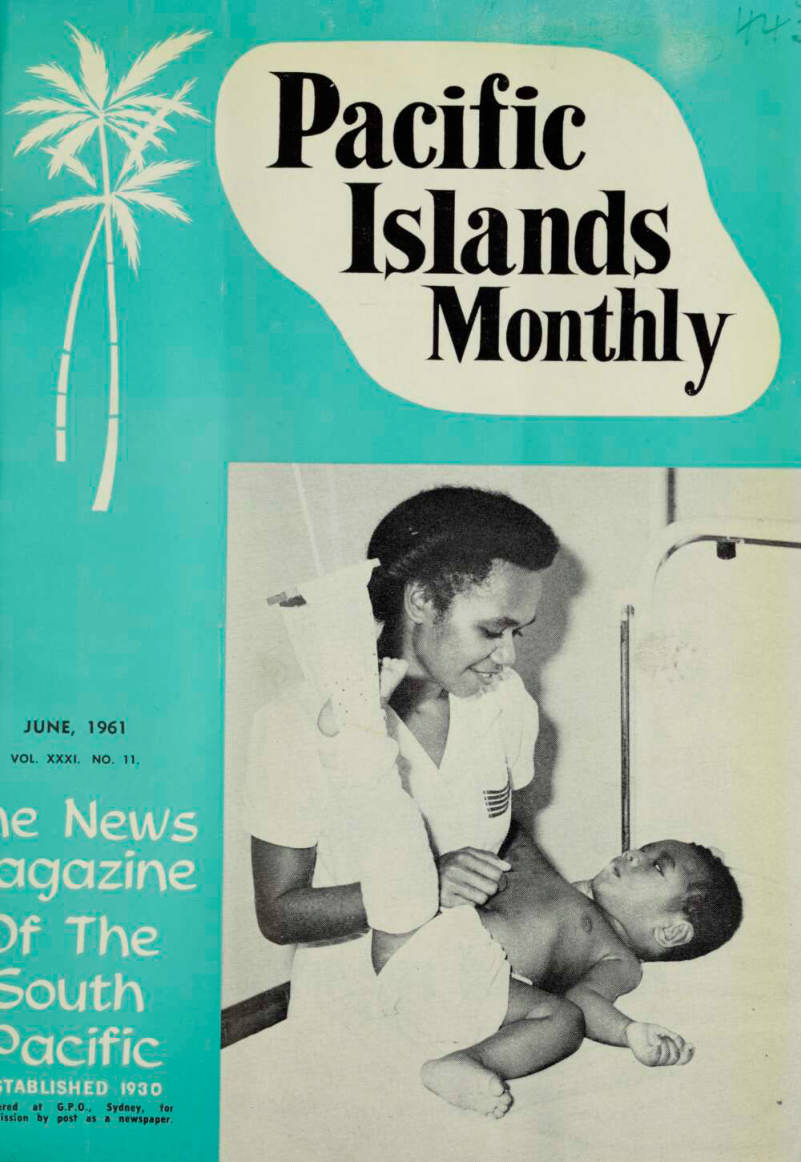 1
1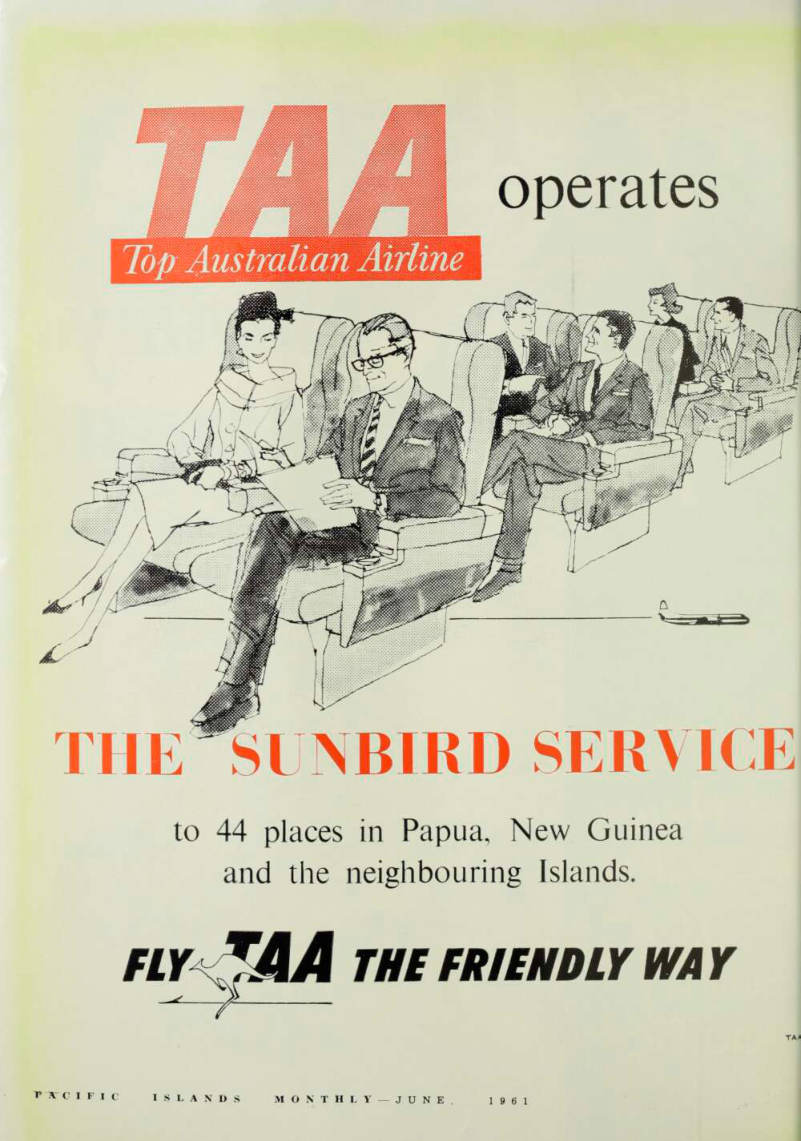 2
2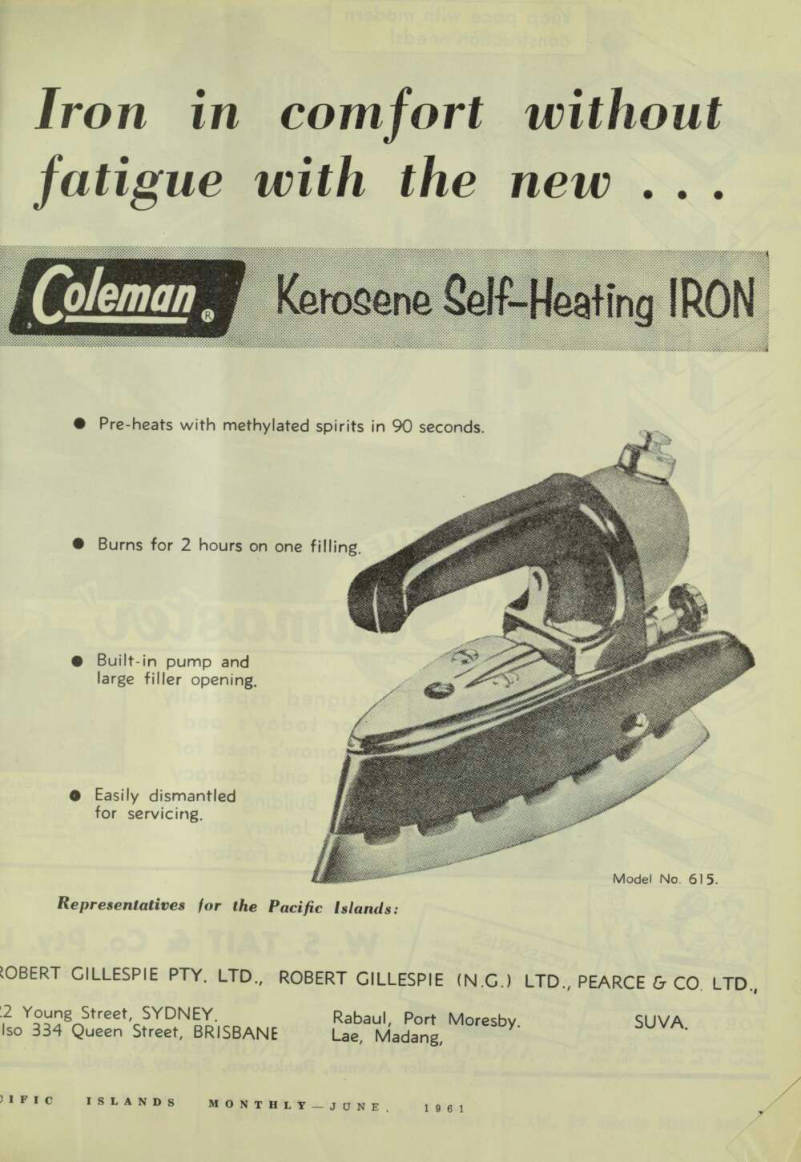 3
3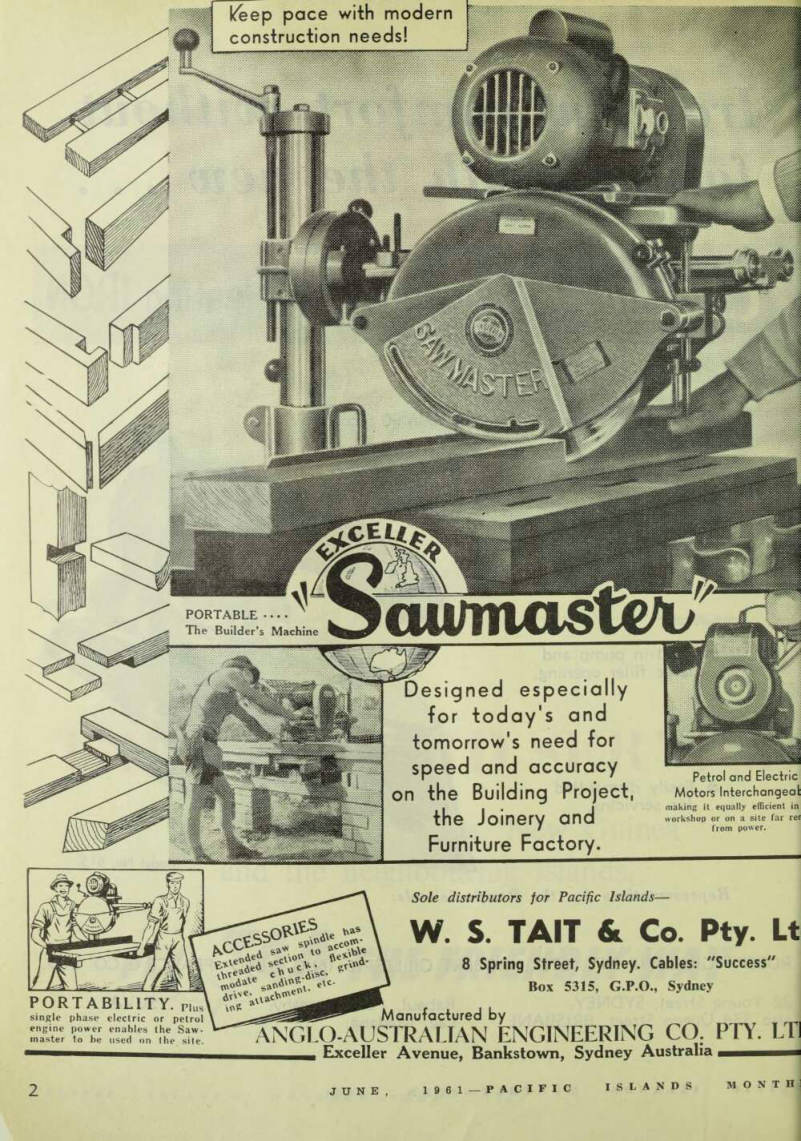 4
4 5
5 6
6 7
7 8
8 9
9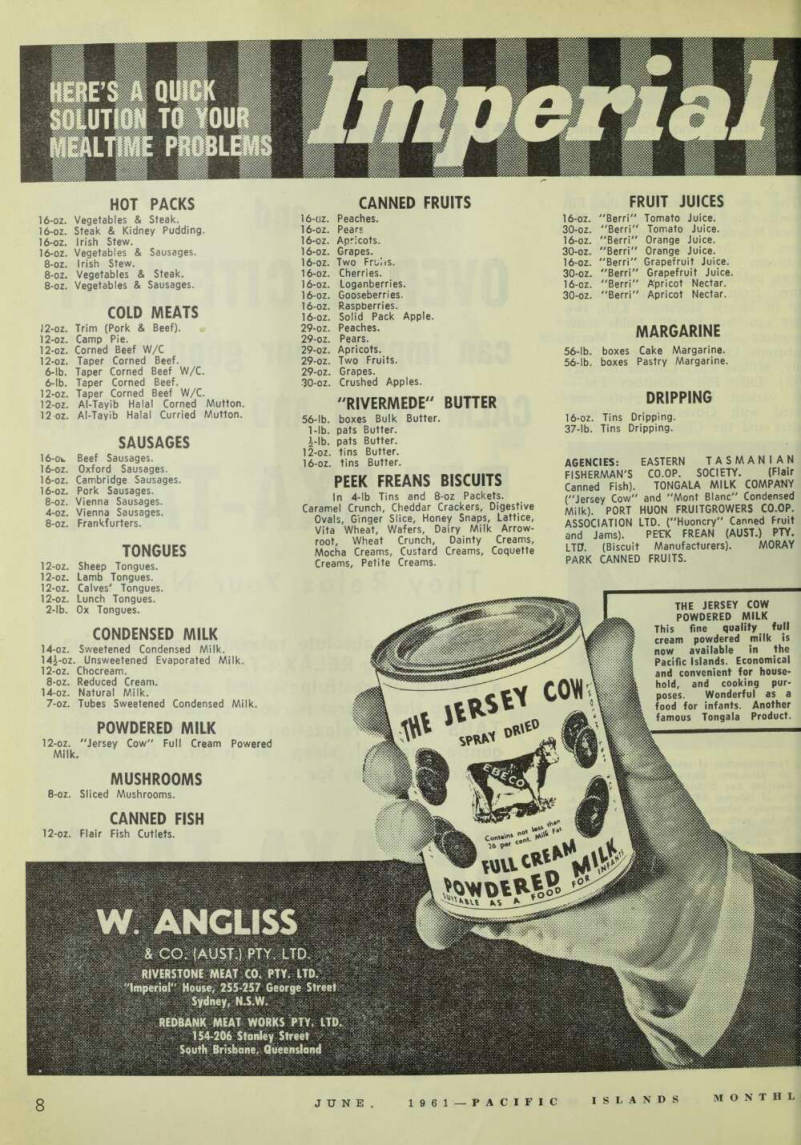 10
10 11
11 12
12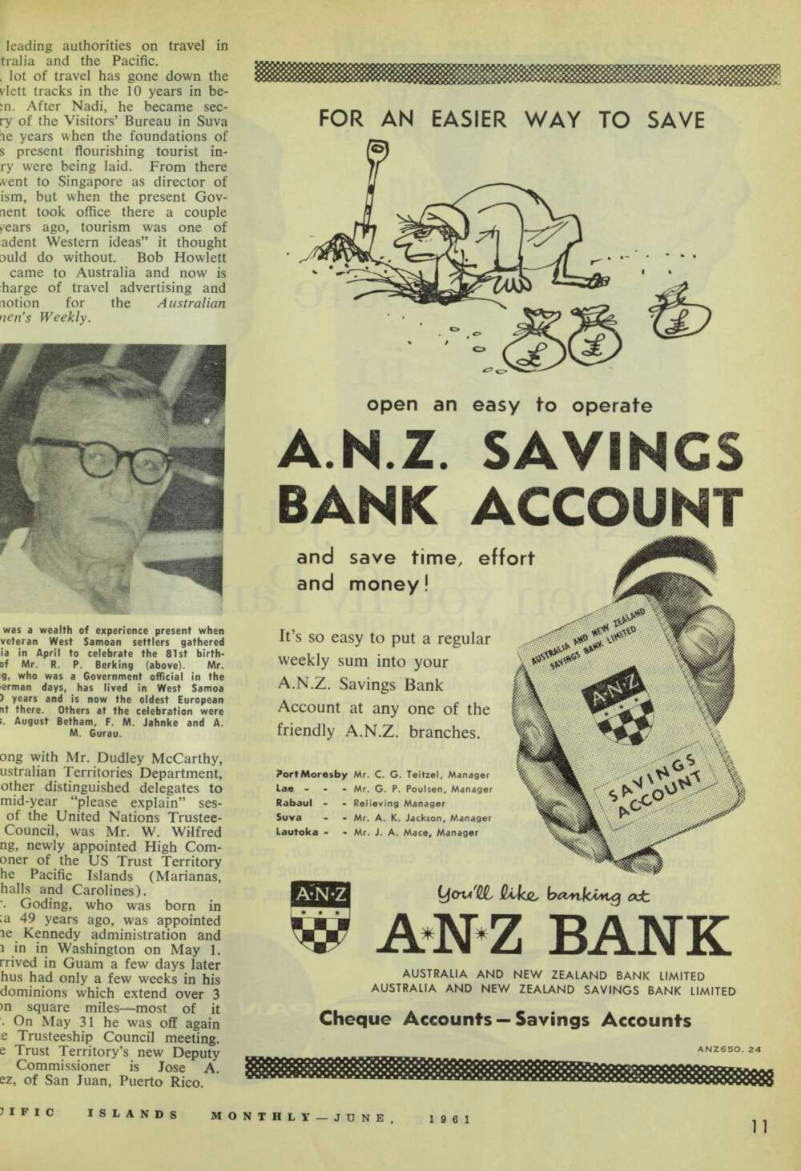 13
13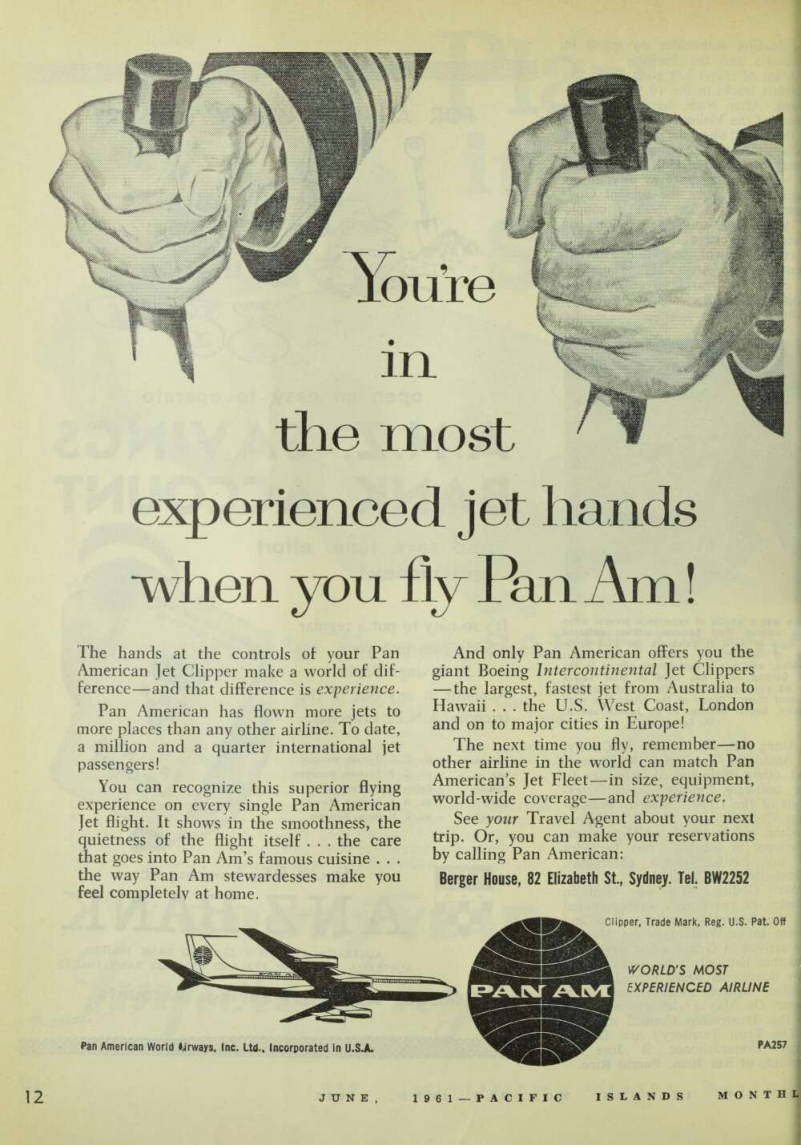 14
14 15
15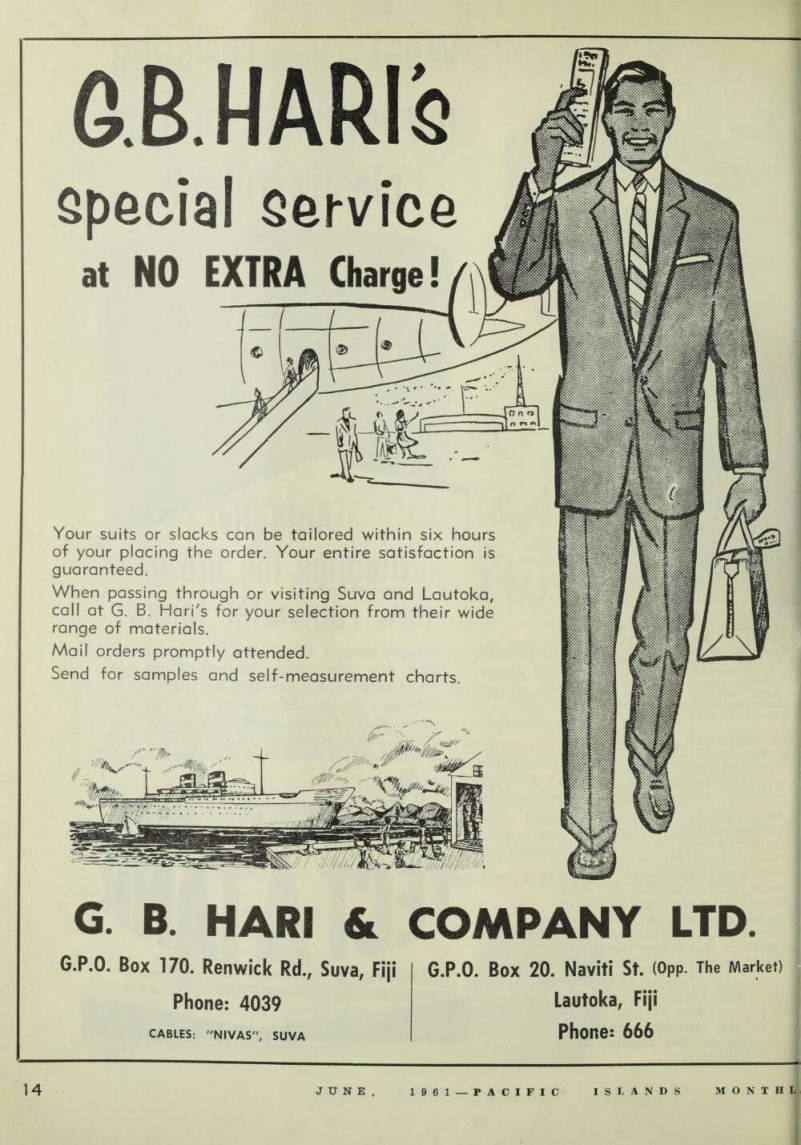 16
16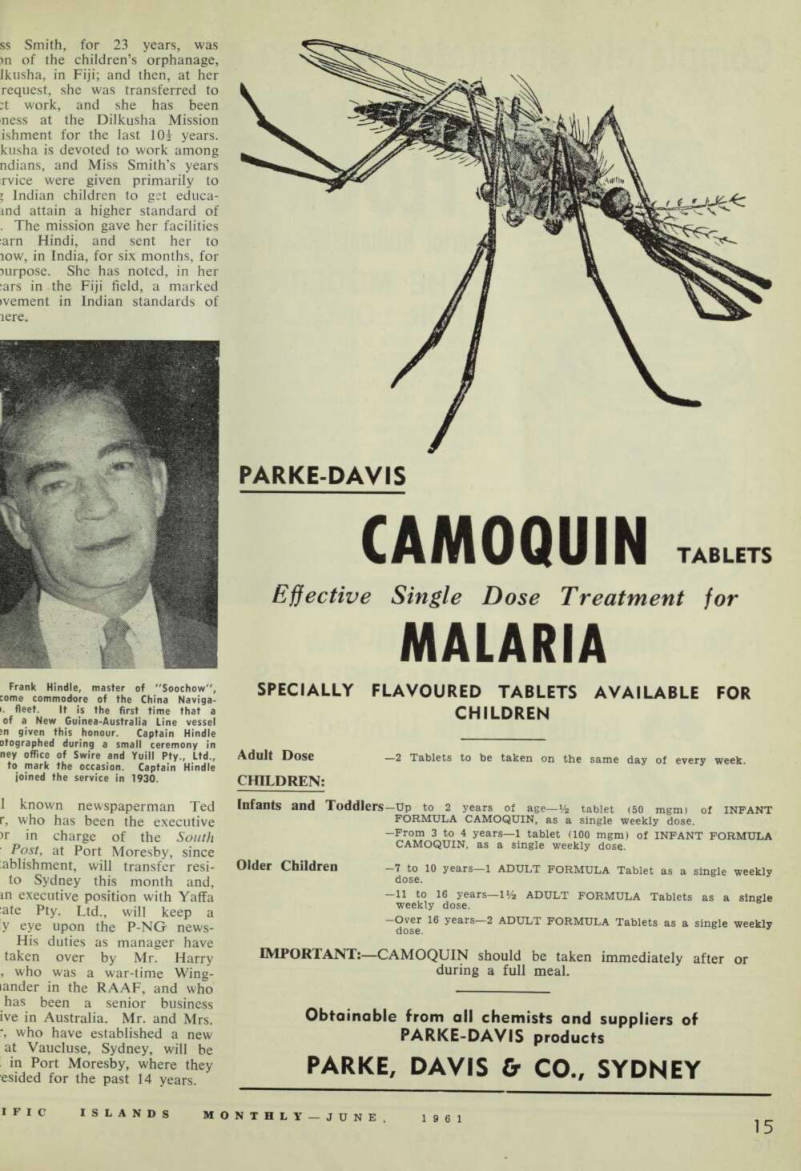 17
17 18
18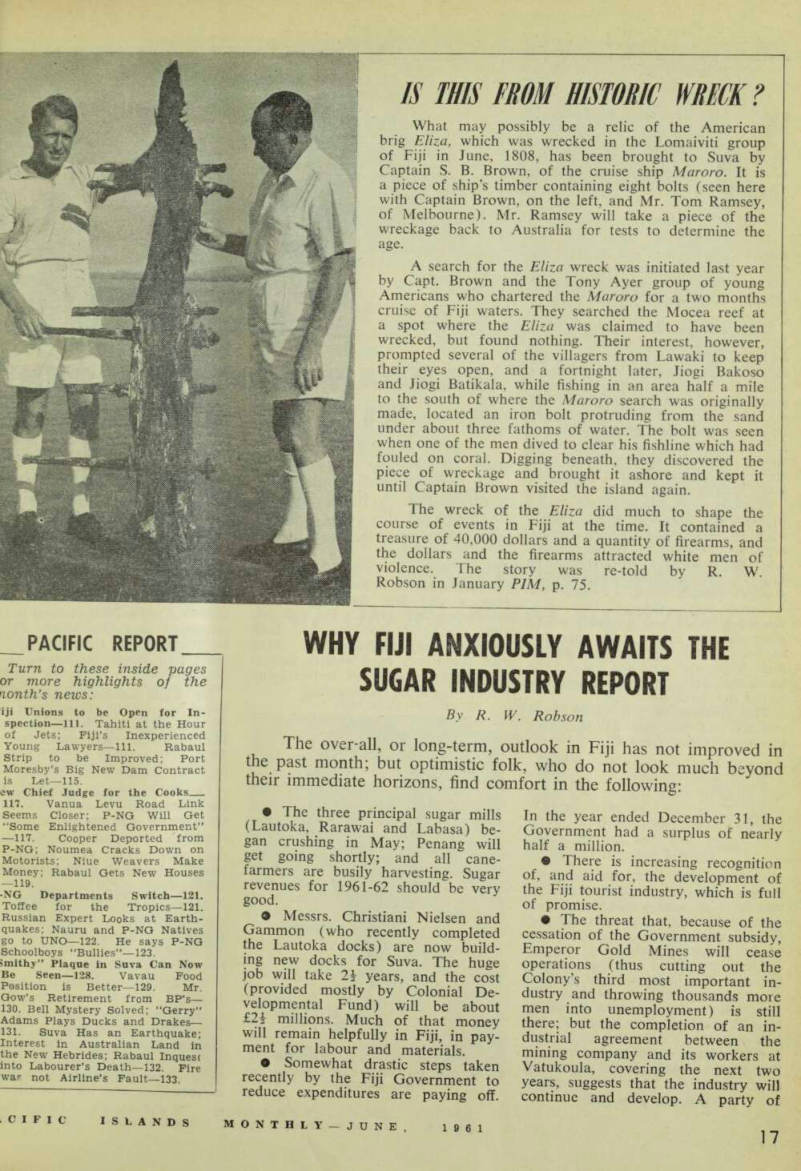 19
19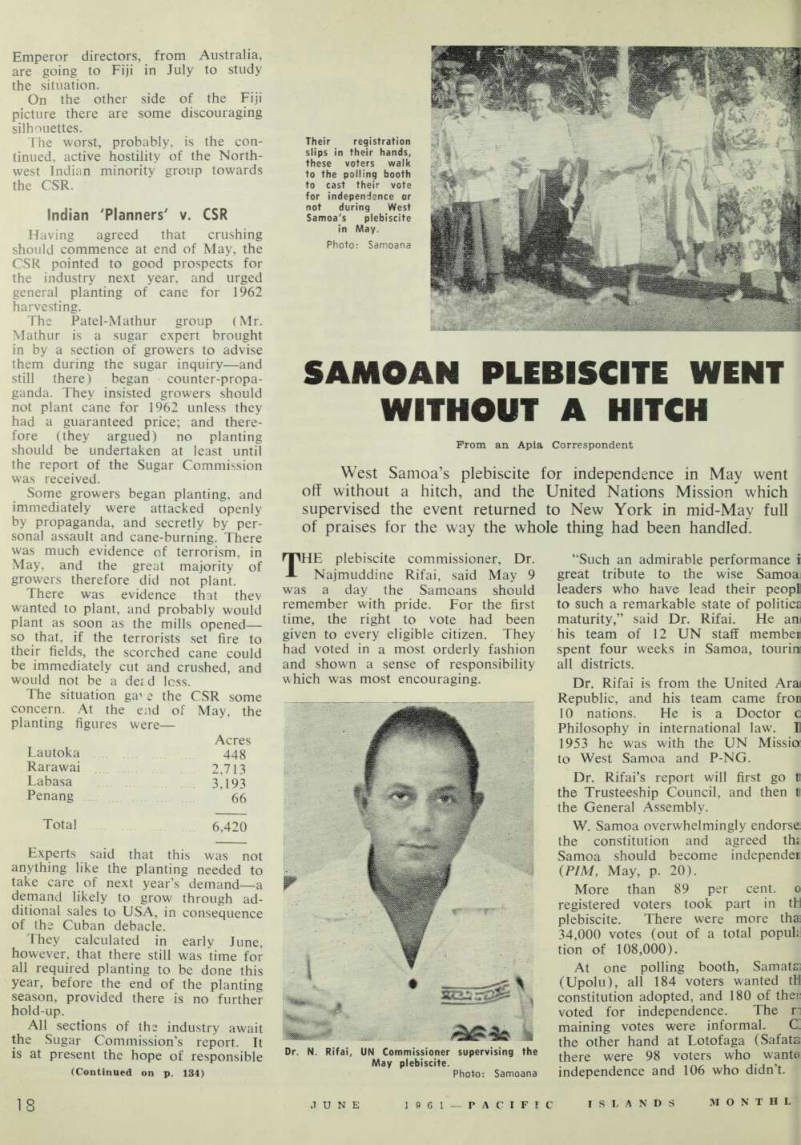 20
20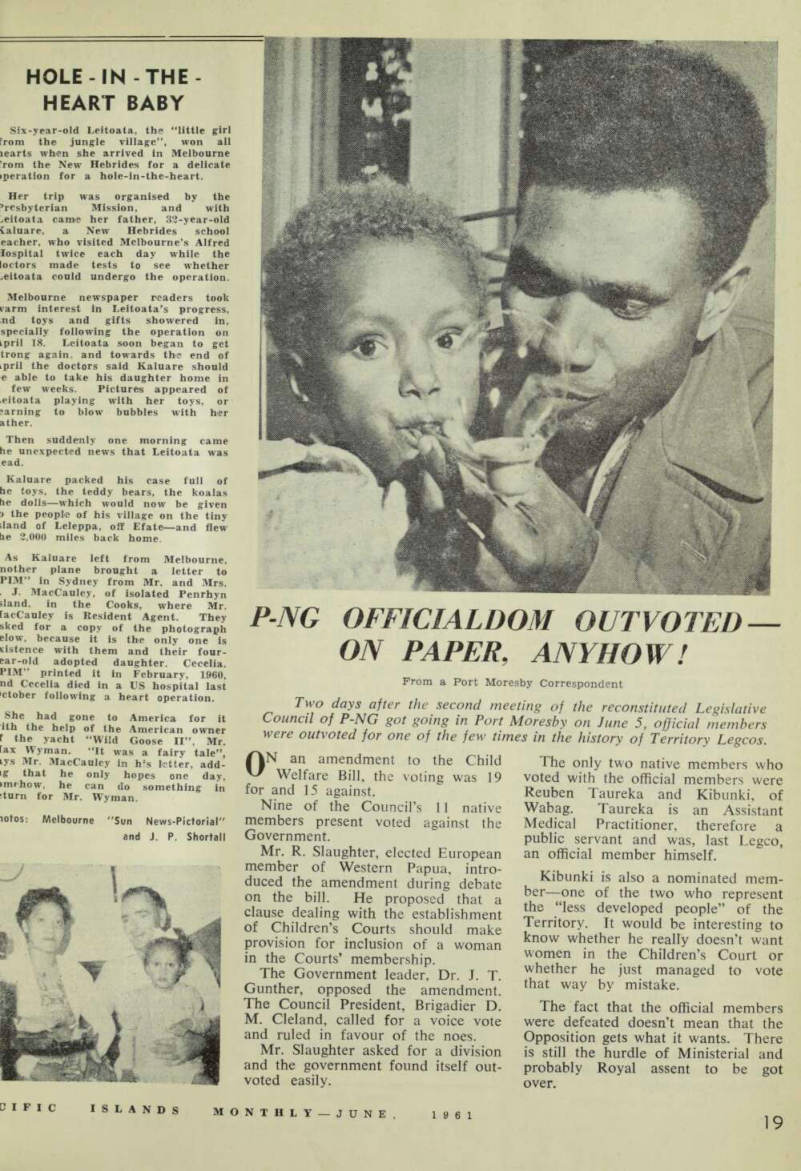 21
21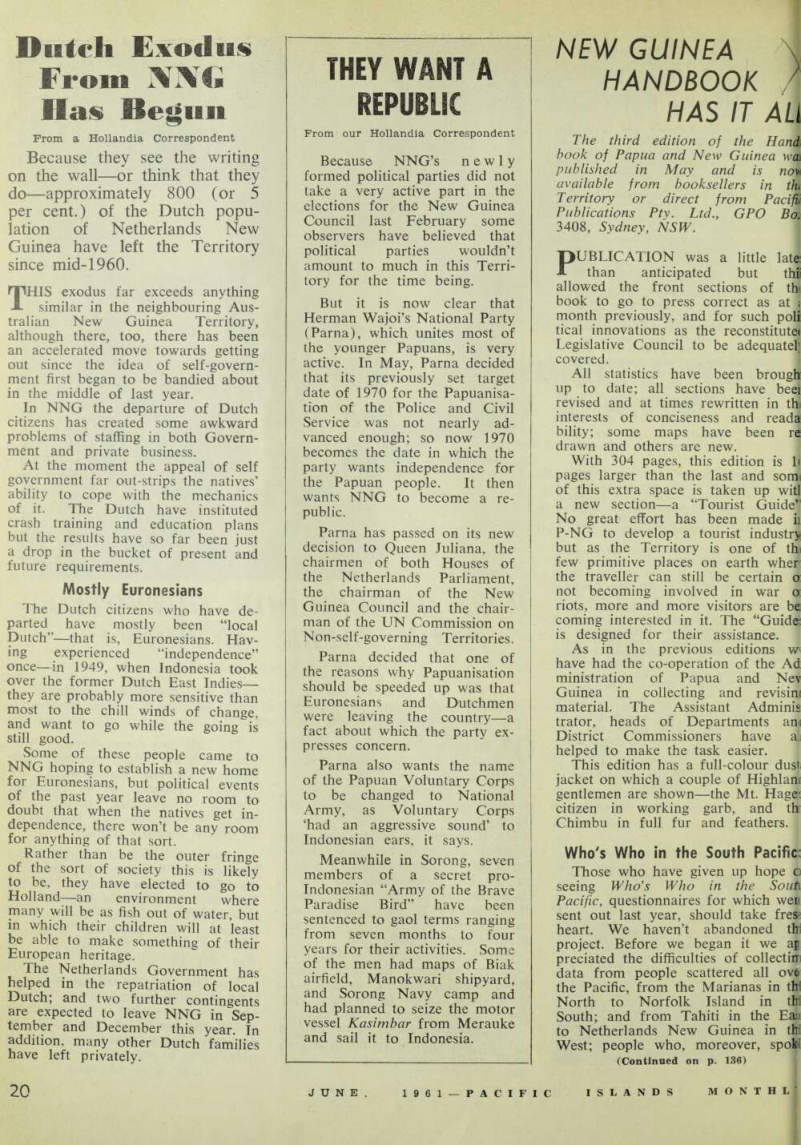 22
22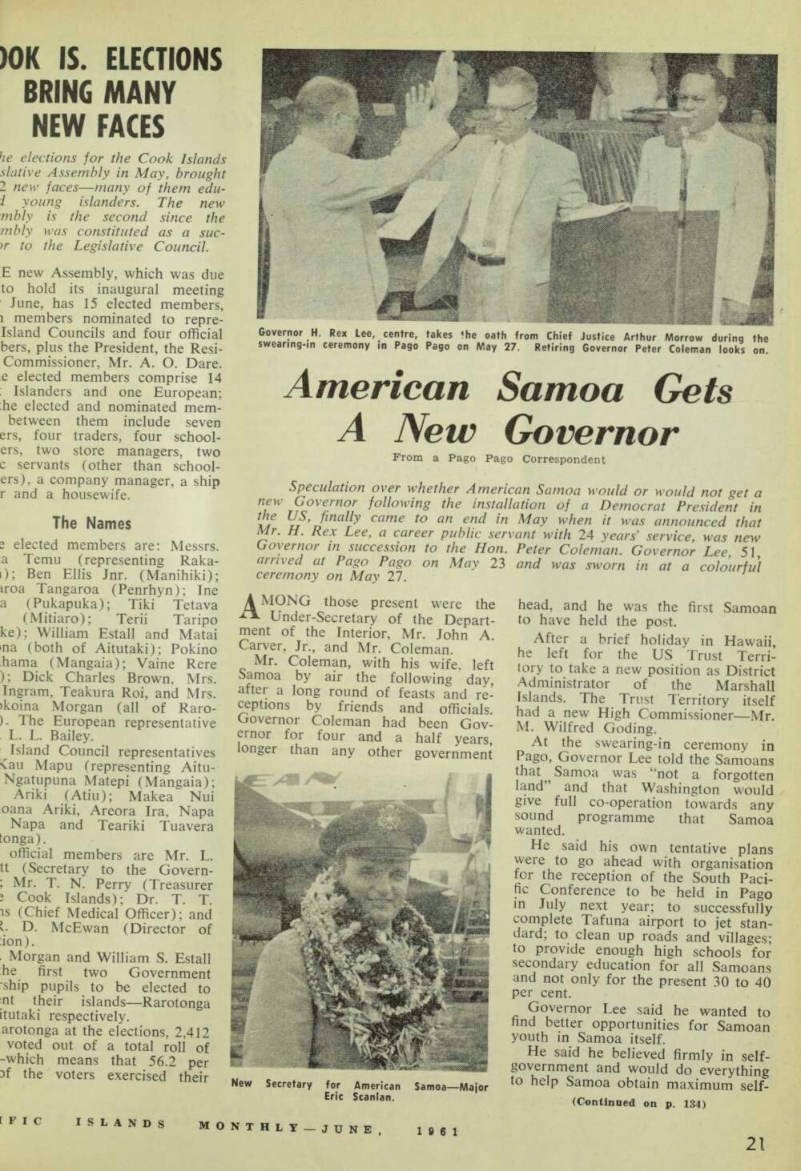 23
23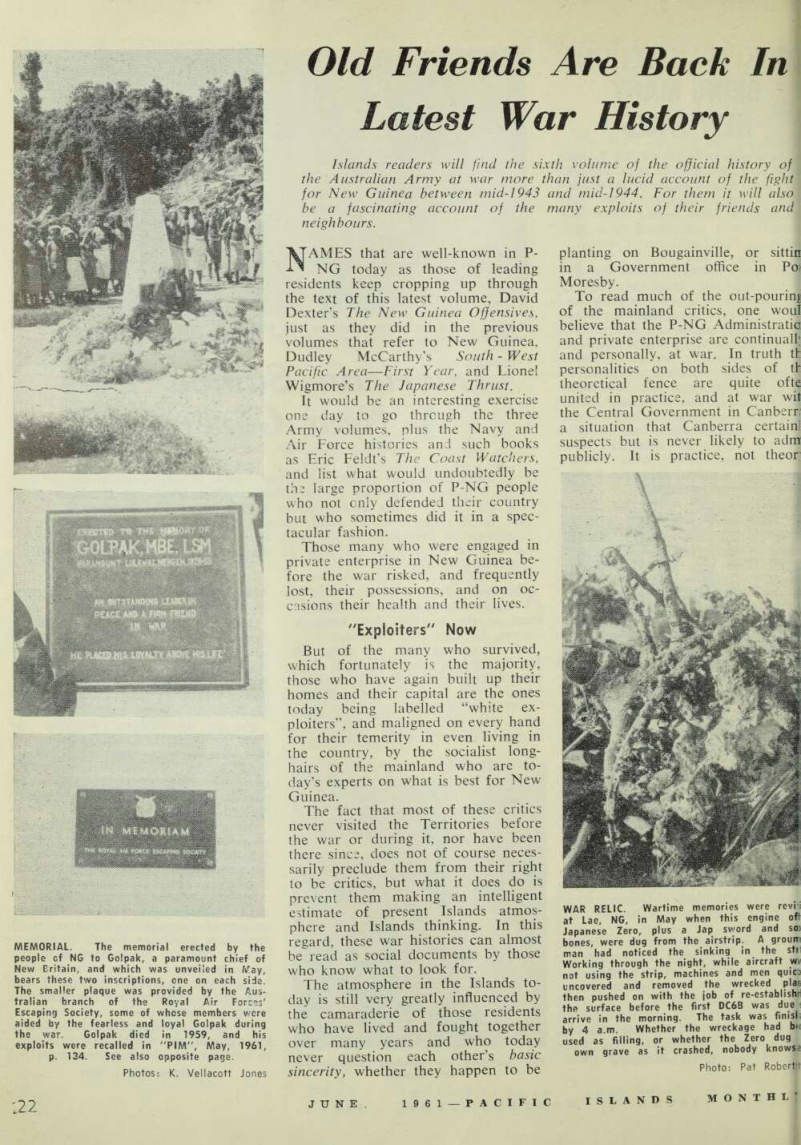 24
24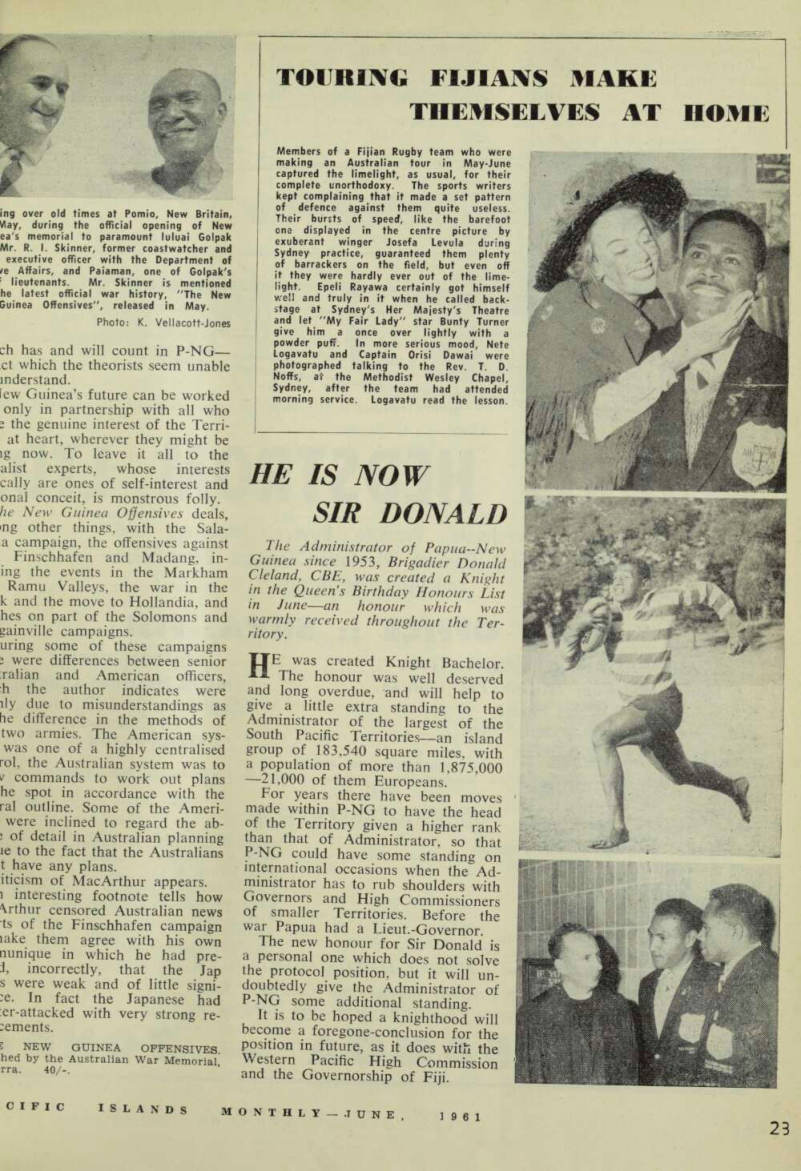 25
25 26
26 27
27 28
28 29
29 30
30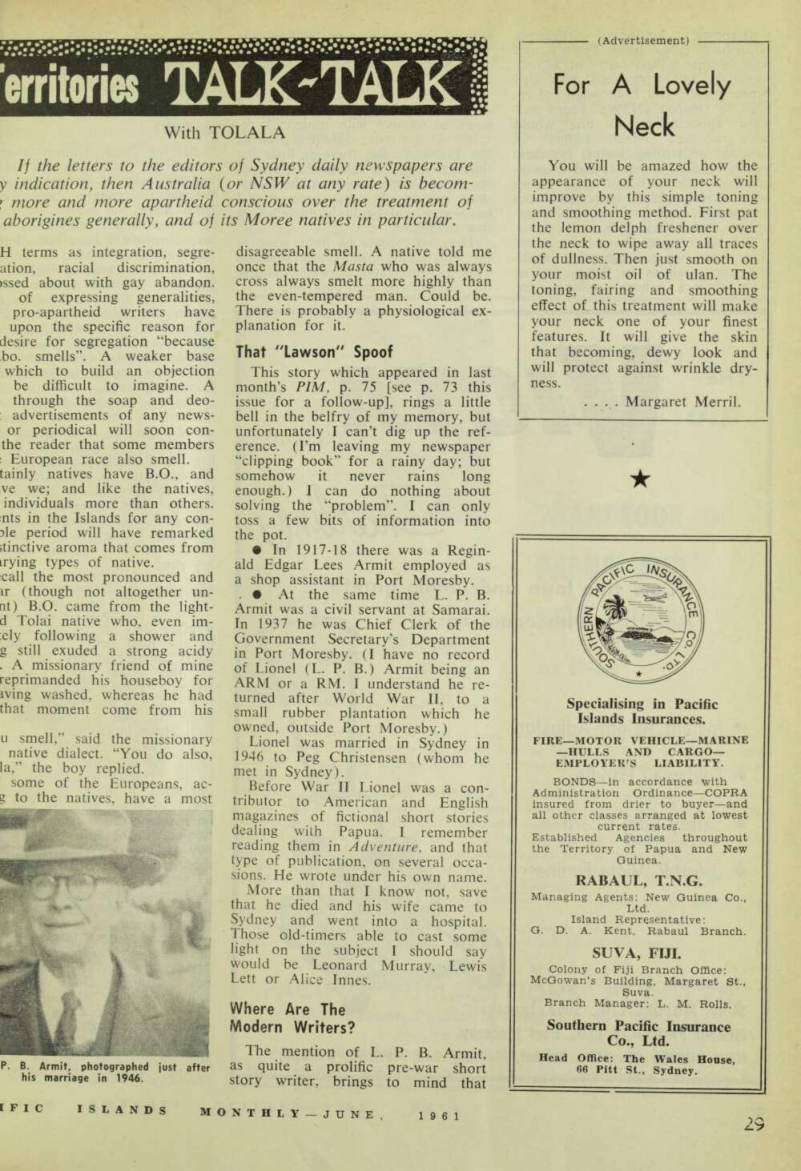 31
31 32
32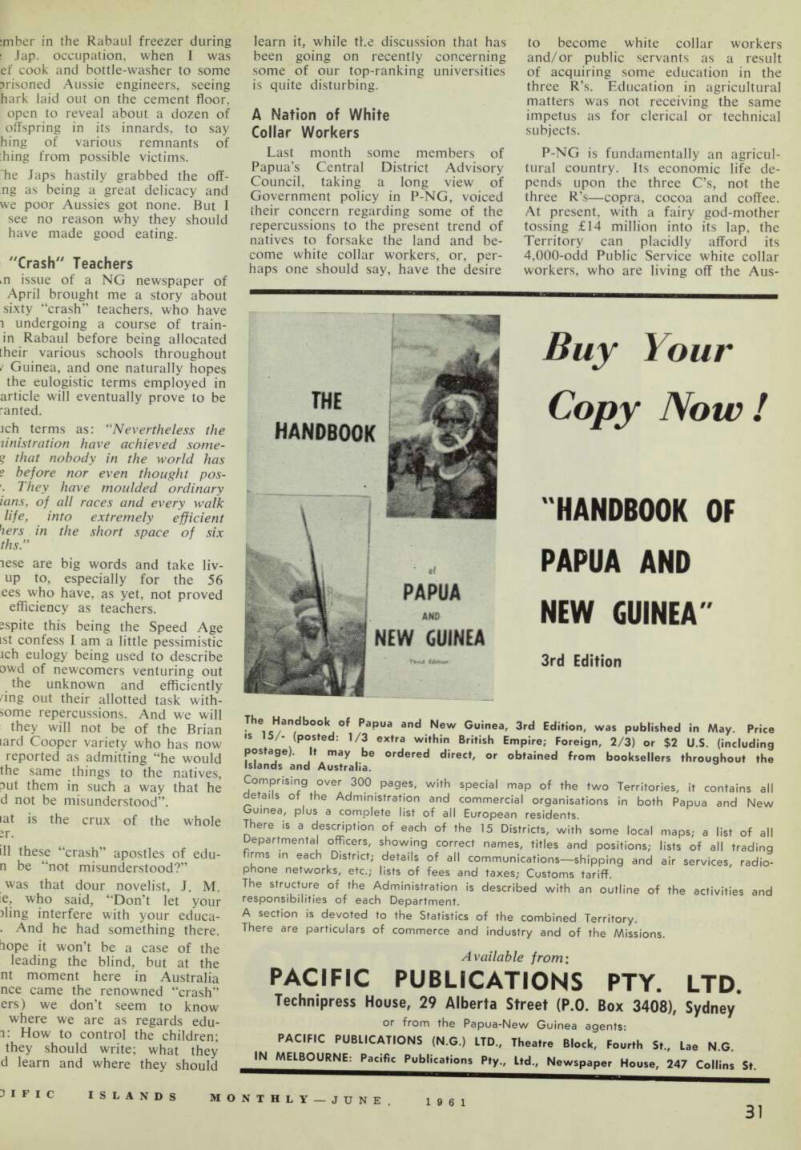 33
33 34
34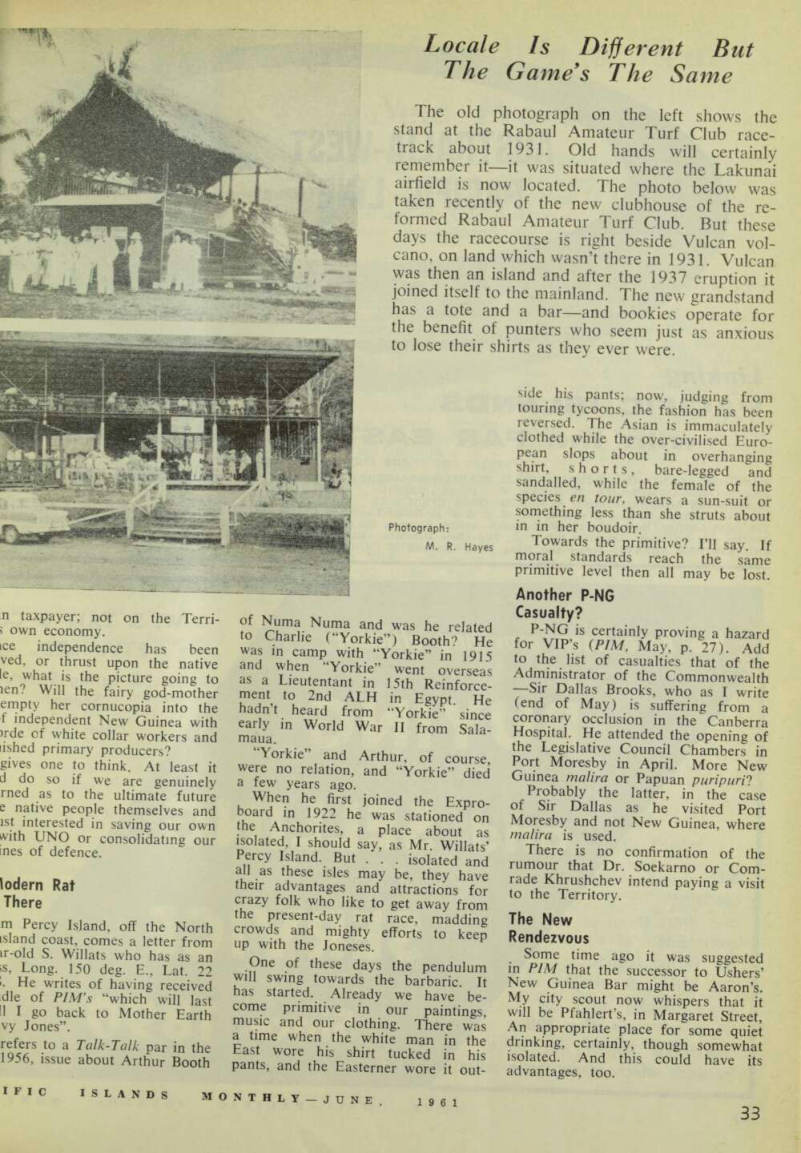 35
35 36
36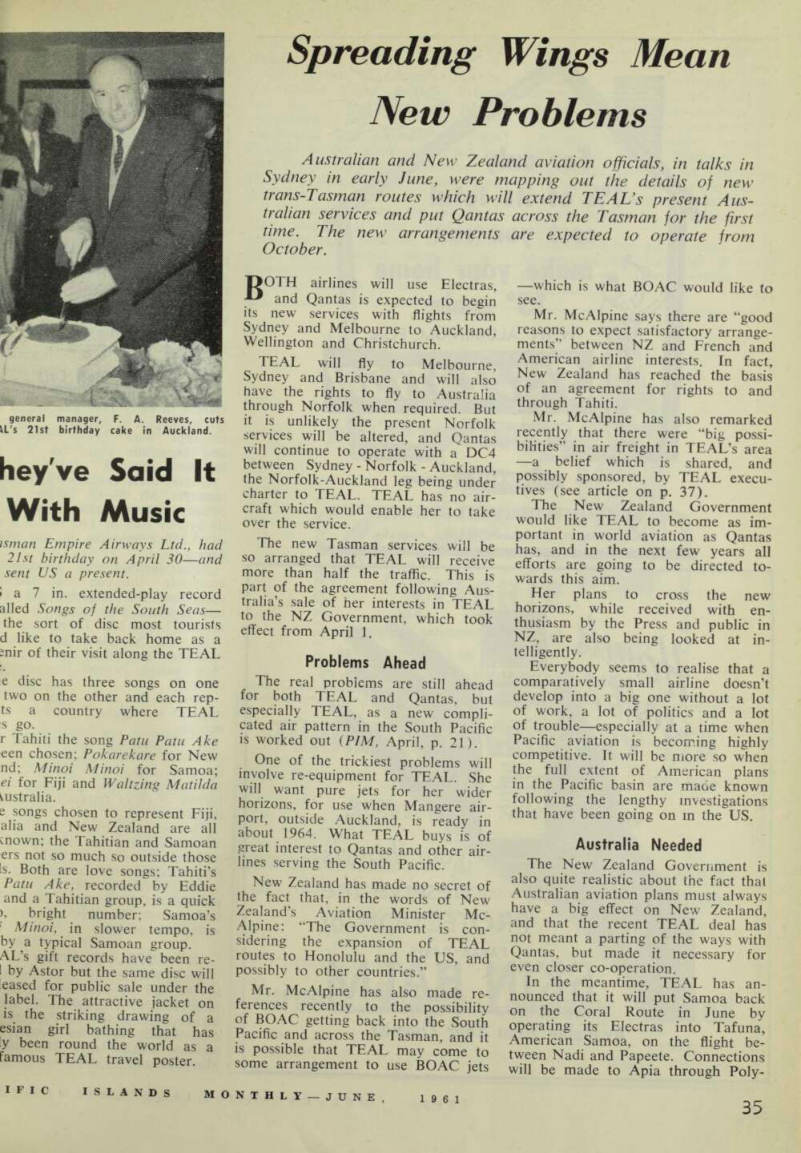 37
37 38
38 39
39 40
40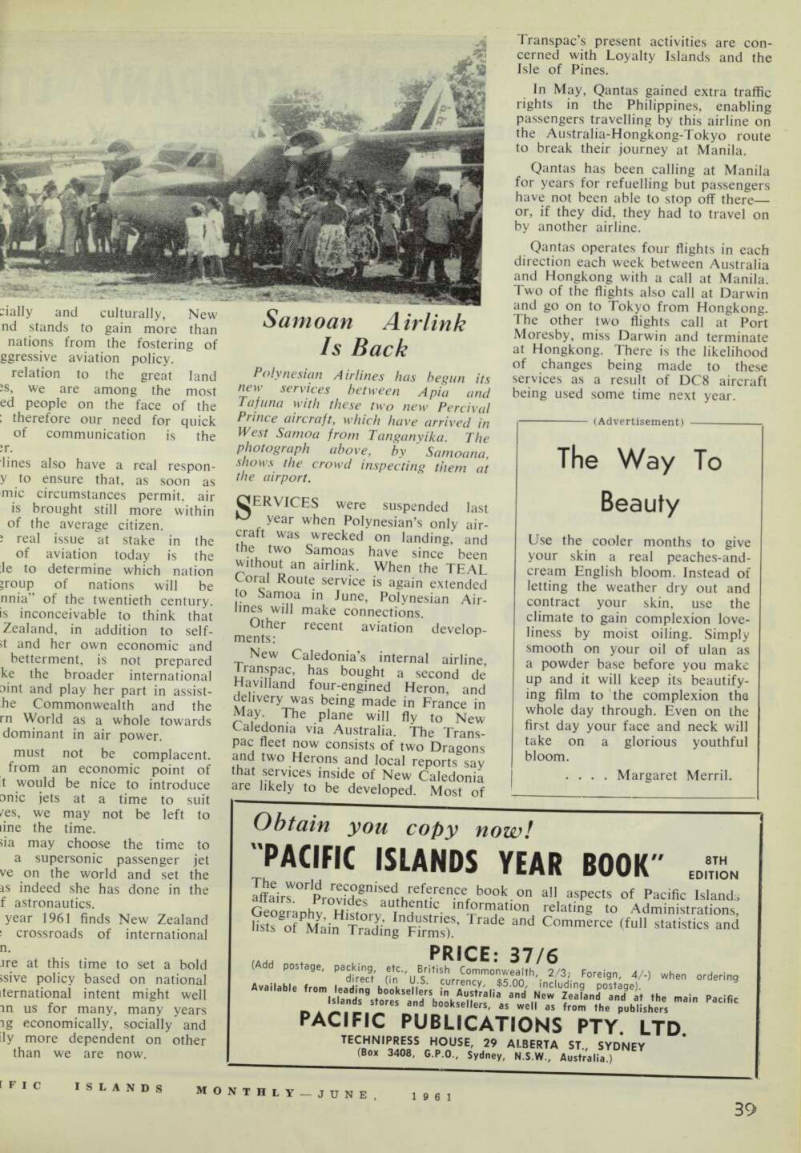 41
41 42
42 43
43 44
44 45
45 46
46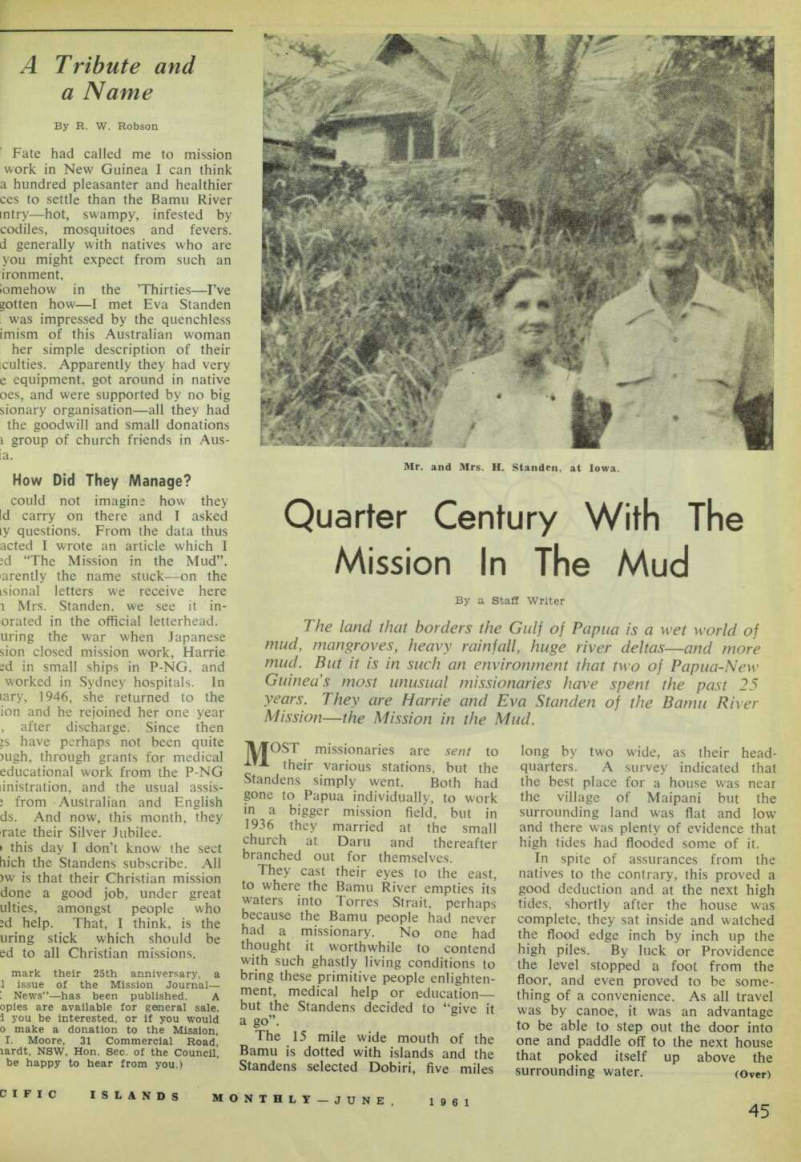 47
47 48
48 49
49 50
50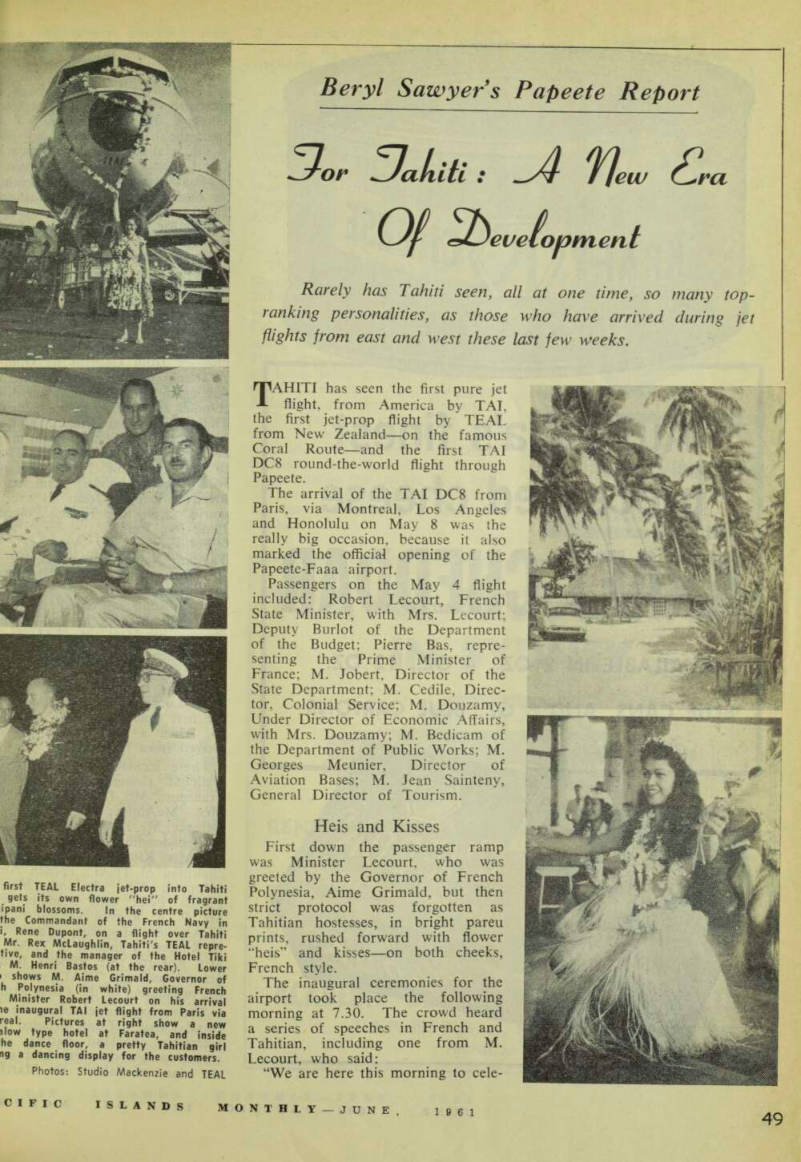 51
51 52
52 53
53 54
54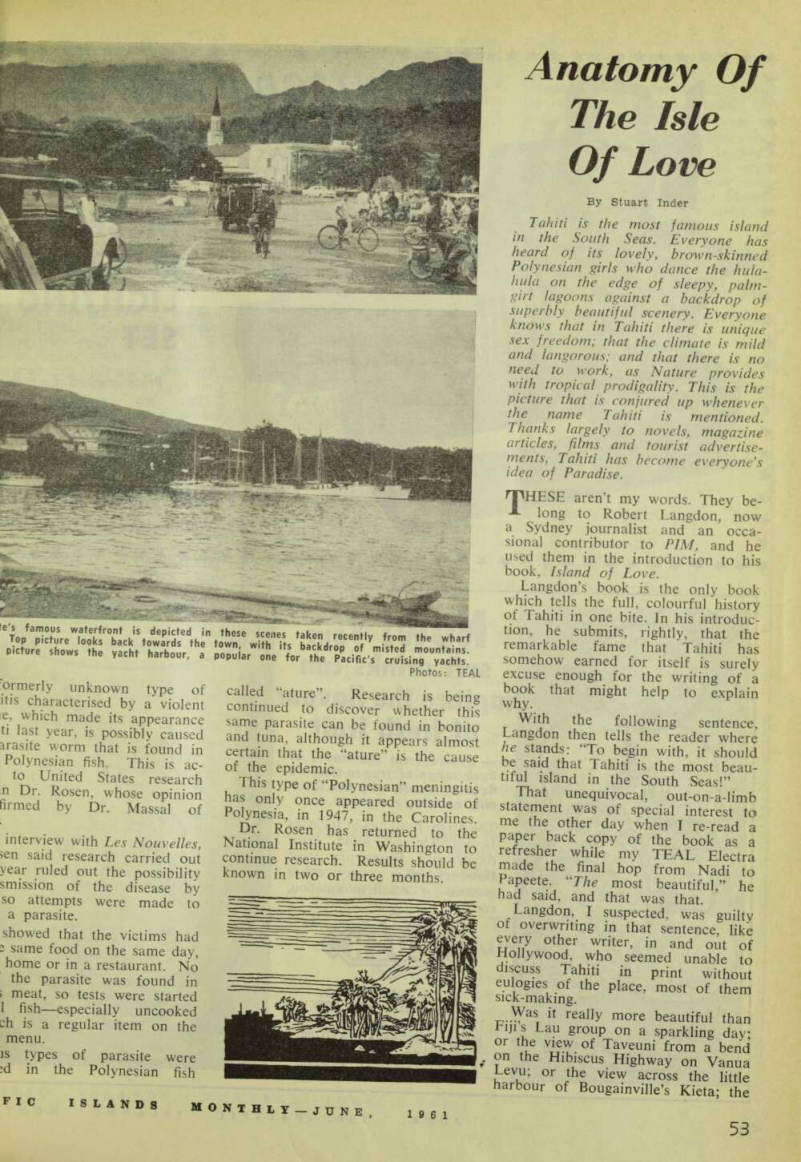 55
55 56
56 57
57 58
58 59
59 60
60 61
61 62
62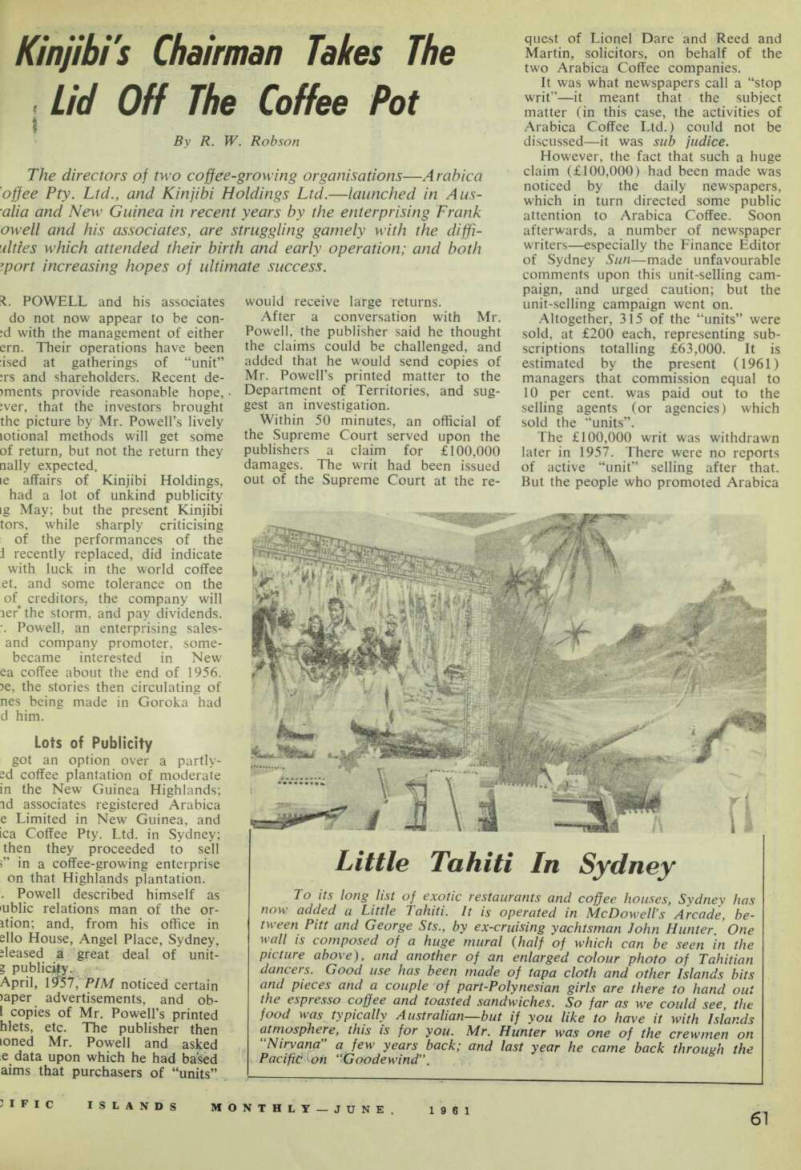 63
63 64
64 65
65 66
66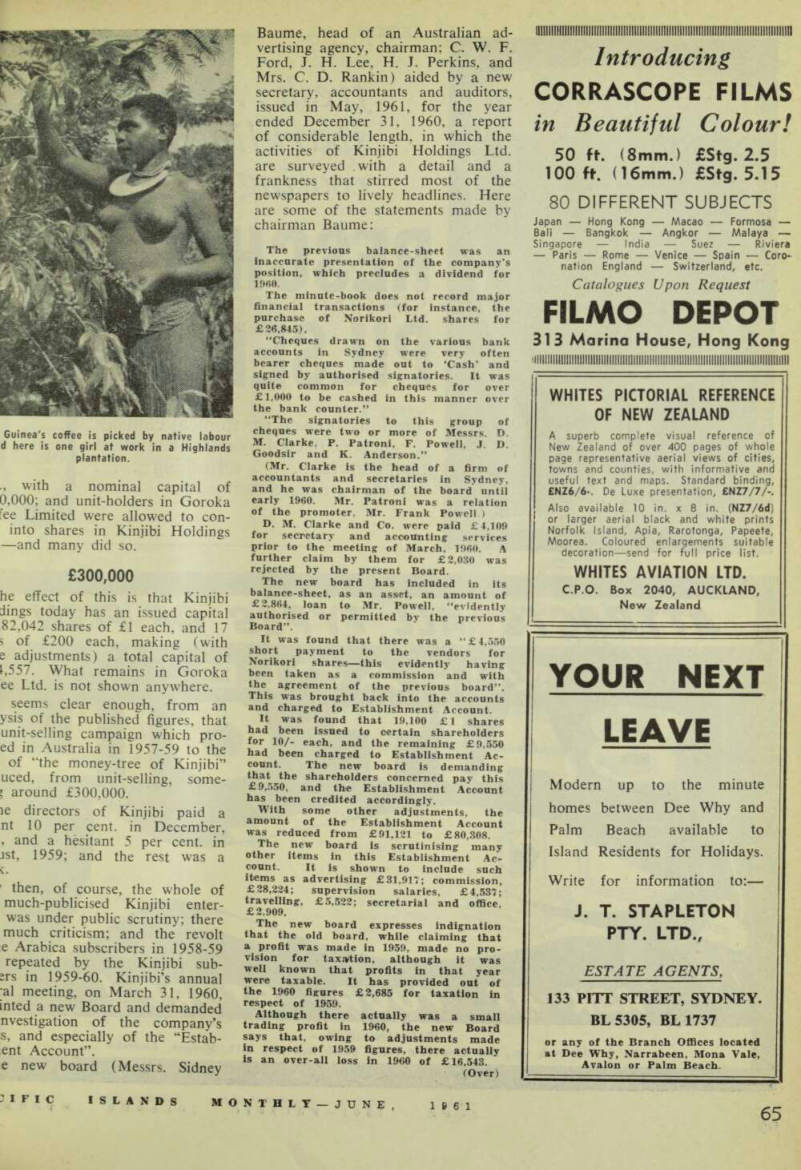 67
67 68
68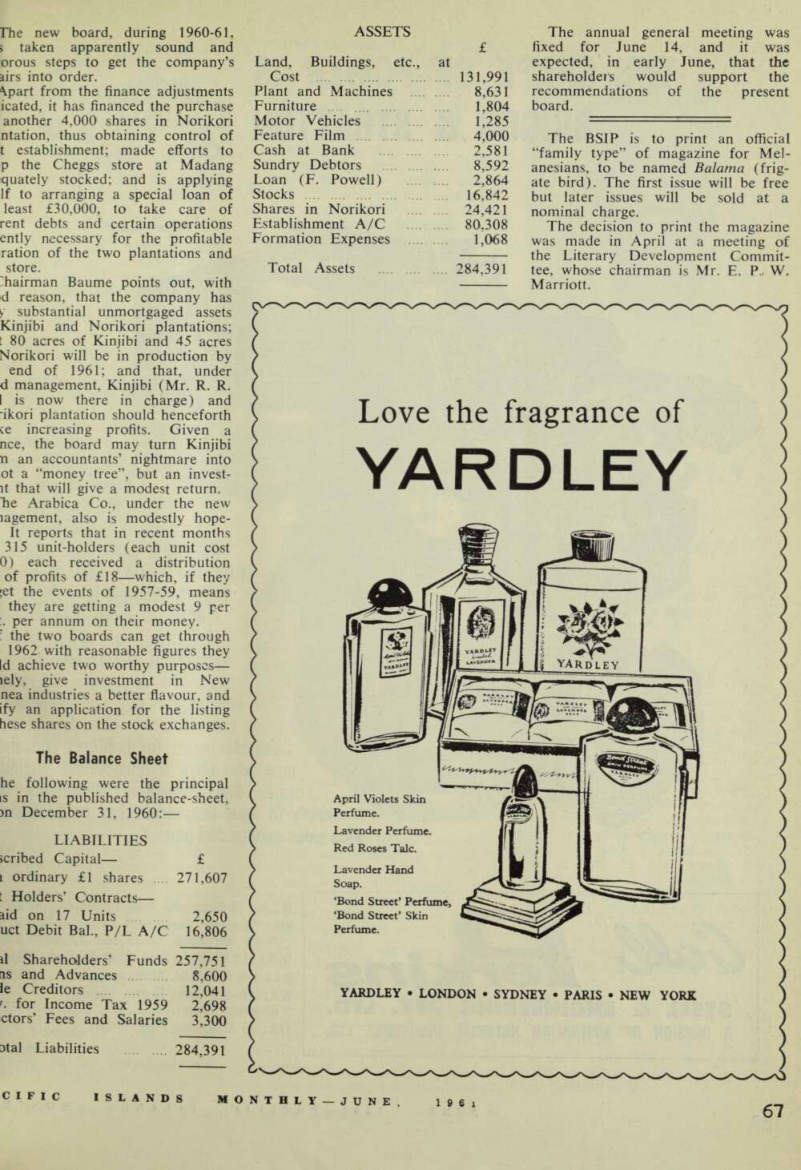 69
69 70
70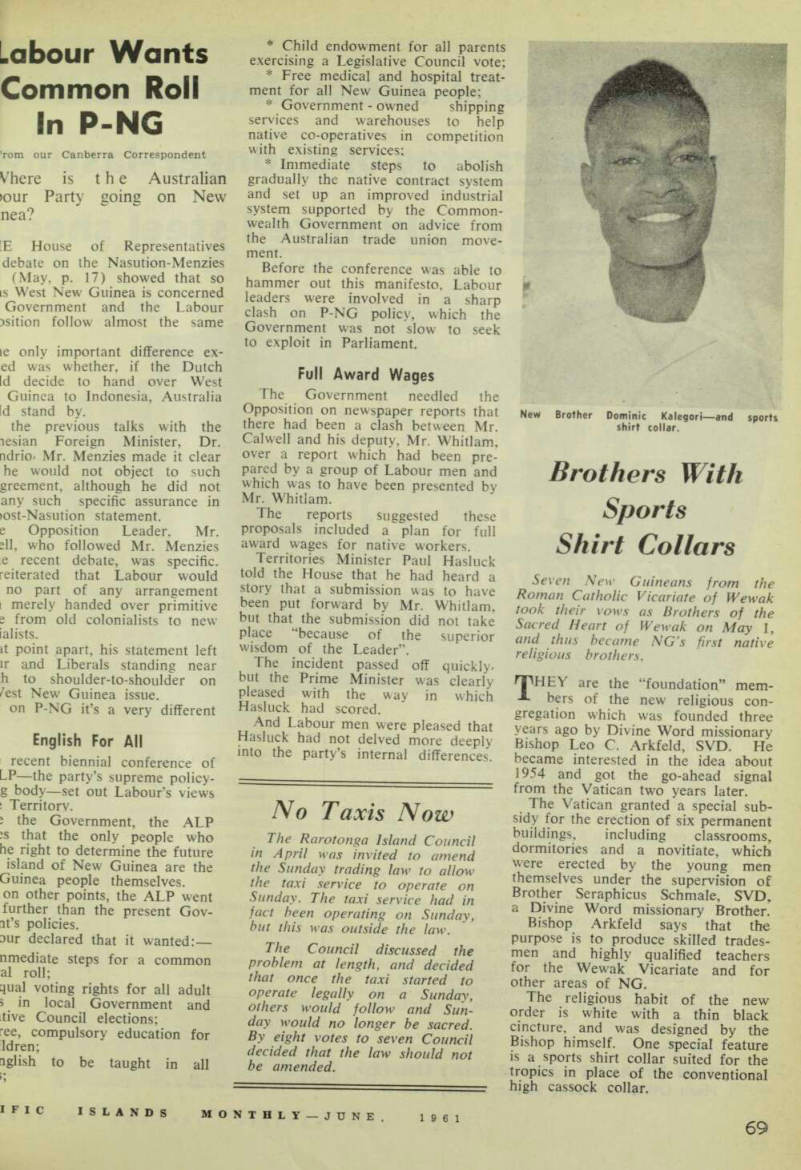 71
71 72
72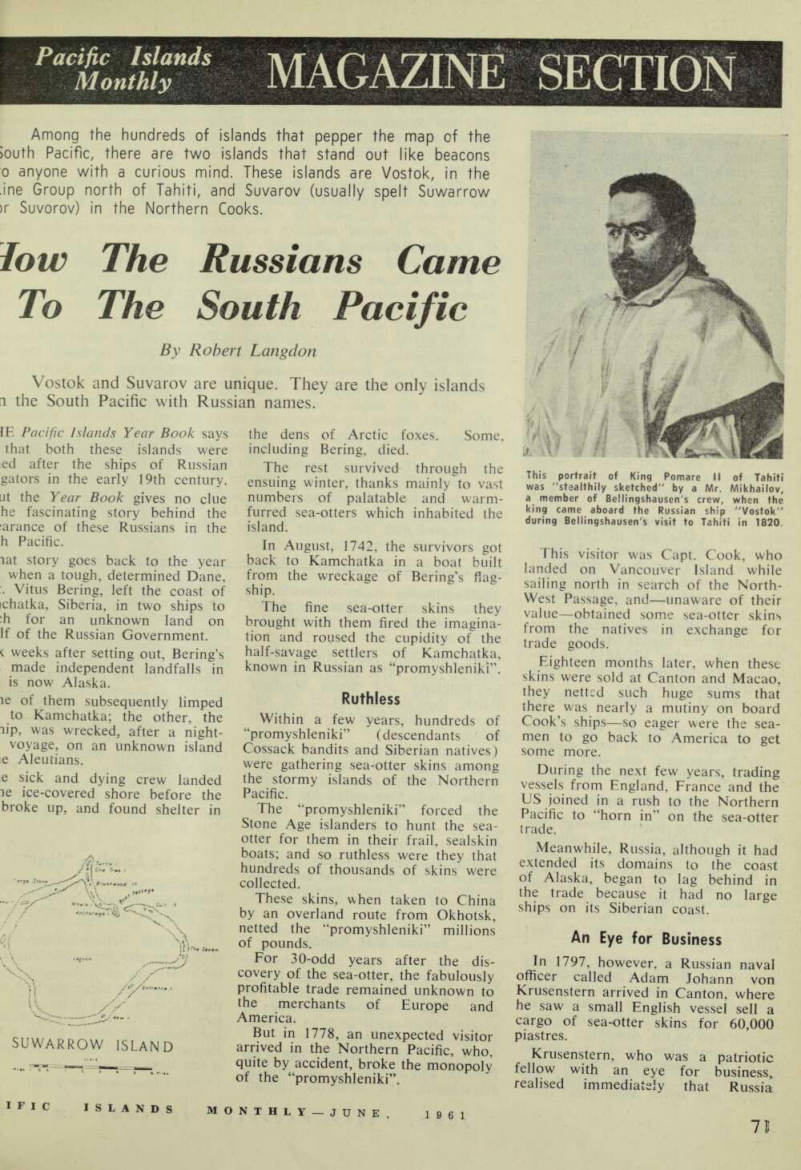 73
73 74
74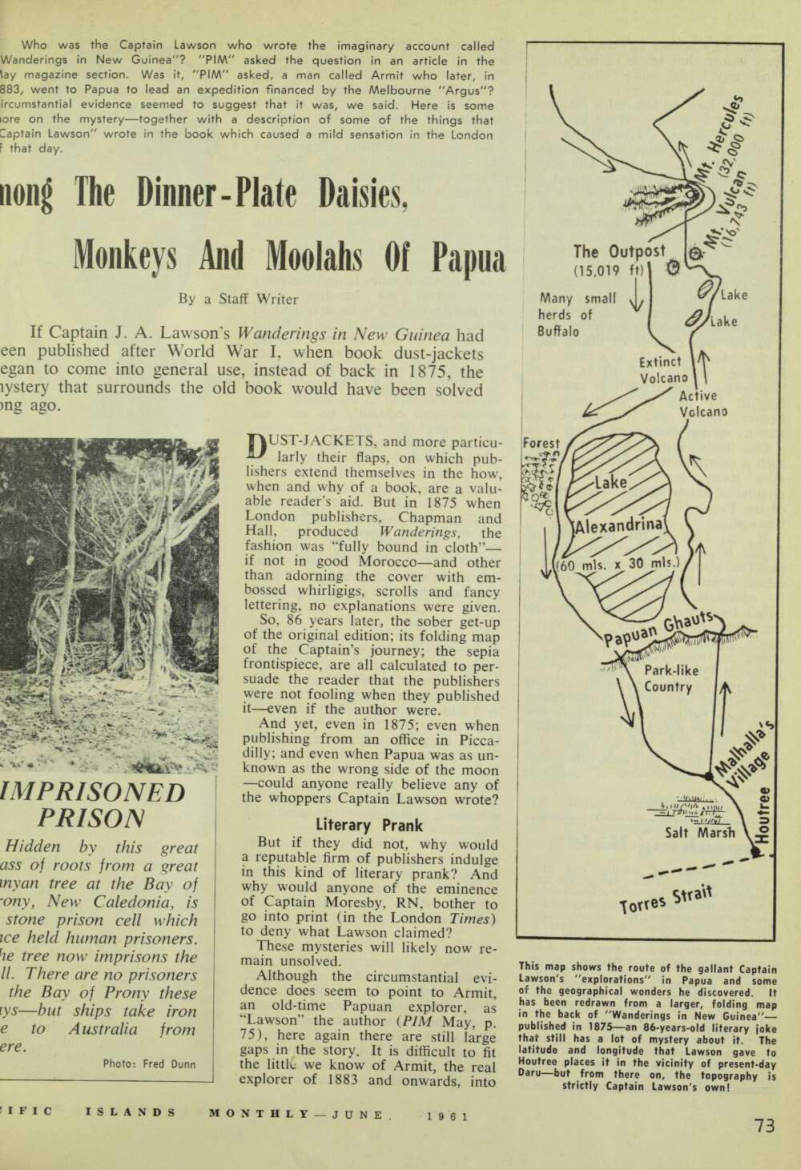 75
75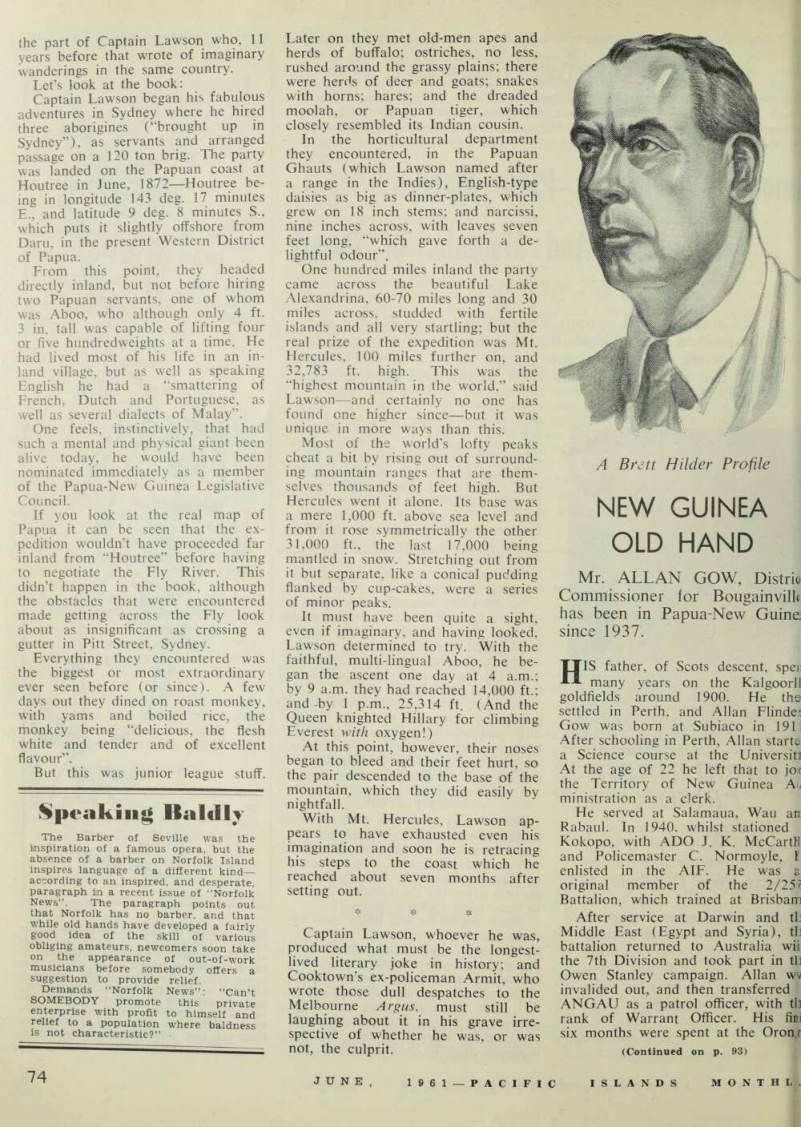 76
76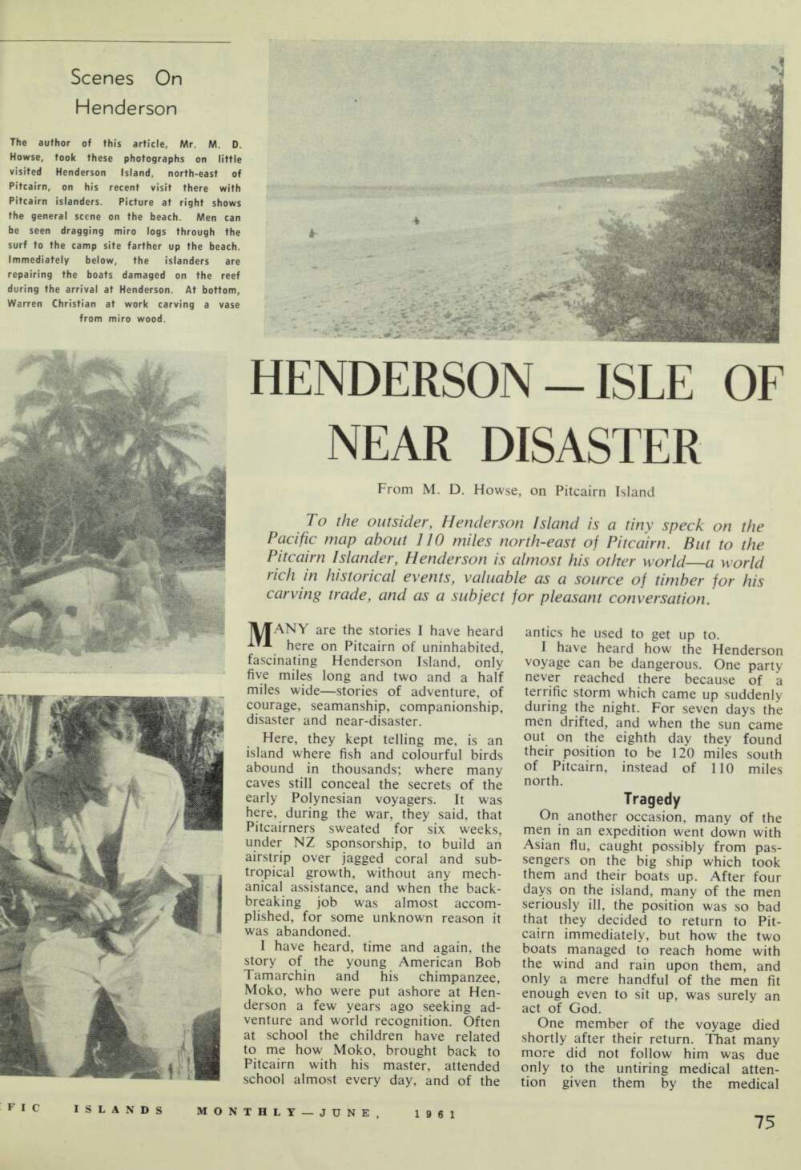 77
77 78
78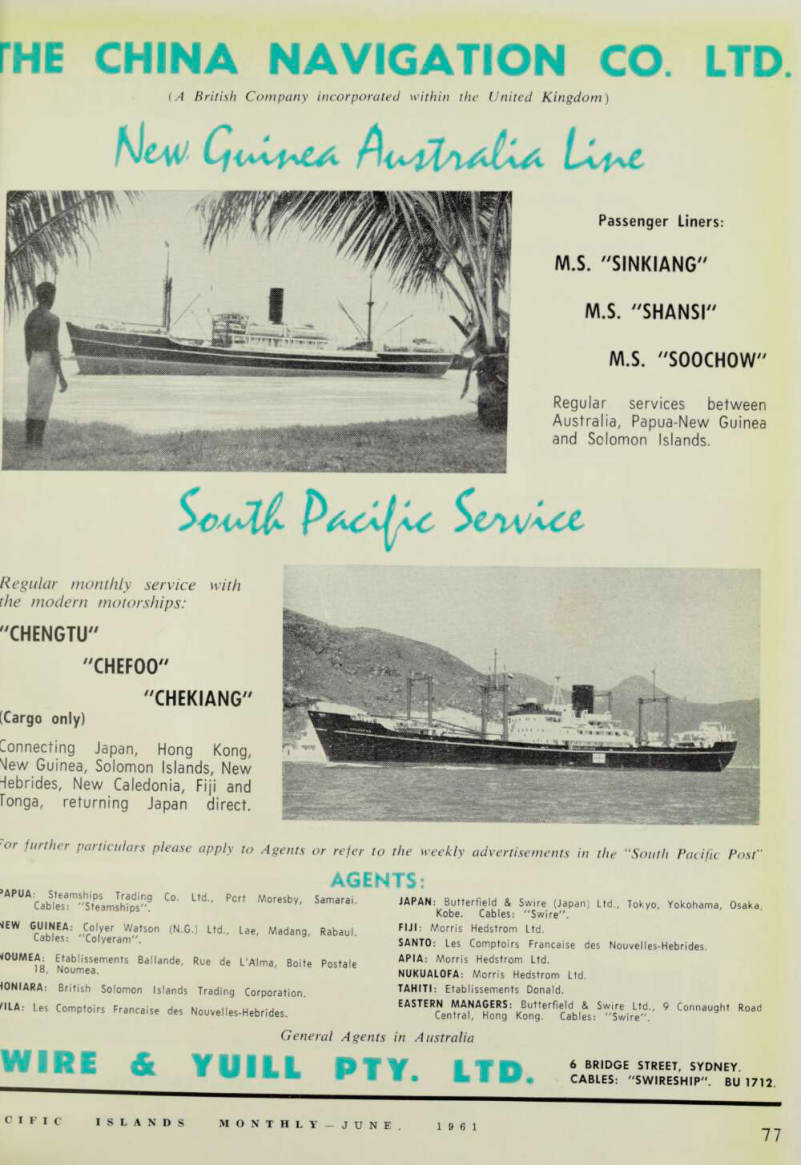 79
79 80
80 81
81 82
82 83
83 84
84 85
85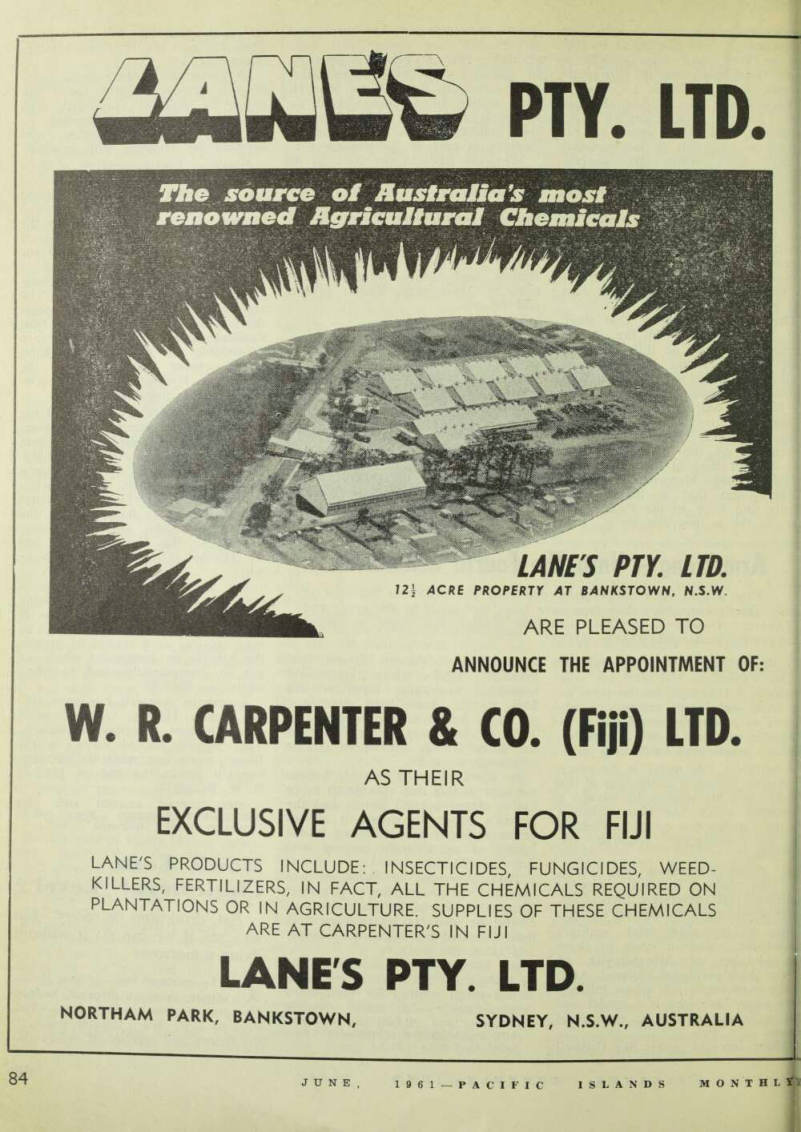 86
86 87
87 88
88 89
89 90
90 91
91 92
92 93
93 94
94 95
95 96
96 97
97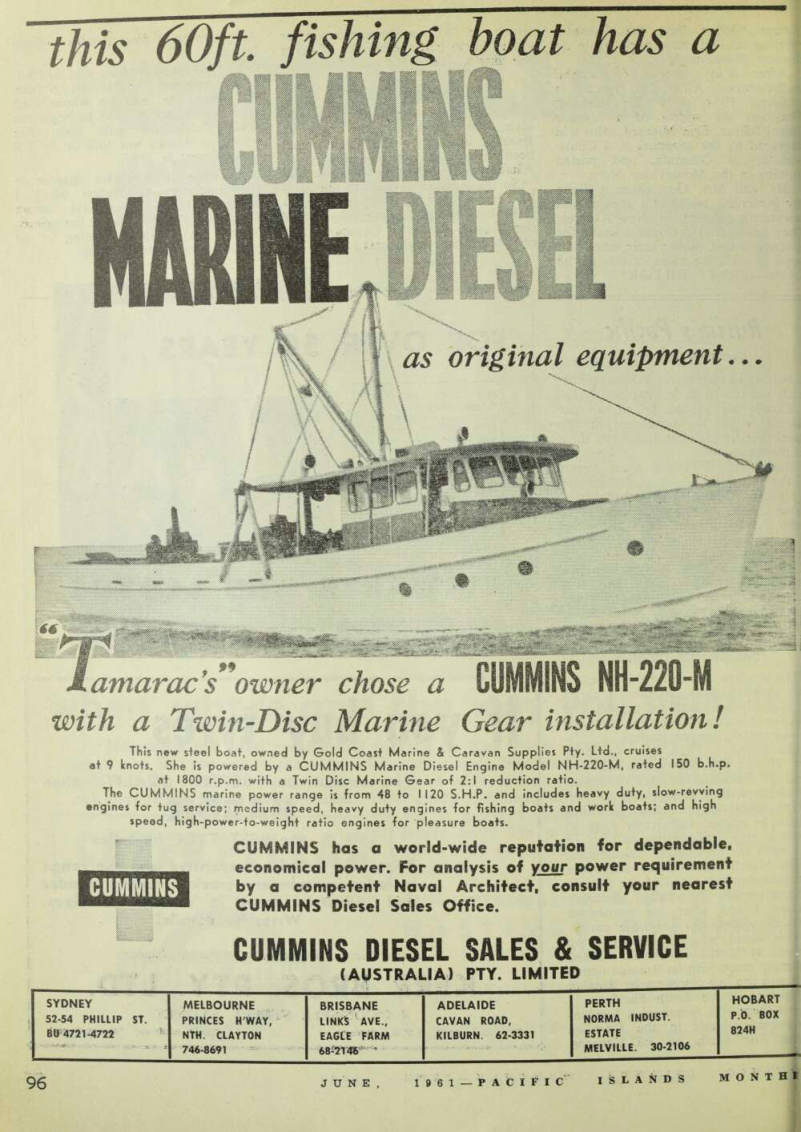 98
98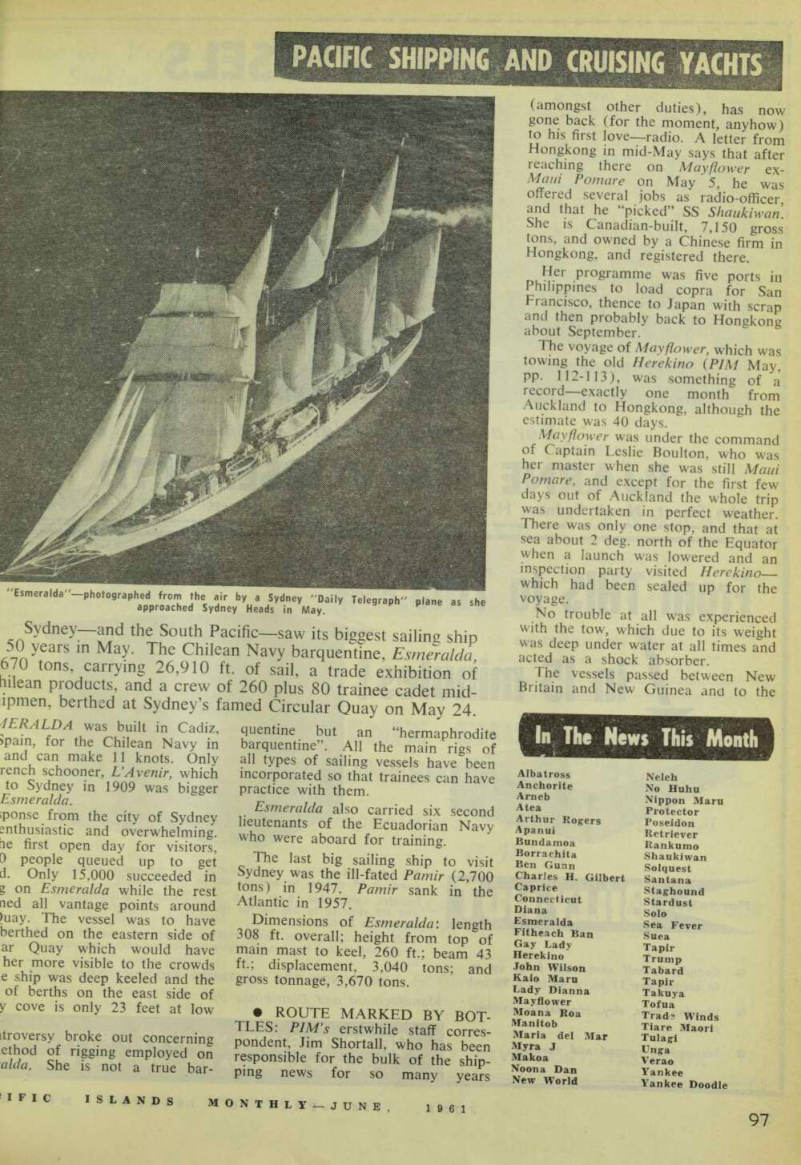 99
99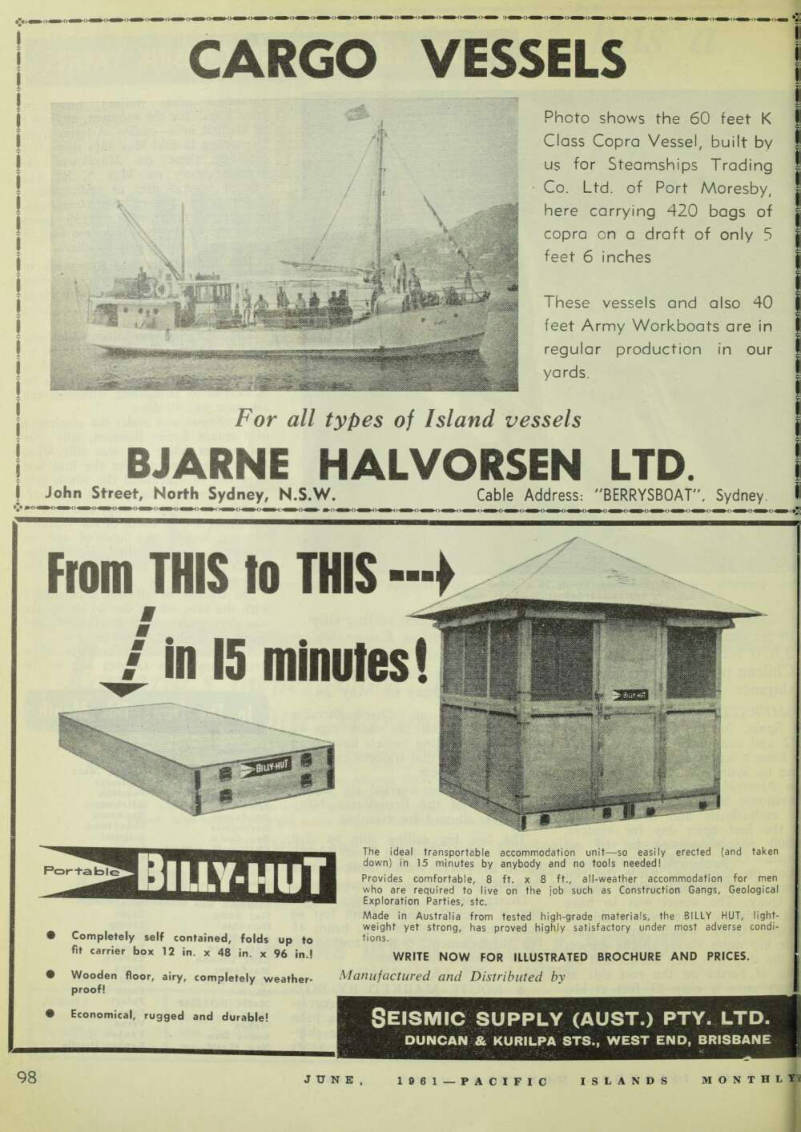 100
100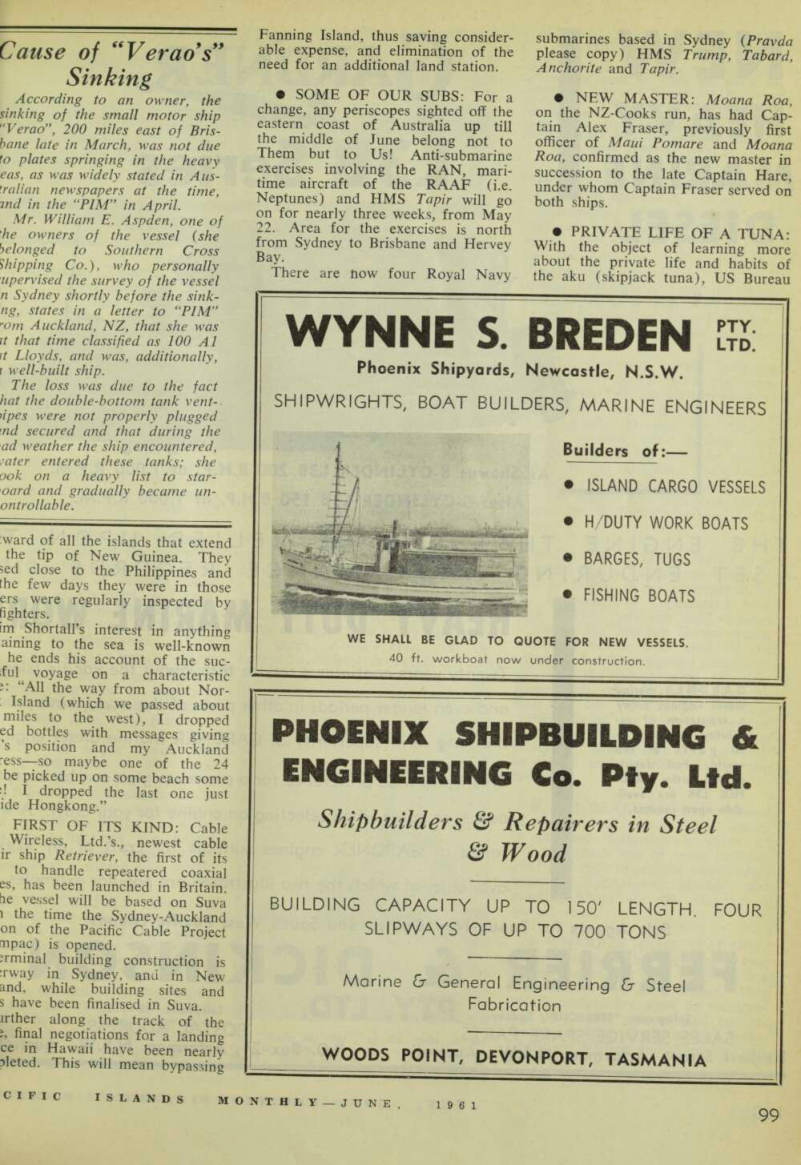 101
101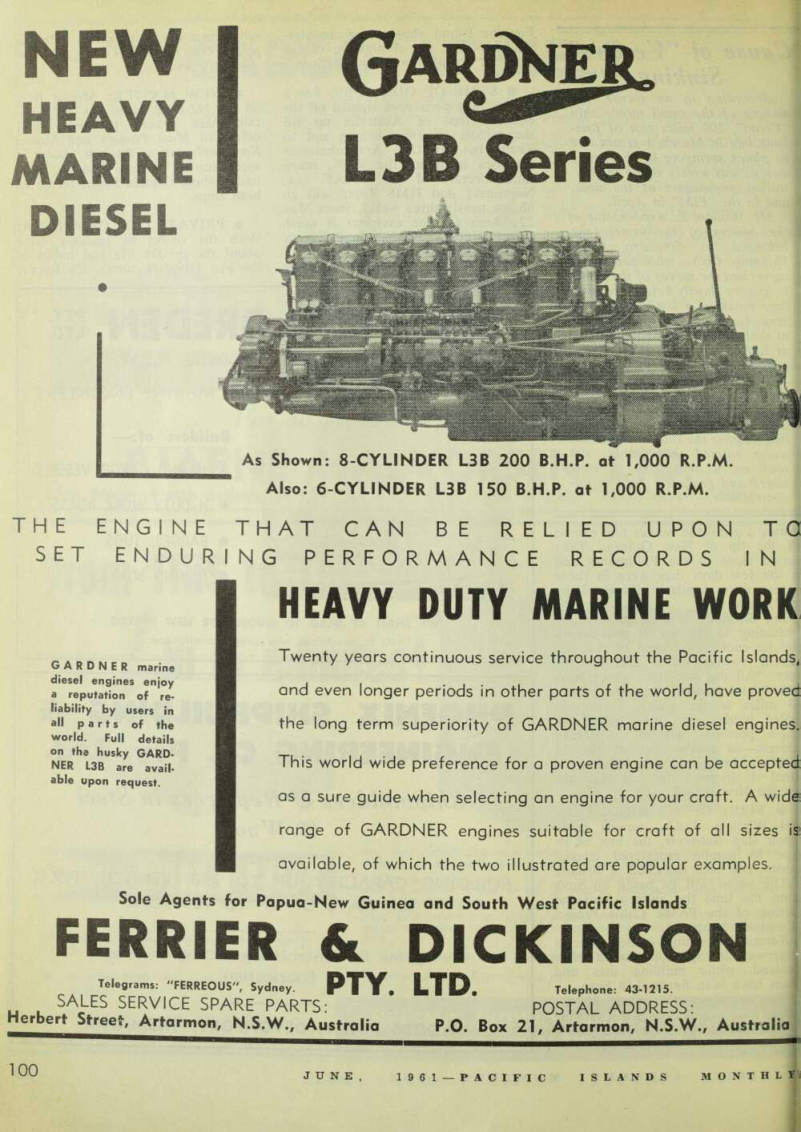 102
102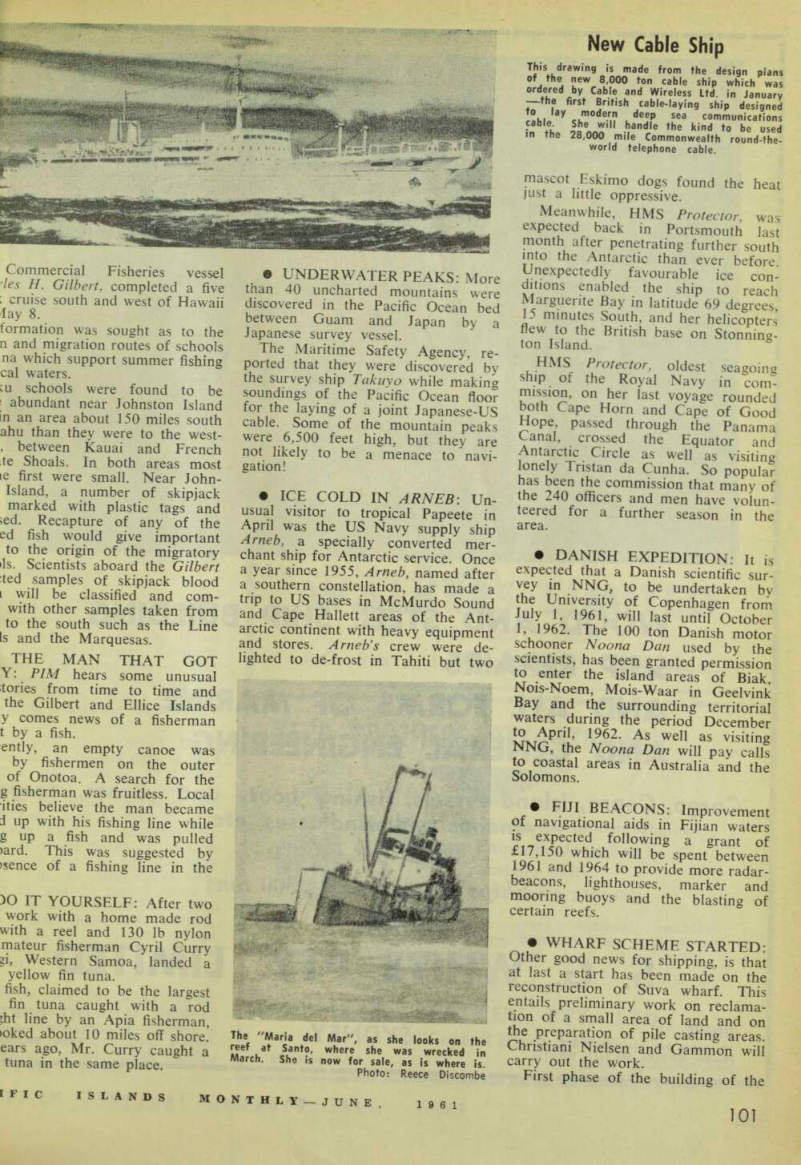 103
103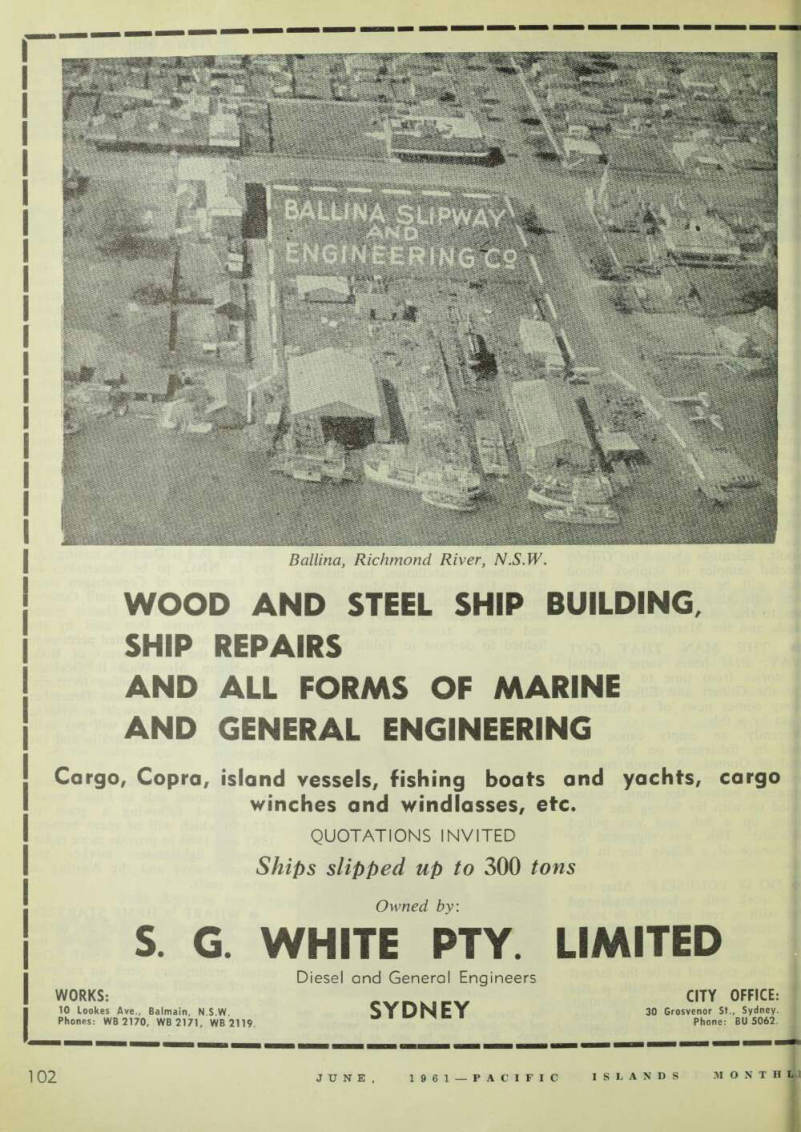 104
104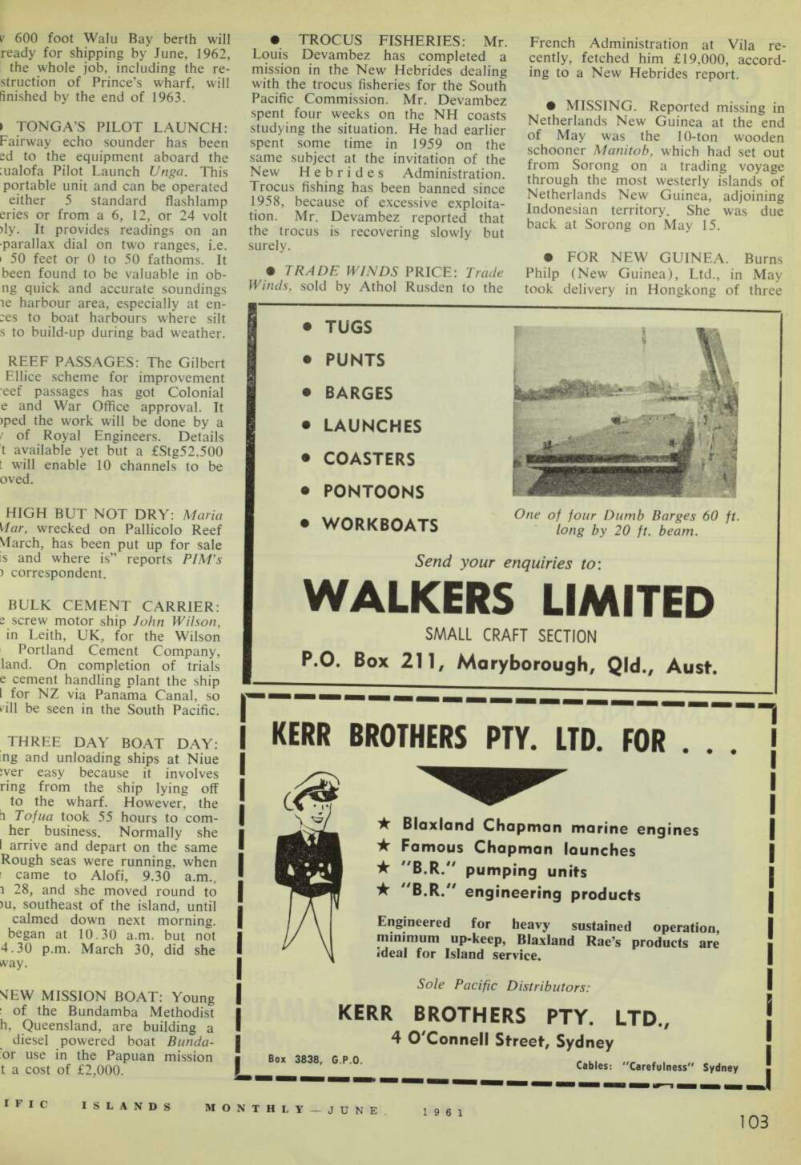 105
105 106
106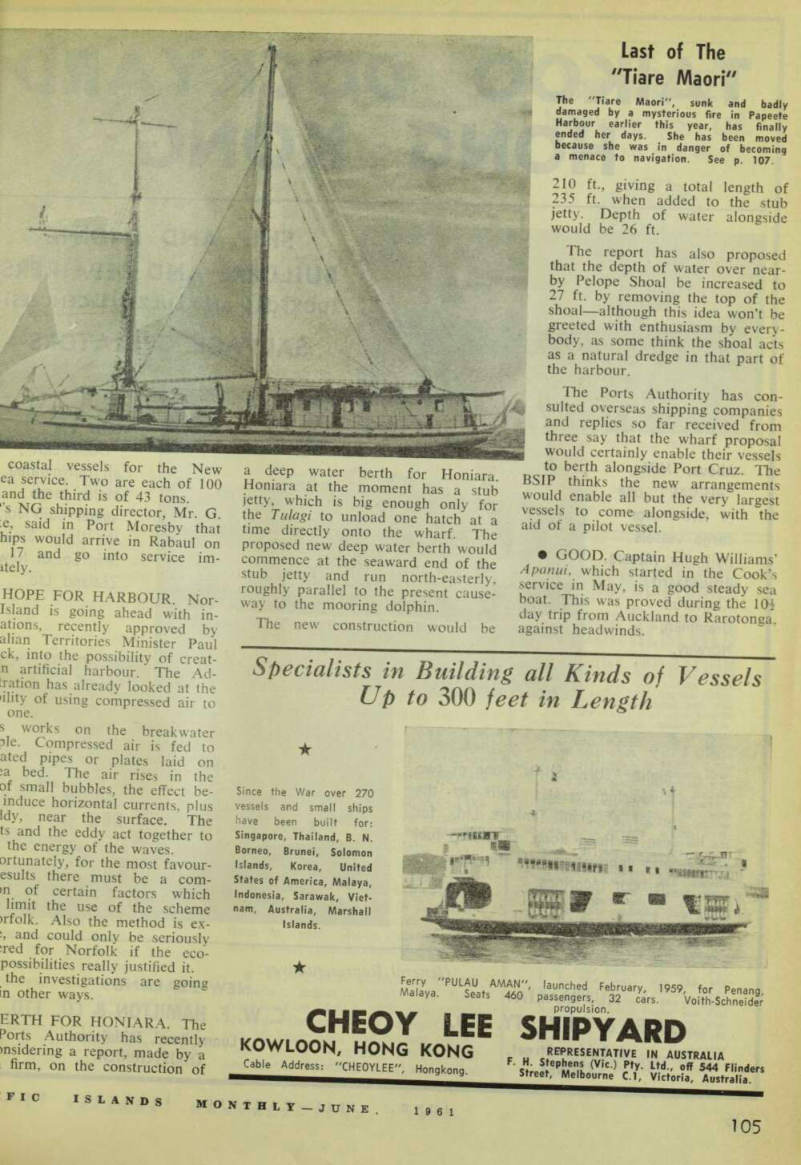 107
107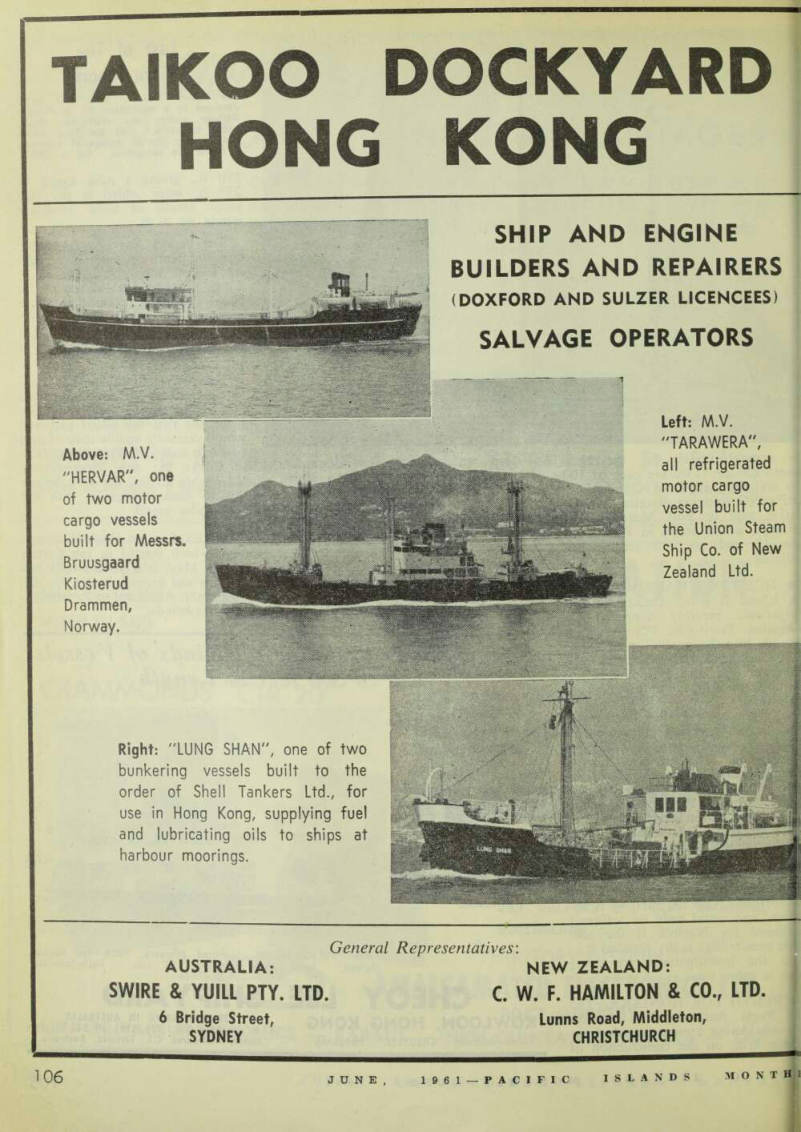 108
108 109
109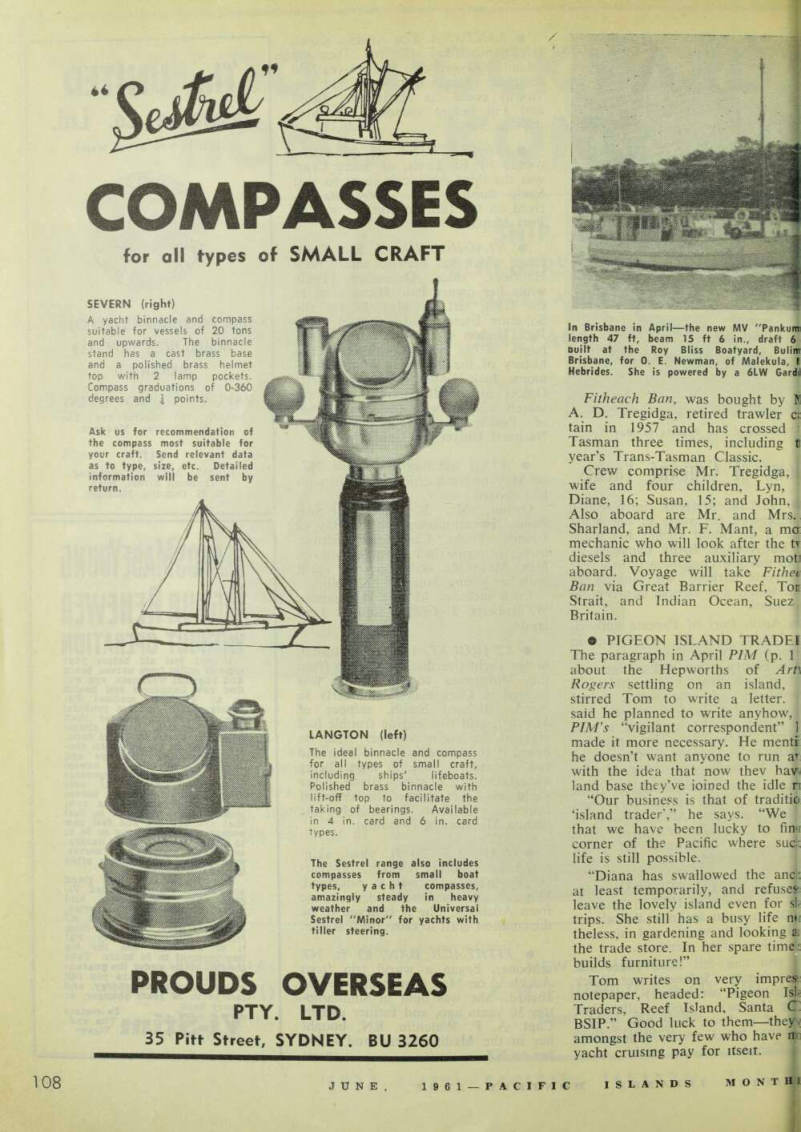 110
110 111
111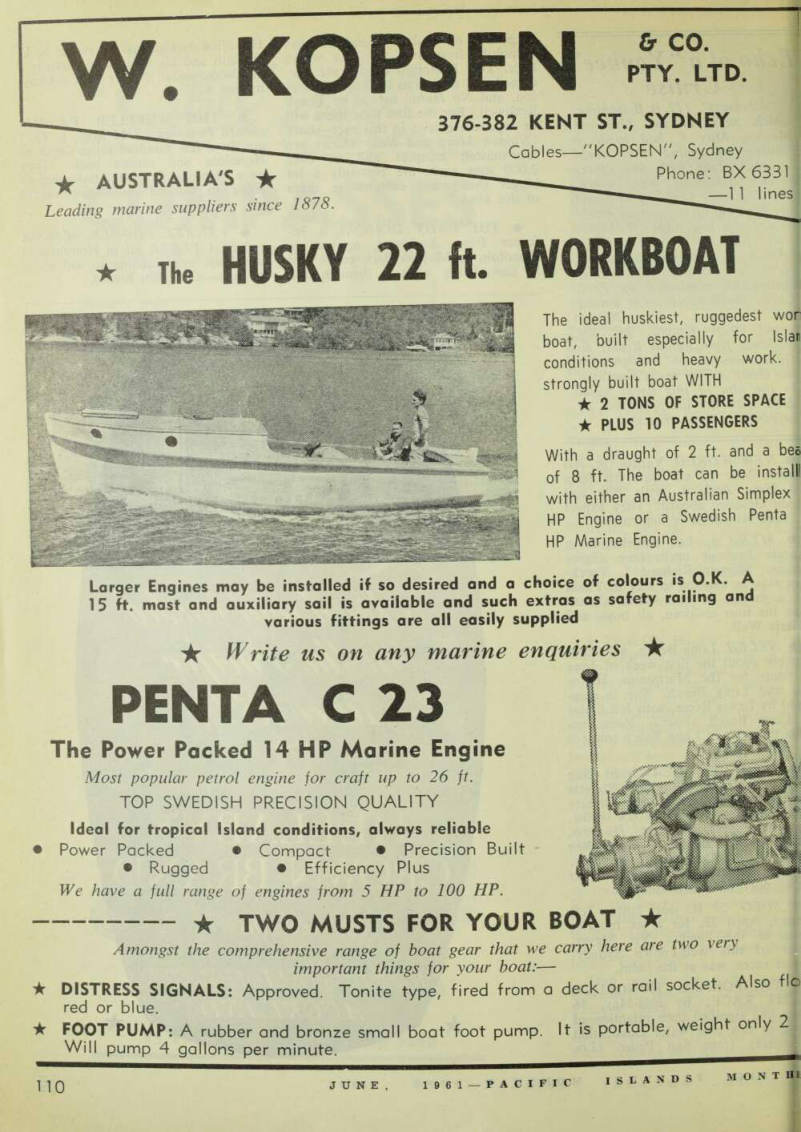 112
112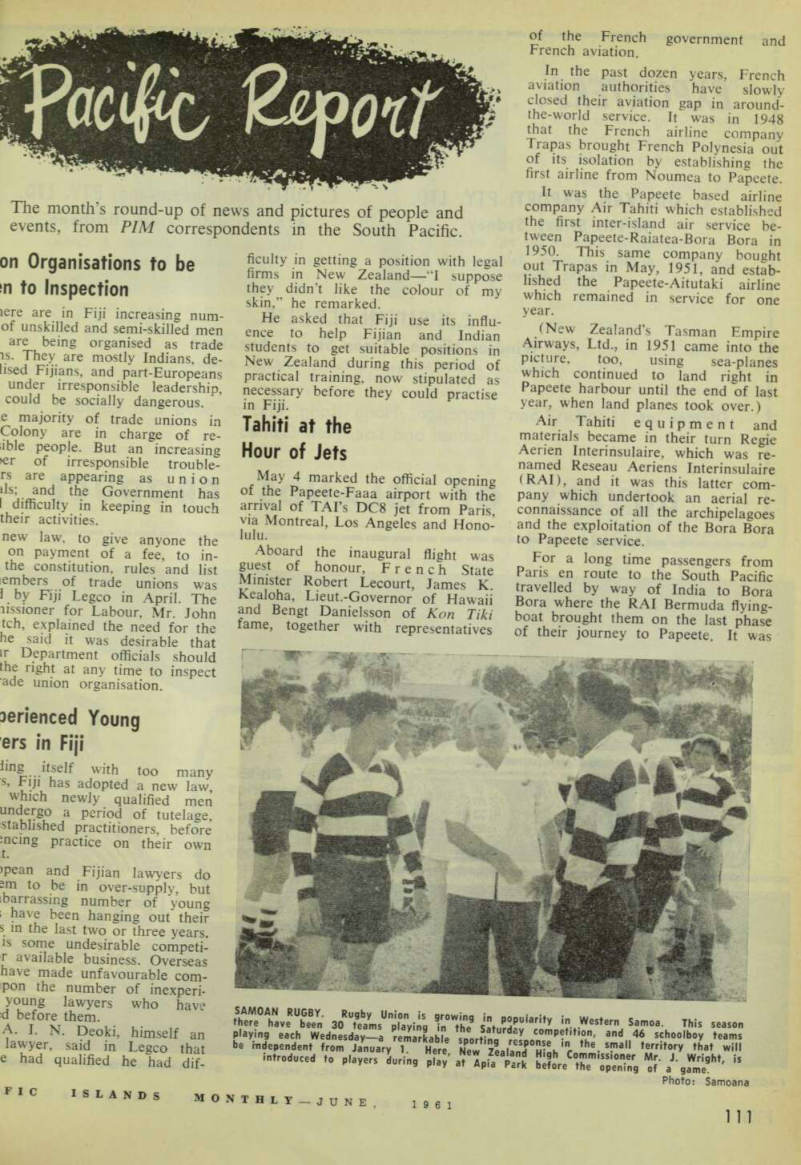 113
113 114
114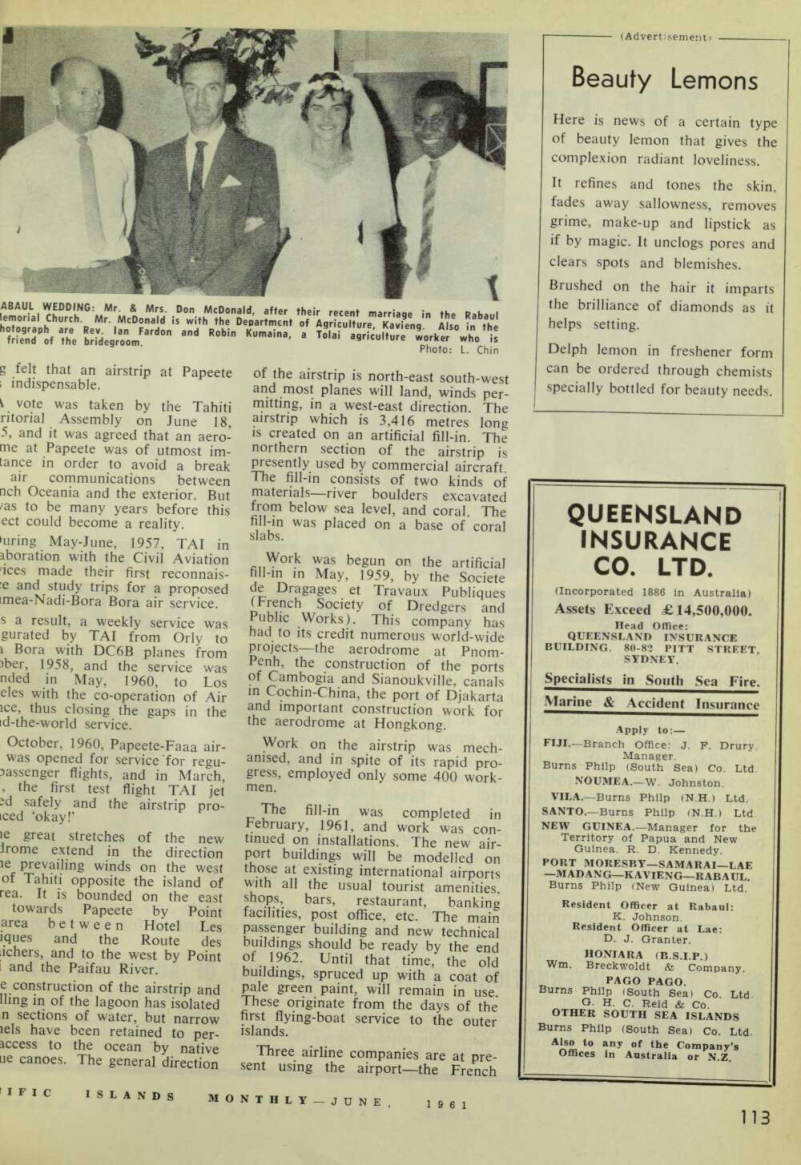 115
115 116
116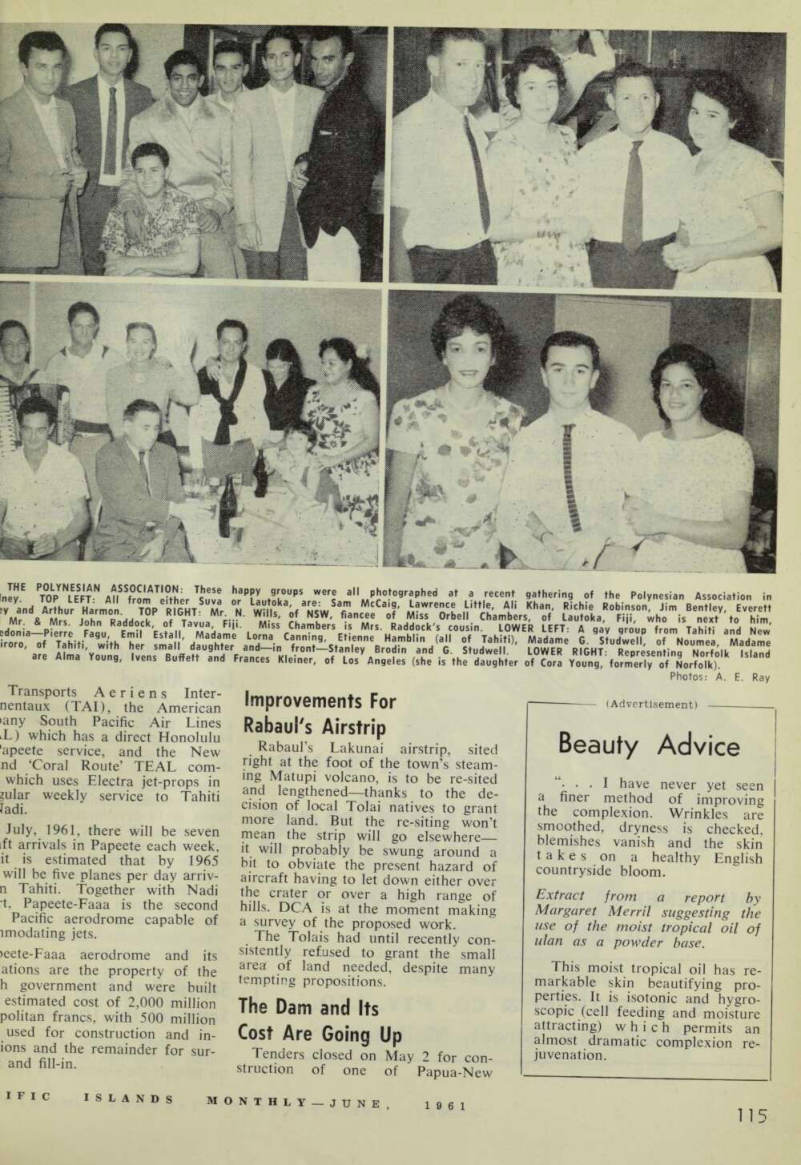 117
117 118
118 119
119 120
120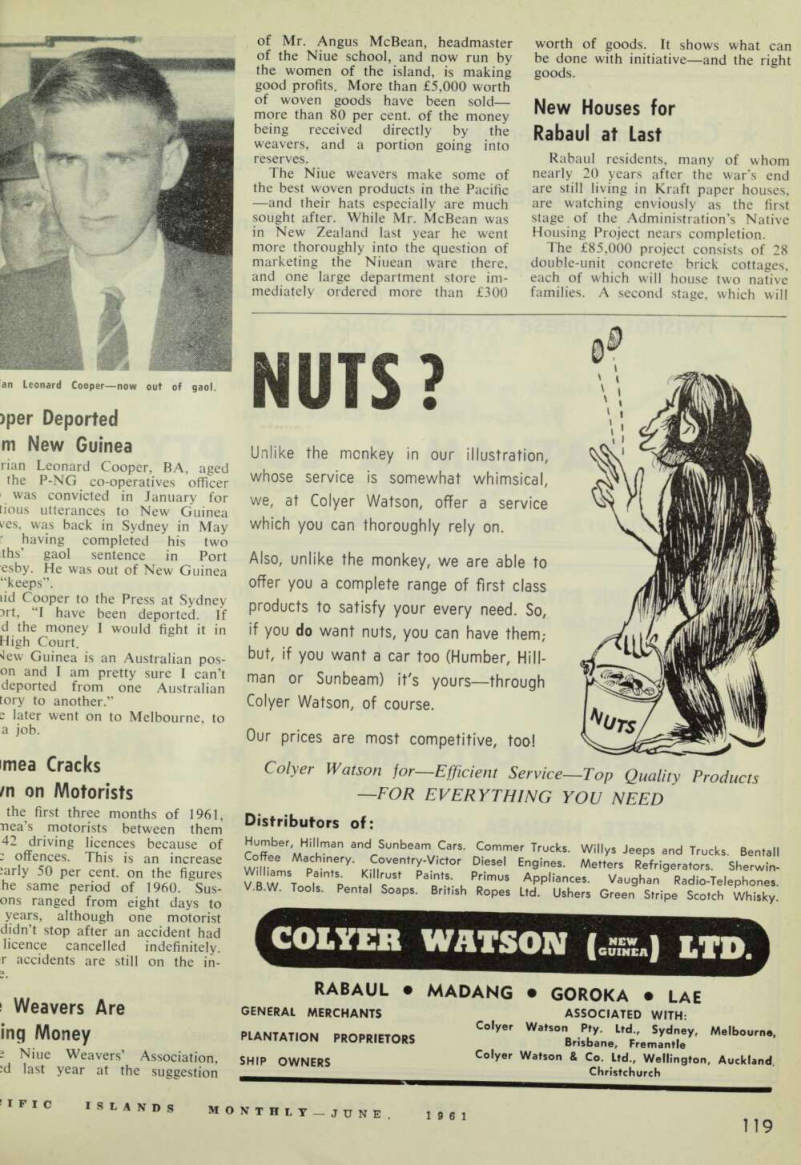 121
121 122
122 123
123 124
124 125
125 126
126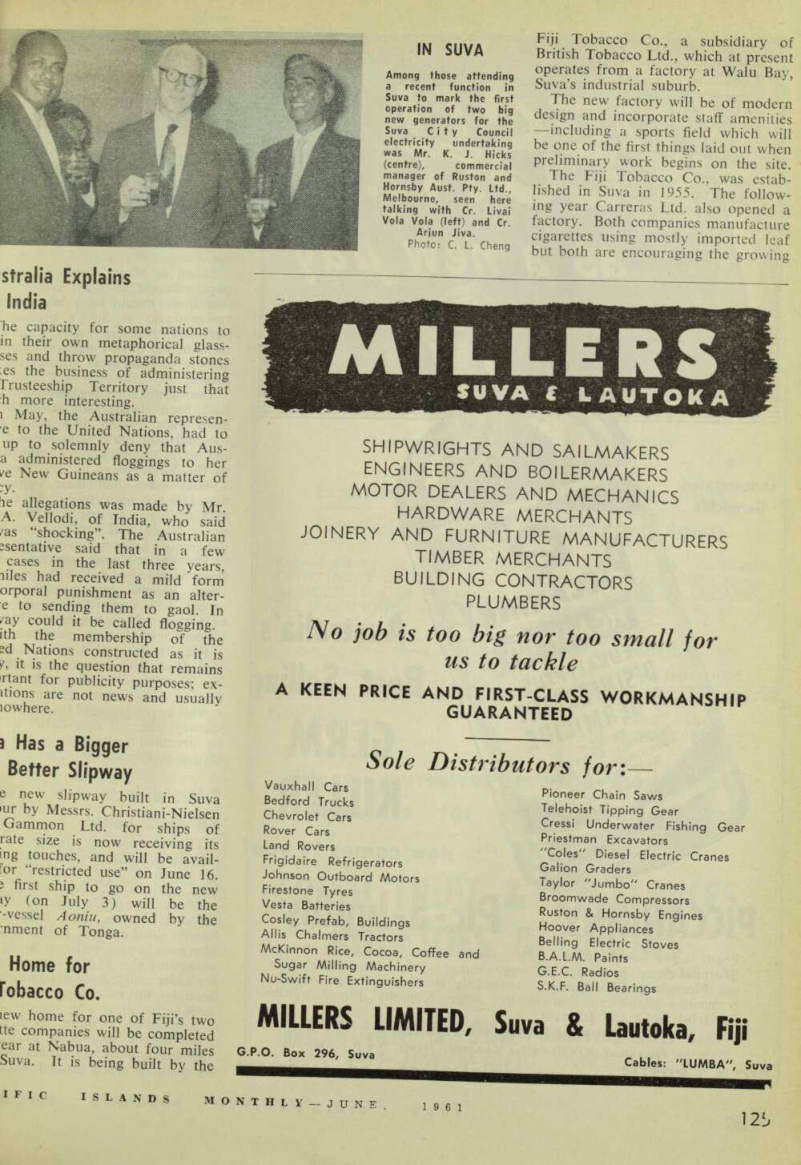 127
127 128
128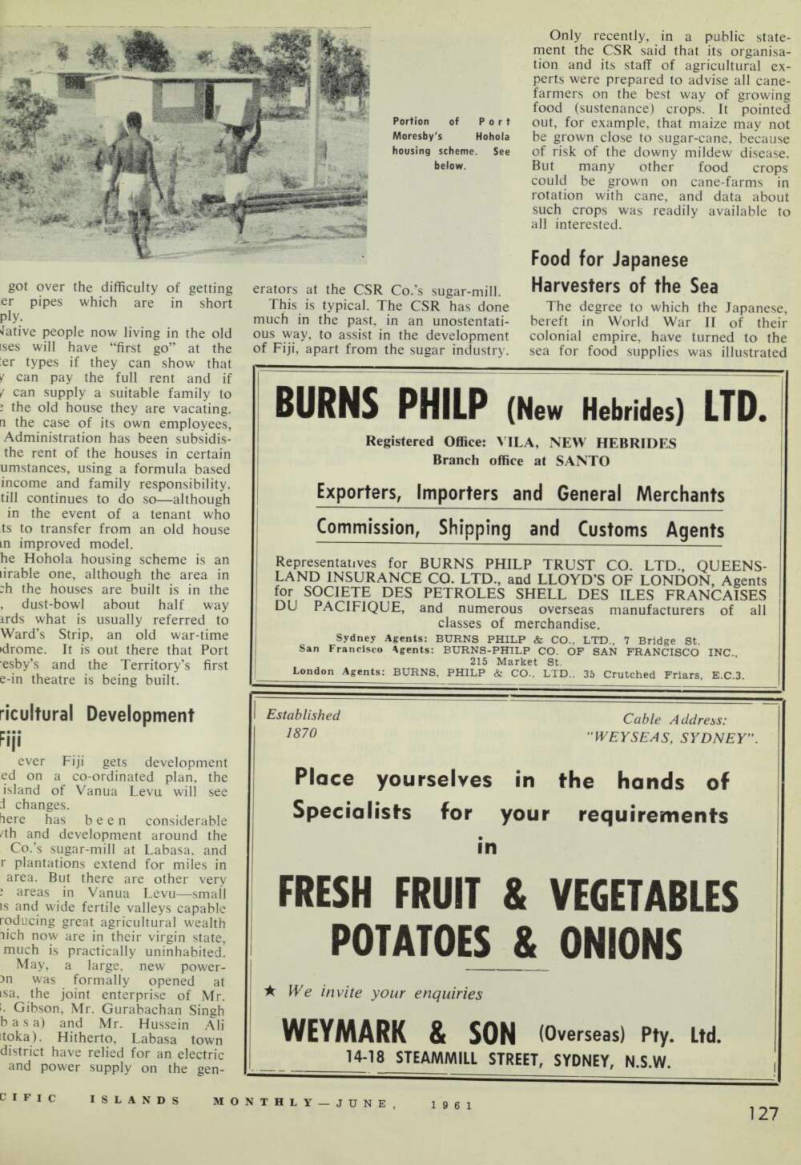 129
129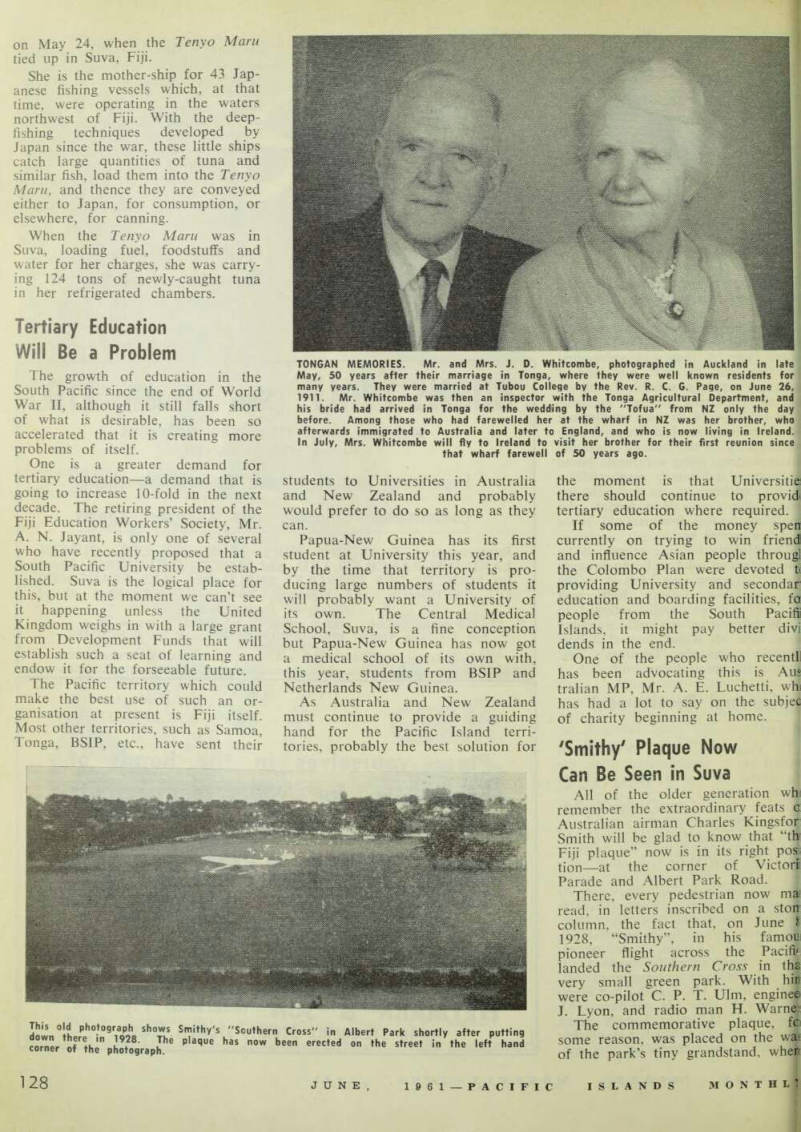 130
130 131
131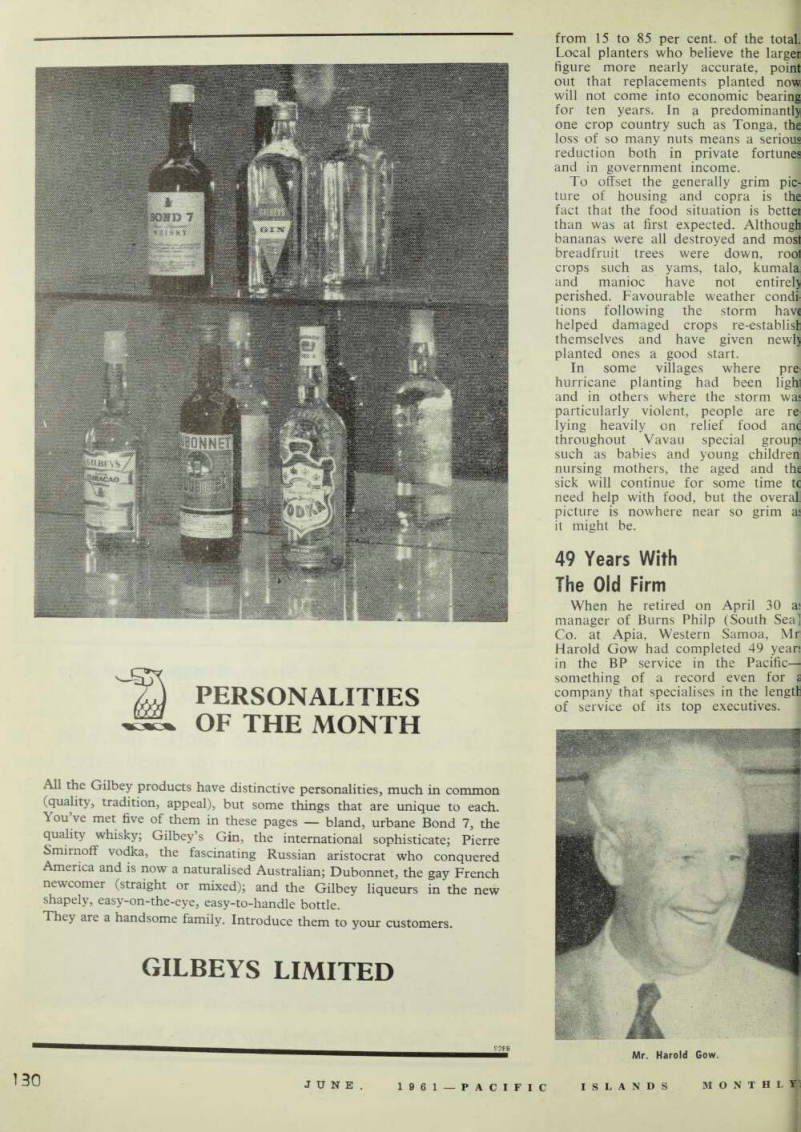 132
132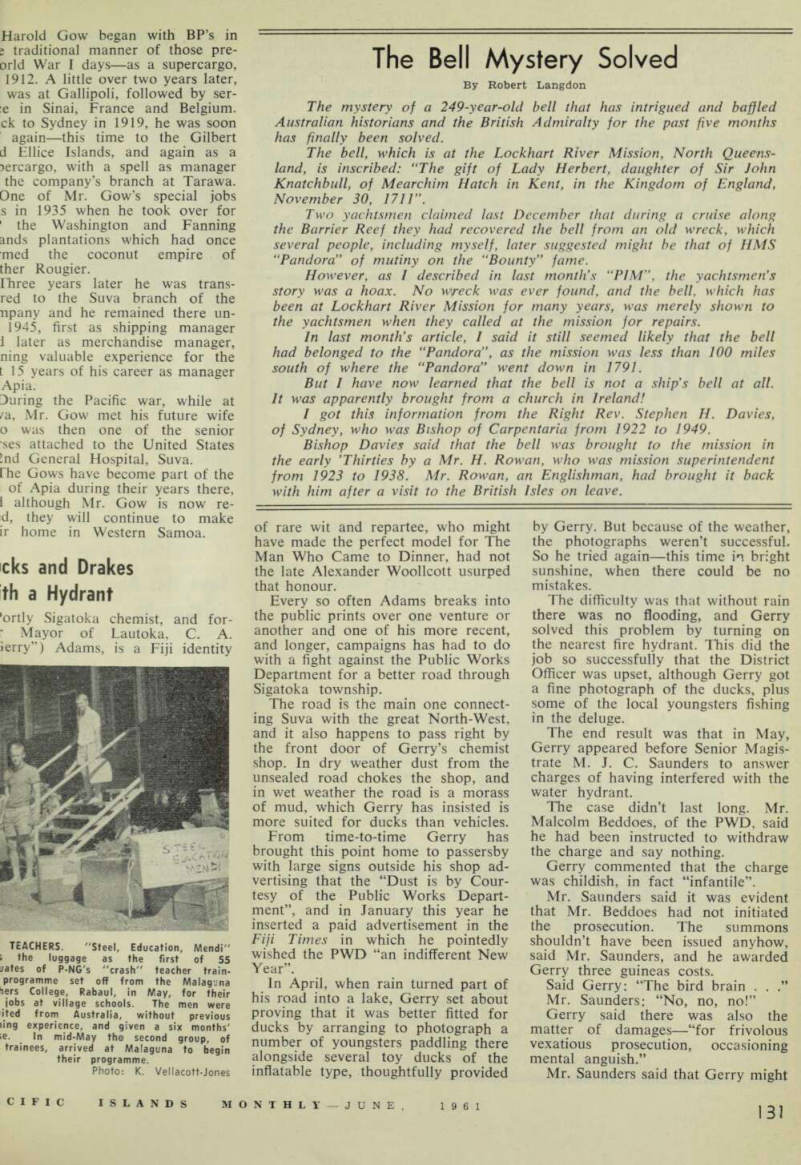 133
133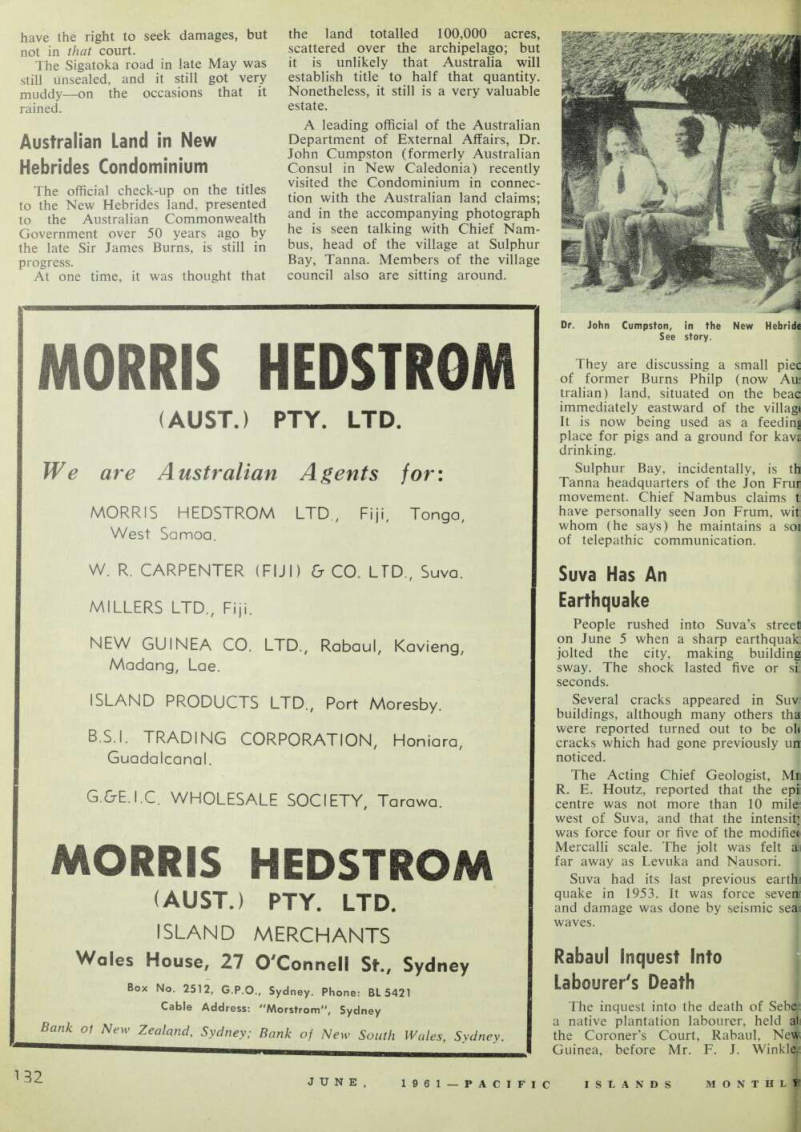 134
134 135
135 136
136 137
137 138
138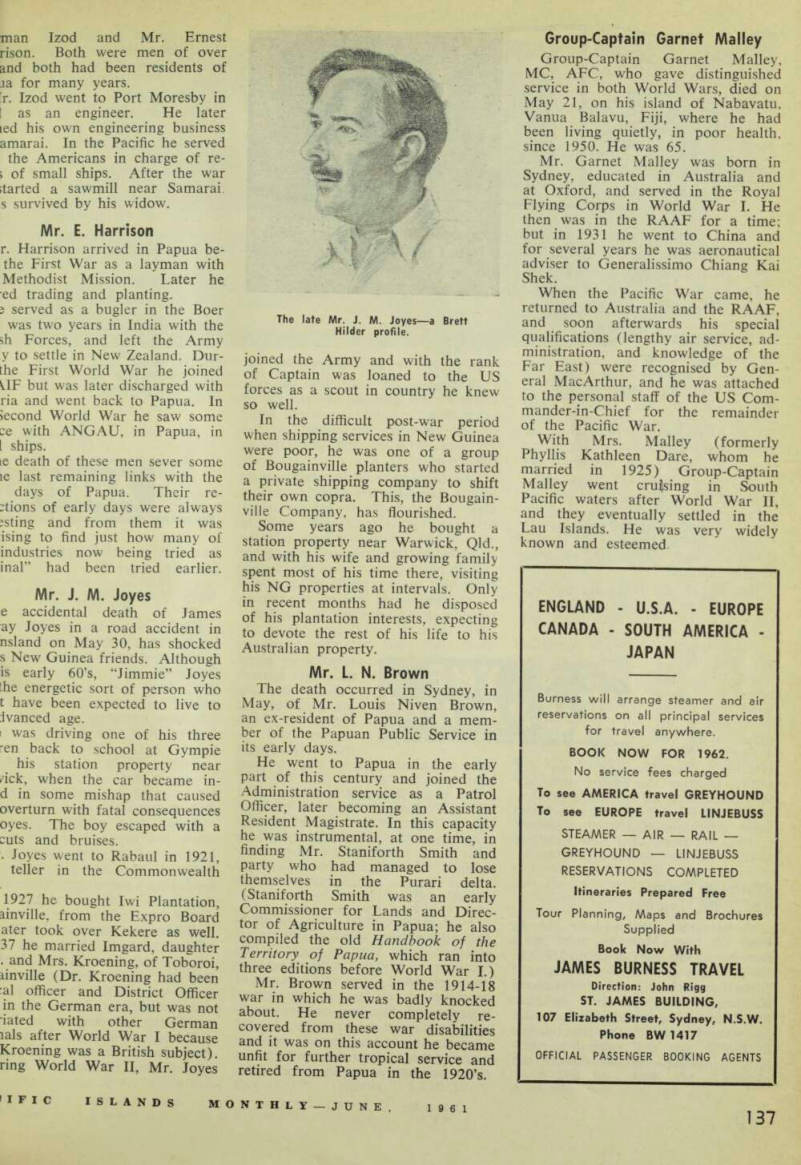 139
139 140
140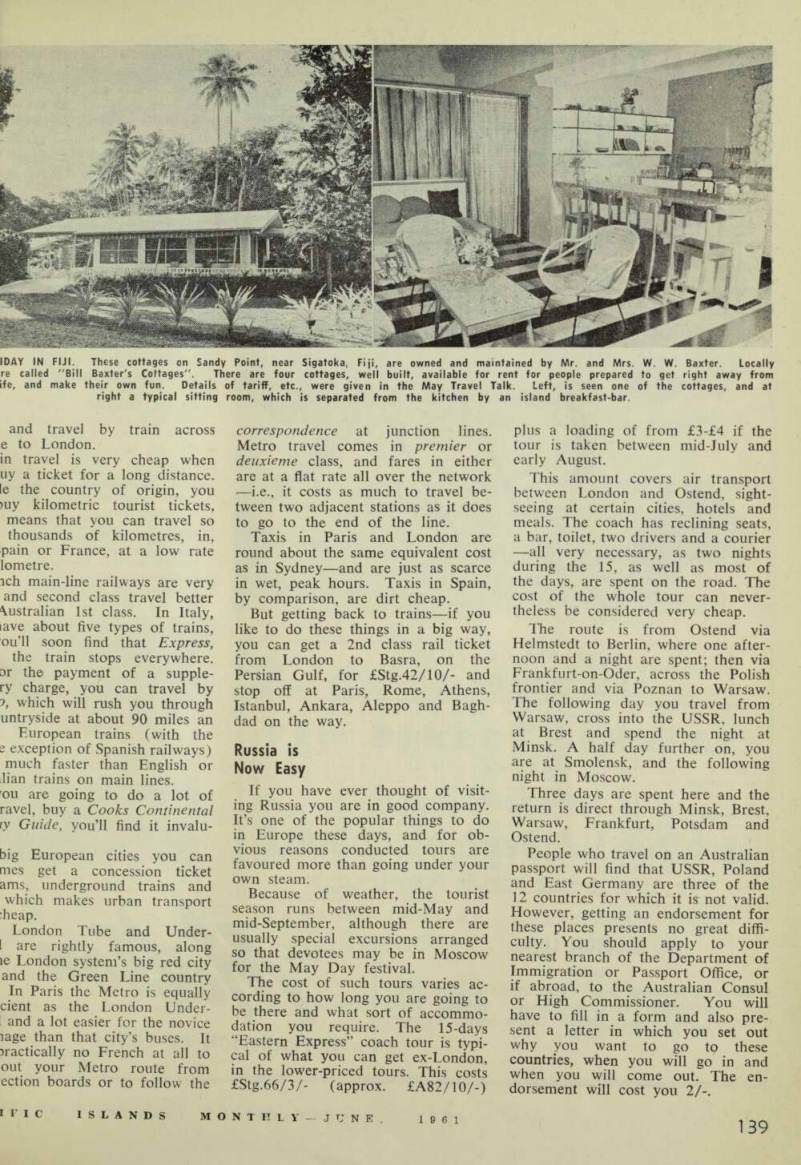 141
141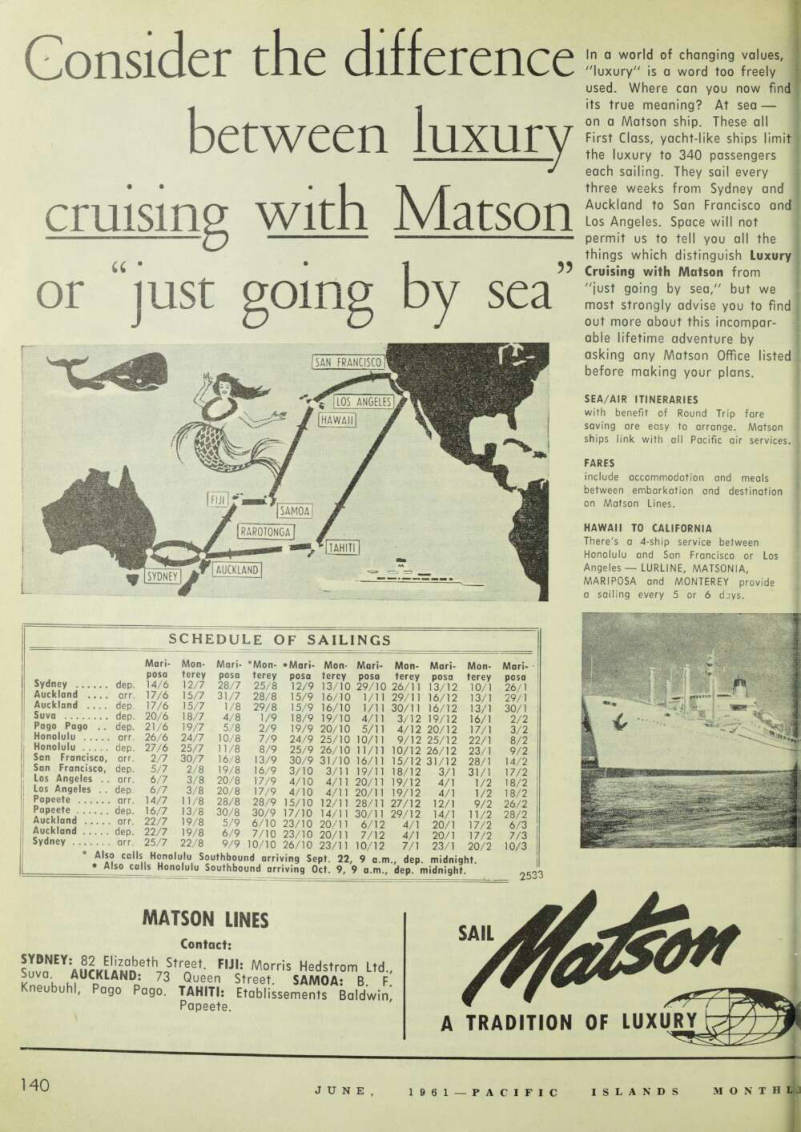 142
142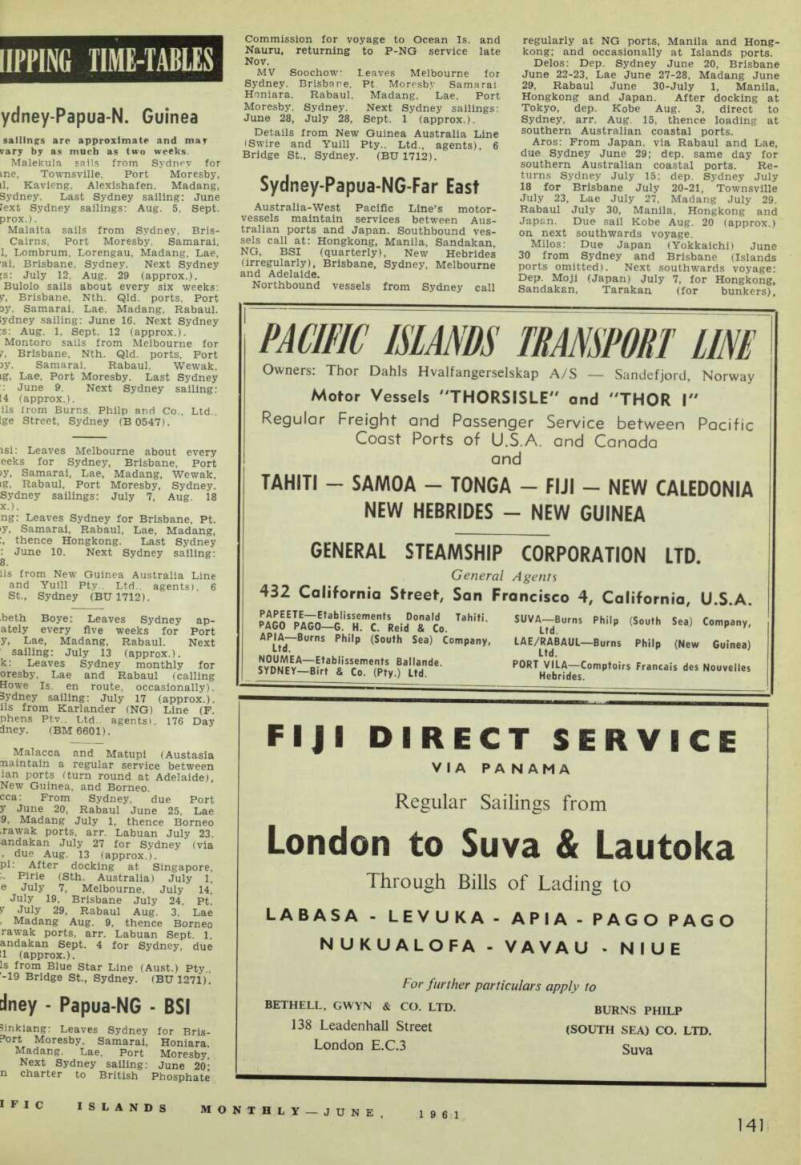 143
143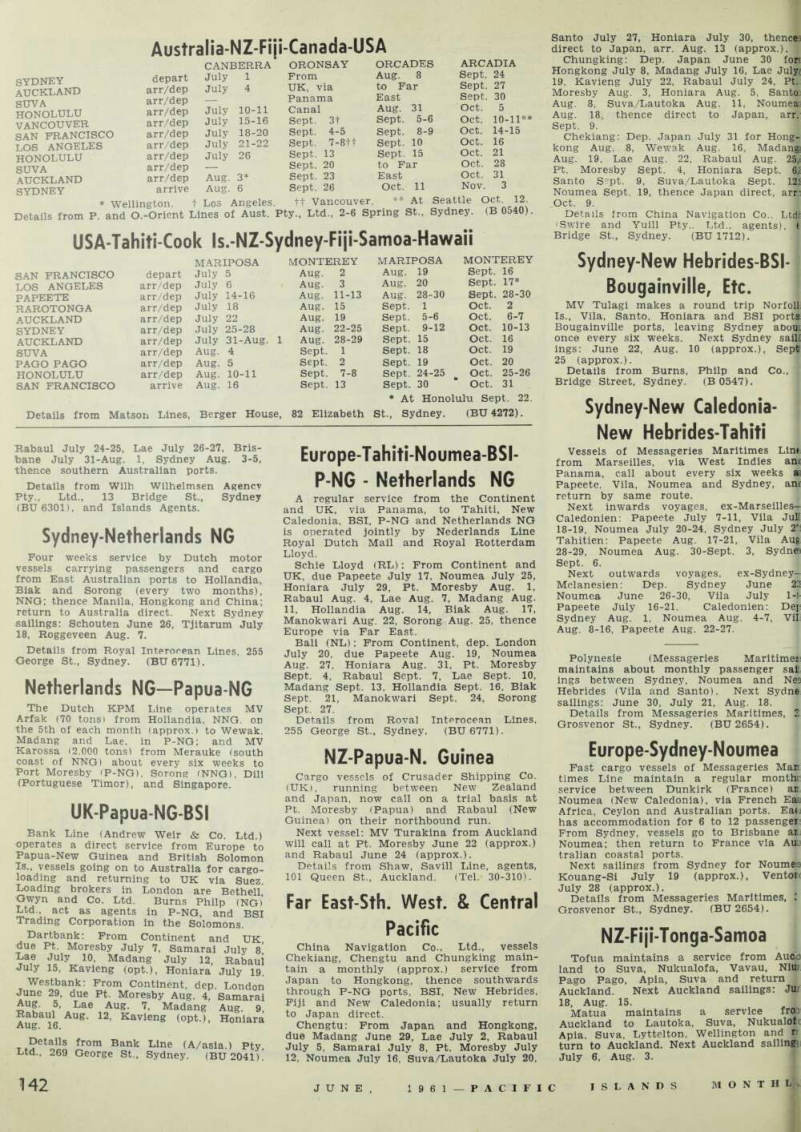 144
144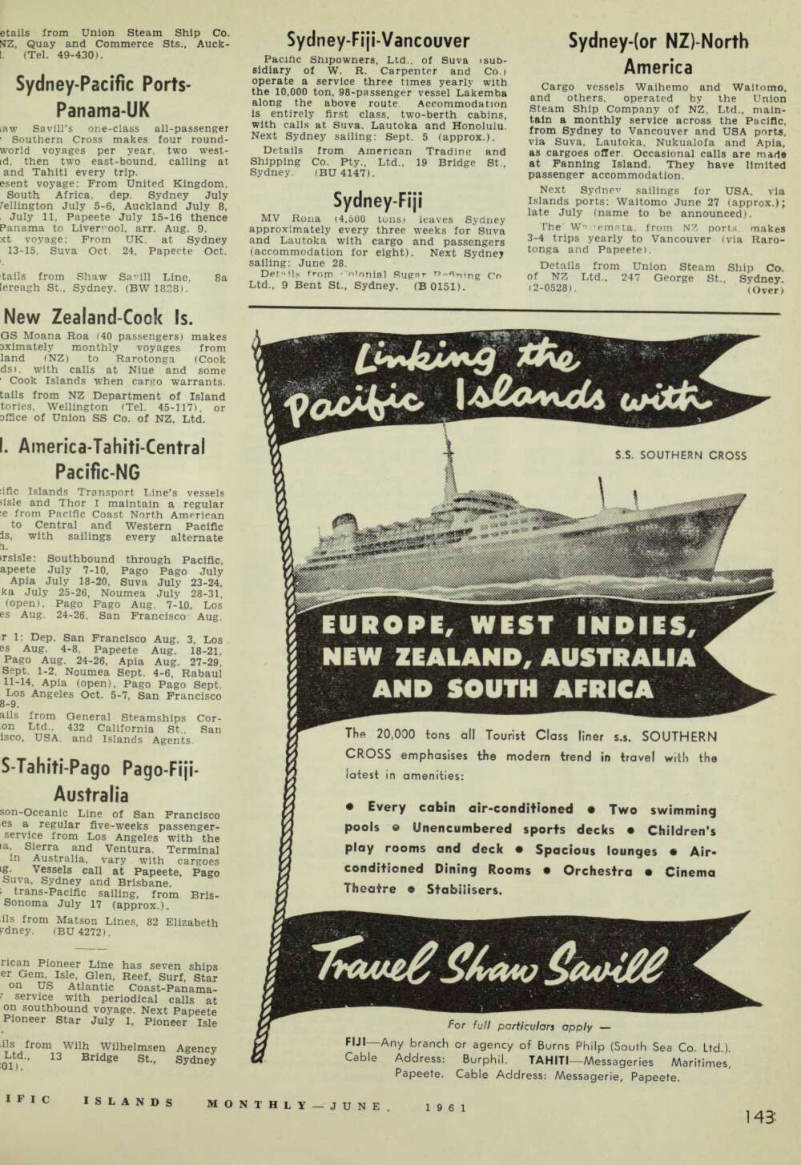 145
145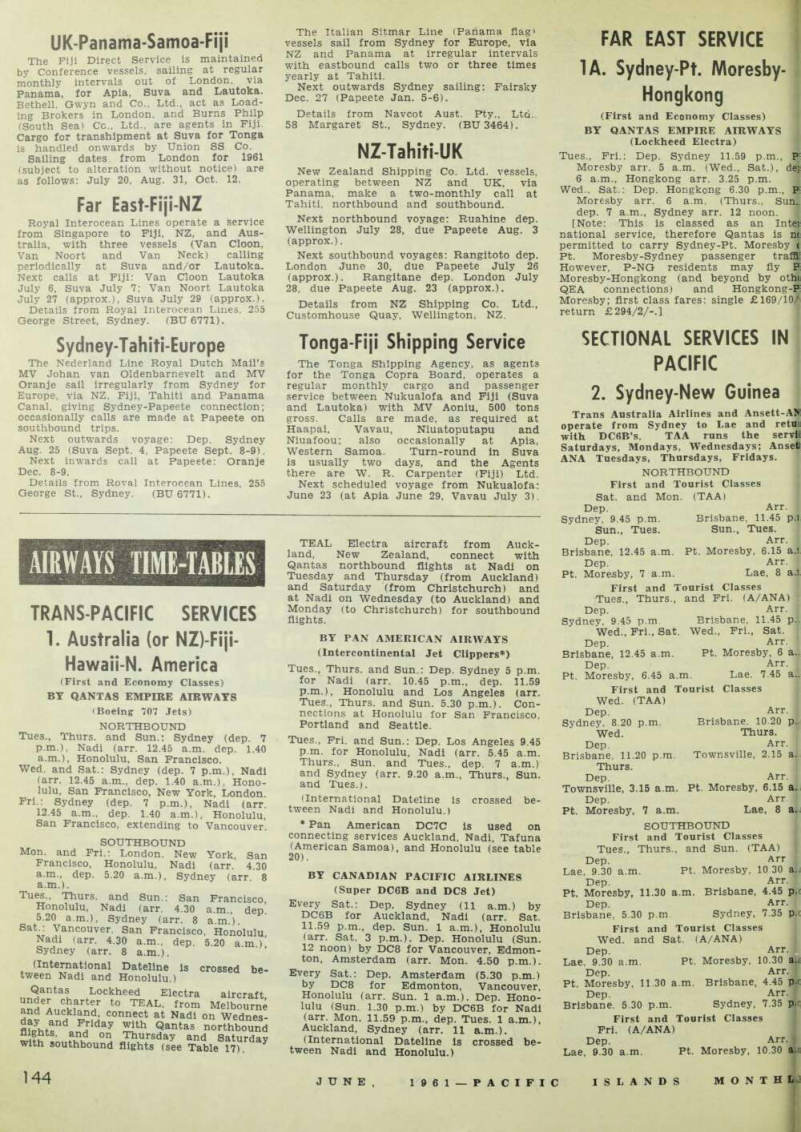 146
146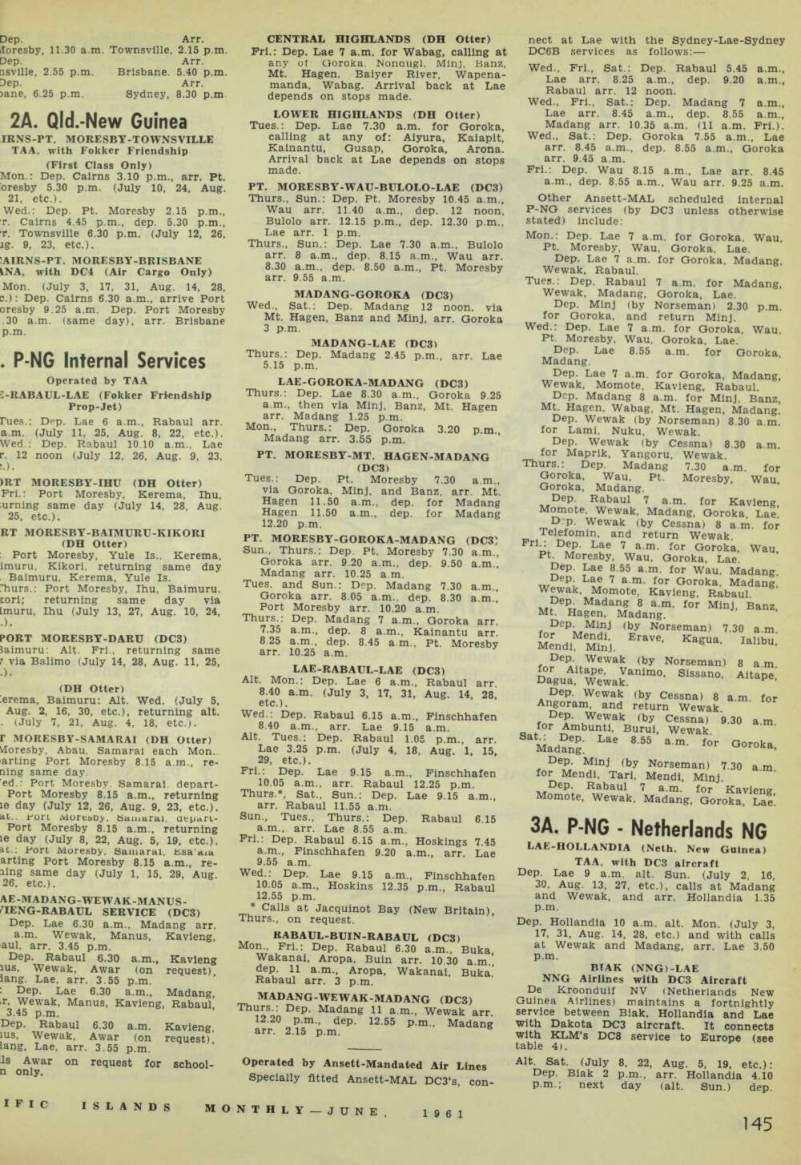 147
147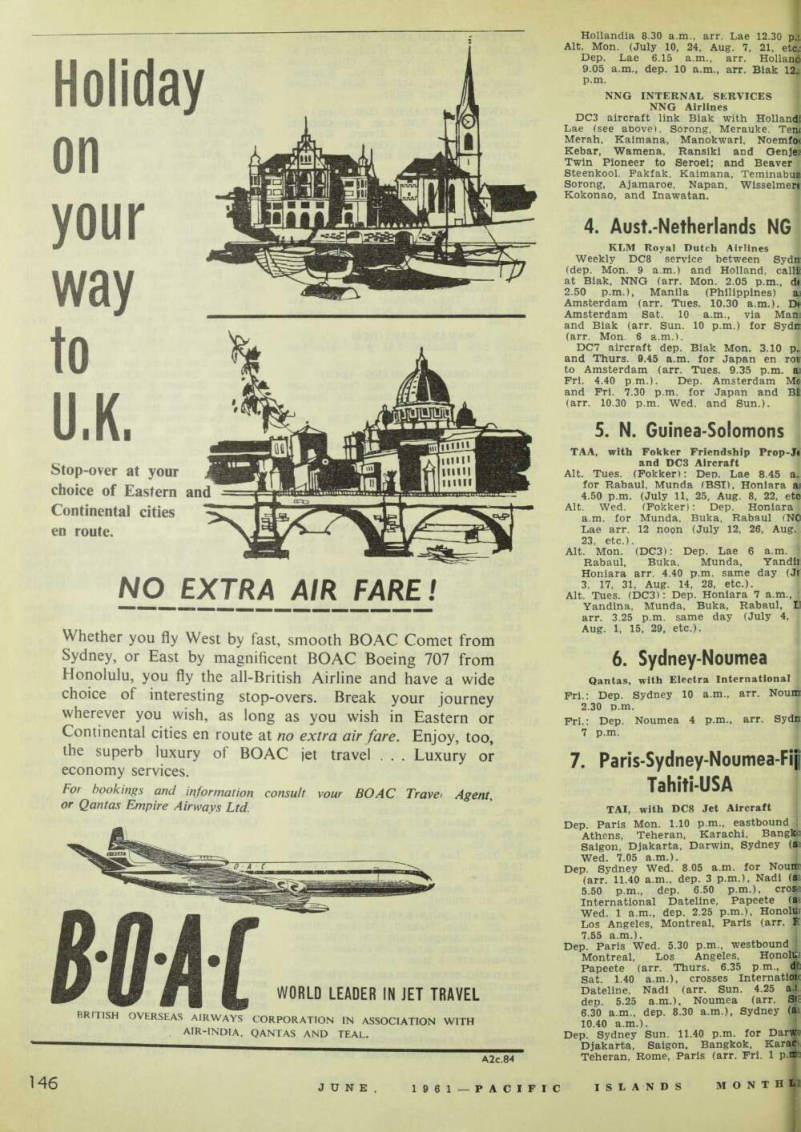 148
148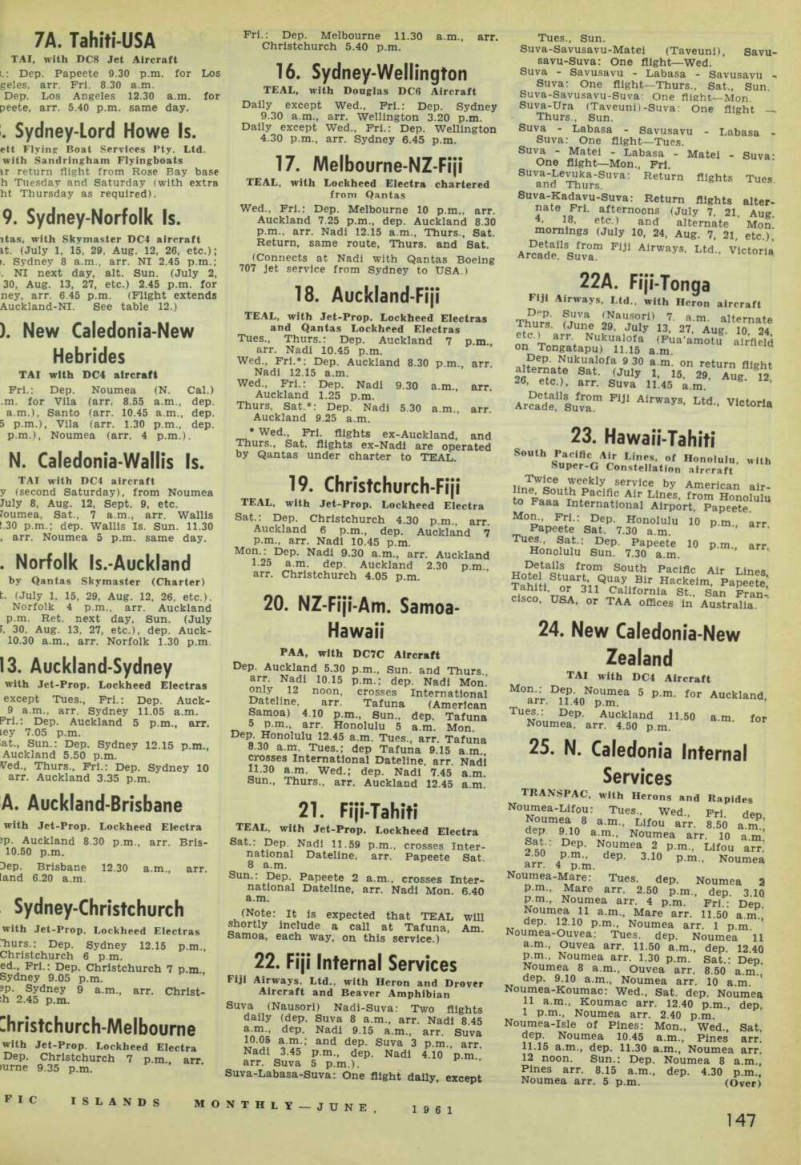 149
149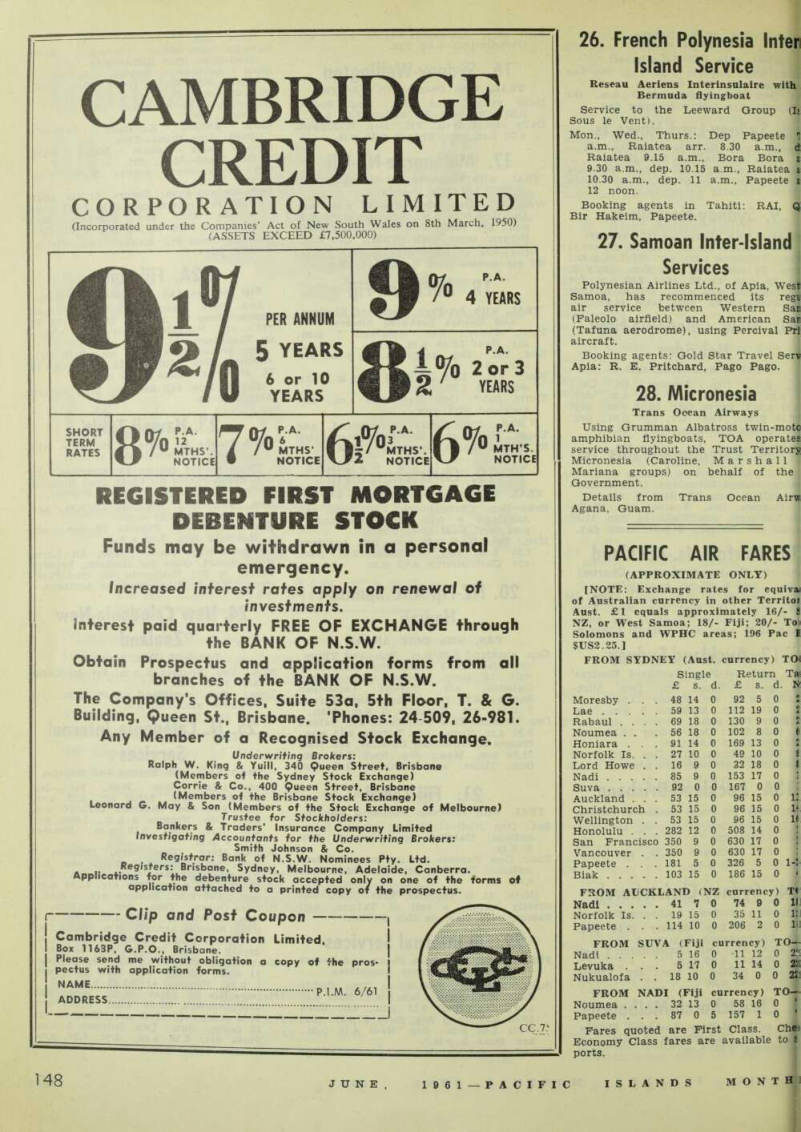 150
150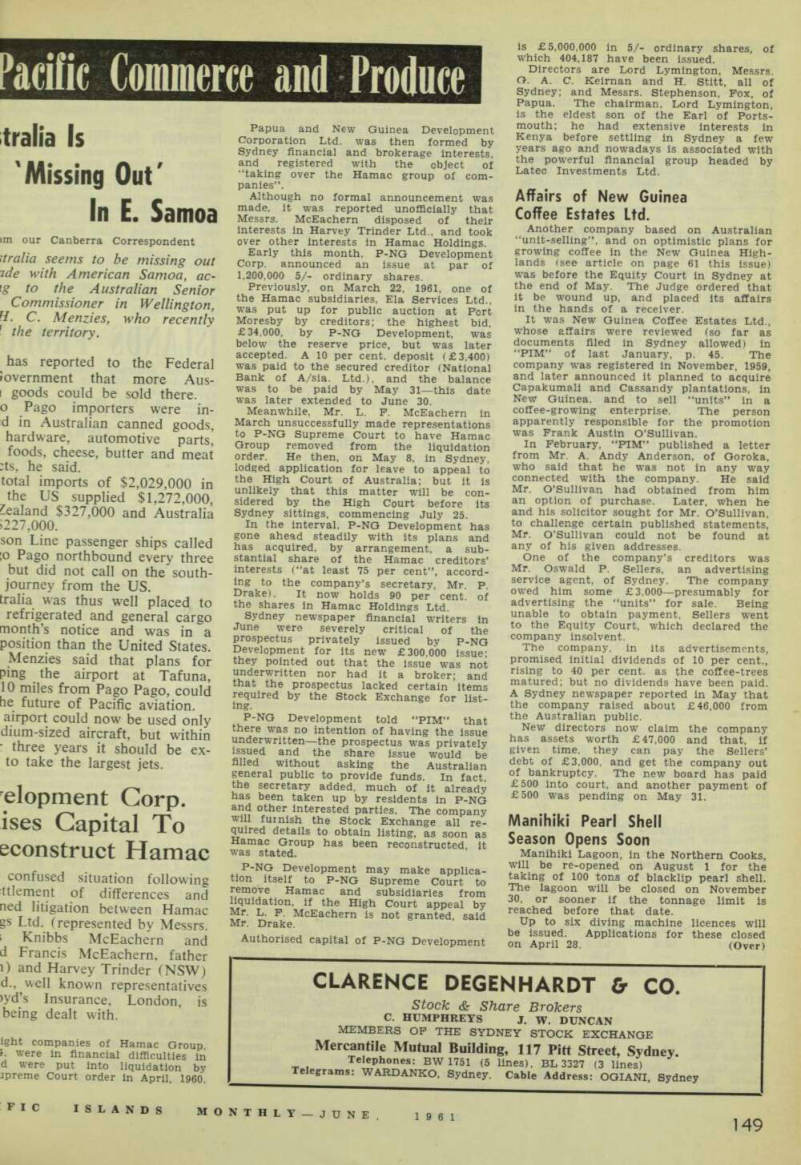 151
151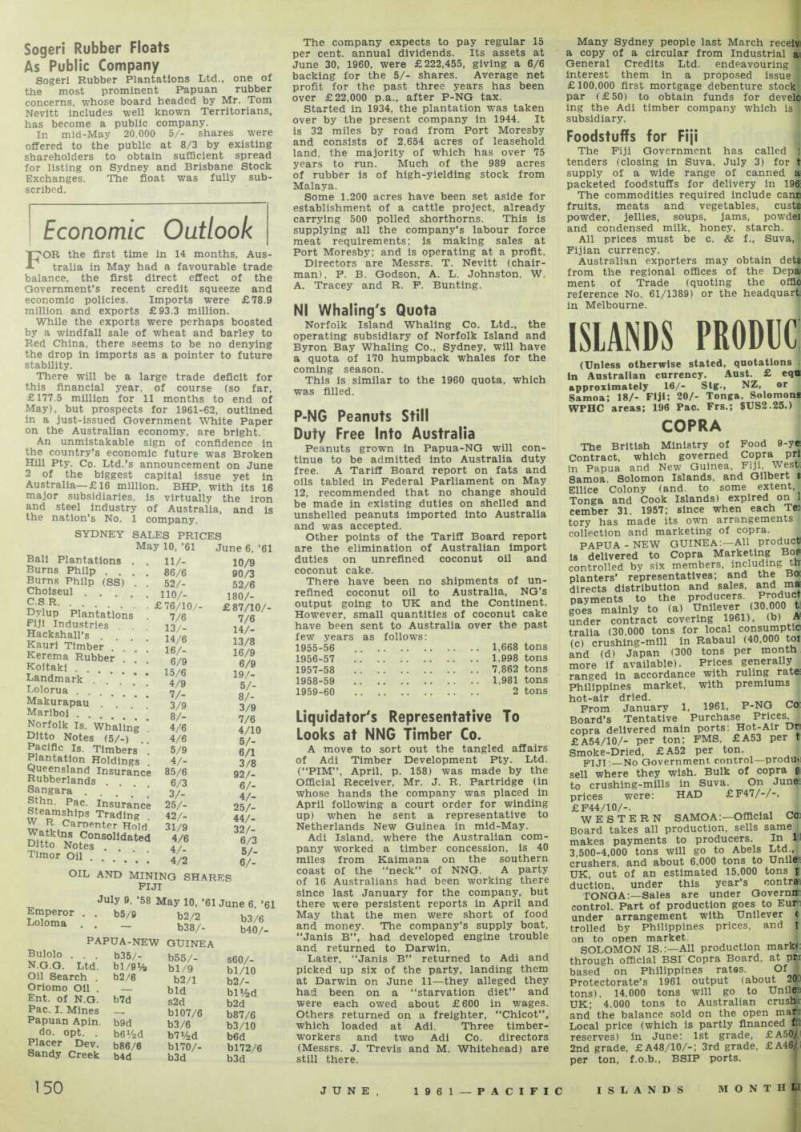 152
152 153
153 154
154 155
155 156
156 157
157 158
158 159
159 160
160