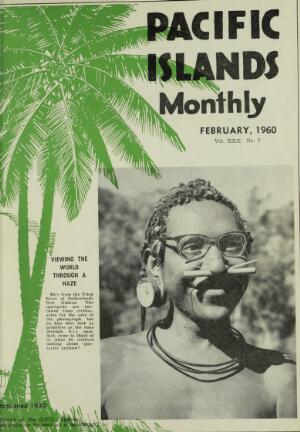
Pacific
Islands
Monthly
February, 1960
Vol. XXX. No. 7
v v Hered at the G.P.O.. Sydr A 1 bp post at a newspaper ]
[?]Viewing The
World
Through A
Haze
He’s from the Tsiop River of Netherlands New Guinea. The spectacles are bor rowed from civilisa ation for the sake of the photograph, but on him they look as primitive as the bone through his nose.
And, come to think of it, what IS civilised looking about spec tacles anyhow?
Advertisements & other items, pp. 2-6 (6 items)
lands monthly February, i 960
Around
FLY ONE JETLINE
'V At U » etc • 11> t 5 aa m rAt
THE WORLD
H HUS
AUSTRALIA'S ROUND-THE-WORLD AIRLINE
Q 50.74.119
'our Guarantee of Satisfaction Backed by Established Service
Depots Throughout the Islands
•m Sk:
LANTERNS
gned to withstand heavy usage exposure to all weathers these jsene lanterns have built in matic jet cleaning needles, tv air-seals on pumps and heat . shock proof globes. They tot spill and burn safely in position. Two sizes.
SOLUS STOVES
Coleman Solus Kerosene stoves are sturdily constructed with heavy brass pressure-tested tanks. The burners are of high grade brass containing a high copper content for good heat conductivity. All parts are interchangeable with similar stoves. Available in Silent and Roarer types.
KEROMAN LAMPS
Table lamps of lasting quality finished in polished brass. Burns kerosene and gives a brilliant yet pleasant incandescent white light.
Has centre draught feature with heat resisting glass chimney. No pumping or preheating is necessary.
Height 24 in. Diameter of base 7} ins. Weight 3 lbs.
Gißipiei^nSmiee
YOUNG ST.,
SYDNEY
ROBERT GILLESPIE Pty. Ltd.
Phone: HI 2221 C ables “Robergiir
ALSO 334 QUEEN STREET, BRISBANE. QUEENSLAND.
ROBERT GILLESPIE (N.G.) LTD. PEARCE & CO. LTD., Madang, Rabaul. Port Moresby Suva for Fiji Islands
DUNLOP
Much more
DUNLOP B 5
B)
CAR TYRES
The exclusive, scientifically staggered tooth design ensures longer, even tyre wear and gives better grip on all surfaces.
DUNLOP
WINTERTREAD TYRES
DUNLOP
BATTERY
Today you’ll use a for your money
TOUGH,
LONG WEARING
DUNLOP
TRUCK TYRES
N-, * St W\ I product
FOR THE COMFORT AND CONVENIENCE
Potvet
/ OQ req * V bl We feature here one of our most popular diesel sets for application to the average bungalow, which is available in 240 or 110 volts A.C. current. All sets are tropicproofed electrically and are simple to install Skilled labour is not
<u o> ■a a G 03 = o CO i 5 >- Li_ 1/1 = -t- -u - 0) 03 U .E S r e S. o a3 CL _C £ >v <D > 0) _Q O 03 "a> “o u. 03 c ■ .5* i/i • 03 . Q 03 * - ° > 3 s v 03 C o _c ' 1/1 CD 0 a> -t 0 m 0 0 e u t c 2 1 c 3 ? “O O 0 -c o Q. .? 0 0 3 -Q -B -o _0 •- 0 0 > * _c 0 O 0 .. o> oo oc tj < '2 rC » —t: tO 0 ' u O 0 *-• a) o c _c 0 1/1 = o 3 i/> 0 c .5 § o < 5 _C 0 03 U 0 T 3 (u 0 il CL 3 E % •z o 0 E ~a 0 0 0 0 3 i/i O” 0 U 03 *0 “D *Z "O r- c 0 ■o >o J O m = -J 0 cQ yr i/i c i_ 0 J= 0 CL XI a S' CC H K S' U
lIIIIIIIIIIIIIIIIIIIIIIIIIIIIIIIIHI
lllllllllllllllllllllllllllllllllllllllllllllllllllllllllllllHlllllllilllllinillllllllllllllillHlHilllllllillllllllllllllllllillllllllllllllllllllHllHiilllHllillllllHll
= o ♦: = • _c 0 3 15 > m m o n > 0) c 0 E 0 •'t N ‘55 CO
"n O CM
0 N </i i/i 0 I 1 to O = 0 b S = o 2 < 0 - -C O 1 X > 0 0 X % 3 2E X O gj H PS o CU CD Manufactured in Australia for Australian conditions by IMPERIAL CHEMICAL INDUSTRIES OF AUSTRALIA & NEW ZEALAND LTD.
THE CHINA NAVIGATION CO. LTD
(A British Company incorporated w ithin the United Kingdom.)
fiJcni Lxi^C
Passenger and Cargo Liners:
M.S. "SINKIANG"
M.S. "SHANSI"
M.S. "SOOCHOW"
S.S. "PAKHOI'
Regular services between Australia, Papua-New Guinea and Solomon Islands Regular monthly service with the modern motor ships:
"CHUNGKING"
"CHEFOO'
'CHEKIANG"
Connecting Japan, Hong Kong, New Guinea, New Hebrides, New Caledonia, Fiji and Tonga, thence return Japan direct. ■I *. w Ft i I,mini particulars please apply to Asents or refer to the weekly advertisements in the Pacific Pc
AGENTS:
PAPUA CabY e e s. m %LlMps" 9 Co ' Ud ' POr ' M ° ,eSby - Samarai ' NEW G C U a'ble E s A: ■-cfea*-' 50 " * NG) lM - laa ' Mada "^ NOUMEA: Etablisaaments Ballande, Rue de L'Alma, Boite Postale HONIARA: British Islands Trading Corporation.
VILA: Les Comptoirs Francaise des Nouvelles-Hebrides APAN ’Ko B be tter “^wfre“ aPan) Ltd " T ° kyo, Yokohama ' Osaka, FIJI: Morris Hedstrom Ltd.
SANTO: Les Comptoirs Francaise des Nouvelles-Hebrides.
APIA: Morris Hedstrom Ltd.
NUKUALOFA: Morris Hedstrom Ltd.
TAHITI; Etablissements Donald.
EASTERN MANAGERS: Butterfield & Swire Ltd., 1 Connaught Central, Hong Kong. Cables: “Swire". umm m M General Agents in Australia
SW| BE & YUILL PTY. LTD
6 BRIDGE STREET, SYDNEY.
CABLES: “SWIRESHIP". BU 171
I
CIFIC ISLANDS MONTHLY FEBRUARY, 1960
Ii
FEBRUARY, 1960 PACIFIC ISLANDS MONTH
Iii
CIFIC ISLANDS MONTHLY FEBRUARY, 1960
Iv
FEBRUARY, 1960 PACIFIC ISLANDS MONTI
People
>e Tungi, of Tonga, returned ualofa from Fiji on January »«r a business tour of a • of Asian countries as far s Ceylon. He was in Japan >ouple of weeks, and he also ;ome time profitably examin >e coconut industry in the :ines. He said, in Suva, that ends to establish a modern >processing plant in Tonga— not only the flesh for copra iccated coconut, but also to le husks into fibre and the ito buttons.
W. L. Verrier, British Phos- Commission manager at Island, has retired after 35 service with BPC. Mr. T. has been appointed as his sor. * * * Commodore P. C. Jameson, SO, DFC, recently succeeded mmodore J. F. Roulston, CBE, DFC, as commander of the is h nuclear test unit at mas Island, Central Pacific, igh there have been no bomb r or over a year, a permanent i military unit is stationed on ofi. ♦ ♦ * jn Ratieta, of Marakei, Gil slands, has been appointed, at ;e of 24, an Assistant Admin ve Officer. Educated at Queen
well-dressed Director of Works wears.
J. H. Commin, Fiji Works Director, it [?]ng suit. He donned it in January to inspection of the screws of the liner [?]",which met with an accident in Suva. See page 127. -Rob Wright, Fiji PRO.
ria School, Fiji, he is the jest Assistant AO ever to be in ted in the Colony. He is the ;f Assistant AO Bauro Ratieta.
. John T. Wallis, well and irably known over many years ie manager of Messrs. W. R. enter & Co. (London) Ltd., re on December 31 (having led the retiring age) and will London in March for Sydney, ind Mrs. Wallis are Australians, lave many friends and relations 3W; and, as he is “a young 65”, •obably will take up some com ial pursuit in Sydney. Mr. is took over Carpenters’ Lon office in 1944, and has gained >st extensive knowledge of the less of marketing copra, coco oil, cocoa and so forth in the pean markets —he was pro nt in the activities surround he MOF contract, under which in bought all South Pacific i for a period of nine years.
Wallis has been succeeded in on by Mr. W. D. Ashburn, who oeen manager of the Carpenter >ing interests in Vancouver in it years.
•s. J. Bunney, and Miss C. ley, wife and teenage daughter Captain Bunney, of the Aus a-New Guinea Line, were 3ngers from Sydney to Europe tie Royal Rotterdam Lloyd Line
[?] n Wallis, Carpenters' manager in London, [?] as retired. This photograph was taken [?] n London in January. See below.
en isei Vivi, Miss Olivina Fauhiva and [?] ary Mafi, who attended the Marist Con [?]in Auckland, all spent their Christmas holidays in Tonga.
vessel Willem Ruys, in Dece] They will spend some montl the United Kingdom and the tinent.
Mr. Grainger Johnson, eldesi of Mr. and Mrs. W. G. Johnsor is chief executive of the Carp interests in Fiji) has just concl three years’ service in the Lo office of the Carpenter group. ] to leave for Melbourne immedis where he will marry a girl f: of his Melbourne college days; then he and his bride will g Rabaul, where Mr. Johnson spend some time on the New Gi staff of W. R. Carpenter & Co. 1 subsidiary, Coconut Products I
After four years as Attache Press and Cultural Affairs to Royal Netherlands Embassy in < berra, and head of the Netherl Information Service in Sydney, D. J. van Wijnen will leave Sy in March, with his wife and daughters, for a new post in W ington. He has been appointed !
Secretary for Press and Cull Affairs for the Netherlands Emfc there. Mr. van Wijnen has r himself a very popular repres ative in Australia. In February was making a farewell call on P and NNG.
Brother Stanislaus, SM, has returned teaching duties in Western Samoa after to New Zealand.
Medical Officer Harry T. Nemaia, of Niue, [?] ing home following a course in New Ze[?] was accompanied by his mother, Mrs. N [?] now resident in Auckland. They travel the "Tofua".
E. R. Bevington, Financial rtary in Fiji, left for the United dom on leave in January fin itely following the conclusion e lengthy budget session of the native Council. In his absence 3 P. Ritchie, who recently re d from leave in Northern Ire will be Acting Financial stary.
. Peter William Fisher arrived . the United Kingdom in Janu to take up an appointment as cal officer at Lautoka, Fiji. Mrs. er is also a doctor —Dr. Anne nica Fisher. Dr. Colin L. K. waine and his wife —a trained e also recently arrived in i from the United Kingdom )in the medical department.
r. Usman Khan, 18-year-old son tfr. Samudar Khan, of Saravu, Fiji, has recently left for the ted States to study medicine at Pacific Grove High School for [icine, San Francisco. Mr. Usman in’s nephew, Dr. M. Y. Hussein, attached to Ryde Hospital, ney.
Gale, his daughter Mrs. F. Mataipule, [?]ivid Patu, were passengers aboard "Tofua" [?]ing home to Apia in January after holi daying in New Zealand.
and Mrs. J. J. MacCauley and daughter bound for Penrhyn, Northern Cooks, in [?]ry, travelling in the "Maui Pomare" from and. Mr. MacCauley, who comes from the of Lewis and has recently been on the of the Maori Land Court at Wanganui, NZ, been appointed Resident Agent, Penrhyn, suc cession to Mr. David Metuarau, who re cently retired.
Mr. Georges Poulet, Secre General of French Polynesia, been Acting-Governor of that t tory since Governor Pierre Si returned to France in Novembe is thought in Papeete that Sicaud may soon be succeeded new Governor. * * * Mr. Valdemar J. Andersen, S( tary for British Solomon Is. tectorate Affairs at Honiara, gether with Mrs. Andersen children, are on their way to United Kingdom via New Zea on furlough this month. Mr. Ar sen was originally from Palmei North, NZ.
Mr. F. A. Champion, who was trict Commissioner of Central trict, Pt. Moresby, and a me of one of the best known far in Papua, retired at the en January. Born in Papua (his fi was Mr. H. W. Champion, a fo Government Secretary), he j( the District Services Dept, i patrol officer in 1936, and progr through field posts and senior tions for the next 24 years, bi only by service with ANGAU ing the last war. His two brot Ivan and Claude, both hold offices in the P-NG Administrs the former as Chief Native I Commissioner and the lat Director of Civil Affairs. Mr.
Mrs. Champion will live in r< ment in Brisbane. * * * Mr. G. H. Leopard, who has s< the Union Steam Ship Co. as ] ager in several Island areas has lately been branch manage Gisborne, NZ, has been appo assistant manager at Aucklan succession to Mr. G. R. Cole, has been transferred to Invercs as branch manager. ♦ * * Under a rearrangement of j diction in Papua-New Guinea, i new Roman Catholic bishops been appointed in the Territory.
Pastor and Mrs. R. N. Heggie, of the S[?] Day Adventist Mission, travelled to Rar[?] in January to take up a new appoint During the war they were stationed in but Pastor Heggie has recently been at to the Australasian Missionary College[?] Sydney.
Father Virgil Copas, formerly : arwin, who will be vicar olic at Port Moresby; an Ameri- IFather Bernarding, who will at Mt. Hagen; and Father ing, from Germany, whose quarters will be at Goroka.
5. Lilieta Soaki, and her two -old daughter, Lata, from a, have been receiving some rable publicity in Queensland aapers recently. Her husband Brisbane for four years on an altural science scholarship, ile at Queensland University.
Queenslanders have been tied by her pleasant, educated ter and the fact that, having iculated, she intends to spend text few years becoming an ex at dressmaking and cooking.
F. M. Kunth, of Knuthenborg, Denmark, [?]ng Danish fruit grower, returned on his visit to the Cook Islands in Januar” [?]ng in the "Maui Pomare" from Aucklar
[?]arriage took place in Port Moresby re [?]of Miss Elizabeth Roscoe and Mr. G.
Mrs. Ross is the daughter of Mr. G. T. [?] e, P-NG Director of Education, and Mrs. [?]e. —Papuan Prints.
Mr. T. H. Bot, Netherlands Ui Secretary for New Guinea Ai who has been on an inspection of Dutch New Guinea, crossed to Australian Papua-New Gi early in February and spent a in various centres. He later down to Canberra to hold discus with Commonwealth Govern officials before departing for V ington, USA, by air on Februai
Lae’s most lavish wedding celebrated on January 30, when Anna Tong, of Rabaul, was ma to Mr. James Seeto, son of or the leaders of Morobe’s Ch community, Mr. Seeto Kui. 1 were over 500 guests, includii large party flown from Rg in a chartered DCS aircraft, ceremony was given VIP treat] —it was recorded by TV can and later televised over Cha A Svdney.
Mr. J. L. Chalmers, for the 32 years with Colonial Sugar R( ing Company in Fiji, reaching position of acting chief mam and lately Resettlement Off Nausori, has transferred to Sy< to take up the position of c technical field officer.
Mr. and Mrs. D. M. Saywell and Victor bound for Rarotonga in January. Mr. S[?] has been appointed to the Administration as Chief Clerk, in succession to Mr. M. who has been transferred.
Mr. and Mrs. A. M. Gurau, well-known res[?] of Apia, returned there in the "Tofua" I[?] January following three months vacation members of their family who have settl[?] New Zealand.
Alan Lennox-Boyd and Lady :eia Lennox-Boyd, who paid a visit to Tarawa by RNZAF :-boat from Fiji in December, a round trip from Suva to a, Niue and Samoa in January nary in the Tofua. They were t to Tahiti from Fiji on Feb -15.
e to leave Rabaul early in h for a new position with his any in Port Moresby is Mr. ge Clarke, a director of Burns ) (New Guinea) Limited and haul resident since 1938. has been BP manager at ul for nearly six years. He will i to an executive position at the any’s head office following a -al reshuffle of company opera . Mr. Clarke has taken a inent part in Rabaul affairs — i president of Rabaul Amateur Club, president of Rabaul ball Association, a trustee of Jew Guinea Club and a trustee e Returned Servicemen’s League abaul. He is also a member of ,ul Town Advisory Council. * * * nesa Sikivou, Fourth Fijian ber of the Fiji Legislative icil, lately senior master at n Victoria School, and the id Fijian to attain the distinc of an MA degree (1955), has promoted to Education Officer, lori. He will supervise some 90 Dls at Tailevu, Naitasiri, and i Provinces.
[?] nne Cameron models a frock at a Teenage [?] Parade held on the lawn of Mrs. Mary [?] n's home in Lae, NG. Mrs. Strachan [?] ed the parade and donated proceeds to [?] e Youth Club. Other models included [?] d and Barbara Mohr, Sue Noblet, and Judith and Barbara Griffith. —Pat Robertson.
Advertisements & other items, pp. 7-17 (11 items)
1
I F I C ISLANDS MONTHLY FEBRUARY, 1960
Wan Z Bank
Our first was a girl . .
Tv C~.~4 : - u O We knew that three people couldn’t live as cheaply as two, so we decided to open an A.N.Z. Cheque Account to control our money better. Now we have Savings Accounts for ourselves and young Mary, and keep all our accounts at one office saving time, effort and money. It makes a difference if you manage your money and don’t let it manage you.
ANZ
Mm, h<z*ilccfig oct
WAN Z BANK
AUSTRALIA AND NEW ZEALAND BANK LIMITED
AUSTRALIA AND NEW ZEALAND SAVINGS BANK LIMITED Cheque Accounts—Savings Accounts
ANZ64O.2FC
PROVEN TO BE THE. . .
Four Best Performers with Speed
and Sea Worthiness. •
38-ft.’COMMANDER'
37'6”x 12’x 2*9” with twin Chrysler I77HP speed 27MPM Sleeps six in comfort. This boat is offered with custom modification in arrangement where the full balance and basic hull strength scheme are not affected.
16-ft.’SERENA'
16* *6* beam, sleeps two. This miniature cruiser is a practical type of hull for rugged all around use. Ideal ski boat with 4oHP outboard motor.
2!-ft.’SPORT- CRUISER’
21* x 6* beam. This express cruiser is ;c equipped with two berths, toilet, ice bo - sink and galley, with Chrysler 177 HP * speed 35MPH.
15 -ft.’SKIBOAT
A 15x6 6 beam. This outboard runabout has an extremely roomy cockpit for water ski equipment and cruising gear Powered by outboard motors from IoHP to 75HP.
INQUIRIES FOR PLEASURE CRAFTS
FROM NEW GUINEA
PLEASE CONTACT:
C. SULLIVAN (NEW GUINEA) LTD.
P. O. BOX 214, AUGUSTA HOUSE
WIRRAWAY ST., RABAUL N G '
Manufactured by :
SCIENTIFIC SERVICE CO., LTD.
447, Alexandra House, Hong Kong, P. O. Box 923
SNORK& f'J
The only pen that gives you • the filling tube that ex tends to drink the ink., withdraws when full • exclusive wrap-around precious metal point...for greater strength, smoother writing • humidor cap to keep point moist...for immediate writing • inner spring clip to prevent loss Remember: any pen writes best with the world’s largest selling writing fluid, Sheaffer’s s *** Gift-boxed ensemble includes matching pencil Identified by the White Dot of Distinction.
Available from all
Leading Stores
LOCK UP WITH
af
for top security..
Don’t take risks when your valuable
and often irreplaceable possessions are
at stake. Invest in a first class padlock—
a Lockwood —for “top security”.
Up to 78,000 different key combinations
ensures that only your key will open your padlock. The shackles are of casehardened steel or all brass, and are
available in various lengths. Most
Lockwood pin-tumbler padlocks can be
“master-keyed”.
ftOE/v K
*OEIV
NIGHT LATCHES.
Sturdy, reliable mechanism. Available with or without snib. Nos. 100. 201 and 206 illustrated.
STREAM LATCHES.
Many popular durable finishes.
No. 211 illustrated. No. 200 “Narrostile” also available.
I*"** CyLINDER MOrtic
IfIMI LOCKS.
Precision, depen
secure Moving parts SQh brass Over 30 ar ©3 I aJ
Available as ,
master-key* system
LATCH.
Just push door to open, pull it to close i No ,
LATCH -
? ,de - 300/101 “25 exterior CVer handles
PNEUMATIC CLOSER NO
401. For all doors up to 40 lbs. weight.
NO’s 403, 404 HYDRAULIC
CLOSERS.
For all doors. Brackets and arms for every installation.
L* IUMiUUUIOD.
OGDEN INDUSTRIES PTY. LIMITEI
Edward Street. Huntingdale, Victoria.
L "“ 1 ' o/cylMerlocks in Southern Hemisphere.
MR. PLANTER! Do you hove equipment
: f , wsi rasj
plaining clearly and simply many of the problems which constantly < Son. Write NOW for a FREE SAMPLE COPY.
SYDNEY AND MELBOURNE PUBLISHING CO., Box 1813 G.P.O Subscription Rates: 37/6 p.a. (Aust., N.Z. and Pacific Islands);
maintenance
an invaluable source ons and answers exarise on your planta- Sydney, Australia. 43/- p.a. elsewhere,
All over the world Smart people —
START the day right
with a Kiwi Shine
From New York to Timbuctoo — From Birmingham to Hawaii — From London to Papua Smart people start the day right with a Kiwi Shine.
Kiwi puts a gleam on your shoes that lasts all day. They're well worn, but they’ve worn well, thanks to
KIWI
8156
singers like GRANT’S Stand Fast Scotch
Whisky
Agents for Fiji, Tonga, New Hebrides, Gilbert & Ellice Islands and Western Samoa: CORRIE & COMPANY, P.O. Box 45, Suva, Fiji.
PARKE-DAVIS
CAMOQUIN ,«m
Effective Single Dose Treatment for
MALARIA
SPECIALLY FLAVOURED TABLETS AVAILABLE FOR
CHILDREN
SUPPRESSIVE DOSE—
For Adults: 3 tablets to be taken as a single dose once weekly, or 1 tablet three times weekly.
For Children: 1-2 years, one INFANT FORMULA TABLET once weekly or half-tablet twice weekly. 3-5 years, two INFANT FORMULA TABLETS once weekly or one INFANT FORMULA TABLET twice weekly.
TREATMENT DOSE—
For Adults: 3 tablets taken as a single dose. A second dose of 3 tablets may be given in from 24-72 hours if fever has not subsided completely.
For Children: 1-2 years, one INFANT FORMULA TABLET as a single dose. 3-5 years, two INFANT FORMULA TABLETS as a single dose.
IMPORTANT:— CAMOQUIN should be taken immediately after or during a full meal.
Obtainable from all chemists and suppliers of
PARKE-DAVIS products
PARKE, DAVIS & CO., SYDNEY
Ount U
is a “must” for
tropical baking
I T k
4Syr
m
BAKING
Aunt Mary’s Baking Powder is always fresh and maintains its full strength. It never deteriorates in its airtight container, that’s why your cakes and pastries will have extra lightness, and stay fresh longer when you use Aunt Mary’s Baking Powder. You also cook with the important, and in the tropics, the vital advantage of adding the rising agent when you do your mixing—that is the right time the best time for sure results.
A bowl of piping hot, smooth, creamy Aunt Mary’s Tomato Soup is an ever welcome treat.
It contains only the choicest, just ripe tomatoes retains the flavoursome zest of the fresh fruits. soup
\ K M L 3S
Off**
. . . because there is a glass and a half of pure, fresh, full-cream milk in every half pound of Cadbury’s Dairy Milk Chocolate
MOZs/SFC/o
V T- A A < A t V--- - - %
NEW TWIST!
GOLDEN
BIRD
MADE FROM
THE VERY
FINEST
IMPORTED
TOBACCO
Keeps longer! Smokes better in humid conditions long storage life!
First Class Tobacco. Golden Bird special Twist is made from highest grade overseas tobacco leaf as used in expensive pipe tobacco. It is not bitingly strong but smokes sweet and mellow. Any pipe smoker would enjoy Golden Bird in his pipe.
Uniform Quality. Golden Bird is well made by modern, improved machines, each twist being of regular shape and even weight.
Highly Mould Resistant. “Golden Bird” was tested by the C.5.1.R.0. Here is the text of the report: “The failure to develop mould growth within four weeks at 90% relative humidity at 77° F. temperature indicates that the samples submitted have manifested a considerable resistance to attack by moulds.” (Mould grows fastest at this temperature).
Special Packing. To guard against the effects of high humidity and to ensure complete smoking satisfaction, Golden Bird is supplied in moisture-proof, sealed polythene bags of 3 lbs. Packed in 30 lb. outers and in 90 lb. shippers.
GOLDEN BIRD fine imported twist tobacco, manufactured by
LEONARD NORMAN PTY. LTD.
15/19 AMELIA ST.. WATERLOO, SYDNEY. N.S.W.
Cables and Telegrams: “LENORM’’ SYDNEY.
BUY AUSTRALIAN BUY GOLDEN BIRD
8/6 lb. f.o.b. Sydney Special prices for contract quantities.
designed for
TROPICAL applications
This ECONO "Klngsfrc cottage is packed ready freight in the single case sh in the foreground. " K strand' buildings minir transport problems.
frameless
ALUMINIUM BUILDINGS
ECONO "Kingstrand" 5- Cottage.
ALL Tropical Buildings
ECONO "Kingstrand" Buildings are designed specifically for tropical applications—for Stores, Houses, Hospitals, Boy Houses, Garages, etc. Aluminium exterior walling reflects the sun's rays and ensures a cooler interior. "Kingstrand" buildings are designed with a wind loading of 120 m.p.h.—are white ant proof, highly resistant to corrosion and do not require painting for external protection.
Lightweight and Compact
All aluminium construction ensures savings in fr costs —a typical 750 sq. ft. unit packs into a s crate of only 39 cu. ft. and weighs less than 2,001 gross.
Simple, Speedy Erection
Prefabricated ECONO "Kingstrand" buildings fe specially formed load-bearing walls to elim costly studs and framework—are easily erecte any level foundation by unskilled labour.
WRITE FOR FULL DETAILS AND PRICES
ECONO PRODUCTS CO
DIVISION OF TULLOCH LIMITED
Concord Road, Rhodes, N.S.W. Phone; 73-1231.
I 70A Wickham St., Valley, Q'LAND.—Phone: 2-3873. nnWSPTT* Australasia, Papua New Guinea and South Pacific Islands: DOWSETT ENGINEERING (AUSTRALIA) PTY. LIMITED, 12 Crescent Street, Hunters I
•ibuted in AUSTRALIA, E W ZEALAND and the
wing PACIFIC ISLANDS:
Ilian Territories: Papua. Norfolk Island. Cocos Island.
Trust Territories: New Guinea.
Nauru. i Crown Colonies: Fiji. Gilbert and Ellice, i Protectorate: Solomon Islands.
Itish Protected State: Tonga.
Territories: Cook Islands. Niue.
Trust Territory: Western Samoa, i Territories: New Caledonia.
French Polynesia. |lo - French Condominium: New Hebrides. errftories: American Samoa. Hawaii, rust Territory: Micronesia (Caroline, Marshall and Mariana), ch Territory: West New Guinea.
Publisher:
R. W. ROBSON.
Editors:
DY TUDOR STUART INDER
Manager;
SELWYN HUGHES.
'HONES: General Business, Editorial, Advertising, Subscriotions:
A 9197-8, MA 7101, MA 4369,
MAI 395.
G.P.O. BOX 3408, SYDNEY,
istered Address for Telegrams, iograms, and Cables: "Pacpub"
Sydney. k
NNUAL SUBSCRIPTION RATES:
acifics Is. —Papua-N.G., , Samoa, Norfolk, iru, B\S. I., Cook Is., ga, G.&E. Grp., Niue, v Hebrides, and other ish South Pacific Terries (includes surface I postage) £1 4 0 i Pacific Territories (N. sdonia, Fr. Polynesia); Dutch N.G. (includes Face mail postage) ..£170 stralia and N.Z. . .. £1 10 0 .K., British Commona I t h Countries, and sign (40/- Stg.) . .. £2 10 0 S.A. and U.S. Pacific ritories ($6.00 U.S.) . £2 12 6 Copies 2 6
BRANCH OFFICE, PAPUA-
NEW GUINEA
: Publications (New Guinea) Ltd., ■e Building, Fourth St., LAE, New Guinea. Tel.: Lae 2577. lAiss Pat Robertson, Manager.
BRANCH OFFICE IN FIJI:
imes Building, Gordon St., Suva.
Tel.: 4043.
REPRESENTATIVE IN N.Z.;
D. Whitcombe, P.0. Box 5179, Auckland. Tel.: 22.570.
REPRESENTATIVE IN U.K.:
Ashburn, 13 Rood Lane, London, C.3. Tel.: Mincing Lane 8633.
DURNE OFFICE; Newspaper House, Collins St., Melbourne, Victoria.
Tel.: 63.7053.
TS: All main trading firms and lores in the Pacific Islands.
TIMES AGENCY IN AUSTRALIA
Pacific Publications Pty. Ltd., ipress House, 29 Alberta St., y (Telephone MA 9197-8), is the alian Agent for THE FIJI TIMES, of Suva, Fiji.
2
FEBRUARY, 1960 PACIFIC ISLANDS MONTHL
3
CIFIC ISLANDS MONTHLY FEBRUARY. 1960
4
FEBRUARY, i 960 PACIFIC ISLANDS MONTH
5
CIFIC ISLANDS MONTHLY FEBRUARY, 1960
6
FEBRUARY. 1960 PACIFIC ISLANDS MONTH
7
DIFIC ISLANDS MONTHLY FEBRUARY, 1960
8
FEBRUARY, 1960 PACIFIC ISLANDS MONTH
9
CIFIC ISLANDS MONTHLY FEBRUARY, 1960
10
FEBRUARY, 1960 PACIFIC ISLANDS MONTE
Contents:
PEOPLE: Personal Para graphs Of Islands’ Interest 1 Fiji Takes A Backward Look At The Riots 13 Inquiry Opens Into Suva Riots • • • 13 Fiji Oil Strikers Win Wage Increases 14 Burns Commission Report Soon 14 How Long Will The Islands Keep TV At Bay? 15 Horror Hanging That Never Happened 15 Fiji Cricketers In NSW ... 16 Hurricane Razes Niue For Second Time 17 Grim January Weather Picture • • • 17 Nausori Mill Scheme “Reck less”, Says Government .. 18 They’re Really Planting Rice In The Rewa 18 P-NG Unionism Is “On The Way” 18 Denial Of French Pacific A- Bomb Tests; Report Of Russian Missiles .. .. .. 19 Big Changes And Cheaper Air Fares Coming To
P-Ng 19
Commentary: A Look At
Pacific And World Affairs 21 The Editors’ Mailbag 22
Territories Talk
TALK with Tolala 25 Closer Relations Between Tonga And Japan Predicted 31 The New Guinea Road That’s Become A Symbol 33 Red China’s Influence On The Copra Market: Full London Copra Survey From Judy Tudor 35 Tribute To The Late Com mander R. B. M. Long .. 41
Bishop Wade Leaves The Solomons 42 New Guinea Doctors Have A Lot To Do 45 Unique Forked Coconut Palm 49 Anthropologists Honour H. D.
Skinner 49 She’s The “Bargain Hunter Of The Jungle”, They Say 55 Sydneysider's WALKABOUT 57 Mr. Alan Lennox-Boyd In Search Of His Great Uncle 63 Survey Of Fiji’s Banana Problem 65 When Britain Rejected Fiji: Old Document Found ... 65 Rossel Waters Were Once Tabu 67 Final Extract Of Address By Mr. G. T. Roscoe 69
Magazine Section;
Tropicalities, 77; Crossquiz, 78; Do You Remember? 78; Why Do Smokers? 79; Can Hurricanes Be Diverted? 80; A Visit To Bermuda, 82; Brett Hilder Profile, 83; Book Reviews 84 The Month’s News Of Ships And Yachts 97
Pacific Report; Round
up Of Pacific News And Pictures (Index p. 13) .. 113 OBITUARIES: Mr. William Edward Hancock; Mr.
Thomas Chambers; Mr.
Sydney Harry Edwards; Captain J. Flynn; Mr. Erich Retzlaff; Mr. Robert Vernon Robertson; Mr.
Noel Barry; Mrs. Frances Becke, Mr. H. R. Wales; Lady Mildred Murray, Mr.
A. Batze; Mr. C. Hendrick; Mr. G. Saunders; Mr. A.
Young 145 Sports Review 147 Shipping and Airways Time tables 149 Commerce And Produce ... 156
Advertisements & other items, pp. 17-18 (3 items)
A Product of Pacific Publications Pty. Ltd., Technipress
House, 29 Alberta Street, Sydney (29 Alberta Street is 10 yards from the intersection of Goulburn Street and Wentworth Avenue.)
12
FEBRUARY, 1960 PACIFIC ISLANDS MONTH
Gioss-MASIA
test for yourself this
amazing enamel!
it wears
for years!
,'•f• • • • •
/ so easily
i!
Pritish femts Ltd
./*“one coat covers \
any co •
washed-
Mg*-* BRILUAy
amazingly
brilliant!
British Paints Limited
Gioss-MASIA
BRILLIANT GLOSS ENAMEL
FOR INTERIOR AND EXTERIOR
I'he only brilliant gloss enamel made that
covers any colour with one coat
& THE MOST EXCLUSIVE AND EXPENSIVE I 4 iai 111 4. ■■ ■ » .
ENAMEL MADE YET THE MOST MAXIMUM MOULD 4 ECONOMICAL BECAUSE IT CUTS I FUNGUS RESISTANCE
LABOUR AND MATERIAL BY HALF! 1
★ KNOCK-RESISTANT HARDNESS
★ SO VERY EASY TO APPLY
★ LUXURIOUS COLOUR RANGE
Gloss-Masta is manufactured to withstand the Pacific Islands' climatic conditions. It is lead free, and provides MAXIMUM and fungus resistance.
Enquiries are invited from storekeepers to act as authorised agents for British Paints Ltd. quality products. Write to British Paints Ltd., Box 43 P. 0., Bankstown, N.S.W.
Important: ANTI-MOULD SOLUTIOI On new unpainted or previously painted surfaces, where m< fungus growth is evident or suspected, always apply British Ltd. ANTI-MOULD SOLUTION before paint application.
COMPANION PRODUCTS . . . RECOMMENDED FOR ALL SURFACE TREATMEN
lIIIIMII'
colours
GLOSS-MASTA
Double Density
UNDERCOAT
ccxotA;
PRIME MASTA
Primers For Wood & Metal Surfaces. ®£Uish PalnU Li* 'iaih^L
SEALMASTA
All Purpose Sealer For all Poroi Surfaces.
Fiji Takes A Backward
Look At The Riots
Fiji in January-February was holding a post mortem on * causes and the problems behind the Suva riots of December, there was far more talk than action it was only because most ople had agreed that nothing could be done until after the irns Commission Report is released, probably this month ving, it is hoped, a blue-print for follow-up action.
SSE were the main post-riot levelopments (for a full report »n the riots see PIM, January) : The Wholesale and Retail :ers’ General Union which ed the oil workers’ strike, which rn led to the riots—was granted ncrease in wages and better itions for its oil industry workers p. 14).
Fiji’s Chief Justice, Mr. Justice ;, opened his on?-man corn ion of inquiry into the immedi jauses of the disturbances (see Th| 6) Governor, Sir Kenneth docks, made statements on con tional reform, appealed to Fiji ents not to exaggerate the ag, which, he said, affected only nail part of the Colony, and sed the Government was “try very hard” to improve condi i and attract capital.
At the first Legislative Council dng since the December session suddenly suspended because of dots, Fijian and Indian m mbers the time to explain their at les more fully, and the ;d on a happy note. One Fijian iber proposed election of three tie five Fijian Legco members.
Governor's Statements nong the statements on the bles by Sir Kenneth Maddocks one r ported in the New Zea ; Herald, from a staff reporter, paper reported Sir Kenneth as tig that some modification of Fiji constitution would be neces before very long, although he Id not like to say what form modification might take, joting the Governor, the NZ ild said, “Constitutional refo m i country such as this is not •ly as simple a matter as in say, toa or West African territories, re there is virtually only one . We must find a constitution jh is acceptable to all the dif nt people here.” emmenting editorially on the ernor’s remarks, the Herald had to say: i’ew will quarrel with the view Sir Kenneth that the consfitu cannot stay the same forever, the order for priority for re us in Fiji is less clear cut. hedges made to the Fijians under Deed of Cession impose limita
tions on any transfer of control along lines adopted elsewhere. The native inhabitants are now in a minority and are likely to form a decreasing proportion of the future population. Yet the history of en tienched clauses in constitutions, with the aim of preserving rights, gives little confidence in the perm anence of such arrangements.
“Population and racial problems in Fiji inevitably demand attention as a preliminary to political change. . . Attempts to enunciate long term solutions would be premature until the (Burns) commission which has been examining just these problems reports early in 1960.
“Irrespective of its findings, how ever, the need has been shown for greater immediate attention to industrial relations. Even where labour leaders act with the most genuine of motives they are liable to let loose forces beyond their con trol, especially when they employ industrial weapons in societies not fully familiar with them.”
Meanwhile, in his Christmas broadcast in Fiji, Sir Kenneth
appealed to all in the Colony to cultivate the spirit of goodwill if the Colony was to keep to the path of racial harmony. Once that path was left, he said, disaster lay ahead. (Over)
(Continued from previous page)
He added, “There are many in these islands to whom life is hard and who may sometimes feel that they are forgotten. I can assure them that Government is not the callous, impersonal machine which it is sometimes thought to be, neither knowing nor caring of their dif ficulties.
“I am conscious of these diffi culties and we are trying very hard to improve conditions and to at tract trade, industry and capital to these islands; but the one certain way to prevent progress and to ensure general hardship and poverty is to allow impatience, prejudice and mistrust to cloud your judgment and embitter relations. Remember that ill-will can ruin this Colony, that goodwill will be its salvation.”
Not Anti-British
In the Legislative Council mem bers had this to say; Mr. B. D. Lakshman, Indian elected member and president of the Sugar Workers’ union, denied there was an anti-British movement in Fiji. Everybody was British he said. ‘The struggle in Fiji is the usual struggle which has gone on all over the world, of those who have and those who have not,” he said “In our free system there should be no attempt to blockade this movement ”
M‘ Lakshman said he did not think there would be an anti-British movement in the Colony “for a very long time to come”.
Discussing the riots, he said, “Some did not behave well and others got angry at it and had a go, and that was the end of it I don t believe in violence at all ” a ™ ama u Vunivalu - the fifth Fijian member, said that from time to time he had felt ineffective as a member of the Council.
He said there was an unfortunate that U th d P er fiv nd v- e feeling abroad hart five Fl i lan members all had the same ideas, moulded bv duSv? S tn n n traditions ’ and not con " hp fnvfß S rogress - Nothing could be further from the truth.
Election Wanted
nnH U^ times had changed too quickly shin bSwP^ S fL ot -ir n ° W any r Nation &nip between the Fijian villae-er anri the town worker and his represent
S aiH
of the present council, it would be all to the good,” he added.
Mr. A. I. N. Deoki, Indian elected member for the southern division, said the Indian communities did not advocate any modification of the Deed of Cession. He said he gave an assurance that the Indians liked the Deed and would always honour it.
Semesa Sikivou said it was very unfortunate there was tension in Fiji. He wanted to tell the Indian people who had misunderstood part of a speech he had made some time ago, that at no time would he ad vocate an attack on the Indian people by the Fijian people. He was very concerned that some of his Indian friends should think that he wanted the Fijians to regard the Indians as their enemies.
He added that like Ravuama Vunivalu he would like to see the election system changed, but the desire for change had got to come from the majority of the people, and it was for them to ask for it .Mi-. Vijay Singh said: “I most sincerely urge the leaders of the communities represented in this
council to sit down together vately where people don’t speak because they want to get in headlines, and where people speak frankly, openly and sine so that we can dispel any understandings and strena
inter-racial relationships.”
Mr. H. B. Gibson said many < seas papers had harped on question of political change. He nobody in his hearing in the few months had cried, “Giv Votes” although he had heard ; of people cry “Give us Moi Money was wanted in the Cc to bring industrial peace
Pacific Report
Turn to these inside puges
for more highlights of the
month’s news:
New Britain’s Worst Storms For 20 Years—ll 3; P-NG Mineral Search; Tonga’s Beach House Reopened— -113; Alarming Increase In Suva Thefts; Fiji Public Servants’ Wage ll5.
Papeete Tourists Find It A Dull Day 116; NG Vessel Burns —116; Fiji Concession To Tourism; New Guinea’s Floating Trade Store -11- Rabaul Disturbance; A New Leper Man?—ll9; Jap Ship Wrecked in New Guinea; Success ful Tolai Cocoa Scheme —120.
New Look For Samoan Paper—l2l; New HQ For Rabaul Police —121; P-NG “Makes It A Museum Year” 123; Samoan Population In crease; Is Fiji’s Cocoa The Wrong Type?—l2s; “Arcadia” In Trouble In Suva —127.
Behind The Airline Breakdown -129; GEIC Loans Board —129; Some Action On Fiji Bananas — 131; Japanese Interest In Timber —132; Important New P-NG Cocoa Discovery—l 33; Big Increase In Ship Travel Predicted—l3s.
New Ton g a n Vessel —136; Jame Plantation Sold-137; Moves On Hamac Group: Vessels Lost In BSIP Samoa; W. Samoa’s Record Year—l 39; Fiji Copra Tax Up; Honiara Census; New Caledonia Nickel Plan—l4o; Numbering For Suva Streets; Bunting’s, NG.
Changes Direction —141.
Inquiry Opens Into The
Cause Of It All
Young James Anthony , 25-year-old union secretary who claims to he the brains behind the Fiji oil workers’ strike would not agree in early February that if there had been no strike there would have been no disturbances in Suva in December.
“T WOULD rather say that if there i had been no police tear gas there would have been no disturbances,” he said.
Mr. Anthony who is secretary of the Wholesale and Retail Workers’
Union, was giving evidence at the Commission of Inquiry into the disturbances. The inquiry began in Suva before Mr. Justice Lowe in January. He was being cross examined by Mr. J. N. Falvey, counsel representing the police.
Mr. Anthony told the Com missioner that he was boycotting the commission and was only there because he had been summoned.
Mohammed Tora, president of the North West Viti Levu branch of the union, also told the Cmn missioner that he had “no faith” in the inquiry and no trust in it.
Like Mr. Anthony, however, he gave evidence.
Mr. Anthony said that during the strike he had made efforts to keep things peaceful. He said that he had been apprehensive of violence before violence had in fact occurred, “and still was”. He denied to Mr.
Justice Lowe that this last state ment was a threat.
Mr. Anthony said that he wished to make it quite clear that his union was in no way concerned with the disturbances.
The Chief Justice: Let me make it a little clearer—the police state that.
The Fiji Commissioner of Police, Mr. R. Beaumont, told the com mission that section of the crowd on that first day had been angry
(Continued on page 141)
before smoke bombs had been thrown by police. He said he had believed that unless there was a general strike there was not likely to be civil commotion, and said he felt in retrospect, that had tne public safety regulations been issued earlier it would have appeased m He 0 said the order to throw smoke gas was not given because stones were thrown. It had been an un
?ul assembly and everybody had ji told by the police on the spot •e wouW be no public meeting, up rintendent D. M. McGusty that an attempt had been mane ■he Rodwell Road area to jolly crowd along” but they had w a d defiance. Some of the crowd . uerly and aggr ssive and he was 1 from headquarters that the wd had to be dispersed. Tear gas not used until the crowd had
in told repeatedly to disperse.
crowd threw stones imm°d ately : 0r the smoke had been thrown. would not himself have be n ie to observe whether stones were iown before this.
'Vhen the name of Mr. B. D. kshman Indian MLC and union ,der, was called at the Inqui-y on bruary 10, he did not appear. He opli'd the Fiji Times with a copy a letter, addressed to the •y of the Commission, which said would refuse to attend.
Advertisements & other items, p. 19 (1 item)
13
CIFIC ISLANDS MONTHLY FEBRUARY, 1960
Report Soon
Burns Commission Report Soon
The Burns Commission Report is pected to be available in Suva at beginning of March. Copies wil] available in London at the enc February.
The report comprises 200 pages eluding about 20 pages of maps,’ printing costs work out at about per copy.
The Fiji Government announcec January that it would sell copies 5/- each, to encourage people to ] the report
Wage Increases
Fiji Oil Strikers Win Wage Increases
t
NEW basic minimum wage was fixed at £4/11/4, compared with the figure of £3/11/- agreed to by employers following the strike of December, and £3/0/6 which was th e w age before the strike.
There were various other improved conditions, and the award was re trospectrve to October 24 last year.
It will remain in force until October this year.
As PIM went to press the Whole sale and Retail Workers’ Gensral Union-directed by the you n g James Anthony—had made no com ment on the new wage.
The union had applied for a new S inn U S ° f £6 + a we;k ’ an wage Cont ° n the P re " st rike gators (Mr. D. McFarlane £ n M Q r : Said Hassan, with Ratu K. me£o as J^ pir ?. m , case of . cl ear at the b> thonSS ?/ f ? e - in Q u ii'y that they their dut y t 0 see that IS om i y as a whole would not be adversely affected by th- ini th( ? y would not
As with the important sugar dustry hearing of last year (v the sugar workers were granted creases) the argument centred what should be considered y fixing a fair wage.
Fair Wage
Witness for the union, Dr. G Hemming, of the Bayly Clinic ] senting his own figures in detail a family of five children, said 1 he found, excluding clothing, ] sible bus fares, medical expe] and some other such items, allowing two meals a day, which considered probably adequate those not engaged in hard lab< a worker would require a sum £4/9/6 a week. This budget wa means test.
He did not think any reasons person could agree that the cour could stand 100 per cent, incre in wages.
The oil companies, in evidei said they were not pleading inabi to pay, but they had to keep line with the economic progress s ability to pay of the rest of Fij
Advertisements & other items, p. 20 (1 item)
Move For Election
14
UAR Y, 1960 PACIFIC ISLANDS MONTH!
The Islands Keep
Suva Gets The Picture
How Long Will The Islands Keep TV At Bay?
y one of those freaks of recep i Suva’s one and only television itiver picked up some perfect '.gs-and-sound programmes from dralia in January. Distance ered was 2,000 miles. )METHING of the sort had already been experienced by the owner of a set in the Manus ;rict of New Guinea, who has re ted getting a flicker occasionally m a TV station on Guam, well the north in the US Trust Tern y of Micronesia. ’he Fiji receiver that pulled in stralia was brought to Fiji last ,r by a firm which used it as a imick in an electrical exhibition d during Suva’s Hibiscus Festival October.
Jince then, Mr. Theo Goodare, of 7a. has patiently experimented h the set, trying to bring in nolulu TV stations. Results were , encouraging—the picture beamed >rly, although the sound came ■ough reasonably well, rhen Mr. Goodare turned his at ition to Australia, and on January ucceeded in tuning in a Brisbane ,tion. Later, he viewed pro immes in other Australian States, tfost Fiji residents seem to be rly unenthusiastic about the de opment of TV in the Islands. ,ose who have watched in Aus dia and UK generally bemoan the D-standard programmes (horse ► eras, cops-and-robbers, melo amas) and decry the possible leful and time-wasting influence Islanders.
NZ Now While admiring the business omen of the importers, many are iphatic that a TV transmitter is e modern luxury that Fiji can 01 do without yet awhile, although will come.
With TV established on the Pacific rders, in Australia, Japan, Guam, iwaii and USA, however, the die is been cast.
On January 29, New Zealand an lunced it will soon have its own levision system, both commercial id non-commercial, run by the NZ roadcasting Service.
Just how TV can take hold, and 3 possibilities from a retailer’s lint of view, may be gauged by the ct that since TV commenced in ustralia in September, 1956, more lan 750,000 receiving licences have ‘en issued (at £5 a pop). Australia’s jpulation is 10 million.
Never Happened
Horror Hanging That Never Happened
Errol Flynn’s autobiography, “My Wicked, Wicked Ways”, runs true to the style that New Guinea old hands came to expect from him that is ultra-egotistical and contemptuous of others’ reputations and of the truth.
FLYNN’S book is at present being serialised in America and in England and will be published soon in book form in New York.
The first part of the book (as published in the January issue of the American magazine, True) gives a highly coloured account of Flynn s early experiences in New Guinea, and tells of one occasion in 1926
when as a cadet patrol officer in Rabaul he was serving under “Dis trict Officer Taylor'’. He was told that there had been a massacre at Madang—four prospectors had been killed and the culprits had to be brought in.
The New Guineans were to be shown that “they couldn’t go around killing white men”, Flynn reported, and District Officer Taylor (who is not given initials) had told him, “You will be assigned 10 native policemen. With these armed men you will complete your assignment”.
Flynn then tells how the whole party, including Taylor, voyaged several hundred miles to Madang, broke into four groups, one of them led by Flynn, and each went inland to capture the murderers.
"Suspects" Arrested
Flynn says his party found none, but the other parties had rounded up “about a dozen suspected ring leaders”.
Flynn adds that Taylor decided to stage a combination feast and public hanging to which all New Guineans in the region were summoned. In the coming days “schooners arrived from Rabaul laden with taurau (rice)—tons of it—and calico to be dispensed at the hanging. A carrot and club approach; show them we can be tough, show them we can be useful.”
A gallows of coconut branches
The late Errol Flynn.
This old photograph shows five of the Nakanai murderers at the theyr were brought into Rabaul in 1927 under escort. The murders occurred in November 1 926. This apparently wes the event which Errol Flynn used as the basis for his account of the Madang murders
was built, a long platform big enough to hold a dozen men. . .
About 2,000 came down from the hills and gathered at the gallows “Taylor told me that he hated what he had to do, but he had his orders from Australia and he had no alternative. But having under taken it, Taylor did the job thoroughly,” says Flynn. “When the natives swarmed around the gallows and the makeshift tables that had been set up for them they were greeted with the sight of roast ing pigs, rice was served, there was plenty of beer, and coconut toddy was available in abundance,”
Mr. E. Taylor Replies
Flynn explains how “the whole thing changed into a genuine political fiasco” as the captives were publicly hanged, with a great shout of delight going up from the natives.
Flynn supplies all the gory details of the alleged hanging—reports how he himself vomited at “the most macabre thing I ever wit nessed” and adds that the men hanged may not even have been the original killers.
That is Flynn’s version.
Mr. Edward Taylor, regarded as perhaps one of the greatest district officers that New Guinea has ever produced, and now retired and living in New South Wales, told PIM in January that he had been District Officer, New Britain, stationed at Rabaul, from 1925 to 1933. He had known Errol Flynn, who had been a cadet patrol officer for a short period in that time.
Mr. Taylor added, “The hanging story has no foundation whatsoever and shows complete ignorance of patrolling practices and official pro cedure. Flynn never did a patrol nor accompanied one during his short career as a cadet.
“During my appointment as DO, New Britain, I was never stationed at any time in Madang district. I have never carried out a hanging, and only witnessed one, and then as a coroner in 1936.
"Fabricated"
“Apparently Flynn fabricated a story on the little he knew of the mU3 p" er °f European prospectors —officially known as the Nakanai murders—in New Britain in 1926.
As DO, I had to proceed to the area and was directed to stay there until the murderers were arrested. * j° b for about six months, during which 15 or so natives were sent to Rabaul for trial these were convicted bv the Supreme Court, but none hanged. The others escaped from custody and nev=r captured.
Flynn was never on anv natrni scene "of’ thJ? Wa ' S ,, never near the
LTfiS. aS having
Advertisements & other items, p. 21 (1 item)
15
ACIFIC ISLANDS MONTHLY— FEBRUARY. 1960
Beware The Fijian Wrecker!
When a visiting Fijian cricket side began a New South Wales tour January, Australians were as much interested in their yaqona drink habits as their cricketing prowess. The tanoa (yaqona bowl) was \ most-photographed member of the Fijian team, and many were the stor told in the newspapers about the powers of its contents. Most writ were under the (incorrect) impression that it was a potent brew w powers of intoxication. It was a “wrecker”, said one report, describe how at one country town in NSW an Australian batsman had master the Fijian attack, and then made the mistake of joining them around i yaqona bowl. Despite advice from the locals not to touch it, the batsm Wiped it down, returned to the crease and had his stumps skittled by l first ball! y
The Fijian visit cricket team (t[?] brings on the field Sydney a tanoa yaqona (kava) as refre[?] ment—not as a wreck Left, Frederick Val[?] tine greets his cou[?] Mrs. George Little arrival in Sydney.
Photos: "Sydney Mo [?]
ing Herald".
Advertisements & other items, p. 22 (1 item)
16
FEBRUARY, 1960 PACIFIC ISLANDS MONTHL
Hurricane Razes Niue
For Second Time
For the second time in 11 months, Niue Island on January was devastated by a hurricane and early reports said that 300 of the island’s 4,700 people were again rendered home ;s.
[S was the third destructive >outh Pacific hurricane of the >resent season. Two others in mber. immediately following other, razed Vila in the New ides. e Niue Resident Commissioner, D. W. R. Heatley reported that latest blow struck the island t midnight on January 17-18, ling its peak about 1 a.m., the • or calm centre crossing the d between 3 a.m. and 4 a.m. arning of the hurricane’s oach was given from Nadi bher Centre the previous day the people had time to stow belongings in safety. Many refuge in caves, e village of Mafetu, wiped out year, was again wiped out. Only louses remain in North and h Alofi villages. The Alofi hall unroofed. ie new partly roofed Education was completely unroofed. All es and Government buildings red damage from water— 1 7 i es of rain fell.
Buildings Down Again
ie Treasury building was again ►ofed, and most Government lings suffered some structural age. The electric power and >hone lines were demolished. smashed in the sides of the a store near the wharf, and a Dorary isolation ward of the »ital, on cliffs 40 feet above sea [. was also destroyed. Most »ital buildings suffered roof age. 1 the island’s schools suffered age. Some 200 Army tents, air iped last year as temporary mmodation, were blown away, many people are now living In is or in temporary “humpies” t from salvaged timber, ie team of builders sent to the id after last year’s blow were on the job when the latest blow ck, and it now appears that they have to start all over again far as private housing is con ted. tie taro crop has suffered con rable damage but it is thought ; a new crop will be available ;ime to meet requirements. No
immediate appeal for help from New Zealand has been made.
Some people are already asking how so many buildings, erected only in recent months to Ministry of Works design (PIM, July, ’59, p. 53) should have been demolished by another hurricane so soon. Wind gusts were not as high as the previ ous February, when some were 120 mph.
"Model Housing"
It has been demonstrated that wooden buildings designed for hurri cane conditions can survive such winds.
Following the hurricane of Feb ruary 26-27, 1959, individuals and organisations from far and wide contributed funds generously to the rebuilding of Niue, and the Govern ment had a wonderful opportunity to make Niue a model island from the housing point of view.
A Build It
Yourself
School
To go to school you first need to build it. These pupils of the Utu Inter mediate School, a few miles from Kavieng, are building new school rooms of cement bricks -although they had never worked on a cement building before.
They are being in structed in the work by Mr. Victor Nicolai. A similar self help pro gramme is going on in the village of Medina, on the east coast of New Ireland, where a brick primary school is being built.
Photo: Keith Chatto.
January Weather
Picture
January this year ran true to form as a month for had weather in the South Pacific.
But the upsets started even earlier this time, with the two blows that devastated most of Vila and surrounding areas of the New Hebrides in late December (“PIM", January and p. 80 this issue).
The same blows caused damage in the British Solomons, washing away one village on Guadalcanal and damaging smallcraft. The MV “Baruku” was lost in the BSIP. (See p. 139). New Britain reported the worst weather for 20 years (p. 113).
The same hurricane which damaged Niue later hit southern Tonga with the presumed loss of two lives The pier was demolished at Eua Island and buildings damaged, and two small cutters were reported lost in the Haapai Group of Tonga, which also was pounded.
In Goroka, NG, at the end of January, heavy rain swept away bridges, washed out important road links, closed district airstrips and caused blackouts when the Goroka hydro scheme was hit by a landslide (which frequently happens with heavy rain there).
Advertisements & other items, p. 23 (1 item)
17
CIFIC ISLANDS MONTHLY FEBRUARY, 1960
“Reckless," Says Govt.
The Government Offers Some Figures
Nausori Mill Scheme “Reckless," Says Govt.
Fiji’s Financial Secretary, Mr. Eric Bevington, who is a plain speaker at any time and disinclined to indulge in the rhetoric, in January had a few words to say about the proposal to establish a new sugar mill at Nausori, using terms which might mean the end of the scheme once and for all.
HE said the scheme of the Fiji Sugar Milling Co. Ltd was “utterly reckless” and that according to Government figures the mill could run only at a substantial loss.
Mr. Bevington was speaking in the Legislative Council in January dur ing a long debate on the Rewa situation.
He estimated the annual cost would be £202,000, yet all the mill would earn would be in the region of £137,250. The mill would cost £650,000, he predicted, of which £550,000 would have to be borrowed.
A working capital of at least £150,000 would be needed, to take the initial cost of £700,000. [ The company has in hand (at the time of going to press) £25,000, and another call-up of £25,000 was due in January. The promoters have tried in several places to raise the money, with no success.']
No Quota Available
Mr. Bevington made it clear that the new sugar company did not have a quota and that the Fiji quota did not belong to the Government.
The Rewa quota belonged to the CSR and would go where the CSR wished. The Colonial Office in Lon don had told the Fiji Sugar Milling Company of this position, he added.
Thus the mill, if it ever starts, have . to accept a world price of £F.26 against the Commonwealth Sugar Agreement price, which guarantees £F49 up to 170,000 tons.
Nevertheless, out of the entire debate came the feeling that had the Financial Secretary six months ago clearly stated all the grounds to the new Nausori mill, some of thebitter n.ss of the Rewa Valley farmers might have been avoided. y
No Proof
Government spokesmen had said nnt hS y that a .. new mill could not J? a /,’ but no satisfactory proof or real argument had been given to convince the farmers that anothe? company other than the CSR could not operate successfully in the Rewa if given encouragement, and a quoTa
There has been an impression among farmers that possibly the Government was being influenced by the CSR, and that it was merely trying to bulldoze farmers who had always grown cane into transferring their energies to more economically desirable crops.
Not Entirely at Fault The truth, of course, is that the Government was trying to dis courage peasant farmers from in vesting in a company which the Government was firmly convinced could not pay, but it is not entirely the farmers’ fault if they saw some hope in the new mill, even if, for security’s sake they should have taken an interest in other crops well before now.
The figures produced on the new mill operation are certain to have weight and presumably they will force the promoters of the new company to produce counter-figures —which the Government says has never been done.
No statement had been made by the promoters by early February.
P-NG Unions
'Are On The Way ’
Establishment of tr a unions in Papua-New Gui was on the way , Mor District Commissioner, H.
Niall, said in January.
He warned that the P- Administration had to up to the situation now ( prepare the Territory unionism otherwise “there he severe industrial un\ which will he to the detrim of the natives and the com generally”.
Mr. Niall made his po in a submission to the P- Native Employment Board He said the Native Lah Ordinance and the i ordinance which has not come into force, would h been very good legislation the 1920’5, hut all of it now out of date and she be scrapped. He said ployees should he worh under various awards.
Mr. Niall suggested t awards for native emplo% should he brought in or similar basis as Austral awards.
He added there should no increase in the minim wage for native workers, should remain as low possible until the emplc attains some skill.
He suggested that nat\ working under agreem should receive a higher m\ mum for a new agreemi after the initial 18 month
They're Really Planting Rice In The Rev
Reluctant to switch to rice while there seemed any glimme nppz that a sugar mill might he in operation this year, the B vauey farmers of Fiji are now going ahead with rice planting c
THE Financial Secretary, Mr. E. R.
Bevington, told the Legislative . ™ rt Counc ** earl Y in January that 4 000 acres of rice was now planted there, and that another 4,000-5,000 acres of land was being prepared or in the process of being planted “It seems, therefore, that if the fates are kind to us, we are going to have an amplitude of rice from the Rewa Valley,” he said.
The Council was debating the im port tax on overseas rice, approved last year, which was to come into operation on January 1.
It was decided that in view of the late planting of the local rice, and the necessity of importing more be fore the local crop could be harvested after the middle of the
year, it would not be advisa bring the tax into operation April 30. The Financial Sec agreed that to levy the tax < might put up the cost of livi
Better Norfolk Is. Serv
Norfolk Island may possib an improved air service as a of proposed air line changes ir tralia (see opposite page). understood that proposals hav< made for Ansett-ANA to co running services to Norfolk present fortnightly service is r Qantas. It is uneconomic an cently Qantas was given a si to keep it going.
Advertisements & other items, p. 24 (1 item)
18
FEBRUARY. 1960 PACIFIC ISLANDS MONT
[?]o French Pacific
Bomb Tests Says Minister
5 recent report by a
lea political newssheet
ming rumours of an atomic in New Caledonia caused sions of another kind in try. newssheet, Avenir Caledonien, bich is directed by the Deputy r New Caledonia, Mr. Maurice mand, reported in December ihere was considerable talk in :al circles about the possibility France could hold atomic tests er South Pacific territories January, p. 20). The article sted that an atom testing d might be established in the 5 Islands, and that Noumea , be the atom stockpile base, .owing publication of the article, jovernor of New Caledonia, *echoux, released a statement i by Mr. Soustelle, Minister in re of Overseas Territories, l strongly denied the rumuors. ; statement said that neither there been any intention of ig a strong military force to Caledonia, as the Noumea iheet had also stated, a letter to the director of the Ir Caledonien, the Governor ed out that there were heavy ties for the spreading of “in ting assertions” of the type just d by the Minister. 3 newssheet picked up the tlet. It retorted that its reports been copied from reputable ;h newspapers, and no threats been made to those papers. It the names of the newspapers, e Avenir Caledonien drew the rnor’s attention to a recent of Le Canard Enchaine, a zh satirical paper dreaded by cians, which claimed that dur his Loyalty Island tour last
year, when visiting the coral waste which is Lifou, Minister Soustelle was supposed to have said, “What a wonderful place for exploding our atom bomb!”
No denial of this story had been made, nor had any attack been made on the Canard, Avenir Caledonian pointed out.
Russian Missiles
Meanwhile, in January, Russia became another power to use the Pacific as a target for missiLs. Ii sent a multi-stage ballistic missile off from Russia, 7,800 miles into the Pacific at a point about 250 miles west of Palmyra Island. It was first of a series (a second was sent a little later) being used as part of space flight experiments.
The missile travelled at about 16,250 mph according to the Russians, and Soviet ships standing by in the target area watched the marker hit less than a mile and a half from its target.
Thus the Pacific has become a busy area for rockets and missiles.
America for years has been running experiments in its US Pacific Trust Territory, Britain has been using Christmas Island and recently both America and Britain have been sharing facilities at the US Navy’s new Pacific range, which extends 5,000 miles south and west of Cape Arguello, California. ( PIM, Jan, p. 61).
Pacific is becoming busy as a target area for the world's missiles. In January the Soviet [?]ing missiles at the point marked in the map. America and Britain are already using a range south and west of Cape Arguello, California.
Hurricanes Not Withstanding. Mr. And Mrs.
Tom Low (she was Joy Frost) of Vila, New Hebrides, were to have been married in the Presbyterian Church at Vila on January 15, but Vila's hurricane destroyed the church. So the two were married at the Presbyterian Manse.
Here they are photographed leaving the Manse just after the ceremony.—Reece Discombe.
Big Changes, Cheaper
Air Fares In P-NG
Important changes in airline operations between Australia and Papua-New Guinea and within Papua- New Guinea, will take place this year. They will mean cheaper air travel to Territorians.
THE Australian Cabinet is shortly expected to decide to remove Qantas from its domestic routes within P-NG and hand them to Trans Australia Airlines, the Gov ernment-owned Australian internal airline.
It will also allow TAA and Ansett-ANA (TAA’s Australian rival) to compete against Qantas on the trunk route to the Territory, which hitherto has been a Qantas monopoly.
Australian domestic fare scales will operate on the main route and the NG internal routes, bringing fares down several pounds. The fare between Sydney and Port Moreby may be reduced by as much as £lO.
TAA and Ansett will operate DC6B’s on the Port Moresby run.
They can carry up to 85 passengers.
Some Months Yet Even when the Cabinet decision is announced, it should be many months before the new services are operating, and then the pattern may be different from the one that Cabinet first approves.
The present scheme is for TAA to take over Qantas’ assets in P-NG, including their terminal buildings.
Ansett will then be invited to take an interest in internal operations in NG by buying into Mandated Air lines (a Carpenter subsidiary) with whom Ansett was negotiating last year.
However, Ansett may not agree to buy into P-NG domestic services this way because of the great ex pense (which was made even higher recently with the purchase by MAL of four more DC3’s).
It may combine with MAL, using MAL’s Territory experience, and may attempt to get the Govern ment to allocate it a half share of Qantas P-NG installations, so that both it and TAA will use the same terminal buildings.
Ansett wants a share in the NG internal services because most of the traffic to and from the Territory ends or originates within the Terri tory, at centres other than Port Moresby. Rights to run to Port Moresby only would not give Ansett enough traffic while TAA were able to tap the internal traffic.
By the middle of March, Qantas hopes to be operating Electra turbo
(Continued on page 143)
op aircraft on the route between rdney and Port Moresby.
Port Moresby already se-s one oi L ese aircraft each week on the new irdney to Hongkong flight which ills at Port Moresby.
French Position
The Tahitian roneoed news-sheet ehats in January quoted the Pre dent of the French Airline, TAI, [r Paul Bernard, as saying that e favoured renewal of official nation talks between Australia and tance “within a few months The talks broke down in December nd as a result aviation agreements etween Australia and France were erminated on December 31 ( PIM, anuary, and p. 129 this issue).
Mr. Bernard was quoted as saying hat following the breakdown, it ms possible that TEAL’S traffic ights in French Polynesia could be withdrawn (Qantas has an interest
N Teal). %T
A Noumea report says that TAI nil soon drop the Noumea-Auck and service as a retaliation measure, vhich would thus have the affect >f forcing TEAL out of Papeete. As Tom February the Auckland service s being run with a DC4 instead Df a DC6, but the DC4’s will not connect with the incoming Pans aircraft and NZ bound passengers will have to cool their heels in Noumea for about a week.
Pan American Airways announced in Sydney in February that begin ning from March 7 its trans-Pacific jet services would be increased from one a week to two a week. An additional Stratocruiser would also operate between Auckland and Nadi.
Advertisements & other items, pp. 25-26 (3 items)
19
I F I C ISLANDS MONTHLY FEBRUARY, 1960
20
FEBRUARY, 1960 PACIFIC ISLANDS MONTH
Orris Hedstrom Ltd
oe s
ill
(Artist's impression of Morris Hedstrom's modern new store under construct Thomson Street, Suva.)
ORRIS HEDSTROM LTD
General Merchants, Produce Buyers, Importers and
Exporters, Ship Owners, Plantation Owners, Commission
and Insurance Agents.
HEAD OFFICE :: SUVA, FIJI
AUSTRALIAN REPRESENTATIVE:
Morris Hedstrom (Aust.) Pty. Limited, Wales House, 27 O'Connell Street.
SYDNEY
REGISTERED CABLE ADDRESS:
Deuba—Suva, Morrished—Levuka, Morstrom—Sydney, Suvamark—London
CODES: All.
LONDON OFFICE:
Morris Hedstrom Limited, Barclay's Bank Buildings, 73 Cheapside,
LONDON, E.C.2.
Morrisco—Nukualofa, Deuba—Apia.
SOLE AGENTS FOR:
A. B. Bahco Primus Products British Drug Houses Ltd.
China Navigation Co. ‘Chula’ Copra Dryers Electrolux Limited Ford Motor Co.
General Electric Co., Ltd Goodyear Tyre & Rubber Co.
Morris Hedstrom Limited Imperial Chemical Industries Ltd.
Matson Navigation Company Max Factor & Co., Inc.
Pacific Islands Transport Line Ransomes Sims & Jefferies Ltd.
Rootes Ltd.
Vacuum Oil Co. Pty. Ltd.
Yorkshire Imperial Metals are LLOYD’S AGENTS in Fiji and Samoa
FIJI
Fc>r Friendly Service and Complete Satisfaction ifs Morris Hedstrom Limited in
SAMOA -
TONGA
Commentary
v Hurricane Proof
Jttle Niue?
E news from Niue isn’t good.
Fhe friendly little island has ust had its second major hurn within eleven months.
February last year the Island, a population a little more than natives who are New Zealand ms was struck by the worst n on record. Of Niue’s 770 lings, 320 had to be completely ilt and another 160 repaired; total damage was in the nature 750,000. Niue got a lot of help l everybody in repairing the age —many Pacific Territories Australia and New Zealand ited goods and money. And in last eleven months it has done nrageous amount for itself. No -bodied man left the island for months. id now, this January, she has l struck again. Damage to ;es this time, according to early rts—and early reports of this ire frequently tend to be ex srated—have resulted in 4,000 of 4,700 population being made eless. lis sounds incredible, even tak into account that by no means Niue’s housing been restored to nal since last February and is of builders are still working e. However, it is not unexpected some people might wonder just many of the houses demolished his latest blow were those re b to modern methods since Feb •y last year. These new homes ; designed to withstand hurri es, and built of concrete brick r the same style of the houses ; survived the first blow without culty. re Niue’s new hurricane-proof ses not hurricane-proof at all? perhaps there is some other ex lation, and the next few weeks tocktaking on battered Niue may fide it. ☆ ☆ ☆
ne to Stop Fence
ting on Dutch NG
USTRALLIA’S Minister for Ex tern a 1 Affairs, Mr. Richard Casey, was created a life peer January. Shortly after the an mcement, Lord Casey resigned portfolio and thereupon set off rain of speculation about a suc sor. mong those tipped for the post
were the Attorney-General, Sir Garfield Barwick, and the Minister for Territories, Mr. Paul Hasluck.
Prime Minister Menzies settled the question in early February by an nouncing that he would take oyer the important External Affairs portfolio himself, but whether this is to be a permanent move nobody seems to know. Predictions are that Sir Garfield Barwick will still take the post, just as soon as he is finished with various pieces of legis lation he has on hand— including, no doubt, the forthcoming challenge in the High Court on the validity of the Papua-New Guinea Act. This will be a vital matter for Papua- New Guinea and also, of course, for the Commonwealth, and it has already been announced that S r Garfield will personally lead in the Court hearing.
Meanwhile, it is unlikely thera will be any changes in Australia’s handling of foreign affairs while Mr. Menzies is at the helm. Aus tralia can still be depended upon to push the barrow of closer Aus tralian-Asian relations, which in cludes extending the friendly hand to Indonesia.
But what some people would like to know is how long can Australia continue to be friendly with both Indonesia and the Netherlands over the Dutch New Guinea issue? A conference to be held in Hollandia in the first week of March should at any rate give us a pointer on whether Australia has adopted a more realistic attitude on the ques tion.
The conference, between Aus tralian and Netherlands Govern ment officers, will survey the pro gress made in the administrative liaison between NNG and P-NG, which has been in active operation since 1957.
The conference will be the sequel to the Canberra conference of October, 1958, which set the pace that has since been followed.
In purely administrative matters there has been much progress in the two Territories, a fact which will be noted in March. But on political matters the two countries don’t see eye to eye, and at the conference the Dutch can be de pended on to press their view that NNG and P-NG will have to work much closer together on matters that count.
The Dutch view is that the only real questions on the issue are these (see December PIM, p. 37): • Whether or not Australia will subscribe to the Dutch viewpoint that the existing co-operation in the administrative field should be widened to a full-fledged, financial economic and military co-operation.
• Whether or not Australia, hav ing decided, will then make per fectly clear internationally—to In donesia and to everybody else, in cluding the United States —that it either will or will not militarily back the Dutch if their position in NNG is attacked by any third party, and • Whether the Australian Gov ernment, having made up its mind to adopt a course, will make quite clear within Australia what its guiding principles for the future are to be, so that there will be no mis understanding among political parties, trade unions and the public generally on where Australia stands.
What this amounts to, of course, is that the Dutch want to know when Autralia will stop fence sitting on the Dutch New Guinea issue.
And that’s a fair question.
There are already signs that the natives on the Netherlands side of the border want to see the ultimate political union of the whole island of New Guinea, and in the mean time they want a closer acquaint ance with the natives in the Aus tralian Territory.
This closer liaison, this political union, with all its implications, can be worked out through the Dutch — not through Indonesia. Now is the time for Australia to tell the Dutch that they are prepared to meet them, or not. ☆ ☆ ☆
It's Time For Air
Changes in P-NG
Announcements of important changes affecting Papua-New Guinea air services always, it is true, appear to be “imminent”. They have especially been “imminent” for the last year or two. But now it seems the announcement that is imminent as this issue of PIM goes to press might really be it.
Nevertheless, whether the Aus tralian Cabinet makes its announce ment this month or next (and it could just as easily be next month) there isn’t any doubt that Qantas will be pulling out of the New Guinea domestic scene and that TAA will, for a start, be going in. Ansett- ANA also will be there it seems, which is what it has been pressing for for a long time.
Whether or not the new arrange ments will make everybody happy, remains to be seen. Not enough final decisions have yet been made to be able to predict just what is going to develop in New Guinea in the next 12 months, and there will be time enough to consider more fully when the pattern emerges more clearly. On just what basis will Ansett go into New Guinea? What is the future of MAL?
One good thing will certainly come cut of it all: cheaper air fares to the Territory, and within it. It seems
that the Australian domestic fare structure will be used on New Guinea services. There isn’t any doubt that New Guinea people have been paying for their air services.
The fares there are well up in the clouds in comparison, for instance, with those charged in Fiji by Qantas-operated Fiji Airways. The reason for this, so New Guinea people have always been told, is that New Guinea is still a pioneer country and that a great deal of donkey work still has to be done that isn’t a paying proposition for the airlines.
That is so, but the pioneer air stage in New Guinea seems to have lasted a long time, considering that New Guinea was making pretty in telligent use of aircraft at a time in the early 1930 s when few other Pacific Territories had even set eyes on one.
If they still want to pioneer, then let them pioneer with those lower fares. Some of the competition that is now promised should help along the experiment, and the support of the New Guinea public, on that point at least, can safely be guaranteed. ☆ ☆ ☆
Being Educated
For Independence
WEST Samoans began reading a new newspaper during January o T° r x, at least an old friend, Savah, the Government Gazette in a dress so different that it is not recognisable.
The new Savali, with photographs and stories is a monthly at the moment, but it will probably appear more frequently after a few months, ft 18 produced by the recently created office of the Director of Public Relations, and is entirely in me Samoan language. It is a good
editorially 1 technically and
Why the appearance of such a paper at this time?
Saiaoa is on the threshold ,?Ll ndep ! n £ ence > and Political de velopments have been so rapid, there O ff 6ol J- a ver 7 ur &ent demand for publlc information ser \uce. All the people have yet to be when ?w 6 0f the , issues involved when they are asked to vote on Samoa s future status The initial the Public Relations depart- SSJfoff to ? e i p get all thi s P innf° U o t 0 them —keep them Sd e to to rmatSn Vernment decislons
situation. XrTl!
tory on the threshold of indenend Sf’iSft ° nl . y now has It tagSto better example! think of a
Advertisements & other items, p. 27 (1 item)
21
CIFIC ISLANDS MONTHLY FEBRUARY, 1960
The Editors' Mailbag
That Old Ship
Was The "Brunner"
Everything comes to him who waits, especially if he is sitting in a PIM editorial chair. Way back in July last year the PIM Shipping Section told about the missionary from Abemama in the Gilberts, who had found an anchor in the wreck of an old steamer, sunk in 1915, and put it to better use for the mission ship Fetu Ho. The name of the wreck was not mentioned.
In September, in this column, Captain Brett Hilder, who has seen the wreck, suggested it might have been the old BP vessel Tambo, which was wrecked when entering Abemama in 1919. But he wasn’t sure. Then came silence.
The other day we received a friendly note from an old PIM reader in the Gilberts, giving what appears to be the good oil.
The wreck, says the informant, was the On Chong steamer Brunner (although he is not sure of the spelling) 300 to 400 tons, which went aground on a clear night towards the end of 1914, when bound from Tarawa to Tabiteuea.
There was a big celebration aboard possibly a Christmas or New Year Party—when the ship struck, near the north-west passage The ship was unloaded to the main land but couldn’t be refloated and was soon broken to pieces.
The Tambo, says this reader, was wrecked a few months earlier—in July .P r AT Jgust, 1914 (not 1919), ar ?° the boiler, bow and stern are still visible near the south-west passage—useful marks for mariners. 4-u^ 10 resu lt of all this wrecking was that 1915 was a bad year for the Gilbertese—for copra was stock piled with no ships to take it to Tarawa.
last Of The Old
Labour Traders
«f An< ? J while we are on this subject oj °l d wrecks, Capt. Ted Clay, Torres Strait Pilot Ser dlops a note on th e loss of the Borough Belle on the Bellona reefs in 1893—mentioned by “Suner cargo” in his history of old BP skippers . {PIM October, p. 83). r ? i?7^ pt v r . clay recalls that Borough ( Ca Pt- John Williams) was cvHoJJp °k reefs by a tropical oyc i°uC’ but having struck the reef was thrown right over into com- M yel £ c ? ln l water, thus allow lnl» lu° boa ts to be launched.
Ibaats > although they
had lost sight of each other, made Lh fe aroSBl ng of the Coral Sea and made landfall within a few
miles of each other. In the B boat was Capt. Williams’ son, who was thus reunited wit] father. The landfall was nc from the town of Macka Queensland, which had for years been the home por Borough Belle —then operated recruiting vessel in the Queen labour trade, by Messrs. Paxtoi Co.
She left Mackay on Octob* 1890, on her last recruiting v under the command of William T. Wawn (the Ac November 10, 1885, had decreed after December 31, 1890, no li to introduce Islanders woul( granted).
The Borough Belle returnet Islanders, including six wome: the New Hebrides and Solomons on that voyage arrived back with only 25 recruits and four women—an successful final recruiting trip, ship was paid off in April, thus completing her service ir black labour trade. But as we seen, she never lasted long that!
Why Shouldn't Mr. Boyd
Have a Cannon, Too?
A reader and occasional tributor, A. J. Sheat, of A land, wonders out loud whc Britain’s former Colonial Secre Mr. Alan Lennox-Boyd, is goir call in at Auckland during current wanderings in the v South Seas. (See p. 63).
Mr. Lennox-Boyd is repon bent on finding out, among c things, whether it was true s( body ate his great uncle, Benjj Boyd, in the Solomons in 1851.
Mr. Sheat reminds us th£ cannon salvaged from the v of Boyd’s schooner, the Wane is now in the Auckland Musi probably in a store room, and drawings made by John Web of the Wanderer, are also in Museum, adorning the walls, has previously published ph graphs of some of these skeh one of which shows the bur of a Guadalcanal village follow Boyd’s death.
Mr. Sheat suggests that Museum people might even lik give the former Colonial Secre that cannon if he asks for it. at least some copies of the picti We don’t know about that, we rather suspect all the publ; about Mr. Boyd’s reported intc in Uncle Ben started probably ( a comment which he just happe to drop lightheartedly in hearing of some London repor and that he never meant the tl to create the interest it has.
Mr. Boyd would know better t
; people the details of the life death of Uncle Ben—he collects i. And it is not long ago since received a request from ion, on his behalf, for copies of of May and July, 1957, and 1, 1958—a1l issues dealing with iamin Boyd and his exploits, iding that last unfortunate one. of the accounts was by corres lent A. J. Sheat. was as a result of this London est that PIM began to look i the then Secretary of State the Colonies in a new and awe ired light. Here was a man l a real sympathy for the ;h Pacific, for when your great e is eaten by a cannibal you surely claim that the Islands in your marrow.
i Latest On
istwatching
hen we were writing to Com ider Eric Feldt over that tribute is to the late Commander Long ich appears on p. 41) we asked about progress on the American ion of his book, The Coast chers. It has recently been pro jd by Ballantine Books of New k in its first paperback edition first Australian edition has been Electors’ piece for a number of •s now, and is out of print). tie paperback edition, with a jtacular cover and a foreword by teral MacArthur, is a stream d version of the original, but ically the same book, and still food, if not better,in our opinion.
Commander Feldt says there were to be about 200,000 copies printed, with a right to market in the British Empire, but he had not heard if the publishers had taken this option up.
He adds, “I have no idea how it is selling and do not expect to hear till after September, when the publishers make up their return.
Probably I should get on their back and ask them about it, but I’m too lazy.”
We never heard before that he’s lazy, but this time he can afford to sit back and wait!
Apparently though, the American paperback is being marketed else where, because PIM staff have seen copies’ for sale in Sydney.
Incidentally, there is one thing readers of the page 41 tribute will no doubt notice. In the introduc tion. which is ours, we refer to “Coastwatchers”, although Eric Feldt’s version, which we didn t touch is, “Coast Watchers”.
He should know how to spell it, but PIM in the last year or two has made it into one word, and will continue to thus treat it, because it is now part of the language. And we notice, despite Eric Feldt’s own spelling in PIM, that the text of his American paperback makes it as one word, and with a capital, too.
And a final word about Coast watching: We hear that Mr. Walter Brooksbank, former Civil Assistant to Commander Long, is publishing an illustrated article on the Coast watchers’ Memorial Light at Madang in the March issue of the Aus tralian National Travel Association’s magazine, Walkabout.
What Is The Sound Of
One Hand Clapping?
Mr. G. W. L. Townsend, now of Queensland, drops a note to point out that the United Nations’ move to establish UN Information Centres in or near Trust Territories, (re ported by us in December and Jan uary) was raised in the Fourth Committee of the General Assembly, and not by the Trusteeship Coun cil Thanks Mr. Townsend says he agrees with us that the capacity of the New Guinea natives to absorb the con cepts of the United Nations is still very limited —but from there on in, we’re not sure whether he is on our side or not.
He says. “Are there not others besides natives in the Territory who must be anxious for information concerning the world organisation of which Australia was a founding member, on councils and committees of which Australian delegates serve with distinction?
“The United Nations information material which goes to the Terri tory is supplied direct from New York by the UN Department of Public Information in response to
a resolution of the Trusteeship Council of 1947.
“With some knowledge of the sub ject, it is my own view that with the material now received, which can be supplemented from New York and the UN centre in Sydney if desired, a UN centre in the Terri tory is entirely uncalled for. How ever, what is the use of any in formation material unless it is dis seminated?”
Departmental Store in
The Shipping Business
Our correspondent, “Supercargo”, recalls in this recent letter a hit of smallships history that few Islanders now remember: Having noticed recently that Hordern Bros, have merged with Anthony Hordern & Sons Ltd., I wondered if any of your readers re member when Hordern Bros, ran the only regular service from Sydney to Norfolk Island via Lord Howe.
I think it was 1894 when they started running the schooner Alice May about 60-70 tons, under the command of Captain Champion.
Many old Norfolk Islanders travelled by her, such as the Quintals, Buffetts, Dignams and others.
The Sydney Morning Herald of July 17, 1896, reports: “Messrs.
Hordern Bros.’ schooner, Alice May. last night arrived from Norfolk Island.
“The owners of the Alice May take nearly the whole of the pro duce from the Islanders and find a market. The whale oil is put up in tuns of 250 gallons each, in which form it passes at once into the hands of the consumer.
“As an article of export, whale oil is almost sure of a market in London and the Continent, while there is a possibility of trade with America. The local demand is alone sufficient to consume a very large quantity, while the supply is with out doubt more than equal to de mands when whalers are provided with the necessary means of catch ing their sport.
“In the present instance Messrs.
Hordern Bros, have the best appli ances for securing the monsters of the deep, and they look forward with pleasurable expectation to a rapid export trade”.
I do not know what happened to the Alice May, but the May Howard schooner, of 64 tons under the com mand of Captain William Champion, sailed from Sydney for Norfolk Island on March 30, 1897. The passengers were Mr. and Mrs.
Anderson with four children, Mr.
J. B. Tressider and Mr. R. Rose.
The ship’s agents were Hordern Bros.
This may be of interest to some of your more elderly readers.
South Seas, Mr. Lennox-Boyd and Lady a have a picnic lunch at Nukulau during their visit to Fiji. They enjoyed [?] ing, sun-bathing and fishing (unsuccessful fishing). See below. —Rob Wright, Fiji PRO.
Advertisements & other items, pp. 28-30 (4 items)
22
FEBRUARY, 1960 PACIFIC ISLANDS MONTH
23
CIFIC ISLANDS MONTHLY FEBRUARY, 1960
24
FEBRUARY, 1960 PACIFIC ISLANDS MONTH!
Line
NEW
w S 3
MORE POWER
. . . up to 25% increase
% COST-CUTTING DIESELS
available in every power class
Ca&B-o-matic drive
■ . . gives you up to DOUBLE
puH-power automatically!
& vV S3D
L'L V
Q r-
CASE
830 tractor. 66* h.p,; Case-omatic Drive (optional), or 8 speed transmission; 6 models. 29 92- a Ha V !' (based on 60° F. and Hg.,. Manufacturer's rating. Nebraska Test not yet available.
S3O tractor. 83* h.p.; 6 speeds; 6 cylinders; wide swinging drawbar.
Address all inquiries to I * l "■ CASE INTERNATIONAL S. A, 117 Ke, *ersgrachl p Amsterdam, Netherlands Distributors of products manufactured by J. I. CASE Company, 700 State Street, Racine, Wisconsin, U.S.A.
Territories Talk-Talk
By Tolala
If the self-glorification of being a nasty piece of work fas Errol Flynn’s objective in My Wicked, Wicked Ways, then e has certainly succeeded, judging from a serialised edition of he book, dealing with his youth and the time he spent in New juinea and the East. My copy came from the US.
B narration by no means en hances the opinion of him I have held these many years; although must give him credit for a lin decency in camouflaging (to ixtent) the identities of his con its in the lists of Lust; though ome of the older residents some easily identifiable, le book, no doubt, will receive , critical reviews, which is ;tly what Flynn wanted in order tep up the sales. No doubt there be big sales, despite its lack of ary merit, and its bravado and s mishandling of the truth, it modern ethics being what ' are the reading public will rush Ith their ears back —more’s the —and, insofar as the section ing with the rake’s progress in Guinea is concerned, will obtain iry cock-eyed impression of con ms there in the late ’Twenties.
That Old
German Flag
In December Talk-Talk I com mented on a statement in the Times Courier about an old German Im perial flag, which “some people reckoned was the old Neu Guinea Kompagnie house-flag.
The other day I turned up an old letter from Captain Haug, who was skipper of the Company’s Siar back in 1908. He writes: “Do you remember the old flag of the NGC? I still have a small one, which I flew on my gig when I paid an official visit. . . . Per haps you remember we called the flag Der Hund mit dem Blutigen Knochen (The Dog with the Bloody Bone). In the left upper part schwarz-wsiss-rot (black, white, red) and in the white part something like a bear or a tiger, or a dog, with something in his paw that looked like a bone.’’
That should settle the argument.
That Itinerant
Canoeist
The adventures of young “Tarzan”
Michael Fomenko which are being treated very kindly by the Press and public as opposed to the more realistic attitude of Govern ment officials generally, reminds me of a somewhat similar egotistical escapist who arrived in Rabaul in the early Forties, or thereabouts.
He was a Czecho-Slovakian and had paddled his canoe from the Philippines (I think it was), touch ing at various TNG villages on the mainland and being acclaimed by the native people, whom he con tacted, as a god coming out of the sea.
Quite innocently he sparked off a couple of cargo cult demonstrations around Aitape way and later on down in Bougainville. TNG official dom treated him —more or less — with ignore but when he reached the BSIP they took a dim view of his mode of transport and cut short his voyaging by shipping him out to Australia. I forget what eventually happened to him; he probably wrote
a book, but otherwise accomplished nothing particularly useful.
Aspects of these “intrepid ad venturers”, which should not be overlooked in Islands areas, are: • The reaction of the native people to such odd-bod Europeans arriving “out of the blue”; • The need for the enforcement of safety precautions; otherwise • Expensive search parties, which have to come out of the public purse.
Undoubtedly coves like Fomenko are imbued with endurance and stamina and, therefore, arouse ad miration and have their fans —so do pole-sitters and marathon dancers. They contribute nothing more towards general knowledge; they receive a lot of cheap publicity which boosts their one-time deflated ego then usually disappear into the Nowhere from whence they came; though in late years they might have a short life-span on TV, or, if they are of the female species and with the right measurements, a try-out in a night-club.
FOOTNOTE: As for the two youths who stowed away in the Qantas Electra at Mascot and landed at Moresby, to top-off a bright party at Bellevue Hill, they were indeed lucky their prank did not land them in the boob for a long stretch. (One wonders: If the party had been at Surry Hills. . .
Oh, well, never mind!) What’s the moral difference between stealing a
No Honour
Despite barbed wire fencing and vigilance, there has been vandalism in the beautiful Lae War Cemetery—the worst out breaks occurring over the New Year holiday s. The Visitors’ Book has been desecrated, shrubs uprooted, and names cut into trees.
Here Custodian Sloot inspects initials cut into a tree.
Hrip from an air company, snitching a gold watch from a lery shop? . . . And someone have been put “on the spot” areless checking of passengers. do the two “adventurers” feel ; that?
'chologists will probably claim isuch behaviour—canoeists and itch-hikers—indicates potential anding research workers and fore should be encouraged.
'he ■ Foot 6 out oTp NG-in S aS f Admhiis-
re^evel—
ng AffoiJc o^duc S atio r n W Health r e Affairs, Education, neaitn, sulture and Police Departments, !ix-weeks’ course at the Summer bute of Linguistics at Kainantu.
After the course the trainees will be posted to an area with a language group for a period of four years, A n Administration spokesman said that “shorter term postings had proved unsatisfactory in establish jng a close link between the two peoples”. How true!
And what a pity such a policy had not been introduced nearly 40 years ago. How many misunder standings would have been avoided?
And how much closer would the Gov ernment officials have approached (What* Col-oner say in the -cent Death to language difficulties and inex nar!onpe(t rsee n 451. penence. .. . Lt) P It needs now a juggling of leave rosters to enable officials from a
district to return to that same dis trict in which they have succeeded in making close contact and then everyone should be happy. The native most of all. If there is any thing that is anathema to the native is the constant change of the in dividual who is their “boss”. Unless, of course, he be a nasty type; then he shouldn’t be there at all.
In time, with the working of such a system, it will obviate the necessity of that dubious individual, the in terpreter who, on more than one occasion has been suspect to an in vestigating officer. But he couldn’t do anything about it on account of his ignorance of the language.
When that time comes in P-NG then life should be made easier for all.
When Teddy
Got The Bird Jack West is well on the beam ( PIM, Jan. Editors’ Mailbag). If anyone knew the Madang-Aitape coast in the early ’Twenties it was Jack. But the punch-line of the Teddy Phibbs’ story is that he was Chief Collector of Customs, and the one man responsible in seeing that Birds of Paradise did not get out of the country! Yes, there was certainly a flutter in the Customs dove-cots over that incident and Teddy never really lived it down. Fortunately, he was a man who could take it.
There was another BOP incident in 1921 when the senior Exproboard inspector broke the eleventh Com mandment and was discovered in the gentle art of attempting bird smuggling on the same coast, but the vessel, in this instance, I think, was the old Kekere with pioneer Peter Hansen at the helm. The in spector was fined £lOO and lost a good job.
Incidentally, most of the planta tions along the Madang-Aitape coast (other than those belonging to the NGG) were planted from proceeds of BOP’s sales during the German days. That trade will be revived one of these days.
That "Moresby"
Voyage
A. P. Lyons’ trip with Captain Bayldon (mentioned in the same “Mailbag”) gives an idea of what you used to get for your money in the old days; in mileage, if not amenities.
The mention of Penduffryn planta tion on Guadalcanal, with the two odd-bods, Darbyshire and Harding will awaken memories in some of the real old-timers.
D & H could never bear to see a ship pass their place without call ing in. It was usual for them to put a shot across the bows of any disobedient skipper—a shot from th«ir small “recruiting cannon”, which was commonly used in those days by recruiters on Malaita Island.
heir home was luxuriously fitted marathon carousals; a well keel bar, billiard table &pd >le guest chambers. Little wonder t later they went bung and BP : over the estate, and changed name to Berande. ; was here that Jack London red on his Snark voyage and e gathered material for his book, lenture. Jack was accompanied a glamorous secretary (a habit hors seem to have acquired these nv years); whom (I think) he ir married. It was the perfect losphere for Jack, men BP took over Jim Campbell gntioned by me last month in pukpuk story) was manager for mile and was succeeded by Phil jlley.
Correction
)nly a small matter certainly, but t to keep the record straight I mid have described the mono i (mentioned in “TT” last month) Fred Archer’s place as being on > northern end of Jame Island, st in case someone goes looking it—or someone hops in to correct
blicity for
ucation
[ don’t remember reading so much out the needs for education—on g juvenile level —as I have dur r the past six months; both in istralia and P-NG. Education ecutives have been plugging away the Press about the urgent needs r more teachers (and, naturally, Dre finance), more schools, changes curricula and systems.
Education in P-NG appears to ive a good Press. Local sheets as ill as southern papers (not omit ig PIM, by any means) are put ng the spot-light on what has
been accomplished, what is being done and what the Department hopes to do. Good luck to Director Roscoe, who is undoubtedly a be liever in Good Public Relations.
But . . . readers should not be under the misapprehension that education of the primitive started in NG only in the Post-War II years.
Turning the pages of an old copy of The Rabaul Times, dated De cember 24, 1941, I came across an interesting story by none other than journalist Norman Bartlett, who had made a visit to the Rabaul district and published his story in the Australasian of August 23, 1941 Amongst the schools he visited was the Government school at Nodup, where J. H. L. Waterhouse was in charge. Bartlett’s description of the system and the high standard achieved by the pupils was glowing He thought their knowledge of pure English might have been taught par r o t-fashion, but Waterhouse soon disillusioned him by seeking synonyms from the various pupils for the words used. Amongst the pupils evincing a high standard of efficiency was one, Walaka (the same Towalaka, who is now a member of the Rabaul Council), who knew all the answers without faltering.
Bartlett writes; “When war began there were 2,290 village mission schools and 5 government schools. . . A young Government official gave me the most intelligent criticism of New Guinea education.
“ ‘We are training a few of them to do white men’s work for low wages’, he said. ‘What we should do is start in the villages and give them an all-round agri cultural, hygienic and vernacular education which is related to their local conditions, social organisa tions, and traditional ideas. Most
of them are doomed by circum stances to be village agriculturists; our educational system should be designed to make them better agriculturists, better natives and more integrated human beings.
And this, we are assured now, is exactly what is happening. Lets hope that in our enthusiasm to educate we do not divest the in dividual of his New Guinean identity altogether. he Forgotten AEI I am the last one to desire plaques and memorial stones for every act of bravery or sacrifice made for one’s country; but I do think the Silent Service should do something about perpetuating the memory of Australia’s first sub marine, the AEI and the 35 officers and men who disappeared some where out of Rabaul harbour on September 14, 1914. A plaque on the Memorial Gates of Elizabeth Park, perhaps? Its sister ship—AE2—was sunk a few days after the landing at Gallipoli, fortunately without loss of life.
So Long, Robbie Passed on to his long rest on January 21 was Robert Vernon Robertson, and probably one of the best-known identities among New Guineaites in Sydney. For years “Robbie” was a sick man but, tenaci ously, kept going; invariably en gaged on some commission for Islands folk temporarily in Sydney: Seats for a theatre, a taxation clear ance, a passage on a plane; Robbie was the one man capable of per forming miracles, of ironing out troubles and overcoming the tangle of red tape. He will be sadly missed.
Peace For
Poppy Forsyth
After an illness lasting for years, bed-ridden and unable to enjoy the life she loved so well, Mrs. Madge (“Poppy”) Forsyth passed away in a private hospital at Mosman on January 28. There was no better known or well-loved woman in Rabaul pre-war days than “Poppy”.
A nursing sister in War I, she re tained to the last those sterling qualities developed by that gallant band of workers. Memories of her kind actions, generous gifts and willing help will always remain valued treasures amongst her friends. ☆ Mr. Brian Edwin Jinks, who graduated as a P-NG Patrol Officer from the Australian School of Pacific Administration recently, was the winner of the 1959 R. W.
Robson prize for law and he shared with Mr. Alexis Bishaw. of Northern Territory, the R. W. Robson prize for general proficiency.
As Tv
Sees It
It's election day at Maprik, in the Sepik district of New Guinea, and ADO Arthur Carey, the local native registrar and a voter all gather at the table in the village of Waigakum on the first polling day for the election of a Native Local Government Coun cil. This scene was photographed by a film unit of the Department of the Interior, headed by producer R. Maslyn Williams, and was part of a series of six half hourly documentaries on New Guinea, shown re cently in Sydney on ABC television. They were well received.
Photo: Lew Priday.
London Reads NG
LONDON,—It’s Sunday in agland, the snow is beginning i thaw in the streets, and 215.000 readers of “People” are dting to know New Guinea — ■ as much as they can glean om “One Hour of Passion nder the Palms”. Errol Flynn’s st contribution to literature, i s autobiography, is being rialised.
It might not be up_ to Nobel rize standard but it has put °eople” into second place in ie circulation race behind its oposition, “News of the World”, he exclusive rights to the story ere hawked up and down Fleet treet at a price nobody would mch. But “People” found the 10.000 sterling.
If this astounds you, consider hat auntie “Times” has done, his ageing maiden has paid 100.000 sterling for another 2d boy’s memoirs—Sir Anthony den tells all to the Top
eople!
AF.
Advertisements & other items, pp. 31-36 (7 items)
25
CIFIC ISLANDS MONTHLY FEBRUARY, 1960
26
FEBRUARY, 1960 PACIFTC ISLANDS MONTH
living
mm O m m
Build
with
‘Durabestos’
for
carefree
living
• • • casual, easy to live with,
yet so thoroughly up to date.
latest'h* URA f E^ TOS " — an asbestos-cement wall sheeting fixed in the n^a,^:l a n n din b g r n treQt “ hich *" with ih D e U htufe STO Ta K * e al| - p “ rpose buildi "9 sheet that is used throughout , 6 h <>use. Tough, but carefree, “DURABESTOS” shrugs off temperature extremes—defies white ants, borers, moisture, corrosion lasts a lifetime.
Less maintenance needed with ‘‘Durabestos” Asbestos-Cement Sheeting.
In flat sheets or In vertically grooved ‘ Durawall” for special effects.
ura
ASBESTOS-CEMENT SHEETS
Manufactured by w a bath qm cntranc tcobaC / Plan No. S/T777—Available from Small Homes Service,
N.S.W., Box 4360, G.P.0.,
Sydney.
FREE BOOKLET
Write to Dept. "D,”
Wunderlich Limited, Box 474, G.P.0., Sydney. 83.D.9 Baptist Street, REDFERN, SYDNEY
ip Quality and Flavour
e sure its
MEATS
Famous in the Pacific
for over 80 years
s
PUAKATORO
APINGA 11 KAI
Nf
PISUPO LOLOLO
TELE
R*W HELLABY LTD.
AUCKLAND
NEW ZEALAND
BU LAM AKA U
VI NAKA SARA
PUAATORO
N U M ERA HOE
AIITHE
L r\ 0
latest
he\ns from
Order now from your Nearest Supplier
HOT PACKS
CANNED FRUITS
16-oz. Vegetables & Steak. 16-oz. Steak & Kidney Pudding. 16-oz. Steak & Tomato. 16-oz. Irish Stew. 16-oz. Beef Steak Pudding. 8-oz. Irish Stew. 8-oz. Steak & Kidney. 8-oz. Vegetables & Steak. 8-oz. Vegetables & Sausages.
COLD MEATS
12-oz. Trim (Pork & Beef). 12-oz. Camp Pie. 12-oz. Corned Beef W/C. 12-oz. Taper Corned Beef. 6-lb. Taper Corned Beef W/C. 6-lb. Taper Corned Beef. 12-oz. Taper Corned Beef W/C. 12-oz. Al-Tayib Hal a I Corned Mutton. r2-oz. AI-Tayib Ha< a I Curried Mutton. 16-oz. 16-oz. 16-oz. 16-oz. 16-oz. 16-oz. 16-oz. 16-oz. 16-oz. 16-oz. 16-oz. 29-oz. 29-oz. 29-oz. 29-oz. 29- 30- Peaches.
Pears.
Apricots.
Grapes.
Grapefruit Segments.
Fruit Cocktail.
Cherries.
Loganberries.
Gooseberries.
Raspberries.
Solid Pack Apple.
Peaches.
Pears.
Apricots.
Two Fruits.
Grapes.
Crushed Apples.
'RIVERMEDE" BUTTER
SAUSAGES
16-oz. Beef Sausages. 16-oz. Oxford Sausages. 16-oz. Cambridge Sausages 16-oz. Pork Sausages. 8-oz. Vienna Sausages. 56-Ib. boxes Bulk Butter. 1-lb. pats Butter.
J-lb. pats Butter. 12-oz. tins Butter. 16-oz. tins Butter.
MUSHROOMS
4-oz. Vienna Sausages. 8-oz. Sliced Mushrooms. \
STOP PRESS
NOW! REAL
BREAKFAST WINNER
Imperial Hot Meals in
8 oz. Cans
Imagine a delicious hot breakfast prepared in less time than it takes to shave. Economical, convenient 8-oz. cans are now available in the Pacific Islands.
Choose your favourite dish from—lrish Stew, Vegetables
and Steak, Vegetables and
Sausages, Steak and Kidney.
8-oz. Frankfurters.
TONGUES
12-oz. Sheep Tongues. 12-oz. Lamb Tongues. 12-oz, Calves' Tongues. 12-oz. Lunch Tongues. 2-Ib. Ox Tongues.
FRUIT JUICES
MARGARINE
CONDENSED MILK
14-oz. Sweetened Condensed Milk.
Unsweetened Evaporated 16-oz. 30-oz. 16-oz. 30-oz. 16-oz. 30-oz. 16-oz. 30-oz.
"Berri"
"Berri"
"Berri' "Berri"
"Berri' "Berri' "Berri' "Berri'
DRIPPING
Tomato Juice.
Tomato Juice.
Orange Juice.
Orange Juice.
Grapefruit Juice.
Grapefruit Juice.
Apricot Nectar.
Apricot Nectar. 56-Ib. boxes Cake Margarine 56-Ib. boxes Pastry Margarine. 16-oz. Tins Dripping. 37-lb. Tins Dripping. 14J-oz.
Milk. 12-oz. Chocream. 8-oz. Reduced Cream. 14-oz. Natural Milk. 7-oz. Tubes Sweetened Condensed Milk.
peek freans biscuits
AGENCIES; EASTERN TASMANIA FISHERMAN'S CO-OP. SOCI
Tasmania. (Flair Canned Fish). TONGALA MILK COMPANY, Viet ("Jersey Cow" and "Mont Blanc" Condensed Milk). PORT f
FRUITGROWERS CO-OP. ASSOCIATION LTD., Tasmania. ("Huor
Canned Fruit ard Jams). PEEK FREAN (AUST.) PTY. LTD. (Bi Manufacturers).
CANNED FISH
12-oz. Flair Fish Cutlets.
In 4 lb. Tins and 8 oz Packets Bourn Vita Cream, Caramel Crunch, Cheddar Crackers, City Crackerette, Custoda, Custard Creams, Digestive Ovals, Ginger s ice ' Honey Snaps, La tice 5?. a * SUre 'n Vita Wear, Wafers' Wilton Raspberry Cream, Dairy Milk Arrowroot, Wheat Crunch
W. ANCLISS & CO. (AUST.) PTY.
LI
RIVERSTONE MEAT CO. PTY. LTD.
'lmperial" House, 255-257 George Street, Sydney, N.S.W.
REDBANK MEAT WORKS PTY. LTD.
154-206 Stanley Street, South Brisbane, Queensland. 310
SAMP
P if*
iILY DEVELOPED FOR
ISLAND USE . . .
/7r
WATERPROOI
DRY-ROTPROO
PLYWOOD
New Materia / with a Hundred Uses!
Cemac Chemists have developed a patented PERMANIZING Process which makes "Seaply" completely and permanently rotproof—and proof against attack by lyctus and anobium borer as well.
At the same time this process improves the strong, tough and waterproof qualities for which genuine "Seaply" is famous.
PERMANIZED "Seaply" is the ideal material for constructing boats, yachts, ships—and ashore for hundreds of jobs, from complete buildings to an odd piece of furniture.
PERMANIZED "Seaply" retains all its natural, timber beauty. It can be polished or painted in the normal manner, and worked as easily as standard "Seaply", Seaply is now available in two grades: Standard, and Permanized. If you are in any doubt as to the grade you require for your job we will be pleased to post you full information, together with typical samples.
Also available: plans for dinghies and launches you can build yourself.
PERMANIZED is patented (prov.) patent 41948/58. This process has be approved by the Division of Wood Technology, N.S.W. Forestry Commissk as complying with the provision of the Timber Marketing Act.
SEfIPLV
PERMANIZE
B ■
CEMAC PTY. LTD,
695 Gardeners Road, Mascot N.S.W.
STAN DARI
27
CIFIC ISLANDS MONTHLY FEBRUARY, 1960
28
FEBRUARY, 1960 PACIFIC ISLANDS MONTHI
29
ACIFIC ISLANDS MONTHLY FEBRUARY. 1960
30
EBRUARY, 1960 PACIFIC ISLANDS MONTH
'Closer Together'
Tongan Vessel Receives A Japanese Name
Japan, Tonga Move 'Closer Together'
Japan and the Kingdom of plcHunii Wme Minister of Tonga, and a ent purchase of a fishing vessel from Japan, have “greatly strength :d” friendly relations between the two countries.
E relationship is to be still urther strengthened next year vhen a Japanese university goes to Tonga, at the invita of the Tongan Government, to j out research into the resources ie Kingdom and its surrounding I this information was con >d in a broadcast from Radio ; n on February 3—which was •ded by PIM. t the present moment there is ;asure ship heading from Japan ;he South Pacific,” said the dcaster. “But its treasure is gold or silver. In fact, the sure has already been found, in the ship, its crew, and the 7 behind the purchase we ess something more valuable i gold or silver. The treasure, ou wish to call it such, is the blishment of close commercial cultural friendship between in and the tiny Island nation jue n Salote Tupou.
Several years back, when few lie of our nation were aware ;he Tonga or Friendly Islands ;hey are sometimes referred to, ■e was little or almost no ;act. Most here thought of these ids as a South Pacific Paradise, arden-of-Eden-like little nation, a British Protectorate which e of us would ever visit.
Radio Will Take Part roday, not only is the fishing t with the Japanese skipper and v already on its way, but other anese will follow. Next summer fientifis survey team from Tokyo [ Osaka Universities will visit islands. Its main mission will to study the possibilities of eloping Tonga’s fishery, farm, I forestry resources. Part of expenses for sending this study up to Tonga will be shared by Japan Broadcasting Corpora- Because of the current interest •e in Tonga, the Japan Broad ting Corporation has made icial arrangements for reports the survey mission.
The activity and interest here, in
Tonga and its people, comes as a follow-up to the recently concluded visit to P Japan of Tonga’s Prime Minister, Prince Tungi-and, believe it is not, the visit of the Prince was in part the climax of a relationship which started with one modest Japanese girl and some Japanese dolls.
The girl is a student of Euro pean history at Tokyo’s Meiji University. Her first real contact with anyone from these islands came in the spring of 1958.
Strong Interest
“During a World Christian Educa tion Conference here she met a missionary who had just come from Tonga. Following her conversation with the missionary, Teiko—for that was the student’s name—sent Queen Salote Tupou a small Japanese doll —a model of a Japanese farmer.
The doll was sent chiefly in appreciation of what she had heard,
and the desire to make some sort of friendly gesture.
“In November she was pleasantly surprised by a letter of thanks from the Queen. The Queen indicated strong interest in Japan and things Japanese. Teiko then formed a Tonga Islands Friendship Club with some of her school and neighbour hood friends, and that Christmas sent 10 more Japanese dolls to the Island Queen.
“The Prince came to Japan late last year. His main mission of course was to buy this fishing boat and to hire the Japanese crew to teach his people modern and new techniques for catching tuna. But one of his chief desires was to meet the little girl who had sent the dolls and had started the current interest of one nation in the other.
“Late last month (December) Teiko and her father were received by the visiting prince at his Tokyo hotel suite.
“ ‘The meeting with the stately Prince, who is over six feet tall, was like of a dream,’ said Teiko later.
“But dream-like as it may have seemed to Teiko, the meeting was very real. And also very real is the new relationship between Tonga and Japan. It cannot help con tinue to grow, with all its healthy and worthwhile implications”, the broadcast concluded.
Tonga’s thanks to Teiko, the Tokyo University student, has been expressed by giving her name to the new tuna long-liner which was expected at Nukualofa late in February. (See Pacific Report, page 136)
Prince Tungi, Prime Minister of Tonga, who has just returned from his second visit to Japan.
Queen Salote, who received a Japanese doll from Teiko, after whom the new Tongan fishing vessel is named.
Advertisements & other items, pp. 37-38 (3 items)
31
I C I F I C ISLANDS MONTHLY FEBRUARY, 1960
32
FEBRUARY, IS6O PACIFIC ISLANDS MONTHL
Philips
Throughout the world, millions of people have widened their experience, enjoyed life more with Philips radio. For Philips radio gives superb reception of broadcasts from all over the globe.
But to enjoy all the riches the world has to offer, radio alone is no longer enough. Music performed by the world’s greatest artists will take you in spirit to the four corners of the world ; you can share this experience with Philips records and record players. Sound recording captures your happiest moments and lets you relive them again : Philips tape recorders Provide a faithful mirror to life.
And all these Philips products share the outstanding qualities that have made Philips radio famous for technical superiority and
long-life reliability.
o> I =s^
PHILIPS RADIO
From powerful portable sets to large * Bat spread ’ instruments made for mains or batt< operation. Philips make a tremendous range first-class radios. Buy Philips, and you buy ] tomorrow as well as today 1
PHILIPS RECORD PLAYERS
Philips make many superb record players hr u either as self-contained amplifiers, or, in cot bination with Philips radio, to give outstandu stereophonic reproduction. Philips Reco] Players are the pinnacle of modern technic achievement.
PHILIPS TAPE RECORDERS
Increase your enjoyment of everyday livinj Capture your children’s first words . . . yot family’s laughter. Re-live your happie: moments with a Philips Tape Recorde; Designed and developed by the world’s finesound engineers, it will record and reproduc every sound with complete fidelity.
PHILIPS RECORDS
The world’s greatest soloists, an< orchestras record the music of all contint fs fo: Philips many of them exclusively. \v. -Idwide experience and superior technical equipment enable Philips recording engineers t( capture for ever superb performances that live again whenever you play Philips records.
PHUIPS. vaIu .
Names of
for money
can be found on page 131
PHILIPS
A Symbol
Hould They Seal It?
he N. Guinea Road That's Become A Symbol
From a NG Correspondent
dusty and corrugated strip
oad, with a big job to do few trimmings to recom
d it, is fast becoming the
ect of one of the greatest
roversies on the Australian
inistered island of New
lin.
E road ribbons 20 miles from Flabaul to Kokopo along the shores of Blanche Bay. The roversy concerns whether or L 4 miles of dirt surface along its lie sections should be sealed, lere is nothing new in a public ry for surfacing a road, but the iul-Kokopo Road has ceased to i mere problem of sealing. It become a symbol of attacks on lority, a focal point of hot ,te, a forum of conflicting ion. has brought forth reasoned ments, but it has brought forth Jly wild and unreasoned state ts. >r years now a big section of people, particularly among the .tation community of Kokopo, ; been urging for the complete ing of the road. The subject been thrashed out in advisory icil meetings, in private deputa s and at public meetings.
Many Deputations
at the present phase of the ;roversy goes back only to ember last year when the Aus ian Minister for Territories, Mr. 1 Hasluck, visited New Britain, s usual the Rabaul-Kokopo Road jtion figured prominently on the of subjects discussed. Tired spapermen tended to fling down r pencils each time it was men ed because they considered the ject had been done to death, ortant as it might be. n the eve of his departure, how :, Mr. Hasluck made a revealing ement. He pointed out that no er than five major deputations . brought the subject to his at tion. !e was genuinely interested that subject had figured so minently in the discussion of many groups. He made no logy for saying that he was not iciently versed in the position to e an answer, but he made it
clear that he would take up the subject. . . ...„ Seasoned campaigners took this as a hint that something might happen. The story went the rounds that the Minister’s visit would pro duce two major results—provision of financial aid for native cocoa producers (which it did), and seal ing of the Rabaul-Kokopo Road (which so far it hasn’t).
Dr. Gunther's Views In fairness to Mr. Hasluck it must be pointed out that he made no definite statement on the road question at any time, but his reception of the arguments left a note of optimism. . ...
Things were still basking in this mellow light when the Assistant Administrator of Papua-New Guinea, Dr. J. T. Gunther, visited Rabaul in January. Dr. Gunther listened politely to a few comments on the road during a meeting of the New Britain District Advisory Council. , . . ..
Then he blew the subject wide open again. .
Dr. Gunther had this to say; “Unless we were sure that we were justified in carrying out this pro ject, and unless we knew we could actually do the work in the next two or three years or so, we would be wasting the time of a sorely pressed design staff to draw up designs at this stage. The time spent would be detrimental to other works. In the next two years or so we could find better use for this money, perhaps to open an entirely new road, perhaps to build a road into the Bainings, or maybe to open a new road into the Warangoi Valley. To spend it on the Kokopo Road at this stage would be an extravagance”.
Led by the Rev. Father J. Dwyer, MLC, other speakers at the meet ing said that the onus now appeared to be with the people to prove to the Administration that the money could not be spent more justifiably on any other roads programme.
Violent Reaction
Dr. Gunther’s statement deflated the optimism of many people, and produced a violent reaction at a meeting of Kokopo Town Advisory Council two weeks later.
The retiring president of the council, M. Ron Levi, of Kap Kap Plantation, said that Dr. Gunther had “big-headedly vetoed any chance we ever had of getting the road done”. He said Dr. Gunther’s state ments had sickened him and had shown a complete lack of grasp of the economic value of the road.
The economic value of produce carried over the road has been the main argument generally advanced for sealing the road.
The Kokopo council has asked for reasons governing Dr. Gunther’s attitude, and has expressed a minute of regret at his attitude.
Advertisements & other items, pp. 39-40 (3 items)
33
CIFIC ISLANDS MONTHLY FEBRUARY. 1960
Leave
AIR PHOTOGRAPHS
Every city and town in New Zealand, including rural and scenic areas.
Norfolk Is., Lord Howe, Noumea.
Suva, Lautoka, Nukualofa. Apia, Aitutaki, Rarotonga, Papeete, Moorea, Kermadecs, Rabaul, Port Moresby, Lae.
Sizes 10 by 8 inches—7/6 (N.Z.) ea.. plus 1/- pack and post. Enquiries invited for colour or larger sizes.
WHITES AVIATION LTD.
P.O. Box 2040, Auckland, New Zealand.
Furnished
Serviced
Suites
In Sydney
Kanlmbla Hall, 19-29 Tusculum St..
Potts Point, 5 minutes city, next Kings Cross, modern, 0 floors, harbour views, restaurant. S.C.. furn. serviced suites with separate Lounge, Bed and Bath Rms. and Kitchenettes. Refrig., H.W., from £2/15/- dally for 2. from £3/15/for 3. TT*der new management.
Write or Phone; FL 4141 (9 lines); after hours, FL 4140. Telegrams: “Kanlmblahall”. Sydney.
YOUR NEXT
LEAVE
' Modern up to the minute homes between Dee Why and Palm Beach available to Island Residents for Holidays.
Write for information to;—
J. T. STAPLETON
PTY. LTD.,
ESTATE AGENTS,
133 PITT STREET, SYDNEY.
BL 5305, BL 1737
or any of the Branch Offices located at Dee Why, Narrabeen, Mona Vale, Avalon or Palm Beach.
It's here!
KWIT in new
30 oz. can
Saves money.
Softens any type of
water even bore
or sea water.
Saves money You save money with Kwit's new 30-oz economy can. A whole week's washing-up costs less than 1/-. With 50% more contents this big new economy can is the greatest value of all liquid detergents.
Softens any water Kwit softens the hardest water. Even bore or sea water. And Kwit's superactive foam cleans quicker, cleans better.
New tropical can Tropical heat can't affect Kwit in its new 30-oz can. The can is specially treated inside and out to protect Kwit from even the severest humidity.
Avoilable everywhere Grocers everywhere have stocks of Kwit in the new 30-oz economy can.
FOAMING DETERGENT
Economy screw-on cap provides easy measure SHMVva o o o 50%
MORE
c 0 NCENTR* r *
gives you a whole week's washing-op for less than 1/-.
I
COMPARE THE QUANTITIES OF
OTHER DETERGENTS WITH KWIT
—THEN COMPARE THE PRICE
30 ° r O Vy,
. 'fTetMA/S (/S (/P QOW!
r*\ V:
REPRESENTATIVES: L „, M SIDNEY
34
FEBRUARY, 1960 PAriFin tsi.a v n « motwthi.
Red China’s
Copra Looks Safe And What Of Red China’s Influence?
From Judy Tudor, in London Trading in vegetable oils was >w in the first part of January
lile buyers waited to see what
rt of flavour the first release
US stockpiled coconut oil
Duld give to the market. r is expected that something like 6,000 tons of this oil will be re leased every six weeks for the xt 18 months. Tenders for the st lot closed on January 6, and >er in the month it was known at the four successful tenderers ;re the US establishments of octor and Gamble, Lever Bros., F. Drew and the Pacific Vegetable 1 Co.
The price accepted has been ited as “between 174 to 184 US uts per pound,” which according my calculations (which aren’t cessarily all that accurate, as I i far away from regular checking ints), works out at about £Stg.l32 r ton. [f correct, that should not cause ,y jolt to the market as it is proximately the same price as at current for Straits crude, ci.f., >rth European ports All this is surprising, in a way, some of this stockpiled oil must all of 10 years old, although it is own that throughout the stock ing period oil has been periodic y withdrawn and replenished. It n be argued, perhaps, that the od price tendered for this oil is a inter to a continuing firm market r copra.
A Rash Prophet We can hope so, although it would a rash prophet who nailed his Lours to the mast about this one. hat is abundantly clear, however, that although copra price may it remain forever up in the high rels it has maintained over the st 15 months, as far into the ture as one can see, there is a arket, not only for all the copra ing produced today, but for a eatly increased production.
One new factor that has not gun to make its presence felt yet, ,t which is being watched with nsiderable interest by the experts, Red China. All the signs are
there that this country will eventually become a big user of copra, particularly for the production of soap The outlook for copra today is so vastly different from what it was in the 1930’5, we might be dealing with an entirely different commodity.
The thing that keeps the United Kingdom a veritable preserve for South Pacific Islands copra producers, is the British duty of 10 per cent, on foreign copra, and 15 per cent, on foreign oil. that ca from y although milled in a Commonwealth country, is held to be foreign because it is produced very largely from “smuggled” Indonesian copra,
These duties certainly mean that the South Seas has the lion’s share of the UK market; but as London is the centre of the copra world, where such organisations as Unilever buy for their Continental mills and even those in the East, the fact that the South Seas has this corner virtually to itself gives Pacific planters no advantage in the price field, or even any permanent monopoly,
interchangeability
n is obvious that if foreign copra Plentifuland -cheap►thereno wa,y of artificially keeping the UK price up. Only while all copra is based on world (or Philippines)
»ce does the duty work in the
uth Seas producers’ favour,
rfjor is the business of inter ajigeability, any myth: To para :rase the post: What can you iow of the oil market who only Dra knows? .. , All the South Seas copra that mes into the United Kingdom es into margarine; virtually none X) soap. But to margarine manu 3turers, copra or coconut oil is ly one of about eight edible oils at can be used and their business life is to study each commodity . its price merits, and act accord ady.
After only a short time amongst ese people here, you emerge con
iced that practically anything
n be made into margarine. I am Id that, during the war, it was anufactured from linseed and at it was' quite palatable for out two weeks after manufacture, len it redeveloped a characteristic iseeci t&stc In the last week I have seen some nfidential graphs put out for their m use by a big producer, showing at during last year’s high copra ice, the coconut oil content of argarine in the Netherlands fell as low as three per cent. And »w, in the United Kingdom, when rd became plentiful and cheap, was swung into margarine manu cture to take the place of higher st oils such as coconut and palm irnel.
Taste Preferences Just as we have been told (in spect to New Guinea cocoa and flee) that it’s all a matter of in vidual taste, so various countries ive their taste preferences in mar line, and these taste preferences ie food chemists can produce to der, by blending various combina ms of the available oils and fats.
Everything else being equal, the ritish taste seems best pleased by margarine blended from peanut 1, whale oil, palm oil and coco it oil, although, as we have ready seen, almost anything else tat is available and cheaper can j swung in to replace any of lese ingredients.
Soya-bean oil, produced normally [ vast quantities in the United bates and China is used in mar irine but is least popular with uropean consumers. However, the >od chemists of Unilever, and robably other manufacturers, are irrently hard at work trying to o something about this soya-oil efect in order to overcome mar arine consumer prejudice.
Last year world soya bean pro uction didn’t come up to expec ons, and at the same time, the live crop in the Mediterranean ountries also failed.
This year of 1960 promises a umper soya bean year, and a good
one for olive oil production —small straws in the wind that maybe win ultimately influence how much planters in Papua-New Guinea or the Gilbert and Ellice will be able to contribute to the tax-gatherer.
The By-Products
Another aspect of the edible oils’ picture that isn’t often considered is that while some of these com modities— such as copra, palm oil and palm kernel, whale oil —can be regulated directly by laws of supply and demand, production of by-pro duct oils and fats (cotton-seed oil from the cotton industry, lard from the pig industry, tallow from meat industry, etc.), go on regardless, un less something happens to the parent industry.
The overall study of the edib’e oils’ market is as fascinating as it is complicated. It is academically interesting for the copra planter to know the background of these things, but in the short-term it can t ever be much more than that. By the very nature of things here, in London, the brokers, the agents, the buyers and consumers will always be months ahead of him.
He can only take the long-term view, and the consensus of expert opinion here in London is that he can’t go wrong planting more coco nuts and producing more and better copra. He may not always get the high prices he has enjoyed in the last 15 months, but higher yields and growing demand will make up for that.
Repeat—that is expert opinion,
■mine. But, taking all things into ideration, it is hard to quarrel i it as a proposition.
at Whale Oil
jhf Do
tie world copra market could the repercussions of a disagree it amongst the international ,!ing community which will ost certainly result in a sub
itial increased production of
He oil during the current ion, reports PIM Auckland conf ident, Jim Shortall. he control of world whalmg te unhinged last July when Nor ' and the Netherlands withdrew n the International Whaling amission. i recent years the total catch ol
jen (toothed) whales permitted
be taken in the Antarctic has n set by this body at 15,000 e Whale Units—that is, 15,000 e whales (which are the largest all whales) or a proportionately tier number of other varieties arding to an agreed scale (1 Blue als 2 Fin, 21 Humpback, or 6 Sei lies).
Disagreement
Then the Commission met to ;uss the quota for the 1960 son—which began early in Janu and should normally end in l-March—there was a disagree at as to the number of chaser ,ts to be used by some nations, ■he catch of any particular fleet argely controlled by the number its chasers, though a well ipped or lucky fleet with com atively few chasers and with the of helicopters, etc., can often e a higher percentage of the il catch than another fleet with re (jh^scrs )nce the season is declared open fleets work at maximum speed ;il, at least in recent years, the [er is given by the Whaling Com >sion to cease operating.
The actual catches of each fleet, istantly radioed to the Com ssion by its inspectors aboard :h factory ship, provide the in mation whereby the Commission 1 see when the grand total of )00 Units is being approached.
The Figures
Che closing time is then decided m and all factory ships are ad ed. In practice the actual grand al is never exactly 15,000 Units, 2 to technical reasons. )n the basis of information sup ed by the various fleet operators s year, Japan and Norway have idsed that they will each take DO units, the Netherlands has ad ed 1,200 units, the UK equivalent 2,812 units, and the Soviet Union 5 stated that it will take 20 per it. of the total, whatever that >ved to be.
If the notified figures are actu ally adhered to, it is estimated that the total baleen catch in the Antarctic, will, amount to about 18 000 units. This could represent another 50,000 tons of oil or more.
Additional to the Antarctic quota of baleen whales is the catch taken from the many shore stations of both hemispheres. Additional, too, is the non-edible sperm whale oil used for industrial purposes and not competitive with coconut oil.
Nobody Worrying
All the competing nations in the Antarctic are agreed that 15,000 units should be the maximum catch and that a higher catch is sure to result in a depletion of the re sources; but this year at least no one seems to be worrying much about that in actual practice, as all are determined to have a cer tain quantity of oil.
Even with the Commission functioning properly, the USSR has stood aloof from the inspection system, and the Commission has had to accept Russian figures on its Antarctic catch. This year the Russians have a recently launched factory ship on the job, in addition to the older Slava.
Mr. C. D. Rowley, principal of the Australian School of Pacific Admin istration, Mosman, returned to Syd ney in January from leave.
Advertisements & other items, pp. 41-45 (5 items)
35
ACIFIC ISLANDS MONTHLY FEBRUARY, 1960
lete food
3
or comp
send to
lete food
Aeruice
McILRATH'S
Sydney's leading grocery and provision store
202 Pitt Street, Sydney, Australia Cable Address: “ROTUNDA”, Sydney Our efficient Island order staff specialise in attention to every order —large or small —and your requirements have the same personal attention, as if you shopped in person.
We stock and supply a complete selection of quality groceries and provisions at competitive prices together with leading brands of Australian ales, wines, spirits, tobacco and cigarettes at competitive “in bond” prices.
Wheat, bran, pollard, laying mash, poultry pellets, potatoes and onions also available.
ALL PRICES F. 0.8. SYDNEY-NO ADDITIONAL CHARGE FOR
ORDINARY CASES OR PACKING.
Subject to stocks and market fluctuations
a money
u$H R 3 K? #2*
THE LOWEST PRICED MOTOR
MOWER IN ITS CLASS
2, Cuts 500 sq. yds. in 20 minutes. 3, Easy starting J.A.P. stroke motor 4, Superb streamlined styling —*s) © V) zs yy % m &o cveS m m ev £
ONLY THE 'SPRITE' HAS ALL THESE
FEATURES
Lightest Mower in its class JJ, Wonderfully Smooth 'Glida-Mo' drive 14. in cut fully driven 7, Fully guaranteed
• T APPOiNTMtNT
TO Hl* MAJESTY THI QUEEN
HANU»ACTU*I*S or AC*ICUITU*AI
ite NOW for details of the full range of quality mowers to DISTRIBUTORS; Morris Hedstrom Ltd., Suva, Lautoka and Ba, Levuka, Nukualofa, Apia M / ,
WORLD
ME S SIMS
.IPSWICH. E N G L A N
Better have a Gin’
A n <** $ rw B
“Better still, have a'
GORDON’S”
It’s Gordon’s for choice with men and women everywhere who appreciate a better gin because Gordon’s* has that full smoothness and fine, distinctive flavour that only perfect distilling can achieve.
*ASK FOR IT BY NAME
Gordons
m .Siaoiu
GORDON’S STANDS SUPREME
IMPORTED FROM LONDON, ENGLAND
8713
ELECTROLUX
8
MODEL L 73
... the refrigerator
with a difference...
ELECTROLUX
the universal
refrigerator
for every
household need.
• A convenient full-width frozen storage section. • Trays with easy release handles for ice cubes, ice cream, frozen desserts. • Rustless food shelves with special provision for upright bottle storage. • Vitalisers to keep fruit and vegetables fresh and dewy crisp. ® Glacier blue porcelain enamel lining with oven-baked enamel exterior in Cream or Polar White. • s P® c ' a * om P artnf j len1 ‘ the door for butter or cheese .. . racks for eggs and for les. Chrome plated cover strips protect the front edges of these racks. a ca k' ne t_ interior is illuminated with an electric light which comes on and goes . omatl ? :a "y w hen the cabinet door is opened or shut. The light can be connected v. or Zv. battery ... to your own homelighting plant ... or to a town supply.
Motoriess, ever-silent freezing unit has no moving parts and is guaranteed
for FIVE (5) YEARS.
See your local Electrolux agent now: Port Moreshu .l 3l ”" l ' Madan 9- Lae, Kavieng, Kokopo. ISLAND PRODUCTS LTD., by ' ?MuT'iTn OUm . ea ‘ BSIP- TRADING CORP., Honiara, Gizo. BURNS PHILP UM.h.) LTD., Vila, Santo. F. J. R. SIMMONDS, Norfolk Island
w. R. CARPENTER & CO. LTD
the WALES HOUSE, ?7 O'CONNELL STREET,
SYDNEY, NSW
PHONE BL 5421
MUNGO SCOTT PTY. LTD.
Established 1894
AUSTRALIAN
OS LU mm
SYDNEY
AUSTRALIA
FLOUR MILLERS
SUMMER HILL, NEW SOUTH WALES
Cables & Telegraphic Address: SUPERB, Sydney
36
FEBRUARY, 1960 PACIFIC ISLANDS MONTH L
37
ACIFIC ISLANDS MONTHLY FEBRUARY, 19R0
38
FEBRUARY. 1960 PACIFIC ISLANDS MONTHL
The Copra Outlook
As NG Sees It
Although copra consumers are working hard to talk the market down, February copra prices will probably hold around the present higher levels.
THE Papua-New Guinea Copra Market Board reported this in its January survey of the market.
The report said the Philippines had further typhoon damage during the month and copra supply was upset. The average production for the next three years in the affected areas, which comprise roughly 20 per cent, of total Philippines pro duction, will be off as much as 80 per cent. There will be a gradual improvement at the beginning of next year until normal production is regained in the latter part of 1962. The total fall off in the Philip pines looks like being around 16 per cent, of the overall production this year at least.
In Indonesia the Government has suspended indefinitely all copra ex ports except from one district where not a great deal of copra is pro duced. It’s reported the reason for the ban is to see there is suf ficient for home consumption.
Advertisements & other items, pp. 45-46 (2 items)
39
ICIFIC ISLANDS MONTHLY FEBRUARY, 1960
450 Tons Of Sugar Per Hour
SVO'rt
■ yi * tn® I m m m h % •• ■:C'^ 2S* » i I m J % m I *« •V i ■ ; s m s 31 -* ■B iHi \'d.
LOADED .. . with thk(p4 Mitkigm
° f , 4 “ t OnS P er hour «. to use . colloquia Board £th • * M, f h ' 9 * n 75A Tractor, operated by the Bundaber Marbour Board at their sugar terminal, near Bundaberg, Q'land. The storaa h o e p d p er: S i„ a t'M fl 50 ' 000 4 tOnS of "• «*»■ whicJ is loaded th^g 9 ships 1 holds h h d flCOr ° n convo y° r belts and thence direct to tfv bXt br«k“l„ a t r ' We h 2V° Z- y f e is no m atch for terrifi. assisted rear *'«■ transmission enables it to o"p PoWa '
MICHIGAN FEATURES
• 80 h.p. Diesel Engine • Easy, fast operation • Handy controls • Power Steering • High tractive ability • Balanced weight distribution • Excellent visibility
CLARK EQUIPMENT AUSTRALIA PTY. LTD.
BOX 50. P. 0.. HORNSBY, NEW SOUTH WALES. 47 071
Branches: BRISBANE, MELBOURNE, ADELAIDE, PERTH
CE 56/FP.
he Man Who Was Not
Too Late
Commander R. B. M. Long, OBE, Australia’s wartime director Naval Intelligence and an organiser of the famous Coastwatchers, ,ed in Sydney in January, aged 60. A brief obituary übll f hed “PlM’s” January issue, but here, Commander Eric Feldt, a leaa g Coastwatcher and author of (< The Coast Watchers ”, pays a more zrsonal tribute to the man who did so much.
In warfare, one of the essen als of success is to be ready i time. In the success of the
bast Watchers, the complete
ess of their organisation before
le Japanese entered the war
fas a considerable element.
Watchers could have been j improvised after Pearl Harbour but they would have been largely leffective without a basic orgamsa ion to supply them, to collect, Dilate and disseminate their infor lation. And it is solely due to the ite Commander, R. B. M. Long, >BE, that the Coast Watchers were eady in time.
When war broke out in 1939, I ras ordered to report to the Director f Naval Intelligence. We had known ach other since we were 13-year- Ids, when we joined the Royal Lustralian Naval College, but had een out of touch since I had been a New Guinea.
He had changed little. The thick et figure, the broad forehead, seri ns expression and the thin-lipped mall mouth were the same, and the mile was as ready as ever. With the far just started and an enormous xpansion under way, he was errifically busy, wi t h harbour ecurity, secrecy of sailings, safe ;uarding convoy information and ;nemy shipping, on his mind.
He gave me a couple of days to ;et into the picture, then dismissed ne to the Islands to expand the :oast Watching organisation there, vhich had been the special care of lis Civil Assistant, Walter Brooks >ank.
So the expansion was started in [939, in time.
On The Job Promptly
He dealt promptly with my re quests. I wanted teleradios; he sup plied them. There was war in Europe and the Pacific was not in volved and he must have had to Dvercome opposition, or at least inertia, to his proposals.
I wanted more staff and he sup plied it, including our term mate Hugh Mackenzie. In consequence,
we were ready when raiders appeared and this justified his at tention to the area, but in the back of his mind was always the pos sibility that Japan would enter the war.
When Japan commenced hostil ities, his duties multiplied. He was one of those men who could work for very long hours and still keep a clear mind, he smoked heavily but rarely took a drink and had no recreation that anyone could see.
But his courtesy remained unim paired, there was always time to see the visitors and then was always the ready smile.
Problems arose quickly. To ensure that intelligence was passed to all Services no matter by whom col lected, he designed the basic organ isation of the Combined Operational Intelligence Centre (COIC), later used by General MacArthur’s and lower Headquarters.
He saw that for unconventional organisations, such as the Coast Watchers there must be a single controlling head, and his initiative caused the Allied Intelligence Bureau to be formed, but he himself was left out of it, being required in Naval Intelligence, Under the area system, the South Pacific came under the US Navy, while General MacArthur com manded in the South West Pacific, and Coast Watchers operated in both, sometimes reporting across the line of division. Commander Long acted as link between the two areas when necessary, and there was no friction.
Great Organiser
For the invasion of Guadalcanal, he collected Merchant Navy officers with knowledge of the area, he re cruited others with knowledge of the Solomons and handed them over to us, helping us greatly.
In addition, he had his conven tional duties as DNI to perform, but still made time to organise the de spatch of the Lyons expedition against Singapore, when a disguised sampan sent in canoes which sank 35,000 tons of Japanese shipping.
During all this time, Long was an acting commander. The Navy is a hard boss. An officer, if not pro moted to commander when in the “zone”, misses out altogether, and in the fierce competition, and in spite of the highest results in examina tions, Long had been passed over.
But he slaved on patriotically, da? in and day out, knowing there wai no reward in higher rank for him but true to the naval tradition tha when you are given a job, you do it no matter what.
He left at the end of the war, am was promoted to commander on re tirement and was awarded the OBE He entered business and was sue cessful. He kept in touch with mos of his old associates and it was : shock to all to learn of his deatr which was completely unexpected.
His accomplishments are know] to those who worked with him, an who saw what was done and it was done. In the war in th Islands, he is the man who gc things done in time. How often w heard the expression during th war; “Too little, too late”.
Commander Long did enough, an
he did it in time.-
Eric Feldt.
Rotary Comes
To Tahiti
International Rotary offici ally came to Tahiti in De cember when the new Tahiti Club was presented with its charter at a colourful night at Les Tropiques Hotel in Papeete.
There were almost 200 guests and an open bar, with cham pagne the popular drink (124 bottles lost their corks). In the photo the Acting Governor of Tahiti, Mr. G. Poulet, presents the charter to Tahiti Rotary Club President Lejeune.
Photo: Studio Mackenzie.
Bishop Wade
Leaves The Solomon
In his regular monthly colu "Tolala" reported in January that Bisl T. J. Wade, Roman Catholic Bishop the Solomons since the early 'thirl had resigned because of ill health, is an American and was in America medical treatment when he made reluctant decision. Bishop Wade is ■ of the most popular men in the Islar and this account of him is from year-old Mrs. Alice Bowring, of W New Guinea, where she has a g lease.
By Alice Bowring
When the Japanese were advan iug on the Solomons in early 19 and the order came from Austra , for all Europeans to leave, Bish Wade—for so many years a part those Islands—would not go.
SAID the Bishop, “How can abandon these natives after s those years teaching the brotherly love and spiritual brothe hood in God?”
The Japanese came. When tl first warship anchored, one of tl first ashore was a Japanese who Bishop Wade recognised as a ms known as “Tosh”, who had worki at various jobs around Bougainvil before the war. “Tosh” smiling greeted the Bishop.
“Well, Bishop Wade,” said “Tosh “You always told me I was too goc for the jobs I was doing!”
Did No Harm Whether owing to the good fee ing of “Tosh” or not, those fin Japanese in the Solomons did r harm to the residents who remains But at the end of 31 days, the Fon commander told Bishop Wade th£ the Japanese ship was leaving, an he gave what Bishop Wade took t be a friendly hint that it would fc wise for him to leave too. So th Bishop warned all the resident; while he and his own flock, includ ing three old and helpless nuni took to the hills. Some resident disregarded the warning, and ha good cause to be sorry about it late] Bishop Wade still remained, how ever, even after many others hai been taken off. He stayed in clos association with Jack Read, th former District Officer turnei Coastwatcher, for about 12 months
in the end a submarine was sent Bishop Wade was taken out American headquarters at mea. He was an unwilling evacuee ,i then, but the presence of such ell known man in the Solomons ild have been dangerous, because natives could unwittingly lead enemy to him or to the Coast 3hers.
Was In Noumea was stationed with the Ameri- Red Cross in Noumea when the lop arrived. I saw him almost y He was a regular visitor to All Services’ Club, where he nk tea with Madame Saxton, the teen co-manager, and myself in little “club within a club ch was our store room. There, all k was dropped and generals and s admirals and gobs, colonels t carpenters of the Army, Navy I Air Force of the Allied nations, mobbed. was in America on a visit only s ntly. The Bishop wrote to me n Boston, where he was recup ting from the illness which larently forced his resignation, I asked me to visit him there. ►f course, I did. He showed me und the “cradle of freedom”— ich is Boston—rubbed my nose in dirt for being a Britisher, and ed me would I come to Mass in morning. [e knows I am a Presbyterian, I went to church with him next rn ing_in a church where Mass celebrated at intervals all day g on the ground floor, and up- Lrs on high days and holy days 1 for VIP weddings, etc.
Special Mass
le went upstairs. There were two ests, the Bishop and myself there 1 Mass was celebrated in my lour.
Afterwards, Bishop Wade said, h a twinkle: “Mum, I was not ing to convert you. I was just ang for a safe and happy journey you, and a fulfilment of your entions.” was touched and honoured that man so eminent and so beloved ild concern himself with one so ignificant as myself.
Jut this is characteristic of Bishop ide—a broadminded pious and ntly man. If all church leaders ild emulate him, no sectarian temess would be possible. am expressing the hope of msands in the Pacific area when pray that the Bishop (affection sly known as Thomas plus, be ise of his signation Thomas + ide) will be restored to health, d permitted to return even now the field where he has laboured unselfishly and successfully for many years.
Advertisements & other items, pp. 48-50 (5 items)
42
FEBRUARY, 1960 PACIFIC ISLANDS MONTHLI
Sparklets syphons
frETI For a
long cool
drink on
a long
hot day
f * 1 €\C v i Ji MM ■lll Never any risk of running out of soda-water with a Sparklets syphon. Yo make the soda yourself-the easy way. Just fill the syphon with water, sereon a Sparklets bulb ... and up comes the soda, crisp and lively. And yo Know without doubt that it’s fresh and pure.
If you keep your new Sparklets syphon in your refrigerator you’ll have a suppl of ice-cold soda always ready. There’s a fine range of colours to choose fron and it makes a wonderful gift.
Sparklets syphons
SPARKLETS LIMITED LONDON Nl7
ENGLAND
43
ACIFIC ISLANDS MONTHLY FEBRUARY, 1960
Fresh Fruit & Vegetables
YARD LEY
LAVENDER
The fragrance which recaptures the happiness of a precious moment and imparts that feeling of charming freshness which is youth itself.
Enjoy it in its many forms. Perfume nßna
Established Cable Address:
1870 “ WEYSEAS, SYDNEY
Place yourselves in the hands of Specialists for your requirements in
FRESH FRUIT & VEGETABLES
ONIONS
★ We invite your enquiries WEYMARK & SON (Overseas) Pty. ltd.
14-18 STEAMMILL STREET, SYDNEY, N.S.W.
TERRAPIN lightweight outboard runabout, is precision-
built by Folland Aircraft Ltd from strong, durable British Aluminium marine alloys.
A high standard of finish and excellent performance are the hallmarks of Terrapin—an aircraft-engineered runabout, built to give years of carefree pleasure.
P m m V- ■>, m ’ v.i ■ m wm ■ ME Is I . ■ i MM I I ■ ■I .
I Win in *»■- ■Hi .-''V:... .S' ■ • . - - I i ■
The BRITISH ALUMINIUM Co Ltd
NORFOLK HOUSE ST JAMES'S SQUARE LONDON SWI
OFFICE OF THE PACIFIC AREA REPRESENTATIVE:
BOX NO. 7022, G.P.0., SYDNEY, NEW SOUTH WALES, AUSTRALIA
AGENTS:
FIJI: W. R. Carpenter & Co. (Fiji) Ltd, Suva plm.A Ul . NEA: NeW Guinea C °- Ltd> Rabaul - Lae - Madang, Kavieng PAPUA; Island Products Ltd, Port Moresby AP395
44
FEBRUARY. 1960 PACIFIC ISLANDS MONTHL
New Guinea Doctors
Have A Lot To Do
Death of a Child
A Coroner’s Court in Rabaul in January found that a V°ung native child had died at Nonga Base Hospital because of an over dose of chloroquin administered by mistake, by a native medical orderly. The Coroner found the mistake was due to language dif ficulties (the orderly had not understood the order of the Euro pean medical assistant) and oy the inexperience of both the orderly and the medical assistant, who was in charge of the hos pital The Coroner, commenting on the fact that the assistant was in charge said that with present staff shortages the hospital! was fortunate to have the man at all.
No blame could be attached to him. This article describes the hospital at work.
By Lew Priday
The lack of public spirit in Australia must surely take some of the blame if the Health Department of New Guinea is short handed. If, say, young doctors have the urge to lead a busy and useful life they could consider New Guinea, where the health needs of the natives are overwhelmingly great.
When I was in Rabaul recently, 70 more doctors were expected, hich meant that the medical licers working for the Department i the whole New Guinea Islands ;gion, which extends from Manus 3wn through New Ireland to ougainville and New Britain, would umber 12 instead of 10.
The district already contains one Lrge base hospital at Nonga, near ,abaul, four district hospitals with iboratory and operating facilities, nd 10 subsidiary hospitals.
Visit to Nonga
Then there is the large Catholic lission hospital of 300 beds at r unapope, Kokopo; and there are tiree specialised hospitals, two for jprosy cases (at Torokina, Bougain ille and Anelaua, New Ireland), nd ’ the third for TB and chest iseases of 250 b-ds at Bita Paka, 7 miles from Rabaul. These three ,re run conjointly by the Govern ment and the Catholic mission.
Another important sign of what s going on is the aid posts that t re springing up in all the villages, [hey now number 288 in the whole irea.
The big Nonga Base Hospital is beautifully situated overlooking a bay A board on the lawn outside the hospital informs you that the hospital is a gift from the People
of Australia to the People of the New Guinea Islands. The cost was £500,000.
The hospital is to have a paying section and a non-paying section, but when I was there only the non paying section was established The paying section —generally called until now the “European hospital —was situated at Namanula, but plans were afoot for moving it to Nonga.
The non-paying section, with about 300 beds in the different wards, was opened in December, 1958. It had, when I was there, a European staff of five medical officers, a dental officer, nine registered and three partly trained nurses, a physiotherapist, an X-ray technician, a pathology technician, and about eight European assist ants, with about 100 native assist ants. The European non-medical staff numbered ten.
Teaching Unit
The paying section at Namanula had a matron, five registered nurses, and a number of orderlies, all Euro peans, with native helpers.
The hospital at Nonga now has its teaching unit, where native trainees, young men and girls, undergo a 4-year course. I was told by Mr. E. Lindfield, principal of the Rabaul Medical College, that the male trainees are quicker in the up take than the girls, who are some what lacking in elementary educa tion.
Besides the two operations—one of them a case of elephantiasis — by the resident surgeon, Dr. B.
Dr. J. J. Saave, of Rabaul.
Photo: Lew Priday
Dr. B. Maksimovic is surgeon in charge of this operation, photographed by Lew Priday as it progressed at the big Nonga hospital at Rabaul.
Maksimovic, which I was allows to photograph, I watched nati\
being blood-tested, X-r aye
bandaged; I had a look at path logical trainees at the microscor talked to a native working in tl pharmacy, chatted with patients the big ward, and the men maternity and children’s wards, ar talked to the European staff, ii eluding Sister Joan Hodson, Suvj n iste / Lucker - and Sist Terry Lally, from Perth. , I** Rabaul I was shown copies < Aid Post News”, which Dr J Saaye, the Regional Medical Office sends out regularly throughout tb New Gumea Islands. It give practical advice in pidgin on a sorts of health problems, includin what simple tablets to use, and tb dose for “man na mari” (adult me and women), t° “bigpella pikanini hkhk pikamni”, down to “beibi wokabaut” and finally “liklik beibi . In Rabaul, Sister Rita Schaefe: m charge of Infant Welfare, tol me of what was being done specific ally in the Tolai areas—for exampb instruction in the method of prepar mg infant food from local product!
What Mother Likes
I learnt that the European wa of bathing baby is not necessaril the best under village conditions The position is that most mother ■ y have °ne decent size dish ii the house which everybody eats ou ot. in order to discourage its us< for washing an approved method i, to ladle water with a coconut husk giving a child a shower bath fob lowed by a good rub down.
Mothers get the idea of bringing u the clinic when it is sick but they can’t see the point of bring ing along a perfectly healthy baby so the job is to persuade them tc continue to come.
Sister Schaefer had been for nearh two years among the Orokaiwas in the northern district of Papua Next she was among the colourful Chimbus, in the Highlands; cheerful people of great potentialities, she says, and great traders, in fact the Jews of the Territory, who will pos sibly leave the coastal people far behind.
Very different Sister found life among the prosperous and com paratively sophisticated Tolais of the Gazelle Peninsula. But like other natives they are shy at first when there is a change of staff, and take their time in sizing up a new comer.
New Guineans have a tremendous laith in injections. The IWD em ploys five girls for school medicals and infant welfare clinics to work in conjunction with the European trained nurses. iTr“5 art of our scheme,” the Infant Welfare schools’ nurse, Sister Morri son, told me, “is to train these girls to take over the IW work without too much supervision. We look
ward to the day when they will iable to do this work themselves, ieady we have successfully tramed number of girls.” :)r Saave hinted at a building .erne that is being planned all r the New Guinea Islands area the next three years. The natives, ippears, are getting tired of their ;ive material dwellings of bamboo, :-sak, etc., of which there is a >wing shortage. Buildings are now ng started of eight parts of local ivel mixture to one of cement. A lage housing scheme of this kind mires a great amount of co eration between the Health and Drks Departments and the natives.
Advertisements & other items, pp. 51-52 (2 items)
45
ACIFIC ISLANDS MONTHLY-FEBRUARY. 1960
iiiiCTTS
A is m
GIN
sr
NOTICE
IS HEREBY GIVEN
that the labels shown in the margin hereof are the exclusive property and proper
TRADE MARKS of
THE UNITED DIS-
TILLERS PRO-
PRIETARY LIMITED,
of Byrne Street, South Melbourne, Victoria, Australia, Distillers; used by them in respect of
WHISKY
BRANDY, GIN
and RUM,
and the Trade and Public are hereby cautioned against any infringement or improper use of the same.
Legal proceedings will be instituted against any person or persons selling or offering for sale goods, not the manufacture of the aforesaid The United Distillers Proprietary Limited, bearing any representation of either of the said Trade Marks or any colourable imitation thereof.
EDWD. WATERS & SONS
Patent and Trade Mark Attorneys, 422-428 Collins Street, Melbourne, Australia.
NOTICE
est donne ci-dessous que les etiquettes montrees dans le marge de celui-ci sont maintenant I’exclusive propriete et les vraies marques de FABRIQUES de la
UNITED DISTILLERS
proprietary
LIMITED, de Byrne Street. Sooth Mel bourne, Victoria, Aus-
tralia, Dlstilleurs;
employes par eux en ce qui concernent
WHISKY
BRANDY, GIN
et RHUM,
et I’lndustrie et le Public sont prevenus par cette annonce centre toute fraude ou abus de ces Marques, mntro* legaux seront instituees nonl i toute P ersonne vendant ou offrant sont ** V6 ? te V IGS mer chandises qui ne sont pas factures par le-dite iTnifoH
Distillers Proprietary P Limited pStaSt
aucune representation de I’une ouSre de Pabriques ou aucune imitation specieuse de ces Marques.
Les precedes
EDWD. WATERS & SONS
Patent and Trade Mark Attorney! 422-428 Collins Street, Melbourne, Australia.
Seek Development
Hatham Islands
The New Zealand Department of mculture has recently been in stigating ways and means of \proving the sheep and cattle tn stry in the Chatham Islands, but e report which the department is handed to the government is d very hopeful.
In addition to the income derived om shearing, about 15,000 sheep, ,000 lambs, and 750 head of beef ,ttle are at present available mually for slaughter and are lipped alive to New Zealand, umbers of Chathams sheep are ught as breeding ewes in certain irts of New Zealand where their laracteristics are favourable to ic climatic and soil conditions.
The Chatham farmers feel that ley could make more money if ley had a local processing industry,
he Department of Agriculture
oked into three possibilities—a Diling-down works, a cannery, and freezing works. The first two ossibilities, though calling for less ipital—perhaps £2o,ooo—were re nted for a variety of reasons mounting to the hard fact that ley could not produce at com etitive prices.
No Capital
The freezing works is estimated d cost £320,000 to establish, this ost including staff housing, some oading, and other associated pre sets. The annual operating cost s estimated at £90,000. Possible ites were considered at the settle ment of Waitangi where there is a srharf, at Owenga where there is a Ish freezing industry, and at Port lutt where the best harbour exists or deepwater vessels.
The Department finds that no nainland freezing company is nterested in such a project, and it s evident that the Chathams armers cannot raise the necessary capital without assistance. The government is now expected to consider whether any financial aid should be provided from public funds for such a project.
Advertisements & other items, pp. 53-54 (3 items)
47
ACIFIC ISLANDS MONTHLY FEBRUARY. 1960
Vickers Gin
NOTICE
4®?;
I* ,i v--c*c«* * «<■>. 4.T0 u<v-*ix»y. fiWivANii T»*s. {Jamujeo* ©6*!"9*»t«o»» P !rY - *- t ®> tn« Co«tr> Owra***. Como
’b'-E'S'
IS HEREBY GIVEN
that the labels shown in the margin hereof are the exclusive property and proper trade marks of the united distillers PRO- PRIETARY limited, of Byrne Street, South Melbourne, Victoria, Australia, Distillers, used by them in respect of
WHISKY,
BRANDY, GIN
and RUM,
and the Trade and Public are hereby cautioned against any infringement or improper use of the same.
Legal proceedings will be instituted against any person or persons selling or offering for sale goods, not the manufacture of the aforesaid The United Distillers Proprietary Limited, bearing any representation of either of the said Trade Marks or any colourable imitation thereof.
EDWD. WATERS
& SONS
Patent and Trade Mark Attorneys, 422 - 428 Collins St., Melbourne, Australia.
VICKERS GIN
i » .1 vtCftCW *> '•«
UWWW. ,«***»
T*K o.»rtuuw»4 OfAVowATisw P*v. Lt», 7wc Ctmin OtST>tt.««v, C3«K> §99 © © ©
NOTICE
est donne ci-dessous que les etiquettes montrees dans le marge de celul-cl sont maintenant I’exclusive propriete et les vraies
MARQUES DE
FABRIQUES de la
UNITED DISTILLERS
proprietary LIMITED, de Byrne Street, South Mel bourne, Victoria, Aus t r a 1 I a , Distilleurs; employes par eux en ce qui concernent
WHISKY,
BRANDY, GIN
et RHUM,
et 1’Industrle et le Public sont prevenus par cette annonce centre toute fraude ou abus de ces Marques.
Les precedes legaux seront instituees centre toute personne vendant ou offrant pour le vente, les merchandises qui ne sont pas factures par la-dite United Distillers Proprietary Limited, portant aucune representation de 1’une ou 1’autre de ces Marques de Fabriques ou aucune imitation specieuse de ces Marques.
EDWD. WATERS
& SONS
Patent and Trade Mark Attorneys, 422 - 428 Collins St., Melbourne, Australia.
m mmmm
Now—a new symbol
for top quality aluminium!
This striking design is Aluminium Limited’s new corporate symbol and your assurance of the finest in aluminium ingot products, service and research Like the company it identifies, the new mark stands for pnmary alummmm with quality assured by Aluminium’s world-wide resources, unequalled bauxite and alumina and tlT’l 7 aSSIVe h y dro " electri c Plants and smelters, and the latest research facilities in the world can 1 " sTrve^ou—cal? our^nearest
Al,,a , n Limited
(Incorporated mAustralian Capital Territory) S^ ts ® HOUSE. 34 MARTIN PLACE, SYDNEY^^N.S.W.
» CO. LTD.,
r]T m and T ° n,a: MORR| S HEDSTROM cook Woods: A . B. DONALD LTD., R a,o t o„ g a, Cook Ula„d s .
A * zx i r~*
ALCAN
Papeete Shit"’ 3 ' ETABL,SSEMENTS DONALD TAHITI, BALLANDE d ° nia a " d N6W Hebrides: ETABLISSEMENTS rmfe, °, f , Papua—New Guinea: BURNS PHILP (NEW GUINEA) LIMITED, Port Moresby.
48
RUARY, 196© PACIFI'C ISLANDS MONTHL
Unique?
Is This Palm
This forked coconut palm is on Medina Plan tation, about 50 miles from Kavieng on the side of the
Kavieng-Namatanai Road.
Assistant District Officer John Hayes was driving me down to the coast to a sing-sing at Kama village, to celebrate the opening of a new Methodist church, when he told me about it.
He stopped his Land-Rover long enough for me to take this photograph. Can any other plantation boast a forked palm like this
One? Lew Friday
Racial Problems
Anthropologists Honour a Famous Teacher A Look At Some Racial Problems
By the time he was eight years old Henry Devenish Skinner had become an enthusiastic collector of Maori relics
HE spent many hours surfacehunting wind-swept sites within walking distance of his home town New Plymouth in the North Eh nf New Zealand.
Young Harry’s enthusiasm was encouraged by his father, W. H.
Skinner who born in the New Plymouth settlement in 1857, grew up during the momentous years of the Maori wars, and as a young surveyor in the Lands Department saw and heard much of Maori life in his explorations of the virgin bushland and wild mountains and river country of the Taranaki coast, When he was 10, the boy was given a pony so that he was able to range further afield to gather what has been described as an array of treasures that thrilled and set the course of one of the greatest collectors New Zealand has known.
The boy’s hobby soon led him to the study of prehistory and anthropology, but in those days of 50 years ago this could hardly be the subject for a career. (It was not until 1900 that Cambridge appointed its first lecturer in this “new” subject—the famous A. C. Haddon, at £5O a year—and the only other British Empire universities teaching anthropology were Oxford and London.) Tn DpaH law 10 , So it was decided Harry should read law, and he enrolled at Victona University College, Welling l n ji- ' „ 70C fr .
Yet this man was to be come the first teacher of anthr pology in the Soirthern Hen^spher e a d * of Polynesian ethnologists There were two main reasons, for this. made into Maori prehistory during \ne in ng a wbpri oifinsf? U "sites richer C had
Lv f
fniit mv first A fraptured P moa
Trcrniftp
bones, sind tne argillite girnieLS scrapers from Grevllle Harbour were perhaps the most notable finds I ever made.” The call could not be resisted, and as the first step towards his goal Skinner transferred his university studies from law to arts.
The second main reason for the goal’s achievement was World War I. Skinner volunteered as a private in the Otago Infantry, only to be badly wounded at Gallipoli, where he was awarded the Distinguished Conduct Medal, It was during his convalescence in England that Skinner was able to continue his anthropological studies, His work at Christ’s College, Cam bridge, led to his appointment as Lecturer in Ethnology at Otago University in 1919—the first such appointment in New Zealand, or anywhere else south of the equator.
Lona Associations
a ... - Q Thus we read of the birth of an anthropologist in a biographical in troduction to Anthropology in the South Seas, a collection of essays presented to Dr. H. D. Skinner on his retirement to honour his con tribution to anthropology in New Zealand. The book is edited by Dr.
J. D. Freeman, of the Australian National and Professor W. R. Geddes, of the University of Sydney.
The essays deal with a wide variety of subjects and the fact that a p contributors have been associated in some way with Dr. Skinner is a tribute to his achievements in fields ranging from archaeology to modern social anthropology, For instance> Catherine Berndt ( no ted for her work among the Aborigines) commences her Ascrip 0f Meaning in a Ceremonial context, in the Eastern Central Highlands of New Guinea; “Some years a S° as a student of Dr. Skinner Tinripdin T was introduced en— the stSdv of art rnotifs in Oceania and Eouth-East . ■ „ while W R Geddes in his F^ian Social Structure in a Period of Transition says: “I have written this essay about Fiji because [t WaS the first area in which 1 at " tempted an anthropological field study and I did so because of the Hirppt pnr n n r p* pmp n t of Dr e ncouragement o u .
Skinner. . . (Ov.n
nis essay by Professor Geddes is, ii a topical point of view, the :t interesting in the collection. author describes it as an at -3t to “aid understanding of what happening in Fiji in the belief understanding cannot worsen tuation and may help to make etter”.
Fiji Situation
. a population of 361,038 (in ) there were 153,356 native ms and 177,247 Indians. The ins own 90 per cent, of the land, rights of which are vested in r patrilineal clans. Much of r social activity is organised a kinship lines, but there have i pressures for abandoning the itional structures on the grounds i it is hampering the economic incement of the Fijians, i fact, this change is already irring with the spread of the iey economy, changes in political religious life and a movement y from kinship to local units. ; weakening of descent groups is ady producing a decline in monial activity, a basic factor laintaining an integrated society, this, Geddes writes: “Ceremonial he flower of Fijian culture, a er which blooms finely even on >or economic soil. Richer villages r not necessarily be happier tges if the economic gain is lined by undermining the basis lesthetic, dramatic and recrea al activity of the community.” et the land tenure issue is the t critical problem in the present an situation. If community en irises built on the traditional em of co-operative work are not jessful, the development of in dual enterprise may be inevit i—with revolutionary changes he social structure resulting, orresponding social problems in r Zealand are discussed by John th (A Modern Maori Comn lity) and W. D. Borrie (The m Population: A Microcosm of r ew World ). These demonstrate t acceptance of private owner ) of land and a movement away n rural activities are inevitable Maoris, who are rapidly increas in numbers.
Population Trend
he Maori population (down to 00 in 1896) shot up from 63,700 1926 to 137,200 in 1956. Since ), their birth rate has averaged ut 45 per 1,000 of population, ch, according to Borrie, is “a h figure by any known world idard, and over 75 per cent, ve the non-Maori birth rate in v Zealand”. ut even more significant has n the spectacular decline in the ori death rate, from more than ieaths per 1,000 of population in 1 to 9.4 per 1,000 in 1956, corn ed with the non-Maori rate of
What does this microcosmic analysis in New Zealand mean for the rest of the world? Certainly that the white proportion of the world population will rapidly decline if applied science and public health can keep pulling down death rates in Asia and other undeveloped l an d S For New Zealand this trend poses a stern problem. Already as more Maoris move to the towns, particularly Auckland, where it is esti-
mated they will comprise a sixth of the population by 1972, there is a growing consciousness of a racial problem. „ . . .
Though the New Zealanders have prided themselves on their treat ment of the Maoris, the two groups have in effect been segregated. Can this last or can the Maoris be assimilated into the white com munity?
These essays thus raise weighty matters which were hardly thought
if when young Harry Skinner rode nis pony to Urenui and Puke-aruhe in the quest of adzes, fish-hook ooints and other artifacts in the ; 390’s ' Perhaps some of the other essays —such as Raymond Firth’s Ritual Adzes in Tikopia, or T. Barrow’s '?ree-Standing Maori Images, or L.
Lockerbie’s From Moa-Hunter to Classic Maori in Southern New Zea land—would be nearer to his heart.
These well illustrated pieces are highly technical and original works □f particular value for the collector,
whether amateur or professional.
At first glance it might appear that these papers dominate the volume, making it one mainly for anthropologists. But closer study soon shows there is ample stimula ing information for laymen, par ticularly those in contact with
primitive societies.
Certainly J. D. Freeman’s essay on The Joe Gimlet or Siovili Cult in the Samoan Islands about the 11830’s would be entertaining for most readers.
This illustrates that the “Cargo” cults of contemporary Melanesia had their precedents in earlier Pacific history, with the natives even then “reaching out after the longed for marvels and advantages of the white man’s world”.
Joe Gimlet Cult Siovili (translated Joe Gimlet) had an estimated five or six thousand followers . . . whose faith was not destroyed even when one of his female spirit mediums, pre dicting the millenium was at hand, persuaded the Samoans to destroy the bananas, pluck out the taro plants and kill the pigs, for an abundance of food would be sent from heaven.
When after days of waiting, noth ing happened, she declared: “Jesus Christ is offended with this rabble who have come to look and laugh... he will come some other day when it pleases him.”
As for Joe Gimlet, he continued in authority, supported by his sacred book —which turned out to be an early volume of The Rambler!
Shades of Dr. Johnson. . . .
This is a lighter but still instruc tive side to a volume which makes an important contribution to the study of South Seas society, past and present. The editors have shown effectively, I think, by the arrangement of the essays, that pre history is far from being an end in ;itself.
I Dr. Skinner may have started as a collector, but his work did much to stimulate awareness of the im portance of race relationships and social change in the Pacific.
These are problems we face to day. The essays don’t provide the answers. But knowledge must be [the basis of understanding, which alone can find the way to a solu tion.—Ronald Plater.
Advertisements & other items, pp. 55-58 (5 items)
49
ACIFIC ISLANDS MONTHLY FEBRUARY, 1960
A review of ANTHROPOLOGY IN THE SOUTH SEAS
SOUTH SEAS. Published by Thomas Avery & Sons Ltd., New Plymouth, NZ. Price, £ NZ2/2/-.
Specify
CUMMINS
Marine Diesels
for more
PROFIT
!j\\ m I &
Cummins complete line of rugged, light-
weight, compact, powerful marine diesel engines is available for use in warping tugs, draggers, trawlers, towboats, loggers, seiners, ferries, tug boats, fire boats, oyster boats, offshore haulers and pleasure boats.
Cummins engines are available in 24 models from 100 h.p. to 1,120 h.p. for correctly matched power to type of boat, size, speed and type of work.
Cummins marine diesel engines carry a oneyear warranty and are approved by the American Bureau of Shipping, Lloyd’s Register of Shipping and the Board of Steamship Inspection (Canada).
To keep your operating cost to a minimum,
Cummins engines have four-cycle operation,
wet-type replaceable liners, dirt protection, and the PT Fuel System which insures dependability and fuel economy. Cummins white marine diesels give high visibility in dark holds and make maintenance easier.
For an added margin of safety at sea, Cummins marine diesels operate on safe #2 diesel fuel.
Available in Sterling and U.S. currency.
Virl
This is the “Jorge Nelson”, a trim fishing boat that plies the waters of the South Atlantic.
The “Perola da Costa”, one of the many Portuguese sardine boats equipped with Cummins.
The “Nova Leirosa", of the ancient port of Peniche uses a 200 h.p.
Cummins NH-6-M.
Sole Distributors :
CUMMINS DIESEL SALES & SERVICE
(AUSTRALIA) PTY. LIMITED
ASSOCIATED COMPANIES, BRANCHES, WORKS AND AGENCIES THROUGHOUT THE WORLD 52-54 Phillip Street, Sydney. BU 4721-22 F rt a E rm ßoU M^io l Pri A C nc. A H .'^r Way ' North Cla y ton - 746-8691. BRISBANE; Links Avenue, Eagle 303 North Terra ce, Adelaide. W 5861. PERTH: Norma Industrial Estate, Melville. MJ 2406. TASMANIA: Mr. S. Peters, P.O. Box 824 H, Hobart.
Going places?
Your trip will be much happier if you know that every detail has been settled in advance but there is no need to do it /ourself. Much time and trouble can be saved by letting the Bank of New South Wales Travel Department assist you.
What the “Wales” Travel Department offers you Whether your journey is in Australia or overseas, the “Wales’ will gladly plan itineraries, make transport bookings and hotel reservations, arrange travel finance, and, for trips overseas, advise on passport, visa, and taxation clearance procedure.
Travel finance The modern way to carry money safely is by Bank of New South Wales Travellers’ Cheques, which are readily accepted by all banki and by principal tourist bureaux, transport offices, hotels, restaurants and stores.
FIRST AND LARGEST TRADING BANK OPERATING IN AUSTRALIA.
NEW ZEALAND, FIJI. PAPUA AND NEW GUINEA These services are available through all branches of the
BANK OF
NEW SOUTH WALES
(INCOBPOHATED IN NBW BOOTH WALBB WITH LIMITID LIABILITY > A 54470
Spend only a short time training ...
be secure, well-paid and successful
for the rest of your life
Success .. . that magic word which to you holds all the glamour of the unknown future . . . how is it to be won ’ Business training can be the road along which lies Position . . . Prestige . . . Security ... in a word SUCCESS. To fit yourself for your career, adequate training is necessary because business today, in all its avenues, is just as much the subject for systematized study as other professions.
The Hemingway Robertson Institute, the most successful and experienced business training organisation in the southern hemisphere, has since 1897 been preparing young men and women for better positions in business.
H.R.i. Successful Career Training Includes: Accountancy Secretaryship Cost Accountancy and Factory Organisation Banker's Institute Examinations Local Government Bookkeeping (all grades) Farm, Station Bookkeeping Effective Correspondence Commercial Shorthand (Pitman's) Business Fundamentals Advertising Selling and Sales Management Ticket and Showcard Writing Business Administration Merchandising Management All Business Subjects.
To H.R.I. —Please send me informative literature FREE! i
ilvminfjtvutf Knbvrtsun Institute
Name. 2S£ Consulting Accountants - ■ - Professional Tutors CSa 126 BANK HOUSE, BANK PLACE, MELBOURNE JtWC 126 BARRACK HOUSE, 16 BARRACK ST., SYDNEY Offices all capital cities, Geelong, Neivcastle & L'ceston Address.
Interested in. 8222
SHIP-TO-SHIP
SHIP-TO-SHORE
INTER-ISLAND
RADIO-COMMUNICATION
is an Essential BE SURE WITH THE FINEST EQUIPMENT AVAILABLE
CRAMMONDS "CTR 20
jr Latest in the Crammond range is that 50 watt CTR 20, the most powerful radio telephone manufactured. It is designed and built specially for the Fishing Industry. Available in 24 volt D.C., 240 volt A.C.
CRAMMOND
RADIO
Manufacturing Co. Pty., Ltd.,
103 WICKHAM ST., VALLEY,
QUEENSLAND
PAPUA & NEW GUINEA AGENTS:
PACIFIC RADIO & ELECTRICAL
P.O. Box 193, Port Moresby
50
FEBRUARY. 1960 PACIFIC ISLANDS MONTH
51
I C I F I C ISLANDS MONTHLY FEBRUARY, 1960
February, 1960 Pacific Islands Monthii
Is On The Wing
Now The Shark Is On The Wing
The 'possibility of an export busi ness in shark meat from certain Islands areas was further em phasised in January, when an Auck land firm instituted air-freight ship ments of quick-frozen sharks to Sydney.
IN a December PIM story (p. 47), it was suggested that the Syd ney public would not eat shark if they knew it was shark.
That could well be—but they have been eating and enjoying very large quantities of “flake” and “lemon fish” for years—and those
items are 100 per cent, pure shark.
What is more, the public are evidently paying plenty for it, if it can be profitably caught, quick frozen, and air-freighted across the Tasman.
The sharks concerned average 20 lb in weight after gutting, and are only a very small cousin of the man-eating variety. They are known as school sharks.
The snag in the trade is that Australia has limitations on im ports of fish from overseas sources.
These may not apply to New Guinea, and there may still be quotas for places like Fiji, from where refrigerated shipping con nection exists as well as air con nection at higher freight rates.
Advertisements & other items, pp. 59-60 (2 items)
more economically
FlyTox Aerosol
Insect Killer
kills more insects
more economically
With FlyTox Aerosol Insect Killer you simply press the button for only a few seconds end enough deadly FlyTox mist is released to kill all the flies in the room; and because FlyTox Aerosol Insect Killer is stronger, less spray kills more insects.
FlyTox keeps on killing long after you've finished spraying. For the utmost in economy from FlyTox Aerosol Insect Killer, use it according to the instructions on the container Standard size Large size.
As good os a tow
in your kitchen!
Tooralac Full Cream Powdered Milk . . . genuine cow’s milk from Australia’s finest dairy herds . . . with only water removed. Whenever you need real milk, mix a little Tooralac Full Cream Powdered Milk . . . economical, handy, delicious for cooking and
drinking.
In 12-oz., 3-lb. and 28-lb. tins For milk when you want it, do this Champion Australian Jersey cow. rv r 'r sc !• Add two heaped tablespoonfuls to 1 pint water. Always sprinkle powder on top of water.
J»Milk is ready to/ pour. Buy the / 12 oz. tin or I the family 3-lb. Y M / 2. Whisk well until dissolved This takes only a few seconds. size tin. 28-lb tins also available.
VM'’
If
fULL CREAM >
POWDERED
MILK
‘WIRY
CBS IP
produce
AOSTAAU*
TOORALAC
FULL CREAM
POWDERED MILK
TOORALAC
v/miKPoO
‘'MY 10
Buy also: TOORALAC SKIM MILK
POWDER . . . pure pasteurised milk with fat and water removed. Retains goodness and flavour, cuts milk bills in half. 12-oz., 3-lb. and 28-lb. tins.
Melbourne %'icL!! UI J!«P DA| R'ES PTY, LTD., 33 King Street, , Victoria, Australia. Cable Address: "HANDBURY MELBOURNE"; or through our £xporf Pro motional Representatives for the Pacific Is.:
• DEMKA PTY. LIMITED
2-12 Carrington Street, Sydney, New South Wales, Australia.
54
FEBRUARY 1 960 PACIFIC ISLANDS MONTHLT
[?] Argaln Hunter
with cannibals as assistants, she's the . . .
Of The Jungle
No, no, those headings weren’t .applied by the “PIM” editors— rhey are the headings for a story \bout Madame Ingeborg de Beausacq n a recent issue of the American Magazine “Parade”. Illustrating the article is a studio photograph of %e attractive Madame perched delicately on a New Guinea ceremonial post, and surrounded by lew Guinea masks, faces and carvings enough to stock a museum.
"hey were all won by her in New vluinea, where she recently made er presence felt along the Sepik.
"‘he last that “PIM” heard of 'Aadame de Beausacq was a few nonths ago when she was headed i or Pakistan to organise the pro luction of women’s fashions for the Jnited States —a job, we gathered, ohich was likely to keep her away rom the Sepik for some time.
Here is what “Parade” had to ay about Madame de Beausacq’s \inancial adventures in cannibal and: rHE sleek, dimpled blonde in the lacy cocktail dress hardly looks like what she is: a real life ‘Queen of the Jungle”, who operates in exotic and highly adventuresome msiness.
As a dealer in primitive art ibjects, Ingeborg de Beausacq hacks .hrough the steaming bush of Topical New Guinea in search of mcestor statues, house posts, masks, jowls, and figurines for sale to American museums and collectors.
Some of her best sources of supply ire partly reformed head-hunters.
Ingeborg, however, feels that lead-hunters have been much naligned. In fact, her belief that lead-hunters are nice, friendly people in need of help started her n business.
As a New York fashion photo grapher, she got tired of the whirl jne day in 1957 and set off for New Guinea and adventure. Her life among the cannibals later was re ported in Parade (June 22, 1958).
The Big Idea Ingeborg found less adventure than she bargained for, cannibal ism was on the wane since Aus tralian authorities severely frowned on it. The head-hunters had been reduced to hunting crocodiles or raising peanuts for a meagre living.
That gave Ingeborg an idea.
American decorators, she knew, were gobbling up traditional primitive art of the kind New Guinea’s hard pressed cannibals specialised in.
Why not commission them to turn out carvings for the American decorator trade, and help them to a better standard of living?
Ingeborg went back to New Guinea in 1959 with her idea. The natives were delighted at the chance to work for 75 cents a day and a free loincloth. They were so helpful, in fact, that they almost torpedoed the whole project “They imitated everything they had ever seen in an American magazine,” Ingeborg recalls, “trays and pots and walking sticks, mostly.
It was awful junk.” . i i Her first task was to straighten out the assembly line. Once it was functioning smoothly, Ingeborg spent her time tracking down old carv ings. Negotiations to buy were elaborate. A . „ “First you have to be greeted, she says. “Then you’re conducted to the guest house. Then you have a drink of coconut juice. After some polite talk about the weather and the children, you get around to business.”
"Price Conference"
One bit of business negotiated by Ingeborg involved two 12-foot ceremonial posts. Considered the prize of her collection, they were about 50 years old, represented the work of 12 families.
She had to find the heirs of each family, get everyone’s permission to buy, hold a price conference —and then figure a way to get the posts out.
Made of ironwood, which is so heavy it won’t float, the posts re quired a 14-man carrying force for the trip out of the jungle.
Then lashed to Ingeborg’s power driven houseboat, they were hauled down the Sepik River to the nearest port.
Finally, along with 400 other carvings, the posts reached New York. Ingeborg, after seven months in slacks and mosquito net, came back with them.
But now in cocktail dress and high heels, she’s eager to return to the jungle. Her pals, the cannibals, diverted from carving people to carving ironwood, are still working furiously for the Yankee dollar.
Closer Geic
Relations Urged
CLOSER relationships and co operation between Gilbert and Ellice Islanders was urged by the Resident Commissioner, Mr.
M. L. Bernacchi when addressing pupils at the King George V gov ernment school at Bikenibeu, Tarawa, recently. Mr. Bernacchi said that he had tried hard to break down the isolation which existed be tween the Ellice and Gilberts people and he urged the pupils not to think solely in terms of their own home islands.
Advertisements & other items, pp. 61-62 (1 item)
IfYOOUtt
YOOUIMC
lagw
fXPOBTSPEOM
k®
TRYfTfO*
WAYS
gr,cfyoo7/*°fi ce f/,e difference
Attention, Essen Users I
BLUE ARK" ESSENCES WILL PRODUCE
A BETTER PRODUCT !
Established 1882 * 1 G H * <P A W^\\ *</ v
Our
Unsurpassed for—
★ AERATED WATERS AND CORDIALS
★ SYRUPS
★ CONFECTIONERY
★ CAKES, BISCUITS AND PASTRY
Orders should be placed through your usual Islands' Agents
ALFRED LAWRENCE
& COMPANY LIMITED
437 Kent* Street, Sydney, Australia JVorld-wide Suppliers of Essences and Edible Colours
■ ■ m § i m
W. H. GROVE
& SONS LTD.
Established 1896.
P.O. BOX 490, AUCKLAND,
NEW ZEALAND.
ISLAND
MERCHANTS
REPRESENTING
MANUFACTURERS
THROUGHOUT THE
PACIFIC ISLANDS
In Fiji as:
W. H. GROVE & SONS
(FIJI) LTD.
Bank of New South Wales Chambers. Suva, Fiji.
Office and Sample Room
London Traffic Is
Sydnegsider Goes Walkabout London Traffic Is Out Of Hand
LONDON- Probably if all visiting colonials were instructed before arrival to treat England, and particularly London, like a foreign country, and not just an extension of home a lot ot heartburning would be saved on both sides. The paths of the bloke from the outer dominions and the home-grown English man have diverged a long way in the last 175 years, and any similarity between the way of life in Australia, for example, and in the UK is now largely co-incidental.
THERE are far too many people in this country to be able to live comfortably with the current wave of prosperity. It is frustrating for the visitor who doesn’t know the rules to have to compete with 10,000,000 Londoners for a 10 bob seat in a movie; a 23 bob seat at a play; for a midday sandwich and a cup of tea; or a fourpenny bus ride.
The solution is the thrice-cursed
queue, which the Englishman, and particularly the Englishwoman, still forms at the drop of a hat.
You have to learn new eating laws, and (particularly) new drink ing laws; new shopping hours that change from district to district and almost from street to street. New working hours and new sleeping hours—it’s useless expecting the average Englishman to function properly before 10 a.m.; he has hardly got the sleep out of his eyes by then.
Slap Right Back
at the Shophands But that’s all in the material plane, just Junior League stuff. It’s when you get to human contacts that you get into the post-gradu ate class. Spoiled by a decade of booming tourism, the London shop assistant, the clerk, the minor official have all developed a quick brush off tactic that’s a world beater. In three seconds flat, you can be made to feel as unwelcome as a piece of very dead fish; organised into a queue 300 yards long; pushed up the wrong dead-end lane; told you can’t do that here, madam; or we never stock that, madam. The only defence is to slap right back, and you are frequently “in”, and then these new lords of creation some times become quite human.
On the other side of the ledger, the English can’t place our accent and consequently can’t pigeon-hole us. This puts them at a disadvant age and they retire behind what’s called English reserve, but which can also sound like plain damn rudeness, until you get used to it.
They also hate our attempts to cut across the thousands of self-dis ciplinary rules they have built up to enable 11 million of them to live in this city called London, and a further 40 million odd to live in this small island.
Guide-books about London, and England, all about historic sights and monuments, are endless. But there is a crying need for some thing along the lines of How to Live with the English, Without an Apoplexy.
The Changes of
Four Years When at the limit of exasperation, it is good to remember that it is the first few weeks that are the worst. After that you get almost to like the place. Here are a few of the obvious changes since I was last here about four years ago: TRAFFIC: On that occasion I be lieved that it was less nerve de stroying to drive a car in London (and England) than in Sydney; that drivers were more courteous; parking easier. None of that is true any more. There probably is a statistic to show how much the car population has increased but what it is I know not. It’s obvious, how ever, that if it goes on at the pre sent rate, it won’t take four more years to bring everything to a dead stop.
What are they going to do about it, if anything? Not even the blitz loosened things up! Wherever there was a bomb site four years ago, now there is a building. Town planning and rights of land ownership don’t go together.
London’s maze of dead-ends,
Among the Islanders "Sydneysider" met in London ... Ted Fulton, of Mukurapau Plantation, Kokopo, as seen by Brett Hilder.
London has discovered the hamburger. "Wimpy Bars like this one are now opening at the rate of one a week in England to meet the demand. The chain that runs these is also planning to open Polynesian Houses.
; iffic roundabouts, Pink Zones, one -,v streets are scientifically planned ' some Traffic brain; but coupled Jth London’s speed demons, who inverge on you three ways at once supersonic speeds, it becomes a cDtorised jungle in which no j arter is given. That’s fair enough, though it doesn’t provide for the •ranger in town.
IThe London driver’s reaction to lything that displeases him—and sat ranges from anything but in untaneous jet take-off when the ■;ht turns amber, to everything tat looks like obstructing his pro icss—is to lean on the horn button hurl abuse from the driving seat. ’The parking problem seems un xely to be solved until they invent •llapsible cars that can be carried tside like a brief case; and the nee sacrosanct zebra pedestrian icssings are so no longer, or only you insist. Take your life in your imds and plunge out onto one, and te traffic will come to a screeching nit. Hesitate in the gutter and the ime of chicken is on with victory i the bloke in the vehicle.
COSTS: With the possible excep on of clothing, and then it is cheap ily if you shop away out in outer irkness at Tooting Bee or Edgware oad, everything is dearer than in ustralia though wages are lower, ixes higher. Fruit, meat, vegetables :e in the luxury bracket, although, 5 usual, everything is available if DU pay enough for it. Peaches, pricots, and plums are selling here i January—probably from North frica; black grapes from some ontinental hot-house. Chrysanthe mms as big as a Pekinese dog, ilips and daffodils, hyacinths in ots are all available at astro omical prices. But it is in the small jrvices where the jolt comes most; loe repairing, dry cleaning, hair ressing and similar services are 3 per cent, higher than at home.
One price exception is TV sets; le local popular 17 in. size sells rom about 50 guineas, half the rice of similar Australian models.
But the programmes are just as unk as those below the Line: Westerns, corny variety, and news asts that look as though they have een photographed through seven lyers of gauze round about dawn).
tetter Cooking,
brighter Pubs
The standard of cooking seems nproved, although the growing and ating of brussels-sprouts, is still, egrettably, a national pastime. The übs, country, town and suburban, lave got even brighter; most of hem have had new face lifts, new iecor. The beer is still warm and reak like water, but the hospitality 3 always there, the sandwiches are Lne.
These pubs stand out like beacons n contrast to the tatty, dirty un
inspired village tea shop that is the onlv alternative in the light refreshment field. For comfort, civilised form of drinking they stnnd out also in contrast to the seething mob of grog swillers that characterise the hotefs of Australia, New Zealand and the Pacific Islands.
There are two places in England where you can get quiet, no queues, elbow room and some peace: One’s in church, the other’s a pub.
SURPRISE: One result of prosperitv and progress is the almost universal adoption of central heating, not only in large blocks of flats, stores, pubs, hotels and public
buildings, but in private homes This has come over the UK in the last few years almost to the same degree that f ir - c ° ndlt f lo^ id^ as TT ?A t th tourist spots of Florida, USA.
The result is that the sting has almost entirely gone from the Eng lish winter and you are much more likely to die of a heat stroke one of these artificial tropics, than take a death of cold outside.
Even the 9 uts^ de , i^^h^der comes as a relief and is no harder to bear than the occasional cold spells of a Sydney winter. Your Sydneysider came equipped with wool pants' and vests against the expected
jzzards, but so far has had no )ed of wool garments. The vest, unsullied, mint condition, is used, Jlled up, as a tea cosy—an item )th which the flat is not equipped.
IBut there are signs of winter, ne look at the sun per week is rerage. The light comes between 8 jid 9 a.m., by 3 p.m. it is twilight, ,irk at four. 'The sky is grey and dri P s dnzzl !; ito muddy pavements and the iist flows up the river and around ue bar^ B branches of the trees in :ie parks. It sounds melancholy, ut it has its own peculiar beauty ad charm. In small doses.
Another sign of .winter isthat .r Winston Churchill has flown to
jie Mediterranean.
Dme Other Islanders
m Walkabout
According to the proverb, you ave only to stand long enough on nv street corner in London ana Feryone in the world will go by. hat’s as maybe, but according to nore reliable statistics there are imething like 60,000 Australians ving in the UK (most of them in London) at any given minute.
There are a fair sprinkling of slanders amongst them, too Ithough probably not so many at iiis time of the year. Amonerst the ew, Mr. and Mrs. E. T. Fulton, of lukurapau Plantation, Ko ko po, Jew Guinea, turned up during the irst we?k in January, with their hree young daughters, Mary, Ehza .eth and Catherine. It is a snap loliday to take in the girls’ school lolidays, and combining a bit ot jlantation business for Mukurapau.
In the late 30’s, when we were >oth younger, Ted and I, with nembers of my family, were lartners in a gold-mining lease on he Ulahau, in the mountains be ;ween But and Maprik, NG. I re nember one occasion when we were somehow by ourselves on the lease [ was recovering from a bout of nalaria and he was in the middle an attack of gastric fever. We were sour with the world and wflh each other, but to cheer ourselves up we sat and planned that, if the lease turned out alright, we would put the money into a plantation — not because plantations were then considered lucrative—they weren’t— but because it sounded a "n ee life” in comparison with the one we were leading.
Much water flowed under the bridge and Ted. at least, achieved his plantation. As well as organised family reunions periodically ever since, we have occasionally run into each other unexpectedly in un scheduled places.
In those old Ulahau days, when we had prospects and little else, when we lived on a steady diet of canned meat and taro; and life was
a succession of fever and ram and mildew; damp-bedsails and boys blankets under a tent fly when out prosp cting, and the same furnish ings under a sac-sac roof when in camp; we didn’t think ahead to a day when we should dine en famille at the Dorchester, Park Lane. I, for one, had never heard of the place then.
Perambulating Girls
There Are Aplenty But back to these perambulat ing Australians; A large proportion of the 60,000 semi-permanents are young girls in their early twenties who come over here in droves in every ship. .
With nothing much behind them but a return fare, they settle in for a working holiday of usually two years that takes in just about everything from North Cape to Gibraltar.
Thr.e typical examples whom we have been seeing in the last weeks are Dora Ragg, daughter of Mr. and Mrs. David Ragg, of Fiji and Sydney, who is dug in for the time being doing research for the next edition of Chamber’s Encyclopaedia.
Beatrice Hilder , daughter of Captain Brett Hilder, of Burns Philp Line ships, and Mrs. Hilder.
Beatrice is currently having a b9Ut of hospital, which she is treating like these youngsters treat all
temporary impediments to their planned route of progress, but be fore that was designing for a Susan Small subsidiary.
And Robin Ritchie, daughter of a Pacific Publications director, who is 5 ft 2 in., 23, and with a pal has ridden her motor scooter all over Europe from Norway to Spain and back again. She is a trained nurse, but when out of funds, washes dishes if necessary—an occupation that cuts across any language barrier. .
She had dinner with us, at Simp son’s, in the Strand—a poised, well groomed young woman. After it, she unparked her scooter from a side street, broke out a crash helmet and a pair of fleecy-lined boots from a carry-all, said her good-nights and rode off and away into the swirling fog of a London winter night. , . . „ Some of these days, no doubt, all of these youngsters will go back home and marry Australians who most likely will try to convince them that a woman’s place is in the home.
Only two applications were received for the right of operating the catering concession at the terminal building at the new Nadi Airport, and the concession has been let to Messrs. George Barros and Peter Slimmer, lately of Pan American Airways catering staff at Nadi.
Advertisements & other items, pp. 64-68 (2 items)
eiectrouix
1* VT7 V I i
Fresh Foods
The C 80 will conserve up to 100 lb. dry weight of pre-frozen packaged foods.
Even fresh foods may be kept for several weeks or many times longer in the CBO than in an ordinary refrigerator.
Cold Drinks
Up to 80 bottles can be stored in the four wire baskets supplied with the C 80; beer and all kinds of soft drinks are rapidly and economically cooled even in places where there is no electricity available.
The C 80 cooling unit carries a 5-year guarantee; the chest and other parti are guaranteed for one year.
KEROSENE
OPERATED
The C 80 is the first cooler in the world to operate without electricity or blocks of ice. Economic in use pays for itself in a short time.
eiectrouix
«ENn C * RP g ENTER & C °' UD " The Wales House ' 27 O'Connell St., Sydney. BL 5421 S .u. E .; \udcc lux: O .V CUiSil quality product
yr/ 4 <7 9 \ If \
TAKE A CLOSER LOOK !
If you are looking for a new export market take a close look at New Guinea. Others have and have been enthusiastic with the potential. Enthusiastic, too, with the results they have achieved by placing their distribution in the hands of Colyer Watson. We at Colyer Watson specialise in selling top class merchandise specialise, too, in marketing coffee, cocoa and shell throughout the world.
Distributors of:
Humber, Hillman and Sunbeam Cars. Commer Trucks; Willys Jeeps and Trucks. V.B.W. Tools. Coventry-Victor Engines.
Bentall Coffee Machinery. British Ropes Ltd. Rental Soaps.
Charles Hope Refrigerators. Primus Appliances. Vaughan Radio- Telephones. Sherwin-Williams Paints. Robbialac Paints. Killrust Paints. Nordex Hardboard. Ushers Green Stripe Scotch Whisky.
Agents for:
The China Navigafon Co. Ltd. New Guinea Australia Line.
The Hong Kong New Guinea Line. Lombard Insurance Co. Ltd.
Union Assurance Society Ltd.
COLYER WATSON (guinea) LTD.
i' k RABAUL • MADANG • GOROKA • LAE
GENERAL MERCHANTS
PLANTATION PROPRIETORS
SHIP OWNERS
ASSOCIATED WITH:
Colyer Watson Pty. Ltd., Sydney, Melbourne, Brisbane, Fremantle Colyer Watson & Co. Ltd., Wellington, Auckland, Christchurch
Cable: 'Tangerine", Sydney • Lemonade Creaming Soda Kola Raspberry A Ixo ai Melbourne. Brisbane Adelaide . Perth.
W. J. BUSH Cr CO. (AUST.) PTY. LTD. 129 Parramatta Rd., Five Dock, Sydney, Australia.
For
lii/rlcl Gained Q^uailltj
ESSENCES
COLOURS
ESSENTIAL OILS
PERFUME COMPOUNDS
FREE TECHNICAL SERVICE
Don’t Hesitate to Write Immediately on all your Technical Problems.
Orange Grenadine Sarsaparilla Ginger Ale Islands Representatives: DEMKA PTY. LTD., 2-12 Carrington Street, Sydney.
\\ The longer lasting batteries that really save money!
BEREC
TRADE MARK
Factory Representatives: — DEMKA PTY. LIMITED Shell House, 2-12 Carrington St., Sydney, N.S.W.
<y 1°
ensure complete
vitamin intake
for your baby!
PARKE-DAVIS
ABDEC DROPS
Vitamins A, B Group, C and D in convenient drop form—mixes readily with milk, fruit juices or baby's feeding formula.
Abdec Drops from All Chemists
CATERPILLAR
Jrti?:? \ "'*’*TX;c-v.. ' s ' J * ! " when, where and the way you need it wh;« N %„ y °d? s ?rvice e fs cfot^'rT™ 6 °" C .? f Diesel Tractors ver V •«•>. but. man will be there in short order Us . a C xL'i a ll d ° ur factor Y“* rain ed servicecut your down time to a minimum' '"'iu , ® b ? ur " and " mone y" savi ng tools to - minimum. He II carry the Caterpillar spare parts you need for a perfect repair job. too. And these parts have the precision fit and fitness of ones that came on your Caterpillar Diesel Tractor. r
CATERPILLAR
fcUTMHar .no C.tare Registered Trademark,ol Caterpillar Tr , ctor Ca . as a H 0425 Full information & prices from
HASTINGS DEERING
(NEW GUINEA) PTY. LIMITED
• Milford Haven Road, Lae, New Guinea Box No. 61 Telephone: Lae 2487 • Blanche Street, Rabaul, New Guinea • Port Moresby, Papua Box No. 138 Telephone: Kone 4328
60
b RUARY, 1960 P ACIFIC ISLANDS MONTHLY
Uncle Ben
[?]e Last Of The Wanderer In Search Of Uncle Ben
If r. Alan Lennox-Boyd, former \tish Secretary of State for the Monies, is currently visiting the nth Pacific where he hopes among er things to find some evidence the fate of his great uncle njamin Boyd (see Editors Mail -7) The search has created quite ioi of interest in Australian and w Zealand newspapers. ,/M from time to time has pub lished reports on the colourful Scot, Boyd, who in 1842 sailed Australia in his sch o o ne_r under er, and who was in 1851 led by natives on Guadalcanal.
Dne of the contributors to PlM’s ies of stories was Mr. Norman Wallis iPIM, April, 1958), who an article in The Sydney Morning raid in January during the em it discussion started by Mr. nnox-Boyd’s trip, brought the in flation on Boyd up to date. [n his Herald article Mr. Wallis ints out that after seven enter- Lsing, dramatic and disastrous ars in Australia, during which dissipated about £500,000 en isted to him by British investors, >yd sailed for the Californian Idfields hoping there to recoup e fortune. But after a little more le “Wanderer”, passing Hawaii by oonlight—a painting by John ebster, which is now the property Mrs. E. St. Julian, of Suva,
Webster’s grand-daughter.
than a year this was unsuccessful, and Boyd sailed from California to the Pacific Islands, with some vague idea of forming a Polynesian Republic. , , , At what was later named Wanderer’s Bay, Guadalcanal, Boyd, hunting ashore with a native servant named Kapertania, was attacked. Neither was seen again, though the native’s head was alleged to have been recovered later.
Mr. Wallis says there are still historical errors and misconceptions in existence about the life and death and Boyd.
Forty-six years after Boyd’s death, John Webster, sailing master of the Wanderer, was still complaining of the spate of inaccuracies which persisted in stories of the Wanderer’s Bay episode.
Mr. Wallis adds that in 1959 he
saw the extensive collection of Boydiana which Mr. Lennox-Boyd has established in his home in Belgrave Square in London.
These include historical docu ments, personal belongings of Ben Boyd, a scale model of the Wanderer and paintings of the famous schooner by Oswald Brierly, the marine artist who accompanied Boyd to Sydney.
Rare Book Mr. Wallis gave Mr. Boyd one of the seven extant copies of John Webster’s The Last Voyage of the Wanderer and photostat copies of five letters written by Webster, George Crawford (mate) and William Ottiwell (master) of the Wanderer— the originals of which were presented to the Sydney Mitchell Library by Mr. Wallis in 1958.
The letters were discovered in the pages of one of the volumes, un earthed in the ’Thirties. Webster’s letter, to a friend, described the attack by the natives on the Wanderer, the hand to hand fight on board; and the subsequent bombardment and firing of the villages.
Later in The Sydney Morning Herald, Alexandra Wilkinson, of Wahroonga, Sydney, wrote to say she had almost completed a biography of Benjamin Boyd. She also made one or two corrections of Mr. Wallis’ material— although not on any of the facts that are re ported here.
Photos: Rob Wright, Fiji PRO
Mr. Alan Lennox-Boyd (right) greeted by the Governor of Fiji, Sir Kenneth Maddocks on his arrival by air in Suva during his current Pacific tour. In the background are Lady Maddocks and Lady Patrica Boyd.
Advertisements & other items, pp. 69-70 (2 items)
63
CIFIC ISLANDS MONTHLY FEBRUARY. H6O
Continental
mp/7
; 1 Soap and food products of the Unilever companies are well-known throughout the South Pacific.
Copra, from this area, forms the basic material for a number of Unilever products.
These products play an important part in improving hygiene and providing attractive, nourishing foods for the rapidly growing populations of Papua, New Guinea, the Solomon Islands, New Caledonia, New Hebrides, Samoa, the Fijian Islands and Tahiti.
The complete Unilever range of food and soap products is available through Wholesale, Retail and Indent Houses in all areas.
Export Division,
J. KITCHEN & SONS PTY. LTD..
representatives for the Unilever Organisation, Lever Brothers Pty. Ltd., J. Kitchen & Sons Pty. Ltd. and World Brands Pty. Ltd. £fr' iH
Continental
JK.36.SPIMR
Some "Are Just
Fiji's Banana Problem Some "Are Just Pig Fe ed"
Prom J. P. Shortall. in Auckland The question of whether the
iiji banana was being pushed
lough on the New Zealand
narket was the subject of a
ood deal of comment during
ne January second reading of
lie new Banana Export and
larketing Bill in the Fiji Legis
itive Council. )UT of it all, it was made clear that the Fiji Government had been making constant effort to iduce an increase in New Zealand nports, that the present restric ons were part of a general tighten ig of overseas currency alloca ions by New Zealand, not just irected towards Fiji or bananas, nd that New Zealand could in any ase obtain all the good quality ananas that were required with ut resorting to any acceptance of scond grade fruit from Fiji.
The debate was sharpened some what by advice from New Zealand bat only 10,000 cases would be ccepted in a certain January ship lent, whereas 17,000 cases of what 'iji classes “first grade” were ctually available for shipment.
It is a great pity that those who alk of forcing New Zealand to accept acre Fiji bananas, even “second rade” bananas, could not make an ecasional circuit of the Auckland ruit retailers to study the facts' of ife.
They would then see that there s rarely, if ever, a “first grade” >anana on sale in New Zealand, ind there are usually ample sup )lies of very second and third ;rade bananas.
To anyone familiar with the con lition of the fruit as it is offered ,o the public it is difficult indeed to jelieve—as was suggested by one ipeaker—that a lot of New Zealand consumers would be prepared to iccept an even lower grade than ;hat already offered.
No Comparison
The average Fiji banana —as it appears in the Auckland retailer’s store —bears no comparison with the average Tongan banana, which is usually half as large again, well filled, and altogether a superior item —though still decidedly second
(Continued on page 67)
'ade as compared with bananas Tered in Europe, for example.
There may be the best of reasons hy this is so— but none of those ;asons will bear the slightest eight with the New Zealand banana msumers if they have any say in le matter.
They don’t have much say, and tost of them never bother to see here the fruit originated, but those rat do would turn thumbs down n any further lowering of Fiji ;andards, and suggest that Fiji larn a little from Tonga and per aps from Samoa, although a great eal of low grade fruit also comes i from there.
A Challenge
Should anyone doubt that the ituation is as bad as painted here, I M’s Auckland correspondent ffers to identify a cross-section of dippers and case-numbers where me case contents “can be classed nly as good average pig feed”, de pite the costly inspection systems rhich the fruit passes through prior 3 export.
If the market for dried bananas i the United States is anything ke as promising as it has been ainted by one recent investigator rom Fiji, one can only wonder why tie Fiji Government is not working II out to divert to that form of xport in which much lower grade ruit can be successfully used. Yet he possibilities of drying bananas eceived only the barest mention by ne speaker during the debate. The Government has not at any Lme refuted recent published state ments concerning American dried ianana market possibilities.
See Pacific Report for later news
When Britain Rejected Fiji
This historical document, of topical interest in view of the growing troubles of Fiji, has recently been brought to light at Levuka by the great-grandson of Tui Levuka, to whom it was addressed in 1862.
STTT7’Tr , ‘R AI nfhpr rnnips were nre- EVERAL other copies were pre sented to Fijian Chiefs at the same time but this copy IS the only one known to be in existence.
The document contains a message from Sir John Young, Governor of the Colony of New South Wales, on instructions from Whitehall, informine the Fijian Chiefs that Queen •WiM-nria haH HpHinpH to add the Fiji Victoria had[ decimea toaaa [inerw Islands to her dominions. The docu ment was presented m 1862.
Twelve years later, after a water had gone under the bridge, Cakobau eventually managed to cede Fiji to Queen Victoria. , . - m .j c .
The text Of the message reads.
„ „ „ f Message from His Excellency the Bight Honourable Sir John Young, Baronet, Knight Commander of the Most Honourable Order of the Bath. Knight Grand Cross of the Most Distinguished Order of St.
Michael and St. George. Captain General and Governor-in-Chief of the Colony of New South Wales, and Vice Admiral of the Same.
The Governor of New South Wales, sends to Tui Levuka—and the assembled Chiefs of the Fiji Islands, Greeting and the expression of his good wishes.
He has been Instructed by His Grace the Duke of Newcastle, Her Britannic Majesty’s Principal Secretary of State for the Colonies to inform the assembled Chiefs, that Her Majesty’s Ministers have done Him the honour to select Him as the medium of communication on this interesting occasion. He has it in command to state, that the offer to cede to Her
Majesty Queen Victoria, the Sovereignly J th / pljlan Terri t o ries on certain con ditions was duly submitted to Her Majesty, who was graciously pleased to receive the same and remit it to Her Ministers for their consideration and advice.
Her Majesty’s Ministers made It the subject of early and anxious deliberation, An inquiry was instituted intrusted to. and conducted diligently and minutely on the spQt by Colonel Smythe an officer of the Roya i Artillery, of high rank and acknowledged ability.
On the receipt of Colonel Smythe’s re port and on a care f U i review of ail the Circumstances, it appeared to Her Majesty’s Ministers very uncertain whether the welfare of the Fijians would not be better consulted by leaving their civilisation to be effected by the causes and agencies already in operation, than by a direct, & nd authoritative British interference.
The Governor of New South Wales is therefore Instructed to announce to the assembled Chiefs, that Her Majesty’s Ministers regret they cannot advice Her Majesty to add the Fiji Islands to Her Dominions. . . ..
The offer of the Fijian Chiefs to unite their fortunes with those of England, and submit themselves to British rule, evinces a degree of confidence in the British character, and admiration for the British Government, which are highly gratifying.
Such a tribute could not fail to find a response in the heart and feelings of every one who wishes well to his fellow men, and sympathises with those who like the inhabitants of Fiji have set themselves in a good way, and are studying earnestly
attain a higher and purer standard of «» and institutions.
This lofty tribute is more peculiarly aching to the Government and people whom it has been directly and mediately addressed.
While therefore their offer to become ;s subjects of the British Crown is .jpectfully, and on a grave consideration public policy, declined, the Chiefs and tuple of the Fiji Islands may rest isured that their longings after peace and :od order are viewed in England with =e liveliest sympathy, and of the . . thousands invoke the blessing of evidence of their moral and intellectual rvancement.
'The part of the document which mtained the signature is mostly iissing. But it was presumably gned by Captain Jenkins, of HMS iranda, which arrived at Levuka ii July 7, 1862, from Port Jackson, irrying the copies of the message, was read to the assembled Chiefs
uoard the Miranda by Mr. Pritchard,
te British Consul at Levuka.
Advertisements & other items, p. 72 (2 items)
66
FEBRUARY, 1960 PACIFIC ISLANDS MONTHL
ftB.HARIs
a F 0 n a
special service
at normal prices
Mb through' “ n G be ß m ° de i wlthi n six hours of your placing the order. When passing ii 7 • an s select your materials from their wide range. ers are also promptly attended. Send for samples and self -measurement chart.
Cables: “NIVAS”, Suva.
G. B. HARI & CO. LTD
RENWICK ROAD, SUVA, FIJI
G.P O. Box No. 17( Suva.
Rossel Waters Were Tabu
The Rev H. K. Bartlett, now State Secretary of Methodist Over seas Missions in South Australia, spent 14 years in South East Papua as a missionary and as such was interested in Mr Hugh Osbornes account of Rossel Island in August “PIM” —particularly as that acccmn. referred to the murder of a European diver who had been exploring Yongga Bay for shell.
HE says that the murder doesn’t surprise him, as these waters were highly tabu and would not be much doubt about the fate of a foreigner who broke the rules” half a century ago.
The tabu stemmed from the two types of local shell money—Ndap and Nko—which are supposed to have been in existence “since the gods first discovered the island”.
There were 22 main values of Ndap, Mr. Bartlett says; these were roughly triangular. Variation in colour indicated value. Nko was a shell disc perforated and strung on a piece of creeper. The intricate monetary system of these people has been described by W. E. Armstrong in his book, Rossel Island, which was published in 1928.
Mr. Bartlett continues.
“Some of the Islanders claim that the god Wonajo, who sailed in a wooden dish from Sudest to Rossel, found a bivalve in Yongga Bay. He used one valve to fashion Ndap and from the other he made Nko. Yongga Bay then became a powerful Yaba — an extremely tabu spot. Others contend that Ndap came from Yongga and that Nko was fashioned from Wolunga Bay shell. Potent Yaba is found there, also.
“All agree that the “coins” are very old, and that the shells from which they are made are not found on Rossel today. I was shown a single worm-eaten valve of an unidentified giant spondylus which the owner (not a Rossel man) stated was Nko. Being a keen shell collector, as well as an amateur anthropologist, I tried to secure some specimens from Yongga Bay. Nothing that I could offer would induce
the local people to dive there. One
no-one
Bay and Uye Even if by acc ident, a an fell from a C anoe he could not escape the penalty, “j s this the explanation of the murder of that intrepid European diver in the early days of the century?
Chinese Relics?
“i have visited Rossel many times. often Ernest (Dick) Whitehouse — senior European Medical Assistant —travelled with me. After a visit to an inland village, Whitehouse told me that he had noticed some Chinese characteristics in the buildings which, he said, showed a distinct departure from the traditional Rossel Island design. He was in trigued with the remains of some huge earthworks, which appeared to have been formed for purposes of defence. These were situated beside the track on a high ridge between Dyindyo village and Abaleti, Harry Osborne’s home. I was never able to inspect the site which might pro vide some interesting evidence of the fate of some of the St. Pauls crew.
“I recall seeing numerous old coins (European, not shell) that had been found on the island. The Rev. Ern.
Clarke, Methodist Missionary to Rossel in 1928, had a silver dollar (Spanish or Mexican) stamped with Chinese characters. The late Jack Hides gathered some ancient Spanish dubloons found at Dyindyo, and from the same village I had a sovereign of 1843 in almost mint condition. The finder claimed that he had got it in the soil clinging to a taro root.”
A wartime relic is this
torpedo, photographed
by Mr. Hugh Osborne on the reef at Rossel Island. There is also the wreck of a Japanese ship the "Inaha Maru" and a US submarine, together with other odds and ends of the war.
Advertisements & other items, pp. 73-74 (3 items)
Banana Problem
67
PACIFIC ISLANDS MONTHLY— FEBRUARY. 1960
Banana Problem (Continued from page 65)
68
FEBRUARY, 1960 PACIFIC ISLANDS MONTHL
Buying
SINCE 1924
Rich Creamy
"COLUMBINE" CARAMELS
made by
Macßo bertsons
The Great Name in Confectionery Factory Fresh. Available at all leading Stores and Confectionery Bars Throughout the Pacific Export Agents for Pacific Islands: S. E. TATHAM & CO. PTY. LTD 178 COLLINS STREET, MELBOURNE Cables: “Set”, Melbourne ★ Buyers and Shippers ★ Pacific Island Traders
We have been providing efficient
BUYING
and
WE
W. S. TAIT & CO.
PTY. LTD.
8 Spring Street, Sydney Cables: "SUCCESS' specialise in the requirements of the Pacific Islands.
The experience of 70 years blended with the vigour of youth offers YOU a world-wide buying and selling network which cannot be excelled.
SELLING
SERVICE
Since 1890
Literacy In English —
P-Ng's Most Acute Education Problem
Literacy In English — With 500 Languages!
This is the third and final article dealing hi education in Papua-New Guinea extracted + ho niroMor nf P-NG Education, Mr. G. T. Koscoe, zo irus r P^ o lSorfsb 0 y UP T°L th together Mh'the continues:
k VEXED question is the place \ the vernacular should have in Universal Primary Education.
I recently have read a report on ne use of English as the medium : instruction in schools in Ghana, s you are no doubt aware, the overnment of Ghana has given a remptory instructions that there to be Universal Primary Educa on and Universal Literacy in Eng sh throughout their country. The ifficulties in the way are very like lose we are grappling with. Four ighly qualified educationists were sked to advise the Government— (a) Whether the use of English as a medium of instruction throughout the primary stage is feasible, intrinsically sound and educationally desirable. (b) If so, what procedure to this end should be adopted, and from what date should any changes be made?
I have studied with grim amuse lent the map that accompanies the sport, showing the distribution of ative languages in Ghana. They ave six principal vernaculars; we ave over 500.
Three of the members of the ommittee gave us their opinion aat it was not advisable to teach i the vernacular from the start. liey recommended: — “At the beginning of the primary ourse, instruction will be given hrough the medium of the local ernacular with English taught as a ,ew language.
“As soon as possible there will be . transition from the vernacular to ’nghsh as a medium of instruction nd the upper classes will receive all nstruction through the medium of :nglish, except that throughout the ohole course the vernacular will re eive special study.”
The fourth member of the com aittee, Mr, J. T. N. Yankah, dis .ssociated himself entirely from his recommendation.
He recommends that the “Govern aent must order the teachings of he diverse vernacular languages md their use as a medium of in duction to be stopped in all State dded primary and middle schools md training colleges from the be
ginning of 1959. Religious instruc tion in the vernacular in the lower primary may be allowed. All train ing colleges and the primary and middle schools should start intensive teaching of English and its use as a medium of instruction from the beginning of 1957”.
Use of English The plan recommended by the majority of the committee is very close to what is actually being done in mission schools in this Territory.
The Administration no longer pays grants-in-aid for purely vernacular education; but it does pay grants in-aid to mission schools in which the vernacular is used as an intro duction to English.
The Department has compiled a very simple course in oral English suitable for use by a native teacher whose own knowledge of English is limited.
In areas of minimum contact a school which is being taught in the local vernacular, but in which the “LM Oral English Course” is being used, is regarded as fulfilling the requirements for recognition.
The use of the vernacular as a medium of instruction is permitted up to and including Standard 11, by which time the children should be beginning to read and write English, as well as speak it.
The syllabus prescribes that English should begin to be used as a medium of instruction in Standard 111, and that by the time children reached Standard VI they should have a reasonably good command of the language.
In point of fact, these expecta tions are not realised in native day schools. Children listen to English in school, and read and write it to a limited extent; but immediately they are released they revert to the vernacular. It is only in boarding schools, where it is possible to en courage the continual use of English in and out of school, that they really become fluent.
My own experience, which is sup ported by that of others, is that the acquisition of a language is very much easier in a situation
nich constantly calls for its use. you want to learn to speak Motu, r example, you must spend a Eajor part of your time mixing with ie village people.
"The whole atmosphere of a board :g-school is European. The furm ire and utensils are called by uropean names, and the school rutine conforms to European con ations. It is just as natural to ►teak English in such surroundings i it is to speak the vernacular in mr father’s hut.
'The plan recommended by the issenting member of the Ghana unmittee, English from the very eginning, is largely followed in dministration schools. No provision made in the syllabus for teaching nildren to read and write in the urnacular in such schools. They art on oral English straight away id, as soon as possible, are taught « read and write in the language.
It least that is the intention, but ii practice some use is made of the srnacular for purposes of explana on in the lower standards.
The Place of Pidgin The use of Pidgin is not offici- Qy encouraged, but it is found im ossible to dispense with it for pur oses of explanation. This is par cularly the case in areas of limited uropean contact.
I am quite convinced now that in rbanised areas the Primary (T) 3hool can quickly bring the chil ren to the point where English an be employed as the medium of istruction. The children are liv ig in an environment where they ave many opportunities out of chool hours to hear English spoken, 'here are many situations in which ; is very much to their advantage o speak English.
The situation is quite different in be Western Highlands. For purposes f communication with Native affairs officers and with other native icople who do not share their ernacular, Pidgin is actually more iseful than English. In the Western lighlands at present we are teachi ng children to be literate in Pidgin >efore they go on to literacy in English. This is not found to be a landicap in the Western Highlands.
Stern Measures With Missions I am learning slowly over the rears that it is not possible to de nse one pattern of teaching method hat is equally suitable in all parts if this Territory. In my own think ng I classify education areas under ’our heads:— (i) Areas of minimum contact. (ii) Areas of limited contact. (hi) Areas of frequent contact, (iv) Urbanised areas.
In each of these categories there nust be a somewhat different at ;itude towards the use of vernaculars Dr lingua francas and certain dif ferences in our teaching methods.
Certain missions insist on being allowed to promote literacy in the vernacular because they believe that religious and moral teaching is relatively ineffective in a foreign tongue. Thev claim that the mother tongue brings religious and moral ideas home to the people with convincing force. The Department does not raise an objection to this provided it is not an obstacle to the of English.
An objection is raised, however, to the use in mission schools, as media of instruction, of vernaculars which are not local and are in many cases almost as foreign to the people as a European language would be.
Certain missions have acquired a vested interest in particular languages because their books are -
printed in that language, and their teachers trained in it. In a new area, instead of adopting the local vernacular, they seek to impose the imported language on the people.
This practice is strongly opposed by the Department; and, indeed, the Minister has authorised the closing during the year 1960 of mission schools in which the foreign vernaculars are used as media of instruction.
It is interesting to note that they have these troubles in Ghana. The investigating committee visited a school where the language in 1 and 2 was Twi, in 3 was Ga, in 4 was Fante, and in 5 and 6 was Ga. The reasons given were that Mr. X, the teacher of Class 3, cannot speak Twi, so he teaches in Ga, while
Hiss Y cannot speak Twi, so she caches in Fante.
One final point I might make in egard to the vernacular is that it as been found in some schools, There children were taught to read nd write in English and not in the ernacular, that later on, of their wn accord, they wrote letters in he vernacular, spelt phonetically, jid did quite well; and, further, irtien for the first time they were onfronted with their mother tongue n print, they had no difficulty in ■eading and understanding it.
Three Main Difficulties
The difficulties with which we are aced in the development of universal jducation in this Territory are of ;hree kinds.
The first are technical problems, nostly concerned with teaching nethod. We have to find out the aiost effective approach to English in different places, sound methods Df teaching arithmetic to children In whose culture number plays an insignificant part, ways of illus trating social studies lessons to children who have met few Euro peans and have never seen the sea.
These problems are difficult, but we can cope with them.
The second type of difficulty is connected with lack of resources in staff, buildings, transport and material. The problem of staff re cruitment is not one that concerns the Department alone. All depart ments find it difficult to obtain qualified recruits from Australia.
Our main trouble at the present time is that very few male teachers in Australia are applying for appointment to the Territory ser vice. We can actually recruit young women to the limit of the quota allowed in the Estimates, but what we need most of all are single young men who are qualified teachers and have the spirit of pioneers. I do not know whether such young men are in short supply in Australia, or whether it is that our methods of
advertising are not sufficiently attractive A proposal is at present under for the ex-
r^rsel°co r u^r C S itlnß
‘ lick of resources in buildings, transport and material basically arise P from limited finance. in mir parlier part of this paper
I $ fhe
Avtpnt tn which we can expect constantlv increasing financial ai d from the Commonwealth of Australia It is extremely important that the native people as soon as possible" should 6 come to make the maximum contribution to the cost nf pdiicatine - their children.
To give them credit where it is due they have generally been willing ’to provide temporary buildings of bush material for the establishment of primary schools wherever
the Department could provide teachers. The trouble about tem porary buildings of bush material is that their life is so limited.
Local Government Council areas are prepared to devote a consider able portion of their revenue from local taxes to the construction of permanent school buildings. In fact they are doing this to such an ex tent that the Department is em barrassed because we cannot provide them with trained native teachers.
The Department plans an emerg ency programme of teacher-training in 1960 to provide the maximum possible number of “A” certificated teachers to staff such schools. The “A” certificate is the lowest quali fication we recognise and I am not at all happy at having to devote so much of our teacher training potential to preparing people who
will not be competent to teach classes higher than Standard IV.
It has to be accepted, however, that in the initial stages Universal Primary Education will be lower Primary, Standards I to IV, for the great majority of pupils.
There is no doubt of the willing ness of the native people to tax themselves and contribute gener ously for the Department of Educa tion.
At present the revenues of Local Government councils are limited by the low level of taxable income of most native people. Every step forward in native economic develop ment makes possible an advance in Primary education.
"Prejudices and Attitudes"
The third kind of difficulty with which the Department has to grapple is psychological.
There are obstacles which consist of prejudices' and attitudes in the minds of people whose co-operation we need in order to carry out our task. Particularly do we need the co-operation of officers of other de partments.
There are some public servants who are familiar with outine pro cedure but who have an imperfect appreciation of policy, especially the policy of departments other than their own. Such officers at times can be obstructive.
Public Service procedure has a natural tendency to become more complicated and new developments render old procedures obsolescent.
All officers need to be reminded that
it is not the holicy of the Public Service to inefficient and nntmnripd nrocedures Any officer sef a way of streamlining business 1 is encouraged to submit suggestions for which, if accepted, suggestions recede an ’ appropriate award.
Even in the regulations as they stand, there is often a provision for exceptional circumstances, and permission can be obtained from a competent authority to take short cuts where necessary.
In the past our Department has encountered obstruction from officers who have a preventive, rather than a Degressive attitude; but I can Ly with ''truth that during the past twelve months, the officers of my
Department have reported receiving more co-operation from other de partments than we have ever had before. I put this down to a better knowledge and understanding of education policy and objectives in the Public Service generally.
The Department of Education faces up to jt s task in a spirit of optimism tempered with realism. I do not k no w whether Universal primary Education in this country really be achieved. All I know i s that the director and his officers are united in their determination to spare no effort to achieve it, and, with the assistance of other public servants, the missionaries, the gen eral public, and the native people themselves, we can go a long way.
Advertisements & other items, pp. 75-78 (1 item)
GlandsMadeYdukd
Specialising in Pacific
Islands Insurances.
FIRE—MOTOR VEHICLE—MARINE
—HULLS AND CARGO-
EMPLOYER’S LIABILITY.
BONDS—in accordance with Administration Ordinance —COPRA insured from drier to buyer—and all other classes arranged at lowest current rates.
Established Agencies throughout the Territory of Papua and New Guinea.
RABAUL, T.N.G.
Managing Agents; New Guinea Co., Ltd.
Island Representative;
G. D. A. Kent. Rabaul Branch.
SUVA, FIJI.
Colony of Fiji Branch Office; W. R. Carpenter & Co. (Fiji), Ltd., Bldg., Suva.
Branch Manager: R. W. Connolly.
Southern Pacific Insurance
Co., Ltd.
Head Office: The Wales House, 6« Pitt St.. Sydney.
GlandsMadeYdukd
Vigour Renewed
WITHOUT OPERATION
If you feel old before your time or euffer from nerves, brain and physical weakness, you will find new happiness and health in an American medical discovery which restores youthful vim and vigour quicker than gland operation. It is a simple home treatment In tablet form, discovered by an American doctor. Absolutely harmless and easy to take, but the newest and most powerful invlgorator known to science. It acts directly on your glands, nerves and vital organs, builds new. pure blood, and works so fast that you can see and feel new body power and vigour in 24 to 48 hours. Because of its natural action on glands and nerves, your power and memory often improve amaainglr.
And this amaaing new aland and vigour restorer, called VI- Stim, has been tested and proved by thousands in America, and is now available at all chemists here. Get Vl-Stlm from your chemist to-day. Put it to the test. See the big improvement in 24 hours. Take the full bottle under the guarantee that it must make you full of vim, vigour and energy, and feel 10 to 20 years younger, or money back. - Te restore Vim and Vigenr
Vi-Stim
B R
COLONIAL
N So T E fc e '
fcvtfl . |^e
CO* 1 o- e
MUTT
u
BRONTE" & "COLONIAL" BRAND
SPECI ALLY PACKED FOR THE PACIFIC ISLANDS
:ORNED BEEF CORNED MUTTON
CORNED BEEF with CEREAL. ROAST MUTTON
WINCED BEEF LOAF CURRIED MUTTON
tOAST BEEF
:URRIED BEEF
Available and 2-lb. cans.
SHEEP TONGI
OX TONGUE
Products of THE COLONIAL WHOLESALE MEAT CO. PTY. LTD.
Canning Factory:
STATE ABATTOIRS, HOMEBUSH, SYDNEY
N S W., AUSTRALIA
TELEPHONE: UM 8436. CABLES: "WOOLMILL," SYDNEY
INQUIRIES ARE INVITED
Concerning the Distribution and
Sale of All Types of
Merchandise in the
Pacific Islands
WE ARE AUSTRALIAN AGENTS FOR—
MILLERS LTD., Fiji
8.5.1. TRADING CORPORATION
G. & E.I.C. WHOLESALE SOCIETY, Tarawa.
MAX HALECK, Pago Pago, American Samoa.
Original Invoices Supplied. Quotations on Request. ☆
Morris Hedstrom (Ant.) Pty. Ltd.
ISLAND MERCHANTS
Wales House, 27 O'Connell St., Sydney Box No. 2512, G.P.0., Sydney. Cable Address: “MORSTROM”, Sydney.
BANKERS: BANK OF NEW ZEALAND, SYDNEY.
STOP BAD BREATH
wia COLGATE
WHILE YOU
Fight Tooth Decay All Day!
3 /
JUST ONE BRUSHING
WITH COLGATE
STOPS BAD BREATH INSTANTLY
FIGHTS TOOTH DECAY ALL DAY
KEEPS TEETH SPARKLING WHITE
Colgate Dental Cream
CLEANS YOUR BREATH
while it
CLEANS YOUR TEETH
Use Colgate Dental Cream to stop bad breath and fight tooth decay. Colgate’s active, penetrating foam gets into hidden crevices between your teeth, removing decaying food particles, the cause of much bad breath and tooth decay.
Protect your teeth the Colgate way.
To stop bad breath, to fight tooth decay, to keep your teeth sparkling white, brush your teeth with Colgate.
Children love its extra minty flavour.
You will love it too.
FOR WHITE TEETH AND
FRESH BREATH . . . MORE
PEOPLE BUY COLGATE
I- THAN ANY OTHER DENTAL
CREAM IN THE WORLD!
WIOI
sch olarship Winners
Distinctions
The first officer of the Papua- New Guinea Administration to win a university scholarship en dowed by the Administration under a new scheme has fully justified his endowment.
He is Mr. Peter Kaad, who used the full-time scholarship for one year to complete his Bachelor of Arts course at the University of Queensland. He graduated, with two distinctions and two credits in his final ex amination.
Mr. Kaad is now stationed at Rabaul as New Britain District Officer (Western Region).
Advertisements & other items, pp. 79-80 (1 item)
For Sale
A quantity of new, genuine, spare parts
to suit GRAY MARINE DIESEL ENGINES
series 671.
Stock lists and prices can be supplied upon request Contact :
MILLERS LIMITED
SUVA, FIJI
BOOKS Y@y MUST OWN
We Search the World Successfully for Rare and Out-of-print Books EXOTICA (Graf). New edition, beautiful illustrations. £l4/19/3, postage 7/6.
COMMERCIAL HYDROPONICS (Maxwell Bentley). Over 300 photographs and diagrams, and 50 colour plates. £22/11/6, postage 7/6.
OUR NEIGHBOURS IN NETHERLANDS NEW GUINEA (G. T. Roscoe). Illustrated. 8/6, postage 6d.
MEETING WITH JAPAN (Foxo Maraine). A brilliant portrait of an exotic civilization, illustrated in colour and black and white. £2/17/9, postage 3/-.
REDHEAP (Norman Lindsay). Novel on a Small Town Life in Australia. 21/-, postage 1/3.
KINGS IN GRASS CASTLES (Mary Durack). One of the greatest pioneering stories. £2/14/6, postage 2/-.
Also new and secondhand books on Australiana, Art, Natural History, Gardening, Orchids, Biographies and General Literature. Lists free.
We are Specialists in Microscopes, Prismatic Binoculars and Day and Astronomical Telescopes Magnifiers, Compasses, Barometers, etc. Write for Lists.
N. H. SEWARD PTY. LTD.
457 Bourke Street, Melbourne, Australia. Phone MU 6129
STEAMSHIPS TRADING COMPANY LTD
PAPUA, PORT MORESBY and SAMARA I
Wholesale & Retail Merchants, Shipowners, Planters, Sawmillers, Slipway Proprietors, Enginee Cordial Manufacturers, Bakers and Pastrycooks, Cold Store and Ice Manufacturers, Shippin Customs and Insurance Agents.
MANAGING AGENTS for:
COCOALANDS LTD.
ACME BAKERY COMPANY
MARIBOI RUBBER LTD.
RUBBERLANDS LTD.
KEREMA RUBBER LTD.
SOLE DISI
ARMSTRONG-HOLLAND PTY. LTD.
Earth Moving and Logging Equipment.
FOWLER ENGINEERING PTY. LTD.
Transportation and Material Handling Equipment
WILLYS-OVERLAND EXPORT CORPORATION
Jeep Vehicles.
HILLMAN, HUMBER AND SUNBEAM CARS
AGENCIES:
NEW GUINEA-AUSTRALIA LINE
CHINA NAVIGATION CO. LTD.
LOLORUA RUBBER ESTATES LTD.
HARVEY TRINDER (N.G.) LTD.
rrORS for:
INTERNATIONAL HARVESTER CO. OF AUST. LT
International Motor Trucks.
International Industrial Tractors and Equipmer McCormick-International Farm Tractors ar Equipment.
Australian Agents:
NELSON & ROBERTSON PTY. LTD., 197 Clarence St., Sydney and Stanley St., South Brisbane
GILLESPIE'S
Gillespie’s Anchor Floor Is milled from selected high quality Australian wheats and Is entoleted for purity. Its consistent high quality has made it the best-known, most asked-for brand of flour in the Islands. (Entoletlon Is a special new purifying process which reduces the risk of Insect Infection).
NCHOR
FLOUR
GILLESPIE BROS. PTY. LTD., ANCHOR FLOUR MILLS, SYDNEY Cable Address: Gillespie. Sydney. Q.i.wt
Some Practical
Help in Vila
About 40 students of a Noumea school which gives special ad vanced training in the trades, received some really practical experience in January.
The students, mainly car penters and masons, were dent off to Vila to help in the big job of reconstructing the town after the damage caused by the two cyclones which struck in December.
The pupils took all their own tools, cooking and sleeping gear , and were under the direction of two teachers.
The school is a trades school mostly attended by natives in which special accelerated courses in the trades are given by specialised instructors from France.
The school has the backing of New Caledonian industry and in only a few years it has rendered first-class service to the labour market.
Advertisements & other items, pp. 81-82 (1 item)
with equal ease!
£L BBsr !
THE '
Cuts fine lawn and jungle
with equal ease!
i
• Automatic Height Adjustor
• Foldaway Handle • Safety Ring Guard • 3.6 H.P. Victa Engine Obtainable from: SUVA MOTORS LTD., Suva, Lautoka.
ISLAND PRODUCTS LTD., Port Moresby.
NEW GUINEA CO. LTD., Rabaul, Madang, Lae, Kavieng, Kokopo.
W. H. GROVE & SONS LTD.
Established 1896.
Islond Merchonts
16-18 FANSHAWE STREET, AUCKLAND
Telegraphic and Cable Address: “Grove”, Auckland. P.O. Box 490, Auckland, New Zealand Entrust your requirements to the firm with more than 60 years' practical experience in the Island trade.
REPRESENTING MANUFACTURERS
THROUGHOUT FIJI, SAMOA, TONGA, NEW HEBRIDES, NEW CALEDONIA, SOLOMON ISLANDS, SOCIETY ISLANDS, COOK ISLANDS, NIUE, PAPUA
NEW GUINEA, ETC.
SHIPPERS OF ALL CLASSES OF NEW ZEALAND MANUFACTURES AND PRODUCTS SPECIALLY PREPARED FOR THE ISLAND TRADE WE HANDLE ALL KINDS OF ISLAND PRODUCE IN FIJI as: W. H, GROVE & SONS (FIJI) LIMITED Office and Sample Room: Bank of New South Wales Chambers, Suva, Fiji.
A. H. BUNTING LTD.
SAMARAI and POPONDETTA
Buntings
LAE and GOROKA
holesale and Retail Merchants —Shipowners —lmporters and Planters —Shipping, Customs, and Insurance Agents
Agents: BUNTINGS BISCUITS LTD. RABAUL
Tropicalities
Pacific Islands Monthly
Magazine Section
Tarawa Today
Hfre is “A Short Guide to Tarawa” as the Gilbert and Ellice glands monthly news- ‘is the Colony Head- Christmas (anything up to y 2,000
Imorphous collection o£ telegraphic
iddresses each with a penchant lending ridiculous, a S| n ce nfuriating signals At that distance
■Jolaudit, Trade, Educaiiuii,
ind SECGOV are all one part of °a bffcloser. Tarawa -ufns out to a be quite different from Ihe headquarters, capitals, or what have-you of other places.lt is, like Gaul, split into three parts 1 , but the separating element is water and not a !n nC thT a western tip of the atoU lies Betio, home of the Wholesale Society, the wirel^%^ e atl Co-operatives, and the DiStne Commissioner’s station. Fom miles to the east lies the islet of Bairiki, the administrative centre of the Colony, with Secretariat, Treasury, and Audit plying their pens and adding machines aiongside the white-collar section of the Works Department. And then, 16 miles over two reefs passages, is Bikenibeu, the home of the Education and Medical Departments, the hospital schools, the pedagogues and m What' follows in inevitable Betio becomes known as the wild and boisterous dockland. Quite in offensive Administration co-operators, or clerks assume, when they have been in Betio a few weeks, a je ne sais quoi, an air of raffish brigandage. They are the rough wharfies, the teddy-boys (inclined to sport side whiskers) and the city slickers; they’ve seen the seamy side of life and. of course, they are rebels. Authority should be observe* d if you’re likely to get caught, but if you can get away with it, then. what’s a vote book for anyway?
That is Betio, rough, tough and rather disreputable.
The contrast at Bairiki is strik ing. Houses are in rows, and life is ordered. Roads are well swept and the solid respectability of a middle class suburb lies all around. To the
imperturbable officers of Baniki the smell of copra, the creak of winches, ships setting sail for Christmas Island, Abemama or Amsterdam are all things to read of m a file.
The outside world is, for them, peopled with lesser beings who seek permission or advice, who make elementary errors of addition, and strange rustics who seem unwilling to acknowledge the infallibility and the impermeability of General Orders and Financial Instructions.
To everyone else, Bairiki is where “they” live. It is the land of they .
It would not take Bairiki long to put its stamp of conscious
superiority on any provincial
peasant, but it is generally admitted that it would find the frontiersmen of Bikenibeu the hardest nuts to crack. (“You have to cut their tails off first, you see”). Here again we have rebels, but of a different ilk.
Men are men in Bikenibeu and it is sheer ignorance of the law, and
using ignorance in its purest sense of nescience, that makes them rebels. One would like to see them thunder into Bairiki and tie up their steaming horses to the hitch ing bar of the club. That cannot be, but even so, the Land-Rovers from Bikenibeu are driven with a panache quite foreign to the low-gear Olympians of Bairiki, and the out landish dress, the unsophisticated language and quaint customs of the outback, when seen in the metro polis, add charm and interest to fhp QPPHP All this adds up to Tarawa, a gem of many facets.
The Mixture As Before rjIHE dalo men will eat dalo, the X curry men curry, and the remainder will eat dry hash in Fiji’s gaols, as in the past. At least that appeared to be the outcome of a recent Legislative Council debate on the subject of a standard prison diet. .
The question of a standard diet had been raised by the Fourth Fijian Member, Semesa Sikivou.
He said that he felt there should be no discrimination in standards of accommodation, and that as far as religious beliefs permitted, there should be a common diet for all.
He said: “I don’t believe in certain prisoners being allowed to sleep on mattresses while others are not allowed mattresses, and I don’t believe in some people getting bread and jam while others don’t.
Whm these things are done on a racial basis it is wrong”.
No other member had comment on the mattresses, but when it came to the turn of the Director of Medical Services, Dr. Dill-Russell, he commented on the diet question.
Dr. Dill-Russell admitted that there was a diet scale laid down for Europeans, Fijians, and Indians, There was a great difference in the staple diet of the three races in Fiji, he said. The Europeans did not in general eat what the Indians ate, nor did the Fijians eat what the Europeans ate. .
At that juncture Semesa Sikivou rose to interject that he entirely disagreed and that he was extremelj disappointed with the Director ol Medical Services Dr. Dill-Russell repeated There is a difference in the diet of the three races and I do not believe that a common diet could be introduced”.
Post Offices Please Copy
MAIL comes in lots of differen ways but the other day hen in Lae we had a sample o the bamboo mail. The letter wa from medical student Michae Powell, of Lae, who was on patrc
According to the poet it was ' stout Cortex who, with eagle eye, first looked on the Pacific . . . "silent upon a peak in Darien .
But the poets are notoriously bad historians and the Panamanians, anyhow, know that it was in fact Balboa who first saw the not always Pacific Ocean. Here, in effigy, Balboa looks Pacific-wards from Panama City—as roving editor Judy Tudors camera sees him.
in the Sarawagat Ranges, which run roughly down the centre of the Huon Peninsula, and it was ad dressed to his mother in Lae. He encased it in bamboo, tied it with adhesive tape, cut the address into the bamboo, and then a runner brought it in a lot quicker time than some of the mail we get across from Port Moresby. And was de livered right to the front door, with a broad smile! — Pat.
Robbery On the Queen's Highways
SUVA City Council is considering installation of parking meters.
Some people in Suva are for it and some are agin it, and among the agins is Mr. A. H. Marlow, rep resenting the Automobile Associa tion, who has gone on record as saying: “These are the Queen’s highways. Why should we have to pay for parking? We pay enough in wheel tax and licences.”
We’re all for Mr. Marlow.
From what we’ve seen, parking meters can be highway robbery. In Sydney, since the meters were in stalled there a few short years ago, ostensibly to ration space in the
busiest streets, they have blossomed out to streets, and even to suburbs, where they are used merely as a tax gathering gimmick. Some people now have to pay to park in front of their own houses! Suva beware!
They've Dragons in NG
CARNIVOROUS, tree- climbing “dragons” which will attack humans if provoked are well known to coastal natives of Papua- New Guinea, according to P-NG Patrol Officer Ian Gibbons. He said natives had told him the “dragons” grew to 20 feet in length, and lived on the flesh of wallabies and other animals.
“I believe these giant lizards are ‘Komona Dragons’, which generally are believed to exist only on the Japanese island of Komono”, Gibbons said.
“Wherever I have gone in the coastal districts of TGE Territory where wallabies are common, I have found natives who know of these dragons.
“In several places I had natives do drawings of the dragons, which they call tree climbing crocodiles,”
Gibbons said.
Crossquiz
(For solution see page 95)
Across
I. —What is the largest state in India? 7- —For what does an actress wait? 8- What fair was famous for its fighting
and debauchery?
9.—What plant is cultivated for its use in salads? 11. What is the largest canton in Switzerland? 12.—What prefix means new?
Carthage?* 1 at WafS W<?re between Rome and
17;—Which Australian helped to develop the atomic bomb? 18. What does an elephant have in common with a walrus? 19. What famous Indian stone is the property of the Royal Family? a ns°‘~ W^ h °* m f < i le Bath a resort for fashion and ru ed it like a monarch?
Down
element? 1 iS the ' ighteSt known ch emical
2.—Who discovered a comet that was last seen in 1858? . 3.—-Wbieli British battleship was torpedoed and sunk while at 1939? f ' n $CaPa FI ° W in 4. —Who wrote the controversial book "Eves on the Ashes"? 5. What was the surname of the hero of Dickens' unfinished novel? 6. is another name for cavies? 10.-What is the term for the process by wh,ch an electric current magnetises a nearby body? 13.-What are com pounds with oxygen? .. Who discovered Newfoundland? 16 r— What is usually tne highest room? 17.—W here did ? a u * attack the French fleet in World War II?
Remember ?
Do You Remember ?
A letter from a Port Mores man, 'published in 20 yec ago, spoke feelingly about alarmi reports that Canberra was co
templating the introduction of i
come tax in Papua because of t war. Said the correspondent, i
dignantly: “Papuan residents ha
for many years been staggeri'i under a load far heavier and mo unwieldly than their envious neig] hours in Australialt took 20 yeai but it happened.
Here are some extracts from the issue February, 1940: The copra producer today is worse ( than he was just before the war—ai then he was not enjoying even a bres and butter existence,” said a ‘‘PITk editorial, which asked, ‘‘How long w copra producers sit quiet under th exploitation?” The trouble was that copi ?> r |n e /no / had x risen since the war fro £!0/l 2/ - a ton to £l3/SA. but the who of the rise had been absorbed by highi freight and marketing price. * * • In Western Samoa the United Pr< gressive Party sharply criticised the polk of the NZ Government in appointing your men from the NZ public service 1 vacancies in the West Samoa Publi service. it was stated there were number of positions in Samoa whic could be quite adequately filled b Euronesians. “PiM” remarked edltoriall that there was justice in the claim, tha m intelligence, industry and appearanc tne Euronesians compared favourably wit] Europeans, and as Samoans in their ow: country they had every justification fo asking that as many public servic positions as possible be made available to them. However, NZ so far had blandb ‘TIM” d thC Euronesians ’ requests, saij * * • From Rabaul, threatened with extinctioi because of the proposal that Lae be mad< the capital of the Mandated Territory it was reported that business was nov up s * nce the announcement that headquarters would remain in Rabaul I* * eas * for the duration of the war.
Said a PIM correspondent: ‘‘Those who profess to know are confident now that the capital will not be moved elsewhere —that the new observatory will gwe the community sufficient warning of impending eruption . The first portion of that prophecy has been proved right. * * ♦ There was big talk that a cocoa in- Stry 1J c ?i* ld be sount *ly established in the old Mandated Territory of NG—and possibly even give copra a run for its money (it took longer than they thought but it s certainly happening.) * * * The Banabans of Ocean Island—a native community then 500 strong—handed the sum of £lO,OOO to the Colonial Office to be passed on to King George as a contri bution to the British War Fund. The High Commissioner for the Western Pacific had suggested to the Banabans that £2,000 would be regarded as a generous gift, but the Banabans had deeded it was going to be “£lO,OOO or nc thing”.
Why Do Smokers?
Some Light of a Sort on an Old Problem Why Do Smokers?
Why do smokers smoke? Do they smoke to confirm their adulthood; as a substitute for a feeling of ' m P ortan^ e ; v b^ they think it accelerates their inspiration; because they have a longing for adventure?
)R. H. B. CYRAN, who graduated in medicine from the University of Posnung, Poland, and who ;ow lives in Sydney and takes a secial interest in psychology, has een looking into the smoking habit utely, and has produced a paper in the subject which he suspects :iay be of interest to the tobacco ims.
If Islands residents have any rguments about his views they may <et a chance to discuss them with dm face to face. He hopes he may .e able to work in the South Pacific.
These are the points he makes m smoking in his paper, “Investi gations Into Motives Underlying the iabit Of Tobacco Smoking”.
The Reasons
The basic motives for smoking, le says, can be divided into two croups— the needs rooted in an in iividual—and the needs rooted in a cultural group. There is no sharp iemarcation line. Among those reasons are: Confirmation of Adulthood: The unchallenged youthful smoker finds confirmation of his virility. Smok ing is an ego booster.
Substitute for Feeling of Import ance: The muscular form of the cheeks, which is achieved by holding a cigar or cigarette in the mouth, is that of roundness, and it is identical to the “blown up” position adopted by boastful, impertinent or self-sure people. The more central the holding position of the cig arette, the more ego-centric the smoker.
Need for Concentration: The bowl of a pipe, the glowing end of a cigarette, constitutes a central point which assists in gathering the stray thoughts. The converging angle of the eyes created by manipulating the smoking item, assists the con centration of thought.
Spanish Wall Effect : In a difficult situation, where a postponement of decision, or a crushing effect of speech is required, the time in volved in lighting a smoke provides a Spanish wall between the two sides —a time stretching effect.
Replacement for Missing Appreci ation: After a task has been per formed, the ego demands apprecia
tion, and this is given by a pre mium “have a smoke”. (It stresses a point that all life is a constant give and take).
On the Threshold of Adventure Complex: This is from the associa tion of the effects produced by the bluish smoke of the burning tobacco, with the bluish haze of the distant horizon, beyond which lies adven ture. There are also associations with memories of actual adventure, such as burning logs in camp fires, pioneering days, burning autumn leaves, haze on distant shores.
A Craze to he Free from Obsession ; Freedom and a feeling of the wide open spaces, from associations with the bluish smoke, its free and con stant run and change of pattern — all as a remedy for congested, re stricted, oppressed and pre-deter mined patterns of present-day be haviour.
Missing Link Provision : In periods of waiting or of boredom, and in intervals between actions, smoking constitutes a continuation of activity, which prevents the rise of a feeling of unrest or irritation.
Feeling of Traditional Unity. The desire of identification with a social group (“What was good enough for my father and grandfather is good enough for me”). This provides a second grade feeling of security, de-
rived from a sense of uninterrupted continuity.
Inspiration Accelerator ; The free run of smoke and unrestrained de velopment of pattern can trigger in spiration.
Secondary Reasons
According to Dr. Cyran, there are also secondary reasons for smoking.
There are: Epicurean Complex: This is a sense of fullness, a desire to top up the good things, to round off everything in a harmonious unit — e.g., after a good meal, a good smoke.
Misconstrued Belief : That smok ing is a remedy for nervousness, obeisity, for sleeplessness.
Prestudied Effects ; The desire to give himself a variety of airs—e.g., (a) preoccupation —the smoker talks with a cigarette in his mouth, (b) carelessness —the smoker waves the
(Continued on page 93)
With a cigarette like this, perhaps you could obey doctor's orders and cut down your smoking to only one a day!
Members of New Guinea's Pacific Islands Regiment, on a recent visit to Sydney, inspect the results of a cigarette making machine at W. D. & H 0. Wills' factory at Raleigh Park.
Why does this islander smoke? With a pipe like that, we'd guess it probably has some thing to do with what Dr. Cyran refers to as a substitute for a feeling of importance.
smoking item (which is an eye catcher in itself), in a sweeping motion, (c) nonchalancy the smoker keeps the smoking item hanging out of the corner of his mouth, (d) poise—the smoker uses a long cigarette holder and operates it elaborately.
Australian Smoking
According to Dr. Cyran, a youth set on proving his adolescence will smoke in spite of nausea and vomit ing. And many adults disregard what they have been told about dangers from lung cancer and con tinue to smoke because the basic motives underlying their egos are stronger than reason.
Where, he asks, could you find a more exemplary gesture of em phasising manhood than in the gesture of tossing away the butt before starting a fight? (Over)
Can Hurricanes Be Diverted
What are the chances of attempting to divert a hurricane from its natural path? Not bad at all, not bad at all except that the cost of the job would be more than the amount of damage the hurricane would have done anyhow.
THE fact that anybody thinks it’s even possible to divert a hurri cane is interesting news, but meteorologists have been studying the problem for some years and last year they took stock.
The US Weather Bureau, the Air Force and other US Government agencies launched a full-scale hurri cane busting or diverting project in June, 1956—the work to take at least five years.
Aerial flights into the calm “eye” of a hurricane have been going on in the Caribbean and the North West Pacific annually since then.
Other field work has been carried out in various parts of the world and is closely linked with rain mak ing experiments in which Australian scientists of the CSIRO have been among the leaders.
A recent survey of results was carried out by Dr. Archie Kehan, a of long experience 16 * - U£ L Weather Bureau and the US Air Force. ipedologists are not at all lespondent that hurricane diversion ti S nmp P nf oje^is to ° ex P en sive at the noment. They say that if more Were mac * e available by vari es Governments to carry on re
>6earCr^rrk ’ m ,? re might
>e made in discovering cheaper
rays of climate control. P
Some Bright Ideas
n\ df?as put .forward for
innate: control in specific areas is ne which would involve towinp
tuge icebergs from the Arcto o?
antarctic to tropical or subtropical
areas. There they would slowly melt and have a substantial effect on the climate nearby—or perhaps over a considerable area if they could be moored in a current so that their cooling influence would drift along a coast-line. & A regular supply of well developed bergs moored between Fanning and Christina B Island could, for instance, ?oiT e a considerable effect on rain an<* f ert i llty in the Gilbert and Jpljce Elands as the cold water WOUId take a great deal of ice over a long period.
Less costly might be a scheme pro by * a Russia n engineei whereby a dam would be built be tween the mainland and Sakhalii Island north of Japan with gate which would permit the tidal curren to flow only north.
This would have the effect o blocking an important cold oceai current and of warming thousand; of miles of Asiatic coastline. Th( w 1 J^°Vi d K be only five miles lon* but would be a tremendous under taking, due to the strong tidal flow.
Its erection would, it is thought have a profound effect on th( climate of Japan by raising the aii
temperature sufficiently to prevem
Sw? S m w “ ter ’ an d this mighl effect the paths of the typhoon;
(Continued on page 93)
Before December's hurricane struck Vila, members of the Vila club on the warerfront used to dine on the verandah. But afrerwards there was nothing much left of the verandah or, in fact, the club, as the picture at the top left shows. Top right, the school was unroofed- to the delight of the children, if not the parents. Above, Australian Army sappers disemberk form a huge Hercules transport which brought them and equip ment from Sydney to help Vila straighten out.
Photo: Reece Discombe and Numa Daly.
Vila Picks Up The Pieces
There was not much left on the house of Mr. D.
F. Kay, relieving manager for BP, when the Vila hurricane struck in December, as the top photos show. Mr. Kay's wife, Joan, sifts around among the wreckage to see what she can recover. The telephone is at the bottom right of the picture.
In the photo at right, thousands of bags of cement tumble into the sea from Burns Philp's cement dock Below it, smashed palms tell their own story of what happened to plantations in the New Hebrides. At the bottom is a typical scene follow ing the blow, as Mrs. Reece Discombe hangs up wet clothes to dry in her unroofed house.
Photos: Reece Discombe.
Houses were unroofed all over Vila like the one on the left, occupied by a leading citizen. In the photo above it, a car lies wrecked after it was blown over a cliff.
—Numa Daly.
which cross the Japanese islands ea fn very few places in the world is current diversion possible on such a scale, and there seems little prospect of any such current being squirted into the Islands from a new direction.
Smoke It Out!
The releasing of artificial clouds at very high altitude by means of rockets has also been considered.
A cloud layer of some thousands of square miles placed above a hurricane might have the effect of causing it to disperse or at least change its behaviour but that would take a lot of smoke or other material to produce and the job would be complicated by the high velocity winds at upper levels.
Australian bush fires have fre quently produced a fairly dense high-altitude haze over New Zea land, but no study has been made of the immediate effect on New Zea land weather. This is another of the fields in which much more research
is required.
The Best Hope
The best hope so far seems to be cloud-seeding in the very early stages, although the US Standard Research Institute is less than
optimistic about practical ad
vantages because of the high costs involved. . , American Nobel prize winner amd pioneer in cloud-seeding, Dr. Irving Langmuir, is one of those who says that seeding experiments 1 could eliminate hurricanes.
Advertisements & other items, pp. 88-101 (1 item)
iMMf&ss
A Different Kind Of Island State
When I made a brief call at Bermuda Britain’s famous old sub-tropical isle m the North Atlantic I was interested chiefly in renewing acquaintance with J. W. Sykes, Government Secretary there, and lately Acting-Governor. He spent 16 years Le “ E, <*- "“*» - •
R U T i end ed by making a quick study of one of Britain’s most Fvpn^K 1 ? latmg., 1 atmg ., Crown Colonies.
Even before it became a refuge Americas most heavily-taxed wealth a out S ’nf ha< ? accum ulated vast history. * f a strange ’ Picturesque tution tS a nh y^! Cal character, consti
dition’ if {L present economic con
amon it has remarkable features Maybe, there are lessons here for 50 Tu>? 0U i h Pa cific Islands. - rn A Z h ° u i h it} well outside the iDhSvtS ermU ? a 18 a form ation of ip-heaved coral—rounded hills litt-ip Alleys, limestone crags,’ deep Rowing all the sparkling )?ue rS fr ° m llght green to dark the warm waters of the fbm r rinp WaShin F aCrOSS udma r i n e mountain-tons pn ouraged the coral insects to’ per orm. Nowhere else, outside the Coconut 18 nalms a Slmilar forma tion.
HMuir precariously,
beings did not find this ively land unm 1515 "Xnk ortuguese navigator reported it A I nt r 7 lat - er > in 1600, a ol infi IS I mi^ a nts, headed for Vir mia were blown into the maze of eef s northwards of Bermuda ►thlSllinPri and settle d there! tners joiqed tftem in the 1600’s, to
cokmy a permanent - comfortable
Little Ships Brought Big Money
covered fh? Si £ g c ? dar - ov er the centuries bigger Indhil constructed bolls ,mHi b i gger ’ better and better brßermuri a ? e n m . Uda 1 ships ' canned y Bermuda s natural sailors wprp famous all over the AttenSc ' ss tion ’ 1 ke American Prohibi
iMMf&ss
gsspg
Ackers taTiquor BglerS ’ and traf ' 2 they m have tec^eTart n m 3 th/?, arS ’ tofluen t fai UC * ;Ure ’ «S ve£ SS,®£
A century ago, steamships dis place sail and shattered Bermuda’s basic industries; but well-endowed Bermuda easily survived an economic siege. The siege ended long ago when rich Americans discovered, in Bermuda, the ideal holiday isle.
Today, Bermuda may be described as a benevolent octopus—which creature it resembles, in shape and character. Its greenclad, limestone ridges spread out from Hamilton capital and port—in all directions; and between each tentacle there is usually a deep, quiet harbour and a fine beach of white or pink coral sand. Its fame as a holiday resort has spread like tentacles across the
R. W. Robson takes a quick look at Bermuda, refuge of harried millionaires
One of Bermuda's famous picnic beaches.
One of Britain's most fascinating Crown Colonies", is how W. Robson describes Bermuda. Although it's in the [?]orth Atlantic, coconut palms grow there. The two views at left now the capital and port, Hamilton, with almost a touch of [?]uva in its buildings. As a matter of fact, Bermuda's government Secretary, Mr. J. W. Sykes, spent 16 years in Fiji.
>orld, to draw the cream of well idowed folk to its soft, pleasant imate, fabulous hotels, irresistible Dlf course and fishing grounds.
Nowadays, Bermuda exports iractically nothing, except a few lowers. But the Colony’s 40,000 eople live like minor kings, on the ich revenues brought in from over ■ja by casual holiday-makers and by ae fleeing, tax-haunted members of ae West’s Upper Ten.
Seventy per cent, of Bermuda’s 0,000 now are negroes or negroid— escendants of people who drifted i after the early British colonists, o hew and fetch and carry. They re the best-fed, most comfortable oloured people I have ever seen.
Their attractive houses line the Dwer hills; they have education ,nd small cars and television. The Dwest wage, paid to the humblest weeper of the astonishingly clean .nd tidy streets, is £l4 Sterling per peek. „ . .
They are happy, laughing people, nd they cast no envious looks upon he beautiful, white and pink houses yhich nestle among the greenery >f the low hill-tops, where dwell he fortunate whites who inherited Bermuda.
No Income Tax Bermuda, like Monaco or the Bahamas, is one of the famous Diaces where a whole community s completely free of poverty and ;are, because is gives pleasure and security to the harried rich.
In Bermuda, there are no income ,axes, no death duties.
The other day there died here a nan whose trustees, without shrmk .ng, proclaimed an estate worth £903,000, and kept the lot.
Between 400 and 500 overseas ;ompanies are registered in Bermuda.
Fhey do not trade there; but they jeep their share registers there, and from there they issue their proud and fearless balance-sheets, tt costs them, in fees, a few thousand pounds per annum to maintain their shingles in the Colony; but their savings in tax ation are calculated in millions.
W e 11-trained Governmen t Treasurers look upon the set-up with horror. It is a Socialist thinker’s nightmare. But it works! Lord, how it works!
For example, consider the absence of death duties.
Facing their enevitable end —and the apparently inevitable destruc tion of the estates which they so
painfully have accumulated—sundry rich men of North America and Britain turn thoughtful eyes upon Bermuda. Retirement is due; and what could be pleasanter than re tirement in Bermuda! Domicile in Bermuda means that, when death ?h°
SSSteS taUsot
Whereupon the said rich men seek estates in Bermuda's limited the law of supply and dema nd operates. If you own a pro- Der f V j n Bermuda which you are “r sell. you name astronomical figure which ensures your mater ial welfare. The Governme nt does not get in on the deal directly but the Government (which, of course, is the whole com munity) benefits very much m airecuy. . . , r . .
Private Enterprise In Control
The political set-up in Bermuda is peculia r.
The Administration is little more tban a trusteeship for the large group of old families, which liter ady own and run the islands.
Parliament has an upper and a lower chamber, and the latter is elected by voters who get onto the rolls of the nine parishes through a complicated system of property nwn rt .£ in Most neonle vote This Parliament has almost complete er oyer the government—'White g aU merely appoints a Governor and & team of administrative officials , and exe rcises a sort of benevolent supervision.
Whitehall’s benevolence shapes the attitude of the old families to the island’s commoner folk; so that, while the public service is reduced t 0 an absolute minimum, and there , g nong of that tortuous thing that the more sophisticated States call “ social welfare”, the community sgems better cared for than any ° t ‘?f n r e(i community 1 ever haVe eX ‘
dsr rsssFA'isrsz
cellent system of concrete roads, sc h oo ls of modest standard, and a sufficient health service. Port dues take care of the port, and the post and telephone section lives on its own receipts,
(Continued on page 95)
Wherever possible, public services are left to private enterprise.
Fiji—and New Zealand, and Aus tralia—might derive benefit by send ing their busiest politicians and bureaucrats to this happy isle. They could learn something.
Water Is Precious Along the ridge-like tentacles of octopus-like Bermuda, there is no area wide enough to collect a creek, let alone a river; no coastal flat out of which to pump water. So every one of these charming houses is built in a peculiar way First, they dig a huge pit, and concrete it; build the bungalow over it; and then put upon it a roof made of thin slabs of limestone, cunningly cemented together, and running down into a wide, semi circular gutter of unusual shape.
Pipes lead the rain-water down into the subterranean tanks; and electric motor-pumps, working on the cut in pressure system, push it back, as required, into domestic hot and cold water storage tanks.
Every household guards its water supply. One or two hilltops are covered with cement catchment areas, like that you see on top of Gibraltar; and, in times of drought, the Government sells water there from. Once, when the usual frequent rains missed out altogether, they brought shiploads of water over from the United States.
Their method of disposing of their dead is unusual. Bermuda it self consists of a thin layer of good soil over a vast heap of real lime stone. They dig the grave through the topsoil, right into the limestone, and then put the bodies, encased in very light wood, into the limestone.
Within a year all but the skeleton has been entirely consumed by the limestone. It is an effective system of cremation, without cremation’s less desirable features.
Cars May Not Be Sold Families maintain tombs in this way and provided deaths are reasonably spaced—the process of burial through the one tomb can go on indefinitely.
Government controls extra-terri torial finance sternly. A rich Ber mudan family which would like to
live in riches elsewhere may not easily transfer funds. Overseas buy ing is very strictly controlled.
Until quite recent years, motor cars were not admitted to the island at all. One travelled leisurely by horse-carriage, or cycled, or walked.
Now, there are plenty of motor vehicles; but no car exceeds four cylinders or 16 hp, and cycles are equipped with the smallest motor m captivity.
If you sell your car to anyone on the island, you may not own another for at least one year. The only way you can get a new car is to trade in your worn-out one with the agent; and the latter is obliged to send the second-hand vehicle overseas. There is here a trick in depreciation, in relation to public finance, that is interesting to corn template.
Overseas buying for local retailers is also cunningly controlled. Duty is not levied on the invoice value, plus i., f. and e., but on the assessed current value of the goods, after they arrive at the dockside, includ ing c. i. f. and e. Consequently, no retailer in Bermuda can get much buying advantage over any other, even though his enterprise has carried him to London, New York of Timbuctoo. Fiji’s Customs De partment learned some of its tech niques in Bermuda.
The Cedar Forests Are Gone In 1939, an entomological disaster fell upon Bermuda. The lovely cedar trees, which are as distinctive and unique in this isle as the pines in Norfolk Island, began to wither and die.
The lazy Bermudans wondered, but did not worry. World War n was engaging general attention.
Many more pines died. The Gov ernment finally asked for scientific advice, and experts came over from America. It was too late. Somehow, a scale insect had been introduced, which ate away the bark slow-growing cedars. Officialdom sought everywhere for a biological answer to the pest, but it apparently never was found. Within 10 years, 90 per cent, of the island’s cedars were dead.
Today, a ghostlike forest of dead grey trees, sticking up above the masses of medium-size, dark-green vegetation which covers most of the island, is all that remains of the forests which over two centuries, pei medium of shipbuilding, created such huge wealth for Bermuda.
But all is not lost. The stubborn cedar seems to have bred its owr immunity to the scale insect. Little cedar trees are springing up al over the Colony, growing healthily In another hundred years, perhaps the cedars will have come back t( Bermuda
A Salt-Water
Inhabitant
Charlie Ashley, salt-water in
habitant of New Guinea, was bom in 1900 at Sale, near Man chester, in England. He went to sea at the age of 13 in the four
masted ship Tamar owned by
Shutes of Liverpool.
AFTER serving the first year of his apprenticeship he joined the RNR for war service, and did one year at Osborne College, on the Isle of Wight. He was a Cadet Midshipman in HMS Triumph, at Gallipoli, and in the Torpedo-Boat Destroyer Tipperary, at Jutland.
The rest of the war was spent in various ships, including the de stroyers Swift and Marne, and HMS Alsatian, of the famous 10th Cruiser Squadron of converted merchant liners, under the flag of Admiral Sir Reginald Tupper.
After the war, Charlie passed for second mate at Liverpool, and joined Canadian Pacific Ocean Services as junior second mate of the old Alsatian, then re-named Empress of France, on the trans- Atlantic run. After passing for first mate at Liverpool and serving in various companies, including the Blue Star Line, he came out to Aus tralia as third mate of SS Allajra and was in various ships of the Adelaide company as third, second and first mate.
About this period, 1925, Charlie sat for extra master in Sydney, but
(Continued on page 95)
A Brett Milder Profile
failed in the examination, in which only about one man in ten is ever successful. Two years later came two important changes 1 . He swallowed the anchor and took a job as steve dore at Bowen, and he married Violet Swanson, at Cairns.
Within five years, in the depths of the depression of 1933, Charlie went back to sea as mate of the Poonbar and served in both Burke’s and Patrick’s during the next three years. He then swallowed the hook once more and joined Burns, Philp as stevedore at Port Moresby. In 1939 he transferred to the Adminis tration as head gaoler at Port Moresby.
When war broke out he joined the RANR(S) and served in boom defence vessels for five years, end ing in command of HMAS Koala.
He then returned to the Territory and served in various positions, in cluding Government small ships, until he was appointed as shipping inspector at Port Moresby in the Department of Customs and Marine.
He will be retiring this year and intends to settle in Australia.
The Ashleys have two children: a daughter, Doreen, married to senior engineer McKillop, of the APC at Moresby, and a son, Dr. B. C.
Ashley at, present doing research at the Kanematsu Memorial Insti tute of Pathology, at Sydney Hos
pital.-
Brett Hilder.
The Months New Reading
As an instructive and, as it turned out, entertaining, ship board task on the way to London, I read Sir Arthur Bryant’s Triumph in the West, the second and completing volume based on Viscount Alanbrooke’s war diaries. So it is appropriate that the review be written here in London, where most of the events
took place.
“ A PPROPRIATE” but probably even more unreal than if I found myself doing the job on a South Pacific island, or in the middle of the Sahara, instead of in danger of dehydration insiae this steam-heated flat while the cold January sky we ps drizzle outside.
For the physical scars of the war Alanbrooke fought have all but healed. Few gaping “bomb sites” remain—as they did even 4£ years ago when I was last here.
Large blocks of offices and flats fill the gaps the bombs left, but for the most part the architecture is conventional; London soot, damp and grime does the rest, and in five years it is hard, outwardly, anyhow, to distinguish the very new from what might have bsen there for 200 years.
But even more to the point, a new generation has grown up since Alanbrooke did his stuff as Chief of the Imperial General Staff; and if these long-haired youths with their pipe-stem pants and Robin Hood hats, or their Egyptian-eyed girls, think at all of the ancient history ■ that was the Second World War, they give no sign of it.
However, in one respect this is a i good place to review this particular book: Here amongst Engii:hmen
] and Englishmen’s circumlocutionary
and tradition-steeped methods of l doing anything, from buying the I groceries to foreign policy, it is far l easier to understand how the : British war chiefs almost drive their American colleagues round the bend ! a nd why a great deal of this and other published diaries of other Allied war leaders, are devoted so largely to battl s with friends, and to a considerably lesser degree to how they got on with the war.
The Cold War Probably the greatest contribu- A 1 ? 11 u to blstor y that this section of Alanbrooke s memoirs makes, is not —interesting, amusing or instruct ing as they mostly are—in its catalogue of differences between Eisenhower and his ebullient sub ordinate, Field Marshal Mont- KIJS’t 01 ’ i he ar S um cnts about a Second Front or the wisdom of the Italian campaign or other projected or rejected campaigns; or the h-ouble s Alanbrooke had with Prime Minister Churchill; but in the catalogue of events that cast the*
shadows before and were the genesis of the Cold War that had be devilled the world since the “peace” of 1945.
If the United States has carried the biggest burden during these 15 years, Triumph in the West makes it abundantly clear that much of it was the result of American think ing or Roosevelt thinking—in the vital years between 1942-45.
It is evident that Roosevelt con sidered himself the instrument for bridging the ideological gulf be tween the Soviet Union and the West and, according to this account, during his many talks with Stalin continually stressed the fact that the forward-1 ook i n g American character had more in common with the USSR point of view, than with conservative Imperialistic Britain, which had maintained the balance of world power in the past, Roosevelt’s conception of the future was based on America and Russia working together for the future governance of mankind”, and he shaped his military and civil policies to conform to this ideal.
Roosevelt, of course, died before this new heaven and earth came into being, and although there were signs, even before his death, that there were serpents in his Eden, his last message to Churchill, sent on to® morning of the day he died, still indicated his state of wishful thinking: “I would minimise the
general Soviet problem as much possible,” he said. At HV- S time - b y hi s wish, he h the Allied armies held up wh they could have made their fir assault on Berlin, in order that t Russians who had been bogged dov could catch up. Two days aft Roosevelt’s death, the Russia began their offensive and five da iater entered Berlin. It was n until four days later still that th linked up with the waiting Amei cans, halted 50 miles to the sout
Truman's Legacy
When Truman stepped into t] dead President’s shoes, he felt hin self morally bound to carry on li predecessor’s policy of trustii Soviet leaders. He found himsc surrounded by civil and military a( vis?rs who had been educated iook with suspicion on England’s s< called imperialistic policy. It wou have taken a far stronger and abl man than Truman to shake hin self loose from that set-up, at thj St£lgo. !t was Churchill’s wish to ha the Russians until they ha honoured their agreements, whi the Allies still had sufficient forc< on the spot to force them to do s But the Americans insisted on witt drawing their troops to the west < Leipzig, and in presenting to th Russians a huge slice of Centn Europe, although already the Sovi( leaders had shown their brutj hand in Poland. in regard to this tha Churchill, soon himself to be vote out of office by the British public coined one of his last famou phrases: It was, he said, “bringin down an iron curtain between u and everything to the eastward”
In the American view, howeve: it was vital that the United State snould not be manoeuvred into • Position where she would be alignei with Great Britain in a bloc agains
uissia, in order to implement Eng
md’s European policy.”
IChurchill (or England), it was •Id was more concerned with up olding England’s position in Europe
;.an in preserving peace.”
Entertainment Value
Bryant’s first book based on janbrooke’s diaries (Turn of the ide ) ended with triumph in North Ifrica in 1942; the present volume overs the years 1943-46, and thus icludes some incidents after the 'id of actual hostilities, when the :old War was already shaping it "As in the first volume, a great eal of its entertainment value— uite apart from its merit as a
iistory—comes from the actuall ext
racts from the diaries and the word iictures and vignettes of aaracters and events, which remove ie characters in question from ifty pedestals and cut them down 3 human size. .
At the end of 1943, in Cairo, Janbrooke met his Chinese Allies i the persons of Generalissimo ana iadame Chiang Kai-shek, in whom he Americans set considerable store, ,nd Alanbrooke, none whatever. His iescription of the pair is interest qct I “The Generalissimo reminded me »f a cross between a pine-martin ind a ferret. A shrewd, foxy sort >f face. Evidently with no grasp >f war in its larger aspects but de ermined to get the best of all jargains.”
He wrote, later, of Madame; “I have never known whether
tfadame Chiang gate-crashed into
;he morning’s Plenary Meeting, or whether she was actually invited. It nakes little difference, for I feel certain that she would have turned ip, whether invited or not. She was ;he only woman amongst a very ,arge gathering of men and was de termined to bring into action all the fiiarms nature had blessed her with.
Although not good looking she cer tainly had a good figure which she knew how to display at its best... her closely clinging dress of black satin with gold chrysanthemums displayed a slit which exposed one of the most shapely of legs. . . I even thought I heard a suppressed neigh from a group of the younger members.
Who Wore The Pants?
“The trouble that lay behind this was that we were left wondering whether we were dealing with Chiang or with Madame. Whenever he was addressed, his Chinese Gen eral sitting on his right interpreted lor him, but as soon as he had finished, Madame said: ‘Excuse me, gentlemen, I do not think that the Interpreter has conveyed the full meaning of the thoughts that the Generalissimo wishes to express. If you allow me I shall put before you
his real thoughts.’ I certainly felt that she was the leading spirit of the two and that I did not trust her very far. . . As for Chiang ... he was certainly very successful in leading the Americans down the garden path.” , . As also, with the previous volume the book abounds in Churchill anecdote. It has been questioned often enough whether it is wise to expose the clay feet of heroes which the unfortunate public, in times of national disaster, must regard as supreme beings.
Both the Alanbrooke volumes present Churchill as the impulsive, problem-child rather than as a great statesman, and as a final exercise in giant-lopping, this in
cident describing Churchill’s visit to the Allied lines during the cross ing of the Rhine, deserves a place for itself: “As we were leaving Simpson s HQ, Simpson asked Winston whether he wished to make use of the lavatory. Without a moment’s hesi tation he (Churchill) asked, ‘How far is the Siegfried Line?’ On be ing told about half-an-hour’s run, he replied that he would not visit the lavatory but that we should halt on reaching the Line! On arrival there, the column of some 20 to 30 cars halted, we proceeded solemnly out and lined up along the Line.
As the photographers had all rushed up to secure vantage points, he turned to them and said, ‘This is
me of the operations of this great var which must not be reproduced ;raphically’. I shall never forget he childish grin of intense satis action that spread all over his face is he looked down at the critical noment.” , , There isn’t much for a sne •eviewer to say after that one, *xcept “Men—Exclamation Mark! • J .i • (TRIUMPH IN THE WEST. Published >y Wm. Collins Ltd. Australian price, 17/3.)
Australia—and
The South Seas
rR a year or two now there has been included in PI M’s rather extensive Pacific library an attractive volume, filled with excellent photographs and text, entitled Australien Und Sudsee Heute, von Bernd Lohse.
The book was presented by Mr.
Lohse himself, and it has been en joyed by various members of the staff at different times, but not by this reviewer, whose linguistic accomplishments embrace nothing more than the phrase, “Make mine a beer please” in a dozen languages and a couple of dialects. German is not one of them.
For him, then, the highlight of this month’s reading was the arrival of an attractive volume entitled Australia And The South Seas, by Bernd Lohse, which turned out to be the first English edition of the German work by Mr. Lohse, who toured Australia, New Guinea, Fiji, Samoa and Hawaii a few years ago, taking photographs as he went.
Because of the delay in transla tion, some of Mr. Lohse’s facts are now out of date—there are changes in the Islands he refers to —but this detracts very little from the work as a whole. , „ . , Mr. Lohse is not one of that class of foreign correspondents which adopts a learned air in explaining the intricacies of economics and politics to the readers back home.
He travelled as a plain observer
and photographer, and puts down, simply and without fuss, an ac curate account of conditions in the places he visits. He is a sound observer, with a sympathy for the people he meets.
Most of the book is taken up with his visit to Australia. He makes some interesting comments on the Australian way of life—-i.e.: on the one hand, each Australian is proud to be thought of as an individualist, yet on the other A 0 wants Government care lavished on him from the cradle to the grave.
Therefore he tolerates rules and regulations from State and trade union to an extent which surprises even a person from a country of much older—and much softer— people. Somewhere in the short history of the continent there must be psychological reasons for it all .
Mr. Lohse makes an attempt at explaining the reasons by pointing out that in the transition from a penal settlement into a free com munity there had to be more traces of a paternal welfare than if the new colonies had developed simply out of the personal initiative of free men.
On Fiji, Mr. Lohse has something to say which is of more than topical interest at the moment. He describes Fiji as “Her Majesty s Most Loyal Colony”. He asks, “Why is Fiji, home of the friendliest people on this earth, not a para dise?” and he answers his own question— “ The Indians. Not because of what they do —or do not do —but simply because they are there. They were brought to Fiji by the British after the take-over of the islands as contract workers, because the flourishing plantations needed labour. The sons of the land were all gentlemen and proud of the written rights assured to them by Queen Victoria. The British have strictly adhered to these and they saw no need to work themselves to death in the plantations. Trade commercial bargaining, egoistical penny-grabbing—these were not for them! So it comes about that
everything that does not belong to the millionaire Australian-controlled Colonial Sugar Refining Company, or the gold mining Golden Rock companies of Vatukoula, or the big South Seas trading companies in Suva and a few white cocoa planters, is in the hands of the Indians and a few Chinese. You see the same picture wherever you look in the South Seas —wherever white enterprise leaves a tmy gap, in slips Asia. , “You will not hear much good said about the Indians here. But, where cornered by a questioner, every European or Fijian will admit that without the Indian worker the islands could never have flourished as they have. Their industry, their ambition, and ccmmunal sense would merit the highest praise—if only they were not * n< “The Indians are as conservative in their uncompromising nationalism as they are advanced in all technical matters. . . .
“Now that Indians can 109 k with pride on a homeland which is play ing an increasingly important role in world affairs, the tension, human rather than economic, has heightened. It seems almost im possible to lower it, especially when the number of Indians is every day. It is a cloud threaten ing an idyll, for Fiji does seem truly idfllic to the vistor who looks beyond the huge industries, sugar and gold, and the Indian problem.
(Australia And The South Seas.
Published by Oliver and Boyd Ltd., UK, distributed by Rigby Ltd.. Adelaide. Aus tralian price, 37/6.)
The End Of An
Australian Trilogy
THERE is nothing very hurried about The Big Fellow, the late Vance Palmer’s novel which completes a trilogy ( Goleonda and Seedtime were the first). It develops slowly, for some people no doubt a little too slowly. It has the realism of The Passage and the solid writ
and Buka
Masta Ben
ca that marks Vance Palmer’s ork, but it is not nearly as suc ;ssful as The Passage. [ln The Big Fellow, Macy Donovan, ,e trade union leader, has become "emier of Queensland and leader the Labour Party, still the irewd and successful politician 'ie solid Labour man who appears i have got what he wanted.
But there are many troubles still, here are political storms —the old hunt Clutha mining scandal is re -ved, and with it an attack on his itegrity; and there are personal roblems—an old flame awaken ig; his daughter restless; his wife utty is not what she was.
The politics in The Big Fellow re first class—it’s impossible not i) be convinced that here is a real labour politician. But in some of iis personal angles Palmer does lot awaken the same interest, llthough the material was there. (THE BIG FELLOW. Published by mgus & Robertson Ltd. Australian price, »/-.)
or The Children—
tecommended
A USTRALIAN writer Kylie \ Tennant’s story for children, All The Proud Tribesmen, is a ttle book that deserves to live.
It tells the story of the volcanic jland of Firecrest, off the north oast of Australia, in that chain of slands that extends from Cape r ork to New Guinea. It tells how choolteacher, nurse and friend of he people, Miss Buchanan, saves hem from an eruption and leads hem to a new island. The story is old through Kerri, a young native ioy whom Miss Buchanan had tdopted, and whom she is coaching or a scholarship.
The tale unwinds in simple ashion, reminiscent of Hemingway’s Old Man and the Sea. It is a book hat can be read by young people, Dut the older people, too, especially hose with Islands experience, will jet a great deal of satisfaction out )f it.
Some of the Islands readers no ioubt will have a few reflections )f their own. There are people like Vliss Buchanan in the Islands, but more often than not in real life hey go a little “queer” and are dif ficult to get on with.
Maybe there are District Com missioners like “Long Jack”, who are sympathetic, show initiative and enterprise, can cut red tape with immunity, and who do what they think best for the common good and still come out on top—but, we fear, they are scarcer than men on the moon. And perhaps there are young and bright native boys like Kerri, who can be sent away for a main land education among the “white boys” and still come back to their village perfectly satisfied with life
there; but we think they would be as rare as those District Com missioners.
But, of course, all these would merely be cynical thoughts by the wayside to the Islanders, and they will not detract one bit from the story. Rather, Islands readers may feel a glow at the thought that here indeed is Islands life as l should be and this one is for the youngsters, after all.
Kylie Tennant is well known in Australia for her novels, but this is the first book she has written for children. She should write more.
All the Proud Tribesmen is illus trated in black and white by Sydney artist Clem Seale.
(All The Proud Tribesmen. Pub
lished by Macmillan. Australian price, 14/6.)
The Gift
Please make me a favourite night ", The Spirit of the Island, wishful, said.
A sky that will be bright With millions of diamante pieces spread In glittering glory So the listening seas Encircled ar| d reef, breathed deep.
Inhaled the Island's mood, and silent trees By ruffling breeze were waked from sleep.
Below pearl glimmer of smooth creamy sands The phosphorous lit the ocean fragments. Stark '-asuannas, waxing droopily to strands Of palm, hear sea-depths bubbling on rock-mass dark.
Now blended with a song of wavelets piling Onto shore, the bird-wings' rhythm low, above.
Was harmonising, as the Island Spirit, smiling, Gave this night of hers to us with love.
AAackay, Queensland
Val Busuttin
Advertisements & other items, pp. 91-97 (1 item)
Burns Philp (New Guinea) Ltd
GENERAL MERCHANTS
GENERAL SHIPPING
& CUSTOMS AGENTS
Agents for:
Burns Philp (South Sea) Co. Ltd.
Burns Philp (New Hebrides) Ltd.
Burns Philp Trust Co. Ltd.
Queensland Insurance Co. Ltd.
The Shell Co. of Australia Ltd.
Lloyds of London Stewarts & Lloyds (Distributors) Pty. Ltd.
Australian Agents: Burns, Philp 8. Co. Ltd. (All States) London Agents: Burns, Philp & Co. Ltd., London, E.C.3.
San Francisco Agents: Burns Philp Co. of San Francisco
EXPORTERS OF:
COFFEE BEANS, COCOA
BEANS, PEANUTS, RUBBER
and TROCAS SHELL
OVERSEAS
TRADE
ENQUIRIES
INVITED
For service throughout the Islands
HEAD OFFICE:
PORT MORESBY
BRANCHES:
Port Moresby Kainantu Samarai Madang Kavieng Kokopo l Wewak \ Goroka j \ Rabaui /
\ Bulolo /
\ Daru /
\\Wau
\ Lae Av • • • • Bulo
TFeRTiUStR
sH' *P *o* g O °o BP 9> 09
ELECTRICAL
GOODS
c A
TRACTORS
AMO
MACHINERY
STATIONERY
°R Sp
FLOOR COVERINGS
SUGAR
BURNS PHILP (NEW GUINEA) LTD.
t
. it's the world's favourite coffee
Vs
Sag
W % • r>
ive
c
Nescafe
Reqd,
INSTANT COFFEE
Every tiny particle of Nescafe is flavouractive. Simply add hot water to release a starburst of rich, fullbodied coffee flavour.
Not a trace of grounds or deposits to settle on the bottom of the cup.
Nescafe is pure coffee . . . nothing but coffee.
Every cup is delicious to the last drop.
A NESTLE'S
cola
19 ox
PURE
QUALITY PRODUCT
N427.58
For a lifetime of hard wear in all types of weather insist on only Genuine WARDEN proofed Duck The protection of your property is assured because WARDEN is guaranteed waterproof, rotproof and colourfast. *oor guarantee is branded on the selvedge.
Manufactured by
BRADFORD COTTON
MILLS LIMITED
BURNS PHILP (SOUTH SEA) CO. LTD
Registered Office: SUVA, Fiji
Code Address: “BURNSOUTH”.
GENERAL MERCHANTS AND SHIPOWNERS
BRANCHES;
F» • • m:- Suva, Ba.
Levuka. Sigatoka.
Lautoka. Tavua.
Labasa. Rotuma Island.
Savu Savu. Taveunl.
Norfolk Island.
Samoa:— Tonga:—
Apia.
Pago Pago.
Niue Island.
Nukualofa.
Haapai.
Vavau.
Agents for:— • Queensand Insurance Co. Ltd. • Burns Philp Trust Co. ltd.
Shell Company (P. 1.) ltd.
ALSO AGENTS AND REPRESENTATIVES FOR:
• N.V. Appelton Pty. Ltd. (Naco Sunsash Louvres). • Ardath Tobacco Co.
• Massey-Ferguson (Export) Ltd.
•S. Maw Son & Sons (Surgical • Brush International Ltd. • A. J. Caley & Sons (Confectionery) • Dunlop Rubber Co. Ltd. • General Motors-Holden's Ltd. • Charles Hope Ltd.-Cold Flame
Refpgerators.
• Hercules Cycle & Motor Co. Ltd. • Huntley & Palmers Ltd. (Biscuits). • Joseph Lucas (Exp.) Ltd.
Dressings).
• McAlpine Refrigeration Ltd.
• McLeay Duff & Co. (Whisky). • Mu I lard (Overseas) Ltd. (Radios). • O'Cedar Ltd. (Oils & Mops). • S.F. Appliances Ltd. • Slazengers (Aust.) Pty. Ltd.
• Sleepmakers Pty. Ltd.
• Standard Motor Co. c . • Stewarts & Lloyds (Aust.) Pty. Ltd.
omppmg. Customs and_ Forwarding Agents
THE NEW ZEALAND SHIPPING CO Irn
(Regular First Class. One Cla.f nT. LTD.
Passenger Services from NEW ZEALAND UNITED KINGDOM, via pXnlma.) ® to SHAW SAVILL & ALBION CO I m (Regular First Class. One class.
Passenger Services from NEW ZEAi atS J^ ISt Class
UNITED KINGDOM, via PANAMA^a^ia^S^T
PORTS and SOUTH ) A ° AN ,OD PoSS S to a S D
BANK LINE LIMITED
LTD.
M.V. ‘‘Thorsfsle”) Thorshall and A ls ° international air transport
QANTAS EMPIRE AIRWAYS LTD ••
transports aeriens’
(E „„.„ . BLUE STAR LINE
gular One Class Passenger Service to UNITE
KINGDOM.)
, rpTlp , » CUNARD LINE
an e ri n I 8 ? 18 /° r Trans - A « a ntic Service Canada and U.S.A., to and from Europe )
COMPAGNIE DES MESSAGE RIES
maritimes from Sen’S OCEAmA
BRITISH INDIA STEAM NAVIGATION
CO. LTD.
ROYAL INTEROCEAN LINES
SUEZ S V^ SS t 0 U.K./EUROPE, via PANAMA an • First Class, Tourist Class and One Class Passenge Services.)
ASSOCIATION REPRESENTATIVES for
TASMAN EMPIRE AIRWAYS LTD.
INTERCONTINENTAUX
Ist Prizes
Royal Show
R
OTB El
1957 & 1958
FAMOUS
FOUNTAII
PRODUCTS
sponges
& scones
s: ruun i h i ii
SELF-RAISING FLOUR
The high prize-winning standard set at last year's Royal Easter Show is maintained in special triple-sealed-for-thetropics 2-lb. packets and in 2-lb. and 7-Ib. tins.
Try this Prize-winning Recipe for Scones: 3 cups Fountain Self-Raising Flour 1 teaspoon of salt 1 teaspoon of butter pint of milk ... . , Sift flour three times with salt added. Rub in butter with fingertips. Mix with a knife. Knead well and bake for 15 minutes in a moderate oven.
FOUNTAIN
W. G. Douglass Limited, Foveaux St, Sydney. Australia Rich, Red Fountain Brand Tomato Sauce is vacuum sealed to retain its freshness of flavour.
Vitamin-Billed Foun-
tain Brand Tomato Juice, served chilled, is a delicious, thirstquenching drink.
What’s New in Paper Jackets
BY the wealth of paper jackets available this month, it looks as though the British printers have made up lost ground after the big printing strike. Anyhow, Britain’s loss is our gain, because there is inexpensive reading for all tastes available in this lot from Pan and Fontana, now in the bookshops.
An interesting facet is the num ber of religious books which are now appearing in the cheaper editions. , Our copies are from William Collins (Overseas) Ltd., Sydney.
ISLAND IN THE SUN: Alex Waugh’s long, excellent novel of intrigue, social upheaval and love-lust (plus murder) on sun-drenched Santa Marta, in the
iribbean. It probes the complexes and nlbitions of people to whom the * jj l * the skin is more important than wealth power. A best seller, the book was ade Into a star-studded better-than nerage Cinemascope film. Englishman laugh was in Suva last year and there ts some squirming in places high and m at the thought that he might bring ie same glare of publicity on Fiji that -s Caribbean novel brought to Jamaica , d Bermuda. Like the non-existent Santa tarta and elsewhere. Fiji, too, must have ■; share of skeletons in the cupboards, n affaires d’amour, and Us behind-the senes scheming and machinations. (PAN 'THE CASE OF THE SULKY GIRL and HE D.A. BREAKS AN EGG, both by Earle .anley Gardner. Years ago, the author «s called to the Bar of California, at ie age of 22, and he showed signs of scorning one of the top trial lawyers • USA, but he threw up the practice or w in favour of writing about it. That’s Ihy his crime fiction has such a pro ■ssional touch. In “Sulky Girl”, Gardner s ,wyer-detective Perry Mason (with Della treet as his girl Friday) has a client who ants him to break her father’s will. Her mcle, the trustee, is murdered, making ie girl even more sulky when the police old her for the crime. But the courtroom rial begins, and Mason sorts it out. In he “D.A.”, Doug Selby, District Attorney f a small-time county, solves the who nd why of the killing of a redhead beautiful, of course). (GREAT PAN).
A Woman Of Bangkok, By Jack
ievnolds. Originally a hard cover under he title of “A Sort of Beauty’’, but with he sex-success of “A Woman of Berlin” nd other Woman of books, it acquired , new title and a new “come-on” coloured acket. A tale of a young Englishman ibsessed with Vilai, the Thai pick-up at i dance hall, who is crude, greedy and sxpensive. After 300 pages of bed-to-bed lescription, here, there and everywhere n Thailand, the Englishman is discarded or an American, and returns home to start life anew. (PAN GIANT).
The Epistle Of Paul To The
ROMANS, by C. H. Dodd. It has been said that few men ever swayed the religious opinions and the destinies of mankind so powerfully as did Paul of Farsus, the Apostle of Christianity. His Epistle to the Romans is regarded generally as the first great work of Christian theology. Professor Charles Dodd, an English classical scholar, herein writes a commentary and explanation of chapter, verse, line and word of the famous Epistle that makes it alive and understandable to the average layman. (FONTANA, black).
THE EYE OF LOVE, by Margery Sham.
Middle-aged Miranda foolishly invites her fiance’s past love, Delores, to a cocktail party. There, Harry’s eye of love trans forms the unglamorous Delores into his Spanish Rose, and only her responsive eye of love, too, could see in fat, blubbery Harry a shining bluff King Hal. Miss Sharp’s ironic wit has full play in this eccentric comedy. (FONTANA, yellow).
FIAMETTA, by Anne Duffield. The authoress is billed as the “Queen of Romantic Fiction”, and with this tale she adds another love-diamond to her tiara. To Fiametta, an Italian town, comes Fanny Durand trying to trace her half brother who had unaccountably dis appeared from the lakeside village. Also at Fiametta arrives Jack Morell, handsome stand-offish Englishman who sees in Fanny the image of the girl he loved and lost.
The result, as in all romantic fiction, is inevitable but their hand-in-hannd departure for England is not before Fanny learns what exactly happened to her un pleasant brother and why. (GREAT
Pan).
The Meaning Of Protestantism,
by James Nichols. In today’s world, “Protestant” has come to impiy dissent.
Tracing the historical and spiritual growth of the Protestant movement, this boon shows that its fundamental doctrine Is much more positive than a mere denial of the Pope’s spiritual authority. Nichols, a US Presbyterian Church historian, in dicates clearly how the Protestant differs in his approach to Christianity from the Roman Catholic. Whatever one s faith, this slim volume should stimulate dis cussion on the subject. (FONTANA, black).
SAD CYPRESS, by Agatha Christie. Did Elinor Carlisle poison her ex-friend and likely will-sharer. Mary Gerrard? Was Mary slain “by a fair cruel maid .
Hercule Poirot (Agatha Christie’s sharp eyed sleuth) didn’t think so and he proceeded to ferret out the truth. (FONTANA, yellow).
CHANNEL DASH, by Terence Robertson.
On February 12. 1942, in daylight, the German battleships “Sharnhorst and “Gneisenau” escaped from Brest, France, through the English Channel to German waters. The news, when released, stunned the British public even more than the fall of Singapore two days later—-people just couldn’t understand how the Nazi ships could dash practically unscathed through the Strait of Dover, through our waters, and get away with it. It turned out to be a story of muddled leadership at the top. Here is a gripping account of the 24 hours during which the battleships raced through the Channel, and of the sacrifice of Lt.-Commander Eugene Esmonde, RN Fleet Air Arm, who led a squadron of obsolete Swordfish biplanes in a hopeless attack on the enemy ships.
Edmonde was posthumously awarded a
Vc. (Great Pan).
RACHEL CADE, by Charles Mercer.
Rachel’s long missionary nursing stint In Belgian Congo is broken by a wartime plane crash that brought Paul Winton, American doctor in the RAF, to her village. Together they heal the sick — and together they count the stars. Finally, he returns to civilisation. His place is taken by a new-chum missionary, scared of Africa, who eventually finds himself and helps Rachel, too, to solve her problems (including the Winton son). (FONTANA, yellow, 5/-).
DEATH OF A MAN, by Lael Tucker Wertenbaker. The true, sensitive story, told by his wife. of how Charles Wertenbaker, a writer, faced up to the last 90 days of his life, when he learned he was afflicted with incurable cancer. A moving record of the triumph of a man s spirit over pain, a man who chose his own moment to die. (GREAT PAN).
Letters And Papers From Prison,
by Dietrich Bonhoeffer, ,’s a moving collection of writings of Bonhoeffer, who was persecuted and eventually hanged by the Nazis for being a religious and honest man. These papers were smuggled out of prison. The book hits you as did “The Diary of Anne Frank”. (FONTANA, black). . „ .
APOLOGIA PRO VITA SUA is Cardinal Newman’s great classic in which he defends his spiritual and intellectual integrity from an attack. The book was first published in 1864. Cardinal Newman died in 1890. (FONTANA, black, 5/-)
The Four Just Men, By Edgar
Wallace. One would expect that most people by now must have read Wallace s famous thriller of the four men dedicated to preventing injustice, but no doubt there will always be new readers for every thing. They could do worse. (GREAT
Pan).
(Australian Prices; Great Pan 3/9; Pan Giant 5/-; Pan Major 7/6. Fontana 3/9, except where otherwise marked).
Advertisements & other items, pp. 98-100 (2 items)
■ Uspro
COLDS
wffh
•' Take 2or 3 'aspro’ tablets immediately. 2» Repeat the dose every three hours.
Before going to sleep take your 2 or 3 'aspro’ tablets with a hot, stimulating drink. ‘aspro’ acts quickly. It breaks up the cold and ‘flu symptoms, clears that heavy head, relieves you of all trace of trouble and discomfort. The important thing is to have ‘aspro’ handy and get in early. Then keep on taking ‘aspro’ as long as the symptoms remain. This way you’ll save yourself days K of misery.
FOR SORE THROAT
Mix tw ° ‘aspro* tablets in half a glass of water, gargle then swaUow. The tiny ‘aspro’ particles adhere to the lining of the throat and soothe away the soreness.
dhcf
z? ■*c m
& 'C c Cc -A — .
U O Over 60 Years Experience as
SHIP OWNERS ISLAND MERCHANTS
IMPORTERS & EXPORTERS
(■lic'ms'H'l'n,,,. “ S p e< L Cocoa Beans, Coffee, Trocas The World At - h? " a " d A " Island Produce & Wholesale Prices.
Original invoices supplied
CM S 9 LE AGENTS FOR:
okandia Diesel Engines.
Archimedes Outboard Motors, Aster Canned Fish.
El Trust Shot Guns.
Avrika Axes.
New Hudson Bicycles.
Sold On World Markets At Best Prices. -Quotations on request.
DISTRIBUTORS OF:
• Trade Blankets. • Bush Knives. • Cotton Piece Goods. • Rayon Piece Goods. • Copra Sacks. • And All Trade Requirements.
Take Advantage of Our Branch Office: NELSON & ROBERTSON PTY. LIMITED, Stanley Street, South Brisbane— Cables: “Ivan”. Brisbane.
RABAITT Tt> a °^ r NG ' Representatives
KABAUL TRADING CO. LIMITED, Rabaul
Guinea—Cables: “Ivan”. Rabaul; “Ivan’ and Lae, Lae.
MCI CAM . """Cables; “Ivan”, Rabaul; “Ivan”, Lae,
PLANTATION HOUSE, 11 ! 97
ROBERTSON PTY. LTD
' BOX 5316 G.P.O.
New
ARNOTT’S
DOUBLE-WRAPPED
MOISTURE-PROOF
PACKETS
* m . * *s m * *. m h Si Si 0 ft 1 (5 * Hr * * * * * * % & ** * ■ % ■ £. * *. . f + * * */ ■"■ w. * *
WHEN NOT IN US
KEEP IN A CLOSE
tin TO MAINTA]
CRISP FRESHNES
Qrnott's
felt nous
Biscuits
There is no Substitute for Quality
X/EX/MAI.
The Smoker
93
The Smoker (Continued from page 79)
Hurricanes (Continued from page 80)
PACIFIC ISLANDS MONTHLY FEBRUARY, 1960
[?]rossquiz Solution From P. 78
He adds that a proper study of /hy smokers smoke, and why a ♦articular nation of smokers smoke, ould lead to skilful use of adver isements for tobacco companies.
He says his own studies of the moking motives in Australia have ndicated that the most prevalent notive there is number 6—“ on the •hreshold of adventure”, and number )—“feeling of traditional umty .
Next comes number 5 (replace nent for missing appreciation) ana lumber 1 (confirmation of adult aood) .
These are followed by numbers I and 3. Numbers 12 and 13 com bine with the other motives in vari ous degrees.
There is only an insignificant per centage of smokers in the other categories.
Advertisements & other items, pp. 101-102 (2 items)
Bermuda Visit
95
Bermuda Visit (Continued from page 83)
Milder Profile (Continued from page 83)
PACIFIC ISLANDS MONTHLY FEBRUARY, 1960
Taikoo Dockyard
HONG KONG
Si Above: M.V.
"HERVAR", one of two motor cargo vessels built for Messrs.
Bruusgaard Kiosterud Drammen, Norway. 1 .
SHIP AND ENGINE
BUILDERS AND REPAIRERS
(DOXFORD AND SULZER LICENCEES)
SALVAGE OPERATORS
Left: M.V.
"TARAWERA",
all refrigerated motor cargo vessel built for the Union Steam Ship Co. of New Zealand Ltd. mmamaamm .
Right: LUNG SHAN", one of two bunkering vessels built to the order of Shell Tankers Ltd., for use in Hong Kong, supplying fuel and lubricating oils to ships at harbour moorings. ttHMI m n 111
AUSTRALIA:
SWIRE & YUlll PTY. LTD
6 Bridge Street,
SYDNEY
General Representatives:
NEW ZEALAND:
C. W. F. HAMILTON & CO., LTD.
Lunns Road, Middleton,
CHRISTCHURCH
Pacific Shipping And Cruising Yachts
One of the fruits of the Cold War is the secrecy that surrounds the tremendous developments in electronic naviga tion which have taken place in post war years but which are still restricted to military usage.
J|OST of these developments (I have been directed towards air navigation, but it seems irtain that in the forseeable iture sea navigation will have the id of radio-equipped space rockets ipable of providing information ifficient for an immediate navi itional fix under any conditions ; weather.
A similar application is at present sing used by the US Army Mapping ervice for fixing the positions of jrtain Pacific islands and reefs ithin several hundred feet. This being done by accurately tim ig the overhead passage of the merican space rocket Vauguard-1 hich was launced on March 17, )58, and is estimated to remain i orbit from 200 to 1,000 years.
Its radio gear is powered by sun ght, which means that the gear perates for at least 70 per cent, f each circuit. The transmitter is n approximately 108 Mc/s and is ius only tunable on a special very igh frequency radio receiver.
It approaches within 405 statute files of the earth at its nearest oint. Its exact point overhead can e calculated with great accuracy nd it will continue to aid the map lakers as long as its radio functions. • TOUCH AND GO: Captain and rew were still aboard despite heavy
seas which had been pounding the 8,397-ton Japanese freighter Naga saki Maru between the time that she went ashore on Helen Reef, north of Dutch New Guinea, and mid-January. Owned by the Sawayama Steamship Co., of Kobe, and under charter to Osaka Shosen Kaisha, which operates a regular service from Japan to New Zea land via Hongkong, she went ashore while southbound on December 5.
Cargo was jettisoned from No.’s 1, 2 and 3 holds at the beginning of January in a refloating attempt which apparently failed, with the aid of the salvage ship Chitose Maru, which had been working in the New Guinea area. A typhoon passing further to the north during the first half of January caused rough seas and the ship was reported to be pounding heavily as salvage attempts continued. • AT COLLEGE: The Shimonoseki College of Fisheries training ship Koyo Maru (no connection with the larger tuna mothership Koyo Maru which operated near Fiji last year) was in Auckland in January.
The 1,215-ton vessel, launched in 1958, was on her second off-shore cruise with 49 students aboard.
Aged about 20, the students were in their fourth year of the five year university course. During the four months at sea they were re ceiving practical training in navi gation, trawling, longlining, and oceanography. On return to Japan they will do another year ashore at the university before gradua tion.
Some will then take jobs as key men with fishing companies ashore, while others will go to motherships or to ordinary merchant ships as cadet officers. After a year at sea these latter will sit for their Third Mate’s certificate.
The course costs each boy, or his parents, about £5OO, so the boys are mainly from reasonably well-to-do families, many with no seafaring background.
Koyo Maru is not engaged in commercial fishing.
The vessel has a well-equipped laboratory and her hydrographic sounding gear included the usual big winch with 5,000 metres of sounding wire on one drum and 2,000 metres of trawling wire on another. Constant seawater tempera ture readings are available on a
meter in the laboratory to any depth down to 300 metres.
In addition to the main elec tronic echo sounder for depths up to 10,000 metres, the ship carried a small portable echo sounder for use in one or other of the two big launches. Equipment for lowering by sounding wire included a bathythermograph, a current meter, and a sampling “bottle”. Bridge and radio room are equipped with every modern navigational aid.
The students are housed in six berth cabins located round the big lecture hall and recreation room, which also contains a TV receiver.
Koyo Maru is one of eight vessels operated by the Ministry of Agri culture and Fisheries, but there are many other similar training vessels
Currently in Sydney from Fiji after a 12 years cruise, and with no immediate plans for the future are Mr. and Mrs. H. Scott and their "New Silver Gull" (shown here in Sydney Harbour). The map on the wall behind the Scotts includes a plot of their long trek.
•erated by the Ministry of Trans lation, the Ministry of Educa jn. and the various Prefectural •vernments, some having more iphasis on practical fishing, and me dealing with younger boys of wer standard, or teaching only ivigation.
Koyo Maru was to proceed home rect from Auckland but next year ie will cruise to Chile and will ,11 at Papeete or possibly Suva. • UNUSUAL JOB. The Maroro ruise and Charter Service ketch aroro, based at Suva, was off on lother unusual job in January, a ,dio “ham” expedition to the Dkelau Islands, north of Samoa.
The ketch cleared Suva for Apia id north on December 29, with ew Mexico ham Dr. H. W. :eredith, his wife, Fiji ham Peter lexander, of Vatukoula, and Mrs. , Akins aboard, to give the world’s ims an opportunity to earn a card ith the call-sign ZM6AP-Portable i its face. There are no home own hams in the Tokelau atolls.
Operations were from Nuku mo, and the party established con ,ct with over 3,000 hams in 65 luntries during their week’s stay.
Maroro returned to Suva on Jan iry 17. Later. Dr and Mrs. Meredith ft Fiji for New Zealand.
• Wind Go, Water Come:
here should not be any surprise • mystery connected with the high ides” associated with a hurricane, it invariably there is much specu ,tion by the man on the water ont when this phenomena is jserved.
When some billions of tons weight I air is removed from one place i another during the passage of hurricane, it seems fairly clear lat the sea is going to be forced ito that low pressure zone and is ling to pile up in a dome “above ta -level” —as an Irishman might iy- That is what happened in Fiji i January when the hurricanes assed well to the south. Seamen
can reasonably expect unusual “sets” of current, flowing more or less with the wind, at such times, perhaps far from the hurricane
centre. In the same way excep tional anticyclones result in an out ward flow of seawater.
Such sets due to air pressure dif ference may be greater or less than the sets due to the wind on the sea surface, and can probably account for a good many strandings, though this factor seems to be one which is not always given very deep con sideration at marine inquiries.
E & O E: The New Zealand Meteorological Service has recently issued an 8-page pamphlet entitled Meteorology of the South Pacific, which is available for the asking from its Port Meteorological Officers.
It gives an outline of normal seasonal weather movements and it
[?]monoseki Fisheries University's 1,215-ton [?]ining ship "Koyo Maru", in South Pacific waters in January. (See below).
V °Nz
tions with the exception of Midcasting stations. It might have rn made more useful had it also iinHpd all weather broadcasts, Sliding those from broadcasting if inns in the Islands areas, too. rS&IaV controls almost all of
brTdts I to thSoSSteSd from'the
b Antarctic to the Equator, but W here—except in PlM’s usual nual summary —is there pubtied information of the many bather broadcasts useful to shiple in the tropical portion of this ge area.
What is wanted is a regularly reied pamphlet covering all broad -sts from French Polynesia west- ,rd to the Australian coast and w Guinea for the whole area ith of the Line. Still wanted, too, more consideration for the yachts- ;n, of which there are many, in e way of a voice broadcast of ;ather conditions throughout the nole tropical area, transmitted on *h frequencies and receivable by ssels anywhere in the area.
• Where Did It Come From?:
le master of the British liner rinthic reported on arrival at ickland early in January that this ip bound from Panama, had ssed through 900 miles of what peared to be floating pumice, the ne ending about 150 miles from ickland.
Whether the pumice had come Dm some undersea volcano in that neral area, or whether it had been rried down from the New ebrides area, where there had been Icanic activity as mentioned last onth, by the recent hurricanes, ay never be known.
• Pass The Opener: The
>ttles are still drifting by. Latest r our record is a beer bottle
picked up on the beach 10 miles south of Hokitika on the West Coast of the South Island of New Zealand on January 3 by a gentle man with the name of Breeze. In lieu of beer there was a note dated 14/4/56, the name Hans van Goverg, Vanberg Place, Cape Town, and the friendly inquiry, “How vas you?”
• Man Overboard; The Nor
wegian freighter Vingrom, under charter to British Phosphate Com missioners, reported on arrival at Lyttleton, in January, that galley boy Tore Hansen, aged 17, known to be aboard when the vessel sailed from Nauru on December 31, was missing next morning.
O Ship Missing: A Hydro
PAC message to all ships in January requested information concerning the Japanese fishing vessel Benten Maru No. 13, 84 tons, call-sign JQEM, missing since she last re ported by radio on December 31 at position 32.28 N, 165.40 E.
• In For Their Chop: For
delaying their annual holidays and making a special voyage from Auckland to the Chatham Is. with school-children, in January, the officers and crew of NZGS Maui Pomare shared a present of 15 carcases of prime lamb, received from the happy parents. The ship arrived back from her week’s voyage and paid off on January 2, and was scheduled to sail for the Cooks on her first 1960 voyage on January 21. What she will be doing in 1961 no one can say, but her successor, the new MoaTia Roa should be on the job well before then.
• Something Old, Some
THING NEW: Agence Reuter of Noumea is reported to have dis posed of the 203-ton wooden vessel Lorraine —ex English fishing vessel Maid of Pinto, purchased from
Malta in 1954—and is now in terested in a somewhat larger vessel.
Purchaser of Lorraine was un known to PIM late in January.
• Still Looking: Mr. Jack
Thurston, of New Guinea, on a combined vacation and ship hunt, looked over one or two vessels in New Zealand waters in January but is believed not to have made any purchase as yet.
• Learning Dutch: Nether
lands New Guinea appears to be far more advanced than most other South Pacific territories in the matter of training navigators and marine engineers. Arrang ments have now been made for a number of Australian New Guinea students to attend the Hollandia Nautical School for a year’s course. The Aus tralian Government, or New Gu nea authorities, foot the bill. The boys receive a uniform, accommodation, rations, instructions, and pocket money at the rate of £l6/5/ per annum. Of the first group of boys, six are to be trained as seamen and six as engineers.
• They’Re Shuddering:
Whenever the big news starts to break somewhere in the Pacific Islands the world’s news agencies invariably turn on a display of extraordinary geographic ignorance.
As soon as the Russian rocket tests were announced in January, Fiji Times began to be bombarded with news agency queries on how
Papua-New Guinea students are to attend the Hollandia Nautical School, NNG, for a year's course. This arrangement is part of the closer liaison be tween the two Terri tories. Here are some NNG students on the job. (See story this page).
Captain Hugh Williams and seaman Kaipo Makimare, of Aitutaki, survey Auckland from the focsle-head of "Dobiri", Cook Islands trader, which was in Auckland in January. (See p. 105).
people in Fiji were feeling about all. They were apparently quite iware of the fact that the target a was almost twice as far (1,500 es) from Fiji as from Hawaii 0 miles). New Zealand news iers did not publish the exact ation of the test area. The Fiji nes did, but in a very garbled m, apparently as received from ;rseas, though this could be ted out to make sense. ?here was less sense, however, in agency report from Fiji which d, “Russian ships can expect to d only a few small ships operated Gilbert and Ellice Is. traders when »y arrive at their Pacific idezvous. . .” This will surely be tvs in the Gilberts. About the ly vessels they might find would Japanese tuna longliners.
> What’S Going On Up
lERE?: One of the few GEIC ssels that does go somewhere near 5 Russian rocket area from time time —though well to the south it—is the Suva-built 126-ton tch Te Matapula, and if reports jeived in the outside world in nuary were any indication she d just come to an unhappy end.
First she was in trouble at iristmas Island when, on No mber 19, a Royal Navy 45-ft rbour tender attached to the J’A Fort Beauharnois, knocked a le 2 ft x 1 ft in her side 3 ft ove the waterline. The Navy tched her up and she headed ,ck for Tarawa. Word was re ived in Suva late December that e had apparently there caught e and was considered a total loss.
Built in Suva in 1953, Te Mata ila was originally to go into the & E Is. trade for the Colony holesale Society, but was taken er by Government in 1955. She is powered by a 204-hp Ruston ornsby diesel.
To replace her, Captain G. ouglas, Tarawa’s marine superin ndent, in Fiji on his way back the Gilberts after leave in UK, immissioned a Suva marine sur
veyor to report on the old BP ketch Macuata, withdrawn from service several years ago and, at end of January, anchored in Walu Bay.
Experts considered that about £6,000 would need to be spent on Macuata to make her serviceable, in addition to her reported for-sale price of between £4,500 and £5,000.
Another vessel that the G & E authorities looked at as a replace ment, was Trade Winds, ex Aoniu, 128 tons gross, formerly of Tonga.
She was offered for sale recently by an Auckland shipbroker.
Earlier, on October 30, the Gilberts Government’s vessel Nareau, 180 tons, suffered some slight engine room damage by fire and water at the conclusion of her annual refit in Suva. The fire delayed the vessel’s departure by five days. • GOING DOWN: Dr. Jacques Piccard, of the famous Swiss scientist family, and US Navy Lieutenant Commander Donald Walsh, on Jan uary 23, made a world record ocean descent to a depth of 37,800 ft. (more than seven miles) in the Challenger Deep of the Marianas Trench, north of the Palau and Caroline Islands.
They sat for half an hour on the bottom and reported seeing living and moving objects when the lights were turned on. Until this dive, the Marianas Trench was thought to be only 35,000 feet deep, which was based on measurements by the Russians in 1957.
It took the bathyscaph Trieste almost five hours to descend and a little over three hours to return to the surface. There was a pressure of 16,883 lbs a square inch against the craft’s hull on the bottom, and temperatures were near freezing.
The men lost voice contact with the surface about half-way down but it was re-established when they hit bottom and maintained until about mid-way up.
The Trieste had been in that area for some time. It made a record dive to 18,600 ft on November 15.
Yacht "Romayne", at Auckland recently. The crew from left: Ann Reiner, Caroline Kinloch, Hans Reiner, skipper owner Stuart Riddell, George Miller, Michael Kinloch. Absent: Emily Shepard who was shortly to be Mrs. Riddell.
a dive on January 7 a depth of (30 ft was reached, with Piccard Walsh aboard. . he Trieste was designed by tne -ards, father and son, and after value had been demonstrated :dives in the Mediterranean the Navy bought it and engaged Dr.
'3Erd.
Ihe Piccards, in early January, ie insisting that Jacques was to i one of the two men to man it an it attempted to reach the in-mile depth. The Americans e insisting that it be an all .erican affair, but the Piccards Tie dive means that man has ,ched a depth in the sea greater ,n the height of the tallest untain—29,ooo ft Everest.
I For “Baa” Read “Moo”:
wording to a Suva report the £ter of the lamb \inev Delfino d in December, when the ship s northbound from Sydney for n Diego with its third cargo of nbs, that on returning to Aus- L lia the ship would transfer to => cattle trade from Darwin to isbane for a number of voyages inversion from sheep to cattle mid obviously involve a lot oi irk as the pens were designed for eep It was not clear whether this >ant that American and Aus ilian resistance to the live lamb port trade had proved too much id that the ship was being forced but a later report from Cali mia said that at least three other ssels were being fitted out there enter the live lamb trade for her interests, which did not sug st that it had been killed.
• New Naval Liaison
FFICER: Since the Fiji RNVR as decommissioned last year there is been no Naval Liaison Officer L Suva to handle the affairs of siting naval craft, fleet tankers, ,c., which call from time to time, i January it was announced that new appointment had been made -Lieutenant J. H. Gale, formerly of RNVR, and a resident of Suva.
• Rock-And-Roll Is Out:
/hen the Cook Islands trader lobin sails from Auckland in larch following refit, this 19ear-old l?.dy will have abandoned Dck-and-roll and adopted a more Bdate step—at least that is what wner-master Hugh Williams ex acts. The vessel is being fitted with 0-inch bilge keels to slow down ter lively motion.
Dohiri, ex Total, built of wood by I. Mercier, of Noumea, in 1941, aust be one of the very few New 3aledonia-built ships to trade in ither waters. She is unusually >eamy, 22 ft, for her length of 82i t and has unusually low head •oom in her accommodation, but ;he is a handy ship for the Cooks vhere shallow draft is desirable. Her
layout gives a measure of comfort to deck passengers.
• Money Down The Drain:
For years there has been talk of building a reasonably sheltered Rarotonga harbour capable of handling the local small craft— vessels of, say, up to 12 ft draught— and several detailed investigations have been made, but that is about as far as things have gone. One reason is lack of unity between the four local shipowners.
There is no shipowners’ federation which can bring united pressure on the Government for improvements.
Several years ago the Director of Public Works in the Cooks worked
out a scheme for Avarua harbour which gave promise <pf meeting re ouirements at an estimated cost ol about £20,000. The scheme was okayed by the Minister on a visit to Rarotonga, subject to its being okayed by a senior engineer from New Zealand. The latter gentleman vetoed it and produced an £BO,OOO scheme which the government would not finance.
Since then a considerable sum of money has been spent at both Avarua and the nearby Avatm har bour on futilely scooping sand away from the berth area and from the Union Co.’s lighter launching ramp, only to see the slight de pressions so made filled with silt
ain after each rain storm. So long local shipping can make do with ■; present situation there is un jely to be any improvement.
Jause of the silting at the main irbour of Avarua is a stream feed ijr into it. To anyone who has seen large river diverted in its course th the aid of a row of fallen Cows, wired together, or a few v stone embankments, the problem diverting this stream and per ps altering the situation sub intially, does not appear msur mntable. At least it might be >rth a trial, as little money would involved.
• Regulations Tighter In
)LOMONS: The British Solomons
arine Department has recently
en reminding local shipowners,
suns, and engineer-mechanics
at the Shipping Regulations 1957, lich came into force on January 1, 59, require a survey to be rried out on all local vessels, id also require these personnel to »tain a certificate of competency. ) date some leeway has been lowed, but few applications for irveys or certificates have been ceived A Government statement id that it has not been desired place harsh restrictions on ship mers or boats’ crews, but a arine Licensing Officer and Marine irveyors have been appointed and is felt that the time has now ime for action —so, gentlemen, ndly form a queue and toe the le!
• All Over The Place: If
ariners start reporting unusual >mpass deviation off Ouaco, New aledonia, with nothing to account ir it, they can blame the old eighter San Antonio which, bound om New Zealand and Noumea for ipan with a full cargo of scrap ent up on the reef there on Jan iry 7, 1957, after losing her pro filer and drifting ashore.
Recently, Mr. Les Ellis, of Auck md, on a scrap hunting expedi on, had a look at what remained I San Antonio and admitted that le wasn’t a business proposition, he is well broken up, with her ,000 tons of scrap, plus her own ull plates, scattered over a wide
reef area by heavy sea since the stranding. Nothing shprt of a heli copter and a magnet will ever collect those pieces.
• Single, Not Twin: Writing
from Brixham, England, Mr. S.
Briant, formerly an engineer with the Australian Directorate of Ship ping in New Guinea, points out that the vessel Kokoda (PIM, October, 1959. p 144) now named Liro, is single screw, not twin, as stated there—and he should know, for she was said to have the best-kept engine-room of the government fleet when he was chief in her. He was later chief in Matarani operat ing from Samarai.
• One In, One Out: After
three years in reserve, the RAN frigate Barcoo has been recom missioned and will make an oceano graphic survey of section of the South Pacific, commencing at Lord Howe Island, this month. At the same time as Barcoo rejoined the Navy, the destroyer Warramunga moored beside her at Garden Island, was paid off and went into reserve.
Warramunga, 17 years old, took part in 16 troop landing operations in the Pacific in World War II with out receiving one serious hit.
• Un Sea Conference:
Geneva will be the site of the second United Nations Conference on the Law of the Sea, from March 17 to April 14. Invitations have been sent to 103 governments, maritime organisations and commissions. The two main questions left unsettled at the first Conference, in 1958, will be dealt with, namely, the related problems of the width of the terri torial sea and the breadth of zones in which coastal countries may exercise exclusive fishing rights out side their territorial waters.
Of the four conventions adopted at the 1958 conference, one (Con vention on the High Seas) has been signed by 48 nations and ratified by one country, Afghanistan. Conven tion on the Continental Shelf has been signed by 46 countries; Con vention on the Territorial Sea and the Contiguous Zone by 44 countries; and Convention on Fishing and Conservation of the Living Resources
of the High Seas by 37 countries.
Twenty-two ratifications are re quired before any convention be comes enforceable. • LAE BUSY: In the lull between big vessels, the small ships have taken over Lae Wharf, and the place is a hive of activity these days (wrote our Lae correspondent in January).
MV Elisabeth Boye, now operat ing a regular service from Sydney, Port Moresby, Rabaul, Lae, Bris bane, left during a recent week end, loaded with timber, plywood and peanuts, and will return with general Islands cargo. She is a European-built ship, especially for the timber trade, and is under charter to the Karlander Line, whose agent in P-NG is New Guinea Goldfields Ltd, themselves shipping a considerable quantity of timber and plywood.
• Pacific Pennant: All
vessels of the Orient and Pacific Lines now fly the new house pennant of the joint companies.
The flag is divided into four seg ments by a blue cross. At top left, on white background, Orient Line’s crown is superimposed on the P & O sun-sea symbol in red, yellow and blue; top right, blue; bottom left, yellow; bottom right, white.
O & P Lines Pacific operations commenced in January. 1959, and now link Australia, NZ, Fiji and Hawaii with North America; North America with the Far East (Japan Hongkong, Philippines); the Far East with Australia—thus forming
Here is all that now remains of the old freighter "San Antonio" on the reef off Ouaco, New Caledonia. She is not a business pro position as scrap. (See story this page).
Photo: L. Ellis
HURRICANE DID IT. This is all that could be seen of the auxiliary ketch "Avalon", 80 tons, following the big New Hebrides hurricane of December. The "Avalon", without an engine, had been beached on Iririki Island with the bottom out of it for some time, and owner Captain Brett Hilder had been asked to move it, but couldn't. The vessel was originally the "Taipan", and he had bought it for its teak. Anyhow, after the blow the "Avalon" was found in 60 ft. of water. Later, the Australian Army blew it up because it was in the way, and that was the end of that!
a great Pacific triangle whic] traversed both clockwise and 2 clockwise.
One of the Line’s two new su liners, Canberra (45,000 tons, O), will be launched in UK March 1 by Dame Pattie Men wife of Australia’s Prime Mini The other, Oriana (40,000 t Orient Co.), was launched last vember by Princess Alexandra. I will carry more than ; passengers at 27i knots. They enter the service in late 1960 early 1961.
• Nz Frigate To Visit P-]
HMNZS Pukaki, which has occasion shown the flag in Cen Pacific, will call at Port More P-NG, April 24-26, on her way t from Hongkong to Auckland.
The following RAN ships will : visit the Territory during the 1 couple of months: Swan (trair frigate), Port Moresby, March 12 Gasgoyne (frigate on oceanograi survey), pt. Moresby, March 29 Tobruk (destroyer), Rabaul, I 14-16, Manus, May 17-20, Lae J 21-23, Pt. Moresby May 25- Anzac (destroyer), Rabaul » 14-16, Manus May 17-20, Saim May 22-24, Port Moresby May 25
• Chinese Ship Adrift- F(
day or two in early January, P-NG Administration assisted ir sea and air search for a miss Nationalist Chinese fishing vei Hsin-Li. The 100 ft wooden st with 19 aboard, was reported to drifting towards Wuvulu and / Islands, 120 miles NNW frc Wewak.
The Administration trawl Rouna Falls was sent out; a D air-sea rescue aircraft took off a search from Wewak; a arrangements were made for 1 privately-owned St. Lawrence, th near Ninigo Group, to divert to t area. The Netherlands NG Gover ment sent out a Cessna plane on square search.
On January 12, a radio messai relayed through Manila, advis that the Hsin-Li had been repair at sea and was safe. The sear was then called off,
• Stranded Japs Rescue!
When the 95 tons fishing vesj Sumayashi Maru went aground \
The new pennant of the 0 & P line, to be seen in the Pacific.
3eef off Fead Islands, New Guinea, December 31, 25 Japanese were tanded for a week They we re :cued by Bougainville Co s Kil :’ilau, which was diverted to =guria (or Home) Is., and taken to ibaul. The Japanese were later :en aboard Azuma Maru (200 tons ling boat) which came down r.m the Carolines to collect them.
Captain Toshio Mizushima said \mayashi struck the reef at 1 a.m. :d became a total wreck. She was second Japanese fishing vessel t there —Marutake Maru, No. 14, a aground on the Feads reef on member 1, 1955. Seven Japanese ssels have hit NG reefs in recent ars, six of them being beyond Ivage.
• Hollandia’S New Wharf:
new, modern jetty for ships up 12,000 tons will be ready next onth at Hollandia, Netherlands »w Guinea. Facilities will include 2,500 sq. yds. storage building.
Modernisation plans are under iy (or being considered) for the irbours of Bia k, Manokwari, jrong, Gudang, Arang, Fakfak, irmi and Kaimana, NNG.
• She’Ll Look Cool: Colours
losen for Moana Roa, 2,750 tons otorship now being built in UK ► replace the NZ Government’s aui Pomare on the Cook Is. run, :e pale green hull, dark green mnd the waterline, and white pperworks. Her funnel will provide contrast —signal red divided by horizonal black band. Inside jlours will be eau-de-nil, ivory and rimrose, while passengers’ lounge id dining saloon will be panelled ith pale wood.
• Lighthouse Ships: Two
nail motor vessels. Swingle and Tallach, which service lighthouses, ghts and other navigational aids to lipping in Papua-New Guinea and 'orres Strait, are nearly the end f their useful life, Australian Min ster for Shipping and Transport, enator S. Paltridge, said recently hat they and the three Cape ships York, Leeuwin, and Otway), which ttend Australian lights, will be re laced in a £2,500,000 replacement irogramme. • NOW, IF YOU HAD A TUNA JO AT!: The American fish cannery ,t Pago Pago has recently been saying the two Japanese corn sanies supplying them with fish, ;310 per metric ton for the top ;rade albacore. The 158-ton Zensho \laru No. 18, fishing near New Zealand last winter, landed some :argo worth $27,000 —a record land ng for Pago Pago. The Japanese jovernment controls the amount of :una which it permits its vessels to ieliver to foreign canneries and the Pago Pago cannery quota has been set at 12,000 tons a year, but there is a possibility that this will be in creased this year.
The quota for delivery to PaUi kulo, New Hebrides is currently 3,600 tons. Of the 12,688 tons of fish landed at Pago Pago in 1958 8 964 tons was albacore, 2,150 tons was yellowfin, and 476 tons was bigeye tuna. These totals were reached in 268 actual trips by a total of 42 longliners averaging 50 to 150 tons gross in size each.
Up to the end of September, 1959, the landings at Pago Pago last year were 7,642 tons of albacore, 1,715 of yellowfin, 372 of bigeye, and two tons of skipjack.
News of Cruising Yachts
• DRIFTER, 30-ft Wellington yacht, which left Rarotonga with owner John Moore aboard last August 16 for “Gisborne
or possibly Wellington”, and which was the object of an air search in the second week in October, is still missing as far as “PIM” can discover. Search and Rescue Organisation has no information of the yacht’s eventual arrival anywhere up to late January. Moore was born, or lived as an infant, at Rarotonga during World War I when his father served there as a government doctor. He sailed for Canada from Wellington last Winter, in tending to call first at Mangareva, but en route blew out some sails so diverted to Rarotonga from where, after some days, he decided to return to Wellington until 1960.
The October air search was initiated when the British freighter CORNWALL, while between Auckland and Wellington, intercepted a garbled distress call which included the word “drift” in some form.
No other station intercepted the message, and it seems to be well established that DRIFTER had no transmitter capable of sending morse on 500 kc/s where the message was intercepted, so there is
.(thins to link this message, the origin which was never discovered, with WIFTER—except that DRIFTER was ited as overdue. • QUEST is the name of the 25-ft 20-ft x 7V 2 -ft 24-year-old sloop which nrlos Paiva Toledo (third name omitted i past reports) purchased in Auckland •cently. The canoe-stern triple-skinned •aft was built by P. Vos to a Harrison intler design, and has a Kermath petrol [axiliary. Carlos, who arrived in Auckland iith Hilary Chiswell in ZONDA 111 in I’ctober, 1956, has lately married a New lealand girl. They may head for deep ; ater later, but not this year. • HAMUTANA, of Auckland, an 88-ft teel launch, built by Hamilton, NZ, ngineer A. W. Gallagher sailed for risbane on Christmas Day. The itinerary if this craft is not known. The launch u very well fitted out, can sleep 12, and 5 powered with a pair of 150 hp diesels yhich can drive her at 12 knots. Weigh og 28 tons, the launch was transported mile for launching in the Waikato River i 0 miles from the sea in September, 1958.
Ihe has since cruised South Island waters. • KELPIE ex HOPEFUL, 65-ft x 59-ft 15-ft x 10-ft Bermudan schooner of Newport, Cal., arrived at Papeete on November 29 via the Marquesas where five veeks were spent. With owner George E. dinney and three sons, Ernest, Joseph, ind Owen, lan McLeod, and Peter Sstabrook. The 31-year-old Marine-built racht will not be coming further west but irill head back home via French Polynesian and Honolulu. • TIBURON, of Santa Barbara, Cal., with Ed. and Ruth Vessey, arrived at Papeete, December 10, and will remain In French Polynesian waters for four or five months. Leaving home December 20. 1958, this 40-ft x x llMs-ft x 714-ft ketch has called at numerous Central American ports, nine islands and 14 anchorages in the Galapagos, and also in the Marquesas and Tuamotus. There are no firm future plans. • ROMAYNE, of Vancouver, at Auck land, was advertised for sale there in January. She is a 53-ft deckline x 14-ft
X 8-ft ketch with Albion Albatross diesel auxiliary. • BARBARY, which cruised to Fiji from the United States some years ago, was there sold to Captain D. K. Matheson, of Auckland, and now owned by Mr. John Robinson. was dismasted near Little Barrier Island, NZ, on January 7, but the 38-ft ketch reached port safely. • AXELLE which the Frost brothers of London sailed to New Zealand via the Pacific in 1951 and sold at Whangarei.
NZ, was blown ashore 18 miles from Whangarei during the Christmas holidays but was not considered a total loss. This yacht, now owned by J. Brown, was the source of some excitement at Papeete on August 2, 1951, when she was alleged to have sailed without clearance, was pursued by the pilot launch, overtaken and escorted back to port, and the owners fined. • TE MATANGI, of Los Angeles, for a while believed to be in trouble, arrived at Auckland, December 23. Source of a small-craft R/T distress call heard at Whangarei was never established and is thought to have been a hoax. Its contents were garbled. • MARILEN, 6094-ft Los Angeles ketch, while bound from Suva to Papeete via Atiu, lost both her masts 100 miles west of Papeete early December when a chain olate fitting parted in a fresh breeze under all sail. The boat was otherwise un damaged and the rigging was saved, and the yacht made Papeete under motor and jury rig. Howard Gee and his two sons and Peter Chick are remaining in Papeete awaiting the arrival of new spars from the US, but Mrs. Gee and small son Gregory have flown home. • SARONG, of Sydney, on the latter part of a circumnavigation, arrived at Papeete, January 8, from Panama. • JLLLICLE’s successor, name still un known, which was believed to have sailed for NZ from the UK in mid-1959, is so far unreported west of Panama. This yacht was similar to JELLICLE which Lieutenant-Commander Michael Balles sailed to Auckland and sold in 1955. This time he was to have a crew of three aboard the 25-foot Folkboat. • OUTWARD BOUND, with the Caldwell family aboard, was at Aden on January 6, when John Caldwell dropped a note to “PIM”. From Cocos (Nov. PIM”, p. Ill), they had a quiet trip to lonely Durgo Garcia atoll in mid-Indian Ocean; but their next leg to Seychelles was through a cyclone that blew a solid 90 knots.
“We liked the Seychelles greatly”, writes Caldwell, “finding the scenery as remark able as any we had seen in the South Pacific. Mahe, the main island, is called the Pearl of the Indian Ocean (memories of Papeete, Pearl of the Pacific).
“Our trip up to Aden was veering due to headwinds, and 800 miles of beating to windward. The Middle East in transition is very exciting and colourful —reminds me of China (Shanghai) in 1945; the same policies that lost her stick out like a sore thumb here. We attack the Red Sea in February and will be in Rome for the Olympic Games; then to England, on to America and, finally, the Pacific.”
• A Better Bargain: Mr. Serge
Tetzner, purchaser of the ex-RNZAF crash-boat mentioned in December, says that his purchase was something more of a bargain than we there reported. He paid a mere £5O for the vessel, and there is every indication that she can be repaired and put back into service. No. 276 is now hauled out at Lami, near Suva.
In The News This Month
uzac valon xelle zuma Maru arbary arcoo enten Maru anberra hitose Maru orinthic ornwell elfino obiri rifter lizabeth Boye ort Beauharnois rasgoyne [amutana sin-Li ellicle elpie ilinailau okoda oyo Maru iro orraine lacuata
Marilen Maroro Marutake Maru Maui Pomare Moana Roa Nagasaki Maru Nareau New Silver Gull Oriana Outward Bound Pukaki Quest Romayne Rouna Falls San Antonio Sarong St. Lawrence Sumayashi Maru Swan Swingle Te Matangi Te Matapula Tiburon Trade Winds Trieste Vingrom Wallach Warramunga Zensho Maru
Advertisements & other items, pp. 103-116 (11 items)
97
ACIFIC ISLANDS MONTHLY FEBRUARY, 196 0
Cargo Vessels
m Photo shows the 60 feet K Class Copra Vessel, built by us for Steamships Trading Co. Ltd. of Port Moresby, here carrying 420 bags of copra on a draft of only 5 feet 6 inches These vessels and also 40 feet Army Workboats are in regular production in our yards.
For all types of Island vessels
BJARNE HALVORSEN LTD.
John Street, North Sydney, N.S.W. Cable Address: "BERRYSBOAT", Sydney
• TUGS
• PUNTS
• BARGES
• LAUNCHES
• COASTERS
• PONTOONS
• WORKBOATS
by
U Cf
snltt ' jcers
One of two 150 H.P. Pusher tugs for service in N.G One of four Dumb Barges 60 ft long by 20 ft. beam.
In full technical collaboration with:
THE FAIRMILE CONSTRUCTION CO. LTD.
ENGLAND
Enquiries welcomed— advice freely given.
WALKERS LIMITED
P-O- ® ox 21 1, Maryborough,
QUEENSLAND, AUST.
SHIPBROKERS • SURVEYORS
FOR SALE: Exclusively in our hands. TWIN SCREW MOTOR VESSEL "ARANUI". Built 1945, United Shipbuilders Ltd., Auckland, re-engined 1955.
Dimensions: Length 103 ft. 3 in.; Breadth 23 ft. 6 in.; draft (loaded) 11 ft.
Type of construction: Composite, engines aft. Tonnages: Gross 243; Nett 147; Deadweight about 250 tons. Holds, hatches, winches: two. Main Propulsion: Twin BL3 Gardner diesels. Auxiliaries, winches, windlass: diesel. Speed: 8 knots.
Accommodation: Master, mate, chief engineer, second engineer, cook, aft; 6 crew for'd.
Particulars believed correct not guaranteed.
Full particulars, drawings, etc., available on application.
Price: £NZI2,OOO, delivery Auckland.
We also have on hand other vessels of various sizes for delivery Australasia, Far East, Europe, and invite enquiries from any people wishing to purchase vessels.
CAPTAIN G. W. DUNSFORD, M.I.N.
Marine Surveyor, Nautical Adviser, Assessor-Adjuster, Broker, Navigation Correspondence Courses.
F.A.C. BUILDINGS, CUSTOM STREET EAST, BOX 3269, AUCKLAND, N.Z.
Cable and Telegrahphic Address; "Dunship" Phones: Business 34-128; Private 547-637
FOR SALE
"KORARA", "KARALTA", "KATOORA"
"KORARA" "KARALTA"
All 3 vessels single deckers about 8/9 knots. Diesel engines placed aft. 2 hatches, derricks, winches. Now trading, available April/May, Townsville/Cairns.
Full particulars, plans and photographs on application.
All enquiries and offers Vo
"KORARA"- "KARALTA"
Sisterships built 1947, Italy.
Length: 144 ft. Breadth: 27 ft. Loaded draft: 9 ft. 5 in. Deadweight: 436 tons.
Price: Owners' ideas £ABO,OOO each.
"KATOORA"
(Not shown in photo) Built 1927, U.K.
Length: 135 ft. Breadth: 26 ft. Loaded draft: 8 ft. 10 in. Deadweight: 349 tons.
Price; Owners' idea £A25,000.
BERTIE N. BLACK & SON
Shipbrokers, 26 Bridge Street, Sydney
Phone: BU 1052 Cables: "BERBL", Sydney
DUTCH NEW GUINEA
mmm :*■) I m % i 3n 7 !•««
STSI
I m ' i.» ■
BROADSIDE SLIPWAY
Length: 400 ft. Lifting Capacity; Up to 3,500 weight tons
SCHEEPSWERF-KONIJNENBURG, MANOKWARI, NETHERLANDS
NEW GUINEA
Postal Address: Scheepswerf Konijnenburg.
Telegraphic Address: REPAIRS MANOKWARI, Telephone: 50, 51 and 91.
Code: ABC sixth edition. 1 ' HandB ' M '' N ' V ' A 9 entscha P ders of ah kinds of small craft: Lighters, Hopperbarges, Houseboats gs, etc. epairers for The Royal Dutch Navy, The Dutch New Guinet Government, The Royal Packet Navigation Co. A. S. O.
Only Mom/ Shafting
Gives You All These Advantages
CORROSION-RESISTANT..NON-RUSTING
ond 72 to 105% STRONGER . . 42% STIFFER .. OVER 85% ! OUGHER . . . 57% HARDER . . . than shotting of other materials.
In your boat, you want a propeller shaft on which you con always depend—no other shafting offers such an outstanding combination of properties as Monel.* So ... if you're building a new boat or replacing a shaft make sure your new shaft is just as safe and dependable as possible by specifying MONEL.
Further information about Monel propeller shafting will gladly be forwarded by WRIGHT & COMPANY PTY. LTD., 81 Clarence Sr., Sydney Sole Australian Distributors of Monel ;; Phone: BX 1211 (Six Line.: _* Monel is a registered trade-mark covering a rich nickel " alloy, mined in Canada and rolled in Great Pritain.=
ENJOY YOUR LEAVE AFLOAT
(aboard a Halvorsen luxury Cruiser-at surprisingly low tost!) Imagine the joy of a carefree leave—on an easy-to-drive Halvorsen cruiser swimming, boating, fishing, along the fresh and tranquil waterways of Sydney’s Hawkesbury, Cowan and Pittwater Anchor at night in one of the manv beautiful bays and inlets.
And at the same time, enjoy the luxury of foam-rubber bunks, electric light and radio, gas cooking, stainless-steel sink todPt'^v 106 Ch u St ’ Change room with ’ * y en ? shower on lar ger cruisers. llZ C ° St - than yOU,(I eX P ect - Hire a Halvorsen cruiser by the day or or “long as you like. Boats to sleep from 4-8 available. P vmm Plan now to hire
isrjv
HALVORSEN BOATS. R.O. BOX 33, TURRAMURRA, SYDNEY
Jan
Write—today
for full details I LH.4 i.hP
BOAT DESIGNS
FOR THE
AMATEUR
Over 100 Plans of
All Types of Craft
Work Boats, Launches,
Runabouts, Ski-boats, Sailing
Yachts, Dinghies, etc.
Send 2/6 plus 8 d postage for
fully illustrated catalogue to: —
NAUTICAL SERVICES PTY. LTD.
Ist Floor, 3 Castlereagh St.,
Sydney. 'Phone 8W5177
The Pacific Islands Society
(Founded 1937) Visitors from the Pacific Islands to Sydney, or persons interested in Islands affairs, are invited to communicate with the Honorary Secretary of the above Society which was formed to constitute a social and cultural centre for those Interested in the Pacific Islands.
Regular meetings and social gatherings, with lectures, are held at the Feminist Club Rooms, 7th Floor, 77 King St., Sydney, on the last Thursday of each month, at 8 p.m.
Address for correspondence:—
THE PACIFIC ISLANDS SOCIETY,
Box 2434, G.P.0., Sydney.
THE
YORKSHIRE
INSURANCE
CO. LTD.
(Incorporated in England)
ALL CLASSES OF
INSURANCE
Including
P'ire Accident Guarantee Motor Workers Marine
PAPUA AND NEW GUINEA BRANCH
James Arcade, Cuthbertson St., Port Moresby.
Manager: 0. S. Pudney.
CHIEF ISLAND REPRESENTATIVES
Port Moresby . . . E. A. James & Co.
Rabaul A.S.P. (N.G.) Ltd.
Lae Paul Hyman Madang Roy Macgregor Manus ... Edgell & Whiteley Ltd.
Honiara, 8.5.1. P. . . E. V. Lawson, Ltd. /jva Williams & Gosling Ltd.
Noumea R. Laubreaux Norfolk Island A. E. Martin Apia E. A. Coxon & Co.
H . 1 I Wk 'mmsMam mm - ■ s ■ m m -r M m
,fc W
' ‘ -• t-*,**-- SmmM t I v •“• .Jl b* • .ia- « \ ■■ ■' -II
■i#a ,„. I . \--.
MR ■- 1 V r^m - -.-; - --- ;-'&*£■ U— '---:-■ 111 '-: 1111 B *m^ ■ Ballina, Richmond River, N.S.W
WOOD AND STEEL
SHIP BUILDING, SHIP
REPAIRS AND ALL
FORMS OF MARINE AND
GENERAL ENGINEERING
Cargo, copra, island vessels fishing boats and yachts.
Cargo winches and windlasses, etc.
Quotations invited.
MS** : M.
M.V. "Southern Cross" built for the Melanesian Mission, 1958.
Ships slipped up to 300 tons
Owned by:
S G WHITE PTY. LIMITED
WORKS:
10 Lookes Ave., Balmain, NSW Phones: WB 2170, WB 2171, WB 2119.
Diesel and General Engineers
SYDNEY
CITY OFFICI
30 Grosvenor St., Sydney Phone: BU 506:
Q O O o o IT
and
you think of
HUTTENBAGH
RUBBER
MACHINERY
Producers throughout the Tropics have learned to depend upon Huttenbach.
They know that Huttenbach Sheeters— hand or power driven, high or moderate speed—all work on the same principle: to produce the thinnest, toughest sheet rubber in minimum time.
COPRA PRODUCERS!
“Chula” Copra Dryers give purer copra and cut labour costs. Power, Natural Draught and Oil Fired.
Huttenbach can help you, too. Sheeters are constructed to suit all sizes of plantations. Creping Batteries, and Dryers for crepe or sheet rubber, also give high grade results in less time, for less money.
TYNESIDE FOUNDRY & ENGINEERING GO. LTD.
SKINNERBURN ROAD, NEWCASTLE UPON TYNE, 4, ENGLAND Agents : PAPUA: The B.N.G. Trading Co. Ltd., Port Moresby.
NEW GUINEA: Burns Philp (New Guinea) Ltd., Port Moresby, Rabaul, Lae, Madang and Kavieng.
FIJI, SAMOA, TONGA: Morris Hedstrom Ltd., Suva, Fiji.
SOLOMON ISLANDS; Mendana Enterprises Pty. Ltd., P.O. Box 73, Honiara.
KOPSEN
WORKBOATS
22 FT. AND 25 FT.
2 MODELS
WRITE FOR
LEAFLET AND
PRICES
■ ; I 1 a Ss>, mm m m m Designed essentially tor carrying stores and cargo.
LENGTH 22 ft.
BEAM 8 ft.
DRAUGHT 2 ft.
LENGTH 25 ft.
BEAM 8i ft.
DRAUGHT 2 ft.
. for those thot insist on the BEST Designed and built to give you years of reliable trouble free service by ,0 -' 2 HP «*- —^i!i TS - FOR SIMPLEX, AILSA CRAIG MARINE ENGINES
PENTA 5 bhp.
diesel marine engine Beautiful New Design Baby Diesel iJ'ftToVriU 1 ”"' ” ni ’ for K l %ri r g :i p " ,or ”"” ,o ™ Complete with reverse, 2-1 reduction gear H m pX n e d |lor ,arting ° r electric - Swedish
WEIGHT 285 lb.
PRICES
HAND STAR
£285
ELECTRIC
START
£257 l_ WRITE FOk NEW CATALOGUE NOW AVAILABLE
W. KOPSEN & CO. PTY. LTD
376-380 Kent St., Sydney
Cables: KOPSEN", Sydney
M/WS
your
attention
please!
AT “* * • Announcing the departure of flight No. 335 on the ijird of Paradise route to Sydney via . .
Going south this year? A mainland furlough, meeting old friends or seeing your children at school, is an event to look forward to.
Ral> it ; Ca^ ree . h 0- Le ‘ * he Com momvealth Savings JzS" O" 1 ' s ’“” “ k ' -»< ■» matiom— ny ° £ £ollowin S branch « for further infor- Port Moresby Corona Madang Rabaul
Kavieng
Wewa\ Honiara Bulolo Lae
Norfol{ Island
58.128.83
Everyone a a
fine, healthy baby
And Glaxo babies are perfect specimens of health and happiness because Glaxo has all the nourishment of mother’s milk at its best.
PERFECT MILK-FOOD FOR BABIES
Giaxo La*omato*i«s CN 2-| Ltd-. No»th. N a
MONT BLANC
MILK PRODUCTS
'ours For Qualify Flavour and Value
Pasture fresh Products from one of Australia’:
most modern Milk Food Producers.
Mj L K. nd C ° W MONT BLANC Evaporated unsweetened MILK SWEETENED condensed MILK in TUBES
TONGALA MILK PRODUCTS LIMITED
MELBOURNE AUSTRALIA
MONT BLANC. Natural pure whole MILK.
Duritv t anH h t from the can. Sterilised for ad< purity and long lasting qualities.
MONT BLANC CHOCREAM.
use d d el f^° US J bl J en . d , of milk and chocolate that may ‘ Ced dnnks ° r as a to PP in S for Ice Cream MONT BLANC Reduced Cream.
I' 5 m nc , h — it>s Pure—it’s wholesome—Serve it straig trom its flavour-saving gold-lined can.
Associate of BERNESE ALPS MILK CO.,
SWITZERLAND
TMB
99
ACIFIC ISLANDS MONTHLY FEBRUARY, 1960
100
FEBRUARY, 1960 PACIFIC ISLANDS MONTHL
102
RUARy, 1960 PACIFIC ISLANDS MONTHLI
103
ACIFIC ISLANDS MONTHLY FEBRUARY. 1960
104
FEBRUARY, v 1960 PACIFIC ISLANDS MONTH!
106
FEBRUARY , . „
1960-PACIFIC ISLANDS monthl]
107
ACIFIC ISLANDS MONTHLY— FEBRUARY. 1960
108
februarv
’ 1960 PACIFIC ISLANDS MONTHL
110
UAR Y , I 9 6 0 —PACIFIC ISLANDS MONTHLY
Sprucing Them Up
Union Company freighters are to shed their dreary black and buff hull and superstructure colours and will soon be appear ing in the Islands in a more attractive colour scheme —green hulls with yellow band, and white superstructure. This is the colour scheme which already applies to the company’s declin ing passenger ship fleet, in cluding “ Tofua” and “Matua” and the larger trans-Pacific freighters which carry a few passengers. It will now also apply to the smaller freighters which operate to the Islands from New Zealand and Australia.
In the past, Islands passengers ships and some freighters were painted white, but it was found that this colour was too costly to maintain, and it was discon tinued, several years ago.
Advertisements & other items, pp. 117-118 (1 item)
Fiery Eczema
MIW
HEM
If you cough, wheeze, can I breathe or sleep well due to Asthma. Catarrh or Bronchitis attacks, get MENDACO from your chemist or store today.
MENDACO works through the blood and bronchial tubes to dissolve and remove offending phlegm congestion. Then your cough is curbed, you can breathe freely, sleep like a baby, and regain natural energy. Satisfaction or money back Is guaranteed. Save this notice.
Rid Kidneys of
PoisonsiAcids
If you suffer from Rheumat sm Sleepless Nights, Leg Pains Backache, Lumbago. Nervous ness, Headaches and Colds Dizziness. Circles Under Eyes Swollen Ankles, Loss of Appetite or Energy, you should know that your system is being poisoned because germs are impairing the vital process of your kidneys Ordinary medicines can’t heir much, because you must kill the germs which cause these troubles, and blood can’t be pure till kidneys function normally Stop troubles by attacking cause with Cystex—the new scientific discovery which starts benefit in 2 hours. Cystex must prove entirely satisfactory and be exactly the medicine you need or money back is guaranteed. Get Cystex from your chemist or store today
Fiery Eczema
mi Wt let ugly, disfiguring Pimples, Eczema, Acne, Ringworm, Psoriasis, Blackheads or Itching, Cracking, Peeling Burning Skin Troubles make life miserable and spoil your fuin : Don’t be embarrassed and feel inferior because of a bad skin.
Now every chemist has a new American Hospital Discovery called Nixodertn that stops the itch in 7 minutes, kills germs and fungus and in 24 hours begins to heal the skin clear, soft and smooth. No matter how long you have suffered or what you have tried, get Nixoderm from your chemist to-day under positive guarantee to return your money if not entirely satisfied.
because
it's VACUUM PAC'KCD
':' " i| ill I . ... >.' M s k U U / VACUUM PACKED, your Capstan fine cut Sealed 0 Tin * a W3yS * resh in the new v acuum TO OPEN. TWIST A COIN. The patented \ coll 6 a J d t ,S - e r S, y opened b V mere| y inserting a ,
... .nj ...its dependable
• ••n/i
CAPSTAN
* fINE SUT * NAV ' f CUT—FRAGRANT VIRGINIA
TOBACCO
Pacific Report
The month’s round-up of news and pictures of people and events, from PIM correspondents in the South Pacific.
lew Britain's Worst
forms For 20 Years
While cyclonic weather lashed te Queensland coast and a devastat ig typhoon struck the New Hebrides ,te in December, an arm of the sormy conditions struck out and rought to New Britain the most amaging weather it has known for t least 20 years.
In Rabaul alone nearly 30 inches f rain fell, making the month the ettest December on record, but in le Bainings district some falls ex eeded 45 inches.
A native plantation worker rowned in the flooded Warangoi iver, 30 miles from Rabaul, and ve others narrowly escaped death r hen a flood-undermined road ecl ipsed beneath their car near avuneram, nine miles from Rabaul.
Road damage was so extensive i Rabaul and district that works fficers estimated £2,000 a week was eing spent on repairs for several reeks after the storm died away.
In the producing areas, floods and ain took heavy toll of plantings nd equipment. Damage was par- Lcularly heavy along the strip of lantations between the Bainings oastline and the mountain range ehind them.
Landslides demolished five-year id cocoa plantings, and floods cashed away buildings, leaving a etal bill for damages which cannot et be estimated.
Roads at the back of Kokopo, 20 [files from Rabaul, turned into wamps, and other roads closer to labaul were cut open with gullies ,nd erosion channels.
Power station and telephone echnicians worked long hours to epair services affected by the rain.
In the western parts of New Iritain at least eight bridges were lestroyed, two of which were steel pan bridges.
At the height of one of the stormy peeks the Assistant Administrator >f Papua-New Guinea, Dr. J. T. >unther, decided to fly to Hoskins flrstrip to inspect New Britain out tations. Wet weather prevented a ouch-down, and Dr, Gunther went >n to Rabaul.
It made little difference to the
ultimate result of his tour, but it was not funny for the New Britain District Commissioner, Mr. John Foldi, who was in a storm-tossed boat travelling to meet Dr. Gunther.
He turned round and went back to Rabaul.
On the production side, the rain reduced the output of cocoa and caused losses to plantations relying on sun-driers. Under the circum stances, the quality of cocoa which some properties continued to pro duce was laudable, although the out put was down.
Plans For P-NG
Mineral Search
A group of businessmen was con sidering the spending of £111,600 on a search for minerals in Papua- New Guinea, an AAP-Reuter report from Port Moresby said in January.
If the group decided to go ahead with the plan and the results were promising the total investment could be “very much more sub stantial” the leader of the group,
Mr. George Scholey, of Manila, said.
“Present indications are that they will have a team of Filipino geologists and surveyors working in the Territory within three months”, Mr. Scholey said. “From what I already have seen of mining prospects during a few days in the Territory there is room for invest ment and my report to my partners should be favourable.”
Mr. Scholey, who is an American, and manager of the Philex Mining Corporation, said his group was primarily interested in mining copper, but also was interested in gold.
“We would consider buying an existing mine if prospects were good enough. We have been thinking of investing in a search for minerals
BLAZE. This is how Morris Hedstrom's store at Ba, Fiji, looked at the height of the fire which destroyed it on January 16. It was impossible to save any stock from the building, despite a hard fight by the Lautoka Fire Brigade, police and volunteers. But the fire fighters prevented the fire from spreading to the company's nearby garage, timber shed and bulk store.
Photo: J. W. S. Mackenzie.
:.ie Territory for about two years, •ems very suitable for us because Government is helpful, tax is too high and the place is wide n for development,” he said. ir. Scholey said his partners ‘3 businessmen in Hongkong and nila.
larming" Increase
Suva Thefts
jurglaries at Suva since the •ember riots have reached such ming proportions that com :ies which handle theft, etc., jirance, have expressed concern Ihe number of police available for : patrols in the city at night, ccording to some Suva reports, thefts point to “a mastermind tewhere along the line”. There uvidence of careful planning in stores chosen for robbery, and type of goods stolen. •ne result of the insurance and nmerce compaints to the Police nmissioner, Mr. R. H. T. mmont, was an immediate in ise in the number of foot patrols, /ith a force with an establish it of 564 and no provision for radual increase to meet the needs a growing population, Mr. mmont was forced to fall back the special constabulary which, the space of a little more than a r, have earned the thanks of citizens for the sterling work y have done. !ach night regular and specials rol the streets of the city, con trating mainly in the commercial a, but at times spreading out the residential suburbs.
Tie number of burglaries dropped ry sharply soon after the patrols •e strengthened. But it is a little d on the specials who do a night patrol and then have to go to ir normal work the next day. wever, they are a cheerful lot, 1 showed their merit during the ;s. l few days after the first com ints the police made a great il of stolen property and court es were expected to follow hin a few days.
I Fiji Govt. Wage
iployees Get Raise
ls a result of negotiations be len the Fiji Public Works Depart nt Employees’ Union and the De tment, which had been going on ce last June, agreement was ched in mid-January whereby onists will receive increases, re spective from August 1, varying m 4id per hour for the lowest d workers down to id per hour those on the highest rates. The v minimum rate thus becomes per hour.
Ls a result of this agreement the vernment announced next day it all other Government hourly,
daily, and monthly unestablished workers numbering about 1,500 would receive increases on the same scale. Workers other than PWD had received increases in December comparable with those awarded to sugar mill workers earlier in the year on the basis of recommendations by a commission of inquiry. The basic rate was thereby increased by 3d.
This has now been further increased, in line with the PWD scale, to 4 2 d. The new December scale was retrospective to October 1, but this has now been adjusted August i.
The Fiji Government had announced earlier in January that as a result of representations made by the Fiji Industrial Workers’ Con-
gress and the Public Works Depart ment Union, it had decided to post pone implementation of the pro posed policy whereby considerable staff reductions were to have taken place, farming out much PWD work to private contractors. The gov ernment is now giving considera tion to the points raised by the unions.
Theoretically, the transfer of work to contractors would call for more labour by them, but it is probably doubtful whether anything like all the PWD labour would be so absorbed, so some unemployment would seem probable.
It was never intended, however, that the plan be implemented in
other than gradual stages ove] period of years.
Almost all schemes in Fiji h been held up pending release of Burns Commission recommen tions, which will effect every ph of Colony life.
Following the announcement of creases in rates through governm casual-worker ranks, Christie Nielsen and Gammon Ltd., overs contractors handling the Laub wharf and Suva slipway jobs, i nounced that in line with an agr ment which they had with the G eminent, they too would incre their rates on the same scale.
Papeete Tourists Found
It a Dull Day
The Tahitian newssheet Dehats.
January was critical of the sit tion which allowed the town Papeete to be completely closed during the New Year holid during the arrival of 3,000 touri The tourists arrived on th ships only to find the streets di: the shops closed, no restaura open and no taxis. There were even enough seats for them £ hundreds of tourists sat on curb with their feet in the gutb said Dehats.
The post office was not open nobody could post cards to tf friends. One shopkeeper had tal charge of over £lOO worth of p cards to post the next day.
The Dehats added that, to it all, even the tourist bureau \ closed.
It commented that if Tal preferred to live on its fame, w indifference to the vast sums 1 3,000 tourists might have left foreign exchange, it should reme ber that the impression left on 3,i discontented tourists would d courage 50,000 others in the futu
It Burnt Without
Any Fuss
Without fuss and generally u noticed (Rabaul did not learn abc it for nearly a week), the veter motor vessel Los Negros burnt her moorings at Manus Island i cently.
The Rabaul-based Los Negn skippered by Harry Brutnall, Rabaul, was a total loss after t fire.
Even the newspapers missed o on the fire, although one pap apologetically mentioned t subject a couple of weeks lab claiming that the loss of the sh must have been one of the quiete shipwrecks in history.
But there is one better.
Only half a mile from the doo step of the same newspaper, t] solitary top of a mast stands thr feet out of the waters of Simpst Harbour, Rabaul.
It is all that remains above wat
the motor vessel Balus, which nk at anchor seven months ago id is considered a total loss.
Balus had been at anchor for sarly a year when she filled and nk. She was one of the ugliest ofiled vessels ever to operate out Rabaul, but had a long life of eful service.
oncessions to Tourism—
jt Not to Charity
Firms or organisations making nds available to the Fiji Visitors’ ireau to help promote the valu ile tourist trade —now worth ,000,000 a year to the Colony—will it pay income tax on these alloca ms. No such taxation concession .11 be made, however, to firms, ganisations, or individuals making ants to recognised charities.
This was mentioned by Mr. E. R. jvington, Fiji’s Financial Secretary, len presenting the Budget for 1960.
Mr. Bevington said that in Idition to the amount of £9,000 set ide for operations of the Fiji isitors’ Bureau—the Government urist publicity agency—the Gov nment would, in addition, this sar subsidise on a £1 for £1 basis d to a maximum of £2,000, all •ants made by firms and organisa- Dns interested in the tourist busi-
Jss.
Referring to the taxation con issions, Mr. Bevington said: “While on this subject, I should £e to say that the Government
is often pressed to make a similar concession in respect of gifts to charity. I regret we cannot do this, This particular gesture to tourist grants is not charity—it is the purest self-interest.”
Some people in Fiji feel that it would also be in the purest self interest for the Government to make such concessions in respect to charities.
This view is that charities may not earn money, but they certainly cost money, they are to a large ex tent the responsibility of the Gov ernment, and the Government could save money by doing its duty in this way through private charitable organisations.
Floating Trade Store
Floating Trade Store
A married couple with a 37-ft Danish Sea Boat class yacht have brought something new to New Guinea. They are Mr. and Mrs. E. G.
Berg, who have applied for a pedlar’s licence from Lae—they are going to barter goods from the Bluebird II like the Pacific traders of a hundred years ago.
The yacht is equipped with a deep-freeze unit to hold one ton of fish, and they intend fishing Huon Gulf waters. Mr. Berg will employ native fishermen, using his own nets and equipment, and paying the
[?] Territory families were linked when [?] bara May Taylor became Mrs. Lawrence [?] nard Kelly at St. Mary's Catholic Church, [?] New Guinea, on January 16. The bride [?] the eldest daughter of Mr. and Mrs. J. A. [?] lor, of Lae, and the bridegroom is the [?] ngest son of the late Mr. T. J. Kelly, and [?] Catherine Kelly, of Mascot, Sydney, [?] rrence Kelly and his two elder brothers are farming at Erap, near Lae.
Photo: 0. Brabant.
.tives in goods, which they prefer hard cash. An unwritten law lists along the coast: water adjoin g the villages belongs to that par sular village, and natives become sentful if other tribesmen fish eir waters. By not carrying native ew members, Mr. Berg hopes to r oid tribal squabbles, and will em oy local natives from each village iere he anchors.
A Swede, Mr. Berg was in the avy from the age of 15 until he signed in 1947. He met his wife Darwin about nine years ago, len he decided to go to New uinea, where he worked as a iner with New Guinea Goldfields id., Wau. His fiancee joined him iere about four years ago and they ere married. For the last seven .onths, the Bergs have been at
inschhafen where he purchased
le hull of Bluebird II and finished hiding her. They have now made leir headquarters at Salamaua and ill bring the freshly caught and eaned fish to Lae at regular in ;rvals.
Forerunner to Bluebird II was luebird I, which they had in Port [oresby. The yacht was left on the each, for a time, but vandals ripped her, and she was eventually complete write-off.
ome Hot Tempers
i Rabaul
Tempers ran hot in a spectacular icident involving Tolai natives and hinese at Rabaul recently, but olice and Administration officers mnd no evidence to suggest that le disturbance was of racial origin.
“It was just a flare-up of tempers inch could have happened to any ne here or anywhere else,” a olice officer said after the fire rorks had died away.
Highlight of the incident was a bouted threat at one stage that a ang of influential Chinese was oming to Rabaul “to cut the throats f big-headed natives”.
The trouble started in the Chinese entre of Matupit Farm, when a Jhinese motorist accused four stives of spreading false stories bout him.
The natives told him they had no
time to discuss the subject and told him to drive on. According to re ports reaching police, the Chinese threatened the natives with retri bution from a gang of influential overseas Chinese, and then drove away.
The natives followed the Chinese to his house, where they alleged he appeared waving a rifle and re peating the threats.
The story of the threats spread quickly through native groups in Rabaul, particularly among crowds of natives watching a soccer match at Queen Elizabeth Park.
A Chinese motorist (not connected with the first one) tipped a small child with the mudguard of his car immediately outside the football ground. The child was not hurt, but a big group of natives closed in on the car shouting and waving their arms.
The driver wound up the windows and locked the doors in the centre of the rapidly-growing crowd of natives, who held him prisoner for nearly ten minutes.
About 200 natives were pressing round the car by the time police arrived to disperse them. They broke up quietly, and many of them
voluntarily arrived at the Rabaul sub-district office the next day to make statements.
Suva Meetings in
Albert Park Only
Had a new Fiji regulation regard ing public meetings which was brought into force in January applied in December there would possibly have been very little damage asso ciated with a December meeting in Rodwell Road.
Under the new regulation all future open-air meetings must be held in Albert Park.
Window smashing is an infectious form of hooliganism, and it seems most probable that had there been no windows in the vicinity when
In Sydney
Mr. Victor Garcia, of Noumea, looks happy here surrounded by three Maori nurses, at a Polynesian Association function in Sydney. The girls, Alice Pirere, Betty Reihana and Margaret Grant are all at Sydney Crown Street Women's Hospital. —Tele-Photos.
COLLAPSE The occupier of this house at Madang, NG, Mrs. Teong Hop, was absent at a picture theatre with four of her children when a rain tree (right) collapsed on the house, wrecking it completely. Another child, who stayed at home, surprisingly escaped iniury. Photo; S. Diczbalis.
the December stone throwing started, there might have been very little damage to property and the situation might never have got out of hand.
As it was, the meeting took place in Rodwell Road at one of the few central areas where there is room for a large gathering, and the windows nearest happen to be those of the large firms. Had there been other firms occupying those sites their windows would probably have been broken just as readily. Instead, the smashing of the windows in these European stores helped to provide a basis for a racial interpretation of events which perhaps never existed in the strict sense.
Thpv / ll Be Back
c or some More
It was the second night of the New Year and bearded Captain Toshio Mizushima had just finished a cup of sweetened coffee when the hull of his ship ground to a stop on a jagged bed of coral and rock, For the 100-ton fishing vessel Sumayahsi Maru the grinding stop spelt the end of a long and busy life; and for Mizushima the cup of coffee proved to be the last he was to have for many a day.
Mizushima and his 23 crewmen— sailors, fishermen, technicians— swam for safety away from the reef
to where they could hear the v breaking on the shore. Mor found them sitting on the san< Fead Island, 150 miles due norl Bougainville in Australian tru ship territory.
There they stayed for five < salvaging their personal belong from the wreck and waiting fo answer to their radio distress < The manager of Fead Island Pla tion, Mr. Bill Hallam, also radio messages to Rabaul.
When no other Japanese ve appeared on the scene and v food was becoming scarce, Guinea Administration officer Rabaul arranged the diversioi MV Kilinailau, which was tn ling between Bougainville Rabaul.
On January 8, the Japa arrived at Rabaul. They wei
strange-looking crew. Some '
heavy sea boots and had wrai towels around their heads. Ot wore several sets of clothes to duce the carrying problem. S had guns—which were quickly pounded—and most of them scratches from the sharp coral Mizushima had extracts from ship’s papers scribbled on piece paper and floating around in pockets with cigarettes and mate The Japanese spent another : days in Rabaul before a mo< steel-hulled Japanese fishing ve Azuma Maru, came to take tl home again. Accommodation scarce so the men slept on ( under a big awning.
They took the wreck and the j sequent shuttling around in t stride and did not seem dei affected. “We will be back for s< more fish one of these da Mizushima said.
The "Most Successful
P NG Scheme Yet"
In preparation for a big flusl cocoa beans during 1960, the T Cocoa Project of New Britain rapidly going ahead to spent new authorised loan of at
£Bo,Ooo.
The money will be used to ext facilities at 17 fermenteries alre operated by the scheme i possibly to establish new ferm teries.
Total authorised borrowings the scheme now exceed £220,i and repayments are being m well to schedule. The money borrowed from the Bank of > South Wales under guarantee fr the Papua-New Guinea Administ tion.
The most recent loan authorised by the Australian Mi ster for Territories, Mr. Haslu during a tour of the Territory a following a request from nat growers that money was urger needed.
Spokesmen for Government a
vate enterprise have both made quite clear recently that the lai scheme is perhaps the most jcessful native agricultural leme ever launched by the ministration in New Guinea, rhe only shade of criticism ticeable at times is that the leme may be expanding too Didly for the general good of the iustry.
But this view is not shared by [ministration officer, Mr. F. itano, of Rabaul, who has close sociations with the scheme.
Vlr. Reitano says: “The industry sound and so is the scheme. The tive people themselves are play l a bigger and bigger part in 3 management of their own imary production affairs. ‘The mere fact that loan repay mts are up to schedule shows at the scheme is basically sound d successful.
"There are now 17 fermenteries crating, and one alone has been own to turn out 30 tons a month, ic scheme is one of the biggest ings we have struck for building i not only the native economy t the economy of the Territory a whole.”
One of the newest fermenteries away from the mainland of New Itain and is situated on Watom land off the north coast near tbaul.
Mr. Reitano said recently that e Watom Island fermentery was it yet handling a big tonnage, but i believed it would increase.
. .. M , . „ rexte
A New Headquarters For
The Rabaul Police
?r^if ) ofVaT^m a tSe eW cr S &£££%* existing Quarters wlil be the provision of a vastly-improved scienunc ment on fofna?rol tW c°arr y " d ” m r\X P eQSpp C ed S air-conditioned an
nsive filing and reference section will be included for investigation The radio equipment will consist
3M2Sss
H of a will be a totante, and. another «■ . nnlirf* station The eauip
-n? P ?s a r\n|e
° f a a ‘lea.st 40 miles from the central The new’police station is being
uilt beside the existing one. and hen the shift is made the present nation will become the Rabaul fire 'completely new quarters for native Dnstables are being built b^”, d ie police station, including a mess all, kitchen and store.
Work on the new building was elayed early in the New Year when
reather conditions prevented the
ontractors from obtaining a con- Lnuous supply of timber, but con duction is now going ahead apidly.
iji Farm Sledges
Jow Forbidden
The primitive sledges known as hazitas, commonly used by Fiji ndian farmers, bcame illegal in all he dry areas of the Colony as from anuary 1, 1960.
Some time ago this measure was .pproved by the Legislative Council ls a move to combat serious soil irosion problems in many parts of Piii. The sledge is considered a najor factor in soil erosion causes, ts banishment has been strongly ipposed by farmers, mainly because >f its low cost as a means of farm ransport. A ghazita is often made ’rom the fork of a tree and its cost nay be negligible. Farmers must low purchase carts as these are jonsidered to be less damaging to ;op soil and less productive of watercourses.
As from January 1, cane farmers are also forbidden to plant cane parallel with the land-slope. This is another conservation measure.
No Out-patient Treatment
For Fiji lepers Yet
At present it would be unwise to treat infectious leper patients in Fiji on an out-patient basis.
Dr. P. W. Dill-Russell, Director of Medical Services, told the Fiji Legislative Council this in reply to a suggestion that facilities should be
made available for patients to carry on in business.
Dr. Dill-Russell said that while in many parts of the world the disease was treated on an out patient basis, this was only done where the problem was so vast that segregation was impossible, or where the problem was so small that patients could be easily supervised in their own homes.
Fiji, he said, was approaching the latter stage fairly rapidly and when he felt that this point had been reached he would say so, but. said Dr. Dill-Russell, he would prefer not to be rushed as he had a duty to the public.
Dr. Dill-Russell said that where in 1957 there were 559 cases at Makogai, today there were 320. In 1958 a record number of 125 cases were discharged as cured, and that record would be beaten in 1959.
"Make It Museum
Year" In P-NG
“Make 1960 Museum Year" is the wish of the Chief Justice of Papua- New Guinea, Mr. Justice A. Mann, who is also chairman of trustees of the Papua-New Guinea Museum.
The museum has been given space for its displays m Port Moresby, but the entire project is still in its formative stage.
When he is on circuit through the Territory. Mr. Mann loses no opportunity of “selling” the museum idea to as many people as possible, and of obtaining their support.
From all parts of the Territory he has already collected a series of articles or promises of articles ranging from collections of shells and butterflies to ancient native artifacts.
Mr. Mann said recently: We have a building and the oPP°r tun ny to get properly started. That s why I say ‘make 1960 museum year for the Territory’. I feel that the scope of a museum in a country such as this is very great.
“An overseas scientist who has been collecting specimens here has
New Club
Building
A new building for the Kone Club is now under construction for P-NG public servants, near Administration headquarters, Konedobu, Port Moresby. The club is on the foreshores and has a view up the har bour towards the town proper.
Photo: Papuan Prints.
rnade a double collection of e\ thing to help us get our mus going. This is the sort of thini appreciate very much, and w will play a big part in ensu that we have a good museum of own,”
Fiji Rice Flying-Squad
On the Job
In the Rewa Valley of Viti L where the cane farmers are tun somewhat reluctantly to rice foil mg the closure of the CSR Nan sugar mill, the District Adminis non, Dapartment of Agriculture the CSR have jointly establishe sort of rice flying-squad to < with any outbreaks of the disi known as Rice Yellows.
The team has been establishec ensure that the dire predict] made by some farmers in regarc rice do not eventuate.
A constant watch will be kept crops throughout the entire a and at the first signs of I Yellows a spraying team will r to the farm to deal with it.
Farmers are, however, being ur to keep a close lookout themsel and to call on the team at the f signs of disease. That way the g ernment and the CSR, which establishing a new rice mill to d with the crop, are confident that damage suffered in some areas Fiji from this disease last year m not be repeated. A moderate cha: will be made by the insecticide tei to cover the cost of the work.
Recently married at Taurama Chapel, P[?] Moresby—Mr. and Mrs. David Copeland. M[?] Copeland was formerly Miss Beverley Dixon .
Photo: Papuan Print
hanks for a Bumper
hristmas Party
More than 80 children received )y s, and made inroads on a mnt’iful supply of food and drink, i the annual Christmas party pro ded by the New Guinea Women s lub in Sydney.
The secretary, Miss V. Thwaite, in muary, thanked the following sople for their donations for the arty; Robert Gillespie Pty. Ltd.; Mrs. ott; Mrs. L. Northam; Mrs. Neil; [rs. N. Lawes; Mrs. P. Stewart; Mrs. ymington; Mrs. V. B. Pennefather; lurns Philp & Co. (Sydney) ; Mrs. lien limes; Mrs. B. Perriman; Mrs.
Green; W. R. Carpenter & Co.
Sydney); Mr. Tony Edged; Mrs. K.
Ilvey; Mrs. Ginman; New Guinea Hub (Rabaul); Mrs. T. Muller; Mrs. j M. Haviland; Mrs. E. Jones; lurns Philp & Co. (Port Moresby); drs. Wauchope; Captain McFadyen; firs. R. Pye; Mrs. C. Perichon; Mrs. 3. Bennie; Mrs. J. Keenan; Mrs. H.
Johnston; Mrs. Cole; Mrs. E. Good; JLrs M. Carpenter; Mrs. J. Dunbar leid Kokopo; Pacific Islands Monthly; Mrs. Page; Mrs. H. White nan; Mrs. Una Adams; Mrs M.
Uostello; Mrs. Normoyle (Port Moresby); Mrs. J. Duncan; Mrs. G.
Sturgeon; Mrs. G. Thomas.
Transport Charges—
No Holds Barred
The charges thought up by “ship ping and forwarding agents” almost beggar description, according to some people who have to pay them.
Not long ago a resident of Suva sent a small case of personal effects to Sydney—total value, £4 or £5.
These are the charges he was obliged to pay in Suva before the case went onto the ship:
Duty, tax, wharfage, 3d; freight to Sydney, 18/-; attending and , ’ 7/6; entries, 2/6; cartage and handling, 2/6; insurance, 5/3; bill of lading, 1/6.
A total of 37/6.
But we haven’t seen anything yet.
These were the charge? imposed by the Suva firm’s opposite number, in
Sydney:
Bond charges, 16/-; stacking, 9d; wharf age and entries, 2/6; stamp duty on in surance policy, 9d; customs entries, 10/-, attention to statutory declaration, 7/b, agency and attention. 12/6; stamp duties 2/6; ship’s order, 2/6; verification with customs at wharf, 15/-; American Trading charges, 7/6; sundry, 1/9; attention at bond, 2/6; wharf attention, 5/-; cartage, loading and unloading, 15/-. The modest total was £ 5/2/9.
If you are wondering what to do with your enterprising and growing son, there could be a great future for him in this kind of business.
No holds barred.
Is Fiji's Cocoa
The Wrong Type?
Is the variety of cocoa which Fiji has adopted in its cocoa develop ment programme the wrong type for the world’s markets? Some people apparently think that it is, but the Department of Agriculture does not agree.
In a recent broadcast address Mr.
C. Walker, officer in charge of the Government agricultural station at Naduruloulou discussed this question.
ill, he said, has adopted the iiitario hybrid, which was pro in the West Indies, Ceylon, jioa, Indonesia, and Papua-New mea, because there were already 0 trees of this type in the :3 ny which had survived from tier attempts to establish the ustry They showed very little kse in Fiji and some were in orous bearing despite neglect ana [Ticanes. Using material from :se Fiji could make an immediate tad bulk quantities of Forastero Thich makes up the bulk of the ■'ld’s supply—been brought m, :re would have been a severe risk introduction of serious diseases, a there was no guarantee that it old do well. , .
The Government had brought in ne Forastero and planted it m lict isolation so that it could be •efully observed for any signs of lease, but this material could not used by planters for another *ee or four years at least.
Meanwhile, a technique of hybrid id production will be carried out, d these should be available by 53 by which time the present inters would have had enough ex rience to take advan f age of the perior planting material, rhe main consideration, Mr. alker said, was that a well fer mted, properly dried grade of coa be produced. If the standard right, there will be no difficulty the Trinitario strain finding a
ady market.
rcadia Strikes
rouble in Suva
The 29,734-ton Arcadia, south >und in January, was in trouble Suva Just after she had been ■ought alongside by the harbour aster, Captain E. L. James, and as being made fast, steam was jcidentally fed to the port engme 1 the “ahead” position and the ;ssel started to move forward.
Before the movement was noticed le vessel was gaining way, and ily by some very quick releasing
of lines and an “astern” manoeuvre on both engines was a serious mishap averted. There was no ship immediately ahead, fortunately, for Arcadia moved forward about 60U ft before being halted. She swung her bow away from the wharf and for a moment a collision with the local 119-ton wooden vessel Fijian Princess, anchored off the end of the wharf, seemed imminent. Some of her Fijian crew jumped over board. A steel hawser which fouled the port propeilor caused a delay of 19 hours in clearing the 20-odd turns round the shaft. The RNZAF diving club, together with other commercial and government divers, assisted in clearing this tangle.
Cargo nets were lowered to pro tect the divers from possible shark attacks. The bulk of the work fell to the skin divers who, operating with aqualungs and swim fins, were far more mobile. They worked in teams of two and three. This was the second occasion in which Air Force underwater men have featured in the news. About a year ago they investigated the wreck of a missing American yacht, Annette, on a reef in the Lau group.
Skin divers with aqualungs Prepare to go below from a diving barge in Suva Harour to clear the propellors of the big P. & O. liner "Arcadia" in January. In the foreground are sections of the steel cable which had already been cut from the shaft with hacksaws. See story below.
At left, Government diver John Slatter takes time out for coffee dur ing work on the "Arcadia", as Flying Officer R. Brimblecombe, who headed the RNZAF diving team, prepares to go below. At right, Colin White, president of the Fiji Spear Fisher men's Association with his compressor, which was run almost con tinuously pumping air bottles during the div ing operations.
Photos; Rob Wright.
hat's Behind The
irlines Breakdown
With the breakdown in the French istralian traffic rights agreement December still in the news, and e suggestion growing that the ench were to go a step further banning TEAL flights into French ilynesia, the Melbourne journal of rways and aviation news, Aircraft, January published an appraisal the situation which was, to those the know in high places, right i the ball. It was almost, some id, as if Aircraft was stating fic ia 1 Australian Government >licy on the situation.
The breakdown, said Aircraft, irned back the clock to much trlier days of horse trading in iternational air transport rights 3gotiation. And it went on: “If it now makes curious reading > a world accustomed to more iphisticated aviation diplomacy lere is cause to consider the im itations. They suggest very bluntly lat this is, perhaps, a sample of lings to come—a power-politics spression of the birth of European ir Union.
“There was a time in the sphere f international dealings when Aus ralia was known to play the game f traffic rights in a jealously re trictive manner; stubbornly defend ng these shores against all in
vaders of the national airline’s pre serve There is a tendency still, therefore, to look closely at our own attitudes and to seek there the cause of such a breakdown. In more recent years, however, the appioach has been more far-sighted and much more smooth, and a succession 01 highly successful negotiations— most notably that with the United States—has demonstrated a good international reaction.
“A close examination of the back ground to the French-Australian talks certainly does not convince the fair-minded observer that Aus tralia in this instance can be rightly accused of greed. On the other hand the refusal of the French to post pone the talks for a few months, and allow the existing informal arrangement to continue for that period, is strong evidence that France was, at least, impetuous. The immediate loss was that of France, not Australia, for TAI now has to plan for a much less advantageous route. Similarly, the cutting of the airline linking Noumea, French New Caledonia, with Australia will hurt the nationals of that French pos session much more than it will affect Australia. . .
“The French are known, also, to have made a blunt threat that New Zealand is also in line for a similar guillotine in regard to TEAL’S pre sent rights to operate to Tahiti— solely because Australia is a halt partner with New Zealand in TEAL And this despite the fact that TEAL’S flying-boats were Tahiti s sole air link with the world in the days before TAI came into the picture. , , “An even more curious aspect oi the whole question is the fact that France has precipitated this rift so soon after winning substantial rights in the United States—rights that, for the first time, give TAI and Air France a first-class chance of de
veloping a soundly economic South Pacific route, linking their Oceanic possessions into a round-the-world airline pattern. They have a jet air port under construction at Papsete, and planned late next year to intro duce DC-8s to this service, via Aus tralia, Noumea, Tahiti to Los Angeles. mA , “For some years now TAI has serviced Noumea via Darwin and Brisbane for a weekly DC-6B ser vice In return Australia’s Qantas has had rights at Noumea, serving it once a fortnight from Sydney.
“In seeking a new formal agree ment France asked Australia for traffic rights at Sydney and beyond as an alternative to Brisbane. They wanted two services a week, initially by DC-7C and later by DC-8. One of these services would fly via Noumea and Tahiti to Los Angeles, there to link with Air France in a round-the-world route. The other would terminate at Tahiti, where, of course, there would be other con necting links to North America and
T PLANE OUT. Qantas DC4 "Hongkong [?] der" and its crew just before the aircraft Noumea on December 31 for Sydney the Qantas plane out before the French tralian traffic agreement ended. The Pilot, tain J. Christensen, is on the left and Qantas [?] nt Jean Brock is on the right. The aircraft [?] ater flew low over Noumea in final salute.
Photo: F. Dunn.
Seven Years
In The Cooks
Back in New Zealand with the Health Depart ment at Wellington is Mr. Morell Mackenzie, who has been dental officer at Rarotonga in the Cooks since 1953.
Here at his departure he is with his wife and family.
Photo: D. C. Berry.
er South America. Australian apartment of Civil Aviation momists estimated the value of istralian rights on these services about £1,000,000 a year to TAI d Air France. , x ‘Australia was prepared to grant ?se requests provided Qantas was /en reciprocal rights at Tahiti and Paris for which a trans-Atlantic ik is available to Qantas under the
istralia-USA agreement. France
'ered rights at Tahiti, or Paris rith Marseilles suggested as an bernative) but not both. From ese points of view neither was epared to budge and the deadlock iveloped. There followed the sug stion of Australia that negotia ons should be resumed next year, ie refusal of this by France and ie announcement that the existing
mporary arrangement—and the
rvices under it—should cease from tnuary 1, 1960.
“The French delegation was led 7 the Director of Air Transport for ie Ministry of Transport and üblic Works, M. Pierre Moussa. he Director-General DC A, Mr.
G. Anderson, led the Australian *hgation.
“It is understood the French view as that Australia over-valued its ghts and wanted too much for too ttle. For their part Paris and Tahijfi ere equally generous as individual tiers for what they sought. Th°y ad the strong view that Tahiti ould develop as a major tourist entre of the Pacific, and that they ould be re-routed via Djakarta, In etter than Australia could do with ut Tahiti. It was suggested that ’Al’s route to Noumea and onwards ould be re-routed via Djakarta, In onesia, and Biak, Netherlands New Juinea—for which Dutch rights are xpected to be given. Darwin might
be used for a refuelling stop only.
“The Australian view was that the rights sought at Paris (which in the jet age is too close to Lon don to be utilised economically) and Tahiti were not a matter of immedi ate consequence, for there was no plan for Qantas to use them for several years at least. The airfield at Papeete would not be ready for a year and there was doubt whether, even then, it would be suitable for QEA’s Boeing 707/138s. On the other hand the Australian view was that the rights sought at Sydney con veyed an immediate and substantia* benefit to the French airline.”
Some Action On
Fiji Bananas
In mid-January the Fiji Depart ment of Agriculture issued a state ment foreshadowing the imposition of banana quotas on suppliers, so that all will have a fair share of the export market.
New Zealand is likely to take about 240,000 cases from Fiji this year, and as production is likely to exceed substantially that amount a quota system seems called for.
Should suppliers, having been allocated a quota, fail to meet it without good reason, they will have to expect a reduction in favour of other suppliers who regularly meet
their promised quantities.
The quotas will eventually be vested in the proposed Banana Marketing Board, but until that is set up the Department of Agri culture will set quotas according to the supplier’s estimate of his capability, the quantities he has produced for shipment in the past, and on field inspection of his areas.
Quotas will also be set according to the quality of the fruit con sistently supplied for shipment.
Quality will be given particular emphasis, the statement says, in view of the criticism of the Fiji product in New Zealand as com pared with the product for some other producing territories, and in view of New Zealand’s right to choose freely the sources of her banana imports. (See p. 65 this issue.) A week later it was also announced somewhat belatedly many will consider —that the Gov ernment’s Standing Finance Com
mittee had set up a sub-committee to make a detailed examination of a proposal for an experimental dried banana project. The proposal was put forward by Mr. H. B.
Gibson, senior European elected
Mlc.
The sub-committee will consist of the acting-Financial Secretary, Mr.
H. P. Ritchie (chairman); Mr. J.
A. Moore; Ratu Edward Cakobau; Mr. S. Narain; and the Commerce and Industries Officer, Mr. R. W.
Parkinson.
This sub-committee will no doubt investigate the highly optimistic reports of market possibilities for this product made by Mr. B.
Proweller, a business man, who made an exploratory visit to the United States late last year.
PlM’s Auckland correspondent re ported from there in late January: A suggestion made in the Fiji Legislative Council in January that the Fiji Government was not doing enough towards urging New Zealand to accept larger shipments of Fiji bananas did not raise much enthusiasm from Mr. C. Ross Walker, general manager of the im porting organisation, Fruit Distri butors Ltd., which handles all such fruit coming into New Zealand.
Fiji had failed to grasp the opportunity which New Zealand had offered it for larger consignments in recent years, Mr. Walker said.
Where Fiji had failed to grasp this opportunity, Western Samoa had made great efforts to meet the need.
With a progressive outlook and provision of a modern shir terminal, he said, Western Se can ensure the availability bananas all the year rounc adequate quantity and at an price. Western Samoa had ser New Zealand over 800,000 case each of the past two years, could only supply 149,000 case 1958 and 65,500 cases last ' Tonga had stepped up her ou and would be supplying n< 30,000 cases in January.
Apart from the irregularity supply from Fiji—and Mr. We did not say that this was ab the fault of the Fijians, climate also involved, the New Zea! demand for bananas, especiall; January and February when ! stone fruit is available, does ] a limit. At this time of the the quantities required are sh between the producing territor Mr, Walker did not say so, it may fairly be assumed that Zealand would give some prefer to trade with Western Sa where she has closer ties responsibilities for developmem Samoa can deliver the goods, as has demonstrated that she car Realising that should spur into much greater research into possibility of processed bam and other markets.
Japanese Timber Interest
In the South Pacific?
There seems some indication t Japanese buyers may stir up timber market in the South Pac The Japanese Government is habilitating the Japanese forests part of a long range plan, and a result Japan has to increase imports of logs to keep up v local demands, in addition to ke ing pace with its exports of vent and plywoods.
The Japanese have been buy logs from as far away as Gha Now, Japanese interest in exp: ing logs from Manokwari, Neth lands New Guinea, is increas rapidly. In short succession, seve groups of Japanese businessn representing prospective buyers h visited the district and entered i: negotiations with local contract* throwing in offers of loaning he; equipment to get large-scale logg operations started. Similar ope tions for Ryukyu Lumber Comps (from Okinawa) have been star in the Hollandia district.
Recently the Japanese presid* and vice-president of the N Guinea Bussan Company (also fn Okinawa) were at Manokwari, a said they intended to open up branch office in the town. T 1 bought a building there.
Japanese buyers have sho themselves interested in acquiri mixed shipments of all kinds
über except kwila, and some poor ,des of light brown wood. The ,ding rules are not too strict but dw for some oversize and extra Vithin a 12-mile radius of Mano ari port, a quantity of more than million cubic feet of the required ibar is readily available out oi estimated total of 80 million Die feet. however, according to some re nts it is doubtful whether the therlands New Guinea Govern »nt will consider granting con isions in the Manokwari area to •al contractors or other small
tie operators to provide logs for
The Government might prefer to ve the market to a suitable large m, applying for a concession of e whole area.
There has recently been a rumour at a large American corpoiation, »t previously engaged in logging, it with business interests in Japan, is been seeking an option from e Government.
Three professors of the Ag"icul ral University of the Netherlands, Wageningen, are currently visit g NNG investigating timber pos bilities. Professor G. Hellinga, rofessor J. F. Kools and Professor H Becking will remain for two onths studying the problems of 3re s t exploitation and related tatters.
nportant New Cocoa
liscovery in P-NG
A New Guinea agronomist had iscovered a new method of pro essing cocoa which is expected to Lve a great boost to the Territory’s ocoa industry and prove very aluable to other cocoa growing Duntries, AAP-Reuter reported from >ort Moresby in January.
The Acting Director of Agriculture a the Territory, Mr. W. Conroy, aid that the agronomist, Mi'. L. A.
Jridgland, working at Kerevat Gov
eminent Research Station near Rabaul, discovered a method of hastening the drying wet cocoa beans.
“In short, Mr. Bridgland’s process means a much greater volume of cocoa beans can be handled in much the same area of drying space as previously employed at cocoa fer menteries.” fermented “Cocoa beans are first ifrmenreu then dried. Mr. B^’ ldgl^4’ lv d^ m g five years’ research completed, found that if a great amou t of heat was used on wet beans early in thp drvine process the beans can be put away still partially da ™P * n boxes or bins for up to a week with-
can Sen'be falfen out
again and the drying process com- “This is over-simplifying the pro cess, of course, but in general less time and less space are needed to dry beans, and losses fro]* 1 weather can almost completely be cut out by the new process.’
Mr Conroy said that cocoa was the “boom crop” of Papua-New Guinea and market prospects were excellent. , . . . “We are now investigating prospects of adapting present Terri tory machinery or building new machinery to use the Bndgland s r “We believe it will enable Terri tory fermenteries to greatly reduce the cost of drying and greatly im
re efficiency,” he said, r Bridgland discussed the re :ch at world cocoa conference at •'a, Ghana, last year, and the k aroused great interest. don’t say every cocoa growing ntry will immediately change to [ new process, but many are very irested and it will help other ntries in their own lines of re i-ch,” Mr. Conroy said. ■lr Bridgland left the Govern jit service late last year and is r working in private enterprise [he Rabaul area.
sre'll Be More Fiji
using Soon
lollowing the recent opening of Fiji Government low income ising project at Raiwaqa, Suva, ;ender has now been let for a ther group of 22 single-unit Ases in concrete block construc i at Raiwaqa, and the Housing fchority has called tenders for first stage of a similar project Lautoka, in this case 19 duplex ises to be erected in Dravum ’he Raiwaqa second stage project j been let to Millers Limited at :ontract price of £19,993/1/2. Nine iders were received, including one m Australia.
st Another
lat Got Away
[ntent on hooking a juicy perch, lateur fisherman Don Matheson ,s a bit annoyed when he felt his .e snag somewhere in the dark pths of Rabaul Harbour. [t was 11 o’clock at night and his tie dinghy was rocking gently jre than half a mile offshore. He *ked and weaved the line but it mldn’t free.
A few yards away his two com ,nions, Bill Bates and Harry irtis, sat in a larger dinghy.
Bates wasn’t sure at first, but he ought Matheson’s dinghy started move. A few seconds later he
was sure of it. “There’s something pulling you through the water,” he called But by that time, Matheson him self was only too aware of what was going on. There was a big fisn down below, and it was taking him for a ride. The second boat came up beside him, and the three men lashed the two boats together.
Then the fun started.
Lst Bill Bates continue the story: “Lashed together, and with the fish ing line taut over the bow of the smaller boat, we moved off at a smart 2 h knots. We didn’t think it would last long, but two hours later we were still going strong. By that time we had gone round and round in a big circle in the harbour, cover ing about four miles altogether.
“It was getting pretty late by then, and we decided to try to land the big fish. We made a few at tempts and then the line snapped.
“When we hauled it up there was
only one hook left on it, with a tired 10 lb perch dangling on the hook.”
The three men believed that the fish which pulled them round the harbour was probably a groper, and that it could weigh up to 400 lb.
They think that Matheson probably hooked a small fish, and that the groper rushed in, swallowing the small fish, the hook and several feet of fishing line.
Huge Increase in Ship
Travel Predicted
The Orient and Pacific Lines Agencv Inc.—the American office of this big British shipping com bi n e —predicts that the Line’s Pacific passenger traffic this year will be at least double that of last, and there will be a further very substantial increase in traffic when the 45,000-ton Canberra and the
FAREWELL Chief Judge R. V. Kay (centre) who has recently retired from the Cooks, poses for a farewell with Chief Officer of Police J. O Helloran end Police Officer I. Best (right), and 'erne members of the Cook Islands Police Force at Rarotonga.
Photo: D. C. Berry.
40,000-ton Oriana are commissioned in 1961. These two ships alone will cost the Line £30,000,000.
Last year there were 13 O & P Pacific sailings; this year there will be 18—representing 7,000 berths.
Next year with the new liners in service there will be 11,300 berths — and the Line is convinced that, far from this being the All Air Age, the Pacific passenger trade is as yet only in its infancy, especially in the moderately priced tourist class sphere.
And if further proof of faith in the sea passenger trade is wanted, a contract was signed in November between the American-European Travel Project Incorporated of New York and the Verholme United Shipyards of the Netherlands for
the building of four mammoth 120,000-ton passenger liners each capable of carrying 8,000 passengers plus a crew of 2,000 on the Amster dam-Lisbon-New York service.
All meals will be on the “serve yourself” buffet scheme and there will be many other innovations to reduce operational costs and fares.
These ships will sail under the Dutch flag.
Meanwhile in Britain there is talk of building high-speed passenger vessels of the “floating on-air” variety which will skitter across the oceans some distance above the surface at perhaps 100 miles per hour. Such ships would pose a very real threat to the air lines by reducing the present ad vantage of speed.
Suva Youth Clubs
Are On The Way
The United Kingdom, throug Colonial Welfare and Develop] Fund, has given £5,000 towards establishment of two youth < in Suva.
The project was organised Rotary, which has collected £l2 Fiji Government has given a fui £5,000.
The first building, already nea completmn, is located in Marks 1 ? n .f, . area. The other wil built in Samabula suburb. Each consist of a gymnasium, kitchen cafeteria, office, “quiet room” library, a store and accommoda for an instructor, and the cos So e ni Wo^uil^ s is estim at~c £19,000. The balance of the me will be used towards running a Each centre will be capable ?n™ mg a member ship of al
New Tongan Vessel
Leaves Japan
The Tuna long-liner Teiko ' ton wooden vessel built for Tonga Government, successf sailed her trials in January and expected to reach Nukualofa in February. Prince Tungi said i when he passed through Suva ] m January, after visiting Japan j other countries of Asia.
The vessel is commanded by C tain Isamu Naoi, a Japanese fish master, who has been in Tonga G eminent employment as a fishei adviser since 1957. Teiko will crewed by Tongans when fish operations commence.
The first South Pacific vessel engage in Japanese long-1 methods of deep-water tuna fish: with an Islands crew, her operatic will be watched with the keenest interest.
Representing an investment of 1 tween £30,000 and £40,000, she equipped with 300 baskets of lor hne (each 48 fathoms) which, wh all laid out, will extend over abc 14 miles. (See p. 31).
A Cement Works—But
Absolutely No Dust
The Suva Rural Local Author and the Town Planning Board h agreed “in principle” to the esta lishment of a cement works on t Wailekutu Quarry Road within t Qoya Forestry Reserve, subject certain conditions.
The approved sight is alternati t© one near Lami. The applicatic lor that site was strongly opposi by many nearby residents.
The conditions now laid dov are that dust does not, in tl opinion of the Local Authorit create a nuisance to people with;
five miles of the works; that dust control equipment is installed to the satisfaction of the Authority, that machinery noise, including' that from transport vehicles, does not create a nuisance within a mile of the works; that no damage is caused to crops or vegetation by dust or fumes; that there is no obstruction of traffic on the main road nearby, and that further conditions may be imposed after the Authority has seen the company’s detailed plans.
Suva City Property
Changes Hands
The Colonial Mutual Life Assur ance Society purchased in January one of the most valuable business sites in Fiji, the Central Buildings in the heart of Suva. The price has not been disclosed.
The purchasers will demolish the existing building and erect a modern air conditioned office block.
Chatham Is. Cleared
: or Flying-Boats The Te Whanga lagoon in the Chatham Islands has again been cleared for use by RNZAF flying boats and the occasional passenger service to and from the main island.
Chatham, of this group east of New Zealand, has b-en resumed.
The air service was suspended in November when a flying-boat was wrecked on an uncharted reef or rock in the lagoon. In January two Civil Aviation Department DC3’s flew to the island to land on the privately-owned air strip— which is inconveniently located tar from the main settlement of Waitangi—and landed a team of surveyors to re-beacon the landing area of the big lagoon. Following completion of this work a Sunder land made two flights to the island at the beginning of February, principally to transport school children back to their schools in New Zealand.
Jame Plantation
Reported Sold
The well known Jame plantation on Jame Island, off the west coast of Buka, has been reported sold.
A Rabaul report in January said the plantation had been sold to Rabaul interests by owner Fred Archer, who bought the plantation in 1927 and did a first rate job in building it up.
Mr. Archer had been active in the Planters’ Association and in the organisation of the Bougainville Company, which was formed to pro vide much needed shipping services to Bougainville.
Nuimate plantation, Tonga, has also been sold.
Nuimate has been occupied by the Brahne family for two generations,
[?] ng recent Islands weddings was the marriage Sister Mary Amos to Captain Geoffrey Pig [?], of Qantas, which took place in the [?] eran Church, Lae. -O. Brabant.
Sydney wedding of Islands interest Miss [?]arie Roberts, of Sydney, to P-NG Education [?] ficer Jim Metcalfe, of Angoram. The service was at St. Ambrose Church, Concord West.
[?] iss P. Creed and Mr. James Marlow, who were [?] arried at the Ela United Church, Port Moresby, [?] cently. —Papuan Prints.
Popular young Chinese couple Joyce Ning and Thomas Seeto were married at St. Mary s Catholic Church, Lae. A very big reception followed. —O. Brabant.
A quiet wedding at the Lutheran Church, Lae, recently—Peg Arbuthnot, of Rabaul to Mr.
A. Blackman, of New Guinea Goldfields, Wau.
Both are well known Territory residents.
Photo; Pat Robertson.
Members of two well-known Port Moresby families. Miss Annette Stoneham, and Mr. W.
L. Richter, were married at St. John s Church, Port Moresby. —Papuan Prints.
■was sold by Mr. and Mrs. Otto me two popular Nukualofa periimes who P ln December went retirement in New Zealand. jie lease still has about 20 years xe expiry and it has been ;ht by the Mormon mission for iice reputed to be about £40,000. •dll assist with food Production expenses for missions
ss r d >^nSlil
■ S sin% n e d lUs%oSK/f e |?GOV- S“Llfcv n of not manting mme will continue. ...
ive to liquidate
r « * n Kir
mac Group in PNG
in application to the Supreme irt of Papua-New Guinea to lidate Hamac Holdings Ltd., of lIG, would be made in February Harvey Trinder (NSW) Ltd. said Harry Watson, executive officer he latter company, on February 9.
"his is the latest move in the gled financial affairs of Hamac idings and its network of sub- .ary trading, planting and hotel apanies in the Territory.
S that 1 the Hamac com*
were in IL^ t n formation^“from creditors sought mlOTmation iroi Harvey Trmder be i firm of insurancewdl kno co Sn™ c ted with Hamac oroKers , o. b learned Trinder associated with the (NSW) associated Hamac group rg something and unsecured creditors
(NSW) Ltd' to'protot lte Interests,
Harvey Trinder debts in 21 days, The demands were not met; thereupon the company set in motion the legal procedure for the liquidation application.
Vessels Lost In
Bs|p Samoa
DJ,r ' lo . vp _. rt .
Loss of two inter-island vessels, qu© m ESI Bnd toe m Am can Samoa, munities they handicap to the communities t y served.
MV Baruku <6O-ft 15 ft beam), on her way from Honiara to
Sbour “aFtef on thl
fierce stom 24 and ree f surrounding Kai * e au became a battered wreck^ Originally owned by the BSIP Government, she was taken over three vears ago by the semi-Gov ernme^t Ports Authority as a gen eral purpose ship. Within two years, era th other Govern ment vessels Melanesian, Batua for £AIO TOmine . sweeper owned by the people of and sent out distress signals The Apia motor launch Suhmom a nd a Japanese fishing vessel from Pa go went to her aid and^took .off passengers and crew. Manua Tele later sank in deep wa er ‘ ... r u
Western Samoa Has
n . v ..
Record Year
Western Samoa had a year of re^r(J earnings> despite a fall in banana and cocoa exports, thanks oa a considerable boost in copr a pro duction duetto soared from 11,000 a l9 e sB^o 17000 tons, and with prices at a record high, and banana
and cocoa exports by no means un satisfactory, the territory has had an excellent year.
Banana shipments fell by almost 100,000 cases to 884,000 cases, which figure is comparable with earlier years. Banana earnings in 1958 were £442,040 and last year were £392,975, but on top of this figure for 1959 the growers received a production bonus amounting to £39,616. The standard of fruit was markedly improved and closer co-operation between growers and the Depart ment of Agriculture’s inspection service was a feature of the year.
Figures for copra and cocoa earn ings were not given in the govern ment despatch from Apia.
Fiji Copra Tax Up,
Cane Tax Unchanged
The Fiji tax on copra to provide funds for the Coconut Pests and Diseases Board was increased from 17/6 to 21/- per ton of copra at the January session of the Legislative Council.
Despite strong opposition by xndian members and opposition in principle by some other members, export tax on sugar cane remains at the 1959 level. It amounts to approximately 9d per ton of cane delivered to the mill or a total con tribution of about £74,000.
Both taxes were a subject of con siderable debate, more especially the cane tax. Government view on the latter tax was that while some cane farmers might be feeling the pinch “*6, P a y~ ou t for cane this vear w£s £IW to £7 - 2 million - which was £1.3 million more than had ever been paid out before, therefore the
Industry was well able to pay the tax.
It was also pointed out that the great majority of Indian cane farmers are no income-tax payers but that they have the benefit of all the services provided by income tax payers. This was one way of ensuring that this relatively prosper ous section of the community paid their fair share of government revenue.
A motion that the Secretary of State for the Colonies be asked to give favourable consideration to a reduction in the farmers’ contribu tions to the Sugar Stabilisation Fund —it amounts to about 2/1 per ton of cane—had a more favourable reception.
The Government view on this was, however, that in this relatively prosperous year for the majority of farmers, and in view of the un certain outlook for the world sugar market and the comparative small ness of the fund, now was not the time to halt such contributions.
Nevertheless it was agreed that representations would be made for a reduction in the contribution.
More Anti-Viet
Demonstrations in Noumea
Another deputation from Viet Nam was expected to arrive in Noumea in February for further dis cussions on the repatriation of the loca! Viet population. Meanwhile, there have been anti-Viet demon strations in Noumea with huge letters in white paint being splashed in the streets with slogans along the lines of “Viets go home”. There was a procession of about 60 cars and trucks on January 15.
Nickel Proposal
For New Caledonia
Mr. Rene Mayer, a director of Societe Nickel, addressed a sps session of the New Caledonia Te tory Assembly in late January, a arriving from America. He gave members a detailed account of Nickel Company’s position in nickel market. He said the sit tion looked well with ferro ni( but matte nickel (which is more fined) was not selling well beca the price was still too high. ' situation called for a joint effort the New Caledonian legislature j the Nickel Company.
Mr. Mayer said that in return a possible investment of sc millions of pounds, Australian, mechanising the present coke fi smelters, the New Caledonian . sembly would be asked to lower . port taxes on nickel by 50 per ce for 10 years.
The Nickel Company wo u guarantee to export a set quant of nickel over this period, thus i suring the New Caledonian bud] of a fixed sum. . If the company exported less th it promised it would make up t sum to the New Caledonian Gc eminent.
There was no immediate deb£ on the proposal.
Foreign Exchange
Office To Go?
A Noumea report says that oi of New Caledonia’s most detest organisations—the Foreign Exchan Office—may shortly be abolishe The office was created at the b ginning of the war, and handl import licensing, among othe things. These licences will con under the Minister of Finance, the report.
,a to Have Street
inhering
, the time that Suva was de ed a city several years ago, many os streets did not possess names. ;the intervening years most n all have been named and a it is now to be made on a jibering system for residences business houses, he system to be adopted will ow the plan used by Honolulu, sting residences and buildings not decide the sequence of nbers, but the streets will be nbered at regular intervals ry 10 ft in city business areas, every 40 ft in residential areas the intervals adopted by Hono i. . house will take its number from numbered point nearest to its irance, and the same will apply business houses. Thus not all nbers may be in use, but pro on will be there for any future i-division of properties or for idences to be erected in the iure. is in other cities, the numbering I be in the direction away from ; nearest post office or away from iin streets with odd numbers on i left. i standard type of 3-in. high mber plate will be adopted, but is not yet decided whether these II be imported and sold to the blic by the council or by private alers. Property owners will, how er, be required to use a standard pe adopted.
Numbering will start in the main siness area and will gradually be tended out into the suburbs.
A few streets will be renamed, or vided into two as a matter of nvenience, under the plans now ing prepared.
The numbering will finally do vay with a situation which has be ime an increasing source of an jyance in recent years as the city’s jpulation and buildings have eadily expanded.
Bunting's, Lae, Changes
From Trading to Agencies
The old-established store of Bunt ing’s, in Lae shopping centre NG, closed down as a trading establish ment on February 12, and will re open on March 1 as the agency for Australia West Pacific Line m con junction with the present AWPL representative, Mr. R. Tebb.
Australia West Pacific Line runs the motorships Aros, Citos, Delos and Milos between Australia and the Far East, with southbound calls at NG ports, BSI, and New Hebrides.
The services are expected to expand with the addition of two new vessels to the Line in 1961 Bunting’s will also handle other agencies at Lae (including Papuan Air Transport Ltd.) and conduct a customs and forwarding business,
Mr R. F. Bunting said in February.
Other branches of Bunting s, at Goroka (NG) and Samarai and Popondetta will still remain €SSS ally merchandising and trading stores.
Reopened
Tonga's Beach House Reopened
Tonga’s Beach House has been reopened as a guest house under the managership of Mrs.
David (Bella) Riechelmann, who previously managed the Government Guest House.
The Beach House is being used by Fiji Airways, for passengers on their new monthly service from Fiji, which began in January.
There has not been accom modation available for visitors in Nukualofa, except in private homes, for nearly two years. No start has yet been made on a hotel planned by the Govern ment on the waterfront.
Advertisements & other items, pp. 119-124 (6 items)
113
* A C I F I C ISLANDS MONTHLY FEBRUARY, 1960
114
FEBRUARY, 1960 PACIFIC ISLANDS MONTHL
Cocoabean And Coffee Machinery
Looking for the best ? Then invest wisely . . .
McKinnons
Manufactured by: WM. McKINNON & CO. LTD., Aberdeen, Scotland (Established since 1798) MeKINNON'S MACHINERY IS NOT A NEW MANUFACTURE Its efficiency is known throughout the main COCOA and COFFEE Producing Areas of the World. The present range of machinery is the result of many years of experience in this field and its QUALITY and DESIGN are outstanding.
McKinnon "STERLING"
Cocoabean Driers have set the Standard of QUALITY for the New Guinea Market For full particulars of McKinnon’s COCOA and COFFEE Machinery consult your nearest representatives' —
NSW
Or the Agents:
W. R. CARPENTER & CO. LTD
Cable address: "CAMOHE"* WAIES HOUSE "' 27 O'CONNELL STREET, SYDNEY Telephone: 8L5421
if it s a
BETTER RUM
you're wanting...
XXX
frigate
Overproof, underproof, in quarts, pints and 5 oz. flasks N F4.6 tjL^xjjexxjJLXXJXXy
A. B. DONALD LTD.
AUCKLAND, NEW ZEALAND
Cables and T'grams.: "KINGDOM" Auckland. P.O. Box 1509.
Fruit, Grain & Produce Merchants. General Merchants. Shipowners & Island Traders
PACIFIC ISLANDS BRANCHES
General Merchants (Wholesale & Retail) & Shipowners Importers & Exporters
ETABLISSEMENTS DONALD TAHITI
QUAI DU COMMERCE, PAPEETE. Telegraphic address: "DONALD, PAPEETE"
Branches throughout the Marquesas Islands.
A. B. DONALD LTD.
RAROTONGA COOK ISLANDS
Branches throughout the Cook Islands
N m
WHITE SATIN GIN
NOTICE
IS HEREBY GIVEN
that the labels shown in the margin hereof are the exclusive property and proper
TRADE MARKS of
THE UNITED DIS-
TILLERS PRO-
PRIETARY LIMITED,
of Byrne Street, South Melbourne, Victoria, Australia, Distillers; used by them in respect of
WHISKY
BRANDY, GIN
and RUM,
aforesaid Limited, either of TYT’TTT'T’T'’ O A rnxiVT colourable imitation thereof.
WHIIL bAHN EDWD. WATERS & SONS
and the Trade and Public are hereby cautioned against any infringement or improper use of the same.
Legal proceedings will be instituted against any person or persons selling or offering for sale goods, not the manufacture of the The United Distillers Proprietary bearing any reresentation of the said Trade Marks or any imitation thereof.
Patent and Trade Mark Attorneys, 422-428 Collins Street, Melbourne, Australia.
7*/* 8S
WHITE SATIN GIN
WHITE SATIN
NOTICE
est donne ci-dessous que les etiquettes montrees dans le marge de celui-ci sont maintenant I’exclusive propriete et les vraies
MARQUES DE
FABRIQUES de la
UNITED DISTILLERS
PROPRIETARY
LIMITED, de Byrne Street, South Mel bourne, Victoria, Aus tralia, Distilleurs; employes par eux en ce qui concernent
WHISKY
BRANDY, GIN
et RHUM,
et I’lndustrie et le Public sont prevenus par cette annonce centre toute fraude ou abus de ces Marques.
Les precedes legaux seront instituees centre toute personne vendant ou offrant pour la --- ies merchandises qui ne sont nas Drietarv A 6 'f ite United Distillers ProsptKe d d e e P i b 3Tar S c,u 0 e U s aUCUne ‘ mitatl ° n
EDWD.
vente.
WATERS & SONS
P ™ n ‘ an r „ Trad ' Mark Attorneys, 4 ~~' 4 8 Collins Street, Melbourne, Australia.
If you buy tyres
You cannot buy BETTER QUALITY than
HARDIE
... the BEST TYRE for miles Prices are keenly competitive and the range includes passenger, truck, tractor, grader and industrial tyres in all wanted sizes.
Write for details!
Sole distributors throughout the Pacific Islands:
KERR BROS. PTY. LTD.
4 O’CONNELL STREET, SYDNEY
P.O. Box 3838, G.P.0., Sydney. Cable Address: "Carefulness”.
NAILS
STEEL OR COPPER
WESTERN BRAND FOR QUALITY
Precision made by the most modern machinery. Carefully graded and packed for export.
Also panel pins, wallboard and hardboard nails, tacks, tingles, staples and corrugated fasteners.
WESTERN BARBED WIRE & NAIL Pty. ltd. 9 Wisdom Street, Annandale, N.S.W. Australia
beer in
andy cans
M
FOSTER’S LAGER
VICTORIA BITTER
Enjoy the convenience of beer in cans. HANDY CANS are ideal for all occasions, especially out-of-doors, because they’re light to carry, compact, and unbreakable. HANDY CANS are quick to chill, too, and retain all the world famous flavour of Foster’s Lager and Victoria Bitter. You’ll like them.
Distributed throughout the Pacific Islands by:— Burns Ph.Tp fir Co. Ltd., W. R. Carpenter Cr Co. Ltd., Morris, Hedstrom Ltd., Nelson Cr Robertson Pty. Ltd.,
Steamships Trading Co. Ltd.
115
ICIFIC ISLANDS MONTHLY FEBRUARY. 1960
116
FEBRUARY, 1960 PACIFIC ISLANDS MONTHL
117
ACIFIC ISLANDS MONTH L Y FEBRUARY, 1960
The Lepers?
A New Man For The Lepers?
Mr P J. Twomey, Secretary of the New Zealand Leper’s Trust Board, is beginning to feel the strain of office, according to a New Zealand report. He is looking for somebody to take “a substantial part of the routine administration work” from his shoulders.
It’s not surprising. Mr. Twomey, who is almost 70, has spent half his lifetime helping other people, and has, through his own efforts, raised more than £5 00,000 for the work among lepers.
He says that with some of the work off his hands he is going to devote himself to the task of build ing more dispensaries to save native mothers and children from tropical diseases and malnutrition.
Advertisements & other items, pp. 125-126 (3 items)
119
ACIFIC ISLANDS MONTHLY FEBRUARY, 1960
120
FEBRUARY, 1960 PACIFIC ISLANDS MONTHI
“!“ R l! IMII£D ' Suva * u “'« ka ' fiji
SHIPWRIGHTS AND SAILMAKERS
ENGINEERS AND BOILERMAKERS
MOTOR DEALERS AND MECHANICS
HARDWARE MERCHANTS
JOINERY AND FURNITURE MANUFACTURERS
TIMBER MERCHANTS
BUILDING CONTRACTORS
PLUMBERS
No job is too big nor too small for
A KEEN PRICE AND FIRST-CLASS WORKMANSHIP
GUARANTEED
Sole Distributors for: —
us to tackle vuoiu UQ II cl Ico Coseley Prefab. Buildings Ali:„ n i._- - 3 Vauxhall Cars Bedford Trucks Chevrolet Cars Rover Cars Land Rovers Frigidaire Refrigerators Johnson Outboard Motors Firestone Tyres Vesta Batteries Priestman Excavators "Coles" Diesel Electric Cranes Galion Graders Taylor "Jumbo" Cranes Broomwade Compressors Ruston & Hornsby Engines Hoover Appliances Belling Electric Stoves BALM. Paints G.E.C. Radios S.K.F. Ball Bearings Allis Chalmers Tractors “!“ R l! IMII£D ' Suva * u “'« ka ' fiji Cables: “LUMBA”, Suva
Samoan Paper
New Look For Samoan Paper
\'he monthly Gazette, “Savali”, Wished by the W. Samoan Gov \ment in the Samoan language, been remodelled. It is being ted by Mr. R. L. McDiarmid, who ;} recently appointed Public Re dons Officer to the Prime Min er’s Department.
"he January issue, the first to near with the “new look ”, has pages, more than 20 photo phs, feature articles from New aland and Samoa, pictures and \graphies of the Samoan Prime nister and his Cabinet, an ex nation of the structure of demo tic government, and a cartoon ip. The original purpose of this moan-language periodical has not m forgotten, and it still carries vernment notices. n he new paper is part of a scheme provide better information facil >s in Samoa, so that the Terri y can be kept abreast of develop nts, in its move towards in oendence. An informed public ■nion in Samoa is considered vital. >amoa has a privately owned ekly newspaper, the "Samoa lletin”.
Advertisements & other items, pp. 127-130 (5 items)
121
i C I F I C ISLANDS MONTHLY FEBRUARY 19 6 0
vgatev
only shillings
adds
o® we
tv\e
10
vgatev
pa'”
t a a* s
mk So simple 1 Hang a Lysaght TECT-A-TANK unit inside each tank before the first filling. So effective! It release* a corrosion-inhibiting film on inside walls. Guaranteed not to affect water.
Never needs replacing. So economical! Costs only a few shillings! Insist on ...
LYSAGHT
Trade inquiries to: JOHN LYSAGHT (AUSTRALIA) PTY. LTD., Offices in Sydney, Newcastle. Melbourne, Brisbane, Adelaide, Fremantle
TT77C
“Tropic tests” prove extra durability
of Taubmans glossy enamels!
(All Taubmans paints now in Spectrocolor)
mp I; i 1 %
"Weatnerometer” test demonstrates tne amazing
durability of Butex Full-Gloss!
Sample panels of Butex Full-Gloss were put in the most severe “climate” an outside paint ever has to endure. In Taubmans Weatherometer, the m o?t rat £u e WaS tUrned up t 0 100 °’ the humidity to 95%. The panels were bombarded with ultraviolet rays for the equivalent of 5 years' ordinary wear. But when the panels were removed, not one showed any sign of flaking or cracking.
Use Butex on any outside surface. Butex is the only paint that gives years more beauty years more protection against tropical erosion
“Sun-drench" test demonstrates the extra fade
resistance of Revelite colours!
ip a full-gloss enamelised S . tart P aintin g this weekend with Butex Full-Gloss. Easy to use!
A gallon covers approx. 800 sq. ft.
Butex for outside
*AUBMANS
butex
Sample panels of Revelite and other gloss enamels were left exposed to blazing sun fc months on end more sun than an inside pair would ever meet in years of wear! While oth€ paints faded, Revelite Full-Gloss and Semi-Glos stayed colour-bright!
Revelite enamels are tough, wipe sparklin clean in a minute.
Use Revelite Full-Gloss or Semi-Gloss on a inside woodwork and on walls and ceilings in th hardest worked rooms in your house kitchei bathroom, children’s rooms. 42 colours in Full-Gloss and Semi- Gloss. And both finishes are so easy to apply! A gallon covers approx. 800 square feet.
Revelite for inside
ESPECIALLY FORMULATED FOR THE TROPICS
TAUBMANS
bevelite
TB224AR
* t riginal the RIGA recipe SI
S' u yjß'
FEEL RELAXED!
Ease that tension Chew P.K. Gum.
Pleasant chewing reduces strain.
Helps you feel relaxed.
Enjoy it anytime anywhere.
Health’.
Refreshing'
F.H Delicious!
CVJN
9 K /«► A
PIMMS
THE MOST
HEAVENLY
drink
ON EARTH
122
FEBRUARY, 1960- PACIFIC ISLANDS MONTHI
123
PACIFIC ISLANDS MONTHLY—F E B R U A R Y , 1960
124
FEBRUARY IQ«n
1960-PACIFIC ISLANDS MONTHL
Samoan Population
Increase
Figures released by the Prime Minister of Western Samoa, ■name Mataafa, show that the Territory’s present population of '02,915 will probably be doubled :n 30 years. It is expected to be more than 109,000 by the end of this year, and will probably r each 188,500 by 1980.
The Prime Minister said the figures emphasised the problems the Government will face in de veloping agriculture, industry and social services to keep pace with the increase in population.
Advertisements & other items, pp. 131-134 (4 items)
Flour.
PLAIN AND
SELF RAISING
CUJc
ESTABLISHED 1868
Agents for Fiji, Tonga and Samoa; C. SULLIVAN (PACIFIC ISLANDS) LTD.. Suva, Fiji.
The Test of Time . . .
Manufacturers for over 50 years of tough, reliable "S. & L" PIPES and FITTINGS specially made for GAS, WATER, STEAM and other purposes.
Distributors, also, of GALVANISED IRON —plain or corrugated—NUTS and BOLTS,
ELECTRODES AND WELDING EQUIP-
MENT—JOHN VALVES AND SAUNDERS
VALVES (SPECIALLY SUITED FOR
DIFFICULT FLUIDS.)
STEWARTS AND LLOYDS
(DISTRIBUTORS) PTY. LIMITED
Aqentt for Now Guinea Territory Burnt Philp (N.G.) Ltd.
GO
THE ***«
MUST IHSIST OH HtLV
m
COLOURFAST
handkerchiefs
NILE
NILE
SS a
NILE
ETS and
UOW
CASES
S 9
NILE
SAVINGS FOR 16-24 H.P. ENGIh
Australian-engineered AIR-COOLED Diesel—latest addition to range of outstanding
VALUE FOR MONEY
Australian-wide Parts Service Very low fuel consumption
ECONOMY IN LESS
WEIGHT ill
needing this horsepower range. Lower weight reduces ... . . . '3lfe transport and installation Ww « h ‘ 780 “>• igai-,. costs has marked advantages for wheel and skid ■'"'*»? units. policy of good value for money is well-expressed in M § M this totally enclosed selfoiling engine strongly lifliM. f * built and designed for continuous service, should need m arise ready parts and service reduce cost of lost lours. ■■^ r r ■■J.ITTI Illustrated is the SOUT
CROSS 16/24 H.P. Air-c
ECONOMY IN OPERATION Centrifugal
Direct injection on this SOUTHFPM roocc -.. . . a we * t * et * s * ee * particularly easy, and gives greater fueTeconomy o9B^6 ' 8 flywheel ' makes hand startin 9 speed, using
00W00MBA FOUNDRY SALES PTY. LTD.
Cnr. Campbell & Ruthven Streets, TOOWOOMBA, QLD.
Local Distributors: i— mm ft —ll Please send me full details of your 16/24 J- L. Chipper & Co., RABAUL. Air - c °oled Diesel.
PIAA/l/E
ENGINES
126
RUARY. 1960 PACIFIC ISLANDS MONTHL
127
acific islands MONTHLY-F E B R U A R Y . 1960
128
FEBRUARY ,
19 6 0 -PACIFIC ISLANDS MONTHL
In Geic
Loans Board Now
Following the ordinance which was enacted early last year an Agricultural and Industrial Loans Board has now been estab lished in the Gilbert and Ellice Islands Colony.
Its main function will be to >provide financial assistance, especially to co-operatives, for capital improvements in connec tion with the copra industry.
However, it will also loan funds towards the promotion and development of crafts and industry it considers worth en couraging.
Advertisements & other items, pp. 135-138 (7 items)
129
ACIFIC ISLANDS MONTHLY FEBRUARY, 1960
130
FEBRUARY, 1960 PACIFIC ISLANDS MONTHL
The Cracker Biscuit
exactly right in sixe, shape and crispness for perfect savoury servings Made by DAVID WEBSTER & SONS PTY. LTD.
Annerley Rd Sth Brisbane D honp i
m Glamour in the laundry that lasts for a lifetime
MAUEYS
PORCELAIN
ENAMEL
LAUNDRY UNIT
Clean, crisp lines that match the modern laundry. Handy storage cabinet has a baked enamel finish; spacious tub finished in long-wearing supersmooth porcelain enamel. Chrome-plated plug and waste.
Colours: White, Cream, Pink. 34i" high x 26" wide x 21i" front to back.
BUILT BETTER
TO SERVE YOU BEST
MALLEYS
STAINLESS
STEEL
LAUNDRY UNIT
Smooth, gleaming, non-corrosive surface, easily cleaned for prolonged life. Cabinet provides convenient storage space for washing powders and other items. Chromeplated plug and waste. Colours: White, Cream, Pink baked enamel. 34i" high x 25" wide x 17" front to back.
Order through your usual Islands' agent
SYDNEY • MELBOURNE • BRISBANE
ADELAIDE
VZiaVl
Pat Henry Leaves New Guinea
Mr L M (Pat) Henry, one of the strongest leaders and workers n the' ranks of the Returned Servicemen's League in Papua-New -ruinea retired from office in the league early in February. %UhhZwife Zid his two young children he will leave in April l2 years of residence in the Territory and
" e So m C e° m iS™ y o/ h Ms d wlk e with SV th^ksL WanC MT : Hmif n hks R tSfell S eTmoZ C ands of miles on •enftaplTin Central Avenue, Rabaul, and was largely responsible -aising the money to of Rabaul Sub-branch '.eft the Territory.
131
' A C I F I C ISLANDS MONTHLY FEBRUARY 1960
Philips
rrj
4b qi M
PHILIPS
designed c(
your home.jjySll f;
ihp Smith Pacific areal' Representatives in the South Pacific area British Solomon Islands Trading Coip. Honiara, Burns Philp (New Guinea) Ltd., Samara>.
Burns Philp (Mew Hebrides) Ltd Vila and Lug • Ph,lp s“' C -° ojrni r„« H Ltd ,^^&es»ern Comptoirs Framjais des Nouvelles Hebrides. Vila Li Burns Philp (South Sea) Co. Eastern S Burns Philp (South Sea) Co. Ltd > Comptoirs Fran?ais des Nouvelles v, l° Etablissements Ballande, Noumea, New Caledonia, cm I St:vn. Fill tStaTJaSi FlTl Trading Co. Ltd., Suva, Fiji Islands.
Rarotonga Wholesalers. Rarofdnp.
Robert Gillespie (New Guinea) ltd., K
RUUCiI ' ■ 1
Socicte Franco Oceaofcnne, Papeete, I Hlgimij N.V., Hollands, Fqk-Fak, Mera g, Manokwari, Blak, S I— < .r^YVfTf^rX See also advertisement on page 32.
CCS
y pai. nd oa
Lt#ganv^£e.
Whether your Will is years or days old, it is basically an instruction to your Executor. For this reason, it is vital to appoint an Executor whose ability, judgment, and energy can never be faulted at any time.
Prudent men and women appoint Burns Philp Trust Company Limited to handle their Estates. They know that nothing will be left to chance. They have complete confidence in the Company’s Directors and Trust Officers. This assurance of enduring protection is the safeguard that appeals to them—as it will to you.
A 20-page booklet, explaining the Company’s many services in detail, is available at all branches of Burns Philp (South Sea) Company Limited, Burns Philp (New Guinea) Limited, Burns Philp (New Hebrides) Limited, or from the Trust Company’s nearest office.
DIRECTORS: James Burns Joseph Mitchell P. T. W. Black Eric Priestley Lee MANAGER: L. S. Parker
SECRETARY: E. R. Overton, F.A.S.A.
burns philp trust company
LIMITED
Executor • Trustee • Attorn TpW . Head ° ffiCe: 7 Bridge Street - Sydney.
Telegraphic Address: “BURNSTRUST”. Box 54 Also Registered Offices at Melbourne. Brisbane. P (Papua), and Vila (New Hebrides).
G.P.O.
Moresby
132
FEBRUARY, 1960 PACIFIC ISLANDS MONTHL
Pressure Cooked
Samoans Will Be Pressure Cooked
Western Samoa, on the verge ’ independence, badly needs mined public servants. As part t a scheme to bring present vnployees to peak efficiency ney’re being given a “P re f s^, e ooker” course in New Zealand, fourteen senior public servants n January arrived in NZ to eceive concentrated refresher ourses and practical experiences ii Government offices scattered hroughout the Dominion, over next six months. They will ie followed by other groups and few will remain for a year.
Advertisements & other items, pp. 139-146 (8 items)
133
ACIFIC ISLANDS MONTHLY FEBRUARY, 1960
Books By Mail
GOOD READING AT SMALL COST
JOIN OUR £1 SHELF
1. SPARTACUS
2. DEAD MEN DO TELL TALES
3. THE NUN'S STORY
4. JOHNNY GOT HIS GUN
5. THE THIRD EYE
All 5 Books for only
OF PAPER BACKS
Howard Fast 5 - 0 Byron de Prorok 3- 9 Kathryn Hulme 3- 9 Dalton Trumbo 3-9 Lobsang Rampa 3-9 £l-0-0 Plus Postage 3 - 0 Add 6d. for Country & Interstate Cheque Exchange—An appropriate amount for overseas.
Titles may be purchased singly upon request plus 1/ - postage per book 1. 2. 3. 4.
FOR THE READER OF SELECT SUBJECTS
HISTORY BEGINS AT SUMER Kramer 17-6
INDIAN POLITICAL THOUGHT
(The White Umbrella) Brown 17-6 THE RISE OF SCIENTIFIC PHILOSOPHY Reichenbach 17-6
EXISTENTIALISM FROM DOSTOEVSKY
TO SARTRE Kaujmann 16-9 GREY EMINENCE Aldous Huxley 16-9 1-3 Postage per Book 'Phone, write, or coll for FREE book cotologues
MIDGET
BOOK
COMPANY
76-78 PITT STREET,
SYDNEY, N.S.W.,
AUSTRALIA BL 3272
MAIL THIS COUPON
Please send me FREE catalogues I Enclosed, please find cheque or postal note
j for books -
NAME
. ADDRESS
i Use Block Letters Print Clearly
NEW
L—3 m ft ~«%yp price £9B/10/-
New Features
Shielded ignition lead, shielded spark plug, shielded stop switch—Lotone muffler. Variable output, open type switch panel, improved cylinder head giving greater heat dissipation, etc.
Spare parts for Amplion and Briggs & Stratton machines available.
"PETROL eiECTRfC
GENERATOR
• MODEL 500 12 volts 400 W. D,( • MODEL 600 32 volts 4oow. D,< Kress button start generators providing pow tor . . . Homes, Farms, Weekenders, Camp Caravans Yachts, Battery-charging, or Erne gency Lighting anywhere any time.
Will operate many electrical accessories vi Fans, Elec.-shavers. Vacuum Cleaners. Row, Drills, etc. Light, compact, sturdy can t carried by one man.
WRITE FOR ILLUSTRATED PAMPHLET
Manufactured in Australia by
AMPLIONi.wPTY.LTD.
Campcrdown, Sydney, N.S.W.
Cut down overhead with HYTEST
FORGED STEEL
THREE-QUARTER AXES AND TOMAHAWKS!
and Tomahawks § ’ 6St ’ m ° St de P endabl - Three-quarter Axes
sirt rB Cano^s US Cfclt 2™*
MerchJm- name I°HYTEST!
HYTEST AXE & TOOL PTY. LTD.
C ° ll,nS Street ' Alexandria, N.S.W., Australia
HYTEST
Block SpliHer with 36inch handle.
Splitter
THINKING OF HARDBOARD? USE
jcSr
TIMBROCK
CSR2O6A
STuarT
MARINE DIESELS
For the discriminating ov/ner who wants the utmost efficiency in normal or auxiliary power, we offer the STUART 100 per cent. Marine Diesel Engin° rated 9/11 h.p.
This unit is of typical STUART high quality and finish. It is smooth running, quiet and has no smell, objectionable fumes or overheating problems.
It is compact, yet extremely accessible, with wide crank case doors. It is equipped with electric starting and easy raised hand starting.
As is customary throughout the world with STUART engines, these units are supplied complete with all equipment for installation. Controls are simple and maintenance is light.
GENERATING SETS
STUART Generating Sets are 100 per cent, marine units built to last and W| H not cause excessive vibration and noise.
Petrol sets 300 to 3,000 watts. Diesel sets 4 to 5 K.W. % Jt ua
mORN If CROFT (Aust.) PTY LTD
Box 2622, G.P.0.. Sydney. FF 4224. Cables: "Thornnsotor'', Sydh*
GiMtopiM faS&wite,
Buying Agents for all Pacific Territories
and Authorised Agents for
LOTUSLAND
INNERSPRING
MATTRESS
The Lotus land "40"
Winker Innerspring Mattress has soft, flexible prebuilt borders which cannot sag or break down with use; attractive, uniform button tufting. The spring unit is manufactured entirely in the Lotusland Factory. Look for the "40" Winker label.
POPE
PRODUCTS
Pope products are made in the largest and most modern organisation of its kind in the Southern Hemisphere. They include: Washing Machines, Wringmas ter Wringers, Refrigerators, Wimbledon Lawn Mowers and Electric Motors.
MASSE
DRY-FRESH
BATTERIES
They're One-Pak. Everything including drycharged battery, polythene bottles, each with its own pourer, containing acid of correct specific gravity ready to pour.
Springs into life immediately acid is added. Has Permassep Separators and Massaloy Plate grids.
PTY. LTD.
Cables: “Robergill”
V
ROBERT GILLESPIE
Phone: BU 2221
22 YOUNG STREET, SYDNE'
ALSO 534 QUEEN STREET, BRISBANE, QUEENSLAS
Associate Companies
ROBERT GILLESPIE (N. 6.) HD.
Lae, Madang, R abau |, Port Moresby
ROBERT GILLESPIE (FIJI) LTD.
Victoria Parade, Suva
BRILLIANT
LASTING
COLOUR ■
(LEAD FREE)
PREPARED PAINT
BERGER’S “B.P” paint comes in a full range of brilliant fashion colours to brine new beauty to inside or outside surfaces. BERGER “B.P” PAINT resists mould and is proven to give maximum durability and protection in tropical climates.
Available NOW in full tropical colour range.
BERGER “B.P” PAINT —proven to last longer, protect better!
WlBl
KtRR BROTHERS PTY. LID. FOR
★ Blaxland Chapman marine engines ★ Famous Chapman launches ★ B.R. ' pumping units + #/ R D •• e.K. engineering products
SrartS-’W-JK:
Sole Pacific Distributors:
KERR BROTHERS PTY. LTD.
4 O'Connell Street, Sydney Cables: "Carefulness" Sydney
134
PEBRu A p, v . 1960 PACIFIC islands monthl
135
•ACIFIC ISLANDS MONTHLY FEBRUARY, 1960
136
pebruarv , „ „ „ 60 PACIFIC islands monthl
137
ACIFIC ISLANDS MONTHLY FEBRUARY. 1960
138
UAR Y ’ 1960 PACIFIC ISLANDS MONTHL
139
ACIFIC ISLANDS MONTHLY FEBRUARY. 1960
3,500 People
in Honiara
The British Solomon Islat Protectorate has taken a sam■ census, which it is hoped u help give a reliable indicati of the BSIP population, correspondent says the task o s complete census would be “I yond the resources of the Pi tectorate”.
But a census taken at Honia the capital, was detailed a accurate and showed a to\ population of 3,525. This coi prises, Melanesians, 2,617; Eur peans, 363; Chinese, 265; Pol nesians, 170; part Europeai 43; Gilbertese, 14; and others, 1 .
Advertisements & other items, p. 146 (1 item)
140
ARY ’ 1960 PACIFIC ISLANDS MONTHL
They Celebrated
Their Citizenship
Some Wallis Islanders living in Noumea, on New Year’s Eve celebrated their new French citizenship with a free-for-all with New Caledonian natives in Noumea’s Coconut Square.
After the police broke up what threatened to become a near riot, 11 of the participants were carted off to hospital. Coconut Square has become a constant brawling ground at week-ends.
Advertisements & other items, pp. 147-150 (5 items)
Suva Riot Inquiry
141
ACIFIC ISLANDS MONTHLT-P E B R D A R Y . 1960
Suva Riot Inquiry (Continued from page 13)
Important
REFRIGERATORS OPERATING ON GAS
KEROSENE BOTTLE GAS OR ELECTRIC
ELEMENT CAN BE REPAIRED
Electrolux Prefect President Progress Servel Silent Knight others
SIX MONTHS' GUARANTEE ON REPAIRS
C. R. SHANN
12 KITCHENER STREET, AUCKLAND, N.Z. PHONE 21-521
BURNS PHILP (New Hebrides) LTD.
Registered Office: VILA, NEW HEBRIDES Branch office at SANTO
Exporters, Importers and General Merchants
Commission, Shipping and Customs Agents
for SOCIETE DES PETROLES SHELL DES ILES FRANCESES DU PACIFIQUE, and numerous overseas manufacturers or classes of merchandise.
S.n « INC..
215 Market St. , London Agents: BURNS, PHILP & CO., LTD.. 35 Clutched Friars. E.C.3.
H
MADE IN AUSTRALIA
AA 120 4 x 4—114 in. and 126 in. w b
See TRACTION in ACTION
See the one ton, 4-wheel-drive International truck Ind ? lon N g E !fe trU of k trZle^ 9 wV° for comfort ' safet V< economy oil fuel generator and heat nt.mp! b 3n + ash contro,,ed starter switch^ wheel and deluxe trim. 9 98S ' P^^-typ o pedals; 4-spoke safety steering 7s’Jrtnm'h' v^ lve h en ? in ( e with ‘WW oil filter and new cab mountings 9 This is a reallv ChaS t -' $ f , ra , me ' neW front cross member ' styling. y a reall V NEW International 4x4 with 1959 features and
international
harvester
W ffl orkl m DanT l C '"V / p a J S Wng ' Geelo ”g rort Melbourne, Victoria.
DISTRIBUTORS
GU,NEA: H - Englebert n.v. Hollandia.
NFW^cinm 1 !! 051 Mr K H Dalr V m P le Hay, Honiara. r*mtf A DON A: Agence Automobile, Noumea. ™” , T ; Hintze & Company, Papeete.
HEBRIDES: Kerr Bros. Limited, Sydney.
MJI: Niranjan's Service Station, Suva.
PAPUA AND NEW GUINEA:
Stear SamaJai Tradin9 Com P an y l-imited. Port Moresby and Dealers: New Guinea Goldfields Ltd., Wau and Lae. Rabaul Trading Co. Ltd., Rabaul.
PIM. 333-
So nice to go home
with . . . a 6392 a bottle of ,\V
Step on board for
the time of your life
54* [\ go
to and from America
S.S. MARIPOSA S.S. MONTEREY
Sailing Dates Northbound
Matson service makes you feel you’re America’* special guest. Life on board these yacht-like ships is the peak in sheer travel pleasure. Each stateroom is blessed with its own hi-fi, private
bath and toilet, push-button air-conditioning.
The food s marvellous, the entertainment is fun of the first order. It’s First Class comfort all the way in these stabilized ships superb travelvalue for your money.
MARIPOSA
MONTEREY
MARIPOSA
MONTEREY
MARIPOSA
MONTEREY
SYDNEY AUCKLAND
9 Mar. 12 Mar. 25 Apr. 23 May 11 June 8 June 24 Mar. 29 Apr. 27 May 14 June 11 June 28
SUVA
Mar. 15 Apr. 1 Apr. 30 May 17 June 14 July 1 and sailings approx, every 3 weeks thereafter
PAGO PAGO
Mar. 16 Apr. 2 May 1 May 18 June 15 July 2 See your Travel Agent or zabeth Street . Pi.i. k* • ..
Auckland 8 : 2 S^t. KneuThT p M '’ S “ Va Tahiti: Etabiissements Baldwin Papeete 8 ° PaS ° m ' : .:r 81l m Yl5l
February. 19 6 0 -Pacific Islands Monthl
NG Airlines
143
NG Airlines (Continued from page 19)
PACIFIC ISLANDS MONTHLY FEBRUARY. 1960
februarv
’ i 960 PACIFIC ISLANDS MONTHLI
Deaths Of Islands People
:mr. william edward
Hancock
:.rmer senior manager of the on Steam Ship Co. of NZ Ltd., William Edward Hancock, died fi Sydney private hospital on uary 19, aged 62. He was par ;.arly well known in Fiji, where vas USS Co. manager from 1932 £3B. „
Silly” Hancock spent practically
nis life with the Union Co., corn icing as junior in Sydney m and he retired only last Sep tosr, after a stroke. He served in Newcastle, Fiji and Melbourne ire taking up his Sydney post, n Suva, he was a sailing en siast and became a founder and .modore of the Suva Yacht Club, will be remembered there also i popular concert tenor.
Mr. Thomas Chambers
tr. Thomas Chambers, Snr., died Suva in January, aged 83. He was a at Nadroga, Fiji, son of pioneer ana planter Frederick Chambers, [r Chambers was for many years employee of the Colonial Sugar ining Company and he helped lay the CSR tramline between atoka and Lautoka. He was pre eased by his wife but is sur -3d by three sons and two ighters.
Sydney Harry Edwards
Ir. Sydney Harry Edwards, son an old Levuka family, Fiji, died Auckland in January. A son of late S. O. Edwards, one-time ,rden of Levuka, he served at lous times with Morris Hedstrom lited, Robbie Kaad & Co., and rns Philp & Co. before settling NZ about 1924 where he went 0 business with Captain Charles fchbert, also formerly of Fiji.
Captain J. Flynn
Japtain John Flynn, for 34 years h the Union Steam Ship Co., 23 irs as shipmaster, died in Auck id in January, aged 88. He was ■n in Central Otago, NZ, and went sea at the age of 16. A good deal his time with the Union Com ny was in trans-Pacific ships. He ired in 1933.
Mr. Erich Retzlaff
\n old respected German settler Western Samoa, Mr. Erich tzlaff, died recently at Apia, aged after a long illness. He went to moa for the then German Admin ration, in 1906, and his work in illing the first telephone service r the Post Office earned him the moan nickname of “Telephoni”.
Mr. Retzlaff started a cocoa intation at Tanumapua, after iving the Post Office, and later 1 he acquired the larger Puia’a
plantation, near Apia, where he lived out his lifetime. He married, in 1913, Miss Elizabeth Purcell, of Aleipata, and they had two sons Paul (killed during World War 11, near Leningrad), and Hermann (managing director of H. and J.
Retzlaff, Apia merchants and im porters) .
Mr. Robert Vernon
Robertson
“Whitegrass Robbie” was a name known with affection by hundreds of New Guinea and Solomons people—it belonged to Robert Vernon Robertson, who died m Sydney Hospital on January 21, ag A* Victorian, well educated, he served as an Army Lieutenant in World War I. He inherited a hotel from his family but grew restless and went to Sydney, where between the wars he was always to be found among the New Guinea crowd down on leave—planters, miners, Govern ment officials, all of whom became his friends. Finally, in the 1930 s
he went to the Territory himself.
Robertson (he invariably accented the “bert”) was a brilliant man of many parts, generous and com panionable. He was in Morobe District until 1938, mostly with Dick Glasson and Ray Parer. Gold fields oldtimers still recall the day he and Parer crash-landed in a single-engined aircraft practically outside Wau Hotel.
Returning to Sydney, he set up his headquarters at “The Cross” and became guide, philosopher and friend to P-NG folk on leave—his sharp-featured appearance, topped by snowy-white hair (whence derived his nickname), was hailed with delight wherever the “Befores gathered.
If a Territorian, stranger to Sydney, needed anything at all, “Whitegrass” could get it, or fix it, for him. A Papuan planter once wrote of him: “Robbie has the ‘open sesame’ for any hard-to get bookings air, land or sea travel, for theatres, for any shows or what-have-you. He can plunge into the abysmal depths of the Taxation Department and emerge with a clearance in a fractipn of the time required of the uninitiated. He
can fossick out a dozen bottles of local beer from an apparent total aridity. He knows everyone, and everyone knows him”.
It was typical of RVR, after his death from a long and painful illness, that it was found his body was willed to Sydney University and his eyes to the eye bank.
Mrs. Frances Becke
Mrs. Frances Becke, widow of Australian author Louis Becke, a South Seas trader and seaman (at one time supercargo of Bully Hayes’ brig Leonora ) before he wrote a number of successful Islands books and stories, died in UK recently, aged 88. She is survived by two daughters, Alrema and Niya (who was on the staff of PIM in the 1930’5).
Mr. Hector Rankin Wales
Another “old hand” of New Guinea, Mr. Hector Rankin Wales, died in Lae hospital, after a pro tracted illness, on January 7. He was 67.
Born in Victoria, he went to Papua after the first World War, and traded with luggers along the
Papuan coast, between Moresby and Daru, in association with Tom Powell. Then he went to Queens land and engaged in a series of jobs (among which was circus rough rider). In 1927, he returned to New Guinea during the gold rush days and successfully worked the Queen of Sheba claim at Edie Creek. He was mining until the outbreak of the second World War.
A member of the NG Volunteer Rifles, he later joined ANGAU, serving in a small ships unit. He was master of AK9S, now still plying in the Territory as Abel Tasman. After the war, be bought Bulu plantation near Lae and re mained there until he entered hospital a short time ago.
Mr. Wales is survived by Mrs.
Lily Wales and two step-daughters, Phyllis Spencer and Angela Garrick.
His brother, Mr. Baden Wales, is with the P-NG Dept, of Agriculture, Stock and Fisheries.
Mr. Allan Young
Mr. Allan Young, originally of Ryde, Sydney, and an employee of the CSR Company from the time he went to Fiji as a boy until re
tirement in 1953, died at Su January 1, aged 66.
In recent years he was Lectric Ltd. and Islands El Suva. First he spent 11 yes Rarawai sugar mill, then in transferred to Nausori mill, he was eventually chief engu from 1942 to retirement.
In 1915, he married Miss Chs Turner, of Labasa, and is su: by his wife, eight sons, and daughters, most of whom a Australia or New Zealand. On Mr. Graham Young, is a reside Bulolo, NG.
Lady Mildred Mjjrri
Lady Mildred Murray, wid( the late Sir Hubert Murray, I Governor of Papua until his In 1940, died in Northampton, land, in January, aged 84. Sh Sir Hubert’s second wife an Miss Mildred Blanche Bloon of King’s County, Ireland, married him in 1930, when sh 54. But she did not like Moresby, and lived there with for only a few brief periods.
Mr. August Batze
Member of a large New G family, Mr. August Batze, oi Industries Ltd., Lae, died in bane hospital on Febraury 4, on leave. He was 50 and had in the Territory since he went from North Queensland witl parents at the age of three. r brothers are residents of William and Adolph (of Lae) Karl (Madang).
Mr. George Saunderi
A Port Moresby builder, wil years residence in Papua, George Saunders, died in Tau hospital, aged 66, on Februa Originally, he was with the : of the Interior before the war returned to Papua in 1945 to John Stubbs & Sons. Late] branched out on his own as a tractor, building Steamships 1 ing Co.’s new premises and < stores in Moresby. He left a w: Mrs. Connie Saunders ar daughter, Mrs. John Nolan, bol the Territory.
Mr. Cecil Hendrick
After an illness lasting over months, Mr. Cecil Hem Regional Stores Officer in the Administration, died in Lae pital, at the end of January, 50, Following plantation experi in the 1930’s in New Britain joined the Public Works Depl Madang and, later, Salamaua one of the first NG men to ei he served in the 2nd AIF, risin captain’s rank. After the war returned to the Territory and charge of Army disposals at later on joining the Stores Dei
Sissss*
Mr. Noel Barry Dies In Rabaul
Noel Carson Barry, the man who ter the** Great into English when Australian civil control came to New Guinea War, died in hospital at Rabaul on J * n " ar y th last three years of his life.
He was 70 years of age, and had been ill for the lasi inree ye*
b ssa
Sissss*
fUI mf?treng y th was in the depth of his thought, his education his perception and *his honesty as a citizen. These were the characteristics which marked hi as a friend and a member of the community. _. lQ , <n irro the son His story is one of deep interest. He was born in England in 1889. tne son of a silk merchant, and his boyhood home was the Dickens-immortalised Bleak House His early education was in England, and later he studied in J er ™ an3 L a ™J France He showed particular aptitude for the German language and became fluent in ’SffvSf course of his life was when father retired from commercial life, studied for the Church, and was ordained an Anglican minister. In time he became the first Rector of the Anglican Church at Rabaul, aiTi 111**1927 he sent for his son, and Noel Barry arrived to find himself faced with a biK task The New Guinea Administration, anxious to preserve continuity and consistency, required the translation of masses of German legal documents, land title No a e” d B < arry r wa^ Ci the P man who took over the job, and he did it well. In the course of his work he gained a clcse knowledge of the district and its people, and he also learnt to speak the native Tolai language. .
To the natives he became a man to be respected and trusted. His honesty and straightforwardness in dealings with them earned him a high regard.
Subsequently he went into his own business operating a series of stores trading in native communities, and eventually consolidated the business into one big store at Rabaul. He was appointed a member of Rabaul Town Advisory Council.
He retired three years ago after selling the business, and visited England.
His health was causing concern and he was a sick man when he came back to Rabaul 18 months ago.
He entered hospital at Rabaul in December, 1958, and remained there until his death in January this year. His only surviving relative is his step-mother, Mrs. Dora Barry, of Melbourne.
Mr. Barry served in the Great War and in the Second World War, rising from the rank of private to captain. . j .
His funeral at Rabaul on February 2 included services conducted by the Anglican Church the Returned Servicemen’s League and the Masonic Lodge.
He’ was responsible for translating into English Richard Parkinson’s monu mental Thirty Years in the South Seas, published in German during the 1920’5.
The English translation has never been published.-
R.A.S.
Advertisements & other items, pp. 151-152 (3 items)
145
ACIFIC ISLANDS MONTHLY FEBRUARY. 1960
146
SRUARY, 1960 PACIFIC ISLANDS MONTH
Obtain
w&
PACIFIC ISLANDS
YEAR BOOK
By R. W. ROBSON
EIGHTH
Fnilinw B PUBIISHERi; pacific pubuS^pi^it! tUMIUNH rtCHNIPBESS HOUSE. 29 ALBERTA H SYDNEY
OBTAIN
YOUR COPY
NOW_[
PACIFIC ISLANDS
YEAR BOOK
Bth Edn.
Price: 37/6 (Add postage, packing, etc., British Commonwealth, 2/3; Foreign, 4/-) when ordering direct (in U.S. currency, $5.00, including postage).
Geography^mlti^f 5 industries'! 01 T^de^and^Comm^?' 0 J"{ orr ? at . ion bating to Administrations, F-rms] of the Pacific Islands. Also includedTre Statistic s ? nd lists of main Trading
Facijmes; 'chronologyTthS' pffi period; Tfand^rl
weVaT
PACIFIC PUBLICATIONS PTY. LTD
Sports Review
Champion Cook Islands Boxers
Here are Rarotonga’s cham pion boxers for 1959 as they stepped right up to claim their trophies. They are, from left to right, top to bottom: W ill ie Arona, Flyweight; T u ate a Tipunu, Feather weight; Kana Ina, Bantam weight; Tauri Shepherd, Light-heavy and Heavyweight; Arthur Emil, Middleweight', Turuangi Tupuna, Light weight; Maara Teoe, Welter weight.
ncocc* Minht (iPf
OSGSG /rliyill MCI
M 7 rhanrp
OXING manager, C. A. (Jerry) Adams is not the one to let grass grow under his feet—he continuing his battle with cialdom to get overseas fights his charge, Fiji and South Seas ivyweight champion, Mosese rasikete.
Mosese landed in trouble with ; Fiji law in March last year er he scored a sensational onemd knock-out win over Tongan, tione Lave, at his home town of di. [PIM Oct., 1959]. \.n application for Mosese to enter w Zealand for fights was turned wn soon after. Adams has since d long correspondence with icials as high as the Colonial cretary, on what he says was the justice of the NZ decision.
A.nd now he looks like going ices with Mosese.
He believes he will have Mosese New Zealand in February for a •ht with Sonny Pehi, with one
or two more to follow. Should Mosese do well in Maoriland, Adams plans to take him father afield, perhaps as far as England.
Should that happen Mosese and Lave would have a chance to decide who is the better man. The score at the momen t stands at 2-all, each ending by the short route,
ii / n,,/_ D.,
Fig S Du Fa Dv
AtlOthGt NdfflG
From Norman Baxter, in Suva rrirketer Ilikena Bula 17UJ1AN cricketer, ilikena -tuna, I 1 not only goes in for long scoring, but his full surname, if used, would give endless trouble to radio announcers, scoreboard operators, etc.
Born on the island of Lakeba in the beautiful Lau Group 39 years ago, he rejoices in the name of Ilikena Lasarusa Bulamamavale niveivak abulaimamavoalakebalau, which means approximately, “re turned alive from the Navaoa Hospital at Lakeba Island in the Lau Group”.
It was not the young infant who
returned alive —as far as is known he has always enjoyed good health —it was his grandfather, who was seriously ill in the same hospital where Ilikena L was born. The grandfather was so delighted that he made a quick recovery.
He was able to go home and christen his grandchild with the long name.
The number of strained larynxes avoided through bringing the sur name within manageable propor tions is legion. He appears on scoreboards as plain Bula, and that is how he is known to everybody.
Bula itself has a variety of mean ings, mainly concerned with “good”.
It can be used in a greeting, such as “Good Day”, “How Are You”, etc.
As the Maori says “Kia Ora” when drinking a toast so does the Fijian say, “Bula”.
Bula has made many long scores in his long association with cricket.
In January last year he set a Fiji record when he made 246 runs in 173 minutes.
Wouldn't Do
At Lords
THE cricketing prowess of a young Niue Island pupil at Wellington (NZ) Technical College High School, Vanola Lafataleo, has won her the praise of the college board and a new bat. In a recent match against Wellington East Girls’
College, Vanola scored 104 not out and then went on to get a hat trick.
“I think this must be unique in the history of the college,” the director, Mr. A. D. Priestly, told the college board. The board decided Vanola should receive a letter of congratulation from them —as well as the cricket bat.
New Zealand is almost certain to make a soccer tour of Tahiti towards the end of the year, probably in September. The Tahiti associa tion has offered to pay all fares and expenses and has accepted NZ con ditions.
Advertisements & other items, pp. 153-154 (3 items)
147
CIFIC ISLANDS MONTHLY FEBRUARY, 1960
148
BRUARY, 1960 PACIFIC ISLANDS MONTH L
Australia-West Pacific Line
at
stay
m % £* m tW' Delightfully situated in ma cent grounds overlooking S> beautiful harbour, the G Pacific Hotel is the social c( of Fiji.
Specially designed for tropics. Excellent cuisine, tentive service by trained Ir waiters and servants. T< Singles £2/15/- to £3/1 Doubles £7/10/- to £B/’
Telephones in every room.
Hotel in the process < complete modernisatior Under the new Manager] of:
CATHAY HOTELS LTD., Singa]
Cables: GRANPACIF SUVA
AUSTRALIA-WEST PACIFIC LINE
m If
“M.V. MILOS”
oncf ''Mill’s" L off F e L r!The CO fas ! te^ n rp modern Motor Vessels "Arcs", "Cites", "Delos", Japanese Ports and Shanahat vin M % pass ® n 9 er - ca ,;g o service from Australia to Main or all, of the following ports' ° vi d Ko . n ? - Southbound vessels call at any, ney, Melbourne and Adelaide J>u, ° n3 ' 0/ Sandakan, Rabaul, Lae, Brisbane, Syd- Sonto and Vila. Adelaid e, w,th s.x-weekly calls at Madang, Honiara, Vanikoro, managing agents in ATT*™ Fur *her particulars may be obtained from: AUBTRAL?AN AGENM^Bri-b 1 Wmfam 1 N AGENCY PTY - LTD - 30 ' 3 2 Pitt St.. Sydney. Phone BU 6301.
ISLAND AGENT?. E M\ S dan B ; iE ( b N a ew Gibbs & Co. -D. rGubbJy te ?nd^° (Solomon Islandl)_Brm?h% a o n iom Lae T Guinea >- R - w - Tebb. Rabanl (New Britain)-Town far EASTERN* AGENTS. n Hebrides > Pty. Ltd” Vila grading Cor P orat ion. Espiritu Santo (New Hebrides) W AGENTS: Dodwell & Co. Ltd Maniil ni Ne l Hebndes) - Wm - Breckwoldt & Co. ’ lvian iia, Hong Kong & Japan.
Shipping Time-Tables
•sailings are approximate and may -ary by as much as two weeks.
ydney-Papua-N. Guinea
Montoro sails from Melbourne for iy Brisbane. Port Moresby. Samarai.
B, Kavieng, Madang, Lae, Port iby. Next Sydney sailing Mar. 22.
Malekula sails from Sydney for ine Port Moresby, Lae, Madang, lhafen, Wewak, Rabaul. Sydney. Next ;-y sailings: Feb. 23, April 11.
Malaita sails from Sydney for Bris- Port Moresby, Samarai. Rabaul, rum, Lorengau, Maaang. Lae, Samarai, ane. Sydney. Next Sydney sailing: 17.
Bulolo, modern liner, sails about six weeks: Sydney, Brisbane, Port sby. Samarai, Lae, Madang. Lom- Rabaul. Last Sydney sailing: Feb fext Sydney sailings: Mar. 30, May 11 ■ox.). ,ails from Burns. Philp and Co., Ltd., tdge Street, Sydney.
Pakhoi: Leaves Sydney for Bris- Port Moresby, Samarai. Last Sydney ig: Feb. 16. Next Sydney sailing: Mar. r Soochow: Leaves Melbourne for ey, Brisbane, Pt. Moresby, Samarai, ul. Kavieng, Madang, Lae, Pt. Moresby.
Sydney sailings: Mar. 7, mid-April, r Shansi: Leaves Melbourne for Sydney, »ane, Port Moresby, Samarai, Lae, mg,’ Wewak, Rabaul. Next Sydney igs: Feb. 26, mid-April.
T Sinkiang: Leaves Sydney for Bns- Honiara (BSIP), Rabaul, Kavieng, wa (G&E), Rabaul, Lae. Next Sydney ig: Feb. 23. tails from New Guinea Australia Line re and Yuill Pty.. Ltd., agents), 6 ge St., Sydney. if Elizabeth Boye: Leaves Sydnes thly for Port Moresby, Lae, Rabaul. , Sydney sailing: Mar. 2. (tails from Karlander (NG) Line (F.
Stephens Pty., Ltd., agents), 176 Day Sydney.
Sydney-Netherlands NG
iree weeks service by MV’s Sigli, Silin ig, Sibigo and Sinabang carrying pas ;ers and cargo from East Australian s to Hollandia, Biak and Sorong, NNG h call at Manokwari alternate trips), ice Borneo, Bangkok, Singapore, thence tralia direct. Last Sydney sailing; i Feb. 16. Next Sydney sailings; Sina g Mar. 9. Silindoeng Mar. 29, Sibigo 11 22, Sigli May 14. etails from Royal Interocean Lines, 255 rge St., Sydney.
letherlands NG—Papua-NG
he Dutch KPM Line operates MV ak (70 tons) from Hollandia, NNG, on sth of each month, to Wewak, Madang Lae, in P-NG; and MV Karossa (2,000 s) from Merauke (south coast of NNG) ut every six weeks to Port Moresby NG), Sorong (NNG), Timordilly (Port, lor), and Singapore, with passengers I cargo.
United Kingdom-Australia-
Port Moresby
The Federal Steam Navigation Co., Ltd., has extended its regular quarterly UK- Australia service to Port Moresby.
The vessels sail from Liverpool via Suez to Sydney, Brisbane, Townsville, Cairns, Port Moresby. Next vessel: Galway: Port Moresby arr. Apr. 28; dep.
Sydney agents: Birt and Co. Pty., Ltd., 4 Bridge St. Port Moresby agents: Burns Philip (New Guinea), Ltd.
Far East-Sth. West. & Central
Pacific
The China Navigation Co., Ltd., vessels Chefoo and Chekiang maintain a six
weekly service from Japan to Hongkong thence southwards through Papua-New Guinea ports, BSI, New Hebrides, New Caledonia and Fiji, with an extension to Tonga if cargo is available; return to Japan direct.
Chekiang: From Japan, via Hongkong, Kavieng Feb. 28, Rabaul Feb. 29, Madang Mar. 3, Lae Mar. 6. Port Moresby Mar. 12, Honiara Mar. 15, Santo Mar. 19, Noumea Mar 22 Suva/Lautoka Mar. 26, thence return to Japan direct, arriving April 22 (approx.). Sails from Japan southbound again April 30.
Chefoo: Dep. Japan Mar. 24, via Hong kong, Rabaul Apr. 10, Madang Apr. 13, Lae Apr. 16, Pt. Moresby Apr. 22, Honiara Apr 25, Santo Apr. 28, Suva/Lautoka May 1, thence return to Japan, arriving May 27.
Details from China Navigation Co., Ltd. (Swire and Yuill Pty., Ltd., agents). 6 Bridge St.. Sydney.
The Australia-West Pacific Line motor vessels Aros, Citos. Delos and Milos main tain regular services between Australian ports and Japan. Northbound vessels call at Manila. Hongkong and Japan; south bound vessels call at any or all of the following: Hongkong, Manila, Sandakan, Madang. Lae, Rabaul. Brisbane, Sydney, Melbourne and Adelaide, with quarterly calls at Gizo (opt.). Honiara and vani koro. in BSIP; and at Santo and Vila, New Hebrides.
Delos: Dep. Japan Feb. 27, via Hong kong, North Borneo ports, Rabaul Mar. 20, Lae Mar. 24, Brisbane Mar. 28, Sydney Mar. 31. Dep. Sydney Apr. 28, via Manila and Hongkong for Japan, arr. May 21.
Aros; Dep. Japan Mar. 12, via Hongkong, Nth. Borneo ports, Madang Mar. 31, Lae Apr. 3, Rabaul Apr. 6, Honiara Apr. 9, Brisbane Apr. 13, Sydney Apr. 18. Dep.
Sydney May 5 for Japan, arr. June 25.
Citos; Dep. Japan Mar. 29, via Hong kong, Manila, North Borneo ports, Lae Apr. 21 -23, Brisbane Apr. 27, Sydney May 1. Dep. Sydney May 26 for Japan arr June 18.
Australia-NZ-Fiji-Canada-USA
Milos: Dep. Sydney Mar. 15 for Japan, arr. Apr. 6. Dep. Japan southwards Apr 12, via Honkgong, Manila, North Borneo ports, Madang Apr. 25, Lae Apr. 27, Rabaul Apr. 30, Honiara May 3, Vanikoro May 6 Santo May 9, Vila May 11, Brisbane May
14 Sydney May 19. D e p. Sydney J for Japan, arr. July 23.
Details from Wilh. Wilhelmsen i Pty Ltd., 30 Pitt St., Sydney, or I agents (R. Tebb, Lae; Town Trar Rabaul, A. Strachan, Madang; BSIP ing Corp., Honiara; D. J. Gubbay an Santo; Wm. Breckwoldt and Co.. Vil
Sydney-New Hebrides-B
Bougainville, Etc.
J 111 ?®, I ,' 10 Passengers, makes a *? rfolk Is - Vila, santo. He and BSI ports, Bougainville ports, 1« Sydney about once every six weeks Sydney sailing; Mar. 14.
Details from Burns, Philp and C Bridge Street, Sydney.
Sydney-New Caledonia-
New Hebrides-Tahiti
Vessels of Messageries Marltimes coming from Marseilles, via West I and Panama, call about every six m at Papeete, Vila (New Hebrides), Noi and Sydney, and return by same r At present on this run are the mi ships, Tahitlen and Caledonien an chartered vessel, Melanesien. Last Sy sailing: Caledonien Feb. 17. Next Sv sailings: Tahitien Apr. 1, Melanesian 14, Caledonien June 29.
MV Polynesia (Messageries Mariti: maintains about monthly passenger mgs between Sydney and Noumea the New Hebrides (Vila and Santo). ] Sydney sailings: Feb. 26, Mar. 25, Apr Detahs from Sydney agents: Messag Marrtimes, 36 Grosvenor Street, Sydne
N. Zeaiand-Fiji-Tonga-Samc
MV Tofua maintains a service f Auckland to Suva, Nukualofa, Va Niue. Pago Pago. Apia, Suva and ret to Auckland. Next sailings from Auckla Feb. 23, Mar. 22. Apr. 19.
MV Matua maintains a service f Auckland to Lautoka, Suva, Nukual Apia, Suva and return to Auckland IS sailings from Auckland; Mar. 10 Apr (omitting Nukualofa call). May 5. swp et c" s S°Sz all offlces of 0,110,1 stt
Sydney-S. Africa-UK-Pacifk
Ports-Sydney
Shaw Savlll’s one-class all-passen liner Southern Cross makes four rout the-world voyages per year, two we
Sailings of Orient and P. &
Himalaya
0. Line Passenger Ships
Orsova Oronsay
1960
Orsc
Sydney
Auckland
Suva
Honolulu
Vancouver
San Francisco
Los Angeles
Honolulu
Suva
Auckland
Sydney
Details depart Mar. 15 arr/dep Mar. 18 arr/dep Mar. 21 arr/dep Mar. 26 arr/dep Mar. 31-Apr 1 arr/dep Apr. 3-4 arr/dep Apr. 5 arr/dep Apr. 10 arr/dep thence Japan, arr/dep Par East and arrive U.K. direct, from Orient and Pacific Apr. 23 May 27 j une Apr. 26 May 30 j™| Apr. 29 June 2 Z, May 4 June 7 June May 9-10 June 12-13 Ju nl ' May 12-13 June 15-16 June May 14 June 17 June : Mav 26 SZ 6 22 thenc ‘ May 26 thence Japan UK vi jJf/p ? r n , d Far East Panan June 1 July 18 Canal Lines, 2-6 Spring St., Sydney.
Ji, then two east-bound calling at and Papeete every trip. Dep. uampton Mar. 1. via J anama anal to ste (Mar. 25-26), Suva (Mar . 31 . mgton (Apr. 4-6), Sydney (Apr. 9-11 . ming via ports to UK (arr. May 16). voyage dep. Southampton May 26 Suva July 12, Papeete July 16-17).
N. Zealand-Cook Is.
)e passenger vessel Maui P° ma ” (tains a regular mo " th i y ® er Ji° e a h ' n Auckland and the Cook Islands. She -withdrawn for survey early Feb. and [resume second week in March. (tails on application to NZ Govern t Department of Island Terrltorles_ iington, or to any office of the Union So of NZ. Ltd.
America-Tahiti-Central
Pacific-NG
ACiflc Islands Transport Line’s vessels rsisle and Thorshall maintain a regular lice from Pacific Coast North American ,s with sailings over 35-40 days. Some ,s depend on cargoes offering, lorshall: Dep. San Francisco Feb.
Los Angeles Feb. 26-2-9 o f ap / f®f® • 11-15, Pago Pago Mar. 19-21, Apia •. 22-23, Nukualofa Mar. 26-28, Suva • 29-30, Noumea Apr. 1-4, Vila Apr. 5- 3anto Apr. 6-7, Townsville Apr.ll-13 (opt.), Pago Pago Apr. 21-23, Los :eles May 6-7, San Francisco May 8. horsisle: Dep. Vancouver Mar. 14, / Westminster Mar. 15-18, San Francisco r. 22-25, Los Angeles Mar. 26-29, Papeete ■ 9-12, Pago Pago Apr. 16-19, Apia Apr. 11, Suva Apr. 24-25, Noumea Apr. 27- Lae May 3-5 (tentative), Pago Pago y 14-16, Los Angeles May 29-31, San .ncisco June 1. )etails from General Steamships Cor ation Ltd., 432 California St.. San incisco, USA, and Islands Agents.
US-Tahiti-Pago Pago-Fiji-
Australia
ylatson-Oceanlc Line of San Francisco •rates a regular five-weeks passenger rgo service from Los Angeles with the ntura. Sierra and Sonoma. (Alameda on charter to an associate company for indefinite period.) Southern terminal rts vary with cargoes offering. Vessels 1 at Papeete, Pago Pago, Suva, Sydney d Australian ports depending on cargoes. (Text Brisbane sailings for USA: Sonoma b 26. Ventura Mar. 26 (approx.), Sierra ir. 30.
American Pioneer Line has eight ships ioneer Gem, Isle, Glen, Reef. Cove, Star, de, Gulf) on Australia - Panama -US lantic Coast service with calls at ipeete on southbound voyage. Sailings iprox. every 3 weeks.
Sydney-Fiji-Vancouver
Pacific Shipowners, Ltd., of Suva (sub diary of W. R. Carpenter and Co.) >erate a service three times yearly with ie 10,000 ton, 98-passenger vessel Lakemba ong the above route. Accommodation entirely first class, two-berth cabins, ith calls at Suva, Lautoka and Honolulu, ext Sydney sailings: Feb. 23 (approx.), ten mid-July.
Details from American Trading and hipping Co Pty., Ltd.. 19 Bridge St., ydney.
Sydney-Fiji
MV Rona (4,500 tons) lea J« s every three weeks for Suva and Lautoka, with cargo and passengers (first class SmSatlon for eight) Next Sydney sailings; Feb. 26, Mar. 25 (approx.).
Details from Colonial Sugar Refining Co.
Ltd., 9 Bent St., Sydney.
Sydney-(or NZ)-North
America
Cargo vessels Waihemo and and others, operated by the Union Steam Ship Company of NZ. main tain a monthly service across ‘J® from Sydney to Vancouver and USA ports, via Suva, Lautoka, Nukualofa and Apia, as cargoes offer. Occasional calls are made at Fanning Island. They have llmlte nassenger accommodation. Last eatlingf Waihemo Feb. 11. Next Sydney sailing: Waihemo mid-June.
The Waitemata, from NZ ports, makes 3-4 trips yearly to Vancouver (via Raro tonga and Papeete).
UK-Panama-Fiji
The Fiji Direct Service, with various vessels, maintains sailings at regular monthly intervals out of London, via Panama, for Suva, Fiji, and occasionally to Lautoka. Bethell, Gwyn and Co., LtcU act as Loading Brokers in London, and Burns Philp (South Sea) Co.. LtcL, are agents in Fiji. Cargo for transhipment at Suva to Samoa and Tonga is handled on wards by the Union Steam Ship Co. of NZ Ltd.
Sailing dates from London for 1960 (sub ject to alteration without notice) are as follows; Mar. 10. Apr. 7, May 5 June 2, June 30, July 28, Aug. 25, Sept. 22, Oct. 20, Nov. 17. and Dec. 15.
North America-Tahiti-N.Z.-
Sydney-Fiji-Samoa-Hawaii
Matson Line’s Mariposa and Monterey make round passenger trips from US Pacific Coast ports to New Zealand and Australia, via Pacific Islands ports.
Monterey: Dep. San Francisco Mar. 2, Los Angeles Mar. 3, Papeete Mar. 11-13.
Auckland Mar. 19, Sydney Mar. 22-25.
Auckland Mar. 28-29, Suva Apr. 1, Pago Pago Apr. 2. Honolulu Apr. 7-8, San Francisco Apr. 13.
Mariposa: Dep. San Francisco Mar. 30.
Los Angeles Mar. 31, Papeete Apr. 8-10, Auckland Apr. 16, Sydney Apr. 19-23, Auck land Apr. 26-27, Suva Apr. 30. Pago Pago May 1. Honolulu May 6-7, San Francisco May 12.
Details from Matson Lines, Berger House, 82 Elizabeth Street. Sydney.
Far East-Fiji-NZ
Royal Interocean Lines operate a service from the Far East (Singapore) to NZ, with three vessels calling periodically at Suva and/or Lautoka. They are Van Cloon, Van Nort, and Van Neck. Next calls at Fiji; Van Nort Mar. 17, Van Neck Apr. 25. Van Cloon June 25.
Sydney-Tahiti-Europe
The Italian Sitmar Line (Panama flag) passenger motor-vessels Fairsea and Castel Felice (fully air-conditioned) sail from Sydney for Europe, via Auckland, Papeete
and Panama at Irregular totervatoprovldj ing a sea connection in the eastbouna dlr N^rs y °d^y W “.ing ah castel Felice Apr. 15 betails from Navcot Aust. Pty., Ltd.. 58 Margaret St.. Sydney.
Tonga-Fiji Shipping Service
The Tonga Shipping Agency, as agents for the Tonga Copra Board, °P erates a regular monthly cargo and passenger service between Nukualofa and Suva with MV Aoniu. 500 tons gross. Turn-round in Suva is usually two days, and the Agents there are W. R. Carpenter and Co. ‘Fiji).
Ltd.
During the first half of 1960, departure dates from Nukualofa will be Mar 12 Apr. 9, May 7, June 4. leaving Suva about four days later in each case.
Advertisements & other items, pp. 155-156 (3 items)
149
CIFIC ISLANDS MONTHLY FEBRUARY, 1960
Europe, West Indies,
S.S. SOUTHERN CROSS
am. mm /
NEW ZEALAND, AUSTRALIA
AND SOUTH AFRICA
The 20.000 tons all Tourist Class liner s.s. SOUTHERN CROSS emphasises the modern trend in travel with the latest in amenities: • Every cabin air-conditioned • Two swimming pools • Unencumbered sports decks • Children s play rooms and deck • Spacious lounges • Airconditioned Dining Rooms • Orchestra • Cinema Theatre • Stabilisers.
Va Va For full particulars apply FIJI Any branch or agency of Burns Philp (South Sea Co. Ltd.).
Cable Address: Burphil. TAHITI Etablissements Donald Tahiti.
Papeete. Cable Address: Donald, Papeete.
LONDON-SUVA
OIRK . T
VIA
PANAMA
For Sailings and Further Particulars Apply To:-
BETHELL, GWYN & CO. LTD.
138 LEADENHALL ST
LONDON, E.C.3.
BURNS PHILP (SOUTH SEA]
CO. LTD.,
SUVA, FIJI
PACIFIC ISLANDS TRANSPORT UNI
T. V D ‘"‘ Norway Mofor Vessels "THORSISLE" and ''THORSHALL'' R ' 9Uto ' and TAHITI - SAMOA - TONGA - FIJI - NEW CALEDONIA
NEW HEBRIDES - NEW GUINEA
general steamship 'corporation LTD.
43 7 General Agents 432 Californio Street, San Francisco 4 Cal!f„ • nc * ».na,d Tahiti J ' C ° ,,forn,a ' USA Comp,oirs ftancais ties Nouvelles APIA-Bttt-ns Phi , p (So „, h Sea) Com|jany LAE-W Et p£!i SSe iT, entS Ballande syd 4 n E ey!!S »t.'Xu.T’ L,d -
150
PEBRUarv , „ „
, 1960 PACIFIC ISLANDS MONTHL
Airways Time-Tabies
Transpacific Services
1. Australia (or NZ)-Fiji-
Hawaii-N. America
(First and Tourist Class available between Australia and Nth. America; De Economy between San Francisco and UK.)
By Qantas Empire Airways
(Boeing 707 Jets) northwards Tues.; Sydney (dep. 5 p.m.), Nadi (Fiji).
Honolulu (Hawaii). San Francisco Wed. and Sat.; Sydney (dep. 5 p.m.), Nadi.
Honolulu, San Francisco. New York.
Fri • Sydney (dep. 5 p.m.), Nadi, Honolulu, San Francisco, extending to Vancouver.
Sun : Commencing Mar. 6. Dep. Sydney (5 p.m.), Nadi, Honolulu, San Francisco.
Southwards
Mon. and Fri.; London. New York, San Francisco, Honolulu, Nadi. Sydney.
Tues.; San Francisco, Honolulu, Nadi, Sat.f Vancouver, San Francisco, Hono lulu. Nadi. Sydney.
Sun.: From Mar. 6, San Francisco, Hono lulu, Nadi, Sydney. (Note; International Dateline crossed be tween Nadi and Honolulu).
Qantas Super - Constellation aircraft, under charter to TEAL, from Melbourne and Auckland connect at Nadi on Wednes days with Qantas northbound AiK hts - and on Thursdays with southbound flights (see table 17).
TEAL Jet-Prop. Lockheed Electra air craft from Auckland. NZ, connect with Qantas northbound flights at Nadi on Tuesday and Saturday, and on Sunday and Wednesday at Nadi for southbound flights.
Qantas Fri. service ex-Sydney connects with BOAC London service at San Fran cisco (dep. Sat.).
BOAC service ex-London Mon. connects at San Francisco Tues. with southbound Qantas service.
By Pan American Airways
(With Intercontinental Jet Clippers*) Thurs.: Dep. Sydney 5 p.m. via Nadi (Fiji) arr 10.40 p.m., dep. 11.55 p.m., and Honolulu (Hawaii): arr. Los Angeles Thurs. 4.25 p.m. Connections at Hono lulu for San Francisco, Portland and Seattle.
Tues.: Dep. Los Angeles 8.15 p.m. foi
Sydney via Honolulu and Nadi 5.10 a.m., Thurs., dep. 6.30 ami arr. Sydney 8.50 a.m. Thurs.
Note: Commencing Mar. 7, add Boeing service will operate from £ to Los Angeles every Monday, at times and same stops. * n^™ at J onal Dateline is crossei tween Nadi and Honolulu. *Pan American B-377 (Stratoci is used on a connecting service Auc Nadi Tafuna (American Samoa), Honolulu (see table 20).
By Canadian Pacific Airlin
(With Super DC-6B Aircraft) Every Thurs.; Sydney (dep. 1 p.m.), land, Nadi, Honolulu, Vancouver on to Amsterdam).
Every Sat.: Dep. Amsterdam at 11 for Vancouver (dep. 1.30 p.m !
Honolulu, Nadi, Auckland and Sy (Note: Crosses International Dateli route.)
Sectional Services Ii
Pacific
2. Sydney-New Guinea
By Qantas Empire Airways
Northbound
(Super-Constellations)
First Class Tues. & Sat. Dep. Ari Sydney. 9.30 p.m. Brisbane, 11.45 Wed. & Sun.
Dep. Arr Brisbane, 12.45 a.m. Pt. Moresby, 6 Dep. Arr Pt. Moresby*, 7 a.m. Lae, 8.20 First and Tourist Class Mon.
Dep. Arr Sydney. 9.30 p.m. Brisbane, 11.45 Tues.
Dep. Arr.
Brisbane, 12.45 a.m. Pt. Moresby, 6 Dep. Arr.
Pt. Moresby*, 7 a.m. Lae, 8.20 First and Tourist Class Fri. sat.
Dep. Arr.
Sydney, 10.30 p.m. Brisbane, 12.45 1 Sat.
Dep. Arr.
Brisbane, 1.45 a.m. Pt. Moresby, 7 j Dep. Arr.
Pt. Moresby*, 8 a.m. Lae, 9.20 £ First and Tourist Class Thurs.
Dep. Arr.
Sydney, 8 p.m. Brisbane. 10.15 f Thurs. Fri.
Dep. Arr.
Brisbane. 11.15 pm. Townsville, 2.15 a Fri.
Dep. Arr.
Townsville, 3.15 a.m. Pt. Moresby, 6 a Dep. Arr.
Pt. Moresby*, 7 a.m. Lae, 8.20 a (Jet Prop. Lockheed Electra) First and Tourist Class Fri. Sat.
Dep. Arr.
Sydney, 11.59 p.m. Pt. Moresby, 5 a.
Sat.
Dep.
Pt. Moresby, 5.45 a.m. (for Manila and Hongkong).
Southbound
First and Tourist Class Fri. op Arr. 39.10 a.m. Ft. Moresby, 10^J r a m - Moresby, 11.30 am. T’vllle. 2.10 p.m.
*ep. A£r
sville, 3.10 p.m. Brisbane, 6 p.m.
sep. Arr.
*ne. 7 p.m. Sydney. 9 p.m.
First Class Wed. & Sun.
sep Arr.
9.10 a m. Ft. Moresby, 10.30 a m.
iep. Arr.
xjresby, 11.30 a.m. Brisbane, 4.45 p.m. iep. ' Arr ane, 5.45 p.m. Sydney. 7.45 p.m- First and Tourist Class Tues. iep. Arr -9.10 a.m. Ft. Moresby, 10.30 a.m. *ep. Arr. :oresby, 11.30 a.m. Brisbane, 4.45 p.m.
iep. Arr.
lane, 5.45 p.m. Sydney, 7.45 p.m.
First and Tourist Class Sat.
Dep. Arr.
10 10 a.m. Ft. Moresby, 11.30 a.m.
Dep. Arr
loresby, 12.30 p.m. Brisbane, 5.45 p.m.
3ep. Arr
.ane, 6.45 p.m. Sydney, 8.45 p.m. (Jet-Prop. Lockheed Electra) First and Tourist Class Sun. Arr i Hongkong Ft. Moresby, 8.45 a.m. d Manila.
Jep. Arr -
Moresby, 9.30 a.m. Sydney, 2.30 p.m.
Jetween Lae and Port Moresby pas ers are carried in DC4 aircraft.
Moresby-Cairns-Townsville
Pt. Moresby
tuglas DC4. Dep. Port Moresby Sun. » p.m.. arr. Cairns 3.05 p.m., dep. ns 3.50 p.m., arr. Townsville 5 p.m., Townsville Mon. 9.15 a.m., arr. Cairns i a.m., dep. Cairns 11.15 a.m., arr.
Moresby 2.05 p.m.
I. P-NG Internal Services
Operated by Qantas
Ort Moresby-Kikori-Baimuru
(DH Otter) Yule Island, Kerema, Baimuru, Kikorl: lit. Tues., returning same day via Jaimuru, Kerema, Yule Is. (Feb. 23, dar. 8, 22, Apr. 5, 19, etc.).
Ort Moresby-Kikori (Dh Otter)
Yule Is., Baimuru: Alt. Tues. return ng same day (Mar. 1, 15, 29, Apr. 12, !6. etc.).
Kerema, Baimuru, Kikori. Baimuru; Hit. Thurs. (Feb. 25, Mar. 10, 24, Apr. r, 21, etc.), ret. via Baimuru, Kikori, Kerema the following day (Feb. 26, Mar. 11, 25, Apr. 8, 22, etc.).
Port Moresby-Daru (Dcs)
Baimuru: Alt. Thurs, returning same day via Balimo (Feb. 25, Mar. 10, 24, Apr. 7, 21, etc.). , Kerema, Baimuru: Alt. Wed. (Mar. 2, 16, 30, Apr. 14. 28, etc.), returning alt.
Fri. (Mar. 4, 18, Apr. 1, 15, 29, etc.).
Drt Moresby-Samarai (Dh Otter)
rt Moresby, Abau, Samarai each Mon.. departing Port Moresby 8.15 a.m., re turning same day.
Alt. Wed.; Port Moresby, Samara!, depart ing Port Moresby 8.15 a.m., returning same day (Mar. 9, 23, Apr. 6, 20, etc.).
Alt. Sat.; Port Moresby. Samara!, depart ing Port Moresby 8.15 a.m., returning same day (Mar. 5, 19, Apr. 2, 16, 30, etc.).
Alt. Sat.: Port Moresby, Samarai, Esa’ala, departing Port Moresby 815 a.m., re turning same day (Feb. 27, Mar. 12, 26, Apr. 9, 23, etc.).
Lae-Madang-Wewak-Manus
kavieng-rabaul SERVICE
(Dcs)
Mon.: Dep. Lae 6.30 a.m., Madang arr. 7.35 a.m. Wewak. Manus, Kavieng, Rabaul, arr. 3.45 p.m.
Tues.: Dep. Rabaul 6.30 a.m.. Kavieng, Manus. Wewak. Madang, Lae, arr 3.55 p.m.
Thurs.: Dep. Lae 6.30 a.m.. Madang.
Awar, Wewak, Manus, Kavieng, Rabaul, arr. 4.05 p.m.
Frl.; Dep. Rabaul 6.30 a.m. Kavieng.
Manus, Wewak, Madang, Lae, arr. 3.55 pm.
Central Highlands (Dh Otter)
Fri • Lae (7.45 a.m.) to Wabag. calling at any of: Goroka, Nondugl, Minj, Banz, Mt Hagen, Baiyer River, Kaintantu, Wapenamunda, Wabag. Arrival back at Lae depending on stops made. lower highlands (DH Otter) Frl • Lae (7.30 a.m.) to Goroka, calling at any of Gusap. Aiyura. Kaiapit.
Rintebe. Kainantu, Goroka, Arona.
Arrival back at Lae depends on stops made.
Lae-Bulolo-Wau
(DH Otter) Mon.; Dep. Lae 7.30 a.m.. arr. Wau 8.10 a.m.
Mon.: Dep. Wau 8 25 a.m., via Bulolo, arr.
Lae 9.25 a.m.
Wed., Sat.: Dep. Wau 925 a.m., via Bulolo, arr. Lae 10.25 a.m.
Wed., Sat.: Dep. Lae 8.30 a.m., arr. Wau 9.10 a.m.
Pt. Moresby-Wau-Bulolo (Dcs)
Wed.. Sun.: Dep. Pt. Moresby 7.20 a.m., arr. Bulolo 8.30 a.m.
Wed.. Sun.; Dep. Bulolo 850 a.m., arr.
Wau 9.05 a.m., dep. Wau 9.35 a.m., arr. Pt. Moresby 10.40 a.m.
Madang-Goroka-Madang (Dcs)
Mon., Thurs.; Dep. Madang 10.30 a.m., via Mt. Hagen and Minj. arr. Goroka 1 p.m., dep. Goroka 1.20 p.m., arr.
Madang 1.55 p.m.
Madang-Lae (Dcs)
Sun.: Dep. Madang 7 a.m., arr. Lae 8.05 a.m.
Pt. Moresbt-Mt. Hagen-Madano
(Dcs)
Tues. and Fri.; Dep. Pt. Moresby 7.30 a.m.. via Goroka. Minj. arr. Mt. Hagen 11.10 a.m.; dep. Mt. Hagen for Madang (either direct or via airfields as re quired) 11.40 a.m.
Madang-Pt. Moresby (Dcs)
Tues. and Fri.; Dep. Madang 7.30 a.m., via Goroka, arr. Port Moresby 10.20 a.m.
New Guinea-New Britain
(Dcs)
Wed., Sun.; Dep. Rabaul 5.45 a.m., direct to Lae, arr. 8.15 a.m.
Wed.*, Sun.; Dep. Lae 10.30 a.m.. Finsch hafen 11.30 a.m., Rabaul 1.45 p.m.
Tues., Fri.: Dep. Lae 10.30 a.m., Finsch
hafen 8.10 a.m.. arrive Lae 8.45 a.m.
Tues Fri.; Dep., Lae 10.30 a.m., Finsch hafen 11.30 a.m., Rabaul arr. 1.45 p.m. • Calls Hoskins before Rabaul, on re quest, on Wed.
Rabaul-Buin-Rabaul (Dcs)
Thurs.: Dep. Rabaul 6.30 a.m.. Buka, Wakanai, Aropa, arr. Buin 10.30 a.m., dep. Buin 11 a.m., Aropa, Wakenai, Buka, arr. Rabaul 3 p.m.
Rabaul-Hoskins-Rabaul (Dcs)
Alt Mon.: Dep. Rabaul 9 a.m., via Jacquinot Bay, arr. Hoskins 10.55 a.m., dep. Hoskins 11.15 a.m., arr. Rabaul 12.20 p.m. (Feb. 1. 15, 29, Mar. 14, 28).
Services By Mandated Airlines
(Scheduled flights with DCS Aircraft) Mon • Depart Lae at 7 a.m. for Goroka, Madang. Wewak, Madang, Rabaul— remaining overnight. Depart Lae 7 a.m. for Goroka, Wau, Port Moresby, Wau, Goroka, Lae.
Tues.: Depart Rabaul at 7 a.m. for Madang, Wewak, Madang. Goroka. Lae.
Wed.; Depart Lae 7 am. for Goroka, Madang. Wewak, Momote, Kavieng.
Rabaul. Depart Lae 7 a.m. for Goroka, Wau, Port Moresby. Wau, Goroka, Lae Thurs.: Depart Rabaul 7 a.m. for Kavieng, Momote, Wewak, Madang. Goroka, Lae.
Fri.; Dep. Lae at 7 a.m. for Goroka, Madang, Wewak, Momote. Kavieng, Rabaul—remaining overnight. Depart Lae 7 a.m. for Goroka, Wau, Port Moresby. Wau. Goroka, Lae.
Sat.: Depart Rabaul at 7 am. for Kavieng. Momote, Wewak. Madang.
Goroka, Lae.
LAE-HOLLANDIA (Neth. New Guinea) Qantas, with DCS aircraft Dep. Lae 11 a.m. alt. Wed. (Mar. 2, 16, 30, Apr. 13, 27, etc.), calls at Madang and
Wewak, and arr. Hollandia 3.30 p.m.
Dep. Hollandia 10 am. alt. Thurs. (Mar. 3. 17, 31, Apr. 14, 28, etc.) and, with calls at Wewak and Madang, arr. Lae 3.50 p.m.
Biak (Nng)-Lae
Netherlands New Guinea Airlines, with DCS aircraft De Kroonduif NV (Netherlands New Guinea Airlines) maintains a fortnightly service between Biak, Hollandia and Lae with Dakota DC3 aircraft. The airline is a private company operated with the assistance of the Dutch Government.
Dep. Biak, alt. Thurs. 6 a.m., arr. Hollandia 8.10 a.m.; dep. Hollandia, 9 a.m., arr.
Lae 1 p.m.
Dep. Lae alt. Fri., 10 a.m., arr. Hollandia 1 p.m., dep. Hollandia 2 p.m., arr.
Biak 4.10 p.m.
4. Aust.-Netherlands NG
By KLM Royal Dutch Airlines (Super Constellation Service) A weekly service between Sydney (dep.
Fri. 3.45 p.m.) and Amsterdam with calls at Biak (NNG) and Manila (Philippines).
DC3 aircraft link Biak with Hollandia, Lae (see above), Sorong, Merauke, Tenah Merah, Kaimana, Manokwari, Noemfoer, Kebar and Ransiki; Beaver to Kokonao; Twin Pioneer to Seroei, Genjem and Wamena; and Beaver to Steenkool, Fakfak, Kaimana, Teminabuar. Ajamaroe, Napan Wlsselmeren and Wasior.
DC7C aircraft dep. Biak Tues. and Sat at 2.45 a.m. for Japan, Alaska and Amster dam.
5. N. Guinea-Solomons
By Qantas with DCS Aircraft Mon.: Dep. Lae 6 a.m. for Rabaul. Buka, Munda, Yandina, Honiara (BSI), arr. 5 p.m. same day.
Tu ® s j : ? e P Honiara 7 a.m. for Yandina.
Munda, Buka, Rabaul, Lae, arr 345 p.m. same day.
6. Paris-Saigon-Noumea
Transports Aeriens Intercontinentaux with DC7C aircraft De R n n^l e o ery FrL for Athens - Karachi, Bangkok, Saigon, Djarkata, Darwin (re fuel only). Noumea, arr. Mon. deTwed.
6A. Auckland-Noumea
TAI, with DC4 aircraft 3 p m kland Sat ' 10 arr. Noumea De 3.«°pr a Fr ‘- 9 am ' arr '
7. Noumea-Fiji-Papeete
TAI, with DC6B aircraft D6^n.? r ? 3 Umea T, every Mon - for Nadi (Fiji) and Bor a Bora (Fr. Polynesia); transfer f°Ta h fl « at DeP .sa~^ e K r ” eh ‘
ssrsss IDateuna
8. Sydney-Lord Howe Is.
Ansett Flying Boat Services Ptv ua
w.th Sandringham
9. Sydney-Norfolk Is.
a... M ymas,ers Dep. Sydnev 8n m’ ar ’ 12 ’ 26 > etc.); dep. NI sun 245 m 245 P-®- 45 pm - for Sydney, arr.
6.45 p.m. (Flight extends NI-Auckland- NI. See table 12 below).
10. New Caledonia-New
Hebrides
TAI with DC4 Aircraft Tues. and Thurs.: Dep. Tontouta (N. Cal.) at 7 a.m., arr. Vila 8.55 a.m., dep.
Vila 9.30 a.m.. arr. Santo 10.45 a.m., dep. 1 p.m.. arr. Vila 2.15 p.m., dep.
Vila 2.50 p.m., arr. Tontouta 4.45 p.m.
11. New Caledonia-Fiji-
Wallls Is.
TAI with DC4 Aircraft Sun.: Dep. Noumea 6.30 a.m., arr. Nadi 11.35 a.m.. dep 12.55 p.m., arr Wallis Is. 3.45 p.m. Dep. Wallis 9 a.m. Mon., arr. Nadi 11.50 a.m., dep. 1.10 p.m., arr. Noumea 4.15 p.m. same day.
12. Norfolk Is.-Auckland
TEAL, by Qantas (Charter) Alt. Sat. (Feb. 27, Mar. 12, 26, Apr. 9, 23, etc.). Dep. Norfolk 4 p.m., arr. Auckland 7.45 p.m. Ret. next day, Sun. Feb. 14 28, Mar. 13, 27, etc.). Dep. Auckland 10.30 a.m., arr. Norfolk 1.30 p.m.
13. Auckland-Sydney
Tasman Empire Airways, daily with Jet-Prop. Lockheed Electras Daily. Dep. Auckland 9.30 a.m., arr Sydney 11.30 a.m.
Mon. and Wed.: Dep. Auckland 7.30 p.m., arr. Sydney 9.30 p.m.
Daily; Dep. Sydney 12.30 p.m., arr Auck land 6 p.m.
Tues. and Thurs.: Dep. Sydney 11 a.m., arr. Auckland 4.30 p.m.
14. Christchurch-Sydney
TEAL, with Jet-Prop. Lockheed Electras Sun., Tues., Thurs.. Fri : Dep. Christ church 8 p.m., arr. Sydney 10 p.m.
Tues.. Wed., Fri., Sun.: Dep. Sydney 1 p.m., arr. Christchurch 6.30 p.m.
15. Christchurch-A/lelbourne
TEAL, with Jet-Prop. Lockheed Electras Wed.: Dep. Christchurch 8 p.m., arr Mel bourne 10.35 p.m.
Thurs.: Dep. Melbourne 12.30 p.m arr Christchurch 6.30 p.m.
16. Auckland-Melbourne
TEAL, with Jet-Prop. Lockheed Electras Mon.: Dep. Auckland 8.30 a.m . arr. Mel bourne 11,40 a.m MO ! > and D 7 eP 25p.m bOUrne 1P m ’ Autk
-17. Melbourne-NZ-Fiji
TEAL, with Super Constellation chartered from Qantas We fanri D^ P ‘ Melb ° urne 7 a.m., arr. Auck- XT 3 i? m - dep. Auckland 4.15 p.m following da ". P m ' RetUm - same routc ' 707°iS n^ S • at * Nadi with Qantas Boeing jet service from Sydney to USA.)
18. New Zealand-Fiji
TEAL and lt OF4 et « PrOP ‘ Lockheed Electras and QEA Super Constellations TUe Nidl Sa io.l5 D ; P m AUCkland 6 ' 30 " ■■ a"'
Wed.; Dep. Auckland 4.15 p.m., arr 9.30 p.m.
Wed., Sun.: Dep. Nadi 11 a.m., arr. land 2.55 p.m.
Thurs.: Dep. Nadi 11 a.m., arr. land 4.15 p.m.
Wednesday flights ex - Auckland, Thursday flights ex-Nadi are operat Qantas under charter to TEAL.
19. Fiji-Western Samoi
TEAL, with Solent Flyingboats Dep. Suva alt. Thurs., 9 a.m., crosses line. arr. Satapuala (Western Si Wed. 1.55 p.m.
Dep. Satapuala Mon. at 8 a.m., c Dateline, arr. Suva Tues. 10.55 a.i (Dep. Suva Mar. 3, 17, 31, Apr. 1 May 12, 26, etc.; dep. Apia Mar.
Apr. 4. 18, May 2, 16, 30, etc.)
20. NZ-Fiji-Am. Samoa'
Hawaii
Pan American Airways, with 8377 (Stratocruiser) aircraft Dep. Auckland 4.45 p.m.. Thurs.. arr 10.15 p.m.; dep. Nadi Fri. 11.30 crosses International Dateline.
Tafuna (American Samoa) 345 Thurs.; dep. Tafuna 5 p.m., arr Hoi 6 a.m. Fri.
Dep. Honolulu 10 p.m. Mon., arr. Ti 7.40 a.m. Tues.; dep. Tafuna 8.40 crosses International Dateline, arr.
Wed. 11.25 a.m.; dep. Nadi 6 Thurs., arr. Auckland 11.35 a.m.
Note: Commencing Mar. 7, an addil Stratocruiser will operate from Auc each Monday at same times and stops.
21. FijMahiti
TEAL, with Solent Flyingboats Dep. Suva 9 a.m. alt. Thurs.. crosses I national Dateline, arr. Satapuala Samoa! 1.55 p.m. Wed.; dep. Sata] 2 a.m. Thurs.. arr. Aitutaki (Cook 7.30 a.m.; dep. Aitutaki 9.30 am.
Papeete (Tahiti) 2 p.m. (Dep. Suva Mar. 3, 17, 31, Apr 14 28 12, 26, etc.) ’ ’
Dep. Papeete 7.30 a.m. alt. Sun., Aitutaki 11 a.m.; dep. Aitutaki p.m., arr. Satapuala 5 p.m.; dep. i puala 8 a.m. Mon., crosses Internat Dateline, arr. Suva 10.55 a.m. ' (Dep. Papeete Mar. 6, 20. Apr. 3, 17 1, 15, 29, etc.)
22. Fiji Internal Airway
Fiji Airways, Ltd., with Heron and Di Aircraft Suva-Nadi-Suva; Two flights da morning and afternoon.
Suva-Labasa-Suva: One flight daily.
Suva-Labasa-Suva (via Matei, Tavei One flight—Mon.
Suva-Labasa-Suva (via Savusavu): flight—Thurs., Sat., Sun.
Suva-Savusavu-Suva: One flight—Mon.
Suva-Ura (Taveuni)-Suva (via Savusa One flight—Wed.
Suva-Ura-Suva: One flight—Thurs., Si: Suva-Matei-Suva: One flight—Sat.
Suva - Savusavu - Labasa - Matei-Suva: One flight—Tues.
Suva - Matei - Labasa - Matei - Savusa Suva: One flight—Fri.
Details from Fiji Airways Ltd., Viet Parade, Suva.
23. N. Caledonia-Loyalty I
Internal Service
TRANSPAC, with Herons and Rapid* Noumea-Mare; Tues. (dep. Noumea p.m., arr. Mare 4 p.m.) and Thurs. (<
tmea 8 a.m.. dep Mare 10 a.m.). a-Ouvea: Wed.. Thurs. and Sat Noumea 8 a.m., dep. Ouvea 10.30 ()• ia-Lifou: Tues.. Wed.. Sat (dep. imea 8 a.m.. dep. Lifou 10 a.m.), irs. (dep. Noumea 11 a.m., dep. Lifou t.m.). ja-Kounie (Isle of Pines): Mon.. (dep. Noumea 10.30 am., dep. inie, noon). aa-Koumac: Mon.. Sat. (dep. Noumea om., dep. Koumac 4 p.m.); Wed. p, Noumea 2 p.m., dep. Koumac 5 ) Note; On this flight a call will made at Plaine des Gaiacs if re xed.
French Polynesia Inter-
Island Service
leseau Aerien Interinsulalre with flying-boats i weekly service to the Leeward nup. [Papeete Mon., 7 a.m., via Raiatea, ■. Bora Bora 8.45 a.m.
Bora Bora Tues, 8 a.m., via Raiatea, •. Papeete 10 a.m. [Papeete Wed. and Sat 7.30 a.m., via iatea, arr. Bora Bora 9.20 a.m. [Bora Bora Wed. and Sat., 9.40 a.m., i Raiatea, arr. Papeete 11.30 a.m. •king agents in Tahiti: Messageries imes, Quai Bir Hakeim, Papeete.
25. Hawaii-American Samoa
Trans Ocean Airways Every second Wednesday, a Boeing Stratocruiser operated by Trans Ocean Airways, of Honolulu, Hawaii, mates a return flight from Honolulu to Pago Pago. (American Samoa).
26. Samoan Inter-Island
Service
Samoan Airlines Limited, with DCS Viewmaster Return flights twice daily, except Thurs., from Tafuna (American Samoa) to Faleolo (Western Samoa).
Dep. Tafuna 9.30 a.m., 2.30 p.m.; arr.
Faleolo 10.15 a.m., 3.15 p.m.
Dep Faleolo 10.45 a.m., 3.45 p.m.; arr Tafuna 11.30 a.m., 4.30 p.m.
Fare £B4/4/- single. £S7 return. Agent at Apia; Peter Plowman.
27. Micronesia
Trans Ocean Airways Using Grumman Albatross twin-motored amphibious flying-boats, TOA operates a service throughout the Trust Territory of Micronesia on behalf of the US Govern ment. Details from Trans Ocean Airways Agana, Guam.
Two New Ships for
Aust. West Pacific Line
A SHIPPING success story will enter a nsw chapter in 1961 when the Australia West Pacific Line will place two more modern cargo liners into service. .
In 1948, Swedish ship-owner Otto Hillerstrom took a boid step by diverting his two newest ships, MV s Aros and Citos, from their proposed Nth Atlantic service into the Pacific.
Joined by Delos (built in Den mark) and Milos (Japan) , they iun from Sydney to Japan direct, carry ing wool and refrigerated cargo, and return via Hongkong, Manila, NG, BSI, and N. Hebrides.
In Rabaul this month, Mr. Folke Hillerstrom, AWPL’s managing director, and son of the founder, gave details of the two new ships.
One is being built in Denmark for delivery in August. The other, in Japan, will be ready Jan., 1961.
No names have been chosen yet.
Each will be 7,500 tons d.w., slightly bigger than the existing ships. Machinery and superstructure will be placed further aft, giving them a completely different profile to other AWPL ships.
Advertisements & other items, pp. 157-161 (6 items)
151
ACIFIC ISLANDS MONTHLY-FEBRUARY. 1960
152
UAR y , 1 960 PACIFIC ISLANDS MONTHL
Comet 4 s
Fly BOAC world-wide jet services .
to all Continents
From Australia via Singapore to London—from London via India to Tokyo—from New York and Montreal to London—from London to South Africa—and soon, from London to South
America . . . BOAC Rolls-Royce-
powered Comet 4’s, the world’s most proven, jetliners speed across the globe, linking every Continent.
Faster flying times mean hours— perhaps days—more to enjoy at your destination or stop-over places anywhere you wish. Quiet V • smoot h • • • and vibrationless, the Comet 4 is streamlined for speed, designed for dependability and styled for undreamed-of comfort.
Now, you can insist that your Travel Agent books you—First- Class or Tourist—by BOAC Comet. . . with the widest choice of alternative routes, no extra air fare! 5 services weekly from Sydney— -2 from Melbourne.
For full details of Luxury or Low- Fare services , throughout the world, see your Travel Agent or Qantas Empire Airways (BOAC General Agents for Australia).
BOAC
JET ROUTES
ALL OVER THE WORLD
IT COSTS NO MORE TO FLY
oversias airwavs corporat|on w|th AND
A33AU
SHIP - AIR - RAIL
s
TOURS PLANNED
EXCURSIONS
HOTELS COACHES
TRAVEL SERVICE
For all shipping and airlines to and from the Pacific, Australia, Europe, U.S.A., Japan, etc.
Our Expert Advice Free :
EUROPEAN EXPRESS
COMPANY
Dalton House, 115 Pitt Street,
SYDNEY
Telephone BW 8663-4
FIRST-CLASS HOTEL ACCOMMODATION
IN PORT MORESBY
.1 m Well-Appointed Dining- Room, with Trained and Courteous Service.
A Glimpse of One of the Hotels Cool and Pleasant Lounges.
ROROKO HOTEL
Phone: Port Moresby, 5181 Under the Personal Management of Mr. and Mrs. Wal. Morrisey.
The New, Modern, Bungalow-Type Hotel Established in the New Port Moresby Suburb of Boroko Caters for Every Need.
Beautifully-Appointed Dining-Room • Kitchen is Completely Electrical Bar Planned to Carry Most Modern Equipment • Bedrooms Equipped to Provide Maximum Tropical Comfort
SPECIAL DINNER PARTIES ARRANGED :: ORCHESTRA
EVERY WEDNESDAY AND FRIDAY EVENING
153
A C I F I C ISLANDS MONTHLY FEBRUARY, 1960
154
FEBRUARY ,
’ 1960 PACIFIC ISLANDS MONTH!
155
I c I F I C ISLANDS MONTHLY FEBRUARY, 1960
Pacific Commerce and Produce
P-NG Wants More Overseas Trade Representation
From a NG Correspondent An Australian Government trade
delegation which visited Papua-
New Guinea in January returned with at least one concrete re commendation from the Terri
tory’s businessmen that the
Territory vitally needs overseas
trade representation.
r[IS point was strongly made on a number of occasions by repre sentatives of commercial or ganisations and primary producers who met the delegation throughout the tour.
At the same time the leader of the delegation, Mr. A. J. Campbell First Assistant Secretary of the Australian Department of Trade was quick to point out that Aus tralian Trade Commissioners in overseas countries already have powers to act on behalf of Papua- New Guinea. y Said }**■ Cam P b ell: “The main °/ argument, then, seems tb tbat u the greatest possible use should be made of these com missioners on New Guinea’s behalf.
That seemed to be what many of the businessmen we met required”.
Two other officers accompanied Mr. Campbell. They were Mr. F.
Weekes, also from the Department of Trade; and Mr. E. J. Wood, the Assistant Secretary of the Depart ment of Territories.
Mr. Campbell made it clear in all his interviews that his mission was not to give advice, or to give answers, or to carry any specific submissions to the Commonwealth He said that the delegation had come to the Territory to obtain background information on trade matters which would assist the mutual operation of the Depart ment of Trade and the Department of Territories.
Nevertheless he ran into a pretty solid barrage of advice and requests from businessmen and producers He was told that: • Capital was sometimes hard to attract from outside because the present economic and administra tive trends in the Territory (par ticularly the Trust Territory of New Guinea) were breeding economic insecurity. • The Territory was sometimes forgotten when Australian trade officers negotiated overseas bilateral agreements. • Income tax was affecting the operation of commercial enterprise because salaried staff were restless. • Although native labour appeared cheap on paper, its full implications meant an item of great expense.
Mr. Campbell said that his dis cussions in the Territory on possible protective tariffs to help develop ..ocal secondary industry had brought forth mixed opinions.
Some businessmen had favoured such a system, but others had felt that the consumption market was so small that the system was not justified and would only add to the immediate cost of living. The latter opinion had been supported by a statement to the effect: “If a local manufacturer can’t compete on our local market without protection, e .•* las nothing to offer.
Either he is not running the busi ness correctly or he has foolishly stepped into a market which could be supplied more simply and economically by imports”.
Value of P-NG's Exports
Rises by 31 per cent. to ß T e nnp d -?n°snL trade figures for the year 59 frariP I°’ 19 f 9 ; are disclosed in the 1958- 59 trade report for Papua and New Guinea just issued. Details are:
Because of higher copra and cocon prices and increased shipments in ( cocoa and coffee, export returns we: by just over 31 per cent.
Overall, imports did not vary gr though some individual items die instance, £200,000 more foodstuffs, ir rice and cereal preparations were bn into the Territory, while machinery transport equipment fell by £383,00C Australia supplied goods i £13,406,000, her nearest competitor USA £1,400,000 and UK £1,338 000' she took well over half the exi £8,789,000 worth against UK’s £4 94 (mostly copra and by-products) Canada’s £1,111,000 (coconut oil).
ARC'S Bwata Well
Is All Gas, No OH
Bwata well, in Papua, will be plu and the drilling outfit moved elsew reported Australasian Petroleum Co Ltd., on February 5. Gas had flowe the rate of 20 million cu. ft. a day all evidence showed there was no ur lying oil accumulation there.
Effort now will be concentrated c new site at lehi. From a base camj the Kikori River, helicopter landing were being cleared, early in Febn along the access route to lehi.
Union SS Co.'s Profit
Dropped Sharply
Net profit of Union Steam Ship Cc NZ, Ltd., dropped from over £1,000,00 £377,170 to September 30, 1959, repo directors in January. This mainly result of the NZ import controls, w at one time resulted in 16 ship’s b laid up.
Dividend on ordinary capital, all by P. and O. Steam Navigation Co., maintained at 8 per cent. The pub held preference shares get sVs> per cen The company is preparing plans for placement and additions to the ci fleet, with vessels of changed design.
FOW FIJI. James A. Langbein, has been posted to Fiji where he has joined the New Zealand Ministry of Works team controlling the Nadi International Airport reconstruction contract.
He has replaced Mr. E. N. L. collier, who has joined the staff of Garmm on (Makaya), Limited, controlling organisation with activities scattered throughout the South Pacific.
FOR THE COOKS. Mr. Bruce Henderson, New Zealand Ministry of Works, who ha seconded to the Cook Islands Public Department as engineer for the Cook I based on Rarotonga. Much of his work i Ministry has been concerned with investii for possible hydro-electric schemes. In h post Mr. Henderson will carry local en mg responsibility for a wide variety of and among his early problems will be needed improvements to water supplies, in ments to reading, bridges and harbour fac the development of the aerodrome at Rar to a standard capable of accommodatir new Electra aircraft to be operated by and the provision of new hospital build
Exports .
Imports 1959 £16,297.337 £20.068.498 1958 £12.404.100 £20,238,770 Total . . £36,365,835 £32,642,870
xamu Valley Goldfield
New Lease of Life
'.the 30 years between 1909 and the t-ak of World War 11. 40,000 oz of gold t taken from Lakekamu Valley gold- IPapua. Now. 20 years laW, the field ■ s en re-opened and Bulolo Gold Dredg ed., is preparing to carry out deep- Jtesting. . a .. »dog airstrip, built during the war irt of the field, has been made service land Otter aircraft have flown in ig equipment for BGD. rivers flowing south from the ranges ikekamu represent the opposing water -to the Wau, Bulolo and Edie Creek —that is to say. Bulolo Valley is one tf the ranges and the Lakekamu Valley the southern or opposite side. The oility that is exercising the minds of experts now is could a comparable int of gold have been washed down the xamu Valley as was washed down into ilch Bulolo? Deep drilling should tell l93o’s. Tiveri Gold Dredging Co., installed a small bucket dredge at samu—but it dug only to 20 ft.
Trust Co.
is More
i profit of Burns, Philp Trust Co., rose by £287 to £9,344 for the year 1 December 31. Unchanged dividend per cent, absorbs £8,400. xation reserve of £l,OOO was created, ng carry forward £717 (down £56). s earnings were £4,277 higher at 139 lue of estates, trusts and agencies r administration rose by £4.2 million 119.1 million.
ither Copra Mill
Fiji?
sgistered in Suva on January 14, Akhil istries. Ltd., gave as its objects “to y on business as manufacturers of soap, : and oil manufacturers, oil refineries, ’ Nominal capital is £250,000 in )00 shares of £1 each. Mr. Mahadei i Charan Akhil, company director, and Ram Dayal, company director, both jautoka, each hold one share, iva already has two copra crushing s, Islands Industries, Ltd. (subsidiary of R. Carpenter and Co. (Fiji) Ltd.), and on Soaps-Pacific Biscuit Co. The pos- Lity of a competitor, backed by the il group (which has large and profit ; manganese interests in the Colony), jautoka. has been the subject of much julation in Fiji this month.
terprise of NG's
w Oil Permit Area
0 obtain funds for geological and geo sical work in Permit Area No. 29, on northwest coast of New Guinea, con onally approved, Enterprise of NG Gold [ Petroleum Development NL, has offered reholders the unissued 1/- shares in company at 9d each. Authorised iital is 10,000.000 1/- shares of which 15,979 had been issued at last balance et date (August 31, 1959). ’he area, about 3,600 square miles, ex ds from near Wewak to the DNG border 1 covers the whole of the sedimentary in between the coast and the east-west ining ranges of Toricelli and Bewani s. to the south. lie company’s consulting geologist, Mr.
K. Sturmfels, DSc., in a recent report, ted: “The area seems to have ample potentialities and the chances of find ; oil in commercial quantities are re rded as good”.
During the past year, the company has limited its activities in NG to a gold lease near Wau, from which 724 oz gold were won.
Economic Survey of
P-NG Coffee Industry
The Australian Bureau of Agricultural Economics will shortly carry out an economic survey of the coffee industry in Papua-New Guinea. It will also review the future world prospects for coffee.
Coffee growing in P-NG, particularly in the Highlands areas, has developed rapidly over the past six years. In 1953 only 47 tons valued at £31,055 were exported: in 1959 it had jumped to 969 tons worth £456,037.
WRC Group Extends Paper
Merchandising Interests
W. R. Carpenter Holdings, Ltd., parent of the WRC group of companies, has moved into the Australian paper mer chandising business in a big way.
Through its interest in Dalton Brothers Holdings, Ltd. (originally a 40 per cent, share-holding), it has acquired two asso ciated paper wholesalers, Hermann Haege, Ltd., and Paperholdings, Ltd. The take over bid for Haege alone was £720,000.
Dalton’s already control Carmichael and Co. Pty. (machinery and paper supply ing business). Andrew Jack. Dyson and Co (leading Melbourne paper merchants) and British Patent Perforated Paper Co. (makers of tissue rolls, paper towels, etc ).
Two other diverse subsidiaries are White Rose Flour Milling Pty. and United Pacific Bakeries Pty.
Southern Pacific Insurance
Will Double Its Capital
By a cash issue to shareholders of 800 000 5/- ord. shares at par, on the basis of one for one, Southern Pacific Insurance, which has branches in New Guinea and Fiji, will double its capital (to £400,000) on March 31. W. R. Car penter Holdings own approximately 50 per cent, of the company’s shares.
Papuan Apinaipi Awaits
Report by G. A. V. Stanley
Mr. Bruce W. Graham, chairman of Papuan Apinaipi Petroleum, at the annual meeting recently in Sydney said that Papuan activities and possibilities are be ing compiled into a report by Mr. G. A.
V. Stanley, of Port Moresby, who is widely known for his extensive experience in geological work in Papua.
When the report is received a decision will be made about the methods of deal ing with the considerable financial and logistic problems of the company’s oil seeking activities in Papua.
Dividend of 3d Per Share
For NG Goldfields Ltd.
Directors of New Guinea Goldfields, Ltd., recommended payment of a dividend of 3d per stock unit at the annual meet ing in Sydney recently. The distribu tion absorbed £55,904, equivalent to slightly more than 7 per cent, on the nominal value of the stock units, and approximately 10.3 per cent, on the then market value.
December operating statement showed Golden Ridges Mill; 4.137 tons treated for 1,053 fine oz gold and 1,529 fine oz silver; Alluvials: 50 oz gold. Timber produced was 158,734 su. ft. (Over)
Nl Whaling to Seek
£50,000 for Expansion
Norfolk Island and Byron Bay Whaling Go., Ltd., will shortly issue £50,000 registered convertible unsecured 10 per cent, notes.
Funds will partly finance the estimated £ A 140.000 to be spent on the Great Barrier Is. (NZ) station, the chairman, Mr.
N. G. Bell, told the annual meeting re cently.
Increased quotas, from 120 to 150 whales, at Byron Bay and Norfolk Island had been chief factor in larger earnings.
Group profit rose £45,187 to £63,063 for the year ended October 31. Dividend, re sumed at 10 per cent., required £42,000
Advertisements & other items, pp. 162-163 (3 items)
156
UAR y , i 960 PACIFIC ISLANDS MONTH
157
A C I F I C ISLANDS MONTHLY FEBRUARY, 1960
Filmo Depot
Prices are cheapest
in Hong Kong
NEW ! ! BELL & HOWELL
"ELECTRIC EYE" Cameras available in 8 mm. and 16 mm. Cine AND Photo Models I BELL & HOWELL 8 mm. and 16 mm. Silent and Sound Projectors and latest models Slide-projectors, etc.
POLAROID "Land" Cameras.
GAMI 16 mm. Subminiature Cameras. 35 mm. AKAREX & ARETTE Cameras.
CASTLE Home Movie Films.
Please write for catalogue and prices.
Sole Agents
FILMO DEPOT
313 Marina House, Hong Kong
QUEENSLAND
INSURANCE
CO. LTD.
(Incorporated 1886 In Australia)
Assets Exceed £13,000,000
Head Office;
QUEENSLAND INSURANCE
BUILDING, 80-82 PITT
SYDNEY.
STREET,
Specialists in South Sea Fire,
Marine & Accident Insurance
Apply to: — FIJI. —Branch Office; J. P- Drury, Manager.
Burns Philp (South Sea) Co. Ltd.
NOUMEA—W. Johnston.
VILA. —Burns Philp (N.H.) Ltd.
SANTO. —Burns Philp (N.H.) Ltd.
NEW GUINEA.— Manager for the Territory of Papua and New Guinea. R. D. Kennedy.
PORT MORESBY—SAMARAI— LAE
—MADANG—KAVIENG— RABAUL.
Burns Philp (New Guinea) Ltd.
Resident Officer at Rabaul; K. Johnson.
Resident Officer at Lae: D. J. Granter.
HONIARA (8.5.1. P.)
Wm. Breckwoldt & Company.
PAGO PAGO.
Burns Philp (South Sea) Co. Ltd- G. H. C. Reid & Co.
OTHER SOUTH SEA ISLANDS
Burns Philp (South Sea) Co. Ltd. . Also to any of the Company’s U Offices in Australia or N.Z.
The Stock Market
Again, this month, share trading on Sydney Stock Exchange has continued to hoom. On February 5, following a week of record sales, the index hit the un touched high of 332.23. In the opening Tveek of January it was 321.
Market observers say the confidence of the investing public reflects the half yearly reports of the main companies which generally have been reported as good, with a bright outlook for the second half”.
Range of trading has been wide—wool pastoral, manufacturing, retail, mining I’ P nce . nse s have been the result persistent buying support. Buy ing by large institutions, too, has been a contributing factor.
Australian share prices give everv an therSdenL St t aying at high levels - since tendency to regard a stock’s highest price level as its normal price still per
sists. One result is that any slight down turn in price tends to make a share look cheap and sets off an immediate buying surge.
London and New York exchanges have been faltering in recent months, after peak periods late last year, and they could well serve as a warning to local investors. With many of today’s Sydney stocks, the current market does seem to be over-anticipating future benefits
Sydney Sales Prices
Jan. 6, ’60 Feb. 4 Burns Phllp . . . 103/6 100/- Burns Phllp (SS) . . 68/6 66/9
C.S.R
£81/17/6 £81/10/- Dylup Plantations 30/- 29/6 Hackshalls . . 55/9 55/3 Kauri Timber . 20/6 22/- 10/- Kerema Rubber 9/9 Koitakl . . .
Lolorua ...
Maribol ...
Norfolk Is. Whaling 28/- 12/- 9/- 5/7 30/- 13/- 10/- 7/- Queensland Insurance 98/- 94/3 Rubberlands . 7/6 8/- Sthn. Pac. Insurance 40/- 51/- Steamships Trading . 51/9 56/6 W. R. Carpenter Hold. 26/- 28/- Timor Oil 5/2 4/7
Oil And Mining Shares
Fiji
July 9. ’58 Jan. 6, ’60 Feb. 4 Emperor . b5/9 b6/3 s6/6 b40/- Loloma . . — b42/-
Papda-New Guinea
Bulolo . . . b35/b36/6 b37/- N.O.O. Ltd. bl/By a s2/6 b2/6 Oil Search b2/6 b5/7 b5/9 Ent. of N.G. b7d b5d b5d Papuan Apln bed b4/ll b3/8V 2 do. opt. . bey 2 d bl/71/a 1/6 Placer Dev. b86/6 b96/6 blOl/- Sandy Creek b4d bid H9H
Islands Produck
(Unless otherwise stated, quotatlo in Australian currency. Aust £ approximately 16/- stg.. NZ . wp Fij V 20/ * Tonffa - So,on HPHC areas; 196 Pac. Frs.; SUS 2
Copra
The British Ministry of Food 1 Contract, which governed Copra m Papua and New Guinea, Fiji, Sa,m° a Soiomon Islands, and Gllbe Ellice Colony (and. to some exte Tonga and Cook Islands) expired c cember 31. 1957; since when each tory has made its own arrangemen collection and marketing of copra.
. Papua-New Guinea:—Aii Prod
is delivered to Copra Marketing controlled by six members, including planters representatives; and the directs distribution and sales, and payments to the producers Prod goes mainly to (a) Unilever (undei tract covering i 960), (b) Australia ocal consumption) and (c) crushin in Rabaul. Prices generally arrang accordance with ruling rate in Philii market, with premiums for hot-air From July 1 ( 1959 p. NG Board’s Tentative Purchase Prices copra delivered main ports: Hot-Air ' £A72/10/- per ton; FMS, £A7I per Smoke-Dried, £A7O per ton.
FIJI:—No Government control—proc sell where they wish. Bulk of copra to crushing-mill in Suva, whose on wharf. Suva, is announced each On Feb. 8 prices were: HAD £F7B'
£F76/12/6; Fm2, £F7S/7/6.
WESTERN SAMOA:—Official < Board receives all production, and same and makes payments to prodi P r °P° rtl on goes to Unilevei Philippines PM grade rates, plus miums up to £S3 per ton for air dried. Prices unaltered since M 1959; Hot-air dried, £867/13/8 per sun-dried No. 1. £S6S/3/8; sun- No. 2. £B6l/13/8.
TONGA:—Sales are under Govern control. Part of production goes to Eu under arrangement with Unilever trolled by Philippines prices, and on to open market.
SOLOMONS:—AII production marl through official Copra Board, at p based on Philippines market. Price dared for February: Ist grade, £AB6; grade, £AB4/10/-; 3rd grade, £AB2 per f.0.b., BSIP ports.
Gilbert And Ellice:—Produi
marketed in Europe through official C Board, at prices based on Philipt rates, less “stabilisation fund” cha etc.
E. SAMOA:—Producers receive 6 cent ($U5134.4 or £A6O/5/- approx, per ton). Periodic bonus, if average proc exceed Govt, buying price and expense NEW HEBRIDES:— Price was appr mately £A7O/10/- per ton delivered \ Santo on Jan. 13.
Cook Is./Niue/Tokelau: Subject
the provisions of the copra contract tween the Cook Islands-Niue-Toke! shippers and Abels, Ltd., of Aucklt who operate the only New Zealand cc crushing mill, the price for the sec half of 1959 was £NZBS/8/9 for F Grade, and £NZB4/3/9 for stand Grade, per ton, in sacks, f.o.b. Raroton Niue/Apia.
Other Produce
UA:— Islands prices are based on the nr Ghana cocoa which on Feb. 4, EStg 227/10/- per ton, c.1.f., Sydney.
SAMOA: —Nominal price quoted in early Feb. £S2IO f.0.b., Apia.
Jl; £S2OS, grade 2. )G • Feb. 8, quote No. 1 £A26O - Sydney: quote No. 2 (top quality). ■"FEE:—P.-N.G.: Feb. 5, good quality He per lb, 4/- to 4/5%; B grade, 4/3%; C grade, 3/11 to 4/2 c.1.f.. jarly Feb. price quoted for Tanga- A grade was £Stg.37s; B grade, il60; Undergradings, £Stg.26s, all :,n and c.i.f.. Sydney. Uganda Ro was offering at approx. £Stg.l76 Sydney.
'NUTS; P.-N.G., Feb. 8, kernels: and Red Spanish 1/6% lb; Virginia „ 1/7 Vn (no recent sales). ;BER: —P.-N.G. price is based on oore rate, which on Feb. 4 was: RSS, spot, IHVa Straits cents per .25d Aust.).
ILL A BEANS: Victor Karp, Tulk & Sydney, advised Feb. 9 that their agent reported “no stocks available “sent”.
IE (Australian):— Price from May 1.
P.-N.G.: Dry brown and dressed, j bags, 5 tons and over, £6l/10/kon, f.0.w.: under 5 tons £62 per Vitamised and enriched white, 112 gs, 5 tons and over. £6B per ton, ; under 5 tons. £6B/10/- per ton.
Pac. Islands: Dry, brown, etc., £7O ton f.0.w., Sydney or Melbourne. iRL SHELL.— Firm quotations in Feb. dependent M.O.P. shell agents were: 1 £ AB5O, D £ A6OO, E £A3OO, EE 0 (in store Sydney). Penrhyn .400 (nominal), f.0.b., Rarotonga, hiki; It is anticipated that because of toor price of mother-of-pearl blacklip and the high price of copra, the Cook ds Administration will again declare hiki lagoon closed to divers for 1960, ;hird year in succession, to give the beds a further opportunity to re •ate. N.G.: Blacklip M.O.P. sales at per ton were made in Sydney re y- OCHUS.—Little demand nominal c.i.f. Sydney, Feb. 5, £250. iEEN SNAIL SHELL.—Good demand Japan, has raised price to £A4OS A4lO per ton. P.-N.G. and 8.5.1. shell in short supply.
London and US Quotations
pra: London, Feb. 4, Philippines, in , $255 per long ton, c.i.f., UK/North pean ports. Straits/Borneo, FMS, de ed weights, c.i.f. UK/Nth. European 3 £Stg.9l per long ton. New York, 4, Philippines, $240 US per short c.i.f., Pacific coast port. ‘1 Australian is equal to about 2.25 Dollars.) rconut Oil: London, Feb. 4, Ceylon, in , £Stg.l3B per ton, c.i.f., UK/North »pean ports. Straits crude, g. 133/10/- c.i.f. ibber; London, c.i.f.. Feb. 4 RSS No. pot 34%d Stg. per lb; Jan., 1960, 32d ; Feb., 1960, 33V 4 d Stg. b is expected that the Tabia
*keti Road on Vanua Levu, Fiji,
imenced in 1954, will be com bed by the end of 1960, and at a
t substantially below the original
[mate.
The World Coffee Industry
-'HE Pan-American Coffee Bureau, in a review, recently published, says the most significant general developments in the world coffee industry during the past couple of years have been; (1) A continuous rise in production, ac companied by (2) a further decline m prices, (3) a marked decrease in the foreign exchange earnings of coffee producing countries, particularly those in large degree dependent upon coffee for such earnings, (4) a modification of the Brazilian exchange-rate system which per mitted coffee exporters to receive more cruzeiros per unit of foreign currency, thereby placing lower - grade Brazilian coffees on a more competitive basis with those of Africa, and changes in certain other exchange-rate systems, (5) an in crease in coffee consumption but by only a small proportion of the increment to production or to carry-overs, (6) a ten dency of roasters and importers to minimise their working inventories of green coffee, and, for the first time, inter governmental discussions in Washington of world coffee problems at which representa tives of both coffee-producing and coffee importing countries, including the United States, particularly, attended.
Out of those discussions came the Latin American Coffee Agreement, a side agree ment between the French and Portuguese, and the formal creation of a Coffee Study Group—made up of representatives of European, African, and Latin American Countries and the United States —to pre pare studies and recommendations designed to cope with world coffee problems in the years ahead.
Fiji is Extending
Its Cocoa Plantings
COCOA production in Fiji has not yet reached the stage of commercial ex ports, but since planting on a com mercial scale began in 1953 the areas have been steadily expanded to about 1,800 acres with a further 400 acres added last year, according to the latest annual report of the Fiji Department of Agriculture.
The areas so far established consist of 46 blocks of more than 10 acres, mainly Fijian owned, and some 250 acres of estate plantings, mostly in the Southern District and Taveuni.
The early varieties tended to have a flavour rather milder than those most in demand commercially but stronger flavoured varieties are now being estab lished—the West African Amelonado notably.
It is now proposed to extend the plant ings to other islands —Koro, Ovalau, Kadavu, and to the Wainunu area of Vanua Levu.
Farmers are given up to 600 seedlings free of charge, and are also given advice on the preparation of the land, care and maintenance of the crop, and eventually on the fermentation, drying, and marketing The Government is establishing a cocoa experimental station at Naduruloulou, near Nausori, and another at Navavusavu, on Vanua Levu. Research into fertilisers, processing of the beans, and other aspects of the industry will be handled there.
A demonstration fermentary of a type within the means of the small farmer has been established at Naduruloulou and others will be erected at Wailevu, Cakau drove and Taveuni.
To “make sure’’ that a good reputation is established for Fiji cocoa right from the outset, the Department will handle the processing and marketing until export standards have been established and satis factory marketing arrangements evolved.
Advertisements & other items, p. 164 (2 items)
158
BRUARY. 1960 PACIFIC ISLANDS MONTH
Ventura Trading Co. Pty. Ltd.
PRING DEAN & CO.
H : Dean ’ V ' J ' Berner, W. L. Hunt. J. A. Hudson Members of the Sydney Stock Exchange « Hunter street, * * SHAREBROKERS Tetegrants Address: p rin s Stock 4 ° U * lineSi Cables Address: Lin war, Sydney y '
247 GEORGE STREET, SYDNEY
I stand Merchants and Buying Agents
SOLE AGENTS FOR-
* AMx T uon?n S i^ ELEY DIESEL engines
AJAX LIQUID ALARM RELAYS
• NORMAN PETROL ENGLES
I HOLlANrni ENGINE TESTING EQUIPMENT
HOLLANDIA CANNED FISH
Distributors for all plantation, farm, trade requirements merchandise. and handled on consignment. ° F ocoa ’ Coffee, Shell and other produce e H- - » v A Y D N Y
Pacific Air Fares
(Approximate Only)
NOTE: To obtain the equivalent of Australian currency in other currencies ( Sterling, Fiji. New land, French Pacific francs), see below.
Fares quoted are First-Class. Cheaper Tourist Class fares (approx. 20 per cent, lower) are available to most ports. Fares to points east of Nadi include air con nection to Suva by Fiji Airways. Ltd
FROM SVDNET (Aust. currency) TO— Single Return Taoie £ s. d. £ s. d.
No.
Moresby . . • T.ae . 51 5 0 62 15 0 92 5 112 19 0 0 2 2 Rabaul ... 72 9 0 130 9 0 2, 3 Noumea (via NZ) 107 6 0 193 4 0 13. 6a Honiara . . . 94 5 0 169 13 0 2, & Norfolk Is. . . 27 10 0 49 10 0 8 Lord Howe 14 15 0 29 10 0 7 1 Nadi 85 9 0 153 17 0 Suva Auckland . . . 92 0 0 52 10 0 166 19 94 10 0 0 1, Jl 13 Christchurch 52 10 0 94 10 0 14 1 1 Honolulu . . ■ 282 12 0 508 14 0 San Francisco 350 9 0 630 17 0 Vancouver . . 350 9 0 630 17 0 1 Apia Papeete . . .
Aitutaki . . . 118 14 0 214 14 0 1. 17 178 2 0 155 12 0 320 12 281 2 0 0 1. 21 1. 21 Biak 103 15 0 186 15 0 4
From Auckland (Nz
currency) TO— Apia 62 0 0 111 12 0 18, 19 Aitutaki . . . 93 10 0 168 6 0 18. 21 Nadi 39 7 0 70 17 0 18 Norfolk Is. . . 19 15 0 35 11 0 12 Papeete . 114 10 0 206 2 0 18, 21 FROM SUVA (Fiji currency) TO— Apia 25 0 0 45 0 0 19, 21 Aitutaki . . . 57 15 0 103 19 0 17. 21 Nadi 4 0 0 8 0 0 22 Papeete . . . 82 14 0 148 18 0 17. 21
Exchange Rates
FlJl.—Through BANK OF NSW, ANZ B4NK and BANK OF NZ. Australia on Fiji, basis £lOO Fiji: Buying. £Alll/2/6; Selling, £ All 3. Flji-London, basis £lOO London; B. £llO/15/-; S. £ll2. NZ-Fijl, basis £lOO NZ; B. £lll/11/9; S. £llO/4/3.
SAMOA— Through BANK OF NZ. Aus tralia on Samoa, basis £lOO Samoa: B. £ A123/12/6; S. £124/10/9. Samoa- London, basis £lOO London: B. £O9/7/6; S. £lOl/10/-. Samoa-NZ, basis £lOO NZ: B. £100; S. £lOO/10/-. Samoa-Fljl, basis £lOO Samoa: B. £111; S. £llO.
NORFOLK IS.—Commonwealth Bank quotes exchange rate Australia - Norfolk Island: 5/- per £AIOO.
Papua - Ng.—Commonwealth Bank
(Pt. Moresby, Lae. Rabaul, Goroka. Bulolo, Kavieng, Madang, Wewak), BANK OF NSW (branches: Port Moresby, Lae, Bulolo, Rabaul, Madang, Samarai. Goroka; agencies: Wau, Boroko, Kokopo), ANZ BANK (Port Moresby, Lae, Rabaul) and
National Bank Of A/Asia. (Port
Moresby, Lae) quote exchange rate Australia-Papua-NG: 10/- per £AIOO.
French Pacific Colonies.—Pacific
(CPF) francs are used in New Cale donia, New Hebrides, and Fr. Polynesia.
FRENCH BANK (Comptolr National D’Escompte de Paris) in Sydney Feb., 1960, quotes: Selling, Noumea, 196 Pac. francs to £ Aust.; Papeete 194.25 Pac. francs to £ Aust.; 246 Pac. francs to £ Stg.; 88.55 Pac. francs to US $: Noumea. 18 Pac. francs to 1 French heavy franc (con version rate: 1 Pac. franc equals 0.055 heavy franc). Paris-London: Selling, 13.73 heavy francs to £Stg.
Index to Advertised
Akta-Vite ... 86 Alkan Ltd. ... 48 Amplion Pty. Ltd. 134 Angliss, W. & Co. 28 A. Bank ... 1 Arnott, Wm. ... 94 Aspro 92 Ballina Slipway . 104 Bank of N.S.W. . 51 Berec Ltd 60 Berger Paints . . 139 Bethell, Gwyn . . 150 Black, B. N. . . . 99 Blackwood Hodge . 50 Blaxland-Rae . . 140 B. 152 Boroko Hotel . . 155 Bradford Mills . . 88 Braybon Bros. . . ii British Aluminium 44 British Dairies . . 54 British Paints . . 12 Brunton & Co. . 125 Bunting, A. H. . >6 Bush, W. J. . . .60 B. 85, 90, 132, 141 Cadbury 8 Carlton Breweries 118 Carpenter Ltd. . 38, 58, 114, cov. iv Case Tractors . . 24 Cemac P/L ... 30 Clark Equipment . 40 Colgate 72 Colonial Meat . . 70 Colyer Watson . . 59 C'wealth Bank . 108 Crammond Co. . . 52 C. Co. . . . 135 Cystex in Donald Ltd. . .115 Douglass, W. Co. . 91 Dunlop Rubber . . ii Dunsford, Capt. . 99 Econo Products . 10 European Express 153 Filmo Depot 157, 161 Frigate Rum . . 115 Gardner Eng. . . 164 Gilbey, W. & A. . 143 Gillespie Bros. . . 74 Gillespie, R. . i, 138 Glaxo Lab. . . . 109 Gordon's Gin , . . 37 G.P.H. (Suva) , 148 Grant's Whisky . . 5 Grove Ltd. . . 56, 76 Halvorsen, B. . .98 Halvorsen, L. . . 102 Hari, G. B. . 66 Hastings Diesels . 62 Hellaby Ltd. ... 27 Hemingway Robert son Institute . . 52 Hytest Co. . . . 134 1.C.1 iii Industrial Enter prises ... 128 International Harvester ... 142 Kanimbla Hall . . 33 Kerr Bros. . . . 117 Kitchen, J. and Sons 64 Kiwi Polish ... 5 Kopsen & Co. . . 106 Lawrence, A. . .56
Lysaght, J. . .
Mcllrath's . .
Malleys Ltd. . , Manokwari Slip way . .•. .
Matson Lines .
Mendaco . , .
M. H. Ltd. . .
Midget Book Co.
Millers Ltd. . 7 Mullaly & Byrni Mungo Scott .
Nathan & Wyeth . . 12 Nautical Servic< Nestles . . . , N. Aust. Line Nile Products .
Nixoderm . . .
Norman, Leonan N. & R. . . .
Ogden Industrie; Pacific Islands Transport Lin Parke Davis .
Philips ... 3: Piccaninny Wa> P. I. Society .
Pring, Dean .
Qantas . . . i Qld. Insurance Ransomes, Sims Jeffries Ltd. .
Rohu, Sil . . .
Scientific Servic Co Scott & Bowne A/sia. Ltd. .
Scotts Detergent: Seward Ltd. . .
Shann, C. R. .
Shaw Savill . .
Sheaffer, W. A., Pen Co. . . , Sparklets Ltd. .
Stapleton, J. .
S. P. Brewery .
Steamships Tr. .
Stewarts Lloyd Sthn. Pac. Ins.
Sullivan Ltd. 162 Taikoo Dockyard Tait, W. S. . .
Tatham, S. E. .
Taubman's Ltd.
T. . . . cc Thornycroft Co.
Tillock & Co. .
Tongala Milk . , Tooth & Co. . .
Tyneside Eng. .
Ventura . . . .
Vi-Stim ...
Victa Mowers .
Walkers Ltd. . .
Waters, Edwd. 46 Webster, D. . . .
Western Barbed Wire & Nail P/L Weymark P/L .
Whites Aviation Wilhelmsen, W. .
Wills Ltd. . . .
Wright & Co. . .
Wrigley's . . . .
Wunderlich . .
Yardley ...
Yorkshire Ins. . .
Advertisements & other items, pp. 166-172 (7 items)
160
FEBRUARY, 1960 PACIFIC ISLANDS MONTH
Germ
■Pv Concentrated Germicide A 'C
J&SS&
yoe *K
s S%Zr%o. s
k?*rr%'*S H £°OMS eo £r c
Australia's
Best Selling
GERM
KILLER
now conies to you!
PICCANINNY
to 8 n6 p disinfe ctant brings use Piccaninny Pic-a-IypL KL ? 1 ! 16 ' Ever y time you clean is now available to *in A thsi S most P°P ular germ-killer, Powerful, safe and fragrant th aFge econom y Priced bottle.
nc-ru? P ™r"~~-
5 • • • a disinfectant and deodar
161
CIFIC ISLANDS MONTHLY FEBRUARY, 1960
American Dollars
lassified Advertisements
»r line, 4/-; Minimum rate, 4 lines.
ENFRIENDS WANTED
T CORRESPONDENCE with friends Pacific Islands. General interests; -ages: English, French, German, Write to; Mr. Nazzareno Rolle 36 1, Corso Bramante 89. Torino (316), Europe. —“The Crossroads of the Pacific”. quarters, World’s leading Society 1933) providing world-wide ■spondents interested in British lies and Pacific Islands study and dly exchange of ideas and hobbies °hilately, Conchology, etc. Write specimen copy Club journal “Island and application form, to Secretary, i Sea Island Correspondence Club, ivu, Fiji Is.
POSITION WANTED
NG MAN, single, seeks position, eight s’ experience on land. Good know- ! all branches farming practice. Edul G Pub. School to Leaving. Excellent -ences. “P.A.” C/- “Pacific Islands hly”, G.P.O. Box 3408, Sydney, Aust.
BOOKS, MAGAZINES
BOOKS AND JOURNALS ON AUS-
LASIA AND THE PACIFIC BOUGHT
SOLD. Catalogues issued and sent on application. Correspondence in- 1. Berkelouw, 114 King St., Sydney, phone: BW 1874.
E AND POST FREE—64 page illus- ;d Bargain Catalogue. Stern’s (Dept. , 200 George St.. Sydney, Australia.
ART SCHOOL
UNIQUE ART COURSES by post in oils or watercolour, with lessons illustrated by free original paintings are offered by— Alastair Gray Studios, 91 Sackville Street, Kew, Melbourne. Write for particulars.
DRIVE YOURSELF CARS
FIJI HIRE - DRIVE LTD. Modern cars accommodating 5, 6 and 9 passengers.
Minimum formalities. Rates include insurance and free mileage plan. Aircraft and ships met. Queen’s Road, Walu Bay, Suva (P.O. Box 299). Cables: ‘Hiredrive”, Suva. Also at Lautoka.
STAMPS
NEW STAMPS. The first of the new definitive series of stamps will be issued by Norfolk Island in May in denominations of Id., 2d., and 9d. The stamps will be in two colours. Attractive first day covers complete 1/6. Address orders to: The Postmaster, Norfolk Island.
SERVICES
MAY I DO YOU A PERSONAL SERVICE in London, England? If so please write: R. Jones, 703 Becontree Avenue, Dagenham, Essex, England.
WATCH REPAIRS to all brands of watches. Send your repairs directly to the only Swiss watchmaker giving service to the Pacific Islands. Rapid service—all work guaranteed. Swiss - Clox Watch Service, 9 Garner Avenue, French’s Forest.
Sydney, Australia.
FOR SALE
ISLAND VESSELS under construction. 40 ft. army-type workboat, wheelhouse and accommodation fwd., and large open cockpit. 40 ft. raised-deck workboat wheelhouse, and large hold for cargo below decks. 45 ft. raised-deck workboat, for cargo and personnel. Above vessels are of sturdy construction, built to rigid specifications. Delivery at short notice.
Specifications, price, etc., will be supplied on request. Builders: Wynne S. Breden Pty. Ltd., "Phoenix Shipyards”, Newcastle,
N.S.W.
FLEETS. Near new 29 ft. diesel, fishing boat, all gear, £2,400. 42 ft. diesel trawler, built 1957, £5,250. 50 ft. trawler, built 1950, 2 diesels, £5,500. Also auxiliaries, cargo boats, etc. Fleets. 525 Stanley St., Sth. Brisbane. Q’ld., Aust.
WANTED
I WILL BUY rare and beautiful sea shells in lots of $2O or more. E. L. Mauseth, Alden Minnesota, U.S.A.
ACCOMMODATION
GEORGE and MOLLY MACLENNAN have
purchased the modern Mandalay Flats, Alexandra Headland on the North Coast.
Queensland, and invite all friends to book for holidays through T. Richardson & Co., Alexandra Headland, Q’land.. Aust. Telegrams: "Teerico”, Mooloolaba. Phone: Mooloolaba 231.
FURNISHED FLATS, Cremorne. Sydney Water frontage, large, comfortable, two bedrooms, linen and cutlery, 10 minutss to city. Enquiries; Nelson & Robertson Pty. Ltd.. G.P.O Box 5316. Sydney. Aust
SIL ROHU, 143 ELIZABETH ST., SYDNEY —MA 3540 To our many Friends and Clients in the Islands. We invite you to consult us in your problems and wants in Shooting requirements—Rifles, Ammunition and Accessories, etc.
Also Fishing Tackle to tackle your fishing—large or small. Queries, etc., promptly answered.
Underwater Spear Fishermen also very adequately catered for.
Mail Orders Our Speciality Write For Our Catalogue
Introducing
DRRASCOPE FILMS
Beautiful
50 ft. (Bmm.) £Stg. 2.5 00 ft. (16mm.) £Stg. 5.15
30 DIFFERENT SUBJECTS
m Hong Kong Macao ■ — Formosa Bangkok Angkor Malaya apore India Suez Riviera Paris Rome Venice Spain Coronation England Switzerland, etc.
Catalogues Upon Request
: ILMO DEPOT
3 Marina House, Hong Kong
AMERICAN DOLLARS
FOR BUTTERFLIES
From all islands in the Pacific
Any boy or girl scout, student, teacher, hobbiest or nature lover, in fact anyone on any island in the Pacific can earn American dollars from this fascinating hobby. We would like to receive butterflies from any islanders who are now collecting and know how to send perfect butterflies. Specimens from New Guinea, Indonesia, Borneo and Malaya, especially required. Will pay for any perfect specimens received. Write for free instructions, concerning collecting, packing, etc.
BUTTERFLY ART
289-297 East 98th Street, Brooklyn 12, N.Y., U.S.A.
C. SULLIVAN (pacific islands) LTD
Bank of N.S.W. Chambers, Victoria Parade, Suva, Fiji G.P.O. Box 427. Cables: "SULLIVAN", Suva Serving traders in Fiji, Tonga and Samoa
Representing
ALLIED IRONFOUNDERS LTD.
BAERLEIN BROTHERS LTD.
THE BEANSTALK CO. LTD.
BLACK BROS. & BODEN LTD.
DEMA GLASS LTD.
KIWI POLISH CO. LTD.
SCOTLAND
JOHN HAIG & CO. LTD.
ENGLAND
Cast Iron Ware LAMB HINGLEY & CO. LTD. Galv. Hollow Wa Sewing Cottons J, & G. MEAKIN LTD. Crocke Shelving-display GEORGE ROBINSON LTD. Cotton Textil Mosquito Netting STAR BRUSH CO. LTD. Brushwa Glassware STEVENSON & SON LTD. Linen and Rayon Gooi Shoe Polish, etc. TIMEX LTD. Watcb
NEW ZEALAND
Scotch Whisky DOWNS & POOLE LTD Plastic Wai
SOUTH AFRICA
FEDERAL FISH PACKERS LTD. Canned Fish
AUSTRALIA
ARDMONA FRUIT CO-OP. LTD. Canned Fruits BRUNTON & CO. LTD. Flour, Sharps COLUMBIA PICTURES LTD. i 6mm Fi ms
HOME PRODUCTS INTERNATIONAL Kolynos Tooth-
paste, etc.
KINNEAR'S ROPES LTD. Manila & Sisal Ropf
ALFRED LAWRENCE LTD. Essencf
EDWARD LUMLEY & SONS (N.Z.) LTD. Insuranc WYETH INTERNATIONAL LTD. Ethical Producl
YARDLEY OF LONDON (AUSTRALIA) LTD. Toiletrie
PHILIP MORRIS (AUSTRALIA) LTD. Cigarette
is n utors or leading Australian and Overseas Manufacturers. 1 types of merchandise indented on commission—Suppliers' original invoices furnished ouses at Sydney, Brisbane, Auckland, Hong Kong, San Francisc< and London.
TIMEX
IAJorfJJ popular Watch
Shockproof - Dustproof - Waterproof
<*- 7 if * 1 In the United States of America TIMEX watch sales are easily first, while in England in 1957 more TIMEX watches were sold than all other makes combined.
Made in a wide range of styles from Boyproofs to men's self winding models, also in glamorous new models for the modern miss-beautifully styled and splendid timekeepers—all with unbreakable mainsprings.
Agents: — C. SULLIVAN (Export) PTY. LTD. « m SI, SYDNEY
ENQUIRIES FROM DISTRIBUTORS INVITED
Exporters Catering to South Pacific Areas with Branch Offices
in Fiji and New Guinea
C. SULLIVAN (EXPORT) PTY. LTD.
66 Pitt Street, Sydney (Corner of O’Connell and Pitt Streets) Telephone: BL 5071 (6 lines). Telegrams & Cables: CHASULL, Sydney.
C. SULLIVAN (Queensland) PTY. LTD. 318 Adelaide Street, Brisbane Telephone: B 4958. Telegrams & Cables: CHASULL, Brisbane.
C. SULLIVAN (N.Z.) LTD.
20-22 Swanson Street, Auckland Telephone: 43-307. Telegrams & Cables: CHASULL. Auckland.
BUYERS OF ISLANDS PRODUCE
Marine Propulsion
DIESEL ENGINES
The Popular Choice in the Islands for all Makes of Craf mt mm
M.V. “MON OK A r
Owned by Levers Pacific Plantations Pty. Ltd.
Powered by Gardner 4L3 Marine Engine,. -I rm 1755
Gardner 4L3 Marini
Engine
with Reversing £r Reducini Gears All Models Available Prompt Delivery Sole Agents for Papuo-New Guinea & South West Pacific Islands
FERRIER & DICKINSON PTY. LTD.
Tele grams: Po ‘ 80X 21 ' Artarm ° n ' N - S - W -' AUStralia SALES SERVICE SPARE PARTS: Herbert Street. St. Leonards, M-S-W^aT^o''
Vhat is a neighbour?
\ N Who can say? Definitions change with time. People separated by hundreds of miles oi Pacific Ocean can rightfully claim to be neighbours.
Flying by TEAL you can, in a matter ot hours visit a distant friend, make an overseas business trip or send merchandise to once remote places in the South Pacific.
TEAL’S business—and pleasure —is serving the South Pacific making near neighbours ot widely separated peoples.
Enquiries or reservations your Travel Agent or nearest TEAL office
New Zealand's International Airline
SERVING THE SOUTH PACIFIC
I N
ASSOCIATION WITH QANTAS AND
.O. A . C
API 6.96
GENERAL MERCHANTS
m m
CAPITAL £2.500.000
ESTABLISHED 1914
GENERAL MERCHANTS
and
PROVIDORES
TRADE THROUGHOUT THE PACIFIC
OVER FORTY YEARS OF PACIFIC ISLANDS DEVELOPMENT AND SERVICE
WHOLESALERS AND RETAILERS
BUYERS AND EXPORTERS OF ALL KINDS
OF ISLAND PRODUCE, COPRA, COCOA,
M.O.P. SHELL, TROCAS SHELL, ETC.
AGENTS FOR AUSTRALIAN, EUROPEAN
AND AMERICAN MANUFACTURERS
DISTRIBUTORS OF EVERY DESCRIPTION
OF MERCHANDISE.
Through our Sydney office, branches and agents, we distribute a wide and comprehensive range of general merchandise
w. R. CARPENTER & CO. LTD
Head Office THE WALES HOUSE, 27 O'CONNELL STREET, SYDNEY, N.S.W.
Cable Address:
“CAMOHE.”
In London: Telephone; BL 5421 Postal Address: G.P.Ou Box 168, Sydney.
W ' R Car P eßter & Co. (London) Ltd., 13 Rood Lone, London, E.C.3 associated companies throughout the pacific-
IN NEW GUINEA: IN
. PAPUA: IIV Fill*
few Guinea Company Limited, Rabaul . , .
Lae, Madang, Kavieng Kokono S and Products Ltd- Morris Hedstrom Ltd., Suv: ’ ’ Port Moresby. W. R. Carpenter & Co. (Fiji) Ltd.
162
FEBRUARY. 1960 PACIFIC ISLANDS MONTH
Puolished by PACIFIC PUBLICA
Pnnted in Australia by the Sydney anJ'Melbonln 61 *® Sydney - (Telephone: MA9197). Wholly set up an Melbourne Publishing Co. Pty. Ltd.. 29 Alberta Street. Sydney. '
Cific Islands Month! V -O
monthlt-pebruar.y. 1960
Page scans (172)
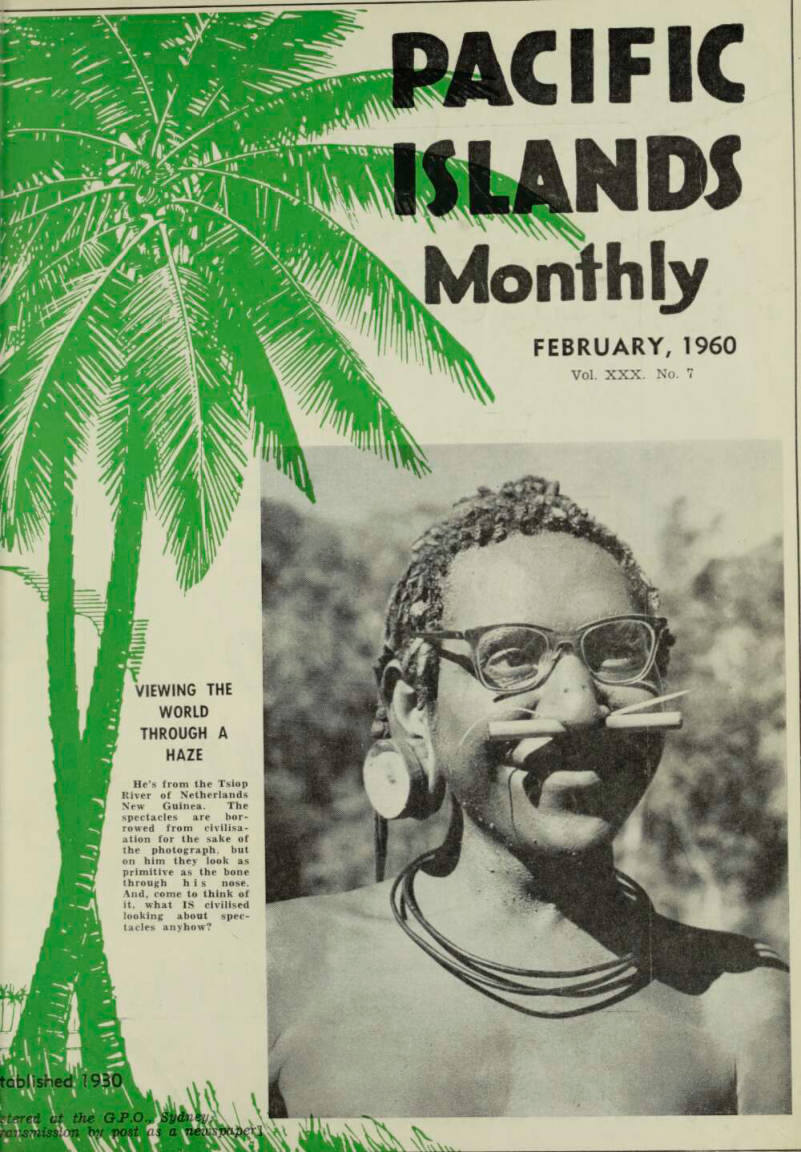 1
1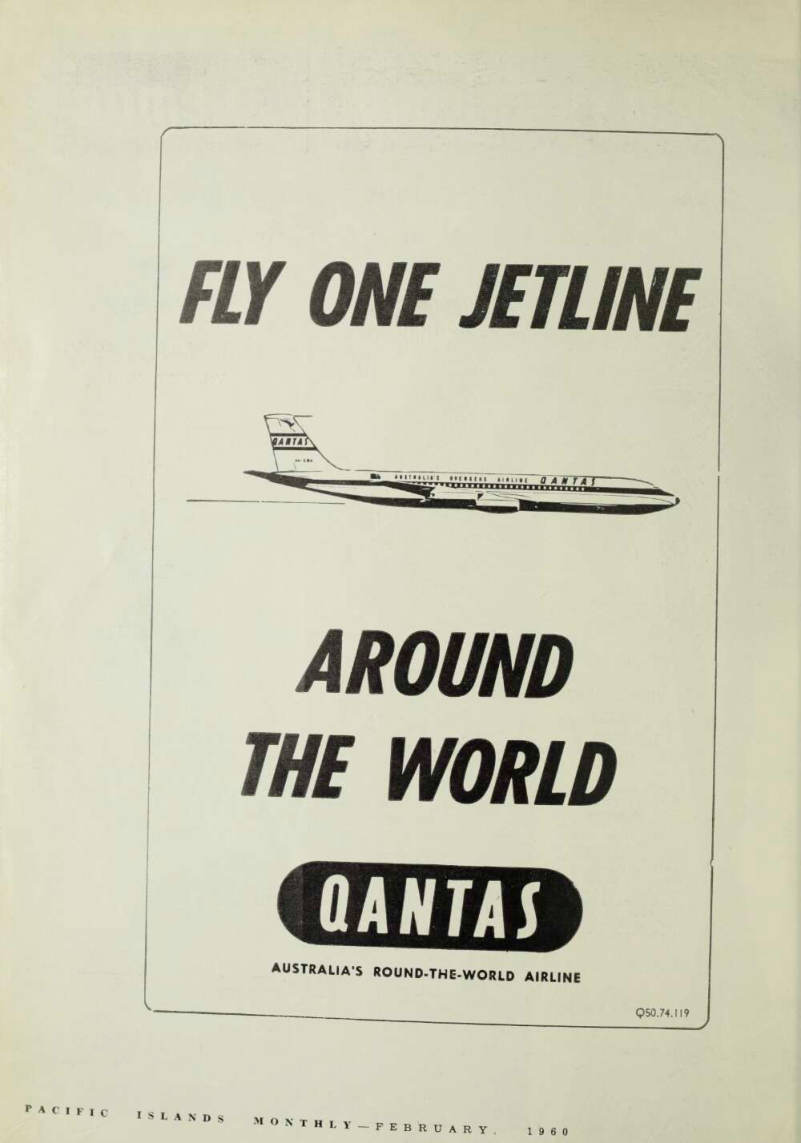 2
2 3
3 4
4 5
5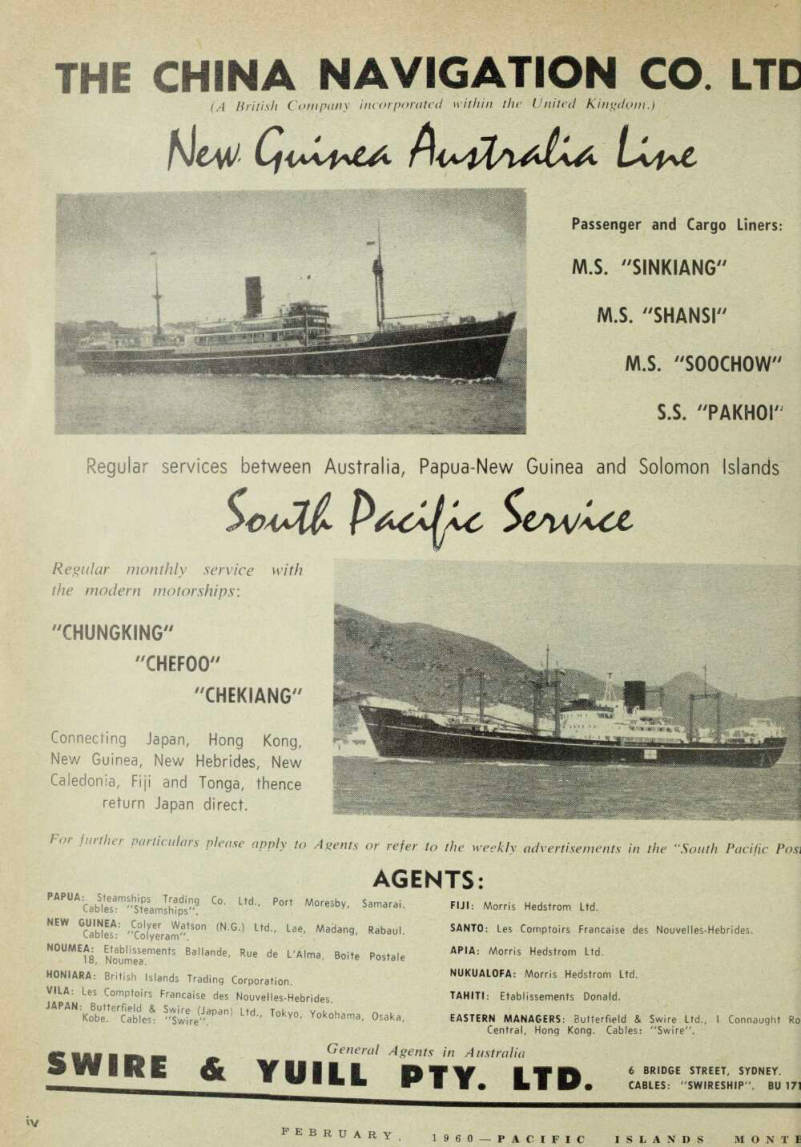 6
6 7
7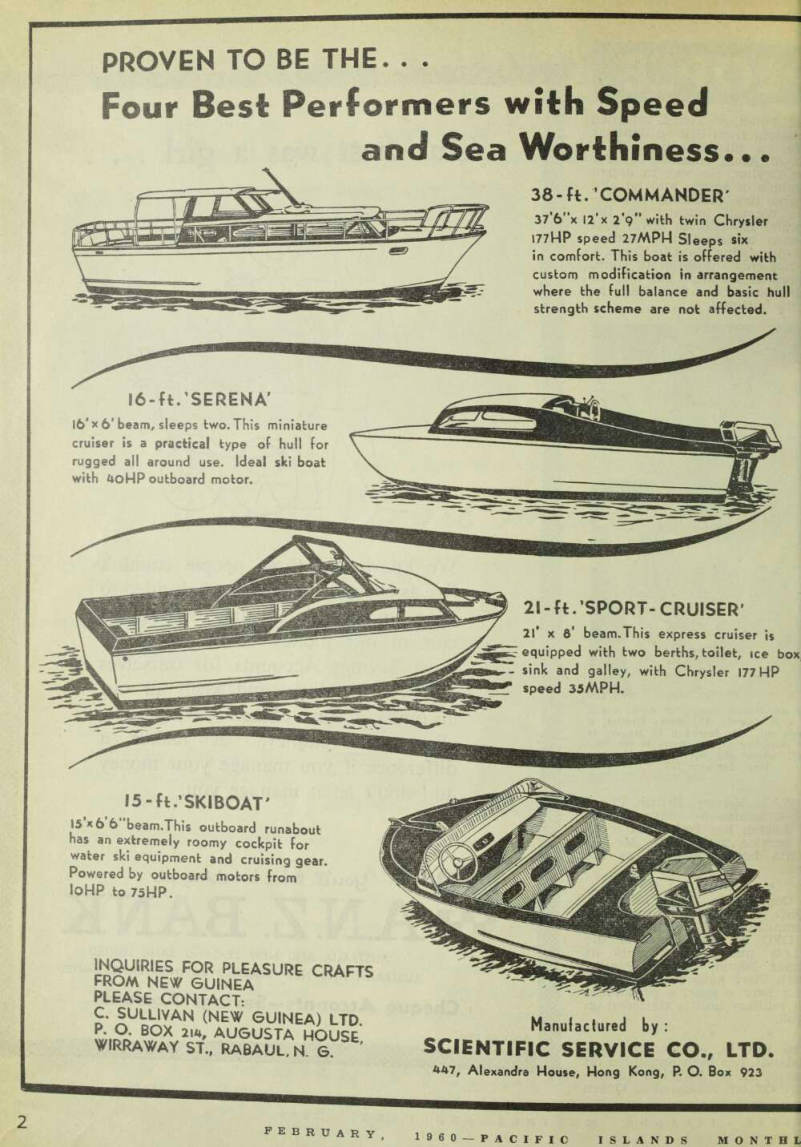 8
8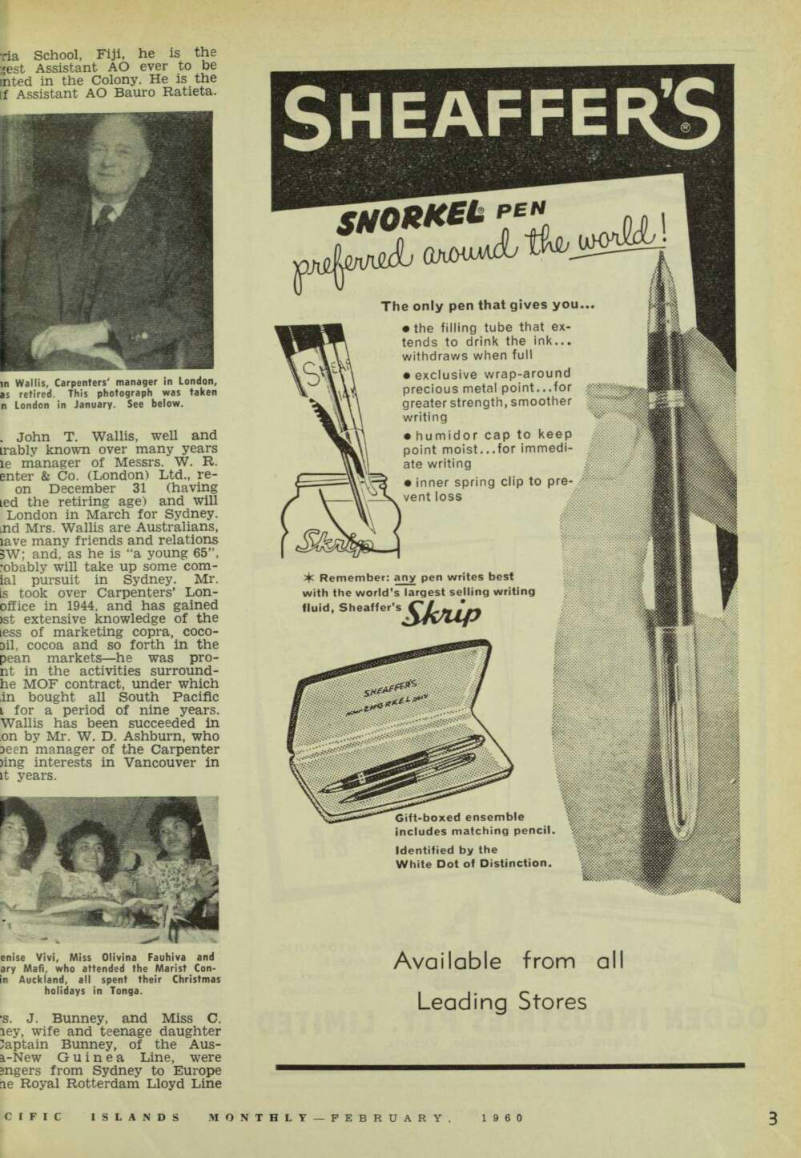 9
9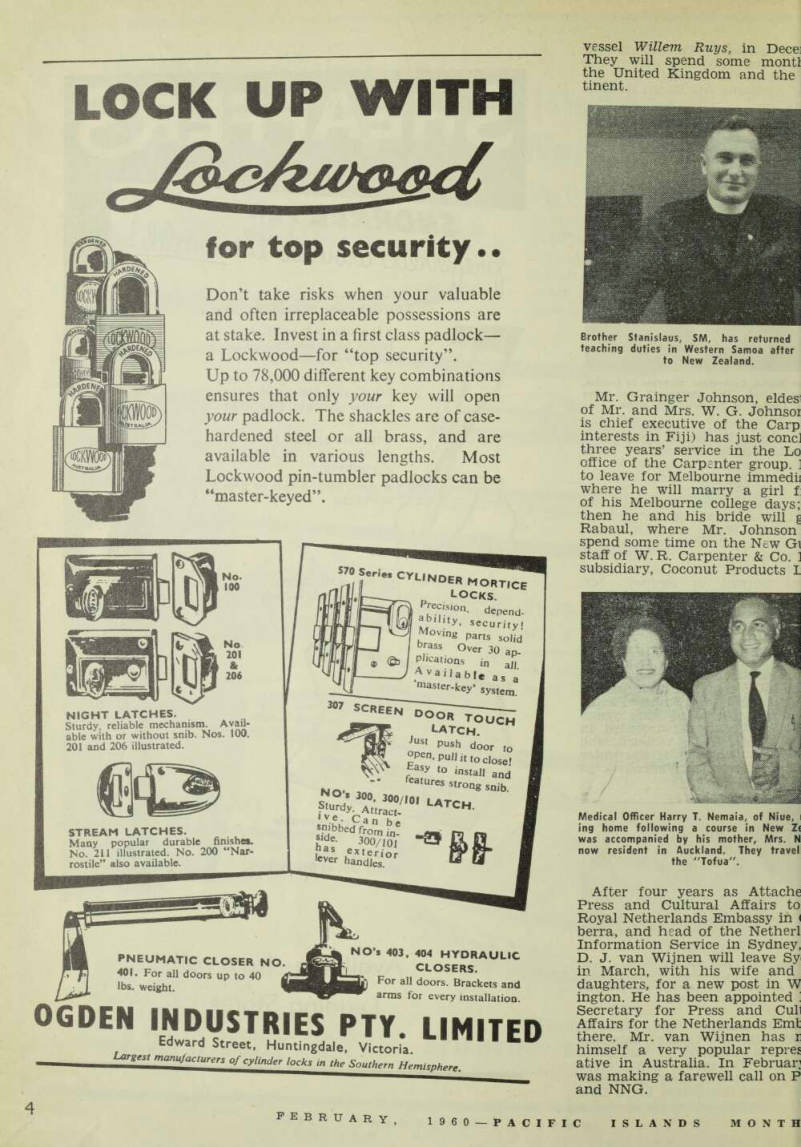 10
10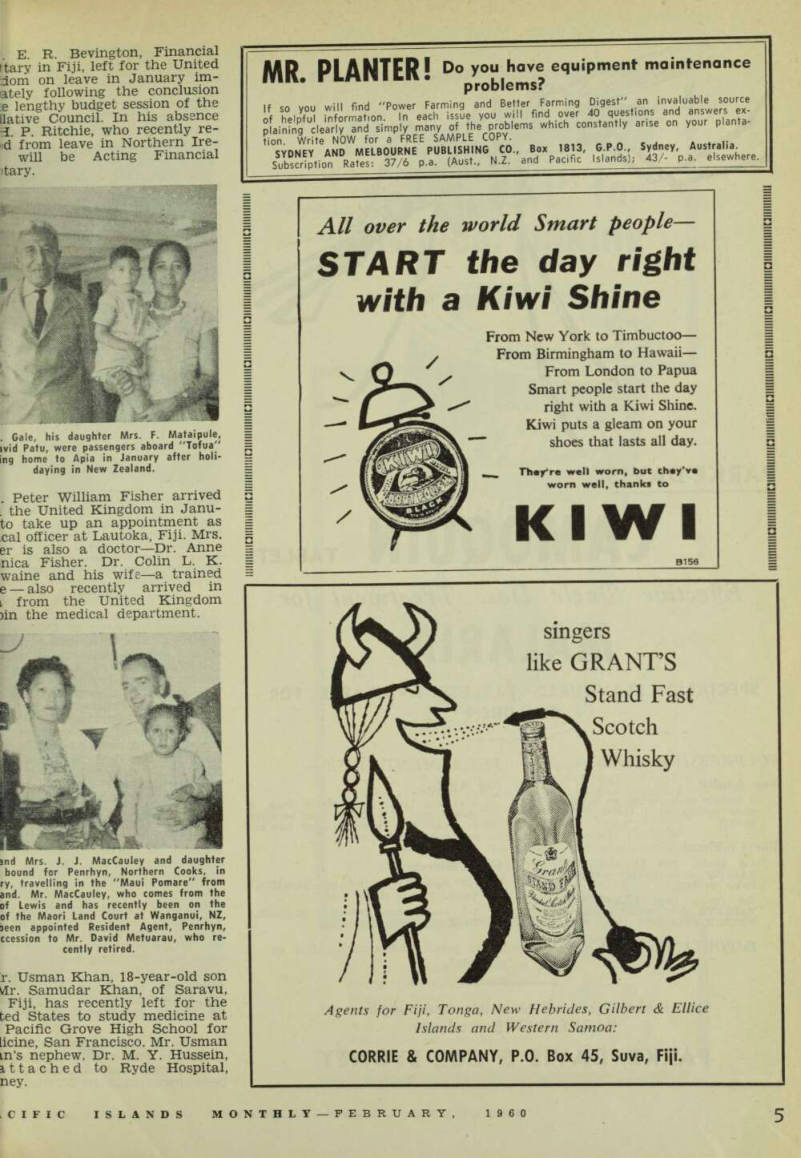 11
11 12
12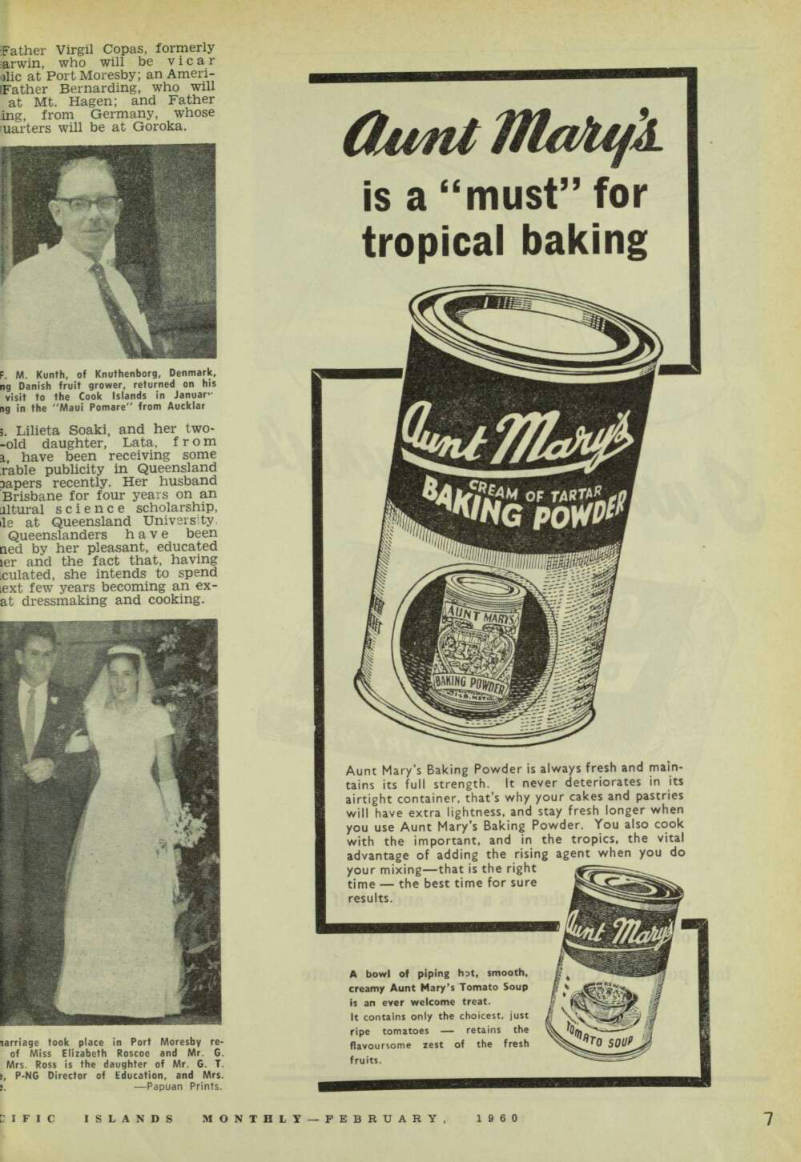 13
13 14
14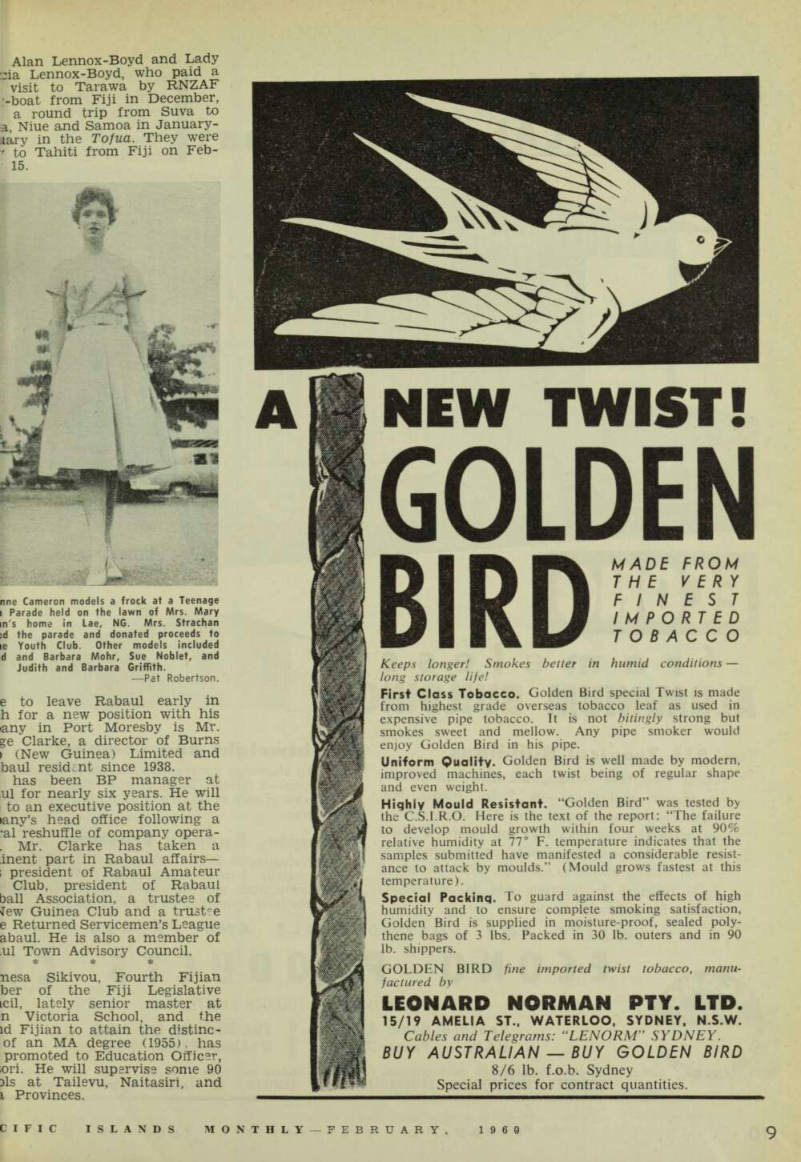 15
15 16
16 17
17 18
18 19
19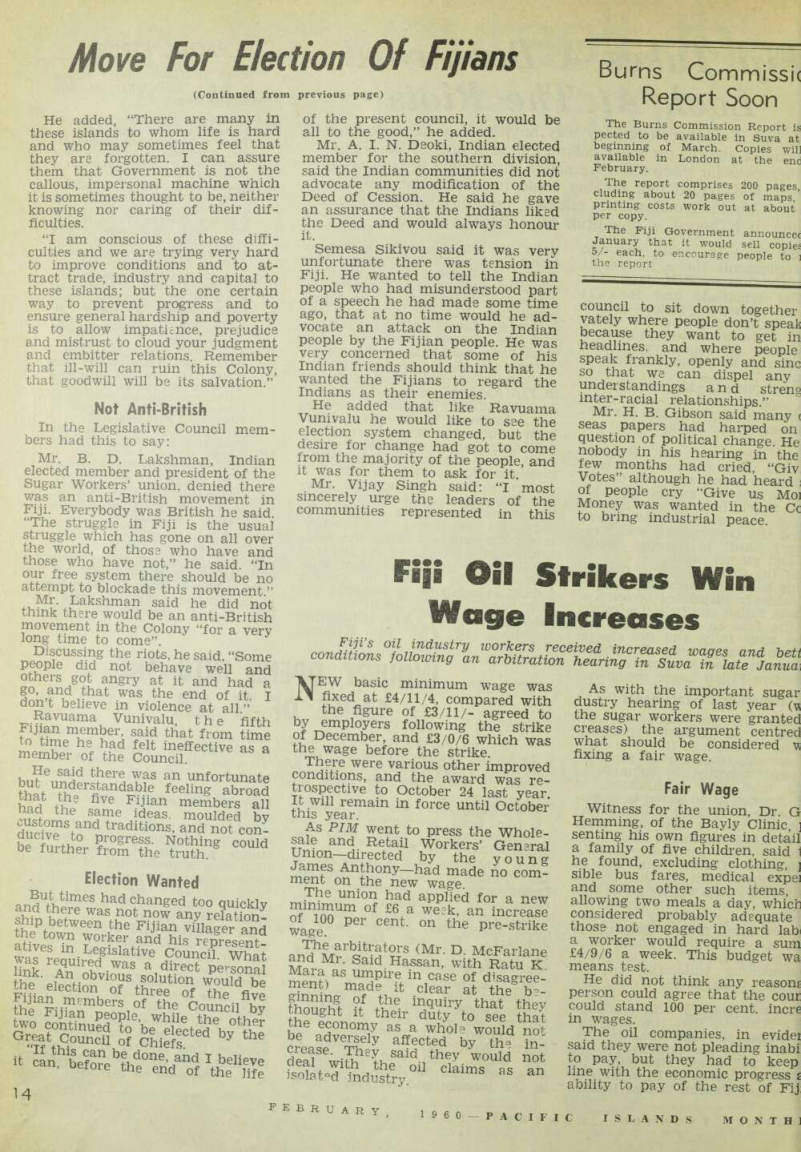 20
20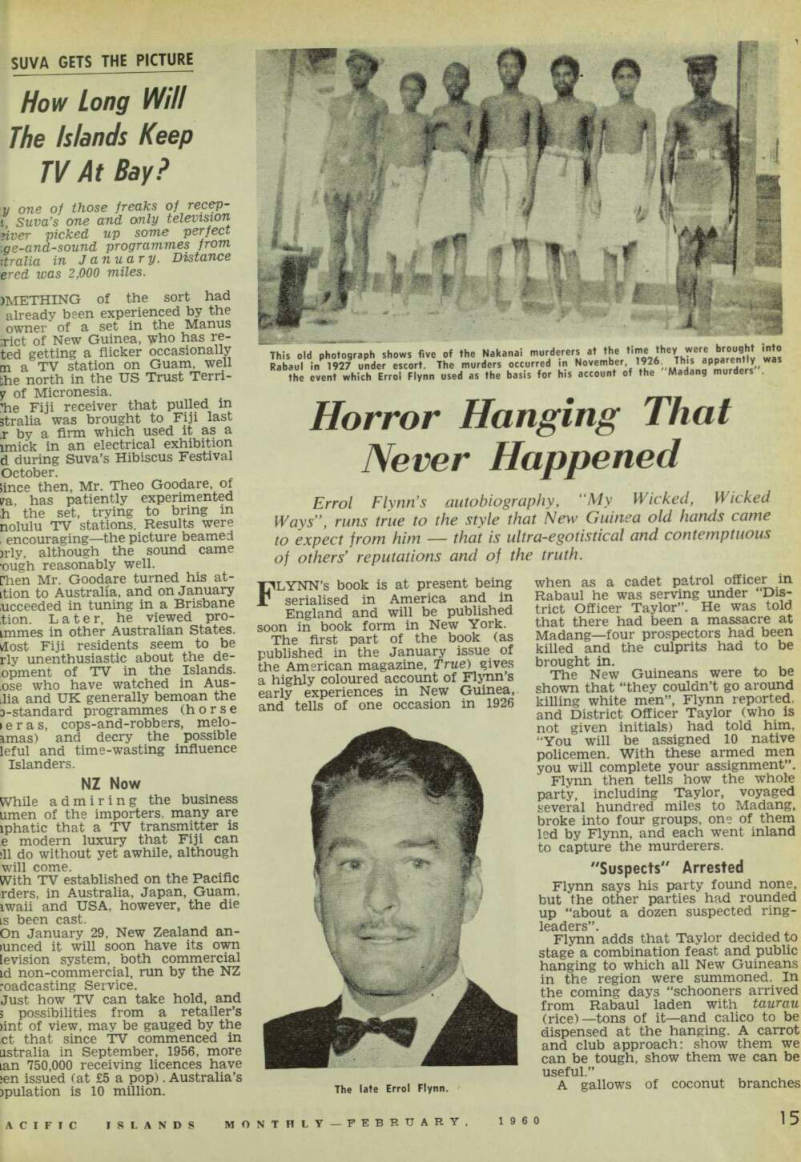 21
21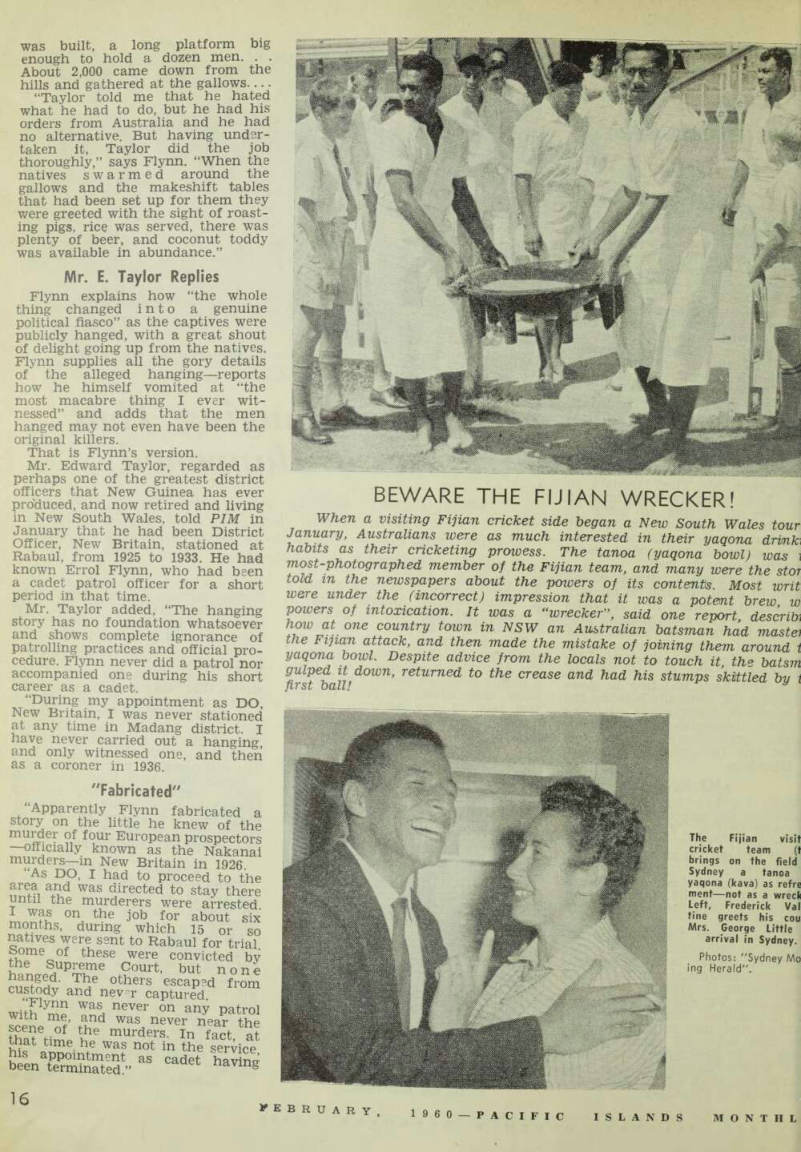 22
22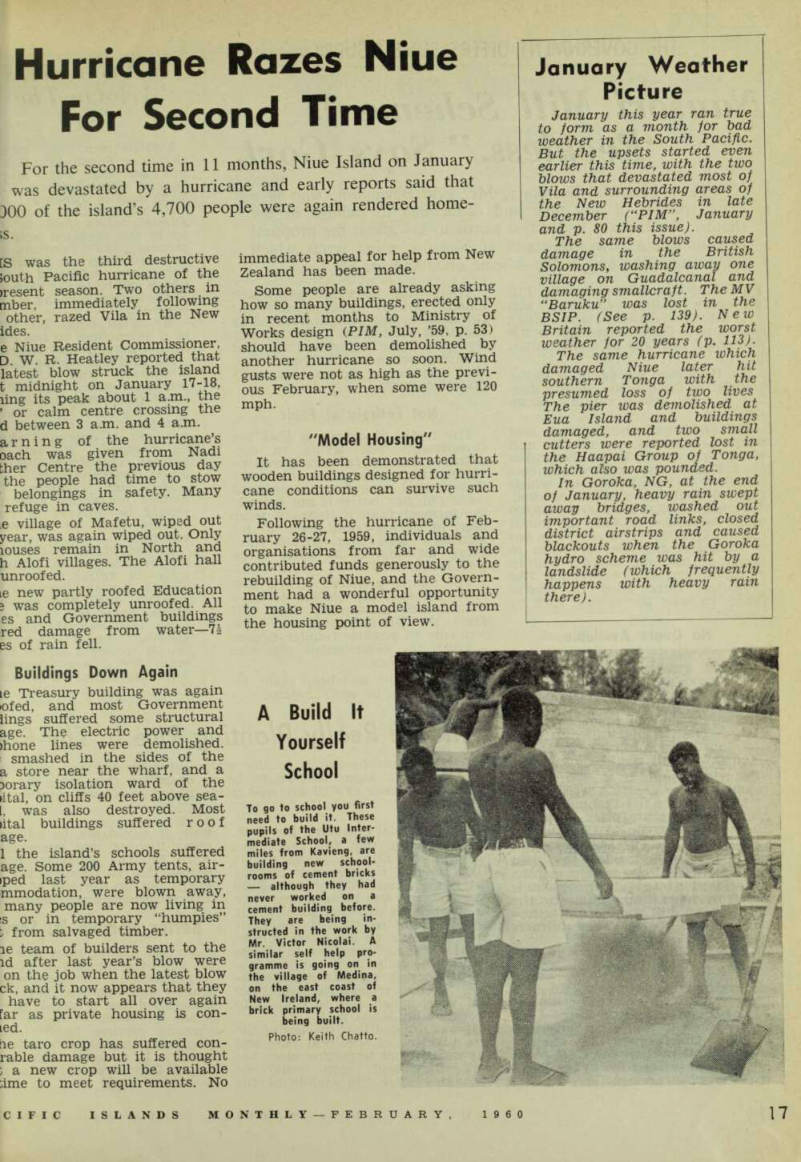 23
23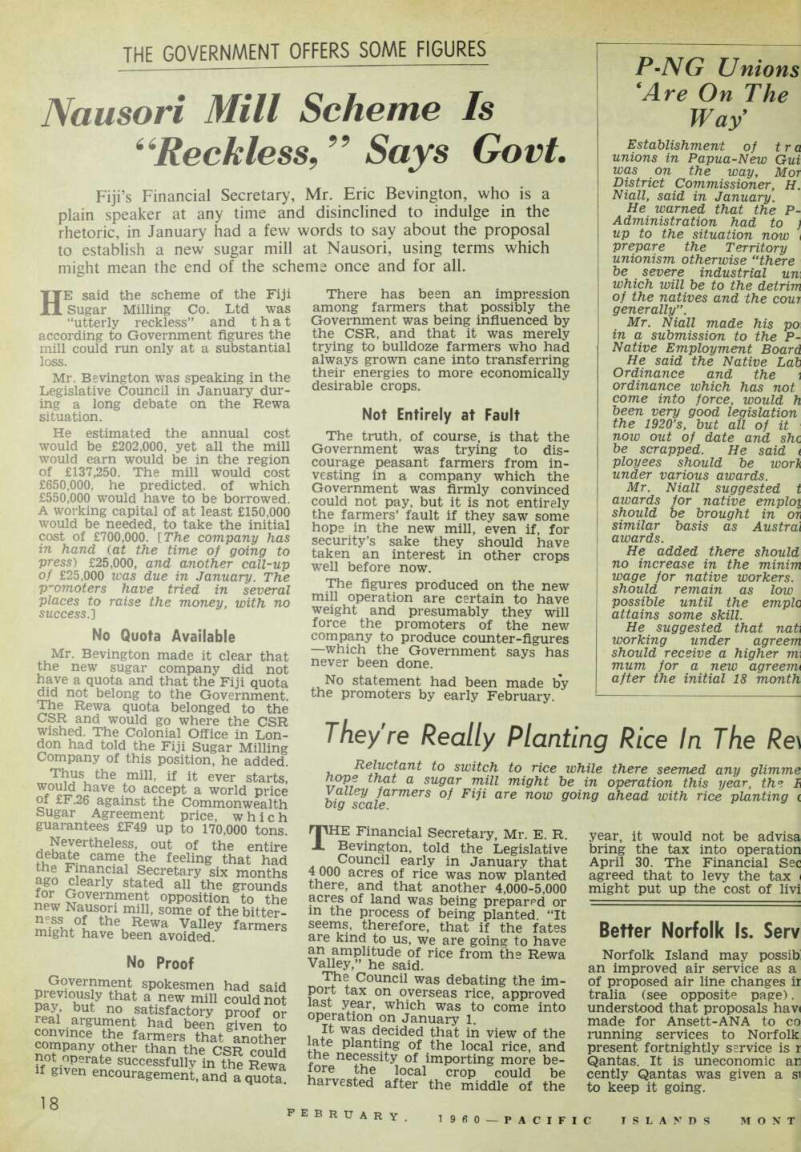 24
24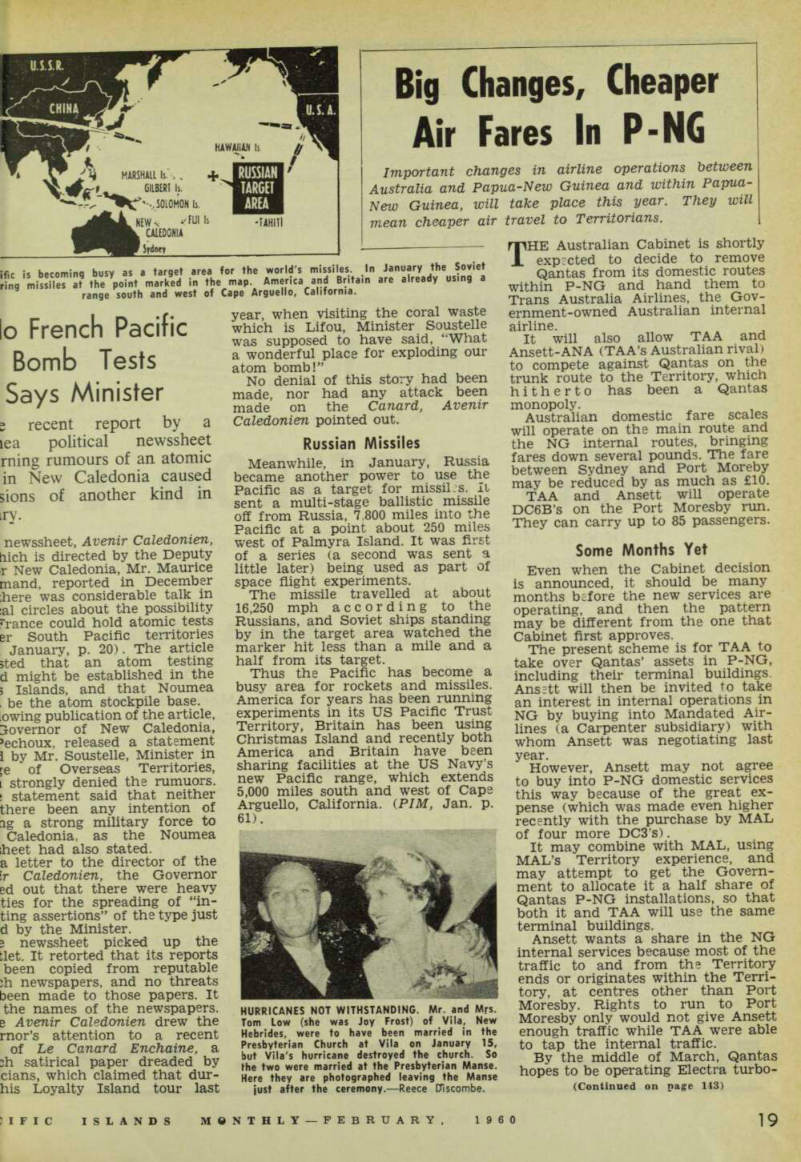 25
25 26
26 27
27 28
28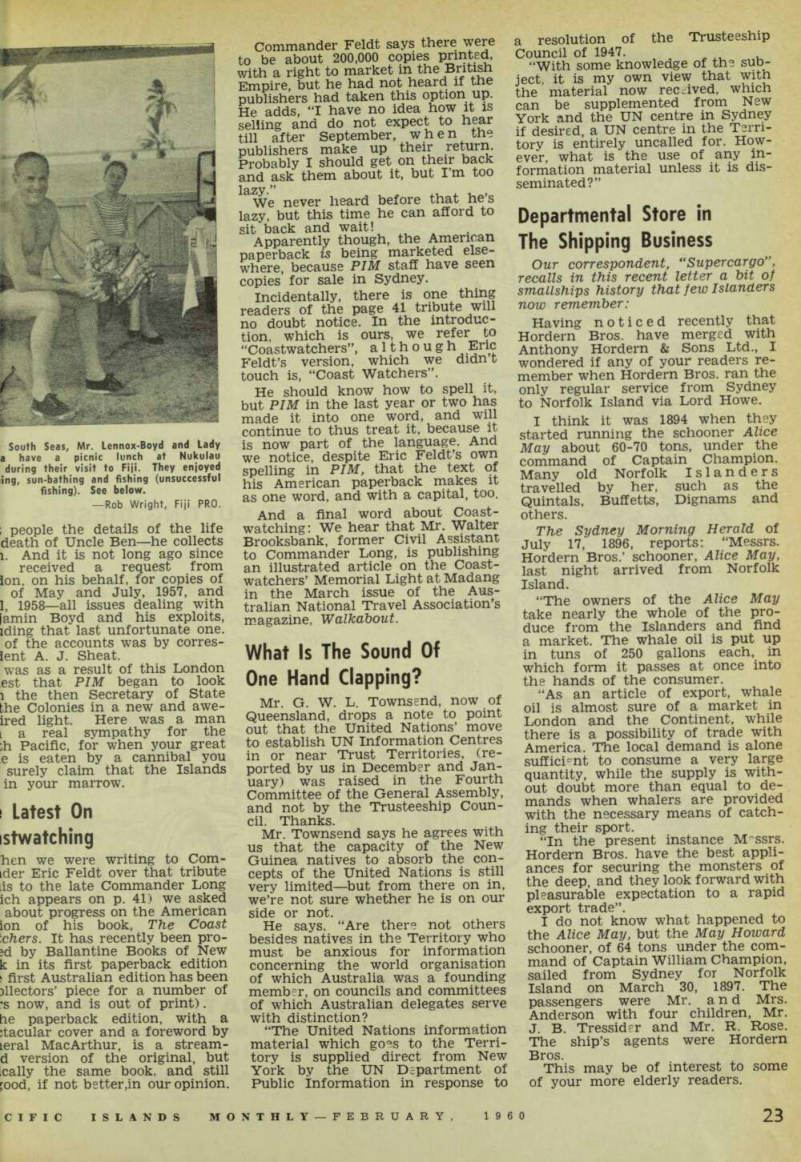 29
29 30
30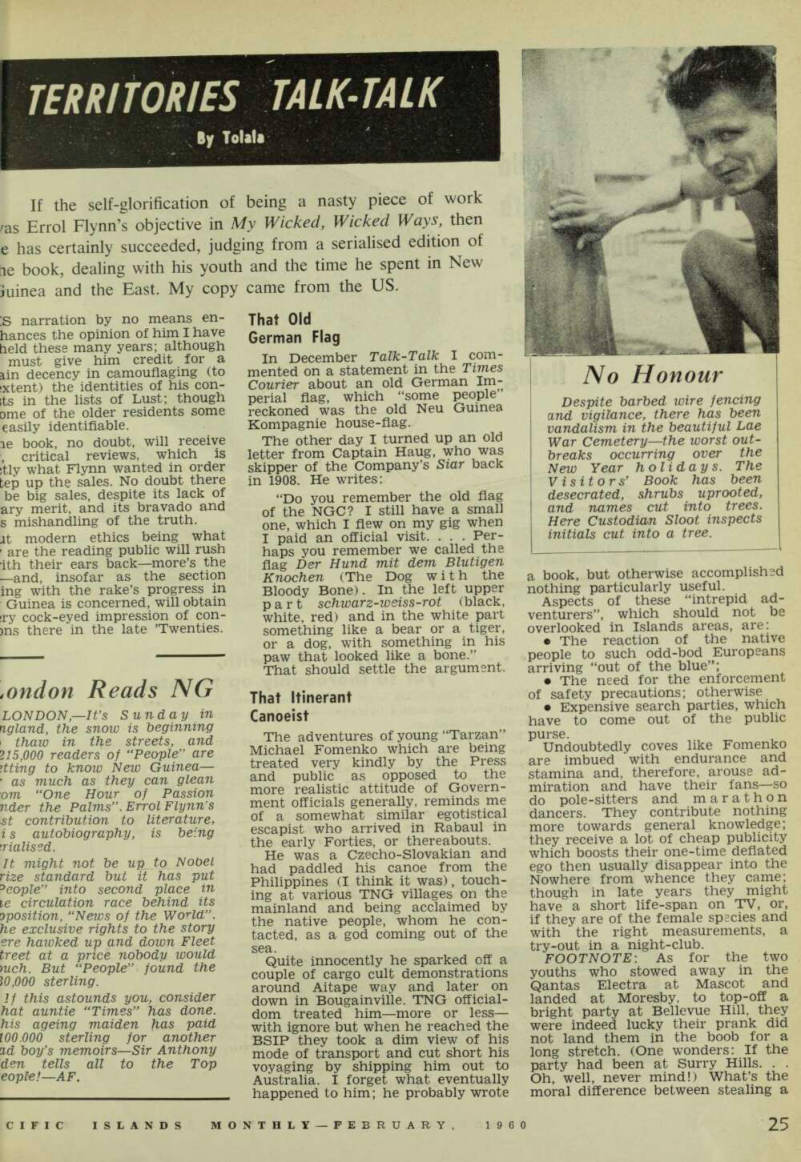 31
31 32
32 33
33 34
34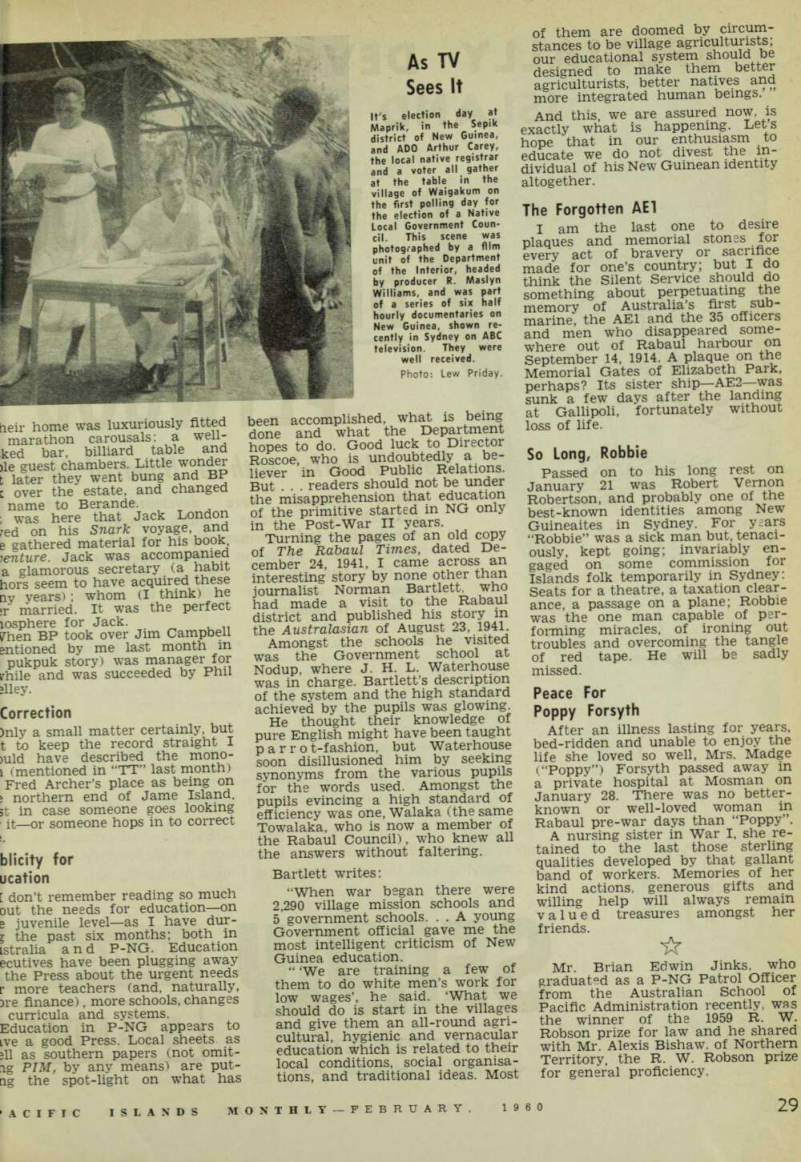 35
35 36
36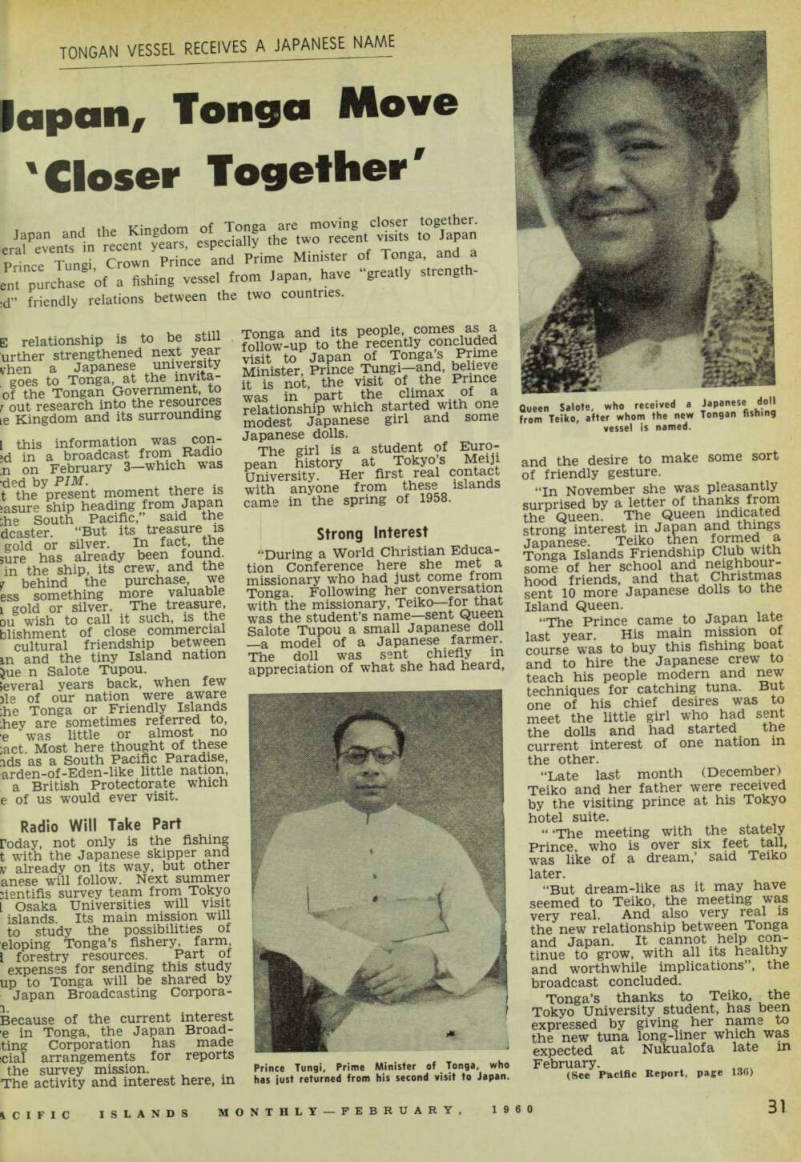 37
37 38
38 39
39 40
40 41
41 42
42 43
43 44
44 45
45 46
46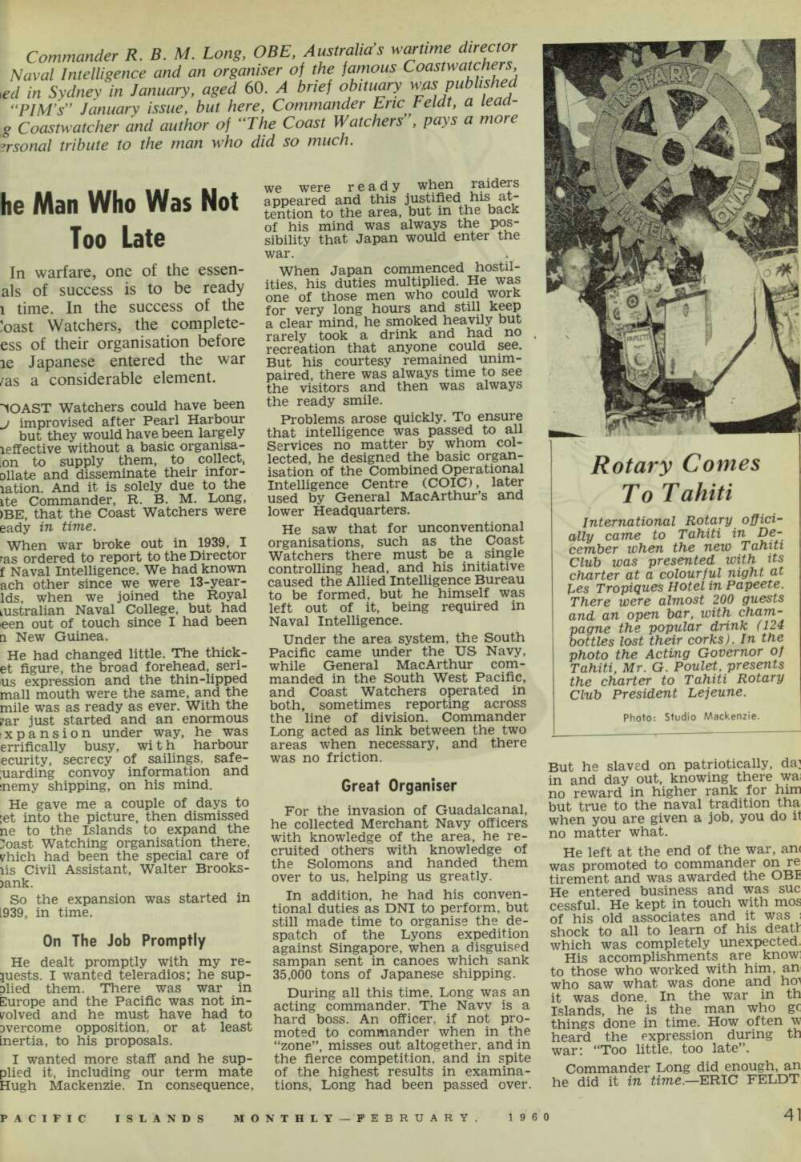 47
47 48
48 49
49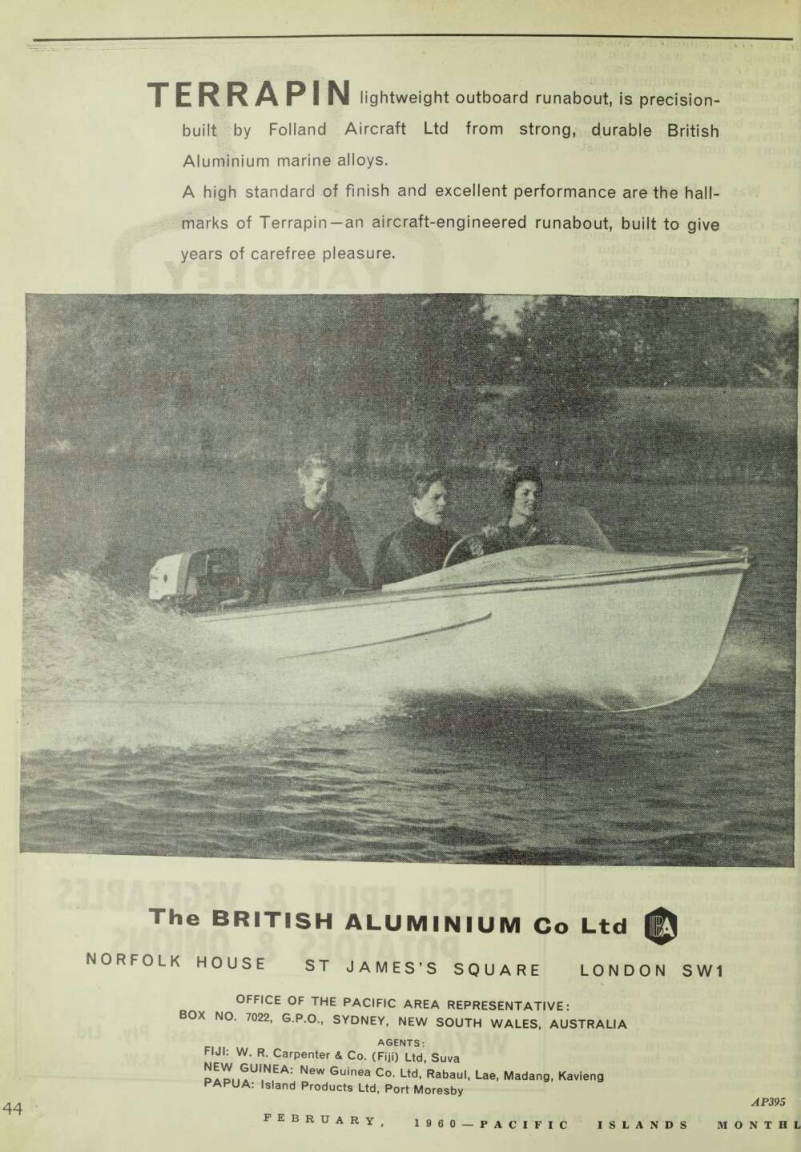 50
50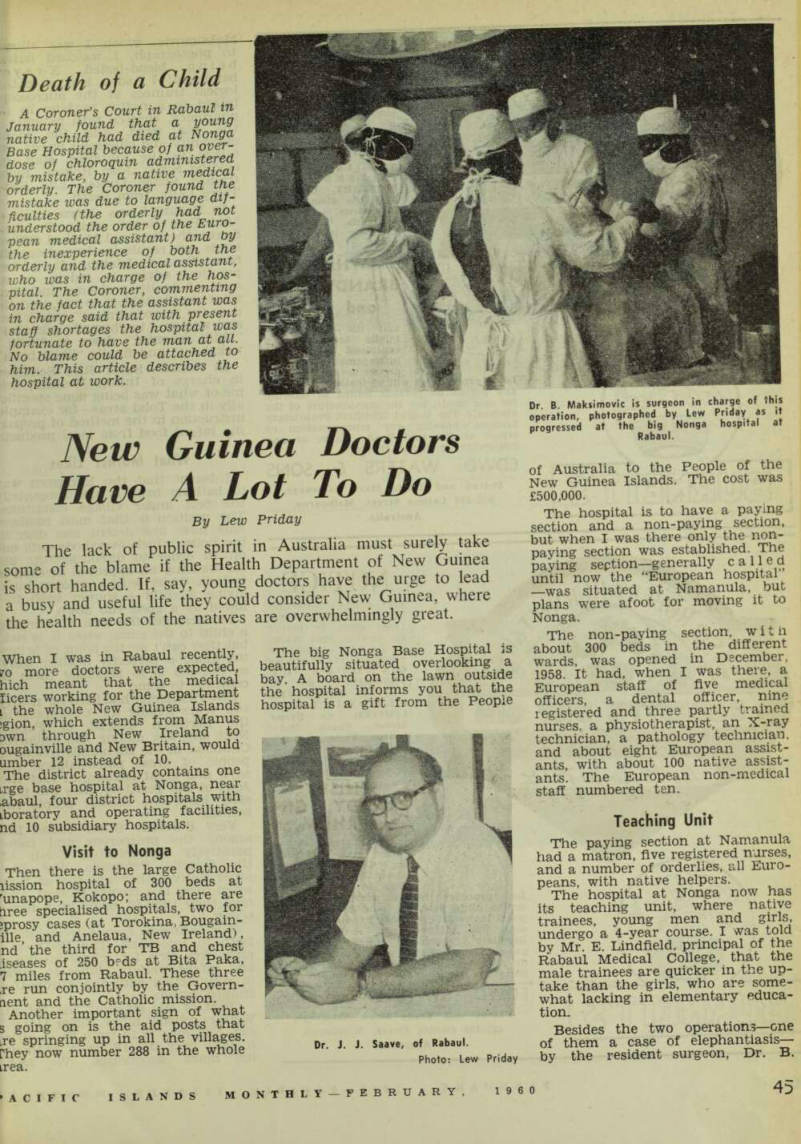 51
51 52
52 53
53 54
54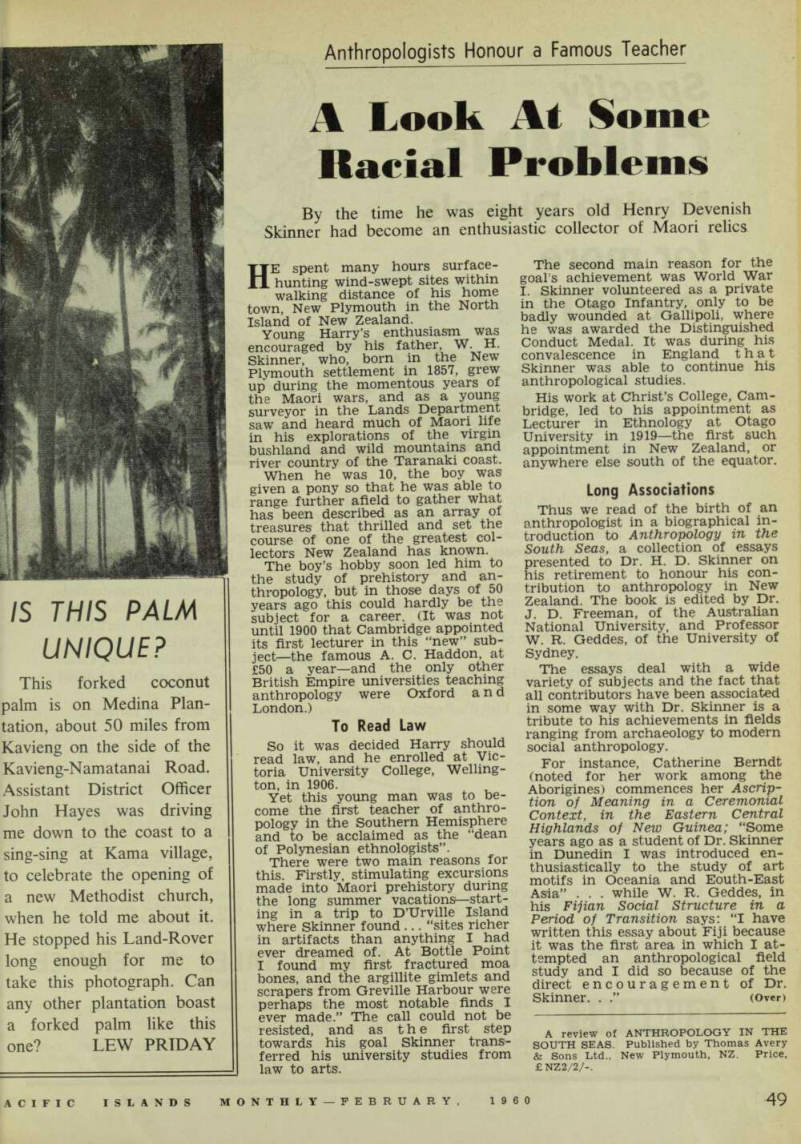 55
55 56
56 57
57 58
58 59
59 60
60 61
61 62
62 63
63 64
64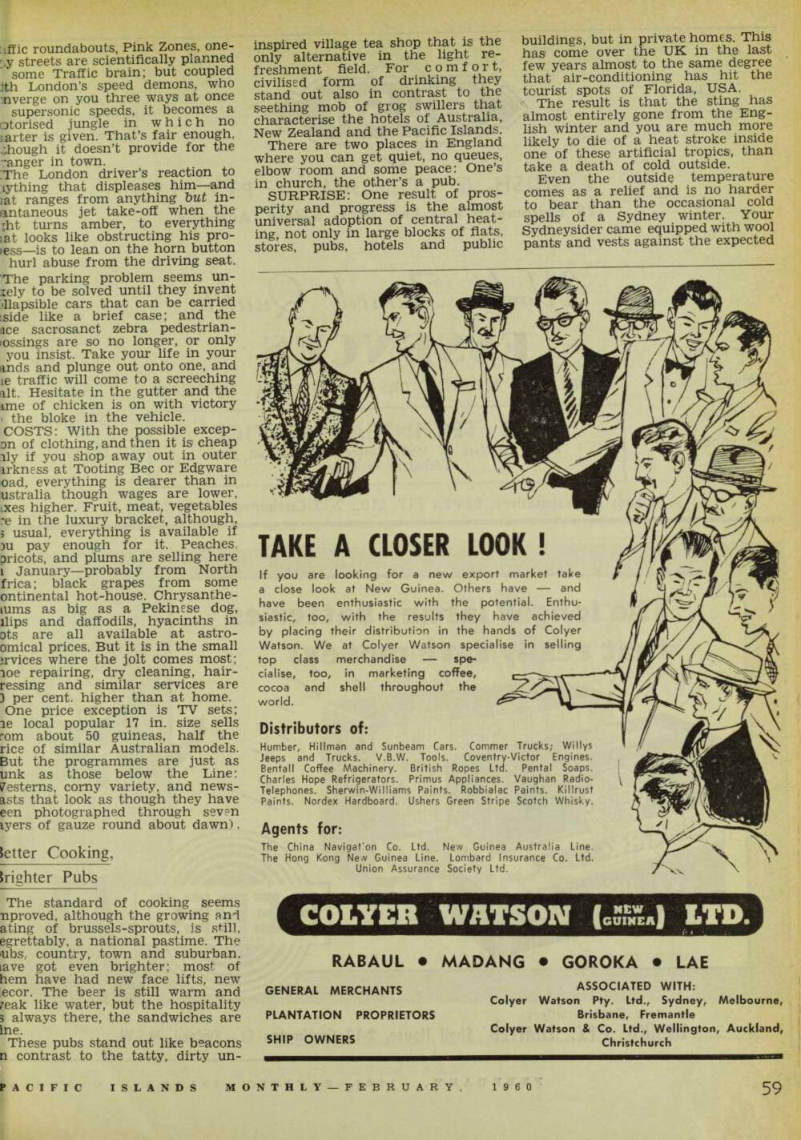 65
65 66
66 67
67 68
68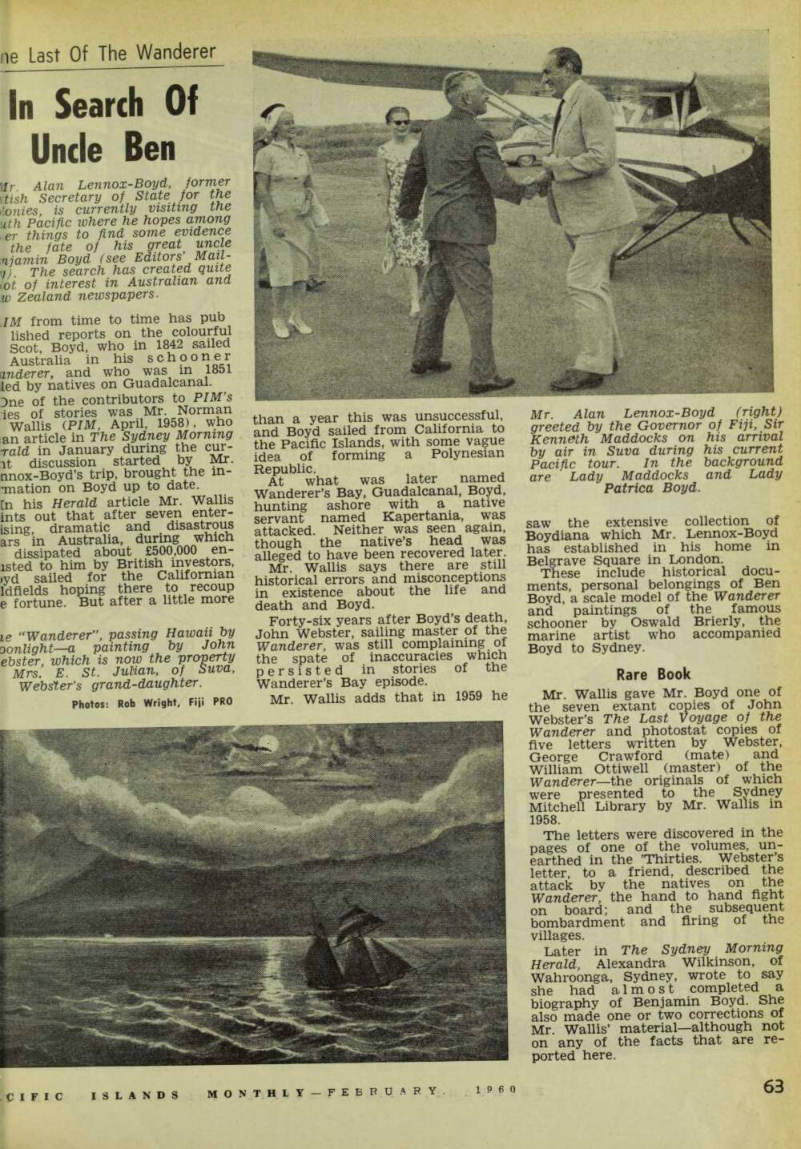 69
69 70
70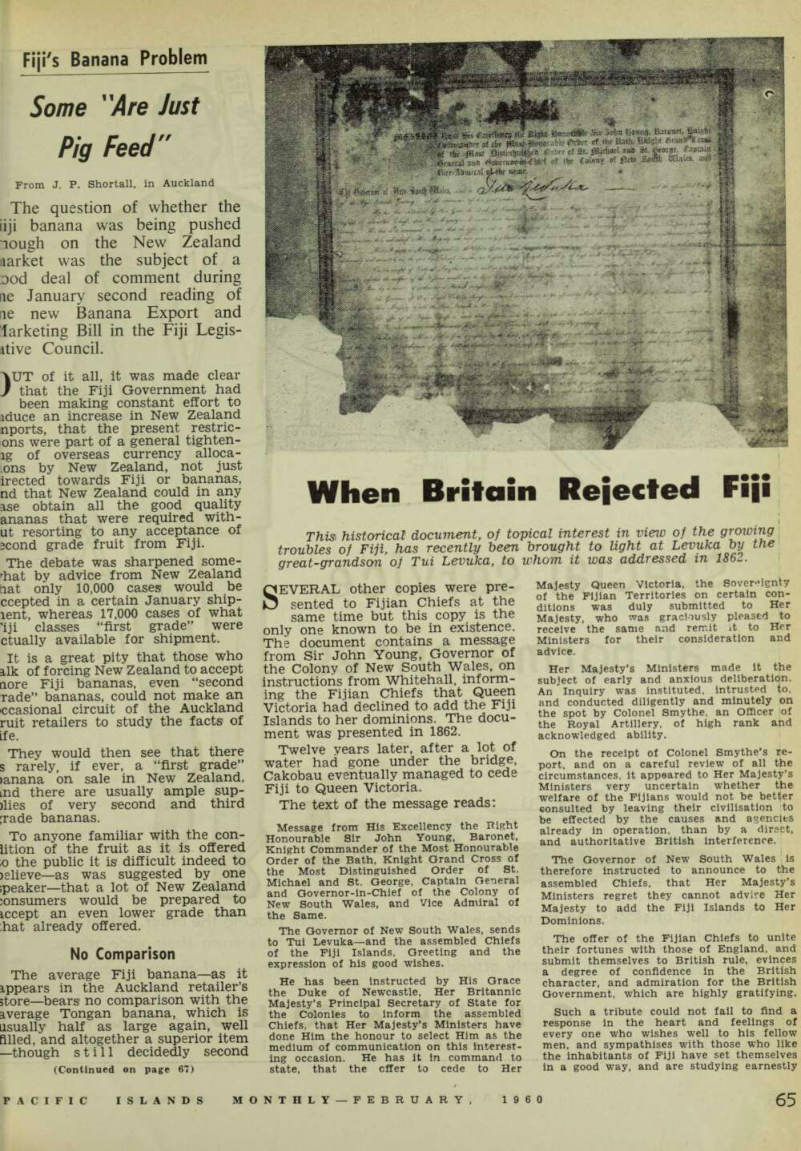 71
71 72
72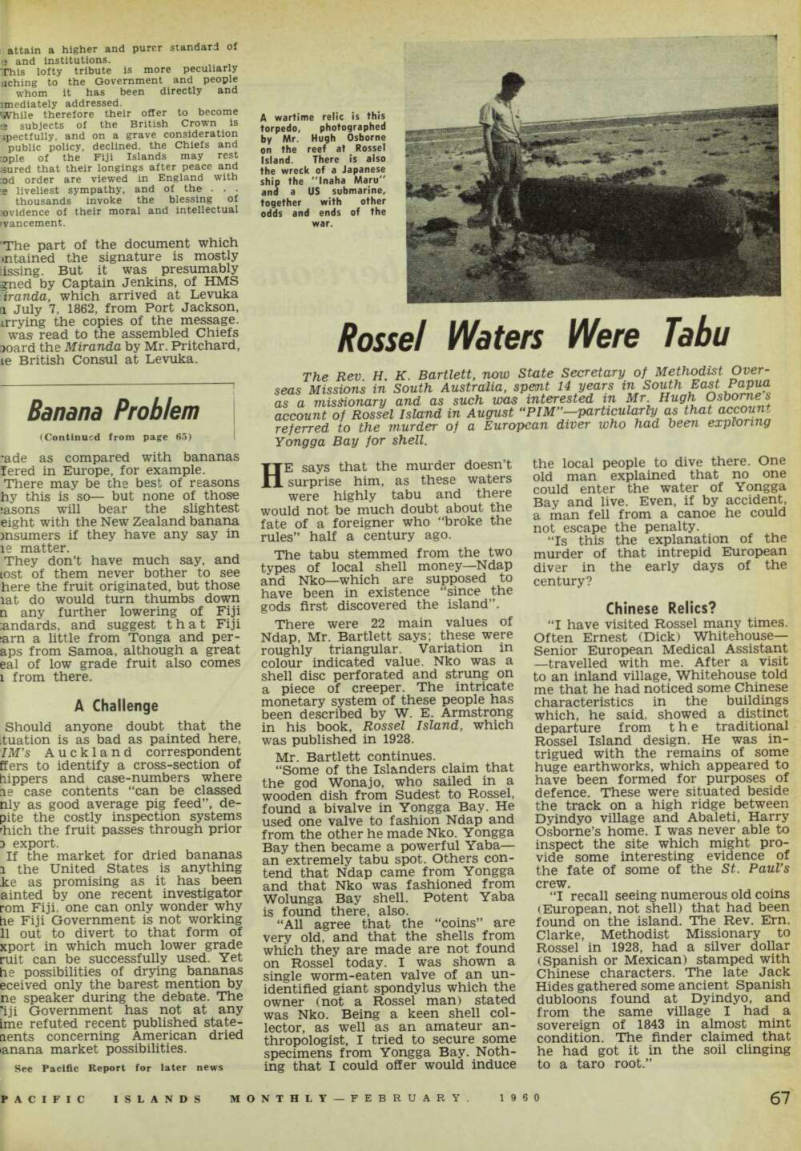 73
73 74
74 75
75 76
76 77
77 78
78 79
79 80
80 81
81 82
82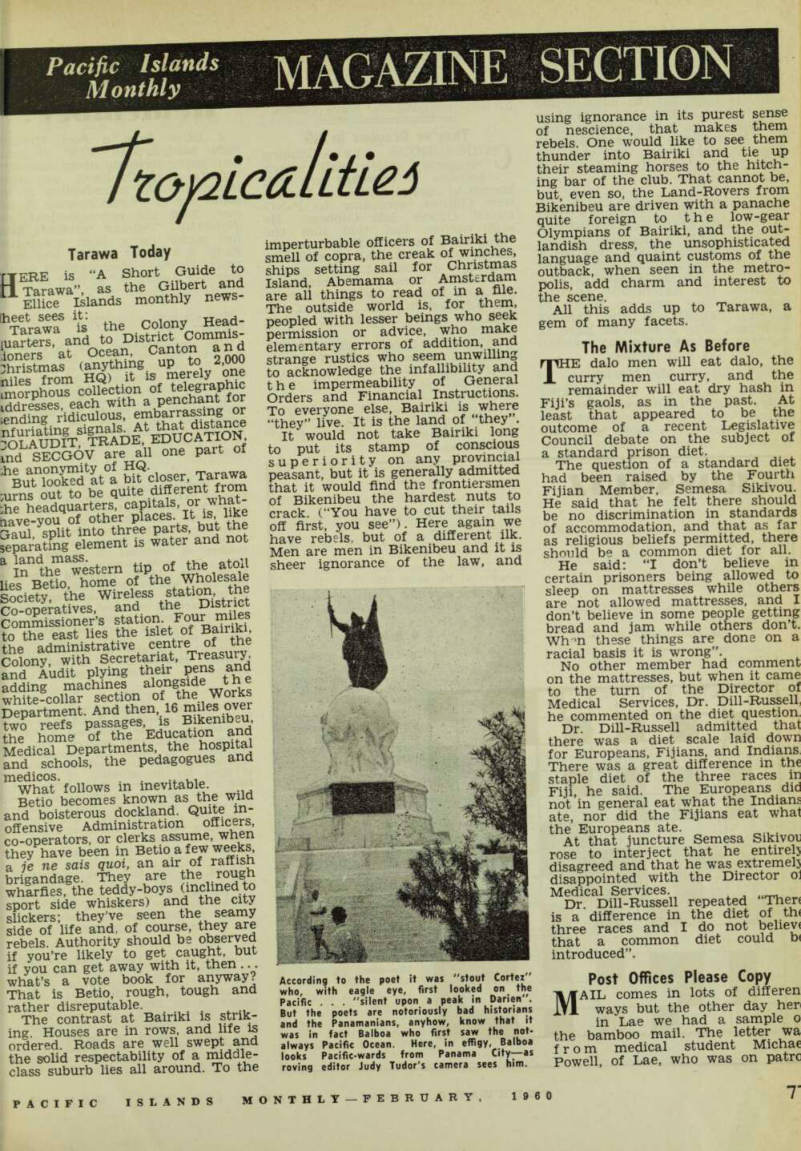 83
83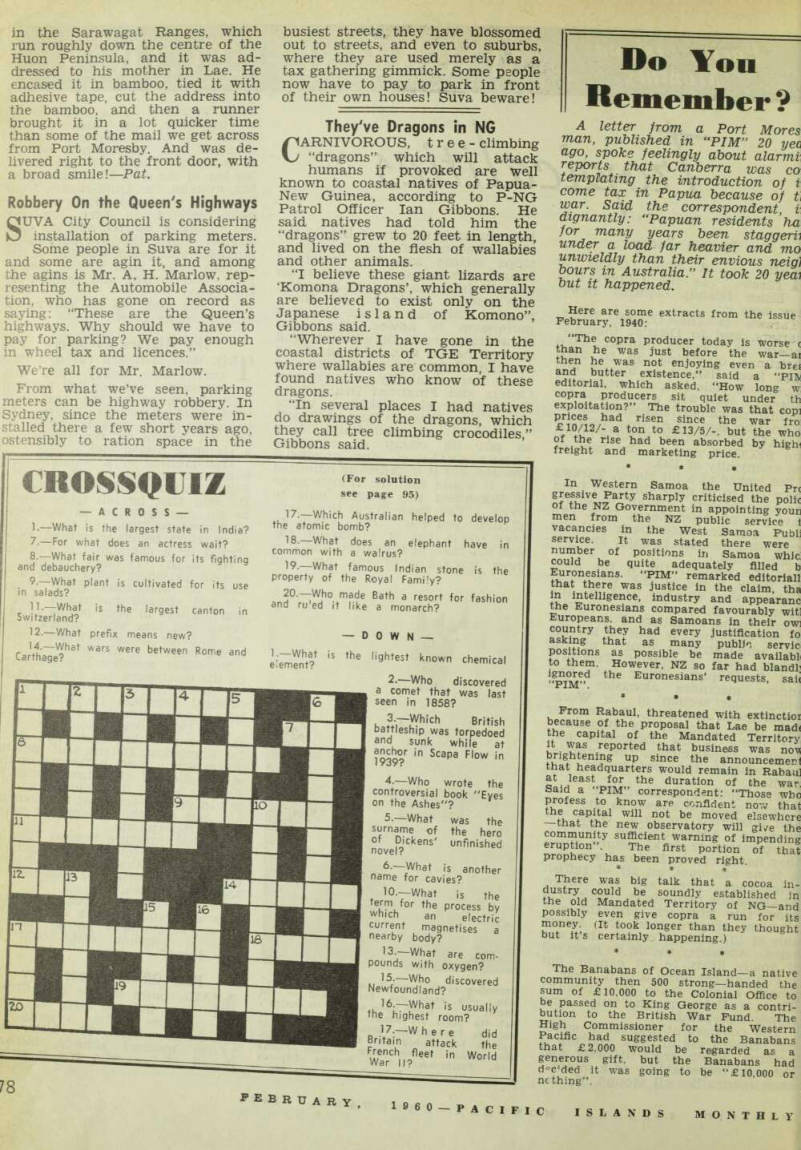 84
84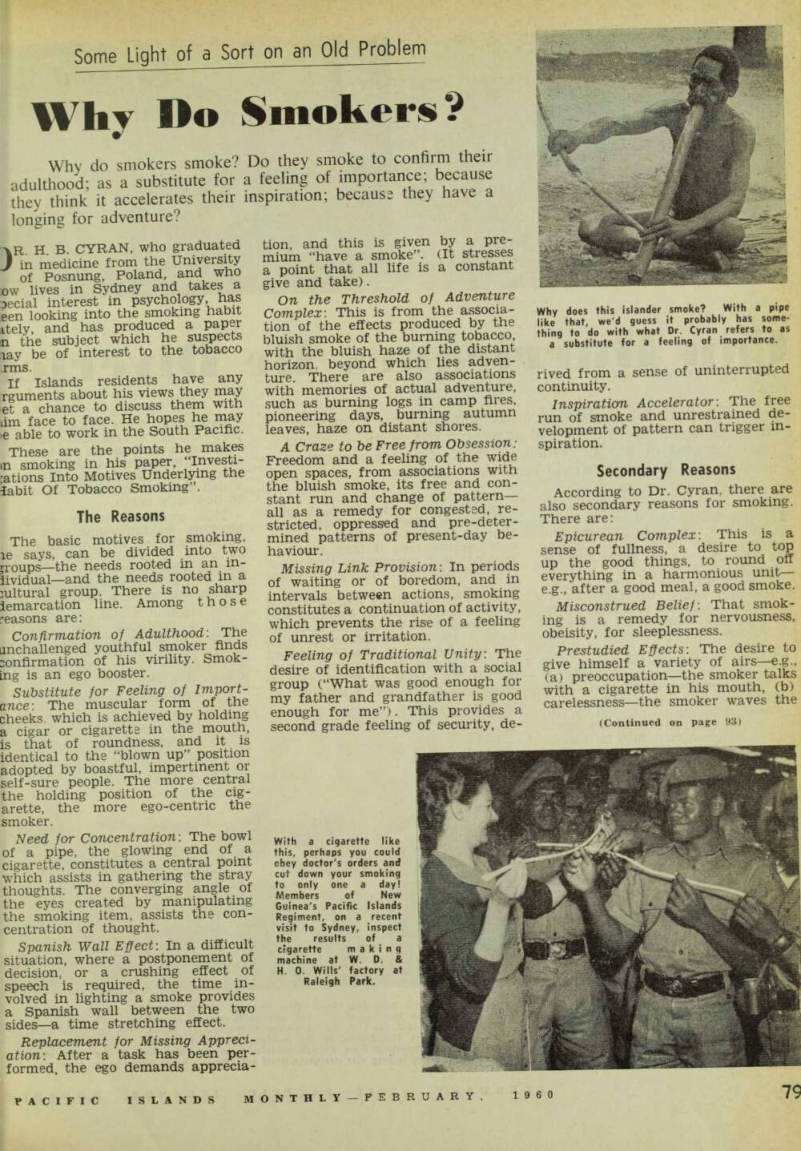 85
85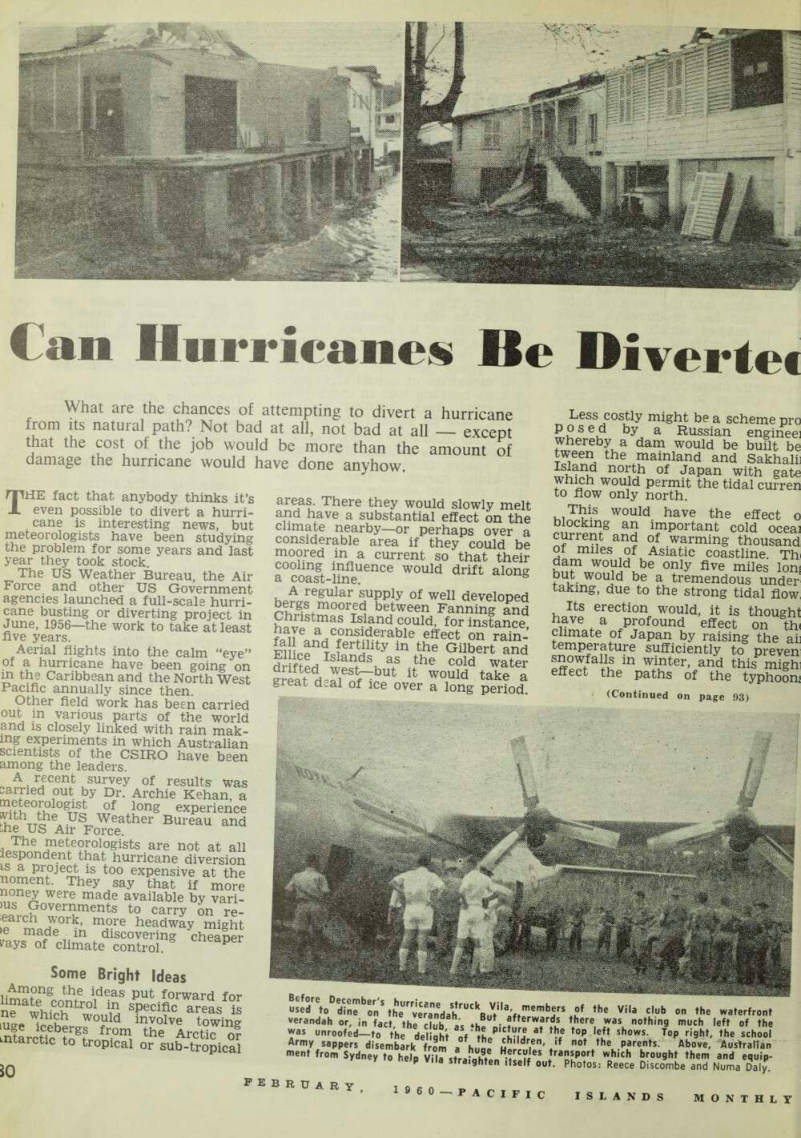 86
86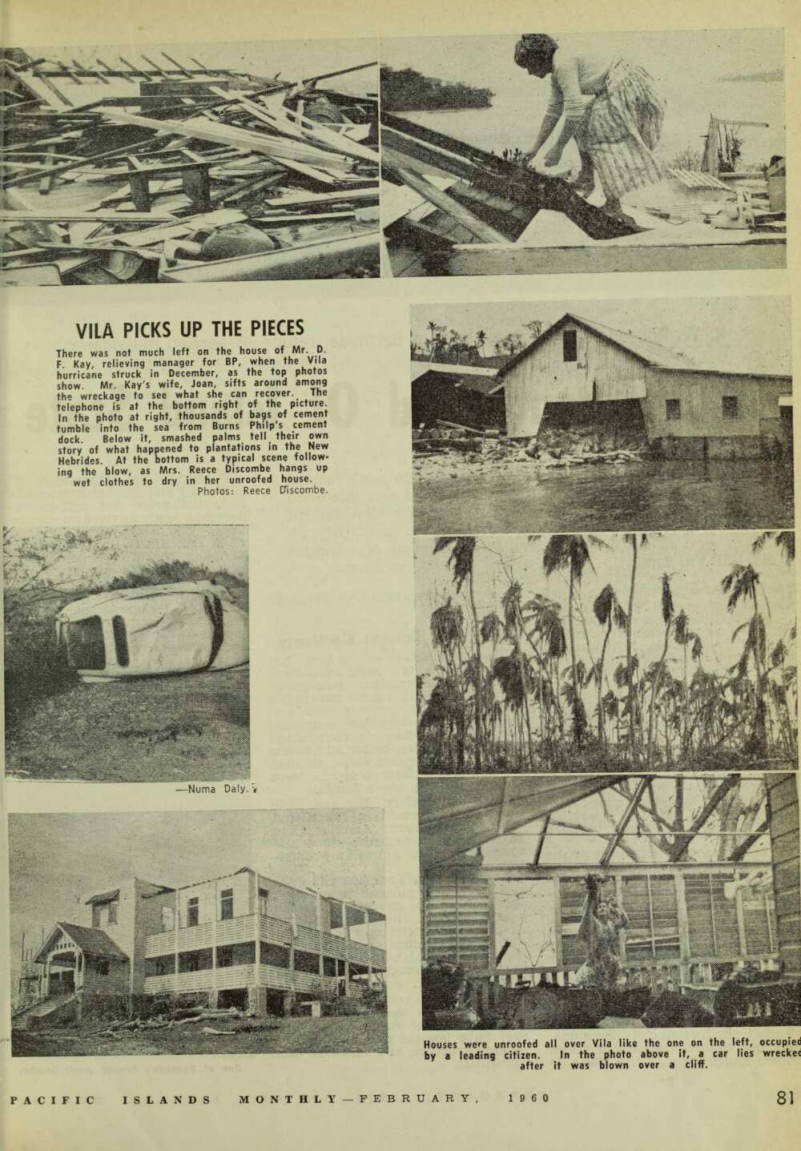 87
87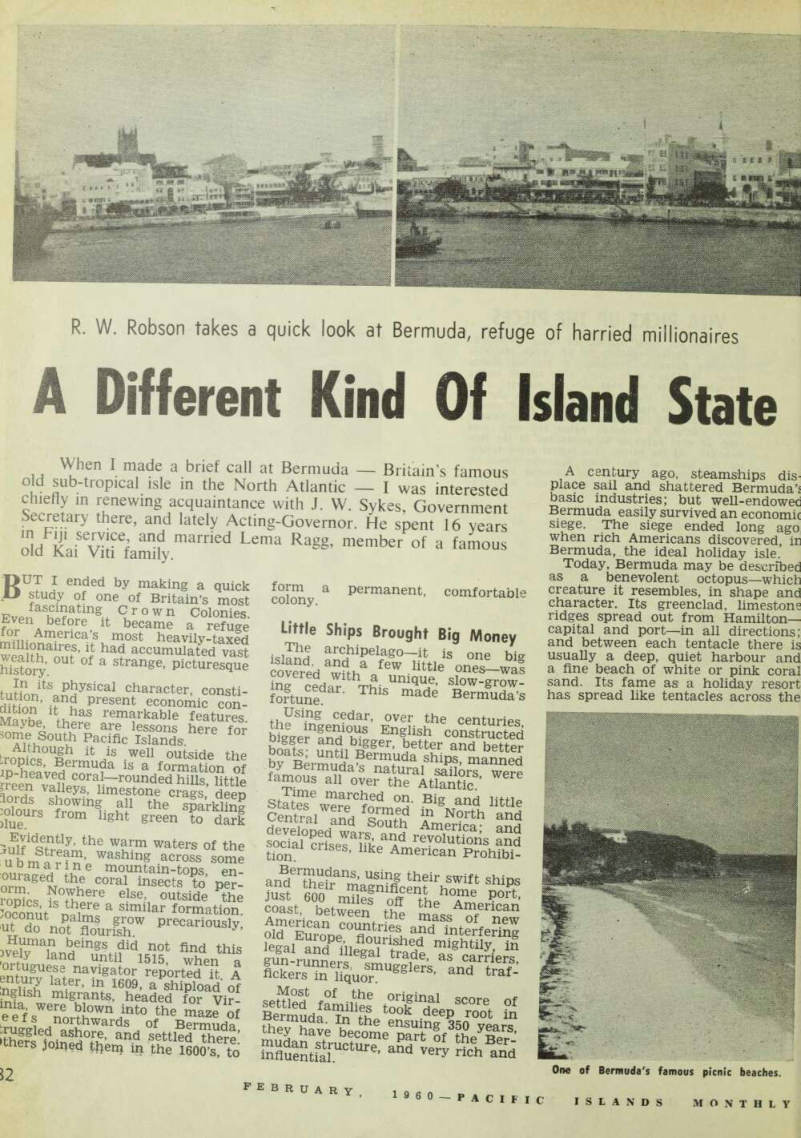 88
88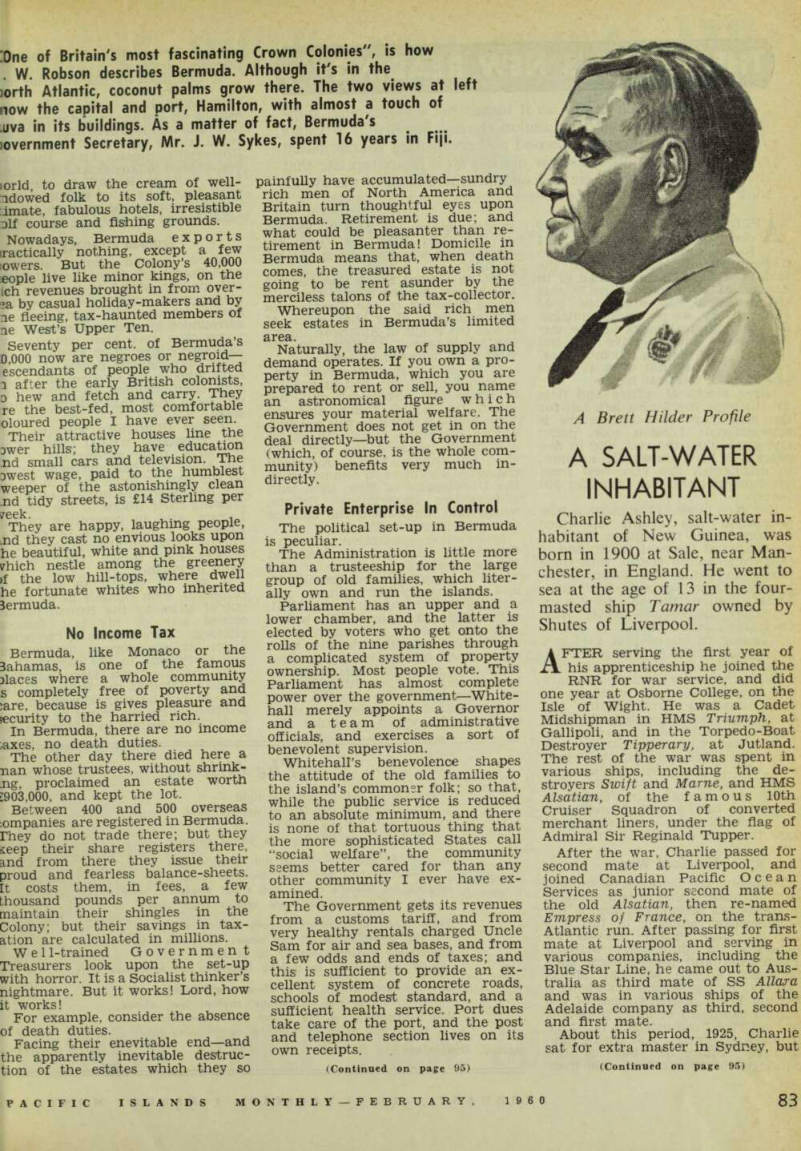 89
89 90
90 91
91 92
92 93
93 94
94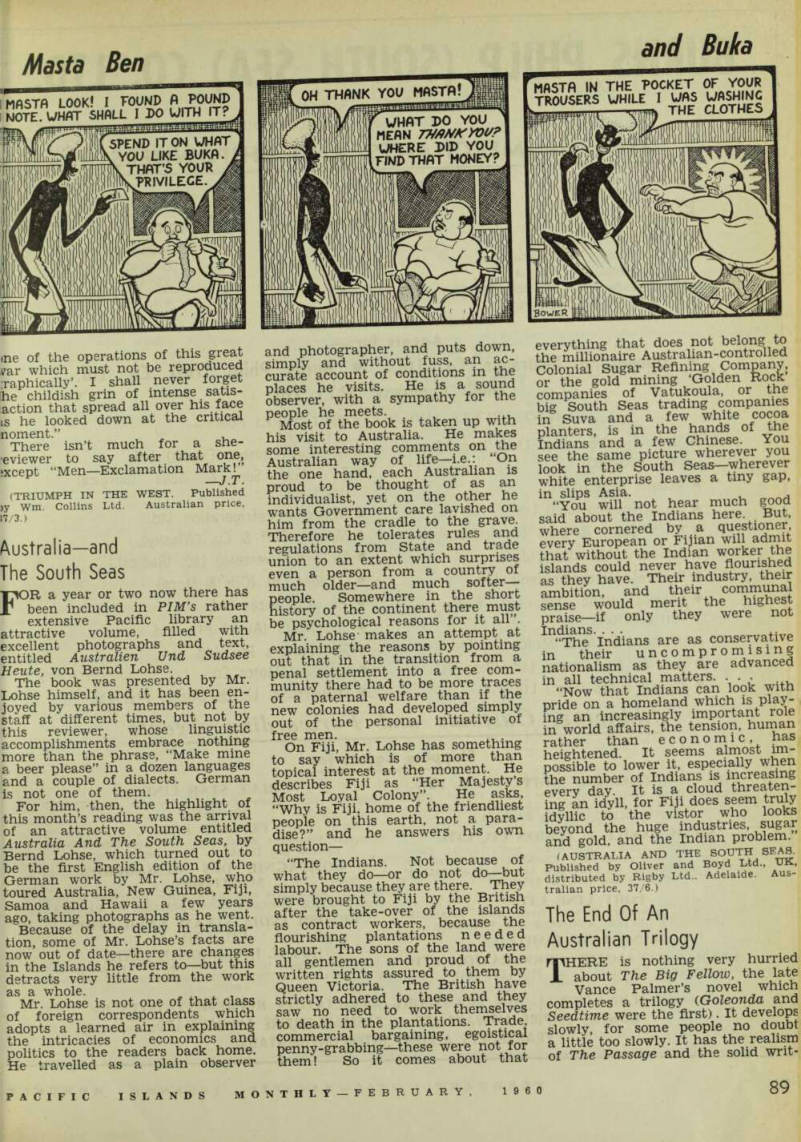 95
95 96
96 97
97 98
98 99
99 100
100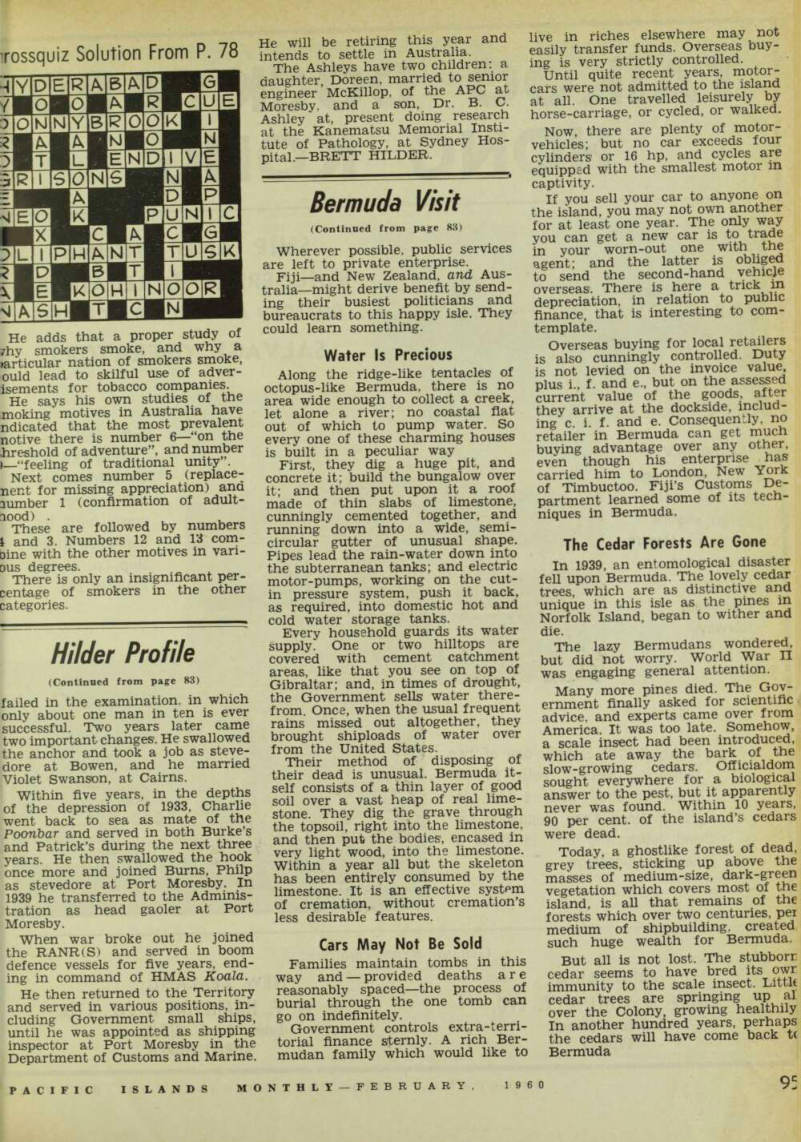 101
101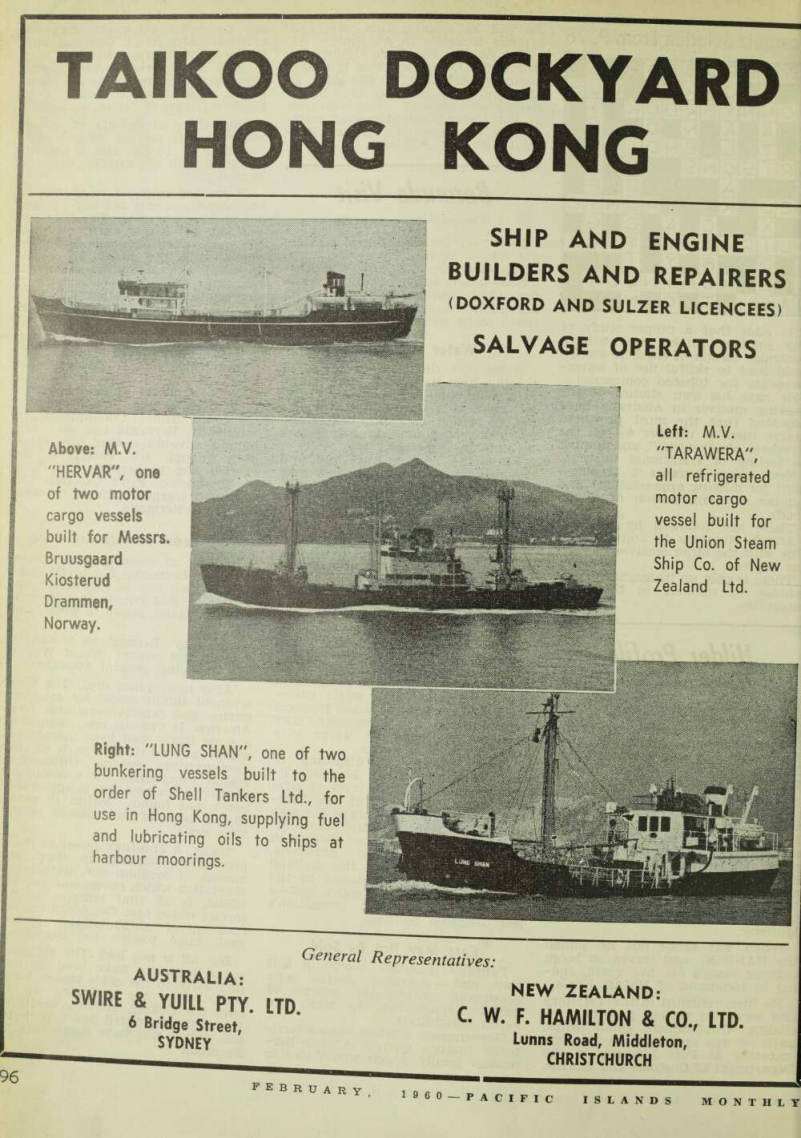 102
102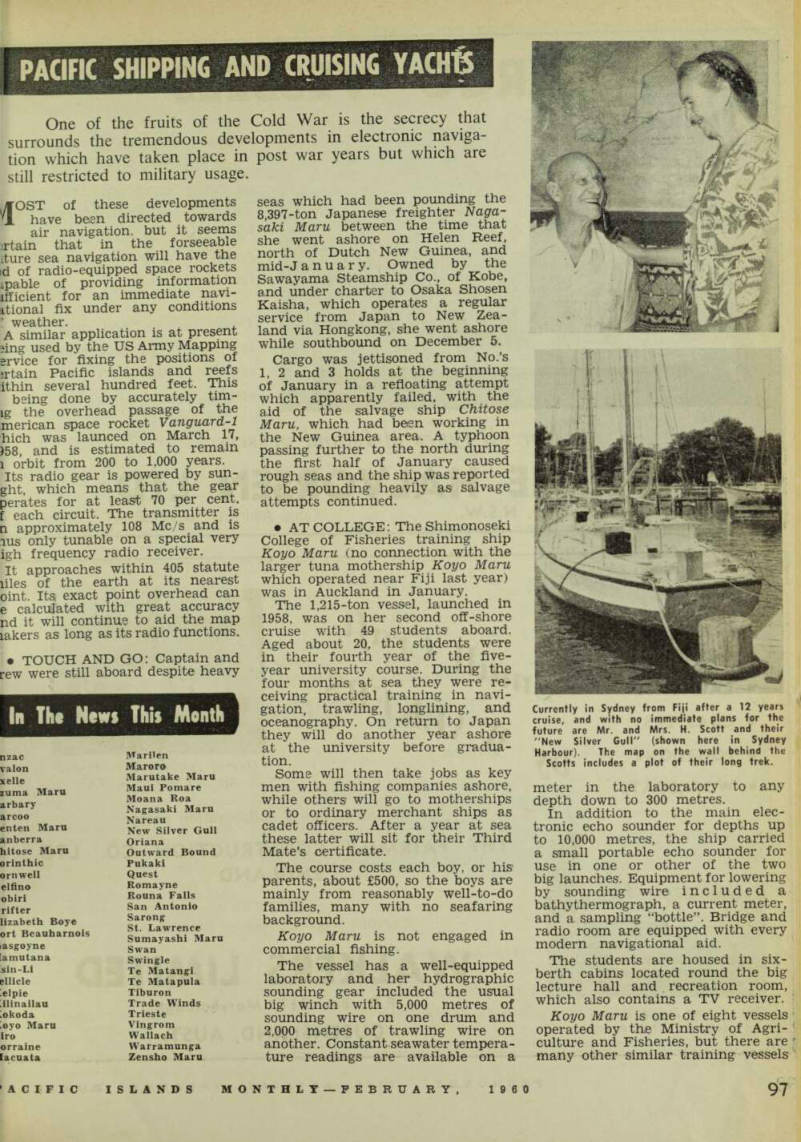 103
103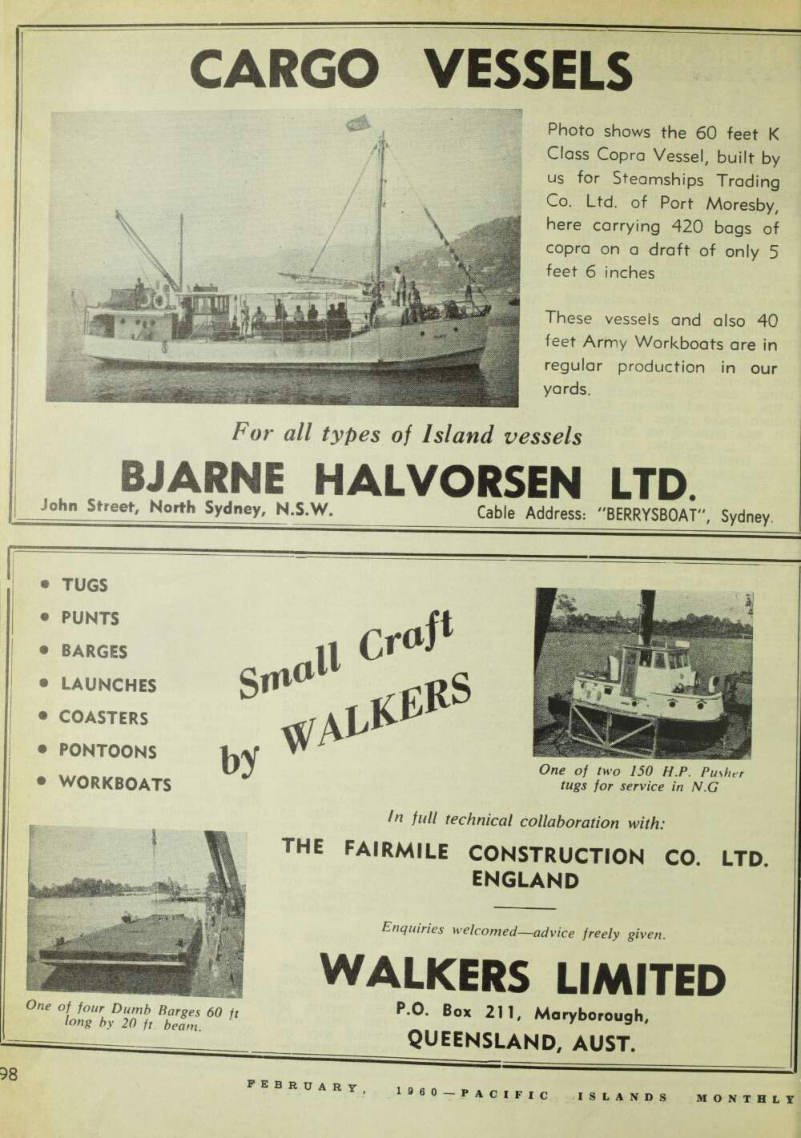 104
104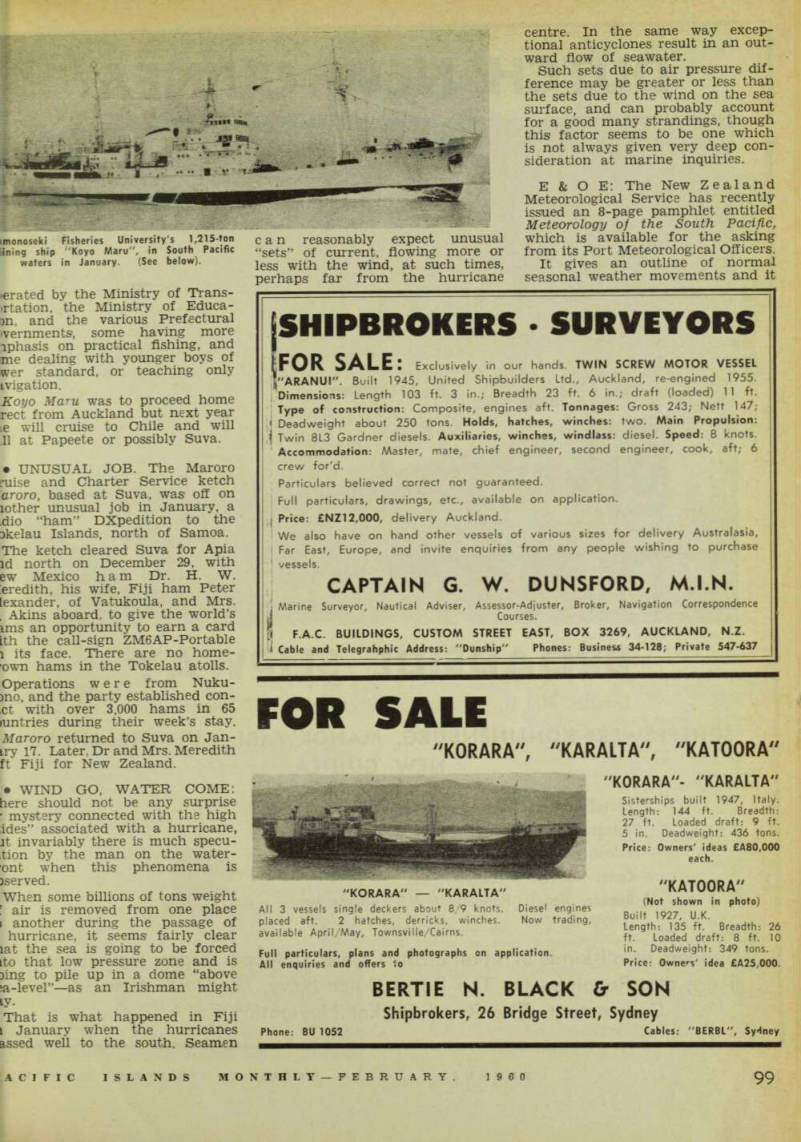 105
105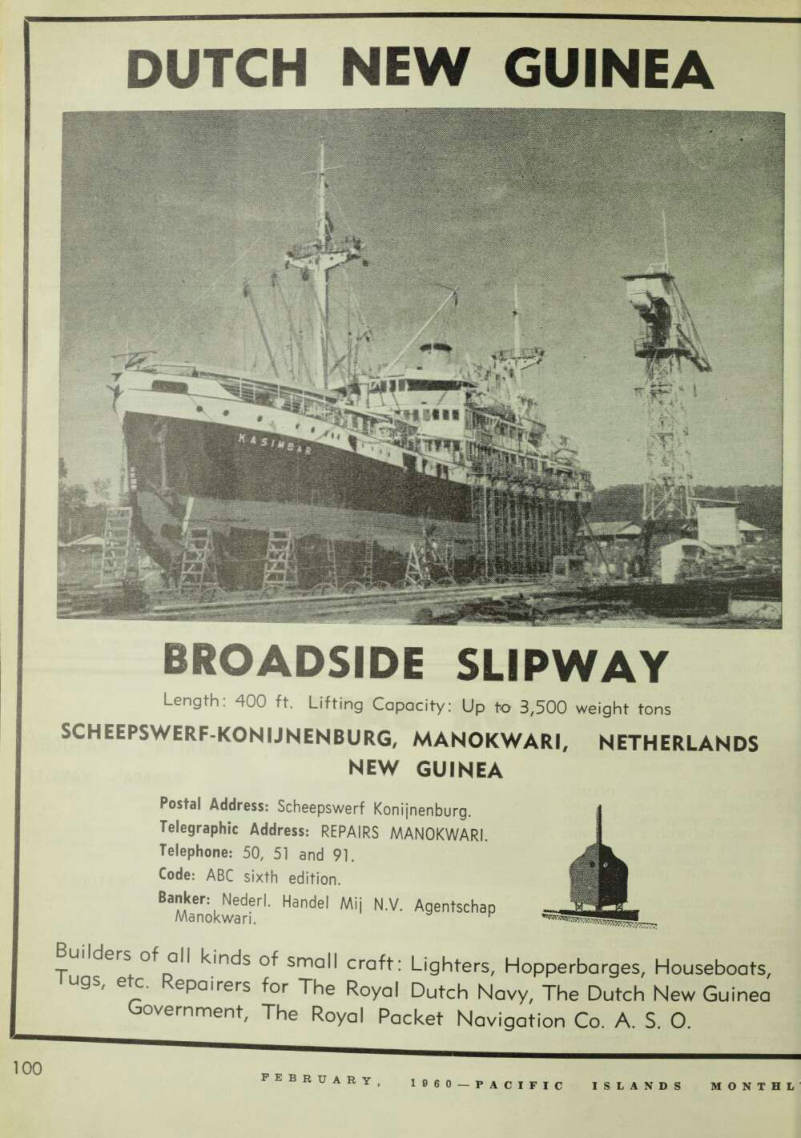 106
106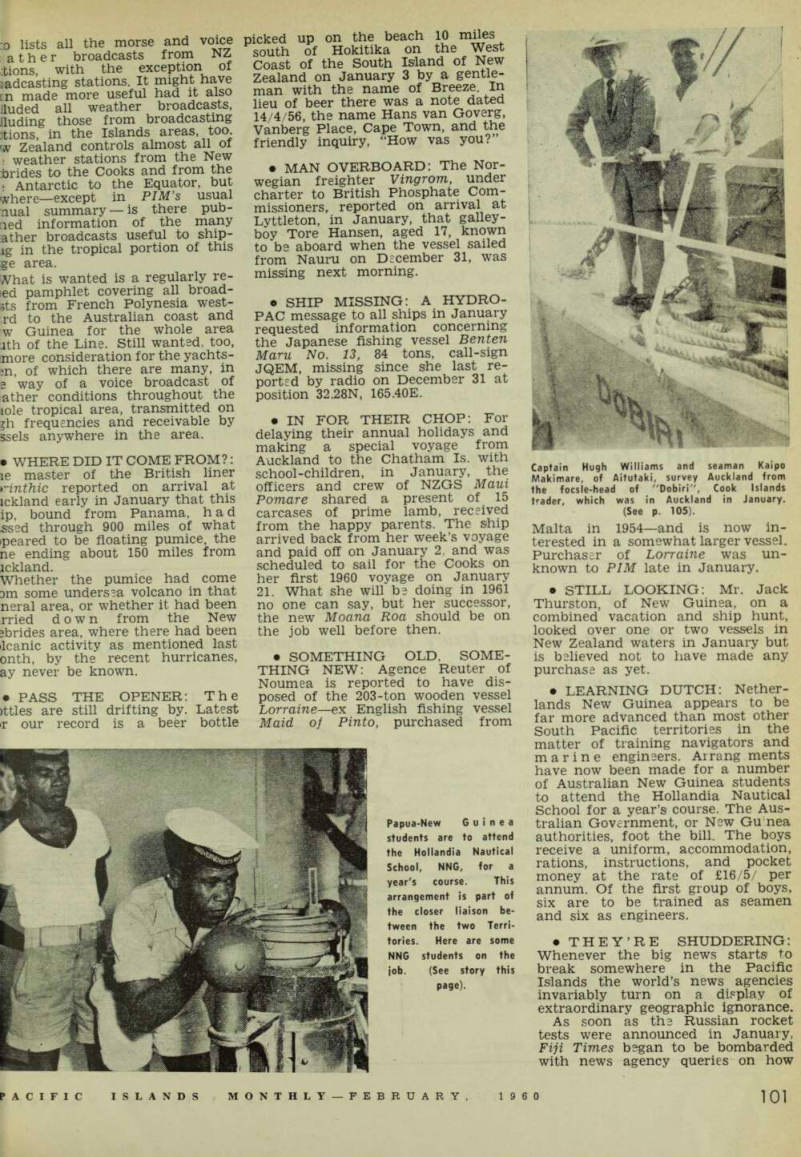 107
107 108
108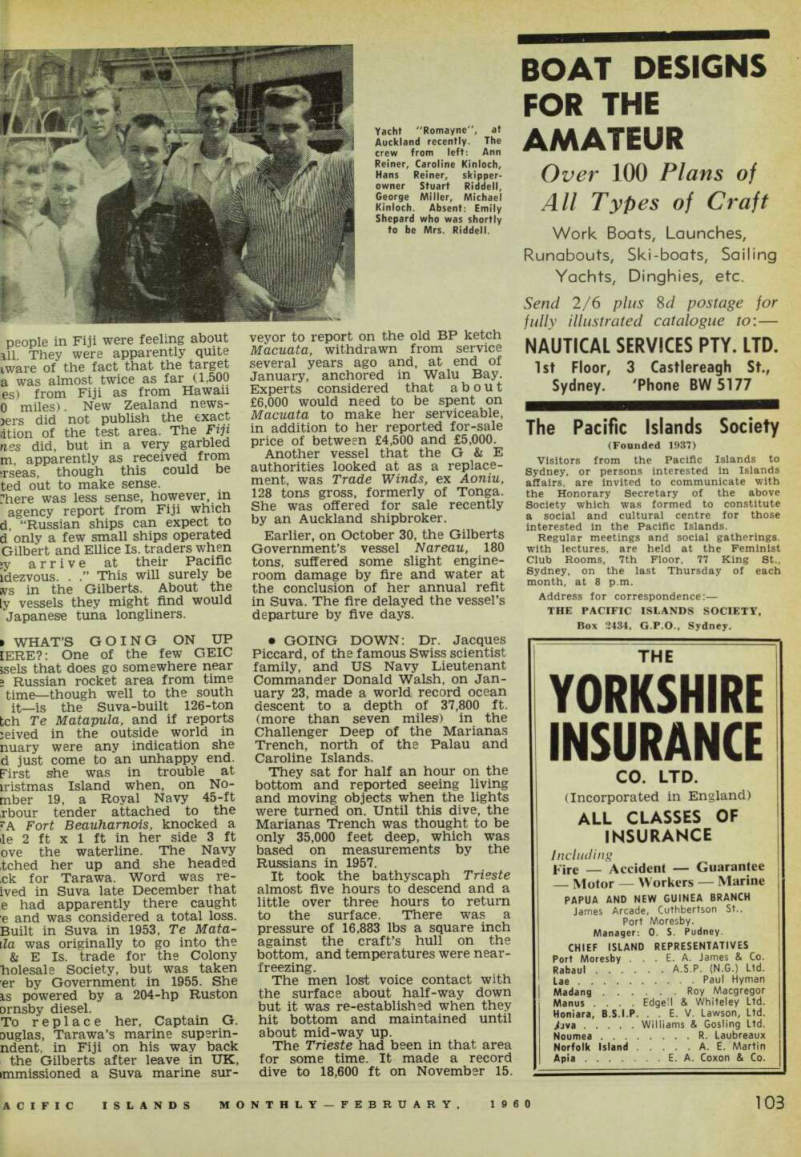 109
109 110
110 111
111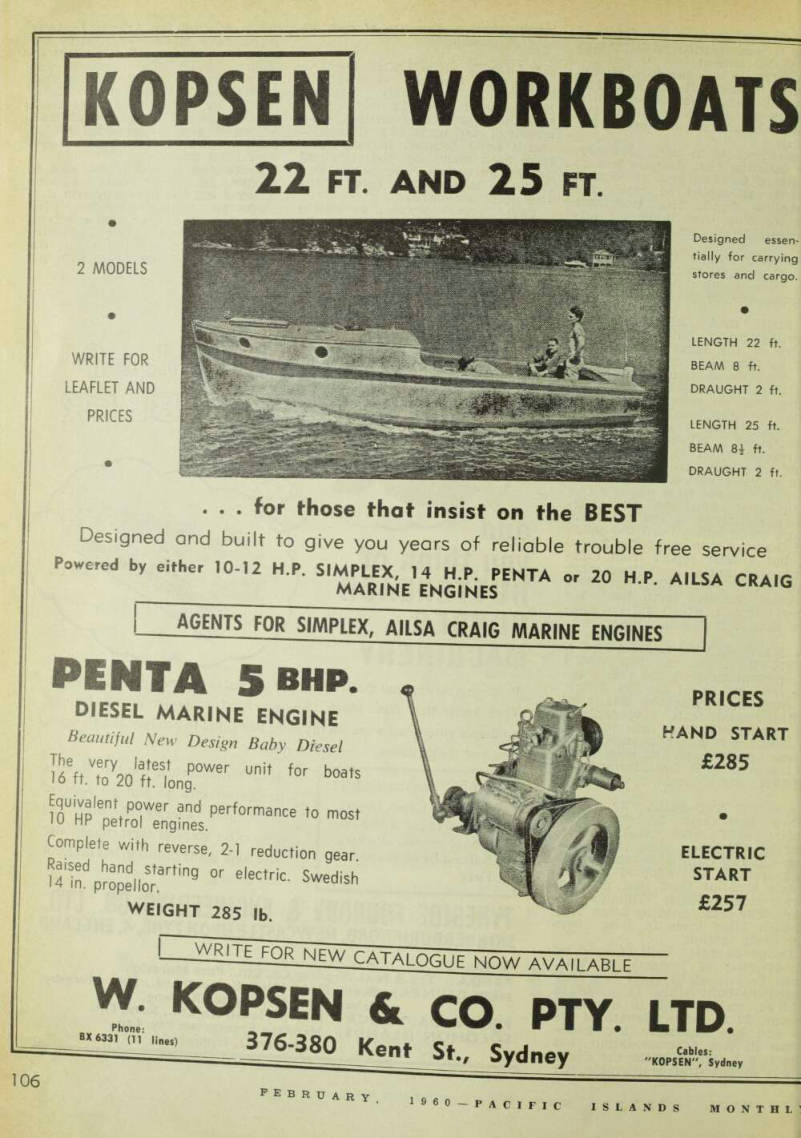 112
112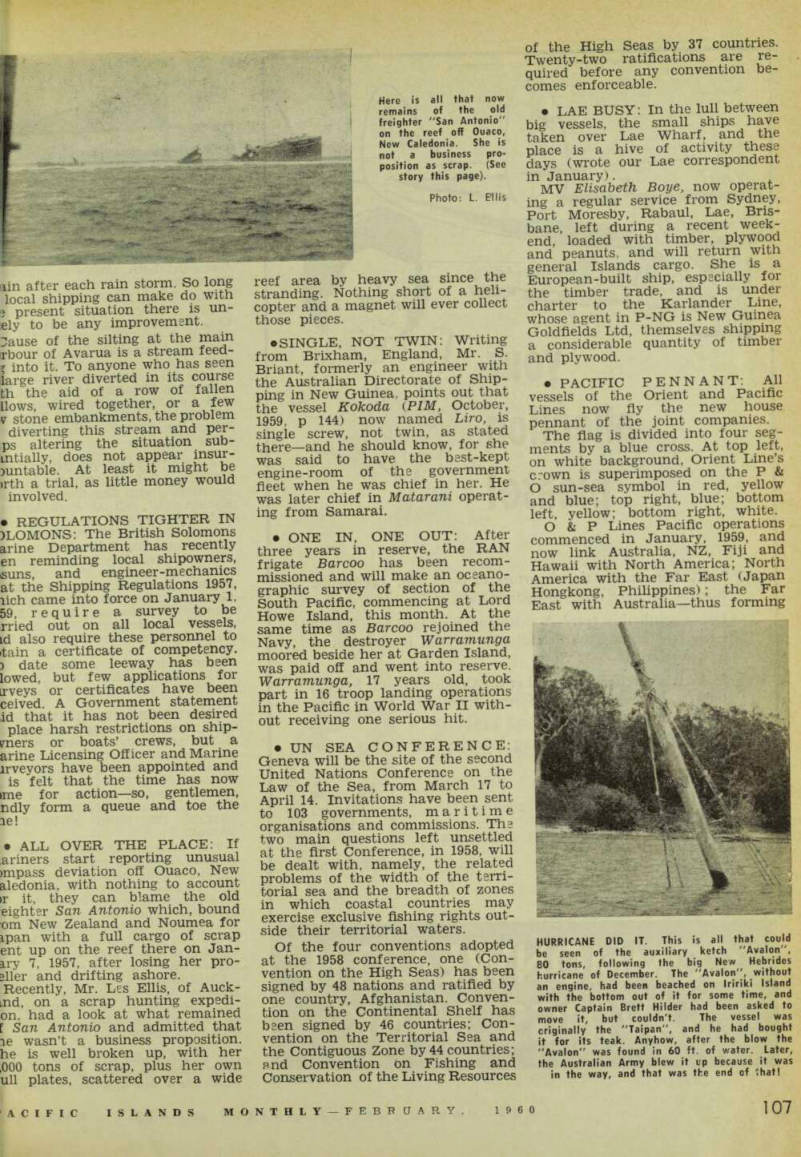 113
113 114
114 115
115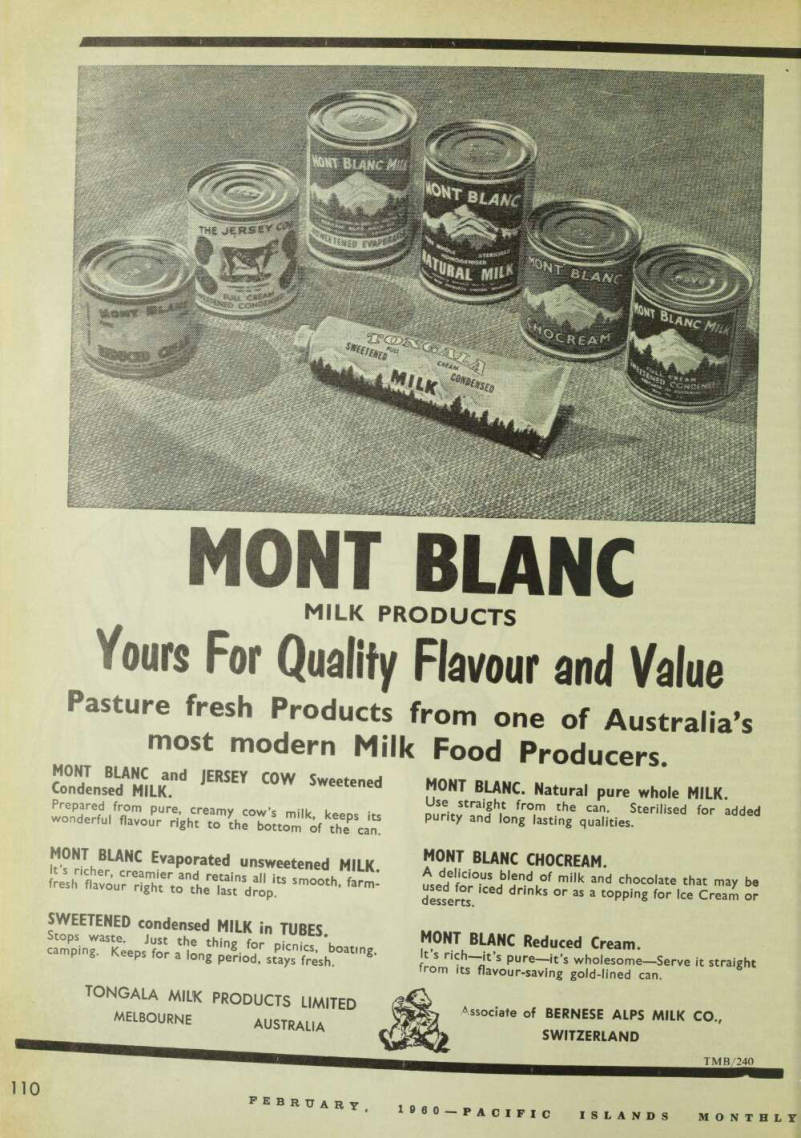 116
116 117
117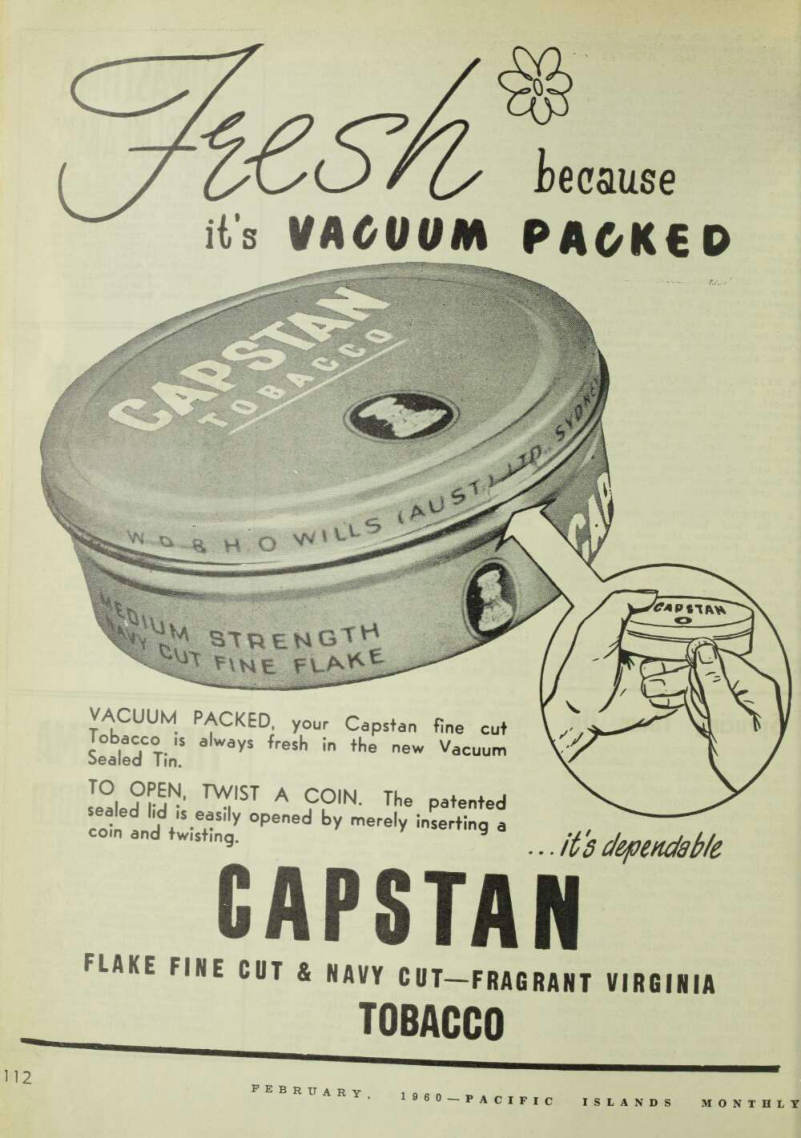 118
118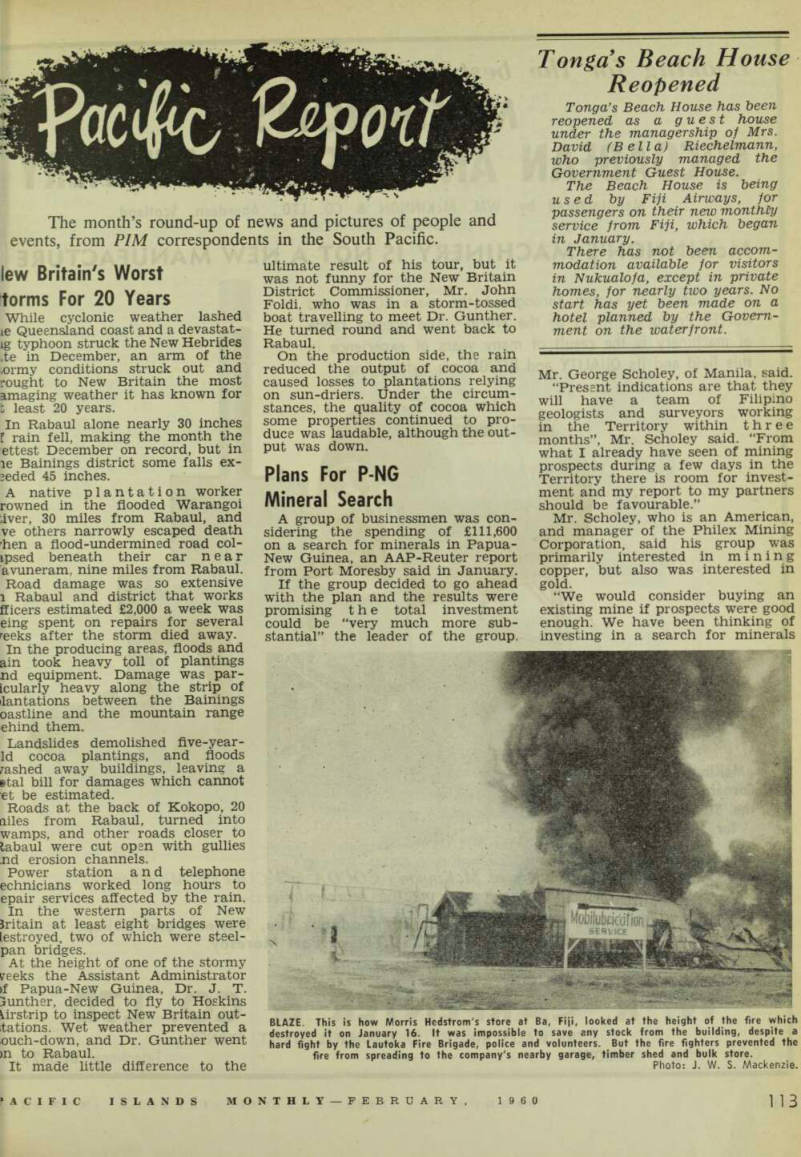 119
119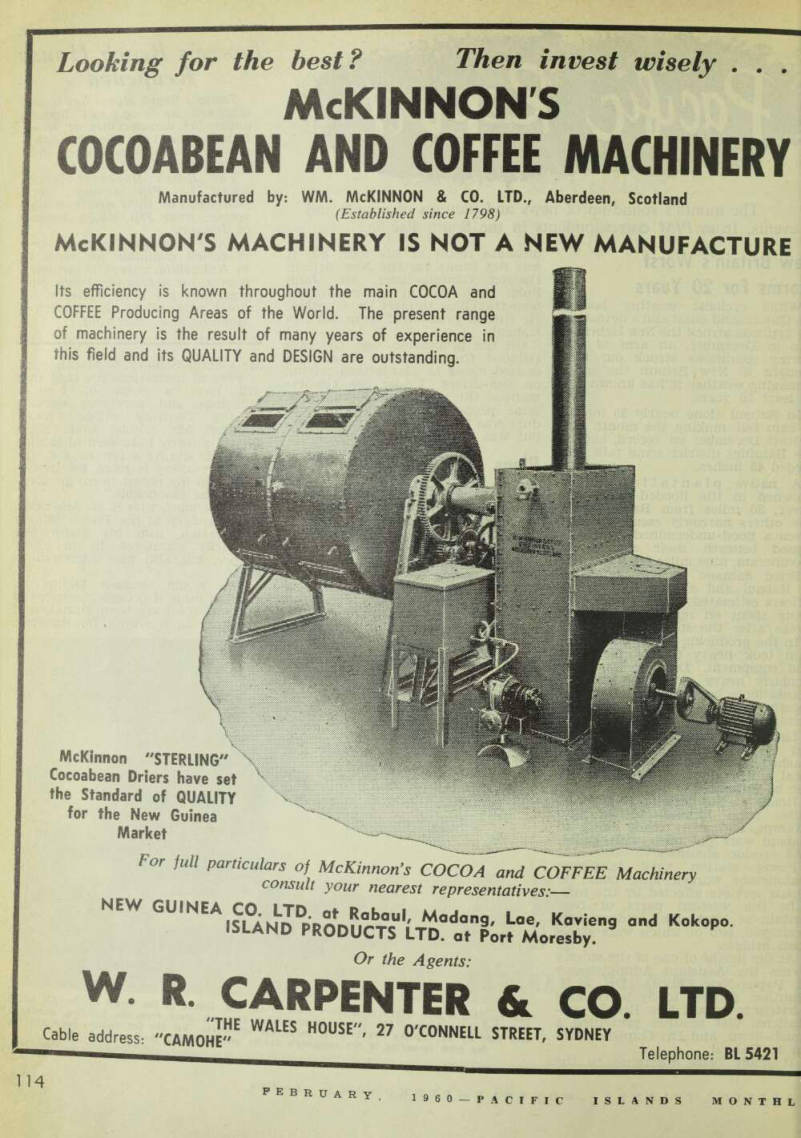 120
120 121
121 122
122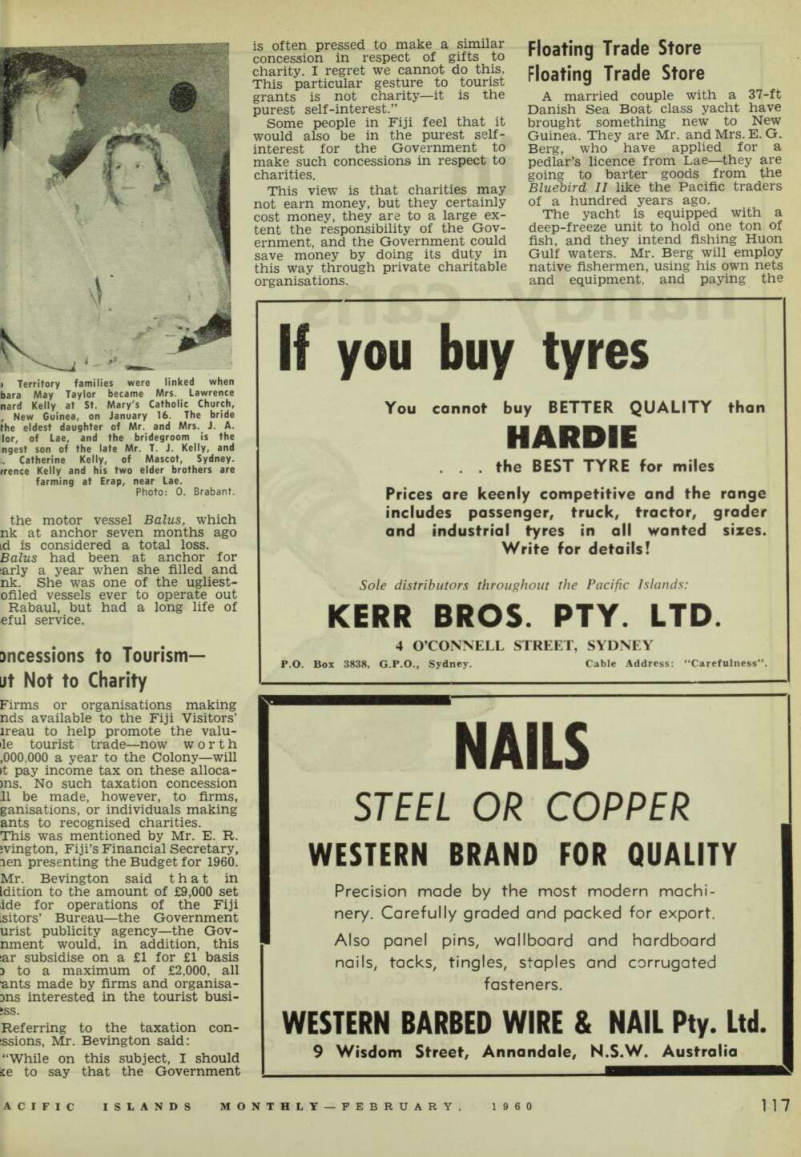 123
123 124
124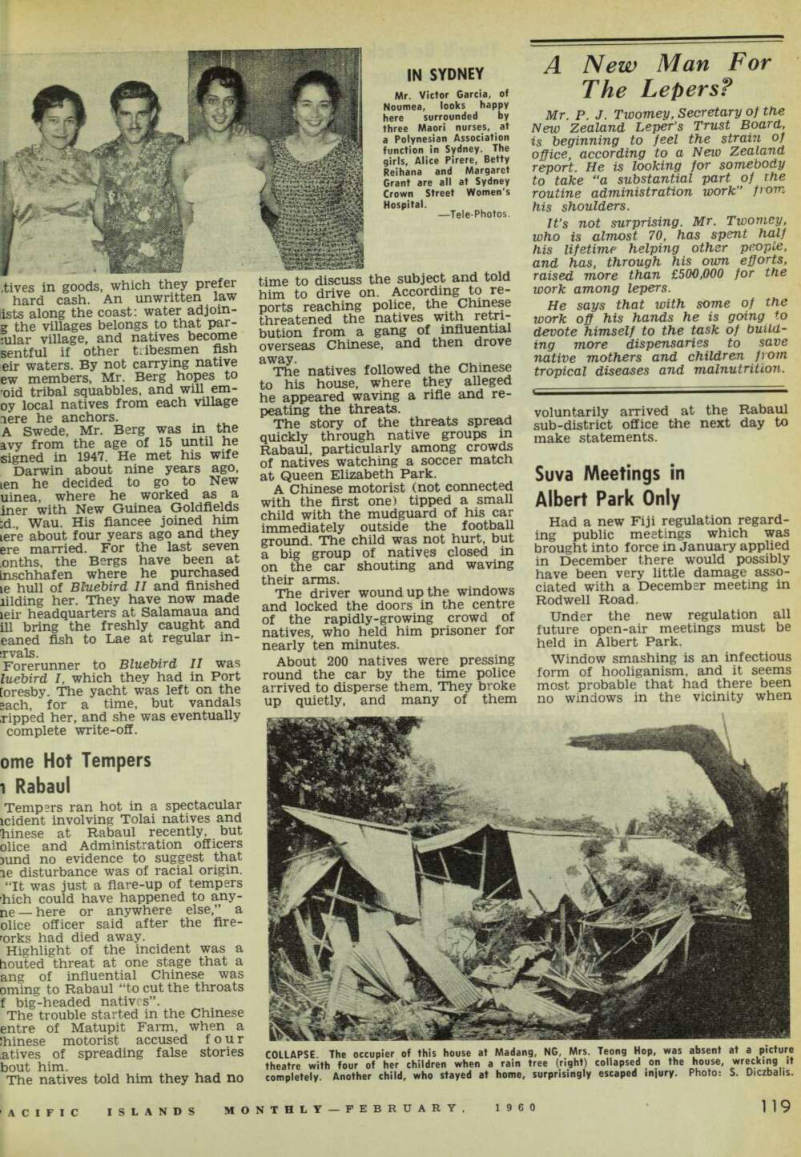 125
125 126
126 127
127 128
128 129
129 130
130 131
131 132
132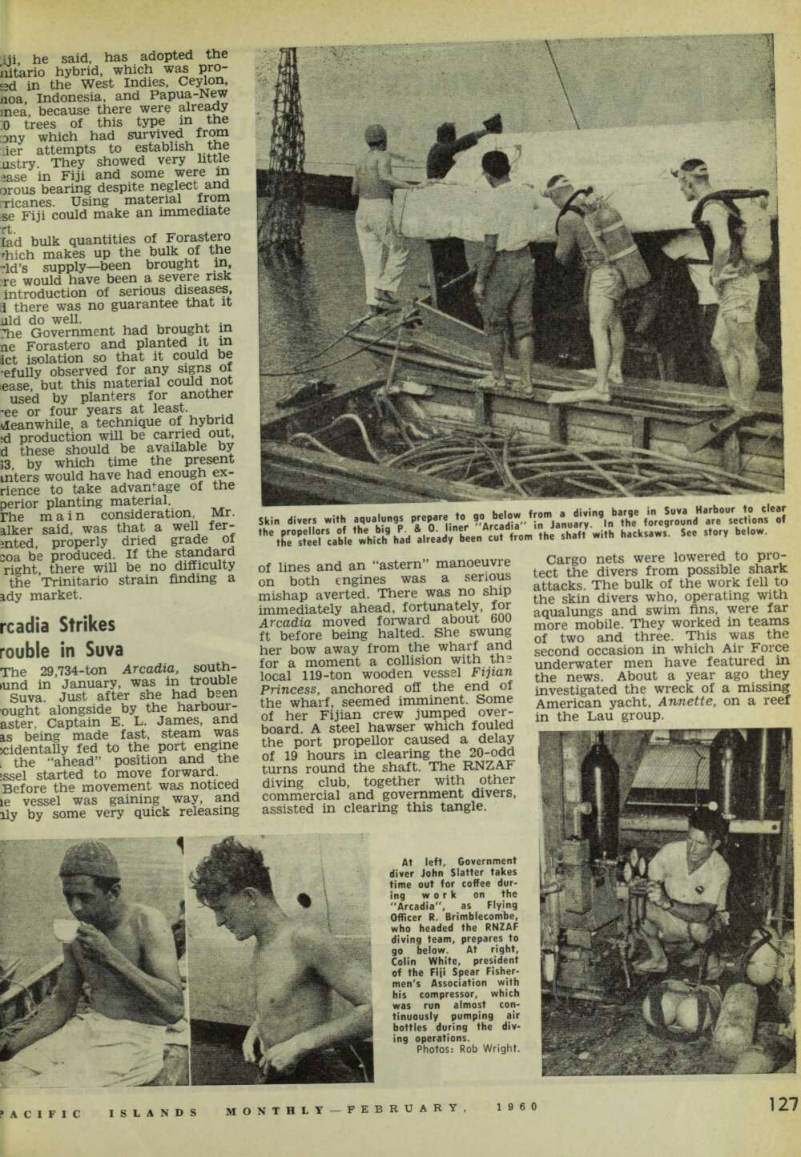 133
133 134
134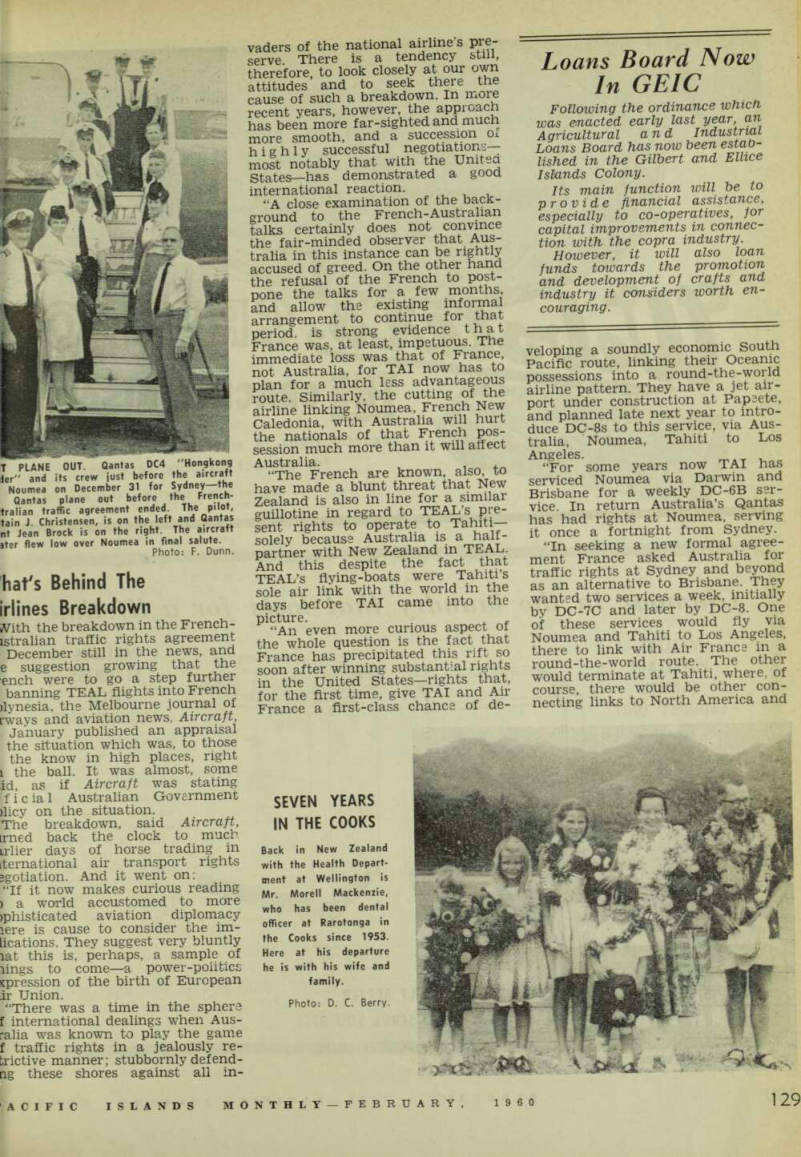 135
135 136
136 137
137 138
138 139
139 140
140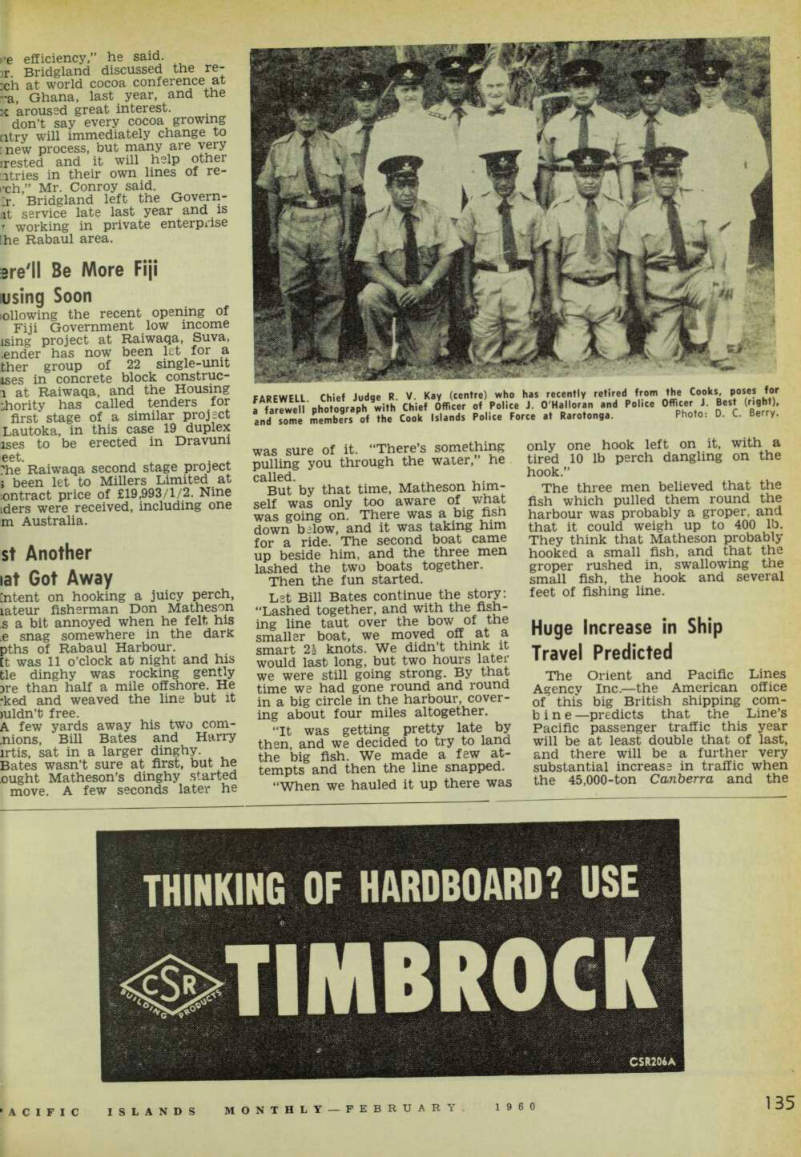 141
141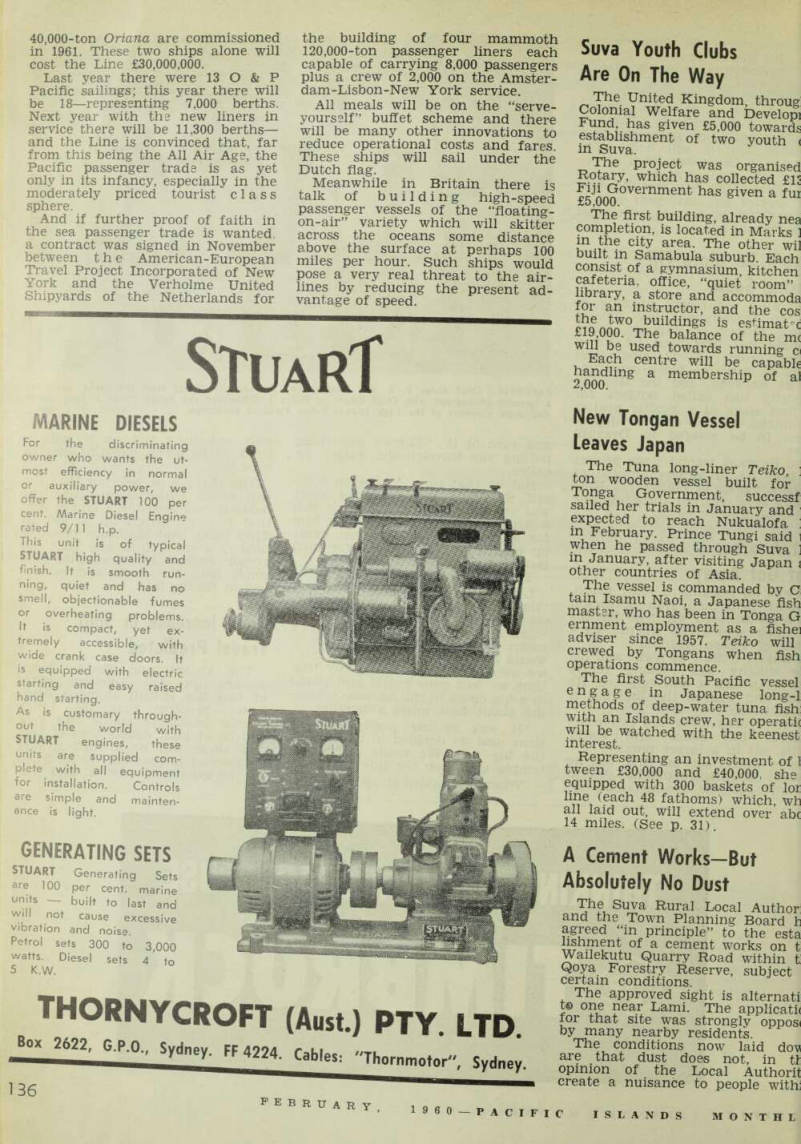 142
142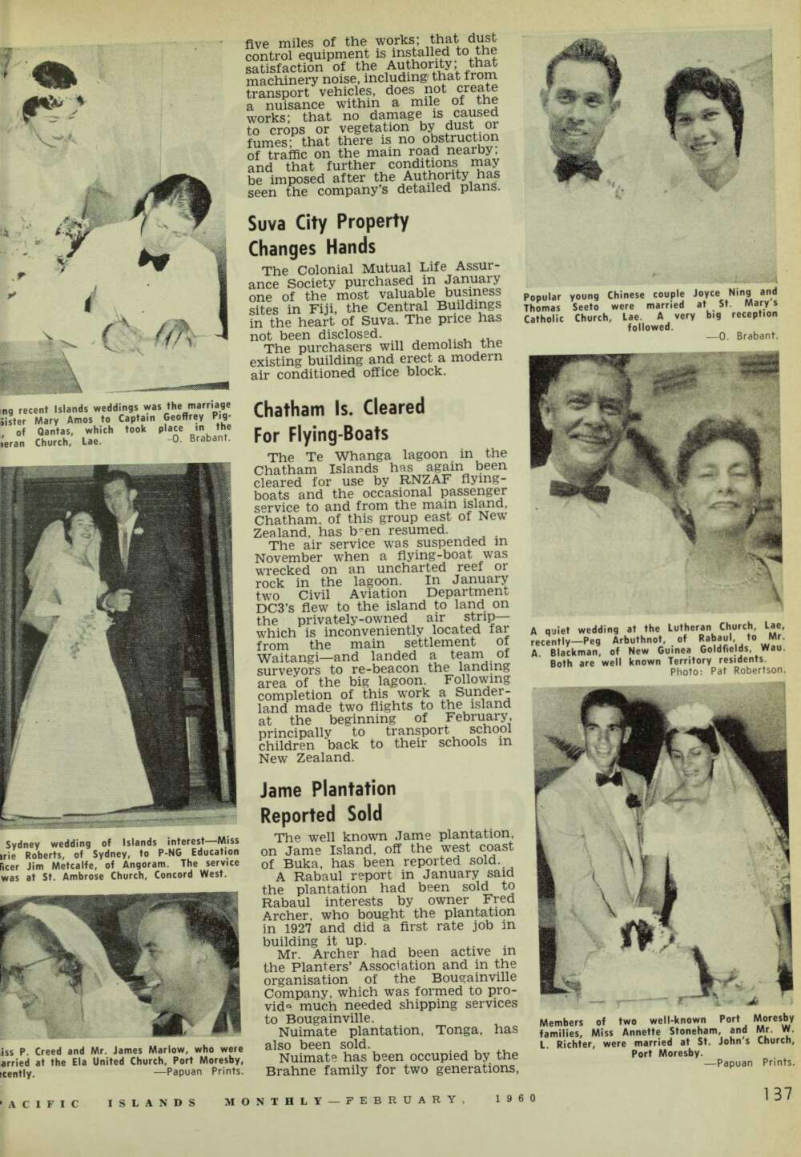 143
143 144
144 145
145 146
146 147
147 148
148 149
149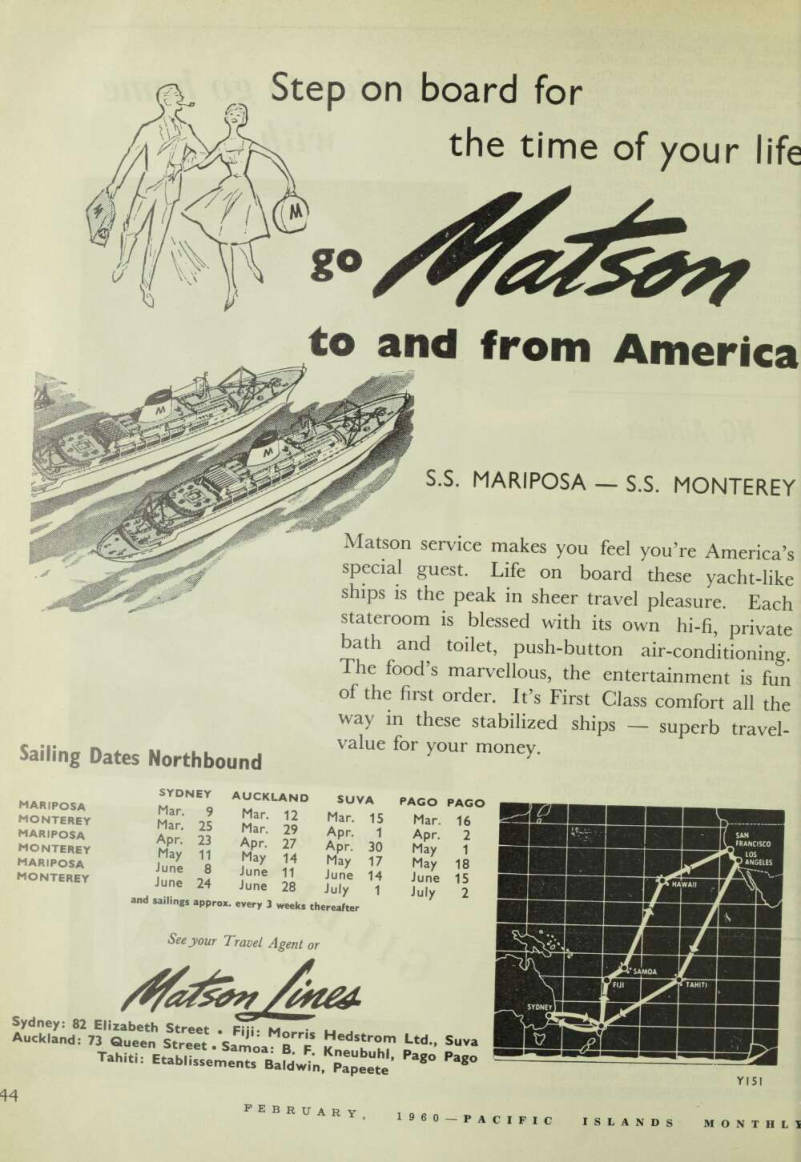 150
150 151
151 152
152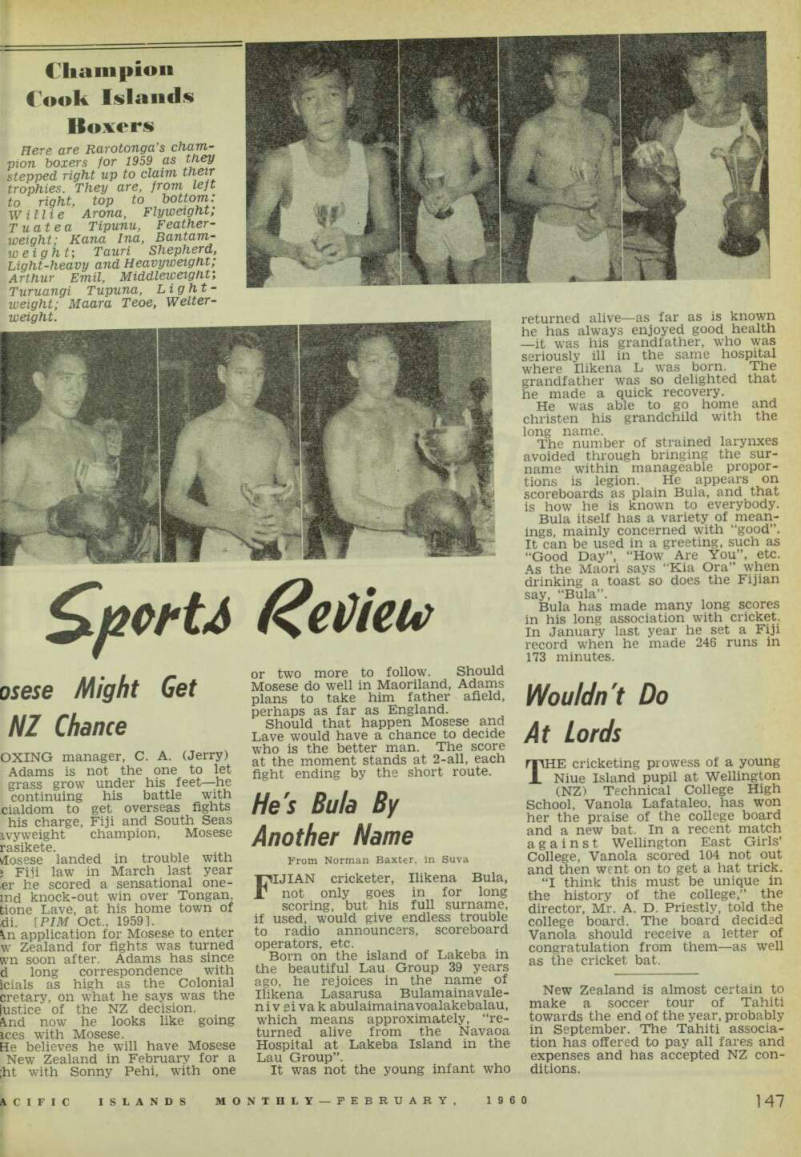 153
153 154
154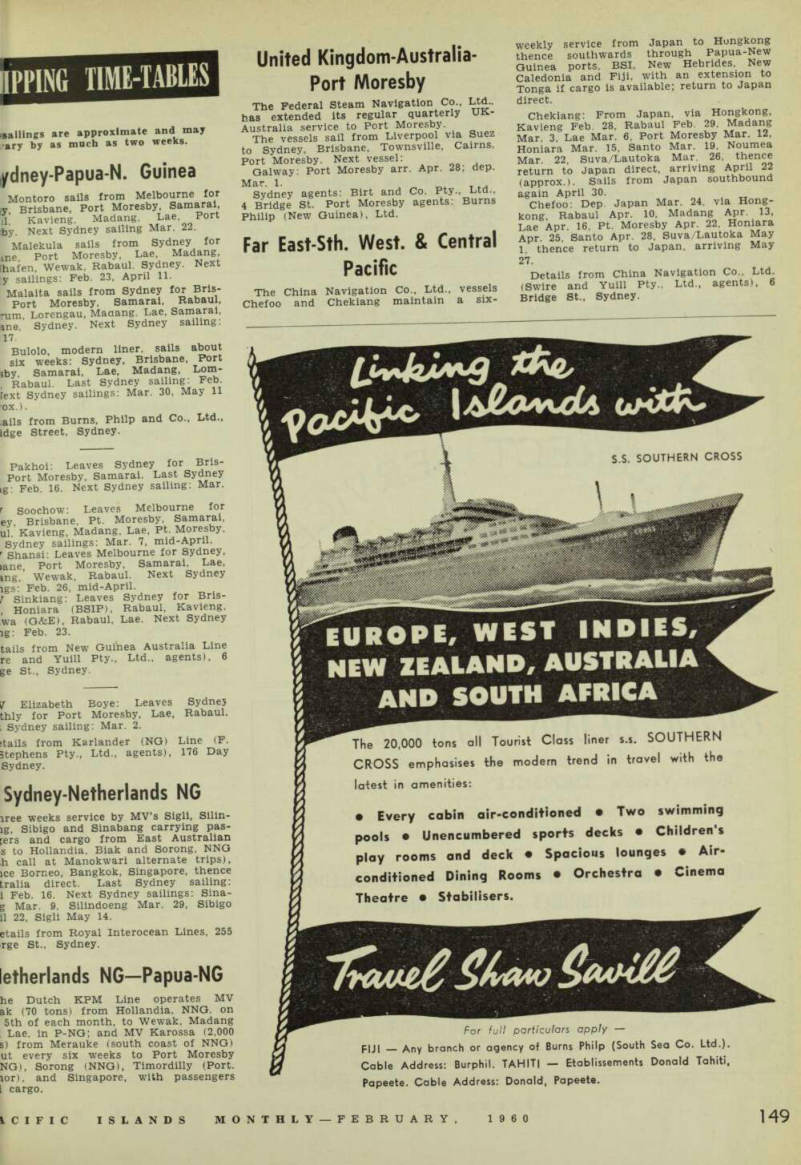 155
155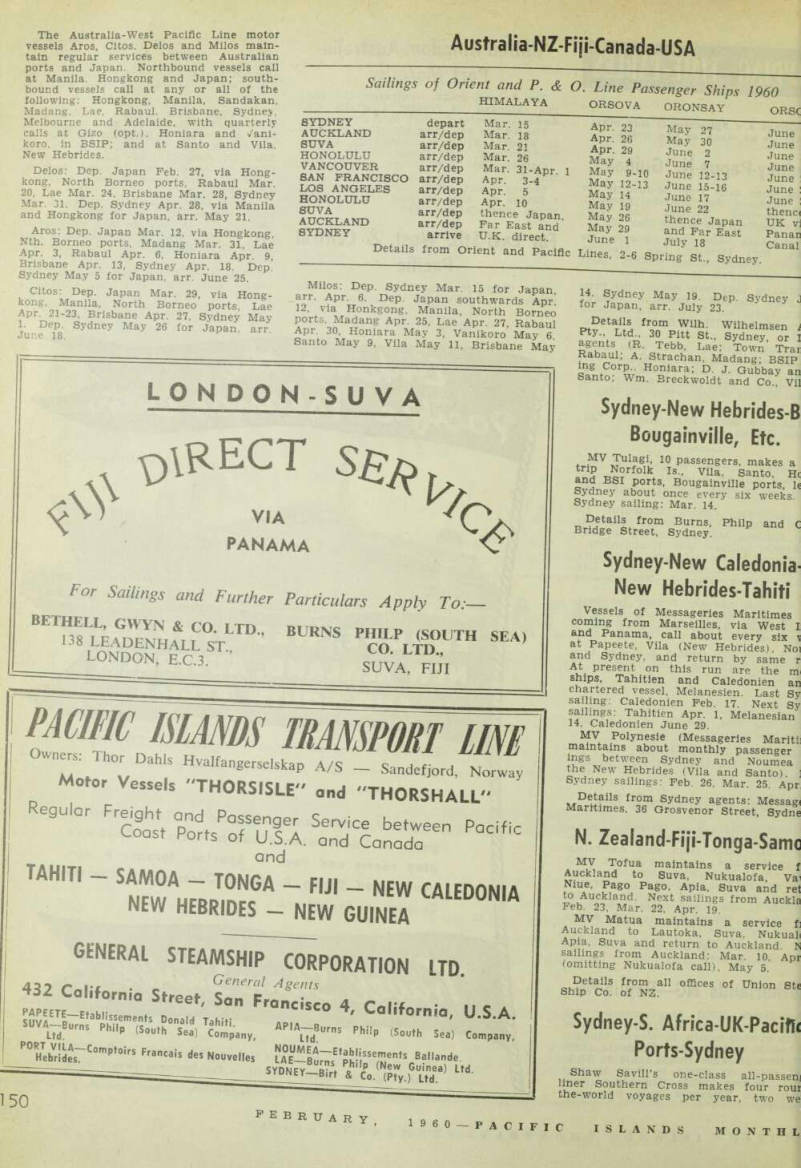 156
156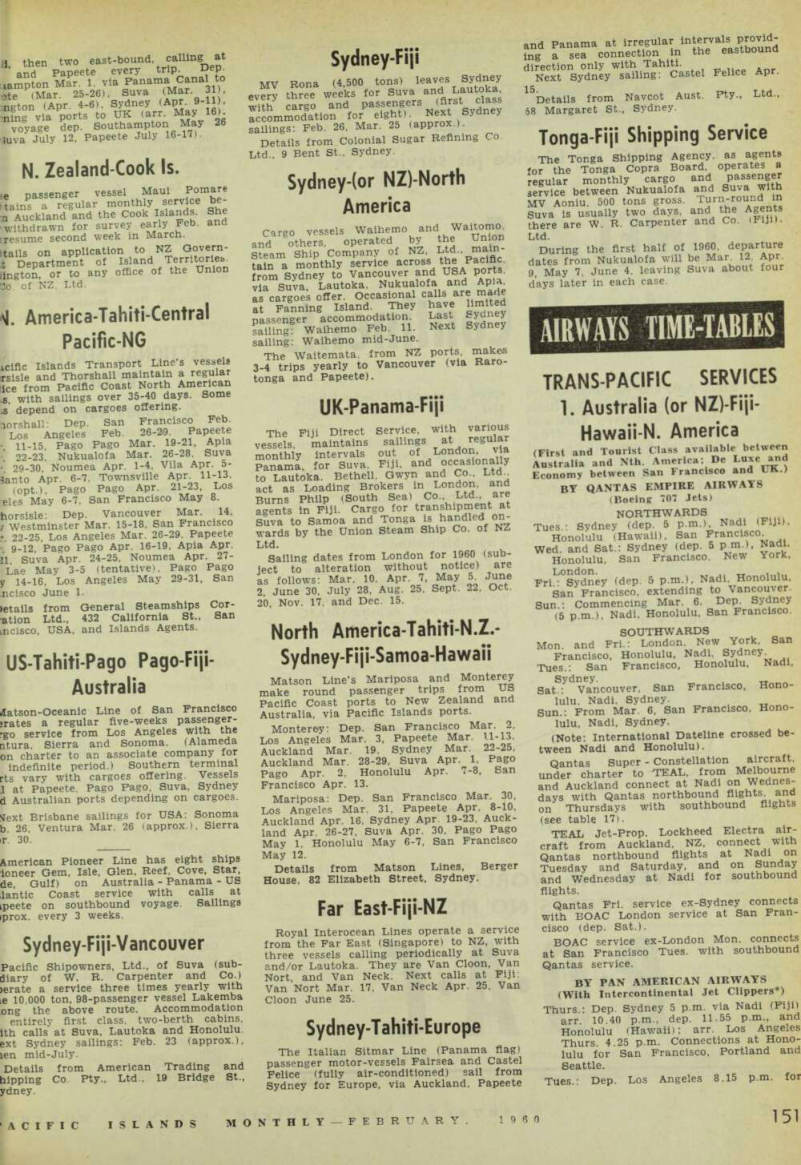 157
157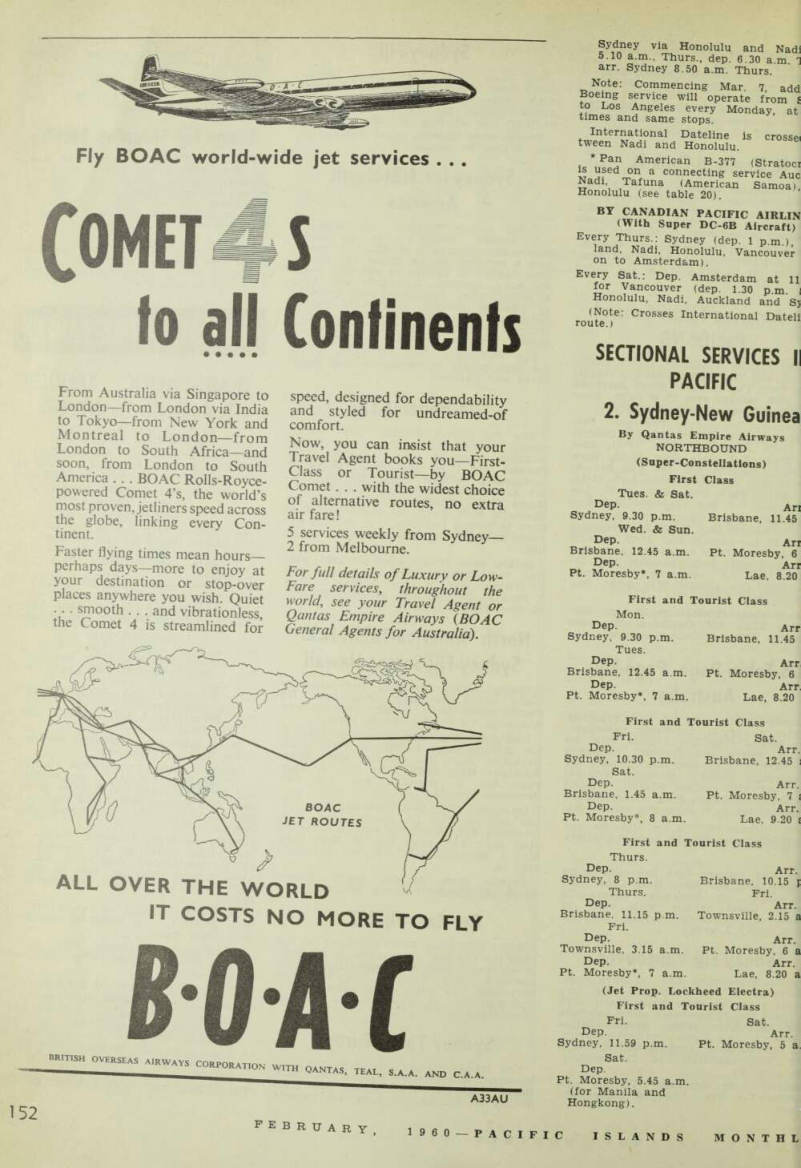 158
158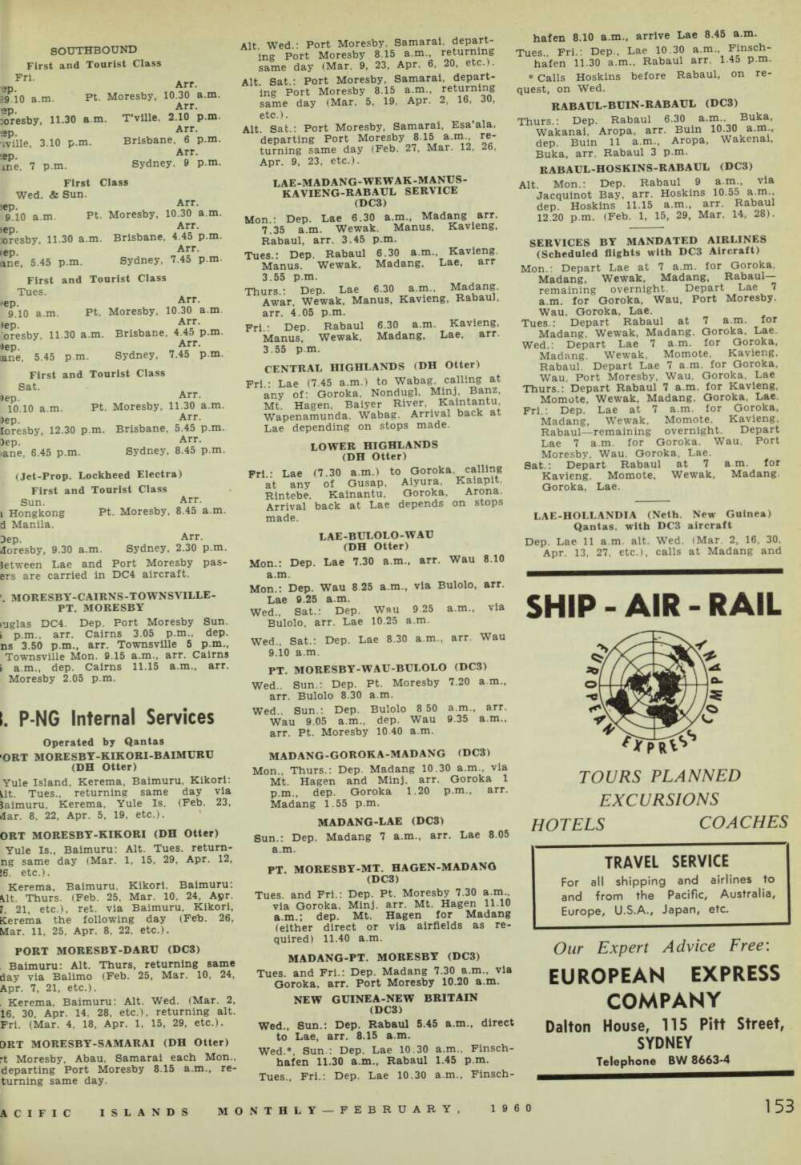 159
159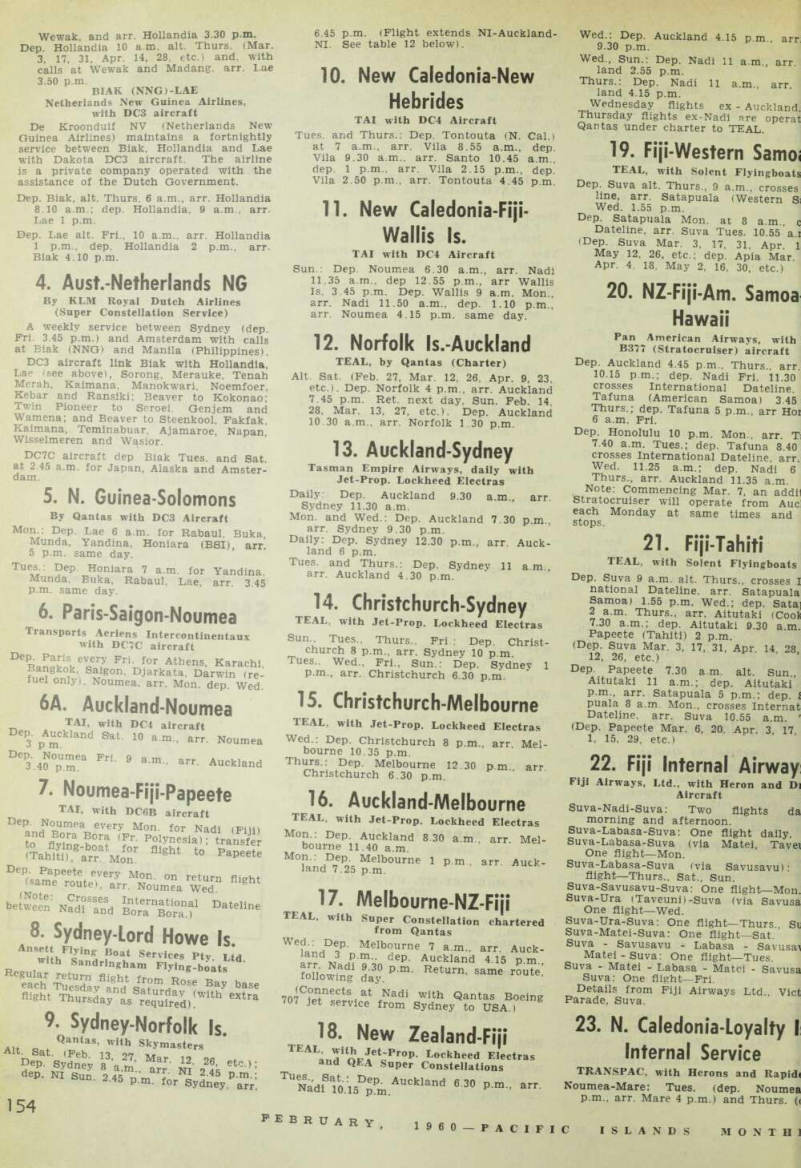 160
160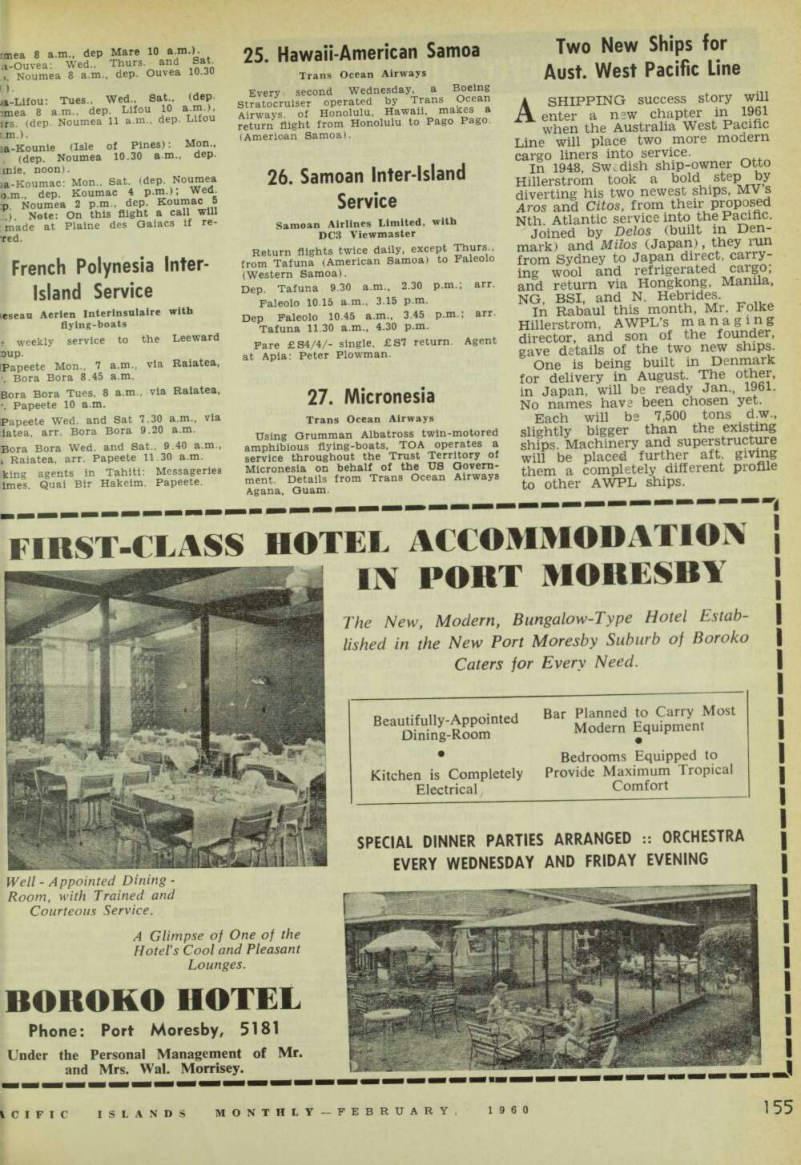 161
161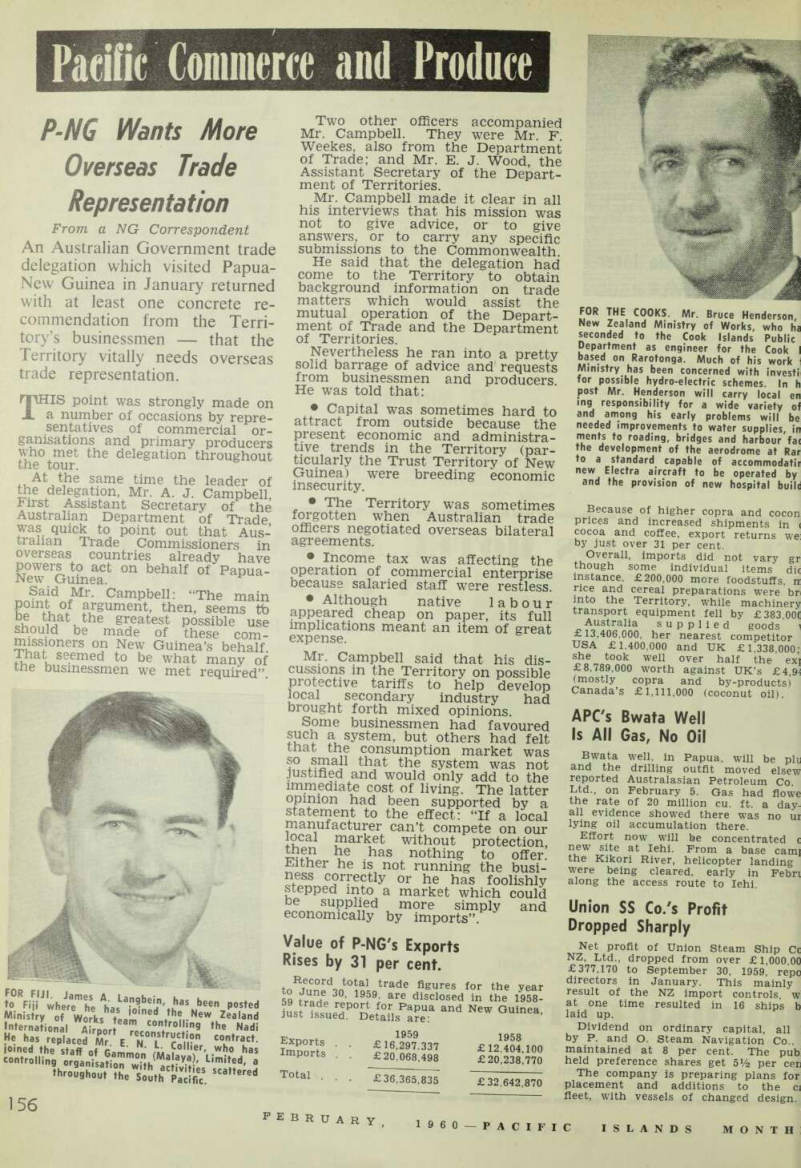 162
162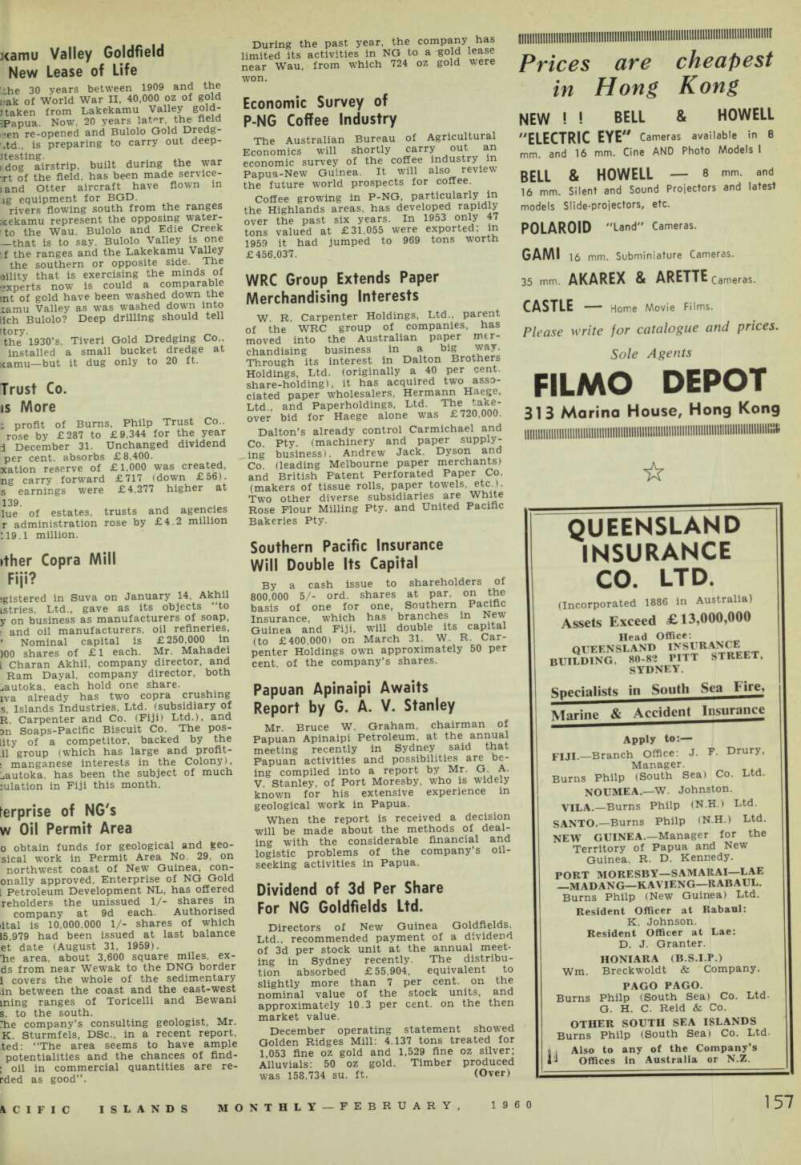 163
163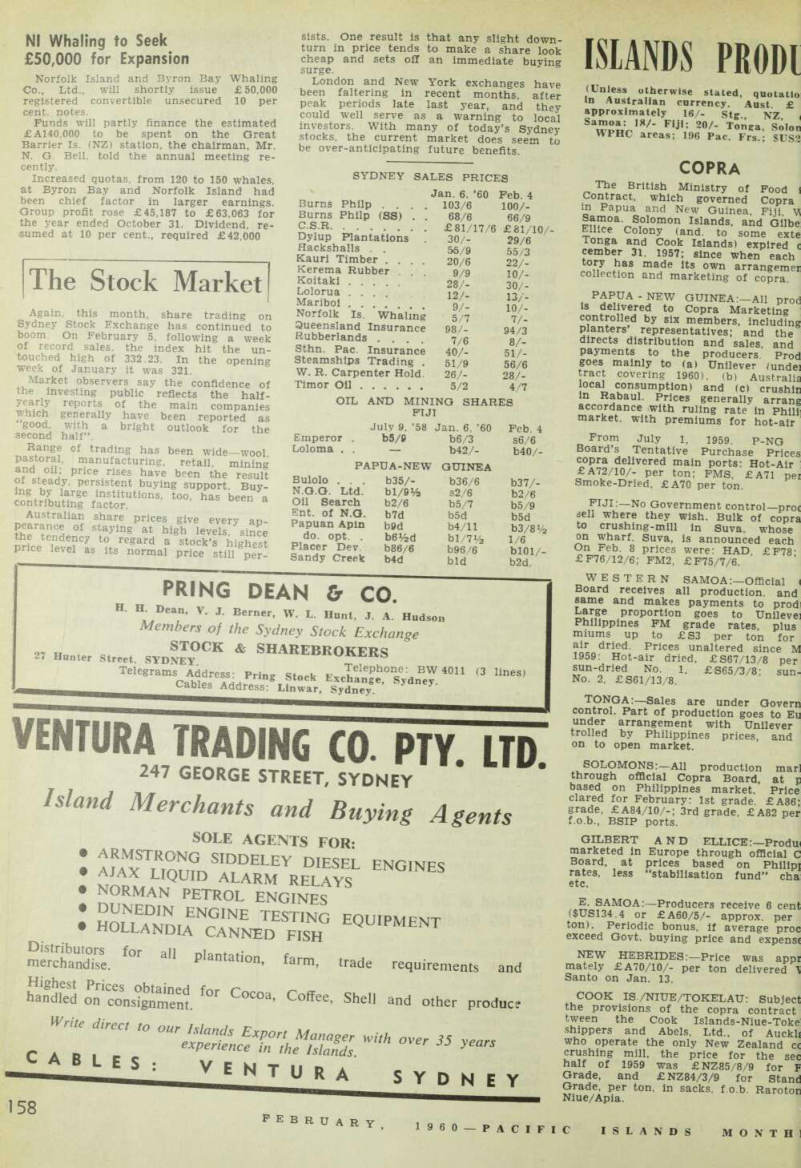 164
164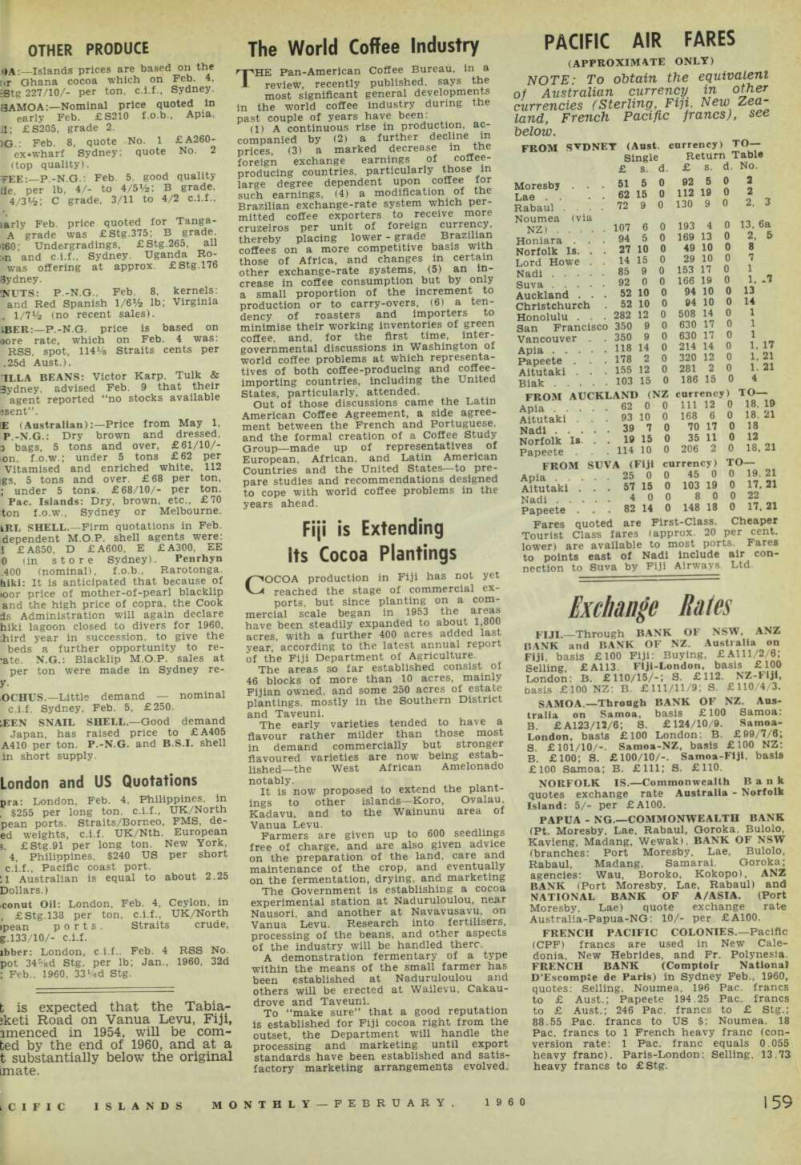 165
165 166
166 167
167 168
168 169
169 170
170 171
171 172
172