Conference looks at petroleum
pp. 61-63 · Read in the full issue
Trade
Winds
Conference looks at petroleum future in the Pacific region
South Pacific Island countries have become heavily dependent on petroleum products which absorb a major proportion }f their overseas payments and have in many ways shaped their modern societies. The future for petroleum in the Pacific egion was the theme of a recent conference organised by the Australian Institute of Petroleum in Sydney.
Although Island countries were represented at the conference ;here was some criticism from ;he Island representatives that nfluential sections of the oil ndustry saw the Pacific only in erms of Australia and the s acific Rim (see Ruth Lechte’s :omments, this page).
In highlights from the talks; • It was announced that Resident leremia Tabai of Kiribati and Premier Tom )avis of Cook Islands will pproach OPEC countries on •ehalf of the South Pacific : orum to seek financial aid for eveloping energy projects sing solar, tidal and wave ower. • The Cook Islands Premier, )r Tom Davis, said the oil idustry should set prices that the ability of Island auntries to meet their energy asts. He said the oil industry ampanies had accumulated ig profits and should be in a asition to help problems re- Jed to energy which were dsing in the Island countries, r Davis said ‘We appeal to the )rporate consciences of the oil dustry to examine their pric g structure applicable to the eveloping Island countries ith a view towards realising •ofits more in keeping with the )ility of the Island countries to eet the costs.’ • The Deputy Secretary of e Papua New Guinea Depart ent of the Prime Minister, iss Jean Kekedo, made an ipassioned plea, not for char f in oil prices, but for real and actical aid in developing ternative forms of energy. • The Governor of the Gen al Petroleum and Mineral ■ganisation, Dr A H Taher of iudi Arabia, who was the ynote speaker at the talks, ampioned the role in the urd World which he claimed is being played by the Persian ilf states. He said that the licy of OPEC nations was to
provide the oil which develop ing countries needed to sustain their economic growth. The provision of increasing aid to these countries was the respons ibility of the industrialised nations, he said. He refused to comment on oil pricing policies, but rejected suggestions that OPEC nations were manipulat ing oil prices. Pricing policies were based on world market forces, he said.
One of the speakers at the conference was Miss Ruth Lechte of Fiji, an authority on the development of appropriate technology. Here’s her own report of the proceedings from the viewpoint of Pacific Island countries and communities:
An islands
viewpoint
The opening address to the petroleum conference, given by Australian Prime Minister Malcolm Fraser, proved disap pointing.
Apart from short references to alternative energy (which to Australians means natural gas and oil shale not much help to the rest of us) and one aside about ‘small island states’ there was nothing of interest to non- Australians, certainly not to Islanders, other than a frighten ing reference to uranium devel opment.
Dr A H Taher, Governor of PETROMIN and keynote speaker at the conference, com pared energy usage in a number of countries. On national aver ages, he said, a person in USA used 14 times as much energy and a person in USSR seven times as much as a person in China. Neither Dr Taher nor many other major speakers made even a passing reference to the South Pacific Island states. The few of us present from the Pacific Forum area
soon learned to say ‘South Pacific’ very firmly as the word ‘Pacific’ in Australian Institute of Petroleum terms seems to mean Pacific Rim countries.
Dr Tom Davis, Cook Islands Premier, was one of three Pacific Island representatives who presented papers. He de scribed the sort of countries representative of the Island states often poor soil, some potential for fishing industries, foreign ownership of resources, a degree of foreign aid, and imported consumption pat terns.
He described how increased prices for petroleum products were forcing up the price which the Islands had to pay for cooking fuels, freight, aviation and electric power and he described the measures which Pacific countries were adopting to reduce their consumption of petroleum products. Some Te-
newable’ energy sources held great potential, he said, but their general adoption appeared to be far distant except possibly for fuel from timber. But even fuel from timber was available to only some Island states, he said.
He said the Pacific states planned to pursue their re quests to OPEC countries for credit loans or grants to develop methods of obtaining energy direct from the sun or from waves and tides in the sea. He said that a conference of Pacific civil aviation ministers last year had recommended that South Pacific Forum countries should send a delegation to OPEC countries to seek funding for regional energy projects. He said that the delegation had now been selected and would consist of himself and President leremia Tabai of Kiribati. They would undertake the mission this year.
Another of the Pacific Island papers was from the Deputy Secretary of the Papua New Guinea Prime Minister’s De partment, Miss Jean Kekedo, who spoke out of her earlier experience as the Director of Village Development in PNG.
Her paper was on alternative and small-scale energies and technologies (ASSETS) reflect ing the contents of an extremely interesting White Paper on the subject from the PNG govern ment. She delivered a ringing call for assistance not in the form of charity or of help with oil prices in introducing new technology and energy re
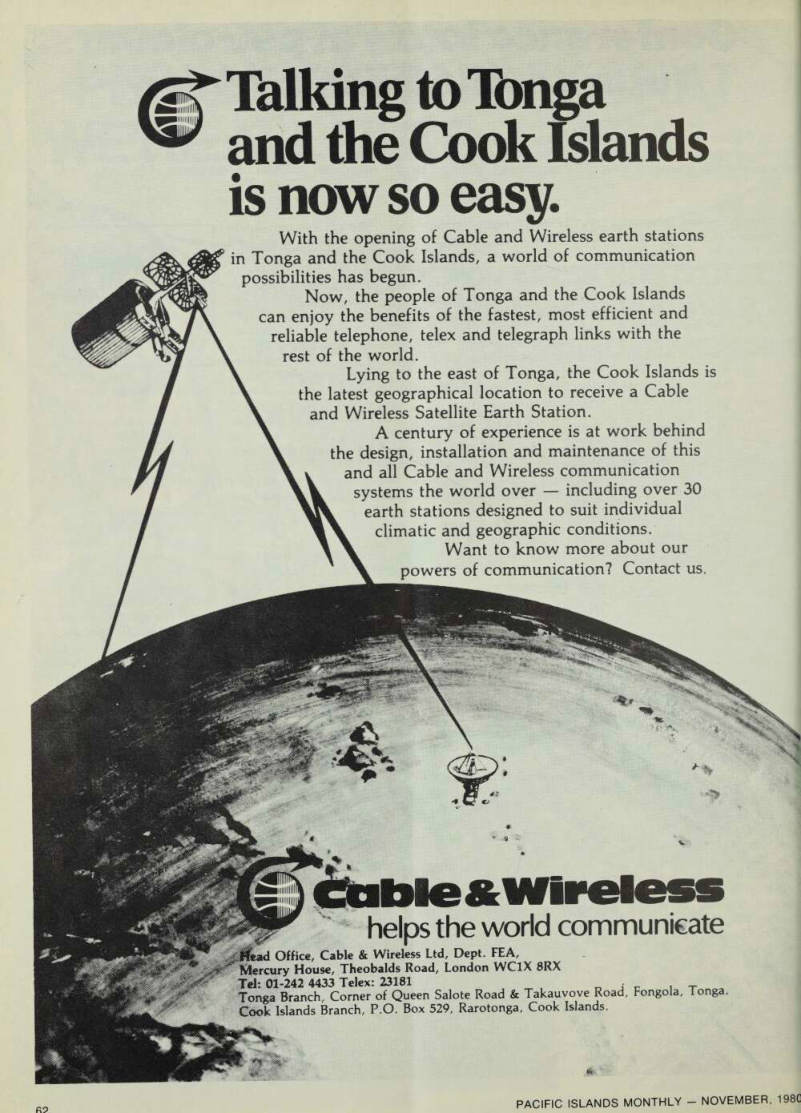
Dr Abdulhady Hassan Taher, Governor of PETROMIN, the General Petroleum and Mineral Organisation of Saudi Arabia.
He told the Sydney petroleum conference that OPEC country policies were to provide the oil that the developing countries needed, but aid was the re sponsibility of the industrial ised world. The conference heard, however, that a South Pacific Forum delegation will soon seek OPEC aid to finance sources of alternative energy.
search. Her call made a big impression on even the hard headed section of the audience.
She said that developments in harnessing wave energy could be crucial for Island states such as Tuvalu, but could also bring enormous benefit to the coastal regions of bigger countries. Small research was needed for small communities, she said, even if initial exper iments failed. She believed that Dnly 2% of world spending on research was directed towards lesser-developed countries.
My own paper the third from representatives of Pacific Island countries reviewed the development of nationalism n the South Pacific. It set out :o show how the countries of the ■egion could use what little bargaining power they pos jessed to increase the useful tess of aid and to control their ■elationships with larger countries. On the question of bargaining power the trump :ards would seem to be careful control of marine and mining ■esources within the 200-mile lea limits and the ability to jxercise ‘chaos power’ in terms )f regional defence matters.
It is a remote possibility to ;uggest that if the Islands had heir backs to the wall they vould have to choose their help Vom Cuba, China or Russia to edraw the Pacific map. How ever, this type of projection is he theoretical strength of
chaos power’. Obviously the
slands would be happier with in aid and partnership commit nent from countries which mderstand the specific needs of he Islands, which are gentle vith the fragile environment md which recognise and re pect small groups with unique :ultures. In regional defence erms the Islands hold the >argaining power to arrange uch partnerships.
In general terms the pet oleum conference was heavily irientated towards business, cience and exploration and was lominated by the issues involv ng the large countries of the lt was hard for the sland delegates to make much leadway in such an atmo phere. Their one hope is that ome benefit will accrue from he contributions they were ible to make.