Pacific
Islands Monthly
August, 1961
Vol. Xxxii. No. 1
he Neu/s lagazine Of The South Pacific
Established J9So
Registered at G.P.0., Sydney for ♦fansirissicn by post as a newspaper
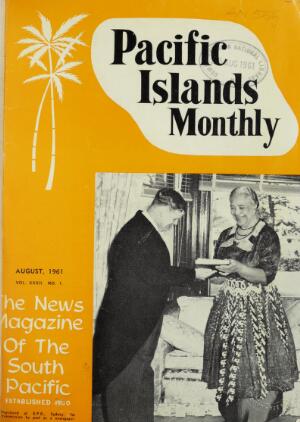
THE COVER: One of the most delightful photographs of Queen Salote to come out of Tonga for some time is this portrait of the Queen receiving in July a gift from the British Colonial Office on behalf of the Tonga Broadcasting Commission. Tonga's new station, ZCO, "The Voice of the Friendly Islands" was officially opened by Queen Salote on July 4, and among those present was Mr. P. D. Macdonald, the Acting Governor of Fiji, here seen making the presentation (of an album of records) inside the Royal Palace at Nukualofa.
Rob Wright, who took the photograph, has for many years recorded all the important events of Tonga—including the R °Yfl /our ot Queen Elizabeth and the Duke of Edinburgh in 1954.
Advertisements & other items, pp. 2-4 (2 items)
“tßsamsm
TAA
SUNBIRD SERVICES
throughout the Territory of Papua /New Guinea and to the mainland.
Sunbird Services throughout the Territory TAA operates ‘Sunbird Services’ throughout the Territory of Papua New Guinea and to adjacent islands. Whether your destination is Mt. Hagen in the New Guinea Highlands, Honiara on Guadalcanal or any other of the 45 Territory ports served by TAA you will enjoy friendly service WHEREVER you fly with TAA Sunbird Services.
Sunbird Services to the Mainland Regular TAA services from Lae and Port Moresby to the mainland link the Territory to more than 90 ports throughout Australia. From any location in the Territory you need only one call, one ticket, one airline. TAA operates a huge network of more than 40,000 miles throughout the Territory, to Australia and within Australia.
For your flight to anywhere in Australia, low cost Tourist or Luxury First Class, TAA is the Friendly Way.
SAVE ON TAA TOURIST CLASS FARES BETWEEN PORT MORESBY AND THE MAINLAND.
For example, you save £B/15/0 (return) when you fly TOURIST to Brisbane with TAA.
Tourist fares from Port Moresby to Brisbane . . £34/13/0 single, £69/6/0 return.
First Class fares from Port Moresby to Brisbane . . £4l /4 /0 single, £7B/1 /0 return.
FLY TAA THE FRIENDLY WAY
For TAA Sunbird Services within the Territory and to Australia make your reservations at the following 3(i(jrcsS' o s * GOROKA; Airport, Phone 8. LAE; Coronation Drive, Airport Centre, Phone 2311.
MADANG: Kaislan Avenue, Phone 78 or 166. PORT MORESBY: Musgrave Street, Phone 2101.
RABAUL; Mango Avenue, Phone 2567 or 2702 or any authorised TAA Agent.
Iron in comfort without
fatigue with the new . . .
iSSEMajf Kerosene Self-Heating IRON
• Pre-heats with methylated spirits in 90 seconds • Burns for 2 hours on one filling. • Built-in pump and large filler opening.
O Easily dismantled for servicing.
Representatives for the Pacific Islands: ROBERT GILLESPIE PTY. LTD., ROBERT GILLESPIE (N.C.) LTD., PEARCE & CO. LTD, 22 Young Street, SYDNEY. Rabaul, Port Moresby. SUVA, also 334 Queen Street, BRISBANE Lae, Madang, r* d & Model No. 61 5.
OF SPECIAL INTEREST FOR
CLUBS, ASSOCIATIONS, HOTELS AND SCHOOLS
Jl / . S. Tait and Ltd,
22 Jamieson St. 7 Sydney
are now the appointed selling agents for
FURNITURE
in the territories of New Guinea, Solomon Islands, New Caledonia and New Hebrides.
Use this coupon to obtain the SEBEL
42-page CATALOGUE
and Price List, with details of Substantial Quantity Discounts, and YOUR nearest source of supply.
I am interested in using Sebel furniture in my club, association, church, hall, home (strike out those not applicable). Please send me the free Sebel catalogue, price list, quantity discount details and name of nearest distributor.
I W. S. TAIT & CO. PTY. LTD.,
BOX 5315, G.P.0.,
SYDNEY.
NAME
ADDRESS
2
AUGUST, 1961 PACIFIC ISLANDS MONT
Pacific Islands Monthly
Publisher: R. W. ROBSON.
Editors:
Judy Tudor Stuart Inder
Manager: SELWYN HUGHES.
TELEPHONES: General Business, Editorial,
Ma 9197-8, Aaa 7101, Ma 4369.
G.P.O. Box 3408, Sydney.
Telegraphic Address: PACPUB, Sydney.
Annual Subscription Rates:
(Includes surface postage) In Pacific Is. —Papua-N.G., Fiji, Samoa, Norfolk, Nauru, B.S.I., Cook Is., Tonga, G.&E. Grp., Niue, New Hebrides, and other Br. Pacific Islands . £1 4 0 In French Pacific Territories and Dutch N.G £1 7 0 In Australia and N.Z. . .. £110 0 ,n U.K., British Common wealth Countries, and Foreign (40/- Stg.) . .. £2 10 0 In U.S.A. and U.S. Pacific Territories ($6.00 U.S.) . £2 12 6 Single Copies (postage extra) 2 6 branch office in papua-ng Pacific Publications (NG) Ltd., Theatre Building, Fourth St., LAE.
Tel.: 2577.
Miss Pat Robertson, AAanager.
Branch Offices In Fiji:
luva: Fiji Times Building, 20 Gordon St Tel.: 4043.
Laut °ka: A. J. c. Foster, Vitogo Pde Tel.: 420.
Representative In N.Z.:
D Whitcombe, P.O. Box 5179 Auckland. Tel.: 22.570.
Representative In U.K.:
Ashburn, 13 Rood Lane, London, c -v--3. Tel.: Mincing Lane 8633.
MELBOURNE OFFICE: Newspaper House, 247 Collins St. Tel.: 63.7053.
AGENTS: All main trading firms and ST °res in the Pacific Islands.
Aus£i- Pub,ication r s Pty., Ltd., is the ustrahan agent for THE FIJI TIMES.
Contents
No. 1. Vol. Xxxii.
August, 1961
People 5
Indonesian Sailing Ship Visits Port Moresby 17 Tolai Riots in Rabaul: Two Dead 17 New Guinea Research Unit Will In vestigate the Territory 18 The Growing Problems of Port
Moresby 18
Fiji Plans "Open Go" On Drink 19 Goodwill Tour from NNG 19 Nadi Festival Baby-Show Pictures 19 Death of Mr. H. van Pel 19 Mission Will Study Nauru Question 20 New P-NG Language Discoveries 20 Second Shot Fired at Mr. A. J. C.
Foster 20 New Fiji Stamp is "Best Ever" 20 Has New Guinea Tourism Got Going? 21 Sydney's Trade Fair 21 Important Difference in This Year's NNG-P-NG Conference 22 Norfolk Island Objects to Canberra Control 23 No Ansett Planes for Norfolk 23
Commentary 25
Editors' Mailbag 26 TERRITORIES TALK-TALK, with Tolala 27 Slight Improvement in Copra Price 28 Lost Manuscript May Give New Light on Some Fiji History 29
R. W. Robson Reports from Africa: Urgent Warning for South Pacific 35 What the Australians Said About the Fiji Footballers 39 New Guinea Taxpayers Look at their Resources 41 Letter: Why Doesn't P-NG Head Go to UN? 43 High Note for Nadi's Festival Week . 44 Double Fiji Canoe Revives an Old Art 45 Radio-active Niueans Fail to be Im pressed 51 He'll Hatch You Some Americans 55
Sydneysider Goes Walkabout 57
Lutherans 75 Years in NG 59 A Big Day for Tonga 61 "Insecurity" Is Still a NG Talking Point 65 Hagen's Show Will Show Them! 69 New Guinea Artists Exhibits 69
Magazine Section 71
News of Pacific Shipping 97 PACIFIC REPORT: The Month's News from the South Pacific 113 Deaths of Islands People 137
Travel Talk 138
Shipping, Airways Timetables 141 Commerce and Produce 149
Advertisements & other items, pp. 5-6 (3 items)
A Product of Pacific Publications Pty. Ltd., 29 Alberta Street, Sydney
August, 1961 Pacific Islands Month!
Crawler Tractor
N£u/
McCORMICK
INTERNATIONAL
TD-5
CRAWLER TRACTOR
Here's your chance to take advantage of McCormick International diesel crawler power—with a compact, surefooted, 3-point linkage tractor built to fit your plantation and farming needs. Heavy duty engineered, the 37 h.p. TD-5 has the proven 4-cylinder B-275 diesel engine that starts easily and gives outstanding economy.
Here’s compact, efficient power for your operations— fast-acting live hydraulics, full engine power at 540 r.p.m. on the power take-off, high clearance—yet low centre of gravity, PLUS, as optional equipment, exclusive IH Torque Amplifier. “T.A.” doubles the gear range to 12 speeds and gives you 45% more power in each gear with clutchless on-fhe-move changing.
TD-5 can be equipped with the McCormick International ASG4 angle dozer blade which is hydraul lically operated from the TD-s's inbuilt hydraulics.
A full range of McCormick International 3-point linkage and trailed equipment is available for the TD-5.
W INTERNATIONAL HARVESTER COMPANY OF AUSTRALIA PTY. LTD.
District Sales Offices in Australian Capital Cities. Works: Dandenong, Geelong and Port Melbourne.
IUINEA:1 UINEA: a H ; Eh 2 , .? ber i' nv ‘ Hol!andia - SOLOMON ISLANDS: Mr. K. H. Dalrymple Hay, Kerr Bros ‘ . Aut . om / ob, J e ' Noumea. TAHITI: Hintze & Company, Papeete. NEW HEBRIDES 7 ; In?, i f^^ ed, D^ r IAY:.i IJI \ ir . an l an * Se !y' c . e stat ! 0 "' Suva. PAPUA AND NEW GUINEA: Steamships Trading Rabaiul Trading
P.I.M. 346-32
Company Limited, Port Moresby and Samarai Co. Ltd., Rabaul.
Dealers: New Guinea Goldfields Ltd., Wau and Lae.
People
The Governor of Queensland, Sir Henry Abel Smith, had some plain speaking on air fares when opening a convention of travel agents at Surfers’
Paradise in late July. He said the air fares agreement arranged by lATA was a great deterrent to overseas travel for many people. If the agree ment didn’t exist, overseas air fares could be greatly reduced.
Drama and comedy in the campaign against the Japanese in the Solomon Islands in the last war were recalled by Fijians who fought there, when they gathered on the island of Serua, Fiji, in July. They yarned with their former captain, Mr. Leonard Taylor °f Hillsborough, Auckland, New Zealand. With Mr. Taylor was Miss E. Tripp, representing her father, Major C. W. H. Tripp, who com manded the First Commando in which Fijians served in the Solomons.
Thirty-nine Fijian old soldiers of the First Commando and the Special Party attended the reunion. Mr.
Taylor and Miss Tripp were accorded * ceremonial welcome by the chief, Ratu Mara Latianara, and were honoured by being presented with tabua (whale’s tooth).
Taqona drinking went on until far
Photographed at Nukualofa during the festivities in July which celebrated Prince Tungi's birth day and the official opening of the Tonga Broadcasting Station's "Voice of the Friendly Islands" and the Copra Marketing Board's new buildings, were Princess Pilolevu, with a friend, Miss Patricia Skeen. The Princess is the daughter of Prince Tungi.
Photo: Rob Wright
into the night. Some of th soldiers kept the drinking bowl! round until dawn.
Best selling authoress Sister Burchill headed for Port Moresll July to take up infant welfare ’ for the Administration. She hope;; may get to the Highlands for “s pioneer work”. Sister Burchill is to pioneering and knows Austn north well. Her best selling II book, Innamincka, written unden name of Elizabeth Burchill viewed in May PIM), tells the s of the Australian Inland Mission..
Back in Australia in July after o of his many visits to Papua-N' Guinea, Australia’s Leader of Federal Opposition, Mr. Art!;
There were 40 school and college tea[?] aboard the Matson liner "Mariposa" in all making a South Seas study cruise comfort. One of the study cruise leaders Dr. Louis Thorpe, of the University of Sout California (above) who helped conduct cou[?] with Professor Whitney Thompson of the versity of British Columbia. It was a 42[?] round trip for the course.
Among the passengers aboard the Matso[?] "Mariposa" which left Sydney in July Pacific crossing were Mr. and Mrs Rice, of Lautoka, Fiji. Mr. Rice is m[?] of the Shell Company there.
Calwell, who often has a neat turn of phrase commented to Pressmen: “I like New Guinea quite as much as Mr. Menzies likes New York. I go there quite often.”
The secretary of the organising committee of the South Pacific Games, Mr. L. O. Simpson, an nounced in Suva in July the launch ing of a poster competition for a Games’ symbol. The winning design will be used for the first Games, to be held in Suva in 1963, but the designer has a good chance of seeing his work become the permanent sym bol of the Games, which will be the South Seas Olympics. The design has to contain the words, “South Pacific Games, 1963.”
A Fiji man, Khanai Lai, alias Joseph Maharaj, who made the jnistake of having sent threatening to no less a person than the 1 Commissioner of Police, Mr. R.
T. Beaumont, was sentenced to wo years’ imprisonment in Suva
to July.
* * * Bougainville planter Robin McKay, » °P a ” plantation on the east wa* ’ hich before . World War I sent a ffl German experimental station, nt off to Sydney two bales of para
Twentieth Century Fox film director Robert Florey, who also directs TV shows, aboard the "Mariposa" in July with his wife, after they had spent six weeks in Tahiti.
Another "Mariposa" passenger from the US July was Miss Hazel McGill, of New York, no was on her way to New Guinea as a missionary.
rubber in the July Tulagi. It’s the first rubber ever exported from Bou gainville and there is more to come.
The rubber is from the original Ger man trees, and from trees grown from their natural seedings. In a few months, hard-working McKay hopes there might be as many as a hundred bales aboard each Tulagi.
Unscrupulous traders in New Guinea were supplying boot-leg liquor and native taxi drivers were the link between the supplier and consumer, said Mr. Don Barrett, Rabaul civic leader and former MLC, in Rabaul in July. A liquor-drinking Teddy boy element was undermining village life, said Mr. Barrett, adding that Australia should have the courage to legalise drinking in P-NG.
It was “no wonder that native re sentment grew”. * * * P-NG Legislative Council mem ber Ephraim Jubilee has been busy back in Rabaul since he visited New r ork two months ago as an adviser 0 Australia’s UN Trusteeship dele gation. He has been addressing coun , . peelings and organisations ex plaining his trip. He told a Rabaul <otary Club luncheon in early August that members of the Tolai submarine cult” (who believe sub marines will suddenly appear off the ; oast and take them to the United nates) were making a “big mistake” n J Vantlng to go to America. “Every day runs about all the time in America,” said Jubilee. “They work
Mr. and Mrs. Clyde Glenn Mildenhall, of Rabaul, at their recent wedding at St. Francis Xavier Church. The bride was formerly Miss Ann Mary Curtis, daughter of Inspector R.
Curtis, of the Rabaul police.
Photo: L. Chin
all day and never seem to Cultists would be disappointec all this work. In the hotels sweep the floors and chang sheets every day!”
The secretary of the NZ D< ment of Industries and Cornu reminds PIM that Mr. K. W. E is the NZ Government Trade < missioner for the Pacific, and he certainly doesn’t belong to tralia, as our paragraph incon had it in the May issue.
Maxine Krone, aged 13, of .
West Samoa, points out in her round hand that we transposed ; picture lines, and that her brother Lionel Krone, 20, was h bottom picture, not the top oi We should have known b both times.
Among many indigenous and A 1 people throughout the Pacific, sii stition plays a part. It ranges ft the magic spells of primitive naii to the love potions of the s«< sophisticates.
Dr. A. Capell, reader in Oceanic Lingui Sydney University, was one of the pas aboard the Matson liner "Mariposa" when it left Sydney for America. Dr well known in the South Pacific Islans his field work, will attend the Pacific Congress in Honolulu.
Miss Talei Whippy, formerly of Fiji, nursing at Wahroonga, farewells Mr.
O'Grady before his departure for New Ze in July.
One manifestation of it has been causing Fiji authorities some alarm recently—the wide sale of “magnetic” bracelets.
For anything from 10/- to £2, gullible people in Fiji were offered •‘magnetic” (and “super-magnetic”) bracelets claimed to treat dozens of diseases, ranging from polio to cere bral haemorrhage, “with immediate effect”. Each wrist-band was accom panied by a pamphlet, which was as intricate a piece of gobbledegook and mumbo-jumbo as you would ever wish to see.
Backing the Government’s depreca tion, Dr. Dill-Russell, Fiji’s Director of Medical Services, warned: “Articles of this nature are entirely useless in the cure of disease and the preserva tion of health. The only improvement will be in the finances of the seller.”
A new main road on each of the two big islands of Viti Levu and Vanua Levu will be built in the Period to 1965 as part of a £1,000,000 reading plan announced by the Fiji Government at the end of July.
The announcements in Fiji by coincidence came shortly after a British industrialist, Mr. W. A. de y.igier, chairman and managing director of Acrow Engineers Ltd., had published a letter in the London Evening Standard complaining that nothing had been done to build roads for tourists in Fiji.
Obviously the new plans had been Irawn up before the letter was pub lished.
Mr. de Vigier wrote: “I have re cently returned from a visit to Fiji, is an island comparable in its « ut .y. to Hawaii. ‘Fiji could be an island with a tre
The bride, Miss Mei Seeto, had only recently arrived in Rabaul from Hongkong before her wedding to Mr. Seeto Chin Tat, at the Rabaul District Office in July. The District Com missioner, Mr. J. R. Foldi, officiated.
Photo: C. H. Meen
mendous tourist potential, yet 70 years it has been a Crown c the Colonial Office has built oi miles of tarred roads in the islai “The Burns Committee whic sent to Fiji some three or four ago, recommended the Cover: to build roads to attract tourist so far nothing has been done ; looks as if the Burns Report has buried.”
The famous choir of the Cakobau Girls’ School is to visit Zealand next December and Jar to give a series of concerts in va towns. A grant of £2OO from Ce ment funds will be made toward: cost. * * * To see for himself how the A native cadet system is workinj New Guinea, Colonel J. E. Pa: Australian Army Director of Ca made a 10-days tour of schoo: cadet units in P-NG in July, in < pany with Lieut.-Colonel K.
Wheeler, commander Ist C Brigade, Northern Command (Q The all-native 35th Cadet Batts (with headquarters in Port More was raised in January, 1960, anc gan operating as a battalion following April. It has proved p< lar with native lads at school; Port Moresby, Lae, Rabaul, Gon Keravat, Sogeri and Yule Is., w\ a separate unit for each centre been established.
Ceiling strength of the batta was 350 originally, but has 1 raised recently to 400 to take i new unit.
Commanding Officer of the P 1 Cadets is Captain D. K. Atkin
Work has begun on the site of a hos Lautoka for the Fiji Crippled Children's S The committee has enough money to tal building to roof height and has be[?] vigorous drive for more funds. Her of the committee members, Mrs. H [?] looks at the site with Fiji Public Re Officer Mr. E. J. F. Hackett.
who transferred from the Pacific Islands Regiment to take over the native battalion when it was first formed. ♦ * * An economic survey at present be ing undertaken by the South Pacific Commission in south and western areas will have special emphasis on trading companies, co-operatives, credit unions, agricultural extension services, banking and credit facilities.
Mr. V. D. Stace, Reserve Bank of New Zealand economist who is already well known for similar sur veys he has undertaken in the Cook Group and elsewhere, is the man on the job. He arrived in US Trust Ter ritory in early June, to visit Palau District, Guam, Ponape, Truk, Yap and the Marshalls spending approxi mately a week in each.
The US Congress was now striving to find more money to render proper aid” to American Samoa, said American Samoan Secretary, Mr Eric Scanlan, when he arrived ln Pa 8o Pago in July to take up his P? S T Mr. Scanlan, formerly a tJS Air Force major, is a partborn in NZ. He is the first bamoan Secretary. He said it was flow the duty of everybody to “pitch m and work”.
The old problem of what to call • e natives of New Guinea came up the United Nations Trusteeship uncil again in July. In a draft re
Mrs. "Granny" Conway, of Sydney, a young 71, called in at Noumea on a cruise recently.
Granny" is famous in Australia as a battler behind a car wheel in some gruelling round- Australia reliability trials. Said "Granny" watching Noumea traffic: "None of them drives on the correct side of the road!"
Photo: Fred Dunn
port, the Council urged thi natives be asked what they like to be called, and that meantime they be referred “New Guineans” rather than n Speaking to the Port M Rotary Club, old Territorial Assistant Lands Director ♦ Anthony (who will retire in Ai suggested they be called “Papai and that Papua-New Guine called “Papanga”. The words: composite, derived from Papu New Guinea.
“It is not bad sounding avoids the confusing and unde: suffixes of ‘asian’ and ‘esian’, you don’t like it the dialler there to do better,” comments Anthony.
West Samoa will celebrate it dependence next January withi days of celebrations, said E Minister Fiame in July. There: be church services throughout SI on the night of December 31, tinuing until the New Yea* heralded in. The celebrations then continue from January 1 the sth, and will include sport:: tures, dancing competitions, works, brass bands, parades, a K * * * The Western Pacific High (' missioner, Mr. David Trench, ini managed to launch the first boa the South Pacific Commiss Fisheries course at Auki, Mae When Mr. Trench swung the c: pagne bottle it refused to break,. caught the bottle on the rebound: took another fast swing as the moved away. He made it.
"Operation Carrot" they are calling Noumea. The first leg arrived in Ji[?] Qantas Electra from Sydney, and the are to be flown in weekly. The [?] imported by a Noumea firm, contain a s[?] of seasonal fruits and vegetables, an for about £A4 in the French Terri[?] Photo: Free
Visiting Apia in July was Mr.
Fred Zinnemann, a Hollywood film producer and director, who said he was planning a movie based on the origin of the Polynesian race, and “it was possible it might be made in West Samoa”. * * ♦ Fourteen passengers, including the Deputy High Commissioner of the US Trust Territory of the Pacific Islands, Jose A. Benitez, were rescued from a Trust Territory aircraft when it was damaged during a water land ing at Koror, in the Palau Islands on July 20. Shortly after the passengers were taken out the aircraft was taken in tow, but it sank in 50 ft of water.
When a Dutch marine sergeant, C.
Meyers, was missing at Misool, in the Radja Ampat Islands of West New Guinea, near Indonesian territory, more than 300 Dutch marines went searching for him. At the end of 20 days a Papuan informed a patrol that the sergeant had just stumbled into their house. Sergeant Meyers had been lost during that time in the jungle without food or drinking water. He used what water he could get out of rotten tree trunks but told his rescuers he was finally re duced to drinking his own urine. * * * The captain of the Australian athletic team which attended the Rome Olympics last year, Kevan tjosper, in July was appointed Rabaul, New Britain, representative 31 the Shell Company. He will take 3 ver from Mr. L. B. Stubbs later ; n . ls year. Mr. Gosper was also cap nln of the Australian team at the empire Games in 1958 but an aounecd his retirement from com petrnye athletics after the Olympics. still holds the Australian record [or the 400 metres and 440 yards.
Mr. Jag Mohan Singh, a Nausori-born extension officer with Carreras Limited, Suva, was sent to Australia in July on a seven months' visit studying the production of flue cured tobacco in Northern Queensland. His visit is part of a Carreras training scheme for locally employed staff.
Advertisements & other items, pp. 7-18 (12 items)
PICCANINNY "Pic-a-lyptus
BM u * Concentrated Germicide A /c £ We °s* *L S *rc
Australia's
Best Selling
GERM
KILLER
now comes to you! rr
PICCANINNY "Pic-a-lyptus
Fresh as a new day Piccaninny’s new disinfectant brings ‘Hospital-clean’ protection to your home. Every time you clean use Piccaninny Pic-a-lyptus. Australia’s most popular germ-killer, is now available to you in the large economy priced bott .
Powerful, safe and fragrant.
AT ALL ISLAND STORES
Made by Piccaninny Manufacturing Company, Manly, N.S.W., Australia.
PIC-A-LYPTUS ... a disinfectant and deodorant
\ K Ml L . . . because there is a glass and a half of pure, fresh, full-cream milk in every half pound of Cadbury’s Dairy Milk Chocolate
WD2S/2FC/S
YOUR FAMILY
NEEDS VITAMIN Bl
EVERY DAY!
Get Vitamin Bl in many different
ways, with delicious:
VEGEMITE
% SPREADS so SMOOTHLY on toast DELICIOUS on biscuits SO NOURISHING in sandwiches Every member of the family needs Vitamin Bj every day for
VITALITY.
Vegemite is the only pure concentrated yeast extract, and yeast is the richest known natural source of Vitamin the vitality vitamin.
But remember! The body cannot store up Vitamin B x —it needs a fresh supply daily. So enjoy Vegemite every day —for Vitality.
ENRICHES gravies
Autoclaved
WUNDERLICH "DURABESTOS
its stronger
... lighter!
Wunderlich Durabestos Sheets are now steam cured under pressure, which means they are fully aged, can be painted immediately without any time lag—easy to cut and nail—and as they weigh less are much easier to handle Autoclaved Durabestos is ideal for all flat sheet building applications.
It cannot be damaged by sun, wind or rain—immune to white ants and dry rot, fire resistant.
Steam-cured Durabestos Sheets — a superior product—same price!
FREE BOOKLET
fpimdei/ecA.
AUTOCLAVED ASBESTOS-CEMENT SHEETS
BAPTIST STREET, REDFERN. MX 2411
containing A rch itect-designed Home Plans available from Dept. ACD, Wunderlich Limited, Box 474, G.P.0., Sydney.
m We’ve introduced you to many famous Personalities in this series. Here is a newcomer, French, fascinating of course! different, a personality to charm and captivate Chamberyzette, the unique Strawberry Vermouth.
Chamberyzette belongs with all
those things that go to make up gracious living today when Australians demand, and rightly, the best the world has to offer.
Though new to us, Chamberyzette is a traditional old-established product, made by Dolin et Cie at Chambery in the shadow of the Alps. Even its delightful label with its luscious Alpine Strawberries will intrigue everyone and, of course, the ladies in particular.
Take Chamberyzette straight,
PERSONALITY
OF THE
MONTH
chilled; or in the famous Pink Martini equal parts of Chamberyzette and Pierre Smirnoff vodka poured over ice cubes mild, fragrant, delicious.
For the most glamorous champagne cocktail in the world pour an ounce of chilled Chamberyzette into a glass and fill with champagne. Add a fresh strawberry.
And there’s a Chamberyzette punch that’s out of this world.
Use a large bowl resting on a bed of cracked ice and pour in one bottle of Chamberyzette and either three or four bottles of dry champagne.
Add as many fresh strawberries as you like and you have a drink fit for the gods and a centrepiece that will be the sensation of any festive occasion.
GILBEYS LIMITED
PARKE-DAVIS
(AMOQUIN
Effective Single Dose Treatment for
MALARIA
SPECIALLY FLAVOURED TABLETS AVAILABLE FOR
CHILDREN
Adult Dose
CHILDREN:
2 Tablets to be taken on the same day of every week.
Infants and Toddlers— Up to 2 years of age—y 2 tablet (50 mgmi of INFANI FORMULA CAMOQUIN, as a single weekly dose. 4 y ears — l tablet (100 mgm) of INFANT FORMULA CAMOQUIN, as a single weekly dose.
Older Children -7 to 10 years—l ADULT FORMULA Tablet as a Single weekly dose. -11 to 16 years—l y 2 ADULT FORMULA Tablets as a single weekly dose. 6 -Over 16 years—2 ADULT FORMULA Tablets as a single weekly dose. J IMPORTANT:— CAMOQUIN should be taker immediately after or during a full meal.
Obtainable from all chemists and suppliers of
PARKE-DAVIS products
PARKE, DAVIS & CO., SYDNEY
For a
long cool
drink on S 3
a long
hot day
' 'D o\€ I Never any risk of running out of soda-water with a Sparklets syphon. You make the soda yourself—the easy way. Just fill the syphon with water, screw on a Sparklets bulb . . . and up comes the soda, crisp and lively. And you know without doubt that it’s fresh and pure.
If you keep your new Sparklets syphon in your refrigerator you’ll have a supply of ice-cold soda always ready. There’s a fine range of colours to choose from and it makes a wonderful gift.
Sparklets syphons
THE BRITISH OXYGEN COMPANY LTD
SPARKLETS WORKS ■ LONDON N. 17 ENGLAND
that s the number of creamy rich caramels you enjoy in every a long packet of JiC % \ i
MAC. ROBERTSON’S
Columbines
BUY ENERGY RICH . . . GLUCOSE RICH
“COLUMBINES" TODAY . . .
SOLE PACIFIC AGENTS:
S. E. TATHAM & CO. PTY. LTD. 414 Collins Street, Melbourne Z 716
FOR AN EASIER WAY TO PAY BILLS N 11 m\ use a convenient
A.N.Z. BANK
CHEQUE ACCOUNT
and save time, money and effort
Husband or housewife . . . seventeen or seventy . . an A.N.Z. Bank Cheque Account enables you to pay bills without tiresome travelling and queueing. Safer too, because you need not keep large sums of money with you.
Call at any of the following A.N.Z. Bank branches and see how easily you can start an A.N.Z. Bank Cheque Account.
Port Moresby - Lae - Rabaul - Suva - Lautoka Mr. C. G. Teitzel, Manager Mr. G. P. Poulsen, Manager Mr. G. M. White, Manager Mr. A. K. Jackson, Manager Mr. J. A. Mace, Manager
f ijou'Mi (N foe, foing ext
W ANZBANK
AUSTRALIA AND NEW ZEALAND BANK LIMITED
AUSTRALIA AND NEW ZEALAND SAVINGS BANK LIMITED Cheque Accounts Savings Accounts
ANZ676. 24
lltra UA ; mm
KRAFT
Australia’s finest processed cheese
KRAFT CHEDDAR
AVAILABLE IN 2 OZ., 4 OZ., 12 OZ.
BLUE CANS, AND 8 OZ. BLUE CARTONS Si KR.2
LOCK UP WITH
t&c/IW&OcC
K&gs
for top security*.
Don’t take risks when your valuable and often irreplaceable possessions are at stake. Invest in a first class padlock—
a Lockwood—for “top security”.
Up to 78,000 different key combinations
ensures that only your key will open your padlock. The shackles are of casehardened steel or all brass, and are available in various lengths. Most
Lockwood pin-tumbler padlocks can be
“master-keyed”.
c night latches.
Sturdy, reliable mechanism. Available with or without snib. Nos. 100, 201 and 206 illustrated.
STREAM LATCHES.
Many popular fumble finish*.
No. 211 illustrated. No. 200 Nar rostile” also available.
S7OS.H.. CYLINDER MORTIC
* LOCKS.
Precision, depenc security Moving parts soli, brass Over 30 ap Plications in a ll Available a, * master-key' system.
°OOR TOUCH
latch.
Just push door to open, pull it to close 1 Easy to install and features strong snib.
NO*. 300. 300/101 LATCH
Sturdy. Attractiv .e. Can be stubbed from inside. 300/101 “as exterior •ever handles.
PNEUMATIC CLOSER NO.
401. For all doors up to 40 lbs. weight.
NO’s 403. 404 HYDRAULIC
CLOSERS.
Jrt For all doors. Brackets and arms for every installation.
OGDEN INDUSTRIES PTY. LIMITED
Edward Street, Huntingdale, Victoria.
Largest manufacturers of cylinder locks in the Southern Hemisphere.
MANUFACTURED TO GIVE
LONG LASTING BEAUTY & PROTECTIC
UNDER ALL TROPICAL
CONDITIONS
You Won't Repaint
For Years
if You Paint With
rt f *€
*SA'>grs?sas4 1
linn o*
EXTEB*
Sp COLOURS
BRITISH PAINTS
LIMITED
S' / '// SUPALUSTA will stand up to the most rigorous climatic conditions.
SUPALUSTA is reinforced with the new sensational resin, Penta-Alkyd, guarantees longer lustre life—a toughness and flexibility which prevents p and cracking under the harshest weather conditions.
SUPALUSTA gives the easiest brushing of all enamelised finishes. Its sn porcelain-like finish that resists dust and dirt, is the highest, finest gleaming of any exterior house paint.
It actually washes clean every time it rains.
SUPALUSTA withstands burning sun and salt sea spray, and is highly resists all fungus and mould growth.
supa(usta
EXTERIOR GLOSS PAINT
See the delightful range of colour fast shades at your nes British Paints Limited depot or store.
IMPORTANT:
For maximum protection against fungus and mould growth a : treat new or previously painted surfaces with British Paints Lirrv anti-mould solution.
Enquiries are invited from storekeepers to act as authorised a= for British Paints quality products.
Write to British Paints Limited, Box 43, P. 0., Bankstown, N.S.W., Australia.
SOLD AND RECOMMENDED BY:
Burns Phi Ip (New Guinea) Limited: Port Moresby.
Burns Philp (New Guinea) Limited: Samarai.
Burns Philp (New Guinea) Limited: Wau.
Burns Philp (New Guinea) Limited: Bulolo.
Burns Philp (New Guinea) Limited: Lae.
Burns Philp (New Guinea) Limited: Madang.
Burns Philp (New Guinea) Limited: Goroka.
Burns Philp (New Guinea) Limited: Wewak.
Burns Philp (New Guinea) Limited: Kavieng.
Burns Philp (New Guinea) Limited: Rabaul.
Burns Philp (New Guinea) Limited: Kokopo.
Burns Philp (New Guinea) Limited: Daru.
Burns Philp (New Guinea) Limited; Kainantu.
Steamships Trading Company: Port Moresby.
Kam Hong: Lae.
Scotts New Guinea: Lae.
Tang Mow: Wewak.
Laurie Chan; Rabaul.
Wong You: Buka Passage—Bougainville.
HONIARA, 8.5.1. P.
A. C. Blair Ltd., Honiara.
R. C. Symes Pty. Ltd., Honiara.
FIJI
Burns Philp (South Sea) Co. Ltd., Suva.
Burns Philp (South Sea) Co. Ltd., LautoM Narain Construction Co., Suva.
NORFOLK ISLAND
Burns Philp (South Sea) Co. Ltd., Noic Island.
August, 1961 Pacific Islands Month
7
PACIF IC ISLANDS MONTHLY- A U G U S T . 1961
8
AUGUST, 1961 PACIFIC ISLANDS MONTH!!
9
PA OI F I C ISLANDS MONTHLY— AUGUST, 1961
10
AUGUST, 1961 PACIFIC ISLANDS MONTH
11
P ‘ C,F,C ISLANDS MONTHLY -AUGUST. 1961
12
AUGUST, 1961 PACIFIC ISLANDS MONTH
13
A °l F I C ISLANDS MONTHLY— AUGUST, 1961
14
AUGUST, 1961 PACIFIC ISLANDS MONTE
15
A °l F I C ISLANDS MONTHLY-AUGUST, 1961
16
AUGUST, 1961 PACIFIC ISLANDS MONTH
Port Moresby
Indonesians No Great Help In Port Moresby
When the Indonesian training ship “Dewarutji” sailed out of Port Moresby on July 28 after a two-day “goodwill visit” she left in her wake charges that cadet officers aboard had spread anti-Dutch propaganda among New Guinea native school child ren.
Two Roman Catholic lay teachers and a mission supervisor complained that native pupils they took on board the vessel had been taken aside by cadets and told, “we will take West Irian (Nether lands New Guinea ) in a war. But we are your friends”.
Port Moresby residents noticed that “Dewarutji” crew members were particularly friendly with natives, and frequently got them into groups for a quiet lecture.
Some crew members also swapped addresses with native children and promised to be their pen-friends.
Neither the master of the train ing vessel, nor the Administration, had any official comment to make about the charges. But it is under stood that the Administration in formed the master that the actions of the crew could “create diffi culties”.
In Canberra, an Indonesian Embassy spokesman said they couldn’t help it if the crew were
“being friendly”.
The 847-/ou barquentine, with a complement of 145, visited many Australian ports on her tour.
The photo at top (by Papuan ™f) shows guards alongside the “Dewarutji" at Port Moresby wharf, with local natives sur rounding her.
Riots, Deaths In Rabaul As
Natives Stage Lost Week-end
From a Rabaul Correspondent
When native fought native during a week-end of trouble in Rabaul on July 29-30, and the police were forced to break it up—the casualty list showed two natives dead, 13 in hospital (three of them serious), 16 treated and discharged. European casualties were two European police officers, with minor injuries.
THE dead were killed by bullets fired by hard - pressed native police.
A week after the riots an Ad ministration patrol found the body of a third native—a mainlander—in a grave near a village about 14 miles from Rabaul.
The dead man had been one of three plantation workers who during the week-end of the riots had left their plantations to visit friends.
Two of them had returned to their plantation after being attacked by hostile natives and told the plantation owner, Mr, A. Reilly, that the third man was missing.
Police said there was a connection between the Rabaul trouble and the third man’s death.
The trouble was between the Tolais (there is a population of 40,000 of them in Rabaul) and mainland natives, mostly Sepik, who provide a transient labour force of about 2,000 in the town.
The Tolais, introverted, usually slow-acting, can be vehement and emotional once aroused, while the
Sepiks are extroverts, quick to laugh or to anger and with a pug nacious streak. The incompatibility of Tolais and mainlanders has caused ill feeling since the war.
The incident which triggered the riot occurred in a trade store operated by New Zealander Rod Hancock, op posite the native bung (market).
Late on Saturday morning a Tolai woman named lamana went into Hancock’s store.
Market Wrecked A Sepik native behind her put his hand on her leg. She screamed and called to her male cousin, Taube, who fought the Sepik.
But during the fight another Sepik entered, so Taube ran to the bung for help and returned with a Tolai leader named Tologoma, who ordered the Sepiks away.
Usually Tolais will demand money to compensate for alleged insults, but Tologoma said, “I thought the fright we gave the Sepiks was enough”.
But it wasn’t.
During the afternoon, about 200
Sepiks armed with sticks entered the bung and began carrying away pro duce and money. Many Tolais panicked and left their women.
The Sepiks wrecked the market, scattered produce over the ground, smashed the benches, and then chased the women and children.
Three European police officers and 20 native constables restored order, but ill feeling had now spread, and minor fights broke out along the northern end of the town.
The casualties at that time were four Tolais injured, one of them critic ally.
By Saturday night, when the Tolais had returned to their nearby villages and spread the story, a big section of the population was inflamed.
On Sunday morning 500 Tolais gathered at a cross roads two miles out of town.
The first direct clash with authority came when 10 officers of the Native Affairs Department, European police and constables with batons unsuccess fully tried to disperse the mob, which then attacked a police estate car.
The occupants, Sub-Inspector A.
Emery and native constables, escaped without serious injury but the mob completely wrecked the vehicle in cluding its radio equipment before any message could be sent.
A utility truck made a 60 mile-an hour dash into Rabaul to get help.
The police sent out two fire engines and two truck-loads of native con stables.
The Tolais, armed with sticks and stones, smashed all the glass in the two fire engines and one of the utilities. They put one fire engine out of action by pushing it over an
embankment. There had been no time to use hoses.
Hand-to-hand fighting broke out be tween native police and the rioters, and a Rabaul ADO, E. J. Emanuel, fired four pistol shots into the air and the Tolais disappeared into the bush. No rifles had been used.
Meanwhile, while this clash was going on out of town, about 1,000 Tolais and mainlanders were gather ing in Rabaul itself.
The Tolais painted their faces white. The Sepik colours were black foreheads and a red hibiscus in the hair.
The Tolais armed themselves with baskets of stones and heavy sticks, but the Sepiks used more imagination with bars of scrap iron, pipes, bicycle chains, hammers, axes, scissors,
(Continued on p. 135)
knives and jagged can lids nailed to sticks.
At this stage it was something like a Sunday outing for many Rabaul people. Groups of armed natives grinned happily and posed in patient, frozen groups for amateur photo graphers. Some asked to be photo graphed. One Tolai thumped his chest proudly, waved a 10-inch knife, and shouted in pidgin, “Me numba wan cowboy!”
Sometimes too the native police found time to lean on their .303 rifles and pose for photographers.
Some Europeans had themselves
photographed in the middle of weapon-waving natives, and a white haired lady visiting from Australia said “My friends will be green with envy when they see this photo”.
Among the hard core of rioting ringleaders, the attitude was more serious.
District Commissioner J. R. Foldi made a personal attempt to stop violence when he stood unprotected among one big group that had now gathered in Rabaul, calling on them to forget their grievances. Some stones began to rain near him at one stage, but a native shouted out not to touch him.
There were three major rioting incidents at the northern end of the town at this stage. The showdown came when police and Native Affairs officers could no longer keep apart the two factions and hand-to-hand fighting broke out, fire hoses were used on the mobs and armed native and white police went into action.
The position was complicated by the fact that many of the native police themselves came from Sepik, and the Tolais associated them with race rather than law. Sometimes the Sepik police tended to concentrate their actions on the Tolai rioters rather than the crowd in general.
The clash in which the two men died took place in Malaguna Road, and in front of a row of weather board houses.
Ex-coastwatcher Frank Holland, an eye-witness from one of the houses overlooking the shooting, claimed there was a certain lack of discipline in the action of native constables.
A rifle shot in the heart killed one Tolai rioter outright. A second Tolai died in half an hour from a rifle shot in the spleen and lungs. A Tolai woman received an injury in the shoulder from a ricochet bullet.
There were about 20 white officers and 50 native police at this scene, with about 1,000 rioters—but they were not in a concentrated mass.
The shooting ended the major dis turbances of the week-end.
The rioting was purely between the two tribal groups and at no time was the white population the target of the disturbance. Injuries received by European officers or native police were occasioned purely in the process of attempting to oreak the trouble up.
The Europeans injured were the Rabaul Superintendent of Police, Superintendent J. Carroll, who spent a night in hospital under observation for a leg injury and Inspector John Herbert who received a scalp injury.
Four aircraft flew in police rein
forcements from Port Moresby on the Monday. With them came the Ad ministrator, Sir Donald Cleland.
By this time the violent trouble had ended, but the police had their hands full returning the situation to normal.
Groups of natives armed with sticks continued to gather in the town, and many others assembled in tiny villages outside the town. Police answered a continual stream of minor alarms.
A strong force was sent out to a coastal plantation following a false report that 25 native labourers had been killed there.
By the end of the first week in August Rabaul was back to normal, but the incidents had had ramifica tions too wide for the issue to be considered finished.
Police and Native Affairs officers were making continual tours of in spection, questioning native com munities and preparing evidence for a coroner’s inquest that will follow.
The Tolais were generally keeping out of the town.
Sir Donald Cleland said there was a deep seated resentment between the Tolais and the Sepiks going back to before the war. The Tolais had a broad intolerance to other people and resented the Sepiks.
Sir Donald said the Tolais had al ready expressed great shame that the trouble had occurred. Sir Donald said he had had the utmost confidence in his officers and in the way they had handled every situation during the trouble.
See “Commentary”, page 25.
Advertisements & other items, p. 19 (1 item)
17
Acif IC ISLANDS MONTHLY AUGUST, 1961
'Exaggerated'
Rabaul Riots 'Exaggerated'
The facts used in this report of the Rabaul riots are from a Rabaul corres pondent, Gus Smales. Smales, an experienced journalist with the reputa tion of a careful and factual re porter, is also a correspondent for some Australian newspapers, a number of whom combined his accounts of the riot with highly coloured and exaggerated reports they received from other sources. In some cases Smales’ by-line was used on material not emanating from him and this has seriously embarrassed him in Rabaul.
Speaking by radio telephone in early August, Smales said; “Many towns people are annoyed at wild Australian Press accounts claiming hundreds injured, and I don’t blame them. The Chamber of Commerce has discussed the exaggerated stories”.
They'll Investigate New Guinea
New Guinea residents later this year will find themselves living among members of a new organisation—the New Guinea Research Unit.
The Unit was set up in January as a section of the Australian National University's Research School of Pacific Studies. The Unit is purely a university organisation, whose object is to seek out basic information on Territory problems and publish the findings so they are available to anyone who wants them.
The Research Unit will have a permanent staff of eight Europeans, plus native assistants, living in the Territory. The first of them should be housed in Port Moresby by the end of the year. (See next column).
Executive officer in charge of the Unit is English-born, pipe smoking Dr. D. G. Bettison, who trained at Rhodes University, Grahamstown, South Africa. For some time he was involved with research work on urban development in Northern Rhodesia, but for 15 months before taking over his new post at Canberra he was senior lecturer in sociology at the University of Queensland.
He said in Canberra in July: “We have a tentative list of projects.
We are open for suggestions for other or better ones—whether ideas come from the Government or private enterprise doesn’t worry us. But we will concentrate on the problems whose solutions will help the greatest number of people and do the most good”.
The Growif
Problem O
Port Mores
By a Staff Reporter
Settlement of foreign nati the Port Moresby area is to be a “serious threat” t land rights and the pc authority of the local natiT it continues.
EVEN without further iirr tion, the natural increa population of the people a living there is likely to “immense proportions” from 1970 onwards, and bring w many problems.
This is the view of the exe officer of the recently-estaH New Guinea Research Unit (see on this page). Dr. D. G. Bettii In May this year Dr. BiJ visited Port Moresby and pre a map showing the use of la the town. The map revealeo town planning was seriousll fluenced by native land rights..
If the present trends contim thinks, a town of about 25,00( shortly find itself having to p( transport for workers living miles from their work—at a cost.
Problem Will Develop “Foreign” natives, says Bettison, seem to come to Moresby from three areas—the country and coastal settlements* the north and south—and he it important that their movemei: investigated now before the pro: develop apace.
He suspects Port Moresby all contains a “foreign” native p<i tion of about 14,000.
Dr. Bettison has suggested ti National University that this prc of urban development in Port Mo be looked at by the Research i as its first project in P-NG.
It would be one section of a field aimed at finding out answr such questions as why P-NG nr move about, whether their move 1 should be restricted, what effe<( settlement and migration has one way of living, and what immigration has on town growtr The Port Moresby project ii pected to be approved by the ; versity. But how soon the Res?
Unit can get on with other pn
(Continued on p. 135)
in the Territory will depend on the funds it can organise.
Besides the resettlement problems, the Research Unit has been looking into the possibility of running pro jects on property ownership (includ ing land), the use of “democratic associations” (trade unions, political parties, social clubs), and the difficulties of getting Western ideas across to native minds.
Members of the Unit have suggested land ownership is es pecially interesting because of the extreme range of viewpoints. There are on the one hand, according to the way they see it, the well-developed forms of private ownership repre sented by European planters, and on the other, native exponents of group ownership.
They say the adoption of either of these two extremes as a national policy may mean the “risk of conflict on the one hand, or very sterile and tardy ‘advancement’ on the other”.
They add; “Successful develop ment of the Territory must include an approach to property that is acceptable to the majority, yet con tains characteristics conducive to economic growth. Unless the gov ernment is to be allowed to persist
in its currently exaggerated role of controller of the distribution of property among the races and within all sections of the community (certain land may not be bought or sold except through the Administration) efforts must be directed at seeking new but widely acceptable institutions for the control of property”.
There isn’t any doubt that if the New Guinea Research Unit can come up with satisfactory answers to that problem then it will certainly make a name for itself.
The P-NG Administration is expected to introduce new native land laws by the end of the year, but it is un known to what extent they will solve the problem.
Dr. Bettison considers that an im portant feature of any investigation into the problem of communicating ideas to the natives would be a study of the roles and work of Administra tion officials.
He points out that as a rule, political parties, not civil servants, have an ear to the attitude of the electorate. Yet under New Guinea conditions, public servants were often committed, as their duty, to influence the native people and then report back to their senior officers their findings and interpretations on native re actions.
An agricultural officer may find himself having to teach correct procedures for coffee growing, although he may well know that coffee was oversupplied in the world and that the native investment might suffer from falling prices. In any case, adult education can be difficult, says the Research Unit, yet its methods and problems are least understood of any in the territory, despite the fact that the results are so crucial.
Advertisements & other items, p. 20 (1 item)
18
AUGUST, 1961 PACIFIC ISLANDS MONT
Goodwill Tour
From NNG
Prom our Hollandia Correspondent Plans were almost completed by the end of July for several members of the New Guinea Council (the Nieuw Guinea Raad, as the Dutch call it) to visit foreign countries on goodwill missions.
DROMOTER of the politico * economic missions is Councillor Herman Womsiwor, who wants Netherlands New Guineans to go to Australia, NZ, Philippines, Japan, Pakistan, India, Malaya and the USA.
He believes that, because of the situation between the Dutch and Indo nesia, NNG Papuans should go abroad and present their point of view to other nations. Said Womsiwor: “Nobody can better defend our rights as a people than we ourselves”.
Womsiwor, now 32, is one of the few indigenous people of NNG who know something of the world outside their own territory. He was sneaked °ut of Biak in an old US Army ambulance in 1945 when the Ameri cans moved northwards by troopship to Japan in 1945. For over seven years he worked with US occupation forces in Japan, latterly as an in terpreter, having learned to speak Japanese and English fluently. On his return to Biak in 1954, he became a prominent businessman, and still makes regular business trips to the Ear East. (See p. 26 this issue).
Reports of the goodwill mission brought growls of protest from Indo nesia > which considers its own leaders are °nly ones entitled to make goodwill missions in the cause of the nght for “West Irian”.
A Crying Shame
There were happy, doubtful and plainly unimpressed faces at the Baby Show which was part of the Nadi (Fiji) Commerce Festival in July. But most were happy, and the babies with their proud mothers in the top photo are healthy specimens of contented Fiji and Indian children. The pair in the left-hand corner weren't part of the show, they were just looking on—and very suspicious about it all they were, too. The young lass above just wants to go home!
Dies Abroad
Mr. H. Van Pel
rjIHE death occurred in Holland in July of Mr. H. van Pel, who the previous month had resigned his position as the South Pacific Com mission’s Fisheries Officer because of ill-health. He had only just returned to Holland with his New Caledonian born bride of not many months.
The late Mr. van Pel, one of the most popular SPC officers ever, took up his post in July 1954 and was known throughout the South Pacific Islands for his competence and his interest in getting Islands fisheries properly established.
'Open Go'
Fiji Plans 'Open Go' On Drink
From a Suva Correspondent Liquor control is always a thorny problem, fraught with danger for the politician, “the meat in the sand wich” as it were between the fires of breweries and publicans on the one hand, and the adherents of prohibition on the other. The suggestion of liquor reform is often enough to make a wary Government wash its hands of the whole thing and let a Royal Commission, or some such body, make an inquiry.
NATURALLY reports take a long time to come to hand for effective action. And it is amazing to see what happens to the reports as warring anti and pro liquor factions get to work on the politicians as soon as legislation is in the offing.
The Fiji Government in June, 1960, set up a committee to make an exhaustive probe into the liquor laws of the Colony. Twelve months later the committee has now come to light with a monumental report which, if adopted, will go a long way to mak ing the Fiji liquor laws as modern as those of any other country in the Commonwealth.
But, a note of warning—the Gov ernment still has to draw up legisla tion based on the report, and then the members of the Legislative Council will have a chance to emasculate it in much the same way as Parliaments overseas have emasculated reports from Royal Com missions on exactly the same sub ject. (Continued on p. 136)
The committee, which was made up of 11 members, represented each of the major races (Fijian, European and Indian), and within each racial group various sections of the com munity were represented.
The last committee which dealt with a liquor problem in Fiji sat in 1957 and its report was instrumental in allowing Fijian and Indian males to drink beer. Previously they could procure a drink of beer only on pro duction of a permit. Except in very few instances, spirits were “out”.
The removal of the restrictions applied to beer only—Fijians and Indians still require a permit for anything stronger.
The principal conclusions and recommendations of the 1960-61 :ommittee are: • Race restrictions on consump tion of spirits and wines to be re moved—anybody can drink anything; • Women to have the same right
to drink as men, except in a public bar; • The minimum age for drinking to remain at 18; • Hotel opening and closing hours to be 11 a.m. and 9 p.m. respectively (excluding Sundays); 9 Hotels to be permitted to supply liquor with substantial meals till 11 p.m. on week days; • Off-licences to replace wholesale licences—the two-gallon minimum purchase to go; 9 Restaurant licences proposed; • Minor changes for tightening up control of clubs; • Methylated spirits not to be further denatured, but a tighter control to be provided for import and sales; • The Government to explore the possibility of reducing strength of beer on sale in the Colony.
The committee was hopelessly divided on the question of a break in drinking hours and threw the question back in the Government’s lap.
Oddly enough, early in 1960, the Government made an attempt, through legislation, to reduce hotel hours, and also bring in an after noon break. The measure reached the second reading stage in the Legislative Council but bogged down and was adjourned pending the ap pointment of this committee.
The committee was not wholly unanimous on the question of off-licences. Four members con sidered that consumption of liquor would increase if single bottles could be bought at stores.
But the majority considered that those who could not afford to buy two gallons of liquor at any one time were compelled to buy at higher prices from hotels. The two-gallon mini mum induced some persons to buy that quantity, whereas they might otherwise buy less; and they (the majority of the committee) were not satisfied that off-licences would cause serious economic losses to the hotels.
As far as restaurant licences were concerned, the committee considered they should be few and limited to high-class restaurants which had suit able facilities.
Club licences came under fire from the United Licensed Victuallers’ As sociation. The hoteliers asked that: • The licensing of clubs be con trolled by a licensing court, with applications for, and annual renewals of, licences advertised and heard in open court; • Clubs be prohibited from selling liquor for consumption off club premises; • Clubs be subject to the same
police supervision as other licen premises, the present necessity fo search warrant being abolished.
A publican who was not a mr ber of the ULYA asked for © more stringent control.
The committee gave the UU short shift and said plainly that conduct of public bars had led peo; to form clubs where they could en a glass of beer in relative comr and in clean surroundings.
The strength of the local beer another thorny problem. For ample, an 8 oz glass of Australian Fiji beer contains about the ss amount of alcohol as a hotel “t* of whisky or gin and is chea]j The committee was attracted to idea of weaker beer, provided local industry was protected in so ways from competition from the h:j strength product.
But local consumers, who w used to the Australian and Fiji b< might be reluctant to accept a wess product.
“A long-term view needs to taken and it should be poss< ultimately to habituate the drinbl population to beer of the strem popular in New Zealand and United Kingdom,” the committee ported.
Carlton Brewery (Fiji) I resisted the suggestion that the strem of beer be reduced, and one of tl reasons was that in the tropt climate of Fiji the present alcoc content must be maintained to Id the beer in good condition. T' said that a small drop in alcoc content reduced the life of dram beer considerably.
But other evidence left the co mittee unconvinced that the climate ruled out the possibility l manufacturing lower-strength bt< They suggested that the Governim obtain independent expert advice fn overseas.
On the statistical side, the co mittee received submissions from hotel trade, churches, clubs, Gov© ment officials including the Colon Secretary, Mr. P. D. Macdonald, the Commissioner of Police, Mr.
H. T. Beaumont, and a couple magistrates, associations, solicit! and private individuals.
Those who comprised the cm mittee were Mr. C, S. Reay (chsj man), the Rev. S. G. C. Cowll Adi Laisa Ganilau, Dr. G.
Hemming, Mr. Justice (Solicitor-General), Mr. A. D. Lea Mr. G. Mishra, Mr. R. D. Pau Sister L. C. Ram Samuj, J. B. Taka Ratu Julian Toganivalu and Mr. a Wendt.
Advertisements & other items, p. 21 (1 item)
19
° IFIC ISLANDS MONTHLY-AUGUST, 1961
Mission Will Study
Nauru Question
A four man United Nations mission early in 1962 will take a first hand look at the Nauruan re-settlement scheme.
T'HE mission, which will be led by A Britain’s new Trusteeship expert at the United Nations, the former Governor of Cyprus, Sir Hugh Foot, will visit both New Guinea and Nauru.
The Trusteeship Council, in form ing the mission in July, instructed it, as usual, to investigate all conditions in the two territories, but it also asked the members to ascertain “as fully as possible the wishes of the Nauruan community concerning their future”.
The Council said the offer of the three Trustee powers Australia, Britain and New Zealand to re settle the 2,500 islanders in their countries with full citizenship, was “generous” and should form a use ful basis for further consideration.
In June the Australian special representative, Mr. Dudley McCarthy, had announced Australia’s offer to transfer the Nauruans to Australia over a period of about 30 years ( PIM, July, p. 17).
After his announcement, Raymond Gadabu, Australian-educated Nauruan Administration officer who went to New York with Mr. McCarthy as an adviser, told the Trusteeship Council that his people could not accept re settlement and integration into the Australian community, although they appreciated the offer. He said re settlement on these terms would be at the expense of sacrificing the national identity of the Nauruans.
Mr. Gadabu made the statement after the Trusteeship Council had invited him to speak, and spoke “off the cuff”. In his address he gave an accurate account of present Nauruan feelings.
The Australian Government’s atti tude is that whether or not the
Nauruans like the idea of coming to Australia, there is no island available to them in the South Pacific which would enable them to retain their national identity. They would there fore have to come round to the Aus tralian view when they saw that no other possibility exists.
There is unlikely to be much change in the Nauruan attitude before the visit of the mission, which thus should get a first-hand report on the strength of Nauruan feelings. The problem is not going to be an easy one to solve, especially as some Aus tralian observers believe that the Nauruans have a perfect right to hold out for what they want, since their own island has been literally removed from under their feet.
Second Shot Fired
Widely known Fiji businessman, of Nadi, Mr. A. J. C. Foster, in July, reported to police he had been shot at by an unknown assailant for the second time in a few weeks. He was injured by a bullet under the chin (shown above) when driving on July 6. On July 19 in the same area another bullet entered his car.
He has also received threatening letters. Police in July had Mr. Foster under constant guard.
New Stamp “Best Ever 99
“One of the most attractive Fiji stamps produced for many years,” is the general opinion of this eight penny Hibiscus stamp, printed in four-colour gravure and released on August 1. The design is by Michael Goaman, of London, from a colour transparency by official Fiji photographer Rob Wright. This is the fifth Fiji stamp designed from photographs by Wright.
New Langua
Discoveries
By a Special Writer
It now turns out that ther far more languages in P; New Guinea than we yet the whole linguistic picti far more simple.
HHHERE are not 500 lang A which is the figure whicl been officially listed for years, are at least 700, and there ma} be 1,000. But only a small prop, of these are major languages.
Many of the New Guinea lan§ are more closely connected the first thought.
These are the findings of Bud born Dr. S. A. Wurm, Senior F m Linguistics at the Aust National University, Canberra, work, the first proofs of which only recently been made public vides an interesting new picture < New Guinea language problem.
It could mean, for example, the teaching of English migl made easier because instruction be given initially in a native lan| The existing arguments again; use of native languages in Guinea for administrative and mentary education purposes been largely based on the assurr that there is an enormous multi} of languages and a very small ber of speakers of each. But i is now proved incorrect, the tz not impossible.
Big Groups
The new investigations i that about half the native popui of New Guinea—more than 1,25 out of a total of 2,480,000 —b to only 12 language groups. J 1,500,000 speakers belong tc groups, and it is possible, with fi investigation, that four of groups may prove to be inter-re This would reduce the numb non-Melanesian language group nine, and could produce one groi inter-related languages comp; more than 920,000 speakers.
That fact means there is at one group of languages well the trouble of learning!
Dr. Wurm has proved that i of the languages are so closel lated that natives who now hav
(Continued on p. 133)
intercourse can learn to speak to each other after only a few weeks tuition. He says the people of Bena Bena in the New Guinea Highlands, for example, can learn to speak Gahuku, the language in the Goroka area, in two or three weeks. The language spoken by the Erave people is similar to that spoken by the people of Wabag and can be learned by these people in probably only four weeks. (Over)
Many New Guinea natives are really passively multi-lingual. Dr.
Wurm says this achievement is “fan tastically wide-spread”. It helps speakers of one of the languages within a group to achieve passive understanding of another language in the group in an unbelievable short time and without much effort.
There are, however, very big dif ferences between languages belonging to major groups and those not be longing to them. But it happens that natives in small language groups are often fluent in one of the nearby languages belonging to a large group, and this tendency is growing because of the increased mobility of the natives. This fact means that the larger languages will grow in im portance.
It is the opinion of many linguists that it is easier to teach natives English by first working through their own languages, and Dr. Wurm thinks this method could be used with great success in New Guinea.
“It’s a big thing to teach a native English while he has still to grasp the fundamentals of learning his own language—writing it and under standing it,” says Dr. Wurm. “One could train teachers in these major language groups, who could be able to reach these people. After the
natives have learned the study habit they will grasp the teaching of English much more quickly than if they had been started off with English from scratch.”
Dr. Wurm will shortly publish a paper discussing these points.
Dr. Wurm first began an exhaustive survey of the languages in the Eastern, Western and Southern Highlands of New Guinea in 1958. One of his re search scholars, Don Laycock, began work in the Sepik District the follow ing year and discovered about 40 new languages there. The new language picture of New Guinea has followed from both their investigations.
The Summer Institute of Linguistics has now begun to conduct in the Territory short courses in the tech nique of learning native languages.
They are for the benefit of Admini stration officers.
Advertisements & other items, p. 22 (1 item)
20
AUGUST, 1961 PACIFIC ISLANDS MONT
(Trade) Fair
All The Fun Of The
The Sydney World Trade Fair of early August was a crushing success. More than 200,000 people turned up one day and brought Sydney's traffic to a stand still. The success made it virtually im possible for genuine trade representatives to fight their way through to the P-NG stand and do business. But anyway, the publicity was good. The P-NG exhibit was organised by the Department of Territories, which invited private enterprise to take free space. Staff included New Guinea marketing officer M. J. White, of Port Moresby, Tolai agricultural assistant Robin Kumaina, of Rabaul, and John Akunai, a Goroka farmer. Other South Pacific interests took space at the fair, as the photographs show. There were 22 nations exhibiting.
Got Going?
Has N. Guinea Tourism Got Going?
By a Special Writer
Has American travel man James Walton really done some thing to at last get the Papua- New Guinea tourist industry on its way as a going concern?
WE might know something soon.
Mr. Walton has just breezed through Port Moresby in his usual style on his third trip to the Terri tory.
He has announced that; (a) He has finally arranged for the erection of a 40-room, air-conditioned, £lOO,OOO hotel with swimming pool. (b) He is about to launch a big advertising campaign to attract Ameri can tourists to the Territory.
Mr. Walton is now back in the States, after establishing a Sydney branch of his tourist agency.
He says the Sydney agency will offer tourists one-week package tours of P-NG, taking in Port Moresby, Lae, Wau and Bulolo.
This tour, says Mr. Walton, is aimed at middle-class Americans, and his agency could handle 3,000 tourists in the first year, Mr. Walton told PIM in Sydney the new hotel would be built on Port Moresby’s Three Mile Hill, which has a view of the Coral Sea. (Over)
The site would be an existing house formerly used by the firm of Hastings Deering. The house would be recon structed.
Most of the money, said Mr. Wal ton, would be provided by Mr. Ken Bourke, managing director of Port Moresby’s Pacific Taxi Service, which operates several cab fleets, a bus service and drive-yourself cars. Mr.
Walton would put up remainder of the money, he said.
Mr. Walton was unable to say when work would commence on the hotel.
However, Hastings Deering’s Sydney office told PIM that a local man connected with Mr. Bourke had had an option on the premises, which were still owned by Hastings Deering, but the option had expired in July.
The house was at present leased to a local man for his personal use, but it was still for sale.
Hastings Deering was surprised at the news that Mr. Walton thought it possible to build a hotel on the site.
In view of that it will be interesting to hear just when the hotel project can get started.
Rabaul Hotel In Port Moresby Mr. Walton has also been quoted as saying that he would have talks with the big Islands firm of Nelson and Robertson, “who were considering building a modern hotel in Rabaul”.
But this, apparently, is news to everybody including Nelson and Robertson’s Sydney office.
Nelson and Robertson had interests in the old Rabaul Hotel before the war but they have no hotel interests there now.
Apparently all that has happened is that they suggested to Mr. Walton sometime ago that instead of looking for a site for a hotel in Port Moresby, he might like to look around Rabaul, which was “prettier, had tourist po tential, a fine harbour, volcanoes and natural tropical backdrop”.
The company has not denied Mr.
Walton’s statement, but one gathers that this is out of courtesy to Mr.
Walton in case he comes iip with some proposition they don’t know about.
Mr. Walton said in Sydney he had already started on his publicity drive on behalf of New Guinea (whether he regards his Port Moresby and Rabaul hotel statements as part of the publicity drive, we don’t know) by taking several pages in the 1961 Hotel and Travel Index, a world wide tourist publication, to tell about New Guinea.
(Continued on p. 133)
He describes New Guinea in print as “the New Travel Frontier”.
Mr. Walton added that up till now the Territory’s travel industry has been run “along amateur lines”.
Another American travel man in terested in P-NG is Mr. Bert Hemp hill, who has arranged a package tour of the Territory this year.
Meanwhile, the Territory’s own tourist organisation, the P-NG Tourist and Travel Association, seems to be on the move.
When the Orsova made a brief visit with 2,000 tourists on July 1, the Association was on the job at Port Moresby wharf, handing out informa tion on local trips (and also on the types of employment available!).
A fleet of private cars, taxis and minibuses took people on sightseeing tours and two Patair Piaggios showed some 50 or 60 visitors what Port Moresby looks like from the air.
Palm leaves decorated the door ways of shops and hotels. There were grass-skirted, flower-decked girls to be photographed (for a fee) and
plenty of organised dancing and enter tainment.
Mr. Noel Maloney, President of the P-NG Tourist and Travel Association, says he wants more Australians to come to the Territory.
Although travellers and tourists spent about £i million in P-NG in 1959-60 they represented only a very small percentage of Australian tourists who could come to New Guinea.
A “Spend Your Next Holiday in Papua-New Guinea” campaign con ducted on the mainland should have valuable results, said Mr. Maloney in July.
He deplored the fact that in the glossy publication Pacific Travel News, produced by the Pacific Travel Association, every country in the South West Pacific was mentioned except Papua-New Guinea.
“We have now applied for member ship of the Pacific Travel Asso ciation,” he said.
The Association also has other promotional plans.
New P-NG-NNG Confere
An 'Important Difference’ In New P-NG-NNG Confere
From a Canberra Correspondent It is no coincidence that Australian Territories Mink Paul Hasluck has chosen this particular time to promise us so “target dates” for progress in Papua-New Guinea.
THE UN Trusteeship Council is not in session in New York, but a local trusteeship council of sorts is shortly about to sit in Goroka, New Guinea, and Mr. Hasluck without doubt has his eye on that.
The local show is the third P-NG - Netherlands New Guinea Administra tive Conference—the first of these co-operative conferences to be held in the Territory. The first conference was in Canberra in October, 1958, and the second was in Hollandia in March last year.
Mr. Hasluck’s target dates will probably be publicly announced be fore the conference date on August 21, or in any case they will be made available to conference delegates.
Mr. Hasluck said in July his target dates will not include dates for political advancement be cause “these are matters which in volve the choice of the people them selves. We believe that the decision of the people must prevail over the plans or wishes of anyone else.
“Furthermore, the time as well as the nature of the decisions by the people will come directly out of their own response to the efforts which we make to promote their political ad vancement.”
He said the Department of tories and the P-NG Adminis had been doing intensive wor] recent months in shaping d proposals regarding target dal educational, social and ec( advancement.
Material prepared had been examined by an inter-depart committee and a report had g the Commonwealth Governmei
No Publicity
“When we give target dal want them to be realistic and related not only to good wish to sound planning,” he said.
There has been no advana licity on the administrative ference this year. Whether thi avoid the usual sabre rattling paign that Indonesian leaders waged prior to the other conft nobody will tell.
There is an important differe this year’s conference. Delegat include two natives on each sid< Dutch certainly had a couj native “assistants” at last year' ference but this year the nativ hold some rank.
(Continued on p. 134)
On Their
Own!
New Zealand's full ownership of TEAL, previously an Australian- New Zealand partnership, was signed, sealed and delivered in Wellington in July at this ceremony.
Australian Minister of Civil Aviation, Senator Shane Paltridge (left) who signed the agree ment on behalf of the Australian Government, shakes hands with New Zealand's Prime Minister Holyoake, who signed for New Zealand. Look ing on is NZ's Minister of Civil Aviation, Mr.
J. K. McAlpine. Qantas and TEAL will begin competitive services across the Tasman in October. See p. 121.
The proposals for this development were made by the Dutch, who prob ably see some significance in establish ing the principle.
The Dutch view, which they have never hidden, is that the future of NNG and P-NG is as one entity.
They have wanted a consultative union, which Australia has rejected so far.
With the native people taking a regular part in these annual con ferences, in addition to a stepped-up programme of personal exchanges at all levels, the Dutch could attain their consultative union by default eventually.
And what is wrong with the idea, anyhow?
The Dutch have proved more right than Australia so far on the West New Guinea issue, and they could be right on this, too. The Dutch have told Australia at both previous con ferences that Australia did not have 30 or 40 years to prepare her Terri tory for independence.
At last year’s conference the Aus tralians were let into the secret, in formally, of the Dutch plans to an nounce a 10-year target date towards independence.
Australia was told that the Du couldn’t wait, and that it was j unfortunate if Australia found hen embarrassed on her side of the Te: tory because of the pressure of eve: Whether the Dutch have j similar bombshells for this sessi nobody knows yet, but if they hi they will probably be unloaded formally in the smoking room. Z conference itself will stick to a view of events over the past months, and discuss exchange pll for the next year.
Probably the Dutch will be cont with their new principle of nai delegates, and with reminding Australians with good humour fl they really haven’t as much time; P-NG as they think.
And they might decide to n chievously ask the Australian d» gates what they think Australia wa do if Indonesia mounted a large sc invasion of Netherlands New Gui: soon.
The Dutch know what they wo do. They would contain the invas just long enough to hand the wh mess over to the United Nations, they haven’t the military forces to able to do any more.
And with Indonesia in possess! as Australia knows, these annual c ferences would cease to be either operative or consultative.
Advertisements & other items, p. 24 (1 item)
22
AUGUST, 1961 PACIFIC ISLANDS MON
Norfolk Is. Objects To Canberra Control
Canberra Control
Norfolk Islanders in July made it quite clear to the Aus tralian Government what they think of remote control of the island’s affairs from Canberra.
AND they’ll have the chance to con firm it soon, because they are to be given a Referendum.
Their July decision was made at new elections for four seats on Nor folk’s eight man Council. Voters
elected three supporters of the Council’s present policies, plus one independent—which means that seven of the eight Councillors are members of what is locally termed “the bloc”.
The bloc thumbs its nose at official dom and demands that the island be allowed to run its own affairs, make its own laws and handle its own purse strings.
The leading opponent of the bloc’s policies, Mr. A. S. Bathie, was not re-elected to the Council.
The four who were are: Mr.
Maxwell Christian, Mr. Charles Evans, Mr. Wilfred Randall, and Mr. Ralph Weslake. Mr, Randall is independent.
The four members who did not have to stand for re-election are: Messrs. F. R. Needham, W. S. New bald, S. E. Nobbs and T. B. Bailey.
Mr. Needham was re-elected Council president.
Minister for Territories, Mr. Paul Hasluck, made a three-day visit to the island early in August. He told the Council that a Referendum should satisfy everyone, including the Gov ernment, that the Council’s views really were representative of popular opinion.
The questions to be put would have to be worked out carefully, but voters would be asked to name the kind of political representation they wanted.
The Referendum will undoubtedly
help crystallise some of the confused local thinking on just what is wanted, even if it does not settle the argu ments of the last 12 months.
A fortnight before, at the new Council’s first meeting, Mr. Needham made it clear that the Council did not intend to back down on its anti- Canberra stand.
The meeting had been addressed at length by the Administrator, Mr.
C. S. Leydin, who outlined progress of the previous year.
"Dissension"
In his reply Mr. Needham stated he had doubts that the meeting had been convened legally and went on to say that the 65 years which had elapsed since the Council of Elders was abolished in 1897 had produced only dissension and dissatisfaction.
He attacked the Minister for delay in answering some of the Council’s resolutions, and was critical of poli ticians generally. He said he was prepared to tell the Minister that he wanted to settle “the bugbear about responsibility once and for all”. He said the Council was
(Continued on p. 134)
prepared to take over all 1c revenue with the right to hire i fire if necessary.
Mr. Needham’s tone annoyed so people. The Administration’s wee news sheet Norfolk News on July published three letters critical of address. It was described varior as discourteous, humiliating, agg] sive and without constructive p posals, unpleasant and distasteful.
Wrote R. H. H. Nobbs: “I Needham’s attitude cannot possi gain the support and co-operatiom vitally important at this stage of development, but will serve only further widen the split in this cc munity.”
But there are many people v think otherwise. There can be doubt now that the Council and Needham have much public supfl for their attitude.
It will now be interesting to whether the matter scon gets i the Australian Parliament, beca Norfolk has had a number of Par mentary visitors over the last months. The latest, who were til
n July, were Mr. Clyde Cameron md Mr. A. James.
They promised they would return icxt year bringing other members vith them. They saw everything, vent most places and asked a lot ,f pertinent questions. Mr. Cameron specially is noted for that.
Norfolk’s Council troubles began ifter the Council started work in June ast year, taking over from the old Advisory Council in what was stated 0 be the first experiment with Local Jovernment. But the Council pro ested to Mr. Hasluck that it couldn’t vork under the new arrangements— hat it had to have power to make ts own laws (to be approved by the Commonwealth) and to have com pete control of the budget.
It said that until it got these and )ther things it would act in an ad visory nature. This attitude caused he split in the Council and outside t, and feelings were high and haven’t icttled down yet. 1 The Government’s reaction has >een that the Council should carry )n with the powers it does have and ;ee if it can manage, before taking jver other powers.
To Norfolk
No Ansett Planes To Norfolk
An application by Ansett-ANA to operate a weekly air service between Australia and Norfolk has been refused.
The Administrator of Norfolk, Mr. C. S. Leydin, told the Nor folk Island Council this in July.
The Administrator said in a later address that he had had discussions with the Director General of Civil Aviation when he had been in Australia recently ond that as a result he was hopeful of improved services.
It is understood Mr. Leydin was referring to the possibility °f Qantas increasing their schedule from a fortnightly service to a weekly one for the summer season, beginning about October.
Qantas put on some additional services last year, and it ts be teved that because of pressure from the Commonwealth Govern ment they will announce a weekly service this year.
Nukualofa from
The Air
This splendid photograph of Tonga’s capital was taken by Fiji official photographer Rob Wright during a visit to Tonga in July. It must be one of the best available of Nukualofa. A copra ship is at the main wharf, and immediately behind the wharf is the main business section of the town, in cluding the Government buildings.
The white timber Royal Palace and Chapel can be seen among the pines on the waterfront to the right of the wharf.
The shallow lagoon in the back ground is connected with the sea on the left. Nukualofa is on the main Tonga island of Tongatapu.
Advertisements & other items, pp. 25-26 (3 items)
23
Ac IFIc ISLANDS MONTHLY— AUGUST, 1961
August, 1961 Pacific Islands Monti
Morris Hedstrom Ltd
(Artist's impression of Morris Hedstrom's modern new store in Thomson Street, Suv
General Merchants, Produce Buyers, Importers and
Exporters, Ship Owners, Plantation Owners, Commission
and Insurance Agents.
HEAD OFFICE :: SUVA, FIJI
AUSTRALIAN REPRESENTATIVE: LONDON OFFICE;
Morris Hedstrom (AusO Pty.
Wales House,
27 O'Connell Street,
SYDNEY.
Limited, Morris Hedstrom Limited,
Barclay's Bank Buildings,
73 Cheapside,
LONDON, E.C.2.
REGISTERED CABLE ADDRESS:
Deuba—Suva, Morrished—Levuka, Morstrom—Sydney, Suvamark —London, Morrisco —Nukualofa, Deuba—Apia.
CODES: All.
SOLE AGENTS FOR;
A. B. Bahco Primus Products British Drug Houses Ltd.
China Navigation Co. ‘Chula’ Copra Dryers Electrolux Limited Ford Motor Co.
General Electric Co., Ltd.
Goodyear Tyre & Rubber Co.
Morris Hedstrom Limited are Imperial Chemical Industries Ltd.
Matson Navigation Company Max Factor & Co., Inc.
Pacific Islands Transport Line Ransomes Sims & Jefferies Ltd.
Rootes Ltd.
Vacuum Oil Co. Pty. Ltd.
Yorkshire Imperial Metals i’S AGENTS in Fiji and Samoa For Friendly Service and Complete Satisfaction it’s Morris Hedstrom Limited in
FIJI
SAMOA - TONGA
Commentary
Indonesia Offers NNG Her "Freedom"
FDONESIA for the first time in July gave the people of Nether lands New Guinea a political promise if they “came back to the fold”.
Indonesian Defence chief General Abdul Nasution said in London that if the native people of “West Irian” came back to Indonesia they could “uphold and develop their own rights, customs and traditions and would have political autonomy, electing their own Government”.
It was an interesting statement, be cause not before have Indonesian leaders given any hint as to what they have in mind for the future of “West Irian” should they get it.
Apparently the existence of Dutch target dates towards independence, and the reality of a New Guinea Council which has insisted that no body now has the right to make any plans for the territory’s future with out consulting the Council first, has forced Indonesia into offering a plum or two herself.
What a shame then that the whole effect of General Nasution’s historic promise was lost by another statement he made in the same interview.
He mentioned that rebels in Indo nesia had “decreased from 100,000 to 10,000”.
Whether 90,000 had been shot, gaoled or forced to change their views ne didn’t say, but all that those poor fellows had wanted was a little bit of that political autonomy Djakarta had promised them after the war.
Even a Sibil Valley savage should ’ealise that under Indonesian “auto aomy” his best chance of freedom kVQuld be to take to the hills!
Happen Again
Robaul Riots Could Happen Again
i FTER the week-end of serious note in Rabaul in late July, Nr tlle T °l a i leaders told the •v t i i dl ? llnistrat or that they “would y to build up friendships between Finland” 8 the people of the Fine. Fine. If only it were true! lade a statement had been ots in PlJlan leaders after similar their area, or by Samoans or
Cook Islands’ leaders following trouble there, one could expect it to mean something.
Coming from New Guinea, it is rather a glum joke. With the best will in the world, individual native “leaders” there just haven’t the authority to prevent the kind of mayhem that occurred in Rabaul for the simple reason that the greatest portion of the New Guinea popula tion still consists of savages.
In urban Rabaul in July savage attacked savage because neither side knew any better. Two savages were killed when the police moved in to break the fighting up.
Exactly the same thing— except, fortunately, that there were no deaths —has occurred in urban Port Moresby during the last two or three years.
The tragedy is that more instances are almost certain to occur.
If they are to be prevented, they certainly won’t be through lining all the savages up and telling them that they really must behave decently.
Then what is to be done?
Before the war, and as far as we know, for a long time afterwards, the Administration made a point of knowing what natives were in town.
If they were unemployed, then back home they were packed before they had time to get into mischief.
The repatriation laws are still on the books, but there have been com plaints for a long time that in some areas unemployed natives are allowed to wander about at will, sponging on their “one-talks”, pilfering, filling themselves with sly grog. Is it any wonder that tribal animosities and savage urges flare up?
There must be room for a general all-round tightening up of the native situation in P-NG’s urban areas, and this should be done right away.
At the same time, anybody who suggests that pre-war methods are all that are needed, is a bit starry eyed.
There are capable men of long pre-war experience in senior positions in the Administration—Police Com missioner C, Normoyle and Native Affairs Director J. K. McCarthy are two of them—yet the urban troubles of the last few years can still occur.
Obviously they occur because present conditions are not pre-war conditions.
Problems of urbanisation are occurring right throughout the South Pacific, and the problems will con tinue to grow.
Natives drawn to urban areas for legitimate reasons are capable of developing into trouble-makers for equally legitimate reasons.
A recent brief pilot survey of the Port Moresby area by an urbanisation expert of the New Guinea Research Unit (see p. 18) has indicated that there are probably about 14 000 foreign natives in Port Moresby now, and that the problems they have brought with them are developing apace We don’t need a pilot survey to tell us that Rabaul is in exactly the same position.
What we would like to know is what are the ingredients to the problem—how do trouble-makers develop to such an extent in th<» towns that they can be killed and injured in rioting?
How much of the blame can be placed on the Administration? Is it really true that the Administration is better at winning wars than the peace? That officers with the skill and intelligence to handle bush kanakas in the ranges fall down on the job in the towns because the problems are so different? Or is the system at fault?
If the recently-formed New Guinea Research Unit can find the financial backing to go-ahead with full-scale investigations into urban problems, and the problem of getting a point of view across to the natives, then it will be performing a useful function in the Territory, And one that will not be before its time.
Intelligent Fiji
Liquor Report
Fiji liquor report will no A doubt be pretty thoroughly de bated, but it will be a pity if too many alterations are made to it.
It is the work of a well-balanced committee, remarkably representative.
There are some people, of course, who are against drink in any form.
But once the principle has been ac cepted, then it is difficult to handle the situation in a better way than the Fiji committee proposes. The Fijians have been officially allowed to drink beer since 1958, and the latest pro posals are merely a natural sequel to that successful experiment. Con tinued drink restrictions would be re garded as racial discrimination.
The British Solomons has also been handling intelligently its drink prob lem recently. The British Govern ment seems to be far less hamstrung by the voices of the calamity howlers than New Zealand and Australia.
Advertisements & other items, p. 27 (1 item)
25
IFIC I SLA N D S MONTHLY_ A U G U S T . 1961
The Editors' Maillag
How Womsiwor Became
A Tycoon
One of the wartime US service men who still maintains an interest in the Pacific through the PIM, is Leonard Shields, now a commercial photographer of Brooklyn, NY. Re cently he wrote to give us some more information about Herman Womsiwor, the NNG business tycoon {PIM, August, 1960 and p. 19 this issue).
Womsiwor is now, at 32, the owner of timber interests and early this year spent several months in Japan negotiating for the salvage of sunken ships in Biak waters. He speaks several languages, including English and Japanese. He was in his early teens when the Pacific war broke out and after the liberation of Hollandia by the Americans, he attached himself as interpreter to Mr. Shield’s unit—the 36th Photo Ren Squadron, which was part of the sth Air Force. He was particularly useful when there were Japanese prisoners to interrogate. This was one of the reasons why, when the unit went from Biak to Japan, Herman went along too (the August story was that he was smuggled out in a soldier’s kitbag as a “mascot”.) However Herman got to Japan, the fact is that he stayed there for some time learning how things were done abroad and when he returned to Biak he went into business for himself with more success than any other NG native, Australian or Dutch, has yet accomplished.
The End of the
Doris Crane
Captain Fred Klebingat’s story and picture of Doris Crane, “the most beautiful schooner ever”, on page 40 of April PIM, revived memories for Captain N. W. Mac donald, of Suva, who was in at her death.
Captain Macdonald was Chief Officer on the old Niagara at the time, and they were about 350 miles NNE of Honolulu, out of Van couver, when they made contact with the unlucky Doris Crane early in 1927.
“The second mate was keeping the 4 to 8 bridge watch,” Captain Mac donald writes, “but at 4.15 a.m. he called me to point out a brilliant in termittent light, hull down on the
eastern horizon. About 30 hours pre viously we had been in company with a squadron of American de stroyers, that were having Fleet exercises, and using their searchlights extensively at night, but we decided that this could be a ship afire, and not a searchlight.
“We called the captain, who altered course to investigate. After running for about 20 minutes toward the light, there was no mistake—it was a ship ablaze from stem to stern.
“Great bursts of flame were reach ing to the mastheads, and billowing away in thick black smoke, (She carried 300 tons of copra.) “We reached the schooner just as day broke, and saw a very small dinghy, on a long painter, made fast to the Doris Crane’s stern. It con tained the crew of about 10 men.
The Niagara picked up the boat and crew. Apparently the fire broke out after an explosion in the engine room; the engineer had been badly burnt, and was taken into the care of our surgeon who looked after his injuries.
“We could do nothing with the burning hulk, except report by radio to the authorities. Niagara then reset her course for Diamond Head, and next morning landed the crew of Doris Crane at Honolulu.”
Norfolk Island's
Gilbert and Sullivan
An item on Norfolk Island Coun cil affairs reported by one of our Norfolk correspondents in April (’’General opinion is that the Gilbert and Sullivan comic opera regularly being performed at Rawson Hall is rapidly developing into a tragedy for Norfolk Island”), brings a letter from Mr. F. J. Needham, in his capacity as President of the Norfolk Island Council. Mr. Needham was re-elected as president for a second term last month, for which we offer congratu lations.
Writes Mr. Needham: Sir, —After reading your accounts of Norfolk Island affairs over the past 12 months, I am wondering whether all your correspondents paint such fanciful pictures of their terri tories.
Your readers may be interested to know that the “Gilbert & Sullivan Comic Opera” reported in your April issue, received such applause from the public at the recent election that
the cast now consists of seven Norfolk Party members and dependent who, incidentally, against the Minister’s pro when President of the font visory Council.
Undoubtedly, the “Mika disappointed. Your “Nanki-pi pecting the sack, and “Cot gone home to his “Catisha”. ] Hasluck has great difficulty in the chorus dance in time “Here’s a How-de-do”.
When your “Nanki-pu” down to earth, he may un< Norfolk Island a little better port the situation as it exi just follow the line of th
“Cyclops Weekly”, Perhaps 1
will hear of “human rights” the will of the people estabb the basis of authority on Island.
PS (I hope some of your can remember their Gilbe Sullivan. The Norfolk Island istration keeps our memor fresh).—Yours, FIN.
PIM relies on its Norfolk c from not one but three spondents, and also regulai Norfolk News (the Cyclops of Mr. Needham’s letter) w a roneod news sheet publishec Administration.
Mr. Needham will see on of this issue that our corresp are still up to their old ti
painting fanciful pictures. T
tures they have been paintir last 12 months have all sho there has been serious dissen Norfolk over the Council’s and regular readers by no probably gained a clue th Needham represents one side will continue to interpret, as report, the news, as it has d ! 30 years.
Mr. F. J. Needham.
Advertisements & other items, p. 28 (1 item)
26
AUGUST, 1961 PACIFIC ISLANDS MONT
Territories TALK-TALK
With Tolala
Opposition leader Calwell’s visit to P-NG at the beginning of last month triggered off a bit of enthusiasm in Labour Party circles up there for the formation of a local branch of the Party.
FROM some of the remarks pub lished the impression might be gained that this is the first time an ALP branch has been formed in New Guinea. This is far from being the case, as numerous B 4 residents can testify; some of the prime movers are still much in evidence there now.
In an old copy of The Rabaul Times, dated October 10, 1941 (that’s nearly 20 years ago) there is a report of the preliminary meeting held in Rabaul on October 6, for the purpose of forming the Rabaul ALP branch.
It was held in the Cosmopolitan Hotel and chaired by Vic. Florance, a well-known local barrister, who in troduced T. W. McLaren, secretary of the ALP (New Guinea Branch) who had worked for the Party in NG “since its inception on the gold fields almost four years ago”.
Tom McLaren addressed the meet ing and spoke of the membership on the goldfields which was over 500 and “today those who had at first jeered at the prospect were now en thusiastic supporters”. He also re ferred to matters relating to the strike on the fields.
It was decided to hold a public meeting for the formation of a Rabaul Branch on October 20 and the following organising officers were appointed for making preliminary arrangements: Chairman, T. W. Mc ren; Secretary, V. Florance; Treasurer, A. J. Gaskin; Commit tee, R. L. Clark and T. Walsh.
The branch was duly formed and lhe Rabaul Times eventually re ported that the “executive of the „ ALP branch is having a busy , and was keeping in touch an the Minister for External Terri ries (Senator Fraser) who regretted e could not make a visit to the mtory “owing to the gravity of j^ ar situation”. He also referred non? pro P° s . ed legislation concern wnk S of a mortgage Tom McLaren, who was a baker vac when the Japs came in. thl together with all members ne r. formation committee, except -6 a skin, in Montevideo Maru.
In a Country Town It’s not easy to get away from P NG associations, even in a small NSW country town.
I was toying with a drink the other day in one of Campbelltown’s popu lar hostelries and, as my eye roamed along the shelves of bottles before me I espied the well-known rounded “Sabrina” glass of South Pacific Breweries.
Later I discovered they were souvenirs, and my informant was the wife of Mine Host, one-time Nurse Phillips of Lae, who also pointed out some good samples of Hagen axes displayed, the presentation of Ken Jarvis, of the P-NG Public Works, whose home is here.
Prior to my arrival that day naval ratings from HMAS Tarangau, re cently arrived from Manus and on a sight-seeing tour, had visited the pub.
They religiously ordered soft drinks.
Following them came a pair of TAA pilots, off duty for a spell from their Islands flights, but nonetheless happy to exchange comments on NG.
A few days later I met up with a casual visitor—a student from the Holy Cross College at Ryde, armed with camera and transistor radio, named Harry Kamachu who, he told me, had been three years at college and was hoping eventually to become a patrol officer. His father, Joseph of Manus, so he told me, had been killed by the Japanese.
Then I happened to meet up with Grafton Nott, of Qantas, who was for some years at Madang. He recently came back from the Philippines and is now staying here with his charm ing wife, Mary (well-known in the Territory). His brother, Owen, is on a plantation in the Kokopo area.
Add to these associations the fact I live in the Bonito Flats, named after the schooner which took W. W.
Froggatt (the entomologist) on an exploration trip to Papua in the 1880’s and now owned by his son, J. L. (well-known in Rabaul and PM), so I have P-NG folk all about me.
And not forgetting Don Kennedy, well-known in P-NG as an airlines
officer; Mrs. Miller, wife of the Sur veyor-General of NT and in TNG in pre-war years, and several other Be hinds whom I do not know so well.
The Gentle Art
Of Integration
I suppose we all realise these days that editors are playing up integra tion and assimilation between the white and black races. But surely there is at times a tendency to over reach ourselves in this respect to an extent bordering on the ludicrous on the one hand, and very questionable good taste on the other.
We had the over-publicised mixed wedding in Rabaul last year, then there was the Swedish film star who married the coloured gent., to whom she has since had a baby and now comes the Kaputin-Parkinson match.
Mention is made, in several re ports of the romance, of the raised eye-brows of residents. It could be that the eye-brows were raised not so much for the disregard for past conventions as on account of the publicity it received.
Granted, all this publicity is ex cellent material for the consumption of the Afro-Asian members of UNO and the Administration’s success in combating racial segregation, never
AWARD. During a New Guinea tour by Sir Donald and Lady Cleland in July, Lady Cleland, pinned the Meritorious Service Medal on Dr.
F. X. M. Willis, at Nonga Hospital, Rabaul.
It has been awarded to Dr. Willis for services in the Belgian Congo as a member of an Australian Red Cross team during the troubles there.
Photo: C. H. Meen
theless and notwithstanding, such personal incidents demonstrating the Winds of Change could, and should, be done with less flagrant sensation alism and a degree of respect for the common good taste of the majority of readers who are (vainly, perhaps) endeavouring to conform with chang ing conditions.
More Remote Control A message from Port Moresby ( PIM, July, p. 18) suggests that the knotty question of drink for P-NG natives will be decided by Canberra Parliament, which appears to be a dangerous thing, besides being a step in direct opposition towards terri torial independence and native self determination.
To Canberra parliamentarians, vot ing on Party lines, no matter what evidence comes out in the debates on the subject, the question could not mean less.
Their wives and children will not come in contact with half-stewed natives whose reactions to alcohol have to be seen to be realised.
Surely, this question above all else is one to be decided by the native himself and, if possible, without any outside influences coming to bear.
Let a plebiscite be taken. Accord ing to reports during the last elec tions the Administration has organ ised adequate machinery for hearing the voice of the people. Let that voice now be heard.
If it must come, then perhaps we could confine native drinking to a beer with lower alcohol content, as has been suggested for Fiji where, I notice, the question was decided by a committee appointed by the Gov ernor.
Let the drinking of spirituous liquor —the hard stuff—be left to the native after he has obtained his indepen dence. No political action by remote Canberra lawmakers should have the power to inflict that curse upon any primitive people.
Native Nomenclature It was with some apprehension I read about the effort to “Catch Up With The Joneses” in last month’s
Pim (P. 76).
It would appear from this report that once again an old native obser vance is being sabotaged by a sophis ticated minority of the native people with the connivance of The Powers That Be, despite Article 73 of the UN Charter which states, inter alia, that responsibilities are assumed to promote the well-being of the in habitants and to ensure with respect for their culture their political,
economic and educational advance ment. . . .
In the days of the League of Nations the Mandates Commission urged the TNG to interfere as little as possible with native customs and culture, so long as they did not con flict with peace and good order.
The correspondent’s statement that “for centuries” the native people had used only “Christian names” is rather puzzling.
Christian missions were only started in Papua in 1872, or there abouts. With the Tolai people a male child shortly after birth was in variably given a suitable name with the prefix To, and a female with the prefix la, then if the parents are members of a church he/she was baptised and usually received a Bibli cal name, or after some popular white man in the area.
Parenthetically it is of interest to note that amongst the Tolai people it used to be tabu to mention one’s own name. In calling upon a man whose name was similar to his own the man would call “Mauruqu” (my namesake), or in speaking to a man his own name would not be men tioned but “Mauraum” (your name sake) was used.
The suggestion, credited to the Administration after War I, of linking a native’s name with that of his father—insofar as the Tolais were concerned, anyway—is news to me.
It savours of the old Scandinavian system. It may have been current in Papua, but certainly not in New Britain.
The Buka, in my time, received a name soon after birth and then when initiated into the Ndook secret society (something similar to the Dak Duk in New Britain) he was given the name of some deceased
member of the society in order the name might be perpetuatec I have personal experience of for when I was initiated some odd years ago I received the nan Mala, a name which was hel( one of their old kukurais some previously.
An account of the Ndook i tion ceremony, with photogr appeared in Oceania of Decei 1931 (Vol. 11, No. 2) in case one is interested in such matte Fiddling about with native n could mean a few headaches Land Commissioners and such even after independence. And it serve any real useful purpose than an uplift to the ego of sophisticated few?
What About Peanuts?
Territorian peanut growers not be too happy about the state of Mr. N. J. McAllister (chai of the Queensland Peanut Mj ing Board) who said that Aus would not have to import pe in future. His State produces er for Australia, he said.
Time, perhaps, P-NG gave th< to the South East Asia Con Market.
That Dangerous
Spleen
I see the Rabaul Coroner hz turned an open verdict in the in into the death of the plant worker, Sebe Gobow, who die Lolobau plantation of a rup spleen.
In the late ’Thirties there several cases that came up for ing in the Central Court at R and much medical evidence wa corded which went to show w] dangerous organ is the spleen how vulnerable it may become result of the slightest exertion b sufferer.
As a layman, and a regular lis to these court cases for many : it is my opinion that an inte worker, with any suggestior spleen, should not be passed as ] cally fit for any plantation wo Invariably he is of a morose, disposition (due to his ailmen course), a constant source of ai ance to his employer because c disability to pull his weight, is obedient and a rebellious ele amongst the other workers.
In short, he is splenetic, and about as disagreeable a perso anyone wants to meet. An emp working a splenetic has one fo the boob to start with.
Slight Improvement
In Copra
Copra prices began to show a slight improvement from the middle of July—mostly because buyers were beginning to take more interest as a result of the recent lower prices. But not a great deal of business was done.
Average price of Philippines FM copra during July was £560/12/6, cif UK-Continent ports.
The monthly report put out by the P-NG Copra Marketing Board for July said the future trend of edible oil prices was becoming increasingly difficult to judge.
Advertisements & other items, p. 30 (1 item)
28
AUGUST, 1961 PACIFIC ISLANDS MONTI
In Fiji History?
" Lost” Manuscript May Tell...
Have These Men A Place In Fiji History?
By Robert Langdon
A valuable manuscript which fills in a gap in early Pacific history and adds yet another chapter to the famous mutiny on the Bounty story has recently been acquired by the Mitchell Library, Sydney. The manuscript also raises a lot of interesting questions.
THE manuscript is the narrative of *• Midshipman David Thomas Renouard describing an epic voyage in a small ship from Samoa to Java in 1791. Only barest details of the voyage were previously known.
Renouard was a midshipman in HMS Pandora when it sailed to the Pacific in 1790 to find and arrest the
Bounty mutineers.
The Pandora, under Captain Edward Edwards, arrived in Tahiti on March 23, 1791.
Fourteen mutineers who were on the island were arrested, and a hand some 3 3-ft schooner that they had built under the guidance of James Morrison, the Bounty’s boatswain’s mate, was confiscated.
Captain Edwards had the schooner refitted to accompany the Pandora on its voyage across the Pacific in search of Fletcher Christian and t . °. t^ler mutineers who had left Tahiti in the Bounty.
Nine of the Pandora’s crew were assigned to man the schooner, which Captain Edwards named the Matavai,
after the bay in Tahiti where the Pandora anchored.
The nine men were a 20-year-old master’s mate called Oliver (com mander), 16-year-old Midshipman Renouard, Francis Dobbs, quarter master, and six seamen.
The Pandora and Matavai left Tahiti on May 19, 1791, and sailed westward, visiting various islands in search of the missing mutineers. On June 21, they reached Tutuila, Eastern Samoa.
Scene of Massacre This island, unknown to Edwards, was where Count de Langle and 11 other members of La Perouse’s ex pedition had been massacred in 1787.
The Matavai went in close to reconnoitre the coast while the Pandora stood four or five leagues off. The schooner was soon sur rounded by dozens of canoes filled with hostile natives, who tried to board it.
One native was killed and several
were wounded when Oliver ordered his men to fire. The rest jumped into the water and swam to the shore, dragging their canoes behind them.
Oliver and his men then noticed with alarm that the Pandora was standing out to sea with a brisk, late afternoon wind. The schooner could not follow it as it was becalmed under Tutuila’s lofty mountains.
It was nearly sunset before a breeze sprang up, enabling it to set off in pursuit. The crew lost sight of the Pandora when night fell but continued to stand on the same course as when it was last seen.
At daylight they were horrified to find that the Pandora was not in sight. Because the schooner had only six pints of water and a gallon of rum on board, Oliver had to make a quick decision. (Over)
Man From Space
The crowd that is straining on tiptoe outside a building at Fiji’s Nadi international airport is merely hoping to catch a peek at the fellow from outer space putting his pants on. The space man is an American U 2 pilot, a num ber of whom have passed through Nadi with their air craft lately. Their dressing habits are always a crowd stopper, for they don an amaz ing assortment of clothing which guarantees that they are pressurized should anything go wrong in the cockpit at the extreme heights in which the
U 2 “spy” planes operate. Once
in their suit the pilots are driven out to their aircraft and hoisted aboard immediately.
He could either turn about and stand in for the land in search of the ship or make for Nomuka, 700 miles away in the Tonga Islands, which was the appointed rendezvous in case of separation.
He decided to make for Nomuka, reasoning that if he turned back and missed the Pandora, he would lose a day’s sailing and would therefore have almost no chance of reaching Nomuka with his scanty water.
On the first day, the men agreed to go without water, and on the second and third, they limited them selves to about a gill each plus a tablespoon of rum. Although they had ample food, their thirst made them little inclined to eat it.
On the fourth morning, they landed on a small, lofty, volcanic island in search of water, but all they could find was salty.
Although they could clearly see several islands six or seven leagues away on their lee when they con tinued their voyage, they decided they could not afford the time to visit them.
Next day when their water was exhausted, the men took it in turns to boil a kettle of sea water and collect the steam in the lid. This produced about a tablespoon of fresh water every two hours, but it was so hot standing round the fire that the men lost more in sweat than they gained in liquid.
By the evening of June 27, the schooner had run between 600 and 700 miles according to the log, and by dead reckoning should have been within a few leagues of Nomuka.
But no land was in sight.
After laying to for the night for fear of missing Nomuka, the schooner made sail again. Everyone was so weak and despairing that they scarcely cared what happened to them.
No one even looked out at the masthead until Renouard, whose youth had enabled him to bear up better than the others, decided dur ing the afternoon to see what he could see.
Sugar Loaf Peaks After a painful climb, because of boils on his arms and legs, he sighted the sugar loaf peaks of two islands six or seven leagues ahead.
Late in the afternoon the schooner hauled up at the easternmost island where some friendly natives came off in canoes filled with coconuts and yams which they readily traded with
the Englishmen.
Next day when the Englishmen looked around, they were convinced that they had arrived at Nomuka, as
there were three main islands which
corresponded to Captain Cook’s
descriptions of Tongatabu, Nomuka and Eua. However, they could not be sure of their position as they had no charts and no means of fixing their longitude.
Although the Englishmen were un easy at not seeing the Pandora, they expected it would soon heave in sight as their orders were to stay at their rendezvous for three weeks.
When the Pandora did not turn up in that time, they began to prepare for a voyage to a European settle ment in the East Indies.
At a small island about five leagues from their anchorage, where an affray
with the natives was narrowly averted, the Englishmen laid in a stock of water; and at their anchorage they obtained a supply of yams, pigs and other food.
On August 1, 1791, they said goodbye to their “copper-coloured friends” and sailed north-westwards for Endeavour Straits. On the way they fell in with several islands in their track and passed close to the New Hebrides.
Apart from some hard squalls the weather was good, but the schooner laboured a good deal and had to be pumped constantly because the big stock of provisions had greatly in creased its draught. Renouard now
began to suffer a reaction from his earlier privations and for much of the time was delirious.
On reaching the northernmost part of the Great Barrier Reef towards the end of August, the schooner was almost shipwrecked. (This was at the very time that the Pandora was wrecked a couple of hundred miles further south).
A week passed before the schooner cleared the numerous shoals, sandy keys and islands that lay in its path.
The Englishmen did not see the coast of Australia in their passage, but they did have “a very extensive view of the southern part of New Guinea”.
Beyond the reef, the schooner sailed at the rate of 100 miles a day until reaching the southern coast of Timor, There the crew met a Dutch merchant vessel whose captain supplied them with things they needed and showed them charts of the neighbouring islands.
The schooner reached Surabaya on the northern coast of Java on Sep tember 22, 1791. When Oliver sought the aid and protection of the Dutch Governor, the Governor, who had been given descriptions of the Bounty mutineers, would not believe that he and his shipmates were crew mem bers of the Pandora.
Under Suspicion
The Governor suspected, in fact, that Oliver & Co. were really the mutineers themselves—a suspicion that was reinforced by the facts that the schooner was built entirely of foreign timber and that Oliver, a non-commissioned officer, had no warrant to command it.
The Englishmen were therefore detained in Surabaya until the
Governor sent them, with their schooner, to Sarambang. They reached Sarambang on October 29, On the very next day, the Rembang, a Dutch East Indiaman, put into port with none other than Captain Edwards and the survivors of the Pandora wreck—these men having transferred to the Rembang in Timor after a nightmare voyage in four boats from the Great Barrier Reef.
After Edwards had informed the Dutch authorities that Oliver & Co. were members of his crew, the schooner was handed over to him.
Edwards promptly sold it again to cover his expenses.
All the Englishmen then pushed on to Batavia where they got passages in four East Indiamen to Europe.
Oliver, however, developed a fever in Batavia, was left behind in hospital, and died a few days after his shipmates sailed.
Report Written Later After Renouard got back to England, he served in the Navy for three more years and then got a job in the Navy Victualling Office. His narrative of the Matavai’s voyage was apparently written up from a diary after he had been at the Victualling Office for some years.
The manuscript in the Mitchell Library (which turned up in an English second-hand book dealer’s) is a copy of the original made by
Alfred Purshouse Driver on Septem ber 7, 1864. The whereabouts of the original—if it still exists—is un known.
Because the Matavai had no charts and no means of ascertaining longi tude, Renouard’s narrative is naturally vague about the various islands seen and visited. But it should be possible, from the hints given in the manu script, for historians to plot the schooner’s approximate course.
Probably the most important question for historians to solve is whether or not the Matavai was among the islands of Fiji when its crew thought they were at Nomuka.
Renouard says that he and his shipmates learned afterwards (ap parently from Captain Edwards) that the island where they had waited for the Pandora was actually the Tongan island of Tofua and not Nomuka as they had thought.
However, all the evidence seems to indicate that they were really among the Southern Lau Group of Fiji. If this was the case, Oliver and his men were the first Europeans to live in close contact with the Fijians, and they probably sighted several islands whose discovery has been ascribed to other navigators.
• Twenty Years. The New
Guinea Women’s Club of Sydney had a most successful year last year, the Club’s president, Mrs. M. L. Foxcroft, said in July, in presenting the Club’s 20th annual report.
Bligh of the 'Bounty'.
COINCIDENCE. By an amazing coincidence, as is shown in the manuscript described in this story, the schooner "Matavai" was almost wrecked off Queensland at the very time the "Pandora" was in fact wrecked to the south. This sketch of the wreck of the "Pandora" was made by Midshipman Peter Heywood, of the "Bounty", who was one of the last prisoners to escape from the sinking vessel. The "Pandora's" four boats can be seen to the right of the ship. Heywood's original sketch is now in the Mitchell Library, Sydney.
Advertisements & other items, pp. 31-36 (5 items)
29
p Aoipj c ISLANDS MONTHLY— AUGUST, 1961
30
AUGUST, 1961 PACIFIC ISLANDS MONTHL
XuXUNf
r>rmcocc n A t
SWEDISH
Specially designed to give more cooling power from less electricity, the new range of Electrolux refrigerators is the ideal choice.
These elgant refrigerators have many luxury features and all are fitted with the economical new Electrolux cooling unit to keep down runnin costs.
And there's a size of cabinet in this superb Electrolux range that's just right for you — come to our showrooms and choose it now!
We also have available a full range of Swedish Electrolux electric and kerosene operated refrigerators os well as a complete range of household appliances. u* 02 & Distributed by:
NEW GUINEA CO. LTD.
Rabaul, Madang, Lae, Kavieng, Kokopo 5.C.1.E., Noumea
BURNS PHILP (N.H.) LTD., Vila, Santo
ISLAND PRODUCTS LTD
Port Moresby 8.5.1. P. TRADING CORP., Honiara, Gizo F I R SIMMDNDS Norfolk Island
Always send Your Grocery Order to
McILRATH'S
for Complete Food Service
Our efficient Island order staff specialise in attention to every order —large or small —and your requirements have the same personal attention, as if you shopped in person.
We stock and supply a complete selection of quality groceries and provisions at competitive prices—together with leading brands of Australian ales, wines, spirits, tobacco and cigarettes at competitive “in bond ’ prices.
Wheat, bran, pollard, laying mash, poultry pellets, potatoes and onions also available.
ALL PRICES F. 0.8. SYDNEY —NO BUYING COMMISSION OR ADDITIONAL CHARGES FOR ORDINARY CASES OR
PACKING.
Sydney's Leading Export Grocery and Provision Store
202 PITT STREET, SYDNEY, AUSTRALIA
Cable Address: "ROTUNDA", Sydney.
QUALITY
PRICE
SERVICE
THE SHAPE OF POWER IS
BRIGGS & STRATTON
a r R m tm Ml Throughou |p t; the world, on name stands ou in the small engin
field, BRIGGS & STRATTON
America’s most used engine with the world’s largest sales now in Australia in a range o models to more than satisfy the needs of every manufacturer of self-powered equip ment. To designers who plan engines for original equipment to manufacturers who depend on reliable power for products and the man who buys a replacement engine, comes this guarantee: “Continuity of supply to meet demand backed by Australiawide sales service and parts.”
A.N.I. PERKINS
A Division of Australian National Industries Ltd.
AEIB
N.S.W.: 16 Parramatta Road, Lidcombe. 648-2951 VIC.: Capel and Queensberry Streets, North Melbourne FY2231 QLD.; 112 Montague Road, Sth. Brisbane. 44141 S.A.: 138 Port Road, Alberton, Adelaide. J-2831 W.A.: 265-267 Great Eastern Highway, Riverdale, Perth 6-3316 lAS.: 95 Salamanca Place, Hobart 2-5566
GB HARIb
special service
at NO EXTRA Charge!
Your suits or slacks can be tailored within six hours of your placing the order. Your entire satisfaction is guaranteed.
When passing through or visiting Suva and Lautoka, call at G. B. Hari's for your selection from their wide range of materials.
Mail orders promptly attended.
Send for samples and self-measurement charts. ‘*pt P & On n
G. B. HARI & COMPANY LTD
G.P.O. Box 170. Renwick Rd., Suva, Fiji Phone: 4039
CABLES: "NIVAS", SUVA
G.P.O. Box 20. Naviti St. (Opp. The Market)
Lautoka, Fiji
Phone: 666
32
AUGUST, 1961 PACIFIC ISLANDS MONTHL
34
AUGUST, 1961 PACIFIC ISLANDS MONTHL
Urgent Warnings
For South Pacific
In East Africa
Despatch from R. W. Robson, in Aden.
There is nothing hearten ing for the British South Pacific territories pri marily, Fiji in the record of the British Colonial Office in Mauritius, Zanzibar and
Kenya.
I HAVE had just a quick look at each administrative area, including three days in unhappy Kenya. Pre sent conditions and future planning are—to put it mildly—dismal.
The three areas—two Crown Colonies and one Protectorate —have two common denominators with Fiji.
They all are under the British Colonial Office; and each supports an Indian community so large that the Indians represent a political factor of im portance.
Mauritius, Zanzibar and Kenya are all in process of receiving self rule at the hands of a British Govern ment that seems most stubbornly set on getting rid of the remnants of the British Colonial Empire in the shortest possible time, and irrespective of whether the people chiefly con cerned are yet fit for self-government.
The non-whites, naturally, are bubbling with political excitement, and bristling with a growing impor tance. The whites—whose established interests in these territories are, for the most part, being sacrificed by the British politicians and the Whitehall bureaucrats—are either “giving the country away”, and getting out; or optimistically hanging on, in the hope that the new non-white governments will graciously allow them to stay.
Why Britain's Frantic Hurry?
In my opinion, after talking with dozens of vociferous people, there is little future in these countries for the Europeans, and probably, in the long run, not much for the Indians.
I would say that, in Zanzibar and Konya, the Africans and the Euro peans could have teamed up, to take charge of the future, if the Colonial Office had planned the necessary con stitutional framework—which it has not done. But in those two countries the Africans do seem to be irrevocably
opposed to any political future in close association with the Asians.
In Mauritius, where there is no dug-in indigenous race, the 400,000 Indians seem now to be taking political power, with probably a de veloping challenge against them from 20.000 Chinese and a large mixed community which came originally from French settlers and African labourers.
Conditions in these three East African countries are of fascinating interest for all students of colonial sociology, particularly in view of the extraordinary rapidity of today’s de velopments.
They are of special significance to Fiji, which is about to receive its new constitutional blue-print from a British Colonial Office that already has given, or is giving, self government to its African, Asian and West Indies Colonies with a pre cipitancy that savours of panic. One quick look at these East African places shows what Fiji can expect from Whitehall.
And there is a strong similarity in the thinking (or lack of it!) of White hall, and that of the Australian De partment of Territories, which is showing the same degree of frantic hurry in planning the political future of New Guinea.
Mauritius:
When last I saw Mauritius, in 1955, it seemed a sleepy, contented place, prospering solidly on its annual output of a half-million tons of sugar, its one industry.
Its phenomenally rich lands are owned mostly by some 70 or 80 French families and a mixture of other Europeans, Indians, Chinese and mixed-race.
The industry is worked mainly by Indians (brought in for that purpose after 1834, when Britain freed all the slaves) and by Africans and mixed race. Most Europeans and many Indian and Chinese traders are rich, and the remainder of the Colony’s 600.000 people are very poor. An Indian plantation labourer gets two rupees (about 3/-) per day. The climate is equable, and the island grows an abundance of foodstuffs.
In the last five years, the non- Europeans have become politically organised, and have put pressure upon the sensitive Colonial Office.
The latter responded in 1958 with a new Constitution, under which portion of the Legislative Council (its membership varies according to the number of ex officio and nominated
members appointed) is elected on adult suffrage. Imagine it adult suffrage in a community like this, where two-thirds of the voters are 1 ■!' ui .
Inevitably the usual type of political leader bobbed up to direct the mass of voters; and inevitably Legco became dominated by Socialist members, called Labour Party”, and the happy hunting-ground for the party leaders The great majority ot the Council are Indians, but the Indians are divided between Socialists and Muslims, sharply antagonistic.
There is only a handful of Inde pendents, representing Europeans, Chmese and mixed-race.
Ever since 1958, this “Labour Party”-dominated Legco has kept the pressure on the Colonial Office; and in July the latter agreed to a series of constitutional and administrative changes, which mean that by the next general election (1963) the Colony will be run by a team of Ministers selected for the Governor mainly by the “Parliament” or House of Assembly; and, by the following elections (1968), the Governor will have surrendered most, if not all, of his reserve powers, and Mauritius will be entirely self-governing.
There is much talk about safe guards for property-owners, which
will be insisted upon by the retr Colonial Office administratior my opinion, such things will e worth the paper upon which th< elaborately printed.
This Mauritius population creasing very fast. It now has n< to live upon, except sugar. 1 British influence, Mauritius g liberal sugar quota. Without B Mauritius will have a tough trying to sell half a million toi annum in the world’s over-su market.
To discourage increasing production, and encourage ne dustries, Britain has put an expo of 5 per cent, on sugar; but th; achieved nothing, except an howling against the Governmen That fact, plus the further that Indian communities always into bitterly antagonistic factions sees it in many of these cou around the Indian Ocean), may the natural inclinations of the ebullient “Labour Party” that i: ing charge of Mauritius.
Zanzibar:
Zanzibar is, in many respect entirely different proposition.
Here, the 300,000 population extraordinary hotchpotch of ra Africans, who stepped over froi mainland; Arabs, who seized islands (Zanzibar and Pemba) ago, and held them for centuri colonies and Sultanates; Europe especially Portuguese, who can here around 1500 AD and chaff the Arab rulers; Indians, who d across in their thousands; and f more Europeans, when the B and Germans started colonising part of East Africa.
The territory finally settled about 1890 as an Arab Suit under British protection; an seemed to go along well en under careful British direction, the Colonial Office became domi by the anti-colonial fanaticism c ’Fifties.
Then the old Sultan was persi to allow a small number of el members into his Legislative Coi and in 1959-60 the Colonial ( managed to introduce “refc which brought many more non-oi members into the Legco on an suffrage basis, and gave the I much extended powers in go ment.
That meant general elections trouble developed immediately.
Three political parties begai shape themselves on racial lii Arabs (mostly privileged
property-owners) calling themselves Nationalists; Shirazi, who are Negroes introduced from Persia many centuries ago, and adhering sternly to the Mos lem faith; and Africans, who repre sent the more recent immigrations from the mainland.
These parties could see political power coming to them through the reformed Legco, and they went after it with all they had. A group of Leftists began to yell for immediate self-government.
The Government was rushed into a general election in January last. The Shirazi and the Africans joined forces in the Afro-Shirazi Party. Realign ments of party men after the elections produced a deadlock in the new Legco.
The Nationalists (Arabs) worked for another election, and got it on June 1.
"Racial Hatreds"
There was trickery afoot, and the Africans sensed it; and on June 1 the ancient, ineradicable racial hatreds between Arabs and Africans blazed nit in a series of bloody riots which :ontinued for several days, and were suppressed only when police and soldiery were brought hurriedly across rom Kenya and Tanganyika.
The Arabs won the election and lot nominal charge of the Govern ment; but the Africans murdered at east 100 and wounded 400 of them, ill over the two islands.
I motored around Zanzibar Island, !n a day’s call, and saw no evidence the rioting, except soldiers guard ng some camps of Africans, and a Jozen, wooden-faced young Africans awaiting trial in a city criminal court.
But the old residents are sure that /er y ugly and irreconcilable forces are waiting just below the surface.
Europeans and Indians have not been •ouched in any way; but the Africans surely will attack the Arabs again, ‘specially now that the old Sultan s dead, the new Sultan is sourly anti "es|, and pro-Nasser Arab politicians ue in virtual charge of this so-called JOvernment.
(enya:
* or political maelstrom al *ed Kenya, it is difficult to convey in Y tru e picture in this brief sum nary.
Q<v? e . region was pioneered around m by the British East India Comn Y> and Europeans were actively couraged to settle on the high, cool,
indus"rfes a, oraU a krnd S s‘ abliSh Primary moustnes ot all lands.
British enterprise and money have built a network of roads and railways, the great, deepwater port of Mombasa and—m the last two or three decades—the very beautiful modern city of Nairobi. The mountainous section of Kenya, although right on the Equator, is 5,000 feet up, and a pleasant country for white men; and m J he aSt A° yea ™ have tberp wpS e ™ h n 0 nA e u7 at las * stll P ates there were 30 ’ Jhere. Also, there are in Kenya 100,000 Indians, 24,000 Arabs and over 5 million native A iT Ca i nS ' d u L , • • Under British help and tuition, tens of thousands of Africans have settled in as reasonably efficient peasant farmers.
There was no suggestion of political
UnreS ‘ irl the f C ° ,ony until after the suppression of the Mau Mau terrorist organisation in the early ’Fifties By then, the anti-colonial Leftist agitators of the Western world were making their influence felt throughout thf Dark Continent, and an Africa-for the-Africans movement began in Kenya. S The British Colonial Office has shown here, as elsewhere, the same P a rucky haste to hand self-government to natives who still are at least two or three generations away from the self-governing stage. The promise of self-government based on adult suf frag.e has created here, as elsewhere, African political parties led by the usual types of self-seeking agitators; and the future is heavily clouded over with uncertainty.
It looks as if, in the immediate
future, there will be a generally African Administration, directed by the British; but in the longer view there is no place here for any of the immigrant communities, which in clude Indians and Arabs as well as Europeans.
I noticed that, in Kenya, an Indian political organisation was trying to climb on the African band-wagon.
But Africans generally are not friendly to the Indians. If they push out the Europeans they surely will trample on the Asians.
It is the measure of Colonial obfuscation that, in recent weeks, the British have been encouraging the
African political parties to go and interview the murderous and treacherous Mau Mau leader, Jomo Kenyatta, at Maralal, the place where he was put in exile for seven years, instead of being summarily hanged for his unmentionable crimes.
In Nairobi, a few days ago, British officialdom was whooping with joy, because Mr. Kenyatta had advised the squabbling Africans —they are at each other’s throat half the time— to cease quarrelling, and await events. Quite a section of the people—including Europeans—expect that Mr. Kenyatta will take political leadership (and presently will become president of a
new African republic here ir Africa) when his banishment very shortly.
A couple of days ago Si Welensky—who has been the i ate and highly respected British in East Africa for a long tirr who lately has been officially oi the Iain McLeod school of tho publicly stated that “Kenya stii * ❖ ♦ Wherever I go among people, I hear the most bitte demnation of British gove policies in relation to o matters, and especially of the 1 indecent haste with which Br liquidating her once vast c empire.
Why the panic? they all ask is no need for it.
Now, there is increasing in the Commonwealth; and ( critics) it has all boiled up am shape “since Suez”—that is, si United States prevented BriL France from defending their mental rights at the Eu African-Asian crossroads in 19 forced Anthony Eden out of leadership. They could be rig
Advertisements & other items, pp. 37-40 (3 items)
Furnished
Serviced
Suites
In Sydney
Kanimbla Hall, 19-29 Tusculum St., Potts Point, 5 minutes city, next Kings Cross, modern, 9 floors, harbour views, restaurant, S.C., furn. serviced suites with separate Lounge, Bed and Bath Rms. and Kitchenettes, Refrig., H.W., from £3/3/- daily for 1, plus £l/1/- extra per day for each extra person. Some leased flats for longer periods from £l7/17/- weekly. Write or Phone; PL4141 (9 lines); after hours, FL 4149.
Telegrams; ‘Kanimblahall”, Sydney.
QUEENSLAND
INSURANCE
CO. LTD.
(Incorporated 1886 In Australia)
Assets Exceed £14,500,000.
Head Office:
QUEENSLAND INSURANCE
BUILDING. 80-82 PITT STREET,
SYDNEY.
Specialists in South Sea Fire.
Marine & Accident Insurance
Apply to: — FIJI. —Branch Office: J. P. Drury, Manager.
Burns Philp (South Sea) Co. Ltd.
NOUMEA.—W. Johnston.
VlLA.—Burns Philp (N.H.) Ltd.
SANTO. —Burns Philp (N.H.) Ltd.
NEW GUINEA.— Manager for the Territory of Papua and New Guinea. R. D. Kennedy.
PORT MORESBY-SAMARAI-LAE
—MADANG—KAVIENG— RABAUL.
Burns Philp (New Guinea) Ltd.
Resident Officer at Rabaul: K. Johnson.
Resident Officer at Lae: D. J. Granter.
HONIARA (8.5.1. P.)
Wm. Breckwoldt & Company.
PAGO PAGO.
Burns Philp (South Sea) Co. Ltd- G. H. C. Reid & Co.
OTHER SOUTH SEA ISLANDS
Burns Philp (South Sea) Co. Ltd.
Also to any of the Company’s Offices in Australia or N.Z.
PACIFIC ISLANDS
YEAR BOOK
By R. W. ROBSON
EIGHTH M——M
CmiimiH PUBLISHERS: PACIFIC PUBUCATIONS PTY., LTD
tUIIIUNB TECHNIPRESS HOUSE, 29 ALBERTA ST.. SYDNEY
OBTAIN
YOUR COPY
NOW_[
PACIFIC ISLANDS
YEAR BOOK
Bth Edn.
Price: 37/6
(Add postage, packing, etc., British Commonwealth, 2/3; Foreign, 4/-) when ordering direct (in U.S. currency, $5.00, including postage).
The "Pacific Islands Year Book" provides authentic information relating to Administrations, Geography, History, Industries, Trade and Commerce (full statistics and lists of main Trading Firms) of the Pacific Islands. Also included are many maps and indices plus many Specia’
Sections, such as: Communications; Notable Developments in the 1940-59 period; Islands Porr Facilities; Chronology of the Pacific War (1941-45); etc.
Available from leading booksellers in Australia and New Zealand and at the main Pacific Islands stores and booksellers, as well as from the publishers
PACIFIC PUBLICATIONS PTY. LTD.
Technipress House, 29 Alberta St., Sydney (Box 3408, G.P.0., Sydney, N.S.W., Australia.)
GENUINE
Genuine Arborite, Canada's finest plastic laminate, defies chipping and cracking . . . resists heat . . . wipes clean in a jiffy! Beautify your kitchen, bathroom . . . every room in your home with carefree, life-lasting Genuine Arborite!
GENUINE ARBORITE for:
COUNTER TOPS, CUPBOARD DOORS, SHELVES, WALLS, SKIRTING BOARDS, TABLE TOPS, VANITIES, PARTITIONS, BAR TOPS.
For more information contact
MILLERS LIMITED,
General Merchants, Suva and Lautoka, Fiji OR The Arborite Company Limited, 385 Lafleur Ave., La Salle (Montreal) Quebec, Canada.
BURNS PHILP (New Hebrides) LTD.
Registered Office: VILA, NEW HEBRIDES Branch office at SANTO
Exporters, Importers and General Merchants
Commission, Shipping and Customs Agents
Representatives for BURNS PHILP TRUST CO. LTD., QUEENS- LAND INSURANCE CO. LTD., and LLOYD’S OF LONDON, Agents for SOCIETE DES PETROLES SHELL DES ILES FRANCAISES DU PACIFIQUE, and numerous overseas manufacturers of all classes of merchandise.
Sydney Agents: BURNS PHILP & CO.. LTD., 7 Bridge St.
San Francisco Agents: BURNS-PHILP CO. OF SAN FRANCISCO INC., 215 Market St.
London Agents: BURNS, PHILP & CO., LTD., 35 Crutched Friars, E.C.3.
NUTS?
Unlike the monkey in our illustration, whose service is somewhat whimsical, we, at Colyer Watson, offer a service which you can thoroughly rely on.
Also, unlike the monkey, we are able to offer you a complete range of first class products to satisfy your every need. So, if you do want nuts, you can have them,but, if you want a car too (Humber, Hillman or Sunbeam) it's yours—through Colyer Watson, of course.
Our prices are most competitive, too!
Colyer Watson for—Efficient Service—Top Quality Products
—FOR EVERYTHING YOU NEED
Distributors of: Humber, Hillman and Sunbeam Cars. Commer Trucks. Willys Jeeps and Trucks. BentaM Coffee Machinery. Coventry-Victor Diesel Engines. Metiers Refr.gerators. Sherwm- Williams Paints. Killrust Paints. Primus Appliances. Vaughan Radio-Telephones.
VBW Tools. Pental Soaps. British Ropes Ltd. Ushers Green Str.pe Scotch Wh.sky.
COLYER WATSON (<&) LTD.
A ‘ \ Z LU3
RABAUL
GENERAL MERCHANTS
LANTATION PROPRIETORS
HIP OWNERS
• MADANG • GOROKA • LAE
ASSOCIATED WITH:
Colyer Watson Pty. Ltd., Sydney, Melbour Brisbane, Fremantle Colyer Watson & Co. Ltd., Wellington, Auckland, Ckriclrlilirch
36
AUGUST, 1961 PACIFIC ISLANDS MONT
37
ACI F 1 C ISLANDS MONTHLY— AUGUST, 19S1
The Swim
Pools Are I The Swim
Swimming pools, like Fesl are getting popular in the b west districts of Fiji. Thre started or were due to stc early August.
The Northern Club, Lai are excavating just belov clubhouse and plan to go ; with it immediately, Barry Philp, at the new Mocambo, has already fir the earthworks, and in late was using an ingenious trivance to dig the outlet d The Skylodge, near the ai is also building. They a to be catering for activity an their guests, since they a] have a games room, voile; court, pitch and putt golf < (a tough one, too) and r swimming pool.
The upsurge of activity Great Northwest seems to been triggered off by the oj of the Lautoka wharf, seems to have given a needed shot in the arm to of the hotel interests and to of the Chambers of Comi public bodies and clubs.
Advertisements & other items, p. 40 (1 item)
38
AUGUST, l»8l PACIFIC islands MON
They Pushed?
Did They Fall Or Were They Pushed?
From a Suva Correspondent Ratu Penaia Ganilau, distinguished Fiji former soldier , and manager of the 1957 ( NZ ) and 1961 (Austra lia) Fijian Rugby teams could hardly he blamed for thinking there is a tour aftermath hoodoo on him.
IN 1957, a few weeks after the team returned from New Zea land, Ratu Penaia was the centre of a controversy which raged over re ports of alleged misbehaviour and drunkenness on the part of the tourists.
Ratu Penaia at the time was at his home on Taveuni. attending to the affairs of the Fijian administration, and was unable to present his side of the case for several months. When he finally did get to Suva in an angry retort he put paid to critics who were talking about something of which they did not have first hand knowledge. He made it clear that the Fijians, although they may not have been little angels, were not the ogres their critics made them out to be.
Now, after the 1961 Australian tour and a month in Malaya, Ratu Penaia returned home to find that their Australian opponents, inter viewed in South Africa, where they made a short tour, had described the Fijians as the roughest players they have met. One of them, speedy winger, Mike Cleary, was alleged to have said they were dirty players.
"Not Aiming"
Cleary twice had to leave the field m tests against the Fijians when he was knocked out.
Certainly, Jo Levula once flattened Ueary with a haymaker, but Press reports at the time made it clear mat Levula was not aiming any Punches. In fact he was swinging his rlfi arms as °ft en does and poor 5, Cleary ran into one of them, ueary claimed that once after he scored a try he was deliberately field and again had t 0 leave the th? ne the Australians claimed aat a member of the Australian am was thrown a number of feet ' a ir once and that he landed fnr S Tr" ad ‘ But ** * s nothing unusual Fijian to toss an opponent hard S aa Catchpole is only a little fel trav was qu * te likely he would lra yel some distance.
Another Australian, 16 st. 7 lb.
Dick Thornett was also knocked out, but then it is nothing unusual for players to be knocked out in hard play. Anyway, Thornett is a police man and should have been able to look after himself, and also he is not the type of player to make a com plaint if he is hurt in the rough and tumble of a test.
The reports cabled from Windhoek in South-West Africa caught up with Ratu Penaia in Sydney and left him “completely surprised”. He said he could not find any explanation for them and thought they were com pletely unfounded and untrue.
He said he thought that any dis satisfaction would come from only a few members of the Australian team.
Dumbfounded at the reports was the treasurer of the Australian Rugby Union (Mr. C. W. Blunt) who told Ratu Penaia that the views expressed in South Africa were “most definitely not the official feelings of the Aus tralian Rugby Union”.
"Fijians Welcome"
He said the Fijians would be wel come in Australia at any time in the future, and the 1961 tour was most happy.
Naturally the statements made by the Australians, if they were in fact made, would receive full treatment from the Press in South Africa.
Naturally they would be used to il lustrate the apartheid policy and as a reason why white and black should not meet on the Rugby field in South Africa. The pity is that the report emanated from the area it did where the feeling about colour is so high.
But a Sydney man who saw the Fijians in their three tests was a little sickened at one of the visitors deliberately flattening Rod Phelps, the Australian fullback, long after the fullback had got rid of the ball.
The same Fijian he said was rather careless with his boots when he moved into a ruck or arrived late for a tackle.
“The Fijians generally have a bad habit of resorting to rough play when things aren’t going their way,” he wrote. “Most other teams do too, I suppose, but it’s the unorthodox bashing barge, uncontrolled booting, and high tackle by the collar which seems to irritate.”
It is only a few players who bring Fijian Rugby into disrepute, and dif ficult though it may be it is up to the Fiji Rugby Union to weed out those men who do damage to the Colony’s sporting reputation.
Advertisements & other items, pp. 41-42 (3 items)
39
A °IPIC ISLANDS MONTHLY AUGUST. 1961
Weaning Food
*\s ws Specialising in Pacific Islands Insurances.
FIRE—MOTOR VEHICLE—MARINE
—HULLS AND CARGO-
EMPLOYER’S LIABILITY.
BONDS —in accordance with Administration Ordinance—COPßA insured from drier to buyer—and all other classes arranged at lowest current rates.
Established Agencies throughout the Territory of Papua and New Guinea.
RABAUL, T.N.G.
Managing Agents; New Guinea Co., Ltd.
Island Representative; G. D. A. Kent, Rabaul Branch.
SUVA, FIJI.
Colony of Fiji Branch Office: McGowan’s Building, Margaret St., Suva.
Branch Manager: L. M. Rolls.
Southern Pacific Insurance
Co., Ltd.
Head Office: The Wales House, 66 Pitt St., Sydney.
NOW! ROBINSON'S BABY RICE CEREAL
The New Pre-Cooked
Weaning Food
Here's a new weaning food to add an appetising change to baby's diet. It is pre-cooked rice in easily digested powder form. Robinson's Baby Rice is prepared in an instant by mixing into warm (previously boiled) milk.
Also available Robinson's Baby Oats Cereal, and Robinson's Baby Mixed Cereal.
Try Robinson's wonderful 3-in-one weaning plan today with the TRIPLE PACK!
CENTRE OF ENTERTAINMENT
* Si 'r r y m
Wpc
for the
ultra-modern
family
PHILIPS
1 |8 ,SR N
' ,V- W Watch a truly modern family enjoying itself., living, relaxing, entertaining in ultra-modern style.
You don’t have to look far to discover one of the essential features of modern family life: upto-date home entertainment equipment - the stereo radiogram, transistor radios, the tape recorder, the portable record player.
In today’s world, that means Philips - a complete range of superb instruments, world-famous for modern design, for advanced techniques, for outstanding value, above all, for dependability.
Your family should be enjoying life the modern way - with Philips.
PHILIPS
PHILIPS value for money
Names of Philips' Agents/Distributors can be found on page 123.
August, 1961 Pacific Islands Moni
Overtaxed
Resources Overtaxed
From a Rabaul Correspondent With the echoes of last year’s controversial High Court taxation
appeal still sounding faintly, the
New Guinea Taxpayers’ Asso ciation met quietly in July to take stock.
THE stock-take revealed that the association still owed £6OO of the £3,000 which the case had incurred.
It also revealed that the association did not have sufficient funds to meet even a fraction of the outstanding debt.
The money had been owed for about a year to a firm of solicitors which includes the name of a Mr.
Patience in its title. “And the firm has certainly earned its name,” quip ped an executive member of the Tax payers’ Association.
One fact was uppermost among the members of the executive, however— the position could have been a great deal worse.
A drive for funds was organised to liquidate the amount, and was meet ing with some success by the middle of the month.
The bulk of the money was coming from the renewal of membership sub scriptions, well bolstered by a series of unsolicited donations. The Tax payers’ Association of Papua also threw in a cheque for £lOO, but there was some feeling among New Guinea taxpayers that the amount could have oeen greater, “We fought the case on a share and share alike basis,” com mented a New Guinea man. . Until two years ago there was no income tax in Papua and New Guinea, and there was a public outcry when Australia introduced taxation to the
territory.
Groups of taxpayers throughout the territory, working mainly through the New Guinea Taxpayers’ Association p the Taxpayers’ Association of apua, banded together to oppose
toe move.
With Rabaul accountant Mervyn Wallace Fishwick as their nominal l ey fought the tax through • Court of Australia. Money r the legal fight poured in—more an £l,OOO in one week alone—but costs of the action swallowed up
ne money.
When the taxpayers lost their
action they were also faced with the costs of the Commonwealth of Australia in fighting the case.
Meanwhile the associations are still operating strongly in a capacity as advisers to taxpayers. The New Gumea association in particular is very active. Its executive meets regularly and makes submissions to the P- NG Department of the Treasury in an attempt to iron out taxation problems. Three members of the executive are experienced tax agents, and their advice is proving valuable.
Indian Co-operative
A co-operative society, and a print ing press, have been established by the Fiji Kisan Sangh, a large asso ciation of cane growers in the north west of Viti Levu. It is managed bv Mr. A. R. Browning, and a cor respondent says other Indian co operatives might now start, which would be a welcome financial im provement for many who have to rely on credit from trade stores and often pay exorbitant interest.
Advertisements & other items, pp. 43-44 (3 items)
41
° IFIC ISLANDS MONTHLY— AUGUST, 1961
A. B. Donald Ltd.
For all overseas Air, Sea or Rail
reservations
Consult the specialists
WORLD TRAVEL SERVICE (N.S.W.) PTY. LTD.
Agents for all major transport companies No booking fee—Free personal services, include Hotel reservations and detail planned itineraries.
For all travel particulars write to ■ WORLD TRAVEL SERVICE (N.S.W.) PTY. LTD., (French Bank Building) I 12 Castlereagh Street, SYDNEY. AUSTRALIA. BW 5731 □
A. B. DONALD LTD.
AUCKLAND, NEW ZEALAND
Cables and T'grams.: "KINGDOM" Auckland. P.O. Box 1509.
Fruit, Grain fir Produce Merchants. General Merchants. Shipowners tr Island Traders
PACIFIC ISLANDS BRANCHES
General Merchants (Wholesale & Retail) & Shipowners Importers & Exporters
LTABLISSEMENIS DONALD TAHITI
QUAI DU COMMERCE, PAPEETE. Telegraphic address: "DONALD, PAPEETE"
Branches throughout the Marquesas Islands.
A. B. DONALD LTD.
RAROTONGA COOK ISLANDS
Branches throughout the Cook Islands.
Behind the Shell man is a positive army of people specialists with the widest knowledge of all petroleum products and their every application. 7 rom the oil field to the refinery to you all along the line, his unseen assistants are applying their knowledge and world-wide experience to ensure that you get the best in petroleum products when you buy Shell.
Whatever your petroleum needs, whenever you have my lubricating or fuel problems, see your Shell man.
YOU CAN BE SURE OF
Your
SHELL
man
■ is
many
men..
shell;
THE SHELL COMPANY OF AUSTRALIA LIMITED
42
AUGUST, 1961 PACIFIC ISLANDS MON
Why Doesn't P-Ng
Head Go To Un?
An occasional correspondent, who in this case signs himself for pub lication, “Kassa”, but whose name and qualifications are well known, in the following letter to the editors, criticises Australia’s reluctance to send the Administrator of Papua-New Guinea to the United Nations on trusteeship matters.
HE writes: PI M’s Canberra corres pondent {PIM, June, p, 27) is of the opinion that ‘somebody boobed’ in an excess of zeal and a needless display of timidity when an attempt was made to put a security screen around Mr. Ephraim Jubilee when the Trusteeship Council met recently in New York.
Somebody boobed all right; but it was neither the New Guinea Ad ministration nor the Territories Department. Or if the latter did, it was under direction.
It should be realised that Australian representation at all meetings of the UN and all of its committees is entirely in the hands of the External Affairs Department—in fact, in the hands of the Permanent Head and this explains the fact that no officer from either Papua-New Guinea, or from the Department of Territories, has ever been a member of Australia’s Permanent Delegation to the UN.
Great Mistake The greatest mistake External Affairs has made, and perpetuated, is one which has drawn caustic comment from a number of individuals con nected with the delegations repre sented on the Trusteeship Council.
I say ‘individuals’, because no delegation has any right to criticise or comment upon any aspect of national representation.
However, the remark which has frequently been heard is, “Why is Australia the only Administering Authority which has refused to send the head of her New Guinea Govern m£nt to assist the Trusteeship Council . cn the New Guinea Annual Report 15 being examined by the Council?”
As no explanation is readily forth coming as to why Australia should ~d alone in this respect, specula llon naturally follows.
As the Administrator must be emed to be a competent head of a J ernmen t—his eight years in office 4 recent knighthood certainly testify bat it follows that he is by far
the best person to answer Australia’s critics at the UN. Only Canberra can tell why Australia uses her second string.
I see PIM notes that the newly appointed High Commissioner of the US Trust Territory has gone before the Trusteeship Council. The US has never feared to face its UN critics with its Trust Territory Head of Government since the inception of the Trusteeship Council.
Administrator on the Job
Sir Donald Cleland, Administrator of Papua-New Guinea, visited many parts of the Territory during a long tour in July. Some of the highlights of the tour are reported in the "Pacific Report" section of this issue. Top photograph shows Sir Donald inspecting a police guard on his arrival at Goroka, Eastern Highlands. On the left is Inspector Frank Hoeter, and at rear is Mr. H. P. Seale, Eastern Highlands District Commissioner. In the photo below. Sir Donald inspects a police guard at Talasea, New Britain. With him is Mr. John Gauci, acting ADO for Talasea.
Official P-NG photos
Advertisements & other items, pp. 45-46 (2 items)
43
*°IFIC ISLANDS MONTHLY— AUGUST, 1961
Colman's
Introducing
CORRASCOPE FILMS
in Beautiful Colour!
50 ft. (Bmm.) £Stg. 2.5 100 ft. (16mm.) £St 9 . 5.15
80 DIFFERENT SUBJECTS
Japan Hong Kong Macao Formosa Bali Bangkok Angkor Malaya Singapore India Suez Riviera Paris Rome Venice Spain Coronation England Switzerland, etc.
Catalogues Upon Request
FILMO DEPOT
313 Marina House, Hong Kong
lIIIIIIIIIIIIIIIIIIIIIIIIIIIIIIIIH
"PACIFIC ISLANDS YEAR BOOK"
BTH EDITION
Price 37/6. Postage: British Commonwealth, 2/3; Foreign, 4/-; when ordering direct. (In U.S. Currency, $5.00 including postage.)
PACIFIC PUBLICATIONS PTY. LTD. f ~”
Technipress House, 29 Alberta St., Sydney. (Box 3408, G.P.0., Sydney, N.S.W., Aust.) ... o/7 the table and in the kitchen m m p
COLMAN'S
MUSTARD
os essential as pepper and salt
Keen’s
Curry
S° :' D toi it"
Ofdif bif Mwg
MA 01 IY IH( MANUFACTORY* Of
COIMAN'S MUSTARD
0$ & £ £ o * cO o Over 60 Years Experience as
SHIP OWNERS - ISLAND MERCHANTS -
IMPORTERS & EXPORTERS
Merchandise Purchased For Clients From All Parts Of The World At Best Factory & Wholesale Prices.
Cocoa Beans, Coffee, Trocas Shell and All Island Product Sold On World Markets At Besi Prices.
Original invoices supplied—Quotations on request.
SOLE AGENTS FOR:
Skandia Diesel Engines.
Archimedes Outboard Motors.
Aster Canned Fish.
El Trust Shot Guns.
Avrika Axes.
New Hudson Bicycles.
DISTRIBUTORS OF:
Trade Blankets.
Bush Knives.
Cotton Piece Goods.
Rayon Piece Goods.
Copra Sacks.
And All Trade Requirements.
Take Advantage of Our Branch NELSON & ROBERTSON PTY. LIMITED, Stanley Street, South Brisbane—Cables: “Ivan”, Brisbane. or our N.G. Representatives RABAUL TRADING CO. LIMITED, Rabaul and Lae, New Guinea-Cables: “Ivan”. Rabaul; “Ivan”, Lae.
NELSON and ROBERTSON PTY. LTD
197 CLARENCE ST., SYDNEY. BOX 5316 G.P.O.
PLANTATION HOUSE,
Cables; “Ivan”, Sydney
A High Note For Festival Week
Festival Week
From a Nadi Correspondent Nadi Chamber of Commerce Festival Week in July ended on a high note of special lighting, decorated floats, beautiful Queens, marching girl teams and huge crowds in the township.
FIJIAN dancing and games con tinued until the small hours, as they had every night during the Festival.
Highlights were the barbecue, the motor gymkhana, the pony show, the mannequin parade (which was really spectacular), the Indian night, baby show and closing night (when 150 guests were entertained by the com mittee at the Nadi Hotel, while down in the market place about 500 Fijians danced and sang).
The band of the Fiji Military Forces opened the Festival and gave concerts on the first two days. The closing item belonged to the Lautoka marching-girls, who performed several set pieces.
The Commissioner Western, Mr. J.
A. C. Hill, opened the Festival and also presented the prizes on the final parade.
Mr. A. J. C. Foster as pre of Nadi Chamber, compered of the events and announced his mittee was going to repeat the F( in 1962.
But it would probably be fined to a three-day non-stop tainment, which he hoped attract many overseas visitors f three days.
He said this year’s Festiva been advertised overseas, an< success of the week had been o to all who attended. As a first it could be deemed a great ev the history of Nadi.
Following Nadi’s lead, L < Jaycees are planning a Cession in October and are starting pi tions immediately. Cession Da public holiday in Fiji, and memorates the ceding of Fiji British Crown.
Lautoka’s tentative progi covers many of the items in Festival, and in Suva’s Hibiscus and includes selection of a Queen.
Lautoka Jaycees are know their go-ahead spirit and have much good work in the last of years. They recently had in an air conditioner in the ma annex of the Lautoka Hospital.
Advertisements & other items, p. 46 (1 item)
August. 1961-Pacific Islands Moni
Superior
They Were Superior
The double canoes of Fiji were superior to any of those of other Pacific Islands, according to Charles Wilkes, commander of the United States Exploring Expedition to the South Seas be tween 1838 and 1842.
In the Lau Group, the most common size of a double canoe at the time the expedition called was 70 ft for the larger and 55 ft for the smaller. They had a 35 ft mast. These canoes would conveniently carry 40 or 50 men and would make long voyages to Rotuma and the Samoan Islands as well as Tonga.
They were easily overturned yet were so well managed that they could carry sail in a heavy blow.
The weight of the great sail usually caused a great strain on the canoes and at times they leaked very badly.
Double Canoe Revives
An Old Art
From Captain Stan Brown, in Suva I have just attended a ship building event of some importance —the launching of a big double canoe in Kabara, in the Lau Islands of Fiji.
IT’S an event of importance be cause, as Glasgow and the river Clyde area were once hailed as the ship building centre of the world, so Kabara was once the canoe building centre of its smaller Pacific world.
The new canoe shows that despite a long lapse of time, the Kabara art is not dead.
I witnessed the launching together with Don Lane, secretary of the Fiji Visitors’ Bureau, who hopes he may be able to persuade the canoe’s owners to sail her into Suva harbour for the Hibiscus Festival in Septem ber.
The double canoe has been pre
sented by the people of Kabara to the Methodist Minister, Lepani Seru.
He will now be able to visit the distant islands of his parish, Komo, Namuka, Ogea and Fulaga. It was launched at Na Tokelau village.
Although this canoe would have been dwarfed by the famous Ra Marama of Cakobau, which was 102 ft long, it is large by comparison with the few canoes in use today.
The larger of the two hulls, the kata, is 42 ft. The smaller, or cama, is almost as long but is smaller in girth.
Heavy pitsawn planks are fastened as gunwhales to these hollow logs.
Joining the two hulls together is a platform, 30 ft long, by 15 ft wide.
On this is erected a small shelter, which opens on the leeward side when the canoe is sailing.
Above this house is a platform, resembling the bridge of a more conventional vessel, on which in the old days the fighting leader sat and directed the battle and where weapons were carried when the drua was at sea.
In the old days big war canoes were built by the Fijians of Kabara not only for the warring chiefs of greater Fiji, but for the warriors of Tonga. More than 150 years ago there were always numbers of Ton gans in Kabara, with gifts and goods which they had brought hundreds of miles from Tonga to trade for the canoes they had come seeking. They also provided a labour force for the building.
Among these trade goods were probably the first iron tools the Fijians had seen. The Tongans had earlier associations with whaling ships, but the Fijis were avoided by the ships of the Western world be cause of their dangerous coral reefs and the fierceness of their cannibal inhabitants. Before the Tongans
HISTORIC CEREMONY. The people of Kabara haul their big new double canoe into the sea in an historic launching ceremony. Kabara was once the canoe building centre of this part of the Pacific, and the old skills are not dead. In lower photo, the new canoe, in her trials, sails past the auxiliary ketch "Maroro".
brought the iron tools, the Fijians built their canoes from logs that had been hollowed out by fire and smoothed with stone adzes.
Outrigger canoes are still sailed in the southern Lau group, but the days of these big double canoes ceased after the death of Cakobau, and the end of tribal warfare. The larger canoes were mainly for war fare.
Since 1910 A double canoe was built in Kabara in 1910, and presented to the church. A small one was sailing in Lau before the Pacific war, and it was found recently by David At tenborough and featured in his TV series for the BBC, People of Para dise.
It is five years since the two trees were selected and felled for the hulls of the double canoe just launched.
After several years of seasoning, they were hollowed and shaped by a xe and adze.
It was not until September, 1960, that the two hulls were carried out of the bush two miles from the vil lage and taken down to the building site.
This was an operation that needed the combined efforts of the entire male population of Kabara.
Ahead and astern of the platform the hulls are decked over, each with a single carved piece of timber that Provides a watertight cover for the oeck, and which carries a consider able amount of carving.
Some of it is merely decorative
but the major portion provides fair leads for the rigging, a butt for the forward end of the yard, and drain age scuppers.
The sail is of the traditional mat ting type of pandanus fibre attached to a boom and a yard, each 30 ft in length. The two steering oars are huge affairs, each carved from a single log.
Almost all of the timber used is vesi.
The sailing principle is similar to that in use in smaller canoes, where the outrigger is kept to windward. In this case the small hull, which bears the same name as an outrigger, is always the windward hull.
When it is necessary to go about, wind is spilled from the sail and the foot of the yard is transferred to the other end of the canoe and butted against a duplicate carved projection.
The steering oar is shipped, and the oar which has been carried forward is used on the new tack.
While the launching ceremony may have lacked the drama of earlier launchings (when the canoes were rolled over the bodies of prisoners taken in battle!) the ceremonies con nected with it were traditional and colourful.
After a speech of welcome to the visitors, the canoe was presented by the carpenters to the people of
Captain Stan Brown, who wrote this report, owns the ketch "Maroro".
Kabara, who in turn present* canoe to the Methodist Mi Both presentations involved th ing of tabua (whale’s tooth in each case received ceremon ceptance.
The christening of the car ceremony once involving bloodshed, was now perform the wife of Lepani, Kasanita 1 She poured oil over the bow deckhouse and named the can Gaunavou (which can be trai as the New Era). The cano still on dry land.
Tongan Memories
After the christening, each four villages of Kabara presei meke. The first performers we women of Na Tokelau villag< presented a vakamalolo, dres; green and red costumes and w a headdress made of coconu spines and feathers. These ments are used in mekes only part of Lau, on the islan Kabara and Komo. The mei women of Naikeleaga villag* formed a Tongan lakalaka reo a time when the Tongans ca these islands in great number; coconut leaf ( tekiteki ) hea was seen again when a vakar was presented by Lomati villag the last meke of the day 1
spirited club dance by the men of Udu village.
After two hours of ceremonies, we then had lunch in the form of the traditional feast. The launching was to take place after this, and at two o’clock the call went out for all men and women to assemble.
As the canoe was more than a mile from the beach, the road made of sand, and the canoe extremely heavy, the task appeared to be one that would take the rest of the day!
But coconut fronds were cut and placed upside down on the road, and with the whole village pulling on ropes, or pushing from behind, the journey was made in about 30 minutes. The canoe skidded easily over the centre stems of the fronds.
In the water, the sail was raised for sailing trials.
The man most responsible for the canoe’s construction was Laitia Ledua (who won the Military Medal in the Solomons when serving with the Ist Battalion FIR). Yet he had never previously built such a canoe, nor had he assisted in the building of one. His knowledge was handed down, as is the case with many of the old Islands crafts. It came from his father, Tadu a famous builder.
Besides many canoes, Tadu had be fore the war built a 50-ton cutter in Kabara.
Many Hands
Laitia was helped, of course. Due to the great amount of carving that is done in Kabara in the production of kava bowls, there are many men who are extremely handy with tools.
Most of the men of the island were thus able to assist in her building.
For those less skilled there were still jobs to do, such as the trans porting of the heavy hulls from the bush to the building site.
Although it was decided that the wind was too light on the day of her launching to properly assess the sailing qualities of the canoe, we enthusiastically accepted the invita tion to go for a sail.
She sailed cleanly and comfortably with 20 men on board. She will not carry that number when sailing in the open sea.
After we left, she made her maiden voyage—to Lakeba—and Lepani reported that he was well satisfied with her performance.
Kabara thus has proved that she an s tUl do it—and that the island °uld still be a canoe building centre.
Yet double canoes of the Na aunavou type are really no longer «;Aii e^ ono , mic proposition. She may w «« be the last of her kind.
Advertisements & other items, pp. 47-50 (3 items)
45
Pa cific islands monthly august, 1961
46
AUGUST, 1961 PACIFIC ISLANDS MONTI
cVrocolor;
umbrella your home with
TORTURE TESTED
muss
m Butex protects this Motel on Brampton Island Jaubmans Facts speak louder than words! Despite the tortures of brilliant tropical sunshine, salt air, tropical rains, these smart villas on Brampton Island, Queensland, built by Carapark Motels Ltd., glisten with dazzling Butex col Give your home this same protection, matter where you live Butex will give the most durable paint finish of all.
greatest paint protection ever offer*
Colours never before possible! Lilacs, soft blues, strawberry red, cyclanr ALL TAUBMANS PAINTS ARE NOW IN "tricky" colours once—can be used. Taubmans colour process makes it pos
cVrocolor;
43 beans in every cup!
N 4714-12
What rust resisting
miracle lies in this
plastic tube?
Actually
doubles the life of
new rainwater tanks I
Simply hang a TECT-A-TANK unit inside each new tank before its first filling. As water flows in, the unit becomes activated to deposit a lasting anti-corrosive film on the inside walls. Cannot harm water in any way.
Never needs replacing. Costs only a few shillings. At all plumbers and hardware stores.
ORB
LYSAGHT
I KHHP
Trade Enquiries: John Lysaght (Australia) Limited, Head Office: 50 Young Street, Sydney N.S.W.
TTB6MC
Self Help
Education Self Help
For what is believed to the first time in Papua-1 Guinea, a group of natives decided to endow an am scholarship to help with the < cation of a native child in y tralia.
The move was announcec Rabaul recently by the 1 Britain Sub-branch of Papua-New Guinea Native servicemen’s Association.
The newly-elected presu of the Sub-branch, Tapi MM, made the announces after the Sub-branch’s am meeting. Tapiola said that extent of the scholarship at would be £l5, which was m great amount but would pro assistance in borderline cas The scholarship will be c to the children of native servicemen, and the first will probably be awarded , year.
Advertisements & other items, p. 50 (1 item)
48
AUGUST, 1961 PACIFIC ISLANDS MONT
Banking Loop-hole
Closed
From a Fiji Correspondent RECENT prosecutions in Fiji ex posed a loop-hole in the bank ing system, affecting depositors. But it’s fixed now!
The procedure in presenting a cheque to a Fiji bank is to first present it to the ledgerkeeper, who initials it. It is then presented to the paying teller.
Two men thought it would be
. easy , to alter u ‘ he amounts after a ledgerkeeper had passed the cheque.
They opened accounts for about £2O and later presented, and had ini tialled, a cheque for about £9. It was altered to £9 °- money was p However, Fiji is a small place, and the men were charged and gaoled on charges of forging and uttering. There have been other similar instances, What the banks do now, they have not told anyone—but it can’t be done again!
Advertisements & other items, pp. 51-52 (2 items)
(Lindemans
TALLERMAN
& CO. PTY. LTD.
Sole Pacific Islands Agents for
EFCO
Ibodmann
BUILDERS SHELF AND
REFRIGERATOR HARDWARE
QUALITY TOOLS
(LINDEMANS
TABLE WINES
GUMPTION
PRODUCTS LTD.
SMOOTH PASTE
CLEANERS
Offers and catalogue on application
TALLERMAN & (0. PTY. LTD.
60-62 York St., Sydney, Australia.
Cables: "FRESHET" Sydney. Phone: 8X241T.
We export anything anywhere!
SOUTHERN CROSS • FOR POWER • FOR WATER I I
with a
11 i u w\
- POOLED DIESEL
Put a SOUTHERN CROSS air-cooled diesel engine to work and save money. Save on initial cost.
SOUTHERN CROSS engines cost less to buy.
Save on operating cost. Low fuel consumption and trouble-free performance are the result of advanced design and manufacture. Whatever the job, chosen from the horsepower, 4-6 horsepower, 8-12 horsepower, and 16-24 horsepower models. These versatile, money-saving engines adequately meet all requirements up to 24 horsepower as shown by research into Australian equipment problems. wm * r«
2-3 i H.P.,
MARK EF-D
This lightweight Diesel can be used with flat or vee pulley, flexible coupling or 2:1 reduction gearbox, £156 C.I.F. New Guinea ports. 4-6 H.P.,
MARK EF-E
Accessories include flat or vee pulleys, flexible coupling, 18 gallon fuel tank for wall mounting, and 2:1 reduction gear. £l9B C.I.F, New Guinea ports. % 8-12 H.P.,
MARK EF-H
As with all SOUTHERN CROSS Air-cooled Engines, it is totally enclosed and self oiling and genuinely easy to start by hand.
Accessories as for 4/6 H.P. engine. £290 C.I.F. New Guinea ports.
'U: & 16-24 H.P.,
MARK ED-E
High h.p.-to-weight ratio ideal for mobile unit. Flat and vee pulleys, flexible coupling, 18 gallon wall tank and electric starting are available as extras. £385 C.I.F. New Guinea ports.
With SOUTHERN CROSS you
get the Manufacturer's FREE Advisory Service, Manufacturer's own Aftersales Service, Manufacturer's own Part Service, the Manufacturer's own Finance Plan.
TOOWOOMBA FOUNDRY SALES
PTY. LTD.
Cnr. Campbell & Ruthven Sts.,
Toowoomba, Q.
SOUTHERN CROSS MACHINI
PTY. LTD.,
1 Grand Avenue, Granville,
N.S.W.
LOCAL DISTRIBUTORS:
POST THIS COUPON NOW!
Please send full details of your [ J- L CHIPPER & CO., RABAUL,
I T. F. LEONARD, PORT MORESB
NAME j (Upper Port Road). j V. BRYANT, LAE (cnr. 15th and 17th ACrDRESS I K. D. PRYDE, BANZ, Western High (If for* School Project—mark X) PIM/E/61 j Division.
50
AUGUST, 1961 PACIFIC ISLANDS MONT
A Way They
Have in Tonga
Tricycle taxis like these are a common sight in Nukualofa. The streets of the capital are flat and bicycle travel is a popular means of transport for everyone, so it was inevit able that vehicles like this should be designed. When the tricycle owners aren’t carrying passengers they load up with produce and Other goods. Photo: Rob Wright
“Radio-Active” Niueans
Fail to be Impressed
From a Special Correspondent in Niue As Niue relies for its communications on shipping services which are hardly as frequent as the Auckland buses, some of the more sensational newspaper accounts of investigations into Niue’s radio-activity have only just caught up with us. But they have been worth waiting for. They brought a great deal of amusement.
rE publicity was started as a result of an announcement by Sir Ernest Marsden in Wellington in April (PIM, April, p. 133) that Niue Islanders “might provide the key to the future of mankind in the atomic age”. He said that parts of Niue Island were 20 times more radioactive than normal, and that Niue Islanders had apparently evolved under their present conditions by a process of survival of the fittest.
It was a fairly simple statement, if an interesting one, but some of the Australian newspaper observations are laughable.
The Niueans do work hard because they have to, not because “they have a yearning to work faster” than any other Polynesians. To wrest a living from their extremely rugged island, subject in late years to climatic extreme s of droughts and hurricanes, s tor hard work.
They are not giants. The average height of the Niueans is about 5 ft 3 ins., which does not make them
any taller or huskier than any other Polynesian islanders. They are no stronger than Europeans or other islanders—but have merely adapted themselves to their rather harsh local environment. And they eat about the same amount as any other Poly nesians!
On Niue, the European community certainly does not live on special food rations, nor is any food supplied f ree to them by the Government. The Administration owns a farm which grows European-type vegetables and milk, which is sold to the European population. Niueans live on taro and other greens which are not very palatable to the European tongue, There is no “special milk with extra calcium”, u
Just Fantasy
The statement that “the whites live on CO ral outcrops” is true—it could not be otherwise as the whole island is a coral outcrop! The story of the scientist who tried to grow a certain
type of vegetable and couldn’t, is pure fantasy.
What is the truth, so far as those on Niue see it? The position was put pretty well by the Minister of ; Island Territories, Mr. F. L. A. Gotz, 1 in a Press statement made not very long ago.
Mr. Gotz said he had been assured 5 by Sir Ernest that the rate of radio activity here at Alofi, where the European residents live, is low and presents no danger. Nor, he said, was there any danger to Niueans liv ing in more radio-active parts of the island, because they had built up a considerable resistance to radiation.
Mr. Gotz added:— “The radio-activity on Niue has nothing to do with atom-bomb tests but is due to daughter products of radium in the soil. These have no commercial value.
“Extensive tests carried out by Sir Ernest have revealed that kumaras and bananas grown on Niue for ex port to New Zealand are free from dangerous radiation.
“Although the Niueans have been exposed to the effects of radiation for at least 1,000 years, and perhaps 2,000 or 3,000, they are amongst the healthiest people in the South Pacific.
“The research carried out by Sir Ernest Marsden has created wide spread interest among students of genetics and workers in cancer re search. From available information it does not seem that cancer and allied diseases are more common on Niue than in places with less radio activity. . . ...
“Another interesting point is that the rate of natural increase on Niue is very high. If it were not for
emigration, the population would in crease rapidly. At the 1956 census 21 per cent, of the population was under primary school age and half was either attending primary school or not yet ready for it.”
Niue is one of the largest coral islands in the world. In some remote geological age it was an atoll with a large lagoon in the middle. It is now 200 feet above sea level and the lagoon has become a dry, saucer shaped depression. Parts of the depression are heavily covered with some of the finest hardwood forests in Polynesia.
It so happened that several years ago samples of soil from various parts of Niue were sent to the NZ Dept, of Scientific and Industrial Research for testing. It was found that parts of the old lagoon possessed a surprisingly high level of radio activity. These findings led to exten sive investigations by Sir Ernest Marsden of the extent and nature of
the radio-activity.
Taro is Radio-Active A result of those investigations was the discovery that taro, the principal item of diet for Niueans, which grows in certain parts of the old lagoon bed, possessed a high rate of radio-activity.
Last year Sir Ernest carried out research work in England on soil, bone, and teeth samples sent to him by agriculture and medical officers on Niue.
Using a scintillometer supplied by Sir Ernest, the Niue agriculture officer carried out a general survey of radio-activity on Niue last Sep tember, taking readings at 80 points on the island.
His finds were later checked by a Party from the New Zealand DSIR which visited Niue in HMNZS Endeavour.
Apparently, all that can be safely s aid from those measurements is that there is at least one locality where the background gamma activity is 20 times the average found in NZ °r the UK. The alpha activity is 500 times the NZ average.
Sir Ernest's Part Sir Ernest himself has not yet been to Niue and all his findings are based on laboratory research on the samples sont to him by Niue officers. The four USIR officers spent less than a day here. They did not visit us especially to see Niue, but they were on a cruise around New Zealand dependencies ln this area.
This has been the only scientific visit so far received.
Niue is continuing sending Sir Ernest samples that he requires, and there is likely to be a series of chromosome studies. Some impor tance to this is attached in Welling ton.
"Incomprehensible"
Meantime the fuss about Niue’s radio-activity has brought little re action from the Niueans, who naturally enough find the term rather incomprehensible.
The small European population has been advised to abstain from taro, which Sir Ernest considers the more seriously contaminated local food, and to drink more milk or milk powder. But reactions so far have been similar to those of heavy smokers when warned about lung cancer!
Most people were mildly surprised at the whole excitement about radio active Niue, both official and un official, in view of the fact that it is all based on a few observations made locally by a non-scientific staff, and on the samples forwarded to Sir Ernest by them.
Advertisements & other items, pp. 53-56 (5 items)
51
PACi Flc ISLANDS MONTHLY— AUGUST, 1961
52
AUGUST, 1961 PACIFIC ISLANDS MONTH
Offers Invited
SINCE 19 24
★ Columbine Caramels ★ Macßobertson's Confectionery ★ Lifeguard Condensed Milk ★ Keidon Canned Meat ★ Preservene Soap Products ★ Mac's Lilydale Cider ★ Twisties Cheese Krackle Snaps ★ Wing Lee Chinese Foods Available at all Leading Stores throughout the Pacific Export Agents for Pacific Islands: S. E. TATHAM & CO. PTY. LTD.
Phone; 60-1125 414 COLLINS STREET, MELBOURNE Cables; "Set", Melbourne ★ Buyers and Shippers ★ Pacific Island Traders
OFFERS INVITED
THE BRITISH SOLOMON ISLANDS TRADING CORPORATION
invites offers for the purchase of the goodwill and assets of its trading operations in the British Solomon Islands Protectorate, where it is the major trading organisation.
The Assets offered comprise Land and Buildings, Stocks, Plant, Small Craft, Motor Vehicles.
The Corporation conducts wholesale and retail stores at Honiara and Gizo and handles a number of valuable agencies, including almost all the major shipping lines and copra and stevedoring at Gizo.
Brochure containing full details of the proposition and any further details can be obtained from the Corporation’s offices at Honiara or from SLY & RUSSELL, HUNGERFORD, SPOONER FISHWICK LORD & CO., S. G. GOULD, 16 Barrack Street, & KIRKHOPE, Mango Avenue, Bank of N.S.W. Chambers Sydney. 115 Pitt Street, Sydney. Rabaul. Thomson Street, Suva.
OFFERS CLOSE-3ht OCTOBER, 1961.
Warnock Bros. Limited
AUCKLAND, N.Z.
Manufacturers of well known brands of Laundry Soap
KIA ORA" AND NATURU"
Also: "Foam" Soap Powder Deterrent "Electric" Pumice Sand Soap Obtainable from Auckland and Island Merchant's
FOR OVER
FOR OVER 50 YEARS
tough, reliable S. & L.
PIPES and FITTINGS have been specially made for gas, water, steam, etc.
STEEL MERCHANTS and
DISTRIBUTORS also of
GALVANISED IRON
plain or corrugated
ELECTRODES and WELD-
ING EQUIPMENT JOHN
VALVES and SAUNDERS
VALVES (specially suited for difficult fluids).
50 YEARS
im
STEWARTS AND LLOYDS
(DISTRIBUTORS) PTY. LIMITED
Agents for New Guinea Territory:
Burns Philp (N.G.) Ltd.
Fiji Agents:
Burns Philp (S.S.) Co. Ltd., Suva
Use /VOCMEcP
TO INCREASE PRODUCTIVITY
KILL GUAVA
Lane's Nocweed 2,4, 5-T effectively and economically kills guava and other bushy weeds.
KILL LANTANA
Lane's Nocweed A, the amine salt of 2, 4-D is the best and most specific chemical to kill lantana.
CLEAN RICE CROPS
Lane's Nocweed AA.C.P.A. is the safest hormone type weedkiller for selective use in cleaning rice fields.
WITH
/yOCW££Z>
i i y'.
Shown above is Mr. A. P. Ward’s Buca Bay property which has been cleared of Guava with Nocweed 2, 4 , 5-T.
Further information about Nocweed and all other Lane s weed-killers, fungicides, insecticides, fertilizers and disinfectants may be obtained from their exclusive agents for Fiji—Carpenter & Co.—or by writing directly to Lane's Pty. Ltd., Box 59, P. 0., Bankstown, N.S.W., Australia. Cable address: Harbas.
W. R. CARPENTER & CO. (FIJI) LTD.
ODWELL ROAD, SUVA
G.P.O. BOX 299
TELEPHONE: SUVA 38
53
Pa Ci Fic ISLANDS MONTHLY— AUGUST. 1961
August, 19 61-Pacific Islands Mont
He’ll Hatch
You Some Americans
From a Rabaul Correspondent On mountainous Watom Island off the coast of New Britain, and throughout the villages of eastern New Britain, the question which is still being asked is, “Did Tandy put all his eggs in one basket?”
TANDY is the 31-year-old native gaol escapee (he was serving three months for tax evasion) who fled from Rabaul to Watom Island early this year and set up his own sorcery cult.
In his alchemist’s den—an under ground tunnel which 19 years before had been a Japanese military forti fication—Tandy concocted a powerful powder from the ground-up teeth of one of his ancestors.
He also made magic charms of wood and grass, and spread the good word of how “the big men from America are coming soon to help us live a better life”.
Then one morning he told his fol lowers that a submarine had surfaced off the island and an American on board had handed him some eggs.
Tandy duly displayed the eggs, bedded neatly in a little basket decorated with magic charms. To the less credulous of his followers the eggs appeared to be of the ordinary hen variety—and neither very big nor very fresh into the bargain.
Magic Eggs
But Tandy maintained they were magic eggs, and that one day they would hatch out into fully-equipped American soldiers ready to take orders from the native people of the island.
A government patrol heard of Tandy’s claims and crossed to the island to investigate the position.
The patrol also wanted to recapture Tandy following his gaol escape from Rabaul, but they could only find the sorcerer’s apprentice, a native named Tolangoram. The patrol heard the weird story of how Tandy and Tolan goram had disinterred the body of an elderly man, ground up his teeth, and offered the powder as a “soul
strengthening medicine”.
Later a search of a cave recovered Tandy’s magic basket containing six ®ggs. Some of the natives said they believed there had been other eggs.
Talongoram went to gaol for three months after pleading guilty to a charge of having spread rumours dangerous to the maintenance of law and order. (PIM, Feb,, p. 130).
Since then extensive searching has failed to discover Tandy, although he had a close brush with the author ities near Vunadadir on the Gazelle Peninsula one afternoon.
Provided he didn’t have all his eggs in the one basket, he probably has a few left and is still waiting for them to hatch so that he can stir up the cult again.
But the average Tolai native of New Britain—who is a practical fellow, although prone to superstition
—has not taken Tandy’s cult very seriously.
“Maybe he is waiting for a hen to bring him some more eggs so that he can invent a new story.” said one.
New Timber Scheme
As a result of a visit to the Western Solomons by a timber survey party sponsored by the Pacific Distributing Company, of Rabaul and Brisbane, sample logs will be shipped to Aus tralia, Japan and the US. A new timber export venture may begin by the end of the year, according to BSIP Chief Forestry Officer K.
Trenaman.
Advertisements & other items, pp. 57-58 (2 items)
SOLO Chain Saw
HERE’S VALUE!
8 h.p.
Complete with Chain and Blade.
Power Head weight 21 lbs. —Direct Drive. ■V £
ideal for
ALL CROP SPRAYING
• BANANAS • TOBACCO • COFFEE • COPRA • COCOA Motoblo “Heavy Duty" 5.1 h.p., 32 lb. wt., Solo "Featherweight' 3.8 h.p., 26 lb. wt., Solo products are made by Solo Kleinmotoren of Germany
AGENTS ENQUIRIES INVITED
SEND COUPON NOW
SOLO DISTRIBUTORS PTY. LTD.,
212 Parramatta Road, Auburn, Sydney.
Please send full details of
NAME
ADDRESS
This extra heavily galvanized
sheet lasts longer, costs far less in
the long run!
Ml M iMeMMIMM M
CORRUGATED STEEL SHEET
In the tropics it is expensive to gamble with unproven building materials. That is why Lysaght RED ORB Steel Sheet, proved superior with its extra heavy zinc coating of 1.75 ozs. or 2 ozs. to the square foot (in accordance with Australian Standard Specifications), must be the logical choice for ail
your new building projects.
After all, it is the zinc coating that protects the underlying steel sheet and an inferior sheet with a lighter coating must have a shorter life must cost you more in the long run.
In addition, Lysaght RED ORB Steel Sheet is made especially rigid for roofing purposes, is
completely weatherproof, fireproof and vermin
proof. It can be erected quickly and easily by unskilled labour and can be re-used time and time again. Available throughout the Territory.
John Lysaght (Australia) Limited, P.I.M Port Line Building, 50 Young St., Sydney Please send me, without cost or obligation, the new Lysaght Portfolio of Low Cost Home Plans.
NAME
ADDRESS.
JOHN LYSAGHT (AUSTRALIA) LIMITED
Head Office; 50 Young Street Sydney, N.S.W.
ALSO AVAILABLE:
Lysaght QUEEN'S HEAD Flat Steel Sheet, also heavily zinc coated for maximum service under tropical conditions and essential for forming guttering, downpipes and general rainwater goods.
GN23JCC
August, 1961-Pacific Islands Month!
Perth Is Full Of Plans
Sydneysider Goes Walkabout Perth Is Full Of Plans
The thing that beats me, after I’ve embarked on one of these sea voyages which happen like a recurring madness every few years, is — why?
WO one could be more temperamentally unsuited to a life at :a in a large passenger liner than our Sydneysider. Even in a 707 jet, • 560 miles an hour, I can get a [ ck out of watching clouds below ’ sta rs above. Such joie de vivre is mspicuously missing as I sit here utching great lumps of grey, wet a hurl themselves past the ship, or It can’t even be a desire to meet uch nice people”, one of the rea (ns people go to sea for, because lr mg the beginning of a voyage . as this, I don’t like people and inicularly when they’re “nice”, .there is the faded, sixty-fivish umow-sized female at our table m 1 , shall Probably attack with meat-chopper before this voyage oVer - She “feels like a bird”, at
8 o’clock in the morning—having been tramping the deck since dawn, come calm or storm. And in the Great Australian Bight, when the ship behaved as though it had a hinge in the middle, so that each end could bash the water at a different time, she champed steadily through tomato juice, shredded wheat and prunes, two bloaters and an omelette while I got down half a grape-fruit and a piece of toast. “Life’s wonder ful”, and apart from feeling like a bird she also, as a change, some times feels like “walking on air”.
There’s the organised type, who on the first day make all their hair dressing appointments right up to a day off Tilbury; decide the hours each day when they will swim; organise a bridge four to meet daily at 5 p.m.; know how many times
Everybody's
Doing It
There are different names for it in the South Pacific, but the native-style feast is popular everywhere among tourists. In New Caledonia it's called a bougna, and a travel agency, French Pacific Tours, is having considerable success promoting them for visitors.
The tourists always watch the food being cooked (top photo). Spring chicken and tropical vegetables are wrapped in banana leaves and buried in an earth oven. When the oven is opened the visitors sit down to a home-cooked meal served with a tropical rum punch and choice wines. In the good old days the natives cooked "long pig" the same way— but served it without the wines!
Photos: Fred Dunn
they will walk up and down the each day, and have had all shore excursions fixed, montl advance.
Life on board is so relaxing, like suburbia.
There’s the like-it-or-bust bi —the little, round, bald-headec in the bulky-knit sweater; am equally round little wife with tl behind, short legs and mud-col slacks who looks like a beai quit hibernating, who forcibly themselves each morning t launching themselves on to th deck to tramp up and down ir of the current Southern 1 Ocean gale.
Life on board ship is so invi ing.
There are the funny men camera addicts; the people whc just bought a transistor radk are busting to try it, and an frustrated because it won’t wo side the ship; the people who eaten this and that—probably oyster, mushroom or more sauce—in Timbuktu or Trinid; seen strip tease all the way Tokyo to Tripoli.
The aristocracy who are overseas for the ninth, or seventh, time; while others, down the social scale, are r their maiden run.
From the sophisticated !
there is much casual place dropping; and from the ye travelled a bitter battle to kee] end up, safe, however, in the ledge that before this junket i they too will be able to drop references into any convers where they will do most good But perhaps the biggest sch all is between the Bolters < “first sitting” and the Dawdl the “second”. This is of moment in the day-time mea takes on the aura of social ( tion in the evening when the are off at the first toot of the at the unfashionable hour of while the sophisticated D; linger on in the bar even afte Come and Get It goes at eq Even the Social Event of tl week out —the Captain s c< party—was neatly divided s the seven o’clock sheep imbib martinis at a different hour
eight-o’clock goats.
I feel that Nancy Mitford have added a sub-section < above in her treatise on U an U.
So it’s not the passengei lure me on to these sea (although I’ll be surprised ho<
I them will improve in the next reeks). Nor do I wish to learn tottish dancing (in the ballroom, •30); nor meet stamp collectors (in (k library, 3.30); or join a choir to |ng at Sunday services (Observa |on Lounge, 10.30); all of which flights are included, free, in with our tea, by the proprietors of this topping line. , Why do I travel by sea? Apart r om the obvious reason that I’m '°ing somewhere I want to go, it ould be in order to indulge in my Wounte sport of being anti-social.
mpire and
ommonwealth Perth, Western Australia, where I® ere several days ago now, is ready on the job with preparations J the Games of November, 1962. oese Games are called, for the first me, and presumably to have a little “ *ay f°r the conservatives and newly-born self-governing > 0 ries > T he British Empire and 'Ommonwealth Games.
X™** wi H like the host city, e frLnm Uo grown to ° bi 8 t 0 tnendly although 450,000 of the
people in the State of WA live with in its city limits.
A new Games village is being built about five miles out of the city centre, and when the time comes, special arrangements will be made to get visitors to the Games and to accommodate them in a city that is without much in the way of modern hotel accommodation. The arrangements will be special for those Australians from other States who want to take on the trans continental adventure of driving themselves there across the Nullabor Plains. (Road mileage, Adelaide - Perth is nudging 2,000.) Western Australia has other at tractions apart from the fact that Perth will be the venue of the Games. It probably offers the best opportunity in Australia for people who want to take up land—either in the high rainfall areas of the south west; in the wheat and wool belt west and north of Perth; or in the far and empty north around the Ord River which is a long-range project based on irrigation.
Land is cheaper, more accessible than in the Eastern States and there is far more State encouragement for would-be pioneers.
WA lacks certain secondary in dustries but is making some headway even here. Suburban Perth, with its charming ranch-style houses on big lots of land, is calculated to make home-hungry Easterners envious.
Suburban land is a third the price it is in Sydney and there is no city sprawl—-six miles from the city centre is considered right out in the sticks.
There is no housing shortage, even if you prefer to rent rather than buy, and the State has not so far been hit to the same extent as the Eastern States by the so-called “credit squeeze”.
For Islands types who have had it in the Pacific, Western Australia bears thinking about—if for no other reason, than because there is a thou sand or so miles of sand and salt bush separating it from the rat-run of the East.
Footnote for other Sydneysiders: Fremantle, Perth’s port, has a new overseas shipping terminal that makes Sydney’s more publicised ter minal look as elegant as an outback wool-shed.
Fremantle terminal has the lot— escalators, banks, a cafe, news-stands, shops, tourist bureau, decor based on the State’s birds and wild-flowers and the fanciest-looking covered gang-ways this side of New York.
Advertisements & other items, pp. 59-62 (3 items)
57
A ° IPIC ISLANDS MONTHLY AUGUST, 196
Yorkshire
YOUR NEXT
LEAVE
Modern up to the minute homes between Dee Why and Palm Beach available to Island Residents for Holidays.
Write for information to:—
J. T. STAPLETON
PTY. LTD.,
ESTATE AGENTS,
133 PITT STREET, SYDNEY.
BL 5305, BL 1737
or any of the Branch Offices located at Dee Why, Narrabeen, Mona Vale, Avalon or Palm Beach.
THE
YORKSHIRE
INSURANCE
CO. LTD.
(Incorporated in England)
ALL CLASSES OF
INSURANCE
Including
Fire Accident Guarantee Motor Workers Marine
PAPUA AND NEW GUINEA BRANCH
James Arcade, Cuthbertson St., Port Moresby.
Manager, 0. S. Pudney.
CHIEF ISLAND REPRESENTATIVES
Port Moresby . . . E. A. James & Co.
Rabaul A.S.P. (N.G.) Ltd.
Lae Paul Hyman Madang Roy Macgregor Manus ... Edgell & Whiteley Ltd.
Honiara, 8.5.1. P. . . E. V, Lawson, Ltd.
Suva Williams & Gosling Ltd.
Noumea R. Laubreaux Norfolk Island A. E. Martin Apia E. A. Coxon & Co.
A MARVELLOUS JOB ON A PLANTATION
S\ WITH THE
cwulmaMeA/ Ll5O
Landmaster Ll5O is the 4 h.p. machine that does many dif ferent jobs from ploughing to transporting and has been developed under searching tests in the hottest climates and the toughest soil conditions in the world. Users are always writing to tell us how good Landmaster LISO is. For example, Capt. J. H. Bailey, Director of Morro Estates Ltd., is enthusiastic over having cultivated 175 acres of coffee in 525 hours for a fuel consumption of one gallon per acre. “A marvellous job,” he says. This machine is ready to do a marvellous job for you, too.
GARDENMASTER SBO the Landmaster machine for the home garden. Perfect for digging, weeding, cultivating, hedge
TRIMMING, LAWN MOWING, PUMPING,
ROUGH GRASS CUTTING.
h * y, lend off the coupon V?* below for full information about the 21 job versatility of the Landmaster Ll5O and the Gardenmaster SBO. 9313 NEW GUINEA DISTRIBUTORS; ILIMO FARM PRODUCTS, PORT MORESBY ISLAND DISTRIBUTION from Company's Plant, Ballarat, Victoria LANDMASTER L 150 & GARDENMASTER S 80 Produced jn Ballarat. Victoria, by
FIRTH CLEVELAND S
LANDMASTER DIVISION
To: FIRTH CLEVELAND PTY. LTD ,
P.O. BOX 198, BALLARAT, VIC., AUSTRALIA
Please send me, completely free and without obligation, details of the Landmaster L 150 and Gardenmaster S 80.
NAME
ADDRESS
The UNITED
Insurance Co. Ltd.
(Inc. In New South Wales) mm ft Mil SHtO
FIRE, MARINE AND ACCIDENT
INSURANCES EXPERTLY
ARRANGED
PAPUA AND NEW GUINEA
Branch: 18a Central Ave., Lae.
Q. V. Spurrier. Manager.
FIJI
Branch: McGowan Building, Thomson Street, Suva.
C. H. Cornish, Manager.
Vigour Renewed
WITHOUT OPERATION
If you feel old before your time or suffer from nerves, brain and physical weakness, you will find new happiness and health in an American medical discovery which restores youthful vim and vigour quicker than gland operation. It is a simple home treatment In tablet form, discovered by an American doctor. Absolutely harmless and easy to take, but the newest and most powerful invlgorator known to science. It acts directly on your glands, nerves and vital organs, builds new. pure blood, and works so fast that you can see and feel new body power and vigour in 24 to 43 hours. Because of its natural action on glands and nerves, your power and memory often improve amailngly.
And this amazing new aland and vigour restorer, called VI- Stim, has been tested and proved by thousands in America, and is now available at all chemists here. Get Vl-Stlm from your chemist to-day. Put It to the test. See the big improvement In 24 hours. Take the full bottle under the guarantee that It must make you full of vim, vigour and energy, and feel 10 to 20 years younger, or money back. To Vine and Vigour money m
Vl-Stlm
STEAMSHIPS TRADING COMPANY LT
PORT MORESBY, SAMARA I and POPONDETTA
Wholesale & Retail Merchants, Shipowners, Planters, Sawmillers, Slipway Proprietors, Engin Shipping, Customs and Insurance Agents
MANAGING AGENTS for:
COCOALANDS LTD.
MARIBOI RUBBER LTD.
RUBBERLANDS LTD.
KEREMA RUBBER LTD.
ARMSTRONG-HOLLAND PTY. LTD.
Earth Moving and Logging Equipment.
FOWLER ENGINEERING PTY. LTD.
Transportation and Material Handling Equipment.
WILLYS-OVERLAND EXPORT CORPORATION
Jeep Vehicles.
HILLMAN, HUMBER AND SUNBEAM CARS
AGENCIES:
NEW GUINEA-AUSTRALIA LINE
CHINA NAVIGATION CO. LTD.
LOLORUA RUBBER ESTATES LTD.
HARVEY TRINDER (N.G.) LTD.
SOLE DISTRIBUTORS for:
INTERNATIONAL HARVESTER CO. OF AUST
International Motor Trucks.
International Industrial Tractors and Equipme Farm Tractors McCormick-International Equipment.
Australian Agents : NELSON & ROBERTSON PTY. LTD., 197 Clarence St., Sydney and Stanley St., South Brisb
WIND GAUGES from PROUDS
"VENTIMETER" Direct Reading Wind Gauge (left)
Amazingly accurate hand held wind speed indicator, an ideal instrument for off shore racers, accurate 1 m.p.h. even in gusts, with a range from 5 to 55 m.p.h. Plastic, rustproof, buoyant, Complete, with holding bracket for cockpit fitting. Price £4/5/- including tax.
DWYER Wind Speed Indicator (right)
A practical and accurate wind indicator for anyone interested in wind and weather. Wind speeds in m.p.h. and in Beaufort Scale designations.
Particularly suitable for YACHT CLUBS and out-of-door enthusiasts, also a practical accessory to any home. Weather-proof vinyl-plastic "lead-in" tube 50 ft. long supplied with indicator. Price £l5/15/including tax.
The DWYER Wind Meter (left)
A pocket size wind gauge, with two scales —0-10; 2-60 m.p.h. indicating accuracy is plus or minus 3 m.p.h. on the high scale and plus or minus i m.p.h. on low scale. Lifetime accuracy is assured.
Price 62/6 incl. tax.
Write to us for further information and illustrative literature.
PROUDS OVERSEAS
PTY. LTD.
35 Pitt Street, Sydney.
BU 3260 K
sag*, g
* External attachment may be fitted to chimney or any outside location.
58
AUGUST. 1961-PACIFIC ISLANDS MON
Lutherans 75
Years in NG
The Lutheran Church is celebrating its 15th anniversary of mission work in New Guinea.
The Lutheran Bishop of New Guinea, the Rev. Dr. John Kuder, of New York, said in Lae in July that the first Lutheran missionary to come to New Guinea, then known as Kaiser Wilhelm Land, was Dr.
John Flierl, who founded the church’s first mission station at Simbang, near Finschhafen, in July, 1886.
The aim of missionary activity is establishment of an indigenous church. In New Guinea this end came nearer realisation when in 1956 the Evangelical Lutheran Church of New Guinea was founded at Simbang.
The baptised membership now numbers approximately a quarter of a million natives, served by more than 100 native clergy and about 1,300 evan gelists and 900 teachers.
Advertisements & other items, pp. 61-62 (2 items)
59
*° IFIC ISLANDS MONTHLY— A U G U S T . 1961
60
AUGUST, 1961 PACIFIC ISLANDS MONT
A Big Day
For Tonga
July 4, 1961, was celebrated in
the Kingdom of Tonga by the
booming of guns, and a parade of white-clad Palace guards and band on the green adjoining the Royal Palace of Queen Salote.
BUT it wasn’t an American Inde pendence Day celebration. It was the birthday of Prince Tungi, Premier of Tonga. The day was also con sidered an appropriate occasion for the opening of the Kingdom’s new broadcasting service and the Tonga Copra Board and Tonga Construction Company’s new establishments at Haveluloto, a short distance from Nukualofa, the capital, Fiji was represented at the cere monies by Mr. P. D. MacDonald, Acting Governor of Fiji. Also in the official party who were flown to Nukualofa by RNZAF Sunderland flying-boat, were Ratu E. T. Cakobau, and Group Captain J. D. Robins, Officer Commanding the RNZAF Station at Fiji’s Laucala Bay.
For the Queen In an audience with Queen Salote Mr MacDonald, who is also United Kingdom Acting Chief Commissioner for Tonga, presented her with an album of records as a gift to the new broadcasting service from the Colonial ° The new studio for the Tonga Broadcasting Commission’s station ZCO was opened by the Queen after short speeches had been given by Mr.
MacDonald and the Premier, who is Chairman of the Commission. Queen Salote spoke in Tongan.
Station ZCO —“The Call o Friendly Islands”—operates on 1020 kilocycles with an aerial power of 10 kilowatts, and has a wide reception in the South Pacific area. It is staffed by New Zealanders and Tongans. The manager, Mr. Geoffrey Haggett, is
INSIDE AND OUT. At left is the new head quarters of the Tonga Copra Board and the Tonga Construction Company. The main offices are in the foreground, and at rear, left, can be seen the staff quarters. In the photo below it, guests at the official opening enjoy hospitality in the spacious general office. Call sign for Tonga's new broadcasting station, also officially opened in July, is ZCO, the "Call of the Friendly Islands". Chief announcer 'Uliti Palu is at the microphone, and a section of the main studio can be seen in the background.
Photos: Rob Wright
frcm the NZ Broadcasting Service.
The station engineer, Mr. Chapman, programme director, Mr. MacDonald, and Radio Technician Ashley Keith, are also New Zealanders.
The Chief Announcer, ’Uliti Palu, was formerly Tongan Government Interpreter. Assistant technicians, programme officers, announcers, and office staff are Tongans.
Station ZCO had been operating for several months before the official opening, giving a two hourly pro gramme each evening.
In speaking at the opening, Mr.
MacDonald said, “Geography has made Tonga and Fiji neighbours, history has made us friends, wars past and present have made us allies and broadcasting I hope will strengthen these ties”.
Queen Salote said the new station would create better understanding between Tongans themselves and also help their education. It would im prove communications with the out side world “beyond all expectations”.
New broadcasting hours are 1800- 2000 GMT (breakfast session) and 0600-0900 GMT (evening pro gramme).
After a tour of inspection of the studio, the official parties left for Haveluloto to attend the opening by the Queen of the new headquarters of the Tongan Copra Board and Tonga Construction Company. After the doors had opened, 300 visitors and guests streamed in for their own inspection tour.
The Tonga Copra Board has now incorporated with it the Tonga Con struction Company, and the new
premises at Haveluloto were built by this subsidiary.
There are office buildings, staff houses, bulk stores, joinery and fitting shops, garages and engineering works.
The Tonga Copra Board and Tonga Construction Company are almost self-contained. They operate the MV Aoniu, which runs a regular service between Tonga and Fiji, and a num ber of smaller craft. There are also heavy equipment, installations, etc.
The succesful planning and operat ing of these enterprises is due to the efforts of its indefatigable and popular manager, Mr. Stan H. Brown.
Queen Salote, in the top photo, arrives by car at the studios of the Tonga Broadcasting Commission for the official opening in July.
Crown Prince Tungi, Tonga's Premier, is chair man of the Commission. Below, Prince Tuipelehake, second son of Queen Salote, speaks with Mr. P. D. MacDonald, Acting Governor of Fiji, during the festivities of July 4.
Photos: Rob Wright
Advertisements & other items, pp. 64-66 (2 items)
62
AUGUST, 1961 PACIFIC ISLANDS MONT
Colonial
B R
N T E . t^e oX- C o^ (V® MW
CORNED
u
BRONTE" & "COLONIAL" BRANE
SPECIAI.I.Y PACKED FDR THE PACIFIC ISI.ANDS
CORNED BEEF CORNED MUTTON SHEEP TONG
CORNED BEEF with CEREAL. ROAST MUTTON OX TONGUE
MINCED BEEF LOAF CURRIED MUTTON
ROAST BEEF
CURRIED BEEF
Availntdc in 12-oz., Kt-oz. and cans.
Products of THE COLONIAL WHOLESALE MEAT CO. PTY. LTD.
Canning Factory:
STATE ABATTOIRS, HOMEBUSH. SYDNEY
N.S.W., AUSTRALIA
TELEPHONE; 76-0397. CABLES: "WOOLMILL", SYDNEY.
m A HEALTHY CHILD . . .
THANKS TO GLAXO BABY FOOD
Glaxo milk-food gave me the right start to a healthy, h? ppy childhood It's pure, nourishing and easily digested. There's no check to baby's steady progress with Glaxs,
PERFECT MILK-FOOD FOR BABIES
1.8 ft GLAXO LABORATORIES (N.Z.) LTD., PALMERSTON NORTH, N.Z.
*vvmv\y\ wvwwvv \\
SHIP-TO-SHIP
SHIP-TO-SHORE
RADIO-COMMUNICATION
INTER-ISLAND
is an Essential
BE SURE WITH THE FINEST EQUIPMENT AVAILABLE
CRAMMONDS "CTR 20
n ■ ■ ■■■ % Latest in the Crammond range is that 50 watt CTR 20, the most powerful radio telephone manufactured. It is designed and built specially for the Fishing Industry. Available in 24 volt D.C., 240 volt A.C.
CRAMMOND
RADIO
Manufacturing Co. Pty., Ltd.,
463 VULTURE ST., EAST BRISBANE,
QUEENSLAND
TERRITORY DISTRIBUTORS:
AMALGAMATED ELECTRONICS LTD.
NEW BRITAIN ELECTRONICS RABAUL
PORT MORESBY
NEW GUINEA ELECTRONICS LAE
W. H. GROVE & SONS LTD.
Established 1896.
Island Merchants
16-18 FANSHAWE STREET, AUCKLAND
Telegraphic and Cable Address; “Grove”, Auckland. P.O. Box 490, Auckland, New Zealand Entrust your requirements to the firm with more than 60 years' practical experience in the Island trade.
REPRESENTING MANUFACTURERS
THROUGHOUT FIJI, SAMOA, TONGA, NEW HEBRIDES, NEW CALEDONIA, SOLOMON ISLANDS, SOCIETY ISLANDS, COOK ISLANDS, NIUE, PAPUA,
NEW GUINEA, ETC.
SHIPPERS OF ALL CLASSES OF NEW ZEALAND MANUFACTURES AND PRODUCTS SPECIALLY PREPARED FOR THE ISLAND TRADE WE HANDLE ALL KINDS OF ISLAND PRODUCE IN FIJI as; W. H. GROVE & SONS (FIJI) LIMITED
Insecurity Is
Still A Ng
Talking Point
From a NG Correspondent Fear of future economic and political insecurity in the Trust Territory of New Guinea (and in the Territory of Papua, too, for that matter) continue to occupy a big part of the thoughts of people associated with the Terri
tory.
THE extent to which the fear is justified is open to doubt. There is considerable weight in the belief that it may be nothing but the out come of a gloomy outlook.
In any case, the fears received a knock on the head in two state ments here in the past few weeks, and both statements are therefore worth recording and examining.
The first came from a smooth talking native leader, Stanis Boramilat, from the Gazelle Peninsula of New Britain; and the second was delivered by the Leader of the Australian Federal Parlia mentary Labour Party, Mr. A. A.
Calwell, as he left Port Moresby after touring P-NG. The tour, incidentally, w as Mr. Calwell’s fourteenth of p-ng, so he is no starry-eyed new comer.
Stanis Boramilat has sometimes been accused of insincerity because of the glib nature of some of his speeches ln public. But he is one of the few
Tolai native leaders with fluency in English, and his method of using the language is probably the only reason for the accusations.
The fact remains that Stanis rose to his feet at a Rabaul meeting and gave an impassioned assurance that the native people of New Guinea would not turn Australians out of New Guinea when self-government came. He hinted in addition that the dream of self-government was far from being a practical reality in the foreseeable future.
With a sweep of his hands, Stanis appealed for tolerance towards “the ignorance of some of our people who might unthinkingly say silly things to the contrary”.
He said that Australians and what he termed “other friendly white races”
would always be welcome in New Guinea. The main reason motivating his statements, he said, was to issue an assurance to some Australians who « ere worried about the future of New Gumea - The mass of the native people would be genuinely surprised to learn that some Australians were worried.
“There is a mutual future for all of us here, and we will certainly not turn against the people who are help ing us”, Stanis added, Stanis sa i d his people were work ing for the day when they would be businessmen, professional men, gov ernment officers and missionaries, but not to supplant Australians in this work.
He said that his people could not easily forget the Australian blood
Stanis Boramilat, from the Gazelle Peninsula of New Britain (who recently said that the native people would never ask Australia to leave P-NG) makes a point at a meeting of native councillors.
which had been shed in New Guinea during the Pacific war, and this was an added cause for continued friend ship.
Stanis made his address at a meeting of native Local Government councillors in Rabaul. The Admini strator, Sir Donald Cleland, attended the meeting.
Mr. Calwell, speaking in Port Moresby, said that he had on every possible occasion discussed with native leaders their feelings towards self-government and their feelings towards continued association with Australia.
Without exception, he said, the natives had assured him that there would always be a place for Aus tralians and other friendly-disposed People in New Guinea. In addition they had indicated that the native people had many years to go before they would be ready for self government.
Even when self-government came, they believed mutual development of the territory would still continue be tween Australia and the native people.
Mr. Calwell added: “It is morally obvious that the final choice regard ,n 8 the future must rest with the
native people rather than with Aus tralia or any other nation. But at the same time the natives are firmly of the opinion that when the time for the choice comes, the practical impact will not be as great as some people may feel”.
Honour for New Hebrides Treasurer
Receiving congratulations on his OBE is Mr. A. W. Garnett (left), at a function in Vila on June 10. The congratulations are being offered by Mr. R. Angelonie, of the British Administration. Announcement of Mr. Garnett’s OBE, which was in the Queen’s Birthday List, had been made a little earlier by the British Resident Commissioner. Mr. Garnett has been Treasurer of the New Hebrides Joint Services since 1955.
He has had a colourful career. He served in both World Wars. He was with the Royal Flying Corps in World War I, and with the Royal Air Force in World War II, later joining the Allied Control Commission for Austria and then the Control Commission for Germany.
Photo: Reece Discombe
Advertisements & other items, pp. 67-70 (2 items)
eUkfe'ci*/
Established Cable Address:
1870 “ WEYSEAS, SYDNEY
Place yourselves in the hands of Specialists for your requirements in
FRESH FRUIT & VEGETABLES
POTATOES_& ONIONS
★ We invite your enquiries
WEYMARK & SON (Overseas) Pty. Ltd.
14-18 STEAMMILL STREET, SYDNEY, N.S.W.
SELF
PLAIN AND
RAISING
FLOUR.
eUkfe'ci*/
ESTABLISHED 1868
Agents for Fiji, Tonga and Samoa:
C. SULLIVAN (PACIFIC ISLANDS) LTD., Suva.
w D K r r m d
This is
Australia’s finest. SAFEST tyre
If you want a larger measure of security when you drive a wider margin of safety drive on Goodyear Imperial Nylon Tyres. Tread, cord and body of this tyre are engineered by Goodyear world’s biggest, most experienced rubber company to meet the hot, twisting strains of high-speed driving. The self-adjusting tread gives fulltime, positive traction and responds instantly to brake or accelerator.
The cord body, acknowledged the strongest in the industry, is built with Goodyear’s exclusive 3T Nylon cord, tempered like steel to give greater resistance to bruise damage, high-speed tyre heat and constant flexing. The extra strength and safety of 3T nylon costs but little more than ordinary tyres. Why be satisfied with less?
See your Goodyear dealer, garage or Service Station.
good/ye/ir
nydott
I N264D
{'irrooiMfW
k YOO'UIOV
I LfiGCR
golden ila
IS fXPOBT SPEO* l Jb7
TW/TfOK
WAVS
different f/re
t wm fS : ’ .
INTRODUCING
The "Braybon" 2 KVA LOW PRICED 240 Volt A.C. LIGHT WEIGHT Fully Self-contained
DIESEL
ELECTRIC
LIGHTING
SET
Price packed f.0.r./b.
Sydney £265/-/- Write for further details and leaflet.
BRAYBOH BROS. Pty. ltd.
27-33 Washington Street, Sydney
Attention, Essence Users
BLUE ARK" ESSENCES WILL PRODUC
A BETTER PRODUCT !
Established 1882 1 ff * </> O *4 U. -n k, r v
Our
Unsurpassed for—
★ AERATED WATERS AND CORDIALS
★ SYRUPS
★ CONFECTIONERY
★ CAKES, BISCUITS AND PASTRY
Orders should be placed through your usual Islands' Agents
ALFRED LAWRENCE
Cr COMPANY PTY. LTD.,
437 Kent Street, Sydney, Australia World-wide Suppliers of Essences and Edible Colours
66
AUGUST, 1961 PACIFIC ISLANDS MONTHI
Willard Price Takes
Another Look
Seems that another book by Wil lard Price will soon be coming up.
Recently he and Mrs. Price arrived in Guam to spend about a month amongst the islands of the US Trust Territory. He last wrote about them pre-war, when Japan had them. Mr.
Price is an inveterate wanderer and an inveterate writer of books about where he wanders—readers of PIM review section have heard of a num ber of them over the years. Subse quent to some months in the South Pacific Adventures in Paradise emerged in 1956. It was, in spots, very funny—although not altogether appreciated by the sensitive residents of some of the islands he wrote about.
iss Anne Aveling, of Mt. Hagen, has made pet of this mumot, or weasel, which she as had for the last few months. Weasel Willyum" arrived on the scene when the ze of a mouse and she fed him with an [?]e-dropper. Miss Aveling is the daughter of sawmiller F. L. Aveling.
Advertisements & other items, pp. 69-70 (2 items)
67
p ACIFic ISLANDS MONTHLY— AUGUST, 1961
68
AUGUST, 1961 PACIFIC ISLANDS MONTH
Hagen Wants
To Show Them How
Prom a Mt. Hagen Correspondent Mt. Hagen is booked out. Anybody 'ho hasn’t organised their ac ommodation by now will be unlucky, r else they will have to adjust things 'ith special air schedules. The tason for it is the first annual Astern Highlands Show which, on eptember 23-24, will finally bring us progressive area of New Guinea lto line with the other show centres f the Territory.
TS easy to claim that any particu ; lar show is going to be “the fggest and best ever held in the erntory”, but that’s what they are iyin g here, and they honestly mean It is extraordinary the fervour that as been mounting locally over this low. The atmosphere also seems nave caught on elsewhere. When I - ently made a tour of coastal ' res > everywhere people asked me w the Hagen show plans were omg. ,_M r - lon Bastow, Western High iihiL-f I lstrict Agriculture Society Cl ty officer, stressed in a state
ment the other day that visitors need not worry about accommodation, “because no matter how many people visit Mt. Hagen we will fit them in somehow”.
He said private homes were co operating, and planters from out of town would take the overflow. He’s certainly right, in that everyone is in this right up to the neck, but with the best will in the world there must be a limit as to how much of the overflow can be absorbed.
Still, we’ll all manage. As Mr.
Bastow puts it so colourfully, “We are putting everything into it. We are going to town. We are planning for a record crowd. We will cater for the players and stayers, the Terri torians who claim they never want to sleep”.
That’s certainly telling them!
Acres of native foods have been planted to help feed the thousands of natives who are also going to turn up for the Western Highlands first show.
Miles of crotons, coleus, stacia and other flowers are being planted along
each side of the roads leading to Mt. Hagen. Yellow, red and multi coloured blooms will make a real display by late September.
A big show ring is being built, with most of the buildings permanent or semi-permanent.
There will be a full programme of ring events—equestrian, foot racing, tug-of-war, archery, spear throwing, bicycle riding, greasy pole, wood chopping, cross-cut saw events and athletics.
Mr. H. Bromley, president of the Mt. Hagen Pony and Track Club, affiliated with the Queensland and New South Wales Pony Clubs As sociation, said there would be 25 equestrian events at the show, in cluding special classes.
He added: “A big feature will be made of polocrosse. We are building a stable for 60 horses. We have ac ceptances from Kainantu, Goroka and Sogeri. If the Australian team visits Sogeri, it will come to Mt. Hagen.
“This will ensure that the largest gathering of polocrosse players the Territory has ever seen will be at Mount Hagen.”
Their Art's For Art's Sake
From a Rabaul Correspondent Rabaul Art Club, which has held six public exhibitions—including one on shipboard—will probably be the means of extending an interest in art throughout Papua-New Guinea.
THIS is the opinion of one of the club’s firmest patrons, the Chief Justice of Papua-New Guinea, Mr.
Justice A. Mann.
Mr. Mann, who is not bad with the brush himself, has contrived to attend several of the Rabaul exhibitions while on circuit out of Port Moresby.
He now plans to arrange for the showing of one of the Rabaul ex hibitions in Port Moresby.
Mr. Mann said recently that he believed this would encourage the formation of a similar art club in Port Moresby, and would also publi cise throughout Papua-New Guinea the work which the Rabaul group was carrying out.
Members of the Rabaul group come from every walk of life, and they get a lot of fun out of their oils, water colours and sketches. Their work has attracted good sales at local exhi bitions.
No definite date has been set down for the exhibition in Port Moresby, but Mr. Mann plans to hold it at the Papua-New Guinea Museum.
"There are a few things wrong with this painting, so I am not terribly happy about being photographed looking at it," said Mr. Justice Mann when this shot was taken at an exhibition held by Rabaul Art Club. But Mr. Mann has the right to criticise—he painted the picture himself.
Advertisements & other items, pp. 71-72 (3 items)
69
CIFIC ISLANDS MONTHLY— AUGUST, 1961
70
AUGUST, 1961-PACIF.C ISLANDS MONT
Ansettana
Most regular travellers X fly
...every time For helpful, cheerful, reliable service ring Ansett-ANA or any Travel Agent
Magazine Section
Pacific Islands Monthly
Life can be pleasant in Dili, capital of Portuguese Timor. This party of visitors seems to have made itself at home. Australian commandos fought in Timor during the war, and they are still remembered there with affection, says the author of this article.
“Eyes
Indonesian
On Timor”
Djakarta, July 13
(A.A.P.-Reuter). Indo nesians “eyes and hearts” were directed towards Portuguese Timor, “which is still under the power of colonialism,” Mr Ruslan Abdulgani said last night.
Mr Abdulgani, vice-chair man of President Soekarno’s Supreme Advisory Council, was addressing a rally of protest against happenings in Portuguese Angola.
“Fill your hearts with hatred, not only for Portu guese colonialism but for all colonialism still existing on Asian and African soil,” he said.
Indonesia and Portugal share Timor. Indonesia has made no claim to the Portuguese area, but agita tion against “colonial” oc cupation of the island is increasing, in public and private.
Portuguese Timor
Australians Are Welcome In
By Walter Brooksbank
Portuguese Timor—of whose existence South Pacific readers, particularly those from New Guinea, were reminded in June because of some statements made in Indonesia — hasn't a surfeit of external communications.
HOWEVER, the best way of samp ling this atmosphere of an Old World in a tropic setting is to go by sea as I did. At Dili, the capital of Portuguese Timor, we left the vessel swinging idly on her anchor and headed for a small landing stage by motor boat.
As we stepped ashore we were confronted with a colony of cream coloured brick houses, with tiles of various pastel hues, used for Ad ministration officials.
And not far away we found the Government buildings—substantial constructions.
The traditional Portuguese courtesy we experienced from the boarding officials seems to have com municated itself to the natives them selves, for they step aside to make way for our progress, and there is a touch of restraint in their curiosity most refreshing to observe.
The imprint of the Chinese upon the commercial portion of this town
of several thousand inhabitants is strong, we find, for most of the stores, including the modern ones, are in their hands.
Their walls are constructed mostly of split bamboo, somewhat flimsy structures; but they all possess well paved concrete floors, kept scrupu lously clean. Some Australian pro ducts, principally tins of jam and bottles of tomato-sauce, are to be seen on the shelves, but it is those attractively-moulded, straw-jacketed bottles of Portuguese wine which ex cite our particular fancy.
Oil Perhaps?
Ever present is the pleasing aroma of coffee—it is upon its export of coffee mostly that Portguguese Timor depends economically, even if there are expectations that oil in sufficient commercial quantities will yet be found in the territory. Oil has been found there recently. (Oven
The sun is striking down on us rather fiercely and before long we seek relief from its heat in an at tractive beer-garden close by the waterfront. Surrounding us are some obviously long established residences distinctively Portuguese in design and fitted with their characteristically
brightly-painted shutters.
At length a musical-comedy type of waiter leisurely unfolds himself from the loggia and comes to attend our wants. Our anxiety is soon dis pelled: si, he will accept Australian money, it will be an honour for him to do so!
The Beer Does It There is a sudden stir of activity at one of the other occupied tables.
A prosperous-looking merchant gets up and advances towards us. It seems that the rapidity with which we have been consuming our beer has stamped us as Australians! Our newly-found friend also once visited Australia. His somewhat faulty English is more than compensated for by the warmth of his handshakes, and we have the feeling that hospi tality is about to be lavished on us!
And so it proves! . . . Fortified now by a delectable Chinese meal, washed down by the choicest of Portuguese wines, at last we recom mence, now in the tender care of our mentor, our sightseeing tour of Dili. . . • The Cathedral, the jewel which was once the pride and joy of Dili: built largely from donations subscribed from Portugal, Macao, Singapore and Goa, and noted for the gorgeous richness of its furnish ings, it is, now only a rubble-heap.
The irony of it all is that it was bombed by Allied aircraft during the time that Dili was in Japanese hands.
We soon meet and pass the market, an unusual-looking, quite imposing building, with its ornate facade, as we climb in our hosts car on our way up to the loftily situated original site of the town. We narrowly miss extinction at the hands of a truck driven by a native. Sundry age-old houses, composed of palapa palm and stone, come into view.
Now a real surprise awaits us— th" De Carvalho Hospital. Superbly situated, the hospital, with its new concrete wing, is extensive and very well equipped. As we are conducted
around the spacious wards by an obliging young Portuguese surgeon, perfectly at home with his English, we note that, in the allocation of patients there is no racial discrimina tion. Portuguese nationals, Chinese Timorese natives—all may be seen in any one ward. Somewhat unex pectedly, we are permitted entry even to the maternity ward! Here there proves to be a preponderance of young Timorese mothers; country types they appear to be mostly, and a never-ceasing wonderment is writ ten in their large attractive eyes.
We hear an interesting story surrounding the De Carvalho Hospi tal. It was erected partly as a memorial to a Government medical officer of that name who, some 70 years or so ago, distinguished him
self by his heroic self-sacrifice wl there broke out at Dili an epidei of bubonic-plague. At the time Carvalho had just completed his I years of service in the territory was about to go home to Portr to enjoy his retirement. When plague struck the town he cance his passage and remained on to n ister to the sufferers. Several w( later he himself was stricken by disease and died.
The Army barracks at nearby 1 bisse are next on our visiting Here, the sentry offering no ot tion to our entry and appare welcoming the diversion, we fin collection of particularly solid bi ings set at all sorts of hapha; angles. We had been under the
(Continued on p. 93>
pectation of seeing some ebony skinned Angolese troops drawn from Portuguese West Africa, but no longer we find do they form part of the garrison.
Our attention concentrates upon a platoon of khaki-clad Timorese native troops undergoing instruction in squad-drill by a Portuguese army n.c.0., uniformed in slate-blue and who at the moment, unjustifiably it
;ems to us, is dispensing that par ilar brand of hell reserved for :ercise by n.c.o.’s.
Striding across the parade-ground a manner which indicates that he on some duty bent, a Portuguese rmy officer suddenly checks his ride on observing our little party id, with a wave of recognition to irds our mentor, now advances to eet us.
The Good Things of Life The house, one of the married larters, in which, after a short con icted tour, he begins to entertain , is small, but its walls are thick and the place is delightfully cool, ic glass face of a spacious cabinet obvious antiquity permits of the ;ht within of a wide assortment wines and liqueurs.
From within now comes the sound footsteps; the beaded curtains rt with a musical tinkle, and a lishly dressed young woman ps daintily across the mat-strewn or.
Olive-skinned, her features classi lly moulded, a tinge of blue in r glossy raven hair, she is quite beauty, this young woman. Pre nably she is the wife of our tem rary host; and, as we stumble ough the introductions, she ex >its a vivaciousness which ren rs her even more attractive.
Presently several more Fortu ne Army officers and their wives ive, and soon conversation is tak [ place on terms at least partly lerstandable by all.
Buffalo Shoot Do we intend to visit the interior? 1 we wish to engage in deer-hunt- I and go on a buffalo shoot? )uld we like to inspect a coffee rotation? We will, of course, be iflng a visit to Bacau, so beauti fy situated in the hill country, ere there is a large airfield, a rofortable hotel and a delightful imming-pool? Do we intend to 'i a visit to the area where drill- I for oil is being carried out? To of these questions, we answer to our great regret, our ship due to sail at daybreak and that *“1 not be possible. At daybreak? we de Dios, so soon as that! 1 18 n . ow our turn to ask questions. ® soc i a l life here at Dili. In this [ Post Of Portuguese colonisation, tar removed from the Mother uutry, do the womenfolk find the : too lonely for them? No, as edly n ot! The Army; the Adminis «on; the clergy; the consular rep utatives; the merchants: these ' ments constitute the pattern of
society, and life is never really dull.
At last we succeed in taking our farewells—at least so it seems. But our newly-acquired friends are among the crowd assembled at our point of departure from Dili—this pontoon-jetty, bobbing alarmingly on the waters, ruffled by this strong breeze which has sprung up unex pectedly from the west. One seeks for a fixed object upon which to focus one’s gaze—and finds it there, somewhat hazily outlined against this miracle of a saffron-tinted sky, in the form of Atauro Island, of that island, which, we have learnt, is a penal settlement, once accommo dating not only criminals but de portados expelled from Portugal dur ing troublous times in its history.
On our expression of surprise at the large number of natives who by now had gathered to see us leave it was explained to us that the word had gone around the town that we were Australians, and that the natives still cherished a strong affec tion for the Australian commandos who had fought so gallantly and with whom they shared their misfor tunes during the Japanese occupa tion. «... , ...
Adios. Actios.
Patiently the natives present have awaited the conclusion of the fare wells tendered to us, but, as our motor-boat begins to get under way, they now give full-throated vent to their own sentiments.
Advertisements & other items, p. 73 (1 item)
71
4 ° l F I C ISLANDS MONTHLY AUGUST 1961
Morobe
A Brett Hilder Profile The Man From Morobe
Horrie Niall, Cbe,
MLC, has been in the Morobe District of New Guinea for the last 20 years, and has been Dis trict Commissioner there for the last 11 years.
HE was born at Coolah, NSW, in 1904, and graduated through Mudgee High School to the Sydney
University, He joined the 1 Guinea Administration as a Cad< 1927, being promoted to Patrol Oi in 1930 and marrying in the 5 year: his wife is Alison, daughte David K. Weir. He was promote ADO in 1935 and to District Oi in 1941.
He served as a major in AN( from 1942 to 1945, and was awa the MBE (Mil.) in 1944. At period in 1942 he was the onl] maining DO in New Guinea, stati at Wau, as the Japs held all the < districts, including the coastlin Lae and Salamaua.
Horrie has served in all the dis of New Guinea except Bougain and has been in the Morobe Di since 1940 with the exception o years 1946-49 when he was ir Sepik District.
He has been an official memb the P-NG Legislative Council its inception in 1951. Like all DC’s, he takes a pride in gard and in town-planning; his admin tion will be remembered with affc when he retires in three years’
Horne’s only vice is golf, an legal name is not Horde, as might believe, but Horace I Richard Niall.
The Niall’s daughter, Lois Frank Johnson) is a popular me of the New Guinea community, is at present in England, where Johnson is on a scholarship to Le University, but they except to be in the Territory some time in Ai
—Brett Milder.
[?] the han dicrafts made by women of the Radja Ampat lands are equal to most made in the eastern islands of the Pacific. [?]e islan ds form a groupst rewn above the north-western tip of
et he rlands New Guinea.
The women in theto p picture are making a bamboo screen used [?] wall drapin or for floor covering, and a mat which is used for [?]eeping. The shells in the basket are gathered around the islands [?] form part of a modest export. To see what the men of the lands can do, turn to pages 75 and 76.
Advertisements & other items, p. 74 (1 item)
Timor’s Troops Are Not Portuguese
72
AUGUST, 1981-PAC.FIC ISLANDS MONT
Timor’s Troops Are Not Portuguese (Continued from previous page)
yesterday
“Is there to be war in the Pacific?” asked a PIM editorial in August, 1941. The situation was exceedingly grave. PIM admitted that it didn’t know—that it was guessing like everybody else, but it felt Japan would go to war against America only if there was a “completely irresponsible gang of military fascists in complete command in Toyko” Thus the picture in the South Pacific 20 years ago this month was one of strain and tension.
There were political events “of an extraordinary character” in the Free French colony of Tahiti.
Commandant Richard Brunot, who had arrived in the South Pacific earlier as the envoy of General de Gaulle, had placed the Governor of Tahiti and other high officials under arrest. * • • The copra outlook was much better. Prices had in fact started the rise which was to continue. Copra production was falling, and prices were going up.
Because of the laws of supply and demand, the elaborate copra pooling and marketing machinery planned for the South Pacific the previous January was not being used because it was not needed. ♦ • ♦ Mr. Ivan Nelson, head of the Islands firm of Nelson and Robertson, died at his home in Lindfleld, NSW, on July 30. He had gone to Australia from Sweden more than 50 years previously. He pioneered the cocoa industry in the Samoan islands. A week earlier, on July 20, the Tongan Premier, Prince Tungi, consort of Queen Salote, died in Nukualofa. His passing “removed one of the most successful and best loved Polynesian administrators, for his was the guiding hand behind the felicitous reign of the Queen for the past 23 years”, said “PIM”. Tungi was 54. Queen Salote and Prince Tungi married in September, 1917, when she was the Crown Princess. * * * The strike of Europeans employed by New Guinea Goldfield on the Morobe goldfield had now “practically ended” and a Commonwealth industrial inspector was making final settlement of industrial conditions. The Australian Territories Minister visited Wau in July and suggested the formation of a New Guinea Miners’
Union, and thus movement was afoot to form a registered trade union. Many New Guinea people described this as a “deplorable development in a country like New Guinea”. • • • Because Britain was short of shipping, Fiji’s guaranteed sugar market for the year had failed. It was not expected that more than two-thirds of Fiji’s sugar crop would be shipped to Britain, and there was no indication about what was to be done with the remainder. * ♦ • West Samoa began petrol rationing. Petrol was available only by permit—four gallons a week for private cars, six for business cars, 18 for taxis and lorries, 10 for light vans and plantation vehicles. * * ♦ In Fiji they were talking about a fish-canning Industry —as they have since. The Governor, Sir Harry Luke, told the Legislative Council that despite the abundance of fish, 100,000 lb of canned fish was annually imported into the Colony, and fish canning should be a local enterprise, with the surplus fish being frozen or smoked. Some of the unofficial members, however, doubted whether fish canning was practicable, and they opposed a bill introduced to the Council to control and organise Fiji’s fisheries on the ground that £2OO would have to be voted for a fisheries assistant in the Department of Agriculture, and “this might lead to heavy expenditure in establishing a fisheries department”.
Advertisements & other items, p. 75 (1 item)
73
AOIPIC ISLANDS MONTHLY— A U Q U S T . 1961
Of Trading
One Pound Bought A Chat Of Trading
By R. W. Robson
In the Central Pacific of 50 to 60 years ago, the Hitch fields were notable people.
Mr. Neville Chatfield —a tire less historian in all matters connected with the Southwest and Central Pacific since the turn of the century—has sup plied “PIM” with an interest ing old document and some data about those Hitchfields.
The document is reproduced below. It is dated at Ruk (now known as Truk), Caro line Islands, January 1, 1900, and is signed by John Hitch field, and witnessed by a man from Santa Monica, Cali fornia. It was a simple docu ment.
Just north of the Equator are the Marshall, Caroline ano Mariana archipelagoes—hundreds of little atoll and reef island! spread over thousands of square miles of tropical seas; and that maze of reefs and atolls spreads southeastwards into the Soutl Pacific, in the shape of the Gilbert and Ellice chains.
UNTIL 1898, Spain held the archi pelagoes north of the equator.
The Gilbert and Ellice Islands were British—and still are.
Early in 1898, the people of Cuba, West Indies, were trying to free themselves from Spanish rule, and the Americans were giving them
moral support. The US cru Maine was blown up in Ha\ harbour by Spanish agents; and!
April 21, 1898, USA declared on Spain. Dewey destroyed Spanish fleet in Manila Bay on ] 1, 1898.
In that brief Spanish-Amen War, Spain lost most of her rem ing colonies, including Cuba (p ably to the great regret of toe generation of Americans!) and Caroline, Mariana and Man Islands (Micronesia).
But America did not want M nesia. Defeated Spain had to USA a thumping indemnity, and not have the money. So it agreed that the Micronesian gr be sold in 1899 by Spain to many (then hungry for colon and the money thus raised wen USA, which always had ret colonies. USA retained only Gl as a useful naval station.
It is a quaint development ofi tory that later, in World W (1914-18) Germany lost her C line, Marshall and Mariana coll to Japan; and that in World Wi with Japan’s defeat, the same s pelagoes returned to the keepin the US, which did not —and does not—want them.
Germans Did Not Like Thf They now are a Trust Ter of United Nations, with the U ministering them. In America s they are an expensive nuisance: care of the 76,000 people in JV nesia costs the US about 6i m dollars a year, and the Trust* is economically valueless.
There is a story told ofl elected representative, when tok Congress should do something Micronesia, who asked Mike 1 Somewhere about 1898, C, John Gordon Hitchfield own chain of trading-stations in the line, Marshall and Gilbert Is and serviced them with his;
chooner, which he usually navi ;ated himself.
Changes in Islands proprietorship lust have worried him. He could et along well with the Spaniards, nd he had no quarrel with the Americans; but the trading climate hanged appreciably with the advent f the Germans.
The up-and-coming Australian rm of Burns Philp & Co. had been •ying to extend shipping and trad ig operations into Micronesia, laptain Hitchfield evidently decided e could do more good for himself s a navigator and trader for Burns hilp rather than as a lone fighter, o he persuaded his brother Arthur fcDonald Hitchfield—who was icely established as a trader at ’oinawa, Abaian, in the Gilbert ilands—to move up into Ruk (now died Truk—no one knows why) ad take over the Hitchfield property tere.
Enter BP's Captain Hitchfield sold his estab shments in the Carolines to his rother for 20 German marks (ap roximately £1 Sterling), and the Id document in Mr. Chatfield’s pos ssion (reproduced herewith) shows aw the sale was arranged.
Burns Philp & Co. entered the ilbert and Ellice service under a ail contract with the Australian overnment in 1902, and Captain itchfield commanded the Ysabel hen she made her first run to the ilberts in March, 1902. But he made ily one run—he left the BP ser ce late in 1902 and was succeeded f Captain Voy—and Captain Hitch ed disappears from this history.
But we have a record of brother rthur Hitchfield until 1936.
At first, taking up where his rother left off, he fought the Ger man traders in the Carolines; but, as generally known, the Germans in ieir Pacific Islands colonies used rery trick and device to drive out on-German traders and shippers; id in 1902 Arthur Hitchfield had it, and sold the properties he *d acquired from brother John.
Arthur Hitchfield then visited u rope; returned in 1903 to his ading post in Abaian, Gilbert u/u’ and sett l e d down.
When World War I came, Arthur 11 the Gilberts and travelled to °gland. He wanted to enlist, and * Ve at least one shot at the people no had driven him out of the Caro -2' But he was too old for en em 1 ’ and returned t 0 the Gil- I ,u f. 1933, Arthur Hitchfield from the Gilberts to Fiji, > with his younger daughter, Ger
trude, went to live in Suva. There, he was a popular figure—once he carried off the singles championship at the Suva Bowling Club. In 1936 he went on to Sydney for medical treatment, and died there a few months later.
“Arthur Hitchfield was the finest character and most loyal English man I met in all my South Seas experience,” says Mr Chatfield “The two brothers, John Gordon and Arthur, were sons of Commander John Hitchfield, of the Royal Navy.”
Advertisements & other items, p. 76 (1 item)
_ Iqri Pacific Islands Mont
iQRI PACIFIC ISLANDS MONT
AUGUST, 1961
A Sail A Day...
. . . and now turn the page
The people of Netherlands New Guinea's Radja Ampat Islands build a sail for their boats in a day—and think nothing of it. The sails are made of strips of dried leaves held together with lengths of thread. Light bamboo poles give extra strength. The sails are, of course, light, but very effective for the type of craft used. They are easily rigged and take up little space in the boat when rolled up. And if your sail gets ripped on a trip to a neighbouring island, you can get going again with a new sail after only a day’s delay.
Advertisements & other items, p. 77 (1 item)
75
° IFIC ISLANDS MONTHLY AUGUST, 1961
Trupicalities
The Radja Ampat Islanders Out for a Sail...
Nostalgic Memory
Of 60 Years Ago I WAS walking along Sussex St., Sydney, recently when suddenly I stopped in my tracks—to be roundly cursed by a gentleman with murderous-looking bag-hooks stuck in the belt supporting his leather apron.
He could not know, poor man, that a large truck-load of very ripe copra, which had just passed us, had carried me right back to December 29, 1902 - , .
That day, I had just left the old Aorangi at Suva, and was wending my wa y—for the first time—past the smelly old sheds between Suva wharf and Old Mother Mac’s famous hotel. That was my first sniff of ripe copra.
Three days later (January 1, 1903) all the Cable staff, of whom I was one, moved from the various places where they had been living into their newly-completed quarters overlook ing Albert Park. The furnishing had been very well done and our house keeper was Mrs. Hannah Pound, the widow of a doctor and a most effi cient lady.
But there was one thing just a bit out of order. In each bedroom there reposed a large piece of crockery ware which “single men in bar racks”, particularly in the tropics regard with a certain amount of dis favour.
A few hints doing no good, about a dozen of us, over our pre-dinner “wads” one evening, brought out the offending crocks, each with a hair or clothes brush, to serve as lali sticks.
We arranged the song Nadarivatu na Koro dina to the tune of Three Blind Mice; and with a pinky ponk! pinky ponk! pinky ponk! otf she went until the last piece of china crumbled, and we went down to find dear old Hannah weeping with laughter.
Some of the ladies, young or old, who now, I believe, occupy that old home of ours, might try standing at their bedroom door some late even ing and, tap-tap-tapping a whisky bottle with a corkscrew, see how many ghosts of the Old Brigade they can raise.—C. WAGER.
The Modern Pearl Trader IHAVE had an interesting hour or so lately, negotiating for pearls at Penryhn, in the Cook Islands.
Our vessel calls at the different islands in the group and the islanders are always glad to see us, as being off the beaten track of most shipping, they get few ships visiting them. We had hardly dropped our anchor when one or two small boats came sailing out to us and some of the “locals soon came aboard.
They all had pearl shell, pearls, native-made hats, fans and mats to
dispose of and most of the wa beautifully made. But it wasn’ much money they wanted, wanted clothes!
I had purposely brought away me a suit that I had been car: about for a long time and coul longer get into. I also had se pairs of second-hand shorts anc odd used shirt. Two or three of islanders soon crowded into my < and then the fun started!
They would unearth little bundles from some recess in clothes, which, when unwra would reveal one or two or pearls of various shapes, colour size. I would pick out two k ones and two or three small one ask, “How much?”
They would ask something tastic and point to my shoes “bula” shirt hanging up, and £ I had any shorts as well!
Then it was my turn: I t again pick out the two fair size and several smaller ones and la two pairs of shorts and say, what about it?” They would I dignant.
But eventually, both sides cai satisfactory agreement. Ill back in Suva with just abou clothes I stand in. —“Simmy .
This photo and those on the previous page are from the NNG Information Se:
Advertisements & other items, pp. 78-82 (5 items)
76
AUGUST. 196 1.- PACIFIC ISLANDS MONT
77
F ACI F I c ISLANDS MONTHLY AUGUST 1961
P Acidic Service
HE CHINA NAVIGATION CO. LTD
(A British Company incorporated within the United Kingdom)
hlciii CfUsihCtt Lii^C
N *Tr Passenger Liners:
M.S. "SINKIANG"
M.S. "SHANSI"
M.S. "SOOCHOW"
Regular services between Australia, Papua-New Guinea and Solomon Islands.
P Acidic Service
Regular monthly service with
the modern motorships:
"CHENGTU"
"CHEFOO"
"CHEKIANG"
(Cargo only)
Connecting Japan, Hong Kong,
New Guinea, Solomon Islands, New
Hebrides, New Caledonia, Fiji and
Tonga, returning Japan direct.
For further particulars please apply to Agents or refer to the weekly advertisements in the “South Pacific Post
AGENTS:
V <■ PAPUA: Steamships Trading Co. Ltd., Pert Moresby, Samarai.
Cables: "Steamships".
NEW GUINEA: Colyer Watson (N.G.) Ltd., Lee, Madang, Rabaul.
Cables: "Colyeram".
NOUMEA; Etablissements BaTlande, Rue de L'Alma, Boite Postale 18, Noumea.
HONIARA: British Solomon Is'ands Trading Corporation.
VILA: Les Comptoirs Francaise des Nouvelles-Hebrides.
General Agents in Australia JAPAN; Butterfield & Swire (Japan) Ltd., Tokyo, Yokohama, Osaka, Kobe. Cables: "Swire".
FIJI: Morris Hedstrom Ltd.
SANTO: Les Comptoirs Francaise des Nouvelles-Hebrides.
APIA: Morris Hedstrom Ltd NUKUALOFA: Morris Hedstrom Ltd.
TAHITI: Etablissements Donald.
EASTERN MANAGERS: Butterfield & Swire Ltd., 9 Connaught Road Central, Hong Kong. Cables: Swire .
PJY. 0 BRIDGE STREET, SYDNEY
CABLES: "SWIRESHIP". BU 1712
SIMMONS
Coil spring construction mattresses are now available through GILLESPIES. These top value mattresses, scientifically designed with "auto-lock" springing and crush-proof borders, give correct, relaxed support in all sleeping positions. All single and double bed size Simmons Mattresses have fresh air vents, complete insulation padding and handles for easy turning . . . and are available in a fine selection of long-wearing, fashion-styled tickings. Each mattress is kept fresh and clean from factory to customer by its individual protective cover.
ROBERT GII-LESPIE (N.G.) LTD.
Lae, Madang, Rabaul, Port Moresby. Cables: "Argee"
r service
m
Simpson’s
s
RAim
a ' m p usewives will appreciate the economy and ease of Simpson's Rainbow Cake Mix . . . distributed by ES. Simpson's Rainbow Cake is made in a jiffy . . . simply add an egg, water or milk, to the contents Rainbow Cake Mix pack and, in short time . . . presto ... a truly colourful and delicious cake to he whole family. Other favourite Simpson Cake Mixes are obtainable in vanilla, cherry, orange, e and fruit flavours. Additional preparations in the Simpson range of good food products include: Mix, Scone Mix, Pastry Mix, Self Raising Flour and Jelly Crystals.
ROBERT GILLESPIE PTY. LTD.
22 Young Street, Sydney. 'Phone: BU 2221. Cables: "Robergill/ 7 334 Queen Street, Brisbane, Q'ld. 'Phone: 2.7778. Cables: "Robergill."
ROBERT GILLESPIE (FIJI) LTD.
Victoria Parade, Suva, Fiji. Cables: "Argee"
BURNS PHILP (SOUTH SEA) CO. LTD.
GENERAL MERCHANTS AND SHIPOWNERS
SHIPPING, CUSTOMS^ AND FORWARDING AGENTS
Fiji:—
SUVA.
LEVUKA.
LAUTOKA.
LABASA.
SAVU SAVU.
BA.
SIGATOKA.
TAVUA.
ROTUMA ISLAND.
TAVEUNI.
BRANCHES
Samoa:—
APIA.
PAGO PAGO.
Tonga:—
NUKUALOFA.
HAAPAI.
VAVAU.
NORFOLK ISLAND.
NIUE ISLAND.
Agents for:—
QUEENSLAND INSURANCE CO. LTD.
BURNS PHILP TRUST CO. LTD.
SHELL COMPANY (P.l.) LTD.
Shipping Agents for:
THE NEW ZEALAND SHIPPING CO. LTD.
(Regular First Class. One Class and Tourist Class Passenger Services from NEW ZEALAND PORTS to UNITED KINGDOM, via PANAMA.)
SHAW SAVILL & ALBION CO. LTD.
(Regular First Class. One Class and Tourist Class Passenger Services from NEW ZEALAND PORTS to the UNITED KINGDOM, via PANAMA; and via AUSTRALIAN PORTS and SOUTH
AFRICA.)
PORT LINE LTD.
(One Class Passenger Service from NEW ZEALAND PORTS
to UNITED KINGDOM, via PANAMA.)
BANK LINE LIMITED
GENERAL STEAMSHIP CORPORATION LTD
(Pacific Islands Transport Line. M.V. "Thor I" and M.V.
"Thorsisle".)
BLUE STAR LINE
(Regular One Class Passenger Service to UNITED KINGDOM.)
CUNARD LINE
(General Passenger Agents for Trans-Atlantic Services, Canada and U.S.A., to and from Europe.)
COMPAGNIE DES MESSAGERIES MARITIMES
(Regular First Class and Tourist Class Passenger Services from FRENCH OCEANIA to MARSEILLES, via PANAMA.)
BRITISH INDIA STEAM NAVIGATION CO. LTD
ROYAL INTEROCEAN LINES
(Regular sailings to U.K./EUROPE, via PANAMA and SUEZ.
First Class, Tourist Class and One Class Passenger Services.)
AGENTS AND REPRESENTATIVES
FOR:-
N.V. Appelton Pty. Ltd. (Naco Sunsash
Louvres).
Ardath Tobacco Co.
Bradford Insulation Industries Pty. Ltd.
Brush International Ltd.
A. J. Caley & Sons.
Dunlop Rubber Co. Ltd.
General Motors-Holden's Ltd.
Hercules Cycle & Motor Co. Ltd.
Charles Hope Ltd. (Cold Flame Refrigerators).
Huntley & Palmers Ltd.
Joseph Lucas (Exp.) Ltd.
Massey-Ferguson (Export) Ltd.
S. Maw Son & Sons (Surgical Dressings).
McAlpine Refrigeration Ltd.
McLeay Duff & Co.
Mullard (Overseas) Ltd.
OXedar Ltd.
Robinson, Thomas & Son Pty. Ltd.
S.F. Appliances Ltd.
Slazengers (Aust.) Pty. Ltd.
Sleepmakers Pty. Ltd. -
Standard Motor Co.
Stewart & Lloyds (Aust.) Pty. LtcL
INTERNATIONAL AIR TRANSPORT ASSOCIATION REPRESENTATIVES for
QANTAS EMPIRE AIRWAYS LTD. TASMAN EMPIRE AIRWAYS LTD,
TRANSPORTS AERIENS INTERCONTINENTAL^
REGISTERED OFFICE: SUVA, FIJI
Code Address: "BURNSOUTM
79
A C I F I C ISLANDS MONTHLY— AUGUST. 1961
80
AUGUST 1961-pacific ISLANDS MONTH!
Lost Footsteps
The Month's New Reading
The Lessons Of The
The Lost Footsteps , an account of underground activities and orture by Security Police in occupied countries behind the Iron Curtain, was not a very comforting book to read on a wet and windy tydney winter’s day, which also happened to be the funeral day of i well-known Australian Communist.
BUT that was the day I read this book. In downtown Sydney, ou couldn’t move because of the uneral march of thousands of (harf labourers, many of them sing ig the Internationale. There was no eligious service at this funeral, and le Internationale presumably took le place of the usual hymns.
The Sydney newspapers were very ind. They said he was a Com mnist, but a popular fellow. He tuck up for his principles. He was good unionist. And he really didn’t ehave like a Communist (although e was a member of the Central tommittee) because, for one thing, c drove around in a big American ar.
The author of The Lost Footsteps, ilviu Craciunas, would probably ave said, if he had been in Sydney 3r this particular funeral, that Communists were the enemy whether ley stuck by their principles or not. uid that because there were people 'ho believed in Communism, such lings could happen that were hap ening today behind the Iron Cur fin. Because of Communism, Rus ia was using secret trials and scurity police to enslave the people f the satellite countries who had ot yet had the advantages of proper onditioning over a few generations, s the people of Russia had had.
Craciunas, the son of an Orthodox riest, is a Roumanian with a doc k’s degree in Law and Economics nd Political Science, who was a tfsinessman in Roumania until 1948. nen all privately owned factories 1 Roumania were nationalised by le Communists.
Craciunas organised resistance roups and escape routes, and even ly escaped himself. But in 1950 e secretly returned to Roumania to jrry on the work. He had to run . gauntlet of mines and barbed /ire on the frontier to thus face e n greater danger, for once back Roumania he was always on the
run. The security police were every where, and it was a common matter for householders to be dragged out of bed in the middle of the night and taken away for interrogation, on the chance they knew something about Craciunas Eventually Craciunas was caught.
In an underground prison, the police started work on him in an effort to learn everything he knew.
A description of their methods takes up a great deal of this book, and the reason we have them at all is that Craciunas not only stood up to this inhuman treatment but man aged to escape at a time when he was so near dead that it hardly mat tered, The police had in fact put him into hospital so the doctors could
find out just how much more he would stand before he finally died.
It is fantastic to realise that the author’s time in gaol occupied four years. And he remained behind the Iron Curtain after his escape for a further three years, before he could get out.
Today he and his wife live in London. Craciunas’ book is dedicated to R. A. Butler, MP (“in great grati tude for the opportunity he gave me to acquaint myself with the spirit of liberty and humanitarianism in Eng land”).
The events of the book sometimes read like fiction. Some of the situa tions in which the author finds him self seem to have been taken from the plot of an adventure story, and it is probably normal for a reader to wonder at times whether the story is true.
Could anybody go through some of the events recorded here and still remember their thoughts, their feel ings well enough to be able to tell about them in the fashion that Craciunas does? For at times during his long interrogation he was driven to the edge—and over the edge—of insanity.
Yet, for me, some of those pas sages are explained by the fact that I know it is possible for a mental patient to remember after he has re covered his sanity what he has done during the time he was over the
brink. A few years ago, in the course of gathering facts for an article, I toured a Sydney mental asylum and spoke to many patients who were recovering. One woman in particular, who had at the time of her insanity strangled her own child, was able to account to me with extraordinary realism the details of the period dur ing which she was insane. She knew she had been violent, and she ex plained why.
But the book has the final stamp of authenticity, for me, in the fore word supplied by that distinguished liberal, Salvador de Madariaga.
We have de Madariaga’s guarantee that it is no work of fiction, but the account of the experiences of a European who has lived them in the 20th century, by our side. It might have happened to you, says de Madariaga, and adds; “The subhuman fiends who in these ages torture and torment their countryman or slave are men of our European stock, of our continent, of our Christian-Socratic civilisation— if heretical in that they follow the tenets of Communism. Bitter food for sad thought. Is the Christian- Socratic civilisation so thin a veneer over the skin of our Europe that it can be rubbed off by a mere 40 years in Russia, 15 years in Rou mania, to the appalling degree re vealed in these pages?
“Think on. Then you find that the victim of these subhuman fiends was able to take the measure of their stupid cruelty and ‘escaped’ to the free West by dint of courage and force of spirit, before he underwent it all over again and even worse.
The author was in free Paris, at the dawn of what promised to be for him a life of public freedom and private happiness, when he decided to obey a call to return and renew the struggle in his native land.
“And you read in the baffling opening pages the peripatetics and dangers the protagonist lived through not to escape away from the asphyx iating atmosphere of a police state, but to smuggle himself into it, to assume the life of an outcast, an enemy, an underground conspirator for freedom. Then you cogitate that there is something unbribable in the human spirit.
“Of course there is. For, as the story shows, this man was the object of the concentrated attack of a com munity determined to destroy him by means of the sadistic techniques which the Soviet police have de veloped by drawing on every branch of the sciences for years. And he won. What does that mean but that, beyond and above the system of cells and of faculties which, so far
as we can see, is the body-mind of man there is at work a force, a power, a spirit which can triumph over the worse attempts on its seiz able and controllable tool among men?”
The more terrifying lessons in this book are, as de Madariaga indicates, not those of the interrogation prisons, but the effects of the system on the common man. While it is true
there are men like the author can successfully defy them, theres thousands—and eventually m —who will allow themselves to ( come the tools of an inhuman tern. The guards, the interrogate the secret police of a Police S<c are not Russian, but Roumanias SI.
(The Lost Footsteps. Publii
by Collins. 26/-.)
Not Hilarious, But Clever
“Across the Water”, by Michael Campbell, described on the dust jacket as “a brilliant comic anatomy of contemporary Ireland”, is, at first, something of a disappointment, largely because of that dust cover.
ONE expects a hilarious Irish comedy reminiscent of George A. Birmingham’s writings, and it is a little bit disappointing not to have had a real good laugh by the time one has finished Chapter VI.
But at that stage I began to accept the novel for what it is, a clever de scription of contemporary Dublin, its environments and its society, and I enjoyed it.
The story opens with the Mur rough-Bryants and the Neelans liv ing in a state of neighbourly hostility. Old Major Murrough- Bryant has a thrice-married daughter, the lovable Grania Agerton-Willy, and an amiable grandson, Patrick- Price-Jones.
The air of scandal which surrounds the Murrough-Bryants in the eyes of Mrs. Neelan has been exacerbated by Crania’s reduction of the
Neelan’s maid, Finola. A dramatic and—at times—amusing chain of events intervenes before the many feuds in motion are laid to rest.
The book is crowded with all sorts and conditions of characters—one feels at times a little bewildered and that perhaps there are too many— and there is a great deal of talk, as one would expect of the Irish.
It is all very entertaining, and to one who has not seen Ireland for 30 years or so, there are nostalgic references to College Green and the magnificent facade of Trinity.
Nothing much seems to have changed since the hectic days of the Black and Tans in the nineteen twenties, except that the Irish hatred of the English does not appear to be so intense. —EN. (ACROSS THE WATER. Published by Heinemann. 20/-.)
Advertisements & other items, p. 83 (1 item)
81
OIF 1 c ISLANDS MONTHLY AUGUST, 1961
In The Biblical Manner
The passion for biblical novels began in the nineteenth cen and shrewd authors made handsome profits from exploiting Testaments. Henryk Sienkiewicz’s Quo Vadis? is a typical exam
SINCE then two World Wars and countless revolutions in many parts of the world seem to have stimulated the demand from time to time for so-called “inspirational” literature.
Hall Caine’s The Christian enjoyed an enormous success at the time of the Boer War and during World War II Lloyd C. Douglas made a fortune out of The Robe. Since the war The Big Fisherman, also by Douglas has proved another money-spinner.
Sholem Asch’s best period was in the 1940’5, and more recently his Moses and Thomas Costain’s The Silver Chalice have been best sellers.
It is the same with the films—Cecil B. de Mille made The Ten Command ments and the result was the most successful box office production in history.
The latest of the genre to appear on the bookstalls is Charles Israel’s Rizpah. In the Old Testament, 2nd Book of Samuel, Ch. 3, verse 7, there are two lines: “And Saul (i.e., King Saul) had a concubine, whose name was Rizpah, the daughter of Aiah”.
Mr. Israel takes 535 pages to tell the story of Rizpah.
He has read his Old Testament well. All the relevant facts are here, and more besides. If you like reading about bloody battles, massacres, the madness of a king and the love makings of a concubine you will get your money’s worth.
I felt satiated by the time I had got to page 316 or so. There have been some changes in the modern religious novel compared with the old. In the religious novels of the late nineteenth century the hero was sub jected to odious cruelties and the saint-like Christian girl was always destined to make a meal for the lions.
There were intriguing hints of un
mentionable doings “off stage”— they were only hints. In the 1? such prudery is laughed to S 2 and we get Rizpah’s doings: technicolour detail.
Her first lover was a Philisi named Torash. “Torash sm mockingly and placed her onr couch. His hands on her body swift, sure, knowing. . . . She I somehow it would be useless to i further. She closed her eyes. .. (That row of dots is ours).
“Rizpah . . he began and) single word had a warm, carea quality. Then his voice wa* before: icy, faintly mocking, have much to learn, my dear.’
And this was her first meeting; King Saul: “. . . he took her shoulders tween his hands and pulled hei him. She reached up to his touched his lips, trailed her fur across his cheek, wanting now iri surety of what would happen to f the experience slowly, deeply, brushed her hand aside with ss« impatience, so fiercely that she gae first with pain, then with the sm surfacing of imprisoned passion w fervor she had never suspected, lips caught and held, and they ' to the earthen floor of the tent. . seized his hands, held them fm instant to her breasts, then im time that followed no longer what was her body his, shoulders, limbs or heart.”
Rizpah has the vigour, grandiloquence and the feeblenea its predecessors, making nonsemn the Bible’s muscular prose. B 3 will probably sell well, although as well as the Bible itself.—ENV (RIZPAH. Published by Macm; London. 26/-.)
Advertisements & other items, p. 84 (1 item)
82
AUGUST, 1961 PACIFIC ISLANDS MONTE
Memed, the Brigand Leader
More and more translations of European novels are coming ,n to the British market and the best of them are very good indeed, n the last few years we have had Boris Pasternak’s Doctor Zhivago ,nd Giuseppe Di Lampedusa’s The Leopard, and now the same lublisher has produced Yashar Kemal’s Memed, My Hawk —a Turkish novel.
I7EMAL, who is not yet 40, was IV born in Southern Anatolia, and t is this harsh and rugged country ide which supplies the background or this, his first novel. His second las just been published in Turkey, md hasn’t yet been translated. But ipparently his second book is also rery successful, and Kemal is now teing discussed as a Nobel Prize vinner. On the strength of Memed, Hy Hawk, he certainly has the mak ngs.
Young Memed, the son of a poor vidow, rebels against his life of iervitude under the yoke of a brutal md ignorant Agha—or lord—of five small villages in the Anatolia Highl ands. The Agha virtually owns the jeople in the villages, too, and under :he feudal system which he imposes )n them, they occasionally starve to ieath, if they have not already been trampled to death by some of the Agha’s henchmen. The people put up with it, as they always have. Genera tions of servitude have given them no spark of courage. They continue year after year handing over the larger portion of their grain harvest to the Agha, merely because he is the Agha.
As young Memed grows older, he is driven to desperation by this kind of persecution, and finally to save his life after he has annoyed the Agha, he takes to the mountains with a band of brigands. From there he wages his own kind of war against the overlord —first to protect his mother and the girl to whom he is betrothed, and finally in open rebellion against the kind of tyranny under which his fellow villagers suffer.
Left to his own devices, young Memed would like to play the role of Robin Hood, for he certainly has n o argument with his fellow peasants.
But no man is an island, and Memed, in the rough and ready fashion of the hills, finds that his initial allegiance must be given to a brigand leader aptly named Mad Urdu—a colourful character capable of winning the Turkish equivalent of the VC, yet with absolutely no sense.
Mad Urdu thinks nothing of forming through a hail of bullets,
or of taking on the police in a run ning gun battle, but he wins himself no friends with his habit of robbing both rich and poor and of stripping those he robs down to, and includ ing, their underpants. It’s a fetish with Mad Urdu that he take their underpants. As he explains to more than one irate traveller left naked
on the open road, anybody can rob, but only Mad Urdu goes to the trouble of taking their underpants.
It’s Urdu’s trademark.
It was inevitable that young Memed and Mad Urdu would eventually part, and from there onwards the novel builds to its climax, as Memed realises he must settle accounts with the Agha. Memed’s name spreads throughout the country as a brigand leader of notorious skill—a brigand who watches over the interests of the poor like a hawk.
The people in this book are real people. To his cost, Memed finds time and again that the very people he is attempting to help free them selves from feudalism are those first to condemn him when the going gets tough. (MEMED, MY HAWK. Published by Collins-Harvill. 22/6.)
The Red-Head Who Knows
Franziska is 30, married (sort of) and well off, but she is not happy, and it is this theme which makes another good translation this month —Alfred Andersch’s The Red-Head, which has been translated from the German.
THE Red-Head is one of a new series of translations now being brought out by Heinemann’s in the Blue Passport Series. The series aims at presenting high quality fiction from other languages, and this one is interesting for those who like their adventure stories to build slowly through atmosphere. There is good writing, but there is no fast action—in fact, very little action at all, and the interest in the novel is held mainly because of the author’s comments on the passing parade.
By the time the novel opens, Franziska has been in and out of several beds, and admits that she likes it. A classy red-head, she is now in Venice on the run from her last bed. She has no illusions that she’ll get into another one just as soon as the right one turns up (as it does before the end of the book), but in the meantime she examines herself, her attitudes, and the atti tudes of others.
Sitting in a Venetian restaurant, for instance, Franziska takes time off to sum up a lady who is there with her husband, who is a poet, and her latest boy friend. Everybody gets on very well. The poet is not at all con cerned about the boy friend, and nor is the poet’s wife (“hot stuff and very experienced”, Franziska notes).
Their game has been accepted, long ago, Franziska thinks. In these
circles marriage has lost its terrors, the poet is no cuckold and Olghina isn’t a woman who puts horns on her husband, they simply have reached an understanding; it’s possible they even still sleep with one another oc casionally; she’s hot stuff enough to bring about such situations. The situation is embarrassing only for the young man—the young man with a face of Greek perfection, with the unsure gaze, who holds his cigar ette a trifle too elegantly in his nobly moulded hand. The situation is em barrassing only for him, the lover she has got herself with the complete assurance of her money and her special position, the senselessly hand some young man and the small, mus cular, hot woman who will soon give him the push, that’s obvious; the fact that she didn’t exchange a glance with him isn’t just due to their being so used to one another; she knows that she has no further need to con sult him; she knows exactly what he is like in bed, her curiosity is satis fied and she is already waiting for a new lust that will push Giancarlo into obscurity, into a life no longer lived in the limelight, where he will fail because he has become too deeply caught up in illusion.
That’s the way of the world. Time and again this novelist shows he knows how it ticks. (THE RED-HEAD. Published by Heme mann. 20/-.)
Advertisements & other items, p. 86 (2 items)
84
AUGUST, 1961 PACIFIC ISLANDS MONTH
Crispo
happy crispness always . . .
' X 1
for every party!
guests! or just to please yourself
CRISPO
If quality is Important to you, insist on Webster’s Crispo: quality first biscuits from DAVID WEBSTER & SONS PTY. LIMITED, BRISBANE.
"Hi folks! I’m a biscuit . . .
Webster’s CRISPO . . . fresl crisp and happy, and if yoc haven’t already met me, let nr tell you that I’m really quiti different from other biscuit! similar to me “First is my size: although I’n big enough to take a whole roun< of tomato, I’m quite compact easy to handle and to eat; ant I don’t crumble when you bit me. Yet I stay more crisply fres) . . . There’s Cenovis Yeast li me too . . . for vitamins 81, B and D. Webster’s CRISPO . . ask for me by name or look fo my pack at your store: you’l find you can save money on me
Webster’s CRISPO . . . m;
manufacturers guarantee m; quality . . . and ... oh ye,- ... I taste better.”
From THIS to THIS -4
/ in 15 minutes!
11MB Por+afc>le • Completely self contained, folds up to fit carrier box 12 in. x 48 in. x 96 in.!
The ideal transportab'e accommodation unit —so easily erected (and taken down) in 15 minutes by anybody and no tools needed!
Provides comfortable, 8 ft. x 8 ft., all-weather accommodation for men who are required to live on the job such as Construction Gangs, Geologic?' Exploration Parties, stc.
Made in Australia from tested high-grade materials, the BILLY HUT, lightweight yet strong, has proved highly satisfactory under most adverse conditions.
WRITE NOW FOR ILLUSTRATED BROCHURE AND PRICES. • Wooden floor, airy, completely weather-
proof!
• Economical, rugged and durable!
Manufactured and Distributed by
Seismic supply (aust.) pty. ltd.
DUNCAN & KURILPA STS., WEST END, BRISBANE
Oh, Those Winton-Browne Women
The Scorpions, a first novel by Marie-Louise Baird, owes something to William Faulkner. Miss Baird, having dis covered Faulkner’s Compson family formula of lust, incest and suicide introduces us to several generations of a sex-obsessed upper class English family who indulge in adulteries and mis carriages in the left wing of Charters, a Georgian Mansion in the Home Counties. It is like transforming Yoknapatawpha County into Kent —almost.
IHE only trouble is that Marie- L Louise Baird can’t write like r illiam Faulkner. She certainly irinkles her work with sex, but the ;sult is not a Faulkner novel but imething that might have been ex acted from one of the more brilliant . Trinian’s sixth formers.
There is, for instance, grandma dith, an old Harrods bitch, who lays Chopin and Brahms, and rumi ites on the fact that her daughter idith hasn’t slept with husband Brian nee she gave birth to a son, Alan, years ago. Judith has a “thing” bout pregnancy.
Grandfather Winton-Browne is )und-the-bend in a nursing home, id his two other daughters, Beatrice id Elizabeth, have made unhappy larriages due to a certain kink in le family strain.
Claire, a rather wet, wan 18-year- Id debutante, is engaged to Martin, nd asks him to “postpone the wed ing, as it is terribly exciting being igaged”.
When Martin starts counting the ays to the nuptial night she wants 3 know why he is in a “funny mood”, ieanwhile, out in the garden Kitty is lanting her bulbs and scheming to educe Martin.
Kitty, deserted by her mother in hildhood, thinks it rather a shame t her age that she hasn’t had an in eresting experience and is technically i virgin.
Her 16-year-old schoolgirl cousin Catrin, contemplating her 36 inch >ust in her gym slip, isn’t content to vait. She gets herself picked up in a forking espresso bar by Bob, a cad vho drives a red sports. She is the mly Winton-Browne woman who re gards sex as a pleasure and not a lisease.
H you think this is all a bit much, '°u should read the rest of it.
You’ll read how Kitty carries the °rch for Martin even higher by (a) ‘unbathing in her bikini under his window, and, (b) trapping him on a 10t summer day in the wood shed. (“Don’t fight it, darling,” she says.
Its the weather, I think.” My God,
thought Martin, realising that she wore nothing under her blouse, Vm mad, it’s the heat, the sun, mad dogs and Englishmen.)
As you might gather, Martin is an old boy of an English grammar school.
Anyhow, Kitty flees inside the house where she sends word to Martin to come up and fix the lights. When Martin arrives, he finds Kitty stark naked and nothing wrong with the lighting. He calls her an exhibitionist.
Kitty grips his thigh.
Martin, remembering the playing fields of Eton, removes her hand.
“You’re poaching on private grounds, Kit,” he says, which shows how a good English education helps to keep a stiff upper lip.
There is lots more like this, in case you care.
According to the jacket, Marie-
Louise Baird was educated inj English convent in Bruges.—AF. (THE SCORPIONS. Published Macmillan. 20/-.)
In Occupied
England
The days when Grosvenor Sq was occupied by bourbon drink buttock slapping, US Army Gena who sat out the early part of W War 11 with their secretaries, fc the background to this spran novel, “Before You Go”, by 1 York born Jerome Weidman.
THE story can be summed uj how did Julie, the daughter • penniless Neapolitan immig barber from East Ninth Street, ai in the drawing room of a Victo mansion somewhere in the Enj countryside to share an astonis moment with an exiled monarch The conflict between Benja (“Poison”) Ivey and the Sarno fa: begins in Julie’s adolescence in New York slums and is taken u{ years later in wartime London, v Ivey has become the US Presidi right-hand man—a sort of junior J Foster Dulles.
Unfortunately, Weidman is on' those prolific American writers pad their novels with such nee< detail that the characters are los the reader’s sight in a swamp of fl back and verbiage.
Consider Weidman’s heroine, ' Sarno, a girl who never utters a si word where a paragraph will do “When it happened, both th before you had to face Crispin then Brahmin, when you collap both times, you didn’t know al Celia and Frank Prohst. Both t. times you thought you’d got what wanted. Both those times, you t not standing alone. Both those ti\ Ben —and no amount of lying is g; to change the facts, because I there, Ben, both times you believed it was you that Celia lo only you, not anybody else.”
There is page after page of type of. writing, almost a “m these days for the contemporary nc as practised by John P. Marqu James Gould Couzzens, John O’H and even old Grace Metalious.
But these other best selling An can novelists, discovered that liberally lacing their works with sn town sex they could reach the seller lists despite the i lb we and 500 pages size of their books Weidman, however, has ploddeo regardless, and readers of the O’B school will be disappointed by
ick of lust. We think so, anyhow, he Australian censor may have got > the novel before we did, because ie pages numbered 121-152 were lissing from our copy and that is ist about where Mr. Ivey is accused f putting his hand up the skirts of 1-year-old girls in his Nature Club. -AF. (BEFORE YOU GO. Published by einemann. 22/6.)
Australia’s First
Policewoman
It will no doubt come as a surprise ) many people to learn that when he New South Wales Police Force in 915 appointed Lillian Armfield to he force as a policewoman, she was robably the first policewoman ap ointed to any police force in the >orld.
SER appointment was watched with interest by the police in Lmerica and Britain—especially fhen her work turned out to be so uccessful that more and more women rare appointed. But this was not efore the then Police Commissioner, nd Lillian Armfield herself, had to withstand a barrage of criticism rom the Sydney public, who had had econd thoughts, and decided that he whole thing was really a bit infair on the criminals.
Policewoman Armfield worked in lain clothes.
Police Sergeant Armfield retired a ew years ago after 34 years of ervice, during which she exposed iydney charlatans, blackmailers, irocurers, drug peddlers and coiners tnd put thousands of girls on the ight path. She helped break up the vhite slave traffic, made many arrests )f violent women criminals, and m one occasion was subject to mob dolence herself.
Her story is now told by Sydney ournalist Vince Kelly in Rugged ingel. Kelly, who once lived in New Guinea, has a whole succession of :rime books to his credit.
Kelly and ex-Sergeant Armfield between them have got down on paper all the more interesting cases in which she took part in 34 years, and they have also taken the opportunity here and there to point out some of [he evils which still have to be fought m Sydney—including the problem of lesbianism. . Lesbianism in Sydney is on the increase, says Kelly, and must be tackled openly. Ex-Sergeant Armfield thinks an investigation is overdue.
A chapter on “The Yanks and Our Teenagers” deals with Sergeant Arm
field’s experiences in Sydney during the American wartime invasion.
Often it was the girl brought up in a comfortable home and who had attended an expensive private school who was the first to get out on the loose.
She and the Australian police con ducted raids “with strict regard to the sensitivity of those controlling the US forces in Australia”.
No member of the Vice Squad nor any of the policewomen, would address a single word to the American servicemen whose beds they found being shared by young Australian
girls. While the girls were required to dress themselves in readiness to leave, the men of the US Provost would take particulars of the identity of the servicemen. That would close the episode for them. The Americans were not to know how old the girls were, and as a matter of course, most of the girls said they were older than they were.
Sergeant Armfield recalls one particular case of the poor little rich girl who was found in the bed of an American colonel in a Rose Bay flat, Her father was phoned and asked to come and collect her. The father
1S a successful city businessman, io, when he arrived, abused the lice for their audacity in question y the right of his daughter, who ts aged 14, to sleep with the [onel.
“The colonel,” said the business in, “is my very good friend, and had my permission to take my lighter out this evening!”
Rugged Angel by no means con ns any brilliant writing, and one Is there are opportunities missed, t it is an interesting account of i activities of Australia’s first licewoman.
RUGGED ANGEL. Published by Angus [ Robertson. 25/-.)
Advertisements & other items, pp. 87-90 (4 items)
85
Pa CIFIC ISLANDS MONTHLY AUGUST, 1061
Yard Ley
Love the fragrance ot
\W s
VARDLEY
0 April Violets Skin Perfume.
Lavender Perfume.
Red Roses Talc.
Lavender Hand Soap. ‘Bond Street’ Perfume, ‘Bond Street’ Skin Perfume.
YARDLEY • LONDON • SYDNEY • PARIS • NEW YORK
TlwHAawta «*ywf it
emifdm
*** m n ~w • s/ \ ar y ***
MARMITE
OH the mtumq tbait
Delight YOUR man with this tangy breakfast treat toast’n’ Marmite! He’ll hoe in like a happy youngster the moment he discovers what a delicious difference Marmite makes to toast. The zest it adds! The enjoyment it brmgs!
More than that, Marmite will start him off in top gear, fortified with the doubly rich nourishment of yeast AND vegetable extracts. Only Marmite has this double richness, and that’s why HHfc. there is no substitute for this finest of all spreads.
' Economical? Of course ! Just a smear on each slice of toast is
* Nlai»u?V h $ enough.
* ’Uv V How about toast’n’Marmite all ... y round for breakfast tomorrow ?
More spreads per jar
;i;- A perfect blending of both
yeast and vegetable extracts
M4a
If its a
BETTER RUM
you're wanting..
frigate
Overproof, underproof, in quarts, pints and 5 oz, flasks its 6/enc/ed
TURNERS & GROWERS LTD.
AUCTIONEERS FRUIT & PRODUCE merchani
AUCKLAND NEW ZEALAND
WE SPECIALISE IN THE EXPORT TO THE TROPICS
OF NEW ZEALAND PRODUCE, POTATOES, ONIONS.
APPLES AND FRUITS IN SEASON
All Inquiries to our Export Organisation:
Turners Supply Company Limited
Box 1370, Auckland, N.Z.
Cables: “Tusco”, Auckland.
HOT PACKS
16-oz. Vegetables & Steak. 16-oz. Steak & Kidney Pudding. 16-oz. Irish Stew. 16-oz. Vegetables & Sausages. 8-oz. Irish Stew. 8-oz. Vegetables & Steak. 8-oz. Vegetables & Sausages.
CANNED FRUITS
FRUIT JUICES
COLD MEATS
J2-oz. Trim (Pork & Beef). 12-oz. Camp Pie. 12-oz. Corned Beef W/C 12-oz. Taper Corned Beef. 6-lb. Taper Corned Beef W/C. 6-lb. Taper Corned Beef. 12-oz. Taper Corned Beef W/C. 12-oz. Al-Tayib Halal Corned Mutton. 12 oz. Al-Tayib Halal Curried Mutton.
SAUSAGES
16-ow 16-oz.
Beef Sausages.
Oxford Sausages. 16-oz. Cambridge Sausages. 16-oz. 8-oz. 4-oz.
Pork Sausages.
Vienna Sausages.
Vienna Sausages. 8-oz. Frankfurters.
TONGUES
12-oz. Sheep Tongues. 12-oz. Lamb Tongues. 12-oz. Calves' Tongues. 12-oz. Lunch Tongues, 2-lb. Ox Tongues.
CONDENSED MILK
14-oz. Sweetened Condensed Milk. 14i-oz. Unsweetened Evaporated Milk. 12-oz. Chocream. 8-oz. Reduced Cream. 14-oz. Natural Milk. 7-oz. Tubes Sweetened Condensed Milk.
CANNED FISH
12-oz. Flair Fish Cutlets.
MUSHROOMS
8-oz. Sliced Mushrooms. 16-oz. Peaches. 16-oz. Pears 16-oz. Apricots. 16-oz. Grapes.
Two Fruits.
Cherries.
Loganberries.
Gooseberries.
Raspberries.
Solid Pack Apple.
Peaches.
Pears. 29-oz. Apricots. 29-oz. Two Fruits. 29- Grapes. 30- Crushed Apples. 16-oz. 16-oz. 16-oz. 16-oz. 16-oz. 16-oz. 29-oz. 29-oz. 16-oz. 30-oz. 16-oz. 30-oz. 16-oz. 30-oz. 16-oz. 30-oz.
"Berri"
"Berri"
"Berri"
"Berri"
"Berri"
"Berri"
"Berri"
"Berri"
Tomato Juice.
Tomato Juice.
Orange Juice.
Orange Juice.
Grapefruit Juice.
Grapefruit Juice.
Apricot Nectar.
Apricot Nectar.
MARGARINE
56-lb. 56-lb. boxes boxes Cake Margarine.
Pastry Margarine.
RIVERMEDE"
Butter.
BUTTER
DRIPPING
56-lb. boxes Bulk 1-lb. pats Butter. £-lb. pats Butter. 12-oz. tins Butter. 16-oz. tins Butter. 16-oz. 37-lb.
Tins Tins Dripping.
Dripping.
EASTERN
CO.OP.
TASMAN I At
SOCIETY. (Flali
PEEK FREANS BISCUITS
In 4-lb Tins and 8-oz Packets.
Caramel Crunch, Cheddar Crackers, Digestive Ovals, Ginger Slice, Honey Snaps, Lattice, Vita Wheat, Wafers, Dairy Milk Arrowroot, Wheat Crunch, Dainty Creams.
Mocha Creams, Custard Creams, Coquette Creams, Petite Creams.
AGENCIES:
FISHERMAN'S
Canned Fish). TONGALA MILK COMPANYi Victoria. ("Jersey Cow" and "Mont Blanc' Condensed Milk). PORT HUON FRUIT
GROWERS CO-OP. ASSOCIATION LTD.
Tasmania. ("Huoncry" Canned Fruit ami
Jams). PEEK FREAN (AUST.) PTY. LTD
(Biscuit Manufacturers).
MORAY PARK
CANNED FRUITS
Austra.ia s top quality\ Canned Fruits, grown and canned in the famous!
Renmark Valley Orchards: of South Australia, are: now available in the; Pacific Islands. Moray\ Park—for the best in- Canned Fruits.
W ANCLISS
& CO. (AUST.) PTY. LTD
RIVERSTONE MEAT CO. PTY. ITO.
"Imperial" House/255-257 George Street
Sydney, N.S.W.
AEDBANK MEAT WORKS PTY. LTD.
154-206 Stanley Street South Brisbane, Queensland m i
86
AUGUST, 1961 PACIFIC ISLANDS MONTH
88
AUGUST, 196 1— PACIFIC ISLANDS MONTH
he English
weedy Set
N England of Old Rectories, j village life, nannies and gover ises, and where everyone is led Lester-Crowe or Bertie iverton, is mirrored in Laura Ibot’s novel The Last of The writs. The working classes are urally comic cockney and any re on to the England of 1961 is ely accidental. r he Last of The Tennants is a >d example of Romance Fiction, ant for the library trade, and is afe birthday gift for vour spinster it.
Irenda Frazer, the heroine, rents ie High Drift” from landlord affrey Cringle, in a Norfolk fish village. Although the roof is dng, Brenda is too inhibited to nplain to Cringle because they en’t been introduced.
Vhen he finally sums up an •ugh English courage to call on she tells him she is a “sort of rderess” because she has been hy of manslaughter, fte story then runs backwards Brenda’s tweedy past and con is such gems as: Harry, darling, why haven’t we I a child?
Hs an idea,” he said. “But you d to have such awful nightmares * d t a child crying.”
It wouldn’t cry forever, a baby omes a child.”
It’s an idea but we’ll talk about n Spain.”
Irenda then goes on to say that much of their time was spent in mssions about it that she began Kh she had never wanted one. . s w e said, your maiden Aunt 1 love this one.—AF.
Last Op The Tenants. Pub
°y Peter Davies. 18/9.)
Maori Grammar
Br Cook Islander
A LIFETIME of study by Tuaivi Mose of Aitutaki has resulted in the publication, by the South Pacific Commission, of 124 page Maori Grammar believed to be the only one written by a Maori of the Cook Islands.
Tuaivi Mose has led a colourful life since he was born at Tautu, on Aitutaki in 1893. First he went to New Zealand to speak and write English. Then during World War I, Tuaivi served in Egypt, Gallipoli and
France with the New Zealand forces.
Seriously wounded during the Mes sines offensive, he spent seven months in hospital at Walton-on-Thames, England. He returned to the Cook Islands in 1921 and was appointed interpreter to the Aitutaki Island Council.
From 1922 to 1932 Tuaivi taught at Araura School where he himself had studied as a boy. He was official interpreter to the Cook Islands Legis lative Council from 1947 to 1953 and then was appointed Aitutaki rep resentative on the Council. He re tired in 1956 and now lives in his birthplace, Tautu.
Advertisements & other items, pp. 91-92 (3 items)
89
IFIC ISLANDS MONTHLY— AUGUST, 1961
o\/ C(mjbcAA/X/ *7
STAY AT A
put
OTC LS
where you will enjoy superb accommodation
and cuisine in an atmosphere of distinction and comfort. Personal attention to every detail is a feature of Rex service. r ■ ' y - f ;' v :: * ' TO ' W v\. , , "j
REX INTERNATIONAL HOTELS
THE CARLTON-REX HOTEL, in
the heart of Sydney. Firlly air-conditioned. All suites and bedrooms with private bath, TV, radio and phone.
"THE REX AT CANBERRA"
HOTEL. In the Nation’s Capital. Fully air-conditioned.
All suites and bedrooms with private bath, radio and phone.
FOR HOLIDAYS AND BUSINESS
First choice for families and businessmen
THE HOTEL REX, KING’S
CROSS. In cosmopolitan Macleay Street. Continental cuisine, luxury lounges; nightly entertainment in the Canberra Lounge.
THE AINSLI E-REX HOTEL at
Canberra. Spacious suites, bedrooms and lounges. Ideal facilities for receptions, conventions and weddings.
THE REX AT BONDI, at Sydney’s favourite seaside resort. Superlative convention, function and entertainment facilities.
CONVENTIONS
REX hotels in Sydney and Canberra are acclaimed for dignified and efficient staging of conventions and receptions. REX provides convention facilities and accommodation for up to 400 guests.
BOOKING OFFICES
CARLTON-REX HOTEL, 56 Castle-
reagh Street, Sydney. Phone: 28-5541. Cables: "HOCAR."
"THE REX AT CANBERRA"
HOTEL, Northbourne Avenue, Braddon, A.C.T. Phone: 4-5311.
Cables: "REXBRAD.” or through your usual Travel Agent REX HOTELS —one of the HOOKER GROUP of Companies m R.E.2
r\ r ii
uisitjiv
AUTOMATIC
PHOTOGRAPHY
Completely automatic exposure control with filter compensation does away with all exposure worries and makes photo technical knowledge unnecessary. Black and white or color with the fully automatic ROLLEI-MAGIC requires simply: a glance, a click for a perfect ROLLEI picture. Nothing could be easier or quicker.
Every problem is solved for you. No guessing about sharpness or composition. The future picture is seen on the super clear focusing screen with bright corners, clear and full of color. It is sharpand in full size just as itwill appear finally as it is automatically photographed by
AUTOMATIC
PROJ ECTOR
The new ROLLEI PROJECTOR for all sizes of slides, from miniature to 6x6 cm image size.
Further ROLLEI programs: ROLLEI- FLEX T • 3.5 F • 2.8 F TELE-ROLLEI-
FLEX • ROLLEI PENTA PRISM
ROLLEI MICRO ATTACHMENT
Visit your photo dealer, he will gladly advise you.
ROLLEI - MAG IC.
(Rollei I
YOU SEE WHATYOU GET
FRANKE & HEIDECKE • BRAUNSCHWEIG • GERMANY
He'd do better with a
HANOI
KERO-PET
Stormproof
LANTERN
Twice as bright as electric light I HANOl—the handiest and most reliable lantern you can possibly buy! Its 300 candle power will give you brilliant lighting everywhere and anywhere; indoors or outdoors—and it's absolutely stormproof! Pressure operated—one filling ot kerosene will last for at least 12 hours—it's simple to operate, effic.ent and safe.
The attractively finished, rustproofed HANOI Pressure Lantern is available in either kerosene or petrol burning models from your local store or direct from the manufacturers.
Other quality HANOI products for comfortable, convenient outdoor living include: The HANOI Portable Twin Burner Stovette and the HANOI Pumpless Petrol Iron.
Ask for them—you can't buy better! * 4 i*- \ / I I / \ 111 / \
(H.L.I)
HANOI WORKS Wy.M
Compo Road, Rocklea, phone 47.
BRISBANE QUEENSLAND AUSTRAL!
90
AUGUST, 1961-PACIFIC ISLANDS MONT
et’s Not Talk
bout Sin
[AN’S terrible need, according to author Taylor Caldwell, is for neone to listen to him not as a itient” but as a human soul. In her ft 1 The Man Who Listens she strates her point in a series of sen essays in self-deception.
Uthough somewhat contrived, 5e modern parables show what peration and spiritual aridity can lit when fundamental faith is lost allowed to wither. )ne wry story concerns the “social nder” of an American clergyman. ;eems he embarrassed everyone in ;olf club locker room by asking n what they had done that day God! imong the deep freeze and hi fi it was unpardonable to speak of 1 except in church—and then only passing. he clergyman, pouring out his y to the man who listens in a -denominational shrine, adds no one, not even churchmen, ik of sin these days. In today’s on there is no “sin” . . . it’s a ter of environment, of condition of lack of opportunity, of bad sing, of not being able to adjust he “peer” group. Man has rights claims but no duties any more, even to God. fiiat Taylor Caldwell wants man 10, is look “inward” at his own his own soul, and the shock of •gnition that he has one will save from himself before it is too -AF HE MAN WHO LISTENS. Published Collins. 20/-.)
[?]wo Recipe Hooks
Recommended
ECIPE books of typically Islands dishes are not hard to come by he Islands. Most territories seem jave their own special dishes re kd for posterity in books of standards of production, "y sponsored by a local women’s taxation or by some local house > interested in preserving the best the dishes for those willing to a few shillings. Most of the Q ds books of this type that we e seen are very good. u t for those Islanders who are rested in owning a good cookery * ot honest-to-goodness standard Pes of the kind that have been pr by English-speaking people for stations we recommend A (Over)
reasury of Good Recipes, by Wini ed Savage.
The same Sydney publisher, ngus and Robertson, has also pub shed recently, almost as a com mion volume, Chinese Cookery, p Ella-Mei Wong.
A Treasury of Good Recipes gives >u all you want to know about the sparing of food, the planning of eals, and how to cook everything am casseroles to hamburgers, from nelettes to chowders, from steamed iddings to frozen desserts, from jit cake to the bottling of sauces id fruits. It is a thoroughly good [-round book for any Islands istess looking for a solid reference ok of plain cooking. Mrs. Savage a former supervisor of Cookery hools for the NSW Department of lucation.
Ella-Mei Wong’s Chinese Cookery le author regularly demonstrates r skills on a Sydney TV station) mages to present all the most used dnese recipes clearly and simply, d Islands bachelors and grass dowers will find it a handy stand when they get sick of eating what ; house-help brings in. Both books ) excellent productions, with wash le covers.
A Treasury Op Good Recipes.
I; Chinese Cookery, 17/6. Both
dished by Angus and Robertson.)
A Satisfying Tapestry
With boundless skill, Miss Rumer Godden has merged then and now into a timeless tapestry of human lives in her new novel, China Court.
FIVE generations of Quins have lived at China Court, a house built in a remote village on the Cornish moors by Eustace Quin in 1840 and named after the china clay works from which the family makes an income.
Old Mrs. Quin —the third genera tion—can remember old Eustace, and bridges the generations to Trady, her grand-daughter.
Youth and age, love and bitterness are all retained in China Court, blended into a fugue of human lives in which the different subjects sing out for a moment and are gathered in again to the whole. The canvas is a large one, and despite the method of telling the story, there is no confusion.
There is Lady Patrick, whose pride destroys her; her sons, handsome Borowis and steadfast John Henry; Ripsie, the nameless child from the village who became mistress of China Court; her worldly daughters and their husbands; the diffident Tracy, and earlier than all these is Eliza, plain, clever daughter of Eustace, whose thwarted intelligence turns to eccentricity and whose energy finds an outlet which has repercussions long after she is dead.
A flower, a dog, a scent, the decorations of a dinner table, a word
sharply spoken, a look evaded—all are significant in the pattern of life which flows through China Court.
So are the pictures in the illumin ated borders of the Book of Hours Mrs. Quin reads. And it is the Book of Hours, with its intricate en chanting pictures and its tranquil words, which not only plays a vital part in the story but also forms the frame for this rich portrait of a family and of a house.
Those who remember An Episode of Sparrows by the same authoress will need no recommendation to this novel. Altogether a very good book, well worth reading.—EN. (CHINA COURT. Published by Macmillan. 22/6.)
The Chrysomelidae Of China
AND KOREA, Part I, by J. L. Gressitt and Shinsaku Kimoto, has just been published by The Entomology Department of Bishop Museum, Honolulu, inaugurating a new series of publications titled “Pacific Insects and Monographs”. The authors estimate that there are 2,000 species of these beetles in China and in this first part, 691 species are described or enumerated. Sixty-eight species are described as new to science. The second half of the study is scheduled to appear in another Pacific Insects Monograph.
Despite its size, 299 pages and 77 figures, the cost of this publication has been kept to a minimum, and Is available to collectors for 4 dollars, or £Stg.l/9/-.
Advertisements & other items, pp. 93-94 (3 items)
91
IFIC ISLANDS MONTHLY— AUGUST. 1961
N. H. Seward Pty. Ltd.
NEW BOOK LIST
We search the world successfully for rare and out-of-print books.
NEW MEN OF PAPUA—A Study In Culture Change (R. F. Maher), illustrated £3/0/3.
Post. 2/-.
LIFE ON THE DALY RIVER (N. Polishuk with D. Lockwood), illustrated £l/2/6. Post. 1/9.
PEOPLE IN THE SUN (L. Rose), photographs, giving an insight to the native peoples of Australia & Islands in the Pacific, £l/10/-, Post. 2/3.
CORAL & COLOUR OF GOLD (R. Struben), a trading schooner in the South Seas, illustrated, £l/6/-. Post. 1/9.
THE BEACH OF PASSIONATE LOVE (G. M. Glaskin), new novel set on the east coast of Malaya, £l/2/6. Post. 1/9.
AUSTRALIAN SON—A life of Ned Kelly (Max Brown), illustrated, £l/5/-. Post. 1/9.
MUTINY ON THE “BOUNTY” (Nordoff & Hall), complete and unabridged, 4/-. Post 1/-.
Also new and secondhand books on Australia, Art, Natural History, Gardening, Orchids, Biographies & General Literature. Lists Free.
We are Specialists in Microscopes, Prismatic Binoculars and Day and Night Astronomical Telescopes, Magnifiers, Compasses Barometers, etc.
N. H. SEWARD PTY. LTD.
457 Bourke St., Melbourne, Australia. MU 6129
CATERPILLAR
q —S3 rr^\ ■— 1 rr* \ V *■ when, where and the way you need it No you'll not need mechanical service on Cat Diesel Tractors very often, but, when you°do. service is close by. Give us a call, and our factory-framed serviceman will be there in short order, equipped with labour-and-money-savinq tools to cut your down time to a minimum. He'll carry the Caterpillar spare parts you need 1 for a perfect repair |ob, too. And these parts have the precision fit and fitness of ones that came on your Caterpillar Diesel Tractor.
Full information & prices from
HASTINGS DEERING
(NEW GUINEA) PTY. LIMITED
• Milford Haven Road, Lae, New Guinea Box No. 61 Telephone: Lae 2487
CATERPILLAR
Caterpillar and Cat an Registered Trademarks ol Caterpillar Tractor Co.. U.SA HD 425 • Port Moresby, Papua Box No. 138 Telephone: Kone 4328
92
AUGUST, lael-PACIFIC ISLANDS MONT
[?]hat’s New in Paper-backs
HE Sydney publishers Angus and Robertson have released a new ies of paper-backs under the title Pacific Books. On the strength of 1 first six titles published, and the tt six that are promised, the series going to be of special interest to is of Australiana—which includes, course, not only Australians. The ff series will contain the “best istralian writing for Australian ders”, according to the publishers, 1 the first six titles now available
Sowers Of The Wind, By T.
G. Hungerford. A novel of Aus han soldiers in Occupied Japan,
[He Man From Snowy
*Er And Other Selected
; R SES, by A. B. (“Banjo”) Person. A popular selection of ballads, narrative poems, and Porous verses.
No Boundary Fence, By
ink O’Grady. The romantic story Hamilton Hume, the “currency who became a great explorer.
Our Selection, And
idH NEW SELECTION, by Steele a - The bitter-sweet selection
stories of Australia’s homespun satirical humorist.
COONARDOO, by Katharine Susannah Prichard. The moving story of a beautiful aboriginal girl and a station-owner.
Ben Hall The Bushranger,
by Frank Clune. Bushranging “from the inside”—and why Ben Hall chose a life of crime.
We are not sure how Frank Clune got into any series presenting “best Australian writing”, although he would certainly get a place in a series presenting the work of Australian writers with the greatest output.
And T. A. G, Hungerford has better stuff to his credit than this one on Australian troops with the British Occupation Forces in Japan just after the war. It’s not a fast-moving story.
Steele Rudd’s ON OUR SELECTION and Banjo Paterson’s VERSES are very welcome.
There is a new generation of Aus tralian readers all ready to be intro duced to these famous tales which are the mould from which all the Dad and Dave stories—and radio programmes—have been taken over the years. Steele Rudd (in real life Arthur Hoey Davis, who was born near Toowoomba in 1868) always hated that radio serial. For one thing, in his original stories it was never Dad and Mum, but Dad and Mother.
There is something refreshing, en tertaining and vastly amusing in Steele Rudd’s original prose as he tells of the trials of the early farmers of the outback, scratching for a living.
The six titles which will follow this release are THE PATHWAY OF THE SUN, by E. V. Timms;
The Cattle King, By Ion L.
Idriess; HERE’S LUCK, by Lennie
Lower; The Sands Of Windee,
by Arthur W. Upfield; BLUE HILLS, by Gwen Meredith; MY LOVE MUST WAIT, by Ernestine
Hill.
(All the titles in the present series are 5/6 each.)
Advertisements & other items, pp. 95-98 (5 items)
Portuguese Timor
93
CIFIC ISLANDS MONTHLY— AUGUST. 1961
Portuguese Timor (Continued from p. 72)
Mthma
Mum
If you cough, wheeze, can’t breath* or sleep well due to Asthma. Catarrh or Bronchitis attacks, get MENDAOO from your chemist or store today MENDAOO works through the blood and bronchial tubes to dissolve and remove offending phlegm congestion. Then your cough Is curbed, you can breath* freely sleep like a baby, and regain natural energy. Satisfaction or money back Is guaranteed. Save this notice.
Rid Kidneys of
Paimiflcids
If you suffer from Rheumatism Sleepless Nights, Leg Pains Backache, Lumbago, Nervous ness, Headaches and Colds Dizziness, Circles Under Eyes Swollen Ankles. Loss of Appetite or Energy, you should know that your system is being poisoned because germs are impairing the vital process of your kidneys Ordinary medicines can’t help much, because you must kill the germs which cause these troubles, and blood can’t be pure till kidneys function normally Stop troubles by attacking cause with Cystex—the new scientific discovery which starts benefit in 2 hours. Cystex must prove entirely satisfactory and be exactly the medicine you need or money back is guaranteed. Get Cystex ' r om vour chemist or store today
Fiery Eczema
QuicklyGurbed
Don’t let ugly, disfiguring Pimples, Eczema, Acne, Ringworm. Psoriasis, Blackheads or Itching, Cracking, Peeling, Burning Skin Troubles make lire miserable and spoil youi fun.
Don’t be embarrassed and feel inferior because of a bad skin.
Now every chemist has a new American Hospital Discovery called Nixoderm that stops the itch in 7 minutes, kills germs and fungus and in 24 hours begins to heal the skin clear, soft and smooth. No matter how long you have suffered or what you have tried, get Nixoderm from your chemist to-day under positive guarantee to return your money if not entirely satisfied
• To Islands Cordial-makers . . • Pastrycooks . . • Confectioners . . . Canners .
FOLLOW THE EXAMPLE OF
AUSTRALIA'S LEADING FOOD PROCESSORS
WHO FOR 30 YEARS HAVE CONSISTENTLY USED
GOLD BADGE
FINE QUALITY
ESSENCES and EDIBLE COLOURS
BADGE
n BRAND rr
AND
CO.L
Samples are available for manufacturers We are Flavouring Specialists producing highly concentrated soluble essences for the industries and invite your enquiries, either direct or through your usual buying channels
KEITH HARRIS & CO. LTD.
Sefton Road, Thornleigh, N.S.W.
Cables: Kehar, Sydney 1015 Ann Street, Valley N. 1., Cables: Keharbris, Brisbane
through to
success as
a qualified
ACCOUNTANT
£2
It pays
to QUALIFY!
Spend only a short time training ... he well-paid, successful and secure for the rest of your life. . . .
Business success is frequently measured by the practical yard-stick of weekly income.
A home of your own, money for emergencies, a car . . . these are some of the tangible rewards of success in business.
There is one sure, proven approach to advancement in business Accountancy qualification. In Accountancy —as in any other profession you must be qualified to rise to the senior executive positions. A few hours set aside each week for study is all you need to qualify as an executive accountant.
Hemingway Robertson Institute, the most experienced business training organization in the southern hemisphere has, since 1897, Lll£, ' x fs * j been preparing people for the top positions in the Accountancy field.
You too, can train quickly, surely and conveniently through H.K.i. —ni Take the initiative—post the coupon for FREE informative literature today!
UNDER H.R.I. YOU MAKE NO EXPERIMENT
Hemingway Habertsan institute
Consulting Accountants - - - Professional Tutors
126 BANK HOUSE. BANK PLACE, MELBOURNE
126 BARRACK HOUSE. 16 BARRACK ST.. SYDNEY Name.— Address. .Age.
Interested in.
SUVA £ LAUTOKA
SHIPWRIGHTS AND SAILMAKERS
ENGINEERS AND BOILERMAKERS
MOTOR DEALERS AND MECHANICS
HARDWARE MERCHANTS
JOINERY AND FURNITURE MANUFACTURERS
TIMBER MERCHANTS
BUILDING CONTRACTORS
PLUMBERS
No job is too big nor too small for
A KEEN PRICE AND FIRST-CLASS WORKMANSHIP
GUARANTEED
Sole Distributors for: —
MILLERS LIMITED, Suva & Lautoka, Fiji
us to tackle
Vauxhall Cars Bedford Trucks Chevrolet Cars Rover Cars Land Rovers Frigidaire Refrigerators Johnson Outboard Motors Firestone Tyres Vesta Batteries Cosley Prefab, Buildings Allis Chalmers Tractors McKinnon Rice, Cocoa, Coffee and Pioneer Chain Saws Telehoist Tipping Gear Cressi Underwater Fishing Gear Priestman Excavators "Coles" Diesel Electric Cranes Galion Graders Taylor "Jumbo" Cranes Broomwade Compressors Ruston & Hornsby Engines Hoover Appliances Belling Electric Stoves B.A.L.M. Paints G.E.C. Radios S.K.F. Ball Bearings Sugar Milling Machinery Nu-Swift Fire Extinguishers G.P.O. Box 296, Suva Cables: "LUMBA", Suva
Ballina, Richmond River, N.S.W.
WOOD AND STEEL SHIP BUILDING,
SHIP REPAIRS
AND ALL FORMS OF MARINE
AND GENERAL ENGINEERING
Cargo, Copra, island vessels, fishing boats and yachts, cargt winches and windlasses, etc.
QUOTATIONS INVITED
Ships slipped up to 300 tons Owned by:
S. G. WHITE PTY. LIMITED
WORKS:
10 Lookes Ave., Balmain, N.S.W Phones: WB 2170, W 82171, WB 2119.
Diesel and General Engineers
SYDNEY
OFFIC
CITY
30 Grosvenor St., Sydne Phone: BU 5061
94
AUGUST. 1961-PACIFIC ISLANDS
95
° IFIC ISLANDS MONTHLY AUGUST, 1961
96
AUGUST, 1961-PACIFIC ISLANDS MONT
Pacific Shipping And Cruising Yachts
Karlander New Guinea Line Ltd., has been registered in Lae, New Guinea, with a nominal capital of £500,000 to operate a shipping service from Australia to Papua and New Guinea.
r r O ships, Elizabeth Boye and Slevik, which have already been perating a service to New Guinea orts, have been taken over by the ew company, formed by Bulolo iold Dredging Ltd., New Guinea joldfields Ltd., F. H. Stephens Pty., 4d., and Skibs Karlander, ship owners, of Norway.
All types of cargo, including live tock, explosives and inflammable joods will be handled. First sailings mder the new flag were Elizabeth hye, on July 19 and Slevik on August 1, F. H. Stephens Pty., Ltd., will act B managing agents for the new
pipping line.
• Tahiti Service: A New
ervice of five or six days duration jetween New Zealand and Tahiti was * Ue to begin in July, and operate (J two-monthly intervals. A West merman company, Tasman Pacific which has two ships Cap Rentes and Cap Domingo on the *Z-West Coast of North America ■un will inaugurate the service.
Both vessels can cruise at 18 knots and their speed may open up a market for New Zealand fresh vege tables in Tahiti, apart from frozen meat and canned foods. Maritime Services Ltd., New Zealand agents for the German company, said that if the service proved successful it would become a monthly one.
• Up For Sale: The Mv
Nikau, 248-ton BP vessel which has been engaged in inter island trade in the New Hebrides, is up for sale.
She was built in Glasgow in 1909 and is 120.2 ft long x 22.1 ft x 7.3 ft depth.
Yanawai, 434-tons gross, BP’s Suva-based inter island vessel, has replaced Nikau in New Hebridean waters, as the older vessel was too small for the current trade. Yanawai, built in Hongkong in 1937, is 151.6 ft long by 28.1 ft x 9 ft 3 in. depth.
She has four two-berth and one four berth cabin and can carry 225-tons of copra. She has also cooler and freezer capacity.
• Eleven Day Strike: Deck
officers on all Union Steam Ship Co. vessels who went on strike on July 7, over a dispute about pay and other conditions of employment, went back to work on July 18 following a compulsory conference ordered by Mr. T. Shand, NZ Minister for Labour, Masters and chief engineers were not involved in the strike which began when first and second mates refused to sail without third mates.
Settlement terms were not dis closed but it is understood they in clude certificate money, extra money for sailing shorthanded, paid study leave and additional annual leave for first and second mates.
The strike affected five ships in New Zealand ports, immediately it began, but upwards of 18 were in volved before settlement was reached.
• Liner Into Troopship;
The Adelaide Steamship Co. Ltd. liner Manoora, 10,952-tons, built in Glasgow in 1935, has been sold to the Indonesian Government for use as a troop transport. She was the last of the Australian coastal passenger liners. Increasing com petition from air, road and rail transport plus the higher costs of running these vessels has gradually whittled them down. She started on her final coastal voyage in July.
FOR CABLE WORK. A total of 57 men from Fiji will assist the cable ship "Retriever" in her work in the South Pacific next year, when she will be based for a period at Suva.
In July, Captain E. J. Reilly, of the cable ship "Recorder", selected four men in Fiji and arranged to have them flown to London later in the month, where they were to join the 'Retriever" for advance work on the South American coast. Two of the locals selected are in this photo—Aminiasi Tuva and Holger Johnanson (second and fourth from the left) who are shown with Captain Reilly (left), Captain S. B. Brown (centre) and Mr. A. J. Black, manager of Cable and Wireless, Suva.
Photo: Rob Wright
• Sub Chaser In Samoa:
pia Harbour was visited by US bmarine chaser Chadron, end of me, on her annual training cruise rough the South Pacific for naval servists. There were 53 officers id ratings aboard. Among them ere five Samoans from Tutuila, lex J. Briskie, Tinou Ae, Vao unu’u, Talasa Vatia and Sope. lex Briskie had been away from imoa for 13 years and said that iere were over 3,000 Samoans in ie US Services and some 5,000 amoans living in Hawaii. Chadron iter visited Suva, departing there on aly 3. She had on board 98 cases t multi-purpose disaster relief food om the Meals for Millions Founda on Inc. consigned to the Govern ment of Tonga. After going on to onga from Suva, the ship will call I Canton Island and then return to 'earl Harbour.
• Oil Tanker’S First Visit:
tbout 650-tons of Mobile gasoline ar the Vacuum Company’s bulk forage tanks at Sogi, West Samoa, discharged from the Vacuum 'O.’s oil tanker Pacific Enterprise ttiddle of July. The fuel had been aaded in Suva, where the Master, -aptain B. J. Partridge, said it was be first time the vessel had called
there. Pacific Enterprise is a single screw tanker, home port Lae, New Guinea, built in Holland in 1952.
Her crew is Chinese. She is fitted with two pumps each capable of dis charging petroleum products at the rate of 150-tons per hour, and can do 10i knots. Normally she operates between New Guinea ports, the Solomon Islands, New Hebrides and North Australia. Captain Partridge came to the Pacific in 1951 and spent six years with the British Phosphate Commission. He was then master of Davarra running between Tasmania and the Australian mainland and then with Blythe Star.
• Silent Service: A Long,
loud silence still persists in some quarters as to why Eastern Queen,. under charter some months ago to> the French Government for the repatriation of Vietnamese from New Caledonia to Communist North Vietnam was taken off the job so suddenly. Rumour has it that “certain conditions of the charter were not met”. Meanwhile, Eastern Queen is back on her usual Sydney, Hongkong, Japan, run.
• Not Uneventful: There
arrived in Sydney in July an Aus tralian Naval lighter manned by 16
v Guinea native seamen. The ter had come from Manus Island al base to Sydney for replacement, tut official naval messages about trip failed to tell the story of first few days of the voyage in ch everything went wrong, be ship is a refrigeration lighter ch had been kept at Manus as serve unit for shore refrigeration allations. But before it could to sea a jury-rig deep-freeze had )e mounted on the main deck be se the main installation was out arder. oon after the voyage started the !>-freeze also failed to function, later the radio transmitter be ie inoperative. dter 36 hours when nothing had a heard of the ship a general alert it out and plans went into opera i for an air search. Two aircraft e prepared for take-off at Rabaul a third stood by at Madang. he Rabaul aircraft, fuelled up nine hours’ flying and carrying es and life rafts, were within five mtes of take-off when the missing entered Rabaul Harbour for 10 and refrigerator repairs, tnyhow, after a good look at ney, the native crew left for home ln on July 24 in replacement ter MRL2S3. 1 new ARRIVALS: After two p of talking and planning, Burns Jp has at last taken delivery of ; e new steel ships for the Papua v Guinea coastal trade. One is v in service out of Port Moresby ‘the others out of Rabaul. he y are Kalili and Kurwina of
227-tons gross and Dedele of 103-tons gross. They are Gardner-powered and cruise at 8i knots.
For students of fine line in ships the newcomers were a bit of a dis appointment because of their transom type sterns, but in their design and appointments the ships will prove highly suitable for their work in the Islands.
The ships were built in Hongkong’s Taikoo Dockyard, and were delivered under Captain S. Barling. Some concern was experienced during the
delivery voyage when shore stations lost radio contact with the three ships for 14 days. Bad radio con ditions were later blamed Kurwina, in early August, was undergoing inspection at Rabaul after grounding on a reef near Cape Palliser. New Britain, on July 30. • FOR SALE: The Bougainville Company, Ltd., of New Guinea, has put up for sale the 28-year-old twin screw motor vessel Kilinailau at an undisclosed reserve price. Kilinailau was perhaps best known as one of the Southern Cross series of ships operated by the Melanesian Mission.
She has, in fact, outlived her suc cessor, which ran aground in the BSIP last year.
The Bougainville Company is keep ing fairly quiet about its plans in re lation to the sale. If a satisfactory price can be obtained for Kilinailau the company will no doubt be in the market for a newer ship, but failing this there is undoubtedly a lot of work left in Kilinailau. The ship is in continuous and satisfactory service with the company at present, and re cently completed her 100th voyage.
New “Northern Star"
The Shaw Savill line's new passenger liner for the Pacific "Northern Star" is now being fitted out for her maiden voyage in August next year. She was launched at Newcastle- On-Tyne by Queen Elizabeth the Queen Mother on June 27. She will carry one-class passengers only and is a sister ship to the "Southern Cross". This photograph was taken just after the launching. (See "PIM", July, p. 105).
I Koro Sea Drama: Caught
the open with a full load of copra )ard, Adi Keva returning from Lau Suva developed a 30 degree list in Koro Sea on July 14. Seas build up on the vessel’s port beam :led her over to starboard until the Ider had little purchase on the ter. It was nearly a half hour be t Captain Smith was able to bring f round and right her. The Adi Vo had a 5 degree list when she tered Levuka to shelter and have ne of her cargo restacked before ing on to Suva.
• Identity Cards In Suva:
tarf labourers in Suva will use entity cards from August 1. This cision had been reached in order “de-casualise” the present system employing labour on King’s Wharf. >rds will carry photographs. Village d country based labour may still got in the usual manner at short 11.
• Two Day Storm: The
ench liner Polynesia berthed at 'dney’s Circular Quay 24 hours late July after 20 foot waves battered
the vessel on the trip from Noumea.
Captain L. Morize said the ship avoided the worst of the storm by following the Australian coast south from Forster. Polynesia had a rough time because she was not carrying much cargo.
• Searching For Wreck:
Captain Stan Brown was to take his cruise ship Maroro, which he operates in Fijian waters, back to Nairai in July to search for more pieces of a wreck which may be that of the American brig Eliza which sank in June, 1808, in the Lomaiviti group.
Villagers from Lawaki found some wreckage in June while fishing (see June PIM, page 17, and January PIM, page 75).
• 1,000 Mile Voyage: Two
New Zealanders, Messrs. Stuart List and Syd Fearon, returned to Suva on July 18, after travelling in a 25 ft. launch around the Lomaiviti group, Vanua Levu and the Yasawas. The voyage in the small boat covered about 1,000 miles and took seven weeks. Mr. List, employed by the Shell Co., in Suva, spent over a year rebuilding the launch Lavinia given to him by Mr. Ackland Thomas of Auckland.
The Lavinia is powered by a 10-12 hp Simplex engine and has a main sail and jib. She averaged about 8 knots on the trip and consumed 84
gallons of petrol, Mr. List plans to visit the Lau group next and expects Mr. Fearon to come up from Auck land to join him on the trip,
• Japs In Sydney: The 2,430
ton Taisei Maru, a Japanese merchant service training vessel, with 91 cadets and crew of 65 aboard, spent six days in Sydney in July. The master, Captain Ginzo Tanaka, was com mander when she made her first visit to Sydney in 1959,
• Queensland Survey: The
Scripps Institute of Oceanography of the University of California is ex pected to undertake a further survey of the ocean bottom, this time in Queensland waters, inside the Barrier Reef, sometime before Christmas, ac cording to Mr. Bert Cummings, owner of the Malita which took part in the recent Java Trench oceano graphic survey for Scripps in company with the US vessel Argo. At present Malita is engaged in running cargo to Marina Plains in Princess Charlotte Bay and Port Stewart. Cargo is
For New Hebrides
"Mangaru", the name chosen for the new British Residency vessel delivered to the New Hebrides in July, means "flying fish". She was built by Lars Halvorsen Sons Pty. Ltd. in Sydney, where she was photographed in July just before heading for Vila. At her wheel are Captain H. Kirkwood, officer-in-charge of the British Marine Section in the New Hebrides and (background) "Trig" Halvorsen (See "PIM", July, p. 110 and p. 107 this issue).
cipally for the cattle stations g Australia’s York Peninsula, ng to the increased activity in the ?a bauxite field, sea traffic has sased considerably in the area. iuse of this, Mr. Cummings is avouring to dispose of Malita for rger vessel to cope with the trade.
Suva Harbour Crowded:
y in July, nine overseas vessels a number of inter-island craft 5 Suva’s harbour a crowded place, e ships had wharf space, Port dham from UK; Waitomo from ey; and the Russian research Voeykov. Overseas vessels in the m included HMS Cook, Japanese ig ships Tenyo Maru and Banshu h, the Aoniu, Pacific Enterprise, the tanker Sonja from Palembang. around were the Adi Keva, ur, Maroro, Viking Ahoy, Malo- Adi Talei, Wilma, Tui Levuka, Natoba, Ange May, Marama Ni na, Rob Lynn, and Tuvalu.
Cubs Invade Hms Cook :
:ream, squash and biscuits were y distributed to 20 members of First Suva Cub Pack, aged 8-10 i, when by invitation they med aboard HMS Cook as guests le Captain and crew, on July 16. ship was paying her fourth visit iji. On August 28, HMS Cook sail for the Gilbert and Ellice ds. Meantime she will carry out ographic surveys on north coast anua Levu.
UNLUCKY: Swiss born Tony scher, who worked his way from dand to Hongkong aboard May ?r ( ex-Maui Pomare ) went from ! to Japan by passenger ship and on to San Francisco. Two hours I he arrived in America he iged his traveller’s cheques into dollars and coming out of the ; at lunchtime had powder thrown «s face and his wallet snatched. wallet contained about 350 irs! He recognised one of the 'es and informed the police. For tely, he got a job in a Swiss Want in San Francisco, according PlM’s roving shipping corres lent Jim Shortall, who is now 10 Officer on SS Shaukiwan.
. First On Slipway: Dis
ion of being the first vessel to Suva’s new slipway, went to the gan Government ship Aoniu on WHALING LOSS: The Norfolk ld and Byron Bay Whaling Co., ’ .faces a substantial loss on rations at its New Zealand station.
Operations at Norfolk Island were delayed until June 20 and the catch up to July 18 was 37 whales. A poor run of whales is the cause of the New Zealand worry, and this could have a serious repercussion on overall earnings. • GULF SHIPPING: Increased activity in the Gulf of Carpentaria has brought about some changes.
John Burke’s passenger-cargo vessel Waiben ex-Morialta, 1,379 tons which normally ran each month from Brisbane to Thursday Island has now had to extend down to Weipa field after discharging at Thursday Island.
Keith Holland Shipping Co., which
had been running Maluka, 100 ton steel vessel, for several years from Cairns to Thursday Island has now acquired the former Adelaide Steam ship Co. vessel Katoora, 327 tons, built in Greenock in 1927, which had been engaged in transporting sugar.
She is now running cargo from Cairns to Weipa while Maluka has been diverted to Gulf of Carpentaria ports in competition with John Burke Line’s Cora.
Also active in the Gulf is the small wooden vessel VFC 2, owned by Mason Bros., running to Weipa under charter to the Aluminium Company, She was formerly John Burke’s Britha. (Over\
BACK TO FIJI: Macuata, once IP’s coastal fleet and now owned L and J. Lidgard of Auckland, ed in Suva end of June. Macuata s slightly different, but workman with new upper deck and the en mast removed. After her ad ores last year (she was twice in mlties on her voyage to New and), Macuata was completely hauled, and her owners plan at moment to base her at Suva and anises in Fiji waters. Mr. Roy ard left Suva with the ship for Astrolabe Lagoon, Kadavu, on 4. Macuata was built by ppy’s of Suva in 1948.
\ Surcharge Lifted: The
d Line Service has lifted the harge of 20/- on freight rate he rn London and Lautoka. Lautoka mber of Commerce hopes local s will have their goods freighted p to save handling costs.
■ Undersea Link: A Sub
ine coaxial cable may link Aus a and New Guinea before the of the year if negotiations between Jral Government, Overseas Tele munications Commission and k and Wireless, Ltd., London, are pleted. British cable ship Re er left Brisbane in July to survey sea bed route for the cable. Later cable might be extended to Hong s' and Japan. Dr. D. R. Kraus, American oceanographer, was in order, to supply technical assist- Wireless telegraphy is the only 0 communication at present be
tween New Guinea and Australia.
The coaxial cable will permit at least 50 conversations to be carried out at the one time. No doubt women on both sides of the Torres Strait will be the first to benefit from cable laying.
O Master Retires: Captain L.
Sinclair has retired after 37 years service with the Union Steam Ship Company. He is 64 years old and since 1957 has served in Waikawa and Waitomo on the trans-Pacific service.
• Swapping Fish In Suva:
Tenyo Maru No. 3, mothership to the Japanese tuna fishing fleet, operating
south-west of Fiji, transferred 9,000 metric tons of tuna to the Banshu Maru No. 35, which left on July 17, to take the fish to Astoria, Oregon, USA, for processing and canning.
• Dominion Monarch For
SALE: The 27,000 ton Shaw Savill liner Dominion Monarch, which will be replaced by the newly launched Northern Star, 22,000 tons, will be put up for sale when the new liner begins service in August, 1962, • LIVELY; The New Hebrides British Service touring vessel Euphrosyne 11, which arrived in Vila in late May on her delivery voyage
At The "Joyita" has had more than her [?] of publicity in the South Pacific since time in 1955 she was the star performer [?]maritime mystery. In January, 1960, having grounded on a reef near Makogai [?]revious November, she was towed to a near the Cession Memorial, at Levuka, [?]u, Fiji. Here is a photograph of the 70-ton vessel as she looks now.
Photo: G. J. Clear
am Brisbane, is rather lively in otion. She had her first big official p in June when she took the British jsident Commissioner on a visit to mna and Aneityum. There are me who say that she is too lively. \phrosyne 11 is 68 ft with two irdner diesels. She has a double bin aft for the Resident Commis ner and cabin accommodation for other five passengers. Crew is a iian chief engineer, a Fijian boat ain and seven New Hebrides sea ;n. She has radar, an echo soun r and an automatic pilot.
The second British Residency ves , the 45 ft Mangaru, arrived in la in July on schedule from Sydney ;e PIM, July, p. 110, and also icrtograph p. 103 this issue). angaru means “flying fish” in the iin language of the northern and itral New Hebrides. • NAME CHANGE. The former nga-registered ketch Trade Winds, lich was sold to the French Ad nistration at Vila recently {PIM, ly, p. 107), was not renamed the vmandie as reported. She has been lamed Alize, which is the French uslation of her original name. The va-built Alize is a sister ship to i Moala, which BP’s used in the w Hebrides for some years until ling her to R. C. Symes in the IP. Alize has been entirely re nted.
• Trade Winds //: As Re
rted. Athol Rusden and Capt. chenska, having sold their 120-ton ch Trade Winds to the French •vernment in Vila, bought Sorana ■ Mar ex Rosalie from Captain Pie and renamed her Trade Winds. fi new Trade Winds was in Vila in full of benzine, which the rtners are buying and selling to stations, at a saving of £3 to £4 a lm - Changes have been made to the •sel to improve her accommodation, sden was in Noumea in July load ! another cargo of benzine to sell the islands. The other half in this 50 partnership. Captain Bochenska, , s a foreign master’s certificate, pg been at sea most of his life, rt °f it as service with the RN.
lews of Cruising Yachts
® TAMAM SHUD, 30 foot New «and yacht owned by Stanley w of Auckland, was in Apia, ■stern Samoa, early in July. This folder’s third trip to West Samoa, Hast being in 1956. Taman Shud fersian for “ultimate”. She passed jjugh Tonga, Pago Pago, to Apia m where she will sail to Suva.
Accompanying Holder, who is a ship builder, was Ken Walker, a farmer, who admitted to being seasick. n a nn/i/u? , . . . • BABBOON, which spent nine months in Fiji in 1960 because of a dispute over ownership was wrecked on a reef off Point Loma, near San Diego, California, end of June. Her owner, Mr. Urban Didier, had entered Babboon in the annual race but decided to drop out and sail for San Diego. Built in 1888, for the United States Secretary of State. Babboon had aboard two men from Fiji, Harry McPherson, and Max Hoeflich. An Englishman, Charles Chapman, also boarded the yacht in Suva.
The only permanent member of the crew, Gene McLaughlin, an Ameri can, acted as navigator on the 4,250 mile trip from Suva. McPherson signed on as captain.
The passage to Hawaii took Bab boon 59 days instead of the usual 30.
During that time reports indicate the crew would have starved but for a chance meeting with an aircraft carrier. Storms opened up leaks in the 73 year old hull and the yacht was finally guided into Hawaii by tuning into Radio K Poi’s rock ’n roll programme. • A DIOS, on a world cruise with Tom and Janet Steele aboard, is re-
ted to have made Dili, Timor, ir first port of call out from rwin. From there they intend to ceed to the Mediterranean via ristmas Island and Cocos Keeling.
I AWAHNEE: 53 ft American aed Bermuda cutter arrived in nolulu during July on her way ■k to the States. She had to leave la > West Samoa, without her fibre ss lifeboat in June because it was 'en. The dinghy is valued at £7O.
> Arthur Rogers: Ex
jnouth pilot boat and island hng ketch for the past few years by Captain T. Hepworth was Santo in July on the Japanese way having her annual re-fit.
1 Outward Bound: Owner
m Caldwell, in a letter to PIM f. Jul 7 8 from English Harbour, ngua, British West Indies, said he nned to stay there with wife Mary • the kids, for two years and then tor England and Scandinavia
before heading back to Australia.
Meanwhile, Outward Bound is up for charter work. • TZU HANG: With Miles and Beryl Smeaton aboard was last seen by Caldwell at Ibiza, in the Spanish Balearics. Miles was finishing his third book, and planned to depart in June for the eastern Mediterranean after which he would go to India via Red Sea. The Smeatons have high hopes of seeing the Pacific again. • VIKING II: Is also in the Windwards with Brita and Sten Holmdahl aboard. They plan to charter the yacht for two years more and then build a 60-foot steel hulled yacht for a visit to the Pacific.
• Sea Wanderer: 34-Foot
ketch owned by Englishman Edward Allcard is doing charter work in the Windwards but will depart in August for a Cape Horn passage into Pacific waters. • YANKEE ; New super 50-foot ketch owned by the Irving Johnsons is doing charter work in the Mediterranean, and Scandinavian waters. Can accommodate up to six guests.
• HAVFRUEN II: According to John Caldwell is also under charter in the Windwards, B. W. I. Owners, Batchy and Ann Carr, have sailed back to England for a visit but will return in December. • YACHTSMEN WIN: The fight which seemed probable between the Honolulu Harbour Board and boat owners over the right to live aboard moored vessels is over. No new regulation prohibiting this is to be made and the issue is now considered dead. • LARAPINTA, 37 foot ketch, left London on July 17 with Peter and Lesley Mounsey on the second half of a round the world voyage.
They will sail to Sydney, via the West Indies, and the Pacific. For the past 18 months they have lived aboard the ketch in London. Their voyage to England via Cape of Good Hope, took 14 months. • DEPARTING: A message from S. K. Wing, of San Pedro, California (who points out that he is a descendant of a long line of English men despite his name) writes that the yacht Moaia, of San Pedro, will be departing La Paz, for Hiva Oa at the end of summer, and challenges us to pick it up in the Pacific before it arrives in Singapore. He doesn t say who will be aboard but perhaps they will let us know their move ments from time to time so we can meet Mr. Wing’s friendly challenge?
Yachts in Sydney
"Tahoe", 36 ft schooner (left), with Mr. and Mrs. Reg Blake aboard, is moored at CYC, Sydney. Home port is Vancouver, BC.
Mr. Albert Tregidga and 13-year-old son John (right) swab down the decks of their 83-foot schooner "Fitheach Ban" which has been moored at the Rushcutter Bay Marina since arriving from Auckland in June. The Tregidga family have owned the schooner for four years and are on the first leg of a possible world trip. After a few months' stay in Sydney they plan to go to the Great Barrier Reef and maybe go on to Europe.
Mrs. Tregidga admits to being a "bad sailor" but no complaints from Lyn (22), Diane (17) or Susan (15).
Advertisements & other items, pp. 99-100 (2 items)
lavlJa
In The News This Month
Adi Keva Adios Awahnee Argo Arthur Rogers Aoniu Alize Blythe Star Banshu Maru No. 35 Babboon Britha Cap Corientes Cap Domingo Chadron HMS Cook Davarra Dominion Monarch Elizabeth Boye Eastern Queen Euphrosyne II Havfruen II Joyita Kalili Kurwina Kilinailau Katoora T , . v
Larapinta Manoora Monterey
Maroro Malaita Malita Maluka Mayflower Macuata Moala Mangaru Nikau Northern Star x J „ Outward Bound „ , E aclfic Enterprise Polynesie Recorder Retriever Slevik Sorana del Mar Sea Wanderer Shaukiwan Trade Winds Taisei Maru Tenyo Maru Tamam Shud Tzu Hang viking „ 8 Waikawa Waitorao Waiben Yanawai Yankee
Tested And Proved
Only M Shafting
Gives You All These Advantages
CORROSION-RESISTANT. NON-RUSTING*
and 72 to 105% STRONGER . . 42% STIFFER . . OVER 85 %e TOUGHER . . . 57% HARDER . . . than shafting of othen materials.
In your boat, you want a propeller shaft on which you canr always depend—no other shafting offers such an outstanding!, combination of properties as Monel.* So ... if you're building a new boat or replacing a shaft,, make sure your new shaft is just as safe and dependable as? possible by specifying MONEL.
Further information about Monel propeller shafting will gladly be forwarded by.
WRIGHT & COMPANY PTY. LTD., 81 Clarence St., Sydneys Sole Australian Distributors of Monel Phone: BX 1211 (Six Lines*! • Monel is a registered trade-mark covering a rich nickel •alloy, mined in Canada and rolled in Great Britain.-
TESTED AND PROVED
Photo shows the 60 feet "K"
Class Copra Vessel "Keba", built by us for Steamships Trading Co. Ltd. of Port Moresby.
This is the seventh "K" boat built for this company and the fourteenth built in recent times.
Is any better recommendation needed?
These vessels and also 40 feet Army Workboats are in regular production in our yards. -KlSEl&aiww mar-*
For all types of Island vessels
BJARNE HALVORSEN LTD.
John Street, North Sydney, N.S.W. Cable Address: "BERRYSBOAT", Sydney.y
Gauguins
A Boatload of Gauguins
Having sat through many showings of colour slides brought back by enthusiastic but amateur travellers, “PIM” feels that Matson Lines may have a lot to answer for in making a compli mentary art course available to passengers leaving Sydney on “Monterey”, in November.
For the second year in succession, passengers on the three weeks voyage will get 45 hours of instruction from Vincenzo, an American portrait painter and art instructor. ; There will be sketching trips at each port of call en route, and no doubt Auckland, Suva, Pago Pago and Honolulu will be f'done” in oils and water colours by formidable American matrons and retired advertising executives 'whose floral shirts will dim the tropical vegetation into a mere riot of colour.
These “advanced amateurs” and “beginners” will be shown how to frame their works at the end of the voyage.
Advertisements & other items, pp. 101-104 (5 items)
99
P A C I F I C ISLANDS MONTHLY— AUGUST, 1961
Phoenix Shipbuilding &
ENGINEERING Co. Pty. Ltd.
Shipbuilders & Repairers in Steel
& Wood
BUILDING CAPACITY UP TO 150' LENGTH. FOUR
SLIPWAYS OF UP TO 700 TONS
Marine £r General Engineering & Steel Fabrication
WOODS POINT, DEVONPORT, TASMANIA
KERR BROTHERS FOR BLAXLAND CHAPMAN LAUNCHES
You have the choice of nine sturdy Blaxland Chapman engines to power your Chapman Launch.
Modern, sleek Chapman Launches hold unchallenged supremacy or re la e and long trouble free service in all climates under all con itions. ey are clinker built in 12 ft. half cabin deluxe models.
Sole Pacific Distributors: nee in an cilmdies umuci ■ ■ 14 ft. and 16 ft. open and 16 ft. and 18 tt.
KERR BROS. PTY. LTD. 4 °= l ST fahlpc- "Carefulness", Sydney^ Box 3838, G.P.O.
KB2
HALVORSEN-DESIGNED AND BUILT BY ORDER OF
THE BRITISH GOVERNMENT OF NEW HEBRIDES
•• 111 i m * -
LATEST DESIGN ON PACIFIC ISLANDS SERVICE
Designed and built in true Halvorsen tradition, for the exacting requirements of inter-island patrol 'uty, “Mangaru” is the latest of the many Halvorsen vessels on service in the Pacific Islands.
The 45 ft. hull is an improved version of Halvorsen’s own former design, proven successful over many years of rigorous tropical service. Constructed throughout from the finest materials —using non-ferrous metals — sturdy “Mangaru” provides comfortable allseason transport and first-class modem accommodation.
The new vessel was ordered for the use of the British Resident Commissioner in the New Hebrides through Kerr Brothers Pty. Limited —a tribute indeed to Halvorsen-built craft and their all-Australian design and construction.
CONTRACTORS TO THE
BRITISH GOVERNMENT
AND ROYAL AUSTRALIAN
ARMED FORCES
HALVORSEN
LARS HALVORSEN SONS PTY. LTD., Waterview St., Ryde, Sydney, Australia. WY 0251. Telegrams; Halvorsens, Sydr Distributors for Chrysler and B.M.C. Marine Engines and Elastomuffle Marine Silencers: dealers for Johnson Outboard Mot
Specialists in Building all Kinds of Vessels
Up to 300 feet in Length
★ Since the War over 270 vessels and small ships have been built for: Singapore, Thailand, B. N.
Borneo, Brunei, Solomon Islands, Korea, United States of America, Malaya, Indonesia, Sarawak, Vietnam, Australia, Marshall Islands. ★ ■ i ;
■ -Jfcil V, ' r
.. . .Jgsteuw,
M.V. "MOANA RAOI
ment of Gilbert and ", Twin Screw Wholesale Vessel for Govern- Ellice Islands Colony. Delivered July, 1958.
CHEOY LEE SHIPYARD
KOWLOON, HONG KONG
Cable Address: "CHEOYLEE", Hongkong.
REPRESENTATIVE IN AUSTRALIA
F. H. Stephens (Vic.) Pty. Ltd., off 544 Flinders Street, Melbourne C.l, Victoria, Australia.
★ AUSTRALIA’S LEADING MARINE SPECIALISTS ( 1878) ★
W. KOPSEN
& CO.
PTY. LTD
376-382 KENT STREET, SYDNEY. BX 6331 (11 lines). Cables: "Kopsen" Sydne
—PRESENT—
A Full Range of PENTA Inboard Marine Engines ★ PETROL—I 4 h.p., 32 h.p., 50 h.p., 65 h.p., 84 h.p., 120 h.p. ★ DIESEL—S h.p., 30 h.p., 82 h.p., 103 h.p., 135 h.p., 160 h.p., 185 h.p.
Here is the 82 B.H.P.
STARKE TYPE MD47
PENTA DIESEL
This Power Packed engine has a marine output of 82 B.H.P. al 2,500 R.P.M. It is a 6 cylinder direct-injection diesel engine with a displacement of 4.7 litres. Water cooled by fresh and sea water system. A 2:1 or 3:1 reduction gear can be supplied with reverse gear.
The MD47 is suitable for medium-sized utility or pleasure craft. • Compact • Light • Reliable • Quiet • Power Packed.
Ideal for Island Conditions VOLVO-PENTA— THE SYMBOL OF SUPERB SWEDISH ENGINEERS
AND CRAFTSMANSHIP
BEFORE installing a new marine engine, write us—(above) Over 10 various maH and many sizes from 2 H.P. up to 275 H.P.
OUTFITTING
tor 1961-62 season?
LARGEST SELECTION OF MARINE FITTINGS AVAILABLE
"FROM A SAIL NEEDLE TO AN ANCHOR"
A Few Suggestions for Your Boat;
★ ALOIS LONG RANGE DAYLIGHT SIGNALLING LAMPS ► An invaluable safety aid for your boat. Compulsory equipment on specified ships a necessity on all cruising boats. Made in England to MOT specifications. Used for daylight morse signalling or as a powerful spotlight at night. Write for details.
★ KOPSEN RIGGERS VICE
Here is a very handy tool for yachtsmen and riggers for splicing. Takes a thii 7 . i i I ract nnnmpta Mere is a very nanay iuui iui yaunomcn ‘ r . i and wire up to 1" arc. Can be used ashore or aloft. Made of cast gunmetal has a size of 6" x 6" closed. * SEAMFLEX —The Plastic Marine Glue.
The fabulous English plastic marine glue and waterproof seam compoc that can be applied cold. It does not deteriorate like putty and is for sealing leaks in boats or any sealing job. 1 lb. will fill 30 ft. of seam. Colour —black, white, teak, mahogany yellow.
100
AUGUST, 1961 PACIFIC ISLANDS MONT
101
01 F 1 C ISLANDS MONTHLY— AUGUST, 1961
102
AUGUST, 1961-PACIFIC ISLANDS MOW
The Big Drift
Despite tragedy, near drowning and starvation, the enthusiasm of ocean raft drifters continues unabated for what must be re garded as one of the most hazardous maritime adventures open to man.
Biggest drift of all is planned by Captain D’vere Baker, who wants to sail a raft from the Persian Gulf to Central America.
The 14,000 mile raft voyage is to be undertaken at the beginning of December in a $ 50,000 craft manned by a crew of 10, including Captain Baker’s wife.
Captain Baker hopes to prove a theory that an ancient Semitic people emigrated to Central America 2,000 years ago.
The craft, “Lehi V” is made of wood, 40-ft long and 20-foot wide, with a single collapsible mast rising 30-ft from its deck.
Captain Baker’s plan is to drift from the Sheikdom of Oman through the Indian Ocean, the China Seas and the Straits of Malaya through the Pacific Ocean to America.
Pacific interest is in the fact that three years ago, Captain Baker drifted from California to Hawaii on the raft Lehi IV .
Advertisements & other items, pp. 105-114 (11 items)
103
CIFIC ISLANDS MONTHLY— AUGUST, 196 1
104
AUGUST, 1961 PACIFIC ISLANDS MON
Taikoo Dockyard
HONG KONG
lai -*
SHIP AND ENGINE
BUILDERS AND REPAIRER:.
(DOXFORD AND SULZER LICENCEES!
SALVAGE OPERATORS
Above: M.V.
"HERVAR", one of two motor cargo vessels built for Messrs.
Bruusgaard Kiosterud Drammen, Norway. m - *■'*** * *B* m Left; M.V.
"TARAWERA",
all refrigerated I motor cargo vessel built foi< the Union SteaE Ship Co. of Nev Zealand Ltd.
■MiißiiliM
Right: "LUNG SHAN", one of two bunkering vessels built to the order of Shell Tankers Ltd., for use in Hong Kong, supplying fuel and lubricating oils to ships at harbour moorings. iii General Representatives :
AUSTRALIA: NEW ZEALAND:
SWIRE & YUILL PTY. LTD. C. W. F. HAMILTON & CO., LTD. 6 Bridge Street, Lunns Road, Middleton,
SYDNEY CHRISTCHURCH
Cuts fine lawn and jungle growth with equal ease!
• Instant Height Adjustor
• Foldaway Handle • Safety Ring Guard • 3.6 H.P. Victa Engine Obtainable from: SUVA MOTORS LTD., Suva, Lautoka.
ISLAND PRODUCTS LTD., Port Moresby.
NEW GUINEA CO. LTD., Rabaul, Madang, Lae, Kavieng, Kokopo.
NEW
HEAVY
MARINE
DIESEL
DNE
L3B Series
■ As Shown: 8-CYLINDER L3B 200 B.H.P. at 1,000 R.P.M.
Also: 6-CYLINDER LBB 150 B.H.P. at 1,000 R.P.M.
THE ENGINE THAT CAN BE RELIED UPON
SET ENDURING PERFORMANCE RECORDS I
GARDNER marine diesel engines enjoy a reputation of reliability by users in all parts of the world. Full details on the husky GARD- NER L3B are available upon request.
HEAVY DUTY MARINE WOI
Twenty years continuous service throughout the Pacific Is; and even longer periods in other parts of the world, have p the long term superiority of GARDNER marine diesel en This world wide preference for a proven engine can be acc as a sure guide when selecting an engine for your craft. Z 3 range of GARDNER engines suitable for craft of all si available, of which the two illustrated are popular exampli Sole Agents for Papua-New Guinea and South West Pacific Islands
FERRIER & DICKINSON
Telegrams: "FERREOUS", Sydney. PTY
SALES SERVICE SPARE PARTS:
Herbert Street, Artarmon, N.S.W., Australia
LTD
Telephone: 43-1215.
POSTAL ADDRESS:
P.O. Box 21, Artarmon, N.S.W., Aus:
WYNNE S. BREDEN EK
Phoenix Shipyards, Newcastle, N.S.W.
SHIPWRIGHTS, BOAT BUILDERS, MARINE ENGINEERS
Builders of:—
• ISLAND CARGO VESSELS
• H/DUTY WORK BOATS
• BARGES, TUGS
• FISHING BOATS
WE SHALL BE GLAD TO QUOTE FOR NEW VESSELS. 40 ft. workboat now under construction.
23ft. x Bft. DIESEL WORKBOAT
• This solid craft is powered with the famous SL3 Lister Diesel Engine. • Suitable for cargo, transport, fishing, towing, etc. • Decks and cabin tops sheat e in fibreglass.
Enquiries through your normal buying agents or direct to the builders are welcomed.
Designed and Built by:
MANLY BOATSHED PTY. LTD.,
Bolingbroke Parade, Manly, N.S.W., Australia. Telephone: XJ 3473.
fresh ... sparkling ... cooling
RESCH’S
SPECIAL EXPORT
PILSENER
Specially brewed for tropical climates . . . never affected by even the hottest temperatures . . . refreshing . . . cooling . . . invigorating.
W
We have been providing efficient:
m
BUYING
>ri ft
md SELL!
' C ?' J£&r. \ ' ' 4? * * '■ A ‘ •%.. '■ '• - V*‘ |ii" specialise in the requirements of the Pacific Islands.
The experience of 70 years blended with the vigour of youth offers YOU a world-wide buying and selling network which cannot be excelled
W. S. TAIT & C
PTY. LTD.
22 Jamison Stree Sydney Cables: "SUCCESS" k L
SERVICE
as
Since 1890
I The superior quality of Fountain Self-Raising Flour is maintained from the mill to your kitchen by the special 3-individual wrap-
ping-for-the-tropics packs. 2 lb.
packets or 2 lb. and 7 lb. tins.
FOUNTAIN Self-Raising FLOUR
Fountain Self-Raising Flour is a FIRST
PRIZE WINNER at the ROYAL EASTER
SHOW, SYDNEY.
Try this Prize-Winning
Recipe for Scones
3 cups Fountain Self-Raising Flour 1 teaspoon of salt 1 teaspoon of butter, f pint of milk Sift flour three times with salt added. Rub in butter with fingertips. Mix with a knife. Knead well and bake for 15 minutes in a moderate oven.
W. C. DOUGLASS LIMITED, FOVEAUX STREET, SYDNEY, AUSTRALIA.
Other Famous Fountain Products Rich, Red
FOUNTAIN
TOMATO SAUCE
Vacuum sealed.
Vitamin-filled
FOUNTAIN
TOMATO JUICE.
FOUNTAIN
SOUPS, SPAGHETTI
and
BAKED BEANS
TEA I smooths out travel the
with 300 m.p.h. PRESSURISED AIRLINERS
Rounding the rough edges off South Pacific travel. Shrinking distance, stretching time.
Turning widely separate peoples into “near neighbours.” This has been TEAL’s purpose the South Pacific. It still is! Your TEAL o; or agent is on the spot to serve you.
New Zealand’s International Airline
TEAL
SERVING THE SOUTH PACIFIC
AUCKLAND . WELLINGTON • CHRISTCHURCH • SYDNEY • MELBOURNE ♦ BRISBANE . FIJI • NORFOLK ISLAND • TT ABC* 07 in
Where Are
You?
Where are you, yachtsman?
How long will you be there?
Where are you headed for next?
What are the names of your crew? PIM’s yachting columns are for the convenience of yachts cruising the South Pacific. For years they have been a post office in which cruising yachtsmen keep in touch with each other’s movements. The best way to have the movements of your yacht listed in PIM is to drop us a line regularly yourself. Do it from port to port. A few lines on a card will do.
Tell others, through PIM!
August. 1961-Pacific Islands Mon
107
CIF IC ISLANDS MONTHLY AUGUST, 1961
108
AUGUST. 1961 PACIFIC ISLANDS MON
109
CIF 1 C ISLANDS MONTHLY AUGUST, 1961
110
AUGUST, 1961-PACIFIC ISLANDS MONTI
111
OIF1 C ISLANDS MONTHLY— AUGUST, 1961
112
august. ,961-pacific islands MON
Bere
mm n mv ■
W. H. GROVE
& SONS LTD.
Established 1896.
P.O. BOX 490, AUCKLAND
NEW ZEALAND.
ISLAND
MERCHANTS
REPRESENTING
MANUFACTURERS
THROUGHOUT THE
PACIFIC ISLANDS
In Fiji as;
W. H. GROVE & SON
(FIJI) LTD.
V SI
BEREC
batteries with longer life— they save you money 37 BJ I I m m r>
BERE
TRADE MARK
SYDNEY'
■ACTORY REPRESENTATIVES:- DEMKA AGENCIES PTY LTD
SHELL HOUSE 2-12 CARRINGTON ST
Pacific Report
The month’s round-up of news and pictures of people and events, from PIM correspondents in the South Pacific.
jssibly a New Plane
ir New Hebrides Airways
Although it is being constructed make the transport of copra sier, a new road now being built South Tanna, in the New Hebrides, 11 provide a drive through some the most beautiful scenery on the and. The road is being built from itukwey to Kwamera Point. It is ficult terrain and the road builders the Yenenefe Local Council—are moving large quantities of rock d stones by hand. New Hebrides es not get many tourists—although th new hotel plans, and the service ortly to be established by Fiji Air tys between Fiji and the Solomons is should be fixed. Tanna can be ached by New Hebrides Airways ipide aircraft from Vila.
Some of the people of Tanna have :ently celebrated, in their own way, e first anniversary of the arrival of ;w Hebrides Airways to their area, ore than 1,000 people put on a nee and sports meeting at Willie m’s airstrip near Lenakel. The lebrations began the previous night id many people danced until dawn.
The airstrip, which was built by e local people after a great deal of rly difficulties (for the full story e PIM, March, p. 49) provided an eal site for cycle, car and horse cing and athletic events.
Meanwhile New Hebrides Airways July arranged to lease for three onths a Drover from Fiji Airways, tie agreement allows New Hebrides irways to buy the aircraft during ie period of lease, if it decides to.
The reason for the lease was that was found when the New Hebrides a pide was flown to Fiji Airways at ausori in June for repair, overhaul id renewal of its certificate of air orthiness, it required a number of la jor replacement parts which were °t available in Fiji. The delay leant New Hebrides Airways would e without any aircraft.
The Rapide was flown to Fiji by
Paul Burton, one of the co-owners (with Bob Paul) of New Hebrides Airways, who also expected .to fly the Drover back to Tanna in late July. It is a 520-mile over-the-water hop from Nadi to Tanna.
W6St Samoan Station
Gots Aaotg Rowgt
new transmitter, costing more than £jo,ooo, brought into service at the Afiamalu transmitting station should substantially improve recep tion j n \y es t ern Samoa and possibly exten d Station 2AP’s overseas range.
A ceremony attended by the Hon.
Tamasese (a j oint Head of State), , he High Commissioner; M r. J. B.
Wright, the Hon. Faalava’ au Galu, Minister of Broadcasting, and mem bers of the Cabinet> marked the in . auguration of the 10 kW transmitter a( Apja ™» development will help 2AP
to make itself heard in the Southwest Pacific, where the Fiji Broadcasting Commission and the recently estab lished Tongan Broadcasting service are already providing a fair amount of competition. Radio Noumea in July also had plans for expansion.
Beetles Go To
War Against Flies
The Pyrophorus beetle, although black, is much smaller than the Rhinoceros beetle and has much nicer habits, which may raise its popularity in the Pacific area.
It is useful because it destroys the young of flies. The Pyrophorus burrows into the soil and can also fly considerable distances in search of its prey.
A colony of 100 Pyrophorus beetles was recently released in the Avarua and Titikaveka districts of Rarotonga and officials hope that when they become established they will help to reduce the number of flies. Other islands will get them later on.
Results So Far
Of Cooks" Scholarships
Since the New Zealand Govern* ment began sending Cook Islanders overseas in 1946 for higher educa tion or specialised trade training, many have qualified or trained ifi medicine, nursing, teaching, dentistry, plumbing, motor mechanics, survey:
TONGAN SCENE. It's all peaceful at Nukualofa, capital of Tonga, as the Greek ship Calhoun Michalos" loads copra. The photograph was taken beneath the trees on the green outside the Royal Palace, and the ship is berthed at the end of Nukualofa's long main wharf. This ship is the same one seen at the wharf in the aerial photograph of Nukualofa which appears on one of the front news pages of this issue. Both photographs were taken by Rob Wright, of the Fiji PRO.
ng police work, carpentry, fitting md turning, dental mechanics, steno graphy, agriculture and radio.
Over the years, 84 students have ■eceived secondary or university edu ction; 14 have had technical train ng; and 25 have attended Avele Agricultural College in Western Samoa.
In 1960, 28 Cook Islanders were ittending secondary schools in New Zealand on Government Scholar ships, 24 at Avele College; five at Central Medical School, Suva; three were attending university full time and 17 training for trades or pro fessions.
P NG Documentary Film
To Be Made This Year
I A film showing the normal life of the native peoples in different parts of Papua and New Guinea, and the work being done among them to improve their standards of living, will be made by the Commonwealth Film Unit for international release, before November.
I In colour, and lasting an hour, the documentary will be the last of a five year programme, depicting all aspects of Territory life and development.
Main locations for the filming will be along the coast of Eastern Papua, New Britain, the back areas of the Sepik and parts of the Highlands.
Members of the Commonwealth Film Unit were expected to arrive in the Territory in August to commence work although Mr. Maslyn Williams, senior producer of the unit, was there in June to organise the shooting of the film.
The most recent film made by the Commonwealth Film Unit, called “Political Development in Papua and New Guinea” was made for screen ing to members of the UNO Trustee ship Council.
A New York correspondent said that “the honesty and quiet drama of this film held the audience spell bound for its full 30 minutes. You could have heard a pin drop during the sequence of casting the first vote in the election of native members to the Legislative Council”.
There have been some very good documentaries coming out of P-NG lately.
Solar Heat For New
Hebrides Hospital
A solar-heated water supply is a feature of the Seventh-day Adventist Mission’s new 16-bed hospital at Acre in the New Hebrides. The hospital has been built and equipped with a grant of £A 14,000.
Several hundred people saw the opening ceremony. Among the visitors were Pastor C. D. F.
McCutcheon, president of the Central Pacific Union Mission of Seventh-day Adventists, and Pastor R. R. Frame, assistant secretary of the Australian Division of Seventh-day Adventists.
In charge of the new hospital is Assistant Medical Officer Joeli Taoi, of Fiji.
A Shot in the Arm
For Fiji Soccer
A visit to Fiji of British (Leeds United) soccer player Freddie Good win has done a lot to create schools’
interest in soccer. Goodwin’s tour has been made at the request of the British Council. He has instructed and coached many school players in many districts—and his advice generally has been, “Early coaching means better football”.
Goodwin hasn’t been impressed with soccer standards in Fiji. There are players of great promise, he said, but many lack a sense of the principles of the game.
Work Going Ahead
On NH College
Work is in progress in Vila, in the New Hebrides, on the British
*ntral Teacher Training College *IM, May, p. 138). The buildings e prefabricated and are being ected by the Brisbane firm of ay-Book Homes Pty. Ltd., which scted prefabricated homes in Vila "replace some of those lost by the rricane of 1959. Two assembly ims are on the job, but the founta ins were prepared by the British sidency Works Section.
The establishment of the Training >llege is a vital step in the New jbrides and will speed up British ucation efforts. The first intake of ; students is expected early next ar. The money is coming from grant of £A133,590 from British D&W funds.
H Police Trained
i New Caledonia
New Hebridean recruits of the •ench division of the New Hebrides mstabulary have lately been receiv g training in New Caledonia, ghteen recruits returned from New iledonia to Vila in May after three onth’s basic training and a further mtingent of 20 is currently in oumea for their training.
xpert Looking at
oisoned NH Fish
Information about species of New Hebrides fish known to cause food wsoning when eaten has been Elected by Professor A, H, Banner, ead of the Marine Biology aboratory of the University of lawaii. He visited Vila recently on is way back to Hawaii from angkok. Professor Banner inter iewed many local residents about oisoned fishes. The University of lawaii has been investigating fish oisoning over several years, and a fila report says that New Caledonia light be selected as headquarters for urther studies. A few months ago m officer of the BP vessel Nikau lied after eating poisonous fish.
)pen Finding On
Native Death Inquiry
After six weeks of intermittent Jut prolonged hearings a Rabaul in quest in July returned an open find ing in the death of a native who, ac cording to some evidence, was assaulted by Mr. Charles Blake, of Lolobau Plantation, New Britain.
The Coroner, Mr. F. J. Winkle, SM, declined to give his reasons for arriving at the finding, on the ground that the matter was still open to other proceedings.
He found that the native had died from a ruptured spleen on May 4 this year while working for Mr.
Blake at Lolobau plantation. ( PIM, June, p. 132.) There were three possible causes for the injuiry, he said. The first possibility was an unlawful assault by Mr. Blake on the native, the second was the manner in which the native had exerted his body in handling a bag of copra, and the third was a combination of the first two.
Mr. Winkle said that the evidence did not establish beyond reasonable doubt, which of the possibilities was the actual one causing death. Accordingly the finding would be an open one.
The native who died was Sebe
Gobow, a Finschhafen man, whom Blake had signed on at Rabaul to work as a labourer at Lolobau.
Medical evidence disclosed that Sebe had been suffering from an un realised condition of a malarially en larged spleen. The condition had been unrealised because of the ex pansion of the spleen backwards rather than forwards, Sebe’s companions told the inquiry that they had seen Mr. Blake strike Sebe and order him to carry a bag of copra to a waiting surf boat, After complying with the order Sebe had collapsed on the beach and had died soon afterwards, Witnesses were unable to agree on the exact nature of Blake’s alleged assault on Sebe although there was
iome agreement that a blow had been lelivered in the centre of the body it a height ranging from the nipples o six inches lower. Some evidence vas also given of a kick on the side >f the body. .
The first surprise turn in the evi lence came when Mr. Dudley F. [ones of Rabaul (for Blake) was ible, through cross-examination, to :ast doubt on whether or not two of he witnesses had even been present luring the alleged assault.
Later in the hearing Mr. Jones submitted in his address that the two witnesses had organised a campaign to distort and exaggerate the evi dence of the assault. They blamed Blake for the death of their com panion, he said, and had accordingly “invented their evidence in a desire for retribution”.
“They wanted to see the man they regarded as Sebe’s killer get punish ment in a high degree,” Mr. Jones added.
Mr. Jones said that another native witness had apparently been a vic tim of their pressure or a victim of imagination. This witness’s story had been so out of keeping with the others that it was ludicrous, he added.
Another vital link in the evidence was revealed in the closing stages when Mr. Jones called on Dr.
Marion Radcliffe Taylor of Rabaul as an expert witness.
Dr. Taylor had visited Lolobau only a few weeks before the fatality and had watched the manner in which the natives there loaded bags of copra from their backs into surf boats.
She said that in a case where a man had a spleen enlarged towards the back of the body, the internal pressure caused by the action of unloading the bags was “positively dangerous to life”.
Inspector R. Park of Rabaul as sisted the Coroner at the inquiry.
Big Projects Soon
For NNG
In a note to the Netherlands Parlia ment, the Minister for New Guinea Affairs has said that the European Economic Community Development Fund will finance six big projects in NNG in the near future.
These projects are: Study of the population structure at a cost of £A800,000; Geological research (£A2i million); Building and equipping of an Agricultural Re search Station (£AI million); Build ing and equipping a health centre at Hollandia (£A500,000); Central Agricultural Training Centre at
Manokwari (£A500,000); and aerial mapping of New Guinea (£AU million).
More Dead From
The NG Jungle
A chance meeting with a tribe of friendly natives enabled a combined Australian-United States Air Force search party to discover two wartime bomber wrecks in New Guinea’s Owen Stanley Ranges in July.
Leader of the party, Wing Com mander Bundle, of the RAAF, Townsville, said this on their return to Port Moresby on July 23.
He and two United States Air
Force members brought back with them from Kokoda, the remains of eight Australian servicemen found the previous week in one of the crashed aircraft.
The remains were buried at Bomana War Cemetery, Port Moresby.
Natives carried the remains in tin boxes to Kokoda through heavily jungled mountain country from the site of the crash on a mountain slope 8,500 feet up in the Owen Stanley Range.
The aircraft, a Beaufort, crashed in January, 1945, en route to Aitape from Port Moresby.
Wing Commander Bundle said that
ut for a chance meeting with •iendly natives at Cargi Village on ie Kokoda track, his party would ot have found the crashed Beau dr t.
Natives also told him where to ad a missing wartime United States 25 Mitchell bomber.
Wing Commander Bundle said the irty did not see the Beaufort until icy were ten feet away from it. ‘The wreckage was as green as ie jungle around it and covered ith bamboo.
“It was scattered over sixty feet om the point of impact and must we hit the mountainside with tre icndous force.
“We scraped away jungle growth om the tailplane and identified it om the serial number.”
From the wreckage the party col cted three cameras, three watches, iree cigarette cases, 10/8 in silver id copper and a Bible to return ► next-of-kin of the dead service icn.
The search party found the [itchell bomber in a water-filled imb crater.
“The water was about ten feet ;ep and the wreckage would have ;en extremely difficult to find,” fag Commander Bundle said.
“The Mitchell was unknown to us id it is possible the crew parachuted it before the crash.
“We have radioed the United ates Air Force in Hawaii for de lls about it and if the missing air icn were aboard we will go back ► extricate their remains.”
Wing Commander Bundle and his am of Lieutenant W. Wheeler and Jrgeant H. Pailillo, of the USAF, onolulu, earlier this year recovered ie bodies of nine American airmen om a Mitchell and a C-47 lost on fount Menevi in 1944.
They know the approximate where 3outs of three more wartime aircraft recks which were spotted during an srial survey.
Two of the wrecks are believed to 2 missing BAAF aircraft.
Wing Commander Bundle said >ey would probably return later in le year to try to reach the wrecks.
Continuous bad weather in the |wen Stanleys at this time of the “ ar had made the three aircraft in -cessible to the search party, (PIM.
J ly, P. 115.)
lanuabadans Change
0 Surname System
The Papua-New Guinea Adminis a\Or, Sir Donald Cleland, in July raised a native village group for oandoning its traditional “first
names only” and adopting the Western system of permanent family surnames.
A mass meeting of natives of Port Moresby’s sophisticated Hanuabada Village, earlier in the week decided to change to the Western system.
Other Papua and New Guinea trades people know each other only by Christian or given names. Their fathers’ names are used as stop gap surnames in census surveys, court hearings and for other Administra tive purposes.
The Hanuabadans’ changeover from the old system was “a welcome step forward in their progress,” Sir Donald said. “It shows the natives
are giving serious thought to such things.” (See PIM, July, p. 75.)
Battle of the Tasman
Joined in October
The battle of the Tasman will be joined in October when Qantas in augurates its first trans-Tasman air services. TEAL will step up its flights to meet the new competition.
Qantas will cross the Tasman for the first time as a result of the new air agreement made between NZ and Australia earlier in the year, in which NZ bought from Australia its half share of TEAL and became sole
owner. It was agreed that TEAL Qantas could be competitors ac: the Tasman, although competii: will be “controlled”, so that TH still ends up with more than a share of the lucrative Tasman tn The new Qantas service will gin on October 3.
Services will be Sydney-Auckll Sydney-Wellington, Sydney-Ck church, Melbourne-Auckland, I bourne-Christchurch, using Lock!
Electra Mark II aircraft.
Initial frequency will be six a v/ each way, building up to ten a \i in the January peak periods.
TEAL in July released new tl tables which will provide for' flights a week across the Tass through the December-Febr peak season. TEAL says they provide for an expected 20 per • increase in traffic this summer o pared with last.
Said TEAL’s general manager,, F. A. Reeves: “It is not wi' realised just how many flights, how many passengers now fly a«. the Tasman. Nor is it gene; realised how fast this traffic is g ing.
“The introduction of economy fares, the development of pac tours, and the 70-seat jet- Electras have all been impot factors in reaching a new market for air travel in both Zealand and Australia,” he said..
The present winter timetables tween Auckland and Austn cities provide for 10 return sen weekly—seven to Sydney, two Melbourne, and one to Brisbas with a total of 700 seats availaE TEAL’s trans - Tasman sun services will be approached in ses steps. Return services between A land and Sydney will jump seven a week to 10 a week in (> ber and to 13 a week in Decernt Auckland-Melbourne will rise two a week to three a week inr cember.
Return services linking Wellin and Sydney will rise from five a to seven a week in October, to at the beginning of December ■ to nine from mid-December.
Return services from Christcll to Australia will be daily in Do ber—five to Sydney and twt' Melbourne.
Both TEAL and Qantas will J vide all-Electra services on Tar routes. TEAL withdrew its last on these routes in March. QC changed from Super Constells to Electras in May.
Both airlines will fly into the New Zealand international airt and will, between them, pn
140 passenger seats each way each ek across the Tasman during the mmer peak.
alaria Eradication
ans in Guadalcanal
A pilot malaria eradication project to be begun on Guadalcanal, BSIP, [ the end of the year. The WHO s begun to recruit personnel and der supplies. Guadalcanal has been osen as a pilot area because it con ins some of the most difficult 'untry in the BSIP, and if malaria n be eradicated there it will be latively simple in other parts of e Protectorate. New Georgia will so be another pilot project area.
How Many Wives
ave You?"
The P-NG administration in late ny took a census with a difference 1 urban Port Moresby. The census js of natives, and it was planned to “P the Administration gauge the rut of native villagers to Port
loresby.
Some of the natives are un oubtedly polygamists, with perhaps r ives in Port Moresby and back 0me > too,” said an officer. “But we
are fairly satisfied that most natives have one wife.”
Sample of questions include: For men, “How many wives have you?”, and for women; “Have you more than one husband?”. Many of the questions are those of age, sex, religion as asked in the Commonwealth-wide European census held in June.
The native census was taken of natives in settlements roughly in a six miles radius of Port Moresby.
a finn nn ft/UUita *+,UUU OR maiaiTd
for a Blq Event
The blessing of a new church at the Buma Catholic Mission, on Malaita, BSIP, and the accompany ing festivities, attracted a crowd of more than 4,000 people. The impres sive new church, built of local tim ber in the style of a basilica, is 126 ft long and 52 ft wide. About 1,000 people were in the church itself dur-
I the solemn High Mass celebrated Bishop Stuyvenberg. The Buma ission station was begun almost years ago.
There were 14 ships at anchor at ima for the great day and more in 264 pigs and four head of ttle were slaughtered for the tradi mal feast and old time dances. The urch was blessed on a Sunday, but i accompanying festivities ex ided through to Tuesday.
ork Goes Ahead
n Moresby's New Dam
One of Papua-New Guinea’s big st engineering projects—the dam ross the Sirinumu Gorge in the othills of the Owen Stanley Ranges, tside of Port Moresby, can now go ead, because agreement was ached at the last minute in July on e purchase of 3,012 acres of native i'ned land required for the work.
The dam, on the Laloki River, is e first stage in a long-range plan develop the river’s full hydro metric potential to meet Port oresby’s power requirements.
The contract was let to Horni ook-Kaiser Joint Venture for 49,052 in June. Most of the 3,000 res of land purchased will be in itiated and arrangements are now ; ing made to resettle the people on :w land especially bought west of e dam site.
About 1,200 acres of the 3,000 at are now being bought was gently required to enable construc -3n work to begin. The contractors ive already established work camps id they started work on stripping of ie ov er-burden at the end of July,
It’s hoped the dam will be completed by the end of next year, but a new power station will have to be built if Port Moresby’s power requirements are to be met after 1965.
The first stage of construction of the dam will give it a height of 80 ft, but eventually a second building stage—not yet tendered for—will increase it to 100 ft.
Mpu. faipHnma Plane New caieaoma nans
Fishinq Industry
“ ' New Caledonia is to make an effort to develop a fishing industry, and the Japanese are to be asked to
help. A scheme is now being drawn up in Noumea, which will enable an approach to be made. No details were available in July, The scheme follows discussions in Paris recently on economic measures in the South Pacific French Terri tories.
Another of the subjects discussed at the economic conference was New Caledonia’s agricultural position. It was decided to organise a “system of guidance” to help New Caledonia produce and to market its products.
Primary producers in New Gale donia at the moment are in serious trouble because of imports of food from overseas, mostly from Europe.
Large quantities of frozen poultry and eggs come in each year, and there has been criticism that New Caledonia relies to too great an extent on imported food. Most of the huge sums spent on poultry imports would remain in the country if the local industry could be properly developed. , ..
Foreign Exchange Still
New Caledonia S Trouble The question of the distribution of foreign exchange will have a direct bearing on the success of the Australian Trade Mission which will visit New Caledonia in August, a
Noumea correspondent reported in late July.
The Mission, of 20 businessmen representing a large range of Aus tralian products, will be in New Caledonia from August 18 to 23 and then will fly to Fiji. Some members of the mission will individually visit Tonga, Western Samoa, New Heb rides and the Solomons.
The Noumea correspondent said the matter of foreign exchange was a subject of recent publicity, and it was one of the subjects discussed in Paris recently at an ecomonic con ference of South Pacific French Ter ritories.
New Caledonian importers were
bitter about being made to goods in France which are unfii for the purpose. Earth-moving eqy ment and flour for bread making v two sore points.
New Caledonian business! claimed that, as the exports of I Caledonian goods brought in h sums of foreign exchange, the cou should be allowed to control s» of this exchange instead of it all ing swallowed up by France.
The correspondent said tl seemed to be little the Austra Trade Mission could gain in I Caledonia if New Caledonia did have the foreign exchange to chase the goods needed.
The correspondent added: “T: with Australia could, of course, increased a hundred-fold if the 1c could dispose of their foreign change as they think fit. Then actually a shortage of rice in country. Small stocks from Austi have arrived and are being ur dally rationed. Yet Australia c supply all of New Caledonia’s n in rice, Australian rice is tops —judged the best in the world. I ever, they have to import inferior from France and Saigon. And i is through the whole list of f stuffs.
“The position hinges on the ri< lous when it is known that sugi shipped across the world from ' land and Belgium. Cans of soup jam also come from England not to mention Xmas puddings! outcome of the foreign exch question is awaited with the gre of interest.”
The New Caledonian Chambe Commerce in July issued a < munique announcing the visit oJ Australian Trade Mission and it would put its building at the posal of the visitors to help show samples. It was a friendly ture that will be appreciated b} Australians.
However, business is business, the Chamber also called on its r bers, and all shopkeepers in Nou to freely display New Caledc and French products at the tirr the Mission’s visit so the vi. will not fail to notice them!
They Want Their
Fish Protected
A French professor must be ing he had left some things ui since one of Noumea’s pro publico’s, choosing the nom plume of a fish, wrote to the protesting about the dynamitin local fish.
The writer alleged that the 5’
lundation coral reef expedition inned to dynamite selected sites to tain one specimen of every type fish living about the reefs.
He pointed out the expedition ider. a professor, had once de ired that dynamiting of fish was s most terrible and wasteful means fishing.
Elsewhere, concern has been ex essed about the use of small mesh r lon nets which haul up great entities of small fish and crabs.
A member of the Legislative As mbly wants a law passed forbid ng the use of the nets. His motion ill be discussed.
ev. & Mrs. S. G. Cowled
0 Retire Soon
A quarter of a century of mission y service in Fiji will come to an id on September 30 when the Rev.
G. C. Cowled, chairman of the [ethodist Mission in Fiji, and Mrs. owled, leave the Colony on pre firement leave.
Mr. Cowled arrived in Fiji in 1937 :ter 12 years on Methodist circuits 1 New South Wales. He had first itered the church in 1917 and went * to World War las a trooper with le Australian Light Horse Ambu ince Brigade. After the war he spent iree years on Goodenough Island, apua, with the Methodist Mission.
Equally active in mission work has een Mrs. Cowled, who has won 'arm approval from the Fiji com lumty for her efforts in many fields. n recent years she has been particu
larly active with the Girl Guides and in the Fiji branch of the Pan- Pacific and South East Asia Women’s
latest photograph of Rev. and Mrs. S. G.
Cowled, who will leave Fiji on retirement ve in September. They have been in Fiji lost 25 years, where Mr. Cowled is chairman of the Fiji Methodist Mission.
Association, of which she was e president.
Mr. Cowled said in Suva ini he had confidence in Fiji’s futit with some reservations.
He said that people had to b©< pared to work harder, and there to be greater emphasis on intea There were anxious days ae but they could be overcome the races learned to live tog»j Christianity was the answer to “The Christian churches cam a big part in this,” he said, “s' think there is evidence now of co-operation among them than has been among the different generally.
“We have to foster, I can thii no better word, friendship. We e to become more friendly with j other and develop goodwill. . churches can get together more' Mr. Cowled, a great beliew the union of the churches, says\ while there may not be ok union among them for very years, they can work togethen; Two recent examples of co-o tion were the conference of miij in Western Samoa and the thea cal conference held at Suvas after, when a recommendation' passed about the need for a tIJ gical training college.
Talking about the progress church had made in his 25 yea Fiji Mr. Cowled said that the had become very much more more particularly since the eie World War 11.
In the last 10 years or so ( had been a drop in the numUi missionaries from overseas, butti had been more than a correse ing increase in the number off clergy. The Fijian clergy now* greater responsibility and wouu more responsibility in the chun the future.
Mr. Cowled, in his long 5 labours in Fiji, has been headif of the Davuilevu Technical S chaplain to the Fiji Military I (he was senior Chaplain whei Fiji First Battalion went to thea mons during the war, andb awarded the OBE, Military Dii< for his work there), a merntfr many boards responsible for 1 munity work, and a member Fiji Legislative Council.
He and Mrs. Cowled estaKi the mission station at Savusavu u Mr. Cowled helped with his;i hammer and paint brush to coo the residence at Naqelekulsl helped to establish a post schor continuation school for youtL the district who could not qualh schools in Suva, and who couji
iord to go to Suva because copra is then not at a satisfactory price. 1952, after an overseas trip, saw r. Cowled in the top position in e Methodist Mission in Fiji, and e following year he became a Iminated member of Legco.
As a Legco member much of his Drk was behind the scenes. When ! spoke in debate he was always wth listening to—sound common nse, presented in logical and force -1 fashion. (Incidentally while Mr. owled was away on leave during a mncil session, a fellow member of k mission, the Rev. D. I. Telfer, ok his place for a few months. As debater Mr. Telfer was in the same ould as Mr. Cowled—calm, logical id forceful. The vocation of the fission may have had something to a with this.) Mr. Cowled’s term of chairman f the mission has seen the comple on at Suva of Epworth House, a ne building bound by Marks, tewart and Nina Streets, which is wned by the Fijian (Methodist) Ihurch in Fiji, and which is the eadquarters of the mission.
Mr. and Mrs. Cowled will leave ? iji in the Arcadia on September 30 or the United States, where they fill spend three weeks. They will hen join the Oronsay for a voyage ‘cross the North Pacific to the Far -ast, and will arrive at Sydney on December 3. In Sydney they will ettle at North Narrabeen.
Sir Donald Cleland
Sees It All
Hie rapidly increasing interest of natives in education and Local Gov ernment Councils and a strong sense of loyalty by them to the Australian
Government were among the out standing impressions gained during a recent extensive tour by P-NG Ad ministrator, Sir Donald Cleland.
With Lady Cleland, Sir Donald toured from June 21 to July 10, visiting New Britain, New Ireland, the Morobe District (including Huon Peninsula, Markham Valley, and parts of the Highlands areas), and Siassi Islands (between southern New Britain and the NG mainland).
Some highlights of the crowded tour: • In Rabaul, Loyal Service Medals were presented to Tolongoma and Tomanage, both long recognised as outstanding men of their areas. Uri Tupoli, having served with the Public Health Department since 1932 (he took charge of Anelaua Hansenide Colony during the war, after the evacuation of the nuns), also received an LS Medal at a ceremony on New Ireland. • A precarious canoe trip ashore from Laurabada II to the small island of Nonowaul, when the 158 native population sent a plaintive message that their dot of land, 12 miles west of Kavieng, had never been visited by an Administrator. • An old era ended at Taskul, on New Hanover Island, when Sir Donald inaugurated the new Local Government Council: as the old luluais and tultuls handed in their caps of office, he presented the new councillors with their badges. • A drive down almost the entire length of New Ireland, with floral arches over the road and hundreds of floral decorations on each side, as group after group enthusiastically greeted the Administrator. New Ire land these days has a lively optimistic atmosphere compared with the un
certain outlook during the immediate postwar years. • Inspection of a saw-mill at Cape Hoskins established by two Aus tralians, Messrs. Allan Thompson and Max Wright, where £lOO,OOO has been invested and a quarter of a million super feet of first-class hard wood is produced monthly. • Examination of the site where a £90,000 bridge (520 ft.) is being built across the wide Leron River.
It is the second last bridge along the important road between Lae and the rich Highlands; when the road is completed it should enable rural pro ducers, especially coffee-growers, to market produce more economically. • An unscheduled trek in teeming rain down the mountain road from Kakalo patrol post to Wasu (Huon Peninsula) when their four-wheeled vehicle, on loan, broke down. They completed the final part down the greasy trail on wiry mountain ponies. • At Menyamya, only recently gazetted as unrestricted, 2,000 natives rose out of the grass soon after the official aircraft landed on the grass strip. Roaring war-cries and waving spears and bows and arrows, they swept in a war-charge at the official party. It was a demonstration of how the natives originally attacked enemies. On this occasion they ended their performance with their tra ditional “chin-chucking” form of greeting, alternated with vigorous hand-shaking.
SPAL May Extend
Tahiti Service to Fiji
“Just having a look around what we hope will be a future field of
The Administrator, Sir Donald Cleland, on his tour presented the Loyal Service Medal to Uri Tupoli, of New Ireland, shown here with his wife and family. Tupoli has been with the Department of Public Health since 1932. In 1936, after being ad mitted as a patient to the Anelaua Hansenide Colony, he continued to carry out his work as a medical orderly, and during the Japanese occupation took charge of the colony and supervised it. He is a conscientous and highly regarded man. Behind Sir Donald is Levi Sanmun, of Kavieng Hospital, who was awarded the Loyal Service Medal in 1955.
See report below.
activity” was the way Mr. J. H.
Dollar, president of South Pacific Air Lines, San Francisco, described a brief visit to Nadi, Korolevu, and Suva in July.
SPAL already operates a twice weekly service with Super-Constella tion aircraft between Hawaii and Tahiti, and it recently received US Government approval to extend the service to American Samoa and to Fiji. However, the airline had asked also for other routes and for per mission to extend to the US main land, but had been knocked back by the US Civil Aeronautics Board.
It has reapplied and, until a final decision is reached, SPAL did not intend to extend its Honolulu-Papeete service westwards, Mr. Dollar said.
Fiji turned on a bout of bad weather the weekend Mr. Dollar was in the Colony, but it did not put him off—“ I’ll be back again soon for a longer visit,” he promised.
SPAL’s eventual extension to Fiji would provide more competition for TEAL’s Tahiti flights from Nadi, but TEAL are not worried, according to unofficial reports. North-west Fiji in terests are quite happy about it: It would mean more visitors to the dis trict and more dollar currency to change.
Interest in Port
Moresby Marriage
A white woman doesn’t marry a native in Papua-New Guinea every day of the week. When attractive Christine Parkinson, 24, married John Kaputin, 22, in Port Moresby on July 17, it was the first instance ever of such a marriage, so one way or another you could expect it to get a fair share of publicity, which it did, in the Territory and in all the Aus tralian newspapers.
A Port Moresby correspondent re ported : The happy couple didn’t want any of the publicity. Mrs. Kaputin’s only comment to the Press was that the marriage was her business, which it was. At the moment both are living happily in the small flat attached to a European-owned trade store which Kaputin manages near Ela Beach, Port Moresby. They have been enter taining their mutual friends at dinner, as any normal couple would, and are being left alone by the stickybeaks, as is their due.
The only really stupid piece of re porting that came out of the publicity was the statement that Kaputin had been “banished” by his “tribe”—the New Britain Tolais—who were “humiliated” because of his marriage to a white woman. This statement,
whose source apparently was some Tolai inmates of the local Port Moresby gaol (who presumably had their own telephone line direct to
the “tribe” over there on New Britt was given wide publicity in 1 tralia.
The truth was the opposite.
Tolais in Rabaul are pretty pies with young John for being gannr try such a bold experiment in relations, and if he pays a visii; Rabaul soon he is likely to be g§ something in the nature of a IT ticker-tape reception.
Kaputin’s planter father, who present at the marriage ceremonvj not terribly happy about the marrir (He first opposed it.) But misgiw are the perfectly normal ones of ; father who wonders whether his ; is doing the right thing, who hti that everything will turn out all n for both of them, and that his S 3 wife won’t be banished from her titl Kaputin and his bride met when: was a pupil at Ward’s Strip (II Moresby) Teachers’ Training Colltl She—and her husband, John LaWi were teachers there. The Lakes H come from West Australia and been in the Territory two years. (I PIM, December, page 131.) The Lakes went back to Perth i year, where the husband got a divw from Christine. She returned to I Moresby early this year to teach, , she and Kaputin have been sees lot together in public. (00
John Kaputin and his bride, Christine Parkin son, arrive at the District Office, Port Moresby, on July 17, for their marriage. The ceremony was performed by the Central District Commissioner, Mr. P.
Kaad.
Photo: Malik
He is a fine athlete and in June js team-mates chaired him off the eld when he scored the winning ry for Papua in a Rugby League latch against New Guinea. He was ducated in Queensland.
He is a popular young fellow, very resentable. His European team lates presented him with the practical redding gift of an electric fry pan.
Most local Europeans have already ist interest in the event, and the pneral view is that if the bride is ware of the problems associated with nixed manages—as she no doubt is— ben she deserves congratulations for icr marriage decision.
fwo Bristol Freighters
torn Pakistan for P-NG
.. Trans-Australia Airlines has pur hased two almost new Bristol Mark (1 freighters from Pakistan Air Force or use in Papua and New Guinea.
The first Bristol will operate in August to augment the air freighting wsiness TAA took over from Qantas o all parts of the Territory and to he BSI.
These newer type twin-engined Bristols with their nose-loading facilities will help back the DC3 “Sunbird” fleet, which recently had loading restrictions placed on them by the Department of Civil Aviation.
Mr. J. P. Ryland, general manager, said TAA will now be able to lift larger items of cargo with the big loading entrance —cars, trucks, earth moving equipment, tractors etc., for the Highlands will be part of future cargo lifts. The new planes have an average pay load of five tons and will be based at Port Moresby and Lae.
Another innovation by TAA has been the equipping of some DC3 freighters with Jet-Assisted-Take-Off units to give greater payload capacity from short airstrips in the Territory.
In normal flying operations, the rockets (worth about £3OO each and carried as a pair under the fuselage) will be used only in case of an engine failure during take-off from restricted airfields.
"Pard" Mustar Makes a
Quicker Trip to NG
The pilot who flew the first aircraft from Australia to New Guinea in 1928 did the 3,000 mile flight again on August 5. Instead of a six day flight from Melbourne to Lae in a single-engined float plane, Mr. E. A. (“Pard”) Mustar took only 14 hours in a TAA DC6B plane.
Mustar went as a guest of TAA to
Lae to christen the first of the new Bristol freighters (item above) which had just arrived in P-NG. The plane was named “Leahy Brothers” after the two Leahy brothers who have been famous for helping to open up and develop New Guinea during the past 40 years.
Now 68, Mustar spent more than 15 years in the Territory before be ing forced to leave by illness in 1935. During World War II he re turned for a short period as a Group Captain in the RAAF.
“Pard” Mustar’s career has been packed with adventure. First at Gallipoli in World War I, then with the Australian Flying Corps as a gunner with Ross (later Sir Ross) Smith. Returning to Australia, he became a pilot. Then, in the late 1920’5, with gold finds in New Guinea and the need to carry in mining equip ment to inaccessible areas, in pre ference to native bearers, Mustar showed how, backed by the wisdom of Mr. C. J. Levien, of Guinea Gold NL. The first aircraft to fly in the Territory, a small wood and fabric
DH37 was shipped to Rabaul, as sembled and flown by Mustar to the new airstrip at Lae in 1927.
Mustar conceived the idea of using all-metal aircraft to beat the rigours of the Territory’s climate. Guinea Airways, Ltd., sent him to Germany and he bought a single-engined Junkers W 34, an all-metal monoplane which could lift one ton of cargo and passengers.
A second Junkers W 34 was de livered by sea to Melbourne several months later. Mustar then made the inaugural Australia-New Guinea flight in this float plane, landing at Eden, then Sydney’s Rose Bay where he had to land at night, with the lights of a tennis court on the waterfront his only guide. He then flew on via Bowen, Cooktown, Thursday Island and Samarai.
Even the increased pay loads of these two aircraft could not match the demand so Mustar persuaded Guinea Airways to introduce a new, three-engined all-metal Junkers G3l which could carry three tons of cargo.
Three of these planes helped establish the Bulolo goldfield, and the town ship, and flew in dredges, in pieces, that took a fortune in gold from the river flats.
Now an officer with a Melbourne insurance company, Mustar recently had a DC3 plane on TAA’s “Sun bird” service named after him.
Prof. Davidson On
Fiji's Problems
Fiji’s problems in light of West Samoan experience were discussed in Suva in late July by Professor J.
W. Davidson, Professor of Pacific History at the Australian National University, Canberra.
As constitutional adviser to the West Samoa Government, Professor Davidson has had a big share in the task of helping West Samoa towards a smooth changeover to self government. (Over)
Mr. E. A. ("Pard”) Mustar —today.
FROM TONGA. This smiling group of guests from Tonga visited Po lynes Asso ci a tion of Sydney at a function in July. They are S. Tufui, David Salter and W. Kolomatangi.
Professor Davidson stopped off at Suva for a few days en route to West Samoa and Honolulu (where he was to attend the Pacific Science Congress and a meeting of the SPC’s urbanisa tion advisory committee.) In Suva Professor Davidson re ferred to the proposals made recently by Mr. R. W. Robson for a con vention to discuss the constitutional problems of Fiji and to come to light with a workable scheme for the future.
Professor Davidson said: “I am aware of the complexity of Fiji’s political problems. 1 am convinced there is no satisfactory alternative to giving the people an opportunity of thrashing these out for themselves.”
He went on to make some con structive comment on Mr. Robson’s proposals. For example, a great deal of preparatory work would be neces sary and discussion was essential be fore a constitutional convention could achieve any worthwhile results.
In Western Samoa there had been discussion on the issues involved for more than 18 months before the con vention met. Fiji, which had more complicated problems, might take even longer in the preparatory pro cess.
He was convinced that Western Samoa took the right line in deciding that the constitution should be adopted by a widely representative constitutional convention instead of
allowing it to be worked out official circles.
“Where the people of a count have thrashed out problems and ff ally endorsed the conclusions reache the constitution is likely to posse the standing necessary to bring stab government to that country when tl constitution comes into operation,” I said.
“On the other hand, if the constit tion is in any sense imposed on tl people, it will be far easier to ove throw.”
Professor Davidson quoted thi classic case of Ghana where the fir constitution was agreed to after di cussions between the Secretary « State and the leading Ghanian pol ticians in London, This constitutic was superseded within three years t its birth.
The moves of India and some oth« countries towards a stable constitutic were made through conventions, an what followed was that a large an representative group of Indian leade:; felt they had really thrashed out tH problems themselves, and they too the responsibility for the results.
Although he cautioned that pn paratory work would take a gres deal of time, there was still an air o urgency about Professor Davidsoni remarks. He said: “There is no doutl in my mind that there is no time to b: lost in any colony in considering it: political future. Changes are almo:certain to come about more quickll than most of us are ready to admit.
m Memorial to
Jimmy" Joyes
More than 35 Europeans gathered ; Iwi plantation, Bougainville, on ily 28 for a memorial service to imes Murray Joyes, who had owned vi plantation for 34 years and who as killed in an accident in Queens ,nd in May.
The gathering, which included ;ven visitors from Rabaul, and Mr. )hn Joyes, the late Mr. Joyes’ eldest >n, who had come from Warwick, ueensland, to be present, saw Mr. )yes ashes sealed into a cairn of ver stones erected at a spot not far om where he had landed to take yer the plantation in September, m.
Members of the Royal Papuan tmstabulary stood guard with arms jversed, and a bugler sounded the ast Post.
Among those present were the ougainville District Commissioner, Ir. Allan Gow; Mr. Robin McKay of Aropa), as president of the ougainville sub-branch of the RSL; Ir. Roy Ewer, of the Rabaul branch f the RSL; Mr. Dick Paul, for the few Guinea Planters’ Association; Ir. Bruce Strange, for the Bougain ille Company; Mr. John Chipper, ILC; and Mr. Paul Mason, MLC.
Mr. Robin McKay, a close friend f the late Mr. Joyes, arranged de lils of the ceremony, and Mr. Fred urcher, another old friend, gave a hort account of Mr. Joyes’ career in lew Guinea.
The ceremony was an impressive nd dignified one, and a fitting send ff to an old timer who had played is part in developing the area, who lad fought in Bougainville during the var. and who spent a great part of is life on Iwi.
: iji Anxious to Hear
/ital Sugar Report
The sugar interests of Fiji—the nills and the growers—were anxiously waiting in early August the report )f the Eve Commission into the sugar ndustry, which was completed earlier n the year.
The release of the report was not expected to be far off.
Meanwhile, the 1962 sugar season in Fiji should be the best yet, pro dded troublesome elements can be Jeterred from interfering with the cane planting plans of hard-working farmers. The mills will buy sufficient cane in 1962 to crush 250,000 tons of sugar.
Another “if” is that the offer is conditional on there being an agree
ment for the sale and purchase of cane, and this should follow the report.
Originally the mills aimed to pro duce 235,000 tons of sugar next season.
In aiming at such a big target it can fairly be assumed that the mills see an outlet for 250,000 tons of sugar in 1962-63. And there will also be some attempt to build up stocks, which were sadly depleted during the 1960 troubles when a carryover of more than 50,000 tons from previous seasons was used to help to fill Fiji’s quota of 199,000 tons under various agreements, such as the International Sugar Agreement and Commonwealth Sugar Agreement, and sales locally and to New Zealand.
Fiji's Phone System
To Be Expanded
Fiji in the next five years will have a super-efficient telephone system, ac cording to plans disclosed by Acting Financial Secretary H. P. Ritchie.
The Colonial Mutual Life Assur ance Society has agreed to advance £40,000 this year as part of an overall plan to spend £500,000 in expanding the automatic telephone system both in the larger centres and in rural areas. By enlarging the present V.H.F. repeater stations, it is proposed to serve both the large islands with much greater facilities.
Advertisements & other items, pp. 116-124 (7 items)
EXPORTERS. . . Catering to the South Pacific
C. SULLIVAN (EXPORT) PTY. LTD.
66 Rift Street, Sydney (Corner of O’Connell and Pitt Streets) Telephone: BL 5071 (6 lines). Telegrams & Cables: CHASULL, Sydney.
C. SULLIVAN (Queensland) PTY. LTD. 318 Adelaide Street, Brisbane Telephone: B 4958. Telegrams & Cables: CHASULL, Brisbane.
C. SULLIVAN (N.Z.) LTD.
Windsor House, Queen Street, Auckland Telephone: 43-307. Telegrams & Cables: CHASULL, Auckland.
Offices at: London, San Francisco, Hong Kong, and at Suva and Lautoka, Fiji; Rabaul and Lae, New Guinea
BUYERS OF ISLANDS PRODUCE
X&i i
Now! Your r
soft drinks can
capture the flavour
of fresh fruit
choose from the House of Bush range of true-to-the-fruit flavours, made with the finest oils, extracts and juices.
The large Bush range includes Lemon, Orange, Lime, Mandarin and Pineapple fruit flavours, plus many other essences. For full information, contact: * V
W. J. BUSH & CO.
(AUSTRALIA) PTY. LTD.
129 Parramatta Rd., Five Dock
ISLAND REPRESENTATIVES:
DEMKA PTY. LTD.
2-12 Carrington St., Sydney
MORRIS HEDSTROM
(AUST.) PTY. LTD.
We are Australian Agents for:
MORRIS HEDSTROM LTD., Fiji, Tonga,
West Samoa.
W. R. CARPENTER (FIJI) & CO. LTD., Suva.
MILLERS LTD., Fiji.
NEW GUINEA CO. LTD., Rabaul, Kavieng, Madang, Lae.
ISLAND PRODUCTS LTD., Port Moresby.
8.5.1. TRADING CORPORATION, Honiara,
Guadalcanal.
G.&E.I.C. WHOLESALE SOCIETY, Tarawa.
MORRIS HEDSTROM
(AUST.) PTY. LTD.
ISLAND MERCHANTS
Wales House, 27 O'Connell St., Sydney Box No. 2512, G.P.0., Sydney. Phone; BL 5421 Cable Address: "Morstrom", Sydney Bank ol New Zealand. Sydney; Bank of
ARNOTT’S
TRIPLE-WRAPPED
MOISTURE-PROOF
PACKETS
/ * * m 0 * * 00 * m 0 ft* i * I * m
f ImJ * *
WHEN NOT IN USE,
KEEP IN A CLOSED
TIN TO MAINTAIN
CRISP FRESHNESS
Qrnott's
Biscuits
There is no Substitute for Quality
X/EXMA/5
INTRODUCING THE NEW RF6/D 86 H.P
MARINE DIESEL ENGINE
" * ' m J .
M ir The Diesel Successor to the Thornycroft Ford VB—the engine used so successfully in hundreds of wartime vessels and later in general cran.
This set has many desirable features, is ideal for , us ®' moderately priced. It is approved by Lloyds and M.O.T. and service facilities are world wide.
THORNYCROFT (Aust.) PTY. LTD.
Box 2622, G.P.0., Sydney. 663-4224. Cables: "Thornmotor", Sydney.
|C s> o n
Fresh Foods
The C 80 will conserve up to 100 lb. dry weight of pre-frozen packaged foods.
Even fresh foods may be kept fou several weeks or many times longer in the CBO than in an ordinary refrigerator.
Cold Drinks
Up to 80 bottles can be stored in the four wire baskets supplied with the C 80; beer and all kinds of soft drinks are rapidly and economically cooled even in places where there it no electricity available.
The C 80 cooling unit carries a 5-year guarantee; the chest and other parte are guaranteed for one year.
KEROSENE -
OPERATED
The C 80 is the first cooler in the world to operate without eieetriehy or blocks of ice. Economic in use pays for itself in a short time.
ELECTROLUX
W. R. CARPENTER & CO. LTD., The Wales House, 27 O'Connell St., Sydney. BL 5421 Tecicc lux AGENTS; New Guinea Co. Ltd., Rabaul, AAadang, Lae, Kavieng, Kokopo. Island Products Ltd., Port Moresby. 5.C.1.E., Moumea. 8.5.1. P. Trading Corporation, Honiara, Gizo. Burns Philp (NH) Ltd., Vila, Santo. F. J. R.
Simmonds, Norfolk Island.
A Swedish quality product
HELLABY’S
GROWN BRAND
canned meats
R. & AT HELLA LTD.
AUCKLAND
DEUTZ POWERS AUSTRALIAN EQUIPMENT
Used for . . . • VIBRATING ROLLERS • DUMPERS • POWER PLANTS • TRACTORS (DEUTZ) • COMPRESSORS • ROCK CRUSHERS • TRUCKS (Magirys-Deutz) • WELDERS • LIGHTING PLANTS
• EXCAVATORS
DEQ DUZ2
For further details, contact DEUTZ PLANT & EQUIPMENT (AUST.) PTY. LTD. 56 Clarendon St., South Melbourne, Victoria. MX 2117; 10 O'Connell St., Sydney, N.S.W. BW 3897; Steamship Trading Co. Ltd., Port Moresby. 9 #,
DEMOLITION BARGAINS
SALVAGED BUILDING MATERIALS
★ DOORS. Thousands in stock. All types, sizes, prices. ★ FLOORING. Hardwood and softwood in many widths. ★ HARDWOOD. All sizes, all denailed, all in set lengths. ★ CORRUGATED IRON. All sized sheets in qualities ranging from near new to decking quality. ★ PIPES. Black, galvanised and copper in most of the popular sizes.
A OREGON. Recut and normal. Quality material from the days when only big matured trees were milled. All denailed and in set lengths.
★ CORRUGATED FIBRO. Either the wide
deep corrugation for industrial use or the small domestic variety.
A STEEL. Girders, angles, rounds and flats.
A WINDOWS. Hundreds in stock. All types from plain sashes to boxframes, casements, hoppers and sliding units.
A BATHS, BASINS, SINKS, STOVES.
And the many other plumbing items associated with them.
A HUNDREDS of other items in the acres of demolition stocks at the nation-wide demolition service: ACOUSTEX INTERNATIONAL LTD. Ermington (Sydney), N.S.W., Ausf.
M&s/jp brin9s you
pay-as-you-go
WATER COMFORT!
• A Challenger kerosine-operated Bath Heater means genuine pay-as-you-go economy ... 3 to 4 steaming hot baths and numerous showers from one single quart of kerosine . . . no unpleasant quarterly electricity or gas bills. • The Challenger is heavily plated in gleaming nickel over sturdy, corrosion-proof and brass construction for durability and trouble-free operation. • Challenger is attractive . . . easy to instal . . . and suitable for tank or mains supply. • Price complete with flu and cowl, £22/7/6 F.O.R. Sydney. i I u OBTAINABLE FROM THE BATH HEATER DEPT. OF YOUR
LOCAL STORE
Manufactured by:
EVERYDAY PRODUCTS PTY. LTD.
105 RESERVE ROAD, ARTARMON, N S W
TAX
REFUND
What to do with it?
It’s a bit of a problem You want to spend some of it—yet you want to save most of it.
There are things you have promised yourself when your refund cheque arrives—that bill to pay, or those new clothes you need.
And, of course, there’s some money to be put aside for holidays, or something else you’ve planned.
So do this: Bank your Tax Refund cheque in your Commonwealth Savings Bank account.
Draw out only what you need, and leave the rest for later. 58.156.82
COMMONWEALTH
SAVINGS BANK
116
AUGUST, 1961 PACIFIC ISLANDS MONTH]
118
AUGUST, 1961 PACIFIC ISLANDS MONTH
119
pacific islands M O N T H L Y A U Q U S T . 1961
120
AUGUST, 1961 PACIFIC ISLANDS MONTH
121
A °IFIC ISLANDS MONTHLY— AUGUST, 1961
122
AUGUST. 1961-PACIFIC ISLANDS MONTT
That Kennedy
Saga
Underwater photographs of two sunken Japanese aircraft reported shot down by the PT boat operated in the Solomons during the war by US President Kennedy were photographed re cently by an American news photographer.
The photographer, Mr. Elliott Erwitt, accompanied Mr. Robert C. Donovan, of the New York Herald Tribune, on a visit to the Western Solomons to get first hand impressions of the area in which President Kennedy fought during the war. They saw the place where he came ashore after his PT boat had been cut in half by a Japanese destroyer.
The Pressmen talked with natives of the Western district who acted as scouts with the Coastwatchers and who were the first to find Kennedy and his shipwrecked crew.
Mr. Donovan is writing a book on the wartime experiences of President Kennedy ( PIM, July, p. 127).
Advertisements & other items, pp. 125-126 (2 items)
Shoe Polish
r .. . ’
For that
special occasion -
or for any occasion. Under any conditions Kiwi Shoe Polish, Black or Tan, is best tor your shoes! Kiwi protects against moisture and gives a shine that lasts the whole day through. i V i
SHOE POLISH
PHILIPS
u
designed for your
your home, ye
acts
ritry,
family.
Representatives in the South Pacific area British Solomon Islands Trading Cotp. Honiara Burns Philp (New Guinea) Ltd., Samara* Burns Philp (New Hebrides) Ltd., Vila and Lugai Burns Philp (South Sea) Co Ltd., Nuku Alofa, Vtfrvao ano Burns Philp (South Sea) Co. Ltd, Pago Pago, Eastern Sc Burns Philp (South Sea) Co. Ltd , W^ternJ||noa^^ Comptoirs Francis des Nouvelles Hebrides. Vila and Luganv.Ue.
Etablissemsnts Ballande, Noumea, New Caledonia.
Fiji Trading Co. Ltd., Suva, Fiji Islands.
Rarotonga Wholesalers, Rarotonga. - Modrina Robert Gillespie (New Guinea) Ltd.. Port Moresby f PP?
Societe Franco Oceatvlenno, Papeete, fw c u„ nn Uflr ; Btak, Seroel. w,,M l H ' v '' Holl3nd,3 ’ fak ' Fa ' or ° See also advertisement on page 38. on slond; IX I
POLAROID
SUNGLASSES
ffsir/pr t/ie <Sun/
;'v m - a ' J A Don’t let sunglare interfere with your outdoor enjoyment. Wear Polaroid Sunglasses. Polaroid Sunglasses cut out unpleasant glare.
Polaroid Sunglasses give you the unique protection that only a polarizing lens can provide.
Enjoy summer sunshine at its best —get comfortable , fashionable Polaroid Sunglasses.
124
AUGUST, 1961 PACIFIC ISLANDS MONTH
Conscripts
Natives Are Conscripts
All natives in New Caledonia and her surrounding islands are to become military conscripts at the age of 20. The first con scripts will enter barracks next January.
This was announced in Nou mea in July.
At the moment New Cale donian youths serve a two-year term at the age of 18 but there have been local complaints that the term is excessive and that a lot of the two years is simply time wasted.
A New Caledonian delegation to a recent economic conference in Paris sought a substantial re duction in the term, but no announcement has been made.
Advertisements & other items, pp. 127-131 (6 items)
125
A°ipi c ISLANDS MONTHLY AUGUST, 1961
If you buy tyres
You cannot buy BETTER QUALITY than
HARDIE
the BEST TYRE for miles Prices are keenly competitive and the range includes passenger, truck, tractor, grader and industrial tyres in all wanted sizes.
Write for details!
Sole distributors throughout the Pacific Islands:
KERR BROS. PTY. LTD.
4 O’CONNELL STREET, SYDNEY
P.O. Box 3838, G.P.0., Sydney. Cable Address: “Carefulness”.
HERBERTON METHODIST STUDENT HOSTEL
North Queensland, Australia (Established 1924) Providing separate accommodation, and study facilities for girls and boys attending Herberton State High and Primary Schools.
Extra supervised sporting and other activities in excellent climate 3,000 ft. above sea level, at week ends.
Students coming by plane, met at Cairns airport.
School reopens 30th January, 1962. Limited accomodation available for 1962.
For further particulars apply: SUPERINTENDENT D. W. LANGFORD, P.O. Box 36, Herberton, Queensland, Australia.
Another “ Wale ” Service
rime
This service is available at any branch whether you have an account or not.
If you wish to send money anywhere, you can do it through the “Wales”.
You will find it simple, safe, and inexpensive. Get a bank draft to send yourself, or the Bank will send the money for you by surface mail, air mail, telegram, or cable. Your enquiries will be welcome.
You can bank on the “Wales”.
BANK OF NEW SOUTH WALES
FIRST BANK IN AUSTRALIA
(INCORPORATED IN NEW SOUTH WALES WITH LIMITED LIABILITY)
A6115P I.
(Advertisement)
Beauty Lemons
Here is news of a certain type of beauty lemon that gives the complexion radiant loveliness.
It refines and tones the skin, fades away sallowness, removes grime, make-up and lipstick as if by magic. It unclogs pores and clears spots and blemishes.
Brushed on the hair it imparts the brilliance of diamonds as it helps setting.
Delph lemon in freshener form can be ordered through chemists specially bottled for beauty needs.
»r j Always ask for the best ...
CREAMY VALLEY
CONDENSED MILK
Ml.
SKIN
BALM
w
IN JARS
OR TUBES
your hands deserve the
PROTECTION of
PARKE-DAVIS
SKIN BALM
Available from Your Chemist
MUNGO SCOTT PTY. LTD
Established 1894
AUSTRALIAN
0 c U4 M
SYDNEY
AUSTRALIA
FLOUR MILLERS
SUMMER HILL, NEW SOUTH WALES
Cables & Telegraphic Address: SUPERB, Sydney
TRAVEL TROUBLE FREE
IN SYDNEY
RENT A CAR from a modern fleet of vehicles and know the exact cost.
Take advantage of: • DELIVERY ON ARRIVAL • COMPREHENSIVE SERVICE.
• FULL INSURANCE. • MODERATE CHARGES.
• COLLECTION ON DEPARTURE. • ACCURATE QUOTING (guaranteed)
ACADEMY DRIVE YOURSELF PTY. LTD.
110 Pacific Highway, North Sydney, Aust.
PHONE: XB 2693.
(Advertisement)
Cockroach
Discovery
During a non-related manufacturing procedure it was noted in a laboratory that a great number of cockroaches had an irresistible desire to touch a talclooking powder with their £ ee l er j after which their death followed within a short period. Tests have since proved that premises can be proofed against cockroaches with this Pea Beu Powder indefinitely. It is everlasting in action, non-poisonous and odour less, in fact Pea Beu Powder is now the standard method of cockroach control in most parts of the world where there is a major cockroach problem.
August, 1961 Pacific Islands Month!
127
AOIp IC ISLANDS MONTHLY AUGUST, 1961
128
AUGUST. 1961-PACIFIC ISLANDS MONTI
129
Hcific islands M O N T H L Y A U G U S T , 1961
Self-Government
NNG Talks On Self-Government
A delegation from the Nether lands New Guinea Council will have informal talks in Holland with Dutch Government repre sentatives from August 22 to September 23 on the subject of self-government.
When the Secretary of State, Dr. Th. Bot, inaugurated the NNG Council earlier this year he invited Councillors to indicate to Holland within a year in which way—and when—self-determina tion should be realised.
In addition to putting their views before the Government, the delegation will discuss other re lated matters, including New Guinea citizenship.
Delegation members are: D.
Tokoro-Hanasbey, M. W. Kai siepo, Nic. Tanggahma, H. W. F.
Gosewisch, P. C. Maturbongs, A. van Zeeland, D. Walab, M.
Suway, M. B. Ramandey and Th.
Meseth.
Again Soon?
Viet Moves Again Soon?
According to reports from Paris, the repatriation of the re' maining Vietnamese from New Caledonia and the New Hebrides to North Vietnam will begin again in about two months.
The French Prime Minister indicated this to a delegation from French Polynesia which was in Paris recently for an economic conference.
A Noumea report said most local people were treating the statement with a grain of salt.
The repatriation of the Vietsu stopped suddenly in April after a chartered ship, the “Eastern Queen”, had already made three\ voyages taking 1,500 Viets from\ Noumea, and was about to < embark the first contingent of about 400 from the New' Hebrides.
Advertisements & other items, pp. 134-138 (7 items)
132
AUGUST, 1961 PACIFIC ISLANDS MONTHL
How New
Is Your Will ?
t~he Even a Will that was made last week may require urgent revision. You could have sold an asset that your Will mentions as a specific asset. Regular revision is the only safeguard against this and other changes. If you have named a private Executor, make sure that his responsibilities are transferred to a Professional Executor without delay.
Executorship is too heavy a burden for those with limited knowledge, little experience and less time. To protect your family, you should appoint Burns Philp Trust Company Limited to handle your affairs. Then you —and your family—can count on the Company to accept full responsibility for probate, taxation, management, finance and every other problem.
A complimentary 20-page booklet, giving full information about the Company’s services, is available at any branch of Burns Philp (South Sea) Limited, Burns Philp (New Guinea) Limited, Burns Philp (New Hebrides) Limited, or the Trust Company’s nearest office.
DIRECTORS; James Burns Joseph Mitchell P. T. W. Black Eric Priestley Lee MANAGER: L. S. Parker
SECRETARY: E. R. Overton, F.A.S.A.
BURNS PHILP TRUST COMPANY
LIMITED
Executor • Trustee • Attorney Custodian Trustee • Administrator Head Office: 7 Bridge Street, Sydney.
Telegraphic Address: “BURNSTRUST”, Sydney. Box 543, G.P.O.
Also Registered Office at Melbourne, Brisbane, Port Moresby (apua), and Vila (New Hebrides). Canberra Agent; Burns Philp Trustee ompany (Canberra) Limited.
New Languages
133
pacific islands 1961
P-NG Tourists (from p. 22)
New Languages (from p. 20)
Beauty
(Advertisement)
The Way To
Use the cooler months to give your skin a real peaches-andcream English bloom. Instead of letting the weather dry out and contract your skin, use the climate to gain complexion loveliness by moist oiling. Simply smooth on your oil of ulan as a powder base before you make up and it will keep its beautifying film to the complexion the whole day through. Even on the first day your face and neck wil take on a glorious youthful bloom. ... Margaret Merril.
(Advertisement)
Stop Dry
Skin
When the harsh weather robs the skin of moist oil quicker than those little oil ducts can replace it, the results are wrinkle dangers. Those of you with dry skins should take a little extra care at this time of the year by smoothing oil of ulan over the face and neck daily before you make up and again before retiring. This hygroscopic (moisture attracting) oil will give the complexion a youthful bloom and is the finest protection against wrinkle dryness. Your cosmetic counter will have oil of ulan. . . . Margaret Merril.
Always ask for the best
TOORALAC FULL CREAM
POWDERED MILK
Norfolk's Stand
134
Norfolk's Stand (from p. 23)
Dutch Conference (from p. 23)
AUGUST, 1961 PACIFIC ISLANDS MONTH
Moresby Problems
135
Rabaul Riots (from p. 18)
pacific islands monthly august, isei
Moresby Problems (from p. 18)
Fiji Liquor
136
AUGUST, 1961 PACI FI C ISLANDS MONTH
Fiji Liquor (from p. 19)
Deaths Of Islands People
Setareki M. Koto One of the last links with the old ijian Native Lands Commission that orked under Ratu Sir Lala Sukuna as broken on July 2, with the death : a Fijian authority on customs and nd ownership, Setareki M. Koto.
He joined the office of the District ommissioner, Lau, under Dr. St. ihnson before the outbreak of World r ar I, and later joined the Native mds Commission and worked with e late Ratu Sir Lala for several sars. He retired for medical reasons st before Ratu Sir Lala retired.
But he was re-employed because : his extensive knowledge and was ill working on a difficult and com icated task at the time of his death.
Mr. J. L. Mitchell The death occurred at Ramon, mbrym, New Hebrides, recently of ihn Leslie Mitchell, a New Hebrides oneer, and senior British resident in ic New Hebrides. He was 77.
Mr. Mitchell had first visited the ew Hebrides at the turn of the mtury, when on his way to the riomons, but in 1904, at the age of ), he began work for his uncle, Mr. . Zeitler, who owned a plantation 1 Ringdove Bay, on the island of pi. In his early years he traded om island to island, buying copra, indalwood and cotton, and running ie plantation. Later he acquired one f the former Hagen properties at amon and settled there permanently.
Mr. Mitchell was a popular and mch respected identity, who had fends in all communities because of is hospitality and interest in others. lr. Mitchell had visited Australia nly a short time before his death.
Mrs. Marie Keesing The death occurred in tragic cir umstances in California on July 13 f Mrs. Marie Margaret Keesing, 52, )e widow of the Pacific expert Pro per Felix Keesing, Professor of Anthropology at Stanford University, alifomia, who died from a heart hack on April 22.
Mrs. Keesing’s body was found ia nging by a clothesline from a tree lear her house on the Stanford
University campus.
Police were told that Mrs. Keesing, dio was New Zealand-born, had been •espondent, and under medical care, l n? e Professor Keesing’s death HM, July, p. 145).
The late Mrs. Keesing met her husband in New Zealand when he
was studying at the University, and they went to Stanford in 1943.
There are two sons, Donald and Roger Keesing, and a foster son, Ole Holsti.
Mr. H. van Pel The death occurred in Holland in July of Mr. H. van Pel, who only recently had resigned as the South Pacific Commission’s Fisheries Offi cer. His death is reported elsewhere in this issue, and a longer report, with photograph, about Mr. van Pel’s career was published on p. 55 of July PIM, following his resignation.
Mr. J. Flemons The death occurred in Nadi, Fiji, in July of Mr. Joseph Flemons, who had operated a chemist shop at Nadi since 1948, and who was one of Fiji’s more colourful personalities.
Mr. Flemons was born in England, and after qualifying as a chemist set off to see the world. He worked in Peru and in the silver mines of the Andes. He later spent 20 years in Japan. He went to Fiji in the 1930 s and first joined Burns Philp as a pharmacist. Although more than 80 he was still running his own efficient business at Nadi at the time of his death.
Mr. Robert Austin Malone The death occurred in New Zealand in July of Mr. R. A. Malone, a former Treasurer and Collector of Customs in West Samoa (from 1938 to 1940) and a West Samoan Public Service Commissioner (from 1950 until his retirement in 1955). He was 62.
Samuel Sailele Ripley The death occurred in California in July of Samuel Sailele Ripley at the age of 78. Born in American Samoa, he was educated in Apia and worked there for a time before leaving for the US in 1908, where he later became prominent in com munity life in Richmond, California.
After World War I, Mr. Ripley re-visited Tutuila, and protested at what he called “the Kaiser-like methods of the US Naval Govern-
merit”, and protested to the US State Department. When he again visited Tutuila in 1921 the Navy prevented him from landing.
His sister, Mrs. Helen Wilson, still lives in American Samoa, and a nephew is Mr. E. F. Paul, prominent Apia businessman.
The late Mr. J. L. Mitchell.
Advertisements & other items, p. 139 (2 items)
137
A °IFIC ISLANDS MONTHLY— AUGUST, 1961
Condensed Milk
(Advertisement)
A 10 Seconds
Beauty Bath
If you have to hurry away without time for your beauty bath, it is an easy matter to freshen up in a few seconds by simply smoothing the body over with your lemon delph freshener. This will ensure a dainty freshness, besides the beneficial toning that your lemon delph freshener will give you. ... Margaret Merril.
Always ask for the best
TOORALAC
CONDENSED MILK
f'>i' -c ' a*' ; v - -•■
Travel
Talk
Two dates to keep in the Pacific are mentioned in this month's Travel Talk. And there are also details of an off-the-beaten-track tour, some information of what to do in Tahiti, and—for those planning trips abroad —some more on travelling cheaply in Europe and a plan for a working holiday for girls. But perhaps you can’t afford to do any of those things? Never mind. . . . This section is for those who want to travel, and for those who fust want to dream about it.
What To Do In Tahiti In March Travel Talk we got you to Tahiti and found you a hotel.
Now, what can you do to fill in the time?
If you are the relaxing type, you can drive in your U-Drive car or on your Vespa to the black or white sand beaches for swimming, skin diving, fishing or just sitting in the sun. For the more energetic there are mountain excursions by jeep or on horseback; or you may paddle around in a pedalo boat (10/- an hour), or borrow a Tahitian’s out rigger canoe for much less.
You may take an excursion in a glass-bottom boat (£1 each); or sit at the Vaima cafe over a cool bottle of Hinano beer and watch the world go by.
Or there is always a tour of the island to be made with perhaps an overnight stop at one of the two native inns.
Native inns are exactly the way they sound—and the meals are generally fish.
Or there is horseback riding in the country near Papeete from £1 per hour with a reduction for groups; waterskiing at week-ends at 5/- once around the bay. Or a boat trip to Moorea with an overnight stay at Hotel Aimeo or at the native inn in Paopao called Pauline’s. Return boat fare is about 17/6 per person and you will travel with sea-sick Tahitians, and sundry small livestock like pigs and chickens.
You may, of course, hire your own boat and do a little deep sea fishing on the way. One launch, with room for four or five, but no toilet, costs £l7/10/- per day, inclusive of beer; while another with
toilet is available for £25 per day.
If you like fishing, you’ll catch fish all year round —marlin, bonita—best after November—wahoo, dolphin and sharks.
For the stay-in-Papeete types there is always a tour of the town by taxi at about 25/- an hour or about 6/- a mile. For those who wish to go native, a ride in a native bus called ‘le true’ is a must. All in with the Tahitians, coconuts, fish on strings hanging by their tails and perhaps a squealing pig, and you’ll get a 10 miles ride for about 1/6.
If you are an exploring type, you can take the RAI flying boat to Raiatea or Bora Bora—the latter
about 90 minutes flying-time from Papeete. Return fare to Bora Bora is about £l7 and there is native inn accommoda tion there, also a luxury hotel.
That takes care of your days. What about the nights?
Most people think first of Quinn’s Tahitian Hut, a waterfront bar that has been known to sailors, waterfront drifters and tourists alike for the past several decades. Music for dancing starts at 8.30 p.m. with a good lively orchestra, and closing time is 11.30 p.m.
This is a favourite pick-up place for the solitary male tourist—and whatever he is seeking, he is pretty sure to find it in Quinn’s or at the Col Bleu or at Bar Lae.
The evening need not be expensive with big bottles of beer at 3/6 and perhaps a flower lei for the vahine at 2/-.
When the Papeete night spots close everyone jumps aboard a Tahitian
‘true’ for a ride out to Lafaye; (return fare by ‘true’ 4/- or by at least 30/-) which does not elf until 2 a.m.
For those more inclined to quie evening entertainment, there is da ing at Hotel Tahiti each night exc Monday. Drinks here are hig than in Papeete (4/- for a sn bottle of beer). There are Tahit dancers on boatnights at Hotel Tal without extra charge. And a Mom Tahitian party with dinner Tahitian dancers at Hotel Tropiques for £3 per head. (Prices quoted in Aust. currency.) Dates to Keep In the Pacific Hibiscus Festival, Fiji’s gala w It will be held between Septem 16 and 23 this year. The Visitors’ Bureau is in charge arrangements and, as usual, a II Hibiscus competition will be important item on the agenda.
Mt. Hagen Show —this is a ri comer to the now long list nominally Agricultural Shows hel District centres in Papua and I Guinea. Apart from the agricult aspect, they give the rest of Territory a chance to see somet: of the local native people and expected that Mt. Hagen’s first e; will attract thousands of prim Western Highlanders in their coll ful dress (and undress). Fc number of years, the Goroka S
(in the Eas NG Highla: held in May June, has been most spectac in this respe but the ston that Mt. Haj
first show will “leave Goroka dead”. It will be held on Septer 23 and 24 and Mr. Tom I Western Highlands District C missioner, is the driving force hind the programme.
Off-the-Beaten-Track Tours
Some off-the-beaten-track pi —at least for American tourl are included in the Hemphill W Cruise that left Los Angeles on 13. It’s aimed at the well-trav tourist who’s just about seen e; thing else, and will take in Bat Day celebrations in Tahiti, walking on Beqa, Fiji, NG Highl; Rabaul, Honiara and adjacent of Guadalcanal, and the Austr Centre.
The tour is of about 10 \* duration and costs $6,46C roughly £2,870 in Australian nu
ou Can Travel
urope Cheaply—Part 111
CAMPING, once a peculiar New farld pastime is becoming more and lore popular in Europe. Particularly ith Germans, who haven’t the icney the British have to spend on apri, Costa Brava and French iviera hotels. The Germans arrive ad enjoy these places but stay in imping grounds.
For as little as the equivalent of i- a night you can pitch a tent in a imping ground. You will find a lower block, toilets (often of the sian variety), restaurant and dining lelter provided.
The best country for camping is ndoubtedly Denmark, which has lany camps. Each year sees more ad more of them opened, and you ill find yourself rubbing bikinis with le nouveau riche on the beaches for ss than the price they are pay «• There is an excellent illustrated imping Guide published, with maps ad information about camps in urope. It is in six languages and lit out by a German firm. It is a aaust” for the would-be camper.
Yugoslavia is one communist auntry which is attempting to en aurage Western tourists. There are lany camping grounds along the eautiful Adriatic, the playground of ie ’3o’s: however, the roads are ractically non-existent between the amps.
Petrol, like most available in Iron Curtain countries, is of very low ctane and garages are few and far etween. Heaven help you (the UK automobile Association might), if ou break down and need spare parts.
Scandinavia offers the tourist reathtaking scenery but watch out or those narrow, unsealed, twisting oads in Norway, and the corrugated irt tracks of Finland. Swedish roads re excellent, like main roads in Ger many. Belgium, France and Italy, panish roads are generally very poor ' nce you are off the main routes.
There is not a great deal of room o camp in the United Kingdom it «f. but that is not to say that people lon t try. In a good summer in the [orthern counties and in Scotland, iny pup-tents—like the sort of thing ■stralians buy for their small hildren—may be seen in the oddest
places. The kind of camping that goes on in tent-towns at the seaside resorts around Australian cities in the summer which requires every thing including the kitchen sink and refrigerator and needs a pantechnicon to move it, is not for these hardy souls. With them, mere absorption of the unusual sun seems to be an end in itself.
Making it Easy For
World-Girdling Girls
THE battle for the youthful traveller seems to have been joined with a recent announcement in Australian newspapers by Brook Street Bureau of Mayfair, Ltd., which has opened an office in Union House, 247 George Street, Sydney.
Formerly the Overseas Visitors’
Club was sole guide, philosopher and friend to the young tourist—and some thing of the OVC’s work was de scribed in this section in April. A more or less recent development of the OVC was a tie-up with the Greek shipping line and block bookings of a large slice of the accommodation on the liner Patrice.
In June the OVC announced “the lowest ever” return sea fares to Europe. For £A236 the traveller gets forward bookings on Patrice to Athens, train travel from there to London and return sea travel from Southampton to Australia by 20,000 tons Bretagne any time within two years. There are also a few other extras thrown in free for this bargain price.
But back to Brook Street Bureau, which is offering a trip to England on a P & O-Orient ship, two weeks bed and-breakfast accommodation on ar rival in London, plus a guaranteed job, all for as little as £AI2I.
This remarkable offer is available to all trained female office staff norm ally resident in Australia—no males need apply! [About 80 per cent, of the young Australians going abroad these days are female, one reason of course being that in that age-group young men are usually training for their future careers. What the end result will be of this world touring for the girls, while the boys stay close to home, is beyond the scope of this column to judge.] The Brook Street Bureau of May fair, Ltd., an English employment agency, has worked out its plan in conjunction with the P&O-Orient com pany to provide a comprehensive scheme for the thousands of Aus tralian secretaries, shorthand typists, and bookkeepers who are beating the well-worn path to London, It is made possible by the fact that,
in Britain, there is a perpetual short age of office workers. Brook Street Bureau normally interviews 100,000 girls a year and supplies staff to three-quarters of the country’s largest corporations.
These days English girls change jobs frequently, and all go away for their summer holidays, often to the Continent, So from May to Septem ber there is a mass migration of office girls from their desks to the beaches of the Costa Brava or the Pier at Brighton. Brook Street Bureau aims to plug the gap with Aussie girls.
The whole of Operation Working Holiday is very business-like. The prospective customer completes the application form, sends in a full length, postcard sized photograph of herself, and the names of two persons prepared to supply references. On payment of £AI2I she then becomes entitled to: • A passage via Suez on a P & O-Orient Liner (a supplement is payable if she wishes to go via Panama); • Two weeks temporary accom modation on arrival in London in a boarding house or hotel; • Introductions to permanent posts with reputable public and private employers requiring trained office girls; OR a post on the temporary staff of the Bureau for a minimum of 30 hours per week at ruling English rates, within three days of registering for work; • An accommodation service enabling girls to choose a more per manent home after the two weeks free accommodation is taken. She chooses this from a comprehensive list of vacancies (a fee of one week’s rent in advance is normally payable to the agent); • A Travel and Work plan for temporary office workers who can travel from city to city during the summer months in England, with a job waiting at each place; • Welfare and Legal Advice from the Bureau.
The average weekly wage of a shorthand typist, bookkeeper or office machine operator working in London on a permanent basis would be up to £Stg.l2/10/- per week A temporary employee working five days a week from 10 a.m. till 5 p.m., should earn up to £Stg. 10/10/a week, said Mrs. Pauline Nagle Sydney office manager for Brook Street Bureau. .
Information about the Working Holiday Plan can be obtained from travel agents, the P & O-Orient Co. or direct from Brook Street Bureau s Sydney office.
Advertisements & other items, pp. 140-142 (4 items)
138
AUGUST. 1961-PACIFIC ISLANDS MONT
139
A CIFIC ISLANDS MONTHLY— AUGUST, 1961
140
AUGUST, 1961 PACIFIC ISLANDS MONT
Australia-West
NEDERLAND LINE ROYAL DUTCH MAIL
AMSTERDAM, HOLLAND
ROYAL ROTTERDAM LLOYD
ROTTERDAM, HOLLAND
Regular sailings by Fast, Modern, Cargo Vessels from
EUROPEAN PORTS and UK. via PANAMA
PAPEETE, NOUMEA, HONIARA, PORT MORESBY, RABAUL
LAE and MADANG
Vessels are equipped with refrigerated and (deep) freezing cargo space.
Also equipped with facilities for self-loading and discharging of heavy cargo of up to 240 tons.
Most vessels are equipped with comfortable, air-conditioned, passenger accommodation. to For further particulars apply to Agents —
ETS. DONALD TAHITI,
Papeete.
AGENCE MARITIME PENTECOST,
Noumea.
BURNS PHILP (NEW GUINEA) LTD.,
Port Moresby and Lae.
WM. BRECKWOLDT & CO.,
Honiara.
NEW GUINEA COMPANY LTD.,
Rabaul and Madang.
AUSTRALIA-WEST
PACIFIC LINE
m m sz
SAM
M.V.
Linking
PACIFIC ISLANDS
with the FAR
EAST and AUSTRALIA
Further particulars may be obtained from: MANAGING AGENTS IN AUSTRALIA: WILH. WILHELMSEN AGENCY PTY. LTD., 13-15 Bridge St Branch Office at Melbourne; 51 William St. Phone: MA 3031.
AUSTRALIAN AGENTS: Brisbane & Adelaide—Gibbs, Bright & Co Sydney. Phone: 27-6301.
ISLAND AGENTS: Madang (New Guinea)—B. J. &J. R. Back. Lae (New Guinea)—A. K. Bunting Ltd. Rabaul (New Britain) Transport Limited. Honiara (Solomon Islands)—British Solomon Islands Trading Corporation. Espintu Santo (New Hebrides) Gubbay and Co. (New Hebrides) Pty. Ltd. Vila (New Hebrides)—Burns Philp (N.H.) Ltd.
FAR EASTERN AGENTS: Japan and Hong Kong—Dodwell & Co. Ltd.
Shipping Time-Tables
Sydney-Papua-N. Guinea
All sailings are approximate and may vary by as much as two weeks.
MV Malekula sails from Sydney for Isbane. Townsville, Port Moresby, haul, Kavieng, Alexishafen. Madang, e, Sydney. Next Sydney sailings: Oct.
Dec, 4.
HV Malaita sails from Sydney, Bris tle Cairns, Port Moresby, Samarai, haul, Lombrum, Lorengau, Madang, Lae. marai, Brisbane, Sydney. Next Sydney lings: Aug. 29, Oct. 17 (approx.). fIV Bulolo sails about every six weeks: Iney, Brisbane, Nth. Qld. ports, Port iresby, Samarai, Lae, Madang, Rabaul. xt Sydney sailings; Sept. 13, Oct. 24 »prox, i.
IfV Montoro sails from Melbourne for llney, Brisbane, Nth. Qld. ports, Port iresby, Samarai, Rabaul, Kavieng, (wak, Madang, Lae, Port Moresby. Next Iney sailings: Sept. 20, Nov. 18 jprox. i. retails from Burns, Philp and Co., Ltd., Bridge Street, Sydney (B 0547). fcansi: Leaves Melbourne about every I weeks for Sydney, Brisbane, Port pesby, Samarai, Lae, Madang, Wewak, gieng, Rabaul, Port Moresby. Sydney, kt Sydney sailings: Aug. 22. Sept. 30, r. 10 (approx.). raning: Leaves Sydnev for Brisbane. Pi resby, Samarai, Rabaul, Lae, Madang, iwak, thence Hongkong. Next Sydney ling; Sept. 8. tetails from New Guinea Australia Line rire and Yuill Pty.. Ltd., agents). 6 dge St., Sydney (BU 1712). flizabeth Boye: Leaves Sydney ap simately every five weeks for Port resby, Rabaul, Madang, Lae. Next Iney sailings: Aug. 23 (with call at rd Howe Is.), Sept. 28 (approx.), flevik: Leaves Sydney monthly for ■ Moresby, Lae and Rabaul (calling B Howe Is. en route, occasionally).
P Sydney sailing: Oct. 3 (approx.), tetails from Karlander NG Line (F.
Stephens Pty., Ltd., agents), 13 Bridge f Sydney. (BU8311). «V's Malacca and Matupi (Austasia ie) maintain a regular service between stralian ports (turn round at Adelaide), Pua-New Guinea, and Borneo, fclacca: Dep. Sydney Sept. 1. Brisbane B- 3-4, Pt. Moresby Sept. 9-11, Rabaul “ 14-16, Lae Sept. 18-19, Madang Sept. 21; thence Borneo and Sarawak ports.
P- Tanjong Mani, Oct. 22 for Australian P®. due Adelaide for turn-round Nov. (approx.).
Matupi: Dep. Tanjong Mani Sept. 1 for ™ey, arr. Sept. 20; dep. Sydney Sept, lor southern Australian ports. Due Sydney again Oct. 15 for Brisbane *• 17 -!9. Pt. Moresby Oct. 24-26, Rabaul *• 29-31, Lae Nov. 2-3, Madang Nov. thence Borneo and Sarawak ports, details from Blue Star Line (Aust.) Pty., L > 17 ‘19 Bridge St., Sydney. (BU 1271).
Sydney - Papua-NG - BSI
Sinkiang: Leaves Sydney for Brls- ? e ’ Port Moresby, Samarai, Honiara, JJ U - Madang, Lae, Port Moresby. 7" ll' A A t present on charter to British Pnate Commission for voyage to 2? *. s * an <* Nauru. Re-entering P-NG ce m four months’ time, dep. Sydney
T - I 7 (approx.).
MV Soochow: Leaves Melbourne for Sydney, Brisbane, Pt. Moresby, Rabaul, Madang, Lae, Port Moresby, Sydney!
Next Sydney sailings: Sept. 5, Oct. 9, Nov. 24 (approx.).
Details from New Guinea Australia Line (Swire and Yuill Pty., Ltd., agents), 6 Bridge St., Sydney. (BU 1712).
Sydney-Papua-NG-Far East
Australia-West Pacific Line’s motor vessels maintain services between Aus tralian ports and Japan. Southbound ves sels call at: Hongkong, Manila, Sandakan, NG, BSI (quarterly), New Hebrides (irregularly), Brisbane, Sydney, Melbourne and Adelaide.
Northbound vessels from Sydney call regularly at NG ports, Manila and Hong kong; and occasionally at other Islands ports.
Tenos: Prom Japan, due Madang Aug. 28, Lae Aug. 29-Sept. 1, Rabaul Sept. 2-3, Honiara Sept. 5, Vanikoro Sept. 7-9, Santo Sept. 10, Vila Sept. 11, Brisbane Sept. 14-16, Sydney Sept. 18, thence loading at southern Australian ports. Due dep.
Sydney Oct. 5 for Brisbane, thence Japan direct.
Milos; Dep. Sydney Aug. 26 for Bris bane, Manila, Hongkong and Japan, arr.
Sept. 16. Due dep. Japan (Kobe) Sept. 22 for Hongkong and Nth. Borneo ports.
Rabaul Oct. 11-12, Lae Oct. 13-15, Bris bane Oct. 19, Sydney Oct. 23.
Arcs: Dep. Japan (Kobe) Sept. 3 direct to Sydney, arr. Sept. 15, thence southern Australian ports. Due dep. Sydney Oct. 9 for Brisbane Oct. 11-13, Lae Oct. 17-18, Madang (opt.), Rabaul Oct. 19-20, thence Manila and Hongkong (omitting Japan).
Delos; Dep. Sydney Sept. 12 for Bris bane and Japan direct.
Samos: Dep. Japan (Kobe) Sept. 16,
Australia-NZ-Fiji-Canada-USA
USA-Tahiti-Cook Is.-NZ-Sydney-Fiji-Samoa-Hawaii
direct to Brisbane and Sydney, arr. Sept. 29.
Details from Wllh. Wilhelmsen Agency Pty., Ltd., 13 Bridge St., Sydney (BU 6301), and Islands Agents.
Sydney-Netherlands NG
Four weeks service by Dutch motor vessels carrying passengers and cargo from East Australian ports to Hollandia, Biak and Sorong (every two months), NNG; thence Manila, Hongkong and China thence West Africa and return to Aus tralia. Next Sydney sailings: Houtman Sept. 16, Van Waerwijck Oct. 12 (approx.).
Details from Royal Interocean Lines, 255 George St., Sydney. (8U6771).
Netherlands NG - P-NG
MV Karossa (Dutch KPM Line) operates from Singapore about ervery three months to Portuguese Timor, Netherlands New Guinea ports (Sorong, Manokwari, Biak, Seroei, Sarmi, Hollandia, Fak-Fak, Kaimana, Kokonao, Merauke), and Port Moresby in Papua-New Guinea; return by same route. Next Port Moresby calls: Sept. 18, Dec. 11.
MV’s Kaloekoe and Kasimbar, three monthly services on same route —but omit ting call at Port Moresby.
MV Sungei Bila operates from Manokwari to Geelvink Bay ports; and occasionally from Hollandia to Wewak, Madang, Lae and Rabaul, in P-NG.
UK-Papua-NG-BSI
Bank Line (Andrew Weir & Co. Ltd.) operates a direct service from Europe to Papua-New Guinea and British Solomon Is., vessels going on to Australia for cargo loading and returning to UK via Suez.
Loading brokers in London are Bethell, Gwyn and Co. Ltd. Next vessels: Larchbank; From Continent and UK, due Pt. Moresby Sept. 13, Samarai Sept. 15, Lae Sept. 16, Madang Sept. 18, Rabaul Sept. 20, Kavieng (opt.), Honiara Sept. 25.
Leverbank: From Continent, dep.
London Sept. 5, due Pt. Moresby Oct. 10,
Samarai Oct. 12, Lae Oct. 13, Madang Oct. 14. Rabaul Oct. 17. Kavieng (opt.), Honiara Oct. 21.
Details from Bank Line (A/asia.) Pty.
Ltd., 269 George St., Sydney. (BU 2041).
Europe-Tahiti-Noumea-BSI-
P-NG • Netherlands NG
A regular service from the Continent and UK. via Panama, to Tahiti, New Caledonia, BSI, P-NG and Netherlands NG is operated jointly by Nederlands Line Royal Dutch Mail and Royal Rotterdam Lloyd.
Drente (RL): From Continent, dep.
London Aug. 19, due Papeete Sept. 17, Noumea Sept. 26, Honiara Sept. 30-Oct. 1, Pt. Moresby Oct. 3, Rabaul Oct. 6, Lae Oct. 9, Madang Oct. 11, Hollandia Oct. 14, Biak Oct. 20, Manokwari Oct. 23, Sorong Oct. 26, thence Europe via Borneo, Far East and Suez.
Neder Weser (NL): From Continent, dep. London Sept. 19. due Papeete Oct. 15, Noumea Oct. 23, Honiara Oct. 27, Pt.
Moresby Oct. 30, Rabaul Nov. 2, Lae Nov. 5, Madang Nov. 7, Hollandia Nov. 10, Biak Nov. 16, Manokwari Nov. 19, Sorong Nov. 22, thence Europe via Borneo, Far East and Suez.
Details from Royal Interocean Lines, 255 George St., Sydney. (BU 6771).
NZ-Papua-N. Guinea
Cargo vessels of Crusader Shipping Co. (UK), running between New Zealand and Japan, call occasionally at Pt. Moresby (Papua) and Rabaul (New Guinea) on their northbound run.
Details from Shaw, Savill Line, agents, 101 Queen St., Auckland. (Tel. 30-310).
Far East-Sth. West. & Central
Pacific
China Navigation Co., Ltd., vessels Chekiang, Chengtu and Chungking main tain a monthly (approx.) service from Japan to Hongkong, thence southwards through P-NG ports, BSI, New Hebrides,
Fiji and New Caledonia; usually ret to Japan direct.
Chekiang: Due Wewak (now regular monthly call) Aug. 22, Madang Aug..
Lae Aug. 28, Rabaul Aug. 31, Pt. Mon Sept. 8, Honiara Sept. 11, Santo S 14, Suva/Lautoka Sept. 17, Noumea S 23, Bourail Sept. 24, thence Japan di:i arr. Oct. 11.
Chengtu: Dep. Japan Aug. 31 for HI kong Sept. 8, Madang Sept. 16, Lae S 19, Rabaul Sept. 22, Samarai (now reg 3-monthly call) Sept. 24, Pt. Mon Oct. 1, Santo Oct. 7, Vila Oct. 9, Si Lautoka Sept. 12, Noumea Oct. 18, Bon Oct. 19, thence direct to Japan, arr. 5.
Chungking: Dep. Japan Sept. 30 Hongkong Oct. 8, Madang Oct. 18, Oct. 21, Kavieng (now 3-monthly Oct. 24, Rabaul Oct. 26, Pt. Moresby 3, Honiara Nov. 6, Suva/Labasa Nov Noumea Nov. 16, Apia (now regula:, monthly call) date to be fixed, th direct to Japan, arr. Dec. 9.
Details from China Navigation Co., (Swire and Yuill Pty.. Ltd., agents: Bridge St., Sydney. (BU1712).
Sydney-New Hebrides-BS
Bougainville, Etc.
MV Tulagi makes a round trip Not Is., Vila, Santo, Honiara and BSI p Bougainville ports, leaving Sydney a once every six weeks. Last Sydney ing: Aug. 10. Next Sydney sailing: 25 (approx.).
Details from Burns, Philp and C« Bridge Street, Sydney. (80547).
Sydney-New Caledonia-
New Hebrides-Tahiti
Vessels of Messageries Marltimes from Marseilles, via West Indies Panama, call about every six week: Papeete, Vila, Noumea and Sydney, return by same route.
Next inwards voyages, ex-Marseil Melanesien: Papeete Oct. 11-15, Vila. 24-25, Noumea Oct. 26-30, Sydney No Caledonien: Papeete Nov. 19-23, Vila 30-Dec. 1, Noumea Dec. 2-6, Sydney 9 Next outwards voyages. ex-Sydi Tahitien: Dep. Sydney Sept. 8, Noc Sept. 11-14, Vila Sept. 15-23, Pa Sept. 29-Oct. 4. Melanesien: Dep. Sj Nov. 4, Noumea Nov. 7-11, Vila 12-20, Papeete Nov. 27-Dec. 2.
Polynesie (Messageries Marlt:; maintains about monthly passenger ings between Sydney, Noumea and Hebrides (Vila and Santo). Next S: sailings: Sept. 8, Sept. 29, Oct. 27- Details from Messageries Maritime Grosvenor St., Sydney. (8U2654).
Europe-Sydney-Noumea
Cargo vessels of Messageries times Line maintain regular mo service between France and New Calec via Fr. East Africa, Ceylon and Aust; ports. Each has accommodation fl passengers. From Sydney, vessels Brisbane and Noumea; then retux.
France via Australian coastal ports,.
Next sailings from Sydney for Non Vivarais Sept. 22, Vanoise Oct. It Other Messageries Maritimes vessels run regularly between France Sydney, via Panama Canal and I ports. Next vessels: Siletta: Papeete Sept 4, Noumea 15, Sydney Sept. 24, Vila Sept. 29, Nd Oct. 5, returning to Dunkirk via j tralian ports.
Sydney
depart
Oronsay
From
Arcadia
Sept. 24
Oronsay
Sept. 30
Canberra
Oct. 16
Auckland
arr/dep UK, via Sept. 27 to Far oct.
Suva
arr/dep Panama Sept. 30 East — 25
Honolulu
arr/dep Canal Oct. 5 Oct. 23 Oct. 28-29 Oct. 31-Nov. 1 Oct.
Vancouver
arr/dep Sept. 3t Oct. 10-11* Oct. 30
San Francisco
arr/dep Sept. 4-5 Oct. 14-15 Nov. 1-2
Los Angeles
arr/dep Sept. 7-8tt Oct. 16 Nov. 2 Nov. 3
Honolulu
arr/dep Sept. 13 Oct. 21 Nov. 7 Nov. 7
Suva
arr/dep Sept. 20 Oct. 28 to Par Nov. 15
Auckland
arr/dep Sept. 23 Oct. 31 East
Sydney
arrive Sept. 26 Nov. 3 Dec. 3 Nov. 18 t Los Angeles. ft Vancouver. * At Seattle Oct. 12.
Details from P. and O.-Orlent Lines of Aust. Pty., Ltd.. 2-6 Spring St., Sydney. (B 0540).
San Francisco
depart
Mariposa
Aug. 19
Monterey
Sept. 16
Mariposa
Oct. 3
Monterey
Nov. 3
Los Angeles
arr/dep Aug. 20 Sept. 17* Oct. 4t
Mov.
4
Papeete
arr/dep Aug. 28-30 Sept. 28-30 Oct. 15-17 Nov. 12-14 16 20
Rarotonga
arr/dep Sept. 1 Oct. 2 Oct. 19 Nov.
Nov.
Auckland
arr/dep Sept. 5-6 Oct. 6-7 Oct. 23
Sydney
arr/dep Sept. 9-12 Oct. 10-13 Oct. 26-29 Nov.
Nov. 23-29 30
Auckland
arr/dep Sept. 15 Oct. 16 Nov. 1
Suva
arr/dep Sept. 18 Oct. 19 Nov. 4 Dec.
Dec. 3 A
Pago Pago
arr/dep Sept. 19 Oct. 20 Nov. 5 *±
Honolulu
arr/dep Sept. 24-25 Oct. 25-26** Nov. 10-lltt Dec. 9-10
San Francisco
arrive Sept. 30 Oct. 31 Nov. 16 Dec. 15 • At Honolulu Sept. to to * « > Hilo Oct. 27. t At Honolulu Oct. 9. tt At Hilo : Nov. 12.
Details from Matson Lines, Berger House, 82 Elizabeth St., Sydney. (BU 4272).
Iraouaddy; Papeete Oct. 17, Noumea Oct.
Sydney Nov. 6, Vila Nov. 12, Noumea >v. 14, returning to Dunkirk via Aus alian ports.
Details from Messageries Maritimes, 36 •osvenor St., Sydney. (8U2654).
NZ-Fiji-Tonga-Samoa
Fofua maintains a service from Auck id to Suva, Nukualofa, Vavau, Niue, go Pago, Apia, Suva and return to ckland. Next Auckland sailing: Sept. jtfatua maintains a service from ickland to Lautoka, Suva, Nukualofa, ia, Suva, Lyttelton, Wellington and re rn to Auckland. Next Auckland sailing: g. 31.
Details from Union Steam Ship Co.
NZ, Quay and Commerce Sts., Auck ,d. (Tel. 49-430).
Sydney-Pacific Ports-
Panama-UK
jhaw Savill’s one-class all-passenger er Southern Cross makes four round !-world voyages per year, two west md. then two east-bound, calling at 1 and Tahiti every trip.
Text voyage: Dep. Southampton Sept, via Sth. Africa, at Sydney Oct. 13-15, pington Oct. 18-19, Auckland Oct. 21, ra Oct. 24, Papeete Oct. 28-29, thence Panama to Southampton, arr. Nov.
Details from Shaw Savill Line, 8a stlereagh St., Sydney. (BW 1828).
New Zealand-Cook Is.
IZGS Moana Roa (40 passengers) makes jroximately monthly voyages from ckland (NZ) to Rarotonga (Cook inds), with calls at Niue and some ier Cook Islands when cargo warrants.
Jetails from NZ Department of Island rritories, Wellington (Tel. 45-117), or J office of Union SS Co. of NZ, Ltd.
N. America-Tahiti-Central
Pacific-NG
•acific Islands Transport Line’s vessels orsisle and Thor I maintain a regular vice from Pacific Coast North American 'ts to Central and Western Pacific ands, with sailings every alternate nth. fhor 1: From USA, dep. Papeete Aug. 23, go Pago Aug. 26-28, Apia Aug. 29-30, ga Sept. 2-4, Noumea Sept. 6-8, Towns le Sept. 12-15, Rabaul Sept. 12-20, Apia >en), Pago Pago Sept. 25-28, Los Angeles t. 10-12, San Francisco Oct. 13.
Phorsisle: Dep. San Francisco Sept. 25, » Angeles Sept. 26-28, Papeete Oct. 9-11, go Pago Oct. 14-16, Apia Oct. 17-13, »a Oct. 19-20, Noumea Oct. 22-24, Lae t. 28-31, Pago Pago Nov. 7-10, Los geles Nov. 24-27, San Francisco Nov. 28. details from General Steamships Cor ration Ltd., 432 California St., San incisco, USA. and Islands Agents.
US-Tahiti-Pago Pago-Fiji-
Australia
Batson-Oceanic Line of San Francisco erates a regular five-weeks passenger rgo service from Los Angeles with the noma. Sierra and Ventura. Terminal u S .’ in Australia, vary with cargoes Vessels call at Papeete, Pago 'go, Suva, Sydney and Brisbane. , xt trans-Pacific sailing: Sierra Sept, from Brisbane.
Details from Matson Lines, 82 Elizabeth St.. Sydney. (BU 4272).
American Pioneer Line has seven ships (Pioneer Gem, Isle, Glen, Reef, Surf, Star Tide) on US Atlantic Coast-Panama- Sydney service with periodical calls at Tahiti on southbound voyage. Next Papeete calls: Pioneer Reef Aug. 25, Pioneer Star Oct. 25.
Details from Wilh Wilhelmsen Agency, 13 Bridge St., Sydney. (BU 6301).
Sydney-Fiji-Vancouver
Pacific Shipowners, Ltd., of Suva (sub sidiary of W. R. Carpenter and Co.) operate a service three times yearly with the 10.000 ton. 98-passenger vessel Lakemba along the above route with calls at Suva, Lautoka and Honolulu. Next Sydney sailing; Sept. 14 (approx.).
Details from American Trading and
Shipping Co. Pty., Ltd., 19 Bridge St., Sydney. (8U4147).
Sydney-Fiji
MV Rona (4,500 tons) leaves Sydney approximately every three weeks for Suva and Lautoka with cargo and passengers (accommodation for eight). Last Sydney sailing: Aug. 18. Next Sydney sailing: Sept. 18.
Details from Colonial Sugar Refining Co Ltd., 9 Bent St., Sydney. (B 0151).
Sydney (or NZ)-North
America
Cargo vessels Waihemo and Waitomo, and others. operated by the Union Steam Ship Company of NZ. Ltd., main tain a monthly service across the Pacific, from Sydney to Vancouver and USA ports via Suva. Lautoka, Nukualofa and Apia,
as cargoes offer. Occasional calls are made at Panning Island. They have limited passenger accommodation.
Next Sydney sailings for USA, via Islands ports: Waiana Aug. 26, Waihemo late Oct.
The Waitemata. from NZ ports, makes 3-4 trips yearly to Vancouver (via Raro tonga and Papeete).
Details from Union Steam Ship Co. of NZ Ltd., 247 George St., Sydney. (2-0528).
UK-Panama-Samoa-Fiji
The Fiji Direct Service is maintained by Conference vessels, sailing at regular monthly intervals out of London, via Panama, for Apia, Suva and Lautoka.
Bethell, Gwyn and Co., Ltd., act as Load ing Brokers in London.
Next sailing dates from London (subject to alteration) are as follows: Oct. 5, Nov. 16.
Far East-Fiji-NZ-Sydney
Royal Interocean Lines operate a service from Singapore to Fiji, NZ, and Aus tralia, with three vessels (Van Cloon, Van Noort and Van Neck) calling periodically at Suva and/or Lautoka.
Next calls at Fiji: Van Neck Lautoka Sept. 9 (approx.), Suva Sept. 10 (approx.), Van Cloon Lautoka Oct. 20, Suva Oct. 21.
Details from Royal Interocean Lines, 255 George Street, Sydney. (BU 6771).
Sydney-Tahiti-Europe
The Nederland Line Royal Dutch Mail’s MV Johan van Oldenbarnevelt and MV Oranje sail irregularly from Sydney for Europe, via NZ, Fiji, Tahiti and Panama Canal, giving Sydney-Papeete connection: occasionally calls are made at Papeete on southbound trips.
Next outwards voyage; Johan van Oldenbarnevelt dep. Sydney Aug. 25 (Suva Sept. 4, Papeete Sept. 8-9).
Next inwards call at Papeete: Oranje Sept. 22-23; Oranje Dec. 8-9.
Details from Royal Interocean Lines, 255 George St., Sydney. (BU 6771).
The Italian Sitmar Line (Panama flag) vessels sail from Sydney for Europe, via NZ and Panama at irregular intervals with eastbound calls two or three times yearly at Tahiti.
Next outwards Sydney sailing: Fairsky Dec. 27 (Papeete Jan. 5-6).
Details from Navcot Aust. Pty.. Ltd., 58 Margaret St., Sydney. (BU 3464).
New Zealand-Tahifi
New Zealand Shipping Co. Ltd. vessels, operating between NZ and UK, via Panama, make a two-monthly call at Tahiti, northbound and southbound.
Next northbound voyage: Rangitoto, ex- Wellington, due Papeete Sept. 25 (approx.).
Next southbound voyage: Ruahine dep.
London Sept. 22, due Papeete Oct. 18 (approx.).
Details from NZ Shipping Co. Ltd., Customhouse Quay, Wellington, NZ.
A two-monthly call at Papeete was commenced in July by Tasman Pacific Services (a West German shipping com pany) with its vessels Cap Corientes and Cap Domingo, which run between NZ and the west coast of North America.
Tonga-Fiji Shipping Service
The Tonga Shipping Agency, as agents for the Tonga Copra Board, operates a regular monthly cargo and passenger service between Nukualofa and Fiji (Suva and Lautoka) with MV Aoniu, 500 tons
gross. Calls are made, as required at Haapai, Vavau, Niuatoputapu and Niuafoou; also occasionally at Apia, Western Samoa. Turn-round in Suva is usually two days, and the Agents there are W. R. Carpenter (Fiji) Ltd.
Advertisements & other items, pp. 143-145 (4 items)
141
Ac, Flc ISLANDS MONTHLY— AUGUST, 1961
Pacific Islands Transport Line
Owners: Thor Dahls Hvalfangerselskap A/S Sandefjord, Norway.
Motor Vessels "THORSISLE" and "THOR I"
Regular Freight and Passenger Service between Pacific Coast Ports of U.S.A. and Canada and TAHITI - SAMOA - TONGA - FIJI - NEW CALEDONIA
NEW HEBRIDES - NEW GUINEA
GENERAL STEAMSHIP CORPORATION LTD.
General Agents 432 California Street, San Francisco 4, California, U.S.A.
PAPEETE—Etablissements Donald Tahiti. SUVA —Burns Philp (South Sea) Company, PAGO PAGO—G. H. C. Reid & Co. Ltd.
APlA—Burns Philp (South Sea) Company, LAE/RABAUL—Burns Philp (New Guinea) Ltd. Ltd.
NOUMEA—Etablissements Ballande. PORT VlLA—Comptoirs Francais des Nouvelles SYDNEY—Birt & Co. (Pty.) Ltd. Hebrides.
FI J I DIRECT SERVICE
VIA PANAMA
Regular Sailings from
London to Suva & Lautoka
Through Bills of Lading to LABASA - LEVUKA- APIA - PAGO PAGO
NUKUALOFA - VAVAU - NIUE
For further particulars apply to BETHELL, GWYN & CO. LTD. BURNS PHILP 138 Leadenhall Street (SOUTH sea) co. ltd.
London E.C.3 Suva
S.S. SOUTHERN CROSS
J mm ; * The 20,000 tons all Tourist Class liner s.s. SOUTHERN CROSS emphasises the modem trend in travel with the latest in amenities: • Every cabin air-conditioned • Two swimming pools • Unencumbered sports decks • Children's play rooms and deck • Spacious lounges • Airconditioned Dining Rooms • Orchestra • Cinema Theatre • Stabilisers.
For full particular s apply FIJI— Any branch or agency of Burns Philp (South Sea Co. Ltd.).
Cable Address: Burphil. TAHITI— AAessageries AAar.times, Papeete. Cable Address: AAessagerie, Papeete.
142
AUGUST. 1961-PACIFIC ISLANDS MONT
143
AOIFIC ISLANDS MONTHLY— AUGUST, 1961
Airways Time-Tables
Transpacific Services
1. Australia (or NZ)-Fiji-
Hawaii-N. America
(First and Economy Classes)
By Qantas Empire Airways
(Boeing 707 Jets)
Northbound
Tues., Thurs. and Sun.: Sydney (dep. 7 p.m.), Nadi (arr. 12.45 a.m. dep. 1.40 a.m.), Honolulu, San Francisco.
Wed. and Sat.: Sydney (dep. 7 p.m.), Nadi (arr. 12.45 a.m., dep. 1.40 a.m.), Hono lulu, San Francisco, New York, London.
Fri.: Sydney (dep. 7 p.m.), Nadi (arr. 12.45 a.m., dep. 1.40 a.m.), Honolulu, San Francisco, extending to Vancouver.
Southbound
Mon. and Pri.; London. New York, San Francisco, Honolulu, Nadi (arr. 4.30 a.m., dep. 5.20 a.m.), Sydney (arr. 8 a.m.).
Tues., Thurs. and Sun.: San Francisco, Honolulu, Nadi (arr. 4.30 a.m., dep. 5.20 a.m.), Sydney (arr. 8 a.m.).
Sat.; Vancouver. San Francisco, Honolulu, Nadi (arr. 4.30 a.m., dep. 5.20 a.m.), Sydney (arr. 8 a.m.). (International Dateline is crossed be tween Nadi and Honolulu.) Qantas Electra International Mk. II aircraft, under charter to TEAL, from Melbourne and Auckland, connect at Nadi on Wednesday and Friday with Qantas northbound flights, and on Thursday and Saturday with southbound flights (see Table 17).
TEAL Electra International Mk. II air craft from Auckland, New Zealand, con nect with Qantas northbound flights at Nadi on Tuesday and Thursday (from Auckland) and Saturday (from Christ church) and at Nadi on Wednesday (to Auckland) and Monday (to Christchurch) for southbound flights.
By Pan American Airways
(Intercontinental Jet Clippers*) Tues., Thurs. and Sun.: Dep. Sydney 5 p.m. for Nadi (arr. 10.45 p.m., dep. 11.59 p.m.), Honolulu and Los Angeles (arr.
Tues., Thurs. and Sun. 5.30 p.m.). Con nections at Honolulu for San Francisco.
Portland and Seattle.
Tues., Fri. and Sun.; Dep. Los Angeles 9.45 p.m. for Honolulu, Nadi (arr. 5.45 a.m.
Thurs., Sun. and Tues., dep. 7 a.m.) and Sydney (arr. 9.20 a.m., Thurs., Sun. and Tues.). (International Dateline is crossed be tween Nadi and Honolulu.) • Pan American DC7C is used on connecting services Auckland, Nadi, Tafuna (American Samoa), and Honolulu (see table 20).
By Canadian Pacific Airlines
(Super DC6B and DCS Jet) Every Sat.: Dep. Sydney (11 a.m.) by DC6B for Auckland, Nadi (arr. Sat. 11.59 p.m., dep. Sun. 1 a.m.), Honolulu (arr. Sat. 3 p.m.). Dep. Honolulu (Sun. 12 noon) by DCS for Vancouver, Edmon ton, Amsterdam (arr. Mon. 4.50 p.m.).
Every Sat.: Dep. Amsterdam (5.30 i by DCS for Edmonton, Vanco - Honolulu (arr. Sun. 1 a.m.). Dep. E lulu (Sun. 1.30 p.m.) by DC6B for (arr. Mon. 11.59 p.m., dep. Tues. 1 a Auckland, Sydney (arr. 11 a.m.). (International Dateline Is crossed tween Nadi and Honolulu.)
Far East Service
IA. Sydney-Pt. Moresby
Manila-Tokyo
(First and Economy Classes)
By Qantas Empire Airways
(Super Constellation) Wed.: Dep. Sydney 3.30 p.m., Pt. Me arr. 10.45 p.m., dep. 11.45 p.m., N arr. 7.30 a.m. (Thurs.), dep. 9.30 Toyko arr. 5.30 p.m.
Pri.: Dep. Tokyo 11.59 p.m., arr. 1 kong 8 a.m. (Sat.), dep. 2.15 Manila arr. 4.15 p.m., dep. 5.15 Pt. Moresby arr. 5 a.m. (Sun.), 6 a.m., Sydney arr. 1.15 p.m. [Note: As this is an Interna service, Qantas is not permitted to Sydney-Pt. Moresby or Pt. Moresby-S passenger traffic.]
Sectional Services I
Pacific
2. Sydney-New Guinea
Trans Australia Airlines and Ansetl operate from Sydney to Lae and i with DC6B’s. TAA runs the s Saturdays, Mondays, Wednesdays; A ANA Tuesdays, Thursdays, Fridays.
Northbound
First and Tourist Classes Sat. and Mon. (TAA) Dep. Al Sydney, 9.45 p.m. Brisbane, 11.41 Sun., Tues. Sun., Tues.
Dep. Al Brisbane, 12.45 a.m. Pt. Moresby, 6.1 Dep. A ’
Pt. Moresby, 7 a.m. Lae, i First and Tourist Classes Tues., Thurs., and Fri. (A/AN Dep. Al Sydney, 9.45 p.m. Brisbane, 11.4 Wed., Fri., Sat. Wed., Pri., Sa Dep. Al Brisbane, 12.45 a.m. Pt. Moresby, Dep. Al Pt. Moresby, 6.45 a.m. Lae, 7 4 First and Tourist Classes Wed. (TAA) Dep. A: Sydney, 8.20 p.m. Brisbane. 10.2 Wed. Thurs.
Dep. A: Brisbane, 11.20 p.m. Townsville, 2.1 Thurs.
Dep. A Townsville, 3.15 a.m. Pt. Moresby, 6.1 Dep. A Pt. Moresby, 7 a.m. Lae,
Southbound
First and Tourist Classes Tues., Thurs.. and Sun. (TAA Dep. A Lae. 9.30 a.m. Pt. Moresby, 10.2 Dep. A Pt. Moresby, 11.30 a.m. Brisbane, 4.4 Dep. A Brisbane, 5.30 p.m. Sydney, 7.3 First and Tourist Classes Wed. and Sat. (A/ANA) Dep. A Lae, 9.30 a.m. Pt. Moresby, 10.: Dep. A Pt. Moresby. 11.30 a.m. Brisbane, 4 A
Dep. Arr. isbar.e 5.30 p.m. Sydney, 7.35 p.m First and Tourist Classes
Fri. (A/Ana)
Dep. Arr 5, 9.30 a.m. Pt. Moresby, 10.30 a.m Dep Arr Moresby, 11.30 a m. Townsville, 2.15 p.m Dep. Arr. imsville, 3.05 p.m. Brisbane, 5.50 p.m.
Dep. Arr sbane, 6.25 p.m Sydney. 8.30 p.m
2A. Qld.-New Guinea
Irns-Pt. Moresby-Lae-Townsville
TAA, with Fokker Friendship (First Class Only) , Mon.; Dep. Cairns 3.10 p.m., arr, Pt.
Moresby 5.30 p.m. (Sept. 4, 18, Oct. 2, 16. 30. etc.). i Wed.: Dep. Lae 12.30 p.m., arr. Pt.
Moresby 1.30 p.m., dep. Pt. Moresby 2.15 p.m., arr. Cairns 4.45 p.m., dep. 5.30 p.m., arr. Townsville 6.30 p.m. (Sept. 6, 20, Oct. 4, 18, Nov. 1, etc.).
Icairns-Pt. Moresby-Brisbane
k/ANA, with DC4 (Air Cargo Only) I Mon. (Aug. 28. Sept. 11. 25. Oct. 9, 23, etc.): Dep. Cairns 6.30 a.m., arrive Port Moresby 9.25 a.m. Dep. Port Moresby 11.30 a.m. (same day), arr.
Brisbane 6 p.m.
3. P-NG Internal Services
Operated by TAA
Pt. Moresby-Lae-Pt. Moresby
(Fokker Friendship Prop-Jet) LTues.: Dep. Pt. Moresby 6 a.m., arr.
Lae 7 a.m. (Sept. 5, 19. Oct. 3, 17, 31. etc.l.
I Wed.: Dep. Lae 12.30 p.m., arr. Pt.
Moresby 1.30 p.m. (Sept. 6, 20, Oct. 4, 18, Nov. 1, etc.). iAE-RABAUL-LAE (Fokker Friendship Prop-Jet) LTues.: Dep. Lae 8.45 a.m. Rabaul arr. 10.45 a.m. (Sept. 5, 19, Oct. 3, 17, 31, etc.). i Wed.; Dep. Rabaul 10.10 a.m., Lae arr. 12 noon (Sept. 6, 20, Oct. 4. 18, Nov. 1, etc.).
Port Moresby-Ihu (Dh Otter)
» Fri.; Port Moresby, Kerema, Ihu, Returning same day (Sept. 8, 22, Oct. 6, 20, etc.).
Port Moresby-Baimuru-Kikori
(DH Otter) es.; Port Moresby, Yule Is., Kerema, Baimuru, Kikori, returning same day via Baimuru, Kerema, Yule Is.
Port Moresby, Ihu, Baimuru, Kikori; returning same day via Baimuru. Ihu (Sept. 7, 21, Oct. 5, 19, etc.i.
Port Moresby-Daru (Dcs)
I Baimuru: Alt. Fri., returning same day via Balimo (Sept. 8, 22, Oct. 6, 20. etc.). (DH Otter) * Kerema, Baimuru; Alt. Wed. (Aug. 30, Bept. 13, 27, Oct. 11, 25, etc.), return ing alt. Fri. via Kikori, Baimuru, Kerema (Sept. 1, 15. 29, Oct. 13, 27, etc.i.
Ort Moresby-Samarai (Dh Otter)
ft Moresby, Abau, Samarai each Mon. departing Port Moresby 8.15 a.m., re turning same day. t-Wed.: Port Moresby, Samarai. depart ing Port Moresby 8.15 a.m., returning same day (Sept. 6, 20, Oct. 4, 18, etc.), t- Sat.: Port Moresby, Samarai, depart ing Port Moresby 8.15 a.m., returning same day (Sept. 2, 16, 30, Oct. 14, 28, etc.). t- Sat.: Port Moresby, Samarai, Esa’ala. departing Port Moresby 8.15 a.m., re turning same day (Sept. 9, 23, Oct. 7, 21- etc.).
L Ae-Madang-Wewak-Manus
Kavteng-Rabaul Service (Dcs)
Mon.*: Dep. Lae 6.30 a.m., Madang arr. 7.35 a.m. Wewak, Manus, Kavieng, Rabaul, arr. 3.45 p.m.
Tues.: Dep. Rabaul 6.30 a.m., Kavieng Manus, Wewak, Awar (on request), Madang. Lae. arr. 3.55 p.m.
Thurs.: Dep. Lae 6.30 a.m., Madang, Awar, Wewak, Manus, Kavieng, Rabaul, arr. 3.45 p.m.
Sat.: Dep. Rabaul 6.30 a.m. Kavieng.
Manus, Wewak, Awar (on request), Madang, Lae, arr. 3.55 p.m. • Calls Awar on request for school children only.
Central Highlands (Dh Otter)
Fri.: Dep. Lae 7 a.m. for Wabag, calling at any of: Goroka, Nondugl, Minj, Banz, Mt. Hagen. Baiyer River, Wapena manda, Wabag. Arrival back at Lae depends on stops made.
Lower Highlands (Dh Otter)
Tues.: Dep. Lae 7.30 a.m. for Goroka, calling at any of: Aiyura, Kaiapit, Kainantu, Gusap, Goroka, Arena.
Arrival back at Lae depends on stops made.
Pt. Moresby-Wau-Bulolo-Lae (Dcs)
Thurs., Sun.; Dep. Pt. Moresby 10.45 a.m., Wau arr. 11.40 a.m., dep. 12 noon, Bulolo arr. 12.15 p.m., dep. 12.30 p.m., Lae arr. 1 p.m.
Thurs., Sun.; Dep. Lae 7.30 a.m., Bulolo arr. 8 a.m., dep. 8.15 a.m., Wau arr. 8.30 a.m., dep. 8.50 a.m., Pt. Moresby arr. 9.55 a.m.
Madang-Goroka (Dcs)
Wed., Sat.: Dep. Madang 12 noon, via Mt. Hagen, Banz and Minj, arr. Goroka 3 p.m.
Madang-Goroka-Kainantu-Lae (Dcs)
Thurs.: Dep. Madang 2.45 p.m., Goroka arr. 3.20 p.m., dep. 3.50 p.m., Kainantu arr. 4.15 p.m., dep. 4.35 p.m., Lae arr. 5.15 p.m.
Lae-Goroka-Madang (Dcs)
Thurs.: Dep. Lae 8.30 a.m., Goroka 9.25 a.m., then via Minj. Banz, Mt. Hagen, Madang arr. 1.25 p.m.
Wed., Sat.: Dep. Goroka 3.20 p.m., Madang arr. 3.55 p.m.
Pt. Moresby-Mt. Hagen-Madang
(Dcs)
Tues.: Dep. Pt. Moresby 7.30 a.m., via Goroka, Minj, and Banz, arr. Mt.
Hagen 11.50 a.m., dep. for Madang (direct or via airfields as required) 12.20 p.m.
Pt. Moresby-Goroka-Madang (Dcs)
Sun.. Thurs.: Dep. Pt. Moresby 7.30 a.m., Goroka arr. 9.20 a.m., dep. 9.50 a.m., Madang arr. 10.25 a.m.
Tues. and Sun.: Dep. Madang 7.30 a.m., Goroka arr. 8.05 a.m., dep. 8.30 a.m., Port Moresby arr. 10.20 a.m.
Thurs.: Dep. Madang 7 a.m., Goroka arr. 7.35 a.m., dep. 8 a.m., Kainantu arr. 8.25 a.m., dep. 8.45 am., Pt. Moresby arr. 10.25 a.m.
Lae-Rabaul-Lae (Dcs)
Alt. Mon.: Dep. Lae 6 a.m., Rabaul arr. 8.40 a.m. (Aug. 28, Sept. 11, 25, Oct. 9. 23, etc.).
Wed.: Dep. Rabaul 6.15 a.m., Finschhafen 8.40 a.m., arr. Lae 9.15 a.m.
Alt. Tues.: Dep. Rabaul 12.45 p.m., arr.
Lae 3.25 p.m. (Aug. 29, Sept. 12, 26, Oct. 10, 24, etc.).
Fri.: Dep. Lae 9.15 a.m., Finschhafen 10.05 a.m., arr. Rabaul 12.25 p.m.
Tues., Thurs., Sun.: Dep. Lae 9.15 a.m., arr. Rabaul 11.55 a.m.
Sun., Tues., Thurs.: Dep. Rabaul 6.15 a.m., arr. Lae 8.55 a.m.
Sat.*: Dep. Rabaul 8 a.m., Hoskins 9.30 a.m., Finschhafen 11.05 a.m., arr. Lae 11.40 a.m.
Thurs.*: Dep. Lae 9.45 a.m., Finschhafen 10.35 a.m., Hoskins 12.15 p.m., Rabaul 1.25 p.m. • Calls at Jacquinot Bay (New Britain), on request.
Rabaul-Buin-Rabaul (Dcs)
Mon., Fri.: Dep. Rabaul 6.30 a.m., Buka, Wakanai, Aropa, Buin arr. 10.30 a.m., dep. 11 a.m., Aropa, Wakanai, Buka, Rabaul arr. 3 p.m.
Madang-Wewak-Madang (Dcs)
Thurs.: Dep. Madang 11 a.m., Wewak arr. 12.20 p.m., dep. 12.55 p.m., Madang arr. 2.15 p.m.
Operated by Ansett-Mandated Air Lines Specially fitted Ansett-MAL DC3’s, con nect at Lae with the Sydney-Lae-Sydney DC6B services as follows: — Wed., Fri., Sat.; Dep. Rabaul 5.45 a.m., Lae arr. 8.25 a.m., dep. 9.20 a.m., Rabaul arr. 12 noon.
Wed., Fri., Sat.: Dep. Madang 7 a.m., Lae arr. 8.45 a.m., dep. 8.55 a.m., Madang arr. 10.35 a.m. (11 a.m. Fri.).
Wed., Fri., Sat.: Dep. Goroka 7.55 a.m., Lae arr. 8.45 a.m., dep. 8.55 a.m., Goroka arr. 9.45 a.m.
Fri.: Dep. Lae 8.55 a.m., Wau arr. 9.25 a.m., dep. 9.45 a.m., Goroka arr. 10.40 a.m., dep. 11 a.m., Madang arr. 11.35 a.m.
Other Ansett-MAL scheduled internal P-NG services (by DC3 unless otherwise stated) include; Mon.: Dep. Lae 7 a.m. for Goroka. Wau, Pt. Moresby, Wau, Goroka, Lae.
Dep. Lae 7 a.m. for Goroka, Madang.
Wewak, Rabaul.
Tues.: Dep. Rabaul 7 a.m. for Madang, Wewak, Madang, Goroka, Lae.
Dep. Minj (by Norseman) 2.30 p.m. for Goroka, and return Minj.
Wed.: Dep. Lae 7 a.m. for Goroka, Wau, Pt. Moresby, Wau, Goroka, Lae.
Dep. Lae 8.55 a.m. for Goroka, Madang.
Dep. Lae 7 a.m. for Goroka, Madang, Wewak, Momote, Kavieng, Rabaul.
Dep. Madang 8 a.m. for Minj, Banz, Mt. Hagen, Madang.
Dep. Wewak (by Norseman) 8.30 a.m. for Lami, Nuku, Wewak.
Dep. Wewak (by Cessna) 8.30 a.m. for Maprik, Yangoru, Wewak.
Thurs.: Dep. Madang 7.30 a.m. for Goroka, Wau, Pt. Moresby, Wau, Goroka, Madang.
Dep. Rabaul 7 a.m. for Kavieng, Momote. Wewak, Madang, Goroka, Lae.
Dep. Wewak (by Cessna) 8 a.m. for Telefomin, and return Wewak.
Fri.: Dep. Lae 7 a.m. for Goroka, Wau, Pt. Moresby, Wau, Goroka, Lae.
Dep. Lae 8.55 a.m. for Wau, Madang.
Dep. Lae 7 a.m. for Goroka, Madang, Wewak, Momote, Kavieng, Rabaul.
Dep. Madang 8 a.m. for Minj, Banz, Mt. Hagen, Madang.
Dep. Goroka (by Piaggio) 11 a.m., for Minj, Banz, Mt. Hagen, Wabag, Mt.
Hagen, Banz, Minj. Goroka.
Dep. Minj (by Norseman) 7.30 a.m. for Mendi, Brave, Kagua, lalibu.
Mendi, Minj.
Dep. Wewak (by Norseman) 8 a.m. for Aitape, Vanimo, Sissano, Aitape, Dagua, Wewak.
Dep. Wewak (by Cessna) 8 a.m. for Angoram, and return Wewak.
Dep. Wewak (by Cessna) 9.30 a.m. for Ambunti, Burui, Wewak.
Sat.; Dep. Lae 8.55 a.m. for Goroka, M Dep ng Minj (by Norseman) 7.30 a.m. for Mendi, Tari, Mendi. Minj.
Dep. Rabaul 7 a.m. for Kavieng.
Momote, Wewak, Madang, Goroka, Lae.
3A. P NG - Netherlands
LAE-HOLLANDIA (Neth. New Guil TAA, with DCS aircraft Dep. Lae 9 a.m. alt. Sun. (Aug. 27,, 10, 24, Oct. 8, 22, etc.), calls at MD and Wewak, and arr. Hollandia p.m.
Dep. Hollandia 10 a.m. alt. Mon. 28, Sept. 11, 25, Oct. 9, 23, etc.. with calls at Wewak and Madang.
Lae 3.50 p.m.
Biak (Nng)-Lae
NNG Airlines with DCS Aircralj De Kroonduif NV (Netherlands; Guinea Airlines) maintains a fortm service between Biak, Hollandia anx with Dakota DC3 aircraft. It cox with KLM’s DCS service to Europe table 4).
Alt. Sat. (Sept. 2, 16, 30, Oct. 14, 28,.
Dep. Biak 2 p.m., arr. Hollands p.m.; next day (alt. Sun.) Hollandia 8.30 a.m.. arr. Lae 12.3 D Alt. Mon. (Sept. 4, 18, Oct. 2, 16, 30„ Dep. Lae 6.15 a.m., arr. Holt 9.05 a.m., dep. 10 a.m., arr. Biak? p.m.
Nng Internal Services
NNG Airlines DCS aircraft link Biak with Holl.
Lae (see above), Sorong, Merauke, Merah, Kaimana, Manokwari, Noes Kebar, Wamena, Ransiki and Twin Pioneer to Seroei; and Bear, Steenkool, Fakfak, Kaimana, Teminn Sorong, Ajamaroe, Napan, WisseliJ Kokonao, and Inawatan.
4. Aust.-Netherlands N
KLM Royal Dutch Airlines Weekly DCS service between S (dep. Mon. 9 a.m.) and Holland, « at Biak, NNG (arr. Mon. 2.05 p.m.x 2.50 p.m.), Manila (Philippines) ( Amsterdam (arr. Tues. 10.30 a.m.).i Amsterdam Sat. 10 a.m., via I and Biak (arr. Sun. 10 p.m.) for S (arr. Mon. 6 a.m.).
DCS aircraft dep. Biak Mon. an: 4.35 p.m. for Japan en route to AJ dam (arr. Tues. and Sat. 7.30 a.m.) ( Amsterdam Wed. (3 p.m.) and Satd p.m.) for Japan and Biak arr. Frir a.m.) and Mon. (1.05 a.m.).
5. N. Guinea-Solomom
TAA, with Fokker Friendship Pro and DCS Aircraft Alt. Tues. (Fokker); Dep. Lae 8.41 J for Rabaul, Buka, Munda Honiara arr. 4.50 p.m. (Sept.
Oct. 3, 17, 31, etc.).
Alt. Wed. (Fokker): Dep. Honli a.m. for Munda, Buka, Rabaul Lae arr. 12 noon (Sept. 6, 20, < 18, Nov. 1, etc.).
Alt. Mon. (DCS): Dep. Lae 6 a.;.
Rabaul, Buka, Munda, Ya Honiara arr. 4.40 p.m. same day* 28, Sept. 11, 25, Oct. 9, 23, eto Alt. Tues. (DCS); Dep. Honiara 7 a..
Yandina, Munda, Buka, Rabaut arr. 3.25 p.m. same day (Avr Sept. 12, 26, Oct. 10, 24, etc.K
6. Sydney-Noumea
Qantas, with Electra Internation Pri.: Dep. Sydney 10 a.m., arr. N 1 2.30 n.m.
Pri.: Dep. Noumea 4 p.m., arr. i 7 p.m.
7. Paris-Sydney-Noumea*
Tahiti-USA
TAI, with DCS Jet Aircraft ; Dep. Paris Mon. 1.10 p.m., eastbouu
Athens, Teheran, Karachi, Bangkok, Saigon, Djakarta, Darwin, Sydney (arr. (Ved. 7.05 a.m.). ». Sydney Wed. 8.05 a.m. for Noumea [arr. 11.40 a.m., dep. 3 p.m.), Nadi (arr. >.50 p.m., dep. 6.50 p.m.), crosses international Dateline, Papeete (arr.
Ved. 1 a.m., dep. 2.25 p.m.), Honolulu, jOS Angeles, Montreal, Paris (arr. Fri. r. a.m.). . Paris Wed. 5.30 p.m., westbound for Montreal, Los Angeles, Honolulu, *apeete (arr. Thurs. 6.35 p.m., dep. lat. 1.40 a.m.), crosses International Jateline, Nadi (arr. Sun. 4.25 a.m., lep. 5.25 a.m.), Noumea (arr. Sun. 1.30 a.m., dep. 8.30 a.m.), Sydney (arr. 0. a.m.). . Sydney Sun. 11.40 p.m. for Darwin, Jjakarta, Saigon, Bangkok, Karachi, Peheran, Rome, Paris (arr. Fri. 1 p.m.).
7A. Tahiti-USA
. TAI, with DCS Jet Aircraft rs.: Dep. Papeete 9.30 p.m. for Los bgeles, arr. Fri. 8.30 a.m.
I Dep. Los Angeles 12.30 a.m. for *apeete, arr. 5.40 p.m. same day.
8. Sydney-Lord Howe Is.
nsett Flying Boat Services Pty. Ltd. with Sandringham Flyingboats ular return flight from Rose Bay base ach Tuesday and Saturday (with extra light Thursday as required).
9. Sydney-Norfolk Is.
tantas, with Skymaster DC4 aircraft Sat. (Aug. 26, Sept. 9, 23, Oct. 7, 21, itc.): Dep. Sydney 8 a.m., arr. NI 2.45 >.m.; dep. NI next day, alt. Sun. (Aug.
PI, Sept. 10, 24, Oct. 8, 22, etc.) 2.45 ».m. for Sydney, arr. 6.45 p.m. (Flight intends NI-Auckland-NI. See table 12.)
10. New Caledonia-New
Hebrides
TAI with DC4 aircraft s. Fri.: Dep. Noumea (N. Cal.) f a.m. for Vila (arr. 8.55 a.m., dep. 1.30 a.m.), Santo (arr. 10.45 a.m., dep. 12.15 p.m.), Vila (arr. 1.30 p.m., dep. 1.05 p.m.), Noumea (arr. 4 p.m.).
1. N. Caledonia-Wallis Is.
TAI with DC4 aircraft nthly (second Wednesday), from Noumea on Sept. 13, Oct. 11, etc. )• Noumea, Wed., 7 a.m., arr. Wallis Is. 2.30 p.m.; dep. Wallis Is. Thurs. 11.30 a.m., arr. Noumea 5 p.m. same day.
12. Norfolk Is.-Auckland
IAL, by Qantas Skymaster (Charter) • Sat. (Aug. 26. Sept. 9, 23, Oct. 7, 21, etc.). Dep. Norfolk 4 p.m., arr. Auck land 7.45 p.m. Ret. next day, Sun. (Aug. 27, Sept. 10, 24, Oct. 8, 22, etc.), dep. Auckland 10.30 a.m., arr. Norfolk 1.30 p.m.
13. Auckland-Sydney
•AL, with Jet-Prop. Lockheed Eiectras ly, except Tues., Fri.: Dep. Auck land 9 a.m., arr. Sydney 11.05 a.m. «■. Fri.; Dep. Auckland 5 p.m., arr.
Sydney 7.05 p.m. n - Tues., Sat., Sun.: Dep. Sydney 12.15 Pm., arr. Auckland 5.50 p.m. ■m. Thurs., Fri.: Dep. Sydney 10 a.m., arr - Auckland 3.35 p.m.
13A. Auckland-Brisbane
TEAL, with Jet-Prop. Lockheed Electra Sat.: Dep. Auckland 8.30 p.m., arr. Bris bane 10.50 p.m.
Sun.: Dep. Brisbane 12.30 a.m., arr.
Auckland 6.20 a.m.
14. Sydney-Christchurch
TEAL, with Jet-Prop. Lockheed Eiectras Wed., Thurs.; Dep. Sydney 12.15 p.m., arr. Christchurch 6 p.m.
Mon., Wed., Fri.: Dep. Christchurch 7 p.m., arr. Sydney 9.05 p.m.
Sat.: Dep. Sydney 9 a.m., arr. Christ church 2.45 p.m.
15. Christchurch-Melbourne
TEAL, with Jet-Prop. Lockheed Electra Thurs.: Dep. Christchurch 7 p.m., arr.
Melbourne 9.35 p.m.
Fri.: Dep. Melbourne 11.30 a.m., arr.
Christchurch 5.40 p.m.
16. Sydney-Wellington
TEAL, with Douglas DC6 Aircraft Daily except Wed., Fri.: Dep. Sydney 9.30 a.m., arr. Wellington 3.20 p.m.
Daily except Wed., Fri.: Dep. Wellington 4.30 p.m., arr. Sydney 6.45 p.m.
17. Melbourne-NZ-Fiji
TEAL, with Lockheed Electra chartered from Qantas Wed., Fri.; Dep. Melbourne 1 p.m., arr.
Auckland 7.25 p.m., dep. Auckland 8.30 p.m.. arr. Nadi 12.15 a.m., Thurs., Sat.
Return, same route, Thurs. and Sat. (Connects at Nadi with Qantas Boeing 707 jet service from Sydney to USA.)
18. Auckland-Fiji
TEAL, with Jet-Prop. Lockheed Eiectras and Qantas Lockheed Eiectras Tues., Thurs.; Dep. Auckland 7 p.m., arr. Nadi 10.45 p.m.
Wed., Fri.*; Dep. Auckland 8.30 p.m., arr.
Nadi 12.15 a.m.
Wed., Fri.; Dep. Nadi 9.30 a.m., arr.
Auckland 1.25 p.m.
Thurs, Sat.*: Dep. Nadi 5.30 a.m., arr.
Auckland 9.25 a.m. * Wed., Fri. flights ex-Auckland, and Thurs., Sat. flights ex-Nadi are operated by Qantas under charter to TEAL.
19. Christchurch-Fiji
TEAL, with Jet-Prop. Lockheed Electra Sat.: Dep. Christchurch 4.30 p.m., arr.
Auckland 6 p.m., dep. Auckland 7 p.m., arr. Nadi 10.45 p.m.
Mon.: Dep. Nadi 9.30 a.m., arr. Auckland 1.25 a.m. dep. Auckland 2.30 p.m., arr. Christchurch 4.05 p.m.
20. NZ-Fiji-Am. Samoa-
Hawaii
PAA, with DC7C Aircraft Dep. Auckland 5.30 p.m., Sun. and Thurs., arr. Nadi 10.15 p.m.; dep. Nadi Mon. only 12 noon, crosses International Dateline, arr. Tafuna (American Samoa) 4.10 p.m., Sun., dep. Tafuna 5 p.m., arr. Honolulu 5 a.m. Mon.
Dep. Honolulu 12.45 a.m. Tues., arr. Tafuna 8.30 a.m. Tues.; dep Tafuna 9.15 a.m., crosses International Dateline, arr. Nadi 11.30 a.m. Wed.; dep. Nadi 7.45 a.m.
Sun., Thurs., arr. Auckland 12.45 p.m.
21. Fiji-Am. Samoa-Tahiti
TEAL, with Jet-Prop. Lockheed Electra (Effective Sept. 3 to Sept. 30) Sun.: Dep. Nadi 3.30 a.m., crosses Inter national Dateline, arr. Tafuna (Am.
Samoa) Sat. 7.10 a.m., dep. 7.45 a.m., arr. Papeete 12.50 p.m.
Sun.: Dep. Papeete 7 a.m., arr. Tafuna 10.25 a.m., dep. 11 a.m., crosses Inter national Dateline, arr. Nadi Mon. 12.40 p.m. (From Oct. 2) Mon.: Dep. Nadi 3.30 a.m., crosses Inter national Dateline, arr. Tafuna Sun. 7.10 a.m., dep. 7.45 a.m., arr. Papeete 12.50 p.m.
Mon.: Dep. Papeete 7 a.m., arr. Tafuna 10.25 a.m., dep. 11 a.m., crosses Date line, arr. Nadi Tues. 12.40 p.m. (Note; Above time tables subject to Government approval.)
22. Fiji Internal Services
Fiji Airways, Ltd., with Heron and Drover Aircraft and Beaver Amphibian Suva (Nausori)-Nadi-Suva: Two flights daily (dep. Suva 8 a.m., arr. Nadi 8.45 a.m., dep. Nadi 9.15 a.m., arr. Suva 10.05 a.m.; and dep. Suva 3 p.m., arr.
Nadi 3.45 p.m., dep. Nadi 4.10 p.m., arr. Suva 5 p.m.).
Suva-Labasa-Suva: One flight dally, except Tues., Sun.
Suva-Savusavu-Matei (Taveuni), Savu savu-Suva: One flight—Wed.
Suva - Savusavu - Labasa - Savusavu - Suva: One flight—Thurs., Sat., Sun.
Suva-Savusavu-Suva; One flight—Mon.
Suva-Ura (Taveuni)-Suva; One flight Thurs., Sun.
Suva - Labasa - Savusavu - Labasa - Suva: One flight—Tues.
Suva - Mate! - Labasa - Matei - Suva: One flight—Mon., Prl.
Suva-Levuka-Suva: Return flights Tues. and Thurs.
Suva-Kadavu-Suva: Return flights alter nate Fri. afternoons (Sept. 1, 15, 29, Oct. 13, 27, etc.) and alternate Mon. mornings (Sept. 4, 19, Oct. 2, 16, 30).
Details from Fiji Airways, Ltd., Victoria Arcade, Suva.
22A. Fiji-Tonga
Fiji Airways, Ltd., with Heron airc Dep. Suva (Nausori) 7. a.m. alte Thurs. (Sept. 7, 21, Oct. 5, 19, arr. Nukualofa (Fua’amotu airfiel Tongatapu) 11.15 a.m.
Dep. Nukualofa 9.30 a.m. on return alternate Sat. (Sept. 9, 23, Oct. etc.), arr. Suva 11.45 a.m.
Details from Fiji Airways, Ltd., Vi Arcade, Suva.
228. Fiji-N. Hebrides-B!
A new monthly service with 7-pasi Heron aircraft is expected to com shortly, operated by Fiji Airways Route will be Suva, Nadi, Vila, l Honiara, Santo, Vila, Nadi, Suva.
23. Hawaii-Tahiti
South Pacific Air Lines with Sr Constellation aircraft Twice weekly service by America] line, South Pacific Air Lines, from Ho to Faaa International Airport, Pape« Mon., Fri.: Dep. Honolulu 10 p.m.
Papeete Tues., Sat. 7.30 a.m.
Tues., Sat.: Dep. Papeete 10 p.m.
Honolulu Wed., Sun. 7.30 a.m.
Details from South Pacific Air Hotel Stuart, Quay Bir Hackeim, Pa Tahiti, or 311 California St., San cisco, USA, or TAA offices in Austr
24. New Caledonia-Nev
Zealand
TAI with DC4 Aircraft Sun.: Dep. Noumea 9.45 a.m. for Auc arr. 4.25 p.m.
Mon.: Dep. Auckland 9.30 a.m Noumea arr. 2.30 p.m.
25. Samoan Inter-lslar
Service
Polynesia Airlines Ltd., of Apia, W Samoa, using Percival Prince ai operate a regular air service b< Western Samoa (Faleolo airfield) American Samoa (Tafuna aerod Plight takes 45 minutes, each way.
Dep. Faleolo (W. Samoa) Sat. 10 Sun. 2 p.m., 2.15 p.m., Mon. 10 2 p.m., Tues. 7.30 a.m., Wed., 10 a.m., Fri. 2 p.m.
Dep. Tafuna (Am. Samoa); Sat. 11.li Sun. 4.30 p.m., 4.45 p.m., Mon. a.m., 3.15 p.m., Tues. 9 a.m., Thurs. 11.15 a.m,, Fri. 4.15 p.m.
Booking agents: Gold Star Travel S Apia; R. E. Pritchard, Pago Pago.
26. French Polynesia Ini
Island Service
Reseau Aeriens Interinsulaire w Bermuda flyingboat Service to the Leeward Group Sous le Vent), Society Islands.
Mon., Wed., Thurs., Fri.: Dep. F 7.30 a.m. for Raiatea (arr. 8.30 dep. 9.15 a.m.), Bora Bora (an a.m.).
Mon., Thurs.: Dep. Bora Bora 1.3( for Raiatea (arr. 1.45 p.m., c p.m.), Papeete (arr. 3 p.m.).
Wed., Fri.: Dep. Bora Bora 10.15 a.r Raiatea (arr. 10.30 a.m.. dep. 11 Papeete (arr. 12 noon).
Details from RAI, Quai Bir H Papeete.
Advertisements & other items, pp. 146-150 (6 items)
144
AUGUST, 1961 PACIFIC ISLANDS MONT
145
°IFIC ISLANDS MONTHLY— AUGUST, 1961
146
AUGUST, 1961 PACIFIC ISLANDS MONT
Boac
‘stopover’ plan
gives you a choice of
31 EUROPEAN
CITIES
. at no extra air fare!
U it?
See—ROME • NAPLES • VENICE
MILAN • GENEVA • ZURICH
BASLE • PARIS • LYONS
NICE • MARSEILLES • LONDON
BRUSSELS • LUXEMBOURG
VIENNA • AMSTERDAM
ATHENS • FRANKFURT
COPENHAGEN • MUNICH
DUSSELDORF • STUTTGART
ISTANBUL • BERLIN
MADRID • PRAGUE
BELGRADE • BUDAPEST
HAMBURG • COLOGNE
HANOVER
Fly Rolls-Royce Comet Jetliner to London. Six services weekly via Singapore, Gateway to the colourful East and on through Continental Europe. Enjoy a fascinating sightseeing tour on your way. By BOAC and Associated airlines you can visit a selection of these cities and break your journey at no extra air fare.
For full details of Luxury or Lowfare services, see your Travel Agent or Qantas Empire Airways Ltd., {BOAC General Sales Agents in Australia). 6 Comet Jet Services Weekly from Sydney 3 from Melbourne
BOAC
WORLD LEADER IN JET TRAVEL
BRITISH OVERSEAS AIRWAYS CORPORATION IN ASSOCIATION WITH AIR-INDIA,
QANTAS AND TEAL. A6Bb.AU.B4N
ENGLAND - U.S.A. - EUROPE
CANADA - SOUTH AMERICA -
JAPAN
Burness will arrange steamer and air reservations on all principal services for travel anywhere.
BOOK NOW FOR 1962.
No service fees charged To see AMERICA travel GREYHOUND To see EUROPE travel LINJEBUSS
STEAMER AIR RAIL
GREYHOUND LINJEBUSS
RESERVATIONS COMPLETED
Itineraries Prepared Free Tour Planning, Maps and Brochures
Supplied
Book Now With
JAMES BURNESS TRAVEL
Direction; John Rigg
ST. JAMES BUILDING,
107 Elizabeth Street, Sydney, N.S.W.
Phone BW 1417
OFFICIAL PASSENGER BOOKING AGENTS
CAMBRIDGE
CREDIT
CORPORATION LIMITED
(Incorporated under the Companies Act of New South Wales on Bth March. 1950)
(ASSETS EXCEED 17,500,000)
REGISTERED . PA
FIRST MORTGAGE 1| / 5
DEBENTURE STOCK 6oric
Funds may be withdrawn in a 1 Y ears
personal emergency
Increased interest rates apply on renewal of investments \ p A Interest paid quarterly FREE of \ yO years
Exchange through the BANK of \
N.S.W.
Prospectus and application forms \ a PA. obtainable from any branch of the \ 2or 3 BANK of N.S.W. 7 years The Company's Offices, Suite 553, sth Floor T. & G. Building, 137 Queen St., Brisbane. \ 24-509, 26-981 \ Qy Any Member of a Recognised Stock \ notice 5
Exchange
Underwriting Brokers: \ '"7 % 6 ™" ths RALPH W. KING & YUILL, 340 Queen Street, \ NOTICE Brisbane. (Members of the Sydney Stock Exchange) i p CORRIE & CO., 400 Queen Street, Brisbane \ J_*yO 3 months (Members of the Brisbane Stock Exchange) \ 2 NOTICE
LEONARD G. MAY & SON
(Members of the Stock Exchange of Melbourne) \ s' - . p.A.
Trustee for Stockholders: \|l /O month’s
... \ NOTICE
Bankers & Traders' Insurance Company Limited.
Investigating Accountants for the Underwriting i REGISTRAR: Brokers: \ bank of n.s.w.
Smith Johnson & Co. \ NOMINEES D . . \ PTY. LTD. • Registers: \ Brisbane, Sydney, Melbourne, Adelaide, Canberra.
Applications for the debenture stock accepted only on one of the forms of application attached to a printed copy of the prospectus.
CC—77B
I Clip and Post Coupon 1 Cambridge Credit Corporation Limited, V \ Box II6BP. G.P.0., Brisbane. 1 Please send me without obligation a copy of the prospectus [ j with application forms.
NAME P.1.M.8/61 '
147
c I F I C ISLANDS MONTHLY— AUGUST. 1961
148
AUGUST, 1961 PACIFIC ISLANDS MONT
Pacific Commerce and Produce
The Common Market How Will Islands Produce Fare?
Prime Minister Macmillan’s an uncement on July 31 that Britain mid negotiate to join the European onomic Community (the Common irket) was not greeted with any musiasm in Australia, NZ, or sifc Territories.
IR, MACMILLAN categorically stated that Britain would join I Market “only if satisfactory pngements can be made to meet I special needs of UK and of the immonwealth”.
Islands governments, therefore, can ly hope that this means their crests will be kept in mind, since th major products as copra, coconut i and sugar depend largely upon ; British preferential market, provision is made in the Rome jfaty governing EEC for “associated fcrseas territories”, so Fiji, Solomons, Ibert & Ellice and, probably, Tonga, uld string along too, if UK enters I Common Market, and still enjoy me preference. By the same token, High, they would have to open sir doors freely to produce and ■mfactured goods from the Big [.
Papua-New Guinea (like Australia) d the Cook Is. and West Samoa ke NZ) could be at a grave dis fantage with their coconut pro-
ducts, not so much from tariffs as from competition by the Big Six’s own “associated territories”. No doubt P-NG would look to Japan and Sth. America for alternative markets.
Until Britain negotiates the terms of entry and Commonwealth countries see exactly how their present trade agreements with UK might fare, dis cussion of probable effects is mainly in the realm of speculation.
lon g Australian exhibitors at the first Mt. gen Show, to be held in NG Highlands on ptember 23-24, will be Firth Cleveland Pty. d., of Victoria, manufacturers of Landmaster nge of light agricultural machinery. Mr. nnis Griffin (above) will be in charge of the exhibit.
CSR Reports On Fiji Affairs
Fiji Affairs
A LARGE part of the address to
shareholders of Colonial Sugar
Refining Co., Ltd., by the chairman
(Mr. J. W. Dunlop) at the annual meeting in Sydney on July 19 was devoted to the difficulties of its Fiji
operations.
Mr. Dunlop detailed the causes that contributed to the company’s loss last year on the Fiji section of its activities —late harvesting start, inadequate weekly supply of cane, low cane quality, and too high a price paid to growers. He referred to the Commission of Inquiry into the sugar industry, conducted under the chairmanship of Sir Malcolm Trustram Eve; and the ad hoc agreement made, with the help of Sir Malcolm Eve, be tween growers’ associations and CSR, for the 1961 crop. The price for cane will be in accordance with the Commission’s recommendations, which have not yet been released.
He said CSR is seeking a settled state of affairs, based on economic and financial positions that will sustain, even if they cannot fully satisfy, the respective groups in the industry, viz., growers, employees, and the company as the miller. ‘‘There is no hope of satisfying the ambitions of some of the spokesmen for growers and employees, simply because those ambitions are quite unrealistic in relation to the total income in the in dustry from the sale of sugar.”
Mr. Dunlop pointed out that people in Fiji are greatly influenced in their think ing and ambitions by the high living standards which exist in countries on both sides of them—USA, NZ, Australia. But Fiji has not anything like the natural resources, capital or expertise to match those countries, and at the same time it has a very high rate of natural in crease in population.
In the Fiji sugar industry, CSR has played a full part in raising the living standards and advancing the broad social and economic status of those engaged in
it. Its standards of technology and marketing know-how are high. It has been alleged that the company has un fairly exploited the Colony—this is quite untrue, he said. On the contrary, CSR has been instrumental in developing the industry to a high standard in natural conditions that are not particularly favourable for cane and sugar production.
The living standards of those in the industry are good when judged by stan dards in sugar industries in comparable countries.
W. R. Carpenter in
Big Share Deal
Continuing the policy of spreading its interests, W. R. Carpenter Holding Ltd., now the largest Pacific Islands trad ing firm, has acquired the £1,250,000 capital of Claude Neon Industries Ltd., Australia’s major display sign company.
It was one of the biggest take-overs of the year—involving a share exchange worth over £7,000,000 on market value.
Terms were nine 5/- WRC shares for each five 10/- stock units of Claude Neon.
In the middle of last year, by outright purchase of Neon Holdings Ltd., Carpenter’s acquired Consolidated Neon Ltd. (large NSW sign manufacturers) and Endurance Electrics Pty. Ltd. (makers of all-size transformers). Apparently, WRC direc tors liked what they found in the neon sign business, for the present purchase of Claude Neon means they now virtually control the industry in Australia.
The Carpenter financial empire nowadays extends in many directions, in addition to the basic Islands trading. In recent years, the company has bought into flour milling, hire-purchase financing, and the paper industry—to name only those that have been made public.
Carpenter’s, for instance, in early July allotted 68,965 ordinary 5/- shares at “a substantial premium” for the acquisition by a subsidiary company of assets in New Guinea. No other details were released.
Early August, W. R. Carpenter (NG) Ltd. was registered in P-NG with £5,000,000 capital to take over all WRC’s Territory interests and subsidiaries, including New Guinea Co. Ltd., Coconut Productions Ltd. and Islands Products Ltd.
Tobacco Factory
For Rabaul
Plans for the establishment of a tobacco factory in Rabaul for making native twist and ready-rubbed were announced there in August by Mr. Norman Nelson, Chairman of Directors of Nelson and Robertson Ltd., Sydney, also of Rabaul Trading Company, a subsidiary.
Mr. Nelson said that Associated Tobacco Company, Australia, would be associated with the Rabaul Trading Company in the venture, which was expected to commence soon. Mr. Nelson said plans were already drawn and the factory was expected to be in production by the new year It was intended to bring an expert from Aus tralia to set up and manage the new factory initially. ‘‘We will probably bring a few ex
perienced girls as well for the purpose of showing the native staff how to operate the machine and roll twist.”
He said, “I’m sure the native popula tion will be quite capable eventually of taking over as technicians.”
For a start tobacco leaf would be im ported from Australia but “informal talks with Department of Agriculture officers have convinced me we shall eventually be using large quantities of locally grown leaf”, Mr. Nelson said.
French Cars for Fiji
Mr. E. E. Kriewaldt, managing director of E. E. Kriewaldt & Co. Ltd., Port Moresby, who has the South Pacific agency for Peugeot and Renault, was visiting Fiji in early August to make arrange ments for the distribution for the first time of those cars in Fiji.
In P-NG, the French cars have proved very suitable for tropical conditions.
BGD Profit Lower
A decline in both gold mining and timber results was responsible for a fall in profit of Bulolo Gold Dredging Ltd., New Guinea, for the year ended May 31, 1961. This year’s net profit was $511,500 Canadian: last year’s, $622,425 Canadian.
Latest result is made up of $171,500 from operations in New Guinea and Aus tralia, and $340,000 from investments.
During the year the company treated 5.5 million cubic yards to recover 18,051 oz gold. In the previous year it treated 5.7 million cubic yards for 22,377 oz gold.
Output of sawn timber and veneer from the subsidiary, South Pacific Timbers, Lae, was a little lower than that of the preceding year. Commonwealth-New Guinea Timbers’ plywood production was a little less than the preceding year, as a result of the lower demand in Australia, although this was partly offset by sales to USA.
In view of the restricted Australian economy, it was deemed desirable to sub stantially reduce inventory valuations of manufactured and partly-manufactured timber stocks. These reductions allied with reduced sales, gross profit margins and changes in the company’s manufac turing processes, adversely affected trad ing operation in the closing months of the financial year.
BGD’s holding of 145,732 shares in Placer Development Ltd. purchased at $1,737,000 now has a market value of $2,987,500.
New Manganese
Find in Fiji
One of the second line industries of Fiji is the export of manganese and, though there has been a steady decline in price, ore is still being mined and shipped abroad, particularly from the north-west area.
A new reef of manganese was found recently at Kalabo, a couple of miles inland from Nasinu, in the south-east of the Colony. The discovery was made by Mr, H. Abdul, who has been prospect ing the area since the end of last year, on behalf of Sir Hugh Ragg and Mr. K.
Abdul (father of the finder), who hold a prospecting licence covering Kalabo.
According to Mr. Abdul, Jnr., the reef is about 3 ft below the surface. Its full worth, of course, cannot be gauged until further investigation is carried out.
Usually, deep drilling is necessary before competent estimates of the quantity of ore available can be made.
Over-supply has forced the price of manganese down in recent years While world consumption is expected to main tain its present rate of rise, as steel industries advance their output, the former main suppliers, India and Brazil, have been facing much competition from
expanding export production in Australia and Russia.
Fiji manganese mine operators say they do not expect an early recovery of the depressed market.
Enterprise of NG Tries Again
Because its experts are of opinion that the northwest section of New Guinea represents the most potential area for commercial oil discovery, Enterprise of New Guinea Gold and Petroleum Develop ment NL has renewed its application to the P-NG Administration for permission to survey the area.
Known as Permit Area No. 29, it is situated near the Dutch border and con tains some 3,600 square miles.
Last year Enterprise of NG was re fused a Government oil permit, mainly on the grounds that it did not have at least £15,000 available to carry out in vestigations on a sufficiently large scale.
Tenaciously, the company would not give up and, by calling on shareholders for further funds and by selling some of its assets, including small ships, has raised enough to try again.
Fiji's Trade Off
To a Bad Start
Fiji’s trade started off on the wrong foot for the opening months of 1962, as shown by figures for January and February that were released last month.
Total imports for January and February were more than in the same period last year—£F2,B7l,ooo against £F2,637,000. But exports were well down —only £ PI, 166,000 —less than half of last year’s figure of £P2,400,000.
February’s imports were £ P 1,287,000.
Materials accounted for £F235,000, food £F286,000; fuels and lubricants £F259,000. and machinery and transport equipment £P225,000.
Exports totalled only £F567,000 —there were no sugar exports during February.
Main items were: coconut oil £F144,000, gold £F98,000, bananas £F38,000, copra £P20,000, and copra cake £F15,000.
Gold Companies Go
Into Shipping Business
The two largest mining firms in P-NG —Bulolo Gold Dredging Ltd. and New Guinea Goldfields Ltd.—have gone into partnership to operate a regular Sydney- New Guinea shipping service. They have joined F. H. Stephens Pty. Ltd., one of Australia’s largest transportation or ganisations, and Skibs Karlander, Norwegian shipowners, to form Karlander New Guinea Line Ltd.
The company was registered in Lae recently with nominal capital of £500,000.
It has taken over operation of the motor vessels “Elizabeth Boye” and “Slevik”, which had already been running to Territory ports under Skibs Karlander ownership.
Both vessels have shallow draft, which has already proved useful in allowing them to cater for the log timber trade from outports. They will carry all types of cargo, including cattle and other live stock.
Aid for NG Coffee-Growers
The Federal Government has applied incentive tactics in an effort to break down the deadlock between Australian coffee manufacturers and P-NG growers on disposal of this year’s largest coffee crop.
If Australian manufacturers buy 28 per cent, of their total needs from P-NG, the existing duty of 3d per lb on Territory coffee will be remitted, from May 1, 1961, to April 30, 1962.
This move follows the breakdown of a conference last March between growers and manufacturers, when the latter would agree to take only 2,000 tons of P-NG’s 2,800 tons production.
Advertisements & other items, p. 151 (2 items)
149
Ac, FIC ISLANDS MONTHLY— AUGUST. 1961
Clarence Degenhardt & Co.
Stock & Share Brokers
C. HUMPHREYS J. W. DUNCAN
MEMBERS OP THE SYDNEY STOCK EXCHANGE
Mercantile Mutual Building, 117 Pitt Street, Sydney.
Telephones: BW 1751 (5 lines). BL 3327 (3 lines) Telegrams; WARDANKO, Sydney. Cable Address: OGIANI, Sydn y
Economic Outloo
Throughout July, with the em financial-year inactivity, Sydney j Exchange’s trading just coasted a By early August, the “ordinaries” ; had reacted to the market’s lifeless by dropping a few points to arouno (a month ago; 309).
Nationally, July saw export re; outrun the imports bill by £16.5 mii a length’s start over last year when, a flood of imports after the liftiir restrictions, there was a £22.5 mr deficit. All of which caused E Minister Menzies to pat himself am ministers on the back at a Party rah August 7 on the way the Governm economic policies were working out.
Islands people can soon expect to a spate of Australian commercial traw (apart from organised Trade Missi as the new export market develop: allowance in the Commonwealth Tax Regulations became effective on Jui for three years. By a specific se (51AC, if it need be quoted), Austn exporters can get a double deductioi taxation purposes on costs of: • Carrying out market research obtaining market information; « Advertising, securing publicity soliciting business; e Supplying free samples or tecb information to persons overseas; • Preparation and submission of ten That is, if the expenditure qui as a normal business deduction, ever will be allowed as £2 if it is inc: under any of the above four hea« to promote export trade. The; stipulates that the total double tax: ing shall not exceed 16/- in the £ Travel fares come under the d allowance scheme (though entertain and accommodation are only £ 1 for but there are limitations on two or relatives travelling overseas at the time (thus cramping husband-anc junketing).
Sydney Sales Prices
July 7. ’61 Aug.
Bali Plantations . . 9/- Id Burns Philp ... 90/- 90C Burns Philp (SS) . . 50/so; Choiseul Plntn. . . . 142/6 16H
C.S.R
£77/10/- £68: Dylup Plantations . 7/6 7; Fiji Industries . . . 14/- 13: Hackshall’s ... 12/9 12 Kauri Timber . . . 15/- 141 Kerema Rubber . . . 6/9 6 ; Koitaki Rubber . . . 17/- IS Lolorua 8/3 83 Makurapau Plntn. . 3/3 3£ Mariboi Rubber . . . 7/9 T Norfolk Is. Whaling . 4/3 23 Pacific Is. Timbers . 5/3 e?
Palgrave 3/8 4 Plantation Holdings . 4/- 3; Queensland Insurance 92/- 963 Rubberlands ... 6/e Sangara 3/- 23 Sthn. Pac. Insurance 25/- 273 Steamships Trading . 42/- 401 W. R. Carpenter Hold. 33/3 301 Watkins Consolidated 6/- 63 Timor Oil 10/- T
Oil And Mining Shares
July B. ’58 July 7. ’61 Aug.
Emperor . . b5/W
b2/6 b3,!
Loloma . . — S42/6 s44 Bulolo . . . b35/b50/b5f N.G.G. Ltd. bl/9Va bl/9 bl/, Oil Search . b2/6 b2/6 b2/ Oriomo Oil . — bid b2o Ent. of N.Q. b7d s3V 2 d b2 ] Pac. I. Mines — b94/b8": Papuan Apln. b9d b2/ll b3/ Placer Dev. b86/6 bl60/bl8
Advertisements & other items, p. 152 (1 item)
150
AUGUST, 1961 PACIFIC ISLANDS MONT
Hands Produce
Unless otherwise stated, quotations are Australian currency. Aust. £ equals roxlmately 16/- Stg., NZ, or W 10a; 18/- Fiji; 20/- Tonga, Solomons & BC areas; 196 Pac. Frs.; 5U52.25.)
Copra
he British Ministry of Food 0-years tract, which governed copra prices »apua and New Guinea, Fiji, Western 10a Solomon Islands, and Gilbert and ;e Colony (and to some extent, in ga and Cook Islands) expired on De ber 31, 1957; since when each Terri has made its own arrangements for sction and marketing of copra.
IPUA - NEW GUINEA:—AII production lelivered to Copra Marketing Board rolled by six members, including three iters’ representatives; and the Board cts distribution and sales, and makes ments to the producers. Production mainly to (a) Unilever (30,000 tons jr contract covering 1961), (b) Aus ia (30,000 tons for local consumption), crushing-mill in Rabaul (40,000 tons), : (d) Japan (300 tons per month or tif available). Prices generally tally I ruling rate in Philippines, with kiums for hot-air dried, om January 1, 1961, P-NG Copra rd’s Tentative Purchase Prices, for a delivered main ports: Hot-Air Dried, 4/10/- per ton; FMS, £AS3 per ton; ke-Dried. £AS2 per ton. ipra Board this month is making a nd (final) price distribution of 10/1 per ton for all copra delivered i 960. This makes 1960 prices: Jan.- ( HAD £Bl per ton, FMS £79/10/-, ke £7B/10/-; July-Dee. HAD £73/10/-, ( £72, Smoke £7l. tJI: —No Government control —producers where they wish. Bulk of copra goes pushing-mills in Suva. On Aug. 7 6s were: HAD £F49/2/6, FM B//12/6.
EST E R N SAMOA:—Official Copra rd takes all production, sells same and cs payments to producers. In 1961. 1-4,000 tons will go to Abels Ltd., NZ hers, and about 6,000 tons to Unilever, out of an estimated 15,000 tons pro lon, under this year’s contracts.
UNGA:—Sales are under Government Tol. Part of production goes to Europe, er arrangement with Uniliver con ed by Philippines prices, and part to open market.
JLOMON IS.:—All production marketed ugh official BSI Copra Board, at prices d on Philippines rates. Of the *ctorate’s 1961 output (about 20,000 i). 14,000 tons will go to Unilever, 4.000 tons to Australian crushers; the balance sold on the open market, d price (which is partly financed from rvesi in Aug.: Ist grade, £ASO/10/-; grade, £A49/-/-; 3rd grade, £A46/10/ton, f.0.b., BSIP ports.
AND ELLlCE;—Production 'keted in Europe through official Copra rd, at prices based on Philippines ls - less “stabilisation fund” charges.
EW HEBRIDES;—On Aug. 1, the copra e was approx. £A3B (7,600 Pac. lcs * per ton delivered Vila/Santo. ach price the same day was 84 heavy ICs per metric ton, c.i.f., Marseilles.
OOK is.; —Subject to the copra tract provisions between Cook Is. •Pers and Abels, Ltd., of Auckland, 1 operate the only NZ copra crushing • the price paid is average London e for previous three months, less l °hng charges. Price fixed for first Tler of 1961 was £NZS6/0/2 Ist grade,
£ NZS4/15/2 standard grade—both f.0.b., Rarotonga.
TOKELAUS: Price is based on the average London price for the month prior to shipment to Auckland crushers.
Other Produce
COCOA: —Islands prices are based on the rates for Ghana cocoa which on Aug. 8 was £ Stg.l67/10/- per ton, c.i.f., Sydney W. SAMOA:—Nominal price quoted in Sydney on Aug. 9: grade 1 £S24O, grade 2 £S23O, f.0.b., Apia.
P.N.G.: Aug. 9—Quote No. 1: £2OO (top grade), £l9O (medium), £lBO (low).
Quote No. 2. £2OO (good quality), £lBO (medium).
COFFEE.—P.-N.G.: Aug. 8. good quality A grade, per lb, 4/- to 4/2; B grade, 4/-; C grade, 2/6, c.i.f., Sydney.
End of season—no quotations for Tanganyika or Kenya Arabica; Nairobi market re-opens this month. Uganda Robusta £ Stg.l4s (approx.).
Peanuts: P.-N.G.: F.0.B., Lae, Aug. 9.
Kernels: White Spanish, 1/4 lb; Red Spanish, 1/2; Virginia Bunch, 1/7. In shell, 1/- lb. (del. buyer’s store, Sydney).
RUBBER: —P.-N.G. price is based on Singapore rate, which on Aug. 8 was: No. 1 RSS, Spot, 83Vfe Straits cents per lb (29.12 d Aust.).
VANILLA BEANS: Victor Karp. Tulk & Co., Sydney, reported Aug. 9; WThite and yellow label, processed, standard packs, 45/9; green label, 44/9, c.i.f., Sydney.
RICE (Aust.): Prices as from May, 1961—P.-N.G.: Dry brown and dressed, 112 lb bags, 5 tons and over, £56/10/- per ton, f.0.w.; under 5 tons £57. Vitamised and enriched white, 112 lb bags, 5 tons and over, £63 f.0.w.; under 5 tons, £63/10/-. Other Pac.
Islands: Dry, brown, etc., 5 tons and over, £64/10/-; under 5 tons, £65 per ton, f.0.w., Sydney or Melbourne.
PEARL SHELL.—Quotations for Aus tralian M.O.P. Shell on Aug. 8 by Sydney independent shell agents were: Sound £ A 825, D £ASSO, E £A3OO, EE £ Al9O (in store Sydney). Cook Islands: Penrhyn £NZSOO (approx.), f.0.b., Raro tonga.
TROCHUS: Quote No. I.—Papua-N.G. £l4O per ton, c.1.f., Sydney; 8.5.1. £155 per ton, c.i.f.. Sydney. Quote No. 2; Papua-NG, 8.5.1.—£160 per ton.
Green Snail Shell.—£46S Per Ton;
in short supply.
CROCODILE SKINS: 12 in. and over, small-scale, first quality: P.-N.G. —15/per in.; 8.5.1.—15/- per in.
PAPUAN GUM: £95 per ton delivered buyer’s store, Sydney.
BECHE-DE-MER: Chang Sing Loong Co., Suva, quote F 2- to F 4- lb for well processed commercial varieties.
SHARK FINS: Suva merchants offer P3/per lb for well-dried fins of commercial quality.
London and US Quotations
Copra: LONDON, Aug. 3, Philippines, in bulk, $173.50 US per long ton, c.i.f., UK/ Nth. European ports. Malayan, FMS, delivered weights, c.i.f. UK/Nth. European ports, £Stg.6l/10/- per long ton. NEW YORK; Aug. 3, Philippines $l5B US pei short ton, c.i.f. Pacific Coast ports.
CEYLON: 775 Rupees per ton, c.i.f. (£ 1 Australian is equal to about 2.25 US Dollars; £1 Aust. equals approx. IOVi Rupees).
Coconut Oil: LONDON, Aug. 3, Ceylon, 1%, in bulk, £Stg.B9/10/- per ton, c.i.f., UK/North European ports. Straits, 3%, £Stg.B6/10/-, c.i.f.
Rubber: LONDON, Aug. 8, c.i.f., RSS No. 1, Spot, 25 5 /sd. Stg. per lb.; RSS Oct./ Dec. 25V8d. Stg. lb.; Aug. shipment 24y 2 d.
Stg. lb.
Advertisements & other items, pp. 153-154 (3 items)
151
® 1 F I C ISLANDS MONTHLY— AUGUST, 1961
Ventura Trading Co. Pty. Ltd.
PRING. DEAN & CO.
H. H. Dean, V, J. Berner, W. L. Hunt, J. A. Hudson Members of the Sydney Stock Exchange
STOCK AND SHARE BROKERS
Level 9, Kindersley House, 20 O’Connell Street, and 33 Bligh Street, Sydney.
Telephones; BW 4011, BW 5505 (6 lines).
Telegrams Address: Pring Stock Exchange, Sydney. Cable Address; Linwar, Sydney.
VENTURA TRADING CO. PTY. LTD.
247 GEORGE STREET, SYDNEY
Island Merchants and Buying Agents
SOLE AGENTS FOR:
• ARMSTRONG SIDDELEY DIESEL ENGINES
• AJAX LIQUID ALARM RELAYS
• NORMAN PETROL ENGINES
• DUNEDIN ENGINE TESTING EQUIPMENT
• HOLLANDIA CANNED FISH
Distributors for all plantation, farm, trade requirements and merchandise. .
Highest Prices obtained for Cocoa, Coffee, Shell and other proauc handled on consignment.
Write direct to our Islands Export Manager with over 35 years experience in the Islands.
CABLES: VENTURA SYDNEY
Classified Advertisements
Per line, 4/-; Minimum rate, 4 lines.
PENFRIENDS WANTED
FIJI— "The Crossroads of the Pacific”.
Headquarters, World’s leading Society (Est. 1933) providing world-wide correspondents interested in British Colonies and Pacific Islands study and friendly exchange of ideas and hobbies as Philately, Conchology, etc. Write for specimen copy Club journal "Island Life” and application form, to Secretary, South Sea Island Correspondence Club, Natuvu, Fiji Is
FOR SALE
NORFOLK ISLAND, furnished house, three bedrooms, lounge, dining room, kitchen, etc. 13 acres freehold with bananas, orange trees, etc. Self supporting. T.
F. Buffett, Norfolk Island.
MAKE OFFER ON PROPERTY. Two
Adjacent Blocks Land, two roods each, Town Water Front, close Administration Offices and Wharf. Home furnished, adjacent store. Small cottage furnished, Flag Pole, Out Kitchen, Boy House, workshop 20 x 30, shed 30 x 40. Galv.
Iron and Timber. Battery "set-up” and town electricity. Hand Saw Set, Tropical fruits. On Daru, Western Papua.
Please enquire to: L. Maidmcnt, 172 Vimiera Road, Eastwood, N.S.W.
FLEETS. 38 ft workboat, built 1957, SLW Gardner, 4,500 lb refrigerated box, 2 way radio, echo sounder, etc., £7,000. 60 ft steel workboat, built 1956, 90 hp Gardner, ideal cargo, towing, or bulk fuel, £9,000. 300 ton diesel cargo ship, elec, winches, etc., £13,000. Fleets, Rowe’s Building.
Edward St., Brisbane, Q’ld., Aust.
SHIPBROKERS (AUCKLAND) LTD,, offer
a wide range of craft. Consult us for your requirements. Post Office, Box 1679, Auckland, N.Z. Cables and Telegrams: “Shipsales”, Auckland.
SPERRY GYRO COMPASS XVIII, complete
with Master Compass, 3 Gyro Compass Repeaters, 2 Pelorus Stands, 2 Repeaters Mounts (Pilot House), one Carbon Pile Regulator, one Supply Transfer Panel, two Repeater Panels. This gyro compass is ready for installation in A-l condition.
Price; $3,000. Hughes, Edison Way, Huntingdon Beach, Calif., U.S.A.
FOR SALE
The Government of NETHERLANDS-NEW- GUINEA offers for sale a Trawlcutter
"DE GOEDE HOOP"
DESCRIPTION: Steel construction, Kromhout 150 HP diesel with auxiliary Samofa 20 HP diesel. Built in Amsterdam, 1952, fully refrigerated— ammoniac 5200 cal/h. Gross; 78 tons.
Net: 38.96 tons. Crew quarters: 12 persons. Price agreed upon.
Detailed specifications of ”De Goede Hoop” as well as a stock of spare parts, obtainable from the Director of the Department of Economic Affairs, Hollandia, Netherlands New Guinea.
POSITIONS WANTED
BOILERMAKER, welder, fitter, shipyard, structural steel erection, fabrication, mechanical experience, 34 years, married, reliable, good health, sober habits.
Tropic or sub-tropic area. “RDF”, c/- Box 3408. G.P.0., Sydney, Aust.
WOMAN. 24 years, single, keen to work in Islands. Previous experience New Guinea as barmaid, receptionist. Address —176 Fullers Road, Chatswood, Sydney, Australia.
EXPERIENCED FIELD SUPERVISOR
of heavy equipment, also diesel electric refrigeration, seeks position in Islands.
Single, aged 33 years. Enquiries to: “Field Supervisor”, c/- Box 3408, G.P.0., Sydney, Aust.
BOOKS, MAGAZINES
ALL BOOKS AND JOURNALS ON AUS-
TRALASIA AND THE PACIFIC BOUGHT
AND SOLD. Catalogues issued and sent free on application. Correspondence invited. Berkelouw, 114 King St., Sydney.
Telephone: BW 7874.
“BALLOON STACKS AND SUGAR CANE”.
The story of the Fijian railways. 108 pages, 38 photographs, 21 drawings of locomotives and rolling stock. £ 1 (Sterling) until publication (October 1, 1961). £l/5/- (Sterling) thereafter.
Prices include postage. Obtainable from: Publications Officer, New Zealand Railway & Locomotive Society, Box 5134, Wellington, New Zealand.
EDUCATIONAL
SYDNEY, North Shore, full secretarial training, Pitman’s Shorthand, short courses. Lindfield Secretarial Training Centre, 12 Milray St., Lindfield, N.S.W., Australia.
TRADE ENQUIRIES
HONGKONG EXPORTING HOUSE holding
many important exclusive agencies and handling all Hongkong and Japan products wishes to appoint Agents. Free samples supplied. Interested parties write direct to P. 0., Box 13202, Hong Kong.
C. S. & JOHNSON YOUNG CO., P.O. Box 3038. Hong Kong. Export Hong Kong Chinese manufactured goods. Import Island produce. Enquiries welcome.
WHITES PICTORIAL REFERENCE
OF NEW ZEALAND
A superb complete visual reference of New Zealand of over 400 pages of whole page representative aerial views of cities, towns and counties, with informative and useful text and maps. Standard binding, ENZ6/6-. De Luxe presentation, ENZ7/7/-.
Also available 10 in. x 8 in. (NZ7/6d) or larger aerial black and white prints Norfolk Island, Apia, Rarotonga, Papeete, Moorea. Coloured enlargements suitable decoration —send for full price list.
WHITES AVIATION LTD.
C.P.O. Box 2040, AUCKLAND,
New Zealand
STAMPS WANTED
TOP PRICES PAID FOR IS
STAMPS. Current issues, old accumul; (used or unused), covers, collei Seven Seas Stamps Pty. Ltd., SI Street. Dubbo, N.S.W., Aust.
ACCOMMODATION
FURNISHED FLATS, Cremorne, S Water frontage, large, comfortable bedrooms, linen and cutlery, 10 m to city. Enquiries: Nelson & Rob Pty. Ltd., Q.P.O. Box 5316, Sydney, FLAT, SYDNEY. Waverley. Self con children welcome. £l2/12/- i Write: Mrs. Worland, 137 Birrel Waverley, Sydney, Aust.
VISITORS TO SYDNEY. For bei
cheapest flats, f’lettes, houses, sing double rooms, holiday cottages, hotels from £A2 weekly. Write, ( Pacific Islands Tourist Bureau and A Ist Floor. 43 Philip St., Sydney, N.
TUDOR HALL
Elizabeth Bay, Sydney Harbour V bed and tray or breakfast, from per day, special tariff for longer TV Lounge, 5 minutes city.
TUDOR HALL, 106 Elizabeth Bay I Sydney, Australia. FL 3603
The Pacific Islands So
(Founded 1937) Visitors from the Pacific Islai Sydney, or persons interested in affairs, are invited to communicat the Honorary Secretary of the Society which was formed to coi a social and cultural centre for interested in the Pacific Islands.
Regular meetings and social gatl with lectures, are held at the F Club Rooms, 7th Floor, 77 Kir Sydney, on the last Thursday o month, at 8 p.m.
Address for correspondence:—
THE PACIFIC ISLANDS SOCIE
Box 2434, G.P.0., Sydney.
The Fiji Time
Established 1869
Details of this Effect
Advertising Medium
Obtained at The Fiji Tin Australian Office PACII
PUBLICATIONS PTY. LT
Technipress House, 29 Albc
St., Sydney, and Newspa
House, Collins St., Melboui
FIJI TIMES AND HERALD L
Gordon St., Suva, Fiji
152
AUGUST, 1961-PACIFIC ISLANDS MONT
Index to Advertisers
idemy Drive Yourself P/L 128 lostex International .. 120 ims Industries 127, 129, 133, 134, 137 lliss, W., & Co 88 ett-A.N.A 70 orite Co. Ltd., The .. 37 ott, Wm 116 tralian National Industries 32 1. Bank Ltd 13 lina Slipway & Eng. Co. 96 k of N.S.W 126 sc 112 tell, Gwyn & Co. Ltd. .. 141 tland-Rae 99 ,A.C 146 ybon Bros. Pty. Ltd. . . 68 pen, Wynne S 107 ish Paints Ltd 16 ish United Dairies 127, 134, 137 nton & Co 65 ness, J. (Travel) Pty. Ltd. 147 h, W. J. & Co. (Aust.) P/L 114 I .. 37, 80, 132, cov. iii bury 6 (bridge Credit Corp. Ltd. 148 |»enter Ltd. 30, 118, cov. iv Imonwealth Bank .. ..122 »y Lee Shipyard ..101 late 156 nan's Mustard 43 mial Meat Co. Pty. Ltd. 62 rer Watson (NG) Ltd. . . 38 nmond Radio Co 64 lex 93 enhardt, C., & Co. ..149
Deutz Plant & Equip. (Aust.) Pty. Ltd 120 Donald Ltd 41 Douglas, W. C., Ltd 109 Everyday Products .. 121 Filmo Depot 43 Firth Cleveland Pty. Ltd. . . 58 Franke & Heidecke .. .. 90 French's Mustard 43 Frigate Rum 87 Gardner Engineering .. .. 106 Gilbey, W. & A., Ltd. 9 Gillespie Bros. Pty. Ltd. .. 153 Gillespie, R., Pty. Ltd. 1, 78, 79 Glaxo Labs. (NZ) Ltd. . . 63 Goodyear Tyre Co 66 Grove, W. H. & Sons Ltd. 64, 112 Halvorsen, 8., Ltd 98 Halvorsen, L 100 Handi-Works Co 90 Hah, G. B. & Co. Ltd. . . 34 Harris, Keith 94 Hastings Diesels 92 Hellaby Ltd 119 Hemingway Robertson In stitute 94 Herberton Methodist Hostel 125 Industrial Enterprises .. 50 International Harvester Co. 4 Kanimbla Hall 35 Keen's Curry 44 Kerr Bros 125 Kiwi Polish 123 Kopsen & Co. Pty. Ltd. . . 102 Kraft Food Co 7, 14
Lanes Pty. Ltd 54 Lawrence, A 68 Littlewoods Mail Orders Stores (A'sia.) Pty. Ltd. 155 Lysaght, J 48, 56 Mcllrath's 31 Mac. Robertson 12 Manly Boatshed Pty. Ltd. . . 107 Mendaco 93 Millers Ltd 95 Morris Hedstrom Ltd. . 24,115 Mungo Scott Pty. Ltd. . . 128 Nelson & Robertson Pty. Ltd. 44 Nestles 47 N.G. Aust. Line 77 Nixoderm 93 Ogden Industries 10 Pacific Islands Transport Line 141 Parke Davis & Co. . . 10, 127 P. I. Society 152 Phoenix Shipbuilding Co. . . 99 Philips 40, 123 Piccaninny Wax 5 Polarizers 124 Pring Dean 151 Proud's Overseas Pty. Ltd. . 60 Qld. Insurance 35 Qantas 154 Rex Hotels 89 Robinson's Baby Cereal . . 39 Royal Interocean Lines .. 140 Russell, Sly 52 Sanitarium Health Food Co. 86 Sebels (Aust.) Pty. Ltd. .. 2
Seismic Supply (Aust.) P/L 84 Seward Ltd 91 Shaw Savill 143 Shell Chemical (Aust.) P/L 42 S. P. Brewery 67 Solo Distributors Pty. Ltd. . . 55 Sparklets 11 Stapleton, J 5/ Steamships Trading Co. Ltd. 60 Stewarts Lloyd 53 Sthn. Pac. Ins 39 Sullivan Ltd 114 T. cov. ii Taubman's Ltd 46 Taikoo Dockyard 104 Tait, W. S. & Co. Pty. Ltd. 108 Tallerman & Co. Pty. Ltd. . . 49 Tatham, S. E. & Co. P/L 52
T.E.A.L 110
Thornycroft (Aust.) Pty. Ltd. 117 Tooth & Co 103 Turners Supply Co 87 United Insurance 59 Ventura Trading Co. P/L .. 151 Victa Mowers 105 Vi-Stim 59 Warnock Bros. Ltd 53 Webster, D 84 WeymarK Pty. Ltd 65 Whites Aviation 152 Wilhelmsen, W., Agency, P/L 140 World Travel Service 41 Wright & Co 98 Wunderlich Ltd 8 Yardley 85 Yorkshire Ins 57
Advertisements & other items, pp. 155-160 (5 items)
153
ACI F I C ISLANDS MONTH!, Y AUGUST, 1961
Nchor
Gillespie’s Anchor Floor is milled from selected high quality Aostrallan wheats and Is entoleted for parity. Its consistent high quality has made II the best-known, most asked-for brand of flour In the Islands. (Entoletion is a special purifying process which reduces the risk of insect Infection).
GILLESPIES
FLOUR
GILLESPIE BROS. PTY. LTD., ANCHOR FLOUR MILLS, SYDNEY Cable Address; Gillespie. Sydney.
map* / v ■'A,- If
FRAGILE... HANDLE WITH QANTAS
Qantas have a very, very special service for Mother and Baby passengers. It indue everything from bassinets (with mattress, pillow and downy blanket) to disposal napkins. Mothers appreciate Qantas service; babies take it for granted because they so snug and secure they usually sleep contentedly most of the journey. Motht appreciate that, too!
AUSTRALIA'S ROUND-WORLD AIRLINE
Qantas. in association with Air India. 8.0. AC.. S./A./4 and TEAL. 07
DISPOSAL BARGAINS
owu ■ J
MEN'S BRAND NEW ARMY BOOTS
Heavy Black. Sizes; 4, 5, 10,
n ' 12 57/6 pair
WATERPROOF WHEEL
COVERS
EX-GOVT. BRAND NEW HEAVY
WATERPROOF WHEEL COVERS
Hundreds of uses. 15/- ea.
MOSQUITO NETS
EX-ARMY MOSQUITO NETS
6x3x3 Brand new. Green. Complete with ropes, etc. 27/- each
SHORTS
EX-ARMY KHAKI DRILL SHORTS
Waists to 32 in.
Laundered. 3 pair 25/-
SAFARI JACKETS
EX-ARMY AERTEX DRILL as new.
SAFARI JACKETS to fit chest 39 in. 4 pockets, belt, long sleeves, etc 20/- ea.
WEB BELTS
EX-ARMY BRAND NEW WEB BELTS
Complete with all brass. 17/- ea.
BALACLAVA HELMETS
BRAND NEW WOOLLEN
BALACLAVA HELMETS
12/6 ea.
SLEEPING BAGS
SLEEPING BAGS. Brand new.
Wool filled 57/6. Zippered 60/with special hood 75/-. Feather filled 110/-. With special hood 130/-. Post 12/6.
HAMMOCKS
EX-NAVY HAMMOCKS. Made from finest quality. Flax canvas Size 6 ft x 4 ft. nr/ slightly used. 63.
AIRMATRESSES AND
PILLOWS
BRAND NEW AIRMATRESS AND
PILLOW C7/A
Top Quality 110/-. 3//0
WHITE PILLOW CASES
TOP QUALITY WHITE PILLOW
B,“ S new. 6 for 27/6
PRISMATIC COMPASSES
EX-ARMY PRISMATIC COMPASS
MARK IX. In guaranteed codition. 87/6 ea.
MARK 111 imported UK £lO/10/-.
FIBREGLASS TOILETS
BRAND NEW FIBREGLASS TOILETS
Unbreakable deodorisers spring shutter action. Flyproof. £92 Mottled blue, f.o.b.
WOOLLEN RUGS
AXMINSTER WOOLLEN RUGS.
Ex-Govt, slightly nr/ a used 54 x 27. ZD / ea *
WOMENS GREATCOATS
WOMEN'S GREATCOATS. As new.
Grey or bottle green. Pure wool.
SSW to SW. 32/6 ea.
TRADE ENQUIRIES INVITED
EX-ARMY GREATCOATS
EX-ARMY KHAKI GREATCOATS.
Selected pure wool,
SM 35/-, M-OS 45/-
XOS 55/-
EX-NAVY GREATCOATS
EX-GOVT. NAVY GREATCOATS.
Dry cleaned. Pure wool. #, , All sizes. 00/-
ZIPPERED JACKETS
EX-ARMY KHAKI OR NAVY DRILL
ZIPPERED JACKETS. SM, M, OS.
Laundered. Long sleeves. 2 pockets. Eppaulletes.
3 for 35/-
TENTS
BRAND NEW COTTAGE TENTS.
Double proofed tops. Light walls. 6 ft x 8 ft £5/4/- 8 ft x 10 ft £7/11/6 10 ft x 12 ft £lO/10/- Add freight.
POPLIN SHIRTS
BRAND NEW KHAKI POPLIN
SHIRTS Sizes SM, M, OS.
25/- ea.
NAPKINS
IMPORTED BABIES TERRY
TOWELLING NAPKINS ,
Top quality. 47/0 OOZ.
CANVAS
HEAVYWEIGHT AWNING CANVAS
72 in., green/white, blue/white, red/white. Multi-coloured. 12/6 yd.
FLYING BOOTS
BRAND NEW LAMBSWOOL LINED
FLYING BOOTS. Zippered, all sizes, welted soles.
£7/10/- pair
PURE WOOL BLANKETS
EX-ARMY PURE WOOL BLANKLETS
Grade 2.
Repaired. 30/- ea.
SERGE TROUSERS
BOYS OR YOUTHS KHAKI SERG C
TROUSERS. Waists 26 to 30 in Pure wool. Clean.
3 pair 35/-
WOOLLEN JACKETS
EX-ARMY KHAKI WORSTED WOOL
BATTLEDRESS JACKETS
SM-M 12/6 each
OS-XOS 20/- each
SKIRTS
BRAND NEW WOMEN'S KHAKI
WORSTED SKIRT. 2 pockets.
Waist 24/26.
Pure wool.
15/- each
SHIRTS
MEN'S BRAND NEW KHAKI DRILL
SHIRTS M, OS, XOS.
22/6 ea.
(EIGHT FREE
LUMBER JACKETS
&ND NEW EX-ARMY KHAKI
DRILL LUMBER JACKETS
SM-M. 3 for 32/6 OS.
12/6 each
IRE WOOL TROUSERS
AND NEW EX-ARMY KHAKI
ERGE PURE WOOL TROUSERS
lists 32, 33, 34, 35. 27/6
lists 37 to 41. 40/- pair
SERGE TROUSERS
BRAND NEW NAVY SERGE
)USERS EX-GOVT. PURE WOOL
Sizes 32-34 in. waist.
39/11 pair
AUSTRALIAN FUR FELT
DIGGER HATS
aned and Blocked. r v Head Bands. *
’LASLON RAINCOATS
-fronted, deep pockets. Ideal Stockmen, etc. Heavy duty, time wear. 99/11 each
, M, XOS. '
AVYWEIGHT DOUBLE PROOFED
REEN CANVAS DUCK
72 in. wide only. 17/6 yd.
AS NEW, KHAKI WORSTED
iTTLEDRESS TROUSERS
es 30 in. to 36 in. waist.
e Pockets. 27/6 pair
EX-ARMY LARGE
CANVAS PACKS
Inplete with straps. Brand New 27/6
HAVERSACKS
and New Complete with Straps. 18/-
BLANKETS
l-ARMY BLANKLETS. Grade 1
I Heavyweight pure wool. 35/- ea.
BLANKETS
(AND NEW BUSH BLANKLETS.
Single Bed.
rey 12/6 Cream 14/-
ipecial Large 18/6 ea.
SHIRTS
EX-GOVT. AIR FORCE BLUE
SHIRTS. Collar Attached Mvyweight. 15/1 neck. 25/- ea.
OVERALLS
K-GOVT. 818 & BRACE OVERALLS.
Perfects. Clean. All sizes.
3 pair for 40/-
KHAKI DRILL TROUSERS
EX-ARMY KHAKI DRILL TROUSERS
Laundered.
3 pair 32/6
Sizes 24 in. to 36 in. waists.
KHAKI DRILL SHIRTS
EX-ARMY KHAKI DRILL SHIRTS
2 pockets, long sleeves — Eppaulletes. Laundered.
3 for 32/6
Jungle Green Trousers
EX-ARMY JUNGLE GREEN
TROUSERS
Extended waistbands, 5 pockets, heavyweight. Laundered.
Sizes 30 in. to 36 in. waists.
2 pair 35/-
JUNGLE GREEN SHIRTS
JUNGLE GREEN SHIRTS. 2
pockets, long sleeves and Eppaulletes. Laundered. 3 for 37/6
Boys and Youths Shirts
BOYS AND YOUTHS SHIRTS
EX-ARMY CADET. Laundered Khaki Drill.
Size neck: r oo 12* to 13*. 5 for £2
Boys or Youths Shorts
BOYS OR YOUTHS KHAKI DRILL
OUTFIT. Shorts, trousers to waist 30 in. shirt to neck 13*. Laundered. 32/6
WOOLLEN TUNICS
BRAND NEW KHAKI SERGE
WOOLLEN TUNICS.
38" chest 22/6
40/42" 35/- each.
WOOLLEN SKIRTS
DRY CLEANERS STOCK OF
WOOLLEN SKIRTS
Sizes 24 in. to 34 in. waists. 3 for 32/6 Send Choice of Colours.
INTERLOCK SINGLETS
EX-GOVT. BRAND NEW WHITE
COTTON INTERLOCK SINGLETS.
Very heavy Chest 40/42
4 for 30/-
Underpants Short, Ex-RAAF 36/44 waist 5 f or 3Q/.
HEAVY DUCK TENTS
EX-ARMY HEAVY DUCK COTTAGE
TENTS. Excellent condition 14 ft x 12 ft x 8 ft high.
Sleep 8. £ll p. 0.8.
BEDSPREADS
EX-GOVT. HEAVY BLANKLETS TYPE
FOLKWEAVE BEDSPREADS. Approx.
80 x 70. Laundered.
littlewoods mail orders stores
(A'SIA) PTY. LTD.
Taylor SfTaylor Sq., Sydney, N.S.W., Australia
(FOR ALL CLASSES OF DISPOSAL GOODS.)
STOP BAD BREATH
wiui COLGATE
WHILE YOU
Tooth Decay All Day!
I ■3 / x / J-
JUST ONE BRUSHING
WITH COLGATE
STOPS BAD BREATH INSTANTLY
FIGHTS TOOTH DECAY ALL DAY
AS NO OTHER TOOTHPASTE CAN
ony colour, ANY KIND.
Colgate Dental Cream
CLEANS YOUR BREATH
while it
CLEANS YOUR TEETH
Use Colgate Dental Cream to stop bad breath and fight tooth decay. Colgate’s active, penetrating foam gets into hidden crevices between your teeth, removing decaying food particles, the cause of much bad breath and tooth decay.
Protect your teeth the Colgate way.
To stop bad breath, to fight tooth decay, to keep your teeth sparkling white, brush your teeth with Colgate.
Children love its extra minty flavour.
You will love it too.
FOR WHITE TEETH AND
FRESH BREATH . . . MORE
PEOPLE BUY COLGATE
JT THAN ANY OTHER DENTAL
CREAM IN THE WORLD!
AUGUST,
61— PACIFIC
BURNS PHILP (NEW GUINEA) LTD.
GENERAL MERCHANTS
jENERAL SHIPPING
& CUSTOMS AGENTS
Agents for: turns Phi Ip (South Sea) Co. Ltd. turns Philp (New Hebrides) Ltd. turns Philp Trust Co. Ltd. )ueensland Insurance Co. Ltd. he Shell Co. of Australia Ltd. loyds of London Itewarts & Lloyds (Distributors) I Pty. Ltd.
I Australian Agents: turns, Philp & Co. Ltd. (All States) London Agents turns, Philp & Co. Ltd., London, E.C.3.
San Francisco Agents: Jurns Philp Co. of San Francisco
I EXPORTERS OF:
"OFFEE BEANS, COCOA
SEANS, PEANUTS, RUBBER
and TROCAS SHELF
OVERSEAS
TRADE
ENQUIRIES
INVITED
DEPOTS:
Kainontu Popondetta For service throughout the Islands
HEAD OFFICE:
PORT MORESBY
BRANCHES:
Port Moresby Kainontu Samarai Madang Kavieng Kokopo Wewak \ Goroko / \ Rabaul / \ Bulolo / \ Daru /
\\Wau /
Lae It Tk isJ \ © ©
T FERTILISER
— / A., °o 3 8 P
ELECTRICAL
GOODS
TRACTORS
AND
MACHINERY
4*
STATIONERY
Spa „ y//M ——TTn - **S S
FLOOR COVERINGS
SUGAR
<o*
BURNS PHILP (NEW GUINEA) LTD.
ASSOCIATED
COMPANIES:
NEW GUINEA:
New Guinea Co. Ltd., Rabaul, Madang, Lae, Kavieng.
Coconut Products Ltd., Rabaul.
PAPUA:
island Products Ltd., Port Moresby.
FIJI:
W. R. Carpenter & Co. (Fiji) Ltd.
Morris Hedstrom Ltd., Suva.
Suva Motors Ltd., Suva, island Industries Ltd., Suva.
GENERAL MERCHANT
Forty-six years of Development and Service in the: Pacific Wholesalers and Retailers.
Buyers for Island trade of all classes of merchandise from World Markets.
Buyers of Island Produce: Copra, Cocoa and Coffeebeans, etc.
Islands Agents for Australia European and Amerio Manufacturers includii Electrolux, Chrysler, Fa McCallum's Whisky, Vii Mowers, Enfield Engine
BUYING ENQUIRIES
LONDON: Morris Hedstrom Ltd., 73 Cheapside, London, E.C.2.
SYDNEY: Morris Hedstrom (Australia) Pty. Ltd., 27 O'Conr St., Sydney.
CARPENTER & CO. LTC
27 O'Connell St., Sydney, Australia Established 1914 Cable Address:
"CAMOHE"
Telephone: BL 5421 Postal Addressa G.P.O. Box 168, Sy<
154
AUGUST, 1961-PACIFIC ISLANDS MONI
155
c 1 F I c ISLANDS MONTHLY— AUGUST, 1961
156
mrsjsrau » set up
Page scans (160)
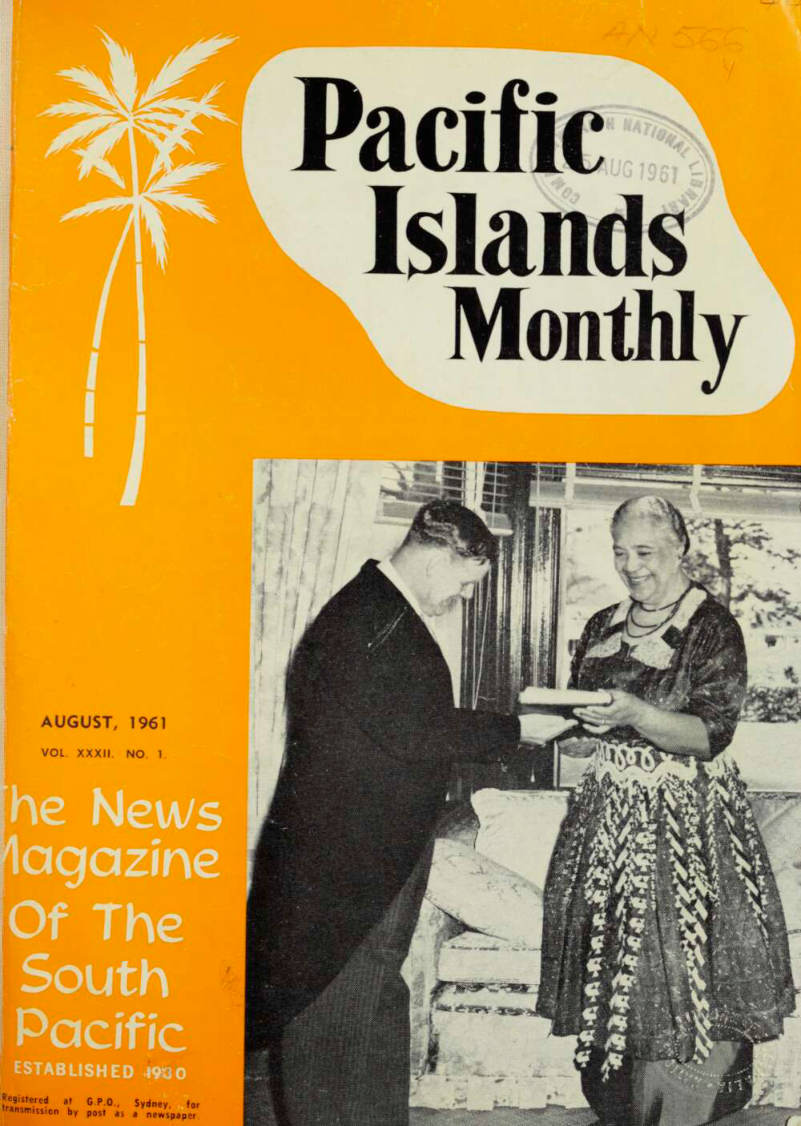 1
1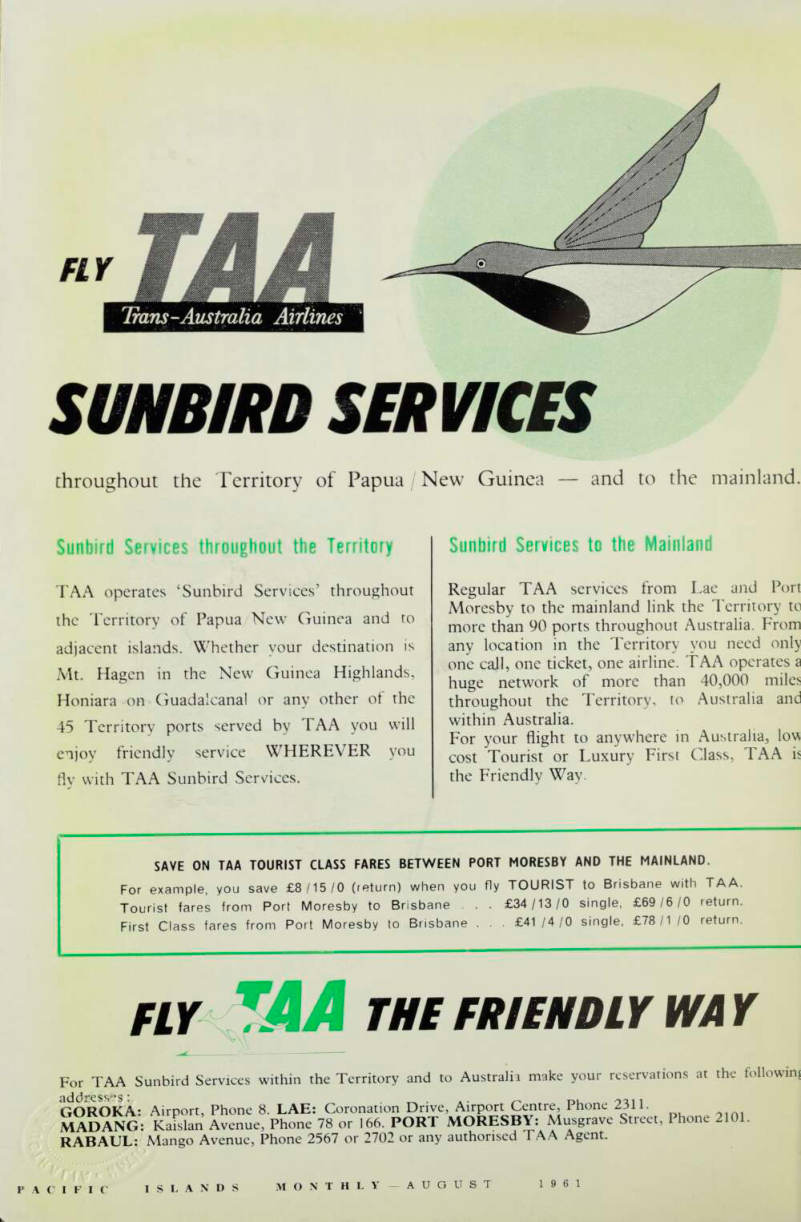 2
2 3
3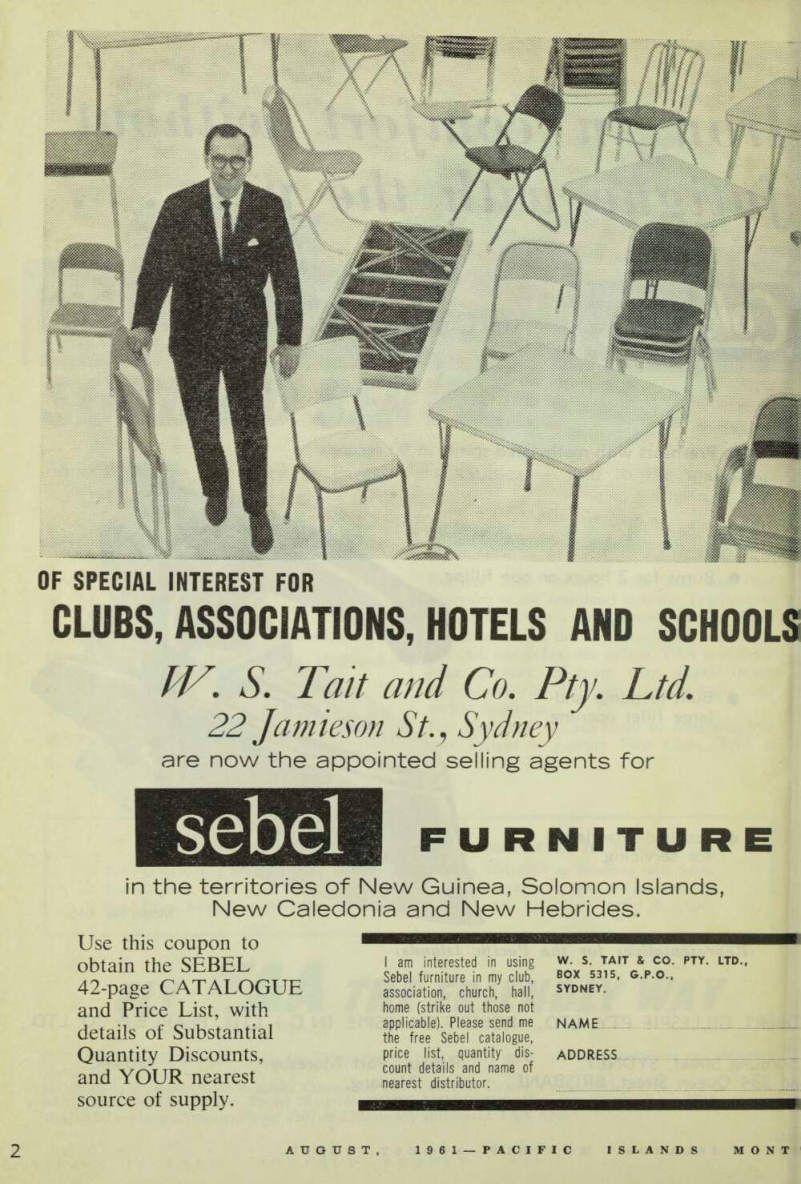 4
4 5
5 6
6 7
7 8
8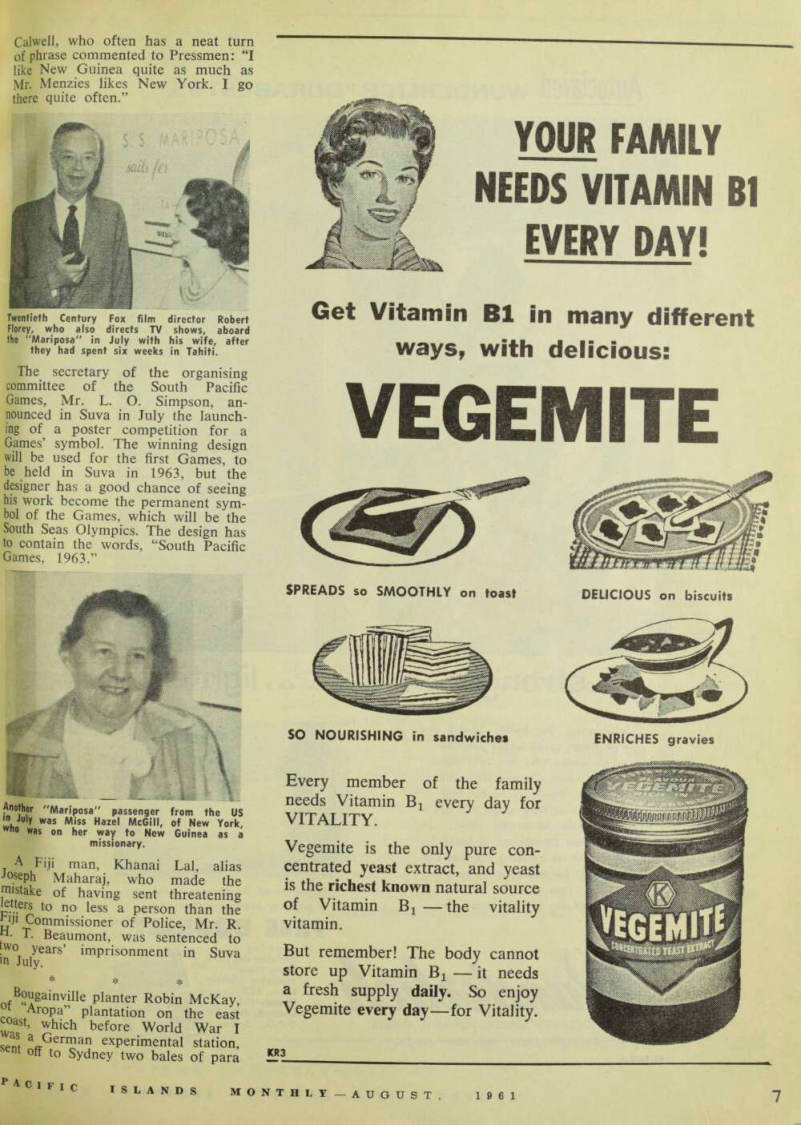 9
9 10
10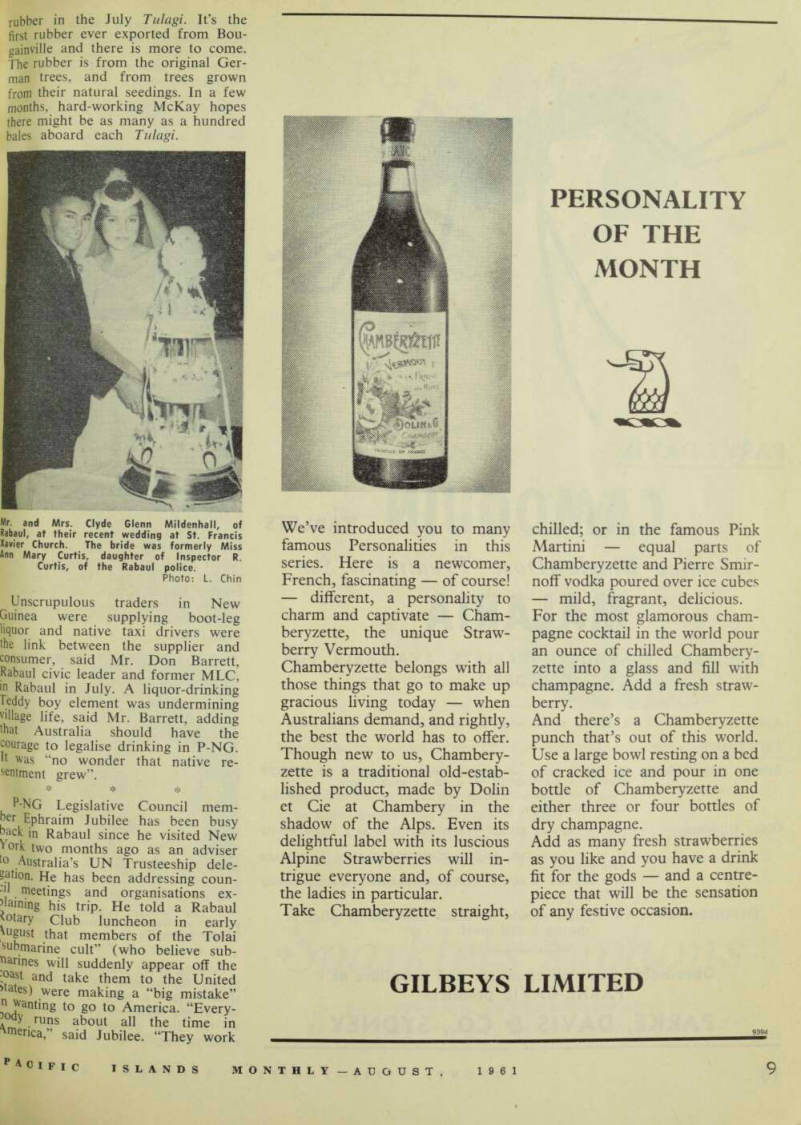 11
11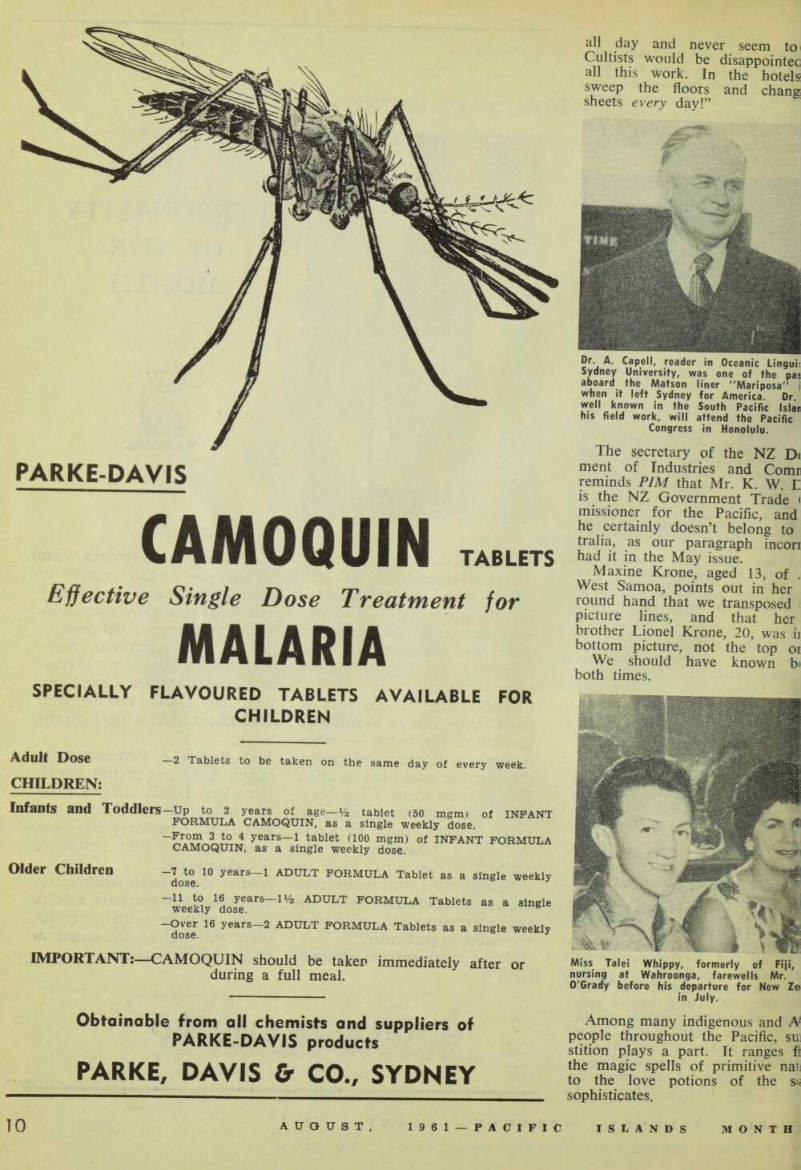 12
12 13
13 14
14 15
15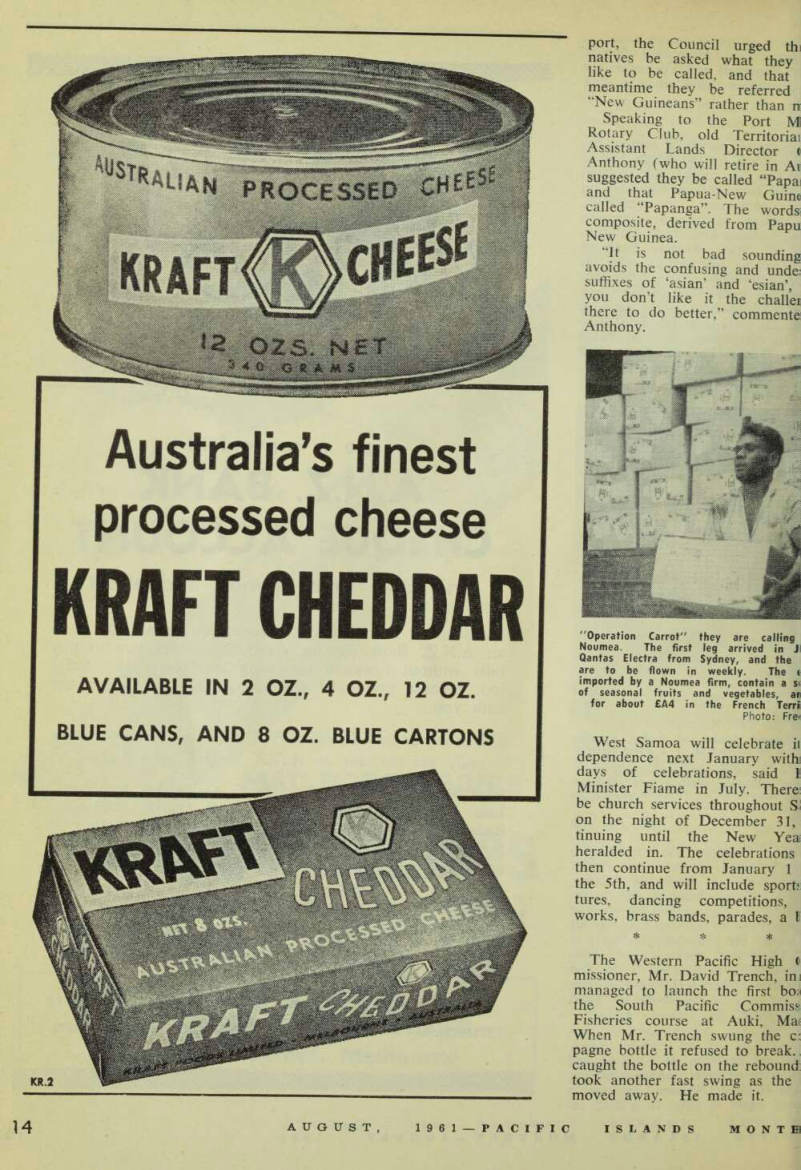 16
16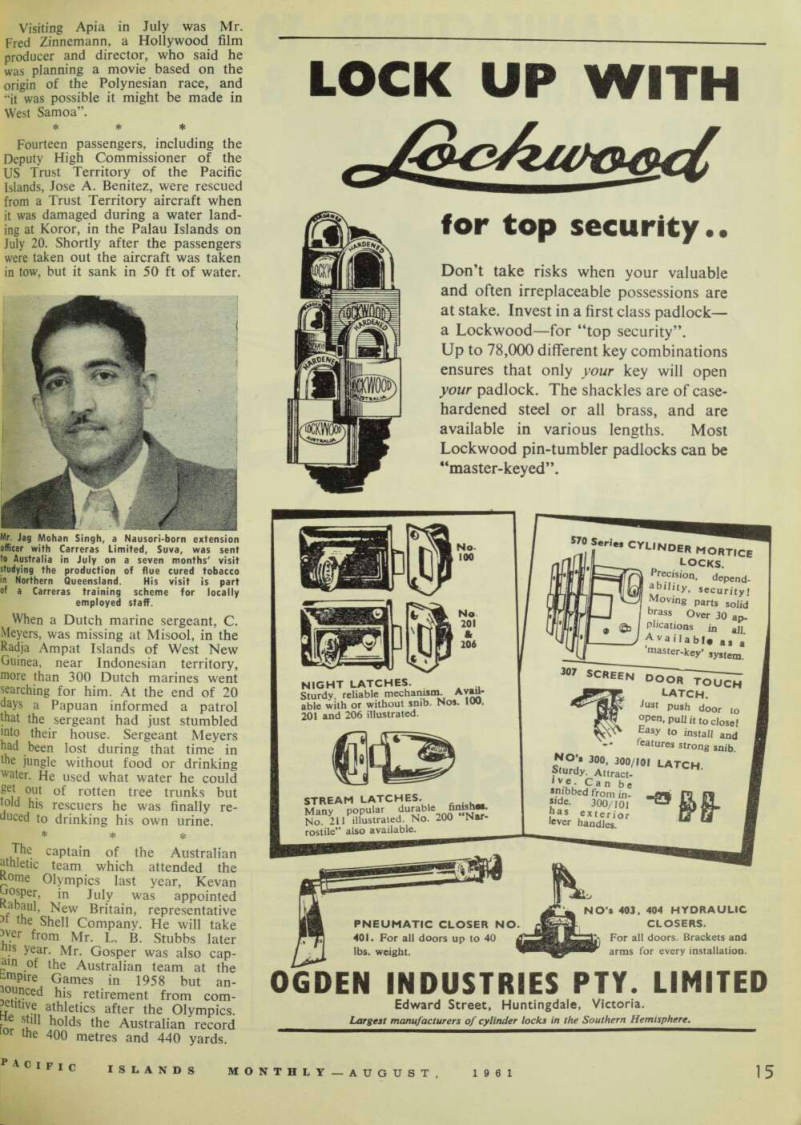 17
17 18
18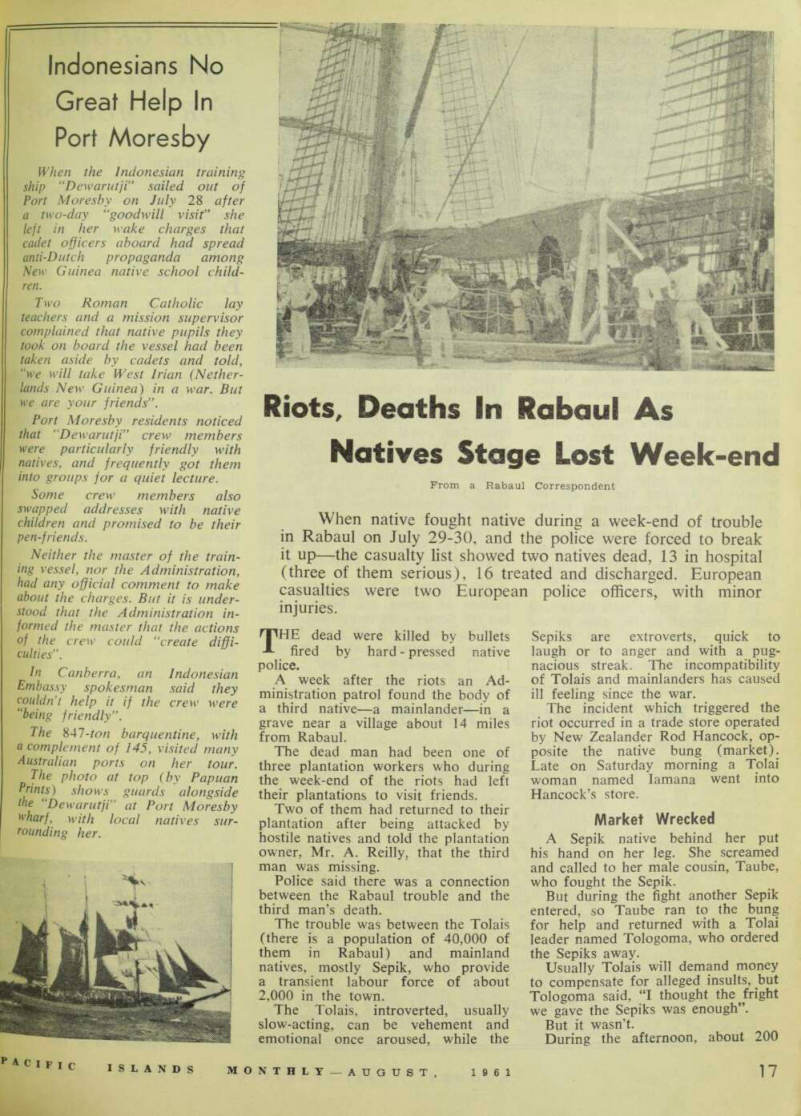 19
19 20
20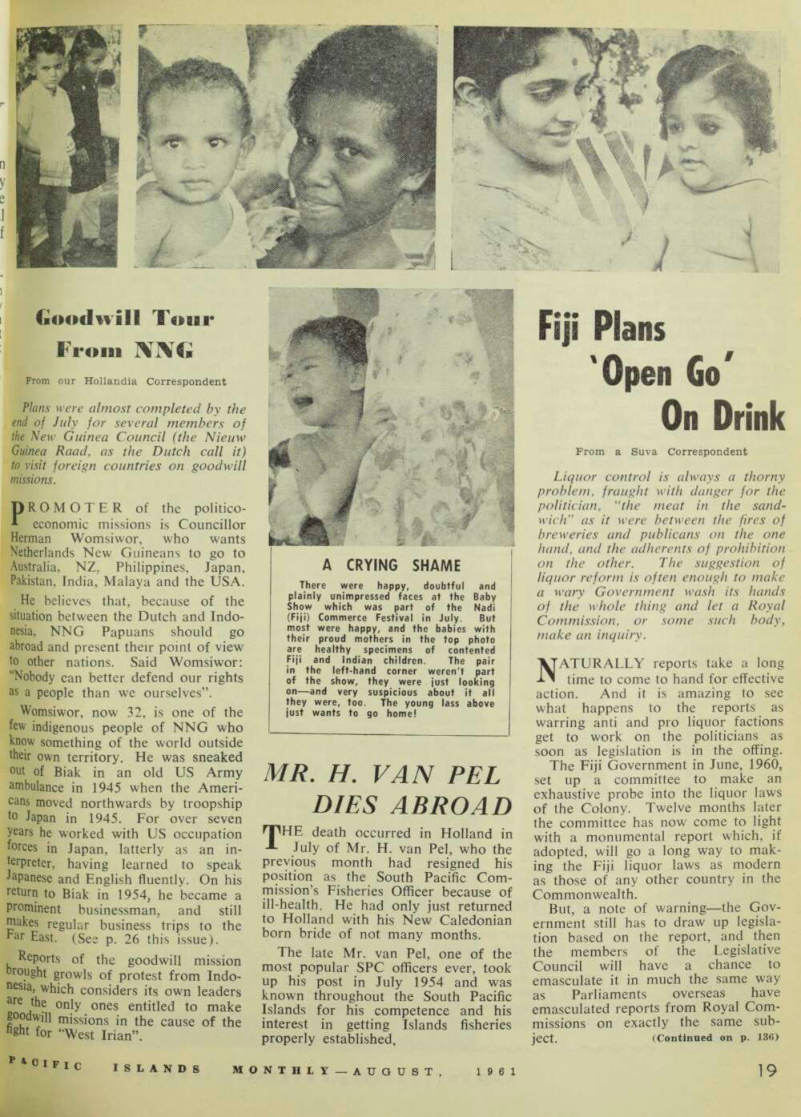 21
21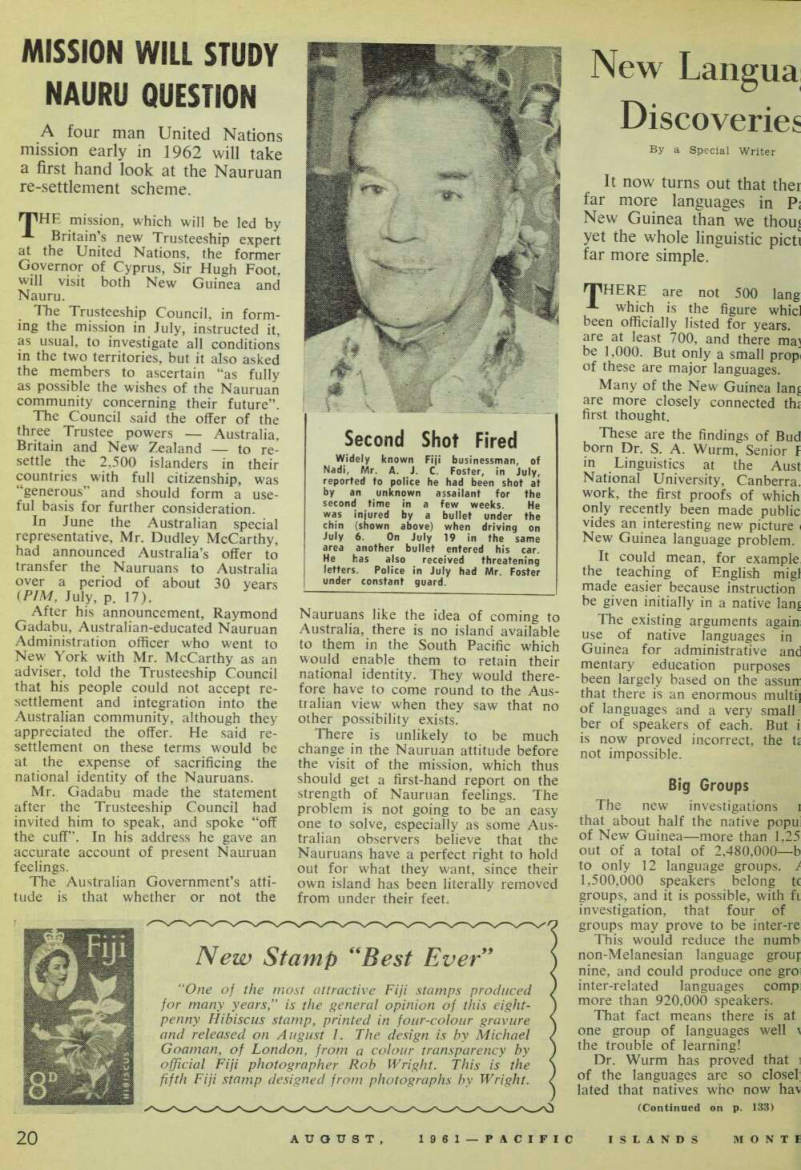 22
22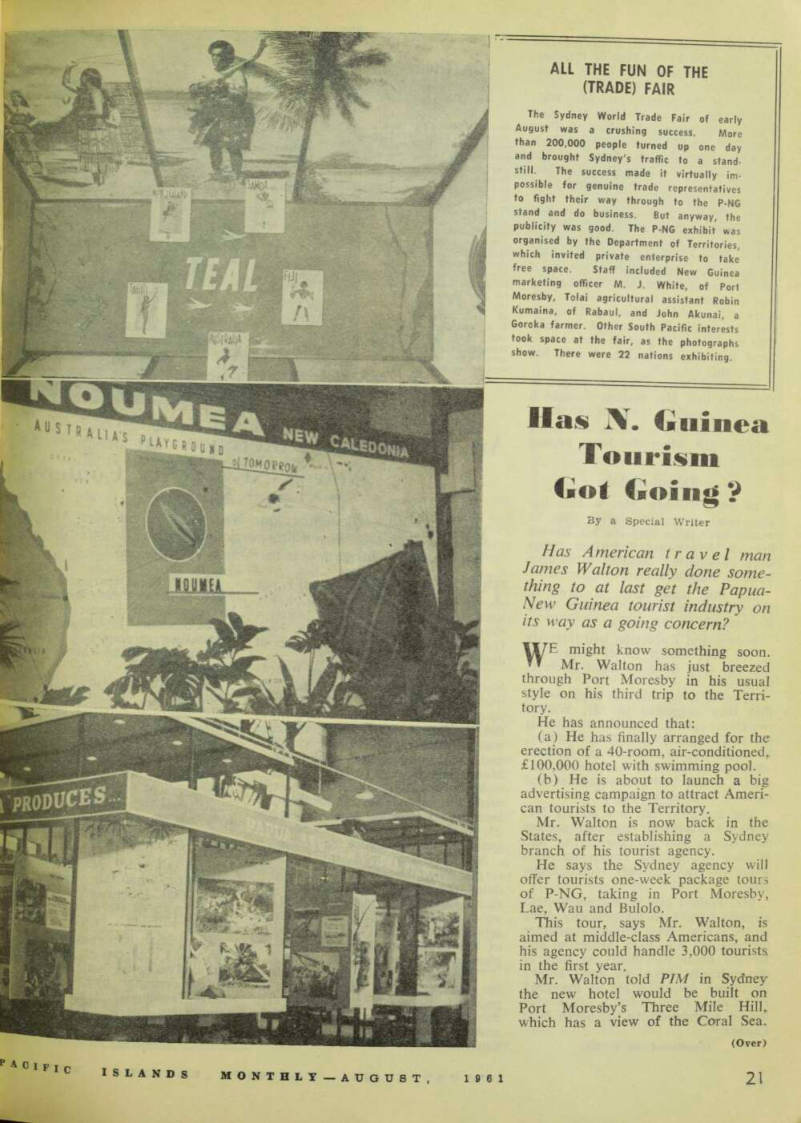 23
23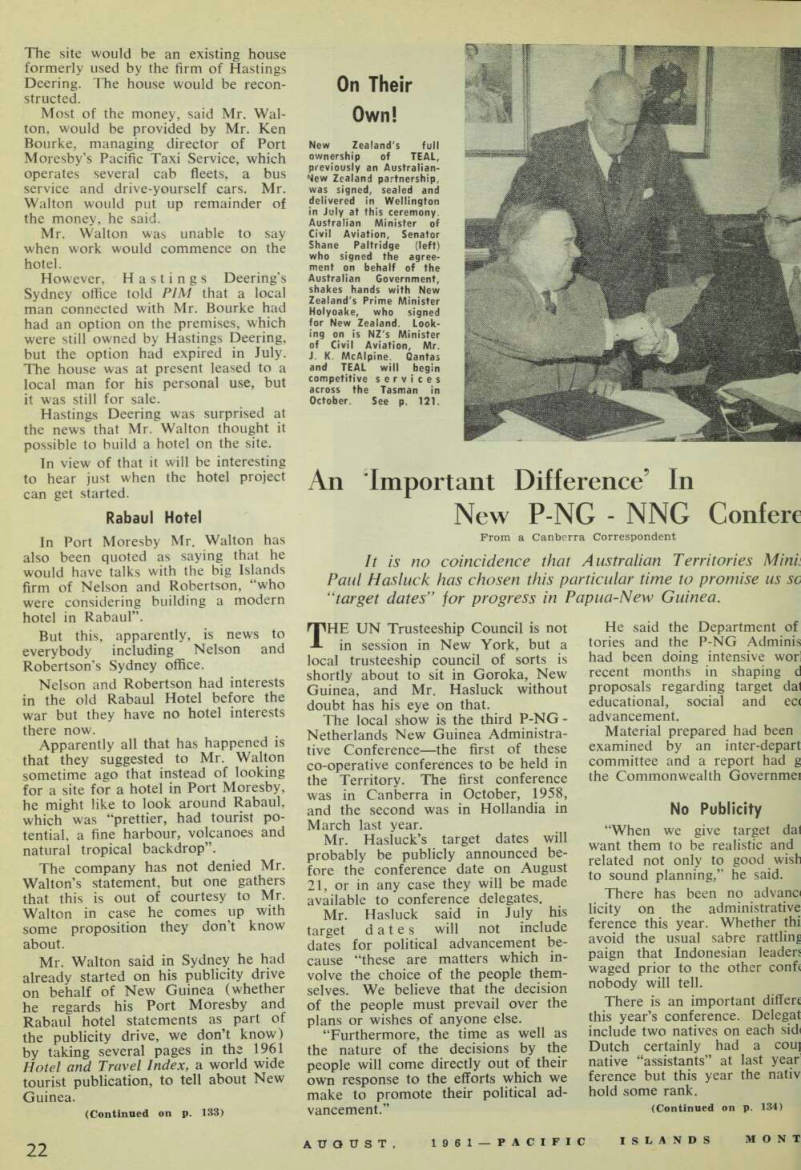 24
24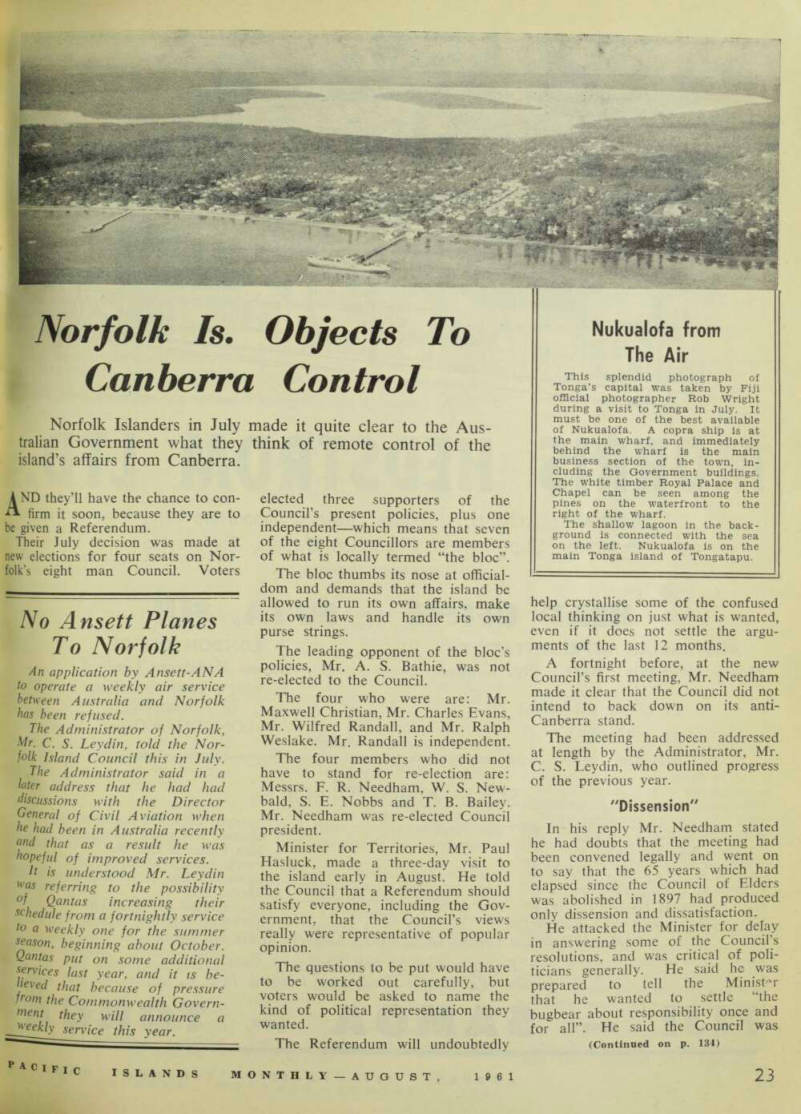 25
25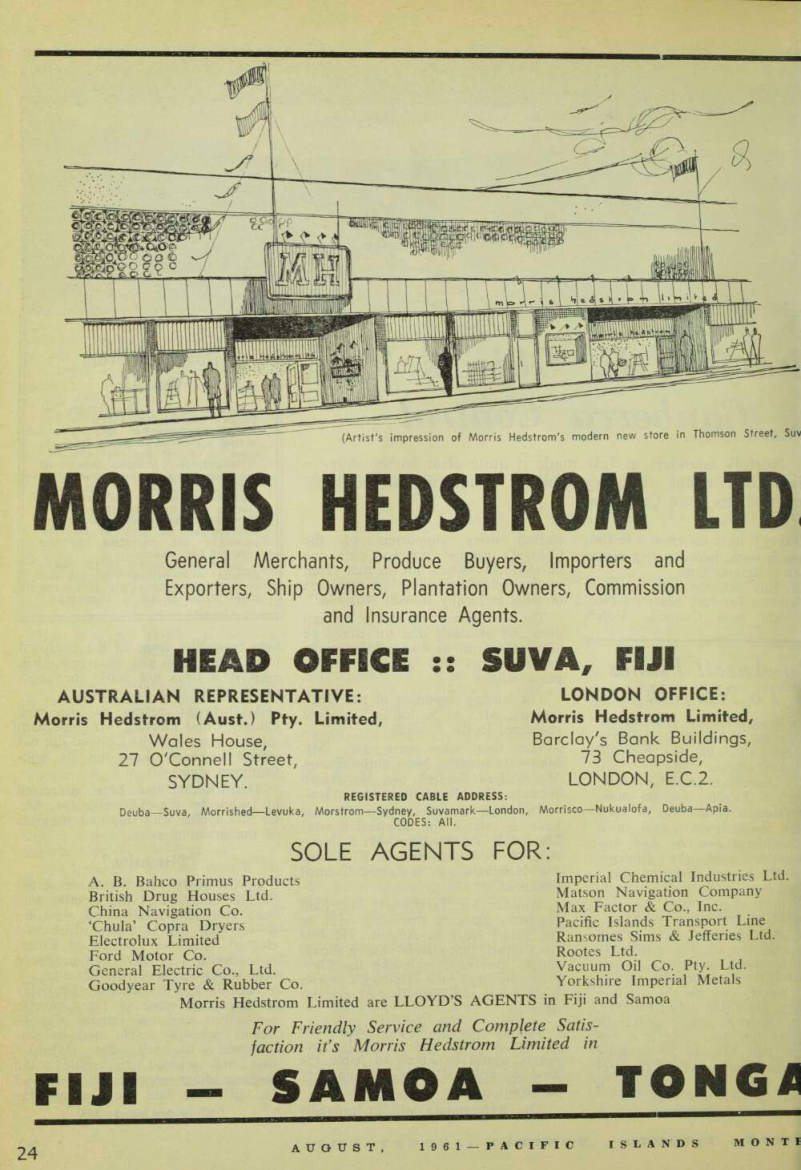 26
26 27
27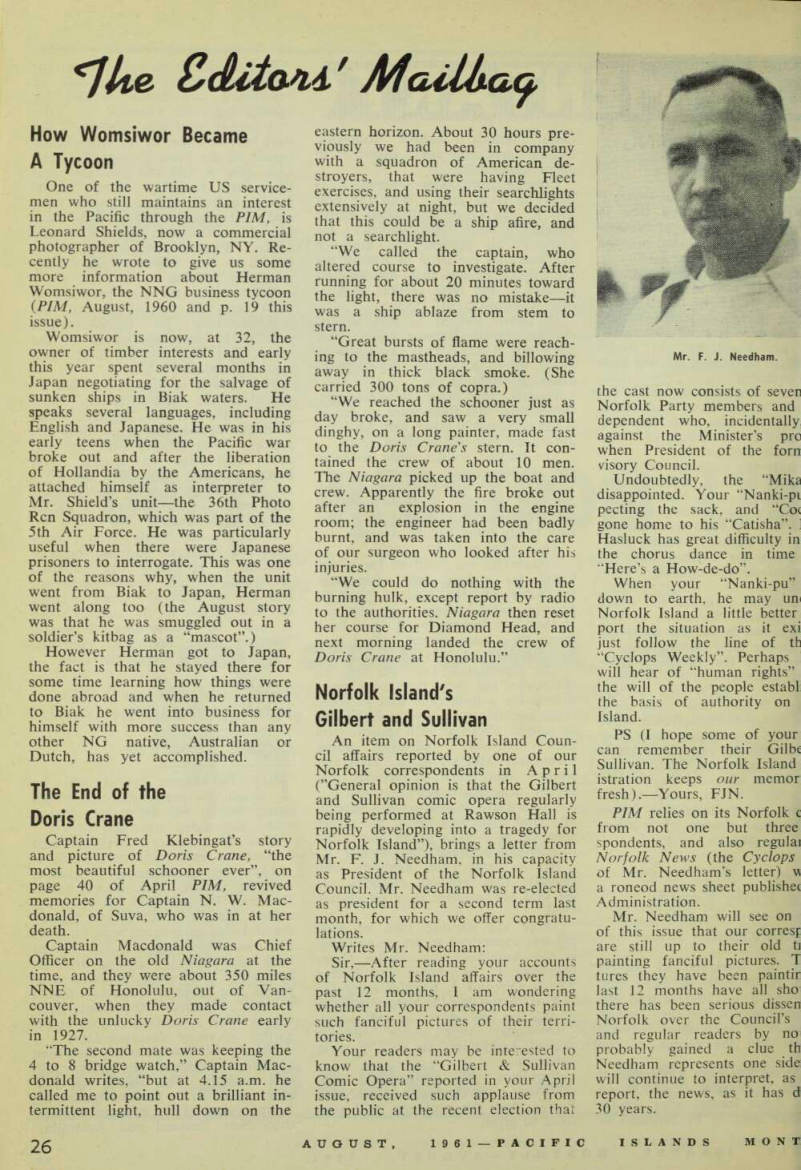 28
28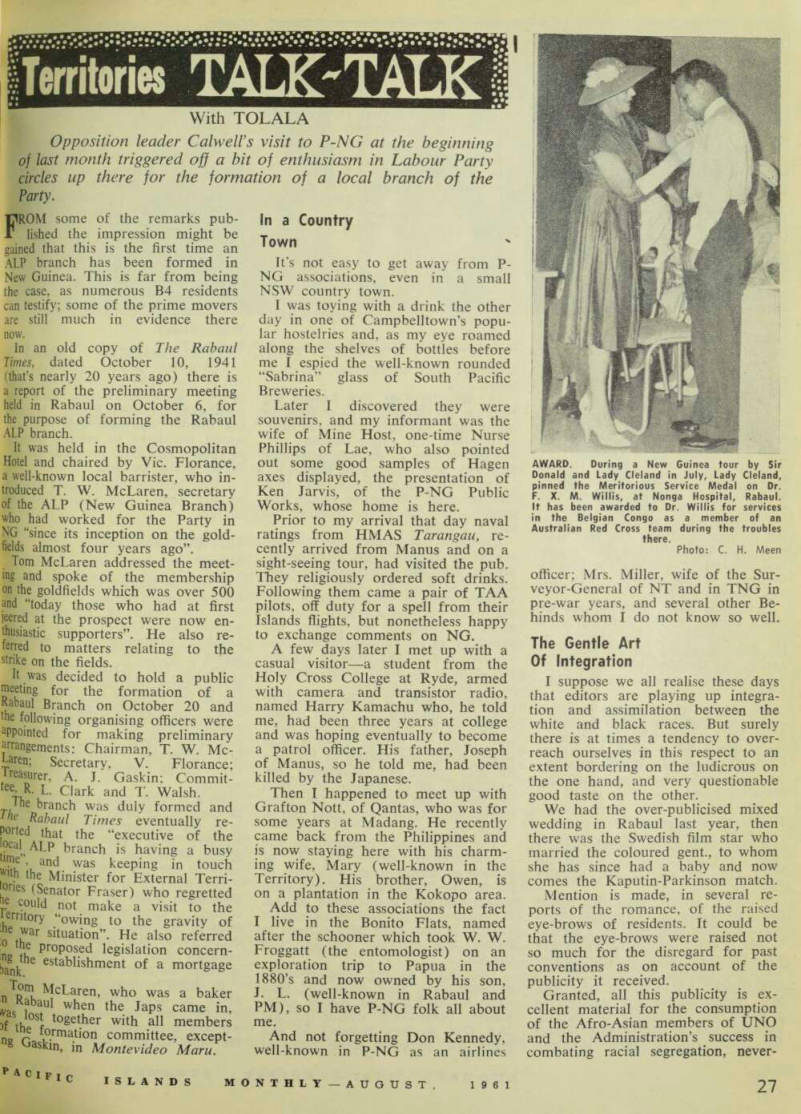 29
29 30
30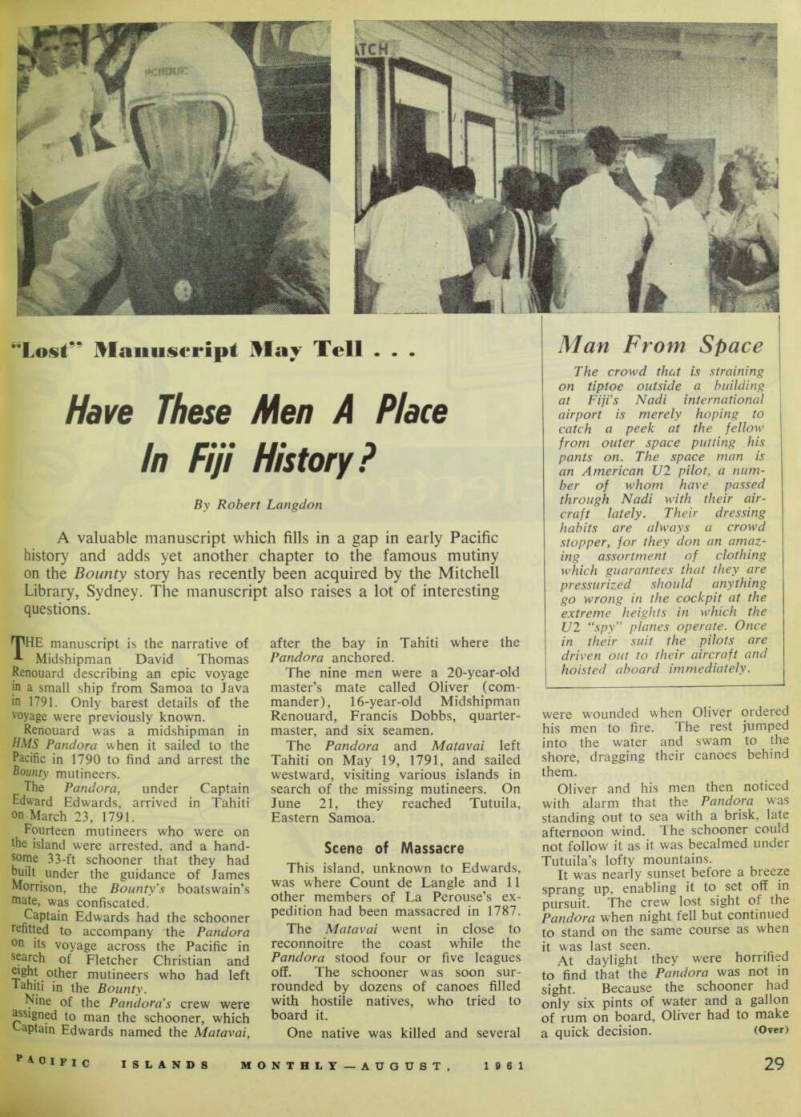 31
31 32
32 33
33 34
34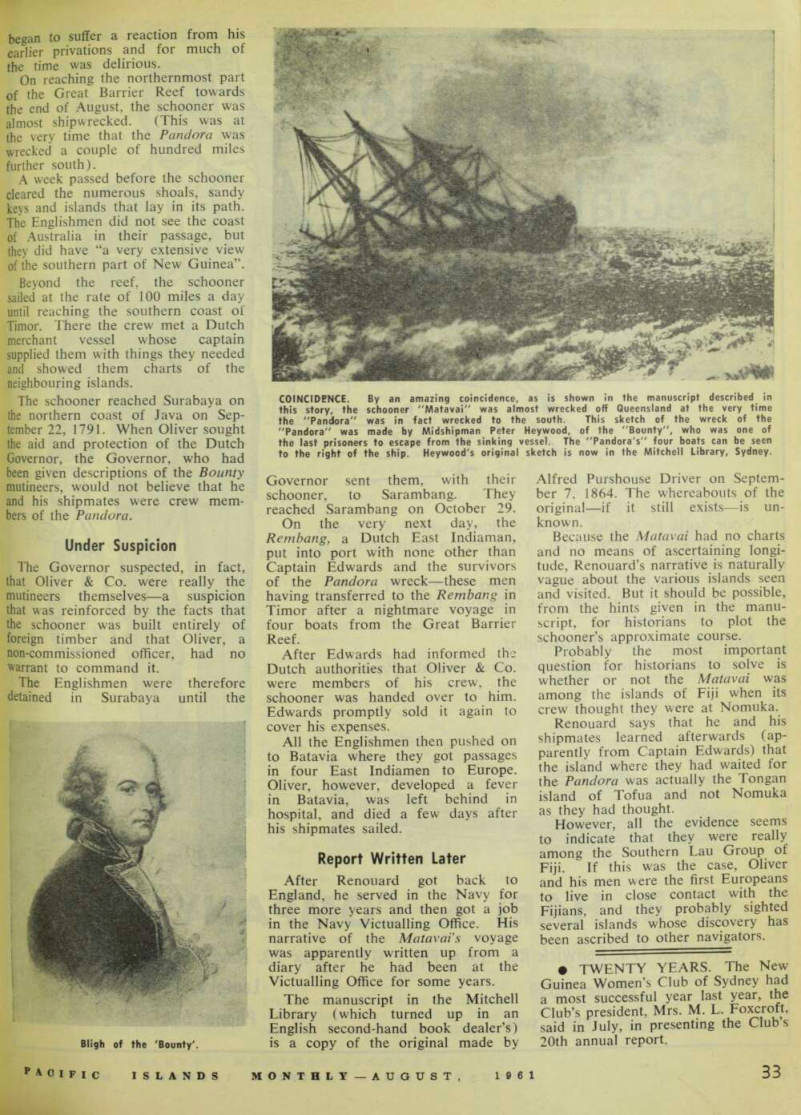 35
35 36
36 37
37 38
38 39
39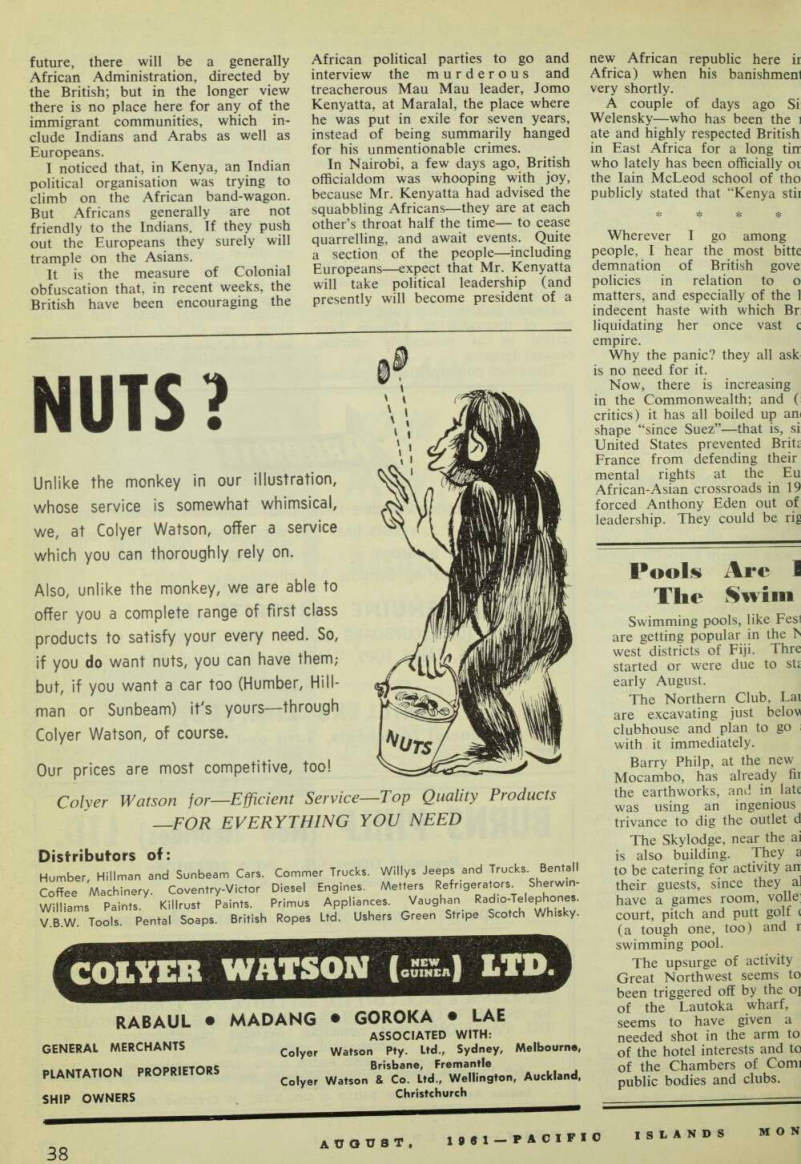 40
40 41
41 42
42 43
43 44
44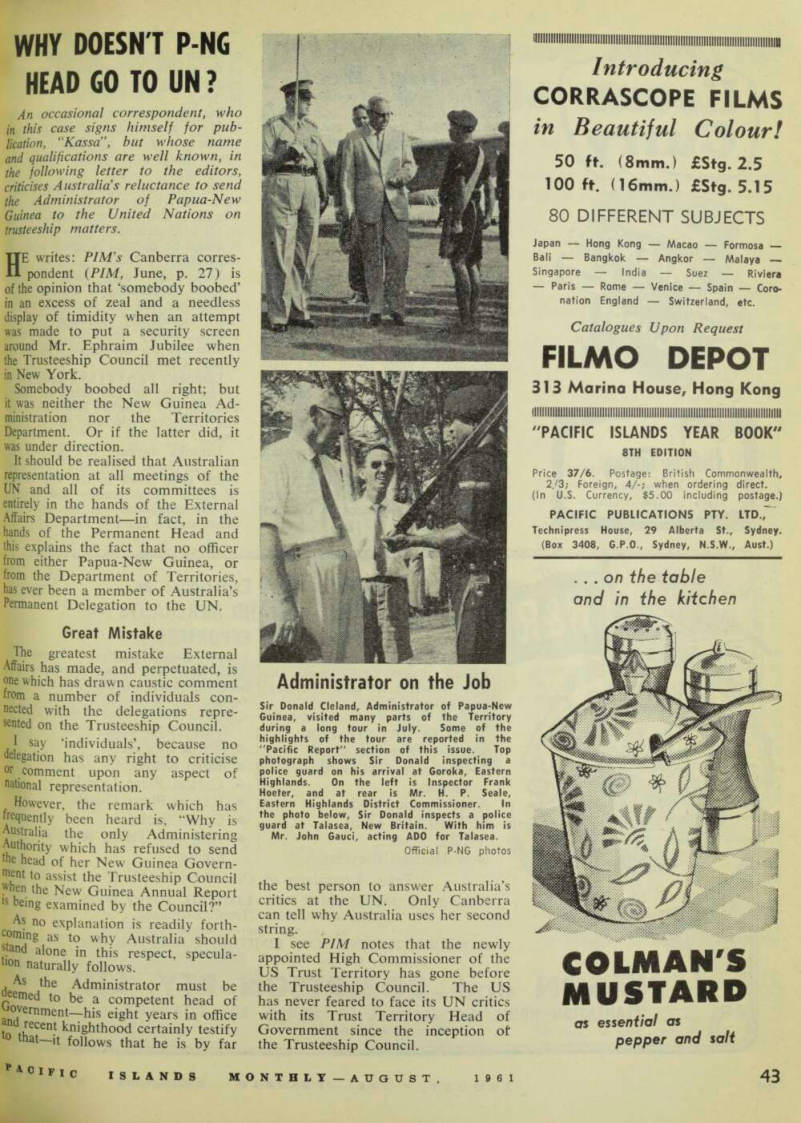 45
45 46
46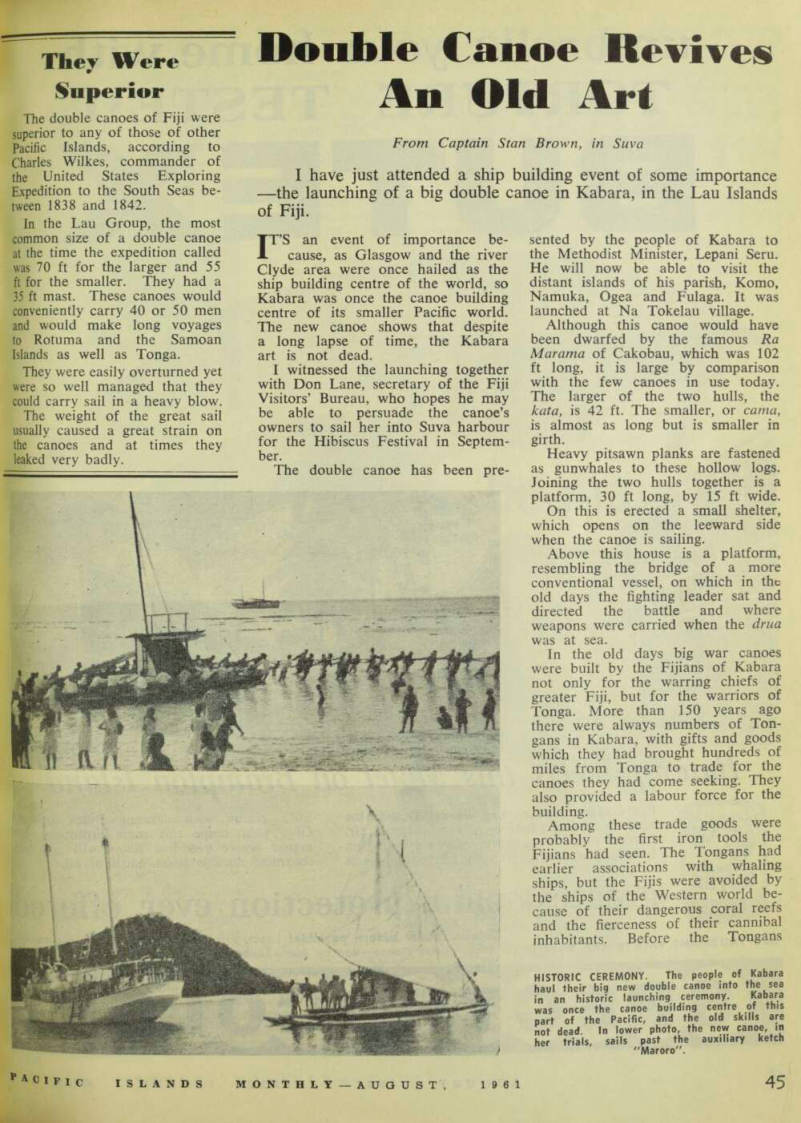 47
47 48
48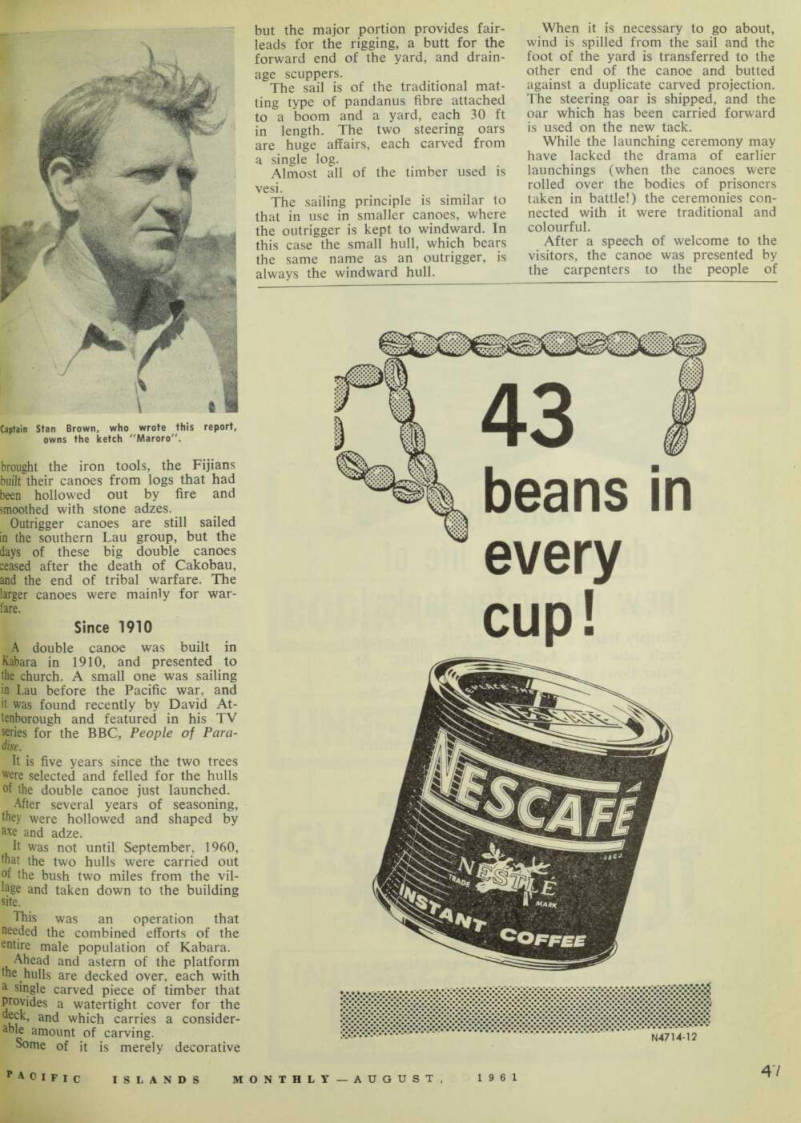 49
49 50
50 51
51 52
52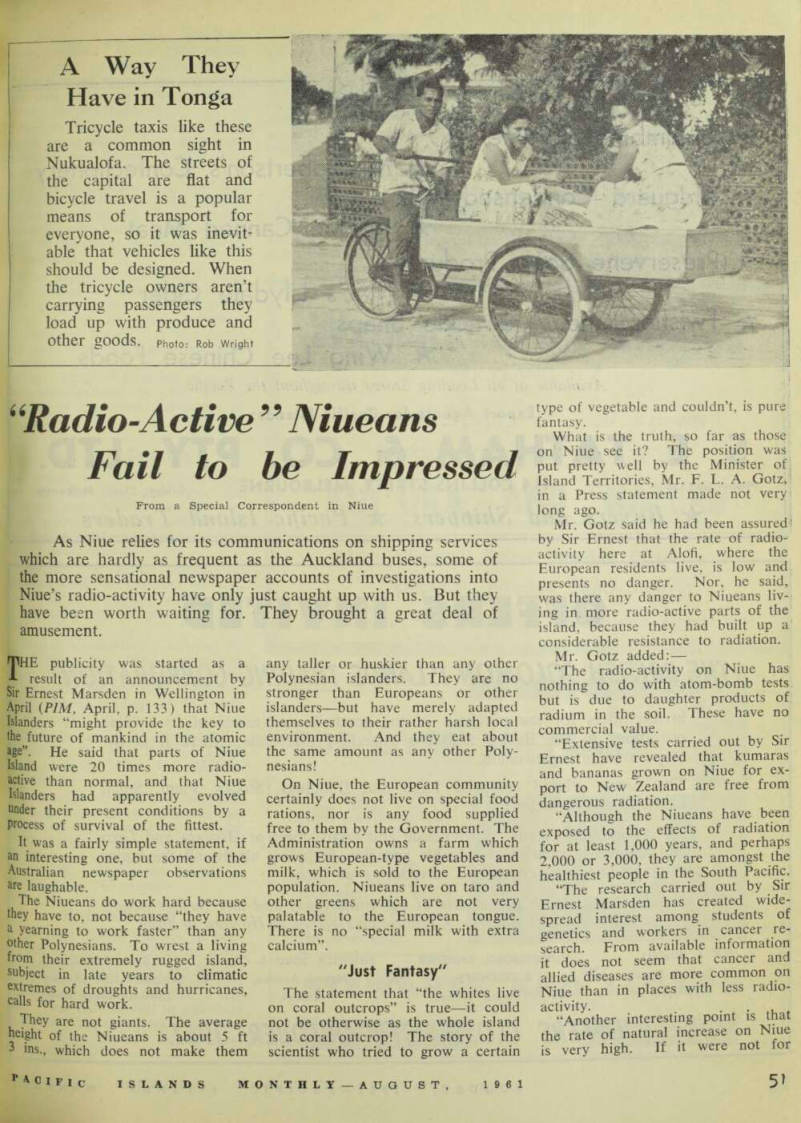 53
53 54
54 55
55 56
56 57
57 58
58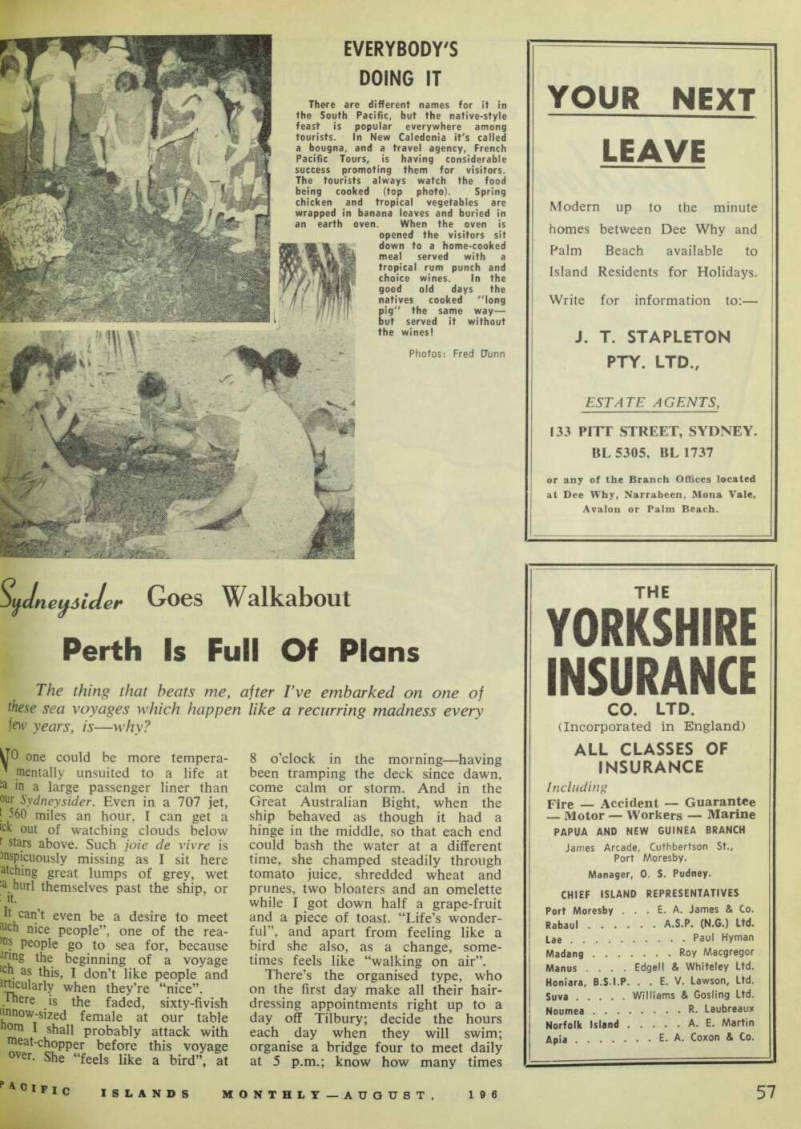 59
59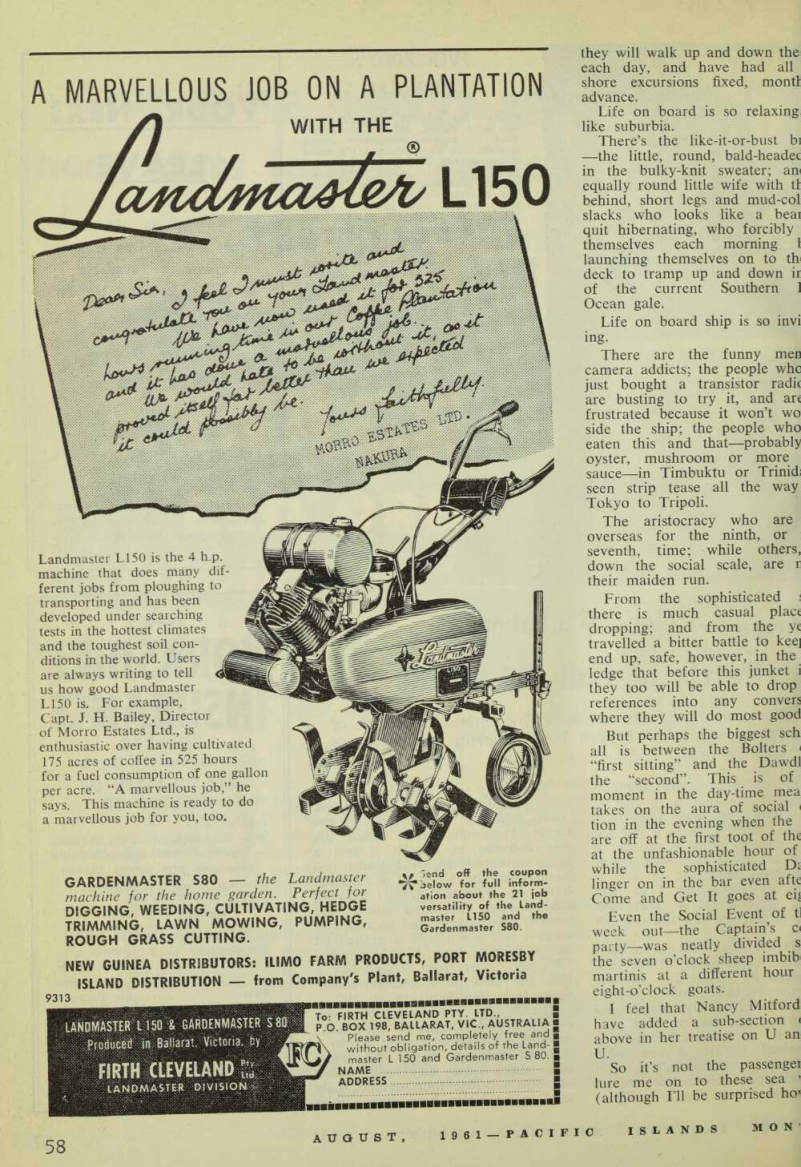 60
60 61
61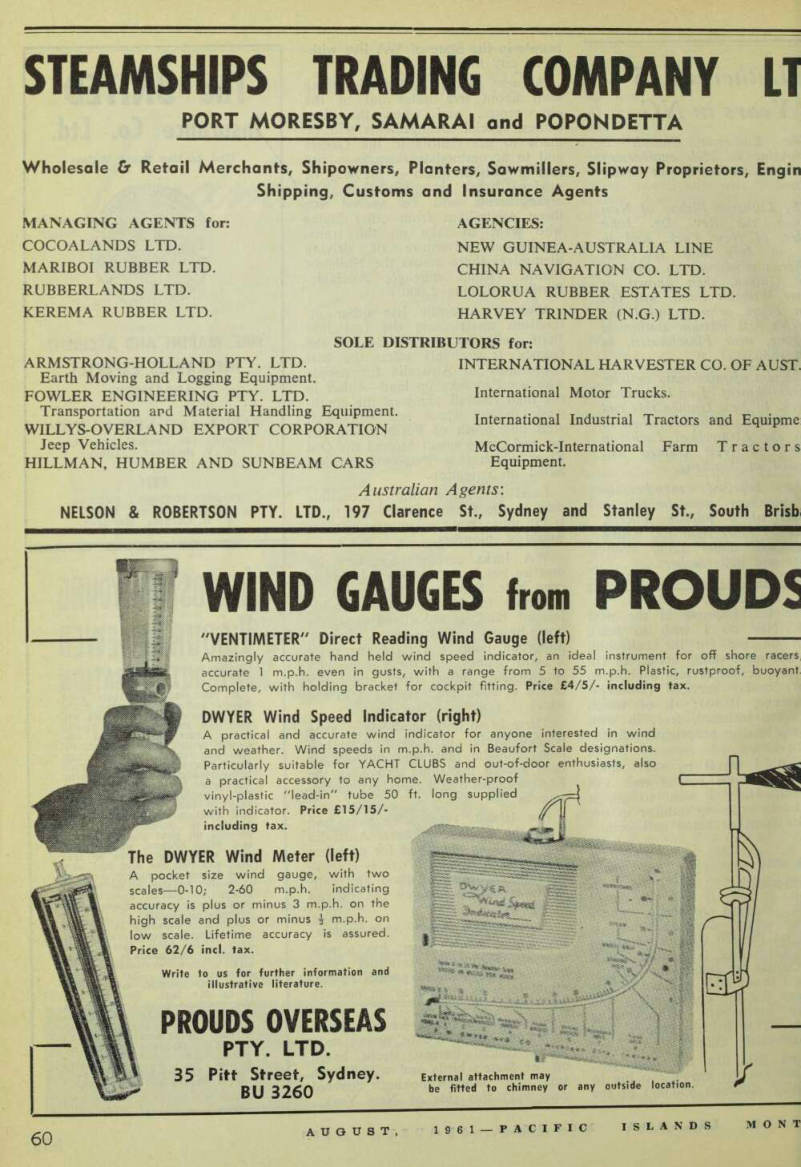 62
62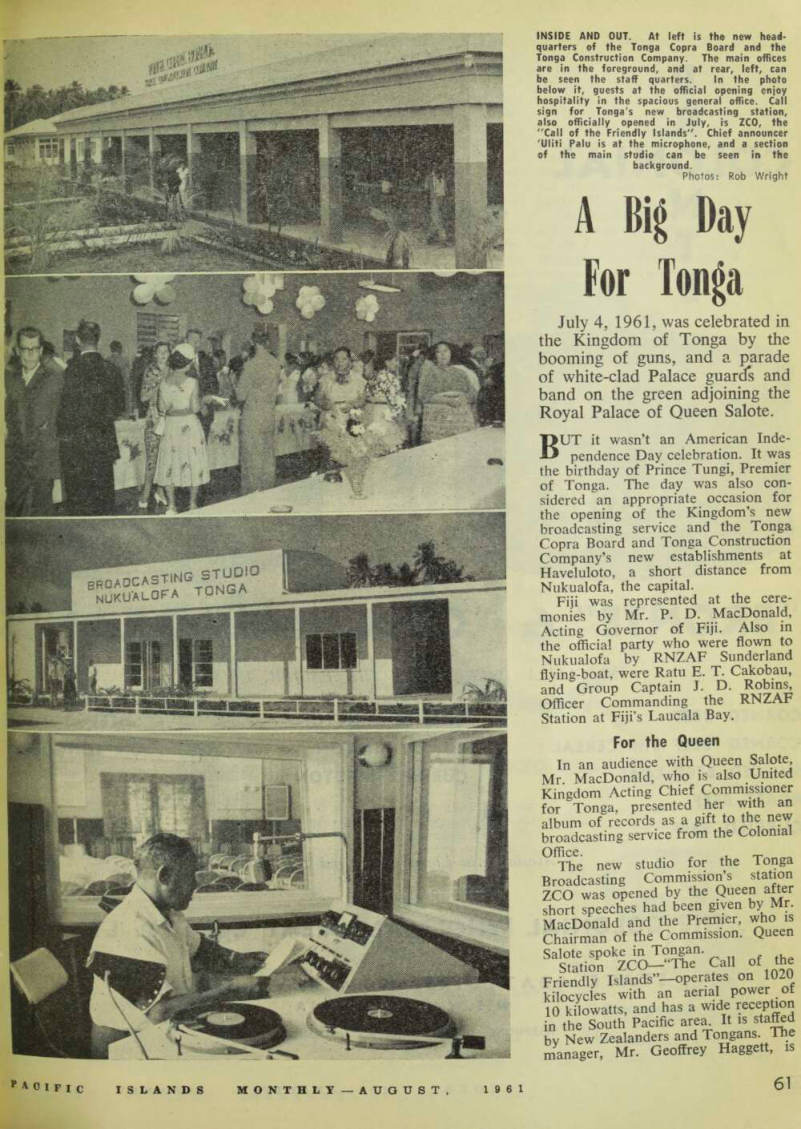 63
63 64
64 65
65 66
66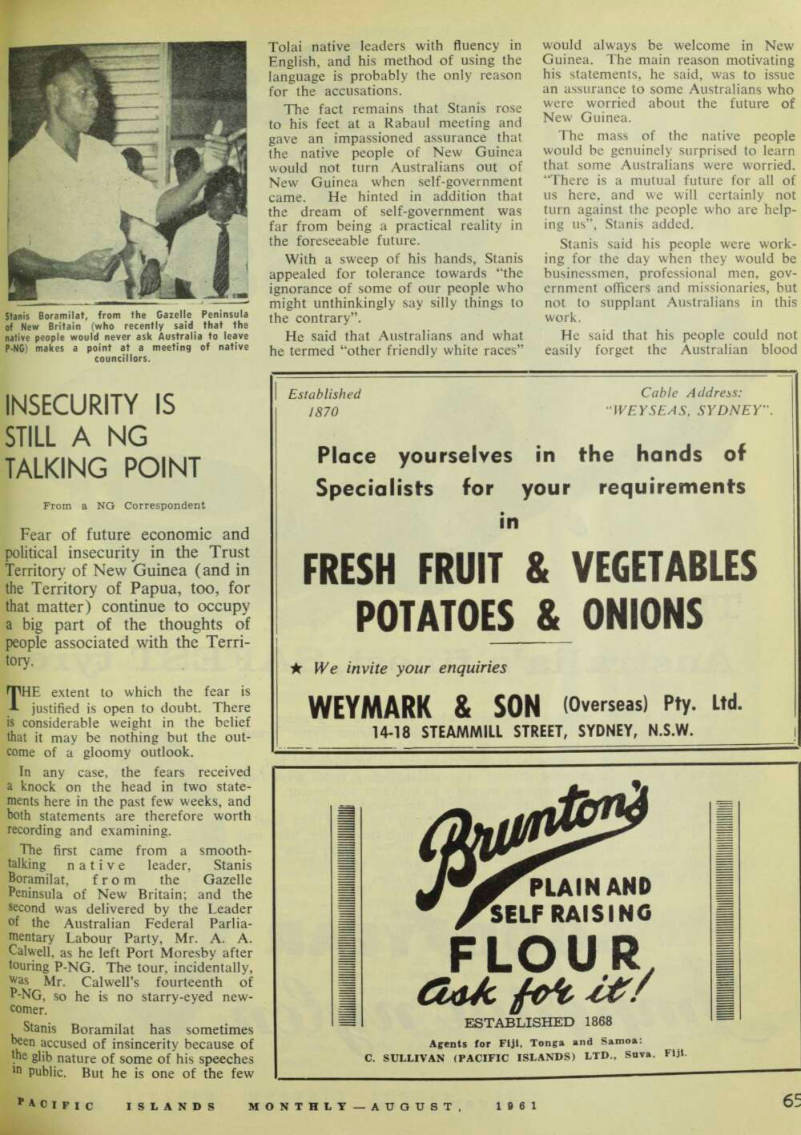 67
67 68
68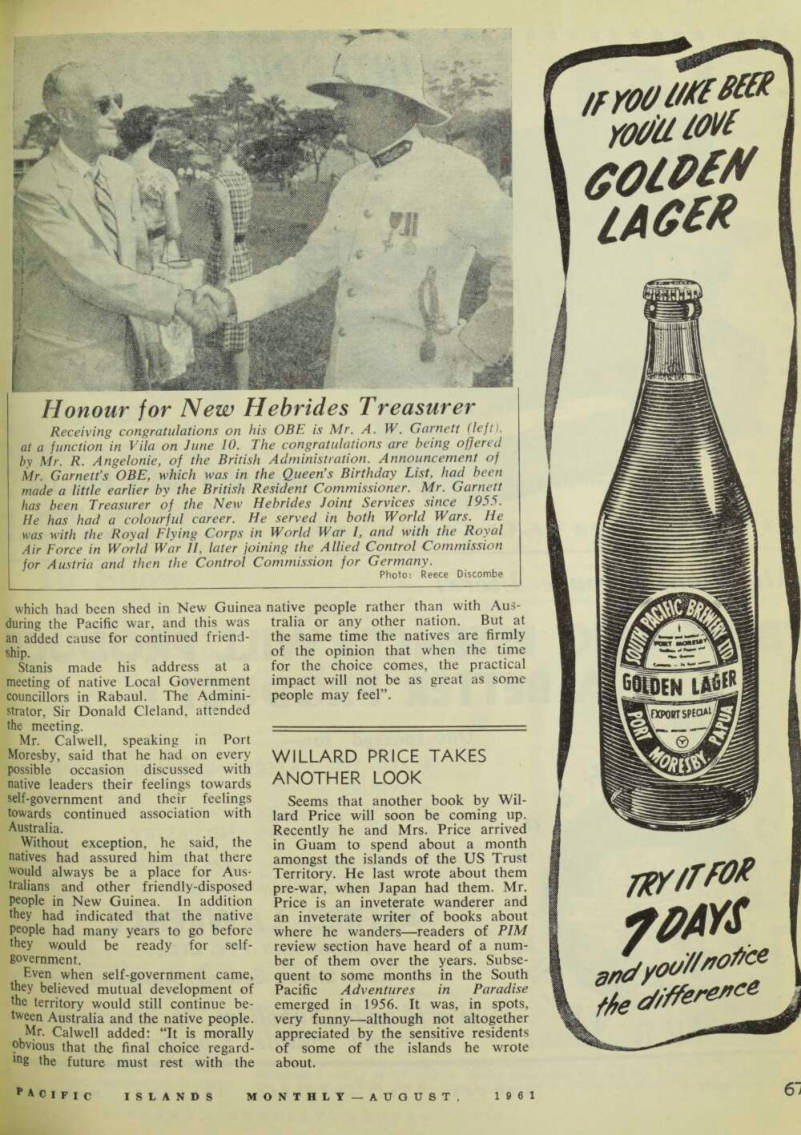 69
69 70
70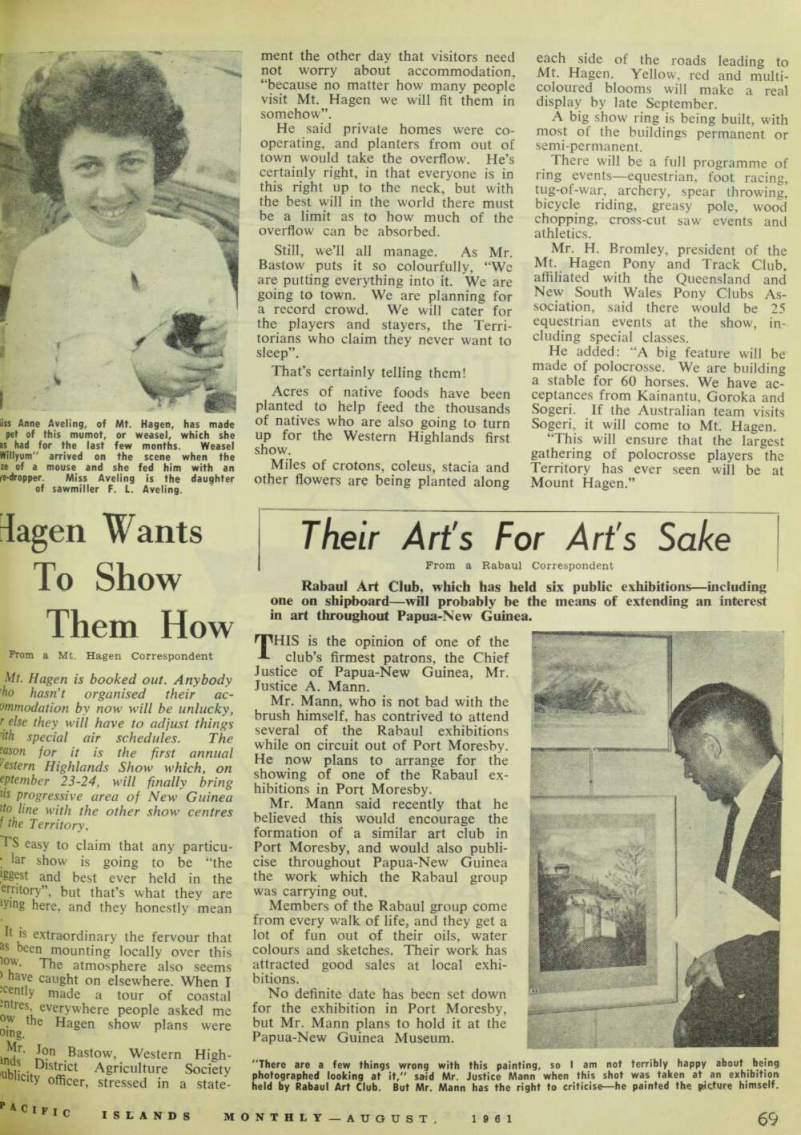 71
71 72
72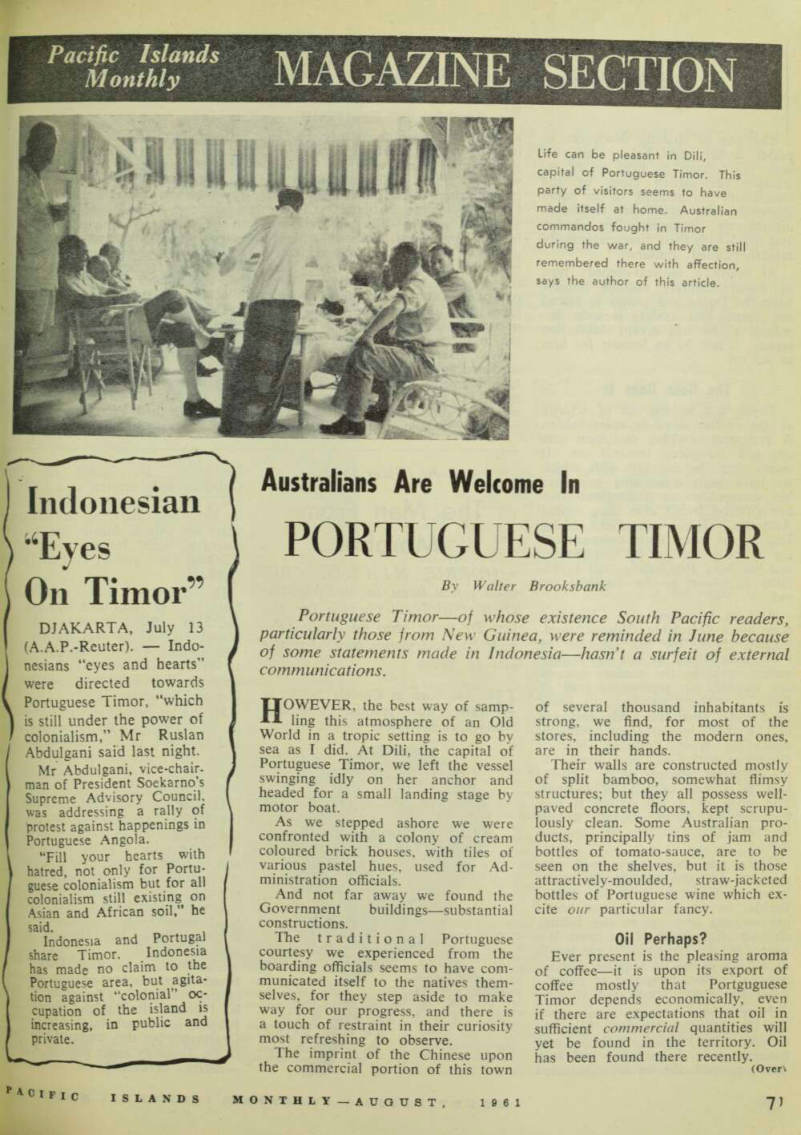 73
73 74
74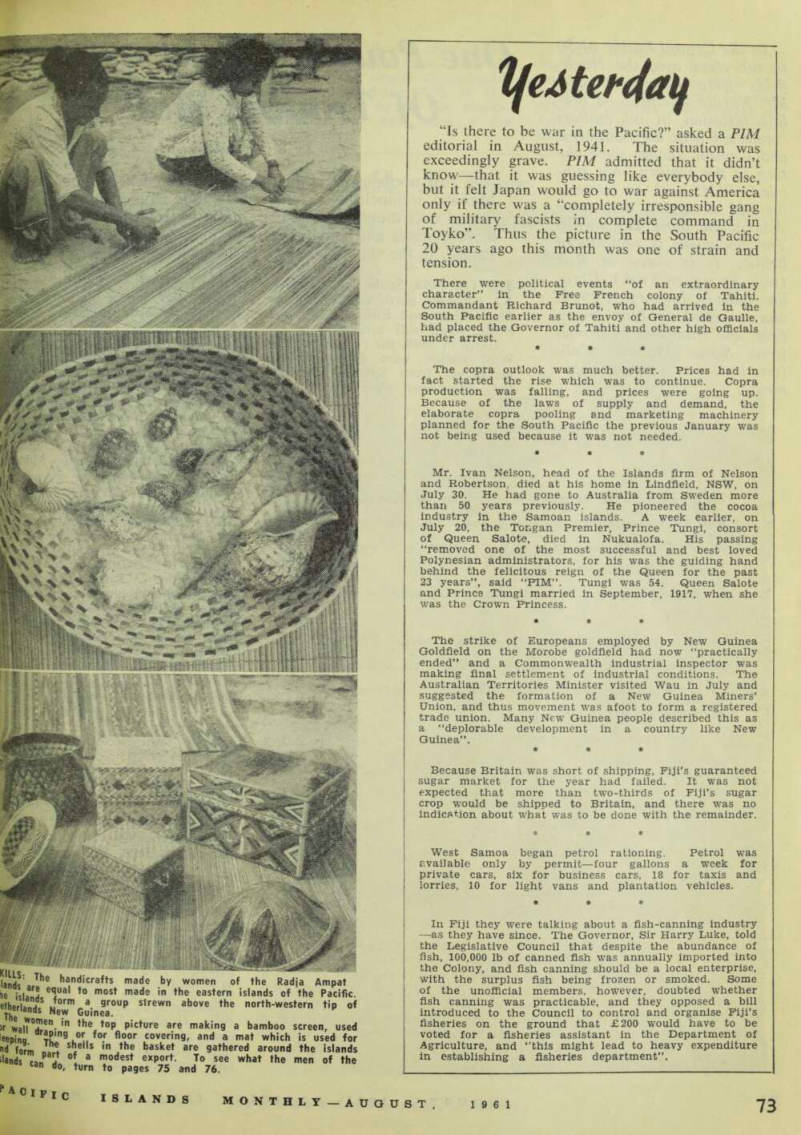 75
75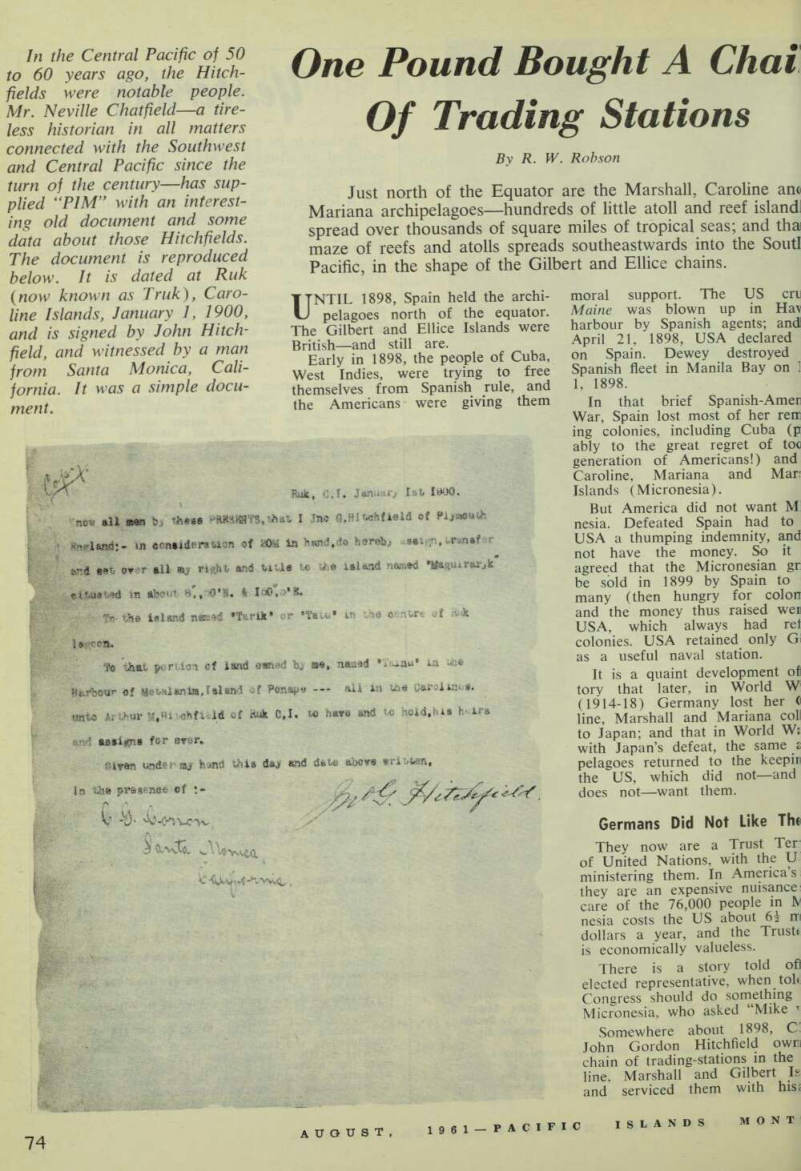 76
76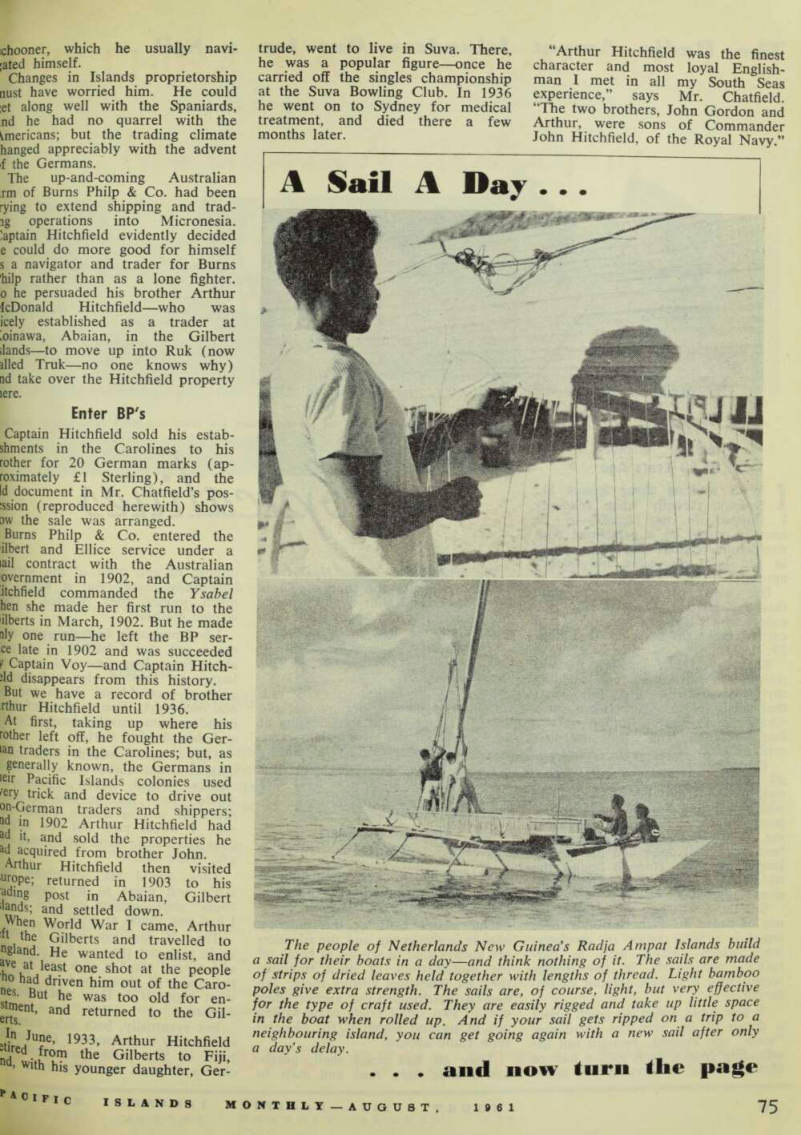 77
77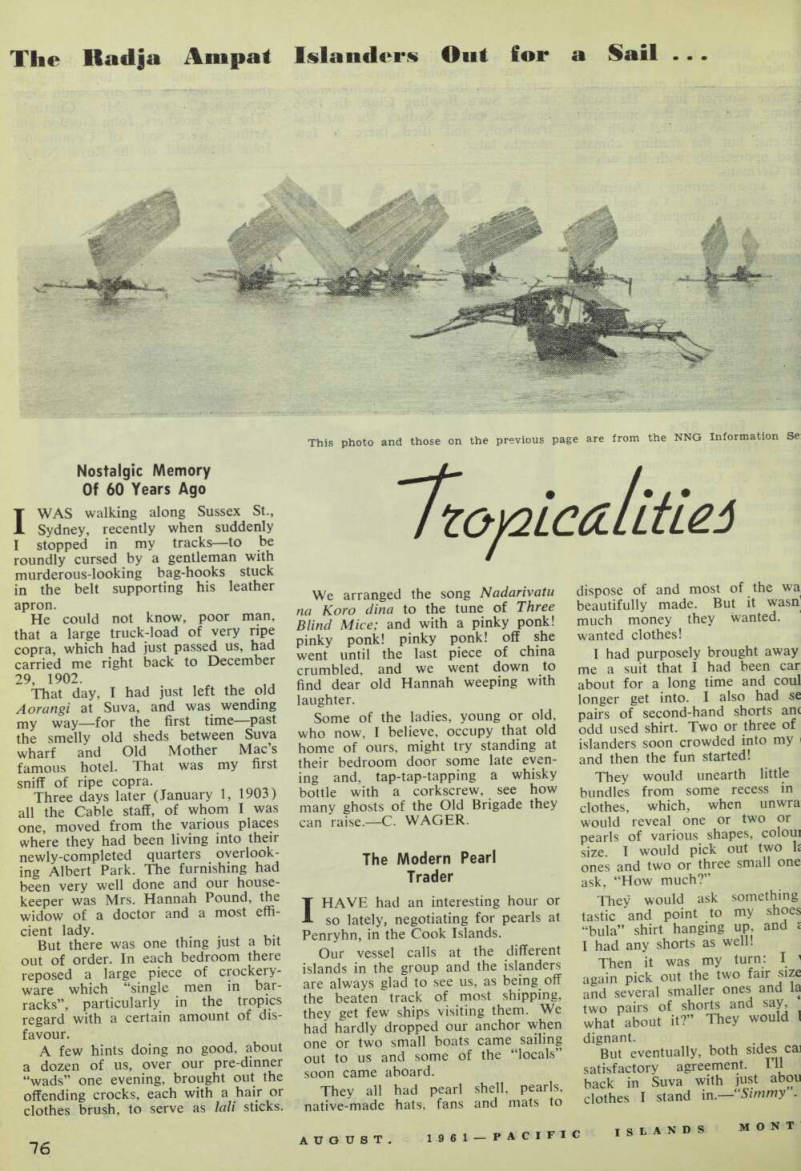 78
78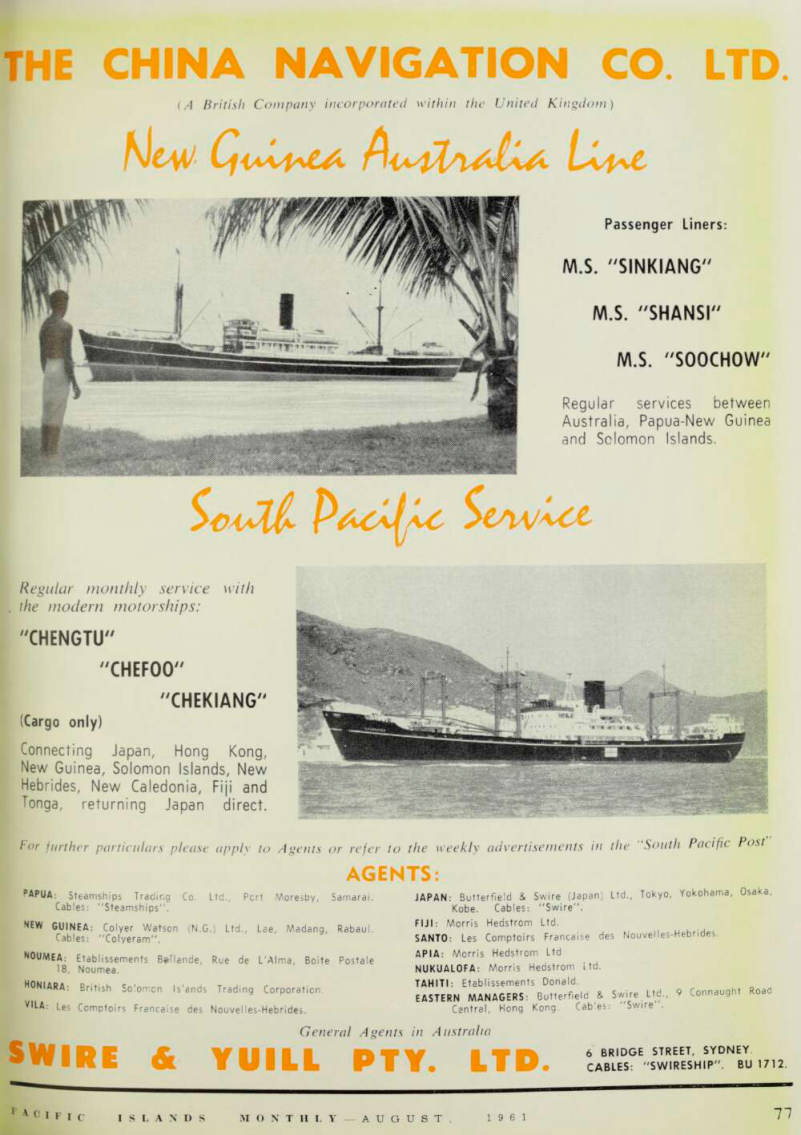 79
79 80
80 81
81 82
82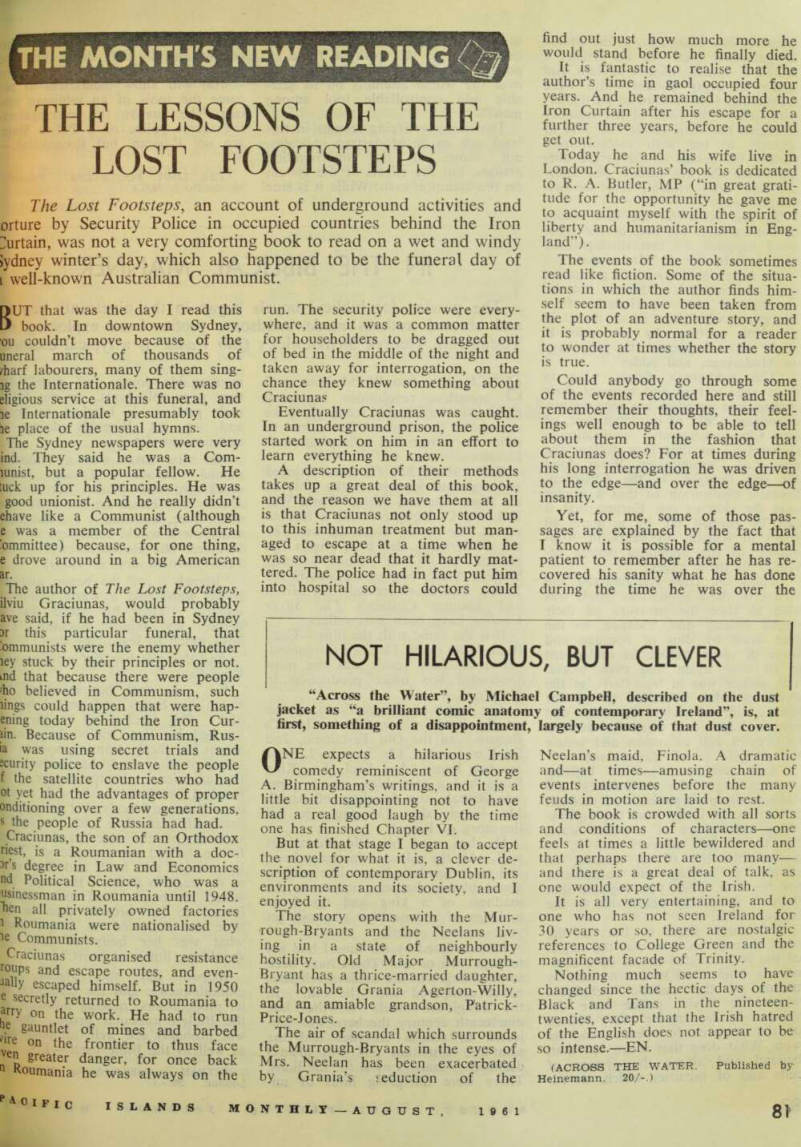 83
83 84
84 85
85 86
86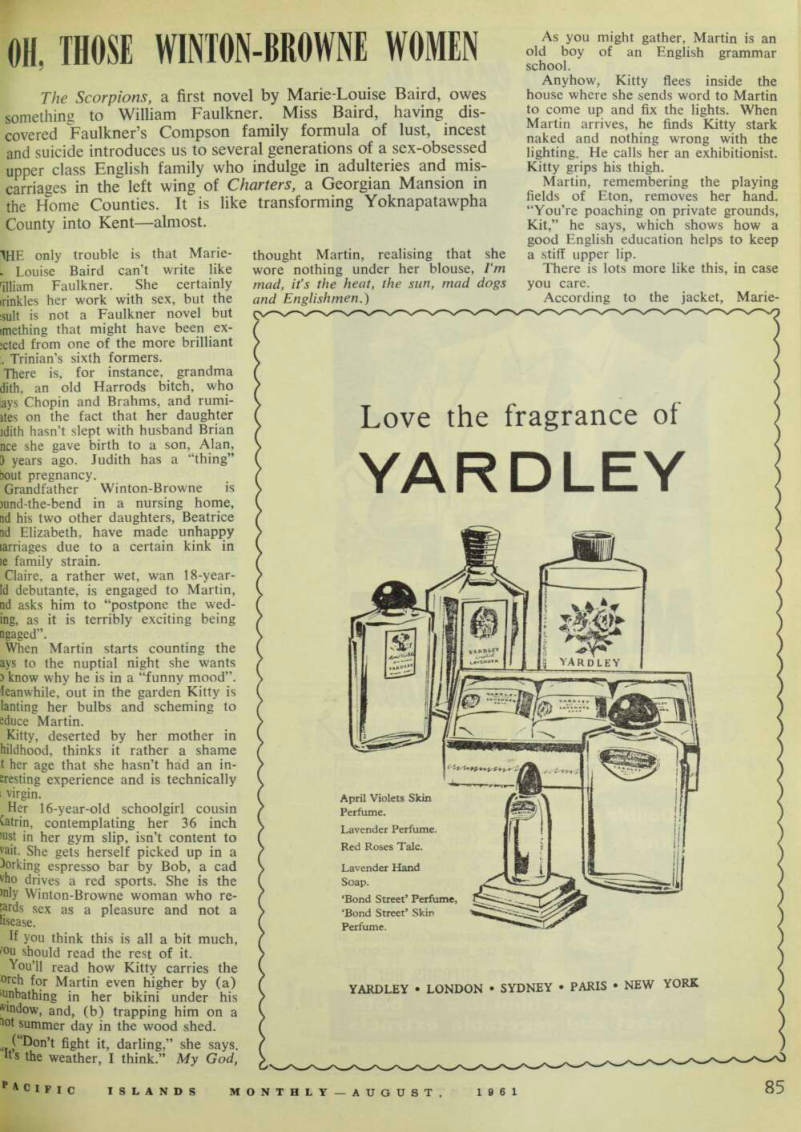 87
87 88
88 89
89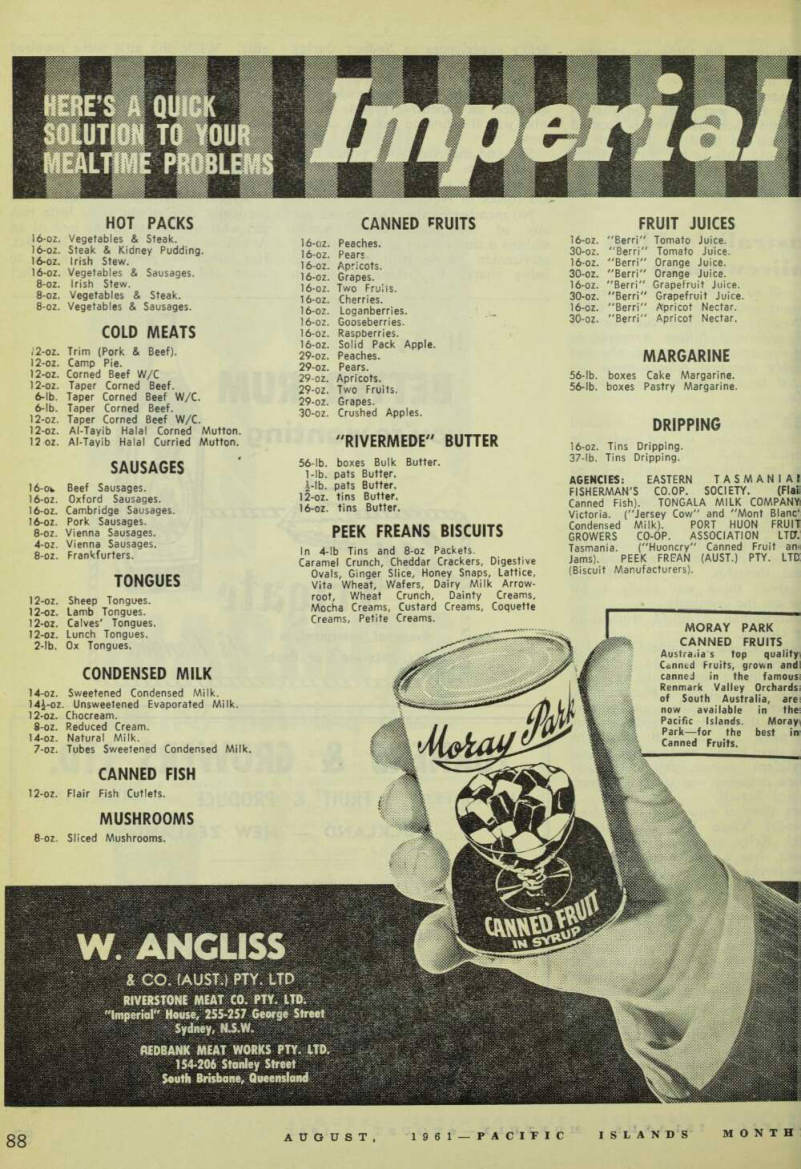 90
90 91
91 92
92 93
93 94
94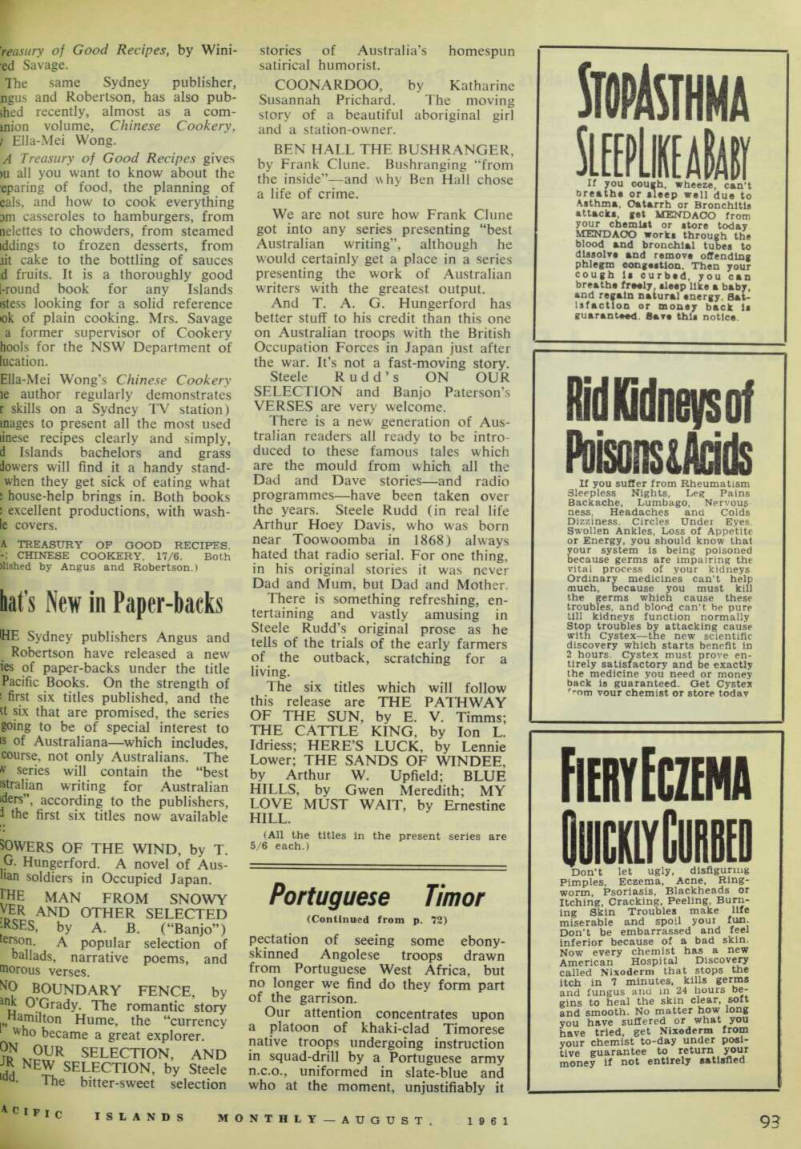 95
95 96
96 97
97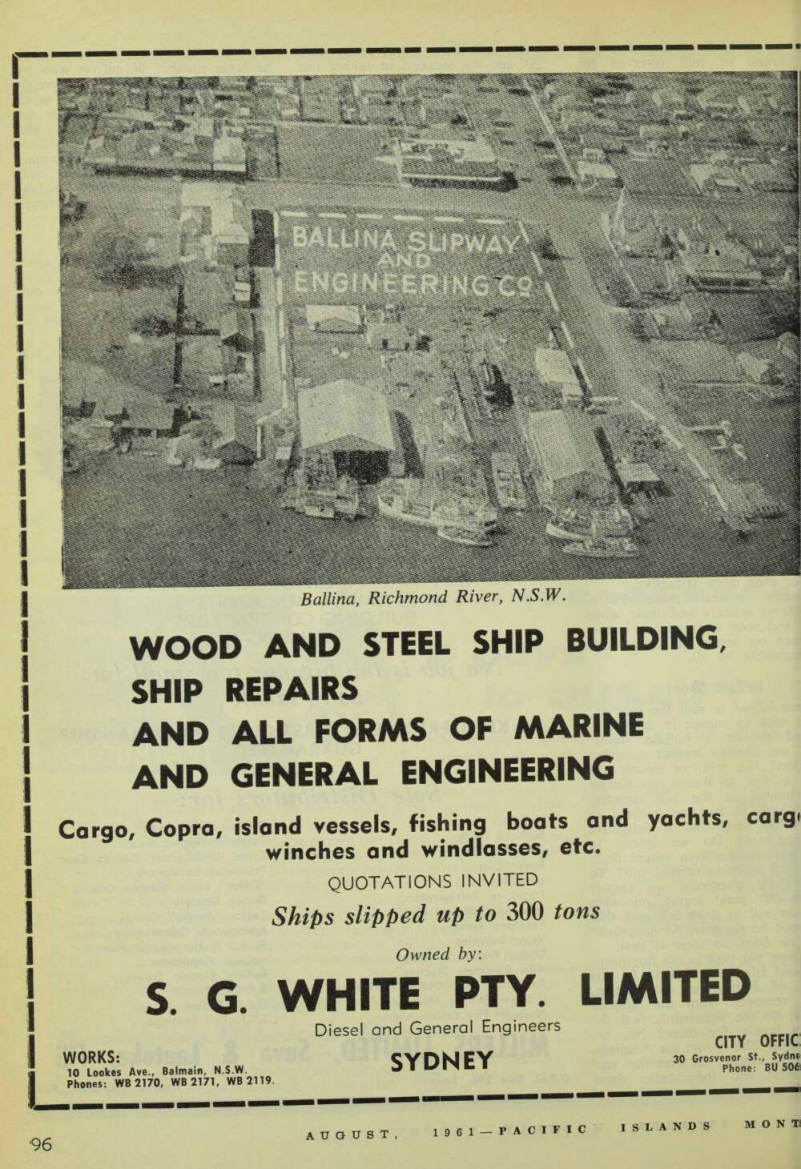 98
98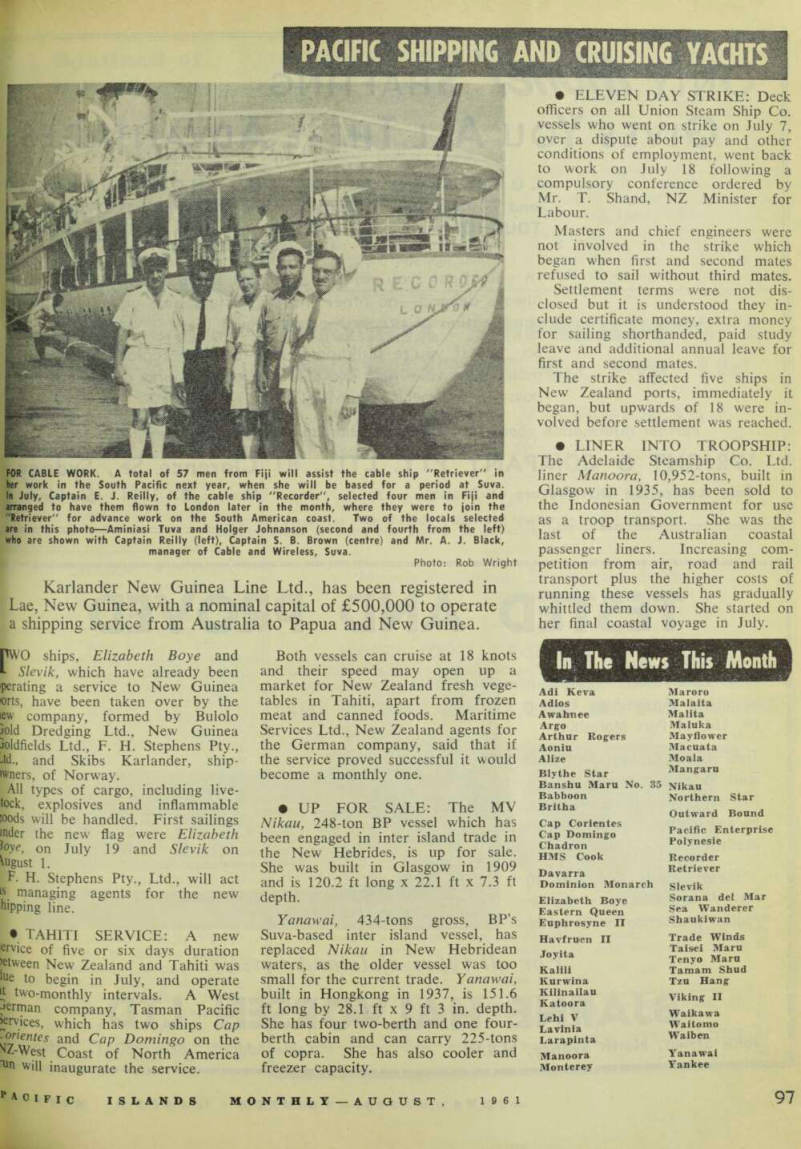 99
99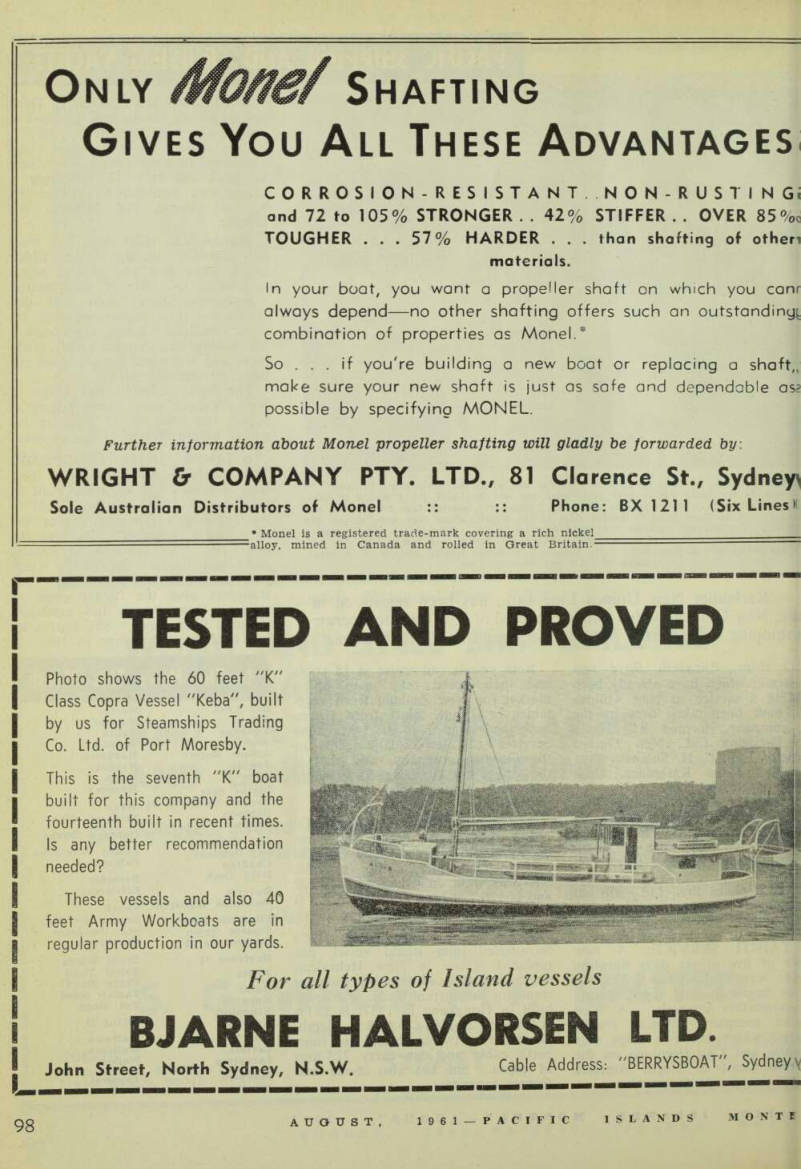 100
100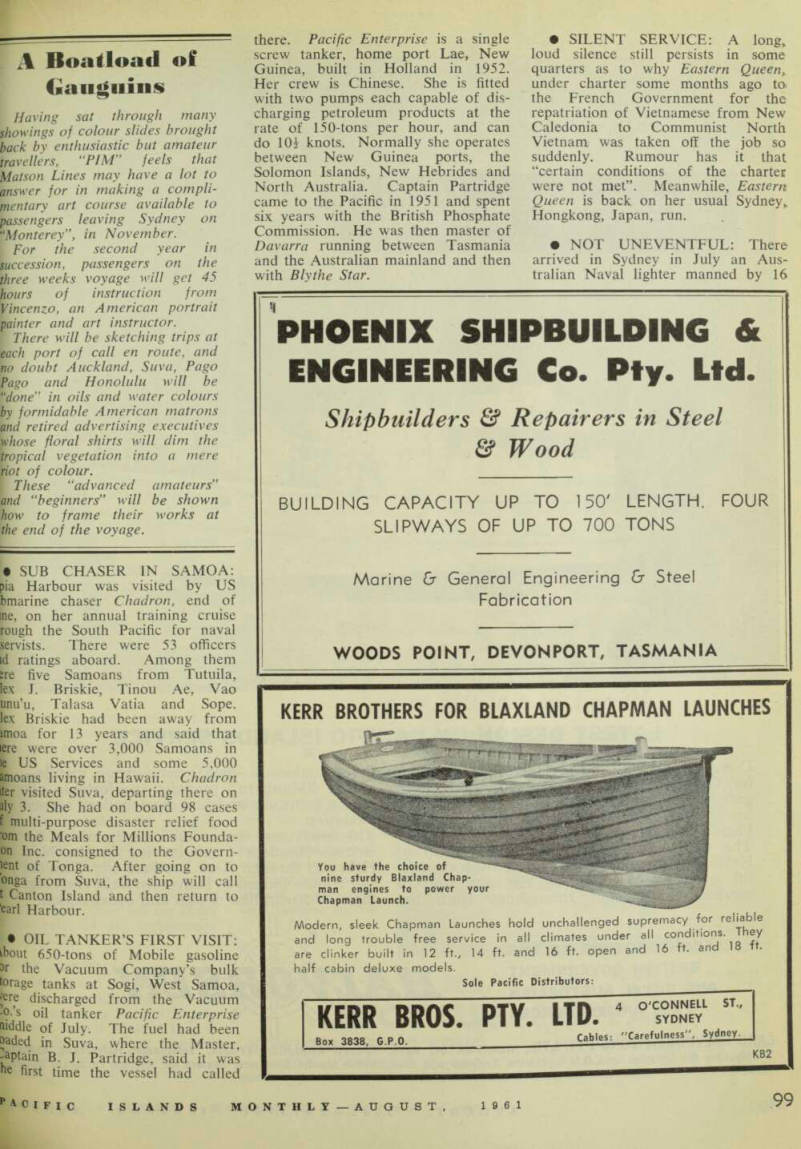 101
101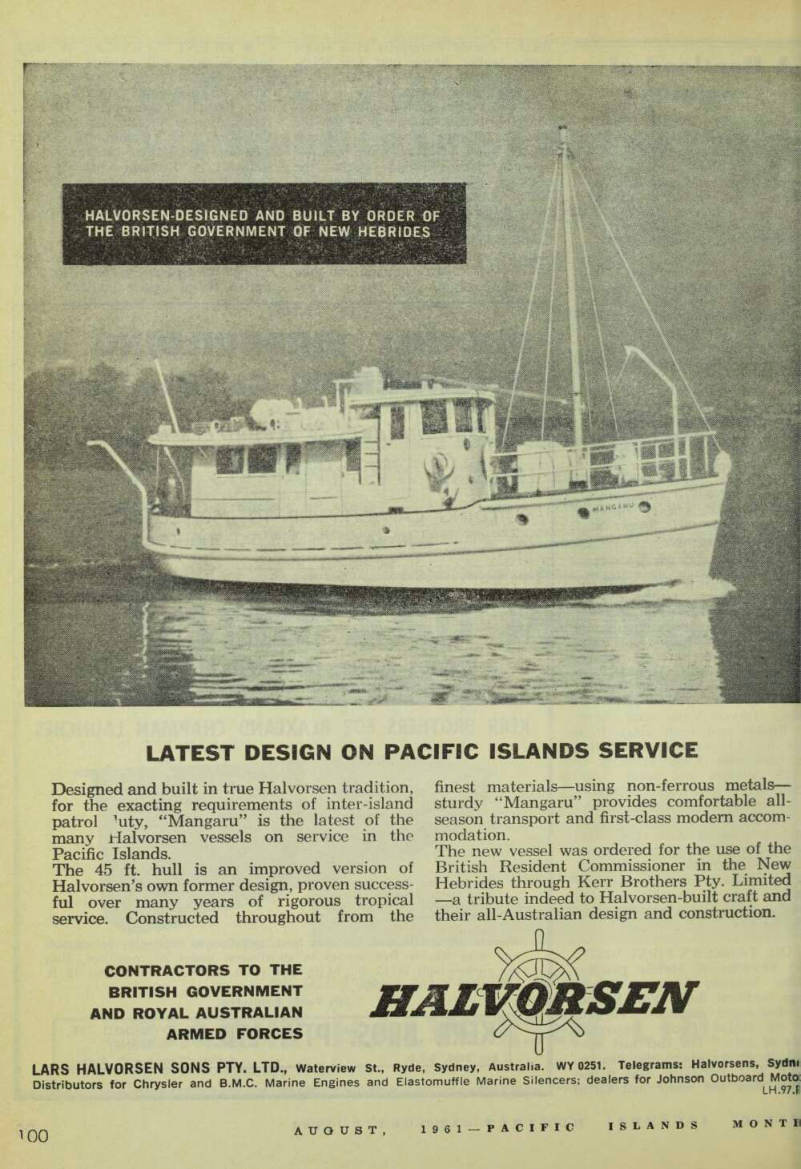 102
102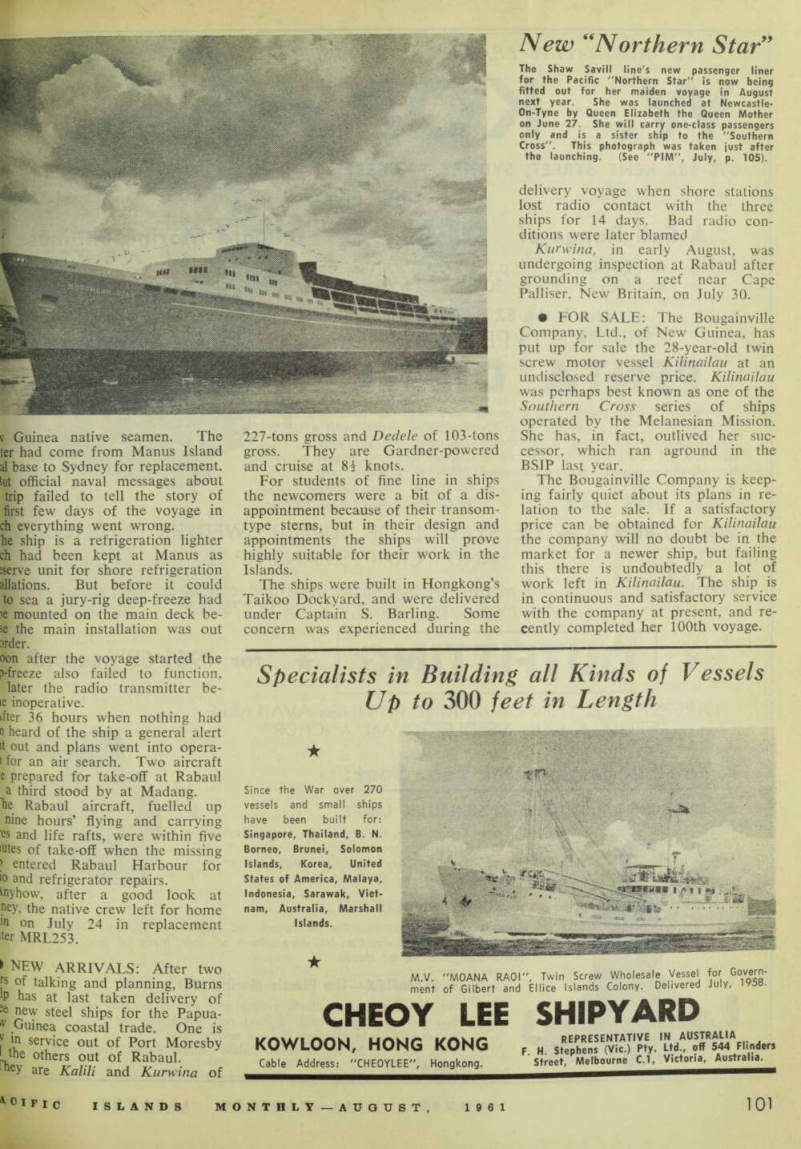 103
103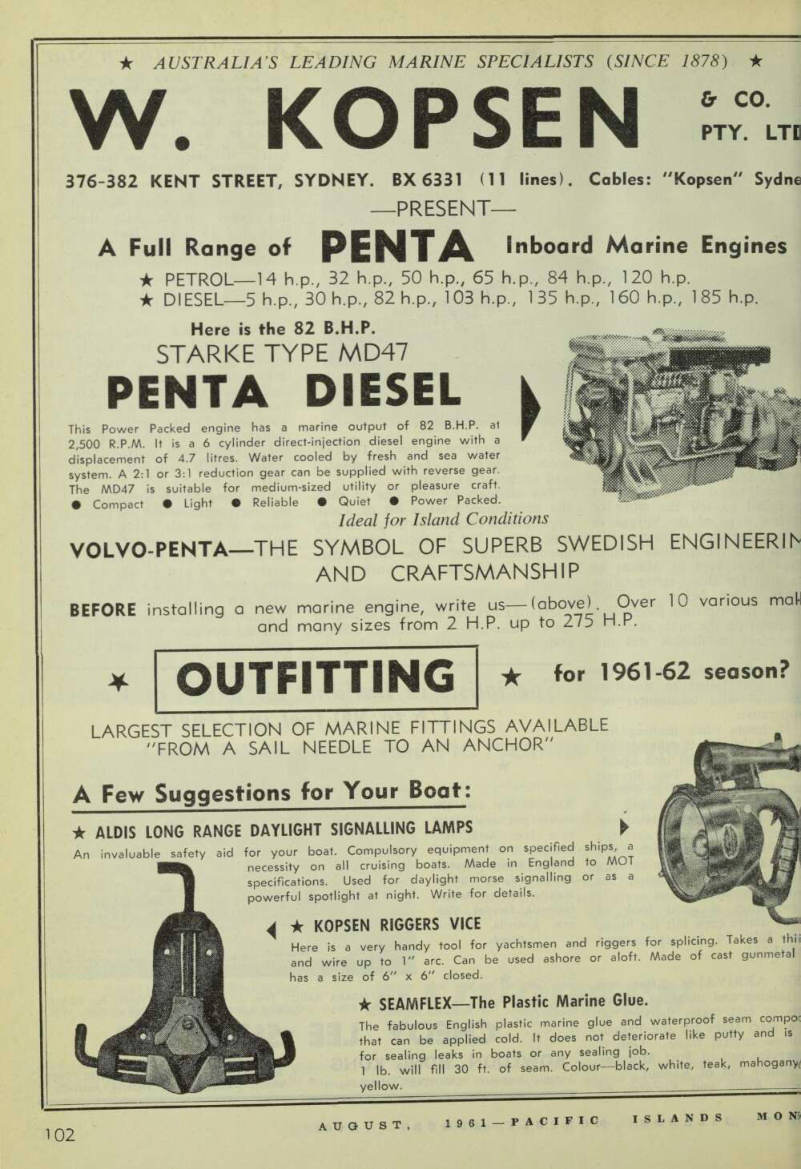 104
104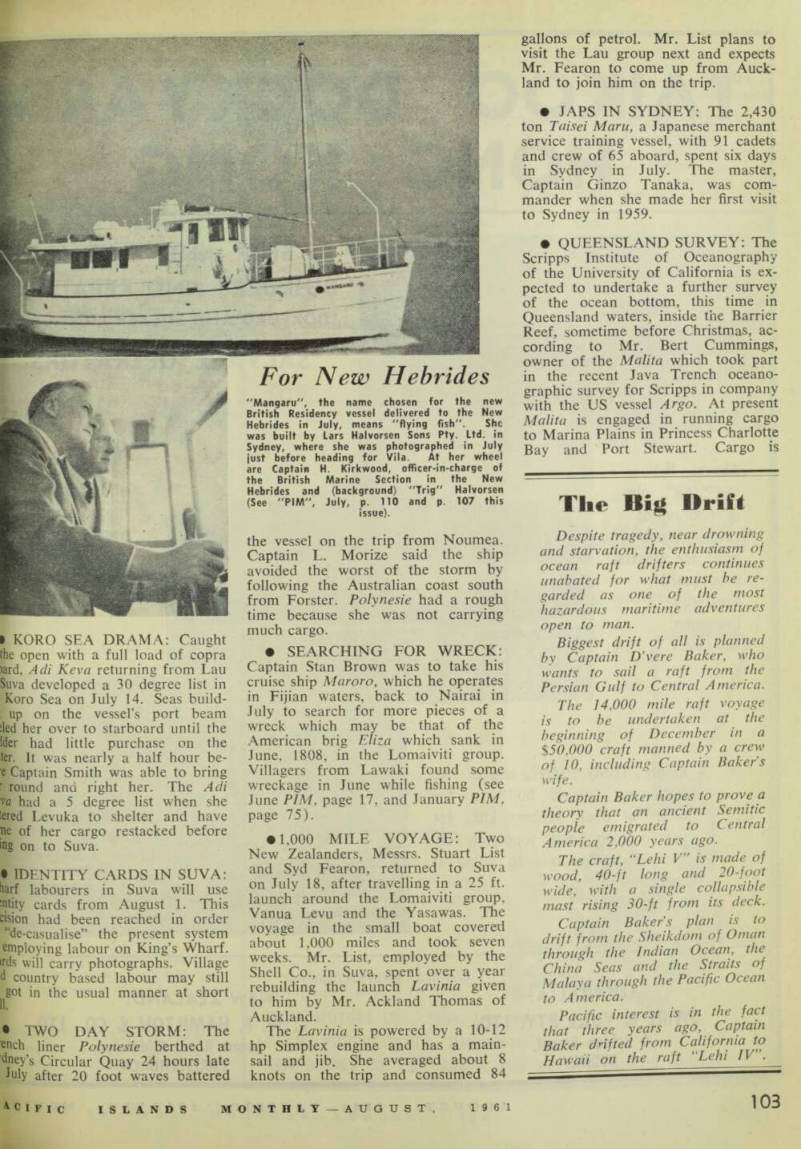 105
105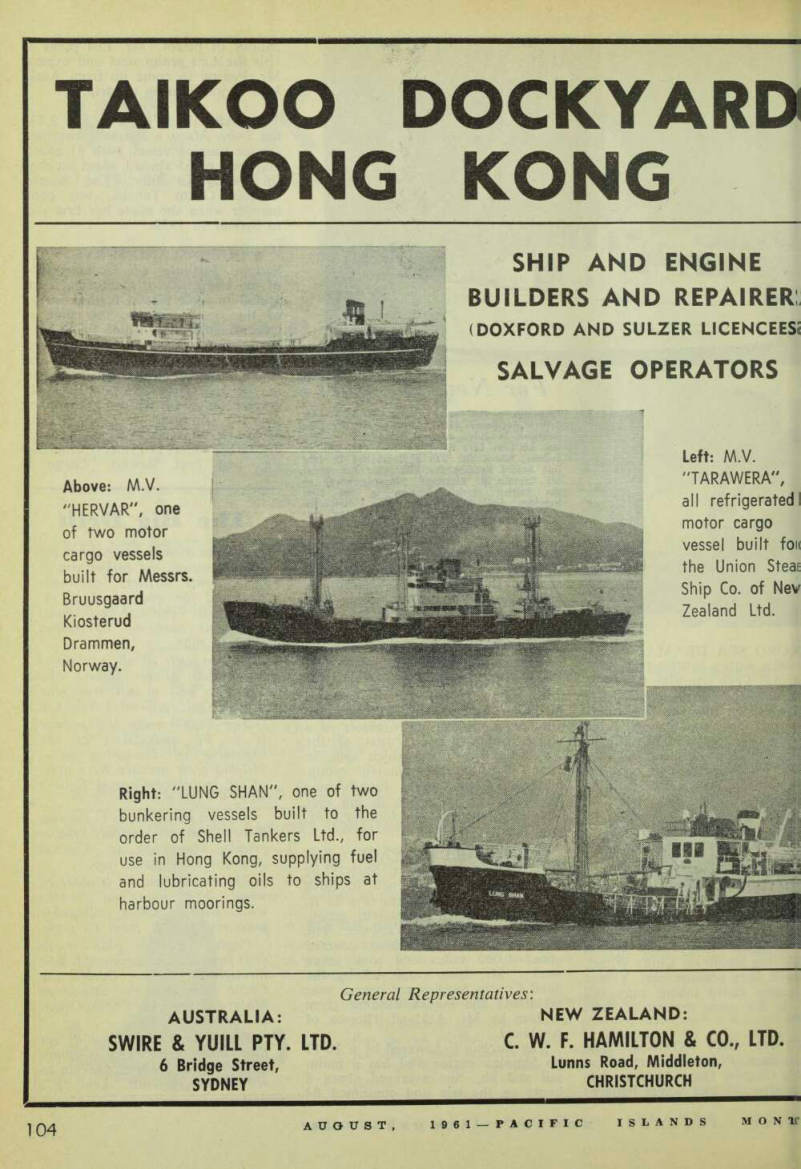 106
106 107
107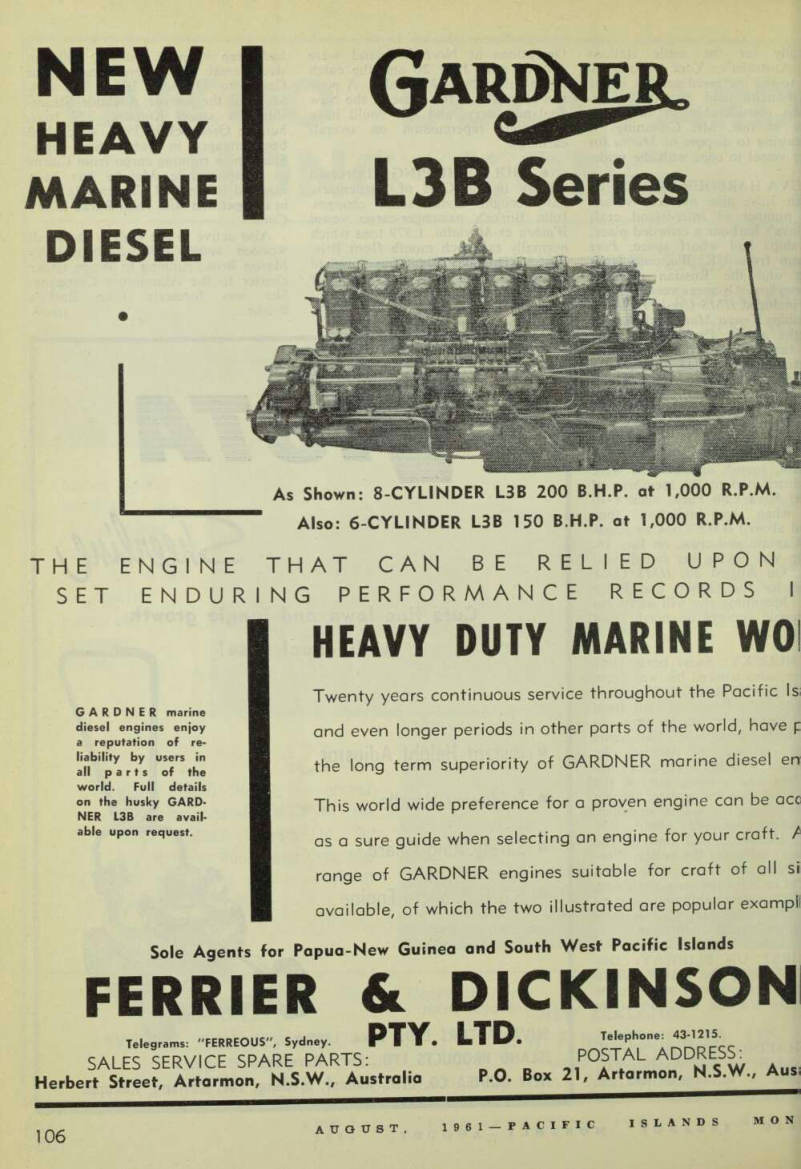 108
108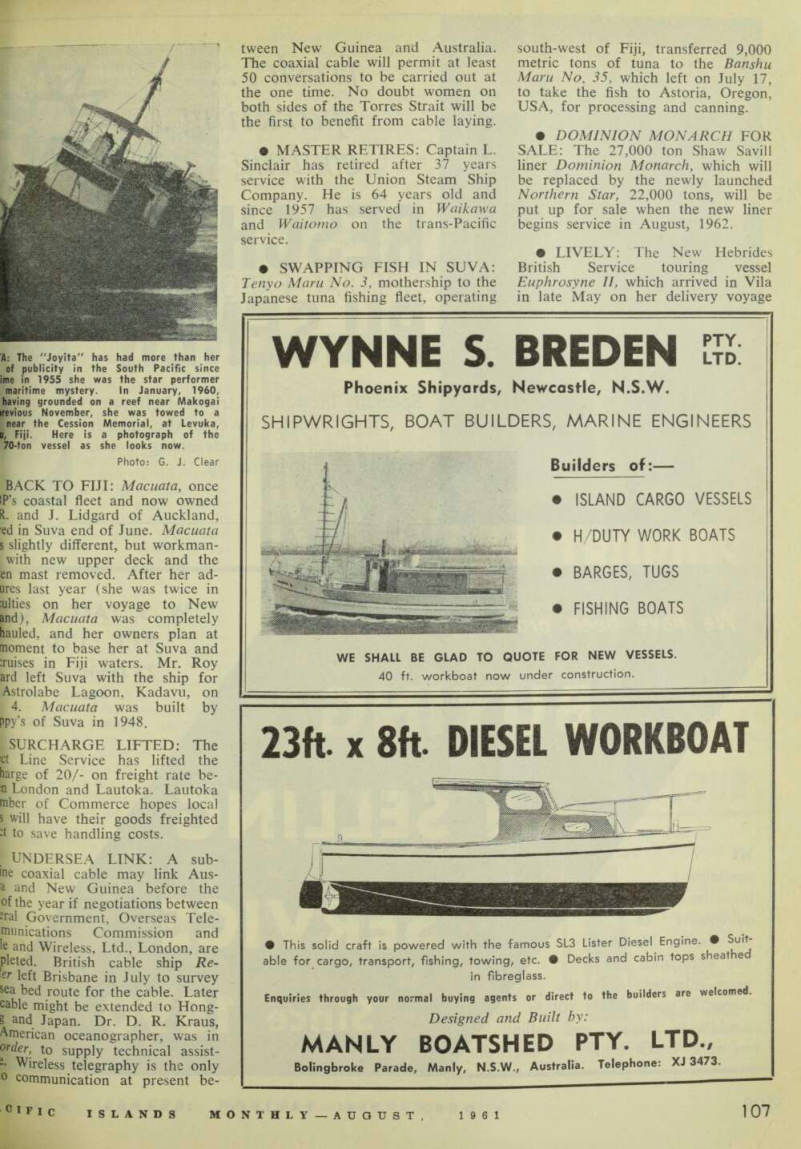 109
109 110
110 111
111 112
112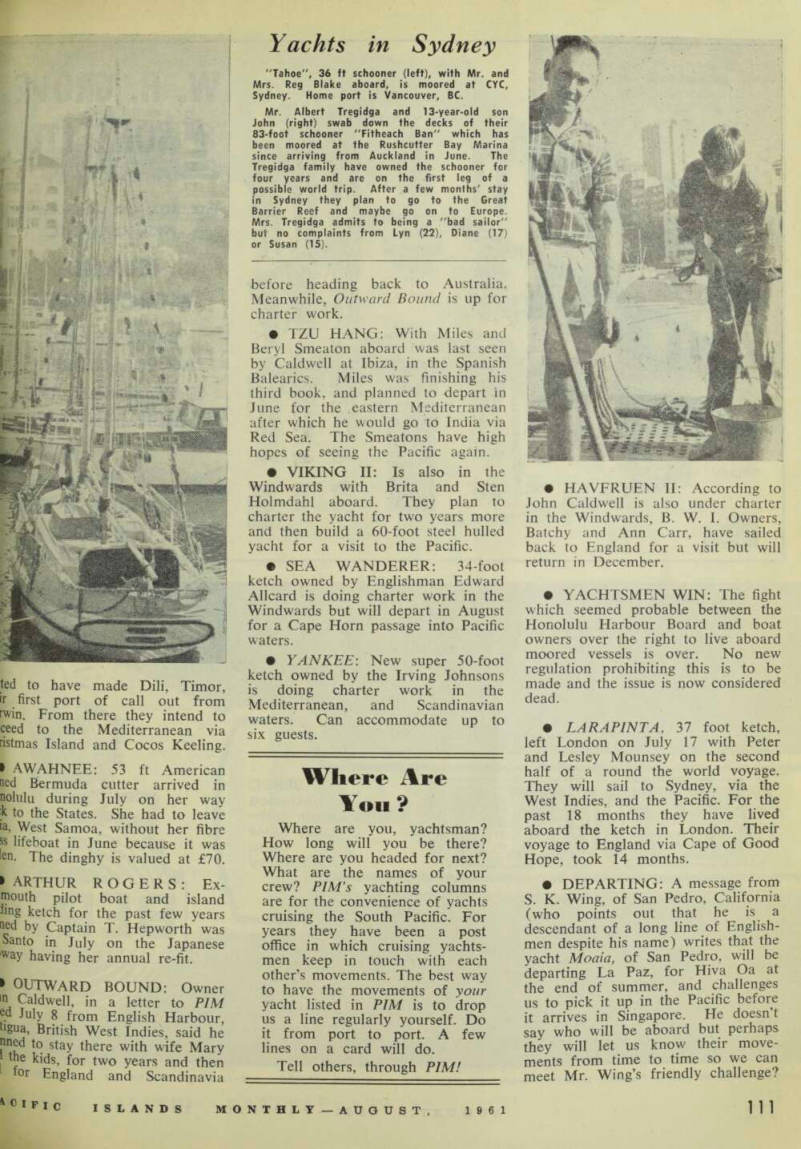 113
113 114
114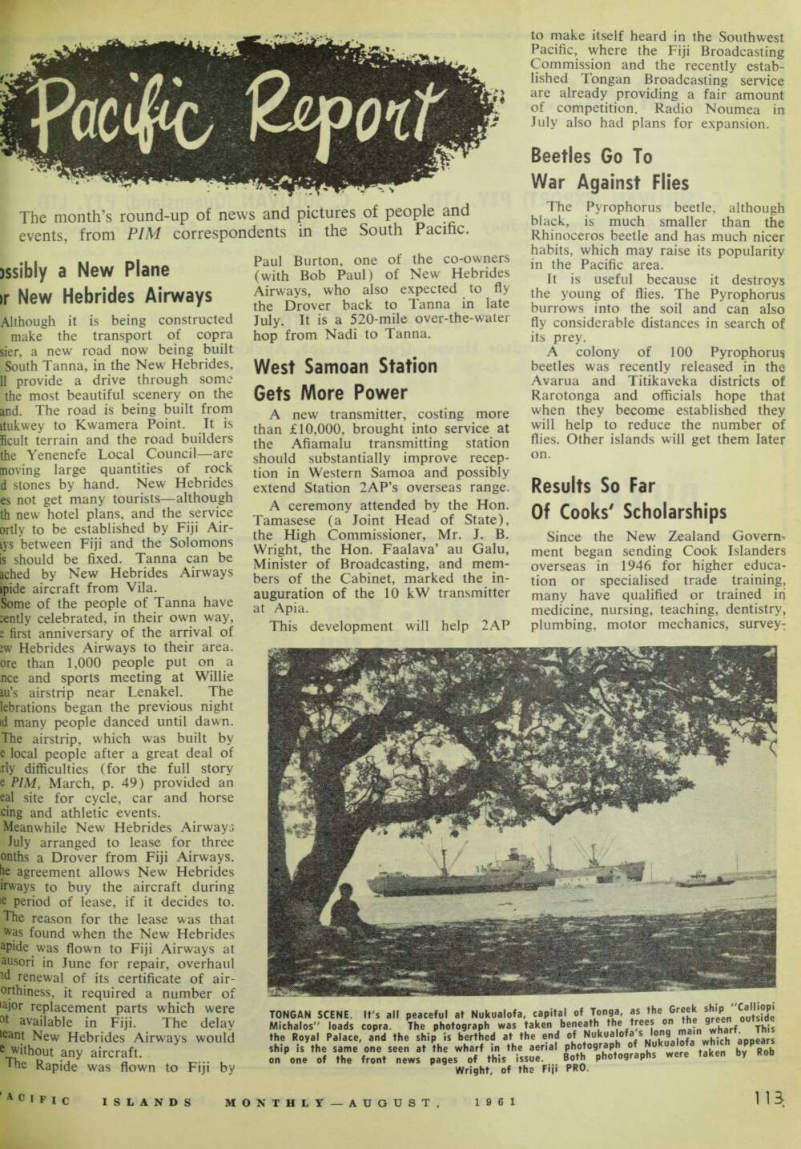 115
115 116
116 117
117 118
118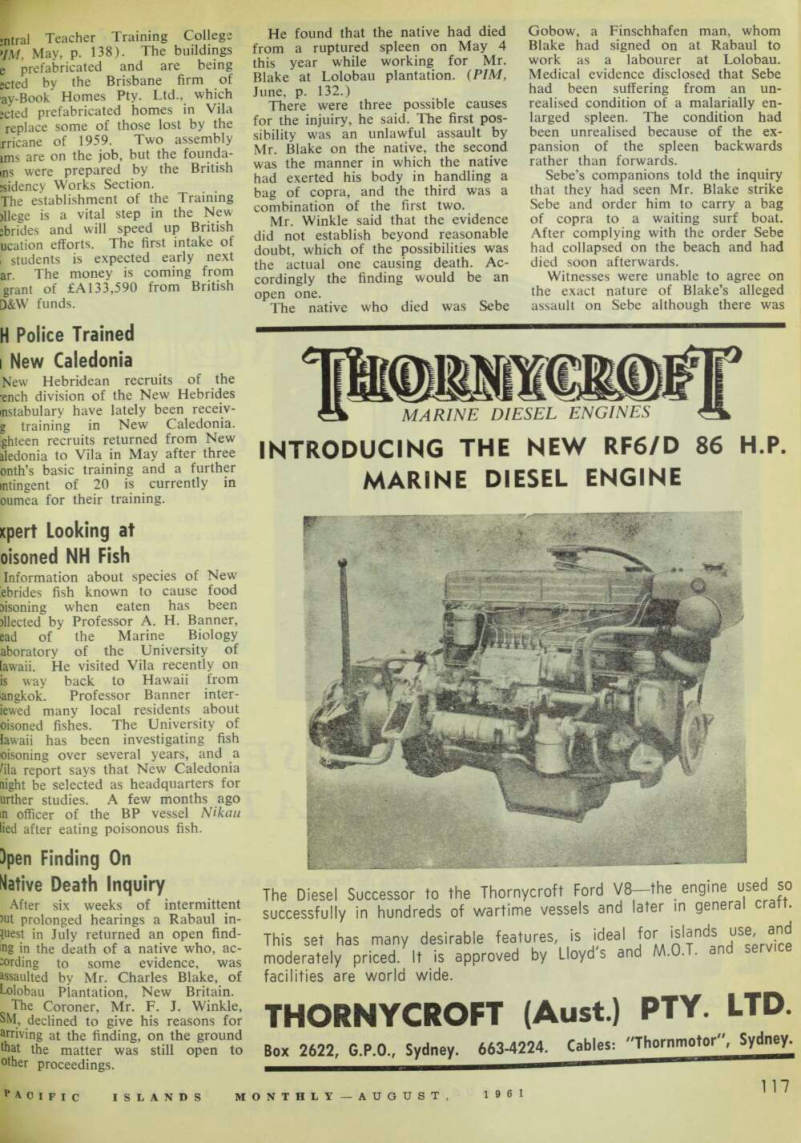 119
119 120
120 121
121 122
122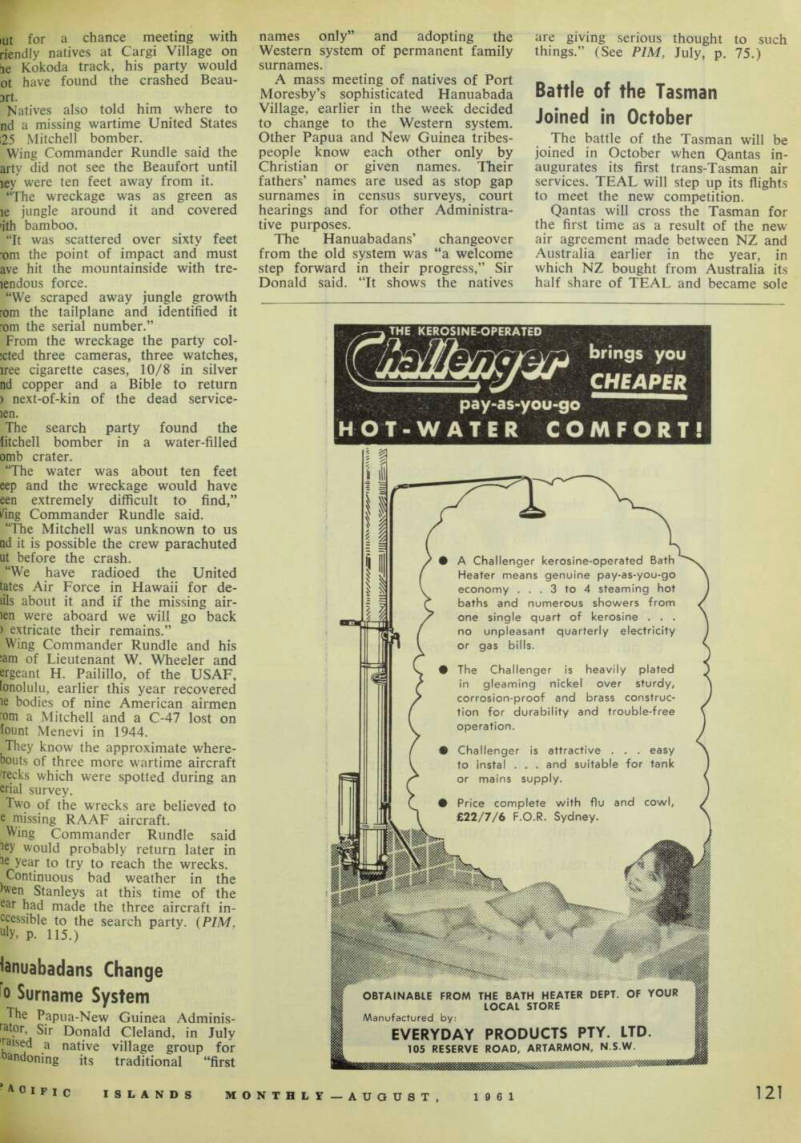 123
123 124
124 125
125 126
126 127
127 128
128 129
129 130
130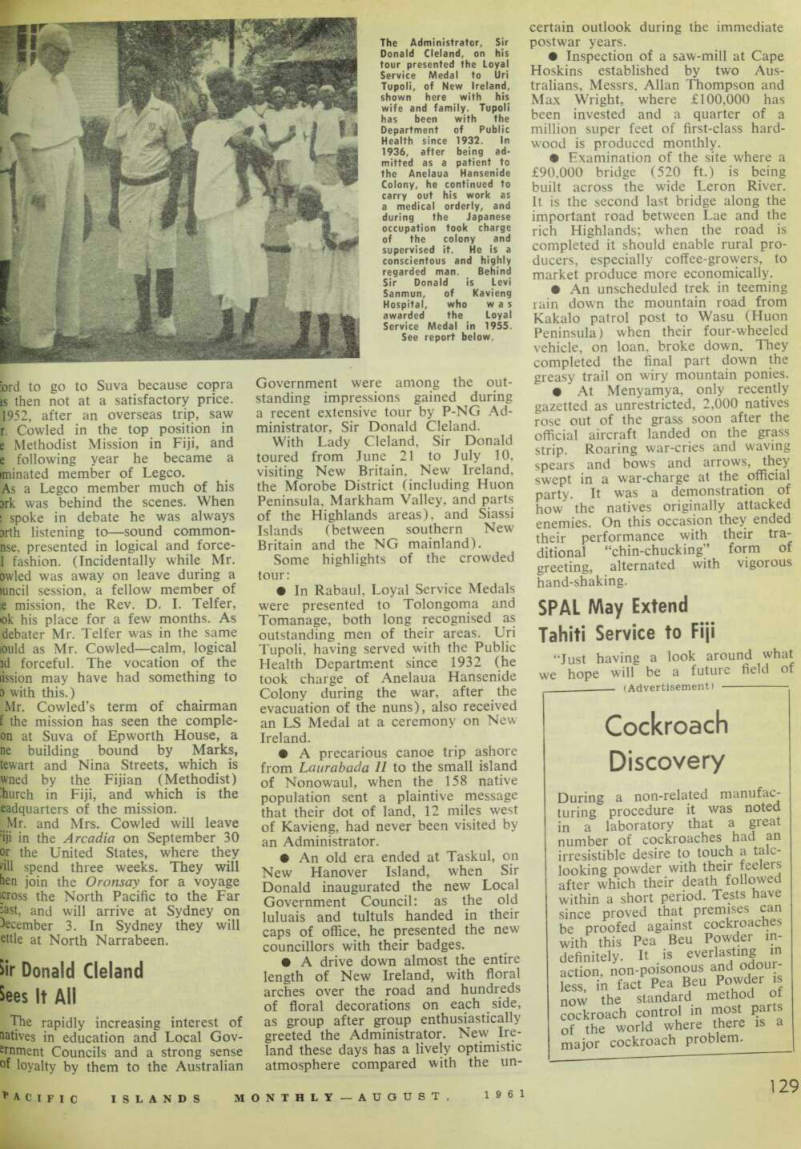 131
131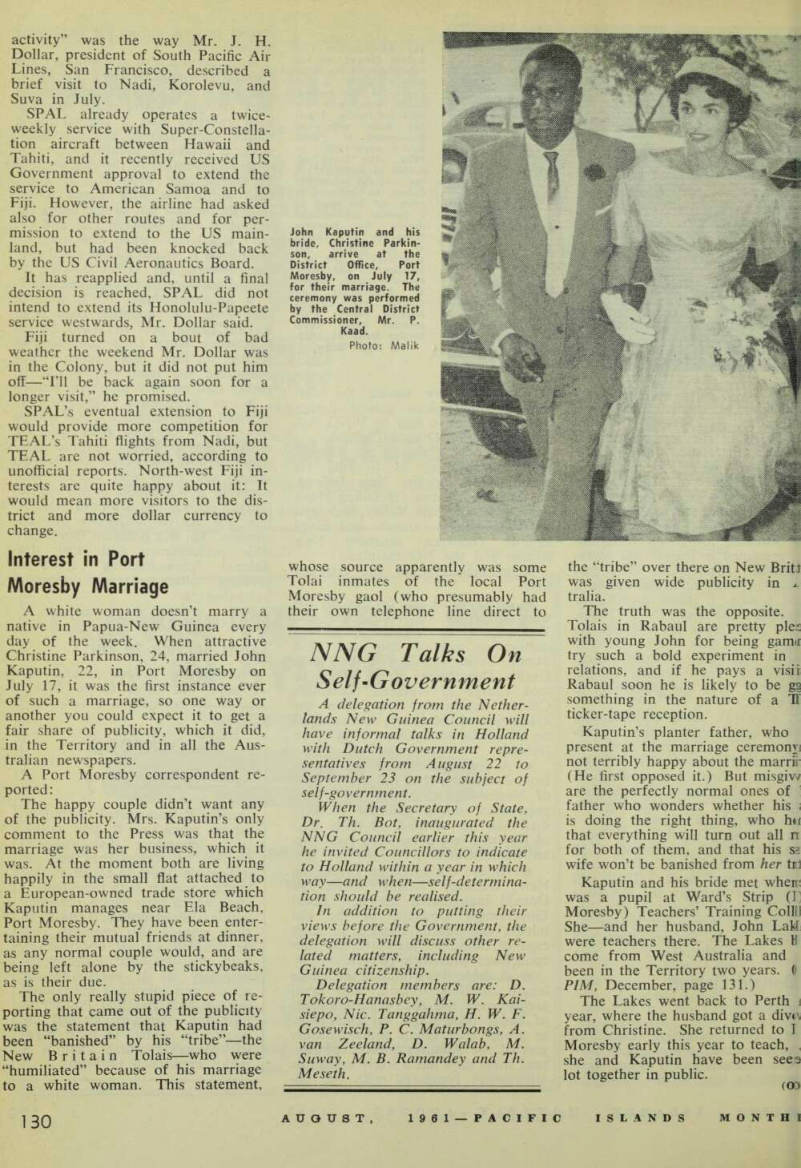 132
132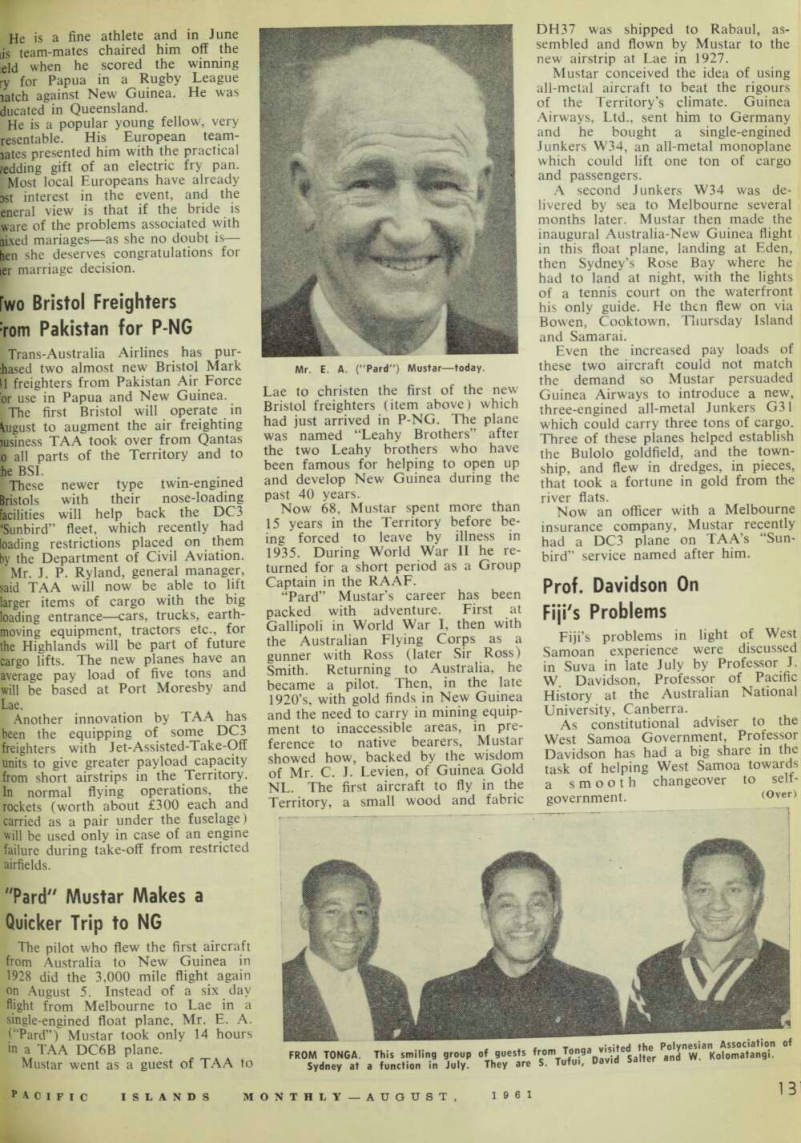 133
133 134
134 135
135 136
136 137
137 138
138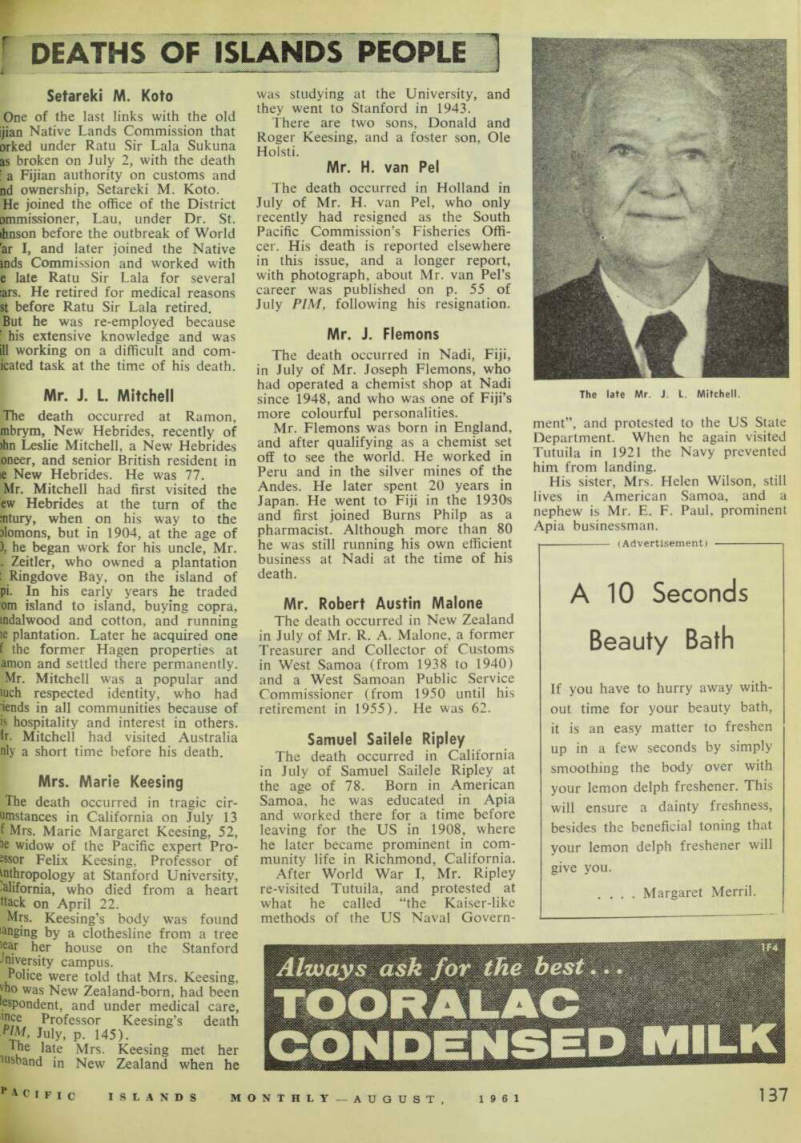 139
139 140
140 141
141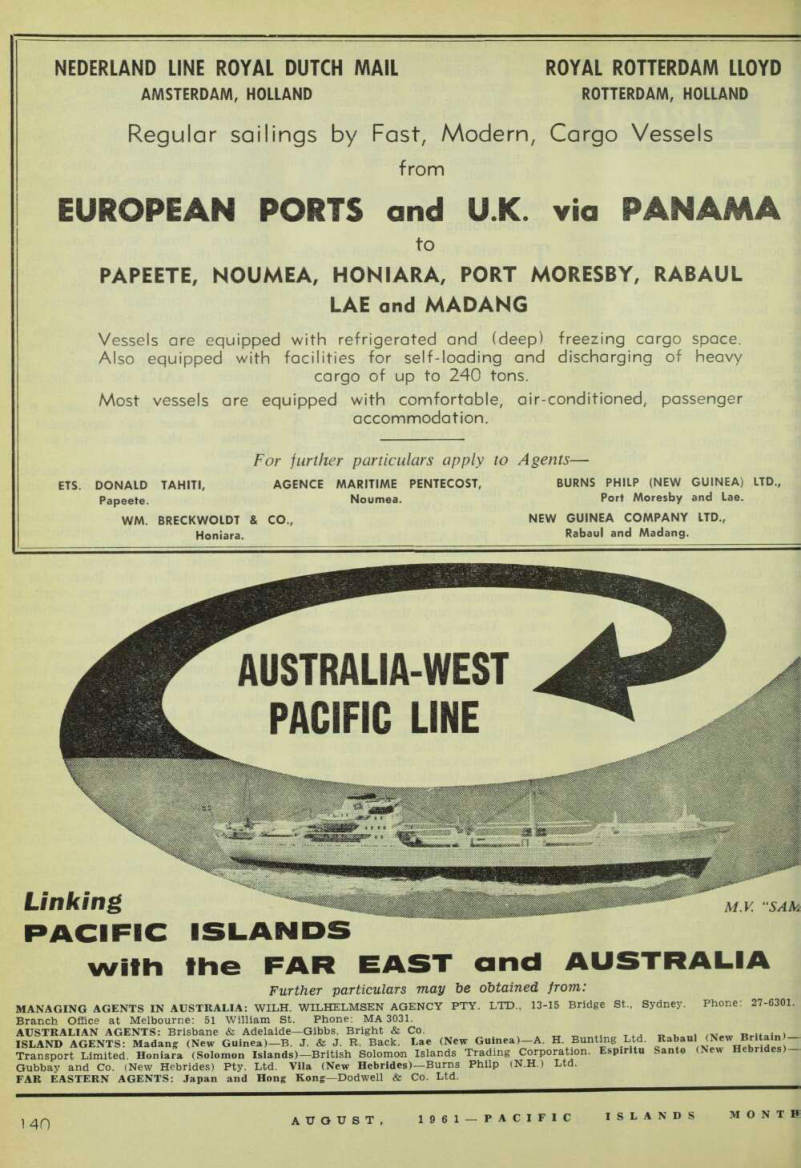 142
142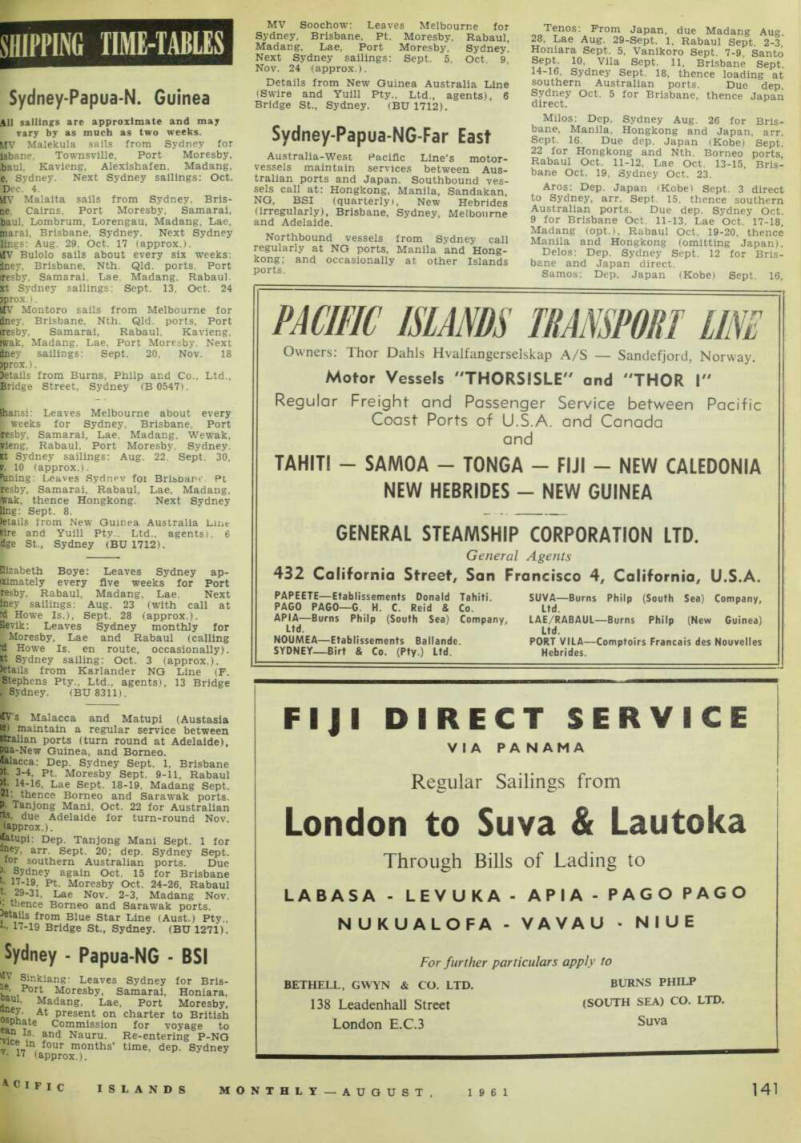 143
143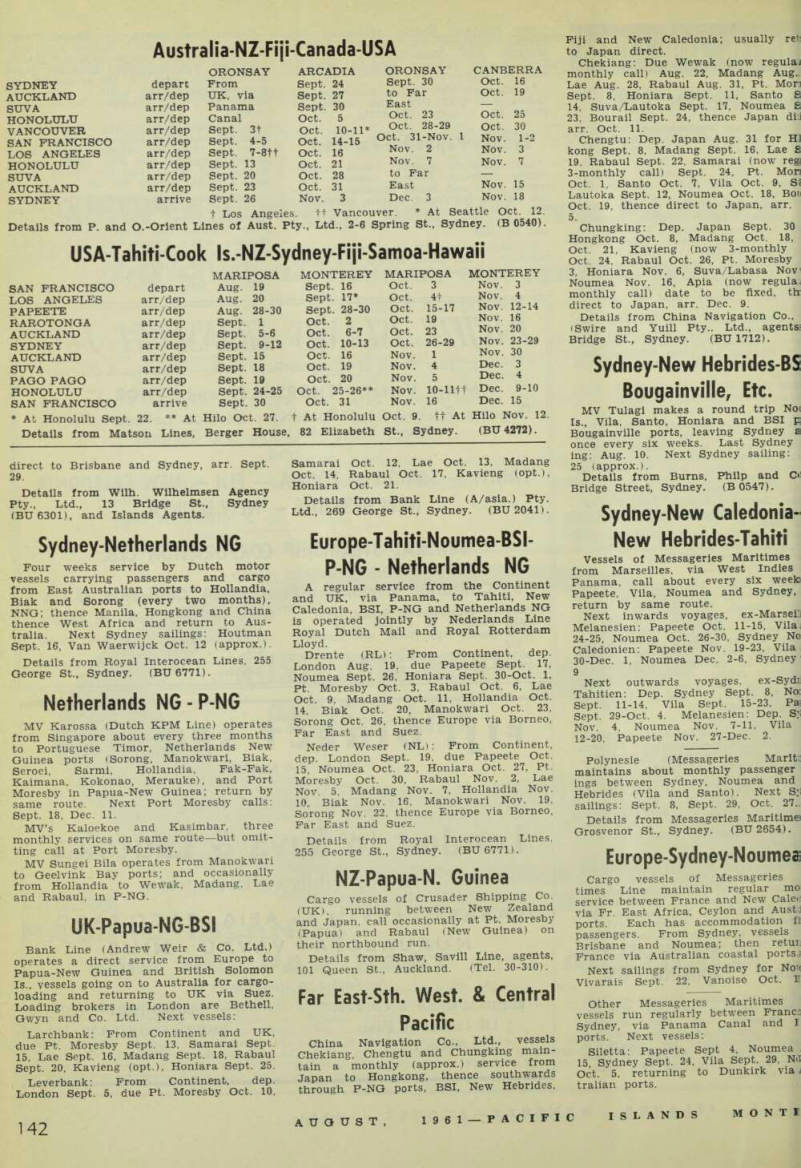 144
144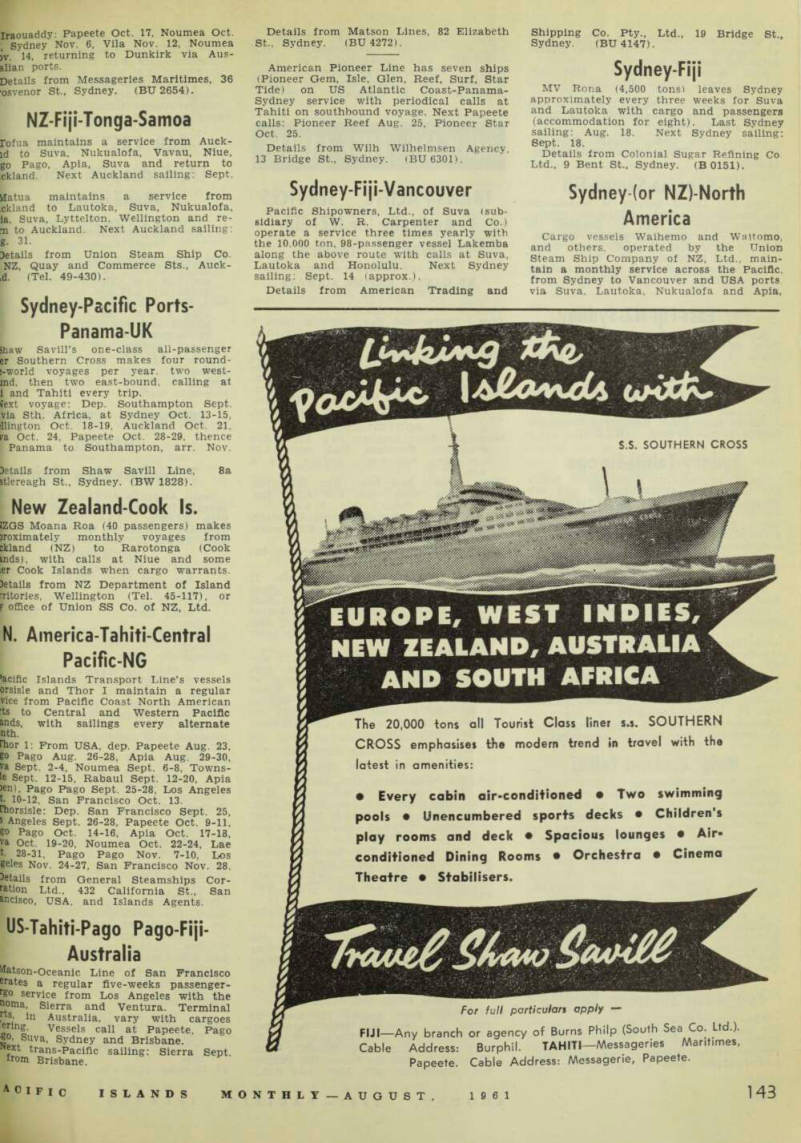 145
145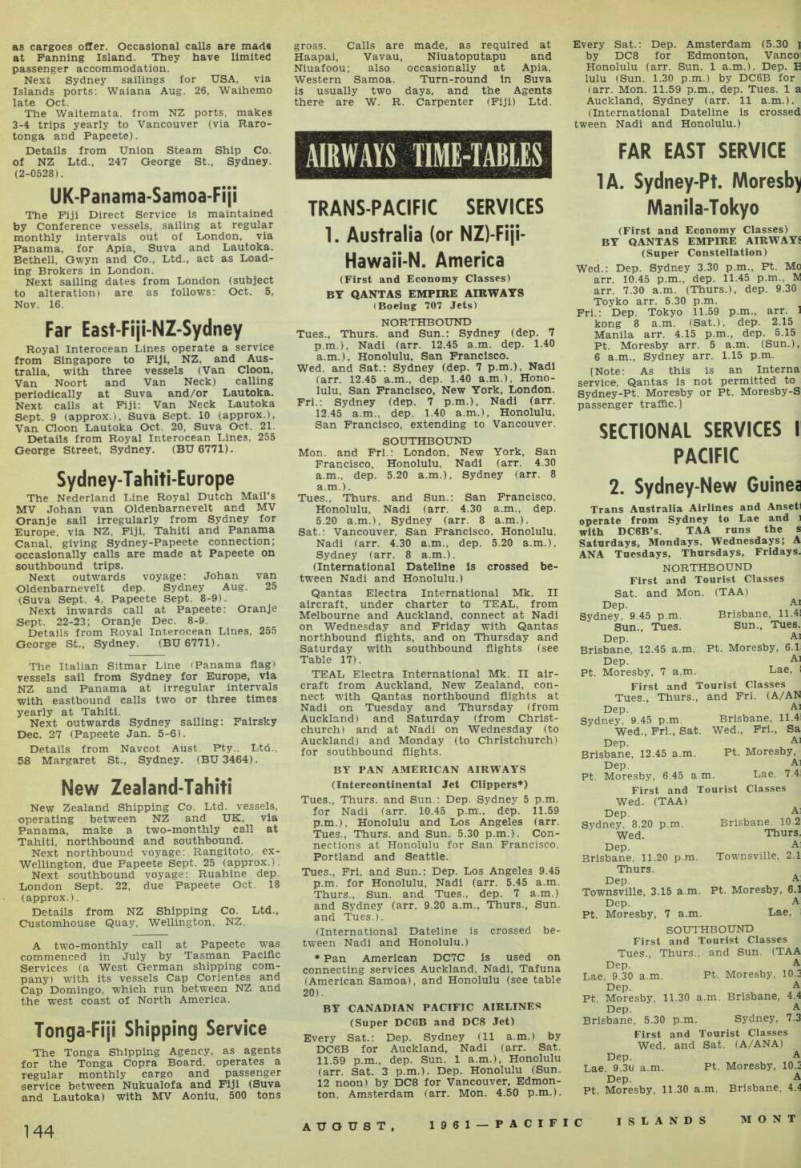 146
146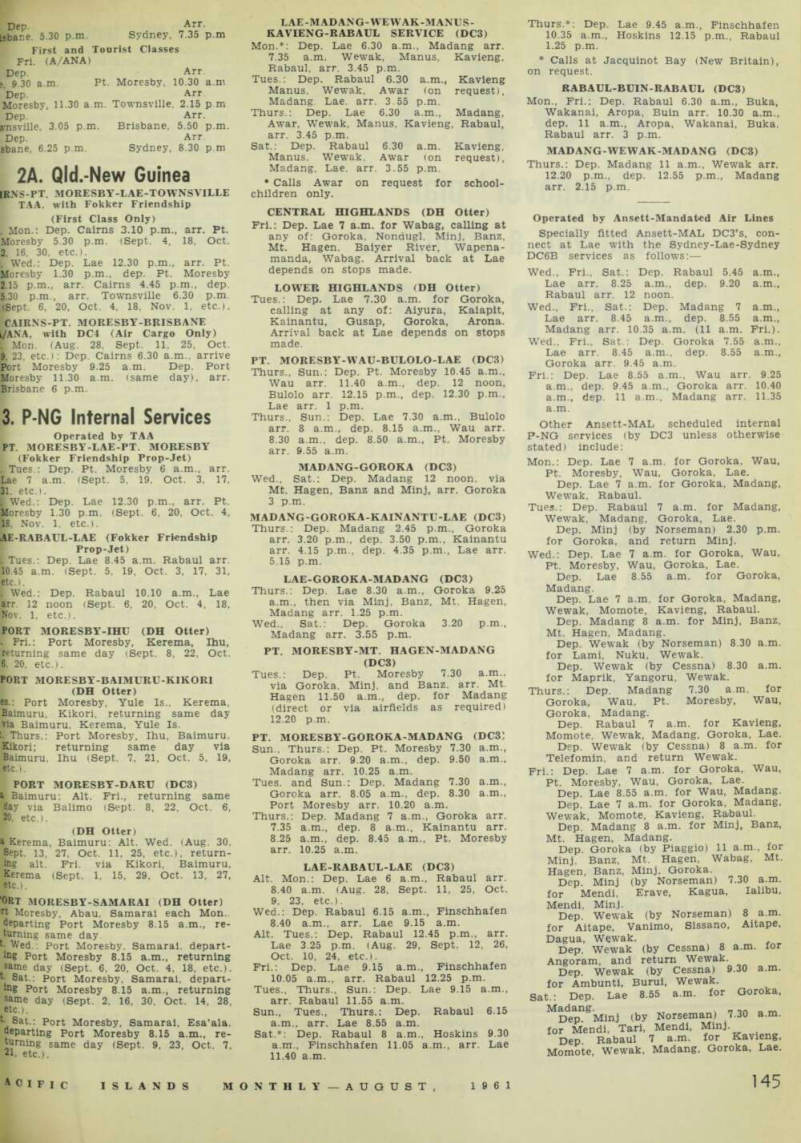 147
147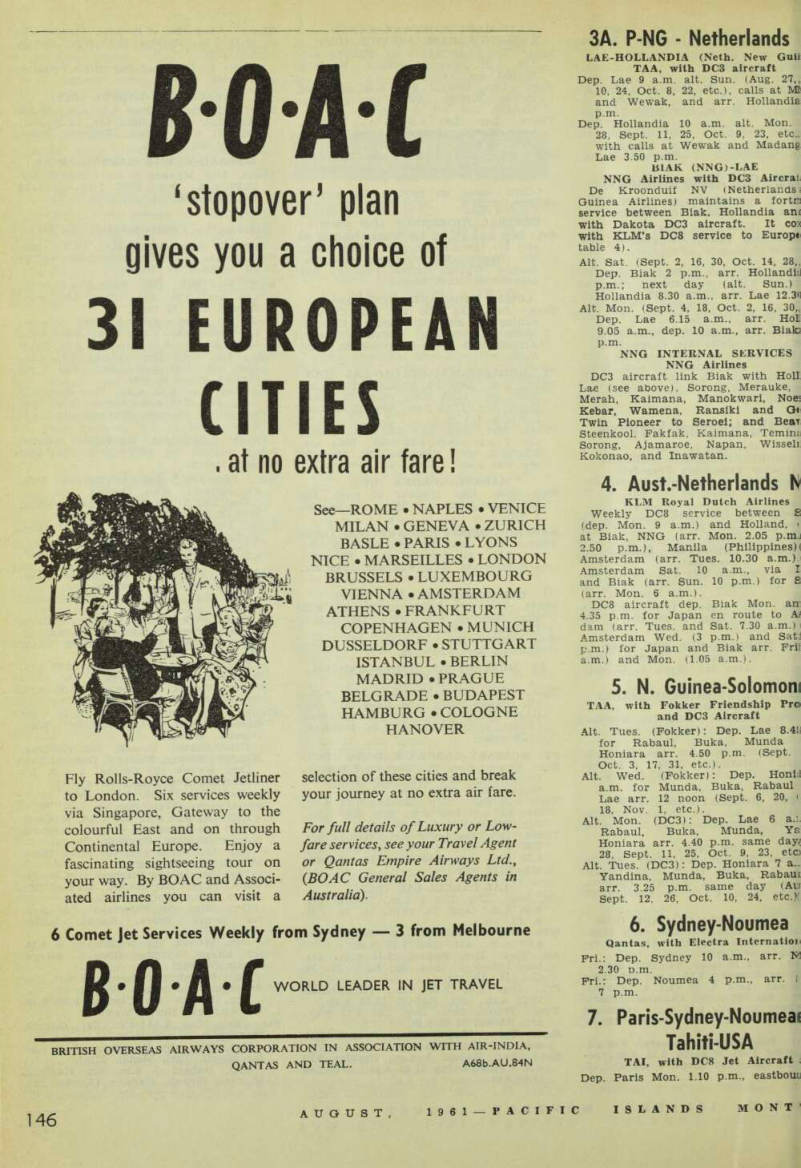 148
148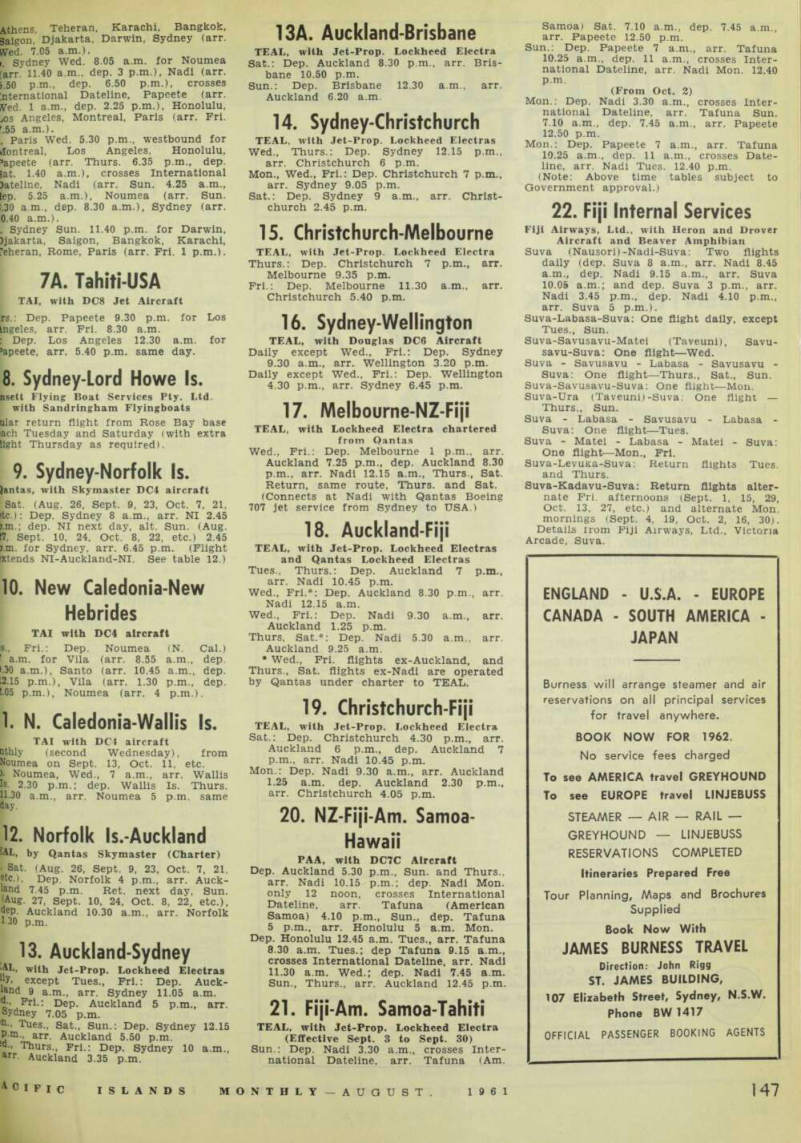 149
149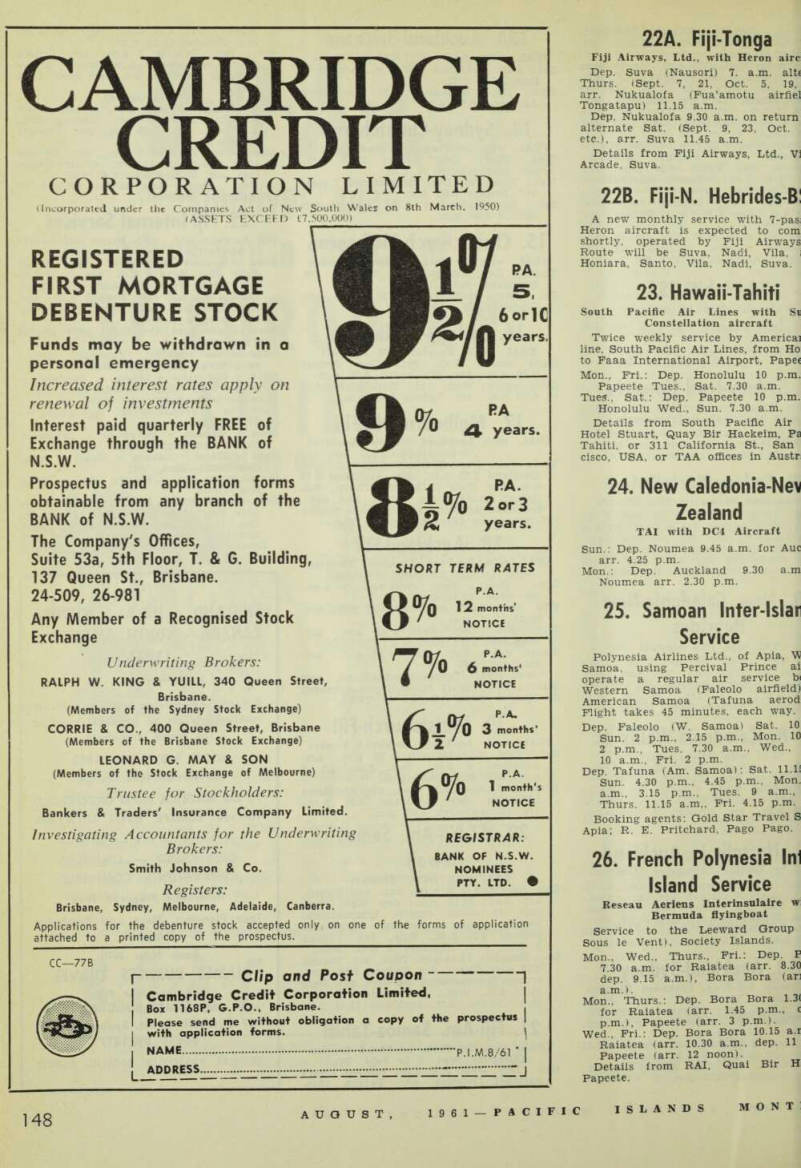 150
150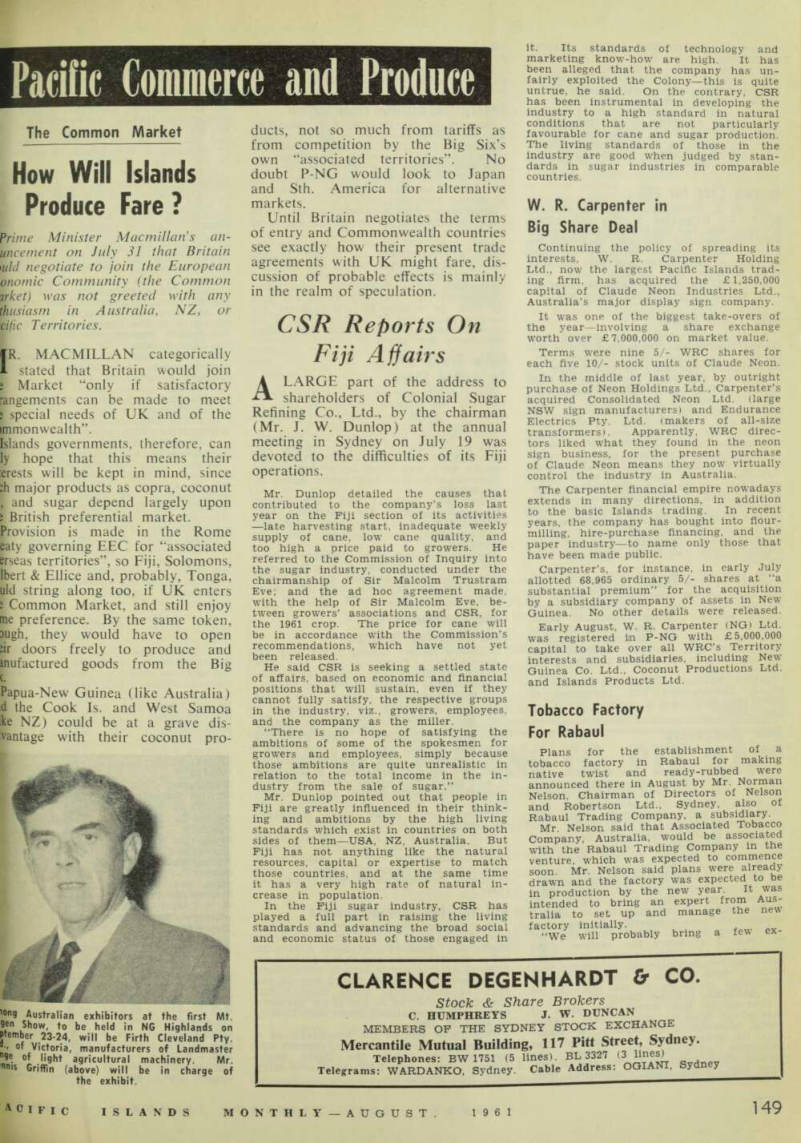 151
151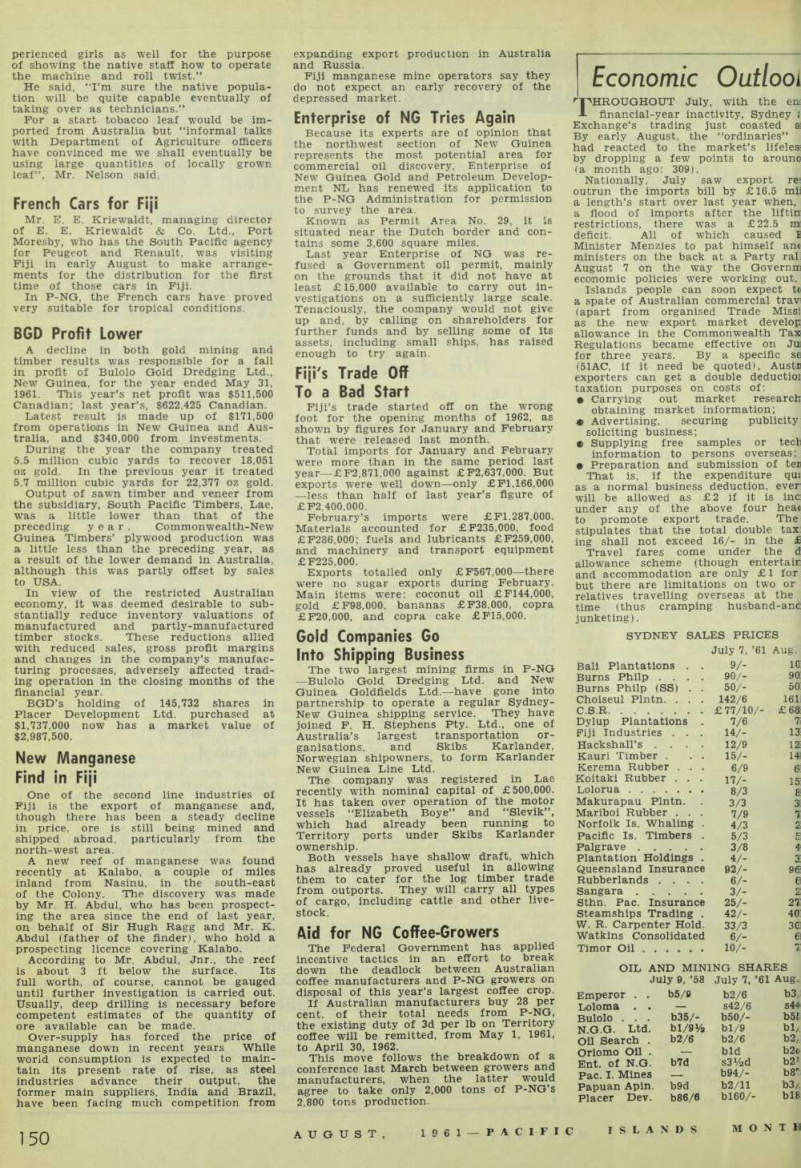 152
152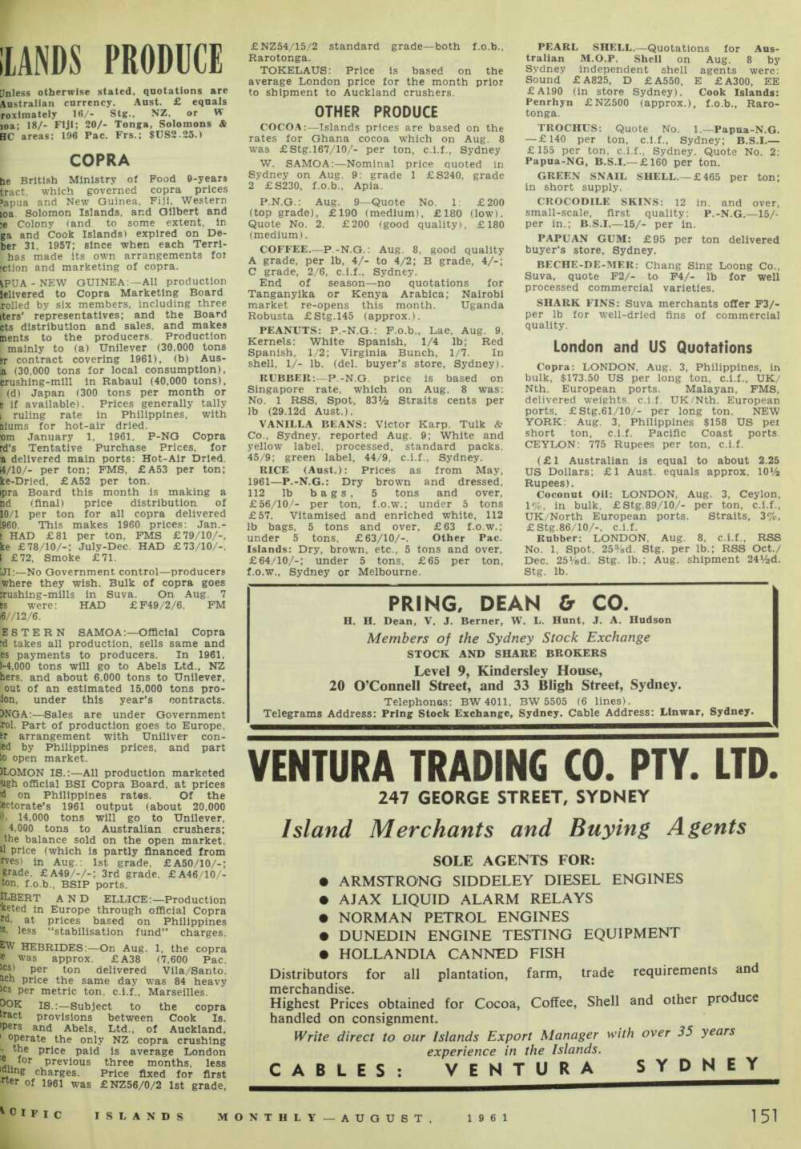 153
153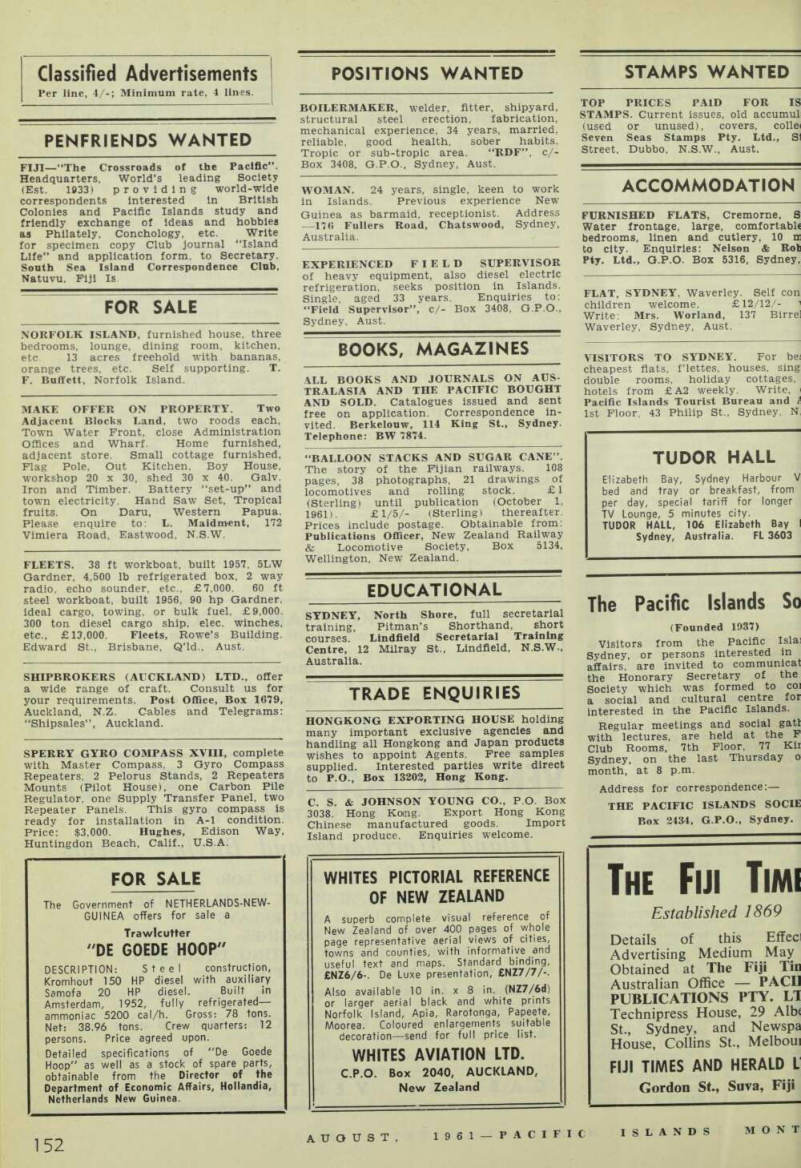 154
154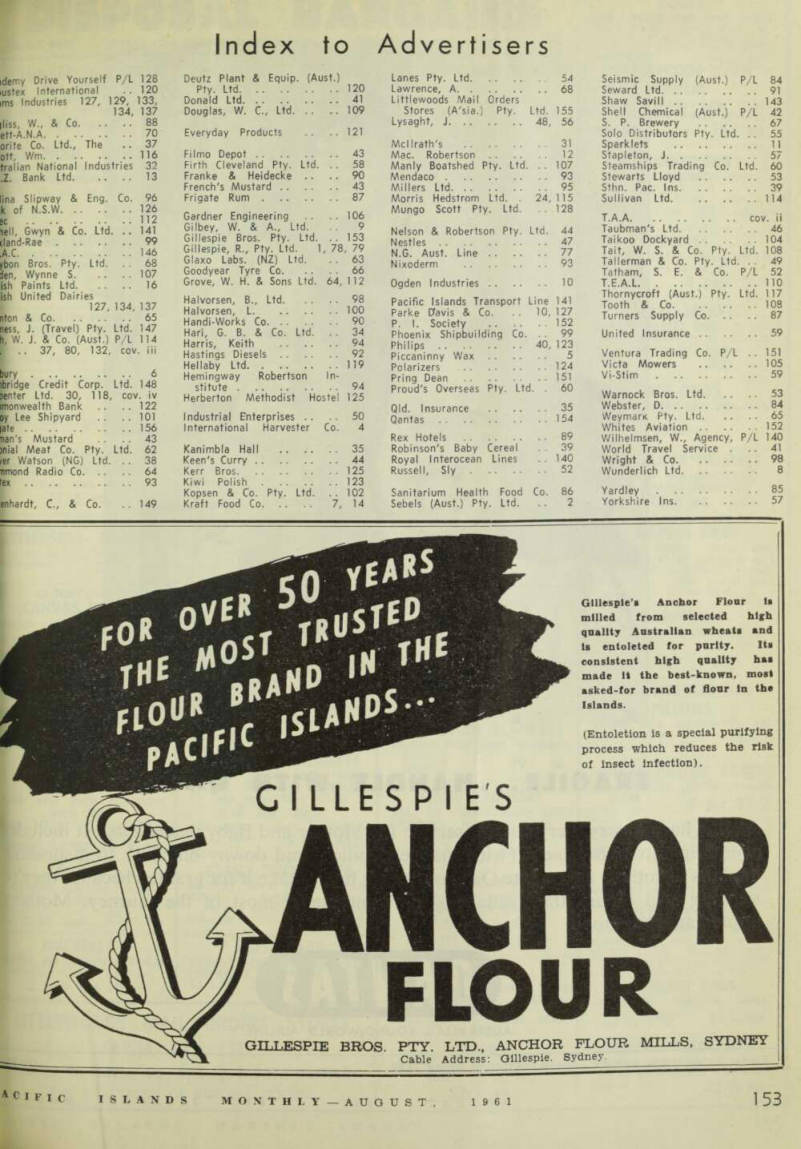 155
155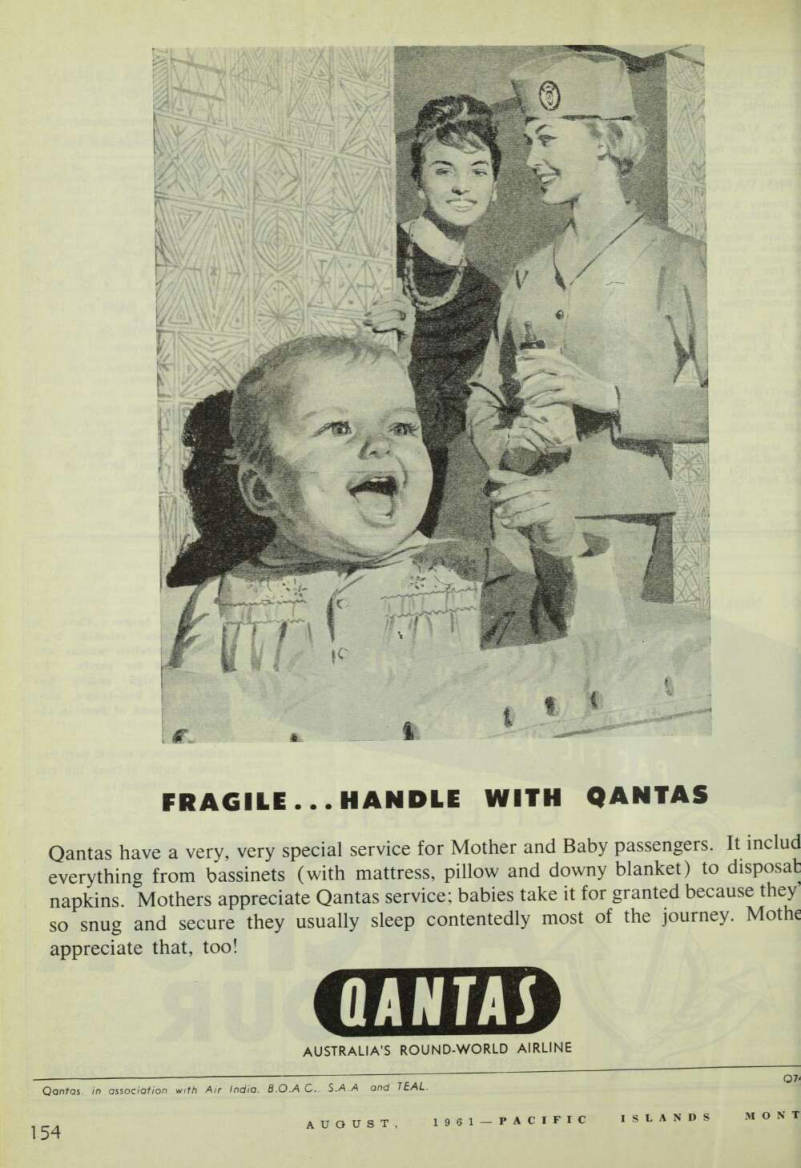 156
156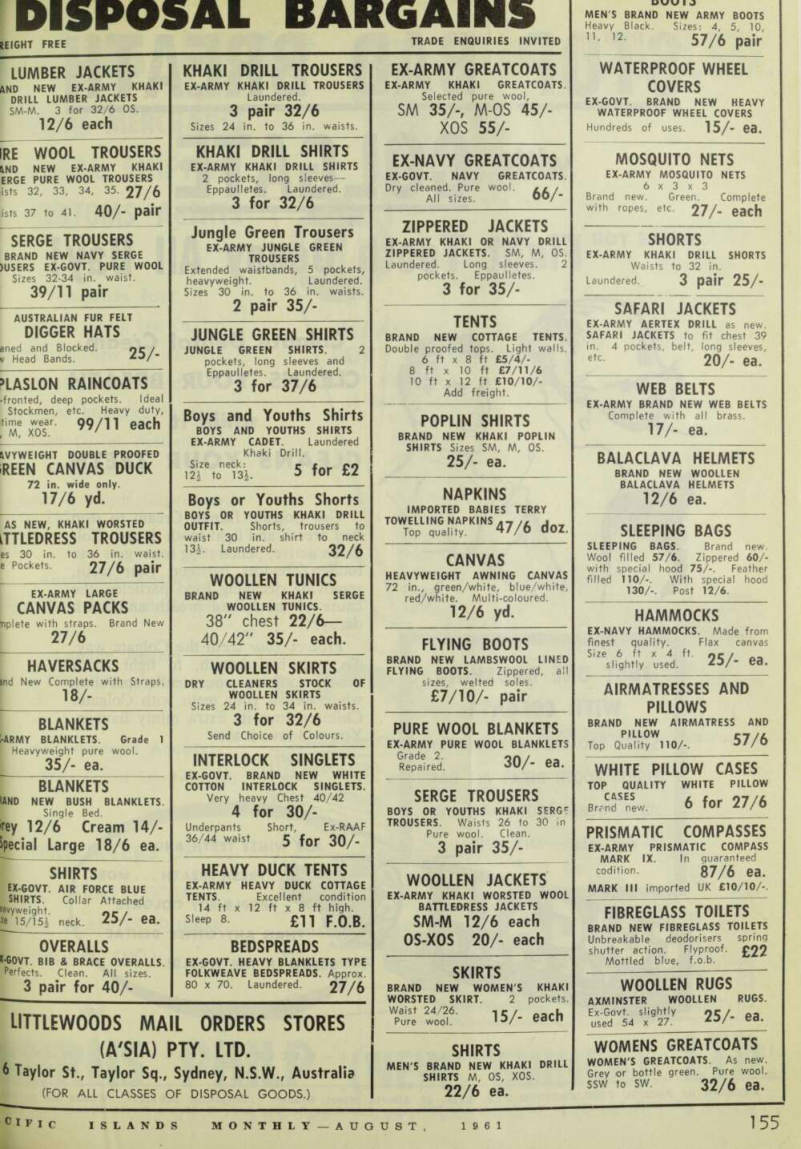 157
157 158
158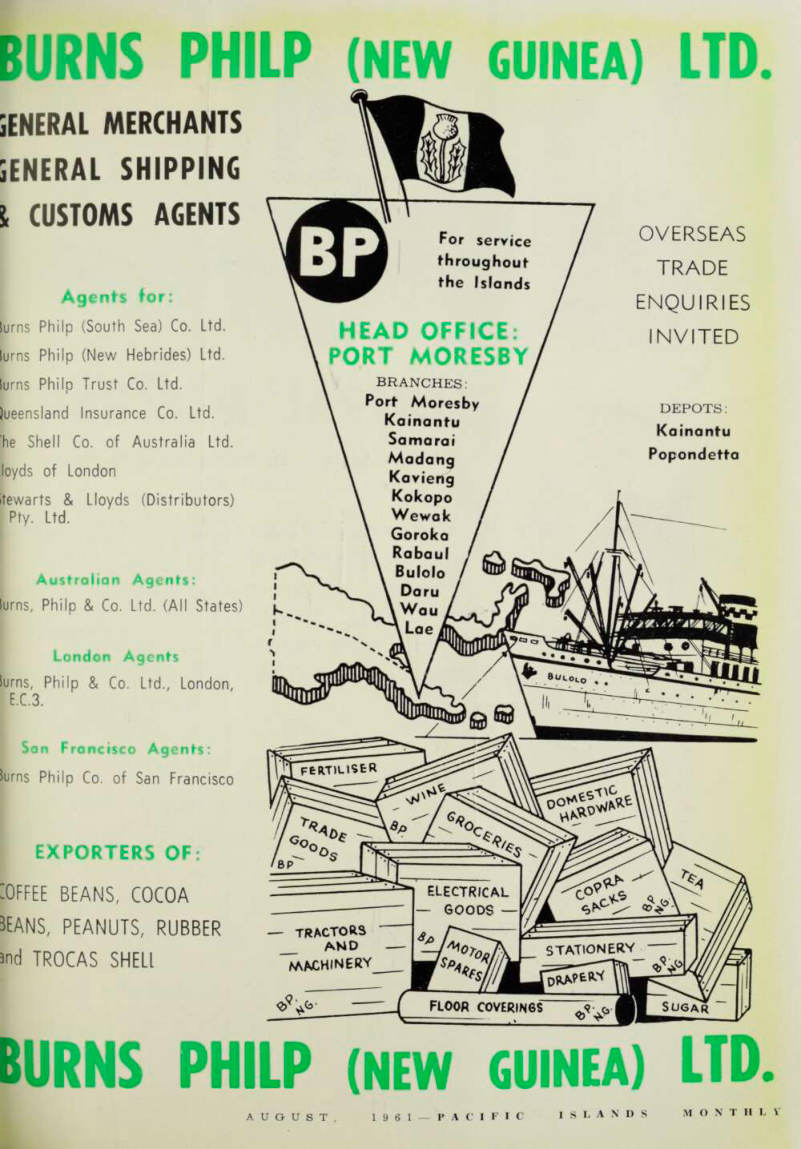 159
159 160
160