Islands
Pacific
Monthly
February, 1958
Vcl. Xxviii. No. 7
ablished 1930
gistered at the G.P.0., Sydney, transmission by vost as a newspaper]
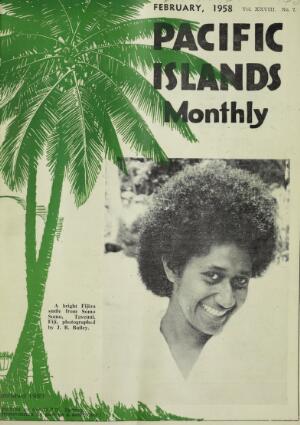
A bright Fijian smile from Somo Somo, Taveuni, Fiji, photographed by J. B. Bailey.
Advertisements & other items, pp. 2-6 (5 items)
New “Radar-Eye
•I ■ :
ON QANTAS
Super-
Constellations
plots the weather 100 miles ahead
for smoother, more comfortable flying
This latest addition to the worldfamous Qantas Super-G Constellation provides even smoother flying for world travellers. Qantas Super-G Constellations enjoy a reputation based on millions of miles over intercontinental routes.
Fly high in the smooth upper air and enjoy the highest standard of air travel in the world today. The modern, convenient rest-rooms and full-length, soft, foam-cushioned chairs are all wellknown features of the Qantas Super-G Constellation. For the utmost in luxury air travel to Europe, America, Asia and Africa, fly Qantas.
Australia's Overseas Airline QANTAS EMPIRE AIRWAYS LIMITED (INC. IN Q'LD.) IN ASSOCIATION WITH 8.0.A.C. AND TEAL Q 60.84.67
u.
STOVES
50
MADE IN ENGLAND
These two Coleman Stoves are of the one burner kerosene type and are available in both silent and roarer models. Their dimensions are height 8* inches, diameter 82 inches, approximate weight 2| lb. Both models have the same outstanding features.
Model No. 532 E
SILENT TYPE
1. Full-Size Fount with Filler Plug of wing type. 2. Air release on side of Filler Plug. 3. Heavy Brass pressure-tested Tanks. 4. Fount and Burner firmly soldered together. 5. European-type pump. 6. Grate and Grate Supports detachable to reduce shipping space.
J o 7. Spare parts interchangeable with simitar European Stoves.
Representatives for the Pacific Islands: Model No. 531 E
ROARER TYPE
22 YOUNG ST.
SYDNEY
ROBERT GILLESPIE Pty. Ltd.
PEARCE & CO. LTD,
SUVA
FOR FIJI ISLANDS
100 KINGSTRAND
Frameless Aluminium Buildings
GO TO NORTHERN TERRITORY
Department of Native Affairs
EACH PACKED TO
ARRIVE COMPLETE IN
ONE COMPACT CRATE
—More on Order!
Kingstrand frameless aluminium buildings with load-bearing walls, are complete ready-to-erect structures with walls, roofing, partitions, doors and everything necessary for quick, economical assembly on site —only a screwdriver and spanner are needed for erection. Follow the lead of Territory and Pacific Islands users —investigate Kingstrand construction for your building. ★ ★ ★ Kingstrand buildings are strong, have withstood winds of 100 m.p.h.! . ... are cool in the tropics because they reflect the sun’s beat ... do not need painting . . . resist corrosion . . . are termite proof . . . and may be erected to different designs for a wide variety of uses — cottages, stores, personnel quarters. Send for the facts on Kingstrand construction.
ECONO STEEL COMPANY
DIVISION OF TULLOCH LTD., CONCORD ROAD, RHODES, N.S.W., and 177 ANN STREET, BRISBANE, OLD.
Australian Manufacturers of Kingstrand Frameless Buildings Agents for Papua, New Guinea and South Pacific Islands; DOWSETT ENGINEERING (AUST.) PTY. LTD., 12 CRESCENT ST., HUNTER'S HILL, N.S.W. 7
BELOW ARE THE KINGSTRAND
BUILDINGS FOR THE PROPOSED
DARWIN HOSPITAL
•f. / -•5-
* r- * m :v; A % •** ~nv tt *% m m ®sm T: TC
new rotary mower
6 FOOT CUT • HEAVY-DUTY • SAFE • FAST • OIL-BATH GEARS There is good value with this Australian-made mower. It will cut and finely chop thick, tall and tangled undergrowth—it will also cut short grass and lawns closlely! Requiring only a light tractor and driven from the P.T.O. the Model A 4-1 Mower will clear land, and keep plantations, airfields, etc. in- first class order easily and cheaply. The price and descriptive pamphlet is now available from your International distributor.
International Harvester Company of Australia Pty. Ltd. District Sales Offices in Capital Cities of Australia. Works—Dandenong and Geelong, Victoria. PIM 966.32 □
INTERNATIONAL
HARVESTER VI
McCORMICK
INTERNATIONAL
A 4-1
ROTARY MOWER
DISTRIBUTORS:
PAPUA AND NEW GUINEA
Steamships Trading Company Limited, Port Moresby and Samarai.
Dealers: New Guinea Goldfields Ltd., Wau and Lae. Rabaul Trading Co. Ltd.
DUTCH NEW GUINEA: H. Englebert n.v., Hollandia.
SOLOMON ISLANDS: Mr. K. H. Dalyrymple Hay, Honiara.
NEW CALEDONIA: Agence Automobile, Noumea.
TAHITI: Hintze & Company, Papeete.
NEW HEBRIDES: Kerr Bros. Limited, Sydney.
FIJI: Niranjans Service Station, Suva.
mflfafit/
rnr
□ /, 5S B
NEW PERFORHAH
NEW COMFORT * NEW ECONO!
PLUS BRILLIANT NE
FEATURES EVERYWHE
NEW AUSTIN
CAMBRIDGE MARK II
From coast to coast, Motor Editors report on this new Austin Cambridge Mark II that’s really brilliant “The high compression engine gives a startling improvement in fuel mileage . . . is faster in top gear . . . will beat almost anything through traffic . . . the first car of its class ever to maintain a genuine 80 m.p.h. for mile after mile” See the sensational new Austin now call in or phone for a demonstration. mb
A PRODUCT OF THE BRITISH MOTOR
CORPORATION OF AUSTRALIA
Austin Distributors in Papua N. F. MALONEY & CO., PORT MORESBY Austin Distributors in New Guinea
|. K. DOWLING & CO., RABAUL
1
CIFIC ISLANDS MONTHLY FEBRUARY, 1958
2
FEBRUARY, 1958 PACIFIC ISLANDS MONTH
3
CIFIC ISLANDS MONTHLY FEBRUARY, 1958
4
FEBRUARY, 195 8 PACIFIC ISLANDS MONTHI
People
The Very Rev. Timothy Connolly, iperior General of the Coiumban ithers, in the course of a world spection of Coiumban Missions, sited Fiji in January. The Colum in community established there six ars ago, will shortly be increased r four priests to 19 members. ♦ * * When John Gunther, son of the isistant Administrator of P-NG, *. John Gunther, began his studies The King’s School, Parramatta, 3W, in early February, he was e fourth successive generation of » family to attend the school. ♦ * ♦ Honiara, in the British Solomons, ,s well represented in Sydney in nuary. Among Honiara people leave or passing through on siness were Mr. John Morris, Mr. 2k Byron, Mr. and Mrs. Ross jhardson and daughter Avon, Geoff Dennis, Mr. E. J. joney and Mr. Jan Schenke.
art Moresby businessman, Mr. 1 Maloney, got some publicity he Australian Press in January, n he decided to take a six weeks' day at Queensland’s Surfers’ adise with his wife and three dren. intrigued the Press was that was given permission by the G Administration to bring along native servants. This, these days,
[?] nguist and missionary H. Myron Bromley, [?] ographed in Hollandia in January after [?]leting four years among natives in the [?] r al Highlands of Netherlands New Guinea, [?] was en route to Sydney and the US but [?] will be returning to NNG. As a linguist, [?] main interest is with the population of [?] Baliem Valley.
Photo: W. E. Tausent.
is not unusual —and Mr. Malom himself has done it before. But I wasn’t allowed to escape the limi light. * * * Two girls from well-known Ne Guinea families won bursaries fi training as pre-school teachers January. The girls, Anne Camera daughter of coffee planter Mr. B!
Cameron, and Margaret O’Loghli daughter of Sir Colman O’Loghli; are both 17 and will attend tl Kindergarten Training College Melbourne for three years befo: coming back to the Territory teachers.
Miss Cameron was born in tl Territory. Her father before the w worked a Wau goldmine.
All the residents of Misima Islan in the Milne Bay district of Papu attended the wedding of Miss Vain Parascos, a former Misima schc teacher, to Thomas Inman, Samarai, in late December. Tl‘ ceremony was performed by tl Rev. Col. White in the Method!
Overseas Mission, Misima.
Mrs. Lorraine Houghton, P-N Director of the Junior Red Croc
Mr. T. Thoenness with his bride, formes Miss Robin Hodges, after their marriage Port Moresby in late December.
Photo: Papuan Prim
Mr. D. L. Leach, executive of the Auckli[?] surveying firm of Leach and Browne, left A[?] land for Tonga aboard the "Matua" in Janu [?] to inspect progress with the cadestral sur [?] of Tonga which is being made by his c[?] pany.
Photo: J. P. Short!
5 in Melbourne in January at ding a Red Cross leadership ning centre. There are 250 Junior I Cross members in the Terri- T. * * * sventeen-year-old Nauruan, rinda Itsimeara, in January be le the first girl from Nauru to lin a NSW Leaving Certificate, has been a pupil at the Convent lercy, Parramatta, NSW, for the five years, and now intends to ►me a schoolteacher. ♦ * * lelaide film man Ralph Peter was back in Adelaide in Janu after a visit to Fiji, writing and sting a colour documentary, in Profile, for an Australian pany, Ajax Films, le film is the first of a series documentaries covering social, omic and political aspects of dus countries. Mr. Peterson is tor of the film and stage success, Square Ring.
e residents of Rarotonga made :ewell presentation to Mr. and W. N. A. Allison on January 22 to their return to New Zea- Mr. Allison has been Director ducation in recent years, and had resided in the Cook ds for the past twenty years.
Resident Commissioner, Mr. G. 1, presented a cheque on behalf sidents. (See page 41). * * * stor J. B. Keith, Senior Seventh Adventist missionary in New
[?] itional lighting of the candies for Miss Normoyle at her 21st birthday party [?] rt Moresby in late December. She is [?] aughter of the P-NG Commissioner of [?] Mr. C. Normoyle, and Mrs. C. Nor- Photo: Papuan Prints.
Guinea, arrived in Auckland in January to commence a three nonths lecture tour, during which ie will visit his home town of hvercargill. ♦ * * Mrs. G. R. Powles, wife of the few Zealand High Commissioner to Western Samoa, attended the annual aeeting of the New Zealand branch of the Pan Pacific and iouth East Asia Women’s Associa ion at Auckland in January,
i former Suva girl, Miss Dorothy aver, who is a part-time student Melbourne University has sue sfully passed her fifth year Law ruinations. Her subjects were ation, equity, company law and iveyancing. She passed with lours in all subjects and equal t in three. She is an ex-pupil of J a Girls’ Grammar School and written several amusing stories PIM in recent years. Her mother I is resident in Suva. ♦ • ♦ Ir. J. f. Ernshaw has been ap
Scout Leader Ben Ellis, of Manihiki, return [?]I home after a jamboree in Britain, was [?] ewelled in Auckland by Mr. E. F. Prende [?]t, attached to the Auckland office of the [?] and Territories Dept., and by Mrs. Prende [?]t. Also returning to the Cooks was Rev. [?] her F. Benetio (not pictured), who had [?]n visiting Holland.
Photo: J. P. Shortall.
Mr. and Mrs. F. A. Turner, who left Auck [?]d for Suva in the "Matua" in January. [?] Turner was taking up a post with Fiji [?] ders. Ltd.
Photo: J. P. Shortall.
pointed manager of the Bank New Zealand in Suva, Fiji, in sult cession to Mr. C. D. Barford. WL Ernshaw has been with the Barr, since 1927 and has served in mam branches in New Zealand, and, 1956-57, in the London office. Sim returning to NZ from the UK : has been sub-inspector at Wellinn ton head office.
Fijian Methodist Minister R©' Setareki Tuilovoni made a colouu ful picture in the opinion of Peril (West Australia) people, when I arrived there in January wearing g sulu, and carrying an umbrella thri had just accompanied him aroum the world. Tuilovoni was return ing to Fiji after attending an inteo; national missionary conference Ghana.
Lady Gutch, wife of the Higi Commissioner for the Westers Pacific, passed through Sydney i the end of January, en route froo* Britain to her home in Honiam
Mr. and Mrs. A. Herrick returned to Sw[?] in the "Matua" in January after three mont[?] in New Zealand. Mr. Herrick has been busin[?] manager for the London Missionary Society [?] Fiji for the past 25 years.
Photo: J. P. Shortall
A big crowd attended the marriage Papuans, Oala and Rarva, at the London Missionary Society Church, in Port Meres [?] on December 28.
Photo: Papuan Prim
SIP. Sir John returned from long ave in October, in order to attend te South Pacific Commission session in Noumea.
Mr. G. W. A. Perks has been pointed Resident Agent of luke, Cook Is., in succession to '. K. S. Mills who has returned New Zealand to continue iversity studies.
Ay. Perks is aged 37, married, :h no children. He served as ministrative Assistant to the strict Commissioner, Nyasaland, 1948, was accountant with an company in Sumatra for two irs, spent some time with a Suva siness firm, and has lately been employee of the NZ Ministry Works at Dargaville, North ckland.
’he marriage took place at lier, NZ, in December, of Miss :gy Allison, daughter of Mr. W.
A. Allison, then the Director of ication in the Cook Islands, and 5. Allison, with Mr. Tony Bird, aierly a radio operator at 'otonga Radio.
'he bride, who has just passed final nursing examinations, was m away by Mr. Doug Cunnold, ner Superintendent of Radio in Cook Is., in the absence of her tier.
Mrs. and Mrs. Charles Kelly after their [?]riage in Port Moresby in late December. was formerly Miss D. Twembow.
Photo: Papuan Prints.
[?] r. and Mrs. Strath Garside were among many Islands' people who attended the [?] nesian Association's New Year party in [?]ey. Mr. Garside was a radio announcer ZJV Suva, and his attractive wife was former Luck Kwong, of Suva.
Mr. Kenneth Hemus, lately beaus master at Akaaka School, Waiulsij near Auckland, NZ, has be«s appointed Principal of Tonsr College in succession to Mr.
Kennedy, MA. Mr. Hemus is < married man with a family.
Mr. C. W. Seton, well knowc planter of the British Solomonc was in the Repatriation Generc; Hospital, Brisbane, in January, fi a few weeks treatment fi osteoarthritis which caused him lose the use of both legs some timi ago. He reports that he is nor recovering. * * * The Administrator of P-N>V Brigadier Cleland, was back at M desk in Port Moresby in Februae
Australians of Polynesian descent, M[?] Donald Dodd and her sister, Loraine Watt[?] were among those at the Polynesian Assoc[?] tion's New Year party in Sydney.
Captain Frank Hoeter, MBE, formerly [?] PNGVR, Madang, returned to P-NG in Februa [?] after six months' leave in Australia. He [?] pected to be posted to Rabaul in his capaci[?] as a sub-inspector of police. While in A[?] tralia. Captain Hoeter qualified at the Atom[?] Warfare Course at the School of Infant[?] Seymour.
iter leave in Australia. He and Mrs. 51eland spent much of the time •isiting Tasmania.
Many New Guinea people and ;veral former residents attended le Australian Institute of Political nence three-day summer school in anberra in January.
The subject was Papua-New uinea, and among those who at nded were the Administrator, /igadier Cleland, and Mrs. Cleland /ho were on leave), Dr. John anther, Messrs. Bob Bunting, lan awns, John Hohnen, Bill Conroy, sorge Whittaker and his son, Dr. vian Whittaker (who is now with e Australian National University, inberra), C. Rowley (principal of e Australian School of Pacific Ad inistration), Gus O’Donnell and s. O’Donnell, and Norman Cowper. group of P-NG patrol officers 10 attended, on leave, included ?ssrs. Bill Brown and Ron Neville.
Samoan has been top man in :Kland for some time past. He d.r. Paul Gabriel, who has been ervising the erection of a 175-ft erhouse chimney at Greenlane pital. Now nearing completion, chimney will be a new major -ure of the Auckland skyline.
Mr. F. M. Bateson (left), who was return [?]g from a US lecture on astronomy, and Mr. [?] R. McKegg, of the Cook Islands' Trading [?] were among the passengers in the "Maui [?]mare", en route from Auckland to the Cooks late December. Photo: J. P. Shortall.
Mis happy pair, Mr. Chris Straatemeter and bride formerly Miss M. Dennis, were [?] ographed just after their marriage in [?] mber at St. John's Church, Port Moresby.
Photo: Papuan Prints.
Advertisements & other items, pp. 7-17 (9 items)
5
ACIFIC ISLANDS MONTHLY FEBRUARY. 1958
Brayboh
n KVA
diesel sets
’We feature here one of our larger industrial light and power plants which will jperate motor up to 5 H.P. 3 phase. Sets are available petrol or diesel from to 100 KVA capacities.
The mg* of Quality Products
BRAYBON
p BROS Pty. Ltd.
Zdl 2m WASHINGTON SI.. SYDNEY
Telephone MA 6853
TELEGRAMS: '‘Braybonian**, Sydney
THE
/ - -iW -i
NOT JUST ANOTHER
ROTARY—BUT A
ansomes
An ideal machine for dealing with grass areas where only infrequent attention is possible.
Write for details of the "mower with the hummock disc".
SAFE TO USE, and being made by Ransomes, SAFE
TO BUY.
M I t ■ <?- v £ m ■a k :d mm I m m m Hit
MOW
rxHry
WORLD
RANSOMES SIMS & JEFFERIES LTD., IPSWICH, ENGLAND
DISTRIBUTORS:
Morris Hedstrom Ltd., Suva, Lautoka and Ba, Levuka, Nukualofa, Apia
Tnj FRUIT IES.
... the new fruit-flavored soft-centred sweets ... made by Pascall * * : i 9 n : * i •>*
ASSORTED
FRUIT
FLAVOURS
Hl/M/I
m Bite through that crisp candy casing and there’s that soft, fruity centre. Suc K a delightful range of flavours in ever handy square-pack of Pascall Fruitie.
You too will be saying to your friends—- “Try Fruities — they're beauties”
PASCALL SWEETS MAKE LIFE SWEETER
mmm m m
CORNED
CALISBURY" canned meats, SPECIALLY PACKED ISLANDS ARE the popular choice, ALWAYS. for the PACIFIC
CORNED BEEF
CORNED MUTTON
MEATREAT
SHEEP TONGUES
OX TONGUES
MIDGET (Cocktail) SAUSAGES
SANDWICH PASTES
SAUSAGES AND TOMATO
STEAK & KIDNEY PUDDIM
LAMB & GREEN PEAS
DRIPPING AND LARD
Also “WESTFIELD" Brand
CORNED BEEF CORNED MUTTON
KEGGED MEATS
DRIPPING AND LARD
WESTFIELD FREEZING CO. LTD
Postal Address: Private Bag, C.P.0., Auckland, N.Z.
Cable Address: Filalora, Aucklaia
by itame!
***» * S'* [IB p o v
noon
$//r> F\BOto
UHQ
(hcCANINNf
DDfDADCn WAV
PREPARED WAX
FLOOR POLISH
FOR LINO. FLOORS. FURNITURE. LEATHER e MOTOR CARS Piccaninny imparts a glow of youth and beauty to floor surfaces that might otherwise soon begin to show their age. There is nothing more perfect for linoleum or natural wood floors.
Piccaninny s tough wax skin protects surfaces from tropical moisture, wear and tear—saves you hours of work and aives Twice the Shine in Half the Time!
ASK FOR
PICCANINNY
BROWN STAIN FLOOR POLISH
For Jarrah, Cedar, Stained Floors & Woodwork Piccaninny Polishes are manufactured by
PICCANINNY MANUFACTURING Co.
Pittwater Road, Manly, N.S.W., Australia.
1
Protect Your Possessions
Your household possessions cost you a lot of money, but have you considered what it would cost you to replace them to-day?
Consider this carefully and you will realise how essential it is for you to have your effects adequately protected by insurance.
The best protection you can have is Householders Comprehensive Insurance which covers Burglary, Larceny, Theft and Storm and Tempest damage.
Whenever you go on holidays see that your luggage is fully insured against theft,, loss or damage. In these days of high values and equally high replacement costs have your jewellery protected with All Risks Insurance.
Consult us without delay and we will advise you on these and any other insurance matters that may concern you.
ITS A SERVICE WITHOUT OBLIGATION
HARVEY TRINDER
Insurance Brokers
MUSGRAVE STREET, PORT MORESBY
Box 104 P.O. Port Moresby. Phone 2373
Agents
PORT MORESBY & SAMARAI . Steamships Trading Co. Ltd.
LAE A. Scott. RABAUL A. Hopper.
WAU P. Leydin. BULOLO .. .. A. Carter.
HONIARA, 8.5.1. P MADANG. C. W. D. Rock.
E. V. Lawson.
Insurances at Lloyd's and Companies
Not one
not two..
but three
medicines in one
for
HEADACHE & ALL PAIN!
Vincent’s A.P.C. contains three wonderful medicines Aspirin, Phenacetin and Caffeine. Each one is a tried and proven ally for many years in medicine’s struggle against pain and physical discomfort. Vincent’s A.P.C. gives you fast-acting, triple-action relief. Vincent’s Powders or Tablets work safely, surely and speedily to end your headache, and soothe all other pain. mmm
Take
VINCENTS
APC. u/tYftCOA/F/DfMC£
AVAILABLE EVERYWHERE AT ALL CHEMISTS AND STORES N.8D.42
Features that make
better home baking
in the tropics certain
i A
i CAKES KEEP LONGER
MA
6AHINC
mol rT
CONSTANT FULL STRENGTH
To give your cakes and pastries extra freshness and lightness you must be confident that the ingredients you use are fresh.
That’s why you can be sure of first-rate results with Aunt Mary s Cream of Tartar Baking Powder. It never deteriorates and is always dependable. You also cook with the added advantage of adding the rising agent when you do your mixing that is the right time—the best time for sure results.
itunt ttiaUsl
Cream of Tartar
BAKING POWDER
SPRty
Satin
SPUED SATIN
Anyone can paint well with Spred Satin, with brush or roller, painting with Spred Satin is child’s play. You don’t have to turn the room upside-down, Spred Satin the rubber latex wonder paint won’t drip, goes on smoothly, dries within 20 minutes, and has no unpleasant painty smell. See the wonderful range of fade-resistant colours now. Use Spred Satin.
Approach us direct or our Representatives for the Pacific Islands:
DEMKA AGENCIES Pty. Limited
2-12 Carrington Street, Sydney, N.S.W.
stay
£j * t * BK *l. *v* m* v\^ bC «■
*58?% "gate
o t PiJi H °"l i°lt ‘be* >*' '9’a%
,fie 2S
!*~°Pics. ' P des igQeH
iS£* *rt Ce '{ent\.Jor
»a« ers Se £*e by " le2 5 oni SS/ nd serJ in,i ! - ■ d *y. SS/ - (Piih e J v 3Pts. f erva «o 0s
s; "J^T
?"^ ea s a h °y om% <* ltd bbl P of t ra Opa c jf » l . a PDli^^-> S UVa Ca6 'e aP f" ea »o 4dc(r ( e SS;
■v.
GROVE
m
W. H. GROVE
& SONS LTD.
Established 1896.
P.O. BOX 490, AUCKLAND,
NEW ZEALAND.
ISLAND
MERCHANTS
REPRESENTING
MANUFACTURERS
THROUGHOUT THE
PACIFIC ISLANDS
Id Fiji as:
W. H. GROVE & SONS
(FIJI) LTD.
Office and Sample Room Bank of New South Wales Chambers, Suva, Fiji.
distributed in AUSTRALIA,
NEW ZEALAND and the
allowing PACIFIC ISLANDS:
Australian Territories: Papua.
Norfolk Is. Cocos Is.
Anst. Trust Territories: New Guinea. Nauru.
British Crown Colonies: Fiji.
Gilbert & Ellice.
British Protectorate: Solomon Is.
British Protected State: Tonga.
S.Z. Territories: Cook Is. Niue.
N.Z. Trust Territory: W. Samoa. rench Territories: New Caledonia.
French Oceania. nglo - French Condominium: New Hebrides. .S. Territories: E. Samoa. Hawaii. .S. Trust Territory: Micronesia (Caroline, Marshall & Mariana). ntch Territory: W. New Guinea Publisher:
R. W. ROBSON.
Editors:
JDY TUDOR STUART INDER
Manager:
SELWYN HUGHES.
3LEPHONES: General Business, lltorlal, Advertising, Subscriptions:
MA 9197-8, MA 7101,
MA 4369, MA 1395.
0.P.0. BOX 3408, SYDNEY.
sglstered Address for Telegrams, idlograms, and Cables: “Pacpub,”
Sydney.
SUBSCRIPTION RATES:
Aust. and N.Z. and \ustrallan, N.Z., and It. Pacific Is £1 4 0 w Caledonia, Tahiti . £l7 0 iewhere $3.50 U.S. or £1 10 0
BRANCH OFFICE, PAPUA-
NEW GUINEA
clflc Publications (New Guinea) 1., Theatre Building, Fourth St., E, New Guinea. Tel.: Lae 2577.
Miss Pat Robertson, Manager.
BRANCH OFFICE IN FIJI:
1 Times Building, Gordon St., Suva. Tel.: 4043.
REPRESENTATIVE IN N.Z.:
D. Whitcombe, P.O. Box 5179, Auckland. Tel.; 42.384.
REPRESENTATIVE IN UK.:
T. Wallis, 13 Rood Lane, London, .C. 3. Tel.: Mincing Lane 8633.
LBOURNE OFFICE: Newspaper use, 247 Collins St., Melbourne, Victoria.—Tel.: Cent. 2053.
ENTS: All main trading firms 1 stores in the Pacific Islands.
FIJI TIMES AGENCY IN
AUSTRALIA
e: Pacific Publications Pty. Ltd., ;hnipress House, 29 Alberta St..
Iney (Telephone MA 9197-8), is Australian Agent for THE FIJI TIMES, of Suva, Fiji.
7
C I F I C ISLANDS MONTHLY FEBRUARY, 1058
8
FEBRUARY, 1958 PACIFIC ISLANDS MONTH LJ
9
ACIFIC ISLANDS MONTHLY FEBRUARY, 1958
10
FEBRUARY, 1958 PACIFIC ISLANDS MONTHL
11
CIFIC ISLANDS MONTHLY FEBRUARY, 1958
Cific Islands Monthlt_F E B R U A R Y . 1958
14
FEBRUARY, 1958 PACIFIC ISLANDS MONTHU
Pacific Islands Monthly
Contents:
No. 7. Vol Xxxviii
February, 1958
PEOPLE: Personal Para graphs of Islands’ Interest 5 Complete Review and Com parison of Copra Prices . 17 Queen Mother’s Brief Visit to Fiji 17 First Day Under Fiji’s New Drinking Laws is Quiet and Orderly 18 Fiji and Tonga Hit by NZ’s New Import Cut in Bananas 19 Relief for the Big New Caledonian Droughts . .. 19 Possibility of Income Tax for P-NG Soon 20 Pacific Islands’ Regiment is Having “Officer Trouble” . 20 P-NG Labour Laws Will Be Debated by March Legco . 20 New Moves in Indonesia .. 20 A Full Review of Latest French and Australian Air Moves 21 W. Samoa Criticises New Zealand 21 Reported Sale of Fiji Air ways to Qantas 21 More Hotels for the South Seas: Latest Moves .. .. 23 Commentary: The Publisher and the Editors Look at Pacific and World Affairs 25 The Editors’ Mailbag .. 29 Australia’s “Nino Culotta”
Makes a Literary Debut . 29 Territories’ Talk-Talk .. .. 31 “West N. Guinea Belongs To Us” (Says an Old Hand, Who Explains How He Captured It) 33 A Fijian Makes a Plea for Tolerance 37
Behind the Scenes With the Jap Tuna Fishers .. .. 38 Popular Cook Islands’ Edu cator Resigns 41 How to Make a Vast Fortune From Crocodiles 43 There May Be Some More Asian ’Flu in the Pacific . 47 An Australian Gives His Views on a Federation of
Melanesia 49_
New Standards Sought for P-NG Cocoa Industry .. 55 A Review of a New Pidgin Grammar 55 Mr. Hasluck’s Canberra Ad dress, Reviewed by R.W.R. 61 It’s Not All Paradise in the S. Pacific, says a French Journalist 71 More Facts About the Cross of La Perouse 79
Magazine Section:
Tropicalities, 81; Cross word, Brett Hilder Profile, 82; Sweet-talking a Tongan Shark, 83; Native Jumpers of Pentecost Island, 84; The Tragic Story of “Kar Kar” Schmidt, 86; The Month’s New Reading .. 88 Pacific Shipping and Cruis ing Yachts 101
Pacific Report; The
Month’s Round-up of Pacific News and Pictures 113 OBITUARY: Mr. William Alexander (Bill) Gill; Mr.
William Pickering .. .. 151 Sports Review 152 Shipping Time-Tables . .. 155 Airways Time-Tables .. .. 159 Pacific Commerce 169 Islands’ Produce and Markets 171
Advertisements & other items, pp. 17-18 (2 items)
A Product of Pacific Publications Pty» Ltd., Technipress
House, 29 Alberta Street, Sydney. (29 Alberta Street is 10 yards from the Intersection of Goulburn Street and Wentworth Avenue.)
International ASW-120 4-wheel drive truck
4- I This unit will be operated by two specially trained Salvation Array nursing sisters.
for medical work in Papua and New Guinea
0 TRUCK MADE IN AUSTRALIA
The Salvation Army selected an International ASW 120 (4 x 4) chassis for its mobile medical clinic unit. The rugged frame, high clearance, 4-wheel drive and power-packed engine built into this truck make it ideal for the difficult conditions it will encounter in the New Guinea Highlands. ■
INTERNATIONAL |L M
HARVESTER
INTERNATIONAL
TRUCKS
ARE AVAILABLE FROM
DISTRIBUTORS:
PAPUA AND NEW GUINEA
Steamships Trading Company Limited, Port Moresby and Samarai.
Dealers: New Guinea Goldfields Ltd., Wau and Lae. Rabaul Trading Co. Ltd.
DUTCH NEW GUINEA: H. Englebert n.v., Hollandia.
SOLOMON ISLANDS: Mr. K. H. Dalyrymple Hay, Honiara.
NEW CALEDONIA: Agence Automobile, Noumea.
TAHITI: Hintze & Company, Papeete.
NEW HEBRIDES: Kerr Bros. Limited, Sydney.
FIJI: Niranjans Service Station, Suva.
International Harvester Company of Australia Pty. Ltd. District Sales Offices in Capital Cities of Australia. Works—Dandenong and Geelong, Victoria. PIM 967.32
omparison of Copra Prices
fferent Territories and Different Procedures
omparison of Copra Prices [?]New Guinea and Fiji
The way in which the Australian authorities in the Dual Territory of Papua and New Guinea now are handling the Territory’s copra output is of significance to all the South Pacific Territories.
VERY one of the 16 South Pacific Territories produces copra; and in all except Fiji ?ar), Samoa (cocoa) and New edonia (metals) it is the domin crop. 3Uth Pacific production scarcely cts the world market, however, lippines is the largest producer, )wed by Indonesia, Southeast i and Ceylon. The world produc ts about 3 million tons; and th Pacific does not export much e than 200,000 tons, le annual production of P-NG low close to 100,000 tons. No t South Pacific Territory pro 's more than a quarter of this.
P-NG Marketing Board ie disposal of the whole of the a output of P-NG is in the is of the Papua and New Guinea ra Marketing Board, which was ip under a special Ordinance in , and which is responsible to Australian Territories Minister, is not part of the P-NG Ad stration structure. It comprises chairman (who actually is the I executive officer), three mem representing the P-NG copra ucers, the Director of Agricul and one other. le Board has power to control sale of all copra that goes out of P-NG; but it has no control buying and selling within j. For example, P-NG traders larly buy quantities of copra both European and native ucers, and sell to the Board.
Planters’ Association recently i the Minister to amend the nance, to ensure that all copra ken by the Board, e biggest buyer of copra within > is the Carpenter crushing at Rabaul (Coconut Products —it could probably crush the e P-NG output of 100,000 tons;
MG Growers Get £47: Fiji owers £s7—See page 149.
there is no legal reason why mill should not purchase its s directly from the growers, t—apparently for the sake of 1 economy and orderly market )f P-NG’s main product—some igement has been made under i the mill buys the whole of its rements from the Board, at a agreed upon.
The price to the mill is kept in line with the dominating factor— the sale of about 20,000 tons per annum to Unilever (Raw Materials) Ltd., London, at a price regulated by the prevailing quotation in the Philippines market —and the delivery to the mill in 1958, apparently by agreement, is to be 40,000 tons.
The effect of all this is as follows: • All the copra produced in Papua and New Guinea is delivered to the Marketing Board, either directly, by the growers, or in directly, through traders. • Until otherwise notified, per sons delivering copra to the Board at the main ports receive, provision ally, a price ranging from £A47 to £A4S/7/6 per ton, according to grade; and if the Board finds, on periodical adjustment of accounts, that it has made, net, more than this from the sale of the copra, the persons delivering the copra will re ceive a “dividend” in addition to those rates. • On the assumption that the P-NG production will be 95,000 tons, the Board proposes in 1958 to supply 10,000 tons to the Rabaul mill; 20,000-22,000 tons to Unilever; be-
tween 26,000 and 30,000 tons to mills In Australia, for Australian con sumption; and the balance to the open market.
It is not anticipated that the pre sent “tentative” price of £A47 for
first-class copra will be altered, un less there is a marked change in the governing factor—namely, the Philippines quotation.
The £47 price, fixed in January, as compared with the then prevailing Philippines quotation, seemed to leave th-r Board with a safe margin for contingencies. This suggests that there should be a “dividend” for growers, in later adjustments. l i ? (Over)
W elcome I t's clearly a warm meeting between Queen Elizabeth, the Queen Motherland Ratu Sir Lala Sukuna, at Churchill Park, Lautoka, on January 31. Her Majesty's two-day visit, made en route to NZ and Australia, was crowded with colour and ceremony. It seemed that every Fijian for hundreds of miles came to pay homage. Photo: Akbar's Studios.
A marked movement upwards in the Manila quote might mean an increase in the £47 “tentative” price.
A marked fall in Manila certainly would mean a reduction in the £47 rate.
Months may elapse before P-NG producers will know how the new system is working. In some ways, the Board will be feeling its way. How ever, the presence of three pro ducers’ representatives on the six member Board gives the growers an assurance that their interests will
be closely studied at the regular Board meetings.
If P-NG growers ultimately get £5O, per ton, they will be down £7 per ton on the rates they got in 195[7 (£57 per ton.) , It is now quite clear, of course, that a “pool” system is being operated.
All the P-NG copra goes into a common pool, and is graded. The “tentative” price per ton is paid at once, according to the grading. The Board markets the copra, and credits the pool.
The Board pays all the costs (storage, handling, grading, ship ping, insuring, accounting, shrink age, etc.), and charges same against the pool. If the net result at the end of the accounting periods (prob ably every 12 months) is better than those “tentative” prices, then there is a dividend for the growers,
(Continued page 149)
Pacific Copra Prices
(From page 18) mged according to quantities and ding of copra delivered. If the result is definitely lower than “tentative” price already paid , there will be a reduction in tentative price to take care of rices Elsewhere: Fiji's £57 does not seem that there has ‘ n any consultation between ritories regarding the prices to >aid in each for copra after De ber 31, 1957; and, already, some ous disparities are seen. >r example, take the following bs, to be paid for copra delivered ominated places, announced late miber or early January, and all ■ced to Australian currency:
it, for purposes of this com son, it should be noted that Solomons and Fiji prices are i; while the P-NG price is tative”, or provisional, e P-NG Copra Marketing Board, Tiving at its tentative price, did
not take the Philippines December quotation as a basis, but instead, for safety’s sake, took the average of the Philippines price for the six months, July to December, 1957. This appears to have produced a GIF European-port price, delivered weight, of about £6O/15/- (Sterling) per ton.
Working back from that, and tak ing into account many factors (Unilever Contract discount, freight, marine insurance, agency com mission, stevedoring, shrinkage of 3 per cent., exchange premium of about 25 per cent., handling in Board stores, in-store shrinkage of 2 per cent., export duty of about £5 per ton, grade premiums, etc.), the Board’s experts arrived at the “tentative” rates announced early in January.
We have seen many calculations, some agreeing generally with the Board, some differing.
But it does appear that, if the Board’s calculations are reasonably correct, if the market does not fluctuate too much, and if the grade premiums proposed are paid (which means that the copra must really be up to standard) the P-NG grow ers eventually will get from £2 to £4 and even £5 per ton over the “tentative” price.
But it may be twelve months be fore they know. The final dividend may bring them generally into line with the Solomons price; but they still are quite a way below the Fiji price.
The position in Fiji, of course, is dominated by the amount which the Suva mill is prepared to pay, from week to week, forthwith and finally, for copra delivered to it on the wharf, Suva.
The Fiji price is paid by private enterprise, which watches the world makels every day, and adjusts its buying rates accordingly. The P-NG and Solomons prices are made by Government and semi-Government instrumentalities, which work under very different conditions. But there may not be much difference in the end result.
The P-NG Board took as the start of its calculation the average Philip pines price for the last six months of 1957, and thus got about £6O/15/- Sterling. The Carpenter mill in Suva naturally took the Philippines price (converted to GIF European port) in early January, and got £66/17/6 Sterling.
Thus, a difference of £6 Stg. per ton immediately shows up between the prompt final price of private enterprise in Suva, and the
P-Ng
Solomons Fiji £Aust. £Aust. £Aust. per ton per ton per ton ir . 47 0 0 51 0 0 57 12 11 46 0 0 49 0 0 56 2 4 id . 45 7 6 44 0 0 54 11 10
“ntative” price fixed by the semi jvernmental control in New linea.
Huge Sum in Stabilisation
Fund
rhe P-NG Copra Marketing ard has no control whatever over ‘ Copra Stabilisation Fund—it rely takes from the receipts about per ton as copra export duty, to one seems to know exactly at happens to that £5 per ton. It definite that £2 of the £5 goes the Stabilisation Fund. What Dpens to the £3? low much is the Copra Stabilisa i Fund, and what is being done h it? i Jack in 1946, the then nt established a “Copra Reserve id”, and, in order to build it up, luctions were made from copra ?s, from December 1, 1946, to »ut 1949. Deductions ranged from to £8 per ton, according to Min rial whim. Up to the end of 1949,
collections totalled £780,000. In next 18 months another £672,000 accumulated —so that the total ira Reserve Fund held by the nmonwealth as on October 31, was £1,452,000. ben they started collecting funds, . similar way, under the Customs port) Tariff Ordinance, 1951; that has gone on ever since. A rd to control the Fund thus ted was established under the pua and N. Guinea Copra In ;ry Stabilisation Ordinance”, and ay the Board consists of Messrs.
E. Fairfax-Ross, Port Moresby; ik R. Wilson, of Rabaul; C. B. ey, of Rabaul; R. E. P. Dwyer, ctor of Agriculture, and H. H. ve, Treasurer, of Port Moresby, le total of the Fund on Sep aer 30, 1957, was no less than !0,399. As far as this writer vs, it does not include that
>2,000, accumulated under other up to October 31, 1951. ie two funds, taken together, d provide about million for filisation” of the copra industry; therwise could be most usefully loyed. The Papua and New lea planters, who themselves ;ed that wealth, should ask some tions about it.
Advertisements & other items, p. 19 (2 items)
17
IF, C ISLANDS MONTHLY FEBRUARY, 1958
In Solomons
Control and Prices
Following the resignation on December 31 of Mr. E. J.
Thomsett, as chief official of the British Solomon Islands Copra Board, the Board's affairs will be conducted by the BSI Trading Corporation.
The Copra Board will still be the administrating body. It announced that, as from January 1, the ruling price of copra within the Solomons will be: 1st Grade, £51 ; 2nd Grade, £40; and 3rd Grade, £44. Prices (reviewed monthly) rose 30/in Feb. —See page 151.
Mr. Thomsett (who was the first non-Government official to be Chairman of the Copra Board) has left the Protectorate after a period of ten years, associated with the copra industry.
Copra Prices
In Samoa
APIA, January 20.
The announcement that the new copra-buying rates will be considerably reduced has seri ously affected the great mass of Western Samoa copra producers.
The price under the contract with the British Ministry of Food (which terminated at the end of December, 1957), was £55 Stg. per ton, f.o.b. Apia.
The new price, fixed for the first quarter of 1958 only, is £45/14 - Sterling for hot-air dried, £43/19 - for sun-dried Her. l, and £42/19/- for sun dried No. 2.
These prices have been made under our 1958 contract with Unilever Ltd., based on the ruling open-market price for Philip pines copra, plus a premium of £3 per ton for hot-air dried, 35 - for sun-dried No. 1, and 5 - for sun-dried No. 2. These premiums are dependent on the maintenance of the quality standards established recently. (Note: W. Samoa’s £ is equal to the NZ £, which is at par with Sterling. Therefore, £1 Samoan is, equal to about r U 4/6 Aus tralian.)
Fijians' 'New Freedom'
Quiet And Orderly
Beer-Drinking
Fijians' 'New Freedom' On February 3
From a Special Representative Suva’s first day of beer-without permits, for Fijian and Indian males over 18 years of age, on February 3, was a victory for the protagonists of the system.
The good behaviour of those who were permitted to drink for the first time in hotels was a blow for those who had forecast dire results.
Restraint and orderliness were apparent all day in Suva’s five hotels.
The majority of public bar patrons were Fijians: and Fijians have a reputation—often deserved— for becoming objectionable and unruly when under the influence.
There was no unseemly behaviour whatever on February 3.
Groups of Fijians in the bars chatted animatedly among them selves, or called out cheerfully to friends.
However, it is difficult to form a balanced judgment on what hap pened on this one day. There are a number of factors to be con sidered.
The first day of “free beer” was two working days after pay-day, and a week-end after the Club Hotel public bar was reopened; and a large proportion of these Fijians already had had “permits” to drink.
End-of-th e-m on th pay-days usually bring bedlam in their wake in and outside all hotels in Suva.
On Friday night, January 31, there was the usual noise.
Next day, February 1, the Club Hotel bar reopened (see elsewhere) —and for years before its closure this was the traditional meeting place of Fijians. So the Fijians had had three opportunities prior to February 3 to spend money on beer.
It could be that permit-holders already had spent their money; and the new drinkers were proceeding with caution.
Scenes in the Bars I made several tours of Suva’s hotels during February 3, and this is my summary.
Grand Pacific. —The public bar almost as quiet as a cemetery, with the biggest crowd between 6 p.m. and 7 p.m. Few voices were raised.
Bar patrons sat in groups and talked quietly among themselves.
Melbourne. —Everybody well be haved, and the licensee reported no “incidents”. He asked one man to stop singing—but nothing unusual in this.
Club. —Fairly well crowded during most of the day. Biggest crowd, 5
p.m. to 7 p.m. The usual hum. conversation generally assoco with a big bar. The assembly sees happy, but no one was objection!
There were about 100 there closing time.
Garrick.— A big crowd all until about 7 p.m.—no untoward cidents.
Metropole. —A big crowd dvf the evening, but all quiet. Thisl closed an hour before normal ing time.
Regular police patrols may had some effect. Off-duty police f noticeable among the well-behrf bar patrons.
From Ba it was reported thaif bars were “quiet”. There were ; a handful of new patrons—tt who held no permits in the pasi At Tavua, it was pay-day, , the bar was crowded: but tf was no unruliness. There about 50 new patrons.
At Lautoka, conditions wvs “normal”.
What the Drinkers Said Mosese Waqa, 23, of Wailoko, , Suva, having his first drink ;
hotel with the knowledge thasi policeman would not tap him onn shoulder and ask if he had a pern said he had taken a little time; from work to sample his new-fco freedom, and he “liked” the system.
“This is a good idea”, he s “Now I know that I can haw drink of beer whenever I wan'E there is no temptation to try to) something I was not allowed to ( Tomasi Waicala, of Toga, R(£ who had held a “permit”, said:: j is good to know that my ym T friends can now come and havf drink with me, under good coio tions. They could not go into a r because they had no permits.””
Parmanand, 21, an Indian do who lives in Samabula, said he ;
(Continued pag?e 145)
k beer before, although he had k been in a hotel bar. it this is a good idea”, he said, i having a few drinks now with ds who asked me to join them, it it is spending money for ng. I won’t be here every pay I don’t like the system, and iidian women don’t like it”. cieu Vakaloloma, 22, said it is irst time he had ever had a in a hotel. some ways this is a good thing, in others it is bad”, he said, m we were not allowed to have ■ we respected the law, and our i. Some of that is being lost.
Fijian women don’t like this n. it it is good to be free to drink you feel like it.” \i Bera, a prin ti n g-press tor, did not think the proposal ood for Fijians. ‘‘Most of them >t receive much money, and if spend this in hotels they have ng left until next pay day.” lakai Soi, a work-mate of thought the new system was because the Fijians drank horrible home-made concoc if they could not get beer. But reed with Peni on the financial lesa Sikivou, a member of the ative Council, and senior i master at Queen Victoria il, spent part of the day mak iis own observations. He said is quite satisfied with what he he saw no misbehaviour at all. en told that Fijian women ;ed to the abolition of permits, sa commented: “Only the more ones.” the record, the number of :s for drunkenness in Suva on tiree days was: uary 31, three; February 1, ebruary 2, none. ! number of arrests for drunken in Suva has been very low in t months, except at periods Christmas and New Year. The ge has been two or three on days.
Advertisements & other items, p. 20 (2 items)
18
FEBRUARY, 1958-PACIFIC ISLANDS MONTH!
Sydney Habits In
A NEW SUVA BAR
They have Sydney habits Suva.
After the bar of the old CIV Hotel, in Suva (now being n built as a first-class hotel) iwj reopened early on February \ it was crowded all day by o and new friends —and it is t% biggest bar in Suva.
When business commences early, Manager Max Lovell out, for use, 864 glasses gross). When he closed up 9.30 p.m., and made anothtf check, there were 144—10 doze> s or about 14 per cent., had be& “pinched”!
Fiji, Tonga Shocked By Nz’S
rade Balance Trouble
[?]Lanned Blitz On Banana Imposts
Whatever the outcome of New Zealand’s effort to reduce overseas spending by slashing imports of tropical fruit, it is certain that there will be no more fruit from faraway places for New Zealanders for some time to come: No more bananas from Ecuador; pineapples from Hawaii; or citrus from the Middle East. But those most rocked by Prime Minister Nash’s bombshell of January 2 were Fiji and Tonga banana
producers.
WEN had there been no change i of government at the recent New Zealand general election it was rtain that action was imminent reduce the depletion of overseas nds, but the announcement of a per cent, cut in fresh fruit im rts from areas outside the New aland currency zone caused shock d consternation to the New Zea id fruit trade and to growers and ippers in Fiji and Tonga.
Most extraordinary feature of the lasure was that it was apparently :en without any reference to, or isultation with, anyone in those rritories. As soon as the fruit de in New Zealand had had time absorb the announcement, which s made on January 2 and became active from the previous day, the ongest possible representations re made to the government linst the measure by both the olesale and retail trade, rhe Governor of Fiji, Sir Ronald rvey, on behalf of the Fiji Gov ment, sent a radio message to the me Minister of NZ pointing out hardships which the Fiji banana iustry would suffer if NZ put its lana restrictions into effect.
Ir. Nash replied that an urgent .ruination of the position would carried out immediately.
Production Down
Ip until the end of January there 1 been no further developments, the case of Fiji, the 25 per cent. , which was to be based on 1956 jorts, would be particularly un ', as banana production was m by at least 200,000 cases from recent average due to widespread nage to crops by bad weather that r. hit there would be other seri effects. iji has a very strong historical im to favourable consideration R New Zealand, having supplied t market for the past century. 3 whole industry has been based the New Zealand market —there no other at the present time— I New Zealand fruit importers r e operated a steady campaign, r recent years especially, to en rage Fiji growers to extend
their plantings and improve the quality of the fruit.
The effect of a cut at this stage would be a severe blow on the morale of the growers and New Zealand would certainly lose face, even though the Government had not had anything to do directly with encouraging the Fiji banana in dustry.
Less Planting
New Zealand importers know that imposition of this restriction, even if only for one year, would almost certainly result in a reduc tion in plantings and a turning away from the crop which they have worked so hard to encourage.
The Pacific banana crop is, of course, almost entirely native grown.
The cut might also have a seri ous effect on the Union Steam Ship
Company. They have a new vessel, the Tarawera, of 1,750 tons dead weight cargo capacity, now build ing in Hongkong and due to enter the Islands service next August.
This vessel has been designed especially for the fruit trade and built at the urging of the New Zea land fruit importers. It would be uneconomic to divert the ship to the general cargo trade.
Western Samoa will be uneffected by the restriction and will even benefit, as there have been occasions in recent months when Samoan shippers have protested that in sufficient cargo space has been allocated to them in comparison with that reserved for Fiji shippers.
In this connection there should be food for thought on the part of those people in Western Samoa who may be over-anxious to cut the New Zealand apron strings. The favoured treatment now enjoyed will probably cease in a few years time.
As far as Island growers are con cerned, the restriction will effect only Fiji and Tonga. The latter has also been encouraged to extend banana plantings in recent years.
On Other Pages
New Administrator for Norfolk, p. 136, Freak Pacific Weather, p. 136; Fiji's Chief Justice Retires, p. 139; Sea Drama Off Lae, p. 139; Brighter Side in W. Samoa, p. 115.
But Still Severe Shortage of Meal
Rain Eases New Caledonia Drought, But Still Severe Shortage of Meal
From PlM’s Noumea Correspondent A week of heavy, widespread rain relieved New Caledonia’s long drought in January.
r[E rain was general, and the Loyalty islands got a share of it.
However, despite this welcome relief, the meat situation was becoming even more grave in late January, for it could not be expected to pick up overnight.
Butchers were open only twice a week in Noumea, with customers mipiieine for tlrpir jtttcT even then missing out P ln country closed down entirely.
The Oucoa meat works on the west coast has temporarily ceased canning because of the lack of ca ttle.
Meanwhile, there is agitation for official rationing of meat so that everyone can get a share. Some butchers have been fined heavily for overcharging.
Mainstay of the butchers is imported Australian pork, The drought has brought several suggestions for solving similar problems in the future, In the Loyalty group where things have been especially critical because most drinking water comes
£ hmS Pt fr,rt h °o'i'vor-l?1
1x13.00 to t&p holes cind C3Vorxis known to exist in the bands’ coral and reported to contain
i^being™ex^ned^ 1 "' Th 6 prOJ6Ct
Another idea is* to follow Aus tralia’s successful rain-making experiments. xwo members have tabled a motion in the Territorial Assembly, suggesting that similar experiments be tried but' in New Caledonia (possibly involving Lancasters with the French Air Fleet Arm).
Advertisements & other items, p. 21 (1 item)
19
ACIFIC ISLANDS MONTHLY— FEBRUARY, 19 m
Officer Problem
The Ng Riots
With The Pir
• The cause of the Pacific Islands Regiment’s lost week-end in De cember, during which so-called "well trained” native troops rioted in Port Moresby streets and later stormed into and broke up a court sitting, can now apparently be summed up in just two words — "officer trouble”.
THE Australian Army is now re viewing the system under which it has been sending officers to the P-NG native regiment, for criticism it has got from every side has pointed to this as the grave PIR weakness.
At present, Australian officers are sent to New Guinea for two-year terms. But because of the officer shortage or resignations they do not always remain their full period.
In any case, the officers are usually comparatively inexperienced at handling men, and certainly native troops, and in addition they do not live with the troops.
Most of them, with wives and families, live in rented Army houses at Murray Barracks, some miles from Taurama where the native troops are housed. Some junior officers only may stay at the Taurama mess.
Been Working Up
The December trouble has prob ably been working up for some time.
Some PIR troops have played up before, to a less serious extent, but as the events occurred within their barracks they were given no publicity.
In fact, with the latest trouble, the Army has been most un operative in accepting advice, even from the Administration, which naturally has an interest in what goes on in its own territory.
The PlR’s attitude seems to be that the matter is the Army’s busi ness, and nobody else’s. As a result, relations between the PIR and the Administration are at the moment strained, and between the PIR and civilian population they are at an all-time low.
Many P-NG people most experi enced with natives say the healthiest way out of the trouble is for the PIR to discharge all its present
troops, and commence training afresh.
Interest of Former Commander
Keen interest in the causes of the recent troubles has been expressed by Colonel H. T. Allan, OBE, who had command of the first Pacific Islands Regiment in New Guinea at the conclusion of World War 11.
Colonel Allan told PIM that he probably would visit New Guinea in March and he hoped to have a chance of studying the causes of the unrest among these servicemen.
He thinks it may be due in part to the inexperience of young officers.
“I feel that in New Guinea a system is wanted akin to that of the old Indian Army, where officers served their cadetship, learned the language and spent the whole of their service with their Indian troops”, said Colonel Allan.
The Colonel said that at the end of the last war he had a revolt in the Third New Guinea Infantry Battalion in Rabaul, and it could have been much more serious than the one in Moresby. “But,” he said, “I had with me experienced New Guinea officers like Norman Neal, Sepik Robbie, Lee Ashton, Jack Mullaby, Don Barrett, Harry Read, Murchison and others. They under stood the natives and the causes of the trouble, and the revolt soon sub sided”.
In Sydney, in January, Captain Frank Hoeter of the PNGVR, sug gested, independently, that the PIR should consider adopting the train ing system of the old British Ghurka Regiment, which would mean that Duntroon graduates would be sent to the PIR on a permanent post ing.
Oil Shares Slump
Shares in Oil Search slumped on the Australian stock exchange in early February following news that Vacuum would not put in money beyond the current Papuan drilling programme.
See Commerce, page 164.
Vital New Moves
In Indonesia
The move against the Soekarno Government by Central Sumatran Army Officers on February 9 may yet be checked. But it does mean the early collapse of the “Republic of Indonesia’’.
Economically, the former Dutch East Indies Empire of 83 millions is falling to pieces. Such orderly gov ernment as remains cannot last much longer. A series of “rebellions” in Java, Sumatra, Borneo, Celebes and Moluccas—is likely.
The situation—of vital interest to the South Pacific—could develop eventually as a fight for control of Indonesia between the Communist party, directed from Asia, and the Moslem sections, led by Dr. Hatta.
Australia, maintaining armed forces in Malaya and probably in North Borneo, can scarcely escape involvement.
Meanwhile, a very large proportion of the world’s copra supply is “frozen” in Indonesia by lack of marketing and shipping facilities.
For P-N. Guinea
Now A “Hot” Question
Income Tax
IT is possible—even, at the momenn probable—that taxation of in comes in Papua and New Guineis which was approved in principle fccf the Australian Cabinet in 1957—win commence as from July 1, 1958.
Most Australian Ministers am high officials, seeing the high profitf which P-NG traders make out o P-NG’s national income (two-fiftM: of which represents Australias bonuses), are wholly in favour of in. come taxation.
But action has been deferred bee cause of the practical difficulties it applying the system to the politicos economic set-up in P-NG. Here an some of them, with the answers supi plied by the pro-tax advocates: P-NG people already are taxe: heavily through Import Duties. ..
ANSWER: No more heavily thas in Australia, where both impo;c duties and income tax apply.
Private enterprise will he dus couraged, especially in planting. ..
A: Wipe out the export duties o copra, cocoa, coffee, rubber, and tH; gains thus made by the plants should about equal his income tae The tax will fall heavily upey the traders—and most of the smallV new enterprises in P-NG now aw: being financed from traders’ surphl profits. . . A: As these big profifl come mainly from Australia’s annuu £lO million donation to P-NG proportion of them should go baoi to P-NG in income tax.
Taxation of the incomes of P-NV public servants will seriously distuw. the whole basis of their preset salaries and allowances. . . Thee appears to be no answer to that om It could be that an increase : Public Service pay to take care ■ increased taxation would be so larji as to absorb much of the planmr income tax.
The matter is under urgent rn view. It is possible that the two mas difficulties (disturbance of the pubic service, and discouragement of pm vate investment and enterprise) mu cause further postponement of tit taxation plan.
Scheduled—Almost
NG Labour Laws as Scheduled—Almost
P-NG’s proposed new Native Labour legislation will come before the Legislative Council in March as scheduled. But it is unlikely to be put to the vote.
After debate, the vital legis lation will probably be held over to the mid-year meeting.
Qantas May Close The Sw
French and Australian Air Moves
Pacific Air Gap
• The overall effect of plans now being developed by French and Australian airline companies will be to bring all Pacific Islands’ residents closer to one another and to everyone else. A Pacific island can still be remote —but not very often.
i/fOST interesting air development rl of the past month is the sur vey flight carried out by antas in mid-January from Lae to oumea via Honiara (BSIP), Santo id Vila (New Hebrides).
A report is now being prepared ir the company’s directors, but iere is every possibility that this st link in the South-West Pacific r circle will be in operation with the next 12 months.
At the present time, anyone in e New Hebrides or New Caledonia 10 wants to visit the Solomons may r so by infrequent ship connection
or by flying via Australia and New Guinea. The air distance between Santo and Honiara is only a few hundred miles and what Qantas now proposes is long overdue.
The Solomons link with Australia is now by DC3 shuttle service be tween Honiara and Lae, where passengers connect with the Bird Of Paradise DC4 service, Qantas began this service about 10 years ago.
For several years, the Hebrides were served by flying-boats—first by Trans Oceanic Airways, later by Qantas. The Qantas service was an extension of the Noumea service and when Qantas flying-boats were withdrawn in mid-1955 and replaced with Skymasters the Hebrides lost their air connection with the out side world for about 12 months — until the French air company, Transport Aeriens Intercontinentaux commenced operations Noumea- Vila-Santo with DC3 aircraft in July, 1956.
Airstrips at Vila and Santo were not up to required DCA standard for the DC4 aircraft that Qantas pro posed to use. The new service ex tending from Honiara will, if it eventuates, be with DC3’s. The DCS used on the Lae-Honiara service is with the usual commercial aircraft amenities—unlike the rest of the DCS’s used in the Territory which are of the high-density type, furnished with tin soap-dish, back less seats along the sides of the fuselage.
The new service would be a boon to business people and others wish ing to make a grand-circle visit to the SW Pacific. At Noumea, the traveller could connect with the Qantas service to Sydney: and the TAI services to Auckland, Fiji, and Brisbane. Through TAI it would provide BSIP residents with an alternative route to Europe; and also through this airline with a link with the trans-Pacific services at Nadi, and with the Coral Route service to Cook Islands, Samoa and Tahiti.
TAI Proposed Service
No finality has been reached in the Noumea-Tahiti service proposed by TAI. Discussions are currently proceeding between the French air line and the New Zealand Govern ment.
It is proposed to run the service
from Noumea to Bora Bora (with a flying-boat shuttle service to Papeete) via Nadi, and either the Cook Islands or Samoa.
There is no official confirmation of the take-over of the regional French Polynesia air-service (RAI) by TAI interests—but plenty of un official reports of this and other matters.
Air Moves in Fr. Polynesia
From Our New Zealand Correspondent.
IN January, when a Catalina air craft from Tahiti flew to New Zealand, it was planned to reach Auckland via Suva. But the hurri-
cane which had battered Fiji on the previous day offered fair winds and a great saving in gasoline for a direct flight from Aitutaki (Cooks), which was completed in 12 h hours on January 8.
The aircraft skirted the extreme southern fringes of the hurricane, using the winds of its clock-wise circulation for a favourable boost of up to 26 miles per hour.
The Catalina, piloted by New Zealander Alexander Frame, and with Captain R. Seitre as co-pilot, and Messrs. M. Diard and J. Bataille as flight engineers, was one of the two owned by the local French Polynesia inter-island service.
This organisation, formerly known as Regie Arien Inter-insulaire—RAl for short—is, as from January 1, Messageries Arien Interinsulaire— MAI. RAI was a totally government owned organisation under the jurisdiction of the local Public Works Department. The new owners are an amalgamation of Messageries Maritimes—the shipping company— and TAl—Transports Aeriens Inter continentaux.
Plans are already afoot for the establishment of a regular two monthly flight from Papeete to cer tain Tuamotu islands, two flights per annum to the Austral Is., two to Mangareva, and later, for occasional flights to the Marquesas, in addition to the present regular services to the Leeward Group.
When a representative of TAI passed through Suva in mid-No
\ ember he said that TAI would com mence a service from Noumea to Borabora in January. Captain Frame said that he assumed that his ser vice would commence when the seal ing of the Bora Bora airstrip and the establishment of radio-beacon facilities were completed, probably in February. The work was pro gressing well.
Captain Frame said that plans for the establishment of an airfield cf international standard at Papeete appeared still to be at a standstill as far as actual construction was concerned, though there may be progress in the organisational sphere.
However, both TEAL and MAI have transferred their facilities to the intended site at Faaa, near the Hotel Les Tropiques. MAI has a maintenance workshop and passenger facilities there.
Captain Frame reported that Mr.
Richard K. Kimball, of Honolulu, who operated some “men only” flights to Tahiti in 1956 has now acquired a “luxury” PBY Catalina flying-boat which arrived at Papeete in mid-December with half a dozen passengers and was due again in mid-January, flying via Christmas Island.
The operational owners of this aircraft are the Friends of Tahiti Club of Honolulu. A privately owned “club” aircraft apparently is not subject to the American civil aviation licensing restrictions which hamper commercially-owned air
craft in their non-scheduled opera*: tions.
Captain Frame said that theis was also an unconfirmed story i Papeete that the French authoritid there had now granted South Pacifii Air Lines of Honolulu a license t base one of its Solent flying-boats 8 Papeete to maintain a connection with an service operated by lam ’planes from Honolulu to Bora Born It will be recalled that this corm pany was ready to commence regular Honolulu-Papeete Soleia flights when Britain suddenly dd cided to use Christmas Island, as intended staging point, for its H bomb test base.
A later report from Honolulu sa:js that South Pacific Air Lines migl. overcome this difficulty by usim land planes with greater flying range direct from Honolulu to Bora Bora with the company’s present Solenn maintaining the water sector on Papeete, where no airfield exists. .1 However, Captain Frame sail more appeared to be known in tIL outside world of plans in connectioi with air services and air facilitild associated with Tahiti than w;v known in Papeete. Most of his nevs of “what was cooking” in fact cam from PIM, he said.
The two MAI Catalinas, origin ally of the amphibious type, har been partly converted to straiglg flying-boats before going to Papees* several years ago. But the noo
(Continued on page 145)
s were still there and it was ded to reduce a lot of dead it and maintenance costs by dng these and closing in the are into which these wheels :t. This work, plus a full sur f the aircraft by TEAL’s Auck workshops, w'ould occuply three ir months, during which period services would be maintained the other aircraft. )tain Frame and his men
were returning to Papeete per TEAL aircraft immediately.
Captain Frame was with Trans Oceanic Airways of Sydney prior to ■joining RAI several years ago at about the time that TOA ceased operations.
Nauru to Get a
Decent Airstrip
The island of Nauru is to have a modern aerodrome capable of tak ing long-distance, four-engined air
craft, but no details have been an nounced on when work will start.
The present DC3 airstrip was laid out after the island was reoccupied from the Japanese. There have been no legular flights because of the long distances from main centres.
The reconstructed aerodrome will conform with international standards and will accommodate aircraft of DC4 size.
The Nauru airstrip—like the hush hush Henderson Field, near Honiara, on which reconstruction is now T
tost complete—has always been irded as something of a mystery, ome observers see Nauru and iderson as stages on a new Pacific service that is still on the secret owever, as Nauru is to be only t standard, and Henderson like 1, it seems unlikely that inter onal air services will be using, n in the immediate future, auru is right out on the end of mb aerially; but it is an im ant and valuable territory and »od airstrip and charter air ser -3 should be an asset to both sphate Commissioners and Ad- Lstration.
Ansett in P-NG
ERE have been no developments following the January rumour that Ansett-ANA contemplated ading operations to New Guinea agh the purchase of Gibbes k Airways. te argument was that in this ner Ansett would be in a better ion to claim the right to run ces to Australia or the Solomons, e argument seems fallacious, blishment of a local air service ie Territory surely does not give right to run an “international” ervice to (BSIP); or a regional ce (to Australia).
Reported Sale
Of Fiji Airways
Although it was definitely an unced in Suva on February 8 that Irs. A. F. Gatty has agreed to 1 to Qantas Empire Airways her ;e husband’s shares in Katafaga tates Ltd”, the Qantas manage ;nt in Sydney on February 10 knew thing of any such agreement.
PIM was informed that Qantas bmitted an offer to Mrs. Gatty ne time ago, but had received no )ly. Qantas would make no further nment. katafaga is the Lau Island pur ised in 1951 by Mr. and Mrs. itty. Its ownership was taken over a company, formed by Mr. and ■s. Gatty; and funds from that mpany established Fiji Airways 1951. Ownership of Katafaga ians ownership of Fiji Airways. :t seems clear that if Mrs. Gatty prepared to sell, the transaction mot be completed legally until )bate is granted in Mr. Gatty’s ate.
Jantas owns and operates a large tion of New Guinea’s internal vices, as part of its main busi es (which is inter-continental). ere is no indication of how it 1 handle Fiji Airways, in the mt of a purchase.
This purchase would mean that 1 another Australian corporation entering Fiji. Those already ablished there include CSR Co.; rns Philp; W. R. Carpenter & ; Bank of NSW; ANZ Bank; peror Gold Mines; and some filer concerns. The only large i-Australian-owned corporations rating in Fiji are Union SS Co., i Bank of NZ.
New Zealand
Nearly Penniless,
They Say—
W. Samoa Critical of New Zealand
A WEST SAMOA Public Servant, Mr. Alan Gordon, schools’ broad casting officer, joined the critics of New Zealand’s colonial adminis tration in the NZ press in January.
He said that while New Zealand was expending large sums on the Colombo Plan, Western Samoa, its “main colonial responsibility” was in grave difficulties because of a near penniless administration.
All developmental public works have ceased in Savai’i and 200 Public Works employees have been dis missed, Mr. Gordon says. Schools may be closed and up to 200 teachers —about a third of the teaching strength—may be dismissed. There will be no new intake to the Teach ers’ Training College this year.
Skilled New Zealand staff are being sent home or are not being replaced when their contracts end.
New Zealand is in danger of losing face in W. Samoa, said Mr. Gordon.
The carrying out of her honourable intentions was left to amateurs.
Australia, he said, spent millions of pounds annually in Papua-New Guinea but little of New Zealand’s own money went into Western Samoa.
“Now is the time for New Zealand to give practical expression to her oft-repeated good wishes by making grants for education and public works and by making loan money available at attractive rates to pro mote secondary industries,” he said.
Mr. Gordon says that the Samoans have been most tolerant for many many years but, now that they are steering the ship they will also want to plot the course. Wise guidance and practical friendliness at this time would give New Zealand a better opportunity to say to the Commonwealth in three years’ time: “Samoa has asked to join our family; we are proud of her de cision”.
(See Commentary, page 27)
suggesting bad relations between Macmillan and Menzies, and stat ing that Menzies was “hogging the limelight”. There was perceptible fury in a press statement issued by Menzies, denying such incidents or sad relations.
Watching the Macmillan pro fessions, we were inclined to say ;hat both Australia and New Zea and —both in many ways “more British than the British” —are grow ng away from the Old Country. The )3der generations, and especially hose who remember the old Empire, he Pax Britannica and the dom nant White Ensign of pre-1914, still all Britain “Home”, and contem ilate no world in which Britain is lot all-powerful.
But the newer generations pparently are not moved by these hings. The Britain they see is a Britain badgered and harassed by olitical, social and economic evils, r hich have arisen directly out of l ie exhaustions of two World Wars. ; hey think mostly in terms of their ationhood. They seem to be im lensely more influenced by a new X)n-song from America than by all le patriotic fervour of a British rime Minister, so painstakingly ?eking their goodwill.
That is how it seems. And then, ght on the heels of the Macmillans, rnies the Queen Mother—and these ime unpredictable people gather in leir countless thousands, to cheer id demonstrate. Our memories go vck four years, to similar scenes hen Elizabeth and Philip were sre.
Maybe cur focus needs adjusting.
Queen is always a Queen—and ie British of all latitudes always ive had a monarch at their head, it a Prime Minister is just another )litician—and there is no doubt bout how the South Pacific itish feel about politicians!
ie Urgent Damning
Dulles & Co.
, MAZING man, this Mr. Nikita L Kruschev. Well-informed com mentators, like America’s Time H him a bumble-footed clod pper, an ignorant peasant, an ipredictable alcoholic; but Mr. ruschev maintains his precarious rch on top of the Kremlin, and eps the Western leaders hopping ound uneasily, their moods rang g from fury to panic.
Throughout the world, nothing is )re anxiously desired than peace, that we may live out our lives tnout this daily threat of atom mb extermination. Most people rse our leaders, because they fail end the tension.
This, of course, is capitalised by 6 ignorant peasant”. Every day,
he insists that none desires peace more ardently than the Soviets. Why, he demands, will Western leaders not meet him “at the summit”, to seek a means to end the Cold War?
The Western masses turn an in creasingly friendly eye upon Nikita, and echo his “Why”. Which is pre cisely what the bumble-footed clod hopper wants them to do. The under-mining of responsible Western governments by Col d-War-weary people is the next stage in the Muscovite plan to bring the whole world under Communism.
As this is written, Dulles (in Turkey), Macmillan (in Australia) and Eisenhower (in Washington) are increasingly under fire because they ignore the jovial Kruschev hand, ex tended daily from the Kremlin.
But our leaders seek deeds, not words, before they gather at “the summit”—they want some proof of Russia’s sincerity. They dare not forget (a) that after 1945 we dis armed to the point of nakedness, while Russia maintained all her armaments, and initiated the Cold War; (b) that we are secure and safe only while our H-bombs are dry and ready; and (c) no one in his senses would entrust his life and his future to the unsupported word of a Communist.
We are inclined to hope, increas ingly, that the twinkling Mr.
Kruschev means all he says. But we dare not drop our guard, until we are sure.
On Having And
Ealing Your Cake
A WEST SAMOA public servant’s outburst in the New Zealand press about the Dominion’s approach to what he called its colonial administration, made sensa tional reading (or as close to it as the NZ press ever gets) but showed little realism. (See article page 21, this issue).
It has been obvious for the past year that W. Samoa’s finances have been sick; and in the last six months that there has been something like panic, with budget estimates being slashed in an attempt to live within income.
The event that triggered the crisis was the expected £126,000 payment from the Trust Estates Corporation that did not eventuate. (See PIM September, p. 20.) The trouble in which W. Samoa now finds herself may be due partly to the bungling of what the critic called “amateurs”, but mostly it is due to the fact that in the post war boom years, the Samoan people demanded and got more and more social services and began more and more projects of a capital nature.
But production in basic industries
was not increased to cover this soar ing expenditure, with the result that as soon as export incomes fell and NZ grants were not forthcoming so freely, Samoa fell on evil times.
When West Samoans get full self government—and they are close to it now—they will learn that govern ment hand-outs are never free, and that everything ultimately is based on labour and production. It can hardly be said that they have shown much appreciation of the situation as yet, however—having just voted in favour of a paid legislature of 46, plus Speaker, etc., for a population of about 100,000.
To compare New Zealand and W.
Samoa with Australia and P-NG, as the critic did, is ridiculous. New Guinea is a bastion against Asia— conclusively proved in 1942-45; it is a huge, rich territory with in dustries that dwarf any enterprise in W. Samoa. Australia pours millions in, but gets much in return.
W. Samoa is of little value to New Zealand; strategically it is worthless and economically it is unimportant.
There are a dozen valid reasons why Australia should stay in P-NG: few why NZ should hang on in W.
Samoa—a fact evidently recognised by the last Nationalist government which decided to give the Samoans the independence they have craved lor 30 years, and thereby at least gain some international kudos.
The freedom and independence that W. Samoa is soon to attain will be that Territory’s just so long as there are no larger and stronger Powers to fit their eyes upon it; or so long as there are larger and stronger Powers to protect it. None of the Pacific territories, now work ing towards independence, can ever be “freer” than that.
How Silly Can
Indonesia Get?
IF the Indonesians remain serious in treating the Java Sea (be tween Java and Eastern Indo nesia) as “territtprial waters”, to be used by international shipping only with Soekarno’s permission, an ugly situation could develop. This has been a maritime highway, between tne Indian and the Pacific Oceans tor hundreds of years.
If SU9II a claim could be upheld, Australia would have an equal right to sovereignty over Bass Strait (be tween Tasmania and Victoria) and T °rres Strait (between Australia and Papua), and to close those high ways to the ships of other nations.
The reasoning is in line with Indonesia’s claim to West New Guinea, which has no political, historical, geographical or ethnical foundation.
Advertisements & other items, p. 23 (1 item)
21
ICIFIC ISLANDS MONTHLY FEBRUARY, 1958
Rich Canadian's Plans
More Hotels in South Seas
Rich Canadian's Plans Arouse Some Interest
Out of the blue, there has come a development which may assist considerably in solving the tourist accommodation problem in Fiji, to which many references have been made in recent years.
FIJI believes it can materially in crease its revenue from tourism, if there were more suitable ictels in Fiji, and especially in Suva.
Fiji in this respect has been handi apped by the ever-mounting costs f hotel construction—now so high s to make the profitable operation f new tourist hotels a difficult latter.
A Canadian group, headed by Mr.
F. Rehnborg, apparently has de eded to enter into the tourist hotel asiness in the South Pacific Islands, [r. Rehnborg and his associates in sry recent weeks have: • Purchased the well known Les ropiques Hotel, which is delight illy situated on the lagoon-side at le western end of Papeete. • Interviewed the directors of the nion SS Cos. of New Zealand Ltd. furtherance of a plan that they lould purchase the Grand Pacific otel, in Suva. • Purchased a block of land on e Suva waterfront, adjoining the rand Pacific Hotel, and announced at, if purchase by them of the rand Pacific Hotel is not practic ile, they will establish another st-class hotel there. • Examined the possibilities of tablishing first-class tourist hotels Western Samoa, Eastern Samoa and elsewhere in the South Seas.
Meanwhile, other activities have en reported.
Associated with Mr. Rehnborg are )ssrs. Fletcher C. Kettle and dolphe J. A. de Seife. They have pstered a company called South as Enterprises Ltd., capital 1,500,000 liars. rhe three men left Suva on nuary 23, in Sir Gordon Taylor’s rmuda flying-boat, to inspect pos le hotel sites in Aitutaki, Raro iga, Western Samoa and Tahiti, ey now have returned to Canada, tfr. Rehnborg founded and is the id of a successful North American poration called Nutrilite Products ’• of California, which specialises the preparation and distribution foodstuffs, especially fruit and stable extracts.
First Class Hotel ’he well known company, Northern tels Limited, of Fiji, which owns 3 operates a chain of hotels in i, including the well known rolevu resort (a) has taken ir the bar section of the very
modern Club Hotel (now being erected at the corner of Victoria Parade and Gordon Street, Suva by Morris Hedstrom Ltd.) and (b) plans the construction of anew first-class hotel in the Waimanu Road area—on the low hill behind Suva city, near the hospital.
It is announced also that another well known Fiji hotel-owner Mr Barry Philp, is planning the con struction of a hotel at Namaka on a hill overlooking the Nadi Inter national Airport T . . , , it is presumed that, as a result oi the reconstruction of Nadi air port (decided upon lately by the in ternational authority controlling the main air routes of the South Pacific) the Mocambo Hotel at Nadi (now conducted by Mr. Philp) will be
done away with; so that a first ciass hotel will be needed near the international airport.
It is suggested that South Seas Enterprises Ltd. will co-operate with Mr. Philp.
Many people, talking much hot air, have been in the South Pacific Islands in recent years, discussing hotel plans. South Pacific people therefore are somewhat wary of accepting new stories about hotel construction.
However, the history and back ground of Mr. Rehnborg suggest that he may provide Fiji and the South Seas generally with what they really need—more first-class hotels.
"Attractive Type"
Mr. Rehnborg is descriped as an attractive type of elderly Canadian who has made a lot of money out of his food manufacturing business, which he personally developed by initiative and enterprise. Some time ago he holidayed in Tahiti and Samoa, and became interested in tourist possibilities. Then he bought Les Tropiques in Papeete and de veloped his plan for a chain of South Pacific hotels.
Mr. Rehnborg also has been mak ing an analysis of the various useful
(Continued on page 147)
(s which may be derived from coconut palm. It was through same sort of initiative that he oped the additive s —from fa and spinach and parsley— h made his manufactured food s famous. pressed with South Pacific bilities, Mr. Rehnborg got into i with various business associ and invited them to join him is South Seas hotel enterprise.
Id them frankly that he did not : that for some time they would r much profit—that the profits i have to be ploughed back for opment—but that eventually company could become very table. He made the point that plan would fit in with the nt American idea of exporting al for development overseas, rt of the plan is that local is to supervise the hotels will et up in each Territory and, ips, local capital invited to par ite. But it clearly is the wish e promoters that America shall tain overall direction, is reported from Suva that very dly relations have been estab i between Mr. Rehnborg and lugh Ragg (head of Northern
Hotels Ltd.) and with Mr. Barry Philp, who has been planning de velopments at Nadi.
More Amenities for Garrick Hotel
As part of hotel re-organisation and improvement, now going on in Fiji, the large and well known Garrick Hotel, owned and con ducted by Mr. Vince Costello, is get ting a face-lift. The Garrick is right in the middle of the business section of Suva, and much of its lower floor, not occupied by the bar, has been hitherto let profitably as shops.
Mr. Costello now is inducing his
tenants to find shops elsewhere, and the area thus cleared is to be con verted in a large lounge and beer garden, on modern lines. Only beer will be served, so the new amenities will be available to Indians and Fijians, against whom all restrictions (in relation to beer-drinking) were removed as from February 1.
The bar section of the Club Hotel (now under construction) was formally opened for business on February 1 by Mr. Max Lovell, one of Northern Hotel Ltd.’s managers.
Mr. Lovell formerly was manager for Northern at Nadi, and he lately has had charge of the hotel at Deuba, after Northern Hotels Ltd. bought it.
At a Canberra Conference on the Problems of Papua-N. Guinea
At the summer school of the australian Institute of Political science held in canberra in January, Mrs. Charles Walton (the Australian airwoman Nancy Bird, whose father and a brother are P-NG residents) talks with P-NG Assistant Administrator Dr. John Gunther (left), and Mr.
Bob Bunting, MLC. Dr. Gunther and Mr. Bunting were among a number of prominent New Guinea people who addressed the school, which dealt entirely with P-NG Reviews of some of the main addresses appear in this issue. Others of the more interesting debates will be published next month. (see also Commentary, page 25).
Advertisements & other items, pp. 25-26 (3 items)
23
&CIFIC ISLANDS MONTHLY FEBRUARY, 1958
24
FEBRUARY, 1958 PACIFIC ISLANDS MONTHL
Morris Hedstrom Limited
Head Office: SUVA, FIJI :: Established 1868
General Merchants, Importers and Exporters,
Shipowners, Plantation Owners,
Commission and Insurance Agents
SERVICE IN THE SOUTH PACIFIC ISLANDS
Through our Large Establishments in Suva and our Numerous Branches, we distribute a wide and comprehensive range of General Merchandise and provide almost every kind of service. Our departments and associated businesses include:
DRAPERY TIMBER AND HARDWARE
MOTOR SALES BUILDING ELECTRICAL
AND SERVICE GROCERY LIQUORS
TOBACCO CONFECTIONERY DRUGS
SEA AND AIR TRAVEL SERVICE
Registered Cable Addresses: Deuba Suva Morrished Levuka Morstrom Sydney Suvamark London Morrisco Nukualofa Deuba Apia Telephones.
Suva .. .. 3002 (10 lines) Sydney BL 5421
Branches Throughout Fiji, Samoa a
There is a Branch or Agent of Morris Hedstrom We are Sole Agents ii British Drug Houses Ltd.
"Chula" Copra Dryers.
Electrolux Ltd.
Ford Motor Co.
General Electric Co. Ltd.
Goodyear Tyre and Rubber Co.
B. A. Hjorth & Co. (Primus Products).
Limited in every Town in the Three Territories, these Territories for Imperial Chemical Industries Ltd.
Matson Navigation Company.
Max Factor and Co. Inc.
Pacific Islands Transport Line.
Ransomes Sims & Jefferies Ltd.
Vacuum Oil Co. Pty., Ltd.
Yorkshire Copper Works Ltd.
Morris Hedstrom Limited are LLOYD'S AGENTS in Fiji and Samoa.
IN AUSTRALIA-.
MORRIS HEDSTROM (AUST.) PTY. LTD.
"Wales House", 27 O'Connell Street, SYDNEY
IN GREAT BRITAIN:
MORRIS HEDSTROM LIMITED,
Barclay's Bank Buildings, 73 Cheapside, LONDON, E.C.2
Commentary ...
fliat Know They Of Islands
fho Only P-NG Know!
I ATS off to the hard-working men and women who organised the Political Science convention j Canberra in late January, to scuss Australia’s interests and •oblems in the Pacific Islands. We » not think that much was hieved; but the effort surely was the right direction.
The emphasis was all on New nnea, although Australia’s re onsibilities and obligations extend uch farther into the east and rth-east. What do they know of e South Pacific, who only New linea know!
Ihe principal talks came from linly academic folk, who never ve sailed a little boat, or planted coconut, or kicked the behind of cheeky native labourer in New linea. Yet they got most of the lelight in the newspapers and >adcasting. rhere were sound and experienced n there from New Guinea, like F. Bunting, and lan Downs and orge Whittaker, and they were ;ouraged to make contributions to talk. But they were given ond place to the academicians; i very, very little of what they 1 got through to the Australian )lic. fiblic opinion was given little t was new or practical. That ; why we think that little was ieved. : does not seem that the Aus ian Institute of Political Science has accepted as fact that tralia’s interests in Solomons, 7 Hebrides and Fiji are large, growing; and that Australia, mse of her size and importance the South Pacific, must take a ;er and bigger share in seeking fiution to the growing problems :he dozen Territories which lie :he South Pacific between New nea and French Oceania, tiese Australian students seem med to run away from South ific problems. The only men ng the chief speakers who ?d their eyes beyond the idaries of New Guinea and ua were Dr. J. Andrews (Sydney fersity) and Mr. J. R. Kerr; they looked only at British mons and Dutch New Guinea, possible units in a planned leration” or “United States” of mesia. ie political planners may run f; but the merchants drag ralia steadily eastwards. )i is a big and important sh Colony. Take out of Fiji Colonial Sugar Company, Burns 3 & Co., W. R. Carpenter &
Co., the Banks of NSW and ANZ, Emperor Gold Mines, Qantas and their associated interests, and there would be nothing left in Fiji except an economy-less population of 175,000 Indians and 145,000 Fijians.
Much of the Solomon Islands’ economy is Australian-owned.
Britain and France administer the New Hebrides Condominium —but the Australian Commonwealth Government owns about 80,000 acres of the best land there.
If the Australian Institute will forget the professors for a while, and look at the Pacific Islands through spectacles that are less politically scientific and more realistic, they might assist materially in the planning of Aus tralia’s future course.
The High Incidence
Of Japanese Appendicitis
THE incidence of appendicitis among Japanese fishermen must amount to an occupational disease. Few hospitals in the larger Pacific Islands ports have not been honoured by a Japanese patient by now. There was another case of it in New Guinea last month (see story page 143).
The cheeky behaviour of some of these people never fails to get lesidents’ hackles up especially those whom our NG correspondent describes as having long memories.
It would be a mistake to imagine that these people are spying; the Japanese must know almost every thing that there is to be known about New Guinea.
It is probably something best y/ritten off to the mystery of the inscrutable East: they probably like to show that there is more than one way of entering forbidden territory.
In the light of reason and commonsense the Japanese cannot be ostracised forever, but these in quisitive fishermen are not doing anything for the Jap cause. Most people in the SW Pacific feel that America’s famous writer of nonsense verse, Ogden Nash, had the last word to say about them when—away back in 1940—he wrote: How courteous is the Japanese; He always says, “Excuse it please.”
He climbed into his neighbour's garden And smiles, and says, “I beg your pardon”; He bows and grins a friendly grin And calls his hungry family in; He grins and bows a friendly bow; “So sorry, this my garden now”.
For a PM: Indifference
For a Queen: Acclaim
THE presence of Harold Macmillan —first British Prime Minister ever to visit the South Pacific— did not exactly stir the Australian nation. There were no “crowds”, and the few people who did gather in places were unenthusiastic, though quite friendly.
Most newspapers did their best to demonstrate warm British- Australian friendship; but the Fairfax-owned group quite evidently did not like Mr. Macmillan.
The Sydney Morning Herald was cold, but correct; the Sydney Sun was unfriendly (“What Is He Here For?” squawked one of its “feature writers”); and the Sunday Sun Herald ran a particularly nasty story
Mr. Powles' Record
In W. Samoa
Most people who know Western Samoa and its High Commis sioner, Mr. G. R. Powles, CMG, hope there is truth in reports in NZ newspapers, that Mr.
Powles is slated for a New Zea land diplomatic post abroad. He has earned a good reward; and he had diplomatic experience abroad in the ’Forties.
It is nearly nine years since Mr. Powles was put in charge in Samoa. Apart from the in evitable discomfort of adminis tration life in "the Ireland of the Pacific” —a title earned Long ago by the politically restless country—Western Samoa has been faced for some time with tough economic problems.
Mr. Powles has been given the task in recent years of explain ing the very simple facts of national life to the new nation.
It has not been an easy task. In fact, it has called for a high degree of tact, diplomacy, and patience.
In the first couple of decades after World War I, New Zea land’s administrative record in Western Samoa was shocking— she tried to govern a high spirited people through gentle men whose only qualification was a World War I military title. y The two men who, by patience and hard work, plus a capacity for inducing the right type of Samoan to accept the right kind of responsibility, changed NZ’s record from discredit to credit, were Alfred Turnbull (eight years) and G. R. Powles (nine years).
Mr. Powles deserves a suit able reward for distinguished service.
Advertisements & other items, pp. 27-30 (5 items)
25
ISLANDS MONTHLY FEBRUARY, 1958
26
P'EBRUARY, 1958-PACIFIC ISLANDS MONTHU
Eenlites
NEW! A safety match made
for tropical weather conditions
in r -w *■
■-V ippi
GREENLITES
Look , here’s someone striking Greenlites in the steamy , humid conditions of a tropical cocoa
plantation.
v git is s«i <
X? ' ' ' ' d. r ■■ -i: I ->'X S - ■ * ■ ‘"V - - . imM r P .xL* . , ''
NOW! No more ruined match boxes
soft, unstrikeable matches
S 3 N o <O.
O % wm ■t r - _P* g - ' - ■*' : , / • M p ■ , ■ , GREENLITES match heads and striker are moisture-proof.
GREENLITES -boxes are unaffected by perspiration, sticky hands.
GREENLITES give a steady flame, without . fizz or splutter.
V/ greenlites are the safety matches made especially for tropical weather conditions.
Ordinary safety matches absorb moisture from hands and atmosphere in humid conditions. Greenlites are specially treated to resist moisture and humidity. So Greenlites give you a quick, bright flame first strike under all conditions.
Go for* GR
eeNLITES
Greenlites are made by Bryant &
May,
BMM
Coldstream Refrigerators
MULTI -DOOR ... FREEZER
STORAGE CABINETS
Available: 25—40—55—70—85—120 Cubic Feet
ALL EQUIPMENT ENGINEERED
SPECIFICALLY FOR TROPICAL CONDITIONS
COjpSTjREAM
WARDS THE NATIONS KEAUA
We Specialise in the Following: Ice Cream Cabinets for transportation, hardening and storage of Ice Cream Al] types of food storage Cabinets and Refrigerated Glass Display Showcases, Milk Bars, Deep Freeze, Watef Coolers and Domestic Refrigerators. Prefabricated Coolrooms and Freezing Rooms. All mechanical equipment available for electric (all voltage) or engine driven operation.
All enquiries through your Island Trader will receive our prompt attention N.S.W. Representatives:
COLDSTREAM SYDNEY PTY. LIMITED
8 BRIDGE ROAD, GLEBE, SYDNEY
Cables and Telegrams “Colstrim,” Sydney.
COkDSpEAM
WARDS THE NATIONS HEALIB
Acific Islands Monthly February, 1958
28
FEBRUARY, 1958 PACIFIC ISLANDS MONTH LJ
The Editors' Mailbag
ustralia's Stake
i the SPC
Twice recently, according to the perts. PIM has had Australia be g a great deal more generous the South Pacific Commission an the Commonwealth really is.
Am SPC official in Australia and other from New Zealand have inted out that Australia has never ovided 60 per cent, of the Com sslon’s revenue and that the pro rtions, unchanged from the ginning, are: Australia, 30 per cent.; Nether ids, 15 per cent.; New Zealand, per cent.; United Kingdom, 15 ■ cent.; France, 12i per cent.; and ited States, 12 h per cent, fhe proportions are obviously not >ed on ability to pay; but on the pective territorial areas involved.
3$ at the
apanese Thrust"
'lM’s January review of The Jap tse Thrust, volume four in the ny series of Australia’s official f history, created some interest. . reader, who was there, has taken torian Lionel Wigmore gently to k on one or two minor points, I asked us to forward his letter That, we will do. mother letter says, “What I think a disgrace is that nothing has n done to write up the deeds 'he little band of locals—the New mea Volunteer Rifles. It did nderful service in Rabaul, maua, Lae and Madang.
NTo war history of New Guinea be complete unless this little wn unit gets its worth also in it. The unit was just a handful civilians armed with old rifles 1 bell-mouthed Lewis guns, but . the Nip very worried. 3ur strength he did not know, arently, or else things may have 3 n different. About 100 units ked over 600 miles of coastline rear reserves, short of supplies, . with their backs to the wall il relieved almost a year later”. r e couldn’t agree more.
Ropati
1 Johnny
sopie in Polynesia, who feel that 7 have a sort of proprietory in st in Johnny Frisbie, daughter
of the American novelist, the late Robert Dean Frisbie, will no doubt like to know that according to her 1957 Christmas card she is enjoying a full and varied life.
Johnny married an American, Mr.
Carl Hebenstreit, and they now live in Hawaii —with their two cats and a healthy, extremely photogenic son aged seven months. The baby’s name is Carl Ropati—and is usually called Ropati—as was his maternal grand father, by his Polynesian friends.
Johnny and Carl are in the enter tainment business, and evidently to fill in time waiting for Carl Ropati, they went on a trip to Europe. That is what the central photograph on Johnny’s card seems to suggest, any how. It is taken of the pair of them, in Majorca, with Johnny wearing the usual short-jacket suit, appropri ate for the occasion.
Friends in the Cook Islands, Samoa, Tahiti and elsewhere are always glad to know that the Frisbie kids, about whom their father wrote so delightfully, are doing well.
There May be Magic
in the Mushroom
The story that PIM ran in the issue of September, 1957, about the fungi that grew at Minj, New Guinea Highlands, around July- August, and was suspected of causing hysteria, interested a Fiji reader, Mrs. Elizabeth Hennings, of Naitauba.
Mrs. Hennings had recently read an article in Life by a Mr. R.
Gordon Wasson, a New York banker whose hobby is collecting strange mushrooms. He and his wife were to embark on an expedition into Mexico for “Magic Mushrooms which gave strange visions to those who eat them”.
Mrs. Hennings thinks that there may be some connection between these Mexican mushrooms and the Mmj fungi; at her request we sent the September item to Mr. Wasson.
The NG fungi grow at the base of some Wahgi Valley trees in July-August, and the natives eat them. The fact that some of these natives appear to go berserk at this time of the year was thought to be too much of a coincidence and some of the fungi have been sent to Kew Gardens in England for examination. A verdict is awaited. themselves believe that eating of the fungus causes hysteria—so that it may be just a form of auto-suggestion.
There is nothing Latin looking about this portrait of John Patrick O’Grady, alias Nino Culotta, now in Western Samoa.
A Temporary
Australia's Nino—
West Samoan
HIS real name is John Patrick O’Grady—of the Public Health Department, Apia, Western Samoa; but to thousands of Aus tralians he is Nino Culotta, the bloke who wrote the literary riot of a decade, They’re a Weird Mob They’re a Weird Mob is the im pressions of Nino, a New Australian whose culture-contacts with the old variety in pubs, on the surfing oeaches, the racecourse and on the job as a bricklayer’s labourer, are hilarious. Most of Nino’s troubles are language troubles. “It was very depressing,” he says, after hearing three men in a cafe discuss horse racing, “I understood nothing Yet my boss had said that Australians spoke English, and he was a know ledgeable man”.
The book first hit the bookshops in Novemoer and has already run into three editions. It also has been lunnmg as a serial in the Daily telegraph. Before Nino’s identity was revealed, a number of DT readers wrote letters to the editor wanting to fight the Italian b— tor his presumption.
Krt Joh^, Patric K (“Nino”) O’Grady is «>O, with a wife and three grown sons—one a producer in a radio station; one a bricklayer; and the third a RAN lieutenant in the fleet air-arm.
O’Grady Snr.’s business is that of !w r r i 5 CIS V bu , t his llfe has not been devoted entirely to that. He enlisted Wot h TT as % P riv ate in World War ll—and ended as a captain— .?/orean<to. harmaClSt ° n the old He returned to peace and a
pharmacy job but a couple of years ago he felt he needed a more active ife, quit for six months and took i job as a bricklayer’s labourer. It vas here that he met Nino, the New Australian —and believing that a few Australian would write a book ibout being a New Australian some ime, he decided to do it for him.
In May, 1956, he and Mrs. O’Grady irent to Western Samoa, when he oined the Public Health Depart lent for the usual three years term. )n the way they lingered a while n New Zealand, where O’Grady dished up his novel before sending ; back to his eldest son to place if e could. The book was accepted by . Ure Smith —and the rest is istory. The story is that when told I its phenomenal success lately, ’Grady, said, I “don’t believe it.”
Well, it’s true enough, Nino ’Grady; for Australians it’s the ;st best-seller for a long time.
The book is more than a parody ! the Australian scene and the ipact it has on the newcomer: it lows real insight into human Lhaviour and emphasises that Aus alian phenomenon—made mate tip. But a lot of its charm is in e extraordinary Australian nguage, and for foreign consump >n this is a disadvantage. However, :e Dennis’ Sentimental Bloke of earlier age; and Lawlor’s Summer the Seventeenth Doll, of the pre nt, Nino and his tribulations seem ted to survive that obstacle to come part of the literature of the ition.
Lhe report is that O’Grady is en ding Samoa and the Samoans. We n’t know whether Nino will visit a,t Territory—but there is cer nly plenty of scope there for the netrating O’Grady eye, and the 3rady sense of fun.— JT.
Advertisements & other items, pp. 31-32 (3 items)
29
CIFIC ISLANDS MONTHLY-F E B R U A R Y . 1958
30
FEBRUARY, 1958 PACIFIC ISLANDS MONTH
Kopsens For Marine Equipmeni
ALUMINIUM ALLOY SPEEDBOAT
Beautiful new modern type of Runabout Speer boat. 14 ft. x 64 in. beam. Non-corrosive : seawater. Powered with either American Scot: Atwater 16 H.P. or 40 H.P., complete with n mote controls and steering. Has four curve walkthru seats, and full stern seat. Flat marinepc floor. Speeds up to 35 m.p.h. Price for bo( £355, Outboard Motor extra according to size.
KOPSEN WORKBOAT
Heavy Duty 22 ft. Copra or Cargo Boat, for Island work. Solidly constructed, will carry up to 15 passengers or two tons, with a boat speed of 10 m.p.h. Powered with Simplex 10/12 H.P. Marine Engine, or Penta 14 H.P. Marine Engine.
This boat is most popular in all tropical areas. Ask for full details. m pa nf
BOLINDER MARINE DIESEL
Sweden’s Heavy Duty, compact power unit. Available immediate delivery. Hi H.P. with 2/1 Reduction and electric starter.
LIFEJACKETS
Plastalon new type Safety Vest. Plastic foam padding. Very lig?
Will float person. Only i in. thick. Attractive yellow. Adults 67i Childs 56/3. 8.0. T. Kapok, 38 -. Speedboat pattern, Kapok, 8# O S 93 9.
WATER SKIING
New pattern Marine-ply Water Skis. 6 ft. x 6 in., with best qualt fittings. Adjustable heels. High gloss finish. Complete £l2, ps “Courlene” Terylene Coloured Ski Ropes, with handle in plastic be 78 ft. long. Fitted 30/-.
STAINLESS STEEL WIRE ROPE
Supplies again available of I in., I in. and I in. circ. in 6/7 or 6a Best quality English, guaranteed rustproof and long lasting.
MORLASTIC
New! Morlastic Sealer and Adhesive, for cabin tops, car tops or hull sheating. A creamy plastic solution, applied with calico, ma* an impervious waterproof bond. This material is new and really gec Price: 50/- i gallon, 93/- 1 gallon.
BILGE CLEANER
“Automatic” Bilge Cleaner. Just mix with water, tip into bilge. BE movement will clean bilge perfectly. Then pump out. 59/6 galU Price £450, packed f.o.b FISHING TACKLE Sydney. Let us have y° ur enquiries. Largest wholesale stocks in Sydney. ! amateur or commercial fishing. Prices are very competitive.
ASK FOR CATALOGUE
W. KOPSEN & CO. PTY. LTD. - 376-382 Kent St., Sydn.
Cables: Kopsen, Sydney
They're Not As Silly
As We Are
Melbourne phychiatrist Dr.
Uex Sinclair, who recently n,ade a study of the mental wealth of New Guinea natives, old a conference in January: “In the natives’ own culture, his hief stresses are fear of at ack, subsistence fears, and the zar of supernatural forces. Dis utes between individuals are xainly in relation to property— ither of land, chattels, or )omen. . .
“We do not know whether hese people are happy or not, 0 more than we know whether ’s are, ourselves.
“One thing we do know is that ■ is almost impossible to find, 1 relatively untouched native ulture, any evidence of the eurotic pattern oj betiamour ana 'linking which is the predom xant ill of our own so-called n lightened social structure.”
Territories Talk-Talk
By Tolala
Following on the New Year near-riots amongst lads of different talks in Moresby, the good old counter-irritant policy of more “recreation facilities” has been suggested by officialdom.
THIS means more competitive sport, which in turn invariably means “kick ball”, or even “kick cross”. Of the latter there are vari ous types, some with bloody results.
It might not be amiss, if football is to be a safety valve for un expended inhibitions, that teams should be composed of players from different areas in order to lessen tribal friction.
But then tribal rivalry is by no means confined to the more primitive parts of the world, according to recent newspaper reports of a “pitched battle in Piccadilly” fol lowing an England-Wales Rugby Union international match in Lon don, when the Welshmen turned on a blue resulting in 18 police being injured and 30 people arrested. Un consciously, perhaps, the Moresby lads were merely responding to modern civilised standards, and shows how successful have been the efforts of the tutelary administra tion.
Sport And
Spare Time
The introduction of lusty sporting rivalry was launched in TNG by the Australians. The Germans re lied upon the good old sing-sing as an escape valve for unexpended energy—if any.
For, be it remembered, the Teuton employer, unrestricted by anti- Colonial propaganda and not re sponsible to any constituted do gooders, such as the League of Nations of UNO, demanded the maximum of work from a minimum of labourers with the result that spare-time of the employees was not so great.
I well remember the first near riot at a native sports gathering. It was in 1913, at Soraken—one of the few Australian-owned plantations in the German colony—the event was a tug-of-war between Black Skins and Red Skins (Buka-Bougainville versus New Britain-New Ireland).
The stoutest ropes proved inadequate for the strain and an anchor chain was used.
Old Jim Campbell was the ad judicator, and when the Blacks eventually pulled their opponents across the line a general melee ensued and all hell was let loose.
Only direct action of the most emphatic nature by the whites re
stored peace; hands were shaken and eventually food shared by one and all. Tugs-of-war were banned from subsequent sporting fixtures for some years after.
Christian Unity
I was somewhat surprised, but nevertheless gladdened when I read the heading in the Sydney Morning Herald (25/1 58), “Churches Unite in Port Moresby”; only lo be dis appointed when I discovered that the United Church in PM. which “will mark an important forward step in co-operation between the churches” was the appointment of a Congregational minister who would represent the Presbyterian. Method ist and Congregational Churches there.
As neither the Presbyterian nor Congregational churches have entered the Missionary Stakes in P-NG, one is inclined to the view that yet another missionary body is about to be launched into the Newgumeasphere; a missile guided by one Society already operating there (Methodists), with two denom inations which, heretofore, have not endeavoured to compete against the other 30-odd mission societies— all flat out to missionise Black Brother.
I feel strongly in this matter of missionisation which goes on in P-NG, for two reasons: (a) The variety of denominations, each pushing the sale of their par ticular dogma, confuses that simple native mind and encourages the more sophisticated native to exploit one sect against the other; (b) The animosity which is created amongst a section of the white popu lation as a result of divergent re ligious opinions in a country where there should be the greatest co operation amongst the European section.
Much of the present dissension in due to the multiple mission activities. Only recently in PM, press reports mentioned that objections had been raised to the methods adopted amongst the natives by the oehovah Witness sect, and an investi gation into its operations was sug gested at a meeting of the local TAG by one of the councillors; only to be reminded that such investigation would be establishing a “dangerous precedent” and the same weapon used against others.
‘ Surely some steps could be taken to control this excessive religious zealousness, which is by no means an essential ingredient for native welfare or boosting the standard of living.
Forward The
Planners!
Following on the Summer School session of the AIPS at Canberra, the ABC on one of its “I Put It To you” talks turned on Mr. J. R. Kerr, QC, to expound “What We Should Do With New Guinea”.
It was quite an interesting session; it could have been more so had there been a more enthusiastic team >f questioners to bring out more de vils of the speaker’s Federation scheme.
It is nearly twelve years ago— Hay, 1946, to be exact—since Mr. ■Terr (then a Colonel and Principal ?f ASOPA) made one of a panel on )ii ABC Forum Of The Air when, mder the chairmanship of H. B. 31ack, he advocated the extinction >f the “exploiters” (Europeans in (Tew Guinea) and a new economic iolicy for the benefit of the natives, lis ideas have undergone no change, vith the exception that in his r ederation he would include Dutch few Guinea, but rules out the lebrides (where there is most cer ainly room for improved adminis ration from the present Pande aonium).
The more I listen to the ideas f these planners for a Pacific Slysium the more I am aware of he unctuousness of their declara ions, clothed in altruism, about native welfare when beneath it all ies the hard reasoning of: What an we do to better out own political ecurity and attract these primitives way from other nations with political aims in conflict with our wn? How can we include them in ur Way of Life; to be absorbed n our religions; our trade unions; ur commercial expansions and as a uffer unit in event of armed ggression? All the nations are do ng it; all of them have their ongues in their cheeks; throwing way sprats to catch mackerels.
Man Hard
"o Replace
I see where Director of Education V. C. Groves is calling it a day 'hen the month of August comes round. And I should think that lost people, who have the educa ional welfare of the P-NGites at eart, will feel somewhat appre ensive at the thought of this old 'ar-horse being put out to grass at bis particular stage of the Terri- Jry’s struggles from the primitive j the modern Way of Life, and the lousand and one complexities bat snow-ball during such a letamorphosis.
Bill Groves has gone a long way
since the days when he was teaching school at Kokopo in circa 1922, and formulated an education policy for the then Director of Education, Harry Cardew. He was wise to give teaching away for a while and concentrate on practical anthropology, whictß he carried out the hard way, especially during his research work on Tabar Island when shekels were few and adverse criticism aboundin &- His near-four inches in “Who’s W r ho in Australia” gives some indication of what he has accom plished; but withal, he has ever kept his feet on the ground.
What endears me to this tall poppy of the present P-NG Administration is his down-to-earth, logical reasoning, which his early experiences as a teacher and a research anthropologist among the natives, have given him the dinkum drum on what should be done.
Bill has by no means been a Yesman; but his long-range plannings have indubitably proved to be accurate and the progressive statistics of the Education Department are pioof of his wise decisions.
Personally, I think it is gambling with fate to allow such a wellbalanced and experienced man to step out of his job at this critical time, when the eyes of the world are on NG. His successor’s selection creates a problem, for I know of no one with his particular qualifications —outside of the missionaries—able
to carry on with the same ideals and practical conception of the require ments of the native people, without sucking up to the Canberra pooh bahs.
Bill is only a young man—com paratively speaking. He will be 60 j n August when (and if) he resigns; but a good mode of living and a watchful spouse have kept him in good nick. I’d like to see him keep going at least for another five years when probably he would be able to see more of his dreams come true, 'Njoctsloif' inr JMOSiaigic me.
Congratulations to former P-NG residents now in Melbourne in get ting off to a good start for the formation of a P-NG Association (Jan. PIM, p. 49). Brisbane has already such a body that meets weekly at the Criterion; but their Sydney opposites appear to be content to allow the unofficial rendezvous at Usher’s to serve as the venue for nostalgic burblings; and a well-patronised place it is, too, though I can imagine it would be more comfortable with seating accommodation available after the first two hours of a session, That’s one organisation where the NG women are right out in front, and their associations in Melbourne, Sidney, and Brisbane, formed in the early forties, are still flourishing, And what a good job all of them are doing! (Over)
Pandanus Soup
I note where a Benjamin Stone is carrying out research into the jses of pandanus iPIM, Jan. p. 77), vhich reminds me of a trip I made o Iboki (New Britain) one time n the ’2o’s when the Chinese en gineer went down with blackwater 'ever.
The skipper, Capt. Cole (the same ad who made the epic trip from Lua to Aitape in a whale boat) was reating him with saline injections, ut without much success. Return ng to Rabaul we called at Talasea Linga Linga) plantation, where a ouple of Chinese carpenters were mployed and they promptly took harge of their sick countryman, nd after a couple of days pro ounced him out of danger. By the tine we reached Rabaul he was Imost as good as new.
The cure? A soup, made by the ifusion of the subterranean roots f the pandanus palm. Passed on to su. Benjamin Stone, for what it worth.
[appy Days
And they were happy days, bl eed, as recalled by Supercargo rank Street ( PIM , Jan., p. 146) of le old Mindini. I seem to remember im as a dark-eyed, beetle-browed, lergetic Super. And as for Skipper oy, with his sweat-rag round his 3ck, his gruff greetings and the erry twinkle in his eye; and Chief ngineer Corrigan, he with the axed moustache ends, and the ouble-shooter of nearly every BSI unch-owner when there was some ling wrong with the phuf-phuf live. Corrigan was later Marine iper. for BP.
Many of the names mentioned I member well; particularly Sam id Willie Atkinson; the former om Awa and the latter —dyed-ine-wool old bachelor in those days lived down in the south Short nds somewhere. He must also recall e genial Julius Oien, the inimit ile Long Jack, Dick Ravener (who sappeared in Falsi harbour one ght—and perfectly sober, too). )mmy Mason, Father Boch, Jack uickshank, of Sivilu and his wife bm”; Hughie Scott, of Orlofe, and s wife Claire (she is still there tnewhere and only recently her >ter, the glamorous Ethel Austin, 10 married Judge “Ikey” Bates id her a visit not so long ago, en returned to her home' in Tica).
Phil Coote was BP manager at one ne and little Doctor Critchlow is the magistrate. I was at tfung for a while, having relieved toppy” Dakers, before I left for ar I .
Ves; they were happy days. No dios, no League of Nations; no cial consciousness. A happy, low mdard of living when, if you mted cold beer you put it in a
wash tub and swirled it round with washing soda. God bless ’em all.
Bits And Pieces
Married: John Laws to Sonia Zlotskowski at St. Phillips Church, Church Hill, on January 10. John is the only son of the late Mr. R.
Laws, of Wau, and Mrs. Laws, of Lindfield. . . Cyril Parer has been down on leave recently; I met up with him returning to Brisbane from a trip to Melbourne where he had been visiting Ted Fulton. Cyril seems none the worse for his “Bell bird” experience, A lucky man. He still has faith in copra and is ex tending his interests from the Malai Plantation to a venue at Kokopo. (I
wish I had his optimism.). . . Only 25,000 sq. miles of P-NG’s 183,600 sq. miles now remain “outside full Aministration control”, according to Minister Hasluck, and full con trol is now promised by the end of 1959. We hope. UN Trusteeship Committee, please note. . . Export of puk-puk skins in 1956-57 amounted to £63,571, an increase of about £lO,OOO on the previous year. (The news item, appearing in a Sydney paper, showed the figures as quot ing “£A”. Must have been a hand out for the English Press. No?), . .
Ansett Airways is after the control of the Bobby Gibbes Air Lines in NG, according to a Sydney columnist’s report.
Advertisements & other items, pp. 33-34 (3 items)
31
ICIFIC ISLANDS MONTHLY-PEBRDABT, 1958
32
FEBRUARY, 1958 PACIFIC ISLANDS MONTH LJ
sdfj
"West N. Guinea Belongs To Us!"
Some Secret History, by “One of the Three”, Now Living in NG.
Why all this controversy over the ownership of Dutch New Guinea? After all, legally it belongs to Papua-New Guinea, the New Guinea Volunteer Rifles having captured it in 1942.
I know, I helped, and this is how it happened: The Japs landed at Hollandia in April, 1942, removed the Dutch officials, and after a short stay left two Jap political officials to introduce the new “Co-Prosperity Era”.
Because of all this, Hollandia went off the air, and it was no trouble at all for Army HQ at Port Moresby to send a signal to the NGVR platoon (a whole 15 of us) who held the fort at Madang, with instructions to “go west, young man” and investigate the reason for Hollandia’s silence.
The result was that the NGVR unit provisioned our Naval Branch —the Edith (capable of a full four knots with a following sea) manned by three NGVR units, with Sgt. Gordon Russel in command, and ventured forth.
En route. District Officer H. C. Jones, of Wewak, was collected to see that we behaved ourselves and to give us Government authority. A couple of Police boys were also brought along to add to the protocol.
In due course we arrived in Hollandia, ten days after the Jap naval units had returned to Manus—thank God!
We looked everywhere for a Dutch flag, but never a one to be seen; there were only Jap flags, mostly paper ones.
We decided, therefore, to run up the good old Aussie flag.
As DO Jones stepped ashore, we broke the flag at the masthead.
The “occupying Army”, plus a large crowd of locals who were present, came to the salute.
So there you are. No one can dispute our ownership. West New Guinea is ours!
But did you say that was tough? It sure was; as the local pub was the first place we visited, only to find that the Japs had drunk it dry!
Advertisements & other items, pp. 36-38 (3 items)
A Unique Combination
SiIfMI wo*”-.
Volume & Reading Guide
£l-10*0
FOR THE TWO
(Volume & Guide)
This Series is expressely compiled for the general reader, or to help the student. There is a Volume and Reading Guide on each subject.
The Volume contains lectures, articles, essays, etc., by worldauthorities, who provide an uncommon breadth of view, as well as showing the trend and development of thought. In addition.
Editorial material runs through the whole volume to link up and give unity to the contributions.
The Reading Guide —sent with each Volume—is the work of a Specialist (see list of authors). In his Introduction he provides the background of preliminary information, and then deals with salient
points by thought-provoking questions.
The Volume and Reading Guide combine to give the reader an unusual opportunity!
Subjects and Authors of Reading Guides
ECONOMICS G. D. H. COLE, M.A.
ART AND LITERATURE
SCIENCE
WESTERN CIVILISATION
COMMONWEALTH STORY F. ALEXANDER, M.A.
BIOLOGY
SOCIOLOGY
UNITY OF MANKIND
PSYCHOLOGY
A. BARRON, B.A.
E. N. da C. ANDRADE, PH D, F.R.S.
D. C. SOMERVELL, M.A.
S. ZUCKERMAN, M.A., M.D., F.R.S.
DONALD MACRAE, M.A.
PHILOSOPHY AND ETHICS C. E. M. JOAD, M.A., D.LIT.
T. J. HAARHOFF, 8.A., LITT.D.
JAMES DREVER, M.A.
INTERNATIONAL UNIVERSITY
SOCIETY PTY., LTD.,
Challis House, 10 Martin Place, Sydney.
(Who also issue the “GOLDEN PATHWAY” course FOR CHILDREN.) Name Address Subject/s required Money Order enclosed £
C & H" VARIABLE SPEED DRIVES
i to 5 h.p., 240 Volt and 415 Volt single and three phase. > Sole Pacific Islands Agents: BRAYBON BROS PTY LTD 27-33 Washin Bton Street, Sydney ***'**'**•■ r I a • k I I/. Cab es: "Braybonian", Sydney.
NO
GROUNDS
NO
SEDIMENT
NO
WASTE
=3*
■2PX pure COF SE
just good, pure coffee!
Wr i aa-o-ah!
NA4-55
tfi.
¥ 1 ~\ r T\ /rs r> : *.V yj . r Cl
he's in paradise
a Paradise bula shirt
Paradise bula shirts are favourites for quality and economy. Manufactured at the modern factory of G. B. Hari and Co. Ltd., Suva, for Fiji and for export throughout all the islands of the South Pacific.
35
ACIFIC ISLANDS MONTHLY FEBRUARY, 1958
36
FEBRUARY. 1958 PACIFIC ISLANDS MONTHL
Tolerance and Co-operation
The Problems of A British Colony
A Fijian's Plea For Tolerance and Co-operation
• This analysis of the chief governmental problem in Fiji—namely, how best to merge the indigenous Fijian race with the introduced races, Indians and Europeans, so as to create a small, united nation — was written for us by a Fijian resident of Melbourne Mr Joe Kamikamica. He is a student at the University of Melbourne and doing his final year for the degree of Bachelor of Commerce It discloses a capacity for analytical thinking, a breadth of view and a spirit of tolerance that are remarkable It is published with pleasure by “ PIM”, in the belief that, as a statef j View Fijian, H will be of help to the men who are dealing ‘with these problems on the spot, in Fiji.
I" INDUE stress has been placed U upon some aspects of Fijian de velopment, leaving untouched he main problem, which is one of ihange from a relatively under [eveloped economy to an in
lustrialised economy.
Most writers have made too much f problems relating to population, aces, land, and the economy. They .ave even suggested that a solution f one would solve the whole Fijian roblem. This is not practicable.
The problem of change in which lie Fijian is involved is not only ae of substitution of rule by custom ) regulation by competition, but a aange involving his whole way of fe, and of underlying methods of lought associated with it.
This process is complicated, and emands careful planning and
nderstanding.
But however efficient the plan ay be —or however great the nount of freedom given—the ex snt to which Fijians will emerge om this transition successfully— iat is, with a high standard of /mg —seems to me to depend ostly on the individual urge to ake progress. much generalisation on the whole race gives wrong im pressions—it fails to appreciate e individual.
For instance, I disagree with the atement in your paper that while e £ IJlans are the most amiable of 'Uth Sea Islanders, under the in lence of liquor they become a larrelsome pest. I can quote in mces, from personal experience, iere Fijians become quarrelsome m without liquor, and of instances len Fijians become happy under e influence. f also know some Fijians who do t drink liquor at all; but yet 10 deserve the description given your paper. [ claim that it is the individual lian who will be responsible in e end for dealing with the
problem of liquor consumption.
Other peoples, and religious bodies who have the interest of the Fijian at heart, could best serve him, in my opinion, by helping the in dividual to make the right decision, rather than by preventing him from deciding at all.
IREAD a complaint in your paper some time ago that students from Fiji in Tasmania called themselves Fijian students, although they belong to the Indian race in Fiji. This raises broad issues.
The presence of an Indian com munity in Fiji has been often ex plained. Although the Fijian chiefs originally objected to the “in dentured labour system”, the Euro peans in Fiji, because of their profit motive—or, more politely, because of their desire to industrialise Fiji —dismissed the objection.
As the Fijian economy developed, and the Indians, through their enterprise and their desire to make profits, became increasingly com petitive with Europeans in trade and commerce, the objection to their presence now comes—interestingly enough—not so much from Fijian chiefs, but from Europeans in Fiji who pose as the champions of the Fijian race.
I feel that to use words to create uneasy feelings between Fijians and Indians is to do a great wrong to both communities. After all they have been brought to their present situation by events which now are outside their control.
Naturally, the Fijian villager, in his communal life, is bewildered by the changes, and by the Indian in dividualist grabbing every oppor tunity to make a profit.
The Europeans in Fiji, if we re gard them as a group, enjoy a superior existence, which is generally accepted without question by the majority of Fijians and Indians. It is only when some Indians and Fijians have progressed far enough to be able to share the higher
amenities of life with Europeans, and to enjoy economic superiority, that racial distinctions become apparent. I offer, as an example, the Suva sea-baths, and the liquor permit system.
I do not blame the Indians for what they may have achieved through their hard work and busi ness ability, and their wish to secure equal recognition with Europeans in Fiji.
There are, of course, some Euro peans who have the interests of all persons at heart, and work to raise the standard of living of the whole community.
There are certainly Indians in Fiji who make first-class citizens; and Fijians who, in their own humble way, amid all the social and economic obstacles, do what they can to improve.
If we think of the people as in dividuals, the racial problem becomes simpler.
BUT there is an essential differ ence between the Fijian way of life (based on the communal system, with the emphasis on mutual assistance and help) in a controlled economy and that of the Europeans and Indians who operate in a free-enterprise economy, with the emphasis on the making of profit.
On this basis, it is foolish to com pare the material achievements of Fijians and Indians, or Europeans, for that matter.
However morally justified the basis of Fijian communal life is, it can not survive the competition of the free-enterprise economy, unless a well-thought-out plan for Fijian economic development is devised, and drastically enforced, to the last letter. This, of course, involves a loss of human freedom, and is opposed to democratic ideals. remains for the individual Fijian to make up his mind as to whether he wants to change or not; and, if he must change, it must be done quickly.
The belief that gradual change avoids the evils associated with accelerated change fails to recognise that this encourages inefficiency in the Fijian economy. It could mean putting an obstacle in the way of those who want to change, for the sake of those who want to stay as they are.
TO generalise, as some writers on Fijian conditions do, and say that the Fijian is happy-go lucky, easy-going, etc., is to overlook the important fact that this attitude is dictated by custom and tradition bound together by the security of the communal system.
It is understandable that those who have derided the Fijian atti tude to change do not really under fed the force of custom and t radition. Because of custom we obey cur chiefs; and if, because of respect,
or faith or what-it-is, our chiefs become the mouth-piece of the Europeans, who should be blamed?
I do not think it will get us anywhere if we blame one another for the situation we find ourselves in.
Rather, we must admit our responsibility for the situation and, as individuals (Fijians, Indians, Europeans) work for a better Fiji.
Our choice now, it seems to me, is not whether Fijians and Indians, Europeans and Chinese, part-Europeans and Islanders, should live together or not; but whether, living together, we should quarrel or cooperate.
Considerations of morality, economics and commonsense all point to co-operation. But there are powerful forces of prejudice, stupidity and political ambition, which drive us in the opposite direc-
tion. The quicker we realise this, the better for us all. , .
IN making these changes in living J. conditions, the Fijian should be made to understand the problems of Western civilisation, sir John Maud, one of Britain’s outstanding Civil Servants, has pointed out that industrialisation gives the possibility of more free dom and more slavery, more fellow ship and more loneliness, more civilisation and more barbarism — and that between these we cannot always choose. But to the extent that we can choose we can, by tak ing thought, avoid the worst ex tremes.
The problem is one of individual choice. By making a wrong choice, some Fijians have indulged in drink ing habits detrimental to them
selves and to the community. TT immediate need is, first, to convinu him of the need to change his sonal outlook, so as to acquire tl urge to make profit, and this turn will bring him into the coir petitive system on the same level ; Indians and Europeans in Fiji.
Joe Kamikamica.
Advertisements & other items, p. 39 (1 item)
37
ACIFIC ISLANDS MONTHLY FEBRUARY, 1958
On Japanese
It’S Really Tough
A New Slant
Tuna Fishing
From J. P. Shortall
One of the more interestiii
(and for some, frustrating ar
infuriating) developments of pos
war years in the South Pacific hi
been the great expansion »
Japanese tuna fishing activitii
south of the equator.
IN the years between the waj there were always a few sampai working these waters, but nev< the scale of mother-ship operation as now exist, with operations sout to New Zealand, east of Sout America, and west into the India Ocean, the Persian Gulf, and eve into the Atlantic.
But despite all this activity, moi people, outside Japan, know ve: little of the day-to-day life aboai one of these modern tuna fishiri vessels.
An outline of this life in all ii aspects, the method of deciding c a fishing ground, the make-up . the equipment used in fishing tl productive 50 to 75 fathom level, an many other interesting facets of th industry in which the Japanese ha’ been engaged for 300 years, is coi tained in an article which recent appeared in a US Fish & Wildlii Service publication.
It is from a bulletin written 1 Mitsuo Nagai, director of t h fisheries experiment station of tl Kanagawa Prefecture of Japani one of the leading Japanese fishe:; research institutes.
For a glimpse of life on the ocea wave—tuna fishing style—we qua a small portion of this interests article: When the boat is hove-to on whi is estimated to be a good groun: the setting of the lines is begu around 3 o’clock in the mornir: This is because the feeding reacti© of fishes is most pronounced at sut times as sunrise and sunset, at tl, change of the tidal current, or wht sea or weather conditions change Once the line is set, it is left
oak for 2 or 3 hours, and then the Ine hauling is begun. With expert Lands this operation is carried on t the rate of about 4 minutes per asket (a “basket” being a 300letre length of main line with 6 ?enly spaced drop lines).
At this time great skill in handling le boat is required; when the eather is bad it is especially dif cult, and great demands are made a the engine. Furthermore, the ex ertness, or lack of it, in this Deration has bearing on the work ig life of the long lines, and on le occurrence of main-line breaks id the loss of hooked fish.
About 19 men are required in itting the gear. The boat steams ; 8 to 9 knots while the line is set om the stern, setting being finished l about 4 to 5 hours. The speed of tting is related to the depth of shing.
Line hauling calls for all hands id requires 12 to 14 hours, and aen there are line breaks or the tch is heavy, the work frequently ntinues through the night. Once le hauling is completed, setting arts again after 1 or 2 hours.
When fishing is poor, boats some nes keep on operating for as long 40 days.
The working hours of the crew e 6 hours for line setting, and 13 »urs for hauling, a total of 19 urs, and if one hour is added for jals and so forth, about three or ar hours are left for sleep. As ch labour is done continuously, b fishermen are terribly fatigued the end of a trip, and frequently eir health is damaged. Con luently, men can engage in this >rk up to about the age of 40. rhe compensation for this labour erages 29,000 yen (£Stg.29 a mth) and when taxes and cost of rking clothes are subtracted, this ives a monthly income of £Stg.2s. ie captain receives three times as ich as an ordinary fisherman, and “ chief engineer about 2i times as ich.
In 1956, the average monthly in come of regularly employed work ers in Japan was 20,669 yen < £Stg.2o/13/-), and for miners the figure was 20,465 yen. By compari son, the pay of tuna long-line fisher men is very low, in view of their working conditions.
In foreign countries the income of maritime workers is generally considered to be about twice that of workers ashore, but the Japanese fisheries are peculiar in this respect, and this is one of the problems to be faced in the future (the article concludes).
As Mr. Mitsuo Nagai shows else where in his article, it is not a question of exploitation of labour
A typical modern Japanese tuna long-liner, "Shirogami Maru No. 1", decorated at her trials.
)y the ship-owners. A typical modern J5O-ton vessel, costing £Stg.B2,ooo in L 953, lost £Stg.ll,ooo on operations >ver four voyages in 1956, despite ;ood average catches.
Some 67 per cent, of operating :osts is taken up by diesel fuel — md the further the boats have to ;o for a load, the higher these osts are.
All-in-all it is a gloomy picture, nd from the above portion of the rticle alone it is possible to begin > understand how many strandings ccur, probably through sheer ex austion of the navigating staff, and hy a Japanese tuna boat, once i a while, pulls into the lee of some ninhabited or sparsely inhabited land and lands her men for a ash, a fresh coconut, and a brief eep under a shady palm, no atter how illegal it all may be.
After 20 hours’ work per day in reeling workshop the fine points 1 international law are liable to se some of their sting.
Advertisements & other items, pp. 40-42 (5 items)
38
FEBRUARY, 1958 PACIFIC ISLANDS MONTHL
lor Qualify and Flavour
be sure its
MEATS
Famous in the Pacific
for over 80 years
PUAKATORO
APINGA TIKAI
PISUPO LOLOIO
TELE
n & W HEUABY LTD.
AUCKLAND
NEW ZEALAND
BU LAMAKA U
VINAKA SARA
39
ACIFIC ISLANDS MONTHLY FEBRUARY, 1958
longer!
KEROSENE
PRESSURE
lamps
burn
brighter
longer!
★ IOO%yBRITISH.
★ SOUP BRASS CONTAINER.
★ HIGHLY-POLISHED PLATED FINISH.
★ BURNS 12 HOURS ON l| PINTS OF KEROSENE.
★ 300 BRILLIANT CANDLEPOWER.
★ FEW SPARES NEEDED.
If you have any difficulty in obtaining TILLEY Products, please contact your nearest representative for further information. ll§ representatives
MJI :
Mr. K. WITHERINGTON, 2 Burns Philp Buildings, SUVA.
AUSTRALIA & NEW GUINEA:
T. H. BENTLEY Pty. LTD. 1092 Mt. Alexander Rd., Eiacndon. Victoria.
SEPPELTS
ISI ;
s PARA .
SEPPELTS
WINES
are available from all retail
stores throughout
the Pacific Islands
Wholesale supplies
through
B. Seppelt & Sons Ltd., Box 163 G.P.0.,
Sydney.
Cl 6 r r r 3-i Port of Sydney Although Captain Cook sailed into Botany Bay he missed Sydney Harbour which was discovered by Governor Philip, on January 26, 1788, and there the Governor established the first Australian settlement. Sydney to-day is the third largest city in the British Commonwealth with a population of almost two million, and ships from every seafaring nation visit Australia’s largest port. Over 8,000,000 tons of cargo are handled annually at the Port of Sydney.
Many ports in many lands are known for their beauty or magnitude, but one PORT is famous for its quality. Royal Purple Para Port is an outstanding product of a famous wine making family.
Enjoying unequalled success, Royal Purple Para is a prize-winning wine which you will appreciate.
FINEST OF AIL PORTS
ROYAL
PURPLE PARA
THE HOUSE OF SEPPELT
ONE FAMILY
ONE TRADITION
ESTABLISHED 1851
40
FEBRUARY, 1958 PACIFIC ISLANDS MONTHL
locator Resigns
Ersonality
popular Cook Islands’ locator Resigns
Popular Cook Islands Director of lucation, Mr. W. N. A. Allison, tired from the Public Service and ~t Rarotonga for Australia, and a w job, on January 25.
IR. ALLISON becomes Editorial Assistant with the SPC’s Literature Bureau. He will be itioned at Sydney, and will take his new duties about the end of bruary. The duties consist of Iping with the production pro imme of the administrative and ►earch work of the Literature reau, and advising territorial janisations in the establishment and maintenance of village libraries, ere will also be normal editorial ties.
Lllison’s career in the Cook Islands ran in March, 1940, when he was pointed Resident Agent and head cher at Atiu.
During his ten years on that md, he persistently urged that a :ater part of the New Zealand )sidy be spent on the outer inds; fought for improved plant shipping and marketing; and nanded a guaranteed price for > growers. n his period of office he saw many mges—improved water supplies, i introduction of a democratically 3ted Island Council, and the ssion-run schools of the northern tnds gradually replaced by Ad nistration schools under Maori idteachers. n November, 1950, Allison became headteacher of Avarua school, rotonga. Much of his time was
spent as Acting Education Officer, and he was confirmed in that position when Mr. H. H. Hickling retired because of ill-health.
As the Education Department expanded, the position of “Director” replaced that of “Education Officer”, and in February, 1955, Mr. Allison became the first Director. Always keenly interested in the welfare and development of Cook Islanders, he was one of the men who helped to build the framework of the Legislative Council. He subsequently attended eight of its 11 annual sessions, first as Atiu’s RA, then as Education Officer, and finally as Director of Education.
During recent years, he has had the satisfaction of seeing the estab-
lishment of Tereora College, a Teachers’ Training College, and several new schools built in Raro tonga and most of the outer islands.
School grounds have been improved, qualified organising and supervisory staff introduced, and academic standards raised.
Mr. Allison is the first and only European to be elected Honorary Member of the Maori Teachers’
Guild—which indicates the high regard in which he is held by the teaching staff.
He has given many years of conscientous service to the Cook Islands, and has friends m all sections of the community. He goes to his new career in Australia with
their sincere good wishes.-
Whp.
Advertisements & other items, pp. 43-44 (3 items)
41
*CIFIC ISLANDS MONTHLY FEBRUARY, 1958
Tyneside Foundry & Engineering Go. Ltd.
/. / m/ /I
A YEAR OF OPPORTUNITY
FOR COPRA PRODUCERS
The Ministry of Food’s contract expired at the end of 1957.
This has opened the field to far more competition and it is the producers of the highest grade Copra who will command the market— make sure of your full share!
Invest in a “Chula” Copra Dryer now! “Chula” Copra Dryers are designed to operate in all climatic conditions and will produce a purer copra, free from mould or discolouration.
Available in models designed to process from 1300 to 15,000 coconuts n 24 hours.
Are you growing rubber? Then you should know more aboy the “Hutienbach” Rubber Machinery. You will find “Huttenbach” an invaluable asset on vour plantation.
For full particulars contact our agents or write direct to
TYNESIDE FOUNDRY & ENGINEERING GO. LTD.
Skinnerburn Road, NEWCASTLE UPON TYNE, ENGLAND.
Agents: PAPUA: The B.N G. Trading Co. Ltd. Port Morseby NEW GUINEA: Burns Philp (New Guinea) Ltd. Port Morseby, Rabaul, Lae, Madang and Kavieng.
FIJI, SEMOA, TONGA: Morris Hedstrom Ltd., Suva, Fiji.
SOLOMON ISLANDS: Mendana Enterprises Pty. Ltd, P.O. Box 73. Honiara.
SINCE 1890 , SUPPLIERS
TO THE PACIFIC ISLANDS
AGENCIES:
Canadian Salmon.
Japanese Textiles.
Japanese Fish, Crab & Oysters.
Dutch Herrings & Sardines.
Dutch Canned Hams & Meats.
Dutch Condensed Milk.
British Mining Hand Tools.
British Garden Tools.
Etc.
To *
& Europe
Britain To stb. * irlCa Associated with W. S. TAII (Hong Kong) Co. 0* 67 & a
years
rd From Japan 1* Pot TO
THROUGH
TAIT
CO
PTY
LTD
SYDNEY
Hebrides?
To the New To New Caledonia
For All Your
Requirements
W. S'. TAIT & Co. Ply. Ltd.
V t Spring Street
Sydney, NSW
Australia
7r* d * U
Quality First 1
I BISCUITS
* *** * * Manufactured in varieties to suit ALL TASTES! packed to suit ALL CLIMATES!
DAVID WEBSTER & SONS PTY. LTD.
ANNERLEY ROAD, SOUTH BRISBANE
QUEENSLAND. TELEPHONE J 1253
42
FEBRUARY, 1958 PACIFIC ISLANDS MONTHL
Fortune from Crocodile Shooting
Report With a Moral to it
First Steps in Making a Vast Fortune from Crocodile Shooting
From PAT ROBERTSON, in Lae, NG So you’d like to shoot a crocodile, hang the trophy on the wall, or present the little woman with some crocodile skin shoes?
But don’t try it for a living unless you are fully equipped; an experienced shot; immune to insects and mosquitoes and prepared to suffer hardships and exist on native food for long periods.
uJR. COLIN PIETRIE, who left ri Lae, New Guinea, in October last year with a mate for some •ocodile shooting in the wilds of ew Guinea, returned early in muary to pick up some more luipment and supplies. Col. kept diary during the two months, and ter taking a peep at it we gather at crocodile shooting is no lecure.
Before starting off, the two men it together some hundreds of unds worth of gear, including a nghy, shot guns, spot lights, ttery charger and supplies.
First hazard was encountered len they decided to try out their ar at Labu, a little way down the ast from Lae, before starting off • the big stuff. rhe lighting failed, but they inaged to get one light going. Col. hted a croc and shot him in the v and he sank to the bottom, revious to this the men had been en all kinds of advice—some good, ne bad —regarding the proper ,ce to shoot a croc, but Col. had d some experience and knew that must be shot in the back of the id.)
Croc. Tried to Board
We had to poke around for him h a harpoon”, his diary reads, id while doing this he came up tit alongside the boat. I still had gun, so immediately turned nd to have another shot at him I in doing so knocked one of the er blokes in the water. After that ad to forget about the croc and 1 the bloke out. We kept the it on the croc and he went nd and round the boat and tried get in with us about three es. He eventually raced up the bs of a mangrove tree and just there about 25 feet away, so I shed him off with the .303”. fter this experience the men ed they would get their gear in
t-class order before attempting
ir trip. ventually all was set and they Lae at the end of October on little coastal ship Muho. Destina i, the mighty Sepik. Pietrie’s •y takes it from there: * * * L/11/57—Departed Angoram 600
hours for Toko without any idea of where it is or how far. We are go ing on what the boys told us. 13/11/57 —The big motor on the canoe broke down. We worked on it for about three hours but couldn’t get it going. I put our motor back on the pinnace and took off up river again with two boys. After two hours it rained so we made camp. Ron stayed with the canoes and drifted back to Angoram.
Bad Bunch of Natives 14/11/57 —Arrived Angisi. Boys warned me against staying here as they are a bad bunch of natives.
However, had kai and settled down.
An hour later a native tried to push something through the floor under my cot. I take it that it was a spear.
We took turns at watch all night and at daylight got out very smartly. 15/11/57 —Arrived Toko about 1500 hours. Natives very friendly, as I have one of their tribe working for me. 18/11/57 —Quite a good night; one croc 28 in. and another 16 in. across the tummy. Ron arrived at 1300 hours with all our gear on the canoes.
It was good to see him. Went to Bumbura to do a bit of shooting and have a look at another “round water”. (Round water: Pidgin for lake or pool). No good at all, too much grass. 20/11/57 —My legs gave out after three hours walking to Bingo.
Passed through quite a few small villages on the way. All very poor.
In one particular place the few natives I saw were like scarecrows; their dogs likewise. 21/11/57 —Quiet night, slept well.
Left Bingo 700 hours for round water. Met a stupid old headman about an hour out, who told me all sorts of yarns about the water. He said he would take me to it. We had to go through a swamp about half a mile wide.
As we went into it the old man reached down inside a palm tree and brought out a bottle with a tiny drop of water in it. I asked him what it was and he said “Tambu Water”.
He thinks that while he has it on him in the swamp he is safe from crocs. I guess he has just been lucky and that there have been none around when he has been in the water.
"He Was Nuts"
We went along for about another hour and came to a little dead tree.
He said that if he cut it down it would rain. I reckon he was nuts.
We eventually came to the water.
This character said that if he hit the bank at the edge of the water the crocs would come up all over the place. I didn’t believe him at the time, but I do now, as that is exactly what happened. The smallest one I saw was about 14 ft long. He also told me about a two-headed croc and one 30 ft long, but these I’ll have to see to believe. 24/11/57 —Took off for main camp and arrived back completely ex hausted. It was good to talk to a white man again. The boys had picked up five skins during my absence. Decided to move on to this new water, taking plenty of salt and good lights. The native boys are working on canoes and a house for me out there. Ron will stay here and keep these native boys working and organise as many more villages as possible. 26/11/57 —After sorting out enough gear to take with me we find we are a bit short of rations and equipment. I am going out for three weeks and all the foodstuff I can carry is 1 tin coffee, 1 lb tea, 3 tins of meat and a few pounds of sugar. I shall have to live off the rifle, though I have done before. Carriers have started tak ing my gear to new camp and Ron has gone down to Angoram for more supplies. If rain holds off I should get at least 10 skins a night at this new place. (Over)
27/11/57 —Rained heavily last light; no shooting. Had a small hoc tied up at the camp and dur ng the night a big one came in t nd ate him. You can’t win! 3/12/57 —Arrived about 3 p.m. louse ready but canoes a long way If being finished. They are mak ag them too long, about 45 ft. Too ite to stop them now and will have 3 use them for the time being. ,m camped about five miles from ae round water but will have to tiift again when the canoes are nished. Plenty of pigeons here and files of fish in the riVer, also rawns so big you could nearly ill them lobsters. Have had fever, ad still have dysentry.
Some Magic Words
4/12/57—Still waiting around for inoes to be finished. River has sen about 2 ft but boys say it ill not affect round water yet. ;ill got dystehtery and took a iod dose of sulphaguanidine. Old ‘adman and witch doctor came a while ago and said a few agic words over me. Said he was fhtening my stomach up. Crazy -and-so’s. 6/12/57—Had a bad night. The adman went long-long and was ncing around singing war songs ilf the night. He reckons two tier fellows have made poison ainst him, and that a croc is go l to eat him. I wish one would! ; wants me to shoot these two )kes but I don’t think it’s a very id idea. 10/12/57 —Quite a good night. I ;ked up a 36-in. skin and a 30 one. A fair few around, but ildn’t get onto them as most of r crew boys are afraid of them ;. Both crocs went to the bottom t night and we got one after lot of trouble. I had to go back 1 fish the second one out this rning. I also hit a third one mt 6 ft, but he was in deep ter, and I lost him altogether. 1/12/57 —Went out last night and i a hell of an experience. I ited a croc a good 20 ft long.
Boys Panicked
had the boys pull the canoe within 25 ft of him, when he ed his head out of the water I let out a heap of wind and a I of a roar. The boys panicked I shook the canoe about. /e drifted to within 6 ft of him I he lifted his whole body out the water and started to open mouth and come towards the oe, so I had to give him a ’k pellet from the .303. The big md-so went to the bottom and Dst him. 1/12/57 —No good again last it. Saw five big ones but boys
are still scared after last experi ence and I just can’t get them to go close enough for me to shoot.
I badly need a dinghy and outboard motor. 14/12/57 —More rain, no shooting. 15/12/57 —Still raining. Second canoe completed, with 40-ft long.
Big launching. Boys cooked a heap of kai and ate it in the canoe. Then made talk over it, saying they were rousing all the evil spirits. 16/12/57 —Tried new canoe out last night. She is a good one. Nose
whereas the other one is about an inch. Sighted three small crocs but got Qnly one sh ou i d have had
bie'one^last^ieht'
I haven\ mentioned him before hm-’
he his fcSS the
cam P all the ttae. I S have “fed to get him five times so far, but I i U st can’t eet within rantre to choot him I mult git him shortlv Is he is the one that hw got the Irew scared I calculate he is over 20 ft long ne is over 20 It.
Civilisation Ahead
17/12/57—Went out again last ni^ht sighted only one croc.
he river has risen a fair bit and think all the big ones must be iding in the pit-pit. I covered bout three miles last night and le second canoe did the same, ave decided to head back to central imp. 19/12/57 —C amp was deserted hen I arrived back late last night ; Ron had gone down river to ck up some skins. River has risen )out 8 ft since I have been away, illons of mossies here night and ty. Ron arrived back with seven ore skins and Peter England’s noes arrived about five. Will soon i off to civilisation. * ♦ * kURING their six weeks on the " river, the two men got 35 skins —which, in view of the time and )rk involved is not a paying oposition.
However, they have not yet given 1 the idea of making a living from icodile shooting. Experienced ooters have advised them to try the Upper Sepik, near the •een River, and this, with new nipment and fresh supplies, they :end to do. tfr. Pietrie apologised for his ir y—there are, he says, old lers who could give a bigger and tter story of crocodile hunting. 3is story, however, gives some :a why, in spite of the alleged tunes that are made, crocodile loting isn’t likely to become an profession. There are many other, easier ways of mak : a living.
Tropic Nights
Towards Cooler Tropic Nights
average Tropic dweller mops his way through the humid day and manages to keep fairly comfortable with the aid of numer ous showers and electric fans, and at the day’s end is rewarded with a cold pint of the best on his club verandah. But the nights are the big problem.
Small gnats, insects and mos quitoes force the use of a mosquito net, which becomes an uncomfort able hot house during the night.
One enterprising wife in Lae, New Guinea, however, has part-solved the problem of air-conditioned night wear for her husband by making him a night-shirt along the lines of those worn by grandfather. At first he was not taken with the idea at all, but after finding out the complete comfort, freedom and cool ness obtained from this type of gar ment he will wear no other—P.R.
Advertisements & other items, pp. 45-48 (5 items)
43
CIFIC ISLANDS MONTHLY FEBRUARY, 1958
44
FEBRUARY, 1958 PACIFIC ISLANDS MONTHL
Hytest Axes!
“SEAFOAM"
DOMINION
SILVER SPRAY
Flours
MILLED FROM PRIME SELECTED QUEENSLAND WHEATS.
QUALITY ENSURED BY CAREFUL BLENDING AND TESTING IN OUR MODERN
LABORATORY.
ENTOLETED FOR PURITY.
FLOUR AND MEALS AVAILABLE THROUGH YOUR
IN ALL PACKS INCLUDING LOCAL MERCHANT OR
TINS AND DRUMS. QUEENSLAND BUYER.
THE QUEENSLAND CO-OPERATIVE MILLING ASSOC. LTD., Sth. Brisbane.
Weight is alw right
When You select
HYTEST AXES!
Those man-sized axes they swing Down South, form only part of the Hytest range. You can choose 3i or 4 lb. axes for your boys. The Hytest Three-Quarter Axe (21 lb head) speeds up lopping and trimming. Then Hytest Tomahawks are another “must” around every home.
Your Island Merchant or storekeeper carries a full range of Hytest Axes and Tools. That’s why he can deliver right away.
HYTEST AXE & TOOL PTY. LTD.
Collins Street, Alexandria, N.S.W., Australia H2.S
o o ® m v m * O O give sparkle to all the Family drinks! <5
arwets
With a Sparklets Syphon you’re ready for anything—long drinks or short drinks—it gives you as much fresh, sparkling soda-water as you want.
SO HANDY you can refill your Sparklets Syphon at any time—with cold water and a fresh Sparklets Bulb.
SO HANDSOME there are two models: the new hostmaster, a design very much of to-day in a choice of four rich colours; Dove Grey, Old Gold, Ruby and Emerald —and the De Luxe streamline in gleaming chrome, with red, black or green trim. r * k n m
THE
SPARKLE
limited
SYPHON
LONDON
* SEE SPARKLETS SYPHONS
AT ALL GOOD STORES
a memorable gift
N • 1 ▼ ENGLAND
Because
VACUUM PA6KCD
-■ m i Mil u 9 A c» t W * O H a ca p si S R u * VACUUM PACKED, your Capstan fine cut Tobacco is always fresh in the new Vacuum Sealed Tin.
TO OPEN, TWIST A COIN. The patented sealed lid is easily opened by merely inserting a , / / / coin and twisting. ...ltd Cl&pendaVie
CAPSTAN
FLAKE FINE CUT I NAVY CUT—FRACNANT VIRGINIA
TOBACCO
The Headman Went “Long Long
CIFIC ISLANDS MONTHLY-F E B R U A R Y , 1 958
(From page 43)
46
FEBRUARY. 1958 PACIFIC ISLANDS MONTH L
There May be Another Epidemic
But Not as Severe as the Last
There May be Another Epidemic Of Asian Flu
The pandemic of influenza due to the Asian type of in fluenza A virus has now spread to all parts of the world, with the exception of perhaps a few islands and other isolated communities. For most areas the pandemic is over or is rapidly
decreasing.
HOWEVER, although the mortality rate has remained low, the actual number of deaths has >een by no means negligible, since n many areas a very high pro icrtion of the population has been ffected. This ranges from 20 to as ligh as 70 per cent.
Many people are now speaking nth concern about the possibilities f a “second wave” of the disease nd some fear that this might be lore severe than the first.
It may be useful, therefore, to
examines possibilities for the future.
First, it must be appreciated that every 10-15 years the influenza virus undergoes a major antigenic change, which means that people have little or no immunity to the new virus.
Since the influenza virus was dis covered in 1933 that has happened three times, the last time in 1947.
More Epidemics Forecast It is logical to expect that the Asian strain will replace the FMI group, which has been prevalent since 1947, and that it will be the predominant cause of influenza for the next decade or so.
It may also reasonably be an ticipated that epidemics of varying extent will occur every two or three years.
It may be as well to emphaise that the 1918 pandemic appears to have been an event without pre cedent in history and cannot be compared with any other pandemic of which we have record. There are grounds for believing that the Asian virus may be related to a virus pre valent in 1889 and subsequent years, since some people who lived through this period have antibodies to the Asian strain which younger persons have not.
This does not, of course, mean that what happens in 1889 and sub sequent years will necessarily repeat itself, but in view of our present lack of knowledge we must take history into account.
The 1889 pandemic did not cause a high mortality even though there were no antibiotics, and medical care was primitive compared to the pre sent day. In the two or three fol lowing years there were again ex tensive epidemics, and in some areas these were associated with a mod erate increase in mortality,
To be Watched Closely
HOWEVER unlikely it may be, we must watch carefully for any such mortality trend now.
This watch is being carried out by the WHO network of influenza centres, and many co-operating laboratories and hospitals all over world.
The network of laboratories was initiated by WHO ten years ago in
Many Pacific Territories, in common with the rest of the world, were hit by last year’s wave of Asian influenza. In this article, Dr. A. M. M. Payne „ chief of the Endemo-Epidemic Diseases Section of WHO’s Division of Communicable Diseases, discusses the newly discovered virus, and makes some predictions on what it is likely to do in the future.
anticipation of just such an event as took place last year.
Within three weeks of the first news of the epidemic reaching WHO the virus had been isolated, sent by air to the World Influenza Centre in London, identified as a new' strain and a warning issued W world-wide broadcast to health authorities that existing vaccines would be unlikely, to protect against the new virus, and that extensive spread was anticipated.
All experts agree that it is at pre sent impossible to check the spread of epidemic influenza, so that you may ask what is the use of such a warning. The first and by far the most important thing is that it gives time for the health authorities to organise medical care for the large number of people who will fall sick within a short time, and which otherwise might disorganise medical services and drug supplies.
The second purpose of the warn ing is to enable vaccine production to be initiated.
Vaccination can play a role in maintaining medical service, but it is not the major role since it is only roughly 50-70 per cent, effective and is expensive and by no means easy to produce. It is the organisa tion which matters in ensuring adequate relief for hard-hit areas.
Less Extensive
Should one anticipate a further epidemic this winter as extensive as the last? Personally, I don’t think so, although no one can be certain. A large part of the popula tion has acquired at least a basic immunity as a result of the pan oemic so it is not unreasonable to hope that if an epidemic occurs, which is not improbable since one is now under way in Japan, it will be less extensive and cause fewer complications than the pandemic Here I would stress that it may be misleading to speak of such an epidemic as a “second wave” since that carries the implication that it will be as extensive as the first. That, is, in my view, unlikely.
It would be wise to anticipate an epidemic but not a “second wave’" in the above sense.
Finally, can such an epidemic be prevented, for example, by quaran tine restrictions against countries where an epidemic is in progress?
The answer is No.
Advertisements & other items, pp. 49-50 (2 items)
That Crocodile Fortune
47
ICI F I C ISLANDS MONTHLY-F E B R U A R Y . 1 958
That Crocodile Fortune (From page 45)
Australian Cotton
for service
GENERAL MERCHANTS PLANTATION PROPRIETORS
SHIP OWHERS
Direct Exporters of Cocoa, Coffee, Trocas and green Snail Shell to world markets
Agents for
The China Navigation Co. Ltd.
New Guinea Australia Line The Hong Kong New Guinea Line Distributors of Plymouth Cars, Fargo Trucks Humber and Hillman Cars Commer Trucks Willys Jeeps. Trucks, etc.
V.B.W. Tools Coventry-Victor Engines Bentall Coffee Machinery British Ropes Ltd.
Pental Soaps Lombard Insurance Co. Ltd.
Union Assurance Society Ltd.
G.E.C. Refrigerators Primus Appliances Erres Radios Vaughan Radio-Telephones Sherwin-Williams Paints Robbialac Paints Lodge Spark Plugs Nordex Hardboard Ushers Green Stripe Scotch Whisky
COLYER WATSON ( c LTD.
RABAUL, MADANG, GOROKA, LAE
Associated with COLYER WATSON PTY., LTD., Sydney, COLYER WATSON & CO. LTD., Wellington.
Melbourne, Brisbane, Fremantle Auckland, Christchurch
% COTTON WASTE
STOCKINETTE '
% INDUSTRIAL CLEANING CLOTHS
% UPHOLSTERY & BEDDING MATERIALS
Quality raw material improved techniques ar the modern equipment ( a large factory combir to make AUSTRALIA COTTON products tf first choice of Australia industry. When you n quire Cotton Wash Stockinette, Industri.
Cleaning Cloths and Uf holstery & Beddin Materials, always specif
AUSTRALIAN COTTOf
Service is prompt an efficient.
EOArtPANY.
limitep
AUSTRALIAN COTTON
MANUFACTURING CO. LTD.
90 O'Riordan Street, Alexandria, N.S.W.
Australian Thinks
Islands’ Federation Idea
Australian Thinks In Terms of Melanesia
A very wrong impression may
have been given by the following
Press message, broadcast from
Canberra on January 26:
A new British Dominion the Federation of Melanesia—might be the natural outcome of a close economic, cultural and defence partnership between Australia and the Dutch, according to Pacific affairs expert, Mr. J. R. Kerr.
Mr. Kerr, a Queen’s Counsel, who was the first Principal of the Aus tralian School of Pacific Adminis tration, and who was Organising Secretary of the South Pacific Com mission when it was formed in 11)48, was addressing the Summer School of the Australian Institute of Political Science here.
He said the new Dominion would include Dutch New Guinea, the Australian Trust Territory of New Guinea, Papua, and the British Solomon Islands. — AAP-Reuter.
IN explanation of which it is neces sary to state, categorically and specifically; • No such development is im minent or even probable. • Mr. Kerr is not a “Pacific affairs expert”. He is a Sydney barrister, practising in a modest way.
He was admitted to the NSW Bar in 1938; but he does not appear to nave practised until 1948.
In the meantime, and especially luring World War 11, Mr. Kerr was me of a group of “brilliant young planners” who circulated more or ess in an orbit around the turbulent Australian politician, Mr. Eddie Ward, while that gentleman was Minister for Territories. This little jroup insisted that they knew all ;he answers to the problems created n the Southwest Pacific by the fapanese invasion.
Supported by their counsels, Mr. tfard proceeded to create a Socialist leaven and an anti-capitalist earth -c function in Papua and New Guinea after the war; but the dealistic conception was already lollapsing when the Australian electors took a hand, and Mr. Ward etired into obscurity with his plans md his planners. • Mr. Kerr was nominally the irst Principal of the Australian School of Pacific Administration, fhe man who actually started the nstitution was Colonel J. K. Murray, ater Administrator of Papua and 'Tew Guinea. Late in the war period,
while in charge of Duntroon Military College, Murray was also “Chief In structor” of the “School of Civil Affairs, Duntroon”, where young officers were trained for adminis trative duties in P-NG. Mr. Kerr was given charge of it in 1946, when it was given permanency and its present name, and transferred to Sydney. He was only a brief time in this position—then he became a practising barrister. • To describe Mr, Kerr as “the organising secretary of the South Pacific Commission when it was formed in 1948”, is to give a wrong and unfortunate impression. Mr.
Kerr, while Principal of the School, appears to have carried out some work for Messrs. Evatt and Ward
when the SPC idea was being shaped up in 1947-48. (He was asked to act as Secretary of the Com mission, in April, 1947, and the Com mission’s temporary headquarters were established near Mr. Kerr’s office at the new School of Pacific Administration, St. Georges Heights, Sydney—see PIM of August, 1947, page 13.) But it never appeared to me that he had much to do with the Com mission, and I then was keenly in terested in this new organisation.
Mr. W. D. Forsyth, OBE (now a top official of Australian External Affairs Department) came into the picture a few months later (in 1948) as Secretary-General—he created the organisation and between 1948
and 1951 he put more life into the thing than all the rest put together. • Use of the term “a new British Dominion”, to describe the set-up advocated by Mr. Kerr (a “federa tion” of Trustee New Guinea, Papua, Dutch New Guinea and perhaps the British Solomons) is unfortunate — but that probably is the error of a reporter, and not a phrase used by a lawyer with some knowledge of constitutional development.
Federation Debated MR. KERR’S plan for a Federa tion of Melanesia was debated in an ABC broadcast of 45 minutes on January 29. Mr. Kerr briefly outlined his idea, and then various people from the Canberra “Summer School” shot questions at him.
The picture thus presented was not impressive. The constitutional difficulties (transfer of NG Trustee ship and the old Territory of Papua from Australia, transfer of Western New Guinea from Holland, transfer of the Solomons from the British Colonial Office) were barely touched upon. Two or three commentators, who seemed to speak with some authority, emphasised that so many decades must pass before the Mel anesians could be regarded as capable of self-government that the plan was scarcely worth considering at this stage.
Mr. Kerr, in reply, emphasised two things: (a) That it was important that the Melanesians, groping their way upwards towards nationhood, should be kept closely within Australian influence, and grow up to regard themselves eventually as a Federa ;ion closely associated with Australia within the British Commonwealth. (b) That the Europeans in New Guinea should understand from the beginning that they would have no dominant or deciding voice in the future of the country—that the future belonged to the Melanesians.
Few will dispute argument (a) t represents the general idea of nost observers, as far as they have jone. It is the main argument de veloped by Minister Hasluck him self.
But (b) carries the ancient ear narks of the Evatt-Eddie Ward 'egime. Mr. Kerr says that these toropeans (greedy, exploiting, cap talist-minded, according to Mr.
Ward) must understand that they lave no future in Melanesia. This istener was almost tempted to shout icross the ether: “If you allow Chinese to settle permanently in 'few Guinea, and give them Aus ralian citizenship and presumably i voice in the future of the country, rtiy cannot you give privileges and ncouragement to Australian settlers •nd Australian enterprise, whose )resence there is vital to the de relopment of Melanesian citizenship md a Melanesian economy.”
Finally, Mr. Stuart Inder—in Can
berra as a PIM observer —asked Mr.
Kerr what he thought of the idea, not of a Federation of Melanesia, but of a Federation of the South Pacific, bringing in at least all the Territories administered by the British —somewhat along the lines indicated by the formation of the South Pacific Commission.
Mr. Kerr said he had given con sideration to the idea of a South Pacific Federation, but had dismissed it as undesirable and impracticable.
He also indicated that he did not think that the South Pacific Com mission, on its record, had served its original purpose. 1 may appear critical of Mr. Kerr’s plan, because it appears limited in
scope and vague in character. But, as shown elsewhere, the South Pacific people should be grateful to Mr. Kerr because, of all the worthy thinkers who spoke at the Summer School, he was one of only two who lifted their eyes beyond the political borders of P-NG.
It is a small thing; but at least it is a move in the right direction.
Australia, by her growth and virility and strength, must accept far wider responsibilities than are represented by Australian Adminis tration in Melanesia. That is, if Australia is going to fulfil her apparent destiny as the politico economic leader of the South Pacific.
R. W. Robson.
Advertisements & other items, pp. 51-54 (2 items)
49
* A C I F I C ISLANDS MONTHLY FEBRUARY. 1958
PRONTO—of Switzerland
Tljaleri of Quality 'MJatc/ieJ for
tropical climates
UNBREAKABLE SPRINGS
WINDING & AUTOMATIC TYPES
Full range including automatic calendar and alarm watches-
FULLY GUARANTEED
Sole Agents:
C. Sullivan (Export) Pty. Ltd.
Woles House/' 66 Pitt Street, Sydney.
Sole distributors required where not already represented.
Cable: 'Tangerine”, Sydney.
Also at Melbourne. Brisbane , Adelaide, Perth. • Lemonade Creaming Soda Kola
Raspberry
W. J. BUSH & CO. (AUST.) PTY. LTD. 129 Parramatta Rd., Five Dock, Sydney, Australia.
For
%iJoricl C^uaiity
ESSENCES
COLOURS
ESSENTIAL OILS
PERFUME COMPOUNDS
FREE TECHNICAL SERVICE
Don’t Hesitate to Write Immediately on all your Technical Problems. •
Orange
Grenadine
Sarsaparilla
Ginger Ale • Islands Representatives: DEMKA AGENCIES PTY. LTD., 2-12 Carrington Street, Sydney.
QUALITY PAYS
Insist on
FLUORESCENT
LIGHTING EQUIPMENT
L 3526 “Felstead” m Cat. No. L 3326 Industrial £ fluorescent fitting (hinged metal louvre can also be supplied).
This is the popular “Felstead” fluorescent unit available in one to four lamp sizes 20 or 40 watts. Easy maintenance, neat modern appearance.
Whatever your needs in fluore cent lighting, A.E.I. has tl fittings backed by the kno how to help you. Designe manufactured and sold
A.E.I. lighting enginee
backed with wide perience, both theoretic and practical, in all fiel of lighting, A.E.I. fluoresce
lighting fittings are of
highest possible quality, and
quality represents real econorm -*
AUSTRALIAN
ELECTRICALtfiUi INDUSTRIES
PTY. LIMITED
93 CLARENCE STREET, SYDNEY
113 MARGARET STREET, BRISBANE
Also at Rockhampton, Townsville, Cairns
vrv 9 ft MM i 9 9 5
coomam
MAKES ALL
THE DIFFERENCE
IN FLAVOUR
df j!
I «*•*** Hi /?
Fountain Brand Tomato Sauce adda extra flavour to every meal! Always keep Rich! Red! Fountain Brand Tomato Sauce on your table for breakfast, lunch and dinner. Whether the meal is hot or cold, you can be sure you’ll enjoy It much more with the added flavour of Rich! Red!
Fountain Brand Tomato Sauce!
Rich! Red! Fountain Brand Tomato Sauce with the fresh, ripe tomato flavour, vacuum sealed for extra freshness!
Be sure you buy Rich! Red! Fountain Brand Tomato Sauce.
PUT IT ON THE TABLE
FOR EVERY MEALI
\V. C. DOUGLASS LIMITED, Box 512, G.P.0., Sydney, Australia
W. H. GROVE & SONS LTD.
Established 1896.
Islond Merchant’s
16-18 FANSHAWE ST., AUCKLAND
Telegraphic and Cable Address: “Grove,” Auckland. P.O. Box 490, Auckland, New Zealand Entrust your requirements to the firm with more than 60 years' practical experience in the Island trade.
REPRESENTING MANUFACTURERS
THROUGHOUT FIJI, SAMOA, TONGA, NEW HEBRIDES, NEW CALEDONIA SOLOMON ISLANDS, SOCIETY ISLANDS, COOK ISLANDS, NIUE, PAPUA,
NEW GUINEA, ETC.
SHIPPERS OF ALL CLASSES OF NEW ZEALAND MANUFACTURES AND PRODUCTS SPECIALLY PREPARED FOR THE ISLAND TRADE WE HANDLE ALL KINDS OF ISLAND PRODUCE IN FIJI as: W. H. GROVE & SONS (FIJI) LIMITED Office and Sample Room: Bank of New South Wales Chambers, Suva, Fiji
Taudmuwuo (k&ffiL
V /
let
£
TaJnt*?^
*Stuu
r\
* HAM EL
inter; fir" *a*i
$i Otrtaick frrtcC wvUefa.
• Sparkling Enamelised BUTEX resists sun and sea air. Leadfree!
Luxurious practical REVELITE • Wonder interior matt finis* WALL ENAMEL lasts for years GAYDEC can be washed agair longer. and again. —and they’re both lead-free.
Sole Distributing Agents: NEW GUINEA: NEW GUINEA CO. LTD. Kavieng, Rabaul, Kokopo, Madang, PAPUA: STEAMSHIPS TRADING CO. LTD. Port Moresby and Samarai.
Lae
Co-Operatives’ Progress
In Cooks, “Pleasing”
From a Special Correspondent THE Cook Islands Social Develop ment Department can be justly pleased with the progress being made in the establishment of co-operatives and savings groups since work began in 1955.
The present situation was sum marised at the 1957 rally of repre sentatives at Rarotonga in December.
There were then 31 groups established, totalling 2,330 members.
Deposits and share capital totalled i 6,486, and £6,710 had been paid out n loans and sales to members.
Some 1,313 children had joined lavings groups and their total avings amounted to £1,610.
Average annual earnings are very ow in the Cook Islands.
Papuan Mission Story
Camera Tells a Papuan Mission Story
JOME little time ago, a full * blooded Papuan, Julian Efi, after long training and careful educa on, was ordained as a priest of le Catholic Order of the Sacred teart —the second Papuan to at dn that distinction.
A film produced by Bishop Andre Drin, MSC, of Yule Island, Papua, lows the rejoicings of the native sople of Inawaia, Papua, following lat ordination. We see the vast lalanx of men in full regalia of umes and paints; the tumultuous :ene as the young priest is carried ithroned through the village; and le striking moment when Father ilian, clad in the orthodox garb his church shakes hands with a tinted and plumed brave his other.
The film, in 16 m.m., shows übuna—starting-point of the road the mountains: scenes in the uuntains mission-field, where com unication is so difficult that sup ies go in only by pack-animals, ong tOTtuous paths cut out of the ountainsides. There are many impses of European and Papuan issionaries at work; and of a Gov nment patrol officer toiling rough this tough country, with s police and carriers.
Bishop Sorin informs us that the ternational Exhibition of Overseas Ims, held at Lille, in France, last ar, made a special award to this tpuan film. It deserves the honour the compilation is skilful, the esentation restrained and the lotography most excellent.
Advertisements & other items, pp. 55-56 (2 items)
53
ACIFIC ISLANDS MONTHLY FEBRUARY, 1958
Going places?
Mechanical Aids Increased Primary Production
Keep abreast with the latest scientific information and mechanical aids to increase production on your plantation. “POWER FARMING AND BETTER FARM!NG DlGEST’’—Australia’s most informative magazine on these problems —offers you over 50 feature articles, as well as diagrams, in each issue of direct interest to Pacific planters and farmers.
Subscription Rates: Australia, New Zealand (and their Islands Territories) and Piii Elsewhere Write for your FREE SAMPLE COPY to: Sydney & Melbourne Publishing Co., Box isis, g.p.0., Sydney, 37/6 43/- Australia
Going places?
Your trip will be much happier if you know that every detail ha S been settled in advance but there is no need to do it yourself. Much time and trouble can be saved by letting the Bank of New South Wales Travel Department assist you.
What the “Wales” Travel Department offers you Whether your journey is in Australia or overseas, the “Wales’ will g adly plan itineraries, make transport bookings and hotel reserrrV 3rrange t l aVel finance ’ and > for overseas, advise on passport, visa, and taxation clearance procedure.
Travel finance The modern way to carry money safely is by Bank of New South and K $ raV ' e !' er , S Cheques, which are readily accepted by all banks and stor P e r s lnC ' Pa ‘ oUrlSt bureaux ' offices, hotels, restaurants, These services are available through all branches of the
BANK OF
NEW SOUTH WALES
FIRST ANP LARGEST TRADING BANK OPERATING IN AUSTRALIA.
NEW ZEALAND, FIJI, PAPUA AND NEW GUINEA ( INCORPORATED IN NEW SOUTH WALES WITH LI HIT ID LIABILITY) *54470
all’s Eye! every time with ROLLEI-
With ROLLEl’Sexclusive twin-lens principle, focusing and composing are instantaneous -
the large picture-size ground glass captures
the target at a glance, a split second later: a direct hit - exactly what you see on the ground glass - a Masterpiece. Those who i\ know best choose th« With Exposure Meter Rolleiflex 2.8 E / Planar 2.8/80 mm Rolleiflex 2.8 E / Xenotar 2.8/80 mm Rolleiflex 3.5 /Planar 3.5/75 mm With or without Exposure Meter Rolleiflex 3.5 / Xenotar 3.5/75 mm
FRANKE & HEIDECKE
BRAUNSCHWEIG ‘GERMANY
m r-.'
50 IK
fOK
kIANDS
GILLESPIES
Gillespie’s Anchor Flour is < milled from selected high i quality Australian wheats and 1 is entoleted for purity. Its < consistent high quality has i made it the best-known, most i asked-for brand of flour in the 5 Islands. (Entoletion is a special newii purifying process which reduces the risk of insect infection).
NCHOR
FLOUR
GILLESPIE BROS. PTY. LTD., ANCHOR FLOUR MILLS, SYDNEY Cable Address: Gillespie. Sydney. 0.1.97 T
Growing Ng Cocoa Industry
A New Conference in April
New Standards Sought For
From COLIN SINCLAIR , in Port Moresby.
The talks between New Guinea cocoa producers’ repre sentatives and Administration officers, recently held in Rabaul, may result in legislation for the creation of an export standard for the Territory’s cocoa.
F:e legislation may also provide for the registration of persons, other than growers, who export jocoa.
The Rabaul talks were arranged jy the Director of Agriculture, Mr. x. E. P. Dwyer, following repre >entations from the Planters’ Asso nation of New Guinea for a iiscussion on these aspects of cocoa narketing.
The main session of the confer ence was between the executive council of the Planters’ Association md Mr. Dwyer.
The conference introduced a ligger one to be held in April, which lull be open to representatives of all sersons and interests concerned in he growing and marketing of Terri ory cocoa.
Chairman of the meeting was Mr. )on Barrett, president of the banters’ Association.
Planters' Views Opening the conference, Mr. larrett presented the following iews of the Association; • The proposed legislation must afeguard the cocoa industry gener lly but must, in addition, safeguard le interests of the individual groups r ho were sufficiently interested and areful to produce cocoa of good uality. • It was essential, therefore, that n export standard be set to apply iroughout Papua-New Guinea. • Cocoa reaching this standard lould be designated by standard larkings.
"Don't Want Grading" • Cocoa not reaching this standard lould not be debarred from the market but should have no warranty. • All cocoa entered for export lould be inspected. • Individual markings adopted by roducers should be continued, as nder present customs. • It should be possible for ex orters other than growers to be igistered and to sell under their vn marks. • A person offering cocoa for tie to a registered exporter should 'oduce, if required, a certificate of gistration as a grower.
Continuing to address the conference, Mr. Barrett stressed that the suggestions made by the Planters’
Association did not mean that grading of cocoa should be introduced.
“What we ask for is a suitable export standard with a suitable name but we do not want grading,” ' . , Immediately after the initial stages of the main conference, Mr. Dwyer
produced the draft legislation which had been drawn up by his depart ment and asked for suggestions on it.
Mr. Barrett put forward amend ments reflecting the opinion of the Planters’ Association, the main points of which were; • The inclusion of a definition of what is meant by standard cocoa. • Provision for the grower or ex porter to appeal against classifica tion of cocoa and for the appeal to be heard by a committee consisting of Department of Agriculture officers and producer representatives.
The planters want the provisions for the registration of exporters and the production of a certificate of registration as a grower by a person selling cocoa to prevent dealings in stolen cocoa.
It is expected that the April con ference will deal with the general problems of growing and marketing Territory cocoa, and will be much
wider than the latest one-
Aap-
Reuter.
And Some Respectability
Mew Approach To Pidgin
It’s Got a New Look, a New Nome And Some Respectability
• Pidgin English used to be regarded as necessary, hut funny.
Now that it is being attacked scientifically, it is not so funny but is more useful. Here JUDY TUDOfI discusses the REV. FR. FRANCIS MIHALiC’s new Dictionary-Grammar of Neo Melanesian
IT used to be said in New Guinea —and maybe still is—that the people who spoke Pidgin English best were foreigners.
Although in this neck of the woods we do not regard Americans as foreign, it is probably no accident that the most notable work on Pidgin English has come from
Americans. They have the out siders’ approach to the subject while Australians, even those who defend it lustily, still think it something that can be made up as you go along.
The first American to take Pidgin seriously was Dr. Robert A. Hall, Professor of Linguistics at Cornell University. He did his basic re search in the United States, theory only; and arrived out here a couple of years ago to do a year’s field work on Pidgin from Australian headquarters.
To the amazement of those socially-conscious Australians who wanted Pidgin banned (as a slave language), he proceeded to defend it and his efforts have done a lot to cast a cloak of respectability over the much-maligned lingua franca of the SW Pacific.
While he was here he wrote a small book called Hands Off Pidgin English! which was published by Pacific Publications Pty. Ltd. He also rechristened the language Neo- Melanesian; it is too soon yet to know whether it is a name likely to stick.
(Continued on page 57)
Father Francis Mihalic, SVD, a native of Pennsylvania, USA, whose research into Neo- Melanesian has produced an important Pidgin English dictionary and grammar.
The second American came into PlM’s office a few weeks ago, bring ing with him from America an ad vance copy of a Dictionary-Grammar of Neo Melanesian —certainly the most detailed and advanced study of Pidgin yet.
As everything gets a price tag sooner or later, we’ll say at once that this book is designed to sell at £2/5/ —so it is no mere pamphlet.
Our visitor was the Rev. Father Francis Mihalic, who compiled the Dictionary-Grammar; he went to New Guinea in 1947 and has spent most of his time there as a missionary teacher. In the last two years, however, he has been at the University of Michigan studying linguistics, and at the same time completing and then shepherding his book through the press.
Fr. Mihalic does not waste time debating whether Pidgin should be banned, or whether it is a slave language, or not. He regards it as a. bridge to English, and gets on tvith the job of making it so. The study of English (by the natives) nust be based on Pidgin, he says, lecause it is impossible to base it m the 300 native languages extant n New Guinea. The grammar, which occupies the irst portion of the book, is ex pensive but easily understood by the ayman to whom the scientific reatment of linguistics is a baffling nystery.
The second part of the book is a hdgin-English dictionary, designed irimarily for Pidgin-speaking natives iho are learning English; the third •art, English-Pidgin is for non lative users of Pidgin; and finally here is a section devoted to word roups, or phrases—such as house hold terms (coffee-pot = sospen \elong kopi ); or fishing terms porpoise = hulmakau hilong sol >ara), etc.
An Extensive Job Whether they believe in Pidgin r not, everyone will agree that Fr. lihalic has done a remarkably de nied and extensive job of his ictionaries and phrases. But some isagreement over orthography is frtain. Fr. Mihalic says that there re nine semi-official versions of idgin spelling in use in the Terri fy (and we can add that there are robably 999 unofficial versions used V those people who make them up s they go along). Where there are me ways of doing anything in New rumea it means that there are nine its of very stubborn people.
The nine orthographies in use re listed as the Alexishafen, lurphy, Madang Lutheran, Vuna ape, Agricultural Dept., Health ept. and the three native Pidgin ewspapers ( Rabaul News, Lae
Garamut and Wewak News).
Fr. Mihalic uses none of these; he uses the 10th version—the New Standard Orthography. This has been approved by the Minister for Territories, the Administrator of Papua-New Guinea, and the P-NG Director of Education. Its rules were drawn up by three noted ex perts in linguistics and it was based on the pronunciation of adults in the Madang district—as Pidgin in that area was regarded as being relatively unaffected by anglicisms.
Even before people began to be serious about Pidgin, there were
always two schools of thought about the written versions. Some have held that as it is based largely on English, something close to Eng lish spelling should be used. [Those who put forward this theory feel that they have won a point in re cent years, since it has been said that Pidgin is only a stepping stone to real English.] The other school believes that Pidgin should be written as the natives pronounce it—that is, that the language should be orientated towards the native and not to non natives. This is the theory that has prevailed in the Approved Official Orthography (used by Fr. Mihalic). (Over)
But even amongst adherents of the second theory, there are basic differences in practical application.
The layman, of course, thinks that all phonetic rendering of Pidgin is just a device dreamed up by the experts to make it seem more dif ficult. They will remain uncon vinced that Olsem wanem haus i-paia? (Approved Version), would not be better rendered as “All the same what name house ’e fire?” (How could the house have caught fire?). But as present-day Terri torians seldom take the trouble to learn correct Pidgin, their prefer ences for once can be discounted.
Adopt One Version The vital thing, for the sake of the natives, whose lives must be in fluenced by it, is to adopt one version and stick to it. As matters stand at present, the New Guinea natives are in the position an Eng lishman would be if he wished to learn Spanish but found that the Spaniards had 10 different versions of writing their language.
Father Mihalic has given New Guinea an extraordinary good basis for a new approach to Pidgin. Some fears ago, Pidgin was given Admin istration blessing as an accepted anguage. They cannot do very much ?bout the versions used by the Vlissions (or the 999 unofficial versions used by lay Territorians) lut they should be able to straighten )ut much of the conflicting ideas hat evidently beset the official inguists of the Health and Agri :ultural Departments, and the three hdgin news-sheets.
The printers of Fr. Mahilic’s lictionary have taken special care o make it tropic-proof—with a pecial cover and nylon stitching. It hould be available in New Guinea hthin the next few months, irobably through local stores, but ertainly from the Catholic Mission, \fewak, New Guinea.
Advertisements & other items, pp. 57-60 (5 items)
55
ACIFIC ISLANDS MONTHLY —F E BRUARY, 1958
56
FEBRUARY, 1958 PACIFIC ISLANDS MONTHL
IrPmadiaSk
Simplicity Only six controls, no technical skill required.
Complete Service A.W.A. provides a complete equipment ready for connecting to the battery. Full details given on aerials.
Reception High - performance receiver tunes over a useful portion of the short-wave band, to provide general entertainment.
Battery Power The 5A works on a 12 Volt battery.
Only 3.2 Amps, drain when receiving.
Size in one attractivalyfinished case, 9" x 16" x 20".
S* WP CATION
SPEECH COMMCNICHT.
IrPmadiaSk
Radi
TUci, HO]Ve
ON LAND
The A.W.A. Teleradio 5A breaks down the barrier of isolation in outback areas. In the remote islands of the Pacific, or in the many undeveloped areas of the world, the 5A can be an invaluable help.
AT SEA
Small ships engaged in any trade can benefit by fitting the A.W.A. 5A radiotelephone. There is a widespread network of shore stations available for speech communications. Trained operators are not required.
The Teleradio 5A uses fhe most modern valves and design features fo provide simplicity of operation ari efficiency.
Further information gladly given Manufactured and Guaranteed by
AMALGAMATED
• Teleradio , regd. trade-mark. No. 34699,
WIRELESS (AUSTRALASIA) LIMITED
47 YORK STREET, SYDNEY E si-s«
Established Cable Address:
1870 “WEYSEAS, SYDNEY
Place yourselves in the hands of Specialists for your requirements in
FRESH FRUIT & VEGETABLES
POTATOES & ONIONS
★ We invite your enquiries
WEYMARK & SON (OVERSEAS) PTY. LTD.
l4-18 STEAMMIU STREET, SYDNEY, N.S.W.
If it s a
BETTER RUM
you're wanting...
022 Overproof, underproof, in // t , quarts, pints and 5 oz. flasks "S Of6MCf6Cf i-jmOLXj f rr^-^rr^yryy^ 1
There is a Big Future
for YOU if Qualified!
H.R.l. Successful Career Training Coven: Accountancy Secretaryship Cost Accountancy and Factory Organisation Banker's Institute Examinations Practical Banking and Securities Local Government Examinations Bookkeeping (all grades) Farm, Station and Dairy Bookkeeping Effective Correspondence Private Secretaries (for ladies) Commercial Shorthand (Pitman's) Business Fundamentals Advertising Salesmanship Retail Practice and Selling Wholesale Softgoods Course Hardware Distributors' Course Ticket and Showcard Writing Business Administration Merchandising Management All Business Subjects Merchants, Bankers and business organisations are always seeking the fully qualified man. YOU can be that man— successful—prosperous, with a bright future—simply by studying at home in your spare time. The Hemingway Robertson Institute will gladly assist you in your ambition.
Since 1897, H.R.I. has been preparing ambitious men and women for all business positions. Our tuition is simple, practical and modern and whilst being up-to-the-minute with the latest, the H.R.I. training method is certain of success.
Under H.R.I. You Make No Experiment
1 era
To H.R.l.—Please send me informative literature, FREE!
Name Interested in Address so is
MMentingu?ay Kabertsan Institute
Consulting Accountants - Professional Tutors 126 BANK HOUSE - BANK PLACE - MELBOURNE Offices all Capital Cities, Newcastle and Launceston
P£ & O o V^xV^v^ Over 60 Years Experience as
SHIP OWNERS - ISLAND MERCHANTS -
IMPORTERS & EXPORTERS
Merchandise Purchased For Clients From All Parts Of The World At Best Factory & Wholesale Prices.
Cocoa Beans, Coffee, Trocas Shell And All Island Produce Sold on World Markets At Best Prices.
Original invoices supplied—Quotations on request.
SOLE AGENTS FOR:
Skandia Marine Diesel Engines.
Archimedes Outboard Motors.
Aster Canned Fish.
El Trust Shot Guns.
Van Zweiten Canned Fish.
DISTRIBUTORS OF:
Trade Blankets—Hurricane Lanterns.
Bicycles—Sewing Machines.
Bush Knives —Cotton Piece Goods—Copra Sacks.
Fishing Lines.
And All Trade Requirements.
Take Advantage of Our Branch Office: NELSON & ROBERTSON PTY. LIMITED, Stanley St., South Brisbane —Cables “Ivan,” Brisbane. or our N.G. Representatives RABAUL HOTEL & TRADING CO. LIMITED, Rabaul, New Guinea Cables “Ivan”, Rabaul.
NELSON and ROBERTSON PTY. LTD.
PLANTATION HOUSE, 197 CLARENCE ST., SYDNEY. BOX 5316 G.P.O.
Cables: “Ivan”, Sydney.
Grammar “A Remark Arly Ex
57
ACIFIC ISLANDS MONTHLY FEBRUARY, 1958
(From page 55)
58
FEBRUARY, 1958 PACIFIC ISLANDS MONTHL
[?] Cargo Cult
Many ''Still Believe" [?] Cargo Cult
The Cargo Cult won’t die uietly in the Pacific.
ATEST to kick the ball around J —not without interest—is Dr.
Peter Lawrence, of the National mversity, Canberra, and ASOPA. ydney, who was in New Guinea i January continuing his studies n it, and on native social rgamsation.
He began his work in 1949 in the ladang district, and was back to polish it off”. He intends to write book this year, describing the
growth of the cult in the Madang- Saidor area. 0,/if CCC f r( H Lawrence, the cult started in that district about
JJ/A’ . , a scientist named
Mikluho- Maclay, a Russian noble- ?? a *? Scottish descent, arrived to study the native way of life, and the natives found it necessary to explain his possessions u Many believe It Dr. Lawrence says he believes there are many P-NG natives who have a belief in the Cargo Cult without practising it, and adds: “It is essential to understand how these people think of us and our way of life, because if you are going, to change their ways of thinking and their way of living,
you must know what you are up against.
“it is questionable whether any administration in any dependent territory like this has really been able to achieve this, but it is up to every European in this territory to try to understand the native.” , , .
Cargo Cult was also discussed by one or two speakers at the Institute of Political Science summer school in Canberra in January.
The Assistant Administrator of P-NG, Dr. John Gunther, said: “To put the aspirations of the NG people very simply, they are; To have the cargo that we Europeans have got.
If we teach them the ways of get ting it or give them the tools that will manufacture it, we will have partly achieved our task.”
Advertisements & other items, pp. 61-62 (2 items)
Millers Limited
G.P.O. Box 296, Suva—Cables: “LUMBA”, Suva
SHIPWRIGHTS AND SAILMAKERS
ENGINEERS AND BOILERMAKERS
MOTOR DEALERS AND MECHANICS
HARDWARE MERCHANTS
JOINERY AND FURNITURE MANUFACTURERS
TIMBER MERCHANTS
BUILDING CONTRACTORS
PLUMBERS
Ao fob is too big nor too small for
A KEEN PRICE AND FIRST-CLASS WORKMANSHIP
GUARANTEED
Sole Distributors for: —
Suva and Lautoka
Fiji.
us to tackle Vauxhall Cars Bedford Trucks Chevrolet Cars Rover Cars Allis Chalmers Tractors Priestman Excavators Gallon Graders Broomwade Compressors Ruston & Hornsby Engines Hoover Appliances B.A.L.AA. Paints G.E.C. Radios S.K.F. Ball Bearings Land Rovers Frigidaire Refrigerators Johnson Outboard Motors Firestone Tyres Vesta Batteries
B R
COLONIAL
N S° T E se'
SoM .
vO-
jv c
HI
CORNED
mutton
prooucr OP II
BRONTE" & "COLONIAL" BRAND
SPECIALLY PACKED EOR THE PACIFIC ISLANDS
CORNED BEEF CORNED MUTTON SHEEP TONGUt
CORNED BEEF with CEREAL. ROAST MUTTON OX TONGUE
MINCED BEEF LOAF CURRIED MUTTON
ROAST BEEF
CURRIED BEEF
Available in 12-oz .* 16-oz. and 2-lb. cans.
Products of THE COLONIAL WHOLESALE MEAT CO. PTY. LTD.
Canning Factory:
STATE ABATTOIRS, HOMEBUSH, SYDNEY
N.S.W., AUSTRALIA
TELEPHONE: UM 8436. CABLES: "WOOLMILL," SYDNEY
60
FEBRUARY, 1958 PACIFIC ISLANDS MONTHL
Impressive Summer School Address
Hasluck Reviews Hasluck's Seven Years In Papua-New Guinea
With Some Notable Omissions
When Mr. Paul Hasluck, Australian Minister for Terri tories, prepared a lengthy address for the Summer School of the Australian Institute of Political Science (Canberra, Jan. 25-27) he made of it practically a review of the seven years in which he has been virtually Dictator of Papua and New Guinea. He called it Australia in New Guinea—Present Tasks and Policies.
MR. HASLUCK is a man of statesmanlike vision, and of marked literary ability. His address becomes a useful historical document, because he describes analytically the difficulties which Australia faces in P-NG, and he in licates where she has succeeded, md where failed.
Mr. Hasluck perhaps is unique imong politicians, in that he is traightforward and honest in dis ussing his own difficulties, as a Minister.
Incidentally, this is a different linister to the Hasluck of seven ears ago. Then, he approached his ask with irritating cocksureness— ery much the leader-writer getting ito action. Since then he has lamed a good deal—and honestly anfesses his inability to get over Jrtain hurdles. For that reason, he a more impressive Minister. He as got his focus adjusted.
If given a few more years in the b—an unlikely contingency—he mid get a sufficient hold on this laotic mass of tropical islands and imitive men and undisciplined iropeans to really shape It into mething worth while.
No other Australian Minister ever ought anything like Mr. Hasluck’s lent and vision to the Territories b.
In his early days, one got the im ession that Minister Hasluck, -alist and planner, kow-towed to s Trusteeship Council, and en rsed many of the views of the liticaliy-unbaked gentlemen who me out here from UNO and de luded prompt liberation of the w Guineaites from the exploiters, d their establishment as a sch eming unit.
'fow, after years of struggling h the P-NG headache that repre ss his portfolio, Mr. Hasluck is reshingly frank.
"Need New Society"
tfr. Hasluck describes at length J extreme difficulties of making J cohesive society out of the in merable primitive communities, united and speaking countless
languages, that live in P-NG; and he emphasises that until there is one social entity in the country, it is impossible to create a self-governing state.
“Unless a society of a new kind grows in P-NG, there will be no life of a new kind”, he says. Obviously, there can be no “society of a new kind” while the tasks of introducing civil order, better living standards and complete illiteracy remain un done.
“We cannot predict with certainty the nature of the society which will finally develop in P-NG, and hence we cannot predict with certainty the shape of the institutions, or the successive stages in the growth of that society,” says Mr. Hasluck.
“This is the final answer to the stupidity of those positive fools in the United Nations who are always talking of target dates for political advancement .”
Thank you, Mr. Hasluck, for those simple words. The PIM often has tried to express the same senti ments. They come much more effectively from the Australian Min ister who has had the problem right in his lap for seven years. .The Minister is equally emphatic about the misuse of the term “self determination”. Surely, he says, these dependent people of P-NG must be left—after a suitable period of training and tuition—to do what they themselves want to do—not what the United Nations votes that they should do or some neighbour ing power wants them to do!
"Can't be a Policy"
It is in that connection that Mr.
Hasluck develops his principal argu ment. “The ward has to grow up before the trustee relinquishes his trust to it”—and he points out that it is the duty of Trustee Australia not only to prepare these primitives for nationhood, but to base Aus tralian planning on the belief that Australian interests and the in terests of P-NG are either identical or cannot be considered apart from one another. . . We have to recognise that if we want to maintain that
view we have to give constant care to keep the interests of Australia and P-NG as a common interest”.
Mr. Hasluck indicated that he had been often nagged at by politicians and Press because he had given no clear-cut “policy” regarding Aus tralian intentions and planning in New Guinea. It is impossible, in existing circumstances, he says, to lay down a “policy”; “There are so many unpredictable forces at work both in the Territory, and outside, that only those who know they are omnipotent or do not know they are foolish would declare emphatically what they would do.”
There again we may agree entirely with the Minister. The over-all purpose of Australia’s presence in New Guinea and Papua is to create there an independent nation, allied closely with Australia; but how and when it is to be done depends upon a score of factors now in process of development.
Australia’s administrative policy must be adapted to factors which, in many cases, are not yet clear.
Actually, there is little in Mr.
Hasluck’s long, admirably-presented address to the Summer School with which his critics could disagree. (Over)
Reading it, one gains increased re spect for this young member of the Menzies’ Government.
38,000 Sq. Miles Left
With justice, he says that Aus tralia deserves full credit for her performance in three or four fields of administration.
Australia’s first and most import ant task was to bring the 183,540 square miles of Papua and New Guinea under “control”—and that has been done through a system of patrolling in which the young Aus tralians excel. To-day, the Minister claims, only 38,000 sq. miles are not under control; and of that area, some 28,000 sq. miles are under some kind of Administration influence.
Australian achievement has been equally impressive in the field of health. These natives have no con ception of health needs —they had to be taught the most elementary things, trained as individuals and as communities. The beginning was made by Europeans, and the services enlarged as natives were trained to become medical and health officers.
Gradually, a health service, equipped with clinics and hospitals, has been spread across the Territory—and the work goes on, and must continue on an increasing scale.
Much also has been accomplished in the field of economics—through direct tuition, through co-operative societies, the natives are being taught to produce and market food stuffs and materials in an organised way. The figures are impressive.
The natives are being trained in self-government. A large group of Dfficials is giving direct tuition to hundreds of village councils.
So far, so good. The record—sup sorted by statistics—deserves netti ng but praise.
Much Left Unsaid But, having read the long address, ne is left with the feeling that here is much the Minister left un aid —much that might have been xplained to the Summer School, iere, presumably, the politician was n control of the statesman.
For example, WHY is Australia in lew Guinea at all, giving so freely ►f her valuable young men, and of ler treasure (at least £lO millions )er annum) in an administration ask for which she receives no inter lational thanks or kudos?
Australia, with a vast and almost mpty continent at her disposal, Ices not seek colonies. No one ever las accused her of hunger for new erritories. All her men and her reasure can be used most profit bly inside Australia.
Everyone, of course, knows that
Australia holds New Guinea for security reasons. Left unprotected, this vast tropical area soon would be occupied by Asians —and it would be in the highest degree dangerous to have Asia right on our doorstep.
For the same reason, we support the Dutch in their continued occupancy of Western New Guinea.
Why cannot the Australian Min ister say so, instead of leaving his
cogent and logical arguments up in the air? Australia is engaging in huge expenditure of money, men and effort in order that there may be, in New Guinea, a strong economic backbone, supported by ll million natives, for Australia’s ad vanced line of defence against Asia.
Mr. Hasluck does makes a refer ence to the danger of Asia: but he does it indirectly, and puts the cart before the horse: “The trust to the people of P-NG can be carried out only if there is peace, with freedom from enemy
invasion of their country. The de fence of P-NG means defence by Australia. The power of Australia to defend all her Territory depends in part on the security of P-NG/’
Quite true. But Australia is in New Guinea primarily to keep the other fellow out, and not to dis charge any trust to the people of
P-Ng.
Need for Settlers Mr. Hasluck describes his plans for the economic development of P-NG —the encouragement of old industries and the establishment of :iew —by the natives; and properly claims credit for some excellent •ecords.
But he says practically nothing— except by inference—about the need or settling in New Guinea as many uitable Europeans as the economy pill hold —Europeans who will build ip production, create larger civil irganisation and —this above all— how the natives how to become armers and industrialists, and ccustom themselves to less primitive Dims of living.
The Minister, a logical man whose even years on the threshold of New ruinea have taught him much that e did not know as a leader-writer, ow acknowledges privately that, leasuring one thing against another, lere is no factor more likely to Emulate among the New Guineans le kind of progress he wants than lenty of European settlement. Yet e will not say it.
Another example of the politician nothering up the competent states lan. Politicians seem to go ever stingly in terror of being called colonialists”.
Mr. Hasluck pleads for the co aeration of the P-NG Europeans i the task of stimulating native 'ogress in P-NG. Yet Planters’ ssociations and Returned Soldiers’ 3agues appeal to him in vain for mething more positive and active the way of European settlement.
In this Summer School address, ; spits boldly at the “fools” of e United Nations. Why then let e United Nations scare him oif a oper, forthright and long overdue inouncement on the subject of )re European settlement in P-NG?
Native Education
Mr. Hasluck is particularly vague d unsatisfactory on the subject native education.
T would want to see develop in pua a society with a common iguage,” he says; and then goes to explain that a society with a
tnmon language and a cultural ■
:ce of its own is impossible while e majority of II million natives
are illiterate, and divided among scores perhaps hundreds —of language groups.
He describes educational needs and says: “We cannot build except on this foundation; and I would frankly confess that the achieve ments in education, subjected to this very simple test, to-day fall a very long way below the requirements of policy or the demands the Govern ment has been making.”
“The first job we have to do, and the job we have not yet succeeded in doing to my satisfaction, is to bring a sound elementary education
in English to every child in the con trolled areas.
“Over and above this, of course, we have to do many things; but none of the additions can be made until the foundations are laid.”
This journal could not agree more —the Minister is saying what the PIM has been saying, year after year, for a long time.
But the Minister, after making this candid confession, stops there.
Where does the failure lie? Is it in the conception and organisation of a Department of Education? Or —which is much more likely—is it due to the fact that primary educa tion, in Papua and New Guinea, is widely divided between a Govern ment Department with precise plans,
and hundreds of village schools conducted by a multiplicity of Missions, each of which clings stub bornly to its own conception of village needs?
One suspects that the Minister had something specific in his mind when he said this: “I have some misgivings, due to the unevenness, both in aims and teaching efficiency, of some of those engaged in school-work in the missions in the Territory. God knows what some of them are trying to do! I trust that He approves.”
Mission Difficulties
It has been apparent for a long time that there is lack of co-ordina tion between Administration and Missions in the field of education.
The Administration knows that it jannot make satisfactory progress in Its chief task unless there is a jteadily growing volume of literacy tmong natives, based on an accepted ind approved pattern.
The Missions greatly value their lold over village schools, as part )f their work of introducing Christianity—and we may not forget hat, until very recent years, they ;ave to the natives practically all »f the little education the natives eceived.
But times have changed. The re ponsibility is plainly upon the Ad ministration. If it cannot reconcile ts urgent education requirements nth Mission machinery, it will be iamstrung in its principal activities.
Instead of apostrophising God, the linister might be wiser to deal very rmly and justly with God’s servants, i the Missions. Knowing something f the grimness and strength of the fissions in P-NG, one is not sur rised to see the Minister shrinking little from the task which con *onts him in this field.
Another field in which the Min ter outlines a policy, but seems ly in indicating the shape of the )reseeable future, is that of native ,bour.
He says that his policy for the mtrol and regulation of native hour is intended to serve three ain purposes—the general ad incement of the native people, the ’otection of the native workers fainst unfair and improper treat ent, and “to ensure that the native srker honours his obligations”.
He goes on to explain that his iministration in this connection eks measures “that maintain ilage life and the attachment of e native to his land”, the educa )n of the native in better ways of r ing, use of tools, and so forth; id “it is to be remembered that e parallel policy of economic de lopment means that industrial iterprise requires efficient use of bour”.
That is fine; but it is too vague.
All that we know is that in recent ars the laws controlling native
labour have been mostly for the native worker and little for the European employer. As in the case of European settlement, P-NG residents would have warmly wel comed a Ministerial finger-post, showing the future shape of native labour regulations.
Awakened From a Slumber
Tahiti: The Island That Awakened From a Slumber
The beautiful island of Tahiti bids fair now to awaken from that slumber which a tropical climate, and the voluptuous temperament of a scant population, seemed condemned her.
Upwards of a thousand Chinese have been imported by the enterprise of Mr.
Augusto Soares, an Englishman, who has formed a company for the growth of cotton and coffee, having acquired 12,000 acres of land at Atimaono-Papara, now named Terre Eugenie, the most fertile portion of the island.
“A more charming sight can scarcely be conceived than the 1,500 acres now planted, and bearing the most beautiful sea-island cotton; and one of the loveliest valleys in the world has been cleared * or ( transplantation of coffee-shrubs.
The whole is under the management a gentleman of great experience and ability, who has succeeded in inducing the natives to work in emulation of the Coolies; and the estates under his care form a model plantation, which might weM be the envy of any colony.
“Animated by the prolific and almost fabulous returns the English company is receiving from its outlay, the natives are cultivating their patches with cotton, all over the island; and a large and regular export of this product may be expected, which must greatly contribute to the pros perity of the island and its inhabitants " —Extracted from "Hena, or Life in Tahiti", a book written nearly 100 years ago by Mrs. Alfred Hort, and published in 1866.
Cotton-growing in the South Pacific Islands boomed briefly after the American Civil War; but within 10 years the in dustry was dead and buried. In Tahiti nothing remained except the Chinese!
Their descendants in Tahiti now number 10,000, at least.
Advertisements & other items, pp. 63-68 (4 items)
61
CIFIC ISLANDS MONTHLY FEBRUARY. 1958
Crammond
COMMUNICATION IS ESSENTIAL
m m &
ON LAND
SEA & AIR
All through the ages, man has been dependent on communication. Each difficulty has been overcome, and to-day on land, sea and air . . .
The Whole World Relies On
RADIO COMMUNICATION
CRAMMONDS "CTR 12 and 14”
This transceiver provides amazing results when usea on coastal fishing boats and pleasure-craft. Most suited, too, for inter-island communication. It will receive and transmit up to and over 300 miles.
Operated on 12 volt D.C.
CRAMMONDS “CTR 8"
Range of more than 500 miles. Most powerful and operates under most hazardous conditions Twelve volt D.C. Can be supplied with 1 to 4 fixed frequencies for transmitting. m %
CRAMMOND “TROPIC EAGLE”
Range is unlimited with a “Tropic Eagle”. Completely tropic proofed—available in 7 valves, 240 volts, 5C cycle A.C.—6 valve Vibrator —6 valve, 1.4 volt with heavy duty batteries. Continuous coverage of short wave lengths 16 to 150 metres, also BROADCAST BAND 540-1,600 Kc’s.
CRAMMOND “Earphone” RADIOTELEPHONE
The ideal unit for all mobile transport. Designed for V.H.F. Systems. Can be used in 6 or 12 volt vehicles (interchangeable) models 70-80 MC/S and 100-108 MC/S bands. Also 156-160 MC/S bands. Range approximately 20 miles. Measurements 10 in. x 10 in. x 5 in. Weight 18 lbs.
When It’s equipment for communication you can’t do better than rely on CRAMMOND’S experience in this field. You can RELY and DEPEND on
CRAMMOND,
FOR FULL DETAILS
WRITE TO
CRAMMOND
MANUFACTURING CO. PTY. LTD
103 WICKHAM ST., VALLEY, Q’LD
CRAMMOND
m * P'' Postal Address: P.O. Box 134, BROADWAY. Q’LD.
WHAT SECRET POWER
DID THIS MAN POSSESS?
til W TSAAC NEWTON (A Rosicrucian) HY was this man great? How does anyone—man or woman— achieve greatness ? Is it not by mastery of the powers within ourselves ?
Know the mysterious world within you! Attune yourself to the wisdom of the ages! Grasp the inner power of your mind! Learn the secrets of a full and peaceful life! Isaac Newton—renowned philosopher and discoverer of the Jaw of gravitation—like many other learned and great men and women—was a Rosicrucian. The Rosicrucians (NOT a religious organization) includes in its membership—people from every walk of life—from every race and creed. Today, headquarters of the Rosicrucians send over seven million pieces of mail annually to all parts of the world.
THIS BOOK FREE!
Write for YOUR FREE COPY of "The Mastery of Life”—TODAY. No obligation. A non-profit organization. Address; Scribe Q.N.S.
9®? ROSICRUCIANS
SEND THIS COUPON
SCRIBE J3.N.S.
The ROSICRUCIANS (AMORC)
Box 3988, G.P.0., Sydney Australia Please send me the free book, The Mastery of Life, which explains how I may leam to use my faculties and powers of mind.
Name Address State
There is a H OWARD
for your EVERY NEED
ALL AREA CULTIVATION
No matter the size of your land, you'll
find a Howard agricultural implement
for the job at hand.
HOWARD Chisel Plough
Strongest chisel plough made, either 3 pt. linkage or trailer type. A continuous pull of 10,000 lb is guaranteed Can be used for sod seeding, overseeding, drill sowing—with special tyne points as a tiller, ripper cultivator.
HOWARD Seed & Fertiliser Box Can be carried on most tillage implements or used independently of the tiller on trucks and tractors Overseeding, sod seeding, drill sowing it will sow at any of 100 different rates per acre and at the same time drop fertilizer from 70 lb to 600 lb per acre .. ■ m mm
TERRIER
A Howard Chisel Plough with Howara Seed & Fertiliser Box is the ideal combination for pasture improvement.
SMALL AREA CULTIVATION
Implements designed for smaller areas to do a really
big job.
HOWARD Terrier Rotary Hoe
Adjustable depth, width of cut 14 in. Attachments include toolbar, trailer cart, 30 in, sickle bar, mower, spray outfit, duster, power takeoff belt pulley. Powered with a 4.2 b.h.p. engine.
HOWARD Junior
Rotary Hoe
Adjustable depth, width ot cut 20 in., powered with 6 b.h.p. engine.
HOWARD Kelpie
Low cost small tractor, 350 lb. drawbar pull, powered with a 4.5 b.h.p. engine.
OWARD
auto-mrmnws pry im
WINDSOR ROAD, NORTHMEAD, N.S.W.
AUSTRALIAN LEADERS IN MODERN TILLAGE IMPLEMENTS
Write foi literature ana prices o] implements shown. Howard are Australia’s leading makers oj rotary hoes Chisel Ploughs, Seed & Fertiliser Boxes and stationary engines
WHY SHOULD I
APPOINT
A NEW EXECUTOR?
The
The answer is in your Will. If you have appointed a private Executor, don’t forget that he may be old and tired long before he is called upon to act.
Accident, ill-health, or absence overseas are other obvious hazards. Above all, who can guarantee that he will be capable of handling your affairs efficiently, promptly and tirelessly?
Executorship demands the constant attention of Trust Officers—men who handle the problems created by probate, taxation, finance, and property management every working day. Bring your Will up-to-date and appoint Burns Philp Trust Company Limited as your Executor. Then your affairs will become the Company’s responsibility, instead of an unsought burden hastily thrust upon an old friend.
A free, 20-page booklet, “Hands That Never Leave The Wheel”, is available at any office of Burns Philp (New Guinea) Limited, Burns Philp (South Sea) Limited. Burns Philp (New Hebrides) Limited, or from the Trust Company’s nearest office.
DIRECTORS: James Burns Joseph Mitchell P. T. W. Black Eric Priestley Lee MANAGER: L. S. Parker
SECRETARY: E. R. Overton, F.A.S.A.
BURNS PHILP TRUST COMPANY
LIMITED
Executor • Trustee • Attorney Head Office: 7 Bridge Street. Sydney Telegraphic Address: “BURNSTRUST”. Box 543, G.P.O.
Also Registered Offices at Melbourne, Brisbane, Port Moresby (Papua), and Vila (New Hebrides)
A. H. BUNTING LTD.
SAMARAI and POPONDETTA
huntings
LAE and GOROKA
WHOLESALE AND RETAIL MERCHANTS SHIPOWNERS IMPORTERS AND EXPORTERS, PLANTERS SHIPPING, CUSTOMS, AND INSURANCE AGENTS
SAMARAI & POPONDETTA
LAE
Vacuum Oil Co. Pty. Ltd.
South British Insurance Co.
National Mutual Life Association.
Webley & Scott Ltd.
Ekco Radio.
Davison Paints Ltd., N.S.W.
South British Ins. Co.
Ekco Radio.
Webley & Scott Ltd.
Davison Paints Ltd.
Agents: BUNTINGS BISCUITS
GOROKA
Vacuum Oil Co. Pty. Ltd.
Mandated Air Lines.
South British Ins. Co.
Ekco Radio.
Webley & Scott Ltd.
LTD. rabaul
SWEETENED -
FULL cream condensed
MILK
* R OOUct OF AUSTB* I,A
TOORALAC
Tooralac quality milk products are made from pure, fresh, pasteurised dairy milk. For flavour, nourishment and creamy richness use Tooralac milk products.
Also manufacturers and distributors of
FRESH and TINNED BUTTER
Manufactured by:
BRITISH UNITED
DAIRIES PTY. LTD.
33-35 King Street, Melbourne, Australia Cable Address: “Handbury”
Your enquiries would be appreciated either to us direct or through our export representatives for the Pacific Islands:
DEMKA AGENCIES Pn. Limited
2-12 Carrington Street, Sydney, Australia
‘‘Why Is Australia In New Guinea At
(From page 61)
In Terror Of Being Called “Colonialists”
ACIFIC ISLANDS MONTHLY FEBRUARY, 1958
In Terror Of Being Called “Colonialists” (From pa gz 63)
Double Event
ONE day in 1937, young H. S.
Wynne (a resident of Rabaul, as Vacuum Oil Co. manager for New Guinea and the Islands, and then temporarily in Melbourne) received a letter signed “H. S.
Wynne”, and enclosing another letter, addressed to “H. S. Wynne”.
The first letter said : “This has been delivered to me; but clearly is intended for someone else. You appear to be the party indicated.
I did not think there was another ‘H. S. Wynne’ in captivity”.
The Rabaul Wynne wrote and thanked the Melbourne Wynne, and remarked on the coincidence that their initials should be the same.
“My Christian names are Herbert Sydney—What are yours?” asked Rabaul Wynne.
Back came the answer. “Believe it or not”, wrote the Melbourne Wynne “my full name also is Herbert Sydney Wynne”.
After that, there had to be a meeting, and they have been friends ever since.
The Melbourne Wynne was a son of Watkin Wynne, well known in the Sydney of 50 years ago as general manager of the old Daily Telegraph (and succeeded in that office, incidentally, in 1921, by the present publisher of “Pacific Islands Monthly”). He was for many years the chief engineer of the Melbourne “Herald” group of newspapers, and now lives in retirement in Melbourne.
The Rabaul Wynne, after World War 11, was seconded from Vacuum to Australian Petroleum Co. (boring for oil in Papua) and now is that company’s representative in Sydney.
Australias Crown
Another Jewel for Australias Crown
rANSFER of Christmas Island (Indian Ocean variety and not to be confused with the H-bomb Isle in the Pacific) to Australia was effected in December.
Australia’s Christmas Island had no indigenous population and its importance is solely due to the phos phate deposits there which are be ing worked for the Australian and New Zealand Governments by the British Phosphate Commission.
Christmas has been administered from Singapore on behalf of the UK.
Advertisements & other items, pp. 69-70 (3 items)
67
ACIFIC ISLANDS MONTHLY FEBRUARY. 1958
Filmo Depot
VETERINARY
INSTRUMENTS
For Sheep and Cattle can be Supplied Immediately
EARMARKERS.
SPEYING INSTRUMENTS.
BULLRINGS. FIRE BRANDS.
EMASCULATORS.
W. JNO. BAKER
PTY. LTD.
3 Hunter St., Sydney. N.S.W.
ADASTRA HUNTING
TECHNICAL SERVICES
Technical Consultants for Land Development and Mineral Exploration
SOILS GEOLOGY
FORESTRY AGRICULTURE
Air Photo Interpretations and Land Use Maps.
Quotations provided for field surveys and confidential reports on Projects anywhere in the South Pacific.
Aerial surveys and airborne geophysical surveys arranged.
Address:
3 QUEEN’S ROAD, 5.C.2,
MELBOURNE. AUSTRALIA.
Cables: “Tecserv”, Australia.
When in HONG KONG
You BUY the BEST
At CHEAPEST PRICES!
FILMO DEPOT
Marina House, 17 Queen's Rd.
Central, Hong Kong
AGENTS FOR:
BELL & HOWELL—Bmm. and 16 mm. Cine Cameras and Projectors.
B&H—TDC—Slide Projectors—Tape Re corders —Stereo Cameras.
TAYLOR-HOBSON Lenses.
POLAROID Land—“Picture-In-A-Mlnute”
Cameras.
GAMI—I6 mm. Subminiature Cameras and Accessories. 35 mm. AKAREX & ARETTE Cameras.
CASTLE FILMS—Home Movies For Every Occasion.
Catalogues and Prices Supplied
Upon Request.
GUXapia'jnSmm
Buying Agents for all Pacific Territories
and
LOTUSLAND
INNERSPRING
MATTRESS
The Lotusland "40"
Winker Innerspring Mattress has soft, flexible prebuilt borders which cannot sag or break down with use; attractive, uniform button tufting. The spring unit is manufactured entirely in the Lotusland Factory. Look for the "40" Winker label.
Authorised Agents
COLEMAN
LANTERNS
AND STOVES
Coleman Appliances, Lamps, Lanterns, Irons and Stoves have for many years been bringing better ways of living to people everywhere. They bring greater comfort and happiness with better light, easier and faster ironing and better cooking.
for
MASSE
DRY-FRESH
BATTERIES
They're One-Pak. Everything including dry-charged battery, polythene bottles, each with its own pourer, containing acid of correct specific gravity ready to pour.
Springs into life immediately acid is added. Has Permassep Separators and Massaloy Plate grids.
ROBERT GILLESPIE PTY. LTD.
22 YOUNG STREET, SYDNEY
Phone: BU 2221 Cables: “Robergiir Associate Companies
ROBERT GILLESPIE (N.G.) LTD.
LAE . MADANG RABAUL . . PORT MORESBY
68
FEBRUARY, 1958 PACIFIC ISLANDS MONTHL
Is Increasing
Production of Whole OH Is Increasing
'From Our New Zealand Correspondent.
World 'production of whale oil in 957 was substantially higher than n the two previous years.
The figures are 418,000 short tons or 1955, 423,000 for 1956, and [35,000 tons last year.
Sperm oil, on the other hand, iras down last year, the relative igures for the three years being '7,000, 110,000, and 90,000 short tons.
Sperm oil is the non-edible ndustrial oil taken from the heads f the toothed barrel-headed sperm shales and is not technically lassed as whale oil, which is the lubber or fat from the body of 11 whales, edible and used for oap as well.
The permissible total catch on on-sperm or baleen whales aken in the Antarctic, was fixed y the International Whaling Com lission at 145,000 blue whale units, n fact this was exceeded by 237 nits, due to the impossibility of alting the killing by all twenty xpeditions precisely on the agreed )tal.
All expeditions send daily reports f their catch to the Commission, nd as the grand total of all nears the agreed maxi mum they are notified to cease perations.
The 1957 whales were somewhat itter than those taken in the revious year in the Antarctic, hus, though 14,875 blue whales ere taken in the previous year the ield of oil was greater in 1957 than i 1956.
In the first week of the 1958 iason, which commenced in muary, Japan’s six expeditions ad taken a total of 1,138 blue hale units, each expedition having cceeded its predicted catch.
Of the tags recovered from bales in the Antarctic in 1957, one ad been in a whale for 22 years.
Research, Goodwill
CAPTAIN D. Keith Matheson, of J the Suva-based vessel Kuri marau, returning from an irly-December charter voyage to le Tokelaus, reported that he had •rived at Atafu, northern-most of ew Zealand’s Tokelau atolls, to ad the populace smoking Russian garettes. t appeared that the Russian Jeanographic survey vessel Vityas, lor to calling at Suva in December, ad been in Tokelau waters. No ussians landed at Atafu but a aeral handout of cigarettes was ade to the occupants of canoes hich went out to the ship.
Advertisements & other items, pp. 71-72 (2 items)
69
ACIFIC ISLANDS MONTHLY FEBRUARY, 1958
Dettol
“Surely some
antiseptics
are better than
others ?”
m "Of course, there are differences. Yet, it is not by mere chance that Dettol is used and recommended by almost every doctor in the British Commonwealth."
DETTOL
REGU
The Safe Way to Safety — - *«L
WILLIAM FARRER PTY. LTD.
Flour Millers
I BERESFORD RD„ STRATHFIELD, N.S.W.
Cable Address: “Rutterfly”
MIST
MBKX” BRAND.
Ammo Andy says
/» * t
“WHATEVER
YOU SHOOT
Grand Pnx" 7b 52 "Maximum & mm "Duxbac /
AM499S
• THE CHOICE IS EASY!”
'lcil Special' "Special Trapshooting"
V - Whether it's pests or game, for consistency and accuracy always choose ICI SPORTING AMMUNITION.
Take Ammo Andy's tip and stock up now, before ' your next shooting trip - ICI SPORTING AMMUNITION is available in shot sizes and loads to meet the needs of every shooter.
IMPERIAL CHEMICAL INDUSTRIES OF AUSTRALIA & NEW ZEALAND LIMITED
ICI
In The South Pacific
As a French Journalist sees it:
It's Not All Paradise In The South Pacific
In a year of travel, we have visited the Tongan isles, Fiji, New Caledonia, the New Hebrides, the British Solomons, New Guinea and parts of Australia. We have had recourse to three shipping companies, six air servires, and we have each worn out two pairs of shoes.
ETS7E have moved about on horse rf back, in canoe, on Land Rovers, Jeeps, 2-horsepower Citroen, ind motor bicycles.
Some 30 of our articles have already leen published and we are taking lack to Europe as many again, as veil as innumerable notes and ome 6,000 photographs, 1,000 of hem in colour.
When we have had time to digest nd handle all this material, we lope, either together or independ ntly, to start off on our travels gain—probably to the USSR and he Far East.
We shall then again experience he barriers that face every traveller -visas, vaccination, exchange and ther difficulties that are common 0 this century. “Who are you? /here have you come from? Where re you making for? Are you a ichelor, married, widowed, divorced? ross out the particulars that don’t pply.”
But the Australian authorities ave been particularly helpful, -ather to my surprise, I may say, nee the Australian immigration ithorities and Customs people have ie reputation of being rather ough”. And you are hardly able to ip them a bank-note to obtain >me favour, as you can do in some mntries I could mention.
It is different again in Tonga.
Dnga:—
IHERE the Minister of Police goes - out of his way to examine the cause of your visit. Journalists, id —worse still—photographers, are it in much favour with the Royal ithorities.
When I went ashore at Nukualofa st April I had to undergo a stiff iterrogation: “Will your stay last month? All right, but not more tan a month? Will Her Majesty ceive you? Hum, Hum! She is not 1 exotic curiosity. We shall see.’’
Prisoner Upon a Throne
I saw the Queen on several casions but had only one oppor nity of speaking with her. But if ie did not accord an official inter ew either to Katharina von Arx myself, she made daily inquiries i to our well-being, and appointed
an aide-de-camp to look after us, and she made us presents.
During our stay we became aware that the sovereign is not only HM Salote Tubou, Queen of the tiny Tongan group, but a sort of distant divinity and almost inaccessible. She lives like a prisoner on her throne, She is aware of the jealously and intrigue that seem to surround her.
She hesitates to make a gesture or cecord a smile that might in any way be regarded as a favour, She must remain alone, eat alone, a formal life carried to the point
that her own sons cannot sit at her table.
She is the captive of two opposing currents: the Nobles, who would democratise the Crown and bring her nearer to her more humble sub jects, are opposed by the conserva tives, anxious to maintain their in fluence and preserve their privileges.
In the first group you find the young men, awake to the spirit of a new age. In the other are found dignitaries of the old school; also Her Britannic Majesty’s Consul.
These isles disappointed me. The
arrival at Nukualofa lacks charm.
Gone are the luxuriant splendours of the Tahitian scene and the savage grandeur of the Marquesas.
The capital turned out to be a square arrangement of uneven sur faced streets, very warm at mid-day.
There is the main artery, the street of commerce, where the usual stores, Burns Philp, Hedstroms, and others, are found. It is only the flowers that adorn the houses that save the place from looking drab.
Puritanical Hypocrisy
But Vava’u, the big isle to the north, made up for what I had been missing.
This isle has beauty, is less bourgeois than Tongatabu. Here there is less denunciation of the liberty that is part of the Poly nesian nature; Vava’u is not spoiled by the puritanical hypocrisy which one feels elsewhere in the archi pelago.
The isle enjoys a rather special reputation as the place where one can enjoy oneself. One goes there for a holiday and so the memories one brings away are quite precious and imperishable.
New Caledonia:—
WITH special pleasure I revisited New Caledonia, where I formerly lived for some years.
My friends there had not forgotten me, and I and my companion were well received.
Noumea has changed. It has be come a town of some importance, whose new suburbs now spread out some kilometres from the centre. A new hotel has been opened, the automatic telephones installed.
Salaries are high, and cost of living extremely high.
During our stay, Japan was buying up nickel ore as fast as ships could load. There was a feeling of optimism and the Administration was enjoying its customary and agreeable slumber. A few people, perhaps the better informed, were urging caution.
Since we left, the situation has modified. Several mines have had to close down or carry on at a re duced production rate.
This has been a bad knock for the promoters, and the super optimistic forecasts of the Economic Bureau have proved false. The Bureau had estimated that in 1957 the exports of ore to Japan would exceed a million tons compared with 773,000 tons in 1956.
£5,000 a Year Ministers
All the same, the near future of the colony does not appear to be unfavourable. Whether the plans drawn up are completely or only partially successful, it is the job both of public and private interests to see that the Caledonian economy functions properly. Above all it is
necessary to maintain mining pro ductivity.
The production of nickel metal will remain the principal source of Caledonian revenue, but the island must diversify its general mineral output more so that the economy of the country will not be so vulnerable in case of a nickel slump.
The price of New Caledonian nickel is still too high. It may not be generally known that up to 1956 metropolitan France granted a subsidy to Caledonian nickel with the idea of making it competitive on the world market.
Since then, French industrial users and their European colleagues, among them the Germans, have had to pay the full price. But because of the strong demand for nickel metal (nickel treated and bought in the form of matte on fonte) a black market has existed, and they say it is this that has so opportunely saved the big operators from dif ficulty.
The attempt is now being made to lower the cost of nickel-metal production to bring it into closer relation with world prices. To this
end a vast programme of hydra electric and electro-metallurgic in stallation was launched in 1955.
The Nickel Company is investim a great deal fo capital in these imi provements, and France still more But if local charges, wages am so on, are increased much further it will cancel out the benefits a this modernisation programme.
What of 1960?
The short term future of nicke seems to be satisfactory, but wha will happen in 1960? Then, accordl ing to the experts, Canada, whicl is now sinking a great amount a new capital in the industry, wil have completed her own programm. of production and development Also, America’s strategic stock-pilJ is due to reach its contemplate* size about the same time. Thus, ii two or three years time, a certaii amount of over-production am some difficulty in getting rid o: supplies are to be feared.
I would like to be able to speal of New Caledonian agriculture anc cattle raising but this is difficult ii not impossible—one may almost sa: that these activities no longer exist The mines have emptied tin countryside of its labour force. Im porters of foodstuffs still have j fine future before them!
The metropolitan officials in Nev, Caledonia are still grossly overpaid I hardly dare to quote figures anc give examples here—if I did, Plh readers would not believe me Fortunately, the workers of th( Renault Biilancourt and grea, industrial undertakings in France victims of our political anarchy who are called on to contribute to th» vast sums wasted in the colonies b: cur overpaid officialdom, are ir ignorance of the scandalous wast age that goes on. • One must also draw attention to the scale of 'payment estabiishec by the newly constituted Neu Caledonian legislature, for its eigh\ new so-called “Ministers”, who are each receiving £A42O a month, plui housing, a car and a Ministerial secretary. In addition, members o, the local Territorial Assembly, which replaces the former General Council now draw £A329 a month.
How does this compare with the pay of British or Australian Parlia mentarians?
Anyhow, these are charges that New Caledonia and not France wil] have to pay—it is their look-out.
Many people, of course, perhaps actuated by jealousy, told me the new “Ministry” is nothing better than an expensive joke.
One can’t help wondering what might happen if the 1,500,000 native inhabitants of New Guinea ever arrive at a comparable stage of evolution. What would their “Ministry” be likely to cost? New Caledonia has only 70,000 in habitants.
If I may offer advice to the island's new “Ministers”, it is that they should profit from their arrival in power to vote themselves a hand some pension. But perhaps they’ve done this already. One is never so well served as when one helps one self!
New Hebrides:—
IN the New Hebrides we owed to the ethnologist Guiart the visit we were able to pay to the in terior of Santo. Without him this visit would have been impossible.
After an unfortunate happening in 1952, when a settler was re sponsible for the death of two “men Santo”, it was Guiart who was able to restore calm among the tribes of chief Mol Valiv. We were able to make an agreeable stay here, from which we came away with many notes and photographs.
Shocks in Pac. Fes.
I again met in the Hebrides M.
Anthonioz, the French Resident Commissioner, rather to my surprise, since our fonctionnaires rarely stay in the same place for long, and Anthonioz came here as far back ns 1949.
I was also surprised to find he had come to terms with the monotony of administrative life, for hitherto he has been rather a man revolutions, of civil wars, of dramatic happenings.
The role of dictator, of course, foes not displease him either. But in the New Hebrides he doesn’t exist alone. The British are there to act as a brake, and although they may 3e looked on by their opposite French numbers as a set of imbeciles, :hey are yet capable of bringing )ff a subtle tactical success.
I am thinking of what happened to the war-time dollar harvest eaped by the Condominium, that is ;o say, by the British and French administrations jointly. If one is to relieve the story one hears on the spot, almost all this valuable :urrency went into the pocket of the Britanniques” although we had suf ficient need of it in France.
So let us be under no delusion: [f M. Anthonioz sometimes seems ;o parody the famous mot of King -ouis XIV in declaring “les Hebrides e’est moi” (as he suggested to Katharina von Arx) he vas adding a bit of wishful think ng to the position France holds in he archipelago. Let me explain nyself: The New Hebrides is costly to France because the exchange is inked with the sterling area. Great Britain (or, rather, Australia) senefits almost entirely from the eommercial transactions that go on. ’n this connection let me quote M.
Guiart in a recent book published n Paris in colaboraMon with Gov ernor Deschamp: “The actual cost
to metropolitan France of the organ isation of the group is an annual deficit of some 1 milliard 401,878,000 metropolitan frs., poured out to safe guard the economic interests of a population of French origin which numbers scarcely more than 1,200 inhabitants.” (This deficit is in 'pounds sterling, of course!) The Future of N. Hebrides Periodically the question is raised as to whether the New Hebrides should not be passed over completely to France. There are logical reasons (including the cost of the group to France) why this outcome would seem to be justified.
But settlers in the Hebrides would probably be sorry to depart from the present regime. If one goes around with ears open, it is to find that they are not dissatisfied with the Condominium.
One single control would deprive them of liberties they now enjoy, and also the?r freedom to take advantage of their attachment to a currency of some stability, the Aus tralian pound.
When the special New Hebridean franc, which circulates in the Group alongside the Australian pound, was devalued last September, there was considerable discontent, for the Fiench population had thought their NH franc was solidly tied at an unchangeable rate to the £A. It was a bitter disillusionment to find that this was not the case.
The new situation has placed the colonists in a painful situation. But in reality their situation even be fore devaluation was a far from brilliant one.
The metier of colonist has become precarious and the arrival in the Hebrides of an inspector of labour who declared he would shoot all the planters if he had the chance has hardly given them encouragement.
The desire to protect the native workers so that they do not work cn the plantations for wages in adequate or inferior to those pro mised is reasonable. But to go to the other extreme and expect to assimilate them to the conditions and pay of European workers, under the delusion that their work will be as productive, is a very different proposition. This would be an ex traordinary way of encouraging the economic development of the Group, a scheme only possible in the eyes of an absolutely irresponsible ad ministration.
Bsip:—
Friendliness
WE did not stay long in the British Solomons. All there was time to do was to visit a
leper station and a few old battle fields of the Pacific war.
In the absence of Sir John Gutch, the High Commissioner, his repre sentative, Mr. R. J. Minnitt, did all that was possible for us, and we take this opportunity of thanking him.
We should have much liked to visit Malaita, where native life in the tribal sense still continues to some extent as in the past. But, pressed for time, we were obliged, to take the plane which links Honiara and Lae.
Papua-New Guinea:—
MANY writers have written in the spirit of “See Tahiti and die!”
For my part I would much rather apply the phrase to Papua and New Guinea. But for different reasons.
Papua/New Guinea represents in the Pacific one of the Territories most worthy of attention, so vast and rich ethnographically, artistic ally and linguistically that one would need many lives to get abreast of it all.
Universal Treasure Trove In the limited space of this article one can only remark, first of all, that with relatively limited resources i bearing in mind the size of the country), Australia is doing a very great deal. We saw some fine roads, good bridges, posts in the bush of surprising comfort, and air trans port facilities really well developed.
Papua and New Guinea indeed owe much to aviation and the skill of pilots who assure communica tions day by day, and in all sorts of weather.
It is amazing to see the grassy and uneven runways that sometimes do service as aerodromes. Perched on and cut out of mountain slopes they exact the utmost flying skill from pilots. I couldn’t help recalling similar skill of the great French aviator, Mermoz, who pioneered flights over the Andes of South America. Indeed, the aviation in Papua-New Guinea recalled to me the heroic days of the postal ser vice in that sub-continent.
Talked to Everyone
After having accompanied a patrol that was carrying out an annual census in the high valley of Chimbu fEastern Highlands) we stayed at Maprik and on the Sepik River, talking to administrators, colonists, recruiters, gold prospectors, native chiefs, getting to know what we could, in a limited time, of their lives, their difficuties, their hopes.
From nearly everyone we received the utmost help and consideration.
From the air we got some idea of the uncontrolled territories, landing at Tari, Erave, Mendi and elsewhere.
We much appreciated the cordial welcome we received from the in
habitants, so that by the end of oun stay we felt quite at home.
Of all the places we visited it is to New Guinea that we gave our most ardent attention and of which we retain the most appreciative memories. It has been an unforget table experience and a marvellous source of interest.
CIERTAINLY our visit had its less f pleasant side. For example, the treatment of my colleague; Katharina von Arx, by an airline official in Lae when she pointed out) certain difficulties she was experi encing in preparing certain publicity stories. He said to her: “It is not my fault if your paper gave you a man’s job. I have daughters, and I know what a woman should da and not do”.
And at Maprik, when we wanted to learn all we could of the fight) against Malaria, the doctor in charge opposed the idea —not formally, but) by showing such a discouraging amount of inertia or lack of en thusiasm that it was impossible for us to get the material we had hoped) for. • One final criticism of existing things in New Guinea! The Sepih. region is extremely rich in objects of native art, but I was astonished', at the way self-styled anthro pologists, who are really nothing but opportunist traders —and there are', many of them —are allowed to carry\ off such objects by the ton, their one and only object being to sell, them for their own personal pro fit in overseas countries, the USA for example.
I was told that laws in force would allow the Administration toi forbid their export by buying them: back at a reasonable price. But; these regulations do not allow for 1 the fact that the officials who should: control such traffic are far from be ing experts, so that it is com paratively easy to pass off real) objects of value as worthless modern objects.
Why can’t the export of native; art objects be centralised at Port, Moresby (or Lae, or Madang—where; doesn’t matter) so that one or more: specialists could control and veto exports of objects whose value will one day be better recognised?
In my view, the museums of the world, starting with those of Aus tralia, are to-day being robbed by traffickers of what should rightly be theirs.
Immigration Problems
While in Australia we were essenti ally occupied in studying immigra tion problems. We watched the arrival of New Australians, saw them settling in, visited their centres, and the industries and farms where they are employed. We gathered a large number of impressions and everywhere were greatly helped by
the immigration authorities. Our thanks go to the Department and also to the Trade Unions whose view of things is not the same as the official view.
This article, naturally, is far from being the whole story of our travels.
In limited space perhaps undue im portance has been given to the few criticisms I have to make, not least about the French.
These remarks I make above all because I am French and because I have great faith in the future of France.
France is a great country, her people hard working and eminently civilised: but she has not the political leaders just now, or the internal and external administrators that she merits. Like the majority of my compatriots, I hate to see a swarm of second-rate people giving an idea of France that France does not deserve.
I write from the heart, and what criticisms I make are intended to be constructive.
The Writer
The man-and-woman writing team for the Swiss magazines “Sie and Er ” and “ITLlustre” and the French magazines “Paris Match’' and “L’Europe” did not get lost in the crowd, although 1957 was a bumper year in the SW Pacific for per ambulating journalists.
She was Katharina von Arx, tall dark and German. He was Freddy Drilhon, blond and French. They have both now re turned to Europe; but, before he went, Freddy Drilhon did this story for “PIM”.
The ideas are those of M.
Drilhon, and not necessarily those of the “PIM”. They are sufficiently steeped in acid and sufficiently close to the bone to, we anticipate, produce meta phorical hives amongst some of the indignant inhabitants of the Territories he visited.
Advertisements & other items, pp. 74-78 (3 items)
“Nothing But An Expensive Joke”
(from previous page)
C. Sullivan (N.Z.) Ltd.
Buyers of Islands’ Produce
C. SULLIVAN (EXPORT) PTY. LTD.
66 PITT STREET, SYDNEY
(Corner of O'Connell & Pitt Sts.) Telephone BL 5071 (6 lines). Telegrams & Cables: CHASULL, Sydney
C. SULLIVAN (Queensland) PTY. LTD.
318 ADELAIDE STREET, BRISBANE
Telephone B 4958. Telegrams & Cables: CHASULL, Brisbane
C. SULLIVAN (N.Z.) LTD.
20-22 SWANSON STREET, AUCKLAND
Telephone 43-307. Telegrams & Cables: CHASULL, Auckland
Exporters catering to South Pacific Areas
with branch offices in Fiji and New Guinea
A. B. DONALD
LTD.
AUCKLAND, NEW ZEALAND
ISLAND TRADERS AND GENERAL
MERCHANTS
P.O. Box 1509. Cables and Telegrams: “Kingdom,” Auckland.
POWER < GAS INCREASES
WONT AFFECT
YOU
WITH YOUR . . .
M- 1 M n
Kerosine-operated
BATH HEATER
Challenger now shows greater savings than ever, giving three to four steaming hot baths or numerous showers from one quart of kerosine—pay as you go and cut out big quarterly bills.
Slim, attractive appearance, corrosion-proof copper construction . . . heavily nickel-plated.
No priming—no pumping.
Easy to instal and suitable for tank or main pressure. Complete with nine feet of flue and cowl.
From Local Stores or Island Traders.
Distributed by
EVERYDAY PRODUCTS PTY. LTD.
105-107 Reserve Rd., Artarmon, Sydney.
'Phone: JF 2014. £
JUST ONE BRUSHING WITH
Colgate
Dental Cream
m
CLEANS
YOUR BREATH
while it CLEANS
YOUR TEETH
rx Your very first brushing with Colgate’s each morning removes up to 85% of the bacteria that cause bad breath! Yes, scientific tests prove that Colgate Dental Cream stops bad breath instantly in 7 out of 10 cases that originate in the mouth! When you brush your teeth with Colgate Dental Cream, you can act ually feel how smooth and clean they are. 1 Scientific tests a 2-year -period* show a startling reduction in tooth decay for those |% who brushed their teeth with Colgate’s right* after eating! In fact, X-rays showed no new cavities whatever for almost 2 out of 3 \" people.
GET THE FAMILY ECONOMY SIZE
AND SAVE!
1
STOPS
TOOTH DECAY
BEST
COLGATE DENTAL CREAM IS AUSTRALIA’S LARGEST —AMERICAS LARGEST
KEEPS CHILDREN'S TEETH HEALTHY
Scientific tests showed that the Colgate way of brushing teeth right after eating stopped decay for more people than ever before reported in all dentifrice history.
Your teeth are whiter—brighter—and you are assured of round-the-clock protection against decay-causing enzymes.
-THE WORLD’S LARGEST SELLING DENTAL CREAM
W23IC
33UM0/P
SAM*
jCUI/AU
® 939V7 04709 )M7noM
MS3J//>f>OAJI
vP % % & N U/.H<
The Best Protection
-for YOUR Savings
The Commonwealth Savings Bank offers you the best protection for your savings right throughout the Islands. No matter where you go you will find an office of the Bank.
There are branches at the following places: Port Moresby Goroka Madang Rabaul Kavieng Wewak Honiara Bulolo Lae Norfolk Island In addition, 57 agencies operate throughout Papua- New Guinea, 5 agencies in the Solomon Islands, and others at Fanning Island, Lord Howe Island, Nauru and at Vila and Santo (New Hebrides).
For all your savings bank needs use the Commonwealth Savings Bank—the bank that serves you best throughout the Islands and Australia.
COMMONWEALTH
BANK
Guaranteed by the Commonwealth Government of Australia 587?34
“A Painful Situation”
75
PACIFIC ISLANDS MONTHLY FEBRUARY, 1958
(from page 73)
Some Light
On Cook Is.
Churchgoers
A Special Correspondent Anyone interested in trends in religious affiliations in the Cook Islands can get a lot more infor mation now that the details of the 1956 census have been recorded.
There are facts which were not available in the 1951 census. In the past, the affiliations of Maoris only have been recorded, but the 1956 census records the entire popula tion. Some new categories thus appear.
For example, whereas at last census there were no Presbyterians, 58 now are listed, and 38 are listed under “miscellaneous sects” where none appeared before. The Baha’i sect which has entered the field since last census is listed with 20 adherents.
While the five “objections” con tinued to object and were joined by no others, those in the category “none, or not stated” jumped from 16 to 122, suggesting that this group is largely Europeans. But there again it is impossible to compare European and Maori comparative population figures, because in the 1956 census only those of 100 per cent. non-Maori blood are listed as Europeans, where before a Euro pean could be part Maori.
The 1951 census recorded 322 non indigenous persons in the Group,
and the 1956 census lists 307, so there is no great change involved.
IMS Has More The figures given for the main religious groups show an increase of Hi per cent, for London Missionary Society followers, 23 per cent, for Roman Catholics, nearly n per cent, for Seventh Day Ad ventists, and a jump of 71 per cent, for Church of England, while the Latter Day Saints declined by 9 per cent.
The latter sect, of fairly recent appearance, has spent considerable money in the Group on new build ings, including an expensive school
at Rarotonga. The Congregationai group is listed as unchanged.
In actual numbers the LMS sect, with 13,067 of a total population of 16,680, is far ahead of all others.
Roman Catholics are next with 1,845 followers listed.
Robt. Gillespie Ltd. Extends
MESSRS Robert Gillespie (Fiji) Ltd., a subsidiary of Robert Gillespie Pty. Ltd. (who trade extensively in Australia and New Guinea) has been registered in Suva, with a nominal capital of £50,000.
Messrs Robert Gillespie, of Syd ney, and A. A. Haworth, of Suva, are shown as the first shareholders.
Advertisements & other items, pp. 79-80 (1 item)
more economically
FlyTox Aerosol
Insect Killer
kills more insects
more economically
W With FlyTox Aerosol Insect Killer you simply press the button for only a few seconds and enough deadly FlyTox mist is released to kill all the flies in the room; and because FlyTox Aerosol Insect Killer is stronger, less spray kills more insects.
FlyTox keeps on killing long
after you've finished spraying. For the utmost in economy from FlyTox Aerosol Insect Killer, use it according to the instructions on the container Standard size Large size,
\M/L
ELECTROLUX
TEMPERATURE CONTROL—
Is automatic with 9 point regulator . . .
“Off” and “Defrost” positions.
FROZEN STORAGE—
Modern full-width cross-top freezer for ice cream, ice cubes, frozen desserts and storage of packaged frozen food.
GOOD SERVERY—
Door to freezer lowers on spring hinges forming a convenient servery for ice cream, desserts, drinks, etc.
CHILL TRAY—
The dear-view chill tray for quick chilling small bottles . . accommodation for small meat cuts . . . short-storage of frozen food and temporary storage of surplus ice cubes.
DOOR SHELVES—
The shelved door includes accommodation specially designed for eggs plus a compartment for butter or cheese.
TWIN VITALIZERS—
Specially designed to keep fruit fresh and green vegetables dewy crisp. m The New Sealed Electrolux 93
QUALITY BUILT -
|||l, Durable, gleaming double baked enamel |P exteriors, bonderised against rust and finished in either popular Electrolux cream of Polar W white. 2. Glistening porcelain interior that is resistant to rust and food acids . . . available in Polar white or Mist blue. 3. Roll-out shelf for easy access. 4. Flood-lit interior automatically controlled.
y° ur local Electrolux agent now:
INSIDE AND OUT
5. Satin-finished anodised aluminium ice trays with quick-release handles plus the new plastic tray for quick ejection of ice cubes. 6. The hermetically sealed refrigeration unit has ample reserve power for any climatic conditions. It is economical and being sealed in oil, it never needs oiling . . . equipped with overload protector and automatic reset.
GUARANTEED FOR FIVE YEARS.
NEW GUINEA CO. LTD., Rabaul, Madang, Lae, Kavieng, Kokopo.
ISLAND PRODUCTS LTD., Port Moresby. 5.C.1.E., Noumea.
R. C. SYMES PTY. LTD., Honiara.
W. R. CARPENTER & CO. LTD.
THE WALES HOUSE, 27 O'CONNELL STREET, SYDNEY, NSW PHONE BL 5421
Piecing Together
More Facts About The
Cross Of La Pe Rouse
Incidents In
A Famous Voyage
• The shipping section of “PIM ” of last September contained a short reference to the stranding of the “Milos” on Vanikoro, BSIP, and mentioned that the French ex pedition under La Perouse was believed to have come to grief the r e 170 years ago. Now, “PIM” has received some corrections and many additional facts on the subject, in an interesting letter from L. W.
FILEWOOOD, of Vanikoro, who says: r[E Kauri Timber Company did not establish itself on Vanikoro in 1923, a company called San Christobal Estates having that honour.
After a very short period of operations, this company got into difficulties and part of its interests were taken over by a company calling itself The Vanikoro Kauri Timber Company.
In 1926 the present operators took over the whole interests and commenced working the island under the name of the Kauri Timber Company and have con tinued to do so except for a break during the war.
In 1947 the manager was sent to Vanikoro to clean up the settle ment and get ready for timber extraction again. This recommenced in 1949 and subject to the demand for Kauri continuing, will go on for some years to come.
At least three other vessels have gone aground at Vanikoro, one a ship of the South African Railways Line, the name of which I do not know; Erica, which grounded close to the spot where Milos did last year; and the Australian cruiser, Shoalhaven, which grounded on the shoal in Pallu Passage.
The cross commemorating the La Perouse fatality, was not placed there by the Officer Commanding the French Pacific naval forces about a month before the grounding Df Milos. This Officer, Vice
admiral Toulouse-Lautrec, merely
added a few bricks and a little ttement to the base of the cross to secure it from the erosion of the reef waves.
Been Two Crosses The original cross was placed on the reef by a French party some time in the 1930’5, the spot having aeen pointed out to them by a former Kauri Co. manager. Two lengths of railway line made up the cross installed.
This remained there until Jctober 20, 1956, when the French
patrol vessel, Tiare, under the com mand of Lieutenant-Commander Bonnet, sent a party to demolish the old cross and erect a new one, the components of which had been brought by the vessel.
The writer was with the Com mander, his Chief Officer, Lieu tenant Lambert and a marine biologist, M. Rene Gale (who has since been drowned during his diving research work) for the whole of the period of erection of the new cross, and took a number of colour pictures of the ceremony, which unfortunately, were not very successful.
Company native labour was also made available to the Commander and the task was carried out during the low water period.
Pieces of Eight The writer also piloted the party to all likely spots for the search for further relics, particularly to the spot where local legend has it that the second vessel of La Perouse’s command foundered, about 12 miles down the coast from the company settlement; and to the spot where it is almost certain that the great Frenchman struck the reef.
This spot, now know as False or Wreck Passage, is north-west of Pallu Passage and is about two miles south-east of the spot where the cross is placed.
The position of the wreck is not known for certain, but a lot of wreckage was found at False Passage by an investigating party under Captain Dumont d’Urville, of the French Navy, in 1828, which was said to have been consistent with the equipment of a French vessel of the correct period. It has been accepted as such by all authorities.
Why the cross was placed where it is, no one seems to know, as it is also fairly certain that at least some of the party got ashore at the spot where the company head quarters now stands, and built a boat, in which they attempted to get away, but were not heard of again.
Musket balls, coins, pieces of copper, etc., were found in the area, all of which are of the same period as the wreckage, and it seems reasonable to assume them to be authentic.
A Brave Man Incidentally, the La Perouse Cross is not white, but black, constructed of 9 in. x 5 in. rolled steel joist, bolted together and cemented into a large coral rock close to what is known as the Lemon River Passage. The company visits it twice a year, to ensure its stability and maintenance.
It is a good landmark and a reminder of a brave man, who could quite easily have beaten Captain Cook to his landing in Botany Bay, losing that prize by a few days only.
Advertisements & other items, pp. 81-82 (1 item)
The United
MACHINERY
Grinding & Pulverising
J. P. VAN GELDER tj CO.
PTY. LTD.
66 Bay Street, Sydney
Phone: MA 9304
Grinding, Pulverising, Sieving and
Dust-Collecting Machinery, Elevators,
and Conveyors.
POWER FARMING TECHNICAL ANNUAL
Priced at 12/6 post free, 1957 edition is the largest and most comprehensive yet produced and contains valuable data on all makes and models of tractors, farm machinery, implements and equipment of interest to the man-on-the-land.
Sydney and Melbourne Publishing Co., Box 1813, G.P.O., Sydney, Australia.
YOU CAN DEPEND ON
“MAGASUBS"
Magazine Subscription Service (Est. 1947).
Australia’s original, most experienced, mail-order subscription agents with clients in every part of the Mainland, the Islands and New Zealand. (Ref.: Nat. Bank of A/sia. Ltd., Head Office, Melbourne). Send your name, address, six 4d. stamps for copyright booklet, “How to Find Fun and Profit with American Magazines” to Dept. IMY 2.
“MAGASUBS”, BELGRAVE, VICTORIA.
The UNITED
insurance Co. Ltd
(Inc. In New South Wales.) m
I SHtO
FIRE, MARINE AND ACCIDENT
INSURANCES EXPERTLY
ARRANGED
LAE, T.P.N.G.
Branch: Eighth Street. Lae, D. B. Killeen, Manager.
PAPUA, T.P.N.G.
Chief Agents: John Stubbs & Sons (Papua) Ltd.,
PORT MORESBY.
FIJI
Branch: McGowan Building, Thomson Street, Suva.
C. H. Cornish, Manager.
/ % i
NA c ?uN
SASH
rff*
LOUVRE WINDOWS
h^JJt Apart from their distinctive modern appearance, Naco Louvres give your home all the benefits of natural air-conditioning while being draught and weather-proof. It’s a simple matter, for instance, to convert an open verandah into a cheerful room with Naco Louvres. They need no mullions, and you can do the job yourself in no time with a few ordinary household tools. Add to the comfort of your home with Naco Louvres.
A PRODUCT OF
Wherever you live, and whatever the climate , Naco Sunsash Louvres can give your home both comfort and distinction.
N. V. APPLETON PTY. LTD,
G.P.O. BOX 715 K
BRISBANE, AUSTRALIA
NACO SUNSASH—THE WORLD'S LARGEST SELLING LOUVRE WINDOW For further Details, Leaflets, and Supplies ex stock, consult our Distributors and Stockists:
NEW CALEDONIA
Etablissements Ballande, NOUMEA.
NEW HEBRIDES
Comptoirs Frangais des Nouvelles-Hebrides,
PORT VILA and SANTO.
FIJI, TONGA, WESTERN SAMOA
Burns Philp (South Sea) Co. Ltd.
TAHITI
Societe Franco-Oceanienne, Boite Postal 19,
PAPEETE.
PAPUA, NEW GUINEA, NEW BRITAIN
Steamships Trading Co. Ltd., PORT
MORESBY.
Burns, Philp & Co. Ltd.
Colyer Watson (New Guinea) Ltd.
trapicalities
Pacific Islands Monthly
Magazine Section
Pick Up Your Foot And
Say Cheese
WHEN talkies first hit the screen it didn’t matter much what the actors said, so long as they said something. The voice was the novelty.
Cinerama has been going for some time now, but apparently it hasn’t got out of that novelty stage yet.
The Fiji Visitors’ Bureau, report ing progress on the production of an American cinerama film on the South Seas, says that in one scene the producers have 15 giant Fiji Rugby footballers run up to the camera, sit around in a circle and take off their right boot and sock, stand up, kick the ball at the camera, and then all start hopping around on their left foot, nursing their right foot in their hands.
“It’s hysterical in action,” says the Visitors’ Bureau. Which must just about sum it up.—HOPPY.
All His Eye
THIS business of identity cards for P-NG native labourers is all my eye. A lot of people are going to do a lot of laughing. Will they >et their cards mixed up? Anyone who has ever been a tax collector knows all about it. Ask them for ast year’s papers and they are likely :o produce six or seven—all belong ng to different boys. They did it in ny time and they’ll do it again.—
Dld Hand.
Fiji’S “Wairarapa”
SITE mostly called him “Wai-ra -7T rapa” in Fiji—he being one of the few rescued when a ship ;f that name was wrecked off the ;oast of New Zealand.
The story was that the first thing le did after the wreck was to send i cable to his brother in England, laying, “SAVED”.
His brother knew nothing of the vreck, but was fully informed about i lot of other things, and replied,
•Hallelujah”.
I always felt rather drawn to that )rother and sorry I never met him.
Wai-ra-rapa was a good sort, irratic as a result of the wreck, no loubt, but I always liked him.
How well I remember the night *hen, starring in one of the amateur heatrical shows, we used to put on n the Suva town hall, he was in )articularly good form and gagged
so much that the prompter got lost.
The latter kept booming out the prompt, till finally Wai-ra-rapa walked across to the wings and said, “Shut up, damn you”, and back to centre stage while the house, from the Vice-Regal party in front to the gods at the back, rocked with laughter.
Came the sad day years later when I arrived from the Ba district with a cargo of prisoners and wit nesses for the Quarter Sessions and one of the first things I heard was that Wai-ra-rapa had the DT’s.
It was my job to open up the court and have everything in readi
ness for its session at 10 a.m. and the first thing I saw when I got there was our friend, peering through the Venetian blinds, sticking his fingers through and pulling them back and shaking his hand as though he had been bitten by some thing.
It was a matter of passing the buck quickly—that court had to be ready on time or else —so I said good day and told him that the Superintendent of Agriculture w r anted to see him.
He trotted off without argument and I heard later that he went into R. G. Knowles’ office and said, “What are you going to do about these red spiders?”
“What red spiders?”, said R.G.K.
“Why”, said Wai-ra-rapa, “They’re all over you NOW. They’re all over you NOW!” and from then on he w 7 as taken good care of.
Poor old Wai-ra-rapa, he passed on years ago and there must still be
This is "Miss Manam". Her real name is Boisali, and she—and all that fruit precariously balanced on her head —are products of Manam Island, off the coast of Madang, New Guinea. However, in case any tourists have the idea of racing up there to take a first-hand look, they should be warned of the following points: (a) Manam Island is at present in the grip of an erupting volcano and everybody is now on the mainland (b) The only time you see this kind of thing in New Guinea is when magazine photographers pose it —as New York photographer Madame de Beausacq did with "Miss Manam".
a few left who like myself had a lot of fun with him and who, also like myself, hope he is having good hunting, wherever he is.—C. WAGER.
Roll Your Own Rock ’N
Roll
HONIARA (BSIPi bachelor Eddie Clooney is a rock ’n roll fan.
He liked the music when he first heard it, but not having seen it danced to he got over the problem of what steps to use by creating his own. Thus, rock ’n roll came to the Guadalcanal Club.
Eddie is currently, in Australia on leave, and while in Adelaide he popped along to a rock ’n roll turnout to see what the experts were doing with it. •Well,” says Eddie. “I decided I liked the Honiara brand best. And when I turned it on, I heard one chap say, ‘Gee. I’ve never seen it done like that. Is HE from America?’ ”
Away From It All—Almost
\ LOTUS eater, diligently search ing a chart of the world for a spot in which to eat his lotus
in peace, might well settle for Suwarrow, currently uninhabited atoll of the Cook Islands, as a pleasantly warm spot as far from the affairs of the world as he well could be.
That was perhaps what Richard and Abbie Stafford of the Panama registered yacht Meridian thought when they put into that quiet lagoon anchorage for a break en route to Pago Pago from Borabora recently.
But they were wrong.
Their consternation can be imagined when, barely having arrived in the place, not one but two helicopters came roaring over, looked them over, then put down on the beach of Anchorage Islet like space ships from Mars. They uplifted Meridian’s outgoing mail, and zoomed off over the horizon again— to return later with a handsome contribution to the yacht’s larder before rejoining their ship some where out in the blue and proceed ing on their way to the Antarctic as part of the American Operation Deepfreeze.
Wouldn’t it!— JPS.
Advertisements & other items, p. 84 (1 item)
Crossquiz
(Solution on page 97)
ACROSS
I.—Which mountain range divides France from Spain? s.—What bird is signified by the letter "0"? 7. What is it that tends to keep a spinning wheel spinning? 8. —What is the term for those people in the torrid zones that cast no shadow? 9. Which conifer tree sheds its leaves?
10. —On which island in Samoa is R.
L. Stevenson buried? 11. —What is the largest city on Crete? 13. What was the setting for Shake speare's "Hamlet"? 14. —Which river is known both as White and Blue? 16. —What are the ropes that form steps in rigging? 18.—What percussion instrument in an orchestra is composed of a series of horizontal steel plates?
-DOWN
1. —What would you find a rip-cord in? 2. —What is the American term for a one floor home? 3. —ln Greek myth ology, what is the spirit of the spring and fountains? 4. —Who invented the incandescent lamp? 5. —Who shares the adventures of "The Three Musketeers”? 6. —What hopping rodents are hunted for their fur? 11. —What is the Southern US term for pure-blooded descend ants of early French or Spanish settlers? 12. —Which famous Roman poet lived 65-8 BC? 15. —What measure of wire is equal to one thousanth of an inch? 17.—What abbrevia tion once stood for what is now Indonesia?
Sepik Robbies
He's Another of the Sepik Robbies
wolfish smile and wicked moustachioi of Wilfred Robinson made many friendl during a seven months' visit to the Sepil River, where he was staying with his brother E. D. Robinson, the "Sepik Robbie" of Coastl watching fame. Being "Sepik's" elder brothei would be sufficient entree to most Territory circles, but Wilfred is also as charming a: his appearance is striking.
Born in Doncaster, Yorkshire, in 1891 he was 21 when his brother Eric (Sepik) left foi Australia, and they have only recently met again after 44 years. They both fought in two World Wars without seeing each other. Wilt finished the First World War as an RSM, after service in Mesopotamia and Persia, reverting to his job in Local Government as Relieving Officer in Doncaster.
During the Second World War he served as> Adjutant in the Home Guard, and then in the Command of the Cadet Corps of the King s Own Yorkshire Light Infantry. Returning once more to peacetime work he was appointed!
Director of Welfare Services in Doncaster County Borough.
He retired in 1956 at the age of 65, and! immediately set out to join his daughter im Australia. She had marrier a former RAAF : officer, Cyril Small of Castlecrag. They are nowi living at Lane Cove, and their home is about! to become a Sepik River outpost.
Wilfred, who is very taken by the Australiani use of Christian names in place of the meaningless "Mister", went to the Sepik River for three months and stayed for seven, during i which time he was able to do several trips: up that remarkable river. There he was : spotted by Lee Robinson, who was directing the Chips Rafferty documentary film "High i Adventure", and so Wilf was interviewed by Lowell Thomas in the film on TV. This is part; of a series sponsored by General Motors, and made by the Southern International Film Company.
After being a widower for 16 years, Wilf is not in the marriage market. But he makes friends wherever he goes, and is now pleased to be settling down as a New Australian.—
Brett Hilder.
Tongan Sharks
Was it Flattery—Or Pork?
How To "Sweet-Talk" Those Tongan Sharks
You may not believe it. Neither did Father Paul Boussit when he heard the natives in Tonga say that they “sweet-talked” the sharks, and put nooses around their gills, and then yanked them aboard ship. Father Paul was incredulous; but he went out with the crew and made them prove it.
INHERE had been a shortage of food . in Haapai and Father Boussit went out on the home-made mission yacht Fetu Moana, with a dozen sharking experts aboard, in the hope of catching fish. They had assured him they would lasso sharks.
Sharking is a fine art, handed down from father to son, in this part of the world.
The first day was a dismal failure.
Ihe experts spent part of that day and half the night trying to wheedle the sharks into the inviting trap.
Due can still hear the soft-vowelled natives with their coaxing sing song chant: “Beautiful girls of the briny deep!
Zome on over from your cozy haunts .
Bring some friends along. Come over 'o see our new boat—a boat with in engine, no less. Come aboard!
Let us look into your lovely eyes md let us put this sweet-scented tecklace around your beautiful r ,.ecks.”
Thus went the chant, alluring, appealing, enticing, all through the light, but in vain.
The next day brought a different story (says Father Boussit). No looner had I finished Mass—the first wer aboard that new boat —than I neard the glad shout: Malie! MaLie! iWonderful! Wonderful!) I rushed up on deck. Sure enough, about ten yards from the port side, ivas a huge fin, terrible to behold — and yet a thrilling sight for sore lyes at the moment.
Came Zero Hour A long pole, its end baited with a smelly piece of pork, was held over the water.
Meanwhile the flow of Tongan love-language kept up, over and wer again.
For a while it did not work. Friend shark was in no hurry; a sort of hard-to-get somebody.
When I was just about to give up and go below to finish my breakfast, the shark seemed to decide that he wanted that chunk of pork. His wicked, yellow-green eyes glistened with drunken hunger, hypnotised and unmindful of danger.
He made one lunge for the bait;
rolled over on his back, opened wide his cavernous jaws, baring the rows of needle-like teeth.
The pole was expertly drawn in closer to the ship’s side, and held a bit above the water. Closer, closer, closer edged the voracious shark, lifting its head higher and higher above the water.
This was the zero hour. Breaths were held!
At the right moment, the lasso was deftly slipped over the shark’s head and eased gently down behind the gills. Then one swift, strong ierk secured it.
One of the heavyweight natives, armed with a stout cudgel, promptly brained the brute, after which it was duly hauled aboard and properly in sulted and ridiculed in colourful language that would not look nice in print.
This is from a new book "Grins and Chuckles in Upside-Down Land", by Father E. A. Tremblay, S.M.
Father Tremblay was a missionary for many years in Tonga, and he has written a number of bright books about life in the South Seas. They have sold well in America, and the proceeds have gone to the church.
Father Tremblay now lives in Hawaii.
The funeral rites consisted of a dirge-like tune played on conch shells to the accompaniment of tin can drums, pots, pans, anything that would contribute to the pande monium.
Before dinner-time, three more sharks were caught in the same manner and honoured with the same ritual.
A Wild Tattoo Then we came across a giant 15footer —a veteran who was too clever for us. He refused to come near enough to be lassoed. Worse than that—with a display of lightning like speed he made off with our bait.
After taking two more seven footers, we decided to call it a day and go home.
As soon as we came in sight of the shore, the ear-splitting din of the conch-shell broadcasting began.
We just had to tell the world that cur sharking expedition had been a huge success.
Misunderstandings Between
Mischief-Makers In Your Household
Europeans in the tropics are frequent between planters, planters and business people, officials and non-officials; and so on.
In many cases, troubles accumulate because of natives—either those employed on plantations or domestics in private homes. It is as well for newcomers—and some older residents—to realise this and be prepared accordingly.
Like spoiled children, natives have a tendency to spread rumoms (often untrue or grossly exaggerated) and revel at the thought of being the instigators of misunderstanding between bosses. to spice an otherwise dull existence.
“Mary was seen talking to Joe . . .we must tell the husband. ...
Moses passed by Jim’s garden; he must have been up to no good, etc., etc.
Natives can’t keep secrets. They must tell, because it will start something interesting. The storyteller becomes the Centre of
Attraction, and covers up his inferiority—more especially when chatting to Mastas and Missuses — with imagination.
Boys, on their days off, will encounter a planter in town, and make it known to him: “Me wantem come work long you too much, but ship b’long ’nother Masta ee come and tallem me ee pay more better wages than you”.
Or, “. . . he tallem you no good . . and so on. Imagine the fury of the planter!
In a private home, Mary will say to her mistress: “Me look Missus X long store; she tallem me go work long ’em —place b’long ’em ee more good”. Again fury!
Mrs. Official is versus Mrs. Private- Citizen, after hearing: “Missus Y, ee got more plenti dress long you”.
Or hearing about what the children had to say against the children of the household.
In order to avoid unpleasant feelings all around, and at the same time maintain peace among coloured servants and labourers, we must always be on the alert, and prepare to lend only the “deaf ear”. Or use the diplomatic brush
off: “Tell me tomorrow”.-
J.R.
A Legend That's
Become Big Business
A man who has photographed the weird native jumpers of the New Hebrides presents this fresh angle on how civilisation—in the form of the world’s movie moguls—is affecting them.
By Freddy Drilhon
First made public to the world in 1952 in a series of photographs, the Gaul dancers and jumpers of Pentecost Island, in the New Hebrides, have been unable to resist commercial temptations offered them by the film industry.
Their once unique and jealously preserved performance bids fair to become a regular tourist attraction for which big money is asked —and given.
r:E dance of the Gaul, in the course of which the men throw themselves down from a high tower (in some cases from a height of more than 80 feet), was until recent years a somewhat rare event, taking place no more often than once every five years.
Even though the event was some times talked about outside, yet no white man had, in fact, ever been a spectator of this tribal feat prior to 1952, when the British and French Resident Commissioners were invited to view it They happened to be on the spot fixing
up peace between two tribes thai had been at war.
Now, the story or legend of hov the Gaul dance began has beconu more familiar. It goes back tc the time when a man nameo Tamalie of the Bongwulwul tribu forcibly carried off a woman. Thij woman, apparently an unwilling victim, seized her opportunity U escape from his clutches and swam up a coconut palm.
Tamalie climbed up after ano tried to grab her. But the woman had the bright idea of trying s long vine stem to her ankle, ano when he got near she jumped to earth; because of the vine stern anchor she pulled up without injury.
Tamalie, lacking any vine anchor to his limb, sprang after her ano was killed.
Legend Perpetuated
The Gaul of the Bongwulwul to day perpetuate this remarkable legend. They build a high tower from which men jump, while or the ground below the woman sing and dance. The honour of jumping from the highest platforms of the curious edifice goes to the mer highest in rank, while the crowning' vertiginous jump with which the fete ends, is made by the biggest chief of all, who gains great kudos thereby.
Contrary to what one might expect, nobody gets killed.
The jumpers, it is perhaps necessary to explain, are attached to whichever platform they jump from by supple vines of the requisite length attached to their ankles.
These vines stretch rather like an enormous length of elastic; they act as a brake and lessen the force of the fall just as the man’s body is about to make contact with the ground. The soil the performers fall on is prepared in advance and free from stones.
Enter the Film Makers
Such a spectacular event, once mooted abroad, could hardly fail toe attract the attention of the filmi makers. The first to arrive on the scene were representatives of am Italian film concern.
But they met with some reticence on the part of the dancers, whoe considered their performance not as* a spectacle for outsiders but as aj tribal tradition.
The Italians came to them withi an offer of 50,000 francs, then put; it up to 100,000 —only to meet withj a blank refusal. So it went on,, until a session was agreed to on payment of 400,000 francs, or rather,. their equivalent in Australian. pounds. [That is about £A2,850, if Pacific : francs are meant; about £A44O, if; the deal was in equivalent of ! metropolitan francs. PIM Ed.] Hitherto the Bongwulwul of;
vines around his ankles, this dancer hurtles awards the ground after taking his wild jump off the uppermost platform.
Look Out,
Below!
From his 80-ft perch, dangerous enough in itself, an islander pre pares to hurl himself into space.
Vines about his ankles will act as giant brakes fust before he hits the ground. Once the Gaul dance was performed as a rare tribal feat.
To-day it is done for big money.
The author of this article, Freddy Drilhon, took these photographs.
Pentecost had always lived a penurious and simple existence, and to find that they could gain money so easily gave them furiously to think.
They formed a sort of syndicate with a view to bargaining with further clients. One such client came along presently in the form of American cinerama. By now the price of the performance had gone up to 600,000 francs.
The Americans paid up without hesitation, though for this tarifi they exacted a number of repeti tions, and they saw to it that the actors wore weird and wonderful attire—such as the Bongwulwul had never dreamed of, even in their most extravagant nightmare!
Dance Bare-Breasted For this is a tribe with no dress consciousness; their men had never worn anything more imposing than the most meagre of loincloths, while their women had always danced bare-breasted.
But the extreme modesty and pure-mindedness of the American female is well known; the power the women’s associations of the United States exercise over Holly wood is notoriously all powerful.
The box office would have been compromised were South Pacific natives to be shown doing anything in their native, or near naked, state.
To-day, it seems, the businessmen of the Bongwulwul are rubbing their hands in glee.
The Gaul business has become an appreciable source of revenue, allowing them to enjoy riches which they had never dreamed about as they squatted round the smudge fires of their primitive huts. And they have no intention of resting on their laurels.
They are out to establish, or at east they will welcome, contact with the tourist agencies. Soon we may see big tourist liners landing their oassengers on Penetecost agog with the thrill of watching Gaul jumps and dances arranged in their honour. Why not, indeed?
‘'Kar Kar” Smith, by enterprise nd industry, made two modest yrtunes in New Guinea —and died i Sydney in December at the age f 73, worn out and broken-hearted,
wning no property.
“Kar Kar” had the bad luck to e born a German, and the bad idgment to be proud of his birth, e never changed his flag. So
where others prospered, he was ruined.
But he bore no malice—tired and ill, he remained to the end a kindly and courteous and scholarly old gentleman.
This outline of his life—which contained some singular adventures —was written for “PIM” by a man vcho knew “Kar Kar” very well, and treasured his friendship.
a Millionaire
The Tragic Story of "Kar Kar" Smith
He Should Slave Been a Millionaire
By George Hanson
Paul Ignatius Schmidt was born on February 1, 1885, at Deutschkrone, West Prussia, of sound, middle-class stock.
IE received a liberal education, was groomed for the Catholic Church, acquired a good know dge of Latin—but elected to join ie German Imperial Navy and ecialised in navigation. This know dge stood him in good stead when ter, as a schooner-master, he sailed the wide Pacific, searching for nely, low-lying atolls.
Commencing work in German ew Guinea in 1907 for a German mpany, Paul Schmidt quickly tablished for himself a name as a antation manager, and an efficient n d humane superintendent of itive labour.
He was friend and neighbour of Lieen Emma, and he had a fund of ories concerning that dynamic f leisure-loving lady.
After he had successfully opened > new out-stations for his firm— id had been wounded often by itives in the process—he was re ived in Buka by a friend, Gordon aomas, in 1911.
Explored Edie Creek
With a German partner, Flugball, hmidt commenced a series of ex orations, coupled with bird-of radise shooting on the mainland New Guinea, in 1912. He explored e then unknown Wau, Bulolo, and lie Creek regions twelve years be re the Edie Creek-Koranga-Bulolo Id rush began.
Then Dr. Hahl, a far-seeing Ger an Administrator decided that ar Kar Island should be tamed id developed. It had been for any years a thorn in the side of e Madang District Officer—patrol ter patrol had been chased off the and by the war-like natives.
Dr. Hahl finally asked young Paul hmidt if he would try to settle on e island and bring the natives
under control. Schmidt agreed; and so “Kar Kar Smith” was born.
“Kar Kar” soon found he had on hand a terrific task. All his ad vances were repulsed by the in habitants, often with loss of life among the loyal natives he had taken to the island with him from New Britain and Buka.
Treacherous Attack
In one treacherous attack on his small homestead (which he literally had hewn out of the jungle), his New Britain boss-boy, a lad who had looked after “Kar Kar” since his arrival in New Guinea, was murdered.
“Kar Kar” then abandoned diplomacy, and a short, sharp war ensued.
With his right leg smashed by a war club, speared through the side of his chest and both arms, one eye completely covered by a mass of flesh shot adrift from his forehead by an arrow, “Kar Kar” emerged victorious; and planted upon the island one of the finest plantations in New Guinea.
The natives of Kar Kar Island gave no trouble after that. Once again, Dr. Hahl had proved his ability to pick the right man.
World War I broke in 1914. “Kar Kar” continued his pioneering work, and he found firm friends among the Australian Military District Officers.
When he heard, in 1917, of the possibility of expropriation, “Kar Kar” saw the then Australian Mil itary Governor, who stated that, although there was a chance of his present property (which had been commenced during the German regime) being taken over, any pro perty which he (“Kar Kar”) applied for and planted up during the Aus tralian Military Occupation should remain his.
Thereupon, “Kar Kar” cleared and planted another very fine planta tion a few miles from his earlier venture. But both were taken from him at the close of World War I, when “Expropriation” came into effect.
He Started Again
Leaving Kar Kar Island, and all he had loved, worked so hard for and fought for, in 1922; “Kar Kar Smith” (as he now was generally known) captained Island schooners and helped young British planters.
Some thirty years ago, he gave this writer more valuable practical advice on choice of soil and planting than our own Agricultural Depart ment, in Rabaul, could furnish. In my opinion, one of the greatest dis abilities we and New Guinea suf fered was the almost wholesale ex pulsion by Australian bureaucrats of German brains and experience, under the Expropriation Act. A few German pioneers were allowed to remain, and these experienced men, mostly brave and adventurous spirits of a past generation, gave of their best to the newcomers who
Paul Schmidt ("Kar Kar" Smith) —a photo graph taken just before his death in December, 1957.
‘ wished to carry on the pioneering work.
In 1926, “Kar Kar” was back on the mainland, in the big, gold rush.
After various adventures, he dis l/i the Gold Rush covered a profitable gold mine of his own, and recouped his fortunes sufficiently to buy Pal Mai Mai Plantation, on the South Coast of New Britain.
It was while on the goldfield that “Kar Kar” witnessed the brutal murder of a native carrier by police boys.
Working on his lonely gold claim, “Kar Kar” was shocked, weeks later, to learn of the arrest of a wealthy Australian miner, who had been charged with the murder of the carrier and escorted to Rabaul to stand trial.
“Kar Kar,” although then in straitened circumstances, working hard to win gold to establish him self again, immediately made a sea and-air dash to the capital. His evidence gained acquittal for the Australian, and the police boys who were guilty were charged and sentenced. In court, the Judge praised “Kar Kar” for what he had done in the cause of justice, and
complimented him on the manner in which he gave evidence. But he lost two months of gold-winning, and his fares and accommodation cost him hundreds of pounds. The wealthy Australian did, I think, thank him.
In 1928, with his hard-won gold, “Kar Kar” bought Pal Mai Mai
Plantation. The place was badly run down, but “Kar Kar” cleared the palms, erected new labour houses, copra driers, etc. Then, co-operating with Australian Charles Boles, he built and equipped a splendid saw mill, supplied timber to Rabaul, and built himself one of the finest houses in the Islands.
He returned to his old love, coconut planting, felled the adjoin ing bush and increased his holding by another 600 acres. He married a New Zealand girl and settled down to the planter’s way of life.
Midwife Smith “Kar Kar” owned a 24-ft craft, with auxiliary engine, in which he made business trips to Rabaul.
On one occasion, in Rabaul, he met a very large white woman, who wished to return to her home on the South Coast. She had travelled to Rabaul in order that her expected baby could be born where it would have a better chance of survival.
But the doctors assured her she was not pregnant; and, in view of the lady’s bulk, such a diagnosis could be excused.
She, “Kar Kar”, and a native crew of four sailed from Rabaul. At a point near Tokua Plantation a fierce sea whipped up, and they were forced to anchor.
During the night, with the small craft bucketing about madly, the lady was seized with labour pains.
“Kar Kar”, a stickler for white prestige, immediately sent the boys swimming ashore; and, in the small hot cabin, with a hurricane lamp swinging wildly, as sole illuminant, and a piece of teased-out rope and an old pen-knife, he delivered a bonny babe. He then up-anchored, beat back to Rabaul and presented the sorely harassed doctors at Namanula with mother and child.
Companion Killed
In 1939, World War II hit us again, and in 1940, “Kar Kar” and other German nationals were brought to Australia and interned in Tatura Camp until 1946.
With all that he had built up lost again, the ageing “Kar Kar” returned to New Guinea and man aged a plantation for a friend on New Ireland. Although now far past his prime, he did a magnificent job in reclaiming the property from the
(Continued on page 99)
Kar Kar's Famous Colton
The photograph at left is reproduced from "Catalogue of New Guinea Expropriated Properties", which were sold in 1926. It shows "Kar Kar" Schmidt, 35 years ago, among the famous cotton he produced on Kulili Plantation, Kar Kar Island. The catalogue says the plantation, 272 hectares, had been planted up with 34,000 palms and 10,000 cotton trees. "Kar Kar" lost the lot.
He also lost Kavilo plantation, nearby, on which he had planted about 12,000 coconuts.
jungle chaos which developed during the Japanese occupation.
One day in that area of bad roads —or no roads —and blown-up bridges, a motor vehicle “Kar Kar” was driving turned over on him, killing Dutright his white companion and areaking “Kar Kar’s” remaining sound leg.
His natives carried him to his Dungalow and, despite the tele graphed appeals of his friend and ‘mplwyer, he refused to go to hos pital, stating that if he left the plantation no work would be done.
The leg knitted naturally—as all lis other wounds had had to an— and he carried on efficiently until he property was sold. He returned o Australia in 1949 and lived lappily near his friends, with iccasional breaks in Sydney, until he end.
With three fine plantations which le established, and the high prices if copra, cocoa, cotton and timber uling since 1945 “Kar Kar” Smith -but for the misfortunes of war— ould have been in receipt of 65,000 to £70,000 a year, free of in ome tax. This would have placed urn in the millionaire class, in any urrency.
He lost every palm and every ienny.
He refused to repine, tended his arden and raised fine crops at his tome near Gosford. Occasionally ashing for a change, he would go and his small Sydney flat.
The day he died he had entered ito a contract to write the early istory of New Guiena. * * * “Kar Kar’’ was more than an ex lorer, pioneer, planter and miner, 'n his first property he grew the nest cotton ever produced in the outh Sea Islands. He crossed the est varieties and produced out of ’ar Kar Island soil a staple that ad the Liverpool cotton-masters Ousting for all he could send them, 'he writer has seen old letters offer ig “Kar Kar” a price far beyond 'le ruling rates for all he could pro uce. His knowledge of cocoa culture -as prodigious, and his crops rought the highest price.
A gallant gentleman, a fine .'holar and loyal friend. The world all too short of “Kar Kar Smiths”.
Do You Remember?
From RIM of 20 Years ago
rN the Pacific, in February, 1938, things were beginning to warm up after the holidays (which :ame late in many places, because ;he ships with Christmas supplies veren’t too punctual).
Educationists from all over the "acific were meeting in Honolulu to liscuss some airy-fairy aspects of education, Suva was getting some lew Administrative buildings at long ast, NG identity Mrs. Doris Booth lad five Europeans and 200 natives working in her Wau goldmine, and n Tonga they had just gaoled a iongan confidence man who for six ears had taken “tax money” from lis fellow natives, and used it to uy himself cars, expensive Euro pean suits and cigars instead of igarettes.
Some other events, as reported in 'lM’s issue of February, 1938: Fiji had just had a strike among Indian and ijian labourers at the Lautoka sugar mill, he trouble started over the payment system )r workers, who established an organised icket line as soon as they struck.
PlM's Suva correspondent said the CSR Co. cceded to the workers' demands after a ouple of days, "a fact which caused con derable comment throughout the Colony, old ands remarking that it was most unlike the SR to give in on such a matter". ❖ * * In Hawaii, tourist traffic was booming so
much that it had now become the island's third industry. 53,000 tourists visited there in 1937 —which is small potatoes to-day. * * * A correspondent in the New Hebrides—a planter—was getting hot under the collar about anthropologists. In a letter he said, "What constitutes an anthropologist? For many years this —and I suppose other groups—have had a succession of people coming from this or that museum or university or body, and claiming to be specialists in one or other branch of science. A portion are genuine and keenly in search of knowledge, others are seeking notoriety, cheap or otherwise; others simply seek local colour to clothe fiction or theories".
Twenty years don't change some things, apparently.
In an editorial headed, "Japan's Shadow on the Pacific", PIM was saying: "The facts are indisputable; and the danger is so real that we need offer no apology for returning to the subject again and again. The peoples of the Pacific must try to realise what is happening . It has been explained in this journal many times that a clash between Europeans and Asiatics, led by the Japanese, is unavoidable." * * * Miss Barbara Hitchins, 23, who had made news the previous month by flying her single engined aircraft from Australia to Port Moresby, was making further news by being reported ™ ,SSI "9- L But she turned °P after three days.
She had been forced down near Madang, while making a flight from Kerema to Wau. She had simply "overshot" Wau, explained a Port Moresby correspondent, in the understatement of the year.
Advertisements & other items, p. 89 (1 item)
87
acific islands MONTHLY-F E B R U A R Y . 1998
Real Cannibal
The Month's New Reading
With Judy Tudor
One of the most interesting small books to come this way in a long time is Sources of Australian History, collected and edited by Professor M. Clark of the department of history at the Canberra University College.
rHE period covered is from the earliest discovery up until about vie First World War; but what nakes this book different is that 3 rofessor Clark has not written a nstory of the period, but has col ected together reports, documents, lewspaper articles and even current 'erses and songs of the appropriate jeriods, and let these accounts carry he story.
The collecting and editing has >een so skilfully done that it makes , smooth chronological narrative, without that curse of most modern histories”—the conscious or un onscious “slanting” by the person /ho is doing the writing.
We therefore proceed through ex racts of Tasman’s, Dampier’s and book’s journals, to eye-witness ccounts of the landing at Port ackson and the establishment of he convict settlement; to relevant louse of Commons papers on the onvict system, free settlement and ther matters.
There is the indictment of Mac uarie and his idea of democracy by lac Arthur; and Macquarie’s de snee of his administration to Earl lathurst, the then Secretary of itate for the Colonies.
Extracts from newspapers of the ay, and other, official, reports cover tie establishment of other States, ae gold-rush period, including the ureka Stockade; the years preced ig Federation and the years after, ;ading up to the First War.
These latter were the years of wilder social consciousness. In June, jO7, the Sydney Morning Herald r as editorialising at great length bout the “Drift to the Cities”, he Melbourne Argus, in January, ? 11, editorially approved “moving ictures” in spite of the “banality nd frequently the vulgarity of )mic films”; and in the same year ithused over the amazing progress ie Motor-Car had made since the idustry began 10 or 12 years previ ■isly.
But in May, 1914, the Argus re nted at length a condemnation ade by the State Presbyterian ssembly committee on public orals. It was headed, “Dance and ress Fashions—Tendency to Run iot and a Sign of Moral Laxity”, The report left no doubt that, in resbytenan eyes, our grandmothers id grandfathers were standing on
the brink of hell with their “new and eccentric forms of dancing” and their “extremes of indecorous and uncomely fashions”.
Professor Clark’s book is a must for every student of early Australia, and will be of considerable interest to the general reader as well.
The volume is in the World Classics Series, has over 600 pages and is, of course, well indexed. (Published by Oxford University Press. Aus tralian price, 12/9.)
Real Cannibal
Stuff
ROSS SALMON is an old Harrow boy with a fine war record, who went off to South America a few years ago to look for a bit of extra adventure. To learn whether he got it, the reading public need look no further than the first para graph of his book, Forbidden Jungle, v/hich begins: “Two arrows forming a cross were stuck in the trail ahead of me. This was a declaration of war. A declara tion by the hostile Motilon Indians,
a primitive, almost unknown tribes living in the mountainous jungle land on the borders of ColombiaE and Venezeula. A land of mystery* and legend which still awaits to bs explored by modern man. Now I was in that land; face to face with theses cannibal Indians after sixty days ofi frustration and hardship shared by* Eric Keen my sole companion.”
Well, we can report that the old Harrow boy, despite the impen etrable jungle, raging fevers, crouch ing jaguars and those canniball Indians, finally got out of it all right! —although it is still beyond us why* he ever got into it, unless it was toe write this book.
According to the dust jacket, hee is now back in England running thee “Lazy S”, the country’s first ranch..
No doubt the South American! authorities are hoping he stays there.. (Published by Hodder and Stoughton. Aus tralian price 26/-,)
More Customers for
the Nut-House
WE don’t know what Carl Jonas; tries to set out to prove in his; latest novel, Our Revels Now e Are Ended, but we suspect that it: is that all Americans are poor mixed— up kids. The two leading characters; in this opus have psychiatric treat ment—and a lot more of the char acters appear to be in need of it.
According to the New York Times,, Mr. Jonas must be placed near the; front rank of contemporary Ameri- • can novelists, so we can assume that; Mr. Jones is presenting the Ameri- ■ can scene as he finds it.
It is a sobering thought, however,,
This is an illustration from a recently published book, "A First Hygiene Book, For Village Schools in Tropical Regions", written by Shiela Jamieson and illustrated by Joy Fox.
It is produced in association with the SRC Literature Bureau. This drawing accompanies a note on the dangers from the misuse of alcohol.
J:at what a couple of generations igo would have been treated with i couple of good swift kicks in the 'metaphorial) pants now needs nonths of expensive treatment by i mind-doctor. The trouble with his sort of book is that if you read inough of them you begin to fancy 'ourself as a candidate for the jhychiatrist’s couch yourself. It las yet to be proved that the world las got to be any better since people ave up solving their own emotional iroblems and persuaded society that hey are really just sick and need , doctor.
This story concerns Mildred, an cute case of arrested emotional levelopment; and Wesley, a suc essful young businessman whom be married. Things go Wrong at the ut s e t—or as Wesley puts it, Mildred won’t sleep with me, Ben”.
The rest of the story is taken up allowing Mildred through the [inic she attended to get herself traightened out. We aren’t too sure bout this —but the root of the 'ouble seems to have been that a lort while before their wedding, [ildred propositioned Wesley and Lesley said, “Oh dear no, Mildred, luch as I want you everything has ) be right in our marriage”.
Mildred felt somewhat set down /er this.
This is the sort of book you like » cast off half read, but which you rniehow continue to read with lorbid fascination to the bitter end. ne thing is for sure, if this is a ;al picture of American contem jrary life, Russia has no need of tercontinental missiles. All it needs patience. Given time all Ameri ms will become so involved in their vn frightful emotional problems lat they will all take an overdose : sleeping pills.
Mildred is the sort of character lat makes you long to be a Russian ;mmissar. Cracking rocks on a ans-Siberian express-way would ; just the shot for this dear girl. (Published by Peter Davies. Australian price,
lonsters—And How
o Catch Them
T’S natural for man to go out and kill things. When it is other humans it’s called murder; when is animals or fish, that’s sport.
Some humans have got too civil ed, apparently, and killing things erely bores them, and amongst lese you can count Yours Truly. have no desire to shoot an ephant; or have a stuffed lion’s Bad —trophy of my hunting—on ie living room wall. And when I e a tiger shark cruising in the ;ean, my reaction is to get out of ie ocean and let the shark have it. ve no desire to go out in a little )at, hook it on the end of a line id play it for six hours.
This is by way of explaining that when someone called Athel D’ombrain wrote a book called Game Fishing Off the Australian Coast, pnd his publishers sent it here for review, it was a dead loss. But if you are one of these people who like to go out to sea to wrestle with 600lb fish on the end of a line no thicker than sewing cotton, you can take it that this is a very fine book. t* ♦ -a • , , , , ls ™ of advi f e oa what to do and what to do it with; and stiff with pictures of people standing alongside 10 feet high fish they have caught. There are even pictures of a character called Bob Dyer and his wife, Dolly, and the assorted th6y haVe PU ' led fr ° m the ocean -
It seems pretty clear, however, that game fishing (off the Australian coast) is not likley to be one of the overcrowded sports, because one of the first things that is necessary is a boat; and as one engine is always likel y to g ive U P at a critical moment, il better to have a boat that is fS U I ppe .?> P 1? two^and diesels at engines, says the au T th or, could explode in one’s face).
In Australia, boats equipped with twin-engined diesels come pretty high—so that removes the sport forever from the reach of the poor guy who is struggling along on £2O a week with a wife and two kids to support and a washing-machine and a TV set to pay off.
Ang US and Robertson. Aus tralian price, £2/10/-.) (Over)
Learning About
the S. Pacific
I EVIDENTLY The Great South Sea, j by Roger Pilkington, is mean*to be a text book for youngsters —an introduction to the South Pacific.
Pilkington (according to the jacket flap) was a research scientist at Cambridge but now is more con cerned with writing children’s fiction.
Why he should be called on to KTite a book about the Pacific is tiot quite clear but the result is juite unremarkable, one way or mother; The sort of quasi-text book [or children that anyone could write Torn the distance of London.
Pacific experts on or nearer the ipot might have a couple of bones o pick with Mr. Pilkington, none heless. For example, he favours the ion Tiki theory of Polynesian nigration—that is, that they came fom South America —rather than he older theory that these islands pere populated from SE Asia.
And it is news to learn that iamoa “produces fine hardwood imber for export”. Or that the “gay nd scented” frangipani and hibiscus ,re indigenous to the South Pacific slands. New Guinea has a native übiscus, from which native twine > made, but the cultivated, flowering hrub does not grow wild.
But Mr. Pilkington is half-right: übiscus are gay; and frangipani 3 scented. (Published by Macmillan and Co., Ltd. Aus alian price, 11/-.)
nternal Combustion
SECAUSE his fiancee was killed in a motor accident on their wedding day, Arthur Warman had phobia about motor cars. He was razy in only this one way but con idered that it was his mission in fe to warn people of the peril ngendered by the internal com ustion engine.
John Hereford makes Warman be central figure in his newest cvel, The Man Who Was Angry.
Feeling, as he does, it seems un irtunate that Arthur continues to ve in a town where the youth are edicated to racing cars. While the uthor works out his theme against /arman’s obsession, the reader has ) put up with the half-baked irgon of lower middle-class Eng shmen in pursuit of their pleasures.
Hereford specialises in “quiet luntry people”, and his character ation is, in the main, competent, he trouble is that the class of Eng sh youth he writes about is so in- Tnally unattractive —fags, and beer t the local and a lot of wishful linking about racing cars and orses.
The story, after dragging its feet
a the early stages, quickens towards lie end when the inevitable happens nd a child is killed by a hit-run acing driver.
This is a novel which would have eld together quite well without barman, who is nonetheless, de igned as the pivot around which ie plot revolves. Although the linor players are well cast, Warman ; a badly overdrawn character who ever quite rings true. (Published by Hodder and Stoughton, Ltd, jstralian price 15/6.)
error for Terrorists
JfOST readers will identify James U. Dillon White’s latest novel, Night On the Bare Mountain, ith Cyprus and the Troubles, though the author is more than mally insistent that the characters •e imaginery.
It is a grim story of adventure, ade up of a whole lot of unlikely ctors that become plausable lough at the hands of this com ment writer.
Primarily, it is a story of revenge the revenge of Anderson against ,e Island’s terrorists who had lied his son, an officer in the 'itish Army. Anderson is a New alander, for no particular reason her than it is becoming the habit novelists to cast New Zealanders these roles of derring-do. (For ample, the hero of Maclean’s ins of Navarone).
Anderon had flown the 10,000-odd iles from his sheep farm in NZ the island, ostensibly to see the >t resting place of his son. But len he should have departed he iged a fake drowning and stayed to start a campaign of terror longst the terrorists.
Anderson’s love for his son had ose elements of fanaticism that •uld sooner or later have meant >aster, and the implication is that 3 vendetta was more than usually splaced because Anderson, Jnr., fore his death, was up to no good, rhe story is based largely on inter iy between the feelings of Ander -2 and the girl Ilena, daughter of terrorist, who had loved Anderson, r., and then transfers her affec ms to the father; and Major siding, who is in charge of the :al military unit, whose job it is catch the man who is successfully gaged in counter-terrorism, rhe story is as much Fielding’s Anderson’s. Fielding does not ink much of himself as a soldier: i is much more liable to see things terms of human problems than military exercises. ft is not a story that could have happy ending; but most readers 11 agree that it is a satisfactory e.
Published by Wm. Heinemann. Australian :e, 18/9.)
Fascinating Facts—
By Frank
TiHAT word-m achi n e, Frank Clune, has given birth again.
And when Frank writes he be lieves that everything and everyone should get a mention. Some people have had a suspicion that he is paid lor it; but we think it is just part of his big-heartedness.
The brand of the canned soup he eats; the name of the manufacturer of the vehicle he drives; the airline he flies by, the petrol he uses —all form part of the fascinating story. As well, you get the vital statistics of every hamlet encountered shot at you from his fact-filled cranium.
The result may not guarantee him an ultimate place in Poet’s Corner, but he does produce a literary phenomenon that combines the virtues of a radio commercial, a gazetteer of Australia and a social climber’s Who’s Who.
What set Frank off on his latest rampage is uranium (The Fortune Hunters). He acquires a geiger counter and with this as bait col lects around him in a well-known Sydney restaurant (named) a syndicate (also named) composed of “business tycoons” and “legal eagles”, politicians and other scions of Aus tralian society.
They each put in £250 and this allows Frank and a geologist to set cut with the geiger-counter over a
trail that led from Sydney tJ Darwin via Broken Hill, Ron Augusta and Alice Springs.
They didn’t get any uranium bu it gives Frank a heck of an oppor tunity for practising his own variet: of publicity; and innumerabll occasions for loosing on his reader such shafts of wisdom as this: “. . . Wellington, a prettily situi ated town at the junction of thi
Bell and Macquarie Rivers, 22} route-miles west of Sydney. It wa> named by Major Mitchell after th» Iron Dook, who stonkered Bonej (with the aid of the Prussians, tht Russians, the Dutch and the Aus trians) in 1815.”
Thanks, Frank. (Published by Angus and Robertson, Ltc Australian price, 25/-.)
They Made the World
Safe for Ships
WHEN sailors write their stories they almost invariably sound like entries in a ship’s log book, and Captain G. S. Richie’s Challenger is no exception.
But like most seafaring books, mce you have adjusted yourself to the economical style, devoid of literacy gimmicks and contortions jf all kinds, it begins to exercise its jwn insidious fascination. As a change from the usual ingredients found in a novel these days, a plain 500 k about a ship and the men who Jo a job in her is like a week in nonastic Retreat after a steady diet >f cafe society.
Richie tells the story of HM’s imvey ship Challenger from the ime of her launching in 1931 until he was handed over to the British ion and Steel Corporation for scrap n December, 1953.
In those years, in peace and in /ar, Challenger surveyed the oceans, he harbours, rivers, entrances, and oastlines in virtually every corner »f the globe. Iceland to the West ndies; West Africa to the Torres Straits; Funafuti to the Persian Julf. She also plumbed some of the leepest Depths, around the Ker aadecs and Marianas in her last 21 ears “sounding” cruise. Residents if the Pacific will probably re xember Challenger going about her /ork in the Pacific in 1951.
As well as a story of a ship and he work she did, this is also a tory of places. As travellers’ tales hey are not spectacular, but seen lildly through a sailor’s eyes, in sresting enough.
In to-day’s over-booked world, is he story of such a ship worth while? The answer is yes. Perhaps ne author best sums it up when, awards the end of the book, and aving warmed to the subject, he rites: “An oceanographic voyage remains
to-day one of the last retreats where man may observe and study unmolested. It is well known that a captain’s troubles commence when land is sighted, and reach their peak ao the ship is finally berthed to permit agents, authorities, customs, press and tradesmen to surge over her like an invading army, and all privacy is gone.
“The peace that comes upon the commander of a deep-sea expedition as the land slowly sinks below the horizon astern and he heads for the limitless ocean is profound. The ship is clear of all but those there for a purpose, no telephone is connected, no unwanted mid-day caller will arrive; all that matters is the one
job in hand, that of surveying and studying the ocean”. (Published by Hollis and Carter, London.
Price in Sterling, 30/-.) Reviewed Briefly . . .
Sandy’S Selection (And Back
At Our Selection), by Steele Rudd, are reprints of the 1904 and 1906 Australian classics —complete with the original drawings—in one com bined volume. Although Dad and Dave have degenerated into a col lective term for a caricature of the Australian “cocky” farmer, most present-day Australians meeting the original Rudd stories for the first time will be as intrigued as their
Teady to time or else —so I said grandfathers were at the beginning of the century. Rudd was a real literary craftsman, and although the day of the selector has pretty well passed, there is a freshness about the tales that 50 years have failed to dim. The present volume is a companion to On Our Selection, which the same publishers reprinted in 1953. (Published by Angus and Robertson. Aus tralian price, 17/6.)
Advertisements & other items, pp. 91-98 (5 items)
89
ACIFIC ISLANDS MONTHLY FEBRUARY, 1958
Burns Philp (,£.) Ltd.
GENERAL MERCHANTS, GENERAL AGENTS
SHIPPING, CUSTOMS
Known everywhere os
DISTRIBUTORS OF:
Trucks, cars, motorcycles and all automotive equipment.
Tractors, machinery fertilisers and chemicals for production and processing copra, rice, coffee, peanuts, cocoa, rubber.
Building Materials.
Tools, radios, stationary engines, motors, lighting plants.
General hardware.
Photographic materials, piecegoods, drapery and native trade lines.
Wines and spirits and groceries, etc., etc.
HEAD OFFICE:
PORT MORESBY,
BRANCHES:
Port- Moresby Somoroi Modong Kavieng Kokopo Wewak Goroka V Rabaul /
\ Bulolo /
\ Daru /
\\ Wau / ,
Lae Lk
The sign of service
AGENTS FOR:
Burns Philp (South Sea) Co. Ltd.
Burns Philp (New Hebrides) Ltd.
Burns Philp Trust Co.
Ltd.
Queensland Insurance Co. Ltd.
The Shell Co. of Australia Ltd.
Lloyds of London.
AUSTRALIAN
AGENTS;
Burns, Philp & Co.
Ltd.
All States
LONDON AGENTS:
Burns, Philp & Co.
Ltd., London House, 35, Crutched Friars, London, E.C.3,
SAN FRANCISCO
AGENTS:
Burns-Philp Co., of San Francisco, 510 Matson Building. 215 Market Street.
San Francisco 5.
Exporters of Island Produce
COCOABEANS, COFFEEBEANS, PEANUTS,
RUBBER AND TROCAS SHELL
OVERSEAS TRADE ENQUIRIES
INVITED
BURNS PHILP (,£.) LTD.
NEW
up Dr
gss
Paint
© m mm ofi p h on KeepM r
LEAD-FREE
OIL PAINT
FOR THE
FINEST
GLOSS
Made from the highest quality materials, B.P. is the paint to protect and beautify outside surfaces. If is ideal for interior decoration, too! ★ Flows on so easily. ★ Ready for use. ★ Lasting popular new colours. ★ Tropic tested in Berge world laboratories *
NEW SUPER-GRADE
I A plastic emulsion paint that mixes with water. Costs less than one penny per square foot. No sealer or undercoat on most surfaces. Lovely colours for every wall.
YOU'LL GET U GALLONS FOR
THE PRICE OF ONE
Take a bucket from the laundry.
Mix new Kem-tone and water in proportions of one gallon Kerntone to £ gallon of water; use, then wash the bucket and brushes out in water. No one will ever know they have been used.
Robust Growth for Ruby
with
PARKE-DAVIS
ABDEC DROPS
'X Ten to twenty drops of ABDEC daily, given as a single dose in fruit juice, milk or the feeding formula, is all that is required to ensure an adequate intake of all essential Vitamins.
PROTECT YOUR CHILDREN'S HEALTH
Give Abdec Drops Regularly for Healthy Development Throughout Childhood
For Adult Health and Vitality
PARKE-DAVIS
ABDEC KAPSEALS
Just one Abdec Kapseal daily provides ten essential vitamins for your protection. Abdec Kapseals, by correcting vitamin deficiencies, will build resistance to infection, increase vitality and improve nutrition during convalescence.
Obtainable from all chemists and suppliers of Parke-Davis products.
PARKE, DAVIS & COMPANY, LTD.
(Inc. U.S.A.)
SYDNEY
Wh \
-thM* o ?*'
*"CLAUD
■»* *Mt> T*-
KSAW
33Efio
IMPORTED FROM LONDON, ENGLAND
★ Because ot the superb quality, drinks never taste thin with Gordon’s Gin.
The secret of masterly
distilling, maintained
through the years, is the reason why to-day, as ever, Gordon’s Gin stands supreme. 6597
STOREKEEPERS
Make more room for display of the lines that give good profit margin with quick turnover lines like Kream Cornflour, Dandy Starch and Cameo Custard Powder.
Widely popular, uniformly high in quality, these three lines make friends — and make money!
KREAM CORNFLOUR
DANDY STARCH
CAMEO CUSTARD POWDER
ALSO;
BULK PEARL LAUNDRY STARCH. Prepared especially for the Laundry Trade. Packed in jute sacks each 100 lbs.
BULK CORN FLOUR. Recommended for all Culinary and Manufacturing purposes. Packed in jute sacks each I 12 lbs.
For further information write: MAIZE PRODUCTS PTY. LTD. (INC. IN VIC.), 552 HARRIS STREET, SYDNEY riou
All over the world Smart people —
START the day right
with a Kiwi Shine
From New York to Timbuctoo— From Birmingham to Hawaii— From London to Papua Smart people start the day right with a Kiwi Shine.
Kiwi puts a gleam on your shoes that lasts all day.
They’re well worn, but they’ve worn well, thanks to
KIWI
/ 8156
Enjoy a little lift
FEEL REFRESHED
Chew Wrigley's Gum.
Lively flavour cools your mouth,, refreshes your taste. Enjoy your old favourite with a new name anytime, anywhere.
Healthful! Refreshing! g. 45 Delicious!
but strangers
at 50,000 miles!
ARI
03 A _A\% rf»~ the reason ? one has been run on “just any oil” but the other has had the engine protection only CASTROL can give.
CASTROL
Insist on it - by name !
‘THE MASTERPIECE IN OILS”
BgSS
WQ C 5
BOOKS FOR P.I.M. READERS
We Search the World Successfully for Rare and Out-of Print Books REDISCOVERING TASMANIA—The North-West Coast (P. Beckett and P. Maree). Profusely illustrated. 7/6, postage 1/-.
DRAMA OF OROKOLO (F. E. Williams). The Social and Ceremonial Life of the Elema People. Illustrated. £3/4/9, postage 2/-.
THE RACE QUESTION IN MODERN SCIENCE (UNESCO—by various Authors). A collection of materials concerning questions of race designed to remove what is known as racial prejudice. £l/2/6, postage 1/3.
FOSSIL MEN—A Textbook of Human Palaeontology (M. Boule and H. V. Vallois). An exceptionally comprehensive picture of the past history and present position as to the origin of Mankind. Profusely illustrated. £4/10/9, postage 3/-.
TROPICAL PLANTS AND THEIR CULTIVATION (L. Bruggeman). For those who garden in warmer climates. Illustrated with 292 colour plates. £4/1/6, postage 3/-.
THE WORLD OF SUZIE WONG (Richard Mason). This is a moving love story set in Hong Kong and will appeal to thousands of readers. £l, postage 1/6.
Lists of New & Secondhand Books on all Subjects Free We specialise in Microscopes. Telescopes. Surveying and Scientific Instruments.
N. H. SEWARD PTY. LTD.
457 BOURKE STREET, MELBOURNE, AUSTRALIA. MU 6129
TURNERS & GROWERS LTD.
AUCTIONEERS FRUIT & PRODUCE MERCHANTS
AUCKLAND NEW ZEALAND
WE SPECIALISE IN THE EXPORT TO THE TROPICS
OF NEW ZEALAND PRODUCE, POTATOES, ONIONS,
APPLES AND FRUITS IN SEASON
All Inquiries to our Export Organisation:
Turners Supply Company Limited
Box 1370, Cables: Auckland, N.Z. “Tusco,” Auckland
coes mOOERd!
new
glamour
look!
“Sleepmaker” keep consistently ahead with glamorous new “Luxury Look” tickings. 9 Made by world’s leading manufacturers. As modern as to-morrow . . . • Bright new “Dazzle Designs”!
Striking Decorator stripes! Brilliant contemporary designs.
O Latest Fashion colours stay beautiful for years. You can judge “Sleepmaker” by its cover. From top to bottom, “Sleepmaker” is really good! • Exclusive spring unit construction ensures sleeping comfort! Tempered steel bank prevents sagging edges
SLECPmnKCRS PTV. LTD.
252 RILEY STREET, SYDNEY. MA6192
COMPO ROAD. ROCKLEA, OLD. JU1695
A.' K, ► *, -jm* If unable to obtain—contact our Agents for the Pacific Islands: All Branches of BURNS PHILP (N.G.) LTD., BURNS PHILP (S.S.) CO. LTD., BURNS PHILP (N.H.) LTD.
90
FEBRUARY, 1958 PACIFIC ISLANDS MON T-H L T 2
93
ACIFIC ISLANDS MONTHLY FEBRUARY, 1958
95
ACIFIC ISLANDS MONTHLY FEBRUARY 1958
Spc Literature Bureau
Could Use Some Publicity
A great many books in simple English, evidently designed for the people of the South Pacific islands are now coming from the South Pacific Commission Literature Bureau. Most of these books would be suitable for children in other countries, also, as they are generally well produced, and prepared with considerable care. Per haps this is not the desire of the SPC — although it might help offset costs, and spread knowledge of the Pacific wider.
But we have several bones to pick with the SPC Literature Bureau over these books. They usually land in this office like poor little country mice let loose in a big city. It is necessary to look hard amongst the six-point type to find where they come from at all; there is no indication what section of Pacific peop'e they are aimed at; there is no indication what they cost: and no way of te’ling where, or if, they may be purchased One presumes, therefore, that they cost nothing and are distributed through some instrumentality of the six member govern ments of the SPC. This is probably weM enough, but as the idea behind the Literature Bureau is dissemination of read ing material among the native people, it might help the work if the natives con cerned could go out to a store and just buy a book.
What brought on this particular brain storm is a small book called "How the Crocodile Got Its Teeth, and Other Stories", which was sent to us by Mr.
Gilbert N. Lansdown. Mr. Lansdown tells us that he compiled the book, but, like the Literature Bureau, he doesn't te'l us anything else. Not how much it costs, or who it is for or where it may be bought. It is published by Macmillan and Co., and is "in association with the SPC Literature Bureau".
It is an imaginative collection of animal stories from Fiji, Papua and New Guinea, BSIP, etc., and in our own society would be suitable for children from five to eight years old. With a soft cover and black and white illustrations, the book looks to be worth about 3/- or 4/-.
Most youngsters would find the stories entertaining, although they might reflect that most of the bad habits these creatures have like crocodiles eating people and mosquitoes buzzing and biting at night were originally caused by mischievous humans, according to the myths Mr. Lansdown has collected, any
way.—.
J.T.
Advertisements & other items, pp. 99-102 (4 items)
Crossquiz Solution from Page 82
97
ACIFIC ISLANDS MONTHLY FEBRUARY, 1958
Warnock Bros. Limited
P.O. BOX 331
PORT MORESBY
PAPUA
Cables: "PAPRI".
Specialising in:
EVERYTHING PHOTOGRAPHIC
EXCLUSIVE GIFTS
ORIENTAL HANDICRAFTS
BEST SELLING NOVELS
Expert Camera, Watch, Clock, Nautical Instrument, Equipment
REPAIR SERVICE
All work carried out on the premises by a fully Qualified Technician.
Territory Representatives for: Voigtlander Cameras. All Kodak Supplies.
Futura 35 mm. Cameras. King Regula 35 mm. Cameras.
Sixtomat Exposure Meters. Metraphot Exposure Meters.
Metz Flash Units. Pelikan Products.
Paillard Bolex Movie Equipment. Hermes Typewriters. 35 mm. COLOUR TRANSPARENCIES OF PAPUA-NEW GUINEA
NATIVE HANDICRAFTS & CURIOS
PHOTOGRAPHS & ILLUSTRATED BOOKS ABOUT
THE TERRITORY
SOUVENIRS OF PAPUA & NEW GUINEA
Warnock Bros. Limited
AUCKLAND, N.Z.
Manufacturers of well known brands of Laundry Soap
“KIA ORA” AND “NATURU”
★ Obtainable from Auckland and Island Merchants
m c c
NILE
AERO UNDERWEAR
SS
NILE
sgs
NILE
NILE
Have your next Holiday at Lae
,< \ : * Hotel Cecil, Lae Situated among delightful surroundings it offers excellent Service-Accommodation. The chlorinated Swimming Pool and many other features will all combine to make your stay a pleasant memory.
The Dining Room caters for Dinner Parties and other special functions. Evening meals are available from 7 pm. onwards for visitors in addition to house guests.
For Bookings Write or Phone
"Uoicl Cedi,
TELEPHONE: LAE 2321. CABLES: “MORTEL”
Bookings may also be made by writing P.O. Box 91, Port Moresby
BRAND NEW
TO THE TERRITORY!
PIMM'S
W“ 4 CUP
With the RUM base A brother to the famous No. 1 Cup
JUST TRY IT!
AVAILABLE AT HOTELS. CLUBS AND STORES
1} V
* Q $ O O * h * **# ■ m when you’re protected by
WARDEN duck
Whatever the weather, wherever your mooring, covers made from Genuine Warden-proof Duck give you best weather protection.
The war-time development of Genuine Warden paid particular attention to salt water protection. That’s why you’ll find tarpaulins, hatch covers, spray hoods and boat covers made from Genuine Warden give many years longer life.
Genuine Warden-proof Duck is available from your usual canvas supplier who will advise the cover best suited to your job. Be sure —specify Genuine Warden-proof Duck . . . it’s branded
WARDEN
on the selvedge.
Manufactured by BRADFORD COTTON MILLS LTD.
414 Collins Street, Melbourne, Victoria.
Parramatta Road, Camperdown, N.S.W. 36408
The Story of "Kar Kar" Smith
99
PACIFIC ISLANDS MONTHLY FEBRUARY, 1958
The Story of "Kar Kar" Smith (Continued from page 87)
Pacific Shipping And Cruising Yachts
The question of registration of United Nations Trust Territory-based merchant ships is shortly to be discussed by a UN committee. There are some complex legal aspects to the problem, which involve insurance and various international
shipping regulations.
The matter received some publicity Australia a year or so ago when e New Guinea Trust Territory irchasers of the former Melanesian ission ship Southern Cross (since named Kilinailau ) were unable to gister her as a trading vessel. She is formerly registered in London a yacht.
She eventually sailed from Sydney r New Guinea minus the protec m of any flag, and theoretically uld have been seized on the high as with no protection available, i doubt she is now registered under ne flag as she goes about her busi ss in the New Britain-Bougain le area. Her particular case was mplicated by several factors, but e question of registration in the ust Territory arose. It may be that, future, vessels based in Trust rritory waters will fly the pale le United Nations flag with laurel ives enclosing a globe map.
R That Secret Destination
Fhat “secret destination some iere in the Pacific”—Christmas and to you—was in the news ain in mid-January. “The atmos ere was tense” at Port Adelaide, wording to a news agency despatch >m that port, when the 4,255-ton ixivell Brander loaded heavy uipment, including two 30-ton )bile cranes under a guard of ;curity men” —next stop Suva. The ;ter item seems to have slipped rough the censorship.
Someone, doubtless wearing a false mstache, also managed to get one the crew to admit that the ssel’s cargo “certainly could be” nnected with nuclear explosions, istoms officials were busy prevent >• photographers from operating ;m a wharf opposite the ship’s rth. Suva will have viewed the rstery ship well before this appears print.
Anging Colours
rhe 394-ton Fiji vessel Ai Sokula, Hong Ann, ex Empire Mayhury, rchased from Singapore, together th the New Guinea vessel Mek ig, a sister ship, early 1954, has en transferred by W. R. Carpenter Co. to Morris Hedstrom & Co. An -fired steamer, she will continue operate within the Fiji Group and Rotuma. The command has been ken over from Captain M. Whippy Captain J. McKenzie Arnot, lately
of Altair, which Captain Whippy will now command.
Ai Sokula arrived in Suva early in 1954 and took over her Fijian names from another Carpenter ship,
which had been named with much pomp and ceremony by Fijian chiefs a couple of years before. The first owner of the name then became Oliver Mac and something of a white elephant in the Carpenter fleet. Oliver Mac remained stubborn to the end. In late 1956, she was sold to M. Jean Hagen, of Noumea, for scrapping in the Far East. She was towed there by the ancient Loyaute under the command of Capt. R. T. Hamilton, but due to a series of mishaps and bad weather the vessels did not arrive in Hong kong until April, 1957 —five months after leaving Noumea.
Meklong, Too, Has New Owners
Meklong, which was purchased by a W. R. Carpenter subsidiary (Coconut Products Ltd.), for the New Guinea trade at the same time that Ai Sokula began operations in Fiji, was sold in January to a Hong kong shipping company. Her previ ous owners say that she was found to be too big for requirements.
New owners are Lanena Shipping Company. Meklong will be towed to
Hongkong by a tug chartered by the Lanena Co., and was expected to get away north at the end of January.
The Company representative who negotiated the sale said that there was a great demand for ships of about 500 tons for trading out of Hongkong.
Loitering With Intent
For a week or so in mid-January a suspicious low-pressure area was lurking in the vicinity of northern New Caledonia and had all the mak ings of a tropical hurricane but was still in docile mood to January 21.
On January 17, no less than four low-pressure areas of potential
menace appeared on the South Pacific weather chart. In addition to the one mentioned there was another west of the Solomons, one well north-east of the New Hebrides, and a fourth near Suwarrow in the Cooks.
"Ai Sokula", 500 tons, which has been transferred from the Fiji fleet of W. R. Carpenter and Co., to the associated company, Morris Hedstrom, Ltd. "Ai Sokula", for MH, will go onto the Suva-Rotuma service and make about four trips per year.—Fiji PRO Photo.
In Suva, Captain Matheson, of u,rimarau reported that his ship d received a heavy buffeting in e vicinity of Niuafo’ou Island in e December tropical storm which Dssed north of Fiji, missing that ■oup. Not much was heard of that >rm, which missed the major land isses as it whirled down between ji and Tonga.
Ike Your Pick
Last month we demonstrated how single letter dropped from the me of a Japanese ship can make the difference to her identifica n in a shipping register.
We also noted that while Rabaul s satisfied last July that the issian survey ship visiting that rt was Vityaz, which agreed with d spelling in British scientific irnals describing her work, Suva s convinced that her name was tiaz when she called there in De nber.
Arriving in Wellington in January ; papers there were prepared to tie at first for Vitiaz. Up to here had been unable to trace any :ails of this interesting vessel in >yds Register. Then a Wellington ming paper’s shipping column issomed forth with Witjaz —and ire, surely enough, under the r ’s” in Lloyds was a Witjaz, but it entry does not seem to fit, as i listed vessel is only 2,975 tons >ss.
U this stage it was time to check ;h the Soviet Legation at Well ;ton while the ship was in port, tne days later came a reply: The ter had been handed to Professor gorov—of the vessel Vitjaz —who uld no doubt reply from Vladivo ck (after clearing the matter with ►scow perhaps) so vich is which leave to you. All we can say is it she takes her name from a .v a 1 corvette commanded by miral Stephen Makaroff, which s said to have made the first ianographic survey of the North cific. {See p. 109 for final word).
Captain Igor Sergeev said at illington that on leaving Vladivo ck last November 5 the vessel had ided east to longitude 174 west, i had followed that meridian ith, except for the diversion to va. On leaving Wellington the isel was to return home along igitude 172 east, and so might be ected to pop in to Tarawa per ps, as she worked her way north m station to station on her entitle work.
Ming Ashore
Captain Francis Bottoms, MBE, ster mariner, and at the same ie holder of a commission as ght-Lieutenant in the RAF, who 3 been in command of the LMS '-ton John Williams VI, well own in Island waters, is reported have accepted a shore position
with a Suva shipping firm. Some details of his interesting career appeared in PIM of September, 1956. Ten of his 30 years as a master mariner were spent in the RAF’s air-sea rescue service in command of rescue vessels.
Still In Trouble
The motor fishing vessel Pagan, brought out from England via Tahiti a year ago, adrift at sea in the Kermadecs region for several weeks en route, sold, refurbished — and promptly damaged by fire —was again in trouble in January. Re named San Cristobal when sold, she sank at her berth at Onehunga wharf, near Auckland, on New
Year’s Day. Someone had left some thing open.
Plumbing The Depths
Included in the several Japanese oceanographic vessels now making an IGY survey of waters south to New Guinea is the recently launched 900-ton Takio, and the 1,000-ton Satuma, which took part in Opera tion Equapac last year. Government owned vessels, they, like warships, do not carry the “Maru” suffix.
The Catch Was Good
Whether or not the very dead whale sighted by Maui Pomare, as mentioned last month, was some thing the Japanese whalers had
?laid, it does not appear to have seted their record tally of sperms. ?he target of the six Japanese aling fleets which went south in member was 1,710 sperm whales — sperm season precedes the season baleen or toothless whales which ;ned early January. From Tokio s reported that the actual catch riled 2,190 sperm.
\Al For Norge!
liggest maritime event of the r for the open-roadstead port of irua, Rarotonga, was to be the ■too-brief visit of the big new •wegian cruise-1 in e r Bergen rrd on February 3 with a full ster of dollar tourists. Operation lenback, the removal of as many these dollars as possible, in most isant possible manner and in the ited time available, was the sub ; of active planning on the island January. he hula skirt, necklace, and curio sers were straining all efforts to ;t the hoped-for rush of business, put the customers in the right ne of mind a party of island Stainers was to board the ship i music and eis (Cook Islands sion of leis) when the pride of 3 Norwegian merchant fleet pped anchor at 7 a.m. To the :hing tunes of the South Seas clients were to be shepherded ore to the souvenir stands in Union Co. sheds, rom there the tourists would re out to cars and trucks—Raro ?a has only one taxi and some es none—and split into three ips for entertainment in outer iges. Sailing time, 6 p.m. All ild depend on the weather — ch could hardly be less predict ! than in the middle of the hurri e season, which now appears to 'ast developing into the favourite s for cruise-ships to head for the nds.
Icy Mission
'aui Pomare, southbound from
Rarotonga and Apia in January, wa s diverted to Raoul Island, Kermadecs early January to a sick Tongan member of the ten-man staff at this weather station — Sekona Vi. With him also came a member of the island’s catering staff, a Mr. Van Sales. A boat was launched from the “Pom Pom” to pick up the evacuees.
A similar call was made by the ship about a year ago. Due to a glut of bananas at Western Samoa, Maui Pomare was again to call at Apia on the home run from the Cooks in late January, when a call was also scheduled for Niue. She would then have her annual refit.
According to a well-tuned coconut radio signal, Maui Pomare No. 2 is still in the “planning” stage—and new, with a new Government and Minister of Island Territories, and a general tightening of the New Zealand belt, it will be surprising if the new vessel is actually ordered until well into 1958. The Minister is to visit the Cooks, probably in April.
Explosion Victim Progressing
Mr. Bob Grant, of Boston, USA, who survived fire, explosion and sinking of his trading vessel Ve Testa, in the New Hebrides in De cember, came to Auckland as a stretcher case in a TAI aircraft early January and is now making excellent progress there in Middle more hospital, where he is under going skin grafts. He will probably be in hospital until May.
During the flight, Mr. Grant was in care of Mrs. Diana Hepworth, of the yacht-cum-trader Arthur Rogers, who came south on a business and holiday visit. There was a possibility that husband, Tom might bring the Brixham trawler south again soon.
The Payoff
Still purring pleasantly over the satisfactory sale of his vessel Melva, Skipper Hugh Williams returned to his Rarotonga banana farm in Janu
After the
Hurricane
This is how the "Yatu Lau", hurricane battered, looked from a RNZAF flying-boat that was preparing to drop much - needed lubricating oil to the vessel, after the Fiji hurricane. See story on page 106. —Official RNZAF photo.
ary, swearing that he would touch no more ships, but might soon award himself a pleasure jaunt to Japan, or maybe England, while engineer Livingstone is left behind putting the bends in the bananas for a while.
Hurricane Horrors
Fijis inter-island shipping took a battering in the hurricane which swept past the eastern tips of Vanua Levu and Taveuni and on through the Lau Group on Janu ary 7.
Fortunately, the hurricane warn ing system in Fiji has reached a state of efficiency where the effects of a big “blow” are minimised, board afterdeck stove in.
The first indication that there might be a hurricane came late on January 5. The small ships in the ereas likely to be affected scuttled for the nearest safe anchorages, while those in Suva went to anchor ages at the nearby Bay of Islands.
For several days after the hurri cane a number of ships were re ported missing. Two of them, the Yatu Lau (84 tons) and the Kada vulevu, are operated by Hurley’s Shipping Agency. The Yatu Lau re ported by radio on January 7 that she was in the middle of the hurri cane and that both her anchors had carried away.
Then there was silence for about 24 hours, when a brief message was
picked up in Suva. At the time lost her anchors, Yatu Lau actually anchored at Vua q s Island. She then drifted out to RNZAF Sunderland flying-b« returning from Auckland on Janu 8 (they had taken off hurrit from Laucala Bay on January when the hurricane threaten searched for Yatu Lau without s cess. The master, Anare Vuibur said later that he had seen Sunderlands, and had made vis signals without attracting their tention.
On January 9, the RNZAF ] three Sunderlands looking for Yatu Lau, and the Orion, steam to Nukualofa from Suva, was g
asked to keep a look-out. The f!
Sunderland out found the Lau about 30 miles from Va Island, and stayed with it until eai afternoon, when another Sunderla took over.
The second Sunderland “home the Orion to the Yatu Lau, a stayed in the area until about p.m. It made contact with the Yc Lau after dropping a plastic cc tainer of instructions. At the it the Yatu Lau was completely c of control, so this container v dropped along the line of drift, obeying the signal instructions, t Yatu Lau was able to convey to t Sunderland that it was out lubricating oil, and that there w ample food and water on board.
The third Sunderland set out w: 23 gallons of oil to be dropped parachute. On the way out it spe five minutes flying round Matui Island looking for the Kadavulei When the third Sunderland arriv. it found the Orion standing by wi a rowing boat down.
The Sunderland dropped the in two containers by parachu; These were picked up by the rowii boat from the Orion and taken the Yatu Lau. The Orion also ga the Yatu Lau some oil. She w then able to limp back to Su; under her own power.
In addition to losing her ancha the Yatu Lau lost two rowing bog and a dinghy. Her main steerii was smashed and she had to ste with auxiliary equipment. F davits were smashed and the sta
"Meklong", formerly of the WRC New Gui fleet, which has been sold to the Far E (See story page 101).
rhe passengers on the Orion, lich was on a cruise from Sydney, d a grandstand view of the *ZAF in action on a mission of jrcy. rhe next day the Kadavulevu (23 is) was reported to be sheltering a bay on the east coast of Moala and. A J Dther small ships reported miss r were the Tui Valavala, owned ’Mr. George Houng Lee, of Suva; vuka 11, a Fijian fishing boat »m Levuka; and Maloleilei, a irns Philp cutter.
Fhe “blow” over, these busy little Lps returned to their trading ssions throughout the Fiji Group.
B On Coast
Savannah ex Colorado del Mar, lich was sold by the Savoie in vests to Societe Transports Mari le Caledonien a couple of years d, for inter-island work in New ledonia, has been sold again. She 11 go to work on the Queensland ist.
" Marks The Spot
rhe Japan Fishery Research In tute is shortly publishing an ,borate tuna-fishing chart of the cific and Indian Oceans for the idance of Japanese tuna fisher m. The result of 30 years of study d research by the Nankai Fishery search Institute into the best isonal tuna fishing areas, it mhses to be an interesting docu nt.
Transport Astronomers
party of Japanese astronomers, aded by the director of the Tokio ;ronomical observatory, is to be .nsported to Pukapuka or Nassau, rthern Cooks, to observe a total ipse of the sun next October—an Y effort. The vessel to be used by » Japanese team is the 620-ton aery research vessel Oshoro Maru, ned by the Fishery Department Hokkaido University. This is parently a new vessel as no de ls appear in Lloyds Register of •7. She is probably similar to the eamlined, well-equipped fishery ining vessel Daifuji Maru, 472 is, which called at Suva in Sep nber, 1954—first post-war Jap- Bse vessel to call at that port.
Ess Button Weather Station
Dne of the Chesterfield islets, ighly midway between Noumea d Townsville, may get an auto ,tic weather reporting station. A rty from a French naval Pacific ition vessel recently called at the inhabited French islet to investi te re-establishing a station there.
During the war, the US Navy in lled an automatic weather tion there on Long Island, and operated successfully for about o years, a flying-boat from
Noumea paying a visit about every four months to refill the petrol tank and oil the machinery.
That station was almost uncanny in its operation, and any new one, with further refinements, will be very similar no doubt.
Power was supplied by a petrol motor-generator which was started up at predetermined times by a battery-powered pendulum clock, which activated the motor selfstarter from a 12-volt accumulator battery supply.
The motor-generator charged the battery. Weather transmissions were made four times per day. The generator plant and radio transmitter, which operated on two frequencies, were housed in a 6-ft
cube building, together with an auto matic fire-extinguisher to deal with emergencies. On the roof was a standard type of screened “meat safe” housing the instruments — barometer, thermometer, hygrometer, rain gauge, and on top, the wind gauge, The transmitter was activated alternatively by these various in struments it being automatically switched from one to the other in sequence. Listeners in Noumea and elsewhere knew the sequence. All they did was count the succession of morse dashes sent in one minute by each instrument, with the aid of a stop-watch. Then by checking with a graph they were quickly able to interpret this information. The
inciple under which the weather [ormation was converted into lio signals was the same as that iployed in the little radio-sonde msmitters which are sent up reral times each day from a num r of Pacific Island meteorological ttions with the aid of balloons.
Ngan Vessels Later
rhe vessels building in Holland • the Tonga Government are run ig behind schedule, and the first isel, A’oniu, is not now expected
’each Tonga before June. Hifojua be completed about three months ;r. arlier it had been anticipated t both vessels might be ready by ut March and they were to im out in company. Now they i be brought out by European vs under contract separately, as n as each is ready, he new dual purpose towing nch-cum-cargo carrier Fonualei, It in London, shipped to Suva, I brought on under her own /er, reached Nukualofa on De iber 14 and on the same after m there was a welcoming 3mony which terminated in a rt official voyage and picnic at ,ta. .11 four new Tongan vessels are ig powered with Kelvin diesels. j two smaller craft have 88-hp ts. '•:A J omu will have a 500-bhp t would be interesting to know v much these Tongan vessels will illy cost and whether a less ex isive job might have been done Australian or New Zealand ship
builders. Australian shipping ex
perts, making rough calculations,
say that the delivery voyages will cost “thousands.”
Raising Japanese Ships
Japanese salvage workers in
Rabaul, New Guinea, have been raising, on an average, a ship a
month since they began operations
in February, 1957. This is about one third of the sunken Jap ships owned
by Pacific Distributing (New
Guinea), which is employing the
Japanese on the salvage project.
However, some of the ships are in water too deep for easy salvage.
Almost 100 Japanese, including 20 divers, are employed. Divers blast the wrecks into pieces of 80 to 100 tons. Floating cranes then pick up
each piece for taking ashore, where
it is cut by oxy torch into scrap suitable for sending to Japan.
News of Cruising Yachts
• FOR SAFETY'S SAKE: The New Zealand Marine Department is now issuing a form which is to be filled in by all yacht-masters departing overseas or on long coastwise passages from New Zealand ports. The aim of the questionnaire is to have a full record of the yacht, its colour, type, rig, safety equipment including radio equipment, fre quencies available where a transmitter is carried, route and destination, etc. This is for the use of the Search and Rescue organisa tion in the event of trouble, and also to avoid unnecessary search for a vessel be lieved overdue. It is a fact that many yachts men do not leave this information behind them when they sail for distant shores, and the questionnaire seems overdue. • MAHINA II is the latest name under which the steel Dutch-built craft which left Holland some years ago as SCALDIS, is now sailing. En route to the Pacific she was re named SEVEN SEAS by owner Bounmeester who sold her in Rarotonga. Converted to a trading craft she became MANU 0 AITUTAKI.
Now John Harrington has sold her to lan Lowes, until recently of Aitutaki but now stationed at Nadi, Fiji. In January three yachtsmen, Messrs. Beard, Lever, and Auchter lonie, went north from Auckland per MAUI POMARE to bring the yacht south. At the end of the hurricane season she will be delivered to Fiji. Plans were to use the diesel motor a good deal on the run to Auckland. • TE RAPUNGA, reported last month as stranded near Greymouth en route from Hobart to Auckland and the Islands, was refloated by owner George Dibbern on January 7, and is now undergoing repairs at Greymouth. • FITHEACH BAN, 83-ft. schooner yacht which Captain A. Watchlin brought from the Mediterranean to Auckland via Island ports several years ago with an Italian crew, and which he sold last year in Sydney, is now being altered at Picton, NZ, by owner Captain A. Tregida, for use as a crayfishing vessel.
The motor is being shifted forward to make room for galley and deepfreeze chamber aft. • NOVIA and the Greggs have lately been cruising in Coramandel waters near Auckland, together with the Norgroves who cruised Poly nesia a few years ago in WHITE SQUALL. • FLYING WALRUS and the Wells couple were reported still based at Whangarei, NZ, in mid-January. • TREKKA of Canada, still in northern NZ waters, might be fibre-glassed before owner John Guzzwell puts to sea again a little later in the year. • SEA WANDERER and Edward Allcard, heading for the Pacific, were reported at Antigua, West Indies, late December, so the
[?]e attached photo effectively ends the con [?]n regarding the English form of spelling the name of the Russian oceanographic [?]ey vessel which was "Vityaz" in Rabaul "Vitiaz" in Suva. Here, painted on vhe [?]el's bow below the Russian form of her [?]e, is the English form: "Witjaz". Photo [?] he ship was taken in Wellington, NZ.
Photo: J. P. Shortall.
Ft. ketch may appear in Polynesia this ling winter. » HAVFRUEN 111, with Group-Captain T. H. r and Mrs. Carr, reached Auckland January and will stay there for some time. > KERYNIA, 72-ft. x mahogany ketch, Southampton, England, may be brought to ;k Ia n d via Island ports this year or next Athol Rusden, remembered in Polynesia as rr.er owner of NEW GOLDEN HIND, LANTE 11, etc. Mr. Rusden, who earlier
med to leave for England in January, re ‘ed then that he was not going to take very just yet, due to pressure of business, i NORDLYS owned by Walter S. Johnson the US, cruising the Cook Islands in ember, cleared the group from Penrhyn Papeete, where the yacht is currently :d, on December 15. » PHOENIX is on schedule according to a ery note, dated January 14 at Balboa, al Zone, in from Dr. Earle Reynolds. He te to announce that the 50-ft. double er auxiliary ketch is back in the Pacific in. Dr. Reynolds, an American anthro (gist ex-Hiroshima University, with Mrs. nolds and son Ted and daughter Jessica Japanese crew members were in Sydney PHOENIX in March, 1956, being about 20
months out on a circumnavigation planned to last four or five years. They had already come down through the Pacific Islands, and at end of June, 1956, were at Thursday Island.
Their route back to Hiroshima was via East Indies, South Africa, Panama and Honolulu.
They promised to be back in the Pacific early 1958—a promise they have kept. Planned route to Hiroshima now is via Galapagos, Marquesas, Hawaii Group and points west.
• Auckland-Suva Yacht Race: The Royal
Akarana Yacht Club of Auckland, sponsors of the Auckland-Suva Yacht Race—intended to be a biennial event—announced late January that the 1958 race might have to be cancelled by default. The race is scheduled to start from Auckland on May 3, but when entries officially s'?.TX E 4 , M M 6 wh ; c . h en,“^ as i.: i.sa i:r^ s p s !i^rSes b "LrLffi starters. Two other yachts were rejected on the score of being less than the acceptable
minimum of 24-ft. waterline length. Other 1956 starters are willing, but the cost of equipping, and time lost from work, are the factors entering their considerations of the event.
The Club is likely to accept entries a good deal later than the official closing date, if the boats concerned seem certain entries. • WAYWARD, 20-year-old yacht of Whan garei, NZ, will sail this autumn for Noumea, Suva, Apia, Rarotonga, Papeete, and South America. With owner Geoffrey Rawson on the first stage of the voyage will be Frank Perry.
Rawson purchased the yacht for £5OO and is fitting her out for the voyage. Dimensions unknown. • LANDFALL II in which Dr. and Mrs. Hol comb of the US cruised the Pacific in 1954, completing its world circumnavigation, passed through Panama Canal several months ago and is again in Pacific waters. • TAKI-O-AUTAHI and MAHINA II (see else where) were both expected to clear Rarotonga for Auckland about January 24.
In The News This Month
Ai Sokula A'oniu Arthur Rogers Bergensfjord Daifuji Maru Daydream Fitheach Ban Flying Walrus Fonualei Havannah (ex Colorado del Mar) Havfruen 111 Hifofua John Williams VI Kadavulevu Kerynia Kilinailau Kurimarau Levuka II Loyaute Mahina II (ex Scaldis, ex Manu o Aitutaki)
Maloleilei Maui Pomare Maxwell Grander Meklong Melva Nordlys Novia Oliver Mac Orion Oshoro Maru Phoenix San Cristobal (ex Pagan) Satsuma Sea Wanderer Takio Te Rapunga Tui Valavula Trekka Vitiaz Yatu Lau Ve Tega
Advertisements & other items, pp. 103-112 (8 items)
101
ACIFIC ISLANDS MONTHLY FEBRUARY, 1958
MO/VSL shafts f/ve /oncer
for*#.. SOUTH PACIFIC
designed and built in New Zealand • tug boats • dredges & barges • fishing trawlers • coasters
Mason Bros. ltd.
Pakenham Street, Auckland, New Zealand.
P.O. Box 1633 Cables “Masbros’*
SHIP BUILDERS SHIP REPAIRERS MARINE ENGINEERS
MO/VSL shafts f/ve /oncer
Monel* shafts are renowned for their rugged strength, stillness and freedom from whip. These characteristics are very important since a good, stiff shaft reduces vibration, transmits more power to propeller and thereby increases speed and efficiency. Of still greater importance is the fact that Monel retains properties indefinitely, because Monel cannot rust and is not corroded by fresh or salt water. That is why a Monel shaft, stronger than others when new, is still in perfect condition after years of continuous service.
Further information on Monel propeller shafting will gladly he forwarded by: WRIGHT & COMPANY PTY. LTD., 81 Clarence St., Sydney.
Sole Australian Distributors of Monel :: Phone: BX 1211 (Six Lines) - ' *Monel is a registered trade-mark covering a rich nickel alloy, mined in Canada and rolled in Great Britain.
»««!»! ENGINES USSSSL
Morris
w “Vedette" 4-cyl. 8/20 h.p.* "Navigator" 4-cyl. 12/30 h.p.* "Commodore" 6-cyl. 30/60 h.p. * Available from stock.
Halvorsen has a Morris Marine Engine to suit your launch, cruiser or auxiliary. All models available for either petrol or kerosene—with or without reducing gears.
Spare Parts Available from Stock for all Morris Marine Engines
LARS HALVORSEN SONS PTY. LTD.
BUILDING YARD: Waterview Street, Ryde, N.S.W. Phone WY 0251.
BOAT HIRING AND SERVICE: Bobbin Head. JJ2489. (Telegrams: "Halvorsens,” Sydney.)
BUILDERS OF HALVORSEN BOATS 4
LH A 7
56 & 60 FEET COPRA VESSELS
/ H eedet t «#• II
Steel)
Photo shows 56 ft. Gardner Diesel powered K class Copra Vessel built by us for Steamships Trading Co. Ltd. of Port Moresby. Hold capacity is 2,000 cubic feet—2s tons of copra below decks on approx. 5 ft. 6 ins. draft. • These vessels and also 40 ft. Army Workboats are in regular production in our Yards with choice of engine.
FOR ALL ISLAND VESSELS
We also build PEARLING
LUGGERS.
BJARNE HALVORSEN LTD
John Street, Berry's Boy, North Sydney, N.S.W.
Cable Address: BERRYSBOAT, Sydney.
Built For
Long Service ...
WALKERS LIMITED SMALL CRAFT
One of two 150 H.P. Pusher tugs for service in N.G.
Tugs, lighters, punts, barges, pontoons, mooring craft, etc.
One of four Dumb Barges 60 ft. long by 20 ft. beam.
Walkers Limited have now established a small craft shipbuilding section and current orders include four dumb barges and two 150 H.P. pusher tugs for service in New Guinea for The Australasian Petroleum Company, and a mooring raft for the British Phosphate Commission in Nauru. 37 ships, including frigates, corvettes, tugs, dredges and cargo vessels have been constructed by this Company, and the facilities, experience and “know-how” gained on these vessels are now available to small craft users.
Send your enquiries to
WALKERS LIMITED
ENGINEERS AND SHIPBUILDERS
SMALL CRAFT SECTION
P.O. BOX 211, MARYBOROUGH, QUEENSLAND.
Gpc
Specialising in Pacific Island Insurances.
FIRE—MOTOR VEHICLE —MARINE
—HULLS AND CARGO-
EMPLOYER’S LIABILITY.
BONDS —In accordance with Administration Ordinances —COPRA Insured from drier to buyer—and all other classes arranged at lowest current rates.
Established Agencies throughout the Territory of Papua and New Guinea.
RABAUL, T.N.G.
Managing Agents: New Guinea Co., Ltd.
Island Representative: G. D. A. Kent, Rabaul Branch.
SUVA, FIJI
Colony of FIJI Branch Office; W. R. Carpenter & Co. (FIJI), Ltd., Bldg., Suva.
Branch Manager: R. W. Connolly.
Southern Pacific Insurance
Co., Ltd.
Head Office: The Wales House, 66 Pitt St., Sydney.
Gland Discovery
Restores Youth
in24Hours
Sufferers from loss of vigour, nervousness, weak body, impure blood, failing memory, and who are old and worn-out before their time will be delighted to learn of a new gland discovery ay an American doctor.
This new discovery makes it possible to quickly and easily restore vigour to your glands and body, to build rich, pure blood, to strengthen your mind and memory and feel like a new man in only 8 days. In fact, this discovery, which is a home medicine In pleasant, easyto-take tablet form, does away with gland operations and begiriS to build new vigour and energy in 24 hours, yet it Is absolutely harmless In action.
The success of this amazing discovery, called VI-STIM, has been so great that it is now being distributed by all chemists here under a guarantee of complete satisfaction or money back.
In other words, VI-STIM must make you feel full of vigour and energy and from 10 to 20 years younger, or return the empty package and get your money back.
VI-STIM costs little, and the
Vi-StimW'
Restores Manhood and Vitality
PEARLING FLEET FOR SALE
We have been instructed by the owners of a very successful and well known pearling fleet to dispose of their assets as a going concern. Assets include six luggers fully equipped and in working order some as newly built as 1956, all diesel powered. Shore establishments include Engineer and shipwrights shop, caretakers quarters, Store rooms, Shell sorting and packing, office, divers quarters, etc. ’
Conservative estimate of these assets is £50,000. Owners will sell outright for £38,000 and are prepared to manage the venture if required for a period of six months after hand over if purchaser requires it.
Full detailed information is available upon request.
We also have listed a large range of boats and launches suitable fqr Island work. From the smallest to the largest Write and f 1 ™ ™ your requirements and we shall mail by return details and photos of suitable craft.
CAPTAIN W. L. KENNEDY
(Established 1931)
SHIPBROKERS, BUSINESS & REAL ESTATE
63 Pin Street, Sydney
Phone: BU 3797. Cables: “CAPKEN,” Sydney.
BLAXLAND - CHAPMAN
MARINE ENGINES • WONDER LAUNCHES • PUMPING UNITS
• ENGINEERING PRODUCES
Engineered for heavy sustained operation with minimum upkeep. “8.R.” products are ideal for Island service.
For Marine Engines, open or »/ 2 cabin launches, pumping units, engineering products contact the Sole Pacific Distributors. r
KERR BROTHERS PTY. LIMITED
I O’CONNELL ST., SYDNEY.
Box 3838, G.P.O. Cables: “Carefulness”, Sydney
n
SKANDIA"
Super Marine Engine
t m w f as The model 6 B.H.P. full diesel • Marine and stationary models (3 B.H.P. to 420 8.H.P.). • Models suitable for every installation ashore and afloat. • For economy and reliability SKANDIA is supreme.
Sole Agents
NELSON & ROBERTSON PTY. LTD.
Plantation House, 197 Clarence St., Sydney Cables: “Ivan”, Sydney Tel.: BX 2871 (10 line*'
Gardner,
MARINE DIESEL
ENGINES
ANOTHER FINE VESSEL M.V. "MAGI"
BUILT FOR THE INSTITUTE
OF ECONOMIC SERVICES,
PAPUA
By
CAPRICORN CHARTERS
Maryborough, Q'ld.
Powered with
GARDNER MARINE
LW Series
6 CYLINDER ENGINE
72 BHP at 1200 RPM
New Rating for Heavy Duty Commercial Use: 28-42-56-70-84 B.H.P.
Available from Slock and Short Delivery.
SALES SERVICE SPARE PARTS
From I
FERRIER & DICKINSON PTY. LTD.
SOLE AGENTS FOR PAPUA-NEW GUINEA & SOUTH WEST PACIFIC ISLANDS Herbert St., St. Leonards, N.S.W.
Telegrams: “FERREOUS”, Sydney Telephone: JF 1215
MARINE SPARES
Suppliers of all marine equipment, spare parts for diesels, benzine, outboards, etc., new and secondhand.
Prompt service. Marine Spares, 57 Railway Parade, Marrickville, N.S.W.
H. MORRIS
BOAT BUILDER
and designer Large experience in vessels for island work. Let us quote on your next boat.
Lytton Road, Hemmant, Brisbane Phone XY 4668
AIR PHOTOGRAPHS
Every city and town In New Zealand. including rural and scenic areas.
Norfolk Is., Lord Howe, Noumea, Suva, Lautoka, Nukualofa, Apia, Aitutaki, Rarotonga, Papeete, Moorea, Kermadecs, Rabaul, Port Moresby, Lae Size 10 by 8 inches —7/6 (N.Z.) ea., plus 1/- pack and post. Enquiries Invited for colour or larger sizes.
WHITES AVIATION LTD.
P.O. Box 2040, Auckland.
New Zealand.
THE
YORKSHIRE
INSURANCE
CO. LTD.
(Incorporated in England)
ALL CLASSES OF
INSURANCE
Including
Fire Accident Guarantee Motor Workers Marine Island Representatives; PORT MORESBY . . E. A. James RABAUL . Pearce & Co. (N.G.) Ltd.
LAE . New Guinea Industries Ltd.
MADANG R. Macgregoi MANUS . . Edgell & Whiteley Ltd.
HONIARA, 8.5.1. P. . E. V. Lawson SUVA . . Williams & Gosling Ltd.
NOUMEA R. Laubreaux
NORFOLK ISLAND . A. E. Martin
APIA E. A. Coxon & Co.
ML THE
>;■ e
latest
FROM
HEWS
now from your Nearest Supplier
HOT PACKS
16-oz. Vegetables & Steak. 16-oz. Braised Beef Steak Stew. 16-oz. Steak & Kidney Pudding. 16-oz. Steak & Tomato. 16-oz. Irish Stew. 16-oz. Beef Steak Pudding. 12-oz. Steak & Onions. 8-oz. Steak & Onions. 8-oz. Irish Stew. 8-oz. Steak & Kidney. 8-oz. Vegetables & Steak. 8-oz. Vegetables & Sausages.
COLD MEATS
12-oz. Trim (Pork & Beef). 12-oz. Meatreat. 12-oz. Camp Pie. 12-oz. Corned Beef W/C. 12-oz. Taper Corned Beef. 6-lb. Taper Corned Beef W/C. 6- Taper Corned Beef. 12-oz. Taper Corned Beef W/C. 12-oz. Al-Tayib Hal a I Corned Mutton. 12-oz. Al-Tayib Hal a I Curried Mutton.
SAUSAGES
16-oz. Beef Sausages. 16-oz. Oxford Sausages. 16-oz. Cambridge Sausages. 16-oz. Pork Sausages. 8-oz. Vienna Sausages. 4-oz. Vienna Sausages.
TONGUES
12-oz. Sheep Tongues. 12-oz. Lamb Tongues. 12-oz. Calves' Tongues. 12-oz. Lunch Tongues. 2-lb. Ox Tongues.
CONDENSED MILK
14-oz. Sweetened Condensed Milk. 14 2 -oz. Unsweetened Evaporated Milk. 12-oz. Chocream. 8-oz. Reduced Cream. 14-oz. Natural Milk. 7- Tubes Sweetened Condensed Milk.
"RIVERMEDE" BUTTER
56-lb. boxes Bulk Butter. 1- pats Butter. 2- pats Butter. 12-oz. tins Butter. 16-oz. tins Butter.
CANNED FRUITS
16-oz. Grapefruit Segments. 29-oz Peaches. 29-oz. Pears. 29-oz. Apricots. 16-oz. Apricots. 29- Two Fruits. 16-oz. Raspberries. 16-oz. Loganberries. 16-oz. Cherries. 16-oz. Solid Pack Apples. 30- Crushed Apples. 16-oz. Sliced Apples. 16-oz. Gooseberries.
CANNED FISH
8-oz. Flair Fish Cutlets. 12-oz. Flair Fish Cutlets.
DRIPPING
16-oz. Tins Dripping. 37-lb. Tins Dripping.
MARGARINE
56-lb. boxes Cake Margarine 56-lb. boxes Pastry Margarine.
MUSHROOMS
8-oz. Sliced Mushrooms.
FRUIT JUICES
16-oz. "Berri" Tomato Juice. 30-oz. "Berri" Tomato Juice. 16-oz. "Berri" Orange Juice. 30-oz. "Berri" Orange Juice. 16-oz. "Berri" Grapefruit Juice. 30-oz. "Berri" Grapefruit Juice. 16-oz. "Berri" Apricot Nectar. 30-oz. "Berri" Apricot Nectar.
PEEK FREANS BISCUITS
IN 4-LB. TINS & 8-OZ. PKTS.
Bourn Vita Creams.
Caramel Crunch.
Cheddar Crackers.
City.
Crackerette.
Custoda.
Custard Creams.
Digestive Ovals.
Ginger Slice.
Honey Snaps.
Lattice.
Treasure.
Vita Weat.
Wheat Crunch.
Wafers.
Wi’ton Raspberry Cream.
Dairy Milk Arrowroot.
STOP PRESS
NOW! REAL
BREAKFAST WINNERS
Imperial Hot Meals in
8 oz. Cans
Imrglne a delicious hot breakfast prepared in less time than it takes to shave. Economical, convenient 8-oz. cans are now available in the Pacific Islands.
Choose your favourite dish
from—lrish Stew, Vegetables
and Steak, Vegetables and
Sausages, Steak and Kidney,
Steak and Onions.
AGENCIES: fish canneries of Tasmania pty. ltd., Tasmanr ("Flair" Canned Fish). TONGALA MILK COMPANY, Victoria. ("Jers Cow" and "Mont Blanc" Condensed Milk). PORT HUON FRUI!
GROWERS' CO-OP. ASSOCIATION LTD., Tasmania. ("Huoncry" Canm Fruits and Jams). MAIZE PRODUCTS LTD., N.S.W. ("Kream" Con flour, "Acme" Starch, "Cameo" Custard Powder). PEEK FREA (AUST.) PTY. LTD., (Biscuit Manufacturers).
W. ANGLISS & CO. (AUST.) PTY. LTD
RIVERSTONE MEAT CO. PTY. LTD.
"Imperial" House, 255-257 George Street, Sydney, N.S.W.
REDBANK MEAT WORKS PTY. LTD.
154-206 Stanley Street, South Brisbane, Queensland. ?AMP pi £('»■!“<
103
VCIFIC ISLANDS MONTHLY FEBRUARY. 1958
105
CIFIC ISLANDS MONTHLY FEBRUARY, 1958
106
FEBRUARY, 1958 PACIFIC ISLANDS MONTHL
107
1 c I F I C ISLANDS MONTHLY FEBRUARY, 1958
109
CIFIC ISLANDS MONTHLY FEBRUARY, 1958
110
FEBRUARY, 1958 PACIFIC ISLANDS MONTHL
Cart. Cook Said
It First
A COUPLE of years ago when there was a certain amount of interest in what the natives on The Other Side should be called to distinguish them from Papuans, the two native NG members of the P-NG Legislative Council, plumped for “New Guineans”.
A hideous appellation, we thought', but apparently they were in good company.
In August, 1770, when he was on the Australian east coast, north of 26 deg., Cap tain James Cook wrote this in his journal: “When one considers the proximity of this Country with New Guineay, New Britain and several other islands which produce Cocoa-nutts and many other fruits proper for the Support of Man, it seems strange that they should not long ago have been trans planted here by its not being done it should seem that the Natives of this Country have no commerce with their neigh bours the New Guinians it is very probable that they are a different People and speake a different language', for the advantage of those who want to clear up that point I shall add a short Vocabulary of a few words in the New Holland Language. . (This extract comes from an interesting small book, “Sources of Australian History”, edited by M. Clark, and produced by the Oxford University Press. It is reviewed in this issue of “PIM”.)
Advertisements & other items, pp. 113-114 (3 items)
111
‘CIFIC ISLANDS MONTHLY FEBRUARY, 1958
FOR SALE—Auxiliary Wooden Ketch
• LENGTH: 83 FEET • BREADTH: 22 FEET • GROSS TONNAGE; 126 TONS • NET TONNAGE: 83 TONS • MAXIMUM LOADED DRAFT: 8 FT. 6 INS. • CARRYING CAPACITY 100 TONS DEAD- WEIGHT OR 1200 SACKS COPRA UNDER DECK Powered by Crossley 120 B.H.P. Marine Diesel Engine. Speed: 7i knots Accommodation for Master, Mate, Engineer and 12 crew in forecastle.
Also one four-berth room for passengers and wireless room. Hull and engine recently undergone survey and thorough overhaul.
For further particulars apply to:
BURNS PHILP (SOUTH SEA) CO. LTD. P.O. Box 355, Suva, Fiji or BURNS, PHILP & CO. LTD., 7 Bridge Street, Sydney Built 1947
with a D.G.M.
fsfeb powered
240 voli a.c. LIGHTING PLANT
No more battery worries!
Pjf new 1,5 . K - Lister-Powered air cooled Start-o-matic fully automatic Diesel Generating Set is now available for the first time in Australia. All standard 240 volt appliances can be operated from this amazing little lighting plant.
This is just one more plant in the DGM range, which extends from 1.5 K.W. upwards—no electrical equipment is so big that we can’t supply lighting plants to operate it.
Fhere are the well-known Lister Start-o-matic, Nevertire Alternator and Multi-Purpose Alternator Sets—for hand, electric, or remote-controlled starting. They are all powered by the famous Lister engines.
DANGAR, GEDYE
& MALLOCH LTD
10-14 YOUNG STREET, SYDNEY
P.O. Box 509. ’Phone: BU 5095. Cables: Dangars, Sydney
Local Agents:
Island Engineers, RABAUL. Century Motors, LAE. Pacific Island Motors, PORT MORESBY. ' A. H. Bunting Ltd.
SAMARAI. F. L. Kwock Cheong, RABAUL. Madang Slipways
Ltd., MADANG. J. E. Ellis, GOROKA.
Please send full details of the DGM Lighting Plant indicated. (Cross out those which do not apply).
Voltage: 32; 110; 240.
Capacity (in Kilowatts): 1-1 i; 2i-4i; 7s. ( )
NAME
ADDRESS
PIM
EDC39
112
FEBRUARY, 1958 PACIFIC ISLANDS MONTHL
Pacific Report
Search of a House for
>m, Dick and Wall
European-style houses for P-NG fives are on the way, say reports >m Port Moresby. The Adminis ition Works Department is ex rimenting with building materials an effort to find an easily and eaply constructed house for iversal native use. rhe department has already made icks and blocks of pise (rammed rth), adobe, and stabilised earth sing an ingredient, such as port id cement, to make the earth >isture resistant). [t has got a number of natives Port Moresby under instruction
the different methods, and ex its to build several experimental ases this year.
Phe idea is to expand the nucleus uur force as the programme ex ads successfully, so that eventuv T natives will be apprenticed to s type of building and spread it ht throughout the Territory.
Said Mr. M. Lumsden, the Works’ partment architect: “We want a iterial which can be used in per
inent construction—cheap in first
it, easy to make and to use, and luiring little or no maintenance. ‘From data to hand in this early ige, it is almost certain that :ths occurring in the major
titres of the Territory are suitable r the making of blocks and bricks one or all of the three earth pre sses.
Tt is hoped that in every popu «d part of the Territory, earth 11 be found for block making by least one of the three methods.”
Across the New Guinea border, the therlands administration has been ving the housing problem, in rts of the coastal areas at least, building with crushed coral cks —and red-tiled roofs.
it Stuff for
e Future
Black pepper may make news as new cash crop for the Pacific, rhe plant introduction gardens at duruloulou, near Suva, are con itrating on it as one of five main ps (the others are cocoa, coffee, nboo and taro) and many in ries are being received about uting material. during 1957, Naduruloulou sent re than 500 black pepper cuttings the agriculture departments of ler Island territories.
ih in the
■lagers 7 Diet
niapia, which have been used by Icialdom to stock pools and lakes many parts of the Pacific in the t few years, are apparently iving in the New Hebrides, jake Siwi, on the island of Tanna, t a marsh on Santo, both of ich were stocked with a few fish the South Pacific Commission in 6, seem to be teeming with tilapia v. This is despite losses due to : exceptionally dry weather. ’eople from villages neighbouring se Siwi have been catching and ing the fish for months.
»'s New Tax: Get What
u Can, When You Can
*apua-New Guinea’s new annual id tax of £2 a man, got off to good start, if not exactly to a ng start, on January 1. It met h a few growing pains, tome people complained about ring to produce a tax receipt be e being issued with a travel ticket get out of the country, taxation Commissioner G. Too to said he would fix this by issuing i travel companies with lists of zens who had done the right ng, and save the inconvenience.
Ie said there was also a pos llity that Customs’ officers would authorised to relieve travellers of ir unpaid tax before they left the port or wharf. is the head tax, for Europeans i Asiatics, is due from males over i age of 18, the Taxation Com
missioner said he was looking forward to eventually having lists with 6,000 names—4,ooo European end 2,000 Asiatic.
However, the native population still looks like being harder to fleece, not having any desire to take a plane trip out of the country.
Some native groups told patrol officers they didn’t want to pay their tax—especially since it had been fixed at the some rate applicable to the highly paid European.
However, District Officers filed reports on what proportion of the tax they thought the natives in their districts were capable of paying.
As a result, natives in the poorer district may be exempt, or pay only
portion of the tax, but the others will be invited to appeal to patrol officers, who will be appointed taxation tribunals.
T raf J p I In* Rrlnhfpr
laUc up. Drigmer
<Jirlp in W Samna
i!ae m vv * 3amoa Despite the Government’s financial crisis and a retrenchment policy for Government servants in 1958, Western Samoa managed to have a boom Christmas and New Year, Trade figures were excellent, Among the stimulants that brought this about were the end-of year payment of the growers’ banana bonus (at the rate of 6d a case for
r shipments, amounting to about }0), and the increased prices f ci te beans. he cocoa crop recently harvested a more than average one, and ana shipments had increased • the last few months of the
iru Gets a New
icial Reorganisation
r. Justice Mann, Chief Justice Papua-New Guinea, is to be je of the Court of Appeal for ru, under a new reorganisation he Nauruan judicial set-up, an iced in January, lis will be in addition to his Guinea appointment, le new change is one of several h follow introduction of a new ciary Ordinance for the phos e island. The main effect is divorce the Executive and nary, and free the Adminis >r from dealing with appeals, lere will be a District Court, a ral Court and an Appeal Court, ropean and Nauruan magis is will sit in the District Court, in the Central Court jurisdic will be exercised by either a e, or a bench of not less than i magistrates.
More Japanese
)$ for Scrap
re Japanese cargo vessels, left > from World War 11, will soon ide revenue to the BSIP Gov lent in the form of royalties, ounded on the coast of Guadal 1, from 10 to 25 miles from ara, the vessels are all of approx ely 5,000 tons. e Hongkong Company, Inter on ia 1 Industrial Enterprises ted, in conjunction with local R. C. Symes Pty. Ltd. have ?ht 39 Chinese labourers to the to demolish the vessels scrap iron, which will be ex d to Hongkong. e fact that each vessel is with -0 feet of the shore has made :ask of demolition easier. As plate is cut away, drag lines attached and the scrap is )d to the beach by winches, is estimated that the job will >mpleted within 2 years.
ng More for Power
Zest Samoa
!St Samoa’s new Executive icil has made a fairly timid on its plans to get more me for 1958. announced new increases in il rates, then had to shelve the ne temporarily because there doubt that it had the power to ge the old rates. (Over)
evertheless, it has managed all it to put up charges for post ;e boxes and telephone instal ls, and make a considerable in ise in electricity charges. It said previous electricity rates didn’t
;r production cost,
id there are plans for the hydro trie works to be run as a sep ,e venture, controlled by some ig like an Electric Power Board, ead of being under the Public ks Department, as at present.
IG's Cadet Scheme Seems
the Ball
ith 22 “professional cadets” on way to P-NG from Australia i, the Territory’s cadet training me appears to be working well, re scheme was instituted a few s ago when Dr. John Gunther, then Director of Public Health P-NG, recommended that jted medical students at Aus an universities have their fees on condition that when they finished their training they > the next few years of their to the P-NG Administration, re there was a shortage of ors. .ter, a similar scheme was tuted for students qualifying as hers, agriculturalists, forestry veterinary scientists. ?ures released in January show in the last three years, 44 Bssional cadets have been led for the Territory service, lother 73 are still attending ersities and colleges in Aus a.
right Year for
cation in Nauru
st year was something of a [S year for Nauruan students in ralia. Of 33 studying in the try, five sat for the Leaving ificate and 12 for the Inter ate Certificate—more than in year since the establishment of julsory education for Nauruans J2l. addition to these secondary mts, three Nauruans are fing at the Central Medical 01, Suva, and others are rtaking courses in teacher ing, civil engineering and ral administrative duties in ralia. In 1958 two Nauruan who have recently completed secondary studies in Victoria begin five-year apprenticeship ses, probably in the metal is, while another will study ) engineering.
Cook Islands
arts Up
th the exception of pearl shell d even there the value was ahead all Cook Islands ex
ports increased in quantity and value during the last financial year, with tomatoes taking the lead.
Though the citrus crop lags heavily on planned output, there was an increase from 39,453 cases on the previous year—to 61,403 cases—and value rose from £55,138 to £86,641.
The tomato cash-crop, given much less consideration in the past by the Department of Agriculture, has steadily increased in grower-popularity, despite the absence of a guaranteed price or shipping outlet. The growers have been very well catered for in actual shipping, however, over the past several years.
Exports last year reached 96,599
half-bushel cases (averaging about 17 lb of fruit per case) which was up 4,687 cases on the previous year.
The financial yield rose from £99,978 to £101,660.
Banana exports, which the New Zealand importers and the Admin istration are encouraging, rose from 946 to 1,105 cases and the value from £906 to £1,071.
Copra, which is again becoming the subject of some attention after having been permitted to decline badly, increased from 1,076 tons to 1,439 tons. The value last year was £87,573 compared with £71,684 in 1955-56.
The Rarotonga clothing factory also appears to have had a record
ir, the value of exports of cloth ; increasing by £5,000 to £64,396. e articles are made up from im •ted materials and sold to New iland wholesalers. >ineapple exports rose from 15,710 22,801 cases, but prices were un isfactory, taken over all, and the al value declined by £330 to ,526. he total trade balance for the >ks was, as usual, deep in the with total exports at £485,117 p £6s,ooo—out-balanced by im ts of £769,210—up nearly £200,000 the previous year. The New land tax payer found the ance.
r Heart is Where
> Work Is
he story of Father Damien has aarallel in modern times, accord to the secretary of the New
and Lepers’ Trust Board, Mr. . Twomey. siting the leper settlement at >s, New Caledonia, he met a ich European nursing sister who worked among the lepers for 15 s and who contracted the disease l result. But the sequel is a >ier one than in the case of ier Damien. ter she caught the disease, ir Othilde had to cease living tie convent to make her home ag the lepers. This continued i long time. cently Sister Othilde was de d free of leprosy and the doctors her she could return to the ent. t she decided that to do so it result in her missing oppor ;ies to help the outcast natives, he still lives among them, here is no 40-hour week for r Othilde”, said Mr. Twomey, ag that her duties went far be
id the instruction of the women handcraft and the domestic arts. 5 kept the men and boys busy in ■ gardens, ran the small farm, I was loved by everyone.
w SPC Secretary-General
e in February
'he new Secretary-General of the ut h Pacific Commission, Mr. >mas Richard Smith, is expected irrive at headquarters in Noumea ; in February.
t. Smith, whose last post was ; of Secretary to the Government Western Samoa, is a highly lifted administrator of wide and ed experience, gained mainly in service of the governments of t Zealand and Western Samoa, i 1953, he was sent under the ted Nations technical assistance gramme to Indonesia as adviser mblic administration to the Gov nent of that country. In 1956 1957 he attended the United ions Trusteeship Council meet > in New York as special repre bative for New Zealand. [r. Smith is also an expert on the 'keting of copra. Last year, as lirman of the Western Samoa ira Board, he represented the
territory at a meeting held in Lon don of copra buyers and producers from the main coconut-growing areas of the world.
Before leaving London he finalised the sale of Western Samoa’s entire copra output for 1958.
Yaws "Almost Beaten"
Yaws, one of the Pacific’s trouble some diseases, has been almost conquered in Fiji, according to a South Pacific Commission report in January.
In 1955, when the World Health Organisation opened a control cam
paign there, 28 per cent, of Fijians —more than one in four —had yaws.
Now only one-half per cent, are affected. Sufferers from infectious forms of the disease, formerly esti mated at six in every hundred, have been reduced to less than one per thousand.
Islanders to Get a New
Church in Auckland
A site is being cleared in Auck land for the erection of a new Congregational Church to replace the old Pacific Islanders’ Congre gational Church in Newton. (Over)
[?] SPC Secretary-General, Mr. I. R. Smith, [?] the oath of office at a ceremony at [?]ament Buildings, Wellington, NZ, on [?]ary 10.
[he new building, planned to it 450 —it may be made larger— -1 adjoin the present church site. ?hnds for the church, estimated cost £30,000, are being collected New Zealand, the Islands, and England and about one-quarter the amount has now been eived. Construction will com nce when £12,000 has been lected. [he building will be of concrete, modern design, with car parking ierneath.
ien She Shoots,
ey Like It
hcked away in a little cul-de in Lae, New Guinea, Mrs. D. rorrie”) Cahill —the only female dical assistant in the Territory onducts a native clinic where, ly, a stream of patients suffer from minor illnesses and aries finds relief, he clinic, an old wartime build of tin and arc mesh, with jement floor, has been painted gay colours (by “Norrie” Cahill self, with paint begged, borrowed i scrounged). An attractive den surrounds it, and hanging plants and painted seats create restful atmosphere for sick ients. ,11 day long they come, to be ited for scabies, and malaria, lave their heads bandaged, their mds sewn up, dog bites, snake ;s, and millipede bites attended (the millipede is an insect which ks over the native while asleep, ding a fluid which results in a r looking wound that has to be ited as a burn). he seriously ill are given first and then sent by ambulance Malahang—the native hospital Liles out of town. [ighlands native labourers line
up daily at the clinic, awaiting their shots for typhoid, whooping cough, and a Mantoux test for TB. The precautions are necessary before the employment of Highlanders, be cause they haven’t been in contact with these diseases, and have no natural immunity against them when brought to the coast.
Natives have great faith in the healing propensities of a “shoot”
(injection) and expect that treat ment for everything from a fractured skull to scabies.
The infant and maternal welfare dept, holds a clinic every Friday for native mothers and babies.
While waiting to be weighed, the small ones decorate themselves, or even try to feed themselves, with the flowers from the garden.
“Norrie” Cahill has been with the P-NG Department of Public Health for nine years now, a lot of it spent in Rabaul. But she has been in the Territory itself a lot longer than that —since she was five.
Her father, Albert Pechotsch, died in Lae last December, aged 80 years, 45 of them spent in the Territory.
Port Moresby Sea link
With UK
The MV Donegal, first of the Fed eral Steam Navigation Company Limited’s vessels on the new United Kingdom-Australia-P or t Moresby service, is due in Fremantle on Feb ruary 5.
Donegal will discharge at Sydney, Brisbane, Townsville and Cairns, and is due in Port Moresby on March 10.
Messrs. Birt and Company (Pty.) Limited, Sydney, Managing Agents in Australia for the Federal Steam Navigation Company Limited, have announced that the second vessel on this service, the MV Westmeath, is scheduled to leave the United Kingdom on April 1, and is expected to arrive in Port Moresby on June 2.
Port Moresby agents are Burns Philp (New Guinea) Limited.
RNZAF Flight to Rarotonga
A RNZAF Hastings transport air craft made a special flight from New Zealand to Rarotonga on Jan uary 24, returning via Fiji two days later.
The flight was made at the re quest of the Island Territories De partment, mainly for the transport of Administration staff, as no ship ping berths were available. TEAL offered a special DC6 direct flight, subject to sufficient loading, which was evidently not forthcoming. A RNZAF Hastings made a similar flight about the same time last year.
Northbound passengers included Resident Agent Perks, recently appointed to Mauke, and Mrs.
Perks; Radar Technician Gale, to staff the new RAWIN weather equipment at Rarotonga, and Mrs.
Gale; Mr. John Bryce, organising teacher for Rarotonga; Mr. B. Spiers, organising teacher Northern Group: Mr. N. Pearson, organising teacher, Atiu - Mauke - Mitiaro; Mr. O. P.
Davies, relieving organising teacher, Rarotonga; Mr. Duncan, and Auck land lawyer. Mr. Miller, an SDA Missionary; and Sister M. Columba, of the Catholic Mission.
They May Have Killed
Old Markham Joe
The Royal Papua New Guinea Constabulary may not always get their man, but they make a good job of stray crocodiles.
One Sunday in January, round about dusk, Sub-Inspector Bill Curtis was told that a 13-ft croco dile was swimming offshore at Voco Point, in front of the Hotel Cecil, Lae. He was soon on the spot with a .303 and ammunition, and with the first shot, at about 40 yards, he got the croc at the back of the head.
The local natives were scared to
With bandaged heads and legs, and “gain belong bel”, these patients wait for New Cr uinea’s only woman medical assistant, Mrs.
“Norrie” Cahill, to take a look at them.
ABOVE is Mrs.
Cahill with a patient. She has spent many years at Raboul, but is now stationed at Lae.
pull it out but that redoubtable croc shooter, Col Pietrie, went in for it.
The police were just a little bit interested in that croc, on the chance that it may have swallowed one of their recently escaped native prisoners, who was last seen in the river.
A post-mortem showed no prisoner, but the croc’s stomach still had the remains of a large dog, including its collar, and there were plenty of battle scars on the hide. These in cluded two .303 wounds, a handful of shotgun pellets in the head, and a missing toe.
Thus was opened up a new ques tion: Was the croc really old “Mark ham Joe”, said to have his lair in
the old wrecked ship at the end of the airstrip, and a power to be reckoned with these last 10 years?
It was Markham Joe who was sup posed to have got the man who fell out of a boat near the wreck a few years ago; and the native boys who have disappeared there since the war.
It was Markham Joe who was sup posed to have left giant crocodile prints on the beach, and who was seen swimming around Voco Point with a pig in his mouth after one of his raids cn a village up the river.
But whether it was Markham Joe that Sub-Inspector Curtis got, the event brought home to many that Voco Point was not a good place to let their children swim.
Further Medical Team
For the Cooks
The New Zealand Medical search Council, whose report; some aspects of the general he situation in the Cook Islands year caused some shock to press, despatched another rese;; team for the Group in Janu The three-man group was hes by Dr. D. D. McCarthy included Dr. N. P. Markham, of] Otago Medical School staff, Mr. A. Stenhouse, a reset assistant.
Dr. McCarthy said in Auckl: before sailing that there t grounds for believing that s diseases prevalent in the C< might be spread in part by dome animals. A survey of animals to be made to check this the He would also make a gen
survey of the present health siti tion in the Northern Group at April. Dr. Markham would ret; to New Zealand late March.
In addition to carrying research work, Dr. McCarthy wt also be relieving Chief Medi Officer in the absence of Romans on leave overseas.
New Guinea Gets a New
Tuberculosis Hospital
A new TB hospital for the Te* tory is expected to be officii opened on February 15.
It’s at Bitapaka, near Rabs and about 100 patients have alren been transferred there.
TB is stated to be the th highest cause of deaths among natives of New Guinea, and seco amongst Papuans.
The hospital has 400 beds, to< extended by 200 later for Ask and mixed race sufferers.
Total cost of the buildings estimated to be £130,000, includf £16,000 for a water supply syst* The total maintenance a running costs are estimated approximately £lO,OOO to be bo:< by the Administration, but the str will be provided by the Sac;; Heart Mission at Vunapope.
Leader of the medical group, Dr. D[?] McCarthy (centre), with Mr. A. Stenhouse and Dr. N. P. Markham.
Photo: J. P. Shortall
■he Rabaul branch of the Papua s Guinea division of the Red ss is planning to assist in the » and rehabilitation of patients, imilar hospitals will be opened the New Guinea mainland and Papua.
\L Gets a Stand-In
RNZAF Hastings transport air rt made a stand-in flight from to Western Samoa and return in January. he TEAL Solent suffered a laged strut, probably in a rough er landing or take-off, along the al Route, and the damage was icted in routine check-over at thala Bay. be Hastings aircraft happened
be in Fiji, returning from a :ial flight to Rarotonga, and was sequently already fitted with >enger seating, so was able to e to the aid of TEAL, was anticipated that the Solent id be ready to resume normal al Route running in time for the iduled January 30 Suva-Papeete it.
use-Hunting in N. Hebrides
be first Russian earth satellite— -ITNIK to the world’s press, USE to the world of science nimum orbital unmanned satel
lite of the earth)—was the cause of some excitement in the New Hebrides at the end of December.
Reports from people on Malekula and Aore, including the testimony of a well-known French planter, to the effect that glowing pieces of “something” had come down on those islands were considered of sufficient importance in Vila and Noumea for the French Noumeabased naval patrol craft Tiare to be detailed to investigate.
A French military aircraft also arrived “from somewhere” and spent a couple of days of careful observation flying over these islands to locate signs of damaged vegetation which would pinpoint the supposed landing spot.
Search parties were landed from Tiare to investigate an area of Malekula. However, the investiga tions were apparently unrewarding as no announcement was made, It seems to be agreed that portions of the satellite may have come down in widely separated parts of the world during the last hour or so of its life.
The Russians claimed that the Americans had stolen a piece of the satellite or the third-stage rocket which came down in Alaska, The Americans admitted that some object had come down there in the snow but had not been located and their scientists calculated that the final break-up came on a path down the eastern Pacific. (Over)
[?] Polynesian Association in Sydney re [?] held a New Year "Luau" Party. Guests [?]ded Mr. and Mrs. John Lommel (top) and and Mrs. Jimmy Christian. Mr. Christian [?]e of the widely spread Fletcher Christian [?]y of Norfolk Island.
The New Hebrides may have lected a piece on the previous; —or theirs may merely have bee meteorite.
Cook Is. Business Sold
The business and business prem of dagger & Harvey Ltd., Raroto:< a branch of an old-establis Auckland firm, was sold in Janu to Mi’. D. C. Brown, retailer, de? in pearl shell, and ship-owner.
The property includes a st) warehouse, and copra shed, and price was in the vicinity of £lB, it having been advertised at t figure earlier.
With the closing of the Manil lagoon to shell diving for the r two years, Mr. Brown is evidei
transferring his main attention fa shell to retailing and planned come to New Zealand per the cm liner Bergensfjord early Febrm to purchase stock for the new st* His Fiji-built ketch Taveuni t also expected in Auckland for r in mid-February.
New Guinea's Supreme
Court to be Rebuilt
Port Moresby’s Supreme Cot part of which was mysteriou burned down in November, is to< reconstructed at a cost of £20,0 It will have two extra rooms.
The fire, which destroyed o judge’s chambers and many le records, broke out early on I vember 22, only a few hours afl firemen had fought another l which destroyed legal notes 8 documents in the Crown Law E partment, Konedobu, two mi 1! away.
Police investigated the possibil of arson, but nothing came of it
Leprosy Problem at
Aitutaki
When a leprosy survey for all p< sons up to the age of 30 was carr out last November at Aitutaki, Cos
Mr. and Mrs. A. M. Nola (right and and children, left Auckland in the "[?] Pomare" in January for a teaching app[?] ment at Mangaia. Miss J. King (centre) bound for a similar appointment at Rarot[?] Photo: J. P. Shortall
ids, 83 new cases were discovered, shortly afterwards four extra 5 were reported by the resident P. urteen other persons, who had paroled from the leper colony akogai, Fiji, were found to have ne positive. The majority of lew cases were schoolchildren. ie CIA recently purchased a ing and three acres of land ted at the end of Amun
e, Aitutaki, from Mr. John ngton. The building will be rted into a leprosy clinic, and ious cases will be isolated y until they are rendered ive. ; decision to treat the leper its at Aitutaki instead of send lem to Makogai, as in the past, nade for a variety of reasons, of which are lack of accom tion at Makogai, the great ex involved in transporting its, and improved methods of nent which will cure or arrest isease in a comparatively short
Whp.
(Over)
vy Weather in Tonga
nsiderable damage was caused 'onga plantations, especially in north of the group, by the cal storm which crossed in late mber to the south-eastward i of Fiji. the Vava’u group many banana i were flattened and breadfruit were torn out by the roots, anting of banana plantations is r way. damage was done at atapu in the south.
ks' Housing Scheme
thwhile
j Cook Islands’ housing-grant le, introduced by the New Zea- Govemment in mid-1957, is iy proving an important con ion towards the replacement of igh percentage of sub-standard over-age native dwellings ghout the group. •ecent report from the Social opment Department shows ;o mid-January, 57 applications teen made, and of these, 52 had approved. ler the scheme, property 's receive free roofing iron for oofing of one of a number of illy designed fairly low-cost s, materials for the building of l are available in Rarotonga at rate cost. the end of 1957 roofing iron s had actually been made to the applicants, whose houses
are now completed. Investigations have shown that each dwelling houses an average of about eight persons. Of the 39 applicants satis fied in 1957, 21 were in Rarotonga, 9 in Aitutaki, 6 in Mangaia, 2 in Penrhyn, and 1 in Mitiaro.
Although the scheme will prob ably not result in the replacement of all slum housing, it promises to have a snow-balling effect, partly through more people becoming aware of the advantages of a modern-style house, and partly through pride and jealousy.
There, as elsewhere, the Smiths shall not be outdone by the Joneses.
Mahogany is Promising
in Micronesia
A mahogany timber industry cf worthwhile dimensions may be developed in Micronesia, following satisfactory results of test-plantings at Babelthuap, in the Palau Group.
Micronesian Reporter, official Trust Territory Government publica tion, says that mahogany, one of the world’s prized timbers, is thriving in the climate and soil conditions there. So far no blights or insect parasites have troubled the planta tions. Trees eight to ten years old are now being milled.
Mahogany is a fast-g rowing timber, like the cedars now being planted in some Pacific Groups for
fruit-case timbers. Young trees less than three years old at Babelthuap are averaging six inches in diameter and thirty feet in height.
The report gives no indication of prices being realised for the timber, which is probably being marketed in Japan. The crop is being de veloped alongside cocoa, in pockets of land unsuitable for the latter crop.
Results have encouraged addi tional growers and altogether 10,000 seedlings have been distributed from the initial stands.
Babelthuap is hilly, with a wet climate. Other crops which do well are pineapples, taro, yams, ram butan, tapioca and coffee (liberica).
Niue's Fight Against
Filaria
An insecticidal spray known as dieldrin, which has come into the market in recent years, is proving
he Polynesian Association Sydney New arty, Mademoiselle Micaela Michel, of [?], with Robert Wilson; and Mrs. Peter [?], formerly Greta Shober, of Nukualofa, with Lieut. Lynn Betts, RAN, and his [?], Michael.
Pacific Cross-Section
The Pacific was certainly well represented at the 75th anniversary camp of the International Boys' Brigade held near Auckland. This group comprises, from left, D. Jacob, of Nauru, M.
Brown, of Rarotonga; M. T. Rearsley, NZ president of the Boys' Brigade (and the camp commandant); Mata Afa F. Fnii, Boys' Brigade president. Western Samoa (who is Minister for Agriculture, Western Samoa); Ikinepula Etuata, of Niue; Wee Chong Siang, of Singapore; Barry Taylor, of Sydney.
ily effective in an Administration i-mosquito campaign on Niue nd, were mosquito-born filarias i major problem, he latest Annual Report says t the residual effect of dieldrin ayed on the interior walls of ses is evident even after twelve iths. The spraying campaign will •epeated during the current year, he new and highly effective drug, •azan, first used in French ania, is also proving a valuable pon in the filaria fight at Niue, s drug kills the germs in the id-Stream of carriers—it does not s the disease directly. All new yals to Niue are now asked to i a full course of hetrazan to r ent the arrival of new carriers i outside areas.
Price of Pacific
gress
ith the big increase in motor ic in virtually all Pacific terri es in the last few years, more more road fatality figures are aning to show up in Pictific re 5.
West Samoa, an otherwise good lay record was marred on lary 1, when a truck loaded with engers ran off the road near manu, Aleipata, on the east : of Upolu, and smashed into a Result: Two dead, 14 injured.
i Caledonia Having
dine Trouble
w Caledonia is to ask the opolitan government to finance construction of a new pipeline ts water system, is only a couple of years since pipes were installed together a new dam on the Dumbea r. wever, due to the rapid growth e town and the constantly in
ising needs of the nickel smelters water supply is deficient, n expert from France recently le a study of the situation and of his conclusions was that there too much waste of water in 3. le expert states in his report very probably the new dam age could not contain enough ir to feed an extra pipe line, cially in times of drought, as Caledonia has been having.
v Australian Consul
N. Caledonia
istralia’s new Consul in New donia, Mr. Pierre Hutton, took lis post in Noumea in January, shortly afterwards arranged his big function —a party to irate Australia Day, attended by quests. ’. Hutton, whose previous post svas with the UN Assembly in York, is young, unmarried, and a French mother. He speaks t French. . Hutton took over his new post Dr. J. S. Cumpston (Doctor of
Letters in Political Geography), who has had an interesting career as a diplomat, scholar and soldier and who is presumably destined for yet higher things.
PlM’s Noumea correspondent com ments on Dr. Cumpston’s departure: “He will be known among his com patriots as the ‘people’s consul’.
Some of his predecessors were in clined to be a bit ‘stuff shirtish’, in spite of being good fellows. No task was too menial for Dr. Cumpston, and he leaves a reputation amongst both Australians and New Caledoni ans as a right good fellow”.
More Fireworks
On Manam
The natives of Manam Island, New Guinea, have settled down so well on the mainland that it will be possible to withdraw, early in Feb ruary, the extra Administration officers sent to the area to help them when they left their island home in the middle of December.
The 3,340 inhabitants of Manam were evacuated by a fleet of small boats when the island’s volcano be came violently active.
Since then there have been further eruptions and some of the native houses on the island have collapsed under the weight of ash and vegetation has been destroyed.
One violent eruption at the end of January, witnessed by Govern ment vulcanologist, Mr. G. A.
Taylor, sent ash thousands of feet into the air. It spread 70 miles to Angoram, and brought twilight over a large area.
Mr. Taylor said large cinders had rained heavily on the west and north-western slopes, where four
villages received more than six inches.
Glowing volcanic clouds descended in the four major valleys which run down from the cone.
Avalanches of fragmented lava s vept down to the sea in the south eastern and south-western sectors of the island, flattening the area of forest and wiping out a large part of a deserted native village.
Mr. Taylor said the smoking re mains of a Seventh Day Adventist establishment was the only identifi able remnants of the settlement.
Further avalanches descended in the south-western valley later.
Mr. Taylor has been on Manam since the native population was evacuated.
On the mainland, the Islanders have built themselves new houses with bush materials, and with the use of Administration machinery, have planted a total of 50 acres of food gardens.
Common Market Effects
In Noumea
First effect of the Europe Common Market has been felt in Noumea,
Rted From Noumea: Dr. John Cump-
Australian Consul there since 1953.
D: Mr. Pierre Hutton.
After The Hurricane
These emaciated looking Jersey cattle were part of a consignment of 158 well-bred beasts that were shipped from the Waikato in New Zealand to the Colonial Sugar Refining Co. and the Methodist Mission Agricultural School in Fiji. The cattle were on the "Navua" which had a bad time in Fiji's January hurricane when on its way with the cattle between Auckland and Suva. The cattle were badly affected by the rough conditions, became sea sick and would not eat. However, almost all landed safely and are expected to recover con dition quickly. The photo illustrates what a few days in a hurrican-tossed sea can do to prime beasts.
Photo: Fiji Public Relations Office.
where the announcement has been made that under the new system common soaps and cooking oils may enter the country without restriction. Up to now common soaps had been disallowed, no matter from where they came.
This was to protect local T m " dustries which easily supplied New Caledonia s needs, some 200 tons per
ye^r - x-i. *
A quantity of peanut oil had been allowed into the country for cooking so as to protect a local oil precessing Plant. Legislation Sc" these industries. , i. 0
Mr. Leydin Goes
r .. , j, , SO NortOlK IS.
The Australian Territories of Nauru and Norfolk Island are both to have new Administrators.
New Administrator of Norfolk Island is Mr. Reginald Sylvester Leydin, QBE, who has been Administrator of Nauru since 1954. He succeeds Brigadier C. H. B. Norman, who re tires after five years in NI.
Mr. Leydin will take up his new post at Norfolk on May 1. He will first SO me leave in Australia.
Mr. Leychn, who is 52, has had extensive experience in Territorial administration, having served in Northern Territory for 28 years prior to his appointment to Nauru, Dur i ng t he war, from 1942 to "
Islands and Singapore and attained the rank of Squadron-Leader. He was awarded the OBE in 1953 for his outstanding services in the Northern Territory.
The Aust. Minister for Terri tories, Mr. Hasluck, said in January
that the Government was o appreciative of Mr. Leydin’s s= at Nauru, where as Adminis?
“he had made a real contritt of lasting value to the welfse the island and its people”.
Mr. Leydin has been in indifif health for some time, and sumably it is felt that N» Island will be an easier charge, tainly it has a much more pie climate.
The name of the new Adir trator of Nauru has not yet bees nounced. Occasionally thes« appointments to Australia’s tories have gone to men whose experience fit them for the (as in Mr. Leydin’s case), but frequently they have been poi appointments given to supers ated soldiers or ex-politicians.
Last April, when Mr. Leydi: came ill, Mr. J. K. McCarthy of the senior officers in the Pi New Guinea Administration, we Nauru as Acting Administrah was thought that the appoint would be for an indefinite tern Mr. Leydin recovered sooner expected and Mr. McCarthy turned to Port Moresby (whe:: is now Acting Director of F Affairs), in July.
AAore Freak
Pacific Weather
Freak weather conditions experienced in Western Samos Cook Islands and Tahiti for i a week from mid-January.
The disturbances are believe have been caused by a tro seven days depression statk in the Marshall Islands.
Although the Cook group is< ject to hurricanes, they are ra= W. Samoa and Tahiti.
There was, of course, the hurricane of 1889 when Calliope made her famous dan sea and safety; and winds of li cane force have been expend in Tahiti on about four occasii the worst being in 1906.
Most damage was caused in January storms by phenomenall rather than by the winds tha*
t reach more than 40 knots. For ist of the time, the skies were ar and sunny, but in Papeete a pical storm followed. ?he huge seas washed over the reef il even the breakwater, flooding •und floor premises. At one stage ‘ hotel Les Tropiques had one >t of water in its public rooms.
The MM liner Tahitien, which s in port, snapped her lines and J to anchor out in the harbour, e Matson cruise vessel Lurline s heaving as much as 30 feet at i wharf. n Apia, the waves striking the f rose 70 ft and rushed across i harbour to the beach, where ay was thrown hundreds of feet d the air and carried boulders i rocks onto the roads beyond ere they had to be removed by Idozers. round Aggie Gray’s guest-house t the far end of Apia’s waterfront -ees were dying because of the water. o great damage—but a good deal concern at what might be going happen —was experienced at nihiki atoll, Northern Cooks, big north-westerly swell began
ievelop late January 14, and all ts were pulled well up at the n Tanhunu landing, where seas lark were sweeping into the open t-shelters. i the early hours of next morn a Boys’ Brigade bugler was
called out to rouse the settlement to care for the boats inside the lagoon, where a considerable slow swell—similar to that experienced in the Cooks from the Aleutians submarine eruption last year—began to develop.
Some canoes and a launch were washed out into the lagoon but were soon recovered and all boats were secured as much above the high water line as the low atoll permits, by morning.
During the following day the lagoon surges swept up as far as the Resident Agent’s house on the lagoon side of the island. On the seaward side some native houses and chicken runs were washed out.
Further round the lagoon at
Tukao, the other settlement, many houses were flooded on both sides of the island. Much debris was washed up onto the main ‘'street” and the flagstaff at the landing was brought down.
Had the wind been strong much damage would have been done.
West Samoa Visit
Expected in March
It has been officially announced that a delegation of members of the New Zealand House of Represent atives will arrive in Samoa in March to attend the official open ing of the new and enlarged Legis lative Assembly. (Over)
he new NZ Minister of Island ritories, Mr. John Mathison, will a member of the delegation. : will present to the Assembly a smonial mace to be used as a ibol of authority by the Speaker.
a Drama
F Lae
he motor-vessel Kulu, a small stal copra vessel owned by rns Philp (NG) Ltd., of jaul, was returning from a cial trip to Port Moresby, via > Bay, on January 22, when she nailed to Lae that she had a ntal patient on board and re red a doctor and ambulance on Lval. hortly after, when she was about miles off Lae, the patient, a 'opean, made a further attempt his life (he had previously tried jump overboard and was rescued a native crew member; then ked in a cabin, he broke the •ror and slashed his wrists, neck i stomach). Kulu sent out a dis -3S signal for help in quietening man.
Ixtremely bad radio conditions vented operators at six stations m reading the signals correctly i it was presumed that the ship ;lf was in distress, lowever, arrangements were
quickly made for the workboat Melisa to leave Lae with the Dis trict Medical Officer, Dr. Campbell on board. Melisa got alongside Kulu at about 3 a.m., when Dr. Campbell transferred and treated the patient.
Kulu arrived in Lae at 8 a.m., January 23, but when just off Bragg’s Wharf, at Voco Point, struck a sand bank. The patient and doctor were taken off in a small boat and later the Kulu lifted off of her own accord and continued her journey to Rabaul.
Retirement of Fiji's
Chief Justice
HAVING reached the age of 65, Sir Ragnar Hyne retires in February from the post of Chief Justice of Fiji. Sir Ragnar and Lady Hyne expect to reside permanently in England.
Sir Ragnar Hyne is a Queens lander, and was educated at Queens land University. He became Director of Education in Tonga in 1920; and served the British Colonial Office as education director, magistrate and legal adviser in various South Pacific Territories until he was transferred to Sierra Leone in 1944 ; as Solicitor-General. He was Puisne Judge in Gold Coast in 1948, and became Chief Justice in Fiji in 1952.
Mr. Justice A. G. Lowe, who has been Judge of the High Court in Tanganyika since 1953, has been appointed Chief Justice of Fiji, in succession to Sir Ragnar Hyne.
The new Chief Justice was born in New Zealand, 56 years ago; qualified in New Zealand as a barrister and solicitor; was a legal officer in the Government Service in Tonga in 1938-40; was an Air Force Squadron-Leader in World War 11. He entered the legal
A Warm
Handshake
It's between smiling Herman Womsiwor, of Biak, Netherlands New Guinea, and Nicolaas Jouwe, of Hollandia, back home after making a visit to Papua-New Guinea in January, as members of a Netherlands' delegation which made a study of native village councils across the border. The party, headed by District Com missioner H. Veldkamp, also took a look at native agricultural development.
Photo: W. E. Tausent.
And
Another!
This one in Port Moresby in January, where the president of the Aquatic Club, Mr.
Justice Gore (right), after presenting trophies to members, is himself presented with a token of esteem and good wishes by the Com modore, Mr. Bill Nicholas. It's in the form of life member ship of the club.
Photo: Papuan Prints.
ction of the British Colonial nice after the war, and served Kenya and Malta before his ipointment as a Judge in uganyika.
edical Degree for
iva Resident
[he chancellor of Sydney Uni rsi t y, Sir Charles Bickerton ickburn, on January 24, conferred ‘ degree of MB on 24-year-old !ix Emberton, of Suva. )r. Emberson is a member of a .1 known Fiji family. He will spend i next year as a resident at Royal nee Alfred Hospital, Sydney, and n return to work in Suva.
New Bishop for a
w Vicariate
he Most Rev. A. Stemper, the 7 Vicar Apostolic of Kavieng, v Ireland —which is itself a brand 7 Vicariate —took up his duties New Guinea in early February. !is Vicariate, comprising New and, Manus Island and the Duke forks, was created last year with separation of the Vicariate of iaul (Vunapope Catholic Mission) ) two parts. he new Vicariate has been placed
harge of the American Province the Missionaries of the Sacred rt, and Bishop Stemper was secrated in the US on Sep ber 3. efore the splitting of the old mate, Vunapope Mission served population of 152,797 natives, 00 of whom were Catholics, here were 95 tribes in the area, h with its own language, and isionaries from seven religious ers were drawn from Germany, itria, Ireland, Poland, USA, land and Australia, he new Vicariate of Kavieng
will look after the needs of 21,864 Catholic natives, leaving 56,340 to the old Vunapope mission.
Bishop Stemper has four years in which to replace the present dif ferent nationalities with Americans of the MSC. In the meantime the Vicariate staff consists of 18 priests, four brothers, 16 European sisters, four native sisters, and 189 catechists.
The new bishop is a short, thick set, grey haired man obviously used to hard work in the open. He was brought up on a farm outside the town of Caledonia, Minnesota, and contrary to reports he was not a businessman before becoming a priest late in life. He attended a university, spent a few years at home, studied for the priesthood, was ordained in 1940 and taught in Apostolic schools afterwards.
He arrived at Vunapope in 1946 and although dubbed the ‘Flying Bishop”, he has never piloted a plane in NG for he let his pilot’s licence lapse. He had no use for it. on New Britain.
He worked at the mission until the middle of 1951, when he re turned to the US for six months.
He was back on New Britain in January, 1952.
WPHC Residents
Receive Honours
A number of residents of the Western Pacific High Commission territories received decorations in the Queen’s New Year Honours List.
New Hebrides: J. S. Rennie,
Esq., OBE, British Resident Com missioner, to be a Companion of the Most Distinguished Order of Saint Michael and Saint George.
British Solomon Islands
Protectorate: The Rev. J. R.
Metcalfe, Chairman of the Methodist Mission, to be an Officer of the Most Excellent Order of the British Empire: E. Boko. Esq., President of Ysabel Native Council, to be a member of that Order.
Gilbert And Ellice Islands
COLONY: P. G. Roberts, Esq., Administrative Officer (whose dis trict includes Christmas Island) to be a Member of the Most Excellent Order of the British Empire.
"Blue" Allan to Open
Soldiers' Congress
The Annual Congress of the New Guinea Branch of the RSS & ILA will be formally opened at Lae on March 22 by Colonel H. T. Allen,
Obe.
Colonel Allan is a decorated veteran of both World Wars, a pioneer planter, miner, and trader of New Guinea, the first Com mander of the Pacific Islands Regi ment, and a man who was very well known in New Guinea affairs for twenty or thirty years. He now is a resident of Woolgoolga, NSW.
The ex-Servicemen’s Association of New Guinea, of which the Hon.
R. F. Bunting, MLC, is President, is one of the strongest organisations
Bishop Stemper.
Former NG patrol officer, John MacGregor, with his attractive bride, formerly Miss Rita Wood, as they leave Taurama Chapel, Port Moresby, after their marriage in January. Mrs.
MacGregor is a school teacher, and will teach at Minj, where Mr. MacGregor is a traffic officer with Gibbes Sepik Airways. Mr. Mac- Gregor's name was in the news a lot last year, during what came to be known as the Anderson-MacGregor case.
Photo: Papuan Prints.
he Territory, and its forthright Louncements on matters of public ;y cannot be ignored—no matter much they are disliked by high ialdom.
rge Made and
hdrawn in Tahiti Court
private legal action which has ed some stir in Tahiti was ated in Papeete early in January, i American shipowner, Mr. ter Keene, of Los Angeles, ned that he was defamed by Mr. . E. Devenish, described as the ish Consul in Tahiti; and he ht damages accordingly, cording to the documents filed tie French Court, it was alleged Devenish, speaking in the rice Bar to Mr. D. Shields, a sete business man, made a de tory reference to Keene and to of Keene’s ships, the Hidalgo ; “those words, uttered in a ,ic place, are liable to cast a on the honour and the pro lonal credit of the applicant ene) and at all events they con ite the charge of defamation e to punishment under Articles 12 and 33 of the Act of July 29, le hearing was set down for aary 29, and Mr. Devenish pre ;d a defence. n January 29, Mr. Rudolph ibridge appeared for Mr. Keene,
and announced that Mr. Keene wished to withdraw the action and would pay all the costs. The action was discontinued accordingly.
Current report in Tahiti is that the matter will not end there —that further action may be taken on the initiative of Mr. Devenish.
Fiji's Elder Statesman is 76
On January 25, three things happened, of importance to the
Hugh Ragg family, of Fiji.
On January 25, Sir Hugh Ragg, one of Fi j i’s Elder Statesmen, at tained the age of 76. He still is going strong a s Managing Director of Northern Hotels Ltd., head of the Makogai Leper- Trust, etc., etc.
On January 25, there was
born in Suva the first great-grand child of Sir Hugh Ragg. He is a boy, and he arrived per medium of Mr. and Mrs. David Hugh Ragg —and young D. H. Ragg is the son of David Petrie Ragg, of Sydney, who is a son of Sir Hugh Ragg and Chairman of Northern Hotels Ltd.
And the arrival of the new in fant Ragg, on January 25, meant that no less than four generations of Raggs have been born in Fiji— for Sir Hugh himself was born there in 1882.
Another Jap For
Appendix Op.
From Our NO Correspondent There is not a main port in the Territory of Papua-New Guinea which has not been visited, over the last 12 months, by a Japanese fishing vessel with a conveniently sick crew member on board.
We say conveniently, because we feel quite satisfied that they would not hesistate to sign on a man suf fering with acute appendicitis if they wanted to use him as an excuse to get into a port.
Latest port of call was Lae, NG, when the fishing vessel Hakko Maru called with an appendicitis case on January 22.
The usual procedure of asking permission to land their man was carried out, and an ambulance quickly took him to the hospital, where he was operated on.
But what really rocks the old timers, with long memories, is the audacity of these people, combined with the laxness of supervision by whoever is responsible for their movements. Or is it quite all right for them to roam the town at will?
Four crewmen left the ship and landed at Voco Point. Here they were quickly surrounded by a large crowd of curious natives. With the aid of Japanese-English dictionaries and a Japanese-speaking native they were apparently endeavouring to find their bearings for the ship’s anchor age for the night. Two Europeans also assisted in pointing out the harbour markings, which advice they presumed was to be passed on to the skipper of the vessel.
The conclave broke up eventu ally, but the seamen did not return to the ship; nor did they signal any of the information they had received.
The ship just turned around and headed around to the wharf (where the Shansi was berthed) and the Japanese sailors wandered non chalantly off around the town.
It was later learned that the Hakko Maru dropped anchor on the other side of the Shansi at the wharf. About 2 hours later three of the wandering Japanese crew members arrived at the wharf. These were taken on board their ship per wooden box, rowed w'ith shovels and hauled on by rope attached to the ship. After this strange manoeuvre, Hakko Maru headed for the open sea, minus two crew members. She was ex pected back on January 28 to pick up the sick man, and, we hbpe, the other crew member who has been loose in Lae for five days.
A couple of policemen and a civilian look over the shoulders of delighted Mr. and Mrs. [?]n Common, of Clark Street, Suva, who won £25,000 in the NSW State Opera House ry in January. Mr. Common is assistant-manager of Morris Hedstrom, Ltd., Suva. He Mrs. Common had been in Fiji only a week. They had bought the ticket before leaving gwood, in the NSW Blue Mountains, to come to Fiji.— Photo Stinsons.
Justice and Paul Ami
Justice caught up with Paul imi, at Lae, in January, after allowing close behind since 953.
Paul Ami, of Beipa Village, iairuka, Papua, broke into the tore of E. Serafini, at Lae, in March, 1953, and stole firearms.
Four months later he again mtered the store, stealing immunition.
In April, 1955, he was arrested or both crimes and was given hree years’ gaol. But the con ations in gaol apparently did tot suit Ami and after two oeeks he tried to escape. Caught, le was sentenced to an extra nonth.
At the end of December last fear, Ami, with a fellow prisoner n the Oomsis Gaol named loski, stole methylated spirits rom the gaol clinic, went on a Irinking spree, and escaped.
The two soon headed for the wift-flowing Markham River, uhere they boarded a raft. The Markham was in flood, and the aft capsized in the torrent.
Only Boski got ashore.
Advertisements & other items, pp. 115-122 (9 items)
113
\CIFIC ISLANDS MONTHLY FEBRUARY, 1958
A Complete
IN EVERY
A
BOTTLE!
0 O □ i & yj? 0 0 L u
DON’T SAY GIN
SAY
THE INTERNATIONAL
FAVOURITE
39C9
Stop your
HEADACHE and PAIN
Quickly!
Many thousands of families have almost forgotten what it’s like to be bothered with nagging, persistent headache and pain. ‘ASPRO’ is their standby. They take ‘ASPRO’ because ‘ASPRO’ s-o-o-t-h-e-s away pain and because ‘ASPRO’ is so gentle, so “sympathetic” in its action yet powerful enough to subdue even severe pain. Even throbbing, nagging pain gives way to gentle, powerful ‘ASPRO’, as thousands of life-long sufferers from headache have found the world over. No matter whether your headache is caused by sunglare, noise or fatigue, ‘ASPRO’ stops the pain.
ASPRO
IS MANY MEDICINES IN ONE. IT RELIEVES: Headache Toothache Fibrositis Neuralgia Muscular Pains Sciatica Rheumatism Periodic Pains
KEEP ASPRO' HANDY AT ALL TIMES
No other tread
looks like it...
grips like it...
wears like
it...
DUNLOP
1 &
PUNLOP
100% FRESH power-packed
DUNLOP
Dry-charged
BATTERY
The life and guarantee do not begin until your dealer adds the acid.
Can’t get old before it’s sold.
rubber
COl*S>
Only B 5 has it - Tractive Tread, the active tread that puts more rubber flat on the road, beating slide and wheel spin, ending fear of skids.
See DUNLOP B 5 tyres at your service station or tyre dealer today!
High Quality Oxfords for men and boys
DUNLOP
" WELDONS ‘
Sturdy, long wearing shoes with pressure welded soles that will not scuff at the toes.
Black or Tan.
Men’s sizes 5-11 Youths’ 2-4 6915 A
■N- ; An exciting range
o. SIX
attractive colours
for Bathroom and Kitchen Walls
Gay, colourful Wunderlich "Duradec" is made in six modern decorative colours— Pink, Grey, Green, Buff, Blue and Black— flecked with white. "Duradec" is washable, scrubbable, economical and easy to fix available in waste-saving sheets, 6' x 3', 6' x 4', 7' x 3' and 7' x 4' Free: Write to Wunderlich Limited. Dept, "D," Box 474, G.P.0., Sydney, for coloured folder and sample.
T)UHM>t£
62DD1 Decorated Wall Sheets of Asbestos-Cement Readily available from local distributors
SINCE 1924
STAR LINES!
★ MacROBERTSON'S CONFECTIONERY
★ LEGGOS' TOMATO PRODUCTS
★ WINDOLITE PLASTIC GLASS
★ ROX GREASE GUNS
★ RICHMOND BEER
Export Agents for Pacific Islands: S. E. TATHAM & CO. PTY. LTD. 178 COLLINS STREET, MELBOURNE Cables: “Set”, Melbourne ★ Buyers and Shippers ★ Pacific Island Traders
It’s all a matter of BALANCE in blending that makes
§foUisK Cream
Whisky
tst o g 25 A Distributors: AUSTRALIAN MERCANTILE, LAND & FINANCE CO , LTD 35A York Street, Sydney. Cables: Merchyork. Phone: BX
PARKE-DAVIS
(AMOQUIN ...
Effective Single Dose Treatment for
MALARIA
SPECIALLY FLAVOURED TABLETS AVAILABLE FOR
CHILDREN
SUPPRESSIVE DOSE—
For Adults: 3 tablets to be taken as a single dose once weekly, or 1 tablet three times weekly.
For Children: 1-2 years, one INFANT FORMULA TABLET once weekly or half-tablet twice weekly. 3-5 years, two INFANT FORMULA TABLETS once weekly or one INFANT FORMULA TABLET twice weekly.
TREATMENT DOSE—
For Adults: 3 tablets taken as a single dose. A second dose of 3 tablets may be given in from 24-72 hours if fever has not subsided completely.
For Children: 1-2 years, one INFANT FORMULA TABLET as a single dose. 3-5 years, two INFANT FORMULA TABLETS as a single dose.
IMPORTANT: —CAMOQUIN should be taken immediately after or during a full meal.
Obtainable from all chemists and supplier of
PARKE-DAVIS products
PARKE, DAVIS & CO., LTD., SYDNEY
beer in
andy cans
p m :jm % $ v .
FOSTER'S LAGER
VICTORIA BITTER
Enjoy the convenience of beer in cans. HANDY CANS are ideal for all occasions, especially out-of-doors, because they’re light to carry, compact, and unbreakable. HANDY CANS are quick to chill, too, and retain all the world famous flavour of Foster’s Lager and Victoria Bitter. You’ll like them.
CARLTON & UNITED BREWERIES LIMITED
mm am «j
OKB
LYSAGHT
ICTAW
adds
to the life
of new
rainwater
tanks
Get years of extra life from your new rainwater tanks.
Hang a Lysaght TECT-A-TANK unit inside before the first filling. Releases crystals which deposit a corrosion inhibiting film on the inside walls.
Guaranteed not to affect the water in any way. Never needs replacing. Costs only a few shillings. From all plumbers and hardware stores.
Trade inquiries to: JOHN LYSAGHT (AUSTRALIA) PTY. LTD.
Offices in all Capital Cities
TTSB
m m wmm mm m i m
THC jeRS
BPS
mm m
MONT BLANC
MILK PRODUCTS
Yours For Quality Flavour and Value
Pasture fresh Products from one of Australia's
most modern Milk Food Producers.
MONT BLANC and JERSEY COW Sweetened Condensed MILK.
Prepared rrom pure, creamy cow’s milk, keeps its wonderful flavour right to the bottom of the can.
MONT BLANC Evaporated unsweetened MILK.
It’s richer, creamier and retains all its smooth, farmfresh flavour right to the last drop.
SWEETENED condensed MILK in TUBES.
Stops waste. Just the thing for picnics, boating, camping. Keeps for a long period, stays fresh.
TONGALA MILK PRODUCTS LIMITED
MELBOURNE AUSTRALIA
MONT BLANC. Natural pure whole MILK.
Use straight from the can. Sterilised for added purity and long lasting qualities.
MONT BLANC CHOCREAM.
A delicious blend of milk and chocolate that may be used for iced drinks or as a topping for Ice Cream or desserts.
MONT BLANC Reduced Cream.
It’s rich—it’s pure—it’s wholesome— Serve it straight from its flavour-saving gold-lined can.
Associate of BERNESE ALPS MILK CO.,
SWITZERLAND
TMB/240
114
FEBRUARY, 1958 PACIFIC ISLANDS MONTHLJ
115
CIFIC ISLANDS MONTHLY FEBRUARY, 1958
116
FEBRUARY, 1958 PACIFIC ISLANDS MONTHL.
117
I F I C ISLANDS MONTHLY FEBRUARY, 1958
118
FEBRUARY, 1958 PACIFIC ISLANDS MONTH
119
' I F I C ISLANDS MONTHLY— FEBRUARY, 1958
120
FEBRUARY. 1958 PACIFIC ISLANDS MONTHS
New NZ Minister to visit his Territories
visit his Territories
The New Zealand Labour Gov nment’s new Minister of land Territories, Mr. John athison, is expected to make s first appearance in the lands when he visits Western imoa in March as one of a irliamentary delegation at nding the opening of the new '.gislative Assembly there.
Other members of this delega m had not been agreed upon late January.
In April or May, Mr. Mathi n will make his first official nt to the Cook Islands, but rangements for this visit have to still be to finalised.
Advertisements & other items, pp. 123-130 (9 items)
121
2IFIC ISLANDS MONTHLY— FEBRUARY, 1958
recommended by
OUR HANDS MAKE GOOD ARMS
S I L
For your Fishing and Shooting Wants Consult Us.
Llthgow .22 Cal Repeating Rifle . .. £2O 19 6 I Pest Lithgow .22 Cal. Single Shot £l2 19 6 f Extra (Prices Subject to Change Without Notice.) R 0 H U , 143 ELIZABETH STREET, SYDNEY
> 4 A JAe 5 IV/5(? • • • she lights tooth
decay and bad breath
with
the toothpaste
recommended by
8 out of 10 dentists
Yes, she's following sound advice indeed when she uses Ipana tooth paste, because Ipana contains WD 9 (sodium lauryl sulphate)—the antienzyme which destroys decay-causing bacteria better than any other. And Ipana's refreshing flavour leaves the mouth clean and breath sweet for hours.
Be wise and always use Ipana, the toothpaste recommended by 8 out of 10 dentists.
A product of Bristol-Myers . 8M.12.57
CATERPILLAR
"I when, where and the way you need it! . . . No, you’ll not need mechanical service on Cat Diesel Tractors very often, but, when you do, service is close by. Give us a call, and our factory-trained serviceman will be there in short order, equipped with labour-and-money-saving tools to cut your down time to a minimum. He'll carry the Caterpillar spare parts you need for a perfect repair job, too. And these parts have the precision fit and fitness of ones that came on your Caterpillar Diesel Tractor.
Full information & prices from
HASTINGS DEERING
(NEW GUINEA) PTY. LIMITED
• Milford Haven Road, Lae, New Guinea Box No. 61 Telephone; Lae 2487 • Port Moresby, Papua Box No. 138 Telephone; Kone 4328
CATERPILLAR
Caterpillar and Cat are Registered Trademarks ol Caterpillar Tractor Co.. U.SA HD425 , \
This
newnon-dnp
bottle wM
IT DROPS!
IT POURS!
No other sauce has this sensational sales feature.
Your customers will ask for “Holbrooks in the new non-drip bottle.” It will pay you to have good stocks on hand!
S&L HOIB
for
Holbrooks
H69/QP
CLYDE "DRYPAK"
THE ULTIMATE IN CAR, TRUCK AND TRACTOR
BATTERIES
WILL NOT GO FLAT IN STORAGE
NO CHARGING NECESSARY IN TROPICAL AREAS
WILL ONLY COME TO LIFE WHEN ACID IS ADDED Write for particulars to Sole Pacific Islands Distributors —
KERR BROS. PTY. LIMITED
4 O'Connell Street, Sydney P.O. Box 3838, G.P.0., Sydney. Cable Address: “Carefulness”.
STEAMSHIPS TRADING COMPANY LTE
PAPUA, PORT MORESBY and SAMARAI
Wholesale b Retail Merchants, Shipowners, Planters, Sawmillers, Slipway Proprietors, Engine© Cordial Manufacturers, Bakers and Pastrycooks, Cold Store and Ice Manufacturers, Shippi
Customs and Insurance Agents.
MANAGING AGENTS for:
COCOALANDS LTD.
ACME BAKERY COMPANY
MARIBOI RUBBER LTD.
RUBBERLANDS LTD.
KEREMA RUBBER LTD.
AGENCIES:
NEW GUINEA-AUSTRALIA LINE
CHINA NAVIGATION CO. LTD.
LOLORUA RUBBER ESTATES LTD.
HARVEY TRINDER (N.G.) LTD.
SOLE DISTRIBUTORS for:
INTERNATIONAL HARVESTER CO. OF AUST. L
ARMSTRONG-HOLLAND FTY. LTD.
Earth Moving and Logging Equipment.
FOWLER ENGINEERING PTY. LTD.
Transportation and Material Handling Equipment.
WILLYS-OVERLAND EXPORT CORPORATION
Jeep Vehicles.
HILLMAN, HUMBER AND SUNBEAM CARS
International Motor Trucks.
International Industrial Tractors and Equipmi McCormick-International Farm Tractors Equipment.
Australian Agents:
NELSON & ROBERTSON PTY. LTD., 197 Clarence St., Sydney and Stanley St., South Brisbane
Energetic in the
tropics?
OF COURSE i
What a wonderful difference daily ‘akta-vite makes to the whole family ! And it costs so little !
Delicious ‘akta-vite* contains the vitamins you need for bounding health —A, 819B l9 C, D —with calcium and phosphorus for sturdy growth. Chocolate and malt flavoured, ‘akta-vite* can be taken in hot or cold milk, on fruits, desserts and ice-cream, in sandwiches or straight from the jar. ‘akta-vite* makes life in the tropics a daily joy.
Made by Nicholas Pty. Ltd., Melbourne, Australia,
AEIS/2048
BE SURE OF THE BEST!
j|(. . 0S&?
WP IfP* X|l
WHITE
ROSE
V!„ p.J.j 3U,
WHITE ROSE FLOUR MILLING
CO. PTY. LTD.
Ultimo, Sydney, N.S.W. BA 4027 Cables: “WHITEROSE”, Sydney.
INQUIRIES ARE INVITED
Concerning the Distribution and
Sale of All Types of
Merchandise in the
Pacific Islands
WE ARE AUSTRALIAN AGENTS FOE
MILLERS LTD., Fiji.
8.5.1. TRADING CORPORATION
G. Cr E.I.C. WHOLESALE SOCIETY, Tarawa
MAX HALECK, Pago Pago, American Samoa.
Original Invoices Supplied. Quotations on Request. ★
MORRIS HEDSTROM (Aust.) Pty. Ltd.
ISLAND MERCHANTS
Woles House, 27 O'Connell St., Sydney.
Box No. 2512, G.P.0., Sydney. Cable Address: "MORSTROM”, Sydney.
BANKERS: BANK OF NEW ZEALAND, SYDNEY.
NOTICE
CLEVER
MARY
SHINOLEUM
IS HEREBY GIVEN that the Trade Marks shown in the margin are the sole and exclusive property and proper TRADE MARKS of
THE KIWI POLISH COMPANY
PROPRIETARY LIMITED, (a
Company duly incorporated under the Laws of the State of Victoria, in the Commonwealth of Australia), whose Registered Office is at Ramsay House, Burnley Street, Richmond, Victoria, Australia, Manufacturers, used by them in respect of Cleaning and scouring preparations, detergents, saponaceous preparations for washing and cleaning, Polishes for floors and floor coverings, furniture polish, and the Trade and Public are hereby cautioned against any infringement or improper use of the same.
Legal proceedings will be instituted against any person or persons selling or offering for sale goods, not the manufacture of the aforesaid THE KIWI POLISH COMPANY PROPRIETARY LIMITED, bearing any representation of the said Trade Mark or any colourable imitation thereof.
EDWD. WATERS & SONS
Patent and Trade Mark Attorneys, 422-428 Collins Street, Melbourne, Victoria, Australia
122
FEBRUARY, 1958 PACIFIC ISLANDS MONTH
123
CIFIC ISLANDS MONTHLY FEBRUARY, 1958
124
FEBRUARY, 195 8 PACIFIC ISLANDS MONTH L-
125
IFIC ISLANDS MONTHLY FEBRUARY, 1958
126
FEBRUARY, 1058 PACIFIC ISLANDS MONTH!
127
CIFIC ISLANDS MONTHLY FEBRUARY, 1958
128
FEBRUARY. 1958 PACIFIC ISLANDS MONTH
5/- For Fishing
Vith Weed-Killer
fixed in with the usual beer wing fines in a December ie of the “Cook Islands News”, ? a new crime for that part the world: two Cl Maoris e each fined 5/- for “unlawful of Lindane, a stupifying nt, in the taking of fish from water at Muri”. indane is a proprietory mix -3 used by the government in ■otonga to kill weeds but it equally as efficient as a fish er. A resident of Rarotonga, ting about the incident said: personally saw thousands of ill fish, ranging down to i. fry, dying or dead on the res of the lagoon. A number people unaware of how the had been obtained, ate ntities of them and spent the of the day vomiting. For trivial offence, the scamps luestion were fined 5/-. That be a stern warning to them” i comparison with what the r brewers and drinkers pro- ? —from £5 to £2O per time— ■ does seem a paltry contn lon to consolidated revenue, ticularly when a £5 fine is vided for in the regulations t date dack to 1931. Lindane , of course, not known then, various stupefying agents :h as derris root, used in iy Pacific Islands) or any n of poisoning, was strictly L.
Advertisements & other items, pp. 131-134 (5 items)
129
I F I C ISLANDS MONTHLY FEBRUARY, 1958
Notification
CLEVER
MARY
SHINOLEUM
est donnee par ces preserves que les marques de fabrique indiquees en marge sont la propriete unique et exclusive et les propres marques de fabrique
de THE KIWI POLISH COMPANY
PROPRIETARY LIMITED, situe au
Ramsay House, Burnley Street, Richmond, Victoria, Australia, Fabricants, utilisees par la dite Compagnie pour designer:— les produits de nettoyage et degraissage; les detersifs; les produits saponaces de lavage et nettoyage, les cires pour planchers et les revetements de planchers; les vernis pour meubles, et on avertit par ces presentes le Commerce et la Publique contre quelque contrefacon ou utilisation injuste des dites marques de fabrique.
Les poursuites seront intentees contre quelque personne ou quelques personnes qui vendent ou mettent en vente des produits n'etant pas ceux du susnomme THE KIWI POLISH COMPANY PROPRIETARY LIMITED qui portent quelque representation de la dite marque de commerce ou en quelque imitation specieuse.
EDWD. WATERS & SONS
Patent and Trade Mark Attorneys, 422-428 Collins Street, Melbourne, Victoria, Australia
BURNS PHILP (SOUTH SEA) CO. LTD.
Registered Office: SUVA, Fiji
Code Address: “BURNSOUTH.”
GENERAL MERCHANTS AND SHIPOWNERS
BRANCHES:
F» • • lJ 1 * — Suva.
Levuka, Lautoka, Labasa.
Samoa
Ba. Apia.
Sigatoka. Pago Pago.
Tavua.
Rotuma Island.
Norfolk Island. Niue Island.
Agents for;—
Tonga:-
Nukualofa.
Haapai.
Vavau. • Queensland Insurance Co. Ltd. • Burns Philp Trust Co. ltd.
Shell Company (P. 1.) Ltd.
ALS AGENTS AND
• N. V. Appelton Pty. Ltd. (Naco Sunsash Louvres). • Ardath Tobacco Co. • Associated British Oil Engines (Exp.) Ltd. • A. J. Caley & Sons (Confectionery). • Dunlop Rubber Co. Ltd. • Ferguson Tractors (Exp.) Ltd. • General Motors-Holden's Ltd. • Charles Hope Ltd.-Cold Flame
Refrigerators.
• Hercules Cycle & Motor Co. Ltd. • Huntley & Palmers Ltd. (Biscuits).
REPRESENTATIVES FOR:
• Jantzen (Aust.) Pty. Ltd. • Joseph Lucas (Exp.) Ltd. • S. Maw Son & Sons (Surgical Dressings).
• McAlpine Refrigeration Ltd.
• McLeay Duff & Co. (Whisky). • Mullard (Overseas) Ltd. (Radios). • O'Cedar Ltd. (Oils & Mops). • S.F. Appliances Ltd. • Slazengers (Aust.) Pty. Ltd. • Sleepmakers Pty. Ltd. • Standard Motor Co. • Stewarts & Lloyds (Aust.) Pty. Ltd.
Customs and Forwarding Agents
Shipping Agents for
THE NEW ZEALAND SHIPPING CO.
LTD.
(Regular First Class, One Class and Tourist Class Passenger Services from NEW ZEALAND
PORTS to UNITED KINGDOM, via PANAMA.)
SHAW SAVILL & ALBION CO. LTD.
(Regular First Class, One Class and Tourist Class Passenger Services from NEW ZEALAND PORTS to the UNITED KINGDOM, via PANAMA; and
via AUSTRALIAN PORTS and SOUTH AFRICA.)
PORT LINE LTD.
(One Class Passenger Services from NEW ZEA-
LAND PORTS TO UNITED KINGDOM, via
PANAMA.)
COMPAGNIE DES MESSAGERIES
MARITIME S
(Regular First Class and Tourist Class Passenger Services from FRENCH OCEANIA to MAR-
SEILLES, via PANAMA.)
BANK LINE LIMITED
BRITISH INDIA STEAM NAVIGATION
CO. LTD.
Also INTERNATIONAL AIR TRANSPORT ASSOCIATION REPRESENTATIVES for
QANTAS EMPIRE AIRWAYS LTD.
TASMAN EMPIRE AIRWAYS LTD.
TRANSPORTS AERIENS INTERCONTINENTAL
DOUBLE
MOISTURE
ARNOTT’S
NEW
WRAPPED
PROOF
PACKETS
% % % 0 m £ s wm 0. e£ .2 0. ar
WHEN NOT IN USE,
KEEP IN A CLOSED
TIN TO MAINTAIN
CRISP FRESHNESS
Qrnott's
Biscuits
There is no Substitute for Quality
X/EXS/2
130
FEBRUARY, 1958 PACIFIC ISLANDS MONTH
131
I F I C ISLANDS MONTHLY FEBRUARY, 1958
132
FEBRUARY, 1958 —PACIFIC ISLANDS MONT
Olio In Lae
Sixteen-year-old Helen Brown.
Lae, NG, contracted polio in n.uary—the first case among ropeans to be reported in Lae. e had returned from school Australia only a few weeks r ore, and first thought her less was malaria, ielen passed her Leaving rtificate this year, and had t received papers to com nce nursing at Sydney’s St. icent’s Hospital, ielen is the daughter of Mr. i Mrs. G. F. Brown. Mr. non is with the Department Native Affairs. uae school children have eady been given Salk injec ns
Advertisements & other items, pp. 135-138 (4 items)
133
IFIC ISLANDS MONTHLY FEBRUARY, 1958
Mungo Scott Pty. Ltd.
Exchange Business in N.S.W. for Agricultural
Property in Pacific Islands
The proprietors of “THE FLOTILLA” a modern holiday camp on the north coast of N.S.W. are interested in exchanging this fascinating, interesting and lucrative business for an agricultural undertaking preferably coffee, but will consider any lucrative business in the Pacific Islands. “THE FLOTILLA” is a modern well equipped holiday camp situated at Elizabeth Beach, 14 miles south of Forster, on the north coast of N.S.W. and the buildings and plant were recently valued at £35,000 by an independent valuator. The buildings consist of 15 self-contained holiday lodgettes, each lodgette having two bedrooms with two divan type beds with inner spring mattresses, a dinette and cooking recess with all necessary cooking and table utensils for four persons. (In 6 of the lodgettes extra beds are available to increase the accommodation to 6 persons). Two centrally situated bathroom blocks containing 12 shower recesses, bathrooms, 8 W.C., septic tank, wash basins, etc., all with hot and cold water, tennis court, badminton court, all recreation rooms are included in the amenities. A beautiful restaurantballroom is situated in the centre of the camp. Electricity from dual diesel generating sets, ample water supply from house tank and well. In all approx. 4 acres of land are included in the camp. “THE FLOTILLA” was built six years ago on the crest of a small hill between the Pacific Ocean and Wallis Lake and the views are unsurpassed anywhere in the world. Three beautiful ocean beaches with excellent surf and abundance of fish are within a few hundred yards as is also the lake. For someone with real organising capacity, the potential of this business is astounding. If you are considering leaving the Islands to settle in Australia, this should offer you the opportunity of a lifetime.
Reply to
W. H. WILLIAMS, The Concourse, Railway Station, North Sydney, Australia
MUNGO SCOTT PTY. LTD.
Established 1894
AUSTRALIAN
QC UJ o QC
SYDNEY
AUSTRALIA
FLOUR MILLERS
SUMMER HILL, NEW SOUTH WALES
Cable & Telegraphic Address: SUPERB, Sydney
It’s not enough ..
a He 1 -
ITV
"What’s not enough?”
“The Australian consumption of aluminium. For a count a with our standard of living it should be much higher. A the U.S.A. and Britain they use about four times as muc per head as we do”
"Does it matter?”
Of course it does; aluminium is the most versatile o all metals. Aluminium is used, nowadays, in every indu, try. Whether it is for making milk churns or grain siloi for shipbuilding or prefabricated houses, for train coaa building or electrical transmission cables aluminiu a nearly always does the job better than the traditions materials.”
"Yes, but aluminium is still scarce.”
“ That's just where you are wrong—there is plenty c aluminium; the great expansion projects of the Aluminiia Limited Group of Companies has seen to that.”
"Now I suppose you want me to read all abort
it in the following paragraph.”
Too right / do”
The Aluminium Limited Group of Companies is one of th major world suppliers of aluminium. Their far-sighted expan sion programme has been a vital factor in overcoming thi shortage of this important metal.
The smelting plants of the Aluminum Company of Canad Ltd., principal fully owned subsidiary of Aluminium Limiteo are sited near vast hydro-electric generators. To the hugs plants at Arvida and in the Saguenay area and at Kitima ocean freighters bring cargoes of bauxite and other ray materials needed for aluminium production. From these centre the world is supplied with ingots of purity as high as 99.99% The Aluminium Limited Group has gone a long way toward making the Aluminium Age a possibility. The organisation comprising over 50 fully owned or affiliated companies ij 28 countries, is mainly engaged in the production and fabrics tion of aluminium. The research and marketing enterpris? and resources of these companies are at the service of tht world’s users of aluminium. Aluminium Union Limited is thr international selling company of the Aluminium I imite< organisation.
illiiii Mil Hi
(INCORPORATED IN CANADA)
OCEAN HOUSE. 34 MARTIN PLACE, SYDNEY, N.S.W.
Sales Agents: New Zealand: RICHARDSON, McCABE & CO. LTD., Wellington, Auckland, Christchurch.
W® stern Samoa and Tonga: MORRIS HEDSTROM LIMITED. Suva, Fiji.
Cook Islands: A. B. DONALD LTD., Rarotonga, Cook Islands.
French Oceania: ETABLISSEM ENTS DONALD TAHITI,
Papeete, Tahiti.
New Caledonia and New Hebrides: ETABLISSEMENTS BALLANDE, Noumea, New Caledonia.
Territory of Papua—New Guinea: BURNS PHILP (NEW GUINEA) LIMITED, Port Moresby.
LONDON MONTREAL CALCUTTA SYDNEY BRUSSEL!
PLAIN AND
SELF RAISING
FLOUR.
OaJc
ESTABLISHED 1868
Agents for Fiji. Tonga and Samoa: C. SULLIVAN (PACIFIC ISLANDS) LTD., Sava, Fiji.
Manufacturers for over 50 years of tough, reliable "S. & L" PIPES and FITTINGS specially made for GAS, WATER, STEAM and other purposes.
Distributors, also, of GALVANISED IRON—plain or corrugated, NUTS and BOLTS, ELECTRODES,
AND WELDING EQUIPMENT JOHN VALVES
AND SAUNDERS VALVES (SPECIALLY SUITED
FOR DIFFICULT FLUIDS).
BURNS PHILP (SS) CO. LTD, SUVA
AGENTS F6R, NEW GUINEA TERRITORY
BURNS PHILP (N.fi.) LTD.
134
FEBRUARY. 1958 PACIFIC ISLANDS MONTH
135
CIFIC ISLANDS MONTHLY FEBRUARY. 1958
Welcome,
Voyagers!
There can he no doubt t the big tourist liners now sail hither and yon in the Pacific bringing the cash with th .
Tourism means money in t Language.
But Noumea was especu pleased when it checked after recent visits by “Orion’ and “Orcades”, t found that each ship had £ 15,000 in the country, includ port dues.
Advertisements & other items, p. 138 (1 item)
136
FEBRUARY, 1958 PACIFIC ISLANDS MONTI
Qeen Mother Takes the ditionai Drink
ditionai Drink of Kava
[?] een Elizabeth, the Queen Mother, takes traditional drink of kava from a coco [?]bowl during her Fiji visit at the end of ary.
Photo: Akbar's Studios.
Advertisements & other items, pp. 139-146 (9 items)
137
CIFIC ISLANDS MONTHLY FEBRUARY, 1958
They grow so fast
Inch by inch the children grow year by year their needs increase. You can prepare for the years ahead by opening a “Wales” savings account. It’s easy to save when you bank something every week.
Start saving now. You’ll he welcome at the “ Wales'\
BANK OF NEW SOUTH WALES
SAVINGS BANK
LIMITED
INCORPORATED IN NEW SOUTH WALES;
by/ H
Sole Factory Re pr for
Queensland and NEW GUINEA fc
RICHARD KLINGER LTD
of Sidcup, Kent, England • STEAM and
AUTOMOTIVE
JOINTINGS
together with a
COMPLETE RANGE
OF STEAM, CHEMICAL
WATER VALVES.
COCKS and
LEVEL INDICATORS,
etc. • Good Supplies Now Available
Manufacturers of
PRODUCTS
I 0? 4 Including
tyrem
// and 1000 For full details, advice and information. write, phone or wire:-
HAWLEYS.
TTY.
LTD.
43 BOWEN STREET, BRISBANE.
Telegraphic: “Covic”, Brisbane
IcHferas/wfike ft/
How refreshing to sit at ease with a glass of sparkling cool K.B. Lager . . . truly "lager as you like it" . . . truly the favourite of men and women everywhere!
Tooth's
KB
Lagi
BREWED AND BOTTLED BY TOOTH & CO. LIMITED
The New 18
a r«m
i cm
is on display NOW at
NEW GUINEA CO. LTD., Rabaul, Madang, Lae, Kavieng, Kokopo.
ISLAND PRODUCTS LTD., Port Moresby.
SUVA MOTORS LTD., Suva, Lautoka.
St's new, it's revolutionary it's years ahead! . . .
Just let us show it to you —in the shop or on your own home lawn. Look at its wonderful new features: Lifetime Guarantee Predicta Automatic Accelerator. Automatically regulates power to cut any kind of grass Q Automatic Rewind Starter. Pull knob and engine starts. Spring-loaded cable recoils itself Automatic Height Adjustor. A simple turn adjusts height automatically on all four wheels Foldaway Handle. Enables mower to be stored under bench or tubs. Fits easily into boot of car Safety Rim Guards. May be attached or detached quickly, easily Hush-Tone Muffler. Ultra-quiet operation: exhaust umes dissipated beneath baseplate ® 3.6 h.p. Victa Engine. Horsepower to spare, even for toughest growth.
Anytime
Co C °*r& & sp ms r O# *°V#/S//, Wq
t*e#ay
COWMBMSS
FORMS!
A^t m vSwx Made
mggl/gSgSSZgI
Sole Agents: S. t Tatham & Co. Pty. ltd., by 178 Collins Street, Melbourne, Australia.
Attention , Essence Users ! <1
BLUE ARK" ESSENCES WILL PRODUC
A BETTER PRODUCT!
Established 1882 </> O <4 I tl kj r s* v U Unsurpassed for—
★ AERATED WATERS AND CORDIALS
★ SYRUPS
★ CONFECTIONERY
★ CAKES, BISCUITS AND PASTRY
Orders should he placed through your usual Islands’ Agents.
ALFRED LAWRENCE
Cr COMPANY LIMITED
439 Kent Street, Sydney, Australia World-wide Suppliers of Essences and Edible Colours
0 #% k
TSsn t< X.
S photography is
colour photography
movie or still
Kodachrome
CofotwfiM
Bright, colourful transparencies, lifelike home movies and colour prints are so wonderfully easy the Kodachrome way. Ask for Kodachrome in the familiar yellow box.
Available in 8 mm., 16 mm. and 35 mm. packings.
KODAK (AUSTRALASIA) PTY. LTD.
KODAK DEALERS THROUGHOUT THE ISLANDS
0$ to to
MARI ME DIESEL ENGINES
We offer a full range of Marine Diesel Engines from 12 to 125 H.P.
Good Deliveries.
Good Service.
Ample Spares Available. 16 H.P., Handybilly, Heavy Duty Marine Diesel Engine
THORNYCROFT (Aust.) PTY. LTD.
STuarT
MARINE ENGINES
AND GENERATING SETS
Marine; li, 4 and 8 H.P.
Generating Sets: 300-3,000 Watts, all Voltages Land or Marine Use Box 2622, G.P.0., Sydney. FF 4224 Cables: “Thornmotor”, Sydney.
138
FEBRUARY, 1958 PACIFIC ISLANDS MONTH L,.
139
ACIFIC ISLANDS MONTHLY FEBRUARY, 1958
140
FEBRUARY. 1958 PACIFIC ISLANDS MONTH II
141
CIFIC ISLANDS MONTHLY FEBRUARY, 1958
142
FEBRUARY. 1958 PACIFIC ISLANDS MONTH!]
143
C I F I (’ ISLANDS MONTHLY - FEBRUARY, 1958
144
FEBRUARY, 1958 PACIFIC ISLANDS MONTHL
To P-Ng The Thrifty
Way
Beginning February 17, travel lers to and from Papua-New Guinea will be able to save up to £lO/5 - on a single journey out of (or into) Sydney; £B/14 - from Brisbane.
This is through Qantas Airways' new Thrift Class Service, which will operate once a week, each way. Northbound, Sundays, southbound, Mondays.
Qantas’ six other flights to New Guinea will operate as usual, at usual fares. (£62/15/- single, Sydney-Lae.) Up to 48 passengers will be carried but they will have exactly the same amount of room as passengers in the regular BOP services.
Travellers on thrift services will be allowed only 35 lbs of baggage (as again 44 lbs on regular services)', meals will consist of sandwiches and coffee, tea, milk or mineral waters.
But unkindest cut of all (for Territorians), no liquor will be served on Thrift flights. Are there enough people in the Territory who can bear to be teetotal 12 hours at a stretch?
Qantas evidently believes that there are. A saving of £lO per single ticket will no doubt be of interest to travelling families and to others whose budgets are stretched to the limit by the high cost of living in the Terri tory.
Advertisements & other items, pp. 147-152 (6 items)
Fiji's "Day of Freedom"
145
I F I C ISLANDS MONTHLY FEBRUARY, 1958
NEW AIR MOVES
(From page 22)
Fiji's "Day of Freedom" (From page 18)
QuigklyGurbed
Diesel Electric Generating Set
Complete in every detail.
Comprises: 100 H.P. Marine Diesel Engine.
Alternator, Switchboard, etc. Had little use, in Sound Condition, and Cheap.
Also 100 HP. Engine for Sale.
Machinery Depot, 184 Flood Street, Leichhardt, Sydney. LM 8204.
FOR SALE
HIGHLAND COFFEE PLANTA-
TION NEW GUINEA. 135 acres,
mostly exceptionally fertile river silt. 55 acres planted with two. three, and four year old trees, half now commenced bearing. 50,000 more trees in nursery. River frontage and excellent facilities hydro power. Rainfall 90 inches.
Ample local labour. Furnished house (N.M.), all plantation tools and equipment. tractor, jeep, trailer, etc., and profitable trade store included. £35,000. Replies; “Coffee Plantation”, c/o Bank N.S.W., Goroka. New Guinea.
Mm
Mitt
If you cough, wheeze, can’t breathe or sleep well due to Asthma, Catarrh or Bronchitis attacks, get MENDACO from your chemist or store today.
MENDACO works through the blood and bronchial tubes to dissolve and remove offending phlegm congestion. Then your cough is curbed, you can breathe freely, sleep like a baby, and regain natural energy. Satisfaction or money back is guaranteed. Save this notice.
Fiery Eczema
QuigklyGurbed
Don’t let ugly, disfiguring Pimples, Eczema, Acne, Ringworm, Psoriasis, Blackheads or Itching, Cracking, Peeling, Burning Skin Troubles make life miserable and spoil your fun.
Don’t be embarrassed and feel inferior because of a bad skin.
Now every chemist has a new American Hospital Discovery called Nixoderm that stops the itch in 7 minutes, kills germs and fungus and in 24 hours begins to heal the skin clear, soft and smooth. No matter how long you have suffered or what you have tried, get Nixoderm from your chemist to-day under positive guarantee to return your money if not entirely satisfied.
C. Sullivan (Export) Pty. Ltd.
"WALES HOUSE", 66 PITT ST., SYDNEY
Telegrams and Cables: “CHASULL,” Sydney. Telephone: 8L5071 (6 lines And at Melbourne, and Brisbane.
Associated Companies: C. SULLIVAN (Q'LAND) PTY. LTD., 318 Adelaide Street, Brisbane.
C. SULLIVAN (PACIFIC ISLANDS) LTD., Suva, Fiji C. SULLIVAN (NEW GUINEA) LTD., Rabaul, T.N.G.
C. SULLIVAN (N.Z.) LTD., 22 Swanson Street, Auckland, N.Z.
C. SULLIVAN (EXPORT) PTY. LTD., 66 Victoria St., London, S.W.I. England.
C. SULLIVAN INC., 230 California Street, San Francisco, U.S.A.
C. SULLIVAN (EASTERN) Ltd., 514 Union Building, Hong Kong,
Over 35 Years' Pacific Island Experience
Expert Buying Service
Original Invoices Furnished
Overseas Indents Arrangec
BEST PRICES FOR COPRA, COCOA, SH ELLS AND GENERAL ISLAND PRODUCE.
HIGH FIDELITY RECORD REPRODUCTION!
SPEAKERS AND AMPLIFIERS
OF WORLD REPUTE .. .
Goodmans
ONE, TWO or THREE
SPEAKER SYSTEMS
Start with one 12” speaker and gradually develop the ultimate three speaker system with individual treatment of bass, middle and treble. No need to discard your present speaker.
Drawings of suitable cabinets available on application.
QUAD 11
AMPLIFIER
AND
QUALITY
CONTROL
UNIT
This amplifier has been critically\ designed to give living expression to recent improvements in recording and broadcasting techniques. Lifelike reproduction Is ensured by the low harmonic distortion and by the infinite damping factor. Fifteen watts« undistorted output Is ample for any home system.
Write UNITED RADIO DISTRIBUTORS Direct TROPICAL RADIO,, 175 Phillip Street, Sydney. Musgrave Street
Telegrams: URD SYDNEY. PORT MORESBY.
U.R.D. for HI FI
Distributed by: UNITED RADIO DISTRIBUTORS PTY. LTD.
Radio Electric Wholesalers
90 K.V.A. RUSTON DIESEL ELECTRIC SET
415/240 volt, 3 phase, 50 cycle, 1,000 R.P.M. Alternator, direct coupled to 6cylinder type Y.Q.B. diesel engine, air start and complete with control panel.
Fully reconditioned and guaranteed, £1,250, F. 0.8., Sydney.
BRAYBON BROS. PTY. LTD.,
27-33 Washington Street, Sydney, Australia.
ZEV
yy a OP r» ST.
FAMOUS
SINCE 1862
zio
BROOMS
SWEEP
CLEANER
Because they're well filled with best quality hair of uniform strength and length.
They save labour last longer.
HIGHEST QUALITY
BRUSHES « BROOMS
Made by skilled craftsmen at ZEVENBOOMS Exclusive representatives for the Pacific Islands:
DEMKA AGENCIE? PTy.jjmited
2-12 Carrington Street, Sydney
I
brings you power
farming at its
finest...
m CASE 600, 70-h.p. Diesel. |~2~l CASE 400, 50-h.p. Diesel, Petrol, Kero. [~3~| CASE 300, 35-h.p. Diesel, Petrol, Kero. [T] CASE 31 0, 42-h.p. Agricultural Crawler.
This is just a small selection from the huge range of CASE Tractors and Implements.
If you are not a CASE Distributor or Dealer, write us. There may be a territory and a rich opportunity open to you . . .
J. I. CASE (AUSTRALIA) PTY. LTD.
P.O. Box 62. Chippendale, N.S.W. or
J. I. CASE COMPANY
Export Dept., 700 State St., Racine, Wisconsin, U.S.A.
B B Cose Distributors are located throughout Australia and New Zealand and in most major agricultural centres across the world.
"BERRI"
Pure ORANGE JUICE
A Product of Australia’s Finest Irrigation Areas Rich in Food Value —Contains Vitamin C 16-oz tin 29/6 doz.—2 B-oz tin 51 /- doz.
FOR FOOD SERVICE SEND TO
McILRATH'S of Sydney
Our trained Island order staff specialise in attention to every order.
"UNDEMAN'S"
CAWARRA
CLARET
or
RIESLING
26 oz. bottles: 6/- each.
"FLYBANE"
INSECT
SPRAY
I gal. cans; 21/- ea. 5 gal. drums: 74/6 ea. rhe guaranteed insect killer. Contains Pyrethum and D.D.T. Fully iffective and economical 00.
"DEWARS"
WHITE LABEL
SCOTCH WHISKY
Case lots of 1 dozen 26 oz. bottles —• £7/-/- per case
"GORDONS"
LONDON GIN
Case lots of 1 dozen 26 oz. bottles £4/15/6 per case
"UNDEMAN'S"
MONTI LLO
Sweet or Dry
SHERRY
26 oz. bottles: 6/- each.
"SUNSHINE"
Full Cream
POWDERED
MILK
Case lots of 1 doz. 3 lb. tins: 144/- doz. 3 case lots or over: 140/- doz.
We also carry and supply a full range of quality groceries at competitive prices, together with leading brands of Ausralian Ales, Wines, Spirits, Tobacco and Cigarettes at competitive in bond prices. Wheat, Bran Pollard Laying Mash Poultry Pellets, Potatoes and Onions also available if required.
All prices f.0.b., Sydney, no additional charge for ordinary cases or packing.
Subject to stocks and market fluctuations.
McILRATH'S Pty ltd.
202 Pitt Street, Sydney, Australia Cable Address: “ROTUNDA”, Sydney
An airline
—and the islands
of pleasure
—> I I# im SI
ZEALAND
Mi New Zealand is the holiday Paradise of the South pacific. For here is a genially temperate and unspoilt land fashioned by a lavish hand for the leisurely pursuit of every sporting and scenic pleasure.
And here, too, is the domain of New Zealand National Airways Corporation, whose fleet links 20 key cities, towns and tourist resorts, and connects with other airlines servicing many more centres.
MAC'
NATIONAL ' AIRWAYS CORPORATION
146
FEBRUARY, 1958 PACIFIC ISLANDS MONTH
147
' I F I C ISLANDS MONTHLY FEBRUARY, 1958
ORE HOTELS IN SOUTH SEAS
(Continued from page 23)
148
FEBRUARY, 1958 PACIFIC ISLANDS MONTH)
149
IFIC ISLANDS MONTHLY FEBRUARY, 1958
Bsi Prices Up
lomon Islands official copra prices were :d by 30/- per ton at the beginning of uary, making the rate (Australian currency, i BSI ports)—lst grade, £52/10/- per ton; grade, £5O/10/-; 3rd grade, £45/10/-.
Advertisements & other items, p. 153 (1 item)
Fiji Mill Copra Price
(on wharf, Suva)
: or each of 3 weeks, ending Feb. 10 In Fiji Currency Air—£s3/2/6, £52/17/6, £52. - No. I—£sl/15/-, £5l/10/-, £5O/12/6. - No. 2—£so/10/-, £5O/5/-, £49/7/6.
Deaths Of Islands People
Mr. William Alexander Gill
William Alexander Gill, whose amusing stories and drawings were known to thousands of PIM readers, died in Sydney on January 24, a victim of lung cancer.
Bill Gill was born in 1899, at Macduff, near Inverness, and although he had spent more than half his life in Australia and Papua, carried his Scots accent to the end.
His father was a Master Mariner in sail, and when he was still a
child, Bill made a couple of voyages around the world with him. He studied marine engineering for a time, but World War I broke out and he joined the Gordon High landers.
After he was demobbed he went to Australia in 1922, and shortly after to Papua to become a planta tion assistant: later he managed a number of plantations for the bigger firms and finally became part owner of Loani rubber plantation in the Milne Bay district.
When the Pacific war began he was evacuated but in 1943 was back in Papua as a Warrant Officer in the Water Transport section of the Army. The following year he trans ferred to ANGAU and became well known as the skipper of the Ras putin (known to the natives as Rice Puddin).
He went back to Loani in 1946, but decided against settling there permanently although he continued to have an interest in the planta tion. In 1952 he leased it to Mr. R.
Donaldson, who is still there.
Bill Gill had always been in terested in drawing, so after his ANGAU discharge he took a four years Rehabilitation course in art — but he had his own style and a
natural talent and the course did not appear to influence him much, one way or another.
As well as the work that he did for PIM, he did freelance newspaper and magazine cartooning, comic strips, etc., while in the employ of a large Sydney industrial concern as a watchman.
He is survived by his wife and 14-year-old daughter, Diane.
A Tribute from the Editors According to the files of PIM, Bill Gill started to submit drawings in the mid-thirties, but it was only in the last 10 years when he began to live in Sydney that PIM staff and Gill became well acquainted. A couple of times a month he would wander in, shedding black-and white offerings, pieces of drawing paper and bottles of Indian ink from his pockets, and sit down to dis cuss the state of the nation, or thrash out an idea for a cartoon.
In sentiment he remained a Terri torian to the end and his insight into the attitudes and thoughts of Papuans showed clearly enough in his drawings.
As we knew him, anyway, he was part dour Scot, part temperamental artist, and part Territorian. He was a man who liked to enjoy him self in the company of his many friends but at the same time was well read and took a lively interest in international affairs. He spoke little of his personal life and what we knew of him was learned over the years in very small instalments.
He became an institution around PlM’s Sydney office—not only as an artist but as someone on whom you could sharpen an idea; or get a fresh and pertinent opinion on any current topic.
There are many people who can draw; many with the Territorians’ odd quirk of humour; but we feel that it will be a long time before we meet another Bill Gill who com bines the two —and was a very good friend, as well,— JT.
Mr. William Pickering
The death occurred in Levuka, Fiji, on January 20, of Mr. William Pickering, aged 80.
Mr. Pickering’s great grand father, Charles, was one of the first Europeans to settle in Fiji and there are now numerous of his descendants in the Colony.
Mr. William Pickering was born on the Rewa and worked as a carpenter at one of the Colony’s earliest sugar mills, at Navua. He later became a banana-buyer.
He is survived by his wife, two sons, Harry and Tom, and three daughters, Kittie, Jessie and Lizzie.
Advertisements & other items, p. 153 (1 item)
Cif I C Islands Monthly February, 1958
Triangular Tourname*
Sports Review
Big Time Regatta
On The Sepik
From a NG Correspondent A S a slight change, and relaxation, A from massacres, headless bodies floating down the river, and in trepid TV commentators venturing into primitive areas never hitherto penetrated by white men, Angoram, on New Guinea’s Sepik River, held a Regatta on New Year’s Day.
And if anything better or more spectacular has been staged any where else, I’d certainly like to have seen it.
There are now some 40 or 50 out board-motored craft on the river, a large proportion being double canoes owned and operated by natives.
With the connivance of Nelson & Robertson Ltd. and Peter England (Trading) and the help and en couragement of ADO Bunny Yeo man, three powered-craft events were added to the normal pro gramme of canoe races.
Starter and judge was leading crocodile-hunter A 1 Sauve; the ADO saw that there was no dirty work at the turning point; Bill Gittins and Alan Gilbert were stewards and crganisers-in-general.
Trials started several hours before the scheduled start of the first event, and by the time that became due, enthusiasm had already reached a high point, so that the stewards had a real job of work chasing, rounding-up, and bringing the starters back to the barrier.
With the start, enthusiasm went so high that canoe owners not otherwise engaged started up their motors and charged out into the stream just for the hell of it.
Not to be out-done, the contest ants in the first race continued to swoop up and down the course dur ing the succeeding events.
By the time the third event was completed all the navigable craft on the station were racing madly—all in different directions.
At this stage, the ncm-powered canoes took ovter, and teams of genuine Sepik warriors, muscles rippling, paddles flashing in unison, came charging down through the medley at a pace which the power boats would have found hard to beat.
Of course, our rules are probably not exactly the same as those obtain ing in Southern speed-boat clubs.
WINNERS; Nelson and Robertson trophy for the one mile race for native-owned outboard craft: Sei and Wili, of Mumeri. Nelson and Robertson trophy for best turn-out, native owned outboard craft; Ningis, of Keram Rice Producers, Bobten. Margaret England Sepik trophy, two miles for non-native owners of outboard craft: A. Booth, with Bill Eichhorn second.
Tongans May Hear
The Big Fight
From J. P. Shortall, in Auckland Mr. j. d. whitcombe, pim’s Auckland business represent ative, and a former long-time resident of Tonga, received urgent appeals from Tongan sportsmen in January to try to arrange a broad cast over Radio NZ of the Lave-
Woodworth heavyweight ev i scheduled for February 25.
Tongan fans were prepared!: meet any reasonable costs.
Mr. Whitcombe immediat; opened negotiations with the Av land Boxing Association, who agi; to a delayed broadcast tape-recording, or to a direct bro cast over Radio NZ only.
The latter short-wave station barely audible in New Zealand any broadcast through that chai shouldn’t affect the fight “gatj which was the reason given by Boxing Association for refuj broadcasting facilities over New 2 land broadcast-band stations similar cases recently.
At the end of January a replj a request for the broadcast awaited from Radio NZ, and tE appeared to be no reason why tH wouldn’t be at least a delayed bro cast over that station.
Lave arrived in Auckland f:; England on January 26, and seer happy to be back. He was looM very fit. His English wife remaii in England for the present.
Lave hopes the Association offer him another fight after Woodworth bout, so he can bi his wife to NZ. Then he wouldt home to Tonga for a visit, hasn’t seen his parents since 19( In any case, he has another fights arranged for him in Euroj<
Triangular Tourname*
With Rough Edges
From Norman Baxter, in Suva Sportsmen from the Fiji isia* have an overseas reputation playing the game for the gan sake with all the zest at tl command. This is true of rut and cricket teams which hr toured overseas, but the ss cannot be said for some of cricketers at home.
On a recent Sunday in Suva European eleven played the Ind: eleven in the first round of annual inter-racial triangv tournament. The Europeans bat brightly, but the same could noti said for the Indians.
When they went to the wicketd they did was prod around withr making any effort to get runs...
The spectator would have thorn he was watching a grimly fout test match between England f Australia. Anyhow the defend tactics did not pay off for the sa batting allowed the bowlers to completely on top and the Indii were soundly beaten on the ft innings.
When the Indians comply their first innings there was
bility of an outright win to r side. The Europeans batted leartedly and were dismissed ick time. The Indians’ batting e second innings was a little ter, and it should have been, le Europeans did not use any nised bowlers even the tkeeper wheeled up a couple Brs. rt is not always bright in the ind easy South Seas.
kalian Team for
' Caledonia?
By Peter Hall OTIATIONS are under way r an Australian soccer team play a series of matches in Caledonia in July-August, stary of the NSW Soccer ill Association, Mr. W. Orr, e this in Sydney in February.
Orr said that an invitation tended by the New Caledonian ition and if all goes well an lian eleven, comprising about players, will take up the ige.
Caledonia could expect tch soccer from the Aussies tour by Stanley Matthews e English Blackpool side (to i Sydney on May 3) will have id them with some excellent practise. would be the third Australian tour of New Caledonia.
r an Offer to Fiji
Tonga Rugby Union Football ociation has invited the ?by Unions of Fiji and to send teams to Tonga in or a three-way tournament, cepted, the contest would be al of the contests that used held regularly between the before the war.
u Has a Nibble,
Nothing Hooked
: DAWAI, Fijian rugby foot captain, had a nibble in desire to play the professional igby league, in Sydney this But he failed to land the hampion club in Sydney, St. which can field up to nine tionals, showed more than a interest, for it realised that acular Fijian would give a > gate money. tunately the club did not on a number of difficulties way, chief of which would >een opposition by high lorn in Fiji. Had it been suc in signing the Fijian up the uld have had to pay passages
to Sydney for Orisi and his wife, and would have had to find him accommodation and a position.
Orisi could have cleared up to £2,000 for three seasons' rugby league in Sydney, for the St. George Club has been paying handsome bonuses in the last two seasons—it won the first grade championship in 1956 and 1957.
There is still a possibility that some other Sydney Club will show an interest.
Meantime, it looks as though Orisi will be playing the amateur code in Suva this season. * * * SOCCER is drawing bigger and noisier crowds in Netherlands New Guinea.
The Papuans play in bare feet and the spectators rival any South American fans in their enthusiasm.
Villagers often go on 'a one or two days walk to attend a soccer match and pay a 1/- admission, a recent idea, designed to show the natives that they must pay money for what they want.
Advertisements & other items, pp. 154-156 (4 items)
152
FEBRUARY, 1958 PACIFIC ISLANDS MONTHI
RidKidneysof
YOUR NEXT
LEAVE
Modern up to the minute homes between Dee Why and Palm Beach available to Island Residents for Holidays.
Write for information to:—
J. T. STAPLETON
PTY. LTD.,
ESTATE AGENTS ,
133 PITT STREET, SYDNEY.
BL 5305, BL 1737.
or any of the Branch Offices located at Dee Why, Narrabeeta, Mona Vale, Avalon or Palm Beach.
RidKidneysof
Peisons&Aads
If you suffer from Rheumatism Sleepless Nights, Leg Pains.
Backache, Lumbago, Nervousness, Headaches and Colds.
Dizziness, Circles Under Eyes, Swollen Ankles, Loss of Appetite or Energy, you should know that your system is being poisoned because germs are impairing the vital process of your kidneys.
Ordinary medicines can’t help much, because you must kill the germs which cause these troubles, and blood can’t be pure till kidneys function normally.
Stop troubles by attacking cause with Cystex—the new scientific discovery which starts benefit in 2 hours. Cystex must prove entirely satisfactory and be exactly the medicine you need or money back is guaranteed. Get Cystex f rom your chemist or store today
Coining to
Britain!
Over 300 new drive yourself cars available.
Special winter rates from £l6 for 4 weeks Write now for free colour brochure and details of all arrangements for Visitors to Britain Services recommended by A.A and R.A.C Chauffeur driven cars available at all times. Any make of new car supplied without purchase tax for use in Europe and export after your visit.
AUTOHALL Dept 135
302/306 King Street, Hammersmith, London, W.t Telephone: RlVerside 2881 Cables: Autohall. Londo<
Peter England (Trading) Angoram, New Guinea
Distributor: Famous Archimedes Outboard Motors El Trust Shot Guns Trade Goods • Exporter: CROCODILE SKINS
ISLANDS WATCH REPAIR SERVICE
Prompt and efficient service to all Pacific Islands.
Charges os Mainland rates with 6 months guarantee.
All work executed by qualified Watchmaker, member of:— Horological Guild of Australasia, Gemmological Association of Australia and only member in Australasia of The British Nautical Instrument Trade Association.
Agent for: MERCER MARINE CHRONOMETERS
Traders: Ask for details of trade repair service.
Agents required on all Islands.
R. F. WHITTEN
P.O. Box 87, Newcastle West, N.S.W., Aust.
THE CHINA NAVIGATION CO. LTD.
(A British Company incorporated within the United Kingdom) f ML ip®*
NEW GUINEA AUSTRALIA LINE
Passenger and Cargo Liners
Regular Services between AUSTRALIA and NEW GUINEA M.S. SHANSI . . . Sydney Brisbane Port Moresby Samarai and return.
M.S. SOOCHOW . . Sydney Brisbane Rabaul Kavieng Madang Lae and return.
M.S. SINKIANG . . Melbourne Sydney Port Moresby Samarai Lae Madang Rabaul and return.
JAPAN— HONGKONG —NEW GUINEA
New Monthly Service between JAPAN, KONGKONG and NEW GUINEA (Returning via Australia to Japan Direct) 5.5. FUNING ] Japan Hongkong Madang Kavieng Rabaul Lae 5.5. FENGNING f Samarai Port Moresby.
Calls at Kavieng are on alternate months, or subject to inducement.
Calls at Samarai subject to inducement.
Through bills to and from U.K., Continent, U.S.A. & Japan.
For further details please apply to agents, or refer to the weekly advertisement in the South Pacific Post
AGENTS
PAPUA: Steamships Trading Co. Ltd., Port Moresby, Samarai. Cable: Steamships.
NEW GUINEA: Colyer Watson (N.G.) Ltd., Lae, Madang. Rabaul. Cable: Colyeram. New Guinea Co. Ltd., Kavieng.
Cable; “Camohe”.
BRISBANE: Wills, Gilchrist & Sanderson Pty. Ltd.. 400 G ueen Street. Cable: Wilgilsand.
MELBOURNE: John Sanderson (Shipping) Pty. Ltd., 11l William Street. Cable: Syndicate.
JAPAN: Tokyo, Yokohama, Osaka, Kobe: Butterfield & Swire (Japan) Ltd. Cable: Swire.
GENERAL AGENTS AUSTRALASIA: Swire & Yuill Pty. Ltd., 6 Bridge St., Sydney. Cable: “Swireshlp”. 8U1712.
EASTERN MANAGERS: Butterfield & Swire, Hongkong. Cable: Swire.
153
F I C ISLANDS MONTHLY FEBRUARY, 1958
154
FEBRUARY, 1958 PACIFIC ISLANDS MONT
Upping Time-Tables
sailings are approximate and may vary by as much as two weeks.
ydney-Papua-N. Guinea
Montoro sails from Melbourne for y, Brisbane, Port Moresby, Samaral, il, Madang, Lae, Port Moresby. Next >y sailing approx. Feb. 14.
Malekula sails from Sydney for Port by, Rabaul, Wewak, Alexishafen, ng, Lae. Next Sydney sailing approx. 20.
Malaita sails from Sydney for Bris- Lae. Madang, Lombrum, Lorengau, ng, Rabaul, Samarai (other ports onally). Last Sydney sailing Feb. 4; sailing approx. March 18.
Bulolo, modern liner, sails about six weeks: Sydney, Brisbane, Port by, Samaral, Lae, Madang, Lombrum, il. Next Sydney sailing approx, mid i. ails from Burns, Philp & Co. Ltd., 3ge Street, Sydney.
Soochow: Next Sydney sailing ximately Feb. 7 for Brisbane, Port by and Samarai.
Sinkiang: Leaves Sydney for me, Honiara, Yandina, Rabaul, ng, Madang, Lae. Next Sydney approx. Feb. 28.
Shansi: Leaves Melbourne for y. Port Moresby, Samarai, Lae, ig, Kavieng, Rabaul, Port Moresby.
Sydney sailing approx. Feb. 27. tils from Swire and Yuill Pty. Ltd., ige St., Sydney.
Sydney-Dutch N.G.
ie weeks service by MV’s Sigll, Silin , Sibigo and Sinabang carrying pas 's and cargo from E. Australian to Hollandia and Sorong, DNQ (with and/or Manokwari if Inducement), Borneo, Bangkok, Singapore, thence ilia direct. Next Sydney sailings: Apr. 8; Sigli Feb. 7; Sinabang 27; Silindoeng Mar. 14. ills from Royal Interocean Lines. 255 b St., Sydney.
Far East-S.W. Pacific-
Australia
ig S.W. Pacific ports on south-bound journeys only.) owners advise that vessels Fengning tuning will make Australian calls from approx. March, ing; Dep. Hongkong Feb. 13. Madang 4, Rabaul Feb. 26, Lae Mar. 2. Port by Mar. 9, Sydney Mar. 28. jning: Dep. Hongkong Mar. 26, ig Apr. 7, Rabaul Apr. 11, Lae 15, Port Moresby Apr. 21, Sydney 27. tils from New Guinea Australia Line ; and Yuill Pty. Ltd., agents), 6 ! St., Sydney.
Australia-West Pacific Line motor Arcs, Citos, Delos and Milos maln egular services between Australian and Japan. Northbound vessels call .nila, Hongkong and Japan; south vessels call at any or all of Mowing: Hongkong, Manila, Sanda- Rabaul, Lae, Brisbane, Sydney, Melbourne, with quarterly calls at (opt.), Honiara and Vanikoro.
Citos: Southbound, dep. Hongkong Feb. 4, Sandakan Feb. 13, direct Brisbane Feb. 23. Dep. Sydney northbound, Mar. 19 approx.
Delos: Dep. Sydney northbound, approx.
Feb. 17.
Milos: Dep. Sydney northbound, Feb. 11.
Southbound, Japan Feb. 27, Hongkong
4. Manila Mar. 6, Sandakan Mar.
Irect Brisbane Mar. 23. s; Southbound, dep. Japan Feb. 1, jong Feb. 7, Manila Feb. 9, Lae, 18, Rabaul Feb. 21, Honiara Feb. 25, me Mar. 1, Sydney, northbound, dep. 25. ills from Wllh. Wllhelmsen Agency Ltd.. 30 Pitt St., Sydney, or Islands i (R. Tebb, Lae; Town Transport, 1; A. Strachan, Madang; BSIP Trad orp., Honiara).
Zealand-Fiji-Tonga-Samoa
Tofua maintains a service from nd to Suva, Nukualofa, Vavau, Pago Pago, Apia, Suva and return kland. Next sailings from Auckland: 5, Mar. 25, Apl. 22.
Matua maintains a service from nd to Lautoka, Suva, Nukualofa.
Suva, Lyttelton, Wellington, and to Auckland. Next sailings from nd; Feb. 13, Mar. 13, Apl. 10. 11s from all offices of Union Steam Jo. of NZ.
N. Zealand-Cook Is.
passenger vessel Maul Pomare Ins a regular service between id and the Cook Islands, ils on application to NZ Govern- Department of Island Territories. ;ton, or to any office of the Union of NZ Ltd.
Iney-New Hebrides-BSI-
Rabaul, Etc.
?ulagi, 10 passengers, leaves Sydney folk, Vila, Santo, Honiara, Tenaru, a, Pepesala, Glzo, Kleta, Arlgua. ino, Numa, Soraken. Next Sydney approx. March 13.
Is from Burns, Philp & Co., 7 Street, Sydney.
ney-N. Caledonia-Tahiti
Is of Messageries Marltlmes Line, from Marseilles, via West Indies nama, call about every six weeks sete, Vila (New Hebrides), Noumea dney, and return by same route, sent on this run are the motor- Tahitien and Caledonien. Next sailing: Caledonien, April 1; n. May 15.
Polynesie (Messageries Maritimes) ns about monthly passenger sall- Jtween Sydney and Noumea and w Hebrides. Next Sydney sailings: Mar. 7, Mar. 28. s from Sydney agents: Messageries ics, 36 Grosvenor Street, Sydney.
ney-S. Africa-UK-Pacific
Ports-Sydney
Savill’s new one-class all-passenger outhern Cross makes four round id voyages per year, two west then two east-bound, calling at id Papeete every trip. Next voyage; mthampton Mar. 4, via Panama to , March 28-29; Suva, April 3; ton. April 6-9; Sydney, April 12.
merica-Fiji-Hebrides, etc.
c Islands Transport Line’s vessels e and Thorshall maintain a service from Pacific Coast North •n ports, with sailings over 35-40 Some ports depend on cargoes isle: New Westminster Jan. 23i Francisco Jan. 31-Feb. 5, Los
Angeles Feb. 6-8, Papeete Feb.
Nukualofa Feb. 26-28, Pago Pago. MN 2, Apia Mar. 2-4, Suva Mar. 7-9, La.
Mar. 9-11, Noumea Mar. 14-16, Vilai 18-19, San Francisco, Apl. 18.
Thorshall: New Westminster, Maa San Francisco, 15-20; Los Angeles, Papeete, Apl. 2-4; Suva, 7-8; Pago i 9-10; Apia 15-16; Noumea, 19-23;; 27-30; San Francisco, May 24.
Details from General Steamships poration Ltd., 432 California St.,.
Francisco. USA. and Island Agents.!
US-Tahiti-Pago Pago-Fijj
Australia
Matson-Oceanic Line of San Fraa operates a regular five-weeks pass* cargo service from Los Angeles witi Ventura, Alameda, Sierra and Soa Southern terminal ports vary with ci offering. Vessels call at Papeete, Pago and Suva, depending on ca Next sailings approx., Ventura Fes from Sydney: Mar. 15, from Bn northbound; Sonoma, arr. Sydney, aj Apr. 6; northbound dep. Brisbane, A].
Alameda, arr. Sydney approx. Ape dep. Brisbane northbound about mio
Sydney-Fiji-Vancouver
Pacific Shipowners, Ltd., of Suva sldlary of W. R. Carpenter & Co.) ot a service three times yearly witi. 10,000 ton, 98-passenger vessel Lalj along the above route. Accommon Is entirely First Class, two-berth o Next sailing >from Sydney: About : 25, with calls at Suva, Lautokas Honolulu.
Details from American Trading & ; ping Co. Pty., Ltd., 19 Bridge St.. S;c
Sydney-(or NZ)-North
America
The four cargo vessels, W ajj Walruna, Waikawa, and Waitomo, and operated by the Union Steamn Co. of NZ Ltd., maintain a mr service across the Pacific, from S to Vancouver and USA ports, via Lautoka, Nukualofa, and Apia, as cd offer. Occasional calls are made at nlng Island. They have limited pass accommodation. Next Sydney sas Waikemo Feb. 6, Waitomo Fed Wairuna early Apr., Waikawa endE The Waitemata, from NZ ports, 3-4 trips yearly to Vancouver, via tonga and Papeete.
N. America-Hawaii-Fiji-Sai
Tahiti-N. Zealand-Austrat
Matson Line’s Mariposa and Mod make round passenger trips from North Coast American ports to Aus via Pacific Islands ports and New Zo Mariposa, southbound, departs* Francisco Feb. 16, Los Angeles Fe' Papeete Feb. 25-27, Auckland Mau Sydney Mar. 9. Northbound, Sydnes Mar. 12, Auckland Mar. 15, Suvas 18-19, Honolulu Mar. 24-25, San Fra - Mar. 30.
Monterey, northbound, dep. Sydnes 19. Auckland Feb. 22, Suva Feb.
Honolulu Mar. 3-4, San Francisco M Southbound, San Francisco dep. Mil Los Angeles Mar. 13, Papeete Mar. .
Auckland Mar. 29, Sydney Apr. 1.
Details from Matson Lines, House, 82 Elizabeth Street. Sydnes
ilted Kingdom-Australia-
Port Moresby
Federal Steam Navigation Co., Ltd., actend its regular quarterly UK ,lia service to Port Moresby. j Donegal and Westmeath will sail 00l on Jan. 7 and Apr. 1 re rely, and will proceed via Suez to r, Brisbane, Townsville, Cairns, Port )y, and return to UK via same ral in Moresby: Donegal Mar. 10, eath June 2. iey agents: Birt and Co. Pty., Ltd., ge St. Port Moresby agents: Burns (New Guinea), Ltd.
Australia-New Zealand-Canada-USA
Sailings of Orient and P. & O. Line Passenger Ships 1957-1958.
Himalaya Orsova Orcades Oronsay
SYDNEY depart Mar. 21 Apl. 29 May 27 July 11 AUCKLAND arr/dep Mar. 24 May 2 May 30 July 14 SUVA arr/dep Mar. 27 May 5 June 2 July 17 HONOLULU arr/dep Apr. 1 May 10 June 7 July 22 VANCOUVER arr/dep Apr. 7-8 May 16 June 13-14 July 28 SAN FRANCISCO arr/dep Apr. 10-11 May 19 June 16-17 July 30-31 HONOLULU arr/dep Apr. 15 May 24 June 21 Aug. 6 SUVA arr/dep Apr. 22 May 31 June 28 Aug. 13 AUCKLAND arr/dep Apr. 25 June 3 July 1 Aug. 16 SYDNEY arrive Apr. 28 June 8 July 4 Aug. 19
Advertisements & other items, pp. 157-160 (5 items)
155
I F I C ISLANDS MONTHLY FEBRUARY, 1958
Pad fi
Linl
th in &
ir
Isi a
as th ici
EUROPE
WEST INDIES
NEW ZEALAND
AUSTRALIA AND
SOUTH AFRICA
The 20,000 tons all Tourist Class liner >. Southern Cross emphasises the modern trend in travel with the latest in amenities: • Every cabin air-conditioned • Two swimming pools • Unencumbered sports decks • Children’s play rooms and deck • Spacious lounges • Air-conditioned Dining Room • Orchestra • Cinema Theatre • Stabilisers 0
SS. SOUTHERN CROSS
d.
A ...
For full particulars apply FIJI—Any branch or agency of Burns Philo (South Sea Co. Ltd.). Cable Address: Burphil. TAHlTl—Etablissements Donald Tahiti. Papeete. Cable Address: Donald.
Papeete.
SHAW SAVILL LINE — IBSB-1958—A CENTURY OF SERVICE
Own a Car on Your Holidays AND SAV Broadway Motors SPECIAL ISLANDS PLAN will save you money on your holida
transport in Australia !
: iir 1. You own the car and choose the
YOU WANT.
2. You know the exact cost and can bu
accordingly.
3. You buy a guaranteed car on a
deposit.
4. No mileage fees to pay.
Select from over 100 guaranteed cars. See more ... do more . . . pack more fun into your Australian holiday with a good used car from Sydney’s famous Broadway Motors. So simple! You select your car . . . pay cash or, if you wish, make a small down payment. If you buy on terms the monthly payments will be reduced to the absolute minimum to leave you the maximum spending money. When your holiday is finished Broadway Motors buy it back and finalise all outstanding money. This gives you the use of a good car for WAY UNDER ordinary hiring rates. What’s more, each car is covered by a written 30-day guarantee for your protection.
BROADWAY MOTORS (N.S.W.) PTY. LTD.
Australia's Largest Used Car Organisation
THREE SYDNEY SHOWROOMS:
184-200 BROADWAY. MA 6666.
361-367 NEW SOUTH HEAD ROAD, DOUBLE BAY. FM 1051. 304-213 OXFORD STREET, BONDI JUNCTION. FW 7996. 5. Drive it ALL your holiday. 6. Broadway Motors will buy it back * you leave.
The Sales Manager, Broadway Motors (N.S.W.) Pty. Lt j Please send me free particulars of yoi Special Islands' Plan without obliqatia
I NAME.
ADDRESS
I P. 1.1. ! .
AUSTRALIA-WEST PACIFIC UNI
a.
“M.V. MILOS’
THE A.W.P.L. FLEET comprising the modern Swedish Motor Vessels "Arcs", "Citos' "Delos" and "Milos" offers a fast, regular passenger-cargo service from Australia to Man Japanese Ports via Manila and Hong Kong. On the return voyage calls are mac at Shanghai, Hong Kong, Manila, Sandakan, Rabaul, Lae and thence to Brisbane, Sydne and Melbourne.
Quarterly calls are made at Honiara and Vanikoro on the Southbound voyage.
Further particulars may be obtained from: MANAGING AGENTS IN AUSTRALIA: WILH. WILHELMSEN AGENCY PTY. LTD., 30 Pitt St., Sydney. Phone: BU 630) Branch Office at Melbourne; 51 William St. Phone: MA 3031.
AUSTRALIAN AGENTS: Brisbane & Adelaide: Gibbs, Bright & Co.
ISLAND AGENTS: Madang. Mr. A. Strachan; Lae, Mr. R. Tebb; Rabaul, Town Transport Ltd.; Honiara, British Solomoi Islands Trading Corporation.
FAR EASTERN AGENTS: Dodwell & Co. Ltd., Manila, Hong Kong & Japan.
BURNS PHILP (New Hebrides) LTD.
Registered Office: VILA, NEW HEBRIDES Branch Office at SANTO
Exporters, Importers and General Merchants
Commission, Shipping and Customs Agents
Representatives for BURNS PHILP TRUST CO. LTD., QUEENS- LAND INSURANCE CO. LTD., and LLOYD’S OF LONDON, Agents for SOCIETE DES PETROLES SHELL DES ILES FRANCAISES DU PACIFIQUE, and numerous overseas manufacturers of all classes of merchandise.
Sydney Agents: BURNS PHILP & CO.. LTD., 7 Bridge St.
San Francisco Agents: BURNS-PHILP CO. OF SAN FRANCISCO INC., 215 Market St.
London Agents: BURNS, PHILP & CO., LTD., 35 Crutched Friars, E.C.3.
LONDON-SUVA
DIRECT
VIA
PANAMA
For Sailings and Further Particulars Apply To: — BETHELL, GWYN & CO. LTD., BURNS PHILP (SOUTH SEA)
138 LEADENHALL ST., CO. LTD.,
LONDON, E.C.3. SUVA, FIJI
PACIFIC ISLANDS UNI
Owners: Thor Dahls Hvalfangerselskap A/S Sandefjord, Norway Motor Vessels "THORSISLE" and "THORSHALL"
Regular Freight and Passenger Service between Pacific Coast Ports of U.S.A. and Canada and TAHITI - SAMOA - FIJI - NEW CALEDONIA -
NEW HEBRIDES - NEW GUINEA
GENERAL STEAMSHIP CORPORATION LTD.
General Agents 432 California Street, San Francisco 4, California, U.S.A.
PAPEETE—Etabllssemcnts Donald Tahiti. APlA—Morris Hedstrom Ltd.
SUVA—Morris Hedstrom Ltd. NOUMEA—Etabiissements Ballande.
PORT VlLA—Comptoirs Francals des LAE—Barns Philp (New Gainea) Ltd.
Noavelles Hebrides. SYDNEY—BIrt & Co. (Pty.) Ltd.
A r ,m
AS V; fift.#
. .v.v."' V ' W^W
FOR VERY PARTICULAR PEOPLE...
LUXURY TRANS ATLANTIC AIR SERVICES
Hk S. l/S ft 7 / U Finest ever across the Atlantic, the 8.0.A.C. “Monarch” service now offers more elegance, more luxury and far greater spaciousness than ever before—to a restricted passenger list of 40 well-cared-for people.
Replanned to allow every passenger the comfort of a fully-reclining deluxe sleeper seat, the super luxury double-deck “Monarch” Stratocruiser provides plenty of room to move around. And the cocktail lounge on the lower deck is a joy discerning travellers appreciate.
The 8.0.A.C. “Monarch” service flies overnight every night direct between London and New York and between New York and London.
Magnificent food and wines, courteous personal attention from a cabin crew of four. Private sleeping berths at nominal extra charge.
You can book from Australia. See your 8.0.A.C. Travel Agent.
Information and bookings from all leading Travel Agents and Qantas Empire Airways Ltd. ( 8.0.A.C. General Agents for Australia).
V World leader air travel
BOM
takes good care of you )RITISH OVERSEAS AIRWAYS CORPORATION WITH QANTAS, TEAL AND S.A.A.
ABO/AI
156
FEBRUARY, 1958 PACIFIC ISLANDS MONTffi
157
IFIC ISLANDS MONTHLY FEBRUARY. 1958
158
FEBRUARY, 1958 PACIFIC ISLANDS MONT
Airways Time-Tables
approximate fares, see page 167)
Ns-Pacific Services
Australia (or NZ)-Fiji-
Hawaii-N. America
st and Tourist Class available all Services.)
Pan-American Airways*
Strato Clippers, using Sleeperettes and Berths*) rues.. Thur., Fri.: Sydney, Nadi, ;on Is., Honolulu, San Francisco or Angeles. rues., Thurs., Sat.: San Francisco os Angeles to Sydney (same route). . Skymasters are used on a con service between Auckland and see table 16); and also on a bi service between Nadi and Tafuna, in Samoa (see table 19).
Qantas Empire Airways
Soper Constellation Service)
Northwards
Melbourne, Sydney, Nadi (Fiji), u, San Francisco, New York, Lon- Sydney, Nadi, Honolulu, San :o.
Sydney, Nadi, Honolulu, San Fran ancouver. lay: Sydney, Nadi, Honolulu, San :o, New York, London.
Southwards
London, New York, San Fran lonolulu, Nadi, Sydney. . San Francisco, Honolulu, Nadi, jondon. New York, San Francisco, u, Nadi, Sydney, Melbourne.
Vancouver, San Francisco, Hono idl, Sydney.
International dateline crossed Nadi and Honolulu), super DC6 aircraft from Auck- S, connect with the Qantas north lights at Nadi on Tues. and Fri; Sat. and Wed. at Nadi for the und flights. s Wed. and Fri. services ex. connect with BOAC London at San Francisco (dep. Thurs. services ex. London Tues. and connect at San Francisco Thurs. t. with southbound Qantas ser-
Danadian Pacific Airlines
With Super DC-6B Aircraft) Wed.; Sydney (dep. 2.45 p.m.) land, Nadi, Honolulu, Vancouver, :erdam.
y Sun.: Leaves Vancouver (dep. 1 m.l for Auckland and Sydney by ime route. (Departs Amsterdam 10 m Friday). i: Crosses date-line en route).
Ectional Services In
Pacific
2. Sydney-New Guinea
irvlce by Qantas Empire Airways (Sky masters)
Northwards
Mon. epart: Arrive: y. 6.30 p.m. Brisbane, 9.10 p.m me. 10.10 p.m.
Tues. epart: Arrive: Townsville, 1.50 a.m vllle, 2.50 a.m. Pt. Moresby, 6.35 a.m. oresbv 7.35 a.m. Lae, 9 a.m.
Tues., Wed., Fri., Sat. ipart: Arrive: 7. 8 p.m. Brisbane, 10.40 p.m. me, 11.45 p.m.
Wed., Thurs., Sat., Sun.
Pt. Moresby, 6.35 a.m. jresby, 7.35 a.m. Lae, 9 a.m.
Thurs. part; Arrive: 7. 8 p m. Brisbane, 10.40 p.m. ne. 11.45 p.m.
Fri.
Cairns, 4.20 a.m. . 5.30 a.m. Pt. Moresby, 8.20 a.m. jresby. 9.20 a.m. Lae. 10.45 a.m.
Sun. (Thrift Class Service) ipart: Arrive: 7. 8 p.m. Brisbane, 10.40 p.m. ne, 11.45 p.m.
Mon.
Pt. Moresby. 6.35 a.m. jresby. 7.35 a.m. Lae, 9 a.m.
Southwards
Mon. (Thrift Class Service) Part: Arrive: ) 30 a.m. Pt. Moresby, 11.45 a.m resby, 12.30 p.m. Brisbane, 7.5 p.m. ne, 8.30 p.m. Sydney, 11.10 p.m.
Tues.
Part: Arrive: 1.30 a.m. Pt. Moresby. 11.45 a.m.
Pt. Moresby, 12.30 p.m. Townsville. 4.15 p.m Townsville, 5.45 p.m. Brisbane, 9.25 p.m.
Brisbane, 10.10 p.m.
Wed.
Sydney, 12.50 a.m Wed., Thurs., Sun.
Depart: Arrive; Lae, 10.30 a.m. Pt. Moresby, 11.45 a.m.
Pt. Moresby, 12.30 p.m. Brisbane, 7.5 p.m.
Brisbane, 8.30 p.m. Sydney, 11.10 p.m.
Frl.
Depart: Arrive: Lae, 12.45 p.m. Pt. Moresby, 2 p.m.
Pt. Moresby. 2.45 p.m. Brisbane, 9.20 p.m.
Brisbane, 10.20 p.m. Sydney, 1 a.m. (Sat.) Sat.
Depart: Arrive: Lae, 10.30 a.m. Pt. Moresby, 11.45 a.m Pt. Moresby, 12.30 p.m. Cairns. 3.20 p.m Cairns. 4.50 p.m. Brisbane, 9.25 p.m.
Brisbane, 10.10 p.m.
Sun.
Sydney. 12.50 a.m
3. P-NG Internal Services
Operated by Qantas LAE-HOLLANDIA (Dutch New Guinea)
(Dcs)
Alt. Wed. (Feb. 19, Mar. 5, 19, etc.).
Departs Lae 11.00 a.m., calls at Madang and Wewak, and arrives at Hollandla 3.30 p.m. Every alternative Thurs. (Feb. 20, Mar. 6, 20, etc.) departs Hollandia at 9.30 a.m., and. with calls at Wewak and Madang, arrives Lae at 3.20 p.m.
Lae-Manus (Dcs)
Alt. Wed. (Feb. 19, Mar. 5, 19, etc.).
Dep. Lae, 8.00 a.m.: Plnschhafen, Hoskins, Rabaul, Kavieng, arr. Manus 3.30 p.m.
Every alt. Sat. (Feb. 22, Mar. 8, 22, etc.) departs Manus 8 a.m. and with calls at Kavieng, Rabaul, Hoskins and Finschhafen, arrives Lae at 3.30 p.m.
Port Moresby-Kikori (Catalina)
Via Yule Is., Kerema, Valmuru: Alt. Frl. returning same day (Feb. 14. 28. Mar. 14. 28, etc.).
PORT MORESBY-DARU (Catalina) Via Kerema, Kikorl: Alt. Frl. returning Daru-Port Moresby direct same day (Feb. 21. etc.).
Port Moresby-Samarai (Catalina)
Pt. Moresby. Samaral, Pt. Moresby: Alt Tues. (Feb. 11, 25, Mar. 11, 25, etc.).
Port Moresby-Rabaul (Catalina)
Alt. Tues. (Feb. 18, Mar. 4, 18, etc.) Port Moresby-Moewe Harbour-Talasea- Jacqulnot Bay-Rabaul, returning via same ports (Feb. 20, Mar. 6, 20, etc.).
New Britain-Bougainville
(Catalina) Alt. Wed. (Feb. 19, etc.), Rabaul, Buka.
Teopasino, Kieta, Buin. Returning same day.
Lae-Mad Ang-We W Ak-Manus
Kavieng-Rabaul Service
(Dcs)
Mon.: Dep. Lae 6.30 a.m., Madang arr. 7.35 a.m. Wewak, Manus, Kavieng, Rabaul, arr. 3.45 p.m.
Tues.: Dep. Rabaul 6.30 a.m., Kavieng, Manus, Wewak, Madang, arr. 2.15 p.m.
Thurs.: Dep. Lae 6.30 a.m., Madang, Awar, Wewak, Manus, Kavieng, Rabaul, arr. 4.05 p.m.
Pri.: Dep. Rabaul 6.30 a.m. Kavieng.
Manus, Wewak, Madang, Lae, arr 3.55 p.m.
Central Highlands (Dcs)
Fridays: Lae (7.45 a.m.) to Wapenamunda, calling at any of: Qoroka, Nondugl, Banz, Minj, Mt. Hagen, Balyer R., Kalnantu, Wapenamunda. Arrival back at Lae dependent on stops.
Lower Highlands
(Beaver) Fridays: Lae (7.30 a.m.) to Ooroka, call ing at any of Nadzab, Kalaplt, Qusap.
Alyura, Flnlntegu, Rlntebe, Bena Bena.
Kainantu, Qoroka, Arena. Arrival back at Lae depends on stops made.
Lae-Bulolo-Wau (D.H. Beaver)
Dep. Lae: Mon. 7.30 a.m., Tues. 11 a.m.
Dep. Wau; Mon. 8.55 a.m., Tues., 12.29 p.m. Bulolo is omitted on return flights which take 30 minutes, Wau-Lae.
Lae-Bulolo-Wau-Pt. Moresby (Dcs)
Dep. Lae Wed. and Sat. 8.30 a.m. via Bulolo, Wau to Pt. Moresby, returning via same route.
Madang-Goroka (Dcs)
Wed.: Depart Madang 7.45 a.m., arrive Goroka 8.20 a.m., returning same day; depart Goroka 8.50 a.m., arr. Madang 9.25 a.m.
New Guinea-New Britain
Bougainville (Dcs)
Fridays: Depart Lae 1.30 p.m., Finsch
gfen 2.20 p.m., arrive Rabaul 4.30 m. rdays; Depart Rabaul 5.45 a.m., direct i Lae, arr. 8.25 a.m. ays: Depart Lae 12 noon, Flnschhafen p.m., Rabaul 3.10 p.m. jays; Depart Rabaul 5.45 a.m., Pinsch ifen 8.10 a.m., arrive Lae 8.45 a.m. s.: Dep. Lae 11 a.m., Finschhafen, abaul, arr. 2.15 p.m.
Dep. Rabaul 7 a.m., Madang, Lae, •r 11.35 a.m.
Tvices By Mandated Airlines
heduled flights with DCS Aircraft : Depart Lae at 7.30 a.m. for Goroka, adang, Wewak, Madang, Rabaul— maining overnight. Depart Lae 7.30 m. for Goroka, Wau, Port Moresby, au, Goroka, Lae. : Depart Rabaul at 6.30 a.m. for idang, Wewak, Madang, Goroka, Lae.
Depart Lae 7 a.m. for Madang, swak, Momote, Kavieng, Rabaul. part Lae 7.30 a.m. for Goroka, Wau. rt Moresby, Wau, Goroka, Lae. itional call at Goroka on this flight, i.: Depart Rabaul 7 a.m. for Kavieng, •mote, Wewak, Madang, Goroka, Lae.
Depart Lae at 7 a.m. for Madang, iwak, Momote, Kavieng, Rabaul naining overnight. Depart Lae 7.30 а. for Goroka, Wau, Port Moresby, iu, Goroka, Lae.
Depart Rabaul at 7 am. for vleng, Momote, Wewak, Madang roka, Lae.
Aust.-Dutch N. Guinea
5y KLM Royal Dutch Airlines (Super Constellation Service) veekly service between Sydney and rdam with a call at Biak (DNG) lanila (Philippines). aircraft Jink Biak with Hollandia, I. Merauke, Tenah Merah, Manok- Niemfoer, Ransiki, Genjem, and lao.
. N. Guinea-Solomons
By Qantas with DCS Aircraft, rhree flights every four weeks) (Feb. 10, 24, Mar. 3, 10, etc.) Lae 6 a.m.: Flnschhafen. Rabaul, :a, Vella Lavella. Yandlna, Honiara II). arriving 5.25 p.m. (Feb. 11, 25, Mar. 4, 11, etc.) ilara dep. 7 am.: Yandlna. Vella ella, Buka. Rabaul, Lae. arriving > p.m.
Paris-Saigon-Noumea-
Auckland
ansports Aeriens Intercontinentaux. aircraft depart Paris every Monday Athens, Karachi. Saigon, Darwin, ibane, Noumea, Auckland. Leaves kland every Friday on return.
Sydney-Lord Howe Is.
ly Ansett Airways Pty., Ltd., ith Sandringham Flying-boats. flight each Tuesday and Thursday.
8. Sydney-Norfolk Is.
(By Qantas, with Skymaster) ?ri. Dep. Sydney midnight, arr. б. a.m. Saturday; dep. NI 5.30 . same day for Sydney, arr. 9.30 Alt. weeks makes NI-Auckland fllght. (See table 12 below),
9. Sydney-Noumea
By Qantas, with Skymasters (Weekly) : Sydney dep. 11.45 p.m., arriving itouta, 7 a.m. Fridays.
Fri.: Tontouta dep. 8.30 a.m.. arriving Sydney, 2 p.m.
10. New Caledonia-New
Hebrides
TAI with DCS Aircraft.
Wednesdays: Depart Tontouta 8 a.m., arrive oanto 11.10 am., arrive Vila 1.45 p m., depart Vila 2.15 p.m.. arrive Tontouta 4.30 p.m.
Saturdays: Depart Tontouta 8 a.m., arrive Vila 10.20 a.m., arrive Santo 12.5 p.m., depart Santo 1.30 p.m., arrive Tontouta 4.40 p.m.
11. New Caledonia-Fiji-
Wallis Is.
TAI with DCS Aircraft Service from Noumea to Nadi (Fiji) and Wallis Is. first Sunday in each month. Next flights: Feb. 2, Mar. 2, Apr. 6. Dep. Wallis Feb. 4, Mar. 4, Apr. 8.
12. Norfolk Is.-Auckland
TEAL, by Qantas (charter) Alt. Sat.: Return flight Norfolk (dep. 8 a.m.) Auckland (arr. 11.45 a.m., dep. 1.15 p.m.) Norfolk (arr. 4.15 p.m.), (See Table 8 above*.
13. Auckland-Sydney
Tasman Empire Airways, with DC6 aircraft.
Daily: Departs Auckland 9.30 a.m., arr.
Sydney 1.00 p.m.
Sat., Sun.: Dep. Auckland 6.15 p.m., arr.
Sydney, 9.45 p.m.
Wed.: Departs Auckland 11.30 a.m., arr.
Sydney 3 p.m.
Daily except Sat.: Dep. Sydney 3.00 p.m., arr. Auckland 10.00 p.m.
Tue., Thur., Sat.: Dep. Sydney 11.30 p.m.; arr. Auckland Wed., Fri. 6.30 a.m.
Sat.: Dep. Sydney 10 a.m., arr. Auck land 5 p.m.
14. Christchurch-Sydney
Tasman Empire Airways, with DC6 aircraft.
Mon., Tues., Thurs., Fri.: Dep. Christ church 5 p.m., arr. Sydney 8.40 p.m.
Mon.. Tues.. Thurs.: Dep. Sydney 8 a.m., arr. Christchurch 3.10 p.m.
Sat.: Dep. Sydney 3.00 p.m., arr. Christ church 10.10 p.m.
15A. Christchurch-Melbourne
Tasman Empire Airways, with DC6 aircraft.
Sun.: Dep. Christchurch 11.30 a.m., arr.
Melbourne 4.00 p.m.
Fri.: Dep. Melbourne 7.30 a.m , arr Christchurch 3.00 p.m.
158. Auckland-Melbourne
Tasman Empire Airways, with DC6 Aircraft.
Thurs.: Dep. Auckland 11.30 a.m., arr.
Melbourne 4.15 p.m.
Mon.: Dep. Melbourne 7.30 a.m., arr.
Auckland 3.45 p.m.
16. New Zealand-Fiji
Tasman Empire Airways, with DC6 aircraft.
Tues, Fri.: Dep. Auckland 4 p.m., arr.
Nadi 9.20 a.m.
Wed.. Sat.: Dep. Nadi 10.30 a.m., arr Auckland 3.30 p.m.
Pan-American Airways, with Skymasters Sun., Tues., Thurs.: Dep. Auckland 3.30 p.m., arr. Nadi 10.35 p.m.
Sun., Tues., Thurs.: Dep. Nadi, 12.30 a.m., arr. Auckland 7.50 a.m.
17. Fiji Tahiti
Tasman Empire Airways, with Solent aircraft.
Service normally fortnightly, with extra flights as required.
Departs Suva Thurs. 9 a.m. crosses Date- Line, arrives Satapuala (W. Samoa) Wed. 1.55 p.m., departs Thurs. 2 a.m., arrives Aitutaki 7.30 a.m., departs 9.30 a.m., arrives Papeete (Tahiti) 2 p.m.
Departs Papeete Sun. 7.30 a.m., arrives Aitutaki 11 a.m., departs 12.30 p.m., arrives Satapuala 5 p.m., departs Mon. 8 a.m.. crosses Date-Line arrives Suva Tues. 10.55 a.m.
Leaves Suva Feb. 20, Mar. 6, 20, Apr. 3, 17, etc. Leaves Papeete Feb. 23, Mar. 9, 23, Apr. 6, 20, etc.
18. Fiji-Samoa
Tasman Empire Airways, with Solent Aircraft.
Dep. Suva 6 a.m., arr. Satapuala 11.5 a.m.
Dep. Satapuala 1.30 p.m., arr. Suva 4.35 p.m.
Next flights from Suva Feb, 18, Mar. 13, Apr. 14. Crossing International Date- Line and leaving Satapuala (Feb. 17, Mar. 12, Apr. 13. etc.).
19. Fiji-American Samoa
Pan American Airways With DC4 Aircraft Alt. Fri. dep. Nadi 7 a.m., arr. Tafuna 12.30 p.m. (Thurs.).
Alt. Thurs. dep. Tafuna 2.30 p.m., arr.
Nadi 8.5 p.m. (Friday). (Note: This service crosses International Date Line —the two-way flight is actually made on the one day.)
20. Fiji Internal Airways
FIJI Airways, Ltd., Drover Aircraft.
Suva-Nadi-Suva: Two flights dally except Wed., Sun., one flight.
Suva-Nadi: Tues., Wed., Fri. (additional to the above return flights).
Nadi-Suva: Wed., Thurs., Sat.
Suva-Labasa-Suva: Daily.
Suva-Taveuni-Suva; Fri., Sun.
Suva-Taveuni-Savusavu-Suva: Wed.
Suva-Savusavu-Taveunl-Suva: Thurs.
Suva - Labasa - Savusavu - Labasa - Suva.
Tues., Thurs.
Suva-Labasa-Taveunl-Labasa-Suva: Fri.
Suva-Savusavu-Suva: Mon., Tues.
Suva - Savusavu - Labasa - Savusavu - Suva: Sat., Sun.
Suva-Taveuni-Labasa-Taveuni-Suva: Mon.
21. N. Caledonia-Loyalty Is.
Internal Service
Societe Caledonienne de Transports Aeriens (TRANSPAC), with Rapide aircraft.
Noumea (Magenta), Lifou (Chepenehe), Noumea: Tues. a.m.
Noumea, Mare (Tadine), Noumea: Tues, p.m.
Noumea, Mare, Lifou, Noumea, or Noumea, Lifou, Mare, Noumea, alternatively, Thurs. a.m.
Noumea, Koumac, Noumea (with con ditional call at Plaine des Gaiacs): Fri. a.m.
Noumea. Lifou, Ouvea Is.: Wed. mornings.
Noumea, Poindimie, Noumea (with con ditional call at Houailou). Fri. p.m.
Noumea, He des Pins, Noumea: Saturday and Sunday afternoons.
Advertisements & other items, pp. 161-165 (6 items)
159
F I C ISLANDS MONTHLY FEBRUARY, 1958
Okiemt Omie
CARLOS BARTON CORPORATION
Sumitomo Bldg., Marunouchi, TOKYO, JAPAN
Exporters Importers Agents
CONSULT US FOR YOUR JAPANESE REQUIREMENTS.
WE ARE INTERESTED IN PRODUCE FROM THE ISLANDS.
Cable Address: “BARTOS”, TOKYO
THE PACIFIC ISLANDS SOCIETY
(Founded 1937) Visitors from the Pacific Islands to Sydney, or persons interested in Islands affairs, are invited to communicate with the Honorary Secretary of the above Society which was formed to constitute a social and cultural centre for those interested in the Pacific Islands.
Regular meetings and social gatherings, with lectures, are held at the Feminist Club Rooms, 7th Floor, 77 King St., Sydney, on the fourth Thursday of each month, at 8 p.m.
Address for correspondence:— THE PACIFIC ISLANDS SOCIETY. Box >434, G.P.0., Sydney.
TIME at Sea
MEANS more than MONEY
It takes only 17 days between, say, Fremantle and Naples by the big Orient Liners on the Suez Route; the same on the Pacific between, say, Sydney and Vancouver (or San Francisco and Sydney) ... all too short for the pleasure of it and not too long for the prudent man of affairs to relax completely between a gruelling business tour abroad and being harnessed to his desk again. • relaxed deep in shipboard comfort • attended by traditional British service • regaled by the best of good food Travel between Australia and . . . Europe ... or Canada and U.S.A. by
OKIEMT OMIE
ORIENT STEAM NAVIGATION COMPANY LIMITED. INCORPORATED IN ENGLAND
GOING ABROAD?
MITCHELL'S INTERNATIONAL TOURS offer a Complete
Booking Service for all travel, whether by land, sea or air Experts in overseas travel will design your itinerary, effect reservations, arrange all documents, visas, etc. This? service is free. You pay only published fares, because we are Accredited Agents for all principal Steamship Companies and Air Lines.
We are also General Agents in Australia for—
FRAMES*
who offer a wide range of attractive conducted tours of Britain and Europe, fully inclusive from London back to London, such as:
DEVON & CORNWALL—7 days £33/10/-
NORTHERN IRELAND—B days £34/-/-
SCOTLAND & ENGLISH LAKES DISTRICT-
-11 days £55/-/-
ENGLAND, SCOTLAND & WALES—
BELGIUM, GERMANY, AUSTRIA,
LIECHTENSTEIN, SWITZERLAND,
ITALY AND FRANCE—I 3 days £52/10/-
SCANDINAVIA—IS days £ll5/-/-
SPAIN & FRANCE—I 7 days £B5/-/-
12 days £44/-/and BELGIUM, HOLLAND, GERMANY, SWITZERLAND, ITALY & FRANCE— 27 days £l4O - - All Prices in Sterling The world’s oldest exclusively private enterprise Travel Organisation, FRAMES’ have, over 77 years, won universal acclaim for their tradition of unexcelled personal service, with offices and representatives throughout the world.
When planning your Overseas Trip, consult: MITCHELL'S INTERNATIONAL TOURS, 67 Castlereagh St., Sydney Box 3313, G.P.O. Phone: BW 1329
IT COSTS YOU NO EXTRA
Fly to Europe
direct from
Biak
£
and
£ save Interested? Of course . . . especially when you travel Super Constellation by KIM, the World's First Airline. Your saving by this direct route may be up to £lBO on the round trip to London. • Your local travel agent or KLM will gladly tell you all about this moneysaving route. • KLM also provide direct services from Biak to Manila and Tokyo as well as Bangkok and all ports en route to Europe.
ICL
DUTCH
tom AimiNff
KLM ROYAL DUTCH AIRLINES
58 MARGARET STREET, SYDNEY.
is for
Timbrock
c R • • • the inexpensive, versatile hardboard. Grainless, it won t split or splinter. Easy to saw, easy to paint.
Its flexible enough to bend around curves. Termite proofed. handymen use and recommend TIMBROCK for scores of interior home building projects . . . because TIMBROCK is natural wood made better.
Sole Export Agents for the Pacific Islands
C. S. R. TIMBROCK
Manufactured by
THE COLONIAL SUGAR
REFINING CO. LTD.,
Building Materials Division.
Sydney.
DEMKA AGENCIES'' Pty.iimited
2-12 Corrington Street, Sydney, N.S.W.
NO OTHER AIRLINE OFFERS YOU SO MUCH! 1 Rtf For example:
WORLD-WIDE LEADERSHIP
Wherever in the world you’re going, go Pan American the airline that gives you the priceless advantage of round-theworld experience on every flight.
First across the Pacific, first across the Atlantic, first throughout Latin America and first round the world —Pan American’s record of flying experience is unmatched by any other airline anywhere.
Choose the Leader on your next flight overseas. For fares and reservations, call your travel agent or Pan American.
Pan American World Airways, Inc., Ltd.. Incorporated in U. S. A.
Finest Service Round the World
PART AMERICAN
WORLD'S MOST EXPERIENCED AIRLINE
160
FEBRUARY, 1058 PACIFIC ISLANDS MONTI
Ific Islands Monthly February, 1958
162
FEBRUARY, 195 8 PACIFIC ISLANDS MONTH!
163
IFIC ISLANDS MONTHLY FEBRU A RY. 1958
"Hands Off Pidgin English!"
A provocative answer to all who claim that Pidgin English is a “mongrel jargon”. In this book.
Professor R. A. Hall, Jr., shows how Pidgin is necessary in the de velopment of Melanesian people.
Price 10/- (plus 1/- postage).
Pacific Publications Pty. Ltd., Box 3408, G.P.0., Sydney, Australia.
Pacific Commerce and Produce
The Oil Search Announcement
Vacuum Oil Co. Pty. Ltd., a major partner of Oil Search Ltd., has told Oil Search that it is not prepared to contribute towards an extra £BOO,OOO now required over and above the drilling budget agreed in June, 1957.
The £BOO,OOO is needed to complete the present drilling programme in Papua, involving four wells —Barikewa, Puri, Komewu No. 2 and Kuru No. 3.
Oil Search holds slightly more than a 10 p.c. interest in APC and lEC, which is carrying out the field operations in Papua.
Exactly what the new decision means was not clear at the begin ning of February, when the decision was made, but the apparent loss of confidence in the search for oil by Vacuum quickly sent the Oil Search shares on the Sydney Exchange down to 3/6, and they were 3/5 on February 11.
Oil Search directors made it clear in a statement that the decision did not mean that the possibility of commercial oil in Papua had been eliminated, and that “other arrangements” might be made to continue the search for oil. They said attention would also be turned to the commercial possibilities of gas already discovered in the drill ing.
Presumably this meant that another partner might be found to help carry the burden. The other major partner, British Petroleum, will see the present programme through to the end.
And, of course, there was always the chance that something might be discovered by the drills before the end of 1958.
Other Commercial news, including the latest APC report:
Australasian Petroleum Co.: Substantial
flows of gas were obtainable from the com pany's Barikewa well in Papua in mid-January without exciting the stockmarket interest that would have resulted a few years ago. Depth of the well at that stage was 8,025 ft. and the frozen drill pipe that had given trouble the previous month had been freed and re moved. Drilling had stopped pending testing of porous zones from which gas was escaping. * * *
Bulolo Gold Dredging, Ltd.: Production
report for the quarter ending November 30, 1957, showed yardage dredged to be 1,793,400 yards for a recovery of 9,192 oz fine gold.
This gave a value per yard of 17.94 US cents —compared with 23.41 cents per yard obtained in the same period last year. However, in 1956 period two dredges were working; only one dredge was working in the period under review.
Burns Philp And Co., Ltd.. Featuj
Sydney stock exchange trading on Januas was the rise of 3/- per Burns Philp taking the price to 70/ —the highest 1952. BP shares reached an all-time! in the boom year of 1951 when they te £5/18/-. A year ago they were down to * * *
Burns Philp Trust Co., Ltd.: This!
pany will pay a dividend of 6 per cent, cent, in previous year) for the 12 mont till December 31, 1957.
Net income was £8,376—a small im over 1956 but gross income rose by £2,7 £41,222.
The company was formed as a Burns and Co. subsidiary in 1938 but did no a dividend until 1956. * * *
Enterprise Of New Guinea Gold!
PETROLEUM DEV.: The mine manager re= January 9, that 20 oz of retorted gold I had been yielded by 26 tons of develo ore treated during December.
LOLORUA ESTATES: Fall of about 10.< per lb in the price of rubber in th<i year was the reason given by directos the cut in the interim dividend from T cent, to 7\ per cent. A fall of 6d per in Lolorua followed this announcement.
New Guinea Goldfields, Ltd.: Repo
December discloses that during that mont oz of fine gold and 1,097 oz of silven recovered from 3,576 tons of ore and tl treated at the Golden Ridges Mill; 1 fine gold were recovered from Golden alluvials; 33 oz fine gold from Ki alluvials; 72 oz fine gold from tribute addition 175,544 super ft. of timber produced.
Papuan Apinaipi Petroleum Co.,
This company announced in early Januan it had suspended drilling of its Kaufana well at 3,380 ft. The action has been pending appraisal of electric logs and of palaeontological examination. The we; spudded in only in December. Associated tralian Oilfields NL and Associate Frene Fields NL hold a substantial interest in R Apinaipi. * * * PAPUAN RUBBER: Steamships Tradinr acting as agents reported the Decembe; puts of the following rubber plantatioi Kerema Rubber Estate, 30,200 lb; M Rubber Estate, 70,063 lb; Rubberlands 30,246 lb; Lolorua Rubber Estate, 36,01 Kerema and Mariboi both showed subs; falls. Heavy rain on the estate was respn for the fall in Kerema production. * * *
Sandy Creek Gold Sluicing, Ltd., I
that during the month of December a|i mately 462 oz of gold were recovered!: 1,500 cubic yards of material treated « company's NG leases. * * *
Sydney Stock Exchange
February 3
Buyer !
Burns Philp 65/9 6* Burns Philp (SS) 42/9 A CSR £42| ft Dylup Plantations .. 11/9 T Hackshalls 38/- S Kauri Timber 19/9 T Kerema Rubber 10/9 If Koitaki n.q. T Lolorua Rubber Estates .. —
boi Rubber . . .. 5/- 6/- )lk Is.
Whaling . . . 4/4 4/4 nsland Insurance . . . 66/- 70/nsland Insurance (new) — — jrlands .. 5/2 5/4 Pacific Insurance . . 54/- — Pac.
Insurance (new) 54/- — iships Trading .. 47/3 47/6 • Oil . . 4/5 4/7 . Carpenter . , . — !. Carpenter H'ld. . . 12/3 12/6
Oil And Mining Shares
Fiji
Aug., '39 June, '57 Feb. 3, '58 •or . . . b/9/11 blO/3 b5/6 a . . . S25/6 b27/b29/-
Papua-New
Guinea
i . . . . b 124/b45/b37/- , Ltd. . . bl/10 b2/2 s2/0£ •arch . . b3/l1 b!4/11 s5/5 of N.G . . — s2/s9d o Oil . . b5/b6/6 s4/9 n Apin . . b4/l1 b3/6 b2/- Dev. . . b68/6 b101/6 b82/- Creek . bl/5 s6d s4d
Advertisements & other items, p. 166 (2 items)
164
FEBRUARY, 1958 PACIFIC ISLANDS MONTH
Queensland
DAVIES & DALZIEL
Stock and Sharebrokers
J. D. Davies and R. P. DALZIEL Members of the Stock Exchange of Melbourne.
408 COLLINS ST.,
MELBOURNE, C.l,
VICTORIA, AUST.
Agents and Correspondents throughout the Commonwealth, N.Z. and the Far East. Also London and New York.
Telegrams and Cables: “DAVIEL”, Melbourne Telephone: MU 5993.
QUEENSLAND
INSURANCE
CO. LTD.
(Incorporated 1886 In Australia) Assets Exceed £10,000,090 Head Office:
QUEENSLAND INSURANCE
BUILDING, 80-82 PITT STREET,
SYDNEY.
Specialists in South Sea Fire.
Accident Insurances Apply to:— FlJl.— Branch Office: J. P. Drury, Manager.
Burns Philp (South Sea) Co. Ltd.
VlLA.—Burns Philp (N.H.) Ltd.
Comptolrs Francals Des Nouvelles Hebrides.
NOUMEA. —L. & W. Johnston.
NEW GUlNEA.—Manager for the Territory of Papua and New Guinea, R. D. Kennedy.
PORT MORESBY—SAMARAI—LAE
—MADANG—KAVIENG— RABAUL.
Burns Philp (New Guinea) Ltd.
PAGO PAGO.
Burns Philp (South Sea) Co. Ltd.
O. H. C. Reid & Co.
OTHER SOUTH SEA ISLANDS
Burns Philp (South Sea) Co. Ltd.
Also to any of the Company’i Offices In Australia or N.Z.
Ands Produce
ss otherwise stated, quotations are istralian currency. Aust. £ equals ximately 16/- Stg., NZ, or VV. i; 18/- Fiji; 20/- Tonga, Solomons & ' areas: 168 Pac. Frs.; SUS 2.20-2.30.)
Copra
British Ministry of Food 9-years ict, which governed Copra prices pua and New Guinea, Fiji, Western i. Solomon Islands, and Gilbert and Colony (and. to some extent, in and Cook Islands) expired on De r 31, 1957; since when each Terri las made its own arrangements for ion and marketing of copra.
UA-NEW GUINEA:—AII production ivered to Copra Marketing Board, lied by Government; and the Board i distribution and sales, and makes nts to the producers. Production nainly to (a) Unilever (under con covering 1958), (b) Australia (for consumption) and (c) crushing-mill haul. Prices generally arranged in ance with ruling rate in Philippines t. Unilever price: Manila FM grade with premiums up to £3A per ton )t-air dried. entatlve” Price For New Guinea January, P-NG Copra Board an :d “Tentative Prices”, from January copra delivered at main ports: Hot led, £A47 per ton; FM Standard
Smoke-Dried, £45/7/6.
:—No Government control—producers acre they wish. Bulk of copra goes ishlng-mlll in Suva, whose price arf, Suva, is announced each week.
TERN SAMOA:—Official Copra receives all production, and sells and makes payments to producers proportion goes to Unilever, at )lnes PM grade rates, plus pre up to £Stg.3 per ton for hot ied. Prices for first quarter, 1958 r dried: £Stg.4s/14/-; smoke dried £ Stg.43/19/-; No. 2: £Stg.42/19/-.
GA:—Sales are under Government i. Part of production goes to Europe arrangement with Unilever con by Philippines prices, and part open market. 3MONS: All production marketed h official Copra Board, at prices on Philippines market. February -Ist grade, £ASI/10/-; 2nd grade. 10/-; 3rd grade, £A4S/10/-. (Over)
tLBERT AND ELLICE:— Production teted in Europe through official Copra ■d, at prices based on Philippines [ less “stabilisation fund” charges, SAMOA: —Producers receive 4 cents lb. 89.6 or £A4O approx, per long ton), die bonus, if average proceeds exceed , buying price and expenses. w HEBRIDES;—Feb. 6: 7,650 Pac. ;s (about £ A44/14/9) delivered Vila/ ).
DK ISLANDS:—LocaI price is based ;stg.s4 (£NZS4/4/l) per ton, f.0.b., premium of 30/- (NZ) for top grade dried. Shipping, handling, shrinkage storage charges reduce the outer is price to about £NZ3O per ton, rate. :OA:—lslands prices are based on the for Ghana cocoa which on Feb. 5 £Stg.34o per ton, c.i.f. London.
N.G.:— Feb. 5: Good grade, £A39O, aarket likely to fall.
SAMOA; —Last season’s supplies ex ed. Nominal, unchanged, at 310.
FFEE: —P.-N.G.: Feb. 6; Top grade, 0 5/3 per lb. Hard to sell; sup of overseas coffee plentiful since ; easing of Aust. import restrictions ffee. iNUTS:—P.-N.G.: Feb. 6: Kernels Virginia bunch, in shell, large, cleaned, 1/3 per lb. del. Sydney. iBER: —P.-N.G. price is based on pore rate, which on Feb. 5 was: 1 RSS, spot, 75.71 Straits cents, id Aust. approx.) per lb. (ILLA BEANS: Victor Karp, Tulk & Sydney, reported on Feb. 6: New c.i.f., Sydney, Tahiti White and I label, processed standard packs Green 65/9 per lb.
E (Australian): —Price from May 1.
P.-N.G.: Dry brown and dressed, ) bags, 5 tons and over, £6l per r.0.w.; under 5 tons £6l/10/- per Vitamised and enriched white, 112 ?s, 5 tons and over, £67/10/- per .0.w.; under 5 tons, £6B per ton.
Pac. Islands: Dry, brown, etc., £7O m, f.0.w., Sydney or Melbourne.
RL SHELL.—February 5 quotation dependent pearlers: Sound, £A7BO; EASBS; E, £ A 405; EE, £A23O ore Sydney). Cook Is.-Manihiki. Feb. port price, £Stg.72s (approx.) f.o.b. mga. )CHUS: —Market still weak. Quotes al, NG, £ A 325; BSI, £A3IS; New ies, agent reports “No business ig”. Prices are less rejects and on Sydney weights.
EEN SNAlL:—Difficult to sell; al price £A2BO.
ondon and US Quotations
ra: —London, Feb. 5: Philippines in n eb.-Mar. SUSIBB.SO (seller). Straits/ o, fair merchantable, del. weight, UK/Nth. European port, Jan.-Feb. 68/5/- (nominal). New York Feb. 5: pines, c.i.f. US Pac. port, per ton 8.50 asked.
February, £1 Australian was equal to 2.25 US Dollars, SUSIBB.SO ore was equal to £AB3/15/6, which 16 more than the amount allowed ionally by the P-NG Copra Board, eductions from that would be freight 10/- per ton), insurance, handling, age, export duty, and stabilisation tax —perhaps £25 per ton.) mut Oil:—London, Feb. 5; Straits, bulk c.i.f. Feb.-Mar. £Stg.9B/5/nal); Ceylon, in bulk, c.i.f., fair, th. Euro, ports, Feb.-Mar. £Stg.lo7 m. ber:—London, Feb. 4: RSS No. 1, 22 5 / 8 d Stg.; Apr.-June, 23Vsd Stg.; 1958, 22V 2 d Stg.
Advertisements & other items, pp. 167-168 (3 items)
165
1F I C ISLANDS MONTHLY-F E B R U A R Y , 1958
Qoroka Viatel
For a cool, exhilarating holiday visit the Eastern Highlands of New Guinea.
Goroka Hotel offers all those amenities that will make your stay a happy one.
The cuisine is excellent and the tariff moderate.
Qoroka Viatel
TELEPHONE: GOROKA 18. CABLES: “MORTEL”
Bookings may also be made by writing P.O. Box 91, Port Moresby A Unit of Morobe Hotels
VENTURA TRADING CO. PTY. LTD.
247 GEORGE STREET, SYDNEY
Island Merchants and Buying Agents
SOLE AGENTS FOR:
• ARMSTRONG SIDDELEY DIESEL ENGINES
• AJAX MARINE DIESEL ENGINES
• NORMAN PETROL ENGINES
• SALDANHA CANNED FISH
• V.T.C. CORNED BEEF
Distributors for all plantation, farm, trade requirements and merchandise.
Highest Prices obtained for Cocoa, Coffee, Shell and other produce handled on consignment.
Write direct to our Islands Export Manager with over 35 years experience in the Islands.
CABLES: VENTURA SYDNEY
FOR SALE
ISLAND TRADER, sister ship “Salve Regina”. 75 ft, x 18 ft. x 6ft., built 1946, copper sheathed, speed 11 knots, accomodation 10 persons, cargo capacity 40 tons, 240 H.P. Budda marine diesel twin disc reverse 2/1 reduction gear, £3,000 worth spares, Lister auxiliary and all supplementary equipment. Sell 1/4 original cost.
Full details, photos. Our representative visiting Noumea, Solomons, Papua - New Guinea and other Islands in March will personally call with complete details and photos and answer all enquiries. 26 Allwyn Rd.. Strathfleld, Sydney, Aust. YB 3907.
FLEETS have a Norman Wright built Mission boat type 30 foot carvel launch, coppered, 4 cyl. Thornycroft marine diesel, main saloon is lined with Formica, twoway radio, compass, barometer, etc. Built 1953 and any inspection invited, £4,200.
Also tugs, workboats, pearling luggers, cargo ships, etc. Fleets, 525 Stanley St., South Brisbane, Australia.
ISLAND VESSELS under construction. 40 ft. army-type workboat, wheelhouse and accommodation fwd., and large open cockpit. 40 ft. raised-deck workboat wheelhouse, and large hold for cargo below decks. 45 ft. raised-deck workboat, for cargo and personnel. Above vessels are of sturdy construction, built to rigid specifications. Delivery at short notice.
Specifications, price, etc., will be supplied on request. Builders: Wynne S. Breden Pty. Ltd., “Phoenix Shipyards”, Newcastle,
N.S.W.
AEROPLANE FOR SALE
DE HAVILLAND DRAGON DHB4 aircraft
in excellent condition, just completely overhauled for new Certificate of Airworthiness. Full radio systems on 24 v. with spare engine. Further details from: Adastra Airways Ltd., Aerodrome, Mascot, N.S.W., Australia.
POSITIONS WANTED
QUALIFIED CHARTERED ACCOUNT
with previous experience in the island) plantation and general business, ann present in practice in Australia, similar or executive appointment in .
Guinea, Fiji or other island. Willin travel. Replies to “Chartered Account! c/- Box 3408. G.P.0., Sydney, Austrr
SERVICES
WATCH REPAIRS to all brands watches. Send your repairs direct! the only Swiss watchmaker giving se to the Pacific Islands. Rapid service: work guaranteed. Swiss - Clox W Service, 9 Garner Avenue, French’s F(' Sydney, Australia.
AGENTS WANTED
TRADE WITH HONG KONG. Hong
export organisation handling all Kong products wish to appoint Agern various Islands of the Pacific. Inten parties please write direct to: P. 0.. 3446, Hong Kong.
ACCOMMODATION
YOUR Australian vacation would na complete without visiting the Queerr Gold Coast. Excellent accommodation Sound Real Estate Investments fron S. (Bob) Smith, Box 122, Tweed H N.S.W., Australia.
FURNISHED FLATS, Cremorne, Syj Water frontage, large, comfortable,, bedrooms, linen and cutlery, 10 mi to city. Enquiries: Nelson & Robe Pty. Ltd., G.P.O. Box 5316, Sydney,
Classified Advertisements
Per line, 3/-; Minimum, 4 lines.
BOOKS, MAGAZINES
“THE SHIP CAPTAIN’S MEDICAL
GUIDE”, 19th edition, published by Her Majesty’s Stationery Office, London, is confined necessarily to prevention and treatment as can be carried out by the layman. Consequently is most suitable and necessary in remote areas. Price 48/6 posted. Technical Booksellers, 56 ikui'ter Street, Sydney, Australia.
ALL BOOKS AND JOURNALS ON AUS-
TRALASIA AND THE PACIFIC BOUGHT
AND SOLD. Catalogues issued and sent free on application. Correspondence invited Berkclouw, 38 King St., Sydney.
Telephone; BX 1243. 5
STAMPS WANTED
USED STAMPS and covers wanted from all British and French colonies in South Pacific, also Dutch N.G. Highest prices paid. Apply for our buying price list via air mail. We can furnish Pacific Islands references from present suppliers. South Seas Stamp and Cover Co., 2369 Graham St,, Seattle 8, Wash., U.S.A.
PENFRIENDS
FIJI—“The Crossroads of the Pacific”.
Headquarters, World’s leading Society (Est. 1933) providing world-wide correspondents interested in British Colonies and Pacific Islands study and friendly exchange of ideas and hobbies as Philately, Conchology, etc. Write for specimen copy Club journal “Island Life” and application form, to Secretary, South Sea Island Correspondence Club, Natuvu, Fiji Is.
DRIVE YOURSELF CARS
DRIVE YOURSELF CARS.—At your service in Brisbane. Lloyd-De Laurier Pty.
Ltd., Rowes Cafe Lane, Edward St., Brisbane, Queensland. Phone; FA 1091.
Enquiries Invited.
CAHILL’S
DRIVE YOURSELF CARS
93 GEORGE ST., BRISBANE
B 0505—8 0506—8 4132
1957 HOLDEN SEDANS
Unlimited Insurance Cover Available.
Open SatrSun. 8 a.m. to 12 noon.
AFTER HOURS, PHONE NOS.
FW 1596 XW 3414 XA 4323
M 2476 Write or Phone for Price List.
Furnished
Serviced
Suite!
In Sydney
K a n i m b 1 a Hall, 19-:- Tusculum St., Potts Poin 5 mins, city, next Kings Cros modern, 9 floors, harboi views, restaurant, S.C., fun serviced suites with separai Lounge, Bed and Bath Rin and K’ettes. Refrig., H.V from 21 Gns. daily for from 4 Gns. for 3. Undf new management. Write < Phone: FL3014. Telegramr “Kanimblahall”, Sydney.
FOR SALE
Tropical Theatre Madang, New Guinea Owner selling for urgent, private reason. Splendid opportunity for investment.
H'i.. ' -■ . ■ ; ' For all particulars apply: W. K. CAHILL, Manager
166
FEBRUARY. 1958 PACIFIC ISLANDS MONTH
Exchange Rates
FlJl—Through BANK OF NSW, ANZ BANK and BANK OF NZ. Australia on Fiji, basis £lOO Fiji: Buying, £Alll/2/6; Selling, £AII3. Fiji-London, basis £lOO London: B. £llO/15/-; S, £ll2. NZ-Fiji, basis £lOO NZ; B. £lll/11/9; S. £llO/4/3.
SAMOA.—Through BANK OF NZ. Aus tralia on Samoa, basis £lOO Samoa; B. £ A123/12/6; S. £124/10/9. Samoa- London, basis £lOO London: B. £99/7/6; S. £lOl/10/-. Samoa-NZ, basis £lOO NZ: B. £100; S. £lOO/10/-. Samoa-Fiji, basis £lOO Samoa: B. £111; S. £llO.
Papua - Ng.—Commonwealth Bank
(Pt. Moresby, Lae, Rabaul, Goroka, Bulolo, Kavieng, Madang, Wewak), BANK OF NSW (branches: Port Moresby, Lae, Bulolo, Rabaul, Madang, Samarai, Goroka; agencies: Wau, Boroko, Kokopo), ANZ BANK (Port Moresby) and NATIONAL BANK OF A/ASIA. (Port Moresby) quote exchange rate Australia-Papua-NG: 10/per £ AlOO.
NORFOLK IS,—Commonwealth Bank quotes exchange rate Australia - Norfolk Island: 5/- per £AIOO.
FR. PACIFIC COLONIES.—Pacific francs, most valuable of the three franc groups in French Union, are used in New Cale donia, New Hebrides, and Fr. Polynesia.
FRENCH BANK (Comptoir National D’Escompte de Paris) in Sydney quotes: Selling Noumea: 168 Pac. fr. to £ Aust., Papeete: 166.56 Pac. fr.; Noumea-Papeete: S. 208 Pac. fr. to £stg. Noumea-Papeete: B. 75.82 Pac. fr. to US $.
Pacific Air Fares
(Approximate Only)
NOTE: To obtain the equivalent of Australian currency in other currencies (Sterling, Fiji, New Zea land, French Pacific francs) see above.
Fares quoted are First-Class. Cheaper Tourist Class fares (approx. 20 per cent, lowerj are available to most ports. Pares to po<» ‘ • east of Nadi include air con nection to Suva by Fiji Airways.
From Sydney (Aost.
currency) TO— Single Return Table £ s. d. £ s. d. , No.
Moresby . . . 51 5 0 92 5 0 2 Lae . . . 62 15 0 112 19 0 2 Rabaul . 72 9 0 130 9 0 2, 3 Noumea . . . 51 4 0 92 4 0 9 Honiara . . 94 5 0 169 13 0 2, 5 Norfolk Is. . . 27 10 0 49 10 0 8 Lord Howe . . 12 15 0 25 10 0 7 Nadi ... . 76 0 0 136 16 0 1 Suva ... 81 3 0 147 2 0 1, 19 Auckland . . . 52 10 0 94 10 0 13 Christchurch . 52 10 0 94 10 0 14
From Sydney (Aust.
currency) TO— Honolulu . . . 252 5 0 454 1 0 1 S. Francisco . 312 10 0 562 10 0 Vancouver . 312 10 0 562 10 0 1 Apia ... . 109 5 0 197 14 0 1, 17 Papeete . . . 107 10 0 193 10 0 16, 17 Aitutaki . . . 146 3 0 264 2 0 1, 17 Biak ... . 90 0 0 162 0 0 4
From Auckland (Nz
currency) TO— Apia . . . . . 55 10 0 99 18 0 16, 17 Aitutaki . . . 85 14 0 154 6 0 16. 17 Nadi ... . 39 7 0 70 17 0 16 Norfolk Is . . 19 15 0 35 11 0 12 Papeete . . . 107 10 0 195 10 0 16. 17
From Suva (Fiji
currency) TO— Apia . 25 0 0 45 0 0 17, 18 Aitutaki . . . 57 15 0 103 19 0 17 Papeete . . . 82 14 0 148 18 0 17
Advertisements & other items, pp. 169-170 (2 items)
167
IFIC ISLANDS MONTHLY FEBRUARY, 1958
future and earn
INTEREST WITH SAFETY
Why Take Less?
Invest in a Good Safe Hire Purchase Company
FIRST RESTRICTED ISSUE
of
£40,000 only
1. Your money earns interest from the day of investment.
Your interest rate is a fixed rate, not a variable dividend.
You have a regular income. 2. Your interest is paid quarterly direct into your bank a/c. 3. Your capital repaid in full at maturity, no market fluctuations, as with shares, to lower the value of your investment. Your money always remains intact. 4. Deposits have first preference over all shareholders capital. 5. A safe and conservative investment. 6. Bank References can be directed to our Bankers the A. & N.Z. Bank Windsor Branch Melbourne.
Deal With A Company Established Many, Many Years
OUR INTEGRITY IS YOUR PROTECTION
Western Acceptance
Holdings Limited
Hire Purchase Financiers “Western House” 162 Greville St., Prahran Victoria (Australia) Please send me "without obligation Prospectus of your Issue.
Name Address
DAVISON
VELTEX 164 LINE—A synthetic Resin Emulsion Paint for all wall surfaces, interior or exterior. Does not clog the brush.
VIKYLITE The finest nonabrasive Full Gloss Enamel for interior surfaces.
DAVCO HI-COVER WHITE 269
LlNE—Master Painter’s Heavy Bodied White for use as primer or undercoat.
VIPACO 320 LlNE—Zinc Titanium paste for Master Painter’s use. Gives maximum opacity and suitable for primer undercoat or Finish.
LIQUID STAINERS 370 LINE
—Suitable for tinting all Synthetic Enamels or Paints. Colour does not float.
DAVISON SATIN FINISH
ENAMEL 397 LINE Suitable for all interior walls, ceilings and woodwork. Perfect Satin Sheen.
DAVI SON
Obtainable from:—
Brown & Woods Ltd., RABAUL.
Madang Slipways Ltd., MADANG.
Norfolk Trading Coy., NORFOLK IS.
K. H. Dalrymple Hay, HONIARA, 8.5.1.
A. H. Bunting Ltd., SAMARAI.
Buntings, LAE, GOROKA, POPONDETTA.
DAVISON PAINTS LIMITED
Box 24, P. 0., AUBURN, N.S.W.
<ST.
jnM
\xmxji
raintd
foi tllf
popla
Sole Agents for Territories of Papua, New Guinea, New Britain: LES CLARK & SON PTY. LTD., 27-29 King Street, Sydney.
Index to Advertise
Adastra Service . 67
A.E.I 50
Akta-Vite ... 124 Aluminium Union 134
A.M.L. & F. . . 116
Angliss, W. & Co. 110 Appleton N. V. . 80 Arnott, Wm. . . 132 Aspro 114 Austin Cars ... 4 Aust. Cotton . . 48 A. 56 Baker, W. Jno. . 67 Barton, C. ... 159 Bank of NSW 53, 137 Berger Paints . . 90 Bethell, Gwyn . 157 Blaxland-Rae . . 106 B. 153 Bradford Mills . 100 Braybon Bros. . . 5, 34, 147 Bristol Myers . 121 British United Dairies ... 66 Broadway Motors 156 Bryant & May . . 26 Brunton & Co. . 136 Bunting, A. H. . 66 Bush, W. J. . . 50 B. . . 65, 89, 111, 130 Cadbury ... 7 Carlton Breweries 118 Carpenter Ltd. . . 78 Case Tractors . . 148 Cecil, The Hotel . 99 Coldstream P/L . 28 Colgate 74 Colonial Meat . 60 Colyer Watson . . 48 Corben, R. . . . 145 C'wealth Bank . 76 Crammond Co. . 62 C. Co. . . . 161 Cystex . . . .152 Davies & Dalziel 164 Davison Paints . 168 Dangar, G. & M. 112 Demka Agencies . 32 Dettol 69 Donald Ltd. ... 73 Douglass, W. C. . 51 Dunlop Rubber . 114 Econo Steel ... 2 England, P. . . 153 Everyday Products 73 Farrer, Wm. ... 69 Filmo Depot ... 67 Franke & Hiedecke 54 Frigate Rum . . 57 Gardner Eng. . . 108 Gilbey, W. & A. 113 Gillespie Bros. . 54 Gillespie, R. . 1, 68 Glazebrooks Paints 13 Gordon's Gin . . 92 Goroka, Hotel . 165 G.P.H. (Suva) . . 14 Grove Ltd. . 14, 52 Hall, J. S. . . 153 Halvorsen, B. . 104 Halvorsen Sons . 103 Hari, G. B. . . 36 Harvey Trinder . 10 Hastings Diesels 122 Hawleys Ltd.. . 138 Hellaby Ltd. . . 38 Hemingway Robert son Institute . 58 Holbrooks ... 123 Howard Culti vators ... 64 Hytest Co. . . . 44 1.C.1 70 International Harvester . . 3, 16 International Uni versity Soc. . . 34
K.L.M 160
Kennedy, Capt.
Kerr Bros. . .
Kiwi Polish .
Kodak ...
Kopsen & Co.
Lawrence, A. .
Lysaght, J. .
Macßobertson P/\ Magazine Servio Mcllrath's . .
Maize Products Marine Spares Mason Bros. .
Mendaco . .
Millers Ltd. . ..
Mitchell's Tour*' Morris, H. . .
M. H. Ltd. . 2* Mungo Scott .
Natham & WyetH N. & R. . .58 Nestles NG Aust. Line Nile Products Nixoderm . .
N.Z.N.A.C. . .
Orient Line .
P.A.A. . . .
Papuan Prints ..
Parke Davis . 9 ( P. I. Line . .
Piccaninny Wax; Qld. Insurance Old. Milling .
Ransomes Co. ..
Rohu, Sil . .
Rosicrucians, Tl Scott & Bowne Seppelt & Son .
Seward Ltd. . .
Shaw Savill .
Sleepmakers . .
Sparklets Ltd. „
S.T.C. Co. . .
Stapleton, J. .
Stewarts Lloyds S. P. Brewery .
Sthn. Pac. Ins.
Sullivan Ltd. . t: Tait, W. S. . ..
Tatham, S. E.
Taubmans Ltd.
Tilley Lamps .
Thornycroft Co.
Ti I lock & Co. ..
Tongala Milk .
Tooth & Co. .
Turners & Growers . .
Tyneside Eng. ..
United Insurami
U.R.D. . . .
Ventura . . .
Van Gelder, J.
Victa Mowers Vi-Stim . . .
Vincent's APC ..
Wakefield, C. C..
Walkers Ltd. .
Warnock .
Waters, Edwd. .
Webster, D. & Sti Western Accept ance . . .
Westfield Meatsa Weymark Pty. LJ Williams, W. HH White Rose Flow Whitten, R. F.
Wilhelmsen, W.
Wills Ltd. .
Wright & Co. .
Wrigley's . . ..
Wunderlich Ltd.
Yorkshire Ins.
Zevenboom, J.
Advertisements & other items, pp. 170-172 (2 items)
168
FEBRUARY, 1958 PACIFIC ISLANDS MONTH
Just Five Enjoyable Hours
AUCKLAND
Demonstrating that the shortest way between two points is also the most comfortable, TEAL “Hibiscus” Service (Fiji-Auckland and vice versa) spans the gap in a mere five hours.
Five hours of relaxed comfort in big pressurised DC-6 airliners, connecting at Auckland with internal air services that bring most New Zealand towns within “same-day” travel.
To find out more about TEAL Services consult your Travel Agent or any TEAL office ©
FIJI
\r*
.3f AUCKLAND
NORFOLK IS.
TONGA
SAMOA
SYDNEY
COOK ISLANDS
CHRISTCHURCH
-lAN EMPIRE AIRWAYS LTD., NEW ZEALAND’S INTERNATIONAL AIRLINE, IN ASSOC. WITH QANTAS AND B.oXc.
A PE2
if Ci
GENERAL MERCHANTS
•a
Capital £2,500,000
ESTABLISHED 1914
GENERAL MERCHANTS
and
PROVIDORES
TRADE THROUGHOUT THE PACIFIC
OVER FORTY YEARS OF PACIFIC ISLANDS DEVELOPMENT AND SERVICE
WHOLESALERS AND RETAILERS
BUYERS AND EXPORTERS OF ALL KINDS
OF ISLAND PRODUCE, COPRA, COCOA,
M.O.P. SHELL, TROCAS SHELL, ETC.
AGENTS FOR AUSTRALIAN, EUROPEAN
AND AMERICAN MANUFACTURERS.
DISTRIBUTORS OF EVERY DESCRIPTION
OF MERCHANDISE.
Through our Sydney office, branches and agents, we distribute a wide and comprehensive range of general merchandise
W. R. CARPENTER & CO. LTD
Head Office THE WALES HOUSE, 27 O'CONNELL STREET, SYDNEY, N.S.W.
Cable Address:
“CAMOHE.”
Telephone: BL 5421 Postal Address: G.P.0., Box 168, Sydney.
In London: W. R. Carpenter & Co. (London) Ltd., 13 Rood Lane, London, E.C.3
ASSOCIATED COMPANIES THROUGHOUT THE PACIFIC:
IN NEW GUINEA: IN PAPUA: IN FIJI: New Guinea Company Limited, Rabaul, Island Products Ltd., Moriah ttedstrom Ltd., Suva Lae, Madang, Kavieng, Kokopo.
Port Moresby.
W. R. Carpenter & Co. (Fiji) Ltd., t ,
Page scans (172)
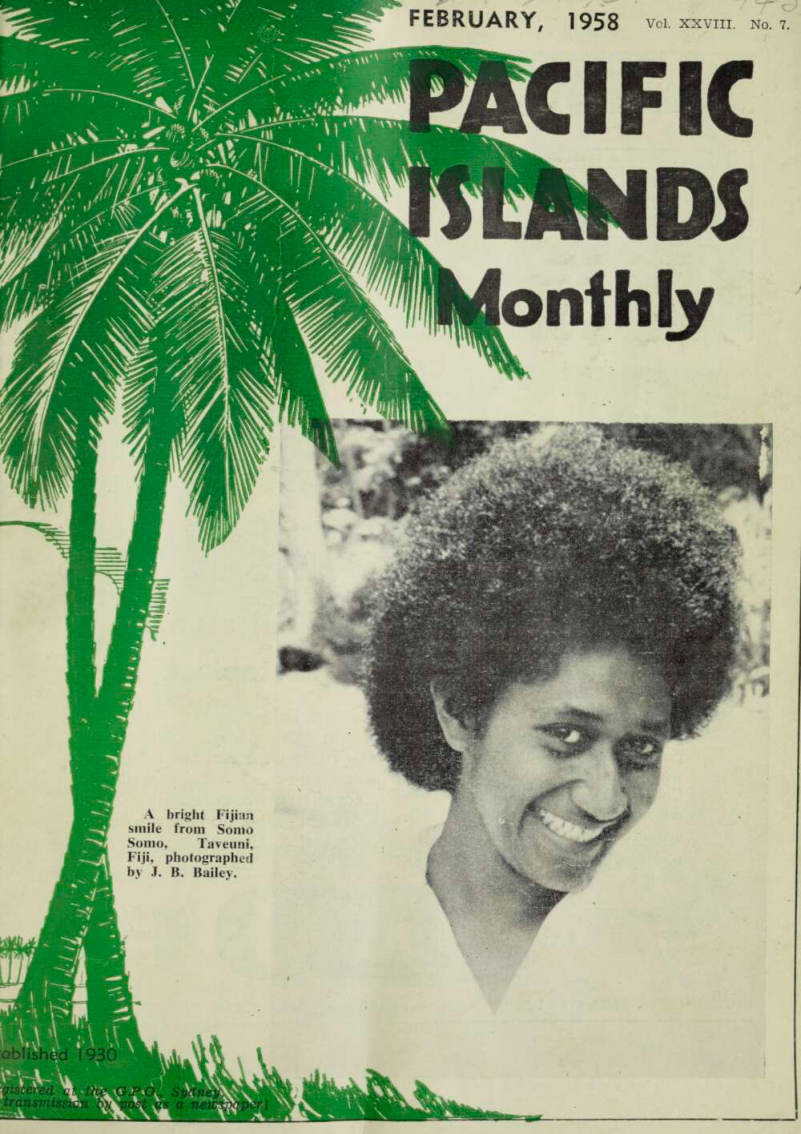 1
1 2
2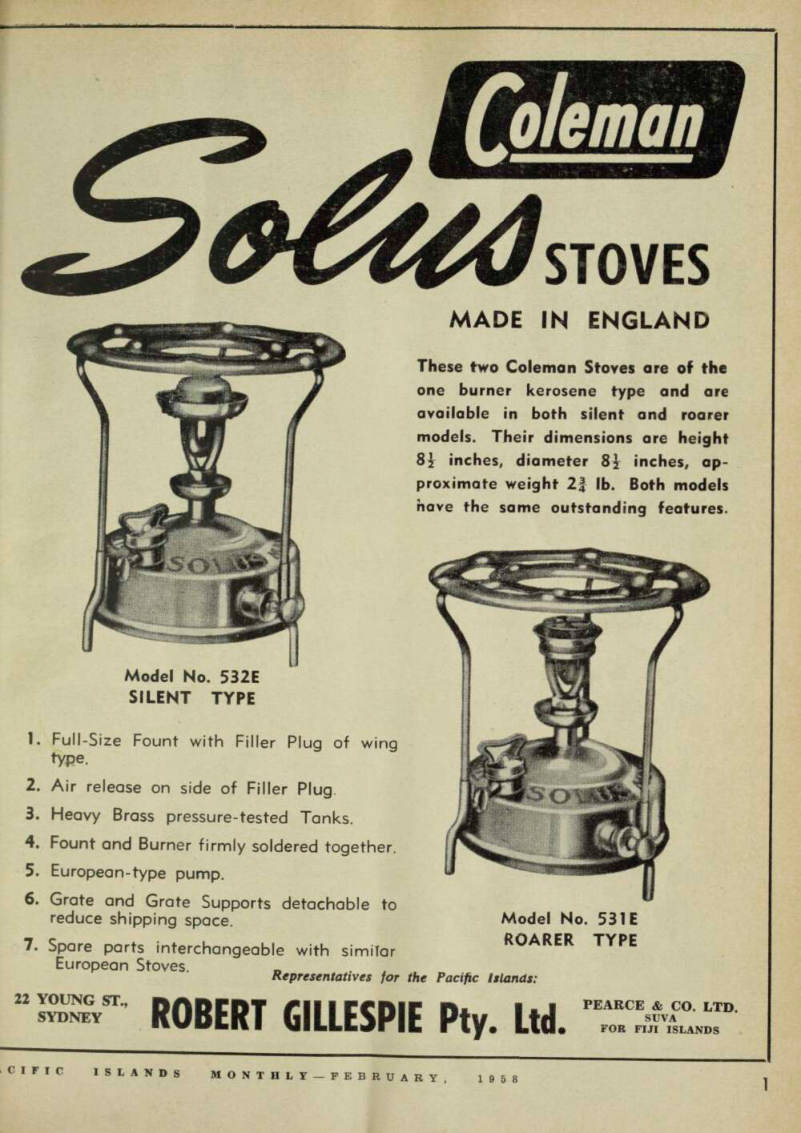 3
3 4
4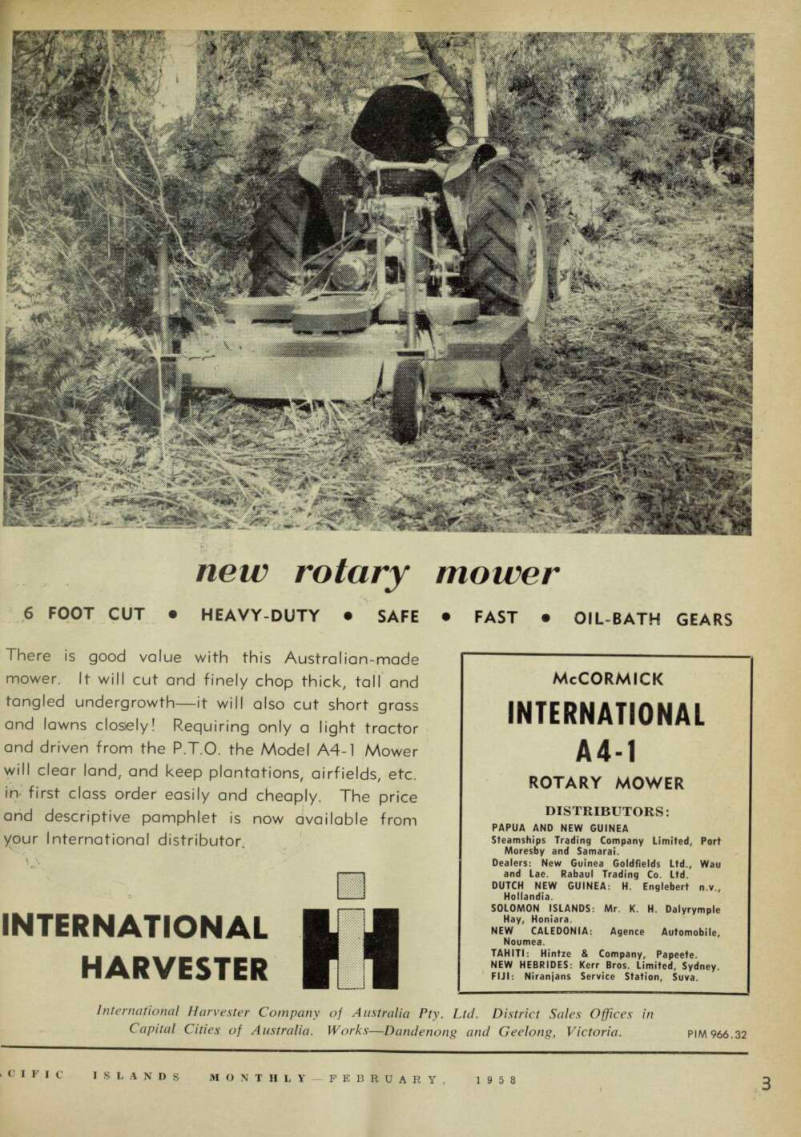 5
5 6
6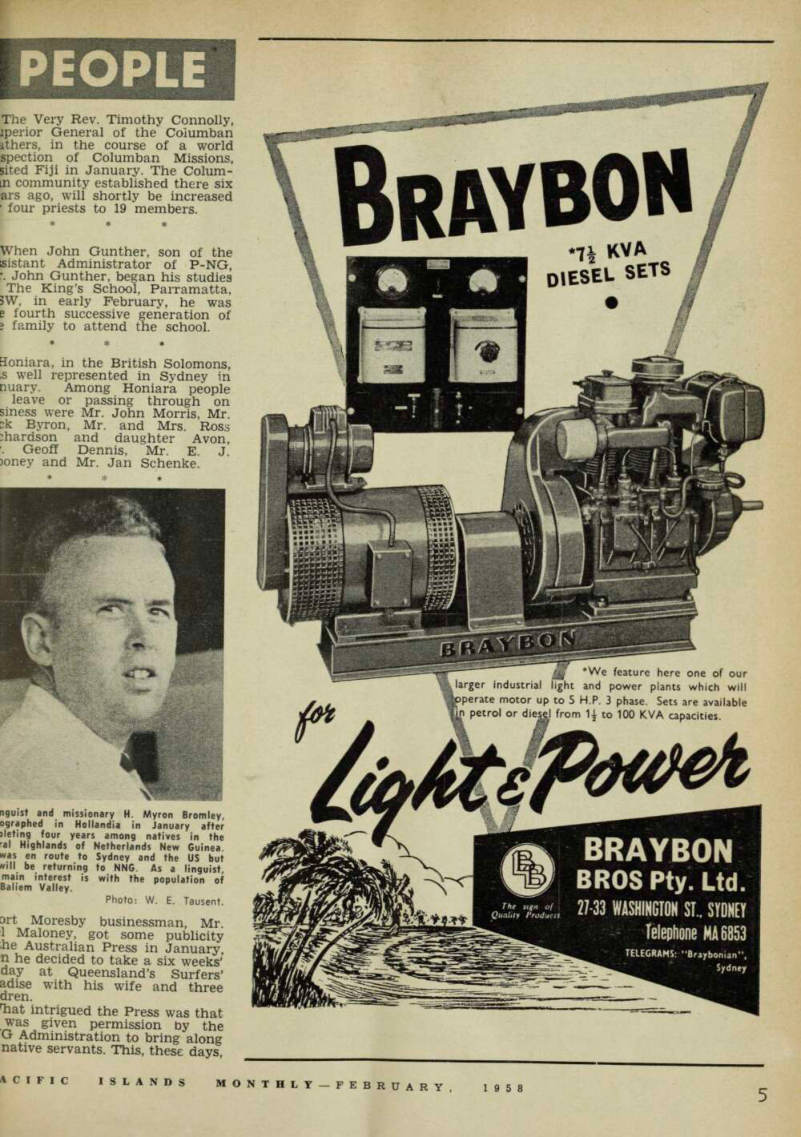 7
7 8
8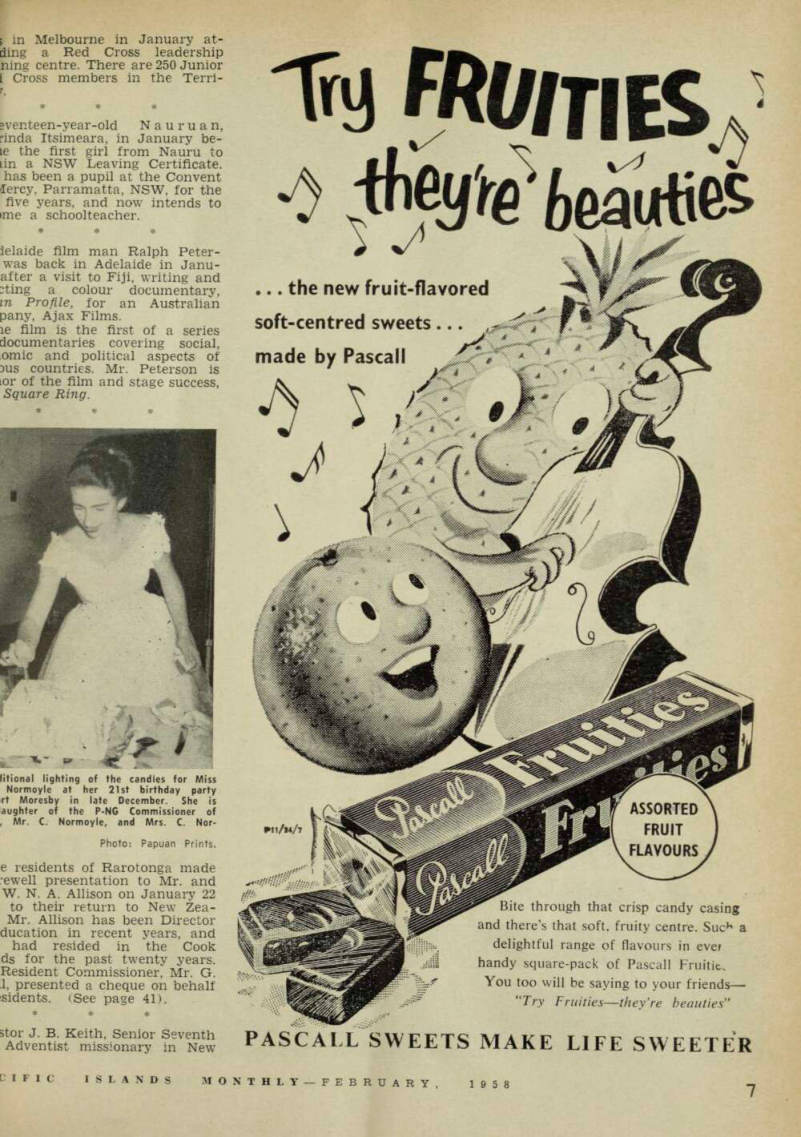 9
9 10
10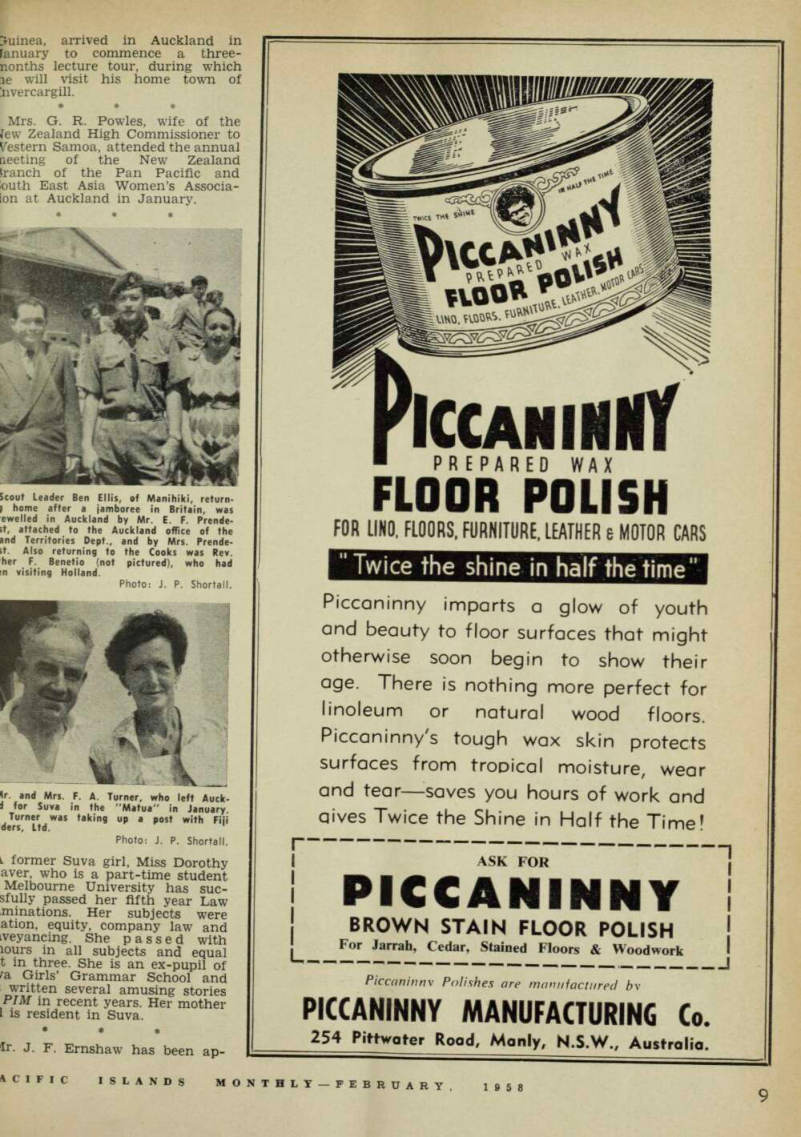 11
11 12
12 13
13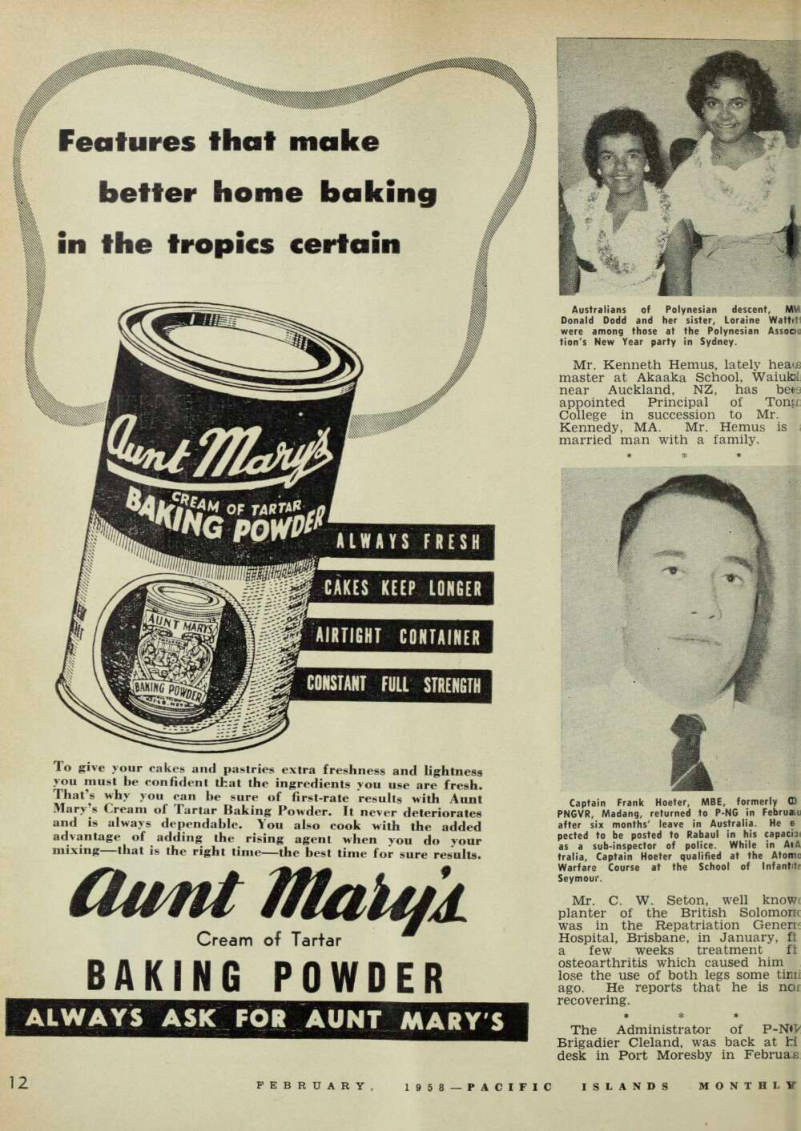 14
14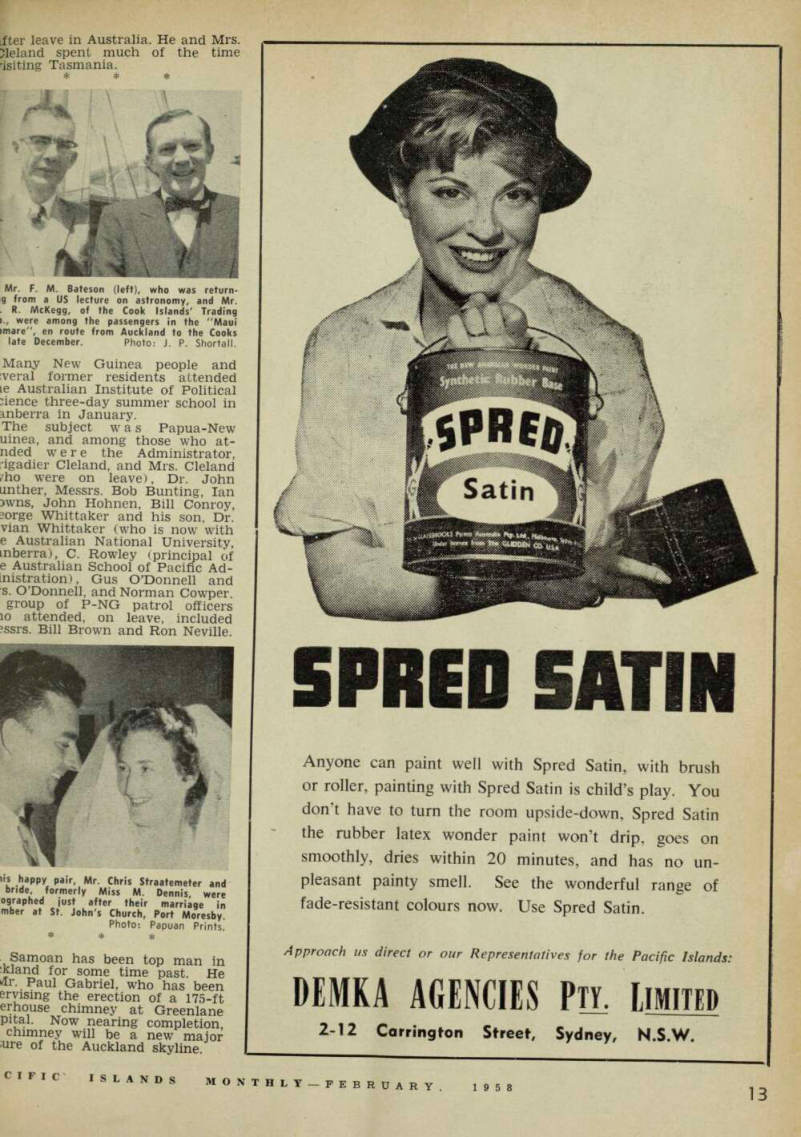 15
15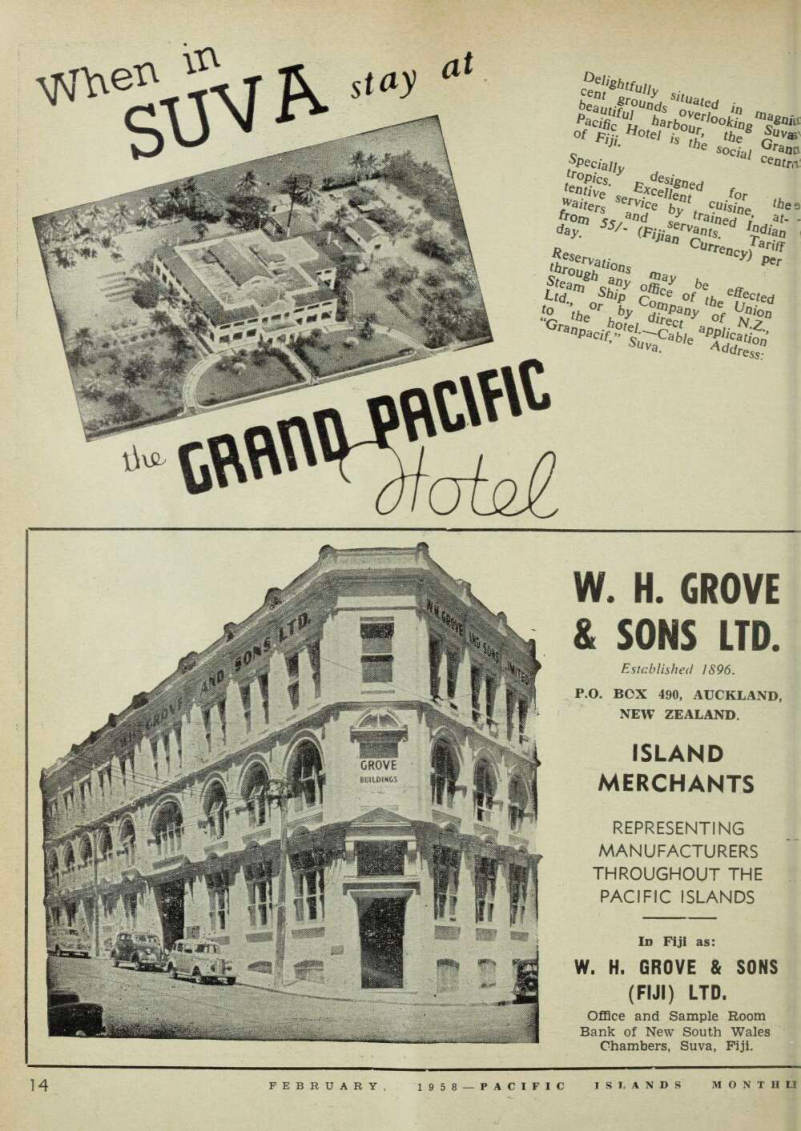 16
16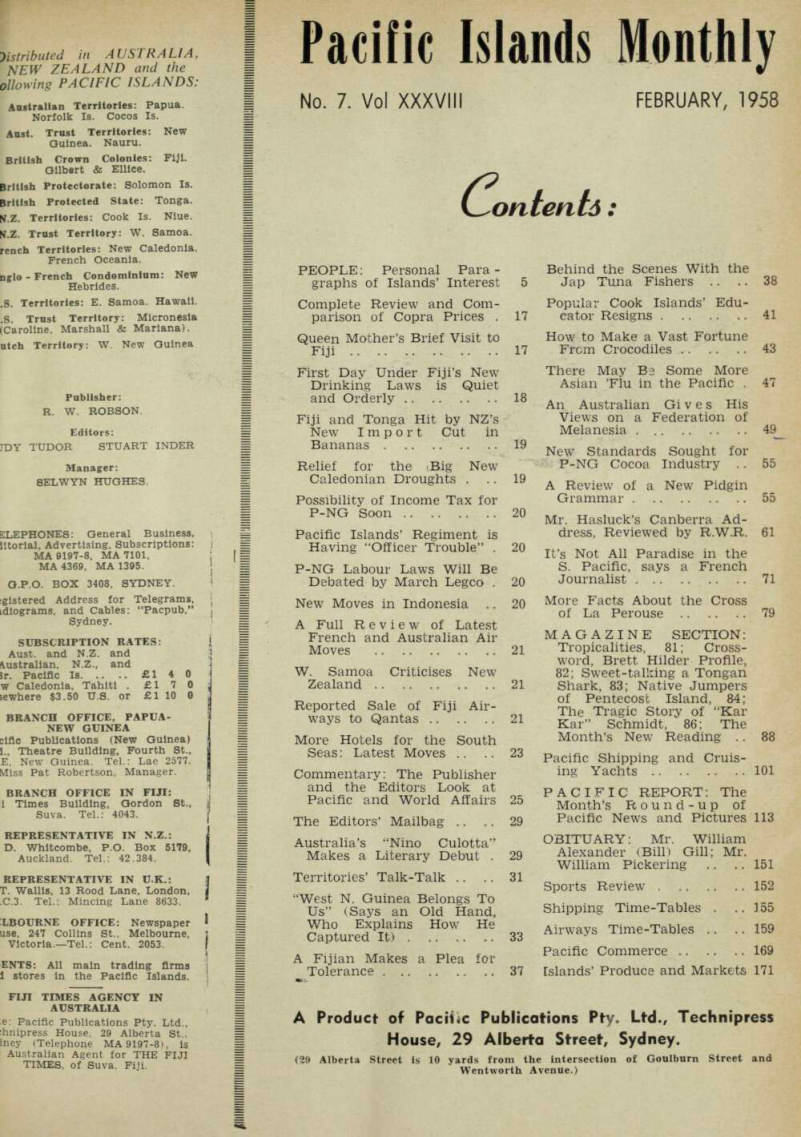 17
17 18
18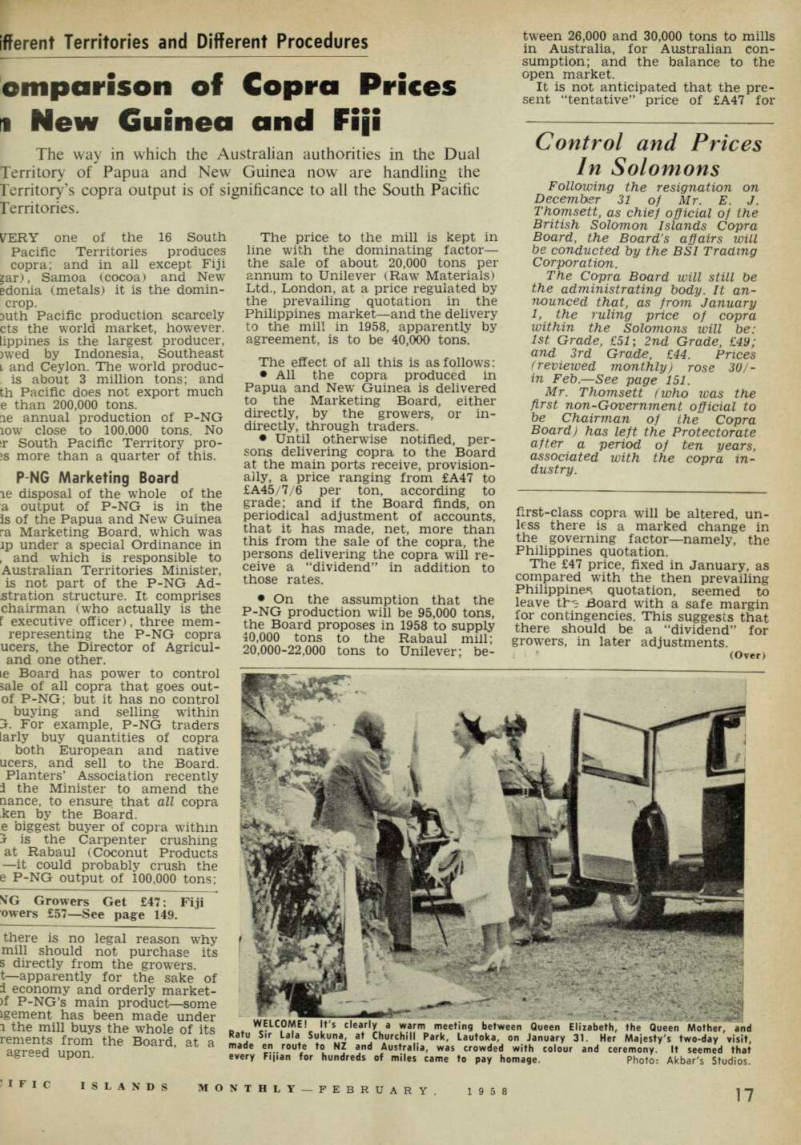 19
19 20
20 21
21 22
22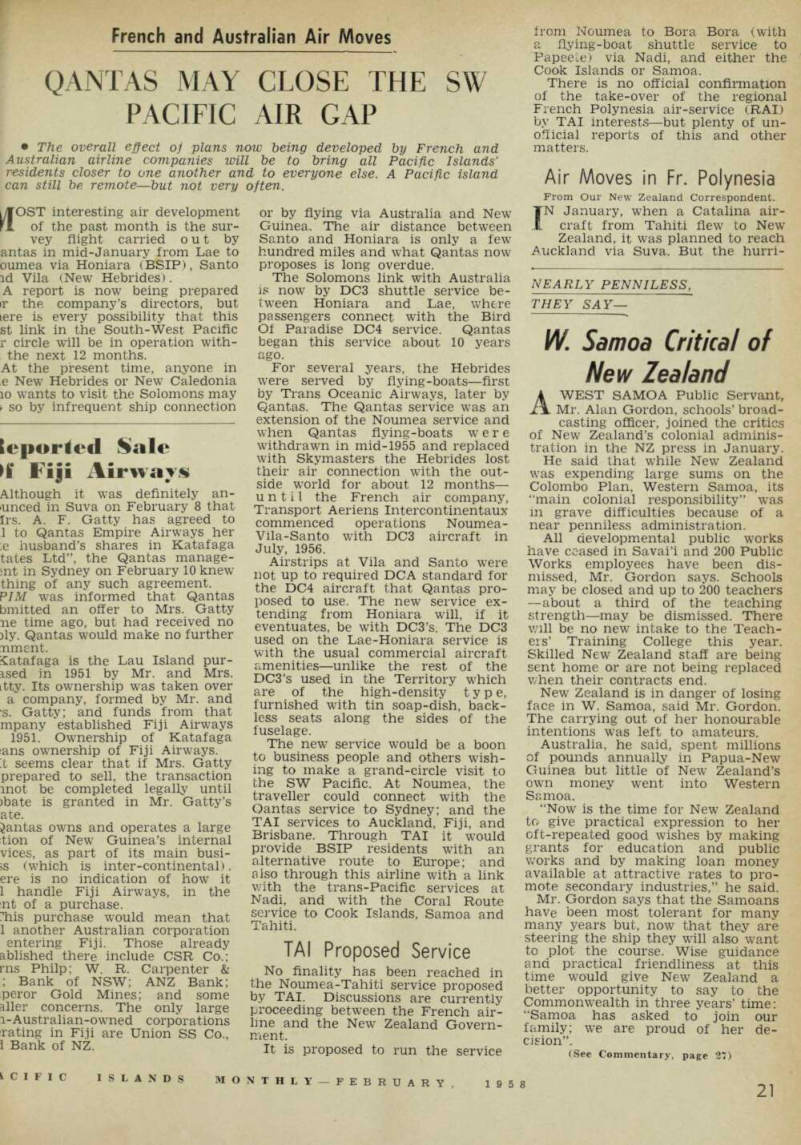 23
23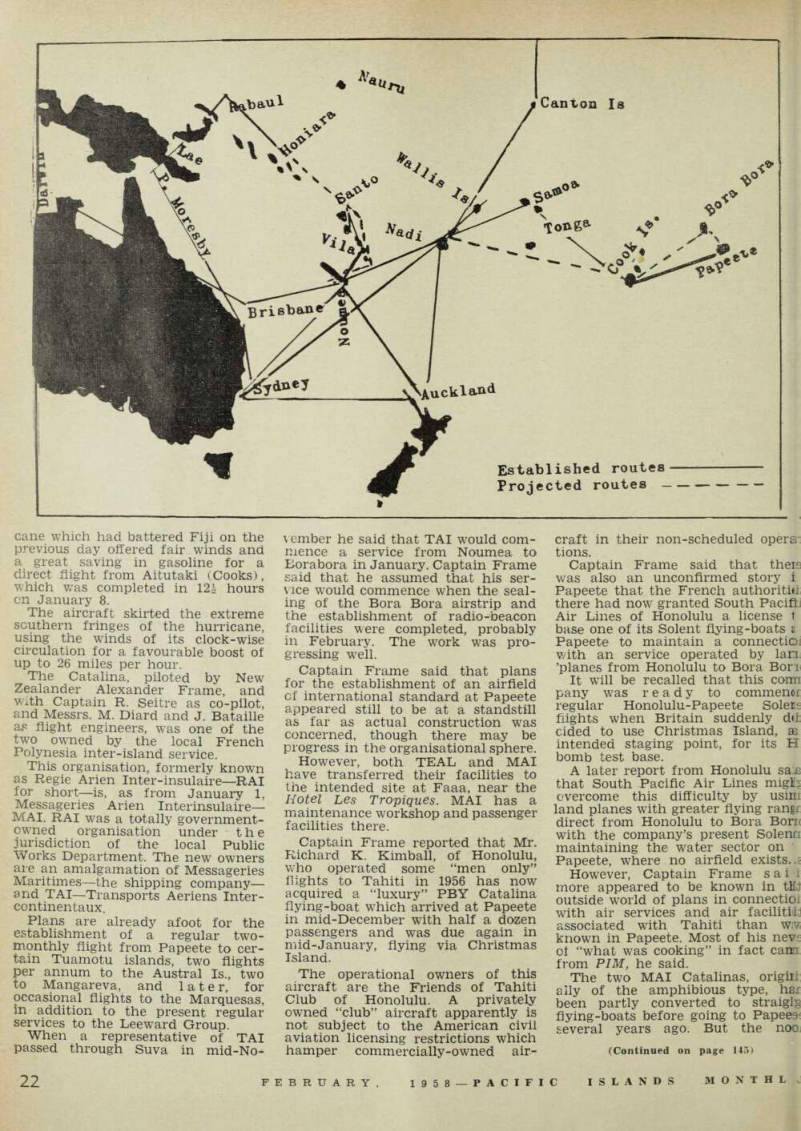 24
24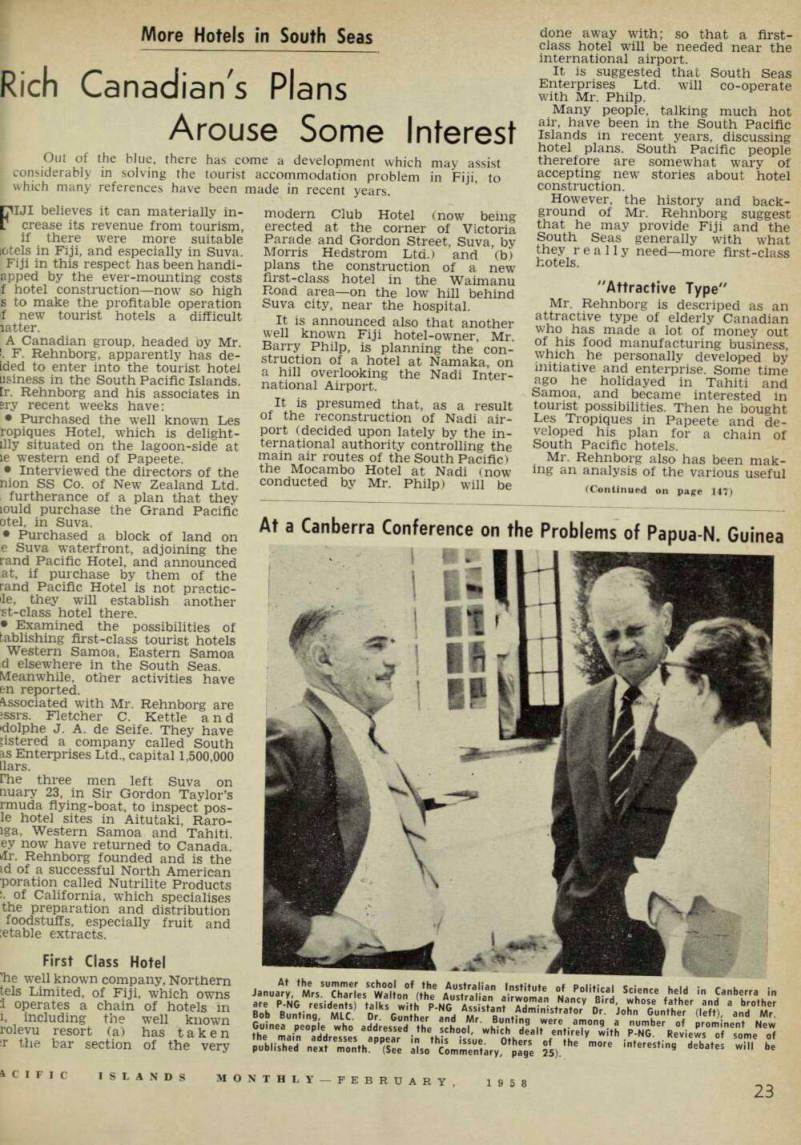 25
25 26
26 27
27 28
28 29
29 30
30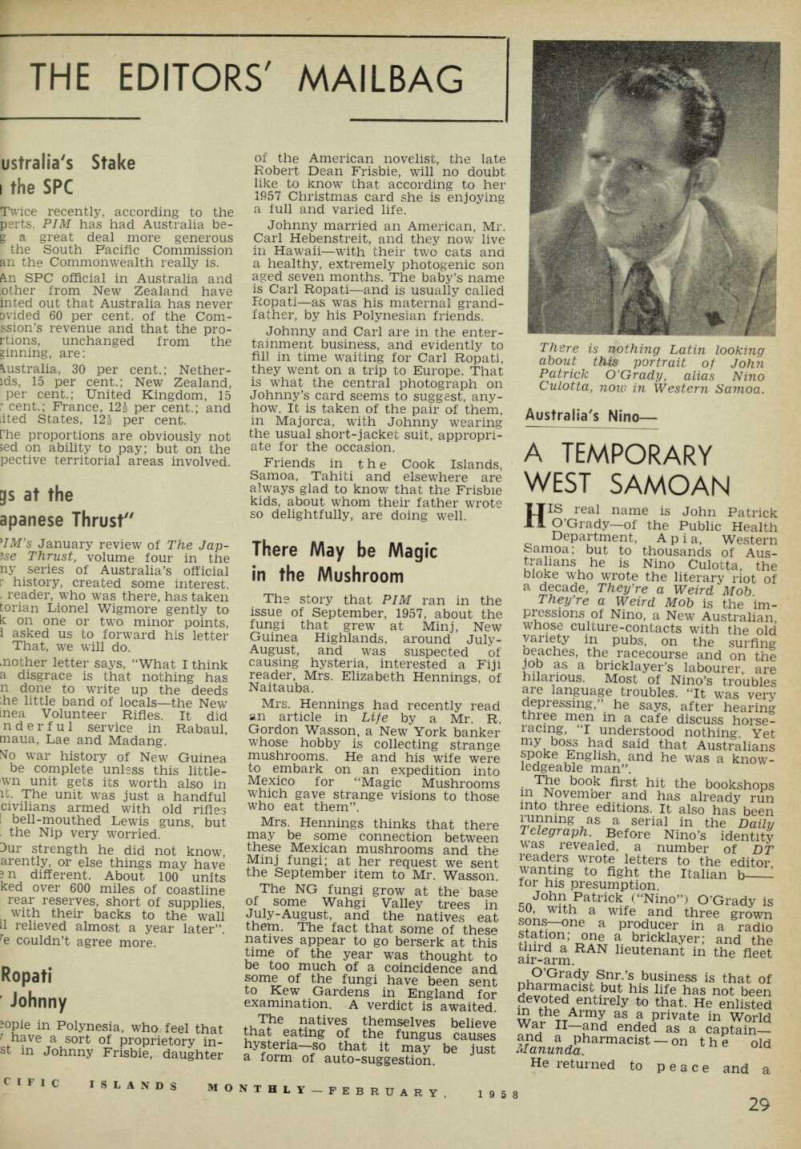 31
31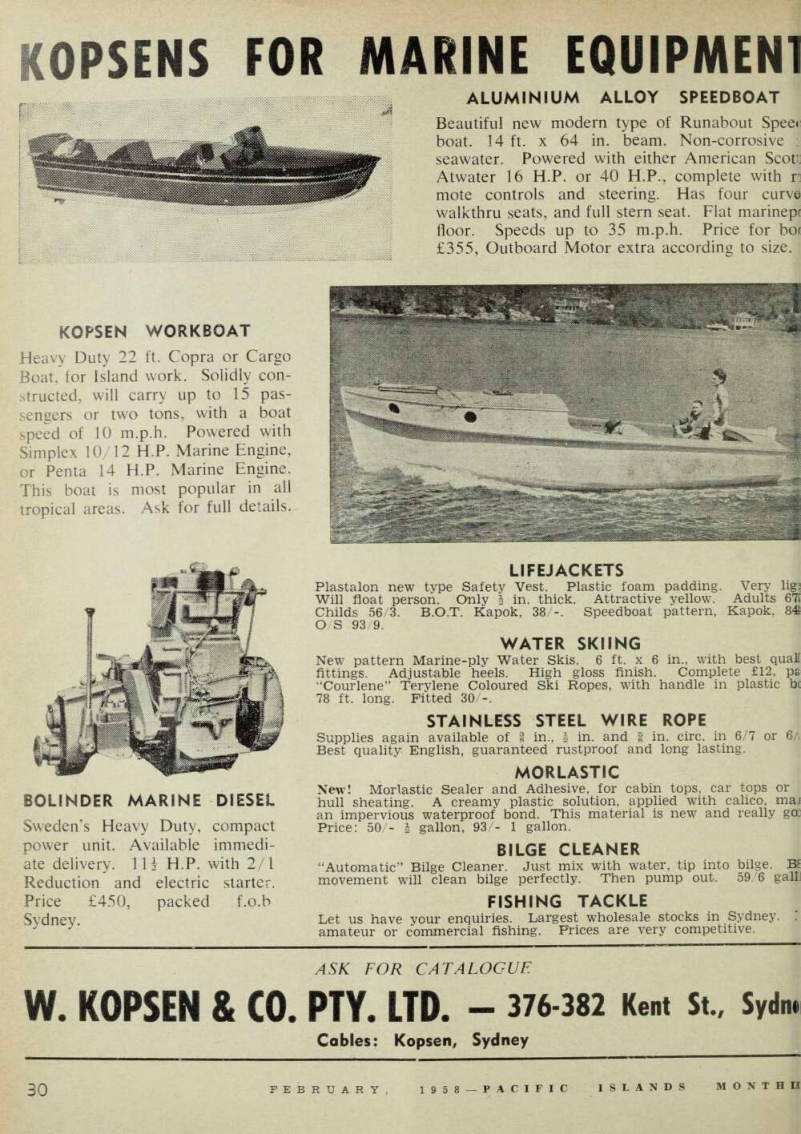 32
32 33
33 34
34 35
35 36
36 37
37 38
38 39
39 40
40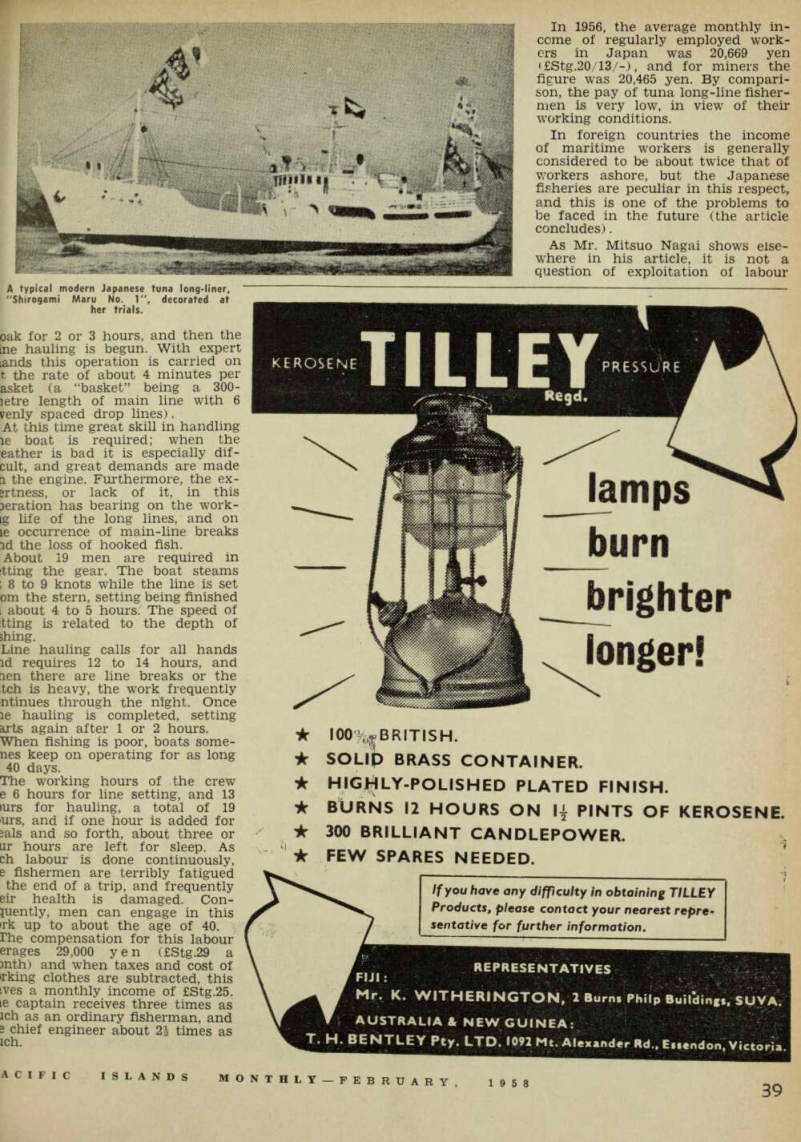 41
41 42
42 43
43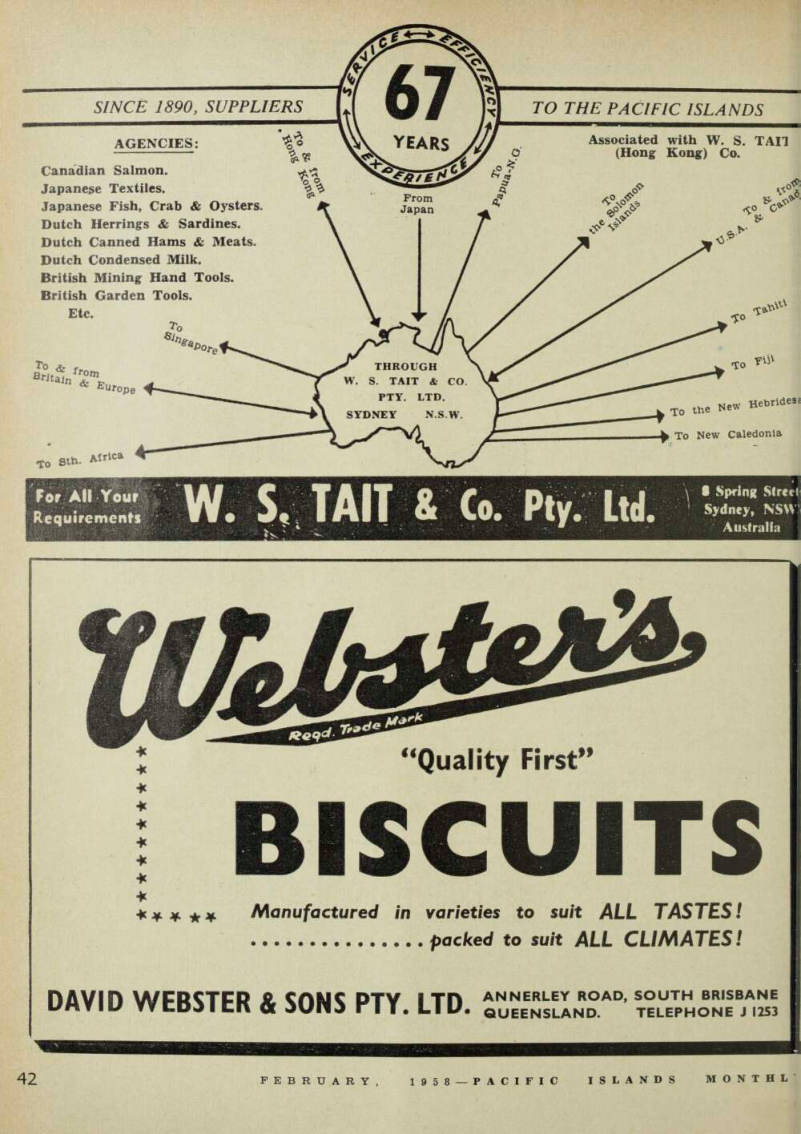 44
44 45
45 46
46 47
47 48
48 49
49 50
50 51
51 52
52 53
53 54
54 55
55 56
56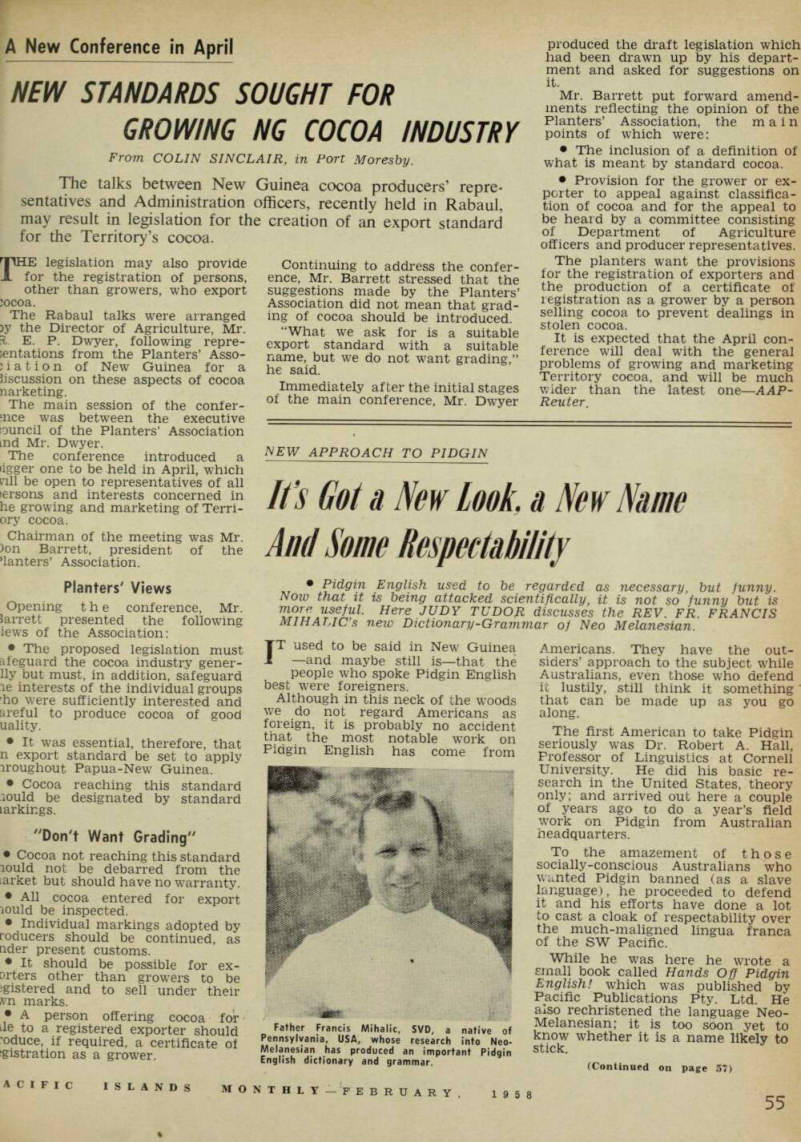 57
57 58
58 59
59 60
60 61
61 62
62 63
63 64
64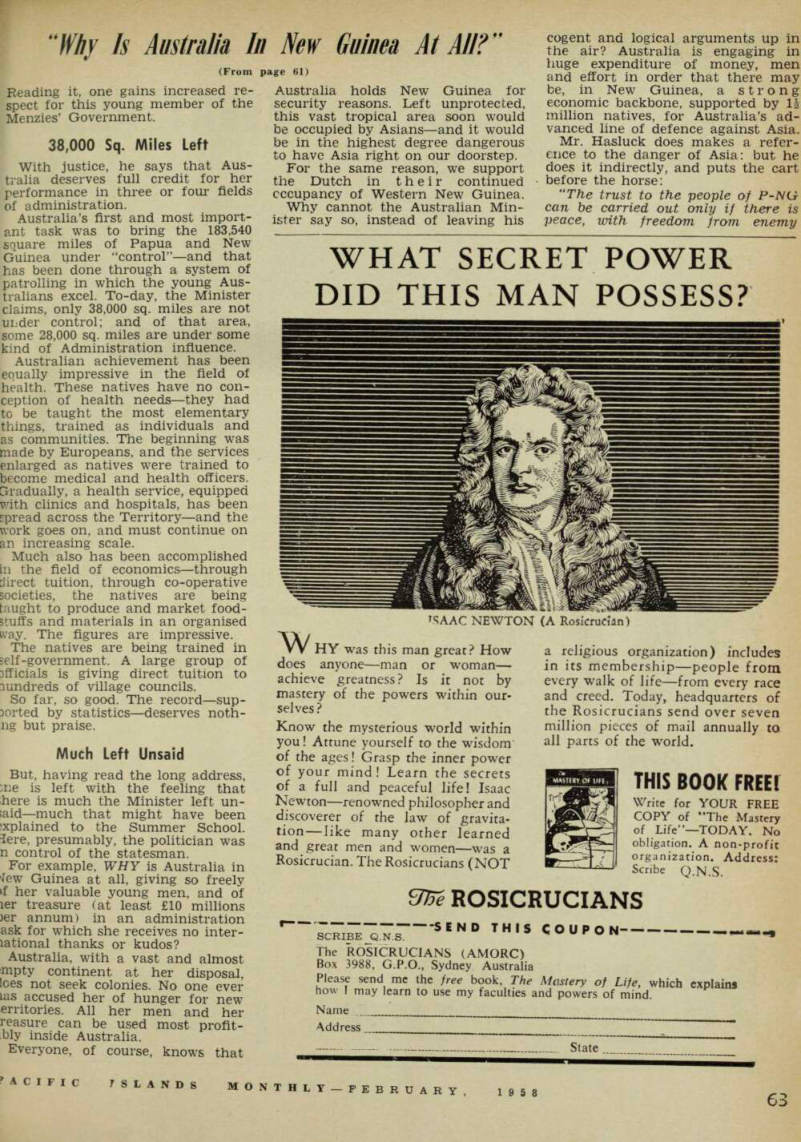 65
65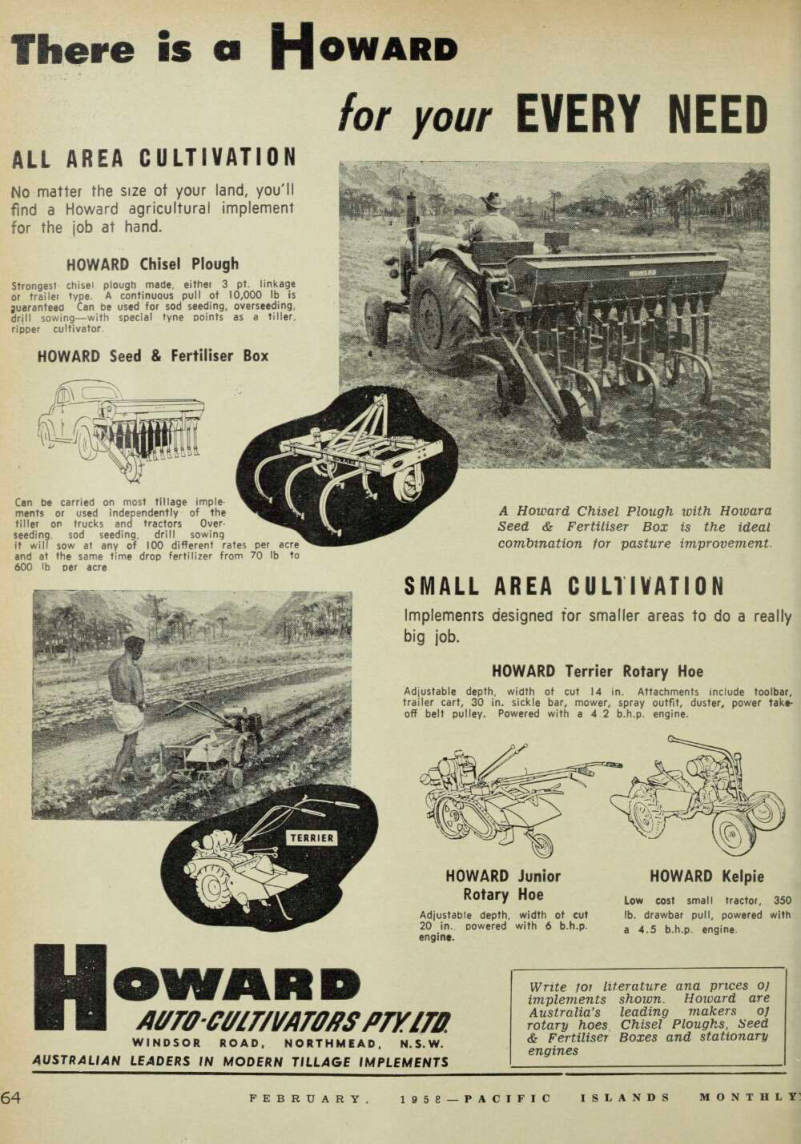 66
66 67
67 68
68 69
69 70
70 71
71 72
72 73
73 74
74 75
75 76
76 77
77 78
78 79
79 80
80 81
81 82
82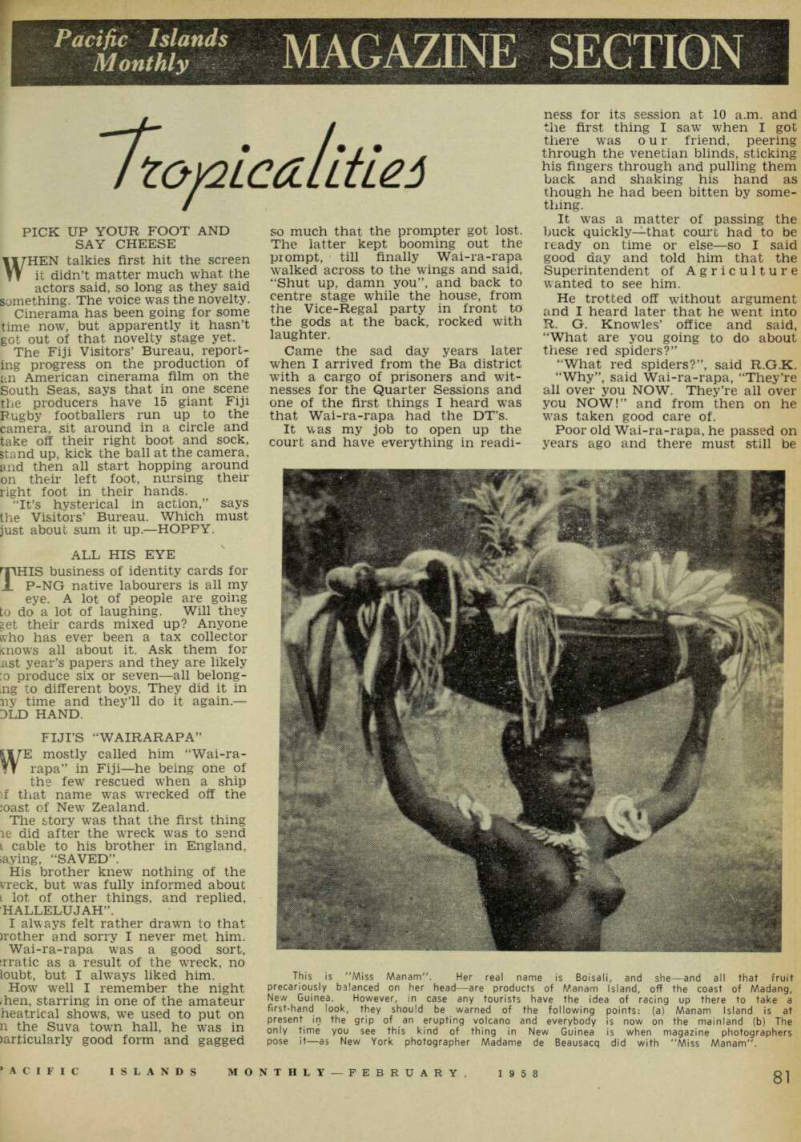 83
83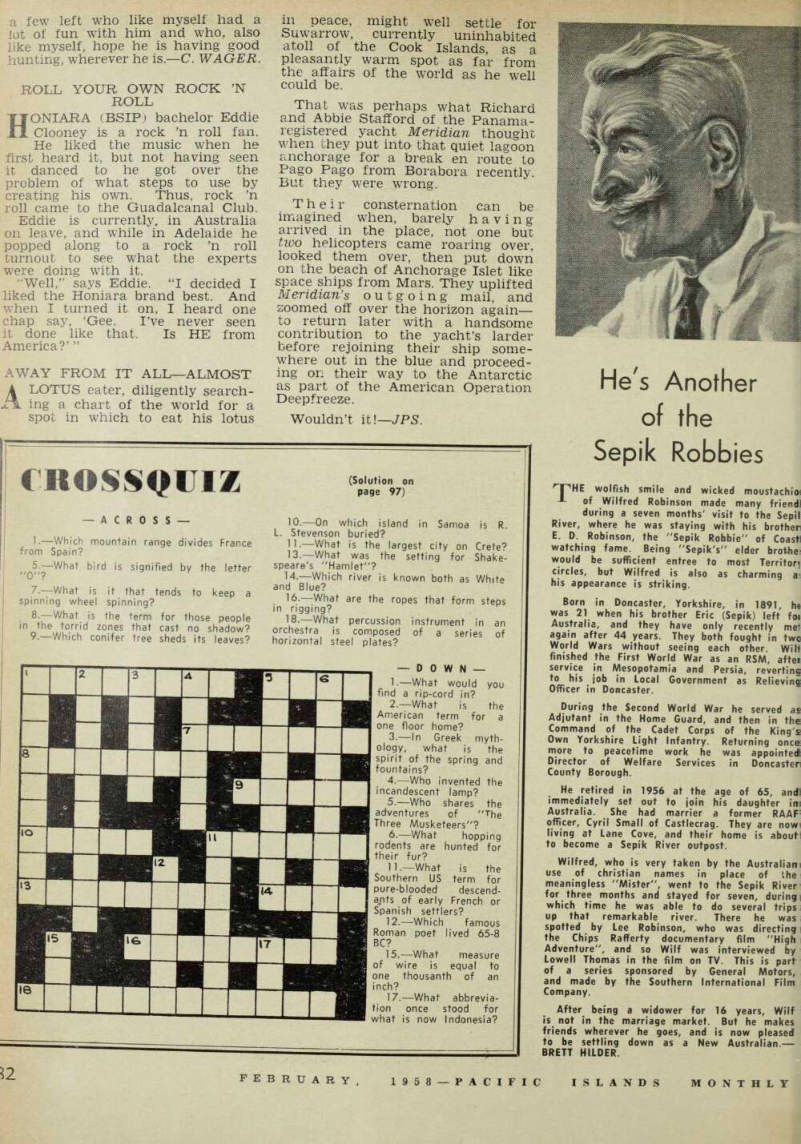 84
84 85
85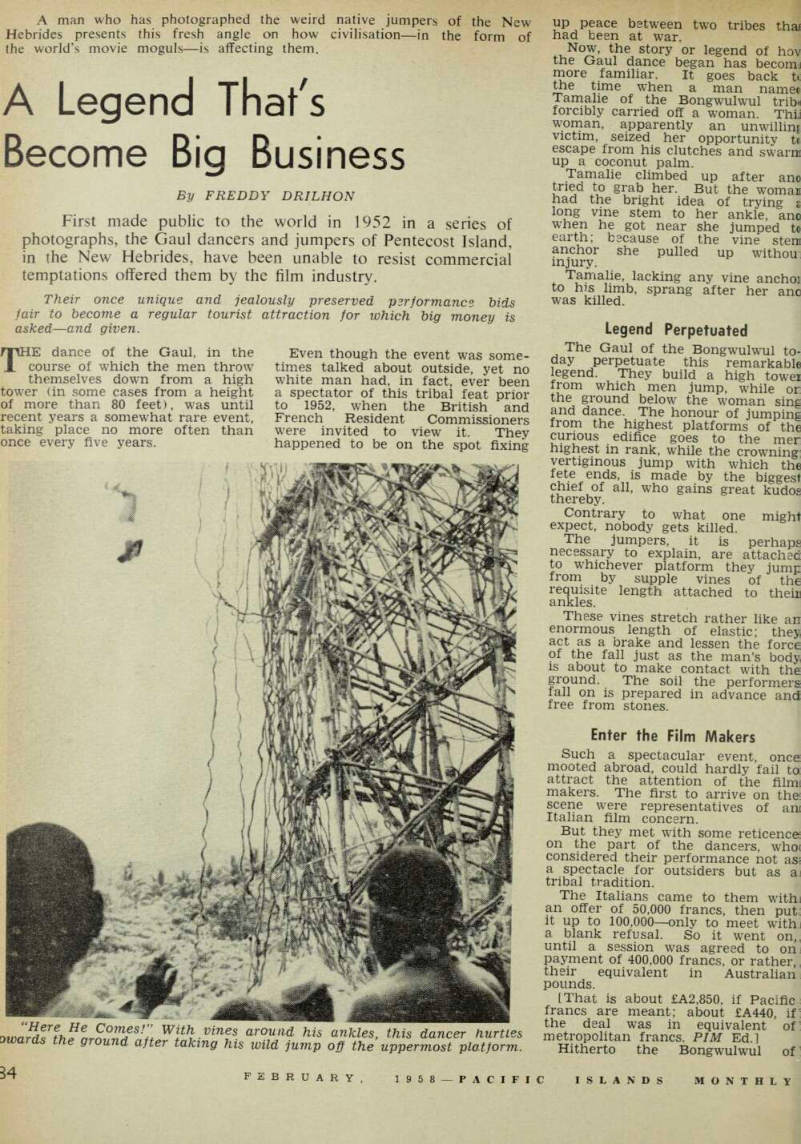 86
86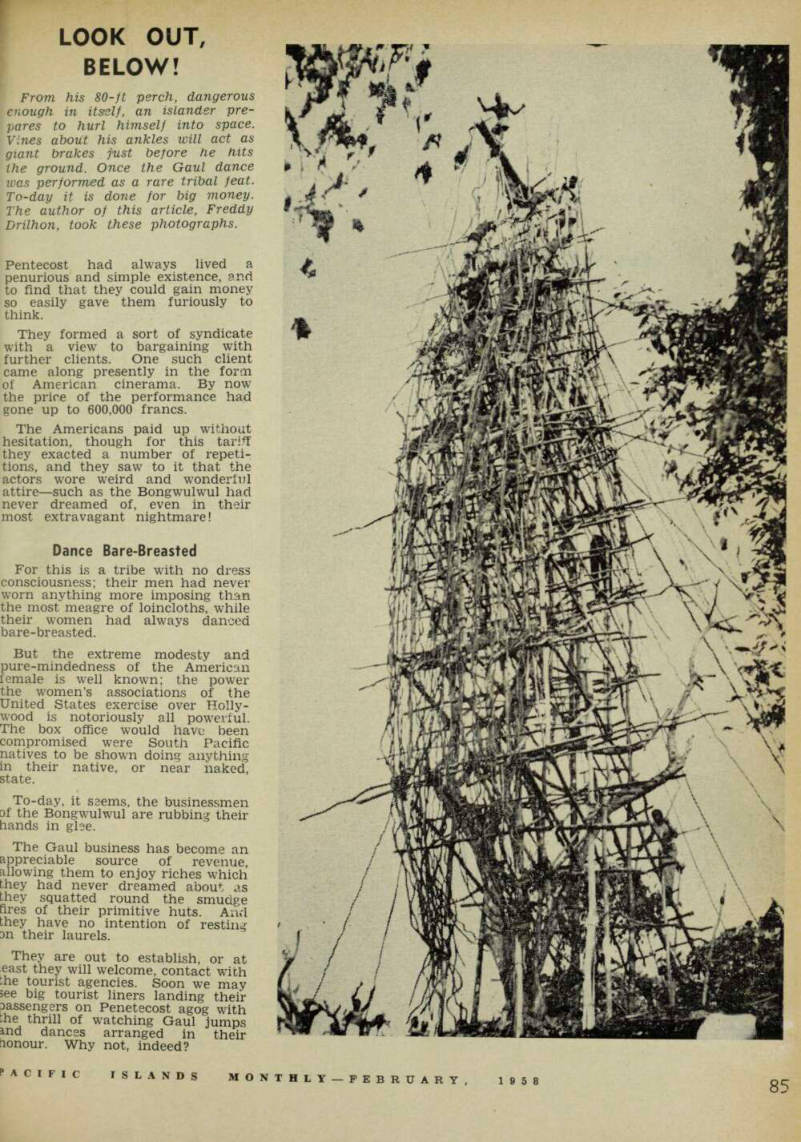 87
87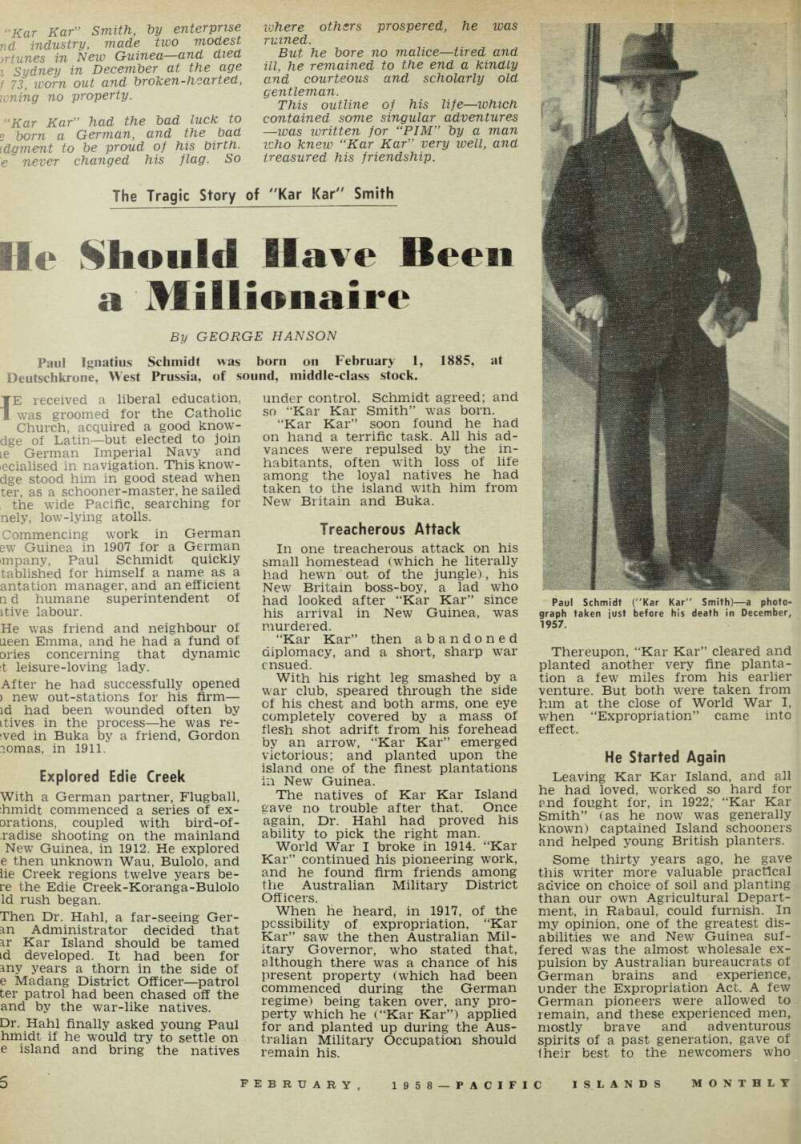 88
88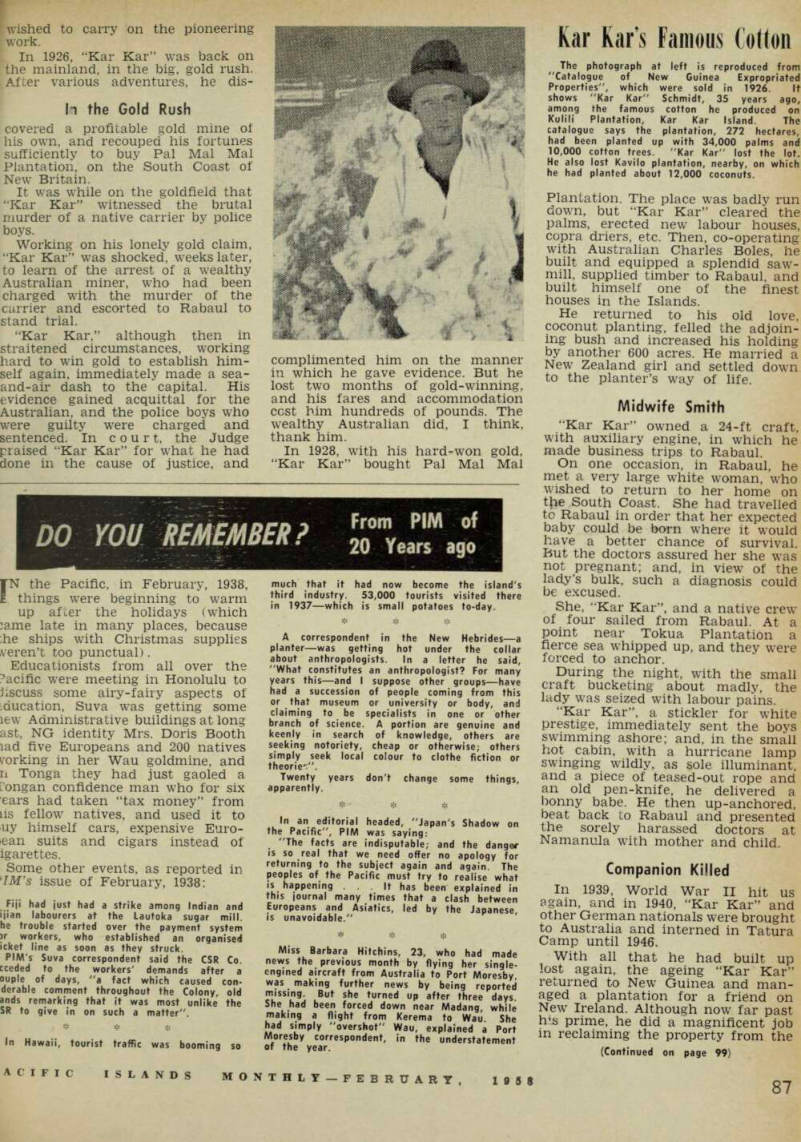 89
89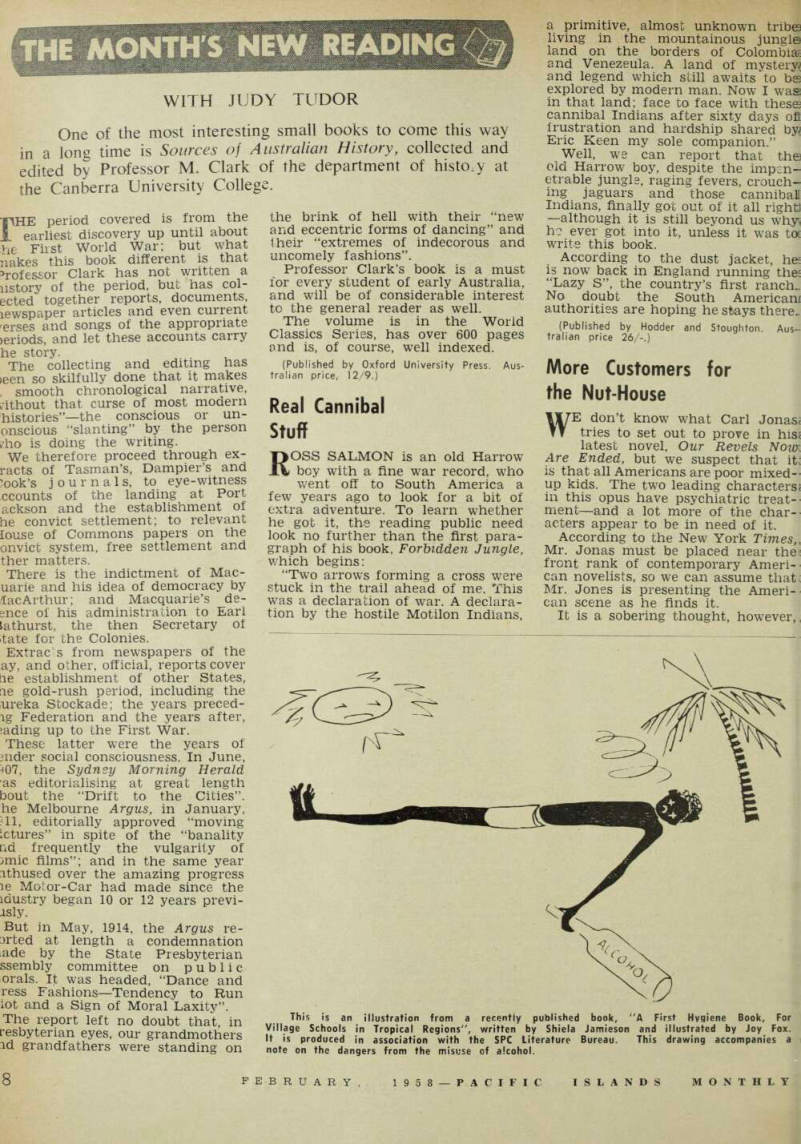 90
90 91
91 92
92 93
93 94
94 95
95 96
96 97
97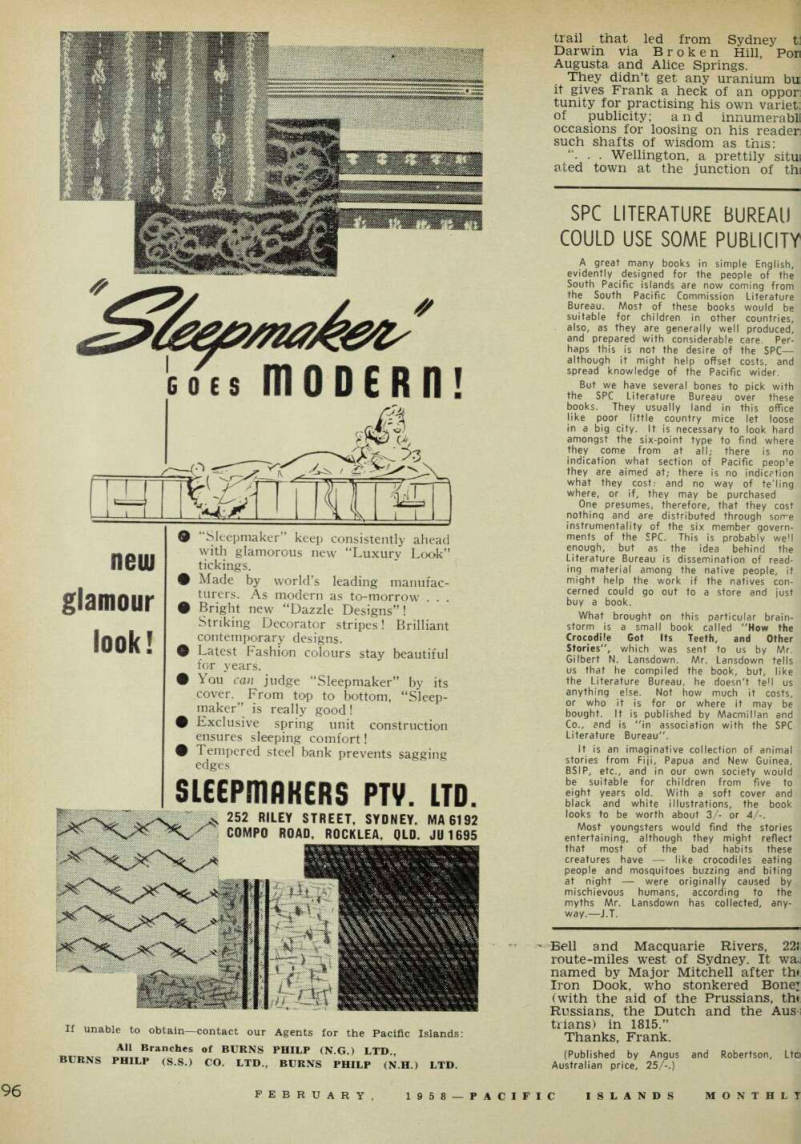 98
98 99
99 100
100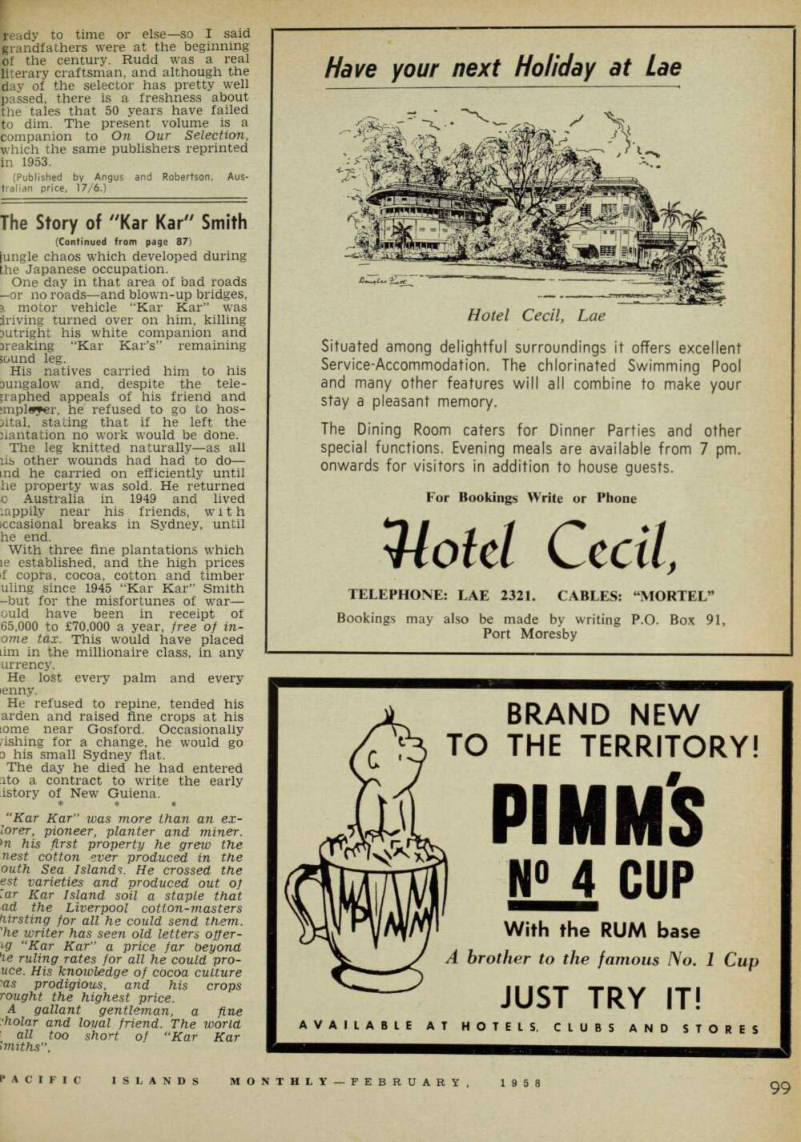 101
101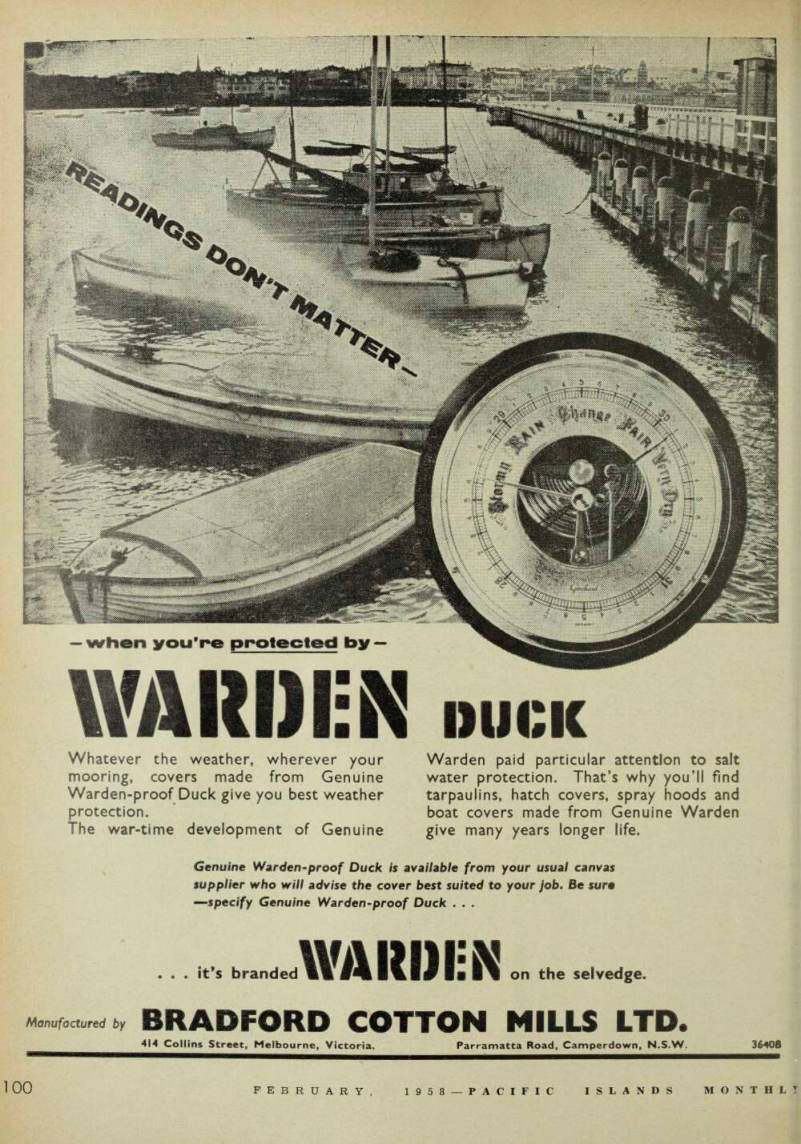 102
102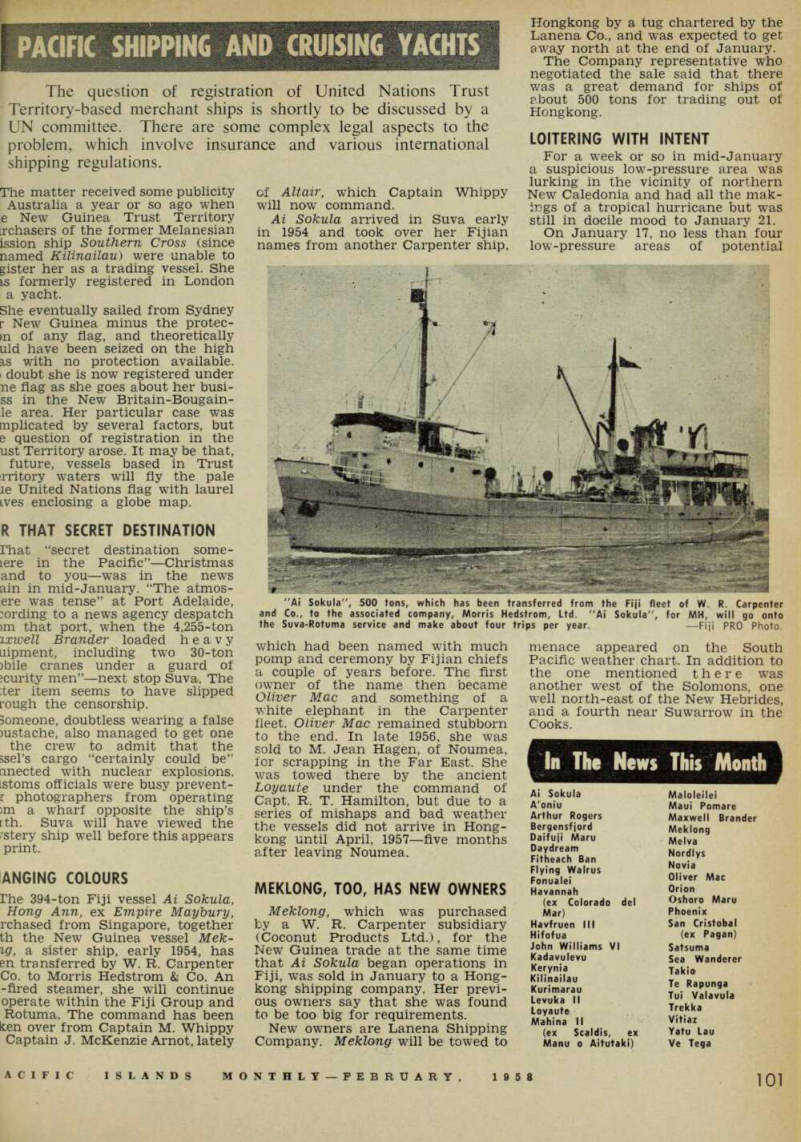 103
103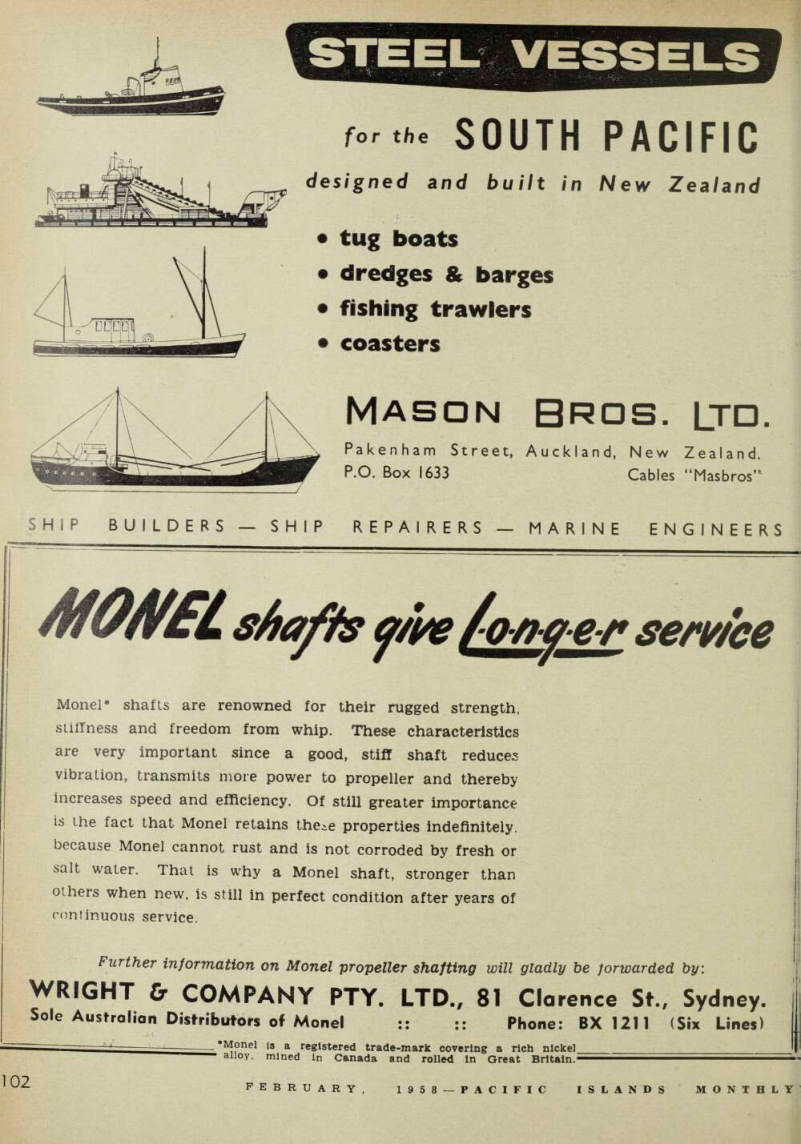 104
104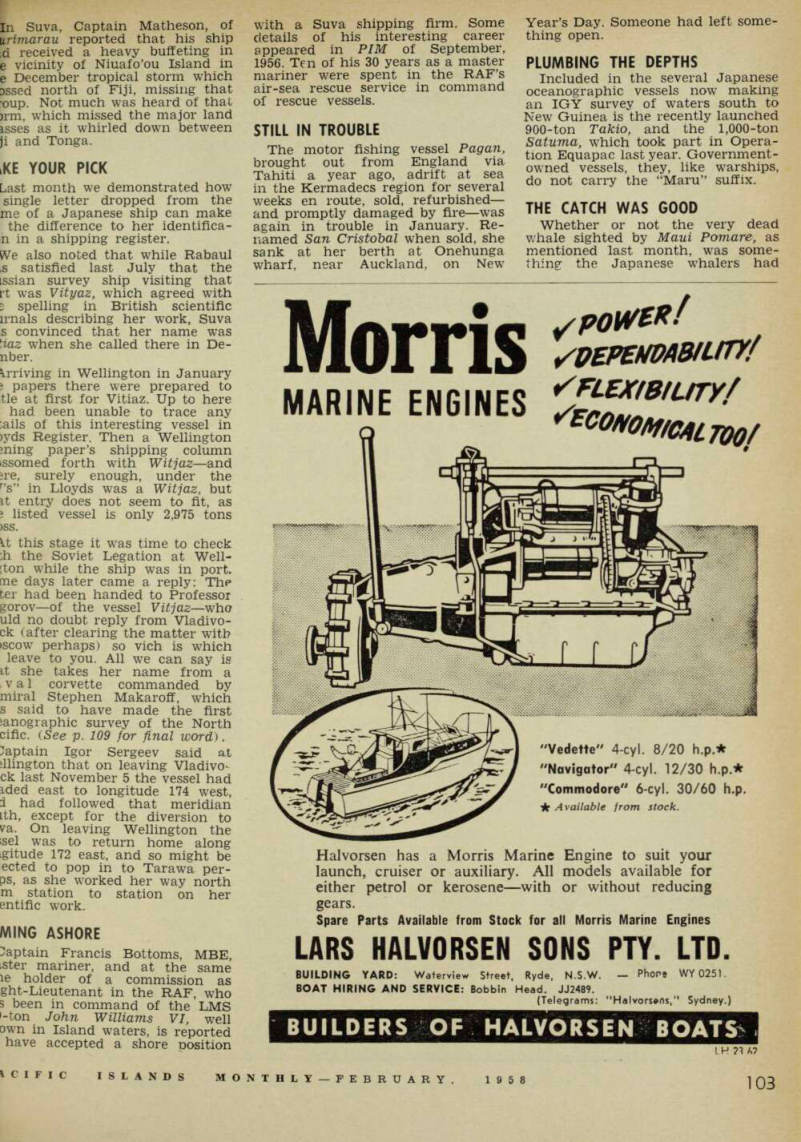 105
105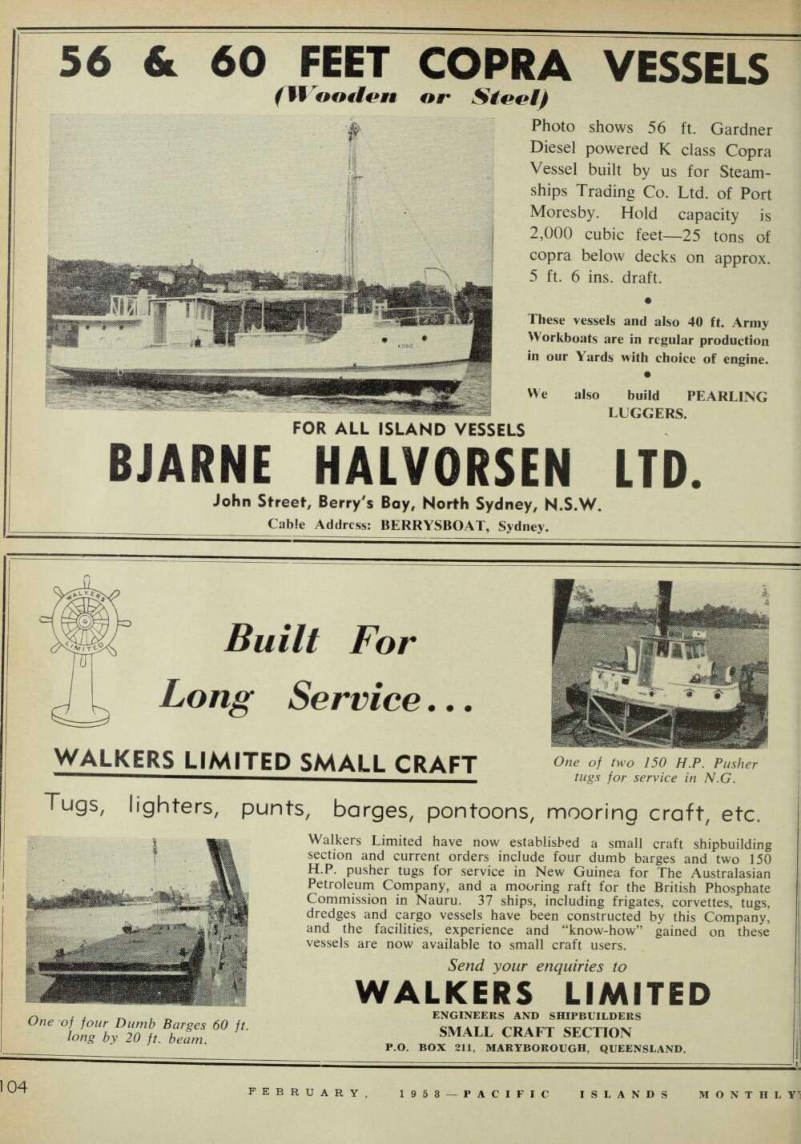 106
106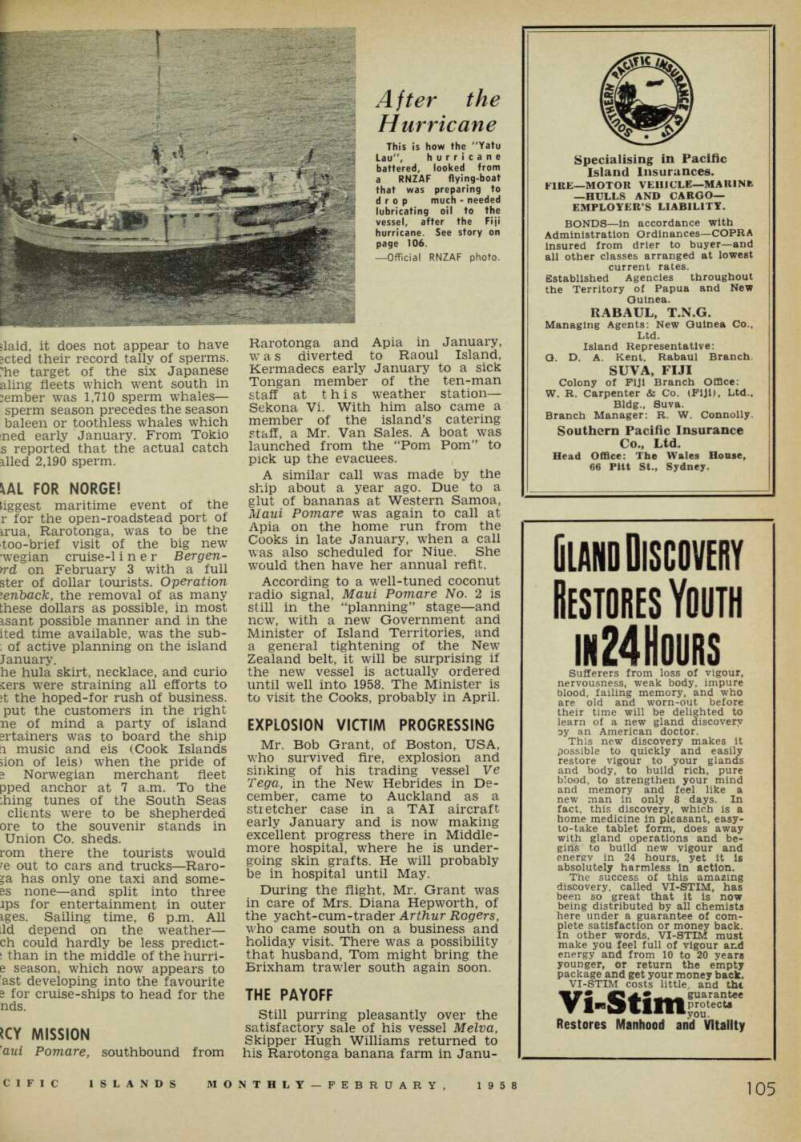 107
107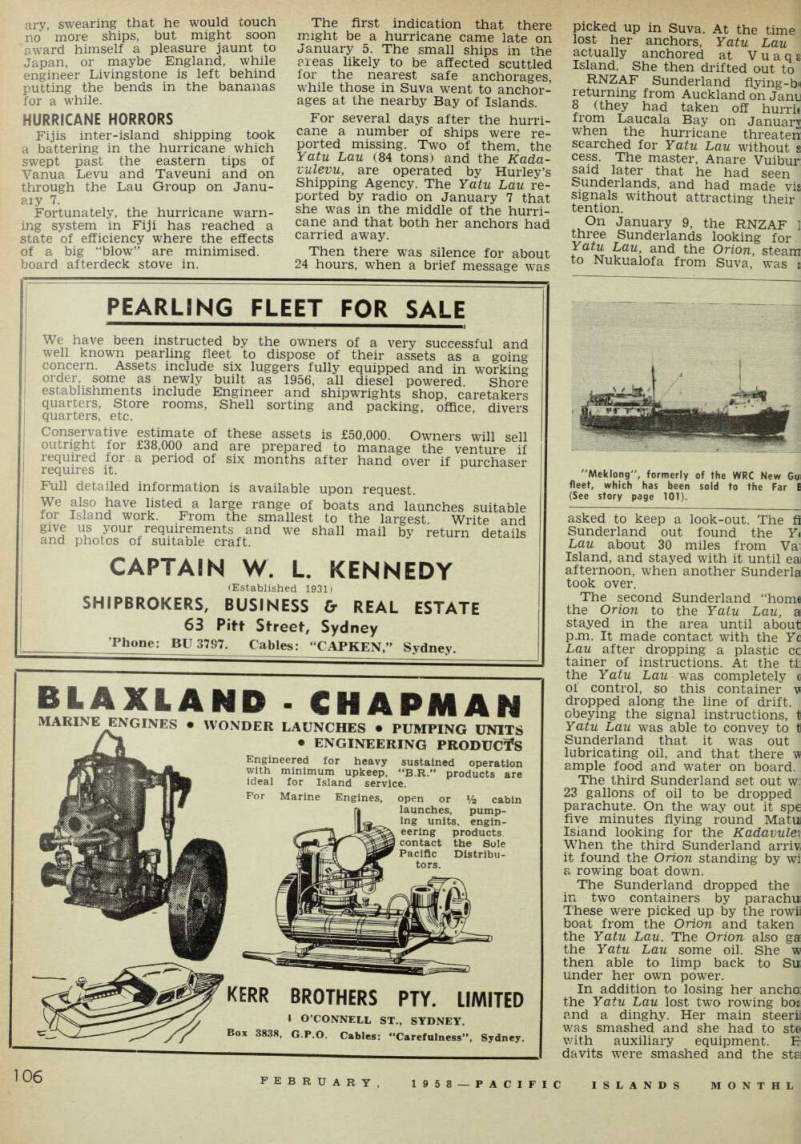 108
108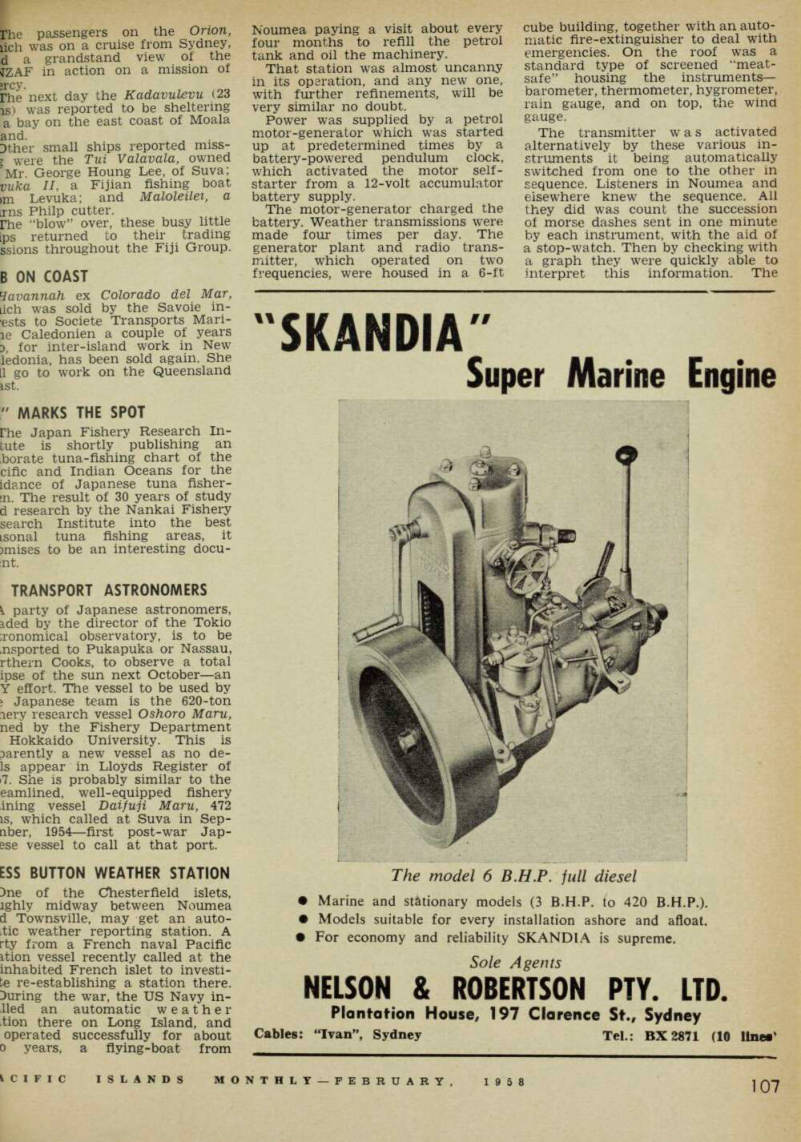 109
109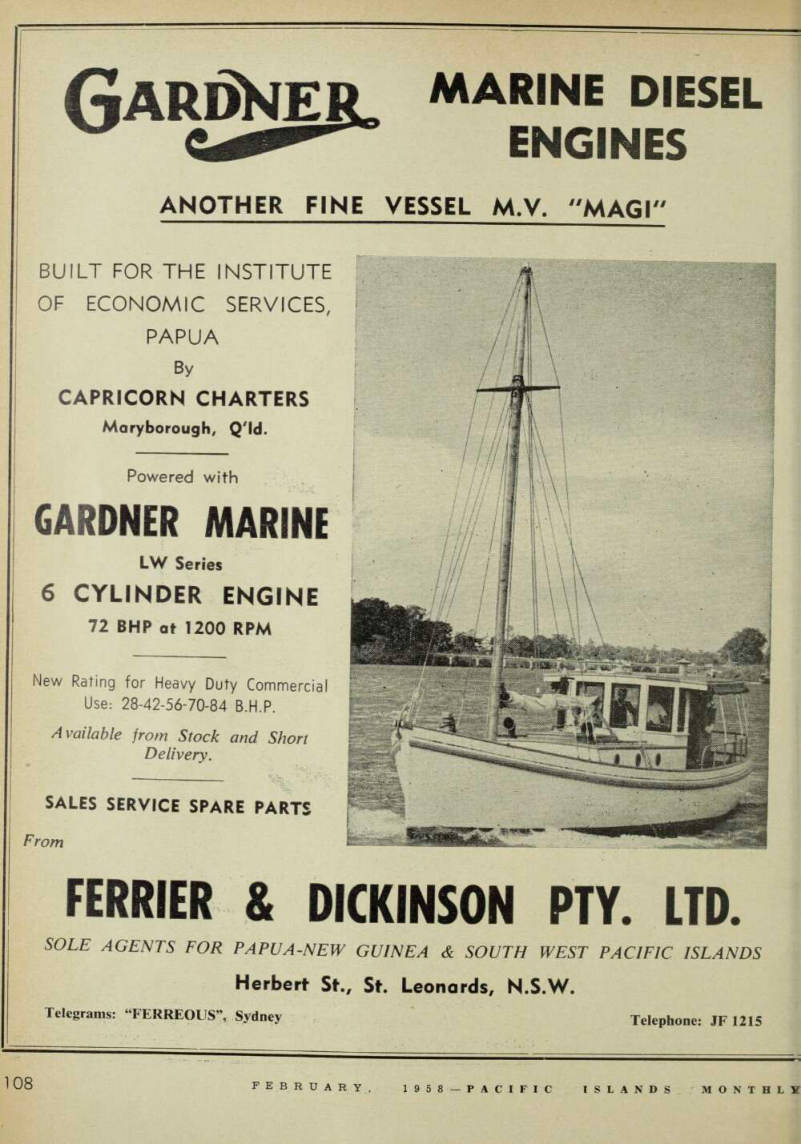 110
110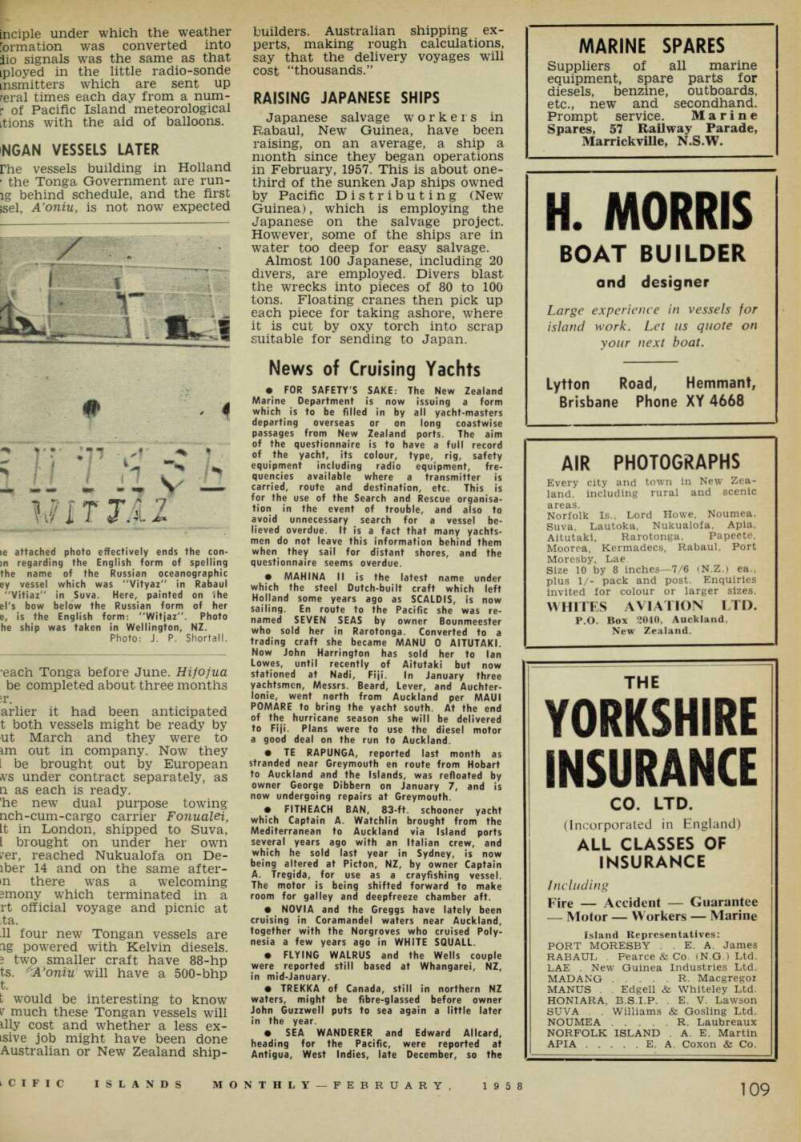 111
111 112
112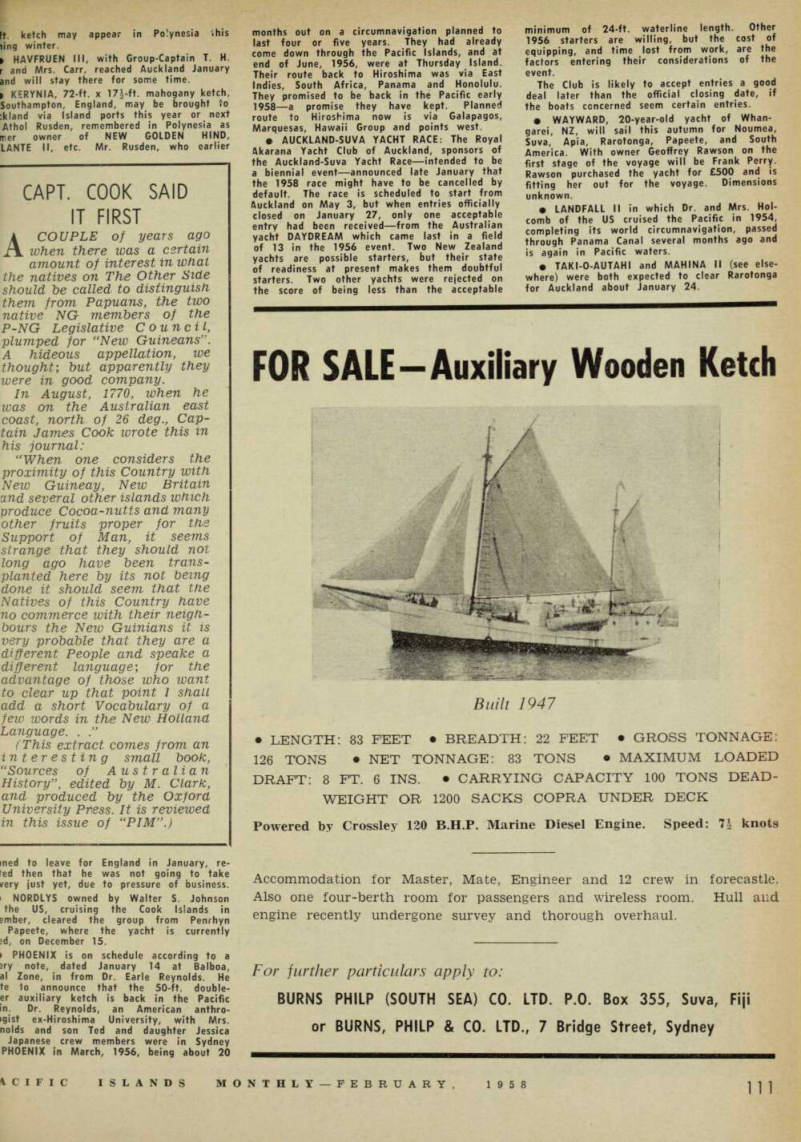 113
113 114
114 115
115 116
116 117
117 118
118 119
119 120
120 121
121 122
122 123
123 124
124 125
125 126
126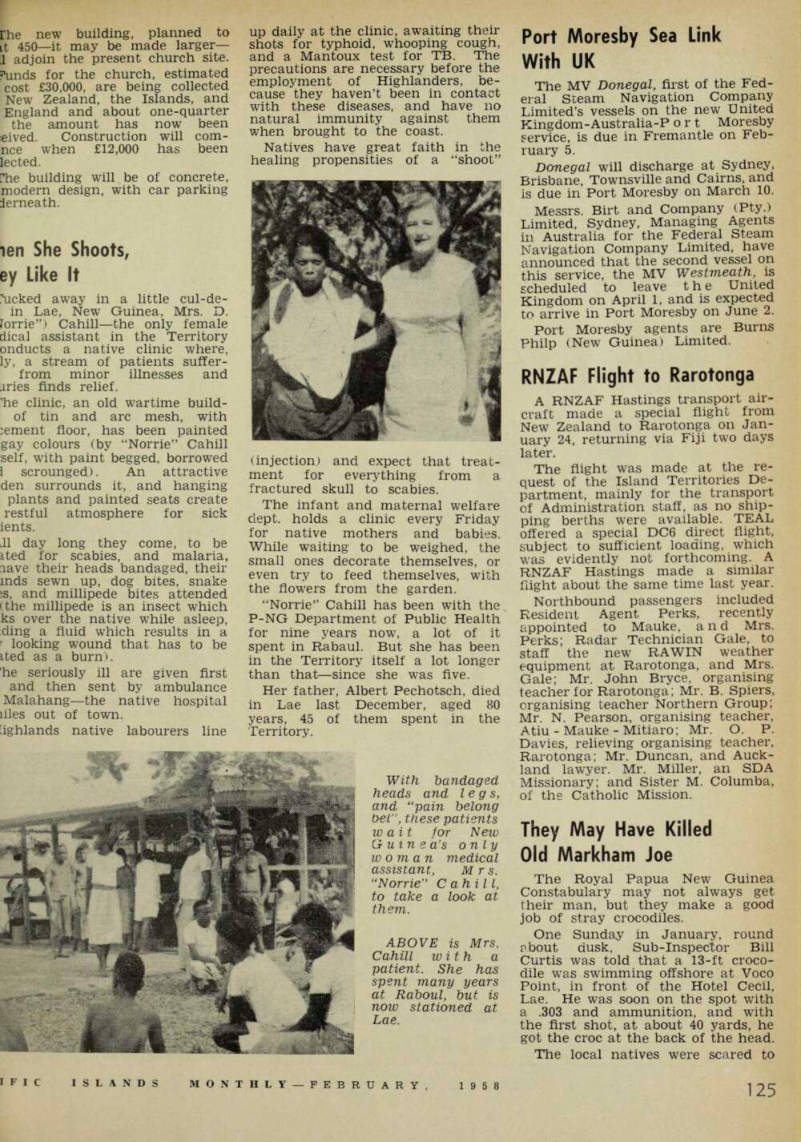 127
127 128
128 129
129 130
130 131
131 132
132 133
133 134
134 135
135 136
136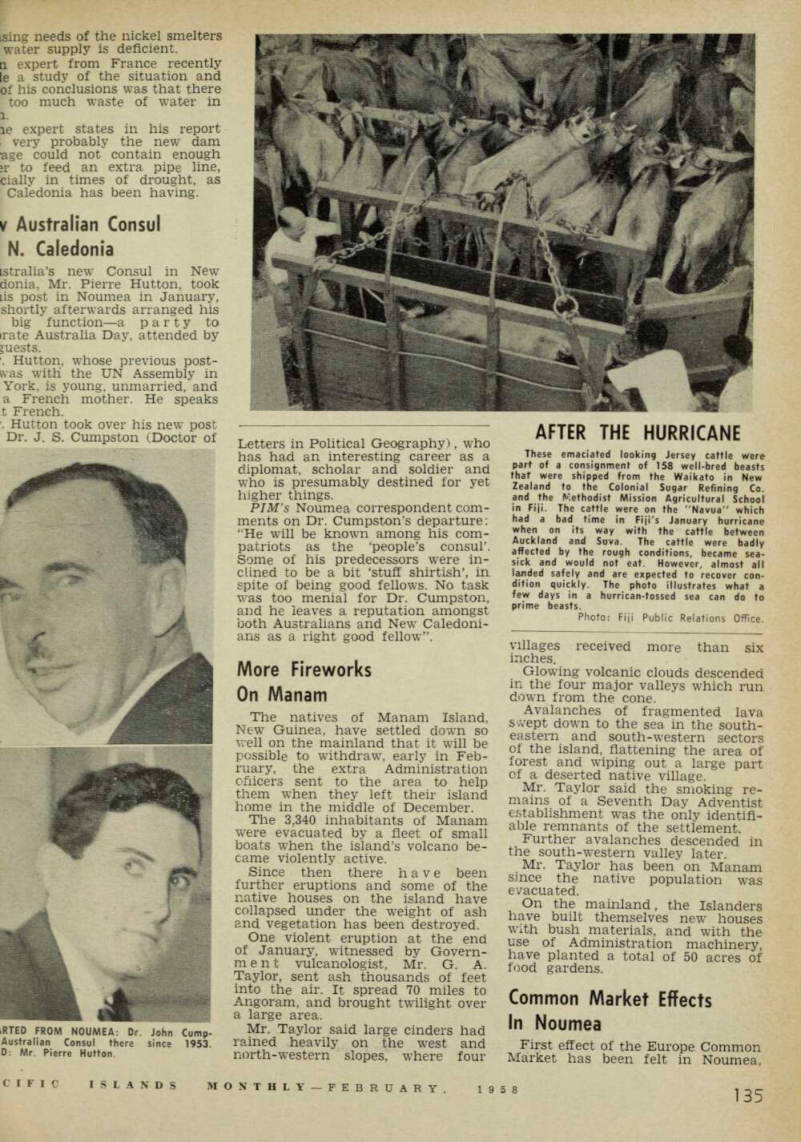 137
137 138
138 139
139 140
140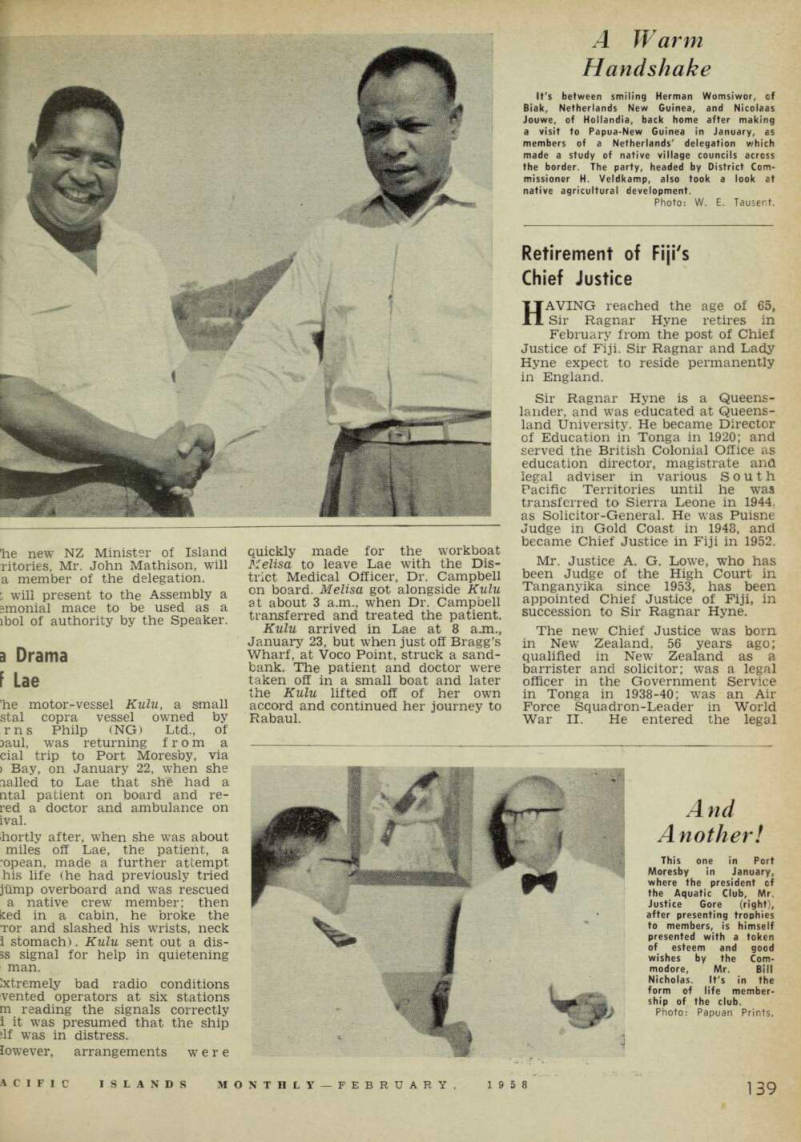 141
141 142
142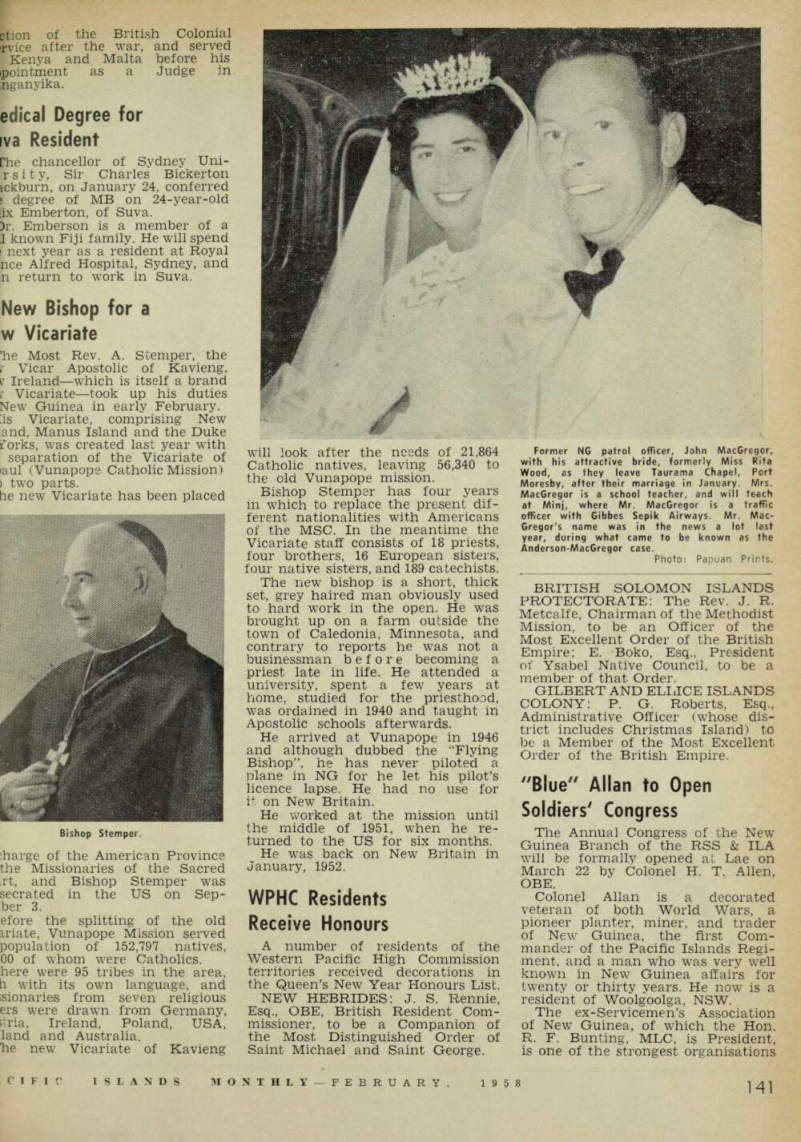 143
143 144
144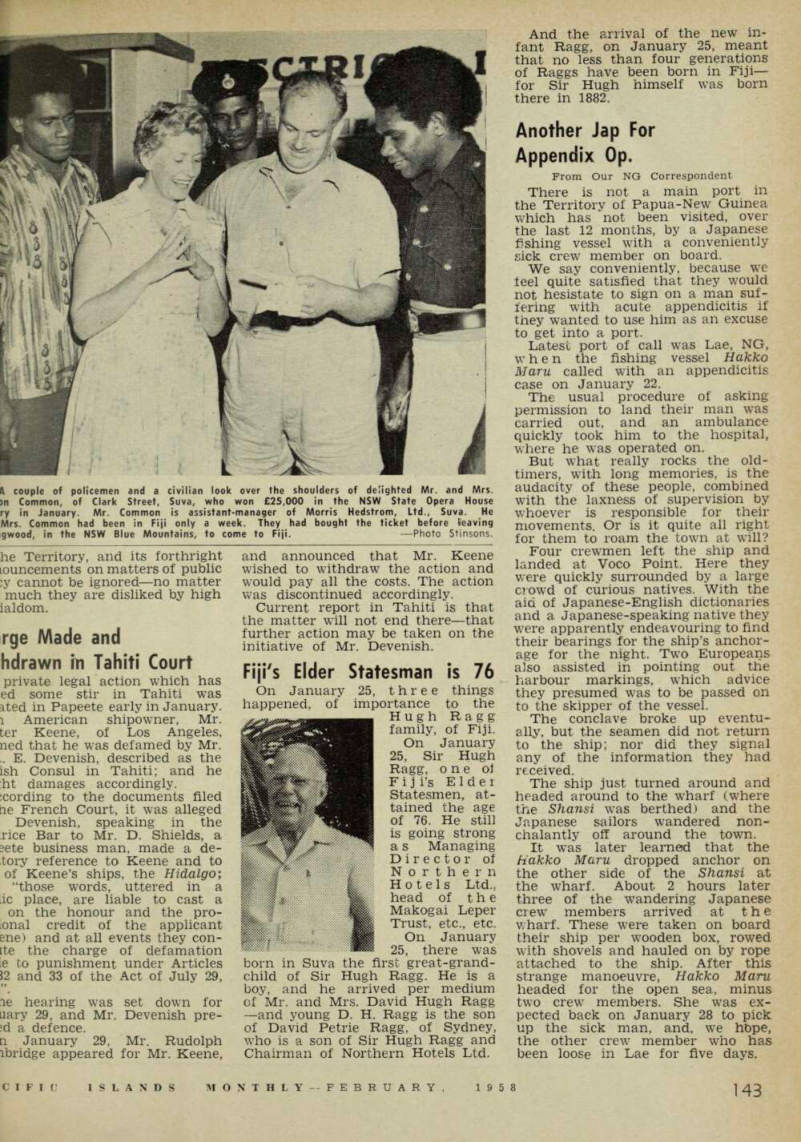 145
145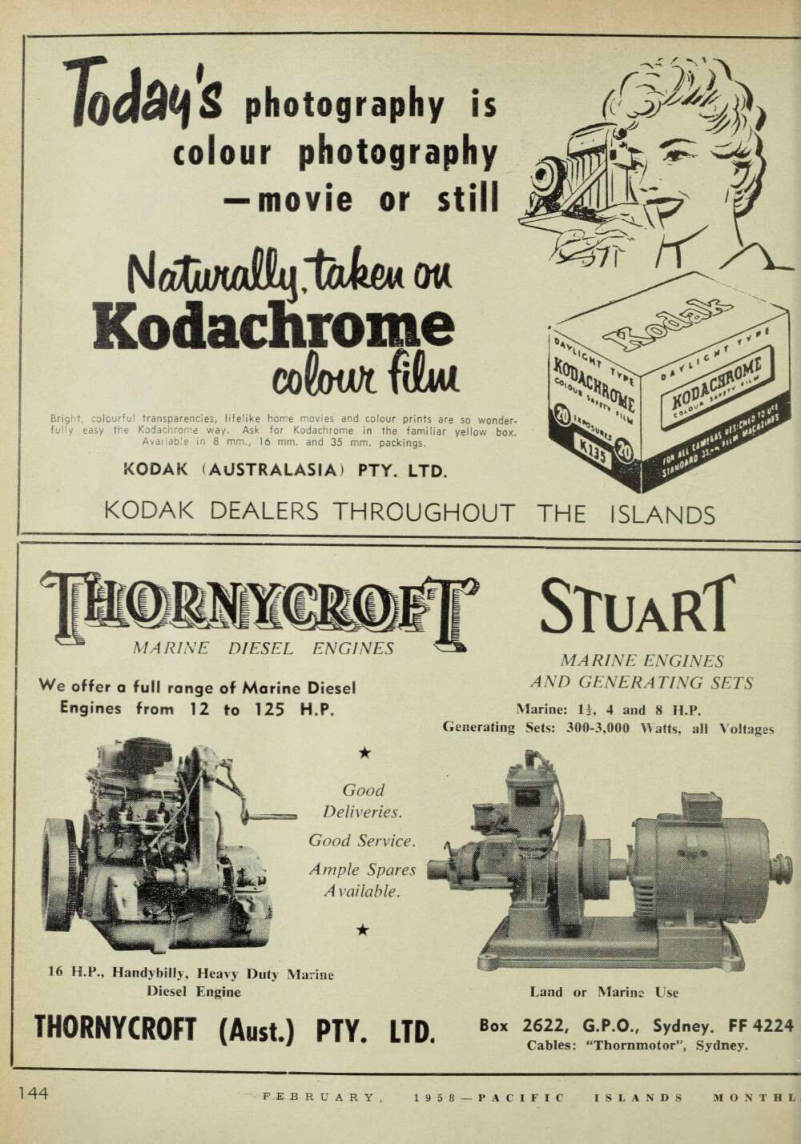 146
146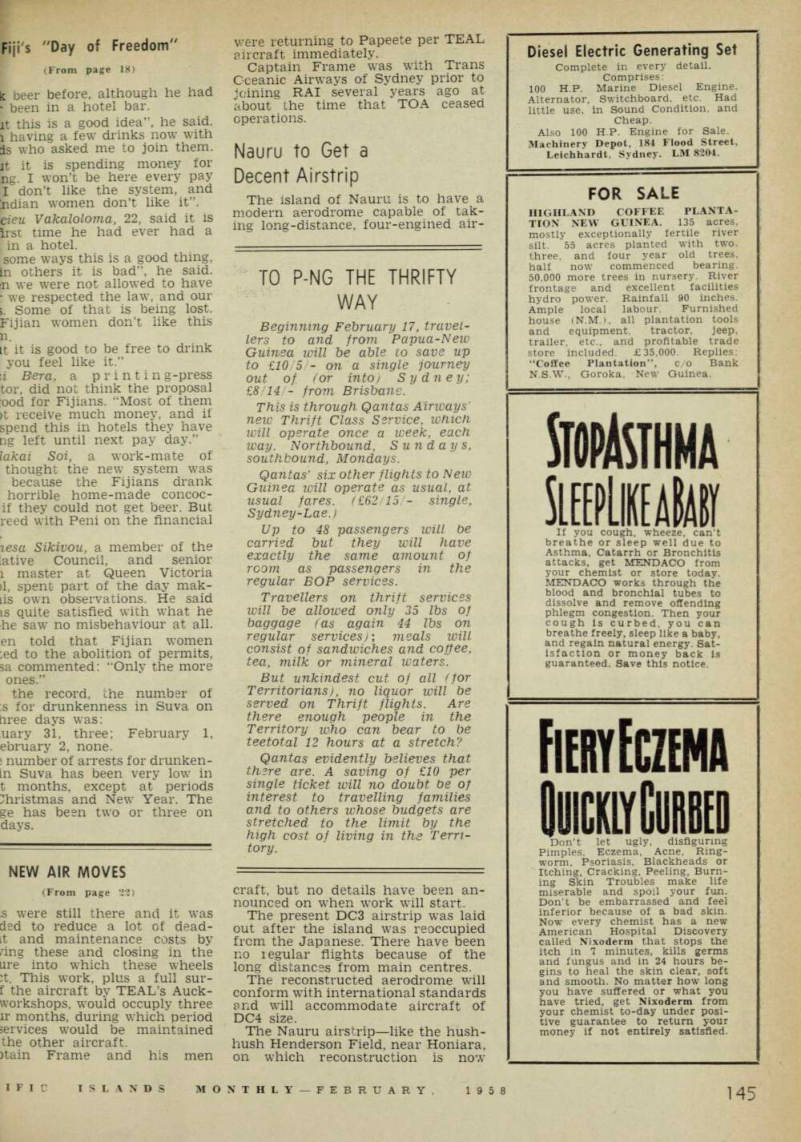 147
147 148
148 149
149 150
150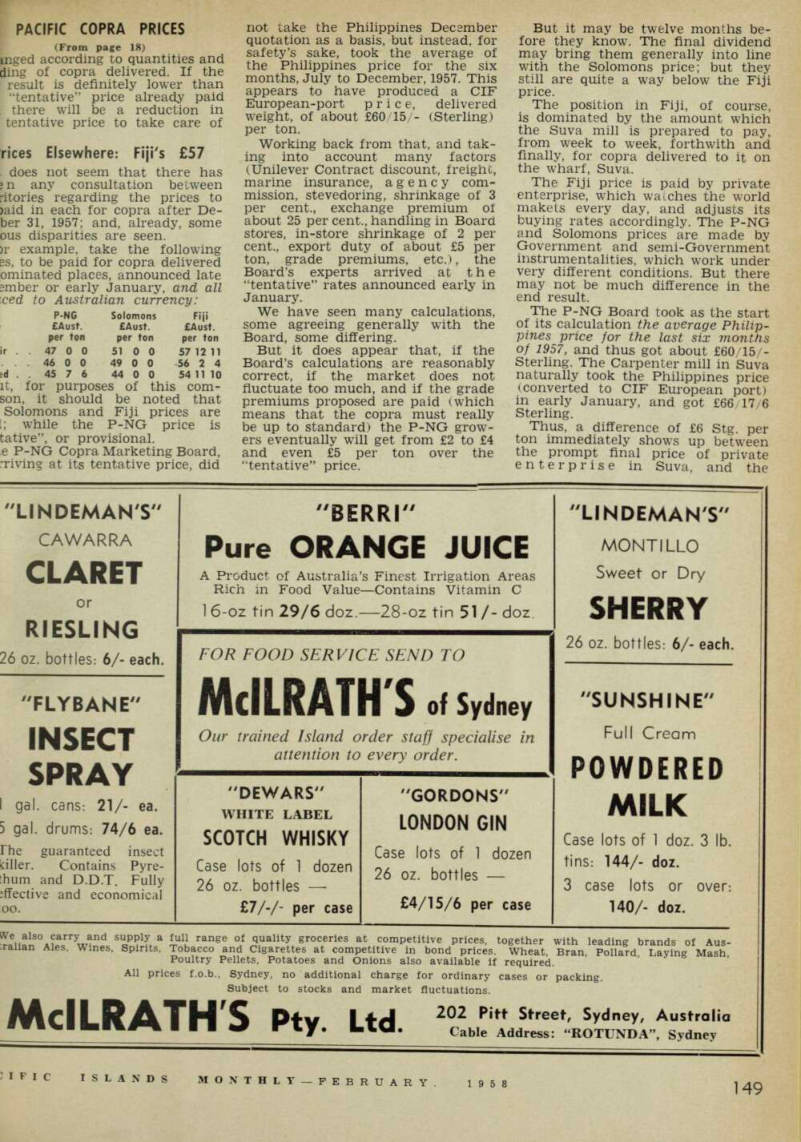 151
151 152
152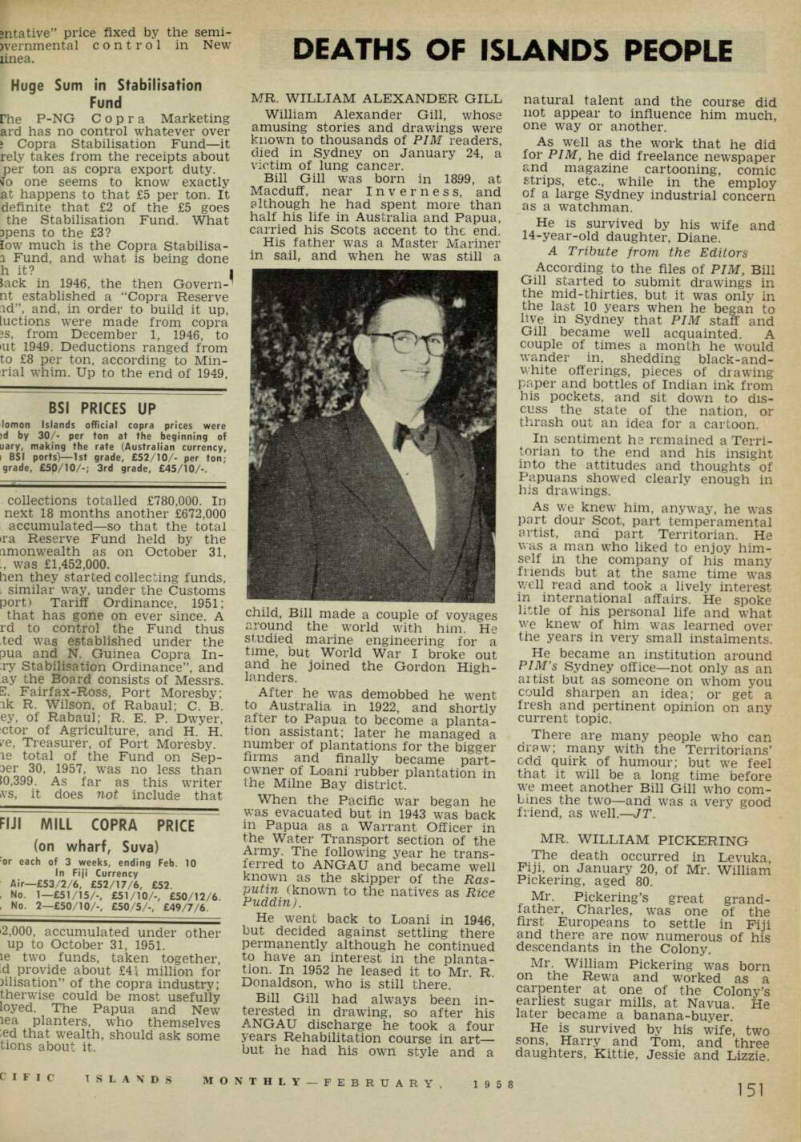 153
153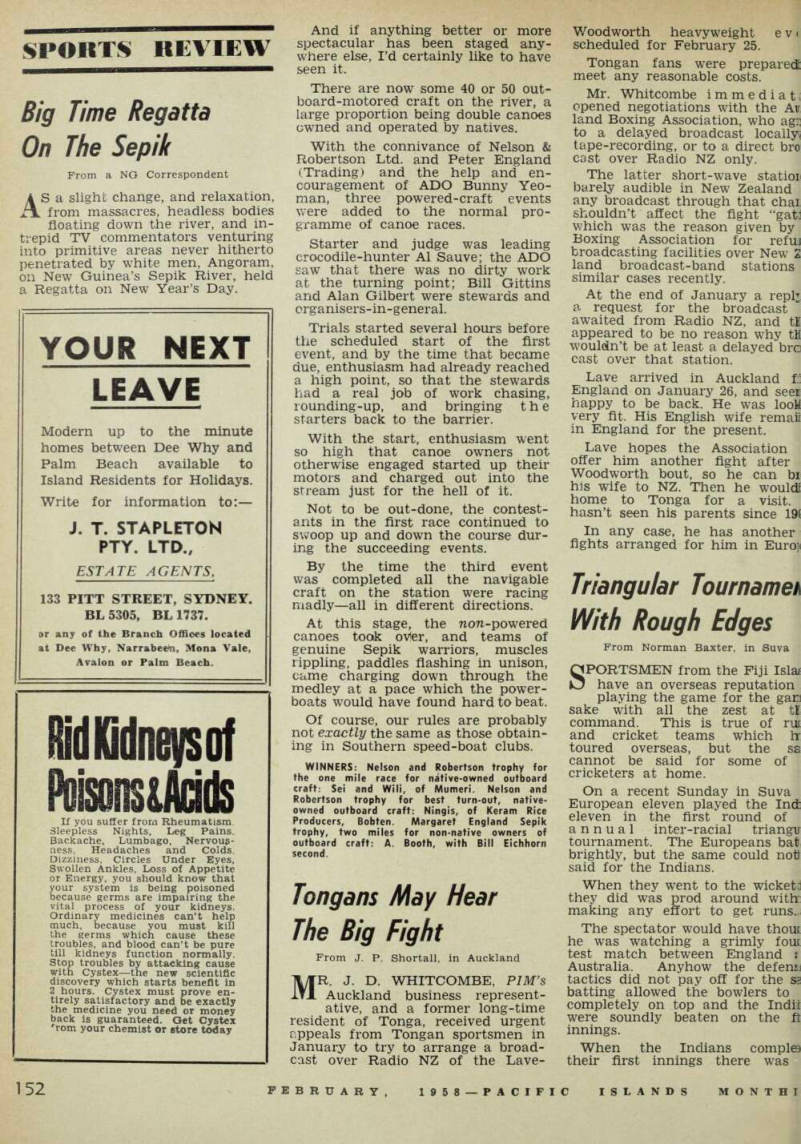 154
154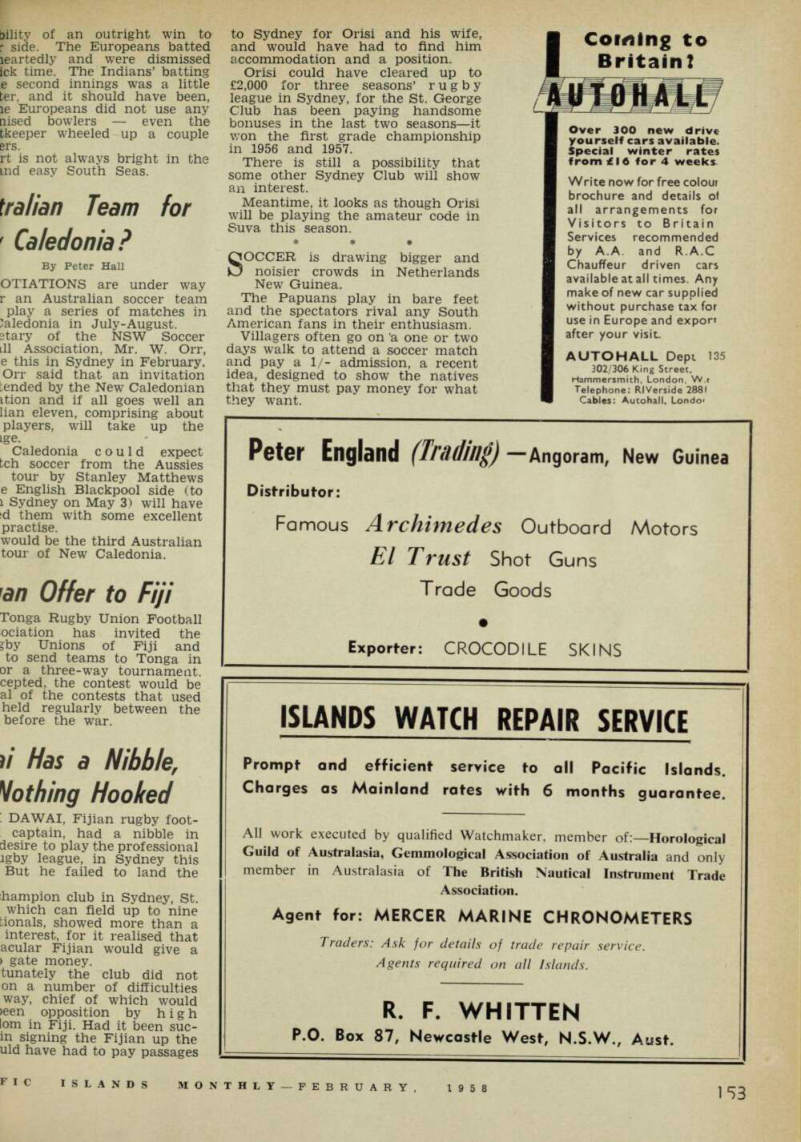 155
155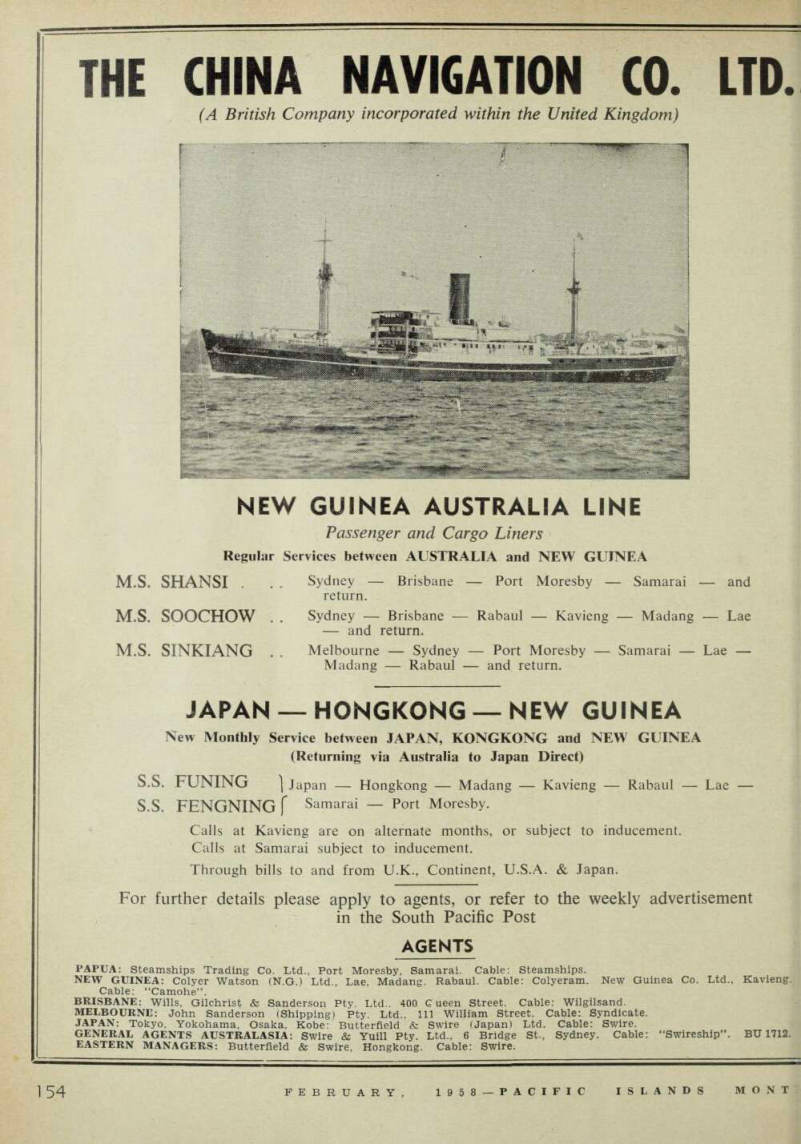 156
156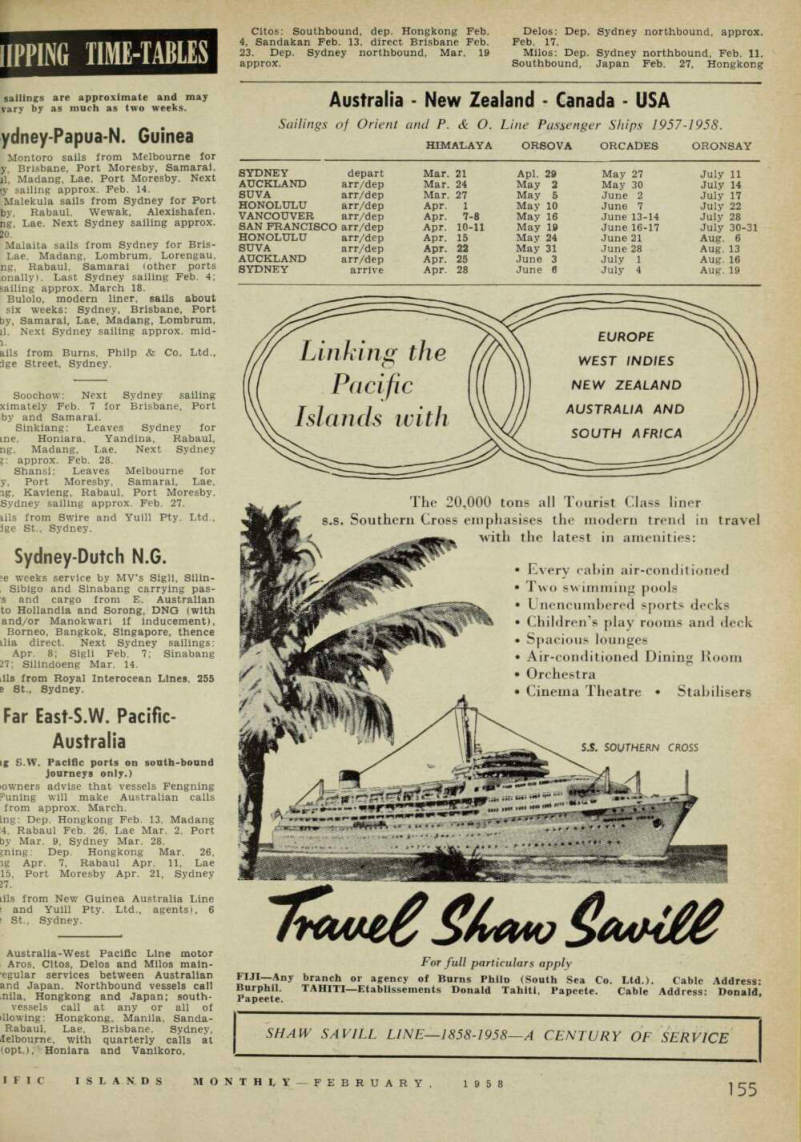 157
157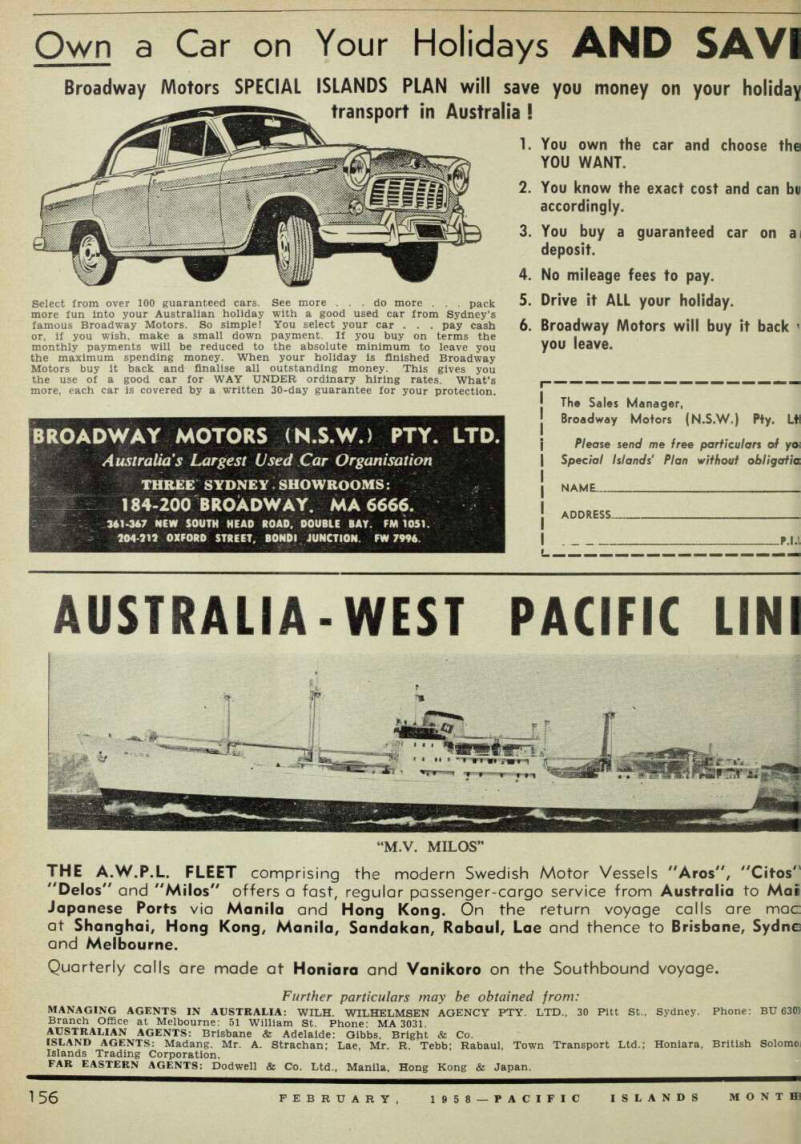 158
158 159
159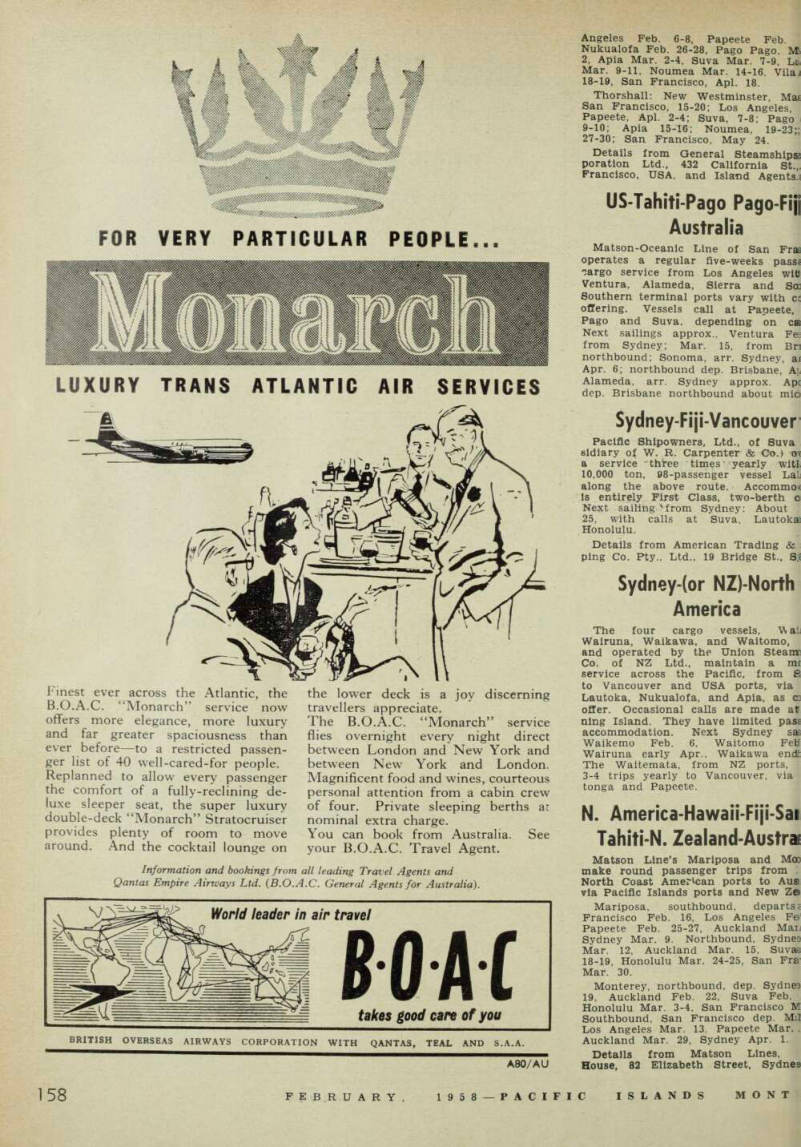 160
160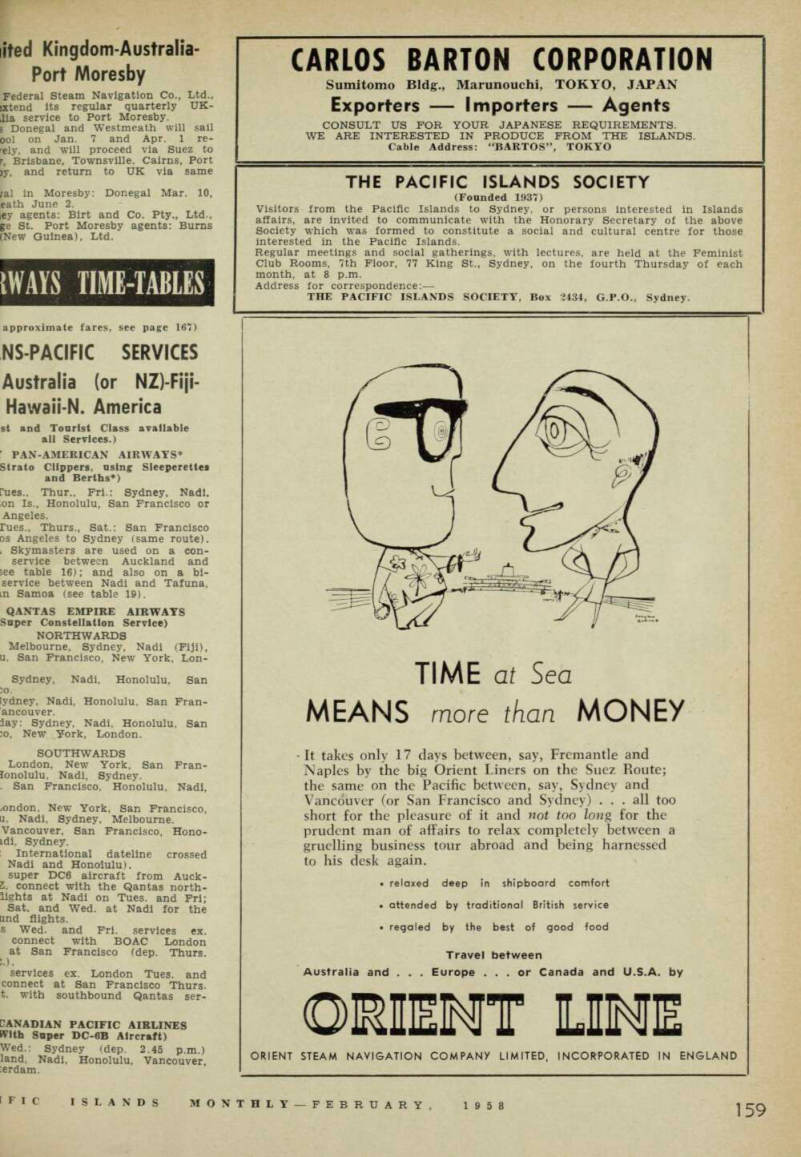 161
161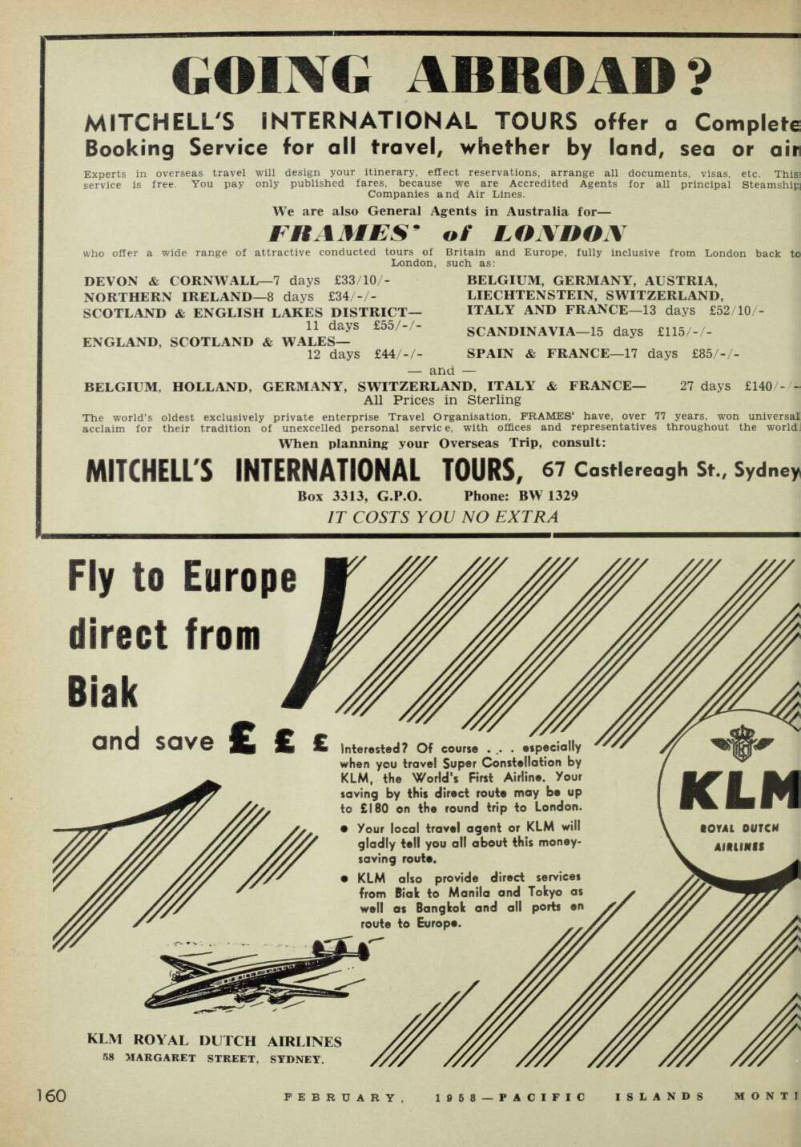 162
162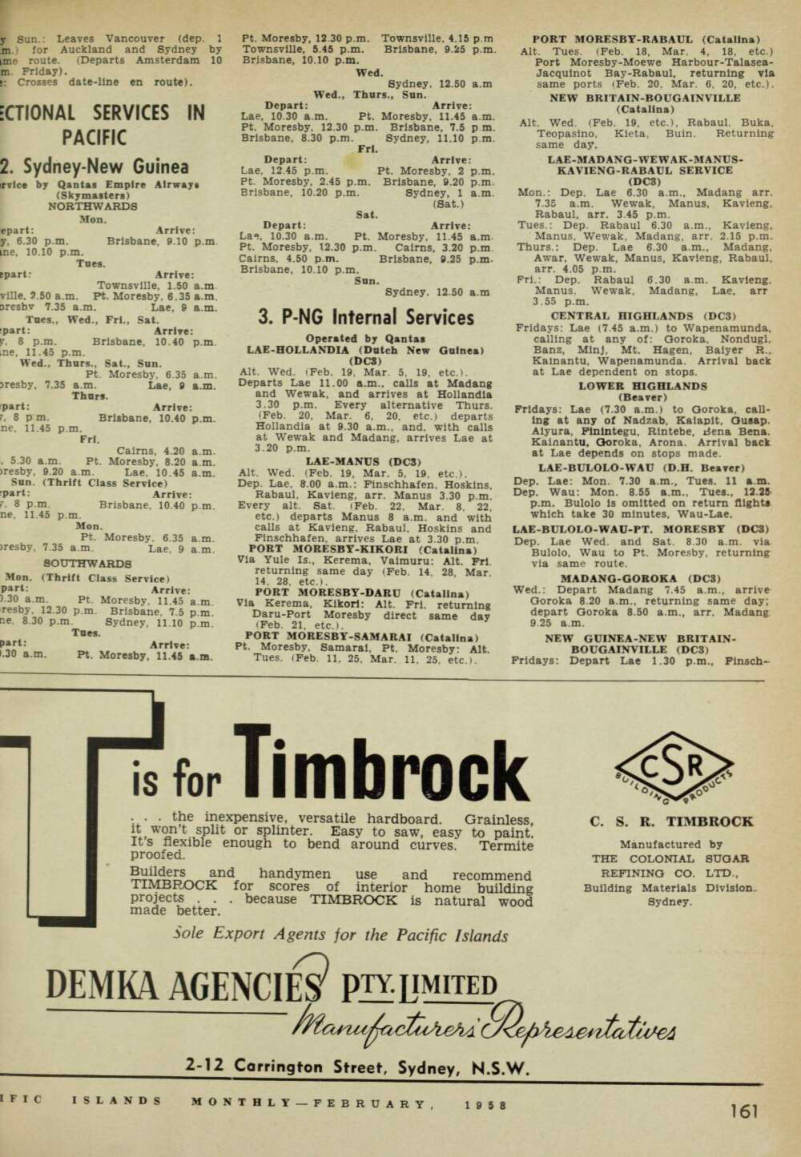 163
163 164
164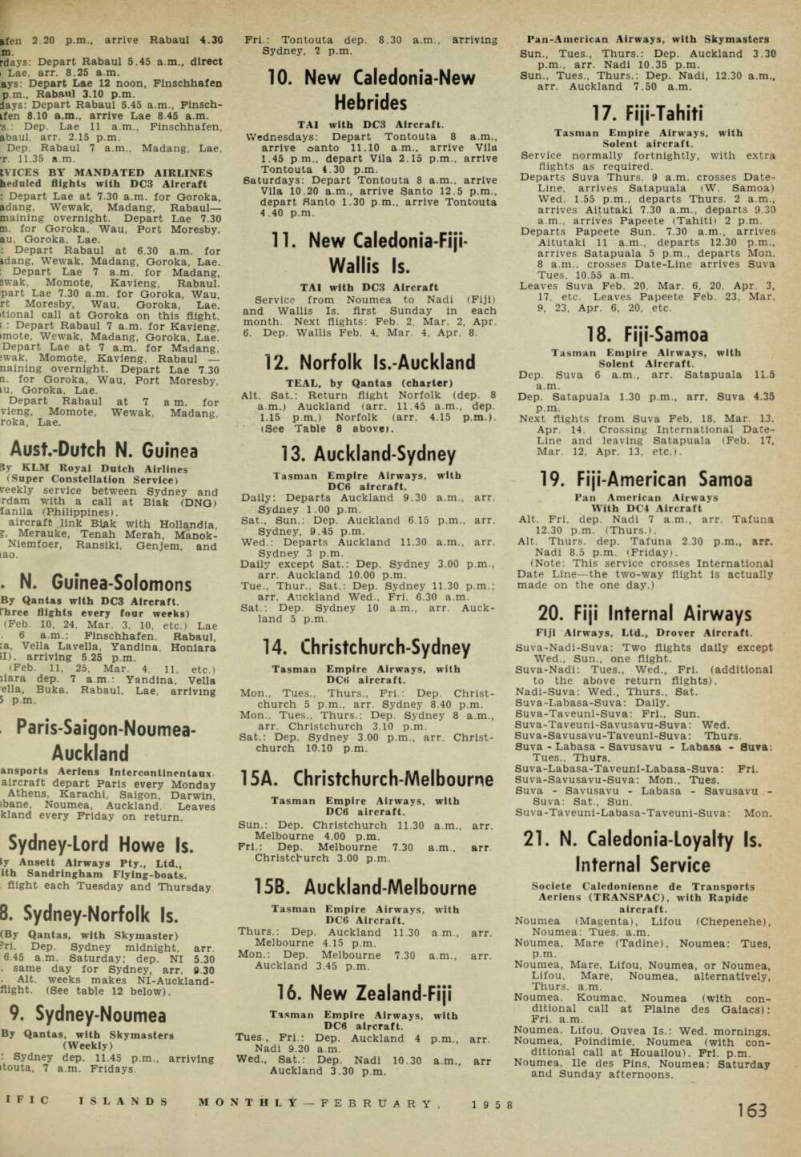 165
165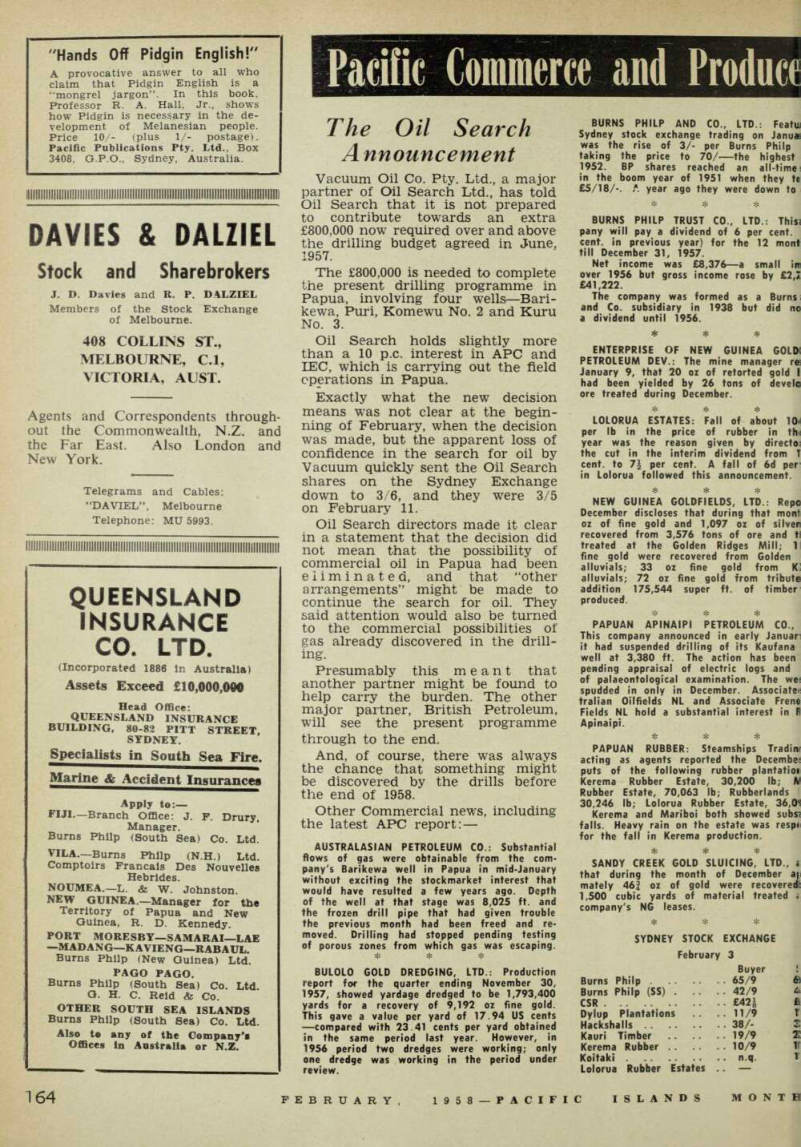 166
166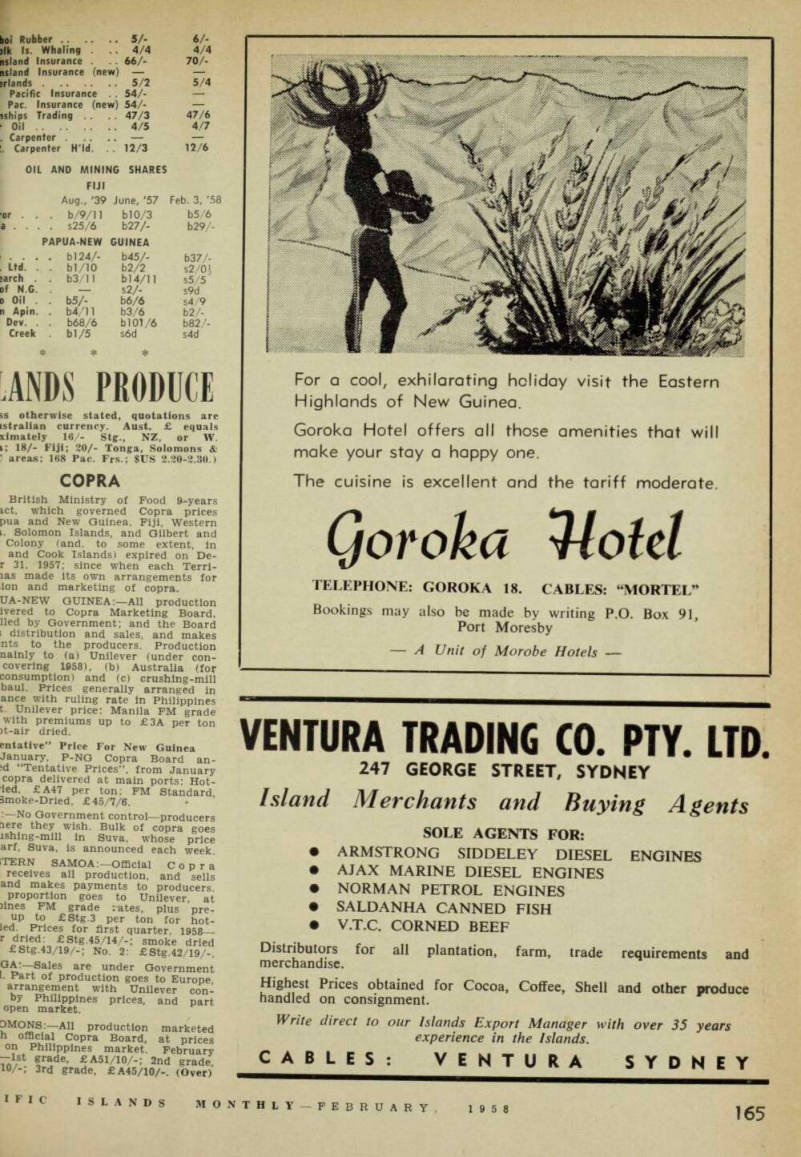 167
167 168
168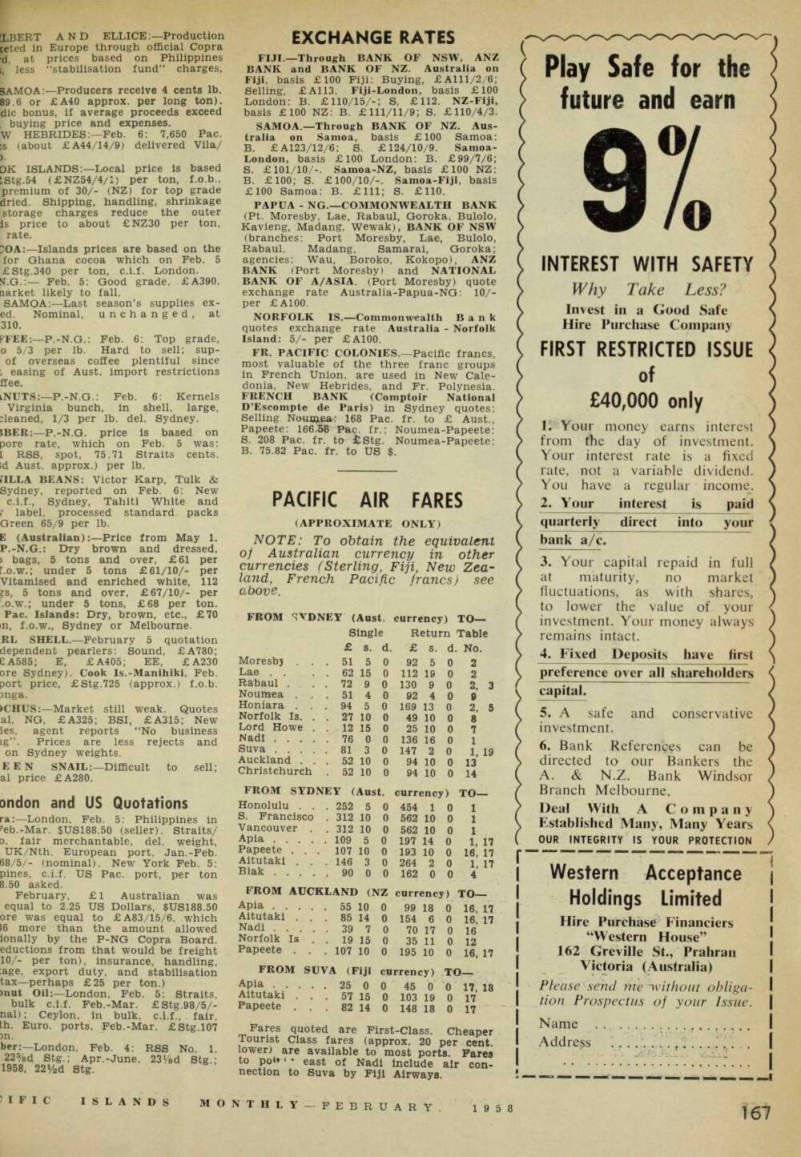 169
169 170
170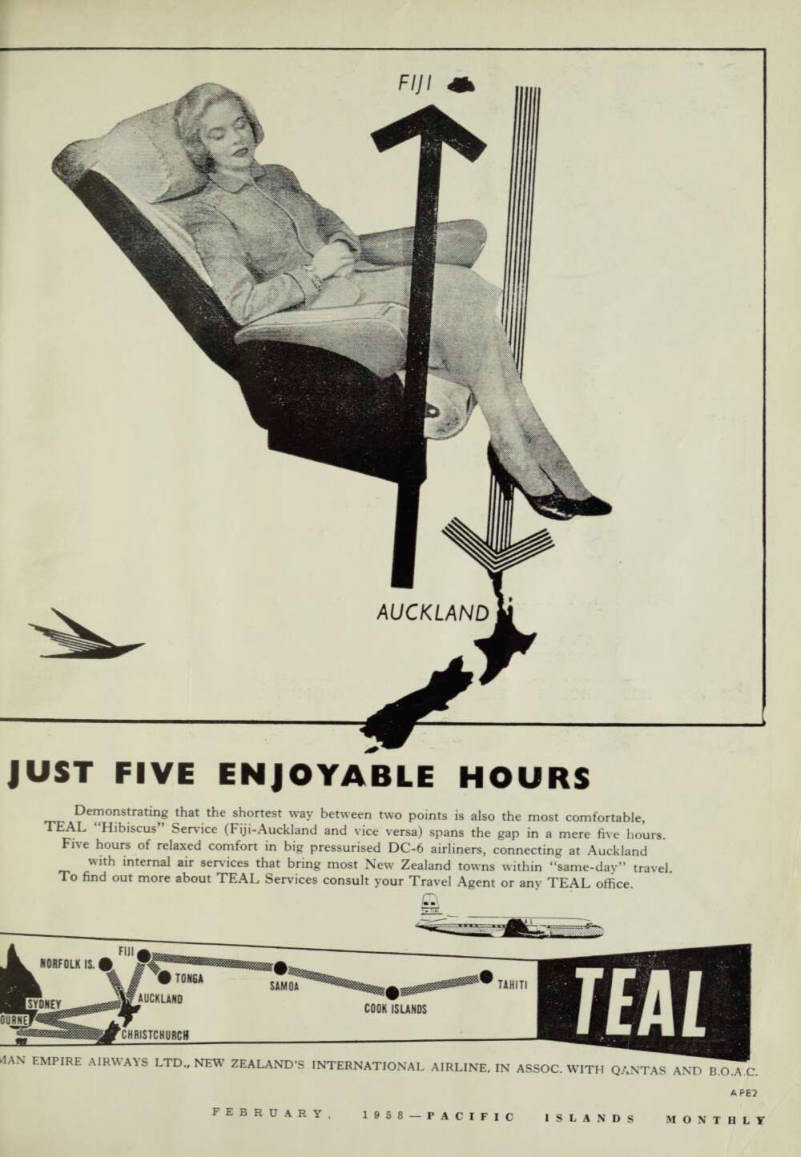 171
171 172
172