Pacific
Islands
Monthly
"January, 1955
Vol. XXV. No. 6.
shed 1930
t
SAILING CANOES OF KONEDOBU:—Few crab-clawed sails are seen around Port Moresby these days, although the big trading lakatois still make Koki their headquarters. The native canoes shown here are, however, at Konedobu, on the other side of Moresby, which can be seen in the centre background. photo: papuan Prints.
Advertisements & other items, pp. 2-4 (3 items)
Uahtas
From Local Routes to World Wide Travel
Linking the Pacific
With AUSTRALIA AND THE WORLD
4
34 years of flying experience
are at your command when
you fly QANTAS —to 26
countries in 5 continents.
You enjoy warm Australian
hospitality and exacting
standards of passenger
service on nearly 68,000
miles of air routes.
MANUS
KAVIENG
WFWAK
RABAUL^i
m
jMADANG
HAUGEN
OROKA«^«
qaronaN
J^KAIAPI
TALASEA
WABAG
BUKA
MOUN
BAT
HARBOUR'
NONDUGL
<1 KAINANTU
LAKE KUTUBU a|YU
MOE
WE
KIETA
FINSCHHAFEN
BULOLO
BUIN
WANA
KIKORI
VELLA LAVELLA
KEREMA
DARU
YANDINA
PORT MORESBY)
ESA ALA
HONIARA
m
PORT
MORESBY
ESPIRITU SANTO
q fiji
V) VILA^P
CAIRNS
NOUMEA
NORFOLK
ISLAND
BRISBANE
SYDNEY
1 Over 50 ports of call in the South-West Pacific and now linked with Australia and the world by Q ANT AS
—Australia’s Overseas Airline. From Australia fast,,
frequent services radiate to Europe, U.S.A. and!
Canada, the Orient and South Africa. Both First Class and Tourist Travel are available to most ports of call on the Qantas
overseas network of air services.
Qantas Empire Airways Limited
in association with 8.0.A.C. and TEAL
UAHTAS
AUSTRALIA'S OVERSEAS AIRLINE
KERO-MAN
TABLE LAMP
m Brilliant yet pleasant incandescent white light.
No pumping or pre-heating necessary.
Burns ordinary Kerosene.
Heat-resisting glass chimney.
Centre draught feature.
Polished Brass finish.
A LAMP OF LASTING QUALITY
MADE IN ENGLAND
Representatives for Pacific Islands
54a PITT STREET .
SYDNEY
ROBERT GILLESPIE P T JLTP
PEARCE & CO. LTD.
SUVA
FOR FIJI ISLANDS
Qrruytts
t* amoud
Biscuits
There is no Substitute for Quality
The following varieties are now available for export in No. 8 size soldered tins (8 tins crated, 3 ft. 6 in. cu.) and i-lb. waxed packets in Cartons of permissible shipping weight (1 ft. 3 in. cu.).
VARIETY:
Adora Cream Wafer Afternoon Tea Amelia Crunch Arno Shortbread Butter Oat Cake Cherry Ripe Cocoanut Creamy Chocolate Custard Cream Delta Cream Ginger Nut Golden Grain Jatz Cracker Lacto Malted Milk Milk Arrowroot Milk Coffee Nice Orange Slice Orange Tea Osborne Princess Raspberry Fruit Cream Sao (Carton 1 ft. 5 in. cu.).
Scotch Finger Shredded Wheatmeal Spicy Fruit Roll Tea Cake Thin Captain 1-lb. o Not available in No. 8 tins, x Not available in packets.
CABIN BISCUITS (As Supplied to the Royal Australian Navy) Single Tins. Approximately 30 lb. net weight per tin of I.C. plate 121 in. x 121 in. x 18i in.
Hermetically sealed with tagger top. Slip on lid spot-soldered.
Packed in cartons made of No. 2 board silicate gum sealed for permissible shipping uncrated, to hold one tin, size approximately 13 in. x 12 in. x 19 in., = 1 ft. 10 in. cu. (22 equal one shipping ton).
Or crated.—4 tins without cartons, crate size 19 in. x 26 in. x 28 in. 8 cu. ft.
WILLIAM ARNOTT PTY., LIMITED
HOMEBUSH, N.S.W.
1
CIFIC ISLANDS MONTHLY JANUARY, 1955
2
JANUARY, 1955 PACIFIC ISLANDS MONTH!!
Shipping Time-Tables
Sydney-Papua-N. Guinea
[V Bulolo, modern liner, sails about ry six weeks: Sydney-Brisbane-Moresby tarai - Lae - Madang - Manus - Rabaul larai-Moresby-Brisbane-Sydney. ext sailing about January 12. [V Malekula sails from Sydney for larai, Rabaul, Kavieng, Manus, Wewak, fishafen, Madang, Lae, Samarai and irn to Sydney. Next sailing about ruary 4.
Btails from Burns Philp & Co. Ltd., ridge Street, Sydney.
V’s Soochow, Shansi and Sinkiang, i 3,000 tons, provide regular service reen Sydney and Papua-New Guinea s: Sinkiang now provides a fast service aey-Brisbane-Port Moresby and return same route. Soochow and Shansi will inue Sydney - Brisbane - Moresby arai - Lae - Madang - Kavieng aul and return, with calls at Mel ne as required. xt Sydney sailing, Soochow: Jan. 25. xt Sydney sailing, Sinkiang: Feb. 8. xt Sydney sailing, Shansi: Feb. 25. le above dates are approximate, and e to be altered by as much as two :s. tails from New Guinea Australia Line S. Yuill & Co., Ltd., agents), 6 Bridge Sydney.
Zealand-Fiji-Samoa-T onga
>tor vessels Tofua and Matua, from Zealand, serve Suva (Fiji), Nukua and Vavau (Tonga), Niue Is., Pago
Australia - New Zealand - Canada - USA Sailings of Orient Line Passenger Ships, 1954-55.
The liners Orsova and Orcades will each make an additional Pacific crossing in 1955. Orsova will leave Sydney for London on June 3 and will call at: Auckland.
Suva, Honolulu, Vancouver, San Francisco, Los Angeles, Panama, Colon, Trinidad Cherbourg. She will reach London on July 13. Orcades will sail from London on August 22 bound for Sydney via the same route. She will arrive on October 1.
Pago (American Samoa), Apia (Western Samoa). Tofua leaves Auckland for any or all above ports at approx, five weeks intervals. Matua calls at Wellington and Lyttelton (NZ), Lautoka (Fiji) and sup plements Tofua’s schedule in Islands, calling at ports as directed by owners.
Tofua’s next voyages scheduled to leave Auckland February 1 and March 1.
Matua will leave Auckland January 22 and February 19.
N. Zealand-Cook Is.
The NZ Government’s old motor vessel Maui Pomare is scheduled to leave Auck land every month for Rarotonga and other Islands in the Lower Cooks, subject to requirements of trade. This vessel carries 30 passengers.
Full details on application to NZ Government Department of Island Terri
tones In Wellington, or to any office of the Union SS Co. of NZ, Ltd., which Company acts as Agents for this vessel at some ports.
Sydney-New Hebrides-BSI-
Rabaul, Etc.
MV Malaita makes a round trip at about 8-weeks intervals from Sydney to Norfolk Is.-New Hebrides Ports-BSI ports-
Bougainville-Rabaul-Samarai-Sydney.
Sailing from Sydney about January 29.
Details from Burns Phllp & Co., 7 Bridge Street, Sydney.
Sydney-N. Caledonia-Tahiti
Vessels of Messageries Maritimes Line, coming from Marseilles, via West Indiea
Orsova
1955 Orion 1955
Oronsay
1955 15 July 18 July 21 July 26 July 1 Aug, 2 Aug. 4 Aug. 5 Aug, 9 Aug. 16 Aug. 19 Aug. -i
Orcades
Oronsay
Sydney
depart 28 Jan. 25 Mar. 1955 1955 AUCKLAND arr/dep SUVA arr/dep HONOLULU arr/dep VANCOUVER arrive depart
San Francisco Arr
depart HONOLULU arr/dep SUVA arr/dep AUCKLAND arr/dep 31 Jan. 3 Feb. 8 Feb. 14 Feb. 15 Feb. 17 Feb. 18 Feb. 22 Feb. 1 Mar. 4 Mar. 29 Mar. 2 Apl. 8 Apl. 14 Apl. 15 Apl. 18 Apl. 19 Apl. 24 Apl. 2 May 5 May 7 Oct. 10 Oct. 13 Oct. 18 Oct. 24 Oct. 25 Oct. 27 Oct. 28 Oct. 1 Nov. 8 Nov. 11 Nov. 18 Nov. 21 Nov. 24 Nov. 29 Nov. 5 Dec. 6 Dec. 8 Dec. 9 Dec. 13 Dec. 20 Dec. 23 Dec.
Sydney
arrive 7 Mar. 9 May 22 Aug. 14 Nov. 26 Dec.
and Panama, call about every six weeks at Papeete, Vila (New Hebrides), Noumea and Sydney, and return by same route.
Details from Messageries Maritimes.
Luxurious new liners Caledonien and Tahitien recently added to this service.
Sailing dates:— From Sydney, Northbound Tahitien: January 7, May 24, 1955. Caledonien: April 11, August 23, 1955.
From Papeete, Southbound Tahitien;
April 30, 1955. Caledonien; March 18, July 30, 1955.
Small motor-ships Polynesien (Messa geries Maritimes) and Neo Hebrides (H.
C. Sleigh, Ltd.) maintain fairly regular service between Noumea and Sydney.
Sydney-S. Africa-UK-Pacific
Ports-Sydney
A service by Shaw Savill, with their new
all-passenger liner Southern Cross, commence from the UK early in 1 Calls on maiden voyage will be mad( West Indies ports, Panama, Pap (Tahiti), Suva, Auckland, Sydney, i tralian ports, South African ports, Cai Islands, UK.
Pour round trips per year will be n and direction of service will alter: (i.e. the second voyage from UK wil South Africa about); about 1,200 one-c passengers will be carried. Single, 1 berth and multi-berth cabins are ai able. Fares Sydney-UK are from i Stg.; Suva-UK, via Panama, from 4 Stg.; via the Cape, from £132 £ Papeete-UK, via Panama, from i Stg.; via Cape, £l5l Stg.
Tentative sailing dates for maiden voy Papeete, April 22-23, 1955.
Suva, April 28, 1955.
Auckland, May 2-3, 1955.
Sydney, May 6-9, 1955.
N. America-Fiji-Hebrides, e
Norwegian motor vessel Thorsisle, ca ing cargo and passengers, maintain regular service between North Amer ports and French Oceania, Samoa, New Caledonia and New Hebrides.
Suggested sailing dates for the Thorsisle are as follows;
Details from General Steamships poration Ltd., 432 California St., Francisco, U.S.A.
San Francisco (Southbound) .
Jar Papeete Jar Apia . Fet Nukualofa Suva Fel Lautoka (Vatia) Noumea Feb Vila Pet Santo Fel Lae . Fet San Francisco (Inbound) . . . Mai
Advertisements & other items, pp. 5-6 (3 items)
3
CIFIC ISLANDS MONTHLY JANUARY, 1955
New Guinea Australia Line
Regular Service from MELBOURNE, SYDNEY AND BRISBANE TO PORT MORESBY,
SAMARAI, LAE, MADANG, KAVIENG, AND RABAUL
“SOOCHOW” “SHANSI”
“SINKIANG”
Agents for PAPUA: Agents for NEW GUINEA: STEAMSHIPS TRADING CO. LTD. COLYER WATSON (NEW GUINEA) LTD.
General Agents: G. S. YUILL & CO. PTY. LTD.
6 BRIDGE ST., SYDNEY
Telephones: 8W2731 BU 6313 (Freight only) Cable Address: “YUILL”
PACIFIC ISLANDS TRANSPORT LINE
Owners: Thor Dahls Hvalfangerselskap A/S Sandefjord, Norway
- M.V. "THORSSSLE" -
Regular Freight and Passenger Service between Pacific Coast Ports of U.S.A. and Canada and
TAHITI SAMOA FIJI NEW CALEDONIA
NEW HEBRIDES NEW GUINEA
GENERAL STEAMSHIP CORPORATION. LTD.
General Agents 432 California Street, San Francisco 4, Calif., U.S.A.
PAPEETE —Etablissements Donald Tahiti. APlA—Morris Hedstrom Ltd.
SUVA —Morris Hedstrom Ltd. NOUMEA—Etablissements Ballande.
PORT VlLA—Comptoirs Francais des LAE—Burns Philp (New Guinea) Ltd.
Nouvelles Hebrides. SYDNEY—Birt & Co. (Pty.) Ltd.
Linking the
Pacific Islands with Europe, West Indies,
New Zealand,
Australia and South Africa
The new Shaw Savill Tourist Class Liner
S. S. I SOUTHERN CROSS
/ / The one class tourist liner “Southern Gross” on the maiden voyage calls at Papeete (23rd April, 1955) and Suva (28th April, 1955), thence to England via New Zealand, Australia and South Africa. On the second voyage calls at Suva (Ist November, 1955) and Papeete (sth November, 1955), en route to England via Panama, Curacao and Trinidad; thereafter two eastbound and two westbound voyages each year form this vessel’s round-the-world itinerary.
Dates subject to alteration without notice.
Minimum Fares: To England from Suva via Panama £lO5 stg. via South Africa £132 stg.
From Tahiti via Panama £lOO stg. via South Africa £ 151 stg.
Fiji Any Branch or Agency Burns Philp (South Sea Co. Ltd., Head Office: Suva.
Cable address: Burnsouth.
Tahiti Efablissements Donal* Tahiti, Papeete Cable address : Donald Papeete.
For full particulars apply: % Z
4
JANUARY, 1955 PACIFIC ISLANDS MONTH
Airways Time-Tables
[?]Rans-Pacific Services
Australia (or NZ)-Fiji-
Hawaii-N. America
By Pan-American Airways
h Strato Clippers, using Sleeperettes and Berths* „ Fri. and Sun.*—Sydney-Nadi (Fiji)mton Is - Honolulu - S. Francisco sattle - Portland. Thur.* and Sat. —Return via same iute. .dditional departure days which will ite from October 3 till March 31, 1955. ;s. and Fri.—Auckland - Nadi (Fiji), irs. and Mon. —Nadi (Fiji) - Auckland, meeting with Strato Clipper at Nadi.
1Y Qantas Empire Airways
(Super Constellation Service)
Northwards
* and Sat.* Sydney - Nadi (Fiji) inton Is. - Honolulu - San Francisco — ,th every Saturday service and alt. ednesday service extending to Van uver.
Southwards
• and Fri.* —San Francisco-Honolulu mton Is.-Nadi (Fiji)-Sydney. Monday rvice and alt. Friday service com ences from Vancouver. o services Wednesday northbound ■'riday southbound —are “Connoisseur” :es: First class only.
AL DC6 services between Auckland ladi connect at Nadi Wednesdays and days northward: Wednesdays and ly southwards.
E Canadian Pacific Airlines
(Cpal)
(With Super DC-6B Aircraft)*
Every Tuesday—Sydney - Auckland - Nadi (Fiji) - Honolulu - Vancouver.
Every Fridav return from Vancouver by same route. * Tourist Class Services are available on these planes at 30 per cent, less normal fares.
Sectional Services In
Pacific
2. Sydney-New Guinea
Service by Qantas Empire Airways
Northwards
Tuesdays, Thursdays and Saturdays (Skymasters)*
Depart: Arrive: Sydney, 8.00 pm Brisbane, 10.45 pm Brisbane, 11.45 pm Moresby, 6.35 am .. . „ (Wed., Fri., Sun.) Moresby, 7.55 am Lae, 9.10 am Connecting services north of Lae by D.C.3 to Bulolo and Wau on Wednesdays. * DC3 operating Moresby-Lae sector.
Sundays (Sandringhams) Depart; Arrive: Sydney. 7.30 pm Brisbane, 10.50 pm Brisbane. 12.20 am Cairns, 6.35 am (Mon.) Cairns, 8.05 am Moresby, 11.55 am (Night stop)
resby,* 8.30 am Samarai, 10.30 am (Tue.) barai, 11.00 am Esa’ala, 11.40 am (Alt. weeks) /ala, 11.55 am Rabaul, 2.55 pm (Then Esa’ala is omitted, arrival Rabaul 2.00 pm.
Southwards
Sundays, Wednesdays and Fridays (Skymaster)* Depart: Arrive: !, 5.45 am Moresby, 7.05 am resby, 8.30 am Brisbane, 3.05 pm tbane, 4.30 pm Sydney, 7.15 pm mnecting services from Wau by Drover.
Ives Lae 9.35 am Saturday.
DC3 operating Lae-Moresby sector.
Alt. Thursdays (Sandringham) (Jan. 27, Feb. 10, etc.) Depart: Arrive; aul, 5.30 am Samarai, 8.45 am larai, 9.15 am Moresby, 11.15 am esby, 12.15 pm Cairns, 3.40 pm (Night stop) •ns, 8.30 am Brisbane, 2.15 pm (alt. Fri.) bane, 3.45 pm Sydney, 7.05 pm t. Thursdays (Jan. 20, Feb. 3, etc.) (Sandringhams) aul, 5.30 am Samarai, 8.45 am arai, 9.15 am Moresby, 11.15 am issengers wait in Moresby until alt. (Jan. 22, Feb. 5, etc.) then;
Depart: Arrive:
ssby, 6 am Cairns, 9.25 am ns, 10.55 am Brisbane, 4.40 pm bane, 6.10 pm Sydney, 9.30 pm
3. N. Guinea Internal
Services
Operated by Qantas -HOLLANDIA (Dutch New Guinea)
(Dcs)
mate Wed. (Jan. 26, Feb. 9, etc.) ;rts Lae 10.30 am, calls at Madang id Wewak, and arrives at Hollandia 0 pm. Every alt. Thursday (Jan. 27, ?b. 10, etc.), depart Hollandia at 9 am, id, with calls at Wewak and Madang. rrives Lae at 2.40 pm.
Lae-Manus (Dcs)
sry Wednesday.
Lae, 10.45 am: Finschhafen, Rabaul, avieng, arr. Manus 5.45 pm. rns Saturdays (dep. 8 am), via avieng, Rabaul and Finschhafen; arr. ie, 2.55 pm.
HORESBY-DARU (Sandringham) Yule Is., Kerema, Wana (optional), ikori, L. Kutubu.—Every alternate •iday, returning same day (Jan. 21, ;b. 4, etc.).
Rabaul-Moewe Harbour
(Sandringham) Wed. —Rabaul-Jacquinot Bay-Moewe irbour-Talasea-Rabaul Jan. 19. Feb. etc.
L —The direction of operation changes each service, i.e., each alternate :e operates Rabaul-Talasea-Moewe our-Jacquinot Bay-Rabaul.
New Britain-Bougainville
(Sandringham) Wed. —Rabaul - -Buka - Kieta - Buin .n. 26, Feb. 9, 23, etc.
Wed. (same day) Buin-Kieta-Buka ibaul.
Lae-Madang-Wewak-Manus
Kavieng-Rabaul Service
(Dcs)
, Thur. Dep. Lae 6.30 am, Madang r. 7.35 am Wewak, Manus Is., ivieng, Rabaul arr. 3.40 pm. only Dep. Rabaul 8.00 am direct adang, arr. 10.50 am, Wewak. adang, Lae arr. 4.35 pm.
Central Highlands
(Dcs)
Saturdays—Lae (8.30 am) to Wabamunda calling at any of: Nadzab, Kainantu’
Goroka, Nondugl, Banz, Minj. Mt.
Hagen, Baiyer R„ Wabag, Wabamunda.
Return to Lae arriving 6 pm.
Lower Highlands
(Drover) Fridays.—Lae (7.30 am) to Gusap, calling at any of: Nadzab, Kaiapit, Arena, Kainantu. Return to Lae arriving 10.30 am.
Lae-Bulolo-Wau (Drover)
Dep. Lae.—Tues. 3 pm.—Mon. & Sat. 7.30 am.
Dep. Wau.—Tues. 4.30 pm—Mon, 9.00 am —Wed. 1.00 pm. Direct to Lae in 35 minutes.
Madang-Goroka (Dcs)
Fridays.—Depart Madang 8.25 am, arrive Goroka 0.00 am, returning same day, depart Goroka 9.30 am, arrive Madang 10.5 am.
New Guinea-New Britain
(Dcs)
Fridays—Depart Lae 12 noon, Pinschhafen 1.0 pm, arrive Rabaul 3.10 pm.
Saturdays—Depart Rabaul 10 am, Madang 1.25 pm, arrive Lae 2.30 pm.
Services By Mandated Airlines
With headquarters at Lae, this company runs regular services for passengers, freight and mails to all New Guinea settlements.
Scheduled Flights with DCS Aircraft Mon.: Depart Lae at 7.30 am for Goroka.
Madang, Wewak, Madang, Rabaul remaining overnight.
Tues.: Depart Rabaul at 6.30 am for Madang, Wewak, Madang, Goroka, Lae.
Depart Lae 7.30 am for Goroka, Wau, Port Moresby, Wau, Goroka, Lae.
Thurs.: Depart Lae at 7.30 am for Goroka, Wau, Port Moresby, Wau, Goroka, Lae.
Fri.: Depart Lae at 7 am for Madang, Wewak, Momote, Kavieng, Rabaul remaining overnight.
Sat.: Depart Rabaul at 7 am for Kavieng Momote, Wewak, Madang, Goroka, Lae.
4. Aust.-Dutch N. Guinea
By KLM Royal Dutch Airlines.
A weekly service with Constellations between Sydney and Amsterdam with a Philippines. Blak ’ DNG ' and ManUa * DC3 aircraft link Biak with Hollandla.
Sorong, Merauke and Tannah Merah.
5. N. Guinea-Solomons
* By Qantas with DCS Mon. (January 3, 10, 17, 31, etc) Lae (dep. 6 am) Pinschhafen Rabaul Buka Vellalavella Yandma Honiara, BSI (arriving 5 25 pm).
Tuesday (January 11, 18, 25, etc.) Honiara (dep. 7 am) Yandina —Vellalavella Buka Rabaul Pinschhafen Lae (arriving 3.50 pm).
6. Indo-China-Brisbane-
N. Caledonia
By Air France, Monthly.
Constellation aircraft depart Saigon February 7 for Darwin - Brisbane - Noumea and return. Depart Noumea, February 10.
Australian agents: Messageries Maritimes.
7. Sydney-Lord Howe Is.
By Ansett Airways Pty., Ltd., “Flying-Boat Division”
Twice weekly services, operating mainly on Tuesday and Saturday, return same day.
8. Sydney-Norfolk Is.
By Qantas, with Skymasters Alternate Thursdays (Jan. 27, Feb. 10, 24, etc.), returning same day.
9. Sydney-New Hebrides
By Qantas with Sandringham Flying Boats—Weekly Depart: Arrive: Syd., Wed. 8.30 pm Brisbane, 11.50 pm Bris., Thu. 1.20 am Noumea, 8.00 am Noumea, 9.30 am Vila, 12.05 pm
Vila, 1.20 pm Santo, 2.35 (Night stop Santo, Fri. 6.00 am Vila, 7.U Vila, 7.45 am Noumea. 10 25 Noumea, 12.15 pmt Sydney, 7.55 * Every second service night stop Noumea to allow connection with Nou: Suva service—see below. Table 10. t Alternate Friday, Jan. 21, Feb alternate Saturdays (Jan. 15, 29) j departs Noumea 2 pm, arriving Sv 9.40 pm.
10. Sydney-Noumea-Suv
By Qantas with Sandringham Flying Boats—Fortnightly Depart: Arrive: Noumea, 11.25 am Suva, 5 51 Alt. Fri.* (Night stop Suva. 8.00 am Alt. Noumea, 12.30 Sat.f * Alt. Fri. Jan. 14, 28, etc. f Alt.
Jan. 15, 29, etc. (Service allows connection at Not with Sydney-New Hebrides Service above.)
11. Auckland-Norfolk !
By NZ National Airways, with DC Double services each Sunday from I 30 to Feb. 27, 1955.
12. Sydney-Auckland
Tasman E. Airways, with DC6 Aire Mon., Fri., Sat.: Dep. Sydney 9.00 arr. Auckland 4.15 pm. Wed, ( Dep. Sydney 12.30 am, arr. Aucb 7.45 am. Mon., Wed., Thur., Sun.: Auckland 11.00 am, arr. Sydney pm.
13. Sydney-Christchurc
Tasman E. Airways, with DC6's Dep. Sydney 12.30 am and arr. Ch church 7.40 am Mon., Fri.
Dep. Christchurch 11.00 am, arr. Sy 2.40 pm Tues., Fri.
14. Melbourne-Christchui
Tasman E, Airways, with DC6’s Mon.—Dep. Melb., midnight: arr. Cb 8 am next day.
Mon. —Dep. Ch’ch., 10 am; arr. Melb., pm.
15. New Zealand-Fiji
Tasman Empire Airways, Ltd., with DC6’s Dep. Auckland every Wed. and Sat.
Return to Auckland every Wed. and Dep. Auckland; Wed. 10.15 am, Sat. pm. Arr. Nadi: Wed. 3.30 pm, 7.15 pm.
Dep. Nadi: Wed. 5.00 pm, Sun. 2.00 Arr. Auckland: Wed. 10.25 pm, 7.25 pm.
16. Fiji-Tahiti
Tasman E. Airways Ltd., with Solen Services will depart Suva for / Aitutaki, Papeete and return fortnig or more frequently if required.
Dep. Suva (Mon.) 9.00 am, cross Ir national Date Line; arr. Apia fS 1.55 pm; dep. Apia (Mon.) 2.00 arr. Aitutaki 7.30 am; dep. Altu 8.30 am: arr. Papeete 1.00 pm. turn flight dep. Papeete 7.30 am Thursdays.
Next flights, eastbound; January 3, 18 etc.
Next flights, westbound: January 6, etc.
17. Fiji-Tonga
Tasman E. Airways with Solents Dep. Suva January 28.
Depart Arrive a, 6.30 am Nukualofa, 9.50 am ualofa. 2.45 pm Suva. 4.35 pm
18. Micronesia
ivilian services, based on Guam, using 2ned amphibious Grumman Albatrosses, regularly to Koror (Palau), Yap (West jlines), Truk (Central Carolines), ape (E. Carolines), Majuro (Marshals) Saipan (Marianas). Details from is-Ocean Airlines, Guam, via Honolulu.
9. Fiji Internal Airways
Fiji Airways, with 3-engined Drovers i-Nadi: 1 flight on Monday, Thursday and Friday. 2 flights on Tuesday, Wednes day and Sunday. 3 flights on Saturday. -Suva: 1 flight on Monday, Thursday and Friday. 2 flights on Tuesday and Saturday. 3 flights on Sunday. 4 flights on Wednesday. -Lambasa-Suva: Tuesday and Friday. - Lambasa - Savusavu - Lambasa iiva: Monday, Wednesday and Satur iy. -Lambasa: Tuesday. jasa-Nadl-Suva: Wednesday. -Savusavu-Suva: Monday, Thursday, iturday. - Taveunl - Lambasa - Savusavu aveuni - Suva: Tuesday. - Taveuni - Savusavu - Lambasa iveuni - Suva: Friday. -Taveuni-Suva: Wednesday.
0. French Oceania Inter-
Island Service
Regie Aerienne Interlnsulaire (Catalina)
Twice weekly service to the Leeward Group.
Wednesday: Papeete-Raiatea-Bora Bora- Raiatea-Papeete.
Friday: Papeete-Huahine-Ralatea-Papeete.
Booking agents in Papeete: Messageries Marltimes, Ltd.
Advertisements & other items, pp. 7-10 (5 items)
5
' I F I C ISLANDS MONTHLY JANUARY, 1955
Own your OWN
LONDON ■ SUVA
1 S£^>
VIA
PANAMA
For Sailings and Further Particulars Apply To: BETHELL, GWYN & CO. LTD., BURNS PHILP (SOUTH SEA)
138 LEADENHALL ST., CO. LTD.,
LONDON, E.C.3. SUVA, FIJI
c
MAKE THE MOST OF YOUR LEAVE!
Own your OWN
CAR!
Yes, for the full duration of your stay and we’ll buy it back when you leave!
SELECT FROM OVER 100 NEW AND USED CARS!
Own your own car to come and go as you please, where you please, when you please.
Write and tell us the type of car you’d like and we’ll have a good new or used model lined un for your arrival. Practically all our used cars are covered by a mechanical guarantee and all by an N.R.M.A. Certificate. We can save you £’s! A I deposit is all we ask with 6% interest on new cars and we buy back even though the purchase price is not fully paid up. Tell us what you need we do the rest! It’s cheaper than a hire car and you can select the car of your choice not some high mileage “hack”.
Many hundreds of clients have been satisfied by our “Special Island Arrangement”—so write for particulars now to Sales Manager.
BROADWAY MOTORS (N.S.W.) Pty. Ltd.
184 200 BROADWAY, SYDNEY, N.S.W., AUSTRALIA.
There's so much to do
HEW
ZEALAND
Imagine a holiday in this land of breathtaking beauty!
At any time of the year there’s so much to do . . . watching geysers play in wondrous thermal regions . . . fishing in placid lake or swift-running stream or spectacular big-game waters . . . climbing in the towering Southern Alps . . . deer shooting in virgin forest . . . slaloming on perfect ski runs . . . swimming and boat-
ing in fascinating fiordlands!
flying gives you so
much more time
Air travel will save you days in which to play, let you see so much more of this scenic wonderland.
And it’s so much more comfortable.
MAC"
I m T' Linking all principal New Zealand cities and extending to Norfolk Island. Offices and Agents throughout New Zealand, Australia and the South-West Pacific.
fPALA N O N A
ON a I
AIRWAYS
CORPORATI
THE GARRICK HOTEL
SUVA, FIJI
VH'i'li
ii
Hi i
- :■■■*■■■--■ -HKiiM This well-known Hotel is centrally situated in Suva’s main business quarter :: Modem accommodation provides comfort in all climatic conditions :: Only the best of Beers, Spirits and Wines is served.
Telephone: 80. VINCE COSTELLO, Proprietor.
0
Jj "is the
Spirit of the
He
lands!
mcc 7
Scottish
Cream
coftisl)
fnv:? r"—'
BLENDED
U/ i SCOTCH WHISKI
& BfiTTi cn c f O l
WHISKY
BOTTLED IN SCOTLAND
Available in two
strengths to suit
the individual palate
of the discriminating
consumer Obtainable at all leading Merchants, Stores, Clubs and Hotels SOLE DISTRIBUTORS FOR AUSTRALIA AND PACIFIC ISLANDS AUSTRALIAN, MERCANTILE, LAND & FINANCE CO. LTD. (Inc. in England 1863)
35A YORK STREET, SYDNEY, N.S.W.
CABLES: “MERCHYORK SYDNEY” BOX 192 G.P.O. SYDNEY, N.S.W, mV 1 B ° TT iet> Expaessi* «>■ fol m ** MERCANTILE, land and finanCl i ' , oNfv. MELBOURNE ft BRISBANE i *"' IoA Distillery
c ONTENT« jUj RtUtO OUNCES
6
JANUARY, 1955 PACIFIC ISLANDS MONTH L
7
CIFIC ISLANDS MONTHLY JANUARY, 1955
8
JANUARY, 1955 PACIFIC ISLANDS MONTH!
Parents
Tax Relief For Fiji
SPEAKING on the Income Tax Bill in the Fiji Legislative Council, Mr. H. B. Gibson (Eastern Division) said how wel come to country people would be the provision that a taxpayer may deduct from his taxable income any moneys (not exceeding £250 per annum) spent on boarding and other fees for a child at an educa tion institution.
“By his very isolation,” said Mr.
Gibson, “the man in the remoter Islands is forced to send his chil dren to boarding-school. This re lief has come a little late in the lives of many of us, but I want the young people to remember with respect the countless planters, Officials, CSR employees, etc., of the past who, although enjoying comparatively good incomes and paying heavy income tax, never theless spent more—and uncom plainingly, year after year—on the education of children (whose com pany they seldom enjoyed) than they ever spent on themselves.”
Mr. Gibson pointed out that even
the lesser salaried taxpayer in the remote Islands (who was compelled to send his children to Levuka or Suva boarding-schools) could claim relief up to £250 per child.
II Mr. S. H. Yoeman, ADO at Wau, 0 G, 4-T~ and Mrs - Yoer nan, travelled South on leave per December Bulolo Mr. E H. Britten, from Lae, has relieved Mr. Yoeman. Also travel ling south per December Bulolo were Mr. and Mrs. H. Halliday, Mrs.
Clive Cook and two sons, and Mrs J. Hohnen, Snr., who had been holidaying with her son, Mr. J, Hohnen, General Manager of New Guinea Goldfields Ltd.
J John Edward Ward, world famous bird expert and artist, and the first man to capture a New Guinea Bird of Paradise, died in Sydney on January 3, aged 89. Mr. Ward made 14 expeditions to NG to collect rare birds.
II Bishop A. Sorin, MSC, Vicar Apostolic pf Papua, returned to Port Moresby in January after visiting his father in France, whom he had not seen since leaving for New Guinea in 1930.
If Monsieur Roger Duveau, Secre tary of State for French Overseas Territories, paid an official visit to French Oceania and New Caledonia in December, calling at British territories en route from Sydney. M Duveau was making his first official visit to the Pacific Territories.
Advertisements & other items, pp. 11-13 (3 items)
9
CIFIC ISLANDS MONTHLY JANUARY, 1955
■O u
p 3 & f § 00
.P.S <l> -S
-V -P o o o ■O o 00 ai -»r *s . O P £> ij -c o “ » £- 9 -s? rc .3 5 o ■P <»«£ § *- 3.«p/5 ‘Si ° J =£'S *i%k
V .cS P.
<•£? * P ;? £0 T 3 4> -- s-
T 3 g 4> :S
$-In“ § £ *2? ** 4? & .3.£ *P o' §< -SC** o' P « S *T> 4> p* 0 1 W *«*?* .O S' c V . - .p to \ ik. <u Co 5 p.Q*“P o « £ -P^ ‘S z&s -s a o 3 * cr C-?
Sr^ s>*s ft i 1 < Ik % 1 r. \* ll® cCct wP v-1
e. in
3 P 0) W V"
SOUTH PACIFIC DEALERSHIPS
1955 n ° w
model mmmwwfm (HU avmlabl
5444 Dealerships are now available for approved agents in Papua, New Guinea, Fiji, Samoa, Tahiti, New Hebrides and the Solomon Islands. Dealers seeking appointments should have servicing facilities and should write immediately to Halifax Motors of Sydney, telling of their sales and service organisation.
The Skoda Six Seater will compare favourably in the retail selling price with any car sold in your territory. The cars are F. 0.8.
Sydney, ex bond, free of Australian duty and Sales Tax. Prices will be quoted on
application
The Skoda car is the ideal car for the islands; built for rugged wear on rough roads, because of these exclusive features; • All round independent suspension gives smoother riding. • 36 hp “Square” Engine. • Petrol Economy—3s mpg. • Four speed gearbox. • Front and rear blinking traffic lights. • Huge stocks of spare parts always available. • Wet cylinder liners. • One shot lubrication making maintenance easier. • All imported 18 gauge all-steel body. • See, drive and be convinced of Skoda’s superiority for your territory.
Write to-day, or if visiting Sydney, call and see
HALIFAX MOTORS
(DIET.) PTY. LTD.
Showrooms: 102 William Street, Sydney. FA 5378.
Service Station and Spare Parts: 2 George St., Leichhardt. LM 5241.
Uributed in AUSTRALIA,
}JEW ZEALAND and the
I owing PACIFIC ISLANDS:
nstralian Territories: Papua.
Norfolk Is. Cocos Is. 1st. Trustee Territories: New Guinea. Nauru. ish Protectorates: Solomon Is.
Tonga. ritish Crown Colonies: Fiji.
Gilbert & Ellice.
Z. Territories: Cook Is. Niue.
Trust Territory; W. Samoa. ich Territories: N. Caledonia.
French Oceania. io-French Condominium: New Hebrides.
Territories: E. Samoa. Hawaii.
Trust Territory: Micronesia irollne, Marshall & Mariana). :h Territory: W. New Guinea.
Editor and Publisher:
R. W. ROBSON.
Assistant Editor:
JUDY TUDOR.
Business Manager:
SELWYN HUGHES
EPHONES: General Business, trial, Advertising, Subscriptions:
MA 9197, MA 9198.
.P.O. BOX 3408, SYDNEY.
Jtered Address for Telegrams, ugrams, and Cables: “Pacpub,”
Sydney.
SUBSCRIPTION RATES:
Australia and New iland and Auslian, NZ, and Br. :iflc Islands .. .. £ 1 4 0 Caledonia, Tahiti . £17 0 'here 3V 2 US Dollars £1 10 0
EPRESENTATIVE IN NEW
ZEALAND:
. Whitcombe. P.O. Box 5179, Auckland.
RESENTATIVE IN LONDON,
U.K.; Wallis, 13 Rood Lane, London, E.C.3., England.
BOURNE OFFICE: Newspaper ouse, 247 Collins St. —Tel.: Cent. 2053.
VTS: All main trading firms stores in the Pacific Islands.
10
JANUARY, 1955 PACIFIC ISLANDS MGNTHL
Pacific Islands Monthly
Contents:
No. 6. Vol. XXV.
January, 1955
Editorial: “What the South Seas See in the Dawn of 1955” 13 Copra Price for 1955 .. .. 15 Hurricane Alerts Fiji .. .. 15 Coral Route With Land Planes . . 15 Why Not a United Samoa Now? 16 Fiji-Indians for S-W Pacific 17 Norfolk Island Aflame Against Canberra Taxation 17 Editors’ Mailbag 18 Licence Trouble for South Seas Hotel .. .. 19 E. Highlands Plain Talk to Official Land Systems Under Fire 19 Use of Pidgin in S-W Pacific 20 Jap Mortuary Ship in NG 21 With Mataafa Dissenting Bitterly Samoa Adopts Self-Government Plan .. 23 War Within Sight of P-NG 24 Fiji Chief is First Leg Co.
Speaker 25 Territories Talk-Talk . .. 26 Income Taxation to be Over hauled in BSIP 29 Rabaul Home-Builders Not Encouraged 32 Fiji LegCo.’s Provocative Session 33 Marked Increase Shown in P-NG Exports 36 Current News Items from Our Correspondents in
P-Ng 37
Operation Small-Fry Islands Children Fly Home for Xmas or Have Parties in Sydney 46 ASOPA Reorganisation Training of Officers for P-NG Service 51 Rhino Beetle Destruction in Wallis Group 62 Little Demand for Islands Ginger .. 63 Will the Choice be Between Ramie or Kenaf? .. .. 65 What lonisphere Research Does for Radio 69
In the Cooks, Copra is Not King 74 MAGAZINE: Tropicalities, 77; It’s Timber and Fish at Vanikoro, 80; Charlie Meets Sir Isaac, 81, This Month’s New Reading, 83.
News of the Smallships .. 97 Restoring an Ancient Marae in Tahiti 109 By Frigate-Bird Post—A Reply From Polynesia .. 11l For Pacific Radio Amateurs 121 Tonkinese Problem in New Caledonia 122 Rabaul Chinese in Ferment Over Land Allocation .. 127 32 Graduates of CMS in 1954 129 P-NG Honours Loyal Natives 131 Sogeri Produces 17 New Teachers 134 Oil and Gold in 1954 .. .. 135 Pago Cannery Again Operating 141 OBITUARY: Albert Leboucher; Sister Wilkins: Jean Simon; R. Dixon; Miss S. V. Gloster; W. H.
Ramsay; P. W. Glover; M.
Carrick; E. J. Bradnam: George Batty; S. Powell; Pastor Matuata: The Rev.
Bro. Pamphilius; Mrs.
Emmaline Maclean; T. C.
Phillips: Mrs. M. E. Goss: Vilai Tupou 143-145 Brent and the Hallstrom Butterfly Collection .. .. 146 Markham Bridge Open for Traffic 149 Australia May Lose Islands Boat-building Industry .. 149 Talk of Price Control in Rabaul 150 Fiji’s Anti-TB Campaign .. 155 Agricultural Education Helping Fijians to Help Themselves 157 Commerce, Markets, .. .. 160
Advertisements & other items, pp. 13-14 (3 items)
A Product of Pacific Publications Pty. Ltd., Technipress
House, 29 Alberta Street, Sydney. (29 Alberta Street is 10 yards from the intersection of Goulbnrn Street and Wentworth Avenue.)
12
JANUARY, 1955 PACIFIC ISLANDS MONTH!
n tin
k>
IhcSllliNT WORLD
Q^£3OSTS4U
* r* r MT6 *■■
mSiMB
& % 6
n tin
tf oitA otVU b&trks . /
r 1
AND LOOK at these Reductions
NEW PROGRAMME
“Annapurna” by Maurice Herzog 25/- “The Singer not the Song” by Audrey Erskine . 15/- “Fanfare For a Witch” by Vaughan Wilkins . . 15/6 “The Story of England” by Arthur Bryant . . . 20/- “The Year of the Lion” by Gerald Hanley . . .. 13/6 “Seven Years in Tibet” by Heinrich Harrer .. 20/- “Kingfishers Catch Fire” by Rumer Godden .. 15/6
SOME OF THE
PREVIOUS SELECTIONS
“The Cruel Sea” by Nicholas Monsarrat .. 16/- “The Kon-Tiki Expedition” by T. Heyerdahl . . 21/- “The Little World of Don Camille” by Giovanni Guareschi 13/6 “My Cousin Rachel” by Daphne du Maurier .. 16/- “Elephant Bill” by Lt. Col. Williams 26/- “Appolntment With Venus” by Jerrard Tickell .. 13/6 “Desiree” by Annemarie Selinko 18/9 Ask for a complete list of previous selections and rules of the Club.
SPECIAL ADDITIONAL SELECTIONS
Usual Club Price Price “The World Over” by Somerset Maugham. A collection of the author’s best stories. (2 volumes) 56/3 25/9 "Churchill’s War Memoirs” (5 volumes) £9/6/3 64/3 “Gone With the Wind” by Margaret Mitchell .. 34/9 13/9 “The Struggle For Europe” by Chester Wilmott . 35/- 14/6 “A King’s Story—'Duke of Windsor’s Memiors” . 31/6 12/- “Boswell’s London Journal 1762-63” 26/6 12/- “The Drawings of Leonardo Da Vinci” 42/- 25/9 “The England of Elizabeth” by Rowse 41/6 13/- “The Fortunes of Richard Mahony” by Henry Handel Richardson 21/- 14/9 Plus postage.
Club Price 7/6 7/6 7/6 7/6 7/6 7/6 7/6 Club Price 7/6 7/6 7/6 7/6 7/6 7/6 7/6
HOW TO JOIN THE CLUB
Simply complete and sign the enrolment form belov enclose your cheque, postal note or money order fc 12 months’ (or 6 months’) subscription and mail t any branch of COLLINS’ BOOK DEPOT PT'i LTD., MELBOURNE. Remember, it costs nothin to join the WORLD BOOKS CLUB—the book clu of quality. Your subscription covers cost of book and postage—there are no fees or dues whatsoevei FREE f Each member introducing a net . member to the Club is en titied to on FREE book from previous selections in stoch Members are also able to purchase past selection
at the privilege prices.
COLLINS’ BOOK DEPOT PTY. LTD.
86 BOURKE ST., MELBOURNE, VICTORIA.
Date 19. ..
Please enrol me as a member of the WORLD BOOKS CLUB. I agree to accept and pay for at least six con secutive monthly books, and to continue my membershii after that until I cancel it by one month’s written notice Name Mr., Mrs., Miss (In block letters) PIM/JAh Address 12 Months’ Subscription. £4/10/-, plus 6/- postage 6 Months’ Subscription, £2/5/-, plus 3/- postage. Sub scription to be paid in advance and books will be posted regularly.
What The South Pacific Sees
Editorial . . .
In The Dawn Of 1955
MONG the more fatuous state ments broadcast by so-called world leaders on New Years y was: “In 1954, the nations ved away from war —we now face 5 with hope and confidence.” •e is the background against ich the gentleman expressed con mce and hope: The French Parliament, after iks of backing and filling, finally iroved the Paris Agreements by majority so small as to be ligible. In other words, France i r is dominated to such an ex t by organised Communists and
)rganised Middle-of-the-Roaders
t she is no longer to be depended n as a member of the Western opean Alliance against Muscovite i Mongolian Communism.
While France deteriorates, Ger ay is re-arming, and swinging idly and definitely into line as third most important member, ;r United States and the British timonwealth, of the Western ance.
In prompt reply to the re ling of Germany, Moscow has lounced the formation of a- new itary alliance between Poland, choslovakia and East Germany.
A conference in Java of the five theast Asia countries of India, :istan, Ceylon, Burma and In esia reached some extraordinary . contradictory decisions —taut all ported the summary that the ;ting (which has called an ica-Asia Convention for next il) was generally anti-West, and nitely anti-British.
It was formally announced t, if France is prepared to make eal effort to restore order and vent Red expansion in South ; Asia, Britain will aid the nch there with land, sea and air :es. r any intelligent student of in lational affairs can find cause hope and confidence in that set he is entitled to a permanent le in a home for dangerous er-optimists.
OWHERE is there an indication that the Muscovite-Mongolian dictators have in any way ndoned their plan to bring the )le world under Red subjection. the contrary, there are in aerable signs that they are in sifying their Cold War, and ieving some success. The out •d shape of their campaign has ;red considerably since the death the ruthless and murderous lin—the undermining of Western
institutions now is more cunningly devised, more cleverly hidden, and it has gone more deeply under ground.
The failure of the West to turn the Korean Armistice into a formal peace; the assembly of thousands of howling Communists in Paris streets while the unhappy Deputies debated and dithered; the organisa tion of crippling strikes in the Red dominated transport unions of Western nations; the refusal of the Vietminh forces in Southeast Asia to observe the spirit of the Geneva agreement under which France sur rendered the Tonkinese areas to the Chinese Reds; the celerity with which Moscow organised new mil itary pacts in Central Europe, when the snarling Red dictators there realised that their plot to cripple France had been countered by the rehabilitation and re-arming of Germany—ail these things, and many others, fit into a clear pattern.
It is a repetition of 1939. By then, we knew that the only way to halt the march of Nazi Totalitarianism was to smash the Rome-Berlin- Tokio Axis by force of arms. To day, 16 years afterwards, it is feared that nothing will shatter the plans of the Moscow-Peking Reds, and save our free Western world from the horrors of another kind of Totalitarianism, except the employ ment of force, armed with superior weapons.
THAT is the general picture. It is of particular interest to the South Pacific countries because of the phenomenal growth of Mus covite Communism in the Mon golian areas, and because of some very queer things that have been happening in Southeast Asia.
Asia, from our viewpoint, can be divided into three sections. There are the Mongolian section —mainly China—which is now completely under Moscow domination; the Indo-Chinese section which now is partly Red; and the Arab, or Middle East, section, where the Reds’ underground is very busy indeed.
Under the calamitous rule of the British Socialists (1945-50), Britain prematurely gave independence to India, Pakistan, Burma, and Ceylon, and forced the Dutch to abandon the East Indies to the rabble which now calls itself the Republic of In donesia. It was part of this political rearrangement that the four first named should remain as loyal mem bers of the British Commonwealth.
We now have had, in December, the measure of their loyalty.
The five met in Java to discuss matters of mutual “regional” in terest. But their acts were not “regional.” For example, they in vited all the countries of Africa and Asia to a great convention, to be held in Java in April; but they gave no invitation to South Africa, or to Israel, which are countries occupied by Europeans in Africa and Asia re spectively; or to Korea, which pre sumably is too friendly to United States. They condemned “colonial ism”; but they unanimously ex pressed support of Indonesia’s claim to Western New Guinea, although the Papuans are no more related to the Indonesians than to any other race. If they want West New Guinea
to go to Indonesia, why do they not also claim Australian N. Guinea? rr other words, this Africa-Asia move is not regional at all, but racial, and definitely and in tensely anti-European. It is an at tempt to stir up all the countries in Africa and in the Middle East against the West, directed especi ally against Britain and France, and indirectly against America.
Britain has given away most of her Asiatic interests, but she still is by far the dominant Power in Africa.
France retains a part of S.E. Asia, and has large interests in Africa.
The five countries which thus have given tongue to sentiments calcu lated to embarrass the West, at a critical time in history, are the countries into which the Western nations (including Australia) are pouring tens of millions of gift money, under an idealistic concep tion called the Colombo Plan. The string of published resolutions did not contain one word of gratitude for this.
Although the threat of Commun ism is the dominant subject in the world to-day, the precious five ignored Communism, whether as friend or foe; but they held out the right hand of friendship to Red China and Red Vietminh.
We are expected to believe that the fact that this Africa-Asia meet ing and Convention proposal fits in exactly with the Muscovite-Mon golian campaign for the confusion and embarrassment of the West is purely coincidence. Maybe. But we may not forget that the dominant figure at the Java meeting was Mr.
Nehru, of India, whose influence is sourly anti-British, and generally anti-West; and that the five Prime Ministers met as guests of the In donesian “government”, which now is kept in power chiefly by Com munist influence.
But, whether pro-Red or not, this new attempt at an Africa-Asia alignment of forces and interests is a very important factor in the world situation, as we of the South Pacific see it. It gives greater in fluence and strength to the anti-West barrier across our northwest horizon, established there when the fuddled Socialist influence within UNO suc ceeded in 1945-46 in throwing the Dutch out of Indonesia.
Hitherto, we of the south Pacific have seen the 1945-54 cleavage in world affairs mainly as a clash of ideologies, a struggle between Individualism and Com munism. Disarmed, and putting our naive faith in UNO, we escaped disaster in 1945-50 only because cer tain Americans, by a combination of shrewd judgment and good luck, kept control over atomic fission pro cesses, so that Stalin was afraid to take the final step into Hot War.
Since 1950, we have retained suf ficient supremacy in the atomic bomb to get time in which to re arm; but the drift, nevertheless, still is towards another world war. The
Moscow gang still insists that the whole world shall submit to its special form of Totalitarian slavery.
If, on top of this, there is to be a racial struggle—as this Africa- Asia move so strongly suggests— then confusion becomes worse con founded, and horror may be piled on horror.
Probably, the Africa-Asia move of the Colombo Plan Premiers is opportunist, rather than a delib erate attempt to aid the Reds in the Cold War. Their idea is to drive the British and French out of Africa and Asia, while the West is preoccupied with defence against the Muscovit e-Mongolian con spirators.
WHATEVER the motive, the move calls for only one answer. We of the West must build up our military strength to the point where we can meet any challenge to our lives and liberties, no matter what combination of races we face.
Basing our arguments on the facts of history and of biology, we may be certain of these things: No race on earth is the equal of the European Nordics, in peace or in war, and none has contributed nearly as much to human progress and the decencies of life. The Western Nations, in all their plan ning, envisage and make provision for the freedom and peaceful exist ence of other races; but that is not true of other races. WTiat would be likely to happen to the Western ers if Muscovites or Mongolians or Negroes once were dominant; especi ally under Red leadership? Beyond any question, we should be enslaved and exterminated—especially the 12 millions of us isolated here in the South Pacific, within jumping dist ance of Asia.
Armed and resolute and ready, the West surely can protect itself not only against Totalitarianism,
but also against the couni homes of Asia and Africa, dithering leadership, or failure recognise the growing danger, too much attention to the “sta eyed planners”, or a combinatioi all three, will mean the end Western civilisation. . The pattern should become cle; in 1955.
Advertisements & other items, p. 15 (1 item)
13
ICIFIC ISLANDS MONTHLY JANUARY, 1955
New Year Honou
Papua-New Guinea
CBE—Cecil R. Lambert, secretar; Department of Territories work in connection with econo development of Commonwe Territories).
MBE—lnspector David Cray bandmaster Royal P-NG C stabulary. Captain J. H. Ev: Manager of P-NG Shipping J vices.
British Solomon Island
CMG—Robert John Minnitt. C Secretary, WPHC.
OBE—V aldemar Jens Ander, Administrative Officer, BSIP.
Fiji
CBE—J .E. Windrum who servec years in District Administrat Fiji, and who until recently British Consul, Tonga.
OBE—Vishnu Deo, Indian elec Member Legislative Council si 1929 MBE—F. V. Dunston, Resident Nausori., H. W. Halstead, Rg engineer of Posts and Telegra Department. F. W. J. Flunk Government Storekeeper. Pa: H. A. Ferris, SDA Missionary Pitcairn Island.
Colonial Police and Fire Serv: Medal—J. F. A. Mote, Cl Officer Fire Brigade, Suva, for years.
Certificate of Honour Sie Vuni, 30 years chairman of La: and Surveys Department.
£25 for a Colour Photograph
Entries Should Be Sent Now —
ENTRIES in the above competi tion should be sent in soon.
Last date for acceptance will be the end of March. That means that by the time residents of some of the outer islands read this, they should be getting their entries away.
Scenes, native people, birds, flowers, canoes, native institutions and customs, the social and commercial enterprises of non-indigenous people —are just a few of the subjects suit able.
PIM will be 25 years old this year; and in August, 1955, we shall publish a special anniversary issue.
For this issue we want colour photographs and we will pay £25 for the one we consider best for our purpose; plus £5 each for any others used.
Anyone may enter and submit up to a maximum of three ordinary
colour transparencies, 35 MM larger. Subjects, of course, must Pacific islands subjects.
They should be typical of y< Territory or Group, and not merely “pretty”. Points will given for originality, presentati reader appeal and interest val Scenes are, of course, not ruled o but remember that bold subje are better for reproduction th those with a lot of fussy detail.
Write your name and addr clearly and attach it to EACH your entries—and, as well, give clear description of the subj' matter. Address entries to: I Editor, Pacific Islands Monthly, E 3408, Sydney, and endorse th« “Colour Photograph Competitio All transparencies not used v be returned. All entries must be by March 31, 1955.
Advertisements & other items, p. 16 (1 item)
14
JANUARY, 1955 PACIFIC ISLANDS MONTHL
Producer-Countries Fight For
[?] pra Price for 1955 —
Better Than Mof Offer
The UK Ministry of Food has offered 10 per cent, less for )pra in 1955 than it paid in 1954—that is, £63.10 Stg. f.o.b. At inuary 10, however, negotiations were still going on between
ie interested parties.
3E price paid by the MOF under the Copra Agreement (which expires at the end of 1957) •cts virtually all British pro ers of copra in the South ific. teanwhile, both Fiji and British )mons have announced that the tative price that their Copra ,rds will pay planters, will be per cent, under the 1954 price.
Fiji, Plantation grade will be L/5/6 per ton at Suva and uka; FMS, £F6I; and lower les from £FS9/15/- to £FS7/15/-.
BSIP, Hot-air dried will be 2/10/-; middle grade £A6I/10/- Fair-merchantable, £A6O/10/-. hese tentative prices do not ,n that the Governments con led have withdrawn from Dtiations, however, he Territory of Papua and New nea has announced no change ie copra price, declared for uary assessment of copra export is for a top-grade price of £A7S ton —the same as in 1954. / offering £7 Stg. less than in , the MOF has taken full ad tage of the clause in the con t that allows a maximum 10 per ;. rise or fall in any one year. )r most of the years that the sement has been in operation price has been overwhelmingly favour of the MOF and it is )ably on this ground that the esentatives of the producer itries still hope to break down percentage fall for 1955.
Liring 1954, world market price around or just below the price MOP was paying under con t. At the beginning of Janu -1955, the free London price was it £74Stg. c.i.f.; taking freight, ranee, shrinkage, etc., into con ration, this would give planters advantage under the old 1954 ket price. The price in 1954 11 per cent, above that of 1953.
*Remium Copra In Bsip
ie BSIP Government has post ed for a few weeks the scheme reby the differential between grade and lowest grade copra be £lO. hen the new scheme comes info ation (probably about Febru lowest grade will be £4 below price paid for middle grade; and grade will be £6 above the price niddle grade.
Fiji Islands
Near Miss!
Hurricane Alerts Fiji Islands
jyiOST of Viti Levu and other
parts of Fiji were battened
down between January 4 and
January 7 while a hurricane hesi
tated off the north-west coast.
During this time, the Yasawas
were hammered by gusts up to
116 miles per hour but the
Group as a whole missed the full
force of the hurricane.
The hurricane was born about 16 days before Fiji got its preliminary warning, when Pacific weather forecasters could see a low pressure forming north of the Solomons.
Bad weather was experienced in Papua-New Guinea and New Hebrides over this period, then slowly the depression began to move towards Fiji.
By January 6 the hurricane, now fully fledged, came to a halt some 80 miles north-north-west of Lautoka, and there it sat while Suva, under preliminary warning, and Lautoka and other north western areas of the group, sweltered under battened-down windows and stifling humid weather.
So the situation stood until the night of January 7, when by a happy change of pressure elsewhere, the hurricane slid off to SSW, well seaward of Nadi, and the alert was ended. On January 10 it was venting its spleen on the open ocean far southwest of Fiji, and promising some bad weather for the Kermadec weather men and North Auckland. Number one hurricane of the season was over as far as the Islands were concerned —although April and the the end of the hurricane season were still a long way off!
During the Fiji alert the RNZAF cleared its Sunderlands away to Noumea. TEAL’S Solent was flown to Auckland and the master of the cruise ship Oronsay, due in Suva January 7, from Auck land, headed his ship for Noumea instead —to the chagrin of the waiting Suva business-men and, doubtless, to the delight of Noumea.
Coral Route With Land Planes?
Land Planes?
Sale of Solents to UK Company
Npasman Empire Airways
early in December finalised the sale of all but two of the company’s Solent aircraft to Aquila Airways, Ltd., of Southampton, England. The Solents will be used on that com pany’s Lisbon - Madeira - Las Palmas service, one of the few remaining im
portant services employing flying
boats.
Two aircraft have been retained to continue operating the Fiji- Tahiti Coral Route Service.
There are persistent rumours, however, that TEAL will withdraw thse two Solents in 1955 and operate DC6’s through from Auckland to Bora Bora, where the local RAI service would connect with its Cata lina for the final stage to Papeete.
Apart from the obvious opera tional advantages to TEAL in using a single type of aircraft, Coral route “through” passengers would be saved the present connecting Nadi-Suva journey, and Rarotonga, administrative centre of the Cook Islands, might again find itself on an air route. Tahiti tourist passengers would also have a glimpse of Bora Bora, one of the most at tractive islands in French Oceania.
On the debit side, Suva would find itself without any sort of in ternational air service at all — Qantas proposes to withdraw its flying-boat services in 1955.
Sydney-Suva Service
INSPECTION and reconditioning work on aerodromes in New Cale donia (Tontouta,) and the New Hebrides (near Vila and Santo) to take land planes is continuing. But it is not expected now that these airfields will be ready before June.
When they are ready, the present sea-plane services conducted by Qantas between Sydney-New Cale donia-Suva will end, and Skymaster aircraft will be used on a service between Sydney - Tontouta - Vila- Santo, with a branch service each week between Tontouta and Nadi.
Under the new arrangement, Suva will lose its last international airline, and all air transport out of the Colony will then be through Nadi about 130 miles distant from the capital.
Tontouta airfield is about 20 miles out of Noumea, so that what travellers gain in the faster land planes they will lose in ground travel to and from airports.
Advertisements & other items, p. 17 (1 item)
15
CIFIC ISLANDS MONTHLY JANUARY, 1955
Why Not a United Samoa Now?
A Plea for Righting a Crime of 1899:
Without any prior discussion, both United States and New Zealand apparently have reached the same conclusion, at the same time—namely, that the Samoans have reached a stage of development when they may begin to assume increasing responsi bility for their own government.
IT is a remarkable coincidence that while Western Samoa, under direction from New Zealand, should have spent the last weeks of 1954 in planning anew Constitution, the United States Government of Eastern Samoa should have been in active consultation with representatives of the people there, preparing a Bill of Rights under S exercise eventually exercise sen government.
In view of this, is it unreasonable now to suggest that the time ™ e w£°v r S&ITlOcl. AVny Should this W6ll“ known and competent Polynesian people remain divided between America (Eastern) Samoa and Trustee (British, formerly German) Samoa?
If the United Nations Orgamsaus f’ + C^ n usefulness not be demonstrated now m an approach to the United States and to New Zealand (holding the trusteeship for Western Samoa), asking that the necessary steps be taken to unite the two Samoas P*l^ ei *o one and Consti-
tU rS! n ‘ . ,
Thus some payment could be made for the political crime of 55 years ago when, under the Three- Powers Agreement of 1899, Germany annexed Western Samoa, and,
United States assumed sovereignty over Eastern Samoa, with its very fine sheltered harbour of Pago Pago.
In all the South Pacific, Samoa is the only great archipelago, in habited by one race, speaking the same language, which has been arbitrarily split by the European Powers into two separate and inde-
Report of proceedings of the Constitutional Convention appears, page 23, this issue.
pendent countries. The division was not justified in 1899; and no reason since has developed for maintaining it. But there are numerous reasons for unification.
ONE good reason is economic.
Western Samoa now has over 70,000 people; and the Western Samoans are rich and comfortable because they established cocoa-pro duction as their chief industry, in addition to coconut-growing, long years ago.
Eastern Samoa has less than 20,000 —and they are much poorer than their Western brothers, be cause they produce little for export except copra—and not enough of that. During 50 years, while Pago Pago was an important American naval station, generous American
funds sent for the maintenanc the station provided most of money needed by the Eas Samoans to pay for their local ministrative machinery and ported goods. Since the US 1 moved out, and new Civil C ernors took charge, the probler how to provide Eastern Samoa ■ an overseas income has been long headache.
But if the silly political ba: were thrown down, and the j Administration were simply ended over Tutuila and the t little islands alongside, and economy of Eastern Samoa joined to that of the West, problem would disappear overni Eastern Samoan accounts m still be in the red, to the ex that local exports might not for local imports; but the cos' local administration would be and the kinks in Eastern ecom would soon be absorbed by economy of 100,000 people, occi ing one large, rich archipelago THERE is no reason, that one see, for maintaining the ! arate territories. All the kn< facts, including the planning 1954 of new, self-governing Cor tutions for both countries, sug; that this is a most opportune t for reuniting Samoa.
New Zealand does not w s Western Samoa, any more t.
United States now wants Easl Samoa. Both countries admit t the Samoans now are as capable self-government as their cous the Tongans.
Why cannot Samoa then be un: under one Constitution, and give large measure of self-governm under the Trusteeship Council UNO, supervised by a Governor i a half-dozen European assista: agreed upon jointly by United St£
and New Zealand?-
—Rwr.
The enlarged Fono House at Mulinu’u. during the Constitutional Convention. —Photo by Edwards Studio.
India’s New High
Commissioner in French
Mr. Devi Dayal Bhatia ]
been appointed Commissio: for the Government of In in Fiji in succession to Dr. N.
Raj Kumar, who has gone to In< China as Deputy Secretary Gene of the International Truce Sup< visory Council.
Mr. Bhatia was born in 1907, a educated at the Edwards Miss: College in Peshawar, later gradui ing from the University of Punj He entered the Indian Govei ment Service in the Northw Frontier Province.
In 1947, after the partition India, he was appointed Unc Secretary in the Ministry of I ternal Affairs. He was promoted Deputy Secretary in 1949.
Mr. Bhatia is expected to lea for Fiji in mid-January.
Advertisements & other items, p. 18 (1 item)
16
JANUARY, 1955 PACIFIC ISLANDS MONTHL
Fiji-Indians for the S-W Pacific?
S-W Pacific?
1 an address to the Fiji Legis ative Council recently, the Gov ernor of Fiji said that although -Indian interest in going to k in New Caledonia had lessened, had been approached privately the possibility of supplying 1,000 nore labourers to another Group, he “other group,” which the ernor did not name, is probably New Hebrides. ibour is acutely short in the rides and some months ago ain French interests evolved a l whereby some of the displaced ons from northern Indo-China ; to be brought in to work in Colony. It was desirable that importation of this labour be i Condominium rather than a ich Government basis —as was case in the indenturing of Indo lese labour before the war. iwever, it is understood that the ish section of the Condominium not enthusiastic about the plan suggested Fiji-Indians as an native. seems unlikely, under existing omic conditions in Fiji, that any ans could be persuaded to go I to work unless the induce ts were very great. Wages would to be sufficiently high for them ave a large sum before they rned to Fiji; or there would to be the possibility of per ent settlement and land irship in the new Territory, ere is little or no unemploy : in Fiji—but there is a land ;er amongst the Indian com ity. At the same time there large areas of land in both New Hebrides and the British nons which are idle. If the peans and natives cannot or not work the land, why not the Indians?
Canberra Taxation
Serpent Enters Paradise!
Norfolk Island Aflame Against Canberra Taxation
xi f ractl f all y the whole of the non-official population of Norfolk Island, an Australian Territory, is in rebellion against Australia. The first steps have been taken to demand indepen dence—or at least to secure some measure of self-government.
NOT one word about this has, however, been published in Aus tralia.
The 850 people on Norfolk Island are not aborigines. Most of them are full Europeans; a small propor tion are the descendants of the original Pitcairners—p art Euro pean, part Tahitian. All enjoy European status. But they are given no share worth mentioning in their government—that is controlled on a dictatorial basis by the Department of Territories in Canberra, through an Administrator.
These conditions have existed for 50 years. NI people have accepted them—they live very simply and quietly in their isolation, and have had little to worry about. The Pit cairners (descendants of the folk who settled there in 1856) live mostly on their own farms; the majority of the Mainlanders (people who have settled there in the last 50 years, especially retired business and professional men) have small private incomes.
For a community of 850 people, there is a ridiculous administrative set-up—an Administrator, residing in a Government House, provided by the Commonwealth, and a group of officials —all paid by Australia with an annual grant of between £15,000 and £20,000. As someone re cently pointed out, such a com munity in Australia would be run as a Town Board or Road Board, under a Council giving honorary service, with a paid clerk and fore man of works.
However, this £15,000 per annum grant, plus the incomes drawn from overseas by private residents, plus revenue derived from sales of bean seed and similar products, plus a substantial income from visiting tourists (mostly New Zealand) gave NI enough overseas exchange to pay for its modest imports. It is an isolated place, so its imports are ex pensive. Its one port is so exposed and hard to work that Sydney-NI freight is £l5 per ton —more than the England-Sydney rate.
For many decades the economic structure was balanced, and no one fretted. The Administrator was accepted as unchallenged dictator.
He was supposed to consult with an Advisory Council. The Council met from time to time, and dealt with matters of no importance. For years, it has seen no finance figures, to show the state of the nation. It left everything to His Honour.
In recent years there came a change. There was a new Territories Minister (Mr. Hasluck) and he appointed a new Administrator (Mr.
Norman—carrying the military title of Brigadier). And these interest ing figures appeared in Australia’s annual Estimates and Expenditure, under the heading of “Norfolk Island”: £ 1952 .. .. 15,223 .. .. Expenditure 1953 . . .. 40,247 ... 1954 .. .. 58,256 „ 1955 .. .. 20,480 .. .. Estimate In a sleepy sort of way, the Islanders probably realised that they had been given a special grant of around £70,000, and that the Ad ministrator was spending it. But they were given no details, and they apparently were content to leave it all to the boss.
The centre of settlement and trade on NI is the hamlet of Burnt Pine. The administrative centre, always, has been in the ancient stone buildings of the convict-days settlement at Kingston Bay (on the South Coast, two miles from Burnt Pine). The people always have wanted such amenities as the Post Office, Library, Bond Store, and so forth, at Burnt Pine, but have lacked the initiative to make a fuss about it.
Sleepily, they watched the activ ities of the new Mr. Norman, at Kingston. They saw great additional
(Continued on Page 142)
TC Chief
Retires
[?] E. V. Crisp, [?] recently retired [?] the managing [?]ctorship of [?] ships Trading [?] any, attended a [?] r in his honour [?] Papua Hotel, [?] Moresby, on [?] ber 30, 1954. [?] Crisp has been [?] the company [?] 1927. He is [?] eded by Mr. [?] Mitchell but [?] emain as chair [?]of the Board of
[?] ors. In the photo, from left to and Mr. Jack Mitchell, are: Mr. N. Johnson, Mr. Crisp, Photo: Papuan Prints.
comfort brought to Government House (built on a sort of promontory, in Kingston Bay) at a cost un officially estimated at £11,000; they saw the old stone buildings re furbished, and roads and other public conveniences attended to; but they saw no effort made to remove administration facilities to Burnt Pine. They still were obliged to go two miles or more to post a letter, or change a book, or get their grog issue.
But they took it philosophically.
Obviously, the new Administrator was enjoying himself very much.
AND then came the bomb-shell.
At the beginning of December, without any warning whatever, the people were advised by Gazette notice that substantial increases had been made in the rates of duty im posed (on an ad valorem basis) on practically all imported goods.
Motor cars were slugged 10 per cent, and jewellery 20 per cent. The new duties fell with particular harsh ness upon goods then approaching NI in the Malaita, intended for Christmas trade. Most had been ordered, and some paid for, at the old rates. The traders simply took the rap.
NI then awakened with a venge ance. Angry protests to Mr. Norman got nowhere—he refused to accept responsibility, and referred them to the Minister. Territories Minister and Prime Minister in Canberra were bombarded with radiograms.
They were blandly ignored. Can berra could not care less. NI has no votes All the enraged Islanders got was an assurance that the Island’s revenues had not been taking care of the Island’s needs in education, hospitals and like services; and they must do so in future. The new duties would remain.
Then came another blow. The Administration proposed to impose a landing-tax of £1 per head on visitors to the Island. This sent Islanders' blood pressure even higher. Nl’s principal industry is tourist traffic from New Zealand — and already that had been harassed by a NZ National Airways decision to raise passenger fares. Anything more stupid than a tax on in dividual visitors could scarcely be imagined.
The Tourist Bureau met, to curse the Administration with bell, book and candle. Speakers pointed out that although tourist traffic is vital, the Administration’s sole financial help to the Bureau over the years was an annual grant of £lo2—and the recent repair of the Emily Bay baths by convict labour!
At date of writing, it is not known whether this head tax on tourists will be imposed.
MEANWHILE, the very ang Islanders settled down to ci culations. What had t] Administrator actually done w that £70,000 grant? Was it possil that he had spent it all on Gc ernment House, and in doing 01 the ruins of the old Kingston buil ings?
They pointed out that half £70,000 should have been ample ; even the most extravagant dictate needs, and the other half woi have helped substantially in car: ing on the school, hospital, fores services and other amenities which the Island is directly respc sible.
They pointed out the extravs ance of present Administration cc trol. The hospital was too big a lavish for the Island’s needs; a the running of the school (150 cl dren) cost £53 per head per pu If the Island could not afford st things, why did not the Adm istrator cut down these costs, stead of imposing taxes wh threatened to cripple the Islar main industries?
Finally, 250 people (practically i whole adult population) attendet public meeting on December 20, s engaged in a discussion which \ not flattering to either Administ tion or Minister. It was resob to make a strong protest to Minister against the proposed Lai ing Tax, and a further prof against the new customs duties.
Steps also were taken to prep and get signatures for a petition the Queen, asking for the repeal the new taxation, and begging a much larger measure of s< government. A section of the pec are ready to cut the painter v Australia; and many, less o spoken, sympathise with their sei ments.
More sober people are asking v Australia should spend £20,000 annum on a top-heavy, moi ornamental and generally use.
Administration; when a grant only half that amount, and an a nowledgment that this small cc munity of less than 1,000 people quite capable of governing it without so much fuss and expei would solve all the Islai economic troubles, and leave it fulfil its destiny as a quiet, isola! peaceful and happy little corner the South Pacific.
On present appearances, Mink Hasluck and his chosen henchn have certainly made a mess of it Special Correspondent.
If Pastor J. B. Keith (President the North Queensland Mission Seventh-day Adventists with he quarters in Townsville) has b appointed President of the Cc Sea Union Mission of Seventh- Adventists in succession to Pas H. White.
Advertisements & other items, p. 19 (1 item)
17
-IFIC ISLANDS MONTHLY JANUARY, 1955
The Editors' Mailbag
Soltwedel’s NG
Uranium
“ri TTO SOLTWEDEL, before w World War 11, insisted that he had located a valuable deposit of Uranium in New Guinea,” writes a Wau old-timer. ‘‘Did he ever dis close to anyone the locality of the ore?”
We think “Solty” took his secret with him to his grave in Germany.
Although he was seized in New Guinea, and interned in Australia for seven weary years, we never re garded Mr. Soltwedel as an enemy.
Scores of folk who knew him well during his 30 years in New Guinea held him in esteem; and many in terceded personally with the Aus tralian Government, seeking per mission for him to return to New Guinea in 1946-7. But the respon sible Minister—a Mr. Arthur Cal well, nowadays regarded as a peren nial political joke—would not accept any assurances, and the unfortun ate man was deported to a Germany which he had not seen since he was a youngster.
Early in 1950, the PIM learned that Mr. Soltwedel was living on “unemployed relief,” and we began an appeal to the new Menzies Gov ernment for permission to allow the old New Guinea-ite to return; but he died rather suddenly on Sep tember 3, 1950, before anything could be done.
Writing in that year to PIM, “Solty” described his eagerness to get back to the country where he had lived most of his life; and he said: “In 1947 I offered the Aus tralian Government my services in locating two deposits of Uranium (pitchblende-V3-08), of which I hold some professional and reliable information.” Certain high officials recommended that his offer be ac cepted. But the implacable set-up (Mr. Justice Simpson and Mr.
Cal well) shipped him away; and nothing about his Uranium deposits in New Guinea has since been heard.
That Mekeo Rice
A valued reader in Papua writes wryly of the rice project in the Mekeo area of Papua: It is amusing to see the fuss made in the press (including sometimes the PIM) about the wonderful re sults obtained by the introduction of rice in Mekeo.
Two points are always missed — (1) that rice was introduced in Mekeo 40 or 50 years ago by a Missionary; and (2) that with all the machinery put into the Mekeo, and with all the rice “experts” help, the natives succeeded in 1954 in producing a little more than they used to, pre-war, without any ex pense to the Australian taxpayers.
Pre-war, the Kairuku RM, or a patrol-officer, used to go around the villages to impress on the natives the necessity of planting rice to pay their tax, and the Mission used always to buy their crop when it was harvested. Here are a few figures: 1937. 70 tons (unhulled rice); 1938. 110 to 150 tons; 1939, 138 tons: 1940, 122 tons; 1942-46 all taken by the Army; 1947, 85 tons; 1948-49, no figures; 1950, for 3 villages only, 12 tons.
In 1950 and 1951, the mission bought most of the rice produced by DASF Experimental farm, at Epo, while they were issuing Aus tralian imported rice to their work ers, because a “vitamin expert” had found that the Mekeo rice was “un suitable for native consumption.”
Rare Old Book
CAPTAIN G. O. Gatehouse, who was speculating as to the value of his “Rovings in the Pacific” (December PIM, p. 14) will be in terested tp know that an Auckland specialist in rare Pacific books lists a copy of this two-volume work, in very good condition, at £lO/10/-.
The author’s name, as given in this catalogue, is E. Lucatt—not Lucett—but there is no information as to Mr. Lucatt’s exact connections with Tahiti.
Gamada Out—Tuba In!
A bright note from “Sanasi”: Gamada is, of course, the Papuans’ kava. At Daru. in Western Dis trict, I once had a police sergeant who was perpetually sozzled with the stuff.
When he ran out of supplies he would take a gang of prisoners and clean up the foreshore. The burn
ing rubbish was his SOS for n gamada.
I could do nothing about it, the old scoundrel was a bit o pet of Sir Hubert Murray, whc the Native Regulations si “Gamada is bad for natives drink and therefore they must prohibited from drinking it.”
To the writer, Wally Maidrr (now over 80) who has lived on D for over 50 years, sends the ) latest: “They now have what they tuba, made out of coconut ji tapped from new leaves at head, with added metho.
“I heard that some had what ourselves call additives: One ha] coconut shell of tapped tree-ju one ditto of metho.; a precent of tan-boot polish; and a little of soap.
“I asked: ‘Why the soap?’ an was told it was ‘to make it fizz “So, when Early Closing comes do not eke out the Sabbath misery!”
Wally Maidment is still sf wright, boatbuilder, trader s planter at Daru, and sen Seasonal Greetings to all the hands of the WD, in Queensh and elsewhere,
P-NG Befores in Brisbane
A note from Brisbane from S says: “Working in Brisbane operation ‘Comstat’ (Census of 19 are some well-known ex-Papus They are Syd. Chance, ex-RM; ] Holliday, who was Field Assist with the APC at Kariava; Ai Bayne, late of Beeps, in Mores Mrs. W. Haines, who used to mi age one of the hotels up there i a real “Before”: Ernie Hammo who went to Woodlark in 1911 i who afterwards, with Jack Ry well-known planter, enlisted
(Continued on Page 151)
4. Jack Ryan (seen around town v and again) went to Egypt, ; Ernie was one of the “Kan la” Boys who was sent to Rabaul. ,h Ryan and Hammond had ritorious service with the Light •se in all the Desert Campaigns.
neP Is New
ilander
Fot long ago, we said that nel”, our well-known contributor, > born in Fiji. A pointed note n Mrs. Rosella Price, of Savu u West, Fiji, says that is in *ect—she was born and educated Vlorrinsville, New Zealand, frs. Price should know—“Amel” er daughter Lema, now the wife a well-known official of the ns Philp organisation. “Amel” written a delightful book about life as a youngster on the ily plantation in Vanua Levu, it should be published this year.
j Beginning
Mcßirney
nr recent reference to veteran iam Mcßirney, of Rarotonga, hes off the memory of Mr. J. >nwestwood, of Wellington, NZ. 3 says that, about 1907, he was rested with W. G. N. Taylor, in c Islands fruit trade, and he responsible for the despatch to itonga of Mcßirney, his wife, or three children, and H. lur Mansfield, who was expected tarry one of the Mcßirney girls.
Mansfield returned to England afterwards; and Mcßirney ded along in fruit-farming—he a pioneer, if not the actual in icer, of tomato production for NZ market. my years afterwards a man wanted information about the :s was sent along to Nixonwest l, by then an official in NZ Commissioner’s office in lon, ou don’t need any data about tonga” said Nixonwestwood. i have been there.” The man id it. h, yes” said the official. “You \rthur Mansfield, and I myself iged your passage to the Cooks the Mcßirney family on the old ote.” still denied it; but later he ? and said he would like to n touch again with Mcßirney. awestwood supplied address, but Mansfield never was heard ;ain.
ting Pen Friends
e Pen Friends industry is shing and letters are in from 1 Australian youngsters, seeking spondents in the Islands, es and addresses:
Master D. Slade, 93 Stafford Road Kedron Brisbane, Queensland! wants to exchange letters with persons interested in stamp col lecting, on a reciprocal basis.
Master Allen Soule, Yarrowryah North, Victoria, aged 16, wants correspondents in the Solomons and in Samoa. Hobbies: stamp col lecting and handicrafts.
Miss Beverley Quinn. 12 Shackle ton St., Kedron, Brisbane, aged 10 interested in all kinds of games’ would like to exchange letters with children in the Islands.
NI: Terra Incognita!
An English reader called at Aus tralia House, London, to ask for guidance in sending a refrigerator to Norfolk Island. Australia House was completely blank—apparently had never heard of NI. Finally, after frantic flappings, it was persuaded that NI was an Aus tralian Territory, and dug deep into its records for data on import conditions. Its latest official advice was dated 1937!
Our correspondent quotes the kind of salaries paid to Australian House officials, and is bitter on the subject.
Qantas Has New Planes for New Guinea
One of Qantas Empire Airways new Beaver planes photographed in Sydney [?] December where it was undergoing tests. Four of these small planes will rep [?] Drovers on Qantas internal routes in Papua-New Guinea.
The Beavers are made by De Havilland. Although single-engined, they have [?] high margin of safety and will be more suitable for work in the Territory t [?] the three-engined Drover. They can carry up to seven passengers.
Advertisements & other items, p. 20 (1 item)
18
JANUARY, 1955 PACIFIC ISLANDS MONTH II
Su Va’S South Seas
licence Trouble For—
Luxury Hotel
►ENEWAL of the Club Hotel * licence for 1955, was refused the Magistrate’s Court in Suva, f, at the end of the year, but the sting licence was entended one »nth, to December 31, 1954. [JVA’S ancient Club Hotel was partly demolished in the hurri cane of January, 1952, and the t of it was pulled down shortly erwards. A bar operated in iporary quarters. Morris Hed )m Ltd., who owned the premises, lounced that they would con- Lict a five-storey modern hotel the site, and work on this began the end of 1952. 5y September, 1953, when Suva 5 hit by a severe earthquake, the und floor was completed, the bar 3 functioning and part of the t floor had been commenced, ictural damage was sustained by building in the quake, and work sed. The architects who designed had not taken eathquakes— lerto almost unknown in Suva— ) their building calculations.
Pnsiderable civic dissatisfaction [ been expressed in Suva re tly at the failure of the company >roceed with the building. Morris Istrom Ltd. announced, however, December, that building would jmmence in 1955. fhen complete the hotel will take fiiests —this will do something to sVe the acute hotel accommoda i shortage in Fiji’s capital.
Impressive Post Office
For Suva
ETAILS of the new Suva Post Office —work on the foundations is already in hand—indicate t the £150,000 building will, when ipleted, be one of the largest he Colony. The wing adjoining Union Steam Ship Co.’s build where work is now proceeding, be 5 stories high. The re nder will rise to 3 stories, he building will house all the ous branches of the Depart it as well as some other govern it offices. Actual construction ild begin about July and will be to private contractors.
Customs House
new Customs House, to replace old building adjoining the post e, will also be built on a site icent to the new port area aded by Rodwell Road, May >et, and Harris Road in the dly expanding new industrial l north of Wau Bay. This build is estimated to cost £60,000
Land Systems Come Under Fire In Ng
E. Highlands' Plain Talk to High Official
No holds were barred in Goroka, New Guinea Central High lands, on December 2, when an advocate of the Australian Terri tories Ministers new plan of land allocation and settlement in New Guinea met some of the plan’s foremost critics.
THE advocate was Mr. Rupert Wilson (the new Assistant Ad ministrator) and the critics were led by Mr. Jim Leahy and Mr. J. L. Taylor.
The PIM, in recent issues, has de scribed the Minister’s plan, and what is regarded as its defects. The Minister is trying to “mechanise and Departmentalise” the whole system of acquiring land from the natives and allotting it for new settlement; whereas those who really know the country, and appreciate the need for tying in European land settlement with the Administration’s obligation to improve native standards of life, insist that the most effective method of land settlement is to select the new settlers individually and screen them carefully before finally allow ing them to settle down beside native communities.
The Minister wants assessment of native land needs, purchases of native lands, soil surveys, decisions on what crops shall be grown, land subdivision, and disposal of land by tender to be made by Adminis tration officials, in accordance with an over-all official plan. The “old hands” point to the notable suc cess achieved in the East High lands District under Commissioner lan Downs, where prospective settlers were subjected to a pre liminary screening by a sympathetic District Commissioner: encouraged to go in personally and contact the natives and indicate the blocks of land they wanted and could acquire; and then were admitted only after the DC and his officers were satis fied that the natives did not need the land, that the price was right, that the personal relationship be tween the European and the natives would be beneficial to the natives, and that the European had the knowledge and the finance to be come a successful planter.
Sharpest criticism of the Min ister’s new plan—which makes land settlement mechanical and imper sonal—has come from Eastern High lands; and some of the critics obvi ously welcomed the chance of a talk with the Minister’s represent ative (Mr. Wilson).
THE Chairman (Mr. lan Downs, DC in Eastern Highlands) said that a special team, headed by Mr. Mclnnis (head of the Lands Department, who under the new plan is to assume most of the re sponsibility for new European land
settlement) had been recently in the Western Highlands and obtained several blocks of land for settlement.
The Eastern District local officials also had secured several blocks— including 6 in Kainantu and 3 in Goroka and details had been sent in to the Lands Department.
Mr. George Greathead: Are they going through under the old system or under the new tender system?
The chairman said the land avail able would be advertised; and the Land Board would consider all applications. There would be some fixed price for these blocks. They would not necessarily go to the highest tenderers.
Mr. Leahy expressed confusion regarding the Administration’s plans on soil survey, limitation of areas, and so forth. Was there a land policy?
The chairman said the Minister’s policy was set out in his letter of October 11, to the Farmers’ and Settlers’ Association.
Mr. Leahy said he could not be lieve that the soil surveys made in connection with Highlands land purchases could have been properly done in three weeks. If they called the old system haphazard, what could they call this? Why was the old system totally prohibited?
Mr. W. B. Blackley said that the F. and S. Association intended to press for a re-introduction of the old system.
The chairman said that “planned settlement’’ was desirable and necessary where sufficient areas of land were available to make a proper survey possible—such a plan to embrace sub-soil tests, sub division, provision of communica tions and other amenities. But in other circumstances the old system had its merits. There was need and room for both systems until the land available for settlement could meet the demand.
Mr. Leahy: But in small areas the new system is not worth while — in this District it is ridiculous.
The chairman: I agree—but this system was designed for the Terri tory as a whole, and the Territory needs it.
Mr. Leahy: No one objects to planning—but why stop genuine settlers from getting land under the old method? I should like to see the other system maintained.
(Continued on Page 138)
Mr. D. Mcßeath, the Rev. Fatlu A. Schaefer, and Pastor A.
Campbell supported Mr. Leahy in a( vocating “the individual approach The natives might favour a pa: ticular European settling amor them, and the Administration migl approve; but under the new syster no one could tell whether the pe: son whose application for land sui ceeded could maintain good n lations with and help the native no matter how acceptable he migl be to Land Board officials. “If tl old system is wiped out, it will be great drawback to the country ar will stop partnership between Eur< peans and natives, progressing sic by side,” said Father Schaefer.
Mr. J. L. Taylor said the Mil ister had been wrongly advised but no one knew who was his a< viser in this matter. Why the b mystery?
MR. WILSON, who had listen* to this discussion without r mark, now said that the bas factor in the Minister’s policy w; that land would be made availab for European settlement only wh< it was surplus to native needs. ] that respect, the old system hs disadvantages.
He said that the survey Western Highlands was done by party which included represen atives of Lands, Soils and Forestr and despite the short period th were there, the survey was thoroug The Board, which would deal wi applications for the blocks becomii available, would satisfy itself th applicants were genuine land-see! ers, that they knew something abo land use, and that they had su ficient finance to get along. T] investigation would be thoroug] when there were more than oi applicant of similar qualificatior there would be a ballot. The nc settlers must be a good example the natives: it was desired th European settlement be interspersi with native communities: but—ai this was where the Minister insist* on 'planned settlement —there mu be roads and communications ai similar amenities before Europea: could settle.
Mr. Leahy protested that all the things had been taken care of qui successfully in Eastern Distri under the old system—soil sum reading, care of native interes “Now you say stop and wait t the experts, and everything is he up! So far as this District is co cerned, this is just giving it anoth name—and taking six times long.”
Mr. Wilson said that the new tea knew their job and would do better survey. There had been ca£ of land speculation.
Advertisements & other items, p. 21 (1 item)
19
C I F I C ISLANDS MONTHLY JANUARY, 1955
Use Of Pidgin
Controversial!
English
In Sw Pacific
HANDS Off Pidgin English,” a spirited defence of the com mercial Lingua Franca of New Guinea, by Professor Robert A. Hall, Jr., will be published this month, and should be available in Islands shops and libraries in February.
The 1 h million natives in Aus tralian New Guinea, mostly illiter ates, speak hundreds of different languages. They have only a slight knowledge of English; and the Ad ministration, long ago, gave up the attempt to establish one native language for the whole people. Con sequently, the problem of how best to communicate with the natives, en masse, is officially still not solved.
Meanwhile, need has found a way.
Planters, missionaries, shipowners, miners and, finally, the Adminis tration officials themselves, now use Pidgin English as their chief, if not their only, means of communicating regularly and immediately with the great majority of natives in contact with Europeans.
Pidgin English (“Pidgin” is be lieved to be the result of a Chinese attempt to pronounce “Business”) was brought to New Guinea from Southeast Asia over 60 years ago by the Germans, as a means of com municating with the thousands of plantation labourers whom they had brought in from the Chinese coast.
It is mostly a corruption of English and some Malay words, pronounced in a particular way and used accord ing to the prevailing native syntax.
It is learned with extraordinary ease, and is in general use now in New Guinea, Solomons and New Hebrides.
The majority of educationalists are strongly critical of Pidgin—they declare that it never can be used as a medium of instruction and a means of improving native standards of life. Mr. Hall, who is Professor of Linguistics at Cornell University, USA, recently made a close and lengthy study of Pidgin, and he now insists that far from being spurned and rejected by scholars and official dom, it can be adapted and used for all necessary educational and administrative purposes, thus sim plifying immensely the problems of the Australian Administration.
The thousands of people who are connected in some way with admin istration and education in Mel anesia will find that this 142-pages’ book challenges their attention and interest. They may not agree with the author, but they cannot ignore him.
The three main sections deal with the history, nature and function of Pidgin, its structure and its apparent future; there is an excellent biblio
graphy, showing the extent of Pro fessor Hall’s researches: and then there is a section giving samples of of Pidgin, and analyses.
Travels of Tongan Royalty
QUEEN SALOTE of Tonga will visit Auckland early in the new year, and will later go to Syd ney.
The Premier of Tonga, Prince Tungi, will arrive at Auckland about January 24. He will then go to Wellington to confer with the Min ister of Island Territories and other Government officials.
The Tongan Queen called her Parliament together on January 24 to consider the revision of salaries in Tonga’s civil service.
H The engagement is announced of Miss Phyllis Hudson to Mr. Lindsay Foster. Miss Hudson left recently to take up a teaching appointment in the New Britain District, T-NG.
Mr. Foster is on the staff of the Dis trict Services of the Territory of
P-Ng.
Fiji Calls Tenders
For Air Service
AS a result of the exist agreement between the : Government and Fiji Airw being due to expire at the end 1955, the Government is now c ing for tenders for an internal service on a subsidy basis. Tenc will close on May 31.
With Fiji Airways now establis: in the Colony it would appear i likely that there will be other c tenders for the service.
II His Lordship Bishop Aubin, Vicar Apostolic of the South S( mons, was invested with the Me of the Legion of Honour by French Ambassador to Australia, Louis Roche, at a ceremony Sydney on December 23. Fore consular representatives Catholic Church leaders were i sent. The award was made in cognition of Bishop Aubin’s pione ing work in the Solomons. r Bishop is a French citizen.
Do You Remember ?
From PIM of 20 Years ago.
BEST New Year present for the Pacific Islands in January, 1935, was the advice from London that copra had suddenly risen £3/5/per ton in a matter of five weeks.
Sundried and smokedried was bringing £l2 Stg. in London; hot air was £l2/15/- Stg. They were the best prices since January, 1933, and we described them as “astonish ing.”
Reason for the sharp rise was at tributed to the fact that America had made a rearrangement of the tariff that virtually had shut Philip pines copra out of the USA. Under the new arrangement, Philippines copra would bring 10 dollars more in the US than in Europe—and as a consequence the European market was being left free for other copra producers.
Here are some other items from our issue of January, 1935: In a stern editorial we warned of the apparently peaceful penetration of the Pacific Islands by Japanese. They were intensely nationalistic, we said, and it was inconceivable that they would be content to settle down under any flag but their own. * * * In Port Moresby, Mr. E. A. James, who was then editor and owner of the “Papuan Courier”, and then, as now, was a champion of personal freedom, fought and won a legal battle against the Commonwealth Government over its decision to demand radio listener’s fees from Territory residents. Mr. James had been charged with being the owner of an unlicensed wireless receiver. * * * “Pilot Colin Ferguson recently took off
for Salamaua, NG, from Mascot ii new Dragon for Carpenter’s; he accompanied by his wife who is the woman to fly from Australia to Guinea.” * * * “A small committee of Sydney i acting on behalf of New Guinea resid< have made a study of the case of Ja Larkin who in 1931 was sentenced 10 years’ imprisonment for the ‘mur of a native of Manus . . . As a r< a petition is now being circulated signatures in New Guinea, directed the Administrator, in which a praye made for mercy.” * * * W. R. Carpenter and Co. bought the trading and plantation business On Chong and Co., Ltd., in the Gil and Ellice Islands Colony. * * * News had reached the coast at S maua, New Guinea, of the murder the Rev. Father Charles Morschhe and the spearing of Brother Eugene ( later died of his wounds at Salama near Mt. Hagen, in the recently covered New Guinea Highlands. (It these two murders which caused Administration to close the Highland; all but a selected half dozen Europe until after World War II). * * * Minimum wages for native labourer the BSIP had been reduced from per month to 10/-. * * * Fiji w’as preparing for a Royal —that of HRH the Duke of Glouce in February. During the three days’ ■ it was planned to take the Duke to ancient island of Bau, and also to fire-walking island of Beqa to see mysterious ceremony. After Fiji, Duke’s Itinerary included two days Western Samoa.
Advertisements & other items, p. 22 (1 item)
20
JANUARY, 1955 PACIFIC ISLANDS MONTH I
Jap Mortuary Ship
[?]W and the Old . . .
Seeking War Dead
In Sw Pacific
Jap Mortuary Ship in New Guinea
CARRYING a Japanese semi
official party authorised to pick up Japanese war dead, for re-inter ment in Japan, and erect small memorials at Jap burial places, the ship Taisei Maru was to leave Tokio on January 12 for the Solomons and New Guinea.
These appear to be the people re sponsible for the much-publicised and obviously absurd report that there are some 2,000 Japanese soldiers still living among the isolated native tribes of New Guinea; and they sought permission and Australian official co-operation in sending a plane to distribute cir culars in the inland districts, ask ing these Japanese to surrender.
Officialdom did not co-operate.
The Jap ship will call at Aitape to pick up four former Jap soldiers who were found in the jungle of
Dutch New Guinea, and who are
being sent to Aitape from Hollandia
by the Dutch.
The Tasei Maru will visit the
following places in the following
order; and the entire voyage will occupy 70 days from January 12.
GUADALCANAL. (The South Pacific’s biggest battle was fought there, against the Americans. Presumably, the Japanese visitors will make their base at Honiara, built since the war.) MUNDA. (The Japanese put up resistance in this area of New Georgia, after they were thrown out of Guadalcanal.) BUIN. (The retreating Japanese made a stand at this point—a mission station and trade centre on the southwest coast of Bougainville.) RABAUL. (This, of course, was the Jap’s main base in the Southwest Pacific; but General MacArthur by-passed it on his northwards drive to the Philippines, and the huge garrison, isolated and starved, and the town simply blown to pieces by American and Australian air forces. Rabaul has been rebuilt since 1945.) BUNA. (This isolated station on NE coast of Papua was the scene of bitter fight ing between the retreating Japs and the American-Australian forces.) SALAMAUA. (An important sea and air port when the war commenced. Became an important Jap base, where the garrison was unmercifully hammered by our air forces, and finally driven out by Australian jungle forces. The little town was smashed to pieces and now is completely deserted.) LAE. (Another Japanese base, which was wholly smashed before re-capture by American and Australian troops. Now rebuilt and a flourishing little town.) FINSCHHAVEN. (An important base dur ing the war; much fighting thereabouts.
Now reverted to small mission and trade centre.) MADANG. (Important base during the war, but was not as badly smashed as other centres.) AITAPE. (Japanese forces were along this coast in large numbers and were badly punished when General MacArthur’s forces were moved from Manus to Hollandia.) MANUS. (Japanese garrison here was overwhelmed by Americans in a sur prise attack on March 1, 1944, and many were killed in bitter fighting.)
6 old tin structure which served as ibers for the Port Moresby branch he Bank of NSW since the war, y ended service during December.
Administrator, Brigadier D. M. Cle officially opened a new two-storey ture alongside on December 13. e new bank, in colonial style tecture, greatly adds to the appear of the town (see photograph on 8. December PIM). The ground of the new building is the banking bers; the upper floor provides nmodation for the bank’s staff, s bank’s Chief Inspector, Mr. R. R.
McKellar (standing, upper photo) visited Port Moresby for the occasion.
The Bank of NSW has been associated with Papua-New Guinea since 1910 when a branch was opened in Moresby. A branch at Samarai followed soon after.
The first branch in the Mandated Terri tory opened in Rabaul in 1926.
In 1923 the Bank ourchased property in Port Road, Port Moresby (near the site of the present Steamships Trading Co. premises), and this was its home until 1942. The lower photograph shows the pre-war bank.
Children's Xmas Fund
THE following contributions were made to the New Guinea Women’s Club of Sydney towards their Christmas Party for children:
HMr K. E. W. Salter, lecturer in zoology at Sydney University, left in January with a party of students for Heron Island on the Barrier Reef. The party will continue a survey of the distribution of cpral types which was begun on previous visits.
£ s. d.
Previously acknowledged 65 16 5 Mrs. M. Evensen 110 Mrs. E. B. Roberts 3 10 Colyer Watson (NG) ,Ltd. 10 0 0 Mrs. Clarence 10 0 Mrs. G. Thomas Kokopo Sports Club 5 0 0 Mr. and Mrs. J. Dunbar-Reid 2 2 0 Total £86 15 5 H. Small and Co., Ltd., made a donation of chocolates.
Advertisements & other items, pp. 23-24 (3 items)
21
IFIC ISLANDS MONTHLY JANUARY, 1955
22
JANUARY, 1955 PACIFIC ISLANDS MONTH L
Morris Hedstrom Limitec
General Merchants, Importers and Exporters,
Shipowners, Plantation Owners,
Commission and Insurance Agents
HEAD OFFIC
SUVA, FIJ
Established 1868
SERVICE IN THE SOUTH PACIFIC
TERRITORIES
r jpHROUGH our Large Establishments in Suva and our Nume ous Branches, we distribute a wide and comprehensi range of General Merchandise and provide almost every ki of service. Our departments and associated businesses includ
DRAPERY
MOTOR SALES
AND SERVICE
TOBACCO
TIMBER AND HARDWARE
BUILDING ELECTRICAL
GROCERY LIQUORS
CONFECTIONERY DRUGS
Branches Throughout Fiji, Samoa and Tong
There is a Branch or Agent of Morris Hedstrom Limited in every Town in the Thr Territories. We ore Sole Agents in these Territories for British Drug Houses Ltd.
"Chula" Copra Dryers.
Electrolux Ltd.
Ford Motor Co.
General Electric Co. Ltd.
Goodyear Tyre and Rubber Co.
B. A. Hjorth & Co. (Primus Products).
Imperial Chemical Industries Ltd.
International Harvester Export Co.
Matson Navigation Company.
Max Factor and Co. Inc.
Pacific Islands Transport Line.
Ransomes, Sims £r Jefferies Ltd.
Vacuum Oil Co. Pty . Ltd.
Yorkshire Copper Works Ltd.
Morris Hedstrom Limited are LLOYD’S AGENTS in Fiji and Samoa.
IN AUSTRALIA:
Morris Hedstrom Limited,
(Incorporated in Fiji.) Asbestos" House, 65 York Street, SYDNEY
IN GREAT BRITAIN:
Morris Hedstrom Limited
Barclay's Bank Buildings, 73 Cheaps.de, LONDON, E.C.2
[?]. Samoa Adopts Self-Government
[?]th Mataafa Dissenting Bitterly:
[?]. Samoa Adopts Self-Government Plan for Submission to NZ
In six weeks of mighty oratory, 170 delegates to the Consti itional Convention of Western Samoa, have battered into shape a ■eliminary blue-print of their future governmental set-up.
Apia, Dec. 23.
IE Convention was the culmina tion of over 18 months of pre paratory work since New Zea l announced, in the early months 953, that Western Samoa would, he end of 1954, be asked to de its own future administration, le Constitutional Convention ;d on December 22, 1954, with a ch by the High Commissioner n. G. R. Powles). From No ber 10 it sat on 31 days, and he 170 delegates at the Con ion the majority took part in discussions. i December 13, it began dis ion of the most important sub before the Convention—namely, appointment of the Head (or is) of State —after the two pre s subjects, relationship with Zealand, and suffrage, had been Dsed of. total of 90 persons made :hes. ith the exception of a small >rity, representatives of the valasi family; supporters of l Chief Mataafa: a few dis ?rs who wanted the appoint t of only one Head of State; rs who wanted the four para at chiefs of Samoa —Tamasese, etoa, Mataafa and Tuimalea le—to either elect one of their ber Head of State or else form ouncil of High Chiefs to act eads of State, the great majority leakers agreed that to preserve 3 and unity in Samoa, it would ivisable to appoint for life, the present Fautua, Hons, asese and Malietoa, joint Heads tate and allow them to carry ladership of the Samoan people eretofore. e oratory of the Samoan speak vas, as usual, on a very high , though the continuous repeti of the same sentiments and ses was somewhat tiring to the lers. However, the delegates had given a promise that they d be given every opportunity to sss thek- views and the chair exercised great patience in nng the representatives of the icts and the various organisa > to speak at length. th the Hon. Tamasese and etoa absent, the resolution on Heads of State, based on the »rity opinion expressed during debates, was voted on by the r ention on December 21. An
overwhelming majority supported it
and only about half a dozen voted against it. It read: “The present Hon. Fautua should together he the first Head of State.
They should act together and with equal power. Their term should he
for life hut legal provision should
he made to permit them to resign at any time. Future vacancies in
position of the Head of State
should he filled in a way to he de cided hy the Parliament of Western Samoa when the time comes.’’
Then, with Tamasese and Malietoa back in the Chair, the remaining six points embodied in resolutions drafted by the Steering Committee were submitted to the Convention for approval, and were unanimously
passed:
Control Of Public Service—(A)
The Government of Western Samoa should control its own Public Service, (b) This control should be exercised by a Public Service Commissioner appointed by the Government of Western Samoa and sub ject to any directions on policy matters that he may receive from that Govern ment. • LEGISLATURE.—A single legislature should replace the present Legislative Assembly and Fono of Faipule. This Legislature should be presided over by a Speaker elected by the House and should for the time being consist of the following members: 41 Samoan members, five European members, two Official members (Ministers of Justice and Finance). Elections should be held every three years, and the Legislature should not be dissolved save for these three yearly elections. The Legislature should have full power to make all laws necessary for the peace, order and good government of Western Samoa, subject only to the restriction of the suggested suspensory veto of the Head of State, and to any restrictions which may be advisable due’ to the relationship with New Zealand.
The reserved subjects and enactments should remain as they are for the present, but should be reviewed as constitutional changes take place. The Legislature should eventually have full power to amend the Constitution, but subject to some delaying or restrictive procedure, which must be worked out.
CONSTITUENCIES.—The present 41 Faipule constituencies should be the Samoan constituencies when the new Legislature is first established; but the new Legislature should at an early date review the matter of Samoan con stituencies with a view to increasing the number from 41 to 45.
Executive Government.—A Premier
and Cabinet should control the Executive Government from the time that the new Legislature is established. The Legislature should choose the Premier by a procedure which it should settle itself. If it could
not arrive at a single nomination by dis cussion, it would then be necessary to have a ballot for the Premier. The Premier could be dismissed by the Head of State only after a vote of non conndence passed by two-thirds of the Members of the Legislature, but could resign at any time. Parliament should not be dissolved just because the Premier resigned or was dismissed: it should elect another Premier. The Premier should choose the Members of his Cabinet from the elected Members and refer them to the Legislature for approval. For the time being there should be two Officials (Minister of Justice and Finance) in the Cabinet.
Special Relationship With New
ZEALAND.—The special relationship be tween Western Samoa and New Zealand should be maintained indefinitely although Its form may change with changing cir cumstances and constitutional develop ments. This relationship should eventually be based on an alliance or agreement somewhat similar to the arrangement at present existing between the United Kingdom and the Kingdom of Tonga, but it is recognised that the Trust Status of the Territory may make special pro visions necessary. There should be a Representative of New Zealand resident in Western Samoa. The status, powers and functions of this person will depend upon the nature of the relationship be tween New Zealand and Western Samoa.
New Zealand will no doubt have its own suggestions to make as to what these status, powers and functions should be but it is clear that in some way they should concern defence, foreign affairs and seconded officers.
SUFFRAGE.—In the Faip u 1 e con stituencies only Samoan matais should have the right to vote or to be nominated as candidates for election. A Register of Matais should be established for each Samoan constituency, listing the matais entitled according to Samoan custom to vote in that constituency. In any Faipule constituency, if any candidate is nominated by a majority of the Matais of the constituency, he should be declared elected, but if there Is no such majority nomination a secret ballot should be held among the Matais of the constituency.
In the case of the European elections, the suffrage, the method of election, and the qualifications for candidates should re main as at present.
Dramatic Statement By
Mataafa
THE last day of the Convention was marked by a dramatic in cident when, after the resolu
tions had been passed, High Chief
Mataafa addressed the Convention
in a passionate speech in which he
strongly protested against the de
cision of the Convention in electing Hons. Tamasese and Malietoa as Heads of State, and disregarding his claim, as member of the Royal
family of Mataafa, to equal con
sideration.
He announced his intention to
completely withdraw from public
life and participation in the future Government of Samoa.
The speech of High Chief Mataafa came as a bombshell after the com
paratively quiet and peaceful de
bates throughout the meeting.
A large number of delegates rep resenting all factions of the Samoan
community rose and appealed to
High Chief Mataafa to respect the
nearly unanimous wish of the Con vention and place the interest and welfare of the country and the re alisation of Self-Government before personal ambition.
Several speakers suggested an ad journment of the Convention until next day, so as to discuss this matter, but this suggestion was de feated when the Chairman, the Hon. Tamasese, pointed out that a large number of delegates from Sayai’i and other remote districts desired to have the Convention ended, as otherwise they would have no opportunity of spending Xmas at home with their families.
It was decided to ask the High Commissioner to attend and declare the Convention officially closed.
The Next Steps
The High Commissioner (Mr.
Powles), in a farewell speech, con gratulated the Convention on the splendid work performed during the long weeks it had been sitting, and on the wonderful spirit of unity, co operation and good fellowship dele gates had shown. He read a message of congratulation from the new New Zealand Minister of Island Terri tories (Mr. Macdonald) in which he announced his intention to pay a visit to Samoa, arriving in Apia on January 30.
The resolutions of the Conven tion will be forwarded to the NZ Government, for consideration.
The plan then will be submitted to the Trusteeship Council of the United Nations.
Advertisements & other items, p. 25 (1 item)
23
DIFIC ISLANDS MONTHLY JANUARY, 1955
Feuds
Editorial Note
Mataafa and the Ancient Feuds
TO understand the protest made by Mataafa, one must know Samoan history. Ever since the Europeans came to Samoa, and for a long period before that, suzerainty of the archipelago was divided be tween three or four famous families —and more especially the families of Malietoa, Tamasese and Mataafa.
Right up until the annexation of Samoa by Germany late last century, the followers of these high chiefs were almost constantly em broiled in wars; and in the period 1850-1890 each of the three Powers seeking privileges in Samoa—Ger many, Britain and United States— seemed to be supporting one or other of the contending chieftains.
Bitterest rivalry was that between the Malietoa and the Mataafa sections.
These internecine hatreds flared up again in the Mau period (1920- 1935), but although little has been heard of them for 20 years, they are not forgotten. It can be seen, therefore, that the plan that the present Malietoa and Tamasese shall be joint Heads of the new State, while Mataafa is nowhere, is gall
and wormwood to the Mataafa section.
The adoption of a Constitution by this Convention means little, as yet. However, it shows the wishes of the Samoans, and provides a framework upon which the New Zea land Government and the Trustee ship Council will in due course spread out the set of rules under which Samoa will enjoy a large measure of self-government—but not necessarily the large measure sought by the Convention.
of New Guinea
Events In The
Moluccas Bring—
‘War’ Within Sight of New Guinea
A STATE of war exists in the South
Molucca Islands, according to
a formal statement by the govern ment of Indonesia on January 5.
The South Moluccas comprise the large islands of Ceram and Buru, the smaller but most important island of Ambon, the three small archipelagoes of Tanimbar, Kai and Aru, and a host of little individual islands.
According to Jakarta, the state of war affects Ceram and most of the little islands, but not Ambon, Buru or the Tanimbar archipelago.
There has been fighting recently in the Celebes, which adjoin the Moluccas on the west.
The Moluccas are practically within sight of Dutch New Guinea.
The Kai and Aru archipelogoes are off the south coast of Dutch New Guinea, and lie across the western end of Torres Strait, and therefore are quite close to Australia and the Western District of Papua.
There is nothing new in this development. When “the Jakarta gang” made the agreement with Holland of December 27, 1949, it promised that Indonesia should be a Federation, which all the Indonesian States should be free to join, or leave at will. But immedi ately after Holland gave up her sovereignty, the so-called In donesian government repudiated its undertakings, abolished the Feder ation and on August 17, 1950, pro claimed the “Unitary State of In donesia”, and proceeded to force each State into the union. This was the plan originally made by the Japanese invaders and the In donesian Communists, and pro claimed by Soekarno on August 17, 1945.
The South Moluccans, whose centre and chief town is Amboina, then went into revolt against the “Jakarta Gang” in 1950, declared themselves to be “the independent republic of South Molucca”; and
have been at war against Javanese set-up ever since. 1 repeated appeals for help, mad Britain, Australia, United SI and, more especially, Ur Nations, have been ignored.
The “Government” of Indor now is in a state of political economic collapse; Communist fluences have almost taken con and an alliance between Indor and Red China has been long u discussion and is said to be completion. It is clear that Jak is trying to divert the attentio the 60 million Javanese from 1 home troubles by threatening t to war against the Dutch in 1 New Guinea, and by actually gaging in war against the Molu There is more Communist r and political smoke than mili fury about this “war”. But : a fact that the Moluccas are near to Australian New Guin just over the western horizon that these events tend to give South Pacific Islands their taste of the hell’s brew tha beginning to boil in South- Asia.
Lee-Fong Wedding
One of Rabaul’s largest post weddings took place on December 1954, when Miss Mercia Lee married John Fong. More than 500 guests atter the ceremony at the Church of Xavier. In the wedding group, from to right, are: Bestman, Mr. Fre [?] Chan; bridesmaid, Miss Doreen Lee; the bride and groom.
Photo; C. H. M.
Advertisements & other items, p. 26 (1 item)
24
JANUARY, 1955 PACIFIC ISLANDS MONTHI
[?]gCo. Speaker
Fijian Chief is [?]rst [?]gCo. Speaker
OR the first time in its history, the Fiji Legislative Council is have a Speaker; and Ratu Sir Lala tuna, KCMG, KBE, is to be the t to fill the office. n making the announcement re itly, the Governor said, “I am e that Honourable Members will come the creation of the office Speaker of the Legislative Coun it represents an important and tifying development of the status the council, and it is a tribute its sense of responsibility.
Outlining the functions of the laker, His Excellency said that ;n the office of Speaker is filled Speaker will normally preside r the Council. He will be in endent and will not take part the debates. His function will to ensure that the business of Council proceeds in an orderly mer, and that the rights of the nbers are upheld and that the nding Orders are observed. The rernor will retain his position as sident and, when he considers it .rable to do so, he will himself md the meetings of the Council will preside, exercising his ctions in the same manner as he 3 to-day. [eanwhile, it is intended that Lala Sukuna should go to Eng -1 in order, by attendance at the ise of Commons and by dis >ion with its officers, to gain her experience in Parliamentary )ced u r e. His appointment is ular in Fiji.
[?] I Rice Production
the rice season just ended, Fiji produced 14,820 tons of milled rice from the 34,966 acres ited. This quantity failed to t local requirements and 603 i valued at £47,783 were imported the Colony. here are indications that not all ;he locally grown rice was sold the growers due to large stocks nported (and presumably better, less expensive) rice being on d at the time that the local ) came onto the market. big rice development plan is )resent being prepared in Fiji.
Iss Jan Eadie, of Port Moresby, ved in Sydney on the liner 010 in January. She was on her to visit her grandparents in r Zealand. Miss Eadie has lived i her parents in New Guinea five years.
Advertisements & other items, p. 27 (2 items)
25
CIFIC ISLANDS MONTHLY JA N U ARY, 1955
Vince
Take Vincent's a.p.c
with confidence!
FOR HEADACHE, NERVOUS DEPRESSION,
'FLU & COLDS, SORE THROAT, Tonsillitis! ■ ■ m NS
PROVED AND FULLY ACCEPTED
MEDICAL PRESCRIPTION!
You can be confident of safe, positive relief when you take genuine Vincent's a.p.c Powders or Tablets! Vincent's is the only a.p.c prepared to the original hospital prescription first used by the Medical Superintendent of one of Australia’s largest public hospitals.
PROVED Safest & Best
for OVER 30 YEARS!
Vincent's hospital formula has been proved safest and best for over 30 years.
This prescription is your safeguard ! Be sure you get jenuine Vincent’s a.p.c.
VINCE
N.8D.16
SAFEST & BEST
Territories Talk-Talk
By Tolala
.. Here’s wishing all Territorians a happy and a peaceful 1955. May a s^ und smooth co-ordination in the working of all sections of the community for the progress and prosperity of the Territory as a whole.
Full Circle
As a result of the reorganisation of the P-NG government depart ments, along the “Secretarial system”, the wheel of the Depart ment of Native Affairs has turned full circle during the past thirty odd years. It was started off when Civil Administration took over from the Military after World War I and Harry Cardew was appointed “Pro tector of Natives.” Came then the Department of District Services; followed by District Services and Native Affairs. And now, where do we go from here? ... A Dept, of Non-Native Affairs?
8.0. P. in England
A “Greater Bird of Paradise” hit the headlines recently in London papers when it was released by an unknown “marauder” from the Manchester Belle Vue Zoo, and eventually recaptured by firemen with ladders and searchlights. It was valued at £2OO. It is reported that there are only three BOP in Britain —not including, of course, those on ladies’ hats. Apparently Mr. Frost (PIM, Dec., p. 19) hopes to gather in another 20 after his trip to the Territory.
Repeated attempts in the early days to keep BOP in captivity proved unsuccessful. Birds must be getting tougher—or captivity more congenial.
Give Vanilla Beans a Go Encouragement by an Australian firm to grow vanilla beans (Dec.
PIM, p. 30) might give some of the Territory’s planters an idea. I have seen prolific growth in a small area on a Bainings (NB) plantation, and also at Matanatar (Kokopo), which was Queen Emma’s experimental station where, at one time, every thing tropical was tested out.
Bad Publicity and Editorial
Ignorance
The libel on indentured labour in P-NG, mentioned in PIM, Dec., p 97, is indeed dangerous and gives critics in the UNO menage an opportunity to fire some arrows at Australian administration. In this instance the Age was firing the missionary’s bullets, perhaps un wittingly. Editorial ignorance is to blame.
Another instance—and more pro nounced —appeared in a Sydney paper, penned by its “own staff re porter who recently returned from New Guinea.” It was a feature article with a bold heading, “Pro fitable Trade in ‘Black Ivory,’ ” starting off with “Trade in human beings is still one of NG’s best busi nesses,” and its final lines: “. . . there’s lots of money to be made in the human-being business.”
Such stories constitute an phatic disservice to the Terr: as a whole and the planter in ticular. There are implication black-birding, African slave-s: forced labour; none of which es as is well known to the initu It is this type of libel which fc the Administration—in order to tect itself from the barbs Trusteeship critics—to increase load to be carried on the back the planters and native labour ployers in general.
If these copy-hungry repoi realised the cross they create, i which planters are unjustly ci fled, they might take more car the selection of facts for t “stories.”
Old German (?)
Landmark
Reference in the Moresby p; to a truck being found “at the of Namanula Hill, in the vici of the old German Residency” se a bit off-centre, if it refers to old Government House, where 1 tralian Administrators had bee] residence since 1914, and was of the last buildings to be bli in the extensive bombings of 1 It commanded a magnificent i of the town and the harbour. I member once standing with J, Curie, author and world trave on the verandah gazing out ( the scene and remarking on view.
“Yes,” he said thoughtfully, ‘ of the grandest scenes in all travels. But I mean that,” he ad' as he noticed my rather scept expression. And then he went to explain how many miles he travelled throughout the world well as enumerating the nun of games of “Miss Milligan” he played during that time.
When bidding “Good-bye” to host and hostess (Sir Walter Lady McNicoll) he accepted his from the very solemn-faced na house-boy, threw it in the air caught it on his head —much the amazement of the “boy” the amusement of the 011 guests. . . .
Yes, the old Government Hous< Rabaul was the meeting-place many interesting and notable cl acters, and not the least of tt during the time when the Milit Administrator entertained, w i Mrs. Kaumann (a niece of Qu Emma) as hostess.
“German Residency” is definr a misnomer.
Ego Boosting?
It seems to be becoming practice in P-NG publications to tend the courtesy of the pn “Mr.” to indigenes now, which me—old-fashioned and conservai —appears to be carrying the to of trusteeship and Bill of Hun Rights just a trifle too far. It ma
he action ludicrous as applied to iur NG natives, the best of whom, [feel sure, do not subscribe to this fetuous boost to their ego.
In time, presumably, we shall see ffrs., Miss and Master applied to he other members of the native leasehold. And the next step will e—as adopted by the Javanese elite
-a procession of “Drs.”
Prazy Water
The argument over the permission 3r natives to drink alcoholic .quors is still being waged and everal organisations deplore the administrator’s attitude in support ig this very doubtful privilege to atives. I cannot see the Minister apporting this “freedom,” when it as not been extended to Aus ralia’s own aborigines. Surely it is ishing our fences with the prospect E suicidal results.
In the Tolai language, booze is filed Tava na log-log— crazy water, nd that about sums up its effects.
ypt—No
Europeans?
I have just been reading the ifficial Commemorative volume of le “Royal Visit” descriptive of our lueen’s visit to Australia last year, nd a very nice production.
But I was disappointed in the mission of any reference to Euro eans from P-NG being presented > Her Majesty at Canberra. Natives nd Chinese are mentioned, but so ir as officialdom is concerned, the uropeans just don’t come into the icture. To me, this seems a bit Dck-eyed. Why should Europeans, ho have given of the best years f their lives in developing P-NG, b ignored in such public functions? 5 Posterity to know nothing of leir efforts? Have they done so ttle as to merit this official snub? l Christmas Leverie I was munching the last nut at ly 1954 Christmas dinner, and earing, for the forty-second time, medley of “White Christmas,”
Jingle Bells,” and “Noel” coming ver the air, when the music hanged and the strains of “Stifle 'acht; Heilige Nacht” took me back ver the years to the day I first card that old German carol. . .
It was Christmas Day, 1911. The Bcruiting schooner Samoa lay at le jetty at Mioko, in the Duke of ’orks, headquarters of the Deutchen landels und Plantagen Gesellschaft the “Long Handle Firm”) in Ger lan New Guinea. Manager Hel ritz and his charming wife had taged a typical Islands party for he Samoa’s black-bearded Captain 'eters and his officers, before the hip left for Buka to fill up with
recruits to work on Samoan planta tions.
There was Herr Keidel, the assist ant manager, rosy-cheeked, just out from Germany. There was Auguste Englehardt, the sun-worshipper from the neighbouring island of Kaba kon, intent on breaking every self inflicted law of his creed, for his sole diet was the coconut and he discarded all clothing. (But for this occasion he had donned a lavalava and a white coat). In the back ground, around the Christmas tree, the children played, and from a distance came the beat of kudus and the monotonous sing-sing of the natives.
They were a civilised.people even then, these Duke of York Islanders.
In 1874 a white trader had sold them tobacco and beads for copra, and in the early Eighties, Tom Farrell and Queen Emma had made their home there.
And then , . . amid the laughter of the children, the hearty “Pro sits” at the table, and the distant sing-song, came the blended har mony of a German choir singing “Stifle Nacht; Heilige Nacht,” re corded on an old-time phonograph; and then all joined in the singing, led by the black-bearded Captain, and the hilarious party of seasoned Islanders suddenly became a group of very home-sick, reverent folk under the nostalgic spell of an old time song that momentarily trans ported them back to the Vaterland.
The record ceased; there was a short silence. “Ah, so! Prosit!!” said the Captain and glasses were lifted in a silent toast. . .
“You are listening to the ABC ”
I awoke from my reverie, and was back again in 1954, but . . . Ah, well, they were happy days.
The Good Old Days!
Yes; they were the good old days; peaceful days. In New Guinea, at any rate, there was no audible whisper of “Der Tag!” No sign of the wee, small cloud on the inter national horizon, which was to break in 1914, three years later, A camaraderie existed between all the Europeans, irrespective of nationality; intersectional jealousies had not grown to to-day’s dimensions. A white man was a White man, not looked up<pn by half the world as a potential Simon Legree or black-birder, but one anxi ous to maintain his status in a black country. There was no gaol for Europeans. If one committed a breach of the law he was promptly advised to take the first boat out; if he failed he was appointed an honorary Road-master for a period to fit his crime.
We had no radios; no aeroplanes; no spacious refrigerators and no polyglot assembly telling the gov ernment how to run the country.
Native labourers were —for the most part—a happy crowd of adventur ous “boys” out to see the world and
content to be hewers of wood and drawers of water—in many in stances accompanied by their families. They suffered from no in hibitions. Happy was the house boy, clad in a clean lava-lava, twanging away at a jews-harp in the shade of a water-tank. And the Asiatics? Content to be good tradesmen carpenters, engineers, boat-builders—while some were small-time traders and store keepers.
Congenial living under pioneer conditions was the key-note of everyday existence. Mammon had not reached its present-day height of idolism. Living was a simple matter of commonsense, not a com plex series of scientific adjustments and formulae to control the coming and the going of the individual.
Yes, they were happy days. But then who am I—old-fashioned and unprogressive—to criticise the pre sent Elysian state of affairs?
To Whom Honour Is Due P-NG is too often behind the door when Honours are being given out. But I am glad to see that Dave Crawley, who for so many years has done a great job -with the Police Band, has at last had his persevering services recognised by receiving the MBE. The same honour goes to Captain J. H. Evans, who was manager of the P-NG
Shipping Services in the post-war years at Rabaul. Secretary C. R.
Lambert, of Territories Dept., col lected a CBE.
Oddments
A wedding of some social signific ance took place at Darling Point, Sydney, on November 27, when Miss Helen Mary Lysaght married Mr.
Phillip Street. Phillip is the son of the late J. L. Street, who was well known in pre-War Rabaul and lost his life as a NGVR when the Japs landed. Mrs. Violet Street lives in Melbourne. Father of the bride is a director of the John Lysaght firm.
Phillip is a Veterinary Surgeon and the newly married couple plan to live in New Zealand. ... A recently published book, “The Sovereign People: Analysis of An Illusion,” is another controversial book from the pen of E. T. Brown, who was, some 30 years ago, a legal-eagle in Rabaul.
After leaving Rabaul, “Bruno” toured the world for a while, visit ing Russia amongst other places, and gave the world his impressions of international politics, pulling no punches. He writes well.
Miss Jan Christian, a descendant of Fletcher Christian of Bounty fame, performed Tahitian dances at the pre-Christmas cocktail party held by the Women’s Australian Travel League, at the Hotel Aus tralia, Sydney, on December 20.
Advertisements & other items, pp. 28-29 (2 items)
26
JANUARY, 1955 PACIFIC ISLANDS MONTHI
J/our flair
ppuce up on
swo
Sli * J/' '
J/our flair
SPRUSO LIQUID, SPRUSO LIQUIDSHEEN, and SPRUSO
CRYSTALLISED SHEEN.
SPRUSO is the best selling Hairdressing in Australia TRADERS : write lor samples.
SPRUSO COMPANY, Redfern, New South Wales, Australia.
i i
IVTERGHANTS, Accoun-
tants, Secretaries, Bankers and Business Managers ... all hold responsible positions with commensurate salaries.
You, too, ckn enhance your prospects in the ever-expaikling commercial field, which yields abundant returns to those with adequate qualifications. Since 1887, the Hemingway Robertson Institute has been preparing ambitious men and women for all business positions, from junior to senior executive.
Our tuition is practical authoritative up-to-date time-saving . . . and certain in its successful results. ir FUI in and post coupon below further information and literature will he sent free.
H.R.I. Career
Training Covers:
Accountancy and Commerce— Accountancy, Secretaryship Obet Accountancy Bankers' Institute Exams.
Insurance Examinations Local Government Exams.
Bookkeeping (all grades) afcotire Correspondence Psychology Industrial Psychology Doonomics, Money & Exchange All Business Subjects Distribution- Selling and Sales Management Marketing and Advertising Retail Practice and Selling Wholeealo Softgooda Selling Ticket and Showcard Writing Hardware Distributors’ Course Business A dml nitration— Badness Administration Merchandising Management Foremanshipand Industrial Man’g't Under H.R.I.
You Moke No Experiment I Nam* Ago Address Intareatad im
Hemingway Robertson
Institute
rowxfe* Ml OwMd by M«m(ngwoy S »ob««Uo*< Hy. UdJ Accountant* . . . Professional Tutors
H- 126 BANK HOUSE,
BANK PLACE, MELBOURNE
JjQjL Offices in all Capital Cities, yftr Newcastle and Launceston.
Eradication
No Easy Way of Guava Eradication
THE Fiji Department of Agrici ture, after investigating e thusistic reports of a parasi disease that was attacking t noxious Guava weed in sout western and western Viti Levu, h decided that the disease is unlik< to give any great relief.
The Department says artific spreading of diseased plants may an aid in suppressing guava t that landholders should not r complete faith in it.
Wright-Whiteside Wedding
Two old Fiji families were united December 4 when Miss Dianne Ed Wright, only daughter of Mr. and M M. Wright of Nasese, was married in t Catholic Cathedral, Suva, to Mr. A 1 Arthur Whiteside, third son of Mr. a Mrs. H. Whiteside.
About 150 guests were entertained the home of the bride’s parents. T couple will make their home at Tavua. tl Miss Winifred Mary Waterma who has been a missionary in ti New Hebrides for the past ti years, was married in Melbourne, < December 15, to Mr. F. W. Bea The couple will both go to t] Hebrides in March and take i
missionary work there together
Advertisements & other items, p. 30 (1 item)
French and German Books,
r
the
TOUTE MA VIE, par Mistinguett. —Y-a-t-il personne qui n’a jamais entendu de la celebre Mistinguett?
Et enfin elle nous raconte I’histoire de sa vie . . . une vie qui lui a montre tant de choses, tant de personages, mais qui n’a jamais, teussi a la priver de sa beaute. 2 tomes, 40/- (post 1/-).
LE DEFROQUE, par Herve le Boterf. —lllustrated with photographs from the film. 25/- (post 9d).
SAYOIR-VIVRE INTERNATIONAL, Pierre
Daninos et Dore Ogrizek. —Code de la susceptibilite et des bons usages a travers le monde. Articles by over 50 famous writers, wittily illustrated in colour by 6 artists. 43/3 (post 1/1).
best sellers of year ..
BERLIN, von Theodor Plievier. —Die ersten beiden Buecher des beruehmten Kriegsschriftstellers Stalingrad und Moskau sind ja heute wohl Jedem bekannt. Der letzte Band der Trilogie Berlin fuehrt uns dem Ende des zweiten Weltkrieges zu: Der Fall Berlins. 36/- (post 9d).
EFFINGERS, von Gabriele Tergit. —Fine Familienchronik der letzten siebzig Jahre: Vom gemuetlichen Bismarckschen Deutschland über des Zweiten zum Hitlerschen Caesarentum und dem apokalyptischen Zusammenbruch. 50/- (post 1/7).
HEREIN OHNE ANZUKLOPFEN, von Ernst
Kreuder. —ln dem neuem Werk des Buechnerpreistraegers nimmt der Leser an einem alle Gesetze der Alltagsschwerkraft aufhebenden Plug ueber die Grenzen zwischen Geist und Materie teil. 23/- (post 9d).
You II find ALL the books you want, plus a fine collection of art prints at
ANGUS & ROBERTSON LTD.
89-95 CASTLEREAGH ST. SYDNEY.
66-68 ELIZABETH ST. MELBOURNE, C.l.
Income Taxation in BSIP
A Chance for the Small Settler
Income Taxation in BSIP to be Overhauled
“Private enterprise is welcome in the British Solomon Islands Pro tectorate,” said Sir Robert Stanley (High Commissioner for the Western Pacific) who arrived in Sydney on December 18. He has just returned from a’flying visit to the United Kingdom to urge that the needs of his territories for development finance be considered when allocations are made under the new Colonial Development and Welfare Act to cover the next five years.
SIR ROBERT told the PIM that it was high time that the notion, (which seemed to have gamed some currency) that the Protectorate [Government ha d placarded the British Solomons with a series ot ‘keep out” signs, was firmly and
anally scotched.
The BSIP Government’s Trade Scheme was started, he said, not be cause the Government wanted to trade, but because it had to create i trading organisation to provide m essential need which would otherwise have been unfilled.
“The Government will not con ;inue to operate the Trade Scheme, Sir Robert said, “any longer than is necessary to enable it to oner i reasonably attractive commercial Deposition to potential bidders.
Meanwhile the Scheme receives no special privileges or preferential treatment.”
Sir Robert said that his proposals for the development of the Pro tectorate had had a very sympa thetic reception from the Secretary Df State, who fully understood the special nature of the Protectorate s problems. “It is not yet possible, tie added, “to give final figures of the allocations to be made to the Western Pacific Territories from Colonial Development and Welfare Funds, but I hope that these may be known within two or three months, and I am sure that the Secretary of State will do his best for us.”
Questioned about income tax, Sir Robert said that he had dis cussed income tax and surtax questions with the Secretary of state and his senior officials. As a result of his talks in London the way had been opened for some over haul of the operation of the present income tax system. “Details will be discussed with Mr. Macleod-Smith, the Financial Secretary, who is due in England very shortly.”
Sir Robert added that he had also discussed possible ways of stimulating the development of new enterprises. He found the Secretary of State sympathetic and this matter also will be carried further with Mr. Macleod-Smith, in Eng land.
Discussing general conditions in
BSIP, Sir Robert said that the soil and climate were suitable for most kinds of tropical agriculture, and
land rents were not high. The Gov ernment was anxious to encourage the development of cocoa and there were probably as good prospects in this field as in any.
“There is a Government scheme,”
Sir Robert said, “for the provision of financial assistance by way of loans to the small man who may be in need of extra capital. We are planning to improve local com munications and port facilities so as to reduce the cost of handling and transporting produce and to give better passenger communica tions among the islands. For the man who is prepared to take his coat off and get down to a job of work, for the man ready to blaze a trail, I believe that there are good prospects Of SUCCeSS.” (Over)
I The PIM asked; “Do you think he Colonial Office really appreci tes conditions in the British lolomons?”
“I am quite sure that the Colonial Office is keenly alive to essential onditions and needs,” Sir Robert aid. “And I believe that the de ailed background I have been able j supply has been useful. I am uite sure that the Colonial Office ill do its best to help us to achieve ur aim to put the Protectorate well nd truly on its feet. But neither ie Government nor the Colonial iffice can do this unaided. I myself ave faith in the future of the iritish Solomons and if others share , I believe that enterprise will not d unrewarded.”
Sir Robert’s plane was late and he spent only 12 hours in Sydney before leaving for Lae and Honiara on December 18. tl Miss Florence Wilks, after spend ing a few months on the staff at
Torgil Girls’ School, is now teach ing at S. Hilda’s School, Bunana, in the Solomons. if Bishop Arkfeld, Roman Catholic Bishop of Wewak, New Guinea, left for America on December 11 for a six months’ visit.
Advertisements & other items, pp. 31-32 (1 item)
First Things
Put
First
In 1955
MAUDS
THAT NEVER LEAVE
THE
WHEEL
OK Nothing should take priority over your appointment of an experienced, vigilant and tireless Executor. If you have named a friend, he will welcome the transfer of his future obligations to Burns Philp Trust Company Limited. Few men want such extra responsibilities. But they fear that a refusal will be misunderstood.
Under modern conditions, Executorship is no longer a handsome compliment; it is an intolerable burden for any individual to face. “Hands That Never Leave The Wheel” explains what every Executor must accomplish. After you have read this free booklet, you will realise that your affairs cannot remain in inexperienced hands.
“Hands That Never Leave The Wheel”
Burns Philp (South Seas) Company, Burns Philp (New Hebrides) Limited, or can be obtained from any branch of Burns Philp (New Guinea) Limited, direct from this Company’s Head office.
James Burns P.T.W. Black
DIRECTORS:
MANAGER: L. S. Parker.
Joseph Mitchell
.Eric Priestley Lee
SECRETARY: E. R. Overton, F.A.S.A.
BURNS PHILP TRUST
COMPANY LIMITED
Executor • Trustee • Attorney
Head Office: 7 Bridge Street, Sydney.
elegraphic Address: “BXJRNSTRUST”. Box “ Also Registered Offices at Melbourne, Brisbane Port Moresby ( Papua), and Vila (New Hebrides ).
s M M m i
Good
behaviour
E o on
bad
0
roads
'( AS You and every prospective Volkswagen buyer ought to have this convincing experience: driving the indefatigable Volkswagen over such extremely bumpy wooden tracks.
This demonstration proves the effectiveness of the shockabsorbing independent torsion bar suspension of the four wheels, it proves the sturdiness of the distortionresisting electrically spot-welded all-steel body a chassis of the Volkswagen.
Air-cooled 4-cylinder, 4-cycle O.H.V. Boxer ty engine. Capacity: 72.740 cu. in. H.P., 14. Miles p gallon (Imperial), 38. The famous VW-engine forr one single unit with the gear-box, the differential, ai the rear axle!
GOOD ROADS OR BAD ONES—
THE VOLKSWAGEN MASTERS THEM ALL
For further information please contact one of our branches.
VW SOLE IMPORTERS
WM. BRECKWOLDT & CO.
P.O. Box 22, Rabaul, New Guinea.
P.O. Box 47, Apia, Western Samoa.
P.O. Box 42, Honiara, British Solomon Islandi
Then—and Now . . .
These photographs illustrate the extra ordinary progress of the Walu Bay area of Suva, Fiji, in the four years since it has been reclaimed. Work was begun in 1949. During the time the job was being done 300 inches of rain fell, in Suva’s wettest year on record. The area was built by pushing down a hill and filling in swampy ground. An area of 32 acres
was achieved, at a cost of a little over £F90,000. Photo at bottom shows how the area looked in 1950. Top photo shows how it looks to-day. The area was divided into industrial sites, for which a yearly rental is paid. The only feature common to both photographs is the factory chimney, in the top left of each photo graph.
Photos: Fiji Public Relations Office.
Advertisements & other items, p. 33 (1 item)
Your Next
LEAVE
Modern up to the minute homes between Dee Why and Palm Beach available to Island Residents for Holidays.
Write for information to:—
J. T. STAPLETON
PTY, LTD.,
ESTATE AGENTS,
133 PITT STREET, SYDNEY.
BU 3420, BL 1737.
or any of the Branch Offices located at Dee Why, Narrabeen, Mona Vale, Avalon or Palm Beach.
Rabaul Home-Builders
Are Not Encouraged
From Our Own Correspondent
Rabaul, Dec. 15.
¥>UILDING loan conditions, as Jj applied to home builders in the Territory, were strongly criticised by members of the Rabaul Town Advisory Council at the De cember meeting.
Under the terms of the Housing Loans Ordinance the maximum loan available to a home builder is £2,000 Never, in any instance, can the loan exceed 90 per cent, of the value of the house.
Before any portion of the loan is advanced to the applicant, he must first spend on the building at least the difference between the amount of the loan and the total amount the house will cost.
For this generous act on the part of the Government the rate of in terest charged is 6 per cent., on which there is a rebate of 1 per cent, if all payments are met on the due date. These payments in clude a portion of the capital ad vanced.
A borrower granted a loan of £1,500 would first have to spend the initial 10 per cent, of the ultimate value of the home and then pay
back, in the first year, about £l5O.
The yearly instalments will de crease gradually as the capital loan is repaid.
Amended Building Regulations now demand a relatively high standard of building from all home builders in the town area. In essence, they demand that anyone deciding to build a home without outside financial aid must be financially solvent to a far greater extent than the average Australian m his home country. To obtain Government help, the home builder must in addition give proof of con siderable solvency and repay his in debtedness at a rate which, to many, would be a severe imposition.
Of prospective home-builders in Rabaul at least 50 per cent, are Chinese, Malays, and half-castes, with average earnings of less than £l2 a week. Many of them have large families.
Are these people to be relegated, for want of higher earning power, to an area outside the town boundaries where building regula tions do not apply? Or be com pelled to work for the Administra tion or a private employer (who will provide a house) and live in con stant fear of losing their job and, with it, the roof over their heads?
To aim for the elimination of
slums and stricter town planning a laudable civic goal—if tempei with practical far-sightedness.
The Territory needs the Govei ment, and the Government ne( the people. Not the itinerant or or two-term civil servant, t planter who runs his property fr< the mainland through a manag or the invester who enjoys the fr of his investments away from t country, but the home builder t man with a real stake in the futi of the Islands.
Cummings, Chairman the Rabaul Town Advisory Cornu said; “There are many governmer m other parts of the world w w ouW provide them (the peopl with houses for nothing.” if Bishop John Aubin, Freni Roman Catholic missionary, i turned to the Solomon Islands i cently after having taken his fn home leave for 21 years. He h been home only three times sin he began his ministry in the islan 47 years ago. Bishop Aubin sa that m some ways his present st* of 80 was having more trouble cor bating some modern influenc among the natives than in stam mg out cannibalism at the turn the century.
Advertisements & other items, p. 34 (1 item)
"Mcilrath's" Of Sydney
SEND YOUR GROCERY ORDERS TO
and always be assured of worthwhile savings “Triangle” Genuine CHICKEN SOUP, 16 oz., 17/6 doz.: Cartons 4 doz.
“Edgell’s” SCOTCH BROTH, 16 oz., 14/- doz.; Cartons of 4 doz.
“Edgell’s" RICE & SAUSAGES, 16 oz., 16/6 doz.; Cartons of 4 doz.
“Edgell’s” BEANS & SAUSAGES, 16
oz., 16/6 doz.; Cartons of 4 doz.
Edgell’s BOLOGNAISE (Mince & Spaghetti), 8 oz., 14/6 doz; 16 oz. ..
Choice Dessert PEACHES (Halves* 16 oz., 23/9 doz.; 30 oz Choice Canned PEARS, 16 oz.. 23/doz.; 30 oz Choice Canned QUINCES, 30 oz., 16/6 doz.; Cartons 2 doz “Nestles” PURE CREAM, 4 oz. tins !!
“Mcllrath’s” Rosa JELLY CRYS- TALS, (1 pint packets) “Mcllrath’s” Rosa Brand CUSTARD POWDER, 16 oz. Ctns 16/6 doz. 12/6 doz. 15/- doz. 15/- doz. 28/6 doz. 31/6 doz. 33/6 doz. 15/6 doz. 9/- doz. 10/- doz. 29/6 doz.
Choice PEELED TOMATOES, 28 oz., 26/- doz.; Cartons 2 doz.
“Edgell’s” Fancy GREEN PEAS, 16 oz., 24/6 doz.; Cartons 4 doz.
“Letona” GREEN PEAS, 29 oz., 34/6 doz.; Cartons 2 doz.
“Mountain Maid” GREEN BEANS,” 10 oz., 18 - doz.; Cartons 4 doz ASPARAGUS CUT TIPS, 10 oz., 28 doz.; Cartons 4 doz Choice Canned CARROTS, 16 oz. 7/doz.; 30 oz “Mcllrath’s” Choice PLUM JAM, 24 oz., 22/6 doz.; Cartons of 3 doz.
GOOSEBERRY CONSERVE, 24 oz.,
25/6 doz.; Cases of 3 doz .’
“Carnation” Unsweet EVAPORATED MILK, 6 oz.; 11/- doz.; 14| oz.
“Mcllrath’s” PURE C. of T. S.R.
FLOUR, 2 lb. Cartons, 18 6 doz.; 25 lb. bags, 17/6 bag, 25 lb. tins 24/6 doz. 23/6 doz. 33/6 doz. 17/6 doz. 26/6 doz. 11/6 doz. 21/- do# 24/- dofc. 21/- doz. 25/- tin.
A full range of general groceries and provisions available at lowest rates together with a full range of leadine brands competitive & ln p(i°c” 4/9 Per b ° tUe ' Als ° le3dlng brandS ° f Scotch Whlsky ’ Bum ' Gln ’ Sendy SSueurs a?
All prices P. 0.8. Sydney and Subject to Stocks and Market fluctuations and packing.
No additional charge for ordinary cases
McILRATH'S PTY. LTD.
202 Pitt St., Sydney, Australia
Cable Address “Rotunda”, Sydney.
Fiji Leg-Co.’S Recent
Provocative’ Session
From Our Own Correspondent
Suva, Dec. 2.
HE recent session of the Fiji Legislative Council has been described as one of the most vocative in its history. In the •ds of the Governor (Sir Ronald rvey) it has been a “very con ictive session” and “should bear d fruit.”
'here seems to be general satis tion over the session. Adminis tion bristles with anomalies; and, some members describe present icy as one of “weak appease at,” there are more who applaud pleas for “peaceful co-existence” de by His Excellency and Ratu Lala Sukuna. mportant issues seem to centre the fact that the Fijians, the imary race in the Colony,” show ippointing progress in self-gov ment; and their most severe ,ics are some of the leading tnbers of their own race. De tralisation of administration, imistically shelved by Govern at in the hope that the Fijians ild “evolve” a greater measure of Donsibility, has been received by Fijians, one gathers, with some ef. >ne member of Leg-Co. stressed importance of choosing the it type of District Officer, alities needed, he said, are a nd knowledge of the people and ir customs; commonsense; and husiasm.
Taxation
’axation commanded most at tion from the public, particularly relation to future vested in ;sts in Fiji. A drastic overhaul ;axation was recognised as neces y if investors are to be attracted r ards promising new ventures; I, while Government’s action in ting something back in the De ipment Fund kitty is meeting h general approval, and a 3d in £ general reduction in income has been granted, it is felt that vices generally are outstripping Colony’s ability to pay.
Vhile Europeans grumble at the all return they get from all the ome tax they pay, and urge im ved educational facilities for dr children in the Colony, the ie is being pulled in the other ection by those who contend that great a proportion is being spent education and medical services it Fiji cannot afford, and that s is a “fool’s inflationary para e.” That latter criticism, how :r, can be levelled at any country sing its economy on to day’s sup bs and demands. rhe Sugar Stabilisation Fund, posed by Indian unofficial mem *s, is an example of Government’s Jire to guard against the evils of
iflation—likewise the Copra Cess, nounting to £lO a ton on copra nd less official Cess on bananas /6 per case). These are enorm isly strengthening the position of >th the Indian and Fijian primary ■oducer.
How Long In Malaya?
On the vexed question of whether ie Fijian troops should remain in alaya, Government was not pre ired to make an unequivocal state ent—rightly so, perhaps, when o quote the Colonial Secretary), hese matters can only be an gered properly by Her Majesty’s Dvernment in the United King im.”
Outh Pacific Commission
The South Pacific Commission, e value of whose assistance to Fiji is questioned, was defended on e grounds that, though Fiji is iterrupted” by SPC visitors— Dme inquisitive, some imparting lowledge, some giving advice” —in e main Fiji benefits from the ntact, the best example being the lip given to the potential cocoa dustry by the recent visit of an pert under the auspices of the >C.
Domestic issues included the ssing of the Fair Rents Bill, with lendments designed to protect ver-paid members of the corn unity against a sudden rise in nts. This is timely, in view of
the overcrowding in Suva, where the demand for houses far exceeds the supply.
Leave Conditions
Leave conditions—a touchy sub ject on which there has been some uneasy speculation among civil ser vants, who expected curtailments of leave privileges when a general salary revision took place recently— remain untouched. Government, under “pressure of more urgent business,” has shelved that thorny one in the meantime—but intends to appoint a Commission of in quiry, and to consider the question of “accelerated promotion and allied subjects,” within the Colony.
Indian Community
Mr. Vishnu Deo, the Indian elected member for Southern Division, referring to the need for proper control of the conditions of service of any Indian labourers sent to any other parts of the Pacific, was assured that this would be “carefully scrutinised and controlled so that the economy of this country should not be affected.”
On the subject of immigration, and the amount of time which an immigrant should be allowed to spend away from Fiji without losing his right to return, the Indian member was assured that Government, though aware of the points raised, could not provide a speedy reply to his suggestions.
Mr. C. Kugelberg, of Oceanic Trading Co., of San Francisco visited Tahiti in December to look over the local tourist facilities, Already well known there from his numerous visits, formerly as a rep resentative of Williams, Dimond & Co., then as a Pacific Islands ad viser to the US Government, Mr.
Kugelberg said that his firm has just opened a tourist bureau.
Advertisements & other items, pp. 35-37 (4 items)
33
I C I F I C ISLANDS MONTHLY JANUARY, 1955
It’s Not a Luxury!
r ■
Insurance is a necessity, but from every point of view it is important to use the knowledge of experts when insurance is being discussed.
Your’s is the problem we will supply the answer.
Our advice is at your service without obligation.
HARVEY TRINDER (N.G.)
LIMITED
Insurance Brokers
PORT ROAD, PORT MORESBY
Box 104 P.O. Port Moresby Agents: PORT MORESBY & SAMARAI . Steamships Trading Co. Ltd.
LAE A. Scott. RABAUL A. Hopper. -yyACT F. Leydin. BULOLO A. Carter.
' HONIARA, 8.5.1. P E. V. Lawson.
Insurances effected at Lloyds of London
out rodents
with
aluminium rat guards
& N.
OW is the time to prot your coconut trees by insl ling 2S Aluminium Rat Guar These Aluminium Strips can be plat around trees at convenient heights from t ground to prevent attacks on coconuts by rats.
These guards are easy to install, do not involve much cost or labo are a deterrent to the rat population and can save valuable cocor crops from destruction.
Further details about Aluminium Rat Guards can be obtained frc
our Agentsi
mmwm mm mm
{lncorporated in Canada) Principal British Commonwealth Distributor of Aluminium
SALES AGENTS:
New z ea!and: RICHARDSON, McCABE & CO. LTD., Wellington Auckland, Christchurch.
Ocean House, 34 Martin Place, Sydney, N.S.W.
An ALUMINIUM LIMITED Company
Cook Islands: A. B. DONALD LTD., Raratonga, Cook Islan French Oceania: ETABLISSEMENTS DONALD TAHITI. Papee Fiji. Western Samoa and Tonga: MORRIS HEDSTROM LIMITED.
Suva, Fi|i.
Tahiti.
New Caledonia and New Hebrides: AGENCE ALMA, Noui New Caledonia.
Territory of Papua—New Guinea—BUßNS PHILP (NEW GUINEA) LIMITED, Port Moresby. :
LONDON
MONTREAL
CALCUTTA • SYDNEY • KARACHI
totosiDn
Don’t let coughing, sneezing, wheezing attacks of Asthma and Bronchitis poison your system, sap your energy, ruin your health and weaken your heart.
Mendaco, a famous new American scientific medicine, starts immediately to circulate through the hlood, quickly curbing the attacks. The very first day the thick phlegm is dissolved, thus giving free, easy breathing and letting you sleep the night through in peace and comfort. Get Mendaco from your chemist or store to-day under positive guarantee to return your money if not entirely satisfied.
WORLD
COMPACT — LIGHT WEIGHT
r
WIDE
MARINE ENGINES
MODERN, EFFICIENT, RELIABLE—SIMPLE TO OPERATE
Two reasonably
priced units J*
Excellent spares and service facilities available. 100 per cent, complete—The new 9-11 RTR6/D1 50 H.P. Diesel Marine Engine—The ideal Petrol to STUART Marine Diesel Engine. ~* * " 1 — ,T “ M Enquiries Diesel Conversion Unit.
THORNYCROFT (Aust.) Pty. Ltd.
Telephone: FF4224. “ — 7 7 Cables “Thornmotor,” Sydney.
34
JANUARY, 1 » 5 5 PACIFIC ISLANDS MONTHL
35
ACIFIC ISLANDS MONTHLY JANUARY, 1955
Marked Increase
Shown In
P-Ng Main Exports
Some interesting export figures from the Papua-New Guinea statistical period—year ended June 30, 1954:
Galvanised Iron
There has been an embarrassing shortage of galvanised iron in the Territories, and the Department finally took up the matter with the Australian Department of National Development, with a view to getting an increased quota. For nine months Papua-New Guinea has been allocated 1,568 tons—practi cally all from Australian sources— compared with the 1,543 tons imported in 1952-53. P-NG now will have supplies at least equal to its needs.
1953-54 1952-53 Tons Tons Copra 105,000 85,000 Rubber .. 3,120 2,905 Cocoa .. 730 639 Coffee 84 47
Busy Banana Tourist
A BANANA tourist, with a dif ference, has recently been clambering over the mountains of W. Samoa, Fiji and P-NG.
He is Mr. N. W. Simmonds, a “sytogenetecist” attached to the re search department of the Imperial College of Tropical Agriculture in the West Indies. For the past 10 years he and others have been
searching for a strain of banana sistant to Panama and leaf diseases which have crippled West Indian banana export tr The same leaf-spot disease is sent in Samoa in certain varie Mr. Simmonds will visit vai banana producing countries v, ward to north-east India during present expedition. He has covered in P-NG some varieties known elsewhere and seeds 1 been sent back to the West Ind
Advertisements & other items, p. 38 (2 items)
36
JANUARY, 1955 PACIFIC ISLANDS MONTHL
Millers Ltd.
iiini
ini
SUVA and LAUTOKA, FIJI.
Every Branch of Engineering and Buildi
Construction
Sawmillers and Timber Merchants; Shipwrights and Sailmakers; Joinery Furniture Manufacturers; Upholsterers; Plumbers; Electricians; Harch Merchants; Motor Dealers.
Chevrolet, Bedford, Vauxhall, Nash Motors, Land Rovers and Rover C Firestone Tyres. Fngidaire Refrigerators. G.E.C. Radio Sets. Priesti Excavators. British Australian Lead Manufacturers Pty. Ltd. Atlas Assun
lilil
There Is no need to send to Australia or !
Zealand for Repairs or Replacements. We give yon a sound Quotation and gnarai First-Class Workmanship.
Epoch-making
the invention of the Diesel-engine RQLLEI'S original contribution the twin-lens reflex principle I i pftii6»Pi€y m 0 e K See what you photograph on the ground glass screen • in full picture size • in complete detail • in full color Own a ESS join those who know best
RANKE & HEIDECKE BRAUNSCHWEIG • GERMANY
In Papua-New Guinea
Current News Items From Our Correspondents In Papua-New Guinea
Homes For Ex-Servicemen
It is likely that an officer of the Australian War Services Homes Division will visit Papua-New guinea about the middle of January, rhis follows the recent announce nent by the Minister for Terri tories that a scheme would be set ip in the Territory.
The P-NG State president of the *SL, Mr. George Whittaker, will risit all RSL branches with the •epresentative to see, at first hand, pinch RSL members will be needing issistance.
Jap Grave Seekers
The Administrator of P-NG, Brigadier D. M. Cleland, said on December 6 that he knew none of ;he details of the proposed visit ,o the Territory of a Japanese war p-aves party, although according to rokio reports, the visits would com nence in January.
Brigadier Cleland said he would >ee the itinerary when it was inalised, and that mission members vould be put under strict super vision. One of the reasons for this vas to see that they behaved them selves.
Japs In Trouble Again
About the same time that this statement was made another of those very active Japanese ships, Kurahio Maru No 6, went aground jn a rock off Anir Island —about the same place where in the previ jus month, a plantation manager, Mr. Ray Lacey, gathered a ship load of Japanese together and took them to Rabaul, where they were charged with being prohibited immi grants.
The grounding apparently was first reported to the Department of Territories in Canberra by the Jap anese Embassy, who asked for per mission for two Japanese ships— which it seemed were not too far away—to go to the aid of the stranded ship. Permission was granted by the P-NG Administra tion.
Later in the week an Administra tion vessel, the Rouna Falls, left Rabaul with a police party to in vestigate, and found the Japanese ship still stranded, and abandoned.
The crew of Rouna Falls reported seeing three unidentified ships at various times near Anir Island, and while one was too far away, the two others made off at speed when the Administration vessel tried to approach them.
In December, the Administration was deciding whether to take over the Kurahio Maru as a wreck. No one knows what the ship had been
dnine- at Anir island in tbp firct nia?p g d th st p The Lacey case got a lot of publicity outside of New Guinea.
American Time magazine reported it with the comment that “Anti- Japanese feeling dies hard in Australia”; and added: “Australia immigration
cS but the real chaL S
poaching shell be<te fi wfterl which the Australians insist they own—a claim which Japan disputes.”
Time was wrong. There was no dispute that the Japanese landed illegally in an Australian Trust Ter ritory, took food and attempted to get off with a dog, a bicycle and other odd items on the island with out a by-your-leave to anybody.
That is law breaking in any part of the world. It has been going on increasingly in recent months, and when these law-breakers were rounded up by Mr. Lacey the Admin istration decided that it was as good a time as any to put a stop to it.
It seems, in view of the Japanese Embassy attitude over the Kurahio Maru, that it did some good.
There has been much talk over anti-Japanese feeling. But many
people in the Territory, especially those on the outer islands, agree that they would have no objection to the arrival of a few Japanese fishermen from time to time, so long as they were well-behaved, asked permission first, and generally acted like visitors desiring some hospit ality rather than pirates out to plunder what they can get.
That seems to be the whole point of it: Japanese fishermen who sneak about the islands like criminals can expect to be treated like criminals.
Advice To Coffee Growers
Highlands coffee growers have asked the Administration to make a coffee expert available, either by sending a local man overseas for training, or by importing someone of experience.
Highland landholders, generally, feel neglected, and as far as coffee is concerned they have to learn how to grow it themselves. They be lieve that there is a bright future for Highlands coffee—but they also believe that some members of the Administration do not share their views.
Timber
Prices of locally milled timber in the Territory were increased from December 9; price of imported timber remains the same.
General price increase was 8/6 per 100-super feet, and some further increases on special orders.
The increases will raise the cost of an average timber home by about £5O. Generally there was little re
action in the Territory, where local timber is still cheaper. than im ported timber.
Queen Elizabeth Mobile
Clinics
Six mobile, infant-welfare clinics will be brought to the Territory fol lowing the close of the Queen Eliza beth Trust Fund drive which com memorates Her Majesty’s Corona tion.
The clinics will be sent to Madang, Wewak, Goroka, the Mekeo, Rigo and Buin.
The fund raised a total of more than £12,700—£9,700 of it by public subscription, including a very large native contribution.
The clinics will be American am bulances, which are expected to arrive about the middle of 1955.
First Chief Justice
Mr. Justice Phillips was installed as the first Chief Justice of Papua- New Guinea on December 7. (Over)
Stephen Cheong, 19, is an old boy of the Administration Chinese School, Rabaul, where he completed his studies up to the Queens- Land Scholarship Class before going on to the Brisbane Boys’ College, then to the Teachers’
College, Brisbane, where he trained as a teacher and early in December, along with other successful candidates, was pre seated with his
teachers’ diploma. He has since re turned to Rabaul and will commence duties as a teacher in his old school in 1955. He makes history in that he is the first Territory-born Chinese ever to qualify in an Australian State as a teacher.
Photo: C. H. Meen.
His appointment followed a re cent amendment to the Papua-New Guinea Act, and his new commission was signed by the Governor-General. , 01 5® fo r mal] y installed as Chief Justice in a short ceremony th i! Supreme Court at Port Moresby when representatives of Sjf ? 8 v ch ’ le ? al Profession and the police paid him warm tribute.
The Crown Law Officer, Mr. W.
Watkins, said that for many years representations had been made for the fuller recognition of the Terri tory and its officers, and it was very pleasing that the first major honor was bestowed on Mr. Justice Phillips.
C - hi S f J H sti ce was first fn*?SS t 6 i a Judg t ln New Guinea m 1928. He was Chief Judge of New Si m m a fr .om 1938, and in 1946, when the Territories were combined, he was appointed Senior Judge.
Truck’S Koki Plunge
Eighteen police were injured, none “5 when a police ’track crashed over an embankment at rw K u kl I ?9 ad ’ Port Moresby, on gSSPaber n ; Three ambulances kept the hospital supplied with work for some hours.
The wonder is that there are not Sith if a c cclde . n .t? in Port Moresby ? c h f ls twisting roads, and lack f en 9 es - °ld Koki Road is particularly dangerous in parts.
Port Moresby is big enough now to dispense with its “frontier al>
titude of accepting risks as a normal day’s routine. More safety fences and more safety road precau tions are m order—to the extent pnf£f°2 e ? utmg -^ rivers who persist ently drive with one headlight or refu Se to dip their headlights’on SSL winding roads out of town.
One-eyed drivers are usually native taxi-drivers. y
Kavieng—A. Wharf On
Schedule
Kavieng’s wharf, costing £67.0( has been completed.
The contract was carried out 1 Civil. Constructions Ltd., a N€ Guinea subsidiary of the nare company, Modern Constructions, Ipswich, Queensland, which did tl
job with a minimum of fuss, and within the time set down.
Few major works in the Terri tory are carried out according to plan. It seems that there will be a delay in the erection of the new Lae hospital because of a shortage of skilled European tradesmen who are reluctant to go to New Guinea while they are earning such big money in the building trade in Aus tralia.
In December, construction of the hospital was behind schedule.
Soil Surveys In Short
Supply
The Morobe District Advisory Council in November supported a request from Wau to send the Agri cultural Department’s soil survey jfficer back to Wau.
The request was made to the Administration by the Wau RSL, vhich pointed out that the officer lad gone to Kavieng while there vas still work to be done at Wau.
However, the New Ireland people lad been pressing for the services if the soil survey officer for months, ind he was overdue there.
It seems that there is a shortage if soil survey officers in the Terri ory—as well as a shortage of most »ther things.
Secretaries On Leave
The Acting Government Secre ary of Papua-New Guinea, Mr.
Claude Champion, left Port Moresby or Sydney in December, on five nonths’ leave. The Government >ecretary, Mr. Steve Lonergan, was limself still on long leave at the ime, and was due back about the irst week in January.
In the interim, the more pressing [uties of the position, were carried ut by Mr. Kevin Sheeky.
Fifth Time Unlucky
Whatever the reaction in Aus ralia, Territory people had little riticism of the Government’s de ision to hang a native murderer in Jew Guinea during December.
The sentence was carried out in he Lae gaol at dawn on December 6, and the public first heard of it rom an announcement made by the administrator, Brigadier D. M.
Jleland, the same day.
The man executed was Usamando, rtio was found guilty by the Chief ustice, Mr. Justice Phillips, in lUgust, of having murdered a fellow risoner in the Lae gaol on June 22.
Jsamando, at the time, was serv ig a life imprisonment for murder.
He had, in fact, convictions on our previous counts of murder, dat ng from 1928, and committed in ircumstances that showed he knew ery well what he was doing. Murder eemed to be his hobby, and the
surprising thing was that he had not been hanged years ago.
Even in the Australian States, where the death penalty is looked at askance, there must surely have been little sym pathy for a man who murdered at every chance he got, in or out of prison. (Over)
Members of B.
Company, PNGVR Rabaul, formed a guard of honour out side the church when Miss Norma Ellen Hendren married Mr.
Noel Robert Scott at Rabaul, on Novem ber 27.
Photo: C. H. Meen.
General reaction in the Territoi was that the hanging was a ve: good thing, and that it would a as a stern warning to others wil similar anti-social ideas.
Even those inclined to be again hanging as a penalty agreed th the Governor-General-in-Counc could hardly have decided otherwi in this instance, because gaol h; not proved a deterrent, ar Usamando could not be allowed go on killing.
It was a high hurdle for tl “anti’s” to overcome.
The last hangings in New Guin< were of Piaru, Piplagi and Alukalc on February 2, 1937. In Papua, Ka: was hanged on August 8, 1938, fi the murder of a warder at the Ko gaol. (Australian newspapers carrii the story of the hanging, but the: was virtually no comment on it even from those who recently b sieged newspapers with pleas f< mercy in the cases of the Tel( fomin murderers of Patrol Office Harris and Szarka).
Survey Ships In Lae
Two United States ships, whic have been surveying the coast c New Britain for the past fe"' months, spent a few days at La during the Christmas break.
The two ships, F 5367 and FS2U had previously been using Lae fo refuelling and had become popula visitors.
Bride and groom cutting the wedding ca [?] at their reception. Photo taken after Mis [?] Carol Elizabeth Brennan was married [?] Mr. Graham Edwin Blake at the Church [?] of St. Francis Xavier, Babaul, [?] Saturday, December 11.
Photo: C. H. Meen.
( FS2I6 later left for Japan, after completing her tour of duty and the F 5367 returned to its work on the New Britain coast. FS22O is due shortly to take over from where FS2I6 left off.
Levien Trophy Wins By
Bulolo
1 ThP fw I pvipn Tronhv match nf thP season was 1 nS?ed between Bulolo a S nd°L n ae W at cember. Bulolo won the cricket, tennis and billards by 24 points to eight. The best Lae could do was to win the snooker and hold Bulolo to a first innings win in the cricket which became a half-day affair due to rain.
T Att „
Lae Weddings
Three young couples who met at Lae, were married at Lae, during December.
Miss Veronica Manicaros, only daughter of Mrs. L, Langham, of Mumeng and Mr. L. Manicaros, of North Queensland, married Mr.
Brian Bretag, second son of that well-known Territorian, Mr. A, J.
Bretag, at St. Mary’s, Lae.
The bride wore a gown of white guipure lace over pale pink satin.
She was attended by Miss Judith Glanville. Mr. John Bretag was bestman.
Miss Jean Swain, a Nursing Sister at Lae General Hospital, who came to Lae from England, wore a gown of white satin and lace for her marriage to Mr. Walter Nayman at All Souls Church.
The bride was unattended and Mr. Harry Thompson was best man. Mr. Nayman is with Robert Gillespie (New Guinea) Limited, Miss Lois Cook and Mr. Jaffrey Martin were married at St. Mary’s Church.
The bride chose a ballerina-length gown of white nylon net over taffeta, She was attended by Mrs. Gene Mr. Noel Symington was Desi mdn - Mr. Martin is on the staff of Vacuum Oil Company, at Lae.
Lae Births
a daughter was born at Crown Street Women’s Hospital, Sydney, during December, to Mrs. Wind shuttle, wife of Mr. Dick Wind shuttle, manager for Colyer Watson Ltd., at Lae, who is very well known throughout the Territory captain and coach of the New Guinea League side which defeated Papua in the first inter- Territory fixture at Port Moresby last season. a son was born to Mr. and Mrs.
Max Hardcastle in the Lae Gen eral Hospital early in December, other babies born about the same time to Lae residents included a daughter to Mr. and Mrs. Colin Bathagte; and a son to Mr. and Mrs. Clarence Wagenast, of the Lutheran Mission. A daughter was born at the Lae General Hospital early in December to Mrs. Stockden, wife of the well known airman, Mr.
Ray Stockden. (Over)
Social Advancement Of
Native Women
Native Women’s Clubs are prov ig popular in New Guinea as an ffective medium of instruction in ygiene, child care, sewing, general andicrafts, improved methods of >od handling and cooking, the jreading of a knowledge of simple nglish, and, generally, in widen ig the interests of native women.
Since the first club was estab shed in Port Moresby in 1950, ten :hers have been established in that rea, and 11 in other parts of the erritory. Their useful influence was emonstrated in a big display of joking, handcrafts, and needle ork in Port Moresby early in De smber.
Tb Survey
The Administration Ant i-TB hit, operating in the Wau area ir the past couple of months, has ade a survey of over 2,000 natives, icluding all working in the town •ea. Local Europeans have also ‘en X-rayed.
That Road Again!
The Wau-Edie Creek road, re intly opened, has again collapsed i Blue Point and a survey is now ■oceeding to establish a deviation rer the ridge to by-pass this point.
Lodge Honours Late Percy
Blanden
The first meeting of “Blanden Lodge,” the recently formed Masonic Lodge, was held at Wau on De cember 5. Named after the late Oswell Percy Blanden, former mining warden of Morobe District, and a great Masonic worker, the Temple for which tenders are now being called, will replace the pre war Lodge Morobe. It is expected that construction of the new Temple will take about two months.
Past Encourages The
Present
The Forsayth Prizes, established by the late Mr. J. N. C. Forsayth (a son of “Queen Emma”) in 1925, have this year been awarded to two students of the Utu Adminis tration Central School of New Ire land, and to one student each of the Keravat and Dregerhafen Edu cation Centres. There were 88 entrants this year, girls being con testants for the first time.
Prizes, valued at £lO each, went to the following students of the respective schools: Horatius Igua, Anthony Vaia, Nelson To Ngangane, and Gwakoro. Though examination papers were more difficult this year good results were obtained, a marked improvement in English and General Knowledge being apparent.
Taking Civilisation To The
Highlanders
Three important Government Patrols were recently completed in the New Guinea Highlands. The first was made from Chauve, Eastern Highlands, and traversed the Upper Bomai, Karimui, Lower Kaugel, and Au areas, south of the Wahgi Valley across the Kubor Range and south and south-east of Nondugl and Kerowagi.
This 57-day patrol was led by Patrol Officer H. S. Pegg, with Cadet Patrol Officer J. Colman in support. Principal feature of this patrol through country which varied from elevations of 1,000 to 11,000 feet, was its friendly reception by villagers who had never seen Euro peans, though they had had much contact with natives passing through from European-controlled areas.
The second patrol was conducted by Patrol Officer R. M. Claridge, with Cadet Patrol Officer J. Hayes in support and occupied 64 days.
The first section traversed the Middle Kaugel region, and the second section operated from Minj over the Kubor Range to Mt. Kari mui and the Pio River 8 miles west of MacGregor Peaks, thence re turning through the eastern end of the Kubor Range and crossing the Lower Waghi River.
(Continued on Page 113)
This is all steep country, most of t heavily timbered, the only level tretches being south of Mt. Au and tie Karimui Plateau. The region is parsely populated. Population stimates were: Middle Kaugel, 300 it the 5,000-6,000 ft level); Mono on Valley, 500; Mt. Au Plateau, )0; Karimui Western Plateau, 3,000.
Everywhere the people were found iendly, and intermarriage between ibes formerly always at war was ited. Evidence of malaria was und up to 6,000 ft. Medical Assist it E. Burchett travelled with the itrol.
The third Patrol was from Okapa ;ation in the Eastern Highlands rough the North and South Fore eas in the Kainantu Sub-District, itrol Officer J. R. McArthur led e 37-day patrol. Okapa is located out 40 miles south-west of Kain tu. A great deal of road build S as , been going on in the trolled area and the North Fore a be regarded as controlled mtry. The natives in that sector ve planted about 500 coffee trees d are growing European vege )les. n the less advanced South Fore was noted that the village stock js are being allowed to fall into ay, which indicates freedom from er-village warfare over the past
year Sorcery, however, is still widely practised in both areas and almost all matters brought before Court had reference to sorcery in some way.
Total population is estimated at about 10,000. About half the region is forested, including some good hardwopd and softwood stands Okapa is situated at 6,400 ft eleva tion and is the only Highlands station not served by an airfield contact being by road from Kamantu.
Electricity— And C Of L Up
Xmas bombshell was the Admin istration announcement that elec tricity charges would be increased uary J n Uary> probably about Jan- They will be on a new sliding scale, instead 9! the previous flat rate of 3d a unit for domestic users and 4d for commercial. Under the new rates, users will pay much higher rates for the first units, up to 150 (for domestic) and 4,000 (for commercial). After those figures have ben reached everyone will pay 3d a unit. v y A D° mestic users are hardest hit— the average bill will go up about £2 a month. T? e Acti ng President of the Public Service Association, Mr. D. J.
Sulliv an said it seemed a queer way for the Administration to earn more services* 0 * he 0081 P?we? tW fvL a^? 6 - ™ as no argument earn ™rp A r dmimstration to vea? S L i nue somehow, as last year it lost almost £200,000 on its
electricity operations,
Port Moresby Town Advisory Council discussed the matter in late De S e 2 lber anc * asked for the facts an< * figure* on which the Ellctrtcal t rg°e r s lty had based his “creased a GO A D nugget AT WAU s P ecin en weighing about 98 ounces was found during sluic ing operations, at Korangl Gold Sl mhi ng Wau on Dec ember 22. me gold content was about ounces, it was the biggest find for ff e bi S alt hough certainly not Fields &g t ° n the Morobe Gold P 9 EI I? E , AVERT NEAR-TRAGEDY Well known Port Moresby auctioneer, Mr. Dick Armstrong, and his wife, were rescued from heavy
seas outside Port Moresby Harbour on December 28.
They had been out for the day in their 30-ft launch when a troll line fouled the propellor. Armstrong left his wife in the launch while he headed ashore in a dinghy for help.
However, somebody had stolen his rowlocks and he had tied the oars on with rope. As a result of this, the dinghy capsized and he spent a couple of hours in the water, in driving rain and darkness, until he was picked up by police after a long search.
Meanwhile Mrs. Armstrong s launch had been drifting towards a reef but police were able to tow that in, too, before it came to seri ous grief. , , The police had only a hand torch with which to search for Armstrong in the dark, and it was only by luck that he was picked up. Police some time ago approached the Ad ministration for a police launch, equipped with a search-light, after the style of those used by water police on the Mainland. But the request was refused.
It is true that DCA have a crash launch at Moresby, but these vessels are not always available when needed.
Rain And Storms
A series of storms ushered in the New Year for the Territory. Severe blows did damage at Wewak, Rabaul and Port Moresby, and along the
coast of Papua towards Yule Island.
Worst hit was Port Moresby, where big trees were blown over and many wires blown down and power cut off; several vessels sunk or blown out to sea, and many houses damaged.
Air-sea rescue operations searched for two launches with natives aboard missing from Yule Island, and they
were located the next day. Aircraf also searched, in vain, for thre natives missing in a canoe whicl was last seen being blown out t sea from Port Moresby as the storr struck At the end of December they ha; been given up for lost —but in earl January, the party, consisting of a: uncle and his nephew and niec<
ere found miles westward along ic coast. Their canoe had broken and they had drifted on the •eckage and swum for a day. Other itives at first would not believe at they had survived in the way ey said they had.
This is another example of the traordinary powers of survival ssessed by Pacific Islanders.
Air Crashes
Papuan Air Transport had some d luck in December when within ree days it crashed two of its isons at different Papuan airstrips, [n both cases the pilot was Cap n Frank Goossens. rhe first crash occurred on De nber 18, at Embi airstrip, near pondetta, when the aircraft, parently affected by a flat tyre, i off the side of the strip. The dercarriage collapsed.
DCA instituted search and rescue orations when no signals came 'ough, and Goossens was picked at the strip unhurt, rhe following Monday, Goossens s landing an Anson at Bereina, the Mekeo district, when it ished. Goossens and the passeng escaped injury, lowever, bad weather prevented 'A from investigating straight ay and later water came down m the mountains, flooding the ■ eina strip over Christmas. The craft was submerged, although le of the radio and other mov e gear was taken out by the tion staff. fc was a wet Christmas for them, stly spent paddling around the strip on a, makeshift raft.
'ivil Aviation officials flew over m twice at the Christmas week i to see if they needed help, he same week-end DCA flight ed Goossens and passed him as y operational for commercial ng. In November, 1953, Goossens shed a PAT Moth on the dried bed of Lake Myola when on a tit between Port Moresby and mda. He walked out, but the ;h was a total loss.
Dministrator Visits S-E
Papua
h e Administrator, Brigadier M. Cleland, with Mrs. Cleland, . Port Moresby just before istmas on a five weeks’ tour of Milne Bay district. They on the Administration el the Leander. bey spent Christmas day at larai and later began a full srary, calling at many places 2h get few visitors, including oyne Lagoon, Nimoa, the Rossel nds (where the party visited the orne brothers), Misima and )dlark (where Mr. and Mrs. Reg te were visited). ie party was enthusiastically re ed everywhere by natives, some them, in fleets of sea-going ?es, who had never seen an Ad istrator before.
New Phones Books
Papua-New Guinea got the first issue of its new telephone book iust before Christmas, but it will be mid- January before everyone gets them.
It contains a few pages more than last year.
Wagga And The Japs
The Australian corvette Waaoa arrived in Port Moresby from Syd ney on Xmas Eve and the 80 mem bers of her crew spent the holiday
season as guests of the town The navy got a warm welcome, which apparently was appreciated because crew of the little vessel had not Xmas awa y f r °ni home for Recently the frigate Hawkesbury has been doing the Territory patrol, keeping its eye on stray Japs and poachers, but it returned to Sydney shortly before Xmas, trailing a pay mg-off pennant.
Wagga was then despatched
■thwards hurriedly. She should re a pretty busy time in the next r months, as among its other ies it will probably have to keep eye on the Japanese vessel which 1 bring the war-graves mission to Territory late in January, he Jap vessel will be sailing und Territory waters, from the omons to the Sepik, for about weeks, calling in at odd places little ceremonies. ; is believed that most of the ‘monies will be closed to the ;s, as the Administration wants ittle prominence given the whole ter as possible in the hope that whole Japanese business can be over with a minimum of fuss mg Europeans or natives.
Japs Released
le 23 Japanese seamen arrested a Territory planter, Mr. Ray ;y, at Anir Island in November ; released from gaol in Rabaul before Xmas, after their fines ; paid. le amounts, totalling £1,650, ; paid by the fishing company ating the vessel, the Sakea u No. 3. The men had each i sentenced to three months im minent on charges of being pro ved immigrants. le Japanese seemed pretty glad 3t away from Rabaul—they left le strains of “Auld Lang Syne” :ng over the loud speaker.
Advertisements & other items, pp. 39-47 (5 items)
Inquiries Are Invited
Concerning the Distribution and
Sale of All Types of
Merchandise in the
Pacific Islands
WE ARE AUSTRALIAN AGENTS FOR—
MILLERS LTD., Fiji.
8.5.1. P. GOVERNMENT TRADE SCHEME, Honiara.
G. & E.I.C. WHOLESALE SOCIETY, Tarawa.
MAX HALECK, Pago Pago, American Samoa.
Original Invoices Supplied. Quotations on Request. ★
MORRIS HEDSTROM LIMITED
(Incorporated in Fiji)
ISLAND MERCHANTS
Asbestos House, 65 York St., Sydney.
Box No. WIS. G.P.0., Sydney. C.S.O Address: "MGRSTROM,” Sydney.
BANKERS: BANK OP NEW ZEALAND, SYDNEY.
i • • m ■%
w Ja
for that underwater job
or underwater
pleasure...
Divers everywhere acclaim ‘PORPOISE’
breathing equipment “SAFEST OF ALL”
(COMPRESSED AIR)
DIVING EQUIPMENT
SINGLE BOTTLE UNIT CAI. (on illustration) specially designed for the professional diver and underwater sportsman, This versatile, entirely automatic unit has many “exclusive” safety features for complete operating comfort to great depths. 2 BOTTLE UNIT CA2 —for longer periods underwater —exclusive canvas jacket with inbuilt bouyancy . . large detachable pocket for tools etc.— quick release safety clips —designed for comfort and free movement underwater!
HOOKAH UNlT —“Boat-to-diver” breathing apparatus. Rapidly proving its value in the pearl and trochus shell industries. Comprised the “Porpoise Demand Valve” light weight harness and f" outside diam. hose. Up to eight divers can be attached to a varying range of compressors with this equipment.
HIGH PRESSURE COMPRESSOR —2 models
water lubricated to prevent contamination of air, delivers pure air up to 3000 P.S.I. We design to your requirements.
Yes! from all parts of the world, letters come dailypraising the simple efficiency and safety features of “Porpoise” equipment. Little wonder years of concentrated research and testing under extreme conditions were needed to produce this “Safest of all” underwater
breathing equipment.
Worth its weight in gold’’for underwater recovery, general underwater repairs, and investigations.
Chosen by discerning underwater sportsmen for its simple efficiency and safety.
Used exclusively by skin divers in their record dive to 200'in Sydney Harbour, March 1954.
Used by Australian Government departments and armed services.
Attractively priced to suit all.
POST
THIS COUPON
50/e Distributors:
R. WALLACE MITCHELL
MS COLLINS STREET, MELBOURNE. AUSTRALIA
PTY
LTD
T
W.M.I
R. WALLACE MITCHELL
I 305 Collins Street, Melbourne Dear Sir,
Please forward without obligation
illustrated brochure describing equipment as ticked below.
Single Bottle Unit CAI Q Two Bottle Unit CA2 Q Hookah Unit . , . [ [ Air Compressor . . . j j
NAME
ADDRESS
“OUR HANDS MAKE GOOD ARMS.”
For your Fishing and Shooting Wants Consult Us.
Lithgow .22 Cal. Repeating Rifle .. £lB 19 6 I Post Lithgow .22 Cal. Single Shot .. .. £9 19 6 f Extra. (Prices Subject to Change Without Notice).
SI L ROHU, 143 ELIZABETH STREET, SYDNEY.
AMETCO
(AUST.)
PTY. LTD.
(D. M. KAMERLING, Manager.) 2-12 Carrington St., Sydney.
Telephone: BX 3695
WE ARE
Cables; Ametco, Sydney Codes: ACME
MANUFACTURERS' REPRESENTATIVES
and sell only those lines for which we have the sole agency in the Sooth Pacific, such
FLOUR/SHARPS/WHEATMEAL
CANNED FISH (Dutch, Sth. African)
WALLACE’S SCOTCH WHISKY (Bottled in
Scotland)
BEERS
LEXINGTON CIGARETTES
TEA
ETC., ETC.
STRUCTURAL STEEL
CASTIRON PIPES
ASBESTOS CEMENT PIPES
WIRENETTING
FENCING WIRE
GALVANISED CORRUGATED IRON
CORRUGATED ALUMINUM SHEETS
ETC., ETC.
* Your enquiries, preferably through your Buying Agents in Australia . about general building materials, technical and semi-technical articles will have our most careful and pro p
WISE BROS. PIT. LTD.
10 MARTIN PLACE, SYDNEY.
“PURITY”
Flour
“TURTLE”
Sharps Agents:
PEARCE & CO., SUVA, FIJI.
DO YOU WANT TO TRAVEL?
tures on the ascent of Everest. Through the fine range of beautifully illustrated books in our 1 ravel Section, the world is beneath your hand. ta H t le^ I Jst^ i n ß^es E tfol’p b e y ru Leo 2?/ a 6 r d d £os?sd Ex P loration and Ventures ?=.SS ** t he danger and
pS“ SSn^
* * of H tho T teendnLUf P R^ GGANU V y Lt Col ' A Lo « ke - A vivid picture oi me teeming life of the Malayan jungle. 20/-, post lid.
I?™ 1 N °yce One man’s adventure on the ascent of post 1/id A P b com P lement t 0 Sir John Hunt’s official narrative. 26/-,
GRAHAME BOOK COMPANY PTY. LTD.
39-49 MARTIN PLACE, SYDNEY.
THE EXECUTIVE CONFIDENTIAL FILE
AND SECURITY CUPBOARD
This Cabinet 41 in. high, 18 in. wide and 25 in. depth, fitted with one foolscap filing drawer and built-in security Cupboard, provides safe storage of personal papers, documents, etc. Being steel and well fitted is termite resistant.
Finish: Classic Grey.
Price: £2l-14-9
Fitted with 25 Vetro Folders: £26/17/9
®W.C.PENFOID4O.P iy L t °. ®
PRINTERS, STATIONERS, SYSTEMATISTS tst! „ !0
88 PITT ST., SYDNEY.
Khone BL 3211
Successful men
use Gillette
I r* A J V. a In social life or business, success depends on a good appearance. For that you must have first and foremost a smooth clean shave. Successful men know that it always pays to buy the best. So they choose Blue Gillette Blades, the sharpest in the world and, because they last so long, the most economical. ess
Blue Gillette Blades
THE FAMOUS
ttotpoiirt
CLOTHES WASHER
It's quick, clean
and gentle
with your clothes!
Even if you have servants to do your weekly wash it's so much better to have your clothes looking cleaner and wearing longer. Hotpoint does just that—and it's so simple to operate; so economical to buy and use. 220/240V. A/C model £BB/4/- Petrol-driven model £137/10/-.
Capital City Prices, Packing Extra.
AUSTRALIAN
ELECTRIC
rtOPUETAir LIMITED
In Any Aust. Capital City
way
PARKS
big
os \w \ ❖ * <=? % * N SC For the efficient and economical cutting of large areas of grass Ransomes Gang Mowers are unsurpassed. The work is carried out in the shortest possible time, and a surprisingly good surface can be maintained. Latest models have easily detachable cutting cylinders and numerous other improvements. Two types Sportcutter for normal work Magna for rougher conditions.
GANG MOWERS
Write for illustrated literature and all information to the distributors MORRIS HEDSTROM LTD., Suva, Lautoka & Ba, Levuka, Nuku’alofa, Apia Made by RANSOMES SIMS & JEFFERIES LTD., IPSWICH, ENGLAND.
DESTROY
92% OF DENTAL DECAY GERMS!
CLEAN
YOUR TEETH TO NEW WHITENESS!
SWEETEN
n YOUR BREATH INSTANTLY!
KOLYNOS DENTAL CREAM
92% of DENTAL DECAY GERMS DESTROYED!
Tests by famous North American and European Universities prove that one brushing with Kolynos Dental Cream destroys up to 92% of dental decay bacteria in the mouth.
SWEETENS BREATH INSTANTLY! Kolynos
sweetens breath at a stroke. Keeps your whole mouth clean and fresh for hours. Kolynos cleans and polishes with every stroke of your toothbrush.
Your teeth sparkle with new whiteness.
Plus! Anti-Enzyme Action!
GREATER PROTECTION FROM DENTAL DECAY ACIDS
LOOK
THB
FOK
ygccow
CAKTON
s<h » c 5 Kv > m It sounds almost too good to be true—but years of research have proved it! Now those enzymes which turn starches and sugars into dental decay acids can be stopped!
Now! Kolynos Dental Cream contains a special antienzyme ingredient which protects your teeth from these acids.
This wonderful new kind of protection is effective from the first moment you start brushing your teeth after a meal.
Those acids don’t have a chance to get started on their destructive work!
uorKOLYNOS
DENTAL CREAM
W. H. GROVE
& SONS LTD.
Established 1896
P.O. BOX 490, AUCKLAND.
NEW ZEALAND.
ISLAND
MERCHANTS
REPRESENTING
ENGLISH
MANUFACTURERS
THROUGHOUT THE
PACIFIC ISLANDS
In Fiji as:
W. H. GROVE & SONS
(FIJI) LTD.
Office and Sample Room Bank of New South Wales Chambers, Suva, Fiji.
41
ACIFIC ISLANDS MONTHLY JANUARY, 1988
42
JANUARY, 1955 PACIFIC ISLANDS MONTHLI
43
PACIFIC ISLANDS MO NT HLY JANUARY, 1955
45
ACIFIC ISLANDS MONTHLY JANUARY. 1955
Operation
Small-Fry
DURING early December, Qant Empire Airways flew home the Islands from Austral where they had been at scho 600 children. They came frc all of the Eastern States and th( destinations were Papua and N Guinea, the Solomons, Fiji, Ni Hebrides and New Caledonia.
A vast amount of organisati was necessary to uplift the youngsters and get them home t
John Cumpston and Ian Johnston, sons of the Australian and British Consuls in Noumea respectively: and Nicole and Marina Brossier, daughters of Dr. and Mme.
Brossier of Epi, New Hebrides.
Left to right: Granville, Averill, and Jimmy Heape of Port Moresby; Harley and Terry Triggs of Port Moresby; Margar Hunt, of Sydney (left), who went to Kavieng, New Ireland, to spend the holidays with her friends Lynne and Patty Evans (right)
Colin and Eric Tang of Wewak; L. Tuckey of Lae; and Richard Leahy of Zenag, seeing off his friends Bill Maloney of Wau and Keith Morrisey of Port Moresby.
Diane Ireland of Wau; Kay Samuel of Port Moresby: Judy Wilton of Bulolo; Beverley Lambert; Jannice Lega; and Francis and Michael Chan, of Rabaul.
are Christmas. And, at the end of anuary, or in early February, they mst all be gathered up and brought ack to Australia, and school, again.
Our cameraman was able to take nly a tiny percentage of the total umber of young travellers —but aeir photos appear here and on age 46 opposite.
and Barry Holder of Santo; Andre Lancon and Yolande Nicholls of Vila.
Christopher Edwards of Santo and Jean-Francois Guitel of Noumea; Wendy
Christmas in Sydney
CHRISTMAS was made for parties
j —especially children’s parties.
On December 13, the New ruinea Women’s Club of Sydney ntertained over 100 small guests.
»ur photographs, at right, below
nd on page 48, show some of the cmngsters, all of whom received a ift from Santa Claus, were enter hned by dancing and singing and ad a lot of good things to eat.
Many of the children are grand hildren of old Territorians now
ving in Sydney.
At right too. left to right: Bill Hornby, in of the secretary of the Women’s Club; nsan and Simon Wynne; Anne Upex; hillip Sinclair, grandson of Mrs. Barbara arry; Suzanne Mears; Gregory Upex. econd row: Diana Downing, daughter of lr. and Mrs. Harry Downing; Douglas harp; Marilyn Bell; Helen McFadyen, aughter of Mrs. McFadyen and Capt. tcFadyen of the Muliama; Phillip arris; Gai Innes, Robyn Blundell, Janet lundell and Sue Innes (twin of Gai)— II four little girls the grand-daughters f Mr. and Mrs. Allen Innes. Third row: ennifer Evans; David Chambers, Adriene hambers, Lloyd Northam, Barbara Mc ullough and Richard Northam the brtham boys are grand-sons of ex erritorians.
From left to right: June and Allison Sinclair; Jimmy and Jenny Lang; Merringay Taylour, grand-daughter of ex-Territorians Mr. and Mrs. Harold Taylour, of Wau; Jennifer Grimes, grand-daughter of Mrs. Gladys Clark; and twins Bruce and Ian Bennie, grand-sons of the late Mr. J. Bennie and Mrs. Bennie, well-known pre-war residents of Rabaul. (Over to page 48, please )
At the Sydney [?] Guinea children’s Ch [?] mas party Wendy [?] grand-daughter of [?] war Rabaul reside [?] shows a little d [?] about Father Christ [?] (left), but Barbara [?] (centre), with the m [?] support of “Mot [?] Christmas" (Mrs. H[?] croft) accepts her go [?] willingly enough. Ri g [?] Neil Muller, grand son of pre-war [?] residents, Mr. C [?] Gascoigne and M [?] Gascoigne, and Da [?] Bennie.
Advertisements & other items, p. 50 (2 items)
48
JANUARY, 1 9 5 5 PACIFIC ISLANDS MONTHLY
o Continued from Page 47)
(Jilbevs
BOOKS OF ISLAND INTEREST
« Z-SIS
Social Anthropology in Polynesia (F. M. Keesing).—A survey covering not onlv the Polynesian region of the Central and Eastern Pacific, but also S ?er?ain adfacent Micronesian areas, the Gilberts and Nauru. Map end-papers J £ V7/6? post Ud £ RE^rJ ST lic f A . l i® traliana and Pacific items, new and secondhand. Thousands of books Also Microscopes from £2 to £l5O. Surveying instruments, Binoculars JSS2 flfi « , « etC - ™ StS Ol L appl ! Catlon - Write for our lists of PENGUIN TITLES: Biography Crime, Fiction, Plays, Travel, World Affairs, etc.; also famous KING PENGUIN series!
N. H. SEWARD PTY. LTD., 457 Bourke St., Melbourne, Aust. MU 6129.
Air Mapping of NZ
Territories
PRELIMINARY work is bei carried out by the Lands L partment in Wellington, NZ, i an aerial photographic mapping the Cook Islands and Weste Samoa during 1955.
It is believed that only Low Group islands in the Cooks will dealt with at the present time.
don't se//
v- ' « (jl\ ee//
(jILBEVS
W. & A. GILBEY LIMITED
Cnr. Pyrmont Street and Pyrmont Bridge Road,
Pyrmont, N.S.W.
m mmmsm ill i » ii i ■ CN / 1450
the Sepik, Now
A Long Way From the Sepik, Now
Mrs. D. P. Coote, of Vunapau ’lantation, near Rabaul, NG, arrived n Sydney with her three small
daughters just before Christmas, She will return to the Territory in March.
!I Princess Mata’aho, wife of Prince Tugi, of Tonga, gave birth to a son ° n f ? ece^ be s 17 - The new prince is the third child of the Royal couple.
Pastor S. Gander, of the Seventh Day Adventist Mission, shows a carved Sepik River (NG) figure to a small Australian friend. Back in the place from whence it came, death is the penalty for any native woman who looks upon it.
Each small shell around the highly coloured face is [?]orth two day’s work of a native. Hair of the figure has been aken from a dead chief of the tribe.
The figure was given to the Pastor by natives who have accepted Christianity.
Advertisements & other items, p. 51 (2 items)
49
ACIFIC ISLANDS MONTHLY JANUARY, 1955
goes into the
g Specialising in Pacific Island Insurances.
FIRE—MOTOR VEHICLE—MARINE
—HULLS AND CARGO-
EMPLOYER’S LIABILITY.
BONDS—in accordance with Administration Ordinances—COPßA insured from drier to buyer—and all other classes arranged at lowest current rates.
Established Agencies throughout the Territory of Papua and New Guinea.
RABAUL, T.N.G.
Managing Agents: New Guinea Co..
Ltd.
Island Representative: G. D. A. Kent, Rabaul Branch.
SUVA, FIJI
Colony of Fiji Branch Office: W. R. Carpenter & Co. (Fiji), Ltd., Bldg., Suva.
Branch Manager; R. W. Connolly.
Southern Pacific Insurance
Co., Ltd.
Head Office: fiO Hunter St., Sydney.
urn
x -jiii
NETT
02S
tongue*
iIISTRA IL2
goes into the
Bronte tin '
LAMB TONGUES
SHEEPS TONGUES
BRAISED STEAK AND ONIONS
BOILED AND ROAST BEEF
BEEF STEAK PUDDING
MUTTON AND PEAS
STEAK AND ONIONS
CHILI CON CARNE
CURRIED MUTTON
CURRIED BEEF
IRISH STEW
CORNED BEEF
available in 12 oz. and 16 oz. cans. Also—in 12 oz., 16 oz. and 6 lb. packs.
Products of
The Colonial Wholesale
Meat Go. Pty. Ltd.
Canning Factory: State Abattoirs, Homebush, Sydney, N.S.W., Australia.
Phone: UM 8436. Cables: Woolmill, Sydney.
Suitable Place for Ducks
AFTER reading a Fiji Depart ment of Agriculture report on farming possibilities in the Railevu Crown Freehold, south-west Taveuni, one could be excused for believing that the Department had deliberately despatched its survey team to the most unlikely piece of farming country in the entire Colony.
Results of the survey, says the re port in grand departmental under statement, are “not very hopeful” from the point of view of develop ing the area for agriculture. How unhopeful may be judged from the fact that “in six miles, 150 creeks were crossed, many of them in ravines up to 200 feet deep . . . and often only a few yards apart, con verting the country into a series of razor-back ridges.” Rainfall in the area is estimated at “probably be tween 350 and 400 inches.”
Very little timber of commercial value was seen—and only accessible by building a six-mile road with numerous bridges. There are no harbours. But there is plenty of other vegetation, e.g. Fiji cane “whose long vines with poisonous thorns tore repeatedly at the travellers’ legs.” Much time was spent “crawling in the dark round rocky outcrops with steep faces and precarious footholds.” After a little of that, the team reached Lavena village where “they remained two
days recovering from exhaustion, and to give time for cuts and sores to heal”!
Though it has little to do with farming, in the ordinary sense, the team “found some compensation in the magnificent scenery” . . . Such as “the dozens of waterfalls . . . many of them up to 150 feet in height.”
It is doubtful whether there wi be a rush to take up the ferti lands of Railevu, though they see] to hold certain duck-farming po; sibilities.
U Mr. Jim Borron, Mago Island, Fi spent a period in a Sydney hospit; in December.
Advertisements & other items, pp. 52-56 (6 items)
50
JANUARY, 1955 PACIFIC ISLANDS MONTHL
A. H. Bunting Ltd.
Stay at TUSCULUM in Sydney
Ideally situated in its own delightful gardens, Tusculum is only five minutes from the business and social centres of the City. It is renowned among ISLAND VISITORS for its comfort, restful atmosphere, and personal service.
Double and single serviced flats and fiatettes latest American cooking facilities in each.
TUSCULUM PRIVATE HOTEL, 3 Manning Street, Pott’s Point.
Write or cable for reservations.
Managing Agents: T. Elliott and Co., 8 Bayswater Rd., Kings Cross.
A. H. BUNTING LTD.
SAMARAI PAPUA
Branches at: OHO BAY AND POPONDETTA.
SOLE AGENTS IN PAPUA/NEW GUINEA FOR:
Polarizers (U.K.), Ltd.—Polaroid Sun Glasses.* C.S.A. Industries, Eng.—Dual Freeze Refrigerators.
Webley & Scott, Ltd—Shot Guns, Air Pistols, etc.
E. K. Cole, Ltd., London.—“Ekco” Radio Receivers.
“Getula.”—Nylon Monofilament Fish lines.
Davison Paints, Ltd., N.S.W.—Paint for Tropical Conditions. • Trade mark patented In U.S.A., Great Britain, and other countries.
REGULAR SUPPLIES OF EASTERN GOODS
WHOLESALE Gr RETAIL MERCHANTS IMPORTERS PLANTERS
SAMARAI AGENTS FOR:—
Vacuum Oil Co. Pty., Ltd.
South British Insurance Co.
National Mutual Life Association
Ssshs
[?] ASOPA Reorganisation:
TRAINING OF
OFFICERS
FOR P-NG SERVICE
ON December 14, when handing their Diplomas to the 11 students who had completed their 2fears course at the Australian School if Pacific Administration, the Minister for Territories (Mr. Hasluck) mnounced a reorganisation of the lystem of training young men for the ’apua-New Guinea Service.
The School was established in Duntroon, Canberra, in the middle Forties, during World War 11, and übsequently was moved to St.
Jeorge’s Heights, Mosman, Sydney, t is to be moved back to Canberra, irhen buildings are available.
The Minister said that the School Fas being reorganised on the basis hat Territories men (being already ducated) wanted specialised and lot general training for their work; hat a series of short courses often Fas more desirable than one long ourse; and that many Depart mental officers, other than District lervices, require special tuition.
The following is from his formal nnouncement of the changes: (1) The Australian School of 'acific Administration is to con inue as a separate institution with is own principal and staff. This twelves the rejection of various ther suggestions which had been dvanced for linking it with other istitutions. (2) As soon as possible, it should e transferred from Sydney to ianberra, the national capital. An nmediate move—i.e. in 1955 —is ecognised as impracticable. (3) The facilities of the School re to be regarded as available to üblic servants in all Territories nd to all departments in the Terri mrial Public service; but for the ime being will not be available to ther persons. (4) The work done at the School hould go side by side with whatever rrangements can be made by the 'ublic Service Commissioners in the arious Territories for in-service raining of officers, and whatever rrangements can be made by the lecretary of the Department of ’erritories, in co-operation with the idministrators of the Territories nd with the Commonwealth Public lervice Board, for taking advantage f the facilities provided for training a the Commonwealth Public lervice. (5) Continued attempts should be made to recruit officers for all de lartments of the Territorial services .t as high an educational standard s possible, to establish cadetships or the technical and professional
couragif and alsSt" members‘of the
sXms
qualifications, e.g. by external ex n amTnaMons UrSeS and aCCOUntancy examinations. (6) Courses are to be devised at ASOPA to meet the following need— (a) Officers on first joining a Territorial service should enter on a short orientation course at the school before thev fakp nr» Hufir in a Territory 16 courses which
SsSHS
“ “ ““ss. recruitment programme for each mho i ii i (b) The School shall also con-
“th^TerttorM
fr^ C V^^fmeM
Affairs but not contaed exclustvelv to them - s“ts course shall be made available from the Territories in annual quotas. (°) The School shall also conduct !Pf c , ial . c °urses of approximately Sh n Ul ffl tlori f °r£vJ higher ad- 9 ffi ? ers .-, ,These courses either deal with several sub or with a single subject. They
SsHfysy
“ officers from than Papua and New Guinea. (Over)
I (d) The one-year long course should normally be taken after officers have served for two years or four years in the Territory.
I (7) The following temporary modifications will be made during she transitional period— I (a) During 1955 the Administrator jf Papua and New Guinea will be •elieved of the responsibility of sending any patrol officers to the ong course but those patrol officers vho have just completed the first rear of their long course will con tinue at the school for the second rear. (b) In 1956 the Administrator will >e required to send a sufficient [uota of patrol officers as well as uitable officers from other Depart nents to commence a new long nurse of one-year only. Thereafter, lach year a regular quota for the ong course will be sent down from he Territory year by year, the aim >eing to ensure that the cadet latrol officers who have been re ruited in the last three years hould have all completed their ong course of one year by not ater than the end of 1958. That s to say that the aim is that those adets recruited in 1952 should go hrough their long course in 1956, he 1953 quota in 1957 and the 1954 uota in 1958. (c) As many as possible of the tew recruits in education, agri ulture, health, forestry, general ad
ministration, etc, should do their short orientation course of three to six weeks at the school during 1955 before proceeding to the Territory. (d) During 1955 the Adminis trator and the Department of Territories should attempt to select groups of comparatively senior officers sufficient to form at least two special courses on particular subjects in the second half of the academic year, each course being possibly of six weeks’ duration.
The immediate effect of the foregoing will be that during 1955, the school will be called upon to provide the following courses— (a) The second year of the long course for those patrol officers who did their first year of the old long course at the school in 1954. (b) Orientation courses for new recruits. (c) Two special courses of six weeks each for higher administra tion officers during the second and third terms.
Graduates of 1954
Most of the following successful students of the School, on December 14, received their Diplomas at the hands of the Australian Minister for Territories, Mr. Paul Hasluck (some were unable to be present at the ceremony). (Credits are shown in Italics).
ANDERSON, F. G .—Anthropology; Government.
BELL, R. S.— Government.
LEEN, B. K.— Anthropology .
MATHIESON, O. J .—Law (1);
Geography (1); Anthropology; Gov
ernment; History.
PARRISH, D. J. — Geography.
SHEEKEY, D. P.
YOUNG-WHITFORD, D. A. M.
CAREY, A. T.— History.
SINCLAIR, J. P. — Anthropology (1) ; Government (1); History (1); Geography.
BOTTRILL, A, M.— Geography.
JEFFERIES, A. C.— Studies not to be completed until February for medical reasons.
The R. W. Robson Cash Prizes for General Proficiency and for Law were both won by Mr. O. J. Mathie son.
That evening, at Princes Restaur ant, Sydney, the happy conclusion of two years’ work was fittingly celebrated by the William Mac- Gregor Club, a social organisation maintained by members and ex members of the School. Among the guests were Territories Minister Hasluck and Territories Secretary C. H. Lambert. The Acting- Principal (Mr. James McAuley) pre sided in the absence abroad (on a UNESCO assignment) of Mr. C. W.
Rowley.
(Continued Next Page)
IN-SERVICE TRAINING
Mr. Dudley I. Glastonbury arrived m Port Moresby in December to take up duty as Principal of the newly established Public Service In stitute which is to conduct in-service training and evening continuation classes for Territory public servants.
The staff of the Public Service In stitute will also comprise two full time lecturers, and others will be en gaged on a part-time basis for special courses. One lecturer, already appointed, is Mr. Brian P. Essai, formerly of the Department of the Administrator and subsequently on the staff of the Government Secre tary’s Department. He holds various English degrees.
On Saturday, November 27, about 3( L ! golfers and visitors attended the official closing of the golf season at Rarotonga, Cook Islands. Trophies won during the season were pre sented by the Resident Commis sioner and Mrs. Neville. Winner of the Senior Men’s Championship was Mr. Bailey, and the Ladies’ Senior champion was Mrs. Estall. Mrs Estall also won two other trophies.
51
' A C I F I C ISLANDS MONTHLY JANUARY, 1955
Save Time..
I**
Chula’ Copra Dryers are graded in capacity and output to suit any size of plantation, ensuring regulated and constant production. The machines operate continuously in all weathers.
SAVE MONEY..
Using ‘Chula’ Copra Dryers, labour costs are cut by at least 40% and one man can keep four machines in full operation. Virtually no maintenance is required.
AND PRODUCE
BETTER COPRA
Only the highest grade copra is produced.
Write to us for full details of ‘Chula’ Copra Dryers and other coconut processing machinery.
And if you grow rubber . •. ...we will be pleased to show you how the latest Huttenbach Rubber Machinery can help you to improve quality and increase output.
TYNESIDE FOUNDRY
& ENGINEERING CO. LTD
Patentees and Sole Manufacturers Established 1898 Elswkk • Newcastle upon Tyne • England Cables: " Foundry, Newcastle-on-Tyne.” Codes: ABC sth and 6th Editions.
Agents: Papua: The B.N.G. Trading Co. Ltd. Port Moresby.
New Guinea: Burns Philp (New Guinea) Ltd. Rabaul, Lae, Madang and Kavieng.
Fiji, Samoa, Tonga : Morris Hedstrom, Ltd. Suva, Fiji.
Solomon Islands ; K. H. Dalrymple Hay Esq., Honiara.
MOST IMPORTANT PROGRESS IN SELF-WINDING WATCHE!
ouerwinv
the only automatic 100 °/o waterproof watch with 7 instead of 16 working parts in the self-winding mechanism.
The fewness of parts provides simplicity of construction, resulting in maximum durability with easier servicing.
With POWERWIND, the slightest motion of your wrist winds your MIDO watch!
And the new unbreakable MIDO PERMADURE mainspring, made of an exclusive alloy, eliminates breakage.
MjJLTI FOR
O s EJ. F W I N D I N e
@ 100% WATERPROOF
© SHOCK-PROTECTED
O ANTI-MAGNETIC
0 UNBREAKABLE
MAINSPRING
4f s mm Distributed by
ROBERT GILLESPIE PTY. LIMITED., SYDNEY
Through; COOK ISLANDS: United Island Traders, Rarotonga. FIJI ISLANDS: T. Widdowson & Mayne, Suva.
CALEDONIA: Paris Mode, Noumea. NEW GUINEA: Robert Gillespie (New Guinea) Limited, Lae and Rabaul NEW HEBRIDES: Kims Store, Santo. PAPUA; Robert Gillespie (New Guinea) Limited, Port Moresby. TAHITI:.
Sin Tung Hing, Papeete. TONGA: P. Bhagwan Esq., Nukualofa. WESTERN SAMOA; S. V. Me Kenzie & Co. Ltd., Apia.
Plan ters !Traders! Manufacturers I
Low-Priced Permanent Fire Proof
PREFABRICATED STEEL BUILDINGS
Complete and ready to erect GENERAL PURPOSE OR STORAGE BUILDINGS PACKING SHEDS COPRA SHEDS FACTORIES From 20 ft. to 100 ft. in span, by any length; Eaves Heights from 1 0 ft. to 20 ft.
We will supply Frame only, and Frame and Roof sheeted only, or completely sheeted in Galvanised Corrugated Iron, or other specified material.
IMMEDIATE DELIVERY
Specially designed for Pacific conditions. Can be quickly erected by - unskilled labour.
Easy to transport. Fire Proof and permanent.
For Further Details Write or Cable
AUSTRALASIAN SALES CORPORATION LTD.
P.O. BOX 499, AUCKLAND, NEW ZEALAND.
Cable Address: “AUSALES, Auckland”
53
’ACIFIC ISLANDS MONTHLY JANUARY, 1955
Economic Survey of E
E. Samoa
UNDER a Public Service grant from the Rockefeller Founda tion, a 9-months’ economic sur vey of Eastern Samoa is at present
being carried out by Miss Marie Berger, a Washington lawyer.
Miss Berger has had wide experi ence with UNNRA and the US State Department in foreign countries She was awarded the Purple Hearl for wounds received in Athens ir 1944.
Advertisements & other items, p. 56 (1 item)
F Lo U R.
PLAIN AND
SELF RAISING
CUk fv*c -it/
ESTABLISHED 1868
Arenls for Fiji, Tonga and Samoa: C. SULLIVAN (PACIFIC ISLANDS) LTD., Suva, FIJI.
mm promotion /» mm ntPitopucrioN
TYPEWRITER RIBBONS
Single and Double Colour for all typewriters.
Finest sea-island cotton fabric ensures long life.
Light, Medium and Heavy Inkings.
When ordering state make of typewriter, colour and inking required.
CARBON PAPER
Type, Pen and Pencil for every purpose.
New plastic back prevents curling and facilitates handling, weights for single and multiple copy work.
Advise number of copies usually required when ordering and mention if using a noiseless typewriter.
DUPLICATORS
Rotary Models from £5O £230 Plastic Vellam Stencils: White for typing, Bichrome for handwriting and Transparent Green for tracing. Headings to fit all duplicators.
Sample Heading would ensure correct fitting.
ELLAMS DUPLICATOR CO. (Sydney) PTY. LTD.
52 MARGARET ST., SYDNEY TEL. BX 1998
ryptm/m
m
CARBON PAPIUS
n a m
DUPt/CAT/m MACH mis
Travelling on Malaita
December travellers per “Malaita” from Sydney for the Solomons included (top to bottom): Young Ming and Ho Fuk Sing, Honiara business men, returning from Hong Kong.
Miss Joanne Vines of BSIP Audit De partment (farewelled by her parents, Mr. and Mrs. C. R. Vines).
Pastor Joseph Mave and Pastor Punu kana Likaveke who returned home from a Seventh Day Adventist conference in Sydney.
Slander wL also inh??pH
The Sea Must Be Reckoned With
AFTER many years of having to worship in community halls the people of Pitcairn Island have built themselves a church. It took three months to erect and was dedicated by Pastor N. A. Ferris on October 14 shortly before he left the island. The Pitcairners are Seventh Day Adventists.
Some of the timber used in the building was a gift, but most of it was bought in Panama. A shipping company brought it to the island free of charge. The church building fund was assisted by donations from the Central Pacific Union Mission and from passengers on the cruise liner Caronia.
a i^ terru Pted Dedication Day celebrations and S hnaf C ma t de xt f dim , cult . for island boats to get alongside.
Several accidents occurred. An island woman lost a toe as two boats w^ n^fnocked th unconspinfit to wvSy riS mast fell in anothe/bnat
Slander wL also inh??pH
faUhiff mast 8 &1 ° mjured by the failing mast.
Pastor Ferris and his family were farewelled by Pitcairners on October 19 when they left on the ship for Australia, On the way back into Bounty Bay a boat was caught by heavy seas and driven onto the rocks. The men escaped with slight injuries and the boat was eventually salvaged.
f Miss Kay Souness, of Sydney, visited her brother, Mr Tom Souness, and his wife, at Wabag, New Guinea Highlands, during the Christmas period An allian ce between the 7th Gurkha Rifles (at present serving in Malaya) and the P-NG Pacific Islands Regiment has been approved by the Queen Net profit of Lolorua Rubber Estates Ltd. was £3,176 lower at £6,644 for the year to April 30, 1954.
Dividend for the year was 6 per cent, against 8 per cent, in the previous year. Interim dividend was missed in December because of the low price 0 f rubber.
Advertisements & other items, pp. 57-58 (1 item)
Fiji Copra Producers.
GUARANTEED:—
Accurate weights.
Immediate Account Sales Same day return of empty bags, if shipping opportunity available.
Every care in opening bags—special knives and supervision. *
Help Yourselves and The Copra Industry
by Consigning Your Copra to
W. R. CARPENTER & CO. (Fiji) LTD.
SUVA, FIJI
Buying Agents in Suvn for the FIJI COPRA BOARD.
PO. Box 299. Telephone 114 (4 lines)
I * ■l . ' : r . .
.. o I H
too
Ski*
The pleasant refreshing ale
For Hookworm
A New Drug
THE following article appeared in the Johannesburg Times re cently.
It is of interest to readers in the Islands where hookworm is still a problem, despite the success of the 'ate Dr. Lambert and the Rocke feller Foundation a generation ago.
In practically all parts of the vorld, with the possible exception >f the Arctic regions, man and inimals have throughout the ages ►een the unwilling hosts to parasitic irorms. There is evidence from Egyptian papyri of the prevalence if the infestation in man as early s 1,500 BC.
Insanitary conditions and neglect f personal hygiene are the greatest actors in the persistence of infesta ion by the three parasites most ommonly found in man—thread worm, roundworm and hookworm, t would be expected, therefore, that i the more enlightened communi ies, infestation would be rare, yet espite modern sanitation and im roved facilities for ablutions, man as carried his unwanted guests ito the new world.
Threadworm is übiquitous in all immunities, but in modern civil ation the sufferer all too fre lently conceals his affliction for asons of delicacy and perhaps be iuse he is not unduly inconveni
enced beyond the slight sense of irritability and discomfort. So the hfe cycle of the parasite goes on undisturbed by any concerted at tack.
Conditions in the tropics, par ticularly amongst native commun ities, are vastly different, for the roundworm and hookworm are a living scourge which bring intense suffering and misery to thousands.
With such a long history and widespread incidence it is hardly surprising that superstitions sur rounding the infestations have been legion, and even more numerous are the potions, the concoctions and the witches’ brews which have been propounded for their treatment.
Until recently, in our own society, knowledge of the means of killing and eliminating worms has lagged behind our knowledge of the treat ment of many other ailments to which mankind is heir. During the twentieth century some significant advances in treatment of all types
of tne infestation have been made, the drug most potent in its effect on the worm has had * ,™ ar g m of safety for the host much too narrow for convenience in administration, with the result that a slight overdose has had conse quences more serious than had the conditions for which it was em ployed.
New hope for sufferers has emerged from a series of studies which have just been completed bv a group of British scientists working in the British Drug Houses research laboratories in London.
The lethal properties of a substance known as piperazine had been recognised, but like many earlier preparations, it lacked the necessary element of safety when administered to humans. Extensive research was instituted with the object of finding a way to produce piperazine without its toxic side effects. (Over)
Various derivatives were tried and finally one, piperazine adipate, proved to possess all the character istics for which the investigators were searching. It was effective not only against threadworms, the most common of all the infestations, but also against roundworm and hook worm. Not only was it effective, but it was found to be entirely free from dangerous side effects; it could safely be given to children and moreover its stability was such that it could be made into a tablet for convenient administration by mouth.
Supplies of the new drug in the form of what is known as Entacyl tablets, are already available.
Advertisements & other items, p. 59 (2 items)
57
ICIFIC ISLANDS MONTHLY JANUARY. 1955
Steamships Trading Company Ltd.
Allen Taylor & Co. Ltd.
COMMERCIAL ROAD, ROZELLE, SYDNEY.
Sawmillers and Wholesale Suppliers of Hardwoods for Constructional Purposes GIRDERS . , PILES . . . POLES . . SLEEPERS, Etc.
Exporting to the Pacific Islands Since 1893.
STEAMSHIPS TRADING COMPANY LTD.
PORT MORESBY AND SAMARAI PAPUA
Holesale & Retail Merchants, Shipowners, Planters, Sawmillers, Engineers, Slip Proprietors, Shipping, Customs and Insurance Agents.
\NAGING AGENTS for:
.WMILLERS & TRADERS LTD.
)COALANDS LTD.
/ME BAKERY COMPANY.
\RIBOI RUBBER LTD.
JBBERLANDS LTD.
CREMA RUBBER PLANTATIONS LTD.
DISTRIBUTORS
MSTRONG -HOLLAND PTY., LTD
Earth Moving and Logging Equipment.
LL YS - OVERLAND EXPORT CORPORATION
Jeep cars, etc.
LLMAN MOTOR CARS.
AGENCIES:
NEW GUINEA AUSTRALIA LINE OF THE CHINA
NAVIGATION CO. LTD.
ROYAL INTEROCEAN LINE.
KOKE BAGU PTY., LTD.
LOLORUA RUBBER ESTATES LTD.
HARVEY TRINDER (N.S.W.) PTY., LTD. (In-
surances effected at Lloyd’s.)
IN PAPUA for:
INTERNATIONAL HARVESTER CO. OF AUST. LTD;.
International Trucks, McCormick-Deering Farming Machinery, Defender Refrigerators.
SYDNEY AGENTS: NELSON & ROBERTSON PTY. LTD., 12 SPRING STREET.
Danish Gymnasts Visit Fiji
A PARTY of 30 Danish gymnasts and folk-dancers, 15 men and 15 women, are to visit Fiji from December 19 to January 19, on their way to New Zealand and Australia.
The team will give public perform ances of Danish gymnastics and folk-dancing while they are in the Colony.
If The Rev. Gordon Dicker, BA, BD. of New South Wales, has been appointed to work within the Coun cil of Churches of Indonesia. Be fore proceeding to Indonesia, he will marry Miss Helen Potter, B.Sc., Dip. Ed.
Information on Fiji Fish
AFTER a delay of 14 years, a book on the fishes of Fiji will shortly be published by the Fiji Gov ernment. The manuscript was pur chased in 1939 from Mr. Henry W.
Fowler, curator of the Fishes and Reptiles Division of the Academy of
Natural Sciences, Philadelphia. War interrupted publication at that time. Mr. Fowler has offered to re vise the manuscript and assist with proof reading.
With its 200 drawings of Fiji fishes, it should be of interest to scientists and to Islands fishermen when it appears.
Advertisements & other items, p. 60 (2 items)
58
JANUARY, 1955-PACIFIC ISLANDS MONTHL
On the roughest road
(HD Stewarts and Lloyds (Australia) pt y . lm.
Manufacturers of "S&L" PIPES and FITTINGS for GAS, WATER, STEAM and other purposes.
AND Distributors of:
GALVANISED IRON; BOLTS and NUTS; ELECTRODES
and WELDING EQUIPMENT.
Stewarts and Lloyds (Australia) pt y . Ltd.
Fiji Agents:
BURNS PHILP (S.S.) Co. Ltd., SUVA
Agents for New Guinea Territory:
BURNS PHILP (N.G.) Ltd.
On the roughest road whatever the 10ad...
PROGRESS
TRUCK TYRES
///so &v&//sf£ / e //? /CSG 7YP£ /Von P/rec/sbna/ Pa/ferns
Islands Boxers In
News In
Australia And Nz
r T' w ° Islands boxers caused upsets among boxing fans in both Sydney and Auckland In December, 1954. They were Samoan heavyweight Fossi Schmidt who lost to a NSW timbercutter; and Tongan heavyweight Johnny Halafihi who beat the NZ champion Chub Keith.
A wild right to the chin by bush heavy weight Ross Jenkins caused Schmidt to blotch his fine record of 51 unbeaten professional contests. The Samoan began the fight as 10/1 favourite. The contest took place at the Sydney Show Ground as a preliminary to the Dawson-Dione Bfht.
Jenkins drew first blood when he floored the Samoan with a wild swing in the lecond round. Schmidt regained his feet luickly but was obviously severely shaken.
Ie was knocked down for a second time n the same round but was saved by the ►ell.
Soon after the start of the third round chmidt again hit the canvas. Although e tried gamely to fight on he was beaten » the ropes where referee Jack Burns topped the fight to save him from un ecessary punishment.
Tongan light-heavyweight Johnny alafihi won £1,300 at Auckland on ecember 7 when he scored a sensational In over the NZ champion Chub Keith, rer 14,000 people watched a display of vastating and accurate punching which »nld quickly have beaten a boxer of ss defensive skill than Chub Keith. The ht ended in the sixth round.
Balafihi took the offensive early in the atest and scored with many long swings d hard lefts and rights. Keith im essed greatly with his clever defence d, at times, had the Tongan forced linst the ropes or in a corner where dealt out heavy punishment. This s particularly noticeable in the fourth md where Halafihl’s defence looked - that of a novice. a the fifth round Halafihi concentrated attack on Keith’s head and by the of the round had the New Zealander ly shaken. The end came In the sixth nd, when Halafihi closed in, landing erful blows at will, until the referee •ped in and halted the bout, aortly after Harafihi’s great win, NZ ing circles buzzed with conjecture it who the Tongan would fight next.
“New Zealand Herald” boxing corres ient suggested that Australian heavy :ht champion, Ken Brady, would be logical opponent.
Halafihi-Brady fight would be a huge v> but the Tongan would be faced serious physical disadvantages. The sspondent suggests, however, that fihi’s terrific punching power might jensate for the difference of about ine weight and considerable height tever happens, he said, the NZ asso on would try to provide him with s; if this were impossible, Stadiums, or the Australian Boxing Club would übtedly sign him up.
“ co» sa-ssSss^ffi
Australian Scholarship for Fiji
A announcer nent from riji, that the Australian Gov , eminent had decided to make a scholarship available to a Fib Scholarship e scheme, Ut appeared Si£ at
Eal? la A«!l lps were confln ed to South been extended® t r „ ecentl , y .‘hey have rfa n nd s e^as ed Th°ere Ce a r r t e al a n tpS
Caledonia® 11 tJTSg
Provision will be made for a Fiji
tuitl °n fees will be naid ?, “«> be a living alkiwanw * A4f)O Per annum The s^hniar Gat ty. of Suva Fiji left Nadi in December for San Francisco, en route for Eurone w? was to visit London and® and spend Christmas in wUl SfSSu^ h Mrs - Gatt * afc t?e e e W rS
Advertisements & other items, pp. 61-62 (3 items)
Cific Islands Monthly -January, 1955
Nelson And Robertson Pit. Ltd.
Established 1895.
P.o. Box 5316, G.P.0., Sydney.
Address: 12 SPRING STREET, SYDNEY
ISLANDS MERCHANTS. IMPQPTfpc
AND EXPORTERS
Merchandise purchased for Clients from any part of the World at best factory and wholesale prices.
Cocoa Beans, Coffee Beans, Trocas Shell and all Island produce sold on commission.
Representing throughout the Pacific Islands general merchandise
E. WHITEAWAY & CO.,
England.
KUNST & ALBERS. Germany.
AGIMER & COMPANY, Italy.
INCOVER COMPANY, Italy.
CALVERT & COMPANY,
Sweden.
KANEMATSU & CO., Japan.
SKANDIA DIESEL ENGINES
ARCHIMEDES OUTBOARD
ENGINES.
FAMOUS EL TRUST SHOT
GUNS.
NANDR QUALITY PRODUCTS.
ASTER CANNED PISH.
For your New South Wales and Victorian Requirements: Communicate with our HEAD OFFICE. Cables: “Ivan”, Sydney.
F ° r Z^ r Q ueenslan d Requirements: Communicate with our Brisbane Office: NELSON & ROBERTSON PTY. LTD., Stanley Street SOUTH BRISBANE. Cables. “Ivan”, Brisbane.
New Guinea Representatives: RABAUL HOTEL & TRADING CO. LTD. Park Street, RABAUL. Cables; “Ivan*, Rabaul.
BUY
PRODUCTS
FROM YOUR
SYDNEY AGENT
NILE ATHLETIC AND T SHIRTS
Available in all sizes (men and boys) of bright, attractive colours. e«sr in white, navy and a large range
NILE SLEEKS & TRUNKS
Masculine comfort calls for the "freedom fit” of Nile sleeks and trunks.
Fashioned from the finest Egyptian yarns, Nile underwear withstands constant laundering . . . gives lasting satisfaction.
LADIES’ BRIEFS AND SINGLETS
Nile offers a particularly fine range of ladies’ and children’s cotton and rayon cotton briefs, pantees and singlets.
NILE HANDKERCHIEFS
Nila products include a beautifully varied range of ladies’ and men’s handkerchiefs, including printed bandana in assorted designs and colours n*(
Eririczjrfri^
suae lINCN FINISH
SHEETS
Cl
NILE SHEETS, PILLOW CASES AND TOWELS
fra /•Pi r; in cto rtf Rrin-Art sheets and nillow cases in all sizes; tea An attractive range of Erin-Art sheets and pillow cases in all sizes; towels and brightly coloured bungalow cloths arc offered by Nile. Further- .„ir 9 k| a frtr lan lans or rntton frocks, as well Nile Distributors Pty. Ltd.. 125 York St.
Sydney, N.S.W. towels and brightly coloured oungaiow ciocns arc vj y , * more, there are cotton prints suitable for lap laps or cotton frocks, as well as all sizes and colours in Nile jacquard towels, Nile beach towels and bath towels. NL2A-U
60
JANUARY, 1955 PACIFIC ISLANDS MONTH*
A Link With War I
M. Claude Nouveau died in Papeete last September. The fact that he was born at sea aboard the Tahiti schooner f“Gauloise” on September 17, 1897, is of no great interest but “Gauloise” later be came “Lutece” (shown herewith), and ‘“Lutece” had a history worth recalling.
, As “Gauloise” this fvessel was owned by Societe Commerciale de I’Oceanle, affiliate of the famous DHPG firm, until she was seized at the out break of World War I and, under new ownership, given her name of “Lutece”.
It was little realised then that three years later she would re turn to German iwnership under Iramatic circum itances.
In command of Captain Pedro Miller ihe was about her ormal business when he sighted a vessel
tranded in Mopelia lagoon. A too-close xamination proved that it was the Ger man commerce-raider “Seeadler” which ince leaving Germany the previous Jecember had sunk the vessels “British eoman” and “Pinmore” in the Atlantic nd the three American schooners “A. B. ohnson”, “Manila”, and “R. C. Slade” ear French Oceania. Many survivors of icse and part of the officers and crew f “Seeadler” (ex British “Pass of
Panama ), were on the beach. Some of the latter promptly seized “Lutece”. Vo n Luckner and others had departed some time earlier in the shin’s launch, touch ing at Atiu, Aitutaki, and Niue in Sep tember ,1917, as they headed west—to be captured in Fiji. But that is another “Lutece”, with the remaining Germans,
headed west toward* . the pooiltion nf f.. t America, and witfa P interest and E fi 4 if Is,and watched ih. ® 4 nd finall y amazement as October t 0 th T Is i and on end her davs ? WCnt a ! h ° re ’ to a nd were evenfnaiit ® e £ mans & ot ashore, Chile™ wlrsSn C .^ le bv a (which * ona ld s Tereora Z !l) uni fan .sea during World nicked in ! „? a P tain J ° e Wi "chester picked up the castaways from Mopelia.
Natives Removed from Volcanic Island
Volcanic Island
|T was decided in December to 1 of aC ßam n ,? tiv !L Population .oi Bam Island off the New 2ui n hP w wa in! f n !? nd - The 420 natives Wl ll no located near Madang. decSfo^ o fniiS Uinea Adm inistration’s aeciSion follows renewal recently of volcanic activity on the island and riiH W n S f C !? nsidered that the People ?hp m rfff haVe enough canoes to get them off in an emergency.
Natives of Long Island (also near Madang) were removed from their island in 1952, but returned in 1953
Advertisements & other items, p. 63 (2 items)
61
*CIFIC ISLANDS MONTHLY— J A N U A R Y , 1955
8 Spring St., Sydney, N.S.W.
t
Established in 1890, W. S. Tait £r Co. Pty. Ltd. have built their name on honest trading as General Importers, Exporters, Indent, Buying and
Selling Agents.
Their Textile Department specialises in Cottons and Rayons of attractive Island designs.
Write Sydney Office for all enquiries.
8 SPRING ST., SYDNEY, N.S.W.
Cable & Telegraphic Address: “SUCCESS" SYDNEY. Codes Used: A.B.C. i4th, sth & 6th Ed.), Bentley’s, Duo, Al. Acme, Private Codes.
Associate Co.: W. S. TAIT (Hongkong) Co.
Privation
Rhino Beetles Cause
In Wallis Group
A SITUATION approaching
famine has been reported in the 40-square-mile, 13-island Wallis Group, north-east of Fiji, by the Rev. Father M. Teppaz, SM, who is stationed at that French outpost.
Father Teppaz says that Rhino ceros Beetles have now so seriously reduced the coconut crop, which is the main source of income and food, that a large proportion of the 5,000 people is becoming seriously under-nourished.
This news is surprising as the main island of Uvea is well-watered and has always been considered fertile and capable of growing all the usual high-island food crops in abundance.
Calling all Corries!
Miss Agnes Corrie Of Betio
islet, Tarawa, Gilberts, a daughter of the late Robert David Corrie, one-time trader of Maiana island is trying to locate the children of her sister Mary, now believed dead.
Miss Corrie last heard from her sister in October, 1915. Mary Corrie was twice married, first to Mr. Webb Crawford; and later to a Mr. Git ters. Known children were Teddy,
Ivy, and Maisie, but by which mar riage Miss Corrie does not state and possibly does not know. Mr.
Gitters was a Customs officer and the family was living at Abbotsford, Sydney, in 1915.
Persons with information could write to Miss Corrie, c/o the Betio Club, Tarawa, G&E Colony.
H Mr. C. Harvey, Director of Agri culture in Fiji, returned to th Colony in December after oversea furlough. fl Resident Commissioner and Mr: G. Nevill left the Cook Islands b air early in December for furloug! in New Zealand.
Advertisements & other items, p. 64 (2 items)
62
JANUARY, 1955-PACIFIC ISLANDS MONTH L.
Silver Spray
The shine that
keeps leather
ALIVE
Water-resistant Kiwi gives your shoes more than just temporary protection.
Kiwi goes deep down into the leather. It softens.
It nourishes. Kiwi imparts a lasting glow that’s the true sign of real shoe “health”. All colors.
KIWI SHOE POLISH
The Polish others try to be “Just as good as" m Brown • Black • Ox Blood • Mahogany • Dark Tan • Light Tan • Tan • Blue • Red • Neutral V46B
SEAFOAM
DOMINION
SILVER SPRAY
TOPIC (Gluten Rich)
Flours
MILLED FROM PRIME SELECTED QUEENSLAND WHEATS.
QUALITY ENSURED BY CAREFUL BLENDING AND TESTING IN OUR MODERN
LABORATORY.
ENTOLETED FOR PURITY AND KEEPING QUALITY.
FLOUR, MEALS AND SHARPS IN ALL PACKS, INC. TINS AND DRUMS.
THE QUEENSLAND CO-OPERATIVE MILLING ASSOC. LTD., Sth. Brisbane.
Islands Ginger
Little Demand For
GINGER, although it is expensive to buy in Australasia, does not ; seem to have many prospects as a side-line for Pacific Islands agricul turalists.
That seems to be the opinion of the Fiji Department of Agriculture which recently has issued a useful report on export possibilities—pos sibly as the result of inquiries by Fijian co-operatives and others in terested in reviving a former profit able, though small, export trade.
The Department gives world ex port and import figures for 1952, latest available. Main exporters ivere: Sierra Leone, 1,500 tons; India, 3,200 tons; Jamaica, 1,350 tons; Nigeria, 450 tons. Principal im porters were; United Kingdom, 1,300 tons; Aden, 1,650 tons; Canada, 150 tons; Malaya, 1,150 tons; USA, 1,750 ;ons; Arabia, 600 tons.
There is a small prospective narket for Fiji dried ginger in the the USA, and for ginger n brine—at a price—in New Zea an<?i’ Some Fiji growers have re *mtly been selling green ginger here at about £F37 per ton. Chinese inger in brine is bringing £FI3O er ton in New Zealand. Nigerian rle 3 fHlger £F2SO, and Jamaican ried £F275, the two latter prices emg c.i.f. a UK port.
Peeling is essential, whether dried r exported in brine, and this opera on is estimated by the Depart lent to cost 4d per lb. in Fiji, if me by hand. There are mechanical -elers on the market.
For brine exports, only tender >ots less than four months old are utable, but mature roots are best r the dried product. Root shape important.
Drying can be done in the sun , .'tory dry areas, but elsewhere tmcial methods would be essential 3out 10 lbs of green ginger makes lb of the properly dried pro- Drying has to be done at mparatively low temperatures.
The Department considers that e careful work required in peeling d preparation, to produce a satis ry f l xport P r o du ct “is possibly yond the present ability of grow 3. or co-operative societies” in ginger in brine has 3ved a serious competitor to Fiji ports of green unprocessed, ginger ?± 1S > Unhk( ;i y that th * Priced it Market ** mamtamed ™ pn er s o oFiji Girl Guides recently € J}^ d ? nnual one-day rally fexamiw” 11 ®/ day of contests , examination for certificates thp s were addressed by Lady Garvey i President of the movement y ’
Advertisements & other items, pp. 65-66 (3 items)
Th. gg.
Medicl Benefits Scheme
A COMBINED hospital and medi- Guinea in 1955.
This was announced by the Ad mmistrator, in early December ' An ordinance making the scheme possible will be introduced into March session of the Legislative Council at Port Moresby, it is hoped that the scheme will be operating by July 1. Wm be Introduction of the firm whom,, will mean the end of of planning and discussions, during which several plans have been sug? gested and then shelved, °
Th. gg.
also an odd set-up of Government iwi? riVa - e doctors working in the Tem tory in overlapping fields. „ Pa ssengers returning to Fiji per s Jr n December included: The w p iggess and Miss Figgess of Holy Trinity Cathedral, Suva alter vacation in England- Mr and
h W. Sherwoodf after holiday-
Colonii a S J r Lieu tenant- Stafford , staff °rd and Mrs. land ° rd ’ af^er two years in Eng-
63
ISLANDS MONTHLY JANUARY. 1955
Robert Gillespie Pty. Ltd.
AVAILABLE IN
3 PHASE i TO 10 H.P.
SINGLE PHASE * TO 1 H.P
TOTALLY ENCLOSED.
FAN-COOLED.
TROPIC PROOFED.
PRECISION BUILT.
PRECISION CHECKED.
GUARANTEED 12 MONTHS.
Prices and Specifications on Application
ROBERT GILLESPIE PTY. LTD.
54a Pitt Street, Sydney.
m*
If it’s Nestle’s
it’s good . . .
very good!
Yes, always ask for —and make sure you
get —Nestle’s products. Remember, Nestle’s
are makers of foods world-famous for taste , . . purity . . . and goodness.
HSED
NESTLE'S
SWEETENED
CONDENSED MILK
Always pure, always safe . . . the essential household milk.
MESTLE
PIJRE Pv th eo,T *iw»o
NESTLE'S CREAM
Costs so little . . . tastes so nice ... on all your sweets and cereals.
DEA
1L
IDEAL
MILK
Fresh milk concentrated —ideal wherever milk is required, with cereals, for ice cream and all your cooking.
SUNSHINE POWDERED MILK
Rich country milk with only the moisture extracted—a tin in your pantry means a constant supply of fresh milk.
UNSHI
ea* 1
fui
Ovy
n 1 ED D FP NC
YOU CAN ALWAYS
nd on NESTLE' *
NSW Ramie or Papuan Kenaf?
Will The Choice
Lie Between—
While the Papua-New Guinea kenaf fibre industry is official!,, ~n ■ the experimental stage, and apparently is to remain so until soml sort 'f Government assistance is forthcoming, there has been a snate rrf n.mr ? f for ramie fibre in New South Wales. Ramie is not new * s new is a processing method that, for the first time in the tw7n. ,h h ‘ of°th S e fi^reTrom^the^tem,* 133 knOW ”’ PermitS
A HIGHLY successful method of extracting ramie fibre was • a £ n °unced in Sydney recently, t is thought the process will make amie one of the leading fibres in le world.
The ramie plant is described as herbaceous perennial, and its ■owing habits are somewhat like a ysanthemum. That is, it throws ) tall stalks and when these die are harvested, shoots spring again om the plant’s roots.
In a crysanthemum, the new oots spring away once per year’ th ramie, the shoots are springing i continually. 5 Chief of the NSW Department of fnculture s Division of Plant In
jtfry w - Poggendorff),
could more than mpete with flax; it could strongly aipete with cotton; and present lications are that it could even
replace jute and kenaf in the in dustrial fibre field. ln "
Mr. Poggendorff said that a Sydney businessman, Mr. M. Wise submitted ideas on a method of extracting the fibre about 12 years ago. Experiments had continued ever since. Mr. Wise’s invention was revolutionary, and it had proved highly successful. provea ar^o m i e has b ? en Srown for thous ands of years in China, and Ramie cloth was used to bind Egyptian But hitherto commercial nrnpr C w ll £ ad keen considered practicable because existing methods ° f Q P r 9 ce ssmg, by retting and mechanical decorticating, were un satisfactory because of natural gums present in the plant.
Ramie is the most versatile of all 0S K wool and grain sacks can ü b ? made from it; - and, when washed and bleached, ramie yarn
can be fashioned into materials as fine as linen. Its tensile strength far exceeds that of flax and cotton, and, unlike other fibres, its strength is greater when wet than when dry.
It takes both vat and printed dyes readily.
Mr. Foggendorff said the plant will thrive in areas where there is a rainfall of at least 50 inches. But the ground must be well drained.
Although the plant will stand com plete immersion for several days it will not live if water lies round its roots. It is a perennial; some areas of P-NG should be ideally suited to
its production.
Average life of the plant is from 10 to 15 years, and it can be har vested two or three times a year.
The plants grow to five or six feet in height, and the fibre is found in a layer around the stems.
The extraction method is an entirely new steam process, as opposed to previous mechanical and chemical methods which have failed.
To be economic, ramie must be grown on a large scale, and with careful planning. The plants could be harvested by mechanical means but they must be processed immediately.
This entails having the processing plant, including the costly steam boiler, relatively near the planted fields. Estimated yield is about 20
tons of green stems an acre each year, from three cuts. Recovery of the fibre is about five per cent.
An English textile firm undertook weaving tests on some of the first yarn prepared in Australia. The
results delighted the company and it has indicated that it will purchase all ramie produced.
The department had proved that ramie fibre can be produced economically, said Mr. Foggendorff.
But the Department itself could not enter into commercial production. It now rested with the Government or with private enterprise to put the new industry on its feet. Growers should have a ready market for their produce, and the Department will make available all technical information so far obtained.
Following newspaper publicity about the new method of extraction, the NSW Dept, of Agriculture re ceived many inquiries about the growth and use of ramie fibre. Many of the inquiries, including one from New Guinea, came from farmers who wanted to know more about ramie as a possible crop. Many of them failed to realise that it would be useless to begin growing ramie unless there was a processing plant near them. Numerous inquiries had also come from textile manufac turers requesting samples of the fibre to test its suitability for their particular lines. Some of them ilready use small quantities of it to pve added strength to their naterials.
Editorial Note
It is obvious that ramie, like kenaf, o be successful, will have to have ehind it good organisation and a übstantial amount of capital.
ITiether they are provided by Gov rnment or private enterprise does ot matter very much.
To operate ramie on a commercial ;ale it is essential to have a pre ssing plant within reach of the rowers. In fact, what is required a modification of the sort of set p that exists between cane-farmers id sugar-millers in Northern NSW id Queensland. If production were idertaken on this scale, the NSW epartment of Agriculture is cer in that ramie could complete onomically with any other fibre.
The advantage that ramie hias r er kenaf or jute is that it is much ore versatile. In fact, Mr. Poggen >rff wears a shirt made from ramie; ' nave yet to see a shirt made Dm kenaf.
Another obvious advantage is
at it could be grown in Aus nJa and if there is to be any Dvernment assistance given to a ire industry, something on the istrahan mainland would have eater claim to political sympathy an would a prospective industry the voteless Territory of P-NG
Advertisements & other items, pp. 67-68 (3 items)
65
IF IC ISLANDS MONTHLY JANUARY. 1956
Akta-Vite
QUEENSLAND
INSURANCE
CO. LTD.
(Incorporated 1886 In Australia) Assets Exceed £9,000,000 Head Office:
BTU?miS* SL o AND INSURANCE
UILDING, 80-82 PITT STREET
SYDNEY.
Specialists in South Sea Fire.
Marine & Accident Insurances ITT FT „ Apply to:— FUi.—Branch Office: J. p. Drury Manager.
Burns Philp (South Sea) Co. Ltd.
VILA.—-Burns Philp (N.H.) Ltd Comptoirs Francais Des Nouvelles Hebrides.
NOUMEA.—L. & W. Johnston GUlNEA—Manager of the Territory of Papua and New Guinea, W. A. Anderson.
POP T MORESBY-SAMARAI-LAE
-madang-kavieng-rabaul.
Burns Philp (New Guinea) Ltd.
PAGO PAGO
Burns Philp (South Sea) Co. Ltd G. H. C. Reid & Co.
OTHER SOUTH SEA ISLANDS
Burns Philp (South Sea) Co. Ltd.
Also to any of the Company’s Offices in Australia or N.Z.
ihe palatable vifamin supplement W alHhe Will* fop les?> ttan 4 pep dat| pep pefscn Each average dose (two teaspoonfuls) contains : Vitamin A Vitamin B x Vitamin C Vitamin D
OssaE
? Tffi
% 2000 International Units 300 International Units 300 International Units 1000 International Units Combined with calcium and phosphorus in tasty chocolate-malt flavoured granules.
AKTA-VITE can be taken
Zoo?}
AKTA-VITE
trade mark nutritive FOOD TONIC Ethical Division
MELBOURNE
i Mixed with hot or chilled milk to make a delicious drink.
Sprinkled on (not cooked with) cereals, desserts, fruit dishes, junkets, etc.
Sprinkled on icecream.
As a sandwich filling Direct from the jar.
NICHOLAS PROPRIETARY LIM
SYDNEY BRISBANE ADELAIDE
f IE
PER
I O
A Self Contained Sanitary System
Approved by the N.S.W. Board of Health.
THE HYGEIA DISSOLVENATOR
Established 1927.
No Water Supply Required
The Sewage matter Is chemically transformed Into a sterile solution which Is absorbed by the surrounding soli.
NO FLIES—NO GERMS—NO
SMELLS—NO EMPTYING-
AUTOMATIC.
Any handy man can install.
Correspondence Invited.
VUA 1 -
HYGEIA SANITARY CO. PTY. LTD.
26-30 BRIDGE STREET, SYDNEY, N.S.W.
Phone: BU 2521 Cables: “Berbl,” Sydney
-the/tti
Hgi 'No lan Sffibd JL*c
IMPORTED FROM LONDON, ENGLAND
Because of the super quality, drinks never tast thin with Gordons Gir The secret of masterl distilling, maint a i n e through the years, is th reason why to-day, as eve Gordon’s Gin stand supreme.
66
JANUARY, 1955 PACIFIC ISLANDS MONTH,
Growth Of C’Wlth-Ng
Timbers
I ORE machinery for the big Commonwealth New Guinea Timbers plywood factory at iu’ ew Guinea, arrived at Lae the end of November aboard the lencan vessel Thorisle.
Si 1 ? then loaded, for the uted States, a shipment of 12 000 is of plywood. [t is reported that the company is
looking about for contracts for house building in the Territory They haye built their own houses and have supplied a few “Bulolo houses” to Government and private lu d T d " als; *? ut if the y n °w took up the business in a big way they could make a big impression on the hous mg lag in P-NG.
Mr. Jeff Jackson and Mr. Edward du Crux of Coral Sea Productions have been shooting under-water scenes at Lord Howe Island recently as part of a travelogue film which that company is preparing. Thev Panned to visit Elizabeth and Middleton reefs north of Lord Howe m January when the local motor cruiser Flying Cloud was to make a special trip.
in Highlands
Coffee Growing Increases in Highlands
Tgoroka, Dec. 4.
HE enormous interest in coffee growing in the New Guinea ■po Highlands is now extending as far west as Wabag, where 70,000 seedlings are in Administration nur series awaiting distribution to the natives.
E ven tually every patrol-post in the sub-district will be growing some coffee.
The District Services men are doing it as well as their other onerous duties—and making a suc cess of it, too.
Advertisements & other items, pp. 69-70 (3 items)
67
ACIFIC ISLANDS MONTHLY JANUARY, 1955
D~ isunde/iiicA
(ypow
St DAOO*
D.QV
r 4 , (rncmNl 3
UVINC *A
.7.-5
PLAN No. 244
FREE
Write to WUNDERLICH
LIMITED, Box 474,
G.P.0., Sydney, for FREE copy of HOME DESIGN
BOOKLET.
THE TIME TO
BUILD
But +0 get down to bedrock cost, you must adopt timber frame construction with walls— exterior and interior— and ceilings of sturdy
"DURABESTOS." A
''DURABESTOS" Home
is so suitable for Australian conditions and so attractive when painted In the delightful pastel shades popular to-day.
D~ isunde/iiicA
URABESTOS”
ASBESTOS-CEMENT. BUILDING SHEETS
READILY AVAILABLE FROM LOCAL
DISTRIBUTORS
~if(W auaran&e
m
CORNED
SALISBURY" canned meats, SPECIALLY PACKED for the PACIF ISLANDS ARE the popular choice, ALWAYS.
CORNED BEEF SAUSAGES & TOMATO SHEEP TONGUES CORNED MUTTON STEAK & KIDNEY PUDDING OX TONGUES MEATREAT LAMB & GREEN PEAS SANDWICH PAS MIDGET (Cocktail) SAUSAGES Also "WESTFIELD" Brand
/-noMCn rffF CORNED MUTTON
CORNED BEEF WITH CEREAL CORNED MUTTON WITH CEREAI
KEGGED MEATS DRIPPING AND LA
WESTFIELD FREEZING CO. LTD.
Postal Address: Private Bag, C.P.0., Auckland, N.Z.
Cable Address: FUalora, Auckk
January, 1955 Pacific Islands Month
What The Ionisphere Is Doing For You
FR several months now, a United States military aircraft has been grounded at Nadi, Fiji, due to fire damage. When the accident was re
ported many people probably had their interest stirred for a moment by the announcement that the aircraft had been engaged on ionispheric re
scare h and naturally asked: ‘What is the
ionisphere?”
The ionisphere
consists of a num ber of rather vague layers o f ionised gases en veloping the earth at various dist ances out in space the actual dist ance out varying from day to night,
to season, and under the in nuence of sun spots. station^n d fvr ° f t r , adi 9 reflections by wnrKilfo the Islands > as part of a a sWv l de research organisation, is kn ° Wn even Sri s r l£ !. be possible for tances 4p han lme-of-sight disl he publlc servant at Kavieng, home from work and tun- R^Hin 18 A rec . eiv er to the news from fu Au ! tralla ’ ma y not appre ciate the fact that the signal has been bounced from sky to earth. reaches him" ° nce ’ before » faSng— due ToThe o g f tCt vague, invisible layer, at a point perhaps a hundred miles or so directly above Willis Islet, midway between his receiver and the Vic torian transmitters.
And he might be even more sur prised to know that but for what is going on in a building surrounded
Upper: The Raro tonga ionisphere station. Lower: An observer at work. On right the transmitter and on left the re ceiver with hooded display - tube like a television receiver.
Between them stands the time clock which records in the sealed office next door. The loudspeaker on the left merely provides entertainment be tween duties.
by palms and tropical vegetation a mile or so up a quiet valley on Ra rotonga, his reception might be a lot worse. For the ionisphere measuring station at Rarotonga is the only remaining one in the Islands.
It had been known for many years that long-range short-wave commu nications were governed by the height of the several ionisphere layers, but during World War II it became vital, especially in connec tion with some of the major landing operations in the Pacific and in Europe, to know, in advance, ap proximately what the ionisphenc situation was going to be. The de sign of all the radio equipment, and especially the portable equipment, was dependent on a prior knowledge of what radio frequencies would be best. Those frequencies were gov erned entirely by the height of those mysterious ionised layers.
Thus, there was set up a network of stations all over the world de signed to take hourly or even half hourly measurements of those heights to see whether their rising and falling followed any rhythmic establishment of the South Pacific stations was accom oished in a series of interesting op tions involving the little New Zealand auxiliary vessels New Golden Hind (since sunk in the Tuamotus), Tagua (now owned m Papeete), and Ranui (now engaged on crayfishing in the f^ r of New Zealand). Some of that story
is told in the New Zealand war history pamphlet The Coast Watchers. , The first station was established at Raoul, Kermadecs, in May, 1943; then a station was erected on Campbell Island, away to the south.
Later that same year, a station was set up on Pitcairn, and in Feb ruary of 1945 the Rarotonga station
and one in Fiji came into operation.
The Americans had stations at Christmas Island (later shifted to Palmyra) and Guam, and are still maintaining others at Maui, Adak and Okinawa. Australia at present maintains a station at Macquarie Island. , , .
The Rarotonga station had severa. temporary homes before settling into a new, permanent building ir
mid-1948. It is something of a surprise to come across this “bof finery” in its secluded location up the Takuvaine valley, inland from Avarua. A visit is not only interest ing but also an amusing study of the battle of the conscientious European officer-in-charge with an Island staff whose outlook on life is typically Polynesian. lonispheric measurements must be taken hourly, day and night. Ob viously the European officer cannot maintain supervision throughout the 24 hours, and his .young Maori observers are prone to turn in for the night after he has gone, “cook ing” the records early the following morning on the basis of their ex perience and what they think the readings ought to be. This has lead to a battle of wits. Next to Ihe observing room is an office. In t is a time-recorder which must be ictuated by the observer on duty jressing a lever in the other room -every hour.
The office is locked and every door md window is fitted with burglar tlarms which once set off cannot be topped until the office is unlocked .nd the power cut off. It was found hat even with this arrangement, or omething similar, the Maori ob ervers had devised ways of faking be records over a long period of ime. To-day the system is be eved fool-proof—though a punish lent list of gardening duties for oys who sleep in is displayed on le office notice board!
The equipment consists of a radio •ansmitter which can be tuned, like radio receiver, over a band of fre iencies from 1,700 to 1,8000 kc/s. eside it is a receiver. The trans fer sends pulses of radio waves 3 to the ionisphere. They are re acted back and picked up by the iceiver. As their speed of travel accurately known (about 186,000 lies per second), it is possible to itermine the height of the reflect g layer by measuring the time ken for the return journey.
Instead of the receiver feeding to loudspeaker, as in an ordinary t, it feeds instead to a display tube nilar to that on a television re iver. With the aid of a scale, the ights of the layers—sometimes ree are in evidence—are ac rately given.
Prom the information obtained this and other stations of the w world-wide network, it is now ssible for a central office to pre :t with fair accuracy what the uation will be months ahead rice the announcement from time time made from Radio Australia ind from all other short-wave tions—that seasonal changes of quency will be made so that ;eners everywhere will be pro ied with the best possible signal ength. larotonga takes observations at uarter to every hour. The “sweep” :es 10 minutes to complete. The led results are telegraphed to
New Zealand once each month and from there passed on to a central ofl l C r Was hington, DC, where published predictions are made availabie to the world. Even thl USSR co-operates in this work which serves the communication re
quirements—including propaganda
broadcasts-of all thl world r v \ Dudley Tuti, a Solomon Islands student at St. John’s College Auckland, NZ, was ordained a priest on November 21, at St. Marv’s Cathedral. He is believed to be the first Melanesian ordained a priest “ Jh 0 Cathedral. He left NZ shortly afterwards to take charge of a school in the New Hebrides
Advertisements & other items, pp. 71-73 (3 items)
69
*CIFIC ISLANDS MONTHLY JANUARY, 1955
Import Trade
ART POSTCARDS OF TONGA
Per Dozen (Including: a Tin-Ca« Mail Cover), Postage Paid: 6/- (or one US Dollar). 1
TONGAN PHOTOS BUREAU,
Nukualofa, Tonga
SAMOA
*UI * C<, HZ
To simplify
EXPORT and
IMPORT TRADE
with the Islands—
use
B.N.Z. facilities!
ew Zealand handling your transactions your interests arc fully n 3n different contacts which would otherwise need individual attention can be profitably channelled through the B.N.Z, Manager can explain the services to you fully, withobhgation. You are invited to enquire at any B.N.Z. Branch. wthAHOA™' LAUTOKA * LABASA. NAD. and BA. (FIJI), and at n EkT.Suva NAUSOR,> LAUCALA BAY AIRPORT and MARKS Established throughout the Islands
SCHOOLS FOR ISLAND CHILDREN
Thornburgh College
FOR BOYS
•Phone: Charters Towers, 164,
Blackheath College
FOR GIRLS
•Phone: Charters Towers, 110.
Courses City Kindergarten to University available: Academic. Commercial. .Industrial, and Domestic Science Music and Art of Speech.
Excellent Sporting Facilities, Including Swimming Pool.
PRESBYTERIAN AND METHODIST SCHOOLS
ASSOCIATION
Mutual Building, 309 Queen Street, Brisbane, Queensland.
entcal soap
a tough soap with a gentle action Yes, tough with dirt, but mighty gentle with dainty washables.
It's the all-purpose economical soap with husky dirt-chasing suds that give you the cleanest wash possible.
Costs less, too— check the price.
Pacific Islands Distributors:
mm 22 BRIDGE SX.
COLYER WATSON PTY. LTD. sydney
iHELL
m M55427H
WITH
I tusnuiiAK mrr»T Ko.n*»v Between SHELL with I.C.A. and any other petroi.
There’s a “power of difference” because SHELL is specially refined to give ideal engine performance in this country. Road tests have proved SHELL to be superior in anti-knock value to any imported motor spirit.
The most
Powerful
Petrol you
can buy!
The Shell Co. of Aust. Ltd. (Inc. in Gt. Britain)
70
JANUARY, 1955 PACIFIC ISLANDS MONTH,
Flying Missionaries
'T'KE Anglican Bishop of New A SS?®!* Bis ? op str ong, said in Moresby at the end of November, when he returned from a ove^ seas visit, that the American branch of the Anglican £ hu fJ* h A ad ? ffered a tight aircraft TerHtory AnghCan Mission in the r^io 1 ? 10 Mission has accepted and the plane will arrive in the middle of R®?* year, . T he Catholic and Lu fv! er « n - Missions who are already in IMS alS ° P ‘ an t 0 get new Fi°resnUyaft«Twl e yerrs U a r b S e ence o
Advertisements & other items, pp. 73-74 (3 items)
71
cI F I C ISLANDS MONTHLY_ J A N U A R Y , 1955
Jan Oaky, 1955 P Acific Islands Monthl
handle payloads!
toy D 2 Tractor with No. 42 Tool Bar- Spring Shank Cultivators 7A Tractor D 2 with No. 42 Tool Bar Standard Chisels Q
a kj#
LM .1 D 2 Tractor with No. 42 Tool Bar Agricultural Blade D 4 Tractor with No. 42 Tool Bar- Floating Lister £ i.L l Tractor with o. 42 Tool Bar iring Shank Collators with Furwer Wings D 2 Tractor with No. 42 Tool Bar - Rigid Lister
HMnOilselS
LEADERS IN THEIR FIELD"
It takes pull to
handle payloads!
working with tough,
job -1 est e d "Cot'
Tool Bars and Tools!
Bearings, for instance, play a vital part in determining the life of your Cat unit! Only "Hi-Capacity" Bearings, giving up to 75% greater
strength, are recommended by Hastings Diesels
as replacements, because these are the bearings with which your "Cat" machine was delivered! On those rare occasions when your Caterpillar unit requires a Bearing replacement, you can be sure that, wherever you are, whatever kind of equipment you operate, Hastings Diesels will have the correct type despatched to you in the shortest
possible time!
h
HASTINGS DIESELS
(NEW GUINEA) LIMITED
MILFORD HAVEN RD.. LAE
KONEDOBU, PORT MORESBY
Service and Parts
Quensell-Imrie Wedding
The marriage took place at St. Paul's Anglican Church, Nukualofa, Tonga, at the end of November, of Miss Sarah Quensell, eldest daughter of Mr. and Mrs.
G. D. Quensell, to Mr. Murray Clive Imrie.
The bridal group (at left) shows, left to right, Mr. I. T. Simmonds (bestman); bridegroom and bride; Miss Rose Quensell (bridesmaid); Mr. G. D. Quensell (father of bride); and two little bridesmaids, Miss Janet Quensell and Miss Linda Brahne.
A reception and dance was held in the evening at the old College Hall, Nukualofa, where hendreds of guests thoroughly en joyed themselves. —Photo by Hettig.
Advertisements & other items, p. 75 (2 items)
73
IF 'C ISLANDS MONTBLT—J A N 1J A R T , 1955
G. H. Robinson Exports & Imports Pty. Itd.
The Pacific Islands Society
(Founded 1937) avrtifil 0 ”, from the Paciflc Islands to or Persons Interested in Islands f 1 ? alr |; are Invited to communicate with the Honorary Secretary of the above f° C *&, WhlC * Was formed constitute “ d iU cultural centre for those Interested in the Pacific Islands. „H^ eg V la f meetin S s and social gatherings, JJf/th are held at the Feminist Club Rooms, 7th Floor. 77 King St.
Sydney, on the fourth Thursday of each month, at 8 p.m.
Address for correspondence:—
THE PACIFIC ISLANDS SOCIETY
Box 2434, G.P.0., Sydney. (The President may be contacted by telephone at XJ3205.)
G. H. ROBINSON EXPORTS & IMPORTS PTY. ITD.
Pacific IslandTraders and Merchants.
Sole Distributors of Bradford Commercial Vehicles, Jowett Javelin Cars and Uni
. Engines — (Franchises avail-
able in certain Pacific Groups.) Sellers on Commission of all kinds of Island produce—Cocoa Beans, Green Snail, Copra, Fungus, M.O.P. Shell, Trochus Shell, etc.
Agents in London and Manchester for the Disposal and Supply of Produce and Special Requirements.
EVERY ATTENTION GIVEN TO ORDERS IRRESPECTIVE OF SIZE Make use of our 30 years’ personal experience and direct your inquiries to: G. H. ROBINSON EXPORTS & IMPORTS PTY. LTD. c.bi« : -sunrise,” Sydney *** ,AElE STREET SYDNEY Telephone: BUCSBI-2-3.
P®*tal Address: Box 3317, G.P.0., Sydney.
Copra Is Not King
In the Cook Is
From a Special Correspondent THE Cook Islands Group is one Pacific territory that has not got rich because of the post-war copra boom. There the industry is un
organised and languishing. Producers
in other Groups who receive around £75 per ton for their copra will find this state of affairs difficult to under stand.
That dealing in Cook Islands copra is a gamble is the opinion generally held by local traders. One firm lost £3,000 in three years o copra dealing; another acts now only as an agent for buyers prefer ing to keep out of the tricky busi ness of buying and selling.
This attitude may seem hard to understand, when local growers get around £3O per ton and the Auck land millers paying cut about £<o per ton.
There is always a loss per ton to buyers through copra being of poor quality, or because it has been badly dried, or has become wet and mu dewed during shipment from the outer islands to Rarotonga.
The standard set by Abels, in NZ, who have the buying monopoly
through the UK Ministry of Food, is high, and much copra is rejected by the local inspectors after its purchase by the traders.
One private shipowner and trader says that he now ships only a ton or two from Atiu, which formerly provided 20 tons. He says the Atiuans are indignant that so much copra was rejected, and that it is no longer worth their time ai?d trouble to produce it. The same can be said of Rarotonga where very little, if any, copra is now made.
Many people thus favour a return to the free-market where they sa\ they will have no trouble selling their copra.
Prices paid by C.I. traders tc growers vary with the quality of th( copra, and range from 34d to 4d pei lb, which works out at £3O/6 8 t< £37/6/8 per ton. The Rarotongs merchants then have to pay out th following expenses, some of whicl fluctuate greatly with costs of loca labour, lighterage, and shippin costs:
These costs do not include loss of veight during the storage period of ip to three months.
Prom the above figures it can be ;een that the profit margin is not arge, and the buyer’s time has yet o be deducted from that. Obviously nany of these figures will vary reatly. The biggest variable item s the quality of the copra bought.
L buying agent has neither the ime nor opportunity to check the ontents of each sack; the time be ween buying at Rarotonga and elling in Auckland affects loss by r eight and storage charges.
In addition, freights from the forthern group are higher than *om the Lower. Local shipping ser ices are irregular and there is no uarantee that cargo space is avail ble. Weather conditions affect time f unloading and the risk of the )pra being spoiled by rain. Light 'age costs in the outer islands vary ith each individual boatowner. The 'ss by weight of poorly dried )pra can run as high as 20 per tnt. —which in three months means loss of £l4 per ton to the buyer.
Matters could be greatly improved T the installation of proper kiln ‘iers throughout the group. At ast one firm would be prepared to ly £5 per ton extra for copra that mid pass the inspectors without il; but under present conditions e profits of one shipment are too ible to be swallowed up by the sses of the next. rhe Rev. Father John Rausch, io was a Roman Catholic ssionary in Bougainville before 2 ™ st War ’ recently celebrated s 50th anniversary of his ordina ry in Sydney. He spent nine irs in New Guinea, and has since m associated with the Aus trian headquarters of the Marist ssion of Oceania.
Buying Agent’s 5 per cent, commission on £70 per ton Per ton £3 10 0 Bagging, screening and weighing at outer islands 1 15 0 Lighterage 3 10 0 Carriage 0 6 0 Freight from Lower Group to Rarotonga . 4 16 0
Minimum handling
charges Rarotonga 0 10 0 Storage per week at Rarotonga 0 12 6 Screening, rebagging, reweighing at Rarotonga 2 0 0 Transport to wharf .. 0 17 0 Freight, etc., from Rarotonga to Auckland .. 5 19 6 Export tax at 5 per cent, of Auckland value ., 3 10 0 Petal Expenses 27 6 0 Plus original buying price, at say, 3id per lb .. .. 32 13 4 Fotal cost to merchants .. £59 19 4
Advertisements & other items, pp. 76-78 (4 items)
74
pacific islands month
JANUARY, 1955-PACIII^
Nchor
HART’S PACIFIC AGENCIES
Island Merchants, Importers, Exporters P.O. Box 1416. 27 Queen Street, Auckland, C. 1., New Zealand.
Shippers of all First Class New Zealand Products for Island Traders and Merchants.
Trade enquiries invited. Original Invoices Supplied.
Current prices for Island Produce.
Cables “HARTSEAS, AUCKLAND.”
GILLESPIES
Gillespie’s Anchor Flour is milled from selected high quality Australian wheals and is enfolded for purity. Its consistent high quality has made it the best-known, most asked-for brand of flour in the Islands. (Entolelion is a special new purifying process which reduces the risk of insect infestation).
NCHOR
FLOUR
GILLESPIE BROS. PTY. LTD.. ANCHOR FLOUR MILLS. SYDNEY^
PICCANINNY
OUTSHINES THEM
ALL!
* W Trtt S *
CCA
S* [>JS
pov
*VOO*
iK^S u\^ 1 f\JH
WWW>
UHQ
ICCANIHNf
PR EPARED WAX
FLOOR POLISH
FOR LINO, FLOORS, FURNITURE. LEATHER e MOTOR CARS Twice the shine in half the time"
Timber floors and linoleums respond like magic to Piccaninny prepared Wax floor polish. Piccaninny's gleaming bright, and transparent film protects surfaces from tropical moisture, wear and tear. You'll save yourself hours of work and save your floors if you use the easy Piccaninny method.
Manufactured by the Piccaninny Mfg. Co. 254 Pittwater Road, Manly, N.S.W., Australia.
For Jarrah, Cedar and all stained floors use Piccaninny Prepared Wax Brown Stain.
ASK FOR PICCANINNY AT YOUR LOCAL STORE
PROTECT YOUR PROPERTIES
WITH THE FULLY GUARANTEED PRODUCTS OF
THE BRITISH PAINTS LTD. HppHß GROUP OF COMPANIES
For AH Exterior Painting
Super
Enamelised Colours
Are guaranteed by British Paints to have five times the lustre life of ordinary paint in any climate. f ut enaM^ 1 nM* 1 * Hi crHOO fi!
and for interior decoration
mil
Gl oss
am CR
Tbr
)upa
VELVET FLAT ENAMEL
ALSO AVAILABLE
Completely washable
No primer or sealer
?S,C • » D
"BRITISH" BRAND
ROOF & STRUCTURAL
PAINTS
To Protect All Types of Metalwork.
“BRITISH" BRAND
PREPARED PAINTS
For Lasting Protection of Your Home.
KOPLASTIK
Marine Am Fouling F Wooden Vessels And a complete range of fully guaranteed paint products for all requirements.
You are cordially invited to write for FREE ADVICE on any paint problems.
WE SEEK TO APPOINT REPUTABLE HOUSES AS
AGENTS FOR OUR FULLY GUARANTEED PRO-
DUCTS. YOUR ENQUIRY WILL BE WELCOME.
BRITISH PAINTS (AUST.) PTY. LTD.
GOW STREET, BANKSTOWN, SYDNEY, N.S.W. Telegrams: Britpaint, Sydney
75
ACIFIC ISLANDS MONTHLY JANUARY, 1955
January. 19 55 Pacific Islands Month
tropicalities
Magazine Section
The Queen’S Daimlers—
Going Cheap
l/TIGHT we see one of the Queen’s fl, Daimlers, which she used dur ing her New Zealand tour last ear, in use in Fiji?
A very large advertisement in the )cal Suva newspaper recently ffered the two cars “used solely by ter Majesty and not at any time y other members of the Royal ntourage” for £F3,900 each, or F’G.eOO for the pair.
The advertisement says that to de in these cars is “thrilling and Rightful beyond even the fondest tpectations.”
The Daimler that the Queen used ost in Australia, after being top the bill at the Sydney Motor low, was auctioned recently in elbourne. It went to a local rabbit erchant who just happened to be ere and entered the bidding. After had been knocked down to him ! wailed that he didn’t want it— dn’t know what had come over m but guessed that it must have en loyalty—and, in any event, he a dy had a Jaguar Mark VII h his wife a fluid-drive Dodge, bat was more, he would feel like galah, driving around in the teen’s car.
He sold it a few days later—to a cus.
He Happy Tax-Gatherers
■ seer ns to us that Officialdom is apt to get off the beam, at times, in its use of modern term 'logy. rhus we have the Fiji Commis ner of Inland Revenue (Mr. W J ysdale) promising that next year, cers of his department will go various centres in the Colony an income-tax goodwill mission. low on earth could income-tax r be connected with goodwill in T shape or form? ’hose who have had any deal 's with the tax-gatherer might .1 ask themselves that—but it ms that Mr. Drysdale’s har gers of goodwill will perform the acie. Some “unconscionable so ed tax agents” have been getting illiterate cane farmers and com of incom e which, to te D , rys ? ale Although we not think tax men had such hrase in their vocabularies) are
Piously non-taxable.”
Times Follow Tere
3 WIN GOLD writes from Man gaia under November date; “The
great wisdom of recent Cook Islands Leg Co’s decision to limit the number and duration of teres (inter-island visiting) is endorsed by current ’food shortages on Man
gala, formerly called the Good Island by reason of cheap living.
“The sweet, licorice-like roots of the ti-plant are being dug and roasted in the villages. When this happens, Mang a i a n economy is de finitely ‘in the red.’ The root is chewed along with taro, in lieu of something out of a can, unavailable in straitened cir cumstances. This in spite of Maka tea earnings, pine apple funds, and other alleged local sources of pros perity.
“Sales of NZ flour have been enormous, those who possess money purchasing 50 lb sags to tide their families over the stringency. The small export of
pineapples last
ship was no aid to the island in general.
“Food shortages
always mean, on Manga i a, in creased discontent and political activity. The post of Resident Agent becomes an onerous one, the Government be ing, as usual,
blamed for the hard times.”
Life With A Bell
When mutineer Fletcher Christian r ° ve HMS Bounty crashing in 1780° tn%T ks of P itcairn Island Lnart B °iV fL Up h i s little world apart, it was the end of the shin but not of the ship’s bell. To-day’ men ntS °( Christian andhfs 5“ ' s P rln B to its sound-one stroke for a general muster of the to ™nn Jp“ nt . 138 * OUIS ’ tWO Strokes to report at church, three for the men to present themselves for public works, and five for that happy event, the sighting of a ship
Little Sally Hofeni, the complete traveller from Niue, takes her first look at New Zealand from
Whenuapai airport
near Auckland—and apparently doesn’t much like what she sees. —A TEAL Photo.
with its mail, stores, and possibilities of trade in fruit and curios.
Murder In The Yam Patch
HORROR swept a respectable suburb of Papeete recently. A gentleman quietly tilling his garden on a hot November morning turned over a spade full of soil and gazed with shocked amazement at what he had uncovered.
Regaining his composure, he called across to the neighbours.
The word spread like wild fire. A senior gendarme was quickly on the
scene to take charge, and people, running from all directions, were kept at a respectable distance.
While statements were taken and an ambulance called, those who were nearest could see a man s hand, horribly bloated, projecting from the bottom of a shallow grave.
The body had obviously not long been buried.
With the police camera-man s task completed, the senior gendarme, grim-faced, gestured to his men to proceed with the exhumation. The crowd gazed in fascinated horror as the spades went to work—and out rolled an innocent yam, shaped like a swollen human hand! Our photo graph shows the yam held by M.
Chalvidant, of the Caledonien.
Bp Banknotes Still
Accepted
ISLANDS old-timers will know all the answers in regard to Burns Fhilp’s unusual 1954 Christmas greetings card and its two attached bank-note reproductions. But for a large number of not-so-old-timers, some details supplied to PIM by Mr.
Joseph Mitchell, the company s
general manager, should be of interest The bank-notes were issued in two denominations —£1 and £5 —about 70 years ago, there being separate issues for Thursday Island, Port Moresby, Samarai, and the New Hebrides. They bore the signatures of two directors in Sydney, and of the local manager, and were printed on both sides, on good bank-note paper.
Some of the notes were still circulating in the New Hebrides up to 22 years ago, and some (pre sumably marked Fanning Island) are still in circulation amongst the Gilbertese labour on Fanning and Washington. At least three quarters of the New Hebrides issue was lost aboard a schooner in that group— but HP’s will pay 25/- for any of the New Hebrides notes that can
be produced today—and collectors
would probably pay that and more.
For gambling purposes, especially at Thursday Island, the £1 notes were often cut into four, and were freely accepted in that form. The notes were in general use by the public and by no means confined to company transactions, but at the time they were used there were no banks in those areas and BP’s were about the only people in business there in a big way. The Thursday Island issue was in use
throughout Queensland.
“Johnno’S” Story —As Told
By Fred
DIVER John Johnstone and Planter Fred Archer were fel low-inmates of Rabaul Hospi tal in November; and the irrepressible Fred tells this story of an impromptu gathering around his b6 “Johnno” was induced to describe the job he did several years ago, when he recovered some £2 million in gold from the liner Niagara sunk off New Zealand by an enemy mine.
He had come to the point when they had very nearly reached the gold.
“Up the grab ...”
“Better take me up for a spell . . .
“Down the grab ...” , Then came the great moment; I could hear her hit on something that wasn’t the ship’s steel—not a clang, see, but a sort of dull sound. ‘That’s the gold,’ I said to my self ”
And' then “Johnno” described how the grab got hold of something, and they took the first gold to the sur face. “And there she was, boys— gold, and no bloody error this time!
Followed immediately (says Fred) bv a soft-voiced chorus from the audience, mostly parked on his bed.
“Jesus, eh!”
That Reef Off Australia!
ALL New Zealanders please note: In a recent quiz-session on a US TV programme, a woman contestant had answered all but one of the questions —if not intelligently, then at least accurately enough to satisfy the quizmaster. Came the
jackpot question: What is the name of the famous reef off the east coast of Australia?
“New Zealand,” she said.
ERNIE PALMER, doyen recruiter < native labour in the Solomons, is wide! loved for his indestructible enthusiast his perennial cheerfulness, and his ui tiring energy. He can tell countless tali of Islands life and native customs, at has an engaging personality. Definite the wrong type to ask in for a qui drink after dinner, if you want to g to bed before the dawn!
Ernie was born in Johannesburg 1904, went to school in England, ai arrived in the Solomons with his fath in March, 1919. He started recruitii very early, about 1923, and in the 193 C was in partnership with Tommy Elkin ton. Tommy and Ernie are so alike th they could pass as twins. The partne ship was dissolved when Ernie marri Inge Svensen, daughter of one of t pioneers in the Solomons.
About 1936 Ernie became the chi recruiter for Lever’s, and continued r cruiting until he enlisted in 1941. ] joined the AIF, serving in the mysterio Independent Companies. He was trar ferred in 1943 to the RAN, in the AI which was the Coastwatchers’ organis tion. His job was running supplies aroui the coasts in motor launches, where was given command, and he served t rest of the war as Lieutenant RANVR.
After the war, Ernie returned Lever’s and recruiting. He was skipi of the lovely schooner “Matoma” whi was wrecked in 1952, and which w finally left to rot at Lingatu after monl of heartbreaking toil. He then got ship of his own, the yacht Sydney, and he also has the “Diane charter from Lever’s, in order to k« up the rapid flow of recruits.
A couple of years ago Ernie and U and their crew of six children sett in a most unusual home at Butete Isla near Pepesala in the Russell Group the Solomons. This was a Quonset l built on a pontoon, one end of wh was stranded on a sandy spit of Island, while the other end was ancha off. As the pontoon slowly sank ti moved the Quonset hut ashore, to se until their new home is built on higher part of their lovely Island.—BKt
Hilder.
Advertisements & other items, pp. 79-80 (2 items)
77
CIF 1 C ISLANDS MONTHLY JANUARY, 1955
78
JANUARY, 1955 -PACIFIC ISLANDS MONTHL
Why Don't They Play it More
Samoan Cricket—
Often?
By “Amel”
IN my young days, in Fiji, I thought cricket was a fine game.
We played it with a kerosene tin lor a wicket, a piece of box-wood for a bat, and we had lots of fun, slogging the ball into the nearest frog-pond.
We didn’t fret about maiden-overs, silly legs, mid-ons, slip-ons, roll ons, or any of the incomprehensible cricketing terms which so confuse one to-day.
But the idea of playing the game for the love of it has apparently gone, and it has deteriorated into a grim, cheerless contest which causes more argument and strife than anything else. It almost caused a divorce in our family, when I ventured to say that I thought cricket was stodgy.
Until we went to Samoa, I still thought cricket was stodgy. And then my illusions returned with a swoop. For I found that Samoans play cricket as it should be played —for the sheer fun and joy of it.
The Samoan version of cricket commences at dawn, and ends at iusk (on the same day). The teams nay be men or women, and con sist of any number, from 60 to 100 i side —the more the merrier.
The object in having such large lumbers is not only to have suf icient reserves to bowl for the >owlers, run for the batsmen and ield for the fieldsmen, but also to lut-scream, out-dance and out-sing he members of the opposing team, .his they do, with gusto.
The teams, wearing gay uniforms, re led onto the field, in an appar ntly endless stream, by a cheer ier banging a biscuit tin. When tie preliminary speeches are over, le players are dispersed about the eld, to such good effect that larcely a square foot of ground is isible.
The game is a joy to watch, full t life and movement. According ) the somewhat elastic rules, a atsman is not necessarily caught it; and, as the wicket comprises * op e stump, he is seldom howled it. But the umpire, an important Jrson equipped with a megaphone id a whistle, occasionally declares batsman to he out, for some ason or other, probably quite un mnected with cricket.
Whereupon the scoring team stops ay to do a dance of jubilation, tiey wriggle their hips, kick up e .l r legs and clap their hands, ule their supporting musicians on e sideline triumphantly go to wn with, “You Are My Sunshine,” id the rival band, not at all de essed, churns out, “The Three ttle Sisters.” Oh, wouldn’t it be
lovely at Lords!
The bowlers bowl over-arm under-arm, or throw the ball, as the fancy takes them. The runners who run for the batsmen carry long thin sticks which save both time and energy. The idea is that the runners run half the length of the pitch, while the sticks cover the re maining half! This idea could well be adopted by leg-weary Test cricketers.
At a Samoan cricket match, one does not see a few players enter taining thousands of inanimate spectators. On the contrary, thous ands (hundreds, anyway) of cricket ers disport themselves on the field to the unrestrained delight of the singing, dancing, applauding spec tators, who prepare a large feast for
Samoans seem to be equipped to carry inn r 5“ sade , for brighter cricket abroad, "a""' !S tr ° m ,h ' NZ lanH marka . ble batting record for Auck hv and subu rban cricket was set in L ? us f’ a Samoan who scored 106 . minutes for Harbour Board in a senior B game against Manukau at the C Louse ■>“ 10 “The hit which gave him his century was one of the greatest seen on the ground. He struck a bouncing delivery over his head on the leg side and the ball scattered motorists 60 yards away.
From nine balls. Louse also took four wickets for five runs.”
the players when the game is over.
An international tour by a Samoan cricket team would be a sensational success. Transport of the players would require a ship, or a fleet of planes, but this is a de tail. The gate-money would more than cover expenses. And think what a fillip such a tour would give to that stodgy English game of cricket.
Have Some Kokomor Soup
By Peter
England
WHAT, kokomor * soup? No, thanks, it’s a bit too rich for me. Look, let me tell you a story . . .
We were prospecting over the other side of the Ramu, out from Madang, at the time, me and Sam.
This particular day I had gone out on my own, with one boy to carry a dish and a pick and a bite of lunch. I had crossed the Simbai fairly high up, and had panned a few dishes here and there up a creek on the far side. Well, it was getting on lunch time, and I hadn’t even seen a colour, so I picked a good shady tree and sat down for a smoke while the boy boiled the billy.
Presently he brought the tea and retired to have a sleep himself.
I had a light snack and made another smoke. Now and then a faint drip fell on the back of my head. Probably the moisture from the early morning rain; anyway I was too comfortable and too lazy to move.
Rather a bare looking place, not the usual crop of undergrowth, and the trees themselves were a bit stunted. Unpleasant odour, too. We were evidently not far from a habi tation of some sort. . . . Filthy habits these people have. Only the other day I went into a house to shelter from the rain; there, sitting on a shelf in the communal living room, hunched up with his knees under his chin, and laced with split cane, was an ancient grandfather.
Must have been dead for a couple of years. Sometimes they park them
on trestles in the back yard, sur rounded by a low, stake fence.
I must have dozed off. Next thing I remember was being awakened by quite a substantial “splosh” on the top of my head, and something trickling down behind my ear. As I started up there was a flutter of wings and a familiar honking cry. I looked up in time to see two kokomors fly away . . . and I saw something else . . I turned and ran for the creek.
I washed and soaked and scrubbed for a couple of hours.
When I got back to the camp it was dusk and Sam was just sitting down to dinner. He said, “You must have got on to something good. I thought you were going to stay out all night. Well, kai’s ready. Come on, hop in, you must be pretty hungry by now.”
I said, “No, thanks. I don’t think I’ll eat anything to-night. I’m a bit off colour—touch of fever or something.”
“Well, just have a drop of this soup,” said Sam, “It’ll put you right, the real McCoy, kokomor soup— plenty of body in it!"
I staggered to the door and was violently sick for the second time that day. * * * What, aren’t you going to finish your soup. Hope I didn’t put you off it.
* Kokomor—A large bird of the hornbill type, found in New Guinea. They make an extraordinary noise with their wings in flight, are said to make good soup— and incidentally have some less pleasant habits.
Advertisements & other items, p. 81 (1 item)
79
ACIFIC ISLANDS MONTHLY JANUARY, 1955
It's Timber and Fish at Vanikoro
By Dorothy Joblin
FROM the moment we left Hong kong there seemed two schools of thought about this Vanikoro.
One expressed by the Chief En gineer and his lifeboat; “Are you coming fishing with us at Vani koro?” I had visions of long dis mal hours spent on the end of a line, and nothing happening. . . “But not at Vanikoro. It is a Fisherman s Paradise. Everyone catches fish thcrc.^ The second school of thought (the Captain and his officers) took a gloomy view: No wharfies to work the ship at Vanikoro; the crew must do it themselves. From 6 am till 10 pm—no Union houi’S —a supreme effort. „ , Vanikoro is one of the smallest of the Solomon Islands, in the Santa Cruz group; one of the last small ones in the long chain. Unin habited until the Kauri Timber Company went there, to fell the giant Kauri pines that grow in its jungle, and send them down to Aus -1:1 There are only 22 Europeans on the Island, and these are divided into three factions—the represent atives of the Company; the Con tractors who do the job, and who live in one little settlement; arid the men who camp up on the jungle heights, felling the trees and haul ing them down through the jungle to the water’s edge.
Native labour has been imported from Malaita. These people are fairly primitive. „ We were the “Timber Ship, go ing down to collect the logs for Australia — Aros, which called once every three months and was the only link, barring radio, that Vani koro has with the outside world.
We brought the only mail they ever got, the only books, the only goods, and when we left we took with us the only news which friends and relatives got of this lonely little settlement. , , .
We had picked up at Rabaul, in New Britain, Meg, a young Aus tralian nurse, who was going down to Vanikoro to take over the job of Medical Department on the Island. She would be IT; no one to appeal to or to share respon sibility with.
As we drew nearer, Meg became more apprehensive. Understand ably she began to wonder if she had not bitten off more than she could chew. In Honiara, Guadal canal, her nearest medical post, she and I visited the hospital and talked to a Doctor. He was busy on the phone, energetically putting the finishing touches to arrangements for a two weeks’ cruise around his islands, on a medical survey. I thought enviously, “What a lovely life!”
He clapped a reassuring hand on
Meg’s shoulder. “You’ll be OK,” h said. “Don’t forget there is alway the radio. If you get in a real jair well charter a plane and get dow] to you, somehow.”
A chartered plane would cos from £5OO to £6OO, but it could b done. No outpost, however “fa flung” could ever be as isolated i this modern age, as in the ol pioneering days.
WE were up at 6 am to watch ©u arrival at Vanikoro. There be fore us lay a small, mountain ous, completely tree-covered islarw the only sign of habitation a sma cluster of houses around a loni long pier that pointed at us lib an accusing finger from the shore The Island seemed complete] cut off from us by a coral re( which showed a pale creamy-gree line around the island. But awail ing us outside the reef was a sma white speed-boat, ready to escort i in through the channel. And so made our triumphal entry, escorte on one side by the little speed-boa that seemed to fairly dance wit joy; on the other side moi dramatically, by a line of 30 or ( porpoises, which seemed quite carric away with the general excitemer and tumbled head over heels in a abandonment of gaiety.
As soon as we stopped some dis ance from the pier, the speed boi swept up with a magnificent flouris and two men in white shorts leapt up the gangway. They leaped dov again shortly, hugging great armsf of mail.
There is much activity on shoi People pour in single file down tl pier, and we receive a stream callers, in all sorts of small era: The Malaita natives arrive in sms dug-outs, towing two rafts whi< float on empty drums. The Malai men wear lap-laps only, and ha great mops of bushy hair—convex) ent places for carrying thim Some have a long wooden con parked there; it looks somethii like a forked butterpat. Others ha cut their hair short, except for j enormous pom-pom on the forehea which is peroxided blond; and i wear gay scarlet hibiscus. One h an enormous black beard, and 1 hibiscus sits rather oddly on t of such a masculine growth, b when I later photograph him turns his bearded face into 1 powerful shoulder and giggles like schoolgirl.
The derricks get busy and unlo the drums of diesel oil, that ha' been lining our decks, onto t rafts; and deposit with great ca in the centre of the rafts, t powerful little haulage tractors tl: have been sitting up forward, a
(Continued on Page 94)
Top to bottom: Logs loaded on decks of “Aros”.
Niki, the bearded one.
The hospital.
are to be used for hauling the Kauri logs down to the water.
But our Captain is an impatient man, and anxious to be onto the real business. Aros has been fairly snorting and pawing the water with all this fiddling about. She gives three warning blasts and makes off round the coast, the cargo still only half disgorged from her holds. The people on shore, look up disapprov ingly from checking of stores.
We drop anchor in an almost land-locked cove, further round the coast. It is indescribably beautiful with jungle-clad hills sweeping to the water’s edge, and mangrove trees crawling out into the water on long spidery legs, and the still, oily surface reflecting all this as in a polished mirror. Here await ing us are long lines of logs, roped together and tethered to a mooring log.
A disconsolate trail of small craft follow us round to the cove, to col lect the rest of their gear. This is very nice for us, for we thus keep up a lively social intercourse with the shore, during the rest of our visit.
The masts of a small schooner appear alongside the deck rail for’ard. I decide we are being boarded by pirates, as a man wear ing a pirate’s handkerchief on his
head, shins up the masts and lands on our deck.
“Meet Mr. Jones,” says the First Mate, who is at the for’ard hatch.
Mr. Jones takes off his pirate handkerchief, and reveals a bald patch that he has been protecting from the sun. He is an island trader with his HQ on Vanikoro. He has lived in these parts for 25 years, and in his little schooner he visits his many trading posts in other Islands. . , The rest of the gear is piled on a raft and towed over to the mooring log—no danger of wind squalls in this sheltered cove —and Mr. Jones can be seen brooding over the raft, on and off, for the rest of our stay.
Meanwhile the captain gets crack ing smartly. A long chain of logs are detached from the mob, and towed alongside Aros. One set of natives manoeuvre the logs in the sea, walking nonchantly over them or swimming about amongst them.
Another set .scurries about in the caverous depths of the holds. They roll the whites of terrified eyes at the Swedish officers who bellow in structions at them in broken Eng lish They come forward when they should go back, and flurry about like demented autumn leaves, caught in a whirlwind. .
The derricks lean down and pick
up a log by a steel chain round iti middle. These monsters are fron three to ten tons, and give off i fishy foetid smell. The derricks lif them with surprising ease am dandle them a while in the air, lik« giant babies, with water streamini off their rear portions, then ove the rail they come, whanging th ship’s side once or twice in passing crashing against the hatch rim, s that the whole ship shudders, an finally are settled down into thei beds in the holds.
These logs are covered with hug black crabs, and those that don fall off en route, come aboard wit them, so that life is never quit the same after Vanikoro. We alwaj have to go down to the swimmin pool on the forward deck, armed t the teeth against these horrors.
BUT we people of leisure were o every available moment to tl reef in the lifeboat. I h£ always thought of fishing as a trai quil static kind of sport. But n at Vanikoro. We zoomed around tl edges of the reef trailing bright coloured lures behind us; and fis that looked like bits snipped off flamboyant rainbow, were beii hauled in two and three at time. I could see what they mea: about the “fisherman’s paradise And, peering down through tl crystal-clear water, we could s fantastic and amazing coral shap clustering along the bottom—a ne
vorld, indeed. Goggle-fishing is me of the chief delights of the icople living on the Island, and nost of their leisure time is spent mt on the reef, goggling at this mderworld, and collecting turtle hells, mother-of-pearl and cowie hells.
I can see now how living in this almy, never-changing climate, so smote from the world, engenders a in d of leisurely philosophical, Imost dreamy, attitude to life, hese folk must develop this or go tad! Consider the difficulty of re lacing equipment or spare parts— i just one instance. An order can s expected only once every three lonths. If by chance, the order is ferlooked or delayed, then there is wait of six months before it can •rive.
We made many shore expeditions iund to the settlement. We would ilk single file along the pier—there no room for walking in twos— wards the shore where coconut ilms leaned their heads together if gossiping. The houses, all istered in one clearing, are built gh on stilts, against damp and in 3ts and are cool and airy for that ipical climate.
Meg took me to visit her hospital, d we stood, depressed, looking at long ramshackle verandah run ig the length of a crude building, le broken chair gave it an even >re “lost” look. The ward —a 'did and sorry-looking collection wooden slabs—was more like a >rgue than a ward. It stood ipty, but no doubt those Forest ants will not submit to the in ;nity of being lead away in chains captivity, without fighting back . No doubt crushed and mangled ibs will have to be mended some v . . . here.
S we leave, the natives on shore follow us curiously down the pier, to watch our departure. 0 of them have been catching 1 in the surf with bows and ows. They stand above us on a jy. two bronzed statues armed h bows and arrows, like some ig from the stone-age. They raise ir arms, solemnly, in farewell.
'he last log is finally in place.
Ddbyes are said. The shore people rown and white—pour down onto ry available small craft. “Glad see you come, glad to see you says Mac., the head of the npany. “You upset our routine.” e and two others step into the e speed-boat. They carve a it curved slice out of the oily 1 water as they rocket away, y are going ahead to show us passage through the reef, David ling Goliath. Aros has been mgh a lot in the last few days opce-white elegance is scarred battle-worn; here and there > crumpled and hanging; enorm scratched and bruised areas on sides. Her engines start to gangway folds upwards the legs of a bird taking flight.
She salutes the impassive iungle wjto a l° n g siren blast, and we are off in the wake of our tiny guide edging our way gingerly through the narrow passage.
We gazed back towards the shore.
The nouses seem to be trying to hide then- long gangling legs with flam ing hibiscus bushes. Under the coconut palms on the sands I can see a lonely, girlish figure in’ a blue cotton dress, standing very still “Good luck Meg! You’ll settle down when the ship is gone ”
We are through the reef, and the speed-boat sweeps round and comes to rest facing us.
A ro§ raises her voice mightily and gives three dignified blasts of fare well, and then the excitement of the moment quite carries her away,
and she goes on shouting hilariously —blast upon blast. The little figures m the speed-boat raise brown arms and wave them in great sweeping semi-circles. Mac’s hands come to gether over his head and are a gestae of acclamation. fp t i one ’ ? us •■ • iOO.OOO cubic S e A ln three days ... a record to date. . . Well done Aros!” Tha s P turns and rockets ott, back to routine, and we turn our faces towards Home.
The owners of the popular Korolevu beach hotel, on the cool south coast of Viti Levu, Fiji, are now providing a free bus service be tween the hotel and Suva, for re sident guests.
Advertisements & other items, p. 82 (1 item)
80
JANUARY. 19 5 5 -PACIFIC ISLANDS MONTHL
Charlie Meets
Sir Isaac
By Bill Gill
“rpHERE’S more bull put over JL about plantation management than any other lurk I know of,” said Charley. . , I remember once (he went on) when things were looking up a bit, [ thought I’d like to know if all I’d heard about Jap women were true. To look after the place while [ was away I thought of a niece )f mine. Josie had just got married ;o a fellah with all the advantages: iducation, family, breeding and ?hat not. Everything, in fact, ex cept the wherewithal, the spondu iks, the mazuma. Meaning he was iroke.
Well, I was her rich uncle (to her say of thinking) and all they had o do was write me and ask for a ob, generous salary. OK, thinks , why not give the young couple spin? So I fixed up their passage t*om South and bye-and-bye they drived They had so much gear 'ith them that they nearly sank le coastal hooker and I had to get
all hands and the cook from the two neighbouring villages to help my own boys carry the stuff over the two hundred yards’ stretch from the beach to the bungalow T hey were pleased as Punch with the scenery, and who wouldn’t be?
The house, too, was all right excent as Josie kindly pointed out, that it was in a filthy state.
I had not noticed it much myself I turned round and cussed poor old Peter, my house-boy. He’d been with me for years and this was the first he d ever heard of it but, know mg me, he took the cussin’ philo sophically. For the next few weeks things were pretty middling on account of the smell of soap, soda and wet paint but the nephew-in law began to take over the running of the plantation. I had a pretty good team of boys, all casuals, who’d worked with me, off-and-on, all their lives. They knew the ropes; how many bags of copra they could get 0 block, and we had always rubbed along comfortably. But when the young feltow started to intro duce stream-lined efficiency and that sort of nonsense, the produc tion started to drop and the boys suddenly remembered dying relatives back home in their village, and quit.
I had to put my foot down and the young fellow didn’t like it and sulked around the verandah for a few days, whispering a lot with Josie and only favouring me with an occasional remark such as: “When are you taking that trip of yours to Japan?” or “Uncle Charley, don’t you think it’s a waste you keeping a dog and doing all the barking yourself?”
I wasn’t too happy about this state of affairs so I kept mum and pre sently the fellah started dogging my footsteps as I took my daily cruise around the plantation and he never, lost an opportunity of airing his education.
Says he, one day, with a sly look
out of the tail of his eye, “Why do all these nuts keep falling down do you suppose, Uncle?” Blind Freddie could see he was trying to take a rise out of me, so I thought Id give him a run for his money. !ye been worrying about that myself for some time now,” I tells him. Lately the nuts have all been turning brown and falling off. Must be some terrible disease that’s got into ’em.”
But he wasn’t that dense; “No,” says he, “there’s no disease; what I asked was, why do they fall down?”
I stopped and studied him real hard for a while, thinking he’d maybe been giving the Scotch a bit of a nudge. But no, he seemed sober enough. “And why wouldn’t they fall down?” I answers, “what is there to stop them?”
“Tut, tut! Uncle Charley, you don’t understand. Why don’t they hang on forever?”
“They don’t hang on forever,” I answered slowly, “on account of they fall off.”
Uncle >” says he scornfully, there’s no point in losing your rag.
Answer my question scientifically.”
“Why, dammit,” I said, getting real peeved, “everything falls off, coconuts, oranges, apples and every thing except strawberries, and they’re on the ground already. What is there so scientific about that?”
“It’s easy seen, Uncle, that you’ve never read Sir Isaac Newton and the apple. It’s the law of gravity that does it.”
I turned this over in my mind, then I says, “I’ve heard of gravita tion water works but never of gravitation coconuts —or apples for that matter.”
“It’s the law of gravitation, Uncle; the earth attracts the coconuts to it, and so they fall.”
“Listen, young fellah,” I says, “you’re getting far to deep for me!
"I’d heard about Jap women ..."
"On a man’s own verandah, mind you..."
Talking about the earth attracting coconuts. Why don’t it attract your head?” , , “Because it’s fastened on.
“And the nuts, aren’t they fastened on?” , “Uncle Charley,” he says, you re too thick-headed— you don’t under stand these scientific things. Now, for instance, if you throw your helmet into the air, why does it fall down again?”
“My poor fellah,” I replies, I m beginning to think you’re a shingle short, eh? Bats in the belfry, what?
Rats in the garret?”
“Quite,” says he, smugly, but answer my question.” I blew loudly through my nose, disdaining to reply. , “Gravitation again,” says he, smugger (if there is such a word!) than ever. “Now if you strike a ball along a billiard table, why will it roll a certain distance and then stop? Why not keep rolling in per- PC “Now what’s the strong of all this gibberish about falling nuts ana rolling balls? What gives you the idea that there’s any science in that? This Sir Isaac Newton and the apple you mention, I remember a recitation about him when I was a nipper. Wasn’t he the fellah that fired an arrow at an apple on his
grandfather’s head?”
“No no,” he cries. That was William Tell. No relation. I’m afraid you’re not very well read, Uncle.” . . , Maybe not, says I waspishly, but I can write better than you can: a cheque for instance. Tell me this, since you know so much, and it would be something really worth knowing; What is meant by money being “cheap”? Could I go to a bank and get a cheap quid note for nineteen bob? And what about fluctuation? Isn’t money always fluctuating from one pocket to an other?
And the young fellah, with all his education, couldn’t explain this to me. He agreed that a quid, which ever way you looked at it, was still a ‘There you are,” I lectures him, ■“worrying your brains into machine oil over studies of falling helmets, or coconuts, or what have you, when you could employ them nutting out some simple way of getting a pound note for less than twenty shillings.
I’m getting more disappointed m you every day.” He slunk off with his tail between his legs and was pretty quiet for a few days.
Then, one morning, he got my goat completely. You know how it is living on a plantation for years, a man gets set in his ways, up at the first hint of daylight, a planter s breakfast, then he’s ready for a few preliminary bouts with the boys sneaking back from romantic visits to the villages.
Well, this morning his nibs came - stalking out, with Josie on his hammer, the earliest appearance they’d ever made. “Uncle Charley,
says he, “Josie and I think it’s time you cut out all this hawking and spitting and other vulgar noises. We think it disgusting and besides it disturbs our rest.”
On a man’s own verandah, mind you! I was too flabbergasted to say a word. . , “And another thing,” his highness goes on, “we’d like you to take more care of your appearance and to consult us more on the running of the Estate, after all there is a certain dignity to be maintained as a Man ager among these Island people.”
Well, I’d got my breath back by this time and I can tell you I was boiling. “So!” says I, “a man cant spit off his own verandah? You’ve got a lot to learn yet about the Tropics let me tell you. And as for the dignity of management, I could walk down to that beach, board one of BP’s steamers and sail across to Africa, capture a chimpanzee, bring him back here and teach him to manage a coconut plantation in a fortnight.”
He didn’t like that I can tell you!
He turned and made off like a scalded cat and before the week was out the pair of them had packed and gone. , , , Charley sat back and chuckled at the memory. * * * “So you didn’t get your trip to Japan after all?” I asked presently.
“Oh, yes I did,” said Charley, “oi near enough. I left old Peter, the house-boy, in charge and found a: much copra made as if I’d beer there myself all the time. The onh reason I didn’t actually make Japai was the cargo of opium lamps snuff-bottles, door-knockers, sandal woods fans and ceremonial scroll I’d loaded myself down with i: Upper Lascan Row, Hongkong. An< even if my prehistoric polka excite* wide admiration on the dance floo of the ultra modern night haunt: I still had time for private pleasure aplenty.
“But I never found out if wha they say about the Japanese sheila is true.”
A new Bible House is to be bur at Port Moresby by the British an Foreign Bible Society. It will \ dedicated as a memorial to the me and women of Papua and Ne Guinea whose devotion and sacrifu saved the lives of many Australia! and Americans. The NSW secretai of the Society announced this n cently. He said an appeal for £6,5( had been launched. fl Mr. Theo (Mick) Thomas, Kokopo, New Guinea, who has bee residing for some months in Sydne left for New Zealand in Decembe and will be absent in the Southea Pacific for six or seven weeks.
Advertisements & other items, p. 83 (1 item)
81
ISLANDS MONTHLY JANUARY, 1955
Pim Crossquiz No. 59
Solution on Page 89.
Across
l._What volcano of Tanganyika is be lieved to be extinct? 7. what was the name of the nurse maid in Peter Pan? 8. —who was Philo Vance? 9. who was Brown’s partner in the first Transatlantic flight?
10—Which sheep would you find in Rome if you looked closely? 12. What is an anagram of ulcer? 13. —To cover in bandages? 14. —what was a form of Knightly combat? 17. —who is famous for his Thesaurus? 19.—what island is about 20 miles off the Californian coast? 20—What was believed to be food from Heaven?
Down
1 _■what name has been given to the natives of Poly nesia? 2_what is the lowest non - commissioned rank in the Army? 3. —who wrote Rule Britannia? 4. which film star has called his daughter Port land? 5. —What was the Kon- Tiki?
6.—ln which county does Plymouth li B.—Who was Boz? 11 _What is another name for quires? 15. —who was the messenger of t gods? 16. —What is the unit of mass in t metric system? 18.—The making of which drink is ceremonial custom in Japan?
Advertisements & other items, p. 84 (1 item)
82
JANUARY, 19 5 5 -PACIFIC ISLANDS MONTH.
This Month's New Reading
Reviews By Judy Tudor
Full-Rigged Ships
And Iron Men
Sails Beneath the Southern Cross will please those who like a story with a good salt-tang to it. Its author, P. A. Eaddy, is rising 73, but in writing of the era of sailing ships that has now passed, his en thusiasm is that of a young man.
Even in the period of which he writes —from the 80’s to the begin ning of the First World War, the sailing ship was fast disappearing.
But as yet it has not become ancient history, and the author’s breezy, mpretentious style can induce lostalgia in the most land-lubbery imongst us.
Mr. Eaddy’s voyages mostly started rom Auckland and fascinating are lis descriptions of that city when t was much less a metropolis than t is to-day. Likewise what he has o say of the life of a child who tad the good fortune to grow up round the bays of Auckland har our, or in the New Zealand bush, dll awaken memories in any New iealander who had similar begin ings—of which your reviewer was ne (although no one need run away dth the idea that it was at the ame time as Mr. Eaddy).
He describes how the “long rata ines swinging loosely from the reat trees overhanging some deep aol in the river also provided great m in the summer, as we would ving out over the clear water and t go with a splash. ...” Was there rer a NZ kid who did not experi ice that exquisite delight?
Mr. Eaddy writes of a time when wer of the material comforts of :e were demanded—and, heaven lows, fewer of them realised. An a less orientated to the pay en- Iqpe, but in which adventure was sier to come by. In these days sail, an AB got £4 per month, id the creature comforts provided r him were close to nil. A Master is paid £l6 a month; a Mate got with £B. But somehow they man ed to marry and raise families.
In those days, Auckland was the. me port of the small sailing ships at traded to Polynesia, and Mr. ddy’s own Island adventures, as 41 as the famous Islands ships the period, are fully described, om Auckland, also, he shipped to .strahan ports, to the Americas and around the world. Illustrated :h a score of photographs; and an Jellent index allows the reader to i : pomt any of the hundreds of ling ships that he mentions. In irt—an invaluable book for all )se who are interested in ships.
KSf by „, A ' H - &A - W - Ree d. 182 sefield St., Wellington, NZ. New Zea -3 price, 17/6.)
Blood And Gold
The seventh of E. V Timms’
A ustrahan series, The Fury, was published during the recent cen tenary of the Eureka Stockade It was a happy coincidence because the iatest Tunms covers this part of Austrahan history. o figure in the story is Sally May Lome, who was orphaned on Black Thursday—February 6, 1851—the day on which bush fires swept across the whole of southern Victoria—New South Wales as it still was—ravaging the country as far west as the present South Aus tralian border, and northwards and over the Dandenongs.
Sally May is adopted by an ex gentleman turned wandering pedlar and it is through her eyes we see Victoria in the mid-century years when recently discovered gold was forcing revolutionary changes on to a colony which in many respects was unwilling to take them.
Timms, although a Queenslander, had made his name as a writer— mostly of 17th century historical novels with a European setting—be fore he embarked on his Australian saga. He now has a large following and, as with all popular writers, it is no longer a matter of reviewing, so much as whether the individual reader likes Timms or not.
Some of the characters of the previous volumes receive honourable mention in The Fury, and the Gubbys, uncouth, kindhearted Martha and her meek little husband Henry, turn up in Ballarat—some what with the appearance of hav ing been dragged into the narrative by the hair of their heads, but there nonetheless.
Timms plans a dozen novels cover ing the growth of Australia from 1831 to World War 11. Two of his novels—the first in the series, cover Western Australia; two New South Wales; two Victoria and one Queens land. So far Tasmania, South Aus tralia and Australia’s Territories re main untouched—but there is enough material in each of them to provide for the missing five books. (Published by Angus and Robertson, Ltd. Australian price, 16/-.)
Clune On The
Kellys
The combination of Frank Clune — master of the cliche —writing about Ned Kelly is sufficient to make the stoutest-hearted book-reviewer quail.
Or so I thought; and was wrong.
In The Kelly Hunters, Clune not only has produced some good, straightforward writing, but a his tory of early Victoria, and of Aus tralian institutions, that is hard to equal. It has an extensive bibliography and a catalogue of
material that will be in valuable to future historians. „ ™ e . r P e arch that obviously has and 6 i n lr Vbi C H lB b ? ok 18 P rodi gious, Th d p ande P far outdoes „{l ( L Fu r y ' T et the two books com each other, and it is no had thmg to read them as a pair Edward Kelly—soon to be nick named Ned—was born in June 1855 six months after the Eureka Stock ade ’ and the whole 25 years, five of his life, before it ended at the end of a rope in Melbourne was against that tumultuous back ground of Australia’s early years.
Asa man may be the product of his early environment, so a country hittle discernment is necessary to see in the Australian characteristics of to-day, a hangover from those early days when a foundation of convict settlement was overlaid bv the peculiar land laws that per mitted wholesale “squatting” that, in turn, haci produced a variant of a landed gentry class with peculiar Pu lvi |j^ es ’ whole complicated by the discovery of gold and the re sentment by Authority and the Squattocracy of that fact, all leavened by the entry of poor im migrants and the enforced residence °* time-expired convicts. For although, as Clune points out, full provision was made for the release or prisoners who had served their sentences (seven years deportation in the case of Ned Kelly’s father who stole two pigs from a local larmer) no provision whatever was made for returning them to their original homes. Most of them, there rore, had no alternative but to stav in Australia.
The Australian mob’s notorious contempt of established order and those who administer it—they will still watch while a policeman is done to death by a bunch of hooligans —is easier to understand against this background of early Australia when law was not so much a matter of justice as of power and prejudice.
Although so far as Kelly v. the Law is concerned, we suspect that Mr.
Clune’s sympathies are slightly on the Kelly side of centre, the re action of most Australians reading of these events to-day is that they too, would have joined the Ballarat miners behind their stockade in de fence of their personal liberties against the petty, persecuting methods of the colonial police; pos sibly, tcio, would have joined the Kellys in their fight against the lop-sided state of the society of their day.
In all these aspects of those early years, it is easy to see the genesis of the average Australian’s fierce defence of what he takes to be his private privileges; and his acute class-consciousness which makes him forever distrust the “boss.” A hundred years has failed to breed out these characteristics.
In his treatment of the Kelly story, Clune goes away back beyond
(Continued on Page 90)
Australia into Ireland; and traces back all the little tributaries, that, flowing together to make a flood, forced young Ned along the narrow channel that inevitably he had to travel In tracing this history and telling this story, the author has given a fascinating account of that country that Victorians (many of them these days without knowing why) still call the “Kelly Country’’—from Mel bourne north along what is now the Hume Highway to Donnybrook and Beveridge (where Ned was born), over Pretty Sally Hill to Kilmore and' north-east to Seymour and Euroa, Benalla and Glenrowan.
West again to the Strathbogie and Buffalo ranges.
If Clune, in his case for Kelly, has not entirely proved that he was altogether innocent and misjudged, he has at least proved that Kelly was no 19th century version of the modern gangster. Only his times and those circumstances could have produced him. A Ned Kelly would be impossible in 1954.
FOOTNOTE: It is interesting to discover that Ned Kelly’s paternal grandmother was a Mary Cody, kins woman of William Frederick Cody, born in lowa, USA, and better known as Buffalo Bill. Thus the Cody blood produced two folklore
heroes born within the same decade, but half the world apart. (Published by Angus and Robertson, Ltd. Australian price, 25/-.)
The Queen In Fiji
The second last of the Royal Visit books (Tonga is yet to come) has been published. The Royal Visit to
Fiji is a fitting companion to the other two, the Royal Visits to New Zealand and Australia, which were both printed in Australia.
The Fiji book was wholly produced in Fiji, by the Government Print ing Department and the result is technically of top grade, with modern layout and reader appeal.
The narrative was written by Mr.
J. W. Sykes, who was secretary of ;he Fiji Royal Visit Committee and ater Tour Manager. He also has done a first-class job.
The book contains over 30 black and white photos, most of them by Fiji’s ace photographer, Rob Wright, md many of them have not been jublished before.
Royal Visit has been a best-seller n Fiji in recent weeks, although t was not published until almost a ear after the events described took lace. A special copy of the book as been presented to Her Majesty. (Fiji Price of “Royal Tour’’ is 12/6.)
Jrandpa Was Not A
Iice Man
Not a whodunnit but in the same ategory and likely to appeal to le same sort of readers is The 'etter To Eat You, by Charlotte rmstrong.
A “suspense” novel— you know iat grandpa is the evil genius but le heroine does not find out until le last page.
If you can accept the fact that ie Very Nicest Kind of female has te wool pulled over her eyes very isily, you’ll accept this as is. But you prefer your females to be ade of sterner stuff, then occasion ly you will have an impulse to ick a pin into Sarah Shepherd, even sympathise with grandpa.
Apart from that, however, the ok is first-class thriller fare with i American setting—recommended all those who occasionally (or Dre frequently) read for relaxa m and amusement, rather than • the improvement of their minds, rhe story concerns Sarah, who inks she is pursued by a jinx nethmg nasty often happens to cple who take her out or become (crested in her. The man she imed dropped dead at her feet the wedding reception. Sarah— maps not unnaturally—develops a irosis about it. A young college ifessor, David Wakely, sets out prove it is no jinx. And David, course, is right.
Published by Feter Davies, Ltd.; Aus lan price 13/3.)
;Rses—Various
probably the less said about a lection of modern verse the ter Particularly when it is a lection of Australian modern se. ’here is no special reason why Australian variety should be •se than other varieties, of course; I know of no reason to suppose s any better, either.
II I can suggest is that if you given to poetry, you buy Aus han Poetry— l9s4, and try it out rself. have self-sacrificingly read the ection myself; and although e of it makes really sweet music nine ears, a little of it is not as as J- ? ad feared - The two ms which came nearest to ring
ing bells are “To John (1940),’’ bv Mona Brand; and “Crow’s Nest,’’ by Douglas Stewart. The former is about a billy-cart ride—which is something my cramped, cultural soul can understand; and the other i? M™J erse iines about that inner North Shmre suburb of Sydney where involved in the usual Monday-morn ing traffic snarl, I have often felt along the same lines as Mr. Stewart. itrf PUb i ish f ed ,. by Angus and Robertson, Ltd. Australian price, 10/6.)
The Very Careful
People
The prize of one green lemon goes this month to The Careless Peovle a combined effort by Helen Fowler and Bernard Harris.
This is an Australian novel, writ ten on the flimsiest excuse in the maximum number of words. It might be tagged an introspective novel; in a sen tence, its theme is that the world is not well ipst for love because God wouldn’t 111C0 it.
Th e scene is Sydney and the nearby Hawkesbury country—this is so clear that one could almost put ones finger on exact street or village, but for heaven knows what reason, all these places are given fictitious names.
The first quarter of the book is taken up with the thoughts of the heroine, Esther, as she waits in a holiday cottage above the Hawkes bury for her lover, Martin.
Esther is married to a plonky
barrister; Martin to a young matron of fixed suburban ideas. It is essential—for the usual conven tional reasons—that no one should find out about Esther and Martin.
That is the essence of the whole book.
At various stages during these first 60 pages of prose, Esther freezes like a startled fawn as she imagines that Martin is at last approaching. But no dice. Martin does not show up.
Part Two describes Martin at home, fixing the babies’ bottles and pushing the babies in the pram while his wife is out shopping. And, tiow at last he makes his get-away to the waiting Esther.
Unfortunately, by the time he 'caches the Hawkesbury, it is dark md in climbing to his loved-one le falls and cracks his skull or rery near it. Exit Martin.
Part Three: Esther returns to the ;ity and plonky husband. Come Monday she goes to the office. No Martin.
Suspecting what has happened he leaves the office, and by train nd launch, returns to the Hawkes ury, follows the road Martin must ave taken—and finds him, still un onscious.
There follows a description of how. r ith the aid of an understanding oatman-cum-milkman, she gets lartin out of their joint predica nt* into hospital and under the .° f t s e J amil y doctor and [artins suburban wife
Still no one has the slightest suspicion of their affair.
°. n t legitimately expect
that havmg got to this stage, there would come the great renounce ment scene either by Martin and Esther of their respective spouses who, heaven knows, are presented in such an unsympathetic light anyone would be excused for run ning away and leaving them to stew m their own juice. Or, having had the fright of their lives, by Martin and Esther deciding to play safe and conventional in future, which is the normal end of nine-tenths of illicit affairs.
But the authors want it a little each way. The scene shifts on two years, when Esther and Martin, hav ing spoken no word to each other in the interval, come suddenly to gether out in the vicinity of their old haunts.
Esther has been very ill. But both have been cleansed in mind and spirit. During the time that Esther had been near to death, she had found that she was in no position to die—that she had been cut off, by her own hand, from the Divine Love that she and Martin had re jected. She learned that life was a mere apprenticeship for death.
Martin, too, had wrestled “with his demon”—and so, when they came to part, they knew that in future they could meet in an atmos phere of decency, honesty and sanity.
So moral. And so confoundedly unconvincing. y There is, of course, the germ of something here that could have made a good novel. But in the way the authors have presented it, it is as inspiring as a gallon of tepid milk —when one might have expected a magnum of champagne. „ The “ The Careless People, comes from a line in Lad” manS verses ’ “ A Shropshire T < Pub i isl i e< * by Angus and Robertson, Ltd. Australian price, 16/-.) f Sainiana Sorawale, the Fijian girl who represented her country at the Empire Games in Canada last year (in the broad-jump section) has joined the office staff of the Fiji Visitors’ Bureau, Suva.
Advertisements & other items, p. 85 (1 item)
83
C I P I C ISLANDS MONTHLY JANUARY, 1955
Raising Chickens
Poultry Keeping in the Tropics
A Brooder to Aid in Raising Chickens
By R. F. Rankin
THERE are three courses open to the backyard farmer who wants to estab lish a poultry run. He can order day old chicks to be flown up from Australia or NZ; he can order some three-months old pullets from the same source or he can obtain a broody hen with a setting of eggs.
To avoid disappointment and to be sure of getting good stock, I advise the be ginner to start off with three months old pullets. They cost between 15/- and £1 each but are reasonably sure of reaching maturity which, without the utmost care, is more than one can always say about day-olds and hen hatching in the tropics.
Three-months-old pullets can go straight Into the house described in the previous article. (Don’t forget to lime the ground well to get rid of any parasitical worms, a week or two before the pullets arrive: and when they do arrive, keep them inside the run. To get rid of any worms they have, it is advisable to dose them all after fasting overnight with a 1 c.c. capsule of carbon tetrachloride (approx. 5/- a hundred).) Order from reputable hatcheries and make sure that the pullets come from blood-tested pullorum-free stock. State and provincial Departments of Agriculture are usually willing to help Islands residents with advice in this matter.
Have a hopper full of chick-mash before them all the time. Give plenty of green feed such as Chinese cabbage or spinach and, of course, be sure they have fresh clean water. In the evening a half-and half grain food of wheat and kibbled maize can be given. Make absolutely sure that the house is rat-proof, because rats will take chickens up to six and seven months old.
At five months a crumbly wet laying mash can be given in the morning. At six months, discontinue feeding chick mash and have, instead, a hopper full of poultry pellets freely available. Feed wet mash night and morning and the grain feed can be discontinued. Continue feeding plenty of green feed. All this time the wet mash can be augumented by a little coconut, banana, paw paw and household scraps.
Never feed anything that has salt in It or has been cooked with salt, otherwise the hens will be poisoned. They cannot absorb much salt.
If there is anything left in the food trough an hour after feeding, you are giving them too much. If it is cleaned up too quickly they are not getting enough. Experience will soon show how much to feed. It is generally recognised that a hen eats four ounces a day. They should lay in 6-10 months.
The following dry season, those who like poultry will be keen to hatch and raise their own stock. With care and proper management this is easier to do
in the tropics than elsewhere, because of constant high temperatures.
Most backyarders will find that setting a broody hen or two will supply sufficient new stock for their needs. For the more ambitious, small kerosene incubators with 70-100 egg capacity are available at a reasonable price. All instructions are generally supplied with these incubators, so I shall concern myself only with the natural, or broody-hen, method of incubation.
A BROODY hen can easily be recognised by its staying on the nest, clucking, and ruffling its feathers at anyone’s approach. If you have two or three broody hens so much the better. If they all sit at the same time, it greatly facilitates the raising of the resultant chickens. The eggs you set should all be of a good size and shape. Setting small eggs only leads to the degeneracy of the breed.
Chickens from over-large eggs are liable to lay large eggs and this is likely to cause complications such as the pro trusion of the oviduct or a blowout .
If eggs are kept cool and turned dally they can be kept for 10 days or more before setting.
Breed only from mature active hens.
One rooster to 10 hens should ensure fertility. It seems to be a common belief in the Islands that unless the hens have a rooster to keep them company, they will not lay. This is quite false; but naturally, unless you have a rooster the eggs will be infertile and no amount of incubation will ever produce chickens.
The nest box should contain straw and have a two inch board across the front to nrevent the eggs rolling out. Put the nest or nests on the floor of a cool, quiet, ratproof room with subdued light. After giving the hen a dusting with DDT powder to kill any lice or external parasites, place her on the nest in the evening, putting a sack over the front of the box, half closing her in. Next morning have a look at her, being care ful not to alarm her. If she is sitting happily, take her out and give her a feed of grain, grit and water and then replace her in the box. When she has
From top to bottom the photos show: The brooder half com pleted. This is what it should look like when the legs are nailed on. The legs are 2 ft 9 in. long with a 1 ft space between top and middle frame and 1 inch between middle and bottom frame.
The completed brooder showing how the trays slide out for cleaning.
Notice the lamp in position for heating up the galvanised iron tray which in turn spreads the heat throughout the housing. The towel ling hanging down in front of the housing permits easy exit and entrance for the chicks but retains most of the warmth.
The simple boxwood panel at the near end slides up to give entrance in to the brooder.
Showing how the top of the housing can be removed. It can be slid forward and the towelling lifted up to control temperature in later weeks —but beware of rats.
settled down again, slip eggs under her.
One hen can take 12-15 eggs.
Leave her for two days, when she can again be removed for 15 minutes for food and water. Grain feed of wheat and maize and water should be conveniently placed beside her and a dust bath of dry earth and sand should be provided.
If she will not eat or drink she musl be lifted from the nest for a V\ houi or so each day. Around hatching time i.e. the 20th and 21st day—she should b< left alone.
If there are two or more hens sittinj in the same room, make sure two do no: crowd in one nest, leaving one settin] of eggs to get cold. Eggs can be lef for over 12 hours and still hatch bu this is not very advisable. The eggs mus be kept clean. If an egg is broken, th nest must be cleaned and the remainini eggs washed with lukewarm water.
As soon as the chicks have dried ou after hatching transfer them to th brooder. Put the mother in an ope cage by herself, until the broodiness ha warn off, when she can be returned t the flock.
I am absolutely convinced that the onl way to ensure continued success wit chickens in the tropics is to keen thei in a brooder uu to six weeks of ag In a brooder they have no contact wit other birds which might be disease! they can be easily supervised and f< properly, protected from, rats and, be of all, have no chance of picking up ga] worm which causes so much death ar retarded growth among Island chicken THE brooder described here is ches and easy to make and opera!
Last year I raised 50 day-olds from NZ this brooder without losing a single on The brooder holds 50 chicks up to s weeks old.
Materials required are is follows: — 6 3 x 1, 6 ft long; 9 3 x I, 2 ft 10 in. long; 4 3 x 1, 2 ft 9 in. long; 3 3 x 1, 1 ft long; 12 Vz x V\, 3 ft long: ISVa ft X A in. mesh cocoa wire; 16 x 3 sheet of flat galvanised iron; 1 6x3 sheet of hardboard; a thermometer and a kerosene lamp: a packet of tacks, and some IV2 a 2 in. nails.
The mode of construction can be und< stood from the accompanying phoi graphs. First, nail together the 6 ft 3 ft frames. The two bottom fran have a crosspiece in the middle and i top frame has a crosspiece with its ec two feet from one end. Tack the co< wire on one bottom frame and along 1 four feet of the top frame. Nail on 1 four uprights having one foot between 1 top and middle frame and one ir between the middle and the bottom frai Insert two 12 in. uprights by the cro piece, two feet from one end and other upright in the middle of the furt end. Cut out the cocoa wire and tack on. Then cut out the hardboard and r it around the three sides of the broo housing. The top sheet just slides place so that it can be lifted to er the brooder and allow ventilation w required. It must fit snugly or else *
will force an entrance and kill the chickens.
The end opposite the housing- can be fitted with a simple sliding wooden panel to facilitate feeding and catching chickens.
Cut the 6x3 sheet of iron in half and nail the \'z x round the extreme edges.
The two halves now slide between the two bottom frames and act as dropping trays to make cleaning easy. The lighted lamp stands beneath the centre of the housing and the heated iron spreads the warmth evenly throughout.
As soon as the chicks begin to come out, light the lamp. Spread several sheets of newspaper on the floor of the housing.
This spreads and retains the warmth and protects the chickens’ feet from the wire. Place the thermometer inside the housing and when it reaches 90 deg. Fahr. check the flame and keep the temperature constant.
When put into the brooder the chickens will raise the temperature two or three iegrees. The first week in the brooder the temperature should be kept at about 90 iegrees. The second week about 86 ind the third week about 83. Probably luring the second and third week he lamp will only be used at night ind after the third week, only if he temperature drops much below 75 legrees. During the first week or so the iperator must check the temperature requently day and night.
A heavy cloth must be hung from the ront of the housing to contain the rarmth. On hot days and after the ourth week this can be lifted. The »of can be opened slightly for ventilation s well, but beware of rats. When chicks
are first put In the brooder a barrier P“t I" about a foot f,„ m , he front of the housing. Otherwise thev will wander to the far end of the brooder and forgetting where the warmth Is cold. The barrier can be moved forward after the first two or three days and removed after the first week. The brooder should be kept in a ventilated shed free from draught, and mosquitoes should be discouraged as they can cause consider able discomfort to young stock.
When the chicks are put in the brooder the y may have access to water but no food for 36 hours after hatching. The
, S ”‘ em »*‘“I"E l« a powdored * Un with a smaU hoI « punched inch from the to P> ha,f filled W , l ater and Averted into a cake tin °, sll f ht y ,ar £ er diameter and with sides ° f ab ° Ut one inch hi^h - This supplies a constan t supply 0 f water and does not Vw th f chickens to wet themselves and 11 shou,d be cleaned daily, rnd J 6 hours ’ thc ch »cks may be given roiled oats together with some fine grit, may be scattered Th newspaper for th e first two days, h - f nfi wspapers must be changed when Irly and Can be disp ensed with after the
second week. After two days have a hopper full of chick mash freely available and feed chick grain in the evening before it gets dark.
Give plenty of green feed after the first week. It must be soft, like cabbage or spinach. Don’t feed tough grass as it is liable to ball up In the crop and choke the bird.
From the sixth week wheat and kibbled maize may be given instead of chick grain. Have fine grit available at all times.
At six weeks they can be transferred From the brooder into the fowl house, lave the house open on three sides only n fine sunny weather. Close up the wo sides in the evening for the first wo or three weeks depending on the reather. Don’t let them out into the nn for the first week. Make sure the louse is ratproof. They should now be rained to perch at night. Otherwise bey will all crowd into one another in corner with the danger of suffocation nd sweating bringing about colds and
low feathering.
Have your perches running across the ouse about a foot high. Cover them ith small mesh wire netting and run ie netting over the front on a slope to ie ground. Now the birds can walk or ! dr »ven up the netting to the perches, fter a week or so of driving them up sleep on the perches they will learn, id the netting can be removed. As the ilcks grow, the perches can be raised about two feet. Careful supervision needed the first few weeks out of the ooder.
If the operator takes thp exercises reasonable care he should 6 h* I*** 1 *** tropfc.*"* 0 *” raisin^^ ’chickens in the
Advertisements & other items, pp. 86-90 (6 items)
84
JANUARY, 1955-PACIFIC ISLANDS MONTH L
85
ICI F I C ISLANDS MONTHLY JANUARY, 1955
mb piulp m aim) mro
General Merchants, Shipping, Customs General ij™ts
HEAD OFFICE: PORT MORESBY, PAPUA.
Code Address: Burphil.
Bentley’s Complete Phrase Code.
NEW GUINEA:
Branches Rabaul (Kavieng, Kokopo) Lae (Wail, Bulolo) Madang
PAPUA:
Port Moresby Samarai Associated Pacific Island Companies Bums Philp (South Sea) Co. Ltd. Burns Philp (New Hebrides) Ltd.
Australian Agents; Bums, Philp & Co. Ltd.
ALL STATES
London Agents: Burns, Philp & Co. Ltd., London House, 35 Crutched Friars, E.C.3.
Son Francisco Agents: Burns Philp Coy. of San Francisco Inc., 510 Matson Bldg.
LLOYD'S AGENTS
Agents for: THE SHELL COMPANY OF AUSTRALIA LIMITED
Representatives for:
QUEENSLAND INSURANCE CO. LTD. BURNS PHILP TRUST CO. LTD BUYERS AND EXPORTERS OF ALL TERRITORY PRODUCE, TROCAS,
GREEN SNAIL SHELL
Distributors of: Motor Vehicles, Tractors and Machinery for: Copra, Desiccated Coconut, Rubber, Coffee, Rice, Cocoa, Peanut
Production, Sawmilling and General Farming
Doctors *gr
Prove
Palmolive
Can Bring You
O' wm
vim
in 14 Days
mm IP*
too
You
LOOK
CAN
COMPLEXION
THESE
FOR
/EMENTS
DAYS
14 resher, brighter omplexion! .ess oilinessl Vdded softness and smoothness!
Fewer tiny blemishes-and incipient blackheads.
Complexion clearer, more radiant!
THIS IS ALL YOU DO!
Wash your fate with Palmolive soap. Then for 60 seconds massage your clean face with Palmolive s soft lovely lather. Rinse!
Do this twice a day for 14 days. This cleansing massage will bring your skin Palmolive’s beautifying effect.
PALMOLIVE . . . BY FAR THE BIGGEST
SELLING TOILET SOAP IN AUSTRALIA
BURNS PHILP (New Hebrides) LTD.
Registered Office: VILA, NEW HEBRIDES.
Branch Office at SANTO.
Exporters, importers and General Merchants,
Commission. Shipping and Customs Agents.
ESMgSWa OTLO T NDQN U A EN t DU S pfcfJl E Olsf S a^ Tß ° LES SHEL2 Y DE S S^ES o Mcl!lEt PACIPIQUE, and c ,J s^o^er= as manufactures of all Sydney Agents: BURNS, PHILP & CO., LTD., 7 Bridge St San Francisco Agents: BURNS-PHILP CO. OP SAN FRANCISCO INC 215 Market St.
London Agents: BURNS, PHILP & CO.. LTD., 35 Crutched Friars. E.C.3.
you/ike #/
layers
wi th a glass of sparkling -a firm favourite with w ith men and women*— .
C t
UGER
TOOTH'S |B
brewed and bOTTLE ° m
T H * CO. UNITED
by TOO . tronical thirst than There's no finer K 8.70
• J &
Imperial
JR?
CTS
CANNED MEATS
Order NOH 7 from your Nearest Supplier
HOT PACKS
16-oz. Braised Beef Steak Stew. 16-oz. Steak and Kidney Pudding. 16-oz. Steak and Tomato. 16-oz. Irish Stew. 16-oz. Beef Steak Pudding. 12-oz. Steak and Onions.
TOMATO
PRODUCTS
8-oz. Tomato Soup. 16-oz. Tomato Soup. 28-oz. Peeled Tomatoes.
CANNED FRUITS
16-OZ. 30-oz. 30-oz. 30-oz. 16-oz. 30-oz. 16-oz. 30-oz. 16-oz. 30-oz. 16-oz. 16-oz.
Grapes.
Peaches.
Pears.
Apricots.
Raspberries.
Raspberries.
Loganberries.
Loganberries.
Gooseberries.
Gooseberries.
Cherries.
Fruit Cocktail. 12-oz. Meatreat. 12-oz. Hampe. 12-oz. Camp Pie. 12-oz. Corned Beef W/C. 12-oz. Taper Corned Beef. 6-lb. Taper Corned Beef W/C. 6-lb. Taper Corned Beef. 12-oz. Taper Corned Beef W/C.
SAUSAGES
16-oz. Beef Sausages. 16-oz. Oxford Sausages. 16-oz. Cambridge Sausages. 16-oz. Pork Sausages. 10-oz. Vienna Sausages. 16-oz. Vienna Sausages. 4-oz. Vienna Sausages.
TONGUES
12-oz. Sheep Tongues. 12-oz. Lamb Tongues. 12-oz. Calves’ Tongues. 12-oz. Lunch Tongues. 2-lb. Ox Tongues.
CONDENSED MILK
14-oz. Sweetened Condensed Milk. 12-oz. Unsweetened Evaporated Milk. 12-oz. Chocream. 8-oz. Reduced Cream.
CANNED FISH
12-oz. Flair Fish Cutlets. 16-oz. Tins Dripping. 37-lb. Tins Dripping.
MARGARINE
56-lb. boxes Cake Margarine. 56-lb. boxes Pastry Margarine.
"RIVERMEDE"
BUTTER
56-lb. boxes Bulk Butter. 16-oz. pats Butter. y 2 -lb. pats Butter. 12-oz. tins Butter. 16-oz. tins Butter.
CANNED JAMS
12-oz. & 24-oz. 12-oz. & 24-oz. 12-oz. & 24-oz. 12-oz. & 24-oz. 12-oz. & 24-oz. 12-oz. & 24-oz. 12-oz. & 24-oz. 12-oz. & 24 Ginger. 12-oz. & 24' Lemon. 12-oz. & 24- Pineapple.
Fig.
Plum.
Raspberry.
Quince.
Marmalade.
Apricot.
Peach. oz. Melon & ■oz. Melon & oz. Melon &
COLD MEATS
12-oz. Trim (Pork and Beef).
AGENCIES
TANNERIES OF TASMANIA PTY. LTD., Tasmania. (“Flair” Canned Fish).
pty ltd Victoria. (“Gartside” Canned Vegetables).
RIVERSTONE MEAT CO. PTY. LTD.
5-7 O'CONNELL STREET, SYDNEY
January, 1955-Pacific Islands Monthi
87
*CIFIC ISLANDS MONTHLY JANUARY, 1955
January. 1 9 5 5 Pacific Islands Monthl
Solution to Crossquiz
from p. 82
During November a 15-years-old girl named Akl, was caught in the strong out-going current of Avarua harbour, Rarotonga, while swim ming. Watched by a crowd of Islanders that had gathered to
farewell friends on the Inspire two £ti uan youths, Varo Teio and Boaza, swam out and rescued thp drowning girl in rough wlather Later the same month a two-years- Sirl was saved from drowning hadVSeV g e h SdT^e r rice W o?
Kve to herchS iflCial reSplratl °"
Advertisements & other items, pp. 91-98 (8 items)
C. Sullivan (Export) Pty. Ltd.
THE
YORKSHIRE
INSURANCE
CO. LTD.
(Incorporated in England)
ALL CLASSES OF
INSURANCE
Including Fire Accident Guarantee Motor Workers Marine Island Representatives: PORT MORESBY . . E. A. James RABAUL G. B. Black LAE . New Guinea Industries Ltd.
MADANG R. Macgregor MANUS . . Edgell & Whlteley Ltd.
HONIARA. 8.5.1. P. . F. V. Lawson Williams & Gosling Ltd.
Y - M ortensen
NORFOLK ISLAND . A. E. Martin
C. Sullivan (Export) Pty. Ltd.
379 KENT STREET, SYDNEY, N.S.W.
Telegrams and Cables: “CHASULL Sydney. Telephone: BX 6381 (6 lines, And at Melbourne, and Brisbane.
Associated Companies: C. SULLIVAN (Export, PTY. LTD., 66 Victoria St., London, S.W.I, England.
C. SULLIVAN (N.Z.) LTD., 22 Swanson St., Auckland, N.Z.
C. SULLIVAN (PACIFIC ISLANDS, LTD., Suva, Fiji.
C. SULLIVAN INC., 230 California Street, San Francisco, U.S.A.
Over 30 Years Pacific Island Experience
Expert Buying Service
Original Invoices Furnished Overseas Indents Arranged BEST PRICES FOR COPRA, COCOA, SHELLS AND GENERAL ISLAND PRODUCE
Icy
Perfectly balanced
BAKER’S FLOUR
specially milled for Pacific Islands requirements in our own FLOUR MILLS. Combined capacity of over 3 million bushels of wheat per annum at Albury and Murrumburrah
(N.S.W.)
Heritage Brand Warwick (Qld.) and Ballarat (Victoria)
BUNGE (AUSTRALIA)
Cable Address: “Bangeco, PTY., 45 Market Street,
LTD. SYDNEY.
Sydney.”
FOR BRIGHTER LIGHTS AND QUICKER STARTS
J y Jr, 6 on
<Masse SJPERCOL
BATT€RI€S
Agents for New Guinea and Papua
ROBERT GILLESPIE (JE.) LTD. BKff
The Proved Paint
for the Tropics. .
in mm hardex
HARDEX
Enamel ised High Gloss
PAINT
A really drag free paint for all exterior wood and metal surfaces. Toughest, yet the longest lasting, a great advancement in the paint field.
Other Spartan products include — SPARTAN "Plastic" PAINT
VELOX GLOSS ENAMELS
SPARTAN ROOFING PAINTS
ALUMINIUM PAINTS
SPARTAN PAINTS PTY. LIMITED
Cnr. Kavanagh and Ireland Streets, South Melbourne, Victoria, Australia.
SWEET
SOLERO
J-oi £vsiJuj OccaAwn
SEPPELTS WINES...
from all retail stores throughout the Pacific Islands.
Wholesale supplies through B. Seppelt 8C Sons Ltd.
Box 163, G.P.0., Sydney A PRODUCT OF THE HOUSE OF SEPPELT WL<&
EST. 185
KOI
PR Hoc*
PACIFIC ISLANDS
AIR PHOTOGRAPHS
Norfolk Is., Lord Howe, Noumea, Suva, Lautoka. Nukualofa, Apia, Altutakl, Rarotonga, Papeete, Moorea, Kermadecs. Also Rabaul, Port Moresby, Lae.
Size 10 by 8 inches—7/8 (N.Z.) ea., plus 1/- pack <fe post. Enquiries Invited for colour or larger sizes.
WHITES AVIATION LTD.
P.O. Box mo, Auckland, New Zealand.
NEEDHAM & CO. PTY. LTD.
307-309 QUEEN STREET, BRISBANE, AUSTRALIA.
G.P.O. Box 908. Cable Address: “BRUCECO,” Brisbane.
IMPORTERS - EXPORTERS
MANUFACTURERS' REPRESENTATIVES
Distributors for Leading Australian and Overseas Manufacturers.
Sole Agents: Papua-New Guinea and Solomon Islands for — Docke & Co., Bremen (Cardock Bush Knives, Hatchets, Axes, etc., including AH Trade Lines).
“Geo” Spanish Shot Guns.
Dominion Flour and Wheatmeal.
Sunnyside Canned Fruit.
Palm Brilliantine.
Ashby Bicycles.
Webster’s Biscuits.
“Columbia” Canned Fish.
Northgate Axe and Hammer Handles.
Inner Spring Mattresses, Pillows, etc.
Specialising in Piecegoods and Mosquito Nets for Native Issue.
TRADE ENQUIRIES INVITED—ALL TYPES OF MERCHANDISE SUPPLIED.
OVERSEAS INDENTS ARRANGED.
Now HYTEST
has the
New Thin Blades!
The latest feature of Hytest and Fern Tomahawks is the new thin blade asked for by Island storekeepers. Stocks are now available for immediate shipment.
All Hytest Axes and Tools are distributed through your local merchants and traders. You can obtain an illustrated list of all Hytest products by writing direct to
HYTEST AXE & TOOL PTY. LTD
Collins Street, Alexandria, N.S.W., Australia
Uniform With International Standard
"DELANA" MARJARINE
An Island Product for Everyone
MADE BV
ISLAND INDUSTRIES LIMITED
) Delana has a Delightful / ) Dairy Product Flavour ( ) and is Really Economical. (
< "DELANA" IS SOLD IN >
\ i lb. Pats—l lb. Waxed S Punnets, which keep in ) ) beautiful condition in hot ( ) weather, and also 1 lb. ( / tins. ( •
EXPORT ENQUIRIES WELCOMED
ISLAND INDUSTRIES LIMITED
P.O. BOX 299, SUVA, FIJI
KOPSEN MOTOR LAUNCHES
14', 16' and 18 Open Boats 18' Half Cabii Launch 20' Raised Deck Cruiser 22' Raised Decl Cruiser Kopsen boats are designed by Naval architects, and are built o first quality timber by expert boat builders. They are speciall designed for use in tropical waters. Over 100 boats have bee delivered to Island territories during the past few years. The are seaworthy, strong and practical. Ideal for commercial worl fishing or pleasure. A Kopsen boat carries our guarantee.
Kopsen launches are powered with the popular Simplex 4 cycl marine engines. The large 22 ft. cruiser can alternatively t powered with a 35 H.P. Penta or an 11 H.P. diesel according 1 choice. Each model is vibration free with good speed, and the are very economical. Please let us have your enquiries.
Resistance to wear
Penta's
strong
point
hiti 9 JB Model U-2i of 4 H.P. is a motor in a class by itself.
With its low revolution rate (1.400 r.p.m. only) and its large, slow-running }-bladed propeller (14 700 r.p.m. only) it has a unique propelling power for heavy boats combined with small fuel consumption.
U-21 is a really robust quality motor with i. a. bronze in exposed underwater parts to resist salt water, blows and shocks, and has gained a world wide renown for its reliability and resistance to wear. Ask for catalogue.
panfa
SIMPLEX
MARINE ENGINES
Announcing the new four eye models. The popular 5 H.P. and 1 H.P. are now fitted with Thrustmat built in Reverse Gears and eve modem improvement. They a simple and trouble free, and ideal f Island use. Simplex new models ca not be excelled in the world.
Simplex are made in 3 H.P., 5 H.P., 10 H.P. and 20 H.P. siz for boats from 14 ft. to 26 ft. long. Ideal for continuous use commercial boats, or for fishing or cruising. Simple and easy operation with no vibration, no overheating and no smoke, sm or fumes.
All Simplex engines are fitted with waterproof Impulse Start Magneto, bronze marine carburettor, fool proof water pun: thrust bearing, heavy duty crankshaft, large water jackets a every modem marine engineering feature.
SHIPCHANDLERY
Navigation Lamps Anchor Winches Port Lights Steering Wheels C.Q.H. Anchors Aldis Lamps Ash Oars Compasses Koplastic Antifouling Rylard Varnish Lagoline Hull paint Dulux Yacht White Nonskid Deck Paint FW Engine Enamel Seamflex Putty Mintor Marine Glue Copper Nails Copper Roves Copper Tacks Copper Rod Brass Rod Brass Screws Brass Bolts Copper Sheet Wire Rope Chain Shackles Thimbles Turnbuckles Swivels Steel Blocks Wood Blocks
ASK FOR NEW BOAT & ENGINE CATALOGUE OR SHIPCHANDLERY CATALOGUE
W. KOPSEN & CO. PTY. LTD
376-382 Kent Street, Sydney.
Cables—Kopsen, Sydn>
This Month’s New Reading
90
JANUARY. 1955 PACIFIC ISLANDS MONTH,
This Month’s New Reading (Continued from Page 83)
91
CIFIC ISLANDS MONTHLY- J A N U A R Y . 1955
January, 19 5 5 -Pacific Islands Month
93
CIFIC ISLANDS MONTHLY JANUARY. 1965
It’s Timber and Fish at Vanikoro
94
JANUARY, 19 5 5 -PACIFIC ISLANDS MONTH
It’s Timber and Fish at Vanikoro (Continued from Page 80)
95
CIF I C ISLANDS MONTHLY JANUARY. 1955
96
JANUARY. 1955-PACIFIC ISLANDS MONTH!
News of the Small-Ships
It Happened In This Month:
-In January, 1870, as the result of marine inquiry at the then ritish Consulate in Levuka, a cer aptain, Finley M’Liver, was re eved from command of the Auck nd schooner William and Julia for ending to promote and encourage most illegal traffic”—to wit, slave iding.
From a nautical point of view e case, at this distance, is inter ring in that the schooner is men ned as being owned by a Maori lef— though he was not aboard, captain M’Liver was found to ve “been in command for 9 inths in excess of his Agreement; saffed under no flag; did not m whether he was a British Sub t or not; and kept no log.”
Ie had taken aboard four native men in the Gilberts on a verbal eement to work as domestics in , He had received £2O for two toe , m 7 as passage money, he imed from “Mr. Leefe’s over r at Nananu”; and the other two e to be disposed of in Fiji “for benefit of the vessel.” The , ce ,^ emed to suggest that )tam M Liver and his command y have been engaged in this le for some time, aptain George Frost sailed the ■el to Auckland after the Inquiry.
Nother Cable Shlp;—Last
month we reported that Stanley Angimn had called at Suva to load telegraph cable en route to a repSr job near Fanning Island. At about the same time Cable & Wireless Co ’I . latest addition, the fast 3,300-ton Recorder, soon to relieve Stanley Angwm on the Singapore station (which handles Pa!m c deep-sea jobs), was in collision with the Danish vessel Uruguay, while en Lond e on rOm A Ward "to London. A 6-ft hole was torn in Recorder’s starboard side in the way of the engmeroom. y
Polurrian Damaged:—Too
late for inclusion last month came word that the Bougainville Com pany’s smart 339-ton M/V Polur
nan, after suffering plate-damage
when she struck a Queen Carofl a n^ Ur reef °? November 1, was to undergo repairs in Hongkong An h?? re s°s stated that she wis to be towed there from Rabaul. Mean- Products Ltd.’s 390ton Meklong has been chartered and w 1 maintain the Buka-Bougain vpiLf e T ce with the small vessels Nuguna and Nusa.
Meklong herself was the subject of an interesting salvage operation some tune ago. She is the same type of oil-burning steel steamer as the Fiji trader Ai Sokula (ex Hong Ann) owned by another W. R. Car
penter subsidiary. —To replacement lo replace the old Lciurahnfin mentioned last month, as a sonnel vessel for thp p mp a
tetration, the TO-ft* M/VMa'Z;
been acquired and will be rpnampH Laurabada 11. Purchased from'toe
lave been less favourable for long listance results.
Completely independent of bat hes, the modern lifeboat set has , hand-cranked generator—which reates difficulties in lone-hander se. Recently we mentioned that tpenments are going ahead on a m-powered transmitter which ould require no cranking. But it ould require sunshine. Now the 'search department of All India adio has developed a kerosene iwered radio for use in rural areas s application to the ship’s lifeboat ay prove important. The Indian ceiver will give 3 hours listening 1 .i-£ ay^or a mon th on about 6/4 >rth of kerosene. The same power lit would operate a small trans iter.
MI , EN i A -— Inquiries made since an ndent was reported aboard the ;le Solomons trader Miena while ichus fishing off the Queensland show that Captain J. w mmond has not sold the vessel 3 is himself aboard.
Absent Friends: Captain
c Lmdstrom and Mr. Willie mtz, well known in the Gilberts, ared Sydney for Dunedin, NZ, in i-December with the new fishing sel Olwyn, which they were de ling from the Ulladulla ship d of Auto-Diesel Co. iewing the craft before departure ; Captain Tom Milner, now )nd officer in the new Sydnev •win freighter Wongara, and
Captain Carl Johnson, harbour master/pilot of Tonga. Cantafn Johnson, on leave in Sydney ?aSe s « uth as a guest of the Orient ISI aboard Orion, after piloting that cruise-ship through Tongan waters several months ago. Also nresent Mr. Bill Crawford, formerly of W R Carpenter and Co.’s shipping de partment in Suva. s ue
Reef Excursion: —The Lord
Howe motor-cruiser Flyinq Cloud (see December PIM) was to make a run in January with a large party g f Lord Howe fishermen, to Eliza beth and Middleton reefs, 130 and !65 mffes to the north. Fishing is k 0 ex tremely good when the weather permits anchorage within the encircling reefs. Remains of some old wrecks are still visible on k lO reefs which are gradually
»atX lnto 3SSS
Abrasions And Fractures'
mS 1 -^ e ™ aI T7 De .Partment’s smart httle 77 GT Vumwai, bound from Savusavu to Suva, with Drs F Tross and W. J. Whelan, of World Health Organisation, two hospital patients, and a medical department clerk as passengers, went up on v ui ee miles NNE of Wakaya lighthouse in the early hours of De cember 3. The mishap occurred at high tide, and Vuniwai adopted a 45-degree list, pounded the reef, and soon sprang a leak. Radio calls brought the-Levuka-Natovi passenger
launch Ovalau to take off the passengers, and Captain Harness Suva Harbourmaster, in an RNZAF
SST t 0 fly
gSMM'ssss ias&fSg
Gau, succeeded next day in towing Vumwai clear and beaching h™fol temporary repairs at Levuka from
where she later proceeded to Suva for some more serious surgery on a slipway. , The 3-years-old, 55-ft vessel was in trouble in August, 1953, when she lost her propeller at sea.
NG LOSS: —The small NG coaster Weston became a total loss in No vember when she went ashore south of Vanimo on the mainland north coast and became a total loss. The vessel had been recently refitted at Madang. All hands got safely ashore. An inquiry was to be held at Wewak in December.
Ill-Luck Dogs Pago Pago
FLEET; Last month’s reported misfortunes to the Jap fishing fleet under fishing contract to the Ameri can tuna cannery at Pago Pago, were added to in December. On December 1, shortly after the first two vessels arrived from Japan, a Japanese seamen was killed when struck by a cargo hook.
The Missionaries Were
HOSTILE: —A Fiji-born seaman, named John Atook, while waiting for a launch to take him aboard the “missionary vessel Suva m Sydney, was bashed and thrown into the harbour by two other men from the same W. R. Carpenter & Co. ship —according to a December Sydney, newspaper report. Suva, a trans-Pacific freighter, seems to carry a particularly hostile type of “missionary.”
Temporarily Missing:—The
New Hebrides Administration ketch Concord, five days overdue, with five persons aboard, was the cause of an air search by an RNZAF Sunder land from Fiji in mid-November.
Concorde, presumably with motor disabled and no wind-power, was located off Erromanga Island,
whence the French naval sloop Tia from Noumea was despatched render aid.
Tasman Steamships;
Madonna, recently acquired flagsh of the New Zealand ex-servicemei Tasman Steamship Co., clea * Auckland for Hongkong with
linese crew on December 1. As result of the company’s financial Bculties the vessel was taken over the Southern Marine Mercantile mpany of Hongkong which aarently had the main financial erest in the converted freezer vette. A Chinese crew took over Auckland. ?iti meanwhile was in difficulties ;h the water-front unions in ttelton when she arrived there h a cargo of 5,218 cases of Man a pineapples. t was alleged that nine Cook inders aboard were being em yed on Fiji terms, at lower rates pay and standards of accommo ion than those applying to sels registered in NZ. ’he crew was paid off and re led on NZ terms, and the cargo ; then discharged. Viti then de two runs south to Campbell ind, exchanging staff and carry stores for the southern weather tion. n mid-December it was reported
that Viti might be sold to Fiji buyers. The small Vasu was then on a charter voyage from Fiji to the Gilberts and there were reports from Samoa that she might start a fairly regular service from Suva eastward to as far as Tahiti, as cargo offered.
Unusual Cargo :—Mr. Hugh
Williams converted Bnxham trawler Inspire, which trades in the Cook Islands, had an unusual cargo from Aitutaki to Rarotonga m December —BO school-teachers bound to the capital for a refresher course.
LEPER VESSELS:—After lengthy delays over standard design, plans have now been approved for the four vessels which the New Zealand Lepers’Trust Board announced more than a year ago that it would
provide for servipp in Pacific the Western is assumed that tenders will now be called for the construction of the 55 ft x 16 ft wooden single screw auxiliary ketches. They are to be well equipped, including re irigerators, 3.rid. of coursp telephones' and will have 7-8 tons of cargo space. The 80 ho diesels should drive them, without sails at 7 knots. The vessels will actually be operated by four different mission denominations in the Solomons- New Hebrides area. They should now of 1955 S6rVlCe by the latter half q PE TAL TRlP:—Societe Miniere et M *me Hagen’s 1,300-ton ste i o Hebridais II was in Sydm in mid-December prepar
[?] eur d’Ocean” which ended her days [?]Toau atoll reef late in October, and, [?] w, the San Francisco yacht “Makai”
Papeete.
g for a special run from Noumea Suva and Wallis Island.
News of Cruising Yachts
I WINDJAMMER, Peggy Poor’s 57 ft. itre-board schooner from New Orleans, y have been lost on Easter Island era! months ago, if nnconfirmed reports ,ching Balboa are correct. Miss Poor, h American navigator Jim Cox, and itish West Indian Gordon Nicol-Sey, ired Balboa last January for Galapagos, iter, Pitcairn, and French Oceania, but July it was reported that WIND HMER would about-turn at Easter and some South American coastal cruising ore continuing across the Pacific. ► CHANCE, 36 ft centre-board ketch n Koln, Germany, bound for the Pacific, been delayed. Our Balboa cores ident reports that though the yacht ired there for Galapagos and east d in July, it put back some time later medical attention to Frau Vangeninden, mother of a child which had then n born on board. filing again some days later they were t reported in a Costa Rica port, hav put back there after losing the centre rd. They may now be in the Gala os. Aboard the yacht is owner Theo. ten and his wife, each aged about and Herr and Frau Vangeninden, a of 14, and the infant.
FLAMINGO, NZ, a. Auckland from mea via Norfolk Island Nov. 21, com ing her Western Pacific cruise. (Dec., LANDFALL 11, US, a. Auckland y December, 16 days out of Suva, and Mrs. Holcomb plan to stay several ths in NZ waters, then head for icy. Working his passage home after ting in Fiji was Mr. Don Roberts.
• MARINER, US, a. Auckland Dec 7 from Suva which she cleared a few davs before LANDFALL 11, and like LANDFALL H met bad weather. Owners Robinson and Karl will spend some time in Auck land and have no firm plans. With them since Tahiti has been Australian John O’Donnell. (Feb., *54). • Another unnamed twin-hulled 23 ft catamaran left Brighton, UK, recently for a shake-down cruise in the European in land waterways before heading for the Pacific. Owners are Jim and Ruth Wharram. • NAITAMBA, last mentioned in July PIM as clearing San Francisco for Wellington, called at Rarotonga and cleared for Wellington December 3. With American R. K. Smith (now of Welling ton) were Messrs. Hilton and Dobson who travelled north at their own expense to assist in sailing NAITAMBA, which is equipped with a radio transmitter. • SOLACE, Commander Victor Clark’s 30 ft ketch which was cast on the Palmerston Island reef November 14 has been gradually worked across a broad stretch of shallows into the lagoon with the aid of log rollers and the local people.
She was then floated with empty drums and in early December again beached on a sandy beach a quarter mile from where she was wrecked. It should now be possible for repairs to be carried out, but evidently Commander Clark and his companion from the West Indies may have to spend the hurricane season on that atoll. • Dr. Earl Reynolds, a US atomic scientist, with his wife and two children, amd three Japanese crew-men, arrived at Honolulu early December after a 48-day passage from Japan in a ketch, details of which are not yet available. Dr.
Reynolds indicated that he might later head sooth from there through Polynesia to Australia. • Rarotonga Sailing Club officially opened its season on December 4. In addition to the fleet of outriggers, the Club this season has three Moth-class boats in the water. fl Mr. Fred Ball, who is well known in the BSIP and New Guinea, was flown out from Rabaul in September suffering from a cerebral haem orrhage. A doctor accompanied him to his home in New Zealand. He first visited the Protectorate in 1947, and spent some time on the Gold Ridge and Sorvohio Goldfields with Messrs. R. Laycock and A.
Olsen. He was impressed with what he saw, and intended to return, but was delayed for four years by a serious illness. In 1952 he returned with Mr. J. Broadhurst on behalf of Anglo-Oriental (Malaya) Ltd., but both were disappointed to find that their main objective, the Kova gambi Alluvial Valley, was already being tested by the Bulolo Com pany. When his duties were finished, Mr. Ball left the Anglo-Oriental Company and returned to Guadal canal later in 1952, and staked a claim on the Sorvohio River, im mediately above Kovagombi. He had barely started his gold-mining operations, when as a result of his hard work he had to return to New Zealand to undergo another opera tion. He recovered well from this
but was forbidden to return to the tropics. However, in spite of this, early in 1954 he returned to Bougainville with Mr. J. Broadhurst on behalf of Anglo-Oriental (Malaya) Ltd., and with light drill ing equipment tested the Jaba River alluvial gold deposits. It was after this work that he became ill and
had to be taken back to New Z land.
If The Reverend D. S. W. Hoey the Melanesian Mission, with wife and son, arrived in Sydnej Novenber for a short furlough wl they intended to spend in West Australia.
Advertisements & other items, pp. 99-106 (9 items)
97
ISLANDS MONTHLY JANUARY, 1955
Engines
BJARNE
HALVORSEN
LIMITED
Specialists in Island vessels.
All kinds of boat-building and repairing.
New and used boats and engines for sale.
Quotations and estimates free Australian Distributors for Gray Marine Engines and Spare Parts
JOHN STREET, BERRY’S BAY
north Sydney; n.s.w.
FERRIER & DICKINSON
LIMITED
SALES
SERVICE
AND
SPARE PARTS
70 PARRAMATTA ROAD,
CAMPERDOWN,
SYDNEY.
CABLES: PHONES:
Ferreous, Sydney.” LA 3701-2.
MARINE AND STATIONARY
ENGINES
24 to 150 BHP LW & L 3 Series 9 mm Many Sizes in Stock Others Early Delivery
Hawleys
heodquarters in the Pacific for a
Coventry
VICTOR
Diesels n
OVERALL LENGTH; 44; INS.
OVERALL WIDTH: 17§ INS.
OVERALL HEIGHT: INS.
Tull
Marine Units!
tiqht WeiqWt Ifficiena
WITH ~0 .K." EPICYCLIC TYPE
FORWARD & REVERSE GEAR
BOX WITH 2-1 REDUCTION
For full information on Coventry Victor engines lighting pla manne auS.es, etc., and free literature and expert, hel advice, write or wire now to 5-7 h.p. 358 ibs. £328 7-9 h.p. 378 ibs. £354 9-| I h.p. 408 lbs. £391
HAWLEYS
PTY. LTD.
52 BOWEN STREET, BRISBANE
Generator and Starter £55 extra
(F. 0.8. BRISBANE. EXPORT PRICES)
Telegraphic: “Covic” Brisbane
SAILS & COVERS
LTD.
Box 415, Auckland, New Zealand Largest- Sail Loft in Australasia.
We also stock all widths and weights of canvas.
Tarpaulins supplied at short notice.
N.S.W. Representatives : Refrigerator Installation and Service Go, Pty. Ltd.
8 Bridge Road, Glebe, Sydney.
Cables and Telegrams “Colstrim,” Sydney.
ALL EQUIPMENT ENGINEERED SPECIFICALLY FOR
TROPICAL CONDITIONS.
«auoT We specialise m the following:: Ice Cream Cabinets for transportation, hardening and storing of Ice Cream. All types of food storage Cabinets and uemgerated Glass Display Showcases, Milk Bars, Deep Freeze, Water oo ers and Domestic Refrigerators. Prefabricated Coolrooms and Freezing Rooms. All mechanical equipment available for electric (all voltage) or engme driven operation.
All enquiries through your Island Trader will receive our prompt attention.
WYNNE S. BREDEN
PTY.
LTD.
PHOENIX SHIPYARDS - NEWCASTLE, N.S.W.
Ocean-Going Aux Ketch. 25 ton gross. * 60 HP. Diesel Speed Sh Knots. 350 cu. ft. in Aft. Cabin This and othe types of vessel always unde construction. 770 cu. ft. in Hold.
SHIPWRIGHTS, BOAT BUILDERS, MARINE ENGINEERS.
Builders of Island Vessels up to 150 lons gross. 10 It. Workboats of 180 Ba| Capacity and Other Commercial Craft. Complete and Ready for Sea. (“A Good Boat is a Lasting Asset and not a Liability")
SKANDIA
DIESEL MARINE AND STATIONARY ENGINES
FOR:
Power Range 3 H.P. —425 H.P.
Acclaimed by hundreds of satisfied owners.
Ideal for Island use.
Built to last. • Faithful Service. • Low fuel consumption • Easy starting Sole Agents: ■ ■■*
NELSON & ROBERTSON PTY. LTD.
12 SPRING STREET, SYDNEY, AUSTRALIA.
“TVSYDNEY.
For Qualify and flavour
be sure its
Hellabys
Ctotm
MEATS
Famous in the Pacific
for over 50 years
P!
At K PI
LOLO
to
HEUABY
LTD
LA AU
KLAN
R A
NEW
ZEALAN
KO
because
VACUUM PACKED
:!# to A §gm* : lS m V.
O ■Ck H % e* p s-v o »\VA asi H Sire u
tvit
/ f\H VACUUM PACKED, your Capstan fine cut Tobacco is always fresh in the new Vacuum Sealed Tin.
TO OPEN. TWIST A COIN. The patented sealed lid is easily opened by merely inserting a ~, , , . coin and twisting. ...ltd Cl&peiidsble
CAPSTAN
FLAKE FINE COT S NAVY CUT—FRACRANT VIRGINIA
TOBACCO
For those who prefer
A Betfaißmt
m
Jrigafe
RUM
by BLACKSTONE . .
Wherever Diesel power is required, Blackstone will meet the demand. Pioneers in the manufacture of oil engines, and backed by 50 years’ experience in this field, Blackstone produce equipment renowned for efficient and dependable operation.
An extremely comprehensive range is offered, from 10 to 600 rated horse-power. Turbo-charger equipment is available for 4, 6 and 8-cylinder engines, giving increased overall efficiency.
All engines are rated in accordance with British Standard Specifications, i.e., they will develop their rated power for a period of 12 hours, including an overload of 10 per cent, for 1 hour. In continuous day and night operation the rating should be reduced by 10 per cent.
For further details concerning this equipment, contact
GIBSON BATTLE & CO. LIMITED
IN ASSOCIATION WITH HEAD, WRIGHTSON & CO. LIMITED,
ENGLAND.
535 Kent Street Sydney. Tel.: M 6661.
Kemp and Union Sts., Newcastle. Tel. MA 2600.
SERVING ALL PARTS OF FIJI.
Carrying Passengers and Cargo
S.S. "Al SOKULA"
Motor Vessels; "KOMAIWAI," "TOVATA" (t/s) All equipped with Radio telephone. Operating to time-tables publishe in the Press and announced from VRH Broadcasting Station.
ISLAND TRANSPORT LIMITED.
Managing Agents: W. R. CARPENTER Cr CO. (Fiji) LTD.
SUVA, FIJI.
Telephone: 114—6 lines. P.O. Box 299.
The AMPLION Lighting Plant
(PETROL ELECTRIC GENERATOR)
will give you
BETTER and BRIGHTER electric light
Runs eight to ten hours on a gallon of petrol.
Will supply up to twelve forty watt lights.
Model 300, 12 volts, 300 watts (25 amps) D.C Model 400, 32 volts, 320 watts (10 amps) D.C Weight 60 lbs (Both Models)
Price £B9'lo'o
All plants are fitted with 4 cycle air-cooled engines, press-button starting, automatic cut-out, float-feed, ball bearings and petrol filters, etc.
Manufactured By MODELS 300 and 400 Write for illustrated catalogue.
AMPLION (A SIA) PTY. LTD. Sydney, Australia Cables Telegrams—AMPLlON, SYDNEY
100
JANUARY, 1955-PACIFIC ISLANDS MON,
101
1F I C ISLANDS MoNTHLY- J A N U A R Y . 1955
102
JANDAR Y. 1955 P A CIFIC ISL A N D S MONTH
103
CIFIC ISLANDS MONTHLY JANUARY, 1955
104
JANUARY, 1? 55 PACIFIC ISLANDS MONTH L
105
CIFIC ISLANDS MONTHLY JANUARY. 1955
106
JANUARY, 1955 PACIFIC ISLANDS MONTH
South-West Pacific Travellers
e former well-known Central ic Administrator, Sir Arthur ible, is following up the success is book, A Pattern of Islands, a similarly successful series of least talks about Pacific ds Life. Assignment with an pus was the title of the first of Sir Arthur was born in ; Kong, joined the Colonial ce in 1914, and spent 19 years District Officer in the Gilbert Ellice Islands before moving on igher posts in the Seychelles the Windward Islands. >s Jessie Rae, daughter of Mr. mder Rae, of Ba, Fiji, recently unced her engagement to Mr.
Costello, youngest son of Mrs. leen Costello, of Tavua.
[?] ember “Malaita” travellers from [?] y included (top to bottom):— [?] H. E. Millar, movie technician for [?] F. Dalrymple Hay’s new Honiara [?] e theatre, was farewelled by his [?] ter, Mrs. B. McDonald of Sydney. [?] ph and Lucius Chow who returned [?] to Rabaul for the school vacation [?]. [?] Elaine Bruce of Health Depart [?]Rabaul, and Mrs. W. Gaudry who [?] ound for Auki, Solomons.
Advertisements & other items, pp. 107-108 (4 items)
ha“ be«i
Fair Rents Bill for Fiji
FAIR Rents legislation was intro duced in the Fiji Legislative Council at its recent session The Bill provides for rent control to dwelling houses only, and pre dominantly to dwelling houses situated in townships and towns Only buildings of less than £4,000 iii value will be affected, and a fair rent ruling will apply for one year only, though subject to revision due to any changed circumstances.
Owner of a house will be able to occupy it himself after 28 days notice, if alternative accommodation is found for the tenant, or after
6 months notice if no alternative
tena^^Bit°where V th| b lls£? ob
tains possession will not be able to sell in under two years or lf intending to again let the pro- P ert y before 6 months have expired must offer the dwelling to the ejected tenant.
The Crown as a lessor or lessee is exempt from the provisions of the Bill. * D „
ha“ be«i
the Fiji Broadcasting CommSslon in place of Mrs. I. B, ChalnSS whS recently left the Colony
107
' I F I C ISLANDS MONTHLY JANUARY, 1955
W. C. Douglass Limited
FOUNTAIN food products are famous throughout the South Pacific for their consistent quality and suitability of packing for tropical conditions.
Vou are assured satisfaction when you specify FOUNTAIN brand.
Trade inquiries are welcome and alt orders are promptly despatched.
UK' m J/c**
BRAND
W. C. DOUGLASS LIMITED
Box 512 G.P.0., Sydney, Australia
are
complete suppliers
of a s
ELECTRICAL PLANT
MECHANICAL ENGINEERING
ELECTRICAL SUPPLIES
Noyes Bros. (Sydney) Ltd.,
engineers and merchants,
are one of the oldest engineering houses in
Australia. They are
specialists in the three fields mentioned at
right. If you're interested
in any of the equipment mentioned or have any problems in any of the three fields, contact Noyes Bros.
Their Sales Engineers will be pleased to assist.
Electrical Supplies: — Domestic Appliances, including "Morphy-Richards,"
"Hecla," "Credo," "Eskimo," "Revelair"; "Flashfreeze" quick-freezers; hot water services and systems, washing machines; bath heaters; sink heaters; "Sterlec" commercial cooking and heating equipment; "Crompton" ceiling fans; "Crompton" lamps and lighting equipment; contractors' supplies; cables and insulating materials; non-ferrous metals.
Electrical Plant: — C.P. "Minor" and "Major" A.C. motors; C.P.
"Security" motor starters and motor control auxiliaries; D.C. alternators and generators; auto-synchronous motors; transformers; C.R. "Security" custom-built control equipment and switchgear; C.P. switchboard instruments and meters; C.P. "Security" electronic control equipment; Ferranti instruments and meters; Mather & Platt electrical plant.
Mechanical Engineering: — Hopkinsons & Audco injector valves; Morris pulley blocks and electric hoists; Cooper split roller bearings; handling equipment of all types; Ransomes & Rapier mobile cranes and excavators; Mavor & Coulson belt conveyors; Hick Hargreaves compressors, vacuum equipment, turbines, power house equipment, deaerators; Symons s, cone crushers, etc.; Gardner-Denver mining and quarrying equipment; ■ L : X . »J n .. rt .1.. I flu, ■ nroccurp indicators* screens, , .
Ross chain feeders and grizzleys; "Okill" pressure indicators; Fleming & Ferguson dredgers and dredging equipment; Mather & , latt boiler feed pumps, food machinery; Stokes diaphragm pumps and mining metallurgical equipment; Edgar Allen crushers, etc.; British Rema crushing, grinding and pulverising machinery; Buell dust collecting and precipitation plant; Hunslet diesel underground and surface locomotives; Padley & Venables rotary drilling bits and rods and contractors' tools; Rip Bits percussive drilling bits and stems; Parry oxycutting torches and tips.
WOYEf BROf. (fYDWrV) ITD.
115 CLARENCE STREET. SYDNEY B 0254
and at NEWCASTLE • WOLLONGONG • BRISBANE • MACKA
108
J A N U ARY, 1955 PACIFIC ISLANDS MONTH]
destoring an Ancient
[?] arae Tahiti
IE ravages of time and weather and the neglect of man are gradually destroying what little Serial evidence remains of the ient culture of the native peoples the Pacific islands, herefore, in an effort to preserve icthing for future generations, Tahitian Soci e t e d’Etudes anennes is utilising a grant made L 952 by the South Pacific Com 3ion to restore an ancient dtian marae. The society has sen the Arahurahu marae, at a, 14 miles from Papeete, and oration work is now nearing pletion. r riting in the February issue of velles Tahitiennes, the chairman he Society (M. Henri Jacquier) ties the marae as “the open air pie of the Polynesian religion.” says they played an essential ; in the life of the Tahitian )le, although many present-day itians do not know what they j, or what they represented, any were built on the shores, ntains and valleys of Tahiti, and ough similar in design—and re
sembhng the Inca monuments still found in Peru—they varied greatly in size.
The maraes consisted of a plat form of shaped basaltic rocks or coral, ranging from three feet to 45 feet and over in height, called an Ahu, enclosed
by an oblong paved yard and surrounded by a wall, forming the Paeyae. The en closure of the marae was sacred and the altar or Ahu was definitely tabu. Nobody climbed its steps except the idol bearers and visionaries in trances who were themselves tabu at the time.
The Tahitian religion contained a variety of ceremonies, and these called for different
classes of maraes. Four main classes were recognised. They were: the royal or national marae, generally located on promontories; native marae raised in memory of a hero or god; kinship marae; and guild marae—especially for fishermen
The restored marae at Paea reconstructed from a drawing loaned by Dr. Emory of the Bishop Museum, Honolulu.
and canoe builders. Women were excluded from all ceremonies and chiefs and noblemen sat on the Paepae according to a rigorously observed hierarchic arrangement.
The crowd stood at a respectful distance.
The important role these maraes played in community life is seen by the fact that a man would not say, “I am from such and such a dis trict” but “I am from such and such a marae.” They were used for every manifestation of religious and political life. There, the gods were honoured with prayers and offer ings, the kings and chiefs were con secrated, and war or peace was de cided upon according to the omens observed by the priest.
Many were dedicated to the God Oro, but some were dedicated to Tane, a particularly bloodthirsty divinity requiring human sacrifices.
Human victims —unlike other offer ings which were laid out on wooden platforms placed outside the en closure —were trussed up in a coco nut leaf basket and laid down in front of the Ahu. After the ceremony, they were buried behind the altar.
THE Arahurahu marae, at Paea, was selected for restoration as it was comparatively undamaged and easily accessible. It is 103 feet long and 54 feet wide. Con structed almost entirely and with great care of basalt stones shaped like prisms with rounded bases, the pyramid shaped Ahu has three steps
slightly under twelve feet in height.
About a thousand shaped stones were missing but these were re placed from similar ruins in the vicinity.
M. Jacquier believes that this is the first time such restoration work has been undertaken. He thinks it will be of great interest alike to the islander, anthropologist and the tourist.
U A son, Henry Nigel, was born Mr. and Mrs. Henry Krone, Casala Plantation, Western Sam< on October 16.
U Mr. Maurice McGrath, acti Deputy Director of Education in F for some time past, has be appointed Chief Inspector of Scho in the Colony. Mr. McGrath t been in Fiji since 1936.
Advertisements & other items, pp. 109-110 (3 items)
109
-IFIC ISLANDS MONTHLY JANUARY, 1955
Tennis Shoe
Definitely the World's
No. 1
for men and women Self ventilated
COOLNESS
with the open weave uppers Action grip herringbone tread super-sole Chlorophyll treated
DUNLOPILLO
insoles— destroy foot k odours a n SUNLOP RUBBER AUSTRALIA LIMITED (Inc. in Vic.) 7-M,
DUNLOP
fa! Ajs ff,
(Super Sole)
ALSO AYAiLABLE
WITH ft NON-HftRKING
SOLE FOR INDOOR
SPORTS & YACHTING.
BLAXLAND - CHAPMAN
MARINE ENGINES
WONDER LAUNCHES • PUMPING UNITS
• ENGINEERING PRODUCTS
Engineered for heavy sustained operation with minimum upkeep, “8.R.” products are ideal for Island service.
For Marine Engines, open or */ 2 cabin launches, pumping units, engineering products, contact the Sole Pacific Distributors.
KERR BROS. PTY. LTD
255 a GEORGE ST., SYDNEY.
Box 3838, G.P.O. Cables; "Carefulness”, Sydney
WM.
RABAUL,
New Guinea.
P.O. Box 22.
BRECKWOLDT &
CABLES: "BREWO"
SUVA, HONIARA,
Fiji Islands. Brit. Solomon Is.
P.O. Box 369. P.O. Box 42.
APIA,
Western Samoa.
P.O. Box 47
VOLKSWAGEN
Cars —Pick-ups
GRUNDIG
Radios
REPRESENTING
Breckwoldt & Co., Hamburg, Germany.
Brewo-Italia 5.r.1., Milano, Italy.
Konishi & Co., Ltd., Osaka, Japan.
India & East Asia Exp. Co. S.A., Antwerp.
MERCEDES BENZ
Cars and Trucks
BAYER
Medicines Olympia Typewriters—NSU Motor Cycles—Continental Tyres and Tubes HMG Diesel Marine Engines—Taifun Bicycles—Rolleiflex and Rolleicord Cameras —Petromax Pressure Lamps—Feuerhand Hurricane Lanterns — “Two Lions” Butcher Knives—Becks’ Beer— BREWO Canned Fish—Cigarettes—Provisions—Trade Beads —Cotton Piecegoods—Copra Sacks—Mosquito Nets and Blankets for native issue—BßEWO Brand Perlon Fishing Lines BREWO Brand Briar Tobacco Pipes and a variety of other trade goods.
110
JANUARY. 1 9 5 5 PACIFIC ISLANDS MONTH
By Frigate Bird Post
Rip Ley
[?] Om Polynesia:
NE morning, late in August, Resident Commissioner Nevill, of the Cook Islands, found an raordinary message on his Raro ga office desk. It had come by lio from little Rakahanga atoll, the Northern Cooks, and read as ows: For Your Honour. I am informing: you t a swallow flying overhead at the iement spot yesterday about 11 o’clock r our service while the congregation ching home the bird perched and we ected it and we found a piece of cloth i ensign of French flag on one wing a purse with 30 francs was found t the owner of the swallow was Hape the second was Terii Kati the swallow Tahiti on 33rd August this year and ;hed here yesterday we found a piece etters in the purse that gave us the ie story. Clerk in Charge.” erplexing, indeed but some ioed inquiries and replies, and subsequent receipt of purse and tents explained the matter and olded a remarkable story, he “swallow” was, in fact, a ate bird, and it had arrived, not n Tahiti, but from Raraka atoll the Tuamotu, 1,000 miles south t of Rakahanga—presumably i ports,” as the journey had en six days. Under one wing i a small French flag; under the er the purse with the following s and the 20 francs referred to: 'o Hape at Katiu. Greetings, of Jesus Ist’s name, amen. Hape there isn’t news over here. We are all well, e I received the money this morning, list 33, I would like you to answer little note. I am sending you 30 cs as a little gift. Give my regards lere and Tu. Would yon send back guitar? I remain here, Teri Tapu.” atiu atoll is only 25 miles south ; of Raraka and presumably Teri used his frigate-bird as a der-pigeon before, hough the “postman” mis-read address, the letter has finally
i delivered—by frigate-bird, sea
1, orthodox airmail from Aitutaki Papeete, and finally by inter ad cutter to Hape on Katiu, hat letter, with affidavits at led, should be worth a lot of ars in that land of collectors, United States!
junior Chamber of Commerce
Commerce in Suva
s a result of a visit from New land by Mr. Peter B. Watts, J-president for Oceania of Junior imber International, steps are be taken to form a Junior imber of Commerce in Suva.
W. J. Tollworthy has been ointed chairman and Mr. John Wisdom vice-chairman of a corn tee set up to make the necessary mgements.
Suva Rates Go Up
THE unimproved capital value of land in the Fiji City area has been very considerably raised as a result of the recent triennial re-valuation by the City Council.
This means that rates will be more, although the actual rate per £ has been lowered.
Total amounts to be raised through rates, as compared with 1954, are as follows: General rate, Suva Ward, £1,660,086 (£997,008); Sama bula Ward, £1,029,346 (£914,752) ; Sewage rate, Suva Ward, £1,765,448 (£1,068,179); Education rate, all Wards, £1,364,759 (£938,572).
If Major A. Wainwright, Master Gunner at Suva Battery during the war years, and in charge of local gunnery training at that time, paid a short visit to the Colony with his son in December.
Advertisements & other items, pp. 111-116 (7 items)
111
CIFIC ISLANDS MONTHLY JANUARY, 1955
longer!
We specialise in
COPYING AND ENLARGING FROM OLD
PHOTOGRAPHS AND COLOURING IN
NATURAL COLOURS.
Mall orders solicited.
CAINE’S STUDIOS, SUVA
P.O. Box 8, Suva, FIJI. (Estb. 1904). ’Phone: 08.
PRESSURE
lamps
burn
brighter
longer!
SAFE —SIMPLE —CANNOT SPILL
12 LIGHTER HOURS BURNING ON
ONLY I* PINTS OF KEROSENE
NO SMOKE—NO SMELL
WILL GIVE A LIFETIME OF SERVICE
100% BRITISH MADE
If you have any difficulty in obtaining TILLEY Products, please contact your nearest representative for further information.
REPRESENTATIVES
FIJI:
Mr. K. WITHERINGTON, 2 Burns Philp Buildings. SUVA
AUSTRALIA & NEW GUINEA:
T. H. BENTLEY Pty. LTD. 123-125 William St., MELBOURNE, C.I
Tke fimt fiwulu food
... ; fe t/t 5® &
Wheat oM
£ vX» k m £{s The most delicious ■fruit cake ever baked.
Rich with the choicest ingredients, "Big Sister" Fruit Cake, packed to stay fresh onger. Sealed in moisture-proof cellophane to preserve its full fruity flavour.
In 3 lb- and 6 lb. cartons The very heart of the Wheat Grain in its most delicious, easily digested form. Nourishing, vitamin-rich Wheatola the ideal food for infants, invalids and growing children.
Packed to stay sweet and fresh the choicest raisins, sultanas, currants, citrus peels and red cherries. Big Sister Fruit Mix for cakes, puddings, pies, tarts and desserts. In 12 oz. packets. 4
xft
m <&lo
PR/Z£ •
k ■i
bwti^
RECfP£ PRODUCTS
MADE BY LILLIS & CO. LIMITED
SYDNEY. AUSTRALIA
QUEEN'S COLLEGE
Liverpool, N.S.W,
Boarding School for Girls to Intermediate and for Boys from 7-10 years. Vacancies for 1955.
Special attention Islands children.
Mrs. T. F. Higgins, 8.A., Principal.
none wobbles
Quickly yield to
Most tropic troubles have an element of irritability about them.
For that reason 'ASPRO’ is the desirable form of relief. 'ASPRO. ’ in addition to its swift effectiveness. acts in a SOOTH- - ING manner, so that you immediately feel calmed and serene. There are no unpleasant after-effects. Take ASPRO' with you wherever you go and be ready. You can tear off several tablets from the sani- Jape strip and carry them hygienically in pocket or handbag.
ASPRO
HEAT ENERVATION
The Purity of 'ASPRO' It a e „H? U w rit ‘ ASPRO ’ conforms to the Ph"ml ds '* ld down by the British thl 2 Po . ei ?T a 9uidin o authority of the Medical Profession,
RHEUMATISM
COLDS and FLU
TJidudu s (Funiuct
t
W. H. GROVE & SONS LTD.
Established 1896.
Islond Merchonts
16-18 FANSHAWE ST., AUCKLAND.
Telegraphic and Cable Address: “Grove,” Auckland. P.O. Bo* 490, Auckland, New Zealand.
Entrust your requirements to the firm with more than 55 years practical experience in the Island trade.
REPRESENTING ENGLISH MANUFACTURERS
THROUGHOUT FIJI, SAMOA, TONGA, NEW HEBRIDES, NEW CALEDONIA, SOLOMON ISLANDS, SOCIETY ISLANDS, COOK ISLANDS, NIUE, ETC.
SHIPPERS OF ALL CLASSES OF NEW ZEALAND MANUFACTURES AND PRODUCTS SPECIALLY PREPARED FOR THE ISLAND TRADE WE HANDLE ALL KINDS OF ISLAND PRODUCE.
IN FIJI as : W. H. GROVE & SONS (FIJI) LIMITED.
Office and Sample Room: Bank of New South Wales Chambers, Suva, FIJI.
Going places?
\°iir trip will be much happier if you know that every detail has been settled in advance but there is no need to do it yourself. Much time and trouble can be saved by letting the Bank of New South Wales Travel Department assist you.
Vi hat the “Wales” Travel Department offers you Whether your journey is in Australia or overseas, the “Wales” will gladly plan itineraries, make transport bookings and hotel reservations, arrange travel finance, and, for trips overseas, advise on passport, visa, and taxation clearance procedure.
Travel finance The modern way to carry money safely is by Bank of New South Wales Travellers’ Cheques, which are readily accepted by all banks and by principal tourist bureaux, transport offices, hotels, restaurants, and stores.
through
FIRST AND LARGEST TRADING BANK OPERATING IN AUSTRALIA.
NEW ZEALAND, FIJI, PAPUA AND NEW GUINEA mi uruMivuvs uj ine
BANK OF
NEW SOUTH WALES
(INCORPORATED IN NEW SOUTH WALES WITH LIMITED LIABILITY) A5447a
The man behind the wheel knows
Unpredictable moods of weather and seas hold little cause for concern for the boat owner or skipper who relies on Cummins power. He knows, from experience, that he can rely on Cummins’ reserve of flexible power to meet any situation of load or weather.
The exclusive fuel metering and injection system, coupled with lower maintenance costs, mean a greater proportion of time on the job, all the year round.
After initial assembly, each engine is run m on the test block. Then it is carefully re-mspected and tested again to ensure peak performance. That’s why Diesel Power by Cummins gives you more years and more miles of trouble-free service. Cummins Diesels are available in power ratings from 60 to 600 h.p. The Cummins Diesel is the choice of experienced seamen throughout the world . . . the natural choice of men who depend on power.
the most dependable diesel...
z VM // mmmm.
Sales, Spares and Service from the Australian Distributors:
BLACKWOOD
HODGE
VM Sydney: Hunsbury Works, St., South Granville, 1 YU 8331.
Melbourne: Hunsbury T Princes Highway, North ASSOCIATED COMPANIES BRANCHES WORKS AND AGENCIES THROUGHOUT THE WC
112
JANUARY, 1955 PACIFIC ISLANDS MONTH
113
1F I C ISLANDS MONTHLY- JANUARY, 1955
News Notes from Papua-New Guinea (Continued from page 45)
114
JANUARY, 195 5 PACIFIC ISLANDS MONTH.
115
cIF I C ISLANDS MONTHLY JANUARY, 1955
116
JANUARY, 1955 PACIFIC ISLANDS MONTH I!
Coastwatchers
Us Praise For The
Fifteen officers of the us Marine Corps arrived in Aus tralia on November 3 to take part in the dedication of a memorial gateway at Camp Balcombe, near Melbourne.
The officers were members of the Ist Marine Division which rested at Balcombe after the battle of Guadalcanal—the first American offensive of World War 11.
Leader of the party, General L. C Shepherd, spoke highly of the Aus tralian Coastwatchers’ work in New Guinea and BSIP during the war and made a substantial donation to Coast-watchers' Memorial Fund The memorial will take the form of a navigation light at Madang, NG Other American donors have been Richard Nixon (Vice-President of the USA), Lieut.-General R. L Eichelberger, Fleet Admiral William S. Halsey and Mr. James A Michener, who praised the watchers in his book, Tales of the South Pacific.
H Miss Dilys Rowlands, principal of the Queen Salote College for Girls in Nukualofa, Tonga, and Miss Liu Tongilava, a senior Tongan teacher at the school, will be dele gates to the women’s Pan-Pacific Conference, which will open in Manila on January 19.
Passengers departing from the Cooks per Maui Pomare in De cember on vacation included Mr and Mrs. Leon Pitt and family; Mrs. Paget (Health Department Registrar), Mrs. Leopard (whose husband is Union Steam Ship Co manager), Mrs. Tiare Foster, Mrs K. Andersen, and Mrs. Wilkinson
Advertisements & other items, pp. 117-118 (2 items)
117
3 I F I C ISLANDS MONTHLY JANUARY, 1955
Fiery Eczema
OoigklyCurbed
Don’t let ugly, disfiguring Pimples, Eczema, Acne, Ringworm, Psoriasis, Blackheads or Itching, Cracking, Peeling, Burning Skin Troubles make life miserable and spoil your fun.
Don’t be embarrassed and feel inferior because of a bad skin.
Now every chemist has a new American Hospital Discovery called Nixoderm that stops the itch in 7 minutes, kills germs and fungus and in 24 hours begins to heal the skin clear, soft and smooth. No matter how long you have suffered or what you have tried, get Nixoderm from your chemist to-day under positive guarantee to heal your skin satisfactorily or money back.
BE WISE SELECT
“THE SANDY”
All Aluminium Louvre
• RUSTPROOF • WEATHERPROOF
• SAVES LABOUR & PAINT
• SO COOL • SO ATTRACTIVE
A. RIETTE
16 Bridge St., Sydney
Cables: “Ramaritime”
IMPORTERS EXPORTERS
INDENT & BUYING AGENTS
SUPPLIERS OF.— Tinned and Other Foodstuffs—Cattle and Poultry Foods—Fresh Fruit—Confectionery—Australian Beer—Building Supplies—Hardware—Milk Products—Ta I low—Wea ring Appa re I —P i ecegoods—Footwea r—Trade Goods—Pa i nts — Eastern Goods Our Specialty—Motor Parts, Etc., Etc.
PACIFIC SUPPLIERS FOR.—"Rivermede" Butter and Cheese. "Golden Fleece"
Kerosene, Motor Spirit and Oils. "KMG" Athletic Vests and Knitwear. "Sandy"
Aluminium Louvres. Etc., Etc.
ALL ISLAND PRODUCE SOLD AT BEST PRICES ON COMMISSION We Require Reliable Agents in Rabaul, Madang, Lae, Port Moresby, Samarai, Hollandia and Fiji.
°me e i
KEEP FRESHER! Pint, Bath*. Then ihak* Ca«hm*r* Bouqu*t Talcum all over th body. How fresh It l*av*i you. And cooil Divinely cool.
FEEL SMOOTHER! Pamo*r th* sensltlv* soot* with extra Cashmere Bouquet Talcum. Its silken sheet of protection Insures you against chafing.
STAY DAINTIER! If. an Inexpensive luxury to us* Cashmere Bouquet Talcum and often. Gives luxury h lavishly veur person th* fragrance men love.
Cashmere
Bouquet
Talcum
with the fragrance men love
SASHMERE BOUQUET COSMETICS INCL3DI
PACE POWDER, POWDER BASE, LIPSTICK,
IDU6K, CAKE MAKE UP A BEAUTY CRfiAMI cci«/ia«——— n
New Caledonian Beauty in Sydney
At extreme l[?] “Miss New Ca [?] donia”—Mile. Juan [?] Chatelain, who [?] a trip to Sydney [?] November, at R [?] Bay airport w [?] Newcastle jock [?] Keith Mackenzie w [?] was the only A [?] tralian male esc [?] to pass the screen [?] of (right), M [?] Marie Dufoa [?] chaperon, and brother [?] Claude Chatelain.
Another Spc Specialist
For Eastern Samoa
AT the invitation of the Governor of Eastern Samoa the South Pacific Commission’s consultant on socio-economic problems, Pro fessor H. Belshaw, of Victoria Uni versity College, Wellington, New Zealand, left Auckland for Pago Pago.
He will help in making long-term plans for the social and economic development of the Manu’a dis trict where the Administration is engaged in a project to build the first docking facilities and roads.
Later, he will advise the Admin istration on methods by which the energies of the local community
might be directed towards other i portant development activities.
During the past four years SPC has been associated with p grammes of community organi tion and development in Fiji, Paj and New Guinea, Netherlands IS Guinea, the Cook Islands, £ Koror in the US Trust Territory Micronesia. flJoeli Kaumaitotoya, first Fij to qualify for the theory section the Post Master General’s F Class Certificate in Radio T( graphy and Telephony, has gone New Zealand to complete cert sections of the examination.
Advertisements & other items, p. 118 (2 items)
118
JANUARY. 19 5 5 -PACIFIC ISLANDS MONTH
Mungo Scott Pty. Ltd.
Established 1894
AUSTRALIAN
cc ua f
SYDNEY
AUSTRALIA
FLOUR MILLERS
SUMMER HILL, NEW SOUTH WALES
Cable & Telegraphic Address: SUPERB, Sydney
Travelling to P-NG
Mssengers travelling to Papua - New [?] ea from Sydney in December in [?]d: [?] s. M. Bendall and Miss L. Tuckey, [?] e destination was Lae; they travelled [?] antas. [?] tor Ngava Duke of Samarai and [?] r Kila Galama of Daru, who had [?] attending a Seventh Day Adventist [?] rence. [?] and Mrs. W. T. Croxton and child, [?] Rabaul, who travelled north per [?] ekula”. [?] L. Howie, lay worker at the [?] olic Mission, Wabag, and Mrs. E. S. [?] recently of Honiara, rejoining her [?]and in his new post at Samarai. [?] travelled per “Malekula”.
Advertisements & other items, pp. 119-120 (3 items)
119
CIFIC ISLANDS MONTHLY JANUARY, 1955
Johnsons
DAMPNESS AND HUMIDITY CAN
RUIN YOUR FLOORS!
A XT"
By Appointment Suppliers of Wax Polishes to His Lpte Majesty King George VI. , . . and there are no other wax polishes in the world that can beautify and protect lino and floors as thoroughly as Johnson’s.
REMEMBER! Johnson’s Wax contains a greater percentage of genuine Brazilian Carnauba Wax, yet the cost per oz. is cheaper than most other wax
polishes sold.
JOHNSONS
WAX
C ONT t
POUND
Johnson^
iOHNSOHJ
wax'
JOMmQON*
eautij*
GLO COAL
Cleans a it Wa*i> ALL PRODUCTS OF S. C. JOHNSON & SON PTY. LTD.
Established J 886 WORLD’S LARGEST AND ONLY WORLD-WIDE MAKERS OF WAX POLISHES
THERE MUST BE A REASON!
Island Distributors ex Sydney Burns, Philp & Co. Ltd.
W. R. Carpenter & Co. Ltd.
Colyer Watson (N.G.) Ltd.
Fiji Trading Co. Pty. Ltd.
Robert Gillespie Pty. Ltd.
International Trading Co.
Kerr Bros. Pty. Ltd.
J. C. MerriHees Pty. Ltd.
Nirex Pty Ltd.
Morris, Hedstrom (Aust.) Pty. Ltd.
Nelson & Robertson Pty. Ltd.
Maurice Pelletier Pty. Ltd.
P. E. Scrivener & Co. Ltd.
C. Sullivan (Export) Pty. Ltd.
W. S. Tait & Co. Pty. Ltd.
Toillerman & Co.
The Ultimate
IN SHIP TO SHIP
SHIP TO SHORE
RADIO COMMUNICATION
Recent development has enabled us to offer this wonder of the radio age. A compact, crystal locked transceiver, which has features not available in other types of receivers and also incorporates facilities for the remote operation of the transceiver, thus permitting the unit to be installed in a safe and dry location. m * m m m m m
CRAMMONDS CTR 12
£llO
(ex. fac. Brisbane)
Easy Terms
Vessels now equipped with this transceiver have communicated with other fishing boats over 600 miles. The broadcast band is provided and the two working frequencies used by fishing boats are crystal controlled and therefore do not require tuning. Press to talk switch in microphone automatically changes from receive to transmit when pressed. Operation is from 12 Volt D.C. All steel cadmium plated enamelled cabinet to prevent harm from salt spray. Loud speaker in cadmium plated enamel box for bulk head mounting.
YOUR ENQUIRY WELCOMED
GUARANTEED 12 MONTHS
CRAM MONO
MANUFACTURING CO. PTY. LTD.
No. 8-10 Queen Street, Brisbane. f
120
JANUARY, 1955 PACIFIC ISLANDS MONTH I:
Or Pacific Radio Amateurs
Conducted By Ex Zk-1-Ac/Vr-2-Ak.
lOM Bari, VR2BZ, we have an interest ing report on his latest Tokelau Edition and some other news of rest. His photographic blocks could be prepared in time for this issue will appear next month. The RNZAF derland left Lauthala Bay, Fiji, a k later than forecast and Bari sared on the air eventually from unono for about one hour on the ing of December 14, making 13 con -5 on 20-metres, six on phone, ructions had been received in Apia to use the ZM7 prefix this time. A iion is being made in Wellington re ing a Tokelau prefix and it is learnt Hcially that ZK3 is a future ibility, as these islands have the ! status as the Cooks and Niue— L/2. am a DX point of view therefore, the mber expedition was probably dis inting to the cardsters, as the call this time was VR2BZ/A on CW, and IBZ portable Tokelau Islands” on e. Bari remarks “It had most of chaps baffled I think, because there not sufficient time for me to spread word about the change”, nd conditions were quite different time, and W stations were hardly )le on 20, but VK’s were coming igh well, a couple of the SSB boys included amongst those worked, contact was with Stan, VR2AS, Bari’s home rig, which is located next to Stan’s. Only DX station ioned is PY2CK, Santo, Brazil, ly two nights were spent at Nuku atoll and on the second of these the people put on a big entertainment the visiting Catholic Bishop who lied from Apia in the aircraft. This, the fact that he was ready for some after the flying of the previous day, out further hamming for this trip. , ZM6AS, was also in the Tokelaus bout the same time, travelling per sual chartered vessel “Manu’a Tele”, hough he had his gear with him he ot get on the air at all. He was work it each of the three atolls by day, in the evening, there being no >rages, “Manu’a Tele” put to sea cruised slowly up to the next atoll g the night, laying off until dawn, srseas Hams probably do not iciate the conditions prevailing in 'okelaus. An overnight stop is never at any of the atolls unless the ier prevents completion of cargo ing in one day. The ship Master’s concern is to get clear of these :rous atolls at the earliest moment.
RNZAF Sunderland aircraft has Ings only in Nukunono lagoon, the »1 of the three atolls ,and the air returns there each night after ig daylight flights to the others, iircrew thus do have nights ashore, isually only at Nukunono. > aboard “Manu’a Tele” this trip two other ZM6 Hams on official ess to the Group. So had there been 3 ashore a great deal of Ham ty may have eventuated. 1 reports that next RNZAF flight
is scheduled probably for February, but he does not expect to be aboard as his period of service with RNZAF in Fiji will be completed by then. It is possible however, that Jerry Ayres, VR2AB, a recent arrival, may be aboard with a ZC-1 rig.
Other news from Bari: Keith, ex- VR2CS, formerly with ZJV broadcasting station in Suva, is expected back from Australia to join the staff of Fiji Broad casting Commission’s VRH—and is ex pected to be active on the Ham bands again. Bari and Stan, VR2AS, erected new beams in December—Stan now has a Vest Pocket, and Bari’s is a full-sized 20-metre beam.
From Papeete we hear that Roland d’Assignies, late FOSAD of Rapa, is de parting on a tour of W Ham-shacks, enroute home to France. No word of his future plans.
From our Balboa correspondent we hear that Bud Devine, an American who has been resident several years in the Galapagos, is now licensed and active on 10, 15, and 20 metres as HCBGI. Best time to catch him: 2300-0100 GMT.
No late news from Christmas Island (Pacific) but we understand that KP6AK is still active on Palmyra using a TBS-20 riff.
For a new angle on BCL troubles a despatch from London dated December 19 is interesting. James Raddings, of Ryde, Isle of Wight, complained recently of mystery voices. Fortunately before his relatives “put him away” he was able to note down the name and address of one of the voices. It turned out to be a Ham, Tony Fowler, of Ryde, whose phone sigs were modulating poor James’ hearing aid!
fl Mr. L. M. Browne, veteran radio eommumeations officer, has retired alter 40 years of service in the Fiii communications held. Mr. Brown at Natukiwai, Rewa, and P ‘ & T - department “*** the age of 16. He served with the Government in various parts of the Colony and joined Wireless (A’sia) Ltd. in 1928, when that company took over the Colony’s radio communica tions. During World War II Mr Browne was engineer in charge of an overseas communication equin ment. Mr. and Mrs. Browne, now on leave m Australia and New Zea land, have not yet decided where they will settle.
Advertisements & other items, pp. 121-122 (2 items)
121
ClflC ISLANDS MONTHLY JANUARY. 1955
Cooke Bros.
ATTENTION
All Musical and
Radio Dealers . , .
COOKE BROS.
(Q’LAND PTT. LTD.)
(Completely owned and controlled by Queensland Interests) Est. 26 Tears.
SUPPLIERS TO THE
TRADE ONLY
Capitol Records—Peter Pan Radios —Hohner Accordions—Borslnl Plano Accordions—Social Plano Accordions—Cookslea Portable Gramophones— Cookslea Mandolin Banjos —Violins—AßC Sapphire Needles— Songster Gramo and Pick Up— Nylon Radiogram Needles. Hawaiian and Hill Billy Guitars. A complete range of instrument strings and all accessories.
COOKE BROS. (Q’LD.)
PTY., LTD.
464 George St., Brisbane.
Obtain 220V.A.C. 50 CPS from
your Home Lighting Plant!
• Have you seen the ‘SECURE’ 30 AMP 3 pin plug and socket?
Ideal for Home Lighting plants.
The model 3253 FF VAN RUYTEN INVERTER is designed and guaranteed to give 100 Watts at 50 cps enabling you to use a standard A.C. radio or radiogram, while the unshielded model 12TR is designed to accommodate tape recorders or amplifiers. A special model 32140 can be used to light 40 watt fluorescent tubes.
All vibrator units are of special heavy duty type with adjustable reeds and replaceable Vi" contact*. 3253 FF Price £25/13/0 12TR Price £lB/4/0
United Radio Distributors Pty. Ltd.
175 Phillip St., Sydney—Box 3456, G.P.O.
mi mi
UVER
vs £3BR
K?»»s?si
»'*v%xvxxv^f»jv. ///,/,. \\f„, • »%%\u\u vn O • treti,
"'UVW^yC
///^///^/^ X
///. IVI ..
Wwwwww?..,
THE MIGHTY NEW OC-18
EASIEST OPERATING BIG TRACTOR IN THE FIELD!
OLIVER had the owner, the operator, the mechanic all in mind in designing the BIG new “OC-18”.
Operators like the Air Steering, Quick Starting, Over-Centre Clutch, Friction Throttle all features that make for easy operating.
Mechanics like the “OC-18” because it’s easy to service adjustments can be made quickly, simply.
Owners like the “OC-18”, because it stays on the job longer. There’s less “down-time”, more working time, bigger profits.
Full 133 Drawbar HP The Oliver “OC-18” pulls 31,030 lbs. in Ist. gear. Combine this big NEW Oliver tractor with specially matched Britstand Equipment: Bulldozers, Trailbuilders, Rooters, Scrapers, Logging Winches, Power Control Units. They’re today’s best value-for-money in earthmoving and logging. See your Oliver Distributor Now.
Two of The OC-18's Many Fine Features 3k.
Air steering is standard equipment. You con steer the "OC-18” with just two fingers ol one hand.
Over-tenter dutch hand-operated lever runs lull width af dashboard, can be reached from any position, even the leaders.
OLIVER
AUTHORIZED
CRAWLER TRACTORS AND EQUIPMENT
WHEEL TRACTORS. FARM MACHINERY
Distributors: Eff GUINEA: New Guinea Company Ltd., Rabaul, Lae, Madang, Kavleng; Port Moresby: Island Products Ltd. .5.1.: W. R. Carpenter & Co. (Solomon Islands) Pty., Ltd., Tulagi.
EW CALEDONIA: de Rouvray & Co. (agents for W. R.
Carpenter & Co., Ltd.).
RENCH OCEANIA: Magasin Roy, Papeete, Tahiti,
For Australian Smelter
At Last—Perhaps—
NC Iron Ore For Australian Smelter
Noumea, Nov. 2!
IT has been stated in the 1c Assembly that New Caledc interests have recently signei contract to supply the BHP, of A tralia, with 180,000 tons of iron < The contract has been negotia by a syndicate comprising Nickel Co., Maison Ballande Henri Lafieur.
The ore will be taken from Prc Southern New Caledonia, and far from the mines worked by Japanese before the War. Transj of the ore will be undertaken boats of the Nickel Co., wl usually go to Port Kembla to i up their cargoes of coal for smelters here. (This course has been urged years—but, although numerous vestigations have been made, n( ing has come of them).
Red or Pacific Chrome
The Governor of NC has recei from the Ministry of Colonies Paris the assurance that in the : Russian-French trade treaty (di tion 18 months only) 15,000 ton chrome will be imported f Russia instead of the 30,000 c templated. Efforts will be mad( cut even this figure.
This will be a shot in the arm the NC chrome industry from wl many workers were dismissed cently. (See December PIM, j; 71).
Japs' 4-Years Pacific
They’re Coming South!
Fishing Plan
JAP fishing boats are likely t( seen soon in increased num in Polynesian waters. A Ja Fisheries Board report confirms suggestion that recent increased fishing activity south of the ] has been caused, at least in part atomic pollution of the form valuable Marshall Islands fisl area.
The Board has asked the Diet a first year’s appropriation £A457,000 to cover cost of an in sive four-years survey of S« Pacific waters. The 1955 operat will centre round Tahiti, cove waters from 10 to 20 degrees Sc and 140 to 170 degrees West —w includes most of French Oce£ the Cooks, Niue and the border Eastern Samoa. Presumably t areas can expect incidents sin to those that have recently ts place in Western Pacific waten Uninhabited atolls and isla like Suwarrow with its sheltered chorage, should be worth watc under this interesting Survey P
Advertisements & other items, p. 122 (1 item)
122
JANUARY, 1955 PACIFIC ISLANDS MONTH
Mormons Visit Outer
Cook Is
Mangaia, Nov. 18.
IHIS island has been free for many years from the incursion of religious teachers other than J three accepted creeds. Mor mism, particularly, never before empted to explore the local fields, mgh a Jehovah’s Witness en ivoured to interest natives in his n beliefs around 1934, for a few sks.
Two American Mormons are cur itly residing here, and their views been heard with interest by als. No resistance appears to be jred by accepted missions to the ovation.
The two young Mormons made a Durable impression, being dis ;tly handsome, Nordic types, of tlemanly appearance. As their id eschews alcohol and tobacco, ; abstinence inclines older Man ins to view the Elders (paradoxi y, very young men) with favour. ; is stated that the two Mormon ;hers came from Niue Island, that their reception there was cordial. —E. GOLD. rst Fiji Chinese to win a de in Civil Engineering, Mr. Hon g Yee, son of Mr. Yee Choy, of jse, returned to Fiji in Decem on completion of studies in dand.
Equipment
Valuable Radio
Rusts On Gardner Island
NEARLY ten years after VJ-Day a great deal of valuable radio equipment and other machinery lies rusting in its buildings on Gardner Island, Phoenix Group—a part of WPHC territory.
The equipment is a complete Loran radio station, with several diesel generators to provide power and other camp equipment, includ ing several big refrigerator units Loran—or long-range radio navi gation—stations operated in groups of three, emitting signals from which a ship in the general area could accurately fix its position without recourse to star navigation methods. The companion stations to Gardner were on Atafu, in the Tokelaus and Bikati islet, Makin atoll, in the northern Gilberts. They were established by the Americans at the height of the Pacific war when the area was alive with American shipping; personnel with a rudimentary knowledge of celestial navigation manned them.
Whether the Americans wished the stations to be left intact in case of future trouble; or whether their disposal has been tied up by red tape may never be known. The Atafu station was finally purchased by the New Zealand Government and dismantled by a team under
the supervision of the Apia radio superintendent about three years ago—by which time much of the radio gear had suffered weather damage through neglect.
Bikati station may still be intact. The Gardner buildings are no longer weather-proof, and thousands of pounds worth of valu able dollar-source equipment appears likely to be left to perish.
Ea ,l te s 19 ? 5 * Mrs - Gardner Hales (better known to radio listeners as Hilda Morse) will marry Mr. Lee Johnson, of New Caledonia.
Mr. Johnson is the elder brother of the present British Consul in New Caledonia,
Advertisements & other items, pp. 123-124 (3 items)
123
'I F I C ISLANDS MONTHLY JANUARY, 1955
Gitfa&pi(& fjpi
COYNES
The Coyne Electrical, Radio & Television School, U.S.A.
Write for Lists Giving Contents of each book. To the Exclusive Representatives for Australia & New Zealand.
ASSOCIATED TRADE JOURNALS
CO. PTY. LTD.
N.Z.L. House, 42 Bridge Street, Sydney, N.S.W.
Technical books on:
PRACTICAL
ELECTRICITY
RADIO &
TELEVISION
Gitfa&pi(& fjpi
hi.
Buying Agents for all Pacific Territories
and Authorised Agents for
"AGCO" SUPALUVRES • "POPE" PRODUCTS
BLACK & WHITE SCOTCH WHISKY • MASSE BATTERIES
• "COLEMAN" LANTERNS AND STOVES
• "LOTUS LAND" INNER SPRING MATTRESSES
Island Produce Sold on Commission
ROBERT GILLESPIE PTY. LIMITED
Cables: ROBERGILL 54a Pitt Street, Sydney G.P.O. Box 7011
i
TheQSS
ELECTROLUX
BUILT FOR
EFFICIENCY
Just What You’ve
Wanted . . .
Built-in wall-to-wall
Ice-making & Frozen
Storage Compart-
ment clear across
the top.
CAPACITY: 7.1 cu. ft.
SHELF AREA: 13 sq. ft. • Redesigned Interior gives easier access. • Removable rust - proof grid-type shelves. • One-piece porcelain interior lining glistening white and food-acid resistant. • Easy-release Ice trays. • Exterior In gleaming oven - baked cream enamel. • Lower running cost with new freezing unit designed for even greater efficiency. • Kerosene or electrically operated. It can be easily converted from one medium to another. • Precision-built freezing unit with no moving parts, trouble - free and guaranteed for five (5) years.
EARLY DELIVERY.
Ask your local Electrolux
agent for further particu-
lars now.
PAPUA:
ISLAND PRODUCTS
LTD., Port Moresby.
T.NG.:
NEW GUINEA CO. LTD.
m m ■ i ■ m : r Model LT 701
ELECTROLUX IS ALWAYS SILENT
—Or wrtte to the Distributors:
W. R. CARPENTER & CO. LTD.
16 O'CONNELL STREET, SYDNEY.
124
JANUARY, 1955-PACIFIC ISLANDS MONTH
Fiji’s All-Races Amateur Boxing Competitors
The youngsters who took part in the Fiji Junior All-Races Amateur Boxing competition held in the Town Hall Suva, [?] December; their instructor, Cpl. H. [?]harman (white singlet, centre, seated); and two active supporters, the Bishop in [?]olynesia and Fiji’s Commissioner of
Police. The photo shows: BACK ROW: J.
Figgess, Sanaila, A. Sawani, D. Segaren, B. Ali, G. Prasad, J. Wong, H. Mac- Donald, T. Schuster. Etika Sue, M. Sam son, F. Freeman, T. Curtis, J. Warren, G. Sinclair, S, Wigley. MIDDLE ROW: D. Mote, R. King, A. French, A. Fraser, C. Gough, I. MacPherson, R. Hunt,
Bishop L. S. Kempthorne, Harry Charman (Boxing and Judo Instructor), The Hon.
E. K. Laws, MVO (Commissioner of Police), P. Laws, C. Currie, C. Crabbe.
A. Molyneux, G. Fraser, A. MacDonald, P. Pinson, P. Figgess. FRONT ROW: R.
Ragg, J. King, R. Lepine, A. Philbrick.
Photo: Caine’s Studios.
"Drunk as a Tourist"
From Our Own Correspondent
Noumea, Nov. 11.
IHE liner Orion reached Noumea . on November 8 on a cruise. Fine weather was experienced and le tourists made a determined fort to enjoy themselves. A con derable number of male tourists bibed, rather unwisely, of Noumea’s entiful and varied liquor supply, tiey provided splendid explana ms for those curious about the Dumean expression: “Drunk as a jurist,” which is the local adapta m of the French saying: “Drunk a Pole.”
An innovation to the normal Syd y-Noumea cruise route was intro iced this year. Instead of going t the Boulari Pass, and then head- S direct for Australia, the Orion n down the south coast, up the st coast as far as Thio, out rough the pass of that port and en down around the He of Pines route to Sydney. The extension :ludes some of the most beautiful astal scenery in New Caledonian iters.
Advertisements & other items, p. 125 (2 items)
125
I CI FI C ISLANDS MONTHLY JANUARY, 1955
A. B. Dona
LTD.
AUCKLAND, NEW ZEALAND
ISLAND TRADERS AND GENERAL
MERCHANTS
P.O. Box 1509.
Cables and Telegrams: “Kingdom,” Auckland.
HYGIENIC m HIGH-CLASS • HEALTHFUL
AERATED WATERS
Manufactured by the
RABAUL CORDIAL FACTORY
Malaguna Road, RABAUL, NEW BRITAIN
OUTSTATION ORDERS WILL RECEIVE SPECIAL ATTENTION.
.Proprietors: GABRIEL ACHUN & CO. LTD. Telegrams: “GABRIEL ACHUN,” RABAUL.
Malaria Close to But Not
in Australia
MALARIA surveys were made in the Torres Straits Islands and adjacent mainland of Australia in 1949, 1952 and 1953.
The eastern Torres Islands were found to be normally free from malaria, but an epidemic of pure P. falciparum infection occurred on Murray and Darnley Islands in 1952. By 1953, the infection had dis appeared from Murray, but had per sisted on Darnley Island. The natives showed considerable racial tolerance to their infection.
In the western islands, a few cases of malignant tertian malaria were found on Boigu and Dauan, close to the New Guinea coast. Saibai, which is also very close to New Guinea, was remarkably free from infection. Two quartan infections were found at Kubin, on Moe Island.
P, vivax was seen only once, in a native of Saibai living on Cape York.
No malaria was found in Aus tralian natives in settlements on the mainland near Cape York, nor in other native settlements in the Gulf of Carpentaria. There is no evidence that malaria is now endemic anywhere on the mainland of Australia. — South Pacific Com mission Bulletin.
"Southwest Pacific"
—A New Handbook
A FAIRLY detailed geographical description of Australia, New Zealand and the Islands of the South Pacific is contained in South west Pacific by Dr. Kenneth B.
Cumberland (Professor of Geography at Auckland University) and just published by Whitcombe and Tombs Ltd. The compilation evidently rep resents a great deal of research; and, while it is mostly a summary —a scanning of the geographical and, in some degree, the political highlights—it has the merit of be ing up-to-date. It has some stat istics—none later than 1951 —but it is mainly designed as a handbook for students who need a general picture of the South Pacific.
In the Preface, it is claimed that the book “draws attention for the first time to an area in which the two countries (Australia and New Zealand) have special responsibilities —responsibilities which have often been neglected or overlooked.” The Pacific Islands Year Book was first published in 1932, and is now in its seventh edition, and has world-wide distribution; but apparently Dr.
Cumberland has not heard of it.
The last section of the book, in which Dr. Cumberland makes a politico-geographic survey of the South Pacific, should be of much
Value to all students who are try ing to visualise the future of thi important area.
H Mr. W. G. Johnson has from the chairmanship of the Fi; Travel Assn., and has been sue ceeded by Sir Hugh Ragg.
Advertisements & other items, p. 126 (2 items)
126
JANUARY. 195 5 PACIFIC ISLANDS MONTHL
Wdrktoo Ofteh
Win Kidneys
Are you embarrassed and bothered by too frequent elimination during the day and night? These symptoms, as well as Bladder Irritation, Backache, Swollen Ankles, Leg Pains, Nervousness, Dizziness, Lumbago, Interrupted Sleep, Circles Under the Eyes and a generally rundown feeling, are usually due to germ-caused kidney and bladder troubles. The very first dose of Cystex, the scientifically compounded medicine, goes right to work overcoming these troubles in 3 ways. 1. Quickly kills germs causing troubles. 2. Gets rid of poisonous acids. 3. Strengthens and reinvigorates the kidneys and bladder. Get Cystex from your chemist to-day under the guarantee of complete satisfaction or money back
on Diesel Set
★ Simplicity
This versatile 240-volt or 110-volt A.C. Diesel Electric Set is designed to meet wide and varied applications in commercial, agricultural, industrial and domestic fields, particularly where economy and continuous troublefree operation is called for. Will run 25 60-watt lamps, movie projectors, motors, etc.
Price: £247/10/- F.0.R./W. Sydney
Diesel and Petrol Electric sets supplied in A.C. or D.C. from 1\ KVA to 60 KVA.
BRAYBON BROS. Pty. Ltd.
27-33 WASHINGTON STREET, SYDNEY
Cables: “Braybonian”, Sydney.
Electrical & Mechanical Engineers, Manufacturers and Contractors.
Trade Inquiries Invited.
Contact us for a quotation
Chinese In Ferment
Allocation of Lots in Rabaul
Rabaul, Dec. 10.
A CCUSATION and counter (\ accusation, engendering hate which is likely to endure, has >een the immediate outcome of the jand Board decisions in the recent ittings here.
With more than 200 applications or the 132 blocks of ground opened or tender in the Matupi Farm area, iot even a Solomon could have itisfied all tenderers.
Wisely, the Land Board sittings rere held in public. All applicants or land gave their evidence in the earing of their rival tenderers, who ere quick to point out even the lightest divergence from the truth.
Deliberate misrepresentation of icts, when discovered, meant auto lat i c disqualification of the nderer.
The greatest number of tenders, od the highest prices tendered ere for those allotments in the ■esent business section of New tiinatown. Since the War, this ction has grown to considerable immercial importance. General erchants, taxi companies, import s, and numbers of small trade ores and native restaurants crowd gether in a twisting warren of tivities.
Most of the larger merchants with tablished businesses retained their es. But many of the smaller iders have lost their positions or en allocated to an area outside e business quarter; and it is these ople who are complaining most terly against the findings of the ard—and they comprise a large :tion of the Chinese community.
For the artisan and the office rker, who, content to earn his liv r„ sought a home site, it was im perial where he lived, as long as could get a block which was his n. But for trade-store owners, s of their sites has been a major amity. lard work is a forgotten habit ;h these people and they have desire to relearn it. Crowded o windowless (and often doorless) /els that rival the worst aspects Hongkong’s Kowloon slums, they y on natives—whom they often ircharge—for their income, t might be no bad thing if it :ame necessary for them to earn lying in some other way. ’inalisation of the tenders as re amended by the Board will not the end of the oversize headache e of the conditions imposed by ' Board is that buildings of a tain value—£l,soo in some in- £3,000 in others—be erected the lots within nine months, ny of the successful bidders ther have, nor are likely to have, funds required to meet this imitment within the specified lod. ut that is something yet to come.
Advertisements & other items, pp. 127-128 (3 items)
127
CIFIC ISLANDS MONTH 1, T JANUARY, 1955
Blundell
PAINT
WITH
PAINTS
for results you'll
be proud of
f m r % Blundell Experienced users in more than 50 countries of the world know that Blundell Paints are unsurpassed for protection beauty and long life. They’re made by a British Company that has a 143-years’ reputation to uphold.
Blundell’s PAMMEL Pammel is not only tough and longlasting—it is by far the easiest to apply. Pammel brushes on smoothly, dries to a tile-like gloss. For inside or outside surfaces.
Blundell’s PAMMATT If you want a matt finish that won’t be ruined by ordinary marks and spots PAMMATT is the paint to buy. You really can wash PAM- MATT without marring its smart “velvet” surface.
SAVAKOTE Pigmented Sealer SAVAKOTE is the first coat applied over stone, bricks, cement, asbestos cement sheeting or wallboards. On some surfaces the finishing coat can be applied directly over SAVAKOTE.
Decorators’ Enamel For all interior surfaces. Dries quickly to an intensely hard finish.
Full range of colours for kitchens, bathrooms, laundries, furniture, cupboards, etc.
Blundell's ROOF PAINT Can be safely used on roofs which collect rain-water for tanks as it contains no lead. Big coverage, easy to apply. In bright, dark and tile red, green, grey and white.
Blundell’s BLUNPAVE For all walked-on surfaces, such as floors, paths and courts—wood, lino, concrete, etc., inside or outside. In ferric red, bright red, blue, green, grey, cream and white.
Agent for Pacific Islands
KERR BROS. PTY. LTD.
255 a George Sf., Sydney, N.S.W.
BURNS PHILP (SOUTH SEA) CO. LTD.
Registered Office: SUVA, Fiji.
Code Address; “BURNSOUTH”
GENERAL MERCHANTS AND SHIPOWNERS
BRANCHES:
Fiji:-
Suva.
Levuka.
Lautoka.
Labasa.
Samoa
Ba. Apia.
Sigatoka. Pago Pago.
Tavua.
Rotuma Island.
Norfolk Island. Niue Island.
Agents for:—
Tonga:-
Nukualofa.
Haapai.
Vavau. • Queensland Insurance Co. Ltd. • Burns Philp Trust Go. Ltd.
• Shell Company (P. 1.) Ltd.
ALSO AGENTS AND REPRESENTATIVES FOR:
• Ardoth Tobacco Co. • Associated British Oil Engines (Exp.) Ltd. • Dunlop Rubber Co. Ltd. • Ferguson Tractors (Exp.) Ltd. • Hercules Cycle Cr Motor Co. Ltd. • A. J. Caley Gr Sons (Confectionery) . • Charles Hope Ltd.-Cold Flame Refrigerators. • Huntley Gr Palmers Ltd. (Biscuits) . • International Harvester Co. • Jantzen (Aust.) Pty. Ltd. • Joseph Lucas (Exp.) Ltd. • McAlpine Refrigeration Ltd. • McLeay Duff Gr Co. (Whisky). • S. Maw Son Gr Sons (Surgical Dressings). • Mullard (Overseas) Ltd. (Radios), • O'Cedar Ltd. (Oils Gr Mops). • Reckitt Gr Colman Ltd. • S.F. Appliances Ltd. • Slazengers (Aust.) Pty. Ltd. • Standard Motor Co. • Stewarts Gr Lloyds (Aust.) Pty.
Ltd.
Shipping, Customs and Forwarding Agents
Shipping Agent! for
THE NEW ZEALAND SHIPPING CO.
LTD.
(Regular First Class, One Class and Tourist Class Passenger Services from NEW ZEALAND
PORTS to UNITED KINGDOM, via PANAMA).
SHAW SAVILL & ALBION CO. LTD,
(Regular First Class, One Class and Tourist Class Passenger Services from NEW ZEALAND PORTS to the UNITED KINGDOM, via PANAMA; and
via AUSTRALIAN PORTS and SOUTH AFRICA).
PORT LINE LTD.
(One Class Passenger Services from NEW ZEA-
LAND PORTS TO UNITED KINGDOM, via
PANAMA).
COMPAGNIE DES MESSAGERIES
MARITIMES
(Regular First Class and Tourist Class Passenger Services from FRENCH OCEANIA to MAR-
SEILLES. via PANAMA).
BANK LINE LIMITED
BRITISH INDIA STEAM NAVIGATION
CO. LTD.
Also INTERNATIONAL AIR TRANSPORT ASSOCIATION REPRESENTATIVES
QANTAS EMPIRE AIRWAYS LTD.
TASMAN EMPIRE AIRWAYS LTD.
BRITISH COMMONWEALTH PACIFIC AIRLINES
Agents Throughout the World. tor
128
JANUARY, 1955 PACIFIC ISLANDS MONTH!
At Sydney Polynesian Association
►me of those who attended the pre is party of the Sydney Polynesian ►elation were: SOVE, top to bottom: Mr. and Mrs.
D. Kindness, and Captain W. Schutz i the Gilberts. Mrs. Kindness (nee ler) has relations in Fiji, Gilberts Solomons. r. and Mrs. J. Irvine, lately of the erts, were enroute to a new position W. Samoa. r. Clarry Robinson and Mr. and Mrs. ty Griffen, all ex Fiji.
P RIGHT, Upper: The three ladies at t, though associated with the ids, are not identified. Others, from are Captain W. Schutz, of Tarawa, a lady friend; Mr. Keith Strachan, er engineer in On Chong & Co. and R. Carpenter & Co. vessels in the ;rts and New Guinea waters, and, in -> Mrs. Strachan (nee Daisy Reymond utaritari); and Captain Carl Johnson 'onga. atre; Mrs. Amy Cubis, Hon. Sec., and Len Moran, “father” of Sydney lesian Association, and Mr. and Mrs. ge Deighton of Fiji. Mr. Deighton is other of Mrs. Cubis. iver: Mr. .whn Tukia, of Tonga, and iy friend, and Mr. George Waqasaqa ison) of Fiji and his wife.
I: L - Martin, of Pearce and tin, Suva, recently returned to
Fiji from a visit to the United States. Mrs. Martin will return in January.
38 Graduates
Progress of CMS
Suva, Dec. 20.
A RECORD number of graduates (26 medical and 12 dental students) received their certifi cates from the Governor at the Central Medical School, on Decem ber 17, the anniversary of the open ing of the building by Her Majesty the Queen.
The total enrolment of medical students has increased from 42, in 1949, to 123 in 1953, and there has been a proportionate increase in the number of dental students In addition, there are 35 students of auxiliary medical subjects such as
pharmacy, sanitation and laboratory
work, and a number of former students have been returning to the school for post-graduate studies.
The school now draws students from Fiji, Papua-N e w Guinea, Gilbert and Ellice Islands, Western and Eastern Samoa, Niue, Nauru the New Hebrides, British Solomon Islands Protectorate, Tonga, the Cook Islands, Guam and the islands of the United States Trust Terri tory (the Eastern and Western Carolines, the Marshall Islands and the Marianas).
At the present rate of progress it could be that the fine new Medical School building will prove in adequate to meet the needs of more students, and it is to be hoped that funds will magically appear when this does happen.
No finer contribution is made to the Pacific peoples than to equip them to look after themselves; and nothing would have warmed the heart of the late Dr. S. M. Lambert more, when he wrote his book.
Doctor In Paradise, than a foresight
of the progress of native studen in their acceptance of model science.
Central Medical School
Graduates
Following are the Central Medic School graduates and prize-winners f 1954:
Medical Graduating Student
Isoa Ratunamoli Bakani, Fiji; Lorir Vunivola Batirerega, Fiji; Senikarai Buadromo, Fiji; Calistro Camacho Cabrei US Trust Territory; Aeriu Christophi Fiji; Aisea Tuidraki Drui. Fiji; Alfor Faustino, USTT; Willie Finiki. Gilb< and Ellice Is. Colony; Joseph Foi, Fi Antonio Bolvuu. USTT; Tilo Imo, Samoa; Bertin Burton Jeno, UST Utuma Kuresa, W. Samoa; Kalaj Laupepa, G. & E. Colony; Isikeli Lewei qila, Fiji; Waisake Ratulevu Lomala Fiji; Moeka Teariki Maeva, Cook Islam Terepai Maoate, Cook Islands; Jose Maraeu, Fiji; Koekoe John Mokotu] Cook Islands; Alipate Jimi Pareti, Fi Eliuel Pretrick. USTT; Ram Naray Sewak, Fiji; Varinava Rokoseba Til duadua, Fiji; Kinijoji Vakawaletabi Fiji; Etika Vudiniavola, Fiji.
Dental Graduating Studeni
Yilibu Waaz, USTT; Udui K. Mar USTT; Teheltoeh Robert, USTT; Francii R. Ngiruhelbad, USTT; Jeton Anja USTT: Menassa M. Emil, USTT; Naka Sonish Joshua, USTT; Sanchiro S. Le USTT; Sasauo Haruo Lee Piis, USI Olter Koole Paul, USTT; Jacob Alii Kanku, USTT; Etisin Etse, USTT.
Sir Henry Scott Gold Medal in Anator 1954, Pita Nadiri (Fiji), Burns Philp G Medal in Physiology. 1953, Peter B. (Solomon Islands). Burns Philp G Medal in Physiology, 1954, Shiv Nanc (Fiji). Sir Maynard Hedstrom Gold Me in Public Health. 1953, Senikarawa Bus romo (Fiji). Dr. Gosden’s Prize Forensic Medicine, 1953, Antonio Aquu (USTT). Dr. Gosden’s Prize in Patholo 1953, Alfonso Faustino (USTT).
Alport Barker Gold Medal in Medici 1954, Alfonso Faustino (USTT). Bril Medical Association (Fiji Branch) G Medal In Surgery. 1954. Alfonso Faust (USTT). Rotary Club of Suva Gold Me in Ostetrics, 1954, Buadromo (Fi Dr. Frater’s Presentation to Head Studf 1954, Isoa Bakani (Fiji), Mrs. A.
Frater’s Prize to Most Improved Gradus 1954, Moeka Maeva (Cook Islands).
If Major Ralph Connor, who, befi
World War 11, worked in IS Guinea with an island trading fh
has been appointed Comptroller
the Household of the Austral Governor-General (Sir Willis
Slim). Major Connor, a 40-year
bachelor, will be promoted to Liei
Colonel.
(I Mr. R. G. Rodger, at presi Senior Education Officer, Gold Cos has been appointed Deputy Direc of Education in Fiji. Mr. Rod is a married man, 34 years of a He and his family expect to an in the Colony about May.
II Mr. Harold Gow, manager Apia, Western Samoa, for Bu
Philp (SS) Co. Ltd., recently
turned from Auckland, New Z land, where he went for med: advice. He was accompanied Mrs. Gow.
Advertisements & other items, pp. 129-130 (3 items)
129
CIF I C ISLANDS MONTHLY JANUARY, 1955
Etablissements Donald Tahiti
HEAD OFFICE QUAI DU COMMERCE PAPEETE
Telegraphic Address: “DONALD, PAPEETE.”
General Merchants (Wholesale & Retail) Cr Shipowners
Importers tr Exporters
Branches Throughout the Marquesas Islands ASSOCIATE HOUSES: A. B. Donald, Ltd., Auckland, N.Z.; A. B. Donald, Ltd., Rarotonga, Cook Is.; Dominion Fruit Co., Suva, Fiji.
Lloyd’s Agents.
Booking and Handling Agents for Tasman Empire Airways, Ltd.
Agents and Distributors for:
FRANCE: Hennessy Cognacs; Marie Brizard & Roger Liqueurs; Charles Heidsieck Champagnes; Gruber Beer.
NEW ZEALAND: Vacuum Oil Co. (N.Z.), Ltd., Petroleum Products.
SWEDEN: Hjorth & Co., Primus Stoves; Elektrolux Refrigerators & Motors.
GERMANY: Breckwoldt & Co.. Hamburg; Beck’s Beer, Bremen.
U.S.A.: General Steamship Corp.; Radio Corp. of America; Brown & Williamson, Ltd.; Cigarettes: Lucky Strike, Wings; Champion Spark Plug Co.; Steelcote Paints & Lacquers; Remington Rand Inc.
ENGLAND: Reckitt & Colman (Overseas), Ltd.; Hercules Bicycles; The Bank Line, Ltd.; The Shaw Savill & Albion Company, Ltd.
Sydney Agents: BURNS, PHILP & CO., LTD. San Francisco Agents: BURNS- PHILP CO. OP SAN FRANCISCO, INC. London Agents: BURNS, PHILP & CO., LTD. Agents in France: HARTH & CIE, PARIS; A. BICKART, MARSEILLES.
Somebody
Ought
to
mule
Her
W( WHY PO YOU SNARL V
I ) ANP SNAP AT ME ALL'
THE TIME, JUPY. WHAT
HAVE /PONE
< (TrtASAP TALE) &
YOUR PENT/ST CAN TELL
YOU WHAT YOU HAVE >
NOT PONE/ IT 'S SO J
HARP FORME <
TO EXPLAIN
'' TO YOU ABOUT
BAP BREATH
m
UiMILLM
I TO STOP SAP 3PEATH /
“ RECOMMEND COLGATE i
PENTAI CREAM BRUSHING Y
TEETH R/GHT AFTER \
rJT] EAT/NG WITH COIGATES
MAKES YOUR MOUTH
FEEL CLEANER LONGER
G/YESYOUA 4
?V CLEAN FRESHI
&f\K « ] I MOUTH AU 5
PAY LONG
IWOULPNTXNOW
BUTTOAROOCH
' THAT SORE '
LOOKS L/KE A
1 COLGATE SMOOCH
3 Tests Published in Authoritative Dental Literature Show That Brushing Teeth Right After Eating with
COLGATE DENTAL
CREAM STOPS TOOTH
DECAY BEST
Most thoroughly proved and accepted home method of oral hygiene known today.
Yes, and 2 years’ research showed the Colgate way stopped more decay for more people than ever before reported in dentifrice history! No other dentifrice offers such proof the most conclusive proof ever reported for a dentifrice of any type.
AMERICA’S LARGEST, AUSTRALIA’S LARGEST,
THE WORLD’S LARGEST SELLING DENTAL CREAM
USE COLGATE DEHTAL CREAM
*S TO CLEAN YOUR BREATH
WHILE YOU CLEAN YOUR TEETH j
v' AND HELP STOP TOOTH
DECAY BEST
Buy the Big
Family
Economy Site
and SAVE 1/S
130
JANUARY, 1955 PACIFIC ISLANDS MONTH
Air Travellers on Hibiscus Route
[?]me recent travellers on TEAL’s Hi [?]us Route to New Zealand included
(left to right): Mr. and Mrs. Hafoka and daughter Nora of Tonga: Henry Groom
and Christopher Hennings of Suva; and Mr. and Mrs. J. C. Hennings of Suva. —TEAL Photo.
yalty of
Assimilation Honours yalty of pua-N. Guinea Natives
IE P-NG Admlistration in mid- December announced the award of the Loyal Service Medal (Civil >ion), to a large number of Papuan New Guinea native public servants at least 25 years service, ose who received the medal were: ho-Kamea, Tanobada, 40 years service Ueward at Government House, Port ssby, now retired. ua-Gavera, Hanuabada, 37 years as ter’s Assistant; also has son in the rnment Printing Office. go-Morea, Poreporena, seven years In Public Health, and later clerk for 25 J. Now senior clerk in the Native nr Department, and an active social er. ba-Hila, Tanobada, 31 years service clerk. 0- Hanaubada, 29 years service erk; now in the District Office, Port sby. pu-Teau-Veata, Pinupaka, 29 years ce as a Nursing Assistant; served on •Is throughout Papua. Now stationed airuku. rea-Dago. Hanuabada, 26 years ce as a telephone technician.
'atau-Reuben, Soroa, 26 years service Medical Orderly; now and for many in charge of a native hospital ?.t li-Davai, Elevala, a Foreman Fitter 5 years: now at the Commonwealth rtment of Works workshon; Moresby. 010-Hekure, Tanobada, 28 years a lone mechanic. e-Koai, Hohodae, Native Medical ly for 26 years, ro’kila lakobo, Saro, Nursing Assist trith an outstanding record. iri-Sovai, Rigo, 36 years as bridge ;r and road supervisor, mi Gau, Elevala, a Foreman Plumber, sars service in the PWD. ia-Toua, Hanabada, 27 years service ;rk; now stores clerk with PWD. no Aiapi, Hula, 25 years service, as a Telephone Mechanic, then as a 1- Hanuabada, 25 years >ing service; now foreman plumber Commonwealth Works. i Logona, Hanuabada. for 25 years e—now a Leading Hand Plumber Works Department. a-Gaudl, Hanuabada. 25 years e as Clerk and, during the war, wireless operator.
Toua-Oape, Hanuabada. now an Ce *u tr o- ian Wlth Commonwealth Works, with 25 years service in several canacities Owamu-Kai, retired. over 30 ? years service as an Interpreter Kaipu. Beara, over 30 years service as a Court Interpreter. (All above are from Central District.) Kulni (Kwin), Panelati, Mlsima, 47 years service as a Police Constable; consplcuous war service.
Toma. Suau, Milne Bay, an Engineer s?a “ d “ as K rCle?k K at aW Mi^ma ma ’ *** StrviCt Nansen K.l.a si" Milne Bav. ne, a Co-operatives Inspector: almost 30 years service as a Clerk.
Velo-Somljaugo, loma, Northern District, over 25 years service, 12 years as a Constable and then as an Interpreter.
Sirobu, Deune, Northern District. 33 years service as a Village Constable; now retired and succeeded by son.
Takapan, Logogon, New Ireland, one of four Paramount Luluais in Kavieng District; 25 years service as a Uuluai.
Singera. Balket, New Hanover, 25 years service In the Police Force. Now a Luluai
and Director of New Ireland Societies’ Association d Nat,ve , R T OI^ Dn “» I Turandawai, Ratung, New Britain, 34 years service as a Luluai, ar f mount L . ul " a * from 1920 to be was e * ec t*d Councillor on ~a ul Native Local Government
Council *
Anton-Tomale, Matupit, New Britain, 34 years service as a Tultul, Luluai, and , Lalua * of Matupit;
Br l~™
on N a«ve Nodup NaUv^Locll 7,?Tk' ;7^ p . Kandoka - New Britain, 15 years with the Police Force, and 10 years as £ ul , uai and later Parnmonnt Luluai.
Twice recommended for BEM.
Kauri Kabasu, Gule, New Britain, 27 years service; now a Technical Instructor in carpentry.
Laua, Nantambu, New Britain, 25 years service as a Luluai; distinguished war service.
Nason, Nanga Nanga, New Britain, Luluai and later Paramount Luluai. over 25 years; now president of Vunadldlr
tma-Nanga Nanga Native Local Govern ent Council.
Fopol, Vunakalkalulu. New Britain, over years service as a Luluai and later ramount Luluai, President of Reimber uncil since 1950.
Joseph Ritako, Papitalai, Manus, 29 irs service as a teacher, and, during s war, as a Medical Orderly; now nior Native Teacher.
Labihu, Patuku, Ninigo Islands, 25 irs as a Luluai.
Lauwaiyan, Liot, Ninigo Islands, 25 irs as a Luluai. daradimi Wildbonga, Tambenan, Sepik, years as a Medical Orderly, n addition to above, 14 natives were arded the medal for rendering some standing service to the Administration in the interests of the native people, ey were: tobcrt Tabua, Daru, Western District. loyal and meritorious service over 23 irs with the Administration in the ►acity of clerk, radio operator and reman. lita Watkins, Port Moresby, for out nding service as a nurse among the ive people of Woodlark Island.
Ilisa of Swawili village, Milne Bay trict, for loyal service to her people r many years in the capacity of Ad ;r to Local Government Council. ledina-Biagege, Kenwansasap Village, ■them District, for devoted service to Administration as Court Interpreter Tufi. ahata of Bntimbum Village, Morobe trict, for outstanding leadership among people and loyal service to the ninistration in the capacity of Para int Luluai. omi Paio, Kainantu Village, Eastern hlands, for 21 years’ oustanding service the Administration as an interpreter, ugame Amugl, Singgen Hamlet, tnbu, for 16 years’ loyal service to the ninistration as an interpreter in the tern Highlands. epe Moho, Yaviyufa Village, Eastern rict, for 16 years’ loyal service as an rpreter to the Administration.
In ji of Mogei Group, a Luluai in tern Highlands, for his great assist i in the establishment of law and t in the West Wahgi. lis Bingami, Bogia Village, Madang rict, for loyal service over 21 years contribution to malarial control in Highlands. ►ski Tom, senior native teacher at erankang Village, New Ireland, for tanding zeal and loyalty throughout ly 25 years’ service with the Depart t of Education. os of Vunamami Village, New Britain, loyal service to the Administration ng 19 years as Luluai, Paramount ai and President of the Vunamami icil. He is the hereditary leader of
Vunamami people.
irius Tomawua of Malakua Village, Britain, for outstanding service in field of education since 1929. He is her -in - Charge, Vumamami Rural ;ation Centre, Rabaul. nias Tomaira of Baia Village, New iin, for 17 years devoted service in establishment of educational facilities be Rabaul area. vo Samoan students, M. Muli and P. Taofinu’u, were raised
the priesthood by the Vicar
stolic of Navigators’ Archipelago,
lop Dieter, in Apia, Western
ua, last month. The new priests pleted their studies at Mount
Gary’s Seminary, Greenmeadows,
Zealand.
Advertisements & other items, pp. 131-132 (3 items)
131
; IFIC ISLANDS MONTHLY JANUARY, 1955
Home Lighting Plants-32 Volt
f %
AVAILABLE FOR IMMEDIATE
DELIVERY
1.000 watt, with 2 h.p. Fetter Pet./ker. engine (tank cooled) with switchboard. £149/10/-. 1.000 watt, 3>/2 h.p. Ronaldson & Tippett petrol engine with switchboard. £179/10/-. 1,250 watt, as illustrated with h.p. R. &r T. Petrol engine complete. £199/10/-. 1,500 watt with 3Vz h.p. R. & T. Diesel Engine. £ 294/10/-.
Heavy Duty 27 pi. 230 amp. Batteries, 32 volt set pro rata guarantee 2 years. £79/10/-.
Railcar Batteries. 350 amp.hr. for heavy duty use including welding, etc. 32 volts guaranteed 3 years. £159/10/-.
Packing for Plant £5/-/-, for Batteries £2/10/-. All prices F. 0.8. Melbourne.
IVAN F. STEBBINS
623 Collins Street, Melbourne, Victoria.
feiEETENEDCOKDtHSf
ILK
lib nett
IK* aßfc
enui
The Famous "ANCHOR MILK" Family includes . .
• ANCHOR UNSWEETENED (EVAPORATED)
CONDENSED MILK
• ANCHOR FULL CREAM MILK POWDER
• ANCHOR SKIM MILK POWDER
• ANCHOR PAT BUTTER
• ANCHOR CHEDDAR CHEESE
Also ACORN BUTTER (in tins) and SNOWFLAKE
UNSWEETENED CONDENSED MILK
e SOLE DISTRIBUTORS: AMALGAMATED DAIRIES LTD., AUCKLAND, N.Z.
132
JANUARY, 1955 PACIFIC ISLANDS MONTH
Marooned, But
Reluctant,
On Nassau
CJINCE the Pukapuka people of the O Cook Islands purchased Nassau island several years ago it has been the custom for the families engaged on copra production there to abandon the island and return home during the hurricane season.
When Charlotte Donald made one of the few calls of the year S November, bad weather halted load
ing of copra and passengers, and finally, when a boat had been holed the r £ ef and some women and children thrown into the sea, it was d^; ded th at those still ashore would have to remain there.
Unfortunately, the island’s wire less operator, together with his gear, had already been taken aboard, so the island is now without com munications—probably until this April, unless a special call is arranged by the Administration Only 4 tons of the 13 tons of c°P ra was loaded before weather halted operations.
Stanfield-Macpherson Marriage in New Ireland
A marriage of great P-NG interest took place recently at the plantation home ot Mr. and Mrs. J. Stanfield, New Ireland, when their son John was married to Miss Juanita Macpherson. The photograph shows, from left to right: Mr. J. Stanfield, father of the bridegroom; the bridegroom and bride; Mr. Lussick, bestman; Mrs. Joan Beath, matron-of-honour; Mr. Macpherson, father of the bride. Seated, Mrs. Mac pherson and Mrs. Stanfield. Photo: F. A. Kersken.
Four Generations . . .
Mrs. J. H. Leaver, of Suva, extreme left shown with her daughter. Mrs. W. O.
Payne, her granddaughter, Mrs. J. Hancox (daughter of Mrs. Payne), and great granddaughter. Lauren Talei Hancox, who was celebrating her first birthday.
Photo: C. L. Cheng.
Advertisements & other items, p. 133 (1 item)
133
C I F I C ISLANDS MONTHLY JANUARY, 1955
New Trained Teachers
P-Ng’S Problem
Of Education
Sogeri Produces 17 New Trained Teachers
ris possible that December 9, 1954. will be chalked up in red, as a date to be remembered in the native education system of Papua-New Guinea. On that day, at Sogeri, 17 native students—the first to complete the full 6-years’ training course at the Sogeri Education Centre, on the cool uplands at the back of Port Moresby—received their certificates as qualified school-teachers.
The problem of bringing literacy to P-NG’s 1| million natives is the biggest and ugliest in the Dual Territory. If they are to be brought to higher standards of living, as a united community, the natives must attain some literacy and, if possible, use one—or, at most, two or three — languages. At present, they have no common language, except Pidgin English.
Handing the certificates to the 17 new native teachers, Administrator D. M. Cleland said that the native people were eager for education and general progress; and, if money was available, it was a comparatively easy matter to build schools. But it was a much more difficult task to staff the schools; and the training of native teachers therefore was a matter of major importance to the Administration. Plans now were being made to meet this need.
Sogeri Education Centre was com menced modestly by ANGAU in 1944. when it was seen that educated and trained natives would be in much demand in the future for ad ministrative work; and it now has grown to an important institution, educating some 200 students to the Australian Intermediate standard, and giving them special training for professional and business fields.
Describing the work done at Sogeri, the Director of Education (Mr. W. C. Groves) said the ultimate plan was to have a chain of similar establishments working at the same high level throughout the Territories. Trained men were needed not only as school teachers but for all sections of industry and for the Departments. Technical as well as scholastic training was given at Sogeri.
All the new 17 teachers already have been posted to school work in Papua and New Guinea.
Native Apprentices
The organisation introduced by the Administration to provide for the training of native apprentices, in co-operation with private em ployers, is beginning to function.
District committees are being estab lished in Port Moresby, Lae, Wau, Rabaul and other centres to investi
gate and control industrial con ditions for apprentices. The aim of course is to produce competent tradesmen in accordance with a co ordinated plan, and to give the native youths the usual protection and security while they are in training.
Islanders
Medical Training Of
Some Critics Slightly “Off the Beam”
Contributed
According to August issue of British Medical Journal a recent meeting of the Royal Society of Tropical Medicine and Hygiene in London discussed the training given at the local medical schools in a few colonial tropical territories.
Dr. C. C. Chesterman stated that, in his opinion, the “near doctor” has had his day in tropical Africa.
While there still was a need for “assistants” for registered doctors, they should be considered as tem porary and replaced as soon as there are enough qualified persons to meet the demand.
Dr. K. W. Todd, however, said that in Papua large numbers of medical aides, with modest train ing, were wanted, rather than more doctors with full qualifications.
Since 1886, there has been in Fiji a system of training medical assis tants. Although, at first, this train ing was very elementary—restricted to training in public vaccination only—considerable progress has now been made—eg, in 1929 by the in auguration of the Central Medical School in Suva; and in 1953 by the erection of the new Medical School at Tamavua which was opened by HM Queen Elizabeth during her recent visit.
Native students from Micronesia, Polynesia and Melanesia are se lected by their own Administrations for, admission to the Central Medi cal School in Fiji. Their educa tional standard on entry is depen dent on the educational facilities in their own Islands group—unless as in a very few cases, they have been to schools in New Zealand or Aus- For the majority of the students, on entry, their educational standard is low. For Melanesian students it often has been found necessary to get them to Fiji two or three years beforehand so that they may re ceive some elementary schooling m Fiji prior to entering the Medical School. . , The opinions of medical officers (and especially the European mem bers of the staff of the Central Medical School) are strongly divided on whether the medical training in Fiji should be that for assistant medical practitioners only, and to
continue indefinitely as such; c whether it should be advanced a rapidly as possible to the fulls qualified medical officer stage, coir parable with the medical training i the home countries.
A few moments’ consideratio suggests that the latter course is hr possible unless all the students o entry have passed a university er trance examination; and to this, students from Micronesia < Melanesia, and probably also froi Polynesia, would have to go to Ne Zealand or Australia for elemental and secondary education.
It therefore would appear mo: reasonable that this limited numb of students should continue on s New Zealand or Australian medic schools, where they might obtai entry, rather than return to tl Islands for medical training.
The inauguration of a new med cal school, with a complete sta and facilities for giving a comple medical training that would be re< ognised by overseas authorities not a simple matter of money ar material. The advocates of a rap expansion of native medical trail ing in Fiji into a six years’ cours would do well to sit back and n consider (a) the educational stai dards of the students on entry, ar (b) the medical requirements the isolated communities in tl more distant groups.
Fiji Now
Costs More to Die in Fiji Now
UNDER a Bill introduced to tl Legislative Council in Fiji r cently, the period in which gift will cease to form part the estate of a deceased person w: be extended from three to five yeai However, the period is reduced one year where the gift is mai to a charitable organisation.
Rates on death and gift duti are to be increased slightly. Th( vary from 3 per cent, on valu ranging between £l,ooo-£2,000, up 20 per cent, on amounts exceedii £200,000.
Newspaper Publication
Ins And Outs Of Island
THE new Cook Islands newspape to be issued monthly by tl Administration, has been nami Cook Islands Review. First issue w expected to appear in Rarotonga : mid-December. The price will i 6d per copy, or 6/- per annul posted. j In Papeete, the Territorial A sembly voted in December to cea publication of Nouvelles Tahitienm a particularly well produced Go ernment periodical which cor menced publication earlier m 19* The Assembly was told that loss involved in publication (no adve tising is carried) are estimat at 450,000 francs per annum—abo £A3,220.
Advertisements & other items, p. 134 (1 item)
134
JANUARY, 1955-PACIFIC ISLANDS MONTHL
Oil and Gold
in 1954
>OTH Pacific oil and Pacific gold
\ had varying fortunes during
1954. Gold in the area is, of
Lirse, a declining industry and re-
Its obtained during the year held surprises. But oil iVent through
“boom-and-bust” phase and ends
5 year as it began it—with noth r in Australia or in Papua or New linea proved one way or the ler.
Ul Prospects In Papua - New
INEA: Hopes are based mainly on the ►rts of Australasian Petroleum Ptv., and Island Exploration Co., Ltd . find oil in Western Papua. Investors interested principally through Oil rch, Ltd., which itself has been in ssted in oil prospecting in the Terri -7 for 25 years but which, in 1937, led its majority partners Vacuum Oil Pty., Ltd., and Anglo-Iranian Oil Co., (through D’Arcy Exploration Co.), il Search’s share in the two operatin'’' ipanies is now only 10 per cent., al agh at one time it was much higher le fall in proportion is due to inability raise capital to keep pace with the enditure by the two major partners, uring 1954, interest has centred on Omati bore west of Kikori in the f Country, where, over a year ago, •e were cave-ins at 13,743 feet after t was believed to be a significant ying of high gas pressure. Fishing *ations for the drill which became ; k as a result of the cave-in were ontinued during 1954 and the hole -tracked from 11.666 feet. In ember, the side-tracked hole was 37 below the bottom of the original sd-in hole—but no additional infor lon concerning the original gas show available at end of first week in lary.
April, 1954. Number 2 well was begun >mati and this, by the end of the year reached 7,500 feet. ■ring 1955, the operating companies ct to spend £4 million on an lerated search for oil in Papua—Oil ch’s proportion of this will be 0,000 and it is likely that they will for an increase of capital to cover during the coming year, rectors of Enterprise of New Guinea 1 and Petroleum Development, which a prospecting permit over 1,650 re miles in the upper Sepik and ist * River areas (near the Dutch er) have advised that their survey i will probably be withdrawn soon rtainly no later than February—with onslaught of the wet season, i expedition under the direction of company’s New Guinea manager, Mr. . Jentzch, began a survey of the area September. iring their wet-season withdrawal, the ?any will plan the next phase of their paign. ie directors of Papuan Apinaipi ileum Co., Ltd., report that the corn ’s further application increasing to 1 square miles the area sought for lit, has been gazetted in the Territory *apua and New Guinea Government ;tte.
)Ldmining In Ng And Fiji:
uction at Bulolo Gold Dredging is cted to fall again with the close i of No. 2 dredge at the end of 1954. close down leaves three dredges still
working—No. 4 which will dredge through tailings until about the end of 1955 before quitting; and Nos. 5 and 7 which should continue in operation until mid-1959.
A profit of about 700,000 dollars is expected in the current year (ending May 81) well over 200,000 dollars less than for the previous year.
The company may distribute early in the new year, the balance of the amortisa tion fund, amounting to about 70 cents Canadian a share.
One dollar a share, absorbing one million dollars, was distributed from the fund last March.
In Fiji, Emperor Mines, Ltd., in con junction with the Loloma and Dolphin companies, will embark on a three-years developmental and exploration programme which will cost £500,000. This was announced by the general manager of the company. Mr. N. E. Nilsen. at the annual meeting in Melbourne in December.
Emperor had a profit of £106,107 in the year ending June 30, 1954—in the same period Loloma made only £7,752 from mining (and over £87,000 from investments). Barely a year’s supply of ore is available for milling at Loloma.
Mr. Nilsen told shareholders something of Fiji manganese deposits also. He said that many small pockets of high grade manganese had been found on Viti Levu—and if six or seven of them could be worked together they could prove profitable. fl When the Rev. Father Gehberger, SVD, returned to New Guinea in December following his first vaca tion home to Vienna for 20 years, he said that he had spent most of his leave in hospital with a broken hip after being knocked off his
bicycle—seemingly deliberately by
a Russian vehicle. Though an Aus trian policeman who witnessed the event gave court evidence in Father
Gehberger’s favour, the Russians
made no compensation. With him on leave also was Brother Heribert and Brother David, SVD. Brother
* Henbert was one of a large number 01 P™oners which the Japanese were transferring from Alexishaven to Hollandia during the war when American planes heavily bombed the Ehlp killin 8 prisoners' aboard r mn ”, f OUT Fiji Government Scholarships for study at Gatton Agricultural College, Queensland, have this year been awarded to Konone Ragitawa, Muthu Sami Sek ove B. Raboillku, and AL Hazelman. The first two recioients are Field Assistants with the De partment of Agriculture - the third 1S a n Assistant Sfacff; t^ o , dII Assistant Master at Ratu College, and the last, a C erlc With the Posts and Tele graphs Department.
Advertisements & other items, pp. 135-136 (3 items)
135
CIFIC ISLANDS MONTHLY JANUARY, 1955
Isks Aspaxadrene
Right on the Beach at
BONDf
Holiday Flats
Every flat is self-contained and serviced daily, with own bathroom. lounge room, kitchen, hot water, refrigeration.
Everything supplied to make an enjoyable vacation.
Get out of bed when you please, cook and eat when it suits you.
All forms of transport pass door. (Next Astra Hotel)
GENIRA REMOLA PTY.
LTD
28 Campbell Parade,
BONDI BEACH, SYDNEY,
AUSTRALIA
Phone: FY 4525
Use ASPAXADRENE for quicker relief from the bronchial spasms of Asthmas, and the congestion and discomfort of Bronchitis, Nasal Catarrh, Migraine, Hay Fever, Antrum and Sinus Headache, Common Colds, ’Flue, Loss of Voice, Sore Throat, Polypi, Whooping Cough, etc. (All of these are akin—insofar as they are associated with inflammation of the mucous membrane.)
iSKS ASPAXADRENE
• Relieves in three seconds (not three years) because it “Touches the Spot” unchanged. • Same spray—same liquid, undiluted—babies and adults. • Cause, duration, family history, etc., immaterial. Relief is immediate. • TAKES THE STRAIN off the heart—by “easing the breathing”.
Contains 0.5% active Adrenalin, 0.5% Chlorbuton—guaranteed to be free from Atropine, Ephderrene, Cocaine, Morphine, Pituitary, Scopalamine, Papaverine, or any other opium drug; does not interfere with any other treatment, so can be used in conjunction with doctor’s injections, tablets, medicines, vaccines (oral or otherwise). At night a few puffs—and everybody sleeps all night—the patient, the whole family, and the doctor.
Yours for life —and living—Aspaxadrene.
SECONDS ACTING TIME TESTED SAFE PROVEN
Complete Outfit, 28/6; Liquid Refill, 12/6; Spare Glass part, 10/6; Rubber Bulb, 4/9; 2-prong Nasal Nozzle, 2/6; Bakelite Mask, 6/-. Pocket Atomiser, 14/6.
Obtainable at Chemists (T. W. Johnston & Co., Pt. Moresby, Papua, Swann & Co., Suva, and others) or Island Stores A. H. CRUNDALL, Box 58. Prahran. Victoria, Aust.
MORGAN YERNEX CIE
PAPEETE, E.F.O.
Commission Import Export
REPRESENTANT ET AGENTS EXCLUSIFS POUR LES E.F.O. de NIREX PTY. LTD., Australie— WAßßEN COY., U S A— HAAS BROS, US A THE ENFIELD CYCLES CO., England— JOHN McINTOSH Cr SONS, England— CARLSBERG BRYGGERIERNE, Denmark— PEß LUSTUCRU, France— lTßACO, Suisse Beurre "Waratah"
Petrole "Ampol"
Savon "Waratah"
Margarine "Meadow-Lea"
Confiserie Mclntosh, chocoiat "Caley"
Refrigerateurs "Quicfrex"
Motocyclettes "Royal Enfield"
Bombes Insecticides "Eston"
Conserve "Trupak"
Biere Carlsberg Pates aux oeufs frais Old Bell's Scotch Whisky MONTRES: “Itra” “Sicura” “Samba.”
SHIP
THE GOODS
A "NIREX" INVOICE COVERING YOUR ORDERS IS YOUR GUARANTEE THAT ONLY THE BEST QUALITY HAS BEEN SHIPPED AT THE FAIREST PRICE, A "NIREX"
INVOICE YOU CAN ACCEPT WITH CONFIDENCE
NIREX PTY. LTD.
545 GEORGE ST., SYDNEY
CABLES: “NIREX, SYDNEY” ’Phones: MA1679, M 3059
136
JANUARY, 1955 PACIFIC ISLANDS MONTHIi
Red Sox Downed in Exciting Rabaul Baseball
[?] baseball season at Rabaul closed [?]December 5, 1954, with the Grand [?]of the Competition played between [?]Silver Lions and the Red Sox. Over [?]excited spectators saw the Silver [?]snatch a one run victory in the [?]nnings, making the final score 6-5. [?]eball has rapidly gained popularity
in the town. The new diamond in Queen Elizabeth Park has a tiered stand which can hold about 500 spectators. Ten teams played in the 1954 competition, and the final results of the season’s games were: Grand Final Winners, Silver Lions; K.O.
Competition, Red Sox; Minor Premiers, Red Sox.
Pictured above are eight of the 10 competing teams. They are, from left to right, top to bottom: Silver Lions, Red Sox, Blue Sox, Comworks (Dept. of Works), Dodgers, Norths, Kokopo Sports Club, and the Administration team.
The two teams not shown are New Guinea Club and Colts.
Photos; C. H. Meen.
Mr. Leahy: There has been no eculation here —there is a law to
ip that.
Mr. Taylor: Since the War, there
,s been hardly any new settlement . land elsewhere. This may help her Districts—it will not help us. reply to Mr. Wilson, the Chair man said that there had been a huge number of land-seekers in stern District; but since October, >3. apart from certain blocks in a scial category, there had been no
id granted to anyone—settlement
d come to a dead stop. Applica ns from all quarters, for land, eraged three a week. Pleading ■ an arrangement under which isideration of the individual
plicant should go hand-in-hand
:h the new system, Mr. Downs d: It is impossible now for any man to ic here and get land under his own iative. People who have capital and an : whelming desire to settle in the Terri f (and there are dozens of them) aid not be turned away at this stage, uld we not be attracting decent people, > are keen and bold, to the Territory?
One of the men among those who le to see me about land this morning one of this type. If he, or others him, were al!ow r ed to seek land under guidance, subject to every possible ;guard, I can see no danger and only it hone for our future. To the ainistration’s convenience is hazardous.
We have nothing to be ashamed of. s is a big country. The public does expect miracles, and would appreciate ig allowed to help us to help the 1. I think there should be a way of ling with them and helping them, re should be a provision for people this man who came here this ning.
It this stage land is required urgently, dement is essential to defence. The ings of the Members of this Advisory ncil, which it is my duty to convey to Administration, are to be respected, an officer I am glad to carry out and policy implementation. Here I am a ncil Member. fhis is the Council that suggested e controls to force quick land improve t. This is the Council that asked for erosion prevention clauses in each e. This is the Council that asked re-afforestation on each lease. These here have a very high regard for ve interests and native welfare. assure you, Sir, that each and all ; land. They are not log-rolling on r own or their friends’ behalf. They loyal and intelligent. The feeling here Why refuse the assistance of the lie in getting land at a time when settlement may mean the difference he next war. The soldiers will need The Wall of the Bismarck Range ng the mainland of New Guinea) is greatest natural defence line this side Switzerland.” tr. Downs said that he had a file of applications for land. But useful purpose could be served dealing under the new system
i this type of applicant, except
lend them copies of the advertise rs offering land for sale. The pie who would answer advertise
ments were a different type. “You should not label land at this stage —this is a period of risk and ex periment,” said Mr. Downs.
MR. WILSON said that the Min ister had very definite ideas (with which he agreed) namely, that settlement should be directed by the Administration and not by individuals. That was neces sary in order to secure orderly de velopment.
Mr. Leahy, supported by the
chairman, said it was agreed that planned development was necessary; but they knew exactly the native tribal requirements, and orderly de velopment would not be prejudiced by having land made available to particular applicants, until such time as the Administration was in a position to have land ready and waiting for all reasonable demands.
The system of dealing with in dividual applications had every reasonable safeguard. There was room and need for both sytsems.
Mr. Leahy again roundly con demned the waste of time involved in the so-called Survey.
Mr. Wilson argued that, once the Survey system got under way, land would be made available more quickly than before. He admitted that there now was a lag, and a bank of applications; but he thought they might “get through” by next March.
Mr. Leahy said they might not see the Survey team in the High lands for another year; and it would be the usual excuse—lack of staff.
The old system had worked suc cessfully—why was it stopped?
(Continued on Page 141)
rhe chairman said that the uncil would like to see machinery »vided for taking care of people 0 came along, with finance and 1 pioneering spirit, seeking land which to settle. He would like see such a man shown around District; facilities given him for d selection: and then the Lands Dartment formally advised that a i settler of a good type was there, liting land. They used to deal ckly with such a case. But all t now was useless because, under new system, such an applicant Id not be considered until land ; advertised as available —he was on the same footing as a culator.
Ir. Taylor: I should like to know sre the old system ever went mg. lr. Wilson said that there were 5S of persons around Lae acquir blocks and doing nothing with m.
Ir. Leahy: But you have the ms of compelling people to do lething with the land they uire and thus curbing speculators.
Ir. Taylor: If a man goes out finds his own land under the lance of the District Commis ler, and goes into the problems arranges with the native owners, fly that is more likely to be a able man, whereas anyone who lies for unseen land is less likely ;ucceed.
'r. Wilson: I am against tender altogether. I feel that it is most atisfactory. I think the system be wholly on applications.
IE CHAIRMAN; There is noth ing wrong in the Minister, at the request of the District lorities, making a special in y about a selected man. If the ister thinks a certain man, as a ler, will aid the development of Territory, it is both wise and Der at this stage of pioneering i we should help him. We should t also to save time and money, r. Wilson: But why should this i have a greater claim on the I than anyone else? r. Leahy: Because he has had initiative to come and look for land that he requires for a \icular purpose. Because this is mntry that needs pioneers with 'age and imagination. be chairman: It is a full-time to find land for these people, hey themselves can help us in task, the task is so much easier, r. Wilson: I feel that you are g a bit premature. Soon, lists ind available will be flowing out, there will be no further cause complaint.
Editorial Note
E have reported this discussion at length, because it so sharply defines the differences between Minister’s stubborn viewpoint, the stand taken up by the East
Highlands people, who have had practical experience and much suc cess in introducing suitable Euro peans to suitable land, situated close to native communities whom they can benefit.
The differences are those between a rigid, mechanical and unimagin ative system, typical of a Totalitari an regime and apparently favoured by the present Minister, and a system based on individualism, where the character and capacity of the man matters a great deal more than bureaucratic planning.
Opposition to the Minister’s lands “policy” has been expressed in vari ous quarters in New Guinea. We predict that the new system- will not be withdrawn but that, in deference to public opinion, it will be admin istered in such a way that its worst features will be eliminated. Land Board instrumentalities will control and direct settlement, but the suit ability of the prospective settler will be a dominating consideration.
The trouble will come when the various authorities try to find a measure by which to assess suit ability. Different high officials will have different standards.
Advertisements & other items, pp. 137-138 (3 items)
137
CIFIC ISLANDS MONTHLY JANUARY, 1955
138
Land Systems Under Fire in NG (Continued from Page 19)
JANUARY, 1955 PACIFIC ISLANDS MONTHL
dunt UiaUjd.
Features that make
better home baking
In the tropics certain
CAKES KEEP LONGER
545 5^
KAKInC
AIRTIGHT CONTAINER
CONSTANT FULL STRENGTH
£o give your cakes and pastries extra freshness and lightness you must be confident that the Ingredients you use are fresh.
That’s why you. can be sure of first-rate results with Aunt Mary’s Cream of Tartar Baking Powder. It never deteriorates and is always dependable. You also cook with the added advantage of adding the rising agent when you do your mixing—that is the right time——the best time for sure results.
dunt UiaUjd.
Cream of Tartar
BAKING POWDER
ALWAYS ASK FOR AUNT MARY'S
Helicopter for Santa
The tropic heat must have been too much for Donner, Blitzen and Co. when Santa arrived at Port Moresby on December 18 (top photo). For the first time in the Southern hemisphere the old man with the beard arrived by helicopter.
He landed at Ela Beach on his way to a children’s party at the RSL. Later, he visited the European hospital, where—as shown in the lower photo—not even the newest arrival was forgotten.
Photo: Papuan Prints.
Advertisements & other items, pp. 139-140 (3 items)
139
CIFIC ISLANDS MONTHLY JANUARY, 1955
Handbook of Papua
Now On Sole
& New Guinea
The Handbook of Papua and New Guinea, 1954, is now on sale throughout the Pacific Islands and Australia. Price is 15/- (posted: 1/extra within British Empire; Foreign, 1/9) or $2.00 U.S. (including postage).
Comprising: 320 pages, with a special map of the two Territories, it contains all details of the administrative and commercial organisation in both Papua and New Guinea, plus a complete list of all European residents.
There is a description of each of the 15 Districts, with some local maps; a list of all Departmental officers, showing correct names, titles and positions; lists of all trading firms in each District; details of all communications—such as airfields, radiophone networks, timetables; lists of fees and taxes; the Customs tariff.
The structure of the Administration is described, with an outline of the activities and responsibilities of each Department.
A section is devoted to the Statistics of the combined Territory.
There are particulars of commerce and industry, and of the Missions.
This is a Handbook which any person dealing in any way with Papua and New Guinea must have on his desk.
Copies may be obtained at most bookstores in Australia; at all stores in Papua and New Guinea; and from the publisher:
Pacific Publications Pty. Ltd.,
Technipress House, 29 Alberta Street, (PO Box 3408), Sydney.
depends on the number and size counters required. A quotation for pa ing will be submitted promptly u request.
This Modern Display
Counter will Help
to Sell More Goods
in YOUR Store!
(and it's specially built for Export) As smart as those in leading Australian Cl stores, and built by a firm that has be making fine store and office fittings for ov forty years.
Another view of the “Brahol”
Export Counter case, showing width of counter space.
BRIEF SPECIFICATIONS:
To help you get an accurate picture of the “Brahol” Special Export Glass Counter Case, here are the main specifications: Overall size is 4 ft., 6 ft., or 8 ft. long x 1 ft. 9 in. deep x 3 ft. 3 in. high.
Made from first-class well-seasoned Queensland Maple or Silver Ash, hand French polished to natural colour.
Glass parts are Vi inch British plate glass.
The inside is lacquered ivory colour, and the recessed base is lacquered burgundy.
Moreover, it is specially built for export that it can be readily securely packed, a assembled by anyone, from simple dire tions, in an hour, with no tools other th a screwdriver. Retailers all over the wor have learned the selling value of mode display equipment, and this “silent sale man” will soon pay for itself in increa sales.
BRAY & HOLLIDA
PTY. LTD.
There is a pair of solid core sliding doors, and one glass shelf, 14 inches wide, on adjustable nickel-plated brackets.
Storage space below is 11 inches high.
The plate glass front is 22 inches high.
Makers of Fine Store and Office Fittings for over forty years.
Brahol House, 66-74 McLachlan Av
Rushcutter Bay, Sydney.
Telephone: FA 4121 Cable and Telegraphic Address: Brahol
140
JANUARY, 1955 PACIFIC ISLANDS MONTHI
Ownership
Fiji Hotel Changes Ownership
THE popular Beachcomber Hotel at Deuba, south coast of Viti Levu, has had a reorganisation of ownership. Mr. Barry Philp has sold his interest to Mr. Hope Gibson, of Australia. Mr. David Philp will continue to manage the hotel.
It is now intended to build a fresh water swimming pool, a tennis court, and to improve the beach facilities. The hotel pro prietors are planning the construc tion of a modern big-game fishing launch for the use of guests.
Mr. Barry Philp will continue to manage the Mocambo lounge and hotel at Nadi Airport.
Local musicians and vocalists in Port Moresby received a boost on December 27. On that day radio stations 3LO and 7ZR broadcast a recording, made under local condi tions, of a concert organised by the Papua Arts Council. Artists who took part included: Bass vocalist John Wall, pianist Elizabeth Roscoe, contralto Patricia Gordon, tenor lan Wharton, soprano Patricia Loonan, cornet player Gordon Jier, duettists George Bottriell and lan Wharton, and the Port Moresby Choral Society.
The volcano on Falcon Is., Tonga’s jack-in-the-box island, which keeps appearing and dis appearing, was erupting again in late December.
Pago Cannery
Again Operating
VAN CAMP’S Pago Pago tuna cannery resumed work at the beginning of December follow ing the arrival of the first two vessels of a new Japanese charter fleet.
The second vessel had 40 tons of fish aboard on arrival.
Within five days of resuming, 4,500 cases of tuna were ready for export and work was proceeding at the rate of about 15 tons of fish canned per day.
As elsewhere reported, a Japanese seaman, Takeichi Hasegawa, aged 22, was accidentally killed by a swinging cargo hook. He was buried in a plot of ground donated by Mr. Francis Shimasaki, a local part- Japanese.
Two other fishing vessels have been chartered to replace two lost en route from Japan to Samoa, and the fleet this year consists of the following vessels: Nissho Maru No. 3, Sansei Maru, Zenshu Maru, Shoho Maru, Hakutaka Maru, and Taiyo Maru.
Trophy for the Winners
At the annual dinner-dance of the Softball Association, held in Port Moresby on December 18, 1954, the winning trophy was presented to the captain of the Konedobu team. Miss J. Ffrench, by Mr.
E. E. Kriewaldt.
Photo: Papuan Prints.
Advertisements & other items, pp. 141-142 (3 items)
141
CIFIC ISLANDS MONTHLY JANUARY, 1955
Norfolk Island Aflame Against Canberra Taxation
142
Norfolk Island Aflame Against Canberra Taxation (Continued from Page 17)
JANUARY, 1 9 5 5 PACIFIC ISLANDS MONTH
Use Machines
Instead of
Human Labour
You can get all the Latest Information about the Powered Machines designed for Plantation Work, Sawmilling, Roadmaking, Mining and all Rural Industries— their availability, price, technical description, and how to use them — in the well-knownti monthly journal
POWER FARMING
ESTABLISHED 1905
Published by Sydney & Melbourne Publishing Co. Pty. Ltd., 29 Alberta Street, Sydney.
Power Farming provides its Readers with a unique Technical Service. If you have any Problem connected with an Internal Combustion Engine or Electric Motor, Pumping, Well-Digging, Irrigation, Machine Cultivation, Logging and Timber-Milling, Carburetion, Wiring, Ignition, Engine Behaviour, Generators, Use of Pulleys, Fencing, Application of Power and so forth, you merely write to POWER FARMING’S Technical Editor, and in the next or succeeding issue, your problem is outlined, and the answer given. “Here’s The Answer” is one of the Outstanding Features of this wellknown Technical Magazine. If your problem is Urgent, and you want the reply quickly, it is sent to you by Airmail.
Write to-day for a free sample
Copy:
“Power Farming,”
P.O. Box 1813, Sydney.
Please send a Samnle Copy of
“POWER FARMING” To
Mr.
Mrs Miss Full Postal Address Subscription Rates: British Pacific Islands £l/10/-; Overseas, £l/15/-, for 12 monthly issues, post free.
Heaths Of Islands People
M. Albert Leboucher
A. Albert Leboucher, 67, one of i most public spirited and popular zens of Papeete, Tahiti, died re of a heart ailment on No iber 29.
I. Leboucher was affectionately )wn as “Papa pute Tane.’’ He ; a forceful opponent of all in dices he deemed harmful to the ony and to the Tahitian people, was a successful merchant, once rating the three-masted schooner ta to the United States. He was ) a skilled healer by the use of nese needles (known locally as u Poncture”), his services being
dy sought in this capacity by local people. the political sphere M. >ucher had for years been Pre it of the Territorial Assembly, was a recipient of the Medal le Legion of Honour, s death will be regretted also he Orafara leper patients who fited greatly by his efforts as ident of the leper aid committee.
Leboucher is. survived by his three sisters, three sons, and daughters.
3Ter Beatrice Wilkins
's. Beatrice Wilkins, better m to all in Fiji as Sister ins, died at Lautoka hospital itly after a brief illness, iter Wilkins first went to Fiji ster-in-Charge of the CSR Co.’s sa hospital in 1915, remaining J until her retirement in 1939. was immensely popular and ig her life at Labasa officiated ie birth of a great many people living in Fiji or now scattered ver the world. her retirement Sister Wilkins a small house built at Korotoga, it became a port of call for at many people motoring round Vevu. iter Wilkins is survived by a Jack, of the CSR Co., Labasa.
M. Jean Simon
Monsieur Jean Simon, a very well known citizen of French Oceania died in Papeete on November 26. m’
Simon had held many Government posts. He was at one time a notary at Uturoa, and later Court Recorder in Papeete. He was associated with the French Phosphate Co. for a period. His father was for many years Harbour Master at Papeete M. Simon, who was aged 54 is survived by two sisters, Madame Pierson and Madam Dubouch. His wife died some years ago.
Mr. R. Dixon
Mr. R. Dixon, a steward on the MV Malaita, died on December 31 at the Central Hospital, Honiara’
BSIP, from a heart attack.
Mr. Dixon, who was over 70, had previously suffered from severe heart attacks, and was admitted to hospital when he became very ill during the recent visit of the Malaita
Miss S. V. Gloster
Residents of Honiara were shocked by the death in her sleep, on De cember 8, of Miss Susanne Vere Gloster, a very popular young em ployee of the Treasury Department.
Miss Gloster, who went to the Solomons in 1952, was due for leave early in 1955 and had planned a trip to the United States. Her death was possibly due to a head injury which she suffered in Sydney some years ago and which had caused her to suffer headaches from time to time.
Mr. W. H. Ramsay
Mr. William Hamilton Ramsay, Marine Assistant in the BSIP
Marine Department, died at Honiara on December 17 from pneumonia. Mr. Ramsay joined the staff of WPHC in Suva in 1932 and in 1936 was posted to the GEIC.
During the war he served as a Lieutenant in the Gilberts defence force. In 1947 he was transferred to the Solomons. Mr. Ramsay was the youngest son of Dr. and Mrs, W. Ramsay, of Suva Point, Suva.
He was aged 44.
Mr. Percy William Glover
Mr. Percy William Glover, a re sident of Western Samoa for the past 30 years, died suddenly in the Apia Public Hospital at the end of November. A Science graduate of Canterbury College, NZ, Mr. Glover first went to Samoa as a meteor ologist at the local observatory.
Later he established himself as a Commission Agent and Accountant.
He was a keen astronomer, many of his articles on this subject hav ing been published in scientific journals.
Mr. M. Garrick
Mr. Merwin Garrick, well-known Pacific Islands identity, died in London in December, 1954. He was the son of Dr. Carrick, who served some years as CMO in Tonga. Mr.
Carrick was married to Tu’ifua Veikune, the eldest daughter of one of the high chiefs of Vava’u and a relative of Queen Salote. Mr.
Carrick is survived by his widow and three daughters.
Mr. Edwin James Bradnam
Mr. Edwin James Bradnam died in Auckland on December 21 aged 85. He was a resident of Fiji for many years, being employed with the CSR Co., the Vancouver Fiji Sugar Co., at Navua, and with the
M. Leboucher.
übllc Works Department. He was so manager of a copra plantation i Clcia Island for a time. He left ie Colony in 1942 to retire to New saland, where he was born.
Mr. Bradnam is survived by a rge number of children of two arriages, four of whom are re lent in Fiji at present.
Mr George Batty
Mr. George Batty, well known re lent of Fiji for the past 40 years, ;d at his Suva residence in De nber at the age of 86. His wife ;d in August, 1954.
Mr. Batty was employed by ver a 1 firms, including Sturt, ilvie Ltd., Burns Philp (SS) Co. 1 and A. M. Brodziak Ltd., and s also for a time caretaker at ; Fiji Museum. He is survived a daughter in Wales and a son Australia.
Mr. S. Powell
A.r. Sydney Powell, a member of very well known Levuka, Fiji, lily, died recently aged 54 years. 4r. Powell, for many years, was the employ of Morris Hedstrom, I. In 1949 he was appointed ountant to the Central Fijian ;asury. He is survived by his e, formerly Miss Alice Eastgate, Levuka.
Pastor Maruata
astor Matemutukore Maruata, pears-old former LMS pastor of ngaia, Cook Islands, died sud ly on November 17, 1954. The tor was a pupil of the pioneer sionary, the Rev. C. W. Harris, had a record of more than sixty rs’ unbroken church attendance, was a prominent figure in local irs. He was a landowner among chiefly caste of the Veitatei e, and was an immensely strong al influence among his people, ipa Mate, as he was familiarly wn, was twice married, and a e family from both marriages cattered among the Cooks and Australs. His funeral was con ned in his own compound by ;or Tuau, of the LMS Mission.
The Rev. Brother
Pamphiliu S
ie Rev. Brother Pamphilius eph M. Rohrer), who recently pleted 50 years’ teaching in tern Samoa, died on November L 954, aged 80 years. )rn at Lake Lucerne, Switzer ■> Brother Pamphilius entered Marist Brothers’ organisation 891 and 12 years later arrived samoa where he specialised in ung the lower grades, afilio,” as he was affectionately m m Western Samoa, refused retire and worked with his mts until the day of his death, funeral ceremony at the Apia edral was attended by the Jst number of mourners ever m the territory.
Mr. L. Thomas
Mr. Leonard Thomas, of the BSIP, died in Sydney on November 29. He was 50.
He is survived by his wife.
Mrs. Emmaline Maclean
The death occurred at Namanula Hospital, Rabaul, New Guinea, on January 3, of Mrs. Emmaline Wild Maclean. She had been in ill-health for some time.
Mrs. Maclean was the widow of Charles Hectpr Roderick Maclean, who lost his life when the Japanese ship Montevideo Maru was lost while taking civilian internees to Japan in 1942.
The Macleans went to Rabaul, where Mr. Maclean was shipping manager for W. R. Carpenter and Company, in the early 20’s.
They had four sons, lan, Alistair, Colin and Donald, all of whom were well-known in the Territory. lan, who was a dentist in Rabaul be fore the war, was also lost on the Montevideo Maru; Alistair, who had planting interests, died in the Terri tory after the war. Donald has planting interests in the Bainings; and Colin, until recently, was Dis trict Commissioner, Bougainville.
He resigned from the service a few months ago and now intends to plant-up a cocoa plantation in the Bainings.
Mrs. Maclean loved New Guinea and in spite of advancing years, re turned to the Territory after the war and had spent a great deal of time there, mostly with Mr. Colin Maclean. She was an enthusiastic member of the New Guinea Women’s Club of Sydney.
Mr. T. C. Phillips
Mr. T. C. Phillips, Commissioner of Crown Lands in Western Samoa, died there suddenly on January 6.
Mr. Phillips commenced a three year term as Commissioner last year.
Mrs. M. E. Goss
The death occurred in the Con cord Repatriation Hospital, Sydney, on January 5, of Mrs. Mary Eliza beth Goss, well-known resident of Papua-New Guinea. She was 58.
Mrs. Goss went to New Guinea first as a nursing sister at Namanula Hospital. She married Mr. “Tommie”
Goss, of Toma Plantation, in 1934.
About a year before the Japanese invasion, she returned to nursing at the Rabaul hospital and with other nurses remained in the Territory when European women were evacu ated. She was taken prisoner by the Japanese and subsequently spent 3 years in Japan as a POW.
When she was released, she joined the staff of a Sydney school for two years and then returned to nursing in the Territory where she remained until her last illness.
Vilai Tupou
The accidental death occurred in Nukualofa, Tonga, on December 14, of Vilai Tupou, half brother of Queen Salote of Tonga.
Vila! was electrocuted when he went to the aid of a young female relative (also killed) who had come in contact with a live wire that was connected to a radio aerial.
He was 56 years of age and had held the post of Commandant of the Royal Guards and Aide-de- Camp to Queen Salote since 1923.
Vilai is survived by his widow and 7 children.
Advertisements & other items, pp. 143-145 (4 items)
143
' 1 F I C ISLANDS MONTHLY JANUARY, 1955
Kerr Bros.
HARDIE & SPEAR PTY. LTD.
Manufacturers of
"HARDIE & SPEAR" REFRIGERATORS
Kerosene or Electric For Household & Mobile Use are pleased to announce the appointment of
KERR BROS.
PTY. LTD.
As Their Sole Distributors for the Pacific Islands HARDIE & SPEAR PTY., LTD., 289-295 Pacific Highway, Crow’s Nest, N.S.W.
sherwinwiluam* paints mullard radios
AGENTS FOR
1 Qr New Guinea Australia Line of the China Navigation Co. Ltd.
VAUGHAN
RADIO-TELEPHONE*
Lombard Insurance Company Ltd.
Union Assurance Society Ltd.
PREFECT
REFRIGERATORS
Aust. T. & G. Mutual Life Society Ltd.
New Britain Shipping & Docking Co. Ltd.
PENTAI SOAP
LAE
probably
the only line
we don’t keep
in stock
we doubt if anyone else has one
either. Seriously, though, if
there's anything you need,
we'll get it for you—wherever you are. Let us worry for
you—that's why we're here.
C.W. stands for service.
Leave it to us.
COLYER WATSON (<,&) LTD.
RABAUL
MADANG
KAVIENG
• GOROKA
Associated with: COLYER WATSON PTY. LTD., COLYER WATSON & CO. LTD..
Sydney, Melbourne. Brisbane. Wellington. Auckland. Christchurch.
POSITION VACANT
FIJI
Manager for Banana Exporting Company. Experience necessary in handling and shipping, also Bookkeeping.
Position available mid-March.
Knowledge of Fijian language desirable. Salary £F.1,200 per annum.
Apply in writing stating full details experience, etc., with copy of References to “D.F.C.”
C.P.O. Box 1509, Auckland, N.Z.
Bland Discovery
Restores Youth
in24Hours
Sufferers from loss of vigour, nervousness, weak body, impure blood, failing memory, and who are old and worn-out before their time will be delighted to learn of a new gland discovery by an American doctor.
This new discovery makes it possible to quickly and easily restore vigour to your glands and body, to build rich, pure blood, to strengthen your mind and memory and feel like a new man in only 8 days. In fact, this discovery, which is a home medicine in pleasant, easyto-take tablet form, does away with gland operations and begins to build new vigour and energy in 24 hours, yet it is absolutely harmless in action.
The success of this amazing discovery, called VI-STIM, has been so great that it is now being distributed by all chemists here under a guarantee of complete satisfaction or money back.
In other words, VI-STIM must make you feel full of vigour and energy and from 10 to 20 years younger, or return the empty package and get your money back.
VI-STIM costs little, and the w yuu.
Restores Manhood and Vitality
Vi-Stim
guarantee protects ’you.
144
JANUARY, 1955 PACIFIC ISLANDS MONTHL
145
DIF I C ISLANDS MONTHLY JANUARY, 1955
Brent, and the Hallstrom
Priceless Butterflies
For Papua-N. Guinea
Brent, and the Hallstrom Collection
A priceless collection of butterflies and moths comprising 35,000 specimens, many of which were previously unknown, has been pre sented to the people of Papua-New Guinea by well-known Sydney philanthropist, Sir Edward Hallstrom.
SIR Edward has been interested in the Territory for a number of years. His concern for native welfare led him, in 1949, to give the Commonwealth Govern ment £20,000 for the establishment of the Hallstrom Trust sheep station at Nondugl in the Central Highlands.
He said in Sydney on December 22, that the butterfly and moth collection would be housed in Canberra until suitable show and storage space could be found for it in the Territory.
The collection is the result of five years work by world-renowned entomologist, William Brent. Every butterfly and moth in the collection has been caught, classed and artistically mounted by Brent himself. He has also had the task of naming many of the 800 species
and 1,000 sub species repre sented in the col lection.
William Brent is the personifica tion of every quality and characteristic one would expect to find in a “butter fly-man.” He is small of stature, and, when first en countered, almost painfully shy. His hands could be
those of a surgeon and his intern eyes reflect a mind completely d« voted to its work. Often, h listeners’ questions are unconsc ously ignored .as he explains in d( tail some obscure point.
One could not imagine him wit] out a net in his hand or a tray specimens somewhere within t reach.
Although of British parentag Brent was born in Russia, and livi there until he was about nine yea old. It was about that time th he began to collect butterflies. E
own collection, stored somewhere Sweden, contains nearly eve known species to be found Scandinavia and northern Europ Sir Edward and he joined fon in 1949, and since that time Bre has tramped through the jung and rugged mountain country mainland New Guinea, New Brita Buka, Bougainville, and the A miralty islands, putting togetl the Hallstrom collection.
During the collecting trips was usually accompanied by abc 20 native carriers and several nati police-boys. The party carried collecting cases. When these we full, they were taken to the near port and given to the master of Sydney-bound ship for delivery Sir Edward Hallstrom.
Brent explains that there is mu more to collecting butterflies th just running after them and netti them. They must be caught ] latively soon after hatching fr< the pupae. If the insect is me than two days old it is genera damaged, and thus useless for d lecting purposes. Hence, where) possible. Brent sits, like a midwi beside some unhatched pupa a waits for the emergence of ] future specimen. In this way is assured the creature will not damaged.
When caught, the butterfly moth is gently placed in a bot containing potassium cyanide. T insects dies quickly and, wh
Sir Edward, Mr.
Brent and some of the butterflies.
.11 relaxed, is pinned to a special paratus which allows the wings be extended. The creature is ied and then placed in a jisture-proof collecting case, rhe Hallstrom collection is ssibly the most beautiful and ried in the world. Its exhibits ige from a giant moth, with a ig span of nearly 10 inches, to creature so tiny that it is arfed by the pin which holds it; m butterflies in which riotous ours are combined with delicate istry, to a superbly proportioned th of indefinite colour. One of i most striking things about the ole display is the meticulous care h which Brent has arrayed and elled the creatures in their in t-proofed display cases.
William Brent leaves Sydney iin in January, this time for narai, Papua, to add even more cies to the already incredible ilstrom collection.
Advertisements & other items, p. 146 (2 items)
146
JANUARY, 1 9 5 5 -PACIFIC ISLANDS MONTHL
William Farrer Pty. Ltd.
(formerly Jacketts Pty. Ltd.)
Flour Millers
1 BERESFORD RD., STRATHFIELD, N.S.W.
Cable Address: “Butterfly”
yU FINEST mJ
-tree:
SHARPS
FIG TREE” BRAND.
mi®*
‘IBEX” BRAND.
Fiji Representatives: OCEANIA AGENCIES CO.
P.O. Box 284, Suva.
french-Brennan Wedding
[?] bride (formerly Miss Judith [?] ch) signs the Register at the church [?] . John on the Hill, Port Moresby, December 22, after her marriage to [?]. Brennan. They will live at Tufi. —Photo by Papuan Prints.
Advertisements & other items, pp. 147-148 (3 items)
147
IF I C ISLANDS MONTHLY JANUARY, 1955
Robert Gillespie Pty. Ltd.
NO MORE TUGGING AT LEVERS
WITH THE NEW
fully patented
• YOU SIMPLY
WIND TO OPEN
• WIND TO
FIRMLY CLOSE
TCie GEARBOX drive— that Is the secret of this newest, most outstanding Louvre window.
A simple handle—unique to the Agco Supaluvre—enables you to easily and quickly wind your louvres to any desired opening or to draught-proof closure.
WHY YOU SHOULD FIT AGCO SUPALUVRES
IN YOUR HOME!
To control air—the amount of fresh air caw be controlled to a nicety. Moreover, and this is most important, you can cause that air to be deflected upwards toward the ceiling so that direct draught It eliminated.
LOOK AT
THESE NEW
FEATURES
—EXCLUSIVE
TO AGCO,
★ (riant 3ak«d Enamel finiih. ★ Cearbox drive— so easy to open and close. ★ Absolutely rattleproof and weatherproof. if Improved glass holders. • For safety—Even when fully open there Is only a 5" aperture—too small to enable a prowler to crawl In; too small for children to fall out. • no interference with Curtains or Blinds—Because Agco Supaluvre blades are swung from their edges, blinds and curtains—and fly screens, too—can be fitted without unsightly boxing out or other makeshift. • Ease of Fitting—Any handy man can fit Agco Supaluvres. Full instructions are given with every set supplied— labour charges are eliminated.
Sole Agents Southwest Pacific:
ROBERT GILLESPIE PTY. LTD.
54a Pit* Street, Sydney. Cables: "Robergill."
Local Distributors for Fiji: FIJI BUILDERS LTD., G.P.0., Box No. 3, Suva.
Now Available
QUIRK’S
L
AQUA-JET
Automatic water pressure systems for Deep Wells, Bores and River Pumping.
SIZE 1:
450 g.p.h. from 50 ft., or 630 g.p.h. from 30 ft.
With 3 phase Motor £129 With 2 rhase Motor £139
SIZE 2:
200 g.p.h. from 80 ft., or 310 g.p.h. from 60 ft.
With 3 phase Motor £136 W r ith 1 nhase Motor £l5B qy mmm
HAT
s m
SIZE 3:
450 g.p.h. from 80 ft., or 675 g.p.h. from 60 ft., or 1,230 g.p.h. from 30 ft.
With 3 phase Motor £199 With 1 phase Motor £232
7 Outstanding
Features
No Pump in Bore
No Rods in Bore
® No moving
Ground
Parts Below
from 120 ft., or 540 g.p.h. from
SIZE 4:
200 g.p.h 70 ft.
With 3 phase Motor With 1 phase Motor
RIGID PLASTIC PIPING:
For Sizes 1 & 2, 1”, l/7d. ft.: 11”, 2/3d. ft.
For Sizes 3 & 4, U”, 2/3d. ft.; 11”, 2/Bd. ft. £226 £254
® No Galvanised Pipe in Bore
O Ejector can be removed in
Prices are ex Store, Sydney. Sales Tax extra,
if applicable.
I minutes
unaided
by one man ® Centrifugal Pump - one
working part
$ Also Available with Engine
Drive The Quirk’s AQUA-JET is the modern solution to the old problem of pumping water from greater depths and of delivering it under pressure automatically to plantation, garden and homestead. Once installed there is literally nothing to go wrong in the bore, the pump and the motor being mounted at the surface The centrifugal pump employed has only one moving part, and the system will run indefinitely without any attention.
The AQUA-JET System operates on the well-known ejector principle whereby a portion of the water - ■ - - -- +v.« oionfm- in +v,q By means of a jet-ventur: pumped to the surface is returned via a second pipe to the ejector in the bore. . . . combination in the ejector an artificial suction head is produced that speeds the water up the mam pipe tc the pump.
Hundreds of these systems are in successful operation in Australia, and thousands overseas.
The outputs given are GUARANTEED providing Rigid Plastic Piping is used in the bore.
j SEND TO-DAY FOR FULL INFORMATION
i Please send me further particulars without obligation of the Quirk’s t AQUA-JET System.
AQUA-JET Systems are also available for engine or tractor drive. Send us details of your requirements.
NAME . .
ADDRESS
QUIRK’S
VICTORY LIGHT CO.,
229 Castlereagh St., Sydney. ’Phone: M 3114 Factory: 19 Rosebery Ave., Rosebery. 5476
148
JANUARY, 1 9 5 5 PACIFIC ISLANDS MONTH]
He Markham
Spanned!
Bridge Open for Traffic in January
From Our Own Correspondent IHE last span of the Markham Point Bridge was put into posi tion late in December and by id-January the bridge should be en to light traffic. [t will be a week or so later he re the big, heavy diesel trucks lich take stores to Wau and ilolo, and bring out plywood and iber, will be reaching Lae via the :dge instead of by the ferry at bu at the mouth of the Mark in. digging makes is impossible for avy vehicles to use the bridge once—a flying-fox and other lipment block the way at present. rhe Markham Point Bridge is 30 feet long—a single width iley type bridge of sixteen 100-ft ms and one 60-ft span. t is nine miles from the mouth the river and has taken 18 nths to complete—although the ;t span was only laid in place t February.
Vorkmen now have to work on athing the clusters of piles to vent logs and debris from catch , and considerable work has yet be finished on the approach ds.
'his project was carried out by mibrook Constructions Ltd. at a : of £175,500 —an amount that not include construction of the •roach road through a couple of 3S of swamp. Work in the early ?es was continually held up be se the river changed course or ded—two phenomena for which Markham is notorious. Some residents are still unconvinced t the bridge has been put in the
it place—although the Adminis
ion engineers insist that it has. he bridge will, however, be of itimable value to the Morobe net, eliminating as it does the itratmg delays caused by the r ,e at the mouth of the Mark-
collar-Sized Pounds for Samoa
Samoa
ICAUSE there is heavy wear and tear on the unduly large Western Samoa bqnk notes, aly through the public creasing a to fit their pocket-books, the ernment has decided to shortly e a new note issue. ie new notes will be about the of the US dollar bill.
Boatbuilding Industry
Australia May Lose
PLANTERS and traders in the Southwest Pacific are affected by a new decision of the Aus tralian Department of Customs which now insists that overseas motors, installed in small vessels built for the Islands trade, shall pay duty, at the rate of from 15 to 20 per cent, ad valorem, as if they were imported for use in Australia.
Hitherto, Australian boatbuilders would instal overseas motors, if re quested. If the boats remained in Australia, the duty on the motors was paid. If they went overseas the motors were not taxed. But bureaucrats somewhere considered the position, and the ukase went forth; “Motors of foreign manufac ture shall be taxed, if there is a comparable motor of Australian manufacture available for instal lation.”
There are three firms in Aus tralia making motors suitable for boats —Southern Cross (Queens land) , and Ronaldson & Tippett and Kelly and Lewis (Victoria). But boatbuilders want a free choice— they say some clients prefer certain overseas makes; and operations in other yards are standardised to particular motors.
But officialdom is adamant. Aus tralian manufacturers cannot stand up to overseas competition and want protection. Result (inevitable) ; A section of the valuable Islands boat building industry will be removed from Australia to Islands centres, like Suva and Rabaul—but more probably to places like Singapore and Hongkong.
CI Pearling Industry
A Boost for the CI Pearling Industry
IT appears that a serious effort is to be made to extend the valu able mother-of-pearl fisheries in the Cook Islands. South Pacific Commission’s Fisheries Officer, Mr Van Pel, is to go to the Northern Group in April to organise a trans fer of black-lip shell from Mani hiki to Pukapuka. A special tank has already been constructed for experimental transfer of live oysters.
More than one “beach European” with faith in the potential of these islands, but no capital, has asked why New Zealand has diverted so much money into the fickle, perish able, citrus industry with all its problems of prompt shipment, cooler space, etc., and nothing at all into valuable alternatives like coffee, cocoa, and an extension of the shell beds in the north.
Over the past five years, at the outlay of almost no capital at all— except a few second-hand diving machines—the mother-of-pearl shell industry centred almost entirely on the one little atoll of Manihiki, has earned £387,000—a Imo s t all in dollars. The citrus industry of six Lower Group Islands combined, at considerable capital outlay, has earned £225,000 (in NZ currency) over the same period.
Had a fraction of the money spent on the citrus industry been diverted to a serious effort to transfer shell to Rakahanga, Pukapuka, and pos sibly Manuae, after the war the total earnings of the Cook Islands might have been very considerably augmented by now.
No early results can now be ex pected, even if the transfer is suc cessfully accomplished next year.
Advertisements & other items, p. 149 (2 items)
149
CIFIC ISLANDS MONTHLY JANUARY, 1955
Kerr Bros. Pty. Ltd.
255 A GEORGE STREET, SYDNEY
P.O. Box 3838, G.P.0., Sydney. Cable Address: “CAREFULNESS".
JJanJ and dduyinq. sdq-ents since 1893
uy-ing. Steven i Sole Pacific Islands Distributors for: —
CLYDE BATTERIES
For Your Cor, Truck, Tractor, Home and Cycle.
THE MOST RELIABLE BATTERY MADE IN AUSTRALIA TODAY
Clyde for LIFE
Talk Of Price
Control In Rabaul
Rabaul, Dec. 15.
PUBLICATION by the South Pacific Post of a recent increase in the price of local timber brought Rabaul’s attention to the laxity of price control here.
The new price ranges are from 122/6 per hundred super feet to 135/- per hundred for selected timber. The former price was 106/6.
For the past twelve months New Britain sawmillers have been charging from 140/- to 160/- per hundred super for their timber. To fall in line with the latest gazetted prices they would have to reduce their prices substantially.
They claim that, to fall in line with Moresby’s edict, would be financial suicide. And perhaps they are right. The onus is on the Ad ministration to investigate their claim.
Differences in the cost of fuel, im ported labour, and freight can add substantially to the cost of produc tion. The making and mainten
ance of roads in areas which are soggy swamps during the wet season are very costly items.
A ruling which suits both the Administration and the millers should be made soon. Otherwise, if the millers withhold their produce rather than sell at a loss, Rabaul’s rebuilding programme will be at a standstill.
A tour around the local stores would convince anyone that Rabaul needs a Prices Officer. The anomaly of identical articles selling at dif ferent prices, within a range of a few hundred yards, would suffice to prove that point. Chinese souvenir and gift stores whose profit margins range from 50 per cent to 150 per cent.—depending on whether one is a local or a tourist—could be first on the list of the industry.
And Some Editorial
Comment
WITH all respect for our corre spondent and the Rabaul in terests for whom he speaks, we must point out that he pro mulgates an economic absurdity.
The answer to “profiteering”—
always provided that supply co ditions are normal —is less, not mo price control.
If merchants make excessive pr fits by charging prices beyond t limit justified by custom a practice, other merchants inev ably will come in to share the hon and will force prices down to t correct level.
Government control of prices justified only when supply cam take care of demand, so t h merchants handling an essent article can exploit buyers. Wh there are insufficient supplies, a other merchants cannot enter t picture, the law of supply and c mand is out; competition cam come in to challenge the exploite: and the public, being ruthlessly e ploited, must be protected either (a) price control or (b) cutting t throats of greedy and unscrupulc merchants.
As the former method is the 1 messy of the two, it usually is t one adopted; but it, in turn, leg to economic evils—one of wh: is the black market, and anotl the discouragement of privi enterprise. (We know that we hs presented the Communist, at t point, with build-up for a cou of ready-made arguments; but spj does not allow us to follow 1 fascinating discussion any furthe
Fish, Not Shark
In many of the streams and rivers [?] P-NG and northern Australia d [?] creatures which are commonly mistal for Saw Sharks, but actually are Sa [?] fish. This one was caught about [?] miles up the Sepik River by Mr. A. [?] Geyle, officer in charge of the Gr [?] River Patrol Post. The Sawfish, says [?] Whitley of the Australian Museum, [?] really a very modified ray. The snout [?] produced into the well-known saw [?] chopping prey; the fins are well development and there are two breathing-holes [?] hind the eyes. Though derived fr [?] marine ancestors, the fish lives [?] breeds in fresh water and is known [?] Leichhardt’s Sawfish. Saw Sharks [?] generally found in waters around [?] southern coast of Australia.
Advertisements & other items, p. 150 (2 items)
150
JANUARY, 1855 PACIFIC ISLANDS MONTHL
a?
IT S TIME YOU HAS I Sf Sole Agents for Papua & New Guinea
GABRIEL ACHUN & CO. LTD.
Malaguna Road, Rabaul P.O. Box 96 Telegrams‘.“GAßßlEL ACHUN,” RABAUL.
Sub Agency Enquiries Invited
W. Samoa Wedding
TUALAGI, youngest daughter of Mr. and Mrs. C. A. Rasmussen, of Apia, was married on No vember 25 to Mr. Augustine Otto Hansell, popular member of Burns Philp & Co.’s Apia staff. The wedding took place at the Catholic Cathedral and was followed by a reception at the Tivoli Theatre.
Advertisements & other items, p. 151 (1 item)
Third Term
The NZ Government has re appointed Mr. G. R. Powles as High Commissioner in Western Samoa. It is his third term in the Territory.
Lave Beats Brady At
Third Attempt
'T'ONGAN heavyweight boxer, Kitione A Lave scored a sensational last ronnd knockout win over the Australian champion Ken Brady at Carlaw Park, Auckland, on December 33. On their previous two meetings, one at Auckland and the other at Melbourne, Brady had defeated the Tongan.
The win, which followed a fight des cribed by boxing correspondents as the finest ever seen in Auckland, marks Lave as one of the greatest heavyweights in the Southern hemisphere.
Both men provided a display of boxing which had the crowd on its feet almost continuously during the 13 round bout.
Lave’s incredibly powerful left hooks and extremely quick reaction had Brady in continual trouble. On the other hand, Brady, with his great courage and fight ing skill, kept the points score fairly even until the final round.
The savage climax came shortly after the bell rang for the start of the 13th and final round. Both boxers hit wildly for several seconds until Lave landed a right and then a left hook of terrifying power. Brady struggled to his feet at about eight and backed into a corner.
Lave threw a right, followed by another hard left and the Australian fell through the ropes. He was bleeding from the mouth as he half rose, feeling rather than seeing the rope near his left hand. And then it was all over.
Weights were; Brady, 14.5; Kitione Lave, 14.0. The purse of about £l,OOO was to be divided 60-40.
Mr. Art Mawson, director of the Aus tralian Boxing Club, said he was going to claim the Australian title for Lave, as he had beaten the champion by a knock out. Lave, who is managed by Mr.
Mawson, was to fight again in Singapore on January 14.
Advertisements & other items, p. 151 (2 items)
Editors’ Mailbag (Continued from page 18)
A homely, dign
Place Your Orders
with
PACIFIC CONSOLIDATED
BUYERS
154 Castlereagh St., Sydney.
A homely, dign
atmosphere 5 *
Sydney's most exclusive social rendezvous in the heart of King's Cross and only 4 minutes from the City. Every conceivable hotel service Tariff: 31/6 per person B. and B
fied
<S* at your call.
Other meals a la carte All brands wines, ales and spirits available. jk j * f r w In the heart of King's Cross Sydney.
L “ Cables: HAMPCOR. Telephone: FA 7081.
South Pacific Commission : Technical Papers
The following Technical Papers are available from the South Pacific Commission. Copies may be procun from the South Pacific Commission, Noumea, New Caledonia, or from the S.P.C. G.F.O. Box 5254, Sydne Except where otherwise stated, price per copy is 2 - stg., post free by surface mail.
1. The Co-operative Movement in the Gilbert and Ellice Islands. By H. E. Maude. February, 1949. 31 pp. 2. Community Development. March, 1950. 27 pp., bibliogr. 3. The Village Library. April, 1950. 9 pp., book list. 4. Visual Aids in Education in the South Pacific. By A. L.
Moore. April, 1950. 58 pp. 5. Fisheries and Animal Health Research Projects, conducted under the authority of the C.5.1.R.0. May, 1950. 9 pp. 6. A Preliminary List of Economic Plants of New Caledonia.
By J. Barrau, Director of Agriculture. July, 1950. 10 pp. 7. A Preliminary List of Plants Introduced into Tahiti.
July, 1950. 21 pp. 8. Insect Pests in the Wallis Islands and Futuna. By F.
Cohic. July, 1950. 30 pp. 9. Report of Plant and Animal Quarantine Conference, Suva.
April, 1951. 24 pp., two annexures. 10. Bibliography of Co-operation in the South Pacific. April, 1951. 10 pp. 11. Interim Reports on the Moturiki (Fiji) Community De velopment Project. By Howard Hayden. 48 pp. 12. Tuberculosis Investigations by the South Pacific Commis sion in 1950. May, 1951. 124 pp. 13. Vocational Training Facilities in Australia for Students from South Pacific Territories. May, 1951. 8 pp. 14. Educational Broadcasts to Samoan Village Schools. De partment of Education, W. Samoa. May, 1951. 7 pp. 15. Libraries for Beginners. By Dr. and Mrs. Kenneth Todd, Kwato Mission, Papua. July, 1951. 21 pp., book list. 16. Some Notes and Suggestions Regarding Conservation of Important Archaelogical Sites and Archives in South Pacific Territories. By Dr. F. M. Keesing. August, 1951. 19 pp., bibliography. (Price, 5/- stg.) 17. Conference of Experts on Filariasis and Elephantiasis, Tahiti: Summary of Proceedings, September, 1951. 22 pp. 18. Report on Nutrition Investigations by the South Pacific Commission, 1950. Nov., 1951. 77 pp., tables, graphs. 19. Report on Copra Grading. November, 1951. 20 pp. 20. Research Workers in the South Pacfic. Dec., 1951. 15 pp. 21. Note on the Mycoflora of Rice Seed in the Territories of the South Pacific. By Dr. F. Bugnicourt. Jan., 1952. 22. The Chemical Composition of the Milk of New Hebridean Mothers. By F. E. Peters. February, 1952. 7 pp. 23. Nutrition Research Conducted in New Hebrides during 1951.
By Sheila Malcolm. April, 1952. 51 pp., tables, graphs. 24. A Survey of Leprosy on the Island of Nauru. By Dr.
C. J. Austin. April, 1952. 8 pp., table, graph, map. 25. Report of Fisheries Conference, Noumea. May, 1952. 46 pp., appendices. 26. Further Education in the Cook Islands. By P. F. Hen derson. Officer for Further Education. July, 1952. 13 pp. 27. A Survey of Leprosy in the British Solomon Islands Pro tectorate. By Dr. C. J. Austin. July, 1952. 12 pp. 28. Coral as a Building Material. July, 1952. 10 pp., bibliogr. 29. Current Research in the South Pacific in the Field of Economic Development. July, 1952. 82 pp., map. 30. Bibliography of Cargo Cults and other Nativistic Move ments in the South Pacific. By Ida Leeson, former Mitchell Librarian. July, 1952. 16 pp., map. 31. Cocoa Plantation Management in W. Samoa. By D. R. A.
Eden & W. L. Edwards. Oct., 1952. 20 pp. 32. Types of Organisation in Adult and Mass Literacy Work.
By D. B. Roberts. August. 1952. 10 pp. 33 A Survey of Malaria in the British Solomon Islands Pro tectorate By Dr. R. H. Black. Nov., 1952. 38 pp., append. 34. Rhinoceros Beetle Control in the Kingdom of Tonga. By L. J. Dumbleton. November, 1952. 7 pp. 35. The Purari Delta—Background and Progress of Com munity Development. November, 1952. 37 pp. 36. Cocoa Growing in Fiji Islands. By D. H. Urquhart, December, 1952. 20 pp., map, appendices.
37. Cocoa Growing in Netherlands New Guinea. By D.
Urquhart. January, 1953. 14 pp., maps, appendix. 38. Coffee Growing in New Caledonia. By D. H. Urquha: Jan., 1953. 27 pp., maps, appendix. 39. Cocoa Growing in Western Samoa. By D. H. Urquha: Jan., 1953. 22 pp., maps, appendices. 40. Cocoa Growing in New Hebrides. By D. H. Urquha: Jan., 1953. 30 pp., appendices, map. 41. Social Problems of Non-Maori Polynesians in N.Z.
Rev. R. L. Challis. Feb., 1953. 15 pp., bibliogr. 42. The Co-operative Movement in Papua and New Guim Prepared by the Registry of Co-operative Societies, P< Moresby. Feb., 1953. 28 pp., sample records. 43. Research in Queensland on Tropical Plant and Anin Industries. By J. Barrau. 70 pp., illust., maps, appendic 44. The Use of the Vernacular in Teaching in the Sou Pacific. By G. J. Flatten. 34 pp., appendices. 45. The Nimboran Community Development Project. By I J. van Baal, Netherlands New Guinea. June, 1953. 42 ] 46. The Koror Community Centre, Reports from U.S. Tr Territory of Pacific Is. Aug., 1953. 34 pp., illus. 47. Central Vocational Training Institution. By F. J. Harh Aug., 1953. 82 pp. (Price 5/- stg.; plans 5/- stg.) 48. The Management of Coconut Plantations in W. Sam By D. R. A. Eden. Sept., 1953. 32 pp., illus., diagra 49. The Social and Cutural Position of Micronesian Minorii on Guam. By R. R. Solenberger. Oct., 1953. 11 pp., m 50. Nutrition Investigation in New Caledonia. By Sh< Malcolm. October, 1953, 33 pp., maps, graphs. 51. A Bibliography of Co-operation in the South Paci December, 1953. 17 pp. (Revise of Paper No. 10.) 52. Social Science Research in the Pacific Islands. Decemt 1953. 34 pp. (Revised edition of Technical Paper No. 2 53. Reclamation of Tidal Mud Flats in Tonga. By W. Stra mans. March, 1954. 18 pp., illus., diags., tables, bibli 54. Commercial Relations in the Pacific Islands. By V.
Stace, Reserve Bank of N.Z. March, 1954. 55. Grading of Fresh Fruit Exports from South Pacific Tei tories. Apr., 1954. 14 pp., tables. 56. Leprosy in Netherlands New Guinea. By Dr. N. R. Slo Apr., 1954. 16 pp., tables, maps. 57. Leprosy in the Trust Territory of the Pacific Is. By N. R. Sloan. Apr., 1954. 18 pp., tables, map. 58. Bibliography of the Nutritional Aspects of the Cocon By F. E. Peters. Apr., 1954. 35 pp. 59. Dietary and Nutritional Problems in the Pacific. By E. Massell. Apr., 1954. 13 pp. 60. Some Aspects of Malaria in the New Hebrides. By Dr.
H. Black. May, 1954. Illus., maps, graph. 61. Malaria in the Trobriand Is. By Dr. R. H. Black. M 1954. 60 pp., tables, map. 62. Leprosy in American Samoa. By Dr. Norman R. Slo July, 1954. 7 pp., map. 63. Diet and Nutrition in American Samoa. By Sheila Malco August, 1954. 62 pp., tables, maps, graphs. 64. Dental Conditions in School Children of American Sana By Dr. Raymond G. Neubarth. August, 1964. 1* ] tables, maps. 65. Annotated Bibliography of Filariasis and Elephantia September, 1954. 63 pp. (5/- stg.). 66. Distribution of Filariasis in the South Pacific Region.
Dr. M. O. T. Iyengar. September, 1954. 62 pp., rm (5/- stg.). 67. Ophthalmological Survey of the Trust Territory. By H. E. Crawford. September, 1954. 16 pp., illus., tab 68. Malaria in the Torres Straits Islands. By M. Joseph Mackerras and Dorothea F. Sandars. October, 1954. 29 ] illus., tables. 69. Leprosy in Western Samoa and the Cook Islands. By Norman R. Sloan. October, 1954. 23 pp., maps, tab 70. A Linguistic Survey of the South-Western Pacific. By A. Capell. 234 pp., maps. (20/- stg.).
Advertisements & other items, p. 152 (1 item)
152
JANUARY, 1955 PACIFIC ISLANDS MONTHI
Cook Islands
News Notes from the Cook Islands
'OLLOWING an application by the Cook Islands Industrial Union of Workers, ; Industrial Relations Officer, Mr. L. K. 1, awarded a general wage increase of per day. Earlier, agreement could not reached between the Union and the al employers. lakea Nul Teremoana Ariki, appealing contributions to her Makogai Christ s Fund, reported in December that re are at present 34 Cook Islands ients at the central leper hospital. he Savage Maori-English dictionary, copyright of which is owned by NZ nd Territories Department, is now be printed. The cloth-bound volume of at 500 pages, will sell at approximately NZ per copy. This dictionary of the k Islands Maori language is in the n Maori-to-English only. Orders may placed with: The Further Education artment, Rarotonga. arotonga broadcasting station is lually extending its hours with test :rammes. At present the station will ound on 5050 kc/s between 0430-0500 r on Tuesdays, and sometimes on r days. vo classrooms of the Tereora College nearing completion and work is slow np pending the arrival of plans for next block. ianwhile at Aitutaki the new hospital medical practitioner’s residence are ig shape, and eight 10,000 gallon water s have been completed in outer ?es. Pumping plant and pipes for tvater reticulation scheme are now on there.
Mangaia a new fruit control shed neroa is progressing, and two 10,000n water tanks are being built to Bt water from this new catchment On Mitiaro a roof-catchment, two ) gallon tanks, and a dispensary and are going ahead.
Fiji PRO
Success for Rob Wright of Fiji PRO
UR of six photographs sub mitted by Mr. Rob Wright, of Fiji Public Relations Office were itly accepted for an important ed Kingdom display, r years Mr. Wright’s outstand photographs have illustrated y official and unofficial publica on Fiji. Others have appeared ie world’s press. e present photos were of the 1 Visit to Fiji and Tonga and submitted in a competition sored by Encyclopedia Britan and the Institute of British ographers to select 1954’s “Hun- Best” press photographs. In 210 photographers submitted
photographs.
Notes from Fiji North-West
T—, .. Lautoka. Jan. 3.
WO Indian men have been arrested at Ba for the alleged murder of a Fijian woman, Sokovati whose body, attached to iron weights, was recovered from a river near Ba. The men, both of Ba, were arrested and remanded in custody pending preliminary magis terial enquiry to be held at Ba on January 6 or 7. _T° , the N atabua Primary School Young Farmers’ Club, Girl Guides, and to provide sports equip ment, a bazaar was held at Churchill Park, Lautoka, on December 4. Re freshments and lunch were served at moderate rates, and sales from sewing and flowers were encourag ing. In spite of the bad weather, there was a large attendance.
The CSR Co.’s Pineapple Cannery has commenced its summer packing season. Fresh pineapples are carted in trucks from Lega Lega, a dist ance of 12 miles from the factory Pineapples are grown by the Estate and by the Indian farmers.
The Fruit Canning Division of the CSR Co. has an up-to-date plant.
Pineapples are processed and packed under 8 different brands, and are exported to various overseas countries, including New Zealand, Canada, United Kingdom and Saudi Arabia. Fijian women are enjoyed in the Cannery on twelve-hour shifts.
Seventeen trees, including Mahogany, African Tulip, Bent ham’s Cyprus, Honduras Pine, Cassia Siamea, Yemene and Jacaranda were planted in a formal Arbour Day service on November 22, in the compounds of Gurukul School, Saweni, Lautoka. The first tree, a sturdy young Mahogany, was planted by Mr. D. K. Paul, Divisional Forest officer, Western.
Head-teacher formally wel bv twn Mr c ‘ Pau1 ’ h i° was garlanded se P lor S lrls - Prayer was "H? Nation al Anthem was sung by the assembly. The Head teacher cordially thanked the Forestry Department for making the trees available.
Pointing to the hills at the back of the school, Mr. Paul said that over 50 years before the bare hills once were covered with beautiful forest trees, but early settlers had bSsh and ta£s dalS ' deStroying ‘he
Married in Rabaul
Miss Pat Crozier who left Port Moresby on December 13, 1954, by Sandringham for Rabaul. She was to marry Mr. Alan Willis of the New Guinea Co. on January 1, 1955.
Photo: Papuan Prints.
Advertisements & other items, p. 153 (2 items)
153
' IF I C ISLANDS MONTHLY JANUARY, 1955
Warnock Bros. Limited
AUCKLAND, N.Z.
Manufacturers of well known brands of Laundry Soap
“KIA ORA” AND “NATURU”
★ Obtainable from Auckland and Island Merchants
Heated Debates on New Tahiti Land Tax
New Tahiti Land Tax
LAND tax was the principal sub ject of some very heated debate at the November session of the Representative Assembly of French Oceania in Papeete.
It appears that the tax was in troduced and passed by the As sembly at one of its sessions last year, but that its full import was not realised fully by some members —or perhaps by their constituents.
Application of the new law has caused a considerable outburst by land-holders, especially owners of unexploited lands.
The tax was to provide a large part of the 30 million francs to be found within the Territory for the current budget.
The land tax debate provided an opportunity for representatives to express, in unrestrained terms, their feelings in regard to the mainten ance of a large number of very highly-paid officials from France within French Oceania. The attack was lead by M. Frank Richmond and supported by M. Albert Leboucher and M. Walter Grand.
Eventually certain revisions were carried.
Also debated was a law whereby motor vehicle registration fees would be levied on a horse-power basis.
The Marquesas
Popular Official Leaves The Marquesas
a Correspondent at Taiohae, Nukahiva, wrote on November 29: 'WE very popular Administrator 1 of the Marquesas (eastern section of French Oceania), Monsieur Gilles Reboul, who came here from Pondicherry, leaves to day by tbe trading schooner Vaitere on the first leg of his j ourne y home, The second will be from Papeete *° m^ seille by in De- I am reiterating the opinion of all others here when I quote the speec h 0 f an old resident at a re ception to farewell Mons. Reboul and £ 0 we i come his successor, Mons.
Maurice Bazin, who comes to us from French West Africa, “Mr. Administrator Reboul, it is now Al years since you came among us, followed a couple of months later by your charming sweetheart, Francine. You honoured our small village when you led Francine to the altar in the church of Sacred Heart. Yet, later, our village had the distinction—at intervals—of be mg the birthplace of those two fine boys, Teikietahuoavaoenui and Temoana, your sons.
“i can say in all truthfulness that never, among our previous and most numerous Administrators, have we had one who has worked so hard for the advancement of the Mar
quesas and the welfare of its peop Without preaching, without osceni tion, you have led us all to 1( France and its people and in ev« way have shown yourself to be Colonial Administrator in ev< sense of the word and I sugg that it would be fitting to na the new Taiohae jetty—built urn your supervision ‘Quai Rebo I wish you long life and all best. Vive la France; Vive les M quesas!”
Mr. Jim Peterson Leaves L[?]
ONE of the best known residents of Lae, New Guir Mr. James Peterson, left th permanently in December.
He was Lae manager of Bu Philp (New Guinea) Ltd. A 1 leave he will take over the m agement of Hall’s (Macksville) Ltd., a general store recei acquired by Burns Philp and at Macksville, on the North C( of NSW.
Mr. Peterson joined the BP (!
Company and has been with the Firm in the Ellice Group as wel in Fiji, where he spent 15 years where he and Mrs. Peterson v well known; his last post there at Sigatoka.
In August, 1941, he was tn ferred to Rabaul and had settled in when the Japs invade He joined the NGVR and on fatal morning of January 23, 1 with the rest of his mortar det£ ment, made a stand against the vading Japs near Vulcan. It soon over, and Peterson, like b dreds of others, took to the ] Britain bush. He was at Tol plai tion but left 15 minutes before Japs landed; the Japanese massi of prisoners at Tol has now bee history.
Peterson lived in the jungle months and finally was one of t] picked up from Jacquinot Bay taken to Papua by the Lakatcn He later joined ANGAU with rank of Captain. After the Burns Philp sent him to Lae manager. He has been a membe the Lae Town and Morobe Disi Advisory Councils, and an enth astic worker for ex-servicemen, residents said farewell to him 1 genuine regret.
Mrs. Peterson, also well know: NG, has been living in Sydney s last year.
To view progress being made Tonga’s small local defence f( and to assess further requirerm a party of senior New Zealand Australian military officers vii the Kingdom in December. S months ago a large amount miliary equipment was air-lifte Tonga in Bristol freighters. ( tain A. M. J. Millar, of New : land, is in charge of the Tor force.
Advertisements & other items, p. 154 (2 items)
154
JANUARY, 1955-PACIFIC ISLANDS MONTH
Q
o,
HOLBROOKS PURE MALT AND
HOLBROOKS WHITE VINEGAR
Pasteurised Crystal Clear Good to the last drop
IN ANY LANGUAGE
STANDS FOR QUALITY AND ECONOMY
H32/4.2
Campaign
Fiji's Anti-Tb
OME interesting facts on the TB situation in Fiji and the cost of the anti-TB campaign re recently supplied to the Legis ive Council in reply to questions a Fijian member, Ratu Mara. 3ased on results of the radio ical survey, which is still pro ding, the following incidence of ive pulmonary TB amongst ians has been found: 0-14 years, per 1,000: 15-34 years, 10.0 per H); over 35 years, 17.5 per 1,000. ’he total cost of the campaign August, 1954, according to figures vided under a number of head s, amounts to £262,714, but this i apparently does not include tain salaries under the heading ‘Maintenance” of capital equip it. efore any work could commence ery large sum had to be laid out equipment. Of the above sum, 315 has come from Colonial elopment and Welfare sources.
Yaws Campaign
pilot project in connection with UNICEF/WHO and Fiji Health artment anti-yaws campaign menced at Savu Savu in Janu- This is the first anti-yaws paign in which the World Ith Organisation has assisted in Pacific Islands area. Two ex enced medical men, Dr. F SS. ahd Dr. M. J. Whelan, have i made available. The Fiji paign will be under the control Dr. L. Verrier of Fiji Health artment. ’. D. R. Huggins, WHO Regional iser for the Western Pacific, re ly visited Fiji and the Solomons, le in Suva he said that a lar yaws control campaign Id soon be launched in Western oa.
Ruber Bounces To
Higher Levels
E price of natural rubber has :ontinued to rise during the nonth (up to 36.6 d per lb. Aus in) due to a shortage of syn c rubber and as an aftermath le UK dock strike. Those in ted in the industry are watch :eenly to see whether the price i at these levels—as it could do. ese scattered thoughts on the Jr situation have appeared in papers in various parts of the I recently: *M AMERICA: If and when private rise takes over the US Government synthetic plants (negotiations still umg) the price of synthetic will (This is good news to planters as ‘ice of synthetic puts a ceiling price stural rubber). •M CEYLON: The Prime Minister of l > Sir John Kotelawala, said that synthetic rubber industry in the I States is threatening to “ex
terminate natural rubber producers in Ceylon and other South-East Asian countries. If that happened “then there is no alternative to Communism in Asia”
FROM NEW YORK: Although The new process for exactly duplicating natural rubber synthetically has been perfected, at present it costs more to produce than plantation rubber.
FROM LONDON: World natural rubber production in October amounted to 160 00ft long tons.
Output for the first 10 months of 1954 was 1,460,000 tons.
Consumption in October amounted to 152,500 tons including estimated imports into China of 3,500 tons.
Total consumption for’ 10 months of 1954, 1,415,000 tons, including estimated imports into China of 55,000 tons and into the USSR of 425 tons.
Record Shipment of Fiji
Bananas
rpHE Karamu left Suva on Decem- X ber 22 with a record cargo of bananas for Wellington. Officers of the Fiji Department of Agricul ture, supervising the shipment (22,090 cases) believe that it can be bettered. Given the incentive, more freedom from exacting communal duties, more supervision and a better appreciation of the necessity for better weed control and spraying to improve the quality of the fruit, the Fijians should go on to greater heights of production.
If the Fijian “wharfies” took credit to themselves as the last case swung into the hold, one does not blame them—they gave the lie to some who said, ‘“lt can’t de done.’’ Work ing in temperatures said by old timers to be the hottest in years, they worked cheerfully at short notice.
Six million bananas at one “go” should be appreciated in NZ.
Tongan Newsletter
Vava’U, Dec. 25.
h J^ r '. A " dre V Fraser ’ of Auckland, has been in Vaya u where he has investigated Jvst P m° S - Ibl ° f instal,in ? a telephone system m Neifau, the main village and f“ rt ' , I \ lr - Fr aser is responsible for the Ce . ™ hich has rece ntly been put into Nukualofa.
Mr. and Mrs. Lome Denny will leave soon for Auckland where they will be in charge of the Tongan Government Hostel, Atalanga”. in Remuera. Mr. Denny, a member of an old island family, has been Chief Postmaster in Nukualofa for some years. The couple will be accompanied by their young son.
Mr. Ben Apon, who has recently re turned to Tonga from leave in his native Holland, has been appointed Chief Post master in Nukualofa to succeed Mr.
Lome Denny.
On his return from New Zealand leave in March, Mr. Selwyn Jones will take over the management of the Tongan Government Stores in Nuku’alofa. Mr.
Jones has been connected with the depart ment of the Treasury in the past.
Mr. and Mrs. Howard Secomb and their three young children have flown to Aus tralia for home leave. The busy mis sionary couple have been in charge of Toloa College for Boys.
The Tau’ataina Committee, a civic and social organisation founded in Vava’u by Prince Tu’ipelehake has recently given its first Annual Harvest Dinner and Dance.
The affair, attended by about 200 guests, marked the high point in the Vava’n social season.
Mr. William Matfaeson of Auckland and Glasgow has been visiting his brother.
Dr. Farquhar Matheson, Consultant to the Medical Department in Vava’u.
Following his stay in Tonga, he will go on to Samoa, where he has many friends.
It is almost 40 years since he lived In Apia and served as Chinese Commissioner.
Chief Justice Hunter visited Vava’u in November. It is his first trip to the northern group since he arrived in Tonga, and he has been busy with court cases and other legal work.
Advertisements & other items, pp. 155-156 (3 items)
155
IFIC ISLANDS MONTHLY JANUARY, 1955
Turners Supply Company Limited
TURNERS & GROWERS LTD.
AUCTIONEERS FRUIT & PRODUCE MERCHANTS
AUCKLAND NEW ZEALAND
WE SPECIALISE IN THE EXPORT TO THE TROPICS
OF NEW ZEALAND PRODUCE, POTATOES, ONIONS,
APPLES AND FRUITS IN SEASON
All Inquiries to our Export Organisation:
Turners Supply Company Limited
Box 1370, Cables: Auckland. N.Z. “Tusco” Auckland
For better cooking..
h I m m a a: All types of kerosene stoves, whether w.ck feed or pressure, operate better and give more satis actory results when fuelled with Laurel Kerosene. The absence of smoke, soot and disagreeable odours is your assurance that foodstuffs, when served, retam their appetising savour-untainted. When ordermg next time, don t iust say kerosene Ask for LAUREL L5lB
VACUUM
January. 1955-Pacific Islands Month
Help Themselves
agricultural Education:
Helping Fijians To
Prom Our Own Correspondent HE need for more agricultural education for Fijians is recog nised in Fiji. it a recent meeting of the Agri tural Advisory Council in Suva, was stated that not more than Fijian youths were receiving ful training in agriculture at sting institutions, whose facilities far below capacity for dealing h the numbers available for ning. ?hree times the number of trainees present dealt with would like to il themselves of the opportunity such training but these insti ons are not capable of any great ansion in the near fuutre, and tough the Education Department a scheme for extending the pre ; post-primary training in agri ure and village handicrafts, the isory Council recommended that an of action should be prepared leal with the situation. was suggested that training is be established to cater for 250 lees annually; it was recom ded also that adult agricultural s and young farmers’ clubs be >uraged and also advised con ’ation of incentives such as some ncial assistance and the com ation of social services for led youths at the right stage, ie old European resident has ob ed that the Fijians are no better iers than they ever were. “What’s use of sending all those young ws to Gatton College if the ■Vitis don’t know what they’re ng about when they come home d care less?” he says. “The first ? all aspiring Fiji farmers Id be taught is just how to do ty’s sustained work, if you ask * could be right, but at the ; time the Government has a rnal duty to provide the know of modern agricultural methods ijians if they want it. sically, it is a matter of money 5 Department of Agriculture is ■dy understaffed and over ed, and expansion of agricul traming must necessarily i more staff.
Trochus Price Improves
early December, the London tell market reported an acute lortage of supplies of trochus a consequent sharp increase ie prices being offered for on ipot or early shipments. This tion is reflected in a £A3O per rise in Sydney this month— itions being as high as £A375.
Fiji Board Reports
on Beetles
THE Rhinoceros Beetle Eradication Board, which was formed in Fiji in May, 1953, recently issued its first report. It is for the period March 7, 1953, to May 31, 1954.
In the beginning, the Board worked on funds made available by the British Treasury. Over £20,240 was advanced until May 31 1953. In early August, 1953, the first moneys from a tax on copra were received.
Up to May 31, 1954, nearly £83,500 had been received by the Board from the copra tax and from a pound-for-pound Government con tribution. The original grant has been almost completely repaid The beetle tax on copra was fixed at £2 a ton as from June, 1953. But this was reduced by the Fiji Legislative Council to 10/- per ton with effect from January 1, 1954.
Attempts to completely eradicate the beetle have failed, states the re port. But the measures taken and the results achieved in greatly re stricting any increase in numbers and distribution of the pest have justified the considerable expendi ture.
Primary objective of the campaign now is to prevent the beetle reach ing the other islands of the Fiji Group. New methods of control have been developed locally, such as dusting the palm crowns with in secticide, and it is hoped the South Pacific Commission will evolve better and less costly methods.
The Rev. Father Emmet P.
Costello, son of Mrs. K. Costello and the late Mr. D. B. Costello, of Suva, was consecrated a priest of the Society of Jesus by Cardinal Gilroy in Sydney on January 5.
Serious Quake In New
Hebrides
WHILE Fiji waited under threat of a hurricane early in January, ... J senes of heavy earthquakes hit the central New Hebrides.
Though details are few, Mr Oscar Newman reports that Tisman Hay, on Malekula, seemed to have suffered most damage, with build ings shaken down and concrete hospital water tanks destroyed. t? 0 x! ous i ß j ur i e s were reported though there was evidently a good deal of alarm.
Tremors commenced on January 6 and culminated in a major shake at 3 pm next day. The shakes appear to have originated from one of the numerous under-sea vol canoes in the area. They were re corded in Australia and New Zea land.
Recent Suva Weddings
Mayne—Patterson
A/TEMBERS of the Fiji Broadcasting ' LVJ - Commission were present when Miss Alma Mayne was married in Suva recently to Mr. Jon Patterson. The bride, who wore a gown of white brocade, con ducts the children’s session over VRH and the bridegroom is also on the station’s staff. Bridesmaids were Jane and Susan Lament.
After the ceremony a reception was held at the home of Mr. and Mrs. Norman Lament.
Mark—Twyford
Miss Beatrice Monica Marr, daughter of Mrs. W. Marr of Suva and the late Mr.
Marr, was married recently in Suva to Mr. lan Twyford, of the Fiji Department of Agriculture.
The bride wore a gown of embroidered nylon tulle and was attended by Miss Pauline Gleeson of New Zealand, and Miss Judy Ragg of Suva.
A reception was held at the home of Mr. and Mrs. Fred Storck, where Mrs.
Marr received over 100 guests.
Advertisements & other items, pp. 157-158 (3 items)
157
IFIC ISLANDS MONTHLY— JANUARY, 1955
Truck Mounted Cranes
3 & 5 Ton Capacity Jib Lengths 15 ft.-50 ft. * Versatile Ready to Mount on Your Chassis * Over 100 in Use * Reliable
H. C. SOUTHWELL PTY. LTD.
CAMDEN, N.S.W.
Classified Advertisements
PENFRIENDS
HELP yourself and another lonely person to a full life. Be introduced the modern way by correspondence. Members in Australia and overseas. All ages (from 18 on), faiths, nationalities and walks of life; cities and country. State age, sex, languages, etc., and write for free information brochure to be sent to you, in plain sealed envelope, to: Milton’s Friendship Club (Regd.), Dept. 5, G.P.O., Sydney.
Strictly confidential—No obligation—New Australians welcome.
DON’T BE LONELY.— Men and women all over Australia are finding happiness through my Friendship & Matrimonial Correspondence Club. Someone wants to be YOUR friend. Select and confidential.
Write TO-DAY. No obligation. Locker P, Dorothy Pope Friendship Club (regd.), Box 182, Haymarket P.O., Sydney, N.S.W.
POSITION WANTED
MARRIED COUPLE, experienced in tropical conditions, seeking suitable position in South Pacific Islands. Have been engaged in general storekeeping in Queensland for 12 years—thoroughly experienced in buying and selling all kinds of merchandise. Man well educated, aged 47, competent bookkeeper. Wife, 43. expert in dress materials and frocking.
Good record and highly recommended.
Will take position in any Group—Polynesia preferred—no objection to isolation—write to “Storekeeper”, C/- PIM, Box 3408, G.P.O., Sydney, Australia.
FOR SALE
LILI - NA - KAIA PLANTATION, NEW GUINEA, one of the most attractive properties in the Territory, is available for private sale. A general description is given hereunder —full details may be obtained on application to the vendor’s solicitor, who will also arrange inspection for genuine prospective purchasers.
Location: North Bainings, Gazelle Peninsula, New Britain.
Area: 241V 2 hectares (approximately 600 acres); approximately 190 hectares cleared.
Production: Copra—2ol tons in 1954. Will increase owing to replanting.
Cocoa—3o tons in 1954 and rapidly increasing. Estimated production 1955, 45 tons. Over 45,000 Cacao trees planted and 10,000 in nursery.
Tenure: Freehold.
Buildings: Commodious owner’s house; manager’s house; overseer’s house; 10 labourer’s houses and kitchen; hospital: two copra stores; plantation store; trade store; fuel store; power house; blacksmith’s shop: garage: boat house; copra drier; cocoa drier; cocoa fermenting house; laundry: fowl and duck yards; etc.
Stock; Approximately 35 head mixed; good Angus Bull. Property has well fenced cattle paddock and dip.
Vessels: Plywood 16 ft. launch with new 5 H.P. “Simplex” engine.
Anchorages: Two, both excellent in all weathers.
Equipment: Ferguson tractor, tip trailer and grader; Japanese prime mover; jeep; 5 H.P. “Yanmar” engine and dynamo; battery charger; Pelton wheel and hydrant; workshop and blacksmith’s shop equipment: all field tools.
Labour: Approximately 100.
Owner desires to sell for personal reasons and prefers to sell on a “walk-in walkout” basis.
DUDLEY JONES,
RABAUL,
Solicitor for the Vendor.
WATER TANK.—ISO,OOO gal. steel water tank, sell for $7,500.00. Part payment in pounds acceptable. Contact: Woolley, 16003 Aurora, Seattle, 33, Wash., U.S.A.
ISLAND STAMPS WANTED
$1 U.S. per 200 paid for used British Pacific Is. Colony Stamps on pieces of envelopes undamaged. Double this price for stamps of 6d and over, and even higher rates for 2/- up. Send any amount. On lots of 500 and over I pay all postage. W. P. Strauss, 140 Morningside Dr., New York 27, N.Y., U.S.A.
DRIVE YOURSELF CAR!
DRIVE YOURSELF CARS. —At your s
vice in Brisbane. Lloyd-De Laurier I Ltd., Rowes Cafe Lane, Edward 1 Brisbane, Queensland. Phone: PA 1( Enquiries invited.
SYDNEY VISITORS Drive yourself serv All new Renaults, rates 6d per mile v free N.R.M.A. road service, free insurai and free oil. This is the lowest rate Sydney. Telegraph or Cable “Berkila Sydney. Ira L. & A. C. Berk Pty. L 72 William Street. ’Phone: M 4702.
IN SYDNEY.—Drive yourself—all Hold< cheapest rates. N.R.M.A. road serv Make the most of your leave. Syd Hate Wentworth) Drive Yourself, Wentworth Ave., or 196 Elizabeth St., C MA 9204 latter hours, PM 31131.
ACCOMMODATION
NORFOLK ISLAND, “Burnt Pine” 1 Estate Agency. Cable Address; “Ad Norfolk Island”. Properties for sale peaceful surroundings and beaul climate of Norfolk Island. All enqu: promptly attended to.
HOLIDAY AT AVALON, N.S.W.—!
minutes to Palm Beach —idyllic holida; honeymoon spot in magnificent surroi ings! Lovely rooms, flatettes; all facili Ist-class French and Aust. cuisine.
Xmas vacancies. Information from 1 p, Riviera Private Hotel, Avalon, N.S Telegrams: “Riviera, Avalon”.
FLAT AT MANLY, Sydney, Aust.—s surf, ferry, pool, shops, overlooks Ms Ocean. Heads. LUXURY furn.. \ carpets, refrig., hot water, ’phone, ga Sf lawns. Accommodation; Dbl. 8., 2 !
Day B. IMPORTANT: Due to dififc experienced in arranging date of ar with vacant accommodation, I am ihv applications and ALTERNATIVE Di for after Feb. ’55; also state period requ “Manly Holiday”. G.P.O. Box 417, Syc STOP, when in Sydney, at the Fr Pension beautifully situated in D< Bay, within walking distance of Cross: 10 minutes to the city.
ENJOY the large pleasant rooms, convenience of having both breakfast dinner, the cosmopolitan atmosphere an opportunity to speak French as as English.
WRITE or phone for reservations Mrs. M. Laigle, 6 South Ave., D( Bay, Sydney. Telephone; FB 3549.
POSITION WANTED
YOUNG MAN, 22, single, keen, reliable and honest, with 3 years University Education seeks remunerative employment anywhere in Pacific Islands for a period of approx. 1 year from March 1, 1955.
Can arrange own transport to place of employment. Please write: Cross, Box 9246, Newmarket, Auckland, N.Z.
BOOKS
ONCE UPON A TIME there was a chap who lived up your way. He found he wanted a book and couldn’t get it locally. Other people said it was out-ofprint and couldn’t care less about getting it. A pal said: try THE WAKELYS. He did. He’s got his book now. Only thing wrong about this story: it should have begun, “Many times . . . ”. What we’ve done for others, we can do for you.
Drop us a line, you won’t commit yourself to anything. The Wakelys, G.P.O.
Box 2656, Auckland, C.I., N.Z.
ANY NEW BOOK (English), which is In print now, posted to you in a few days.
I also find rare and out-of-print books to order. Large Pacific clientele. Banking accounts at Sydney and Wellington. Write Philip R. Boulton, Bookseller, Westbury, Wilts, England.
WANTED TO PURCHASE
GUEST HOUSE or similar.—Middle - aged English couple, seeking semi-retirement within next 12 months, desire purchase Guest House, or any proposition giving small income with easy life; sub-tropics, Norfolk Island or similar climate. R.M.G., 151 Sea St., Herne Bay, Kent, England.
CORAL SEA INDUSTRIES PTY
P.O. BOX 14, COOKTOWN, N.Q., AUSTRALIA
Manufacturers — Importers — Exporters—Agents^
QUOTES ARE INVITED FOR THE SUPPLY OF:— Shell “ropes” or necklaces in quantity lots • Shell novelties suitat for Tourist Trade • Large size cowrie shells—per hundredweig. • Medium size cowrie shells—per hundredweight • Small cowi shells (excepting Moneta, Annulus, Errones and Serpentina)—-p pound, mixed • Small common cowries—per hundredweight, mix Black lip pearl shell—per ton of 20 cwts • Specimen shells suitable for collectors.
158
JANUARY, 195 5 PACIFIC ISLANDS MONTI
Index To Advertisers
G.E 43 & R. Ltd. . 28
M.L. & F. . . 8
hun Co. 125, 150 ta-Vite ... 65 iminium Ltd. 34 lalg. Dairies 132 letco Pty. Ltd. 39 iplion Ltd. . 106 Qott, Wm. . 2 laxadrene . . 135 U-o ... 113 soc. Tr. Jnls. 123 isian. Sales . 53 ik of NSW . 115 Ik of NZ . . 69 hell, Gwyn . 5 ackwood [edge . . .116 xland-Rae . 110 ndell-Spence 127 ,ybon Bros. 126 y & Holliday 140 ckwoldt 30, 110 den, W. S. 102 ;kveldt, G. . 114 ;ish Paints . 76 adway Motors 5 nton & Co. 54 ge Pty. . . 90 ting, A. H. 50 29, 85, 87, 128 te’s Studios 111 lenter 55, 124, cov.iv sified ... 158 ate 86, 118, 130 Ins Books . 12 nial Meat . 49 er W’s’n. 70, 144 :e Bros. . 121 1 Seas . . 158 nmond Co. 120 ex ... 126 M 159 aid Ltd. 125,, 145 :lass, W. C. 107 op Rubber 109 as ... 54 Donald . . 129 ;r, Wm. . 146 nk e & :decke . . 36 ite Rum . 105 ner Eng. , 97 Stt. D. & M. 160 lek Hotel . 7 ra Remola 135 m Battle . 105 y, W. & A. 47 ipie Bros. . 74 pie, R. 1, 52. 90, 123, 147 ;te Ltd. . . 42 in’s Gin . 66 am Books . 40 [. (Suva I . 9 i Ltd. . 45, 114 ax Motors 10 irsen, B. . 97 rsen, Sons 99 ton Court 151 e Rubber . 58 e & Spear 143 :y Trinder 33 s Agencies 74 tigs Diesels 72 iys Ltd. . 100 >y Ltd. . 103 R. ... 27 loks Ltd. 154 a Co. . . 66 t Co. . . S 4 idustries . 95
Is. Transport . 106 Johnson’s Wax 119 Kennedy, Capt. 98 Kerr Bros. . . 149 Kiwi Polish . . 62 Kolynos ... 44 Kopseh & Co. . 96 Lillis & Co. . . 112 Mendaco ... 35 Millers Ltd. . . 36 Mitchell, R.
Wallace . . . 38 M. H. Ltd. 22, 37 Morgan Vernex 136 Mungo Scott . 118 Mcllrath’s . . 32 N. & R. . . 59, 102 Needham & Co. 93 Nestle’s ... 64 NO Aust. Line . 3 Nile Products . 60 Nirex 135 Nixoderm . . . 117 Noyes Bros. . . 108
Nznac ... 6
Oliver Britstand 122 Pacific Con solidated . . 151 P. I. Line ... 4 Papuan Prints . 61 Penfold. W. C. 41 Piccaninny Wax 75 Qantas . . . cov. ii Queen’s College 113 Qld. Insurance . 65 Qld. Milling 62 Quirk’s Co. . . 148 Ransomes Co. . 43 Refrig. Inst. Co. 101 Riette. A. . . . 117 Riverstone Co. . 88 Robinson. G. H. 73 Rohu, Sil . . . 39 Sails & Covers 101 Seppelt & Son . 92 Seward Ltd. . . 47 Shaw Savill . . 4 Shell Co. ... 71 Southwell Ltd. 157 Spartan Co. . 91 Spruso Co. ... 26 S. Ltd. . . 57 Stapleton Pty. . 31 Stebbins, Ivan F. 131 Stewarts-Lloyds 58 Sthn. Pac. Ins. 49 Sullivan Ltd. . . 89 Tait. W. S. . . 61 Taylor & Co. . 57 T. . . cov. iii Thornburgh . . 70 Thornycroft Co. 35 Tilley Lamps . 11l Tillock & Co. . 138 Tongan Photos . 69 Tooheys Ltd. . 56 Tooth & Co. . 87 Turners Supply 155 Tusculum ... 50 Tyneside Eng. . 51 United Radio . 121 Vacuum Oil Co. 156 Ventura 98, 160 Vi-Stim ... 145 Vincent’s APC . 25 Warnock . . . 153 Westfield Meats 68 Wills Ltd. , . 104 Wise Bros. . . 40 Wunderlich Co. 67 Yorkshire Ins. . 89
Advertisements & other items, p. 159 (2 items)
159
’IF I C ISLANDS MONTHLY JANUARY. 1955
sgsssr
tub new
42 * €
C notary hoe
■ v «■ il
HERE**™/'**!
sgsssr
we// cl? having all the features you demand in a commercial Rotary Hoe the new “Yeoman” fairly bristles with new devices never before seen in Australia. You’ll be amazed, for instance, how easy the job of changing implements can be. A single operation of the quick-release clamp instantly frees your cultivating unit or attachment. Another lever operation takes up the next attachment. It’s as easy as that! See your local agent to-day about this and other exclusive work-saving features the rugged, new “Yeoman” can bring you 1 These features give the "Yeoman" greater work capacity: ★ Instantly DETACHABLE ROTOR assembly. ★ Two-speed rotor.
Three-position wheel lock giving •‘differential action.” ★ Four forward speeds. ★ 15 in. cultivator width. ★ Adjustable track width. ★ Big range of attachments.
Distributors:
DANGAR, CEDYE & MALLOCH LTD.
I Malloch House, 10-14 Young Street, Sydney. P.O. Box 509. j Radiograms: “DANGARS”, Sydney.
R. Gillespie (N.G) Ltd., RABAUL. Century Motors. LAE. Pacific Island Motors. .PORT MORESBY. A. H. Bunting Ltd., SAMARAI. F. L. Kwock Cheong, I RABAUL. Madang Slioways Ltd., MADANG. W. J. Meehan, KAVIENG.
J ' J. H. Ellis. GOROKA. RH19.104
Islands Produce
(Unless otherwise stated, quotations are in Australian currency. Aust. £ equals approximately 34/- Stg., NZ, or W.
Samoa; 23/6 Fiji; 20/- Tn„ ea; 140 Pac.
Francs; 5U53.23.)
Copra
The official price paid by the British Ministry of Pood for copra produced in British Territories in the South Pacific (Papua, New Guinea, Solomons, Gilbert and Ellice, Fiji, Tonga, Samoa, Cook Islands) for the year as from January 1, 1954, is approximately £ r <o Sterling per
ton, f.0.b., chief Territories ports. Each Governmental authority, handling and shipping the copra, makes deductions from the £7O Stg., such charges being different in each Territory. The following are the prices now being paid, per ton;—
W. SAMOA:—After deductions producers receive approx. £AS7/12/-, £AS7/5/-, and £ A56/15/- per ton under the three grad ings in use.
E. SAMOA:—Currently $89.60 (£A4O) per long ton, plus bonus at end of year if average proceeds higher.
SOLOMONS:—Hot Air: Honiara/Gizo £69/5/-, Yandina £69/10/-; Mixed FM £1 less; FM £2 less, respectively.
New Hebrides:—Jan. 4, 77.000 Pac.
francs per long ton (approx. £ASS/4/-).
FRENCH OCEANIA:—Latest quotation 9.50 and 9.03 Pac. francs per kilo for the two gradings in use, delivered in bulk, Papeete. ( £ A 67— £ A65/15/- per long ton.) COOK IS.;—See page 74.
COCOA:—lslands prices are based on the rate for Accra cocoa. Sydney January 5 quotations varied from £ 5tg.377- £Stg.39s, c.i.f., Sydney.
N.G.: £ A 440-450, ex wharf, Sydney.
Samoa: £Stg.3Bo. f.0.b., Apia.
COFFEE. —P.-N.G. Maximum 7/- lb.
PEANUTS. —P.-N.G.: —Ready sale Sydney for Virginia Bunch, in shell, large, well cleaned, at 1/6 per lb.
RUBBER.— P.-N.G. price is based on Singapore. Jan. 4; No. 1 RSS, spot, buyers 97 3 /i cents (36.6 d Aust.) per lb., f.0.b.; London, spot, buyers 31d Stg., early delivery 28V'8d Stg.
VANILLA BEANS. —Sydney quotation by Victor Karp, Tulk & Co.: Tahiti. —White and Yellow label 82/-. Green 80/-, c.i.f.
RlCE;—Price adjusted May 1 each year.
P -N.G.: Dry brown and dressed £B3 per ton, f.o.b. Other Pacific Islands £9O.
PEARL SHELL.—Prices fixed betwe Torres Strait producers and Otto Gerd Co. (USA) for 1954: Sound grades, £A7: D, £ A 390; E, £A3OO; EE, £A225, f.o.b. Australian port. Manihiki; Dhn receiving l/10d per lb. for cleaned bla( lip. Rarotonga f.o.b. price about £Stg.; per ton.
TROCHUS SHELL.—First Grade 1 quoted early Jan. £A375 per ton, wharf Sydney, less rejects.
Green Snail Shell.—N.G., Ist Gr£
£ A 250 per ton less rejects, ex-whs Sydney.
London And U.S. Prices
Copra:— London, Dec. 17: Straits, c £Stg.74/5/- ( £ A92/16/- approx, i ; Hebrides, afloat, 79,000 metrop. fra (£ AlO2 approx. I; Philippines, Dec-J delivery $198V 2 (£ABB/10/- approx.).
Cocoa; —London, Dec. 17: Accra/La £Stg.37s January delivery, c.i.f., Ma delivery £Stg.3Bo, May £Stg.3Bo; I York, Dec. 17: spot 45.80 cents, 5 delivery 45.36 cents.
Coffee:— London, Dec. 17: Uganda/Buk native robusta, f.a.q., unwashed, f.
Mombasa, prompt delivery £Stg.332/1 Feb.-Mar. £Stg.32l; Kenya “A” £S 726/10/-, “B” £Stg.66s/10/-, “C” £Stg. all prompt delivery; Brazil, no ss New York quotes: Santos, delivery 1 68.37 cents, Mar. 62.65 cents, May 51 cents.
Trochus: —London, Dec. 17; Smgai early delivery, c.i.f., £Stg.46s, Si: Macassar £Stg.3Bo, Mergui £Stg.
Padang £Stg.3oo.
Greensnail:— Singapore, £Stg.34o.
Papua And New Guinea
At Main Crushers, Ex- Ports ship Sydney Hot Air £ A75 0 0 £A97 0 0 FMS .. .. £ A74 5 0 £A97 0 0 Smokedried .. £A71 10 0 £A96 0 0
Fiji
Pltn. . .. £F70 15 6 (60 pts. & over) FMS . .. £F70 10 0 (45-57V 2 pts.)
Islands Mining Shard
Fiji
Aug.. 1939 July, ’54 Jan.
Emperor . . b9/ll bl7/9 sie/e Loloma . . . s25/6 b27/b23/(
Papua-New
Guinea
Bulolo . . . bl24/s60/s60/( Mandated All. b3/8 bl/si/i; N.G.G. Ltd. . bl/10 hl/llVz s2/4 OH Search . s3/ll b32/sl9/: Ent. of N.G. .
S15/6 $4/9 Oriomo Oil . b5/s9/- Papuan Apln. b4/ll b7/2 s4/9 Placer Dev. . b68/6 b260/s300 Sandy Creek . bl/5 s6d sod
Exchange Rates
Fiji —Through Bank Of Nsw,
BANK and BANK OF NZ. Australia on basis £lOO Fiji; Buying. £ Al l l/2/6; Se. £AII3. Fiji-London, basis £lOO Lor B. £llO/12/6; S. £ll2. NZ-Fiji, basis NZ; B. £lll/11/9; S. £llO/4/3.
Samoa. —Through Bank Of Nz.
tralia on Samoa, basis £lOO Sa
B. £ A123/12/6; S. £Ai24/10/9. Sa
London, basis £lOO London: B. £lOO S £lOl/10/-. Samoa-NZ, basis £lOO b’. £100; S. £lOO/10/-. Samoa-Fiji, £lOO Samoa: B. £111; S. £llO.
Papua - Ng. —Commonwealth B
(Port Moresby, Lae, Rabaul, Ka\ Madang). BANK OF NSW (branches Moresby, Lae, Bulolo, Rabaul, Mai Samarai; agency: Wau) and ANZ 1 (Port Moresby) quote exchange Australia-Papua-NG: 10/- per £lOO
Bsl—Commonwealth Bank Ibi
at Honiara) quotes exchange rate tralia-BSI: 10/- per £lOO.
FB PACIFIC COLONIES.—Pacific fi most valuable of the three franc g in French Union, are used in New donia, New Hebrides, and Fr. Oce FRENCH BANK (Comptoir Nai D’Escompte de Paris) in Sydney qi Selling 140 Pac. fr. to £Aust.: 180 fr. to £Stg.; 63 Pac. fr. to US $.
Advertisements & other items, pp. 160-162 (3 items)
published y““ ( s SS^Sr
Consign Your Shell
Purchasers at Full Market Prices on Assay Value of
GOLD, SILVER
and PLATINUM
Also Platinum Group Metals Some of Our Services:
ASSATERS & ANALYSTS.—Assays
of Bullion, Ores, etc. Analyses of Metals, Minerals, Alloys, etc.
SCIENTIFIC AND INDUSTRIAL
METALLURGISTS.—Our range of precious metal manufactures covers all industries—Gold and Silversmiths Electrical Trades. Dental Profession, Glass Silverers. Electro- Platers, etc., etc.
REFlNERS.—Purchasers and Refiners of Bullion, Scrap, Mining By-Products, and Trade Residues of every description carrying Precious Metals.
GARRETT, DAVIDSON &
MATTHEY PTY., LTD.,
824 George St., Sydney. Works: Sorry Hills & Chippendale, N.S.W.
Official Assayers to Bank of N.S.W.
Gazetted Agents of Commonwealth Bank, under the Gold Regulations of the National Security Act.
Consign Your Shell
To
VENTURA TRADING CO. PTY. LTD.
26 BRIDGE STREET, SYDNEY
We can offer highest prices for all types of Shell and Island Produce, and invite your inquiry.
Cables: “VENTURA,” Sydney.
'^ooooo^
TONGA
i
is linked by
o the rest of the
• Businessmen use the regular TEAL air service for travel, mail and cargo. • Tourists can enjoy the experience of a one-day return international flight (Fiji— Tonga-Fiji) leaving Suva at 6-30 a.m. and arriving back at 5 p.m. Wonderful scenic flights over tropical islands by luxurious Solent flying boats and a stop-over of more than four hours in Nukualofa, capital of the
fascinating Kingdom of Tonga.
INQUIRIES AND RESERVATIONS AT LEADING TRAVEL
AGENTS THROUGHOUT THE WORLD.
mi u.k.K
AUCKLAND
SYDNEY
MELBOURNE
TASMAN EMPIRE AIRWAYS LIMITED
In association with Qantas and 8.0.A.C.
SAMOA
TAHITI
TO U.S.A
FIJI
TONGA
COOK ISLANDS
CHRISTCHURCH
AP6S
ft
GENERAL MERCHANTS
Capital £1,000,000
ESTABLISHED 1914
GENERAL MERCHANTS
and
PROVIDORES
TRADE THROUGHOUT THE PACIFIC
OVER THIRTY-FIVE YEARS OF PACIFIC ISLANDS DEVELOPMENT AND SERVICE
BUYERS AND EXPORTERS OF ALL KINDS
OF ISLAND PRODUCE, COPRA, COCOA,
M.O.P. SHELL, TROCAS SHELL, ETC.
AGENTS FOR AUSTRALIAN, EUROPEAN
AND AMERICAN MANUFACTURERS.
DISTRIBUTORS OF EVERY DESCRIPTION
OF MERCHANDISE.
Through our Sydney office, branches and agents, we distribute a wide and comprehensive range of general merchandise.
W. R. CARPENTER & CO LTD
Head Office: 16 O'CONNELL STREET, SYDNEY, N.S.W.
Cable Address:
“CAMOHE.”
Telephone: BW 4421.
Postal Address: G.P.0., Box 168, Sydney.
In London: W. R. Carpenter & Co. (London) Ltd., 13 Rood Lane, London, E.C.3
ASSOCIATED COMPANIES THROUGHOUT THE PACIFIC:
IN NEW GUINEA: IN PAPUA: IN FIJI: New Guinea Company Limited, Rabaul, Lae, Madang, Kavieng.
Island Products Ltd., Port Moresby.
W. R. Carpenter & Co. (Fiji) Ltd., Suva.
Page scans (162)
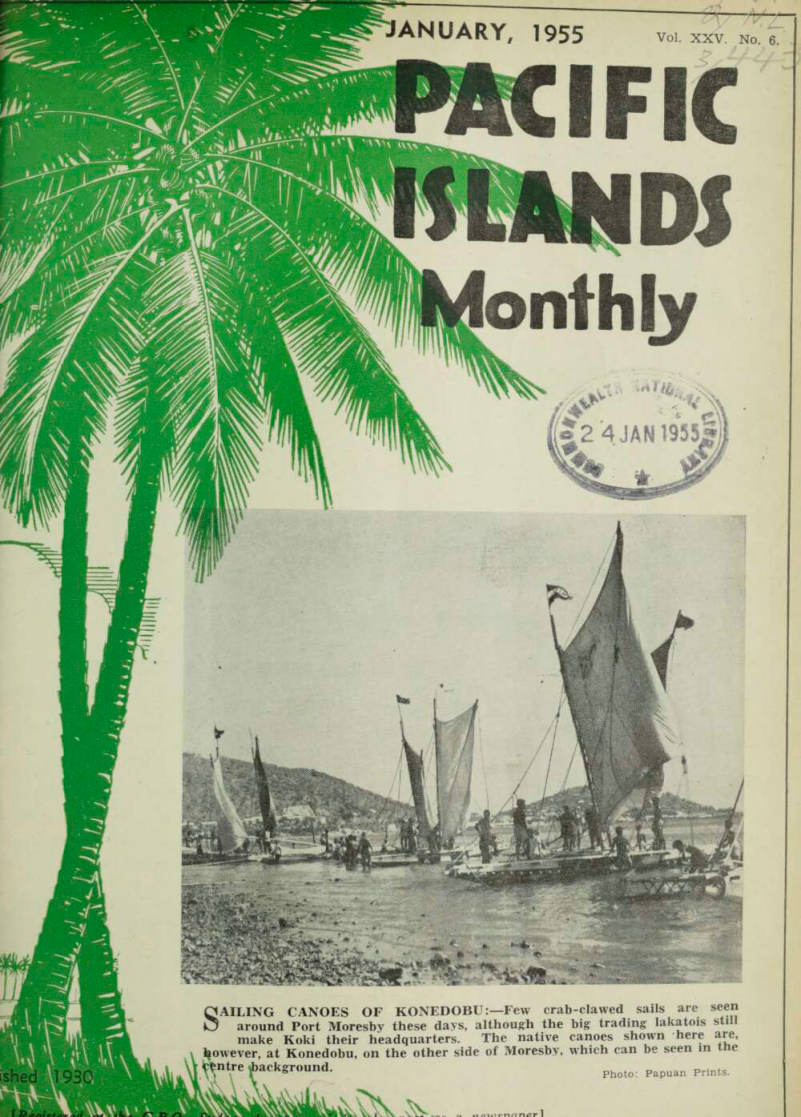 1
1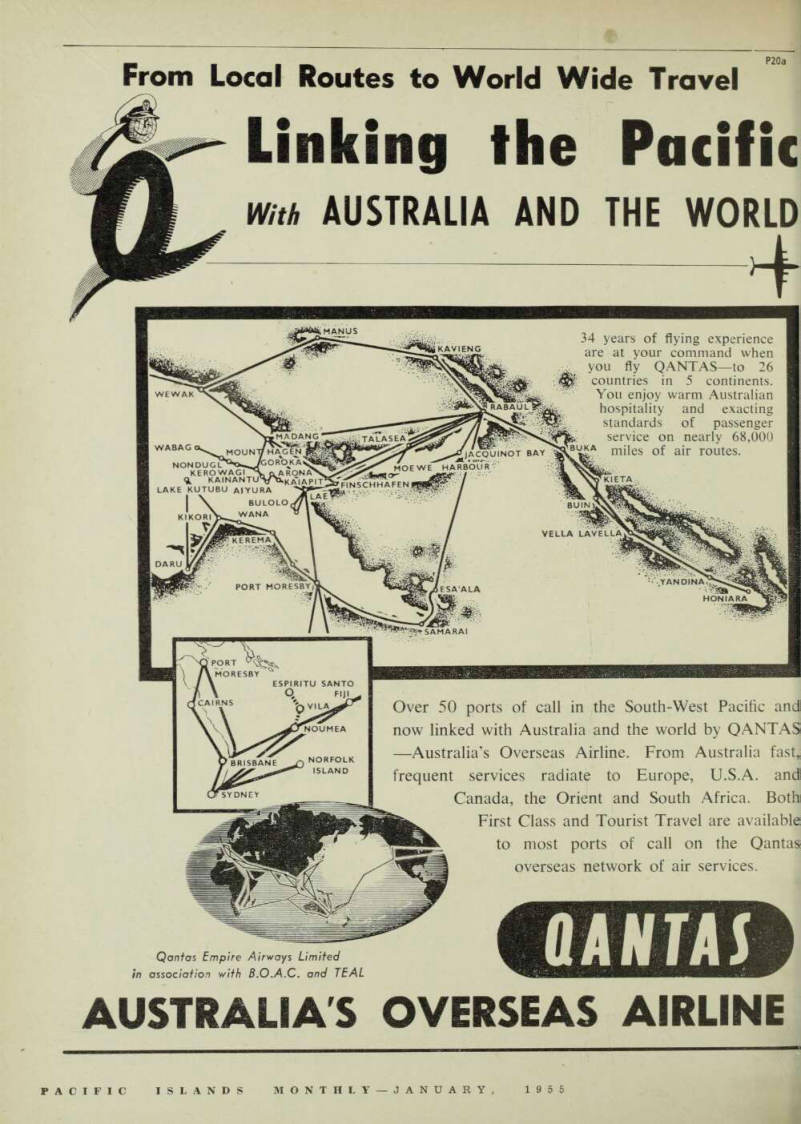 2
2 3
3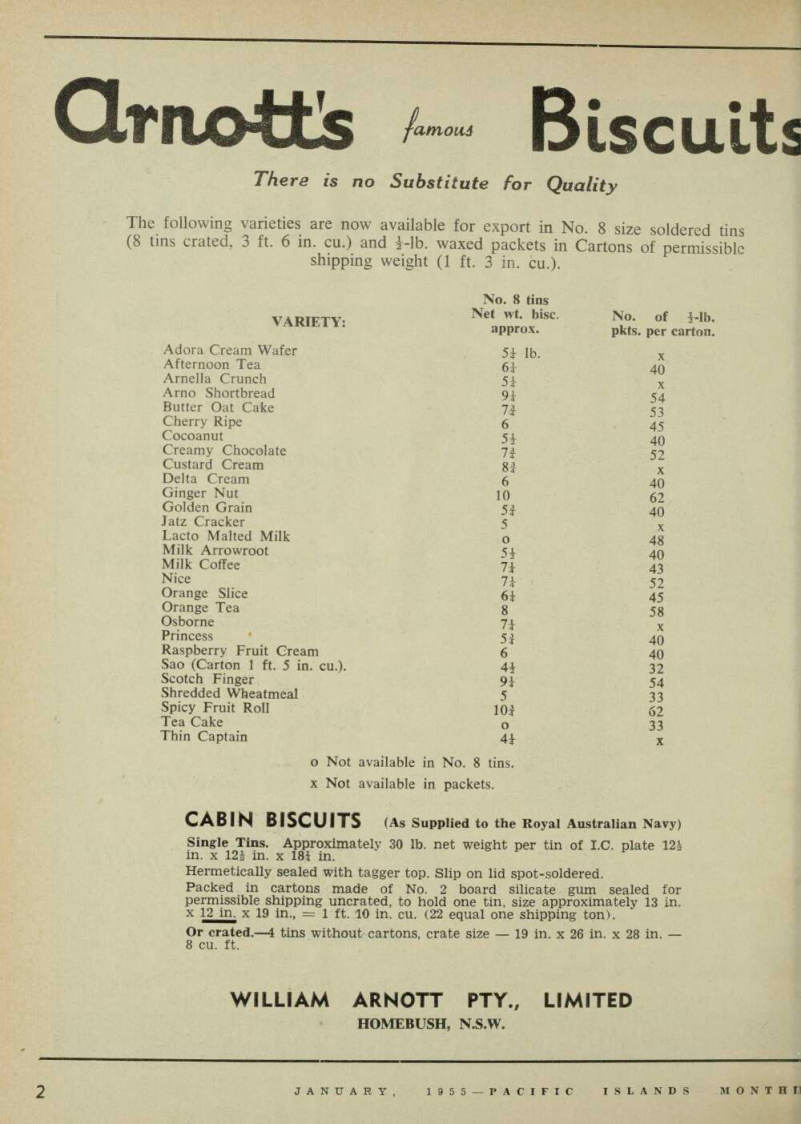 4
4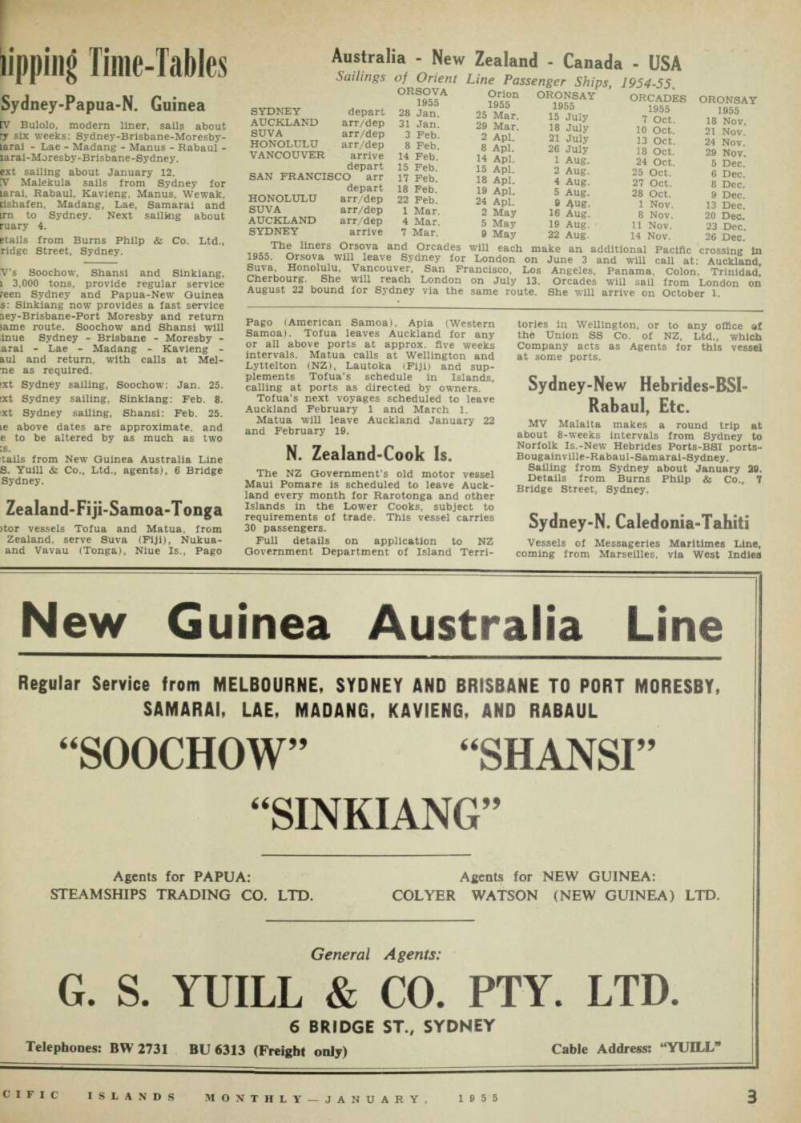 5
5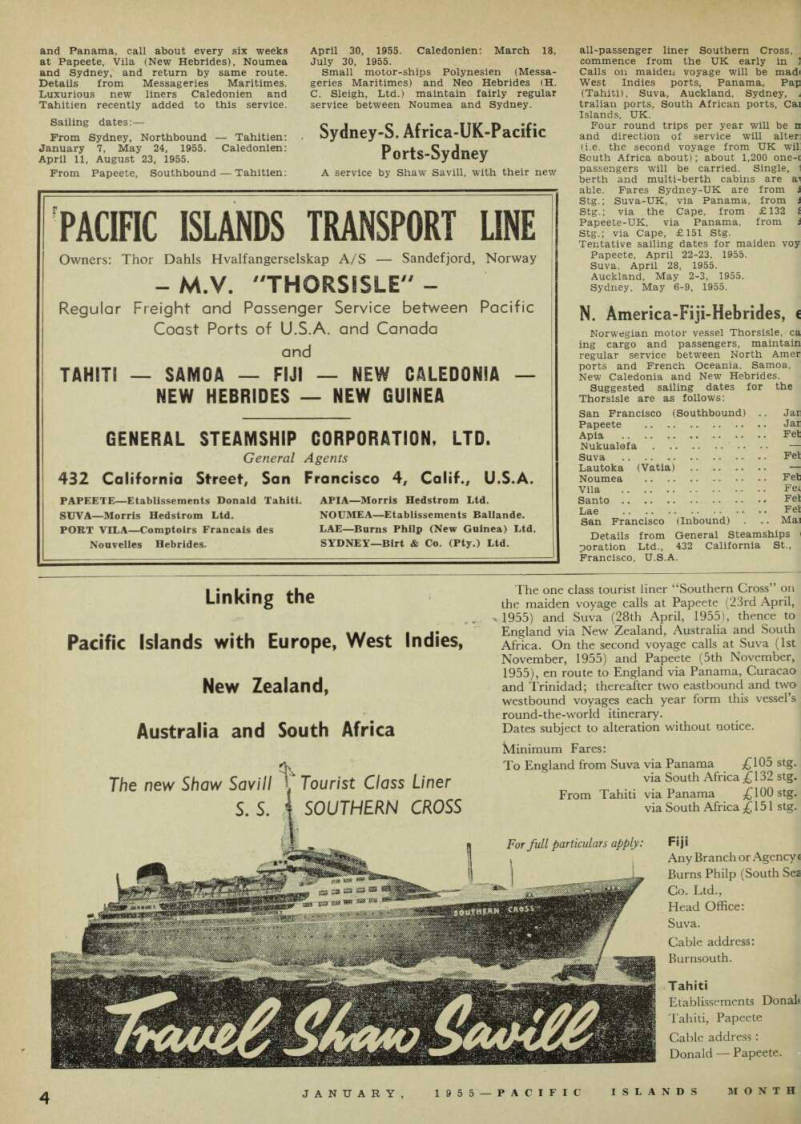 6
6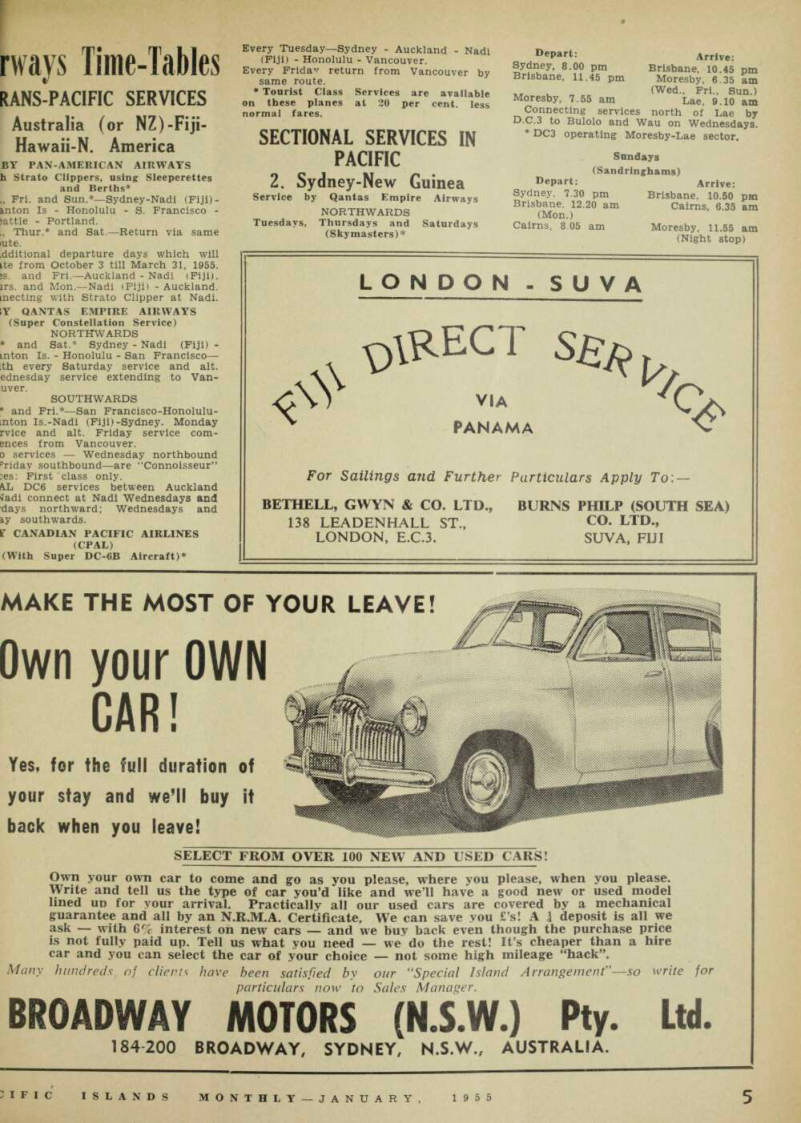 7
7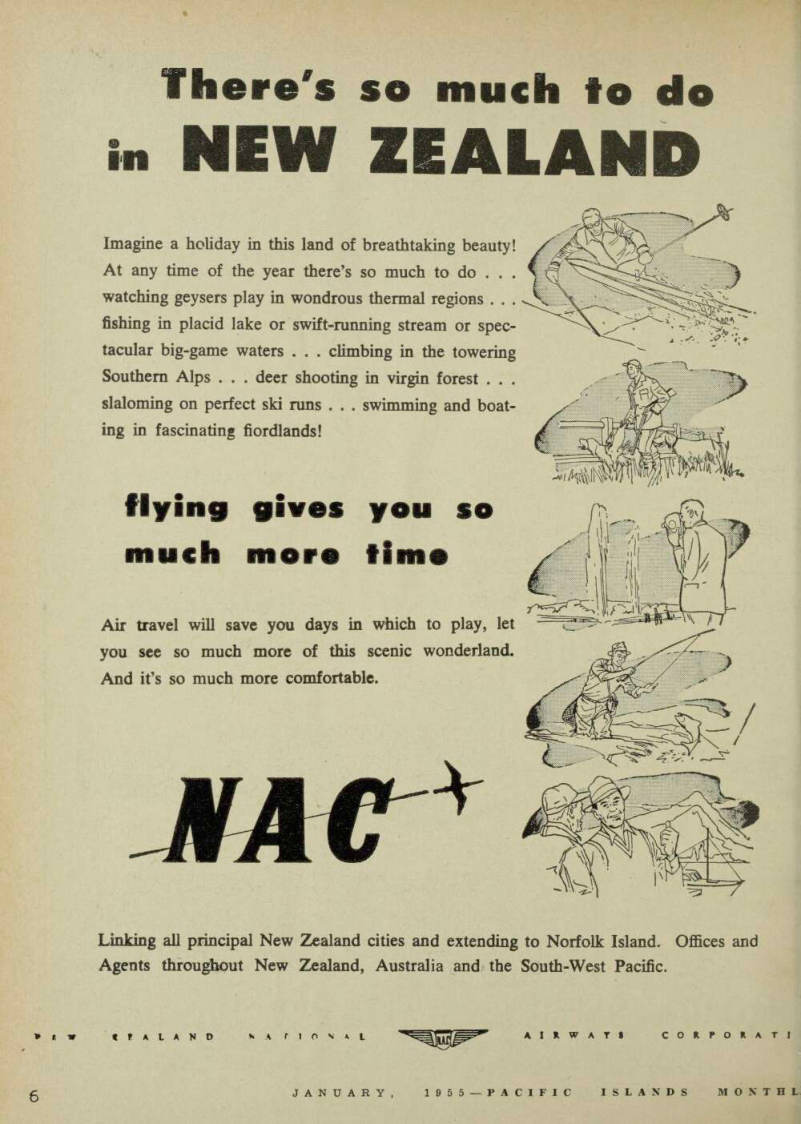 8
8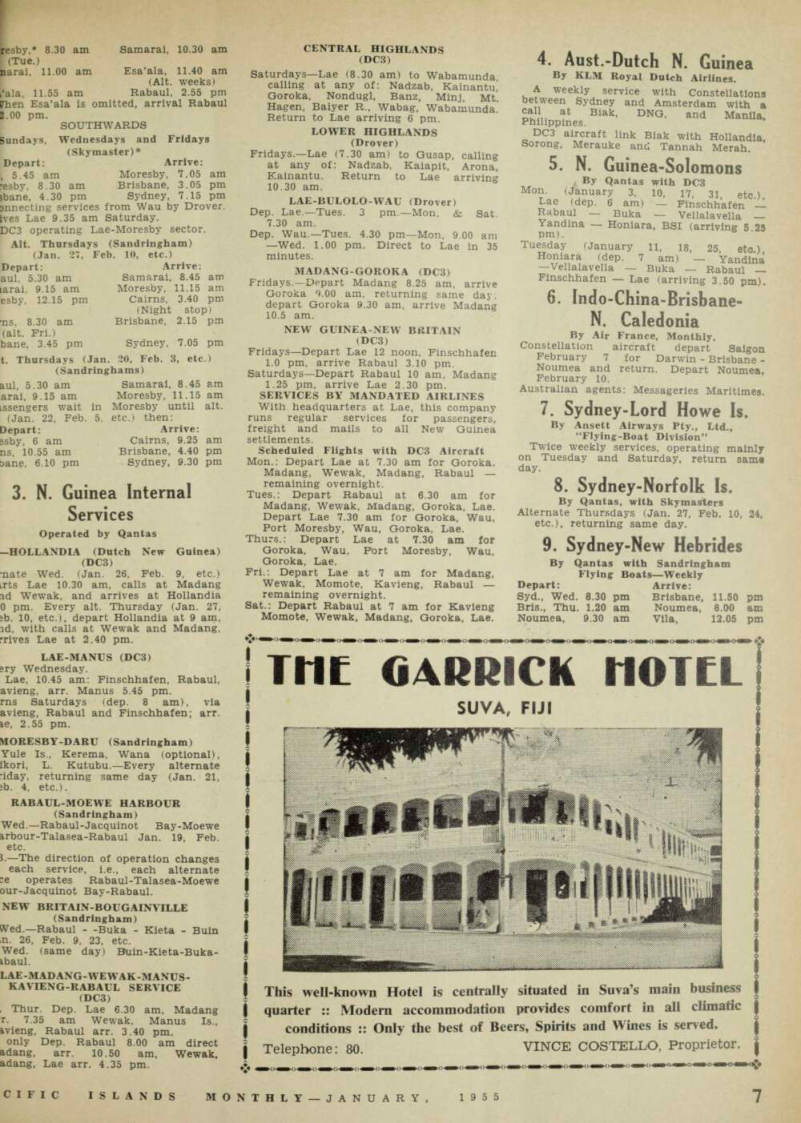 9
9 10
10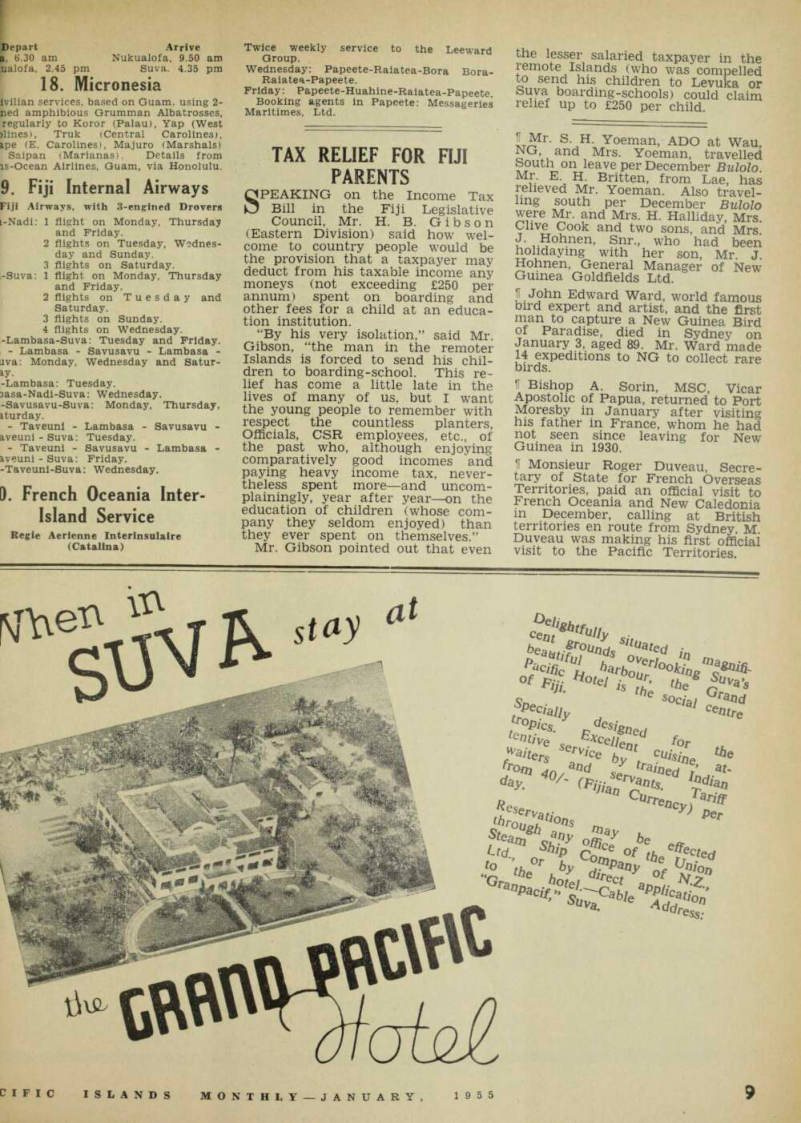 11
11 12
12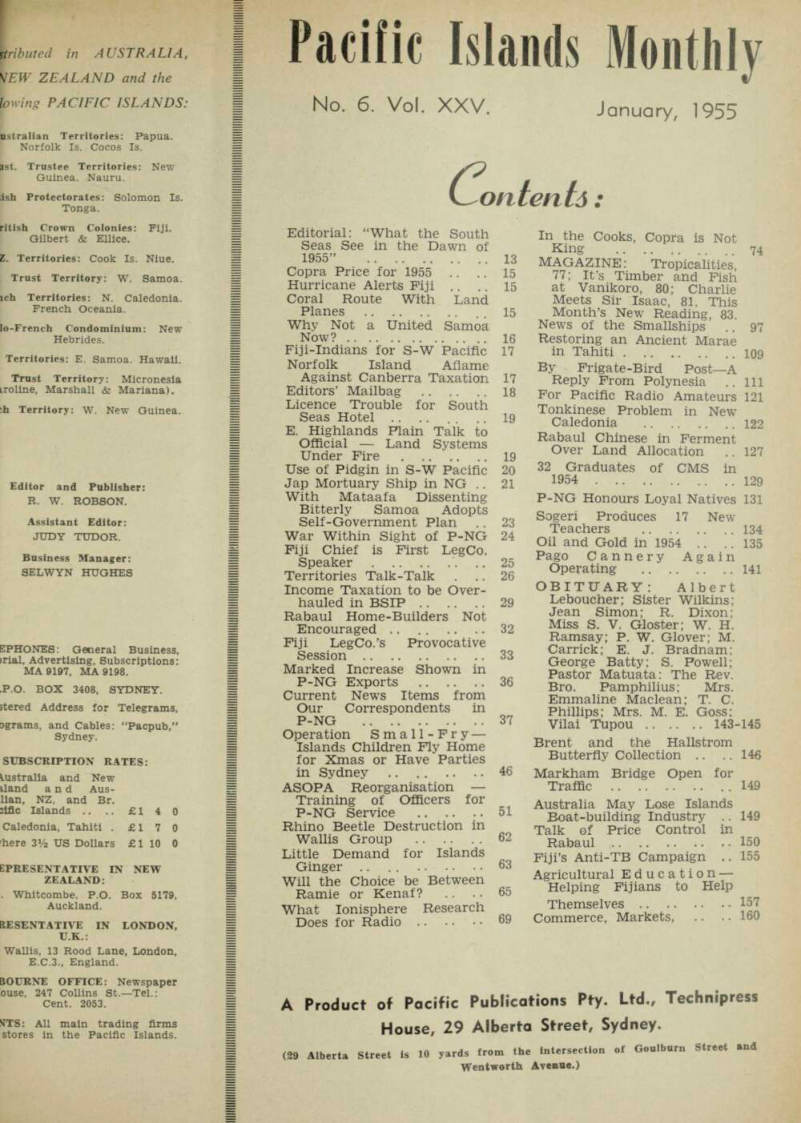 13
13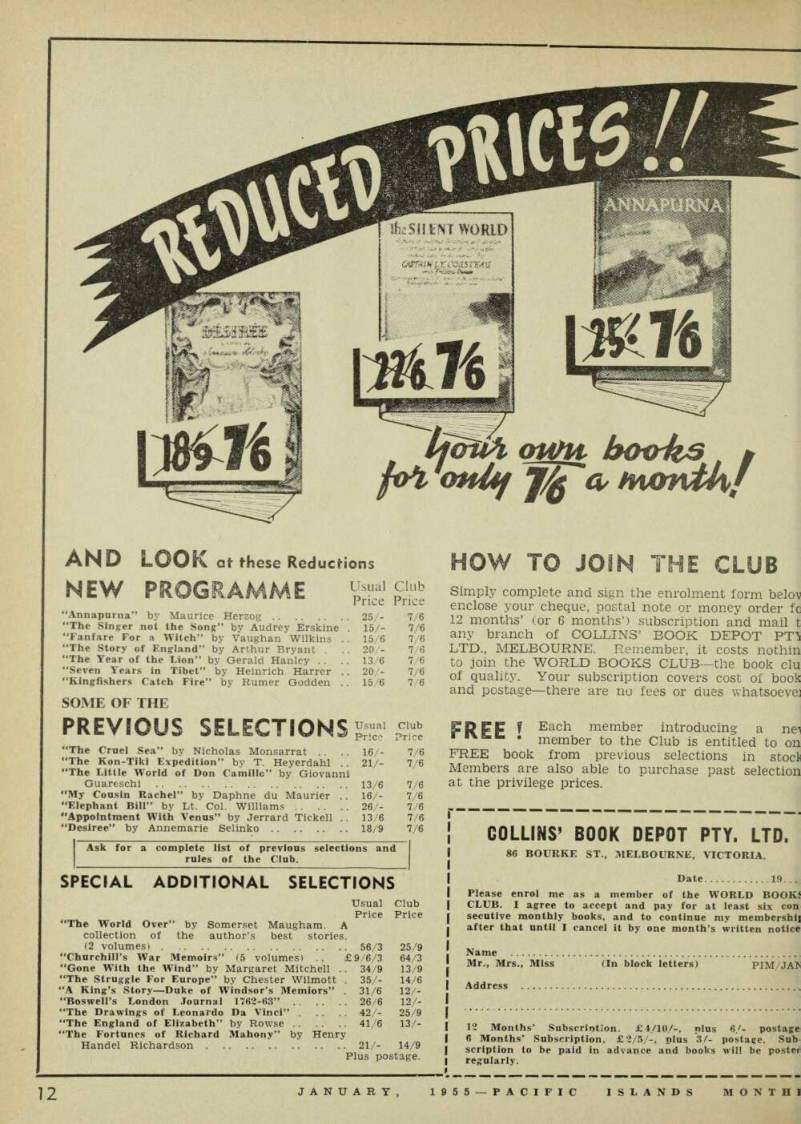 14
14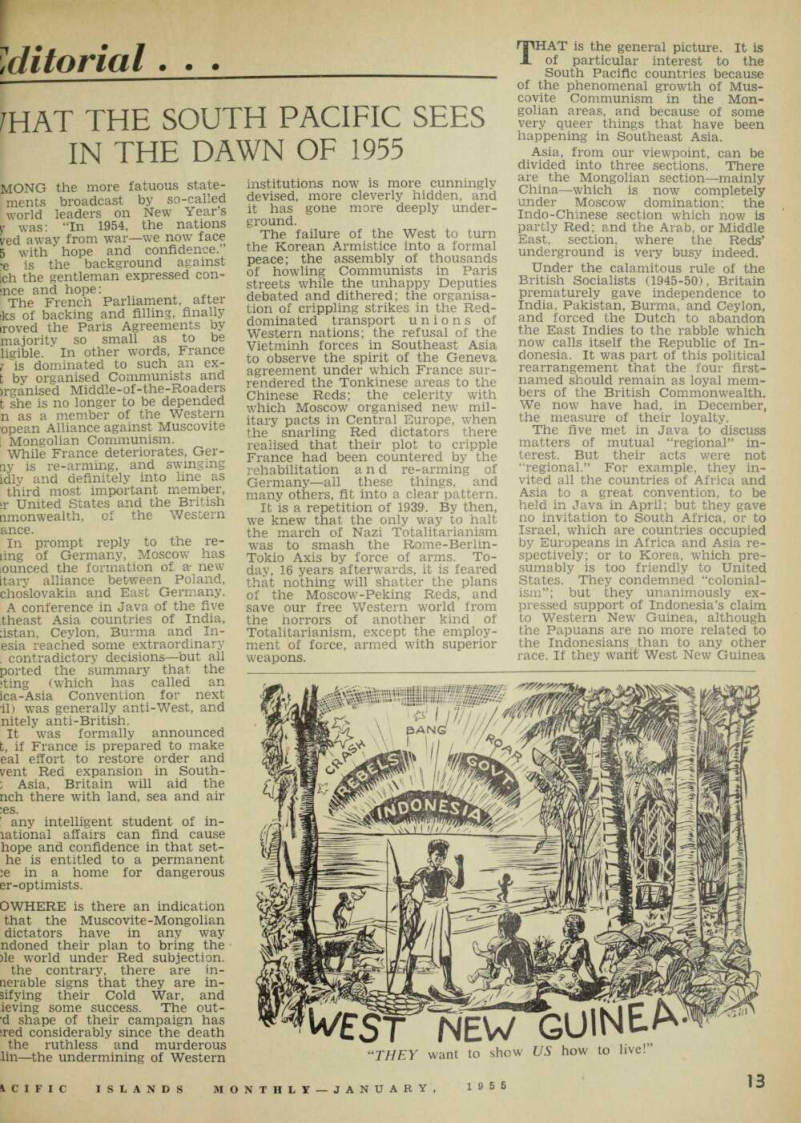 15
15 16
16 17
17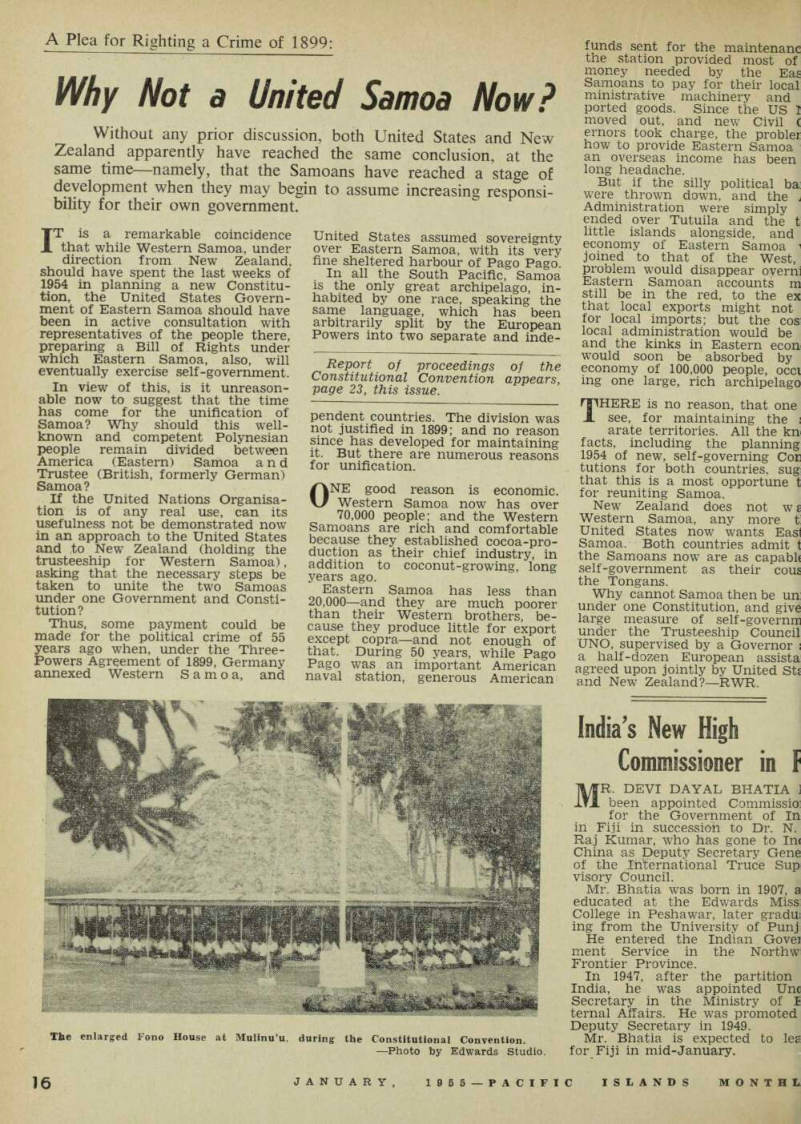 18
18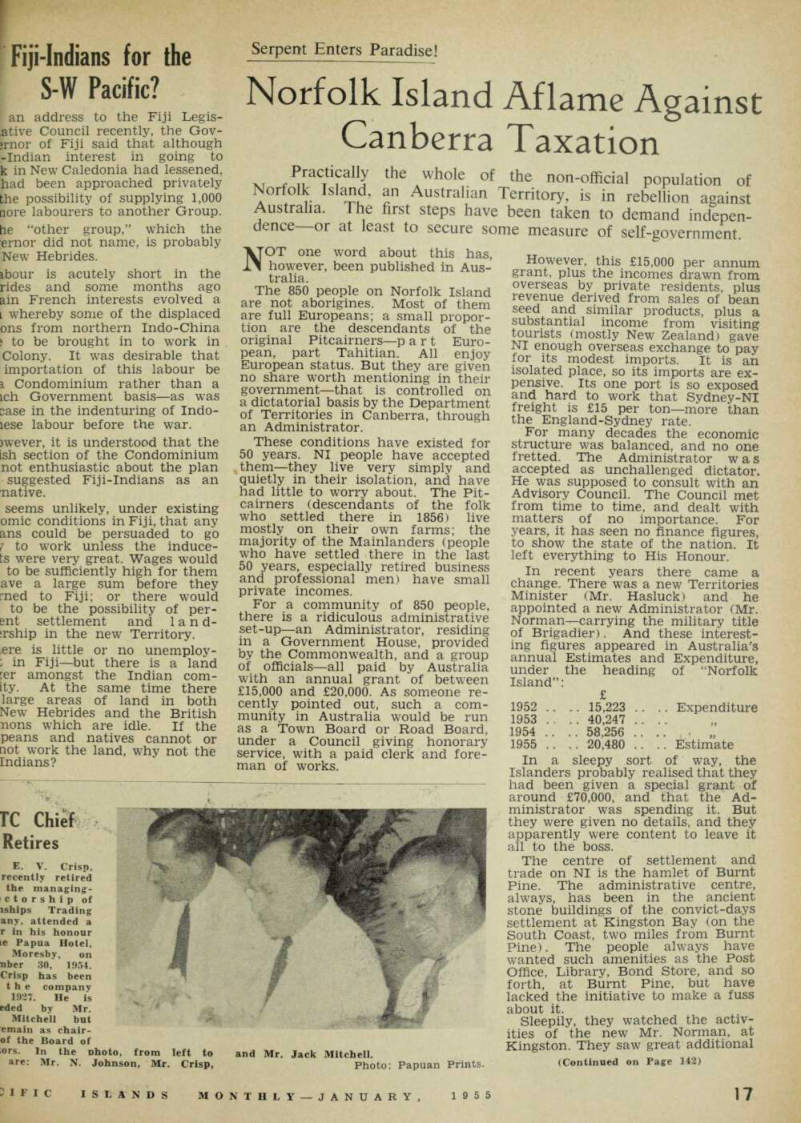 19
19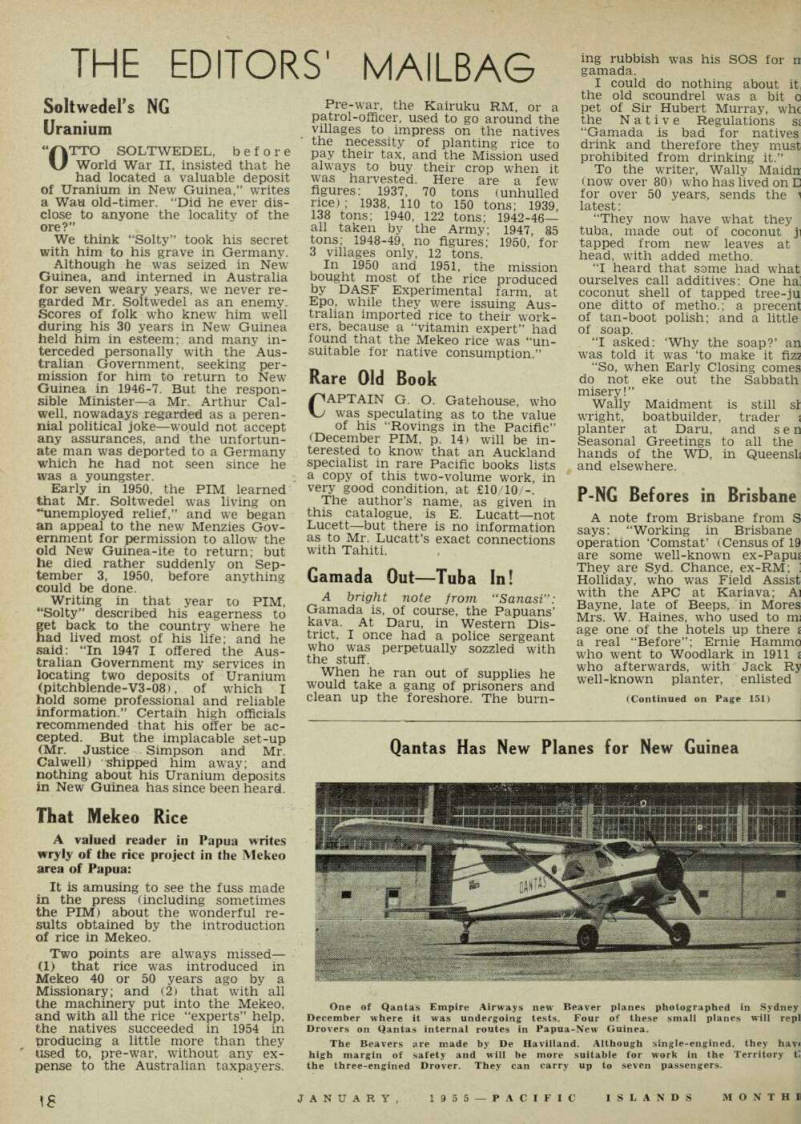 20
20 21
21 22
22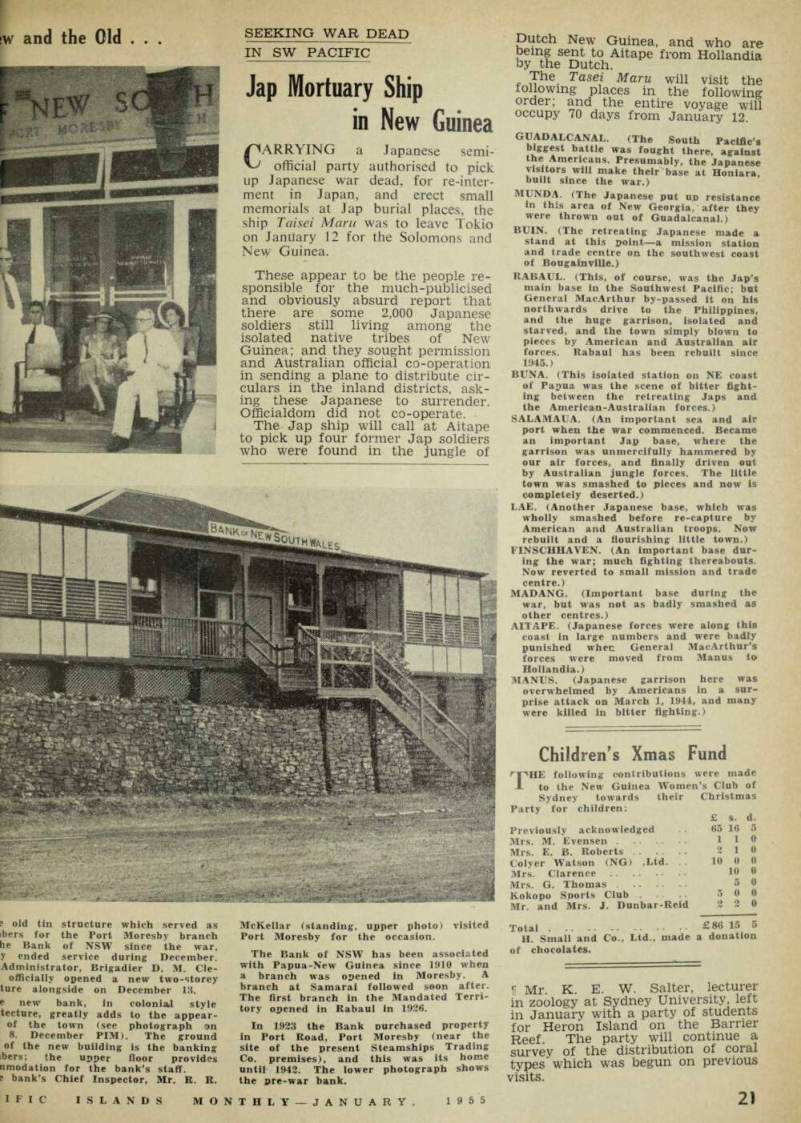 23
23 24
24 25
25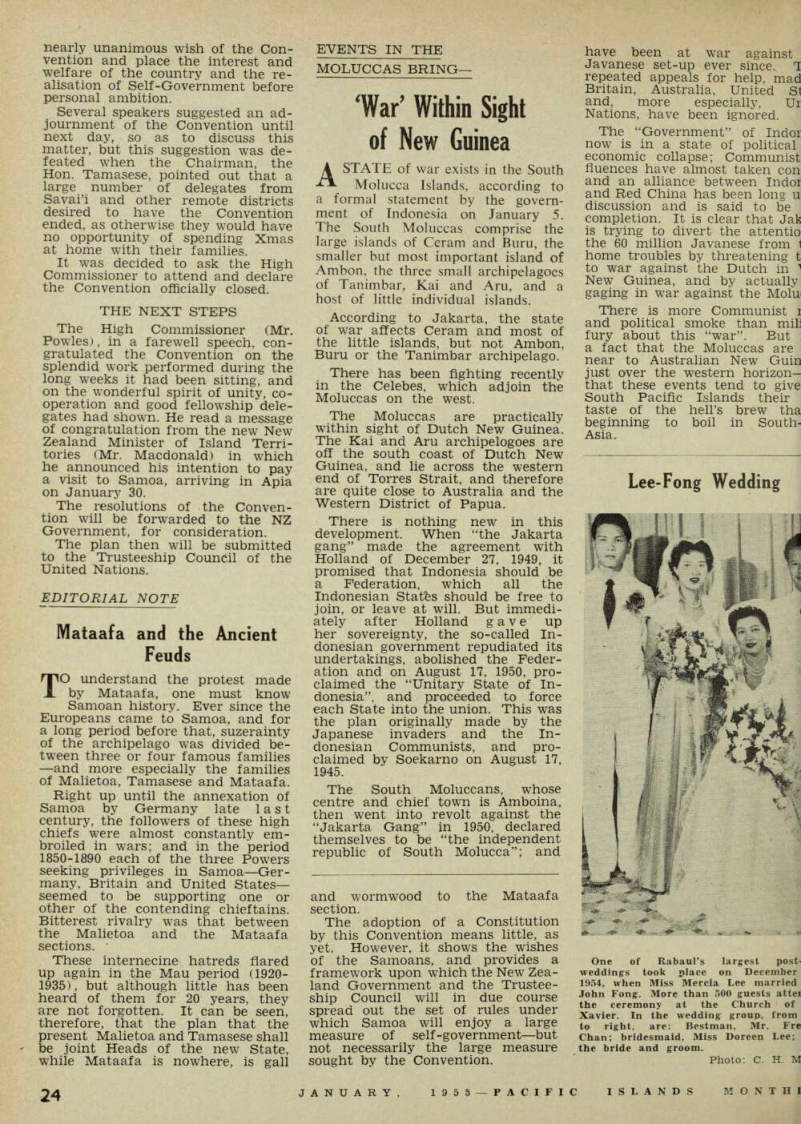 26
26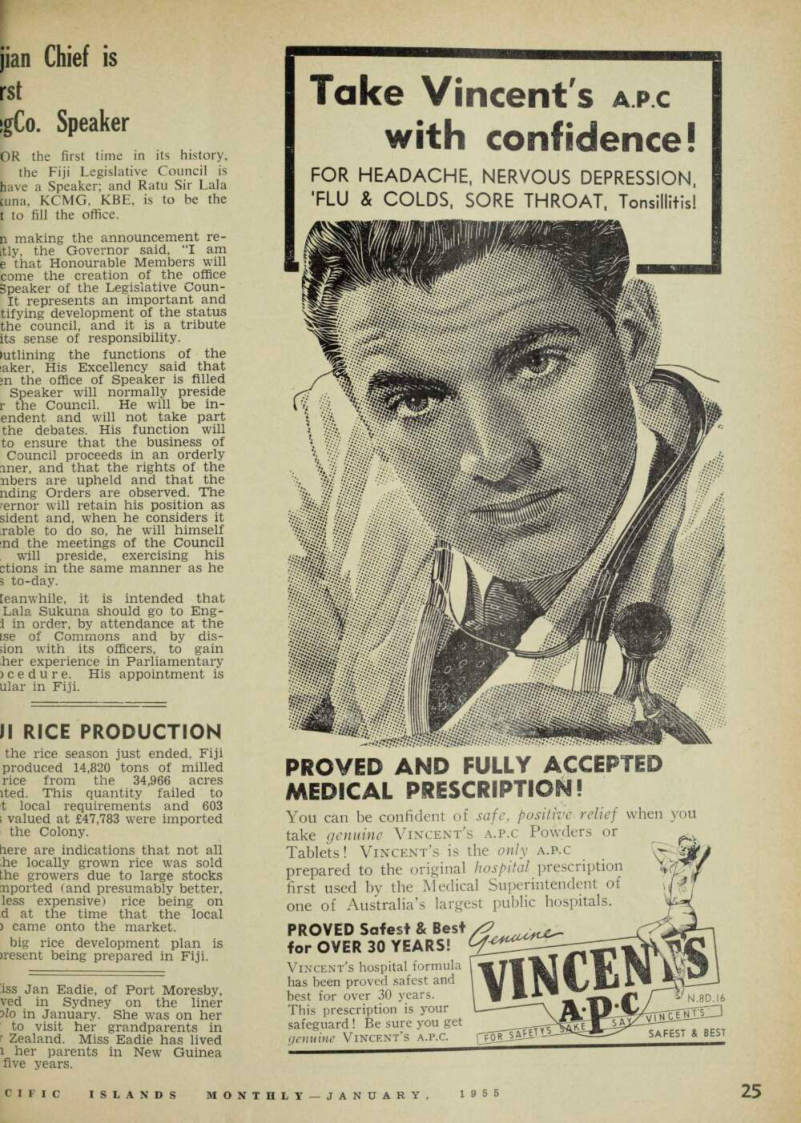 27
27 28
28 29
29 30
30 31
31 32
32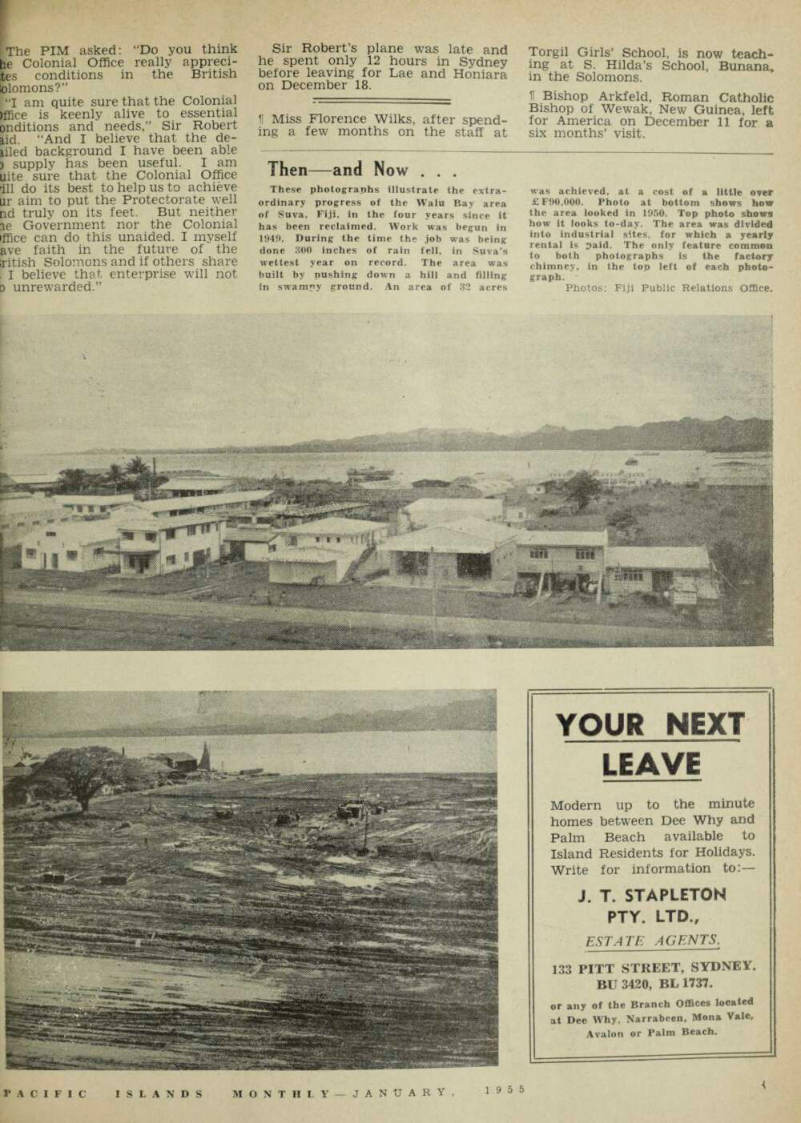 33
33 34
34 35
35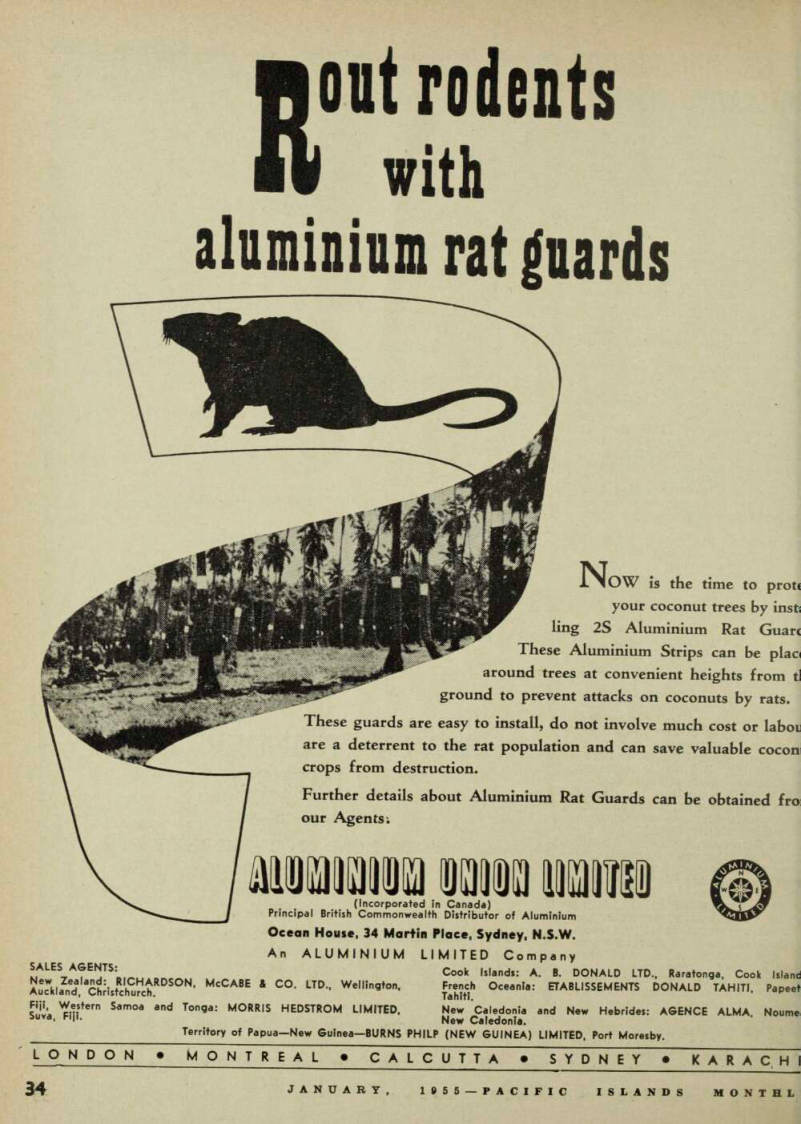 36
36 37
37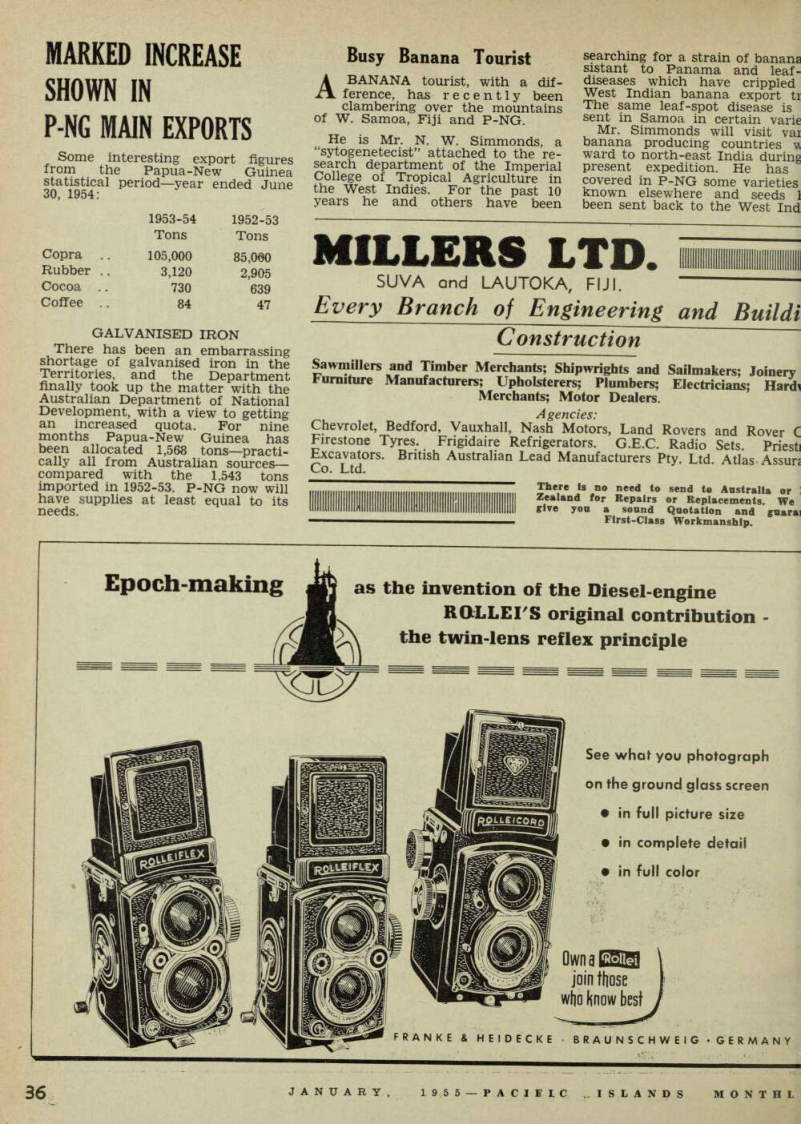 38
38 39
39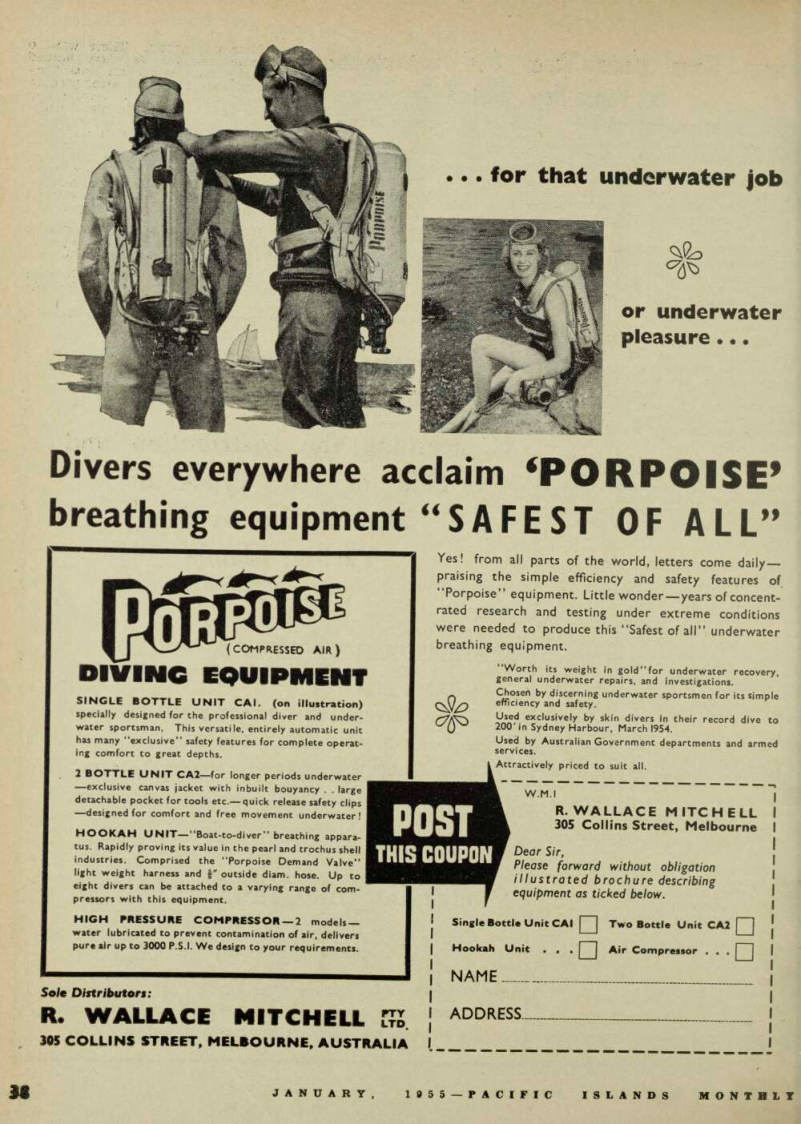 40
40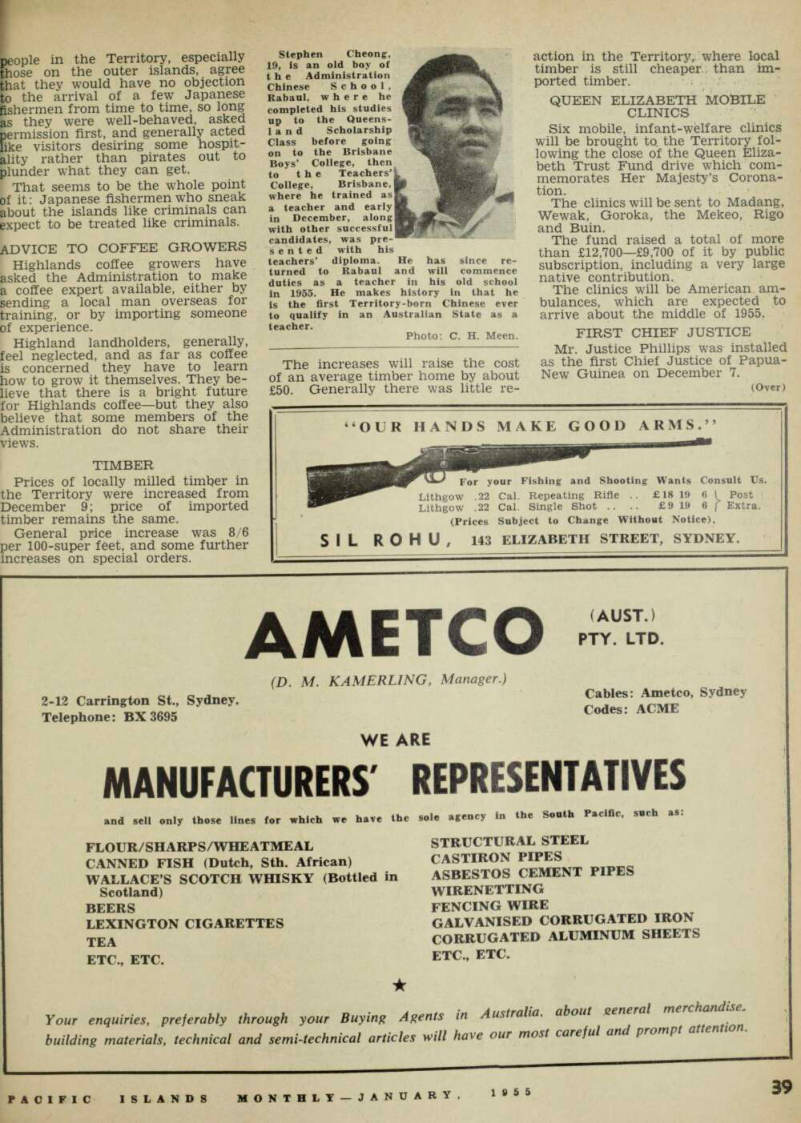 41
41 42
42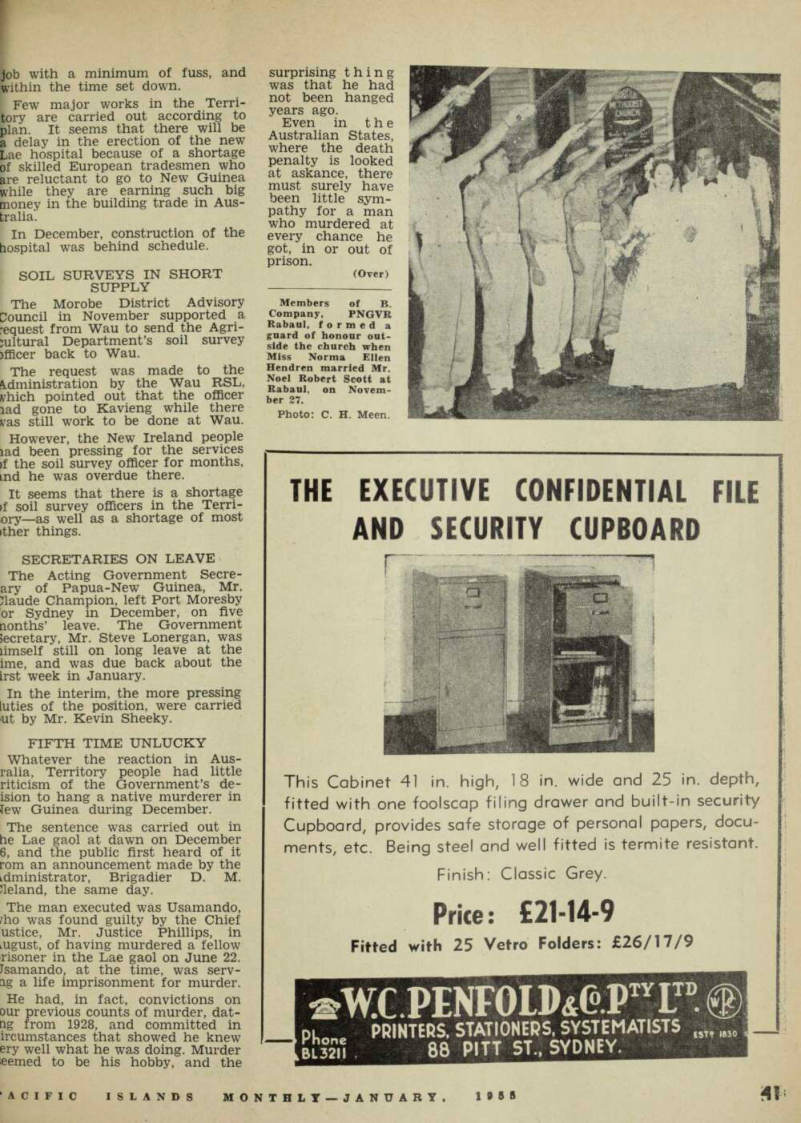 43
43 44
44 45
45 46
46 47
47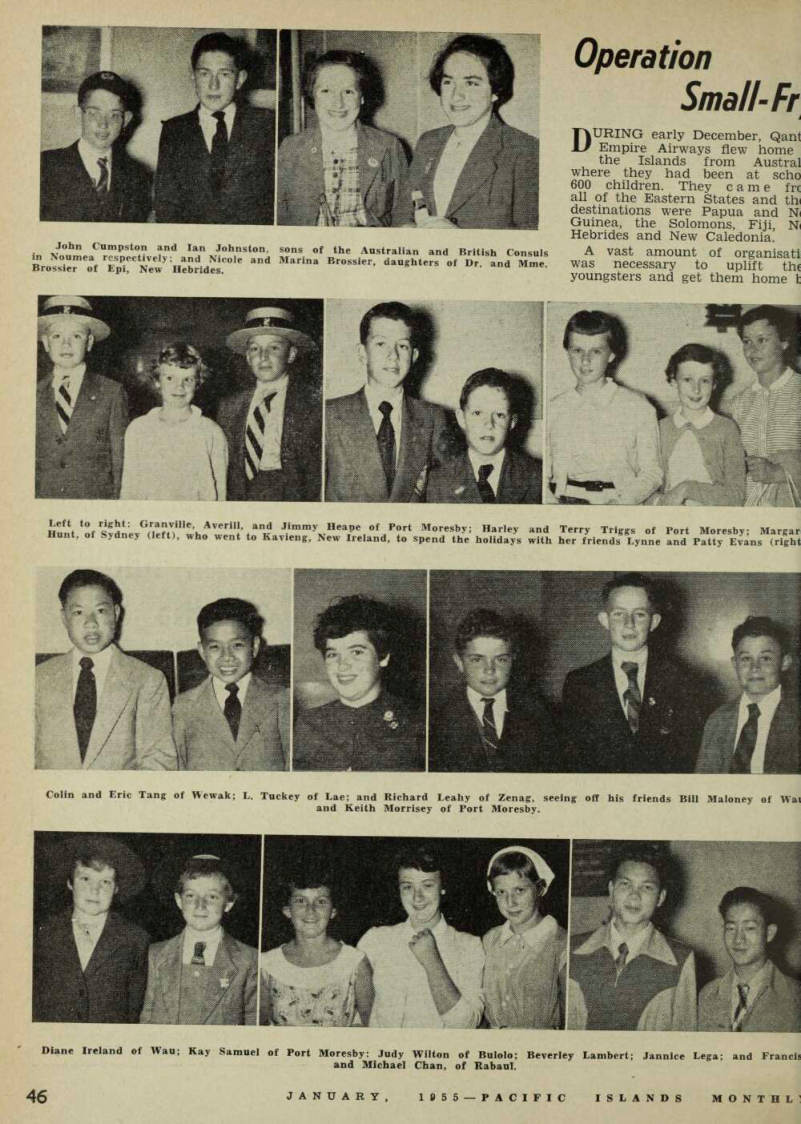 48
48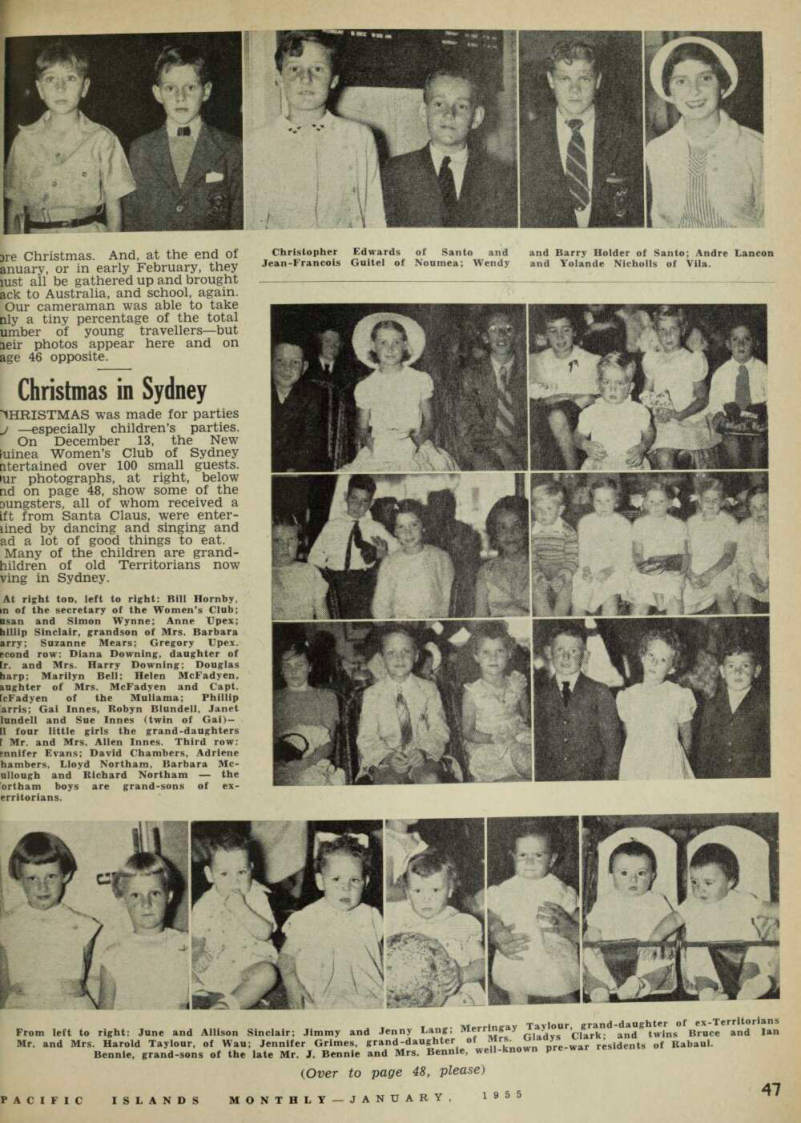 49
49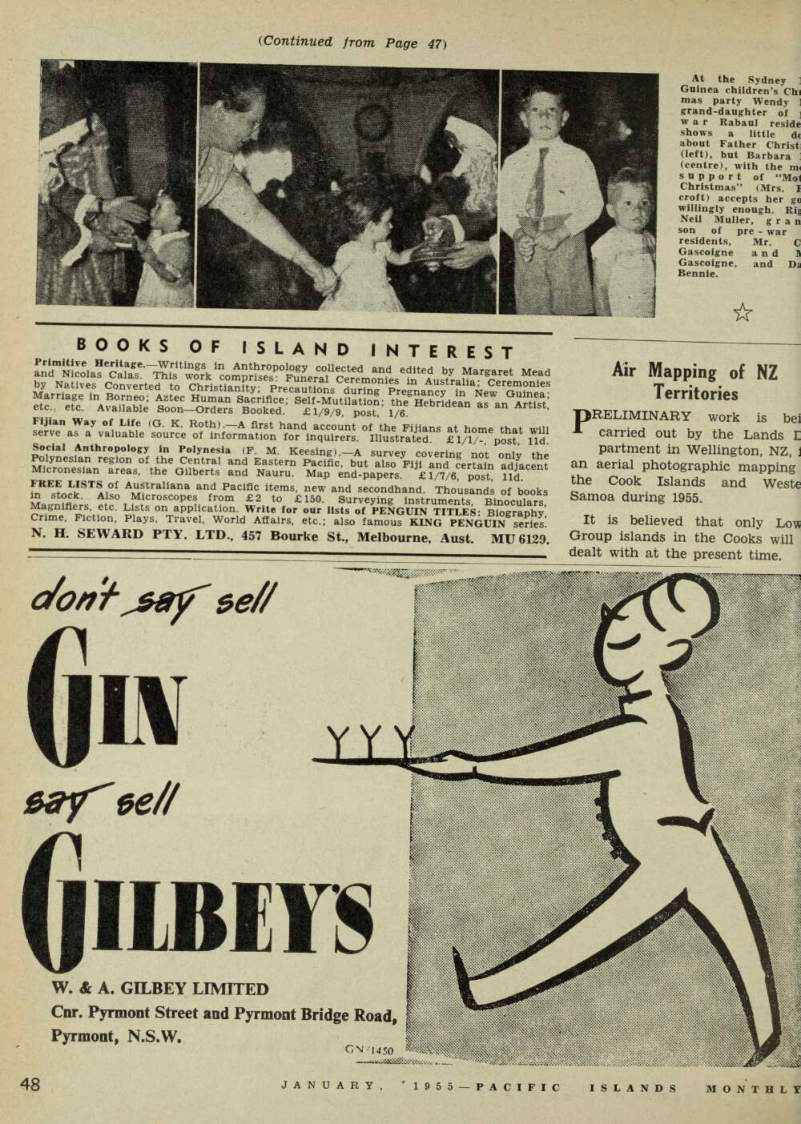 50
50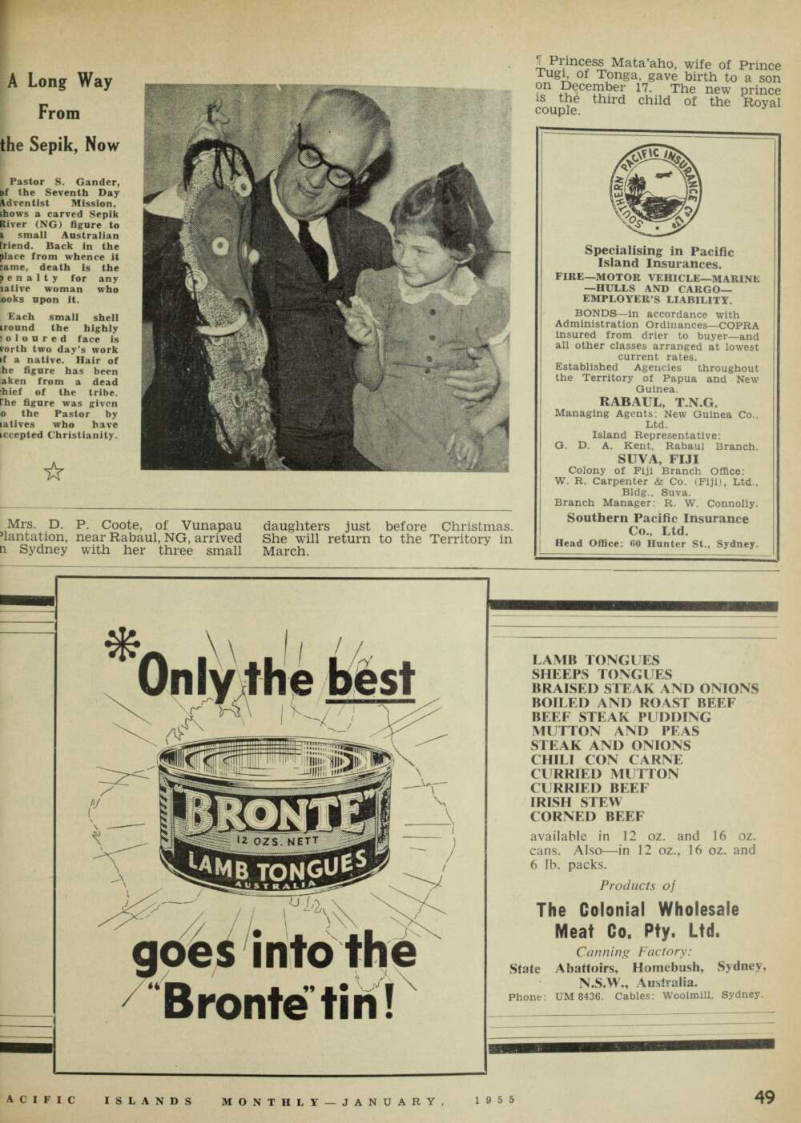 51
51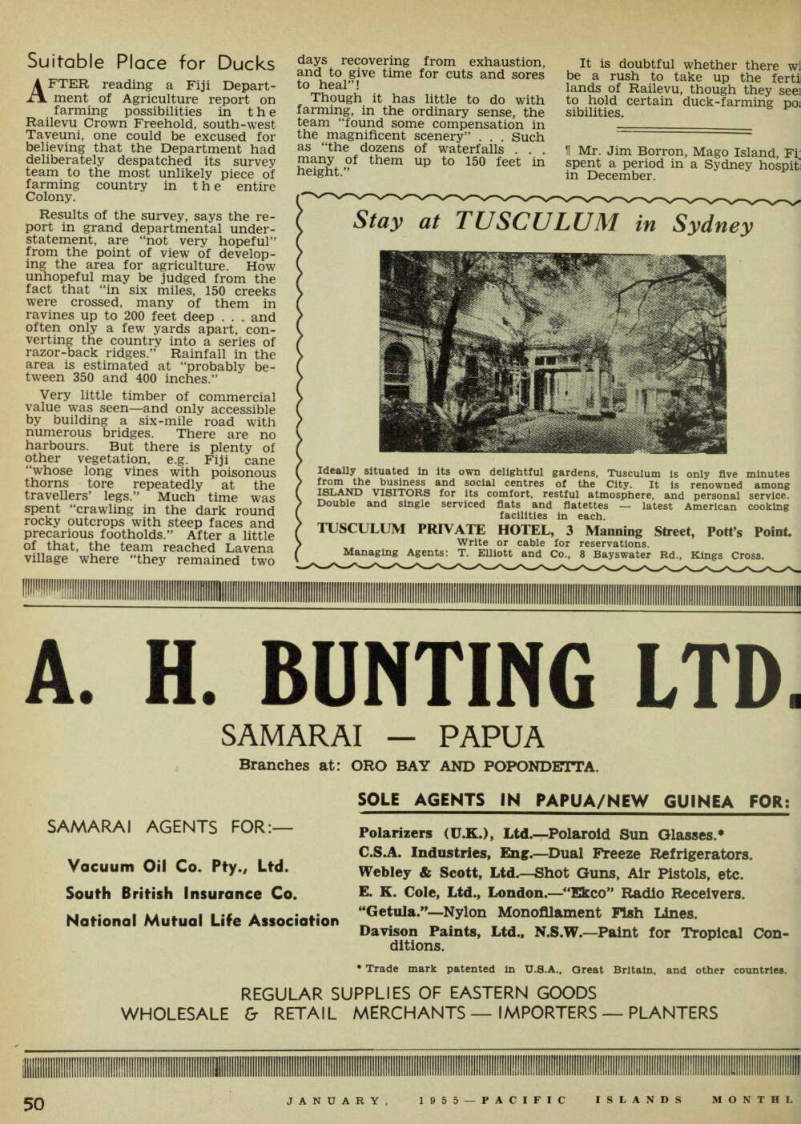 52
52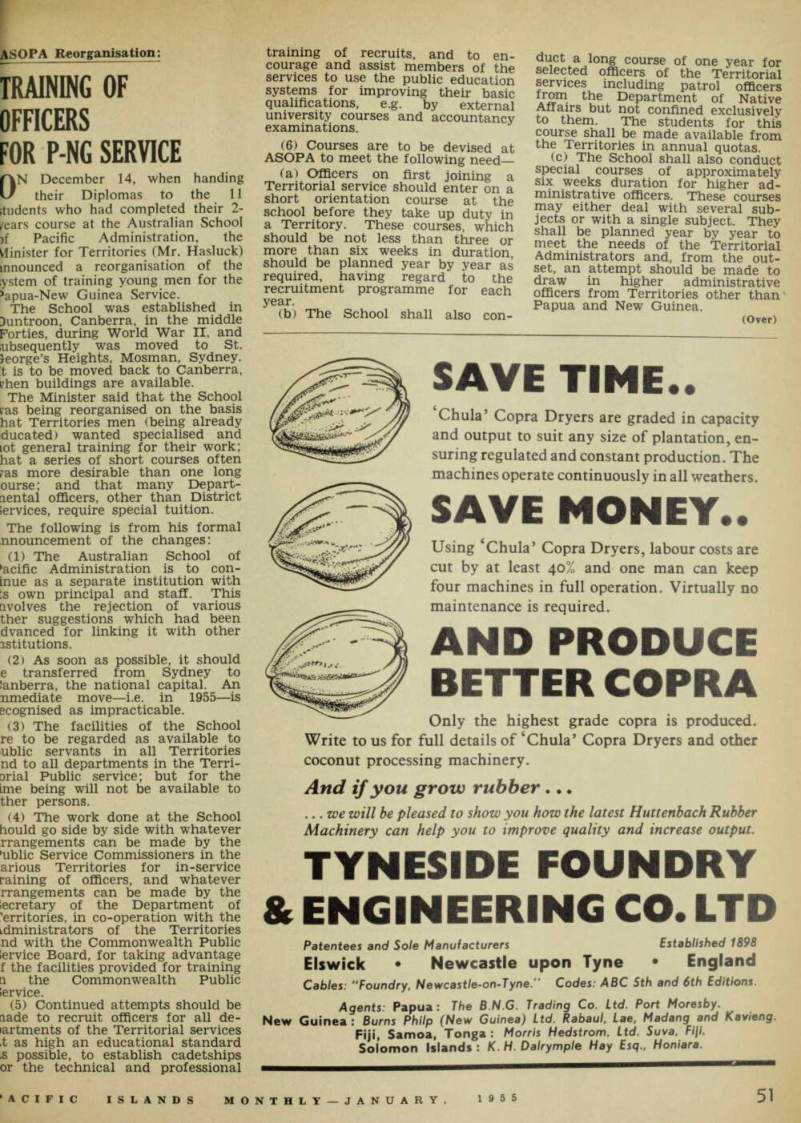 53
53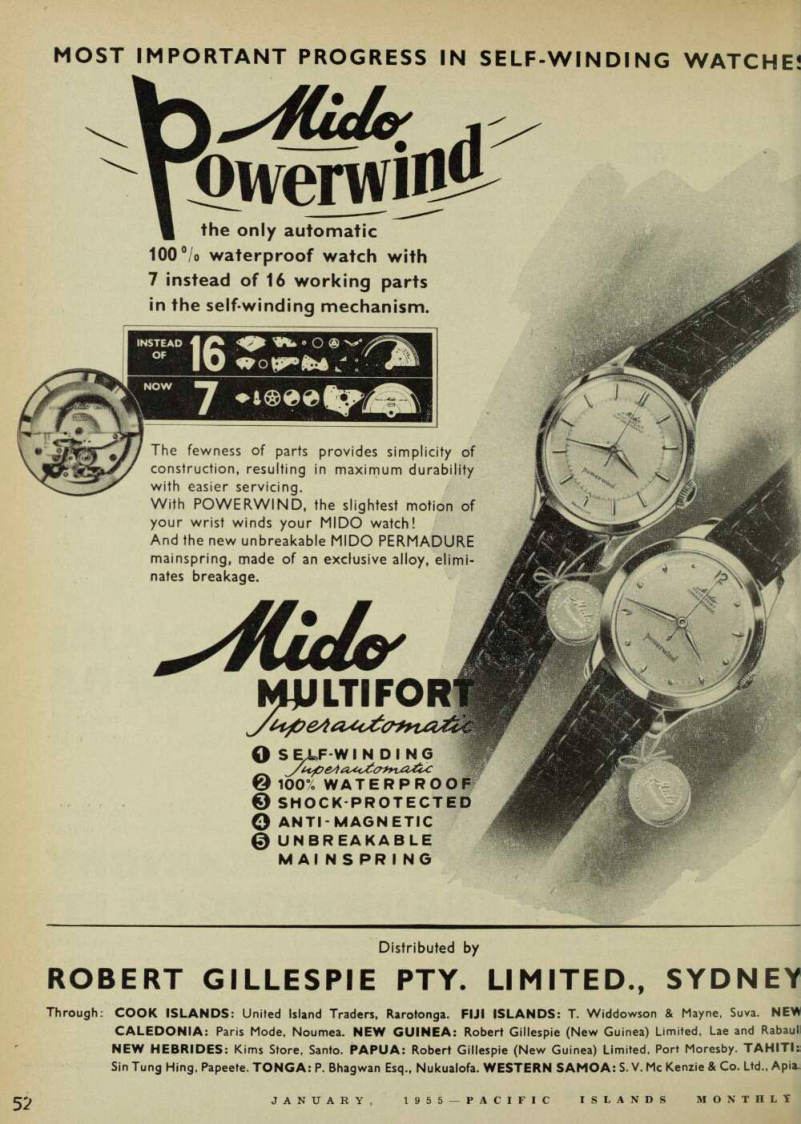 54
54 55
55 56
56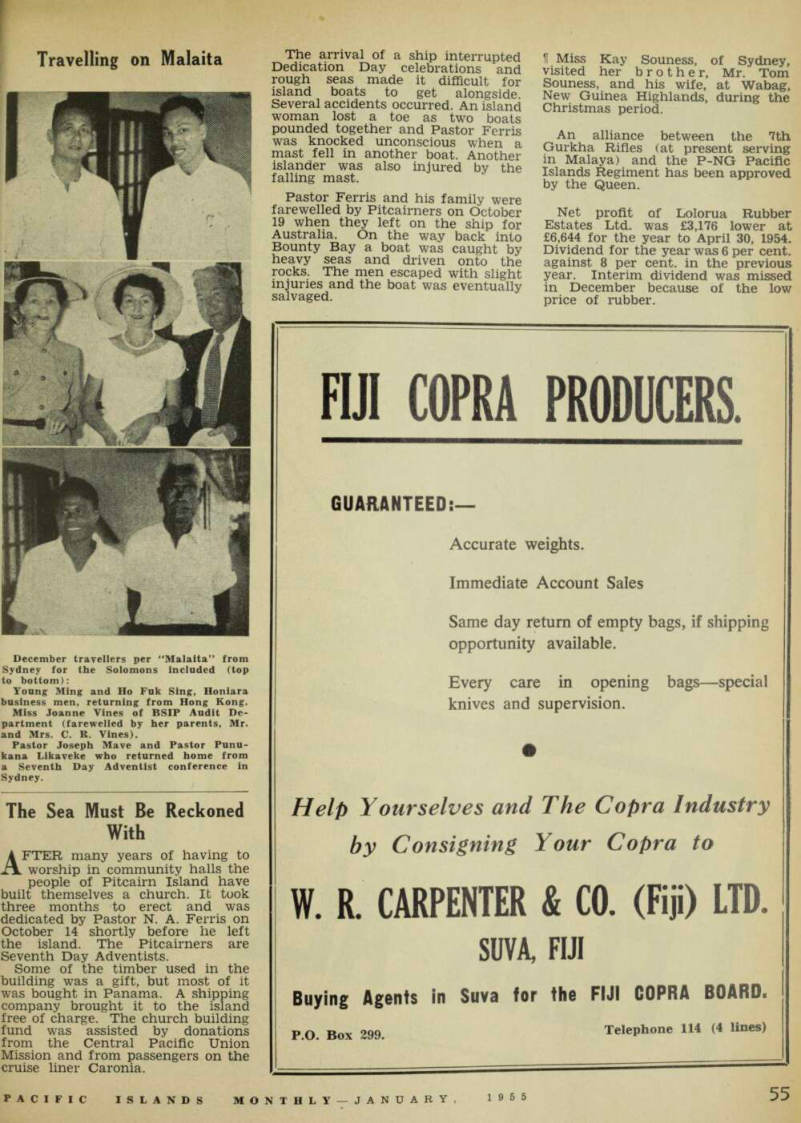 57
57 58
58 59
59 60
60 61
61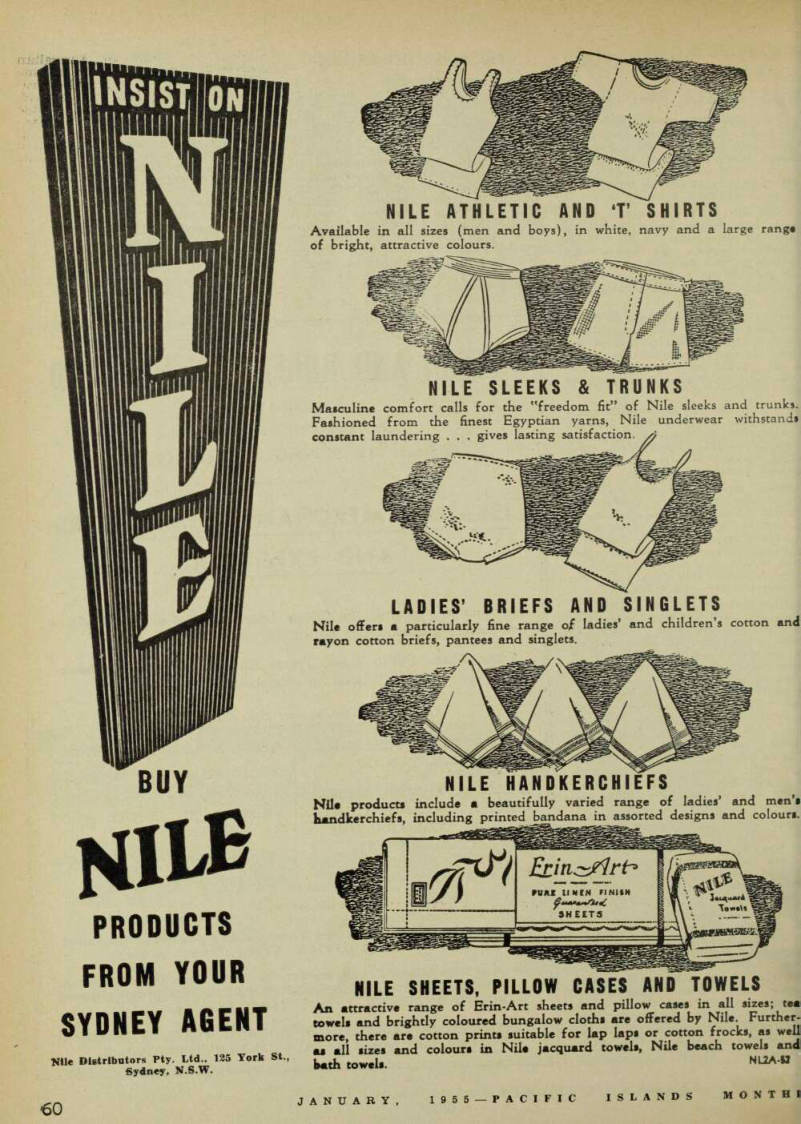 62
62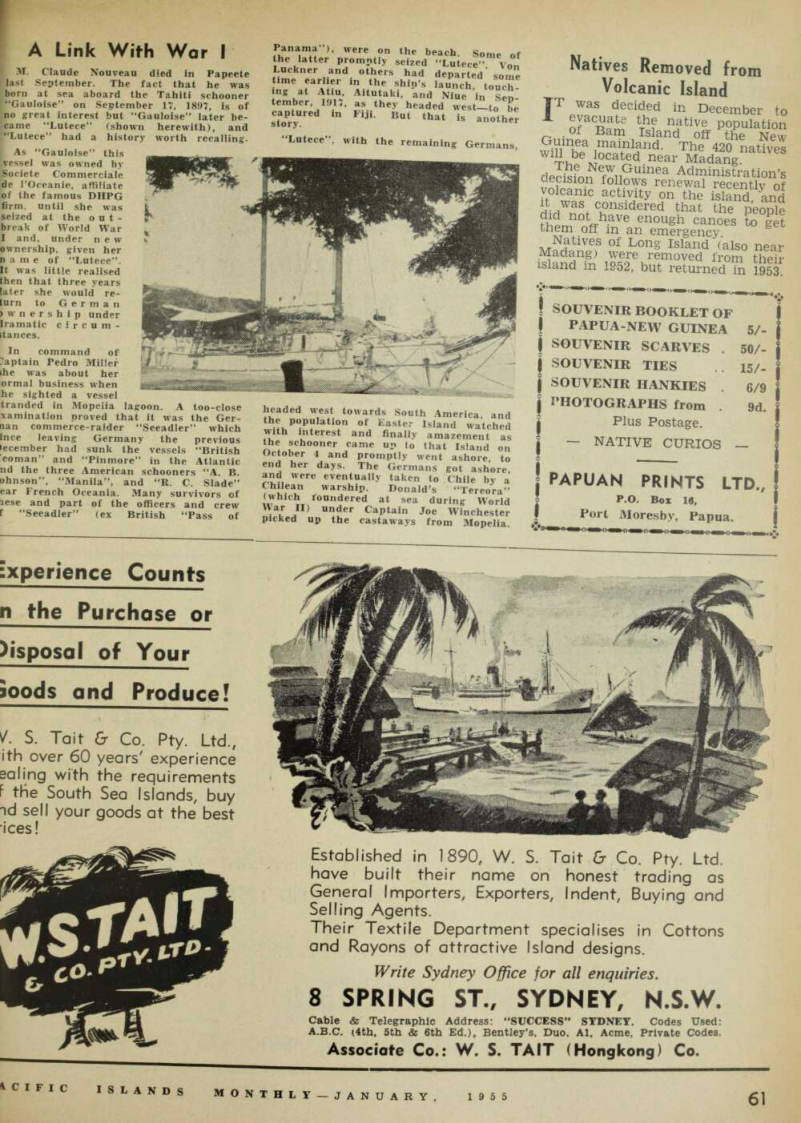 63
63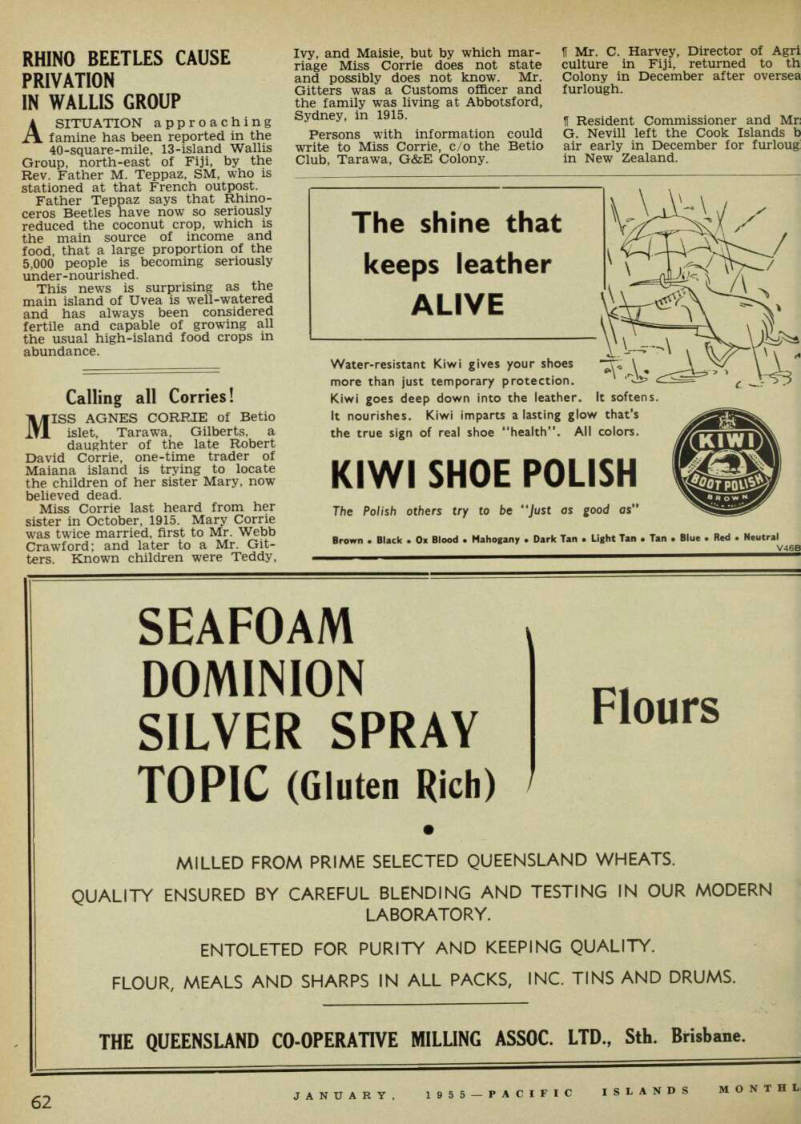 64
64 65
65 66
66 67
67 68
68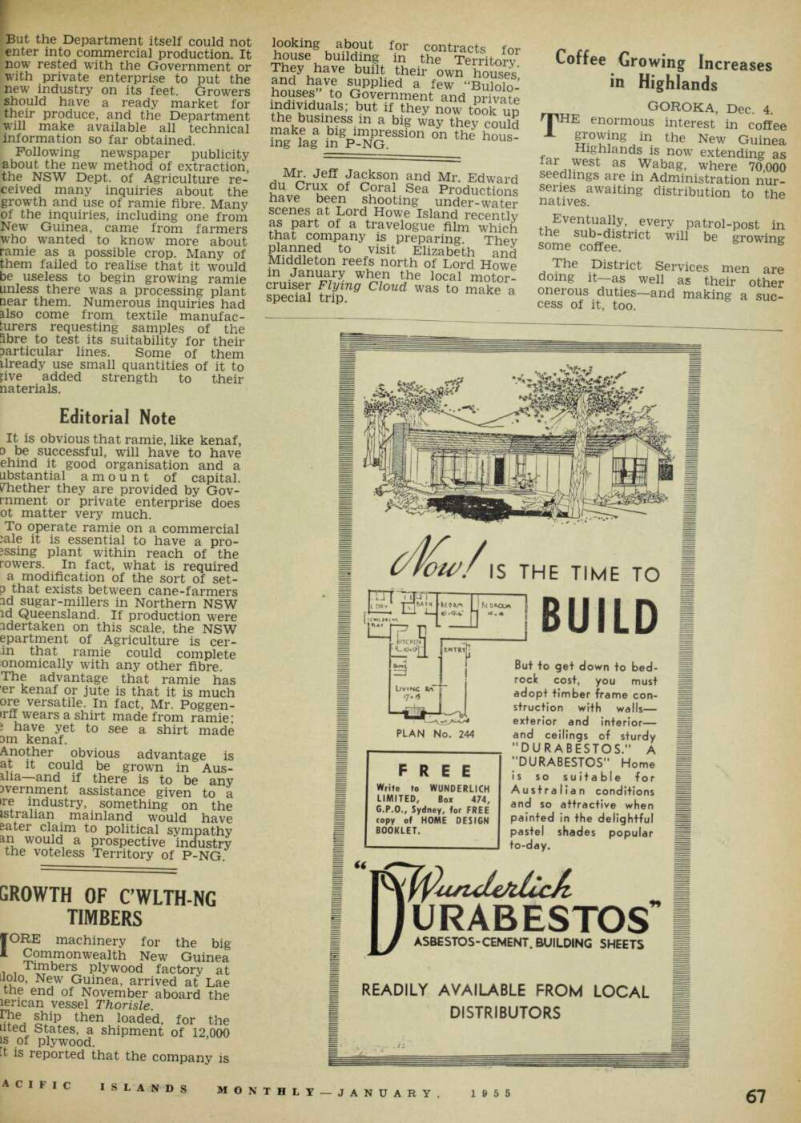 69
69 70
70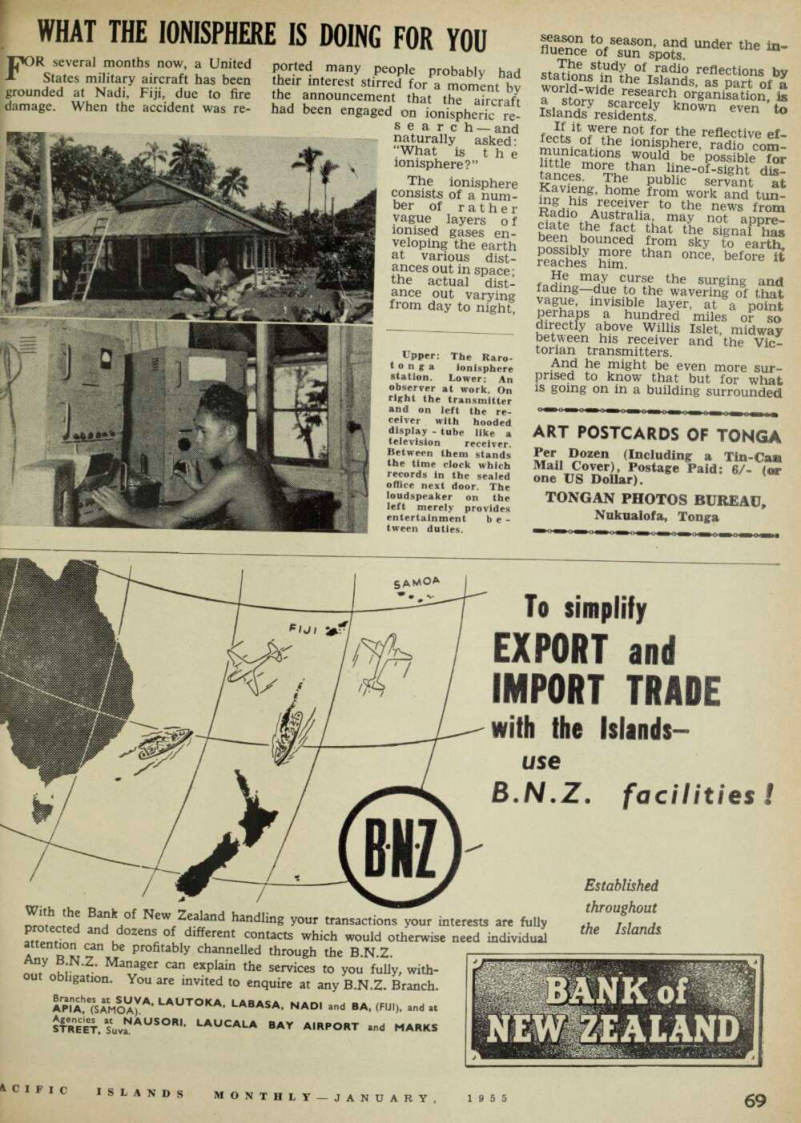 71
71 72
72 73
73 74
74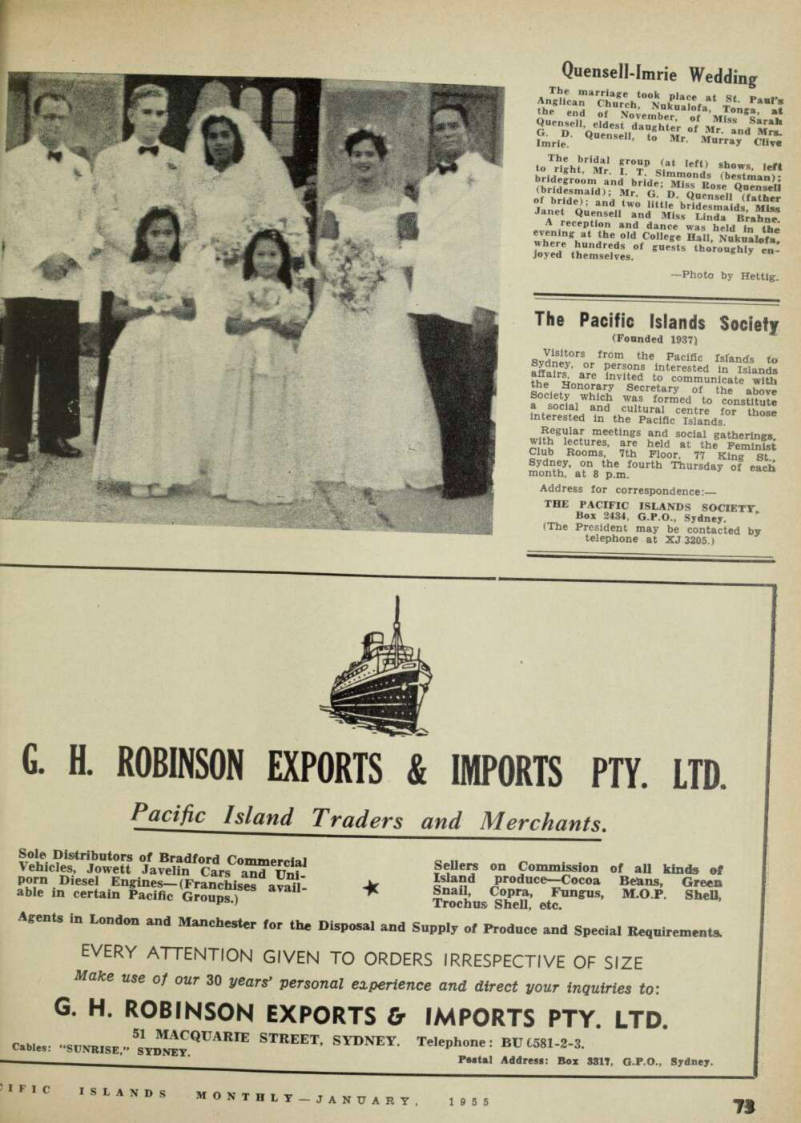 75
75 76
76 77
77 78
78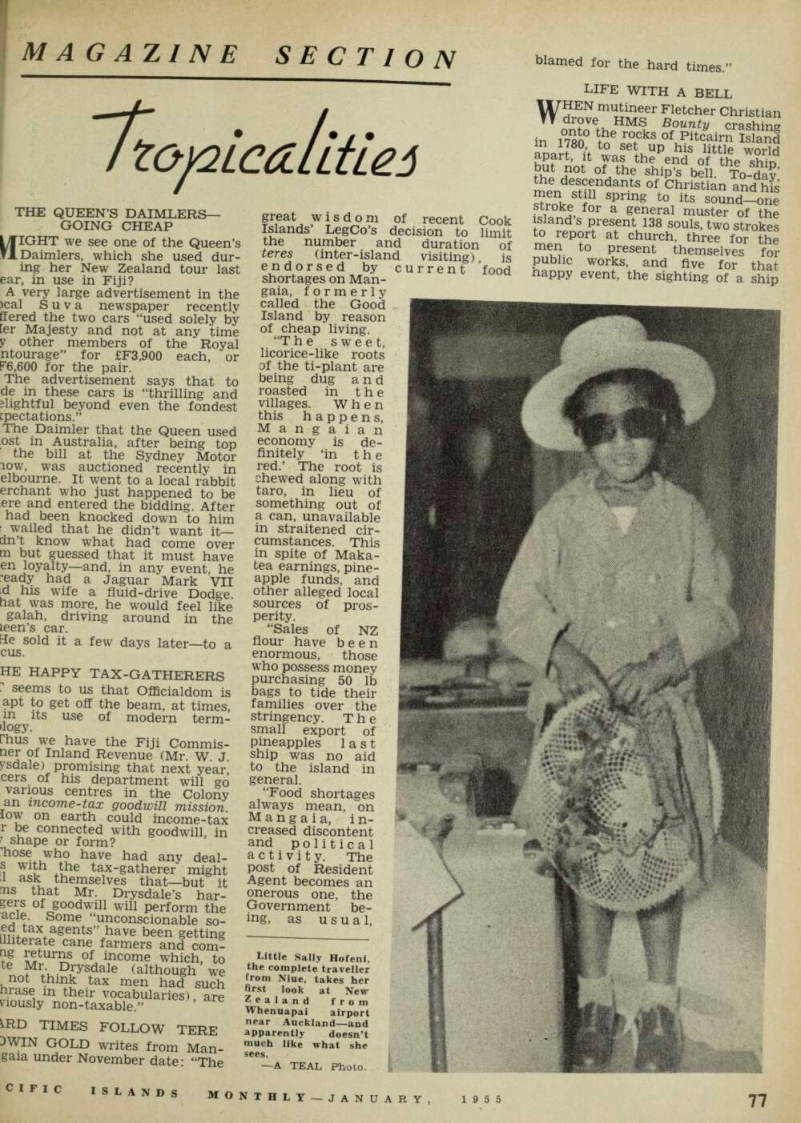 79
79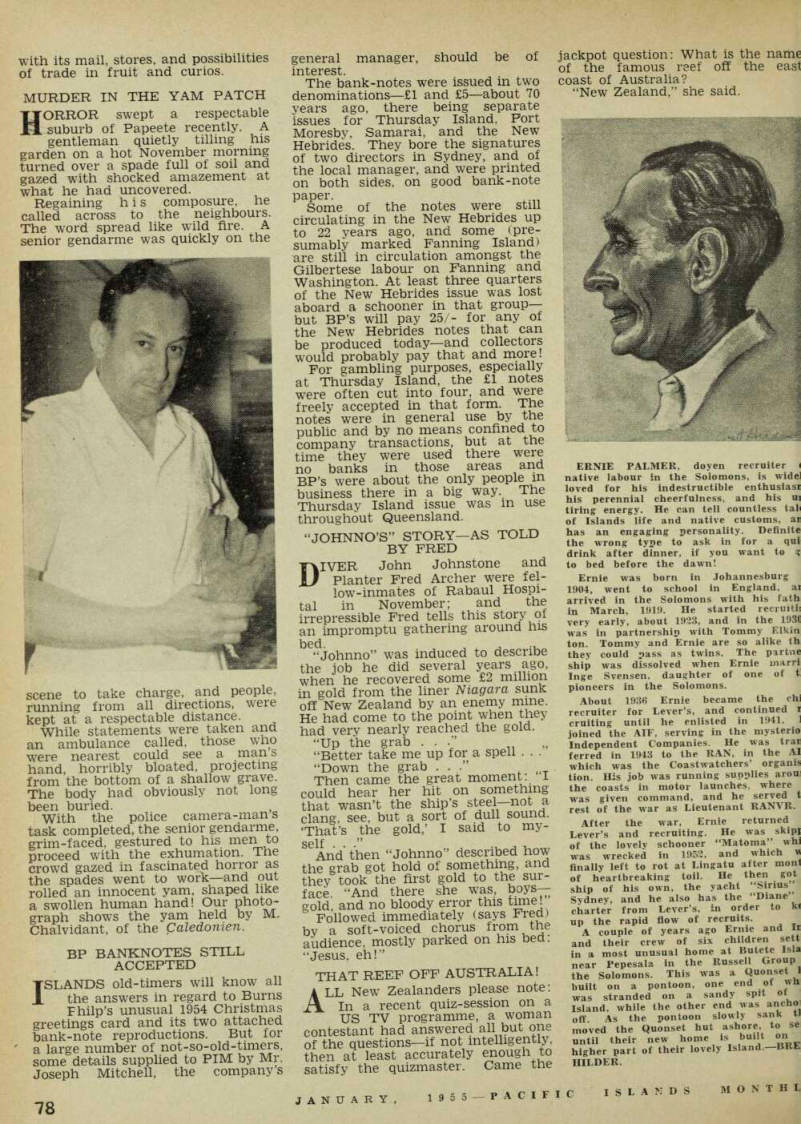 80
80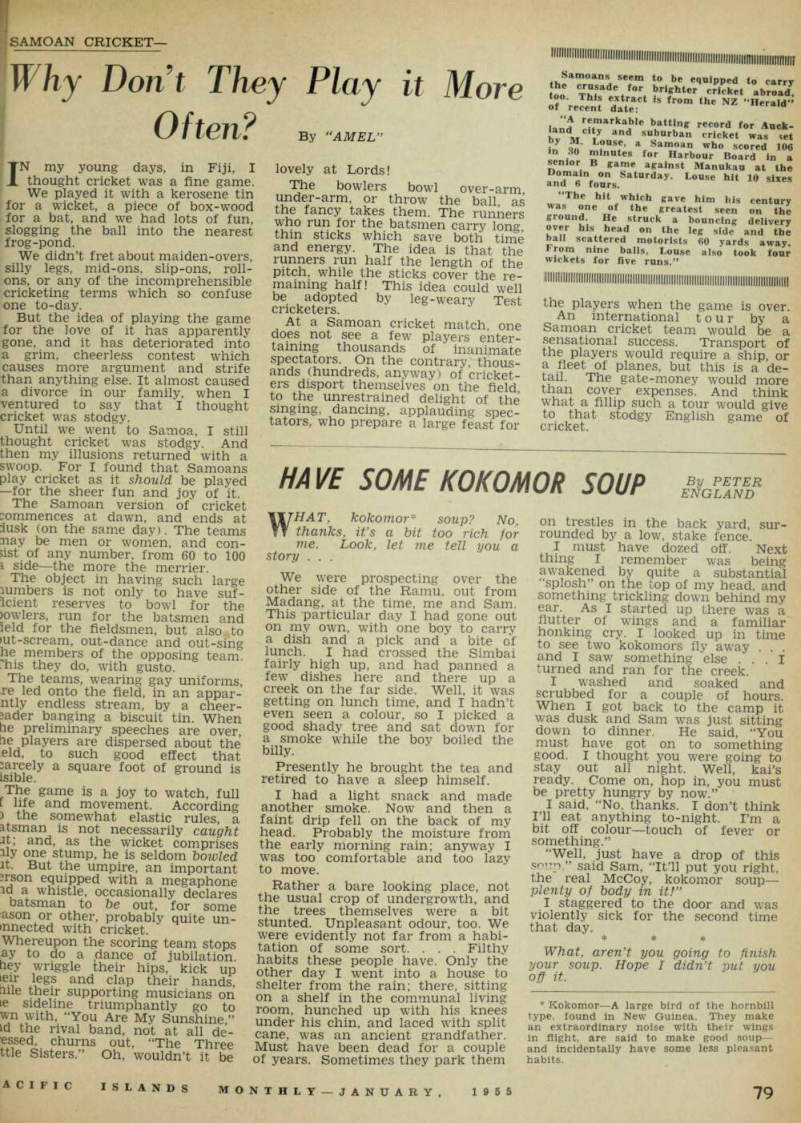 81
81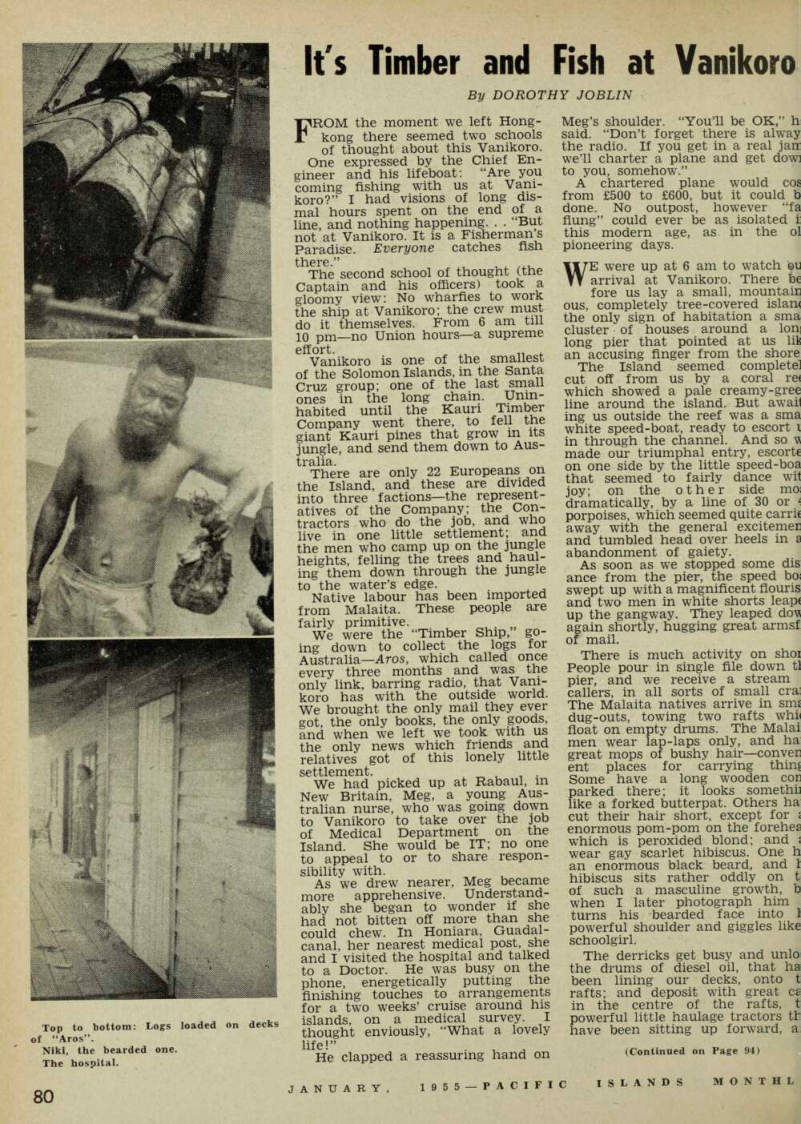 82
82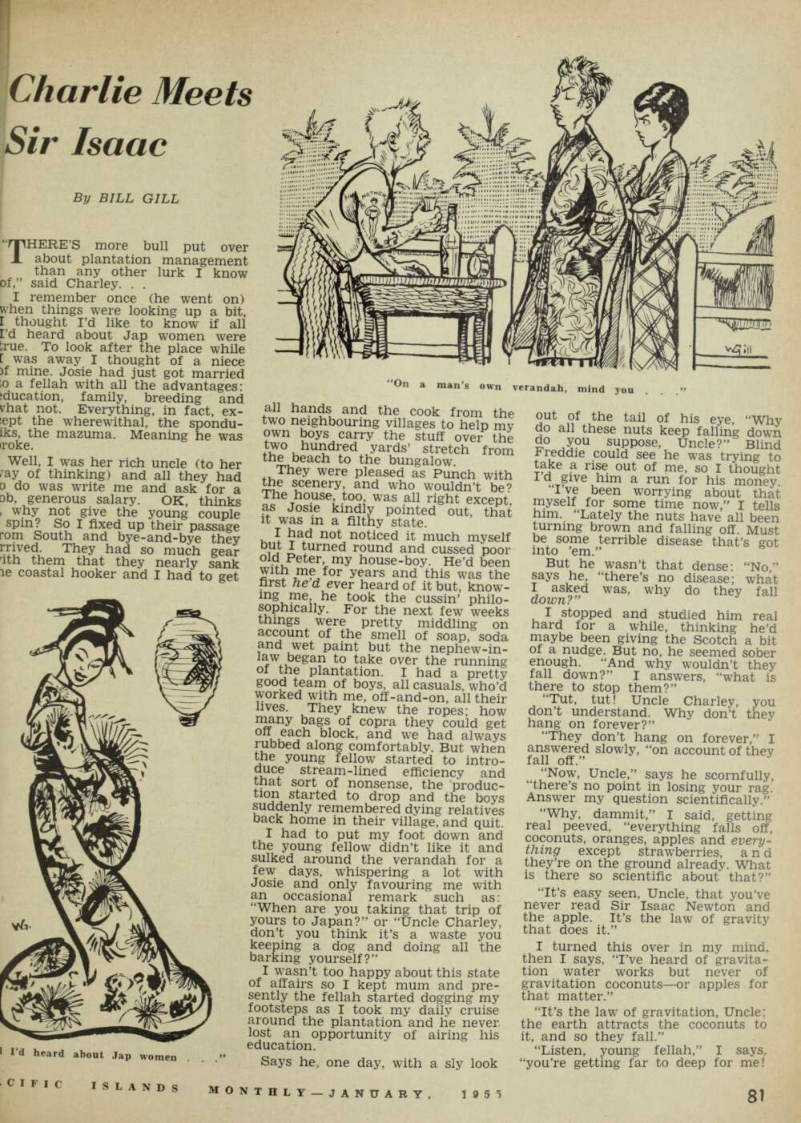 83
83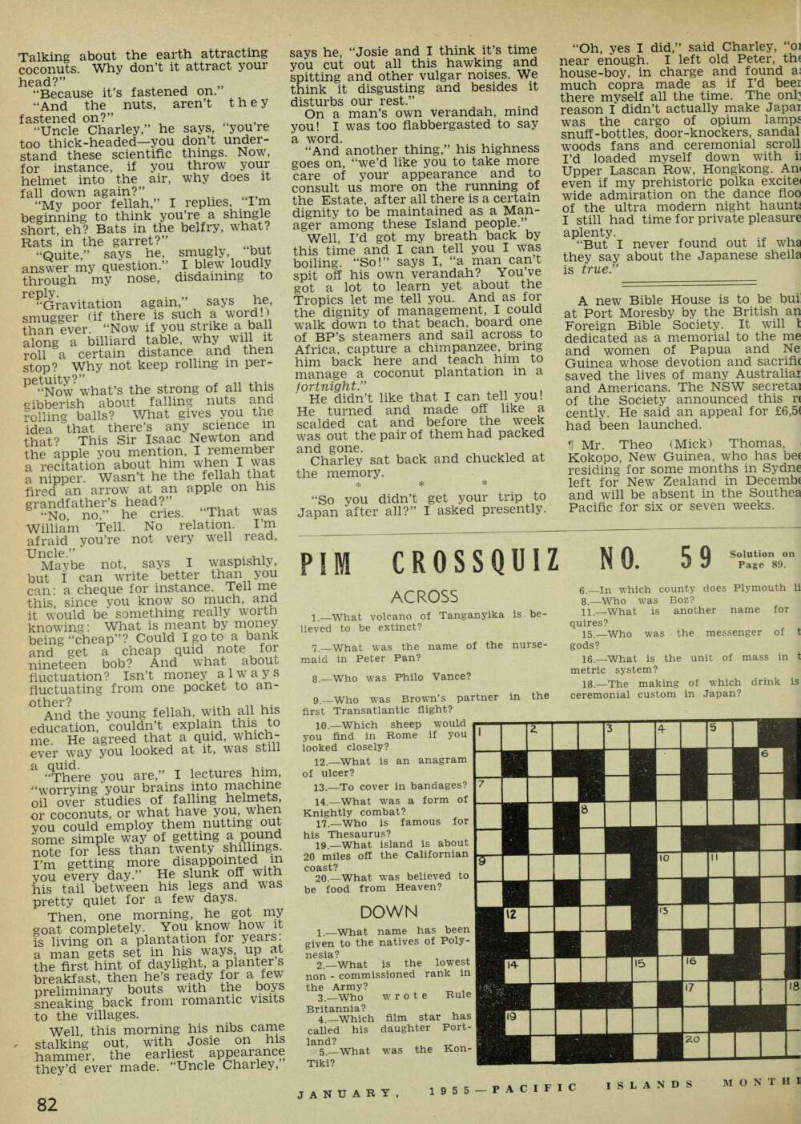 84
84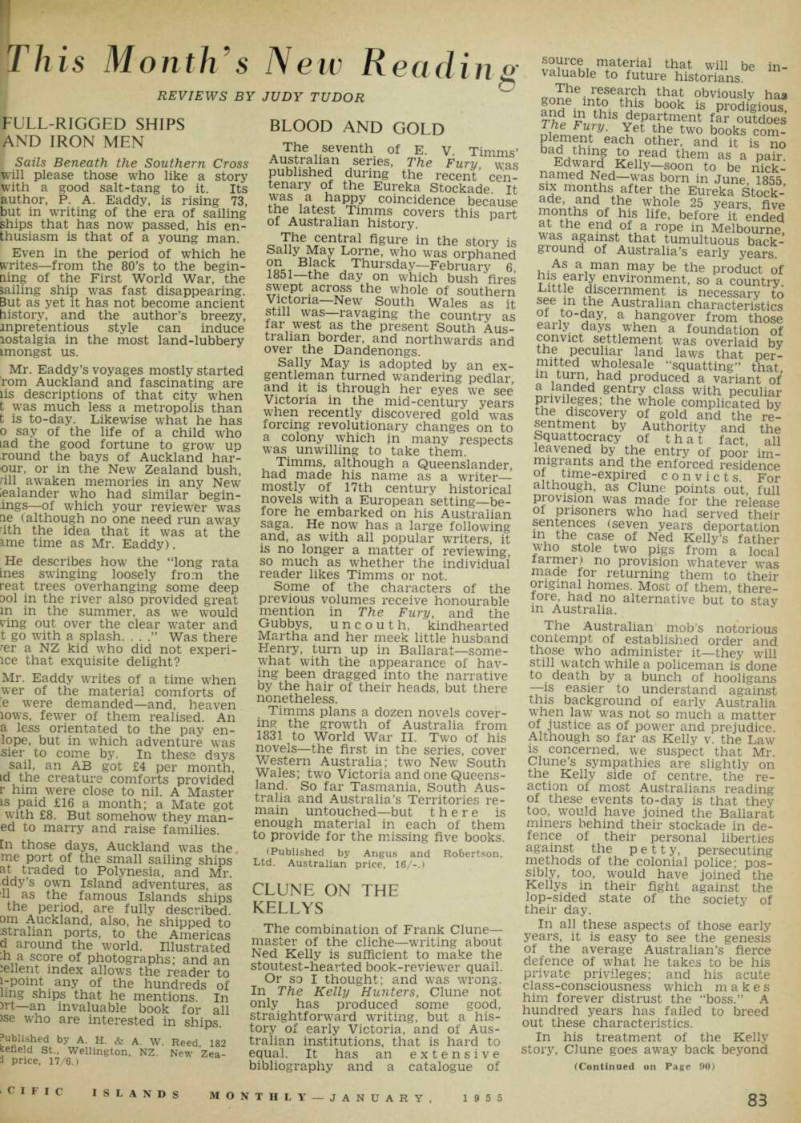 85
85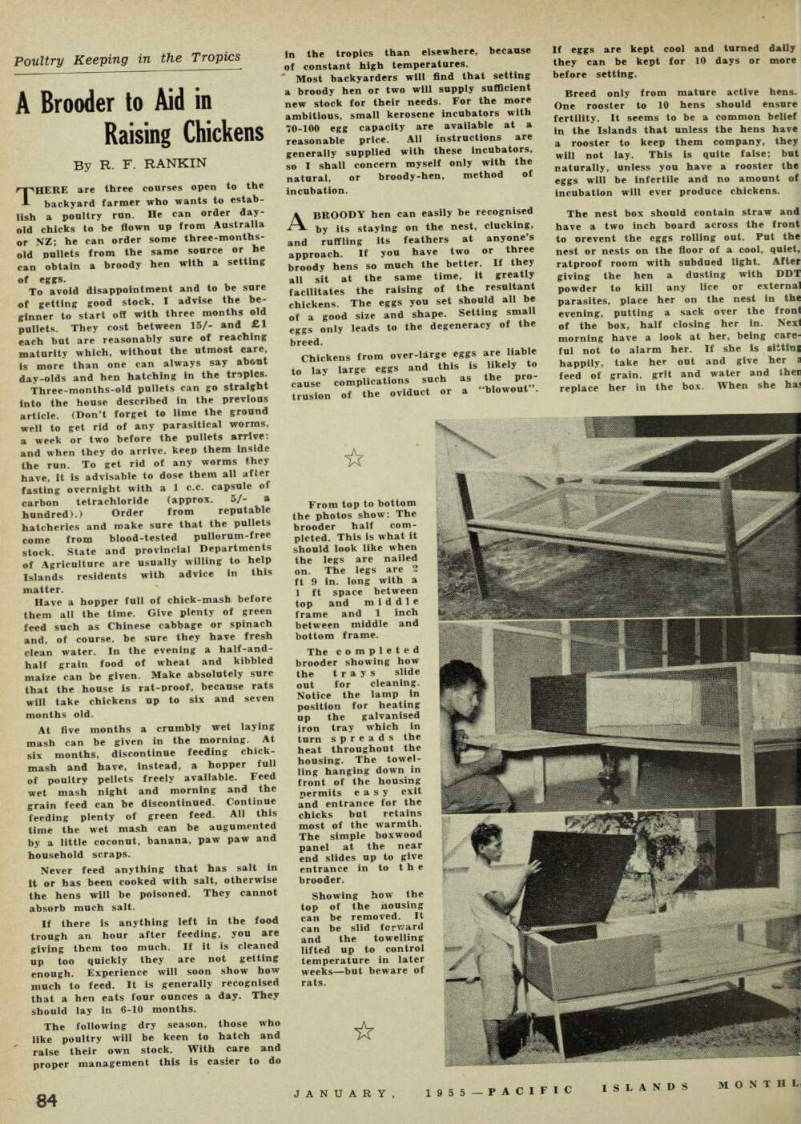 86
86 87
87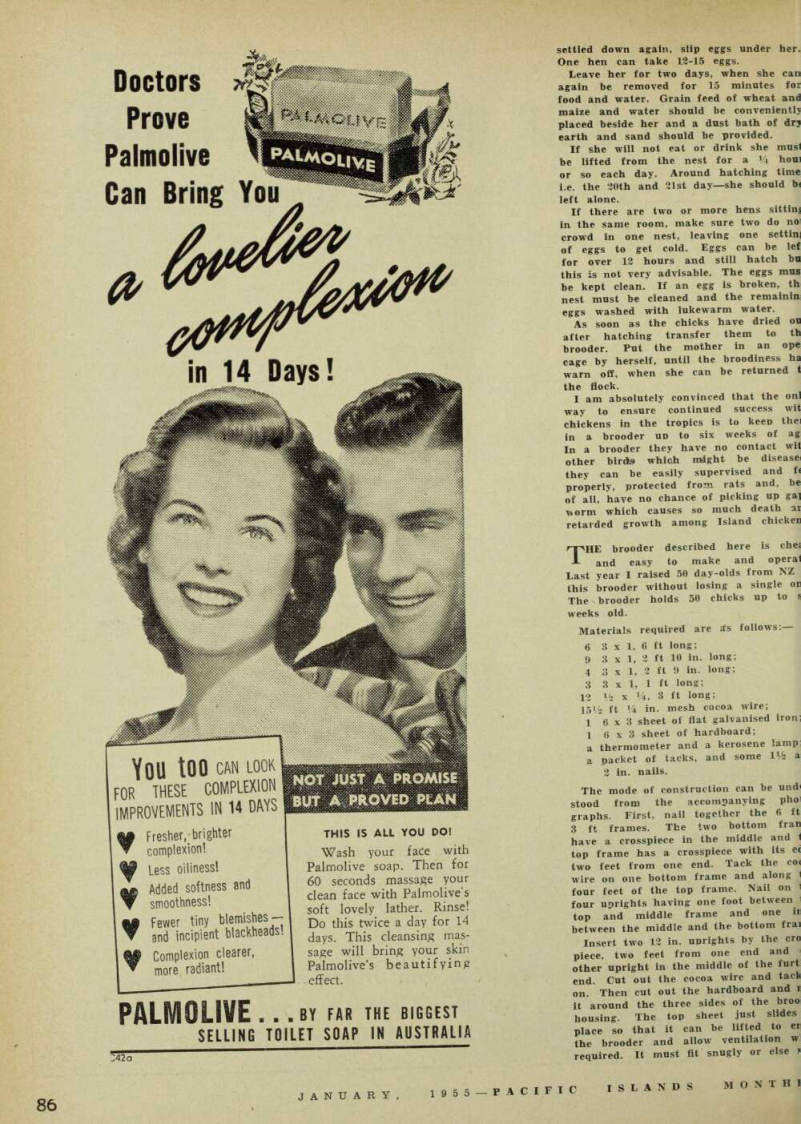 88
88 89
89 90
90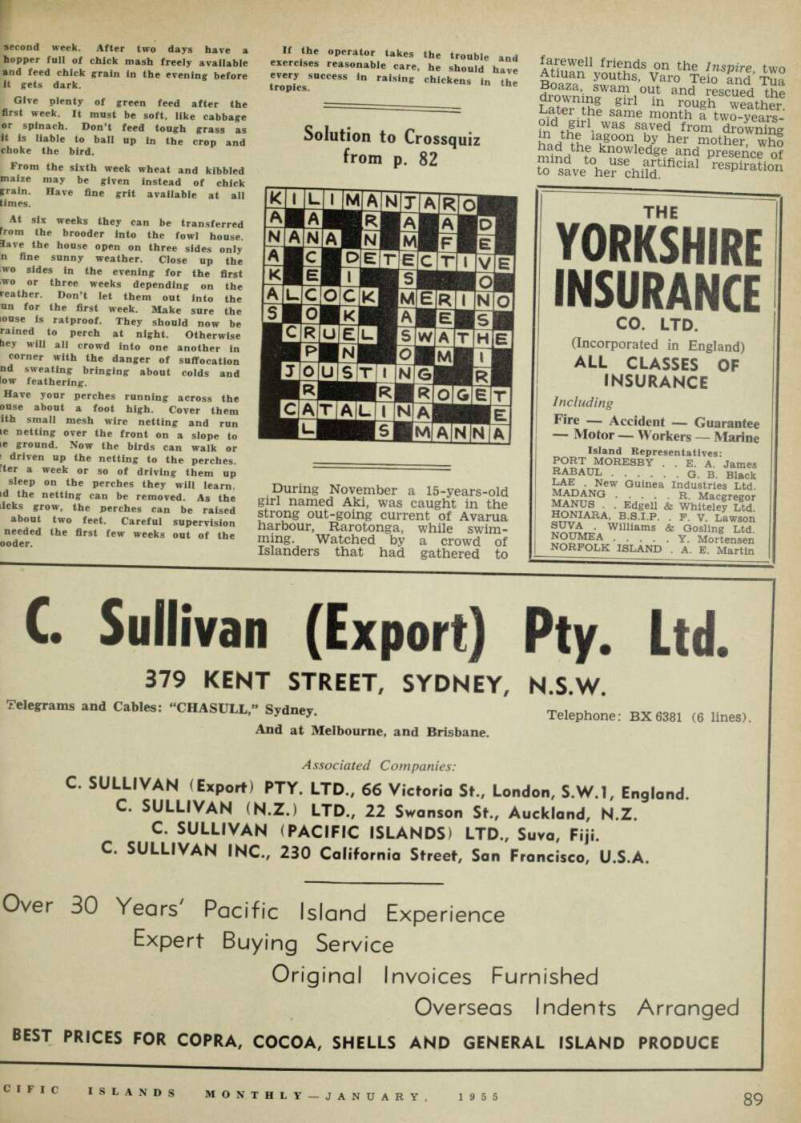 91
91 92
92 93
93 94
94 95
95 96
96 97
97 98
98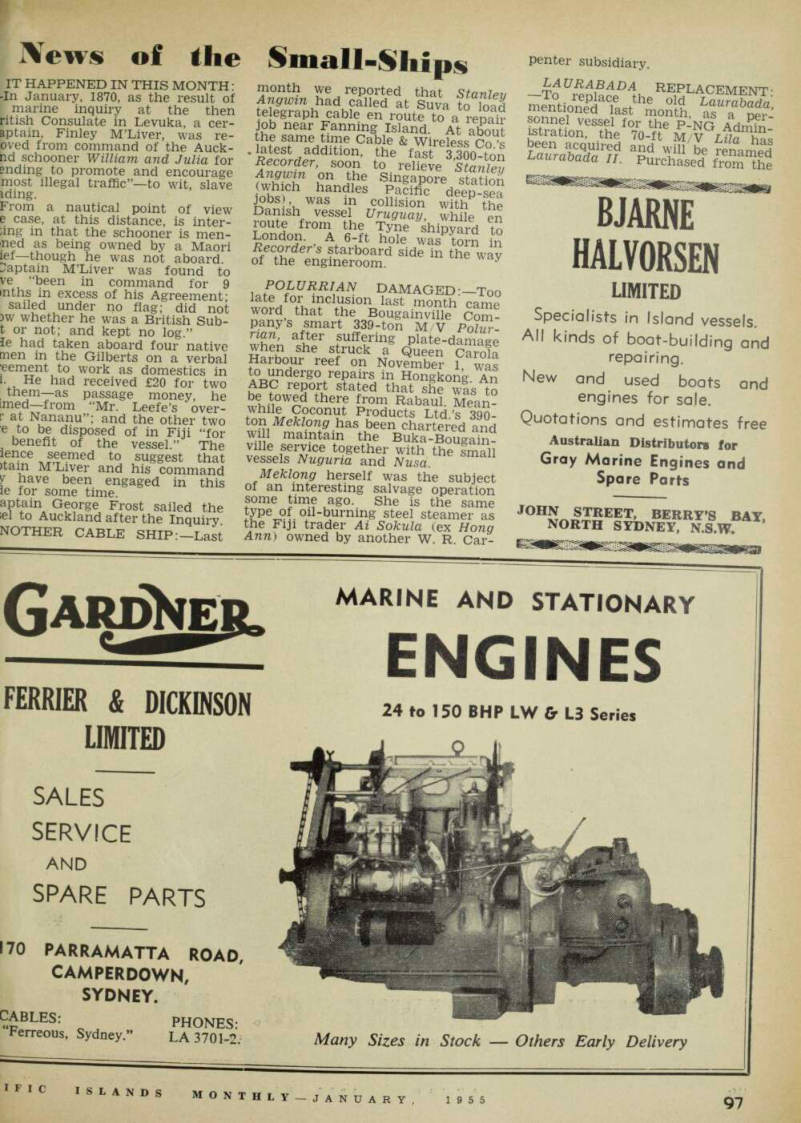 99
99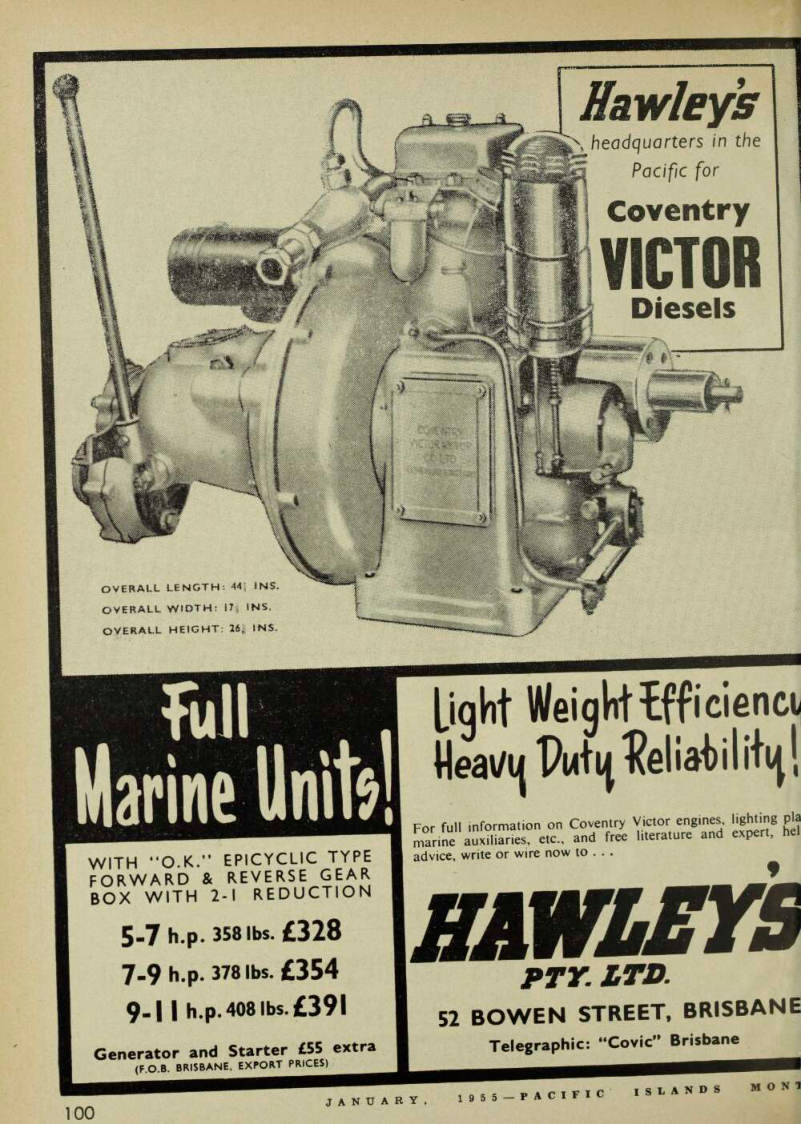 100
100 101
101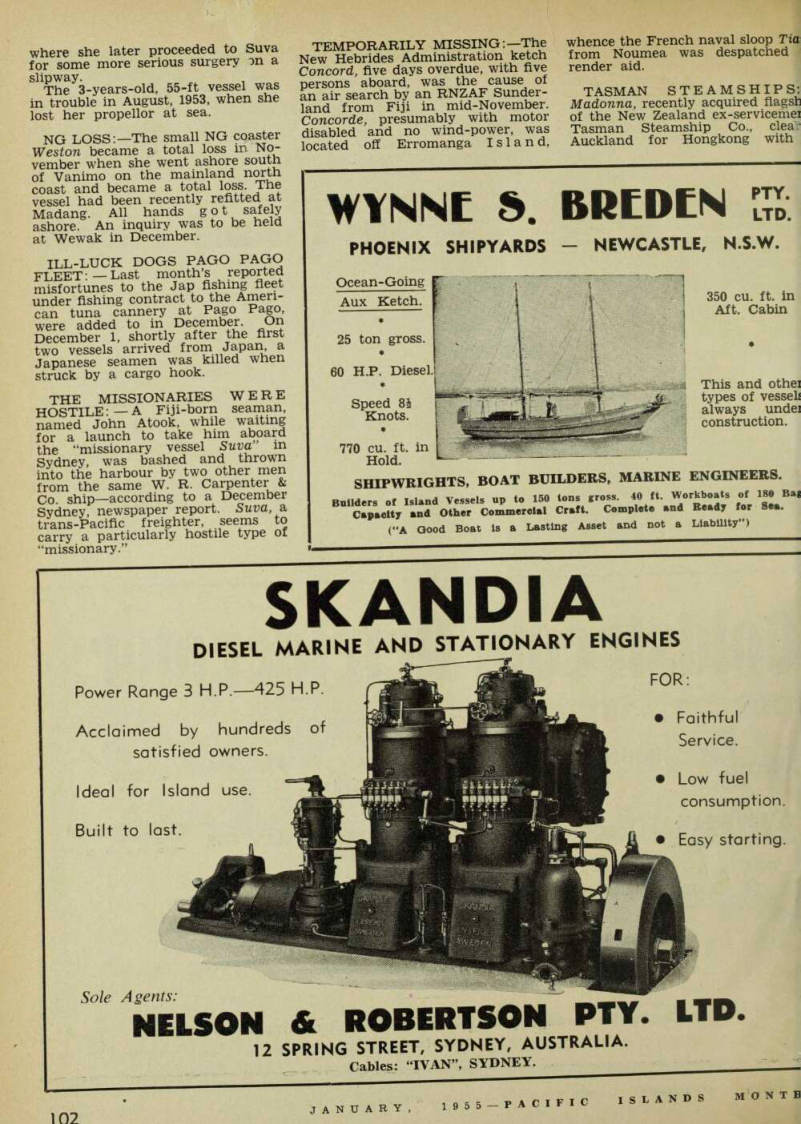 102
102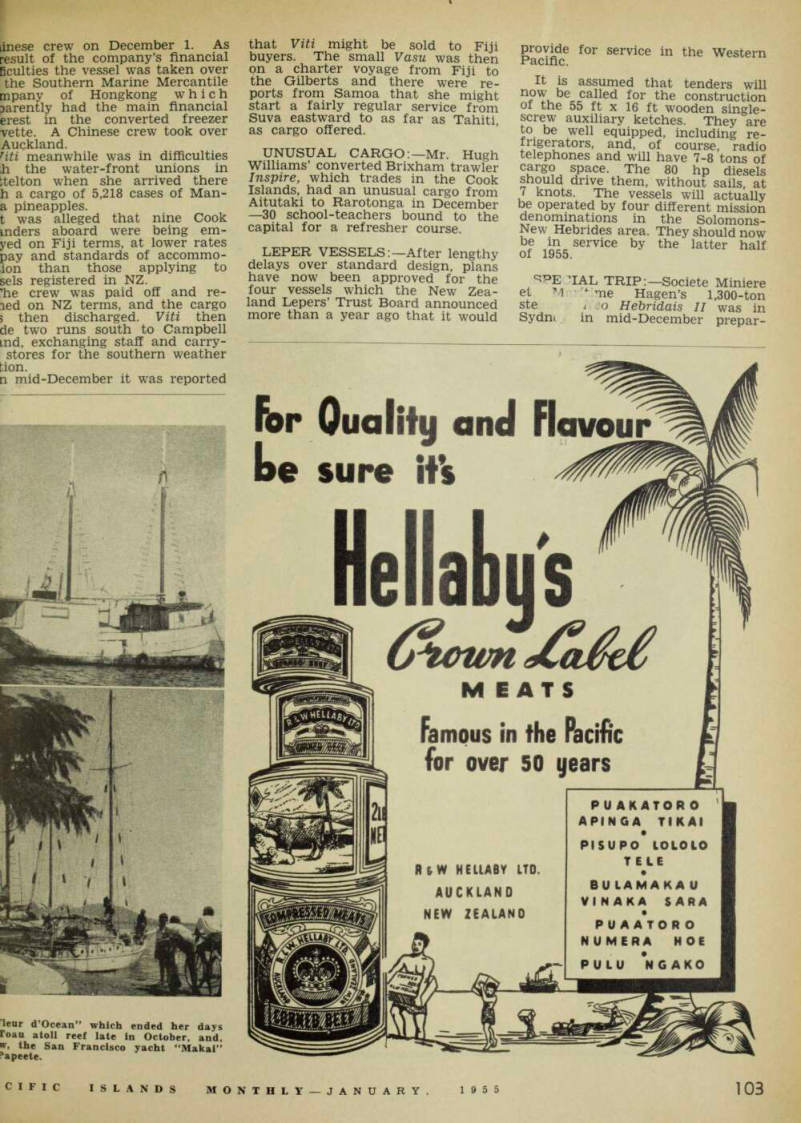 103
103 104
104 105
105 106
106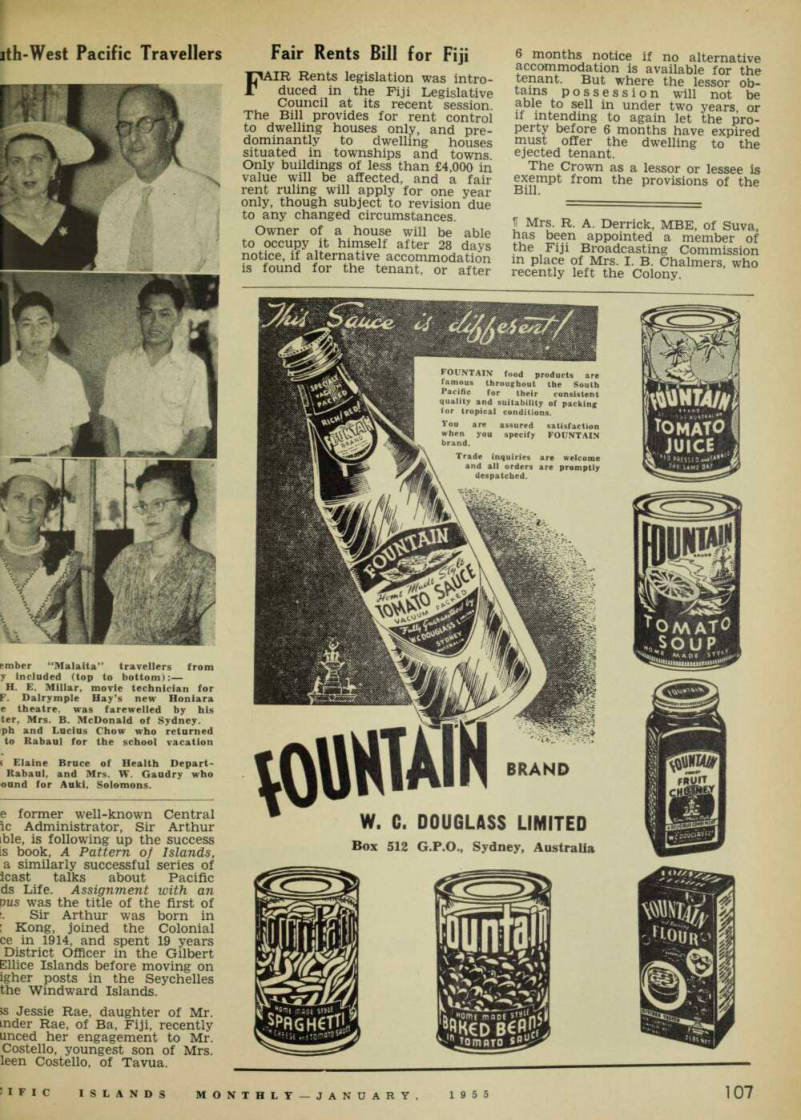 107
107 108
108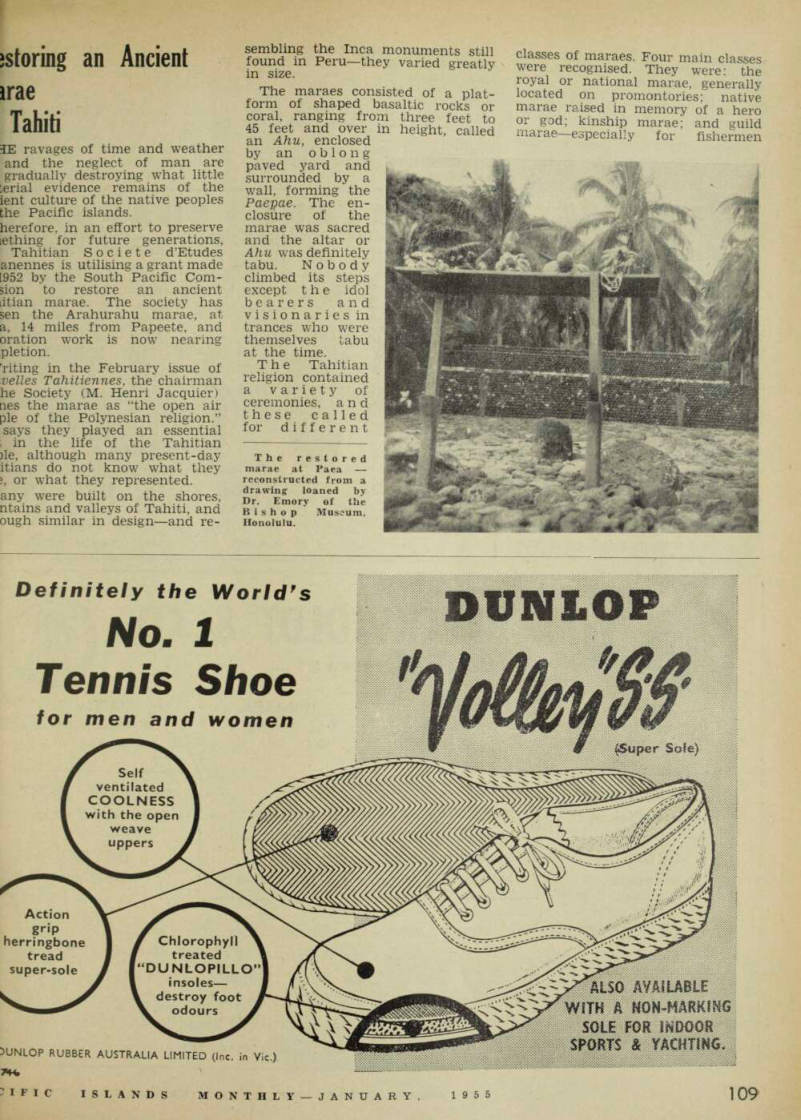 109
109 110
110 111
111 112
112 113
113 114
114 115
115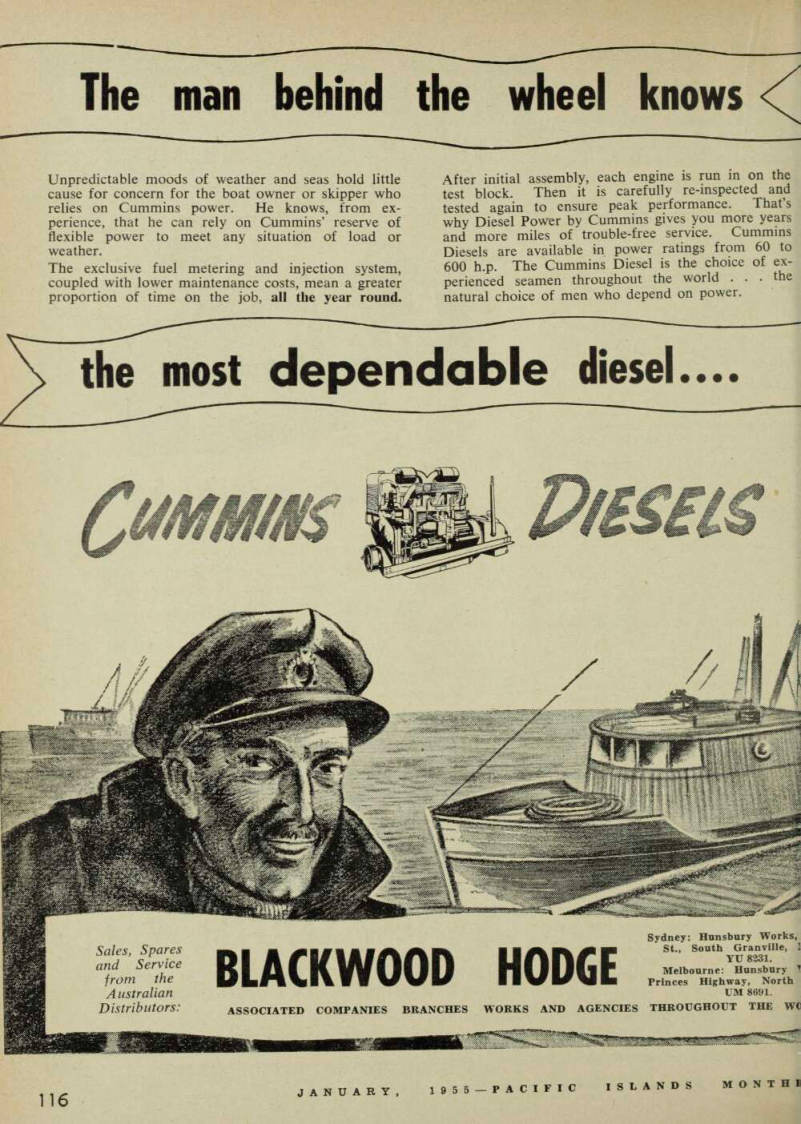 116
116 117
117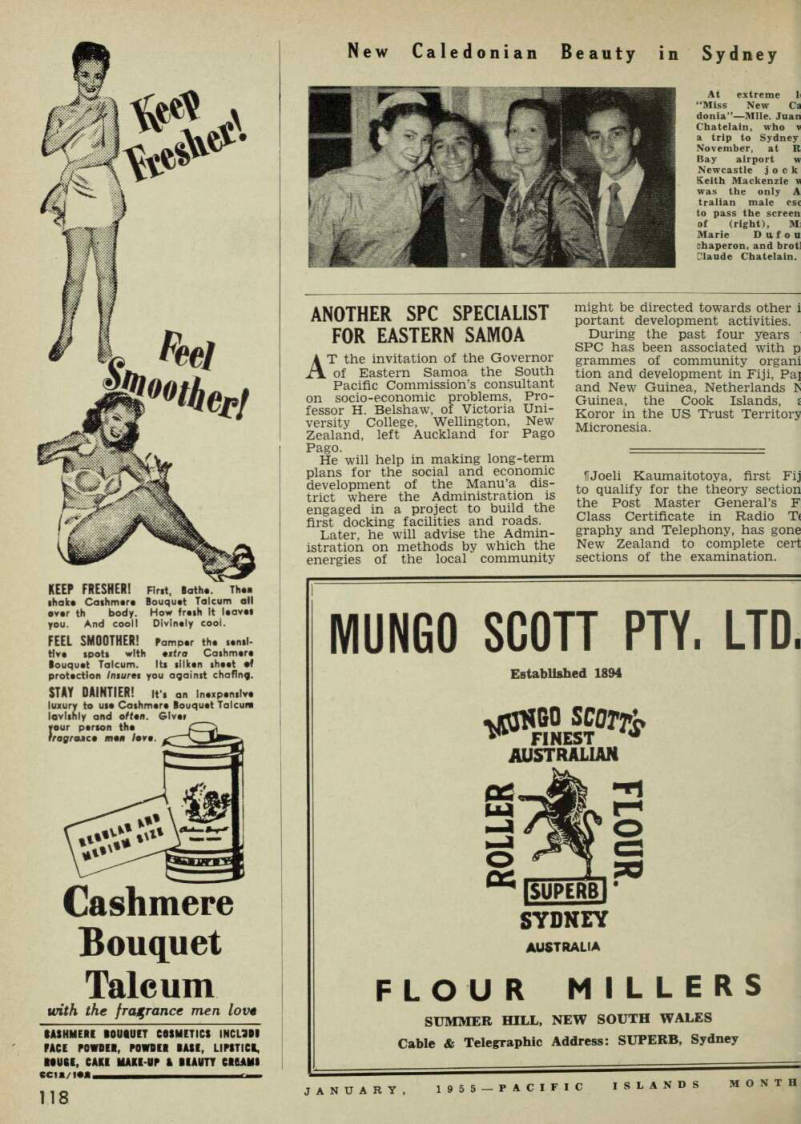 118
118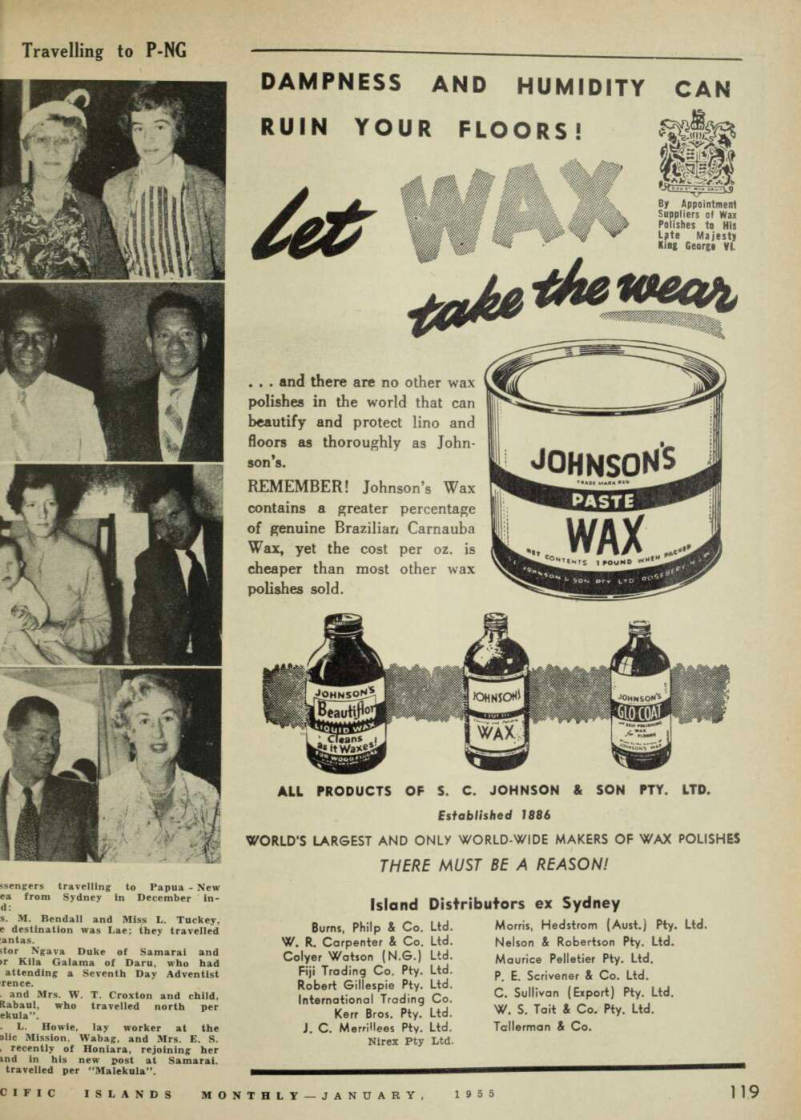 119
119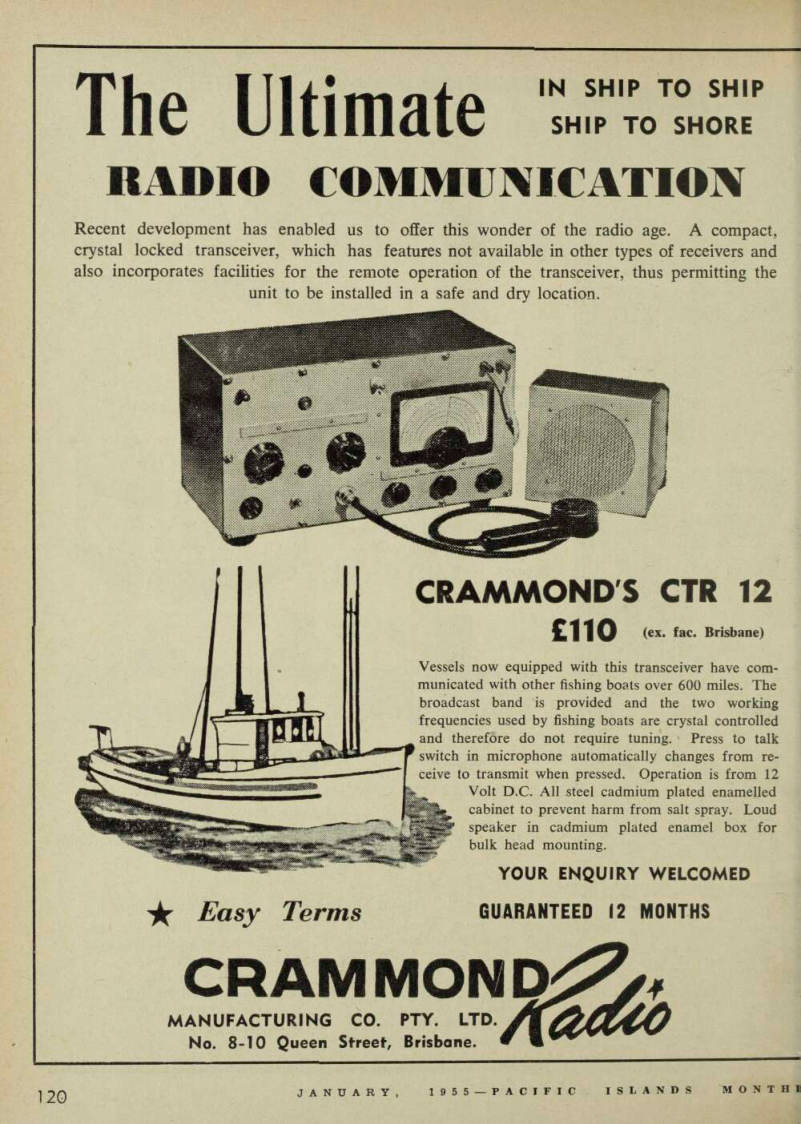 120
120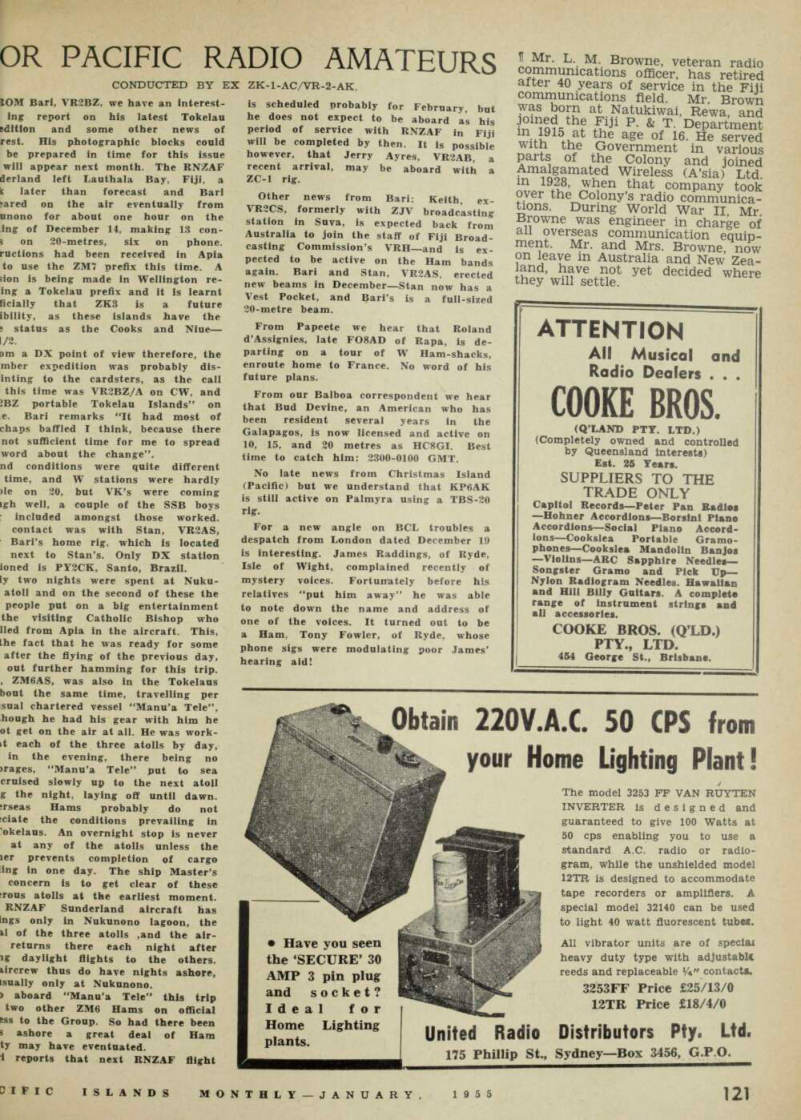 121
121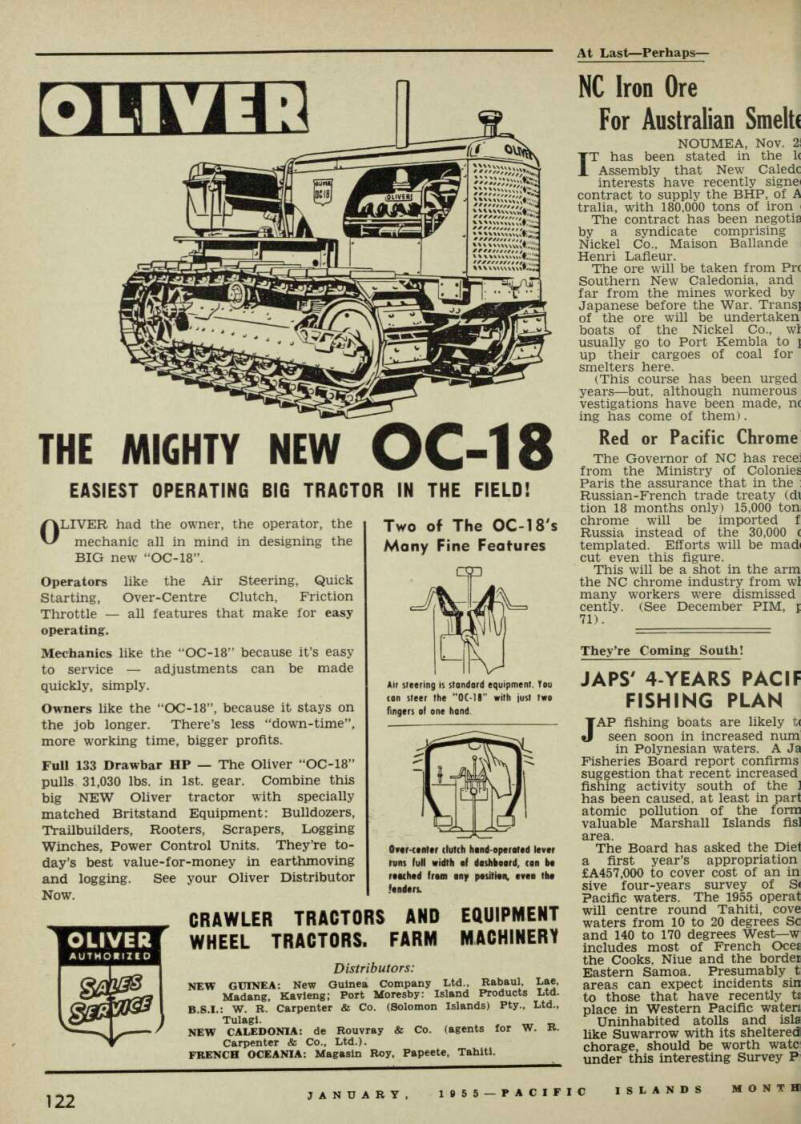 122
122 123
123 124
124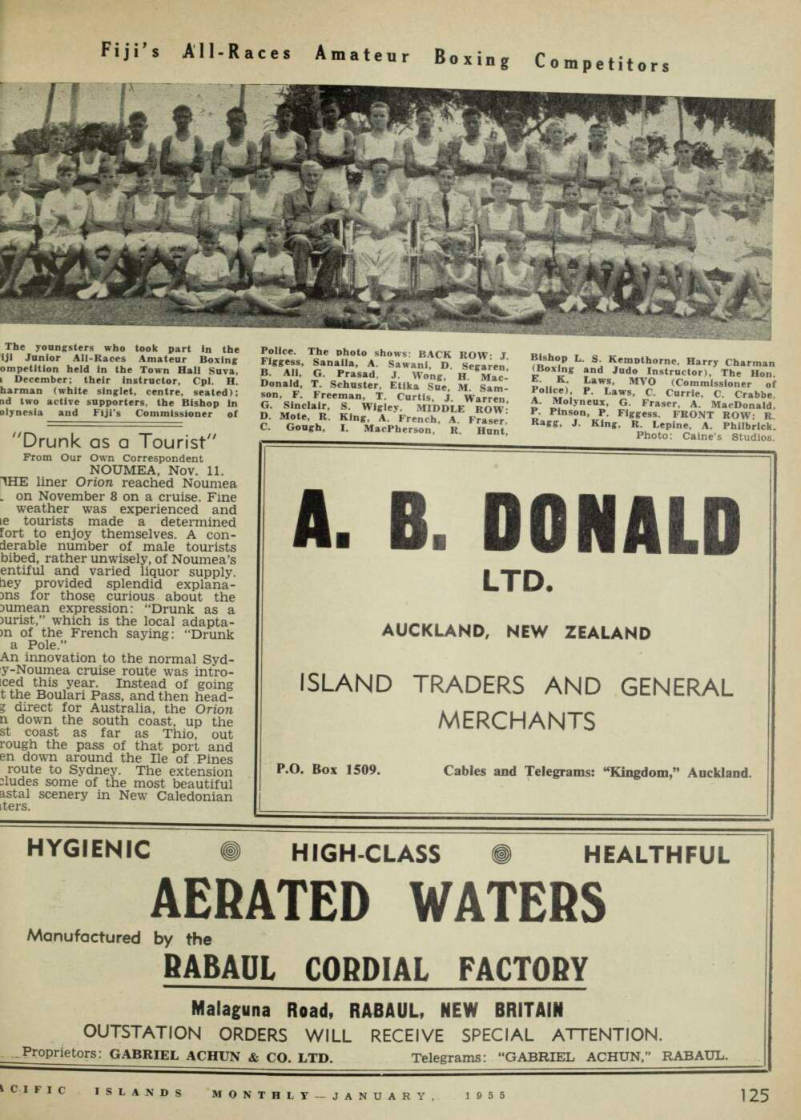 125
125 126
126 127
127 128
128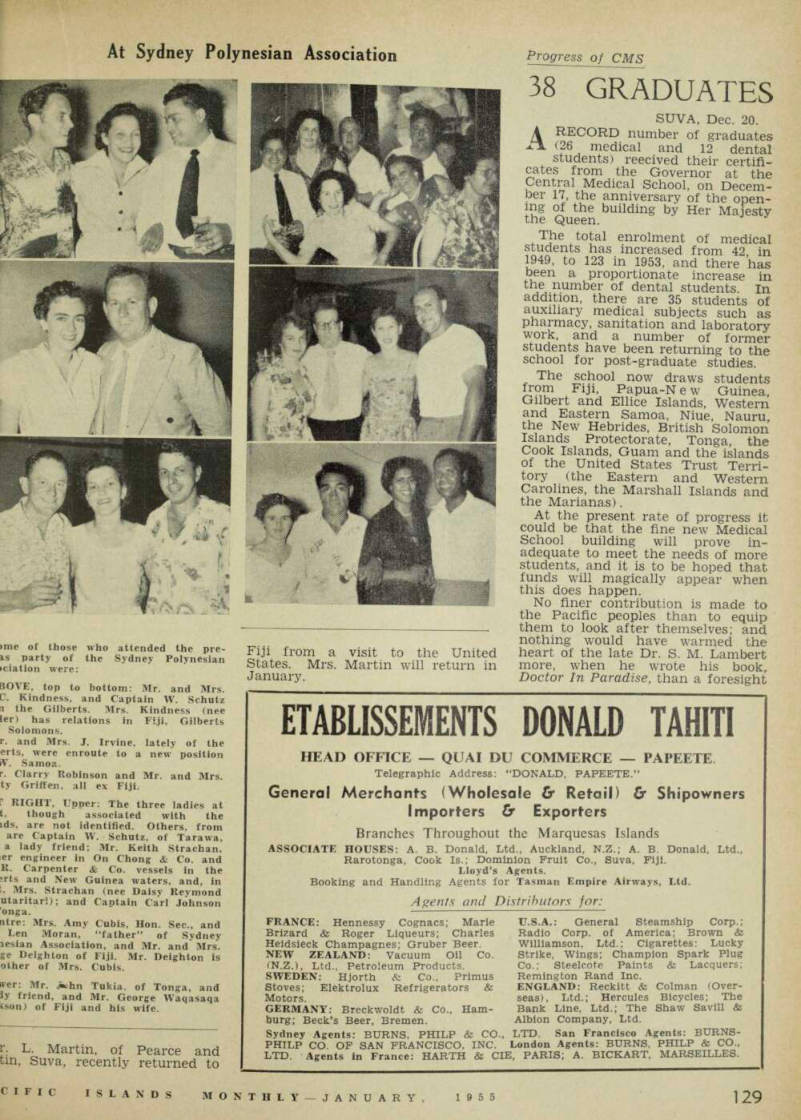 129
129 130
130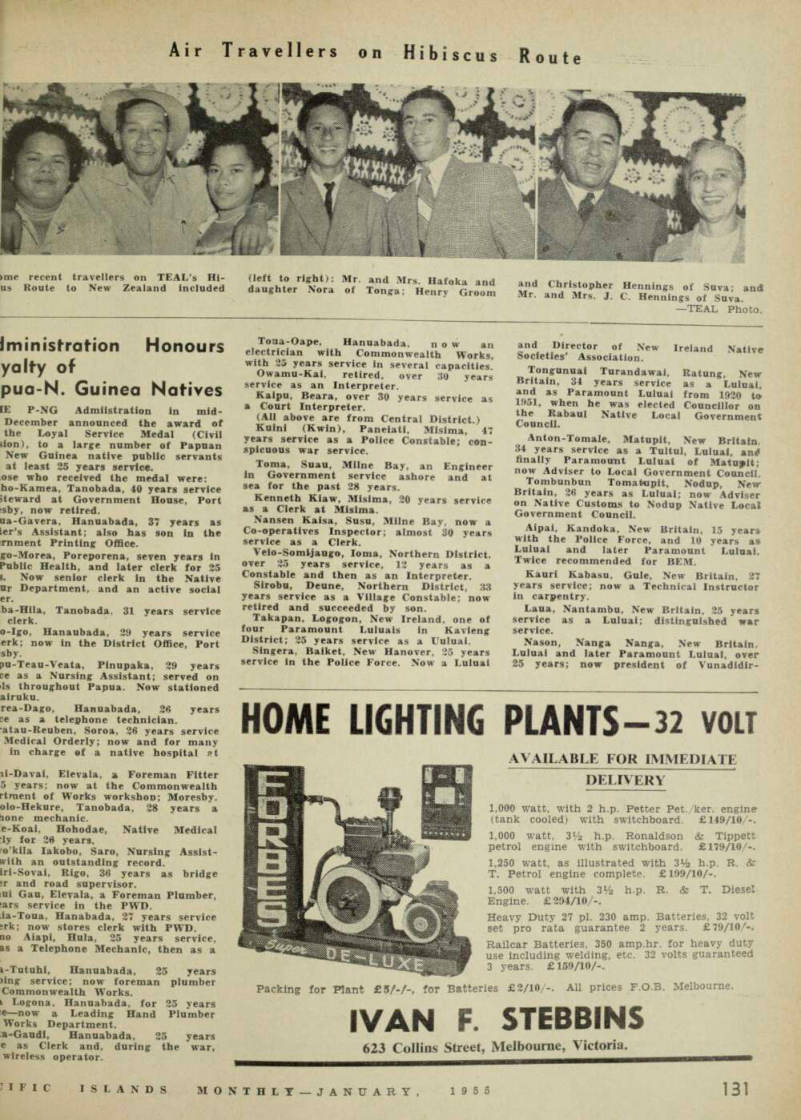 131
131 132
132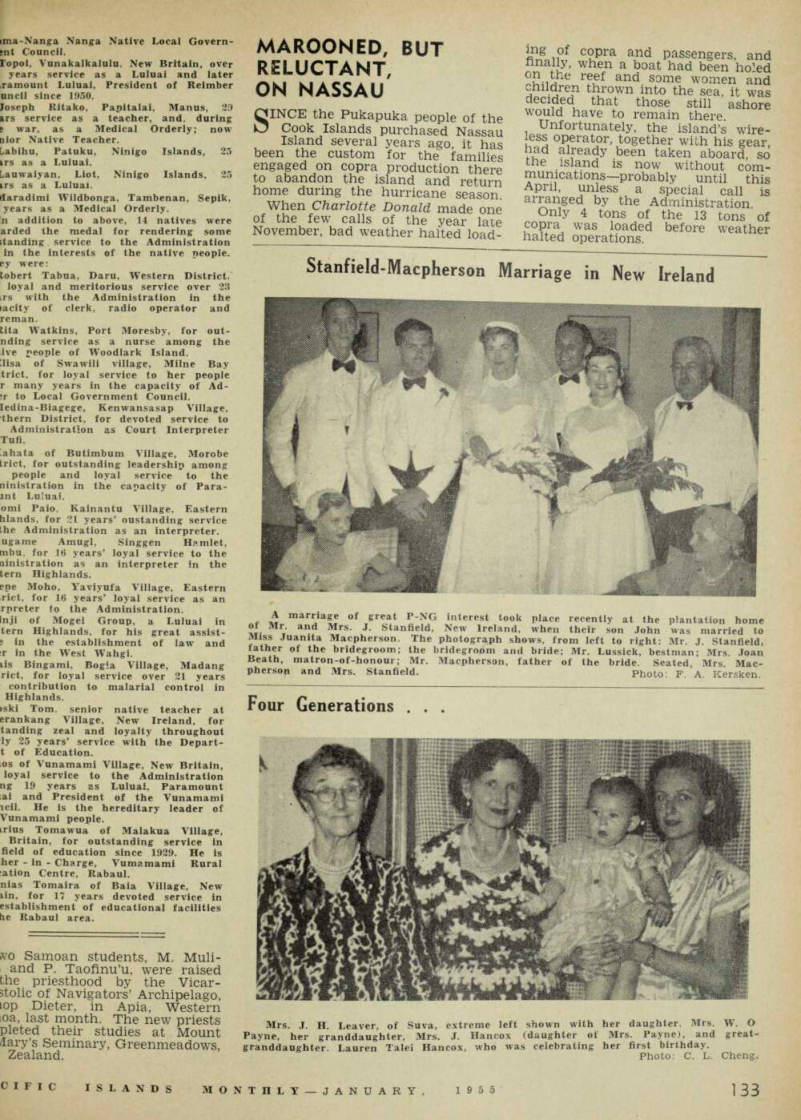 133
133 134
134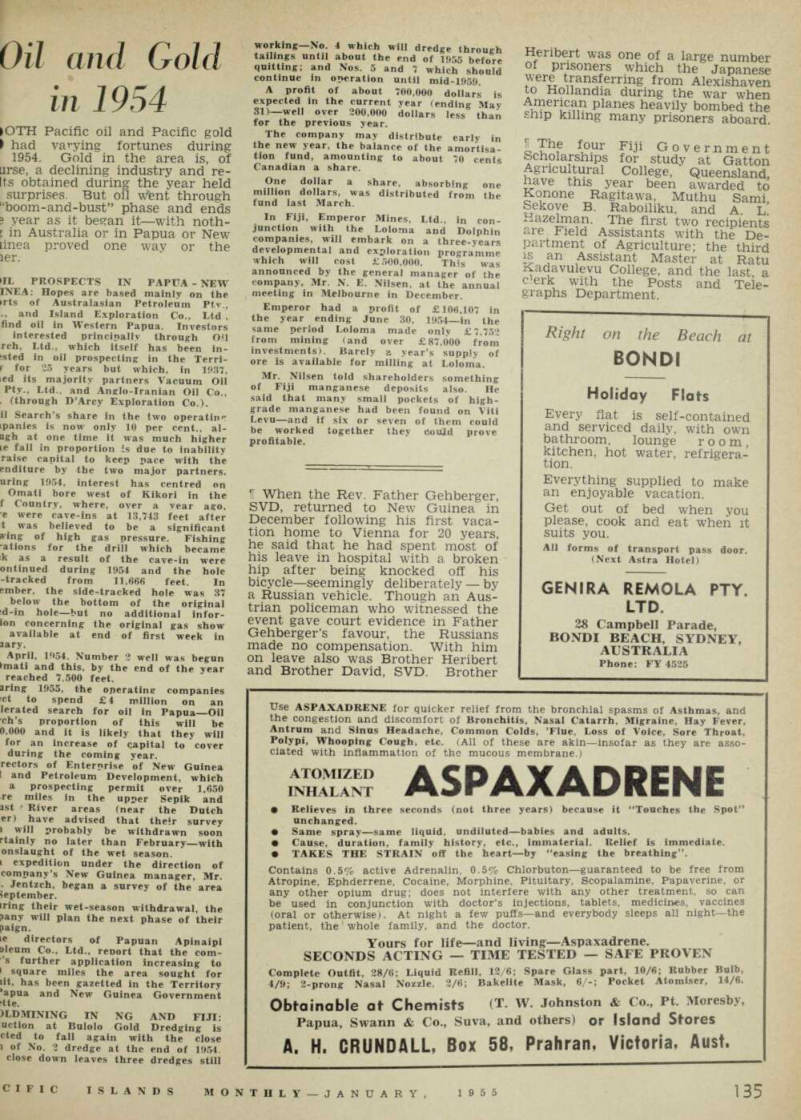 135
135 136
136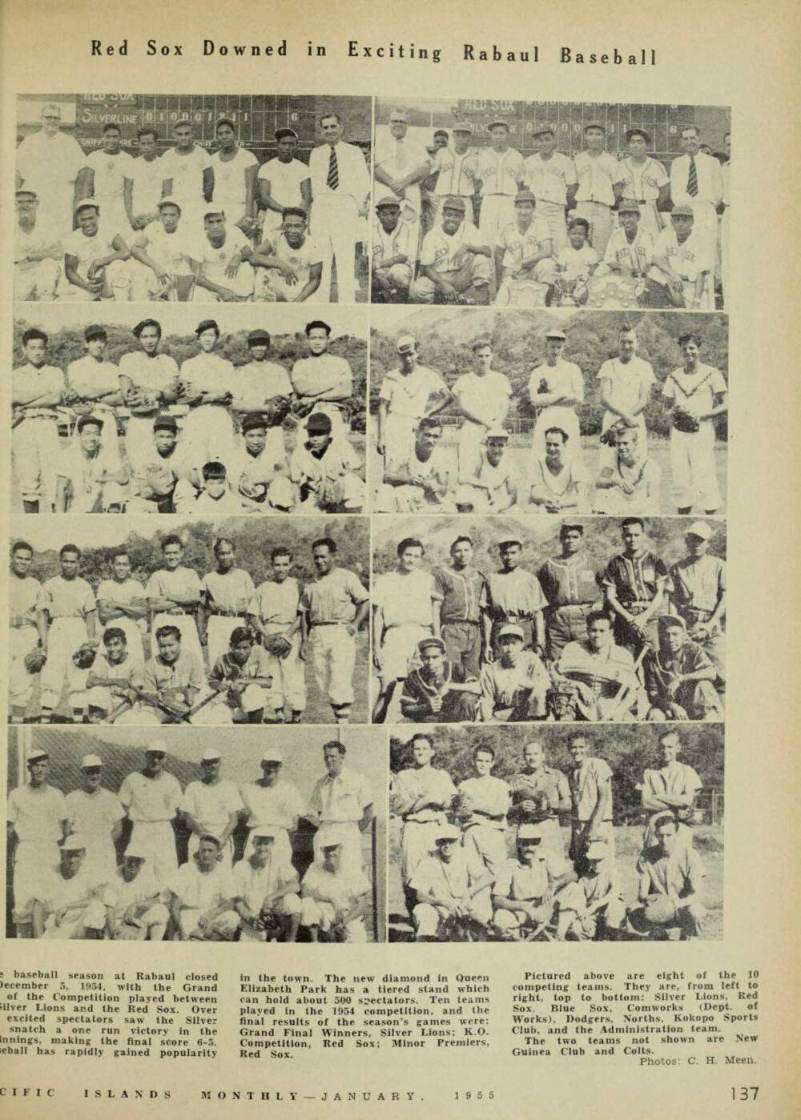 137
137 138
138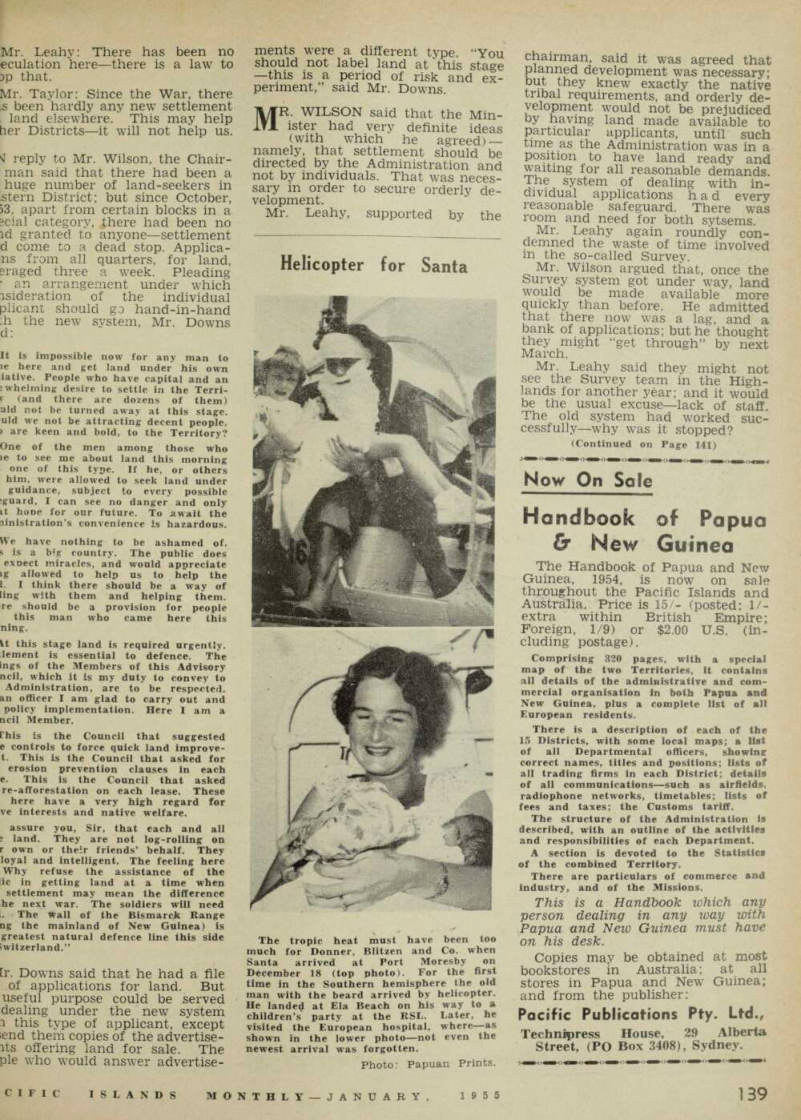 139
139 140
140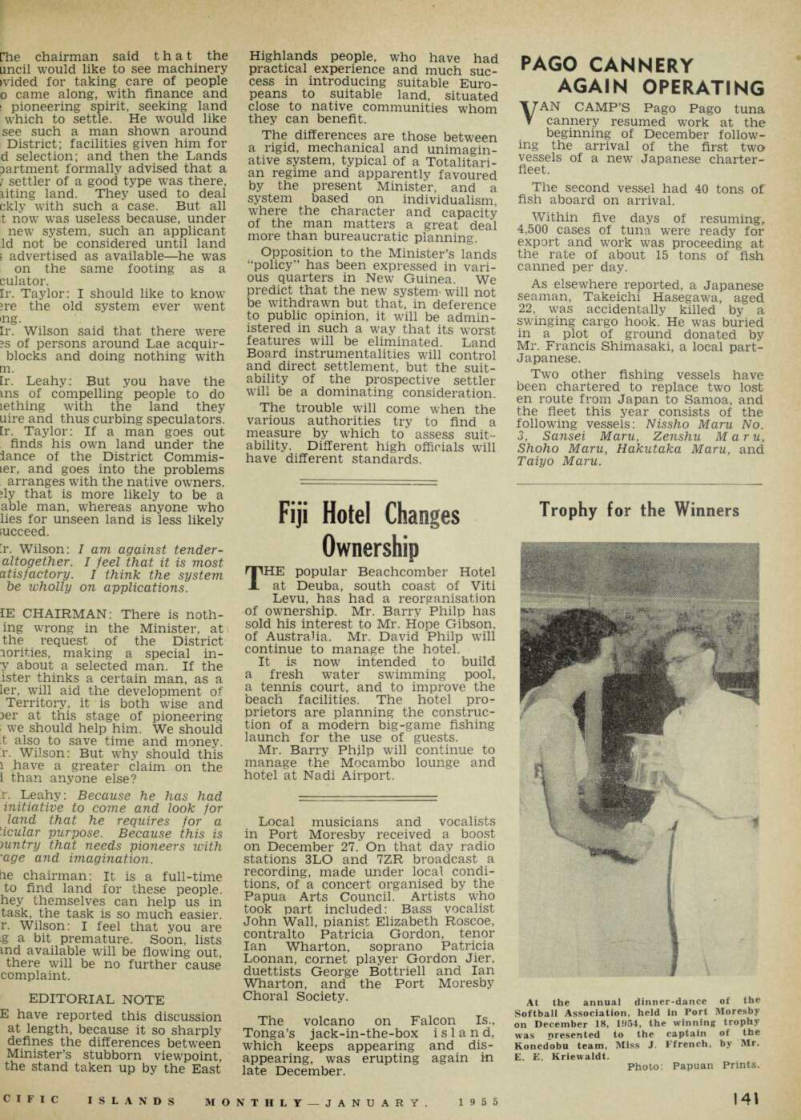 141
141 142
142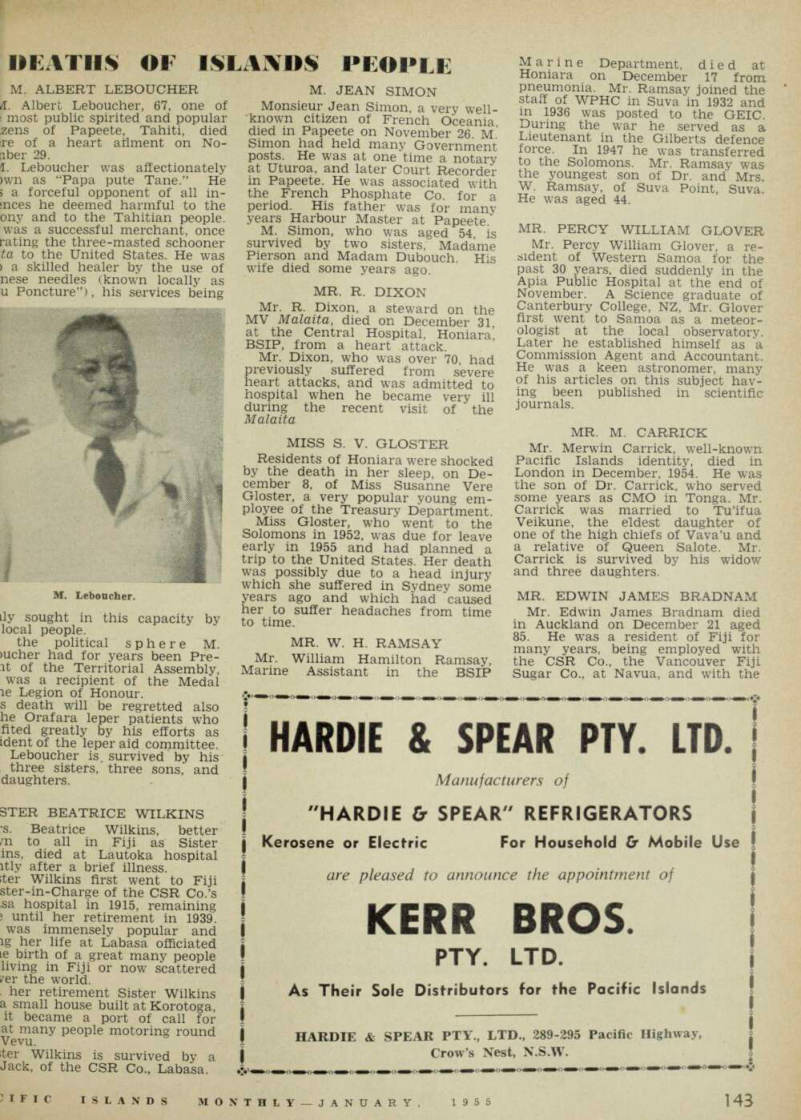 143
143 144
144 145
145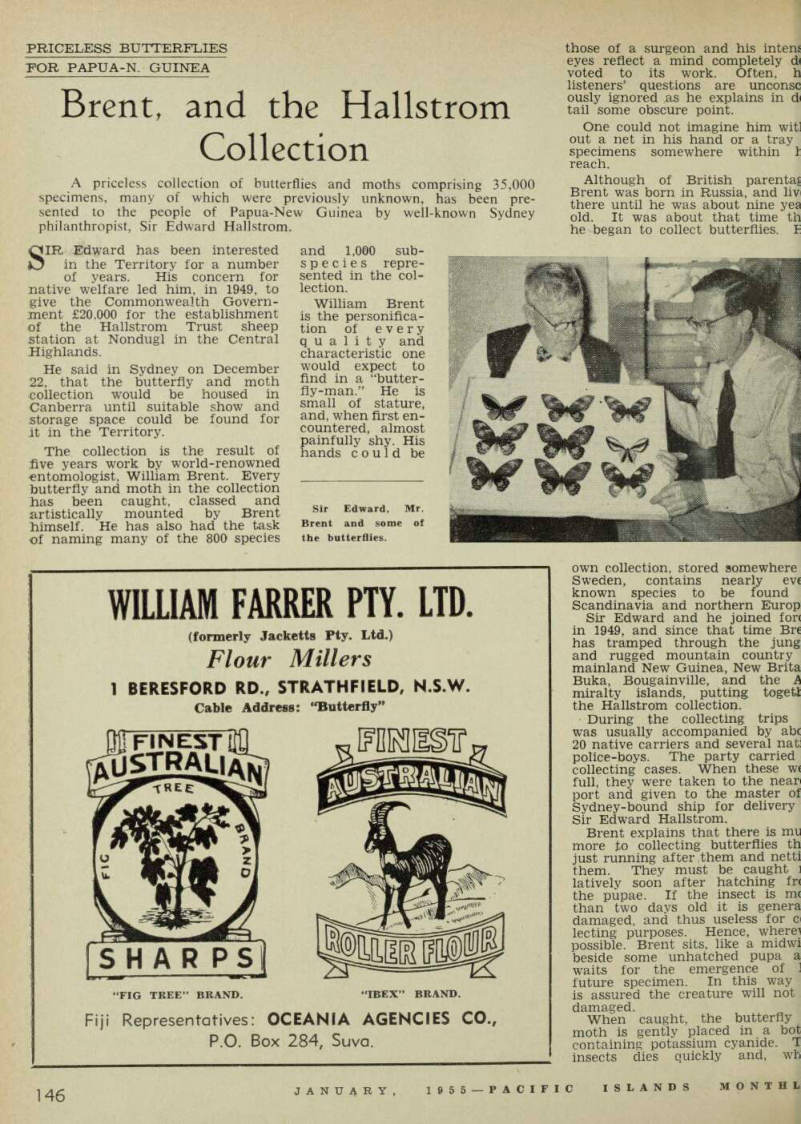 146
146 147
147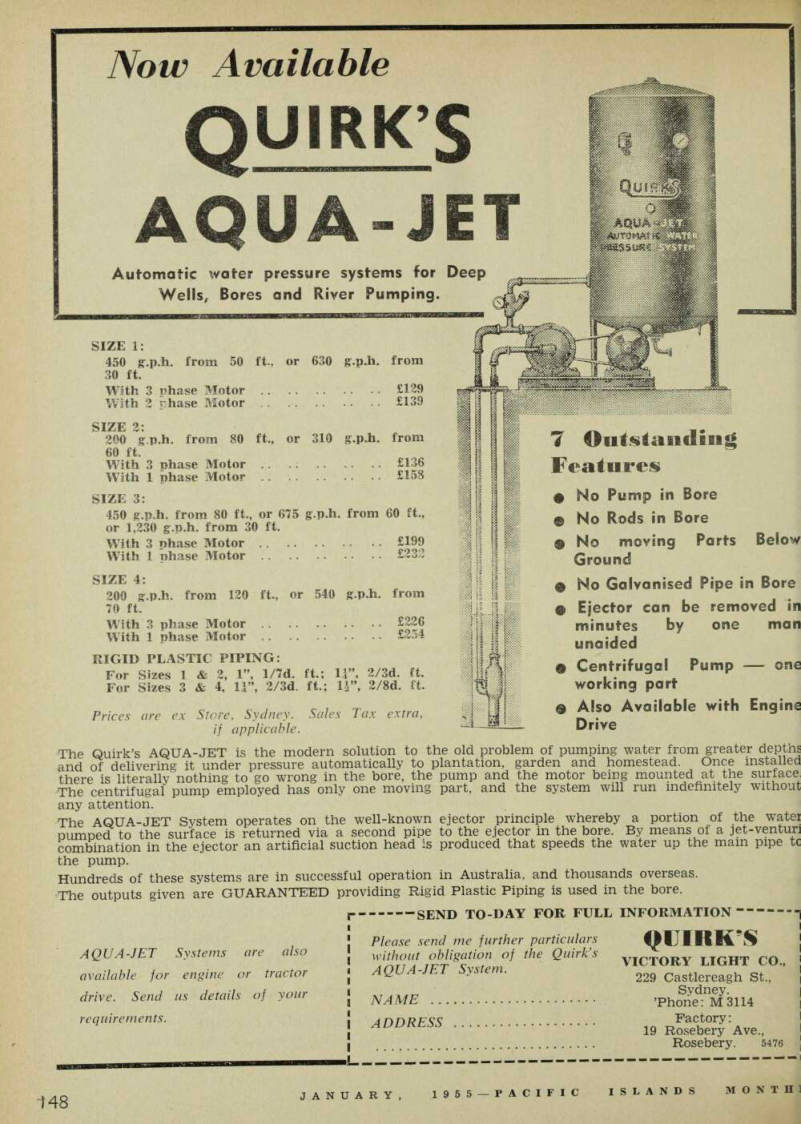 148
148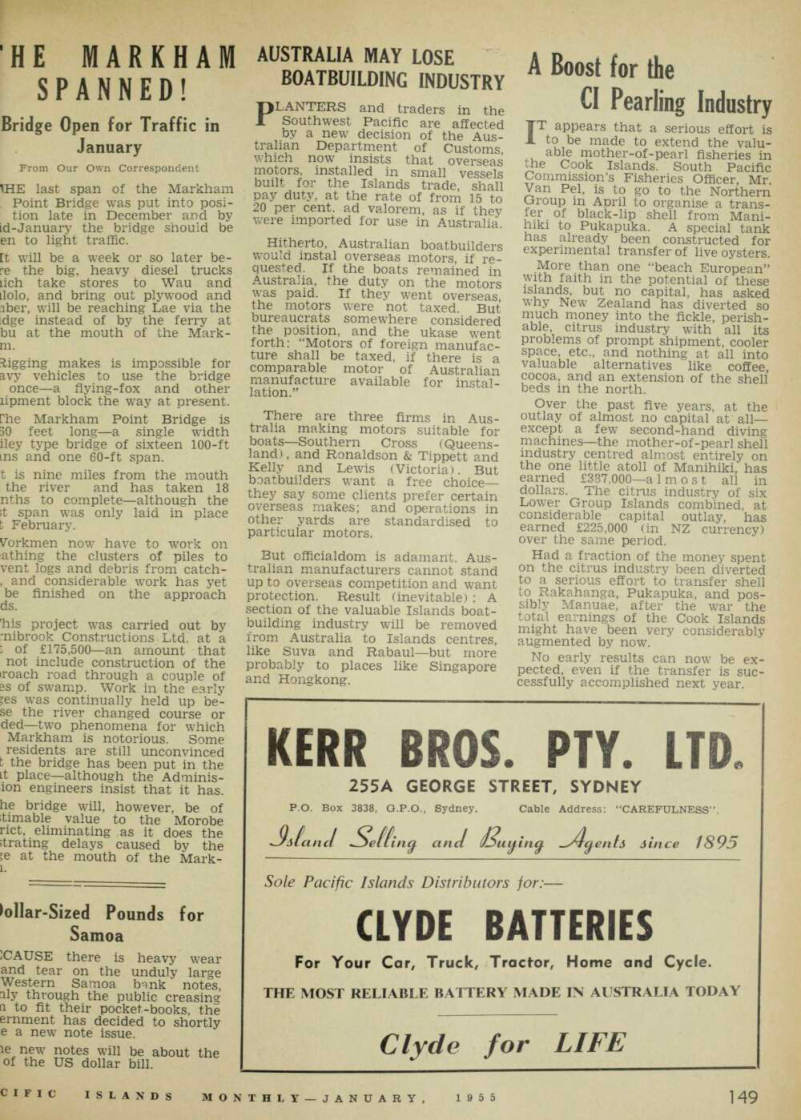 149
149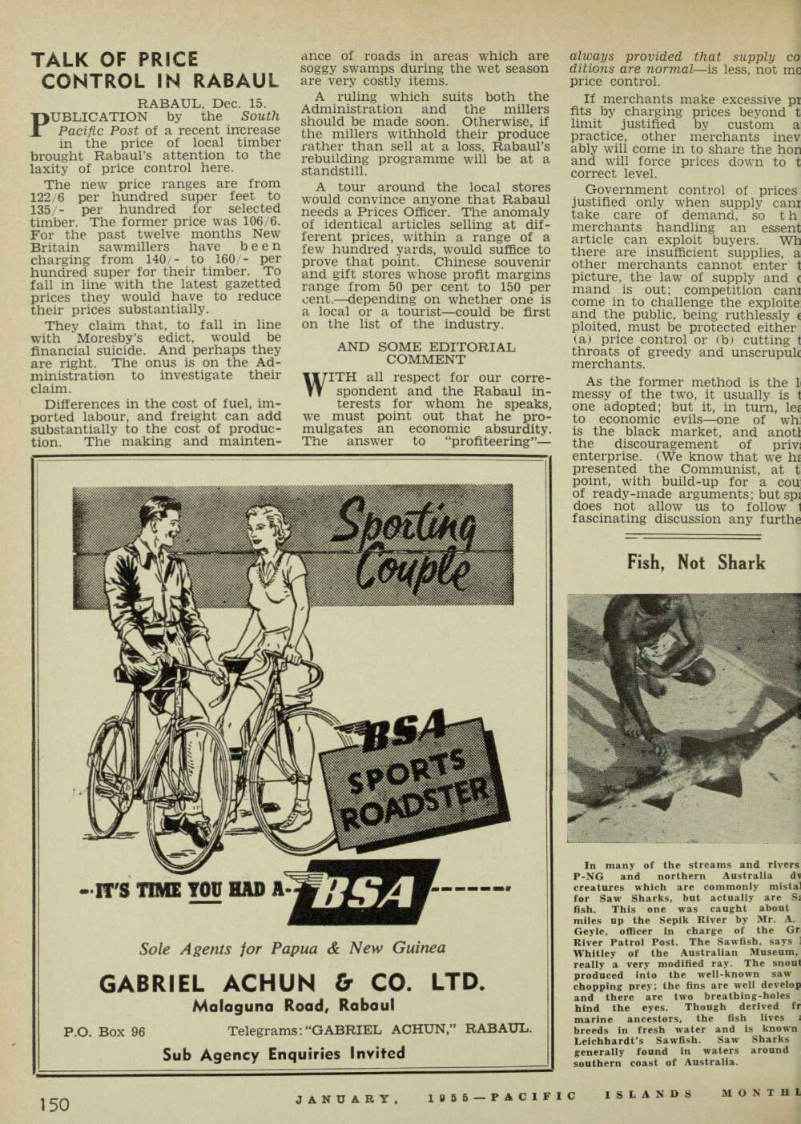 150
150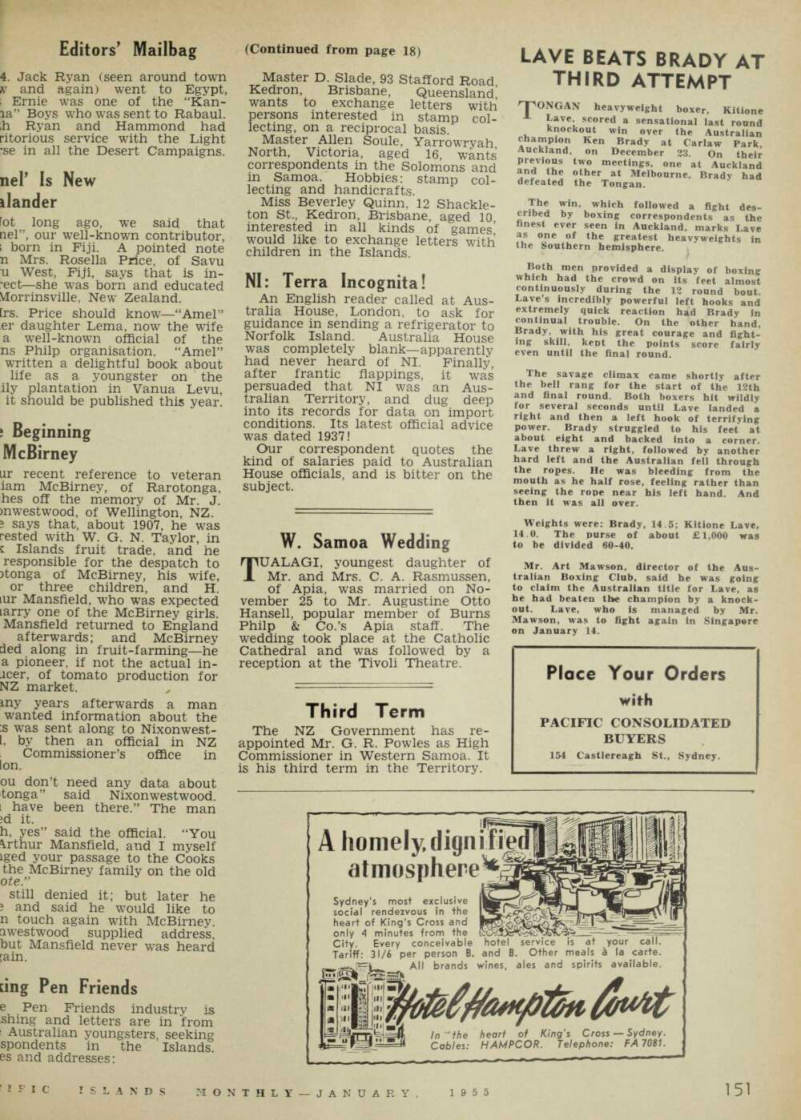 151
151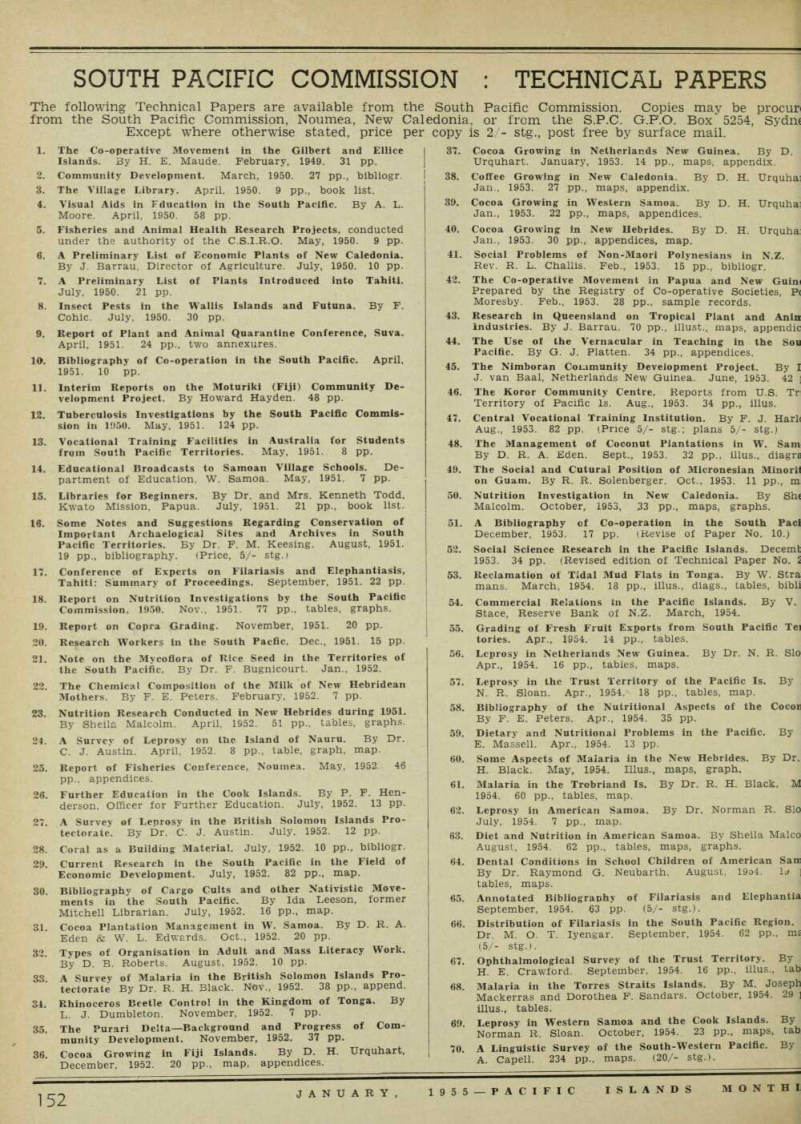 152
152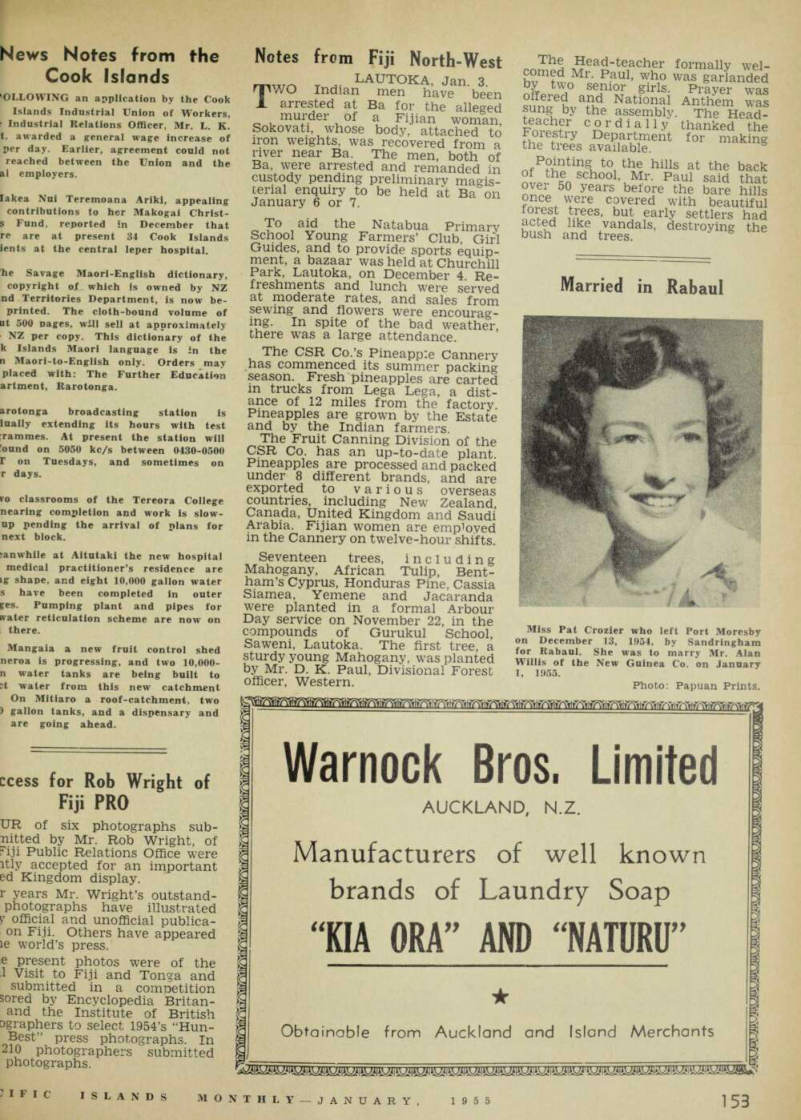 153
153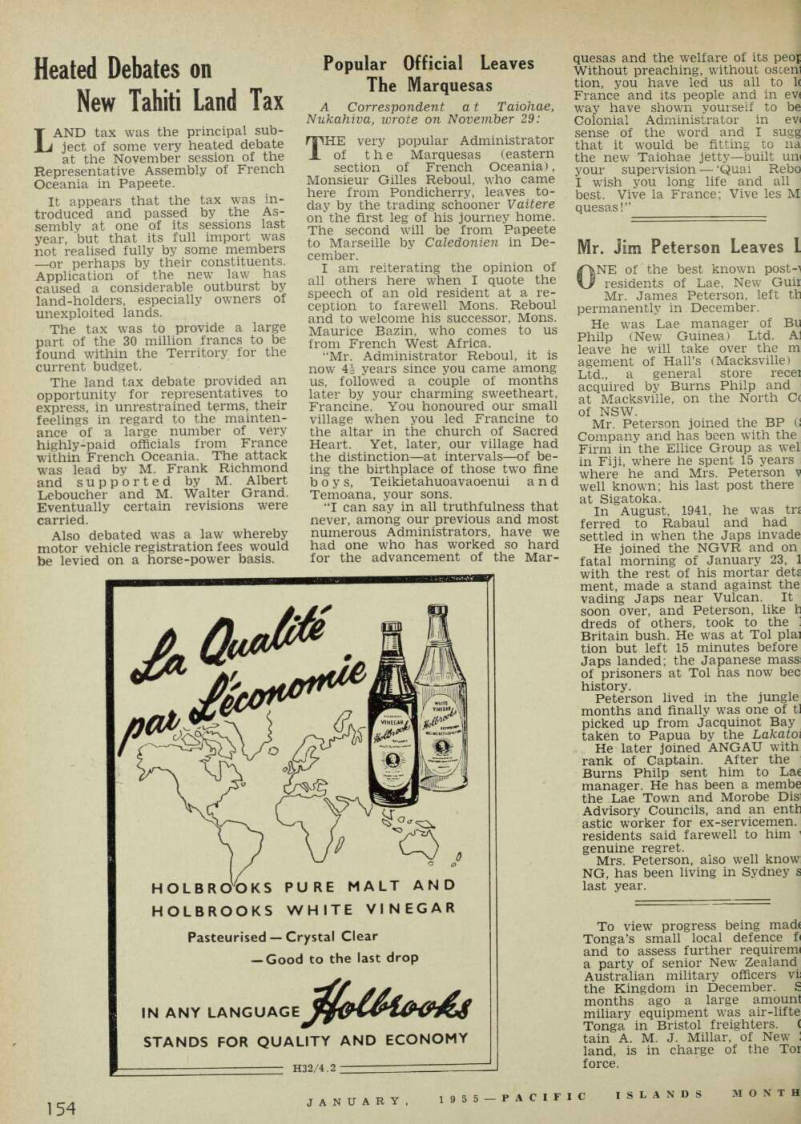 154
154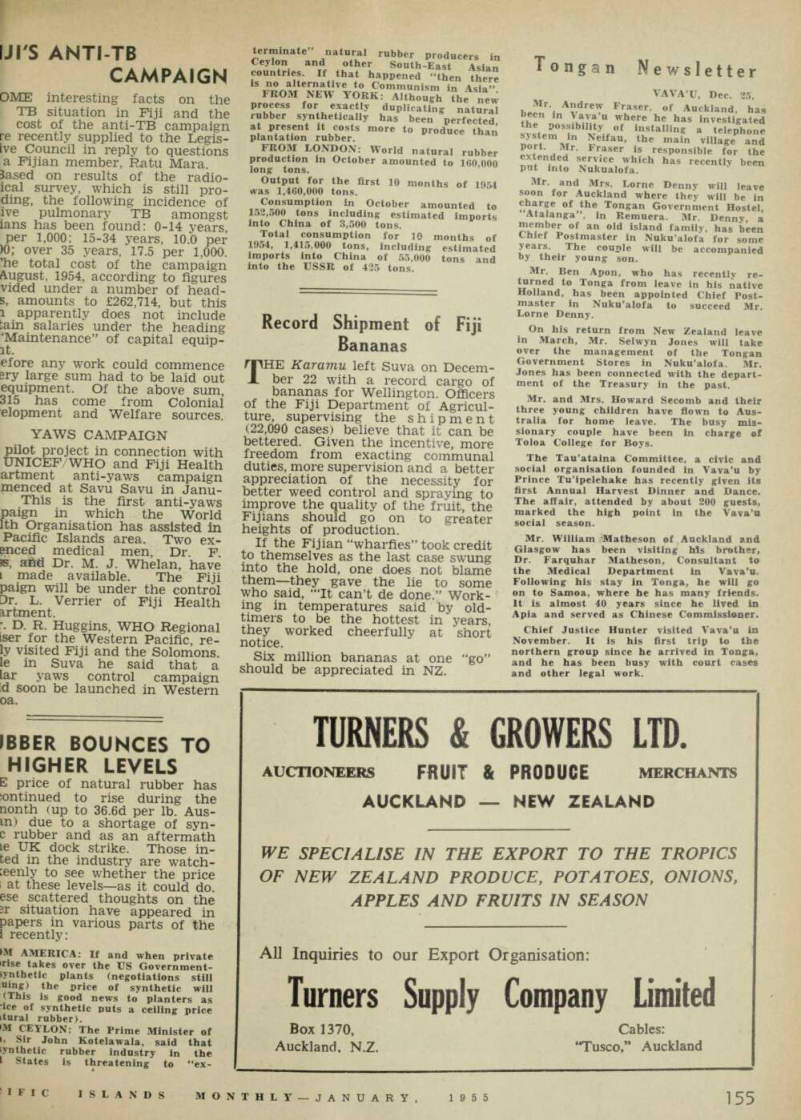 155
155 156
156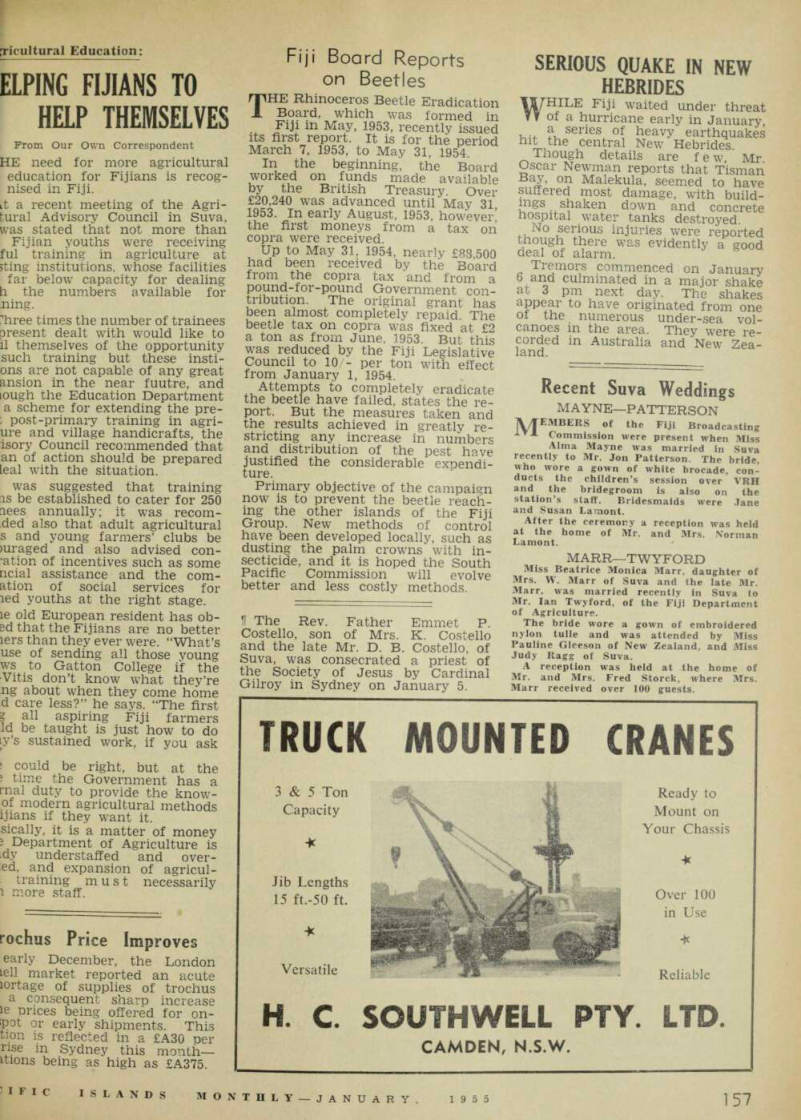 157
157 158
158 159
159 160
160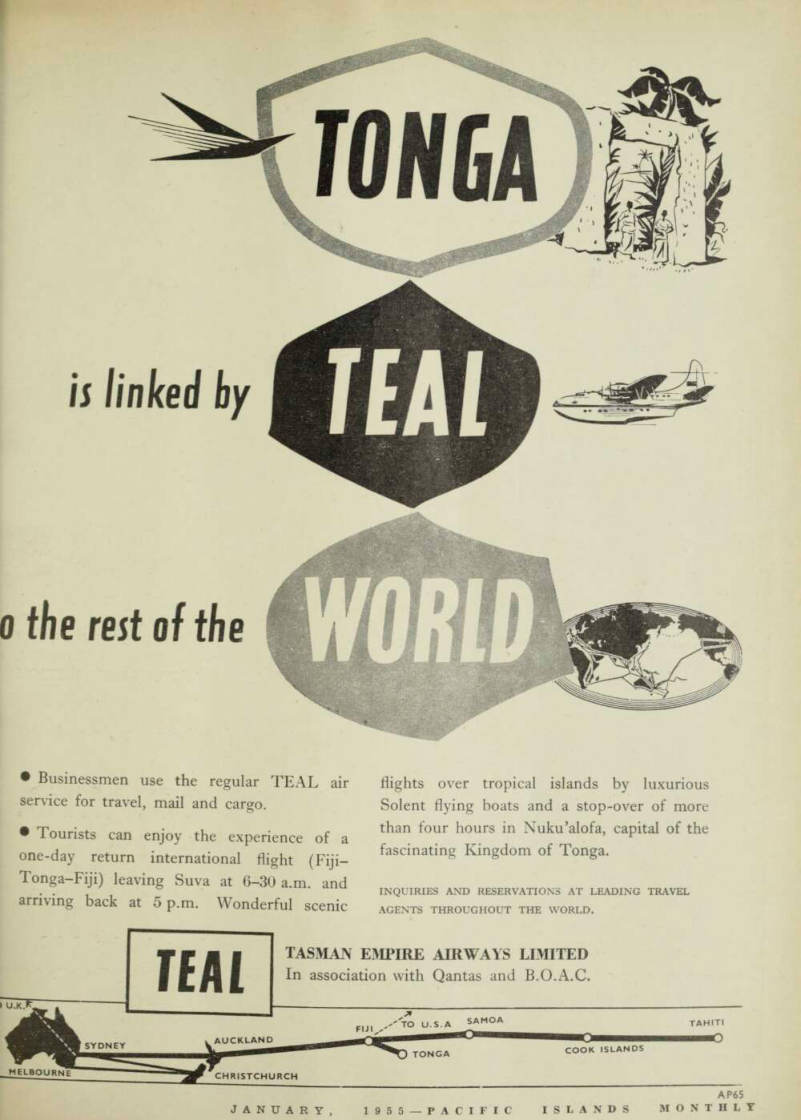 161
161 162
162